BIRCHWOOD OF GRAPEVINE
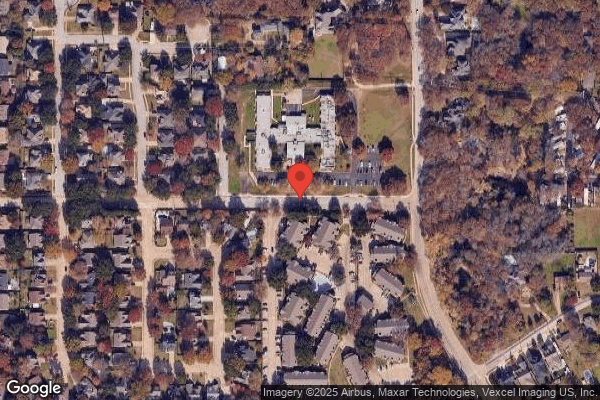
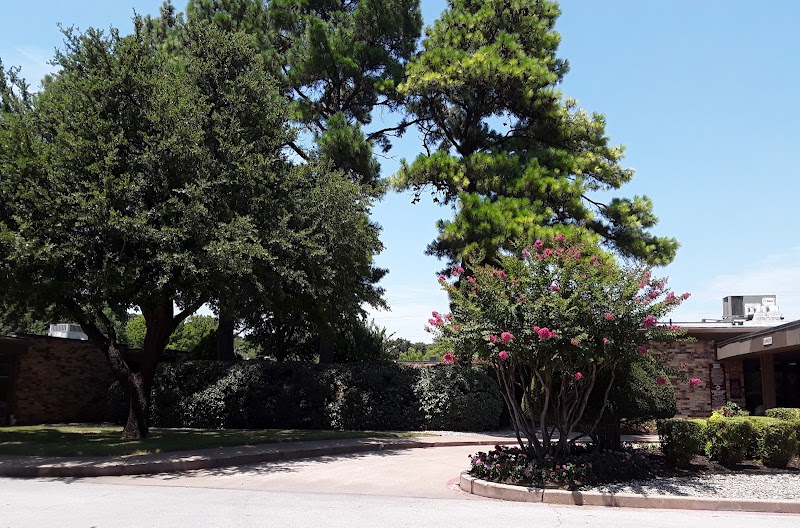
1500 AUTUMN DRIVE, GRAPEVINE, TX 76051 (817) 488-8585
For profit - Corporation 126 Beds AVIR HEALTH GROUP Data: November 2025 5 Immediate Jeopardy citations
Trust Grade
0/100
#646 of 1168 in TX
Last Inspection: August 2024

Within standard 12-15 month inspection cycle. Federal law requires annual inspections.

Overview

Birchwood of Grapevine has a Trust Grade of F, indicating significant concerns and a poor overall reputation. They rank #646 out of 1168 facilities in Texas, placing them in the bottom half, and #35 out of 69 in Tarrant County, meaning there are better options nearby. The facility's performance trend is stable, with 12 issues reported consistently in both 2024 and 2025. Staffing is a significant concern, with a low rating of 1 out of 5 stars and a high turnover rate of 74%, much worse than the Texas average of 50%. In terms of fines, the facility has incurred $38,906, which is average compared to other facilities in Texas. While they provide better RN coverage than 82% of Texas facilities, there are serious incidents to note, including a failure to provide basic life support to a resident in need and preventing accidents in the memory care unit, where a resident ingested harmful substances. Additionally, there was an incident involving a resident being pushed by another, resulting in a pelvic fracture. These findings highlight both staffing issues and safety risks that families should carefully consider.

Trust Score
F
0/100
In Texas
#646/1168
Bottom 45%
Safety Record
High Risk
Review needed
Inspections
Holding Steady
12 → 12 violations
Staff Stability
⚠ Watch
74% turnover. Very high, 26 points above average. Constant new faces learning your loved one's needs.
Penalties
○ Average
$38,906 in fines. Higher than 57% of Texas facilities. Some compliance issues.
Skilled Nurses
○ Average
Each resident gets 32 minutes of Registered Nurse (RN) attention daily — about average for Texas. RNs are the most trained staff who monitor for health changes.
Violations
⚠ Watch
35 deficiencies on record. Higher than average. Multiple issues found across inspections.
★★☆☆☆
2.0
Overall Rating
★☆☆☆☆
1.0
Staff Levels
★★★★★
5.0
Care Quality
★☆☆☆☆
1.0
Inspection Score
Stable
2024: 12 issues
2025: 12 issues

The Good

  • 5-Star Quality Measures · Strong clinical quality outcomes
  • Full Sprinkler Coverage · Fire safety systems throughout facility
  • No fines on record

Facility shows strength in quality measures, fire safety.

The Bad

2-Star Overall Rating

Below Texas average (2.8)

Below average - review inspection findings carefully

Staff Turnover: 74%

28pts above Texas avg (46%)

Frequent staff changes - ask about care continuity

Federal Fines: $38,906

Above median ($33,413)

Moderate penalties - review what triggered them

Chain: AVIR HEALTH GROUP

Part of a multi-facility chain

Ask about local staffing decisions and management

Staff turnover is very high (74%)

26 points above Texas average of 48%

The Ugly 35 deficiencies on record

5 life-threatening
Jul 2025 2 deficiencies
CONCERN (D) 📢 Someone Reported This

A family member, employee, or ombudsman was alarmed enough to file a formal complaint

Potential for Harm - no one hurt, but risky conditions existed

Menu Adequacy (Tag F0803)

Could have caused harm · This affected 1 resident

Based on observation, interview, and record review, the facility failed to ensure the menus were followed for 1 (the lunch meal on 07/09/25) of 1 meal reviewed for food and nutrition services.The faci...

Read full inspector narrative →
Based on observation, interview, and record review, the facility failed to ensure the menus were followed for 1 (the lunch meal on 07/09/25) of 1 meal reviewed for food and nutrition services.The facility did not serve the posted lunch menu of cornbread and seasoned okra. This failure could affect all residents in the facility, who eat from the kitchen, by placing them at risk of not knowing what was going to be served for that meal. Findings included:Observation on 07/09/25 at 10:15 AM of the menu posted in the dining room reflected for 07/09/25 the following: Sausage Jambalaya, Seasoned Okra, Cornbread, and a Brownie.Review of the facility's Week-At-A-Glance 2025 Week 3 for Wednesday reflected the following: Sausage Jambalaya, Seasoned Okra, Cornbread, Double Chocolate Brownie.Interview on 07/09/25 at 10:40 AM with Resident #1 revealed when he received his food, he was not sure what would be served because the menu did not match what was served to him often. Interview on 07/09/25 at 10:45 AM with Resident #2 revealed when she received her food, she was not sure what would be served because the menu did not match what was served to her. Observation and interview on 07/09/25 at 11:00 AM with the DM revealed the steamtables in the kitchen had the following food items which would be served for lunch: sausage jambalaya, sliced bread, and capri vegetables which included green beans, carrots, squash, and zucchini. Interview on 07/09/25 at 12:30 PM with the DM revealed she always tried to follow the menu and serve what was on it for the residents. The DM said for today's (07/09/25) lunch meal, she did substitute the cornbread with sliced bread and okra with capri vegetables. The DM said she had to do that because the cornbread box that was delivered appeared as if it was open so it was not usable and it was not replaced in time to serve it with the meal. The DM said as for the okra, it was used for another meal earlier in the week and she did not have enough to serve with lunch today (07/09/25). The DM said the if the kitchen did not serve what was posted on the menu, it could be confusing for residents because it did not match. The DM said the cook posted the menu, but if there were changes that needed to be made, she usually included that in the posted menu so residents knew what they would be served that day. The DM said she expected the menu to match what the residents were being served that day. The DM said all staff had been trained to make sure that the posted menu matched what was being served for that meal that day.Review of the facility's Menus policy, dated May 2014, reflected: .6. Menus are served as written, unless changed in response to preference, unavailability of an item, or a special meal.8. Menus are posted in the nutrition services department, dining rooms and resident/patient care areas.
CONCERN (E) 📢 Someone Reported This

A family member, employee, or ombudsman was alarmed enough to file a formal complaint

Potential for Harm - no one hurt, but risky conditions existed

Food Safety (Tag F0812)

Could have caused harm · This affected multiple residents

Based on observation, interview, and record review, the facility failed to store, prepare, distribute, and serve food in accordance with professional standards for food service safety for the facility...

Read full inspector narrative →
Based on observation, interview, and record review, the facility failed to store, prepare, distribute, and serve food in accordance with professional standards for food service safety for the facility's one and only kitchen reviewed for food and nutrition services. The facility failed to ensure the four steamtable compartments in the kitchen were clean and free of debris before food was placed in them.This failure could affect residents who received their meals from the facility's only kitchen, by placing them at risk for food-borne illness, and food contamination. Findings included:Observation on 07/09/25 at 9:10 AM of the facility's only kitchen revealed the four steamtable compartments had food and debris floating in them.Observation on 07/09/25 at 11:00 AM of the facility's only kitchen revealed the four steamtable compartments had food and debris floating in them. The steamtables had the following: the first one had a tray of sausage jambalaya; the second one had capri vegetables and fortified mashed potatoes; the third one had mechanical soft sausage jambalaya and brown gravy; the fourth one had pureed vegetables, pureed bread, Salisbury steaks, and pureed jambalaya.Interview on 07/09/25 at 11:15 AM with the DM revealed she saw the food and debris in the steamtable compartments and mentioned that they would be cleaned after the lunch service had ended. Interview on 07/09/25 at 12:30 PM with the DM revealed normally the steamtable compartments were cleaned at the end of each shift, which would have been after lunch and after dinner. The DM said usually it was the cook who cleaned the steamtable compartments. The DM said the steamtable compartments did not get cleaned between breakfast and lunch services. The DM said she normally checked the steamtable compartments daily to ensure they were cleaned as they were supposed to be. The DM said she saw the food and debris floating in the steamtable compartments before the lunch service earlier, but the lunch meal was already on the line waiting to be served. The DM said the steamtable compartments should be cleaned before food was placed on it to be served. The DM said if the steamtable compartments were not cleaned, bacteria could get in the food. The DM said all staff had been trained to ensure the steamtable compartments were cleaned before service and that was her expectation. Review of the facility's Environment policy, dated May 2014, reflected: 1. The Food Service Director will insure [sic] that a routine cleaning schedule is in place for all cooking equipment, food storage areas, and surfaces .
May 2025 1 deficiency
CONCERN (D) 📢 Someone Reported This

A family member, employee, or ombudsman was alarmed enough to file a formal complaint

Potential for Harm - no one hurt, but risky conditions existed

Pharmacy Services (Tag F0755)

Could have caused harm · This affected 1 resident

**NOTE- TERMS IN BRACKETS HAVE BEEN EDITED TO PROTECT CONFIDENTIALITY** Based on observation, interview, and record review, the facility failed to provide pharmaceutical services including procedures ...

Read full inspector narrative →
**NOTE- TERMS IN BRACKETS HAVE BEEN EDITED TO PROTECT CONFIDENTIALITY** Based on observation, interview, and record review, the facility failed to provide pharmaceutical services including procedures that assure the accurate dispensing and administering of all drugs and biologicals to meet the needs of each resident for 1 of 1 resident (Resident #1) reviewed for pharmaceutical services. The facility failed to ensure MAs and nurses were following physician orders for administering Resident #1's Lidocaine Patch 4%, which was used for preventing pain, on 05/04/25. This failure could put residents at risk of not receiving their medications as ordered. Findings included: Record review of Resident #1's quarterly MDS assessment, dated 03/24/25, reflected the resident was an [AGE] year-old female admitted to the facility on [DATE], with diagnoses that included age-related osteoporosis without current pathological fracture (a condition where bone density and mass decrease significantly due to the natural aging process, increasing the risk of fractures). The resident's cognition was moderately impaired with a BIMS score of 8. The MDS reflected the resident received a scheduled pain medication regimen. Record review of Resident #1's care plan, dated 08/15/24, reflected Resident #1 has Acute Pain / Chronic Pain. Goal:-she Will Report Satisfactory Pain Control. Interventions:- Educate Resident / Representative on prescribed analgesics and / or anti-inflammatory medications Record review of Resident #1's May 2024 Physician Orders dated 1/24/2025 reflected the following: Lidocaine Pain Relieving External Patch 4% (Lidocaine). Apply to right hip 1 patch topically one time a day for PAIN and remove per schedule. Record review of Resident #1's May 2025 MAR revealed reflected LVN C worked on 05/04/25 and had signed on the MAR that he had removed the resident's patch at 5:59 PM. Observation on 05/06/25 at 11:40 AM revealed Resident #1 had two lidocaine external patches on her right hip, one was dated 05/04/25 and the other was dated 05/06/25. The resident's skin was intact. Observation and interview with MA B on 05/06/25 at 11:50 AM revealed Resident #1 had two lidocaine patches on the right hip. MA B stated Resident #1s patch was supposed to be applied in the morning at 6:00 AM and then removed at 5:59 AM as per the order. She stated it was the responsibility of the nurse and herself to apply and remove the patch. She stated she worked on 05/04/25 and the patch was applied by the night shift nurse before she left after her shift and that evening she had left early. She expected the nurse to remove the patch because they use the same MAR and anytime the patch was due for application or removal it will pop on the electronic record showing as due. She stated she was the one that applied the patch on 05/05/25 and denied seeing the one dated 05/04/25. She stated failure to remove an old patch before applying a new could lead to overdose. She had done in-service on medication administration. An interview was attempted via telephone with LVN C on 05/06/25 at 2:20 PM; however, the attempt was not successful. A voicemail message was left without a return call back from LVN C. Interview with RN D on 05/06/25 at 2:57 PM revealed she was the one, who had removed the patch 05/05/25 in the evening, for Resident #1. She stated she did not see the old patch dated 05/04/25. RN D stated she was aware she was supposed to remove the old patch before administering the new one. She stated the risk of not removing the old patch was over medication and skin irritation. RN D stated she had done in-services on medication administration. Interview with the DON on 05/06/25 at 4:34 PM revealed his expectation was that nurses and MAs should remove the old patch before applying the new patch. He stated failure to remove the old patch would lead to overdose and skin irritation. He stated facility had done in-service on medication administration but not on patches removal. Record review of the facility medication administration in-service record, dated 04/23/25, reflected MA B, LVN C and RN D were in attendance. Record review of the facility's current Pharmacy Services policy, dated April 2019, reflected: .4.Medications are administered in accordance with prescriber orders, including any required time frame The policy did not address patch administration and removal. The DON stated they did not have a policy that addressed patch removal.
Mar 2025 9 deficiencies 2 IJ (1 affecting multiple)
CRITICAL (J) 📢 Someone Reported This

A family member, employee, or ombudsman was alarmed enough to file a formal complaint

Immediate Jeopardy (IJ) - the most serious Medicare violation

Free from Abuse/Neglect (Tag F0600)

Someone could have died · This affected 1 resident

**NOTE- TERMS IN BRACKETS HAVE BEEN EDITED TO PROTECT CONFIDENTIALITY** Based on observations, interviews, and record review, the facility failed to ensure residents were free from abuse for 1 of 6 re...

Read full inspector narrative →
**NOTE- TERMS IN BRACKETS HAVE BEEN EDITED TO PROTECT CONFIDENTIALITY** Based on observations, interviews, and record review, the facility failed to ensure residents were free from abuse for 1 of 6 residents (Resident #6) reviewed for abuse. The facility failed to ensure Resident #6 had the right to be free from abuse when Resident #7 pushed her on 01/21/25, causing Resident #6 to fall which resulted in a pelvic fracture. An IJ was identified on 03/12/25. The IJ template was provided to the facility on [DATE] at 4:51 PM. While the IJ was removed on 03/13/25, the facility remained out of compliance at a scope of isolated and a severity level of potential for more than minimal harm because the facility was continuing to monitor the implementation and effectiveness of their Plan of Removal. This failure placed residents at risk for abuse. Findings included: Record review of Resident #6's face sheet, dated 02/27/25, reflected the resident was an [AGE] year-old female who originally admitted to the facility on [DATE] and readmitted on [DATE]. Record review of Resident #6's significant change in status MDS Assessment, dated 01/29/25, reflected she had a BIMS score of 06, indicating severe cognitive impairment. Her MDS indicated she had delusions but no other behaviors. Her diagnoses included unspecified fracture of sacrum (a shield-shaped bony structure that is located at the base of the lumbar vertebrae and that is connected to the pelvis) and depression. Record review of Resident #6's care plan, revised 01/22/25, reflected the following: Focus: 1/21/25- [Resident #6] had a fall. Was accidentally pushed by another resident. Sent to ER. Record review of Resident #6's Progress Notes reflected the following: 01/21/25 5:36 PM - Resident was pushed to floor by another resident, resident was crying stating her hip hurt, resident was assessed, assisted from floor to dining chair, pain medication administered. DON, MD and RP notified. Stat hip x-ray ordered. Resident is now sittingin [sic] dinning [sic] area, away from other resident eating dinner. Resident stated she has no pain at this time and will let staff know if her hip starts to hurt again. This entry was written by LVN Z. 01/21/25 11:11 PM - X-ray performed at this time awaiting for results. This entry was written by LVN Y. 01/22/25 2:15 AM - Result viewed, No acute fracture, dislocation, destructive bony process noted, result will be relayed to MD by incoming nurse. This entry was written by LVN Y. 01/22/25 9:15 AM - Resident has been sent out to [Hospital X] r/t uncontrolled pain (L) hip. Resident is status post fall 1/22/25. STAT Xray result (L) hip shows No Acute Fracture, Dislocation or destructive bony process. Resident c/o pain (L) hip, Tramadol 50mg prn and Tylenol 650mg was administered for pain. Medication was not effective, resident unable to ambulate as she normally does. Notified [the DON] and resident sent out to ER for [NAME] evaluation. [Resident #6's RP] was also notified. This entry was written by LVN W. 01/25/25 12:15 PM - Resident arrived facility [sic] from [Hospital X] by ambulance via stretcher accompanied by [Resident #6's RP] DX open displaced fracture of anterior wall of left acetabulum [an anterior wall acetabular fracture is a break in the front column of bone or area around the bony rim (wall) of your hip socket].Resident [sic] assisted in bed by two nurses, complained of some little pain, tylenol [sic] 650 mg prn given with positive outcome . This entry was written by LVN V. Record review of Resident #6's hospital records, dated 01/30/25, reflected the following: As Per admission history and physical dated 1/22/2025 Patient is a 84 y.o. female has a past medical history of Dementia (HCC). admitted after fall at care facility resulting in pelvic fracture and difficulty ambulating. [Resident #6's RP] reports [Resident #6] was previously independent, 'very active' and 'walks on her own'. Recently completed PT at facility and 'checked all the boxes', discharged from therapy last Friday [01/17/25]. Fall mechanism- patient reports being pushed by 'lady' and feeling pain 'from the back'. [Resident #6's RP] unaware of circumstances, states facility noticed fall and difficulty walking. Hospital Course/Summary: Ptient [sic] presented after fall unable to bear weight. Found to acute minimally displaced fractures of the anterior left acetabulum, left inferior pubic ramus [describes a type of crack or break in a person's pelvis] and left sacrum . Record review of Resident #6's Radiology Results Report, dated 01/21/25, reflected: Procedure: HIP UNI W OR W/O PELVIS 2-3 V .INTERPRETATION: Findings: No acute fracture, dislocation or destructive bony process. No soft tissue abnormally. Osteopenia. Mild degenerative changes. Conclusion: No acute osseous abnormality. Interview on the phone on 02/27/25 at 11:15 AM with Resident #6's RP revealed Resident #6 was pushed by a different resident and her pelvis was fractured as a result. Resident #6's RP said Resident #6 was admitted to the hospital and the fracture did not require screws or any surgery, so the doctor said it was going to heal on its own. Resident #6's RP said before the incident, Resident #6 was able to walk around freely without the use of a walker or wheelchair and now she was no longer mobile, requiring the use of a wheelchair. Resident #6's RP said Resident #6 was able to stand and take some steps, but it hurt the resident and she was not like she was before. Observation and interview on 02/27/25 at 11:57 AM with Resident #6 revealed she was sitting in a wheelchair at the nurse's station. Resident #6 said she was not in any pain, had never had a fall, and would never let anyone push her. Resident #6 did not appear to be in any pain. Record review of Resident #7's face sheet, dated 02/27/25, reflected she was an [AGE] year-old female who admitted to the facility on [DATE]. Record review of Resident #7's Quarterly MDS Assessment, dated 01/24/25, reflected she had a BIMS score of 03, indicating severe cognitive impairment. Her MDS indicated she had delusions but no other behaviors. Her diagnoses included heart failure, non-Alzheimer's dementia, and depression. Record review of Resident #7's care plan, revised 01/22/25, reflected the following: Focus: 1/21/25- [Resident #7] accidentally pushed another resident to the floor. Education completed, Redirected as needed. Goal: [Resident #7] will not harm self or others through the review date. Interventions/Tasks: When the resident becomes agitated: Intervene before agitation escalates; Guide away from source of distress; Engage calmly in conversation; If response is aggressive, staff to walk calmly away, and approach later. Record review of Resident #7's Progress Notes reflected the following entries: 01/21/25 5:25 PM - Resident pushed another resident to the floor, no injuries noted to this resident. Resident was separated from resident she pushed to floor. DON, MD, and RP notified. This entry was written by LVN Z. 01/23/25 4:06 PM - .Patient is seen per staff request due to reports of combativeness, and agitation. Patient is up in the dining area, calm at the moment, and in no distress at this time. She reportedly pushed another resident who sustained injuries, requiringhospitalization [sic]. Patient presents with spontaneous disruptive mood, and combativeness. She is alert to self, and unwilling or unable to participate in the assessment at this time .Chart reviewed, medication profile reviewed .Upon review, based on presenting will further increase Depakote and start patient on Atarax 10 mg twice daily as needed for anxiety. Primary nurse notified, will monitor closely. This entry was written by NP LL. Observation and interview on 02/27/25 at 2:00 PM with Resident #7 revealed she was sitting in a chair at a table with other residents around her. Resident #7 said she was doing good today and did not appear to have any behaviors. Interview on 02/27/25 at 11:57 AM with LVN Z revealed she was passing medications when Residents #6 and #7 were having an argument and Resident #7 stood up. LVN Z said before she could get to the area where the residents were at, Resident #7 ended up pushing Resident #6. LVN Z said she assessed Resident #6, gave her some pain medication, took her to her room to assess her, and then brought her back to the dining room to eat dinner and everything was fine. LVN Z said she did not see any obvious signs of injuries and Resident #6's pain seemed to be managed. LVN Z said a STAT x-ray was ordered for Resident #6, she notified Resident #6's RP, the DON, the ADON, and the doctor of the incident. LVN Z said during the assessment, there was not any discoloration or bruising to make her think something was injured but the resident did have a slight limp when she pivoted to sit in the chair. LVN Z said before the incident, Resident #6 was completely and independently ambulatory but the next day she was not able to walk so that nurse on shift sent her to the hospital. LVN Z said at the hospital, they found out she had a pelvic fracture. LVN Z said Resident #7 had not been physically aggressive towards other residents before, only combative during care with staff. LVN Z said Resident #7 did get upset though when people were talking around her, thinking that they were talking to her. LVN Z said she knew the Administrator was the abuse coordinator for the facility and that a resident-to-resident altercation that resulted in injuries would be considered abuse. Interview on 02/27/25 at 12:23 PM with CNA V revealed it was around dinner time while staff were serving trays, and Resident #7 was talking to the air and yelling, and some residents were replying back to her. CNA V said they were trying to calm the residents down and telling them to relax when all of a sudden, she saw Resident #7 get up and storm over to push Resident #6 down. CNA V said she went over to stay at Resident #6's side until LVN Z came over. CNA V said after LVN Z took over, she went to check on Resident #7 who was in her room upset but wanted to be left alone. CNA V said Resident #6 looked like she was injured after being pushed because she was shouting and screaming in pain. CNA V said before the incident occurred, Resident #6 was up and walking around and did not need a wheelchair or walker. CNA V said Resident #7 did not have any physically aggressive behaviors before this incident. CNA V said she knew to report abuse to the Administrator who was the abuse coordinator for the facility. Interview on 02/27/25 at 2:36 PM with the DON revealed he received a report that Resident #6 had a fall and then the resident complained of pain and was sent to the ER. The DON said that another resident (Resident #7) had pushed Resident #6 and she fell. The DON said Resident #6 had a pelvic fracture. The DON said he was notified immediately after it happened and when Resident #6 was sent to the ER. The DON said Resident #7 was a little feisty with staff during care but had never attacked another resident. The DON said he was not sure what happened to make Resident #7 push Resident #6 but that it was an accident and was not intentional. The DON said he talked to Resident #7, and she did not mean to hurt anyone, but a resident-to-resident altercation was considered abuse. The DON said he would have to ask the Administrator if she reported the situation or not. The DON said all residents had the right to be free from abuse and all staff were responsible for making sure residents were free from abuse. The DON said Resident #6 was harmed from the situation because she suffered a pelvic fracture and now required the use of a wheelchair. The DON said Resident #6 was independently ambulatory before the incident. Interview on 02/27/25 at 3:03 PM with the Administrator revealed what she understood was the situation happened in the hallway, LVN Z was standing there and talking with Resident #6 when Resident #7 walked past and bumped her, causing Resident #6 to fall and sustained a fracture. The Administrator said when she spoke to the staff about it, she did not get the impression that it was intentional. The Administrator said Resident #6 was able to ambulate independently before the incident and since the fracture occurred she now used a wheelchair. The Administrator said she did not complete an investigation into what happened because of what she was told by the staff. The Administrator said she only talked to LVN Z about the incident but was not aware she did not see what had happened. The Administrator said she did not speak with CNA V who witnessed the incident between the two residents. The Administrator said she only knew that Resident #6 had a fall, and an x-ray was ordered which had negative results, but she was still complaining of pain. The Administrator said since she was still complaining of pain the facility sent her to the ER and that was when they found out about the fracture. The Administrator said if LVN Z documented that Resident #7 pushed Resident #6 then that was intentional and had a different connotation than an accidental bumping into each other. The Administrator said with the new information regarding the situation, it was considered abuse between two residents. The Administrator said she would have wanted staff to report the incident to her immediately. The Administrator said if she had known the details of the incident, she would have reported it to HHSC. The Administrator said all residents had the right to be free from abuse, even from other residents. The Administrator said everyone was responsible for making sure residents were free from abuse. The Administrator said the purpose of keeping residents safe from abuse was to ensure their continued health and safety. Interview on 03/12/25 at 1:08 PM with LVN W revealed while he did not directly work with Resident #7, he worked on the secured unit and was familiar with her. LVN W said he had never seen or heard about Resident #7 being physically aggressive towards a resident prior to the 01/21/25 incident. LVN W said if Resident #7 started to get agitated he would try to calm her down by redirecting her away from the area or removing the other residents from the area. LVN W said he had been in-serviced on the facility's abuse policy and knew that a resident-to-resident altercation was considered abuse. Interview on 03/12/25 at 1:28 PM with CNA Q revealed while she did not directly work with Resident #7, she worked on the secured unit and was familiar with her. CNA Q said she had never seen or heard about Resident #7 being physically aggressive towards a resident. CNA Q said when Resident #7 started to get agitated she would try to calm her down by redirecting her away from the area or removing the other residents from the area. CNA Q said she had been in-serviced on the facility's abuse policy and knew that a resident-to-resident altercation was considered abuse. Interview on the phone on 03/12/25 at 1:40 PM with RN R revealed she cared for Resident #7 before and knew that sometimes she would get aggressive towards others by yelling at them. RN R said when Resident #7 started to get agitated she would try to calm her down by redirecting her away from the area or removing the other residents from the area. RN R said she had been in-serviced on the facility's abuse policy and knew that a resident-to-resident altercation was considered abuse. Interview on the phone on 03/12/25 at 1:54 PM with CNA S revealed she cared for Resident #7 and knew she had behaviors of yelling at others. CNA S said she had not seen Resident #7 be physically aggressive towards anyone at the facility. CNA S said when Resident #7 started to get agitated she would try to calm her down by redirecting her away from the area or removing the other residents from the area. CNA S said she had been in-serviced on the facility's abuse policy and knew that a resident-to-resident altercation was considered abuse. Interview on 03/12/25 at 2:00 PM with RA T revealed she cared for Resident #7 and knew that she had behaviors of yelling at others. RA T said she had not seen Resident #7 be physically aggressive towards anyone at the facility. RA T said when Resident #7 started to get agitated she would try to calm her down by redirecting her away from the area or removing the other residents from the area. RA T said she had been in-serviced on the facility's abuse policy and knew that a resident-to-resident altercation was considered abuse. Record review of the facility's Course Completion History report from 09/12/24 to 03/12/25 regarding Abuse, Neglect, and Exploitation Training reflected the following: LVN Z had completed the trainings on 11/30/24 and 02/2/25; CNA V had completed the training on 02/11/25. Record review of the facility's incidents/accidents report from 11/27/24 to 02/27/25 reflected there were no other situations that involved Resident #6 or Resident #7. Record review of the facility's policy, revised September 2022, and titled Identifying Types of Abuse reflected: 1. Abuse of any kind against residents is strictly prohibited .4. 'Abuse' is defined as the willful infliction of injury, unreasonable confinement, intimidation, or punishment with resulting physical harm, pain or mental anguish .5. Abuse toward a resident can occur as: a. resident-to-resident abuse . An IJ was identified on 03/12/25. The IJ template was provided to the facility on [DATE] at 4:51 PM. While the IJ was removed on 03/13/25, the facility remained out of compliance at a scope of isolated and a severity level of potential for more than minimal harm due to the facility continuing to monitor the implementation and effectiveness of their Plan of Removal. The facility's Plan of Removal for the Immediate Jeopardy was accepted on 03/13/25 at 9:45 AM and reflected the following: .F600 Plan of Removal 03/12/2025 Immediate Corrective Action for residents affected by the alleged deficient practice: On 01/21/25 resident #7 was noted to be walking towards her room, at this time she pushed past resident #6 who fell to the ground. Residents were separated by the nurse and redirected. At this time the staff assisted resident #6 up and assessed her, she was medicated for pain. Stat X-rays were called, initial series was negative for fracture. Upon further complaints of pain, the resident was sent to the hospital for additional imaging. The DON, MD, and daughter were notified. These revealed a pelvic fracture for which no surgery was necessary. Resident #6 returned to the facility with no additional injuries noted. Actions taken to prevent a serious adverse outcome from recurring: This alleged deficient practice had the potential to affect all residents who reside in the facility. The medical director was notified of the IJ by assistant director of nursing. On 01/21/2025 MDS nurse care planned a new behavior of aggressiveness towards other residents. With interventions of a psych consult and redirection when agitated, this has not been displayed since the initial incident. Staff will be able to identify this behavior and de-escalation techniques in the future based on the resident's care plan and [NAME]. Education on de-escalation techniques will be provided to all staff. A psychiatric consult was called by the medical director for resident #7 to review medications and behaviors, this was completed the next day on 01/22/2025. On 03/12/2025 the Administrator and Director of Nursing were educated on abuse and neglect, resident to resident altercations, and de-escalation of resident behaviors. This was done by the VP of Clinical Operations. Staff were previously trained on abuse and neglect as well as de-escalation of resident behaviors in December, by the administrator and DON and through [facility training software] in January and February. We will continue to educate new staff as they are hired. New educations on abuse and neglect, resident to resident altercations, and de-escalation of resident behaviors were started on 03/12/2025. These were implemented by the DON and the administrator; all staff will be educated prior to the start of their next shift. An Ad Hoc QAPI meeting was held on 03/12/2025 to inform all the management team. The DON and ADON will review resident behaviors daily in morning clinical meetings while viewing the 24-hour report/EMR and then weekly in IDT. This will be monitored monthly in QAPI. When Actions will be complete: The [Facility Name] will have completed staff education by 03/13/2025, if any staff member working in the facility is unable to be educated, they will be removed from the schedule until training has been provided. The [Facility Name] requests the removal of the immediate jeopardy on 03/12/2025. Monitoring of the facility's Plan of Removal included the following: Interviews with the following staff from 03/13/25 at 9:46 AM to 2:04 PM who worked all shifts and all days of the week revealed they had been in-serviced on de-escalation techniques for when a resident has aggressive behaviors towards another resident, abuse and neglect, and resident-to-resident altercations: LVN D, LVN G, LVN U, CNA BB, CNA CC, CNA DD, RA EE, CNA FF, CNA GG, CNA HH, CNA II, MA JJ, RN KK, LVN W, CNA V, CNA Q, CNA M, RA T, the ADON, the DON, and the Administrator. Record review of an in-service sign in sheet, dated 03/12/25, and titled Resident to Resident Abuse reflected 52 staff had been in-serviced. Record review of an Ad Hoc QAPI Agenda, dated 03/12/25, reflected all IDT members were in attendance. Record review of an in-service sign in sheets, dated 03/12/25, and titled Abuse, Neglect, and Misappropriation Policy and Redirection of a resident that is becoming combative with others, reflected both the DON and Administrator had signed. An IJ was identified on 03/12/25. The IJ template was provided to the facility on [DATE] at 4:51 PM. While the IJ was removed on 03/13/25, the facility remained out of compliance at a scope of isolated and a severity level of potential for more than minimal harm because the facility was continuing to monitor the implementation and effectiveness of their Plan of Removal.
CRITICAL (K) 📢 Someone Reported This

A family member, employee, or ombudsman was alarmed enough to file a formal complaint

Immediate Jeopardy (IJ) - the most serious Medicare violation

Deficiency F0678 (Tag F0678)

Someone could have died · This affected multiple residents

**NOTE- TERMS IN BRACKETS HAVE BEEN EDITED TO PROTECT CONFIDENTIALITY** Based on interview and record review, the facility failed to ensure personnel provided basic life support, to a resident requiri...

Read full inspector narrative →
**NOTE- TERMS IN BRACKETS HAVE BEEN EDITED TO PROTECT CONFIDENTIALITY** Based on interview and record review, the facility failed to ensure personnel provided basic life support, to a resident requiring such emergency care prior to the arrival of emergency medical personnel and subject to related physician orders and the resident's advance directives for 1 of 8 residents (Resident #11) reviewed for CPR. LVN A failed to initiate CPR when Resident #11 did not have a State recognized advance directive which meant the resident was a Full Code status, and he was found on the floor on the fall mat with his face noted to be reddish purple, weak pulse with no obvious respirations or breathing patterns noted. An Immediate Jeopardy (IJ) was identified on [DATE]. The IJ template was provided to the facility on [DATE] at 4:45 PM. While the IJ was removed on [DATE], the facility remained out of compliance at a scope of pattern and a severity level of potential for more than minimal harm because the facility was continuing to monitor the implementation and effectiveness of their Plan of Removal. These failures could affect the residents by placing them at risk for a delay in intervention and life-saving treatments, which could result in death. Findings included: Record review of Resident #11's MDS dated [DATE] reflected the resident was a [AGE] year-old male admitted to the facility on [DATE]. His diagnoses included stroke, heart failure, high blood pressure, diabetes, aphasia (language disorder), alcohol abuse, other psychoactive substance abuse, and cerebral ischemia (condition where the brain does not receive enough blood flow, leading to a lack of oxygen and nutrients). Resident #11's cognition was moderately impaired with a BIMS score of 11. The MDS further reflected the resident required assistance with most all ADLs. Record review of Resident #11's care plan revised on [DATE] reflected he was a full code. Interventions included to initiate basic life support CPR if the resident was without a heartbeat or not breathing. Record review of Resident #11's progress notes dated [DATE] documented by LVN A reflected the following: 8:45 PM Upon walking halls in observation of residents, this nurse, upon peeping into res room, noticed resident in prone position while on landing mat appearing asleep. Called res name while attempting to clear visual of res and/or breathing pattern while entering room. After reaching resident, head noted on pillow slightly tilted, face abnormal in color appearing reddish purple. Neck palpated. Weak pulse ascertained. Sternal rub to no avail. No obvious respirations or breathing pattern noted. Nurses X2 assisted res to bed as other nursing staff initiated Emergency response while simultaneously checking resident's code status. During this time at res bedside, O2 initiated and continued efforts were made to arouse res. by this nurse. Res, per demographics in echart, reported to be a DNR as relayed by additional staff. 9:00 PM Emergency response noted in facility in resident's room. Writer informed first responders of said code status as documented in echart. Cpr initiated by fire dept pending receipt of physical copy of advance directives with md signature. This nurse continued to obtain signed verification of code status while calling resident's [family] several times at both listed numbers to no avail. Resuscitation efforts continued awaiting requested info. Spoke with Resident #11's [friend] first contact to notify of incident. Speaker was aware of res code status but did not know specifics, he stated. [sic]Contnued to try to reach [family] in which after approximately 15 min did answer. Was informed by resident's [family] who is listed as surrogate per [county] stated in hospital dnr received upon admission [DATE] that is was resident's wishes to decline life saving measures in the event res codes or is incapacitated, he explained. Per fire dept, they were attempting to reach [family] in which I did notably transfer call to fireman to confirm res code status as explained. [Family] spoke with said fireman in which he stated twice that I was his father's request to not be resuscitated. Emergency did inform res [family] that they would be ceasing resuscitation in 15 min 9:15 PM .Cellphone was brought to this nurse by fire dept in which their medical director stated the requirements of dnr also informing me that the issue 'would be moved up' in chain due to our inability to produce said document During conversation with their medical director I, in fact had located hospital dnr signed by NP with surrogate [family] present and in aggreeance with resident's wishes to not perform 'life saving measures' decision was made by the fire dept to transfer res to ER also stating 'we would probably get a visit tomorrow morning' This nurse stated to fire dept [family] was awaiting on line in which he then informed to tell [family] they were transferring him to hospital after obtaining signs of life after resuscitation because we could not produce documentation Record review of Resident #1's monthly physician orders for February 2025 reflected LVN B input an DNR order on [DATE]. Further review of Resident #1's electronic health record reflected there was not a State recognized Advance Directive nor an Out-of-Hospital DNR for Resident #1. Record review of Resident #11's hospital form titled Medical Orders for Scope of Treatment dated [DATE] signed by a nurse practitioner reflected A Do Not Attempt Resuscitation/Allow Natural Death .D. Direct conversation with surrogate decision-maker/proxy for incapacitated patient Surrogate/Proxy Name: [Resident #1's family] Relationship: Adult Child Primary Contact Number: Designated in: Texas Statutory Surrogate Signature of Physician [NP] Date and Time: [DATE] 4:08 PM Record review of Resident #11's Fire Department Run Form dated [DATE] reflected the following: A Physician Resuscitation Order: Has no pulse or is not breathing. Do Not Attempt Resuscitation/Allow Natural Death Narrative: Subjective Medic was called for a reported breathing problem at 1500 [Facility] in the [City]. Call notes stated 'faintly breathing//currently getting oxygen', 'patient is confused' 'patient has dementia'. On arrival, a [AGE] year old male made was found in cardiac arrest. Staff stated the patient has a DNR. Staff later stated they could not find the DNR. Multiple attempts to contact patient's family were unsuccessful. Objective: At 20:57, the patient was lying supine on the bed. A NRB was on the patient's face, placed by staff, with oxygen connected but no staff was nearby. Initial assessment revealed the patient was pulseless and apneic (a condition where breathing temporarily ceases). The patient's skin was mottled by warm. The patient had no visible trauma or external bleeding. Assessment: The field impression of the patient was Cardiac Arrest Plan: Upon finding the patient pulseless and apneic a 4-lead was established (a diagnostic tool that uses four electrodes to record the heart's electrical activity) and the patient was confirmed to be in asystole (a cardiac arrest that occurs when the heart stops beating and there is no electrical activity. After the staff stated that they could not find the DNR, the patient was transferred to the ground and CPR was initiated. Using the face sheet, family was contact was attempted but failed After 15 minutes of ACLS (Advanced Cardiac Life Support- a set of medical procedures and skills used to treat cardiac emergencies) the patient had a rhythm change for asystole to PEA (Pulse Electrical Activity - type of cardiac arrest where the heart's electrical activity is present, but there is no pulse) Due to the change in rhythm and rate of PEA, medical direction instructed us to transport the patient to the ER No further change in rhythm was noted throughout transport. Upon arrival at the ER the resident was transferred from the stretcher to the hospital bed The medical director checked heart motion and continued CPR for two more minutes before ending resuscitation attempts. Multiple attempts to contact LVN A on [DATE] and on [DATE] were unsuccessful. Attempts to contact Resident #11's family on [DATE] were unsuccessful. Interview on [DATE] at 1:21 PM with the Social Worker revealed Resident #11 was a full code and did not have DNR paperwork. The Social Worker said someone in the family said they had been discussing Resident #11 become a DNR but that was a far as that went, and nothing else was said . Interview on [DATE] at 4:24 PM with LVN C revealed LVN A said she was making rounds, [DATE], when she found Resident #11 unresponsive, and he had gone to assist and noticed he had a weak pulse. The resident's lips were blue, and he was not responding. LVN C said they checked the computer, and it showed the resident was a DNR and 911 was called. When EMS arrived, they asked for Resident #11's DNR paperwork and they were not able to produce it, so EMS started CPR as LVN A and LVN C continued to look for the DNR. LVN C said that because they thought Resident #11 was a DNR, the AED machine was not applied. LVN C further stated he heard one of the EMS staff members say Resident #11 had flatlined when they put the machines on the resident . Interview on [DATE] at 1:29 PM with the ADON revealed she was not aware CPR had not been initiated on Resident #11 on [DATE] and if the resident was a full code, then CPR should have been initiated . Interview on [DATE] at 2:07 PM with the DON revealed he was told Resident #11 had coded, [DATE], and had been found unresponsive. The DON said the resident just returned from the hospital, [DATE], and with a DNR but it was not an Out of Hospital DNR. Based on the progress notes, had read Resident #11 had a weak pulse, put oxygen on, and staff dialed 911. The DON said it appeared the AED was not used because the resident still had a pulse. The DON also said it appeared LVN A was unsure if Resident #11 was a full code. The DON further stated the staff could have used the AED machine to confirm the resident had a pulse . The DON further stated CPR should have been initiated if a resident was a full code or the code status was unknown. Interview on [DATE] at 5:47 PM with the Administrator revealed the EMS had met with her, because they had a concern, because the staff had gone back and forth whether Resident #11 was a DNR on [DATE]. The Administrator said it appeared they had a hospital DNR on file and the nurse, LVN A, did not know it was not valid in a nursing home. The EMS told her they required an Out of Hospital DNR and the facility staff should have started CPR when Resident #11 was found unresponsive . Interview on [DATE] at 1:18 PM with the Physician revealed Resident #11 was known to the facility and the nurses assumed the resident was a DNR because the resident had a hospital DNR. He said he was glad the resident was not revived because everyone knew that is what Resident #11 wanted. The Physician said nursing homes required Out of Hospital DNR's and that paperwork should be done when the residents were admitted . He further stated if the residents were a full code, CPR should be initiated if they code. Interview on [DATE] at 9:08 AM with the EMS Captain revealed they were called to the facility for a resident having difficulty breathing. When EMS arrived, they found Resident #11 with oxygen on a high flow, and he was not breathing. When the EMS crew put the monitors on the resident, he was flatlined. The EMS staff asked the facility staff if Resident #11 was a full code or a DNR. They were told the resident was a DNR but 20 or 30 minutes later the facility staff were still trying look for the DNR paperwork. When the facility staff finally said they found the DNR it was make shift from a nurse practitioner that was not valid in the state of Texas for a nursing home. He said Texas required an Out of Hospital DNR in a nursing home, otherwise the residents were a full code. The EMS Captain stated they were not able to get a heart beat on the resident and he had to be transported because they were able to get a PEA . They were not able to get in touch with the family so there was no one that could tell them to stop CPR. The EMS Captain further stated, after the incident, he met with the Administrator because he had been concerned there was so much confusion on whether a resident was a DNR or a full code. Record review of the facility's policy titled Emergency Procedure-Cardiopulmonary Resuscitation revised on 09/2024 reflected the following: .6. If an individual (resident, visitor, or staff member) is found unresponsive and not breathing normally, a licensed staff member who is certified in CPR/BLS shall initiate CPR .7. If the resident's DNR status is unclear, CPR will be initiated until it is determined that there is a DNR or a physician's order not to administer CPR An Immediate Jeopardy/Immediate Threat was identified on [DATE]. The Administrator and DON were notified of the Immediate Jeopardy on [DATE] at 4:36 PM. The IJ template was provided to the facility on [DATE] at 4:45 PM. The facility was asked to provide a Plan of Removal to address the Immediate Jeopardy. The facility's Plan of Removal for the Immediate Jeopardy was accepted on [DATE] at 9:00 AM and reflected the following: Immediate Corrective Action for residents affected by the alleged deficient practice: On [DATE] the resident was noted to be in a prone position appearing asleep during staff rounds. The staff member entered the room and checked the resident who was noted with weak pulse but was unresponsive to sternal rub. At this time the facility called 911, while checking residents code status. The resident was placed on oxygen and efforts were made to arouse the resident who had a pulse. EMS arrived at the facility and began resuscitation efforts for the resident, who was taken to [Hospital] by the EMS team. Actions taken to prevent a serious adverse outcome from recurring: This deficient practice had the potential to affect all residents who reside in the facility, the EMS Captain visited the facility on [DATE] to discuss the incident with the administrator. At this time the administrator completed a code status audit of all residents residing in the facility. All were found to have the appropriate documentation in the miscellaneous section of the chart listed as advanced directives or out of hospital DNRs. The administrator also had the social worker complete a chart audit to double-check that no code statuses were missed. On [DATE] the administrator reached out to the EMS captain to inform him of the results of the audit and thank him for the collaboration with the facility. The director of nursing started an education on Code Status and CPR on [DATE], education continues at present. The director of nursing and administrator were educated by vice president of clinical services on the topics of: Code Status, Out of Hospital DNRs, when to initiate CPR, and when to apply the AED. This education took place on [DATE]. New training initiated on [DATE] will include all nurses. They will be educated on identifying the appropriate code status including out of hospital DNR vs. Hospital DNR, when to initiate CPR, and how to use the AED correctly. The nursing staff checks all residents for orders and appropriate paperwork on code status upon admission/readmission to the facility. This is checked again by the nurse management team in the morning meeting, and the social worker in weekly audits. The administrator and social services director will continue to audit code statuses weekly. All results will be discussed monthly in QAPI. The Medical Director was notified of the deficiency (F678) on [DATE]. When Actions will be complete: The [Facility] will have completed education by [DATE], if any staff member working in the facility is unable to be educated, they will be removed from the schedule until training has been provided. The [facility] requests the removal of the immediate jeopardy on [DATE]. Monitoring of the facility's Plan of Removal included the following: Record review of the facility DNR audit dated [DATE] revealed all residents had the appropriate paperwork if they were a DNR. Record review of 12 current facility residents on [DATE] revealed they had the correct code status, physician order, and Out of Hospital DNR in their clinical file. Record review of in-services dated [DATE] reflected staff were educated on code status, Out of Hospital DNRs, when to initiate CPR, and when to apply the AED. They were also educated to check all residents' orders and appropriate paperwork on code status before they input the order. Interview on [DATE] from 9:53 am to 4:00 PM with staff from various shifts were the Administrator, DON, ADON, LVN A, LVN B, LVN C, LVN D, LVN E, RN F, LVN G, and LVN H. All staff stated they were educated on the following: - On code status - Full code/DNR - Identify the difference between a hospital and Out of Hospital DNR - When to initiate CPR - If code status is unclear, resident is a full code until further notice and CPR will be initiated. - How to apply and use the AED - Verify through orders and paperwork a resident's code status before it is put in the computer system. Interview on [DATE] at 2:28 PM with the Social Worker she was responsible for conducting weekly DNR audits to ensure each resident had the correct code status. An Immediate Jeopardy (IJ) was identified on [DATE]. The IJ template was provided to the facility on [DATE] at 4:45 PM. While the IJ was removed on [DATE], the facility remained out of compliance at a scope of pattern and a severity level of potential for more than minimal harm because the facility was continuing to monitor the implementation and effectiveness of their Plan of Removal.
CONCERN (D) 📢 Someone Reported This

A family member, employee, or ombudsman was alarmed enough to file a formal complaint

Potential for Harm - no one hurt, but risky conditions existed

Deficiency F0602 (Tag F0602)

Could have caused harm · This affected 1 resident

**NOTE- TERMS IN BRACKETS HAVE BEEN EDITED TO PROTECT CONFIDENTIALITY** Based on interview and record review, the facility failed to ensure the right to be free from misappropriation of property for 1...

Read full inspector narrative →
**NOTE- TERMS IN BRACKETS HAVE BEEN EDITED TO PROTECT CONFIDENTIALITY** Based on interview and record review, the facility failed to ensure the right to be free from misappropriation of property for 1 of 8 residents (Resident #12) reviewed for misappropriation of property. The facility failed to prevent the misappropriation of Resident #12's debit card when it was taken by CNA I. The noncompliance was identified as past noncompliance. The noncompliance began on 09/18/24 and ended on 09/18/24. The facility had corrected the noncompliance before the abbreviated survey began. This failure could place residents at risk of misappropriation of property. Findings included: Record review of Resident #12's MDS dated [DATE] reflected the resident was a [AGE] year-old female admitted to the facility on [DATE]. The resident's diagnoses included diabetes, multiple sclerosis (a chronic autoimmune disease that affects the central nervous system), and anxiety disorder. The resident had a BIMS score of 14 which indicated her cognition was intact. Record review of the facility's Provider Investigation Report dated 09/26/24 reflected the following: [Resident #12's] [family] called to report the resident's debit card stolen and it had been used at three locations in [city] [business] - $54.00 [business] - $157.00 [business] - $48.00 On 09/18/24 the photos from the [business] were sent to the administrator. The DON identified the staff member [CNA I] At the time [CNA I] was suspended and when asked to provide a statement did not [CNA I] has been terminated, the staff have been educated on abuse, neglect, and misappropriation. Interview on 02/27/25 at 11:18 AM with Resident #12 revealed she was in her room in her wheelchair. The resident said her [family] had called her and asked if she had her debit card because it appeared it had been used at several businesses. Resident #12 said she usually kept her card in her purse in the top drawer of her night stand and when she went to look for it, it was not there and there was also $20 missing from her purse. The resident also said it appeared to have been a new staff member that had not worked at the facility long and the day after the incident, a police officer had gone to talk to her about the theft. Interview on 02/28/25 at 1:49 PM with Resident #12's family revealed the resident had a fanny pack in the drawer of her night stand where she kept some of her personal belongings. The family said they noticed there were some charges at three businesses that appeared to be suspicious. so He called the facility so they could check if her debit card was still in the resident's possession, and they noticed it was gone. One of the businesses were able to share their camera footage where the facility management was able to recognize CNA I as the one who had taken and used the debit card. The family also said the debit card was frozen and he pressed charges in hopes that it would not happen to anyone else. Interview on 02/28/25 at 2:28 PM with the Social Worker revealed she had been made aware a staff member had taken and used Resident #12's debit card. She said she did not participate in the investigation but had interviewed other alert and oriented residents to ensure there were no other missing personal belongings and there were no other concerns noted. Interview on 02/28/25 at 2:49 PM with the ADON revealed she had been made aware by the Administrator that CNA I had taken Resident #12's debit card and used it because they had recognized her in the business video footage. The ADON said CNA I was new to the facility and had only worked at the facility for about two weeks. The ADON further stated she was responsible for in-servicing the staff on abuse, neglect, and misappropriation. Interview on 02/28/25 at 3:11 PM with the Administrator revealed Resident #12's family called the facility and asked if someone could check the resident's purse to see if her debit card was in there. The staff went to go look and they were not able to find it anywhere in the resident's room. The family made her aware there had been some fraudulent charges made to the account, so they began their investigation. The Administrator said they had checked the facility camera footage to see what staff had entered the room that day and when the business shared their video footage, they were able to recognize CNA I as the staff member who had used the stolen card. CNA I was called and asked to give a statement, but she refused and denied the allegations even after she was told she had been identified in the business footage. CNA I was terminated, and the rest of the facility staff were re-in-serviced on abuse, neglect, and misappropriation. Interviews with other residents revealed there were no other concerns with misappropriation. Attempts to interview CNA I on 02/28/25 were unsuccessful as the phone number was no longer active. Record review of the facility's policy titled Identifying Exploitation, Theft, and Misappropriation of Resident Property dated April 2021 reflected the following: .1. Exploitation, theft, and misappropriation of resident property are strictly prohibited .4. Misappropriation of resident property means the deliberate misplacement, exploitation, or wrongful temporary or permanent use of a resident's belongings or money without the resident's consent Record review of the facility's in-service titled Abuse; Identifying Exploitation, Theft, Misappropriation dated 09/18/24 revealed 25 staff members participated. Interview on 02/28/25 from 9:53 PM to 2:49 PM with the ADON, LVN B, Activity Director, Housekeeper J, Housekeeper K, Floor Tech, MA L, Restorative Aide, CNA M, CNA N, CNA O, CNA P, LVN D, LVN E, RN F, LVN G, and LVN H revealed they were in-serviced on the types on abuse, neglect, and misappropriation. All staff were able to name the different types of abuse, define misappropriation, and to report any type of abuse to the Administrator who was the abuse coordinator. Record review of CNA I's personnel file revealed she was terminated on 09/18/24 for theft of Resident #12's debit card. Interview on 02/27/25 and 02/28/25 with 12 alert and oriented residents revealed they did not have any concerns/issues with theft or misappropriation.
CONCERN (D) 📢 Someone Reported This

A family member, employee, or ombudsman was alarmed enough to file a formal complaint

Potential for Harm - no one hurt, but risky conditions existed

Abuse Prevention Policies (Tag F0607)

Could have caused harm · This affected 1 resident

**NOTE- TERMS IN BRACKETS HAVE BEEN EDITED TO PROTECT CONFIDENTIALITY** Based on observation, interview, and record review, the facility failed to implement written policies and procedures that prohib...

Read full inspector narrative →
**NOTE- TERMS IN BRACKETS HAVE BEEN EDITED TO PROTECT CONFIDENTIALITY** Based on observation, interview, and record review, the facility failed to implement written policies and procedures that prohibit and prevent abuse and misappropriation for 1 of 2 incidents (Resident #6) reviewed for reporting. 1. The facility failed to implement its policy by ensuring LVN Z and CNA V reported an incident of resident-to-resident abuse immediately to the Administrator, who was the Abuse Coordinator, on 01/21/25 when Resident #7 pushed Resident #6, causing her to fall and sustain a pelvic fracture. 2. The Administrator failed to investigate an incident of abuse when Resident #6 was pushed by Resident #7 on 01/21/25 and sustained a pelvic fracture. 3. The Administrator failed to report to HHSC when Resident #7 pushed Resident #6 causing Resident #6 to sustain a pelvic fracture. This failure could place the residents in the facility at risk of continued abuse. Findings included: Record review of the facility's Identifying Types of Abuse policy, revised September 2022, reflected: 1. Abuse of any kind against residents is strictly prohibited .4. 'Abuse' is defined as the willful infliction of injury, unreasonable confinement, intimidation, or punishment with resulting physical harm, pain or mental anguish .5. Abuse toward a resident can occur as: a. resident-to-resident abuse . Record review of the facility's Abuse, Neglect, Exploitation or Misappropriation- Reporting and Investigating policy, revised September 2022, reflected: Policy statement: All reports of resident abuse (including injuries of unknown origin), neglect, exploitation, or theft/misappropriation of resident property are reported to local, state and federal agencies (as required by current regulations) and thoroughly investigated by facility management. Findings of all investigations are documented and reported. Policy Interpretation and Implementation; Reporting Allegations to the Administrator and Authorities, 1. If resident abuse, neglect, exploitation, misappropriation of resident property or injury of unknown source is suspected, the suspicion must be reported immediately to the administrator and to other officials according to state law . Record review of the facility's Abuse, Neglect, Exploitation and Misappropriation Prevention Program policy, revised April 2021, reflected: Policy Statement: Residents have the right to be free from abuse, neglect, misappropriation of property and exploitation. This includes but is not limited to freedom of corporal punishment, involuntary seclusion, verbal, mental, sexual, or physical abuse, and physical or chemical restraint not required to treat the resident's symptoms. Policy Interpretation and Implementation: The resident abuse, neglect and exploitation prevention program consists of facility-wide commitment and resource allocation to support the following objectives: 1. Protect residents from abuse, neglect, exploitation or misappropriation of property by anyone including, but not necessarily limited to: a. facility staff; b. other residents; .2. Develop and implement policies and procedures to prevent and identify: a. abuse or mistreatment of residents . Record review of Resident #6's face sheet, dated 02/27/25, reflected the resident was an [AGE] year-old female who originally admitted to the facility on [DATE] and readmitted on [DATE]. Record review of Resident #6's significant change in status MDS Assessment, dated 01/29/25, reflected she had a BIMS score of 06, indicating severe cognitive impairment. Her MDS indicated she had delusions but no other behaviors. Her diagnoses included unspecified fracture of sacrum and depression. Record review of Resident #6's care plan, revised 01/22/25, reflected the following: Focus: 1/21/25- [Resident #6] had a fall. Was accidentally pushed by another resident. Sent to ER. Record review of Resident #6's Progress Notes reflected the following: 01/21/25 5:36 PM - Resident was pushed to floor by another resident, resident was crying stating her hip hurt, resident was assessed, assisted from floor to dining chair, pain medication administered. DON, MD and RP notified. Stat hip x-ray ordered. Resident is now sittingin [sic] dinning [sic] area, away from other resident eating dinner. Resident stated she has no pain at this time and will let staff know if her hip starts to hurt again. This entry was written by LVN Z. 01/21/25 11:11 PM - X-ray performed at this time awaiting for results. This entry was written by LVN Y. 01/22/25 2:15 AM - Result viewed, No acute fracture, dislocation, destructive bony process noted, result will be relayed to MD by incoming nurse. This entry was written by LVN Y. 01/22/25 9:15 AM - Resident has been sent out to [Hospital X] r/t uncontrolled pain (L) hip. Resident is status post fall 1/22/25. STAT Xray result (L) hip shows No Acute Fracture, Dislocation or destructive bony process. Resident c/o pain (L) hip, Tramadol 50mg prn and Tylenol 650mg was administered for pain. Medication was not effective, resident unable to ambulate as she normally does. Notified [the DON] and resident sent out to ER for [NAME] evaluation. [Resident #6's RP] was also notified. This entry was written by LVN W. 01/25/25 12:15 PM - Resident arrived facility [sic] from [Hospital X] by ambulance via stretcher accompanied by [Resident #6's RP] DX open displaced fracture of anterior wall of left acetabulum [an anterior wall acetabular fracture is a break in the front column of bone or area around the bony rim (wall) of your hip socket].Resident [sic] assisted in bed by two nurses, complained of some little pain, tylenol [sic] 650 mg prn given with positive outcome . This entry was written by LVN V. Record review of Resident #6's hospital records, dated 01/30/25, reflected the following: As Per admission history and physical dated 1/22/2025 Patient is a 84 y.o. female has a past medical history of Dementia (HCC). admitted after fall at care facility resulting in pelvic fracture and difficulty ambulating. [Resident #6's RP] reports [Resident #6] was previously independent, 'very active' and 'walks on her own'. Recently completed PT at facility and 'checked all the boxes', discharged from therapy last Friday [01/17/25]. Fall mechanism- patient reports being pushed by 'lady' and feeling pain 'from the back'. [Resident #6's RP] unaware of circumstances, states facility noticed fall and difficulty walking. Hospital Course/Summary: Ptient [sic] presented after fall unable to bear weight. Found to acute minimally displaced fractures of the anterior left acetabulum, left inferior pubic ramus [describes a type of crack or break in a person's pelvis] and left sacrum . Record review of Resident #6's Radiology Results Report, dated 01/21/25, reflected: Procedure: HIP UNI W OR W/O PELVIS 2-3 V .INTERPRETATION: Findings: No acute fracture, dislocation or destructive bony process. No soft tissue abnormally. Osteopenia. Mild degenerative changes. Conclusion: No acute osseous abnormality. Interview on the phone on 02/27/25 at 11:15 AM with Resident #6's RP revealed Resident #6 was pushed by a different resident, and her pelvis was fractured as a result. Resident #6's RP said Resident #6 was admitted to the hospital. The RP stated the fracture did not require screws or any surgery, so the doctor said it was going to heal on its own. Resident #6's RP said before the incident, Resident #6 was able to walk around freely without the use of a walker or wheelchair, and now she was no longer mobile, requiring the use of a wheelchair. Resident #6's RP said Resident #6 was able to stand and take some steps, but it hurt the resident. She stated Resident #6 was not like she was before. Observation and interview on 02/27/25 at 11:57 AM with Resident #6 revealed she was sitting in a wheelchair at the nurses' station. Resident #6 said she was not in any pain, had never had a fall, and would never let anyone push her. Resident #6 did not appear to be in any pain. Record review of Resident #7's face sheet, dated 02/27/25, reflected the resident was an [AGE] year-old female who admitted to the facility on [DATE]. Record review of Resident #7's Quarterly MDS Assessment, dated 01/24/25, reflected she had a BIMS score of 03, indicating severe cognitive impairment. Her MDS indicated she had delusions but no other behaviors. Her diagnoses included heart failure, non-alzheimer's dementia, and depression. Record review of Resident #7's care plan, revised 01/22/25, reflected the following: Focus: 1/21/25- [Resident #7] accidentally pushed another resident to the floor. Education completed, Redirected as needed. Goal: [Resident #7] will not harm self or others through the review date. Interventions/Tasks: When the resident becomes agitated: Intervene before agitation escalates; Guide away from source of distress; Engage calmly in conversation; If response is aggressive, staff to walk calmly away, and approach later. Record review of Resident #7's Progress Notes reflected the following: 01/21/25 5:25 PM - Resident pushed another resident to the floor, no injuries noted to this resident. Resident was separated from resident she pushed to floor. DON, MD, and RP notified. This entry was written by LVN Z. 01/23/25 4:06 PM - .Patient is seen per staff request due to reports of combativeness, and agitation. Patient is up in the dining area, calm at the moment, and in no distress at this time. She reportedly pushed another resident who sustained injuries, requiringhospitalization [sic]. Patient presents with spontaneous disruptive mood, and combativeness. She is alert to self, and unwilling or unable to participate in the assessment at this time .Chart reviewed, medication profile reviewed .Upon review, based on presenting will further increase Depakote and start patient on Atarax 10 mg twice daily as needed for anxiety. Primary nurse notified, will monitor closely. This entry was written by NP LL. Interview on 02/27/25 at 11:57 AM with LVN Z revealed she was passing medications when Residents #6 and #7 were having an argument, and Resident #7 stood up. LVN Z said before she could get to the area where the residents were at, Resident #7 ended up pushing Resident #6. LVN Z said she assessed Resident #6, gave her some pain medication, took her to her room to assess her, and then brought her back to the dining room to eat dinner and everything was fine. LVN Z said she did not see any obvious signs of injuries and Resident #6's pain seemed to be managed. LVN Z said a STAT x-ray was ordered for Resident #6, she notified Resident #6's RP, the DON, ADON, and the doctor of the incident. LVN Z said during the assessment, there was not any discoloration or bruising to make her think something was injured but the resident did have a slight limp when she pivoted to sit in the chair. LVN Z said before the incident, Resident #6 was completely and independently ambulatory, but the next day she was not able to walk so that nurse on shift sent her to the hospital. LVN Z said at the hospital, they found out she had a pelvic fracture. LVN Z said Resident #7 has not been physically aggressive towards other residents before, only combative during care with staff. LVN Z said Resident #7 did get upset though when people were talking around her, thinking they were talking to her. LVN Z said she knew the Administrator was the Abuse Coordinator for the facility and that a resident-to-resident altercation that resulted in injuries would be considered abuse. LVN Z said she would report that situation to the Administrator, but she did not think it was abuse at the time so she did not immediately report the situation. LVN Z said because Resident #7 had dementia and was very confused, she did not think it would be considered abuse at the time. Interview on 02/27/25 at 12:23 PM with CNA V revealed it was around dinner time while staff were serving trays, and Resident #7 was talking to the air and yelling and some residents were replying back to her. CNA V said they were trying to calm the residents down and telling them to relax. CNA V said all of a sudden, she saw Resident #7 get up and storms over to push Resident #6 down. CNA V said she went over to stay at Resident #6's side until LVN Z came over. CNA V said after LVN Z took over, she went to check on Resident #7 who was in her room upset but wanted to be left alone. CNA V said Resident #6 looked like she was injured after being pushed because she was shouting and screaming in pain. CNA V said before the incident occurred, Resident #6 was up and walking around and did not need a wheelchair or walker. CNA V said Resident #7 did not have any physically aggressive behaviors before this incident. CNA V said she knew to report abuse to the Administrator who was the abuse coordinator for the facility. CNA V said she was not sure why she did not report the situation to the Administrator . CNA V said when the situation happened between Residents #6 and #7 she had only been working at the facility for a couple of weeks. Interview on 02/27/25 at 2:36 PM with the DON revealed he received a report that Resident #6 had a fall and then the resident complained of pain and was sent to the ER. The DON said that another resident (Resident #7) had pushed Resident #6 and she fell. The DON said Resident #6 had a pelvic fracture. The DON said he was notified immediately after it happened and when Resident #6 was sent to the ER. The DON said Resident #7 was a little feisty with staff during care, but she had never attacked another resident. The DON said he was not sure what happened to make Resident #7 push Resident #6, but it was an accident and was not intentional. The DON said he talked to Resident #7, and she did not mean to hurt anyone. The DON said a resident-to-resident altercation was considered abuse. The DON said he would have to ask the Administrator if she reported the situation or not. The DON said all residents had the right to be free from abuse and all staff were responsible for making sure residents were free from abuse. The DON said Resident #6 was harmed from the situation because she suffered a pelvic fracture and now required the use of a wheelchair. The DON said Resident #6 was independently ambulatory before the incident. Interview on 02/27/25 at 3:03 PM with the Administrator revealed what she understood was that the situation happened in the hallway, LVN Z was standing there and talking with Resident #6 when Resident #7 walked past and bumped her, causing Resident #6 to fall and sustained a fracture. The Administrator said when she spoke to the staff about it, she did not get the impression that it was intentional. The Administrator said Resident #6 was able to ambulate independently before the incident and since the fracture occurred she now used a wheelchair. The Administrator said she did not complete an investigation into what happened because of what she was told by the staff. The Administrator said she only talked to LVN Z about the incident but was not aware that she did not see what had happened. The Administrator said she did not speak with CNA V who witnessed the incident between the two residents. The Administrator said she only knew that Resident #6 had a fall and an x-ray was ordered which had negative results but she was still complaining of pain. The Administrator said since she was still complaining of pain the facility sent her to the ER and that was when they found out about the fracture. The Administrator said if LVN Z documented that Resident #7 pushed Resident #6 then that was intentional and has a different connotation than an accidental bumping into each other. The Administrator said with the new information regarding the situation, it was considered abuse between two residents. The Administrator said she would have wanted staff to report the incident to her immediately. The Administrator said if she had known the details of the incident she would have reported it to HHSC. The Administrator said all residents had the right to be free from abuse, even from other residents. The Administrator said everyone was responsible for making sure that residents were free from abuse. The Administrator said the purpose of keeping residents safe from abuse was to ensure their continued health and safety. The Administrator said all staff were responsible for reporting abuse to her immediately. The Administrator said if staff were not immediately reporting abuse to her then that could pave the way for people to be injured or harmed in some way or for abuse to continue. The Administrator said she expected all staff to follow the facility's abuse policy. The Administrator said she would have completed an investigation into the situation had she known about the details beforehand. The Administrator said her investigation would have included resident records, witness statements, safe surveys, assessments, and education with staff. The Administrator said if there was not an investigation into what happened, there would not be measures in place to make sure residents were safe from abuse. The Administrator said if she did not know what happened she could not fix it. The Administrator said she and the DON would be responsible for completing the investigation together. Record review of the facility's Course Completion History report from 09/12/24 to 03/12/25 regarding Abuse, Neglect, and Exploitation Training reflected the following: LVN Z had completed the trainings on 11/30/24 and 02/2/25; CNA V had completed the training on 02/11/25.
CONCERN (D) 📢 Someone Reported This

A family member, employee, or ombudsman was alarmed enough to file a formal complaint

Potential for Harm - no one hurt, but risky conditions existed

Report Alleged Abuse (Tag F0609)

Could have caused harm · This affected 1 resident

**NOTE- TERMS IN BRACKETS HAVE BEEN EDITED TO PROTECT CONFIDENTIALITY** Based on observation, interview, and record review the facility failed to ensure all alleged violations involving abuse were imm...

Read full inspector narrative →
**NOTE- TERMS IN BRACKETS HAVE BEEN EDITED TO PROTECT CONFIDENTIALITY** Based on observation, interview, and record review the facility failed to ensure all alleged violations involving abuse were immediately report, but not later than 2 hours after the allegation is made, if the events that cause the allegation involve abuse or result in serious bodily injury, to the Administrator of the facility and to other officials including the State Survey Agency (HHSC) in a timely manner for 1 of 3 residents (Resident #6) reviewed for abuse. 1. LVN Z and CNA V failed to report an incident of resident-to-resident abuse immediately to the Administrator, who was the Abuse Coordinator, on 01/21/25 when Resident #7 pushed Resident #6, causing her to fall and sustain a pelvic fracture. 2. The Administrator failed to report to HHSC within 2 hours of Resident #6 being pushed by Resident #6 causing her to sustain a pelvic fracture. The failure could place residents at risk of serious harm or neglect. Findings included: Record review of Resident #6's face sheet, dated 02/27/25, reflected the resident was an [AGE] year-old female who originally admitted to the facility on [DATE] and readmitted on [DATE]. Record review of Resident #6's significant change in status MDS Assessment, dated 01/29/25, reflected she had a BIMS score of 06, indicating severe cognitive impairment. Her MDS indicated she had delusions but no other behaviors. Her diagnoses included unspecified fracture of sacrum and depression. Record review of Resident #6's care plan, revised 01/22/25, reflected the following: Focus: 1/21/25- [Resident #6] had a fall. Was accidentally pushed by another resident. Sent to ER. Record review of Resident #6's Progress Notes reflected the following: -Resident was pushed to floor by another resident, resident was crying stating her hip hurt, resident was assessed, assisted from floor to dining chair, pain medication administered. DON, MD and RP notified. Stat hip x-ray ordered. Resident is now sittingin [sic] dinning [sic] area, away from other resident eating dinner. Resident stated she has no pain at this time and will let staff know if her hip starts to hurt again. Written by LVN Z on 01/21/25 at 5:36 PM. -X-ray performed at this time awaiting for results. Written by LVN Y on 01/21/25 at 11:11 PM. -Result viewed, No acute fracture, dislocation, destructive bony process noted, result will be relayed to MD by incoming nurse. Written by LVN Y on 01/22/25 at 2:15 AM. -Resident has been sent out to [Hospital X] r/t uncontrolled pain (L) hip. Resident is status post fall 1/22/25. STAT Xray result (L) hip shows No Acute Fracture, Dislocation or destructive bony process. Resident c/o pain (L) hip, Tramadol 50mg prn and Tylenol 650mg was administered for pain. Medication was not effective, resident unable to ambulate as she normally does. Notified [the DON] and resident sent out to ER for [NAME] evaluation. [Resident #6's RP] was also notified. Written by LVN W on 01/22/25 at 9:15 AM. -Resident arrived facility [sic] from [Hospital X] by ambulance via stretcher accompanied by [Resident #6's RP] DX open displaced fracture of anterior wall of left acetabulum [an anterior wall acetabular fracture is a break in the front column of bone or area around the bony rim (wall) of your hip socket].Resident [sic] assisted in bed by two nurses, complained of some little pain ,tylenol [sic] 650 mg prn given with positive outcome . Written by LVN V on 01/25/25 at 12:15 PM. Record review of Resident #6's hospital records, dated 01/30/25, reflected the following: As Per admission history and physical dated 1/22/2025 Patient is a 84 y.o. female has a past medical history of Dementia (HCC). admitted after fall at care facility resulting in pelvic fracture and difficulty ambulating. [Resident #6's RP] reports [Resident #6] was previously independent, 'very active' and 'walks on her own'. Recently completed PT at facility and 'checked all the boxes', discharged from therapy last Friday [01/17/25]. Fall mechanism- patient reports being pushed by 'lady' and feeling pain 'from the back'. [Resident #6's RP] unaware of circumstances, states facility noticed fall and difficulty walking. Hospital Course/Summary: Ptient [sic] presented after fall unable to bear weight. Found to acute minimally displaced fractures of the anterior left acetabulum, left inferior pubic ramus [describes a type of crack or break in a person's pelvis] and left sacrum . Record review of Resident #6's Radiology Results Report, dated 01/21/25, reflected: Procedure: HIP UNI W OR W/O PELVIS 2-3 V .INTERPRETATION: Findings: No acute fracture, dislocation or destructive bony process. No soft tissue abnormally. Osteopenia. Mild degenerative changes. Conclusion: No acute osseous abnormality. Interview on the phone on 02/27/25 at 11:15 AM with Resident #6's RP revealed Resident #6 was pushed by a different resident and her pelvis was fractured as a result. Resident #6's RP said Resident #6 was admitted to the hospital and the fracture did not require screws or any surgery so the doctor said it was going to heal on it's own. Resident #6's RP said before the incident, Resident #6 was able to walk around freely without the use of a walker or wheelchair and now she is no longer mobile, requiring the use of a wheelchair. Resident #6's RP said Resident #6 was able to stand and take some steps but it hurt the resident and was not like she was before. Observation and interview on 02/27/25 at 11:57 AM with Resident #6 revealed she was sitting in a wheelchair at the nurse's station. Resident #6 said she was not in any pain, had never had a fall, and would never let anyone push her. Resident #6 did not appear to be in any pain. Record review of Resident #7's face sheet, dated 02/27/25, reflected she was an [AGE] year-old female who admitted to the facility on [DATE]. Record review of Resident #7's Quarterly MDS Assessment, dated 01/24/25, reflected she had a BIMS score of 03, indicating severe cognitive impairment. Her MDS indicated she had delusions but no other behaviors. Her diagnoses included heart failure, non-alzheimer's dementia, and depression. Record review of Resident #7's care plan, revised 01/22/25, reflected the following: Focus: 1/21/25- [Resident #7] accidentally pushed another resident to the floor. Education completed, Redirected as needed. Goal: [Resident #7] will not harm self or others through the review date. Interventions/Tasks: When the resident becomes agitated: Intervene before agitation escalates; Guide away from source of distress; Engage calmly in conversation; If response is aggressive, staff to walk calmly away, and approach later. Record review of Resident #7's Progress Notes reflected the following: -Resident pushed another resident to the floor, no injuries noted to this resident. Resident was separated from resident she pushed to floor. DON, MD, and RP notified. Written by LVN Z on 01/21/25 at 5:25 PM. - .Patient is seen per staff request due to reports of combativeness, and agitation. Patient is up in the dining area, calm at the moment, and in no distress at this time. She reportedly pushed another resident who sustained injuries, requiringhospitalization [sic]. Patient presents with spontaneous disruptive mood, and combativeness. She is alert to self, and unwilling or unable to participate in the assessment at this time .Chart reviewed, medication profile reviewed .Upon review, based on presenting will further increase Depakote and start patient on Atarax 10 mg twice daily as needed for anxiety. Primary nurse notified, will monitor closely. Written by NP LL on 01/23/25 at 4:06 PM Observation and interview on 02/27/25 at 2:00 PM with Resident #7 revealed she was sitting in a chair at a table with other residents around her. Resident #7 said she was doing good today and did not appear to have any behaviors. Interview on 02/27/25 at 11:57 AM with LVN Z revealed she was passing medications when Residents #6 and #7 were having an argument and Resident #7 stood up. LVN Z said before she could get to the area where the residents were at, Resident #7 ended up pushing Resident #6. LVN Z said she assessed Resident #6, gave her some pain medication, took her to her room to assess her, and then brought her back to the dining room to eat dinner and everything was fine. LVN Z said she did not see any obvious signs of injuries and Resident #6's pain seemed to be managed. LVN Z said a STAT x-ray was ordered for Resident #6, she notified Resident #6's RP, the DON, ADON, and the doctor of the incident. LVN Z said during the assessment, there was not any discoloration or bruising to make her think something was injured but the resident did have a slight limp when she pivoted to sit in the chair. LVN Z said before the incident, Resident #6 was completely and independently ambulatory but the next day she was not able to walk so that nurse on shift sent her to the hospital. LVN Z said at the hospital, they found out she had a pelvic fracture. LVN Z said Resident #7 has not been physically aggressive towards other residents before, only combative during care with staff. LVN Z said Resident #7 does get upset though when people were talking around her, thinking that they were talking to her. LVN Z said she knew the Administrator was the abuse coordinator for the facility and that a resident-to-resident altercation that resulted in injuries would be considered abuse. LVN Z said she would report that situation to the Administrator but did not think it was abuse at the time so she did not immediately report the situation. LVN Z said because Resident #7 had dementia and was very confused she did not think it would be considered abuse at the time. Interview on 02/27/25 at 12:23 PM with CNA V revealed it was around dinner time while staff were serving trays, and Resident #7 was talking to the air and yelling and some residents were replying back to her. CNA V said they were trying to calm the residents down and telling them to relax. CNA V said all of a sudden, she saw Resident #7 get up and storms over to push Resident #6 down. CNA V said she went over to stay at Resident #6's side until LVN Z came over. CNA V said after LVN Z took over, she went to check on Resident #7 who was in her room upset but wanted to be left alone. CNA V said Resident #6 looked like she was injured after being pushed because she was shouting and screaming in pain. CNA V said before the incident occurred, Resident #6 was up and walking around and did not need a wheelchair or walker. CNA V said Resident #7 did not have any physically aggressive behaviors before this incident. CNA V said she knew to report abuse to the Administrator who was the abuse coordinator for the facility. CNA V said she was not sure why she did not report the situation to the Administrator. Interview on 02/27/25 at 2:36 PM with the DON revealed he received a report that Resident #6 had a fall and then the resident complained of pain and was sent to the ER. The DON said that another resident (Resident #7) had pushed Resident #6 and she fell. The DON said Resident #6 had a pelvic fracture. The DON said he was notified immediately after it happened and when Resident #6 was sent to the ER. The DON said Resident #7 was a little feisty with staff during care but has never attacked another resident. The DON said he was not sure what happened to make Resident #7 push Resident #6 but that it was an accident and was not intentional. The DON said he talked to Resident #7 and she did not mean to hurt anyone, but a resident-to-resident altercation was considered abuse. The DON said he would have to ask the Administrator if she reported the situation or not. The DON said all residents had the right to be free from abuse and all staff were responsible for making sure residents were free from abuse. The DON said Resident #6 was harmed from the situation because she suffered a pelvic fracture and now required the use of a wheelchair. The DON said Resident #6 was independently ambulatory before the incident. Interview on 02/27/25 at 3:03 PM with the Administrator revealed what she understood was that the situation happened in the hallway, LVN Z was standing there and talking with Resident #6 when Resident #7 walked past and bumped her, causing Resident #6 to fall and sustained a fracture. The Administrator said when she spoke to the staff about it, she did not get the impression that it was intentional. The Administrator said Resident #6 was able to ambulate independently before the incident and since the fracture occurred she now used a wheelchair. The Administrator said she did not complete an investigation into what happened because of what she was told by the staff. The Administrator said she only talked to LVN Z about the incident but was not aware that she did not see what had happened. The Administrator said she did not speak with CNA V who witnessed the incident between the two residents. The Administrator said she only knew that Resident #6 had a fall and an x-ray was ordered which had negative results but she was still complaining of pain. The Administrator said since she was still complaining of pain the facility sent her to the ER and that was when they found out about the fracture. The Administrator said if LVN Z documented that Resident #7 pushed Resident #6 then that was intentional and has a different connotation than an accidental bumping into each other. The Administrator said with the new information regarding the situation, it was considered abuse between two residents. The Administrator said she would have wanted staff to report the incident to her immediately. The Administrator said if she had known the details of the incident she would have reported it to HHSC. The Administrator said all residents have the right to be free from abuse, even from other residents. The Administrator said everyone was responsible for making sure that residents were free from abuse. The Administrator said the purpose of keeping residents safe from abuse was to ensure their continued health and safety. The Administrator said all staff were responsible for reporting abuse to her immediately. The Administrator said if staff were not immediately reporting abuse to her then that could pave the way for people to be injured or harmed in some way or for abuse to continue. The Administrator said she expected all staff to follow the facility's abuse policy. The Administrator said she would have completed an investigation into the situation had she known about the details beforehand. The Administrator said her investigation would have included resident records, witness statements, safe surveys, assessments, and education with staff. The Administrator said if there was not an investigation into what happened, there would not be measures in place to make sure residents were safe from abuse. The Administrator said if she did not know what happened she could not fix it. The Administrator said she and the DON would be responsible for completing the investigation together. Record review of the facility's policy, revised September 2022, and titled Identifying Types of Abuse reflected: 1. Abuse of any kind against residents is strictly prohibited .4. 'Abuse' is defined as the willful infliction of injury, unreasonable confinement, intimidation, or punishment with resulting physical harm, pain or mental anguish .5. Abuse toward a resident can occur as: a. resident-to-resident abuse . Record review of the facility's policy, revised September 2022, and titled Abuse, Neglect, Exploitation or Misappropriation- Reporting and Investigating reflected: Policy statement: All reports of resident abuse (including injuries of unknown origin), neglect, exploitation, or theft/misappropriation of resident property are reported to local, state and federal agencies (as required by current regulations) and thoroughly investigated by facility management. Findings of all investigations are documented and reported. Policy Interpretation and Implementation; Reporting Allegations to the Administrator and Authorities, 1. If resident abuse, neglect, exploitation, misappropriation of resident property or injury of unknown source is suspected, the suspicion must be reported immediately to the administrator and to other officials according to state law . Record review of the facility's policy, revised April 2021, and titled Abuse, Neglect, Exploitation and Misappropriation Prevention Program reflected: Policy Statement: Residents have the right to be free from abuse, neglect, misappropriation of property and exploitation. This includes but is not limited to freedom of corporal punishment, involuntary seclusion, verbal, mental, sexual, or physical abuse, and physical or chemical restraint not required to treat the resident's symptoms. Policy Interpretation and Implementation: The resident abuse, neglect and exploitation prevention program consists of facility-wide commitment and resource allocation to support the following objectives: 1. Protect residents from abuse, neglect, exploitation or misappropriation of property by anyone including, but not necessarily limited to: a. facility staff; b. other residents; .2. Develop and implement policies and procedures to prevent and identify: a. abuse or mistreatment of residents . Record review of the facility's Course Completion History report from 09/12/24 to 03/12/25 regarding Abuse, Neglect, and Exploitation Training reflected the following: LVN Z had completed the trainings on 11/30/24 and 02/2/25; CNA V had completed the training on 02/11/25.
CONCERN (D) 📢 Someone Reported This

A family member, employee, or ombudsman was alarmed enough to file a formal complaint

Potential for Harm - no one hurt, but risky conditions existed

Investigate Abuse (Tag F0610)

Could have caused harm · This affected 1 resident

**NOTE- TERMS IN BRACKETS HAVE BEEN EDITED TO PROTECT CONFIDENTIALITY** Based on observations, interviews, and record review the facility failed to investigate and report an allegation of abuse for 1 ...

Read full inspector narrative →
**NOTE- TERMS IN BRACKETS HAVE BEEN EDITED TO PROTECT CONFIDENTIALITY** Based on observations, interviews, and record review the facility failed to investigate and report an allegation of abuse for 1 of 3 residents (Resident #6) reviewed for abuse allegations. The Administrator failed to investigate an incident of abuse when Resident #6 was pushed by Resident #7 on 01/21/25 and sustained a pelvic fracture. This failure could place residents at risk of harm and injuries related to abuse and a delay in investigating. Findings included: Record review of Resident #6's face sheet, dated 02/27/25, reflected the resident was an [AGE] year-old female who originally admitted to the facility on [DATE] and readmitted on [DATE]. Record review of Resident #6's significant change in status MDS Assessment, dated 01/29/25, reflected she had a BIMS score of 06, indicating severe cognitive impairment. Her MDS indicated she had delusions but no other behaviors. Her diagnoses included unspecified fracture of sacrum and depression. Record review of Resident #6's care plan, revised 01/22/25, reflected the following: Focus: 1/21/25- [Resident #6] had a fall. Was accidentally pushed by another resident. Sent to ER. Record review of Resident #6's Progress Notes reflected the following: -Resident was pushed to floor by another resident, resident was crying stating her hip hurt, resident was assessed, assisted from floor to dining chair, pain medication administered. DON, MD and RP notified. Stat hip x-ray ordered. Resident is now sittingin [sic] dinning [sic] area, away from other resident eating dinner. Resident stated she has no pain at this time and will let staff know if her hip starts to hurt again. Written by LVN Z on 01/21/25 at 5:36 PM. -X-ray performed at this time awaiting for results. Written by LVN Y on 01/21/25 at 11:11 PM. -Result viewed, No acute fracture, dislocation, destructive bony process noted, result will be relayed to MD by incoming nurse. Written by LVN Y on 01/22/25 at 2:15 AM. -Resident has been sent out to [Hospital X] r/t uncontrolled pain (L) hip. Resident is status post fall 1/22/25. STAT Xray result (L) hip shows No Acute Fracture, Dislocation or destructive bony process. Resident c/o pain (L) hip, Tramadol 50mg prn and Tylenol 650mg was administered for pain. Medication was not effective, resident unable to ambulate as she normally does. Notified [the DON] and resident sent out to ER for [NAME] evaluation. [Resident #6's RP] was also notified. Written by LVN W on 01/22/25 at 9:15 AM. -Resident arrived facility [sic] from [Hospital X] by ambulance via stretcher accompanied by [Resident #6's RP] DX open displaced fracture of anterior wall of left acetabulum [an anterior wall acetabular fracture is a break in the front column of bone or area around the bony rim (wall) of your hip socket].Resident [sic] assisted in bed by two nurses, complained of some little pain ,tylenol [sic] 650 mg prn given with positive outcome . Written by LVN V on 01/25/25 at 12:15 PM. Record review of Resident #6's hospital records, dated 01/30/25, reflected the following: As Per admission history and physical dated 1/22/2025 Patient is a 84 y.o. female has a past medical history of Dementia (HCC). admitted after fall at care facility resulting in pelvic fracture and difficulty ambulating. [Resident #6's RP] reports [Resident #6] was previously independent, 'very active' and 'walks on her own'. Recently completed PT at facility and 'checked all the boxes', discharged from therapy last Friday [01/17/25]. Fall mechanism- patient reports being pushed by 'lady' and feeling pain 'from the back'. [Resident #6's RP] unaware of circumstances, states facility noticed fall and difficulty walking. Hospital Course/Summary: Ptient [sic] presented after fall unable to bear weight. Found to acute minimally displaced fractures of the anterior left acetabulum, left inferior pubic ramus [describes a type of crack or break in a person's pelvis] and left sacrum . Record review of Resident #6's Radiology Results Report, dated 01/21/25, reflected: Procedure: HIP UNI W OR W/O PELVIS 2-3 V .INTERPRETATION: Findings: No acute fracture, dislocation or destructive bony process. No soft tissue abnormally. Osteopenia. Mild degenerative changes. Conclusion: No acute osseous abnormality. Interview on the phone on 02/27/25 at 11:15 AM with Resident #6's RP revealed Resident #6 was pushed by a different resident and her pelvis was fractured as a result. Resident #6's RP said Resident #6 was admitted to the hospital and the fracture did not require screws or any surgery so the doctor said it was going to heal on it's own. Resident #6's RP said before the incident, Resident #6 was able to walk around freely without the use of a walker or wheelchair and now she is no longer mobile, requiring the use of a wheelchair. Resident #6's RP said Resident #6 was able to stand and take some steps but it hurt the resident and was not like she was before. Observation and interview on 02/27/25 at 11:57 AM with Resident #6 revealed she was sitting in a wheelchair at the nurse's station. Resident #6 said she was not in any pain, had never had a fall, and would never let anyone push her. Resident #6 did not appear to be in any pain. Record review of Resident #7's face sheet, dated 02/27/25, reflected the resident was an [AGE] year-old female who admitted to the facility on [DATE]. Record review of Resident #7's Quarterly MDS Assessment, dated 01/24/25, reflected she had a BIMS score of 03, indicating severe cognitive impairment. Her MDS indicated she had delusions but no other behaviors. Her diagnoses included heart failure, non-alzheimer's dementia, and depression. Record review of Resident #7's care plan, revised 01/22/25, reflected the following: Focus: 1/21/25- [Resident #7] accidentally pushed another resident to the floor. Education completed, Redirected as needed. Goal: [Resident #7] will not harm self or others through the review date. Interventions/Tasks: When the resident becomes agitated: Intervene before agitation escalates; Guide away from source of distress; Engage calmly in conversation; If response is aggressive, staff to walk calmly away, and approach later. Record review of Resident #7's Progress Notes reflected the following: -Resident pushed another resident to the floor, no injuries noted to this resident. Resident was separated from resident she pushed to floor. DON, MD, and RP notified. Written by LVN Z on 01/21/25 at 5:25 PM. - .Patient is seen per staff request due to reports of combativeness, and agitation. Patient is up in the dining area, calm at the moment, and in no distress at this time. She reportedly pushed another resident who sustained injuries, requiringhospitalization [sic]. Patient presents with spontaneous disruptive mood, and combativeness. She is alert to self, and unwilling or unable to participate in the assessment at this time .Chart reviewed, medication profile reviewed .Upon review, based on presenting will further increase Depakote and start patient on Atarax 10 mg twice daily as needed for anxiety. Primary nurse notified, will monitor closely. Written by NP LL on 01/23/25 at 4:06 PM Observation and interview on 02/27/25 at 2:00 PM with Resident #7 revealed she was sitting in a chair at a table with other residents around her. Resident #7 said she was doing good today and did not appear to have any behaviors. Interview on 02/27/25 at 11:57 AM with LVN Z revealed she was passing medications when Residents #6 and #7 were having an argument and Resident #7 stood up. LVN Z said before she could get to the area where the residents were at, Resident #7 ended up pushing Resident #6. LVN Z said she assessed Resident #6, gave her some pain medication, took her to her room to assess her, and then brought her back to the dining room to eat dinner and everything was fine. LVN Z said she did not see any obvious signs of injuries and Resident #6's pain seemed to be managed. LVN Z said a STAT x-ray was ordered for Resident #6, she notified Resident #6's RP, the DON, ADON, and the doctor of the incident. LVN Z said during the assessment, there was not any discoloration or bruising to make her think something was injured but the resident did have a slight limp when she pivoted to sit in the chair. LVN Z said before the incident, Resident #6 was completely and independently ambulatory but the next day she was not able to walk so that nurse on shift sent her to the hospital. LVN Z said at the hospital, they found out she had a pelvic fracture. LVN Z said Resident #7 has not been physically aggressive towards other residents before, only combative during care with staff. LVN Z said Resident #7 does get upset though when people were talking around her, thinking that they were talking to her. LVN Z said she knew the Administrator was the abuse coordinator for the facility and that a resident-to-resident altercation that resulted in injuries would be considered abuse. LVN Z said she would report that situation to the Administrator but did not think it was abuse at the time so she did not immediately report the situation. LVN Z said because Resident #7 had dementia and was very confused she did not think it would be considered abuse at the time. Interview on 02/27/25 at 12:23 PM with CNA V revealed it was around dinner time while staff were serving trays, and Resident #7 was talking to the air and yelling and some residents were replying back to her. CNA V said they were trying to calm the residents down and telling them to relax. CNA V said all of a sudden, she saw Resident #7 get up and storms over to push Resident #6 down. CNA V said she went over to stay at Resident #6's side until LVN Z came over. CNA V said after LVN Z took over, she went to check on Resident #7 who was in her room upset but wanted to be left alone. CNA V said Resident #6 looked like she was injured after being pushed because she was shouting and screaming in pain. CNA V said before the incident occurred, Resident #6 was up and walking around and did not need a wheelchair or walker. CNA V said Resident #7 did not have any physically aggressive behaviors before this incident. CNA V said she knew to report abuse to the Administrator who was the abuse coordinator for the facility. CNA V said she was not sure why she did not report the situation to the Administrator. Interview on 02/27/25 at 2:36 PM with the DON revealed he received a report that Resident #6 had a fall and then the resident complained of pain and was sent to the ER. The DON said that another resident (Resident #7) had pushed Resident #6 and she fell. The DON said Resident #6 had a pelvic fracture. The DON said he was notified immediately after it happened and when Resident #6 was sent to the ER. The DON said Resident #7 was a little feisty with staff during care but has never attacked another resident. The DON said he was not sure what happened to make Resident #7 push Resident #6 but that it was an accident and was not intentional. The DON said he talked to Resident #7 and she did not mean to hurt anyone, but a resident-to-resident altercation was considered abuse. The DON said he would have to ask the Administrator if she reported the situation or not. The DON said all residents had the right to be free from abuse and all staff were responsible for making sure residents were free from abuse. The DON said Resident #6 was harmed from the situation because she suffered a pelvic fracture and now required the use of a wheelchair. The DON said Resident #6 was independently ambulatory before the incident. Interview on 02/27/25 at 3:03 PM with the Administrator revealed what she understood was that the situation happened in the hallway, LVN Z was standing there and talking with Resident #6 when Resident #7 walked past and bumped her, causing Resident #6 to fall and sustained a fracture. The Administrator said when she spoke to the staff about it, she did not get the impression that it was intentional. The Administrator said Resident #6 was able to ambulate independently before the incident and since the fracture occurred she now used a wheelchair. The Administrator said she did not complete an investigation into what happened because of what she was told by the staff. The Administrator said she only talked to LVN Z about the incident but was not aware that she did not see what had happened. The Administrator said she did not speak with CNA V who witnessed the incident between the two residents. The Administrator said she only knew that Resident #6 had a fall and an x-ray was ordered which had negative results but she was still complaining of pain. The Administrator said since she was still complaining of pain the facility sent her to the ER and that was when they found out about the fracture. The Administrator said if LVN Z documented that Resident #7 pushed Resident #6 then that was intentional and has a different connotation than an accidental bumping into each other. The Administrator said with the new information regarding the situation, it was considered abuse between two residents. The Administrator said she would have wanted staff to report the incident to her immediately. The Administrator said if she had known the details of the incident she would have reported it to HHSC. The Administrator said all residents have the right to be free from abuse, even from other residents. The Administrator said everyone was responsible for making sure that residents were free from abuse. The Administrator said the purpose of keeping residents safe from abuse was to ensure their continued health and safety. The Administrator said all staff were responsible for reporting abuse to her immediately. The Administrator said if staff were not immediately reporting abuse to her then that could pave the way for people to be injured or harmed in some way or for abuse to continue. The Administrator said she expected all staff to follow the facility's abuse policy. The Administrator said she would have completed an investigation into the situation had she known about the details beforehand. The Administrator said her investigation would have included resident records, witness statements, safe surveys, assessments, and education with staff. The Administrator said if there was not an investigation into what happened, there would not be measures in place to make sure residents were safe from abuse. The Administrator said if she did not know what happened she could not fix it. The Administrator said she and the DON would be responsible for completing the investigation together. Record review of the facility's Course Completion History report from 09/12/24 to 03/12/25 regarding Abuse, Neglect, and Exploitation Training reflected the following: LVN Z had completed the trainings on 11/30/24 and 02/2/25; CNA V had completed the training on 02/11/25. Record review of the facility's policy, revised September 2022, and titled Abuse, Neglect, Exploitation or Misappropriation- Reporting and Investigating reflected: Policy statement: All reports of resident abuse (including injuries of unknown origin), neglect, exploitation, or theft/misappropriation of resident property are reported to local, state and federal agencies (as required by current regulations) and thoroughly investigated by facility management. Findings of all investigations are documented and reported. Policy Interpretation and Implementation; Reporting Allegations to the Administrator and Authorities, 1. If resident abuse, neglect, exploitation, misappropriation of resident property or injury of unknown source is suspected, the suspicion must be reported immediately to the administrator and to other officials according to state law .Investigation Allegations: 1. All allegations are thoroughly investigated. The administrator initiates investigations.
CONCERN (D) 📢 Someone Reported This

A family member, employee, or ombudsman was alarmed enough to file a formal complaint

Potential for Harm - no one hurt, but risky conditions existed

Deficiency F0914 (Tag F0914)

Could have caused harm · This affected 1 resident

Based on observation, interview, and record review, the facility failed to equip rooms to assure full visual privacy for each resident for 4 of 20 residents (Residents #1, #2, #3, and #4) reviewed for...

Read full inspector narrative →
Based on observation, interview, and record review, the facility failed to equip rooms to assure full visual privacy for each resident for 4 of 20 residents (Residents #1, #2, #3, and #4) reviewed for privacy curtains. The facility failed to ensure Residents #1, #2, #3, and #4 had full visual privacy. This failure could place residents at risk of exposure while care was being provided. Findings included: Observation on 02/27/25 from 10:00 AM-10:30 AM of the Memory Care Unit revealed Resident #1's room had a privacy curtain that would not extend around the bed due to damage of the track. Residents #2, #3, and #4 had no privacy curtain at all. Residents were not in their rooms, staff kept residents in the dining area for observation. Residents were unable to give interviews. Interview on 02/27/25 at 12:27 AM with the Housekeeping Supervisor revealed her Floor Tech was responsible for changing out privacy curtains when they were soiled or damaged. If the track was damaged, then maintenance would have to fix the track. She stated the reason the curtains were needed was to provide each resident with privacy and dignity. She stated the Floor Tech was on leave currently. Interview on 02/27/25 at 5:04 PM with the Director of Plant Operations revealed curtains were not usually placed on his maintenace requests. He states staff would usually just notify him verbally when a curtain needed attention. He stated he did not know of any curtains that currently needed attention. Record review of the facility's Resident Rights policy, dated February 2021, reflected: .1. Federal and state laws guarantee certain basic rights to all residents of this facility. These rights include the resident's right to: a. a dignified existence; .t. privacy and confidentiality .
CONCERN (D) 📢 Someone Reported This

A family member, employee, or ombudsman was alarmed enough to file a formal complaint

Potential for Harm - no one hurt, but risky conditions existed

Deficiency F0925 (Tag F0925)

Could have caused harm · This affected 1 resident

Based on observation, interview, and record review, the facility failed to maintain an effective pest control program so that the facility was free of pests and rodents for 5 of 40 residents (Resident...

Read full inspector narrative →
Based on observation, interview, and record review, the facility failed to maintain an effective pest control program so that the facility was free of pests and rodents for 5 of 40 residents (Residents #3, #5, #8, #9, and #10) reviewed for effective pest control. The facility failed to ensure Residents #3, #5, #8, #9, and #10 rooms were free of pests. These failures could place residents at risk of exposure to bugs and bug bites. Findings included: Observation on 02/27/25 from 10:00 AM-10:30 AM revealed Resident #5's bathroom had two live cockroaches. Residents # 3, #8, #9, and #10 had dead cockroaches and other bugs at the head of their beds between the bed and the wall. Record review of the facility's Pest Control log revealed cockroaches had been reported every month since May 2024. Pest control had treated for cockroaches every month. The last visit was on 02/20/25. Interview on 02/27/25 at 5:04 PM with the Director of Plant Operations revealed bugs in the facility was an on-going problem. He stated it was an older building with multiple means of entry for bugs. He stated their pest control company treated the whole facility and any rooms that were identified by staff or residents as having live bugs. The pest control company also sealed up any openings they discovered during their treatments. He stated the dead bugs seen in the resident rooms were most likely related to the treatment on 02/20/25. He stated the residents deserved to have a bug and rodent free facility for their overall health. He stated he did not know of a policy for pest control other than they were required to have a pest control program. Record review of the facility's Resident Rights policy, dated February 2021, reflected: .1. Federal and state laws guarantee certain basic rights to all residents of this facility. These rights include the resident's right to: a. a dignified existence . .
CONCERN (E) 📢 Someone Reported This

A family member, employee, or ombudsman was alarmed enough to file a formal complaint

Potential for Harm - no one hurt, but risky conditions existed

Safe Environment (Tag F0921)

Could have caused harm · This affected multiple residents

Based on observation, interview, and record review, the facility failed to provide a safe, functional, sanitary, and comfortable environment for residents for 5 of 40 residents (Residents #3, #5, #8, ...

Read full inspector narrative →
Based on observation, interview, and record review, the facility failed to provide a safe, functional, sanitary, and comfortable environment for residents for 5 of 40 residents (Residents #3, #5, #8, #9, and #10) and one unit reviewed for a clean environment. 1. The facility failed to keep the Memory Care Unit was free of offensive odors. 2. The facility failed to ensure Residents #3, #5, #8, #9, and #10 rooms were kept in a sanitary and comfortable manner. This failure could place the residents at risk of exposure to infectious material and decreased feelings of self-worth. Findings included: Observation on 02/27/25 at 10:00 AM revealed upon entry to the Memory Care Unit there was a urine odor throughout the unit. Two housekeepers were cleaning rooms on the unit. Observation on 02/27/25 from 10:00 AM-10:30 AM Residents #3, #5, #8, #9, and #10 rooms had dead bugs, food particles, dirt, and debris at the head of the beds and between the bed and the wall. Observation on 02/27/25 at 10:30 AM a third housekeeper and the Housekeeping Supervisor joined the other two housekeepers in cleaning the unit. Interview on 02/27/25 at 12:00 PM with the Housekeeper revealed there were two housekeeprs assigned to the unit every day. He stated they were responsible for cleaning the high touch items like handrails, sweeping and mopping the floors of the resident's rooms, emptying the trash and cleaning the bathrooms. He stated they usually did not pull all the furniture and beds and clean behind them unless they have been told to deep clean a specific room. Interview on 02/27/25 at 12:27 PM with the Housekeeping Supervisor revealed there were two housekeepers assigned to the Memory Care Unit every day and they were responsible for cleaning each room and the common areas. Each housekeeper was also to do a deep clean in one room each day. A deep clean meant moving all furniture, beds, et cetera and cleaning under and behind them. She stated the residents deserved a clean room to prevent insect infestation and for their dignity. She stated she was responsible for following up on the housekeepers and which room they had deep cleaned that day, but she did not track them. Record review of the facility's Resident Rights policy, dated February 2021 reflected: .1. Federal and state laws guarantee certain basic rights to all residents of this facility. These rights include the resident's right to: a. a dignified existence .
Aug 2024 9 deficiencies
CONCERN (D)

Potential for Harm - no one hurt, but risky conditions existed

Deficiency F0578 (Tag F0578)

Could have caused harm · This affected 1 resident

**NOTE- TERMS IN BRACKETS HAVE BEEN EDITED TO PROTECT CONFIDENTIALITY** Based on interview and record review, the facility failed to ensure the residents' rights to formulate an advance directive for ...

Read full inspector narrative →
**NOTE- TERMS IN BRACKETS HAVE BEEN EDITED TO PROTECT CONFIDENTIALITY** Based on interview and record review, the facility failed to ensure the residents' rights to formulate an advance directive for 1 of 18 residents (Resident #239) reviewed for advanced directives. The facility failed to ensure Resident #239's code status (advance directives) was accurate and consistent with all records at the facility and did not provide information to the resident related to her right to formulate an advance directive. This failure placed residents at risk of not having their end of life wishes honored. Findings included: Record review of Resident #239's face sheet dated [DATE] reflected the resident was a [AGE] year-old female admitted on [DATE]. Record review of Resident #239's admission MDS assessment dated [DATE] reflected the resident was cognitively intact with a BIMS score of 15. The resident's diagnoses included multiple sclerosis (chronic disease of the central nervous system), anxiety disorder (mental health disorder) and hyperkalemia (high potassium). Record review of Resident #239's care plan dated [DATE] reflected there was not a care plan addressing the resident's code status or advanced directives. Record review of Resident #239's physician order summary report dated [DATE] reflected it did not have an active physician's order regarding the resident's elected code status, such as full code status or any other order to support her advance directive. Record review of facility Order List Report dated [DATE] located in the facility's emergency crash cart reflected Resident #239 was not on the list for code status. Interview on [DATE] at 10:24 AM with Resident #239 revealed she admitted to the facility about two weeks ago. Resident #239 stated she had not been asked about her code status. She stated her preference would be DNR. Interview and record review on [DATE] at 10:35 AM with LVN K revealed she was the nurse assigned to Resident #239. She stated when a resident admitted to the facility, it was the responsibility of the admission nurse to ask the resident for their code status and document it in the resident's chart. LVN K stated it was the responsibility of the Social Worker to follow-up with the resident and include the code status in the resident's care plan. LVN K reviewed Resident #239's clinical records and stated she was not aware Resident #239 did not have a physician order for code status or that it was not documented in the resident's care plan. Record review of Resident #239's physician order summary report dated [DATE] reflected a physician order for Full Code. Interview on [DATE] at 10:56 AM, the Social Worker stated it was the responsibility of the admission nurse to ask residents about their code status. She stated she would follow-up shortly after their admission. She stated once she obtained the resident's code status it was her responsibility to care plan it. She stated she was not aware Resident #239's code status was not documented in the resident's chart. She stated the code status should be in PCC (electronic health record system) under the physician orders and care plan. She stated Resident #239's code status was Full Code, and she forgot to care plan Resident #239's code status. She stated the risk of not having a code status would be doing CPR or not doing CPR. Interview on [DATE] at 2:46 PM, the ADON stated it was the responsibility of the admission nurse to obtain and document code status. She stated she was not aware Resident #239 did not have a code status until today ([DATE]) when LVN K informed her. She stated it was the responsibility of the social worker to follow up when she completes her code status audits. The ADON stated code status should be care planned which were completed by the social worker. She stated the potential risk of not having code status would be confusion during an emergency. Interview on [DATE] at 3:23 PM, the DON stated advance directives were obtained upon a resident's admission to the facility by the admitting nurse. She stated the Social Worker would then follow-up with the resident. She stated she was not aware Resident #239 did not have a code status. She stated she was informed today ([DATE]). She stated she expected her nurses to obtain residents' code statuses upon admission, and she expected the Social Worker to follow-up and care plan the code status. She stated code status should be documented in PCC and on the care plan. She stated the potential risk would be doing CPR on the resident when they had elected to be a DNR. Record review of the facility's Advance Directives policy, revised [DATE], reflected the following: The resident has the right to formulate an advance directive, including the right to accept or refuse medical or surgical treatment. Advance Directives are honored in accordance with state law and facility policy. Determining Existing of Advance Directives: 1. Prior to or upon admission of a resident, the social services director or designee inquires of the resident, his/her family members and/or his legal representative, about the existence of nay written advance directives.
CONCERN (D)

Potential for Harm - no one hurt, but risky conditions existed

Deficiency F0638 (Tag F0638)

Could have caused harm · This affected 1 resident

**NOTE- TERMS IN BRACKETS HAVE BEEN EDITED TO PROTECT CONFIDENTIALITY** Based on interview and record review, the facility failed to assess a resident using the quarterly review instrument specified b...

Read full inspector narrative →
**NOTE- TERMS IN BRACKETS HAVE BEEN EDITED TO PROTECT CONFIDENTIALITY** Based on interview and record review, the facility failed to assess a resident using the quarterly review instrument specified by the State and approved by CMS not less frequently than once every three months for 1 of 5 (Resident #80) residents reviewed for MDS assessments. The facility failed to complete Resident #80's Quarterly MDS Assessment within three months of their most recent comprehensive assessment. This failure could lead to residents not receiving care required for their individualized needs. Findings included: Record review of Resident #80's admission Record dated 08/29/2024 reflected the resident was an [AGE] year-old female who was admitted to the facility on [DATE]. Review of Resident #80's Significant Change in Status MDS assessment dated [DATE] reflected the resident had moderate cognitive impairment with a BIMS score of 11. Her diagnoses included diabetes (a chronic disease that affects how the body uses insulin and glucose), hypothyroidism (the thyroid gland does not make enough thyroid hormone), and dysphagia (difficulty swallowing that can be caused by various conditions that affect the throat or esophagus). Review of Resident #80's electronic health record reflected there was not a more recent MDS Assessment submitted since 04/25/2024. Interview on 08/28/24 at 2:25 PM the MDS Coordinator revealed she was responsible for completing MDS assessments. The MDS Coordinator said she thought Resident #80 had discharged from the facility and that her MDS was not showing it was due on her end. The MDS Coordinator said a resident's MDS asessment was due every three months from the date of the last completed MDS. The MDS Coordinator said Resident #80's MDS assessment should have been done by 07/25/2024. The MDS Coordinator said the purpose of the MDS assessment was that it told Medicaid and Medicare services what level of care the resident received and kept track of if they had a significant decline or listed what was going on with them in detail. The MDS Coordinator said there was a consultant that normally told her if an assessment was late, or he would bring things to her attention related to MDS assessments. Follow-up interview on 08/28/2024 at 2:39 PM with the MDS Coordinator revealed Resident #80's MDS assessment was on the schedule but was missed. Interview on 08/29/2024 at 3:23 PM, the DON revealed Resident #80's MDS assessment was missed and she was not sure why. The DON said it was a regulation that a resident's MDS assessment was supposed to be done every 92 days. Interview on 08/29/2024 at 4:14 PM, the Administrator revealed the facility did not have a policy that addressed MDS assessments.
CONCERN (D)

Potential for Harm - no one hurt, but risky conditions existed

Comprehensive Care Plan (Tag F0656)

Could have caused harm · This affected 1 resident

**NOTE- TERMS IN BRACKETS HAVE BEEN EDITED TO PROTECT CONFIDENTIALITY** Based on interview and record review, the facility failed to develop and implement a comprehensive person-centered care plan for...

Read full inspector narrative →
**NOTE- TERMS IN BRACKETS HAVE BEEN EDITED TO PROTECT CONFIDENTIALITY** Based on interview and record review, the facility failed to develop and implement a comprehensive person-centered care plan for each resident, consistent with the resident rights as set forth at 483.10(c) and 483.10(c)3, that includes measurable objectives and timeframes to meet a resident's medical, nursing, and mental and psychosocial needs that are identified in the comprehensive assessment for one of eight residents (Resident #239) for care plan revisions, in that: The facility failed to develop a care plan addressing Resident #239's elected code status or advance directive. These failures could place residents at risk of receiving inappropriate care. Findings included: Record review of Resident #239's face sheet dated [DATE] reflected the resident was a [AGE] year-old female admitted on [DATE]. Record review of Resident #239's admission MDS assessment dated [DATE] reflected the resident's cognition was intact with a BIMS score of 15. The resident's diagnoses included multiple sclerosis (chronic disease of the central nervous system), anxiety disorder (mental health disorder) and hyperkalemia (high potassium). Record review of Resident #239's care plan dated [DATE] reflected there was not a care plan addressing the resident's code status or advance directives. Record review of Resident #239's physician order summary report dated [DATE] reflected it did not have an active physician's order for code status, such as full code status or any other order to support her advanced directive. Record review of the facility's Order List Report dated [DATE] located in the facility's emergency crash cart reflected Resident #239 was not on the list for code status. Interview on [DATE] at 10:24 AM, Resident #239 stated admitted to the facility about two weeks ago. Resident #239 stated she had not been asked about her code status. She stated her preference would be DNR. Interview on [DATE] at 10:35 AM, LVN K stated she was the nurse assigned to Resident #239. LVN K stated when a resident admitted to the facility, it was the responsibility of the admission nurse to ask the resident for their code status and document in the resident's chart. LVN K stated it was the responsibility of the Social Worker to follow-up with the resident and include the code status in the resident's care plan. LVN K reviewed Resident #239 clinical records and stated she was not aware Resident #239 did not have a physician order for code status or that it was not documented in the resident's care plan. Record review of Resident #239's physician order summary report dated [DATE] reflected a physician order for Full Code. Interview on [DATE] at 10:56 AM, the Social Worker stated it was the responsibility of the admission nurse to ask residents about their code status. She stated she would follow-up shortly after their admission. She stated once she obtained the resident's code status it was her responsibility to care plan it. She stated she was not aware Resident #239's code status was not documented in the resident's chart. She stated the code status should be in PCC (electronic health record system) under the physician orders and care plan. She stated Resident #239's code status was Full Code, and she forgot to care plan Resident #239's code status. She stated the risk of not having a code status would be doing CPR or not doing CPR. Interview on [DATE] at 2:46 PM, the ADON stated it was the responsibility of the admission nurse to obtain and document code status. She stated she was not aware Resident #239 did not have a code status until today ([DATE]) when LVN K informed her. She stated it was the responsibility of the social worker to follow up when she completes her code status audits. The ADON stated code status should be care planned which were completed by the social worker. She stated the potential risk of not having code status would be confusion during an emergency. Interview on [DATE] at 3:23 PM, the DON stated advance directives were obtained upon a resident's admission to the facility by the admitting nurse. She stated the Social Worker would then follow-up with the resident. She stated she was not aware Resident #239 did not have a code status. She stated she was informed today ([DATE]). She stated she expected her nurses to obtain residents' code statuses upon admission, and she expected the Social Worker to follow-up and care plan the code status. She stated code status should be documented in PCC and on the care plan. She stated the potential risk would be doing CPR on the resident when they had elected to be a DNR. Record review of the facility's Care Planning - Interdisciplinary Team policy, revised [DATE], reflected: The interdisciplinary team is responsible for the development of resident care plans. Record review of the facility's Advance Directives policy, revised [DATE], reflected: The plan of care for each resident is consistent with his or her documented treatment preferences and/or advance directive.
CONCERN (D)

Potential for Harm - no one hurt, but risky conditions existed

Deficiency F0661 (Tag F0661)

Could have caused harm · This affected 1 resident

**NOTE- TERMS IN BRACKETS HAVE BEEN EDITED TO PROTECT CONFIDENTIALITY** Based on interview and record review, the facility failed to ensure a final summary of the resident's status at the time of the ...

Read full inspector narrative →
**NOTE- TERMS IN BRACKETS HAVE BEEN EDITED TO PROTECT CONFIDENTIALITY** Based on interview and record review, the facility failed to ensure a final summary of the resident's status at the time of the discharge was available for release to authorized persons and agencies, with consent of the resident or resident's representative for 1 of 3 residents (Resident #87) reviewed for discharge summary. The facility failed to complete a discharge summary after Resident #87 left the facility and did not return. This failure could place residents at risk for a lack of continued care and services. Findings included: Record review of Resident #87's face sheet dated 08/29/2024 reflected the resident was a [AGE] year-old male who was admitted to the facility on [DATE]. He discharged from the facility on 08/08/2024 to his home. Record review of Resident #87's most recent MDS assessment dated [DATE] reflected he had diagnoses of bipolar disorder (a mental health condition that causes extreme mood swings between emotional highs and lows) and alzheimer's disease (a brain disorder that causes memory loss, thinking problems, and behaviors changes). The MDS assessment did not indicate the BIMS score was captured at the time of completion. Record review of Resident #87's August 2024 Progress Notes reflected there was no documentation concerning the resident's discharge from the facility. Record review of Resident #87's assessments did not reflect any information about his discharge on [DATE]. Interview on 08/29/2024 at 11:43 AM, the Social Worker revealed Resident #87 was taken out of the facility on pass with his family, and they never brought the resident back. She said Resident #87 left the faciity on pass often with his family, so there was not a concern when he left and did not return. She said she did not complete a discharge summary for Resident #87 but would normally complete one when a resident discharged from the facility. She said she was responsible for completing the discharge summary, and she was not sure why she did not complete one. She said the purpose of the discharge summary was to find out what the resident needed in the community such as equipment or services. She stated if a discharge summary was not completed, the resident could be at risk for readmission or wind up in the hospital. The Social Worker stated she was not aware that anyone was monitoring to ensure that discharge summaries were completed after a resident discharged . Interview on 08/29/2024 at 3:23 PM, the DON revealed the facility did not have a UDA for a resident's discharge summary for staff to fill out. She said she would assume a nurse would at least add a progress note in the resident's chart related to the discharge. She said Resident #87 went out on pass with his family to visit for a few days when the resident's family called and said they did not want him to return to the facility. The DON said Resident #87's discharge was not planned and was determined by the family that he would just stay home with them. She said she thought the Social Worker should have made a note about it in Resident #87's chart since she was the last person to talk to his family. She said the purpose of a discharge summary or note was to have the information to know where people went. She said the concern was that staff might think the resident was missing if they did not see the resident had discharged . The DON said she was not sure if anyone was monitoring to ensure discharge summaries or notes were being completed. Interview on 08/29/2024 at 4:14 PM, the Administrator revealed the facility did not have a policy that addressed discharge summaries.
CONCERN (D)

Potential for Harm - no one hurt, but risky conditions existed

Deficiency F0761 (Tag F0761)

Could have caused harm · This affected 1 resident

Based on observation, interview and record review, the facility failed to provide pharmaceutical services, including procedures that assure the accurate acquiring, receiving, dispensing, and administe...

Read full inspector narrative →
Based on observation, interview and record review, the facility failed to provide pharmaceutical services, including procedures that assure the accurate acquiring, receiving, dispensing, and administering of all drugs and biologicals, to meet the needs of each resident for 1 (medication cabinet in the central supplies unit) and one refrigerator in the medication room for 100 and 200 halls reviewed for pharmacy services. The facility failed to ensure expired influenza vaccine, with an expiration date of 05/10/2024, in the Hall 100/200 Medication Room refrigerator and expired medications in the Central Supply medication cabinet were removed and destroyed on 08/28/2024 at 10:45 AM. The failure placed residents at risk of receiving medications that were ineffective due to having expired. Findings included: Observation on 08/29/2024 at 10:45 AM of the 100 and 200 Medication Room refrigerators with LVN K revealed 4 vials of the influenza vaccine lot 370677 with expiration date of 05/10/2024. Interview on 08/29/2024 at 10:55 AM, LVN K stated the night shift nurses were the ones who were supposed to check the carts and the refrigerators for expired medications, but it was all nurses' responsibility to check and remove expired medications from the refrigerator. She stated she had done training on when to discard the vaccines once they expired. She stated by failing to remove the expired medication they could be administered and cause reactions, and the resident would not get the required therapy. Interview on 08/29/2024 at 11:05 AM, the ADON stated it was her responsibility to go behind the nurses to check whether they were removing the expired medications from the refrigerators and carts. She stated she could not remember the date she checked the carts and refrigerator, but it was in August. She stated by failing to check for the expired medications, they could be administered and would not be effective. The ADON stated she was not aware whether the facility had offered training to staff regarding removing expired medications. Interview on 08/29/2024 at 11:15 AM, the DON stated she expected the night shift nurses to check the refrigerator for expired medications, and she and the ADON were responsible for following up. The DON stated she checked the carts and the refrigerator in August, but she could not recall the date. She stated if staff were not checking the refrigerator for expired medications and medications were administered to residents, they would not be effective. She stated she had not done training on refrigerator monitoring with staff since she was new to the facility. Observation on 08/29/2024 at 11:20 AM of the facility's Central Supply cabinet where over-the-counter medications were stored revealed the following expired medications: - Saline Nasal spray with expiry date of 08/22/2024, - one bottle of Vitamin B12 with expiry date of April 2024, - one bottle of Vitamin B6 with expiry date of 04/24/2024, and - one bottle of Acetaminophen 500 mg/15 ml with an expiry date of 03/24/2024. Interview on 08/29/2024 at 11:30 AM, the Central Supply Staff stated it was her responsibility to check and ensure medications were labeled and not expired. She stated the cabinet was shared by all the nurses, and she was responsible for acquiring all the over-the-counter medications and storage and ensuring they were not expired. She stated the side effects of giving expired medication was they would not work and would not be effective. She stated all expired medications were supposed to be removed from the cabinet and put in destruction boxes for the Pharmacist to destroy. She stated she had done training on storage and labeling of medications. She stated she had last checked the cabinet on 08/28/2024, and she did not know how she missed the expired medication but stated she thought the nurses removed the medications from their carts and brought them to the cabinet. Interview via telephone was attempted with the night shift nurses on 08/29/2024 at 3:24 PM, but the attempt was not successful and a voice mail was left. Interview on 08/29/2024 at 3:48 PM, the DON stated she expected all over-the-counter medications be labeled and not expired. She stated she and the ADON were responsible for checking the cabinet in the Central Supply Room for expired medications. She stated she checked the cabinet in the Central Supply Room on 08/26/2024, and there were no expired medications. She stated if expired medications were administered to residents, they would not be effective. She stated she had done training on checking for expired medications in the medication carts, refrigerator and the supply unit, but no in-service record was provided prior to exit. Review of the facility's Storage of Medication policy, revised August 2020, reflected the following: .1. Expiration dates (beyond-use dates) of dispensed medications shall be determined by the pharmacist at the time of dispensing. 2. Drugs dispensed in the manufacturers' original container will be labeled with the manufacturer's expiration date. .8. All expired medications will be removed from the active supply and destroyed in accordance with facility policy, regardless of amount remaining.
CONCERN (D)

Potential for Harm - no one hurt, but risky conditions existed

Infection Control (Tag F0880)

Could have caused harm · This affected 1 resident

**NOTE- TERMS IN BRACKETS HAVE BEEN EDITED TO PROTECT CONFIDENTIALITY** Based on observation, interview, and record review, the facility failed to establish and maintain an infection prevention and co...

Read full inspector narrative →
**NOTE- TERMS IN BRACKETS HAVE BEEN EDITED TO PROTECT CONFIDENTIALITY** Based on observation, interview, and record review, the facility failed to establish and maintain an infection prevention and control program designed to provide a safe, sanitary, and comfortable environment and to help prevent the development and transmission of communicable diseases and infections for 1 (Residents #2) of 2 residents reviewed for infection control. LVN L failed to put on a gown before entering Resident #2's room to administer a bolus feeding and medications to Resident #2, who was on enhanced barrier precautions. This failure placed residents at risk of cross contamination and the spread of infection. Findings included: Record review of Resident #2's face sheet dated 08/29/2024 reflected the resident was a [AGE] year-old male who was admitted to the facility on [DATE] and readmitted on [DATE]. Record review of Resident #2's Quarterly MDS assessment dated [DATE] reflected his diagnoses included hypertension (high blood pressure), dysphagia (difficulty swallowing) and gastrostomy status (presence of an artificial opening in the stomach, also known as a gastrostomy tube). Resident #2 had severe cognitive impairment with a BIMS score of 3. The MDS reflected the resident received his nutrition via feeding tube. Record review of Resident #2's care plan revised on 04/02/2024 reflected: Focus: [Resident #2 is on enhanced barrier precautions. Goal: [Resident #2] will have no complications related to enhance barrier precautions. Interventions: All staff will wear gown and gloves during high-contact care activities. Record review of Resident #2's physician order dated 04/18/2024 reflected: Enteral Feed every 6 hours Nurten 2.0 bolus 1 carton/brick (250 ml) Fluid flush 150 ml before and after each bolus. Observation on 08/28/2024 at 11:53 AM revealed a sign on Resident #2's door reflecting: Stop, enhanced barrier precautions - providers and staff must also wear Gown and Gloves. PPE was outside the room. LVN L entered Resident #2's room to administer Resident #2 a bolus feeding. LVN L performed hand hygiene and then donned gloves. Without donning a gown, LVN L administered a bolus feeding to Resident #2 via the resident's gastrostomy tube. Observation on 08/28/2024 at 2:16 PM revealed a sign on Resident #2's door reflecting: Stop, enhanced barrier precautions - providers and staff must also wear Gown and Gloves. PPE was outside the room. LVN L entered Resident #2's room to administer medications and a bolus feeding to the resident. LVN L performed appropriate hand hygiene and donned a pair of gloves. Without donning a gown, LVN L administered medications via gastrostomy tube to Resident #2. Interview on 08/28/2024 at 2:37 PM, LVN L stated she was the nurse assigned to Resident #2. LVN L stated she saw the PPE at the door, and she was aware they were for enhanced barrier. She stated the PPE was supposed to be worn during care, at all times, but she forgot. She stated any resident who had a catheter, g-tube, or wound was on enhanced barrier precautions. She stated Resident #2 was on enhanced barrier precautions due to having a g-tube. She stated she should have donned a gown but forgot to do it. She stated the risk of not donning PPE was that it could lead to the spread of infection. She stated she could not remember whether she had done training on enhanced barrier precautions. Interview on 08/28/2024 at 2:55 PM, the DON stated she expected staff to put on PPE when providing care to a resident who had a wound, catheter, or a g-tube. She stated residents who were on enhanced barrier precautions had signs on their doors to indicate the resident was on enhanced barrier precautions. The DON stated Resident #2 was on enhanced barrier precautions due to having a g-tube and staff should put on PPE before providing any type of care. She stated the potential risk of not putting on PPE would be spread of infection. She stated the facility had done training on infection control and enhanced barrier precautions. Record review of the facility's training records reflected training on infection control, reverse isolation and enhanced barrier precaution dated 04/15/2024 and 04/2/2024. The records reflected LVN L was not in attendance. Record review of the facility's Enhanced Barrier Precautions policy, dated August 2024, reflected: 1. Enhanced barrier precautions (EBP) are used an infection prevention and control intervention to reduce the spread of multi-drug resistant organism to residents. .3. Examples of high contact resident care activities requiring the use of gown and gloves for EBPs include: a. Dressing b. Bathing /showering c. Providing hygiene .g. Device care use (central line urinary catheter, feeding tube and h. Wound care (any skin opening requiring a dressing) .
CONCERN (E)

Potential for Harm - no one hurt, but risky conditions existed

Resident Rights (Tag F0550)

Could have caused harm · This affected multiple residents

**NOTE- TERMS IN BRACKETS HAVE BEEN EDITED TO PROTECT CONFIDENTIALITY** Based on observation, interview, and record review, the facility failed to treat each resident with respect, dignity, and care f...

Read full inspector narrative →
**NOTE- TERMS IN BRACKETS HAVE BEEN EDITED TO PROTECT CONFIDENTIALITY** Based on observation, interview, and record review, the facility failed to treat each resident with respect, dignity, and care for each resident in a manner and in an environment that promotes maintenance or enhancement of his or her quality of life for 2 (Residents #22 and #47) of 3 residents reviewed for dignity. RN D failed to maintain Resident #22 and #47's dignity and respect by standing between the residents while feeding both of them during lunch time on 08/27/24 at 12:17 PM . The failure could negatively affect the mental and psychological well-being of all residents who required the assistance of staff with eating. Findings included: Record review of Resident #22's face sheet dated 08/29/2024 reflected the resident was an [AGE] year-old male admitted to the facility on [DATE] with diagnosis of Alzheimer's disease (most common type of dementia), lack of coordination, dysphasia (language disorder marked by deficiency in the generation of speech), and cognitive communication deficit (difficulty thinking and how someone uses language). Record review of Resident #22's Quarterly MDS assessment dated [DATE] reflected the resident had severe cognitive impairment with a BIMS score of 03 with short- and long-term memory problems. The MDS reflected the resident required partial to moderate assistance with eating. Record review Resident 22's care plan revised 07/02/2024 reflected: has a significant unplanned/unexpected weight loss poor food intake. Interventions: Provide hands on assistance during meals. Record review of Resident #47's face sheet dated 08/29/2024 reflected the resident was a [AGE] year-old female admitted to the facility on [DATE] with diagnosis of Alzheimer's disease, lack of coordination, dysphasia, cognitive communication deficit, and dementia (loss of cognitive functioning impacting daily life and activities). Record review of Resident #47's Significant Change MDS assessment dated [DATE] reflected a BIMS score of 0 indicating the resident had severe cognitive impairment. The MDS reflected the resident was dependent on staff for eating. Record review Resident #47's care plan dated 12/23/2023 reflected the resident had an ADL self-care performance deficit related to eating, and she was totally dependent upon one staff to assist her with eating. Observation on 08/27/2024 at 12:17 PM revealed RN D stood between Residents #22 and #47 in the dining room. She alternately fed each resident from their respective plates of food while standing. Interview on 08/27/2024 at 2:45 PM, RN D stated she did not see anything wrong with feeding both residents while standing. She stated if she had seen a chair she would have sat down; however, since there was none, she decided to stand. RN D stated she did not know why she should sit while feeding resident. She stated it helped to slow down the feeding. She stated she was not aware of the risk of standing while assisting with feeding, and she had not done training on dignity. Interview and record review on 08/29/2024 at 3:00 PM, the DON stated she expected staff to sit next to residents and be on the same level when assisting them to eat. She said this respected their dignity by promoting a respectful environment and prevent aspiration. She said staff needed to be mindful of residents' dignity. She said staff were trained on resident rights and dignity. She provided a copy of an in-service record covering the topic of dignity dated 08/23/2024, and RN D's name was not documented as being an attendee of the training. The in-service training record reflected: Ensure all residents are shown dignity you always sit down while feeding residents. Interview on 08/29/2024 at 3:04 PM, the ADON stated she expected staff to sit while feeding residents. She said the staff needed to be sure they paid attention to the residents to ensure their needs were met while eating. She stated the staff should be face-to-face to prevent shock and food spilling on residents. She said staff had been trained on resident dignity. Record review of the facility's Resident Rights policy, revised February 2022, reflected: .All residents have a right to: a. Dignified existence, b. Be treated with respect, kindness, and dignity. .e. Self-determination, f. communication with and access to persons and services inside and outside the facility. The Facility must and care for each resident in a manner and in an environment, that promotes maintenance or enhancement of his or her quality of life, recognizing each resident's individuality.
CONCERN (E)

Potential for Harm - no one hurt, but risky conditions existed

Deficiency F0727 (Tag F0727)

Could have caused harm · This affected multiple residents

Based on interview and record review, the facility failed to use the service of a Registered Nurse (RN) for at least eight consecutive hours a day, seven days a week for 5 of 30 days (05/25/2024, 05/2...

Read full inspector narrative →
Based on interview and record review, the facility failed to use the service of a Registered Nurse (RN) for at least eight consecutive hours a day, seven days a week for 5 of 30 days (05/25/2024, 05/26/2024, 06/01/2024, 06/08/2024, and 06/15/2024) reviewed during a look back period from 05/25/2024 to 08/25/2024 for weekend coverage. The facility failed to have RN coverage in the facility for eight consecutive hours on 05/25/2024, 05/26/2024, 06/01/2024, 06/08/2024, and 06/15/2024. This failure could place residents at risk for not having their nursing and medical needs met and improper care. Findings included: Review of the facility's Time Detail Reports from 05/25/2024 to 08/25/2024 reflected the following: - RN C worked from 6:00 PM to 10:00 PM (4 total hours), clocked out for lunch, then resumed work from 10:30 PM to 12:00 AM (1.5 total hours) on 05/25/2024. RN E worked from 6:00 PM to 11:00 PM, clocked out for lunch, then resumed work from 11:30 PM to 12:00 AM (.5 total hours) on 05/25/2024. RN D worked from 6:00 PM to 11:00 PM, clocked out for lunch, then resumed work from 11:30 PM to 12:00 AM (.5 total hours) on 05/25/2024. - RN B worked from 12:00 AM to 6:30 AM (6.5 total hours) and 6:00 PM to 11:00 PM (5 total hours), clocked out for lunch, then resumed work from 11:30 PM to 12:00 AM (.5 total hours) on 05/26/2024. RN D worked from 12:00 AM to 6:45 AM (6.75 total hours) and 6:00 PM to 11:00 PM (5 total hours), clocked out for lunch, then resumed work from 11:30 PM to 12:00 AM (.5 total hours) on 05/26/2024. - RN B worked from 6:00 PM to 11:00 PM (5 total hours), clocked out for lunch, then resumed work from 11:30 PM to 12:00 AM (.5 total hours) on 06/01/2024. - RN C worked from 6:00 PM to 11:00 PM (5 total hours), clocked out for lunch, then resumed work from 11:30 PM to 12:00 AM (.5 total hours) on 06/08/2024. RN D worked from 6:00 PM to 11:00 PM (5 total hours), clocked out for lunch, then resumed work from 11:30 PM to 12:00 AM (.5 total hours) on 06/08/2024. - RN C worked from 6:00 PM to 11:00 PM (5 total hours), clocked out for lunch, then resumed work from 11:30 PM to 12:00 AM (.5 total hours) on 06/15/2024. RN B worked from 6:00 PM to 11:00 PM (5 total hours), clocked out for lunch, then resumed work from 11:30 PM to 12:00 AM (.5 total hours) on 06/15/2024. RN F worked from 9:06 AM to 12:27 PM (3.5 total hours) on 06/15/2024. Interview on 08/29/2024 at 3:23 PM, the DON revealed the RNs usually doubled up on the weekend shifts. The DON said she expected the RN to work 8 consecutive hours on the weekends. The DON said the purpose of this was for coverage reasons so there was always someone in the building to oversee everything. The DON said a lot of things can happen if an RN was not in the building working at least 8 consecutive hours each day. Interview on 08/29/2024 at 4:14 PM, the Administrator revealed the facility did not have a policy that addressed RN coverage.
CONCERN (E)

Potential for Harm - no one hurt, but risky conditions existed

Food Safety (Tag F0812)

Could have caused harm · This affected multiple residents

**NOTE- TERMS IN BRACKETS HAVE BEEN EDITED TO PROTECT CONFIDENTIALITY** Based on observation, interview, and record review, the facility failed to store, prepare, distribute, and serve food in accorda...

Read full inspector narrative →
**NOTE- TERMS IN BRACKETS HAVE BEEN EDITED TO PROTECT CONFIDENTIALITY** Based on observation, interview, and record review, the facility failed to store, prepare, distribute, and serve food in accordance with professional standards for food safety for 1 of 1 kitchen and 1 of 1 steamtable reviewed for kitchen sanitation, in that: Cook A placed food containers, of the lunch meal in a steamtable that contained contaminated tinted water and burnt food particles floating in it on 08/28/2024. This failure could place residents at risk for food contamination and foodborne illness. Findings included: Observation on 08/28/2024 at 10:58 AM of the kitchen's steamtable revealed six compartments total, but the first and sixth from the left were not being used and had no water in them. [NAME] A placed hamburger steaks and gravy in the second compartment from the left side that had a few inches of dark brown tinted water in it as well as burnt food particles floating in it. [NAME] A placed pinto beans, pureed pinto beans, and pureed cabbage in the third compartment from the left side that also had a few inches of dark brown tinted water in it. [NAME] A placed cooked cabbage in the fourth compartment from the left that had lots of food particles in it and the water was a yellow or brown tinted color. [NAME] A placed shredded pork loin and mechanical soft pork loin in the fifth compartment from the left side that had lots of food particles in it with yellow tinted water and a salt packet floating in the water. Interview on 08/28/2024 at 1:49 PM, [NAME] A revealed she noticed the steamtable compartments in the kitchen had dirty water in them while she was placing the cooked food for the lunch service earlier. [NAME] A said the night cook was responsible for cleaning the steamtables each night. [NAME] A said she was rushing to get lunch served today but knew not to place cooked food in the steamtable compartments if they were dirty. Interview on 08/28/24 at 1:57 PM, the Dietary Manager revealed she forgot to clean the steamtables last night because she was dealing with something else in the kitchen. She said she told [NAME] A to clean them yesterday and that did not happen. She said the steamtable compartments were supposed to be cleaned after each meal and all kitchen staff knew that. She said she normally checked before meal service to ensure the compartments were cleaned. The Dietary Manager said the purpose of having clean steamtable compartments was because staff should not put clean items on dirty surfaces. She said cross contamination can happen if food was placed in dirty steamtable compartments because the dirty water could get into the food. She said that could make a resident sick. Review of the Federal Food Code 2022 reflected: 4-602.11 Equipment Food-Contact Surfaces and Utensils .3) Containers in serving situations such as salad bars, [NAME], and cafeteria lines hold READY-TO-EAT TIME/TEMPERATURE CONTROL FOR SAFETY FOOD that is maintained at the temperatures specified under Chapter 3, are intermittently combined with additional supplies of the same FOOD that is at the required temperature, and the containers are cleaned at least every 24 hours. Interview on 08/29/2024 at 4:14 PM, the Administrator revealed the facility did not have a policy that addressed kitchen sanitation.
Aug 2024 1 deficiency
CONCERN (E) 📢 Someone Reported This

A family member, employee, or ombudsman was alarmed enough to file a formal complaint

Potential for Harm - no one hurt, but risky conditions existed

Quality of Care (Tag F0684)

Could have caused harm · This affected multiple residents

**NOTE- TERMS IN BRACKETS HAVE BEEN EDITED TO PROTECT CONFIDENTIALITY** Based on observation, interview, and record review, the facility failed to ensure residents received treatment and care in accor...

Read full inspector narrative →
**NOTE- TERMS IN BRACKETS HAVE BEEN EDITED TO PROTECT CONFIDENTIALITY** Based on observation, interview, and record review, the facility failed to ensure residents received treatment and care in accordance with professional standards of practice, the comprehensive person-centered care plan, and the residents' choices based on the comprehensive assessment of residents for three of six residents (Residents #1, #2, and #3) reviewed for wound care. The facility failed to follow physician orders for wound care for Residents #1, #2, and #3. The failure placed residents at risk of wound deterioration and infection. Findings included: 1. Review of Resident #1's closed clinical record reflected a face sheet, dated 08/22/24, indicating the resident was an [AGE] year-old female admitted to the facility on [DATE]. Resident #1's diagnoses included unspecified fracture of upper end of left humerus (the bone of the upper arm forming joints at the shoulder and the elbow), metabolic encephalopathy (a brain dysfunction that occurs when a chemical imbalance in the blood affects the brain), and hypertension (high blood pressure). Review of Resident #1's admission MDS Assessment, dated 07/18/24, reflected the resident was cognitively intact with a BIMS score of 13. Review of Resident #1's care plan, dated 07/29/24, reflected: Focus: admitted with a skin tear at left lateral elbow due to fall. Goal: The resident will be free from skin tears through the review date. Interventions: Monitor/document location,size, and treatment of skin tear. Report abnormalities,failure to heal, signs of infection,maceration to medical doctor. Review of Resident #1's physician orders, dated 07/14/24, reflected: May cleanse small cuts, skin tears, and/or abrasions with normal saline/wound cleanser,apply triple antibiotic ointment, apply Steri-strips, and apply dry dressing daily as needed. Review of Resident #1's Hospital Discharge summary, dated [DATE], reflected the following: Change dressing daily left arm skin tear. Review of Resident #1's July 2024 TAR reflected there was no documentation indicating Resident #1's skin tear was treated from 07/15/24- 07/23/24. The TAR reflected Resident #1 was provided with wound care from 07/24/24-08/01/24. Review of Resident #1's physician orders, dated 07/22/24, provided by the orthopedic doctor, reflected an order for the antibiotic Bactrim 800-160 mg, one tablet twice a day for seven days for a skin tear on the resident's upper extremity. Review of Resident #1's July 2024 TAR reflected no order for Bactrim tablets. Review of the Resident #1's weekly skin assessments dated 07/14/24, 07/23/24, and 07/30/24 revealed she had wounds. Review of Resident #1's nurse's progress notes, dated 07/14/24, reflected the resident admitted to the facility with a large open area on her left elbow, with active bright red blood, and dressed with a Xeroform pressure dressing (an absorbent fine mesh gauze) wrapped with Kerlex (a brand of bandage rolls that are used for wound care). Interview on 08/19/24 at 2:09 PM with Resident #1's family member revealed she took Resident #1 to an orthopedic appointment on 07/22/24. Resident #1's family member stated the doctor showed her the dressing on Resident #1's skin tear, which was stuck to the skin tear and dated 07/15/24. She stated the doctor gave orders for daily dressing changes, and the resident was put on an antibiotic, Bactrim. Interview via telephone on 08/22/24 at 12:51 PM with LVN B, who was the previous Treatment Nurse, revealed she was not aware Resident #1 had a skin tear until on 07/24/24, when she was notified about the orthopedic report by Resident #1's family member. She stated she did not see the paperwork from the orthopedic clinic, and she was not aware the resident had wound care orders upon her admission the facility. LVN B stated she was aware Resident #1 had brought some orders from her appointment, but she did not receive them. LVN B stated the orders were supposed to be given to the charge nurse, so the orders could be put on the TAR. LVN B stated on admission the admitting nurse completed the initial skin assessment. If there were skin issues, she would then be notified. LVN B denied being notified of skin issue, she stated she was not responsible for dressing skin tears. She stated it was the responsibility of the floor nurses. She stated the facility had standing orders for skin tear treatment, and all nurses were aware of the orders. LVN B stated the skin tear dressings were supposed to be done daily, and she could not tell why Resident #1 was not getting wound care for the skin tear. LVN B stated she performed wound care from the day Resident #1 returned from her orthopedic appointment to the day she got fired on 07/30/24. LVN B stated she had started an in-service training with the nurses on wound care, but not all nurses had signed the training. She did not know where the records were. She stated failing to perform wound care per physician orders could cause wound infection and delayed wound healing. Interview via telephone was attempted on 08/22/24 at 1:15 PM and at 1:25 PM with the admitting nurse, and a voice message was left; however, the admitting nurse did not contact the surveyor. Interview on 08/22/24 at 3:21 PM with RN A, who was the charge nurse, revealed she remembered Resident #1, but she did not remember performing wound care on the resident or knowing the resident had a skin tear. She stated both the Wound Care Nurse, and the nurses were responsible for the wound care. RN A stated they should document the wound care in the treatment record after it was performed. She stated during Resident #1's stay, they had a full-time treatment nurse, so she expected her to perform all wound care dressings. She stated she had done training on wound care, but she could not remember when it was done. She stated failing to perform wound care could lead to slow wound healing and the wound getting infected. Interview on 08/22/24 at 4:01 PM with the ADON revealed she helped with the admission for Resident #1 remotely. She stated she did not help with orders, and she was not aware Resident #1 came with wound care treatment orders from the hospital. She stated it was her responsibility and the DON to go through the admission orders and ensure all orders from hospital were followed and documented on the resident's treatment administration record. She stated the daily wound care orders from the hospital were missed. She stated after the admitting nurse put the wound care orders in, it was the treatment nurse's responsibility to follow up and ensure that wound care was being provided. That nurse was also to perform an initial skin Assessment. She stated when she looked at the nurse's progress notes it was revealed Resident #1 admitted with a skin tear. She denied knowing about the skin tear. She stated failure to perform wound care could lead to a wound infection. Interview on 08/22/24 at 4:41 PM with the DON revealed she did not know about Resident #1's skin tear or wound care orders. She stated she and the ADONs were responsible for going through the hospital orders to ensure all orders were taken care of. She stated on admission, there was a physician order for wound care, but it was not put on the TAR. Her expectation was the Treatment Nurse performing the wound care for Resident #1. She stated she received weekly wound care reports, but she could not produce the reports. She stated she was responsible for monitoring wound care, and she did spot checks; however, she did not provide documentation for the monitoring/spot checks. She stated failure to perform wound care could lead to wounds getting worse and getting infected. She stated she had not done training on wound care with her staff since she was new to the facility. Interview on 08/22/24 at 5:36 PM with the Medical Records Coordinator revealed she accompanied Resident #1 to the doctor's appointment. She stated she was given paperwork from the doctor's office. She stated she placed the paperwork on the Administrator's desk and left. She stated she did not know whether the Administrator saw the paperwork or not because the Administrator was not at her desk. She stated that was her first time accompanying a resident to a doctor's visit, and she followed the Administrator's instruction to bring all the paperwork from the visit to her office. She stated she was the one, who scanned all the documents into the electronic records, and she was not aware whether the prescription orders were put on Resident #1's TAR. She stated failing to get the orders could lead to the resident missing wound care and medications. Interview on 08/22/24 at 6:13 PM with the Administrator revealed she could not recall receiving any paperwork from Resident #1's visit or whether she passed the orders on to nursing. She stated she had no policy on physician orders from outside doctors' visits. The Administrator stated the nurses were responsible for completing the MARs and the TARS. 2. Review of Resident #2's face sheet, dated 08/22/24, reflected the resident was a [AGE] year-old female admitted to the facility on [DATE]. The resident's diagnoses included peripheral vascular disease (a chronic disorder that causes blood vessels outside of the heart to narrow, block, or spasm) and multiple sclerosis (a chronic disease of the central nervous system). Review of Resident #2's Quarterly MDS Assessment, dated 08/01/24, revealed the resident had moderate cognitive impairment with a BIMS score of 9. The MDS reflected Resident #2 was at risk for developing moisture associated skin damage. Review of Resident #2's care plan, dated 08/09/24, reflected: Focus: has a potential for pressure ulcer development due to immobility. Goal: will have intact skin, free of redness, blisters, or discoloration by/through review date. Intervention: Administer treatments as ordered and monitor for effectiveness. Review of Resident #2's physician orders, dated 08/16/24. reflected the following wound care orders: Right posterior thigh: cleanse with NS and pat dry, apply calcium alginate, and place in open wounds. Then cover with dry dressing everyday shift for MASD. Review of Resident #2's August 2024 TAR reflected wound care was provided to Resident #2 on 08/21/24; however, there was no documentation reflecting Resident #2 was provided with wound care on 08/11/24, 08/13/24, 08/17/24, 08/18/24, 08/19/24, and 08/20/24. Observation and interview on 08/22/24 at 1:55 PM with Resident #2 revealed she was seated in her wheelchair. Resident #2 stated she was doing well. Resident #2 stated she got wound care but not every day. Resident #2 stated she should have had a dressing on it, but it had come off. Resident #1 stated she did not know when the wound care was last done. Observation on 08/22/24 at 1:59 PM revealed Resident #2 had a bowel movement, and there was no dressing observed on the wound on her left inner thigh prior to the resident receiving incontinence care. There were no obvious signs or symptoms of infection noted at the wound site. Interview on 08/22/24 at 3:11 PM with CNA D revealed he was the CNA assigned to Resident #2. He stated between 10:00 AM-10:30 AM he provided Resident #2 with incontinence care. CNA D stated he noticed the resident did not have a dressing on her wound. He stated he did not notify the nurse because he thought the wound was left intentionally open to air. He stated Resident #2 did not complain of pain. CNA D stated he should have notified the nurse the wound was open after incontinence care. He stated the risk of the wound not being covered was infection. Interview on 08/22/24 at 3:21 PM with RN A, who was the charge nurse, revealed she had not completed Resident #2's wound care today (08/22/24) and was not made aware Resident #2's dressing had come off. She stated the Treatment Nurse had completed wound care yesterday on 08/21/24. She stated her expectation was for the CNA to notify her when the dressing came off during incontinence care. She stated the potential risk if the dressing fell off would be a decline in the wound healing and infection. 3. Review of Resident #3's face sheet, dated 08/22/24, reflected the resident was an [AGE] year-old female admitted to the facility on [DATE]. The resident's diagnoses included local infection of the skin and subcutaneous tissue and non-pressure chronic ulcer of other part of right foot with unspecified severity. Review of Resident #3's admission MDS Assessment, dated 08/09/24, reflected the resident had moderate cognitive impairment with a BIMS score of 8. The MDS reflected the resident had a diabetic foot ulcer, and she required the application of dressings to her feet. Review of Resident #3's care plan, dated 08/09/24, reflected: Focus: Removes wound dressings and scratches foot. Intervention: Administer medications as ordered. Monitor/document for side effects and effectiveness. Review of Resident #3's physician orders, dated 08/17/24, reflected the following wound care orders: Right lateral malleolus: apply TAO and leave open to air every day shift for peripheral artery disease. Right lateral malleolus:cleanse with NS and apply calcium alginate and cover with dry dressing every day shift for peripheral artery disease. Review of Resident #3's August 2024 TAR reflected Resident #3 was provided with wound care on 08/21/24. There was no documentation reflecting Resident #3 received wound care on the following dates: 08/9/24, 08/10/24, 08/11/24, 08/12/24, 08/13/24, 08/17/24, 08/18/24, 08/19/24, and 08/20/24. Observation and interview on 08/22/24 at 9:50 AM revealed Resident #3 in her bed. Resident #3 stated she was doing well. Resident #3 did not remember when last received wound care. Resident #3 had open wounds on her right lateral malleolus (outer bone of the ankle) that was not covered. There were no obvious signs or symptoms of infection noted at the wound site. Observation and interview on 08/22/24 at 3:38 PM with LVN E revealed Resident #3's right malleolus wound was open with no dressing on it. There were no obvious signs or symptoms of infection noted at the wound site. LVN E stated it was her first day working on the hall, and she was not aware Resident #3 had wounds. She stated she was aware that wounds were supposed to be covered. She stated failing to cover the wounds could lead to infection. She stated she had not done an in-service training on wound care as she was newly hired. 4. Review of Resident #4's face sheet, dated 08/22/24, reflected the resident was a [AGE] year-old female admitted to the facility on [DATE]. The resident's diagnoses included peripheral vascular disease (a chronic condition that occurs when blood vessels narrow, block, or spasm, reducing blood flow to organs outside of the heart and brain) and cellulitis (a bacterial infection that affects the deeper layers of the skin and underlying tissue). Review of Resident #4's Quarterly MDS Assessment, dated 06/04/24, reflected the resident was cognitively intact with a BIMS score of 15. The MDS reflected the resident had venous and arterial ulcers and required the application of non-surgical dressings on her feet. Review of Resident #4's care plan, dated 04/29/24, reflected: Focus: Has a potential for pressure ulcer development due to immobility. Goal: The resident will have intact skin, free of redness, blisters, or discoloration by/through the review date. Intervention: Administer medications as ordered. Monitor/document for side effects and effectiveness.'' Review of Resident #4's physician orders, dated 08/16/24, reflected the following wound care order: Left lower leg: cleanse with NS and pat dry apply calcium alginate and cover with dry dressing; mild compression with elastic wrap. Start wrapping at toes and gradually work proximally up to knees. May use two elastic wraps if necessary. Remove elastic wraps at bedtime every day shift for venous stasis disease. Review of Resident #4's August 2024 TAR reflected there was no documentation indicating Resident #4 had been provided with wound care on the following dates: 08/10/24, 08/11/24, 08/13/24, 08/17/24, 08/18/24, 08/19/24, and 08/20/24. Observation and interview on 08/22/24 at 9:55 AM revealed Resident #4 in her bed. Resident #4 stated she was doing well. Resident #4 stated she receive wound care but not all the time. Resident #4 had dressings on both of her legs, dated 08/21/24. Interview on 08/22/24 at 4:01 PM with the ADON revealed she did wound care rounds with the Wound Care Doctor on Thursdays. She stated she helped with wound care on Wednesdays and Thursdays when she was not working as a floor nurse. She denied knowing the wound care was not being provided. She stated she had performed wound care on Resident #2 and Resident #3 on 08/21/24. She stated she expected the nurses to provide wound care daily and when a dressing fell off. She stated she and the DON were responsible for monitoring the MARs and TARs to ensure nurses were providing wound care and documenting it on the TARs. The ADON stated failing to document could lead to residents missing care. Interview on 08/22/24 at 4:41 PM with the DON revealed she expected staff to follow daily and as needed orders. If a dressing came off when completing peri care, the aides were supposed to notify the nurse, so the nurses could apply a new dressing. The DON stated she expected wound care to be performed daily as per doctor's orders, and it needed to be documented on the TAR. She stated she did spot checks on wound care, but she could not tell when she last did the spot checks. The DON stated she was not aware of any physician orders from the doctor's visit for Resident #1. She stated all orders were supposed to be given to nursing, so that they could take action on them. The DON stated Resident #1 was put on Doxycycline (antibiotic) on 07/30/24 before she left the facility. The DON stated she had only been employed at the facility for two months, and she had not completed training on wound care and physician orders. She stated the risk of not having a dressing was that it could lead to infection and failing to follow physician orders could lead to the worsening of wounds or infection. The DON said the concern with staff not documenting on the resident's TAR was that if it was not documented there was no proof the care was provided. Review of the facility's Documentation of Medication Administration policy, with a revision date April 2007, reflected: .1. A nurse or certified medication aide (where applicable) shall document all medications administered to each resident on the resident's medication administration record (MAR) 2. Administration of medication must be documented immediately after (never before) it is given . Review of the facility's Wound Care policy, dated July 2010, reflected the following: . 1. Verify that there is a physician order for this procedure. The following information should be recorded in the resident's medical record. 1. The type of wound care given 2. The date and time the wound care was given. 3. If the resident refused the treatment and the reason(s) why .
Jul 2024 2 deficiencies 2 IJ
CRITICAL (J) 📢 Someone Reported This

A family member, employee, or ombudsman was alarmed enough to file a formal complaint

Immediate Jeopardy (IJ) - the most serious Medicare violation

Notification of Changes (Tag F0580)

Someone could have died · This affected 1 resident

**NOTE- TERMS IN BRACKETS HAVE BEEN EDITED TO PROTECT CONFIDENTIALITY** Based on observation, interview and record review, the facility failed to immediately consult with the resident's physician when...

Read full inspector narrative →
**NOTE- TERMS IN BRACKETS HAVE BEEN EDITED TO PROTECT CONFIDENTIALITY** Based on observation, interview and record review, the facility failed to immediately consult with the resident's physician when there was a change in the resident's condition or a need to alter treatment for one (Resident #1) of three residents reviewed for physician consultation. LVN A failed to consult with the physician for Resident #1 when the resident had a change of condition on 06/15/24. Resident #1 displayed signs and symptoms of pain when her left leg was touched on 06/15/24 at 7:45 PM. The physician was not notified the resident had a change of condition until the next morning 06/16/24 at approximately 6:00 AM and ordered x-rays, which reflected the resident had a left hip fracture, and she was sent to the hospital for evaluation and treatment. An Immediate Jeopardy (IJ) situation was identified on 0719/24. While the IJ was removed on 07/19/24, the facility remained out of compliance at a scope of isolated with the potential for more than minimal harm, due to the facility's need to evaluate the effectiveness of the corrective systems. The failure placed residents at risk for delayed physician intervention. Findings included: Record review of Resident #1's MDS assessment, dated 06/24/24, reflected the resident was a [AGE] year-old female admitted to the facility on [DATE]. Her diagnoses included end stage renal disease, arthritis, hip fracture, Alzheimer's disease, non-Alzheimer's dementia, vitamin D deficiency, hypocalcemia (calcium deficiency), and cognitive communication deficit. Resident #1 had long and short- term memory impairment and decision making was severely impaired. Resident #1 had unclear speech and rarely understood/understands. The MDS further reflected the resident was in a manual wheelchair and dependent for all ADLs. Record review of Resident #1's care plan, revised 07/29/21, reflected she had a communication problem related to dementia. Interventions included to monitor and document for physical/nonverbal indicators of discomfort or distress and follow-up as needed. Record review of Resident #1's progress notes, dated 06/15/24, documented by LVN A reflected: Upon my shift on June 15, this writer noted patient sitting on w/c but seems sleepy eyes closed. Notified to lay patient in bed. During rounds this writer was notified to patient room upon incontinent care, this writer could not see abnormal in left extremities, assessed patient, no bruises, swelling, nor skin tear noted to lower extremities. Assisted aide to reposition patient to comfortably lay back in bed. At 0100 [1:00 AM] checked patient was comfortably sleeping eyes closed, rise, and fall of chest noted. At 0300 [3:00 AM] checked patient no discomfort noted. During morning meds pass check patient was in bed no movement noted. This writer gave report to oncoming nurse to monitor resident discomfort if worsens to report to NP/MD. Record review of Resident #1's x-ray report, dated 06/16/24, reflected: .EXAM: Pelvis and left hip HISTORY: Pain .FINDINGS: There is a fracture involving the proximal left femur centered within the intertrochanteric space. There does appear to be approximately a centimeter of shortening as well as a few degrees of varus angulation. There is no dislocations. A significant joint effusion is not seen. Mild symmetric osteoarthritis is seen . IMPRESSION: 1. Proximal left femur fracture . Record review of Resident #1's hospital records, dated 06/16/24, reflected Resident #1 had been diagnosed with an acute fracture of the left proximal femur (hip fracture). Record review of the facility's Provider Investigation Report, dated 06/17/24, reflected the following: .This resident is a 60 yo (year old) female who resides on the secured unit. The resident ambulates independently on the unit. This resident also ambulates in a wheelchair. This resident has dementia, osteoarthritis, and vitamin D deficiency. The weekend RN supervisor informed this admin that x-rays were ordered due to a resident possible leg fracture .On-coming aide notified charge nurse that during peri care resident was favoring her left leg. Charge nurse stated that resident is non-verbal and that she would monitor resident throughout her shift. Charge nurse indicated that resident slept through the night. Facility received x-rays, indicating possible fracture . Observation on 07/02/24 at 10:00 AM of Resident #1 revealed she was in a low bed with her eyes closed. After knocking, the resident's name was called out, but Resident #1 barely opened her eye, closed them right away and did not speak. Interview on 07/02/24 at 10:54 AM CNA B stated she was making her rounds on, 06/15/24, around 7:45 PM. She went in to change Resident #1 and when she started peri care, Resident #1 yelled out like she was in pain, so she went to get LVN A. At that time both the CNA B and LVN A tried to assist the resident to a standing position and Resident #1 yelled again. and They noted something was wrong, and it appeared like her left foot was hurting so she was put back in bed. Resident #1 was not able to speak therefore could not tell them what was wrong. CNA B said it was not normal for Resident #1 to yell out when she was being changed. CNA B further stated she worked from 7:00 PM to 7:00 AM and during the night she continued to monitor Resident #1. and during her brief change, the resident did not groan or appear to be in pain the remainder of her shift. Record review of LVN A's undated handwritten and signed statement reflected the following: To whom it may concern, Cc: [Resident #1] Upon my shift on June 15th, this writer [LVN A] noted patient sitting on w/c but seems sleepy (eyes closed). Notified nurse aide to lay patient in bed. During rounds for incontinent care with nurse aide, noted facial grimacing when touching pt on left leg but since patient is non-verbal, assessed pt left extremities no bruises noted, or any other skin issues. Layed [laid] pt comfortably in bed, while continuous monitoring, pt slept all night long. This writer reported oncoming nurse to monitor if patient persist with pain to touch to notify MD. Review of LVN A's undated typed and signed statement on 07/02/24 reflected the following: To whom it may concern, Upon my shift on June 15, this writer noted patient sitting on w/c but seems sleepy eyes closed. Notified to lay patient in bed. During rounds this writer was notified to patient room upon incontinent care, this writer could not see abnormal in left extremities, assessed patient, no bruises, swelling, nor skin tear noted to lower extremities. Assisted aide to reposition patient to comfortably lay back in bed., At 0100 [1:00 AM] checked patient was comfortably sleeping eyes closed, rise, and fall of chest noted. At 0300 [3: 00 AM ] checked patient no discomfort noted. During morning meds pass check patient was in bed no movement noted. This writer gave report to on coming nurse to monitor resident discomfort if worsens to report to NP/MD. Record review of LVN A's personnel file on 07/02/24 reflected the signature on LVN A's handwritten statement matched the signatures on her new hire paperwork. Interview on 07/02/24 at 2:25 PM LVN A stated she arrived to work around 6:00 PM on, 06/15/24, and Resident #1 was in her wheelchair and appeared to look tired, so she asked an aide to lay her down in bed. Later that evening, CNA B told her the resident was having some discomfort while she was trying to change her brief, so she went into Resident #1's room to assess the resident. LVN A denied trying to make the resident stand up and said Resident #1 indeed looked to have some discomfort, but it was not pain. LVN A described the discomfort as someone that was tired and did not want to be touched and again denied the discomfort as pain . LVN A said she continued to monitor the resident throughout the night and there were no concerns as Resident #1 has slept comfortably the whole night. LVN A was asked about her handwritten statement where she had documented facial grimacing when the resident's left leg was touched and LVN A denied writing a statement. LVN A further stated the only thing she wrote was her narrative in the progress notes of Resident #1's clinical record and again denied she wrote a statement of the incident. LVN A also said she did not contact the doctor because Resident #1 was not in pain and the resident had slept comfortably all night. Interview on 07/02/24 at 1:40 PM RN C stated when she arrived at the facility on, 06/16/24 at 6:00 AM, Resident #1 was in bed sleeping. She got report from the night nurse, LVN A, that Resident #1 was having pain to her left leg. RN C went in to assess the resident in her room and Resident #1 did not appear well, was not her normal self, and when she tried to move her left leg, the resident expressed pain through facial grimacing. RN C called the doctor and ordered an x-ray of the resident's leg, and the results came back positive for a hip fracture, so she was sent out to the hospital. Interview on 07/02/24 at 1:54 PM ADON stated she was not informed of all the details with Resident #1. The ADON said she only assisted in gathering a few statements from the staff and the Administrator had conducted the investigation with Resident #1's incident. Interview on 07/02/24 at 2:43 PM Administrator stated she had been made aware of Resident #1's hip fracture and she began an investigation of the incident. The Administrator was made aware LVN A denied writing a statement., and she was shown the handwritten statement that was part of the provider investigation report and shown the matching signatures. The Administrator said she had provided the wrong statement. The Administrator said had found LVN A's handwritten statement under her door and because corporate preferred their statements to be typed out, the [NAME] President of Clinical Operations had gotten LVN A's other statement. The Administrator further stated she would provide the LVN A's typed statement and that was the correct one. The Administrator could not explain why there were two statements where one addressed Resident #1 was having pain and the other statement did not. Interview on 07/02/24 at 3:19 PM with the [NAME] President of Clinical Operations revealed she was not aware LVN A had written a statement. and the facility did not have a DON at the time, so she called LVN A into the facility and had her type up a statement. The [NAME] President of Clinical Operations said LVN A further stated LVN A had been suspended and educated on pain management and resident assessment after the incident with Resident #1 because they felt like LVN A could have assessed the resident better and wanted to make sure she knew how to fully assess a resident and contact the doctor if needed. Record review of the facility's Change in Resident's Status or Condition policy, revised February 2021, reflected the following: Policy Statement: Our promptly notifies the resident, his or her attending physician, and the resident representative of changes in the resident's medical/mental condition and/or status .1. The nurse will notify the resident's attending physician or physician on call when there has been a(an): .b. discovery of injuries of an unknown source; .i. specific instruction to notify the physician of changes in the resident's condition. This was determined to be an Immediate Jeopardy (IJ) on 07/19/24 at 8:44 AM. The Administrator, the DON and ADON were notified. The Administrator was provided with the IJ template on 07/19/24 at 8:50 AM. The following Plan of Removal submitted by the facility was accepted on 07/19/24 at 2:37 PM: Problem: Facility failed to immediately consult with the resident's physician when there was a change in the resident's condition, when Resident #1 had a change of condition on 06/15/24 and did not receive timely treatment. - The following in-services were initiated by - started on 7/2/2024 and completed on 7/5/2024 COMPLIANCE NURSE DON: Any nursing staff member not present or in-service will not be allowed to assume their duties until in-serviced and expectations acknowledged. Licensed Nurses: - Promptly and accurately assessing a resident when change of condition has been identified / reported. Education started on 7/2/2024 and completed on 7/5/2024. - Assessing a resident's change in condition using SBAR, so that all necessary information is communicated to the physician or Nurse Practitioner. Education started on 7/2/2024 and completed on 7/5/2024. -Reporting changes of condition to the physician or nurse practitioner based on Change of Condition Form. Education started 7/2/2024 and completed on 7/5/2024. Non-licensed nursing staff: - Reporting changes in a resident's condition to a nurse immediately. Education started 6/16/2024 and completed on 7/5/2024. - If the nurse does not assess timely, the DON/Designee must be notified. Education started 6/16/2024 and completed 7/5/2024. The Administrator, DON and ADON were in-serviced .regarding .ensuring all staff applicable to the in-service receive the training, to use online resources and / or in person training, to ensure all trained staff have attested that they have received the training by a signed acknowledgement. An ADHOC QAPI meeting was conducted on 7/8/2024 regarding this plan and monitoring. The Medical Director .was notified of this plan and monitoring on 7/2/2024. Monitoring -The DON/Designee will monitor all kiosk (dashboard) alerts a minimum of 4 times per week to ensure any potential change of condition has been addressed timely. -The DON/Designee will randomly ask nurses per week what they would do if a resident had a change of condition, or it was report to them that a resident had a change of condition. -The QAPI committee will review the findings and make any needed changes. Monitoring of the facility's Plan of Removal included the following: Record review of the facility's Incident by Incident type reflected Resident #2, Resident #3, Resident #4, Resident #5 had unwitnessed falls and nursing staff documented, assessed the residents, and reported to the Interim DON, family, and physician. Record review of Admit/Discharge Report, from 06/16/24 through 07/19/24, reflected Resident #6, Resident #7, Resident #8, Resident #9 were discharged to the hospital due to change in condition. Residents were assessed and nursing staff documented change in condition using SBAR and notified the Interim DON, family, and physician. Record review of the facility's Change in Condition Evaluation - SBAR (Situation, Background, Assessment, and Recommendation), undated, reflected the form addressed signs and symptoms identified, start date, review findings and provider notifications, mental status evaluation, functional status evaluation, vital signs evaluation, provider notification and feedback, behavioral status evaluation, respiratory status evaluation, cardiovascular status evaluation, abdominal/GI status evaluation, genitourinary status evaluation, skin status evaluation, pain status evaluation, neurological status evaluation, general background evaluation and available laboratory test/diagnostic procedures and resident representative notification. Record review of the facility's Record of In-service Education, dated 06/16/24, reflected training for abuse, neglect policy - who was coordinator; resident rights; pain policy; and timely notification. In-services reflected all staff completed the trainings. The in-services were conducted and signed by nursing on both shifts, 6:00 AM to 6:00 PM and 6:00 PM to 6:00 AM. Record review of the facility's Record of In-service Education, dated 06/25/24, reflected the training participant would be able to verbalize and demonstrate proper transfer techniques in order to safely provide patient care handling, transfers included sit to stand, stand - pivot, squat- pivot, slide board, and mechanical lift. The in-services were conducted and signed by CNAs on both shifts, 6:00 AM to 6:00 PM and 6:00 PM to 6:00 AM. Record review of the facility's Record of In-service Education, dated 06/26/24, reflected the Administrator, the Interim DON and ADON were in-serviced on all staff applicable to receive training to use online resources or in person training to ensure all trained staff have attested to receiving education. Record review of the facility's Record of In-service Education, dated 07/02/24, reflected training for what was change of condition, what to do when a change of condition happens, who to notify, orders to receive, full head to toe assessment, assess for pain, medicate as ordered and continue to assess and to follow through any new orders. The in-services were conducted and signed by RNs and LVNs on both shifts, 6:00 AM to 6:00 PM and 6:00 PM to 6:00 AM. Record review of the facility's Record of In-service Education, dated 07/03/24, reflected training regarding how to identify pain and what to do. The training record reflected: .pain may be late on set and resident may not be able to verbalize, job is to assess pain and treat timely, once treated - [you] have to assess for effectiveness, continue to monito if not effective new orders may be needed. The in-services were conducted and signed by RNs and LVNs on both shifts, 6:00 AM to 6:00 PM and 6:00 PM to 6:00 AM. Record review of the facility's Monthly QA Meeting reflected the meeting was completed on 07/08/24. Interviews conducted on 07/19/24 from 2:40 PM through 5:45 PM with the Administrator, the Interim DON, ADON, LVN A, RN D, RN E, RN F, LVN G, LVN M, RN O, LVN Q, who worked the shifts of 6:00 AM-6:00 PM and 6:00 PM-6:00 AM verbally revealed nurses were able to verify education was provided to them. Nursing staff were able to accurately summarize what was change of condition, what to do when a change of condition occurred, who to notify, orders to receive, completing a full head-to-toe assessment, assessing for pain, medicating as ordered and continuing to assess, following through any new orders, documenting, and completing the SBAR. The Interim DON and ADON stated they would be responsible for monitor all kiosk (dashboard) alert a minimum of 4 times per week to ensure any potential change of condition had been addressed timely and continue education on change of condition. Interviews conducted on 07/19/24 from 3:48 PM through 5:45 PM with CNA B, CNA H, CNA I, CNA J, CNA K, CNA L, CNA N, CNA P, CNA R, CNA S, and CNA T who work the shifts of 6:00 AM- 6:00 PM- 6:00 PM - 6:00 AM verbally revealed staff were able to verify education was provided to them, staff were able to accurately summarize what was change of condition, how to identify pain and who to notify. The Administrator and Interim DON was informed the Immediate Jeopardy was removed on 07/19/2024 at 5:50 PM. The facility remained out of compliance at a severity level of no actual harm with potential for more than minimal harm and a scope of isolated due to the facility's need to evaluate the effectiveness of the corrective systems that were put into place.
CRITICAL (J) 📢 Someone Reported This

A family member, employee, or ombudsman was alarmed enough to file a formal complaint

Immediate Jeopardy (IJ) - the most serious Medicare violation

Quality of Care (Tag F0684)

Someone could have died · This affected 1 resident

**NOTE- TERMS IN BRACKETS HAVE BEEN EDITED TO PROTECT CONFIDENTIALITY** Based on observation, interview, and record review, the facility failed to ensure that residents received treatment and care in ...

Read full inspector narrative →
**NOTE- TERMS IN BRACKETS HAVE BEEN EDITED TO PROTECT CONFIDENTIALITY** Based on observation, interview, and record review, the facility failed to ensure that residents received treatment and care in accordance with professional standards of practice, the comprehensive person-centered care plan, and the residents' choices for one (Resident #1) of three residents reviewed for quality of care. LVN A failed to ensure Resident #1 was provided with timely treatment when the resident had a changed of condition on 06/15/24. Resident #1 displayed signs and symptoms of pain when her left leg was touched on 06/15/24 at 7:45 PM. The physician was not notified the resident had a change of condition until the next morning 06/16/24 at approximately 6:00 AM and ordered x-rays, which revealed the resident had a left hip fracture, and she was sent to the hospital for evaluation and treatment. An Immediate Jeopardy (IJ) situation was identified on 0719/24. While the IJ was removed on 07/19/24, the facility remained out of compliance at a scope of isolated with the potential for more than minimal harm, due to the facility's need to evaluate the effectiveness of the corrective systems. This failure could place residents at risk for delay in needed treatment and care. Findings included: Record review of Resident #1's MDS assessment, dated 06/24/24, reflected the resident was a [AGE] year-old female admitted to the facility on [DATE]. Her diagnoses included end stage renal disease, arthritis, hip fracture, Alzheimer's disease, non-Alzheimer's dementia, vitamin D deficiency, hypocalcemia (calcium deficiency), and cognitive communication deficit. Resident #1 had long and short- term memory impairment and decision making was severely impaired. Resident #1 had unclear speech rarely understood/understands. The MDS further reflected the resident was in a manual wheelchair and dependent for all ADLs. Record review of Resident #1's care plan, revised 07/29/21, reflected she had a communication problem related to dementia. Interventions included to monitor and document for physical/nonverbal indicators of discomfort or distress and follow-up as needed. Record review of Resident #1's progress notes, dated 06/15/24, documented by LVN A reflected: Upon my shift on June 15, this writer noted patient sitting on w/c but seems sleepy eyes closed. Notified to lay patient in bed. During rounds this writer was notified to patient room upon incontinent care, this writer could not see abnormal in left extremities, assessed patient, no bruises, swelling, nor skin tear noted to lower extremities. Assisted aide to reposition patient to comfortably lay back in bed. At 0100 [1:00 AM] checked patient was comfortably sleeping eyes closed, rise, and fall of chest noted. At 0300 [3:00 AM] checked patient no discomfort noted. During morning meds pass check patient was in bed no movement noted. This writer gave report to oncoming nurse to monitor resident discomfort if worsens to report to NP/MD . Record review of Resident #1's x-ray report, dated 06/16/24, reflected: .EXAM: Pelvis and left hip HISTORY: Pain .FINDINGS: There is a fracture involving the proximal left femur centered within the intertrochanteric space. There does appear to be approximately a centimeter of shortening as well as a few degrees of varus angulation. There is no dislocations. A significant joint effusion is not seen. Mild symmetric osteoarthritis is seen . IMPRESSION: 1. Proximal left femur fracture . Record review of Resident #1's hospital records, dated 06/16/24, reflected Resident #1 had been diagnosed with an acute fracture of the left proximal femur (hip fracture). Record review of the facility's Provider Investigation Report, dated 06/17/24, reflected the following: .This resident is a 60 yo (year old) female who resides on the secured unit. The resident ambulates independently on the unit. This resident also ambulates in a wheelchair. This resident has dementia, osteoarthritis, and vitamin D deficiency. The weekend RN supervisor informed this admin that x-rays were ordered due to a resident possible leg fracture .On-coming aide notified charge nurse that during peri care resident was favoring her left leg. Charge nurse stated that resident is non-verbal and that she would monitor resident throughout her shift. Charge nurse indicated that resident slept through the night. Facility received x-rays, indicating possible fracture . Observation on 07/02/24 at 10:00 AM of Resident #1 revealed she was in a low bed with her eyes closed. After knocking, the resident's name was called out, but Resident #1 barely opened her eye, closed them right away and did not speak. Interview on 07/02/24 at 10:54 AM CNA B stated she was making her rounds on, 06/15/24, around 7:45 PM. She went in to change Resident #1 and when she started peri care, Resident #1 yelled out like she was in pain, so she went to get LVN A. At that time both the CNA B and LVN A tried to assist the resident to a standing position and Resident #1 yelled again. and They noted something was wrong, and it appeared like her left foot was hurting so she was put back in bed. Resident #1 was not able to speak therefore could not tell them what was wrong. CNA B said it was not normal for Resident #1 to yell out when she was being changed. CNA B further stated she worked from 7:00 PM to 7:00 AM and during the night she continued to monitor Resident #1. and during her brief change, the resident did not groan or appear to be in pain the remainder of her shift. Record review of LVN A's undated handwritten and signed statement reflected the following: To whom it may concern, Cc: [Resident #1] Upon my shift on June 15th, this writer [LVN A] noted patient sitting on w/c but seems sleepy (eyes closed). Notified nurse aide to lay patient in bed. During rounds for incontinent care with nurse aide, noted facial grimacing when touching pt on left leg but since patient is non-verbal, assessed pt left extremities no bruises noted, or any other skin issues. Layed [laid] pt comfortably in bed, while continuous monitoring, pt slept all night long. This writer reported oncoming nurse to monitor if patient persist with pain to touch to notify MD. Review of LVN A's undated typed and signed statement on 07/02/24 reflected the following: To whom it may concern Upon my shift on June 15, this writer noted patient sitting on w/c but seems sleepy eyes closed. Notified to lay patient in bed. During rounds this writer was notified to patient room upon incontinent care, this writer could not see abnormal in left extremities, assessed patient, no bruises, swelling, nor skin tear noted to lower extremities. Assisted aide to reposition patient to comfortably lay back in bed., At 0100 [1:00 AM] checked patient was comfortably sleeping eyes closed, rise, and fall of chest noted. At 0300 [3:00 AM] checked patient no discomfort noted. During morning meds pass check patient was in bed no movement noted. This writer gave report to on coming nurse to monitor resident discomfort if worsens to report to NP/MD. Record review of LVN A's personnel file on 07/02/24 reflected the signature on LVN A's handwritten statement matched the signatures on her new hire paperwork. Interview on 07/02/24 at 2:25 PM LVN A stated she arrived to work around 6:00 PM on, 06/15/24, and Resident #1 was in her wheelchair and appeared to look tired, so she asked an aide to lay her down in bed. Later that evening, CNA B told her the resident was having some discomfort while she was trying to change her brief, so she went into Resident #1's room to assess the resident. LVN A denied trying to make the resident stand up and said Resident #1 indeed looked to have some discomfort, but it was not pain. LVN A described the discomfort as someone that was tired and did not want to be touched and again denied the discomfort as pain. LVN A said she continued to monitor the resident throughout the night and there were no concerns as Resident #1 has slept comfortably the whole night. LVN A was asked about her handwritten statement where she had documented facial grimacing when the resident's left leg was touched and LVN A denied writing a statement. LVN A further stated the only thing she wrote was her narrative in the progress notes of Resident #1's clinical record and again denied she wrote a statement of the incident. LVN A also said she did not contact the doctor because Resident #1 was not in pain and the resident had slept comfortably all night. Interview on 07/02/24 at 1:40 PM with RN C revealed when she arrived to the facility on, 06/16/24 at 6:00 AM, Resident #1 was in bed sleeping. She got report from the night nurse, LVN A, that Resident #1 was having pain to her left leg. RN C went in to assess the resident in her room and Resident #1 did not appear well, was not her normal self, and when she tried to move her left leg, the resident expressed pain through facial grimacing. RN C called the doctor and ordered an x-ray of the resident's leg, and the results came back positive for a hip fracture, so she was sent out to the hospital. Interview on 07/02/24 at 1:54 PM with the ADON revealed she was not informed of all the details with Resident #1. The ADON said she only assisted in gathering a few statements from the staff and the Administrator had conducted the investigation with Resident #1's incident. Interview on 07/02/24 at 2:43 PM with the Administrator revealed she had been made aware of Resident #1's hip fracture and she began an investigation of the incident. The Administrator was made aware LVN A denied writing a statement., and she was shown the handwritten statement that was part of the provider investigation report and shown the matching signatures. and The Administrator said she had provided the wrong statement. The Administrator said had found LVN A's handwritten statement under her door and because corporate preferred their statements to be typed out, the [NAME] President of Clinical Operations had gotten LVN A's other statement. The Administrator further stated she would provide LVN A's typed statement and that was the correct one. The Administrator could not explain why there were two statements where one addressed Resident #1 was having pain and the other statement did not. Interview on 07/02/24 at 3:19 PM with the [NAME] President of Clinical Operations revealed she was not aware LVN A had written a statement. and the facility did not have a DON at the time, so she called LVN A into the facility and had her type up a statement. The [NAME] President of Clinical Operations said LVN A further stated LVN A had been suspended and educated on pain management and resident assessment after the incident with Resident #1 because they felt like LVN A could have assessed the resident better and wanted to make sure she knew how to fully assess a resident and contact the doctor if needed. Record review of the facility's Change in Resident's Status or Condition policy, revised February 2021, reflected the following: Policy Statement: Our promptly notifies the resident, his or her attending physician, and the resident representative of changes in the resident's medical/mental condition and/or status .1. The nurse will notify the resident's attending physician or physician on call when there has been a(an): .b. discovery of injuries of an unknown source; .i. specific instruction to notify the physician of changes in the resident's condition. This was determined to be an Immediate Jeopardy (IJ) on 07/19/24 at 8:44 AM. The Administrator, the DON and ADON were notified. The Administrator was provided with the IJ template on 07/19/24 at 8:50 AM. The following Plan of Removal submitted by the facility was accepted on 07/19/24 at 2:37 PM: Problem: Facility failed to immediately consult with the resident's physician when there was a change in the resident's condition, when Resident #1 had a change of condition on 06/15/24 and did not receive timely treatment. - The following in-services were initiated by - started on 7/2/2024 and completed on 7/5/2024 COMPLIANCE NURSE DON: Any nursing staff member not present or in-service will not be allowed to assume their duties until in-serviced and expectations acknowledged. Licensed Nurses: - Promptly and accurately assessing a resident when change of condition has been identified / reported. Education started on 7/2/2024 and completed on 7/5/2024. - Assessing a resident's change in condition using SBAR, so that all necessary information is communicated to the physician or Nurse Practitioner. Education started on 7/2/2024 and completed on 7/5/2024. -Reporting changes of condition to the physician or nurse practitioner based on Change of Condition Form. Education started 7/2/2024 and completed on 7/5/2024. Non-licensed nursing staff: - Reporting changes in a resident's condition to a nurse immediately. Education started 6/16/2024 and completed on 7/5/2024. - If the nurse does not assess timely, the DON/Designee must be notified. Education started 6/16/2024 and completed 7/5/2024. The Administrator, DON and ADON were in-serviced .regarding .ensuring all staff applicable to the in-service receive the training, to use online resources and / or in person training, to ensure all trained staff have attested that they have received the training by a signed acknowledgement. An ADHOC QAPI meeting was conducted on 7/8/2024 regarding this plan and monitoring. The Medical Director .was notified of this plan and monitoring on 7/2/2024. Monitoring -The DON/Designee will monitor all kiosk (dashboard) alerts a minimum of 4 times per week to ensure any potential change of condition has been addressed timely. -The DON/Designee will randomly ask nurses per week what they would do if a resident had a change of condition, or it was report to them that a resident had a change of condition. -The QAPI committee will review the findings and make any needed changes. Monitoring of the facility's Plan of Removal included the following: Record review of the facility's Incident by Incident type reflected Resident #2, Resident #3, Resident #4, Resident #5 had unwitnessed falls and nursing staff documented, assessed the residents, and reported to the Interim DON, family, and physician. Record review of Admit/Discharge Report, from 06/16/24 through 07/19/24, reflected Resident #6, Resident #7, Resident #8, Resident #9 were discharged to the hospital due to change in condition. Residents were assessed and nursing staff documented change in condition using SBAR and notified the Interim DON, family, and physician. Record review of the facility's Change in Condition Evaluation - SBAR (Situation, Background, Assessment, and Recommendation), undated, reflected the form addressed signs and symptoms identified, start date, review findings and provider notifications, mental status evaluation, functional status evaluation, vital signs evaluation, provider notification and feedback, behavioral status evaluation, respiratory status evaluation, cardiovascular status evaluation, abdominal/GI status evaluation, genitourinary status evaluation, skin status evaluation, pain status evaluation, neurological status evaluation, general background evaluation and available laboratory test/diagnostic procedures and resident representative notification. Record review of the facility's Record of In-service Education, dated 06/16/24, reflected training for abuse, neglect policy - who is coordinator; resident rights; pain policy; and timely notification. In-services reflected all staff completed the trainings. The in-services were conducted and signed by nursing on both shifts, 6:00 AM to 6:00 PM and 6:00 PM to 6:00 AM. Record review of the facility's Record of In-service Education, dated 06/25/24, reflected the training participant would be able to verbalize and demonstrate proper transfer techniques in order to safely provide patient care handling, transfers included sit to stand, stand - pivot, squat- pivot, slide board, and mechanical lift. The in-services were conducted and signed by CNAs on both shifts, 6:00 AM to 6:00 PM and 6:00 PM to 6:00 AM. Record review of the facility's Record of In-service Education, dated 06/26/24, reflected the Administrator, the Interim DON and ADON were in-serviced on all staff applicable to receive training to use online resources or in person training to ensure all trained staff have attested to receiving education. Record review of the facility's Record of In-service Education, dated 07/02/24, reflected training for what was change of condition, what to do when a change of condition happens, who to notify, orders to receive, full head to toe assessment, assess for pain, medicate as ordered and continue to assess and to follow through any new orders. The in-services were conducted and signed by RNs and LVNs on both shifts, 6:00 AM to 6:00 PM and 6:00 PM to 6:00 AM. Record review of the facility's Record of In-service Education, dated 07/03/24, reflected training regarding: how to identify pain and what to do. The training record reflected: .pain may be late on set and resident may not be able to verbalize, job is to assess pain and treat timely, once treated - [you] have to assess for effectiveness, continue to monito if not effective new orders may be needed. The in-services were conducted and signed by RNs and LVNs on both shifts, 6:00 AM to 6:00 PM and 6:00 PM to 6:00 AM. Record review of the facility's Monthly QA Meeting reflected the meeting was completed on 07/08/24. Interviews conducted on 07/19/24 from 2:40 PM through 5:45 PM with the Administrator, the Interim DON, ADON, LVN A, RN D, RN E, RN F, LVN G, LVN M, RN O, LVN Q, who worked the shifts of 6:00 AM-6:00 PM and 6:00 PM-6:00 AM revealed nurses were able to verify education was provided to them. Nursing staff were able to accurately summarize what was change of condition, what to do when a change of condition occurred, who to notify, orders to receive, completing a full head-to-toe assessment, assessing for pain, medicating as ordered and continuing to assess, following through any new orders, documenting, and completing the SBAR. The Interim DON and ADON stated they would be responsible for monitor all kiosk (dashboard) alert a minimum of 4 times per week to ensure any potential change of condition had been addressed timely and continue education on change of condition. Interviews conducted on 07/19/24 from 3:48 PM through 5:45 PM with CNA B, CNA H, CNA I, CNA J, CNA K, CNA L, CNA N, CNA P, CNA R, CNA S, and CNA T who work the shifts of 6:00 AM- 6:00 PM- 6:00 PM - 6:00 AM revealed staff were able to verify education was provided to them, staff were able to accurately summarize what was change of condition, how to identify pain and who to notify. The Administrator and Interim DON was informed the Immediate Jeopardy was removed on 07/19/2024 at 5:50 PM. The facility remained out of compliance at a severity level of no actual harm with potential for more than minimal harm and a scope of isolated due to the facility's need to evaluate the effectiveness of the corrective systems that were put into place.
Oct 2023 2 deficiencies
CONCERN (D) 📢 Someone Reported This

A family member, employee, or ombudsman was alarmed enough to file a formal complaint

Potential for Harm - no one hurt, but risky conditions existed

Pharmacy Services (Tag F0755)

Could have caused harm · This affected 1 resident

**NOTE- TERMS IN BRACKETS HAVE BEEN EDITED TO PROTECT CONFIDENTIALITY** Based on interview and record review, the facility failed to provide pharmaceutical services to ensure the accurate acquiring, r...

Read full inspector narrative →
**NOTE- TERMS IN BRACKETS HAVE BEEN EDITED TO PROTECT CONFIDENTIALITY** Based on interview and record review, the facility failed to provide pharmaceutical services to ensure the accurate acquiring, receiving, dispensing, administering for one (Resident #1) of five residents reviewed for pharmacy services in that: LVN A failed to follow physician's orders for the administration of the medication lorazepam (an anti-anxiety medication) and hydrocodone (a pain medication) to Resident #1 on 09/04/23. This failure could affect residents and place them at risk of not receiving medications as ordered by their physician. Findings included: Review of Resident #1's face sheet, dated 10/02/23, reflected the resident was admitted to the facility on [DATE]. Her diagnoses included anxiety disorder (a group of mental illnesses that cause constant fear and worry) and primary osteoarthritis (a condition that causes several different symptoms that can impact your function and affect your ability to perform your daily activities). Review of Resident #1's Significant Change in Status MDS, dated [DATE], reflected she had a BIMS score of 03, indicating severe cognitive impairment. Review of Resident #1's physician's orders, dated 10/02/23, reflected she was ordered Ativan oral tablet .5 mg (Lorazepam), give 1 tablet by mouth at bedtime related to anxiety disorder as of 07/17/23. Review of Resident #1's physician's orders, dated 10/02/23, reflected she was ordered hydrocodone-acetaminophen oral tablet 5-325 mg, give 1 tablet by mouth every 4 hours as needed for Pain-Moderate: Pain-Severe as of 06/09/23. Review of Resident #1's September 2023 MAR revealed on 09/04/23 the box was checked and initialed by LVN A that Resident #1 received her Ativan as ordered. Review of Resident #1's September 2023 MAR revealed on 09/04/23 the boxes were blank, indicating there was no documentation that she received any hydrocodone-acetaminophen that day. Review of Resident #1's September 2023 MAR revealed for all three shifts on 09/04/23 she had a zero out of ten pain level documented by RN B from the day shift, LVN A from the evening shift, and LVN D from the night shift. Review of Resident #1's controlled drug record form for her lorazepam (Ativan) reflected LVN A administered the medication on the following dates and times: 09/04/23 at 3:00 PM and 09/04/23 at 8:00 PM. Review of Resident #1's controlled drug record form for her hydrocodone reflected LVN A administered the medication on the following dates and times: 09/04/23 at 8:00 AM, 09/04/23 at 12:00 PM, 09/04/23 at 4:00 PM, and 09/04/23 at 9:00 PM. Review of Resident #1's progress notes on 09/04/23 made by LVN A reflected the following at 8:26 PM: Res is very confused this night. In and out of bed several times. Comes out of room barefoot and walking without walker or wheelchair. Unable to redirect r/t cognition. Have toileted resident and offered many snacks. Some taken well, other refused. Took night meds without issue, new order for reduction in Trazadone given as well. Bed is in low position and call light in reach. Review of the facility's Provider Investigation Report for Incident Intake ID: 449202 reflected the following under the investigation summary portion: On 9/4 [09/04/23] charge nurse (RN B) arrived for her 6-2 [6:00 AM-2:00 PM] shift and began her count. Charge nurse noticed medication for resident (Resident #1) was signed for by the 2-10 [2:00 PM-10:00 PM] shift nurse (LVN A). the medication was signed for at 8am and 12pm. Charge nurse (RN B) stated during her interview that these times immediately raised a red flag since the nurse in question only works the 2-10 shift. This employee then brought her findings to the DON. The DON began her investigation. The DON was able to determine that the medication was signed out at 8am and 12 pm by nurse, (LVN A). When the nurse in questions was interviewed she stated she had given to much. During the interview the nurse stated that she did not follow the MD orders. Nurse also stated that this resident has two orders for Ativan. This resident does not have a PRN order. The DON and HR requested a drug test from the nurse. The test came back positive for morphine. The nurse states that she did not have a prescription for the morphine. The DON explained to the nurse that she would be suspended pending an investigation due to the documented medication, drug test, and discrepancies in her interview. The employee was terminated. Interview with staff revealed that the nurse would sit at the nurse station for a long period of time and that there were no behaviors noted in regard to the staff. Interview statements also indicated that the resident was more confused. Nursing staff assessed resident and there were no adverse effects or injuries noted. Nursing facility to continue to proved care for resident. Safe surveys did not reveal any findings of abuse or neglect. [sic] In an email written by the DON, dated 09/05/23, reflected the following: LVN A was suspended today pending investigation on a possible drug diversion. Residents' narcotic sheet with entries for 8 am and 12 noon. (LVN A) only works 2-10 shift this day (9/4/23). When I asked (LVN A) why the narcotic log had times she didn't work, she stated she had given to much. I gave (LVN A) the order for the Hydrocodone. Hydrocodone 5/325 take one by mouth every 4 hours as needed for pain. (LVN A) stated she gave the med: On arrival of her shift (2 PM) 4:00 P.M. 8:00 P.M. Before she left (10:30 P.M.) When asked why the med was given so close together, she stated she didn't know. When asked if she followed MD's orders, she stated no. Ativan prescription was not given per MD orders. Ativan 0.5 mg PO every 8 hours as needed for anxiety. (LVN A) signs the narc sheet for twice during her shift. 9/4/23 3:00 P.M. 8:00 P.M. When asked why she gave the medication twice during her shift (LVN A) stated she has two orders one routine and one PRN. Resident does not have a PRN order. I asked (LVN A) if she signed the PRN medication on the EMAR, she stated no. When asked if she knew she is supposed to sign the PRN meds on the EMAR, (LVN A) stated yes. Drug test given. Positive for Morphine. I asked (LVN A) if she had any prescriptions, she stated she is taking Tramadol. [sic] Review of an in-service, dated 09/05/23, and titled Narcotic Count, PRN med Administration, 24-hour report F/U, Following MD orders revealed current nursing staff were in-serviced. Review of LVN A's timesheet, dated 10/02/23, reflected on 09/04/23 she clocked in at 2:01 PM, clocked out at 8:00 PM, clocked in at 8:30 PM, and clocked out at 10:23 PM. Review of a personnel action form, dated 09/05/23, for LVN A revealed she was suspended pending an investigation for a drug diversion and ultimately involuntarily terminated on 09/05/23. In an interview via phone on 10/02/23 at 10:56 AM with LVN A, she revealed she did not have any documentation in front of her and the situation regarding Resident #1's medications was a long time ago, but she would try her best to remember what happened on 09/04/23. LVN A said she did administer Resident #1 hydrocodone on 09/04/23 during her 2:00 PM-10:00 PM shift and documented the administration on the resident's narcotic count sheet. LVN A said Resident #1 had an order for hydrocodone which was for one tablet every six hours. LVN A said most people had an order for two tablets of hydrocodone every four hours so she got confused and accidentally administered Resident #1 too many hydrocodone pills because she had popped an extra pill each time. LVN A said Resident #1 was on hospice and had a lot of pain and was complaining of pain on 09/04/23 which was why she administered the hydrocodone to her. LVN A said she did document on the narcotic count sheet that the medication was administered at times when she was not working (referring to the 8:00 AM and 12:00 PM administrations). LVN A said that she documented it that way because she had administered too many pills to Resident #1 and should have been following the physician's order for just one tablet of the hydrocodone. LVN A said she also gave Resident #1 two pills of Ativan that day but could not remember why or what doctor's order she was following to administer it. LVN A said Resident #1 did not experience any adverse effects to the additional medications. LVN A said she did not take the medications for herself or administer them to any other residents. LVN A said she succumbed to the pressure and knew it was wrong to inaccurately document the wrong times of the medication administration. LVN A said she recognized her mistake and she should have asked another nurse to come and waste the medication and only administer Resident #1 what she was ordered by the doctor. LVN A said she no longer worked at the facility after this situation. In a follow-up interview via phone on 10/02/23 at 11:07 AM with LVN A, she revealed she knew for sure that she did not give anything that would have hurt Resident #1 and did not give her anything the doctor did not order for her. LVN A said she wanted to make that clear that she was not trying to harm Resident #1 in anyway. In an interview on 10/02/23 at 12:50 PM with RN B, she revealed she was caring for Resident #1 on 09/04/23 and 09/05/23 from 6:00 AM to 2:00 PM. RN B said on 09/05/23 Resident #1 was complaining of pain so when she went to the resident's drug control sheet she saw that the hydrocodone was signed out on her shift by LVN A the day prior (09/04/23). RN B said she knew that she herself did not administer the medications and it had to be an error. RN B said she immediately counted Resident #1's hydrocodone and the count was correct and matched the count on the narcotic sheet. RN B said it was normal for Resident #1 to complain of pain but she did not ask for pain medications every day which was why the doctor made the hydrocodone PRN. RN B said she was not only alerted to the incorrect timing of the medication administration but also that Resident #1 was administered so many pills in one shift because that was not normal for her to ask for that many pain medications. RN B said she immediately took the information to the DON. RN B said she did not notice any changes in Resident #1 on 09/05/23 and was not sure if she was administered the medications or not. In an interview on 10/02/23 at 3:25 PM with the Administrator, she revealed it was brought to her attention by the DON there could have been a potential drug diversion regarding Resident #1. The Administrator said the DON completed the investigation but that they did finalize that there was possibly missing pills from her recollection. The Administrator said she reported it to HHSC as the Abuse Coordinator for the facility. The Administrator said Resident #1 was stable and the staff monitored her after they were informed of the situation. The Administrator said was not a change in Resident #1's status that led them to believe LVN A administered the hydrocodone or Ativan pills to her. The Administrator said she was never given any indication LVN A would do something like this and had no suspicions of her or anyone else diverting drugs. The Administrator said LVN A no longer worked at the facility after this situation. In an interview on 10/02/23 at 3:36 PM with the DON, she revealed RN B was working the day shift on 09/05/23 and brought her Resident #1's narcotic count sheet. The DON said the sheet showed that LVN A had signed out narcotics for 8:00 AM, 12:00 PM, 4:00 PM and 8:00 PM or 9:00 PM on 09/04/23. The DON said LVN A did not work the day shift so the 8:00 AM and 12:00 PM medications that were signed out was odd. The DON said she immediately suspended LVN A pending the investigation, assessed Resident #1 for pain and overmedication. The DON said Resident #1 was stable, did not appear to be in any pain or to be overmedicated. The DON said during her investigation she also noticed that LVN A had administered Resident #1 Ativan twice as indicated on the narcotic count sheet for Resident #1's Lorazepam. The DON said she saw that LVN A had signed out the Lorazepam at 3:00 PM and at 8:00 PM on 09/04/23 when the medication was ordered to be given at bedtime. The DON said she contacted Resident #1's RP and doctor regarding the situation. The DON said when she interviewed LVN A she could not get any clarity from her about the discrepancy in the medications and that LVN A's answers were that she gave medications too many times. The DON said LVN A had administered the additional Lorazepam as a PRN order which Resident #1 did not have at the time. The DON said she felt as if LVN A was claiming she overmedicated Resident #1 rather than admit to taking the medications. The DON said she in-serviced all staff regarding not just counting the narcotic count sheet but also paying attention to the administered dates and times to make sure that the information appeared correct. The DON said she instructed all her staff to immediately report any discrepancies going forward in regards to the narcotic count sheet or anything related to residents and their medications. The DON said the facility did not have a specific policy regarding drug diversions or narcotic counts. Review of the facility's Oral Medication Administration policy, dated September 2018, reflected: .2. Review and confirm medication orders for each individual resident on the MAR prior to administering medications to each resident .Discuss the resident's condition with them and determine if there is a need for any 'as needed' medications, such as for pain
CONCERN (D) 📢 Someone Reported This

A family member, employee, or ombudsman was alarmed enough to file a formal complaint

Potential for Harm - no one hurt, but risky conditions existed

Medical Records (Tag F0842)

Could have caused harm · This affected 1 resident

**NOTE- TERMS IN BRACKETS HAVE BEEN EDITED TO PROTECT CONFIDENTIALITY** Based on interview and record review, the facility failed to ensure the clinical record were maintained in accordance with accep...

Read full inspector narrative →
**NOTE- TERMS IN BRACKETS HAVE BEEN EDITED TO PROTECT CONFIDENTIALITY** Based on interview and record review, the facility failed to ensure the clinical record were maintained in accordance with accepted professional standards and practices and were complete and accurately documented for one (Resident #1) of five residents records reviewed for resident records, in that: LVN A failed to accurately document the administration of Resident #1's hydrocodone and lorazepam on 09/04/23 on the resident's MAR. This failure could affect the residents medical record not being an accurate representation of the resident's medical condition or medical needs. Findings included: Review of Resident #1's face sheet, dated 10/02/23, reflected the resident was admitted to the facility on [DATE]. Her diagnoses included anxiety disorder (a group of mental illnesses that cause constant fear and worry) and primary osteoarthritis (a condition that causes several different symptoms that can impact your function and affect your ability to perform your daily activities). Review of Resident #1's Significant Change in Status MDS, dated [DATE], reflected she had a BIMS score of 03, indicating severe cognitive impairment. Review of Resident #1's physician's orders, dated 10/02/23, reflected she was ordered Ativan oral tablet .5 mg (Lorazepam), give 1 tablet by mouth at bedtime related to anxiety disorder as of 07/17/23. Review of Resident #1's physician's orders, dated 10/02/23, reflected she was ordered hydrocodone-acetaminophen oral tablet 5-325 mg, give 1 tablet by mouth every 4 hours as needed for Pain-Moderate: Pain-Severe as of 06/09/23. Review of Resident #1's September 2023 MAR revealed on 09/04/23 the box was checked and initialed by LVN A that Resident #1 received her Ativan as ordered. Review of Resident #1's September 2023 MAR revealed on 09/04/23 the boxes were blank, indicating there was no documentation that she received any hydrocodone-acetaminophen that day. Review of Resident #1's controlled drug record form for her lorazepam (Ativan) reflected LVN A administered the medication on the following dates and times: 09/04/23 at 3:00 PM and 09/04/23 at 8:00 PM. Review of Resident #1's controlled drug record form for her hydrocodone reflected LVN A administered the medication on the following dates and times: 09/04/23 at 8:00 AM, 09/04/23 at 12:00 PM, 09/04/23 at 4:00 PM, and 09/04/23 at 9:00 PM. Review of the facility's Provider Investigation Report for Incident Intake ID: 449202 reflected the following under the investigation summary portion: On 9/4 [09/04/23] charge nurse (RN B) arrived for her 6-2 [6:00 AM-2:00 PM] shift and began her count. Charge nurse noticed medication for resident (Resident #1) was signed for by the 2-10 [2:00 PM-10:00 PM] shift nurse (LVN A). the medication was signed for at 8am and 12pm. Charge nurse (RN B) stated during her interview that these times immediately raised a red flag since the nurse in question only works the 2-10 shift. This employee then brought her findings to the DON. The DON began her investigation. The DON was able to determine that the medication was signed out at 8am and 12 pm by nurse, (LVN A). When the nurse in questions was interviewed she stated she had given to much. During the interview the nurse stated that she did not follow the MD orders. Nurse also stated that this resident has two orders for Ativan. This resident does not have a PRN order. The DON and HR requested a drug test from the nurse. The test came back positive for morphine. The nurse states that she did not have a prescription for the morphine. The DON explained to the nurse that she would be suspended pending an investigation due to the documented medication, drug test, and discrepancies in her interview. The employee was terminated. Interview with staff revealed that the nurse would sit at the nurse station for a long period of time and that there were no behaviors noted in regard to the staff. Interview statements also indicated that the resident was more confused. Nursing staff assessed resident and there were no adverse effects or injuries noted. Nursing facility to continue to proved care for resident. Safe surveys did not reveal any findings of abuse or neglect. [sic] In an interview via phone on 10/02/23 at 10:56 AM with LVN A, she revealed she did not have any documentation in front of her and the situation regarding Resident #1's medications was a long time ago, but she would try her best to remember what happened on 09/04/23. LVN A said she did administer Resident #1 hydrocodone on 09/04/23 during her 2:00 PM-10:00 PM shift and documented the administration on the resident's narcotic count sheet. LVN A said Resident #1 had an order for hydrocodone which was for one tablet every six hours. LVN A said most people had an order for two tablets of hydrocodone every four hours so she got confused and accidentally administered Resident #1 too many hydrocodone pills because she had popped an extra pill each time. LVN A said Resident #1 was on hospice and had a lot of pain and was complaining of pain on 09/04/23 which was why she administered the hydrocodone to her. LVN A said she did document on the narcotic count sheet that the medication was administered at times when she was not working (referring to the 8:00 AM and 12:00 PM administrations). LVN A said that she documented it that way because she had administered too many pills to Resident #1 and should have been following the physician's order for just one tablet of the hydrocodone. LVN A said she also gave Resident #1 two pills of Ativan that day but could not remember why or what doctor's order she was following to administer it. LVN A said Resident #1 did not experience any adverse effects to the additional medications. LVN A said she did not take the medications for herself or administer them to any other residents. LVN A said she succumbed to the pressure and knew it was wrong to inaccurately document the wrong times of the medication administration. LVN A said she recognized her mistake and she should have asked another nurse to come and waste the medication and only administer Resident #1 what she was ordered by the doctor. LVN A said she administered Resident #1 hydrocodone and lorazepam on 09/04/23 during her 2:00 PM-10:00 PM shift and documented the administration on the resident's narcotic count sheet only. LVN A said she did not notate the medication administration on Resident #1's MAR because she forgot even though she knew she was supposed to do that. In an interview on 10/02/23 at 3:36 PM with the DON, she revealed she expected staff to document on the resident's controlled drug sheet and on the resident's MAR when a medication was administered. In an interview on 10/02/23 at 3:36 PM with the DON, she revealed all staff knew to document any medications administered on the resident's EMAR. Review of the facility's Oral Medication Administration policy, dated September 2018, reflected: .9. Chart medication administration on the MAR (or eMAR) immediately following each resident's medication administration.
Jun 2023 4 deficiencies
CONCERN (D)

Potential for Harm - no one hurt, but risky conditions existed

Pressure Ulcer Prevention (Tag F0686)

Could have caused harm · This affected 1 resident

**NOTE- TERMS IN BRACKETS HAVE BEEN EDITED TO PROTECT CONFIDENTIALITY** Based on observation, interview, and record review, the facility failed to ensure a resident with pressure ulcers received neces...

Read full inspector narrative →
**NOTE- TERMS IN BRACKETS HAVE BEEN EDITED TO PROTECT CONFIDENTIALITY** Based on observation, interview, and record review, the facility failed to ensure a resident with pressure ulcers received necessary treatment and services, consistent with professional standards of practice, to promote healing, prevent infection and prevent new ulcers from developing for one (Resident #32) of two residents reviewed for pressure ulcers. The facility failed to ensure the Stage 4 pressure ulcer on Resident #32's sacrum was covered with a dressing as ordered by the physician. This failure could affect the residents, who received pressure ulcer care, by placing them at risk for contamination of their wounds and causing unnecessary infections and worsening of pressure ulcers. Findings included: Record review of Resident #32's face sheet revealed the resident was a [AGE] year-old male who was admitted into the facility on [DATE] with diagnoses, unstageable pressure ulcer on right hip (refers to an ulcer that has full thickness tissue loss but is either covered by extensive necrotic tissue or by an eschar) and Stage 4 pressure ulcer of sacral region (the large, triangle-shaped bone in the lower spine that forms part of the pelvis). Record review of Resident #32's MDS, dated [DATE], revealed the resident had a BIMS score of 10 indicating the resident's cognition was moderately impaired. It also revealed the resident had pressure ulcers/injuries, and he was at risk of developing pressure ulcers. It also revealed the resident had one Stage 4 pressure ulcer. Record review of Resident #32's care plan, dated 04/13/23, revealed Resident #32 had a Stage 4 pressure ulcer to the sacrum. The care plan interventions were to report loose or missing dressings to the nurse. The care plan also reflected to administer treatments as ordered and monitor effectiveness. Replace loose or missing dressings, assess, record, monitor wound healing at least weekly, measure length, width, and depth where possible, and to assess and document the status and perimeter, wound bed and healing process and report decline to doctor. The care plan also revealed Resident #32 required a low air loss mattress and used a lifting device, and drawsheet to reduce friction. Record review of Resident #32's MAR on 06/22/23 revealed the last time wound care was performed was on 06/21/23. Record review of Resident #32's physician's wound care notes and orders, dated 06/19/23, revealed the resident had a Stage 4 pressure wound on the sacrum measuring 22 cm x 28.6 cm x 5.7 cm, with a dressing treatment to cleanse Stage 4 sacrum wound with normal saline, pat dry apply calcium alginate and cover with a dry dressing once daily and every 4 hours as needed for soiled/dislodged dressings. Observation on 06/22/23 at 2:03 PM revealed LVN A got wound care supplies ready outside of Resident #32's room. CNA D and LVN A washed their hands and put on new gloves. CNA D and LVN A positioned Resident #32 in bed and removed the positioning pillows. LVN A cleansed Resident #32's pressure ulcer on his sacrum with normal saline soaked gauze. There was no dressing observed on the wound prior to cleansing. She pat dried the wound, doffed gloves, and donned new gloves after performing hand hygiene. She applied calcium alginate, covered with abdominal pads, and then fastened with paper tape. She removed her gloves, performed hand hygiene, put on a new pair of gloves, and positioned Resident #32. LVN A and CNA D removed their gloves, and they performed hand hygiene. Interview with Resident#32 on 06/21/23 at 12:28 PM revealed he had wounds that he admitted with to the facility. Resident #32 stated he received wound care every day, and the wound doctor came to see him weekly. Resident #32 stated the wounds were improving. Interview with LVN A (Wound Care Nurse) on 06/22/23 at 2:46 PM revealed she also noticed Resident #32 did not have dressings on the sacrum wound when he was turned on his side. She stated she was the one who had performed wound care on Resident #32 on 06/21/23. She stated the wound was supposed to always be covered to prevent infection and promote healing. She stated she was not notified by staff that the dressing came off during bed bath or incontinence care. Interview with the DON on 06/22/23 at 3:37 PM revealed her expectation was all wounds be covered as per the physician orders. She stated she had trained staff to report if the dressing dropped off or it got soiled during incontinence care for replacement. She stated failure to keep the wounds covered predisposed the resident to infection and prevented the wound from healing as expected. The DON stated she did not understand why Resident#32 was left with the wound uncovered since he has a colostomy and Foley catheter. Interview with CNA C on 06/22/23 at 4:06 PM revealed she gave Resident #32 a bed bath during the 6:00 AM-2:00 PM shift and since the wound dressing was soaked with discharge it had fallen off and was on the brief. She removed the brief together with the dressing, and she discarded it. CNA C stated she notified the Wound Care Nurse (LVN A) on the hallway, and LVN A told her she would go attend to Resident #32. CNA C stated she was aware when the dressing fell off during incontinence care or bed bath, she was supposed to notify the nurse. She stated she been trained to notify the nurse if a dressing fell off, and she was aware if the wound was left uncovered it was likely to get infected.
CONCERN (D)

Potential for Harm - no one hurt, but risky conditions existed

Unnecessary Medications (Tag F0759)

Could have caused harm · This affected 1 resident

**NOTE- TERMS IN BRACKETS HAVE BEEN EDITED TO PROTECT CONFIDENTIALITY** Based on observation, interview and record review, the facility failed to ensure it was free of a medication error rate of five ...

Read full inspector narrative →
**NOTE- TERMS IN BRACKETS HAVE BEEN EDITED TO PROTECT CONFIDENTIALITY** Based on observation, interview and record review, the facility failed to ensure it was free of a medication error rate of five percent (5%) or greater on 3 errors of 33 opportunities for errors leading to 9.09% medication error rates for one (LVN B) of two staff observed for medication pass. The facility failed to ensure LVN B administered all the crushed medication in the medication cups without leaving residue for Resident #2. These failures resulted in a 9.09% medication error rate and could put residents at risk who received medications via g-tube for not receiving the correct dose of medication and getting intended therapy. Findings included: Review of Resident #2's Quarterly MDS assessment dated [DATE], revealed the resident was a [AGE] year-old male, admitted to the facility on [DATE]. Resident #2 had diagnoses which included difficulty in swallowing, oropharyngeal phase (middle part of the throat), and gastrostomy status (an opening into the stomach from the abdominal wall made surgically). Resident #2 had a BIMS status score of 99 indicating cognition was severely impaired. Review of Resident #2's June 2023 MAR revealed physician orders to administer medications via g- tube (a tube inserted through the wall of the abdomen directly into the stomach). Review of Resident #2's physician orders revealed the following medications were prescribed: - Buspirone 15 mg (used to treat anxiety), - Levothyroxine 150 mg (used treat an underactive thyroid gland), - Tylenol with Codeine, Tylenol #3 (pain medication), - Amiodarone 200 mg (used to treat life-threatening heart rhythm problems), - Asa 81 mg (blood thinner), - Baclofen 10 mg (muscle relaxant), - Multi-Vite liquid 15 ml (multi-vitamin), - Docusate 100 mg (constipation), - Eliquis 5 mg (blood thinner), - Lamotrigine 100 mg (mood stabilizer), - Miralax 17 gm (laxative that provides relief from occasional constipation), - Senna 8.6 mg (laxative), and - Seroquel Tablet 150 mg (an antipsychotic medication) to be crushed. Observation on 06/21/23 at 9:12 AM revealed LVN B crushed the following medications to administer to Resident #2 via g-tube in separate medication cups: - Buspirone 15 mg, - Levothyroxine 150 mg, - Tylenol with Codeine, Tylenol #3, - Amiodarone 200 mg, - Asa 81 mg, - Baclofen 10 mg, - Multi-Vite liquid 15 ml, - Docusate 100 mg, - Eliquis 5 mg, - Lamotrigine 100 mg, - MiraLAX 17 gm, - Senna 8.6 mg, and - Seroquel Tablet 150 mg. LVN B was observed mixing medications with 5 ml water in each cup wit crushed medication. She administered each of these thirteen medications via g-tube flushing the g-tube between each medication administration with 5 ml of water. Three cups were noted to have medication residue remaining in the cups. Interview with LVN B on 06/21/23 at 10:12 AM revealed she was aware for good results she was supposed to stir the medication well and administer the whole dose to the resident, but she did not do that, and she had no reason for not rinsing the cups. She stated she was supposed to give all the contents in the cup for Resident #2 to get the full dose of those medications. She stated failure to administer the full doses to Resident #2 would lead to Resident #2 not getting the therapy needed. She stated she had been trained on g-tube medication administration by her DON. Interview with the DON on 06/21/23 at 2:58 PM revealed her expectation was that nurses should try to give as much as possible of all the content in the medication cups. She stated she had done training on medication administration through g-tubes with all nurses one- onone, so she did not understand why the nurse did not administer all the medications. She stated failure to administer the full dose could lead to Resident #2 not getting the right therapy, and the medications would not be effective. Record review of facility's general Guidelines for Administering Medication via Enteral Tube policy and procedure, revised August 2020, reflected the following: .5 .b. Crushed medications are not mixed. The powder from each medication is mixed with 10 ml of water before administration. The soufflé cup is rinsed with water to get all the medication.
CONCERN (E)

Potential for Harm - no one hurt, but risky conditions existed

Safe Environment (Tag F0584)

Could have caused harm · This affected multiple residents

**NOTE- TERMS IN BRACKETS HAVE BEEN EDITED TO PROTECT CONFIDENTIALITY** Based on observation, interview, and record review the facility failed to provide a safe, clean, comfortable, and homelike envir...

Read full inspector narrative →
**NOTE- TERMS IN BRACKETS HAVE BEEN EDITED TO PROTECT CONFIDENTIALITY** Based on observation, interview, and record review the facility failed to provide a safe, clean, comfortable, and homelike environment, for daily living for two residents (Resident #24 and Resident #5) of eighteen residents reviewed for environmental concerns. 1. Resident #24's and Resident #5's room had a foul odor, the floor was sticky with debris, and the toilet was covered in feces. The two residents shared a room. 2. There was a pervasive foul odor on the Memory Care Unit (300 Hall). These failures could place residents at risk of living with unclean, uncomfortable, un-homelike rooms and a diminished quality of life. Findings included: Record review of Resident #24's face sheet revealed the resident was an [AGE] year-old male, initially admitted on [DATE], and readmitted on [DATE] with diagnoses that included: dementia behavioral disturbance (loss of memory and thinking abilities), Type II diabetes, Parkinson's disease (nervous system disorder), anorexia (eating disorder), and atrial fibrillation (irregular heartbeat). Record review of Resident #24's quarterly MDS, dated [DATE], revealed Resident #24 had severe cognitive impairment with a BIMS score of 2, required extensive assistance with ADLs, including toilet use, and was frequently incontinent of bowel and bladder. Record review of Resident #24's care plan, dated 04/19/23, revealed he had an ADL self-care deficit and needed assistance and supervision with bathing, bed mobility, dressing, toileting, transfer, and walking. Record review of Resident #5's face sheet revealed the resident was an [AGE] year-old female, initially admitted on [DATE], and readmitted on [DATE] with diagnoses that included: dementia without behavioral disturbance (loss of memory and thinking abilities), Type II diabetes, chronic kidney disease, age-related osteoporosis (weak bones), unsteadiness on feet, and heart disease. Record review of Resident #5's quarterly MDS, dated [DATE], revealed Resident #5 severe cognitive impairment with a BIMS score of 3, required extensive assistance with ADLs, including toilet use, and was frequently incontinent of bowel and bladder. Record review of Resident #5's care plan, dated 05/02/23, revealed she had limited physical mobility related to osteoporosis and required supportive care and assistance with mobility as needed. Resident #5 also had an ADL self-care performance deficit and required a one-person assist with bathing, bed mobility, dressing, and toilet use. Resident #5 used a wheelchair for mobility. Observation on 06/20/23 at 11:10 AM revealed a foul odor immediately upon entering the Memory Care Unit. During a tour of all rooms on the unit, Residents #24's and Resident #5's room was found to have a strong odor of feces. The room floor was sticky and covered in debris, and the toilet was covered in feces. Attempted interview on 06/20/23 at 11:15 AM with Residents #24 and #5 was unsuccessful due to their cognitive deficits and language barriers. Interview on 06/20/23 with Residents #25's and Resident #5's family member revealed she was upset about the residents' living condition due to their room being unsanitary. The family member stated other family members visited more frequently than she did and had also reported that the room was often unclean and had an odor. She stated she was going to return later with cleaning supplies to clean the room herself because family had already complained to staff, and nothing had been done about it. Observation on 06/21/23 at 9:30 AM revealed Residents #24's and Resident #5's room and bathroom were clean. There was no debris of the floor or feces on the toilet. Interview on 06/22/23 at 1:25 PM with the Administrator revealed she was unaware Resident #24's and Resident #5's room was not cleaned properly or that there was feces on the toilet. She stated the residents' responsible party, who was not the family member who visited on 06/20/23, was satisfied with the care Residents #24 and #5 were receiving. The Administrator stated her expectation was for the Housekeeping Supervisor to be confident enough to delegate duties to the housekeepers to maintain sanitation and cleanliness of the facility, and for any concerns to be brought to her attention. She stated housekeepers were expected to follow a cleaning schedule implemented by the Housekeeping Supervisor. Interview on 06/22/23 at 1:35 PM with the Housekeeping Supervisor revealed she had worked at the facility since March 2023. She stated the Memory Care Unit was considered a high traffic area and had an assigned housekeeper to remain on the unit for cleaning as needed. The Housekeeping Supervisor stated all rooms were generally cleaned at least once daily and as needed, which was more frequently on the memory care unit. She stated general cleaning included sweeping, mopping, wiping walls, fixtures, and handles, and cleaning the bathrooms. She stated the facility used non-acid cleaners from Medline, peroxide-based disinfectants and Odoban spray for odors. The Housekeeping Supervisor stated the staff and families had open communication with her about any concerns and dissatisfaction with the cleanliness of the facility. She denied being aware of any concerns other than minor ones such as dispensers needing paper towels. She also stated if there was ever a complaint about the assigned housekeepers, she would move them. She stated the residents' health could be at risk in an unclean environment. Interview on 06/22/23 at 03:25 PM with LVN H revealed she worked at the facility for less than a month. She stated she worked on the memory care unit and was familiar with Residents #24 and #5. LVN H denied smelling any foul odors on the unit or coming from the residents' room, and she denied being made aware that the room was unsanitary with feces on the toilet. A facility policy on housekeeping was requested on 06/22/23 at 3:45 PM from the Administrator, and she stated they did not have one. Review of facility's daily census, dated 06/20/23, reflected there were 48 residents residing on the Memory Care Unit.
CONCERN (E)

Potential for Harm - no one hurt, but risky conditions existed

Deficiency F0914 (Tag F0914)

Could have caused harm · This affected multiple residents

**NOTE- TERMS IN BRACKETS HAVE BEEN EDITED TO PROTECT CONFIDENTIALITY** Based on observations, interviews, and record review the facility failed to ensure total privacy for residents in 6 (Rooms 303 A...

Read full inspector narrative →
**NOTE- TERMS IN BRACKETS HAVE BEEN EDITED TO PROTECT CONFIDENTIALITY** Based on observations, interviews, and record review the facility failed to ensure total privacy for residents in 6 (Rooms 303 A bed, 304 B bed, 306 A bed, 307 A bed, 308 B bed and 309 A bed) of 19 rooms reviewed for privacy. The facility failed to provide curtains to ensure resident's privacy in Rooms 303 A bed, 304 B bed, 306 A bed, 307 A bed, 308 B bed and 309 A bed. This failure could place residents at risk of decreased self-worth by being exposed during resident care. Findings included: Observation and interview on 06/20/23 at 11:09 AM of room [ROOM NUMBER] (A bed) revealed the resident, who resided in this room, was sitting in her chair watching television. Further observation revealed there was not a privacy curtain available to surround the A bed, which was nearest the door. The resident stated she wished she had a privacy curtain in her room so she could have privacy when she wanted it. She stated she had been at the facility for a while and had never had a privacy curtain for her bed. Observation on 06/20/23 from 11:30 AM - 2:30 PM of room [ROOM NUMBER] (B bed), room [ROOM NUMBER] (A bed), room [ROOM NUMBER] (A bed), and room [ROOM NUMBER] (B bed) s revealed they did not have privacy curtains. Observation and interview on 06/20/23 at 2:39 PM of room [ROOM NUMBER] (A bed) revealed she was standing next to her bed. Further observation revealed there was not a privacy curtain available to surround the A bed. The resident who resided on the A bed side of room [ROOM NUMBER] stated she wished she had a privacy curtain in her room so she could have privacy. The resident stated she had been at the facility for a while and had never had a privacy curtain for her bed. Interview on 06/20/23 at 2:41 PM with Housekeeper G revealed he had not had any residents complain about privacy curtains. He stated he could not remember the exact date, but not too long ago, he was provided with a list of rooms to remove privacy curtains to be washed. Housekeeper G could not recall which rooms or how long ago the list was provided to him. He stated he thought each room should have one or two curtains depending on how many residents were in the room. He stated it was the CNAs responsibility to check for privacy curtains. Observation and interview on 06/20/23 at 2:44 PM with CNA E revealed she had been employed at the facility since May 2023. She stated since being employed, she had not had any residents request privacy curtains. She stated it was the maintenance staff's responsibility to ensure each room had privacy curtains. She stated each room should have two privacy curtains. CNA E then entered room [ROOM NUMBER] and stated the A bed did not have a privacy curtain. CNA E stated she had never noticed rooms were missing privacy curtains. She stated privacy curtains were needed to provide residents privacy. Interview on 06/20/23 at 2:48 PM with LVN F revealed she had been employed at the facility for three years. She stated since working there she had not had any resident request privacy curtains. She stated each room should have two curtains. She stated she was not aware that some rooms only had one privacy curtain. She stated privacy curtains were needed to provide resident privacy. Interview on 06/20/23 at 2:54 PM with the Housekeeping Manager revealed it was the responsibility of her housekeeping staff to ensure each room had privacy curtains. She stated each room should have two privacy curtains. The Housekeeping Manager stated about a few days ago she had removed privacy curtains for three rooms in the secure unit to have them washed, Rooms 318, 326 and 328. She stated she was not aware that six other rooms only had one privacy curtain. The Housekeeping Manager stated each resident should have privacy curtains to provide total privacy. Interview on 06/22/23 at 1:16 PM with the Administrator stated each room should have two privacy curtains if it had the curtains tracks. She stated it was the responsibility of housekeeping and the maintenance director's to ensure privacy curtains were up. The Administrator stated it was brought to her attention by her Housekeeping Manager that some rooms were missing privacy curtains and per her Housekeeping Manager the privacy curtains were being washed. She stated privacy curtains were needed for residents' dignity. Record review of facility policy Dignity, dated February 2021, reflected the following: Each resident shall be cared for in a manner that promotes and enhances his or her sense of well-being, level of satisfaction with life, and feeling of self-worth and self-esteem 11. Staff promote, maintain, and protect resident privacy, including bodily privacy during assistance with personal care and during treatment procedures
Feb 2023 1 deficiency 1 IJ (1 affecting multiple)
CRITICAL (K) 📢 Someone Reported This

A family member, employee, or ombudsman was alarmed enough to file a formal complaint

Immediate Jeopardy (IJ) - the most serious Medicare violation

Accident Prevention (Tag F0689)

Someone could have died · This affected multiple residents

**NOTE- TERMS IN BRACKETS HAVE BEEN EDITED TO PROTECT CONFIDENTIALITY** Based on observation, interview, and record review, the facility failed to ensure the resident environment remained as free of a...

Read full inspector narrative →
**NOTE- TERMS IN BRACKETS HAVE BEEN EDITED TO PROTECT CONFIDENTIALITY** Based on observation, interview, and record review, the facility failed to ensure the resident environment remained as free of accident hazards as is possible and that each resident received adequate supervision to prevent accidents for 5 of 5 residents (Resident #1, Resident #2, Resident #3, Resident #4, and Resident #5) reviewed for accidents and supervision. 1. The facility failed to ensure Resident #1, who resided in the memory care unit, was provided a hazard free environment with adequate supervision when Resident #1 ingested body wash on 02/07/23, which was found while wandering in the room of Resident #2 and Resident #3. 2. The facility failed to provide a hazardous free environment in the memory care unit, even after Resident #1 ingested body wash on 02/07/23, when bottles of body wash and body lotion were left out in the room of Residents #4 and #5 on 02/15/23. These failures put memory care residents at risk of serious injury, hospitalization, or even death. An Immediate Jeopardy situation was identified on 02/15/23 at 3:54 PM. The Immediate Jeopardy was removed on 02/16/23 at 2:50 PM. The facility remained out of compliance at a scope of pattern and a severity of potential for more than minimal harm due to the facility's need to complete in-service training and evaluate the effectiveness of their corrective systems. Findings Included: Resident #1 Record review of Resident #1's electronic Facesheet, dated 02/15/23, revealed Resident #1 was a [AGE] year-old female who admitted to the facility on [DATE]. Resident #1's diagnoses included senile degeneration of brain (the mental deterioration and loss of intellectual ability), neurocognitive disorder with Lewy bodies (affect chemicals in the brain whose changes, can lead to problems with thinking, movement, behavior, and mood), and schizoaffective disorder bipolar type. Record review of Resident #1's Quarterly MDS assessment, dated 01/21/23, revealed Resident #1's BIMS score was 00 which indicated severe cognitive impairment. Record review of Resident #1's care plan, initiated on 11/07/22, reflected Resident #1 had a communication problem due to dementia and the interventions included Ensure/provide a safe environment . avoid isolation. Further review revealed Resident #1 had behavior potentially causing harm, due to dementia, as evidenced by ingested non-food substance and the interventions included if wandering or pacing, initiate visual supervision during acute episode . staff will keep all potential non-food items out of view or accessibility. A record review of Resident #1's Progress Notes, dated 02/07/23, revealed LVN A documented Upon passing medication this am, resident was noted to be walking down hallway with red container in hand, this writer seen resident put container to mouth, resident was able to take one drink from container before I approached her. I noted that the container was a bottle of liquid hand soap from another resident's room. Assessed resident's oral cavity and rinsed mouth out. NP made aware, new order to monitor and obtain CBC, BMP. Poison control notified. Spoke with RN, stated push water as possible, monitor tolerance of water. Call back if further assistance needed. Case #75473317. RP, DON, Administrator Aware. Resident #2 Record review of Resident #2's electronic Facesheet, dated 02/15/23, revealed Resident #2 was a [AGE] year-old male who admitted to the facility on [DATE]. Resident #2's diagnoses included unspecified dementia with behavioral disturbance (impaired ability to remember, think, or make decisions that interferes with doing everyday activities., agitation, anxiety, and psychosis), bipolar disorder (mental health condition that causes extreme mood swings that include emotional highs), wandering in disease classified elsewhere, and cognitive communication deficit. Record review of Resident #2's Quarterly MDS assessment, dated 01/12/23, revealed Resident #2's BIMS score was 5 which indicated severe cognitive impairment. Record review of Resident #2's care plan, initiated on 01/24/23, reflected Resident #2 had communication problem due to dementia with interventions that included Ensure/provide a safe environment. Further review revealed Resident #2 had complication due to impaired cognitive function/dementia and the interventions included cue, reorient, and supervise as needed. Record review of Resident #2's Progress Notes, dated 02/07/22, revealed Communication with Family this nurse spoke with RP and asked him not to bring anything such as soaps, colognes, spray bottles, any sort of chemicals. If there are any question regarding this to contact me. Cell phone number provided. Verbalized an understanding. Resident #3 Record review of Resident #3's electronic Facesheet, dated 02/15/23, revealed Resident #3 was an [AGE] year-old male who admitted to the facility on [DATE]. Resident #3's diagnosis included unspecified dementia, unspecified severity, without behavioral disturbance (a mental disorder in which a person loses the ability to think, remember, learn, make decisions, and solve problems). Record review of Resident #3's Quarterly MDS assessment, dated 12/14/23, revealed Resident #3's BIMS score was 3 which indicated severe cognitive impairment. Record review of Resident #3's care plan, initiated on 01/24/23, reflected Resident #3 had risk for complications due to impaired cognitive dementia or impaired though process with the interventions included monitor to MD any changes in cognitive function, specifically changes in decision making ability. Resident #4 Record review of Resident #4's electronic Facesheet, dated 02/15/23, revealed Resident #4 was a [AGE] year-old female who admitted to the facility on [DATE]. Resident #4's diagnoses included unspecified dementia with behavioral disturbance (impaired ability to remember, think, or make decisions that interferes with doing everyday activities., agitation, anxiety, and psychosis), schizoaffective & bipolar disorder (mental health condition that causes extreme mood swings that include emotional highs), and restlessness and agitation. Record review of Resident #4's Comprehensive MDS assessment, dated 12/23/22, revealed Resident #4's BIMS score was 99 which indicated the resident was unable to complete the interview. Record review of Resident #4's care plan, initiated on 01/04/23, reflected Resident #4 was at risk for wandering with interventions that included identify pattern of wandering and was a resident looking for something. Resident #5 Record review of Resident #5's electronic Facesheet, dated 02/15/23, revealed Resident #5 was an [AGE] year-old female who admitted to the facility on [DATE]. Resident #5's diagnoses included unspecified dementia without behavioral disturbance (impaired ability to remember, think, or make decisions that interferes with doing everyday activities., agitation, anxiety, and psychosis) and Alzheimer's disease. Record review of Resident #5's Comprehensive MDS assessment, dated 02/03/23, revealed Resident #5's BIMS score was 0 which indicated severe cognitive impairment. Record review of Resident #5's care plan, initiated on 01/28/23, reflected Resident #5 had risk for complications due to impaired cognitive dementia or impaired though process with the interventions included monitor to MD any changes in cognitive function, specifically changes in decision making ability. In an interview on 02/15/23 at 9:45 AM, the ADMN stated LVN A noticed Resident #1 putting a red container to her mouth and immediately went to the resident and took the bottle. The ADMN stated it was a liquid soap bottle from Bath & Body works. She stated LVN A contacted poison control and was told to provide lots of water and monitor for change in condition. The ADMN stated LVN A was taking vitals and monitoring resident during mealtimes. She stated Resident #1 did not have a change in condition. The ADMN stated the liquid soap should not have been in a resident's room in memory care. She stated they did a sweep in memory care and removed any items that would have been harmful. The ADMN stated the nurses' completed weekly sweeps. She stated she in-serviced staff on abuse/neglect, chemicals, and prohibited items in memory care. An initial observation of the Memory Care Unit on 02/15/23 at 9:59 AM, revealed majority of the residents in the center dining area of the unit. There were two residents walking up and down the hall. Some of the resident's doors were open in the unit and there were not residents in the rooms. An observation on 02/15/23 at 10:01 AM revealed the door to Resident #4 and Resident #5's room, was open and bottles of body wash and body lotion were left out on the sink. The bottles had liquid in them. The bottle of body wash was observed to have the cap flipped up and ready to pour. Resident #4 was observed in her bed asleep, and Resident #5 was not in the room. An interview was attempted with Resident #1 on 02/15/23 at 10:03 AM. Resident #1 was not verbally responding to the questions being asked, nor was she responding non-verbally by gesturing with her head or hands to yes and no questions. An observation on 02/15/23 revealed Resident #1's room was on the hall near the entrance of the Memory Care Unit. Residents #4 and #5's room (#310) was located on a different hall from Resident #1 towards the beginning of the hall entrance. Residents #2 and #3's room (#327) was located on a different hall than Resident #1's and was at the very end of the hall next to the emergency exit door. In an interview on 02/15/23 at 10:25 AM, the DON stated she removed the bottles of body wash and body lotion from the room of Residents #4 and #5. She stated the CNAs must have left it out when they got Residents #4 and #5 up for the day. The DON stated the body wash and body lotion should not have been left out because one of the residents could have got them, which could be harmful. She stated those items were supposed to be in the shower room, which was secured. In an interview on 02/15/23 at 10:35 AM, LVN A stated on 02/07/23 she was in the hallway passing meds and saw Resident #1 with a red bottle. LVN A stated she immediately started walking towards Resident #1 and saw her put the bottle up to her mouth and drink from the bottle. LVN A stated it was a bottle of body wash from Bath & Body Works and had Resident #2's name on it. She stated Resident #1 must have wandered into Residents #2 and #3's room and picked it up. She stated she took the bottle away from Resident #1 and had her open her mouth. LVN A stated there was soap residue on her tongue, so she knew she ingested the body wash. She stated the bottle was not empty and she did not know how much Resident #1 ingested. LVN A stated she knew the soap had chemicals that should not be ingested, so she contacted poison control and the facility's physician. She stated both poison control and the physician told her to give Resident #1 lots of water, monitor her for change in conditions, or if she was to become lethargic, then to send Resident #1 out to the hospital. LVN A stated she took Resident #1's vitals every 1-2 hours and vitals were good. She stated she had Resident #1 drink about 4-5 large cups of water and monitored her during lunch. LVN A stated Resident #1 ate her lunch well and seemed like her normal self. LVN A stated Resident #1 was known to walk around and go into other resident's rooms and take things. She stated Resident #1 was known to pick things up and ingest them. LVN A stated there was a time she picked up a bottle of orange juice from the nurses' cart and drunk the bottle. She stated luckily it was edible, but after that incident they had to keep the orange juice locked on the carts. LVN A stated the body wash should not have been out in Residents #2's room because it was memory care, and the residents did not know they were not supposed to ingest the body wash. She stated body wash was supposed to be kept in shower rooms, which were locked. LVN A stated families come to visit and sometimes they leave the residents' things to use, and the staff were unaware. She stated the nurses were supposed to do weekly sweeps. She stated she had not worked in memory care this week, so she did not know if they had completed a sweep. She stated after the incident with Resident #1, staff was in-serviced, and they did a swept to remove any dangerous items. In an interview on 02/15/23 at 10:46 AM, CNA B stated she was responsible for Residents #4 and #5. She stated Resident #4 was not ready to get out of bed, but she did get Resident #5 up. CNA B stated she changed Resident #5's brief, got her out of bed, and on the way out of the room, Resident #5 stopped and washed her hands in the sink. She stated she did not notice the body wash or body lotion on the sink. CNA B stated she did not put the products there nor did she use the products on Residents #4 or #5. CNA B stated she did not know how long the bottles were sitting out. She stated those items are not supposed to be left out and are normally locked in the shower rooms because they could be dangerous for residents. She stated she did get an in-service on 02/07/23 regarding those items should not be left out. CNA B stated she should have been looking would have removed the products, but she just did not notice them on the sink. A record review of the MSDS for the bottle of body lotion that was found on 02/15/23 in Residents #4 and #5's room revealed Hazards Identification: Classification Acute Toxicity-Oral, Eye Damage/Irritation . Hazard Statements: Causes eye irritation, May be harmful if swallowed. A record review of the MSDS for the bottle of body wash that was found on 02/15/23 in Residents #4 and #5's room revealed Hazards Identification: Classification Eye Damage/Irritation . Hazard Statements: Causes eye irritation. In an interview on 02/15/23 at 3:45 PM, the ADMN stated the facility did not have a policy regarding prohibited items in memory care. She stated for in-services they used pages 33 and 34 of the facility's admissions packet, which listed items residents could not have in their rooms. A record review of pages 33 and 34 of facility's admission packets , not dated, did not reveal resident's in memory care could not have soaps, body wash, or lotion; however, there was a Note, which stated the following: A good rule of thumb has been established by the Food and Drug Administration whereby any products labeled keep out of reach of children or carries any type of caution label is merchandise that contains ingredients which are harmful if taken without supervision or used in a way not designated. Many of our residents, due to mental impairments or poor eyesight might inadvertently drink or eat some of the above items causing irreparable harm. The Administrator was notified on 02/15/23 at 4:10 PM, that an Immediate Jeopardy had been identified due to the above failure. The IJ Template was provided to the Administrator on 02/15/23 at 4:13 PM. The Plan of Removal (POR) was accepted on 02/16/23 at 12:28 PM. The Plan of Removal reflected the following: 1. The facility took the following actions to address the citation and prevent any additional residents from suffering an adverse outcome, with completion date of 02/15/23. The DON educated the nurse aide leaving bath wash and lotion in memory care resident's room unattended to ensure hazardous products are not left in reach of memory care residents. The employee was suspended pending investigation. All resident on the Memory Care unit have potential to be affected and were assessed for complications by charge nurse, none were noted. All resident rooms and areas on the Memory Care unit were inspected for presence of bath wash and lotion or hazardous products by Administrator, DON, ADONs, department heads, none were noted. Going forward inspections will be carried out by the Interdisciplinary Team. 2. The facility took the following actions to prevent an adverse outcome from reoccurring, with completion date 02/15/23. The DON/Nursing Administration staff provided education to all staff on ensuring hazardous products are not left in reach of memory care residents. Bathing and lotion products are to be securely stored when not in use. All PRN Staff, Agency staff and staff not currently working will be in-serviced prior to their next shift on ensuring hazardous products are not left in reach of memory care residents. Orientation and training for new hires will include education to staff related to ensuring hazardous products are not left in reach of memory care residents. Review of the products showed they did not include keep out of reach of children, staff were instructed to read precautions of product use and check with the charge nurse when there is a question about products that are safe to leave in a resident's room. The facility Interdisciplinary Team Leaders will audit resident rooms daily to ensure compliance with the facility policy. Findings will be reported in daily QA Meeting. The Administrator/Maintenance Director will audit resident rooms weekly to validate compliance with facility policy. A QAPI PIP has been initiated to report on the above monitoring and auditing procedures. All findings from the PIP will be presented at the monthly QAA meeting. Monitoring of the facility's Plan of Removal included the following: A record review of the medical records for the 47 residents in the memory care unit revealed they were assessed for complications by the charge nurse and there were no issues. Further review of the 47 residents' medical records revealed there were progress notes indicated their families had been contacted and advised not to leave prohibited items in the resident's rooms. Observations on 02/16/23 from 2:00 PM to 2:05 PM revealed all rooms and areas in the memory care unit were free from hazardous products. Interviews were conducted on 02/16/23 from 1:25 PM to 2:40 PM with the Administrator, DON, Activity Director, Activity Assistant, Staff Coordinator, 1 RN, 7 LVNs, 10 CNAs, 2 housekeeping, and 3 therapy staff from multiple shifts. The staff all indicated they had been in-serviced on safety awareness, which included a list of prohibited items in memory care, how hazardous items should be stored, the procedures on storing prohibited items that family members might bring for resident use, and procedures in case they were not sure if an item is hazardous. A record review of the in-services dated 02/15/23 on Safety Awareness, No soaps, chemicals, colognes, shaving creams, cleaning supplies of any kind left in resident's rooms on Memory Care, and All staff to read the precautions of a product use and check with charge nurse when there is a question about products are safe to leave in a resident's room revealed 56 signatures from multiple shifts and multiple departments (RNs, LVNs, Therapy, Housekeeping, Laundry, Maintenance, and Administration) had received in-services which covered all aspects of the POR . A record review of document titled Facility: Room Sweep, dated 02/15/23 to 02/16/23, revealed the facility's Interdisciplinary Team Leaders had conducted room sweeps for all rooms in the memory care unit. Each room number (120-332) was listed on the form and the Interdisciplinary Team Leaders who inspected the room had provided their signatures on the document. The Administrator was informed the Immediate Jeopardy was removed on 02/16/22 at 2:50 PM; however, the facility remained out of compliance at a scope of pattern and a severity of potential for more than minimal harm due to the facility's need to complete in-service training and evaluate the effectiveness of their corrective systems.
Feb 2023 2 deficiencies
CONCERN (D) 📢 Someone Reported This

A family member, employee, or ombudsman was alarmed enough to file a formal complaint

Potential for Harm - no one hurt, but risky conditions existed

Accident Prevention (Tag F0689)

Could have caused harm · This affected 1 resident

**NOTE- TERMS IN BRACKETS HAVE BEEN EDITED TO PROTECT CONFIDENTIALITY** Based on observation, interview, and record review the facility failed to ensure each resident received adequate supervision and...

Read full inspector narrative →
**NOTE- TERMS IN BRACKETS HAVE BEEN EDITED TO PROTECT CONFIDENTIALITY** Based on observation, interview, and record review the facility failed to ensure each resident received adequate supervision and assistance devices to prevent accidents for 1 of 2 residents (Resident #1) reviewed for transfers. The facility failed to ensure Resident #1 was transferred using a gait belt. This failure could place residents at risk of not receiving adequate supervision and assistive devices to prevent injury. Findings included: Review of Resident #1's MDS assessment, dated 12/20/22, reflected she was an [AGE] year-old female admitted to the facility on [DATE]. Her diagnoses included non-Alzheimer's dementia, lack of coordination, unspecified abnormalities of gait and mobility, difficulty in walking, and unsteadiness on feet. The resident was totally dependent on one staff for transfers. The resident's cognitive skills for daily decision making were severely impaired. Review of the comprehensive care plan, dated 03/14/22, reflected Resident #1 was at risk for falls due to wandering, unsteady gait and poor balance. Facility interventions included anticipate and meet the resident's needs. An observation on 02/03/23 at 11:45 AM with RA A revealed she was transferring Resident #1 from her wheelchair to another wheelchair. RA A reached under the arms of the resident, lifted her, and struggled to move the resident to another wheelchair. The resident was barely moving her feet to assist. No gait belt was used. RA A took the resident and weighed her on a wheelchair scale. RA A then transferred the resident back to her original wheelchair using the same method. The resident was pushed to the dining table. An interview was attempted with the resident but was not successful due to the resident's cognitive status. An interview on 02/03/23 at 11:50 AM with RA A, she said she did not transfer Resident #1 correctly. She said she was supposed to use a gait belt, but she did not have one with her. She said Resident #1 could help assist with the transfer. (Resident #1 did not assist with the transfer during the observation.) She said if a resident was not transferred correctly then they could get hurt. An interview on 02/03/23 at 11:52 AM with LVN B, revealed she observed the transfer with Resident #1 by the RA A. She said RA A did not do the transfer correctly and that she should have had a gait belt and possibly another person to transfer Resident #1. She said she could have hurt the resident. LVN B said she did not intervene because RA A was already in the middle of the transfer, and she was trying to reach the physician on the phone. An interview on 02/03/23 at 3:55 PM with the DON revealed all residents required a gait belt for transfer if they were not able to transfer independently. Review of the Facility Restorative Specialty Skill Competency Verification Checklist, dated 12/23/22, for RA A reflected competency in: .12. Begins each transfer and ambulation activity with gait belt. Review of the Facility Policy and Procedure, Use of Gait Belt, dated 2020, reflected: Policy: It is the policy of this facility to use gait belts with residents that cannot independently ambulate or transfer for the purpose of safety . 1. Each nursing department employee will be given a gait belt during orientation. 2. All employees will receive education on the proper use of gait belt during orientation and annually. 3. It will be the responsibility of each employee to ensure they have it available for use at all times when at work . 5. Failure to use gait belt properly may result in termination.
CONCERN (D) 📢 Someone Reported This

A family member, employee, or ombudsman was alarmed enough to file a formal complaint

Potential for Harm - no one hurt, but risky conditions existed

Deficiency F0694 (Tag F0694)

Could have caused harm · This affected 1 resident

**NOTE- TERMS IN BRACKETS HAVE BEEN EDITED TO PROTECT CONFIDENTIALITY** Based on observation, interview, and record review, the facility failed to ensure parenteral fluids were administered consistent...

Read full inspector narrative →
**NOTE- TERMS IN BRACKETS HAVE BEEN EDITED TO PROTECT CONFIDENTIALITY** Based on observation, interview, and record review, the facility failed to ensure parenteral fluids were administered consistent with professional standards for one (Resident #2) of one resident with a midline catheter for intravenous fluids. The facility failed to change Resident #2's Midline Catheter's (a peripherally inserted catheter, a midline catheter is inserted in a larger vein than those used for standard I.V. therapy) dressing every 7 days per facility policy. This failure could affect residents by placing them at risk for infections and cross-contamination. Findings included: Review of Resident #2's Minimum Data Set assessment dated , 01/06/23, revealed she was an [AGE] year-old female admitted to the facility on [DATE]. Her diagnoses included non-Alzheimer's dementia, and malnutrition. Her cognitive status was severely impaired. Review of Resident #2's Order Summary Report dated January 2023 reflected: 01/04/23 May insert Midline for IVF. There were no orders related to dressing changes for the midline catheter. An observation on 02/03/23 at 12:35 PM revealed Resident #2 was asleep in bed. Her right upper arm had a midline catheter with a dressing dated 01/17/23. The dressing was clean, dry, and intact. An interview on 02/03/23 at 12:40 PM with the ADON revealed Resident #2 had a midline catheter in her right upper arm for administration of weekly intravenous vitamins. The ADON said the date on the dressing was 01/17/22 and she thought the dressing was supposed to be changed weekly . She said she did not know why the dressing had not been changed. An interview on 02/03/23 at 3:55 PM with the DON revealed Resident #2 had a midline catheter and the dressing was supposed to be changed every 7 days. She said she did not know why the dressing had not been changed since 01/17/23 or why she did not have orders to change the midline dressing. She said going forward, she and the ADON would be checking for new orders every morning. Record review of the facility's policy for PICC Dressing Change, dated 2020, reflected: Policy: It is the policy of this facility to change peripherally inserted central catheter dressings weekly or if soiled, in a manner to decrease potential for infection and/or cross contamination. Physician's orders will specify type of dressing and frequency of changes.
Mar 2022 2 deficiencies
CONCERN (D)

Potential for Harm - no one hurt, but risky conditions existed

Deficiency F0645 (Tag F0645)

Could have caused harm · This affected 1 resident

**NOTE- TERMS IN BRACKETS HAVE BEEN EDITED TO PROTECT CONFIDENTIALITY** Based on interview and record review, the facility failed to ensure a Pre-admission Screening and Resident Review (PASARR) Level...

Read full inspector narrative →
**NOTE- TERMS IN BRACKETS HAVE BEEN EDITED TO PROTECT CONFIDENTIALITY** Based on interview and record review, the facility failed to ensure a Pre-admission Screening and Resident Review (PASARR) Level 1 Screening was completed prior to admission for 3, (Resident #55, #35, and #46) of 6 residents reviewed for PASARR assessments. The facility did not receive a pre-admission screen (PL1) for Resident #55, Resident #35, or Resident #46 for serious mental disorders, intellectual disabilities, and/or related conditions prior to admission to the facility. This failure could place newly admitted residents at risk for inappropriate placement in the nursing facility. Findings included: Resident #55's facility face sheet reflected an [AGE] year-old male admitted from his home to the facility on [DATE] for long term facility care. Review of Resident #55's PASRR Level 1 Screening revealed a completion date of assessment for 11/10/2021, over four months after his admission date of 06/18/2021. Review of Resident #35's admission record revealed an admission date of 04/23/21. Review of Resident #35's PASRR Level 1 Screening revealed it was completed on 05/05/21, after the resident was admitted to the facility on [DATE]. Review of Resident #46's admission record revealed he was admitted directly from a psychiatric hospital on [DATE]. Review of Resident #46's PASRR Level 1 Screening revealed it was completed on 09/15/20. In an interview on 03/10/22 at 1:52PM, the MDS Coordinator said Resident #55 did not have a PASRR Level 1 (PL1) done upon admission and she did not complete one for him until months after he admitted to the facility because the sending facility would not provide the PL1 even though she had requested it several times. She said when a resident is admitted it is the sending facility's responsibility to complete a PL1 for the facility that accepts the resident and if the PL1 is not sent with the resident on admission then she has to complete the PL1 herself. In an interview with the Director of Nursing (DON) on 03/11/22 at 11:33 AM she said she does not recall any residents that were admitted without their PL1's completed prior to the day residents' are admitted to the facility. In an interview with the facility Administrator on 03/11/2022 at 12:44PM, she said it was very difficult to get a PL1 completed from the sending facilities and hospitals in the area. She said, they just don't send them. Review of the facility's Resident Assessment-Coordination with PASARR Program policy, copyright 2021 The Compliance Store, included 1. All applicants to this facility will be screened for serious mental disorders or intellectual disabilities and related conditions in accordance with the State's Medicaid rules for screening. a. PASARR Level I- initial pre-screening that is completed prior to admission tag text here .]
CONCERN (E)

Potential for Harm - no one hurt, but risky conditions existed

Deficiency F0646 (Tag F0646)

Could have caused harm · This affected multiple residents

**NOTE- TERMS IN BRACKETS HAVE BEEN EDITED TO PROTECT CONFIDENTIALITY** Based on interview and record review the facility failed to notify the State Mental Health Authority to inform them of a signifi...

Read full inspector narrative →
**NOTE- TERMS IN BRACKETS HAVE BEEN EDITED TO PROTECT CONFIDENTIALITY** Based on interview and record review the facility failed to notify the State Mental Health Authority to inform them of a significant change in mental condition for 2 of 6 (Residents #20 and #32) residents reviewed for Preadmissions Screening and Annual Resident Review (PASRR). 1. The facility failed to notify the SMHA to ensure Resident #20 received a new PASRR level 1 screening following identification of his diagnosis of bipolar disorder on 10/05/20. 2. The facility failed to notify the SMHA to ensure Resident #32 received a new PASRR level 1 screening following identification of his diagnoses of schizophrenia on 03/17/21, and pseudobulbar affect (a condition that's characterized by episodes of sudden uncontrollable and inappropriate laughing or crying) on 03/12/21. This failure could affect residents who may have a mental disorder diagnosis by placing them at risk for not receiving the necessary services that may benefit them daily. Findings included: 1. Record review of Resident #20's MDS assessment, dated 04/12/21 reflected: PASRR screening - the resident was not currently considered by the state level II PASRR process to have serious mental illness and/or intellectual disability or a related condition. His cognitive ability was not impaired, and his diagnoses included seizure disorder, anxiety disorder, depression, and bipolar disorder. His medications received included antidepressants. Record review of Resident #20's admission record, dated 03/10/22, reflected his diagnoses included bipolar disorder, onset date 10/05/20; and unspecified mood (affective) disorder, onset date 07/12/21. Record review of Resident #20's PASRR Level 1 Screening, dated 06/24/20, reflected the resident did not have mental illness, intellectual disability, or developmental disability. Record review of Resident #20's Psychiatric Assessment, dated 02/24/22, reflected the resident had diagnoses of major depressive disorder, panic disorder, and post-traumatic stress disorder. The resident's medicines included Duloxetine, Buspirone, and Depakote. Record review of Resident #20's Order Summary Report, dated 03/10/22, reflected: 1. Buspirone 10 mg, three times daily for generalized anxiety disorder. 2. Duloxetine 60 mg, two times daily for major depressive disorder. 3. Depakote 125 mg, two times daily for unspecified mood (affective) disorder. 2. Record review of Resident #32's MDS assessment, dated 04/01/21, reflected the resident was a [AGE] year-old male who was admitted to the facility on [DATE]. PASRR screening reflected the resident was not currently considered by the state level II PASRR process to have serious mental illness and/or intellectual disability or a related condition. His cognitive ability was moderately impaired, and his diagnoses included depression, psychotic disorder, schizophrenia, post-traumatic stress disorder, and pseudobulbar affect. His medications received included antidepressants. Record review of Resident #32's admission record, dated 03/10/22, reflected his diagnoses included Schizophrenia, onset date 03/17/21; anxiety disorder, onset date 11/02/21; pseudobulbar affect, onset date 03/12/21; post-traumatic stress disorder, onset date 01/09/20; major depressive disorder, onset date 03/29/19; mild cognitive impairment, onset date 03/29/19. Record review of Resident #32's PASRR Level 1 Screening, dated 06/24/20, reflected the resident did not have mental illness, intellectual disability, or developmental disability. Record review of Resident #32's Psychiatric Assessment, dated 02/28/22, reflected the resident had diagnoses of major depressive disorder, generalized anxiety disorder, mood disorder, and major neurocognitive disorder with behavioral disturbance. The resident's medicines included Seroquel, Buspirone, and Lexapro. Record review of Resident #32's Order Summary Report, dated 03/10/22, reflected: 1. Buspirone 7.5 mg, three times daily for anxiety. 2. Duloxetine 30 mg, daily for major depressive disorder. 3. Lexapro 5 mg, daily for depression. 4. Seroquel 125 mg, two times daily for psychosis. An interview on 03/10/22 at 1:53 PM with the MDS Coordinator revealed she had worked at the facility for 1 year and 7 months. She said she had 5 years of experience as an MDS Coordinator and was responsible for receiving and completing PASRR level one screenings. She said she notified the proper authorities with the PASRR screenings. She said for Resident #20 she did not know if a PASRR level 1 screening was completed for his diagnosis change of bipolar disorder (10/05/20) and she did not know if he qualified to receive a PASRR level 2 screening. She said for Resident #32, she added the diagnoses of schizophrenia to his lists of diagnoses on 03/17/21 and added pseudobulbar affect on 03/12/21. She said they were not new diagnoses for Resident #32 and that someone had not added them when he admitted . She said she must have overlooked it when asked why Resident #32 did not receive a new PASRR level 1 screening. An interview on 03/11/22 at 11:34 AM with the DON revealed she started working at the facility in October 2021. She said she was not aware of a system in place to ensure residents who needed a PASSR Level 2 screening received one. She said the MDS Coordinator's first day of employment with the facility was 02/20/20. She said if a resident did not receive a PASRR level 2 screening then they might not receive services that they needed. She said the persons responsible for monitoring the PASRR process was the MDS Coordinator and SW. An interview on 03/11/22 at 11:52 AM with the SW revealed she did not know why Residents #20 and #32 did not receive a PASRR level 2 screening. She said the only PASRR screening she completed was for residents leaving the facility. She said she did not know if anyone was assigned to check the PASRR level 1 screenings for accuracy. An interview on 03/11/22 at 12:45 PM with the Administrator revealed the MDS Coordinator would be the person responsible for double-checking the PASRR level 1 screenings for accuracy. She said if the resident had a new diagnosis, there should be a new PASRR level 1 screening completed by the MDS Coordinator. Record review of the facility policy, Resident Assessment, Coordination with PASRR Program, dated 2021, reflected: 9. Any resident who exhibits a newly evident or possible serious mental disorder, intellectual disability, or a related condition will be referred promptly to the state mental health or intellectual disability authority for a level II resident review. Examples include: b. A resident whose intellectual disability or related condition was not previously identified and evaluated through PASRR.
Understanding Severity Codes (click to expand)
Life-Threatening (Immediate Jeopardy)
J - Isolated K - Pattern L - Widespread
Actual Harm
G - Isolated H - Pattern I - Widespread
Potential for Harm
D - Isolated E - Pattern F - Widespread
No Harm (Minor)
A - Isolated B - Pattern C - Widespread

Questions to Ask on Your Visit

  • "What changes have you made since the serious inspection findings?"
  • "What safeguards are in place to prevent abuse and neglect?"
  • "Why is there high staff turnover? How do you retain staff?"
  • "Can I speak with families of current residents?"
  • "What's your RN coverage like on weekends and overnight?"

Our Honest Assessment

Strengths
  • • Licensed and certified facility. Meets minimum state requirements.
Concerns
  • • Multiple safety concerns identified: Federal abuse finding, 5 life-threatening violation(s), $38,906 in fines. Review inspection reports carefully.
  • • 35 deficiencies on record, including 5 critical (life-threatening) violations. These warrant careful review before choosing this facility.
  • • $38,906 in fines. Higher than 94% of Texas facilities, suggesting repeated compliance issues.
  • • Grade F (0/100). Below average facility with significant concerns.
Bottom line: This facility has a substantiated abuse finding. Extreme caution advised. Explore alternatives.

About This Facility

What is Birchwood Of Grapevine's CMS Rating?

CMS assigns BIRCHWOOD OF GRAPEVINE an overall rating of 2 out of 5 stars, which is considered below average nationally. Within Texas, this rating places the facility higher than 0% of the state's 100 nursing homes. A rating at this level reflects concerns identified through health inspections, staffing assessments, or quality measures that families should carefully consider.
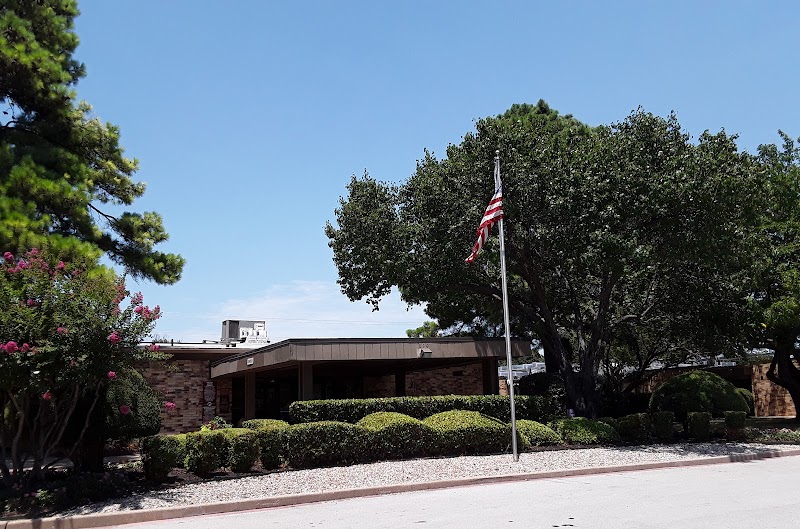
How is Birchwood Of Grapevine Staffed?

CMS rates BIRCHWOOD OF GRAPEVINE's staffing level at 1 out of 5 stars, which is much below average compared to other nursing homes. Staff turnover is 74%, which is 28 percentage points above the Texas average of 46%. High turnover can affect care consistency as new staff learn residents' individual needs. RN turnover specifically is 81%, which is notably high. RNs provide skilled clinical oversight, so turnover in this role can affect medical care quality.

What Have Inspectors Found at Birchwood Of Grapevine?

State health inspectors documented 35 deficiencies at BIRCHWOOD OF GRAPEVINE during 2022 to 2025. These included: 5 Immediate Jeopardy (the most serious level, indicating potential for serious harm or death) and 30 with potential for harm. Immediate Jeopardy findings are rare and represent the most serious regulatory concerns. They require immediate corrective action.
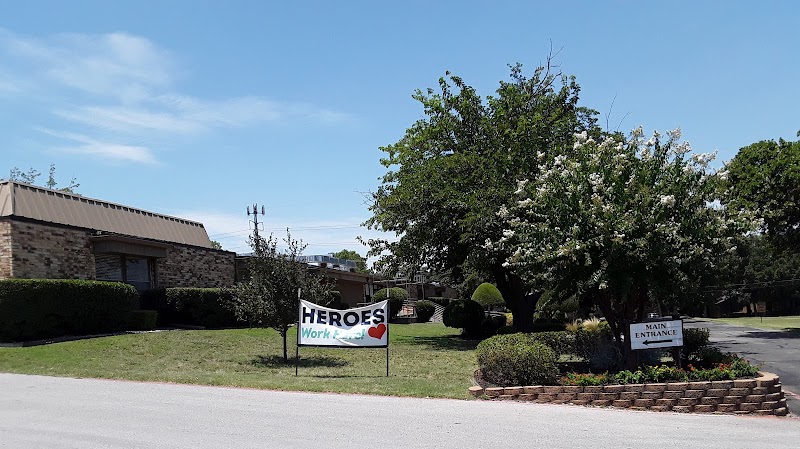
Who Owns and Operates Birchwood Of Grapevine?

BIRCHWOOD OF GRAPEVINE is owned by a for-profit company. For-profit facilities operate as businesses with obligations to shareholders or private owners. The facility is operated by AVIR HEALTH GROUP, a chain that manages multiple nursing homes. With 126 certified beds and approximately 89 residents (about 71% occupancy), it is a mid-sized facility located in GRAPEVINE, Texas.
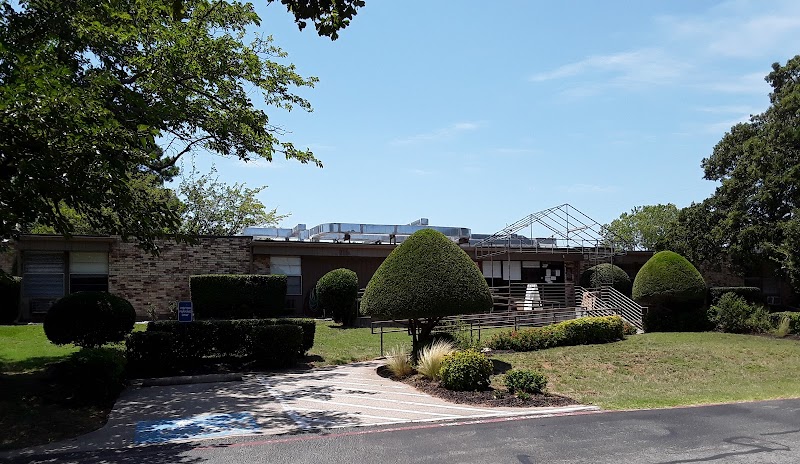
How Does Birchwood Of Grapevine Compare to Other Texas Nursing Homes?

Compared to the 100 nursing homes in Texas, BIRCHWOOD OF GRAPEVINE's overall rating (2 stars) is below the state average of 2.8, staff turnover (74%) is significantly higher than the state average of 46%, and health inspection rating (1 stars) is much below the national benchmark.

What Should Families Ask When Visiting Birchwood Of Grapevine?

Based on this facility's data, families visiting should ask: "What changes have been made since the serious inspection findings, and how are you preventing similar issues?" "What safeguards and monitoring systems are in place to protect residents from abuse or neglect?" "How do you ensure continuity of care given staff turnover, and what is your staff retention strategy?" "Can you walk me through typical staffing levels on day, evening, and night shifts?" These questions are particularly relevant given the facility's Immediate Jeopardy citations, the substantiated abuse finding on record, the facility's high staff turnover rate, and the below-average staffing rating.

Is Birchwood Of Grapevine Safe?

Based on CMS inspection data, BIRCHWOOD OF GRAPEVINE has documented safety concerns. The facility has 1 substantiated abuse finding (meaning confirmed case of resident harm by staff or other residents). Inspectors have issued 5 Immediate Jeopardy citations (the most serious violation level indicating risk of serious injury or death). The facility has a 2-star overall rating and ranks #100 of 100 nursing homes in Texas. Families considering this facility should ask detailed questions about what corrective actions have been taken since these incidents.

Do Nurses at Birchwood Of Grapevine Stick Around?

Staff turnover at BIRCHWOOD OF GRAPEVINE is high. At 74%, the facility is 28 percentage points above the Texas average of 46%. Registered Nurse turnover is particularly concerning at 81%. RNs handle complex medical decisions and coordinate care — frequent RN changes can directly impact care quality. High turnover means new staff may not know residents' individual needs, medications, or preferences. It can also be disorienting for residents, especially those with dementia who rely on familiar faces. Families should ask: What is causing the turnover? What retention programs are in place? How do you ensure care continuity during staff transitions?

Was Birchwood Of Grapevine Ever Fined?

BIRCHWOOD OF GRAPEVINE has been fined $38,906 across 3 penalty actions. The Texas average is $33,468. While any fine indicates a compliance issue, fines under $50,000 are relatively common and typically reflect isolated problems that were subsequently corrected. Families should ask what specific issues led to these fines and confirm they've been resolved.

Is Birchwood Of Grapevine on Any Federal Watch List?

BIRCHWOOD OF GRAPEVINE is not on any federal watch list. The most significant is the Special Focus Facility (SFF) program, which identifies the bottom 1% of nursing homes nationally based on persistent, serious quality problems. Not being on this list means the facility has avoided the pattern of deficiencies that triggers enhanced federal oversight. This is a positive indicator, though families should still review the facility's inspection history directly.