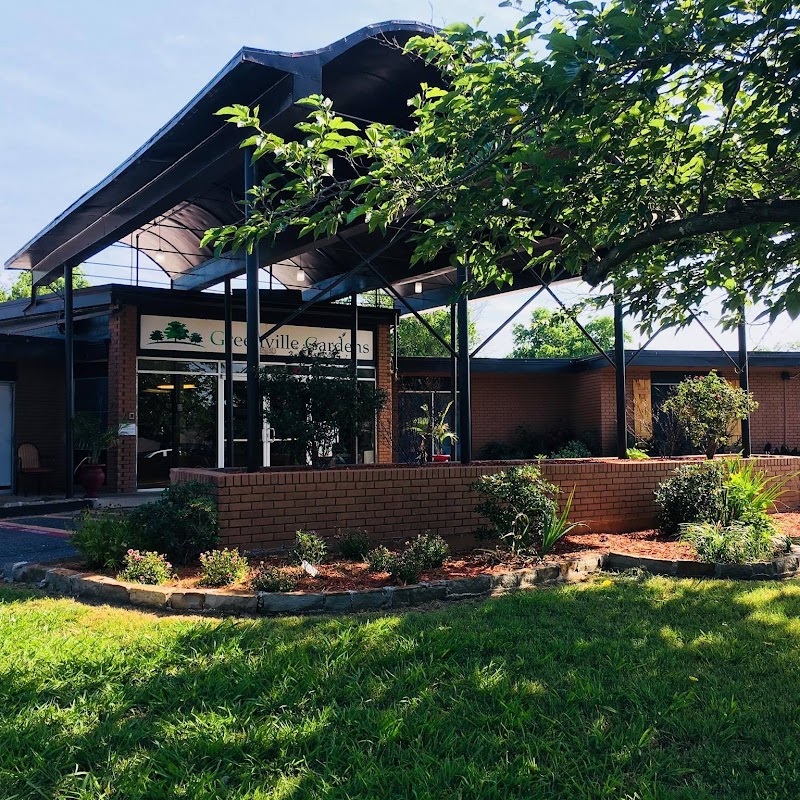
GREENVILLE GARDENS

3500 PARK ST, GREENVILLE, TX 75401 (903) 455-2220
Government - Hospital district 103 Beds OPCO SKILLED MANAGEMENT Data: November 2025 1 Immediate Jeopardy citation
Trust Grade
28/100
#724 of 1168 in TX
Last Inspection: August 2025

Inspected within the last 6 months. Data reflects current conditions.

Overview

Greenville Gardens has received a Trust Grade of F, indicating significant concerns and poor performance overall. They rank #724 out of 1168 nursing homes in Texas, placing them in the bottom half of facilities statewide, and #3 out of 5 in Hunt County, meaning only two local options are better. The facility is showing improvement, with issues decreasing from 15 in 2024 to 10 in 2025. However, staffing is a weakness, rated at 1 out of 5 stars, with a turnover rate of 60%, which is higher than the state average. Recent inspections revealed serious concerns, including a critical incident where a resident was not adequately supervised while smoking near a busy road, posing a risk of injury. Additionally, the facility failed to maintain proper records for controlled medications, which could lead to safety issues, and they did not follow infection control protocols, risking cross-contamination and illness among residents. While there is good RN coverage, which is a strength, the overall issues present significant risks that families should carefully consider.

Trust Score
F
28/100
In Texas
#724/1168
Bottom 39%
Safety Record
High Risk
Review needed
Inspections
Getting Better
15 → 10 violations
Staff Stability
⚠ Watch
60% turnover. Above average. Higher turnover means staff may not know residents' routines.
Penalties
✓ Good
$31,811 in fines. Lower than most Texas facilities. Relatively clean record.
Skilled Nurses
⚠ Watch
Each resident gets only 22 minutes of Registered Nurse (RN) attention daily — below average for Texas. Fewer RN minutes means fewer trained eyes watching for problems.
Violations
⚠ Watch
46 deficiencies on record. Higher than average. Multiple issues found across inspections.
★★☆☆☆
2.0
Overall Rating
★☆☆☆☆
1.0
Staff Levels
★★★★☆
4.0
Care Quality
★★★☆☆
3.0
Inspection Score
Stable
2024: 15 issues
2025: 10 issues

The Good

  • 4-Star Quality Measures · Strong clinical quality outcomes
  • Full Sprinkler Coverage · Fire safety systems throughout facility
  • No fines on record

Facility shows strength in quality measures, fire safety.

The Bad

2-Star Overall Rating

Below Texas average (2.8)

Below average - review inspection findings carefully

Staff Turnover: 60%

14pts above Texas avg (46%)

Frequent staff changes - ask about care continuity

Federal Fines: $31,811

Below median ($33,413)

Moderate penalties - review what triggered them

Chain: OPCO SKILLED MANAGEMENT

Part of a multi-facility chain

Ask about local staffing decisions and management

Staff turnover is elevated (60%)

12 points above Texas average of 48%

The Ugly 46 deficiencies on record

1 life-threatening
Aug 2025 10 deficiencies
CONCERN (D)

Potential for Harm - no one hurt, but risky conditions existed

Safe Environment (Tag F0584)

Could have caused harm · This affected 1 resident

**NOTE- TERMS IN BRACKETS HAVE BEEN EDITED TO PROTECT CONFIDENTIALITY** Based on observation, interview, and record review, the facility failed to provide a safe, functional, sanitary, and comfortable...

Read full inspector narrative →
**NOTE- TERMS IN BRACKETS HAVE BEEN EDITED TO PROTECT CONFIDENTIALITY** Based on observation, interview, and record review, the facility failed to provide a safe, functional, sanitary, and comfortable environment for 1 of 22 residents reviewed for resident rights. (Resident #44) The facility failed to ensure Resident #44's bathroom light was functioning properly and not flashing on and off rapidly. This failure could place residents at risk for diminished quality of life in an environment that is not homelike. Findings included:During an observation and interview on 8/11/25 at 10:43 a.m. Resident #44's bathroom door was open, and his bathroom light was flashing rapidly. Resident #44 said it bothered him that the light was flashing rapidly. He said he did not know how long it had been flashing. Surveyor asked what about the light flashing bothered him and he was unable to give a reply. Resident #44 was on the locked unit . During an observation on 8/12/25 at 9:30 a.m. it was observed the light in Resident #44's bathroom was still flashing on and off rapidly.During an interview on 8/13/25 at 11:04 a.m., the Maintenance Director said he ordered more lights on 8/12/25 and they should be delivered on 8/13/25 so he could fix the lights. He said he ordered 4-bathroom lights in total. He said that the bathroom light in room [ROOM NUMBER] was not reported to him nor was it in his maintenance logbook. He said that staff are required to report issues such as a malfunctioning light in the logbook. He said that he did know that the lights were flashing and that is why he ordered the new lights. Record review of the facility's maintenance log revealed that there was no report of Resident #44's bathroom light malfunctioning. During an interview on 08/13/2025 at 2:45 p.m., the Administrator said that a flashing light could make an uncomfortable environment for residents. He said that he expects that his maintenance staff ensure that lighting is kept comfortable for all residents. He said it is the responsibility of the Maintenance Director to ensure that such issues were fixed. Record review of the facility's policy revised on August 2020 titled Resident Rooms and Environment indicated that the purpose of the policy was to, To provide residents with a safe, clean, comfortable and homelike environment. The Facility provides residents with a safe, clean, comfortable, and homelike environment. Facility Staff will provide residents with a pleasant environment and person-centered care that emphasizes the residents' comfort, independence, and personal needs and preferences. This shall include ensuring that residents can receive care and services safely and that the physical layout of the Facility maximizes resident independence and does not pose a safety risk. To this end, the Facility encourages residents to use their personal belongings to the extent possible. Lighting that is comfortable (minimum glare) yet adequate (suitable to the task).
CONCERN (D)

Potential for Harm - no one hurt, but risky conditions existed

Comprehensive Care Plan (Tag F0656)

Could have caused harm · This affected 1 resident

**NOTE- TERMS IN BRACKETS HAVE BEEN EDITED TO PROTECT CONFIDENTIALITY** Based on observation, interview, and record review, the facility failed to implement a comprehensive person-centered care plan t...

Read full inspector narrative →
**NOTE- TERMS IN BRACKETS HAVE BEEN EDITED TO PROTECT CONFIDENTIALITY** Based on observation, interview, and record review, the facility failed to implement a comprehensive person-centered care plan to meet resident's medical, nursing, mental and psychosocial needs identified in the comprehensive assessment for 1 of 6 residents (Resident #30) reviewed for care plans. The facility failed to ensure a care plan was developed for Resident #30's medication of Clonazepam used to produce a calming effect on the brain and nerves, which helps to reduce anxiety, prevent seizures, and promote relaxation. This failure could place the residents at increased risk of not having their individual needs met and a decreased quality of life. Findings included: Record review of Resident #30's face sheet, dated 08/13/25 indicated she was a [AGE] year-old female admitted to the facility on [DATE] with diagnoses which included, anxiety (a feeling of fear, dread, and uneasiness), depression (a serious mental disorder characterized by persistent sadness, loss of interest in activities, and difficulty functioning in daily life), and dementia (the loss of cognitive functioning - thinking, remembering, and reasoning). Record review of Resident #30's quarterly MDS assessment, dated 06/09/25, indicated Resident #30 was understood and was usually understood by others. Resident #30's BIMS score was 03 indicating her cognition was severely impaired. The MDS indicated Resident #30 required maximum assistance with her ADLs. The MDS indicated Resident #30 received an antianxiety medication during the 7-day look back period. Record review of Resident #30's comprehensive care plan, last reviewed 06/30/25 did not indicate a care plan for Clonazepam. Record review of Resident #30's Physician order dated 07/14/25 revealed Resident #30 had Clonazepam Oral Tablet 0.5 MG (Clonazepam). Give 1 tablet by mouth in the morning for anxiety. Record review of Resident #30's Physician order dated 07/14/25 revealed Resident #30 had Clonazepam Oral Tablet 1 MG (Clonazepam). Give 1 tablet by mouth at bedtime for anxiety. During an observation and interview on 08/13/25 at 4:30 p.m., the MDS Coordinator said she was responsible to update the care plans when she did the admission, quarterly, annual, or significant change MDS. She said she could not say who was responsible for acute care plans. She said she was made aware of any residents' change(s) in the morning meeting. The MDS Coordinator looked at Resident #30's care plan and said she did not see her Clonazepam added to her care plan. She said care plans were done to establish a plan of care for all residents. During an interview on 08/13/25 at 4:36 p.m., the DON said the MDS Coordinator was responsible for the care plans, but she was the overseer. The DON said she and the other nurse managers were supposed to do the acute care plans. She said they talked about all resident's changes (orders, behaviors, etc.,) during the morning stand-up meeting. She said she could not say why Resident #30's care plan was not updated to include her Clonazepam. The DON said the purpose of the care plans was to keep everyone informed of the resident's care. During an interview on 08/13/25 at 4:52 p.m., the Administrator said the MDS Coordinator, and the DON were responsible for the care plans, and he was the overseer. The Administrator said they had morning meetings daily and discussed any changes with a resident. He stated he expected the administration nurses to update the care plan during that meeting. He said care plans were done for the care the resident needed. Record review of the facility's policy titled, Care Planning, revised 10/24/22, indicated, Policy: To ensure that a comprehensive person-centered care plan developed for each resident based on their individual assessed needs. The IDT will revise the comprehensive care plan as needed at the following intervals: A per RAI schedule, B. as dictated by changes in the resident condition, E. other times as appropriate or necessary.
CONCERN (D)

Potential for Harm - no one hurt, but risky conditions existed

Incontinence Care (Tag F0690)

Could have caused harm · This affected 1 resident

**NOTE- TERMS IN BRACKETS HAVE BEEN EDITED TO PROTECT CONFIDENTIALITY** Based on observation, interview, and record review, the facility failed to ensure a resident who was incontinent of bladder rece...

Read full inspector narrative →
**NOTE- TERMS IN BRACKETS HAVE BEEN EDITED TO PROTECT CONFIDENTIALITY** Based on observation, interview, and record review, the facility failed to ensure a resident who was incontinent of bladder received appropriate treatment and services to prevent urinary tract infections for 1 of 2 residents (Resident #74) reviewed for treatment and services related to indwelling catheters. The facility failed to ensure Resident #74's foley catheter was secured on 08/11/25. This failure could place residents at risk for urinary tract infections and a decreased quality of life. Findings included: Record review of Resident #74's face sheet, dated 08/13/25, reflected Resident #74 was an [AGE] year-old male, admitted to the facility on [DATE] with diagnoses which included benign prostatic hyperplasia without lower urinary tract (enlargement of the prostate which did not result in difficulty urinating). Record review of Resident #74's quarterly MDS dated [DATE] reflected Resident #74 sometimes understood others and sometimes was understood by others. The assessment reflected Resident #74 had short- and long-term problems. Resident #74 was dependent with toileting. The assessment indicated Resident #74 had an indwelling catheter (tube inserted into the bladder). Record review of Resident #74's comprehensive care plan revised 11/09/23 reflected he had BPH with obstructive uropathy (urine flow is obstructed) and required a suprapubic catheter. The care plan interventions included: ensure leg strap was in place to secure foley. The intervention was revised on 08/12/25 after surveyor intervention that Resident #74 was non-compliant-pulls off strap. Record review of Resident #74's order summary report dated 08/12/25 reflected to check placement of s/p catheter securement device every shift with a start date of 05/14/25. During an observation and interview on 08/11/25 at 3:23 p.m., Resident #74 was in his wheelchair in his room. ADON C and ADON D showed the state surveyor Resident #74's foley catheter which was not secured to his leg. ADON C stated she did not know why the catheter was not secured to his leg. ADON C stated the catheters were checked daily by the nurses to ensure they were secured. ADON C stated she was the 6a-2p charge nurse for Resident #74, and the catheter was secured when she completed his head-to-toe assessment during her shift. The foley catheter strap was nowhere to be found in Resident #74's pants. ADON C stated if the catheter was not secured it could cause trauma which could lead to an infection. During an interview on 08/11/25 at 4:00 p.m., RN E stated she was Resident #74's 2p-10p charge nurse. RN E stated she did not know why Resident #74's catheter was not secured. RN E stated the catheters were checked every shift by the nurses to ensure they were secured. RN E stated she had not completed an assessment to ensure his catheter was secured because Resident #74 was in the day area. RN E stated it was important his catheter was secured to prevent trauma to his urethra (tube that carried urine from the bladder to the outside of the body). During an interview on 08/13/25 at 4:00 p.m., the DON stated charge nurses, and CNAs should be checking to ensure the foley catheters were secured. The DON stated she was responsible for monitoring and overseeing catheter securement by daily rounds. The DON stated she had not noticed any issues with the foley catheters not being secured. The DON stated it was important for Resident #74's foley catheter to be secured to prevent an injury. During an interview on 08/13/25 at 4:26 p.m., the Administrator stated catheters should be always secured. The Administrator stated the DON was responsible for monitoring and overseeing by frequent rounding. The Administrator stated it was important for the foley catheter to be secured to prevent an injury occurring. Record review of the facility's policy titled, Care of Catheter, revised 06/2020 reflected. To prevent catheter-associated urinary tract infections while ensuring that residents are not given indwelling catheters unless medically necessary. III. Proper Techniques for Urinary Catheter Maintenance. c. anchor the catheter with a leg strap to prevent excessive tension on the catheter, which can lead to urethral tears or dislodging the catheter.
CONCERN (D)

Potential for Harm - no one hurt, but risky conditions existed

Deficiency F0692 (Tag F0692)

Could have caused harm · This affected 1 resident

**NOTE- TERMS IN BRACKETS HAVE BEEN EDITED TO PROTECT CONFIDENTIALITY** Based on observation, interview, and record review, the facility failed to ensure residents maintained acceptable parameters of ...

Read full inspector narrative →
**NOTE- TERMS IN BRACKETS HAVE BEEN EDITED TO PROTECT CONFIDENTIALITY** Based on observation, interview, and record review, the facility failed to ensure residents maintained acceptable parameters of nutritional status for 2 of 22 residents (Residents #75 and #39) reviewed for nutrition. 1. The facility did not ensure Resident #75 was given chopped meats for lunch on 08/11/25 as ordered by the physician. 2. The facility did not ensure Resident #39 was given chopped meats for lunch on 08/11/25. This failure could place residents at risk for choking, poor intake, weight loss, and unmet nutritional needs. Findings Included: 1. Record review of Resident #75's face sheet dated 08/13/25 indicated he was an [AGE] year-old female who admitted to the facility on [DATE] dysphagia (medical term for difficulty swallowing), dementia (a general term for a decline in mental ability severe enough to interfere with daily life), and malnutrition (a serious condition resulting from an imbalance in nutrient intake, leading to deficiencies or excesses that negatively impact health). Record review of Resident #75's quarterly MDS dated [DATE] indicated she usually understood and was usually understood by others. The MDS also indicated she had a BIMS score of 03s which meant he was severely cognitively impaired. The MDS indicated Resident #75 required assistance with her ADLs including eating. Resident #75 did not have a 5% weight loss or more in the last month or loss of 10% or more in last 6 months. Record review of Resident #75's comprehensive care plan dated 04/23/25 indicated she had a regular diet, regular consistency, with thin liquids. The care plan interventions included: serve diet as ordered by the physician. Record review of Resident #75's physician order summary report dated 05/20/25 indicated she had an order for a regular with chopped meat texture, thin consistency. Record review of Resident #75's lunch meal ticket dated 08/11/25, reflected chopped meats. During a dining observation and interview on 08/11/2025 at 12:04 p.m., Resident #75 was eating her lunch and had taken 1-2 bites of her whole fish sandwich when the state surveyor saw her tray card which read chopped meat. CNA N said she served Resident #75 her lunch tray but did not see that her tray card said chopped meats. CNA N took the lunch tray back to the kitchen staff and they prepared the correct diet with chopped meats. 2.Record review of Resident #39's face sheet, dated 08/13/25, reflected Resident #39 was a [AGE] year-old female, readmitted to the facility on [DATE] with a diagnosis which included malnutrition (a serious condition resulting from an imbalance in nutrient intake, leading to deficiencies or excesses that negatively impact health). dementia (a general term for a decline in mental ability severe enough to interfere with daily life), and bipolar (a mental illness characterized by extreme shifts in mood, energy, and activity levels). Record review of Resident #39's quarterly MDS assessment, dated 07/08/25, reflected Resident #39 rarely made herself understood, and was rarely understood by others. Resident #39's was severely modified with daily decision making. Resident #39 required assistance with all ADLs including eating. Resident #39 did not have a 5% weight loss or more in the last month or loss of 10% or more in last 6 months. Record review of Resident #39's comprehensive care plan revised on 06/17/25, reflected Resident #39 had a potential for nutritional problems and a diet order other than regular with chopped meats. The care plan interventions were to serve diet as ordered by the physician and RD assess per facility protocol. Record review of Resident #39's physician order summary report, dated 01/25/22, reflected regular texture, regular with thin liquid consistency. Record review of Resident #39's lunch meal ticket dated 08/11/25, reflected regular with chopped meats. During a dining observation and interview on 08/11/2025 at 12:04 p.m., Resident #39 was served a whole fish sandwich and her tray card said chopped meats. CNA N said she served Resident #39 her lunch tray but did not see her card said chopped meats. CNA N took the lunch tray back to the kitchen staff and they prepared the correct diet of chopped meats. During an interview on 08/11/2025 at 1:15 p.m., Resident #39 was unable to say what her correct diet was supposed to be. During an interview on 08/13/25 at 12:14 p.m., the Dietary Manager said a resident with chopped meat diet, means the meat should be cut into smaller pieces. He said the cook was responsible for ensuring the meat was cut before serving. He said it would be hard for Resident #39 and Resident # 75 to cut their meat. He said he did random spot checks of trays being served out of the kitchen. The Dietary Manager said it was important to ensure residents received the correct diet order for proper nutrients. During an observation and interview on 08/13/25 at 12:57 p.m., [NAME] H said she prepared Resident #75 and Resident #39's tray. She said she thought chopped meats meant she should have cut the fish sandwich into four pieces. She reviewed her diet recipe for chopped meats and verified she should have cut the fish into 4 pieces, she said she missed that on the recipe and did not cut Resident #75's or Resident #39's sandwich. She said by not following the recipe, or diet order she placed the residents at a risk of choking. During an interview on 08/13/2025 at 4:20 p.m., ADON D said she was the nurse checking the trays on Monday (08/11/25) and did not read the tray cards thoroughly therefore she did not see where the ticket said chopped meats. She said it was an overcite and could have cause choking for the residents. During an interview on 08/13/25 at 4:36 p.m., the DON said she expected the diet order to be followed. The DON said the Dietary Manager was responsible for monitoring diet orders. She said the nurses should be checking the trays before they were served to ensure the diet was correct. The DON said the risk of not receiving chopped meat for Resident #75 and Resident #39 could have been difficulty swallowing and/or choking. During an interview on 08/13/25 at 4:52 p.m., the Administrator said he expected the diet order to be followed. The Administrator said the Dietary Manager, the cook and the nurses were responsible for monitoring diet orders. The Administrator stated she oversees the kitchen by random spot checks several times a week and has not had any issues with staff not following the diet orders. The Administrator said it was important to ensure Resident #75 and Resident #39received chopped meats to prevent choking. Record review of the facility policy Therapeutic Diets, revised 12/2020, indicated, Policy: To ensure that the facility provides therapeutic diets to residents that meet nutritional guidelines and physician orders. Therapeutic diets or diets that deviate from the regular diet and require a physician's order. Procedure: 1B. The therapeutic diet will be reflected on the resident's tray card.2. Therapeutic diets are reflected on the menu extension. 3. The nutritional manager is responsible for ensuring the correct type and amount of food is purchased to meet the needs of the resident receiving therapeutic diet. 5. The nutrition service manager will periodically review the residents tray card and the physician's nutrition orders to ensure that the information is consistent.
CONCERN (D)

Potential for Harm - no one hurt, but risky conditions existed

Deficiency F0761 (Tag F0761)

Could have caused harm · This affected 1 resident

**NOTE- TERMS IN BRACKETS HAVE BEEN EDITED TO PROTECT CONFIDENTIALITY** Based on observations, interviews, and record review the facility failed to ensure all drugs were stored in a locked compartment...

Read full inspector narrative →
**NOTE- TERMS IN BRACKETS HAVE BEEN EDITED TO PROTECT CONFIDENTIALITY** Based on observations, interviews, and record review the facility failed to ensure all drugs were stored in a locked compartment, only accessible by authorized personnel for 2 of 22 residents (Residents #25 and #62) reviewed for medications at their bedside. 1. The facility did not ensure Resident #25's hydrocortisone cream (topical ointment used to help relieve redness, itching, swelling, or other discomfort caused by skin conditions) was not left on her dresser. 2. The facility did not ensure Resident #62's omeprazole (used to treat excess stomach acid) was not left on her bedside table. These failures could place residents at risk for misuse of medication, overdose, drug diversions, adverse reactions of medications, and not receiving the therapeutic benefit of medications.Findings included: 1. Record review of Resident #25's face sheet, dated 08/13/25, reflected Resident #25 was a [AGE] year-old female, admitted to the facility on [DATE] with diagnoses which included metabolic encephalopathy (brain chemical imbalance in the blood). Record review of Resident #25's quarterly MDS assessment, dated 07/12/25, reflected Resident #25 made herself understood and understood others. Resident #25's BIMS score was 12, which indicated her cognition was moderately impaired. Record review of Resident #25's comprehensive care plan revised on 02/13/25 reflected Resident #20 had impaired cognitive function/dementia (loss of memory, language, problem solving and other thinking abilities that were severe enough to interfere with daily life) or impaired thought processes related Alzheimer's (progressive disease that destroys memory and other important mental functions), dementia, AMS, and acute or chronic metabolic encephalopathy. The care plan interventions included administer medications as ordered. Record review of Resident #25's order summary report dated 08/11/25 reflected there was no order for hydrocortisone cream in the summary. During an interview and observation on 08/11/25 at 2:45 p.m., a tube labeled hydrocortisone cream 1% was observed on Resident #25's dresser. Resident #25 stated a staff gave her the tube of medication when she was on Hall 200. Resident #25 stated she could not remember the staff name. Resident #25 stated she used the medication for her hemorrhoids (swollen inflamed veins in the rectum). 2. Record review of Resident #62's face sheet, dated 08/13/25, reflected Resident #62 was a [AGE] year-old female, admitted to the facility on [DATE] with diagnoses which included bipolar (a disorder associated with episodes of mood swings ranging from depression lows to manic highs). Record review of Resident #62's quarterly MDS, dated [DATE], reflected Resident #62 made herself understood and understood others. Resident #62's BIMS score was 13, which indicated her cognition was intact. Record review of Resident #62's comprehensive care plan revised on 05/28/24 reflected Resident #62 had an ADL Self-Care Performance Deficit related to PAD (circulatory condition in which narrowed blood vessels reduce blood flow to the limbs). The care plan interventions included x1 staff participation with personal hygiene. Record review of Resident #62's order summary report dated 08/11/25 reflected there was no order for omeprazole in the summary. During an interview and observation on 08/11/25 at 3:57 p.m., a bottled labeled omeprazole was observed on Resident #62's bedside table. Resident #62 stated she bought the medication herself from the store for her gut. Resident #62 stated staff were aware of her having the medication at her bedside. During an interview on 08/13/25 at 3:11 p.m., ADON C stated she was the 6a-2p charge nurse for Resident #25 and #62. ADON C stated neither resident had been evaluated for self-administration of medications. ADON C stated if a resident was able to self- administer, he/she must be assessed for competence, complete a medication self-administration evaluation and an order from the physician must be obtained. ADON C stated during rounds, the Housekeeping Manager alerted her to come in Resident #25 room, and once she went in the room, the Housekeeping Manager showed her the hydrocortisone cream on her dresser. The Housekeeping Manager stated she removed the medication and educated Resident #25 that she was not allowed to keep the cream in her room. ADON C stated she was unaware Resident #62 had omeprazole on her bedside table. ADON C stated medications should be stored on the medication cart. ADON C stated it was important to ensure medications were not left at bedside for resident safety. During an interview on 08/13/25 beginning at 4:00 p.m., the DON stated she expected medications to be stored on the medication cart. The DON stated if a resident was able to self-administer, he/she must be assessed, and obtain an order. The DON stated all staff should be ensuring medications were not left at bedside. The DON stated she was responsible for monitoring medications at bedside by daily rounds and ambassador rounds completed by the Housekeeping Manager. The DON stated during her rounds on 08/11/25, there were no medications at bedside. The DON stated it was important to ensure medications were not left at bedside for resident safety. During an interview on 08/13/25 at 4:11 p.m., the Housekeeping Manager stated she was responsible for ambassador rounds for Resident #25 and Resident #62. The Housekeeping Manager stated during her rounds on 08/11/25, she did notice the cream on Resident #25's dresser. The Housekeeping Manager stated she reported to ADON C, and she came in and removed the medication. The Housekeeping Manager stated she would not know what omeprazole looked like, so she did not see any medication on her bedside table. During an interview on 08/13/25 beginning at 4:26 p.m., the Administrator stated medications should be locked/secured in the nurse's cart and administered by the nurse or MA. The Administrator stated he monitored medications at bedside by ensuring the ambassador rounds were completed daily. The Administrator stated it was important to ensure medications were not left at bedside for resident safety. Record review of the facility's policy titled, Storage of Medications, revised 08/2020 reflected. Medications and biologicals are stored safely, securely, and properly. 2. Only licensed nurses, pharmacy personnel, and those lawfully authorized to administer medications (such as medication aides) are permitted to access medications.
CONCERN (D)

Potential for Harm - no one hurt, but risky conditions existed

Deficiency F0806 (Tag F0806)

Could have caused harm · This affected 1 resident

**NOTE- TERMS IN BRACKETS HAVE BEEN EDITED TO PROTECT CONFIDENTIALITY** Based on observations, interviews, and record review the facility failed ensure each resident receives and the facility provides...

Read full inspector narrative →
**NOTE- TERMS IN BRACKETS HAVE BEEN EDITED TO PROTECT CONFIDENTIALITY** Based on observations, interviews, and record review the facility failed ensure each resident receives and the facility provides food that accommodates residents' food preferences for 1 of 22 residents (Resident #40) reviewed for food preferences and the accommodation of resident's meal choices. The facility did not honor Resident #40's preference for dislike of tomatoes products and green peas on 07/21/25, 08/07/25, and 08/10/25. This failure could result in a decrease in resident choices, diminished interest in meals, and weight loss. Findings included: Record review of Resident #40's face sheet, dated 08/13/25, reflected Resident #40 was a [AGE] year-old female, readmitted to the facility on [DATE] with a diagnosis which included chronic systolic (congestive) heart failure (condition where the heart's left ventricle was weakened and cannot contract forcefully enough to pump an adequate amount of blood throughout the body). Record review of Resident #40's quarterly MDS assessment, dated 06/15/25, reflected Resident #40 made herself understood, and understood others. Resident #40's BIMS score was 14, which indicated her cognition was intact. Resident #40 was independent with eating. Resident #40 had not had a 5% weight loss or more in the last month or loss of 10% or more in the last 6 months. Record review of Resident #40's comprehensive care plan revised on 06/11/24, reflected Resident #40 had the potential for nutritional problem related diet restrictions and morbid obesity. The care plan interventions included provide, serve diet as ordered. Record review of Resident #40's order summary report dated 08/13/25 reflected there was not an order for her dislikes. Record review of the residents' dietary cards reflected Resident #40 disliked green peas and tomato products. Record review of a photographic record submitted by Resident #40 on 08/11/25 revealed Resident #40 received buttered peas on 07/21/25, five way mixed vegetables that included green peas on 08/07/25 and spaghetti with meat sauce on 08/10/25. During an interview on 08/11/25 at 3:38 p.m., Resident #40 stated she did not like tomato products or green peas, and she continued to receive tomatoes products and green peas after she had told the kitchen staff, she did not like it. Resident #40 stated she received spaghetti with tomato sauce on yesterday (08/10/25). Resident #40 stated she felt they don't take my feelings into consideration and they don't care. During an interview on 08/12/25 at 4:30 p.m., the Dietary Manager stated he was aware that Resident #40 dislike tomato products and green peas and expected she did not receive those food items. The Dietary Manager stated he had spoken with her a few times about when she received something she did not like to ask for an alternative. The Dietary Manager stated he was not aware that she received spaghetti with tomato meat sauce on yesterday (08/10/25). The Dietary Manager stated the cook was responsible for ensuring she received an alternative if those items were on the menu. The Dietary Manager stated he had in serviced the staff but it's time to take disciplinary actions. The Dietary Manager stated he was responsible for overseeing by monitoring meals and in servicing staff. The Dietary Manager stated it was important for Resident #40's food dislikes to be followed to prevent the potential of weight loss. During an interview on 08/13/25 at 4:26 p.m., the Administrator stated he expected food preferences/dislikes to be followed. The Administrator stated the Dietary Manager was responsible for monitoring and overseeing by spot checks during meal service. The Administrator stated it was important for their food preferences/dislikes to be followed because it was their right and prevent potential weight loss. Record review of the facility's policy titled Resident Rights-Accommodation of Needs revised 08/2020 indicated. To ensure that the Facility provides an environment and services that meet residents' individual needs. I. Residents' individual needs and preferences are accommodated.
CONCERN (D)

Potential for Harm - no one hurt, but risky conditions existed

Deficiency F0849 (Tag F0849)

Could have caused harm · This affected 1 resident

**NOTE- TERMS IN BRACKETS HAVE BEEN EDITED TO PROTECT CONFIDENTIALITY** Based on interview and record review, the facility failed to collaborate with hospice representatives and coordinate the hospice...

Read full inspector narrative →
**NOTE- TERMS IN BRACKETS HAVE BEEN EDITED TO PROTECT CONFIDENTIALITY** Based on interview and record review, the facility failed to collaborate with hospice representatives and coordinate the hospice care planning process for each resident receiving hospice services, to ensure quality of care for the resident, ensuring communication with the hospice medical director, the resident's attending physician, and others participating in the provision of care for 1 of 3 residents (Resident #50) reviewed for hospice services. The facility failed to obtain Resident #50's most current hospice certification, plan of care, nurse visit notes, interdisciplinary meetings, and medication profile. This deficient practice could place residents who receive hospice services at-risk of receiving inadequate end-of-life care due to a lack of documentation, coordination of care and communication of resident needs. Findings included: Record review of a face sheet dated 08/12/2025 indicated Resident #50 was a [AGE] year-old male initially admitted to the facility on [DATE] and re-admitted on [DATE] with diagnoses which included cerebral atherosclerosis (arteries in the brain become narrowed or blocked due to plaque buildup which can result in serious health issues such as stroke and cognitive impairments). Record review of Resident #50's Quarterly MDS assessment dated [DATE] indicated he was rarely/never understood and rarely/never understood others. The MDS assessment indicated the Staff Assessment for Mental Status was completed due to him being rarely/never understood. The Staff Assessment for Mental Status for Resident #50 indicated he had a long-term and short-term memory problem. The MDS assessment indicated Resident #50 received hospice care while a resident at the facility. Record review of Resident #50's care plan with a date initiated of 01/20/2025, indicated he had a terminal prognosis related to cerebral atherosclerosis, and the interventions included to work cooperatively with the hospice team to ensure the resident's spiritual, emotional, intellectual, physical, and social needs were met. Record review of Resident #50's Order Summary Report dated 08/12/2025 indicated to admit to hospice with an order date of 02/06/2025. Record review of Resident #50's hospice binder indicated Initial Plan of Care and Interdisciplinary Care Plan dated 11/22/2024, indicated Resident #50 was admitted to hospice for routine home care. There was no current plan of care to indicate Resident #50 was receiving routine nursing home care or an updated Interdisciplinary Care Plan. Plan of care review dated 12/18/2024. There was no current plan of care review. For Certification/Recertification for Benefit Period Number begin date 11/22/2024 through Recert due date 2/2/2025. There was no updated recertification. Resident #50's hospice medications were dated 1/21/2025. Resident #50's binder had no hospice nurses' notes. During an interview on 08/12/2025 at 12:41 PM, the Medical Records designee said she scanned the hospice documents weekly into the resident's electronic health record, and some of the documents were kept in the residents' hospice binders. The Medical Records designee said she was not responsible for ensuring the hospice documents were in the facility and updated. The Medical Records designee said she was only responsible for scanning the documents into the electronic health record. During an interview on 08/12/2025 at 2:12 PM, the hospice nurse said her nurse visits were two times a week. The hospice nurse said the resident's hospice binder should have an updated medication profile, hospice care plan, and interdisciplinary group meetings. The hospice nurse said she did not take the nurses notes to the facility. The hospice nurse said the updated care plans should be provided to the facility weekly, the interdisciplinary group meetings were completed every other week and should be provided to the facility probably monthly. The hospice nurse said she was responsible for bringing Resident #50's medication profile, hospice care plan, and interdisciplinary group meetings to the facility. The hospice nurse said she had not been bringing the hospice documents weekly, but she thought she was taking them monthly. The hospice nurse said she placed them in Resident #50's hospice binder. The hospice nurse said it was important for the medication profile, hospice care plan, and interdisciplinary group meetings to be provided to the facility for continuity of care. During an interview on 08/13/2025 at 2:56 PM, the DON said Resident #50 should have a hospice binder with all of the required hospice documents, and they should be up to date. The DON said they were trying to go electronic and there should also be documents uploaded in Resident #50's electronic health record. The DON said Medical Records was responsible for ensuring the hospice documents were in the electronic health record. The DON said it was important for the hospice documents to be in the facility and updated to ensure the proper care was given to the residents and for the patient information to be correct. During an interview on 08/13/2025 at 3:22 PM, the Administrator said he expected for the required hospice documents to be in the facility. The Administrator said Medical Records was responsible for ensuring the hospice documents were in the facility. The Administrator said it was important for the hospice documents to be in the facility to ensure both entities were providing the necessary care to the residents and to ensure continuity of care. Record review of the Single Patient Agreement For Residential Hospice Services Provided in a Nursing Facility for Resident #50 dated 04/03/2025, indicated, Clinical Records and Discharge Summary. [hospice company] and Facility shall each prepare and maintain complete and detailed clinical records concerning the Hospice Patient receiving Facility Room and Board Services under this Agreement in accordance with prudent record-keeping procedures and as required by applicable federal and state law and regulations and applicable Medicare and Medicaid program guidelines. Each clinical record shall completely, promptly and accurately document all services provided to, and events concerning, the Hospice Patient (including evaluations, treatments, progress notes, authorizations for admission to hospice and/or Facility and physician orders entered pursuant to this Agreement) as required by this Agreement.
CONCERN (E)

Potential for Harm - no one hurt, but risky conditions existed

Pharmacy Services (Tag F0755)

Could have caused harm · This affected multiple residents

Based on observation, interview, and record review, the facility failed to establish a system of receipt of all controlled drugs in sufficient detail to enable accurate reconciliation and determine th...

Read full inspector narrative →
Based on observation, interview, and record review, the facility failed to establish a system of receipt of all controlled drugs in sufficient detail to enable accurate reconciliation and determine that drug records were in order and that an account of all controlled drugs were maintained and periodically reconciled for 1 of 1 storage area reviewed for expired and discontinued medications. The facility failed to keep a record of receipt of controlled medications awaiting disposition to allow accurate and periodic reconciliation. This failure could place residents at risk for loss of prescribed medications, residents' safety, and drug diversion. Findings included: During an observation and interview on 08/13/25 at 3:20 p.m., the following medications were observed in the controlled medication storage cabinet awaiting to be disposed:*Hydrocodone/APAP 5-325mg- 114 tablets RX# 88263964*Alprazolam 0.5 mg-12 tablets RX# 88285870*Diazepam 2mg- 56 tablets RX# 88264002*Diazepam 5mg- 15 tablets RX# 88263734*Lorazepam 0.5mg- 9 tablets RX# C0412656 *The DON said the controlled medications awaiting to be disposed were kept in the locked cabinet behind a locked door. The DON said she was the only one with the key to the door and the cabinet. The DON said her process when she reconciled medications that needed to be disposed of was as follows: When medications were brought to her, she checked the narcotic medication count and verified the count with the nurse, the nurse and herself signed the narcotic sheet. She stated she then placed the medication in the locked box. The DON said the pharmacy consultant and herself were responsible for reconciling the narcotic medications. The DON said she did not reconcile the medication prior to her and the pharmacist destroying the expired or discontinued medication. The DON said medications would not come up missing as she did not leave the cabinet, or the door unlocked. Record review of the facility's medication destruction binder on 08/13/25, indicated the last medication destruction was completed on 07/22/25. During an interview on 08/13/25 at 4:52 p.m., the Administrator said when narcotic medications were discontinued, they were given to the DON with the narcotic count sheet and kept locked. The Administrator said ideally, the narcotic medication should be logged as the DON received them, but the count was verified on the narcotic count sheet. The Administrator said the DON and the pharmacy consultant were responsible for ensuring the narcotic medications were accurately reconciled. The Administrator said if the narcotic medications were not reconciled then medications could come up missing. Record review of the facility's policy Narcotic Administration, revised 06/2025, indicated, To ensure the secure storage accurately administration, proper documentation, and responsible disposal of narcotics (controlled) substance in accordance with the federal (DEA) state regulations, and CMS guidelines. Controlled substance must be handled with the highest degree of accountability and security. Only authorized and licensed personnel may manage, administrator, or dispose of these medications. Procedure: Discontinued or expired medications :2 licensed nurses must document and witness the removal of discontinued or expired narcotics from active inventory. Medications must be stored, clearly labeled area pending destruction. Destructions of narcotics: Disposal must comply with DEA and State Board of nursing requirements, and a signed destruction log must be maintained.
CONCERN (E)

Potential for Harm - no one hurt, but risky conditions existed

Infection Control (Tag F0880)

Could have caused harm · This affected multiple residents

**NOTE- TERMS IN BRACKETS HAVE BEEN EDITED TO PROTECT CONFIDENTIALITY** Based on observation, interview, and record review, the facility failed to maintain an infection prevention and control program ...

Read full inspector narrative →
**NOTE- TERMS IN BRACKETS HAVE BEEN EDITED TO PROTECT CONFIDENTIALITY** Based on observation, interview, and record review, the facility failed to maintain an infection prevention and control program designed to provide a safe, sanitary, and comfortable environment and to help prevent the development and transmission of communicable diseases and infections for 2 of 6 residents (Resident #20 and Resident #11) reviewed for infection control. 1.The facility failed to ensure staff wore PPE when entering Resident #20's room on 08/12/25 and 08/13/25 who was on contact isolation for Extended-spectrum beta-lactamase also known as ESBL (a group of bacteria that are resistant to many commonly used antibiotics. 2. The facility failed to ensure LVN F used proper hand hygiene when preforming blood sugar checks and given insulin for Resident #11 on 08/12/25. These failures could place residents and staff at risk for cross-contamination and the spread of infection.Findings included:1.Record review of Resident #20's face sheet, dated 08/13/25 indicated she was a [AGE] year-old female admitted to the facility on [DATE] with diagnoses which included, ESBL, dementia (the loss of cognitive functioning - thinking, remembering, and reasoning), and diabetes (a chronic disease where the body doesn't produce enough insulin or can't effectively use the insulin it produces, leading to high blood sugar levels). Record review of Resident #20's quarterly MDS assessment, dated 05/08/25, indicated Resident #20 understood and was usually understood by others. Resident #20 BIMS score was 10 indicating she was moderately cognitive impaired. The MDS indicated Resident #20 required assistance with her ADLs and maximum assistance with toileting and showering. The MDS indicated Resident #20 was always incontinent of bowel and bladder. Record review of Resident #20's lab urinalysis drawn 08/07/25 and received 08/10/25 indicated a positive result of ESBL. Record review of Resident #20's comprehensive care plan, last reviewed 08/11/25 indicated she was on contact isolation and on antibiotic therapy related diagnosis of ESBL. The intervention was to give medication as ordered. Record review of Resident #20's Physician order dated 08/10/25 indicated Ciprofloxacin HCl oral tablet 500 MG (Ciprofloxacin HCl) Give 1 tablet by mouth two times a day for UTI until 08/16/2025 for 5 Days. Record review of Resident #20's MAR dated 08/01/25 through 08/31/25 indicated she received her first dose of Ciprofloxacin HCl oral tablet 500 MG on 08/10/25 at 8:00 pm. Record review of Resident #20's Physician order dated 08/12/25 indicated Contact precautions every shift for 6 Days. During an observation on 08/11/25 at 10:40a.m., Resident #20 had a red sign by her doorway that said stop along with how to [NAME] and Doff PPE . The isolation cart was also outside her door with gowns, gloves, and mask. Resident #20 was in her bed. During an observation on 08/12/25 at 9:00 a.m., The red sign that read stop was removed from the door but the sign on how to apply and remove PPE was still on the door along with the isolation cart. During an observation on 08/12/2025 at 9:12 a.m., CNA G knocked on Resident #20's door carrying cranberry juice. CNA G entered Resident #20's room without applying any PPE. CNA G exited Resident #20's room. During an interview on 08/12/2025 at 3:28 p.m., CNA G said she did not have to put on PPE just to deliver Resident #20 cranberry juice. She said she only had to wear PPE when she provided care. She said she knew Resident #20 was on contact isolation for ESBL in her urine. She said they did not have bags in the room to put linen in, she said she brought the linen out with her and disposal of it in the regular linen barrels. She said Resident #20 was incontinent of bowel and bladder. During an interview on 08/13/25 at 10:15 a.m., Housekeeper K, said she cleaned Resident #20's room this morning and did not wear any PPE (gown). She said she was not aware of anyone on contact isolation. She said if a resident were on isolation a sign would be outside their door indication what to wear. She looked at Resident #20's door and saw the signs, but said it was not indicating what PPE (gown, gloves) she needed to wear. She said she did not wear PPE (gown) when she cleaned Resident #20's room this morning. During an interview on 08/13/25 at 12:18 p.m., Laundry Aide L was in the laundry and showed surveyor what the staff used when a resident was under contact isolation (which included an apron and gloves). He said the facility did not have any residents under contact isolation, but when the facility did have residents under contact isolation, their laundry was sent out in yellow bags and washed separately from other residents to prevent the spread of infection. During an observation and interview on 08/13/25 at 2:43 p.m., RN M was in Resident #20's room talking to her about a television show. He was standing between her bedside table and the television without any PPE (gloves or gown). He said he saw the barrier precaution sign meaning if you were providing care for someone with a wound, etc., you would wear PPE. He said if they were on isolation then you should wear gown, gloves, and mask depending on the isolation. He went back to Resident #20's room and said she was on contact isolation, but he did not need to wear any PPE (gown or gloves) unless he was providing care. 2. Record review of Resident #11's face sheet dated 08/13/25 indicated he was an [AGE] year-old female who admitted to the facility on [DATE] with the following diagnosis, diabetes (a chronic disease where the body doesn't produce enough insulin or can't effectively use the insulin it produces, leading to high blood sugar levels),dementia (a general term for a decline in mental ability severe enough to interfere with daily life), and high blood pressure. Record review of Resident #11's quarterly MDS dated [DATE] indicated she usually understood and was usually understood by others. The MDS also indicated she had a BIMS score of 01 which meant he was severely cognitively impaired. The MDS indicated Resident #11 required set up assistance with her ADLs. The MDS indicated Resident #11 received insulin during the last 7 day look back period. Record review of Resident #11's comprehensive care plan dated 05/06/25 indicated she had a diagnosis of diabetes. The care plan interventions were for staff to give medication as ordered and monitor/document for side effects and effectiveness. Record review of Resident #11's physician order summary report dated 05/24/25 revealed Insulin Aspart Flex Pen 100 UNIT/ML Solution pen injector Inject as per sliding scale: if 201 - 250 = 2 Units; 251 - 300 = 4Units; 301 - 350 = 6Units; 351 - 400 = 8Units; 401 -450 = 10U nits call the physician, subcutaneously three times a day for diagnosis of diabetes. During an observation and interview on 08/12/25 at 4:10 p.m., LVN F was taken Resident #11's blood sugar. He obtained a blood sugar reading of 256. He removed his gloves without hand hygiene. He opened the computer and read the medication administration record which indicated he needed to give Resident #11 4 units of insulin. He opened the cart gathered the insulin, applied gloves, and administered the insulin to Resident #11. LVN F said he did not hand hygiene after he took his gloves off or before he gave the insulin but should have to prevent cross contamination. During an interview on 08/13/25 at 4:36 p.m., the DON said she expected all staff to follow the guidelines on the sign posted on the door. She said the staff were aware of Resident #20 being on contact precautions by the sign on the door and the setup outside the door. She said staff did not have to wear PPE (gown or gloves) when they were just going into the room to talk or give medication, only if they had contact (transferring or incontinence care) with the resident. She said they did not have to have linen bags in Resident #20's room that her contact isolation linen could be washed with all other resident's clothes. The DON said she expected the nurse to hand hygiene after taken Resident #11's blood sugar and before given the insulin to prevent the spread of germs or infection. The DON said she did daily rounding to monitor for infection control issues and if she did see anything wrong, she would stop staff and re-educate them. During an interview on 08/13/25 at 4:52 p.m., the Administrator said the DON was the oversee of infection. He said for isolated residents' staff should hand hygiene before and after leaving the room. He said it was important to prevent cross-contamination. He said he expected the nurse to hand hygiene between clean and dirty procedures for infection control reasons. Record review of the facility's policy titled, Infection Prevention and Control Program, revised 6/2020, indicated, To ensure the facility established and maintain an infection control program designed to provide a safe, sanitary, and comfortable environment and to help prevent the development and transmission of disease and infection in accordance with federal and state requirement. The facility must establish an infection prevention and control program under which it #1 identifies, investigates, control, and prevent infection in the facility. Record review of the facility's policy titled, Isolation-Categories of Transmission-Based Precautions, revised 10/24/22, indicated, To ensure that transmission based precautions are used when caring for residents with communicable disease or transmittal infections #3 Contact Isolation: contact isolations are implemented for residents known or suspected to be infected or colonized with microorganisms that are transmitted by direct contact with the resident or indirect contact with environmental surfaces our resident care items and the residents environment. Record review of the facility's policy titled, Hand Hygiene, revised 06/20, indicated, To ensure that all individuals use appropriate hand hygiene while at the facility. The facility considers hand hygiene the primary means to prevent the spread of infection. #7 the use of gloves does not replace hand hygiene procedures.
CONCERN (E)

Potential for Harm - no one hurt, but risky conditions existed

Deficiency F0925 (Tag F0925)

Could have caused harm · This affected multiple residents

**NOTE- TERMS IN BRACKETS HAVE BEEN EDITED TO PROTECT CONFIDENTIALITY** Based on observation, interview, and record review, the facility failed to maintain an effective pest control program for the me...

Read full inspector narrative →
**NOTE- TERMS IN BRACKETS HAVE BEEN EDITED TO PROTECT CONFIDENTIALITY** Based on observation, interview, and record review, the facility failed to maintain an effective pest control program for the memory care unit. The facility did not maintain an effective pest control program to ensure the memory care unit was free of gnats and other flying insects. This could place residents at risk for an unsanitary environment. Findings include:During an observation and attempted interview on 8/11/25 at 10:18 a.m., Resident #70 had gnats in her water cup that was at her bedside. There were also gnats flying around the room. Resident #70 resided on the locked unit. During an observation and attempted interview on 8/11/25 at 10:20 a.m. Resident #64 was standing inside his room watching the TV. He did not answer any questions. There were several gnats flying around the room. During an observation on 8/11/25 at 12:20 p.m., Resident #22 was observed swatting at gnats and yelled out, Gnats! She had her lunch [NAME] and was in the process of eating lunch. During an observation on 8/12/25 at 11:40 a.m. there were gnats in the conference room. During an interview on 8/12/25 at 3:27 p.m. CNA A said the administrator would set traps but there are always gnats flying around. She said she did not know if any other measures were taken to control the gnats. She said that the gnats were bothersome to the residents as they will swat at them. During an interview on 08/13/25 at 11:04 a.m., the Maintenance Director, said he was aware of the gnats in the locked unit. He said they had the lights that attract flying bugs on the walls, and they could be effective. He said they also had a chemicals poured in the drain that can help prevent gnats. He said it could be bothersome and a health risk to residents having gnats or other flying bugs landing on them or in their drinks. He said they are doing as much as they can to keep the insects out of the building. During an interview on 08/13/2025 at 2:45 p.m. the Administrator said the facility should be reasonably pest free for the comfort of the residents. He said that gnats or other flying insects could be bothersome to residents. He said that it could also be unsanitary if a gnat or other insects were in residents water cups or landed on their food. He said it was the responsibility of the pest control company and the maintenance director to ensure the facility was reasonably free from pests such as gnats and other flying insects. Record review of the pest control log shows that the memory care unit was treated for gnats after the survey and observations began on 8/12/2025.Record review of a facility provided policy titled, Pest Control dated 8/2020 indicated that, To ensure the Facility is free of insects, rodents, and other pests that could compromise the health, safety, and comfort of residents, Facility Staff, and visitors. The Facility maintains an ongoing pest control program to ensure the building and grounds are kept free of insects, rodents, and other pests. The Administrator arranges for a pest control company (Company) to visit and inspect the Facility at least once a year.Facility Staff will report to the Housekeeping Supervisor an sign of rodents or insects, including ants, in the Facility.
Jun 2024 4 deficiencies
CONCERN (D) 📢 Someone Reported This

A family member, employee, or ombudsman was alarmed enough to file a formal complaint

Potential for Harm - no one hurt, but risky conditions existed

Free from Abuse/Neglect (Tag F0600)

Could have caused harm · This affected 1 resident

**NOTE- TERMS IN BRACKETS HAVE BEEN EDITED TO PROTECT CONFIDENTIALITY** Based on interview and record review the facility failed to ensure the resident had the right to be free from abuse, neglect, mi...

Read full inspector narrative →
**NOTE- TERMS IN BRACKETS HAVE BEEN EDITED TO PROTECT CONFIDENTIALITY** Based on interview and record review the facility failed to ensure the resident had the right to be free from abuse, neglect, misappropriation of resident property, and exploitation for 2 of 5 residents (Resident #2, and Resident #3) reviewed for abuse. The facility failed to protect Resident #2 from Resident #1, when Resident #1 pulled Resident #2's hair, which resulted in Resident #2's fall, and Resident #2 having to go to the ER for evaluation on 04/30/2024. The facility failed to protect Resident #3 from Resident #1, when Resident #1 hit Resident #3 on the chest on 05/10/2024. These failures could place residents at risk of abuse, physical harm, mental anguish, and emotional distress. Findings included: 1. Record review of a face sheet dated 06/19/2024 indicated Resident #1 was a [AGE] year-old male originally admitted to the facility on [DATE] and re-admitted on [DATE] with diagnoses which included schizoaffective disorder (a condition that can make you feel detached from reality and can affect our mood) and dementia in other diseases classified elsewhere with other behavioral disturbance (deterioration of memory, language, and other thinking abilities with behaviors). Record review of the Comprehensive MDS assessment dated [DATE] indicated Resident #1 was rarely/never able to make himself understood and sometimes understood others. The MDS assessment indicated Resident #1 had a short-term and long-term memory problem. The MDS assessment indicated Resident #1 did not experience hallucinations or delusions. The MDS assessment indicated Resident #1 exhibited verbal behavioral symptoms directed towards others 1 to 3 days in the 7 day look back period. The MDS assessment did not indicate Resident #1 exhibited physical or other behavioral symptoms directed towards others. The MDS assessment indicated Resident #1's behaviors did not put others at significant risk for physical injury. The MDS assessment indicated Resident #1's behaviors significantly disrupted care or living environment. The MDS assessment indicated Resident #1 required substantial/maximal assistance with toileting hygiene, bathing, lower body , and partial to moderate assistance with upper body dressing and personal hygiene. Record review of Resident #1's care plan last reviewed 06/03/2024 indicated he had a behavior problem related to dementia with psychosis, schizoaffective disorder and had aggression, agitation, anxiety, and hit staff. Resident #1's care plan included to intervene as necessary to protect the rights and safety of others, approach/speak to him in a calm manner, divert attention., remove from situation and take to alternate location as needed. Record review of Resident #1's Progress Note dated 04/30/2024 indicated, This nurse observe the resident running down the hallway, aggressive with fist up, combative and screaming, attacking staff and residents, was separated from the staff and other residents, resident immediately removed away from residents, assisted by staff to the room to be place in bed, support is provided, assessment performed V/S (blood pressure, pulse, heart rate, respirations, and oxygen saturation):120/83,79,18,97.4,98%, no pain or discomfort, ROM completed able to move all extremities, No neuro changes, doctor, family, and DON notified, doctor orders send to ER for evaluation Author RN A. Record review of Resident #1's Progress Note dated 05/10/2024 indicated, This nurse observe the resident running down the hallway, aggressive with fist up, combative and screaming, attacking staff and resident, was separated from the staff and other residents, resident immediately removed away from residents, assisted by staff to the room to be place in bed, support provided assessment performed V/S (blood pressure, pulse, heart rate, respirations, and oxygen saturation): 124/72,83,18,97.3,96%, denies pain or discomfort, ROM completed able to move all extremities, no neuro changes, MD, Family and DON notified Author RN A. 2. Record review of a face sheet dated 06/19/2024 indicated Resident #2 was an [AGE] year-old female admitted to the facility on [DATE] with diagnoses which included dementia, unspecified severity, without behavioral disturbance, psychotic disturbance, mood disturbance, and anxiety (deterioration of memory, language, and other thinking abilities without behaviors). Record review of the Quarterly MDS assessment dated [DATE] indicated Resident #2 was able to make herself understood and understood others. The MDS assessment indicated Resident #2 had a BIMS score of 4, which indicated her cognition was severely impaired. The MDS assessment indicated Resident #2 required partial/moderate assistance with toileting hygiene, bathing, dressing, and personal hygiene. Record review of Resident #2's care plan last reviewed 05/09/2024 indicated she was an elopement risk/wanderer as evidenced by disoriented to place, and she wandered aimlessly and was admitted to the secured unit. Record review of Resident #2's Progress Note dated 04/30/2024 indicated Resident was standing on the hallway when another pulled residents hair causing resident to fall to the ground. Head to toe assessment, resident right hand swollen V/S (vital signs (blood pressure, pulse, heart rate, respirations, and oxygen saturation) obtained 120/79,68,98,18,97.3, resident assisted to w/c (wheelchair) and place at the nursing station in staff sight. Resident displayed no signs of pain, Neuro (neurological) check initiated, MD, family (no answer left voicemail message) and DON were notified. Dr. (doctor) orders send to ER for Evaluation Author RN A. Record review of Resident #2's Emergency Department discharge information dated 04/30/2024 indicated discharge diagnosis of fall and hand contusion (injury to the skin and tissue of the hand caused by trauma or impact). During an attempted interview on 06/19/2024 at 11:55 AM, Resident #2 was non-interviewable. 3. Record review of a face sheet dated 06/19/2024 indicated Resident #3 was a [AGE] year-old male admitted to the facility on [DATE] with diagnoses which included dementia, unspecified severity, without behavioral disturbance, psychotic disturbance, mood disturbance, and anxiety (deterioration of memory, language, and other thinking abilities without behaviors). Record review of the Quarterly MDS assessment dated [DATE] indicated Resident #3 was able to make himself understood and understood others. The MDS assessment indicated Resident #3 had a BIMS score of 6, which indicated his cognition was severely impaired. The MDS assessment indicated Resident #3 required partial/moderate assistance with toileting and upper body dressing, dependent for bathing, and set-up or clean-up assistance with personal hygiene. Record review of Resident #3's care plan last reviewed 05/23/2024 indicated he was an elopement risk/wanderer as evidenced by disoriented to place, impaired safety awareness, and significantly intrudes on the privacy or activities. Record review of Resident #3's Progress Note dated 05/10/2024 indicated, Resident sitting in the dining room when another resident hit him on the chest, head to toe assessment, denies pain or discomfort, resident immediately removed away from resident, support is provided, resident V/S (vital signs): 119/78, 69,18,97.3, no neuro changes, MD notified, Family and DON Author RN A. During an attempted interview on 06/19/2024 at 11:38 AM, Resident #3 had inattention and was unable to answer questions appropriately. During an interview starting on 06/19/2024 at 2:23 PM, Resident #1's family member assisted with a phone interview with Resident #1. Resident #1 was asked if he remembered hitting a man while at the nursing facility. Resident #1 said he had hit a man and the man had hit him but was unable to provide further details. Resident #1 was asked if he remember an incident where he pulled a woman's hair and she had fallen. Resident #1 said he did not remember. During an attempted phone interview on 06/19/2024 at 3:33 PM, the previous Administrator did not answer the phone. During an interview on 06/19/2024 at 3:38 PM, RN A said Resident #1 was aggressive and would attack the residents and staff by punching them. RN A said she witnessed the incident with Resident #2. RN A said Resident #2 was standing in the hall and Resident #1 ran down the hallway and pulled Resident #2's hair and made her fall. RN A said Resident #2 did not have any injuries, but she was sent out to the ER for evaluation as a precaution. RN A said she witnessed the incident with Resident #3. RN A said Resident #3 was sitting in the dining room and Resident #1 walked by and hit Resident #3 on the chest. RN A said Resident #3 experienced no injuries. RN A said the previous administrator was notified of both incidents. RN A said Resident #1 hitting Resident #3 and pulling Resident #2's hair and making her fall could be considered physical abuse. RN A said it was important for incidents of abuse to be reported to ensure they were investigated and to protect the residents. During an interview on 06/19/2024 at 4:14 PM, the DON said the doctor was notified of both the incidents between Resident #1 and Resident #2 and Resident #1 and Resident #3. The DON said since both incidents were witnessed and because Resident #1 had a diagnosis of dementia his actions could not be willful. During an interview on 06/19/2024 at 5:53 PM, the Administrator said he was not at the facility when the incidents between Resident #1 and Resident #2 and Resident #1 and Resident #3 occurred. The Administrator was asked if the resident-to-resident altercations between Resident #1 and Resident #2 and Resident #1 and Resident #3 could be considered abuse. The Administrator responded he could not respond because he did not know what had happened. Record review of the facility's policy titled, Violence Between Residents, revised 2020, indicated, To protect the health and safety of residents by ensuring that altercations between residents are promptly reported, investigated, and addressed by the Facility .A. Facility Staff monitors residents for aggressive or inappropriate behavior toward other residents, family members, visitors, or Facility Staff .Report incidents, findings, and corrective measures to appropriate agencies . Record review of the facility's policy titled, Abuse Prevention and Prohibition Program, revised 10/24/2022, indicated, .Each resident has the right to be free from mistreatment, neglect, abuse, involuntary seclusion and misappropriation of property. The Facility has zero-tolerance for abuse, neglect, mistreatment, and/or misappropriation of resident property .The Facility is committed to protecting residents from abuse by anyone, including but not limited to Facility Staff, other residents .
CONCERN (D) 📢 Someone Reported This

A family member, employee, or ombudsman was alarmed enough to file a formal complaint

Potential for Harm - no one hurt, but risky conditions existed

Abuse Prevention Policies (Tag F0607)

Could have caused harm · This affected 1 resident

**NOTE- TERMS IN BRACKETS HAVE BEEN EDITED TO PROTECT CONFIDENTIALITY** Based on interview and record review, the facility failed to implement written policies and procedures that prohibit mistreatmen...

Read full inspector narrative →
**NOTE- TERMS IN BRACKETS HAVE BEEN EDITED TO PROTECT CONFIDENTIALITY** Based on interview and record review, the facility failed to implement written policies and procedures that prohibit mistreatment, neglect, and abuse of residents, for 2 of 5 residents (Resident #2, and Resident #3) reviewed for abuse. The facility failed to implement their policy on reporting abuse when Resident #1 pulled Resident #2's hair which caused Resident #2 to fall and be sent to the ER for evaluation on 04/30/2024. The facility failed to implement their policy on reporting abuse when Resident #1 hit Resident #3 on the chest on 05/10/2024. The facility failed to implement their abuse policy to prevent Resident #1 from pulling Resident #2's hair on 4/30/2024, and hitting Resident #3 on the chest on 5/10/2024 These failures could place residents at risk of unreported abuse, neglect, exploitation, and a decreased quality of life. Findings included: Record review of the facility's policy titled, Abuse Prevention and Prohibition Program, revised 10/24/2022, indicated, .Each resident has the right to be free from mistreatment, neglect, abuse, involuntary seclusion and misappropriation of property. The Facility has zero-tolerance for abuse, neglect, mistreatment, and/or misappropriation of resident property .The Facility is committed to protecting residents from abuse by anyone, including but not limited to Facility Staff, other residents . The Facility will report allegations of abuse, neglect, exploitation, mistreatment, injuries of unknown source, misappropriation of resident property, or other incidents that qualify .Immediately but no later than 2 hours after forming the suspicion-if alleged violation involves abuse or results in serious bodily injury to the state survey agency, adult protective services, law enforcement, and the Ombudsman (if applicable per state regulation) . 1. Record review of a face sheet dated 06/19/2024 indicated Resident #1 was a [AGE] year-old male originally admitted to the facility on [DATE] and re-admitted on [DATE] with diagnoses which included schizoaffective disorder (a condition that can make you feel detached from reality and can affect our mood) and dementia in other diseases classified elsewhere with other behavioral disturbance (deterioration of memory, language, and other thinking abilities with behaviors). Record review of the Comprehensive MDS assessment dated [DATE] indicated Resident #1 was rarely/never able to make himself understood and sometimes understood others. The MDS assessment indicated Resident #1 had a short-term and long-term memory problem. The MDS assessment indicated Resident #1 did not experience hallucinations or delusions. The MDS assessment indicated Resident #1 exhibited verbal behavioral symptoms directed towards others 1 to 3 days in the 7 day look back period. The MDS assessment did not indicate Resident #1 exhibited physical or other behavioral symptoms directed towards others. The MDS assessment indicated Resident #1's behaviors did not put others at significant risk for physical injury. The MDS assessment indicated Resident #1's behaviors significantly disrupted care or living environment. The MDS assessment indicated Resident #1 required substantial/maximal assistance with toileting hygiene, bathing, lower body , and partial to moderate assistance with upper body dressing and personal hygiene. Record review of Resident #1's care plan last reviewed 06/03/2024 indicated he had a behavior problem related to dementia with psychosis, schizoaffective disorder and had aggression, agitation, anxiety, and hit staff. Resident #1's care plan included to intervene as necessary to protect the rights and safety of others, approach/speak to him in a calm manner, divert attention., remove from situation and take to alternate location as needed. Record review of Resident #1's Progress Note dated 04/30/2024 indicated, This nurse observe the resident running down the hallway, aggressive with fist up, combative and screaming, attacking staff and residents, was separated from the staff and other residents, resident immediately removed away from residents, assisted by staff to the room to be place in bed, support is provided, assessment performed V/S (blood pressure, pulse, heart rate, respirations, and oxygen saturation): 120/83,79,18,97.4,98%, no pain or discomfort, ROM completed able to move all extremities, No neuro changes, doctor, family, and DON notified, doctor orders send to ER for evaluation Author RN A. Record review of Resident #1's Progress Note dated 05/10/2024 indicated, This nurse observe the resident running down the hallway, aggressive with fist up, combative and screaming, attacking staff and resident, was separated from the staff and other residents, resident immediately removed away from residents, assisted by staff to the room to be place in bed, support provided assessment performed V/S (blood pressure, pulse, heart rate, respirations, and oxygen saturation): 124/72,83,18,97.3,96%, denies pain or discomfort, ROM completed able to move all extremities, no neuro changes, MD, Family and DON notified Author RN A. 2. Record review of a face sheet dated 06/19/2024 indicated Resident #2 was an [AGE] year-old female admitted to the facility on [DATE] with diagnoses which included dementia, unspecified severity, without behavioral disturbance, psychotic disturbance, mood disturbance, and anxiety (deterioration of memory, language, and other thinking abilities without behaviors). Record review of the Quarterly MDS assessment dated [DATE] indicated Resident #2 was able to make herself understood and understood others. The MDS assessment indicated Resident #2 had a BIMS score of 4, which indicated her cognition was severely impaired. The MDS assessment indicated Resident #2 required partial/moderate assistance with toileting hygiene, bathing, dressing, and personal hygiene. Record review of Resident #2's care plan last reviewed 05/09/2024 indicated she was an elopement risk/wanderer as evidenced by disoriented to place, and she wandered aimlessly and was admitted to the secured unit. Record review of Resident #2's Progress Note dated 04/30/2024 indicated Resident was standing on the hallway when another pulled residents hair causing resident to fall to the ground. Head to toe assessment, resident right hand swollen V/S (blood pressure, pulse, heart rate, respirations, and oxygen saturation) obtained 120/79,68,98,18,97.3, resident assisted to w/c (wheelchair) and place at the nursing station in staff sight. Resident displayed no signs of pain, Neuro (neurological) check initiated, MD, family (no answer left voicemail message) and DON were notified. Dr. (doctor) orders send to ER for Evaluation Author RN A. Record review of Resident #2's Emergency Department discharge information dated 04/30/2024 indicated discharge diagnosis of fall and hand contusion (injury to the skin and tissue of the hand caused by trauma or impact). During an attempted interview on 06/19/2024 at 11:55 AM, Resident #2 was non-interviewable. 3. Record review of a face sheet dated 06/19/2024 indicated Resident #3 was a [AGE] year-old male admitted to the facility on [DATE] with diagnoses which included dementia, unspecified severity, without behavioral disturbance, psychotic disturbance, mood disturbance, and anxiety (deterioration of memory, language, and other thinking abilities without behaviors). Record review of the Quarterly MDS assessment dated [DATE] indicated Resident #3 was able to make himself understood and understood others. The MDS assessment indicated Resident #3 had a BIMS score of 6, which indicated his cognition was severely impaired. The MDS assessment indicated Resident #3 required partial/moderate assistance with toileting and upper body dressing, dependent for bathing, and set-up or clean-up assistance with personal hygiene. Record review of Resident #3's care plan last reviewed 05/23/2024 indicated he was an elopement risk/wanderer as evidenced by disoriented to place, impaired safety awareness, and significantly intrudes on the privacy or activities. Record review of Resident #3's Progress Note dated 05/10/2024 indicated, Resident sitting in the dining room when another resident hit him on the chest, head to toe assessment, denies pain or discomfort, resident immediately removed away from resident, support is provided, resident V/S (blood pressure, pulse, heart rate, respirations, and oxygen saturation): 119/78, 69,18,97.3, no neuro changes, MD notified, Family and DON Author RN A. During an attempted interview on 06/19/2024 at 11:38 AM, Resident #3 had inattention and was unable to answer questions appropriately. During an interview starting on 06/19/2024 at 2:23 PM, Resident #1's family member assisted with a phone interview with Resident #1. Resident #1 was asked if he remembered hitting a man while at the nursing facility. Resident #1 said he had hit a man and the man had hit him but was unable to provide further details. Resident #1 was asked if he remember an incident where he pulled a woman's hair and she had fallen. Resident #1 said he did not remember. During an attempted phone interview on 06/19/2024 at 3:33 PM, the previous Administrator did not answer the phone. During an interview on 06/19/2024 at 3:38 PM, RN A said Resident #1 was aggressive and would attack the residents and staff by punching them. RN A said she witnessed the incident with Resident #2. RN A said Resident #2 was standing in the hall and Resident #1 ran down the hallway and pulled Resident #2's hair and made her fall. RN A said Resident #2 did not have any injuries, but she was sent out to the ER for evaluation as a precaution. RN A said she witnessed the incident with Resident #3. RN A said Resident #3 was sitting in the dining room and Resident #1 walked by and hit Resident #3 on the chest. RN A said Resident #3 experienced no injuries. RN A said the previous administrator was notified of both incidents. RN A said Resident #1 hitting Resident #3 and pulling Resident #2's hair and making her fall could be considered physical abuse. RN A said it was important for incidents of abuse to be reported to ensure they were investigated and to protect the residents. During an interview on 06/19/2024 at 4:14 PM, the DON said the doctor was notified of both the incidents between Resident #1 and Resident #2 and Resident #1 and Resident #3. The DON said these incidents were not reported to HHSC because when they report it is based on a case-by-case scenario. The DON said since both incidents were witnessed and because Resident #1 had a diagnosis of dementia his actions could not be willful, therefore, they were not required to report the incidents to HHSC. During an interview on 06/19/2024 at 5:38 PM, the DON said if there was an abuse allegation, and it was not reported to HHSC it placed residents at risk for more abuse. The DON said the facility's policy regarding resident-to-resident altercations was to remove the resident from the other resident, notify the doctor, determine what happened and what led to the aggression. The DON said per the policy a resident-to-resident altercation was not considered abuse because it was not willful. During an interview on 06/19/2024 at 5:53 PM, the Administrator said he was not at the facility when the incidents between Resident #1 and Resident #2 and Resident #1 and Resident #3 occurred. The Administrator said he could not tell if based on the policy the incidents should have been reported to HHSC because he was not aware of what took place. The Administrator said if he had been the Administrator when the incidents occurred, he would have reported the incidents to ensure they were investigated thoroughly. The Administrator was asked if the resident-to-resident altercations between Resident #1 and Resident #2 and Resident #1 and Resident #3 could be considered abuse. The Administrator responded he could not respond because he did not know what had happened.
CONCERN (D) 📢 Someone Reported This

A family member, employee, or ombudsman was alarmed enough to file a formal complaint

Potential for Harm - no one hurt, but risky conditions existed

Report Alleged Abuse (Tag F0609)

Could have caused harm · This affected 1 resident

**NOTE- TERMS IN BRACKETS HAVE BEEN EDITED TO PROTECT CONFIDENTIALITY** Based on interview, and record review, the facility failed to ensure that all alleged violations involving abuse, neglect, explo...

Read full inspector narrative →
**NOTE- TERMS IN BRACKETS HAVE BEEN EDITED TO PROTECT CONFIDENTIALITY** Based on interview, and record review, the facility failed to ensure that all alleged violations involving abuse, neglect, exploitation, or mistreatment, including injuries of unknown source were reported immediately, but no later than 2 hours after the allegation was made, for 2 of 5 residents (Resident #2, and Resident #3) reviewed for abuse and neglect reporting. The facility failed to report to HHSC when Resident #1 pulled Resident #2's hair which caused Resident #2 to fall and be sent to the ER for evaluation on 04/30/2024. The facility failed to report to HHSC when Resident #1 hit Resident #3 on the chest on 05/10/2024. These failures could place residents at risk of abuse, physical harm, mental anguish, and emotional distress. Findings included: 1. Record review of a face sheet dated 06/19/2024 indicated Resident #1 was a [AGE] year-old male originally admitted to the facility on [DATE] and re-admitted on [DATE] with diagnoses which included schizoaffective disorder (a condition that can make you feel detached from reality and can affect our mood) and dementia in other diseases classified elsewhere with other behavioral disturbance (deterioration of memory, language, and other thinking abilities with behaviors). Record review of the Comprehensive MDS assessment dated [DATE] indicated Resident #1 was rarely/never able to make himself understood and sometimes understood others. The MDS assessment indicated Resident #1 had a short-term and long-term memory problem. The MDS assessment indicated Resident #1 did not experience hallucinations or delusions. The MDS assessment indicated Resident #1 exhibited verbal behavioral symptoms directed towards others 1 to 3 days in the 7 day look back period. The MDS assessment did not indicate Resident #1 exhibited physical or other behavioral symptoms directed towards others. The MDS assessment indicated Resident #1's behaviors did not put others at significant risk for physical injury. The MDS assessment indicated Resident #1's behaviors significantly disrupted care or living environment. The MDS assessment indicated Resident #1 required substantial/maximal assistance with toileting hygiene, bathing, lower body , and partial to moderate assistance with upper body dressing and personal hygiene. Record review of Resident #1's care plan last reviewed 06/03/2024 indicated he had a behavior problem related to dementia with psychosis, schizoaffective disorder and had aggression, agitation, anxiety, and hit staff. Resident #1's care plan included to intervene as necessary to protect the rights and safety of others, approach/speak to him in a calm manner, divert attention., remove from situation and take to alternate location as needed. Record review of Resident #1's Progress Note dated 04/30/2024 indicated, This nurse observe the resident running down the hallway, aggressive with fist up, combative and screaming, attacking staff and residents, was separated from the staff and other residents, resident immediately removed away from residents, assisted by staff to the room to be place in bed, support is provided, assessment performed V/S (blood pressure, pulse, heart rate, respirations, and oxygen saturation):120/83,79,18,97.4,98%, no pain or discomfort, ROM completed able to move all extremities, No neuro changes, doctor, family, and DON notified, doctor orders send to ER for evaluation Author RN A. Record review of Resident #1's Progress Note dated 05/10/2024 indicated, This nurse observe the resident running down the hallway, aggressive with fist up, combative and screaming, attacking staff and resident, was separated from the staff and other residents, resident immediately removed away from residents, assisted by staff to the room to be place in bed, support provided assessment performed V/S (blood pressure, pulse, heart rate, respirations, and oxygen saturation): 124/72,83,18,97.3,96%, denies pain or discomfort, ROM completed able to move all extremities, no neuro changes, MD, Family and DON notified Author RN A. 2. Record review of a face sheet dated 06/19/2024 indicated Resident #2 was an [AGE] year-old female admitted to the facility on [DATE] with diagnoses which included dementia, unspecified severity, without behavioral disturbance, psychotic disturbance, mood disturbance, and anxiety (deterioration of memory, language, and other thinking abilities without behaviors). Record review of the Quarterly MDS assessment dated [DATE] indicated Resident #2 was able to make herself understood and understood others. The MDS assessment indicated Resident #2 had a BIMS score of 4, which indicated her cognition was severely impaired. The MDS assessment indicated Resident #2 required partial/moderate assistance with toileting hygiene, bathing, dressing, and personal hygiene. Record review of Resident #2's care plan last reviewed 05/09/2024 indicated she was an elopement risk/wanderer as evidenced by disoriented to place, and she wandered aimlessly and was admitted to the secured unit. Record review of Resident #2's Progress Note dated 04/30/2024 indicated Resident was standing on the hallway when another pulled residents hair causing resident to fall to the ground. Head to toe assessment, resident right hand swollen V/S (blood pressure, pulse, heart rate, respirations, and oxygen saturation) obtained 120/79,68,98,18,97.3, resident assisted to w/c (wheelchair) and place at the nursing station in staff sight. Resident displayed no signs of pain, Neuro (neurological) check initiated, MD, family (no answer left voicemail message) and DON were notified. Dr. (doctor) orders send to ER for Evaluation Author RN A. Record review of Resident #2's Emergency Department discharge information dated 04/30/2024 indicated discharge diagnosis of fall and hand contusion (injury to the skin and tissue of the hand caused by trauma or impact). During an attempted interview on 06/19/2024 at 11:55 AM, Resident #2 was non-interviewable. 3. Record review of a face sheet dated 06/19/2024 indicated Resident #3 was a [AGE] year-old male admitted to the facility on [DATE] with diagnoses which included dementia, unspecified severity, without behavioral disturbance, psychotic disturbance, mood disturbance, and anxiety (deterioration of memory, language, and other thinking abilities without behaviors). Record review of the Quarterly MDS assessment dated [DATE] indicated Resident #3 was able to make himself understood and understood others. The MDS assessment indicated Resident #3 had a BIMS score of 6, which indicated his cognition was severely impaired. The MDS assessment indicated Resident #3 required partial/moderate assistance with toileting and upper body dressing, dependent for bathing, and set-up or clean-up assistance with personal hygiene. Record review of Resident #3's care plan last reviewed 05/23/2024 indicated he was an elopement risk/wanderer as evidenced by disoriented to place, impaired safety awareness, and significantly intrudes on the privacy or activities. Record review of Resident #3's Progress Note dated 05/10/2024 indicated, Resident sitting in the dining room when another resident hit him on the chest, head to toe assessment, denies pain or discomfort, resident immediately removed away from resident, support is provided, resident V/S (blood pressure, pulse, heart rate, respirations, and oxygen saturation): 119/78, 69,18,97.3, no neuro changes, MD notified, Family and DON Author RN A. During an attempted interview on 06/19/2024 at 11:38 AM, Resident #3 had inattention and was unable to answer questions appropriately. During an interview starting on 06/19/2024 at 2:23 PM, Resident #1's family member assisted with a phone interview with Resident #1. Resident #1 was asked if he remembered hitting a man while at the nursing facility. Resident #1 said he had hit a man and the man had hit him but was unable to provide further details. Resident #1 was asked if he remember an incident where he pulled a woman's hair and she had fallen. Resident #1 said he did not remember. During an attempted phone interview on 06/19/2024 at 3:33 PM, the previous Administrator did not answer the phone. During an interview on 06/19/2024 at 3:38 PM, RN A said Resident #1 was aggressive and would attack the residents and staff by punching them. RN A said she witnessed the incident with Resident #2. RN A said Resident #2 was standing in the hall and Resident #1 ran down the hallway and pulled Resident #2's hair and made her fall. RN A said Resident #2 did not have any injuries, but she was sent out to the ER for evaluation as a precaution. RN A said she witnessed the incident with Resident #3. RN A said Resident #3 was sitting in the dining room and Resident #1 walked by and hit Resident #3 on the chest. RN A said Resident #3 experienced no injuries. RN A said the previous administrator was notified of both incidents. RN A said Resident #1 hitting Resident #3 and pulling Resident #2's hair and making her fall could be considered physical abuse. RN A said it was important for incidents of abuse to be reported to ensure they were investigated and to protect the residents. During an interview on 06/19/2024 at 4:14 PM, the DON said the doctor was notified of both the incidents between Resident #1 and Resident #2 and Resident #1 and Resident #3. The DON said these incidents were not reported to HHSC because when they report it is based on a case-by-case scenario. The DON said since both incidents were witnessed and because Resident #1 had a diagnosis of dementia his actions could not be willful, therefore, they were not required to report the incidents to HHSC. During an interview on 06/19/2024 at 5:38 PM, the DON said if there was an abuse allegation, and it was not reported to HHSC it placed residents at risk for more abuse. The DON said the facility's policy regarding resident-to-resident altercations was to remove the resident from the other resident, notify the doctor, determine what happened and what led to the aggression. The DON said per the policy a resident-to-resident altercation was not considered abuse because it was not willful. During an interview on 06/19/2024 at 5:53 PM, the Administrator said he was not at the facility when the incidents between Resident #1 and Resident #2 and Resident #1 and Resident #3 occurred. The Administrator said he could not tell if based on the policy the incidents should have been reported to HHSC because he was not aware of what took place. The Administrator said if he had been the Administrator when the incidents occurred, he would have reported the incidents to ensure they were investigated thoroughly. The Administrator was asked if the resident-to-resident altercations between Resident #1 and Resident #2 and Resident #1 and Resident #3 could be considered abuse. The Administrator responded he could not respond because he did not know what had happened. Record review of the facility's policy titled, Abuse Prevention and Prohibition Program, revised 10/24/2022, indicated, .Each resident has the right to be free from mistreatment, neglect, abuse, involuntary seclusion and misappropriation of property. The Facility has zero-tolerance for abuse, neglect, mistreatment, and/or misappropriation of resident property .The Facility is committed to protecting residents from abuse by anyone, including but not limited to Facility Staff, other residents . The Facility will report allegations of abuse, neglect, exploitation, mistreatment, injuries of unknown source, misappropriation of resident property, or other incidents that qualify .Immediately but no later than 2 hours after forming the suspicion-if alleged violation involves abuse or results in serious bodily injury to the state survey agency, adult protective services, law enforcement, and the Ombudsman (if applicable per state regulation) .
CONCERN (D) 📢 Someone Reported This

A family member, employee, or ombudsman was alarmed enough to file a formal complaint

Potential for Harm - no one hurt, but risky conditions existed

Transfer Requirements (Tag F0622)

Could have caused harm · This affected 1 resident

**NOTE- TERMS IN BRACKETS HAVE BEEN EDITED TO PROTECT CONFIDENTIALITY** Based on interview, and record review, the facility failed to ensure residents were permitted to remain in the facility, and not...

Read full inspector narrative →
**NOTE- TERMS IN BRACKETS HAVE BEEN EDITED TO PROTECT CONFIDENTIALITY** Based on interview, and record review, the facility failed to ensure residents were permitted to remain in the facility, and not transfer or discharge the resident from the facility unless the transfer or discharge was necessary for the resident's welfare and the resident's needs could not be met in the facility and failed to ensure a resident was not transferred or discharged for 1 of 3 residents (Resident #1) reviewed for discharge requirements. The facility failed to allow Resident #1 to return to the facility after being sent to the behavioral hospital for treatment. This failure could place residents at risk for inappropriate discharge from the facility and cause psychological harm. Findings included: Record review of a face sheet dated 06/19/2024 indicated Resident #1 was a [AGE] year-old male originally admitted to the facility on [DATE], re-admitted on [DATE], and discharged on 05/16/2024 with diagnoses which included schizoaffective disorder (a condition that can make you feel detached from reality and can affect our mood) and dementia in other diseases classified elsewhere with other behavioral disturbance (deterioration of memory, language, and other thinking abilities with behaviors). Record review of the Discharge MDS assessment indicated Resident #1 was discharged with return anticipated on 05/16/2024 to an inpatient psychiatric facility. The MDS assessment indicated Resident #1 had a short-term memory problem. The MDS assessment indicated Resident #1 had delusions. The MDS assessment indicated Resident #1 exhibited verbal and physical behavioral symptoms directed towards others 1 to 3 days in the 7 day look back period. The MDS assessment indicated Resident #1 required substantial/maximal assistance with toileting hygiene, bathing, lower body , and partial to moderate assistance with upper body dressing and personal hygiene. Record review of Resident #1's care plan revised 05/10/2024 indicated Resident #1 wished to be discharged to another facility to be closer to his family, and he had discharged to another facility but was readmitted to the facility. Interventions included to establish a pre-discharge plan with Resident #1/family/caregivers and evaluate progress and revise plan and to evaluate and discuss with Resident #1/ family/caregivers the prognosis for independent or assisted living. Identify, discuss, and address limitations, risks, benefits and needs for maximum independence. Record review of Resident #1's Order Summary Report dated active orders as of 05/01/2024 did not indicate any orders discharge orders. Record review of Resident #1's progress notes indicated: 05/03/2024: Social Worker spoke Resident #1's family member regarding referral to another nursing facility. Resident #1 family member did not want to move resident at this time due to recent changes in behavior . Author: Social Worker 05/10/2024: This nurse observe the resident running down the hallway, aggressive with fist up, combative and screaming, attacking staff and resident, was separated from the staff and other residents, resident immediately removed away from residents, assisted by staff to the room to be place in bed, support provided assessment performed V/S: 124/72,83,18,97.3,96%, denies pain or discomfort, ROM completed able to move all extremities, no neuro changes, MD, Family and DON notified Author RN A. 05/13/2024: Social worker sent clinicals to behavioral health hospitals family member aware Author: Social Worker 05/16/2024: Social Worker filed for emergency commitment with justice court judge signed off on mental health warrant. Family member aware of update. resident then discharged at this time, transported by Police Department to the behavioral hospital. Author: Social Worker. 05/16/2024: Resident left the unit transported by the Police Department to behavioral hospital call was made to report, family member was notified. Author: RN A. During an interview on 06/18/2024 at 4:34 PM, Discharge Planner B, the discharge planner at the behavioral hospital, said Resident #1 had discharged home to return with is family today (06/18/2024). Discharge Planner B said the nursing facility did not want to take Resident #1 back after he was stabilized and completed his treatment. Discharge Planner B said Marketing Coordinator C had gone to evaluate Resident #1 on 06/10/2024. The discharge planner said Marketing Coordinator C had notified her the nursing facility was not taking Resident #1 back that it was a corporate decision. During an interview on 06/19/2024 at 12:29 PM, the Social Worker said Resident #1 discharged to the behavioral hospital on [DATE] due to aggressive behaviors and harming staff and residents. The Social Worker said he was potentially supposed to return to the facility. The Social Worker said she was not a part of the decision for Resident #1 to not return to the facility. The Social Worker said the Administrator and corporate had a meeting about allowing Resident #1 to return to the facility, and they had made the decision not to allow him to return due to his aggressive behavior. The Social Worker said prior to Resident #1 being sent to the behavioral hospital on [DATE], his family member had wanted him placed at a facility closer to them, but at when he was sent to the behavioral hospital this was no longer the case. The Social Worker said typically when someone was discharged from the facility they planned for the discharge and set up necessary services. The Social Worker said she was not aware what the discharge process was when a resident was not allowed to return from the hospital because this was the first resident, she had encountered that was not allowed to return. During an interview on 06/19/2024 at 1:19 PM, the DON said when a resident discharged from the hospital corporate reviewed the residents' records prior to them returning to the facility to ensure the facility could meet their needs. The DON said Resident #1 was discharged to the behavioral hospital due to his behaviors that he was a hazard to himself, others, and staff. The DON said to her knowledge the behavioral hospital had not attempted to send Resident #1 back to the nursing facility. The DON said the only notification she received was that Resident #1 had discharged back home to his family. During an interview on 06/19/2024 at 2:02 PM, Regional admission Coordinator D said Resident #1's family member wanted him at a facility closer to them. Regional admission Coordinator D said Marketing Coordinator C had provided the behavioral hospital with a list of facilities closer to Resident #1's family. Regional admission Coordinator D said they had assumed Resident #1 had been placed at a different facility. Regional admission Coordinator D said to her knowledge Marketing Coordinator C had not gone to the behavioral hospital to evaluate Resident #1 for admission to the nursing facility. During an attempted interview on 06/19/2024 at 2:21 PM, Marketing Coordinator C did not answer the phone. During an interview on 06/19/2024 at 2:23 PM, Resident #1's family member said they were notified Resident #1 was sent to the behavioral hospital due to altercations with other residents by the Social Worker. The family member said they thought Resident #1 was going to return to the nursing facility after being discharged from the behavioral hospital. Resident #1's family member said prior to him going to the behavioral hospital she had wanted him to go to a facility closer to them, but it was attempted and not successful in the past. Resident #1's family member said her expectations were for him to return to the nursing facility after his stay at the behavioral hospital. Resident #1's family member said that is why she called the nursing facility to see if he had returned from the behavioral hospital stay. Resident #1's family member said on Friday (06/14/2024) she called the nursing facility and was told they had a bed for Resident #1, and on Monday (06/17/24) she had called the nursing facility to see if Resident #1 had returned, and she was told by the Administrator he would not return to the facility because they did not have a bed for him and the facility could not meet his needs. Resident #1's family member said when he discharged from the facility, they had not notified her of how long they would hold his bed. Resident #1's family member said prior to her calling on Monday 06/17/2024 nobody from the facility had contacted her to notify her Resident #1 would not be allowed to return to the facility. Resident #1's family member said Resident #1 had been discharged home to them yesterday, 06/18/2024, morning. Resident #1's family member said due to their older age and health issues they were able to care for Resident #1 for a few days, but not long-term. Resident #1's family member assisted with a phone interview with Resident #1. Resident #1 said he was feeling fine, and he wanted to return to the nursing facility. During an interview on 06/19/2024 at 3:01 PM, the Administrator said he was new to the facility and had only been at the facility for 5 days. The Administrator said they currently did not have a bed available on the secured unit for Resident #1. The Administrator said he had not talked to Resident #1's family member. The Administrator said he was not sure how long they were required to hold a bed. The Administrator said he did not know if Resident #1 had been discharged properly because he was not aware of the full extent of what happened with Resident #1. The Administrator said he believed the NP had deemed Resident #1 not appropriate to return to the facility because it was not safe for anybody. During an attempted phone interview on 06/19/2024 at 3:31 PM, the NP did not answer the phone. During an attempted phone interview on 06/19/2024 at 3:33 PM, the previous Administrator did not answer the phone. During an interview on 06/19/2024 at 5:53 PM, the Administrator said he messaged Marketing Coordinator C to inform her to answer the phone for a phone interview regarding Resident #1. Requested Resident #1's discharge summary from the Administrator at this time. During an attempted interview on 06/19/2024 at 6:22 PM, Marketing Coordinator C did not answer the phone. During an interview on 06/19/2024 at 6:30 PM, informed the Administrator Resident #1's discharge summary had not been provided. The Administrator said he would provide Resident #1's discharge summary. Resident #1's discharge summary was not received upon exit of the facility. Record review of an undated e-mail from the NP regarding Resident #1 addressed to the DON and the Administrator indicated, Good afternoon, due to previous physical altercations and aggression with staff and residents, I feel that it will be best for a patient to go to a more secure unit. Record review of the facility's policy titled, Transfer and Discharge, revised 10/24/2022, indicated, To ensure that residents are transferred and discharged from the Facility in compliance with state and federal laws and to provide complete, safe, and appropriate discharge planning and necessary information to the continuing care provider . C. In a situation where the Facility initiates discharge while the resident is in the hospital following emergency transfer, the Facility must have evidence that the resident's status at the time the resident seeks to return to the facility (not at the time the resident was transferred for acute care) meets one of the criteria for discharge outlined in the Policy Section I. A-F above. i. The resident has the right to return to the Facility pending an appeal of any facility-initiated discharge unless the return would endanger the health or safety of the resident or other individuals in the Facility. In this circumstance, the Facility must document the danger that the failure to transfer or discharge the resident would pose . H. The medical record will contain written documentation from a physician if the resident is transferred/ discharged because: i. The safety of individuals in the Facility is endangered by the resident's presence; or ii. The health of individuals in the Facility would otherwise be endangered by the resident's presence. I. The resident or his/her personal representative will be provided with a copy of the Discharge Care Plan and Discharge Summary .
Jun 2024 9 deficiencies
CONCERN (D)

Potential for Harm - no one hurt, but risky conditions existed

Accident Prevention (Tag F0689)

Could have caused harm · This affected 1 resident

**NOTE- TERMS IN BRACKETS HAVE BEEN EDITED TO PROTECT CONFIDENTIALITY** Based on observation, interview, and record review, the facility failed to ensure adequate monitoring of cigarettes to prevent a...

Read full inspector narrative →
**NOTE- TERMS IN BRACKETS HAVE BEEN EDITED TO PROTECT CONFIDENTIALITY** Based on observation, interview, and record review, the facility failed to ensure adequate monitoring of cigarettes to prevent accidents or hazards for 1 of 3 residents reviewed (Resident #54) and the facility failed to ensure 1 of 1 unit environment remained free of accident hazards for 1 of 18 residents (Resident #38) reviewed for accidents and hazards. 1. The facility did not ensure Resident # 54 did not have his cigarettes which were left out on his bedside table. 2. The facility failed to ensure Resident #38's personal disposable razor was disposed of or stored properly after use to prevent accidents. These failures could place residents at risk for injury. Findings included: 1.Record review of Resident #54's face sheet, dated 06/05/24, indicated Resident #54 was a [AGE] year-old male who was admitted to the facility on [DATE]. Resident #54 had diagnoses which included anxiety (a feeling of fear, dread, and uneasiness), Insomnia (when you are not sleeping as you should), depression(sadness), and high blood pressure. Record review of Resident #54's quarterly MDS assessment, dated 01/26/24, indicated Resident #54 understood and was understood by others. Resident #54's BIMS score was 15, which indicated he was cognitively intact. Resident #54 required assistance with bathing and independent with toileting, personal hygiene, transfer, dressing, bed mobility, and eating. Record review of Resident # 54's Smoking assessment dated [DATE] indicated Resident #54 was a smoker. It indicated he required minimal supervision while smoking and his smoking material should have been kept at the nurses' station. Record review of Resident #54's comprehensive care plan dated 03/13/23 indicated he was a smoker. The intervention was for the staff to keep his smoking material at the nurses' station. During an observation on 06/03/24 at 10:00 a.m., cigarettes were observed on Resident #54's bedside table. During an interview on 06/03/24 at 12:10 p.m., Resident #54 said he kept his cigarettes and lighter. He said unknown staff were aware he kept his cigarettes and lighter. He said he signed himself out to smoke and it was too much of a hassle to ask for his cigarettes and lighter each time he signed out on pass. During an interview on 06/05/24 at 4:06 p.m., LVN E said he does not know how Resident #54 gets his cigarettes. He said he does ask Resident #54 for his lighter and cigarettes when he returns from outside or out on pass. He said cigarettes and lighters should be kept at the nurse's station. He said another resident could get the cigarettes and lighter if left out and cause a fire. During an interview on 06/05/24 at 4:09 p.m., the DON said she was unaware Resident #54 had his cigarettes on him. She said she was aware Resident #54 signed himself out to smoke. She said the nurses should ensure they collect all smoking material of all residents who had smoked during smoking times and residents who had signed back in from out on pass. She said it was their policy for residents to smoke in designated areas and for all smoking material to be kept in a box at the nurses' station. She said if Resident #54 had his smoking material and left them out it could be a potential fire hazard. During an interview on 06/05/24 at 4:49 p.m., ADON, LVN F said Resident #54's cigarettes and lighter should be at the nurses' station like all other residents who smoke. She said whoever took the residents out to smoke should receive all smoking material back from the residents and the nurses should receive all smoking material back when the resident(s) signed back in from out on pass. She said failure to keep smoking material at the nurses' station could result in burns. During an interview on 06/05/24 at 5:03 p.m., the Administrator said all residents who smoked should have their smoking material locked up at the nurses' station. He said Resident #54 had been non-compliant with following the smoking policy and they had issued him a 30-day notice. The Administrator said he still expected Resident #54 to have his smoking material locked up at the nurses' station for safety. 2. Record review of a face sheet dated 6/04/2024 indicated Resident #38 was a [AGE] year-old male who admitted on [DATE], readmitted on [DATE], and most recently readmitted on [DATE] with the diagnoses of stroke and dementia. Record review of an Annual MDS dated [DATE] indicated Resident #38 was understood and understood others. The MDS indicated Resident #38's BIMS score was a 3 indicating he had severe cognitive impairment. The MDS indicated Resident #38 was independent with personal hygiene which included shaving. Record review of the Comprehensive Care Plan dated 4/27/2022 indicated Resident #38 had a stroke. The goal of the care plan was Resident #38 would be able to communicate needs daily and be free from complications related to a stroke. The interventions of this care plan were to monitor and document the resident's abilities for ADLs and assist Resident #38 as needed and allow Resident #38 to do what he could do for himself. During an observation on 6/03/2024 at 10:19 a.m., Resident #38 was sitting in his recliner. Resident #38 has his television remote and a disposable personal razor sitting in his window on the ledge. During an observation, and interview on 6/04/2024 at 10:30 a.m., Resident #38 had a disposable razor sitting on the ledge of the window next to his recliner. LVN A said when asked about the razor said, Resident #38 you know you need to give the razor back to us when you finish using it. LVN A was asked does Resident #38 have a diagnosis of dementia, and she agreed. LVN A said Resident #38 should not have kept the razor and stored the razor in his window ledge. LVN A said the unit had residents who wandered and could have an injury from obtaining the razor. During an interview on 6/05/2024 at 3:49 p.m., the DON said a razor should be placed in a sharps container once used. The DON said the unit staff were responsible for ensuring the proper discarding of used razors. The DON said this was monitored with every 2-hour rounds by the nursing staff. The DON said a resident could obtain the opened, used razor and injure themselves. During an interview on 6/05/2024 at 4:20 p.m., the Administrator said storing a disposable razor in the window ledge was not the appropriate place to store a razor. The Administrator said the storing of an open and used razor in the window ledge posed a safety risk. The Administrator said the secured unit staff were responsible for ensuring sharps were stored properly. Record review of the facility policy titled, Smoking, dated November 2023, indicated, It is the policy to respect the resident choice to smoke and to maintain a safe healthy environment for both smokers and non-smokers #8. All smoking materials will be stored in a secure area to ensure they are kept safe. Record review of a Sharps Disposal policy dated 6/2020 indicated, The purpose of the policy was to ensure nursing staff discarded contaminated sharps in designated containers. l. Nursing staff using sharps discard them as soon as feasible into designated containers.
CONCERN (D)

Potential for Harm - no one hurt, but risky conditions existed

Unnecessary Medications (Tag F0759)

Could have caused harm · This affected 1 resident

**NOTE- TERMS IN BRACKETS HAVE BEEN EDITED TO PROTECT CONFIDENTIALITY** Based on observation, interview, and record review, the facility failed to ensure that its medication error rates were not 5 per...

Read full inspector narrative →
**NOTE- TERMS IN BRACKETS HAVE BEEN EDITED TO PROTECT CONFIDENTIALITY** Based on observation, interview, and record review, the facility failed to ensure that its medication error rates were not 5 percent or greater. There were 3 errors out of the 58 opportunities, resulting in a 5.17 percent medication error rate involving 2 out of 5 residents reviewed for medication errors. (Residents #6 and #35) 1. The facility failed to ensure Resident #6's MiraLAX (laxative) was administered as ordered on 06/04/24. 2. The facility failed to ensure Resident #35's fluticasone (nasal spray that treats allergy symptoms) and guaifenesin (medication used to relieve chest congestion) were administered as ordered on 06/04/24. These failures could place residents at risk of not receiving the therapeutic outcomes and possible negative outcomes. Findings included: 1. Record review of Resident #6's face sheet dated 06/05/24, indicated a [AGE] year-old female who admitted to the facility on [DATE], and readmitted on [DATE]. Resident #6 had diagnoses of type 2 diabetes mellitus (a long-term condition in which the body has trouble controlling blood sugar and using it for energy), peripheral vascular disease (circulatory condition in which narrowed blood vessels reduce blood flow to the limbs), atrial fibrillation (an irregular often rapid heart rate that commonly causes poor blood flow), weakness, and hypertension (high blood pressure). Record review of Resident #6's annual MDS assessment dated [DATE], indicated was able to make herself understood and understood others. The MDS assessment indicated Resident #6 had a BIMS of 15, which indicated her cognition was intact. The MDS assessment indicated Resident #6 did not refuse care or had constipation. Record review of Resident #6's comprehensive care plan dated 05/17/24, did not indicate she had constipation issues or was receiving MiraLAX. Record review of Resident #6's order summary report dated 06/05/24, indicated she had an order for MiraLAX powder 17 GM/scoop give 17 grams by mouth in the morning for constipation with an order start date of 10/19/2021. Record review of Resident #6's medication administration record dated 06/01/24- 06/30/24 indicated she had received MiraLAX 17 on 06/04/24. During an observation of the medication administration on 06/04/24 at 08:07 AM, MA G did not administer the MiraLAX as ordered to Resident #6. During an interview on 06/05/24 at 09:30 AM, MA G said Resident #6 did not like to take her MiraLAX daily and usually took it every other day. MA G said she thought she had signed the medication out as given but she should have struck it out and marked out as drug refused. MA G said since she was moving so fast, she accidently marked it as given. MA G said by Resident #6 was at risk for constipation by not administering the MiraLAX. 2. Record review of Resident #35's face sheet dated 06/05/24, indicated a [AGE] year-old female who admitted to the facility on [DATE] and readmitted on [DATE] with diagnoses which included dysphagia (difficulty swallowing), dementia (memory loss), essential hypertension (high blood pressure), and chronic kidney disease (a condition characterized by a gradual loss of kidney function). Record review of Resident #35's comprehensive care plan dated 03/13/24 did not indicate Resident #35 was receiving fluticasone for allergic rhinitis or guaifenesin for cough. Record review of Resident #35's quarterly MDS assessment dated [DATE], indicated she understood others and usually was able to make herself understood. The MDS assessment indicated he had a BIMS score of 10, which indicated her cognition was moderately impaired. Record review of Resident #35's order summary report dated 06/05/24, indicated she had the following orders: *Fluticasone propionate nasal suspension 50mcg /act: 2 sprays in both nostrils in the morning for allergic rhinitis with a start date of 03/08/24. *Guaifenesin ER (extended release) 600mg tablet: give one tablet by mouth every 12 hours as needed for cough with an order start date of 03/08/24. Record review of Resident #35's medication administration record dated 06/01/24-06/30/24, indicated Resident #35 received fluticasone 50mcg/act 2 sprays each nostril and guaifenesin 600mg 1 tablet by mouth on 06/04/24. During an observation of the medication administration on 06/04/24 at 08:33 AM, MA G did not administer Resident #35's guaifenesin tablet and only administered one spray of fluticasone to each nostril. MA G failed to administer Resident #35's guaifenesin and fluticasone as ordered. During an interview on 06/05/24 at 09:30 AM, MA G said Resident #35 should have received 2 sprays of fluticasone to each nostril and 1 tablet of guaifenesin during the medication pass on 06/04/24. MA G said they did not have the guaifenesin tablets available at the facility and had told medical records that the medication needed to be ordered. MA G said she should have marked the guaifenesin as not administered and notified the nurse that medication was not available. MA G said Resident #35 was at risk for stuffy nose and congestion since medications were not administered as ordered. MA G said the medications rights were as follows: the right dose, the right time, the right medication, the right patient, and the right route. MA G said she had been checked off on medication administration. MA G said she was in a hurry and to nervous but should have had paid better attention to the medication administration record. During an interview on 06/05/24 at 3:02 PM, ADON F said she expected medications to be administered as ordered. ADON F said Resident #6's MiraLAX should have been administered unless Resident #6 had refused. ADON said medications refused should have been marked as refused and not administered. ADON F said Resident #35's fluticasone and guaifenesin should have been administered as ordered. ADON F said if a medication was not available, staff should notify medical records staff and the nurse so medication could have been reordered. ADON F said medications not administered should not have been documented as given. ADON F said Resident #6 was at risk for constipation and Resident #35 was at risk for allergy problems. ADON F said MA G was responsible for administrating medications as ordered. During an interview on 06/05/24 at 03:24 PM, the DON said she expected medications to be administered as ordered. The DON said Resident #6 refusal of MiraLAX should have been documented as refused and not administered. The DON said Resident #35 should have received 2 sprays of fluticasone and 1 tablet of guaifenesin as ordered. The DON said MA G was responsible for ensuring medications were administered as ordered. The DON said Resident #35 was at risk for medications not being effective and congestion. During an interview on 06/05/24 at 03:25 PM, the Administrator said he expected medications to be administered per the physician's orders. The Administrator said residents were at risk for adverse effects for not receiving medications as ordered. The Administrator said MA G was responsible for administering medications as ordered by the physician. The Administrator said the DON and ADON were responsible for ensuring the medication aides were checked off on medication administration. Record review of the facility's undated policy Medication-Administration indicated . Medication will be administered by a Licensed Nurse per the order of an Attending Physician or licensed independent practitioner, or as consistent with state law . The licensed nurse must know the following information about any medication they are administering. A. The drug's name. B. The drug's route of administration. C. The drug's action. D. the Drug's indication for use and desired outcome. E. The drug's usual dosage. F. The drug's side effects and adverse effects. G. Any precautions and special considerations .When a medication is held for any reason, the Licensed Nurse will initial the appropriate area on the MAR and circle his/her initials. The Licensed Nurse will document the reason the medication was held on the back of the MAR.
CONCERN (D)

Potential for Harm - no one hurt, but risky conditions existed

Deficiency F0761 (Tag F0761)

Could have caused harm · This affected 1 resident

**NOTE- TERMS IN BRACKETS HAVE BEEN EDITED TO PROTECT CONFIDENTIALITY** 2. Record review of Resident #43's face sheet dated 06/05/24, indicated a [AGE] year-old male who admitted to the facility on [D...

Read full inspector narrative →
**NOTE- TERMS IN BRACKETS HAVE BEEN EDITED TO PROTECT CONFIDENTIALITY** 2. Record review of Resident #43's face sheet dated 06/05/24, indicated a [AGE] year-old male who admitted to the facility on [DATE] and readmitted [DATE]. Resident #43 had diagnoses type 2 diabetes mellitus (a long-term condition in which the body has trouble controlling blood sugar and using it for energy), metabolic encephalopathy (problem in the brain caused by chemical imbalance in the blood), cerebral infarction (stroke), chronic kidney disease (a condition characterized by a gradual loss of kidney function), and atrial fibrillation (an irregular often rapid heart rate that commonly causes poor blood flow). Record review of Resident #43's comprehensive care plan dated 02/18/23 indicated Resident #43 had diabetes and used diabetic medications. The care plan interventions indicated to administer diabetic medications as ordered. Record review of Resident #43's annual MDS assessment dated [DATE], indicated he was able to make himself understood and understood others. The MDS assessment indicated he had a BIMS score of 9, indicating his cognition was moderately impaired. The MDS assessment indicated Resident #43 received insulin injections 7 out of the 7 day look back period. Record review of Resident #43's order summary report dated 06/05/24, indicated he had an order for Fiasp FlexTouch (fast acting insulin indicated to improve glycemic control in patients with diabetes) 100 unit/ml per sliding scare before meals for diabetes with a start date of 04/29/24. Record review of Resident #43's nurse administration record dated 06/01/24-06/30/24, indicated he received Fiasp 100unit/ml per sliding scale three times a day. During an observation and interview on 06/04/24 at 10:31 AM, LVN D entered Resident #43's bathroom to wash her hands. LVN D left the 400-hall nurse's medication cart unlocked. LVN D obtained Resident #43's blood sugar and administered his insulin. LVN D placed Resident #43's Fiasp Flexpen on top of the nurse medication cart and went inside Resident #43's bathroom to wash her hands. LVN D left the nurse medication cart unlocked. LVN D failed to properly secure Resident #43's insulin pen and the nurse medication cart when she them out of her view. LVN D said she was responsible for ensuring the cart was locked and medications secured when leaving the cart and medications unattended. LVN D said someone passing by could have gotten the insulin or the medications inside the cart. During an interview on 06/05/24 at 03:02 PM, ADON F said she expected medications to be properly secured inside the medication cart and the medications cart to be locked when leaving them unattended. ADON F said the person administering medications was responsible for ensuring medications and carts were properly secured. ADON F said by not properly securing medications, residents or people passing by could get the medications. During an interview on 06/05/24 at 3:24 PM, the DON said she expected the medication cart to be always locked and medications to be properly secured inside the cart. The DON said the staff administering medications was responsible for ensuring medications were properly secured. The DON said by leaving medications on top of the cart or the cart unlocked, anyone passing by could get the medications. During an interview on 06/05/24 at 3:25 PM, the Administrator said he expected the medication carts to always remain locked. The Administrator said he expected medications to be properly secured and not left on top of the medication cart. The Administrator said by leaving medications on top of the cart or the cart unlocked, residents passing by could get the medications. The Administrator said the person administering medications was responsible for properly securing the medications. Record review of the facility's undated policy Medication-Administration indicated . Medication will be administered by a Licensed Nurse per the order of an Attending Physician or licensed independent practitioner, or as consistent with state law . The licensed nurse must know the following information about any medication they are administering. A. The drug's name. B. The drug's route of administration. C. The drug's action. D. the Drug's indication for use and desired outcome. E. The drug's usual dosage. F. The drug's side effects and adverse effects. G. Any precautions and special considerations .VIII. Medications will not be left at bedside .When a medication is held for any reason, the Licensed Nurse will initial the appropriate area on the MAR and circle his/her initials. The Licensed Nurse will document the reason the medication was held on the back of the MAR. Record review of the facility's policy Storage of Medications revised 08/2020 indicated . Medications and biologicals are stored safely, securely, and properly, following manufacturer's recommendations or those of the supplier .2. Only licensed nurses, pharmacy personnel, and those lawfully authorized to administer medications (such as medication aides) are permitted to access medications. Medication rooms, carts, and medication supplies are locked when they are not attended by persons with authorized access . Based on observation, interview, and record review, the facility failed store all drugs and biologicals in locked compartments under proper temperature controls and permit only authorized personnel to have access to the keys for 1 of 3 nurse medication carts and 2 of 23 residents reviewed in sample (Residents #69 and #43). 1. The facility failed to ensure Resident #69 did not have prescribed medication Prostat AWC oral liquid (medication used to aid in wound healing) left at bedside on 06/04/24. 2. LVN D failed to ensure the 400 hall nurse medication cart was locked when it was left unattended on 06/04/24 when she went to wash her hands. 3. The facility failed to ensure LVN D properly secured Resident #43's insulin pen inside the nurse's medication cart on 06/04/24. These failures could place residents at risk of injury. Findings included: 1.Record review of Resident #69's face sheet dated 06/04/24 indicated he was a [AGE] year-old male who admitted to the facility on [DATE] and re-admitted on [DATE] with the diagnoses of partial traumatic amputation of left foot, Dementia (a disease in which causes a decline in a person's cognitive ability to perform day to day activities, Schizophrenia (mental disorder characterized by episodes of psychosis generally misperceptions of real life), Diabetes Mellitus (disease in which it causes too much sugar in the blood), and weakness. Record review of Resident #69's quarterly MDS dated [DATE] indicated he had a BIMS score of 8 which meant he had moderately impaired cognition. The MDS also indicated he required maximal assistance with toileting, transfers, dressing, and bathing, and he was independent with eating. Record review of Resident #69's care plan dated 04/24/24 indicated he had wounds to his bilateral feet that he was being seen by outpatient wound care with interventions for Resident #69 to have no complications to his right and left feet, and to have Prostat AWC (medication used to aid in wound healing) 30ml twice a day until they were healed. Record review of Resident #69's order summary report dated 06/04/24 indicated he had an order as followed: 1.Prostat AWC Oral Liquid (Amino Acids-Protein Hydrolysate) Give 30 ml by mouth two times a day for wound healing until all wounds are healed with a start date of 05/18/24 and no end date. Record review of Resident #69's administration record dated June 2024 indicated Medication Aide G administered the Prostat AWC liquid (medication used to aid in wound healing) to Resident #69 on 06/04/24 at 8:00 AM dose, when it was found at Resident #69's bedside. During an observation and interview on 06/04/24 at 08:23 AM Resident #69 was sitting on the side of his bed eating his breakfast and showed the surveyor his wound healing medication that was left at his bedside for him to take. He said he did not like taking the medication until he ate. During an observation and interview on 06/04/24 at 08:33 AM the MDS Nurse came into Resident #69's room while he had his Prostat AWC liquid (medication used to aid in wound healing) in a 30ml medicine cup and said he should not have his medication at his bedside and that the medication aide should have stood there while the resident took his medicine. The MDS Nurse said the importance of the staff standing at bedside until a resident completely took their medications, was to ensure the resident took the medication and prevented a wandering resident from getting medication and taking it. During an interview on 06/04/24 at 08:57 AM Medication Aide G said she gave Resident #69 his 08:00 Am medication. She said that while she was giving him his medication, she was distracted by another resident and forgot to ensure Resident #69 took his medications. Medication Aide G said she was responsible for ensuring residents took their medications prior to her leaving the bedside. She said the failure could have placed Resident #69 at risk for not taking his medication or possibly allowed another resident to get the medication and take it. During an interview on 06/05/24 at 04:02 PM the DON said no medications should have been left at Resident #69's bedside. She said she expected the nurses and Medication Aides to be watching all medications being administered. The DON said the failure placed a risk for other residents taking the medications and placed the facility at risk for not following doctor orders. The DON said she was responsible for ensuring the med aides and nurse were administering medications correctly. During an interview on 06/05/24 at 04:31 PM the Administrator said he expected the staff to remain with residents and observe the residents take medications. He said the failure placed a risk for Resident #69 not taking his medication as ordered or risk for another resident to get the medication and take.
CONCERN (D)

Potential for Harm - no one hurt, but risky conditions existed

Food Safety (Tag F0812)

Could have caused harm · This affected 1 resident

Based on observation, interview, and record review, the facility failed to store, prepare, distribute, and serve food in accordance with professional standards for food service safety in the facility'...

Read full inspector narrative →
Based on observation, interview, and record review, the facility failed to store, prepare, distribute, and serve food in accordance with professional standards for food service safety in the facility's only kitchen reviewed for food safety requirements. The facility failed to ensure 3 muffin tins were free from carbon build-up, rust, and food particles on 6/03/24. This failure could place residents at risk of foodborne illness, and food contamination. Findings included: During an observation of the facility's kitchen on 06/03/24 and interview at 11:33 AM, three muffin tins were observed at the bottom of the steam table. The three muffin tins were black, had carbon build up, rust and light-yellow food particles. The Dietary [NAME] said they had been using the muffin tins. When asked if the muffin tins appeared clean, she said No. The Dietary [NAME] said it could get in the resident's food and cause them to get sick. During an interview on 06/03/24 at 11:36 AM, the Dietary Manager said he did not believe the carbon build up or rust could get in the resident's food since it was not inside the muffin tin but on top. When demonstrated that the black buildup could be peeled off, and food particles were still inside the muffin tin he said that it could get in the resident's food, cause bacteria, and make them sick. The Dietary Manager said he tried to check the kitchen equipment as frequently as possible to ensure they were in good working order. During an interview on 06/05/24 at 3:25 PM, the Administrator said he did not expect the muffin tins to be used because it would not be beneficial to the residents and probably cause stomach issues. The Administrator said the Dietary Manager was responsible for ensuring the kitchen equipment was kept in working order. Record review of the facility's policy Equipment Operation and Sanitation revised 12/2020, indicated . To establish guidelines for safe equipment operation and sanitation . a. all equipment must be thoroughly washed and sanitized between uses in different food preparation tasks .
CONCERN (D)

Potential for Harm - no one hurt, but risky conditions existed

Infection Control (Tag F0880)

Could have caused harm · This affected 1 resident

**NOTE- TERMS IN BRACKETS HAVE BEEN EDITED TO PROTECT CONFIDENTIALITY** Based on observation, interview, and record review, the facility failed to maintain an infection prevention and control program ...

Read full inspector narrative →
**NOTE- TERMS IN BRACKETS HAVE BEEN EDITED TO PROTECT CONFIDENTIALITY** Based on observation, interview, and record review, the facility failed to maintain an infection prevention and control program designed to provide a safe, sanitary, and comfortable environment and to help prevent the development and transmission of communicable diseases and infections for 1 of 4 residents (Resident #43) reviewed for infection control. The facility failed to ensure LVN D performed hand hygiene during Resident #43's insulin administration on 06/04/24 . This failure could place residents and staff at risk for cross-contamination and the spread of infection. Findings included: Record review of Resident #43's face sheet dated 06/05/24, indicated a [AGE] year-old male who admitted to the facility on [DATE] and readmitted [DATE]. Resident #43 had diagnoses type 2 diabetes mellitus (a long-term condition in which the body has trouble controlling blood sugar and using it for energy), metabolic encephalopathy (problem in the brain caused by chemical imbalance in the blood), cerebral infarction (stroke), chronic kidney disease (a condition characterized by a gradual loss of kidney function), and atrial fibrillation (an irregular often rapid heart rate that commonly causes poor blood flow). Record review of Resident #43's comprehensive care plan dated 02/18/23 indicated Resident #43 had diabetes and used diabetic medications. The care plan interventions indicated to administer diabetic medications as ordered. Record review of Resident #43's annual MDS assessment dated [DATE], indicated he was able to make himself understood and understood others. The MDS assessment indicated he had a BIMS score of 9, indicating his cognition was moderately impaired. The MDS assessment indicated Resident #43 received insulin injections 7 out of the 7 day look back period. Record review of Resident #43's order summary report dated 06/05/24, indicated he had an order for Fiasp FlexTouch (fast acting insulin indicated to improve glycemic control in patients with diabetes) 100 unit/ml per sliding scale before meals for diabetes with a start date of 04/29/24. Record review of Resident #43's nurse administration record dated 06/01/24-06/30/24, indicated he received Fiasp 100unit/ml per sliding scare three times a day. During an observation of the medication administration on 06/04/24 at 10:31 AM, LVN D donned gloves and obtained Resident #43's blood sugar. After removing her gloves LVN D failed to perform hand hygiene. LVN D reapplied a clean set of gloves. LVN D then obtained Resident #43's insulin from the nurse's cart. Insulin was drawn as ordered and LVN D performed hand hygiene and donned clean gloves. LVN D administered the insulin to Resident #43. LVN D removed her gloves but failed to perform hand hygiene. LVN D said she should have performed hand hygiene in between glove changes and failure to do so was an infection control issue. LVN D said she knew she had to perform hand hygiene in between glove changes but had been very nervous. LVN D said she was responsible of ensuring proper hand hygiene was performed during tasks. During an interview on 06/05/24 at 3:02 PM, ADON F said she expected hand hygiene to be performed after removing gloves and in between glove changes. ADON F said failure to perform hand hygiene in between glove changes was an infection control issue. ADON F said the LVN D was responsible for ensuring proper hand hygiene was performed during a procedure. During an interview on 06/05/24 at 03:24 PM, the DON said she expected hand hygiene be performed before and after care and in between glove changes. The DON said failure to perform hand hygiene in between glove changes could cause pathogens to be passed to other residents. The DON said anyone performing care was responsible for performing proper hand hygiene. During an interview on 06/05/24 at 03:25 PM, the Administrator said he expected hand hygiene to be performed in between glove changes. The Administrator said failure to perform proper hand hygiene was an infection control issue. The Administrator said the staff performing the task was responsible for ensuring proper hand hygiene was performed. Record review of the facility's policy Blood Glucose Monitoring revised on 06/2020, indicated . XI. After collecting the blood sample, briefly apply pressure to the puncture site to stop the bleeding. XII. wait the recommended manufacturer's timing for the blood glucose results then read the digital display. XIII. remove the test strip and discard. XIV. Remove gloves and wash hands . Record review of the facility's policy Hand Hygiene indicated . The facility considers hand hygiene the primary means to prevent the spread if infections . Hand hygiene is always the final step after removing and disposing of personal protective equipment. The use of gloves does not replace hand hygiene procedures .
CONCERN (D)

Potential for Harm - no one hurt, but risky conditions existed

Deficiency F0919 (Tag F0919)

Could have caused harm · This affected 1 resident

**NOTE- TERMS IN BRACKETS HAVE BEEN EDITED TO PROTECT CONFIDENTIALITY** Based on observation, interview, and record review, the facility failed to be adequately equipped to allow residents to call for...

Read full inspector narrative →
**NOTE- TERMS IN BRACKETS HAVE BEEN EDITED TO PROTECT CONFIDENTIALITY** Based on observation, interview, and record review, the facility failed to be adequately equipped to allow residents to call for staff assistance through a communication system which relays the call directly to a centralized staff work area, for 1 of 23 residents (Resident #69) reviewed for physical environment. The facility failed to ensure Resident #69 had a working call light in the room on 06/04/2024. This failure could place residents at risk of not being able to get assistance when needed. Findings included: 1.Record review of Resident #69's face sheet dated 06/04/24 indicated he was a [AGE] year-old male who admitted to the facility on [DATE] and re-admitted on [DATE] with the diagnoses of partial traumatic amputation of left foot, Dementia (a disease in which causes a decline in a person's cognitive ability to perform day to day activities, Schizophrenia (mental disorder characterized by episodes of psychosis generally misperceptions of real life), Diabetes Mellitus (disease in which it causes too much sugar in the blood), and weakness. Record review of Resident #69's quarterly MDS dated [DATE] indicated he had a BIMS score of 8 which meant he had moderately impaired cognition. The MDS also indicated he required maximal assistance with toileting, transfers, dressing, and bathing, and he was independent with eating. Record review of Resident #69's care plan dated 02/09/24 indicated he had impaired cognitive function/dementia or impaired thought processes related to psychosis. During an observation and interview on 06/04/24 at 08:23 AM Resident #69 was sitting on the side his bed eating his breakfast. He said sometimes he had to wait a long time for someone to come assist him at times because his call light did not work. Resident #69 pressed the call light button and surveyor checked the light and there was no indication the light was working in the hallway. During an observation and interview on 06/04/24 at 08:33 AM The MDS Nurse was in Resident #69's room and pressed the call light and it failed to come on for her. She said she thought they just changed the light and went to get the maintenance man. During an observation on 06/04/24 at 08:38 AM The Maintenance Director and the Administrator came to Resident #69's room and confirmed the call light was not working because the light did not shine as it was working in the hallway when the button was pressed. The Maintenance man then fixed the light. During an interview on 06/05/24 at 03:45 PM the Maintenance Director said he was not aware Resident #69's call light did not work until the MDS Nurse notified him on 06/04/24. He said it should have been noticed during the morning rounds because the staff check each call light. The Maintenance Director said all staff were responsible for ensuring the call lights function and when they do not, he was responsible for fixing the call lights. The Maintenance Director said the failure of the call light not functioning could have placed Resident #69 at risk of getting hurt or to have to sit in feces longer. During an interview on 06/05/24 at 04:03 PM The DON said she expected all the residents' call lights to function properly. She said the MDS Nurse was responsible for angel rounds on that room and the call light should have been checked and if not functioning properly she should have placed it in the maintenance book. The DON said the failure of the call light no functioning placed a risk for the Resident #69 having delayed care or a delay meeting his needs in an emergency. Review of the facility's Communication-Call System revised 06/2020 indicated: Purpose To provide a mechanism for residents to promptly communicate with nursing staff. Policy The Facility will provide a call system to enable residents to alert the nursing staff from their rooms and toileting/bathing facilities .Should the primary call system become inoperable for any reason, the Facility shall provide a bell for each resident room. Additionally, resident safety check rounds shall be conducted at least hourly and documented until the primary call system is operable again .If call bell is defective, it will be reported immediately to maintenance and replaced immediately.
CONCERN (D)

Potential for Harm - no one hurt, but risky conditions existed

Deficiency F0925 (Tag F0925)

Could have caused harm · This affected 1 resident

**NOTE- TERMS IN BRACKETS HAVE BEEN EDITED TO PROTECT CONFIDENTIALITY** Based on observation and interview, the facility failed to maintain an effective pest control program so that the facility was f...

Read full inspector narrative →
**NOTE- TERMS IN BRACKETS HAVE BEEN EDITED TO PROTECT CONFIDENTIALITY** Based on observation and interview, the facility failed to maintain an effective pest control program so that the facility was free of pests and rodents for 2 of 8 resident rooms (Resident #8 and Resident #234) reviewed for clean and sanitary environment. The facility failed to ensure Resident #8 and Resident #234's rooms did not have gnats. This failure could put all residents at risk of not having a clean, sanitary, and comfortable environment. Findings included: Record review of Resident #8's face sheet, dated 06/10/24, indicated Resident #8 was a [AGE] year-old female who was admitted to the facility on [DATE]. Resident #8 had diagnoses which included Atrial fibrillation {A fib} (an irregular and often very rapid heart rhythm), Depression (sadness), and Dementia (forgetfulness). Record review of Resident #8's quarterly MDS assessment, dated 05/06/24, indicated Resident #8 understood and was understood by others. Resident #8's BIMS score was 10, which indicated she was cognitively moderately impaired. Resident #8 required extensive assistance with bathing and independent with toileting, personal hygiene, transfer, dressing, bed mobility, and eating. Record review of Resident #8's comprehensive care plan dated 12/14/22 indicated she had behavior related to hoarding things in her drawer and closet. The intervention was for the staff to go through her belongings and help contain things/food in containers to be kept in the room. During an observation on 06/03/24 at 10:54 a.m., Resident #8 was sitting in her recliner with several gnats around her and in the room. Resident #8 said she saw the gnats and did not know why they were in her room. During an observation on 06/04/24 at 8:12 a.m., Resident #8 was in the bathroom. Several gnats were noted around her bed and chair. During an interview on 06/04/24 at 8:14 a.m., LVN D walked into Resident #8's room and saw the gnats. She said her room needed to be cleaned because of the gnats and odor. LVN D said Resident #8 does hoard things at times. She then got the DON and the housekeeper to come assist and clean Resident #8's room. During an interview on 06/04/24 at 10:19 a.m., Housekeeper K said she cleaned Resident #8's room like she cleaned all other rooms. She said she had not been told to do any extra checks on Resident #8's room for cleanliness. She said Resident #8 did refuse to have her room cleaned at times but she would get staff to help her. She said she had not cleaned her room today (06/05/24) but had on yesterday (6/04/24). 2. Record review of Resident #234's face sheet, dated 06/10/24, indicated a [AGE] year-old male who was admitted to the facility on [DATE] with diagnoses which included fracture of the pelvis (broken bone on the hip), depression (mood disorder that causes a persistent feeling of sadness), and high blood pressures. Record review of Resident #234's admission MDS assessment, dated 06/03/24, indicated Resident #234 was understood and understood by others. Resident #234's BIMS score was 13, which indicated she was cognitively intact. The MDS indicated Resident #234 required assistance with bathing, toileting bed mobility, dressing, personal hygiene, transfers, supervision, and eating. Record review of Resident #234's comprehensive care plan was not due to be completed before exit on 06/05/24. During an interview on 06/05/24 at 9:56 a.m., LVN D said she had seen some gnats and flies throughout the facility at times but nothing like yesterday (06/04/24) in Resident #8's room. She said this morning (06/05/24) Resident #234 complained about gnats in her room. She said she had not reported to housekeeping yet to come and clean Resident #234 but she would. During an interview on 06/05/24 at 10:12 a.m., Resident #234 said the gnats were bad. She said it was numerous gnats at times and other times it was only a few. She said she had not reported them until this morning (06/05/24) because she was tired of dealing with them and she wanted them gone. During an interview and observation on 06/05/24 at 10:16 a.m., the pest control technician was standing at the nurses' station. He said he had sprayed in the common areas (areas in the facility where residents may gather together with other residents, visitors, and staff or engage in individual pursuits, apart from their residential rooms), dining room, and kitchen. He said he was not told about any gnats. He showed his paperwork which revealed he sprayed the common area, dining room, and kitchen for flies and roaches. During an interview and interview on 06/05/24 at 4:06 p.m., the Maintenance Supervisor said he was not aware of any gnats. He said if he had known about the gnats, he would have treated them. He said all staff were responsible for reporting any pests they may have seen and placing the problem in the maintenance book. We reviewed the maintenance book for the last 5 days and only flies had been documented on 6/4/24 in the kitchen area. During an interview on 06/05/24 at 04:09 p.m., the DON said she was aware of the gnats. She said she saw them in Resident #8's room. She said all staff was responsible for reporting if they saw pests anywhere in the facility but the Maintenance Supervisor was the overseer. She reviewed the pest control visit for today (06/05/24) and it only revealed he sprayed for flies and roaches. She said she could see a potential hazard because a resident could attempt to hit the gnats and hit themselves or fall and if a visitor saw gnats, it could show a lack of cleanliness. During an interview on 06/05/24 at 4:49 p.m., ADON LVN F said she had seen gnats and flies at times. She said she had notified the Maintenance Supervisor by their department app or verbally. She said she would not want gnats in her home. She said it could look like the facility was not clean. During an interview on 06/05/24 at 5:03 p.m., the Administrator said he was aware of the gnats. He said pest control had been coming from time to time and he thought they were aware of the gnats. He said all staff should report if they see any pest but the Maintenance Supervisor was the overseer. He said having gnats could cause the residents not to be uncomfortable in their own home. Record review of the facility policy titled, Pest Control, dated 08/2020, indicated, To ensure the Facility is free of insects, rodents, and other pests that could compromise the health, safety, and comfort of residents, Facility Staff, and visitors. Record review of the facility policy titled, Resident Rooms and Environment, dated 08/2020, indicated To provide residents with a safe, clean, comfortable and homelike environment.
CONCERN (E)

Potential for Harm - no one hurt, but risky conditions existed

Deficiency F0603 (Tag F0603)

Could have caused harm · This affected multiple residents

**NOTE- TERMS IN BRACKETS HAVE BEEN EDITED TO PROTECT CONFIDENTIALITY** Based on observation, interview and record review, the facility failed to ensure each resident on the secured unit met the crite...

Read full inspector narrative →
**NOTE- TERMS IN BRACKETS HAVE BEEN EDITED TO PROTECT CONFIDENTIALITY** Based on observation, interview and record review, the facility failed to ensure each resident on the secured unit met the criteria for the unit and was not provided with the access codes or other information for independent egress for 5 of 18 residents (Resident #'s 35, 23, 38, 18, and 47) reviewed for seclusion. The facility failed to ensure Resident #35 met the facility's criteria to reside on the secured unit based on her elopement risk assessment dated [DATE] indicating no risk. The facility failed to ensure Resident #23 met the facility's criteria to reside on the secured unit based on her elopement risk assessment dated [DATE] indicating she was not a risk to elope. The facility failed to ensure Resident #38 met the facility's criteria to reside on the secured unit based on his elopement assessments on 1/10/2024 indicating he was a moderate risk to elope. The facility failed to ensure Resident #18 met the facility's criteria to reside on the secured unit based on her elopement assessments on 12/29/23 and 3/04/2024 indicating she was a moderate risk to elope. The facility failed to ensure Resident #47 met the facility's criteria to reside on the secured unit based on his elopement assessments on 2/12/2024, 3/14/2024, and 6/04/2024 all indicating he was moderate risk to elope. This failure could cause residents to be placed in an environment where they would be at risk not to flourish or thrive to their optima. Findings included: 1) Record review of a face sheet dated 6/05/2024 indicated Resident #35 was a [AGE] year-old female who admitted on [DATE] with the diagnoses of memory deficit related to a stroke, difficulty swallowing, and a speech deficit related to a stroke. Record review of the consolidated physician's orders dated 6/04/2024 indicated Resident #35 had an order dated on 3/08/2024 that indicated Resident #35 may be admitted to the secured unit for the history of exit seeking. Record review of an Elopement Risk Evaluation dated 3/07/2024 indicated Resident #35's elopement score was a 7 indicating a moderate risk of elopement. The Elopement Risk Evaluation in Section A, No Risk indicated Resident #35 was not able to make decisions regarding task of daily living (decisions consistent and reasonable) and she was able to ambulate or mobilize wheelchairs. The Elopement Risk Evaluation indicated in Section B, Moderate Risk indicated Resident #35 was cognitive impaired and had a history of leaving the community without informing staff. The Elopement Risk in Section C Imminent risk indicated physically Resident #35 failed to ambulate, propel self, wander, or intentionally or unintentionally attempted to leave the community. Section D Additional Information indicated Resident #35 was a risk for elopement related to the elopement evaluation risk score. The goal indicated Resident #35 would remain safe within facility unless accompanied by staff other authorized persons, engage in activities of choice, report to the physician potential elopements such as wandering, repeated requests to leave the facility, statements such as I'm leaving, I'm going home, attempts to leave facility elopement attempts from previous facility or hospital and supervise closely and make regular compliance rounds whenever resident was in her room. Record review of the admission MDS dated [DATE] indicated Resident #35 was usually understood and was sometimes understood by others. The MDS indicated Resident #35's BIMS score was 12 indicating she had moderate cognitive impairment. Section E-Behavior indicated Resident #35 had not demonstrated any wandering behaviors. The MDS in section GG-Functional Abilities and Goals indicated Resident #35 had not attempted to sit to stand, chair/bed-to-chair transfer, toilet transfers, care transfers, or walking. Record review of the Comprehensive Care Plan dated 3/07/2024 and revised on 3/20/2024 indicated Resident #35 was at risk for elopement related to the elopement evaluation score and resided on the secured unit. The goal of Resident #35's care plan indicated she would remain safe within the facility unless accompanied by staff other authorized persons. The care plans interventions included to engage Resident #35 in activities, report to the physician the risk for potential elopement such as wandering, repeated requests to leave the facility, stating I'm going home, and attempts to leave the facility. The care plan interventions failed to indicate Resident #35's elopement risk assessment score would reflect a score of high/imminent to reside on the secured unit. Record review of the Quarterly MDS dated [DATE] indicated Resident #35 was usually understood and understood others. The MDS indicated Resident #35's BIMS score was 10 indicating moderate cognitive impairment. The MDs in Section E0900 Wandering-Presence and Frequency indicated no behavior of wandering was exhibited. The MDS in Section GG-Functional Abilities and Goals indicated Resident #35 required partial/moderate assistance with sit to stand, chair/bed-to-chair transfers, and toilet. transfers. The MDS indicated Resident #35 had not attempted to ambulate but had wheeled her wheelchair 150 foot with supervision or touching assistance. Record review of a Medication Administration Record dated May 2024 indicated Resident #35 received an antianxiety medication and was observed for behaviors such as agitation, anxiety, nervousness, compulsiveness, physical aggression, combativeness, excitation/irritability, verbal aggression, panicking, or other behaviors. The Medication Administration Record had no documented behaviors for the entire month of May on day shift, evening shift, or night shift. Record review of an Elopement Risk Evaluation dated 6/04/2024 (after state surveyor intervention) indicated in Section A: No Risk indicated this area was answered yes indicating Resident #35 was able to make decision regarding task of daily living (decisions consistent and reasonable). Section A indicated Resident #35 was able to ambulate or mobilize a wheelchair. Record review of the direction of this section indicated if A1 or A2 was answered yes then the assessment was complete. Record review of a Medication Administration Record dated June 2024 indicated Resident #35 received an antianxiety medication and was observed for behaviors such as agitation, anxiety, nervousness, compulsiveness, physical aggression, combativeness, excitation/irritability, verbal aggression, panicking, or other behaviors. The Medication Administration Record had no documented behaviors for June 1,2,3,4, and 5 on day shift, evening shift, or night shift. Record review of Resident #35's progress notes dated 3/07/2024 until 6/03/2024 failed to indicate Resident #35 had any elopement attempts, behaviors indicative of wanting to exit the facility, or any verbalizations of wanting to leave the facility since admission to the facility's secured unit. Record review of a Notification of a Room Change dated 6/04/2024 2:31 p.m., B.1. Reason for room change was Resident #35 no longer met the requirement to be on the secured unit. 2) Record review of a face sheet dated 6/05/2024 indicated Resident #23 was a [AGE] year-old female who admitted on [DATE] with the diagnoses of Alzheimer's dementia, lack of coordination, need for assistance with personal care, unsteadiness to her feet, abnormalities of gait and mobility, fatigue, and reduced mobility. Record review of the Consolidated Physician's Orders dated 6/05/2024 indicated on 1/18/2024 Resident #23 was ordered to admit to the secured unit due to exit seeking behaviors. Record review of the progress notes dated 1/18/2024-6/04/2024 failed to indicate Resident #23 had episodes of elopement attempts, verbalization of the desire to leave, or wandering. Record review of an admission MDS dated [DATE] indicated Resident #23 was usually understood, and usually understood others. The MDS indicated Resident #23's BIMS score was a 2 indicating severe cognitive impairment. The MDS in Section E0900 Wandering-Presence and Frequency indicated Resident #24 had not displayed any wandering behaviors. The MDS in Section GG-Functional Abilities and Goals indicated on admission Resident #23 required substantial/maximal assistance with rolling left and right, sitting to lying, lying to sitting on side of bed, and sit to stand. The MDS indicated Resident #23 was dependent for chair/bed-to-chair transfers, toilet transfer, shower transfers, and walking 10 foot was not attempted. The MDS indicated Resident #23 required substantial/maximal assistance for wheelchair mobility. Record review of a Quarterly MDS dated [DATE] indicated Resident #23 was usually understood, and usually understood others. The MDS indicated Resident #23's BIMS score was 1 indicating severe cognitive impairment. The MDS in section E0900 Wandering-Presence and Frequency indicated Resident #23 had not demonstrated any wandering behaviors. Section GG-Functional Abilities and Goals indicated Resident #23 required partial/moderate assistance with rolling left and right, sitting to lying, lying to sitting, and sitting to standing. The MDS indicated Resident #23 required substantial/maximal assistance with chair/bed-to-chair transfers and was dependent for toilet transfers. The MDS indicated Resident #23 had not attempted to ambulate. The MDS indicated Resident #23 required substantial/maximal assistance with use of a manual wheelchair for mobilization at 50 feet. Record review of the Comprehensive Care Plan dated 2/01/2024 failed to indicate Resident #23 resided on the secured unit, any goals, and any interventions. Record review of the Medication Administration Record dated May 2024 indicated Resident #23 received an anti-anxiety medication for anxiety and should be monitored closely for significant behaviors of agitation, anxiety, nervousness, compulsiveness, physical aggression, combative excitation/irritability, verbal aggression, panicking, and other. The Medication Administration Record indicated for the month of May 2024 Resident #23 had not demonstrated any behaviors. Record review of the Medication Administration Record dated June 2024 indicated Resident #23 received an anti-anxiety medication for anxiety and should be monitored closely for significant behaviors of agitation, anxiety, nervousness, compulsiveness, physical aggression, combative excitation/irritability, verbal aggression, panicking, and other. The entry indicated for June 1st ,2nd, 3rd, 4th, and 5th; Resident #23 had no behaviors demonstrated. Record review of an Elopement Risk Evaluation dated 6/04/2024 (after state surveyor intervention) indicated Resident #23 was not able to make decisions regarding task of daily living (decisions consistent and reasonable) and she was unable to ambulate or mobilize a wheelchair. The Elopement Risk Evaluation indicated Resident #23 was not at risk to elope. 3) Record review of a face sheet dated 6/04/2024 indicated Resident #38 was a 72-[NAME]-old male who admitted on [DATE], readmitted on [DATE], and most recently readmitted on [DATE] with the diagnoses of stroke, difficulty walking, and muscle weakness. Record review of the Progress Notes dated 2/03/2024 - 6/03/2024 failed to reveal documentation of Resident #38 attempting to exit the secured unit or verbalization he desired to leave the secured unit/facility. Record review of the Comprehensive Care Plan dated 6/30/2023 and revised on 6/30/2023 indicated Resident #38 was at risk for elopement and wandering as evidenced by impaired safety awareness and his residing on the secured unit. The care plan goal was Resident #38 would remain safe. The care planned intervention was distract Resident #38 from wandering by offering pleasant diversions, structed activities, food, conversation, television, and book initiated and revised on 6/30/2024. The care plan failed to indicate Resident #38's elopement risk score would have indicated he required to reside on the secured unit. Record review of an Annual MDS dated [DATE] indicated Resident #38 was understood and understood others. The MDS indicated Resident #38's BIMS was a 3 indicating he had severe cognitive impairment. The MDS in Section E0900 Wandering-Presence and Frequency indicated Resident #38 had not wandered. The MDS indicated Resident #38 was independent with sit to stand, lying to sitting on side of bed, chair/bed-to-chair transfers. The MDS indicated Resident #38 required supervision with walking 10 feet, 50 feet, and 150 feet. Record review of a Medication Administration Record dated June 2024 indicated Resident #38 received a psychotropic medication and should be closely observed for significant behaviors of hallucination, physical aggression, verbal aggression, paranoia, delusions, repetitive verbalizations, and other. The Medication Administration Record reflected Resident #38 had no behaviors demonstrated on June 1st, 2nd, 3rd, and 4th. Record review of the Consolidated Physician's Orders dated 6/04/2024 indicated on 6/10/2022 Resident #38 had a physician's order indicating he may admit to the secured unit due to exit seeking behaviors. Record review of an Elopement Risk Evaluation indicated for admission indicated on 1/10/2024 Resident #38 was not able to make decisions regarding task of daily living (decisions were consistent and reasonable). Section B Moderate Risk indicated Resident #38 was cognitively impaired and wandered aimlessly. Section C Imminent Risk and Section D Additional Information was not answered. The Elopement Risk Evaluation indicated Resident #38 was a moderate risk for elopement. Record review of an Elopement Risk Evaluation dated 4/01/2024 indicated Resident #38 was not able to make decisions regarding task of daily living (decisions were consistent and reasonable). The Elopement Risk Evaluation indicated Resident #38 was able to ambulate. Section B of the Elopement Risk Evaluation indicated Resident #38 was cognitively impaired and had a history of elopement while at home. The Section Imminent Risk and Additional Information was unanswered. The assessment scored Resident #38 as a moderate risk for elopement. 4) Record review of a face sheet dated 6/05/2024 indicated Resident #18 was a [AGE] year-old female who admitted on [DATE] and readmitted on [DATE] with the diagnoses of severe dementia with behavioral disturbances, and unsteadiness on feet, weakness, difficulty walking, abnormalities with gait and mobility, and reduced mobility. Record review of an Annual MDS dated [DATE] indicated Resident #18 was understood and understood others. The MDS indicated Resident #18's BIMS score was 1 indicating she had severe cognitive impairment. The MDS indicated in Section E0900 Wandering-Presence and Frequency indicated Resident #18 wandered daily. The MDS in Section E1000 Wandering-Impact indicated Resident #18 was not coded as wandering posed a significant risk of getting to a potentially dangerous place (outside of the facility) or wandered significantly to intrude on privacy or activities of others. Record review of a Quarterly MDS dated [DATE] indicated Resident #18 was understood, and usually understood others. The MDS indicated Resident #18 had a BIMS score of 1 indicating severe cognitive impairment. The MDS in Section E0900 Wandering-Presence and Frequency indicated Resident #18 wandered 1 to 3 days. The MDS in Section GG-Functional Abilities and Goals indicated Resident #18 was dependent for toileting hygiene. The MDS indicated Resident #18 was independent with sit to lying, lying to sitting on side of bed, sitting to standing. The MDS indicated Resident #18 was set up with chair/bed-to-chair transfers, toilet transfers, and walking. Record review of a Comprehensive Care Plan dated 10/27/2022 indicated Resident #18 was an elopement risk/wanderer as evidenced by a moderate risk score. The goal of the care plan indicated Resident #18 would have her safety maintained. The care plan intervention was to distract Resident #18 from wandering by offering pleasant diversions, structured activities, food, conversation, television, and a book initiated on 6/30/2023. The Comprehensive Care Plan also included Resident #18 was at risk for feeling isolated due to being on the facility's secured unit related to dementia. The care plan interventions were to admit to the secured unit according to the physician's orders, and to assist and monitor resident for off unit activities and involve Resident #18 in daily activities designed for the secured unit. Record review of the physician's orders dated June 2024 indicated Resident #18 resided on the secured unit as of 10/27/2022. Record review of the progress notes dated 3/05/2024 -6/04/2024 there was no documentation noted of Resident #18 attempting to exit the secured unit or expressing a desire to leave the secured unit. Record review of an Elopement Risk Evaluation dated 12/29/2023 indicated Resident #18 was unable to make decisions regarding task of daily living (decisions consistent and reasonable) and she was able to ambulate or mobilize a wheelchair. Section B Moderate Risk indicated Resident #18 had cognitive impairment and wandered aimlessly. The Sections Imminent Risk and Additional Information was not answered. The Elopement Risk Evaluation indicated Resident #18 was a moderate risk to elope. Record review of an Elopement Risk Evaluation dated 3/04/2024 indicated Resident #18 was unable to make decisions regarding task of daily living (decisions consistent and reasonable) and she was able to ambulate or mobilize a wheelchair. Section B Moderate Risk indicated Resident #18 had cognitive impairment and wandered aimlessly. The Sections Imminent Risk and Additional Information was not answered. The Elopement Risk Evaluation indicated Resident #18 was a moderate risk to elope. Record review of an Elopement Risk Evaluation dated 6/04/2024 indicated Resident #18 was unable to make decisions regarding task of daily living (decisions consistent and reasonable) and she was able to ambulate or mobilize a wheelchair. Section B Moderate Risk indicated Resident #18 had cognitive impairment and wandered aimlessly. The Sections Imminent Risk indicated Resident #18 had not ambulated or propelled self, wandered, or intentionally or unintentionally attempted to leave the facility or had not verbalized a plan to elope. The Additional Information section the assessment indicated Resident #18 was at risk to elope due to the elopement risk score and would remain safe within the facility unless accompanied by staff other unauthorized persons. The Elopement Risk Evaluation indicated Resident #18 was a moderate risk to elope. Record review of the Medication Administration Record dated May 2024 indicated Resident #18 was receiving an antipsychotic medication and required monitoring closely for significant behaviors of hallucination, physical aggression, verbal aggression, paranoia, repetitive verbalization, or other behaviors for all of May dating May 1, 2024 - May 31, 2024. Record review of the Medication Administration Record dated June 2024 indicated Resident #18 was receiving an antipsychotic medication and required monitoring closely for significant behaviors of hallucination, physical aggression, verbal aggression, paranoia, repetitive verbalization, or other behaviors for June 1st, 2nd, 3rd, 4th, and the 5th. 5). Record review of a face sheet dated 6/05/2024 indicated Resident #47 was a [AGE] year-old-male who admitted on [DATE] and readmitted on [DATE] with diagnoses of dementia with mood disturbances and without behaviors disturbances, muscle weakness, and unsteadiness on his feet. Record review of a Comprehensive Care Plan dated 3/16/2022 and revised on 1/12/2024 indicated Resident #47 resided on the secured unit for his safety related to his diagnosis of dementia. The goal of the care plan was Resident #47 would not leave the facility unassisted. The interventions included to distract Resident #47 from wandering by offering pleasant diversions, structured activities, food, conversation, television, and a book. The care plan also indicated to provide Resident #47 with structured activities, toileting, walking inside and outside, reorientation strategies including signs, pictures, and memory boxes. Record review of the Consolidated Physician's orders dated June 2024 indicated on 3/13/2024 Resident #47 had an order to be admitted on the secured unit due to exit seeking behaviors. Record review of an Elopement Risk Evaluation dated 2/12/2024 indicated Resident #47 was not able to make decisions regarding task of daily living (decisions consistent and reasonable) and Resident #47 was able to ambulate. The Elopement Risk Evaluation Section Moderate risk indicated Resident #47 was cognitively impaired and wandered aimlessly. The Sections Imminent Risk and Additional information was not answered. The assessment indicated Resident #47 was a moderate risk for elopement. Record review of an Elopement Risk Evaluation dated 3/14/2024 indicated Resident #47 was not able to make decisions regarding task of daily living (decisions consistent and reasonable) and Resident #47 was able to ambulate. The Elopement Risk Evaluation Section Moderate risk indicated Resident #47 was cognitively impaired and wandered aimlessly. The Sections Imminent Risk and Additional information was not answered. The assessment indicated Resident #47 was a moderate risk for elopement. Record review of an Elopement Risk Evaluation dated 6/04/2024 indicated Resident #47 was not able to make decisions regarding task of daily living (decisions consistent and reasonable) and Resident #47 was able to ambulate. The Elopement Risk Evaluation Section Moderate risk indicated Resident #47 was cognitively impaired and wandered aimlessly. The Sections Imminent Risk and Additional information was not answered. The assessment indicated Resident #47 was a moderate risk for elopement. During an observation on 6/03/2024 at 10:17 a.m., Resident #23 was sitting in the dining room in her wheelchair at the dining table in the secured unit. Resident #23 was unable to be interviewed. During an observation and interview on 6/03/2024 at 10:18 a.m., Resident #35 was lying in her bed asleep on the secured unit. Resident #35 said she was just sleeping. During an observation on 6/03/2024 at 10:39 a.m., Resident #18 was sitting in her wheelchair in the dining room on the secured unit. Resident #18 said she was doing well. Resident #18 was unable to be further interviewed. During an observation on 6/03/2024 at 10:48 a.m., Resident #47 was lying in his bed on the secured unit. Resident #47 was unable to be interviewed. During an interview on 6/03/2024 at 1:50 p.m., LVN A said Resident #'s 35, 23, 18, and 47 have not attempted elopement behaviors in several months but she said Resident #47 had a history of attempting elopement but was unsure of the date. During an observation on 6/04/2024 at 10:16 a.m., Resident #23 was sitting at the dining table in the secured units dining room. During an observation and interview on 6/04/2024 at 10:18 a.m., Resident #35 said she was just resting in her bed in the secured unit. Resident #35 said she felt her needs were being met and denied abuse. During an observation and interview on 6/04/2024 at 10:22 a.m., Resident #47 was sitting in the secured units dining room having a snack. Resident #47 said his snack was good. During an observation and interview on 6/04/2024 at 10:24 a.m., Resident # 18 was sitting in her wheelchair in the dining room of the secured unit eating a snack. Resident #18 said her snack was good. During an interview on 6/04/2024 at 1:40 p.m., the DON said she was unsure why Resident #'s 23, 18, 47, and 35 remained on the secured unit when their elopement risks scores were indicative a moderate risk to elope the facility. The DON was asked to provide documentation of elopement behaviors. During an interview on 6/04/2024 at 1:51 p.m., CNA B said she was routinely providing care for the residents for the secured unit. CNA B said Resident #''s 47 had a history of going to the doors to attempt to leave but not demonstrated this behavior recently. CNA B said Resident #'s 23,18, and 35 had not attempted wandering to the doors in more than two months. During an observation and interview on 6/05/2024 at 7:49 a.m., Resident #35 was no longer on the secured unit. Resident #35 was observed in the general community. Resident #35 said she was moved, and she liked her new room. Resident #35 said the staff seemed nicer and was okay with her remaining in the bed. During an interview on 6/5/24 at 2:30 PM, RN C said She said Resident #18 went on hospice 2 weeks ago. She said Resident #18 had not tried to leave the unit or showed any desires she had wanted to leave. RN C said Resident #18 was more confused. RN C said Resident #23 had behaviors but was not able to walk. RN C said Resident #23 would not be able to leave the building. RN C said she did not feel the residents were appropriate to be in the unit if they are unable to leave the building or trying to exit seek. During an interview on 6/05/2024 at 3:49 p.m., the DON said the Elopement Risk Assessments were completed on admission and quarterly by the nurses. The DON said the Elopement Risk Assessments were reviewed on Fridays. The DON said when a resident no longer qualified for the secured unit the physician was notified for an order to come off the secured unit and the family and resident were notified. The DON said she believed the Secured Unit policy gave discretion to the Administrator to keep a resident on the secured unit although the assessment failed to meet the criteria for placement. The DON said she was unable to provide documentation of exit seeking behaviors. The DON said the Administrator could explain further. The DON said she would not want to live on the secured unit if she was a resident and had not demonstrated a need to reside on the unit. The DON said a resident could have failure to thrive issues, and a decline in socialization. During an interview on 6/05/2024 at 4:06 p.m., the Administrator said he expected the Elopement Risk Assessments and the documentation to reflect a resident's need to reside on the secured unit. The Administrator was unable to provide documentation of elopement behaviors for Resident #'s 50, 23, 18, 47, and 35. The Administrator said the DON was responsible for ensuring the resident documentation supports the residents to reside in the secured unit. The Administrator said he believed the policy for the secured unit allowed for his discretion not to move a resident from the secured unit when the assessments reflect otherwise. The Administrator said he would want to reside where he was supposed to reside if he was a resident on the secured unit with no supporting documentation to be on the unit he would not want to reside on the secured unit. Record review of a Secure Care neighborhood policy dated 8/2020 indicated the goal of the Secure Care neighborhood was to meet the individual needs of residents with dementia related illness. The Secure Care neighborhood will provide a safe environment that maximizes independence and provides an activity intensive atmosphere. Policy: l. The secure care neighborhood may be sued to keep residents who are a high risk for elopement safe from exiting the facility. The resident should have an Elopement Risk Assessment completed with a physician order completed. ll. Residents eligible for admission to the Secure Care Neighborhood will have a diagnosis of dementia or dementia related illness. Procedure: l. Resident eligible for admission for the Secure Care Neighborhood will have a diagnosis of dementia or a dementia related illness. A. The need for admission to the Secure Care neighborhood must have a physician's order. ll. The following criteria must be met in order for the resident to meet for participation in the Secure Care neighborhood program. If one of more of the criteria is not met, an exception for admission may be made only at the discretion of the administrator. Exception of admission will be made on an individual case by case basis. A. The resident must have a diagnosis of dementia or related illness. B. The resident musts be medically stable with no IV's or feeding tubes. C. If the resident expresses physical abusive and/or combative behaviors, they must be manageable through therapeutic approaches and/or low to moderate mediations. D. The resident must be alert at least 50% of the day. E. The resident must be able to assist in ADL activities including dressing, bathing, and toileting independently or with the assist of one. F. The resident must be able to participate in at least three activity programs per day which are scheduled to meet the individual needs of the residents. G. The resident must be a high-risk wander.
CONCERN (E)

Potential for Harm - no one hurt, but risky conditions existed

Medication Errors (Tag F0758)

Could have caused harm · This affected multiple residents

**NOTE- TERMS IN BRACKETS HAVE BEEN EDITED TO PROTECT CONFIDENTIALITY** Based on interviews and record review, the facility failed to ensure each resident's drug regimen was free from unnecessary psyc...

Read full inspector narrative →
**NOTE- TERMS IN BRACKETS HAVE BEEN EDITED TO PROTECT CONFIDENTIALITY** Based on interviews and record review, the facility failed to ensure each resident's drug regimen was free from unnecessary psychotropic drugs (without adequate behavior or side effect monitoring) for 3 of 8 (Resident # 54, Resident # 64, and Resident # 3) residents who were reviewed for psychotropic medication. 1. The facility failed to ensure Resident #54 had behavior monitoring (monitor activities and mood) for his prescribed Venlafaxine (an antidepressant used to treat major depression) for the months of May and June 2024. 2. The facility failed to ensure Resident #64 had behavior monitoring (monitor activities and mood) and side effects (unwanted undesirable effects that are possibly related to a drug) for his prescribed Lexapro (an antidepressant used to treat depression) for the months of May and June 2024. 3. The facility failed to ensure Resident #3 had behavior monitoring (monitor activities and mood) for her prescribed Duloxetine (an antidepressant; that is used to treat depression and anxiety) for the months of May and June 2024. These deficient practices could place residents at risk of not receiving the intended therapeutic benefits of their psychotropic medications. Findings included: 1. Record review of Resident #54's face sheet, dated 06/05/24, indicated Resident #54 was a [AGE] year-old male who was admitted to the facility on [DATE]. Resident #54 had diagnoses which included depression (a common and serious medical illness that negatively affects how you feel, the way you think, and how you act), anxiety (impaired ability to remember, think, or make decisions that interferes with doing everyday activities), Insomnia (when you are not sleeping as you should), and high blood pressure. Record review of Resident #54's quarterly MDS assessment, dated 04/05/24, indicated Resident #54 understood and was understood by others. Resident #54's BIMS score was 15, which indicated he was cognitively intact. Resident #54 required assistance with bathing and independent with toileting, personal hygiene, transfer, dressing, bed mobility, and eating. The MDS indicated Resident #54 had received an antidepressant during the 7-day look-back assessment period. Record review of Resident #54's physician order dated 05/14/24 indicated an order for Venlafaxine (Effexor) 75 mg, give 1 capsule by mouth daily for diagnosis of depression. Resident #54 had a medication dose change and no order for behavior monitoring was noted. Record review of Resident #54's physician order dated 06/13/23 and discontinued 05/14/24 indicated an order for Venlafaxine (Effexor) 150 mg, give 1 capsule by mouth daily for diagnosis of depression. No order for behavior monitoring was noted. Record review of Resident #54's comprehensive care plan dated 03/13/23 indicated Resident #54 required antidepressant medication for diagnosis of Depression. Intervention for staff was to give antidepressant medications ordered by the physician and monitor/document side effects. Record review of Resident #54's MAR dated 06/01/24-06/31/24 did not indicate any behavior monitoring. Record review of Resident #54's pharmacy recommendations dated 04/01-04/12/24 indicated no behavior monitoring was noted during those visits. The pharmacy recommended the facility add behavior monitoring but they did not. 2. Record review of Resident #64's face sheet dated 06/10/24 indicated Resident #64 was a [AGE] year-old, male admitted on [DATE] and readmitted on [DATE] with diagnosis including depressive disorders (a common and serious medical illness that negatively affects how you feel, the way you think and how you act), anxiety (impaired ability to remember, think, or make decisions that interferes with doing everyday activities), and Dementia( forgetfulness). Record review of Resident #64's quarterly MDS assessment dated [DATE] indicated Resident #64 was usually understood and usually understood by others. The MDS indicated Resident #64 had a BIMS score of 06 which indicated moderately impaired cognition. The MDS indicated Resident #64 required total assistance for all ADLs. The MDS indicated Resident #64 had received an antidepressant during the 7-day look-back assessment period. Record review of Resident #64's care plan dated 11/15/23, indicated Resident #64 required antidepressant medication for diagnosis of Depression. Intervention for staff was to give antidepressant medications ordered by physician and monitor/document side effects. Monitor/document/report to MD prn ongoing signs and symptoms of depression unaltered by antidepressant meds: Sad, irritable, anger, never satisfied, crying, shame, worthlessness, guilt, suicidal ideations, neg. mood/comments, slowed movement , agitation, disrupted sleep, fatigue, lethargy, does not enjoy usual activities, changes in cognition, changes in weight/appetite, fear of being alone or with others, unrealistic fears, attention seeking, concern with body functions, anxiety, constant reassurance. Record review of Resident #64's physician order dated 01/16/24 indicated an order for Lexapro, 10mg, give 1 tablet, daily for diagnosis of depressive disorders. No order for monitoring behavior or side effects was noted. Record review of Resident #64's MAR dated 06/01/24-06/31/24 did not indicate any behavior monitoring. Record review of Resident #64's MAR dated 06/01/24-06/31/24 did not indicate any side effect monitoring. Record review of Resident #64's pharmacy recommendations dated 04/01-04/12/24 and 05/01-05/05/24 indicated no behavior monitoring was noted during those visits. The pharmacy recommended the facility add behavior monitoring but they did not. 3. Record review of Resident #3's face sheet dated 06/10/24 indicated Resident #3 was a [AGE] year-old, female admitted on [DATE] and readmitted on [DATE] with diagnoses including depression (is a common and serious medical illness that negatively affects how you feel, the way you think and how you act), dementia (Forgetfulness) and Diabetes. Record review of Resident #3's admission MDS assessment dated [DATE] indicated Resident #3 was sometimes understood and understood by others. The MDS indicated Resident #3 had severely impaired cognition. The MDS indicated Resident #3 required total assistance for all ADLs. The MDS indicated Resident #3 had received an antidepressant during the 7-day look-back assessment period. Record review of Resident #3's care plan dated 01/15/24, indicated Resident #3 received antidepressant medication related to major depression. The intervention was for staff to give antidepressant medications ordered by the physician. Monitor/document side effects and effectiveness. Record review of Resident #3's physician order dated 03/06/24 indicated an order for Duloxetine HCL 60MG, give 1 capsule daily for depression. No order for behavior monitoring was noted. Record review of Resident #3's MAR dated 06/01/24-06/31/24 did not indicate any behavior monitoring. Record review of Resident #3's pharmacy recommendations dated 04/01-04/12/24 and 05/01-05/05/24 indicated no behavior monitoring was noted during those visits. The pharmacy recommended the facility add behavior monitoring but they did not. During an interview on 06/05/24 at 4:06 p.m., LVN E said if a resident had psychoactive medication, then they should have side effects and behavior monitoring. He said the nurses were supposed to place an order for behavior and side effect monitoring when they received the new order. He said without proper monitoring nurses would not know if the resident was having side effects or change in mood or behavior related to the medication. During an interview on 06/05/24 at 4:09 p.m., the DON said behavior monitoring and side effects monitoring were on the MAR/TAR. She said the charge nurses were responsible for entering the behavior monitoring and/or the side effects monitoring when they did an admission or started a new medication. She said ADON #1 was responsible for ensuring nurses had inputted the behavior monitoring or side effects monitoring as needed. She said behavior monitoring was to monitor if the resident had behaviors related to what the medication was prescribed to treat. She said side effects should be monitored to see if any other interventions need to be placed or medication discontinued if causing side effects. She said failure to have behavior monitoring or side effect monitor could cause the nurses to miss a side effect or behavior. During an interview on 06/05/24 at 4:49 p.m., ADON LVN F said the nurses were supposed to write orders for side effects and behavior monitoring when they received an order for psychoactive medication. She said she was responsible as the overseer for the side effects and behavior monitor sheets. She said she had been at the facility for a month and was working on a system to ensure the monitoring was in place. She said she was learning the process of pharmacy recommendations. She said she had been trained but had not had enough time to review all residents who took psychoactive medications for side effects or behavior monitoring. She said they monitored residents to see if they had an improvement, were stable, or needed medication changes. During an interview on 06/05/24 at 5:03 p.m., the Administrator said the nurses were responsible for ensuring the side effects and behavior monitoring sheets were in place and the nurse managers were the overseers. He said without monitoring, nurses would not know if the medication had been effective or not. Record review of the facility's Psychotherapeutic Drug Management, policy dated 06/2020 indicated, To implement the most desirable and effective intervention to change, modify, decrease, or eliminate behaviors that are distressing to the resident, and or decreasing or negatively impacting the resident's quality of life. Behavior interventions for individualized, non-pharmacological approaches to care that are provided as part of a supportive physical and psychological cycle social environment, directed towards understanding, preventing, relieving, and or accommodation accommodating a resident's distress or loss of abilities as well as maintaining or improving a resident mental cycle or psychosocial well-being . X Nursing Responsibility: B. Will monitor psychotropic drug use daily noting any adverse effects. (i.e., EPS, Tardive dyskinesia, excessive dose, or distressed behavior). C. Will monitor the presence of target behaviors daily D. Review the use of the medication with the physician and the interdisciplinary team at least quarterly to determine the continued presence of target behaviors and or the presence of any adverse effects of the medication use .
Apr 2024 2 deficiencies 1 IJ
CRITICAL (J) 📢 Someone Reported This

A family member, employee, or ombudsman was alarmed enough to file a formal complaint

Immediate Jeopardy (IJ) - the most serious Medicare violation

Accident Prevention (Tag F0689)

Someone could have died · This affected 1 resident

**NOTE- TERMS IN BRACKETS HAVE BEEN EDITED TO PROTECT CONFIDENTIALITY** Based on observation, interview, and record review, the facility failed to ensure each resident received adequate supervision to...

Read full inspector narrative →
**NOTE- TERMS IN BRACKETS HAVE BEEN EDITED TO PROTECT CONFIDENTIALITY** Based on observation, interview, and record review, the facility failed to ensure each resident received adequate supervision to prevent accidents for 1 of 7 residents (Resident #1) reviewed for accidents. The facility failed to ensure Resident #1's safety while smoking. Resident #1 was allowed to sit on a public roadway in a space used by cars to parallel park where he could have been injured in a vehicle and pedestrian accident. An IJ was identified on 4/09/2024 at 3:45 PM. The IJ template was provided to the facility on 4/09/2024 at 4:49 PM. While the IJ was removed on 4/10/2024, the facility remained out of compliance at a scope of isolated and a severity level of no actual harm with the potential for more than minimal harm due to the facility's need to complete in-service training and evaluate the effectiveness of the corrective systems. These failures could place residents at risk of harm, severe injury, and possible death to residents who require supervision. The findings included: Record review of a face sheet dated 4/10/2024 indicated Resident #1 was a [AGE] year-old male who admitted on [DATE] with the diagnoses which included: difficulty walking, unsteadiness on feet, abnormalities of gait and mobility, lack of coordination, abnormal posture, history of falls and encephalopathy (a disease that affects brain structure or function causing altered mental state and confusion). Record review of the Quarterly MDS dated [DATE] indicated Resident #1 was understood and understood others. The MDS indicated Resident #1's BIMS score was 15 indicating he had no cognitive deficits. The MDS in Section GG Functional Abilities and Goals indicated Resident #1 required set up with showers and personal hygiene. The MDS indicated Resident #1 required supervision or touching assistance with sit to stand, chair/bed-to-chair transfers, and toilet transfers. The MDS indicated Resident #1 was unable to walk 10 feet due to his medical condition or safety. Record review of a comprehensive care plan dated 3/15/2023 indicated Resident #1 was a smoker. The care plan goal was Resident #1 would smoke in designated areas without occurrence of injury. The care plan interventions for Resident #1 were performing the smoking assessment according to facility policy, explaining where designated smoking areas were and smoking times, monitoring when smoking to assure Resident #1's safety, and to keep all smoking material at the nurse's station. The comprehensive care plan also indicated Resident #1 was at risk to fall related to his gait/balance problems and use of psychoactive drugs. The goal of the care plan was Resident #1 would not sustain serious injury through the next review. The interventions included to ensure the call light was within reach and educate the resident on safety reminders. Record review of the consolidated physician's orders dated April 2024 indicated Resident #1 was administered Gabapentin (anticonvulsant medication used to treat pain) 300 milligrams at 8:00 AM, Xanax (anti-anxiety) 0.5 milligrams at 9:00 AM, Cyclobenzaprine (muscle relaxer) 10 milligrams at 9:00 AM, and Oxycodone 10 milligrams at 7:30 AM (narcotic pain medication). Record review of a Safe Smoking Evaluation dated 3/14/2023 indicated Resident #1 smoked, knew the locations of designated smoking areas, could go to the smoking areas independently, independently light his own smoking materials safely, could extinguish smoking materials completely and in the appropriate receptacles, and dispose of ashes or another tobacco-related residue. The assessment indicated Resident #1 did not have shaking when smoking, did not fall asleep while smoking, had not had past incidents with smoking materials, no visible burn marks on clothing, and no dexterity issues. The Summary of the Safe Smoking Evaluation reflected Resident #1 was safe to smoke with minimal supervision, and all smoking materials would be kept at the nurse's station. Record review of a Smoking by Residents policy dated November 2023 indicated on 11/22/2023 Resident #1 signed a copy indicating when clothing was found to have cigarette burn holes the smoker must wear an apron to protect themselves from burns regardless of whether the resident was assessed as independent for smoking. All smoking materials will be stored in a secure area to ensure they were kept safe. Smoking sessions would be supervised by facility staff members. The policy indicated the first, second, third offense rules and the discharge process after found smoking when smoking privileges were removed. Record review of a smoking notice violation dated 2/26/2024 indicated Resident #1 was provided a first offense regarding non-compliance with the smoking rules/policy. The smoking policy indicated in Section XlV. Response to resident non-compliance with smoking rules included: A. First Offense: a written letter issued to the resident and/or family regarding non-compliance. B. Second Offense: a written letter issued to the resident and /or family referencing the first offense letter and advising that a third offense results in the loss of smoking privileges. C. Third Offense: A written letter issued to the resident and/or family outlining the non-compliant behavior. At this time the resident loses their smoking privileges. D. Residents observed smoking following revocation of smoking privileges is issued a 30-day notice of discharge if their non-compliant behavior endangers other individuals (e.g. continuing to smoke in areas where oxygen is in use). The clinical/behavioral status of the resident endangering other individuals at the facility will be documented by an associated physician in accordance with Policy no._AD_04-Transfers and Discharge. Record review of a smoking notice violation dated 3/11/2024 indicated Resident #1 was provided a letter to inform him of his second offense regarding non-compliance with the smoking rules/policy. The violation indicated Resident #1 was observed smoking outside of smoke times on March 9, 2024, at 5:45 a.m. The letter again indicated Resident #1 received a copy of the policy. Record review of the Resident Out on Pass Log Version 1.0 indicated Resident #1's last signed out on pass time was on 4/08/2024. In the section of accompanied by was written 9:00 - 1130 the log failed to specify if the time was morning or night. The pre-printed log in the categories listed did not indicate the time Resident #1 signed himself out, the licensed nurse's initials, the expected time of return, the time of return and then again, the licensed nurse's initials. The log had no sign out date for 4/09/2024. During an observation as the surveyors themselves were looking for a parking space on 4/09/2024 at 9:00 a.m., revealed Resident #1 was noted to be sitting on the left side of the roadway that was in the front of the nursing facility. Resident #1 was sitting in his wheelchair in front of a passenger car facing the roadway while smoking his cigarette. Resident #1 was facing the facility sitting in front of a parked vehicle closest to the front passenger side. Resident #1 had an entire car length between him and the next paralleled parked SUV. The surrounding area behind Resident #1 was the roadside curb, brush, and residential fencing. The were not any public sidewalks available for use by a pedestrian. During an observation and interview on 4/09/2024 at 10:10 a.m., the DON was asked where the surveyor could find Resident #1. The surveyor informed the DON Resident #1 was not in his room. The DON asked Resident #1's nurse, RN A, the whereabouts of Resident #1 and she asked, Did you check his restroom? The surveyor indicated the bathroom had not been checked for his presence. The DON opened and looked at the Resident Sign Out Logbook then closed the book. The DON walked to the front door and viewed out the glass doors as though she was looking for someone. The DON said Resident #1 went outside, across the street at his leisure to smoke. RN A returned from Resident #1's room to the DON and surveyor and indicated Resident #1 was not in his restroom. The nurse opened the secured glass doors, walked down the facility driveway, and found Resident #1. Resident #1 was sitting in the roadway smoking. The area Resident #1 was seated was facing the roadway more closely to the passenger side of a red colored passenger car. Resident #1 had an entire car length space to his right just behind a large SUV. Resident #1 was found to be smoking sitting directly on the roadway, with a curb, brush, and residential fencing boundary present directly behind his wheelchair. Resident #1 was sitting in an area in which there were no sidewalks provided off the roadway. Resident #1 was assisted back inside the facility by RN A. During an interview on 4/09/2024 at 10:17 a.m., Resident #1 said he had been smoking across the street because he was not allowed to smoke on the premises due to his 30-day letter. Resident #1 said he had not signed himself out but left out of the building on his signature from 4/08/2024. Resident #1 said he felt safe outside in the street because he sat close to the curb. Resident #1 said he smoked early in the mornings between 5:30 a.m. and 6:00 a.m. when the air was freshest, and he said he felt as though he could breathe better. During an interview on 4/09/2024 at 10:57 a.m., RN A said she was Resident #1's nurse. RN A said 4/08/2024 was her first day outside the secured unit assignment having been assigned to Resident #1. RN A was unsure how Resident #1 had his cigarettes and was found outside the facility. RN A said it was very important for the CNAs, or other staff to let her know when a resident was leaving the facility. RN A said she was not aware where Resident #1 was until she started looking for him. During an interview on 4/09/2024 at 11:07 a.m., Resident #1 said he had a package of cigarettes and a lighter on his person but was not allowed to smoke on the premises. During an interview on 4/09/2024 at 11:17 a.m., the local Ombudsman said she was assisting Resident #1 with his discharge appeals process. The Ombudsman said she was aware Resident #1 smoked outside, and he had his own smoking materials. During an interview on 4/09/2024 at 12:51 p.m., Resident #1 said there were so many residents sitting in the foyer of the facility he could not get to the sign out book this morning. Resident #1 said the Receptionist opened the door for him this morning. Resident #1 said he did not have the code to the front door. Resident #1 said he usually stayed outside on the street about an hour at a time smoking, drinking his coffee, and looking at his iPad. During an interview on 4/09/2024 at 12:52 p.m., the SW said she was aware Resident #1 smoked outside across the street. The SW said due to Resident #1's smoking habits his smoking privileges on the premises had been removed. The SW said when Resident #1 signed out essentially he was out on pass. The SW said Resident #1 should have signed out to smoke for safety. The SW said the nurse should have documented Resident #1 was out on pass. During an interview on 4/09/2024 at 1:13 p.m., the Receptionist said she had been employed at the facility for almost 2 weeks. The Receptionist said she was told she could let Resident #1 and one other resident go outside. The Receptionist said since she had been told Resident #1 could go outside, she just allowed him to exit the building. The Receptionist said she was unable to recall who said Resident #1 could exit the building to smoke. During an interview on 4/09/2024 at 1:17 p.m., the DON said when she looked out the front door of the facility, she just overlooked Resident #1 because she did not see him as he was closer to the parked car. The DON said she had spoken to Resident #1 about sitting closer to the curb when sitting in the street to smoke. The DON said Resident #1 should have signed himself out, then he could be let out. The DON said she was told Resident #1 smoked across the street because he was non-compliant with the rules to be able to smoke at the facility during designated smoke times. During an interview on 4/06/2024 at 4:06 a.m., the Administrator said Resident #1 smoked outside across the street because his smoking privileges had been taken away because he had been caught smoking outside the policy. The Administrator said Resident #1 should not have had cigarettes on his person, but the Administrator said every time the cigarettes and lighters were taken up Resident #1 obtained Th. The Administrator said the street was a busy residential street with employees and resident family's coming and goings. Record review of a Smoking by Resident policy dated November 2023 indicated the purpose of the policy was to respect resident choice to smoke and to maintain a safe healthy environment for both smokers and non-smokers. The policy indicated smoking was not allowed anywhere inside the facility, the facility permits smoking only in the areas designated by the Facility's Safety Committee, the facility discourages smoking by residents and ensures that those residents who choose to smoke do so safely, residents who want to smoke will be assessed for their ability to smoke safely prior to being allowed to smoke independently in these areas .Procedures V. Residents will be allowed to smoke in designed smoking areas only X. All Smoking sessions will be supervised by Facility Staff members XXIV. Response to resident non-compliance with smoking rules include A. First Offense: A letter issued to the resident and/or family regarding non-compliance. B. Second Offense: A written letter issued to the resident and/or family referencing the first offense letter and advising that a third offense results in the loss of smoking privileges. C. Third offense: A written letter issued to the resident and/or family outlining the non-compliant behavior. At this time the resident loses their smoking privileges. D. Residents observed smoking following revocation of smoking privileges is issued a 30-day notice of discharge if their non-compliant behavior endangers other individuals. The clinical/behavioral status of the resident endangering other individuals at the Facility will be documented by an associated physician in accordance with policy no. AD-04-Transfer and Discharge. Record review of an Out on Pass policy and procedure dated 8/2020 indicated the purpose was to provide resident with the opportunity to participate in family and community life in ways that support well-being and optimal functioning. Policy . It is the policy of the facility to meet residents' physical psychosocial needs to go out on pass. The Facility will make reasonable efforts to ensure the resident safety and uphold resident rights. l When a resident request to go out on pass, the interdisciplinary Team will assess the resident's ability to participate in activities outside the facility, while taking into consideration the resident's decision-making capacity, physical disabilities, and ability to take medications without supervision V. Licensed Nurses A. Prior to the resident leaving on pass, a Licensed Nurse will assess the residents physical and mental status .VI. The Resident/Responsible Person A. The resident/responsible person is encouraged to give the facility reasonable notice when anticipating going out on pass. B. The resident/responsible person will verbally notify a Licensed nurse prior to going out on pass and will sign out and back in on Resident Out on Pass Log. The Administrator and Regional Director was notified an IJ was identified on 4/09/2024 at 4:35 p.m. The IJ template was provided to the facility on 4/10/2024 at 4:49 p.m. The Facility's plan of removal was accepted on 4/10/2024 at 3:20 p.m. and included the following: PLAN OF REMOVAL FOR IMMEDIATE JEOPARDY To Whom it may concern, Summary of Details which lead to outcomes. F689 On 4/9/24 during a complaint survey at [facility name and address]. HHSC surveyor provided an IJ Template notification that the Survey Agency has determined that the conditions at the center constitute immediate jeopardy to resident health. The facility allegedly failed to provide supervisory services. When Resident #1 exited facility without signing self out on pass to sit on public street between two parked cars while he smoked. The notification of the alleged immediate jeopardy states as follows: Resident #1 was allowed to exit the building without signing out and sit on the public street between 2 parked cars while he smoked. Identify responsible staff/ what action taken. 1. Director of Nurses and Administrator educated by the Regional Nurse Consultant on the facility policy for signing out on pass completed on 4/9/24. 2. All Staff education on out on pass process started by the DON on 4/9/24 and completed on 4/10/24, no staff will resume assignment without being in serviced. 3. All new hires will be educated on this process by DON/Designee prior to starting work. This will be ongoing. 4. Resident #1 will be provided a safe designated smoking area located on property available to resident at all times. In-Service conducted. 1. Director of Nurses and Administrator educated by the Regional Nurse Consultant on the facility policy for signing out on pass completed on 4/9/24. 2. All Staff education on out on pass process started by the DON on 4/9/24 and completed on 4/10/24, no staff will resume assignment without being in serviced. 3. All new hires will be educated on this process by DON/Designee prior to starting work. This will be ongoing. Implementation of Changes Director of Nurses and Administrator were educated on the facility policy for signing out on pass completed on 4/9/24. All Staff education on out on pass process started by the DON on 4/9/24 and completed on 4/10/2024, no staff will resume assignment without being in serviced. Smoke assessment completed on all smokers in the facility, as well as education on smoke schedule and designated area. Residents who smoke that are determined to be safe to smoke will be assessed for any additional accommodations that may be needed to ensure resident safety. All residents with BIMS of 11 (mildly impaired cognition) and below will not be allowed to sign out on pass without supervision. Facility will be respectful of resident's right to come and go from the facility by ensuring residents who are able to do so will sign in and out of the facility. Should a resident require a ride to a destination, facility will make attempt to accommodate said request. Residents who are deemed safe to go out on pass will be educated of potential safety concerns and IDT note will be placed in resident's chart. After an audit by the facility administrator no other residents are found to be signing out on pass to smoke off property or go elsewhere without facility assistance or support. All new hires will be educated on this process by DON/Designee prior to starting work. This will be ongoing. All re-education and assessments were initiated by the Regional Nurse Consultant for the DON/ Administrator. The changes were implemented effective on 4/9/24 and re-education is ongoing. Staff will not be allowed to work until they have been fully re-educated. All new hires will be educated on out on pass policy prior to resuming work by Administrator/DON/Designee. Facility Smoking Policy/Smoking assessments were reviewed with no changes required. Involvement of Medical Director The Medical Director met with the Interdisciplinary team on 4/9/24 and conducted an Ad HOC QAPI regarding ensuring patient safety by properly signing out on pass prior to exiting facility. The Medical Director was notified about the immediate Jeopardy on 4/9/24, the Plan of removal was reviewed and accepted by Medical Director. Involvement of QA An Ad Hoc QAPI meeting was held with the Medical Director, facility administrator, director of nursing, to review the plan of removal on 4/9/24. Who is responsible for the implementation of the process? The Director of Nursing and Administrator will be responsible for the implementation of Process. Please accept this letter as our plan of removal for the determination of Immediate Jeopardy issued on 4/9/24. On 4/10/2024 the surveyor confirmed the facility had implemented their plan of removal sufficiently to remove the Immediate Jeopardy (IJ) by: Interview with the Administrator on 4/10/2024 at 5:00 p.m., indicated safer smoking arrangement for Resident #1 was implemented while completing the appeals process regarding the 30-day notice and sign out on pass process. Interview with the DON on 4/10/2024 at 5:16 p.m. indicated safer smoking arrangements for Resident #1 while completing the appeals process regarding the 30-day notice and the sign out on pass process. Record review of the off Cycle (Ad hoc) QA Meeting Document, dated 4/09/2024 indicated an action plan was initiated and discussed for a safer smoking option for Resident #1, and the signing out process Record review of the Administrator and DON's training provided by the Regional Nurse Consultant dated 4/09/2024 regarding the facility's Out on Pass policy. The Out on Pass Policy dated 08/2020 indicated when a resident wished to go out on pass the interdisciplinary team would assess the resident's ability to participate in activities outside the facility, while taking into consideration the resident's decision-making capacity, physical disabilities, and ability to take medications without supervision lll. If the resident's use of the out on pass order conflicts with the resident's plan of care or jeopardizes the resident's safety, the Nursing Staff will notify the Attending Physician and Psychiatrist of the need to review the resident's status prior to the staff allowing the resident to leave the facility on a pass. IV. The order for a pass out of the facility may be discontinued by the Attending Physician or Psychiatrist at any time. Record review of the Out on Pass Book Monitoring Tool indicated the book was reviewed on 4/10/2024 with no concerns noted. Record review of the resident list of BIMS of 12 and higher tool dated 4/09/2024 indicated Resident #1 was on the list. Record review of the resident list of who sign out on pass to go smoke dated 4/09/2024 indicated Resident #1 was the only Resident who could sign himself out to smoke. Record review of In-Service Training Report dated 4/09/2024 revealed all staff were provided education on residents going out on pass and the sign in and out book. Record review of In-Service Training Report dated 4/10/2024 revealed all staff were provided education regarding the smoking policy and smoking times. Record review of the undated Out on Pass Monitoring Tool indicated a listing with the date, resident name, BIMs, smoking evaluation, accompanied/self, sign in/and out, and auditor's signature. Record review of the BIMS scores was considered cognitively intact of the residents who smoked and who could sign themselves out was 8 including Resident #1. Record review of the Smoking Assessments of the 10 residents who smoked indicated 8 required minimal supervision and two required direct supervision while smoking. During an observation on 4/10/2024 at 5:00 p.m., indicated Resident #1's smoking area was to the right of the front door of the facility. The area had a small table, proper ash trays, and proper trash can, and a fire extinguisher was available. During an interview on 4/10/2024 from 3:20 p.m. - 5:30 p.m., the Administrator, DON, MDS, AD, Maintenance Supervisor, Laundry Supervisor, SW, Staffing Coordinator, Medical Records, Transportation, Director of Nutrition, Housekeeping/Laundry Supervisor, Receptionist, RN A, CNAs B, F, K, O, LVN D, E, H, L and Q, Dietary aide P, Housekeeping M, and Laundry N could all explain the signing in/out process, including which residents could sign themselves out and the criteria to sign oneself out of the facility. The staff could explain the smoking processes and explained Resident #1 was the only individual who smoked outside of the main designated area. On 4/10/2024 at 5:25 p.m., the Administrator was informed the IJ was removed however, the facility remained out of compliance at a potential for harm that is not immediate jeopardy with a scope identified as isolated due to the facility's need to complete in-service training and evaluate the effectiveness of the corrective systems.
CONCERN (D) 📢 Someone Reported This

A family member, employee, or ombudsman was alarmed enough to file a formal complaint

Potential for Harm - no one hurt, but risky conditions existed

Deficiency F0760 (Tag F0760)

Could have caused harm · This affected 1 resident

**NOTE- TERMS IN BRACKETS HAVE BEEN EDITED TO PROTECT CONFIDENTIALITY** Based on observation, interview, and record review, the facility failed to ensure that residents were free of significant medica...

Read full inspector narrative →
**NOTE- TERMS IN BRACKETS HAVE BEEN EDITED TO PROTECT CONFIDENTIALITY** Based on observation, interview, and record review, the facility failed to ensure that residents were free of significant medication errors for 1 of 2 residents (Resident #1) reviewed for pharmacy services. The facility failed to ensure MA R administered Resident#1's oxycodone 10 milligrams timely as scheduled on 3/10/2024 at 7:30 a.m. and 11:30 a.m. The facility failed to ensure MA R administered Resident #1's Lasix 40 milligrams timely as scheduled on 3/102024 at 8:00 a.m. The facility failed to ensure MA R administered Resident #1's Gabapentin 300 milligrams timely as scheduled on 3/102024 at 8:00 a.m. The facility failed to ensure MA R administered Resident #1's Aldactone 100 milligrams timely as scheduled on 3/102024 at 8:00 a.m. This failure could place the resident at risk of medical complications and not receiving the therapeutic effects of their medications. Findings Included: During an interview on 4/09/2024 at 10:17 a.m., Resident #1 said on 3/10/2024 his morning medications were administered after lunch. Resident #1 said he indicated to the weekend RN someone should be administering his medications. Record review of a face sheet dated 4/10/2024 indicated Resident #1 was a [AGE] year-old male who admitted on [DATE] with the diagnosis liver disease, high blood pressure, anxiety, and neuralgia (pain caused by damaged nerves). Record review of the Quarterly MDS dated [DATE] indicated Resident #1 was understood and understood others. The MDS indicated Resident #1's BIMS score was 15 indicating he had no cognitive deficits. Section J -Health Conditions indicated Resident #1 received scheduled pain medications. Section N- Medications of the MDS indicated Resident #1used diuretics and opioids. Record review of the comprehensive care plan dated 3/24/2023 indicated Resident #1 had a potential fluid deficit related to the use of diuretics. The goal of the care plan was Resident #1 would be free of symptoms of dehydration. The interventions included to administer medications as ordered. The comprehensive care plan indicated Resident #1 required pain management related to chronic pain. The goal of this care plan was Resident #1 would not have an interruption in normal activities due to his pain. The interventions for the pain care plan was monitor, record, and report to the nurse complaints of pain or requests for pain medications. The comprehensive care plan indicated Resident #1 had liver disease. The goal of the care plan was Resident #1 would be free of any symptoms of liver complications. The interventions for the care plan included to administer medications as ordered. Record review of the consolidated physician's orders dated April 9, 2024, indicated Resident #1 was ordered on 3/14/2023 Furosemide (diuretic) 40 milligrams two times daily for edema (fluid retention), oxycodone 10 milligrams four times daily started on 3/14/2023, Gabapentin 300 milligrams one two times daily for pain started on 3/14/2023, and Aldactone 100 milligrams two times daily started on 6/14/2023. Record review of a Medication Administration Audit Report dated 4/09/2024 revealed on 3/10/2024 Resident #1 received his ordered medications as follows: Oxycodone 10 milligrams scheduled for administration at 7:30 a.m. and received at 1:35 p.m. signed by MA R Oxycodone 10 milligrams scheduled for administration at 11:30 a.m. but received at 1:36 p.m. signed by MA R Lasix (furosemide) 40 milligrams scheduled for administration at 8:00 a.m. but received at 1:35 p.m. signed by MA R Gabapentin (Neurontin) 300 milligrams scheduled for administration at 8:00 a.m. but received at 1:35 p.m. signed by MA R Aldactone (Spironolactone) 100 milligrams scheduled for administration at 8:00 a.m. but received at 1:54 p.m. signed by MA R. Record review of the scheduling for March 2024 indicated MA R worked double weekend shifts starting at 6:00 a.m. and ending at 10:00 p.m. Record review of MA R's time sheet indicated she clocked in to work on Sunday 3/10/2024 at 12:12 p.m. During an interview on 4/10/2024 at 3:46 p.m., MA R said she had called in sick on the first shift of her tour of duty on 3/10/2024. MA R said she called in to the management as per protocol. MA R said when she arrived to work on 3/10/2024 for her second shift the medications had not been passed by the nursing staff on duty. MA R said she administered Resident #1's medications. During an interview on 4/11/2024 at 10:50 a.m., the weekend RN said the charge nurse had made her aware MA R had called off her first shift. The weekend RN said she expected the nurse and believed the nurse administered the medications. The weekend RN said Resident #1 could have had adverse reactions not having his blood pressure medications causing his blood pressure to be elevated, pain control issues due to his pain medications being administered late, and fluid overload related to his diuretic being late. The weekend RN indicated the medications should not have been administered too closely together to ensure the desired effectiveness. The weekend RN said she was responsible for the care of the residents on the weekend shifts. During an interview on 4/11/2024 at 2:54 p.m., the DON said she expected the residents to receive their medications timely. The DON said the nurse was responsible for ensuring the medications were administered. The DON said she was not the DON during the late administration, but she expected to be notified when medications were possibly going to be administered late. During an interview on 4/11/2024 at 4:00 p.m., the Medical Director said he expected the medications to be administered as ordered. The Medical Director said medications should be evenly administered according to their hour of administration to ensure the medications were properly treating the disease in which the medication was prescribed. During an interview on 4/11/2024 at 4:20 p.m., the Administrator indicated he expected medications to be administered according to the orders. The Administrator said the DON was responsible for ensuring medications were accurately administered according to the rights of medication administration including right time. Record review of an undated Medication-Administration policy revealed the purpose was to provide practice standards for safe administration of medications for residents in the facility V. Medications may be administered one hour before or after the scheduled medication administration time. IV Nursing Staff will keep in mind the seven rights of medication when administering medications: D. Right time
Jul 2023 1 deficiency
CONCERN (D) 📢 Someone Reported This

A family member, employee, or ombudsman was alarmed enough to file a formal complaint

Potential for Harm - no one hurt, but risky conditions existed

Accident Prevention (Tag F0689)

Could have caused harm · This affected 1 resident

**NOTE- TERMS IN BRACKETS HAVE BEEN EDITED TO PROTECT CONFIDENTIALITY** Based on observation, interview and record review the facility failed to ensure the resident environment remained free of accide...

Read full inspector narrative →
**NOTE- TERMS IN BRACKETS HAVE BEEN EDITED TO PROTECT CONFIDENTIALITY** Based on observation, interview and record review the facility failed to ensure the resident environment remained free of accident and hazards for 2 of 5 residents (Resident #1 and #2) reviewed for accident hazards. The facility did not ensure Resident #1's fall mat was in place as instructed in his care plan. The facility did not ensure Resident #2 had on slip proof footwear. These failures could place residents at risk for falls, injury and decreased quality of life. Findings included: 1.Record review of the face sheet for Resident #1 indicated he was [AGE] years old and re-admitted to the facility with diagnoses including, dementia, high blood pressure, heart disease, A-Fib ( Atrial fibrillation is an irregular, often rapid heart rate that commonly causes poor blood flow, polyosteoarthritis (having arthritis that affects five or more joints at the same time.), spinal stenosis ( the narrowing of one or more spaces within your spinal canal), spondylosis (condition of the spine resulting from the degeneration of the intervertebral disks), wedge compression fracture of the second lumbar vertebra, difficulty walking, history of falling, unsteadiness on feet, and lack of coordination. Record review of the MDS dated [DATE] indicated Resident #1 had severely impaired cognitive skills for daily decision making. The MDS indicated Resident #1 required extensive assistance with bed mobility, transfers, dressing, toilet use and personal hygiene. The MDS indicated he required limited assistance with eating, locomotion, and walking. The MDS indicated he used both a walker and wheelchair for aid of mobility. The MDS indicated Resident #1, with balance during transitions and walking, was not steady and only able to stabilize with staff assistance. The MDS indicated he was always incontinent of bowel and bladder. Record review of the care plan revised on 4/4/23 indicated Resident #1 had an actual fall risk with history. The care plan interventions included fall mat in place and bed in low position. Record review of the facility incident log from 2/13/23 to 7/13/23 indicated Resident #1 had two fall incidents, one on 3/1/23 and one on 7/10/23. Record review of the facility incident report dated 3/1/23, titled Fall; no injury for Resident #1 indicated he was found on the floor next to his bed. The incident report indicated he was assessed and found without injury. Record review of the facility incident report dated 7/10/23, titled Fall with injury for Resident #1 indicated nurses were in the middle of shift change when they heard a loud crash. The incident report indicated Resident #1 was assessed and 1.5 inch laceration was noted to the back of his head. The incident report indicated Resident #1 was sent to the hospital for evaluation. Record review of the fall risk evaluation dated 7/12/23 indicated Resident #1 had a score of 16 and was considered at high risk for falls. During an interview on 7/13/23 at 12:55 p.m., CNA B said she regularly took car of Resident #1 on the 12 hour day shift. CNA B said Resident #1 just got back from the hospital because of a fall. CNA B said most of the residents on the secure unit are at risk for falls because they wander and have decreased safety awareness. CNA B said it was important for residents at high risk for falls to have prevention (and mitigation) interventions in place. CNA B said these interventions included fall mats at the side of bed. CNA B said Resident #1 always had a brown floor mat at his bedside. CNA B she could not say for sure if the fall mat was in place at the time of his fall because she had not went in the room on 7/10/23 because both nurses responded. During an observation on 7/13/23 at 12:58 p.m., Resident #1 was laying in his bed on the secured unit. There was no fall mat to the left or right of his bed. A blue fall matt was folded leaned on the wall at the head of his roommate's bed. There were no other fall mats in the room. Resident #1's bed was in the lowest possible position and his call light was in reach. During an observation and interview on 7 /13/23 at 12:59 p.m., OT D came into Resident #1's room and knelt down by his bedside. OT D said Resident #1 usually had a fall matt in place. During an interview on 7/13/23 at 1:07 p.m., LVN A said she took care of Resident #1 Monday through Thursday on the 6:00 a.m. -2:00 p.m. shift. LVN A said Residents on the secure unit tend to be at increased risk for falls because they have decreased or no safety awareness. LVN A said Resident #1 had just returned from the hospital yesterday (7/12/23). LVN A said it was especially important to ensure Resident #1 had fall interventions in place with his recent fall history. LVN A said Resident #1's fall interventions included the placement fall mat at the side of his bed. LVN A said the when Resident #1 fell on 7/10/23, his fall mat was in place. LVN A said herself and LVN C were counting the med-cart in the hallway when they hear Resident #1 fall. LVN A said both herself and LVN C went to check on him. LVN A said he was just pat the fall matt towards the end of the bed and the bed was in the lowest position. LVN A said Resident #1's fall matt was usually in place because she usually tripped over it when she administered meds. During an observation on 7/13/23 at 2:00 p.m., Resident #1 was laying in his bed. There was no fall mat to the left or right of his bed. A blue fall mat was folded leaned on the wall at the head of his roommate's bed. There were no other fall mats in the room. Resident #1's bed was in the lowest possible position and his call light was in reach. During an interview on 7/13/23 at 2:44 p.m., LVN C said she regularly took care of Resident #1 on the 2:00 p.m. - 10:00 p.m. shift. LVN C said Resident #1 had recently returned from the hospital from a fall. LVN C said she would consider it especially important to ensure Resident #1 had fall interventions in place due to his recent fall. LVN C said Resident #1's fall interventions included a fall mat placed at the side of his bed. LVN C said when Resident #1 fell on 7/10/23, his fall mat was in place. LVN C said the unwitnessed fall occurred during shift change, so herself and LVN A were counting the med-cart in the hallway when they hear Resident #1 fall. LVN C said both herself and LVN A went to check on him. LVN C said he was just pat the fall matt towards the end of the bed and the bed was in the lowest position and hic walker was out infront of him. LVN C said she thought he fell while reaching for the walker. During an interview and observation on 7/13/23 at 2:50 p.m., Resident #1 was laying in his bed. There was no fall mat to the left or right of his bed. A blue fall mat was folded leaned on the wall at the head of his roommate's bed. There were no other fall mats in the room. LVN C said someone must have moved the mat while providing care. LVN C said Resident #1 should have had a fall mat in place. Resident #1's bed was in the lowest position. During an interview on 7/13/23 Resident #1's representative said she visited the facility often and Resident #1 usually had a fall mat by his bed when she was there. 2. Record review of Resident #2's face sheet indicated she was [AGE] years old and readmitted to the facility on [DATE] with diagnoses including dementia, lack of coordination, and unsteadiness on feet. Record review of the MDS dated [DATE] indicated Resident #2 had severe cognitive impairment (BIMS of 0). The MDS indicated Resident #2 required extensive assistance with bed mobility, transfers, locomotion in her wheelchair, dressing, eating, toilet use and personal hygiene. The MDS indicated she required limited assistance with walking and was totally dependent on staff for bathing. The MDS indicated Resident #2, with balance during transitions and walking, was not steady and only able to stabilize with staff assistance. The MDS indicated she was always incontinent of bowel and bladder. Record review of the care plan revised on 4/2/23 indicated Resident #2 was at risk for falls with actual fall history. The care plan interventions included non-slip footwear. Record review of the facility incident log from 2/13/23 to 7/13/23 indicated Resident #2 had not had any falls between 2/13/23 and 7/13/23. During an observation on 7/13/23 at 12:40 p.m., Resident #2 sat in her wheelchair in the secure unit dining room. Resident #2 had white socks on her feet. Resident #2 had no shoes on her feet. There was no slip resistant surface on the bottom of the socks. During an interview on 7/13/23 at 12:55 p.m., CNA B said she regularly worked on the secure unit on the 12 hour day shift. CNA B said most of the residents on the secure unit are at risk for falls because they wander and have decreased safety awareness. CNA B said it was important for residents at risk for falls to have prevention (and mitigation) interventions in place. CNA B said these interventions included fall mats at the side of the bed, and appropriate footwear. CNA B clarified appropriate footwear meant footwear that was not slick on the bottom. CNA B said without appropriate footwear a resident could easily slip. During an interview on 7/13/23 at 1:07 p.m., LVN A said she worked on the secured unit Monday through Thursday on the 6:00 a.m. -2:00 p.m. shift. LVN A said Residents on the secure unit tend to be at increased risk for falls because they have decreased or no safety awareness. LVN A said she tried to mitigate residents' fall risk by monitoring frequently, ensuring residents had slip proof footwear, and keeping beds in the lowest position and ensuring residents with fall mats had them in place. During an observation on 7/13/23 at 1:58 p.m., Resident #2 sat in her wheelchair in the secure unit dining room. Resident #2 had white socks on her feet. Resident #2 had no shoes on her feet. There was no slip resistant surface on the bottom of the socks. During an interview and observation on 7/13/23 at 2:55 p.m., Resident #2 sat in her wheelchair in the secure unit dining room. Resident #2 had white socks on her feet. Resident #2 had no shoes on her feet. There was no slip resistant surface on the bottom of the socks. LVN C looked at the socks on Resident #2's feet. LVN C said the socks could cause her to slip and fall. LVN C said the socks were not appropriate footwear as they did not have any tread or grip to the sock. During an interview on 7/13/23 at, 3:30 p.m., the DON said she expected staff to ensure residents had care planned fall prevention measures in place. The DON said Resident #1 should have had a fall mat in place especially given his recent fall. The DON said Resident #1 did a fall mat at his bedside the day of the fall. The DON said Resident #2 should have had slip proof footwear on her feet. During an interview on 7/13/23 at 3:45 p.m., the Administrator said, he expected staff to ensure residents had care planned fall prevention measures in place. The Administrator said nurses/nurse aides should be rounding every 2 hours to ensure fall prevention measures were implemented and ongoing monitoring to prevent falls should take place throughout their shifts as they provided care. The Administrator said the system in place to oversee nursing staff in the implementation of fall prevention/intervention was ambassador rounds. The Administrator said ambassador rounds were rounds performed by administrative staff daily to ensure various care areas including fall prevention measures, were in place. Record review of the facility policy and procedure titled Fall Evaluation and Prevention, revised August 2020, found the policy stated Purpose: to ensure the resident's environment remains free of accident hazards as is possible, and that each resident receives adequate supervision and assistance to prevent accidents. Policy: The facility will evaluate residents for their fall risk and develop interventions for preventing . extrinsic risk factors inappropriate foot wear (soft-cushion soles or ill-fitting shoes) .
Mar 2023 20 deficiencies
CONCERN (D)

Potential for Harm - no one hurt, but risky conditions existed

Deficiency F0583 (Tag F0583)

Could have caused harm · This affected 1 resident

**NOTE- TERMS IN BRACKETS HAVE BEEN EDITED TO PROTECT CONFIDENTIALITY** Based on observation, interviews and record review, the facility failed to provide respect, dignity, and care in a manner and in...

Read full inspector narrative →
**NOTE- TERMS IN BRACKETS HAVE BEEN EDITED TO PROTECT CONFIDENTIALITY** Based on observation, interviews and record review, the facility failed to provide respect, dignity, and care in a manner and in an environment that promoted maintenance or enhancement of quality of life and privacy and confidentiality of the medical records for 2 of 19 residents reviewed for resident rights. (Resident #27 and Resident #42) 1. The facility failed to ensure LVN O closed the EMAR of Resident #42 before entering her room to provide a blood glucose check and administer insulin. 2. The facility failed to ensure CNA U and CNA V provided privacy to Resident #27 while providing incontinent care. This failure could place residents at risk for a violation of resident's rights, diminished quality of life, and loss of dignity or self-worth. The findings included: 1. Record review of Resident #42's face sheet, dated 03/01/2023, revealed Resident #42 was a [AGE] year-old female who admitted to the facility on [DATE] with diagnoses of systemic lupus erythematosus or SLE (autoimmune disease, with systemic manifestations including skin rash, erosion of joints or even kidney failure), type 2 diabetes mellitus without complications (high blood sugar), and mild cognitive impairment (condition where memory or thinking skills are worse than normal for one's age, but not severe enough to affect daily life). Record review of the order summary report, dated 03/01/2023, revealed Resident #42 had an order, which started on 08/05/2022, for Novolog (insulin, used to lower blood sugar) per sliding scale (scale used to determine how much insulin should be given based on the blood sugar). Record review of the MDS assessment, dated 01/07/2023, revealed Resident #42 had clear speech and was understood by staff. The MDS revealed Resident #42 was able to understand others. The MDS revealed Resident #42 had a BIMS score of 15, which indicated no cognitive impairment. The MDS revealed Resident #42 received insulin injections 7 out of 7 days during the look-back period. Record review of the comprehensive care plan, last reviewed on 01/18/2023, revealed Resident #42 had diabetes mellitus and required insulin injections. During an observation on 02/27/2023 between 11:18 AM - 11:42 PM, LVN O took her nursing cart and laptop to the hallway outside of Resident #42's room. LVN O obtained Resident #42's blood sugar and entered the amount into her EMAR. LVN O drew up her insulin and checked it against the EMAR to ensure the amount of insulin was correct. LVN O then went into Resident #42's room to administer the insulin leaving the EMAR screen open on her cart in the hallway that was visible to staff members walking by. During an interview on 03/01/2023 at 1:32 PM, LVN O stated she had only worked at the facility for a few days. LVN O stated she should not have left her EMAR screen open. LVN O stated she was nervous because state was in the building. LVN O stated it was important to ensure EMAR information was hidden to ensure patient privacy. During an interview on 03/01/2023 at 5:58 PM, the DON stated she expected staff to ensure EMAR information was protected when they were away from their carts. The DON stated privacy was monitored by education and frequent rounding. The DON stated it was important to ensure EMAR information was hidden to ensure the residents' privacy. During an interview on 03/01/2023 at 6:24 PM, the ADM stated he expected staff to ensure EMAR information was protected while on the nurse carts. The ADM stated nurse management was responsible for ensuring patient privacy was protected. The ADM stated it was important to ensure EMAR information was hidden to respect the resident's privacy and confidentiality. 2. Record review of Resident #27's face sheet, dated 3/01/2023, revealed an [AGE] year old male, initially admitted on [DATE] and re-admitted on [DATE], with diagnoses which included dementia in other diseases classified elsewhere, severe, with other behavioral disturbance (deterioration of memory, language, and other thinking abilities with behaviors), unspecified atrial fibrillation (irregular, often rapid heart rate), and acute on chronic systolic (congestive) heart failure (heart is unable to pump enough force to push enough blood into circulation). Record review of the MDS assessment, dated 02/07/2023, revealed Resident #27 was understood and sometimes understood others. The MDS assessment revealed Resident #27 had a BIMS score of 01, indicating Resident #27's cognition was severely impaired. The MDS assessment revealed Resident #27 required extensive assistance with bed mobility, transfer, walk in room, walk in corridor, locomotion on unit and locomotion off unit, dressing, eating, toilet use, and personal hygiene. Record review of an undated care plan revealed, Resident #27 had an ADL self-care performance deficit and required limited assistance of 1 staff for toilet use, bed mobility, and personal hygiene. During an observation on 02/26/2023 at 11:10 AM, CNA U and CNA V were providing incontinent care on Resident #27 with the blinds to the window open exposing his buttocks and genital area. The outdoors and road were visible from his open blinds. During an interview on 02/26/2023 at 11:25 AM, CNA U stated she should have shut the blinds to the window while performing incontinent care. CNA U stated she did not realize the blinds were open. CNA U stated it was not ok for the blinds to the window to remain opened because it did not give Resident #27 the right for privacy, and it could make Resident #27 feel like he lost his dignity. During an interview on 02/26/2023 at 11:29 AM, CNA V stated the blinds to the window should have been closed while providing incontinent care for Resident #27. CNA V stated she did not close the blinds because she did not think to close them, and she overlooked it. CNA V stated it was important to close them for Resident #27's privacy, due to HIPAA (Health Insurance Portability and Accountability Act of 1996), and for dignity. CNA V stated it could make Resident #27 feel like it was messing with his dignity. During an attempted interview with Resident #27 on 02/27/2023 at 3:18 PM, indicated he was not interviewable. During an interview on 03/01/2023 at 10:04 AM, LVN S stated while providing incontinent care the CNAs should close the blinds to the window, close the door, and pull the curtains. LVN S stated while providing incontinent care it was important to provide privacy for the resident's dignity. LVN S stated the CNAs knew they were supposed to provide privacy while providing incontinent care. LVN S stated the DON provides education via in-services on providing privacy for the residents. LVN S stated not providing privacy during incontinent care could make the resident want to stay in the room if they were shy or modest because it could make them feel embarrassed. During an interview on 03/01/2023 at 1:37 PM, ADON K stated while providing incontinent care the CNAs should pull the curtains, close the blinds, and close the door to provide privacy for the residents. ADON K stated she did not have an answer as to who was responsible for ensuring the CNAs provided privacy for the residents. ADON K stated it was important to provide privacy for the resident's dignity. ADON K stated not providing privacy while providing incontinent care could make the residents feel shameful. During an interview on 03/01/2023 at 3:53 PM, ADON T stated while providing incontinent care the CNAs should close the curtain and the door and close the blinds. ADON T stated the CNAs should make sure everything is closed to provide privacy for the residents. ADON T stated nurse management did in-services on how to provide incontinent care and he tried to reinforce the education on this when he had an opportunity. ADON T stated it was important to provide privacy while providing incontinent care for the resident's privacy and safety. ADON T stated not providing privacy while providing incontinent care could make the residents feel like the staff did not care about them and everybody was seeing their private parts. During an interview on 03/01/2023 at 4:04 PM, the administrator stated he expected the CNAs to provide privacy for the residents. The administrator stated the CNAs should close the blinds on the window while providing incontinent care. The administrator stated it was the responsibility of the CNAs to ensure they were providing privacy for the residents. The administrator stated not closing the blinds to the window while providing incontinent care could be humiliating to the resident. During an interview on 03/01/23 at 4:30 PM, the DON stated the CNAs should provide privacy during incontinent care by closing the curtains, the doors, and the blinds on the window. The DON stated not closing the blinds when providing incontinent care was a dignity issue. The DON stated in services were done by nurse management to ensure the CNAs were providing privacy for the residents. Record review of the Resident Rights policy, dated 08/2020, revealed The facility must treat each resident with respect and dignity and care for each resident in a manner and in an environment, that promotes maintenance or enhancement of his or her quality of life . The policy further revealed I. State and federal laws guarantee certain basic rights to all residents of the Facility. These rights include, but are not limited to a resident's right to: E. Privacy and confidentiality .
CONCERN (D)

Potential for Harm - no one hurt, but risky conditions existed

Safe Environment (Tag F0584)

Could have caused harm · This affected 1 resident

Based on observations, interviews, and record review the facility failed to provide a safe, clean, comfortable, and homelike environment for 1 of 1 secured unit observed for homelike environment. The...

Read full inspector narrative →
Based on observations, interviews, and record review the facility failed to provide a safe, clean, comfortable, and homelike environment for 1 of 1 secured unit observed for homelike environment. The facility served 12 out of 12 residents in the dining room, on the secured unit, on a serving tray. The facility posted signs on the secured unit doors that stated, Elopement and Wandering in Seniors. These failures could result in resident having poor self-esteem and decreased quality of life. The findings included: During an observation on 02/26/2023 between 8:39 AM - 9:05 AM, 12 out of 12 residents were sitting in the dining room with their breakfast meal served on the serving tray. There were two signs noted on the secured unit doors which stated, Elopement and Wandering in Seniors and had a picture of an elderly lady holding a cane walking toward a door. During an interview on 03/01/2023 at 4:11 PM, CNA Q stated meals were not always passed on the serving trays. CNA Q stated she was unsure why meals would have been served on the serving trays. CNA Q stated the signs on the secured unit doors were kid-like. CNA Q stated providing meals on a serving tray and posting signs was a dignity issue and was intuitional-like and not homelike. During an interview on 03/01/2023 at 4:35 PM, LVN M stated meals were normally served on serving trays in the secured unit. LVN M stated he was unsure if meals should have been served on the serving trays. LVN M stated the signs on the doors could have been re-worded or could have been placed somewhere else. LVN M stated the failure to the residents for serving meals on the serving trays and having signage on the doors was lack of dignity to the residents and an un-homelike environment. During an interview on 03/01/2023 at 5:42 PM, the DON stated meals should not have been served on serving trays. The DON stated the signage should not have been posted on the doors to the secured unit. The DON stated meals served on serving trays and signage on the doors was monitored by education and constant rounding. The DON stated the failure to the residents was lack of dignity. During an interview on 03/01/2023 at 6:16 PM, the ADM stated he expected staff to ensure residents had a home-like environment. The ADM stated the importance of ensuring staff did not serve meals on serving trays and signage on the secured unit doors was to ensure the facility was non-institutional like and more home-like. Record review of the Resident Rooms and Environment policy, last revised on 08/2020, revealed The facility provides residents with a safe, clean, comfortable, and homelike environment. The policy further revealed VI. Facility staff work to minimize, to the extent possible, the characteristics of the facility that reflect a depersonalized, institutional setting, including: C. institutional signage (for example, labeled storage closets and work rooms in common areas); and F. generic, mass produced bedding, drapes, and furniture.
CONCERN (D)

Potential for Harm - no one hurt, but risky conditions existed

Assessment Accuracy (Tag F0641)

Could have caused harm · This affected 1 resident

**NOTE- TERMS IN BRACKETS HAVE BEEN EDITED TO PROTECT CONFIDENTIALITY** Based on observations, interviews, and record review the facility failed to ensure an accurate MDS was completed for 2 of 19 res...

Read full inspector narrative →
**NOTE- TERMS IN BRACKETS HAVE BEEN EDITED TO PROTECT CONFIDENTIALITY** Based on observations, interviews, and record review the facility failed to ensure an accurate MDS was completed for 2 of 19 residents (Residents #48 and #73) reviewed for MDS assessment accuracy. 1. The facility failed to accurately document smoking for Resident #48 on the MDS assessment. 2. The facility failed to accurately document discharge status for Resident #73 on the MDS assessment. These failures could place residents at risk for not receiving care and services to meet their needs. Findings included: 1. Record review of Resident #48's order summary report, dated 03/01/2023, indicated Resident #48 was a [AGE] year-old female, originally admitted to the facility on [DATE] with a diagnosis which included essential hypertension (high blood pressure), and schizoaffective disorder (a condition that can make you feel detached from reality and can affect your mood). Record review of Resident #48's annual MDS, dated [DATE], indicated Resident #48 understood others and made herself understood. The assessment indicated Resident #48 was cognitively intact with a BIMS score of 15. The assessment indicated Resident #48 did not reject care necessary to achieve the resident's goals for health or well-being. The assessment indicated Resident #48 did not use tobacco. Record review of Resident #48's undated care plan indicated Resident #48 chose to smoke periodically. The care plan interventions included, perform smoking assessment according to facility policy, and educate resident not to smoke with patch in place. Record review of an undated sheet titled Smoking List provided by the DON indicated Resident #48 was a smoker. Record review of a Safe Smoking Evaluation dated 01/22/2023 indicated Resident #48 was a smoker. During an observation on 02/27/2023 at 3:30 p.m., Resident #48 was observed smoking a black cigarette. During an observation on 02/28/2023 at 11:15 a.m., Resident #48 was observed smoking a black cigarette. 2. Record review of Resident #73's order summary report, dated 03/01/2023, indicated Resident #73 was a [AGE] year-old female, originally admitted to the facility on [DATE] with a diagnosis which included type 2 diabetes mellitus (chronic condition that affects the way the body processes blood sugar), and dementia (loss of memory, language, problem solving and other thinking abilities that were severe enough to interfere with daily life). Record review of Resident #73's discharge MDS, dated [DATE], indicated Resident #73 was discharged to an acute hospital. Record review of a progress note dated 11/30/2022 indicated Resident #73 was discharged to another nursing facility. During an interview on 03/01/2023 at 1:36 p.m., the Regional MDS Nurse stated the MDS nurse had only been in the facility for a week. The Regional MDS nurse stated the MDS nurse was responsible for coding accurately. The Regional MDS nurse stated tobacco should have been coded on Resident #48 annual MDS. The Regional MDS nurse stated Resident #73 discharge assessment should have indicated she was discharged to another skilled nursing facility. The Regional MDS nurse stated she monitors a sample of assessments for accuracy during facility visits. The Regional MDS nurse stated the visits are usually 2-3 times a month or more. The Regional MDS nurse was unable to verify if Residents #48 and #73 were part of the resident sample she reviewed. The Regional MDS nurse stated these failures caused no harm to the residents. During an interview on 03/01/2023 at 4:23 p.m., the Regional MDS nurse stated there was not a policy and procedure regarding MDS assessment accuracy.
CONCERN (D)

Potential for Harm - no one hurt, but risky conditions existed

Comprehensive Care Plan (Tag F0656)

Could have caused harm · This affected 1 resident

**NOTE- TERMS IN BRACKETS HAVE BEEN EDITED TO PROTECT CONFIDENTIALITY** Based on interviews, and record review the facility failed to develop and implement a comprehensive person-centered care plan fo...

Read full inspector narrative →
**NOTE- TERMS IN BRACKETS HAVE BEEN EDITED TO PROTECT CONFIDENTIALITY** Based on interviews, and record review the facility failed to develop and implement a comprehensive person-centered care plan for each resident, consistent with the resident rights, that includes measurable objectives and timeframes to meet a resident's medical, nursing, mental and psychosocial needs that are identified in the comprehensive assessment for 2 of 19 residents (Resident #4 and Resident #23) reviewed for care plans. The facility failed to develop and implement the comprehensive care plan from the triggered CAAs from the comprehensive MDS assessment for Resident #4 and Resident #23. This failure could place residents at risk of not having individual needs met and a decreased quality of life. Findings included: 1. Record review of Resident #4's face sheet, dated 02/27/2023, revealed Resident #4 was an [AGE] year-old male who admitted to the facility with diagnoses of Parkinson's disease (progressive disorder that affects the nervous system and the parts of the body controlled by the nerves), type 2 diabetes mellitus with hyperglycemia (high blood sugar), and macular degeneration (causes blurred or reduced central vision, due to thinning of the macula, which is responsible for clear vision and direct line of site). Record review of comprehensive MDS assessment, dated 01/09/2023, revealed Resident #4 had clear speech and was usually understood by staff. The MDS revealed Resident #4 was sometimes able to understand others. The MDS revealed Resident #4 was unable to answer questions on the BIMS interview. The MDS revealed Resident #4 had disorganized thinking that fluctuated. The MDS revealed Resident #4 had delusion and wandering behavior. The MDS revealed Resident #4 should have been care planned for the following: cognitive loss or dementia, ADL function and rehabilitation potential, urinary incontinence and indwelling catheter, behavioral symptoms, falls, nutritional status, and psychotropic drug use. Record review of the comprehensive care plan, last revised on 01/18/2023, revealed no care plan developed or implemented for cognitive loss or dementia, ADL function and rehabilitation potential, urinary incontinence and indwelling catheter, behavioral symptoms, falls, nutritional status, or psychotropic drug use. During an interview on 03/01/2023 at 1:52 PM, the Regional MDS Nurse stated the MDS nurse was responsible for ensuring the CAA triggers were care planned. The Regional MDS Nurse stated the MDS nurse should have care planned the triggered CAAs from the comprehensive MDS assessment. The Regional MDS Nurse stated she expected the MDS Nurse at the facility to ensure the CAAs were care planned. The Regional MDS Nurse stated assessments were monitored by spot checks on a sample of residents. The Regional MDS Nurse stated she was unsure why the CAAs were not completed for Resident #4. The Regional MDS Nurse stated she did not believe there would have been any harm to Resident #4 for failure to care plan the CAA triggers. The Regional MDS Nurse stated the care plan was important for helping to assess the resident's needs. During an interview on 03/01/2023 at 6:26 PM with the DON. The policy for comprehensive care plans was requested and not provided upon exit of the facility. During an interview on 03/01/2023 at 6:28 PM, the ADM stated he expected the MDS nurses to ensure the CAAs were care planned. The ADM stated the importance of ensuring CAAs were care planned was to help staff with the delivery of care. 2. Record review of a face sheet dated 03/01/2023, revealed Resident #23 was an [AGE] year old male admitted [DATE] with diagnoses including vascular dementia (problems with reasoning, planning, judgment, memory and other thought processes caused by brain damage from impaired blood flow to the brain), unspecified psychosis not due to a substance or known physiological condition (severe mental disorder in which thought and emotions are so impaired that contact is lost with external reality), major depressive disorder, recurrent, unspecified (a serious mood disorder involving one or more episodes of intense psychological depression or loss of interest or pleasure that lasts two or more weeks), and generalized anxiety disorder (severe, ongoing anxiety that interferes with daily activities). Record review of the comprehensive MDS assessment dated [DATE], revealed Resident #23 was usually understood and understood others. The MDS assessment revealed Resident #23's BIMS was a 03, indicating severe cognitive impairment. The MDS assessment indicated Resident #23 had no behaviors and did not reject care. The MDS assessment indicated Resident #23 required extensive assist with bed mobility, transfer, locomotion on and off unit, dressing, eating, toilet use and personal hygiene. The MDS assessment indicated Resident #23 received antipsychotic medication 7 days in the past 7 days. The MDS indicated Resident #23 received antipsychotic medications on a routine basis only. The MDS assessment in the Care Area Assessment Summary indicated psychotropic drug use care area triggered and it would be included in the care plan. Record review of the February 2023 MAR revealed, Resident #23 was receiving Seroquel tablet 25 mg (quetiapine fumarate) give 1 tablet by mouth two times a day for schizoaffective disorder with an order date of 03/16/2022. Record review of the care plan last revised on 01/18/2023, revealed psychotropic drug use was not in the care plan. During an interview on 03/01/2023 at 10:35 AM, the MDS corporate nurse stated if something triggered in the care area assessment summary it should be included in the care plan. The MDS corporate nurse stated the MDS nurse was responsible for including Resident #23's psychotropic drug use in the care plan. The MDS corporate nurse stated the MDS nurse that should have included the psychotropic drug use in the care plan was no longer at the facility. The MDS corporate nurse stated it was important to include the triggered care areas in the care plan because it was part of the resident's record, and it should be accurate. During an interview on 03/01/2023 at 4:18 PM, the administrator stated the care plan was completed by the interdisciplinary team (nurses, social worker, and the MDS nurse). The administrator stated he expected the care areas that triggered be included in the care plan. The administrator stated this was important because it helped with the overall care of the residents. During an interview on 03/01/2023 at 4:33 PM, the DON stated she participated in completing the care plans along with nurse management and the MDS nurse. The DON stated if something triggered in the care area assessment that it should have been included in the care plan. The DON stated the MDS nurse was responsible for including the care areas that triggered in the care plan. The DON stated it was important to care plan care areas that triggered to ensure care pertaining to the residents was properly done. During an interview on 03/01/2023 at 5:28 PM, the policy regarding comprehensive care plans was requested from the administrator and was not provided upon exit of the facility.
CONCERN (D)

Potential for Harm - no one hurt, but risky conditions existed

ADL Care (Tag F0677)

Could have caused harm · This affected 1 resident

**NOTE- TERMS IN BRACKETS HAVE BEEN EDITED TO PROTECT CONFIDENTIALITY** Based on observations, interviews, and record review the facility failed to ensure a resident who is unable to carry out activit...

Read full inspector narrative →
**NOTE- TERMS IN BRACKETS HAVE BEEN EDITED TO PROTECT CONFIDENTIALITY** Based on observations, interviews, and record review the facility failed to ensure a resident who is unable to carry out activities of daily living received the necessary services to maintain good nutrition, grooming, and personal and oral hygiene for 2 of 19 residents reviewed for activities of daily living. (Resident #13 and Resident #60) 1. The facility failed to ensure Resident #60 was toileted and provided with a clean brief. 2. The facility failed to provide facial hair removal/shaving for dependent female Resident #13. This failure could place residents who were dependent on staff to perform personal hygiene at risk or embarrassment, decreased self-esteem, or decreased quality of life. The findings included: 1. Record review of Resident #60's face sheet, dated 02/27/2023, revealed Resident #60 was an [AGE] year-old male who admitted to the facility on [DATE] with diagnoses of acute and chronic respiratory failure with hypoxia (not enough oxygen in your blood), unspecified dementia without behavioral disturbance (group of symptoms affecting memory, thinking and social abilities severely enough to interfere with your daily life), and hyperlipidemia (blood has too much fat). Record review of the MDS assessment, dated 11/24/2022, revealed Resident #60 had clear speech and was sometimes understood by staff. The MDS revealed Resident #60 was usually able to understand others. The MDS revealed Resident #60 had a BIMS score of 03, which indicated severe cognitive impairment. The MDS revealed Resident #60 had no behaviors or rejection of care during the look-back period. The MDS revealed Resident #60 required supervision with a one-person assistance for dressing, toilet use, and personal hygiene. The MDS revealed Resident #60 was occasionally incontinent of urine. Record review of the comprehensive care plan, last reviewed on 12/07/2022, revealed Resident #60 had mixed bladder incontinence related to dementia. The interventions included check the resident every 2 hours and as required for incontinence. The care plan further revealed Resident #60 had an ADL self-care performance deficit related to dementia. The interventions revealed Resident #60 required supervision with one staff assistance for toilet use. During an observation on 02/26/2023 at 11:11 AM, Resident #60 was found in the bathroom with no staff assistance. The floor had a wet streak from Resident #60's bed to the bathroom. Resident #60 was pushing small white pieces of his disintegrated brief into a pile with his shoe. Resident #60 walked out of the bathroom with his walker and ambulated down the hallway to the dining room. Resident #60's shoes were squeaking and sticking to the floor. Resident #60 sat in the dining room through lunch with no staff assistance to the toilet. During an interview on 03/01/2023 at 4:26 PM, CNA Q stated Resident #60 should have been toileted every 2 hours. CNA Q stated Resident #60 took himself to the bathroom sometimes but ultimately staff was responsible for ensuring Resident #60 was toileted and had a clean brief. CNA Q stated it was important to ensure Resident #60 was toileted, so he did not feel ashamed for sitting in a dirty brief. CNA Q stated it was lack of dignity and could have caused skin breakdown. During an interview on 03/01/2023 at 4:55 PM, LVN M stated Resident #60 should have been provided reminders and assistance to the toilet. LVN M stated no residents should have a disintegrated brief. LVN M stated the importance of ensuring Resident #60 was toileted and provided a clean brief was to maintain dignity and decrease the risk for infection and skin breakdown. During an interview on 03/01/2023 at 6:04 PM, the DON stated CNAs were responsible for toileting the residents. The DON stated nurses were responsible for ensuring toileting was completed. The DON stated ADL care was monitored by education and frequent rounding. The DON stated she expected the staff to toilet Resident #60. The DON stated the harm to Resident #60 for failing to toilet him was lack of dignity, proper care, and increased risk for infection and skin breakdown. During an interview on 03/01/2023 at 6:27 PM, the ADM stated he expected the staff to toilet Resident #60. The ADM stated nursing management was responsible for ensuring residents were provided proper ADL care. The ADM stated the harm to Resident #60 for failing to toilet him was lack of dignity and increased risk for health issues. 2. Record review of the face sheet, dated 3/01/2023, revealed Resident #13 was a [AGE] year-old female who was admitted to the facility on [DATE] with diagnoses which included multiple sclerosis (impairment of muscular coordination), unspecified dementia (mental disorder in which a person loses the ability to think, remember, learn, make decisions, and solve problems.), cognitive communication deficit (difficulty communicating related to memory loss), abnormal posture and muscle weakness. Record view of the MDS, dated [DATE], revealed Resident # 13 had a BIMS of 12 (mildly impaired). Resident #13 required extensive assistance of one person for dressing, bathing, and personal hygiene ADLs. The MDS revealed Resident #13 did not reject care or evaluation. Record review of Resident #13's care plan, with a revision date of 12/27/2022, indicated Resident # 13 has an ADL self-care performance deficit. Care plan goals included maintain current level of function in bed mobility, transfers, eating, dressing, toilet use and personal hygiene. The care plan interventions include, Resident # 13 requires extensive assist of one staff. During an observation on 2/26/2023 at 10:22 a.m. Resident # 13 was observed with chin hair approximately 6-7 (cm) in length. During an observation on 2/27/2023 at 9:47 a.m. Resident # 13 was observed with chin hair approximately 6-7 (cm) in length. During an observation on 2/27/2023 at 3:30 p.m. Resident # 13 was observed with chin hair approximately 6-7 (cm) in length. During an observation on 03/01/2023 at 9:14 a.m. Resident # 13 was observed with chin hair approximately 6-7 (cm) in length. During an interview on 03/01/2023 at 9:14 a.m. with CNA A, stated she didn't notice Resident # 13 had hair on her chin. She stated the shower aide usually [NAME] them during their shower. CNA A stated the importance to remove Resident #13 chin hair is because she is a woman. During an interview on 03/01/2023 at 9:35 a.m. with CNA B stated she showered her yesterday and didn't notice hair on Resident # 13 chin. CNA B stated if she would have noticed she would have asked Resident #13 if she wanted it removed. CNA B Stated the importance is dignity. During an interview on 03/01/2023 at 3:47 p.m. with DON stated CNAs are expected to do the task of facial hair removal and this should be offered during shower time. The DON stated it is her responsibility to monitor the CNAs, however all of management do daily rounds to monitor. The DON stated the importance of removing facial hair was dignity. During an interview on 03/01/2023 at 4:40 p.m. with ADM stated he expects CNAs to ensure female residents don't have hair on their chin. The ADM stated it is the responsibility of the DON to monitor the CNAs. The ADM stated he does daily rounds to look at each resident, however he didn't see Resident # 13. The ADM stated the importance of removing facial hair was dignity. Record review of the Care Standards policy, last revised 06/2020, revealed All residents shall receive necessary care and services to assist them in attaining or maintaining the highest practicable level of physical, mental, and psychosocial well-being in accordance with a comprehensive assessment and plan of care. Record review of the facilities undated policy titles shaving revealed purpose to increase cleanliness and improve the resident's self-image. The facility provides for the removal of facial hair as a component of the resident's hygienic program. Male residents may be shaved daily, and female residents may be shaved as needed
CONCERN (D)

Potential for Harm - no one hurt, but risky conditions existed

Respiratory Care (Tag F0695)

Could have caused harm · This affected 1 resident

**NOTE- TERMS IN BRACKETS HAVE BEEN EDITED TO PROTECT CONFIDENTIALITY** Based on observation, interview, and record review, the facility failed to ensure respiratory care was provided with professiona...

Read full inspector narrative →
**NOTE- TERMS IN BRACKETS HAVE BEEN EDITED TO PROTECT CONFIDENTIALITY** Based on observation, interview, and record review, the facility failed to ensure respiratory care was provided with professional standards of practice for 1 of 4 residents (Resident #38) reviewed for respiratory care and services. The facility failed to administer oxygen between 2-3 liters per minute via nasal cannula as prescribed by the physician for Resident #38 This failure could place residents who require respiratory care at risk for respiratory infections and exacerbation of respiratory distress. Findings include: Record review of Resident #38's order summary report, dated 03/01/2023, indicated Resident #38 was a [AGE] year-old male, admitted to the facility on [DATE] with a diagnosis which included respiratory disorder (disease that affects the lungs that makes breathing difficult), essential hypertension (high blood pressure), and atrial fibrillation (irregular, often rapid heart rate). Further review of the order summary report, dated 03/01/2023, indicated Resident #38 received oxygen between 2-3 liters per minute via nasal cannula every shift for SOB with a start date 10/27/2022. Record review of Resident #38's annual MDS assessment, dated 11/15/2022, indicated Resident #38 understood others and made himself understood. The assessment indicated Resident #38 was moderately cognitive impaired with a BIMS score of 9. The assessment indicated Resident #38 did not reject care necessary to achieve the resident's goals for health or well-being. The assessment indicated Resident #38 was receiving oxygen therapy. Record review of Resident #38's care plan did not address oxygen therapy. During an observation and interview on 02/26/2023 at 8:50 a.m., Resident #38 was lying in bed wearing oxygen via nasal cannula. Resident #38's five-liter oxygen concentrator was set on 1.5 liters per minute. Resident #38 stated he wore oxygen continuously due to SOB. During an observation on 02/27/2023 at 9:00 a.m., Resident #38 was lying in bed wearing oxygen via nasal cannula. Resident #38's five-liter oxygen concentrator was set on 1.5 liters per minute. During an observation on 02/27/2023 at 2:15 p.m., Resident #38 was lying in bed wearing oxygen via nasal cannula. Resident #38's five-liter oxygen concentrator was set on 1.5 liters per minute. During an observation on 02/28/2023 at 10:38 a.m., Resident #38 was lying in bed wearing oxygen via nasal cannula. Resident #38's five-liter oxygen concentrator was set on 1.5 liters per minute. During an observation and interview on 03/01/2023 at 9:35 a.m., LVN S stated she was Resident #38 6a-2p charge nurse. LVN S stated Resident #38 used O2 continuously for SOB. LVN S observed with the surveyor Resident #38's oxygen concentrator set at 1.5 liter per minute. LVN S stated Resident #38 O2 setting should be between 2-3 liters per minute. LVN S stated it was the charge nurse's responsibility to ensure the rate was correct on every shift. LVN S stated due to state being in the building she did not check to see if Resident #38 oxygen setting was correct during her 6a-2p shifts this week. LVN S stated there was no place to document in the electronic medical records the oxygen settings for Resident #38. LVN S stated the risk associated with not setting the O2 at prescribed rate could potentially put residents at risk for hypoxia (low levels of oxygen in the body tissues). During an interview on 03/01/2023 at 3:42 p.m., the DON stated she expected Resident #38's oxygen to be set between 2-3 liters per minute per the physician order. The DON stated the charge nurses were responsible for ensuring the rate was between 2-3 liters per minute. The DON stated she was responsible for ensuring charge nurses were following the physicians' orders by making daily rounds throughout the day spot checking the O2 concentrators. The DON stated during her daily rounds this week Resident #38's oxygen setting was not at 1.5 liters per minute. The DON stated the risk associated with not setting O2 at prescribed rate was low oxygen levels. During an interview on 03/01/2023 at 4:28 p.m., the Administrator stated he expected physician's orders to be followed. The Administrator stated this was monitored by the DON. The Administrator stated this failure put Resident #38 at risk for hypoxia. Record review of the facility's Oxygen Administration policy, revised 06/2020, indicated, . to prevent or reverse hypoxemia (low level of oxygen in the blood) and provide oxygen to the tissues . procedure VI. Turn on the oxygen at the prescribed rate . VIII. Document in patient's record: B. oxygen flow rate and device being used .
CONCERN (D)

Potential for Harm - no one hurt, but risky conditions existed

Deficiency F0698 (Tag F0698)

Could have caused harm · This affected 1 resident

**NOTE- TERMS IN BRACKETS HAVE BEEN EDITED TO PROTECT CONFIDENTIALITY** Based on observations, interviews, and record review the facility failed to ensure that residents who require dialysis received ...

Read full inspector narrative →
**NOTE- TERMS IN BRACKETS HAVE BEEN EDITED TO PROTECT CONFIDENTIALITY** Based on observations, interviews, and record review the facility failed to ensure that residents who require dialysis received such services, consistent with professional standards of practice for 1 of 1 resident (Resident #52) reviewed for dialysis. The facility failed to ensure nursing staff was checking Resident #52's shunt (vascular access used for hemodialysis) to left upper arm for bruit (sound heard through a stethoscope when held over the shunt) and thrill (vibration or buzz felt when fingers are laid on top of the shunt). This failure could place residents who receive dialysis at risk for complications and not receiving proper care and treatment to meet their needs. The findings were: Record review of a face sheet dated, 03/01/2023, revealed Resident #52 was a [AGE] year old female initially admitted on [DATE] and readmitted on [DATE] with diagnoses including end stage renal disease (kidney failure), unspecified dementia, unspecified severity without behavioral disturbance, mood disturbance, and anxiety (deterioration of memory, language, and other thinking abilities with no behaviors), and type 2 diabetes mellitus without complications (chronic condition that affects the way the body processes blood sugar). Record review of the comprehensive MDS assessment dated [DATE], revealed Resident #52 understood and was understood by others. The MDS assessment revealed Resident #52 had a BIMS score of 11, indicating cognition was moderately impaired. The MDS assessment revealed Resident #52 received dialysis while a resident at the facility. Record review of Resident #52's care plan last revised 02/17/2023, revealed Resident #52 needed dialysis related to renal failure three times a week on Tuesday, Thursday, and Saturday with a chair time of 9:45 AM, and interventions included to monitor/document/report to medical director as needed any signs or symptoms of infection to access site: redness, swelling, warmth or drainage. Record review of Resident #52's order summary report dated 02/28/2023 revealed, assess dialysis site (right upper chest) every shift for signs and symptoms of infection, redness, and/or bleeding every shift for prevention with start date of 12/27/2022, dialysis site (right upper chest): change dressing every 7 days every day shift every Tuesday with start date of 01/03/2023, dialysis: 3 times a week on Tuesday, Thursday, and Saturday chair time at 9:45 AM every Tuesday, Thursday, Saturday with start date of 12/29/2022, and monitor sutures to left upper arm every shift for signs and symptoms of infection every shift for surgical incision with start date of 2/16/2023. Record review of Resident #52's order summary report did not reveal orders or special instructions for the care of Resident #52's shunt to left upper arm. Record review of the Nurse Administration Record and the Treatment Administration record for the month of February 2023 did not indicate Resident #52's shunt was being monitored by the nurses for bruit and thrill. Record review of Resident #52's After Visit Summary from the hospital dated 02/13/2023 revealed, discharge instructions for AV access creation. The discharge instructions included to notify the physician if the thrill was not as strong as it was before. Record review of Resident #52's implant information card, indicated Resident #52 had a left arm [NAME] acuseal vascular graft (vascular access/shunt used to perform dialysis) placed on 02/13/2023. During an interview on 02/27/2023 at 3:40 PM, Resident #52 stated she went to dialysis on Tuesdays, Thursdays, and Saturdays. Resident #52 stated she had a shunt placed in her left upper arm a couple weeks ago, but it was not used for dialysis yet. Resident #52 stated the dialysis clinic was using the access in her right upper chest. Resident #52 stated the nurses were not checking her shunt to her left upper arm for bruit or thrill. During an interview on 03/01/2023 at 10:01 AM, LVN S stated, she was the nurse for Resident #52. LVN S stated she was aware Resident #52 had a new shunt placed about 3 weeks ago in her left arm. LVN S stated she had not been checking the bruit or thrill on Resident #52's shunt because the dialysis center was using the access in her right upper chest. LVN S stated she was not responsible for checking the bruit and thrill that the treatment nurse was checking Resident #52's bruit and thrill. LVN S stated Resident #52's shunt should be getting checked daily to make sure it did not clot and stop working. During an interview on 03/01/2023 at 10:11 AM, the treatment nurse stated she was not checking Resident #52's bruit or thrill. The treatment nurse stated the nurses were responsible for checking Resident #52's bruit and thrill. The treatment nurse stated she was only checking the surgical site to Resident #52's left upper arm for signs and symptoms of infection. The treatment nurse stated it was important to check the bruit and thrill to make sure the shunt was working properly and that it should be checked every day. During an interview on 03/01/2023 at 1:41 PM, ADON K stated she was aware Resident #52 had a shunt in her left upper arm. ADON K stated the nurses should have been checking Resident #52's shunt every shift and after dialysis. ADON K stated Resident #52 should have an order that prompted the nurses to check the shunt. ADON K stated she did not know where it should be documented, but that it should have populated because most of the monitoring was populated. ADON K stated she did not know who was responsible for putting in the orders for the dialysis shunt because she was new, and she was still learning the process of all the things that she should do. ADON K stated it was important to check for the bruit and thrill to make sure the shunt was functioning right. During an interview on 03/01/2023 at 3:46 PM, ADON T stated he barely found out today Resident #52 had a shunt. ADON T stated the nursing staff should be checking the thrill and bruit daily. ADON T stated Resident #52 should have had an order to check for the bruit and the thrill. ADON T stated he was responsible for ensuring Resident #52 had an order to check for the bruit and thrill. ADON T stated by not checking for the bruit and thrill Resident #52 could have trouble with her shunt. During an interview on 03/01/2023 at 4:20 PM, the administrator stated he expected the nursing staff to coordinate care with the dialysis clinic, and that the nurses should be monitoring Resident #52's shunt. The administrator stated it was important to check Resident #52's shunt to make sure it was functioning properly. During an interview on 03/01/2023 at 4:25 PM, the DON stated Resident #52 did not have a shunt in her left upper arm. The DON stated Resident #52 had an access in her right upper chest and this was used for dialysis. The DON stated a shunt should be monitored by the nurses daily for patency (checking for bruit or thrill to ensure the shunt is still working properly), and that this was important to ensure that it did not malfunction and for the dialysis resident to receive proper treatment and to check for infection. During an observation and interview on 03/01/23 at 6:16 PM, Resident #52's left upper arm shunt had no signs and symptoms of infection, thrill was present over Resident #52's shunt. Resident #52 stated today was the first time 4 staff members came to check her shunt. Record review of the facility's undated policy, titled Dialysis Care, revealed, D. Arteriovenous (AV) Shunt/Fistula I. Inspect shunt site area for color, warmth, redness, tenderness, pain, edema, drainage, and bruit once per shift. II. To check for a bruit (a pulsation felt of blood flowing through the arteriovenous anastomosis): a. Place your fingertip slightly over the vein and feel for the thrill. b. Place the stethoscope over the vein and listen for the buzz or bruit. c. document the findings in the medical record .
CONCERN (D)

Potential for Harm - no one hurt, but risky conditions existed

Deficiency F0802 (Tag F0802)

Could have caused harm · This affected 1 resident

Based on interview, and record review the facility failed to employ sufficient staff with the appropriate competencies and skill sets to carry out the functions of the food and nutrition service depar...

Read full inspector narrative →
Based on interview, and record review the facility failed to employ sufficient staff with the appropriate competencies and skill sets to carry out the functions of the food and nutrition service department for 2 of 9 dietary staff (Dietary Aide C and Dietary Aide D). The facility failed to ensure that dietary staff (Dietary Aide C and Dietary Aide D) serving in the kitchen maintained a current Food Handler Certificate. This failure could place residents at risk of not having their nutritional needs met and place them at risk for foodborne illnesses. Findings included: Record review of the food handler certificates provided by the Dietary Manager on 02/27/23 revealed: Dietary Aide C's Food Handler Certificate was issued on 02/23/2021, valid through 02/23/2023 Dietary Aide D's Food Handler Certificate was issued on 02/23/2021, valid through 02/23/2023. During an interview on 03/01/2023 at 8:56 AM, the Regional Dietician stated the food handler certificates were good for 2 years. The Regional Dietician stated the Dietary Manager was responsible for making sure the food handler certificates stayed up to date. The Regional Dietician stated she spot checked to make sure the certificates were not expired. The Regional Dietician stated, Very recently I checked them, and they were all up to date. The Regional Dietician stated it was important to keep the food handler certificates up to date because it was good to have a refresher, and to make sure the dietary staff were not contaminating the food or potentially leaving food left out. During an interview on 03/01/2023 at 9:08 AM, Dietary Aide D stated the food handler certificate should be renewed once a year. Dietary Aide D stated she was not aware her food handler certificate had expired that she had not paid attention to the expiration date. Dietary Aide D stated it was important to have the food handler certificate because it was required by the law and to make sure all the food was safe and at the right temperature. Dietary Aide D stated not having an up-to-date food handler certificate placed the residents at risk for bacteria because the dietary staff would not know the guidelines to follow. During an interview on 03/01/2023 at 9:11 AM, the Dietary Manager stated the food handler certificate should be updated every 2 years. The Dietary Manager stated he tried to look over the certificates to make sure they were not expired. The Dietary Manager stated the last time he looked at the food handler certificates was in January 2023, and he had noticed Dietary Aide C's and Dietary Aide D's food handler certificates were about to expire. The Dietary Manager stated he should have followed up with Dietary Aide C and Dietary Aide D to make sure they completed the food handler certification in a timely fashion. The Dietary Manager stated having the food handler certificates up to date was important, so all staff were updated on labeling, dating, sanitation, cleanliness, kitchen safety, food temperature control, and the danger zone for foods. The Dietary Manager stated the staff not having the proper education could result in making the residents sick. During an interview on 03/01/2023 at 11:06 AM, Dietary Aide C stated he worked in the kitchen. Dietary Aide C stated the food handler certificate should be updated every 2 years. Dietary Aide C stated about a week or two ago he had noticed his food handler certificate was expired, but he had been real busy and had not renewed it. Dietary Aide C stated it was important to have an up-to-date food handler certificate because it kept you updated with kitchen safety information. During an interview on 03/01/2023 at 4:07 PM, the administrator stated he expected all the dietary staff to have up to date food handler certificates. The administrator stated the Dietary Manager was responsible for making sure they stayed up to date. The administrator stated it was important for the dietary staff to have an up-to-date food handler certificate for them to have the knowledge base and to know how to properly handle food safely. During an interview on 03/01/2023 at 5:54 PM, the Regional Dietician stated the facility did not have a policy regarding keeping the food handler certificates up to date that the facility followed the regulations.
CONCERN (D)

Potential for Harm - no one hurt, but risky conditions existed

Infection Control (Tag F0880)

Could have caused harm · This affected 1 resident

Based on observation, interview, and record review, the facility failed to maintain an infection prevention and control program designed to provide a safe, sanitary, and comfortable environment and to...

Read full inspector narrative →
Based on observation, interview, and record review, the facility failed to maintain an infection prevention and control program designed to provide a safe, sanitary, and comfortable environment and to help prevent the development and transmission of communicable diseases and infections for 2 of 2 staff (CNA U and CNA V) reviewed for infection control. The facility failed to ensure CNA U and CNA V performed hand hygiene between glove changes while providing incontinent care. This failure could place residents and staff at risk for cross-contamination and the spread of infection. Findings included: During an observation on 02/26/2023 at 11:10 AM, CNA U and CNA V provided incontinent care for Resident #27. During the incontinent care CNA U put on gloves and wiped Resident #27 buttocks. CNA U's gloves were soiled with feces, and she removed the gloves and applied a new pair of gloves. CNA U did not perform hand hygiene after removing her dirty gloves. CNA U continued and wiped Resident #27's buttocks, and gloves became soiled with feces. CNA U removed dirty gloves and applied a new pair of gloves. CNA U did not perform hand hygiene after removing her dirty gloves. CNA U finished cleaning resident's buttocks and removed dirty gloves and applied a new pair of gloves. CNA U did not perform hand hygiene. CNA V was holding Resident #27 on his side and at this point assisted CNA U by removing the dirty adult brief and dirty wipes. After removing the dirty adult briefs and dirty wipes, CNA V removed her dirty gloves and applied a new pair of gloves. CNA V did not perform hand hygiene after removing her dirty gloves. CNA U and CNA V then applied a clean adult brief and finished providing incontinent care. During an interview on 02/26/2023 at 11:27 AM, CNA U stated, You should change gloves every time you touch the resident and in between glove changes. CNA U stated it was important to perform hand hygiene to make sure hands were always clean. CNA U stated, As soon as you take gloves off you should wash your hands. CNA U stated she had not performed hand hygiene after removing her gloves because she did not prepare, she did not have any hand sanitizer with her, and she was nervous. CNA U stated she could have gone to the resident's bathroom and washed her hands. CNA U stated if hand hygiene was not performed, residents could get an infection, and that hand hygiene was to protect both the residents and the staff. During an interview on 02/26/2023 at 11:32 AM, CNA V stated she should have performed hand hygiene after changing gloves, after removing the dirty brief in between glove changes and before and after providing care. CNA V stated she did not perform hand hygiene in between glove changes because she did not have any hand sanitizer, but she should have gone to the sink. CNA V stated it was important to perform hand hygiene to prevent infections between residents and between what they were doing, to prevent cross contamination; and to prevent infection for them and the resident, and for safety. During an interview on 03/01/2023 at 10:07 AM, LVN S stated hand hygiene should be performed before starting care, after removing gloves, and when they were finished. LVN S stated all nurses were responsible for the CNAs and nurse management was also responsible. LVN S stated it was important to perform hand hygiene to prevent transferring bacteria. LVN S stated not performing hand hygiene could result in the residents getting a nasty infection. During an interview on 03/01/2023 at 3:57 PM ADON T stated hand hygiene should be performed before the start of care, while providing care, and after providing care. ADON T stated hand hygiene should be performed after glove removal to prevent infection from being transferred to other residents who were more prone to getting urinary tract infections. ADON T stated nurse management was responsible for making sure the CNAs performed hand hygiene. ADON T stated in-services were done to ensure staff were performing hand hygiene properly. ADON T stated he watched the CNAs provide incontinent care every day to ensure they were doing it correctly. During an interview on 03/01/2023 at 4:24 PM, the administrator stated he expected the CNAs to perform hand hygiene while providing incontinent care. The administrator stated the staff should perform hand hygiene before touching the resident, before entering a room, after taking off their gloves, and in between touching dirty things and then going to a clean area. The administrator stated it was important to perform hand hygiene to prevent infection. The administrator stated ensuring the staff performed hand hygiene was a collective team responsibility, and nurse management should oversee it. During an interview on 03/01/2023 at 4:45 PM, the DON stated hand hygiene should be performed before entering the room, before providing care, in between care, and after glove removal. The DON stated it was important to perform hand hygiene to make sure you do not spread infection. The DON stated everyone was responsible for ensuring hand hygiene was performed. The DON stated she did weekly check offs on hand hygiene, and she made daily rounds to check staff for performing hand hygiene. Record review of the facility's policy titled, Perineal Care, last revised 06/2020, revealed, To maintain cleanliness of the genital area, to reduce odor, and to prevent infection or skin breakdown . I. Wash hands .V. Put on gloves. VI. Wash the pubic area .XII. Remove gloves. Wash hands or use alcohol-based hand sanitizer Note: Do not touch anything with soiled gloves after procedure (i.e., curtain, side rails, clean linen, call bell, etc.) XIII. Put on clean gloves .
CONCERN (D)

Potential for Harm - no one hurt, but risky conditions existed

Safe Environment (Tag F0921)

Could have caused harm · This affected 1 resident

Based on observation, interview, and record review the facility failed to provide a safe, functional, sanitary, and comfortable environment for 1 of 1 smoking area. The facility failed to ensure ciga...

Read full inspector narrative →
Based on observation, interview, and record review the facility failed to provide a safe, functional, sanitary, and comfortable environment for 1 of 1 smoking area. The facility failed to ensure cigarette butts were disposed of appropriately. This failure could place the residents at risk for injury. Findings include: During an observation on 02/27/2023 at 3:30 p.m., the designated smoking area had numerous cigarette butts laying on the ground. During an observation on 02/28/2023 at 11:15 a.m., the designated smoking area had numerous cigarette butts laying on the ground. During an interview on 03/01/2023 at 9:16 a.m., the Activity Director stated the staff member supervising the residents during smoke breaks were responsible for ensuring cigarettes butts were disposed properly in the smoking area. The Activity Director stated cigarette butts should be disposed in the ash tray or in the red trash can. The Activity Director stated she did not notice the cigarette butts on the ground. The Activity Director stated, I didn't have on my glasses. The Activity Director stated this failure could allow residents to re-smoke used cigarette butts or potentially start a fire. During an interview on 03/01/2023 at 9:24 a.m., the Housekeeping Supervisor stated the staff member supervising the residents during smoke breaks were responsible for ensuring cigarettes butts were disposed properly in the smoking area. The Housekeeping Supervisor stated cigarette butts should be disposed in the ash tray or in the red trash can. The Housekeeping Supervisor stated she did not notice the cigarette butts on the ground. The Housekeeping Supervisor stated she was focusing more on supervising the residents. The Housekeeping Supervisor stated this failure could potentially start a fire. During an interview on 03/01/2023 at 4:28 p.m., the Administrator stated he expected staff/residents to dispose cigarette butts in the provided receptacles. The Administrator stated he was responsible for ensuring cigarette butts were disposed of correctly in the smoking area. The Administrator stated this was completed by daily rounds. The Administrator stated due to the state being in the building rounds were not completed this week. The Administrator stated this failure could potentially cause a fire. Record review of the Smoking by Residents policy, last revised on 06/2020, revealed to respect resident choice to smoke and to maintain a safe healthy environment for both smokers and non-smokers . XII. Cigarette butts are disposed of only in provided receptacles .
CONCERN (E)

Potential for Harm - no one hurt, but risky conditions existed

Resident Rights (Tag F0550)

Could have caused harm · This affected multiple residents

**NOTE- TERMS IN BRACKETS HAVE BEEN EDITED TO PROTECT CONFIDENTIALITY** Based on observations, interviews, and record review the facility failed to treat each resident with respect and dignity and pro...

Read full inspector narrative →
**NOTE- TERMS IN BRACKETS HAVE BEEN EDITED TO PROTECT CONFIDENTIALITY** Based on observations, interviews, and record review the facility failed to treat each resident with respect and dignity and provide care in a manner that promoted maintenance or enhancement of his or her quality of life for 3 of 19 residents reviewed for resident rights. (Resident #36, Resident #56, and Resident #58) 1. The facility failed to ensure Resident #56's pants were well-fitted and did not fall to expose her brief. 2. The facility failed to ensure MA G treated Resident #36 with dignity and respect by referring to her as a feeder. 3. The facility failed to ensure CNA L fed Resident #58 while sitting down. These failures could place residents at an increased risk of embarrassment, isolation, and diminished quality of life. The findings included: 1. Record review of Resident #56's face sheet, dated 03/01/2023, revealed Resident #56 was a [AGE] year-old female who admitted to the facility on [DATE] with diagnoses of unspecified dementia with other behavioral disturbance (deterioration of memory, language, and other thinking abilities with behaviors) and schizophrenia (characterized by delusions, hallucinations, disorganized thoughts, speech and behavior). Record review of the MDS assessment, dated 01/02/2023, revealed Resident #56 had clear speech and was understood by staff. The MDS revealed Resident #56 was able to understand others. The MDS revealed Resident #56 had no BIMS score which assessed cognitive function. The MDS revealed Resident #56 required limited assistance with dressing. Record review of the comprehensive care plan, last reviewed on 12/17/2022, revealed Resident #56 was at risk for falls. The care plan further revealed Resident #56 had an ADL self-care performance deficit related to dementia. During an observation on 02/26/2023 at 9:05 AM, Resident #56 was walking down the hallway, into the dining room, holding onto the back of a wheelchair. Resident #56 had a shuffled gait and walked at a fast pace. Resident #56's pants had slipped down below her buttocks exposing her brief. LVN H encouraged Resident #56 to slow down but did not address her pants. During an observation on 02/26/2023 at 10:45 AM, Resident #56 was walking down the hallway, into the dining room, holding onto the back of a wheelchair. Resident #56 had a shuffled gait and walked at a fast pace. Resident #56's pants had slipped down below her buttocks exposing her brief. During an interview on 02/26/2023 at 11:06 AM, Resident #56 was non-interviewable as evidenced by confused conversation. During an observation on 02/26/2023 at 11:16 AM, Resident #56 was walking down the hallway, into the dining room, holding onto the back of a wheelchair. Resident #56 had a shuffled gait and walked at a fast pace. Resident #56's pants had slipped down below her buttocks exposing her brief. During an observation on 02/26/2023 at 12:20 PM, Resident #56 was walking down the hallway, into the dining room, holding onto the back of a wheelchair. Resident #56 had a shuffled gait and walked at a fast pace. Resident #56's pants had slipped down below her buttocks exposing her brief. 2. Record review of Resident #36's face sheet, dated 03/01/2023, revealed Resident #36 was a [AGE] year-old female who admitted to the facility on [DATE] with diagnosis of vascular dementia, severe, without behavioral disturbance (condition caused by the lack of blood that carries oxygen and nutrient to a part of the brain). Record review of the MDS assessment, dated 01/16/2023, revealed Resident #36 had clear speech and was understood by staff. The MDS revealed Resident #36 was able to understand others. The MDS revealed Resident #36 had poor long-term and short-term memory. The MDS revealed Resident #36 was only able to recall the location of her room and had severely impaired decision-making skills. The MDS revealed no behaviors or refusal of care during the look-back period. The MDS revealed Resident #36 required extensive assistance with one staff assist with eating. Record review of the comprehensive care plan, initiated on 05/15/2017, revealed Resident #36 had an ADL self-care performance deficit. The interventions revealed Resident #36 required a one person staff participation to eat. During a dining observation on 02/26/2023 at 12:34 PM, MA G was standing near Resident #36 and asked, Is she a feeder? During an interview on 02/26/2023 at 11:01 AM, Resident #36 was non-interviewable as evidenced by confused conversation. 3. Record review of Resident #58's face sheet, dated 03/01/2023, revealed Resident #58 was a [AGE] year-old male who admitted to the facility on [DATE] with diagnosis of vascular dementia, severe, without behavioral disturbance (condition caused by the lack of blood that carries oxygen and nutrient to a part of the brain). Record review of the MDS assessment, dated 11/17/2022, revealed Resident #58 had clear speech and was understood by staff. The MDS revealed Resident #58 was able to understand others. The MDS revealed Resident #58 was unable to complete the BIMS interview, which indicated cognitive impairment. The MDS revealed Resident #58 had no behaviors or refusal of care during the look-back period. The MDS revealed Resident #58 required limited one-person assistance with eating. During a dining observation on 02/26/2023 at 8:53 AM, CNA L was standing up while feeding Resident #58. During an interview on 02/26/2023 at 9:06 AM, CNA L stated she normally fed residents while standing. CNA L stated she was scheduled to work during the weekends. CNA L stated she was feeding Resident #58 while standing because she had no chairs to sit in while in the dining room. CNA L further stated she had multiple residents to feed and was unable to sit with only one. CNA L stated Resident #58 would have liked and responded better if she was sitting while feeding him. CNA L stated feeding Resident #58 while standing could have been embarrassing. During an interview on 02/26/2023 at 11:02 AM, Resident #58 was non-interviewable as evidenced by confused conversation. During an interview to obtain more information on 03/01/2023 at 4:02 PM, CNA L did not answer the telephone and a brief message was left. CNA L did not return the call upon exit of the facility. During an interview on 03/01/2023 at 4:09 PM, LVN H did not answer the telephone and a brief message was left. LVN H did not return the call upon exit of the facility. During an interview 03/01/2023 at 4:16 PM, CNA Q stated it was not appropriate for Resident #56 to wear ill-fitting pants. CNA Q stated if her pants were too big, CNAs should have assisted Resident #56 with changing her pants. CNA Q stated allowing Resident #56 to wear ill-fitting pants was a dignity issue and could have been embarrassing to Resident #56. CNA Q stated it was not appropriate to refer to residents as feeders. CNA Q stated it was important to refer to residents respectfully to maintain the resident's dignity. During an interview on 03/01/2023 at 4:32 PM, LVN M stated ill-fitting pants should have been addressed by the facility staff. LVN M stated pants that were too big and exposed Resident #56's brief could have been embarrassing. LVN M stated staff should not feed residents while standing or refer to residents as feeders. LVN M stated it was important to treat residents with dignity and respect. During an interview on 03/01/2023 at 4:38 PM, MA G stated she referred to Resident #36 as a feeder because she had not worked in the secured unit for a while, and she was unsure if Resident #36 needed to be fed. MA G stated it was not appropriate to use the term feeder when referring to a resident. MA G stated using the term feeder was a lack of dignity and could have been embarrassing to Resident #36. During an interview on 03/01/2023 at 5:39 PM, the DON stated she expected staff to ensure residents wore well-fitted clothing, were not referred to as feeders, and were not fed by staff who were standing up. The DON stated it could have been embarrassing to the residents and it was important to ensure residents maintained their dignity and respect. During an interview on 03/01/2023 at 6:14 PM, the ADM stated he expected staff to treat residents with dignity and respect. The ADM stated it was important to treat the residents with dignity and respect because staff would want to have been treated with dignity and respect. Record review of the Resident Rights policy, last revised in 08/2020, revealed Employees are to treat all residents with kindness, respect, and dignity and honor the exercise of residents' rights.
CONCERN (E)

Potential for Harm - no one hurt, but risky conditions existed

PASARR Coordination (Tag F0644)

Could have caused harm · This affected multiple residents

**NOTE- TERMS IN BRACKETS HAVE BEEN EDITED TO PROTECT CONFIDENTIALITY** Based on interviews and record review the facility failed to coordinate assessments with the PASARR program to the maximum exten...

Read full inspector narrative →
**NOTE- TERMS IN BRACKETS HAVE BEEN EDITED TO PROTECT CONFIDENTIALITY** Based on interviews and record review the facility failed to coordinate assessments with the PASARR program to the maximum extent practicable to avoid duplicative testing and effort for 3 of 19 residents (Resident #8, Resident #23, and Resident #44) reviewed for PASARR. The facility failed to coordinate IDT meetings to discuss specialized services with the Local Mental Health Authorities/Local Behavioral Health Authorities for Resident #8 and Resident #44. The facility failed to ensure the correct PASARR Screening was submitted to the local authority for Resident #23 who had MI diagnosis upon admission. These failures could place residents with positive PASARR at risk of not receiving specialized services which would enhance their highest level of functioning and could contribute to residents decline in physical, mental, and psychosocial well-being. Findings included: 1. Record review of a face sheet dated 03/01/2023 revealed, Resident #8 was a [AGE] year old male initially admitted on [DATE] and readmitted on [DATE] with diagnoses of bipolar disorder, in partial remission, most recent episode depressed (a disorder associated with episodes of mood swings ranging from depression lows to manic highs), vascular dementia, unspecified severity, without behavioral disturbance, mood disturbance, psychotic disturbance, mood disturbance, and anxiety (problems with reasoning, planning, judgment, memory and other thought processes caused by brain damage from impaired blood flow to the brain with no behaviors), and anxiety disorder, unspecified. Record review of the comprehensive MDS assessment dated [DATE] revealed, Resident #8 had serious mental illness. The MDS assessment revealed, Resident #8 was understood and understood others. The MDS assessment revealed, Resident #8 had a BIMS score of 05, indicating severe cognitive impairment. The MDS assessment in the section of psychiatric/mood disorder revealed, Resident #8 had diagnoses of bipolar disorder and anxiety disorder. Record review of an undated care plan revealed, Resident #8 had a psychosocial wellbeing problem related to bipolar disorder. The care plan for Resident #8 did not address PASARR coordination of services. Record review of Resident #8's PASARR Level 1 Screening completed on 01/21/2022 indicated in section C0100 that there was evidence or an indicator that this individual had mental illness. Record review of Resident #8's PASARR Evaluation dated 01/27/2022 revealed he had mood disorder (bipolar disorder, major depression, or other mood disorder). For Resident #8 the PASARR Evaluation question based on the QMHP assessment, does this individual meet the PASARR definition of mental illness was answered yes. Resident #8's PASARR Evaluation indicated the recommended services provided/coordinated by the local authority were routine case management. During an interview with the MDS corporate nurse on 02/28/2023 at 11:22 AM, records for the IDT meetings with the Local Mental Health Authorities/Local Behavioral Health Authorities for Resident #8 were requested from the MDS corporate nurse and none were provided upon exit. 2. Record review of a face sheet dated 03/01/2023 revealed, Resident #44 was a [AGE] year old male originally admitted on [DATE] and readmitted on [DATE] with diagnoses including unspecified dementia, unspecified severity, without behavioral disturbance, mood disturbance, and anxiety (deterioration of memory, language, and other thinking abilities without behaviors), bipolar disorder (a disorder associated with episodes of mood swings ranging from depression lows to manic highs), generalized anxiety disorder (severe, ongoing anxiety that interferes with daily activities), and unspecified mood affective disorder (severe disturbance in mood depression, anxiety, elation, and excitement accompanied by psychotic symptoms such as delusions, hallucinations). Record review of the comprehensive MDS assessment dated [DATE] revealed, Resident #44 had serious mental illness. The MDS assessment revealed, Resident #44 was understood and understood others. The MDS assessment revealed, Resident #44 had a BIMS score of 00, indicating severe cognitive impairment. The MDS assessment in the section of psychiatric/mood disorder revealed, Resident #44 had diagnoses of anxiety disorder, depression, and bipolar disorder. Record review of the care plan last revised on 02/28/2023, indicated Resident #44 had a mood problem related to disease process and diagnoses of bipolar and mood affective. The care plan indicated Resident #44 was PASARR positive related to a severe mental illness, and the initial IDT was completed 02/28/2023 (IDT meeting occurred after surveyors entered facility), determined that Resident #44 no longer qualified for services related to primary diagnosis of dementia. Record review of Resident #44's PASARR Level 1 Screening completed on 10/21/2019 indicated in section C0100 that there was evidence or an indicator that this individual had mental illness. Record review of Resident #44's PASARR Evaluation dated 10/24/2019 revealed he had mood disorder (bipolar disorder, major depression, or other mood disorder). For Resident #44 the PASARR evaluation question based on the QMHP assessment, does this individual meet the PASARR definition of mental illness was answered yes. Resident #44's PASARR Evaluation indicated the recommended services provided/coordinated by local authority were routine case management. Record Review of the PCSP Form dated 02/10/2021 revealed there was an annual IDT/SPT meeting on 02/10/2021. The PCSP Form indicated Resident #44 expressed interest in services, but the IDT members were unsure if Resident #44 understood the services being offered, and that the nursing facility would follow up and determine if dementia was a primary diagnosis and would provide an update to the local mental health authority. During an interview with the MDS corporate nurse on 02/28/2023 at 11:25 AM, the MDS corporate nurse stated there were no IDT meetings with the Local Mental Health Authorities/Local Behavioral Health Authorities for Resident #44 since the last meeting on 02/10/2021. The MDS corporate nurse stated she would check to see if a Form 1012 (form for Mental Illness/Dementia Resident Review) had been submitted for Resident #44. No Form 1012 was provided for Resident #44 upon exit. 3. Record review of a face sheet dated 03/01/2023, revealed Resident #23 was an [AGE] year old male admitted [DATE] with diagnoses including vascular dementia (problems with reasoning, planning, judgment, memory and other thought processes caused by brain damage from impaired blood flow to the brain), unspecified psychosis not due to a substance or known physiological condition (severe mental disorder in which thought and emotions are so impaired that contact is lost with external reality), major depressive disorder, recurrent, unspecified (a serious mood disorder involving one or more episodes of intense psychological depression or loss of interest or pleasure that lasts two or more weeks), and generalized anxiety disorder (severe, ongoing anxiety that interferes with daily activities). Record review of the comprehensive MDS assessment dated [DATE], revealed Resident #23 was usually understood and understood others. The MDS assessment revealed Resident #23's BIMS was a 03, indicating severe cognitive impairment. The MDS assessment indicated Resident #23 received antipsychotic medication 7 days in the past 7 days. The MDS indicated Resident #23 received antipsychotic medications on a routine basis only. Record review of the care plan last revised 01/18/2023, revealed Resident #23 had depression. Record review of the February 2023 MAR revealed, Resident #23 was receiving Seroquel tablet 25 mg (quetiapine fumarate) give 1 tablet by mouth two times a day for schizoaffective disorder with an order date of 03/16/2022. Record review of Resident #23's PASARR Level 1 Screening completed on 02/23/2022 indicated in section C0100 that there was no evidence or an indicator that this individual had mental illness. During an interview on 03/01/2023 at 10:20 AM, the corporate MDS nurse stated the MDS nurse was responsible for the PASARRs and for ensuring the IDT meetings happened. The corporate MDS nurse stated if a resident admitted to the facility with a negative PASARR screening and the MDS nurse found that the resident should have been positive, the MDS nurse should do a 1012 Form and contact the local authority. The corporate MDS nurse stated Resident #23 should have been identified as having a mental illness on his PASARR screening. The corporate MDS nurse was unable to explain why this was not addressed. The corporate MDS nurse stated the IDT meetings should be held yearly. The corporate MDS nurse stated for Resident #8 and Resident #44, she noticed their IDT meetings stopped in 2021 and that was when COVID happened, and she believed something happened in the system that caused it not to trigger the need for an IDT meeting for Resident #8 and Resident #44. The corporate MDS nurse stated it was important to coordinate services for PASARR so the residents could receive mental health services if they desired them. During an interview on 03/01/2023 at 4:22 PM, the administrator stated the MDS nurse, and the social worker were responsible for PASARR coordination. The administrator stated he expected the PASARR screenings to be accurate and expected the staff to coordinate IDT meetings. The administrator stated it was important that the PASARR screenings be accurate to help ensure the needs for the residents were met. The administrator stated it was important for the PASARR IDT meetings to be done so the needs of the residents were addressed. During an interview on 03/01/2023 at 4:43 PM, the DON stated she was not responsible for the PASARR program, and that the MDS nurse and social worker were responsible for the PASARR screenings and IDT meetings. The DON stated it was important for the PASARR screenings to be accurate and to coordinate the IDT meetings to see if the residents wanted any extra services. During an interview on 03/01/2023 at 5:28 PM, the policy regarding PASARR was requested from the administrator and was not provided upon exit of the facility.
CONCERN (E)

Potential for Harm - no one hurt, but risky conditions existed

Deficiency F0679 (Tag F0679)

Could have caused harm · This affected multiple residents

**NOTE- TERMS IN BRACKETS HAVE BEEN EDITED TO PROTECT CONFIDENTIALITY** Based on observation, interview, and record review, the facility failed to provide an ongoing program of activities in accordanc...

Read full inspector narrative →
**NOTE- TERMS IN BRACKETS HAVE BEEN EDITED TO PROTECT CONFIDENTIALITY** Based on observation, interview, and record review, the facility failed to provide an ongoing program of activities in accordance with the comprehensive assessment to meet the interests and the physical, mental, and psychosocial well-being for 1 of 1 secured unit and 3 of 19 residents reviewed for activities on the secured unit. (Resident's #53, #55, #62) The facility failed to ensure activity care plans and quarterly activity assessments were completed for Resident's #53, #55, and #62. This failure could place residents at risk for not having activities to meet their interests or needs and a decline in their physical, mental, and psychosocial well-being. The findings included: 1. Record review of Resident #53's face sheet, dated 02/27/2023, revealed Resident #53 was an [AGE] year-old female who admitted to the facility on [DATE] with diagnoses of schizoaffective disorder (mental health disorder that is marked by a combination of schizophrenia symptoms, such as hallucinations or delusions, and mood disorder symptoms, such as depression or mania) and unspecified dementia, severe, with other behavioral disturbance (deterioration of memory, language, and other thinking abilities). Record review of order summary report, dated 03/01/2023, revealed Resident #53 had an order, which started on 12/31/2022, that stated May attend activities of choice as tolerated. Record review of Resident #53's activity quarterly assessments revealed the last activity assessment was completed on 08/25/2022. Record review of the comprehensive MDS assessment, dated 12/11/2022, revealed Resident #53 had clear speech and was understood by staff. The MDS revealed Resident #53 was able to understand others. The MDS revealed Resident #53 had a BIMS score of 03, which indicated severe cognitive impairment. The MDS revealed Resident #53 had delusions, hallucinations, verbal, physical, and wandering behaviors during the look-back period. The staff interview for daily and activity preferences on the MDS revealed Resident #53 preferred the following: choosing clothes to wear, caring for her personal belongings, receiving showers, eating snacks between meals, staying up past 8:00 PM, family involvement of discussions about her care, a place to lock her personal belongings, listening to music, being around animals, attending group activities, participating in her favorite activities, spending time outdoors, and participating in religious activities. Record review of Resident #53's comprehensive care plan, last reviewed on 12/27/2022, revealed no care plan for activities. 2. Record review of Resident #55's face sheet, dated 02/27/2023, revealed Resident #55 was an [AGE] year-old male who admitted to the facility on [DATE] with diagnoses of Alzheimer's disease (a gradually progressive condition that causes problems with memory, thinking and behavior) and bipolar disorder (serious mental illness characterized by extreme mood swings). Record review of the order summary report, dated 03/01/2023, revealed Resident #55 had an order, which started on 06/01/2022, that stated May attend activities of choice as tolerated. Record review of Resident #55's activity quarterly assessments revealed the last activity assessment was completed on 09/09/2022. Record review of the comprehensive MDS assessment, dated 02/13/2023, revealed Resident #55 had clear speech and was understood by staff. The MDS revealed Resident #55 was able to understand others. The MDS revealed Resident #55 was unable to complete the BIMS interview. The MDS revealed Resident #55 had delusions and wandering behavior during the look-back period. The staff interview for daily and activity preferences on the MDS revealed Resident #55 preferred the following: choosing clothes to wear, caring for his personal belongings, receiving showers, bed baths, and sponge baths, eating snacks between meals, staying up past 8:00 PM, family involvement of discussions about his care, listening to music, being around animals, attending group activities, participating in his favorite activities, spending time away from the nursing home, spending time outdoors, and participating in religious activities. Record review of Resident #55's comprehensive care plan, last reviewed on 02/17/2023, revealed no care plan for activities. 3. Record review of Resident #62's face sheet, dated 02/27/2023, revealed Resident #62 was a [AGE] year-old male who admitted to the facility on [DATE] with diagnosis of Alzheimer's disease (a gradually progressive condition that causes problems with memory, thinking and behavior). Record review of the order summary report, dated 03/01/2023, revealed Resident #62 had an order, which started on 01/27/2023, that stated May attend activities of choice as tolerated. Record review of the comprehensive MDS assessment, dated 02/06/2023, revealed Resident #62 had clear speech and was understood by staff. The MDS revealed Resident #62 was able to understand others. The MDS revealed Resident #62 had a BIMS score of 03, which indicated severe cognitive impairment. The MDS revealed Resident #62 hallucinated, had delusions, and wandering behaviors during the look-back period. The staff interview for daily and activity preferences on the MDS revealed Resident #55 preferred the following: choosing clothes to wear, caring for his personal belongings, receiving showers, eating snacks between meals, staying up past 8:00 PM, family involvement of discussions about his care, reading books, newspaper, and magazines, having a place to lock up his personal belongings, listening to music, being around animals, attending group activities, participating in his favorite activities, spending time away from the nursing home, spending time outdoors, and participating in religious activities. Record review of Resident #62's comprehensive care plan, last reviewed 02/18/2023, revealed no care plan for activities. During an interview to obtain more information on 03/01/2023 at 4:02 PM, CNA L did not answer the telephone and a brief message was left. CNA L did not return the call upon exit of the facility. During an interview to obtain more information on 03/01/2023 at 4:09 PM, LVN H did not answer the telephone and a brief message was left. LVN H did not return the call upon exit of the facility. During an interview on 03/01/2023 at 4:55 PM, the Social Worker stated the AD was in the hospital and was unable to be interviewed. During an interview on 03/01/2023 at 6:08 PM, the DON stated the AD was responsible for ensuring activity assessments and care plans were completed. The DON stated performing activity assessments and ensuring activities were care planned was important to provide stimulation and decrease in behaviors. During an interview on 03/01/2023 at 6:31 PM, the ADM stated he expected activity assessments and care plans to be completed. The ADM stated the AD was responsible for performing activity assessments and completing the activity care plans. The ADM stated performing activity assessments and completing the activity care plan was important to improve quality of life. Record review of the Activities Program policy, last revised in 06/2020, revealed Policy: II. A variety of activities should be offered on a daily basis, which includes weekends and evenings. The policy further revealed Procedure: II. Care Plan A. After completion of the initial Activity Assessment and the MDS, an individualized Care Plan will be developed and implemented for each resident. VII. Progress Notes A. No less than quarterly, the Director of Activities or his or her designee will make a progress note in the Facility's electronic health record (EHR) as part of the resident's health record .
CONCERN (E)

Potential for Harm - no one hurt, but risky conditions existed

Unnecessary Medications (Tag F0759)

Could have caused harm · This affected multiple residents

**NOTE- TERMS IN BRACKETS HAVE BEEN EDITED TO PROTECT CONFIDENTIALITY** Based on observation, interview, and record review, the facility failed to ensure a medication error rate of less than 5 percent...

Read full inspector narrative →
**NOTE- TERMS IN BRACKETS HAVE BEEN EDITED TO PROTECT CONFIDENTIALITY** Based on observation, interview, and record review, the facility failed to ensure a medication error rate of less than 5 percent. There were 9 errors out of 36 opportunities, resulting in a 25 percent medication error rate for 2 of 7 residents reviewed for medication error. (Resident #6, Resident #24) The facility failed to ensure the following: 1. Resident #24 received clonazepam (antianxiety) at the prescribed time. 2. Resident #24 did not receive vitamin C after the prescribed 10 days. 3. Resident #24 received sucralfate (used to prevent ulcers in the intestines) at the prescribed time and on an empty stomach. 4. Resident #24 received ondansetron (used for nausea) at the prescribed time. 5. Resident #24 received 5 mg dose of Trintellix (antidepressant). 6. Resident #6 received Bactrim DS (antibiotic) at the prescribed time. 7. Resident #6's losartan, metoprolol, and amlodipine (blood pressure medications) were held due to physician parameters. These failures could place residents at risk for inaccurate drug administration. The findings included: 1. Record review of Resident #24's face sheet, dated 03/01/2023, revealed Resident #24 was a [AGE] year-old female who admitted to the facility on [DATE] with diagnoses of type 2 diabetes mellitus with diabetic peripheral angiopathy (blood vessel disease caused by high blood sugar levels), bipolar disorder (mental health condition that causes extreme mood swings that include emotional highs (mania or hypomania) and lows (depression)), and unspecified intellectual disabilities (term for when a person has limited ability to learn and function in daily life, often due to brain problems before or after birth). Record review of Resident #24's order summary report, dated 03/01/2023, revealed the following: 1. Resident #24 had an order, which started on 01/13/2023, for clonazepam 0.5 mg - give one tablet by mouth three times a day related to anxiety. 2. Resident #24 had an order, which started on 08/14/2020, for vitamin C 500 mg- give one tablet by mouth two times a day for preventative for 10 days. 3. Resident #24 had an order, which started on 11/18/2020, for sucralfate 1 gram - give one tablet by mouth before meals for GERD (acid reflux). The special instructions revealed administer on an empty stomach and separate antacids by 30 minutes. 4. Resident #24 had an order, which started on 04/20/2018, for ondansetron 4 mg - give one tablet by mouth before meals for nausea or vomiting. 5. Resident #24 had an order, which started on 04/14/2021, for Trintellix 5 mg - give one tablet (with a 10 mg tablet to equal 15 mg) by mouth one time a day related to depression. Record review of the MAR, dated February 2023, revealed the following: 1. clonazepam 0.5 mg was scheduled for 7 AM. 2. sucralfate 1 GM was scheduled for 6:30 AM. 3. ondansetron 4 mg was scheduled for 6:30 AM. Record review of the MDS assessment, dated 01/27/2023, revealed Resident #24 had clear speech and was understood by staff. The MDS revealed Resident #24 was able to understand others. The MDS revealed Resident #24 had a BIMS score of 15, which indicated no cognitive impairment. The MDS revealed Resident #24 had no behaviors or rejection of care behaviors. Record review of the comprehensive care plan, last reviewed on 01/18/2023, revealed Resident #26 took medications for several diagnoses including: GERD (acid reflux), bipolar disorder, depression, and hypertension (high blood pressure). The interventions included: Administer medication as ordered. During a medication pass observation on 02/27/2023 at 8:42 AM, MA F performed hand hygiene and prepared Resident #24's medications. MA F verified medication to the MAR and placed clonazepam 0.5mg (1 tablet), vitamin C 500 mg (1 tablet), sucralfate 1 GM (1 tablet, which was given after she had eaten breakfast), ondansetron 4 mg (1 tablet), and Trintellix 5 mg (1 tablet) into the medication cup. MA F took the medication cup into the room and administered medication to Resident #24. 2. Record review of Resident #6's face sheet, dated 03/01/2023, revealed Resident #6 was a [AGE] year-old female who admitted to the facility on [DATE] with diagnoses of type 2 diabetes mellitus without complications (high blood sugar), hyperlipidemia (too much fat in blood), and atrial fibrillation (irregular and often very rapid heart rhythm (arrhythmia) that can lead to blood clots in the heart). Record review of Resident #6's order summary report, dated 03/01/2023, revealed the following: 1. Resident #6 had an order, which started on 07/27/2022, for Bactrim DS 800-160 mg - give one tablet by mouth once a day on Monday, Wednesday, and Saturday related to urinary tract infection. 2. Resident #6 had an order, which started on 12/14/2020, for losartan potassium 100 mg - give one tablet by mouth one time a day for hypertension (high blood pressure). The special instructions revealed Hold for systolic blood pressure less than 100 mmHg (millimeters of mercury - used to measure blood pressure) or diastolic blood pressure less than 60 mmHg. 3. Resident #6 had an order, which started on 12/14/2020, for metoprolol tartrate 50 mg - give one tablet by mouth two times a day for hypertension. The special instructions revealed Hold for systolic blood pressure less than 100 mmHg or diastolic blood pressure less than 60 mmHg. 4. Resident #6 had an order, which started on 05/25/2021, for amlodipine besylate 10 mg - give one tablet by mouth in the morning for elevated blood pressure. The special instructions revealed Hold for systolic blood pressure less than 100 mmHg or diastolic blood pressure less than 60 mmHg. Record review of Resident #6's MAR, dated February 2023, revealed the Bactrim DS 800-160 mg was scheduled for 7 AM. Record review of the MDS assessment, dated 12/15/2022, revealed Resident #6 had clear speech and was understood by staff. The MDS revealed Resident #6 was able to understand others. The MDS revealed Resident #6 had a BIMS score of 15, which indicated no cognitive impairment. The MDS revealed no behaviors or rejection of care. Record review of the comprehensive care plan, last reviewed on 02/17/2023, revealed Resident #6 had hypertension. The interventions revealed Give hypertensive medication as ordered. During a medication pass observation on 02/27/2023 at 8:46 AM, MA F performed hand hygiene and obtained Resident #6's blood pressure. The blood pressure reading was 111/55 mmHg (systolic 111 and diastolic 55). MA F returned to the medication cart and prepared Resident #6's medication. MA F verified medication to the MAR and included Bactrim DS (1 tablet), losartan (1 tablet), metoprolol tartrate (1 tablet), and amlodipine (1 tablet) in the medication cup. MA F entered Resident #6's room and handed her the medication cup. The surveyor intervened prior to Resident #6 taking the medication to prevent Resident #6 from receiving medications that should have been held. During an interview on 02/27/2023 at 8:53 AM, MA F stated she was glad the surveyor intervened prior to Resident #6 taking the medication. MA F stated she did not normally give blood pressure medications that should have been held. MA F stated she was distracted and nervous because state was in the building. MA F stated the failure to Resident #6 for receiving blood pressure medications that should have been held was lowering blood pressure that was already low. During an interview on 03/01/2023 at 4:04 PM, MA F did not answer the phone. Message left and returned call revealed it was the wrong phone number. During an interview on 03/01/2023 at 5:14 PM, MA P stated medications should have been passed an hour before the scheduled time or an hour after the scheduled time. MA P stated medications should have been given according to the special instructions and per the doctors' orders. MA P stated the electronic charting system shows the number of days an order should have been given. MA P stated orders should have been verified if the medication did not stop after the prescribed number of days. MA P stated it was important to administer medications as prescribed by the doctor to prevent medication errors and to ensure the medication did what it was intended to do. During an interview on 03/01/2023 at 5:48 PM, the DON stated medications should have been given between one hour before the prescribed time and one hour after the prescribed time. The DON stated medications should have been administered per the special instructions or parameters instructed by the doctor. The DON stated the MAs were responsible for ensuring medications were administered at the appropriate time and according to the doctors' instructions. The DON stated the nurses were responsible for ensuring medications had a stop date if instructed by the doctor. The DON stated she was responsible for ensuring the medication aides administered medications appropriately without error. The DON stated she was responsible for checking and verifying new orders from the doctor. The DON stated it was important to administer medications at the scheduled time and according to parameters to ensure residents receive the proper medications and to ensure the medications work appropriately and effectively. During an interview on 03/01/2023 at 6:22 PM, the ADM stated he expected nursing staff to administer medications at the appropriate time and per the doctors' parameters. The ADM stated nursing management was responsible for ensuring medications were given appropriately. The ADM stated the importance of administering medications appropriately was to prevent medication errors and potential harm to the residents. Record review of the Medication - Administration policy, undated, revealed Policy: V. Medications may be administered one hour before or after the scheduled medication administration time. VII. When administration of the drug is dependent upon vital signs or testing, the vital signs/testing will be completed prior to administration of the medications and recorded in the medical record . The policy further revealed Procedure: IV. Nursing staff will keep in mind the seven 'rights' of medication when administering medications: . D. the right time . F. right indication. VI. Approach medication preparation task in a calm manner and do not allow for distractions during the process unless under emergent conditions. VII. The resident's MAR will be reviewed for allergies and/or special considerations for administration including: A. Manufacturer's specifications regarding the preparation and administration of the drug B. accepted professional standards and principles. C. Vital sign parameters and lab results as appropriate.
CONCERN (E)

Potential for Harm - no one hurt, but risky conditions existed

Deficiency F0760 (Tag F0760)

Could have caused harm · This affected multiple residents

**NOTE- TERMS IN BRACKETS HAVE BEEN EDITED TO PROTECT CONFIDENTIALITY** Based on observation, interview, and record review the facility failed to ensure that residents were free of significant medicat...

Read full inspector narrative →
**NOTE- TERMS IN BRACKETS HAVE BEEN EDITED TO PROTECT CONFIDENTIALITY** Based on observation, interview, and record review the facility failed to ensure that residents were free of significant medication errors for 1 of 7 residents reviewed for medication pass. (Resident #6) The facility failed to ensure MA F held Resident #6's losartan, metoprolol, and amlodipine (blood pressure medications) when her blood pressure was below the parameters ordered by the doctor. This failure could place the resident at risk of medical complications and not receiving the therapeutic effects of their medications. The findings included: Record review of Resident #6's face sheet, dated 03/01/2023, revealed Resident #6 was a [AGE] year-old female who admitted to the facility on [DATE] with diagnoses of type 2 diabetes mellitus without complications (high blood sugar), hyperlipidemia (too much fat in blood), and atrial fibrillation (irregular and often very rapid heart rhythm (arrhythmia) that can lead to blood clots in the heart). Record review of Resident #26's order summary report, dated 03/01/2023, revealed the following: 1. Resident #6 had an order, which started on 12/14/2020, for losartan potassium 100 mg - give one tablet by mouth one time a day for hypertension (high blood pressure). The special instructions revealed Hold for systolic blood pressure less than 100 mmHg (millimeters of mercury - used to measure blood pressure) or diastolic blood pressure less than 60 mmHg. 2. Resident #6 had an order, which started on 12/14/2020, for metoprolol tartrate 50 mg - give one tablet by mouth two times a day for hypertension. The special instructions revealed Hold for systolic blood pressure less than 100 mmHg or diastolic blood pressure less than 60 mmHg. 3. Resident #6 had an order, which started on 05/25/2021, for amlodipine besylate 10 mg - give one tablet by mouth in the morning for elevated blood pressure. The special instructions revealed Hold for systolic blood pressure less than 100 mmHg or diastolic blood pressure less than 60 mmHg. Record review of the MDS assessment, dated 12/15/2022, revealed Resident #6 had clear speech and was understood by staff. The MDS revealed Resident #6 was able to understand others. The MDS revealed Resident #6 had a BIMS score of 15, which indicated no cognitive impairment. The MDS revealed no behaviors or rejection of care. Record review of the comprehensive care plan, last reviewed on 02/17/2023, revealed Resident #6 had hypertension. The interventions revealed Give hypertensive medication as ordered. During a medication pass observation on 02/27/2023 at 8:46 AM, MA F performed hand hygiene and obtained Resident #6's blood pressure. The blood pressure reading was 111/55 mmHg (systolic 111 and diastolic 55). MA F returned to the medication cart and prepared Resident #6's medication. MA F verified medication to the MAR and included losartan (1 tablet), metoprolol tartrate (1 tablet), and amlodipine (1 tablet) in the medication cup. MA F entered Resident #6's room and handed her the medication cup. The surveyor intervened prior to Resident #6 taking the medication to prevent Resident #6 from receiving medications that should have been held. During an interview on 02/27/2023 at 8:53 AM, MA F stated she was glad the surveyor intervened prior to Resident #6 taking the medication. MA F stated she did not normally give blood pressure medications that should have been held. MA F stated she was distracted and nervous because state was in the building. MA F stated the failure to Resident #6 for receiving blood pressure medications that should have been held was lowering blood pressure that was already low. During an interview on 03/01/2023 at 4:04 PM, MA F did not answer the phone. Message left and returned call revealed it was the wrong phone number. During an interview on 03/01/2023 at 5:14 PM, MA P stated medications should have been given according to the special instructions and per the doctors' orders. MA P stated blood pressure medications should have been held if the blood pressure was too low. MA P stated blood pressure medications that were held must be documented in the MAR. MA P stated it was important to administer medications as prescribed by the doctor to prevent medication errors and to ensure the blood pressure did not drop. During an interview on 03/01/2023 at 5:48 PM, the DON stated medications should have been administered per the special instructions or parameters instructed by the doctor. The DON stated the MAs were responsible for ensuring medications were administered according to the doctors' instructions. The DON stated she was responsible for ensuring the medication aides administered medications appropriately without error. The DON stated medication administration was monitored by pulling reports and during monthly visits by the pharmacy consultant. The DON stated it was important to administer medications according to parameters to ensure resident's blood pressure did not drop. During an interview on 03/01/2023 at 6:22 PM, the ADM stated he expected nursing staff to administer medications per the doctors' parameters. The ADM stated nursing management was responsible for ensuring medications were given appropriately. The ADM stated the importance of administering medications appropriately was to prevent medication errors and potential harm to the residents. Record review of the Medication - Administration policy, undated, revealed Policy: VII. When administration of the drug is dependent upon vital signs or testing, the vital signs/testing will be completed prior to administration of the medications and recorded in the medical record . The policy further revealed Procedure: IV. Nursing staff will keep in mind the seven 'rights' of medication when administering medications: . F. right indication. VI. Approach medication preparation task in a calm manner and do not allow for distractions during the process unless under emergent conditions. VII. The resident's MAR will be reviewed for allergies and/or special considerations for administration including: A. Manufacturer's specifications regarding the preparation and administration of the drug B. accepted professional standards and principles. C. Vital sign parameters and lab results as appropriate.
CONCERN (E)

Potential for Harm - no one hurt, but risky conditions existed

Deficiency F0761 (Tag F0761)

Could have caused harm · This affected multiple residents

**NOTE- TERMS IN BRACKETS HAVE BEEN EDITED TO PROTECT CONFIDENTIALITY** Based on observations, interviews, and record review, the facility failed to ensure that all drugs and biologicals used in the f...

Read full inspector narrative →
**NOTE- TERMS IN BRACKETS HAVE BEEN EDITED TO PROTECT CONFIDENTIALITY** Based on observations, interviews, and record review, the facility failed to ensure that all drugs and biologicals used in the facility were labeled in accordance with professional standards and were stored in a locked compartment and only accessible by authorized personnel for 1 of 19 residents (Resident #61) reviewed for medication storage and 2 of 4 medication carts (Hall 3 & secure unit) reviewed for drugs and biologicals. 1. The facility did not keep medication being administered under the direct observation of the person administering medications. Resident #61 had 1 bottle of Chlorhexidine Gluconate Solution (mouthwash) on his bedside table. 2. The facility failed to ensure multi-dose bottles of over-the-counter medications on the hall 3 and secured unit medication carts were dated when opened. 3. The facility failed to discard a bottle of expired docusate sodium 100 mg tablets (stool softener) on the secured unit medication cart. 4. The facility failed to discard a bottle of chest congestion relief DM 400-20mg tablets with the label torn so no instructions or expiration dates were visible on the secured unit medication cart. These failures could place residents at risk for health complications and not receiving the intended therapeutic benefit of their medication. Findings included: 1. Record review of Resident #61's order summary report, dated 03/01/2023, indicated Resident #61 was a [AGE] year-old male, admitted to the facility on [DATE] with a diagnosis which included Parkinson's (brain disorder that causes unintended or uncontrollable movements), and dementia (loss of memory, language, problem solving and other thinking abilities that were severe enough to interfere with daily life). Further record review of the order summary report, dated 03/01/2023, indicated Resident #61 was ordered to receive Chlorhexidine Gluconate Solution 2% (15 ml by mouth BID) for routine care, rinse for 30 seconds and spit out with a start date 03/01/2023. Record review of Resident #61's admission MDS assessment, dated 07/15/2022, indicated Resident #61 usually understood others and made himself understood. The assessment indicated Resident #61 was moderately cognitive impaired with a BIMS score of 12. The assessment indicated Resident #61 did not reject care necessary to achieve the resident's goals for health or well-being. Record review of Resident #61's care plan did not address medications left at bedside. During an observation and interview on 02/26/2023 at 8:55 a.m., Resident #61 was sitting on the edge of the bed visiting with a friend. There was a black bottle with a white labeled Chlorhexidine Gluconate sitting on his bedside table. Resident #61 stated he used the medication to rinse out his mouth. During an observation on 02/27/2023 at 9:05 a.m., Resident #61 was lying in bed. There was a black bottle with a white labeled Chlorhexidine Gluconate sitting on his bedside table. During an observation on 02/27/2023 at 2:17 p.m., Resident #61 was sitting on the edge of the bed. There was a black bottle with a white labeled Chlorhexidine Gluconate sitting on his bedside table. During an observation on 02/28/2023 at 10:40 a.m., Resident #61 was standing on the side of the bed. There was a black bottle with a white labeled Chlorhexidine Gluconate sitting on his bedside table. During an interview and observation on 03/01/2023 at 9:35 a.m., LVN S stated she was Resident #61 6a-2p charge nurse. LVN S observed with the surveyor Chlorhexidine Gluconate sitting on Resident #61 bedside table. LVN S stated she was not aware of the medication at his bedside until surveyor intervention. After reviewing Resident #61 electronic medical records, LVN S stated Resident #61 did not have an order for the medication or to self-administer medications. LVN S stated an order should be obtained for the medication first and then the resident needed to be educated, assessed, and able to demonstrate he can safely administer his medications by the charge nurse before medications were left at bedside to administer. LVN S stated due to this medication requiring the resident to swish and swallow and not ensuring he was educated this failure could potentially put Resident #61 at risk for seizures (sudden, uncontrolled electrical disturbance in the brain). During an interview on 03/01/2023 at 3:42 p.m., the DON stated an order should have been obtained for Chlorhexidine Gluconate Solution. The DON stated a resident should be educated, assessed, and able to demonstrate he could safely administer his medications by the charge nurse to allow medications at bedside. The DON stated she was responsible for monitoring to ensure medications were not left at bedside by conducting daily rounds. The DON stated she conducted rounds daily this week and did not notice the Chlorhexidine Gluconate sitting on Resident #61 bedside table. The DON stated this failure could cause medication interactions and medication error. During an interview on 03/01/2023 at 4:28 p.m., the Administrator stated unless Resident #61 had an order and had been educated, assessed, and able to demonstrate he can safely administer his medications, medications should be kept in the med cart. The Administrator stated a resident should be educated, assessed, and able to demonstrate he could safely administer his medications by the IDT which included the Administrator, DON, ADON, and the MD to ensure the resident was capable of taking the medication. The Administrator stated this failure could cause a resident to ingest too much medication and cause an illness. 2. During an observation of the secured unit medication cart with MA N on 02/28/2023 at 5:18 PM, the following was observed: 1. One bottle of aspirin 81 mg tablets had no opened date. 2. One bottle of vitamin B12 1,000 mcg tablets had no opened date. 3. One bottle of Melatonin 1 mg tablets had no opened date. 4. One bottle of docusate sodium 100 mg tablets had an expiration date of 01/2023. 5. One bottle of chest congestion relief DM 400 - 20 mg tablets had a torn label revealing no expiration date or instructions for use. During an interview on 02/28/2023 at 5:24 PM, MA N stated she had worked at the facility since January of 2023. MA N stated medication aides were responsible for checking the medication carts for expired, undated, and unlabeled medications. MA N stated opened dates were required on over-the-counter medications to her knowledge. MA N stated staff should have checked the over-the-counter medications as they were used. MA N stated the importance of checking the medication carts for expired, undated, and unlabeled medications was to ensure residents did not have a reaction. During an observation of the hall 3 medication cart with MA P on 02/28/2023 at 5: 36 PM, the following was observed: 1. One bottle of aspirin 81 mg tablets had no opened date. 2. One bottle of senna 8.6 mg tablets had no opened date. 3. One bottle of zinc 220 mg tablets had no opened date. During an interview on 03/01/2023 at 4:52 PM, LVN M stated the medications aides were responsible for ensuring medications were labeled, dated, and not expired. LVN M stated the nurses were responsible for monitoring medications aides. LVN M stated staff might have overlooked the expiration or opened dates. LVN M stated the importance of ensuring over-the-counter medications were labeled, dated, and not expired was to ensure residents did not receive expired medications that could have made them sick. LVN M stated giving residents expired medications could have caused them to receive an ineffective dose of medication. During an interview on 03/01/2023 at 5:18 PM, MA P stated medication carts should have no expired or unlabeled medications. MA P stated over-the-counter medications should have the opened date written on the bottle. MA P stated it was important to ensure the over-the-counter medications were labeled, dated, and not expired to ensure the residents receive the therapeutic dose of medication. During an interview on 03/01/2023 at 5:56 PM, the DON stated all over-the-counter medications should be labeled, dated, and not expired. The DON stated the medication aides were responsible for ensuring over-the-counter medications were labeled, dated, and not expired. The DON stated the nurses were responsible for monitoring the medication aides. The DON stated she was responsible for ensuring nursing staff monitored the medication carts. The DON stated she monitored medication carts by performing cart checks and audits by the pharmacy consultant. The DON stated the last audit was completed earlier in the month. The DON was unsure why the medication bottles were not dated. The DON stated it was important to ensure the over-the-counter medications were labeled, dated, and not expired to ensure the residents receive the therapeutic dose of medication. During an interview on 03/01/2023 at 6:24 PM, the ADM stated he expected nursing staff to ensure medication carts had no unlabeled, undated, or expired medications. The ADM stated nursing management was responsible for monitoring medication carts. The ADM stated he would not want to take expired medications so he would not want his residents to take it. Record review of the Medication - Administration policy, undated, revealed VIII. Medication will not be left at the bedside. Record review of the facility's Self-Administration of Medications policy, revised 09/2018, indicated, . in order to maintain the resident's high level of independence residents who desire to self-administer medications are permitted to do so if the facility's IDT has determined that the practice would be safe for the resident and other residents of the facility and there is a prescriber's order to self-administer . 5. If the resident demonstrates the ability to safely self-administer medications, a further assessment of the safety of bedside medication storage is conducted Record review of the House-Supplied (Floor Stock) Medications policy, effective 09/2018, revealed Floor stock medications are kept in the original manufacturer's container. The manufacturer's packaging label should include the following: d. accessory/auxiliary instructions f. expiration date g. manufacturer and/or distributor. The policy further revealed 5. When required by state regulation and/or in accordance with facility policy, the nurse shall write, the date the container was first opened directly on the original manufacturer's container.
CONCERN (E) 📢 Someone Reported This

A family member, employee, or ombudsman was alarmed enough to file a formal complaint

Potential for Harm - no one hurt, but risky conditions existed

Deficiency F0804 (Tag F0804)

Could have caused harm · This affected multiple residents

Based on observation, interview, and record review, the facility failed to provide food that was palatable and served at an appetizing temperature for 3 of 19 residents (Resident #8, Resident #18, and...

Read full inspector narrative →
Based on observation, interview, and record review, the facility failed to provide food that was palatable and served at an appetizing temperature for 3 of 19 residents (Resident #8, Resident #18, and Resident #26) reviewed for dietary services. The facility failed to provide palatable food served at an appetizing temperature or taste to residents' who complained the food was not hot and did not taste or look good. This failure could place residents who ate food from the kitchen at risk of weight loss, altered nutritional status, and diminished quality of life. Findings included: During an interview on 2/26/2023 at 9:11 AM, Resident #26 stated the food was bland and sometimes cold. During an interview on 2/26/2023 at 9:13 AM, Resident #18 stated the food looked and tasted nasty and was bland. During an interview on 02/27/2023 at 9:40 AM, Resident #8 stated, sometimes the food just don't taste good. During an observation and interview on 02/27/2023 starting at 12:48 PM, a lunch tray was sampled by the Dietary Manager and six surveyors. The sample tray consisted of a country fried pork patty, mashed potatoes with brown gravy, cabbage, cornbread, and frosted banana cake. The country fried pork patty was mushy, soggy, and lukewarm. The Dietary Manager stated it was mushy and soggy due to the gravy, and that it could have been hotter. The cabbage was mushy, overcooked, salty, had a slight, black-tinged color to it, and was lukewarm. The Dietary Manager stated it was overcooked, the color was appropriate for the cabbage, and it was lukewarm. During an interview on 03/01/2023 at 8:35 AM, the Regional Dietician stated she occasionally had residents that complained about the food. The Regional Dietician stated she tried to go see what it was that the residents did not like and discussed it with the cook and Dietary Manager. The Regional Dietician stated all the dietary staff were responsible for ensuring the residents received food that was palatable, attractive, and the appropriate temperature. The Regional Dietician stated it was important for the residents to receive food that was palatable, attractive, and the appropriate temperature for their overall wellbeing and nutritional status. The Regional Dietician stated if the residents received food that was not palatable, attractive and the appropriate temperature they would not eat it. During an interview on 03/01/2023 at 9:15 AM, the Dietary Manager stated the last food complaints he had received was a resident did not like the texture of a sandwich and the bread was soggy. The Dietary Manager stated if he received food complaints, he would address them individually with the residents and corporately by providing education to the dietary staff. The Dietary Manager stated he tried the food daily. The Dietary Manager stated he believed first people ate with their eyes and the more attractive the food looked the more likely they were to eat it. The Dietary Manager stated if the food was not palatable, attractive and the appropriate temperature it could result in the residents having major weight loss. During an interview on 03/01/23 at 9:56 AM, LVN S stated residents had told her the food did not taste good, and she had offered them a substitute and notified the DON or the administrator. LVN S stated if the residents did not like the food, they would not be able to maintain their nutrition and they would lose weight. During an interview on 03/01/23 at 10:20 AM, CNA A stated the residents had told her the food was not good, and she had notified the dietary staff. CNA A stated it was important for the residents to like the food so they would not starve and have weight loss. During an interview on 03/01/23 at 1:16 PM, [NAME] E stated she had not had any residents complain to her about the food. [NAME] E stated usually the residents spoke with the Dietary Manager when they had food complaints. [NAME] E stated it was her responsibility that the food be palatable, attractive and the appropriate temperature. [NAME] E stated she sometimes tasted the food to see if it tasted good. [NAME] E stated it was important for the food to taste and look good and be the right temperature so the residents would gain weight and stay healthy. [NAME] E stated if they did not eat the food, they could get bed sores. During an interview on 03/01/2023 at 4:10 PM, the administrator stated he had not had any food complaints. The administrator stated if he had any food complaints, he notified the Dietary Manager and followed up with him to make sure he addressed the food complaints. The administrator stated he expected for the food to be attractive, palatable, and the appropriate temperature. The administrator stated it was important for the food to be palatable, attractive and the appropriate temperature to prevent weight loss and for the resident's nutrition. During an interview on 03/01/2023 at 4:32 PM, the DON stated she had not received any food complaints from the residents. The DON stated if she received food complaints the staff offered a supplement. The DON stated it was important for food to be palatable, attractive and the appropriate temperature so the residents would not have any weight loss. Record review of the facility's policy titled, Preparation of Foods, from the Dietary Services Policy & Procedure Manual 2012, revealed, We will establish safe and nutritional preparation of food. Food is to be prepared in such a manner as to maximize flavor, appearance, and nutritional value . 2. All food will be prepared by methods that preserve nutritive value, flavor, and appearance with a variety of color, and will be attractively served at the proper temperature and in a form to meet the individual needs of the resident .
CONCERN (E)

Potential for Harm - no one hurt, but risky conditions existed

Food Safety (Tag F0812)

Could have caused harm · This affected multiple residents

Based on observation, interview, and record review, the facility failed to store, prepare, distribute, and serve food in accordance with professional standards for food safety in the facility's only k...

Read full inspector narrative →
Based on observation, interview, and record review, the facility failed to store, prepare, distribute, and serve food in accordance with professional standards for food safety in the facility's only kitchen. The facility failed to ensure: o food items were dated, labeled, and sealed appropriately. o expired food items were discarded. These failures could place residents at risk for foodborne illness. Findings included: During an observation on 02/26/23 starting at 8:35 AM: Refrigerator R-1: pint size bag of diced tomatoes with no date Ziploc bag with 2 opened blocks of cheddar cheese and a package of opened provolone cheese slices with no dates Ziploc bag with opened turkey bologna package dated 2/10 had thick, white slimy juices Freezer F-1: 3 unopened packages of frozen turkey bologna with no dates Ziploc bag with crunchy breaded fish unsealed, with no dates 5 logs of ground beef with no dates Freezer F-2: open box of frozen cookie dough open to air, unsealed dated 2/22/23 opened blue bunny sherbet bucket with no open date 5 packages of corn with no dates 2 pecan pies with no dates Refrigerator R-2: 1 milk container with no date 1 loaf of opened raisin bread with no open date had a white spot on the bottom 1 package of coleslaw with use by date of 02/09/23 1 package of coleslaw with use by date of 02/20/23 opened package of iceberg lettuce dated 2/08/23 was brown, slimy 5 cabbage heads shriveled, and brown were dated 02/12/23 12 loaves of white breads with no dates 1 opened package of white bread with no dates 3 raisin bread loaves with no dates 3 donuts in individual pint size bags with no date/label 2 fruit punch containers with no dates Dry storage: 1 gallon jug of opened apple cider vinegar best use by 4/24/21 1 gallon jug of blended oil with no open date 1 gallon jug of opened pancake syrup with no open date 1 gallon of karo corn syrup received 2/21/2019 the jug was dusty and the expiration date faded Spice Shelf: 1 container of white pepper with no open date and the expiration date faded 1 container of ground cloves received 10/25/2018 with no open date and no expiration date 1 container of corn starch with no open date and no expiration date During an interview on 03/01/2023 at 8:48 AM, the Regional Dietician stated all food items in the refrigerator and freezer should be labeled with a receive date and then an open date, when opened. The Regional Dietician stated all food items in the refrigerator and freezer should be airtight, nothing should be open to air. The Regional Dietician stated expired food items should have been thrown out. The Regional Dietician stated all dietary staff were responsible for labeling, dating, and storing food appropriately. The Regional Dietician stated all the dietary staff should discard expired food items. The Regional Dietician stated the cooks daily should be making sure all expired food items are discarded. The Regional Dietician stated labeling, dating, and storing food items was important to make sure things stayed fresh and at their peak to make the food palatable and maintain the residents' nutritional needs. The Regional Dietician stated not appropriately labeling, dating, and storing food items could cause harm to the residents and result in food-borne illness and could alter the taste of food and reduce the resident's intake and this could result in reduced nutritional status. During an interview on 03/01/2023 at 9:05 AM, Dietary Aide D stated all food items in the refrigerator and freezer should have a label on them with a receive date and then an open date. Dietary Aide D stated all dietary staff were responsible for making sure the food items were discarded. Dietary Aide D stated maybe they were not discarded because they might have been in a hurry and not noticed. Dietary Aide D stated it was important to label, date, and store food appropriately so people don't get sick. Dietary Aide D stated it was important to discard expired food items, so nobody used it and so the residents do not get sick. During an interview on 03/01/2023 at 9:21 AM, the Dietary Manager stated if it was a left over the dietary staff should put a date on the food and then discard it by the third day. The Dietary Manager stated all the dietary staff were responsible for labeling, dating, and storing food appropriately that it was a collective group effort. The Dietary Manager stated the dry goods should have a receive date and an open date. The Dietary Manager stated all food items in the refrigerator and freezer should have a receive date and an open date. The Dietary Manager stated it was important to discard items because after a certain number of days bacteria started to grow on the food and this could lead to food poisoning. The Dietary Manager stated it was important to date and label food items appropriately to ensure they were used in their proper time. During an interview on 03/01/2023 at 11:06 AM, Dietary Aide C stated when the truck came in on Wednesdays the dietary staff put up all the groceries and put a receive date on them. Dietary Aide C stated when dietary staff opened food they should put it in a Ziploc bag, date, and seal it. Dietary Aide C stated he was not responsible for throwing out food, but if needed he would do it. Dietary Aide C stated it was important to label and date food items appropriately just in case something did not need to be in the refrigerator. Dietary Aide C stated it was important to discard, label and date food items appropriately because the residents could get sick if something was not discarded or labeled correctly. During an interview on 03/01/2023 at 1:18 PM, [NAME] E stated food items should have a receive date and an open date. [NAME] E stated all the kitchen staff were responsible for labeling, dating, and discarding food items. [NAME] E stated expired food items should be discarded daily. [NAME] E stated it was important to label, store, date, and discard food items to know when things need to be thrown out and to keep the residents from getting sick. During an interview on 03/01/2023 at 4:15 PM, the administrator stated he expected the dietary staff to label, store and date food items. The administrator stated he expected the dietary staff to discard expired food items. The administrator stated the Dietary Manager, and the dietary staff were responsible for making sure all food items were labeled, stored, dated, and discarded appropriately. The administrator stated he randomly went to the kitchen to check it to make sure things are labeled and discarded. The administrator stated it was important to label and date food items because nobody wanted to eat expired food. The administrator stated he did not know the degree of harm that could be caused by expired food items, that it depended on what the food was. Record review of the facility's Dietary Services Policy & Procedure Manual 2012 with a policy titled, Food Safety, revealed . Food is to be tightly wrapped or sealed and covered in clean containers. Opened food shall be labeled, dated, and stored properly . Do not keep potentially hazardous food in refrigerator past the labeled expiration date .
CONCERN (E)

Potential for Harm - no one hurt, but risky conditions existed

Medical Records (Tag F0842)

Could have caused harm · This affected multiple residents

**NOTE- TERMS IN BRACKETS HAVE BEEN EDITED TO PROTECT CONFIDENTIALITY** Based on interview and record review the facility failed to ensure medical records were maintained in accordance with accepted p...

Read full inspector narrative →
**NOTE- TERMS IN BRACKETS HAVE BEEN EDITED TO PROTECT CONFIDENTIALITY** Based on interview and record review the facility failed to ensure medical records were maintained in accordance with accepted professional standards and practices on each resident and accurately documented for 3 of 19 residents (Resident #11, Resident #53, Resident #62) reviewed for accuracy of medical records. 1. The facility failed to ensure Resident #62's responsible party signed the antipsychotic consent form after giving consent to administer the medication. 2. The facility failed to ensure Resident #53's responsible party signed the antipsychotic consent form after given consent to administer the medication. 3. The facility did not ensure Resident #11's OOH-DNR was dated by the physician. These failures could place residents at risk of not receiving care and services to meet their needs. The findings included: 1. Record review of Resident #62's face sheet, dated [DATE], revealed Resident #62 was a [AGE] year-old male who admitted to the facility on [DATE] with diagnosis of Alzheimer's disease (a gradually progressive condition that causes problems with memory, thinking and behavior). Record review of the order summary report, dated [DATE], revealed Resident #62 had an order, which started on [DATE], for ABH gel (Ativan, Benadryl, and Haldol - which was given for anxiety or agitation). Record review of the MAR, dated February 2023, revealed Resident #62 received ABH gel daily. Record review of Resident #62's psychotropic consent form, dated [DATE], revealed the resident representative did not give consent for Haldol (antipsychotic that was part of the ABH gel). Record review of the comprehensive MDS assessment, dated [DATE], revealed Resident #62 had clear speech and was understood by staff. The MDS revealed Resident #62 was able to understand others. The MDS revealed Resident #62 had a BIMS score of 03, which indicated severe cognitive impairment. The MDS revealed Resident #62 hallucinated, had delusions, and wandering behaviors during the look-back period. The MDS revealed Resident #62 took an antipsychotic medication 2 out 7 days during the look-back period. Record review of the comprehensive care plan, last reviewed [DATE], revealed Resident #62 was taking antipsychotic medications for anxiety and agitation. During a family interview on [DATE] at 3:45 PM, Resident #62's family member stated she was told by the facility that they were going to start him on a ABH gel medication a few days after he admitted to the facility. The family member stated she gave her verbal consent for the medication to the facility but was not provided any education on the medications such as potential risks and side effects. 2. Record review of Resident #53's face sheet, dated [DATE], revealed Resident #53 was an [AGE] year-old female who admitted to the facility on [DATE] with diagnoses of schizoaffective disorder (mental health disorder that is marked by a combination of schizophrenia symptoms, such as hallucinations or delusions, and mood disorder symptoms, such as depression or mania) and unspecified dementia, severe, with other behavioral disturbance (deterioration of memory, language, and other thinking abilities). Record review of order summary report, dated [DATE], revealed Resident #53 had an order, which started on [DATE], for Seroquel 25 mg (antipsychotic). Record review of Resident #53's psychotropic consent form, dated [DATE], revealed no signature from the family representative. Record review of the MAR, dated February 2023, revealed Resident #53 received Seroquel daily. Record review of the comprehensive MDS assessment, dated [DATE], revealed Resident #53 had clear speech and was understood by staff. The MDS revealed Resident #53 was able to understand others. The MDS revealed Resident #53 had a BIMS score of 03, which indicated severe cognitive impairment. The MDS revealed Resident #53 had delusions, hallucinations, verbal, physical, and wandering behaviors during the look-back period. The MDS revealed Resident #53 received an antipsychotic 7 out of 7 days during the look-back period. Record review of the comprehensive care plan, last reviewed on [DATE], revealed Resident #53 required psychotropic medications related to psychosis. During an interview on [DATE] at 12:31 PM, Resident #53's family member stated she had given verbal consent for the psychotropic medication when the medication was started and understood the risk and potential for side effects. During an interview on [DATE] at 4:58 PM, LVN M stated the nurses were responsible for ensuring psychotropic consent forms were completed accurately and completely. LVN M stated there was no excuse for documenting inaccurately. LVN M stated he was unsure why the psychotropic consent forms for Resident #53 and Resident #62 were not filled out accurately. LVN M stated the importance of ensuring psychotropic consent forms were accurate and complete was to ensure medication error did not occur and informed consent was given. During an interview on [DATE] at 6:02 PM, the DON stated nursing management was responsible for ensuring consent forms were completed accurately and filled out completely. The DON stated audits were completed routinely on psychotropic consent forms. The DON was unsure why Resident #53 and Resident #62 had inaccurate and un-completed consent forms. The DON stated the importance of ensuring psychotropic consent forms were accurate and complete was to ensure informed consent was given. During an interview on [DATE] at 6:29 PM, the ADM stated he expected nursing staff to ensure psychotropic consent forms were accurate and filled out completely. The ADM stated nursing management was responsible for monitoring consent forms. The ADM stated it was important to ensure psychotropic consent forms were accurate and filled out completely so residents or families could make an informed decision and the facility staff would respect their wishes. 3. Record review of Resident #11's order summary report, dated [DATE], indicated Resident #11 was an [AGE] year-old female, admitted to the facility on [DATE] with diagnoses which included Stage 5 kidney disease (kidneys are severely damaged and have stopped filtering waste from blood), heart failure (chronic, progressive condition in which the heart muscle is unable to pump enough blood to meet the body's needs for blood and oxygen), and dementia (loss of memory, language, problem solving and other thinking abilities that were severe enough to interfere with daily life). Further review of the order summary report, dated [DATE], indicated an active physician's order for code status; DNR with an order date [DATE]. Record review of the admission MDS dated [DATE], indicated Resident #11 understood others and made herself understood. The assessment indicated Resident #11 was severely cognitively impaired with a BIMS score of 2. Record review of an undated care plan indicated Resident #11 had an order for DNR. The care plan interventions included all aspects of DNR will be explained to Resident #11 or responsible party, and in absence of blood pressure, pulse, respiration, CPR will not be initiated. Record review of the OOH-DNR form revealed a missing date by the physician. During an interview on [DATE] at 8:49 a.m., the Social Worker stated prior to [DATE] she did not know that she was the sole person responsible for ensuring DNRs were completed. The Social Worker stated she only reviewed the DNRs that were given to her by hospice or staff. The Social Worker stated she was unaware prior to surveyor intervention Resident #11's DNR was missing a physician date. The social worker stated it was important that all DNRs be accurately documented and completed to ensure the resident's and family's wishes were honored. The Social Worker stated not ensuring a DNR was completed could result in interventions not wished upon by the resident or family. During an interview on [DATE] at 4:28 p.m., the Administrator stated he expected the DNR to be completed. The Administrator stated the social worker was responsible for ensuring the DNRs were accurately completed and documented. The Administrator stated upon admission the DON/ADON should review the DNRs and coordinate with the social worker. The Administrator was unable to state why the physician date was missing from Resident #11's DNR. The Administrator stated a potential negative outcome of an invalid DNR would be her wishes not being respected. Record review of the Documentation - Nursing policy, last revised in 06/2020, revealed Nursing documentation will be concise, clear, pertinent, accurate, and evidenced based. Record review of the Advance Directives policy, last revised on [DATE], revealed to ensure that the facility respects advance directives .
CONCERN (E)

Potential for Harm - no one hurt, but risky conditions existed

Deficiency F0920 (Tag F0920)

Could have caused harm · This affected multiple residents

Based on observation, interview and record review the facility failed to ensure sufficient space to accommodate dining and activities for 1 of 2 dining rooms observed. (Secured unit) The facility did ...

Read full inspector narrative →
Based on observation, interview and record review the facility failed to ensure sufficient space to accommodate dining and activities for 1 of 2 dining rooms observed. (Secured unit) The facility did not provide a dining room on the secured unit that accommodated all residents who wanted to eat in the dining room without causing resident crowding. This failure could place the residents at risk for injury, discomfort, and decreased quality of life. The findings included: During an observation on 02/26/2023 between 8:39 AM - 9:05 AM, 12 residents were eating in the dining room during breakfast meal. Four chairs were counted in the dining room, and all were occupied by the residents who ambulated with a walker. There were 2 recliners in the dining room were two of the residents were sitting with a meal tray on the bedside table in front of them. Resident #62 was sitting between a table and the wall. He required assistance to move his wheelchair away from the dining table because of the tight space. CNA L was standing up while feeding Resident #58. When mealtime was complete the ambulatory residents had to wait for wheelchair bound residents to have been assisted before they were able to leave. During an interview on 02/26/2023 at 9:06 AM, CNA L stated she normally fed residents while standing. CNA L stated she was feeding Resident #58 while standing because she had no chairs to sit in while in the dining room. During an observation on 02/26/2023 at 12:17 PM, there were 15 residents in the dining room with only 4 resident chairs available to accommodate seating. Four chairs were counted in the dining room, and all were occupied by the residents who ambulated with a walker. There were 2 recliners in the dining room were two of the residents were sitting with a meal tray on the bedside table in front of them. While meal trays were being passed out, staff had difficulty maneuvering through the dining room as evidence by pushing residents closer to the tables and turning sideways to carry trays to the table. When mealtime was complete the ambulatory residents had to wait for wheelchair bound residents to have been assisted before they were able to leave. During an interview for more information on 03/01/2023 at 4:02 PM, CNA L (who was present during dining observations on 02/26/2023) did not answer the telephone and a brief message was left. CNA L did not return the call upon exit of the facility. During an interview for more information on 03/01/2023 at 4:09 PM, LVN H (who was present during dining observations on 02/26/2023) did not answer the telephone and a brief message was left. LVN H did not return the call upon exit of the facility. During an interview on 03/01/2023 at 4:23 PM, CNA Q stated there could have been more table and chair space in the dining room. CNA Q stated there would not have been enough room if all the residents in the secured unit wanted to eat in the dining room. CNA Q stated having adequate seating and tables in the dining room was important so the residents could have enough space to be comfortable. During an interview on 03/01/2023 at 4:46 PM, LVN M stated there was not enough space in the dining room on the secured unit. LVN M stated the staff should have ensured there was enough table space and chairs to prevent overcrowding. LVN M stated the administrator should have been notified if there were not enough table and chair space in the dining room. LVN M stated he had not had to notify the administrator. LVN M stated it was important to ensure residents had adequate space to prevent a lack of dignity and provide a comfortable environment. During an interview on 03/01/2023 at 6:20 PM, the ADM stated he expected staff to report accommodation of resident needs in the dining areas. The ADM stated he was responsible for ensuring residents had appropriate accommodations and space in the dining rooms. The ADM stated he monitored this by performing observation rounds. The ADM stated the importance of having enough table and chair space was to make the environment more homelike for the residents. Record review of the Resident Rooms and Environment policy, last revised in 08/2020, did not address dining room accommodations.
Understanding Severity Codes (click to expand)
Life-Threatening (Immediate Jeopardy)
J - Isolated K - Pattern L - Widespread
Actual Harm
G - Isolated H - Pattern I - Widespread
Potential for Harm
D - Isolated E - Pattern F - Widespread
No Harm (Minor)
A - Isolated B - Pattern C - Widespread

Questions to Ask on Your Visit

  • "What changes have you made since the serious inspection findings?"
  • "Why is there high staff turnover? How do you retain staff?"
  • "Can I speak with families of current residents?"
  • "What's your RN coverage like on weekends and overnight?"

Our Honest Assessment

Strengths
  • • Licensed and certified facility. Meets minimum state requirements.
Concerns
  • • Multiple safety concerns identified: 1 life-threatening violation(s), $31,811 in fines. Review inspection reports carefully.
  • • 46 deficiencies on record, including 1 critical (life-threatening) violation. These warrant careful review before choosing this facility.
  • • $31,811 in fines. Higher than 94% of Texas facilities, suggesting repeated compliance issues.
  • • Grade F (28/100). Below average facility with significant concerns.
Bottom line: Trust Score of 28/100 indicates significant concerns. Thoroughly evaluate alternatives.

About This Facility

What is Greenville Gardens's CMS Rating?

CMS assigns GREENVILLE GARDENS an overall rating of 2 out of 5 stars, which is considered below average nationally. Within Texas, this rating places the facility higher than 0% of the state's 100 nursing homes. A rating at this level reflects concerns identified through health inspections, staffing assessments, or quality measures that families should carefully consider.

How is Greenville Gardens Staffed?

CMS rates GREENVILLE GARDENS's staffing level at 1 out of 5 stars, which is much below average compared to other nursing homes. Staff turnover is 60%, which is 14 percentage points above the Texas average of 46%. High turnover can affect care consistency as new staff learn residents' individual needs. RN turnover specifically is 57%, which is notably high. RNs provide skilled clinical oversight, so turnover in this role can affect medical care quality.

What Have Inspectors Found at Greenville Gardens?

State health inspectors documented 46 deficiencies at GREENVILLE GARDENS during 2023 to 2025. These included: 1 Immediate Jeopardy (the most serious level, indicating potential for serious harm or death) and 45 with potential for harm. Immediate Jeopardy findings are rare and represent the most serious regulatory concerns. They require immediate corrective action.

Who Owns and Operates Greenville Gardens?

GREENVILLE GARDENS is owned by a government entity. Government-operated facilities are typically run by state, county, or municipal agencies. The facility is operated by OPCO SKILLED MANAGEMENT, a chain that manages multiple nursing homes. With 103 certified beds and approximately 82 residents (about 80% occupancy), it is a mid-sized facility located in GREENVILLE, Texas.

How Does Greenville Gardens Compare to Other Texas Nursing Homes?

Compared to the 100 nursing homes in Texas, GREENVILLE GARDENS's overall rating (2 stars) is below the state average of 2.8, staff turnover (60%) is significantly higher than the state average of 46%, and health inspection rating (3 stars) is at the national benchmark.

What Should Families Ask When Visiting Greenville Gardens?

Based on this facility's data, families visiting should ask: "What changes have been made since the serious inspection findings, and how are you preventing similar issues?" "How do you ensure continuity of care given staff turnover, and what is your staff retention strategy?" "Can you walk me through typical staffing levels on day, evening, and night shifts?" "Can I visit during a mealtime to observe dining assistance and food quality?" These questions are particularly relevant given the facility's Immediate Jeopardy citations, the facility's high staff turnover rate, and the below-average staffing rating.

Is Greenville Gardens Safe?

Based on CMS inspection data, GREENVILLE GARDENS has documented safety concerns. Inspectors have issued 1 Immediate Jeopardy citation (the most serious violation level indicating risk of serious injury or death). The facility has a 2-star overall rating and ranks #100 of 100 nursing homes in Texas. Families considering this facility should ask detailed questions about what corrective actions have been taken since these incidents.

Do Nurses at Greenville Gardens Stick Around?

Staff turnover at GREENVILLE GARDENS is high. At 60%, the facility is 14 percentage points above the Texas average of 46%. Registered Nurse turnover is particularly concerning at 57%. RNs handle complex medical decisions and coordinate care — frequent RN changes can directly impact care quality. High turnover means new staff may not know residents' individual needs, medications, or preferences. It can also be disorienting for residents, especially those with dementia who rely on familiar faces. Families should ask: What is causing the turnover? What retention programs are in place? How do you ensure care continuity during staff transitions?

Was Greenville Gardens Ever Fined?

GREENVILLE GARDENS has been fined $31,811 across 3 penalty actions. This is below the Texas average of $33,397. While any fine indicates a compliance issue, fines under $50,000 are relatively common and typically reflect isolated problems that were subsequently corrected. Families should ask what specific issues led to these fines and confirm they've been resolved.

Is Greenville Gardens on Any Federal Watch List?

GREENVILLE GARDENS is not on any federal watch list. The most significant is the Special Focus Facility (SFF) program, which identifies the bottom 1% of nursing homes nationally based on persistent, serious quality problems. Not being on this list means the facility has avoided the pattern of deficiencies that triggers enhanced federal oversight. This is a positive indicator, though families should still review the facility's inspection history directly.