PECAN CREEK HEALTHCARE CENTER

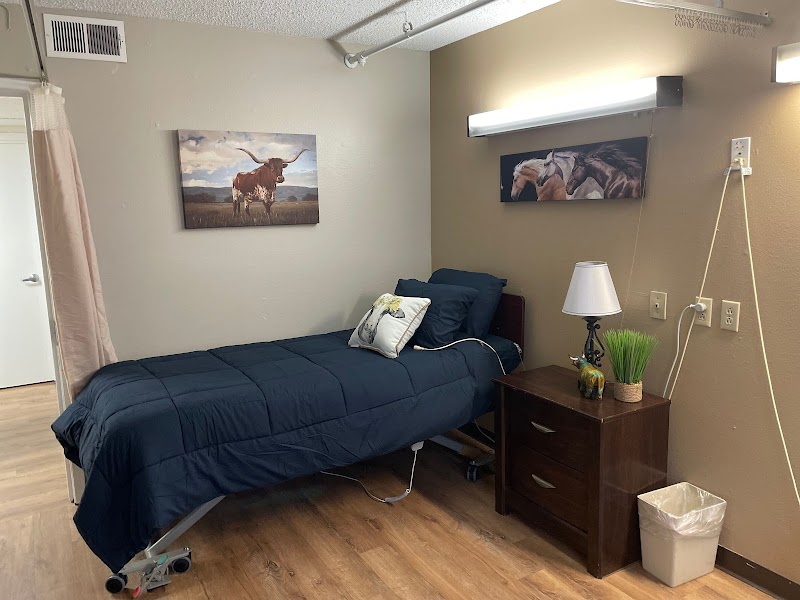
910 E PIERSON ST, HAMILTON, TX 76531 (254) 386-8113
For profit - Corporation 76 Beds NEXION HEALTH Data: November 2025
Trust Grade
78/100
#111 of 1168 in TX
Last Inspection: April 2025

Within standard 12-15 month inspection cycle. Federal law requires annual inspections.

Overview

Pecan Creek Healthcare Center in Hamilton, Texas, has a Trust Grade of B, indicating it is a good choice, though not without its issues. Ranked #111 out of 1,168 facilities in Texas, it falls in the top half, and it is the best option among the three nursing homes in Hamilton County. The facility's trend is stable, with the same number of issues reported in both 2024 and 2025, but staffing is a concern as it has a turnover rate of 63%, higher than the Texas average of 50%. While the nursing home has received an overall star rating of 5/5 for excellent care, it reported a serious incident where a resident with severe cognitive impairment was not transferred according to their care plan, as well as concerns related to food safety and nutritional care, highlighting areas that need improvement.

Trust Score
B
78/100
In Texas
#111/1168
Top 9%
Safety Record
Moderate
Needs review
Inspections
Holding Steady
2 → 2 violations
Staff Stability
⚠ Watch
63% turnover. Above average. Higher turnover means staff may not know residents' routines.
Penalties
✓ Good
$15,551 in fines. Lower than most Texas facilities. Relatively clean record.
Skilled Nurses
⚠ Watch
Each resident gets only 24 minutes of Registered Nurse (RN) attention daily — below average for Texas. Fewer RN minutes means fewer trained eyes watching for problems.
Violations
○ Average
7 deficiencies on record. Average for a facility this size. Mostly minor or procedural issues.
★★★★★
5.0
Overall Rating
★★★☆☆
3.0
Staff Levels
★★★★★
5.0
Care Quality
★★★★★
5.0
Inspection Score
Stable
2024: 2 issues
2025: 2 issues

The Good

  • 5-Star Quality Measures · Strong clinical quality outcomes
  • Full Sprinkler Coverage · Fire safety systems throughout facility
  • No fines on record

Facility shows strength in quality measures, fire safety.

The Bad

Staff Turnover: 63%

17pts above Texas avg (46%)

Frequent staff changes - ask about care continuity

Federal Fines: $15,551

Below median ($33,413)

Minor penalties assessed

Chain: NEXION HEALTH

Part of a multi-facility chain

Ask about local staffing decisions and management

Staff turnover is elevated (63%)

15 points above Texas average of 48%

The Ugly 7 deficiencies on record

1 actual harm
Apr 2025 2 deficiencies
CONCERN (D)

Potential for Harm - no one hurt, but risky conditions existed

Infection Control (Tag F0880)

Could have caused harm · This affected 1 resident

**NOTE- TERMS IN BRACKETS HAVE BEEN EDITED TO PROTECT CONFIDENTIALITY** Based on observation, interview, and record review, the facility failed to maintain an infection prevention and control program ...

Read full inspector narrative →
**NOTE- TERMS IN BRACKETS HAVE BEEN EDITED TO PROTECT CONFIDENTIALITY** Based on observation, interview, and record review, the facility failed to maintain an infection prevention and control program designed to provide a safe, sanitary, and comfortable environment and to help prevent the development and transmission of communicable diseases and infections for 1 of 3 residents (Resident #4) observed for infection prevention. The facility failed to ensure Enhanced Barrier Precautions (EBP) were implemented and used when RNA provided wound care for Resident #4. This deficient practice could place residents at-risk for spread of infection. Findings included: Record review of Resident #4's Face sheet dated 02/07/2025 revealed she was a [AGE] year-old woman, with an initial admission date of 02/08/03/2018, with re-admission on [DATE] and with diagnoses which included: Chronic Embolism (a blockage in a blood vessel) and Thrombosis (formation of a blood clot inside a blood vessel, obstructing blood flow) of Unspecified Deep Veins of Left Lower Extremity. Record review of Resident #4's Quarterly MDS assessment dated [DATE] revealed a BIMS score of 15, indicating intact cognition. Further review revealed Resident #4 was assessed as having an indwelling urinary catheter, a colostomy, three stage 2 pressure ulcers, four unstageable pressure injuries and one venous/arterial ulcer. Record review of Resident #4's Care Plan dated last reviewed 04/07/2025 revealed a Problem which included Resident requires Enhanced Barrier Precautions related to wounds, initiated 01/16/2025 and revised 04/07/2025. This problem area included the following interventions: Apply signage outside resident room; initiated 01/16/2025 and EBP used during high-contact resident care activities as applicable, such as: -Dressing -Bathing/Showering -Transferring -Providing hygiene -Changing linens -Changing briefs or assisting with toileting -Device care or use -Wound Care -Other areas determined to require EBP; Initiated 01/16/2025 Observation on 04/28/2025 at 11:07 AM, revealed there was a sign indicating Enhanced Barrier Precautions outside the door to Resident #4's room, and there was a supply of PPE available outside the door/room. Further observation revealed the contracted wound care nurse donned gloves but did not wear a gown while performing wound care for Resident #4. During an interview on 04/28/2025 at 11:30 AM, after the wound care observation, the DON and the Corporate Nurse both agreed that it was their expectation that the contracted wound care nurse wear a gown during the process of wound care. During an interview on 04/28/2025 at 1:00 PM, the DON stated she had called the wound care nurse and educated regarding EBPs. The DON presented written documentation of the education. During a telephone interview with the contracted wound care nurse on 04/30/2025 at 9:45 AM she stated she had received education from the DON regarding the need to wear a gown when providing wound care to a resident who had been placed on Enhanced Barrier Precautions. She also stated: Now that we have been educated, we will follow the protocol. Record review of facility policy titled Enhanced Barrier Precautions, reviewed 03/19/2025 states: Enhanced Barrier Precautions refer to an infection control intervention designed to reduce transmission of multi-drug-resistant organisms that employ targeted gown and glove use during high contact resident care activities. EBP are used in conjunction with standard precautions and expand the use of PPE to donning of gown and glove during high-contact resident care activities that provide opportunities for transfer of MDROs to staff hands and clothing. EBP are indicated for resident with any of the following: -Wounds and/or indwelling medical devices even if the resident is not known to be infected or colonized with a MDRO.
CONCERN (E)

Potential for Harm - no one hurt, but risky conditions existed

Food Safety (Tag F0812)

Could have caused harm · This affected multiple residents

Based on observation, interviews, and record review, the facility failed to store food following professional standards for food service safety for one of one kitchen reviewed in that: - Food items we...

Read full inspector narrative →
Based on observation, interviews, and record review, the facility failed to store food following professional standards for food service safety for one of one kitchen reviewed in that: - Food items were not labeled and/or dated correctly in the walk-in fridge. - Out of date food in the walk-in fridge These failures could place residents who received meals from the main kitchen at risk for food-borne illness. Findings included: Observation on 4/28/2025 at 8:15 am of the walk-in refrigerator reflected the following: - Refrigerated cornbread for stuffing dated 4/22/2025 with no expiration date. - Refrigerated tortillas dated 4/12/2025 with no expiration date. - Refrigerated lunch Meat dated 4/25/2025 with no expiration date. - Refrigerated milk and juice on a tray that was not dated. - Refrigerated tamale pie dated 4/19/2025 with an expiration date of 4/26/2025. - Refrigerated scrambled eggs dated 4/27/2025 with no expiration date. - Refrigerated sausage dated 4/27/2025 with no expiration date. - Refrigerated pancakes dated 4/22/2025 with no expiration date. - Refrigerated gelatine dated 4/20/2025 with an expiration date of 4/26/2025. - Refrigerated coleslaw dated 4/25/2025 with no expiration date. Observation on 4/28/2025 at 8:30 am of the freezer reflected the following: - Frozen beef and chili Burritos red burritos in a bag with a date of 2/25/2025 with no expiration date. - Frozen chicken Breast Fillets in a bag that was dated 4/10/25 with no expiration date. - Froze Hush Puppies in a bag dated 4/25/2025 with no expiration date. - Frozen chicken pieces in a bag dated 4/03/2025 with no expiration date. - Frozen Salisbury steak in a bag dated 3/12/2025 with no expiration date. - Frozen corn dogs in a bag dated 1/31 with no year and no expiration date. During an interview on 4/30/2025 at 9:31 AM DA stated that she tried to check for out of date products in the kitchen daily, DA said that sometimes items get missed. DA stated if she found an item out of date, then she told the DM, and the food was thrown in the trash. DA stated when labeling items in bags the name of the product should be on the bag, the date the item was placed in the bag, and the expiration date put on the bag. DA stated if the bag was not labeled correctly, you would not know what was in the bag. Also, if the date on the bag was not there, the food in the bag could be expired. During an interview on 4/30/2025 at 9:38 AM KC stated she tried to check the kitchen daily for out-of-date product. KC stated if she found food was out of date, she threw the food in the trash. KC stated when labeling items in bag the name of the item should be on the bag, the date it was put on the bag, and the expiration date should be on the bag. KC stated if bags were not labeled and outdated food was served, residents could have gotten get sick from eating the food. During an interview on 4/30/2025 at 9:37 AM DM stated the kitchen should be check daily for out-of-date items. If out of date items in the kitchen are found the item should be discarded. DM stated when Items are placed in a bag the bag should be labeled with the name of the food, the date that the food was put in the bag, and the expiration date of the food in the bag which was three days. DM stated that if items are not labeled or dated correctly then the food could be bad without knowing it. DM said that if out of date food was served to the residents, then the residents for get sick from eating food that was out of date. DM said that she had in-serviced staff on the procedure labeling and checking for food that was out of date. During an interview on 4/30/2025 at 9:55 AM with ADM stated food in the kitchen should be checked regularly for out-of-date products. ADM stated items in the walk-in fridge should be labeled and dated correctly. ADM stated residents could get sick if food was not labeled or dated correctly. Record Review of the facility's undated Food Storage Policy: -All foods shall be dated with the month and year received and shall be rotated on the first in/first out basis upon receipt. Oldest items are to be moved to the front to be used first. -Food shall be purchased in quantities which can be stored properly. Frozen products purchased in larger quantities than needed are divided into appropriate quantities, wrapped, and labeled with the description of the product, the date it was wrapped and placed in the freezer.
Mar 2024 2 deficiencies
CONCERN (D)

Potential for Harm - no one hurt, but risky conditions existed

Incontinence Care (Tag F0690)

Could have caused harm · This affected 1 resident

**NOTE- TERMS IN BRACKETS HAVE BEEN EDITED TO PROTECT CONFIDENTIALITY** Based on observation, interview, and record review, the facility failed to provide a resident, who was incontinent of bladder, t...

Read full inspector narrative →
**NOTE- TERMS IN BRACKETS HAVE BEEN EDITED TO PROTECT CONFIDENTIALITY** Based on observation, interview, and record review, the facility failed to provide a resident, who was incontinent of bladder, the appropriate treatment, and services to prevent urinary tract infections, to the extent possible, for 1 of 7 residents (Resident #71) reviewed for catheter care. Resident #71's urinary catheter bag with urine was not anchored to his bed frame and was lying directly on the floor. This failure could place residents at risk of infection. Findings included: Record review of Resident #71's Annual MDS, dated [DATE], reflected Resident #71 was a [AGE] year-old male who was admitted to the facility on [DATE]. He was diagnosed with renal insufficiency (which was a disease that caused poor function of the kidneys,) atrial fibrillation (which was a disease of the heart characterized by irregular and often faster heartbeat,) and coronary artery disease (which was a disease where major blood vessels struggled to send blood, oxygen, and nutrients to the heart muscle.) Section C., Cognitive Patterns reflected Resident #71 had a BIMS Score of 12. A BIMS Score of 12 indicated Resident #71 had moderate cognitive impairment. Section H., Bladder and Bowel reflected Resident #71 utilized an indwelling catheter. Record review of Resident #71's CP reflected a focus area for the resident having utilized an indwelling catheter. This resident was a new admission, 3/11/2024 and the goals and interventions were not yet complete. Record review of Resident #71's order summary report reflected an order, dated 03/14/2024, to provide catheter care each shift, and as needed. Record review of Resident #71's progress notes, dated 3/11/2024, reflected Resident #71's arrival to the facility. Resident arrived with the catheter, which was free from obstruction and draining yellow clear urine. Observation and interview on 03/18/2024 at 10:10 AM revealed Resident #71 lying in bed comfortably watching television. He utilized an indwelling catheter, and the catheter bag was located on the floor next to his bed. The tubing had sufficient slack to reach the resident and there was no visual evidence of urine spilled on the floor or an odor of urine in the room. Resident #71 stated he felt good and that he did not have any concerns with the care he had received since he arrived at the facility on 3/11/2024. He was not aware that his catheter bag was located directly on the floor, and he denied any pain or discomfort in the area of his urinary track system. Interview on 03/20/2024 at 9:10 AM with CNA A revealed she had been a CNA for the last 11 years and had been at the facility for the last two. She stated catheter bag placement was within the scope of practice for the CNAs and that the correct placement of the catheter bag was on the side of the bed, or chair, and lower than the level of the resident's bladder. The catheter bag was placed lower than the level of the resident's bladder, so gravity drained the resident's urine into the catheter bag. The catheter bag was not supposed to be on the floor to protect the catheter bag, and the tubing, from contamination. Contamination of the catheter bag, or tubing, risked spreading to the resident and risked a urinary tract infection. She stated the failure associated with the catheter bag on the floor fell on the last person to provide the resident care or the clip that held the catheter bag to the bed. Interview on 03/20/2024 at 9:26 AM with LVN B revealed she had been an LVN for the last 10 years and had been at the facility for the last 6 months. She stated that CNAs usually emptied the resident's catheter bags during their shifts and reported the urinary output to the nursing staff for documentation. CNA staff was trained to affix the catheter bag to the resident's bed, or chair, lower than the level of the bladder. The catheter bag was not supposed to be positioned on the floor. If the catheter bag was on the floor, the catheter bag, and the tubing, risked contamination. If the contamination reached the resident's body, the resident risked a urinary tract infection. She stated that nursing staff periodically conducted rounds and any observations as such would have been corrected on the spot. Interview on 03/20/2024 at 10:57 AM with the DON revealed she had been an LVN for the previous 10 years and had been an RN for the last 6 months. She recently started working at the facility and she had been the DON for the last 9 days. She stated the correct placement for a catheter bag was on the side of the resident's bed, or chair, lower than the level of the resident's bladder. The bag was not supposed to be on the floor. If a catheter bag was on the floor, the catheter bag was exposed to contamination. If the bag was contaminated, and the contamination reached the resident, the resident risked a urinary tract infection. The failure to keep the resident's catheter bag off the floor was the resident's movements or the clip that affixed the bag to the bed. She did not believe that staff saw the bag on the floor and intentionally left it on the floor. Interview on 03/20/2024 at 11:53 AM with the ADM revealed facility policy for catheter care, specifically stated that the catheter bag was supposed to be kept off the floor for infection control. If the catheter bag was contaminated, it posed a risk of infection to the resident. The ADM stated the failure to keep the bag off the floor rested with staff did not ensure the catheter bag was in its proper location. Record review of the facility's Catheter Care Policy, dated January 2023, reflected a section for infection control. The infection control section indicated staff were to maintain clean techniques when handling or manipulating the catheter, tubing, or drainage bag. Be sure the catheter tubing and drainage bag are kept off the floor.
CONCERN (D)

Potential for Harm - no one hurt, but risky conditions existed

Tube Feeding (Tag F0693)

Could have caused harm · This affected 1 resident

**NOTE- TERMS IN BRACKETS HAVE BEEN EDITED TO PROTECT CONFIDENTIALITY** Based on observation, interview, and record review the facility failed to ensure that a resident had appropriate treatment and s...

Read full inspector narrative →
**NOTE- TERMS IN BRACKETS HAVE BEEN EDITED TO PROTECT CONFIDENTIALITY** Based on observation, interview, and record review the facility failed to ensure that a resident had appropriate treatment and services to prevent complications of enteral feeding for 1 of 7 resident (Resident #72) reviewed for enteral feeding. Resident #72's peg tube gauze was not changed for 9 days. This failure placed the resident at risk of feeding tube complications and infections. Findings included: Record review of Resident #72's admission MDS, dated [DATE], reflected Resident #72 was an [AGE] year-old male who was admitted to the facility on [DATE]. He was diagnosed with benign prostatic hyperplasia (which was a disease having caused an enlarged prostate,) anemia (which was a health condition having caused fewer red blood cells to carry oxygen throughout the body,) and hypertension (which was a disease effecting the outward pressure on arteries and blood vessel walls.) Section C., Cognitive Patterns, revealed Resident #72 had a BIMS Score of 1. A BIMS Score of 1 indicated Resident #72 had severe cognitive impairment. Section K, Swallowing and Nutritional Status, revealed Resident # 72 had a feeding tube and consumed 51% or more calories and 501 CCs or more fluid each day through tube feeding. Record review of Resident # 72's CP revealed a focus area for tube feeding care, evidenced by Resident #72 having been admitted to the facility on tube feedings, revised on 3/15/2024. The goal, initiated on 3/15/2024, was for the resident's insertion site to be free from signs and symptoms of infection. The intervention for nursing staff, initiated on 3/15/2024, revealed nursing staff was supposed to cleanse tube site with normal saline, place split gauze dressing daily, and monitor for infection at tube site. Record review of Resident #72's Order Summary Reports revealed an order, dated 2/29/2024, to cleanse peg tube site with normal saline and place split gauze dressing daily. Resident #72's Order Summary Reports revealed an order, dated 03/16/2024, to cleanse peg tube site with normal saline and place split gauze dressing daily. Resident #72's Order Summary Reports revealed an order, dated 03/19/2024, to cleanse peg tube site with normal saline and place split gauze dressing daily. Record review of Resident #72's progress note dated 2/26/2024 revealed Resident #72 admitted to the facility with peg tube in place. Interview and observation on 3/19/2024 at 8:03 AM with Resident #72 revealed he had a peg tube insertion on his abdomen and had received nutrition through his peg tube since admission to the facility. The tube insertion site was covered by a split gauze pad to protect the insertion site. The date on the split gauze pad, written in black ink, was 3-10-2024. Resident #72 could not remember the last time staff cleansed, or changed the split gauze pad, at his tube insertion site. With the assistance of an Investigator VI, RN, there was observable pink coloration around the tube insertion site, but no signs of infection. Resident # 72 denied pain or discomfort at the insertion site. Interview and observation on 03/20/2024 at 9:51 AM with LVN C and Resident #72 revealed she had been an LVN for the last 10 years and had been working at the facility for the last 6 months. She stated she had cleansed the tube insertion site for Resident #72 at the beginning of her shift on 3-20-2024 and each new dressing was supposed to be marked with the date it was changed. Observation revealed the date on the split gauze pad was 3-20-2024. She stated the date on the split gauze pad she replaced was dated 3-19-2024. The importance of cleansing the insertion site, and changing the split gauze pad, was to prevent infection. An infection, at a tube insertion site, risked skin breakdown, loss of nutrition, and weight loss. The order to cleanse the insertion site and change the split gauze pad was not entered into the TAR. Interview on 03/20/2024 at 11:13 AM with the DON revealed she had been an LVN for the previous 10 years and had been an RN for the last 6 months. She recently started working at the facility and she had been the DON for the last 9 days. The DON did not speculate on why, or how, Resident #72's dressing was not changed as ordered, but stated the gauze should have been changed daily per the order to prevent the spread of infection. Interview on 03/20/2024 at 11:20 AM with LVN B revealed she cleansed the tube insertion site for Resident #72 and changed the split gauze pad yesterday, 3-19-2024. She stated the date on the gauze pad she changed yesterday, on 3-19-2024, was previously dated as 3-10-2024. She could not explain why the gauze pad had gone 9 days without being changed. She stated the failure to cleanse and change the dressing on the tube insertion site fell on the nursing staff. Interview on 03/20/2024 at 11:41 AM with the ADM revealed the facility had a policy in place to address enteral feedings and skin break down precautions. The ADM stated the failure of the dressing not being changed as ordered fell either on the order not being reviewed, not entered on the TAR, or due to leadership. Resident #72 risked infection and skin breakdown. Record review of the facility's Enteral Feedings Policy, dated January 2023, reflected a section that addressed preventing skin breakdown. The policy stated to keep the skin around the site clean, dry, and lubricated and observe for signs of skin breakdown, infection, and irritation.
Jan 2023 2 deficiencies
CONCERN (E)

Potential for Harm - no one hurt, but risky conditions existed

Deficiency F0692 (Tag F0692)

Could have caused harm · This affected multiple residents

**NOTE- TERMS IN BRACKETS HAVE BEEN EDITED TO PROTECT CONFIDENTIALITY** Based on observation, interview and record review, the facility failed to maintain acceptable parameters of nutritional status, ...

Read full inspector narrative →
**NOTE- TERMS IN BRACKETS HAVE BEEN EDITED TO PROTECT CONFIDENTIALITY** Based on observation, interview and record review, the facility failed to maintain acceptable parameters of nutritional status, such as usual body weight or desirable body weight range and electrolyte balance, unless the resident clinical condition demonstrated that this was not possible or resident preferences indicated otherwise for one (Resident #17) of eight residents reviewed for nutrition. The facility failed to ensure Resident #17 received all items on her meal ticket as ordered by a regular diet which resulted in inadequate oral intake and weight loss. The facility failed to provide Resident #17 effective interventions to prevent further weight loss. This failure could place residents at risk of further weight loss, malnutrition, and decreased quality of life. Findings included: Record review of Resident #17's face sheet dated 01/30/2023 revealed Resident #17 was an [AGE] year old female admitted to the facility on [DATE] with a diagnoses of Alzheimer's disease (disease that effects the brain and nervous system and results in confusion, memory problems and behavioral issues), congestive heart failure (weakening of heart muscle resulting in the heart not pumping blood as effectively), GERD (condition that causes heart burn), high blood pressure, major depressive disorder (mental disorder characterized by low mood, low self-esteem, loss of interest or pleasure in normally enjoyable activities for at least two weeks) and anxiety disorder with history of hallucinations. Record review of Resident #17's quarterly MDS assessment dated [DATE] revealed Resident #17 had a BIMS score of 11 to indicate moderately impaired cognition. Resident #17 was not noted to have recent weight loss or require a mechanically altered or therapeutic diet. Resident #17 was independent and only required setup help for eating. Record review of Resident #17's care plan dated 11/12/2022 revealed Resident #17 was at risk for weight changes due to depression with fluctuating appetite, diuretic use and GERD. Resident #17 had the goal to maintain stable weight and will exhibit no signs or symptoms of dehydration over the next 90 days. Interventions included: -Labs as ordered. -Monitor for signs and symptoms of dehydration (poor skin turgor, chapped lips, dry skin, dry oral mucosa) Notify MD PRN. -Administer meds as ordered. -Diet as ordered. -Monitor meal percentages. Notify nursing PRN poor intake. -Offer choices of food/drink with each meal as able. -Quarterly drug review. -Weigh monthly. Review of Resident #17's weight record dated 01/29/2023 revealed: 01/20/2023 143.6 lbs -6.1% change in 30 days, -8.1% in 3 months, -10.25% in 6 months 12/01/2022 152.8 lbs 10/06/2022 156.2 lbs 07/06/2022 160.0 lbs In an interview on 01/29/2023 at 8:45 AM, Resident #17 stated the food at the facility was okay and that she was picky eater. She stated she felt like she lost weight recently because she had not been eating as much. She said she was unsure of how much weight she lost, but her clothes were looser. In an observation on 01/30/2023 at 7:23 AM, Resident #17's breakfast tray contained one piece of toast, a cup of coffee, a cup of milk, a cup of orange juice and a bowl of hot cereal. Record review of Resident #17's tray card dated 01/30/2023 revealed the following regular diet/regular texture and the menu included choice of juice, choice of cereal, scrambled eggs, sausage patty, toast, margarine, jelly, milk, coffee and water. In an interview on 01/30/2023 at 7:30 AM, CNA B stated Resident #17 will not eat much for breakfast and prefers a light breakfast. She stated Resident #17 preferred only a piece of toast or two biscuits for breakfast. She stated Resident #17 was offered the additional food including eggs and sausage in the past and refused to eat it. She stated Resident #17 was particular about the food she ate and would only eat a salad for lunch and then ate a bigger dinner. In an interview on 01/30/2023 at 7:50 AM, Resident #17 stated she only wanted to eat toast and coffee for breakfast. She did not like to eat a big breakfast and would not eat the eggs or sausage if it was brought to her. She liked eating a salad for lunch and then she would eat dinner. She said she was particular about food and had always watched what she ate closely and like to eat healthy. When asked what she thought caused the weight loss, she did not know but maybe she had been eating less. She said the facility did offer other food to her if she did not like what was served. She said she was not offered a health shake or other supplement to stabilize her weight. She said before she was admitted to the facility, she would drink a [NUTRITION SUPPLEMENT] shake every day. She said she would drink a health shake/supplement if offered one by the facility. In an interview on 01/30/2023 at 7:58 AM, CNA C stated Resident #17 ate only what she wanted to eat and had her preferences. He stated she was offered more food or different food by the kitchen to encourage intake but she would not eat it . He stated she had been very depressed over the holidays and would not come out of her room. He said they tried to encourage her to eat whatever she wanted and she would not eat much. He said he was not sure if her doctor was notified. In an observation on 01/30/2023 at 8:15 AM, Resident #17 was weighed standing up on the scale and her weight was 138.8 pounds. From 01/20/2023 her weight decreased another 4.8 pounds. Record review of Resident #17's RD Weight Variance Note dated 01/20/2023 revealed Resident #17 had a 6% decrease in her weight in 30 days and 8.1% decrease in 90 days. Her intake was noted at 76-100% some and <50% on occasion. Her estimated needs were 1488 kcal , 65-79 g protein, 1964 cc fluid. The summary noted: Resident with no real changes to eating behaviors and no skin issues presents with weight loss this month. Staff noted that had a very rough few weeks over the holiday season with increased depression. She did not come out to the dining room for two weeks during that time, but intake only marginally changed. Resident is not a big breakfast eater and has a chef salad every day at lunch and then the menued dinner. Resident also does not drink milk or consume ice cream type foods. Resident also is not a snacker. At this time continue nutrition POC (Plan of Care) as resident declines other intervention. Goal: Adequate oral intake to support stable weight during admission. RD will monitor and follow up as needed. In an interview on 01/30/2023 at 8:30 AM, the DON stated she and other staff routinely offer Resident #17 snacks, alternate foods and supplements to increase her intake and Resident #17 refused all of them. When asked if there was documentation to prove the offering of supplements or additional food, she said she would have to check. When asked if Resident #17's doctor was notified of her weight loss she said she would have to check because it was not documented in Resident #17's clinical record . When asked if any interventions were put into place by the RD after she was evaluated on 01/20/2023, she said no because Resident #17 refused previous interventions including supplements. She said the RD saw every resident quarterly or if there was a significant change and the RD would then make recommendations. She said the physician would be notified of a significant change and any additional orders would be implemented. She said she was not aware of any new orders for Resident #17 in regards to her recent weight loss. In an interview on 01/30/2023 at 8:45 AM, the DM stated Resident #17's food preferences were for a light breakfast of either two biscuits or a piece of toast. She said Resident #17 wanted a salad for lunch and then ate a regular dinner. She stated they offer her additional food and snacks and she declines them. She stated when Resident #17 was depressed over the holidays they offered any food that she would eat. She said she offered to run to any restaurant to pick up her favorite food and Resident #17 declined outside food as well. She stated Resident #17 did not like milk drinks and therefore did not like health shakes so they did not offer health shakes when her intake was low. In an interview on 01/30/2023 at 9:00 AM, Resident #17's RP stated Resident #17 suffered from depression every year this time of year like clockwork and had a history of losing weight when depressed. She stated Resident #17 also stopped eating sweets in the last few months and told Resident #17's RP that she did not like sweet food or desserts anymore. She said they used to bring Resident #17 pastries when they visited and now Resident #17 will not eat them anymore. She stated she thought Resident #17's tastes had changed. She said she was not notified by the facility about the weight loss. She said she was not aware of any changes the facility made for Resident #17 to stabilize her weight. She said she did not know if Resident #17 was offered a supplement and refused it. She said Resident #17 drank [NUTRITION SUPPLEMENT] daily when she lived independently, so she would assume Resident #17 would drink one now. In an interview on 01/30/2023 at 9:17 AM, the RD for the facility stated she believed Resident #17 had the weight loss due to depression over the holiday period. She said the staff reported to her Resident #17 stopped coming out of her room for two weeks over the holidays and stopped eating in the dining room. She said Resident #17 had improved since that time and the RD said she thought Resident #17's intake improved with her eating in the dining room now. She stated Resident #17 was health conscious with what she ate and chose to eat a salad every day for lunch and liked a lighter breakfast of biscuits or toast . She stated she did not ask for weekly weights after the significant weight loss was noted on 01/20/2023. She stated she only had residents who were underweight and continuing to lose weight weighed weekly or residents under 100 pounds. She said they did not have a specific protocol or policy for weight loss that would include weekly weights. When asked about interventions put into place after the significant weight loss was noted, she said no specific intervention was put into place because Resident #17 would refuse the interventions including a health shake, med pass supplement, fortified food or snacks. She said she knew staff at the facility had offered snacks and health shakes and Resident #17 refused them. When asked if there was documentation of what was offered or if the information was in Resident #17's care plan she said she did not know. She said information on what was offered to Resident #17 for weight loss would be in the EMR. She said she did not update a resident's care plan when weight loss occurred, the MDS Coordinator was in charge of updating a resident's care plan with interventions. She did not notify the doctor of Resident #17's weight loss and said the nurse would be in charge of notifying the doctor. She did not ask about or recommend an appetite stimulant for Resident #17. In an interview on 01/30/2023 at 9:43 AM, LVN A stated Resident #17 was particular about the food she ate and did not eat junk food. She said she liked her breakfast to only be two biscuits or a piece of toast. She said they could offer more food and she would refuse additional food. She stated Resident #17 only ate a salad for lunch because it was preference and then ate a regular dinner. She stated Resident #17 was depressed over the holidays which likely caused her intake to decrease. She stated she felt like Resident #17 was eating more now because she ate in the dining room again. She said for two weeks over the holidays Resident #17 refused to leave her room. She said they would offer her snacks or more food and Resident #17 would decline. She said she was not sure if a health shake or other supplement had been offered to Resident #17. In an interview on 01/30/2023 at 11:04 AM, the ADMIN stated Resident #17 was very particular about what she ate and how she dressed. She stated Resident #17 liked to take good care of herself including eating a healthy diet. She said Resident #17 eats what she wants when she wants. In a follow-up interview on 01/30/2023 at 11:42 AM, the DON stated she spoke with Resident #17's PCP and he ordered an appetite stimulant to prevent further weight loss. She said they would offer Resident #17 a health shake and if she drank it, she would have the PCP order health shakes twice per day for Resident #17. In an interview on 01/30/2023 at 11:58 AM, the PCP for Resident #17 stated he rounded on Resident #17 last week and was given Resident #17's current weight, but he was not notified of the significant change for her previous weight in December 2022. He stated he ordered an appetite stimulant today and will monitor her weight closely for the next 60 days. He stated he requested the RD re-evaluate her as well. He said Resident #17 did not suffer a decline as a result of the weight loss or develop skin breakdown. The PCP thought the weight loss was related to depression over the holidays which resulted in decreased appetite. Record review Resident #17's EMR dated 07/01/2022 - 01/30/2023 did not reveal additional documentation regarding Resident #17's weight loss or interventions that were tried by the facility. Record review of Resident #17's Dietary Progress notes written by the DM dated 08/04/2022 revealed CDM (Certified Dietary Manager) spoke with resident about her likes and dislikes. She is on a regular diet, regular texture and thin liquids at this time. No concerns voiced. She enjoys two biscuits or toast for breakfast and a bowl of cream of wheat. Review of Nutrition (Impaired)/Unplanned Weight Loss - Clinical Protocol Policy dated September 2017 revealed the staff will report to the physician significant weight gain, anorexia and weight loss before ordering interventions . The physician will review for medical causes of weight gain, anorexia and weight loss before ordering interventions . the staff and physician will identify pertinent interventions based on identified causes and overall resident condition, prognosis, and wishes . The physician will authorize appropriate interventions, as indicated.
CONCERN (E)

Potential for Harm - no one hurt, but risky conditions existed

Deficiency F0761 (Tag F0761)

Could have caused harm · This affected multiple residents

Based on observation, interview and record review, the facility failed to ensure expired/discontinued medications were removed and destroyed for 1 of 1 medication storage rooms reviewed for medication...

Read full inspector narrative →
Based on observation, interview and record review, the facility failed to ensure expired/discontinued medications were removed and destroyed for 1 of 1 medication storage rooms reviewed for medications. The facility failed to remove two bottles of expired Famotidine from the medication storage room. This failure could place all residents at an increased risk of receiving expired medications resulting in adverse health consequences. Findings include: Observation on 01/29/2023 at 10:00 AM of the medication storage room with the DON in attendance revealed two bottles of Famotidine (used to treat stomach ulcers) 20 mg with expiration dates of 12/2022. Interview on 01/29/2023 at 10:05 AM the DON stated, I don't know for sure if the potency of the drug is affected. She further stated she had recently looked at all the medications in the storage room and wasn't sure how those were missed. Interview on 1/30/2023 at 11:19 AM the ADMIN stated it was a requirement to not have expired medications available to give to the residents. Review of the facility policy dated 2007 and titled Disposal of Medications reflected Outdated medications shall be destroyed. The director of nursing and consultant pharmacist will monitor for compliance with federal and state laws and regulations regarding the disposal of medications.
Dec 2022 1 deficiency 1 Harm
SERIOUS (G) 📢 Someone Reported This

A family member, employee, or ombudsman was alarmed enough to file a formal complaint

Actual Harm - a resident was hurt due to facility failures

Accident Prevention (Tag F0689)

A resident was harmed · This affected 1 resident

**NOTE- TERMS IN BRACKETS HAVE BEEN EDITED TO PROTECT CONFIDENTIALITY** Based on interview and record review the facility failed to ensure Resident # 1 received adequate supervision and assistance to ...

Read full inspector narrative →
**NOTE- TERMS IN BRACKETS HAVE BEEN EDITED TO PROTECT CONFIDENTIALITY** Based on interview and record review the facility failed to ensure Resident # 1 received adequate supervision and assistance to prevent a fall for 1 of 5 residents reviewed for accidents and supervision. (Resident #1) The facility failed to ensure Resident #1 remained free of falls to prevent an accident. The facility failed to ensure Resident #1's assistance with toileting routinely was followed. These failures could place residents at risk for falls for possible injuries due to lack of supervision. Findings Include: Review of Resident #1's undated face sheet reflected an [AGE] year-old female was admitted to the facility on [DATE] with a diagnosis of dementia (memory loss), Cognitive communication deficit (difficulty thinking), Insomnia (difficulty falling asleep), hypothyroidism (under production of hormone), hyperlipemia (increased cholesterol), and hypertension (high blood pressure). A review of Resident #1's MDS dated [DATE] revealed Resident#1's BIMS Summary score of 5 indicated severe cognitive impairment. Review of Resident #1's care plan dated 11-30-2022 revealed Resident #1 is at risk for falls, impaired mobility, impaired cognition with impaired safety awareness, and impaired judgment. Review of Resident # 1's care plan dated 11-30-2022 revealed Resident #1 ADLs revealed Resident #1 has self-care deficits, impaired cognition, and impaired mobility. Ambulation/Transfers amount 1 staff assist able to walk with a walker and use a wheelchair. Review of Resident #1's care plan dated 11-30-2022 revealed that Resident #1 is incontinent of bowel and bladder and needs assistance with toileting routinely. Review of Resident #1's progress notes dated 12-7-2022 revealed Resident #1 noted an unwitnessed fall. Review of Resident #1's progress notes dated 12-07-2022 revealed Resident #1 hollered out I'm in here on the floor. when LVN tried to open Resident #1's door. Review of Resident # 1's investigation summary dated 12-07-2022 revealed the Administrator interviewed Resident #1. Resident # 1 stated she asked the LVN to step out of the room and give her some privacy. Resident #1 began to holler that she fell and hurt her back. The DON and the LVN attempted to access Resident # 1 through the door but the door was blocked by Resident # 1. Maintenance assisted the DON to access Resident #1's room through the window. Resident #1 stated that she had fallen and hurt her back. Review of Resident #1's physician documentation dated 12-07-2022 revealed Resident #1 presented to the emergency room with complaints from a fall injury. The fall was unwitnessed, but staff (not named) heard it occur. Resident #1 fell against the door and nursing home staff had to rescue her by going through a window. Review of Resident # 1's hospital notes dated 12-07-2022 revealed Resident # 1 was found to have a right femoral neck fracture. Hip fracture of the thigh bone (femur) just below the ball and socket hip joint that would need surgical intervention. Resident #1 was transferred to a local hospital and admitted to Internal Medicine. Interview on 12-18-2022 at 3:33 PM with CNA A stated LVN told Resident #1 that a urinalysis was needed on 12-07-2022. LVN took Resident #1 from the nurse's station to Resident #1's room. LVN put Resident #1 on the toilet and she left. CNA A could not recall the length of time Resident #1 was left alone. CNA A stated Resident #1 should not have been left alone. CNA A was alerted by LVN that Resident # 1 was on the floor. CNA A stated she went to the door and was not able to open it. DON notified maintenance and they both went to Resident #1's outside window and the DON crawled through Resident # 1 window. CNA A stated she witnessed from outside of Resident # 1's door. When the door was opened CNA A saw Resident #1 laying on the floor up against the door and the wheelchair laying on it's side, beside Resident # 1. Interview on 12-18-2022 at 4:30 PM with maintenance stated he was en route when he heard that Resident # 1 had fallen. When it was determined that Resident #1 had the door blocked, he went to the outside window and jimmied the window lock with a pocketknife to flip the locks back. Maintenance stated Resident #1's windows were not open. The DON went through the window and the only thing he saw was Resident # 1 laying up against the door with her wheelchair beside her. Interview on 12-18-2022 at 4:41 PM with DON stated LVN came and told her that Resident #1 had fallen and LVN could not get the door open. DON spoke with Resident #1 through the door making sure Resident # 1 was competent. Resident # 1 advised the DON she was not able to get up. DON notified maintenance at the nurse station for assistance. DON and maintenance went outside to Resident # 1's window and maintenance popped the window locks and DON climbed in to assist Resident # 1. DON assessed Resident #1 and Resident # 1 stated her lower back was hurting. DON made the judgment to send Resident # 1 out for further evaluation. The DON stated she does not suspect any neglect with the incident of LVN and Resident #1. Interview on 12-18-2022 at 5:00 PM with the Administrator stated that the self-report summary was based on the interview of Resident # 1 and the LVN. No neglect was suspected with LVN and if any neglect had been suspected the LVN would not still be at the facility. Interview on 12-19-2022 at 11:05 AM with LVN stated CNA A and CNA B brought Resident #1 down the hall from the nurses station on 12-07-2022. LVN stated to CNA B that a urinalysis would need to be conducted. LVN stated she asked specifically to CNA B if Resident # 1 could go to the toilet and CNA B stated yes. LVN stated she asked CNA B to get a hat so she could collect specimens on Resident # 1. CNA B put the hat in the toilet and the LVN followed Resident # 1 in a wheelchair to her room into the restroom. Resident #1 was in the restroom and pulled up to the toilet in front of LVN. Resident # 1 grabbed the bar and pulled herself to a standing position and LVN held onto the back of Resident #1's pants while Resident #1 was standing. Resident #1 was sitting on the toilet and LVN left the faucet water running to encourage Resident #1 to urinate. LVN advised and confirmed with Resident #1 that she was going to step out and for Resident #1 to pull the call light when she finished. Resident #1 acknowledged LVN by saying okay. LVN left Resident #1's bathroom door open and the room door slightly open for privacy and LVN went to the medication cart just outside Resident # 1 's room. LVN stated when she was popping pills Resident #1 had closed the door. LVN knocked on the door and attempted to open it and Resident #1 stated she was on the floor. LVN hollered to an employee (could not recall a name) that Resident # 1 was on the floor and to get the DON. Maintenance and DON came to the door. LVN told DON Resident #1 was on the floor right in front of the door. DON asked Maintenance if he could get into Resident #1s room from the outside window. The DON and maintenance took off to the backdoor and within minutes the DON was inside. LVN heard DON call out to Resident #1 that she was coming into the room. LVN did not witness what took place once the DON entered the room. Resident #1 was sitting in her wheelchair when the door opened. LVN asked Resident #1 if she was having any pain and Resident # 1 stated her back was hurting. Resident # 1's vitals were taken, and she became nauseous. Resident #1 vomited and 911 was called. LVN called the emergency room to give nurse to nurse report while Resident # 1 was en route to the hospital. LVN stated she would not have left Resident #1 on the toilet if she was not physically or mentally competent. LVN stated she did not neglect Resident#1 she gave Resident #1 privacy and left both doors open. LVN instructed Resident#1 to pull the call light when she was finished. LVN stated to Resident#1 that she would be right outside the door. LVN stated that she believe Resident #1's fall was an accident and not neglect. Interview on 12-19-2022 at 12:50 PM with CNA B stated the LVN took Resident #1 to her room for a urine specimen on 12-07-2022. CNA B states she did not know LVN left Resident #1 in her room. CNA B stated she retrieved the hat for LVN. CNA B stated Resident #1 is to be assisted with toileting. CNA B states Resident # 1 should not have left as she is to be assisted with toileting. CNA B stated Resident #1 incident was an accident and not neglect. Interview with DON 12-19-2022 at 1:16 PM stated Resident #1's incident was more of an accident. DON stated if she felt Resident # 1 incident was neglect there would be a suspension. DON stated Resident #1's wheelchair potentially may have gotten caught by her dresser. Resident #1's wheelchair never folded and was on the right side along with Resident #1. DON stated wheelchair wheels tend to turn in different ways and she did not suspect any neglect. Record review of the facility's fall risk managing dated July 2019 policy revealed based on previous evaluations and current data, the staff will identify interventions related to the resident's specific risks and causes to try to prevent the resident from falling and to try to minimize complications from falling.
Understanding Severity Codes (click to expand)
Life-Threatening (Immediate Jeopardy)
J - Isolated K - Pattern L - Widespread
Actual Harm
G - Isolated H - Pattern I - Widespread
Potential for Harm
D - Isolated E - Pattern F - Widespread
No Harm (Minor)
A - Isolated B - Pattern C - Widespread

Questions to Ask on Your Visit

  • "Why is there high staff turnover? How do you retain staff?"
  • "Can I speak with families of current residents?"
  • "What's your RN coverage like on weekends and overnight?"

Our Honest Assessment

Strengths
  • • Licensed and certified facility. Meets minimum state requirements.
Concerns
  • • 7 deficiencies on record, including 1 serious (caused harm) violation. Ask about corrective actions taken.
  • • $15,551 in fines. Above average for Texas. Some compliance problems on record.
  • • 63% turnover. Above average. Higher turnover means staff may not know residents' routines.
Bottom line: Generally positive indicators. Standard due diligence and a personal visit recommended.

About This Facility

What is Pecan Creek Healthcare Center's CMS Rating?

CMS assigns PECAN CREEK HEALTHCARE CENTER an overall rating of 5 out of 5 stars, which is considered much above average nationally. Within Texas, this rating places the facility higher than 99% of the state's 100 nursing homes. This rating reflects solid performance across the metrics CMS uses to evaluate nursing home quality.
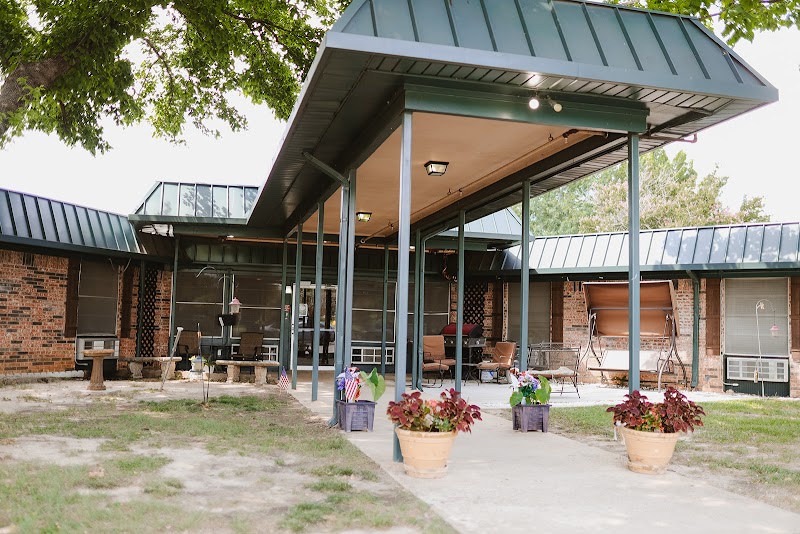
How is Pecan Creek Healthcare Center Staffed?

CMS rates PECAN CREEK HEALTHCARE CENTER's staffing level at 3 out of 5 stars, which is average compared to other nursing homes. Staff turnover is 63%, which is 17 percentage points above the Texas average of 46%. High turnover can affect care consistency as new staff learn residents' individual needs.

What Have Inspectors Found at Pecan Creek Healthcare Center?

State health inspectors documented 7 deficiencies at PECAN CREEK HEALTHCARE CENTER during 2022 to 2025. These included: 1 that caused actual resident harm and 6 with potential for harm. Deficiencies causing actual harm indicate documented cases where residents experienced negative health consequences.
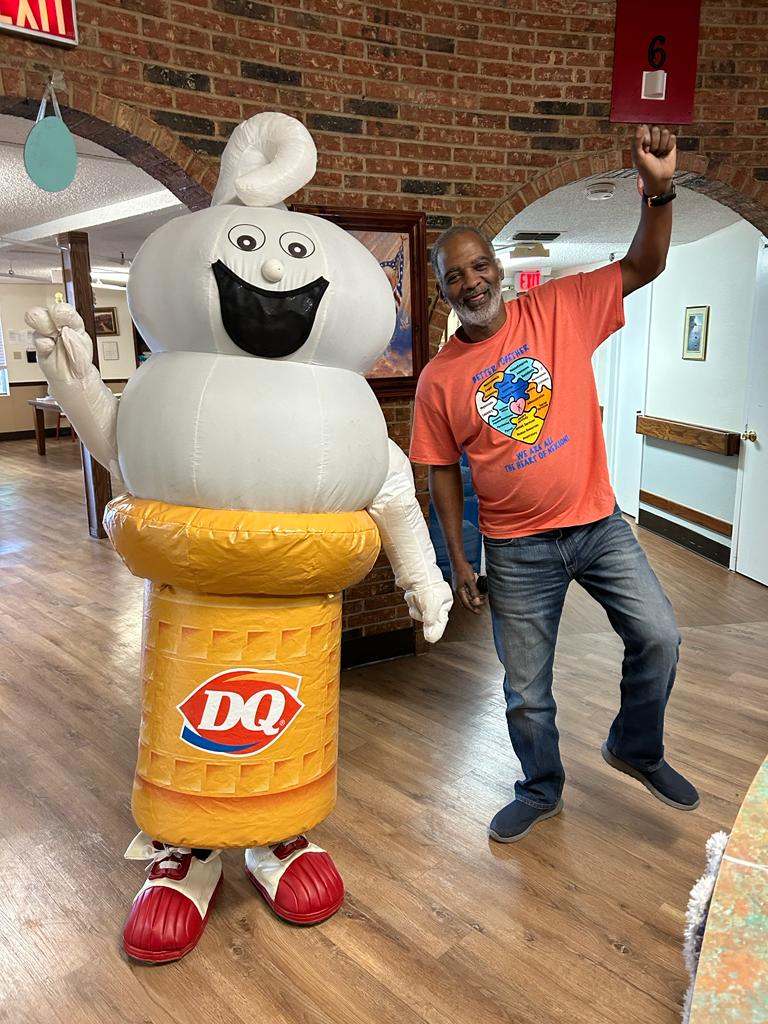
Who Owns and Operates Pecan Creek Healthcare Center?

PECAN CREEK HEALTHCARE CENTER is owned by a for-profit company. For-profit facilities operate as businesses with obligations to shareholders or private owners. The facility is operated by NEXION HEALTH, a chain that manages multiple nursing homes. With 76 certified beds and approximately 39 residents (about 51% occupancy), it is a smaller facility located in HAMILTON, Texas.
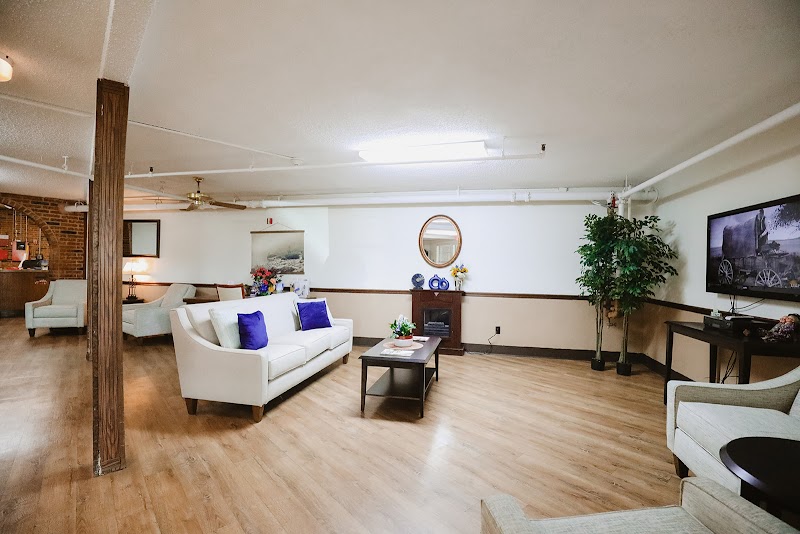
How Does Pecan Creek Healthcare Center Compare to Other Texas Nursing Homes?

Compared to the 100 nursing homes in Texas, PECAN CREEK HEALTHCARE CENTER's overall rating (5 stars) is above the state average of 2.8, staff turnover (63%) is significantly higher than the state average of 46%, and health inspection rating (5 stars) is much above the national benchmark.

What Should Families Ask When Visiting Pecan Creek Healthcare Center?

Based on this facility's data, families visiting should ask: "How do you ensure continuity of care given staff turnover, and what is your staff retention strategy?" "Can I visit during a mealtime to observe dining assistance and food quality?" "How do you handle medical emergencies, and what is your hospital transfer rate?" "Can I speak with family members of current residents about their experience?" These questions are particularly relevant given the facility's high staff turnover rate.

Is Pecan Creek Healthcare Center Safe?

Based on CMS inspection data, PECAN CREEK HEALTHCARE CENTER has a clean safety record: no substantiated abuse findings (meaning no confirmed cases of resident harm), no Immediate Jeopardy citations (the most serious violation level indicating risk of serious injury or death), and is not on the Special Focus Facility watch list (a federal program monitoring the lowest-performing 1% of nursing homes). The facility has a 5-star overall rating and ranks #1 of 100 nursing homes in Texas. While no facility is perfect, families should still ask about staff-to-resident ratios and recent inspection results during their visit.

Do Nurses at Pecan Creek Healthcare Center Stick Around?

Staff turnover at PECAN CREEK HEALTHCARE CENTER is high. At 63%, the facility is 17 percentage points above the Texas average of 46%. High turnover means new staff may not know residents' individual needs, medications, or preferences. It can also be disorienting for residents, especially those with dementia who rely on familiar faces. Families should ask: What is causing the turnover? What retention programs are in place? How do you ensure care continuity during staff transitions?

Was Pecan Creek Healthcare Center Ever Fined?

PECAN CREEK HEALTHCARE CENTER has been fined $15,551 across 1 penalty action. This is below the Texas average of $33,234. While any fine indicates a compliance issue, fines under $50,000 are relatively common and typically reflect isolated problems that were subsequently corrected. Families should ask what specific issues led to these fines and confirm they've been resolved.

Is Pecan Creek Healthcare Center on Any Federal Watch List?

PECAN CREEK HEALTHCARE CENTER is not on any federal watch list. The most significant is the Special Focus Facility (SFF) program, which identifies the bottom 1% of nursing homes nationally based on persistent, serious quality problems. Not being on this list means the facility has avoided the pattern of deficiencies that triggers enhanced federal oversight. This is a positive indicator, though families should still review the facility's inspection history directly.