HURST PLAZA NURSING & REHAB
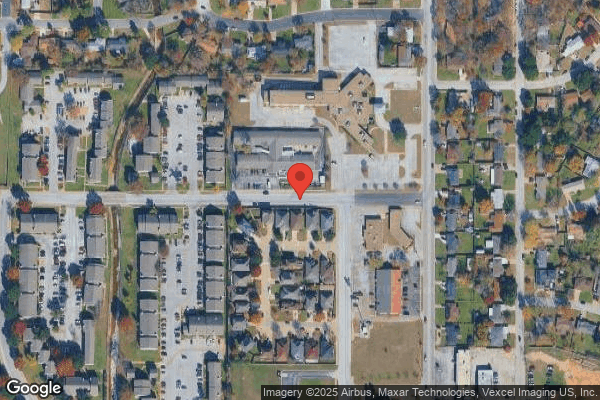
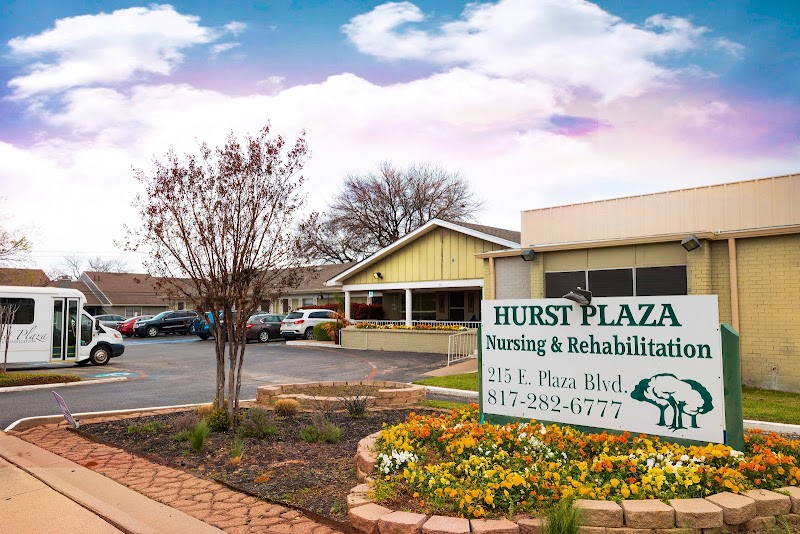
215 E PLAZA BLVD, HURST, TX 76053 (817) 282-6777
For profit - Limited Liability company 106 Beds EDURO HEALTHCARE Data: November 2025
Trust Grade
73/100
#259 of 1168 in TX
Last Inspection: April 2025

Within standard 12-15 month inspection cycle. Federal law requires annual inspections.

Overview

Hurst Plaza Nursing & Rehab has a Trust Grade of B, which indicates it is a good choice for care, ranking in the top half of Texas facilities at #259 out of 1168. In Tarrant County, it ranks #9 out of 69, suggesting that only eight local options are better. The facility is improving, with a significant drop in reported issues from 12 in 2024 to just 1 in 2025, indicating positive changes. Staffing is rated at 3 out of 5 stars, with a turnover rate of 51%, slightly above the state average, suggesting some staff stability but also room for improvement. However, there are concerning findings, including failures to properly store food, which could lead to food-borne illnesses, and inadequate respiratory care for several residents, indicating lapses in meeting care standards. Additionally, some residents did not have accessible call lights, potentially putting them at risk of not receiving timely assistance. Overall, while there are strengths in the facility's ranking and improvements in care, families should be aware of these specific incidents that highlight areas needing attention.

Trust Score
B
73/100
In Texas
#259/1168
Top 22%
Safety Record
Low Risk
No red flags
Inspections
Getting Better
12 → 1 violations
Staff Stability
⚠ Watch
51% turnover. Above average. Higher turnover means staff may not know residents' routines.
Penalties
✓ Good
$6,540 in fines. Lower than most Texas facilities. Relatively clean record.
Skilled Nurses
○ Average
Each resident gets 41 minutes of Registered Nurse (RN) attention daily — about average for Texas. RNs are the most trained staff who monitor for health changes.
Violations
⚠ Watch
13 deficiencies on record. Higher than average. Multiple issues found across inspections.
★★★★☆
4.0
Overall Rating
★★★☆☆
3.0
Staff Levels
★★★★☆
4.0
Care Quality
★★★★☆
4.0
Inspection Score
Stable
2024: 12 issues
2025: 1 issues

The Good

  • 4-Star Quality Measures · Strong clinical quality outcomes
  • Full Sprinkler Coverage · Fire safety systems throughout facility
  • No fines on record

Facility shows strength in quality measures, fire safety.

The Bad

Staff Turnover: 51%

Near Texas avg (46%)

Higher turnover may affect care consistency

Federal Fines: $6,540

Below median ($33,413)

Minor penalties assessed

Chain: EDURO HEALTHCARE

Part of a multi-facility chain

Ask about local staffing decisions and management

The Ugly 13 deficiencies on record

Apr 2025 1 deficiency
CONCERN (F)

Potential for Harm - no one hurt, but risky conditions existed

Food Safety (Tag F0812)

Could have caused harm · This affected most or all residents

Based on observations, interviews, and record review, the facility failed to store food in accordance with professional standards for food safety in the facility's only kitchen. 1. The facility fail...

Read full inspector narrative →
Based on observations, interviews, and record review, the facility failed to store food in accordance with professional standards for food safety in the facility's only kitchen. 1. The facility failed to ensure semi-thawed meat was stored properly, which caused the liquid contents of the meat drip onto the freezer floor. 2. The facility failed to ensure dry storage food was stored properly and off the floor. The failures could place all residents at risk for food-borne illness. Findings included: Observation on 04/01/2025 at 9:20 AM of the reach in freezer revealed, a plastic bag containing raw chicken parts placed on the wired shelf. The liquid contents of the bag were observed dripping from the bag onto the flooring of the freezer. The bag was immediately removed from the freezer by [NAME] A and placed in a metal bowl, then placed in the sink. Observation of [NAME] A cleaning the freezer flooring and the wired shelf. The other items in the freezer were frozen solid to touch. Observation on 04/01/2025 at 9:22 AM in the facility's only dry storage area revealed a 50 lb. bag of onions labeled and dated, placed on the floor. Observation on 04/01/2025 at 12:15 PM of meal pass revealed, no chicken being served to residents. Interview on 04/03/2025 at 10:44 AM with the DON revealed, no residents have presented with GI concerns (vomiting or diarrhea) within the last 24 hours. Interview on 04/03/2025 at 1:45 PM with the Dietary Manager revealed, she did not realize [NAME] A put the bag of raw chicken parts into the freezer. She noticed the food debris on the flooring of the freezer. She stated it was not proper thawing procedure to place food that was thawed (or in the process of thawing) to be placed back into the freezer. She stated that the risk was food borne illness and residents could become sick. She stated food that was for consumption should not be placed on the floor. She stated when food was received from delivery it should be placed up off the floor. The risk was the chance for food borne illness. Interview on 04/03/2025 at 1:55 PM with [NAME] A revealed, she took the chicken out of the freezer to thaw as an alternate for lunch. She stated the chicken was placed in the sink under running water to thaw. She stated the DM advised them State was in the building and to make sure the kitchen was clean. She stated she panicked and grabbed the bag of raw chicken parts and threw it into the freezer (she thought it was the refrigerator) to make sure the kitchen appeared clean. She stated in her panic she thought the freezer was the refrigerator. She stated that it was not in there for long. She stated she knew it was not proper procedure to re-freeze meat because it could get bacteria and create food borne illnesses. She stated she threw the chicken away. Interview on 04/03/2025 at 03:12 PM with the Administrator revealed, his expectation was everything to be thawed appropriately, and nothing was re-frozen. The risk was food borne illness, serious injury that could lead to death. The follow up was to have dietary staff conduct a re-education on proper food storage and have the DM follow up with the staff. Dry goods should be up off the floor when delivered and properly labeled and dated. The risk was pest control issues. Record review of the facility policy Food Receiving and Storage revised October 2017 revealed: Foods shall be received and stored in a manner that complies with safe food handling practices. 6. Food in designated dry storage areas should be kept off the floor (at least 18 inches) and clear of sprinkler heads, sewage/waste disposal pipes and vents. 13. Uncooked and raw animal products and fish will be stored separately in drip-proof containers and below fruits, vegetables, and other ready-to-eat foods. Review of the U.S. Public Health Service Food Code, dated 2017, reflected: .3-302.11 Packaged and Unpackaged Food -Separation, Packaging, and Segregation. (A) FOOD shall be protected from cross contamination by: (1) Except as specified in (1)(d) below, separating raw animal foods during storage, preparation, holding, and display from: (a) Raw ready-to-eat food including other raw animal food such as fish for sushi or molluscan shellfish or other raw ready-to-eat food such as fruits and vegetables, (b) Cooked ready-to-eat, and (c) Fruits and vegetables before they are washed; (d) Frozen, commercially processed and packaged raw animal food may be stored or displayed with or above frozen, commercially processed and packaged, ready-to-eat food. (2) Except when combined as ingredients, separating types of raw animal foods from each other such as beef, fish, lamb, pork, and poultry during storage, preparation, holding, and display .
Sept 2024 5 deficiencies
CONCERN (D) 📢 Someone Reported This

A family member, employee, or ombudsman was alarmed enough to file a formal complaint

Potential for Harm - no one hurt, but risky conditions existed

Deficiency F0655 (Tag F0655)

Could have caused harm · This affected 1 resident

**NOTE- TERMS IN BRACKETS HAVE BEEN EDITED TO PROTECT CONFIDENTIALITY** Based on interview and record review, the facility failed to develop and implement a baseline care plan for each resident that i...

Read full inspector narrative →
**NOTE- TERMS IN BRACKETS HAVE BEEN EDITED TO PROTECT CONFIDENTIALITY** Based on interview and record review, the facility failed to develop and implement a baseline care plan for each resident that includes the instructions needed to provide effective and person-centered care of the resident that meet professional standards of quality care, reviewed for 1 (Resident #7) of 3 Residents reviewed for baseline care plan in that: The facility failed to update Resident #7's baseline care plan dated 09/15/24 which did not include his oxygen treatment, sleep apnea treatment, and need for assessments of O2 sats every shift. This deficient practice could result in newly admitted residents receiving improper care. The findings included: In an observation and interview with Resident #7 on 09/18/24 at 10:35 AM revealed his portable nasal canula tubing was in use but not dated. Resident #7 stated that he was admitted with his oxygen due to COPD and difficulty breathing. In an observation and interview with Resident #7 on 09/18/24 at 10:35 AM revealed the resident sitting in a power electric wheelchair moving to through the facility. No concerns observed. In an interview Resident #7 stated that he was admitted with his oxygen due to COPD and difficulty breathing. Record review of Resident #7's face sheet reflected he was a [AGE] year-old male with an initial admission on [DATE] and readmission dated on 09/15/24. MDS dated [DATE] reflected BIMS of 15 indicating he was cognitively intact, power wc, respiratory illness. Resident #7's DX included: Chronic Obstructive Pulmonary Disease COPD (lung disease), Anemia (blood disorder that decreased ability to carry oxygen to the lower extremities), Morbid obesity (severely overweight), Sleep Anemia, and Atrial Fibrillation (abnormal heartbeat rhythm.) Record review of Resident #7's MDS dated [DATE] reflected BIMS of 15 indicating he was cognitively intact DX of COPD, Sleep Apnea, and Morbid obesity addressed in MDS. respiratory illness. Oxygen treatments and Bi-PAP (Bi-level positive airway pressure machine that helps you breathe by delivering air through a mask) was addressed. Resident #7 requires assistant with toileting, hygiene care, transferring and bed mobility. Record review of Resident #7's baseline care plan dated 9/16/24 reflected he has a physical deficit functioning. Interventions he needed included assistance with dressing, toileting, bed mobility, keep call bell in reach. He was at risk of falls, interventions assess for pain, bed in low position, clear and monitor environment obstacles (tubes, cord), and encourage resident to wear footwear to prevent slipping. Resident #7's oxygen and sleep apnea treatments were not addressed. Record review of Resident #7's MD orders dated 7/8/24 reflected a prescription Oxygen: Oxygen at 3 L/HR every shift related To Chronic Obstructive Pulmonary Disease, Unspecified (J44.9). MD order dated 07/08/24 obtain vital signs: BP, HR, RR, SPO 2%, temp weekly. Enter in weights and vitals .one time a day every 7 day(s) for monitoring and safety. MD order dated 09/16/24 PRN Observe for s/s of resp illness-fever (>100 F), SOB, cough, sputum (mucus) production, sore throat, rhinorrhea (runny nose), chills (feeling cold), myalgias (muscle pain), fatigue, headache, new loss of taste or smell, & mental status changes. Document findings in PN. Notify MD of change in condition. Record review of Resident #7's progress note dated 09/15/24 by LVN T reflected the patient was on 1.5 liters of O2. Record review of Resident #7's progress note dated 09/15/24 by LVN C at 11:46 PM reflected Resident with Dx: COPD. DM Type II, Anemia/Sleep Apnea C-Pap in use at this time/ wears O2 at 2 L/P/M/NC continuous resident sleeping with C-Pap in place/ respirations even and unlabored. In an observation and interview with Resident #7 on 09/18/24 at 10:35 AM revealed the resident sitting in a power electric wheelchair moving to through the facility. No concerns observed. He stated that his medication did not arrive on time after his admission on [DATE]. During an interview with the ADON on 09/19/2024 at 2:30 PM, she stated the baseline care plan includes and shows staff what needs to happen until a comprehensive [care plan] was provided. The nurse conducting admission assessment was responsible for documenting resident care needs, and the ADON and DON were responsible for ensuring the task was completed timely and correctly to address the resident needs. During an interview with the DON on 09/19/2024 at 2:40 PM the DON stated baseline care plan provides the resident care needs for the staff providing skilled care. The risk of not providing all needs could result in resident not receiving care and a decline in health. He stated that the ADON and DON were responsible for monitoring the admission care plan and resident needs. Record review of the facility policy, Care Plans - Baseline, was not provided.
CONCERN (D) 📢 Someone Reported This

A family member, employee, or ombudsman was alarmed enough to file a formal complaint

Potential for Harm - no one hurt, but risky conditions existed

Comprehensive Care Plan (Tag F0656)

Could have caused harm · This affected 1 resident

Deficiency Text Not Available

Read full inspector narrative →
Deficiency Text Not Available
CONCERN (D) 📢 Someone Reported This

A family member, employee, or ombudsman was alarmed enough to file a formal complaint

Potential for Harm - no one hurt, but risky conditions existed

Deficiency F0761 (Tag F0761)

Could have caused harm · This affected 1 resident

Deficiency Text Not Available

Read full inspector narrative →
Deficiency Text Not Available
CONCERN (D) 📢 Someone Reported This

A family member, employee, or ombudsman was alarmed enough to file a formal complaint

Potential for Harm - no one hurt, but risky conditions existed

Medical Records (Tag F0842)

Could have caused harm · This affected 1 resident

**NOTE- TERMS IN BRACKETS HAVE BEEN EDITED TO PROTECT CONFIDENTIALITY** Based on observation, interview, and record review, the facility failed to provide treatment and care in accordance with profess...

Read full inspector narrative →
**NOTE- TERMS IN BRACKETS HAVE BEEN EDITED TO PROTECT CONFIDENTIALITY** Based on observation, interview, and record review, the facility failed to provide treatment and care in accordance with professional standards of practice and the comprehensive care plan for 1 of 8 residents (Resident #7) reviewed for quality of care. The facility failed to document Resident #7 diagnosis of COPD and oxygen orders on the care program. This failure could place residents at a risk of being receiving incorrect treatment. Findings included: Record review of Resident #7's face sheet reflected he was a [AGE] year-old male with an initial admission on [DATE] and readmission for respite dated on 09/15/24. Record review of Resident #7's MDS dated [DATE] reflected BIMS of 15 indicating he was cognitively intact. Resident #7 requires staff assistant with toileting, hygiene care, transferring and bed mobility. Record review of Resident #7's care plan dated 09/16/24 reflected he has a physical deficit functioning. Interventions he needs assistance with dressing, toileting, bed mobility, keep call bell in reach. He was at risk of falls, interventions assess for pain, bed in low position, clear and monitor environment obstacles (tubes, cord), and encourage resident to wear footwear to prevent slipping. Record review of Resident #7's MD orders dated 07/8/24 reflected a prescription Oxygen: Oxygen at 3 L/HR (liters per hour) every shift related To Chronic Obstructive Pulmonary Disease, Unspecified (J44.9). MD order dated 07/08/24 obtain vital signs: BP, HR., RR, SPO (see acronyms) 2%, temperature weekly. Enter in weights and vitals .one time a day every 7 day(s) for monitoring and safety. MD order dated 09/16/24 PRN Observe for s/s of resp illness-fever (>100 F), SOB, cough, sputum (mucus) production, sore throat, rhinorrhea (runny nose), chills (feeling cold), myalgias (muscle pain), fatigue, headache, new loss of taste or smell, & mental status changes. Document findings in PN. Notify MD of change in condition. Record review of Resident #7's September 2024 TAR did not reflect nursing administration documentation of oxygen tubing. Record review of Resident #7's progress note dated 09/15/24 10:20 PM by LVN T reflected Note Text: Patient admitted (per report) to facility under RESPITE care for one week. Patient is on 1.5 liters of O2 which was changed in 2030. Patient A/O X 3-4 Lungs clear. Patient experiences SOB r/t CHF. O2 continuous. HR reg. BS X 4 Edema (swelling fluid retention) X 2 lower extremities. Patient is on is type 1 DM and is on Lantus as ordered. Meds Cap minus 3. PEARL (Pupils (Are) Equal, Round, And Reactive (To) Light and Accommodation) verified with MD H and medications have been ordered and awaiting pharmacy delivery. Patient did not bring own meds and has been informed that meds will not be delivered until night run. Record review of Resident #7's progress note dated 09/15/24 by LVN C at 11:43 PM reflected Resident with Dx: COPD (.an ongoing lung condition caused by damage to the lungs.) DM Type II (Type 2 diabetes is a chronic disease. It is characterized by high levels of sugar in the blood. Anemia (a condition in which the body does not have enough healthy red blood cells.) Sleep Apnea (A sleep disorder that is marked by pauses in breathing of 10 seconds or more during sleep and causes unrestful sleep.) A-Fib (an irregular and often very rapid heart rhythm) Hypertension (high blood pressure) Resident admitted at 1:15 PM today. Resident is here for seven days of Respite. Resident is AAOx3 (refers to the patient being alert and oriented to person, place and time) C-PAP (machine used to keep breathing airways open while you sleep) in use at this time/ wears O2 (oxygen) at 2 L (liter metric unit equal to volume of water) P (Pulse the rhythmic contraction and dilation of the arteries resulting from the beating of the heart), M (Meter a base unit of length)/NC (Nasal cannula a device used to deliver supplemental oxygen or increased airflow to a patient or person in need of respiratory help.) (Continuous. Abdomen obese with Bowel sounds active X (times) 4. Uses urinal (male urine collection container. At this time resident is sleeping with C-PAP (machine used to keep breathing airways open while you sleep) in place/ respirations even and unlabored. Call Bell/urinal/ and fluids within easy reach. Resident oriented to surroundings. Encouraged to have someone present during transfers. Stable. Interview on 09/19/24 at 2:33 PM, the ADM who stated that he expected the nursing staff to follow admissions policy and protocol for new admission physician orders. He said the risk to residents could result in services and orders not being followed. Interview on 09/19/24 at 2:25 PM, the DON who stated the admitting nurse was responsible for entering all orders for the attending physician to review orders and change them as needed. The DON stated there should be no reason for the admitting nurse omitting the O2 oxygen orders. The DON stated he did not know at the time which nurse completed the admitting The DON stated that it was his expectation for nursing staff to consult with MD admission orders and submit for resident care. He said the risk to residents could result in services and orders not being followed. Review of the facility's policy dated March 2017 titled Admissions admissions - From the Community Policy Statement Residents from the community who's medical and nursing care needs can be adequately met may be admitted to this facility. 1. Policy Interpretation and Implementation resident may be admitted directly from the community to the facility upon the written order of the resident's primary healthcare provider. 2. Prior to, or at the time of admission, a resident admitted from the community to the facility will have the following information available to assure that the immediate care needs of the resident can be met: admitting diagnosis and prognosis; Current medical status; Physician orders for immediate care; and Others as necessary or appropriate. A physical examination will be made within forty-eight (48) hours of the resident's admission unless a physical examination was completed not more than five (5) days prior to the resident's admission. 3. A copy of the physical examination must be provided to the facility and filed in the resident's admission record. 4 .A summary of the resident's prior treatment(s) and his or her rehabilitative potential (long-term and short- term) will be provided to the facility within forty-eight (48) hours of the resident's admission.
CONCERN (E) 📢 Someone Reported This

A family member, employee, or ombudsman was alarmed enough to file a formal complaint

Potential for Harm - no one hurt, but risky conditions existed

Respiratory Care (Tag F0695)

Could have caused harm · This affected multiple residents

**NOTE- TERMS IN BRACKETS HAVE BEEN EDITED TO PROTECT CONFIDENTIALITY** Based on observations, interviews, and record review the facility failed to ensure that residents requiring respiratory care wer...

Read full inspector narrative →
**NOTE- TERMS IN BRACKETS HAVE BEEN EDITED TO PROTECT CONFIDENTIALITY** Based on observations, interviews, and record review the facility failed to ensure that residents requiring respiratory care were provided care, consistent with professional standards of practices for 5 of 7 residents reviewed for respiratory care (Residents #3, #4, #5, #6 and #7). 1. The facility staff failed to ensure Resident #3, #4, #6, and #7's nasal annular oxygen tubing was changed per the facility's policy and Physician orders on Sunday during the 10:00 PM to 6:00 PM shift and the following shifts by the nurse on 09/15/24, 09/17/24, and 09/18/24. 2. The facility staff failed to ensure Resident #3, #4, #5, #6, and #7's nasal annular oxygen tubing was dated per facility policy on 09/17/24 and 09/18/24. 3. The facility staff failed to ensure Resident #3, and #5's Sleep Apnea mask was bagged and dated when not in use per facility policy on 09/17/24 and 09/18/24. 4. The facility staff failed to ensure Resident #5's nebulizer mask was changed per the facility's policy. 5. The facility staff failed to ensure Resident #6's and Resident #7's portable NC oxygen tubing that was attached to their wheelchair was changed and dated per the facility's policy and Physician orders on 09/17/24 and 09/18/24. 6. RN P failed to ensure Resident #3's nasal annular that was attached to her portable oxygen and w/c was changed when found on the floor on 09/19/24. 7. The facility failed to ensure Resident #7's physician's order dated 07/08/24 was updated for continuous oxygen at the time of re-admission for respite on 09/15/24 nor addressed the tubing maintenance. These failures could place residents who require respiratory care at risk for respiratory infections, breathing in dust and allergens, decreased effectiveness of oxygen concentrators, and exacerbation of respiratory distress. Findings: Resident #3 In an observation of Resident #3's room on 09/17/24 at 12:30 PM revealed NC lying on the floor behind the oxygen concentrator and humidifier bottled dated 09/10/24. In an interview with Resident #3 on 09/17/24 at 12:30 PM she stated that the nurse checks her oxygen tubing daily, and she had some difficulty breathing at times. She does not remember when the last time her NC tubing was changed on her wheelchair or room concentrator. Observation of NC tubing revealed oxygen setting on 2 L and NC tubing was not dated. In an observation on 9/18/243 at 1:00 PM revealed Resident #3's revealed the oxygen setting on 2 L and her NC tubing was not dated. In an observation of Resident # 3 on 9/19/24 at 9:45 AM revealed resident lying on bed with oxygen NC in her nose and dated with white tape 09/18/24. In an observation on 09/19/24 at 9:49 AM of Resident #3's wheelchair located in the hallway revealed the NC nostril prongs, and tubing lying on the ground unbagged and undated. This Surveyor walked to obtain assistance from a nurse and returned and discovered RN P. RN P accompanied this surveyor to Resident #3's wheelchair and observed a new piece of white tape dated 09/18/24, and the tubing was still on the ground. Record review of Resident #3's face sheet dated 09/19/24 revealed she was an [AGE] year-old female with an initial admission date of 11/27/23 and readmission [DATE]. DX included: Acute posthemorrhagic anemia (a low amount of hemoglobin in your red blood cells. Hemoglobin is a protein that helps red blood cells carry oxygen throughout your body.) Chronic Obstructive Pulmonary Disease (progressive lung disease), Asthma (inflammation of the airways to the lungs), Dependence on supplemental oxygen (Supplemental oxygen therapy helps people with COPD, and other breathing problems get enough oxygen to function and stay well.) Record review of Resident #3's QA MDS dated [DATE] with a BIMS score of 14 indicating she was cognitively intact. Section GG Functional abilities revealed she was independent with eating and required set up and clean up for hygiene. Substantial assistance for showers, toileting hygiene, dressing and personal hygiene. Section J reflected other conditions including SOB, with exertion and when lying flat. Section O reflected Resident #3 receives treatment for continuous oxygen therapy. Record review of Resident #3's care plan dated 6/25/24 reflected, Focus: Resident requires supplemental oxygen for respiratory status r/t Cardiac (heart) Diagnosis, COPD intervention to monitor for complications r/t oxygen use (ears, nose, dry mucous membranes) follow with MD and preventative measures as ordered Oxygen per nasal annular at 2 or more Liters/Min; Oxygen to be administered intermittently/Constantly to keep SA O2 > 90% ; Oxygen tubing changed per facility protocol. Focus: the resident has Alteration in Respiratory Status Due to Asthma, oxygen dependent. Interventions treatments Administer oxygen as needed per Physician order. Monitor oxygen saturations on room air and/or oxygen. Monitor oxygen flow rate and response .Elevate HOB to alleviate shortness of breath .Observe for changes in level of consciousness, restlessness, confusion . Record review of Resident #3's MD order dated 01/31/24 reflected an order document SP O2 and Temperature q shift for safety Change Oxygen tubing weekly and PRN every night shift every Sun for Oxygen uses. Record review of Resident #3's progress note dated 9/16/24 at 2:28 AM reflected a note from Skilled Status note Resident sleeping in bed with eyes closed. HOB up to 30%. 02 in place at 2 LPM/NC. Respirations even and unlabored. 02 Sat at 96%. No coughing or c/o dyspnea. No new s/s of bleeding/ no new bruising or bleeding. No reports of dark colored stools. No c/o palpations or chest discomfort. Remains Skilled. Record review of Resident #3's September 2024 TAR reflected that LVN C changed oxygen tubing. Additional TAR record review of nursing task to take and monitor vitals on the following dates 09/16/24, 09/17/24, and 09/18/24 were completed by RN P. In an interview with RN P on 09/18/24 at 9:55 AM, she said that she placed the white tape on NC tubing after the surveyor finished the observations. RN P stated that during her application of the tape she had not noticed the NC tubing on the floor. She stated that she would remove old tubing and change and date the [NAME] immediately. RN P stated that resident tubing should be changed weekly and as needed. She said tubing found undated or on the floor should be discarded immediately to prevent infection. Resident #4 In an observation and interview with Resident #4 on 09/17/24 at 10:40 AM revealed that his NC oxygen tubing not dated. NC in nose no complaints of breathing did not appear to be having any trouble breathing. Resident #4 said he does not remember when his oxygen tubing was last changed. Record review of Resident #4's face sheet dated 09/19/24 revealed he was a [AGE] year-old male admitted on [DATE]. DX included Acute Respiratory Failure, Diabetes Mellitus 2 (abnormal blood sugar levels). Record review of Resident #4's QA MDS dated [DATE], reflected he had a BIMS score of 03 indicating he was severely impaired cognitively. He required set up and clean up assistance for eating, he required partial staff assistance for oral hygiene, dependent on staff for toileting hygiene, dressing, bating and personal hygiene. Resident #4's oxygen was addressed in his MDS and DX of respiratory failure. Record review of Resident #4's Care plan dated 07/30/24 reflected Resident has alteration in Respiratory Status Due to Chronic Obstructive Pulmonary Disease, respiratory failure, pulmonary edema (excessive fluid accumulation in the tissue of the lungs interventions: Observe and document vital signs, specifically respiratory pattern, rate, rhythm, observe for changes .Observe for shortness of breath. Focus: Resident requires supplemental oxygen for respiratory status Hypoxemia (low level of oxygen in the blood.) Record review of Resident #4's MD orders dated 11/17/23 reflected Change Oxygen tubing weekly and PRN 10/21/23 Oxygen per nasal annular at 3 L/min to keep SA O2 > 90% No directions specified for order. 11/17/23 .Change O2 Tubing and Date every Sunday Night. Every Sunday dated 11/19/24 Anticoagulant medication - monitor for discolored urine, black tarry stools, sudden severe headache, N/V, diarrhea, muscle joint pain, lethargy, bruising, sudden changes in mental status and / or v/s, sob, nose bleeds. Document n if monitored and none of the above observed. y if monitored and any of the above was observed, select chart Other/see nurses notes,' and enter findings in progress note. Monitor every shift for monitoring and safety, dated 11/17/2023 10:00 PM. Resident #5 In an observation of Resident #5 on 09/17/24 at 10:55 AM revealed resident nebulizer mask unbagged face down on a chair next to her bed. In an interview with Resident #5 on 09/17/24 at 10:55 AM revealed she does not remember if her oxygen mask was changed or if she had a bag. Resident was not interviewable based on her answers and inattentive to questions. In an observation of Resident #5 on 09/18/24 at 9:48 AM revealed resident nebulizer mask unbagged face down on top of her nightstand. Record review of Resident #5's face sheet revealed she was an [AGE] year-old female admitted on [DATE] DX Dementia (cognitive memory loss), Sleep apnea (sleep related breathing disorder). Record review of Resident #5's QA MDS type (none of the above) dated 07/15/24, reflected a BIMS score of 8 indicating moderate cognitive impairment. Section GG resident requires setup and clean up assistance supervision for oral hygiene and substantial/maximal assistance with toileting hygiene, showers, and dressing. Section O did not address oxygen therapy Bi-PAP or C-PAP. Record review of Resident #5's care plan dated 08/05/24 reflected Potential for sleep disturbance alteration r/t insomnia .intervention Medications as ordered if interventions not effective, reduce environmental distractions (e.g., close door to client's room; use night light rather than overhead light whenever possible; Record review of Resident #5's MD orders dated 09/12/24 ipratropium-Albuterol Solution 0.5-2.5 (3) MG/3 ML 3 ml inhale orally every 6 hours as needed for SOB or Wheezing via nebulizer. Obtain vital signs BP, HR, RR, SP O2%, and temperature weekly .1 time every 7 days for safety and monitoring. Record review of Resident #5's September 2024 MAR reflected documentation of resident vitals being checked on 09/16/24. Record review of Resident #5's September 2024 MAR reflected documentation for MD order Albuterol treatment was documented as follows: 09/13/24 at 6:00 PM. 09/15/24 12:00 AM, 6:00 AM, 12:00 PM, and 6:00 PM. 09/16/24 12:00 AM, 6:00 AM, 12:00 PM, and 6:00 PM. 09/17/24 12:00 AM, 6:00 AM, 12:00 PM, and 6:00 PM. 09/18/24, 12:00 PM, and 6:00 PM. 09/19/24, 12:00 AM, 6:00 AM Resident #6 In an observation with Resident #6 on 09/17/24 at 10:30 AM she was lying in bed on her back with NC properly positioned in her nose with her eyes closed. Resident #6's oxygen NC tubing was not dated and touching the floor. In an attempted interview with Resident #6 on 09/17/24 at 10:30 AM and 09/18/24 at 9:30 AM revealed she was not interviewable due to confusion. Record Review of Resident #6's face sheet revealed she was a [AGE] year-old female with an admission date of 06/19/24. DX included: Peripheral Vascular Disease (a vascular (vessel) disorder that causes abnormal narrowing of the parties) and vascular dementia (progressive loss of intellectual functions), cerebral atherosclerosis (hardening of your arteries, chronic kidney disease (failing kidney function). Record Review of Resident #6's QA MDS assessment MDS 07/12/24 BIMS 5, oxygen not addressed on MDS, hospice addressed. Anti-anxiety and anti-psychotic, pain. There was no Significant Change MDS found in resident's records. Resident #6 requires assistance from staff for all care needs. Record Review of Resident #6's care plan reflected she had a physical functioning deficit related to: Mobility impairment, Self-care impairment, risk of falls, related to a history of poor safety awareness, medication side effects, and attempts to ambulate without assistance/walker. Bed mobility assistance, call light in reach. Increased confusion. Hospice care with Vitas Hospice related to cerebral atherosclerosis There were no revisions to address the fall on 09/09/24, order for oxygen, and hospitalization. Record Review of Resident #6's MD orders dated 07/17/24 reflected Monitor and record Temperature and 02 sats once daily, Monitor for the following: Fever [greater] than 99.0 F, Cough, Chest pain, Runny nose, SOB, Chills, Muscle pain, Headache, Loss of smell or taste, diarrhea and loss of appetite, or sore throat. If source of symptoms has not yet been determined or treatment implemented, follow up with MD for any positive findings Change Oxygen tubing weekly and PRN every night shifts every Sat for Oxygen use -dated 06/22/24 10:00 PM. Monitor for fatigue, weight gain, loss of consciousness Notify MD as needed .Admit to hospice dated 03/12/24. Record Review of Resident #6's physician orders revealed an order on 03/12/24 stating admit to nursing facility under Hospice for routine care with a diagnosis of hypertensive heart disease with heart failure. Record Review of Resident #6's Progress note 09/09/24 6:04 PM by LVN J reflected Nurses Note [HN] came and evaluated the resident no new orders at this time and continue with Neuro checks as protocol. Record Review of Resident #6's fall incident report by RN Y dated 09/9/2024 4:00 PM completed Event Initial Note Event Type: Unwitnessed fall Date of Event: 09/09/24 Time of event : 4:00 PM Detailed description of event (how, when, where, vitals, symptoms): Resident was found on the floor in her room by the nurses on duty, the resident was lying on the left side between the bed and the closet, and she has S/T on the left side of her left eye close to the eyelash and bump on the same side, resident is c/o of pain ( headache)Tylenol given, head to toe assessment completed and the nurses and the CNA put the resident back on the bed, S/T was cleaned and dressing was placed. Patients' description of event: I was trying to go to the bathroom, and I lost balance and fell MD Notification (Date, Time, Method of communication): MD and HMD were notified on Hospice on 09/09/24 at 4:15 PM. Full Range of Motion Assessment findings: WNL. Responsible Party Notification: on 09/09/24 at 4:15 PM. Interventions (any interventions what we can do as staff to prevent this event from happening again): Head to Toe assessment completed. Educated the resident to use the call light for assistance. Bed in a low position. Floor mat paced. W/c on reach. MD, DON, Hospice, and family notified over the phone. The resident was lying on the left side when found. Resident #7 Record review of Resident #7's face sheet reflected he was a [AGE] year-old male with an initial admission on [DATE] and readmission dated on 09/15/24 for respite care. DX included: Chronic Obstructive Pulmonary Disease COPD (lung disease), Anemia (blood disorder that decreased ability to carry oxygen to the lower extremities), Morbid obesity (severely overweight), Sleep Anemia, and Atrial Fibrillation (abnormal heartbeat rhythm.) Record review of Resident #7's Admissions MDS dated [DATE] reflected BIMS of 15 indicating he was cognitively intact DX of COPD, Sleep Apnea, respiratory illness, and Morbid obesity was addressed in MDS. respiratory illness. Oxygen treatments and BiBap (B-ilevel positive airway pressure machine that helps you breathe by delivering air through a mask) was addressed. Resident #7 requires assistant with toileting, hygiene care, transferring and bed mobility. Record review of Resident #7's baseline care plan dated 09/16/24 reflected he has a physical deficit functioning. Interventions he needs assistance with dressing, toileting, bed mobility, keep call bell in reach. He was at risk of falls, interventions assess for pain, bed in low position, clear and monitor environment obstacles (tubes, cord), and encourage resident to wear footwear to prevent slipping. Record review of Resident #7's MD orders reflected an active written order dated 07/07/24 Admit to facility for Respite stay: 07/13/24 .order date 07/08/24 Head of bed elevated 30-45 degrees at all times every shift for SOB while lying flat . verbal order date 07/09/24 Document findings in PN. Notify MD of change in condition as needed .obtain vital signs: BP, HR, RR, SPO 2%, temperature weekly enter in weights and vitals. One time a day every 7 day(s) for monitoring and safety .written order date order date 09/15/24 by phone Monitor and record Temperature and 02 sats once daily, Monitor for the following: Fever >99.0, Cough, Chest pain, Runny nose, SOB, Chills, Muscle pain, Headache, Loss of smell or taste, Nausea or diarrhea and loss of appetite, or sore throat. If source of symptoms has not yet been determined or treatment Implemented, follow up with MD for any positive findings. one time a day . order date 09/16/24 Observe for sis of resp illness-fever (>100 F), SOB, Phone cough, sputum production. Sore throat, rhinorrhea, chills, myalgias, fatigue, headache, N/DN, new loss of taste or smell, & mental status changes. Resident #7's MD order dated 07/08/24 revealed that his oxygen order was not updated at the time of his admission on [DATE]. Resident #7's oxygen orders did not address tubing maintenance and change for sanitary respiratory care. Record review of Resident #7's September 2024 TAR did not reflect nursing administration documentation of oxygen tubing. Record review of Resident #7's progress note dated 09/15/24 10:20 PM by LVN T reflected Patient admitted (per report) to facility under RESPITE care for one week. Patient is on 1.5 liters of O2 which was changed in 2030. Patient A/O X 3-4 Lungs clear. Patient experiences SOB r/t CHF. O2 continuous. HR reg. BS X 4 Edema (swelling fluid retention) X 2 lower extremities. Patient is on is type 1 DM and is on Lantus as ordered. Meds Cap minus 3. PEARL (Pupils (Are) Equal, Round, And Reactive (To) Light and Accommodation) verified with MD H and medications have been ordered and awaiting pharmacy delivery. Patient did not bring own meds and has been informed that meds will not be delivered until night run. Resident #7's admission PN documentation Patient is on 1.5 liters of O2 which was changed in 2030. Therefore, it was unclear in the Resident's documentation if orders were changed from 07/08/24 to 3 L. This may have been entered in error [2030] on 09/15/24. Record review of Resident #7's progress note dated 09/15/24 by LVN C at 11:43 PM reflected Resident with DX: COPD (an ongoing lung condition caused by damage to the lungs.) DM Type II (Type 2 diabetes is a chronic disease. It is characterized by high levels of sugar in the blood. Anemia (a condition in which the body does not have enough healthy red blood cells.) Sleep Apnea (A sleep disorder that is marked by pauses in breathing of 10 seconds or more during sleep and causes unrestful sleep.) A-Fib (an irregular and often very rapid heart rhythm) Hypertension (high blood pressure) Resident admitted at 1:15 PM today. Resident is here for seven days of Respite. Resident is AAOx3 (refers to the patient being alert and oriented to person, place and time) C-PAP (machine used to keep breathing airways open while you sleep) in use at this time/ wears O2 (oxygen) at 2 L (liter metric unit equal to volume of water) P (Pulse the rhythmic contraction and dilation of the arteries resulting from the beating of the heart), M (Meter a base unit of length)/NC (Nasal annular a device used to deliver supplemental oxygen or increased airflow to a patient or person in need of respiratory help.) (Continuous. Abdomen obese with Bowel sounds active X (times) 4. Uses urinal (male urine collection container. At this time resident is sleeping with C-PAP (machine used to keep breathing airways open while you sleep) in place/ respirations even and unlabored. Call Bell/urinal/ and fluids within easy reach. Resident oriented to surroundings. Encouraged to have someone present during transfers. Stable. In in an interview with RN P 09/19 /24 at 9:45 AM admitted to placing the white tape on Resident #3's oxygen tubing that was still on the floor. She said she would change and date. Dating prevents overuse. In in an interview with the MDS Coordinator on 09/19/24 at 11:00 AM she stated the MDS significant change or decline in 2 areas of care treatment and changes in services to the patient. She would be notified by the IDT team in the weekly morning meeting. She said in the meeting discussion, Resident #6 had not had a change in her medical needs. She stated that Resident #6 had fallen last week (she did not know the exact date.) MDS coordinator said that Resident #6 was ordered PRN oxygen last week. She said this did not warrant a significant change in MDS assessment. She did not answer the risk to residents. MDS consultant stated she was not directed to complete a significant change for Resident #6 in the IDT meeting. In an interview on 09/19/24 at 02:15 PM with ADON she stated that she expects the 10:00 PM to 6:00 AM to change and date tubing weekly on Sunday's, and the 6:00 AM to 2:00 PM staff were responsible for auditing tubing for dates during their care rounds and checking vitals. She stated it was the ADON and DON responsibility to monitor nursing task. The ADON said the risk of not dating resident tubing can result in respiratory infections and illnesses. In interview on 09/19/24 at 2:25 PM, the DON stated the charge nurses were responsible for changing the oxygen tubing and humidifier bottles weekly. He stated by not doing so could cause oxygen delivery issues or infections. The DON said he and the ADON was responsible for ensuring processes are in place. During an interview on 09/19/24 at 2:335 PM, the Administrator said nursing was responsible for, changing the tubing and bottles every Sunday, and as needed. He said the DON was to oversee that the nursing staff were following the respiratory care policy and expected respiratory equipment to be cleaned and changed weekly. He said the residents could be at risk for infections. Record Review of facility in-serviced dated 09/18/24 by DON reflected Topics: 02 and Nebulizer Infection Control of Tubing and Masks for oxygen and nebulizer's MUST be changed q 7 days and labeled with the date that the new tubing/mask is placed in use .02 concentrators and their filters MUST be sanitized q 7 days Nebulizer's MUST be sanitized q 7 days. Humidifier containers MUST be replaced q 7 days and PRN Nasal annular's, masks, nebulizer administration sets Must be bagged and labeled when not being used. ALL nurses, no matter which shift you are working, MUST pay attention to these points whenever you enter a resident's room, and MUST correct any issues as you find them. Please read the attached policy and print and sign your name on last page acknowledging understanding what is expected of you regarding this matter. The facility's ADM did not provide the policy for respiratory care was requested on 09/18/24 and 09/19/24 and was not provided at the time of exit.
Feb 2024 7 deficiencies
CONCERN (D)

Potential for Harm - no one hurt, but risky conditions existed

Deficiency F0657 (Tag F0657)

Could have caused harm · This affected 1 resident

**NOTE- TERMS IN BRACKETS HAVE BEEN EDITED TO PROTECT CONFIDENTIALITY** Based on interviews and record review, the facility's interdisciplinary team (IDT) failed to ensure the resident's person-center...

Read full inspector narrative →
**NOTE- TERMS IN BRACKETS HAVE BEEN EDITED TO PROTECT CONFIDENTIALITY** Based on interviews and record review, the facility's interdisciplinary team (IDT) failed to ensure the resident's person-centered comprehensive care plan was reviewed and revised for 1 of 8 (Resident #15) residents reviewed for care plans. The facility failed to revise Resident #15's care plan to update and remove conflicting hospice status. This failure could place residents at risk for harm with conflicting care plans and having personalized plans developed to address their specific needs. The findings included: Record review of Resident #15's Face Sheet, retrieved on 02/23/2024, showed a [AGE] year-old female with an original admission date of 12/04/2017. Diagnoses included Chronic Obstructive Pulmonary disease (unspecified)(a group of lung diseases that block airflow and make breathing difficult), unspecified Dementia (decline in cognitive abilities that impacts a person's ability to perform everyday activities), unspecified Parkinsonism (a disorder of the central nervous system that affects movement, often including tremors), other Alzheimer's disease (other type of the disease that destroys memory and other important mental functions), Mood disorder due to known physiological condition (marked disruptions in emotions), and Anxiety disorder due to known physiological condition (disorder characterized by feelings of worry, anxiety, or fear that are strong enough to interfere with one's daily activities). The resident's face sheet revealed an advance directive showing a code status of DNR/DNI. Record review of Resident #15's MDS quarterly assessment dated [DATE] reflected a BIMS score of 03 indicating severe cognitive impairment. Record review of Resident #15's care plan dated 02/08/2024 showed a focus on Hospice care related to: end stage Parkinson's. The care plan revealed the hospice focus was initiated on 09/02/2021 and revised on 09/02/2021 . Record review of Resident #15's physician's orders summary retrieved on 02/23/2024 showed the orders summary active as of 02/23/2024. Resident #15's order summary reflected an active Admit to [hospice provider] for Dx of Parkinson's verbal order dated 08/25/2021. A prescriber written order dated 04/15/2023 revealed an active Discharge from [hospice provider] related to extended prognosis for Resident #15. During an interview on 02/23/2024 at 3:16 PM with the facility Administrator, he said that the MDS coordinator usually updated and reviewed care plans. He said care plan reviews were conducted quarterly or after a resident's significant change of condition. He said the IDT met regularly to review care plans. He said the IDT consists of all department heads: wound care nurse, rehabilitation, MDS nurse, and all department heads. He said end of life care was decided by the resident's physician after having a conversation with the resident and/or the resident's family. He said a care conference with the family was then scheduled and if all parties agreed, hospice was contacted. He said that entering and discharge from hospice would be considered a significant change of condition that would require updating a resident's care plan. During an interview on 02/23/2024 at 3:28 PM with the Social Worker, she said that care plan meetings and care conferences were held quarterly with the residents and their families. She said that during the meetings, concerns were expressed. She said the meetings were conducted early morning on Wednesdays. She said during the meetings, they discussed any situations or issues about the residents. She said if a significant change of condition existed, a care conference was set up. She said end-of-life care was decided through meetings with the nursing department. She said the DON would bring any issues that were observed to the table and also bring the resident's families into the discussion. She said a Hospice company was often involved in deciding a resident's need for end-of-life care. She said entering and discharge from Hospice would require a change in the resident's care plan. She said the MDS coordinator was typically responsible for reviewing and updating care plans. She said resident updates were discussed during care conference meetings which allowed the staff to update and make changes to care plans. She said the resident care plans were the knowledge about the resident and allowed the staff to care for the resident appropriately, so it was important for the care plan to be reviewed and updated. During an interview on 02/23/2024 at 3:37 PM with the MDS Coordinator, she said that a resident's significant change of condition required an updated care plan. She said after an MDS was completed, she reviewed and updated the care plans. She said that care conferences allowed the department heads/IDT to contribute to the meetings regarding the residents' care. She said that entering and discharge from hospice would require an update to the residents' care plan. She said if care plans were not reviewed and updated, it could cause some confusion for the nurses. She said that orders should reflect if the residents were on or discharged from hospice. During an interview on 02/23/2024 at 4:10 PM with the DON, he said he had been with the facility since 3/20/2023. He said two reasons that would trigger a discharge from hospice would be if the resident had been on hospice for a while or if a resident's family member wanted the resident discharged from hospice. He said if a resident was discharged from hospice, the care plan should be changed to reflect the change. He said there were morning meetings with the IDT to work on issues together and address these types of issues. He said if care plans were not updated, problems that arose with the resident would not be properly addressed. Record review of the facility's Care Planning-Interdisciplinary Team policy dated March 2022 showed, The interdisciplinary team is responsible for the development of resident care plans. Resident care plans are developed according to the timeframes and criteria established by §483.2. Comprehensive, person-centered care plans are based on resident assessments and developed by an interdisciplinary team (IDT).
CONCERN (D)

Potential for Harm - no one hurt, but risky conditions existed

Deficiency F0694 (Tag F0694)

Could have caused harm · This affected 1 resident

**NOTE- TERMS IN BRACKETS HAVE BEEN EDITED TO PROTECT CONFIDENTIALITY** Based on observation, interview, and record review, the facility failed to ensure parenteral fluids were administered consistent...

Read full inspector narrative →
**NOTE- TERMS IN BRACKETS HAVE BEEN EDITED TO PROTECT CONFIDENTIALITY** Based on observation, interview, and record review, the facility failed to ensure parenteral fluids were administered consistent with professional standards of practice and in accordance with physician orders for one (Resident #14) of four residents reviewed for intravenous fluids. The facility failed to ensure LVN C used proper technique of flushing Resident #14's midline (a midline is a long flexible tube that is inserted into the large vein in the upper arm) with 0.9 % sodium chloride and avoiding pushing air into the midline intravenous (IV) catheter. This failure could cause a resident to get an air bubble into their blood stream and cause hospitalization. Findings included: Review of Resident #14's admission Record on 02/23/2024, revealed an [AGE] year old female with no known allergies admitted to the facility on [DATE] with diagnoses of cellulitis of the lower legs (a condition in which the skin has a bacterial infection), surgery of skin and fat tissue, type 2 diabetes (body has trouble controlling blood sugar), heart failure, depression, heart burn, dementia, pacemaker (a device that helps the heart to pump blood), muscle weakness, and high blood pressure. Review of Resident #14's MDS dated [DATE], did not reveal a BIMS screen. Review of Resident #14's order summary dated 02/22/2024, revealed antibiotic Zosyn Intravenous Solution Reconstituted 3.375 (3- 0.375) GM (Piperacillin Sodium-Tazobactam Sodium) Use 3.375 gram intravenously every 8 hours for wound infection for 10 Days, start date 02/15/2024 to 02/26/2024. Sodium Chloride Solution 0.9 % Use 10 ml intravenously every 8 hours for flush before and after IV medication Start date 02/15/2024. Review of Resident #14's care plan dated 02/07/2024, reflected focus: Resident is receiving ABT [antibiotics] and has. Potential for complications r/t ABT. Date initiated 01/24/24 Goal: Resident will be free from s/s [signs & symptoms] of infection daily through next 90-day review. Date Initiated: 01/24/2024. Interventions: .Evaluate for proper infection control procedure, monitor for s/s of infection eg: a) increased temperature, b) redness, c) warmth, d) purulent (pus) drainage, e) N/V [nausea and vomiting], f) odor. Use good standard precautions before and after providing care Date Initiated: 01/24/2024. Observation and interview with LVN C on 02/22/2024 at 08:43 AM revealed Resident #14 had patchy redness around the IV area on her left upper arm. The IV had one port opening that was open to air. IV dressing was dated 02/16/24. LVN C verified that Resident #14 had a midline IV for medication. LVN C verified medication in the EMR with the medication bag in hand. LVN C prepared the tubing for the IV medication. She cleaned the midline IV port opening with an alcohol swab and then LVN C opened a 10 milli liter (10 mL) syringe filled with 0.9 % sodium chloride (normal saline) from a plastic wrapper and she pushed the fluid from the syringe into Resident #14's IV. She emptied the entire syringe of saline into the midline. LVN C did not check the midline to verify IV line worked and was open before connection to the IV medication. LVN C said that the physician was aware of the redness around the IV. She said that the physician asked nursing staff to watch for swelling or spread in the area. She said that Resident #14 might be allergic to the IV adhesive tape. LVN C said that she forgot to remove the air out of the syringe before flushing the IV. She said that the risk was that the resident could get an air embolus (An air embolus is a blockage of blood supply caused by air bubbles in the blood vessels or the heart). Interview with ADON on 02/22/2024 at 11:57 AM, revealed that she expected nursing staff to follow proper IV medication administration and IV site assessment before medication administration. She said she expected them to aspirate (take air out the syringe) before pushing the saline fluid in the IV line. She said that pushing air in an IV line is a risk for embolus. ADON said she would start to in-service the nursing staff on Peripheral and Midline IV catheter and flushing. Interview with DON on 02/23/2024 at 04:08 PM revealed that LVN C had already told him that she had made an error during medication administration. DON said that he expected all staff to follow facility policy and procedures. He said the risk of emptying the entire saline syringe without either taking air out or leaving 1 mL of the 10 mL in the syringe into the IV line could cause an air embolus. He said that he and ADON would start an in-service immediately. Review of facility policy titled Peripheral and Midline IV catheter Flushing and Locking revised march 2022 reflected, . a physician order is not needed to flush a peripheral short catheter, .use preservative-free 0.9 % sodium chloride (normal saline) for flushing a Peripheral and Midline IV catheter, . leave 0.5 to 1 mL of preservative-free 0.9% sodium chloride in the syringe to avoid pushing air into the catheter, frequency; For short and long PIV's and midline catheters used for intermittent infusions, flush the catheter and aspirate for return of blood return prior to each infusion
CONCERN (D)

Potential for Harm - no one hurt, but risky conditions existed

Infection Control (Tag F0880)

Could have caused harm · This affected 1 resident

**NOTE- TERMS IN BRACKETS HAVE BEEN EDITED TO PROTECT CONFIDENTIALITY** Based on observations, interview, and record review, the facility failed to maintain an infection prevention and control program...

Read full inspector narrative →
**NOTE- TERMS IN BRACKETS HAVE BEEN EDITED TO PROTECT CONFIDENTIALITY** Based on observations, interview, and record review, the facility failed to maintain an infection prevention and control program designed to provide a safe, sanitary, and comfortable environment to help prevent the development and transmission of communicable diseases and infections for 2 of 8 residents (#1 and #43 ) reviewed for infection control practices, in that: The Nursing Scheduler failed to follow proper infection control practices when assisting Resident #1 with her meal. The LPN failed to maintain a safe, sanitary surface during wound care for Resident 43. The failure could place residents at risk for the spread of infection. Review of Resident #1's admission Record, reflected a [AGE] year-old female admitted to the facility on [DATE] whose diagnoses included: Unspecified sequelae of unspecified cerebrovascular disease (paralysis of some parts of the body such as arms or legs or hemiplegia). Review of Resident #1's Medication Review Report reflected, regular diet soft and bite size texture, thin (regular) 1 consistency. Review of Resident #1's MDS assessment reflected, BIMS summary score of 15 indicating cognition is intact. Eating self-performance 4- Total dependence full staff performance every time during entire 7-day period. Support- 2 one person physical assist. Observation of assistance with feeding on 02/22/2024 at 12:00 PM revealed Nursing Scheduler assisting resident #1 with lunch. Resident #1 stated that the soup was hot., Staff was observed lifting the spoonful of soup to her mouth and blowing on it in an effort to cool off the soup. Observation revealed the staff member blew on the spoonful of soup three separate times. Interview with Nursing Scheduler on 02/23/2024 at 1:41 pm revealed, staff member stated that she blew on the soup to cool it off for the resident because the resident stated it was hot. In an effort to not upset the resident by waiting for the soup to cool off naturally she blew on the soup. She stated that the risk was spread of germs with saliva. Interview with LPN on 02/23/2024 at 3:57 PM revealed, they cannot allow staff to blow on a resident's food. This is an infection control issue and there is a risk of COVID and respiratory infections. Interview with DON on 02/23/2024 at 4:08 PM revealed, the risk is infection control and respiratory infections. Review of Resident #43's admission Record reflected, a [AGE] year-old male admitted on [DATE] whose diagnoses included acquired absence of other left toe(s), acquired absence of right leg below knee, Type 1 diabetes mellitus with Ketoacidosis (The condition develops when the body can't produce enough insulin) without coma. Review of Resident #43's Medication Review Report reflected, left heel wound; cleanse with n/s gauze pat dry, apply xeroform, cover with dry dressing daily and as needed one time a day for wound care. Observation of wound care performed by LPN on 02/22/2024 at 9:43 AM revealed LPN did not apply a draping on Resident #43's air mattress prior to performing wound care. During wound care resident's wound began to bleed. Blood landed on the air mattress. After cleaning the wound, the nurse noticed blood had dripped on the bed and cleaned the area with antibacterial wipes. In an interview with LPN on 02/22/2024 at 10:00 AM., she revealed she was aware that Resident #43's wound bled on the uncovered air mattress. She stated that the wound does not usually bleed and that is why she did not take the precaution of placing a draping on the mattress. She stated that the risk is infection control. Review of Infection Control policy dated 10/2018, Reflected All personnel will be trained on our infection control policies and practices upon hire and periodically thereafter, including where and how to find and use pertinent procedures and equipment related to infection control. The depth of employee training shall be appropriate to the degree of direct resident contact and job responsibilities.
CONCERN (E)

Potential for Harm - no one hurt, but risky conditions existed

Deficiency F0558 (Tag F0558)

Could have caused harm · This affected multiple residents

**NOTE- TERMS IN BRACKETS HAVE BEEN EDITED TO PROTECT CONFIDENTIALITY** Based on observation, interview and record review the facility failed to be adequately equipped to allow residents to call for s...

Read full inspector narrative →
**NOTE- TERMS IN BRACKETS HAVE BEEN EDITED TO PROTECT CONFIDENTIALITY** Based on observation, interview and record review the facility failed to be adequately equipped to allow residents to call for staff assistance through a communication system which relays the call directly to a centralized staff work area for 2 of 14 residents (Residents #41 and #62) reviewed for physical environment. The facility failed to ensure Residents #41's and #62's call lights were accessible. This failure could place residents at risk of not having their needs met. Findings included: Record review of Resident #41's face sheet, dated 02/22/2024, reflected an original admission date of 03/12/2010 and readmitted on [DATE]. Resident #41's diagnoses included Cerebral Infarction (stroke; occurs when a clot blocks a blood vessel that feeds the brain), Unspecified; Unspecified Dementia (dementia without a specific diagnosis, also known as mild or mixed dementia); Type 2 Diabetes Mellitus Without Complications (long-term medical condition in which your body doesn't use insulin properly, resulting in unusual blood sugar levels); Chronic Obstructive Pulmonary Disease; Acute Kidney Failure; Abdominal Aortic Aneurysm, (enlargement of the aorta, the main blood vessel that delivers blood to the body, at the level of the abdomen) Without Rupture, Unspecified; Dysphagia (difficulty swallowing foods or liquids, arising from the throat or esophagus), Oropharyngeal Phase; Difficulty In Walking, Not Elsewhere Classified; Muscle Wasting And Atrophy; Other Abnormalities Of Gait And Mobility; Cognitive Communication Deficit; Heart Failure, Unspecified; Altered Mental Status, Unspecified. Record review of Resident #41's most recent quarterly MDS assessment, dated 11/26/2023, revealed a BIMS score of 03, indicating severe cognitive impairment. Review of the MDS, dated [DATE], reflected Resident #41 was totally dependent with two-person assist for toilet use, dressing, hygiene, and transfers. Resident #41 utilized a manual wheelchair for mobility. Observation and interview in Resident #41's room area on 02/22/2024 at 8:55 AM revealed the call light along the bedframe between the mattress and the grab bar with the call light button on the floor. Resident was in bed, bed was in a mid-height position, wearing casual clothing, and eating breakfast. When asked, Resident #41 said he did not know where his call light was. Observation on 02/23/2024 of Resident #41's room area revealed resident in bed asleep, bed was in the lowest position, and the call light was again in the same position between the bedframe, mattress, and grab bar with the call light button on the floor. Record review of Resident #62's face sheet, dated 02/22/2024, reflected an original admission date of 06/23/2023 and readmission date of 07/17/2023. Resident #62's diagnoses included Unspecified Dementia (dementia without a specific diagnosis, also known as mild or mixed dementia), Acute Kidney Failure, Muscle Weakness (Generalized), Other Lack of Coordination, Cognitive Communication Deficit (difficulty with thinking and how someone uses language). Resident #62 was not a native English speaker. Record review of resident #62's most recent quarterly MDS assessment, dated 12/29/2023, revealed a BIMS score could not be obtained due to a language barrier. Resident #62's MDS showed a Staff Assessment for Mental Status indicated this resident was Severely Impaired for Cognitive Skills for Daily Decision Making. Resident #62 was documented to be totally dependent with two-person assist for showering/bathing, needing supervision for tub/shower transfer. Observation on 02/21/2024 at 10:35 AM of Resident #62's room area revealed resident in bed asleep, bed in lowest position, room area clear of any hazards, and the call light was on the roommate's bed between the grab bars and mattress along the bedframe with the call light button on the floor. Observation of Resident #62's room area on 02/22/2024 revealed the call light was in the same position as the previous day between the roommate's grab bar and mattress along the bedframe with the call light button on the floor. Interview on 02/23/2024 at 9:55 AM, CNA B stated that call lights should be on the beds of each resident within reach of the resident if they were in bed. CNA B stated that everybody was responsible to check the call lights as a resident could have a fall or a need and not be able to let anyone know. The call lights were tested weekly by the nursing staff and routinely by maintenance to ensure they were working according to CNA B. CNA B stated the call light, even if functioning properly, is no good if not in easy reach of the resident when they need it. Interview on 02/23/2024 at 10:21 AM with LVN D revealed this was the LVN's second day working at the facility. LVN D stated that at the start of a shift rounding and looking at each room, looking for any hazards, and checking for call light placement was a high priority task for each staff member. LVN D stated that if a staff member saw a call light on, they should ask the resident who they were to make sure it is the correct patient in the bed or room area, ask how they were doing and what the need was, converse with the resident, and make sure the call light was within reach by placing it on the chest or in the hand of the resident, then take care of their need. LVN D stated that call lights are to be checked by any staff that sees it activated; all are responsible for checking no matter what their position was. Interview on 02/23/2024 at 10:39 AM, the ADON stated that call lights are everyone's responsibility. The ADON expects that at any time a staff member was in a resident's room they were to look for call light placement and move it to an appropriate area if not already. The ADON shared that the nurses are responsible to go behind the CNAs to look for call light placement, hazards in the room, and anything that may be out of place or not functioning properly when conducting rounds at the beginning of and throughout their shift. The ADON and DON stagger their shift time to ensure one was always available for any issue that may arise. The ADON stated she expects for a call light to be within reach of a resident if they were in their room because without the call light nearby a resident could lose their balance and fall if not able to call for help. A resident could need help with repositioning, transferring to a wheelchair, need water/hydration, or have an inability to get what they need when they need it if the call light is not functioning or within reach which could cause an injury. Interview on 02/23/2024 at 11:19 AM, the ADM stated the expectation of all staff was to answer any call light in a timely manner, and the facility goal is for call lights to be answered in less than 10 minutes in busy times. Staff are expected to be sure to acknowledge all call lights and to communicate with the resident and any other staff in the area who will address the resident's need and if a delay is anticipated to advise the resident of why. All call light buttons are to be in reach of a resident when that resident was in or near their bed, call light buttons should be easy for the resident to get to, and the call light button should always be within reach of the resident. The ADM stated that it is the responsibility of anyone who goes into a resident room to check for call light placement. Interview on 02/23/2024 at 11:30 AM, the DON stated the expectation of any staff going into a resident's room should be to check that each call light was in reach and working for each bed, each resident had a drink in reach on the bedside table, and the bed was in the correct position in the room. Record review of facility policy titled, Answering the Call Light ©2001 (Revised July 2023), revealed The purpose of this policy is to ensure timely response to the resident's requests and needs. General Guideline #1 stated Upon admission and periodically as needed, explain and demonstrate use of the call light to the resident. General Guideline #4 stated Be sure the call light is plugged in and functioning at all times. General Guideline #5 stated Ensure that the call light is accessible to the resident when in bed, from the toilet, from the shower or bathing facility and from the floor.
CONCERN (E)

Potential for Harm - no one hurt, but risky conditions existed

Deficiency F0700 (Tag F0700)

Could have caused harm · This affected multiple residents

**NOTE- TERMS IN BRACKETS HAVE BEEN EDITED TO PROTECT CONFIDENTIALITY** Based on observations, interviews, and record reviews the facility failed to review the risks and benefits of bed rails and enab...

Read full inspector narrative →
**NOTE- TERMS IN BRACKETS HAVE BEEN EDITED TO PROTECT CONFIDENTIALITY** Based on observations, interviews, and record reviews the facility failed to review the risks and benefits of bed rails and enabler/grab bars (smaller bars used by the person in bed to reposition themselves), with the resident or resident representative and obtain informed consent prior to installation for one (Resident #40) of 3 resident rooms observed and reviewed for bed rails/enabler bars. The facility failed to have evidence of informed consent, assessment of the resident for risk of entrapment, or a physician's order for the quarter bed rails/enabler bars for Resident #40. This failure could affect residents who used bed rails/enabler bars at risk of the resident/responsible party not being aware of the risks, informed consent not being obtained from the resident or responsible party, physician not being aware of use of the enabler/grab bars, and care plan not being properly documented. Findings included: 1. Record review of Resident #40's face sheet, dated 02/23/2024 revealed resident was originally admitted on [DATE] with diagnoses of Unspecified Dementia (dementia without a specific diagnosis, also known as mild or mixed dementia), Insomnia, unspecified (difficulty initiating or maintaining sleep, characterized by frequent awakenings or problems returning to sleep after awakening), Unsteadiness on Feet, Generalized Anxiety Disorder (worrying constantly and cannot control the worrying), Muscle Weakness (Generalized), Difficulty in Walking, not elsewhere classified, Cognitive Communication Deficit (difficulty thinking and with how someone uses language), Mild Neurocognitive Disorder Due to Known Physiological Condition Without Behavioral Disturbance (condition in which people have more memory or thinking problems than others their age), Other Specified Disorders of the Brain, Arthropathy (surgical procedure to restore function to a joint), unspecified, Per the face sheet, Resident #40's responsible party was a family member. Review of Resident #40's MDS assessment (quarterly), dated 01/17/2024, and signed by RN A as assessment coordinator verifying assessment completion, revealed the resident had a BIMS (Brief Interview for Mental Status; assessment of cognitive functioning that is performance-based) score of 03 (a score of 0-7 indicates severe cognitive impairment), is noted to have wandering tendencies 4 to 6 days of the week, is dependent for showering/bathing, and tub/shower transfer. Resident #40 uses a manual wheelchair for mobility. Resident #40's assessment indicated no assistance needed with bed mobility, oral hygiene, meals, dressing, toileting, and personal hygiene. Record review of Resident #40's Care Plan, dated 1/18/2024 as reviewed, revealed no indication of bed rail or enabler bar discussion of risks and benefits with Resident or responsible party. Resident #40's Care Plan has no reference to an assessment that was completed for bed rails or enabler bars. Review of Medical record of Resident #40 revealed no written Physician Order for quarter bed rails/enabler bars for mobility and positioning. No assessment for use of enabler bars or bed rails was located in the medical record for Resident #40. Review of Medical Record of Resident #40 revealed no Physical Device Acknowledgement form (bed rail/enabler bar consent) for the quarter bed rails/enabler bars signed by the resident or resident's responsible party or noted to have verbal permission for the enabler bars. Observations on 02/21/2024 at 10:40 AM, 02/22/2024 at 9:05 AM, and 02/23/2024 at 9:35 AM revealed Resident #40's room had the resident's bed with quarter bed rails/enabler bars raised on both sides of the bed with the call light wrapped around the enabler bars. Resident #40 was not observed in the bed as he had already been assisted with getting ready for the day and was in the activity room with other residents. In an interview on 02/23/2024 at 11:19 AM, the ADM reviewed the facility process for bed rail and grab bar use. The ADM stated the bed rails/grab bars were used for residents for positioning and comfort. The ADM stated that a resident is to be assessed for appropriateness for use and if safety can be maintained. Consent must be received from the resident or responsible party for use of bed rail/grab bars, and orders from the doctor must be received and documented in the resident's chart. Maintenance will fit the appropriate bar to the bedframe once the correct assessments and consents have been placed in the chart and the work order has been placed. The ADM was able to discuss some of the hazards of grab bars being inappropriately placed, such as the resident feeling restrained, and potential for entrapment resulting in bruising, skin tears, or limbs being broken. ADM stated the nursing staff as directed by the DON are responsible for ensuring the assessment is completed, and consent and orders are received before the bars are added to the resident's bed. In an interview with the DON on 02/23/2024 at 11:30 AM, it was expressed that the expectation for grab bars or any type of bed rail was for evaluation of the resident appropriateness with the bed rail/grab bar in place, resident ability to safely utilize the bed rail/grab bar safely, consent from the resident or responsible party based on understanding of hazards and risks of the bed rail/grab bar placed on the resident's bed, care planning of the bed rail/grab bar and what the specific use is for and goal of the bed rail/grab bar, and provider orders. DON was able to speak to the hazard of bed rails/grab bars to a resident included resident getting hung up in the bed rail/grab bar with potential for injury such as bone fracture, skin tears, and bruising, resident who required assistance getting out of bed attempting to do so unassisted resulting in injury, the resident viewing the bed rail/grab bar as a restraint or not understanding the use of the devices. DON stated the nursing staff should make sure each resident has been deemed appropriate for use of bed rails/grab bars and have correct documentation in the electronic health record. DON stated that he didn't think there were any residents in the secure unit with grab bars however other residents had the consents, assessments, and care planning completed. Interview with ADON on 2/23/2024 at 10:39 AM was completed about bed rail or grab bar use in the facility. ADON stated that residents should have been evaluated for use of bed rails/grab bars to make sure the resident can be safe. ADON stated that there must also be a consent on file from either the resident or responsible party, a doctor's order, and therapy evaluation. ADON recognized hazards of bed rails/grab bars as entrapment, balance issues if resident is not appropriate, and injury from a false sense of helping during care by using bars without being cued or asked. Interview with CNA B on 02/23/2024 at 09:55 AM revealed that inappropriate use of bed rails/grab bars could result in resident injury including entrapment, broken arms or legs, or suffocation if a resident were to become trapped between the bar and mattress. CNA B stated that bed rails are not used in the facility and that use of grab bars is determined when a resident is admitted by the IDT. Record review of the facility's provided Bed Safety and Bed Rails, ©2001 (Revised August 2022), revealed the policy statement Resident beds meet the safety specifications established by the Hospital Bed Safety Workgroup. The use of bedrails is prohibited unless the criteria for use of bed rails have been met. Policy Interpretation and Implementation item #1 states The resident's sleeping environment is evaluated by the interdisciplinary team. Policy Interpretation and Implementation item #2 states Consideration is given to the resident's safety, medical conditions, comfort, and freedom of movement, as well as input from the resident and family regarding previous sleeping habits and bed environment. Policy Interpretation and Implementation item #10 states additional safety measures are implemented for residents who have been identified as having a higher than usual risk for injury including bed entrapment (e.g., altered mental status, restlessness, etc.). Under the Use of Bed Rails section item #1 states . For the purpose of this policy bed rails include: a. Side rails; b. Safety rails; and c. Grab/assist bars Use of Bed Rails section item #3 states The use of bed rails or side rails (including temporarily raising the side rails for episodic use during care) is prohibited unless the criteria for use of bed rails have been met, including attempts to use alternatives, interdisciplinary evaluation, resident assessment, and informed consent. Use of Bed Rails section item #5 states If attempted alternatives do not adequately meet the resident's needs the resident may be evaluated for the use of bed rails. This interdisciplinary evaluation includes: a. an evaluation of the alternatives to bed rails that were attempted and how these alternatives failed to meet the resident's needs; b. the resident's risk associated with the use of bed rails; c. input from the resident and/or representative; and d. consultation with the attending physician. Use of Bed Rails section item #8 states Before using bed rails for any reason, the staff shall inform the resident or representative about the benefits and potential hazards associated with bed rails and obtain informed consent. The following information will be included in the consent: a. The assessed medical needs that will be addressed with the use of bed rails; b. The resident's risks from the use of bed rails and how these will be mitigated; c. The alternatives that were attempted but failed to meet the resident's needs; and d. The alternatives that were considered but not attempted and the reasons.
CONCERN (E)

Potential for Harm - no one hurt, but risky conditions existed

Deficiency F0761 (Tag F0761)

Could have caused harm · This affected multiple residents

Based on observation, interview, and record review, the facility failed to ensure that all drugs and biologicals used in the facility are labeled in accordance with professional standards, including e...

Read full inspector narrative →
Based on observation, interview, and record review, the facility failed to ensure that all drugs and biologicals used in the facility are labeled in accordance with professional standards, including expiration dates and with appropriate accessory and cautionary instructions for storage of drugs and biologicals for 1of 2 medication rooms reviewed for storage and labeling. The facility failed to ensure Influenza (flu) and Tuberculosis (TB) vaccines were dated with an open date. This failure could cause resident to receive less effective and or less strength vaccines. Finding included: Observation and interview with DON on 02/22/2024 at 11:14 AM revealed two medication refrigerators. One refrigerator had 1 open vial of Tuberculosis (TB) vaccines with no open date. The vaccine read House Account, Tubersol 5T/ UINT [unit]/0.1 ML VIAL, for house use ON 01/03/2024. Discard 30 days after opening. The second refrigerator had 1 box of Tuberculosis (TB) vaccines with no open date and 2 open vials of Influenza (flu) with no open date. The Influenza Vaccine read Influenza vaccine, Flucelvax Quadrivalent 2023-2024 formula. DON said that the vaccines should be dated with an open date. He said it was the responsibility of every nurse to date a vaccine and any other medicine after it is opened. He said that he expected nurses to date the vaccine vials when opened so that they can be discarded after 30 days of being open. He said that he was however not sure the discard date for the open flu vaccine vials because it did not specify as the TB boxes were labeled with warning to discard after 30 days. He said the risk was administration of low potency vaccines and it would not produce the desired protection outcome. He said that the infection control preventionist was expected to monitor the vaccines and to in-service on how to administer vaccines. Interview with LVN E on 02/23/2024 at 03:28 PM, revealed that she was the infection control preventionist. She said that the floor nurses gave the vaccines but on occasion she gave the flu and pneumonia vaccines. She said that she always wrote the open date and discard dates on any vaccines she opened. She said that all nursing staff are supposed to write the date on the box or vial of the vaccine when opened. She said that the vaccines in the refrigerator were to be used on various residents (multi dose), however, they should be discarded 30 days after opening. She said that she was not sure who was responsible for tracking the vaccines. She said every nurse was responsible for making sure vaccines were dated and unexpired prior to administration. She said that if she found an open vaccine vial without a date, she would remove it from the refrigerator and dispose of it according to facility policy. She said that she has not done an in-service on vaccines. She said the risk to residents was that the vaccine vials would be ineffective. Review of facility policy titled Influenza vaccine revised March 2022, reflected .administration of the influenza vaccine will be made in accordance with current Centers for Diseases Control and Prevention (CDC) recommendations at the time of the vaccination . Review of facility policy titled Medication Labeling and Storage revision date February 2023, reflected . Medication is stored separately from food and labeled accordingly, .multi-dose vials that have been opened or accessed (e.g., needle punctured) are dated and discarded within 28 days unless the manufacturer specifies a shorter or longer date for the open vial .
CONCERN (E)

Potential for Harm - no one hurt, but risky conditions existed

Food Safety (Tag F0812)

Could have caused harm · This affected multiple residents

Based on observations, interviews and Record Reviews, the facility failed to store, prepare, distribute and serve food in accordance with professional standards for food service safety in the facility...

Read full inspector narrative →
Based on observations, interviews and Record Reviews, the facility failed to store, prepare, distribute and serve food in accordance with professional standards for food service safety in the facility's only kitchen. The facility failed to ensure foods stored in the refrigerator and freezer were labeled with the use by date. These failures could place resident at risk for food-borne illness and food contamination. Findings included: Observation on 02/21/2024 at 9:11 am revealed in the refrigerator a plastic container containing a mixture of tomatoes and okra covered with plastic wrap was not labeled with the use by date. Observation on 02/21/2024 at 9:12 am revealed in Freezer #3 a plastic zip lock bag contained two sausage links without a label with the use by date. Interview on 02/21/2024 at 9:13 am with Dietary Manager revealed she did not know who prepared the tomato and okra mix and placed it in the refrigerator. She stated that the sausage was used for breakfast. Interview on 02/23/2024 at 10:00 am with Dietary Manager revealed that the person who prepares the dish is responsible to label and date the dish prior to storage. She stated that not properly labelling and dating the dish may result in contamination and food being in the danger zone means temperatures above 41 degrees Fahrenheit (F) and below 135 degrees F that allow the rapid growth of pathogenic microorganisms that can cause foodborne illness. Potentially Hazardous Foods (PHF) or Time/Temperature Control for Safety (TCS) Foods held in the danger zone for more than 4 hours (if being prepared from ingredients at ambient temperature) or 6 hours (if cooked and cooled) may cause a foodborne illness outbreak if consumed. The policy Food : Preparation dated 2/2023 reflected 17. All refrigerated, ready-to-eat TCS prepared food that are to be held for more than 24 hours at a temperature of 41 degrees Fahrenheit or less, will be labeled and dated with a prepared date (Day 1) and a use by date (Day 7).
Understanding Severity Codes (click to expand)
Life-Threatening (Immediate Jeopardy)
J - Isolated K - Pattern L - Widespread
Actual Harm
G - Isolated H - Pattern I - Widespread
Potential for Harm
D - Isolated E - Pattern F - Widespread
No Harm (Minor)
A - Isolated B - Pattern C - Widespread

Questions to Ask on Your Visit

  • "Can I speak with families of current residents?"
  • "What's your RN coverage like on weekends and overnight?"

Our Honest Assessment

Strengths
  • • No major safety red flags. No abuse findings, life-threatening violations, or SFF status.
Concerns
  • • 13 deficiencies on record. Higher than average. Multiple issues found across inspections.
Bottom line: Mixed indicators with Trust Score of 73/100. Visit in person and ask pointed questions.

About This Facility

What is Hurst Plaza Nursing & Rehab's CMS Rating?

CMS assigns HURST PLAZA NURSING & REHAB an overall rating of 4 out of 5 stars, which is considered above average nationally. Within Texas, this rating places the facility higher than 99% of the state's 100 nursing homes. This rating reflects solid performance across the metrics CMS uses to evaluate nursing home quality.
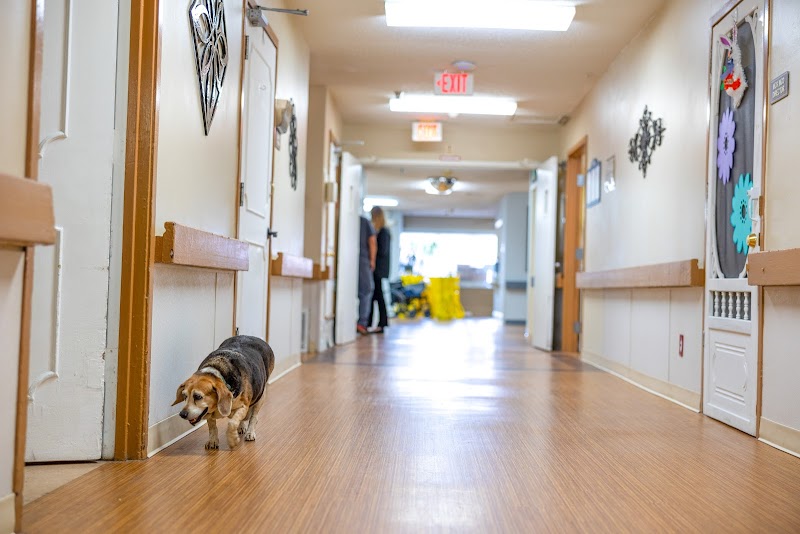
How is Hurst Plaza Nursing & Rehab Staffed?

CMS rates HURST PLAZA NURSING & REHAB's staffing level at 3 out of 5 stars, which is average compared to other nursing homes. Staff turnover is 51%, compared to the Texas average of 46%.

What Have Inspectors Found at Hurst Plaza Nursing & Rehab?

State health inspectors documented 13 deficiencies at HURST PLAZA NURSING & REHAB during 2024 to 2025. These included: 13 with potential for harm.
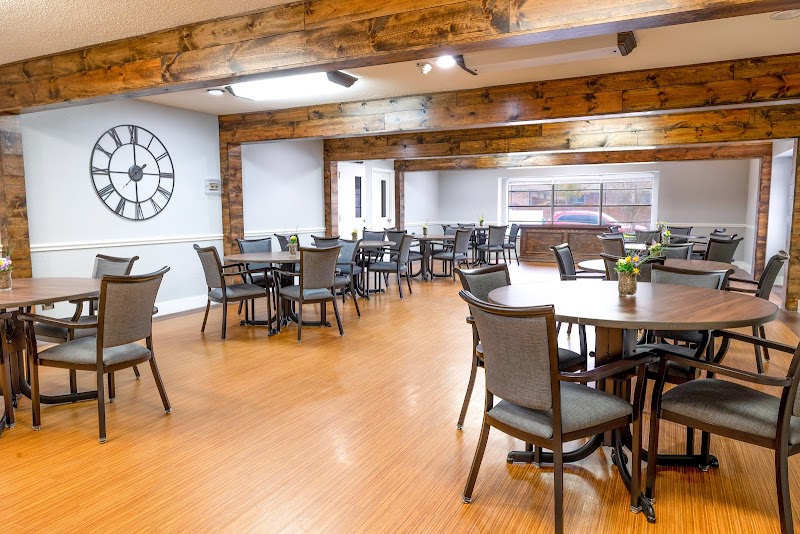
Who Owns and Operates Hurst Plaza Nursing & Rehab?

HURST PLAZA NURSING & REHAB is owned by a for-profit company. For-profit facilities operate as businesses with obligations to shareholders or private owners. The facility is operated by EDURO HEALTHCARE, a chain that manages multiple nursing homes. With 106 certified beds and approximately 74 residents (about 70% occupancy), it is a mid-sized facility located in HURST, Texas.
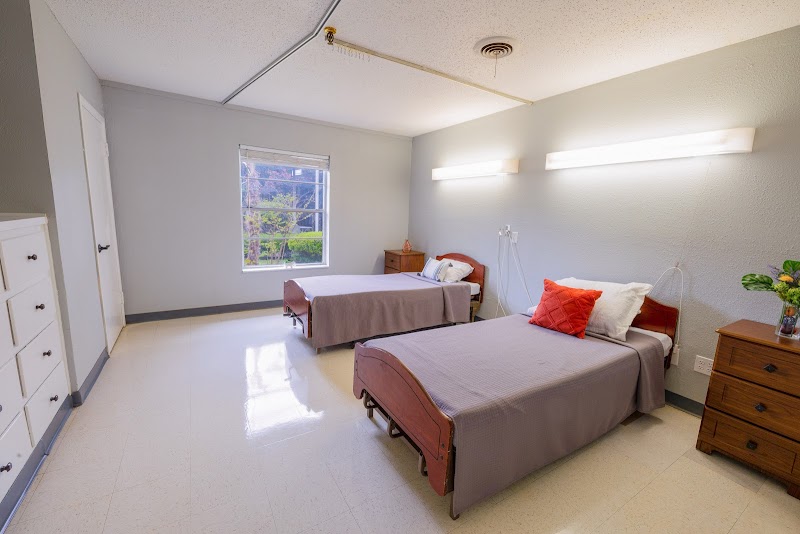
How Does Hurst Plaza Nursing & Rehab Compare to Other Texas Nursing Homes?

Compared to the 100 nursing homes in Texas, HURST PLAZA NURSING & REHAB's overall rating (4 stars) is above the state average of 2.8, staff turnover (51%) is near the state average of 46%, and health inspection rating (4 stars) is above the national benchmark.

What Should Families Ask When Visiting Hurst Plaza Nursing & Rehab?

Based on this facility's data, families visiting should ask: "Can I visit during a mealtime to observe dining assistance and food quality?" "How do you handle medical emergencies, and what is your hospital transfer rate?" "Can I speak with family members of current residents about their experience?"

Is Hurst Plaza Nursing & Rehab Safe?

Based on CMS inspection data, HURST PLAZA NURSING & REHAB has a clean safety record: no substantiated abuse findings (meaning no confirmed cases of resident harm), no Immediate Jeopardy citations (the most serious violation level indicating risk of serious injury or death), and is not on the Special Focus Facility watch list (a federal program monitoring the lowest-performing 1% of nursing homes). The facility has a 4-star overall rating and ranks #1 of 100 nursing homes in Texas. While no facility is perfect, families should still ask about staff-to-resident ratios and recent inspection results during their visit.

Do Nurses at Hurst Plaza Nursing & Rehab Stick Around?

HURST PLAZA NURSING & REHAB has a staff turnover rate of 51%, which is about average for Texas nursing homes (state average: 46%). Moderate turnover is common in nursing homes, but families should still ask about staff tenure and how the facility maintains care continuity when employees leave.

Was Hurst Plaza Nursing & Rehab Ever Fined?

HURST PLAZA NURSING & REHAB has been fined $6,540 across 1 penalty action. This is below the Texas average of $33,144. While any fine indicates a compliance issue, fines under $50,000 are relatively common and typically reflect isolated problems that were subsequently corrected. Families should ask what specific issues led to these fines and confirm they've been resolved.

Is Hurst Plaza Nursing & Rehab on Any Federal Watch List?

HURST PLAZA NURSING & REHAB is not on any federal watch list. The most significant is the Special Focus Facility (SFF) program, which identifies the bottom 1% of nursing homes nationally based on persistent, serious quality problems. Not being on this list means the facility has avoided the pattern of deficiencies that triggers enhanced federal oversight. This is a positive indicator, though families should still review the facility's inspection history directly.