
ASHFORD HALL

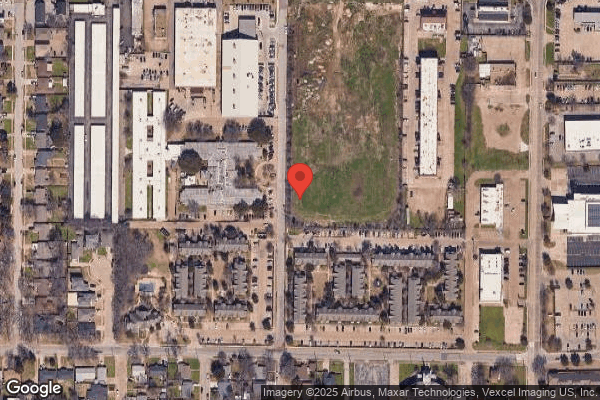
2021 SHOAF DR, IRVING, TX 75061 (972) 579-1919
For profit - Corporation 206 Beds Independent Data: November 2025 5 Immediate Jeopardy citations
Trust Grade
0/100
#916 of 1168 in TX
Last Inspection: January 2025

Within standard 12-15 month inspection cycle. Federal law requires annual inspections.

Overview

Families considering Ashford Hall should be aware that it has received a Trust Grade of F, indicating significant concerns about the quality of care provided. It ranks #916 out of 1,168 nursing homes in Texas, placing it in the bottom half of facilities statewide, and #67 out of 83 in Dallas County, suggesting that there are better local options available. While the facility's performance is improving-going from 11 issues in 2024 to 9 in 2025-there are still serious problems, including $285,320 in fines, which is higher than 88% of Texas facilities, indicating repeated compliance issues. Staffing is a relative strength, with a 4 out of 5-star rating and RN coverage better than 87% of Texas facilities; however, the turnover rate is concerning at 82%, well above the state average of 50%. Specific incidents include failures to properly care for residents, such as a resident who suffered a toe amputation due to untreated wounds and another resident who experienced multiple unwitnessed falls, highlighting ongoing risks in resident safety and care. Overall, while there are some strengths in staffing, the significant issues with care and compliance should be carefully considered by families.

Trust Score
F
0/100
In Texas
#916/1168
Bottom 22%
Safety Record
High Risk
Review needed
Inspections
Getting Better
11 → 9 violations
Staff Stability
⚠ Watch
82% turnover. Very high, 34 points above average. Constant new faces learning your loved one's needs.
Penalties
✓ Good
$285,320 in fines. Lower than most Texas facilities. Relatively clean record.
Skilled Nurses
✓ Good
Each resident gets 45 minutes of Registered Nurse (RN) attention daily — more than average for Texas. RNs are trained to catch health problems early.
Violations
⚠ Watch
29 deficiencies on record. Higher than average. Multiple issues found across inspections.
★☆☆☆☆
1.0
Overall Rating
★★★★☆
4.0
Staff Levels
★☆☆☆☆
1.0
Care Quality
★☆☆☆☆
1.0
Inspection Score
Stable
2024: 11 issues
2025: 9 issues

The Good

  • 4-Star Staffing Rating · Above-average nurse staffing levels
  • Full Sprinkler Coverage · Fire safety systems throughout facility
  • No fines on record

Facility shows strength in staffing levels, fire safety.

The Bad

1-Star Overall Rating

Below Texas average (2.8)

Significant quality concerns identified by CMS

Staff Turnover: 82%

36pts above Texas avg (46%)

Frequent staff changes - ask about care continuity

Federal Fines: $285,320

Well above median ($33,413)

Significant penalties indicating serious issues

Staff turnover is very high (82%)

34 points above Texas average of 48%

The Ugly 29 deficiencies on record

5 life-threatening
Jan 2025 6 deficiencies
CONCERN (D)

Potential for Harm - no one hurt, but risky conditions existed

Deficiency F0582 (Tag F0582)

Could have caused harm · This affected 1 resident

**NOTE- TERMS IN BRACKETS HAVE BEEN EDITED TO PROTECT CONFIDENTIALITY** Based on interview and record review, the facility failed to ensure notification and receipt of Medicare Provider Non-Coverage l...

Read full inspector narrative →
**NOTE- TERMS IN BRACKETS HAVE BEEN EDITED TO PROTECT CONFIDENTIALITY** Based on interview and record review, the facility failed to ensure notification and receipt of Medicare Provider Non-Coverage letters (CMS 10123 or CMS 10055) which included information about their right to appeal were reviewed for Medicare Beneficiary Notification Review (Residents #71 and Resident #95). The facility failed to provide the Medicare Provider Non-Coverage letters to Resident #71 and Resident #95. This failure could place residents who receive Medicare Part A benefits at risk of not being fully informed of their right to appeal. Findings included: Record review of the document titled Beneficiary Notice - Resident discharged within the last 6 months, dated 08/24 through 12/2024 naming residents discharged from Medicare part A with benefit days remaining. Record review of the facility's Beneficiary Protection Notification indicated Resident #71's Medicare Part A skilled service start date was 08/24/2024 and last covered day of Part A service was 10/26/2024. Record review of the facility's Beneficiary Protection Notification indicated Resident #95's Medicare Part A skilled service start date was 07/27/2024 and last covered day of Part A service was 10/04/2024. Record review of Resident #71's face-sheet dated 01/24/2025, revealed a [AGE] year-old female, initially admitted to facility on 01/25/2025 and discharged from skilled services on 10/26/2024. Resident's diagnosis included: Unspecified cirrhosis of liver (a medical diagnosis that refers to a type of liver disease where the specific cause of the scarring (fibrosis) of the liver is unknown); Chronic respiratory failure with hypercapnia (a chronic condition where the body cannot effectively eliminate carbon dioxide from the blood, causing hypercapnia - CO2 - carbon dioxide levels), and End stage renal disease (a condition which the kidneys lose the ability to remove waste and balance fluids). Record review of Resident #71's quarterly MDS (Minimum Data Set) dated 12/28/2024 revealed BIMS (Brief Interview of Mental Status) score was 14/15 with memory intact. Record review of Resident #95's face-sheet dated 01/24/2025, revealed an [AGE] year-old male, initially admitted to facility on 07/27/2024, readmission on [DATE] and discharged from skilled services on 10/04/2024. The resident's diagnosis included: Hypertensive urgency(a condition where the blood pressure is significantly elevated but there no evidence of acute organ damage), encephalopathy, unspecified (a condition where there is a general disturbance of brain function, but the specific cause is unknown), dementia in other diseases classified elsewhere, unspecified severity, without behavioral disturbance, psychotic disturbance, mood disturbance, and anxiety (a person is presenting signs and symptoms of dementia and has a dementia diagnosis, but they lack any symptoms of behavioral disturbances). Record review of Resident #95's quarterly MDS (Minimum Data Set) dated 12/27/2024 revealed BIMS (Brief Interview of Mental Status) score was 07/15 with cognitive status severely impaired. In an interview on 01/24/2025 at 3:17 pm with the admission Coordinator revealed that the facility did not have an MDS coordinator at that time. The former MDS Coordinator, who was responsible for completing the NOMNCs, was no longer employed at the facility. The admission Coordinator could not find the copies of the completed NOMNCs nor proof that the NOMNCs were sent. She stated providing residents with a NOMNC at the end of their Medicare Skilled Services was important because the patient had the right to be informed and know when their agreement, care, and coverage would change with the facility. In an interview on 01/24/2025 at 3:25 pm with the ADM revealed after speaking to the former MDS Coordinator, he said he left the NOMNC forms on a pile on the desk but ADM could not find them or proof that they were sent. The forms were not in a binder or anything. The former MDS Coordinator left his position in early January 2025. The residents have to be provided the NOMNCs because they had a right to appeal any financial decisions and they had a right to know what the decisions were. Facility did not provided copies of NOMNCs or evidence NOMNCs were sent by the time of exit. Record review of Form Instructions for 10123-NOMNC (Notice of Medicare Non-Coverage) revealed the following, in part: - The NOMNC must be delivered at least two calendar days before Medicare covered services end or the second to last day of service if care is not being provided daily. - Providers must deliver the NOMNC to all beneficiaries eligible for the expedited determination process per Chapter 4, Section 260 of the Medicare Claims Processing Manual and Chapter 13, Sections 90.2-90.9 of the Medicare Managed Care Manual. - The provider must ensure that the beneficiary or representative signs and dates the NOMNC to demonstrate that the beneficiary or representative received the notice and understands that the termination decision can be disputed. - CMS requires that notification of changes in coverage for an institutionalized beneficiary/enrollee who is not competent be made to a representative. Providers are required to develop procedures to use when the beneficiary/enrollee is incapable or incompetent and the provider cannot obtain the signature of the enrollee's representative through direct personal contact. If the provider is personally unable to deliver a NOMNC to a person acting on behalf of an enrollee, then the provider should telephone the representative to advise him or her when the enrollee's services are no longer covered. The date of the conversation is the date of the receipt of the notice. Confirm the telephone contact by written notice mailed on that same date. When direct phone contact cannot be made, send the notice to the representative by certified mail, return receipt requested. Record review of the facility, Medicare Advance Beneficiary and Medicare Non-Coverage Notices, revised September 2022, revealed, Residents are informed in advance when changes will occur to their bills. 1. If the resident's Medicare covered Part A stay or when all of Part B therapies are ending, a Notice of Medicare Non-Coverage (CMS form 10123) is issued to the resident at least two calendar days before benefits end. 2. The Notice of Medicare Non-Coverage informs the resident of the pending termination of coverage and of his/her right to an expedited review by a Quality Improvement Organization.
CONCERN (D)

Potential for Harm - no one hurt, but risky conditions existed

Deficiency F0691 (Tag F0691)

Could have caused harm · This affected 1 resident

**NOTE- TERMS IN BRACKETS HAVE BEEN EDITED TO PROTECT CONFIDENTIALITY** Based on observation, interview and record review the facility failed to ensure that residents who require colostomy, urostomy, ...

Read full inspector narrative →
**NOTE- TERMS IN BRACKETS HAVE BEEN EDITED TO PROTECT CONFIDENTIALITY** Based on observation, interview and record review the facility failed to ensure that residents who require colostomy, urostomy, or ileostomy services, receive such care consistent with professional standards of practice, the comprehensive person-centered care plan, and the resident's goals and preferences for one of one residents (Resident #350) reviewed for nephrostomy care. The facility failed to ensure staff kept Resident #350's nephrostomy (tube placed in the back that drains urine from the kidney) bag below the kidney while the resident was in bed. This failure could place residents at risk of infection. Findings included: Record review of Resident #350's face sheet dated, 01/22/2025, revealed a [AGE] year-old female who admitted to the facility on [DATE] with a primary diagnosis of Malignant neoplasm of cervix uteri (cervical cancer). Record review of Resident #350's admission MDS, dated [DATE] revealed a BIMS score of 6, indicating severe cognitive impairment. Record review of Resident #350's order summary dated 01/24/2025, revealed .Resident has BL Nephrostomy tube . dated 01/05/2025 . Record review of Resident #350's careplan, undated, did not indicate resident had a nephrostomy bag. Observation and interview on 01/22/2025 at 10:53 AM, revealed Resident #350 was lying in bed, and a bag with yellow fluid was on the bed near the resident's left shoulder. When the Surveyor asked what the bag was, Resident #350 said she had a nephrostomy tube. Interview on 01/23/2025 at 4:46 AM, LVN A stated Resident #350 had 2 nephrostomy tubes and the bags should be below the insertion point so that it would drain via gravity. She stated she was not sure what could happen if the bag was higher than the kidney. Interview on 01/23/2025 at 5:06 AM, CNA G stated she had been told to keep the nephrostomy bag above the kidney. Interview on 01/24/25 at 2:35 PM, RN F stated the nephrostomy bag should be below the waste for infection control and to maintain the pressure. She stated the urine could fluctuate back and it could possibly cause an infection. She said no other residents had nephrostomy tubes and the nurse was responsible for ensuring the bag was in the correct position. Interview on 01/24/25 at 4:58 PM, the DON stated the nephrostomy bag should have been draining below the kidneys and best practice was it should have been hung in a bag like a F oley [catheter bag]. The DON stated it could stop the bag from draining, cause an infection and be a dignity issue. She said staff should have been trained when the nephrostomy came into the building. Interview on 01/24/25 at 5:42 PM, the Administrator stated the bag should have been below the kidney so urine would flow. Review of facility policy titled, Nephrostomy Tube, Care of revised October 2010, revealed in part: 2. Check placement of the tubing and integrity of the tape during assessments. 1. Drainage should be below the level of the kidneys. 2. There should be no kinks in the tubing .
CONCERN (D)

Potential for Harm - no one hurt, but risky conditions existed

Tube Feeding (Tag F0693)

Could have caused harm · This affected 1 resident

**NOTE- TERMS IN BRACKETS HAVE BEEN EDITED TO PROTECT CONFIDENTIALITY** Based on observation, interview, and record review, the facility failed to ensure that a resident who was fed by enteral means r...

Read full inspector narrative →
**NOTE- TERMS IN BRACKETS HAVE BEEN EDITED TO PROTECT CONFIDENTIALITY** Based on observation, interview, and record review, the facility failed to ensure that a resident who was fed by enteral means received the appropriate treatment and services for one (Resident #10) of four resident's observed for checking g-tube for placement. The facility failed to verify that placement of the feeding tube for Resident #10 was confirmed by x-ray (Imaging that is taken with electromagnetic waves to show pictures of the inside of your body) upon initial insertion and that the tube length was marked and documented before it was flushed with water, medications were given, and bolus feedings were administered on 01/22/25. These failures could place residents with g-tubes at risk of aspiration pneumonia, infection, discomfort, malnutrition, and a decline in the residents' health. Findings included: Review of Resident #10's face sheet dated 01/22/25 revealed a [AGE] year-old male who was originally admitted to the facility on [DATE] and readmitted on [DATE]. His diagnoses included acute respiratory failure with hypoxia (this is a failure to breath due to lake of oxygen), critical illness myopathy (this is a neuromuscular complication that makes muscles weak and wasting), gastrostomy malfunction, contracture of muscles (shortening of muscles that causes pain to strengthen), bacterial infection, Gastrointestinal hemorrhage (this is stomach bleeding), and other post procedural complications, disorder of digestive system, constipation, and dementia (cognitive decline) Record review of Resident #10's quarterly MDS (minimum data set), dated 12/03/24, revealed cognitive skills for daily decision making was a 0 which indicated he was severely impaired. It was further revealed he was extensively dependent on two staff for bed mobility and was totally dependent on one staff for eating. His quarterly MDS also revealed he received 51% or more of his nutrition was received from a feeding tube. Record review of Resident #10's Care plan last reviewed on 12/13/24 revealed he required a tube feeding due to difficulty swallowing. The goal was for Resident #10 was to not have significant weight loss. Interventions included the resident was dependent on g-tube for tube feeding, water flushes, and medications per physician orders. The care plan further revealed Resident #10 was at risk of bleeding r/t taking antiplatelet (Aspirin). The Goal was that the resident would be free from discomfort or adverse reactions r/t antiplatelet use through the review date. Interventions were Administer the medication as ordered by the MD. Monitor for side effects and effectiveness per shift. Review of Resident #10's order summary for January 2025 reflected the following: Record Review of Resident #10's MAR dated01/01/25 to 01/22/25 reflected the following: -Aspirin tablet, chewable; 81 mg tablet; Amount to administer: 1; gastric tube daily - baclofen 20 mg tablet, three times a Day. 1, gastric tube, Three Times A Day for Contracture of muscle, unspecified site. - famotidine 20mg tablet, twice a Day. 1 gastric tube, Twice Times A Day for abdominal distension. - MiraLAX (Polyethylene glycol 3350) 17 gram/dose powder. Once a Day. 17 g oral once a day for constipation. - Senna 8.6 mg tablet. Once a Day. 2 oral, once a Day. 1 oral, gastric tube, once a day, assist with wound healing for Constipation. - Vitamin C (Ascorbic acid (vitamin c)) 500 mg tablet. Once a Day for Gastrostomy malfunction. - zinc sulfate 50 mg zinc (220 mg) tablet. Once a Day. 1 oral once a day - [Brand Name]1.5 bolus-administer 260 ml feeding via free flow QID four times a Day for unspecified protein calorie malnutrition. -May insert gastric tube due to malfunction/tear. One time. Diagnosis: gastrostomy malfunction. Start date 01/21/25-01/21/25 . -Standard Abdomen (KUB); Other test: Abdominal X-ray to confirm placement of G-tube. One time. Diagnosis: gastrostomy malfunction. Start date 01/21/25-01/21/25. Record Review of Resident #10's MAR dated01/01/25 to 01/22/25 reflected the following: -Aspirin tablet, chewable; 81 mg tablet; Amount to administer: 1; gastric tube. Administered 1/22/2025 8:41:55AM by RN B - baclofen 20 mg tablet, three times a Day. 1, gastric tube, Three Times A Day for Contracture of muscle, unspecified site. Administered 1/22/2025 8:41:55AM by RN B. - famotidine 20mg tablet, twice a Day. 1 gastric tube, Twice Times A Day for abdominal distension. Administered 1/22/2025 8:41:55AM and at 1:00 PM by RN B. - MiraLAX (Polyethylene glycol 3350) 17 gram/dose powder. Once a Day. 17 g oral once a day for constipation. Administered 1/22/2025 8:41:55AM by RN B. - Senna 8.6 mg tablet. Once a Day. 2 oral, once a Day. 1 oral, gastric tube, once a day, assist with wound healing for Constipation. Administered 1/22/2025 8:41:55AM by RN B - Vitamin C (Ascorbic acid (vitamin c)) 500 mg tablet. Once a Day for Gastrostomy malfunction. Administered 1/22/2025 8:41:55AM by RN B. - zinc sulfate 50 mg zinc (220 mg) tablet. Once a Day. 1 oral once a day - [Brand Name]1.5 bolus-administer 260 ml feeding via free flow QID four times a Day for unspecified protein calorie malnutrition. 260 ml administered at 08:00 AM and at 12:00 PM by RN B. -May insert gastric tube due to malfunction/tear. One time. Diagnosis: gastrostomy malfunction. Start date 01/21/25-01/21/25 at 11:30 PM. Order entered by LVN A. -Standard Abdomen (KUB); Other test: Abdominal X-ray to confirm placement of G-tube. One time. Diagnosis: gastrostomy malfunction. Start date 01/21/25-01/21/25 at 11:34 PM. Order entered by LVN A. Record review of Resident #10's progress notes dated 01/21/2025 by LVN A at 11:33PM, reflected Received verbal/telephone order for replacement of G-tube due to leaking/malfunction. G-tube replaced with same size 18fr 7-10 ml. Procedure tolerated well. Placement verified via air bolus/auscultation (this is a process of pushing air into the G-tube while listening with a stethoscope). Pending abdominal x-ray to confirm placement at this time. Record review of Resident #10's progress notes dated 01/22/2025 by RN B at 1:37PM, reflected Abdominal x-ray pending to confirm placement at this time. Feeding tolerated well. Active bowel sounds in all 4 quadrants. Record review of Resident #10's progress notes by LVN C dated 01/22/2025 at 6:36PM, reflected the resident Xray result was out, impression: G tube not identified, follow up with contrast or air injection (iodine-based contrast injected to enhance X-ray or CT images) suggested. gas distended bowel (this is when the abdomen becomes distended due to gas formation due to digestive problems) and increased fecal material. On assessment, the abdomen was slightly distended and R side abdominal pain. MD ADON DON notified. resident sent to the [hospital name] via EMS. family notified. Observation and interview of g-tube feeding on 01/22/25 at 08:35 AM with RN B revealed Resident #10 lying in the bed. RN B then attached the syringe with a plunger to the g-tube and checked the residual of g-tube and stated it had only 0.2 ml in it. She then removed the syringe and filled it with 30 ml of water and reattached the syringe and pushed the 30 ml of water into the g-tube using the plunger. RN B then removed the syringe plunger. After the water flush Resident #10 was given a bolus feeding (feeding method using a syringe to deliver formula through feeding tube) using the free flow method as ordered by the physician. RN B stated that she had to use the syringe plunger to help push anything that might prevent the flow of the bolus feeding. She stated that Resident #10 had issues with his g-tube in the past. She stated Resident #10 had a new g-tube that had been replaced the night before (01/21/25) by LVN A. She stated the x-ray was still pending but LVN A and the ADON had told her that it was ok to use the g-tube since the placement had been verified by checking the residual. She stated that she was aware that the x-ray had been ordered to verify the new g-tube placement. Observation on 01/22/25 at 11:34 AM revealed an x-ray tech went to Resident #10 to do the ordered x-ray. In an interview with the Nurse Practitioner on 01/23/25 07:27 AM, he stated from his experience when the g-tube was replaced it was required to complete checking the residual in the stomach, then testing the residual to make sure that it was stomach acidic stomach contents, then pushing a small amount of air into the stomach via the g-tube while listening with the stethoscope, and finally ordering a KUB x-ray. He stated in most situations if the g-tube needed to be replaced the resident was sent out so that the radiology could take images of placement thereafter. He stated if the g-tube was not confirmed, he would hold all feedings and medications until he had the x-ray was done and read. He stated if it took longer for X-ray to be done or read, then he would send the resident to ER. He stated confirming placement was necessary. He stated the risk of not waiting to confirm placement of g-tube was that medication would go in the wrong place. He stated, you could be putting chemicals into the peritoneum cavity (abdominal cavity space), perforation, or an infection in the lungs. He stated it was in your best practice to be sure of your practice. Confirm placement before use. In a phone interview with LVN A on 01/24/25 at 12:13 PM, revealed she had been at the facility for eight months. She stated she had experience putting in g-tubes and had replaced three others at other jobs prior to replacing Resident #10's g-tube. She stated Resident #10 had been having issues with his g-tube leaking for a while and they could not get him an appointment soon enough so she asked the Administrator if it was in the policy and she was not over stepping, if she could replace it. She stated the Administrator told her to go ahead and replace it. She stated the Administrator told her, There was nothing against it as long as there was an order. She stated she called the physician and got an order to replace Resident #10's g-tube and the physician said, Yes of course as long as you know how to do it. She stated the physician did not have any follow up questions on how to do it, but she asked him for an x-ray order too because that was what she had been trained to do after a g-tube was replaced for placement verification of the g-tube. LVN A stated there was no communication after the placement with the physician as she had already asked for an x-ray for verifying placement. When asked if she told the nurse on the next shift that it was OK to use the g-tube LVN A said Absolutely not! I did not tell her to use it! She stated she told RN B not to use it and to look out for the x-ray person. LVN A stated Resident #10 did not have any g-tube feedings or medications due on the rest of her shift, so she did not administer any after she replaced it. She stated the risk of not verifying the g-tube placement before using it was putting fluid in the peritoneal cavity in between the stomach and the abdominal wall, which could potentially become septic. LVN A explained [NAME] the steps in replacing the g-tube, as she was taught, and did correctly describe the process. She said if there were any issue, for example the tube did not want to go in, or the resident had any pain, or bleeding, or anything unusual happened, she would stop immediately and notify the physician. In a phone interview with LVN D on 01/24/25 at 04:59 PM, she stated she had been working with LVN A the night that LVN A replaced Resident #10's g-tube. She stated she was with her in the room. She stated LVN A called and informed the physician that the g-tube was still leaking, and she told him that she knew how to change it. The MD gave LVN A a verbal order over the phone to go ahead with the replacement and LVN A asked the physician if she could also order an x-ray after she was done to verify placement. The MD also approved an order for the x-ray before they ended the call. LVN D stated the MD did not ask LVN A to go over the procedure verbally with him on the phone and did not stay on the phone with her during the procedure. She stated LVN A was worried because Resident #10 had been having issues with his feeding tube leaking and they were not able to feed the resident without it leaking. LVN D stated she could not remember if she gave the morning shift nurse (RN B) approval to use the g-tube. She stated that she remembered LVN A telling RN B that she needed to watch for the x-ray to be done. An interview on 01/23/2025 at 9:43 AM with the ADON revealed when a g-tube was leaking she would call the doctor. She said it would depend on where it was leaking from, if it was from the stoma (opening into the stomach area) would want to look at the whole thing, or if the device was cracked, she would reach out to the doctor. The ADON stated she would do an assessment, check for residual, bowel sounds, anything physical that could be going on. She stated she had replaced g-tubes but not in several years and did not know the facility policy. She said before a g-tube was replaced a doctor's order was needed, then after the tube was replaced, she would check air, auscultation, and call to get an x-ray to verify placement before it was used. She stated she would ensure she had an order to give nothing by tube before placement was confirmed unless the doctor directed her differently. The ADON stated that needed to be done to ensure the medicine was going into the stomach. The ADON said prior to working at the facility she had been delegated the task of replacing a g-tube at her previous facility, and she said some tasks had to be delegated by RN. She was unsure of the facility policy of who could replace a g-tube and stated she would not change a g-tube without a doctor's order and looking at the policy to make sure it was within her scope of practice. The ADON stated she did not advise Resident #10's nurses to use the g-tube before the x-ray had been read and knew nothing about the g-tube being replaced overnight by LVN A. An interview on 01/23/2025 at 10:03 AM with the DON revealed when a g-tube was leaking, they called the physician to get an order to get it replaced. She stated nobody in the facility was allowed to place a g-tube, but if it had been replaced in-house by a nurse, the next thing they did was order a stat x-ray. She said using the g-tube (for feeding or medication) was not allowed until they received verification of correct placement by x-ray or CT scan. She said they could only use auscultating (listening for air sounds in the stomach with a stethoscope) and checking for residual (checking the amount of fluid in the stomach) to check placement after placement had been verified by x-ray or CT scan. The DON stated the x-ray was to make sure the g-tube was in the right spot, so it did not leak inside the body where it was not supposed to. She said when that happened, it could cause an infection, and a person could die from it. She stated it was a serious problem, and she would never advise a nurse to go ahead and use it. She said the nurses who used the g-tube just took it upon themselves to do what they did and had begun an investigation into it. The DON stated she learned at about 7:15 AM on the day of this interview that the hospital had verified placement of the g-tube, and it was in place. She said she could not remember the name of the nurse who had replaced the g-tube, but she was working on referring her, and any nurse who had used the g-tube before verification. She said in the short time (approximately two weeks) she had been at the facility; she had not done any competency checkoffs with the nurses. She said she did not know it an issue, because they sent people out to get them replaced. She said she thought it was out of an LVN's scope of practice to replace a g-tube, and even if they had training, she would probably not allow it. The DON said she was not even sure she would be comfortable doing it herself, because she did not work with them regularly, and it was better to send them out and have someone who did that all the time take care of it. She expressed frustration that no nurses had called her about changing the g-tube, or about using it after it was changed. The DON said the first she heard of it was on the night of 01/22/25, when the ADON was talking to her about Resident #10 needing to be sent to the hospital due to his abdomen being a little distended, and he was not feeling well, and was having pain. The ADON told her about the g-tube and did not say anything about telling any nurse it was OK to use it for anything. She said the ADON had been trying to get Resident #10 sent out to get the tube replaced, and she did not have any idea yet why the nurse had taken it upon herself to change it. She said knowing not to use the g-tube before placement was verified correctly was nursing 101. She said at the time of this interview she had not started doing training with the nurses on g-tubes, because she was gathering the policies and training materials, and printing forms. An interview on 01/23/25 at 10:37 AM with RN B revealed she had administered medication to Resident #10 on 01/22/25. She said she was aware that the resident's g-tube was replaced by LVN A, the night nurse. She stated the information was provided to her at shift change. She said that LVN A told her it was OK to use the g-tube, and that the ADON knew about it. RN B said she knew an x-ray had to be done. She said that LVN A verbally informed her that it was OK to use the tube, and she checked the progress note, and it was there. She said she did not wait for the x-ray result, because she went with the progress note and checked the residual, and it was there. She said when she used Resident #10's g-tube, he tolerated it well, meaning that on her shift there were no bad results from the administration. She said the first time she did it, she panicked because the surveyor was in the room, and forgot to auscultate, but the next time she did it, she also auscultated. She said she believed LVN A also fed the resident on the night shift, before she did. An interview on 01/23/25 at 12:28 PM with the MD revealed the facility tried to send Resident #10 to one hospital, but he was told the next day that hospital would not accept an electronic signature, but instead required a wet signature (a handwritten signature on paper) on the orders, and he was not in a position to do that, at that time. He said when he was in the building, they decided to send Resident #10 to a different hospital, because the first one had given them a lot of other problems with another resident they sent there, but the second hospital would not take Resident #10, because they had not placed his g-tube originally. He said Resident #10 had his g-tube for years, so it was healed, and established, and replacing it was a simple procedure. He said LVN A called him that night (01/21/25) and said that she could replace the peg tube (another name for the g-tube) and she had been trained. Resident #10 had not been able to eat because of the leaking for a couple of days, and that was serious. The MD said he told the nurse Fine. Put it in. He said they ordered an x-ray to check it, and it was fine. The next day, the ADON notified him that Resident #10's abdomen was distended. The MD said when Resident #10 went to the hospital, they said the g-tube was fine, and Resident #10 was constipated. The constipation and a distended abdomen had been an on-going problem for Resident #10, and they had done everything they could think of, medication changes, GI consults, nutritional consults, and he still had the same problem. The MD said when a g-tube was replaced, he would not necessarily wait for an x-ray to determine placement. He said it was just a hole into the stomach and Resident #10's was a mature, healed stoma. He said the stomach wall was sealed to the interior wall, stuck there, and putting a tube in there, it just goes in, and you are in there. He said there were other methods of determining placement, like listening to it, or aspirating the stomach contents out. He said one could get an x-ray, but the x-ray was not the only way to determine placement. He said he did not order the KUB, the nurses did, and he was informed after the fact. He said he did not require it, he just required them to determine the tube was in the stomach. He said the tube could not go anywhere else. The MD likened the g-tube to a Foley catheter, which would go into the bladder, because where else would it go?. He said if the g-tube had been new, under a month old, he would have required an x-ray, because it might not be healed fully. He said they usually took a week or two to completely seal where they were attached. The MD said the reason an x-ray was not necessary was that they were not reliable and did not show plastic. He said that they needed to use contrast, and the facility did not need to go to the trouble to store radioactive materials. He said nursing homes did not do that. The MD said he believed it to be in an LVNs scope of practice, and that the Texas Board of Nursing allowed nurses to place a g-tube with a physician's consent. He explained that there were two types of g-tubes, the type done initially, and those had to be replaced by a physician, but the other type could be placed by a nurse. He said that LVN A went over the procedure with him on the phone, and she knew what she was doing, and she did it correctly. He said they normally sent the residents out to get them done, because he had not been aware any of the nurses were trained to do it. The MD said LVN A had training at a prior facility and had that skill. He said there was no risk to the resident in changing it, or in feeding it, because it was a fully healed hole into the stomach. An interview on 01/23/25 at 12:12 PM, at [hospital name], the hospital nurse stated she did not see anything wrong with Resident #10's g-tube and it did not have to be replaced. The hospital nurse stated Resident #10's diagnosis was severe sepsis (this is a systemic infection that is triggered by the body's extreme response to an infection) and pneumonia, and the cause of sepsis was unknown. The hospital charge nurse stated Resident #10's did not need his g-tube replaced and the CT scan showed the tube to be in place when he arrived. Record Review of facility policy titled Confirming Placement of Feeding Tubes, revision date November 2018 reflected .revealed in part The purpose of this procedure is to ensure proper placement of an existing feeding tube prior to administering enteral feedings or medication. 1. Verify that there is a physician's order for this procedure. 2. Verify that placement of the feeding tube was confirmed by X-ray upon initial insertion and that the tube has been marked, or the tube length has been documented. Review the resident's care plan and provide for any special needs of the resident .
CONCERN (D)

Potential for Harm - no one hurt, but risky conditions existed

Deficiency F0726 (Tag F0726)

Could have caused harm · This affected 1 resident

**NOTE- TERMS IN BRACKETS HAVE BEEN EDITED TO PROTECT CONFIDENTIALITY** Based on interviews and records reviewed, the facility failed to ensure that licensed nurses had the specific competencies, and ...

Read full inspector narrative →
**NOTE- TERMS IN BRACKETS HAVE BEEN EDITED TO PROTECT CONFIDENTIALITY** Based on interviews and records reviewed, the facility failed to ensure that licensed nurses had the specific competencies, and skill sets necessary to replace a g-tube and to follow g-tube verification of placement procedure, as identified through the physician orders and facility policy for one of four residents (Resident #10) reviewed for nursing services in that: 1.The facility failed to ensure LVN A had a competency validation course before replacing Resident #10's g-tube on 01/21/25. 2.The facility failed to provide training for RN B and LVN C regarding when it was safe to feed a resident or give medications via g-tube. RN B and LVN used Resident #10's G-tube before placement was verified via x-ray or CT scan. These failures could place residents at risk of being cared for by insufficiently trained staff, resulting in serious injury or infection. Findings included: Review of Resident #10's face sheet dated 01/22/25 reflected a [AGE] year-old male who was originally admitted to the facility on [DATE] and readmitted on [DATE]. His diagnoses included acute respiratory failure with hypoxia (this is a failure to breath due to lake of oxygen), critical illness myopathy (this is a neuromuscular complication that makes muscles weak and wasting), gastrostomy malfunction, contracture of muscles (shortening of muscles that causes pain to strengthen), bacterial infection, Gastrointestinal hemorrhage (this is stomach bleeding), and other post procedural complications, disorder of digestive system, constipation, and dementia (cognitive decline) Record review of Resident #10's quarterly MDS (minimum data set), dated 12/03/24, revealed cognitive skills for daily decision making was a 0 which indicated he was severely impaired. It was further revealed he was extensively dependent on two staff for bed mobility and was totally dependent on one staff for eating. His quarterly MDS also revealed he received 51% or more of his nutrition was received from a feeding tube. Record Review of Resident #10's MAR reflected: - [Brand Name]1.5 bolus-administer 260 ml feeding via free flow QID four times a Day for unspecified protein calorie malnutrition. 260 ml administered at 08:00 AM and at 12:00 PM by RN B. Observation and interview on 01/22/25 at 08:35 AM revealed RN B providing a g-tube feeding to Resident #10, who was lying in his bed. RN B checked the residual of g-tube, then flushed the g-tube with water, and proceeded to provide Resident #10 a bolus feeding. She did not listen for bowel sounds as part of the procedure. She stated that Resident #10 had issues with his g-tube in the past, and a new g-tube that had been replaced the night before (01/21/25) by LVN A. She stated the x-ray was still pending but LVN A and the ADON had told her that it was ok to use the g-tube since the placement had been verified by checking the residual. She stated that she was aware that the x-ray had been ordered to verify the new g-tube placement. Observation on 01/22/25 at 11:34 AM revealed an x-ray tech went to Resident #10 to do the ordered x-ray. In an interview with RN B on 01/22/25 at 08:35 AM, she stated she had been at the facility for three months and this was her first nursing job. She stated she had not been checked off for competency for g-tube management, policy, and procedures. She stated that she had just started working on the hallway with Resident #10 for a week. She stated she did not listen for bowel sounds as part of the g-tube nursing assessment because she was nervous. She said she did not wait for the x-ray result before she fed him because she went with the progress note and checked the residual, and it was there. She said when she used Resident #10's g-tube, he tolerated the feeding well, meaning that on her shift, there were no bad results from her feeding him. She said the first time she gave Resident #10's bolus feeds, she panicked because the surveyor was in the room and she forgot to auscultate (acts of listening to the stomach using a stethoscope), but the next time she gave Resident #10's bolus feeds at noon, she also auscultated. She stated there was no potential risk because she had checked the residual which showed the G-tube was in the stomach. In a phone interview with LVN A on 01/24/25 at 12:13 PM, revealed she had been at the facility for eight months. She stated she had g-tube competency at another facility about six years ago. She said she was trained by the DON at another facility and had done three other g-tube replacements in the time since then. LVN A said she did not remember doing any continuing education specifically for g-tubes. She stated she had not been checked off for g-tube replacement before she replaced Resident #10's g-tube, and she did not have the training or check-off to provide for record review. She stated she did not do anything out of the scope of her practice because she had replaced g-tubes at another facility and had the physician's approval. She stated the Administrator told her, There was nothing against it as long as there was an order. She stated she called the physician and got an order to replace Resident #10's g-tube and the physician said, Yes of course as long as you know how to do it. She stated the physician did not have any follow up questions on how she would perform the procedure. She stated the physician did not stay on the phone with her to walk her through the procedure. She stated the risk of not having up-to-date training was that there could be new information about the procedure, or new risks. She said she should have been checked off for competency. In an interview with LVN C on 01/23/25 at 4:08 PM he stated he had not replaced a g-tube. He stated he had done it in school once. He stated he knew how to check for residual for the g-tube and how to auscultate but he had had no competency done at the facility. He stated the training for g-tube was from nursing school. He stated he worked with residents with G-tubes and knew what signs to look for with G-tube. In a phone interview with LVN D on 01/24/25 at 04:59 PM, she stated she had been working with LVN A the night that LVN A replaced Resident #10's g-tube. She stated she was with her in the room. She stated LVN A called the physician to inform him that Resident #10's g-tube was still leaking, and she told him that she knew how to change it. LVN D said the physician gave LVN A a verbal order over the phone to go ahead. LVN D said that LVN A asked the physician if she could also order an x-ray after she was done with g-tube replacement, to verify placement, to which the physician gave a verbal order for the x-ray, and he hung up the phone. LVN D stated the physician did not stay with LVN A on the phone during the procedure, nor did he have her go over the procedure with him verbally before she changed Resident #10's g-tube. In an interview on 01/23/2025 at 9:43 AM with the ADON revealed she had replaced g-tubes but not in several years and did not know the facility policy. She said before a g-tube was replaced a doctor's order was needed, then after the tube was replaced, she would check air, auscultation, call and get an x-ray so that they could come and verify placement before it was used. She stated she would ensure she had an order to have nothing to give by tube before placement was confirmed unless the doctor directed her differently. The ADON stated this needed to be done to ensure the medicine was going into the stomach. The ADON said prior to working at the facility she had been delegated the task of replacing a g-tube at her previous facility, and she said some tasks have to be delegated by RN. She was unsure of the facility policy of who could replace a g-tube and stated she would not change a g-tube without a doctor's order and looking at the policy to make sure it was within her scope of practice. The ADON stated she did not advise Resident #10's nurses to use the g-tube before the x-ray had been read and knew nothing about the g-tube being replaced overnight by LVN A. An interview on 01/23/2025 at 10:03 AM with the DON revealed not verifying the placement of the newly placed g-tube by x-ray before using it could cause an infection, and a person could die from that. She stated it was a serious problem, and she would never advise a nurse to go ahead and use it. She said the nurses who used the g-tube just took it upon themselves to do what they did and she had begun an investigation into it. She said she could not remember the name of the nurse who had replaced the g-tube, but she was working on referring her, and any nurse who had used the g-tube before verification. She said in the short time (approximately two weeks) she had been at the facility, she had not done any competency check-offs with the nurses. She said she had not even known replacing a g-tube was an issue , because they sent people out to get them replaced. She said she thought it was out of an LVN's scope of practice to replace a g-tube, and even if they had training, she would probably not allow it. The DON said she was not even sure she would be comfortable doing it herself, because she did not work with them regularly, and it was better to send them out and have someone who did that all the time take care of it. She expressed frustration that no nurses had called her about changing the g-tube, or about using it after it was changed. She stated The ADON told her about the g-tube, and did not say anything about telling any nurse it was OK to use it for anything. She said knowing not to use the g-tube before placement was verified correctly was nursing 101. She said at the time of this interview she had not started doing training with the nurses on g-tubes, because she was gathering the policies and training materials, and printing forms. An interview on 01/23/25 at 11:45 AM with the Administrator revealed the facility did not have any documentation of training for g-tubes for LVN A. An interview on 01/24/25 at 1:03 PM with the Administrator revealed the facility did not have any nurse competencies for g-tubes. An interview on 01/24/25 at 5:41 PM with the Administrator revealed she had not told LVN A it was OK to replace Resident #10's g-tube. She said LVN A asked if she could replace it, and she told her to call the physician and the DON and left it at that. She said she did not feel LVN A was acting out of her scope, and that LVN A had talked to the MD, who was fine with her doing it, and she was comfortable with doing it. She said normally the MD had been the only person to replace them in-house, and the nurses did not, but LVN A was concerned about Resident #10, and her biggest purpose was to take care of him. She said the staff was not following policy, and if the policy said they needed to get an x-ray first, they should have got an x-ray. She said if the physician said it was OK, and the policy said otherwise, she would call him and talk to him about the policy. She said they had not done checkoffs with the nurses regarding the g-tubes, and they should have been doing them annually, and as-needed. The Administrator stated they had a lot of change with nurse managers, and every time she had a new one, she would give them the online training, and the nursing competencies that needed to be done with staff, and they would not follow through. She said the ADON was currently working on checkoffs, and they had engaged the MD to do g-tube training with the nurses. She said the competencies were important for making sure the nurses were trained to do their job, and that they comprehended the training. She said the DON and ADON were responsible for doing the hands-on training and competencies, but she was responsible for making sure they followed through, even though she was not qualified to do the training herself. An interview on 01/24/25 at 5:03 PM with the DON revealed she thought LVN A should not have called the Administrator, who was not a nurse, and should have called her, but she did not. She said she felt the g-tube was out of her scope, because as an LVN she was working independently, and had she consulted her she would have told her she could not change a g-tube, and that the emergency room was an option for Resident #10. She said only an RN should work independently. She said the competencies were important for safety reasons, and the nurses should not do a task if they had not done a competency check-off. She said she wanted them to be trained, and safe, and not doing procedures like that without calling her first. The DON stated nobody at the facility should be doing anything without verifiable training. She said she had only been there for about two weeks but planned on doing a lot of training. Record review of The Board of Nursing Section 15.24 Nursing Engaging In Reinsertion of Permanently Placed Feeding Tubes revealed in part . The Board does allow LVNs and RNs to expand their practice beyond the basic educational preparation through post-licensure continuing education and training for certain tasks and procedures . LVNs and RNs should not engage in the reinsertion of a permanently placed feeding tube through an established tract until the LVN or RN successfully completes a competency validation course congruent with prevailing nursing practice standards. Training should provide instruction on the nursing knowledge and skills applicable to tube replacement and verification of correct and incorrect placement The nurse should complete training designed specifically for the type or types of permanent feeding tubes the nurse may need to replace, including overall patient assessment, verification of proper tube placement, and assessment of the tube insertion site . The facility has resources available to develop an educational program for initial instruction of LVNs and/or RNs, as well as for ongoing competency validation. Documentation of each nurse's initial education and ongoing competency validation should be maintained by the nurse and/or the employer in accordance with facility policies. Regardless of training, policies and procedures of the facility must also permit the nurse to engage in the procedure .
CONCERN (D)

Potential for Harm - no one hurt, but risky conditions existed

Medical Records (Tag F0842)

Could have caused harm · This affected 1 resident

**NOTE- TERMS IN BRACKETS HAVE BEEN EDITED TO PROTECT CONFIDENTIALITY** Based on observation, interview and record review, the facility failed to ensure complete and accurate smoking assessments for o...

Read full inspector narrative →
**NOTE- TERMS IN BRACKETS HAVE BEEN EDITED TO PROTECT CONFIDENTIALITY** Based on observation, interview and record review, the facility failed to ensure complete and accurate smoking assessments for one (Resident #26) of two residents' records reviewed for smoking assessments. The facility failed to ensure Resident #26's smoking assessments were done quarterly, and that his smoking assessments were accurate. This failure could affect residents who smoke by placing them at risk of inaccurate information, resulting in a lack of appropriate safety interventions when smoking. Findings included: Review of Resident #26's face sheet, dated 01/23/25, reflected Resident #26 was a [AGE] year-old male, admitted on [DATE], with diagnoses of Nicotine dependence, dementia, and Other epilepsy, not intractable, without status epilepticus (a seizure disorder, easily managed, and without prolonged seizures which affect consciousness.) Review of Resident #26's care plan, dated 10/13/2020, reflected: Category: Smoking; I AM a smoker and at risk for injury.; Long Term Goal Target Date: 04/05/2025; (Resident #26) will not have any injury r/t smoking thru next review.; Approach Start Date: 07/15/2021; Assist to and from designated area for smoking. Approach Start Date: 07/15/2021 Offer mosquito spray ([NAME] or natural alternative) to smokers and any outside activity. As Needed; Approach Start Date: 07/15/2021; SUPERVISE SMOKING PER FACILITY POLICY. Review of Resident #26's quarterly MDS assessment, dated 10/25/24, reflected he had clear speech, was able to be understood, and was usually able to understand others. He had minimal difficulty in hearing (ie. difficulty hearing conversation in noisy setting). The Staff Assessment for Mental Status reflected his memory was okay, and he had moderately impaired decision making capability for tasks of daily life. No indicators of psychosis, or behaviors affecting others were noted, but Resident #26 did reject care from one to three days in a seven-day look-back period. He had no range-of-motion impairment, and was independent in most ADL's and movement tasks. Resident #26 ambulated without an assistive device (cane, wheelchair, walker.) Review of Resident #26's smoking risk assessment, completed on 03/13/24 by the Activity Director, reflected Resident #26 smoked cigarettes less than hourly, and did not have any smoking problems, like lack of awareness and orientation including the ability to understand the smoking policy, problems with interpersonal interactions, or dropping smoking materials. The document also reflected Resident #26 did not have any behavioral problems related to smoking, like begging or stealing smoking materials from others, smoking cigarette butts from ashtrays, or smoking in unauthorized areas. He was able to follow the facility safe smoking policy, and was deemed a safe smoker with no referrals necessary. Review of Resident #26's smoking risk assessment, completed on 06/14/24 by the Activity Director, reflected Resident #26 was a none-smoker (sic) and had no information about smoking capability or behaviors noted. Review of Resident #26's smoking risk assessment, completed on 01/22/25 by the Activity Director, reflected Resident #26 was a none-smoker (sic) and had no information about smoking capability or behaviors noted. Review of Resident #26's smoking assessments in the electronic medical record reflected no smoking assessments dated between 06/14/24 and 01/22/25. Interview and observation on 01/22/25 at 10:42 AM revealed Resident #26 ambulating into his room while the surveyor was interviewing his roommate. When the surveyor asked Resident #26 if she could speak with him for a few minutes, he politely declined to be interviewed at that time, or any later time. Observation on 01/22/25 at 1:22 PM revealed Resident #26 seated outside in an enclosed courtyard with one other resident and a staff member (unknown identity). Resident #26's hands were steady, and he did not appear to have any problems smoking. When he was almost done with one cigarette, he asked the staff member for another. The staff member retrieved another cigarette from a pack in a metal box, and when Resident #26 finished his first, the staff member handed the second to him, and lit it for him. Observation on 01/24/25 at 8:00 AM revealed Resident #26 ambulating in the hall. He was friendly when greeted by the surveyor, and when asked how his smoke breaks were going, he said they were good, but it was cold out. He again declined to be interviewed any further. An interview on 01/24/25 at 10:02 AM with the Activity Director revealed she was responsible for arranging smoke breaks at the facility, and for doing smoking assessments. She stated the smoking assessments were supposed to be done with the quarterly reports (MDS) if it showed up in the EMR, and when they popped up, she did them. She said there was an initial assessment, which was a little different from the others. She said she marked on the assessment if someone was a safe smoker, or if they needed additional interventions to keep them safe. She said the assessment is there to determine if someone needs an apron to prevent them from dropping ashes on themselves, or any other interventions. She said along with training staff for smoke breaks, monitoring and assessing residents, and arranging breaks and acquiring and storing smoking materials, she is responsible for noting changes in the resident which could change their safe smoking status. She said the Administrator trained her, and sometimes reminded her to check smoking documentation. She said she was out sick, and in the hospital, for part of the month of June 2024, and the month of July 2024, and she might have missed something at that time . While going over Resident #26's most recent smoking assessment with her, she said she was surprised, and must have made an error on it. She said the assessments were important because they helped the staff know how to keep the residents safe. An interview with the Activity Director on 01/24/25 at 10:23 AM revealed the Activity Director returned to inform the surveyor that she did not know how, but she clearly made an error on Resident #26's smoking assessments. She said sometimes when she pulled up the EMR a smoking assessment popped up for her to do, and sometimes it did not. She said she just learned that she could add one if it did not automatically show up for her. She brought her binders, to show the surveyor how her system worked. The Activity Director said she thought she would be able to correct the 01/22/25 assessment, because it was so recent, but she could not correct the older one. She explained to the surveyor that she printed out the activity assessments, and hand wrote on the top margin if they were a smoker, and she made a big, red checkmark on the page when she completed the smoking assessment, to keep track of what she had completed. She said she knew the date it was due, but the due date the EMR printed out on the activity assessment. She said the document had the check mark on it for the smoking assessment, and she did not know what happened to the smoking assessment for September 2024. Review of the activity assessment, completed on 09/16/24, from the Activity Director's binder, reflected she had written smoker and the document had two red checkmarks on it. An interview on 01/24/25 at 2:53 PM with the ADON revealed she had not been at the facility very long, so was not familiar with the policy regarding how often the smoking assessments were done, but she knew the purpose of them was to keep residents safe. An interview on 01/24/25 at 5:03 PM with the DON revealed she had not been at the facility long, but she thought the smoking assessments would be done on admission, and as needed, if there was an issue with the resident. She said they were important because the needed to make sure the resident was safe, and the assessment would let them know if additional equipment, like an apron, would be needed. Review of the facility policy Smoking Policy - Residents, revised October 2023, reflected: Policy Statement: This facility has established and maintains safe resident smoking practices.; Policy Interpretation and Implementation ( .) 7. Resident smoking status is evaluated upon admission. If a smoker, the evaluation includes: a. current level of tobacco consumption; b. method of tobacco consumption (traditional cigarettes; electronic cigarettes; pipe, etc.); c. desire to quit smoking; and d. ability to smoke safely with or without supervision (per a completed Safe Smoking Evaluation). ( .) 9. A resident's ability to smoke safely is re-evaluated quarterly, upon a significant change (physical or cognitive) and as determined by the staff. ( .)
CONCERN (E)

Potential for Harm - no one hurt, but risky conditions existed

Pharmacy Services (Tag F0755)

Could have caused harm · This affected multiple residents

**NOTE- TERMS IN BRACKETS HAVE BEEN EDITED TO PROTECT CONFIDENTIALITY** Based on interviews and record reviews, the facility failed to provide pharmaceutical services, including procedures that assure...

Read full inspector narrative →
**NOTE- TERMS IN BRACKETS HAVE BEEN EDITED TO PROTECT CONFIDENTIALITY** Based on interviews and record reviews, the facility failed to provide pharmaceutical services, including procedures that assured the accurate accountability of controlled narcotic drugs for 1 of 2 Residents (Resident #350) reviewed for pharmacy services. The facility failed to ensure that narcotic count sheet records were consistent with the remaining amount of narcotics. The facility failed to ensure that nursing staff signatures required for the narcotic count sheet were obtained and consistent with documentation of narcotics administered to Resident #350. These failures could place residents at risk for medication errors, potentially leading to overdose of narcotic pain medications, or diversion of narcotic pain medications. Findings included: Record review of Resident #350's face sheet dated, 01/22/2025, revealed a [AGE] year-old female who admitted to the facility on [DATE] with a primary diagnosis of Malignant neoplasm of cervix uteri (cervical cancer). Record review of Resident #350's admission MDS, dated [DATE] revealed a BIMS score of 6, indicating severe cognitive impairment. Record review of Resident #350's order summary dated 01/24/2025 reflected the following: - Hydromorphone-Schedule II liquid; 4mg/ml; Amount to Administer: 0.25 ml; oral Every Hour-PRN. Start Date: 01/04/2025 End Date: Open Ended - Hydromorphone-Schedule II liquid; 4mg/ml; Amount to Administer: 0.50 ml; oral Every Hour-PRN. Start Date: 01/04/2025 End Date: Open Ended - Hydromorphone-Schedule II liquid; 4mg/ml; Amount to Administer: 0.75 ml; oral Every Hour-PRN. Start Date: 01/05/2025 End Date: Open Ended - Hydromorphone-Schedule II liquid; 4mg/ml; Amount to Administer: 1 ml; oral Every Hour-PRN. Start Date: 01/04/2025 End Date: Open Ended Record review of Resident #350's narcotic count sheet dated January 2025 for hydromorphone reflected: - Lack of nursing staff signatures from 01/22/2025 at 1:05 PM through 01/24/2025 at 3 PM. - The most recent documentation of administered hydromorphone was on 01/24/2025 at 3 PM; the recorded left (remaining) amount was 4 ml. Observation and interview with the DON and ADON on 01/24/2025 at 4:02 PM revealed that upon the surveyor's request to review the narcotic count sheet, they identified the lack of required nursing staff signatures. Further observation of the hydromorphone count, with the DON and ADON, revealed there was 4.5ml in the bottle and 4 ml written on the narcotic count sheet. Interview with RN F on 01/24/2025 at 4:23 PM revealed she administered narcotics to Resident #350 during the 6AM-2PM shift. RN F stated that nursing staff signatures were required as part of the documentation procedure for the narcotics count sheet. She did not realize that she had not signed the narcotic count sheet. RN F discussed that the importance of signatures was to make sure the narcotics accounted for were accurate with the documented left amount on the narcotic count sheet. She stated she received training regarding controlled substances during orientation. Interview with the DON on 01/24/2025 at 4:58 PM revealed that nursing staff signatures were required as a part of the procedure when narcotics were signed out. She explained that she had worked at the facility for two weeks, but the lack of signatures was likely due to the recent hire of many new nurses that had not been trained and new nursing management oversight. The DON explained the narcotic count sheet signatures were important so that staff know who checked out the narcotic. Interview with the Administrator on 01/24/2025 at 4:58 PM revealed that the expectation for administration and record keeping of medications included signing out all narcotics, narcotic count at end of shift, and to ensure signatures were there (on the narcotic count sheet). She explained the importance of these expectations are to make sure the narcotic count was correct, that nobody stole medications, and the wrong dose was not given to residents. Interview on 01/24/25 at 5:21 PM with LVN E revealed that she administered medication to Resident #350 during the 2PM-10:30PM shift. LVN E explained that signing out narcotics allowed staff to know what time, when, and how much medication was given to the resident. She further explained that signatures show which nurse gave how much (amount of narcotic). LVN E stated that the risk of not signing the narcotic count sheet was the resident can be given too much medication, causing an overdose. Review of the facility's Controlled Substances policy, dated 2001, last modified 04/09/2024, reflected Policy Interpretation and Implementation: Handling Controlled Substances ( .) 4. ( .) an individual resident controlled substance record is made for each resident who will be receiving a controlled substance . This record contains: ( .) l. signature of nurse administering medicate . Dispensing and Reconciling Controlled Substances: 1. Controlled substance inventory is monitored and reconciled to identify loss or potential diversion in a manner that minimizes the time between loss/diversion and detection/follow-up. 2. The system of reconciling the receipt, dispensing and disposition of controlled substances includes the following: a. Records of personnel access and usage; b. Medication administration records; c. Declining inventory records; and d. Destruction, waste and return to pharmacy records. 3. Nursing staff count controlled medication inventory at the end of each shift, using these records to reconcile the inventory count. 4. The nurse coming on duty and the nurse going off duty make the count together and document and report any discrepancies to the director of nursing services.
Jan 2025 3 deficiencies
CONCERN (D) 📢 Someone Reported This

A family member, employee, or ombudsman was alarmed enough to file a formal complaint

Potential for Harm - no one hurt, but risky conditions existed

Deficiency F0583 (Tag F0583)

Could have caused harm · This affected 1 resident

**NOTE- TERMS IN BRACKETS HAVE BEEN EDITED TO PROTECT CONFIDENTIALITY** Based on observations, interviews, and record review the facility failed to protect the confidentiality of personal and medical ...

Read full inspector narrative →
**NOTE- TERMS IN BRACKETS HAVE BEEN EDITED TO PROTECT CONFIDENTIALITY** Based on observations, interviews, and record review the facility failed to protect the confidentiality of personal and medical records for one (RN E) of three staff observed for confidentiality of records. The facility failed to ensure RN E locked and closed the laptop during the medication pass exposing residents on the secured unit's personal information. This failure could affect residents by placing them at risk for loss of privacy and dignity. The findings included: Observation of the secured unit on 01/09/25 at 2:55 p.m., revealed the computer on the medication cart was unlocked and unattended which displayed residents' medications that needed to be passed. The computer was unattended near room [ROOM NUMBER] with the computer facing the hall. Two staff member and three residents passed the unattended computer. A male staff member later identified as RN E approached the surveyor from the opposite end of the hall stating the cart belonged to him. RN E locked the cart, stated he was assisting another nurse and returned to the other end of the hall. In an interview on 01/09/25 at 3:04 p.m., RN E stated he accidently left the computer unlocked when he left to assist another nurse and forgot to lock the computer. RN E stated leaving the computer unlocked, with residents' information opened, could give other residents, staff and visitors unauthorized access to residents medical information. In an interview on 01/09/25 at 3:15 p.m., The DON stated she had been the facility's DON for four days. The DON stated she was not aware of the unlocked and unattended computer on the medication cart of the secured unit. The DON stated computers should be locked when unattended. The DON stated this was the responsibility of any nursing staff member who was utilizing the computer to access resident information. The DON stated she would begin to Inservice staff on resident record confidentiality and would conduct random checks to ensure computers were secured when unattended. In an interview on 01/13/25 at 2:55 p.m. the ADMIN stated it was the expectation for all computers used to access residents medical information to be locked when unattended. The ADMIN stated all nursing staff were to ensure their computers were secured when not in use, as not doing so could lead to another resident or visitors having access to residents medical information. The ADMIN stated she would in-service nursing staff on resident record confidentiality and would check computers to ensure they were locked when not in use. Record review of the facility's policy entitled Protected Health Information (PHI), Safeguarding Electronic, revised in February of 2014, read in part: Policy Statement: Electronic protected health information (e-PHI) is safeguarded by administrative, technical and physical means to prevent unauthorized access to protected health information. Policy Interpretation and Implementation: 1. This facility ensures the confidentiality, integrity and availability of all e-PHI created, maintained, received, or transmitted by our information system. 2. Threats or hazards to the security of integrity of e-PHI will identified and mitigated as soon as possible. 3. All business associates are required to comply with security standards established by our business associate agreement relative to e-PHI .
CONCERN (D) 📢 Someone Reported This

A family member, employee, or ombudsman was alarmed enough to file a formal complaint

Potential for Harm - no one hurt, but risky conditions existed

Deficiency F0603 (Tag F0603)

Could have caused harm · This affected 1 resident

**NOTE- TERMS IN BRACKETS HAVE BEEN EDITED TO PROTECT CONFIDENTIALITY** Based on interviews and record reviews the facility failed to ensure residents in the locked memory care unit were free from inv...

Read full inspector narrative →
**NOTE- TERMS IN BRACKETS HAVE BEEN EDITED TO PROTECT CONFIDENTIALITY** Based on interviews and record reviews the facility failed to ensure residents in the locked memory care unit were free from involuntary seclusion for one (Resident #1) of six residents reviewed for involuntary seclusion. The facility failed to obtain a physician order, documenting the clinical criteria met for placement in the secured/locked, prior to Resident #1's move to the secured unit on 11/21/24. This failure could place residents at risk for a decreased quality of life, a decline in physical functioning, and injury. Findings included: Record review of Resident #1's face sheet, printed on 01/13/24, revealed a [AGE] year-old female who admitted to the facility on [DATE]. Resident #1 had diagnoses to include Unspecified dementia with behavioral disturbance(a diagnosis of dementia where the exact type of dementia cannot be determined, but the individual also exhibits noticeable behavioral disturbances like agitation, aggression, wandering, or mood swings alongside cognitive decline), Other schizoaffective disorders( rare mental illness that combines schizophrenia and a mood disorder), and dementia in other diseases classified elsewhere, severe, with mood disturbance (a medical condition that involves severe mental decline, mood changes, and interference with daily life). Record review of Resident #1's MDS assessment, dated 12/13/24, revealed Resident #1 had BIMS score of 06, which indicated a severe cognitive impairment. Section E -Behavior, question E0900. Wandering - Presence & Frequency, indicated Resident #1 had not exhibited any wandering behaviors. Record review of Resident #1's quarterly MDS assessment, dated 11/15/24, Section E -Behavior, question E0900. Wandering - Presence & Frequency, indicated Resident #1 had not exhibited any wandering behaviors. Record review of Resident #1's care plan last revised on 01/03/25, revealed the following: -Problem Start Date: 11/22/2024 Category: Behavioral Symptoms I exhibit behaviors of trying to leave the facility wanting to go to work, catch the bus or look for my [family member][name]. Goal: I will wander safely within specified boundaries in my wheelchair. Approach: Approach Start Date: 01/11/2025 Assess I for placement in a specially designed therapeutic unit. Maintain a calm environment and approach to [Residnet#1] when she is wanting to leave to get [son]. Offer her one of her babies and remind her he is coming to see her as soon as he leaves work . Place [Residnet#1 in a secure environment .Remind [Resident #1] that she does not need to leave to catch the bus, [name] will be here soon .When [Resident #1] begins to wander, provide comfort measures for basic needs (e.g., pain, hunger, toileting, too hot/cold, etc.) Record review of the Orders tab of Resident #1's electronic health record revealed an order, with a start date of 01/12/25, Resident requires secured unit due to unsafe wandering and exit seeking. The order was placed in the system by ADON C. Record review of the progress notes tab of Resident #1's electronic health record revealed a progress note written on 11/21/24 at 10:48 a.m. by SW B, which read [Resident #1] will move to room [number]. Resident and family are aware of the room change. Informed [RP] today and he would not like to be present. The room change will occur today 11/21/2024. Record review of the progress notes tab of Resident #1's electronic health record from 11/01/24 through 11/22/24 did not indicate Resident #1 exhibited wandering and/or exit seeking behaviors. Record review of the Events tab of Resident #1's electronic health record revealed two fall events, dated 11/20/24 and 11/21/24. No documentation of resident behaviors, including exit-seeking behaviors, was observed. An interview was attempted with Resident #1 on 01/09/25 at 3:00 p.m., the resident was observed in the common room of the secured unit, speaking to herself. The resident did not respond to the surveyor. In a telephone interview on 01/13/25 at 12:02 p.m., the PCP stated he would have to review Resident #1's records to see his involvement in her being moved to the facility's secured unit. While reviewing her electronic health record, the PCP stated the resident had significant dementia and confusion and several falls, which did not necessitate a secured unit. The PCP stated he saw Resident #1 was transferred to the unit but did not see any discussion of the reason. The PCP stated he did not recall giving a verbal or written order to place Resident #1 on the secured unit. The PCP stated he was not aware of any wandering or elopement attempts. The PCP stated he did not know Resident #1 was capable of eloping because she was not ambulatory and was unable to propel herself in her wheelchair. In an interview on 01/13/25 at 12:35 p.m., SW B stated Resident #1 was moved to the secured unit due to her risk level for elopement. The SW B stated when a resident is to be moved to the secured unit, it was his responsibility to notify the family or the move and to also speak with the roommate and their family and to document their involvement in the move. SW B stated he was notified by nursing staff when an order to move was obtained. SW B stated he could not recall who notified him of Resident #1's order. In an interview on 01/13/25 at 12:53 p.m., ADON C stated she had been the facility's ADON since 11/25/24 and prior to that she was the charge nurse for the secured unit. ADON C stated she placed the order in the system after reconciling physician orders not in the system. ADON C stated the order was a verbal order, she believed was given to the ADMIN. ADON C stated she was not aware that an order was not received prior to Resident #1's move to the secured unit. ADON C stated all residents who required to reside on the secured unit should have a need to reside on the unit, including a physician order. ADON C stated placing a resident on the secured unit without an order would be seclusion. ADON C stated she would continue to audit all resident on the secured units' charts to ensure all orders were in place. In a telephone interview on 01/13/25 at 1:30 p.m., Resident #1's RP stated he received a call from a male facility staff member stating Resident #1 was being moved to the secured unit and a reason was not given. The RP stated he recalled receiving a call, but could not recall from who, stating Resident #1 had attempted to leave the facility, but he did not see how that was possible because Resident #1 could not walk or move too good in her wheelchair. Telephone interviews were attempted with RN A and RN D (who were nurses documented to have worked with Resident #1 on 11/20/24 and 11/21/24) on 01/13/25 from 1:40 p.m. to 1:45 p.m. but were unsuccessful. In an interview on 01/13/25 at 2:50 p.m., the ADMIN stated while on leave in November 2024, she received a call stating Resident #1 had opened the door near the Station 1 nurses' station and she was adamant about leaving to get her family memberafter recovering from a UTI. The ADMIN stated she was not aware a physician order was not obtained prior to Resident #1's move on 11/21/24. The ADMIN stated she could not recall who obtained the order, but Resident #1's PCP was aware of her move to the unit, as he had saw her while she was on the unit. The ADMIN stated it was the expectation for all residents being moved onto or from the unit, should have proper documentation and a physician order prior to being moved, as not having the order could seclude the resident. The ADMIN stated nursing staff were responsible for obtaining the physician order and document in the residents' chart, while the social worker was responsible for notifying the RP of care planning, notification of the move and coordination of the move. The ADMIN stated moves were discussed daily in the morning meetings and she planned to discuss moves more to ensure all items were in place. The ADMIN stated she would Inservice nursing staff on documentation and obtaining physician orders and the social worker on the process of moves. The ADMIN stated she would monitor all moves, as they are happening, to ensure all needed information was in the residents' chart when they are moved. Record review of the facility's policy entitled Abuse, Neglect, Exploitation and Misappropriation Prevention Program, revised in April 2001, read in part: Policy statement: Residents have the right to be free from abuse, neglect, misappropriation of resident property and exploitation. This includes but is not limited to freedom from corporal punishment, involuntary seclusion, verbal, mental, sexual, or physical abuse, and physical or chemical restraint not required to treat the residents' symptoms .
CONCERN (D) 📢 Someone Reported This

A family member, employee, or ombudsman was alarmed enough to file a formal complaint

Potential for Harm - no one hurt, but risky conditions existed

Deficiency F0761 (Tag F0761)

Could have caused harm · This affected 1 resident

**NOTE- TERMS IN BRACKETS HAVE BEEN EDITED TO PROTECT CONFIDENTIALITY** Based on observation, record review, and interviews the facility failed to assure that medications were stored in locked compart...

Read full inspector narrative →
**NOTE- TERMS IN BRACKETS HAVE BEEN EDITED TO PROTECT CONFIDENTIALITY** Based on observation, record review, and interviews the facility failed to assure that medications were stored in locked compartments under proper temperature controls and inaccessible to unauthorized staff and residents for one (Secured Unit Cart) of four medication carts reviewed for medication storage. The facility failed to ensure the Secured Unit medication cart was locked when left unattended by RN E. This failure could result in resident access and ingestion of medications leading to a risk for harm and possible drug diversion. Findings included: Observation of the secured unit on 01/09/25 at 2:55 p.m., revealed an unlocked and unattended medication cart near room [ROOM NUMBER]. A male staff member later identified as RN E approached the surveyor from the opposite end of the hall stating the cart belonged to him. RN E locked the cart, stated he was assisting another nurse and returned to the other end of the hall. In an interview on 01/09/25 at 3:04 p.m., RN E stated he accidently left the cart unlocked when he left to assist another nurse and forgot to lock the cart. RN E stated leaving the cart unlocked could give other residents, staff and visitors unauthorized access to medications. In an interview on 01/09/25 at 3:15 p.m., The DON stated she had been the facility's DON for four days. The DON stated she was not aware of the unlocked and unattended cart on the secured unit. The DON stated medication carts should be locked when unattended. The DON stated this was the responsibility of any nursing staff member who was assigned to the cart. The DON stated she would begin to Inservice staff on medication storage and cart security and would conduct random cart checks to ensure carts were secured when unattended. In an interview on 01/13/25 at 2:55 p.m. the ADMIN stated it was the expectation for all medication carts to be locked when unattended. The ADMIN stated all nurses and medication aides were to ensure their carts were secured when not in use, as not doing so could lead to another resident or visitors having access to the medications housed on the cart. The ADMIN stated she would in-service nursing staff on medication storage and would check carts to ensure they were secured at all times. Record review of the facility's policy entitled Security of Medication Cart, revised in April 2007, read in part: Policy Statement: The medication cart shall be secured during medication passes. Policy Interpretation and Implementation: 1. The nurse must secure the medication cart during the medication pass to prevent unauthorized entry . 3. When it is not possible to park the medication cart in the doorway, the cart should be parked in the hallway against the wall with doors and drawers facing the wall. The cart must be locked before the nurse enters the resident's room. 4. Medication carts must be securely locked at all times when out of the nurse's view. 5. When the medication cart is not being used, it must be locked and parked at the nurses' station or inside the medication room.
Sept 2024 1 deficiency
CONCERN (D) 📢 Someone Reported This

A family member, employee, or ombudsman was alarmed enough to file a formal complaint

Potential for Harm - no one hurt, but risky conditions existed

Transfer Requirements (Tag F0622)

Could have caused harm · This affected 1 resident

**NOTE- TERMS IN BRACKETS HAVE BEEN EDITED TO PROTECT CONFIDENTIALITY** Based on interviews and record review, the facility failed to permit each resident to remain in the facility, and not transfer o...

Read full inspector narrative →
**NOTE- TERMS IN BRACKETS HAVE BEEN EDITED TO PROTECT CONFIDENTIALITY** Based on interviews and record review, the facility failed to permit each resident to remain in the facility, and not transfer or discharge the resident from the facility unless the discharge was necessary for the resident's welfare and the resident's needs could not be met in the facility for 1 of 1 resident (Resident #1) reviewed for discharge requirements. The facility failed to ensure Resident #1 was readmitted from the hospital she was transferred to for treatment. The facility failed to provide Resident #1 a discharge notice. There was no documentation from the physician indicating the facility could not meet the Resident's needs. This failure could place residents at risk of unnecessary transfer or discharge causing their needs to go unmet. Findings included: Record review of Resident #1's face sheet dated 09/24/2024 revealed a [AGE] year-old female who was admitted to the facility on [DATE] and discharged on 07/27/2024 at 12:36 PM. Resident #1's diagnoses included cerebral infarction, end stage renal disease, dependence on renal dialysis, ileostomy status, and mood disorder. Record review of Resident #1's admission MDS, dated [DATE] revealed a BIMS score of 14 indicating intact cognition. Further review of the MDS revealed the resident's hearing was highly impaired and hearing aid/appliance was used. Record review of Resident #1's care plan, revised 05/19/2024, revealed I AM REQUIRED TO RECEIVES DIALYSIS THREE TIMES A WEEK, BUT I WILL REFUSE TO GO AND WILL BE AT RISK FOR INCREASED: SOB, CHEST PAINS, BLOOD PRESSURE, ITCHY SKIN, NAUSEA/VOMITING, AND INFECTED ACCESS SITE. I HAVE BEEN EDUCATED REGARDING THE RISK WHEN I REFUSE. Record review of Resident #1's care plan, revised 06/12/2024, revealed On 4/30/24 I started to demonstrate aggressive behaviors. I CURSE AT STAFF WHEN IM UPSET, IN PAIN OR WANT MEDICAL ATTENTION. I AM COMBATIVE WITH STAFF, YELLS AT STAFF, CALL THE STAFF BITCHES, YELL ALL NIGHT, STAY ON THE CALL LIGHT EVEN AFTER THE STAFF ANSWERED THE CALL LIGHT, on 5/13/24 I spit on staff and used profanity. I REFUSE LAB WORK. Interventions included psych consult, report any behavior issues to MD, and staff to use individualized non medication interventions such as talking about horses or nature first before using medication for behaviors. Record review of Resident #1's progress notes, dated 07/27/2024 at 12:51 pm, written by ADON A revealed Report called to [Name] Hospital ER and spoke with a nurse, and she was informed that the resident has refused dialysis since 7/18/24, she refuses meds, yells and screams throughout the night and day, that bothers other residents, throws items at staff, refuses to be changed, threatens to throw colostomy on other people, and that she is a full code, she is also hard of hearing and suggest that she be admitted to the psych services at the hospital due to her behavior, she is going by 911 to the hospital. Record review of Resident #1's progress notes, dated 07/27/2024 at 12:59 PM, written by LVN B, reflected Resident taken out of facility by [Name] non-emergency transportation as they exited through the lobby the resident swiped the entry sign and it fell, she was heard yelling through the halls and outside as this nurse was on a call. The driver was asked if help was needed as he continued to transfer resident to vehicle. Resident continued to yell and shout. This nurse noticed the van had moved forward and paused and backed up several times. This nurse went out to the van and asked the driver if everything was alright. The driver stated that he was on the phone with his dispatch because the resident had threatened to take her colostomy bag off and throw it at him. He informed this nurse he could see the bag in his rearview mirror when he looked to check on resident and he was afraid to be hit with it. This nurse called the administrator to inform her of these events. Administrator told this nurse to call 911 and have resident picked up and taken to [hospital]. This was done. DON was informed of this as well and informed this nurse to update EMS of resident refusing dialysis and having psych issues. Record review of Resident #1's progress notes, dated 07/30/2024 at 10:43 AM, written by the ABOM, reflected Due to patient's non-compliance with care and behaviors, referrals have been sent to the following facilities for placement on 7.25.24: [Name]- Denied [Name] [Name] [Name] [Name] Denied [Name] [Name] Denied [Name]- Denied Patient was sent to [Name] hospital on 7.27.24- Admissions Director explained in detail on patient's behaviors and non-compliance of care- Patient is unhappy here and will not allow staff to give care, patient screams with profanity at all staff. I gave the hospital the list of facilities referral was sent to. Record review of Resident #'s EHR did not indicate a discharge notice was given to Resident #1 and documentation by the physician did not indicate the facility could not meet Resident #1's needs. In an interview on 09/24/24 at 1:41 PM, the Social Worker stated Resident #1 refused dialysis, and declined psych services. She stated she explained to Resident #1 that she was actively dying when refusing dialysis and offered hospice, which Resident #1 declined. The Social Worker stated Resident #1 would not participate in PT and OT and refused everything the Social Worker offered her. She said she was on vacation when Resident #1 discharged and did not know why she was discharged to the hospital. In an interview on 09/24/24 at 2:32 pm, the Administrator stated they had gotten Resident #1 from another facility, and she came with a lot of behaviors. She said she broke 3 bedside tables and would throw dishes. She said she and the Social Worker met with Resident #1. The Administrator stated Resident #1 was sent to [Name] Hospital, who called her back and said nothing was wrong and would be sending Resident #1 back to the facility. The Administrator stated she told the hospital staff no, and Resident #1 needed some help. She said she has had to do that before so that hospitals would help with the patients. The Administrator stated Resident #1 was not suicidal but refused dialysis. She said she thought the root cause was mentally, as Resident #1 did not have dementia, and no UTI. Record review of the facility's policy titled, Transfer or Discharge, Facility- Initiated revised October 2022, reflected in part: 1. Each resident will be permitted to remain in the facility, and not be transferred or discharged unless: a. the transfer or discharge is necessary for the resident's welfare and the resident's needs cannot be met in this facility; . Notice of Transfer or Discharge (Emergent or Therapeutic Leave) 1. When residents who are sent emergently to an acute care setting, these scenarios are considered facility-initiated transfers, NOT discharges, because the resident's return is generally expected. 2. Residents who are sent emergently to an acute care setting, such as a hospital, are permitted to return to the facility. Residents who are sent to the acute care setting for routine treatment/planned procedures are also allowed to return to the facility. 3. Under the following circumstances, the notice is given as soon as it is practicable but before the transfer or discharge: a. The health and/or safety of individuals in the facility would be endangered due to the clinical or behavioral status of the resident; b. The resident's health improves sufficiently to allow a more immediate transfer or discharge; c. An immediate transfer or discharge is required by the resident's urgent medical needs; or d. A resident has not resided in the facility for 30 days . Notice of Discharge after Transfer 1. If discharge is initiated by the facility after an emergency transfer to the hospital, the reason for discharge is based on the resident's status at the time the resident seeks return to the facility (not at the time the resident was transferred to acute care). 2. If the facility does not permit a resident's return to the facility (i.e., initiates a discharge) based on inability to meet the resident's needs, the facility will notify the resident, and/or his or her representative in writing of the discharge, including notification of appeal rights.
Aug 2024 2 deficiencies 1 IJ (1 affecting multiple)
CRITICAL (K) 📢 Someone Reported This

A family member, employee, or ombudsman was alarmed enough to file a formal complaint

Immediate Jeopardy (IJ) - the most serious Medicare violation

Quality of Care (Tag F0684)

Someone could have died · This affected multiple residents

**NOTE- TERMS IN BRACKETS HAVE BEEN EDITED TO PROTECT CONFIDENTIALITY** Based on, interview and record review, the facility failed to provide treatment and care in accordance with professional standar...

Read full inspector narrative →
**NOTE- TERMS IN BRACKETS HAVE BEEN EDITED TO PROTECT CONFIDENTIALITY** Based on, interview and record review, the facility failed to provide treatment and care in accordance with professional standards of practice, the comprehensive person-centered care plan, and the residents' choices for 1 (Resident #2) of 6 residents reviewed for quality of care. The facility failed to identify and treat a wound to Resident #2's left great toe, prior to his visit to a local hospital on [DATE], where Resident #2 was found to have wound to his left great toe with osteomyelitis . Resident #2's left great toe was amputated on 06/18/24. An Immediate Jeopardy (IJ) situation was identified on 08/09/24. While the IJ was removed on 08/10/24, the facility remained out of compliance at a scope of pattern with the potential for more than minimal harm, due to the facility's continuation of in-servicing and monitoring the Plan or Removal. This failure could place residents at risk for delay in needed treatment and diminished quality of care. The findings included: Record review of Resident #2's face sheet, printed on 08/10/24, reflected a [AGE] year-old male who admitted to the facility on [DATE] with diagnoses of cerebrovascular disease (conditions that affect blood flow to the brain), Partial traumatic amputation of left great toe, Osteomyelitis (bone infection), End stage renal disease (the final, permanent stage of chronic kidney disease, where kidney function has declined to the point that the kidneys can no longer function on their own), Essential hypertension (high blood pressure that is multi-factorial and doesn't have one distinct cause), and Type 2 diabetes mellitus(high blood glucose). Record review of Resident #2's quarterly MDS assessment, dated 05/24/24 reflected Resident #2 had a BIMS score of 03, which indicated a severe cognitive impairment. Section GG - Functional Abilities and Goals of the assessment indicated Resident #2 required substantial or maximal assistance with ADLs of Toileting, personal hygiene, bathing, and lower body dressing. Record review of Resident #2's care plan, dated 05/31/24, reflected the following: - Problem start date: 03/05/24 - I am a diabetic and is at risk for complications from disease process., with approaches to include Approach Start Date: 03/05/2024 - MONITOR SKIN FOR CHANGES--REDNESS, CIRCULATORY PROBLEMS, BREAKDOWN, REPORT TO M.D., R.P. and Approach Start Date: 03/05/2024 WEEKLY SKIN ASSESSMENTS. Record review of the progress notes tab of Resident #2's electronic health record reflected the following notes: - Documented by RN B on 06/13/24 at 2:55 p.m., Resident went to the dialysis, dialysis nurse called to me said he has a pus like drainage from the cvc catheter and he is confusion little bit he need to go to hospital for checkup, talked to the NP, AND DON, and try to make him ready, he said after lunch, and he refuse again, give handover to the incoming nurse . continue on plan of care. - Documented by RN B on 06/13/24 at 3:18 p.m., Resident went hospital with facility transport at 3pm. - Documented by LVN C on 06/22/24 at 7:25 p.m., Resident was readmitted to [facility] at around [5:30 p.m.] from [hospital]. Patient was brought in via stretcher and placed in room [number]. Resident is alert and verbally responsive to care. Respirations are even and unlabored. No SOB noted or s/sx of respiratory distress. Vitals are stable. BP:121/67, 83, 97.5, o2 sat 98% @ RA. Afebrile. Resident will continue to be under the care of [PCP]. All orders clarified with [PCP]. Covid test done, negative results. Current weight is 75.7 kg and height 170.2 cm. Upon head-to-toe assessment, this nurse noted patient to have a laceration on his right groin. Scabs on left knee and left thigh. Discoloration on left thigh was noted as well. A pustule noted on on left lateral thigh. Bruising on left elbow and low abdomen. Black hard tissue on right ankle was also noted. Upon report via telephone per [hospital RN], she stated that doctor from [hospital] ordered to not remove dressing on left great toe until 6/28/24 due to his amputation . Record review of the Plan of Care History, Skin tab of Resident #2's electronic health record, dated 06/01/24 through 06/13/24 and documented by CNAs C, D, E, F, G, and H reflected Resident #2's skin was clear and free of any skin problems. Record review of Resident #2's skin assessment documentation, documented by RN I on 05/27/24 at 11:39 a.m., on 06/03/24 at 12:15 p.m., and on 6/11/24 at 1:39 p.m., reflected Resident #2's skin was warm, dry, normal in color and no alteration to the skin was observed. Record review of Resident #2's local hospital records, service date of 06/13/24 reflected the following: - Documented by hospitalist on 06/13/24 at 7:23 p.m., Assessment & Plan . Leukocytosis, Left great toe wound POA . Will do Xray, wound cultures, wound care consulted; - Wound Evaluation Note documented by hospital physician on 06/14/24 at 8:11a.m., 06/14 Evaluation and Assessment: Pt presents with a chronic necrotic ulcer present at the tip of the L great toe wound. Wound initially covered with lifting dry necrotic tissue. Performed selective sharp excisional debridement with scissors to remove lifted non adherent necrotic tissue to level of necrotic tissue. After initial debridement, bone became palpable differed any further debridement. After sharp debridement, the wound measures 1.5cmx3.0cm with unknown depth. Toe nail is separating from the nail bed as well. With palpation of the wound and surrounding area able to express thick purulent drainage as well as mild foul odor present. Peri wound is dry and slightly dusky. Tissue composition is dark purple with yellow necrotic tissue, overall viability of wound is questionable. Treatment: Wound cleansed with normal saline, patted dry with sterile gauze. Applied xeroform double layer to the wound bed to assist with maintaining appropriate level of moisture and antimicrobial properties. Covered with dry gauze and secured with tape. Provided education about wound clinical presentation and plan of care while patient is admitted . Continued skilled PT wound care services are indicated for dressing changes, selective debridement as needed, management of drainage/edema, patient education and to assess progression of advanced wound products. Messaged attending MD due to clinical presentation of purulence, bone palpable and necrotic tissue present. At time of documentation, Xray suggestive of OM. MRI and podiatry consult pending. PT wound to continue monitor plan of care and assist with dressing management as appropriate. - Documented by hospitalist on 06/21/24 at 12:05 p.m., Assessment & Plan: Acute Problems: . Acute osteomyelitis of left foot . Resolved problems: *no resolved hospital problems. * Leukocytosis: Left great toe wound POA . Xray/MRI foot positive for great tie osteomyelitis . angiogram followed by left great toe amputation by podiatry on 06/18. Follow biopsy results for final determination for antibiotics. Podiatry recommends dressings to stay intact till next evaluation in 1 week to 10 days. In a telephone interview on 08/08/24 at 12:37 p.m., Resident #2's primary care physician stated he became Resident #2's facility physician on 07/02/24, which was after the amputation of his toe. The physician stated he ordered an arterial of the lower extremities on 08/02/24 and found ischemia and Peripheral Vascular Disease, which affected the blood circulation to Resident #2's foot. The physician stated without proper circulation and oxygen to the area, the wound would never heal. The physician stated he was not aware of any change of condition or skin issues prior to Resident #2's amputation, but he would have to double check the records provided to him by Resident #2's previous physician. In an interview on 08/08/24 at 2:01 p.m. with WCN J and the IDON when WCN J stated she was the facility's wound care nurse since February of 2024. WCN J stated Resident #2 had two amputations after being sent to a local hospital in June and July. WCN J stated After Resident #2's amputation of his left great toe, he had to be sent to the hospital because his surgical wound had dehisced (a surgical complication that occurs when a wound incision reopens after being stitched or stapled closed) after the sutures were removed. WCN J stated Resident #2 returned to the facility on or around 7/30/24 with the remainder of his toes amputated. WCN J stated the resident returned to the facility with what appeared to be necrotic tissue around the wound. She stated the wound was monitored, per physician orders and the resident was sent back to the hospital on [DATE], when the surgical wound declined. WCN J stated she was not aware of any skin integrity issues or wounds to Resident #2 left great toe prior to his amputations. In an interview on 08/08/24 at 4:02 p.m., Resident #2 stated he was well, but he did not want to go back to the facility. Resident #2 stated he had a wound on his toe before it was amputation and that he had told facility staff about his toe, but he could not recall how long the wound was there or who he reported his toe to. Resident #2 was unable to verbalize what happened to his foot. Resident #2 was seen and interviewed in his room at a local hospital. Telephone interviews were attempted on 08/09/24 from 9:12 a.m. through 9:22 a.m., with Resident #2's podiatrist, previous primary care physician, and wound care physician but were unsuccessful. In a telephone interview on 08/09/24 at 9:50 a.m., CNA G stated she was Resident #2's aide prior to the amputation of his toe. CNA G stated she checked Resident #2 every two hours and provided care as needed. CNA G stated she could not recall ever noticing a wound or skin issue to Resident #2's left toes or foot. CNA G state Resident #2 liked to keep his socks on, so she had never changed his socks and focused more on his brief. A telephone interview was attempted on 08/09/24 at 11:06 a.m. with LVN L, who was Resident #2's weekend nurse prior to the amputation of his toe but was unsuccessful. In a telephone interview on 08/09/24 at 11:20 a.m., RN K stated she was Resident #2's weekend nurse from February 2024 until June 2024. RN K stated she did not recall Resident #2 having a wound or skin integrity issue to his feet and she could not recall an aide reporting an issue to her. RN K stated if a skin integrity issue or wound it report by an aide, nurses were to assess the resident, provide first aide as needed, notify the resident physician and responsible party and carry out any orders provided. RN K stated skin assessments were to be documented as a skin progress note and they are to make a skin event if issues are noted. In an interview on 08/09/24 at 11:36 a.m., CNA C stated she was Resident #2's first shift aide in June 2024. CNA C stated Resident #2 received total care from facility staff. CNA C stated she could not recall if Resident #2 had a wound to his left great toe. CNA C stated if she had saw a wound to his toe, she would have reported to a nurse for evaluation. In an interview on 08/09/24 at 11:54 a.m., CNA E stated he was Resident #2's aide briefly when he first started to work for the facility, which was roughly 2 months ago. CNA E stated he did not recall seeing a wound to Resident #2's toes but would have reported to a charge nurse if he did. Telephone interviews were attempted on 08/09/24 at 11:56 a.m. with RN B and at 11:59 a.m. with RN I, who were Resident #2's first and second shift nurses prior to the amputation of his toe, but attempts were unsuccessful. In a telephone interview on 08/09/24 at 12:05 p.m., CNA D stated she was Resident #2's aide prior to his first amputation. CNA D stated Resident #1 was a total assist resident but could transfer himself. CNA D stated she gave the resident bed baths instead of showers and had not observed any skin integrity issues to his toes. In a interview on 08/09/24 at 12:23 p.m., the IDON stated to her knowledge Resident #2 was sent to a local hospital on [DATE], after returning from dialysis with pus like discharge coming from his dialysis port. The IDON stated she believed Resident #2's left great toe was black or something and it was amputated prior to his return to the facility on [DATE]. The IDON stated Resident # 2 had to be sent to the hospital two additional times due to wound complications on 07/15/24 and 08/06/24. The IDON stated she had no knowledge of Resident #2 having skin integrity issues to his left foot. The IDON stated she would have to check Resident #2's records to see if his physician was following Resident #2's foot prior to is amputation. The IDON stated if a skin integrity issue or wound is observed on a resident the aide was expected to report to a nurse. She stated the nurse was expected to assess the resident, report to the resident's physician, responsible parties, facility leadership and to carry out any orders given by the physician. The IDON stated Resident #2 had not reported any issues with his feet to her. In an interview on 08/09/24 at 12:39 p.m., the ADMIN stated she was not aware of a wound to Resident #2's left great toe prior to his hospital visit on 06/13/24. The ADMIN stated she normally communicate with hospital staff to check on the residents and no one let her know Resident #2 arrived at the facility with a wound to his left great toe. The ADMIN stated she spoke with Resident #2's primary care physician who ordered a doppler and confirmed the resident had Peripheral Vascular Disease, which was contributed to the healing process of Resident #2's surgical wounds. The ADMIN stated if a nurse identifies a skin issue they should create and event in the electronic health record, report the issue to the resident's physician and carry out treatment orders until the wound care physician could visit with the resident. The ADMIN stated all residents were to have weekly skin assessments completed and are also completed by aides during showers. The ADMIN stated this information is documented in the resident's electronic health record. The ADMIN stated it was expected for all skin integrity issues to be identified and reported to the appropriate parties, as not doing so could create a delay in needed care. The ADMIN stated she would begin to in-service staff on skin assessments and documentation to ensure all skin integrity issues were addressed as needed. Review of the facility's policy entitled Pressure Injury Risk Assessment, revised in March of 2024, read in part: The purpose of this procedure is to provide guidelines for the structured assessment and identification of residents at risk of developing new pressure injuries or worsening of existing pressure injuries (PIs) . Conduct a comprehensive skin assessment with every risk assessment. a. When conducting a skin assessment, provide for the resident's privacy. b. Once inspection of skin is completed document the findings on a facility-approved skin assessment tool. c. If a new skin alteration is noted, initiate a (pressure or non-pressure) form related to the type of alteration in skin . Notify attending MD if new skin alteration noted. 4. Notify family, guardian or resident update if new skin alteration noted . The identified failure was determined to be an Immediate Jeopardy (IJ) on 08/09/24 at 3:38 p.m. The Administrator and the IDON were notified. The Administrator was provided with the IJ template on 08/09/24 at 3:45 p.m. In a telephone interview on 08/09/24 at 4:42 p.m., the local hospital charge nurse stated the POA reviewed on Resident #2's hospital records, dated 6/13/24, meant present on arrival or admission. The charge nurse stated if the hospital staff wanted to document the power of attorney was notified, they use 'MPOA', as in Medical Power of Attorney. The following Plan of Removal submitted by the facility was accepted on 08/10/24 at 11:08 a.m.: On 8/9/2024 At 4:40pm Surveyor reported to the Administrator that the facility failed to identify and treat a wound to Resident #1's great toe, which lead to osteomyelitis and amputation of the toe on 6/18/2024. At 4:45pm Nurse Managers started a skin sweep of all residents; any findings will be corrected by notification to PCP for recommendation of wound orders. A referral to Wound Physician will be made. There were no negative findings. - Completion Date: 8/9/2024 On 8/9/2024 At 5:15pm In-service started for Licensed Nurses by DON/ADONS on completing Hospital Transfer Form to include if wound is present and documentation of wound. - Completion Date: 8/10/2024 On 8/09/2024 5:36pm DON/ADON's started an in-service with all Licensed Nurses, Med aides and CNA's regarding skin/wound documentation and notification in their documentation in the [electronic health record system]. Documentation will be monitored daily by DON/ADON's/Weekend Supervisor to ensure all skin issues identified were reported to the physician and treatment ordered. - Completion Date: 8/10/2024 On 8/9/2024 at 5:30pm We have added to our current system the ADON's will complete skin sweeps 3X weekly to ensure all wound/skin issues are documented. This will be monitored by the DON/Designee 3X weekly to ensure skin sweeps are completed and all negative findings corrected. Any negative findings will be corrected immediately. - Completion Date: 8/9/2024 Monitoring of the facility's implementation of the Plan of Removal revealed the following: Record review of skin assessment sheets dated 08/09/24 and 08/10/24, reflected all facility's residents, 94 in total, received a skin assessment and new skin integrity issues were reported to the resident's physician. Record review of in-services dated 08/09/24, regarding Hospital Transfer Form completion, wound documentation and skin assessment completion and documentation, reflected all facility nursing staff were in serviced in person or by phone. Interviews conducted on 08/10/24 from 12:30 p.m. through 4:26 p.m., with the ADMIN, the DON, the IDON, ADON A, ADON M, 10 CNAs, 4 MAs, 4 LVNs, and 4 RNs from various shifts revealed all interviewed staff were in serviced in person or by phone and phone in serviced staff would have to be in serviced again before their next shift. During the interviews staff could explain the facility's skin assessment and documentation and notification policies in their own words. In interviews with facility nursing leadership all staff were aware of the expectation of monitoring for skin sweeps three times a week to ensure all skin integrity issues were identified and treated, as needed in the future. The Administrator was informed the Immediate Jeopardy was removed on 08/10/24 at 5:00 p.m. The facility remained out of compliance at a severity level of no actual harm with potential for more than minimal harm and a scope of pattern due to the facility's need to evaluate the effectiveness of the corrective systems that were put into place.
CONCERN (D) 📢 Someone Reported This

A family member, employee, or ombudsman was alarmed enough to file a formal complaint

Potential for Harm - no one hurt, but risky conditions existed

Deficiency F0583 (Tag F0583)

Could have caused harm · This affected 1 resident

**NOTE- TERMS IN BRACKETS HAVE BEEN EDITED TO PROTECT CONFIDENTIALITY** Based on observations, interviews, and record reviews, the facility failed to protect the personal privacy rights of the residen...

Read full inspector narrative →
**NOTE- TERMS IN BRACKETS HAVE BEEN EDITED TO PROTECT CONFIDENTIALITY** Based on observations, interviews, and record reviews, the facility failed to protect the personal privacy rights of the resident during medical treatment for 1 (Resident #1) of 6 residents observed for dignity. The facility failed to ensure ADON A provided Resident #1 with privacy during wound care on 08/09/24. This failure could place residents at risk for diminished quality of life and loss of dignity and self-worth. The findings included: Record review of Resident #1's face sheet, printed on 08/10/24, reflected an [AGE] year-old male, who admitted to the facility on [DATE] with diagnoses of Encephalopathy (an alteration in consciousness caused due to brain dysfunction), Pressure ulcer of right heel(area of damaged skin and tissue caused by sustained pressure that reduces blood flow), Type 2 diabetes mellitus (high blood glucose), Peripheral vascular disease (a systemic disorder that occurs when blood vessels outside of the brain or heart become narrowed, blocked, or spasmed, reducing blood circulation to a body part), and End stage renal disease ( the final, permanent stage of chronic kidney disease, where kidney function has declined to the point that the kidneys can no longer function on their own). Record review of Resident #1's admission MDS, dated [DATE], reflected Resident #1 had a BIMS score of 08, which indicated a moderate cognitive impairment. Section GG - Functional Abilities and Goals indicated Resident #1 substantial or maximum assistance in ADLs of dressing, toileting, and bathing. Record review of Resident #1's care plan, revised on 07/16/24, reflected the following: I HAVE AN UNSTAGEABLE WOUND ON MY RIGHT HEEL 4/25/2024: UNSTAGEABLE TO RIGHT HEEL IS NOW A STAGE 4, with interventions to include, WOUND TREATMENT CHANGED: CLEANSE AREA WITH NS/WOUND CLEANSER, PAT DRY, APPLY BETADINE AND WRAP WITH KERLIX QD. In an observation on 08/09/24 at 8:39 a.m. reflected ADON A gathered needed supplies, entered Resident #1's room. ADON A pulled the treatment cart in the door of Resident #1's room, performed hand hygiene and provided wound care to Resident #1 heel. The door and the curtain were not closed during wound care. 4 staff members, 3 residents and 3 visitors passed Resident #1's door, as he received wound care. In an interview on 08/09/24 at 9:00 a.m., ADON A stated she should have closed the door or pulled the curtain to provide Resident #1 with privacy during care. ADON A stated she normally would close the door and she could not say why she had not. ADON A stated providing care without privacy could embarrass the resident which was a dignity issue and could expose health issues to passersby. In an interview on 08/09/24 at 9:05 a.m., Resident #1 stated he was well. Resident #1 stated the door was sometimes left open when the nurse came to help him with his foot. Resident #1 stated he did not care if the door was closed during his wound care, as long as they checked his foot when that were supposed to. In an interview on 08/09/24 at 12:23 p.m., the IDON stated the ADON A had notified her of the wound care observation, prior to the interview with the surveyor. The IDON stated staff are expected to provide all residents with privacy while they provide care. The IDON stated not doing so could expose the resident. The IDON stated she will start an in-service with all nursing staff, regarding dignity, to ensure privacy was provided in the future. In an interview on 08/09/24 at 12:39 p.m., ADMIN stated all residents should be provided with privacy when they receive care. The ADMIN stated the blinds should be closed, door closed, and the privacy curtain should be pulled if a resident roommate were in the room as well, as not doing so would violate the residents right. The ADMIN stated an in-service n privacy and resident rights was started and facility leadership will monitor the halls to ensure privacy was provided during care. Record review of the facility's policy entitled Dignity, revised February of 2021, read in part: Policy Statement: Each resident shall be cared for in a manner that promotes and enhances his or her sense of well-being, level of satisfaction with life, and feelings of self-worth and self-esteem . Policy Interpretation and Implementation: 1. Residents are treated with dignity and respect at all times . 11. Staff promote, maintain and protect resident privacy, including bodily privacy during assistance with personal care and during treatment procedures .
Jul 2024 3 deficiencies
CONCERN (D) 📢 Someone Reported This

A family member, employee, or ombudsman was alarmed enough to file a formal complaint

Potential for Harm - no one hurt, but risky conditions existed

Tube Feeding (Tag F0693)

Could have caused harm · This affected 1 resident

**NOTE- TERMS IN BRACKETS HAVE BEEN EDITED TO PROTECT CONFIDENTIALITY** Based on observation, interview, and record review, the facility failed to ensure a resident who was fed by enteral means receiv...

Read full inspector narrative →
**NOTE- TERMS IN BRACKETS HAVE BEEN EDITED TO PROTECT CONFIDENTIALITY** Based on observation, interview, and record review, the facility failed to ensure a resident who was fed by enteral means received the appropriate treatment and services to prevent complications from enteral feeding for 1 of 2 residents (Resident #1) reviewed for enteral feeds. The facility failed to follow physician's order on 7/02/24 in accordance with the care plan for Resident #1's positioning during G-tube feeding. This failure could place residents with G-tubes at risk for aspiration and infection. The findings included: Review of Resident #1's Face Sheet, dated 7/2/24, reflected a [AGE] year-old male admitted to the facility on [DATE] with relevant diagnoses of Gastrostomy Malfunction (malfunction in the artificial external opening into the stomach such as blocked tubes), Chronic respiratory failure with hypoxia (below normal level of oxygen in the blood), Contracture of Right hand (a permanent tightening of the muscles, tendons, skin, and surrounding tissues that causes the joints to shorten and stiffen), Chronic obstructive pulmonary disease (a chronic inflammatory lung disease that causes obstructed airflow from the lungs), Shortness of breath, Nausea with vomiting, and Gastro-esophageal reflux disease without esophagitis (chronic upper gastrointestinal disease in which stomach content persistently and regularly flows up into the esophagus). Review of Resident #1's MDS assessment , dated 3/08/24, revealed a blank BIMS score . It further revealed the resident required Substantial/maximal assistance with rolling left and right and dependent with self-care. Review of Resident #1's Care Plan, accessed on 7/02/24 , revealed the following: Resident was unable to use the push call light. Use of push pad call light. Resident needed feeding tube for nutritional support. Resident had dysphagia (difficulty swallowing) and at risk for choking/aspiration. ST recommendation that HOB is elevated during tube feedings. Resident had cognitive/communicative impairment. Resident required assistance for activities of daily living due to Right hand and Right leg contracture, memory problems. Resident required limited 1 person assistance with bed mobility. Resident had impaired vision r/t a diagnosis of visual loss in both eyes. Keep call light in reach at all times. Resident at risk for impaired gas exchange and ineffective therapeutic management r/t chronic respiratory disease. Monitor for episodes of SOB and implement interventions as ordered. Observation on 7/02/24 at 10:31 AM revealed Resident #1 lying flat sideways in bed. The resident was lying sideways in the crease of the bed with legs bent towards the wall. The resident's nutritional feeding via G-tube was running. LVN B was observed in the hallway outside the room, facing Resident #1's room, passing out meds. In an interview on 7/02/24 at 10:32 AM, LVN B stated she was PRN and was not told of the correct positioning for Resident #1. She stated she believed the resident was not supposed to be in a flat position while the feeding was running. She stated the resident was at risk for aspiration if lying flat while nutrition was running. She stated she was just in Resident #1's room and he was not lying flat while she was in there. In an interview on 7/02/24 at 3:23 PM, LVN C stated the resident should be in an upright position while nutrition was running to help the flow of feeding by gravity and prevent aspiration. She stated residents with G-tubes should be checked on regularly to ensure the resident was in the correct position especially if residents were known to lower their beds or reposition themselves in bed. In an interview on 7/02/24 at 3:43 PM, the ADON stated the residents with G-tubes should be in an upright position if feeding is on. She stated aspiration was possible if resident was not upright and head was not elevated. She stated residents should never be lying flat when feeding is running. She stated Resident #1 moves around in bed and repositions himself. She stated the resident was checked on more frequently because of this. She stated she expected staff to assess and check on him often and pull him up to the HOB. She stated he could aspirate if he lays flat while nutrition is on. In an interview on 7/02/24 at 4:17 PM, the DON stated she expected G-tube residents be in an upright position while feeding to prevent aspiration. She stated Resident #1 repositioned himself a lot. She stated she expected the staff to check on him more often especially during feeding to avoid aspiration. Review of the facility's policy Maintaining Patency of a Feeding Tube (Flushing), revised November 2018, revealed . Review the resident's care plan and provide for any special needs of the resident. Position resident in semi-Fowler's (a supine position where a resident lies on their back with their head of bed elevated 15-45 degrees) or higher position.
CONCERN (D) 📢 Someone Reported This

A family member, employee, or ombudsman was alarmed enough to file a formal complaint

Potential for Harm - no one hurt, but risky conditions existed

Deficiency F0761 (Tag F0761)

Could have caused harm · This affected 1 resident

**NOTE- TERMS IN BRACKETS HAVE BEEN EDITED TO PROTECT CONFIDENTIALITY** Based on observation, interview, and record review, the facility failed to ensure, in accordance with State and Federal laws, al...

Read full inspector narrative →
**NOTE- TERMS IN BRACKETS HAVE BEEN EDITED TO PROTECT CONFIDENTIALITY** Based on observation, interview, and record review, the facility failed to ensure, in accordance with State and Federal laws, all drugs and biologicals were stored in locked compartments under proper temperature controls and permit only authorized personnel to have access to the keys, for 1 of 4 medication carts (Station 100) reviewed for pharmacy services. The facility failed to ensure LVN B ensured Medication Cart was locked when unattended in Station 100 hallway on 7/02/24 at 10:43 AM. This failure could cause accidental ingestion of medication by a resident not prescribed the medication and could cause access, loss, and diversion of medications. Findings included: Observation and interview with LVN B on 7/02/24 at 10:43 AM revealed LVN B was standing in front of her medication cart outside room [ROOM NUMBER] in Station one hallway. The medication cart was in the unlocked position. LVN B walked away from her cart and into Resident 1's room without locking her med cart. LVN B then walked back to the cart after 2 minutes and resumed working. LVN B stated she was distracted with the resident and forgot to lock the med cart before walking away. She refused to answer questions regarding the possible consequences of an unlocked med cart and stated the conversation was getting too deep. In an interview with the ADON on 7/02/24 at 3:43 PM, she stated she expected medications to be secured and locked in the medication cart. She stated med carts were to always be locked when not in use and when unattended. She stated residents or anyone walking by could access the medications left unsecured and cause harm. In an interview with the DON on 7/02/24 at 4:17 PM, she stated she expected staff to follow the facility's policy on securing medications and med carts. She stated she expected carts to be locked when unattended. She stated leaving medications unsecured placed residents at risk of an adverse reaction and harm if unprescribed medications were consumed by the residents. Record review of the facility's policy titled Medication Labeling and Storage, dated 2001, reflected: Policy Statement, The facility stores all medications and biologicals in locked compartments under proper temperature, humidity and light controls. Only authorized personnel have access to keys. Policy Interpretation and Implementation reflected: Compartments (including, but not limited to, drawers, cabinets, rooms, refrigerators, carts, and boxes) containing medications and biologicals are locked when not in use, and trays or carts used to transport such items are not left unattended if open or otherwise potentially available to others. Record review of facility policy titled Security of Medication Cart, revised April 2007, reflected: Policy Statement, The medication cart shall be secured during medication passes. Policy Interpretation and Implementation 1. The nurse must secure the medication cart during the medication pass to prevent unauthorized entry. 2. Medication carts must be securely locked at all times when out of the nurse's view. 3. When the medication cart is not being used, it must be locked and parked at the nurses' station or inside the medication room.
CONCERN (D) 📢 Someone Reported This

A family member, employee, or ombudsman was alarmed enough to file a formal complaint

Potential for Harm - no one hurt, but risky conditions existed

Infection Control (Tag F0880)

Could have caused harm · This affected 1 resident

**NOTE- TERMS IN BRACKETS HAVE BEEN EDITED TO PROTECT CONFIDENTIALITY** Based on observations, interviews, and record reviews, the facility failed to maintain an infection prevention and control progr...

Read full inspector narrative →
**NOTE- TERMS IN BRACKETS HAVE BEEN EDITED TO PROTECT CONFIDENTIALITY** Based on observations, interviews, and record reviews, the facility failed to maintain an infection prevention and control program designed to provide a safe, sanitary, and comfortable environment and to help prevent the development and transmission of communicable diseases and infections for 1 of 5 residents (Resident #1) reviewed for infection control. The facility failed to ensure CNA A sanitized or washed her hands and changed gloves while providing incontinent care for Resident #1. This failure could place residents at risk for cross-contamination and infection. Findings included: Review of Resident #1's Face Sheet, dated 7/02/24, reflected a [AGE] year-old male admitted to the facility on [DATE] with relevant diagnoses of Contracture of Right hand and Right lower leg (a permanent tightening of the muscles, tendons, skin, and surrounding tissues that causes the joints to shorten and stiffen), Need for assistance with personal care, Muscle wasting and atrophy (a progressive and degeneration or shrinkage of muscles or nerve tissues), muscle weakness, and lack of coordination. Review of Resident #1's MDS assessment, dated 3/08/24, revealed a blank BIMS score. It further revealed the resident was always incontinent of bowel and urine and dependent in toileting hygiene. Review of Resident #1's Care Plan, accessed on 7/02/24, revealed the following: Resident experienced bladder and bowel incontinence. Resident required assistance for activities of daily living due to Right hand and Right leg contracture, memory problems. Resident required total (dependent) assist of one staff with toileting and personal hygiene. Resident had impaired vision r/t a diagnosis of visual loss in both eyes. During an observation on 7/02/2024 at 10:31 AM, CNA A was in Resident #1's room to provide incontinent care. She donned double gloves without sanitizing/washing her hands. Incontinent care supplies were observed on the vanity about 4 feet from Resident #1's bed. CNA A opened the brief and pulled it down between Resident #1's thighs. CNA A looked around the room for wipes and a clean brief. CNA A walked to the vanity and picked up the wipes and a brief. CNA A removed a wipe from the plastic bag and wiped the resident's perineum and buttocks front to back and placed wipe in the trash. CNA A removed another wipe and wiped the buttocks again. CNA A repeated this process four times. CNA A rolled Resident #1 away from her, towards the wall, and removed the soiled brief and placed it in the trash. CNA A placed the clean brief under Resident #1 and walked to the vanity to retrieve cream for the resident. CNA A removed one set of gloves and placed in the trash. CNA A applied cream to Resident #1's buttock area, rolled him onto his back, and secured the brief. CNA A removed her gloves and washed her hands. CNA A did not change gloves or sanitize her hands while providing incontinent care to Resident #1. In an interview on 7/02/24 at 10:55 AM, CNA A stated she had been employed at the facility for 3 months and worked on the 6 am-2 pm shift. She stated she should have removed gloves before moving around the room and washed her hands between glove changes. She stated the facility provided hand sanitizer for the staff. She stated the facility does in-services on hand hygiene and infection control. She stated residents could be at risk of infections if staff did not wash or sanitize their hands between gloves changes. In an interview on 7/02/24 at 3:23 PM, LVN C stated infection control and hand hygiene should be practiced by staff when providing incontinent care. She stated it was important to get supplies ready before care was started to avoid cross-contamination. She stated dirty gloves were contaminated and staff should not touch the resident with contaminated gloves because it can cause infection. She stated staff should change gloves during incontinent care and hand hygiene performed before, during, and after care. In an interview on 7/02/24 at 3:43 PM, the ADON stated she expected aides to sanitize their hands before donning gloves and wash their hands with soap and water after incontinent care. She stated aides should wear gloves and change gloves when dirty. She stated failure to wash hands and change gloves could cause cross-contamination and possible infection. In an interview on 7/02/24 at 4:17 PM, the DON stated she expected aides to follow facility policy on hand washing and infection control. She stated hand hygiene and donning/doffing gloves were essential when providing incontinent care to avoid cross-contamination and infection. Review of the facility's policy Handwashing/Hand Hygiene, revised 2023, revealed the Policy Statement: This facility considers hand hygiene the primary means to prevent the spread of healthcare -associated infections. Policy Interpretation and Implementation revealed: 1. All personnel are expected to adhere to hand hygiene policies and practices to help prevent the spread of infections to other personnel, residents, and visitors. Indications for Hand Hygiene 1. Hand hygiene is indicated: a) immediately before touching a resident; b) before performing an aseptic task (for example, placing an indwelling device or handling an invasive medical device); c) after contact with blood, body fluids, or contaminated surfaces; d) after touching a resident; e) after touching the resident's environment; f) before moving from work on a soiled body site to a clean body site on the same resident; and g) immediately after glove removal.
Apr 2024 1 deficiency
CONCERN (D) 📢 Someone Reported This

A family member, employee, or ombudsman was alarmed enough to file a formal complaint

Potential for Harm - no one hurt, but risky conditions existed

Deficiency F0660 (Tag F0660)

Could have caused harm · This affected 1 resident

**NOTE- TERMS IN BRACKETS HAVE BEEN EDITED TO PROTECT CONFIDENTIALITY** Based on interview and record review, the facility failed to develop and implement an effective discharge process that focuses o...

Read full inspector narrative →
**NOTE- TERMS IN BRACKETS HAVE BEEN EDITED TO PROTECT CONFIDENTIALITY** Based on interview and record review, the facility failed to develop and implement an effective discharge process that focuses on the resident's discharge goals and effectively transition them to post discharge care for 1 of 1 (Resident #1) resident reviewed for an effective discharge process. The facility failed to ensure Resident #1 was not discharged pending a discharge appeal. This failure could place residents who discharge at risk of improper discharge, unmet needs, and harm. The findings included: Record review of Resident #1's undated face sheet indicated Resident #1 was an a 44 year- old male admitted to the facility on [DATE] with diagnoses which included but not limited to osteomyelitis of vertebra, sacral and sacrococcygeal region (develop from direct open spinal trauma, infections in surrounding areas and from bacteria that spreads to a vertebra from the blood), pressure ulcer(localized skin and soft tissue injuries that form as a result of prolonged pressure and shear, usually exerted over bony prominences). Review of the admission MDS dated [DATE] revealed a BIMS score of 15 which indicated the resident was cognitively intact. Review of Section Q participation in assessment and goal setting revealed plans to discharge to community. Review of Resident #1's care plan revised 4/2/2024 revealed Resident #1 required assistance with ADL's. The Care plan did not address discharge planning. Review of the facility provided Notice of Medicare non coverage for Resident #1 revealed Medicare skilled services would end on 4-8-2024. The Notice stated you have the right to an immediate independent medical review(appeal) of the decision to end Medicare coverage of these services. Your services will continue during the appeal. Interview on 04/17/2024 at 10:00 a.m., with Resident #1's family member revealed Resident #1 was discharged home even though an appeal was completed. The family member stated Resident #1 was discharged home without the results of the appeal and without home health services. Interview with the Social Worker 04/17/2024 at 12:35 PM, revealed Resident #1 was given a notice of discharge by human resources. She stated prior to discharge she tried to find a nursing home and set up DME for the resident. The Social worker stated she documented all her attempts to find a facility and DME for Resident #1 in the resident file. The Social worker stated she ran into issues because the resident's insurance was out of network. She stated the resident wanted to be discharged to [NAME], Texas however his insurance was out of network and DME could not be approved. The social worker stated she also reached out to the case manager from the insurance company to assist in finding a place for the resident. The Social Worker stated typically they would ensure a resident is discharged to a safe place. She stated Resident #1 was kept a week past his discharge date to try to find a safe place and ensure services were set up. The Social worker stated resident #1's family member was given the opportunity to keep the resident in the facility and pay for respite care however she declined. She stated Resident #1 did not have Medicare instead had a commercial insurance which was not widely accepted. Interview on 04/17/2024 at 12:45 PM, Human Resources revealed she had been standing in for the business officed manager since the facility did not have one employed. She stated Resident #1 was issued the notice of Medicare non- coverage by the MDS nurse on 04/05/2024. She stated Resident #1 did appeal the decision however she was not sure whether the appeal was approved. She stated Resident #1 did not have Medicaid and had a commercial insurance. She stated Resident #1 did not qualify for Medicare due to not having SSI. She stated the resident was informed that he would need to complete the SSI application in order to qualify for Medicare however it had not been done yet. Interview on 04/17/2024 at 1:05 PM, the Administrator revealed Resident #1 did not have Medicare however was given the notice of Medicare coverage to ensure Resident #1 was aware that coverage was ending. The Administrator stated typically if a resident appealed a discharge due to Medicare coverage ending then discharge before the appeal was complete would not occur. The Administrator stated Resident #1 had commercial insurance and that company did not send a letter to the facility with the determinations of the appeal. The Administrator stated the resident had already been allowed to stay 1 week past the last coverage date therefore the resident was discharged . The Administrator stated Resident #1's insurance no longer paid for the Resident #1's stay after 4/8/2024 however the facility did not discharge Resident #1 until 4/12/2024. The Administrator stated the facility exhausted all resources attempting to find another facility that would accept the resident however due to the insurance that Resident #1 had they were not able to secure placement. The Administrator stated Resident #1 was given the option to stay at the facility with respite care and pay out of pocket however refused to pay out of pocket. The Administrator stated she thought that since the resident had commercial insurance and not Medicare that he was able to be discharged prior to appeal decision. The facility provided policy regarding discharge and transfer did not discuss the appeal process.
Apr 2024 2 deficiencies 2 IJ (2 affecting multiple)
CRITICAL (K) 📢 Someone Reported This

A family member, employee, or ombudsman was alarmed enough to file a formal complaint

Immediate Jeopardy (IJ) - the most serious Medicare violation

Quality of Care (Tag F0684)

Someone could have died · This affected multiple residents

**NOTE- TERMS IN BRACKETS HAVE BEEN EDITED TO PROTECT CONFIDENTIALITY** Based on observation, interview, and record review, the facility failed to identify and provide needed care and services that ar...

Read full inspector narrative →
**NOTE- TERMS IN BRACKETS HAVE BEEN EDITED TO PROTECT CONFIDENTIALITY** Based on observation, interview, and record review, the facility failed to identify and provide needed care and services that are resident centered, in accordance with the resident's preferences, goals for care and professional standards of practice that will meet each resident's physical, mental, and psychosocial needs for 2 of 8 residents (Resident #1) reviewed for Quality of Care. Cumulative effects of LVN A's and MA V's individual failures to provide oversight of care delivery on 03/25/24, Resident #1 had an unwitnessed fall and sustained bruising, swelling, and an abrasion to the frontal scalp. The facility failed to implement interventions for Resident #1 identified as a fall risk on 12/05/22 to observe frequently and place in supervised area when out of bed (Start date 12/23/22). Resident #1 sustained unwitnessed falls in the dining room from the wheelchair on 03/14/24, 03/23/24, 03/28/24 and 04/03/24; a fall on 04/01/24 was documented as witnessed. Resident #1 had 46 documented falls since 12/05/22. The facility failed to ensure residents were protected from physical and psychosocial harm during abuse or neglect investigations. Resident #1 had an unwitnessed fall on 03/28/24 and a witnessed wall on 04/01/24. Resident #2 had an unwitnessed fall on 03/28/24. An Immediate Jeopardy (IJ) was identified on 04/01/24. The IJ template was provided to the facility on [DATE] at 4:30 PM. While the IJ was lowered on 04/04/24, the facility remained out of compliance at a scope of Pattern and severity level of No actual harm with potential for more than minimal harm that is not immediate jeopardy, due to the facility continuing to monitor the implementation and effectiveness of the corrective systems. The facility failed to oversee the implementation of resident care policies. LVN M failed to assess, evaluate, and obtain vital signs after Resident #1 fell on [DATE] per the facility's policy and procedure, Assessing Falls and Their Causes, revised March 2018. The facility failed to oversee the implementation of resident care policies. LVN A failed to initiate and document investigation of the accident on 03/28/24, when Resident #2 sustained an unwitnessed fall from her wheelchair in the Dining Area, per the facility's policy and procedure, Accidents and Incidents - Investigating and Reporting, revised July 2017. These deficient practices placed residents at considerable risk of serious injury, harm, impairment, developing complications, or death by not receiving services necessary, and a negative outcome to a resident's physical, mental, or psychosocial health or well-being. Findings included: Record review of the nursing schedule dated 03/25/24 revealed LVN L, CNA T, CNA J, and CNA U worked the 6A - 2P shift; MA V worked 7A - 7P. CNA W had Unpaid Time Off and CNA X was a No call, No Show; LVN A, CNA P, and CNA Q worked the 2P - 10P shift. CNA S had an excused call off. Resident #1 Record review of Resident #1's Continuity of Care Document, created 03/30/24, reflected a 94 y.o. male, who admitted to the facility on [DATE] from a long-term care facility. The latest return to the facility was on 03/04/23 after a short-term acute care hospital inpatient stay with the diagnosis of Displaced fracture of base of neck of left femur. Resident #1 had a history of Repeated falls (effective date: 03/04/23); Localized swelling, mass and lump, head (effective date 03/25/24); Anxiety; COPD; unsteadiness on feet; other abnormalities of gait and mobility; dementia; and other lack of coordination. Record review of Resident #1's Annual MDS review assessment, dated 01/10/24, revealed Resident #1 had a severe cognitive impairment per staff assessment because a BIMS interview was not conducted. Resident #1's functional status required one-person extensive assistance with ADLs and a wheelchair for mobility. Record review of Resident #1's Comprehensive Care Plan, date initiated 05/31/23, reflected: Resident #1 had Frequent falls due to unsteady gait, family not allowing wheelchair, in a geri-chair, he slides from the geri-chair, and he tries to walk by self . The intervention(s) included Try and put to bed (Start date 02/19/24); involve in activities (Start date 01/16/24, 11/27/23, and 11/06/23); recline wheelchair (Start date 10/30/23); Replace Dycem in the wheelchair (start date 10/24/23); will have leg rests replaced on the wheelchair (Start date 10/15/23; will be provided a Scoop mattress on bed (Start date 10/09/23); will be provided a fall mat at bed side while in bed (Start date 09/25/23); and bed will be kept in the lowest position while in bed (Start date 09/25/23). The long-term goal indicated Resident #1 will not have no injuries from falls that require hospitalization in next 90 days (Target date: 05/04/24). Resident #1 had Potential risk for injury due to poor safety awareness. The intervention(s) included Dycem added to wheelchair (start date 01/12/23); Encourage [Resident #1] to request needed assistance in all transfers, keep call light in reach, wedge cushion to wheelchair. (Start date 01/11/23); and [Resident #1] to call for assistance with all transfers (Start date 01/11/23). The long-term goal indicated Resident #1 will be free from injury and will have safe transfers (Target date: 05/04/24). Resident #1 experienced a fall. 12/31/22. had two additional falls. 02/28/23 Injury fall. unwitnessed fall 03/15/23 . The intervention(s) included bed in lowest position to prevent falls (Start date 03/15/23); hipsters added to both hips due to frequent falls also anti-roll back brakes (Start date 01/03/23); Keep call light in reach at all times (Start date 12/23/22);and Observe frequently and place in supervised area when out of bed (Start date 12/23/22); and Provide an environment free of clutter (Start date 12/23/22). The long-term goal reflected Refer to Therapy for evaluation for treatable causes of the fall such as poor balance, muscle weakness, and poor safety awareness. (Target date: 05/04/24). Record review on 03/30/24 at 4:08 PM of Resident #1's Orders History (01/01/24 - 03/30/24) reflected: - Start date 03/06/23: Admit to hospice for Dx: Senile Degeneration of the brain on 03/04/23. - Start date 02/24/24: Resident requires secured unit due to unsafe wandering and exit seeking on 02/21/24. - Start date 03/14/24: Fall: Cleanse skin tear on right palm with NS and apply steri-strips dressing. Every Shift. - Start date 03/18/24: OT to evaluate and treat as indicated. - Start date 03/23/24: Cleanse skin tear on left arm palm with NS and apply dry dressing. Monitor for s/s of infection and dc when resolved. - Start date 03/25/24: Triple Antibiotic ointment (TAO). Apply a small amount on the affected area for 7 days. Twice A Day (7:00 AM - 10:00 AM; 5:00 PM - 7:00 PM) - Start date 03/26/24: Other Test: (Skull series due to fall with head injury). STAT.' - Start date 03/28/24: Skin Tear: Apply antibiotic ointment, cover with dressing if needed to minor cuts or skin tears until healed. Once a Day PRN. - Start date 03/28/24: 'Suspected head trauma neuro checks. Q15mins (x4); Q1H (x2); Q2H (x2); Q4H (x2); then, every shift (x3). [Previous orders were written on 03/14/24, 03/23/24, and 03/25/24] - Start date 03/30/24: 'Wound care: Forehead - Cleanse with wound cleanser and pat dry with gauze. Apply Calcium Alginate and cover with border dressing. Once a Day. 06:00 AM - 02:00 PM.' Record review of Resident #1's active Orders on 04/04/24 at 4:13 PM reflected: - Start date 04/01/24: Fall Interventions: Call light .; Encourage and assist resident for frequent rest periods .; Locate resident when up near station .; Toilet at regular intervals . Every Shift. - Start date 04/02/24: PT to evaluate and treat as indicated. LATE ENTRY effective 04/02/24 - Start date 04/03/24: Place Dycem (multipurpose non-slip material) in wheelchair to prevent resident from sliding out. Every Shift. - Start date 04/04/24: Suspected head trauma neuro checks. Q4H (x2 - 1:30 AM, 5:30 AM); then, every shift Days, Evenings, Nights (x3 - End Date 04/06/24).' Record review of Resident #1's progress notes indicated: - 03/14/24 at 12:37 PM, written by LVN L, reflected, [Resident #1] had an unwitnessed fall at 12:15 PM, was found by CNA sitting on the floor in one of the female patient's room. [Resident #1] was on a wheelchair at the time of fall. [Resident #1] unable to explain what happened . skin tear at the palm of the right hand . given Morphine 20 mg/5 mL for mild pain (PRN). Intervention includes redirecting patients, patient had non-skid socks on. - 03/28/24 at 12:48 PM, written by ADON, reflected, [ADON] noted [Resident #1] forehead, frontal aspect with fluid filled hematoma with open abrasion to center of hematoma at this time. called and spoke with [hospice services RN] and informed of area to [Resident #1's] head with visual documents provided for review. MD aware as well with zero new orders noted. attempted to reach hospice nurse to confirm that orders had not been given to her at this time. - 03/28/24 at 4:03 PM, written by ADON, reflected, [ADON] noted zero response to medically necessary orders due to [Resident #1] radiology report or area to [Resident #1] head at this time. [ADON] sent message to hospice nurse and MD requesting a return call at this time. - 03/29/24 at 11:04 AM, written by NP, reflected, [Resident #1] seen and examined per nursing staff request for report of a fall yesterday. Noted large hematoma to mid-frontal scalp area with ecchymosis (a discoloration of the skin resulting from bleeding underneath, typically caused by bruising). denies any pain or headache but overall stays stable . - 04/01/24 at 8:21 PM, written by LVN A, reflected, Skull x-ray ordered for [Resident #1] r/t unwitnessed fall. Call to RP did not go through and unable to leave a voice message. - 04/02/24 at 7:28 AM, written by RN N, reflected, [Resident #1] refused to do skull series, notified MD, Administrator and [Resident #1] daughter aware. - 04/02/24 at 7:36 AM, written by RN N, reflected, [Resident #1] fell yesterday, continue on neuro checks, no delayed injuries seen. Continue to be monitored. - 04/03/24 at 7:51 PM, written by LVN A, reflected, At around 6:30 PM was notified by Speech Pathologist that [Resident #1] was on the floor in the dining room. Went to the dining area and found resident on the floor next to his wheelchair. Assessed resident, then put back to wheelchair with 2 persons assist. noticed [Resident #1] was able to unlock the armrest on the wheelchair and push it down, and probably slipped from the side . Record review of Fall Event, dated 03/23/24, linked SBAR Communication Tool (dated 03/27/24) and Resident #1's following progress notes: - 03/25/24 at 6:09 PM, written by LVN A, reflected, [Resident #1] had a fall at around 5:50 PM in the dining area, and hit his head on the floor . assessed and put back on wheelchair . [Resident #1] has a bump in the front of his head and is c/o pain on his head. MD notified via text message with a picture of the injured area and replied, Apply TAO bid for seven days. Hospice called and said they are sending a nurse at the facility to assess [Resident #1] . Neuro checks initiated. - 03/25/24 at 10:07 PM, written by LVN A, reflected, Hospice nurse did not show up . TAO applied on resident bump per MD Order, morphine 0.25 ML provided for pain. [Resident #1] currently resting on bed . in lowest position and mat on the floor. Neuro checks ongoing. - 03/26/24 at 12:52 PM, written by LVN L, reflected, [Resident #1] BP 96/50, HR 77 . rechecked at 12:50 PM, BP 117/70, HR 90 . on bedrest in supine position with legs elevated 8 - 12 inches until BP returns to baseline . - 03/26/24 at 6:45 PM, written by LVN A, reflected, Skull x-ray done at around 6:15 PM. Result pending. - 03/27/24 at 6:31 AM, written by RN O, reflected, Post fall day 2/3. [Resident #1] has a decreased in his blood pressure reading. legs were elevated 8 inches and offered fluids . Fall preventive measure implemented. - 03/27/24 at 9:13 AM, written by LVN L, reflected, [Resident #1's] x-ray results . significant findings and head CT suggested . sent to MD and hospice nurse. [Resident #1] sent to hospital accompanied by facility driver at 9:00 AM. Record review of the Fall Event dated 03/25/24, LVN A indicated the fall was NOT witnessed. [Resident #1] complained of pain 3 out of 10 [4 out of 10 = Moderate Pain - Distressing, Miserable] (to his head). Injury to the head was a bump . Resident has a bump in the front of his head and is c/o pain on his head. MD notified via text message with a picture of the injured area and replied Apply TAO (an ointment that prevent infection and aids in healing of minor cuts, scrapes, and burns) BID (twice daily) for seven days. The following progress notes were linked to the Fall Event: - 03/19/24 at 12:56 PM, written by PCP, reflected, GDR ordered to change Ambien to PRN for 14 days, Ativan changed to AM and HS (at bedtime) per pharmacist recommendation. - 03/28/24 at 12:44 PM, written by ADON, reflected, [ADON] noted [Resident #1's] CT Scan results . notified PCP of available results with impressions that indicated Advance chronic microvascular ischemic changes (brain condition cause problems with thinking, walking and mood after an injury) and moderate generalized volume loss (associated with major neurological diseases, such as a large stroke or progressive dementia) noted. Ventriculomegaly (a condition in which the brain ventricles, or fluid-filled cavities, are enlarged due to build up of cerebrospinal fluid [CSF] found with moderate or severe traumatic brain injury) . hospice requested results fax . [ADON] sent fax . Record review of video surveillance dated 03/25/24, provided by the NFA, revealed the Dining Area. A Med Aide was against the wall standing behind the medication cart approximately 5 - 6 feet in front and to the right of Resident #1 in his high back wheelchair. The Med Aid did not have a direct line of sight of Resident #1. LVN A was approximately 15 - 20 feet away, assisting a resident with eating. Resident #1 was in LVN A's direct line of sight. Resident #1 was scooting in his wheelchair, but unable to move forward past a table and chair. It appeared that there was an object that prevented him from moving forward. Resident #1 reached towards the table on his left side to try and propel forward but could only turn left. Resident #1 turned to the left twice. Resident #1's back was to the camera when it was noted that he fell forward out of the chair hitting his face/head on the floor. The Med Aide and LVN A looked up from what they were doing 4 - 5 seconds after Resident #1 fell. LVN A walked towards Resident #1 and the MA left from behind the medication cart and headed towards the hall away from the Dining Area, where the nurses' station was located. The video clip ended. Record review of Fall Event dated 03/28/24 indicated Resident #1 had an unwitnessed fall at 8:16 PM in the Dining Room. The event details stated Resident #1 went to Station 5 just prior to the fall. Resident #1's following progress notes were linked to the Fall Event: - 03/28/24 at 8:27 PM, written by LVN A, reflected, [Resident #1] found on the floor at around 7:35 PM, in the dining room. Resident was assessed and put back on wheelchair with 3-person assist. skin tear observed on [Resident #1] right hand and behind the right ear. Record review of Fall Event dated 04/01/24 indicated Resident #1 had a witnessed fall in the Dining Room. The following progress notes were linked to the Fall Event: - 04/01/24 at 11:43 AM, written by LVN M, reflected, [Resident #1] fall in the dining room with witness during Chaplain. immediately went to the dining room, observed resident sitting down on the floor by wheelchair. Assessment done and 2-person assist resident back in chair. - 04/01/24 at 2:26 PM, written by NFA, reflected, Administrator spoke with Director of Hospice Services to discuss plan of care for [Resident #1] related to falls. Administrator explained that per our Rehab Manager we requested Therapy services to be given to [Resident #1] to assist in reducing falls. Director agreed. She will schedule with their therapy department to schedule therapy services to be provided to [Resident #1] She will provide [NFA] an updated plan of care for [Resident #1] and we will continue to be aware of any further changes. - 04/01/24 at 2:42 PM, written by NFA, reflected, Update: Spoke with Director of Hospice Services, we will have our Therapy Department to treat resident to assist in reducing [Resident #1] falls. Once that is completed we will update Plan of Care. Record review of Fall Event dated 04/03/24 indicated Resident #1 had an unwitnessed fall from his wheelchair in the Dining Room at 7:21 PM. Neuro checks were initiated. A record review of hospital medical records for 03/27/24 reflected [Resident #1] arrived at the emergency department (ED) in a wheelchair on 03/27/24 at 09:04 AM. ED triage notes indicated [Resident #1] presented to the ED after a fall and need for imaging. [SNF staff] stated [Resident #1] fell the other day and got an x-ray yesterday (03/26/24) that showed possible right temporal bone nondisplaced fracture. [Resident #1] denied pain. A review of the ED physician physical exam on 03/27/24 at 10:06 AM revealed Large ecchymosis to the frontal parietal bone with an abrasion but no active bleeding . Review of medical assessment and plan dated 03/27/24 at 11:00 AM indicated final diagnoses Head Trauma. CT Scan without Contrast resulted Advance chronic microvascular ischemic changes (brain condition cause problems with thinking, walking and mood after an injury) and moderate generalized volume loss (associated with major neurological diseases, such as a large stroke or progressive dementia) noted. Ventriculomegaly (a condition in which the brain ventricles, or fluid-filled cavities, are enlarged due to build up of cerebrospinal fluid [CSF] found with moderate or severe traumatic brain injury). A review of the ED provider note entered on 03/27/24 at 12:15 PM reflected Blood pressure has been low, however [Resident #1's daughter] stated that it has been low since Monday (03/25/24) . [Resident #1] is on hospice at the nursing home. She [Resident #1's daughter] does not want [hospice] revoked and does not want further testing at this time . nursing home had a plan, and they are following it . [Resident #1] was discharged from the ED on 03/27/24 at 12:16 PM. Record review of video surveillance dated 04/01/24, revealed Resident #1 in the Dining Area propelling in his wheelchair toward the vending machine. There was a Medication Aide with back against the wall standing at a medication cart preparing and crushing medications (approximately 20 feet away from where Resident #1 fell). 7 - 8 other residents noted in the Dining Area participated in an activity (with the Chaplain) in the center of the Dining Area. There was a pressure relief pad in the seat of [Resident #1's] wheelchair and a balled-up sheet between Resident #1 and the left arm of the wheelchair. Resident #1 scooted forward to the edge of the seat, placed his right hand on the vending machine and tried to stand. A Dycem non-slip mat was not in place [reflected as an intervention in the care plan]. Resident #1 could not stand, his knees lowered to the floor, and when tried to sit back in the wheelchair, it rolled backwards. Resident #1 fell sideways on his right side, rolled over onto his back, reached out, grabbed, and pulled the wheelchair forward. Resident #1's right foot was in the gap between the left wheel and the body of the wheelchair. Resident #1 rolled over to the right side, slowly raised his upper body, and rolled back over to his right side. The Medication Aide looked up and walked towards Resident #1. LVN M was seen stepping into the Dining Area from the hall. LVN M did not assess or evaluate Resident #1's vital signs, range of motion, or inspect for any injury before the Resident #1 was assisted back into the wheelchair by the Medication Aide and LVN M. The video clip ended. Record review of video surveillance dated 04/03/24, revealed Resident #1 sitting at a table in the Dining Area. There was no staff present. A staff in light blue scrubs was observed coming from out the hallway into the Dining Area, approached Resident #1 and then walked away. Resident #1 attempted to stand up. Resident #1 fell backwards onto his back. An individual entered from the secured doors, noted Resident #1 on the floor and headed towards the hall where the nurses' station was located. The video clip ended. During an observation on 03/30/24 between 2:00 PM - 3:00 PM, Resident #1 was observed resting quietly in a right lateral laying position in bed. Bed in the lowest position, flushed to wall with scoop mattress (edges are raised higher than the mattress center). A fall mat was noticed on the opposite side of the room away from bed. Call light on floor under the foot of the bed. There was one nurse and one CNA observed in the secured unit. During an interview on 03/30/24 at 3:00 PM, RN D stated he was the assigned nurse for Resident #1. RN D stated that he worked weekends double shifts (6A - 2P and 2P - 10P). RN D stated he placed Resident #1 to bed. RN D said that he pulled the fall mat away from the bed to assist Resident #1 to bed from the wheelchair (high back wheelchair next to the bed, pressure-relieving pad in place, no Dycem mat noted) and did not place the fall mat next to the bed. RN D picked the call light up from under the foot of the bed and placed within Resident #1's reach. RN D said that there were two nurses and three CNAs assigned to the secured unit, however he and one CNA were the only staff currently in the secured unit while the other nurse and two CNAs attended an in-service. RN D said that a resident is at risk for harm if care plan interventions were not implemented appropriately or timely. RN D said that interventions in place for Resident #1 to prevent falls included bed in lowest position, to use the call light for help, to place call light within reach, and to place the fall mat at the bedside when Resident #1 was in bed. RN D said he was not present when Resident #1 sustained a fall on 03/25/24. RN D said that Resident #1 had multiple falls and tried to keep [Resident #1] within line of sight or interact during activities to prevent falls. RN D said that Resident #1 required frequent redirection and attention to prevent falls. During an interview on 03/30/24 at 4:55 PM, the NFA stated she was still investigating the incident when Resident #1 fell on [DATE]. The NFA stated that staff must notify her immediately of any incident or accident. The NFA said if an unusual incident (possible resident abuse, neglect, mistreatment and/or unwitnessed injuries) was reported, she immediately reviewed the surveillance cameras to gather information about individuals involved and determine if staff followed protocol when reacted to an accident or incident. The NFA stated that she first learned on 03/27/24 about Resident #1's head injury sustained from a fall (on 03/25/24) and completed a facility incident self-report on-line. The NFA indicated that she did not see staff or another resident push or cause Resident #1 to fall and neglect was not identified. During an interview on 03/30/24 at 5:47 PM, the ADON indicated Resident #1 . still wants to be independent . will not ask for help. The ADON stated Resident #1 was wheelchair bound and should remain within the staff line of sight in the Dining Area to prevent falls. The ADON said there were signs posted for Resident #1 to use the call light for assistance and the wheelchair and bed lowered to prevent falls. The ADON said that Resident #1 had a fall on Monday (03/25/24) evening. The ADON said she had already left for the day when LVN A called to notify that Resident #1 had a fall and reported that he did not complain of pain and there was no injury. LVN A reported to the ADON that Resident #1 was sitting at the nurses' station and the hospice on-call nurse was notified to come assess Resident #1. The ADON said that she assessed and evaluated Resident #1 the next day (03/26/24) when she returned to work. The ADON said that she discovered a raised bump on Resident #1 forehead with an abrasion that appeared shiny where a generous amount of ointment was applied. The ADON said that she asked LVN A about the injury and what actions were taken. LVN A told the ADON that she [LVN A] texted the PCP about the fall and applied the ointment [TAO] as ordered, then notified the hospice on-call nurse, but she never showed. The ADON said that she explained to LVN A that the facility was Resident #1's primary caregiver and immediate actions should be taken when a resident sustained an apparent head injury. The ADON said that she immediately called the PCP and requested orders for a skull x-ray and labs. The ADON said she implemented the orders right away. The ADON said that she reviewed the Skull x-ray results the next morning (03/27/24). The results suggested a CT scan because a skull fracture could not be ruled out by the images. ADON said that Resident #1 was sent to the hospital accompanied by the facility van driver via the facility van. The ADON stated that she expected nurses to conduct rounds minimally every two hours and as needed, or more frequent for residents who were a high fall risk. The ADON indicated keeping residents within the line of sight and not alone in their rooms if the resident tried to act beyond their level of function. Additionally, the ADON stated that nurses should check that fall precautions were in place, residents are wearing non-slip socks or appropriate slippers/shoes, positioning, if the resident is in pain, or assist to the restroom during rounds. Record review of the text communication sent to the MD from LVN A when Resident #1 fell on [DATE] and hit his head indicated, . Resident #1 had a fall in the Dining Area and hit his head on the floor . complaining of pain on his head. He is alert. Hospice notified. LVN A attached a picture of Resident #1's head injury to the communication that revealed a raised area on the frontal region of [Resident #1's] scalp. A light purplish-blue discoloration surrounded the raised area. There was a redden scraped area at the middle of the raised area. The reply from the MD stated, Apply TAO BID for seven days. During an observation on 04/01/24 at 1:29 PM, Resident #1 was observed in a high back wheelchair propelling with his feet only, grabbing and pushing chairs out of the pathway. Resident #1 leaned forward trying to reach a sandwich from under a chair. Dycem material was not observed under Resident #1 on the seat of the wheelchair. The ADON observed Resident #1 leaning forward and went to his side to assist upright in wheelchair. When the ADON walked away, Resident #1 tried to stand up. The ADON came back over to Resident #1, assisted and repositioned Resident #1 back into an appropriate upright position in wheelchair. The ADON gave verbal reminders not to stand up or try to transfer from the wheelchair without assistance. The ADON asked a CNA to frequently observe and supervise Resident #1 while in the Dining Area. The ADON rearranged the chairs back to the tables and cleared a pathway around the tables in the Dining Area. A conversation was overheard between a nurse and the NFA that Resident #1 had a fall in the morning (04/01/24). During an interview on 04/01/24 at 4:40 PM, LVN A indicated that she worked on 03/25/24, 03/28/24, and 04/03/24, 2P - 10P shift. LVN A stated that she was assigned to Resident #1. LVN A stated that Resident #1 had unwitnessed falls on those days that she worked. LVN A stated that Resident #1 needed one-to-one supervision to prevent falls and that was not possible with 5 staff and 30 or more residents that were fall risks, required incontinent care, or demonstrated behaviors that may harm another resident. LVN A stated that she notified the MD by text about Resident #1's fall (on 03/25/24). LVN A said that she texted the MD that Resident #1 hit his head on the floor, complained of pain, that he [Resident #1] was alert, and attached a picture of Resident #1's head injury to the text. LVN A said that alert indicated that Resident #1 did not lose consciousness. LVN A said that the MD replied by text to apply TAO to the abrasion. LVN A stated that she would assess and evaluate a resident by checking vital signs, range of motion of extremities (by asking the resident to move their extremities and then moving the resident extremity), asked about pain, and look for any bruises or injuries. LVN A said that she was not sure if Resident #1 had a fall in the morning, she was not present. LVN A said that she was supposed to initiate a Fall Event report for every accident or incident. LVN A said that it was her responsibility to check on residents every two hours alternating with the CNAs to ensure resident safety, interventions were in place, and acknowledge whereabouts. During an observation and interview on 04/01/24 at 4:45 PM, the OT assisted Resident #1 from the high back wheelchair to a smaller blue wheelchair. The OT assessed and evaluated Resident #1's comfort in the chair. The OT pushed Resident #1 in the wheelchair to the Dining Area and tilted the wheelchair back enough to raise Resident #1's feet off the floor. The OT conducted a visual observation of Resident #1 in the wheelchair. During an interview, the OT stated that occupational therapy was consulted on 04/01/24 to assess and evaluate Resident #1 after multiple falls. The OT indicated that the blue wheelchair was called a [TRUNCATED]
CRITICAL (K) 📢 Someone Reported This

A family member, employee, or ombudsman was alarmed enough to file a formal complaint

Immediate Jeopardy (IJ) - the most serious Medicare violation

Accident Prevention (Tag F0689)

Someone could have died · This affected multiple residents

**NOTE- TERMS IN BRACKETS HAVE BEEN EDITED TO PROTECT CONFIDENTIALITY** Based on observation, interview, and record review, the facility failed to ensure each resident received adequate supervision an...

Read full inspector narrative →
**NOTE- TERMS IN BRACKETS HAVE BEEN EDITED TO PROTECT CONFIDENTIALITY** Based on observation, interview, and record review, the facility failed to ensure each resident received adequate supervision and assistive devices to prevent accidents for 2 of 8 residents (Resident #1) reviewed for accidents and supervision. The facility failed to ensure adequate supervision for residents identified as a fall risk. Resident #1 sustained a skin tear to the right inner wrist on 03/14/24, a skin tear on the left inner wrist on 03/23/24, and sustained head trauma from an unwitnessed fall on 03/25/24. Resident #2 sustained blunt head trauma and a laceration above the left eyebrow from an unwitnessed fall on 03/09/24. The facility failed to implement effective care plan interventions for residents identified as a fall risk. An Immediate Jeopardy (IJ) was identified on 04/01/24. The IJ template was provided to the facility on [DATE] at 4:30 PM. While the IJ was lowered on 04/04/24, the facility remained out of compliance at a scope of Pattern and severity level of No actual harm with potential for more than minimal harm that is not immediate jeopardy, due to the facility continuing to monitor the implementation and effectiveness of the corrective systems. The facility failed to oversee the implementation of resident care policies. LVN M failed to assess, evaluate, and obtain vital signs after Resident #1 fell on [DATE] per the facility's policy and procedure, Assessing Falls and Their Causes, revised March 2018. The facility failed to oversee the implementation of resident care policies. LVN A failed to initiate and document investigation of the accident on 03/28/24, when Resident #2 sustained an unwitnessed fall from her wheelchair in the Dining Area, per the facility's policy and procedure, Accidents and Incidents - Investigating and Reporting, revised July 2017. These deficient practices placed residents at considerable risk of serious injury, harm, impairment, developing complications, or death by not receiving services necessary, and a negative outcome to a resident's physical, mental, or psychosocial health or well-being. Findings included: Resident #1 Record review of Resident #1's Continuity of Care Document, created 03/30/24, reflected a 94 y.o. male, who admitted to the facility on [DATE] from a long-term care facility. The latest return to the facility was on 03/04/23 after a short-term acute care hospital inpatient stay with the diagnosis of Displaced fracture of base of neck of left femur. Resident #1 had a history of Repeated falls (effective date: 03/04/23); Localized swelling, mass and lump, head (effective date 03/25/24); Anxiety; COPD; unsteadiness on feet; other abnormalities of gait and mobility; dementia; and other lack of coordination. Record review of Resident #1's Annual MDS review assessment, dated 01/10/24, revealed Resident #1 had a severe cognitive impairment per staff assessment because a BIMS interview was not conducted. Resident #1's functional status required one-person extensive assistance with ADLs and a wheelchair for mobility. Record review of Resident #1's Comprehensive Care Plan, date initiated 05/31/23, reflected: Resident #1 had Frequent falls due to unsteady gait, family not allowing wheelchair, in a geri-chair, he slides from the geri-chair, and he tries to walk by self . The intervention(s) included Try and put to bed (Start date 02/19/24); involve in activities (Start date 01/16/24, 11/27/23, and 11/06/23); recline wheelchair (Start date 10/30/23); Replace Dycem in the wheelchair (start date 10/24/23); will have leg rests replaced on the wheelchair (Start date 10/15/23; will be provided a Scoop mattress on bed (Start date 10/09/23); will be provided a fall mat at bed side while in bed (Start date 09/25/23); and bed will be kept in the lowest position while in bed (Start date 09/25/23). The long-term goal indicated Resident #1 will not have no injuries from falls that require hospitalization in next 90 days (Target date: 05/04/24). Resident #1 had Potential risk for injury due to poor safety awareness. The intervention(s) included Dycem added to wheelchair (start date 01/12/23); Encourage [Resident #1] to request needed assistance in all transfers, keep call light in reach, wedge cushion to wheelchair. (Start date 01/11/23); and [Resident #1] to call for assistance with all transfers (Start date 01/11/23). The long-term goal indicated Resident #1 will be free from injury and will have safe transfers (Target date: 05/04/24). Resident #1 experienced a fall. 12/31/22. had two additional falls. 02/28/23 Injury fall. unwitnessed fall 03/15/23 . The intervention(s) included bed in lowest position to prevent falls (Start date 03/15/23); hipsters added to both hips due to frequent falls also anti-roll back brakes (Start date 01/03/23); Keep call light in reach at all times (Start date 12/23/22);and Observe frequently and place in supervised area when out of bed (Start date 12/23/22); and Provide an environment free of clutter (Start date 12/23/22). The long-term goal reflected Refer to Therapy for evaluation for treatable causes of the fall such as poor balance, muscle weakness, and poor safety awareness. (Target date: 05/04/24). Record review on 03/30/24 at 4:08 PM of Resident #1's Orders History (01/01/24 - 03/30/24) reflected: - Start date 03/06/23: Admit to hospice for Dx: Senile Degeneration of the brain on 03/04/23. - Start date 02/24/24: Resident requires secured unit due to unsafe wandering and exit seeking on 02/21/24. - Start date 03/14/24: Fall: Cleanse skin tear on right palm with NS and apply steri-strips dressing. Every Shift. - Start date 03/18/24: OT to evaluate and treat as indicated. - Start date 03/23/24: Cleanse skin tear on left arm palm with NS and apply dry dressing. Monitor for s/s of infection and dc when resolved. - Start date 03/25/24: Triple Antibiotic ointment (TAO). Apply a small amount on the affected area for 7 days. Twice A Day (7:00 AM - 10:00 AM; 5:00 PM - 7:00 PM) - Start date 03/26/24: Other Test: (Skull series due to fall with head injury). STAT.' - Start date 03/28/24: Skin Tear: Apply antibiotic ointment, cover with dressing if needed to minor cuts or skin tears until healed. Once a Day PRN. - Start date 03/28/24: 'Suspected head trauma neuro checks. Q15mins (x4); Q1H (x2); Q2H (x2); Q4H (x2); then, every shift (x3). [Previous orders were written on 03/14/24, 03/23/24, and 03/25/24] - Start date 03/30/24: 'Wound care: Forehead - Cleanse with wound cleanser and pat dry with gauze. Apply Calcium Alginate and cover with border dressing. Once a Day. 06:00 AM - 02:00 PM.' Record review of Resident #1's active Orders on 04/04/24 at 4:13 PM reflected: - Start date 04/01/24: Fall Interventions: Call light .; Encourage and assist resident for frequent rest periods .; Locate resident when up near station .; Toilet at regular intervals . Every Shift. - Start date 04/02/24: PT to evaluate and treat as indicated. LATE ENTRY effective 04/02/24 - Start date 04/03/24: Place Dycem (multipurpose non-slip material) in wheelchair to prevent resident from sliding out. Every Shift. - Start date 04/04/24: Suspected head trauma neuro checks. Q4H (x2 - 1:30 AM, 5:30 AM); then, every shift Days, Evenings, Nights (x3 - End Date 04/06/24).' Record review of Resident #1's progress notes indicated: - 03/14/24 at 12:37 PM, written by LVN L, reflected, [Resident #1] had an unwitnessed fall at 12:15 PM, was found by CNA sitting on the floor in one of the female patient's room. [Resident #1] was on a wheelchair at the time of fall. [Resident #1] unable to explain what happened . skin tear at the palm of the right hand . given Morphine 20 mg/5 mL for mild pain (PRN). Intervention includes redirecting patients, patient had non-skid socks on. - 03/28/24 at 12:48 PM, written by ADON, reflected, [ADON] noted [Resident #1] forehead, frontal aspect with fluid filled hematoma with open abrasion to center of hematoma at this time. called and spoke with [hospice services RN] and informed of area to [Resident #1's] head with visual documents provided for review. MD aware as well with zero new orders noted. attempted to reach hospice nurse to confirm that orders had not been given to her at this time. - 03/28/24 at 4:03 PM, written by ADON, reflected, [ADON] noted zero response to medically necessary orders due to [Resident #1] radiology report or area to [Resident #1] head at this time. [ADON] sent message to hospice nurse and MD requesting a return call at this time. - 03/29/24 at 11:04 AM, written by NP, reflected, [Resident #1] seen and examined per nursing staff request for report of a fall yesterday. Noted large hematoma to mid-frontal scalp area with ecchymosis (a discoloration of the skin resulting from bleeding underneath, typically caused by bruising). denies any pain or headache but overall stays stable . - 04/01/24 at 8:21 PM, written by LVN A, reflected, Skull x-ray ordered for [Resident #1] r/t unwitnessed fall. Call to RP did not go through and unable to leave a voice message. - 04/02/24 at 7:28 AM, written by RN N, reflected, [Resident #1] refused to do skull series, notified MD, Administrator and [Resident #1] daughter aware. - 04/02/24 at 7:36 AM, written by RN N, reflected, [Resident #1] fell yesterday, continue on neuro checks, no delayed injuries seen. Continue to be monitored. - 04/03/24 at 7:51 PM, written by LVN A, reflected, At around 6:30 PM was notified by Speech Pathologist that [Resident #1] was on the floor in the dining room. Went to the dining area and found resident on the floor next to his wheelchair. Assessed resident, then put back to wheelchair with 2 persons assist. noticed [Resident #1] was able to unlock the armrest on the wheelchair and push it down, and probably slipped from the side . Record review of Fall Event, dated 03/23/24, linked SBAR Communication Tool (dated 03/27/24) and Resident #1's following progress notes: - 03/25/24 at 6:09 PM, written by LVN A, reflected, [Resident #1] had a fall at around 5:50 PM in the dining area, and hit his head on the floor . assessed and put back on wheelchair . [Resident #1] has a bump in the front of his head and is c/o pain on his head. MD notified via text message with a picture of the injured area and replied, Apply TAO bid for seven days. Hospice called and said they are sending a nurse at the facility to assess [Resident #1] . Neuro checks initiated. - 03/25/24 at 10:07 PM, written by LVN A, reflected, Hospice nurse did not show up . TAO applied on resident bump per MD Order, morphine 0.25 ML provided for pain. [Resident #1] currently resting on bed . in lowest position and mat on the floor. Neuro checks ongoing. - 03/26/24 at 12:52 PM, written by LVN L, reflected, [Resident #1] BP 96/50, HR 77 . rechecked at 12:50 PM, BP 117/70, HR 90 . on bedrest in supine position with legs elevated 8 - 12 inches until BP returns to baseline . - 03/26/24 at 6:45 PM, written by LVN A, reflected, Skull x-ray done at around 6:15 PM. Result pending. - 03/27/24 at 6:31 AM, written by RN O, reflected, Post fall day 2/3. [Resident #1] has a decreased in his blood pressure reading. legs were elevated 8 inches and offered fluids . Fall preventive measure implemented. - 03/27/24 at 9:13 AM, written by LVN L, reflected, [Resident #1's] x-ray results . significant findings and head CT suggested . sent to MD and hospice nurse. [Resident #1] sent to hospital accompanied by facility driver at 9:00 AM. Record review of the Fall Event dated 03/25/24, LVN A indicated the fall was NOT witnessed. [Resident #1] complained of pain 3 out of 10 [4 out of 10 = Moderate Pain - Distressing, Miserable] (to his head). Injury to the head was a bump . Resident has a bump in the front of his head and is c/o pain on his head. MD notified via text message with a picture of the injured area and replied Apply TAO (an ointment that prevent infection and aids in healing of minor cuts, scrapes, and burns) BID (twice daily) for seven days. The following progress notes were linked to the Fall Event: - 03/19/24 at 12:56 PM, written by PCP, reflected, GDR ordered to change Ambien to PRN for 14 days, Ativan changed to AM and HS (at bedtime) per pharmacist recommendation. - 03/28/24 at 12:44 PM, written by ADON, reflected, [ADON] noted [Resident #1's] CT Scan results . notified PCP of available results with impressions that indicated Advance chronic microvascular ischemic changes (brain condition cause problems with thinking, walking and mood after an injury) and moderate generalized volume loss (associated with major neurological diseases, such as a large stroke or progressive dementia) noted. Ventriculomegaly (a condition in which the brain ventricles, or fluid-filled cavities, are enlarged due to build up of cerebrospinal fluid [CSF] found with moderate or severe traumatic brain injury) . hospice requested results fax . [ADON] sent fax . Record review of video surveillance dated 03/25/24, provided by the NFA, revealed the Dining Area. A Med Aide was against the wall standing behind the medication cart approximately 5 - 6 feet in front and to the right of Resident #1 in his high back wheelchair. The Med Aid did not have a direct line of sight of Resident #1. LVN A was approximately 15 - 20 feet away, assisting a resident with eating. Resident #1 was in LVN A's direct line of sight. Resident #1 was scooting in his wheelchair, but unable to move forward past a table and chair. It appeared that there was an object that prevented him from moving forward. Resident #1 reached towards the table on his left side to try and propel forward but could only turn left. Resident #1 turned to the left twice. Resident #1's back was to the camera when it was noted that he fell forward out of the chair hitting his face/head on the floor. The Med Aide and LVN A looked up from what they were doing 4 - 5 seconds after Resident #1 fell. LVN A walked towards Resident #1 and the MA left from behind the medication cart and headed towards the hall away from the Dining Area, where the nurses' station was located. The video clip ended. Record review of Fall Event dated 03/28/24 indicated Resident #1 had an unwitnessed fall at 8:16 PM in the Dining Room. The event details stated Resident #1 went to Station 5 just prior to the fall. Resident #1's following progress notes were linked to the Fall Event: - 03/28/24 at 8:27 PM, written by LVN A, reflected, [Resident #1] found on the floor at around 7:35 PM, in the dining room. Resident was assessed and put back on wheelchair with 3-person assist. skin tear observed on [Resident #1] right hand and behind the right ear. Record review of Fall Event dated 04/01/24 indicated Resident #1 had a witnessed fall in the Dining Room. The following progress notes were linked to the Fall Event: - 04/01/24 at 11:43 AM, written by LVN M, reflected, [Resident #1] fall in the dining room with witness during Chaplain. immediately went to the dining room, observed resident sitting down on the floor by wheelchair. Assessment done and 2-person assist resident back in chair. - 04/01/24 at 2:26 PM, written by NFA, reflected, Administrator spoke with Director of Hospice Services to discuss plan of care for [Resident #1] related to falls. Administrator explained that per our Rehab Manager we requested Therapy services to be given to [Resident #1] to assist in reducing falls. Director agreed. She will schedule with their therapy department to schedule therapy services to be provided to [Resident #1] She will provide [NFA] an updated plan of care for [Resident #1] and we will continue to be aware of any further changes. - 04/01/24 at 2:42 PM, written by NFA, reflected, Update: Spoke with Director of Hospice Services, we will have our Therapy Department to treat resident to assist in reducing [Resident #1] falls. Once that is completed we will update Plan of Care. Record review of Fall Event dated 04/03/24 indicated Resident #1 had an unwitnessed fall from his wheelchair in the Dining Room at 7:21 PM. Neuro checks were initiated. A record review of hospital medical records for 03/27/24 reflected [Resident #1] arrived at the emergency department (ED) in a wheelchair on 03/27/24 at 09:04 AM. ED triage notes indicated [Resident #1] presented to the ED after a fall and need for imaging. [SNF staff] stated [Resident #1] fell the other day and got an x-ray yesterday (03/26/24) that showed possible right temporal bone nondisplaced fracture. [Resident #1] denied pain. A review of the ED physician physical exam on 03/27/24 at 10:06 AM revealed Large ecchymosis to the frontal parietal bone with an abrasion but no active bleeding . Review of medical assessment and plan dated 03/27/24 at 11:00 AM indicated final diagnoses Head Trauma. CT Scan without Contrast resulted Advance chronic microvascular ischemic changes (brain condition cause problems with thinking, walking and mood after an injury) and moderate generalized volume loss (associated with major neurological diseases, such as a large stroke or progressive dementia) noted. Ventriculomegaly (a condition in which the brain ventricles, or fluid-filled cavities, are enlarged due to build up of cerebrospinal fluid [CSF] found with moderate or severe traumatic brain injury). A review of the ED provider note entered on 03/27/24 at 12:15 PM reflected Blood pressure has been low, however [Resident #1's daughter] stated that it has been low since Monday (03/25/24) . [Resident #1] is on hospice at the nursing home. She [Resident #1's daughter] does not want [hospice] revoked and does not want further testing at this time . nursing home had a plan, and they are following it . [Resident #1] was discharged from the ED on 03/27/24 at 12:16 PM. Record review of video surveillance dated 04/01/24, revealed Resident #1 in the Dining Area propelling in his wheelchair toward the vending machine. There was a Medication Aide with back against the wall standing at a medication cart preparing and crushing medications (approximately 20 feet away from where Resident #1 fell). 7 - 8 other residents noted in the Dining Area participated in an activity (with the Chaplain) in the center of the Dining Area. There was a pressure relief pad in the seat of [Resident #1's] wheelchair and a balled-up sheet between Resident #1 and the left arm of the wheelchair. Resident #1 scooted forward to the edge of the seat, placed his right hand on the vending machine and tried to stand. A Dycem non-slip mat was not in place [reflected as an intervention in the care plan]. Resident #1 could not stand, his knees lowered to the floor, and when tried to sit back in the wheelchair, it rolled backwards. Resident #1 fell sideways on his right side, rolled over onto his back, reached out, grabbed, and pulled the wheelchair forward. Resident #1's right foot was in the gap between the left wheel and the body of the wheelchair. Resident #1 rolled over to the right side, slowly raised his upper body, and rolled back over to his right side. The Medication Aide looked up and walked towards Resident #1. LVN M was seen stepping into the Dining Area from the hall. LVN M did not assess or evaluate Resident #1's vital signs, range of motion, or inspect for any injury before the Resident #1 was assisted back into the wheelchair by the Medication Aide and LVN M. The video clip ended. Record review of video surveillance dated 04/03/24, revealed Resident #1 sitting at a table in the Dining Area. There was no staff present. A staff in light blue scrubs was observed coming from out the hallway into the Dining Area, approached Resident #1 and then walked away. Resident #1 attempted to stand up. Resident #1 fell backwards onto his back. An individual entered from the secured doors, noted Resident #1 on the floor and headed towards the hall where the nurses' station was located. The video clip ended. During an observation on 03/30/24 between 2:00 PM - 3:00 PM, Resident #1 was observed resting quietly in a right lateral laying position in bed. Bed in the lowest position, flushed to wall with scoop mattress (edges are raised higher than the mattress center). A fall mat was noticed on the opposite side of the room away from bed. Call light on floor under the foot of the bed. There was one nurse and one CNA observed in the secured unit. During an interview on 03/30/24 at 3:00 PM, RN D stated he was the assigned nurse for Resident #1. RN D stated that he worked weekends double shifts (6A - 2P and 2P - 10P). RN D stated he placed Resident #1 to bed. RN D said that he pulled the fall mat away from the bed to assist Resident #1 to bed from the wheelchair (high back wheelchair next to the bed, pressure-relieving pad in place, no Dycem mat noted) and did not place the fall mat next to the bed. RN D picked the call light up from under the foot of the bed and placed within Resident #1's reach. RN D said that there were two nurses and three CNAs assigned to the secured unit, however he and one CNA were the only staff currently in the secured unit while the other nurse and two CNAs attended an in-service. RN D said that a resident is at risk for harm if care plan interventions were not implemented appropriately or timely. RN D said that interventions in place for Resident #1 to prevent falls included bed in lowest position, to use the call light for help, to place call light within reach, and to place the fall mat at the bedside when Resident #1 was in bed. RN D said he was not present when Resident #1 sustained a fall on 03/25/24. RN D said that Resident #1 had multiple falls and tried to keep [Resident #1] within line of sight or interact during activities to prevent falls. RN D said that Resident #1 required frequent redirection and attention to prevent falls. During an interview on 03/30/24 at 4:55 PM, the NFA stated she was still investigating the incident when Resident #1 fell on [DATE]. The NFA stated that staff must notify her immediately of any incident or accident. The NFA said if an unusual incident (possible resident abuse, neglect, mistreatment and/or unwitnessed injuries) was reported, she immediately reviewed the surveillance cameras to gather information about individuals involved and determine if staff followed protocol when reacted to an accident or incident. The NFA stated that she first learned on 03/27/24 about Resident #1's head injury sustained from a fall (on 03/25/24) and completed a facility incident self-report on-line. The NFA indicated that she did not see staff or another resident push or cause Resident #1 to fall and neglect was not identified. During an interview on 03/30/24 at 5:47 PM, the ADON indicated Resident #1 . still wants to be independent . will not ask for help. The ADON stated Resident #1 was wheelchair bound and should remain within the staff line of sight in the Dining Area to prevent falls. The ADON said there were signs posted for Resident #1 to use the call light for assistance and the wheelchair and bed lowered to prevent falls. The ADON said that Resident #1 had a fall on Monday (03/25/24) evening. The ADON said she had already left for the day when LVN A called to notify that Resident #1 had a fall and reported that he did not complain of pain and there was no injury. LVN A reported to the ADON that Resident #1 was sitting at the nurses' station and the hospice on-call nurse was notified to come assess Resident #1. The ADON said that she assessed and evaluated Resident #1 the next day (03/26/24) when she returned to work. The ADON said that she discovered a raised bump on Resident #1 forehead with an abrasion that appeared shiny where a generous amount of ointment was applied. The ADON said that she asked LVN A about the injury and what actions were taken. LVN A told the ADON that she [LVN A] texted the PCP about the fall and applied the ointment [TAO] as ordered, then notified the hospice on-call nurse, but she never showed. The ADON said that she explained to LVN A that the facility was Resident #1's primary caregiver and immediate actions should be taken when a resident sustained an apparent head injury. The ADON said that she immediately called the PCP and requested orders for a skull x-ray and labs. The ADON said she implemented the orders right away. The ADON said that she reviewed the Skull x-ray results the next morning (03/27/24). The results suggested a CT scan because a skull fracture could not be ruled out by the images. ADON said that Resident #1 was sent to the hospital accompanied by the facility van driver via the facility van. The ADON stated that she expected nurses to conduct rounds minimally every two hours and as needed, or more frequent for residents who were a high fall risk. The ADON indicated keeping residents within the line of sight and not alone in their rooms if the resident tried to act beyond their level of function. Additionally, the ADON stated that nurses should check that fall precautions were in place, residents are wearing non-slip socks or appropriate slippers/shoes, positioning, if the resident is in pain, or assist to the restroom during rounds. Record review of the text communication sent to the MD from LVN A when Resident #1 fell on [DATE] and hit his head indicated, . Resident #1 had a fall in the Dining Area and hit his head on the floor . complaining of pain on his head. He is alert. Hospice notified. LVN A attached a picture of Resident #1's head injury to the communication that revealed a raised area on the frontal region of [Resident #1's] scalp. A light purplish-blue discoloration surrounded the raised area. There was a redden scraped area at the middle of the raised area. The reply from the MD stated, Apply TAO BID for seven days. During an observation on 04/01/24 at 1:29 PM, Resident #1 was observed in a high back wheelchair propelling with his feet only, grabbing and pushing chairs out of the pathway. Resident #1 leaned forward trying to reach a sandwich from under a chair. Dycem material was not observed under Resident #1 on the seat of the wheelchair. The ADON observed Resident #1 leaning forward and went to his side to assist upright in wheelchair. When the ADON walked away, Resident #1 tried to stand up. The ADON came back over to Resident #1, assisted and repositioned Resident #1 back into an appropriate upright position in wheelchair. The ADON gave verbal reminders not to stand up or try to transfer from the wheelchair without assistance. The ADON asked a CNA to frequently observe and supervise Resident #1 while in the Dining Area. The ADON rearranged the chairs back to the tables and cleared a pathway around the tables in the Dining Area. A conversation was overheard between a nurse and the NFA that Resident #1 had a fall in the morning (04/01/24). During an interview on 04/01/24 at 4:40 PM, LVN A indicated that she worked on 03/25/24, 03/28/24, and 04/03/24, 2P - 10P shift. LVN A stated that she was assigned to Resident #1. LVN A stated that Resident #1 had unwitnessed falls on those days that she worked. LVN A stated that Resident #1 needed one-to-one supervision to prevent falls and that was not possible with 5 staff and 30 or more residents that were fall risks, required incontinent care, or demonstrated behaviors that may harm another resident. LVN A stated that she notified the MD by text about Resident #1's fall (on 03/25/24). LVN A said that she texted the MD that Resident #1 hit his head on the floor, complained of pain, that he [Resident #1] was alert, and attached a picture of Resident #1's head injury to the text. LVN A said that alert indicated that Resident #1 did not lose consciousness. LVN A said that the MD replied by text to apply TAO to the abrasion. LVN A stated that she would assess and evaluate a resident by checking vital signs, range of motion of extremities (by asking the resident to move their extremities and then moving the resident extremity), asked about pain, and look for any bruises or injuries. LVN A said that she was not sure if Resident #1 had a fall in the morning, she was not present. LVN A said that she was supposed to initiate a Fall Event report for every accident or incident. LVN A said that it was her responsibility to check on residents every two hours alternating with the CNAs to ensure resident safety, interventions were in place, and acknowledge whereabouts. During an observation and interview on 04/01/24 at 4:45 PM, the OT assisted Resident #1 from the high back wheelchair to a smaller blue wheelchair. The OT assessed and evaluated Resident #1's comfort in the chair. The OT pushed Resident #1 in the wheelchair to the Dining Area and tilted the wheelchair back enough to raise Resident #1's feet off the floor. The OT conducted a visual observation of Resident #1 in the wheelchair. During an interview, the OT stated that occupational therapy was consulted on 04/01/24 to assess and evaluate Resident #1 after multiple falls. The OT indicated that the blue wheelchair was called a tilt-in-space. The OT stated the purpose of the wheelchair was to easily reposition Resident #1 when sitting in the wheelchair to prevent falls and maintain posture when in the reclined position. The OT stated the tilt-in-space wheelchair could reduce falls; however, when in the reclined position Resident #1 could not freely propel and move about in the wheelchair. During an interview on 04/01/24 at 5:15 PM, the DOR indicated that Resident #1 was currently on service with occupational therapy after assessment and evaluation related to a fall Resident #1 had on 03/18/24. The DOR stated therapy was consulted [04/01/24] for reassessment of Resident #1 due to frequent falls. The DOR indicated supervised stand-by assistance would be an effective intervention for Resident #1 to prevent falls. Record review of an undated typed Incident Narrative&quo[TRUNCATED]
Mar 2024 2 deficiencies 2 IJ (2 affecting multiple)
CRITICAL (K) 📢 Someone Reported This

A family member, employee, or ombudsman was alarmed enough to file a formal complaint

Immediate Jeopardy (IJ) - the most serious Medicare violation

Free from Abuse/Neglect (Tag F0600)

Someone could have died · This affected multiple residents

**NOTE- TERMS IN BRACKETS HAVE BEEN EDITED TO PROTECT CONFIDENTIALITY** Based on interview and record review, the facility failed to ensure residents 1 of 14 residents (Resident #1) were free from ne...

Read full inspector narrative →
**NOTE- TERMS IN BRACKETS HAVE BEEN EDITED TO PROTECT CONFIDENTIALITY** Based on interview and record review, the facility failed to ensure residents 1 of 14 residents (Resident #1) were free from neglect. The facility failed to provide adequate wound care monitored by a physician for 30 days for Resident #1 with a Stage IV pressure sacral ulcer, skin tear of right knee, and pressure ulcer of left foot. The resident was sent to the hospital by the facility after with symptoms of lethargy, disoriented, anorexia and hypotensive. Resident was admitted to the hospital ICU as septic, had fluid overload with shortness of breath. The facility neglected Resident #1 daily wound care treatment and wound care management by physician services. These failures could place residents at risk for neglect due to facility not providing needed care and services. An Immediate Jeopardy (IJ) was identified on 3/20/2024. The ED was notified and provided with the IJ template on 3/20/2024 at 5:36 PM. While the Immediate Jeopardy was removed on 3/22/2024, the facility remained out of compliance at a scope of pattern and a severity level of actual harm with the potential for more than minimal harm, due to the facility's need to implement and monitor the effectiveness of its corrective systems. Findings included: Record review of resident's electronic medical record history and physical revealed Resident #1 is an [AGE] year-old, female with a history of hypertension, pressure ulcer of sacral region, chronic respiratory failure with hypoxia (Chronic Obstructive Pulmonary Disease), dysphagia (difficulty swallowing), and end stage renal disease (kidney failure/dialysis required for blood filtration). Record review of resident's Nurse 24-hour Report identified two small skin tears on sacrum on 1/4/2024. Record review of resident's Care Plan on dated 5/5/2023 states Resident #1 is at risk for skin breakdown/pressure ulcer/injury. Record review of Specialty Physician Wound Evaluation and Management Summary revealed Stage 3 sacrum pressure wound (resolved on 7/28/2023) for Resident #1. Electronically signed by Physician A on 7/28/2023. Record review of resident's Nurse 24-hour Report identified two small skin tears on sacrum on 1/4/2024. Record review of resident's wound management notes document a sacral pressure ulcer for 5/11/2023, 6/1/2023, and 2/1/2024. This revealed a lapse weekly documented skin checks for Resident #1 from 2/7/2024 to 3/4/2024. Record review of Nursing Administration History: 2/7/2024 to 3/4/2024 physicians orders for wound care administration for sacrum: (Cleanse with NS or wound cleanser, pat dry, apply alginate calcium and cover with dry dressing daily.) Notes documented by LVN A and RN E from 2/10/2024 to 3/2/2024 Not Administered: To be done by wound nurse. Record review of LVN A progress note dated 3/4/2024 stated wound size is 1.7 x 1.2 cm, edges black in color. In an interview with the facility ADON B on 3/19/2024 at 1:20 PM stated she was hired on 2/15/2024 and Resident #1 transitioned to my roster the same day I discharged her to the hospital due to her nurse notifying me of her change in condition on 3/5/2024. Her assigned nurse said her wound dressing was soiled and she changed it before EMS arrived on 3/5/2024. The investigator asked, where are the Bath sheets? Because I did not see them documented in the EMR skin assessments. ADON stated, Look on my watch this will change. That is a problem we have been working on. We have started in-services at the beginning of March with CNAs documenting skin assessments during ADL care. Yes, we are really working on improving documentation and making sure CNAs documenting what they see. In a phone interview with the facility contracted wound care Physician A on 3/19/2024 at 1:30 PM he stated he approved the telephone orders for Resident #1's sacral pressure wound requested by ADON C on 2/7/2024 . Physician A stated, I go to the facility every Thursday. I don't recall seeing that patient because I don't have any notes or any evidence of her making it to the rounding list. Not sure why if it was forgotten or if she was out of the building. For some reason she never made it. I just approved the order through a call. I don't know why she was never on the list. When I go into the building, they give me a list of everyone, and I make sure I see everyone. If someone was supposed to be there that's not there, there's no way for me to just, out of the top of my mind, troubleshoot. Who is this person? Unless it's someone I've seen the week before, I would ask them did this person go home? Why are we not seeing this person, for whatever reason. She had told me that patient was supposed to be seen, but somehow, she was not on the list. The resident was never on the list. I'm not sure why. In a phone interview with the Responsible Party (RP) on 3/19/2024 at 4:30 PM she stated, Resident #1 would call me in the middle of the night in excruciating pain. She told the nurses continually that she was an excruciating pain. One would think the nurses communicated that to somebody so somebody would have taken care of this prior to her suffering for a month in excruciating pain. I don't understand how it went on that long. In a phone interview with Resident #1's facility Primary Care Physician B on 3/20/2024 at 10:19 AM he stated he was not aware of any of Resident #1's wounds. In an interview with the facility ADON B on 3/20/2024 at 12:10 PM she stated, After researching the issues in documentation in skin assessments and other areas, we are still in-servicing CNA's and those giving ADL care we educated them on using the skin note and the POC to identify issues, also to verbally communicate to the nurses. For nurses we initiated the Events feature in the EMR template to be sure and educated them how use this feature when they identify problem. Nurses open the event fill it out and leave it open so we (DON/ADON's/ED) can follow up and complete it and investigate to see you know what needs to be done. Nurses were educated that if they find a skin concern, they have to notify the doctor get an order notify the family, their doctor and ED. The investigator asked, what is your expectation when a resident has not been seen by the wound care doctor? We instructed them to speak up and they should be involving their primary care doctor here in the facility as well in case something happens, or you know if something doesn't get sent or doesn't get caught. You know both providers need to be involved in the care, so nothing is overlooked. Even if their primary care provider is not in the facility. If a resident has a wound, nurses need to say they have a resident with a wound and need a referral consult to a wound care provider. In an interview and EMR template review with the facility ED on 3/21/2024 at 2:18 PM she stated, I identified back on January 31, 2024 that we needed to set up a protocol with the nurses to do weekly skin assessments for residents due on Mondays during the 6:00 AM to 2:00 PM shift. So, when a nurse goes into their dashboard, they can see what skilled nursing is due in a residents' chart in the EMR platform. Nurses would add a skin assessment which was called the weekly body observation. Unfortunately, it was not setup in a way, so the nurse managers (DON and ADONs) were responsible for auditing for these skin assessments, to make sure the assessments were done. That audit feature has been corrected for the ADON's and will be ready for the new DON when she starts in February. In fact, we discovered skin assessments still weren't getting done because it came up in a compliance audit after you (Investigator) entered the facility for this investigation. So, we began in-servicing the nurses on skill charting and documenting skin assessments in their progress notes. Now we have created a template in the EMR platform that uses checkmarks, to describe the nurses' findings during skin assessments and it turns into progress note. Now when I log into the EMR and see my scheduled compliance reports; I can pull these skilled tasks dated from 3/20/2024 and on. Moving forward, I will address any incomplete tasks in the morning meetings. I now, can see exactly what is going on the clinical side. I have set a lot of our skilled scheduled assessments, referrals, and other tasks to alert me so I can see exactly what was not done and from there I can follow up the nurse managers and the nurse responsible. I can no longer solely depend on the DON and ADON's to monitor assessment audits. I want to monitor it too. I can look at referrals and see if everything has been done so that will the event will trigger the consult or put in order. I have access to all now, so I can just go in and see if referrals have been done or rather if a consult or referral has not been done. Referral consults must be submitted through the wound care physician consultants' website. That's a manual process. Eventually, we want to get where our EMR system does feed referrals to their system. Now in my dashboard I can look at the order and see what was done and not done daily. As soon as identify a referral was not made, I'm immediately on the phone with the consultants, saying you have wound care consult in house. This was determined to be an Immediate Jeopardy (IJ) on 3/20/2024 at 11:45 AM. The ED and ADONs were notified. The ED was provided with the IJ template on 3/20/2024 at 5:36 PM. The following Plan of Removal (POR) submitted by the facility was accepted on 3/21/2024 at 1:48 PM: Plan of Removal On 3/14/2024 ADON's completed an in-service for Change of Condition using our SBAR should be c ompleted on any change of condition. Progress Notes should be completed every shift for the next 3 days following SBAR. 3/20/2024 3/18/2024 Administrator started reviewing resident 1 records, in-services were started to include Abuse, Neglect and Reporting. On 3/19/2024 at 5:00pm ADON's started a skin sweep of all residents, any negative findings were corrected by orders added and referrals were made to Wound Physician. On 3/19/2024 4:40pm ADON's started an in-service with all Licensed Nurses, Med aides and C.N.A's regarding skin/wound documentation and notification in their documentation in the POC. 3/20/2024 On 3/20/2024 at 9:00am ADON assisted Administrator in reviewing the events our system has available. On 3/20/2024 the new form for Pressure Sore/Stasis Ulcer was updated in the system and added to the events for the nurses to start using. In-service was started with all Licensed Nurses to complete the event when a Pressure Sore/Stasis Ulcer is present. The Braden Scale for Predicting Pressure Sore risk will be completed X4 Weeks after admissions or re-admissions. Quarterly thereafter. 3/20/2024 The Administrator/DON will pull the Event reports daily to ensure all orders are in place and referral completed for Wound Physician to see on their next rounds. Administrator/DON will follow up after each round conducted by the physician to ensure resident was seen and orders carried out. Any negative finding will be corrected immediately. 3/20/2024 All Licensed Nurses will be checked off for wound care for ADON's. DON/ADON's will complete observation wound care weekly for each nurse to ensure they are completing it correctly. 3/21/2024 On 3/14/2024 ADON's completed an in-service for Change of Condition using our SBAR should be completed on any change of condition. Progress Notes should be completed every shift for the next 3 days following SBAR. 3/20/2024 3/18/2024 Administrator started reviewing resident 1 records, in-services were started to include Abuse, Neglect and Reporting. On 3/19/2024 at 5:00pm ADON's started a skin sweep of all residents, any negative findings were corrected by orders added and referrals were made to Wound Physician. On 3/19/2024 4:40pm ADON's started an in-service with all nursing staff regarding skin/wound documentation and notification in include documentation in POC. 3/20/2024 On 3/20/2024 at 9:00am ADON assisted Administrator in reviewing the events our system has available. On 3/20/2024 the new form for Pressure Sore/Stasis Ulcer was updated in the system and added to the events for the nurses to start using. In-service was started with all Licensed Nurses to complete the event when a Pressure Sore/Stasis Ulcer is present. The Braden Scale for Predicting Pressure Sore risk will be completed X 4 Weeks after admissions or re-admissions. Quarterly thereafter. 3/20/2024 On 3/20/2024 at 9:00am ADON assisted Administrator in reviewing the events our system has available. On 3/20/2024 the new form for Pressure Sore/Stasis Ulcer was updated in the system and added to the events for the nurses to start using. In-service was started with all Licensed Nurses to complete the event when a Pressure Sore/Stasis Ulcer is present. The Braden Scale for Predicting Pressure Sore risk will be completed X 4 Weeks after admissions or re-admissions. Quarterly thereafter. 3/20/2024 All Licensed Nurses will be checked off for wound care for ADON's. DON/ADON's will complete observation wound care weekly for each nurse to ensure they are completing it correctly. 3/21/2024 Record review of facility Change in a Resident's Condition or Status Policy Statement (Revised 2021): Our facility promptly notifies the resident, his or her attending physician, and the resident representative of changes in the resident's medical/mental condition and/or status (e.g., changes in level of care, ., resident rights, etc.). 2. A significant change of condition is a major decline or improvement in the resident's status that: c. requires interdisciplinary review and/or revision to the care plan. Record review of facility Resident Rights Policy Statement (Revised 2016): Employees shall treat all residents with kindness, respect, and dignity. Policy Interpretation and Implementation; 1. Federal and state laws guarantee certain basic rights to all residents of this facility. These rights include the resident's right to: f. communication with and access to people and services, both inside and outside the facility. Record review of facility policy (Revised 2017): Abuse, Neglect, and Reporting: Policy Statement: All reports of resident abuse, neglect, exploitation, misappropriation of resident property, mistreatment and/or injuries of unknown source (abuse) shall be promptly reported to local, state and federal agencies (as defined by current regulations) and thoroughly investigated by facility management. Findings of abuse investigations will also be reported. Policy Interpretation and Implementation - Role of the Administrator: 5. The administrator will ensure that any further potential abuse, neglect exploitation or mistreatment is prevented. Reporting 2. An alleged violation of abuse, neglect, .will be reported immediately, but not later than: a. two (2) hours if the alleged violation involves abuse OR has resulted in serious bodily injury. Monitoring of POR Record review of the facility's In-service dated 3/14/2024 completed by facility ADON's for Change of Condition using Situation, Background, Assessment, and Recommendation (SBAR). Record review of the facility's In-Service dated 3/19/2024 completed by ADON's regarding skin/wound documentation and notification in their documentation in the Point of Contact (POC). Record review of Plan of Correction (internal for facility) provided by ED The Administrator/DON will pull the Event reports daily to ensure all orders are in place and referral completed for Wound Physician to see on their next rounds. Administrator/DON will follow up after each round conducted by the physician to ensure resident was seen and orders carried out. Any negative finding will be corrected immediately. ADON assisted Administrator in reviewing the events our system has available. On 3/20/2024 the new form for Pressure Sore/Stasis Ulcer was updated in the system and added to the events for the nurses to start using. In-service was started with all Licensed Nurses to complete the event when a Pressure Sore/Stasis Ulcer is present. The Braden Scale for Predicting Pressure Sore risk will be completed X 4 Weeks after admissions or re-admissions. Quarterly thereafter. All Licensed Nurses will be checked off for wound care for ADON's. DON/ADON's will complete observation wound care weekly for each nurse to ensure they are completing it correctly. (signed by the ED) Record review of the facility's Change in Condition Policy (copied for evidence) - No concerns noted. Interviews were conducted on 3/21/2024 at various times to include staff from various shifts. Interviews with ED, CNA A, CNA B, CMA A, LVN B, RN A, RN B, RN C, RN D, ADON A, ADON B to verify the in-services were conducted and to validate the staffs understanding of the trainings for Abuse, Neglect , and Exploitation, the importance skin/wound documentation and notification in their documentation in the Point of Contact. No concerns were found regarding the understanding of the requirements, training materials or expectations. All interviewed staff were able to communicate their understanding and proficiency of the in-services. On 3/22/2024 at 12:50 PM Investigator notified ED the immediacy was removed and conducted the exit. Immediate Jeopardy (IJ) was identified on 3/20/2024. While the IJ was removed on 3/22/2024, the facility remained out of compliance at a lowered severity level of no actual harm with potential for more than minimal harm that is not Immediate Jeopardy and a scope of pattern as the facility continued to monitor the implementation and effectiveness of their plan of removal.
CRITICAL (K) 📢 Someone Reported This

A family member, employee, or ombudsman was alarmed enough to file a formal complaint

Immediate Jeopardy (IJ) - the most serious Medicare violation

Pressure Ulcer Prevention (Tag F0686)

Someone could have died · This affected multiple residents

**NOTE- TERMS IN BRACKETS HAVE BEEN EDITED TO PROTECT CONFIDENTIALITY** Based on interview and record review, the facility failed to ensure residents received treatment and care according to professio...

Read full inspector narrative →
**NOTE- TERMS IN BRACKETS HAVE BEEN EDITED TO PROTECT CONFIDENTIALITY** Based on interview and record review, the facility failed to ensure residents received treatment and care according to professional standards of care and the care plan to prevent pressure ulcers or develop new ulcers for 1 of 14 residents (Resident #1) reviewed for pressure ulcers. The facility failed to provide adequate wound care monitored by a physician for 30 days for Resident #1 with a Stage IV pressure sacral ulcer, skin tear of right knee, and pressure ulcer of left foot. The resident was sent to the hospital by the facility after with symptoms of lethargy, disoriented, anorexia and hypotensive. Resident was admitted to the hospital ICU as septic, had fluid overload with shortness of breath. The facility failed to add the resident to wound care physicians list of patients for pressure ulcers. These failures could place residents at risk of development of additional pressure ulcers and further health decline. Findings included: Record review of resident's electronic medical record history and physical revealed Resident #1 is an [AGE] year-old, female with a history of hypertension, pressure ulcer of sacral region, chronic respiratory failure with hypoxia (Chronic Obstructive Pulmonary Disease), dysphagia (difficulty swallowing), and end stage renal disease (kidney failure/dialysis required for blood filtration). Record review of resident's Care Plan dated [DATE] states Resident #1 is at risk for skin breakdown/pressure ulcer/injury . On turning/repositioning program. Record review of Specialty Physician Wound Evaluation and Management Summary revealed Stage 3 sacrum pressure wound (resolved on [DATE]) for Resident #1. Electronically signed by Physician A on [DATE]. Record review of resident's Nurse 24-hour Report identified two small skin tears on sacrum on [DATE]. Record review of resident's wound management notes document a sacral pressure ulcer for [DATE], [DATE], and [DATE]. This revealed a lapse weekly documented skin checks for Resident #1 from [DATE] to [DATE]. Record review of Nursing Administration History: [DATE] to [DATE] physicians orders for wound care administration for sacrum: (Cleanse with NS or wound cleanser, pat dry, apply alginate calcium and cover with dry dressing daily.) Notes documented by LVN A and RN E from [DATE] to [DATE] Not Administered: To be done by wound nurse. Record review of LVN A progress note dated [DATE] stated wound size is 1.7 x 1.2 cm, edges black in color. In an interview with the facility ADON A on [DATE] at 12:56 PM she stated she was hired on [DATE] and was not assigned Resident #1, I am assigned to the 100 hall. I did round with the wound care doctor (Physician A), but I didn't see Resident #1 on the wound management log. The day that the wound was brought to my attention by ADON B it was a very flustering day . Because I was like, how could this be missed? The honest truth, I don't know. I saw wound care orders, but that's it. The terminated ADON C discovered the wound [DATE] and did not refer resident to physician monitored wound care services. In an interview with the facility ADON B on [DATE] at 1:20 PM stated she was hired on [DATE]. Resident #1 transitioned to my roster the same day I discharged her to the hospital due to her nurse notifying me of her change in condition on [DATE]. Her assigned nurse said her wound dressing was soiled and she changed it before EMS arrived on [DATE]. In a phone interview with the facility contracted wound care Physician A on [DATE] at 1:30 PM he stated he approved the telephone orders for Resident #1's sacral pressure wound requested by ADON C on [DATE] . Physician A stated, I go to the facility every Thursday. I don't recall seeing that patient because I don't have any notes or any evidence of her making it to the rounding list. Not sure why if it was forgotten or if she was out of the building. For some reason she never made it. I just approved the order through a call. I don't know why she was never on the list. When I go into the building, they give me a list of everyone, and I make sure I see everyone. If someone was supposed to be there that's not there, there's no way for me to just, out of the top of my mind, troubleshoot. Who is this person? Unless it's someone I've seen the week before, I would ask them did this person go home? Why are we not seeing this person, for whatever reason. She had told me that patient was supposed to be seen, but somehow, she was not on the list. The resident was never on the list. I'm not sure why. Record review of physician orders dated [DATE] revealed, Sacrum: cleans with Normal Saline or wound cleanser, pat dry, apply alginate calcium and cover with dry dressing daily. Electronically signed by Physician A on [DATE]. In a phone interview with the Responsible Party (RP) on [DATE] at 4:30 PM she stated, Resident #1 would call me in the middle of the night in excruciating pain. She told the nurses continually that she was an excruciating pain. One would think the nurses communicated that to somebody so somebody would have taken care of this prior to her suffering for a month in excruciating pain. I don't understand how it went on that long. In a phone interview with Resident #1's facility Primary Care Physician B on [DATE] at 10:19 AM he stated he was not aware of any of Resident #1's wounds . Record review of ER records revealed that the resident was septic, had fluid overload with shortness of breath and the resident as admitted to the ICU on [DATE] and continued to decline after discharge to hospice. The hospital advised the family not to readmit the resident back to the facility and assisted the family with finding home hospice care were the resident expired on [DATE]. In an interview with the facility with ED on [DATE] at 5:37 PM she stated that ADON C was terminated on [DATE] with License Referral and the DON was demoted to Care Plan Coordinator on [DATE]. An Immediate Jeopardy (IJ) was identified on [DATE]. The ED was notified and provided with the IJ template on [DATE] at 5:36 PM. While the Immediate Jeopardy was removed on [DATE], the facility remained out of compliance at a scope of pattern and a severity level of actual harm with the potential for more than minimal harm, due to the facility's need to implement and monitor the effectiveness of its corrective systems . The Plan of Removal (POR) was accepted on [DATE] at 1:48 PM, and indicated the following: Plan of Removal On [DATE] ADON's completed an in-service for Change of Condition using our SBAR should be completed on any change of condition. Progress Notes should be completed every shift for the next 3 days following SBAR. [DATE] [DATE] Administrator started reviewing resident 1 records, in-services were started to include Abuse, Neglect and Reporting. On [DATE] at 5:00pm ADON's started a skin sweep of all residents, any negative findings were corrected by orders added and referrals were made to Wound Physician. On [DATE] 4:40pm ADON's started an in-service with all Licensed Nurses, Med aides and C.N.A's regarding skin/wound documentation and notification in their documentation in the POC. [DATE] On [DATE] at 9:00am ADON assisted Administrator in reviewing the events our system has available. On [DATE] the new form for Pressure Sore/Stasis Ulcer was updated in the system and added to the events for the nurses to start using. In-service was started with all Licensed Nurses to complete the event when a Pressure Sore/Stasis Ulcer is present. The Braden Scale for Predicting Pressure Sore risk will be completed X4 Weeks after admissions or re-admissions. Quarterly thereafter. [DATE] The Administrator/DON will pull the Event reports daily to ensure all orders are in place and referral completed for Wound Physician to see on their next rounds. Administrator/DON will follow up after each round conducted by the physician to ensure resident was seen and orders carried out. Any negative finding will be corrected immediately. [DATE] All Licensed Nurses will be checked off for wound care for ADON's. DON/ADON's will complete observation wound care weekly for each nurse to ensure they are completing it correctly. [DATE] On [DATE] ADON's completed an in-service for Change of Condition using our SBAR should be completed on any change of condition. Progress Notes should be completed every shift for the next 3 days following SBAR. [DATE] [DATE] Administrator started reviewing resident 1 records, in-services were started to include Abuse, Neglect and Reporting. On [DATE] at 5:00pm ADON's started a skin sweep of all residents, any negative findings were corrected by orders added and referrals were made to Wound Physician. On [DATE] 4:40pm ADON's started an in-service with all nursing staff regarding skin/wound documentation and notification in include documentation in POC. [DATE] On [DATE] at 9:00am ADON assisted Administrator in reviewing the events our system has available. On [DATE] the new form for Pressure Sore/Stasis Ulcer was updated in the system and added to the events for the nurses to start using. In-service was started with all Licensed Nurses to complete the event when a Pressure Sore/Stasis Ulcer is present. The Braden Scale for Predicting Pressure Sore risk will be completed X 4 Weeks after admissions or re-admissions. Quarterly thereafter. [DATE] On [DATE] at 9:00am ADON assisted Administrator in reviewing the events our system has available. On [DATE] the new form for Pressure Sore/Stasis Ulcer was updated in the system and added to the events for the nurses to start using. In-service was started with all Licensed Nurses to complete the event when a Pressure Sore/Stasis Ulcer is present. The Braden Scale for Predicting Pressure Sore risk will be completed X 4 Weeks after admissions or re-admissions. Quarterly thereafter. [DATE] All Licensed Nurses will be checked off for wound care for ADON's. DON/ADON's will complete observation wound care weekly for each nurse to ensure they are completing it correctly. [DATE] Record review of facility Change in a Resident's Condition or Status Policy Statement (Revised 2021): Our facility promptly notifies the resident, his or her attending physician, and the resident representative of changes in the resident's medical/mental condition and/or status (e.g., changes in level of care, ., resident rights, etc.). 2. A significant change of condition is a major decline or improvement in the resident's status that: c. requires interdisciplinary review and/or revision to the care plan. Record review of facility Resident Rights Policy Statement (Revised 2016): Employees shall treat all residents with kindness, respect, and dignity. Policy Interpretation and Implementation; 1. Federal and state laws guarantee certain basic rights to all residents of this facility. These rights include the resident's right to: f. communication with and access to people and services, both inside and outside the facility. Monitoring of POR Record review of the facility's In-service dated [DATE] completed by facility ADON's for Change of Condition using Situation, Background, Assessment, and Recommendation (SBAR). Record review of the facility's In-Service dated [DATE] completed by ADON's regarding skin/wound documentation and notification in their documentation in the Point of Contact (POC). Record review of Plan of Correction (internal for facility) provided by ED, [NAME]- The Administrator/DON will pull the Event reports daily to ensure all orders are in place and referral completed for Wound Physician to see on their next rounds. Administrator/DON will follow up after each round conducted by the physician to ensure resident was seen and orders carried out. Any negative finding will be corrected immediately. ADON assisted Administrator in reviewing the events our system has available. On [DATE] the new form for Pressure Sore/Stasis Ulcer was updated in the system and added to the events for the nurses to start using. In-service was started with all Licensed Nurses to complete the event when a Pressure Sore/Stasis Ulcer is present. The Braden Scale for Predicting Pressure Sore risk will be completed X 4 Weeks after admissions or re-admissions. Quarterly thereafter. All Licensed Nurses will be checked off for wound care for ADON's. DON/ADON's will complete observation wound care weekly for each nurse to ensure they are completing it correctly. (Signed by the ED) Record review of the facility's Change in Condition Policy (copied for evidence) - No concerns noted. Interviews were conducted on [DATE] at various times to include staff from various shifts. Interviews with ED, CNA A, CNA B, CMA A, LVN B, RN A, RN B, RN C, RN D, ADON A, ADON B to verify the in-services were conducted and to validate the staffs understanding of the trainings for Abuse, Neglect , and Exploitation, the importance skin/wound documentation and notification in their documentation in the Point of Contact. No concerns were found regarding the understanding of the requirements, training materials or expectations. All interviewed staff were able to communicate their understanding and proficiency of the in-services. On [DATE] at 12:50 PM Investigator notified ED the immediacy was removed and conducted the exit. Immediate Jeopardy (IJ) was identified on [DATE]. While the IJ was removed on [DATE], the facility remained out of compliance at a lowered severity level of no actual harm with potential for more than minimal harm that is not Immediate Jeopardy and a scope of pattern as the facility continued to monitor the implementation and effectiveness of their plan of removal.
Dec 2023 2 deficiencies
CONCERN (D) 📢 Someone Reported This

A family member, employee, or ombudsman was alarmed enough to file a formal complaint

Potential for Harm - no one hurt, but risky conditions existed

Deficiency F0760 (Tag F0760)

Could have caused harm · This affected 1 resident

**NOTE- TERMS IN BRACKETS HAVE BEEN EDITED TO PROTECT CONFIDENTIALITY** Based on observations, interview, and record review the facility failed to ensure that residents are free of any significant med...

Read full inspector narrative →
**NOTE- TERMS IN BRACKETS HAVE BEEN EDITED TO PROTECT CONFIDENTIALITY** Based on observations, interview, and record review the facility failed to ensure that residents are free of any significant medication errors for one (Resident # 99) of nine residents reviewed for medication administration. The facility failed to ensure Resident #99 received the correct medication as ordered which resulted in Resident #99 receiving Furosemide (diuretic) prior to going to dialysis, which the resident should not have received. This failure could place residents at risk of health and safety. Findings include: Review of Resident #99 face sheet dated 11/29/23, revealed an [AGE] year-old man, admitted to facility on 11/22/23 with diagnoses of joint replacement surgery, right hip replacement, severe osteoarthritis, heart diseases, anemia, chronic kidney diseases, type 2 diabetic, dementia, essential primary hypertension (high blood pressure), and End stage renal diseases, on dialysis, and need for assistance with personal care. Review of Resident #99's admission MDS assessment, dated 11/22/23, reflected a BIMS score was 13, which indicated little to no cognitive impairment. Resident requires 1 person to transfer, bath and personal hygiene. Review of Resident #99's current care plan dated 11/22/23, reflected resident will go to dialysis as scheduled. The goal was to go 3 times a week. Review of Resident #99's physician orders dated 11/29/23 revealed the resident goes to dialysis on Monday, Wednesday, and Friday. Orders revealed that, on dialysis days (Monday, Wednesday, and Friday) furosemide (diuretic/water pill) 80 milligrams would not be given. It would be given only on non-dialysis days Tuesday, Thursday, Saturday, and Sunday. Furosemide was prescribed for diagnosis of essential primary hypertension (high blood pressure). Observation and interview on 11/29/23 at 09:28 AM, MA A was observed during medication pass dispensing medications for a resident as followed: Acetaminophen 325 mg, 1 tablet, Donepezil HCL 5 mg tablet, 1 tablet, Eliquis 2.5 mg tablet, 1 tablet, Furosemide 80 mg tab, 1 tablet. MA A went into resident # 99 room and discovers that resident # 99 was not in his room. Resident # 99 was reported to be in physical therapy room. MA A placed the cup of medications dispensed on the top left drawer and locked cart. She went to physical therapy and retrieved Resident # 99. MA A then performed blood a pressure check on Resident #99. Blood pressure reading was 106/61, Heart Rate (HR) 61. MA A took the medications out of the drawer, poured water in a separate clear cup and handed Resident #99 the medication cup. Resident took all the medications and drank the water. When he was done taking the medication, Resident #99 handed the empty cups to MA A. Resident #99 then asked MA A for assistance to the restroom. Privacy was given for Resident #99 to use the bathroom. Observation and interview on 11/29/23 at 09:58 AM, Resident #99 was helped by LVN B from the bathroom. LVN B revealed that Resident #99 would be going to dialysis at 11:00 am. Observation and interview on 11/29/23 at 10:55 AM, Resident #99 stated he was sleepy. Resident # 99 was wheeled to inhouse dialysis by RNA F. Resident # 99 was weighed in wheelchair, reading 214.5 lbs (pounds) and BP was checked 106/64, HR 84. Interview with MA A on 11/29/23 at 02:30 PM, revealed she had noticed the order saying do not give furosemide on Mon, Wed, and Fri. She said that she did not remember if she gave the medication or not. She said that she was not paying attention and that was not good. She said from now on she would keep a close look at the MAR before giving medication. Interview on 11/29/23 at 03:00 PM, Dialysis Tech G revealed Resident # 99 had a blood pressure of 72/42, HR 56 at 02:10 pm. She reported that 150 mL of 0.9 % Sodium Chloride Saline fluid (IV fluid) was given to help bring the blood pressure up. BP improved to 98/54, HR 59 at 02:20 pm. Dialysis tech C reported that she did not inform the facility nurse because Resident # 99's BP improved. She said that the protocol to call 911 was when BP was below 60 and or after intervention with no improvement. She said that the facility received a communication report from dialysis after dialysis was completed and the resident and returned to the room. Interview with DON on 11/30/23 at 11:20 AM, revealed she was not aware that Resident # 99 was given furosemide on the wrong day (Wednesday). She stated that nephrology (Kidney/dialysis doctor) put specific orders which stated not to administer on dialysis days and she expected her staff to follow the orders. She said she expected the nurses to assess the residents after dialysis. She stated that she did not get report from the in-house dialysis center about Resident #99's blood pressure being low. She said that she expected her staff to report any medication errors. She said that medication errors could be significant and cause adverse effects. She said not knowing about a medication error could cause the resident not to be monitored correctly. Interview with the ADM on 11/30/23 at 01:26 PM, revealed that she was not aware that Resident #99 was given furosemide on the wrong day nor that he had a severe blood pressure drop during dialysis. She stated that she expected the dialysis center to report any events or issues with residents. She stated the expectation was that medication was administered correctly according to doctors' orders. She expected the staff to follow the MAR. She said not knowing about a medication error could cause the resident harm. Review of the facility policy Administering Medications, revised 04/19, reflected . 4. Medications are administered in accordance with prescriber orders, including any required time frame 6. Medication errors are documented, reported, and reviewed by the QAPI .
CONCERN (E) 📢 Someone Reported This

A family member, employee, or ombudsman was alarmed enough to file a formal complaint

Potential for Harm - no one hurt, but risky conditions existed

ADL Care (Tag F0677)

Could have caused harm · This affected multiple residents

**NOTE- TERMS IN BRACKETS HAVE BEEN EDITED TO PROTECT CONFIDENTIALITY** Based on observations, interview, and record review the facility failed to ensure that resident who is unable to carry out activ...

Read full inspector narrative →
**NOTE- TERMS IN BRACKETS HAVE BEEN EDITED TO PROTECT CONFIDENTIALITY** Based on observations, interview, and record review the facility failed to ensure that resident who is unable to carry out activities of daily living (ADLs) receives the necessary service to maintain good nutrition, grooming, and personal and oral hygiene for three (Residents #11, #58, #79) of nine residents reviewed for ADL care in that: Facility failed to ensure Resident # 79, #11, and #58 were provided a shower for 2 weeks as scheduled. Facility failed to ensure Residents # 11, #58, and #79 were provided timely incontinent care as scheduled. These failures could place residents at risk of not receiving personal care services, having decreased quality of life, and skin breakdown. Findings included: Resident # 11 Review of Resident # 11's face sheet dated 11/30/23, reflected she was an [AGE] year-old female resident admitted to facility 01/03/2020 with the following diagnoses of unspecified dementia with behavioral disturbance, urinary tract infection, over active bladder, abnormal gait, lack of coordination, unsteadiness on feet, and anxiety. Review of Resident #11's annual MDS assessment, dated 10/03/23, reflected a BIMS of 3, indication severe cognitive impairment. Further review of the MDS reflected Resident # 11 had some psychosis behaviors including occasional refusal of care. Resident # 11 required 2-person assistance for transfer and extensive two-person assistance for bathing. She was also totally dependent with personal hygiene. Review of Resident #11's current care plan dated 10/20/23, reflected she had an ADL Self-care Performance Deficit due to impaired balance. The care plan goal was to improve her current level of function in ADLs. Interventions included the resident was totally dependent on one staff to provide a shower-on-shower days three times a week, and as necessary. Resident #11's care plans reflected some behaviors of refusing care on occasion. Review of Resident #11's orders dated 11/29/23, reflected to apply Lantiseptic (medicated cream) to sacral and buttocks area every shift, days, evening, nights applied by nurse. In an interview on 11/28/23 at 10:21 AM, the family member revealed Resident #11 had a pressure ulcer on her coccyx. The family member reported they had not seen her get a shower when they had been there. The family member stated she had on multiple times found Resident #11 soaked with urine. She had to call staff for help to get Resident #11 cleaned up. Resident #11 sheets would be dirty on most of family visits, so they were wondering if Resident #11 had been getting bathed. The family said they had complained to the ADM and other staff members working with Resident #11 about her appearance. Review of Resident #11's ADL sheet, for October 2023 revealed the resident received a shower on the following days: 10/02/23 at 1:19 PM 10/06/23 at 10:45 AM 10/09/23 at 11:51 AM 10/09/23 at 11:52 AM There were no other documented showers. Review of Resident #11's ADL sheet, for October 2023, revealed the resident received incontinent care on the following days: 10/01/23 - 4:06 AM, 10:18 AM, and 3:23 PM 10/02/23 - 4:02 AM, 1:16 PM, and 8:43 PM 10/03/23 - 4:14 AM, 1:20 PM, and 7:04 PM 10/05/23 - 4:11 AM 10/07/23 - 3:55 AM 10/12/23 - 3:59 AM 10/13/23 - 4:00 AM 10/15/23 - 7:52 PM and 7:57 PM 10/17/23 - 3:45 AM 10/19/23 - 3:25 AM 10/20/23 - 3:32 AM 10/21/23 - 3:50 AM 10/24/23 - 4:01 AM 10/27/23 - 4:09 AM 10/30/23 - 4:18 AM 10/31/23 - 3:58 AM There was no documentation of incontinent care completed on 10/04/23, 10/06/23, 10/08/23, 10/09/23, 10/10/23, 10/11/23, 10/14/23, 10/16/23, 10/18/23, 10/22/23, 10/23/23, 10/25/23, 10/26/23, 10/28/23, and 10/29/23. There was no documentation of incontinent care completed every two hours or more for the month of October. Interview with the ADON 11/30/23 at 12:30 PM, revealed she had only been at the facility for 2 weeks and was not aware that Resident #11 was not getting incontinence care as scheduled every 2 hours. The ADON said the expectation was that incontinence care was done every 2 hours or frequently depending on resident's need. She said a risk of not doing frequent incontinence care could cause skin breakdown, excoriation, and infection. Interview with the DON on 11/30/23 at 12:57 PM, revealed she was not aware residents were not getting changed every 2 hours as scheduled. She stated she expected the CNAs to document all incontinence care and showers. The DON said the risk of not performing incontinence care every 2 hours or as needed could lead to skin breakdown and excoriation (redness). The DON said that she was aware Resident #11 had a bedsore or blister that had opened up on her sacral. She said that resident was already on a special air loss mattress as a preventive measure. She said the new diaper briefs had a new design that pulled moisture away from the body. She said with the new diaper design the residents were not at risk for urinary tract infection. Interview with LVN E on 11/30/23 at 01:38 PM, revealed Resident #11 refused to get up today or have incontinent care. He stated that he documented the refusal and notified the DON and physician. LVN E said that he had not seen Resident #11's bedsore. He said he told all CNAs and aides to let him know when residents had incontinent care done and he can apply the medication. LVN E stated he had applied medication cream as prescribed to Resident #11 this morning. When asked how that was possible since resident refused care and he had said he had not seen the bedsore. Interview with the ADM on 12/01/23 at 12:06 PM, revealed she was not aware residents were not getting changed every 2 hours as scheduled or as needed. She stated she expected all staff members to perform incontinence care and showers as scheduled or as often as needed or necessary. The ADM stated the risk of not performing incontinence care every 2 hours or as needed can cause skin breakdown and excoriation (redness). The ADM said showers help with self-esteem and just to feel better overall. Resident # 58 Review of Resident # 58 face sheet dated 11/30/23, reflected she was a 90-year female, admitted to facility 07/06/22 with diagnoses of Stroke, chronic pain due to trauma, primary hypertension, non-pressure chronic ulcer of buttock with unspecified severity, cognitive communication deficit, impaired coordination following stroke, unsteady on her feet and urinary incontinence. Review of Resident #58's annual MDS assessment dated [DATE], revealed the BIMS score of 6 which indicated severely impaired cognitively. Resident #58 had no psychosis or behaviors of refusal of care during her stay. Resident #58 required extensive assistance of two persons for transfers with Hoyer lift (lifted mechanically), extensive assist of two person for dressing, toilet use, and personal hygiene. It further reflected that she was totally dependent on two people for bathing. Review of Resident #58's current care plan dated 10/20/23 revealed ADL functional status as unable to stand, will use Hoyer lift, goal was to use Hoyer for 90 days. Further review of care plan revealed Resident # 58 would use the bathroom [ROOM NUMBER] times a week in the next 90 days. Resident would need an hour in the bathroom, call light would be used to notify staff when done. Care plan for Resident #58 also revealed that she was at risk for skin breakdown. Long term goal was for skin to remain intact. An observation and interview on 11/28/23 at 12:11 PM, revealed Resident #58 was observed sitting in her wheelchair. She reported that the food was too salty causing her feet to swell. No [NAME] hose on legs observed. Resident #58 reported that she had not had incontinent care since 05:00 AM when third shift was leaving. Resident #58 reported that she only gets incontinent care 3 times during the day at 11:00 AM, at 04:00 pm and before bed at 08:00 PM or 09:00 PM. Resident #58 stated that she was a big wetter (constant drops of urine) and needed to be changed frequently. She stated that she had even asked the facility for double diapers to help keep her dry since she did not get incontinent care every 2 hours as scheduled. An observation and interview 11/29/23 at 09:21 AM, revealed Resident # 58 in bed wearing sleeping clothes. Resident #58 said that she had been changed at 09:00 PM on 11/28/23, then again at 02:00 AM and at 05:00 AM on 11/29/23 by third shift. She said she had not been changed since then. Resident #58 said she would like to sit on the toilet on her none shower days too so she could have a bowel movement. Resident # 58 reported that the only time she gets to sit on the toilet is on her shower days Tuesday, Thursday, and Saturday. She said she would even like to use a bedside commode. Resident # 58 reported that she is told by staff to just go in her diaper. Resident #58 said most days she does not call the staff for bathroom assistance when she is in her wheelchair because staff complain that it takes them a long time to get her cleaned up, because they need a Hoyer lift her to bed from the wheelchair, give her incontinent care then put her back in the chair. She reports that the staff have said to her that it would be easier if you just stayed in bed. Review of Resident #58's ADL sheet for October 2023, revealed the resident received a shower on the following days: 10/02/23 - 12:19 PM 10/04/23 - 12:04 PM and 12:21 PM 10/06/23 - 9:29 AM There were no other documented showers. Review of Resident #58's ADL sheet for October 2023, revealed the resident received incontinent care on the following days: 10/01/23 - 11:56 AM 10/02/23 - 5:20 AM (no urine output), 12:21 PM, and 8:55 PM 10/03/23 - 1:49 AM, 1:11 PM (continent - did not need to be cleaned), and 5:07 PM 10/04/23 - 1:26 AM, 12:05 PM, and 9:03 PM 10/05/23 - 11:54 AM and 8:31 PM 10/06/23 - 3:53 AM (no urine output or bowel movement), 9:42 AM, and 9:32 PM 10/07/23 - 5:48 AM and 12:14 PM 10/08/23 - 7:29 AM 10/09/23 - 9:24 PM, 9:29 PM, and 9:29 PM (9:29 PM is documented twice) 10/10/23 - 5:27 AM, 11:47 AM (continent - did not need to be cleaned), 11:47 AM (11:47 AM is documented twice with the second time, resident was incontinent) 10/11/23 - 5:03 AM and 12:54 PM 10/12/23 - 7:35 AM and 3:50 PM 10/13/23 - 4:09 AM 10/20/23 - 4:49 AM 10/26/23 - 5:54 AM There was no documentation of incontinent care completed on 10/14/23, 10/15/23, 10/16/23, 10/17/23, 10/18/23, 10/19/23, 10/21/23, 10/22/23, 10/23/23, 10/24/23, 10/25/23, 10/27/23, 10/28/23, 10/29/23, 10/30/23, and 10/31/23. There was no documentation incontinent care completed every two hours or more for the month of October 2023. Interview with CNA D on 11/29/23 at 09:23 AM, revealed that she made sure on the days that she worked that all her residents assigned showers got them. She said some residents have showers on Mon, Wed, Fri, and others had it on Tue, Thur, Sat. CNA D reported that showers were split between 6 AM to 2 PM and 3 PM to 10 PM shift. Some resident got special allocated time outside those shower window times. She reports that incontinence care was done every 2 hours but for residents needing 2 person or Hoyer assist it took longer to find a second person to help her. Interview with the ADON on 11/30/23 at 12:30 PM, revealed she had only been at the facility for 2 weeks and was not aware that Resident #58 was only getting incontinence care 3 times a day. The ADONs expectation is that incontinence care is done every 2 hours or frequently depending on residents need. She said risk of not doing frequent incontinence care can cause skin breakdown, excoriation, and infection. Interview with the DON on 11/30/23 at 12:57 PM, revealed she was not aware residents were not getting changed every 2 hours as scheduled. She said she expected the CNAs to document all incontinence care and showers. DON said the risk of not performing incontinence care every 2 hours or as needed can cause skin breakdown and excoriation (redness). She said the new diaper briefs had a new design that pulled moisture aware from the body. She said with the new diaper design the residents were not at risk for urinary tract infection. Interview with the ADM on 12/01/23 at 12:06 PM, revealed she was not aware residents were not getting changed every 2 hours as scheduled or as needed. She said she expected all staff members to perform incontinence care and showers as scheduled or as often as needed or necessary. ADM said the risk of not performing incontinence care every 2 hours or as needed can cause skin breakdown and excoriation (redness). ADM said showers help with self-esteem and just to feel better overall. Resident # 79 Review of resident # 79 face sheet dated 11/30/23, reflected she was a [AGE] year-old female admitted to facility on 06/22/2023 with diagnoses of Muscular dystrophy, unspecified (Primary, Admission), Essential (primary) hypertension, Insomnia, unspecified, Need for assistance with personal care, Muscle wasting and atrophy, not elsewhere classified, multiple sites, Muscle weakness (generalized), Localized osteoporosis, Hyperlipidemia, unspecified, Major depressive disorder, recurrent, unspecified, anxiety disorder, unspecified, Attention-deficit hyperactivity disorder, unspecified type. Review of Resident #79 annual MDS assessment, dated 09/29/23, reflected BIMS score was 15, indicating no cognitive impairment. Resident requires 1 person to transfer, bath and personal hygiene. Review of resident #79 current care plan dated 10/12/23, reflected she ADL Self-care Performance Deficit due to impaired mobility. The goal indicated: The resident will improve current level of function. The interventions were: Encourage the resident to participate to the fullest extent possible with each interaction. Further care place review, reveled resident #79 was at risk for pressure ulcer due to impaired mobility (muscular dystrophy), decreased function, and incontinence. The goal was to not exhibit skin breakdown, UTI, impaired social interaction, lowered self esteem secondary to incontinence. Care plan also reflected that resident # 79 requested showers to be given on Tuesday, Thursday, and Saturday at 5 AM. An observation and interview on 11/28/23 at 12:11 PM, resident sitting in her wheelchair on looking at her computer. Resident #79 reports that she still worked during the day from 10 AM to 5 PM or later. She stated that she got incontinence care about 3 times a day. She would like at least 4 times a day. She stated sometimes she refused incontinence care at 02:00 AM when they come to change her roommate resident # 58. She said that she had not had a shower in 2 weeks. Resident # 79 said that she had filed a grievance to have showers at 05:00 AM and that it was care planned, however she had not had a shower since CNA D had given her one 11/16/23. Resident #79 says that staff come and ask her to shower on Tuesday and Thursdays during the day when she is working. She said staff do not come for showers at 05:00 AM as scheduled. On Saturdays no showers are offered at all. Resident # 79 said that DON and SW where aware of the new shower schedule the resident wanted. An observation and interview 11/29/23 at 09:21 AM, revealed Resident #79 had not had a shower, nor was offered one. Review of Resident #79's ADL sheet for September 2023, revealed the resident received a bath on the following days: 09/04/23 - 9:21 AM 09/11/23 - 1:27 PM 09/13/23 - 11:24 AM 09/16/23 - 12:11 PM 09/19/23 - 10:22 AM 09/21/23 - 10:22 AM 09/23/23 - 1:08 PM and 1:18 PM There were no other documented baths. Review of Resident #79's ADL sheet for September 2023, revealed the resident received incontinent care on the following days: 09/28/23 - 9:51 PM and 1:11 PM 09/29/23 - 12:13 PM and 11:18 PM There was no other documentation of incontinent care. Interview with the ADON 11/30/23 at 12:30 PM, revealed she had only been at the facility for 2 weeks and was not aware that Resident #79 had not a shower in 2 weeks. She said that she found it hard to believe that a resident would go that long without a shower. She said she remembered seeing resident #79 looking well-groomed earlier this morning. She said DON was the one who tracked the showers until she was settled in her ADON role. She also said that she was not aware that Resident #79 was only getting incontinence care 3 times a day. ADON expectation was that incontinence care was done every 2 hours or frequently depending on residents need. She stated the risk of not doing frequent incontinence care could cause skin breakdown, excoriation, and infections. Interview and observation with the ADON 11/30/23 at 12:38 PM, observed Resident #79 in her power wheelchair returning from the gym. ADON asked Resident #79 if she had a shower this morning (Thursday 11/30/23), in which resident #79 responded that she had not had a shower in 2 weeks. ADON said to Resident # 79 that she would make sure that she got a shower today. Interview with the DON on 11/30/23 at 12:57 PM, revealed she was not aware Resident #79 was not getting changed every 2 hours as scheduled. She said she expected the CNAs to document all incontinence care and showers. DON said the risk of not performing incontinence care every 2 hours or as needed can cause skin breakdown and excoriation (redness). She said that Resident #79 showers were care planned for her to take showers at 05:00 AM as per grievance filed. She was not aware that the care planned shower time was not being implemented. Interview with the Social Worker (SW) on 12/01/23 at 09:42 AM, revealed Resident #79 filled a shower grievance. SW was aware that Resident #79 wanted showers on third shift. SW stated that all grievances were given to department heads in the per grievance filled. She stated she tracked the grievances and once department head tells her that there is a plan in place, the grievance would be closed. Interview with the ADM on 12/01/23 at 12:06 PM, revealed she was not aware residents were not getting changed every 2 hours as scheduled or as needed. She said she expected all staff members to perform incontinence care and showers as scheduled or as often as needed or necessary. ADM said the risk of not performing incontinence care every 2 hours or as needed could cause skin breakdown and excoriation (redness). ADM said showers help with self esteem and just to feel better overall. Review of the facility policy Urinary Incontinence- Clinical Protocol, revised 04/18, reflected . For incontinent individuals, the nursing staff will identify and document circumstances related to the incontinence; for example, frequency, nocturia, dysuria, or relationship to coughing or sneezing The staff will identify environmental interventions and assistive devices (e.g., grab bars, raised toilet seats, bedside commodes, urinals, bed rails, restraints, and/or walkers) that facilitate toileting . The staff and physician will review the progress of individuals with impaired continence until continence is restored or improved as much as possible, or it is identified that further improvement is unlikely. a. This should include documentation of a resident's responses to attempted interventions such as scheduled toileting, prompted voiding, or medications used to treat incontinence .
Nov 2023 1 deficiency
CONCERN (D) 📢 Someone Reported This

A family member, employee, or ombudsman was alarmed enough to file a formal complaint

Potential for Harm - no one hurt, but risky conditions existed

Staffing Information (Tag F0732)

Could have caused harm · This affected 1 resident

Based on observation, interview, the facility failed to ensure that the daily nurse staffing was posted as required each day for one (11/17/23) of one days reviewed for nursing services and postings. ...

Read full inspector narrative →
Based on observation, interview, the facility failed to ensure that the daily nurse staffing was posted as required each day for one (11/17/23) of one days reviewed for nursing services and postings. The facility failed to update the daily staffing information posting on 11/17/23. This failure could affect residents, their families, and facility visitors by placing them at risk of not having access to information regarding staffing data and facility census. Findings included: Observation on 11/17/23 at 1:00PM revealed the staffing posting was behind the receptionist desk and dated 11/16/23. Interview on 11/17/23 at 1:05 PM with the Receptionist revealed she received the staffing ratio from the Business Office Manager and had always posted the previous date. The Receptionist stated she would not have the staffing ratio for 11/17/23 until 11/18/23. Interview on 11/17/23 with the Administrator revealed she was aware that the Receptionist had been printing and posting the previous dates staffing ratio. The Administrator stated the facility had been doing it that way for 6 years. Review of the staffing ratio staffing dated 11/17/23 revealed the staffing ratio was not correct and listed the wrong number of Licensed vocational nurses required. The Administrator confirmed that the staffing ratio numbers were not correct after comparing the schedule to the posted staffing ratio. The Administrator stated the Business Office Manager was responsible for ensuring the staffing ratio was correct and stated she would get with the Business Office Manager to ensure accuracy . The Administrator stated she did not think there was a risk to residents due to the staffing ratio being incorrect. The Administrator stated there was no facility policy regarding staffing ratio.
Sept 2023 1 deficiency
CONCERN (D) 📢 Someone Reported This

A family member, employee, or ombudsman was alarmed enough to file a formal complaint

Potential for Harm - no one hurt, but risky conditions existed

Report Alleged Abuse (Tag F0609)

Could have caused harm · This affected 1 resident

**NOTE- TERMS IN BRACKETS HAVE BEEN EDITED TO PROTECT CONFIDENTIALITY** Based on observations, interviews, and record reviews the facility failed to ensure that all alleged violations involving abuse,...

Read full inspector narrative →
**NOTE- TERMS IN BRACKETS HAVE BEEN EDITED TO PROTECT CONFIDENTIALITY** Based on observations, interviews, and record reviews the facility failed to ensure that all alleged violations involving abuse, neglect, exploitation, or mistreatment, including injuries of unknown source and misappropriation of resident property, are reported immediately, but not later than 2 hours after the allegation is made for one (Resident #1) of 13 residents reviewed for reporting of alleged allegations. The facility failed to report Resident #1's unwitnessed fall that incurred a rib fracture. This failure could place residents at risk of not having incidents reported as/when required. Findings included: Review of Resident #1's face sheet revealed the resident was a [AGE] year-old female admitted to the facility on [DATE] with the following diagnoses of fracture of fracture of one rib, left side, muscle wasting and atrophy (decrease in size of muscle tissue), and unspecified fall. Review of Resident # 1's MDS Assessment, dated 8/31/23, revealed the resident had a memory problem and was unable to complete the Brief Interview for Mental Status. The resident required extensive of one person in bed mobility, dressing, toilet use and personal hygiene. The resident required extensive assist of two people with transfers and one person assist for supervision with eating. Review of Resident #1's Fall Assessment, dated 08/07/23, revealed the resident had an unwitnessed fall, complained of pain to left side of chest with moderate pain at level 4 and was given pain medication. Vitals were taken and x-ray results from 08/07/23 indicated left rib x-ray with acute left rib fracture. Review of Resident #1's progress notes, dated 08/07/23at 1:00 AM by RN A, revealed the resident was found on the floor after she had called for help. RN A performed a head-to-toe assessment and noted the resident complained of pain to the left side of her chest. The progress note indicated minimal swelling was noted but no redness or bruising. Ice pack was applied and pain medication was administered. Resident requested to sleep on fall mat. A follow-up progress note at 1:45 AM revealed RN A noted Resident #1 was sleeping on her left side. A follow-up at 3:23 AM by RN A revealed Resident #1 indicated she was not hurting anymore. Ice pack was in place. At 4:36 AM a bruise was noted to the left side of chest and was painful. Pain medication was given and the DON was notified. X-rays were ordered. Physician notified. Review of Resident #1's progress notes, dated 08/08/23 at 4:22 AM by LVN B, revealed the results of the x-ray were received indicating acute left rib fracture. The physician was notified. Resident #1 was given PRN Tylenol. Review of Resident #1's care plan, last revised 08/29/23, revealed, Problem: RESIDENT IS AT RISK FOR FALLS R/T IMPAIRED MOBILITY, DECREASED FUNCTION, HX (history) OF FALLING, AGE, COGNTIVE IMPAIRMENT, DX (diagnosis): CHF (congestive heart failure), HEARING AND VISION IMPAIRMENT, CURRENT USE OF ANTI-ANXIETY, DIURETICS, AND HYPNOTIC MEDICATIONS. Resident experienced fall on 6/27, fall on 8/4/23 found on floor near her bed with pillow under her head, fall on 8/7/23 found by bed on the mat, fall on 8/16/23 on floor near bed, 8/19/23 found on floor in front of recliner. Interventions included: relocating call light (resident has history of yelling for help and not using the call light), fall mat at bedside, x-ray showed fractured ribs-pain medication increased and ice applied with a binder, place resident in the middle of the bed, signage added to Resident #1's room to call and not fall, and call light in reach with bed at lowest position. Observation on 09/20/23 at 12:18 PM of Resident #1 revealed she was well groomed and seated in her wheelchair in her room. A fall mat was noted folded up by the wall at the end of her bed. Telephone interview on 09/20/23 at 2:36 PM with the Administrator and ADON present revealed the Administrator did not self-report the incident because there was no abuse, intent to harm, or suspicion of neglect. The ADM stated the facility policy states to investigate falls to rule out abuse and neglect. She stated if there was a fall where there was suspicion that someone pushed the resident, then it would be considered reportable to the State. The Administrator stated the nurses notify her on all falls, skin care, and bruising. She stated she reported immediately for any injuries of unknown origin or abuse or neglect. Review of the facility's Internal Investigation Report from this incident dated 08/07/23 revealed RN A completed a fall assessment, pain assessment, neurological check, obtained vital signs, administered pain medication, and notified physician and resident representative. The Careplan was reviewed, Ice was applied to affected area, physical therapy consult and monitoring for pain, bruising and neuro checks were initiated for 72 hours. Staff witness statements were included along with a copy of the x-ray results indicating acute left rib fracture. Review of facility's policy, Abuse Investigation and Reporting, dated July 2017, revealed, All alleged violations involving abuse, neglect, exploitation, or mistreatment, including injuries of an unknown source and misappropriation of property will be reported by the facility administrator, or his/her designee, to the following persons or agencies: a. The State licensing/certification agency responsible for surveying/licensing the facility 2. All alleged violation of abuse, neglect, exploitation or mistreatment (including injuries of unknown source and misappropriation of resident property) will be reported immediately, but not later than: a. two (2) hours if the alleged violation involves abuse OR has resulted in serious bodily injury; or b. twenty-four (24) hours if the alleged violation does not involve abuse AND has not resulted in serious bodily injury.
Aug 2023 2 deficiencies
CONCERN (D) 📢 Someone Reported This

A family member, employee, or ombudsman was alarmed enough to file a formal complaint

Potential for Harm - no one hurt, but risky conditions existed

MDS Data Transmission (Tag F0640)

Could have caused harm · This affected 1 resident

**NOTE- TERMS IN BRACKETS HAVE BEEN EDITED TO PROTECT CONFIDENTIALITY** Based on interview and record reviewed, the facility failed to ensure an encoded, accurate, and complete MDS admission assessmen...

Read full inspector narrative →
**NOTE- TERMS IN BRACKETS HAVE BEEN EDITED TO PROTECT CONFIDENTIALITY** Based on interview and record reviewed, the facility failed to ensure an encoded, accurate, and complete MDS admission assessment was electronically transmitted to the CMS System for 1 of 4 residents records reviewed for MDS assessments (Resident # 2). The facility did not ensure the admission MDS assessment was completed and transmitted as required for Resident # 2. This failure could place the residents at risk for not having the MDS assessment transmitted as required. Findings included: A review of Resident #2's face sheet dated 08/15/23 reflected an [AGE] year-old female. She was admitted to the facility on [DATE]. Her diagnoses included Blindness right eye, Senile degeneration of the brain (a decrease in the ability to think, concentrate, or remember), and Chronic pancreatitis (a progressive inflammatory disorder that leads to irreversible destruction of exocrine and endocrine pancreatic parenchyma caused by atrophy and/ or replacement with fibrotic tissue). Resident #2 had power of attorney listed. Review of the electronic MDS (assessment) tab for Resident #2 revealed the admission MDS was dated 06/19/23. The admission MDS status reflected in process. Sections B- Hearing, Speech and Vision, F-Preferences for Customary Routine and Activities, L-Oral /Dental Status ,P- Restraints, Q-Participation in Assessment and Goal Setting and X -Correction Request all showed completed. All the other areas reflected incomplete. An interview with the MDS Nurse on 08/15/23 at 1:28 pm revealed she was responsible for ensuring the MDS was completed and transmitting. The MDS Nurse revealed the Admissions MDS should have been completed and transmitted by the 14th day. The MDS nurse revealed the annual MDS for Resident #2 had not been completed and transmitted. She stated the reason the MDS had not been completed, was that she was waiting to hear about Resident #2 diagnosis of blindness from the physician. The MDS nurse had not heard back from the physician so the MDS for Resident #2 was not completed. An interview with the ADM on 08/15/23 at 2:12 pm revealed she was not aware Resident #2's MDS had not been completed and transmitted and it was the responsibility of the MDS nurse to complete and transmit the MDS. Reference obtained on 07/31/23 from the CMS website, https://downloads.cms.gov/files/mds-3.0-rai-manual-v1.17.1_october_2019.pdf indicated the following: CMS's RAI Version 3.0 Manual indicated . The admission assessment is a comprehensive assessment for a new resident and, under some circumstances, a returning resident that must be completed by the end of day 14, counting the date of admission to the nursing home as day 1. Federal statutes and regulations require that residents are assessed promptly upon admission (but no later than day 14) and the results are used in planning and providing appropriate care to attain or maintain the highest practicable well-being. This means it is imperative for nursing homes to assess a resident upon the individual's admission. The IDT may choose to start and complete the admission comprehensive assessment at any time prior to the end of day 14. Nursing homes may find early completion of the MDS and CAA(s) beneficial to providing appropriate care, particularly for individuals with short lengths of stay when the assessment and care planning process is often accelerated.
CONCERN (D) 📢 Someone Reported This

A family member, employee, or ombudsman was alarmed enough to file a formal complaint

Potential for Harm - no one hurt, but risky conditions existed

Deficiency F0657 (Tag F0657)

Could have caused harm · This affected 1 resident

**NOTE- TERMS IN BRACKETS HAVE BEEN EDITED TO PROTECT CONFIDENTIALITY** Based on interview and record review, the facility failed to ensure that the comprehensive care plan was reviewed and revised by...

Read full inspector narrative →
**NOTE- TERMS IN BRACKETS HAVE BEEN EDITED TO PROTECT CONFIDENTIALITY** Based on interview and record review, the facility failed to ensure that the comprehensive care plan was reviewed and revised by the interdisciplinary team after each assessment for 1 of 4 residents (Resident #2) for care plan revisions, in that: The facility failed to ensure Resident #2's Care Plan was revised to reflect refusal of care and service. This failure could place residents at risk of not receiving care according to their needs. The findings included: A review of Resident #2's face sheet dated 08/15/23 reflected an [AGE] year-old female. She was admitted to the facility on [DATE]. Her diagnoses included Blindness right eye, Senile degeneration of the brain (a decrease in the ability to think, concentrate, or remember), and Chronic pancreatitis (a progressive inflammatory disorder that leads to irreversible destruction of exocrine and endocrine pancreatic parenchyma caused by atrophy and/ or replacement with fibrotic tissue). Resident #2 had power of attorney listed. A review of Resident #2's incomplete admission assessment dated [DATE] reflected no rejection of care was documented. Record Review of Resident #2's care plan dated 06/28/23 revealed no information regarding the resident's rejection of care or refusals of medications. A review of Resident #2's progress notes for the following dates, reflected the following; 07/03/23 at 2;46pm- Resident #2 refused scheduled lactulose medication 07/04/23 at 8:46 pm- Resident #2 refused to eat dinner 07/05/23 at 10:53 pm- Resident #2 refused the dinner tray and also refused her medications. The physician was notified 07/09/23 at 10:15 am - Resident #2 refused her medications. The nurse offered the medication twice again the resident refused. 07/11/23 at 9:15 am- Resident #2 refused meds and vital sign checks. The resident stated she did well without the medication. 07/13/23 at 9:21 pm- Resident #2 refused medication and vital sign checks. The resident did well without the medication. The resident was redirected but informed the nurse to leave her alone, 08/07/23 at 4:28 pm - Resident #2 refused skin assessment. 08/13/23 at 9:16 am - Resident #2 refused all medications except eye drops. An interview with CNA A on 08/15/23 at 11:19 am revealed she had worked with Resident #2 for several weeks. CNA A stated she was unaware if Resident #2 refused medications. She stated CNA A would often reject care. Resident #2 would display behaviors that included abusive language, An interview with LVN B on 08/15/23 at 11:37 am revealed she had worked with Resident #2 for a month as her primary nurse on the day shift. LVN B stated Resident #2 refused her medication almost daily. She was not aware the care plan did not address the resident rejection of care. An interview with the MDS Nurse on 08/15/23 at 1:28 pm revealed she was responsible for ensuring the care plan was updated. The MDS nurse revealed the care plan did not address Resident #2 refusals or rejection of care. The nursing team would communicate in the morning meetings any changes that were needed for the care plan and she would update the care plan. The MDS nurse stated for Resident #2, she was not aware of the care plan requiring updating. An interview with the DON on 08/15/23 at 1:48 pm revealed she as not aware Resident #2 care plan did not reflect refusals and rejection of care. The DON stated Resident #2 behaviors were discussed in a morning meeting. A record review of a facility policy, titled Care Planning revised 09/13 revealed: Our facility's care plan team is responsible for the development of an individualized comprehensive care plan for each resident.
Jun 2023 1 deficiency
CONCERN (E) 📢 Someone Reported This

A family member, employee, or ombudsman was alarmed enough to file a formal complaint

Potential for Harm - no one hurt, but risky conditions existed

Safe Environment (Tag F0584)

Could have caused harm · This affected multiple residents

**NOTE- TERMS IN BRACKETS HAVE BEEN EDITED TO PROTECT CONFIDENTIALITY** Based on observation, interview and record review, the facility failed to provide a safe, functional, sanitary, and comfortable ...

Read full inspector narrative →
**NOTE- TERMS IN BRACKETS HAVE BEEN EDITED TO PROTECT CONFIDENTIALITY** Based on observation, interview and record review, the facility failed to provide a safe, functional, sanitary, and comfortable environment on Memory Care unit for 4 of 5 bathrooms observed for environment in that: The facility failed to ensure the shared bathrooms on Memory Unit were clean for Rooms 405, 407, 409, 411, 431 and 427 (room [ROOM NUMBER] and 427 were not occupied). These failures could place residents at risk for diminished quality of life due to the lack of a well-kept environment and equipment. Findings included: An observation on 6/6/23 at 10:58 AM in Resident's rooms [ROOM NUMBERS]'s shared bathroom revealed there was fecal matter smeared on right and left sides of the toilet seat. Toilet bowl had dried fecal matter all around on the inside walls of the bowl. Wet tissues were noted on the floor. During this observation at 11:01 AM the housekeeper opened the door to the bathroom from room [ROOM NUMBER] and proceeded to clean the bathroom. She was wearing gloves. An observation on 6/6/23 at 11:20 AM in Resident's rooms [ROOM NUMBERS]'s shared bathroom revealed the light was off and toilet seat was up. Residue of fecal matter was still visible on the left side inside the toilet bowl. Upon lowering the toilet seat, residue of fecal matter was still visible on toilet seat as well. Wet residue of cleaning solution was noted on and in the toilet as well. An observation on 6/6/23 at 11:39 AM in Resident's room [ROOM NUMBER] and 411's shared bathroom revealed the odor of urine coming from the direction of the closed bathroom door. Upon entering the bathroom observation revealed a yellowish color liquid along with a significant amount of tissue in the commode. An observation on 6/6/23 at 11:56 AM in vacant resident room [ROOM NUMBER] revealed a foul odor in the hallway. Upon entering the room, the odor gained intensity, bathroom door was ajar with light off, on the floor next to the commode was a large amount of dried feces, fecal matter was observed along side the commode and on the top of the seat. An observation on 6/6/23 at 12:00 PM in vacant room [ROOM NUMBER] revealed yellow liquid in along with tissue in the commode. An observation and interview on 6/6/23 beginning at 12:25 PM with the ADM, DON and Maintenance Supervisor revealed the shared bathroom for rooms [ROOM NUMBERS] had fecal matter on toilet seat and in toilet bowl. The ADM stated to the Maintenance Supervisor that this was the condition of the toilet after it was cleaned by the housekeeper. The ADM and DON proceeded to observe the bathrooms in room [ROOM NUMBER], 411, 431 and 427. The DON stated they were just in a meeting about changing housekeepers for the Memory care unit. The ADM stated they were going to initiate a deep clean of every room. An interview on 6/6/23 at 12:29 PM with Housekeeping/Laundry Supervisor revealed the expectation was for housekeeping staff to go up and down the hall in Memory unit and check each room daily including the vacant rooms since the Memory care residents could enter those rooms as well. An interview on 6/6/23 at 12:36 PM the ADM and DON revealed the risk of residents using unclean bathrooms was infection. Interview attempt was made on 6/6/23 at 12:37 PM to interview the Housekeeper, however surveyors were informed that she was sent home. An interview on 6/6/23 at 2:53 PM with the Housekeeping/Laundry Supervisor revealed residents should not have to use dirty toilets and staff should ensure bathrooms are cleaned. Review of the Policy and Procedure Cleaning and Disinfection of Environmental Surfaces dated August 2019 reflected 9 Housekeeping surfaces (e.g., floors, tabletops) will be cleaned on a regular basis, when spills occur, and when these surfaces are visibly soiled. 10 .Environmental surfaces will be disinfected (or cleaned) on a regular basis (e.g., daily, three times per week) and when surfaces are visibly soiled.
Jan 2023 2 deficiencies
CONCERN (D) 📢 Someone Reported This

A family member, employee, or ombudsman was alarmed enough to file a formal complaint

Potential for Harm - no one hurt, but risky conditions existed

Abuse Prevention Policies (Tag F0607)

Could have caused harm · This affected 1 resident

**NOTE- TERMS IN BRACKETS HAVE BEEN EDITED TO PROTECT CONFIDENTIALITY** Based on interview and record review, the facility failed to implement their written policies and procedures that prohibit and p...

Read full inspector narrative →
**NOTE- TERMS IN BRACKETS HAVE BEEN EDITED TO PROTECT CONFIDENTIALITY** Based on interview and record review, the facility failed to implement their written policies and procedures that prohibit and prevent abuse of residents for one (Resident#1) of four residents reviewed for abuse. The facility failed to implement their abuse policy when the facility failed to report LVN D to the State Board of Nursing after an allegation of misappropriation or drug diversion involving Resident #1 and LVN D was substantiated. This failure could place residents at risk of abuse and or neglect. Findings included: Record review of the facility's Abuse Investigation and Reporting policy dated July 2017, reflected Appropriate professional and licensing boards will be notified when an employee is found to have committed abuse. If the investigation reveals findings of abuse, such findings will be reported to the State Abuse Registry. Record review of Resident #1's face sheet dated 10/25/22 revealed he was a [AGE] year-old male admitted to the facility on [DATE] and readmitted on [DATE]. His diagnoses included Hypertensive heart and chronic kidney disease , Anxiety Disorder and Cognitive communication deficit. Record review of Resident #1's physician order summary for October 2022 revealed Ativan (lorazepam)-Schedule IV, tablet; 1mg as needed, give 1 tablet every 6 hours as needed for anxiety, duration to be administered 14 days, start date of 10/23/22 and end date 11/05/22. Record review of Resident #1's MAR's dated October 2022 revealed Ativan lorazepam-Schedule IV, tablet; 1mg as needed, give 1 tablet every 6 hours as needed for anxiety, duration to be administered 14 days, start date of 10/23/22 and end date 11/05/22. The medication was not administered to Resident #1 on 10/24/22. Record review of Resident#1's progress notes for October of 2022 revealed no documentation of Resident #1 requesting or receiving Ativan on 10/24/22. Review of the facility investigation report completed by the ADM dated 10/25/22 reflected, Description of the allegation: [LVN D] did not sign out in the narcotic log, or on the EMAR (electronic medication administration record) the she had given [Resident #1] Ativan scheduled IV table 1 mg. Investigation Summary: On 10/24/22 around 10:30pm two LVN's were counting medications and discovered that 1 Ativan pill was missing. The on coming nurse said he would not take the keys until that pill was accounted for. They both looked in the med cart and there was no pill found. [LVN F] called [LVN D] she told [LVN F] that she had given the pill to [Resident #1]. The facility completed an interview with the resident, he stated he did not ask for Ativan. The Ativan had not been signed out and not signed out in the narcotic log. There was no progress noted in the resident chart. The facility requested a drug test for LVN D and she refused to take the drug test. LVN D refused the drug test and stated she quit, and she would find another job. Investigation findings, confirmed. An interview with LVN D on 01/04/23 at 1:21 pm revealed she quit after being confronted by the Administrator regarding a missing pill for Resident #1. LVN D had given the medication to Resident #1 on 10/24/22, however she had not documented on the MAR or the narcotic log. LVN D stated the Administrator was retaliating based on her filing an abuse complaint against the Maintenance Director, the Administrators family member. After LVN D was asked to complete a drug test, she quit and stated she would find another job. An interview with the Administrator on 01/04/23 at 1:49 pm revealed after interviewing Resident #1, and other nurses, her investigation regarding LVN D was confirmed. Resident #1, one Ativan had not been uncovered, the resident stated he did not receive or request the medication. LVN D was not reported to the state abuse registry or the licensing board, because she thought it was the responsibility of the state surveyors to refer the staff to licensing board. The Administrator stated the facility's abuse policy does reflect if the investigation is confirmed than the staff must be referred to the state licensing board.
CONCERN (D) 📢 Someone Reported This

A family member, employee, or ombudsman was alarmed enough to file a formal complaint

Potential for Harm - no one hurt, but risky conditions existed

Infection Control (Tag F0880)

Could have caused harm · This affected 1 resident

**NOTE- TERMS IN BRACKETS HAVE BEEN EDITED TO PROTECT CONFIDENTIALITY** Based on observation, interview and record review the facility failed to maintain an infection prevention and control program de...

Read full inspector narrative →
**NOTE- TERMS IN BRACKETS HAVE BEEN EDITED TO PROTECT CONFIDENTIALITY** Based on observation, interview and record review the facility failed to maintain an infection prevention and control program designed to provide a safe, sanitary, and comfortable environment and to help prevent the development and transmission of communicable diseases and infections for 1 (Resident #7) of 4 residents reviewed for infection control. LVN A failed to clean/sanitize her scissors during and after wound care. LVN A used one applicator to apply wound treatment to two separate wounds. This failure could affect residents by placing them at risk for contamination of their wounds and causing unnecessary infections. Findings include: Record Review of Resident #7's face sheet dated 1/4/2022, revealed Resident #7 was a [AGE] year-old male admitted to the facility 6/28/2022 with a recent readmission on [DATE]. Record Review of Residents #7's quarterly MDS dated [DATE] with diagnoses that include: low blood count (anemia), sugar in the blood (diabetes), low protein intake. BIMS score of 10 indicative of moderate cognitive impairment. Resident #7 required one person assist for ADL's and bathing. Record Review of Residents #7's progress notes dated 1/3/2023 at 3:05 PM, revealed 2 wounds on the left lower portion of the leg. Wound #1 was located on the little toe side of the foot near the middle of the foot and wound #2 was located on the outer side of the ankle. Observation on 1/3/2023 at 10:20 AM, LVN A sanitized Resident #7's bedside table. Wax paper was placed on the dry bedside table, creating a barrier between the table and the supplies needed for treatment of the wound. LVN A placed a plastic cup containing gauze soaked with normal saline, dry gauze, a plastic medicine cup containing a prescribed gel medication, 2 packages of rolled gauze, 1 gauze pad, 1 wooden spoon, 1 package of collagen powder and a package of calcium alginate (medicated gauze-like dressing) were placed on the wax paper. LVN A, placed a pen from her pocket onto the wax paper beside the 2 rolls of gauze. Continued observation revealed, after washing her hands and putting non-sterile gloves, LVN A removed scissors from her pocket and used them without cleaning them, to cut off the old dressing. LVN A placed the scissors without cleaning them, on the wax paper on the bedside table alongside the treatment supplies. After cleaning each wound (2 total) located on the left ankle and left toe side of the foot, LVN A applied the prescribed treatment to the wound on the left ankle, using a wooden applicator. Using the same applicator, LVN A scraped the remaining treatment onto the wooden applicator and applied the treatment onto the wound on the left little toe side of the left foot. LVN A picked up the contaminated scissors from the wax paper and used them to cut the medicated gauze type dressing to the size needed to cover each wound. LVN A used the contaminated scissors to cut the gauze pad that would be used to hold the treatments in place under the rolled gauze used to secure the treatment. In an interview on 1/4/2023 at 2:21 PM LVN A stated that the scissors and pen should have been cleaned before placing them on the wax paper on the bedside table. The scissors should have been cleaned after cutting off the old dressing before putting them on the wax paper, because they were dirty. LVN A stated, that she used dirty scissors to cut the medicated dressing that was placed directly on the wound, which goes against infection control practices and could result in cross contamination. In an interview on 1/4/2023 at 4:25 PM the DON, revealed, the scissors should have been cleaned/sanitized after being used to cut off the old dressing. The contaminated scissors should not have been placed on the wax paper without being cleaned. The scissors should have been cleaned prior to cutting the dressings to prevent contamination of the wounds. The DON also stated that multiple treatments should be applied using separate applicators to prevent cross contamination of wounds. Review of facility policy, titled Wound Care, revised 10/2010, reflected: Preparation #3. Assemble the equipment and supplies needed. Wipe nozzles, foil packets, bottle tops etc., with alcohol pledget before opening, as necessary. Steps in the procedure #13 .Be certain all clean items are on a clean field. #20. Wipe reusable supplies with alcohol as indicated.
Understanding Severity Codes (click to expand)
Life-Threatening (Immediate Jeopardy)
J - Isolated K - Pattern L - Widespread
Actual Harm
G - Isolated H - Pattern I - Widespread
Potential for Harm
D - Isolated E - Pattern F - Widespread
No Harm (Minor)
A - Isolated B - Pattern C - Widespread

Questions to Ask on Your Visit

  • "What changes have you made since the serious inspection findings?"
  • "What safeguards are in place to prevent abuse and neglect?"
  • "Why is there high staff turnover? How do you retain staff?"
  • "Can I speak with families of current residents?"
  • "What's your RN coverage like on weekends and overnight?"

Our Honest Assessment

Strengths
  • • Licensed and certified facility. Meets minimum state requirements.
Concerns
  • • Multiple safety concerns identified: Federal abuse finding, 5 life-threatening violation(s), $285,320 in fines. Review inspection reports carefully.
  • • 29 deficiencies on record, including 5 critical (life-threatening) violations. These warrant careful review before choosing this facility.
  • • $285,320 in fines. Extremely high, among the most fined facilities in Texas. Major compliance failures.
  • • Grade F (0/100). Below average facility with significant concerns.
Bottom line: This facility has a substantiated abuse finding. Extreme caution advised. Explore alternatives.

About This Facility

What is Ashford Hall's CMS Rating?

CMS assigns ASHFORD HALL an overall rating of 1 out of 5 stars, which is considered much below average nationally. Within Texas, this rating places the facility higher than 0% of the state's 100 nursing homes. A rating at this level reflects concerns identified through health inspections, staffing assessments, or quality measures that families should carefully consider.

How is Ashford Hall Staffed?

CMS rates ASHFORD HALL's staffing level at 4 out of 5 stars, which is above average compared to other nursing homes. Staff turnover is 82%, which is 36 percentage points above the Texas average of 46%. High turnover can affect care consistency as new staff learn residents' individual needs. RN turnover specifically is 71%, which is notably high. RNs provide skilled clinical oversight, so turnover in this role can affect medical care quality.

What Have Inspectors Found at Ashford Hall?

State health inspectors documented 29 deficiencies at ASHFORD HALL during 2023 to 2025. These included: 5 Immediate Jeopardy (the most serious level, indicating potential for serious harm or death) and 24 with potential for harm. Immediate Jeopardy findings are rare and represent the most serious regulatory concerns. They require immediate corrective action.

Who Owns and Operates Ashford Hall?

ASHFORD HALL is owned by a for-profit company. For-profit facilities operate as businesses with obligations to shareholders or private owners. The facility operates independently rather than as part of a larger chain. With 206 certified beds and approximately 105 residents (about 51% occupancy), it is a large facility located in IRVING, Texas.

How Does Ashford Hall Compare to Other Texas Nursing Homes?

Compared to the 100 nursing homes in Texas, ASHFORD HALL's overall rating (1 stars) is below the state average of 2.8, staff turnover (82%) is significantly higher than the state average of 46%, and health inspection rating (1 stars) is much below the national benchmark.

What Should Families Ask When Visiting Ashford Hall?

Based on this facility's data, families visiting should ask: "What changes have been made since the serious inspection findings, and how are you preventing similar issues?" "What safeguards and monitoring systems are in place to protect residents from abuse or neglect?" "How do you ensure continuity of care given staff turnover, and what is your staff retention strategy?" "Can I visit during a mealtime to observe dining assistance and food quality?" These questions are particularly relevant given the facility's Immediate Jeopardy citations, the substantiated abuse finding on record, and the facility's high staff turnover rate.

Is Ashford Hall Safe?

Based on CMS inspection data, ASHFORD HALL has documented safety concerns. The facility has 1 substantiated abuse finding (meaning confirmed case of resident harm by staff or other residents). Inspectors have issued 5 Immediate Jeopardy citations (the most serious violation level indicating risk of serious injury or death). The facility has a 1-star overall rating and ranks #100 of 100 nursing homes in Texas. Families considering this facility should ask detailed questions about what corrective actions have been taken since these incidents.

Do Nurses at Ashford Hall Stick Around?

Staff turnover at ASHFORD HALL is high. At 82%, the facility is 36 percentage points above the Texas average of 46%. Registered Nurse turnover is particularly concerning at 71%. RNs handle complex medical decisions and coordinate care — frequent RN changes can directly impact care quality. High turnover means new staff may not know residents' individual needs, medications, or preferences. It can also be disorienting for residents, especially those with dementia who rely on familiar faces. Families should ask: What is causing the turnover? What retention programs are in place? How do you ensure care continuity during staff transitions?

Was Ashford Hall Ever Fined?

ASHFORD HALL has been fined $285,320 across 3 penalty actions. This is 7.9x the Texas average of $35,932. Fines at this level are uncommon and typically indicate a pattern of serious deficiencies, repeated violations, or failure to correct problems promptly. CMS reserves penalties of this magnitude for facilities that pose significant, documented risk to resident health or safety. Families should request specific documentation of what issues led to these fines and what systemic changes have been implemented.

Is Ashford Hall on Any Federal Watch List?

ASHFORD HALL is not on any federal watch list. The most significant is the Special Focus Facility (SFF) program, which identifies the bottom 1% of nursing homes nationally based on persistent, serious quality problems. Not being on this list means the facility has avoided the pattern of deficiencies that triggers enhanced federal oversight. This is a positive indicator, though families should still review the facility's inspection history directly.