LAS BRISAS REHABILITATION AND WELLNESS SUITES
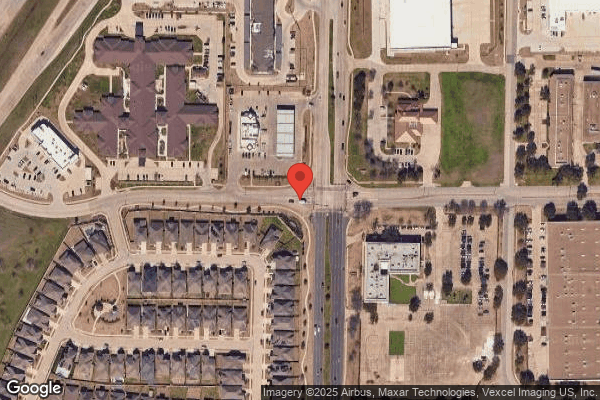
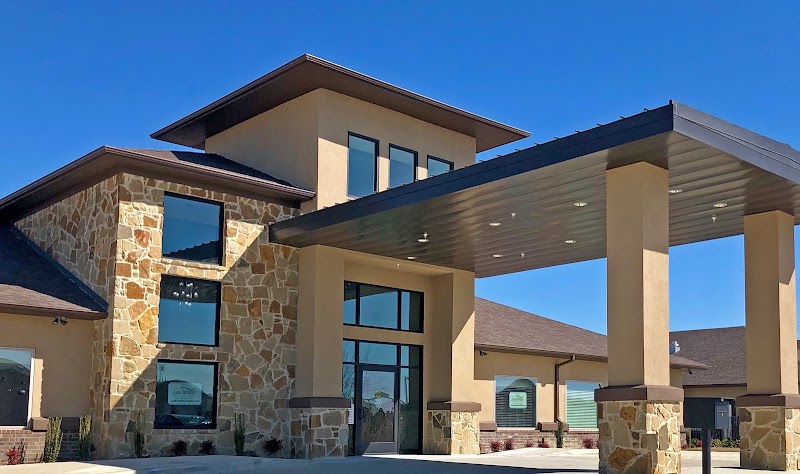
3421 W STORY RD, IRVING, TX 75038 (469) 957-0216
For profit - Limited Liability company 128 Beds FUNDAMENTAL HEALTHCARE Data: November 2025 3 Immediate Jeopardy citations
Trust Grade
9/100
#504 of 1168 in TX
Last Inspection: October 2024

Within standard 12-15 month inspection cycle. Federal law requires annual inspections.

Overview

Las Brisas Rehabilitation and Wellness Suites has received a Trust Grade of F, indicating significant concerns about the quality of care provided. Ranking #504 out of 1168 nursing facilities in Texas places them in the top half; however, their county rank of #32 out of 83 suggests that there are many facilities with better performance in Dallas County. The facility is improving, having reduced issues from 11 in 2023 to 5 in 2024. Staffing is a notable weakness, with a low rating of 1 out of 5 stars and a concerning turnover rate of 70%, which is significantly higher than the Texas average. While they have average RN coverage, recent inspection findings raised serious alarms, including failure to ensure adequate assistance for residents, leading to a critical incident where a resident sustained a fracture due to improper care. Families should weigh these strengths and weaknesses carefully when considering this facility for their loved ones.

Trust Score
F
9/100
In Texas
#504/1168
Top 43%
Safety Record
High Risk
Review needed
Inspections
Getting Better
11 → 5 violations
Staff Stability
⚠ Watch
70% turnover. Above average. Higher turnover means staff may not know residents' routines.
Penalties
⚠ Watch
$33,867 in fines. Higher than 95% of Texas facilities. Major compliance failures.
Skilled Nurses
⚠ Watch
Each resident gets only 28 minutes of Registered Nurse (RN) attention daily — below average for Texas. Fewer RN minutes means fewer trained eyes watching for problems.
Violations
⚠ Watch
24 deficiencies on record. Higher than average. Multiple issues found across inspections.
★★★☆☆
3.0
Overall Rating
★☆☆☆☆
1.0
Staff Levels
★★★★★
5.0
Care Quality
★★★☆☆
3.0
Inspection Score
Stable
2023: 11 issues
2024: 5 issues

The Good

  • 5-Star Quality Measures · Strong clinical quality outcomes
  • Full Sprinkler Coverage · Fire safety systems throughout facility
  • No fines on record

Facility shows strength in quality measures, fire safety.

The Bad

3-Star Overall Rating

Near Texas average (2.8)

Meets federal standards, typical of most facilities

Staff Turnover: 70%

23pts above Texas avg (46%)

Frequent staff changes - ask about care continuity

Federal Fines: $33,867

Above median ($33,413)

Moderate penalties - review what triggered them

Chain: FUNDAMENTAL HEALTHCARE

Part of a multi-facility chain

Ask about local staffing decisions and management

Staff turnover is elevated (70%)

22 points above Texas average of 48%

The Ugly 24 deficiencies on record

3 life-threatening 1 actual harm
Oct 2024 5 deficiencies
CONCERN (D)

Potential for Harm - no one hurt, but risky conditions existed

Unnecessary Medications (Tag F0759)

Could have caused harm · This affected 1 resident

Based on observation, interview and record review, the facility failed to ensure it was free of a medication error rate of five percent (5%) or greater for 2 of 29 opportunities during medication pass...

Read full inspector narrative →
Based on observation, interview and record review, the facility failed to ensure it was free of a medication error rate of five percent (5%) or greater for 2 of 29 opportunities during medication pass resulting in an 6 percent (6%) error rate for two (Residents #13, and #65) of 6 residents observed for medication pass. 1. MA B failed to administer Resident #13's Cranberry tablets 500mg (for urine retention) due to not having the tablets available. 2. MA B failed to administer Resident #65's Solonpas (Central nervous system, anti-inflammatory agent, for pain) to bilateral knees one time a day. MA B provided the patches to the resident and left the room, not observing if the resident applied them to her knees correctly. These failures could place residents at risk for not receiving therapeutic dosages of their medications as ordered by the physician and a decreased health status. Findings included: Review of Resident #13's Physician's Order dated 10/01/24 and updated 10/01/24 reflected, Cranberry tablet 500mg to be given by mouth one tablet twice a day. Review of Resident #13's Medication Administration Record reflected there had not been any doses of the Cranberry 500mg tablet to give to Resident #13 for the past three days, prior to 10/01/2024. Observation on 10/01/24 at 8:45 a.m., revealed MA B did not administered the following medication to Resident 13 during morning medications. MA B did not provide the Cranberry 500mg BID to the resident, due to not having the medication available. Review of Resident #65's physician's order dated 08/12/24 reflected Solonpas adhesive patch 1 patch once a day apply to bilateral (both) knees (on for 12 hours and off for 12 hours). Observation on 10/01/24 at 8:45 a.m., revealed MA B administered the following medication to Resident #65 Solonpas patch to the bilateral knees for pain. MA B gave the Solanpas patch to Resident #65 , left the room and did not observe the resident placing the patches on her knees as ordered. In an interview on 10/01/24 at 9:00 a.m. with MA B, she stated you are supposed to let the nurse know if you do not have medication available to give, sometimes the medication room was checked to see if there were medications available. This resident (#13) sometimes will not take all her medication anyway and if the medication comes, she can have it at 5:00 p.m. this evening. The MA agreed that would have the resident missing a dose. The MA stated the resident could suffer harm if they did not get the medications the doctor had ordered correctly. The MA stated that the medications should be given using the three rules of dispensing, 1) look at the order on the MAR, 2) pull the medications and compare, 3) place in the cup and check one last time that you were giving the correct medication. Then you enter the room, explain to the resident what you were giving and stay with the resident while they take the medications and make sure they have taken them. The MA stated she was not sure why she does not do that with Resident #65, maybe because she was alert and there for rehabilitation. MA B stated she leaves the patches and the resident placed them on when she wants. The MA stated she did not really consider the patches a medication, she thought it was okay that the resident place her own patches on herself when she wants to. In an interview on 10/01/24 at 11:00 a.m. with Resident #65 revealed the resident was very happy at the facility and she was trying to leave to go home soon, but she had not done well with therapy, the facility thought she was not safe yet to go home. Resident #65 stated the care here was great and she loved the staff, they were all good to her. The resident stated the patches she had always used, and MA B did leave them for her if she was not interested in placing the patches on at the time. Resident # 65 stated she would always place them on her knees later. The resident stated the other staff would not let me keep them, they would insist on placing the patches on. In an interview on 10/01/24 at 4:45 p.m., the DON who had only been there a month, revealed the staff who administer medications should always practice best practices. The DON stated the best practice would be to follow the three basic rules prior to administering the medications, then the staff should stay while the resident takes the medications or applies the medications and then assure the resident had taken the meds. The DON stated the staff should never leave any type of medications in the room with the resident. The DON stated this was unsafe and something could happen, the resident could not take the medication or not apply the medication, this could cause possible harm to that resident as well as other residents that could take the medicine from the resident's room. The DON stated if the medication was not available, he needed to know. He can order the medication and had ordered the cranberry when he was informed that it was needed, and the resident could receive the medications as ordered. The DON stated he would see that the staff that administering medications had additional training, with follow-up for compliance. Review of the facility policy and procedure Medication Management Program revised May 2023 reflected, The facility implements a Medication Management program to meet the pharmaceutical needs of patients and residents, according to established standards for practice and regulatory requirements . Preparing for medication pass .4. D. the 8 Rights for administering medication: 1) The right Patient/Resident 2) The right Drug, 3) The right Dose, 4) The right time, 5) The right Route, 6) The right charting, .Administering medications .J. If applying a transdermal patch .The location of administration site must be documented, .10. The authorized staff member or licensed nurse must remain with the resident while the medication is swallowed. Never leave medication in a resident room without order to do so .15. If a medication is unavailable , contact the pharmacy and document accordingly. Notify physician for possible alternatives available in e-kits at time of discovery.
CONCERN (D)

Potential for Harm - no one hurt, but risky conditions existed

Deficiency F0761 (Tag F0761)

Could have caused harm · This affected 1 resident

Based on observation, interview, and record review, the facility failed to provide a locked and permanently affixed compartment for storage of all controlled drugs for 1 of 1 medication rooms reviewed...

Read full inspector narrative →
Based on observation, interview, and record review, the facility failed to provide a locked and permanently affixed compartment for storage of all controlled drugs for 1 of 1 medication rooms reviewed for medication storage. The facility failed to ensure the lockbox in the medication room refrigerator was locked that contained eight syringes of Ativan Benadryl cream (schedule IV, controlled medication). This failure could place residents receiving medication at risk for drug diversion or misuse of medications. Findings included: During an observation of the medication room on 10/01/24 at 4:03 p.m., with ADON C present there was an unlocked lockbox in the only medication refrigerator. Eight syringes of Ativan Benadryl cream (schedule IV, controlled medication) were located in the unlocked lockbox. In an interview on 10/01/24 at 4:03 p.m., ADON C stated the lockbox should always be locked, was unaware why it was unlocked, and the lockbox was monitored by the ADONs and DON. ADON C did not describe how often or how the lockbox was monitored. ADON C reported that the risk of not having controlled substances properly secured was that the wrong staff could have accessed the medications, and medications could have went missing. ADON C also stated that all controlled medications were counted at every shift change by the off-going and on-coming nurse. In an interview on 10/01/24 at 4:20 p.m., the DON stated the DON and ADONs were responsible for monitoring the lockboxes and ensure medications were stored properly. The DON did not state how often it was being monitored or when the last time it was checked. DON reported the risk for medications not being secured properly was the resident's medications could go missing. Record review of the facility's policy titled Pharmacy Services Policies and Procedures, with a revision date of 4/17/2024, stated 3. All controlled medications must be maintained in separately locked, permanently-affixed compartments.
CONCERN (E)

Potential for Harm - no one hurt, but risky conditions existed

Infection Control (Tag F0880)

Could have caused harm · This affected multiple residents

**NOTE- TERMS IN BRACKETS HAVE BEEN EDITED TO PROTECT CONFIDENTIALITY** Based on observation, interview, and record review the facility failed to establish and maintain an infection prevention and con...

Read full inspector narrative →
**NOTE- TERMS IN BRACKETS HAVE BEEN EDITED TO PROTECT CONFIDENTIALITY** Based on observation, interview, and record review the facility failed to establish and maintain an infection prevention and control program designed to provide a safe, sanitary, and comfortable environment and to help prevent the development and transmission of communicable diseases and infections for 2 of 3 (LVN A, and MA B) staff members and 4 of 6 residents (Residents #13, #28, #40, and #72) reviewed for infection control procedures. LVN A failed to disinfect the blood pressure cuff (machine used for checking blood pressure) in between blood pressure checks for Residents #28, and #72. MA B failed to disinfect the blood pressure cuff in between blood pressure checks for Residents #13 and #40. This failure could place residents at risk for cross contamination and infections. Findings included: Record review of Resident #72's admission MDS assessment, dated 08/20/24, revealed a [AGE] year-old female who was admitted to the facility on [DATE]. Resident #72 had diagnoses which included: Hypertension (high blood pressure), and bipolar disorder (mental illness). Resident #72 was cognitive and able to make decisions and required assistance of one staff for activities of daily living. Record review of Resident #72's physician orders dated 08/20/24 reflected, amlodipine (high blood pressure) 5mg give one tab by mouth one time a day and to obtain blood pressure one time a day on each shift. Record review of Resident #28's other payment MDS Assessment, dated 08/15/24, revealed a [AGE] year-old male who was admitted to the facility on [DATE]. Resident #28 had diagnoses which included: diabetes (increased blood sugar), hypertension (increased blood pressure), and dizziness. Resident #28's was cognitively able make all decisions for himself and required one staff for assistance with activities of daily living. Record review of Resident #28's physician orders dated 10/19/23 (open ended) reflected, Metoprolol tartrate (high blood pressure) 25 mg give one tab by mouth two times a day, and to obtain blood pressure one time a day on each shift. Record review of Resident #40's other payment MDS Assessment, dated 08/20/20, revealed a [AGE] year-old female who was admitted to the facility on [DATE]. Resident #40 had diagnoses which included: Hypertension (increased blood pressure), atrial fibrillation (heart rate), and chronic kidney disease (kidneys work slower). Resident #40 was cognitively able to make decisions and required one staff for assistance with activities of daily living. Record review of Resident #40's physician orders dated 05/16/24 (open ended order) reflected, metoprolol succinate (high blood pressure) 50mg give one tab by mouth one time a day and to obtain blood pressure one time a day on each shift. Record review of Resident #13's other payment MDS Assessment, dated 09/06/24, revealed a [AGE] year-old female who admitted to the facility on [DATE]. Resident #13 had diagnoses which included: Cerebral infarction (stroke), Hemiplegia (cannot use her right arm or leg), and Aphasia (unable to speak). Resident #13 was moderately cognitively impaired and unable to make decisions and required assistance of one staff for activities of daily living. Record review of Resident #13's physician orders dated 10/02/23 (open ended order) reflected, amlodipine (high blood pressure) 5mg give one tab by mouth two times a day and to obtain blood pressure one time a day on each shift. Observation on 09/30/24 at 10:25 a.m., revealed LVN A performing morning medication pass, during which time she checked the blood pressure on Resident #72. LVN A failed to sanitize the blood pressure cuff before or after using it on Resident #72. Observation on 09/30/24 at 10:45 a.m., revealed LVN A performing morning medication pass, during which time she checked the blood pressure, on Resident #28, used the same blood pressure cuff used on Resident #72. LVN A failed to sanitize the blood pressure cuff before or after using it on Resident #28. Observation on 10/01/24 at 8:30 a.m., revealed MA B performing morning medication pass, during which time she checked the blood pressure on Resident #40. MA B failed to sanitize the blood pressure cuff before or after using it on Resident #40. Observation on 10/01/24 at 9:00 a.m., revealed MA B performing morning medication pass, during which time she checked the blood pressure on Resident #13, used the same blood pressure cuff used on Resident #40. MA B failed to sanitize the blood pressure cuff before or after using it on Resident #13. An interview on 09/30/24 at 10:55 a.m., LVN A stated she did not think about cleaning the blood pressure cuff between usage, she had forgotten. LVN A stated she wore gloves between each usage when she took the blood pressure and used hand sanitizer. LVN A stated if the cuff was on the residents and then not cleaned it could spread germs to others. An interview on 10/01/24 at 8:55 a.m., MA B revealed the MA did not know she was supposed to clean the blood pressure cuff between use. The MA stated she did use her hand sanitizer and she thought that was enough. The MA stated that makes sense to her because if another resident had an infection it could spread to another resident from the blood pressure cuff. An interview with the DON, who was the infection control preventionist on 10/01/24 at 4:45 p.m., revealed the DON had only been at the facility for one month. The DON stated that all direct care staff must clean equipment, including blood pressure cuffs after having contact with each resident. The DON stated, the staff has available the disinfectant wipes that will kill all germs. The DON stated the staff would be in-serviced on infection control and he would perform teaching concerning infection control. If they do not clean the blood pressure cuffs appropriately, they could spread germs to themselves and the residents. Record review of an in-service log dated 05/31/24 revealed LVN A, had received cleaning and properly storing equipment after each use and MA B had not received the training. Record review of the Facility's Policy titled Infection control dated May 2023, reflected: Purpose: To establish a facility wide program that incorporates a system for preventing, identifying, reporting, investigating, and controlling infections and communicable diseases. The program covers all resident, staff 3. the infection control Prevention and control Program is administered by an Infection Preventionist who is qualified by education and special training . 6. Staff development E. Staff is provided with information and training on .6) proper handling of linens, waste, equipment and supplies .10) Cleaning , disinfecting, and sanitation procedures . Record review of the Facility's Policy titled Infection control-Cleaning and Disinfecting Resident Care items and Equipment dated May 2023 reflected: It is the policy of this home to clean and disinfect resident-care equipment, including reusable items and durable medical equipment . non critical items are those that come in contact with intact skin but not mucous membranes . non-critical resident-care items include bedpans, blood pressure, cuffs
CONCERN (E)

Potential for Harm - no one hurt, but risky conditions existed

Deficiency F0925 (Tag F0925)

Could have caused harm · This affected multiple residents

**NOTE- TERMS IN BRACKETS HAVE BEEN EDITED TO PROTECT CONFIDENTIALITY** Based on observations, interviews, and record review, the facility failed to maintain an effective pest control program so that ...

Read full inspector narrative →
**NOTE- TERMS IN BRACKETS HAVE BEEN EDITED TO PROTECT CONFIDENTIALITY** Based on observations, interviews, and record review, the facility failed to maintain an effective pest control program so that the facility was free of pests for five (two unused halls) of three halls (Halls 400, 500, and 600) and the nurse's station, private dining room, kitchen, the unused dining room next to private dining room, and main dining room reviewed for pest control program. The facility had live fruit flies in areas of the facility including the nurse's station, Halls 400, 500, 600, nurse's station, private dining home, unused dining room next to the private dining room, lobby, and the main dining room. This failure could place residents at risk for spread of infection, cross-contamination, and decreased quality of life. Findings included: An observation on 09/30/24 at 9:00 a.m., revealed in the private dining room there were three live fruit flies flying around the private dining area. An observation on 09/30/24 at 9:15 a.m., revealed a group of 5-10 live fruit flies flying around in the dining area, not being used at this time, next to the private dining area, where survey team was working. An observation on 09/30/24 at 9:30 a.m., revealed 7-10 live fruit flies flying down the service hallway. This hallway had the laundry, a training classroom, the employee break room, and the entrance to the kitchen. An observation on 09/30/24 at 10:00 a.m., revealed three live fruit flies in the three-compartment sink drain, in the kitchen. There were three live fruit flies flying around the steam table. An observation on 09/30/24 at 10:20 a.m., revealed a live fruit fly crawling across the overbed table in room [ROOM NUMBER]. Resident #1 stated these little flies were bad. Resident #1 stated she had told several staff members, but the little flies continued to be here. Resident #1 stated that any food you had the little flies would just swarm around it. The resident stated she had been seeing the little flies for about a month, and she did not recall seeing any pest control workers here. An observation on 09/30/24 at 11:30 a.m., revealed in the main dining room, six different resident's tables had fruit flies crawling on the tables. There had been no food served at this time, one table had a cold cup of coffee sitting on it with two dead fruit flies floating in it. An observation on 09/30/24 at 11:45 a.m., revealed a live fruit fly on the wall of Hall 400, outside of room [ROOM NUMBER], there were no residents in the room at the time. An observation on 09/30/24 at 1:00 p.m., revealed three live fruit flies crawling on the only used nurses station in the facility. An observation and interview on 09/30/24 at 1:15 p.m., revealed three live fruit flies swarming around a linen barrel, that had a lid on it. The barrel was sitting outside the laundry room door. An observation on 10/01/24 at 8:00 a.m., revealed a swarm of live fruit flies flying down the service hallway. An observation on 10/01/24 at 8:10 a.m., revealed a swarm of live fruit flies flying around the head of the MA B administering medications on Hall 400. The MA stated these little flies are bad. MA B said she told the maintenance man about the little Pest, about 2 weeks ago, but nothing has changed, the flies were still here. She had not seen any pest control at the facility and now the maintenance man was out of the country. MA B stated she did not know what the process was for reporting the flies, she just told the maintenance man. An observation on 10/01/24 at 8:15 a.m., revealed a bag of trash that had been left from the day before in the private dining room. The Surveyor had to tie up the trash bags, there were more than fifteen live fruit flies in the room. The live fruit flies remained in the room for the rest of the day. An observation on 10/01/24 at 11:00 a.m., revealed two live fruit flies crawling across the top of the medication cart on Hall 500. An observation on 10/01/24 at 2:00 p.m., revealed a swarm live fruit flies flying down Hall 600. An observation on 10/01/24 at 2:30 p.m. revealed the surveyor had conducted a phone interview in the smaller dining room that was adjacent to the private dining room . During the interview a live fruit fly attempted to fly up the nose of the surveyor, causing her to gag and cough. An interview on 10/01/24 at 4:30 p.m., with the Administrator revealed he was not aware that the facility had pest of any kind. The Administrator stated he would contact his pest control company and tell them. The Administrator was not sure of the process for the staff or anyone to report pest problems. The Administrator stated that if the bugs were not killed they could spread germs, because bugs have germs. Record review of the pest control book, located at the nurse station reflected a log with no notations of flies. Record review of facility provided pest control visits revealed, in part, dates and treatments as follows: Treatment dates and services performed: -09-24-2024-after inspection . no verification of fruit flies . preventative treatment for cockroaches and rodents -08-29-2024-after inspection . no verification of fruit flies . preventative treatment for cockroaches and rodents -07-26-2024-after inspection . no verification of fruit flies . preventative treatment for cockroaches and rodents -06-17-2024-after inspection . no verification of fruit flies . preventative treatment for cockroaches and rodents Record review of the facility's policy revised, June 2023 and titled Pest control Program reflected Facility will maintain and effective pest control program to prevent or eliminate infestation of pests and rodents .1. Contracted pest elimination service will provide monthly service for the most common pests such as rodents, cockroaches, and other crawling invaders .2. Facility staff will: A. Note and report any evidence of pest activity . B. Report sighting of live pest immediately . C. make notes of the exact location of where the pest sighting occurred and inform .
CONCERN (F) 📢 Someone Reported This

A family member, employee, or ombudsman was alarmed enough to file a formal complaint

Potential for Harm - no one hurt, but risky conditions existed

Food Safety (Tag F0812)

Could have caused harm · This affected most or all residents

Based on observation, interview, and record review the facility failed to store, prepare, distribute, and serve food in accordance with professional standards for food service safety in the facility's...

Read full inspector narrative →
Based on observation, interview, and record review the facility failed to store, prepare, distribute, and serve food in accordance with professional standards for food service safety in the facility's main kitchen reviewed for food safety. 1. The facility failed to ensure ice machine #1 and #2's filters and vents were free from dirt and dust. 2.The facility failed to ensure food items in the refrigerator, freezer and dry storage room were labeled and stored in accordance with the professional standards for food service. 3. The facility failed to discard items stored in refrigerator, freezers or dry storage that were not properly labeled or past the 'best buy', discard by or expiration dates. 4. The facility failed to ensure Handwashing sink #1's garbage receptacle contained only paper towels. 5. The facility failed to have Dietary staff wash hands or change gloves when they touched other surfaces while handling food or upon re-entering the kitchen. 6. The facility failed to ensure there were no pest around the food items in the kitchen. These failures could place residents at risk for food-borne illness and cross contamination. Findings Included: Observation of the Kitchen on 09/30/24 at 10:23 AM revealed the following: -On prep table, to the left of the walk-in refrigerator, there was an extra-large metal pan containing uncooked broccoli. It was uncovered, no label of item description, no prep date and no discard by date. -Under this prep table were 3 extra-large bins with clear lids. The bin on the left side contained flour; it had a sticker that read use by 10/15/24. There was no label of item description and no opened date. -The middle extra-large bin with lid containing rice had a sticker that read use by 10/15/24. There was no item of label description, no opened date. -On top of the bin containing the rice was a fruit fly (small dark-colored winged insect). -The bin on the right side contained granulated sugar; it had a sticker that read use by 10/15/24. There was no item of label description, no opened date. -Across from receiving side of the steam table, a long prep table: -Ice Machine #1 plastic vents, located on the left and right side of the machine, the vent slats and filters had dust on them. -On the bottom shelf of the prep table was a 2-drawer clear bin with the 2nd bin being labeled Tea. The drawer was left opened, revealing a large clear plastic bag containing two extra-large tea bags, left opened to air. There was no opened date and no discard by date. -At the end of the receiving side of the steam table: Ice Machine#2-on the left side of the machine, just above the ice chest compartment, there was a dried white calcified/hardened substance along the side of the machine. -Ice Machine#2: the 2 vents on the front-facing top portion of the machine were dusty. The filters behind each vent slid out easily and were noted to be dirty and dusty as well as the front of the machine had streaks and greasy/residue smudges. Observations of the reach-in refrigerator #2 on 09/30/24 at 10:31 AM revealed the following: -Unit had a top vent that had dust and fibers on it. -Right side: Top shelf- Large clear plastic drink dispenser with a spout contained a light brown liquid there was no label of item description, no prep date, and no discard by date. -2nd shelf from top: extra-large clear plastic container with spout with dark colored purple liquid and ice, there was no label of item description, no prep date and no discard by date. -Bottom shelf: 1-2.34 gal. box with approximately 15 -4 oz vanilla shakes and 3-4oz strawberry shakes. There was no label for the strawberry shakes inside, no opened date and no discard by date. -Left side, top shelf: 1-32 oz white carton of vanilla nutritional drink opened 09/03/24, manufacturer's expiration date 12/28/24, there was no facility discard by date. -1-46 oz carton of Prune juice, previously opened, manufacturer's expiration date 12/10/24. There was no opened date and no discard by date. -1-50.7 oz. Hazelnut coffee creamer, previously opened, dated 09/15/24. There was no discard by date. -Bottom shelf: 1-2.34 gal box of approximately 20-4 oz strawberry shakes. There was no discard by date or no manufacturer's expiration date. Observations of the walk-in refrigerator on 09/30/24 at 10:54 AM revealed the following: -Left side, 2nd shelf from top:1 small clear container covered with plastic wrap, containing cooked light-colored meat, there was no label of item description, no prep date; it was dated use by 10/06/24. -1 medium clear square container covered with plastic wrap with cooked light-colored meat, there was no label of item description, no prep date; it was dated (facility sticker) use by 10/06/24. -1-14 oz plastic container with lid of chicken flavored base, previously opened, no open date and no discard by date. 1-8 oz container with lid of plain cream cheese, previously opened, dated 09/12/24, manufacturer expiration date 11/05/24, there was no facility discard by date. -1-24 oz Honey vanilla Greek yogurt in a plastic container with lid dated 09/17/24, previously opened, manufacturer's expiration date 11/05/24, there was no facility discard by date. -1-32 oz. chopped garlic in a plastic container with lid, previously opened, no opened date, manufacturer's expiration date 01/02/25. - On the 3rd shelf from the top: 1 tray labeled (with facility sticker) use by10/03/24. The tray contained six plastic bowls, five were covered with foil and on with a plastic lid, they contained oatmeal. There was no label of item description, no prep date. -On Bottom shelf: 1 extra large zip top bag with thawed raw chicken, dated 10/05/24. There was no label of item description, no pulled date label, no clear discard by date, no pan beneath to catch any drippings of fluid from the bag of meat. -On the 2nd shelf, 2nd row down from top: 1- large zip top bag with yellow sliced cheese dated 10/05/24, there was no label of item description, no opened date. -1 Large zip top bag with cubed yellow cheese dated 09/27/24, there was not label of item description, no discard by date, no clear opened date. -In the middle of the room (refrigerator space): 1-tray with 77 plastic bowls with lids that contained pineapple pieces and in some bowls fruit cocktail. There was no label of item descriptions, no prep date, no discard by date. -On the Right side:1 extra-large clear square container covered with plastic wrap contained cooked beans in liquid, dated use by 10/01/024. There was not label of item description, no prep date. -1 small square clear container covered with plastic wrap, previously opened, contained darked colored/purple jelly, dated use by 10/05/24. There was no opened date, no label of item description. -1 Large zip top bag with a half of a cantaloupe (previously cut), dated use by10/05/24, there was no label of item description, no prep date. -1 large zip top bag with previously diced green bell peppers, that had begun to release liquid, dated use by 10/05/24, there was no label of item description, no prep date. In the left lower corner was a small area where the bell peppers had started turning brown and soggy/mushy. -1 Large zip top bag with approximately eight corndogs dated use by 10/05/24, there was no label of item description, no prep date. -1 Large zip top bag with approximately 11 previously sliced red tomatoes dated 09/26/24 and use by 10/5/24. The tomatoes had started to produced there own liquid in the bag, darkened in color and were soft (easily squished between fingers) to touch. Observations of the Walk-in freezer on 09/30/24 at 11:15 AM revealed the following: -1 Extra-large clear plastic bag, previously opened, tied closed, contained approximately 15 biscuits. There was no label of item description and no opened date. -1 Large clear plastic bag with approximately 8 hot dogs buns, sitting on two bags of ice (a portion of each bag of ice underneath the buns). There was no label of item description and a small amount of ice crystals had formed inside the bag. -1 Large clear plastic bag with shredded white cheese, dated use by 09/30/24. There was no label of item description and ice crystal had formed on the inside right side of the bag on the cheese. *Also, frozen cheese when thawed can be dry, changed in texture and not melt properly. Observations of the Dry Storage on 09/30/24 at 11:18 AM revealed the following: -On left side, top shelf: 1-5 lbs. plastic container with lid contained creamy peanut butter, previously opened. The date written was illegible and the manufacturer's expiration date had been smudged off. There was no open date and no discard by date. 1-medium box of black tea bags, torn opened, left opened to air. There was no opened date and no discard by date. -1-24 oz. bottle of chocolate syrup, previously opened, there was no opened date, no discard by date. -1- Extra-large zip top bag with a previously opened package of uncooked linguine noodles. There was no open date, no discard by date. -1 Extra-large bag of uncooked noodles, previously opened, wrapped in plastic wrap, there was no opened date, no label of item description and no discard by date. Observations of the Kitchen on 10/02/24 at 11:52 AM revealed the following: -A fruit fly noted flying over and landing in iced/condiment area on the end of the steam table where a salad (covered in plastic wrap), fruit and cartons of shakes and milk were kept during service -Dietary Manager came back into kitchen from the dining room, he was not noted washing his hands or donned new gloves. He stood at the end of the steam table then went over to the prep table with the microwave on it and grabbed some meal tickets. -The Dietary manger was not to go on the other side of the steam table (receiving side) came back into the kitchen (on the serving side) and was not noted to wash his hands or donned new gloves. In an interview on 09/30/24 at 11:40 AM with the Dietary Manager, he stated he had been there since July 2024. He was unsure if the kitchen maintained the emergency water but later confirmed he ordered the water if it got low or expired. The Dietary Manager stated they kept leftovers in the refrigerator for 3 days. He stated opened dairy products were kept 3-5 days in the refrigerator, cheese was kept once opened, up to 30 days. In an interview on 10/02/24 at 12:50 PM with the Dietary Manager, he stated they used the use by sticker to show when the item should be used by. When asked about the raw chicken at the bottom the refrigerator, he stated it was supposed to be thawed in the refrigerator for 2 days but he could not say when the item was pulled because it did not have a pull date, and it was already thawed. He stated it had to be pulled before today, 09/30/24 since it was thawed and should have only been in there 2 days before use, well before the dated stick of 10/05/24. He stated some dates on the items were the dates the item was received, some dates were the date it was opened but he could to answer why it was not identified so you know which date was for what. He stated they cleaned the vents & filters frequently then he was shown the state of the filter in the free-standing ice machine. He did not reply. He stated his staff know they were supposed to date items and now they will have to have an in-service on the items brought to his attention. He stated he washed his hands when asked why he was not noted washing his hands or putting on new gloves. He sated he went back twice to wash his hands. Review of the facility's Nutrition Services Policy & Procedures Food Safety Receiving and Storage dated 2020: Revision 0620/2023, reflected Policy: Food will be received ad stored by methods to minimize contamination and bacteria growth. Procedure: . 3. Keep receiving area clean and well lighted. 4. Compare delivery invoices against products ordered and products delivered. 5. Inspect food when it is delivered to the facility and prior to storage for signs of contamination. Food packages shall be in good condition to protect the integrity of the contents so that the food is not exposed to adulteration or potential contaminants. Examples of signs of contamination include: A. Cans with badly swollen sides or ends, flawed seals or seams, rust, dents, or leaks. B. Frozen foods that are partially thawed. Foods that have been thawed and then refrozen can be contaminated; check for large ice crystals, solid areas of ice, discolored or dried-out food, or misshapen items. C. Signs of insects in fresh produce. D. Dried fruits and vegetables, cereals and other grain products, sugar, flour, and rice received in wet or broken packaging. Dampness or mold can be signs of spoilage or bacterial growth. Holes or tears can be signs of pest infestation. E. Inappropriate odors, colors, or textures in cold foods. 6. Check expiration dates and use-by dates to assure the dates are within acceptable parameters. 7. Refuse contaminated food and return to the vendor for credit. If the food cannot be returned immediately, store it away from other food and supplies to prevent contamination. Dented cans are stored in a designated location (labeled dented cans) until they can be returned to the vendor. 9. When adding newly delivered food into current inventory, use the FIFO (First In, First Out) method so old stock is rotated to the front and utilized first. General Food Storage Guidelines: 1. Store food in a manner to allow air circulation around food. 2. Store food in its original packaging if the packaging is clean, dry, and intact. 3. Place food that is repackaged in a leak-proof, pest-proof, non-absorbent, sanitary container with a tight-fitting lid. Label both the container and its lid with the common name of the contents, the date it was transferred to the new container, and the discard date. It is recommended that food stored in bins (e.g. flour or sugar) be removed from its original packaging. Dry Storage Guidelines: . 2. Tightly seal opened packages to prevent contamination or place food in covered containers. 3. Containers holding food or food ingredients that are removed from their original packages such as cooking oils, flour, sugar, herbs, and spices are identified with the common name of the food. 5. Dry storage areas are well ventilated and pest free. Refrigerated Storage Guidelines: . 9. Prevent meat and poultry juices from getting into other foods.12. Refrigerated, ready to eat Time/Temperature Control for Safety Foods (TCS) are properly covered, labeled, dated with a use-by date, and refrigerated immediately. [NAME] them clearly to indicate the date by which the food shall be consumed or discarded. The day of preparation or day original container is opened shall be considered day 1. Follow USDA guidelines for food storage. 13. In the case of commercially processed food, the date marked by the facility may not exceed a manufacturer's use-by date. 14. Refrigerated condiments and salad dressings are properly covered, labeled, and clearly marked to indicate a use by date two months from the date opened. Review of the U.S. FDA Food Code 2022 reflected: Chapter 2 . section 2-301 Hands and Arms. 2-301.11 Clean Condition. Food Employees shall keep their hand and exposed portions of their arms clean. 2-301.12 Cleaning Procedure. (C). To avoid recontaminating their hands or surrogate prosthetic devices, food employees may use disposable paper towels or similar clean barriers when touching surfaces such as manually operated faucet handles on a Handwashing Sink or the handle of a restroom door. 2-201.14 When to Wash. Food Employees shall clean their hands and exposed portions of their arms as specified under section 2-301.12 immediately before engaging in food preparation including working with exposed food, clean equipment and utensils, and unwrapped single service and single-use articles. and: (A) After touching bare human body parts other than clean hands and clean, exposed portions of arms; (B) After using the toilet room; (C) After caring for or handling service animals or aquatic animals as specified in 2-403.11(B); (D) Except as specified in 2-401.11(B), after coughing, sneezing, using a handkerchief or disposable tissue, using tobacco products, eating, or drinking; (E) After handling soiled equipment or utensils; (F) During food preparation, as often as necessary to remove soil and contamination and to prevent cross contamination when changing tasks; (G) When switching between working with raw food and working with ready-to-eat food; (H) Before donning gloves to initiate a task that involves working with food; and (I) After engaging in other activities that contaminate the hands. Section 2-301.15 Where to Wash. Food Employees shall clean their hands in a Handwashing Sink or approved automatic handwashing facility and may not clean their hands in a sink used for food preparation or ware washing, or in a service sink or a curbed cleaning facility used for the disposal of mop water and similar liquid waste. Chapter 3 . section 3-201.11 Compliance and Food Law: . C. Packaged Food shall be labeled as specified in LAW, including 21 CFR 101 Food Labeling [* .(b) A food which is subject to the requirements of section 403(k) of the act shall bear labeling, even though such food is not in package form. (c) A statement of artificial flavoring, artificial coloring, or chemical preservative shall be placed on the food or on its container or wrapper, or on any two or all three of these, as may be necessary to render such statement likely to be read by the ordinary person under customary conditions of purchase and use of such food. The specific artificial color used in a food shall be identified on the labeling when so required by regulation in part 74 of this chapter to assure safe conditions of use for the color additive.], 9 CFR 317 Labeling, [*(a) When, in an official establishment, any inspected and passed product is placed in any receptacle or covering constituting an immediate container, there shall be affixed to such container a label .Marking Devices, and Containers, and 9 CFR 381 Subpart N Labeling and Containers, and as specified under § 3-202.18. Section 3-302.12 Food Storage Containers, Identified with Common Name of Food: Except for containers holding FOOD that can be readily and unmistakably recognized such as dry pasta, working containers holding food or food ingredients that are removed from their original packages for use in the food establishment, such as cooking oils, flour, herbs, potato flakes, salt, spices, and sugar shall be identified with the common name of the food. Section 3-501.17 . Commercial processed food: Open and hold cold . B. 1. The day the original container is opened in the food establishment shall be counted as Day 1. 2. The day or date marked by the food establishment may not exceed a manufacturer's use-by date if the manufacturer determined the use-by date based on food safety. C. 2. Marking the date or day of preparation, with a procedure to discard the food on or before the last date or day by which the food must be consumed on the premises, sold, or discarded as specified under (A) of this section. 3. Marking the date or day the original container is opened in a food establishment, with a procedure to discard the food on or before the last date or day by which the food must be consumed on the premises, sold, or discarded as specified under (B) of this section. Definitions 3. Food Receiving and Storage - When food, food products or beverages are delivered to the nursing home, facility staff must inspect these items for safe transport and quality upon receipt and ensure their proper storage, keeping track of when to discard perishable foods and covering, labeling, and dating all PHF/TCS foods stored in the refrigerator or freezer as indicated. Chapter 5 . Section 5-205.11 Using a Handwashing Sink (A) A Handwashing Sink shall be maintained so that it is accessible at all times for Employee use. Section 5-501.16 Storage Areas, Rooms, and Receptacles, Capacity and Availability . (B) A receptacle shall be provided in each area of the Food establishment or premises where refuse is generated or commonly discarded, or where recyclables or returnables are placed. (C) If disposable towels are used at handwashing lavatories, a waste receptacle shall be located at each lavatory or group of adjacent lavatories. Section 5-501.113 Covering Receptacles. Receptacles and waste handling units for refuse, recyclables, and returnables shall be kept covered: . www.fda.gov Review of the USDA website reflected: The United States Department of Agriculture's Food Safety and Inspection Service inspects only meat, poultry and egg products. The United States Food and Drug Administration inspects other foods. Yogurt can be stored in the refrigerator (40 ºF) one to two weeks or frozen (0 ºF) for one to two months. Soft cheeses such as cottage cheese, ricotta or Brie can be refrigerated one week but they don't freeze well. Hard cheeses such as cheddar, Swiss and Parmesan can be stored in the refrigerator six months before opening the package and three to four weeks after opening. It can also be frozen six months. Processed cheese slices don't freeze well but can be kept in the refrigerator one to two months. Milk can be refrigerated seven days; buttermilk, about two weeks. Milk or buttermilk may be frozen for about three months. Sour cream is safe in the refrigerator about one to three weeks but doesn't freeze well www.askusda.gov
Sept 2023 2 deficiencies
CONCERN (E)

Potential for Harm - no one hurt, but risky conditions existed

Safe Environment (Tag F0584)

Could have caused harm · This affected multiple residents

**NOTE- TERMS IN BRACKETS HAVE BEEN EDITED TO PROTECT CONFIDENTIALITY** Based on observation, interview, and record review, the facility failed to provide a safe, clean, comfortable, and homelike envi...

Read full inspector narrative →
**NOTE- TERMS IN BRACKETS HAVE BEEN EDITED TO PROTECT CONFIDENTIALITY** Based on observation, interview, and record review, the facility failed to provide a safe, clean, comfortable, and homelike environment for 4 (Residents #3, #30,#36, and #38) of 48 residents observed for wheelchairs, in that: The facility failed to properly maintain wheelchairs for Residents #3, #30, #36, and #38. The wheelchair arm rest pads were torn and cracked with exposed interior foam. The arm rest pads could not appropriately be cleaned due to the cracked and exposed foam. There was a posed safety problem as the cracked arm rest pads could cause injury to the residents. These failures could place residents at risk for diminished quality of life and at risk for skin issues and discomfort due to the lack of a well-kept wheelchairs. Findings included: 1. Review of Resident #3s quarterly MDS assessment, dated 07/27/2023, reflected she was an [AGE] year-old female admitted to the facility on [DATE], with the following diagnoses: lack of coordination. Resident #3 was severely impaired for decision making. Review of the Resident #3's plan of care dated 08/15/2023 with updates reflected goals and approaches to include wheelchair mobility. An observation on 09/11/2023 at 12:20 p.m., revealed Resident #3's right side and left side arm rest on the wheelchair was cracked with jagged edges, and the interior padding was exposed. The arm pads were not appropriately cleaned. 2. Review of Resident #31's quarterly MDS assessment, dated 08/03/2023, reflected she was an [AGE] year-old female admitted to the facility on [DATE], with the following diagnoses: Alzheimer's, muscle weakness, and lack of coordination. Resident #31's was severely impaired for decision making. The resident was unable to answer any questions. Review of the Resident #31's plan of care dated 07/20/23 with updates reflected goals and approaches to include wheelchair mobility. An observation on 09/11/23 at 12:12 p.m., revealed Resident #31's left arm rest was cracked with jagged edges on the wheelchair with the interior padding exposed. The arm pads were not appropriately cleaned. 3. Review of Resident #36's quarterly MDS assessment, dated 08/24/2023, reflected she was a [AGE] year-old female admitted to the facility on [DATE], with the following diagnosis: Gout, and neuralgia. Resident #31 was severely impaired for decision making. Resident #36 is unable to answer any questions. Review of the Resident #36's plan of care dated 08/15/2023 with updates reflected goals and approaches to include wheelchair mobility. An observation on 09/11/23 at 12:15 p.m., revealed Resident #36's right and left arm rest was cracked with jagged edges on the wheelchair with the interior padding exposed. The arm pads were not appropriately cleaned. 4. Review of Resident #38's admission MDS assessment, dated 07/06/2023, reflected she was an [AGE] year-old female admitted to the facility on [DATE], with the following diagnoses: Cerebral infraction (stroke), lack of coordination, and Alzheimer. Resident #38 was severely impaired for decision making. Resident # 38 was unable to answer any questions. Review of the Resident #38's plan of care dated 07/06/2023 reflected goals and approaches to include wheelchair mobility. An observation and interview on 09/11/2023 at 12:20 p.m., revealed Resident #38's right side arm rest was missing and left side arm rest on the wheelchair was cracked with jagged edges, and the interior padding was exposed. The arm pads were not appropriately cleaned. Interview on 09/13/23 at 11:00 a.m. with CNA B revealed when a resident has something wrong with their wheelchair, she would report it to the nurse. CNA B stated she did not know anything about a maintenance log at the nurse's station and she was unaware of any wheelchairs that required maintenance to the arm rest. Interview on 09/13/23 at 12:00 p.m. with LVN A revealed if the resident had a problem with a wheelchair, she would inform the therapy department. The therapy department would order the part that was needed and fix the wheelchair. LVN A stated maintenance was not involved. LVN A was not aware of any wheelchairs requiring new arm rest., she did state there was maintenance logbook at the nurses station, and book was for the staff to let the maintenance know of areas in the facility that require repair, like a broken toilet. Interview on 09/13/23 at 12:20 p.m. with the Director of Rehab revealed the therapy staff would assist in repairing wheelchairs. The Director of Rehab stated if the staff informed us and the parts are ordered we can repair them. The Director of rehab stated the maintenance department use to help, but we have been assisting. The Director of Rehab stated she was unaware of any wheelchairs that need new arm rest. Interview on 09/13/23 at 1:00 p.m. with the interim Administrator and the DON revealed the process was supposed to be the staff wrote in the maintenance log at the nurse's station concerning the problems, such as wheelchairs that require new arm rest. The Maintenance man would check the book daily order the parts, if needed, and repair the wheelchair. The Administrator was supposed to oversee this process. The DON stated there had not been anyone in the maintenance position for three months and she was unaware there were any wheelchairs that required new arm rest. The interim Administrator and the DON both said they would perform a sweep and get the wheelchairs repaired right away because this could affect their resident's mobility. Record review of the maintenance log reflected no documentation concerning broken or missing wheelchair arm rest. Review of the facility policy and procedure Wheelchair safety: Use and Maintenance revised dated May 5th 2023 reflected, The Facility promotes patient, resident and staff safety through the appropriate use and maintenance of wheelchairs 4. Wheelchair Maintenance and Servicing. A. Wheelchairs will be inspected and receive preventive maintenance as needed. B. Resident, patients, and staff remove equipment from service that is defective or requires maintenance or repair. C. Common replacement items include arm, leg, and footrests, cushions, seats, back supports, front and rear wheel assemblies, and brakes.
CONCERN (E)

Potential for Harm - no one hurt, but risky conditions existed

Infection Control (Tag F0880)

Could have caused harm · This affected multiple residents

**NOTE- TERMS IN BRACKETS HAVE BEEN EDITED TO PROTECT CONFIDENTIALITY** Based on observation, interview and record review, the facility failed to maintain an infection prevention and control program d...

Read full inspector narrative →
**NOTE- TERMS IN BRACKETS HAVE BEEN EDITED TO PROTECT CONFIDENTIALITY** Based on observation, interview and record review, the facility failed to maintain an infection prevention and control program designated to provide a safe, sanitary, and comfortable environment and to help prevent the development and transmission of communicable disease and infection for three (Residents #24, #127, and #128) of five residents reviewed for infection control. RN C failed to disinfect the glucometer machine (an instrument for measuring the concentration of glucose in the blood) in between resident use, for Residents #127, and #24. LVN D failed to disinfect the glucometer machine (an instrument for measuring the concentration of glucose in the blood) after resident use, for Resident #128. This failure could place residents at-risk of cross contamination which could result in infections or illness. Findings included: Resident #128 Review on 09/11/23 of Resident #128's EHR revealed the resident was a [AGE] year-old female that was admitted to the facility on [DATE] with diagnoses including: Diabetes (elevated blood sugar) and cerebral infarction (stroke). Review of Resident #128's new admission MDS dated [DATE], revealed was severely impaired cognition for decision making, her functional status indicated he needed one person assist only with her ADLs. Record review of Resident #128's physician orders dated 08/30/23 reflected Novolog FlexPen U-100 Insulin per sliding scale following a fasting blood check four times a day for diabetes mellites type two (elevated blood sugar), acuchecks (an instrument for measuring the concentration of glucose in the blood) four times a day. Resident #127 Review on 09/11/23 of Resident #127's EHR revealed the resident was a [AGE] year-old female that was admitted to the facility on [DATE] with diagnoses including: Diabetes (elevated blood sugar), and cardiovascular accident (stroke) . Review of Resident #127's 5-day MDS, dated [DATE] revealed a BIMs score of 12, indicating she was mildly impaired cognition for decision making, her functional status indicated he needed assist of one staff with her activities of daily living. Record review of Resident #127's physician orders dated 09/06/23 reflected insulin glargine 100 units/ml give 6 units two times a day, insulin lispro 100 units/ml per sliding scale three times a day before meals, and metformin 500mg two times a day for diabetes mellites type two (elevated blood sugar), acuchecks (an instrument for measuring the concentration of glucose in the blood) three times a day before meals. Resident #24 Review on 09/11/23 of Resident #24's EHR revealed the resident was a [AGE] year-old female that was admitted to the facility on [DATE] with diagnoses including: Diabetes (elevated blood sugar), and cardio obstructive pulmonary dieses (short of breath) . Review of Resident #24's quarterly MDS, dated [DATE] revealed a BIMs score of 15, indicating she was cognitively intact for decision making, her functional status indicated he needed assist of two staff with her activities of daily living. Record review of Resident #24's physician orders dated 09/12/23 reflected insulin aspart 100 units/ml give per sliding scale three times a day, Lantus solution U-100 Insulin give 30 units two time a day, for diabetes mellites type two (elevated blood sugar), acuchecks (an instrument for measuring the concentration of glucose in the blood) three times a day before meals. Observation on 09/11/23 at 11:41 a.m. revealed LVN D performed a blood sugar test on Resident #128. LVN D sanitized the glucometer machine (an instrument for measuring the concentration of glucose in the blood) without using the appropriate sanitizing wipes, using an alcohol swab instead before and after testing Resident #128's blood. Interview on 09/11/23 at 11:50 a.m., LVN D stated reusable equipment, like blood glucometers, should be sanitized with wipes purple top that she had on her medication cart between each resident use to prevent transmitting an infection from one resident to another. She stated she was supposed to cleanse the blood glucometer in-between each usage, as she had been instructed, but she did not know why she had not done it this time. LVN D stated that if the equipment that was used on the residents was not cleaned correctly it could cross contaminate causing a spread of infection. Observation on 09/12/23 at 11:15 a.m. revealed RN C performed a blood sugar test on Resident #127. LVN C sanitized the glucometer machine (an instrument for measuring the concentration of glucose in the blood) without using the appropriate sanitizing wipes, using an alcohol swab instead before and after testing Resident #127's blood. Observation on 09/12/23 at 11:22 a.m. revealed RN C performed a blood sugar test on Resident #24. LVN C sanitized the glucometer machine (an instrument for measuring the concentration of glucose in the blood) without using the appropriate sanitizing wipes, using an alcohol swab instead before and after testing Resident #24's blood. While in the room RN C dropped the glucometer on the floor after checking the blood sugar. RN C exited the room wiped the glucometer off with an alcohol swab and place back in the drawer of the medication cart. Interview on 09/12/23 at 11:a.m. with RN C revealed she was an agency nurse that worked at the hospital fulltime, and she filled in extra at nursing facilities. RN C stated she had done very few glucometers checks at the hospital and when she had she always cleaned with the sanitizing wipes purple top that the hospital had, I was not aware that the nursing facility had sanitizing wipes. RN C opened the bottom drawer, and the sanitizing wipes purple top were on the cart. The RN closed the drawer and did not use the purple top wipes. Interview on 09/13/23 at 8:30 a.m. with the DON she stated that her expectation was that staff would sanitize all reusable equipment between each resident use. She stated that not doing so placed residents at risk of cross contamination of infections from one resident to another. She stated there was plenty of supplies for the nursing staff to have the sanitization wipes that are EPA-registered disinfectant, on all the medication carts. The DON stated there had recently been conducted an in-service for the staff on infection control and cleaning equipment, even the agency nurses have been in-serviced. The DON stated alcohol swabs are less than the recommended base of alcohol and they will not clean the glucometers appropriately for all the bacteria that cause infections. Review of the in-service records dated 08/01/23 reflected in service training topic Glucometer Acuchecks [brand name of the glucometer] disinfection LVNs D name was on the list RN Cs was not further review reflected follow-up activity with competencies review there was a competency test for LVN C presented follow-up competencies reports. Review of facility's Infection prevention and control policies and procedures, revised May 15 2023, reflected the following: cleaning and disinfection procedures 2. Alcohol is not approved for disinfecting items which are potentially contaminated with blood . 3. Blood glucose meters and point of care testing devices are at high risk of becoming contaminated with bloodborne pathogens such as HBV, HCV, and HIV. Transmission of these viruses from individual to individual has been documented due to contaminated blood glucose devices. According to the CDC, cleaning, and disinfection of meters between resident uses can prevent transmission of these viruses through indirect contact. 5. Use an EPA disinfectant wipe which is labeled effective against TB or HBV, HCV and HIV to remove any visible contaminants, soil or other debris. 6. Use a second EPA disinfectant wipe to disinfect the device surfaces, ensuring adequate contact time.
Aug 2023 1 deficiency
CONCERN (D) 📢 Someone Reported This

A family member, employee, or ombudsman was alarmed enough to file a formal complaint

Potential for Harm - no one hurt, but risky conditions existed

Free from Abuse/Neglect (Tag F0600)

Could have caused harm · This affected 1 resident

**NOTE- TERMS IN BRACKETS HAVE BEEN EDITED TO PROTECT CONFIDENTIALITY** Based on observation, interview, and record review the facility failed to ensure residents had the right to be free from abuse a...

Read full inspector narrative →
**NOTE- TERMS IN BRACKETS HAVE BEEN EDITED TO PROTECT CONFIDENTIALITY** Based on observation, interview, and record review the facility failed to ensure residents had the right to be free from abuse and neglect for 2 (Resident #1 and Resident #2) of 2 residents reviewed for abuse and neglect, in that: 1) On 08/13/23, CNA A engaged in name-calling, used profanity, made an offensive gesture, interrupted, put down, and demeaned when verbally attacked Resident #1. 2) On 08/13/23, CNA A threw a pack of disposable wet wipes at Resident #1's stomach. 3) On 08/13/23, CNA A used profanity and made an offensive gesture at Resident #2. This failure could place residents at risk of immediate and long-term consequences, including anxiety, emotional distress, chronic stress, depression, feelings of shame, hopelessness, and at risk of psychosocial harm. Findings included: Record review of Resident #1's face sheet revealed a [AGE] year-old female admitted to the facility on [DATE], latest re-admission [DATE]. Resident #1 had diagnoses of Other epilepsy, not intractable (can be treated), without status epilepticus (a disorder characterized by recurrent seizure activity without recovery between seizures, that may or may not be associated with loss of consciousness or convulsions (rapid, involuntary muscle contractions that cause uncontrollable shaking and limb movement)); TIA (a stroke that lasts only a few minutes); MDD (a mood disorder that causes a persistent feeling of sadness and loss of interest); morbid (severe) obesity due to excess calories; MS (a condition that can affect the brain and spinal cord, causing a wide range of potential symptoms, including problems with vision, arm or leg movement, sensation, or balance); T2DM (a disorder in which the body does not produce enough or respond normally to insulin, causing blood sugar (glucose) levels to be abnormally high); hemiplegia (paralysis of one side of the body) and hemiparesis (weakness of one entire side of the body) following cerebral infarction affecting left non-dominant side. Record review of Resident #1's Quarterly MDS (a standardized assessment tool that measures health status in nursing home residents) assessment, dated 07/26/23, revealed a BIMS score of 15, which suggested Resident #1 was cognitively intact (being able to follow two simple commands; has sufficient judgment, planning, organization, self-control, and the persistence needed to manage the normal demands of ADL). The Quarterly MDS assessment reflected Resident #1 required set-up help only with ADLs and one-person physical assist with toileting and bathing. Resident #1 had a functional limitation in range of motion on one side of upper and lower extremities. Resident #1 was occasionally incontinent of bladder and frequently incontinent of bowel. The Quarterly MDS did not indicate Resident #1 had any behavioral symptoms or rejection of care during the MDS review period. A review of Resident #1's comprehensive care plan, last reviewed/revised on 08/05/23, indicated that Resident #1 had a dx of MS [Problem start date: 08/09/23]; a dx of seizures [Problem start date: 05/02/23]; incontinence of bowel and bladder [Problem start date: 03/21/23]; risk for falling [Problem start date: 03/21/23] r/t weakness, dx of MS, CVA, and Lupus (Systemic Lupus Erythematosus) (an autoimmune disease that can cause joint pain, fever, skin rashes and organ damage); and required assistance with ADLs [Problem start date: 03/04/23] - including toileting with the assist of one person [Approach start date: 04/03/23] and instruct in proper self-care techniques using self-cleaning device [Approach start date: 05/18/23]. Record review of Resident #1's progress notes, revealed a progress note dated 08/13/23 at 9:42 PM, entered by LVN B. The progress note reflected a statement from [Resident #1's viewpoint]: [Resident #1] was in the bathroom having a BM and turned on the call light for help to get wiped. [Resident #1] asked Resident #2 to call for help . it had been a while and the call light had not been answered. Resident #2 went to the nurses' station and informed CNA C that it had been about an hour since Resident #1 turned on the call light and needed help to get wiped. CNA C told CNA A (the CNA assigned to Resident #1) that Resident #1 said she was in the bathroom for an hour. CNA A lost her temper and said it had not been an hour. CNA A confronted Resident #1 (who was still sitting on the toilet), called Resident #1 a liar, that everyone was tired of her, and CNA A threw a pack of wipes and hit Resident #1's lower abdomen. CNA A raised her middle finger (an obscene gesture made by pointing the middle finger upward while folding the other fingers against the palm) at Resident #1 and said F--- (a four-letter swear word) you, wipe yourself, you are stupid. CNA A walked down the hall and grabbed her backpack. CNA A passed LVN B who was coming out of the last room on Hall 600 . [CNA A] was very upset and yelling but [LVN B] could not understand what CNA A was yelling as she left the unit. [LVN B] returned to the nurses' station and was approached by Resident #2 who asked to report the inappropriate confrontation that happened between [Resident #2] and CNA A. Resident #2 said that CNA C witnessed CNA A raise her middle finger and curse [at Resident #2], but CNA C denied she heard anything. CNA D assisted Resident #1 out of the bathroom. Resident #1 called the DON, then called her [Resident #1's family member] . LVN B overheard Resident #1 on the phone speaking with a 911 dispatcher when she entered the room to assess Resident #1. LVN B measured Resident #1's vitals, performed a HTT assessment and took Resident #1's statement. LVN B accepted a call from the DON when she returned to the nurses' station and acknowledged understanding to complete incident reports. LVN B notified the NP and family member. Record review of CNA A's clock in/out sheet reflected on 08/13/23, a clock in time of 5:53 PM and a clock out time at 7:40 PM = 1 hours, 46 minutes, and 48 seconds. During an observation and interview on 08/15/23 at 11:10 AM, Resident #1 appeared groomed and dressed appropriate to clinical situation. Resident #1 was sitting upright in a manual wheelchair. No visible injuries or behavior were suggested of physical abuse, neglect, or SQC. Resident #1 was A, A & O to awareness of self, place, time, and situation. Resident #1 indicated on Sunday [08/13/23] after 7:00 PM, she was in the bathroom and turned the call light on to be wiped after she had a BM. Resident #1 stated that no one came, and it had been a little while since she turned the call light on. Resident #1 said that she could not give an amount of time because she did not have her phone and there was not a clock in the bathroom. Resident #1 said that she called out to Resident #2 to locate someone because no one answered the call light. Resident #1 said that CNA A appeared shortly after, enraged and yelling that [Resident #1] had not been waiting for an hour for someone to answer the call light. Resident #1 said that when she tried to tell CNA A that she never said she waited for an hour and just needed to be assisted, CNA A was argumentative, would interrupt when [Resident #1] spoke, said no one wanted [Resident #1] there (at the SNF), always causing confusion, and told Resident #1 to stop lying. Resident #1 said that CNA A raised her middle finger (as an obscene hand gesture) at Resident #1, said F--- (a four-letter swear word) you, threw a pack of wipes at Resident #1's stomach as hard as she could, said you can do it yourself, and left. Resident #1 described the pack of wipes (100-pack) as half full. Resident #1 said that Resident #2 followed behind CNA A telling her that she did not have to talk to [Resident #1] like that. Resident #1 said she turned the call light on again and another CNA (CNA D) answered the call light, wiped, and assisted Resident #1 out of the bathroom. Resident #1 said she feared that she suffered physical harm when CNA A threw the pack of wipes at her stomach. Resident #1 said that her stomach hurt after the pack of wipes hit her stomach and currently felt a dull, intermittent, tightness, cramping, and knots in her stomach where the pack of wipes hit her stomach. Resident #1 stated that she often experienced intermittent stomach discomfort related to stress, anxiety, and when upset. Resident #1 said that she called the DON immediately after coming out the bathroom, around 7:30 PM, to report the incident and then called 911. Resident #1 said that an officer came to take her statement. Resident #1 said on the next day [Monday, 08/14/23] the DON and LBSW came to her room to follow up after the incident and asked how she was doing. Resident #1 stated that she recounted the incident and told them that she felt better. Resident #1 said she did not need to go to the hospital for evaluation or treatment, that she felt safe, and never had a similar past encounter with CNA A. During an interview on 08/15/23 at 11:19 AM, Resident #2 (Resident #1's roommate) stated that she recalled the incident on Sunday (08/13/23). Resident #2 said she heard Resident #1 call out to find someone because no one answered the call light. Resident #2 said she did not know how long Resident #1 was in the bathroom, she just remembered that she took a nap after Resident #1 went to the restroom. Resident #2 said that she left out the room and saw CNA C sitting halfway down the hallway near the nurses' station and told her that Resident #1 needed help, that she been on the toilet for an hour waiting for someone to answer the call light. Resident #2 said that CNA C replied that Resident #1 was a liar, . everyday it's something, always complaining . Resident #2 said CNA C approached CNA A when she came out another resident's room and told her that Resident #1 said she waited an hour, and no one answered the call light. Resident #2 said that CNA A started fussing and headed towards Resident #1's room. Resident #2 described the incident as told by Resident #1. Resident #2 said she followed CNA A out the room and told her that she did not need to talk to Resident #1 like she did when all she needed was help. Resident #2 said that CNA A cursed at her, put up her middle finger, grabbed her personal bag and went down the hall to exit building. Resident #2 said that the way CNA A spoke at her affected emotionally. Resident #2 said that she reported the incident to the nurse. Resident #2 said she felt safe and denied a similar past encounter with CNA A. During an interview on 08/15/23 at 12:04 PM, the LBSW said that she worked at the SNF for less than one year. The LBSW said that she was familiar with Resident #1. The LBSW described Resident #1 as alert, fully oriented, was self-aware, and did alright for herself. The LBSW said that Resident #1 participated in self-care within functional limits but was fixated that she needed assistance with toileting. The LBSW said that Resident #1 could wipe own self from what she knew. The LBSW said that she and the DON followed up with Resident #1 on Monday (08/14/23) to follow up on an altercation that occurred the night before (Sunday, 08/13/23). The LBSW said that the altercation was reported as alleged physical and verbal abuse. The LBSW said that Resident #1 reported that CNA A verbally and physically abused her (Sunday night). The LBSW denied any mental assessments that were conducted that pertained to the alleged abuse or any interventions taken to assist Resident #1. The LBSW said that Resident #1 said she felt better and safe when interviewed on Monday (08/14/23). The LBSW said that an in-service was done, and she conducted resident safe surveys that did not bring forward concerns of CNA A's or other staff behavior. During an interview on 08/15/23 at 1:15 PM, the NFA indicated she first learned of the incident on 08/13/23 at 8:30 PM from the DON and reported to HHSC on 08/14/23 via TULIP (Incidents Submission Portal for Long-Term Care Providers). The NFA said that she was responsible for the initial reporting and overall investigation of the alleged abuse because she was the Abuse Coordinator. The NFA said action was immediately taken to ensure all residents were protected and an investigation was initiated. The NFA indicated staff interviews, safe surveys, and an ANE in-service were conducted as part of the investigation and to prevent reoccurrence. The NFA stated Resident #1 was protected from the alleged perpetrator when CNA A removed herself from the premises. CNA A was not allowed in the facility or on the premises to protect the residents. The NFA said that the DON and LBSW were also involved with the ongoing investigation. The NFA said that she did not currently have a lot of information. The NFA stated she still had interviews to complete and the LBSW needed to complete resident safe surveys. The NFA stated that there were no known previous warnings or similar incidents with CNA A at the facility. The NFA said that she never observed or was reported that CNA A exhibited inappropriate behaviors toward Resident #1 or other residents in the past. The NFA said that there were no known resident/family grievances or problems identified with care delivery provided by CNA A. The NFA indicated that she performed surveillance daily to monitor for potential abuse. The NFA stated a process in place to protect and prevent resident ANE was leadership rounded throughout the facility at different times and across shifts to monitor for potential or actual reported allegations of abuse and the delivery of care and services by direct care staff. The NFA said that it is her expectation of all staff to be polite, respectful, and to meet resident needs. Record review of the facility's self-report dated 08/14/23, submitted by the NFA, indicated the NFA first learned of the incident on 08/13/23 at 8:30 PM. The incident occurred 08/13/23 around 7:45 PM. A brief narrative summary of the reportable incident revealed Resident #1 stated CNA A threw wet wipes at her [Resident #1] stomach and said, fuck you. Resident #2 was a witness to the incident. LVN B immediately assessed Resident #1 and performed a HTT assessment was completed - no injury noted. CNA A removed herself from the premises. LVN B reported the incident to the MD/NP, family member, and DON. Resident #1 called 911. When the officer arrived, Resident #1 gave a statement (account of what happened) to the officer and obtained a report number. Record review of an interview worksheet dated 08/15/23, signed by HR reflected the staff name: CNA A; shift worked: 6P - 6A; reason for interview: Complaint revealed was going about 7 - 7:30 PM CNA C told CNA A that Resident #1 called somebody and told them the call light was on for one hour. CNA A went to Resident #1's room and said that she was just in the room to check everything, and the call light was not on for an hour. CNA A asked Resident #1 when calls were made why not tell them the . (the rest of the sentence was covered up with a correction product) . then Resident #1 (a caret symbol pointed up at the covered section above) cursed her out and called her stupid. CNA A said she got upset because she got called stupid and that she was not doing this tonight and told the nurse she was going home. Record review of an interview worksheet dated 08/15/23, signed by HR reflected the staff name: CNA C; shift worked: 6P - 6A; reason for interview: Complaint revealed Resident #2 came out saying light was on for one hour. CNA C found CNA A. CNA A went to [Resident #1] room. Moments later CNA C heard cursing and arguing. CNA A came out saying she was quitting because Resident #1 called her stupid. Record review of an interview worksheet dated 08/15/23 (over an area covered up with a correction product), signed by HR reflected the staff name: CNA D; shift worked: 08/13/23; reason for interview: Complaint revealed Didn't see anything. DON told [CNA D] to go help CNA A. Heard cursing and fussing at nurses' station by the time she got here. Went to help Resident #1, was on the toilet, and on the phone with her [family member]. [Family member told her to call police. CNA D asked Resident #1 why were wipes everywhere and Resident #1 said that CNA A threw them at her. During an interview on 08/16/23 at 11:08 AM, the DON stated that she worked at the SNF for less than six months. The DON said that her role and responsibility was protective oversight of residents. The DON said that on Sunday (08/13/23) she received two phone calls back-to-back from Resident #1, then a text that said . call me back or I will call 911. The DON said that she replied by text, give me ten minutes. The DON stated that she called Resident #1 back in seven minutes, at 7:39 PM (Sunday 08/13/23). The DON said that Resident #1 stated CNA A not only verbally, but physically abused her. The DON said that what she understood was that there was a disagreement about how long Resident #1 been on toilet . CNA A confronted Resident #1 about how much time elapsed since the call light was turned on, CNA A called Resident #1 a liar, and CNA A threw a pack of wipes at Resident #1 stomach after she [CNA A] became upset. Resident #1 had also reported that Resident #2 spoke up for Resident #1 and CNA A cursed at Resident #2. The DON said that she called the facility and spoke with and interviewed the nurses on shift, enquired if CNA A was present, and was told CNA A left the facility. LVN B identified self as the assigned nurse for Resident #1. The DON asked LVN B to assess Resident #1 and get statements from both Resident #1 and Resident #2. The DON said that she called back to ensure it was completed, that incident reports were completed, MD/NP, and family were notified. The DON said that LVN B informed that Resident #1 had already called police. The DON said that she followed up and interviewed Resident #1 the next day (Monday, 08/24/23) and started an ANE in-service with all staff. The DON said that she never observed or was told that CNA A exhibited inappropriate behaviors toward Resident #1 or other residents. The DON said that she was told that Resident #1 was rude and vulgar to staff and often made staff feel uncomfortable when assisted with wiping Resident #1 after a BM. The DON said that she oversaw that an adaptive device to clean self after a BM was provided and therapy trained Resident #1 to use the appliance; staff were educated and would encourage Resident #1 to use within limits and staff would assist as needed. The DON said she expected staff to be always courteous to residents, even if a resident was rude; staff should always speak to and care for residents with dignity and respect. HR was not available for an interview before Investigator exited on 08/16/23. During a phone interview on 08/16/23 at 1:50 PM, CNA A indicated that she worked at the SNF in the past and was re-hired nine months ago. CNA A stated she worked as a full-time employee until she left on 08/13/23. CNA A said that she received training on ANE during the new hire orientation and participated in ANE in-services. CNA A defined Abuse as afflicting injury or harm to someone - physical or verbal. CNA A defined Neglect as failure to give care to a resident. CNA A indicated before the incident, there was an appropriate staff/resident interaction with Resident #1. CNA A said that she worked with Resident #1 on Saturday, 08/12/23 and Sunday, 08/13/23. CNA A said that she was scheduled 6P to 6A on Sunday, 08/13/23. CNA A said that as she entered another resident's room to provide care (four rooms down from Resident #1's room), another CNA told her that Resident #1 waited for an hour for someone to answer call light. CNA A said that she vented out loud that there were no call lights on and went to Resident #1's room. CNA A said she stood in the doorway of the bathroom and told Resident #1 that the call light was not on for an hour. CNA A said that Resident #1 started cursing and CNA A told her to tell the truth and stop trying to get people in trouble . say exactly the way it is. CNA A said that she tried to be calm when Resident #1 called her stupid. CNA A said that she told Resident #1 . cannot take care of you and be stupid . I'm not doing this today . not in the mood for this today . CNA A said she was holding a pack of wipes to assist Resident #1 and threw them on the box next to the toilet and left out the room. CNA A said that she felt like she was not in the right frame of mind after the altercation. CNA A did not confirm or deny that she raised her middle finger (as an obscene hand gesture) at Resident #1 and Resident #2 or said F--- (a four-letter swear word) you to Resident #1. CNA A said she told CNA C as she walked down the hallway and the nurse at the nurses' station that she was going home and left the facility. CNA A said when she got home, she texted the Scheduler I quit. CNA A said that she was upset and felt that she did not deserve for Resident #1 to call her stupid and speak to her in that manner. During an interview with sampled residents on 08/16/23 between 3:00 PM and 4:00 PM resided on the same hall as Resident #1 denied staff had negative behaviors, any threatening interactions with administration or personnel, or voiced concerns about QOC/QOL. During an interview, the sample residents confirmed that they felt safe, were treated with dignity, and their rights respected. Interview with residents indicated no concerns with staff responsiveness to their care needs. During a phone interview on 08/17/2023 at 3:14 PM, LVN B stated that she worked as an agency nurse on 08/13/23. LVN B said that she was coming out of a room on the 600 Hall when CNA A passed by her, shouting, and appeared very upset. LVN B said that she did not know what was going on and could not understand what CNA A was yelling. LVN B said that when she returned to the nurses' station, Resident #2 approached and stated she wanted to report the behavior of CNA A toward her [Resident #2] and Resident #1. LVN B said that Resident #2 reported that CNA A yelled and cursed at Resident #1 and Resident #2. LVN B said that Resident #2 stated that CNA A threw a pack of wipes at Resident #1, raised her middle finger, and told Resident #1 F--- you. LVN B said that she immediately went to check on Resident #1, performed an assessment, visually inspected the area Resident #1 said she was hit with the wipes - did not observe any discoloration or any sign of injury, and Resident #1 denied pain at the area. LVN B said that she received a call from the DON who instructed to complete an incident report. LVN B said the police came later and took a statement from Resident #1. CNA C was not available for interview before Investigator exit on 08/16/23. CNA C signature was not noted on the ANE in-service sign in sheet when reviewed by Investigator on 08/16/23. Record review of the facility's Abuse, Neglect, Exploitation, or Mistreatment policy revised 10/01/2020, reflected in part, the following: POLICY: 1. The facility's leadership prohibits neglect, mental, physical and/or verbal abuse . 2. The facility ensures that alleged violations involving abuse, neglect, exploitation or mistreatment . are reported immediately DEFINITIONS by CMS section 483.5 1. Abuse is the willful infliction of injury . 5. Mistreatment means inappropriate treatment of a resident 6. Neglect is the failure of the facility . to provide goods and services to a resident that are necessary to avoid physical harm, pain, mental anguish, or emotional distress. PROCEDURES: Facility Leadership General Procedures: 1. Report immediately . not later than 24 hours if the events that cause the allegation do not result in bodily injury . 2. Conduct a prompt investigation of any allegation of suspected abuse, neglect or exploitation or mistreatment and implement immediate action to safeguard resident. Component I: Screening 1. Pre-employment background screening is mandated for all facility employees Component II: Training 1. All employees and volunteers receive ongoing abuse prohibition education . III: Prevention 1. Abuse Prohibition Handout 2. Abuse Prohibition poster 3. The In-Touch with Compliance Hot Line 4. Adequate supervision of staff is maintained to identify and prevent inappropriate behaviors, such as: A. The use of derogatory/harassing language B. Rough handling C. Ignoring the patients/resident's needs requests 5. Ongoing assessment, care planning, and monitoring of those patients/residents with special needs that may lead to neglect . Component IV: Identification 1. Assess suspected or alleged reports of abuse or neglect . Component V: Reporting/Response 1. Immediately and verbally report all alleged violations concerning abuse, neglect, or misappropriation of property to the Facility Abuse Coordinator . Component VI: Investigation Component VII: Protection During the investigation, the facility protects the patient/resident, as appropriate . Record review of CNA A's employee records indicated hire date 11/10/22. A background check was completed 11/04/22. An EMR/NAR was last checked on 04/05/23. Review of CNA A's personnel file did not identify any other allegations nor concerns. CNA A did not have any related disciplinary actions or warnings in their file.
Jun 2023 3 deficiencies 2 IJ
CRITICAL (J) 📢 Someone Reported This

A family member, employee, or ombudsman was alarmed enough to file a formal complaint

Immediate Jeopardy (IJ) - the most serious Medicare violation

Quality of Care (Tag F0684)

Someone could have died · This affected 1 resident

**NOTE- TERMS IN BRACKETS HAVE BEEN EDITED TO PROTECT CONFIDENTIALITY** Based on observation, interview and record review, the facility failed to ensure that residents receive treatment and care in ac...

Read full inspector narrative →
**NOTE- TERMS IN BRACKETS HAVE BEEN EDITED TO PROTECT CONFIDENTIALITY** Based on observation, interview and record review, the facility failed to ensure that residents receive treatment and care in accordance with professional standards of practice, the comprehensive person-centered care plan, and the residents' choices for 2 of 5 residents (Residents #1 and Resident #2) reviewed for quality of care. The facility failed to ensure that residents receive treatment and care in accordance with the comprehensive person-centered care plan, and the residents' choices when needing help due to call light malfunction. An Immediate Jeopardy (IJ) was identified on 06/16/23. While the IJ was removed on 06/16/23, the facility remained out of compliance at a severity level of no actual harm with a potential for more than minimal harm and a scope of isolated due to the facility still monitoring the effectiveness of their Plan of Removal. This failure could place the residents at risk of injury and not being able to obtain assistance or care as needed. Findings include: Record review of Resident #1's electronic Face Sheet, dated 05/31/23, revealed a [AGE] year-old male admitted to the facility on [DATE]. Resident #1 had diagnoses which included the following: epilepsy (a disorder of the brain characterized by repeated seizures), transient cerebral ischemic attack (a stroke that lasts only a few minutes), lack of coordination, systemic lupus erythematosus (autoimmune disease in which the immune system attacks its own tissues), muscle weakness, schizophrenia, diabetes mellitus, hemiplegia (a one-sided muscle paralysis or weakness), hypertension (high blood pressure), multiple sclerosis (a potentially disabling disease of the brain and spinal cord), and difficulty walking. Record review of Resident #1's Quarterly MDS, dated [DATE], revealed a BIMS score of 15, which indicated Resident #1's cognition was intact. The MDS revealed Resident #1 had seizure disorder or epilepsy and required one person assistance for the following ADLs: transferring, locomotion on/off unit, dressing, toilet use, and personal hygiene. Further review of the MDS revealed Resident #1 was occasionally incontinent of urine, and frequently incontinent of bowel and needed assistance for toileting hygiene. Record review of Resident #1's care plan, last revised on 04/03/23, revealed Resident #1 was at risk for falling due to weakness, and diagnosis of multiple sclerosis, stroke, and lupus. The interventions included Assist resident with all transfers and encourage resident to call for assistance and not to attempt to transfer self.; Keep call light in reach at all times.; and Provide toileting assistance as needed. The care plan revealed Resident #1 had seizures due to diagnosis of epilepsy. The interventions included Monitor resident for impending seizure symptoms and respond quickly when noted; Changes in consciousness, fixed staring, jerking of arms and legs; Monitor seizure drug level lab boluses as ordered by MD; and Protect resident from injury during a seizure. Use pillows to pad body if in bed, safely lower to the ground to prevent falls if upright, use tongue blade to protect tongue biting. Further review revealed, Resident #1 required ADL assistance with toileting and intervention included one person was to assist. Record review of Resident #1's electronic clinical record revealed a progress note by LVN B, dated 05/01/23 at 7:08 PM which reflected This nurse was called to resident restroom thinking she might be having a stroke, assessed resident noted facial and mouth drooping to left. Resident A&O (alert & oriented), V/s (vitals) obtain b/p (blood pressure) 113/74, p (pulse)76, r (respiration)19, t (temperature) 97.0. Assisted resident back to bed, and notified [physician], order received to transfer to ER (emergency room). 911 was called to the facility and resident was send to [hospital] for further [NAME] (evaluation);/TX (treatment). RP (representative) notified [RP] unable to reach as this time. LVM (leave voicemail). Record review of Resident #1's hospital records, dated 05/01/23, revealed Per EMS, they state they were called by nursing home staff for a stroke the pt (patient) began experiencing approximately 40 minutes pta (Patient Transport Ambulance). On EMS arrival, they noted the pt was experiencing a questionable, focal seizure localized to the facial region with L-sided (left) gaze deviation. The record revealed labs were conducted and diagnosis revealed Resident #1 was ruled out for a stroke. The record revealed resident was discharged and diagnosis included recurrent seizure. In an interview on 05/31/23 at 12:14 PM, Resident #1 stated the call light in her room was fixed yesterday (05/30/23) but prior to yesterday, the call light was not working for about 2-3 weeks. She stated the facility had provided a bell, but staff were not responding when she pressed the bell, and they would tell her they could not hear it ringing. Resident #1 stated she had to use her cell phone to call to the nurse's station to get help. She stated sometimes they would not answer the phones. Resident #1 stated on 05/01/23 she was in the bathroom and thought she was having a stroke. Resident #1 stated she had a stroke before and she also had epilepsy, so she was accustomed to reoccurring seizures. Resident #1 stated on 05/01/23 it felt more like a stroke because she could not feel the left side of her face and body, which did not normally happen when she had seizures. Resident #1 stated she was in the bathroom yelling for help and no one came until 30-45 minutes. She stated the call light in the bathroom was not working and the facility had not provided accommodations for emergencies in the bathroom. Resident #1 stated once the nurse arrived, they assessed her, and she was sent to the hospital. She stated at the hospital it was determined she did not have a stroke and it was a seizure. She stated she did not have any injuries from the incident. Resident #1 stated she had spoken to the DON about her concerns with the call light not working, especially in the bathroom. She stated the DON advised her that staff were supposed to be doing rounds every 15 minutes, but she stated that was not being done because she had been in the bathroom for almost 45 minutes. Record review of Resident #2's electronic Face Sheet, dated 05/31/23, revealed a [AGE] year-old female admitted to the facility on [DATE]. Resident #2 had diagnoses which included the following: paraplegia (the inability to voluntarily move the lower parts of the body), heart disease, muscle weakness, lack of coordination and muscle wasting atrophy (the decrease in size and wasting of muscle tissue). Record review of Resident #2's Quarterly MDS, dated [DATE], revealed a BIMS score of 15, which indicated Resident #2's cognition was intact. In an interview on 05/31/23 at 12:35 PM, Resident #2 stated she heard Resident #1 in the bathroom screaming. She said it sounded like she was saying help, but her voice did not sound normal. Resident #2 stated she knew something was wrong. She stated the call lights were not working and they gave her a bell, but it was not in reach. Resident #2 stated it did not matter about the bell anyway, because staff never heard them. Resident #2 stated she used her cell phone to call to the nurse's station. She stated when they answered (she does not know who) she told them something was wrong with Resident #1, and she needed help in the bathroom. Resident #2 stated they told her they would come help. She stated about 30 minutes had passed and no one came to help, so she attempted to call the nurse's station again, but no one answered. Resident #2 stated as time was passing Resident #1's speech was becoming clearer, and she heard her screaming she was having a stroke. Resident #2 stated she was a paraplegic, so she could not get out of bed to find help. Resident #2 stated she called the nurse's station a third time. She stated someone answered the phone (does not know who) and she told them she believed Resident #1 was having a stroke. She said a nurse (does not know name) came about 5 minutes after the third call. Resident #2 stated she believed Resident #1 was in the bathroom for about 45 minutes before the nurse came to the room. In an interview on 05/31/23 at 1:27 PM, the facility's Maintenance Director (MD) stated he started at the facility about 2 weeks ago and there was already an issue with the call light system. He stated there was a bad storm, and the lightning struck the building, which caused the call light system to malfunction. He stated from his understanding a tech company came out and had ordered the equipment to fix the system. He stated he was not sure exactly what date because this was done prior to him working at the facility. He stated the equipment took several weeks to come in and the company returned he believed on 05/19/23 and they replaced the malfunctioned equipment. He stated the system went out again and the company came back out and then realized there was an issue with the call light system at the nurse's station, so they had to order more equipment to fix that. He stated the company returned yesterday (05/30/23) with equipment for the nurse's station and everything was working. He stated later yesterday evening, they found out that some of the call lights were still not working. The MD stated the tech company was currently in the building and they were conducting an audit on which rooms were not working. He stated its difficult to account for which rooms are working because one minute they are working and the next they are not. In an interview on 05/31/23 at 2:15 PM, the Administrator stated the call light system first went out on 04/06/23. She stated the MD at that time was trying to fix the system and realized he was unable to, so they called a tech company to come help. She stated the tech company came on 04/11/23 and discovered equipment was burned due to the lightening and they had to order new equipment. The Administrator stated equipment did not come in until 05/16/23. She stated they provided bells to the residents and staff were doing round every 15 minutes. She stated there were no bells provided for the bathroom and that is why staff were doing rounds every 15 minutes. She stated the tech company replaced the equipment and call lights were working. She stated on 05/24/23 it was discovered the call light were no longer working and they called the tech company back out. The Administrator stated the facility went back to using bells and doing rounds every 15 minutes. She stated the tech company explained the equipment at the nurse's station was burned out and had to be replaced. She stated they ordered more parts, and they returned yesterday (05/30/23) to install the new equipment. The Administrator stated yesterday the call lights were working after the tech left, and then later in the evening they learned they were out again in some rooms. She stated the tech was currently in the building working on the call lights. She stated she was aware of the incident with Resident #1 on 05/01/23. The Administrator stated staff were expected to complete rounds every 15 minutes, so staff were in-serviced on making sure they are doing rounds every 15 minutes, after this incident occurred. In an interview on 06/01/23 at 9:30 AM, LVN B stated on 05/01/23 she was at the nurse's station charting and Resident #2 called and stated Resident #1 was in the bathroom, and she believed she was having a stroke. LVN B stated she immediately went to the room. She stated she assessed the resident for injuries and took her vitals. She stated there were no injuries and her vitals were stable, but Resident #1's face was droopy she believed on the left side. She stated she notified the DON, family, and doctor. LVN B stated she received orders from the doctor to send Resident #1 to hospital, so she called 911. LVN B stated she only spoke to Resident #2 twice and she immediately went to the resident's room. She stated the call lights system were not working and residents were provided bells to notify for help. LVN B stated CNAs were doing rounds every 15 minutes. She stated she did not know how long Resident #1 was in the bathroom nor the last time a CNA had checked on her. An observation and interview on 05/31/23 at 2:43 PM revealed as the Investigator approached Resident #1's room, Resident #1 was screaming from the bathroom I need help. MA A was observed standing behind the medication cart in front of the room next to Resident # 1's room. Resident #2 was observed lying in bed. Resident #2 stated she had been in the bathroom screaming for help for about 30 minutes. Resident #2 stated the call light was working earlier this morning, but she believed it had gone out again. Resident #1 was asked, while she was in the bathroom, if she pressed the call light and she stated yes but she believed it was not working again. The Investigator went into the hall and advised MA A that Resident #1 was in the bathroom screaming for help. MA A stated she would get a CNA to help. MA A was observed to continue to stand at the medication cart. The investigator went on the adjacent halls to look for help but was unable to find anyone to come help. When the Investigator returned to Resident #1's hall, MA A was observed to be standing in the same spot. When the Investigator asked Resident #2 was anyone in the bathroom with Resident #1, she stated no, and staff had still not come to help. In an interview on 05/31/23 at 3:16 PM, Resident #1 stated she made a bowel movement and needed help wiping herself. She stated she was sometimes incontinent with her bowels and had accidents, but she made it to the toilet this time. Resident #1 stated she was unable to reach her bottom to clean herself after a bowel movement due to some of her medical conditions. She stated she pressed the call light for help, but she believed it stopped working. She stated the facility had fixed it yesterday (05/30/23) and it worked earlier in the morning but must have stopped. She stated she was screaming for help for about 30-40 minutes. In a record review and interview on 06/01/23 at 12:24, the DON, she stated was aware of the incident on 05/01/23 with Resident #1. She stated since the call lights were out, the residents were given bells to call for help and the staff were doing rounds every 15 minutes. She stated Resident #1 and Resident #2 did tell her that Resident #1 was in the bathroom for about 30 minutes and staff had not come in to help. The DON stated she did speak to the nurse, who answered the first phone call made by Resident #2, but she couldn't recall which nurse it was, but the nurse told her she was in the middle of working with another resident and was checking their chart, when Resident #2 called. The DON stated the nurse advised her that when Resident #2 called she said Resident #1 needed help in the bathroom. She stated the nurse said she did not tell her it was emergency and she assumed she needed help with toileting. The DON stated nurse told her there was no one in the halls to ask them to check on Resident #1, so she went to finish up with her current situation and then was going to check on Resident #1. She stated when Resident #2 called the second time and spoke to LVN B and said Resident #1 was having a stroke in the bathroom, LVN B went to the room right away. The DON stated if staff would have been completing rounds every 15 minutes on 05/01/23 this would not have happened. She stated she in-serviced all direct care staff that had to do 15-minute rounds the following day. The DON stated she was made aware of the incident with Resident #1 not receiving help with toileting. She stated her expectations was for all CMAs, CNAs, and nurses to help with toileting and incontinence care. The DON stated she also in-serviced staff to continue with doing rounds every 15 minutes due to issues with call lights. She stated incontinence care was not a job only for CNAs. She stated she answered call lights to provide incontinence care and had wiped resident's bottoms, so her expectation was for all other staff to do the same. The DON provided an in-service titled Incontinence Care dated 05/31/23 and stated she started in-servicing yesterday (05/31/23) by going to each direct care staff personally and explaining her expectations regarding incontinence care. She stated she was still meeting individually with staff who did not work yesterday. In an interview on 06/16/23 at 12:28 PM, CNA C stated she was covering Resident #1's hall the day she was sent out to the hospital. She stated did not know exactly what happened to Resident #1, but what she recalled was her coming out of another resident's room and saw the paramedics taking Resident #1 out on a stretcher. CNA C stated she was giving showers to the residents during the time of the incident. She stated the call light system was not working so residents were given bells and they were doing 15-minute rounds. CNA C stated showers took longer than 15 minutes, so she let the nurse know when she was giving showers, so they could do the rounds. She stated even though showers take longer than 15 minutes, she would still complete rounds. CNA C stated once she is done with a resident's shower, she would do a round and then get started on the next shower. In an interview on 06/16/23 at 11:18 PM, the DON stated Resident #1 was alert and oriented, so she advised her to take her phone with her to the bathroom and provided her personal cell phone number to call if she needed help and was unable to get anyone. She stated the 15-minute rounds meant the CNAs were going up and down the hall listening for bells or anyone calling for help. She stated it did not mean they were going to each resident rooms because they were not able to complete that. She stated staff who were assigned to the hall could have been helping a resident, which could take over 15 minutes. The DON stated the expectation was once staff were finished with the resident if it took over 15 minutes, they should do rounds before moving on to the next task. The DON stated their corporate approved 1 additional staff per shift to help with the rounds. She stated the corporate would not approve any additional people, due to budget constraints. The DON stated staff were documenting the rounds and she was responsible for monitoring. She stated she checked the sheets three times per week. A record review of the facility document titled Q 15- Minute Checks- 600 (hall) PM Shift, dated 05/01/23, revealed from the timeframes of 6:00 PM to 4:45 AM, 15-minute checks were completed and checked off. The document did not have a staff signature on it, just a check mark. A record review of the facility's policy titled Statement of Resident Rights, undated, revealed You, the resident, do not give up any rights when you enter a nursing facility. The Facility must encourage and assist you to fully exercise your rights . You have a right to: 1. All care necessary for you to have the highest possible level of health; 2. Safe, decent, and clean conditions; 4. Be treated with courtesy, consideration, and respect . A record review of the facility policy titled Emergency Disaster and Life Safety Policies and Procedures, dated 02/01/20, revealed 4. Nursing personnel: D. Will establish and maintain a medical communication system to all areas not equipped with patent/resident call lights. This may include but is not limited to: 1. Use of bells or other devices 2. Runners to convey information 3. Periodic or routine rounds . This failure resulted in an identification of an Immediate Jeopardy on 06/16/2023 at 4:45 PM. The Administrator was informed and provided the IJ template on 06/16/2023 at 4:49 PM and a Plan of Removal (POR) was requested. The Plan of Removal reflected: F558 - Reasonable accommodations of needs/preferences Resident identified with no negative outcomes Call light system failure identified on 4/6/23. Diversify notified immediately for request a quote for repair of the call light system Repair quote for call light system repair from Diversify received on 4/11/23 Diversify returned on 5/24/23 after receiving the needed part for repair of the call light system. Once there, Diversify identified a more complex issue and were required to involve additional technicians and additional electrical repair 6/2/23 Diversify returned to continue repairs 6/9/23 Diversify returned and were able to partially repair the call light system 6/12/23 Diversify returned and completely repaired the call light system Residents who reside in the facility have the potential to be affected by this alleged deficient practice. In the event of call light system failure 15-minute checks will be initiated to monitor residents for needs and will continue until the call light system has been repaired. A monitoring tool will be used to document the 15-minute checks and will be used until call light system is repaired In the event the call light system fails affected residents will be provided bells. In the event of call light system failure, a resident council meeting will be held to inform residents of plan for alerting staff for assistance and the plan for the repair of the call light system In the event of call light system failure, the administrator will contact companies to obtain quotes for repairs of the call light system Facility employees will be educated on the plan that was initiated: Immediate notification to administrator of call light failure residents will have handheld call bells to alert the nursing staff for assistance in the event of call light failure An assignment will be made by the administrator and/or Director of Nursing for 15-minute checks on residents to monitor for residents needs in the event of call light failure Any employee not receiving this education by 6/16/23 will receive before their next scheduled shift. This will include any agency personnel and new hire orientation. Maintenance Director will perform weekly preventive maintenance to validate the call light system is functioning properly for 4 weeks, then monthly. Regional Maintenance Director will validate monthly preventive maintenance completed. Director of Nursing and Administrator will make rounds throughout the day to validate that the call light system is functioning properly, and resident needs are being met. In the event of call light system failure, Clinical Consultant will validate 15-minute checks completed weekly. Any concerns will be addressed at time of discovery. The medical director was informed of the Immediate Jeopardy and the contents of this plan on 6/16/23. An ad hoc Quality Assurance Performance Improvement meeting will be held on 6/16/23. The Plan of Removal was accepted on 06/16/23 at 6:12 PM. Monitoring of the plan of removal included: Observations and interviews were conducted on 06/16/23 from 1:45 PM to 3:05 PM on various rooms and revealed Rooms 401, 405, 406, 408, 413, 418, 419, 503, 506, 510, 511, 517, 518, 521, 522, 603, 604, and 608 call lights were working. Interviews with the residents of these rooms revealed the call lights had been working for approximately one week and staff were responding. Interviews with the 2 RNs, 1 LVN, 2 CMAs, 5 CNAs, who worked multiple shifts, revealed the call lights had been working for approximately one week and they knew the protocols should the call lights go out, which included residents would be provided bells and they were required to complete 15-minutes rounds. A record review on 06/16/23 of a memo from the tech company who fixed the call light system, dated 06/16/23, reflected the following To Whom It May Concern: As of June 12, 2023, our technicians have completed work to make sure that all devices on 400, 500, and 600 halls are operating for nurse call emergency calls for the rooms. By Friday, June 9 we were able to have most of the rooms up with the exceptions of a few devices needed to be ordered. In an observation and interview on 06/16/23 at 6:17 PM, the DON was observed providing in-services on expectations (report to DON/Administrator, bells, 15-minute checks) should call light system go out to 3 nurses and 4 CNAs. The DON stated she would continue to in-service the night and weekend staff. She stated all staff would be required to complete in-service, prior to starting their shift. The DON stated she would be responsible for doing rounds to ensure the call light system was working and were being answered. The Administrator were informed the Immediate Jeopardy was removed on 06/16/23 at 6:20 PM. The facility remained out of compliance at a severity level of no actual harm with a potential for more than minimal harm and a scope of isolated, due to the facility's need to evaluate the effectiveness of the corrective systems.
CRITICAL (J) 📢 Someone Reported This

A family member, employee, or ombudsman was alarmed enough to file a formal complaint

Immediate Jeopardy (IJ) - the most serious Medicare violation

Deficiency F0919 (Tag F0919)

Someone could have died · This affected 1 resident

**NOTE- TERMS IN BRACKETS HAVE BEEN EDITED TO PROTECT CONFIDENTIALITY** Based on observation, interview and record review, the facility failed to be adequately equipped to allow resident to call for a...

Read full inspector narrative →
**NOTE- TERMS IN BRACKETS HAVE BEEN EDITED TO PROTECT CONFIDENTIALITY** Based on observation, interview and record review, the facility failed to be adequately equipped to allow resident to call for assistance for 2 of 5 residents (Residents #1 and Resident #2) reviewed for accommodation of needs. The facility failed to be adequately equipped to allow residents to call for staff assistance when needing help due to call light malfunction. An Immediate Jeopardy (IJ) was identified on 06/16/23. While the IJ was removed on 06/16/23, the facility remained out of compliance at a severity level of no actual harm with a potential for more than minimal harm and a scope of isolated due to the facility still monitoring the effectiveness of their Plan of Removal. This failure could place the residents at risk of injury and not being able to obtain assistance or care as needed. Findings include: Record review of Resident #1's electronic Face Sheet, dated 05/31/23, revealed a [AGE] year-old male admitted to the facility on [DATE]. Resident #1 had diagnoses which included the following: epilepsy (a disorder of the brain characterized by repeated seizures), transient cerebral ischemic attack (a stroke that lasts only a few minutes), lack of coordination, systemic lupus erythematosus (autoimmune disease in which the immune system attacks its own tissues), muscle weakness, schizophrenia, diabetes mellitus, hemiplegia (a one-sided muscle paralysis or weakness), hypertension (high blood pressure), multiple sclerosis (a potentially disabling disease of the brain and spinal cord), and difficulty walking. Record review of Resident #1's Quarterly MDS, dated [DATE], revealed a BIMS score of 15, which indicated Resident #1's cognition was intact. The MDS revealed Resident #1 had seizure disorder or epilepsy and required one person assistance for the following ADLs: transferring, locomotion on/off unit, dressing, toilet use, and personal hygiene. Further review of the MDS revealed Resident #1 was occasionally incontinent of urine, and frequently incontinent of bowel and needed assistance for toileting hygiene. Record review of Resident #1's care plan, last revised on 04/03/23, revealed Resident #1 was at risk for falling due to weakness, and diagnosis of multiple sclerosis, stroke, and lupus. The interventions included Assist resident with all transfers and encourage resident to call for assistance and not to attempt to transfer self.; Keep call light in reach at all times.; and Provide toileting assistance as needed. The care plan revealed Resident #1 had seizures due to diagnosis of epilepsy. The interventions included Monitor resident for impending seizure symptoms and respond quickly when noted; Changes in consciousness, fixed staring, jerking of arms and legs; Monitor seizure drug level lab boluses as ordered by MD; and Protect resident from injury during a seizure. Use pillows to pad body if in bed, safely lower to the ground to prevent falls if upright, use tongue blade to protect tongue biting. Further review revealed, Resident #1 required ADL assistance with toileting and intervention included one person was to assist. Record review of Resident #1's electronic clinical record revealed a progress note by LVN B, dated 05/01/23 at 7:08 PM which reflected This nurse was called to resident restroom thinking she might be having a stroke, assessed resident noted facial and mouth drooping to left. Resident A&O (alert & oriented), V/s (vitals) obtain b/p (blood pressure) 113/74, p (pulse)76, r (respiration)19, t (temperature) 97.0. Assisted resident back to bed, and notified [physician], order received to transfer to ER (emergency room). 911 was called to the facility and resident was send to [hospital] for further [NAME] (evaluation);/TX (treatment). RP (representative) notified [RP] unable to reach as this time. LVM (leave voicemail). Record review of Resident #1's hospital records, dated 05/01/23, revealed Per EMS, they state they were called by nursing home staff for a stroke the pt (patient) began experiencing approximately 40 minutes pta (Patient Transport Ambulance). On EMS arrival, they noted the pt was experiencing a questionable, focal seizure localized to the facial region with L-sided (left) gaze deviation. The record revealed labs were conducted and diagnosis revealed Resident #1 was ruled out for a stroke. The record revealed resident was discharged and diagnosis included recurrent seizure. In an interview on 05/31/23 at 12:14 PM, Resident #1 stated the call light in her room was fixed yesterday (05/30/23) but prior to yesterday, the call light was not working for about 2-3 weeks. She stated the facility had provided a bell, but staff were not responding when she pressed the bell, and they would tell her they could not hear it ringing. Resident #1 stated she had to use her cell phone to call to the nurse's station to get help. She stated sometimes they would not answer the phones. Resident #1 stated on 05/01/23 she was in the bathroom and thought she was having a stroke. Resident #1 stated she had a stroke before and she also had epilepsy, so she was accustomed to reoccurring seizures. Resident #1 stated on 05/01/23 it felt more like a stroke because she could not feel the left side of her face and body, which did not normally happen when she had seizures. Resident #1 stated she was in the bathroom yelling for help and no one came until 30-45 minutes. She stated the call light in the bathroom was not working and the facility had not provided accommodations for emergencies in the bathroom. Resident #1 stated once the nurse arrived, they assessed her, and she was sent to the hospital. She stated at the hospital it was determined she did not have a stroke and it was a seizure. She stated she did not have any injuries from the incident. Resident #1 stated she had spoken to the DON about her concerns with the call light not working, especially in the bathroom. She stated the DON advised her that staff were supposed to be doing rounds every 15 minutes, but she stated that was not being done because she had been in the bathroom for almost 45 minutes. Record review of Resident #2's electronic Face Sheet, dated 05/31/23, revealed a [AGE] year-old female admitted to the facility on [DATE]. Resident #2 had diagnoses which included the following: paraplegia (the inability to voluntarily move the lower parts of the body), heart disease, muscle weakness, lack of coordination and muscle wasting atrophy (the decrease in size and wasting of muscle tissue). Record review of Resident #2's Quarterly MDS, dated [DATE], revealed a BIMS score of 15, which indicated Resident #2's cognition was intact. In an interview on 05/31/23 at 12:35 PM, Resident #2 stated she heard Resident #1 in the bathroom screaming. She said it sounded like she was saying help, but her voice did not sound normal. Resident #2 stated she knew something was wrong. She stated the call lights were not working and they gave her a bell, but it was not in reach. Resident #2 stated it did not matter about the bell anyway, because staff never heard them. Resident #2 stated she used her cell phone to call to the nurse's station. She stated when they answered (she does not know who) she told them something was wrong with Resident #1, and she needed help in the bathroom. Resident #2 stated they told her they would come help. She stated about 30 minutes had passed and no one came to help, so she attempted to call the nurse's station again, but no one answered. Resident #2 stated as time was passing Resident #1's speech was becoming clearer, and she heard her screaming she was having a stroke. Resident #2 stated she was a paraplegic, so she could not get out of bed to find help. Resident #2 stated she called the nurse's station a third time. She stated someone answered the phone (does not know who) and she told them she believed Resident #1 was having a stroke. She said a nurse (does not know name) came about 5 minutes after the third call. Resident #2 stated she believed Resident #1 was in the bathroom for about 45 minutes before the nurse came to the room. In an interview on 05/31/23 at 1:27 PM, the facility's Maintenance Director (MD) stated he started at the facility about 2 weeks ago and there was already an issue with the call light system. He stated there was a bad storm, and the lightning struck the building, which caused the call light system to malfunction. He stated from his understanding a tech company came out and had ordered the equipment to fix the system. He stated he was not sure exactly what date because this was done prior to him working at the facility. He stated the equipment took several weeks to come in and the company returned he believed on 05/19/23 and they replaced the malfunctioned equipment. He stated the system went out again and the company came back out and then realized there was an issue with the call light system at the nurse's station, so they had to order more equipment to fix that. He stated the company returned yesterday (05/30/23) with equipment for the nurse's station and everything was working. He stated later yesterday evening, they found out that some of the call lights were still not working. The MD stated the tech company was currently in the building and they were conducting an audit on which rooms were not working. He stated its difficult to account for which rooms are working because one minute they are working and the next they are not. In an interview on 05/31/23 at 2:15 PM, the Administrator stated the call light system first went out on 04/06/23. She stated the MD at that time was trying to fix the system and realized he was unable to, so they called a tech company to come help. She stated the tech company came on 04/11/23 and discovered equipment was burned due to the lightening and they had to order new equipment. The Administrator stated equipment did not come in until 05/16/23. She stated they provided bells to the residents and staff were doing round every 15 minutes. She stated there were no bells provided for the bathroom and that is why staff were doing rounds every 15 minutes. She stated the tech company replaced the equipment and call lights were working. She stated on 05/24/23 it was discovered the call light were no longer working and they called the tech company back out. The Administrator stated the facility went back to using bells and doing rounds every 15 minutes. She stated the tech company explained the equipment at the nurse's station was burned out and had to be replaced. She stated they ordered more parts, and they returned yesterday (05/30/23) to install the new equipment. The Administrator stated yesterday the call lights were working after the tech left, and then later in the evening they learned they were out again in some rooms. She stated the tech was currently in the building working on the call lights. She stated she was aware of the incident with Resident #1 on 05/01/23. The Administrator stated staff were expected to complete rounds every 15 minutes, so staff were in-serviced on making sure they are doing rounds every 15 minutes, after this incident occurred. In an interview on 06/01/23 at 9:30 AM, LVN B stated on 05/01/23 she was at the nurse's station charting and Resident #2 called and stated Resident #1 was in the bathroom, and she believed she was having a stroke. LVN B stated she immediately went to the room. She stated she assessed the resident for injuries and took her vitals. She stated there were no injuries and her vitals were stable, but Resident #1's face was droopy she believed on the left side. She stated she notified the DON, family, and doctor. LVN B stated she received orders from the doctor to send Resident #1 to hospital, so she called 911. LVN B stated she only spoke to Resident #2 twice and she immediately went to the resident's room. She stated the call lights system were not working and residents were provided bells to notify for help. LVN B stated CNAs were doing rounds every 15 minutes. She stated she did not know how long Resident #1 was in the bathroom nor the last time a CNA had checked on her. An observation and interview on 05/31/23 at 2:43 PM revealed as the Investigator approached Resident #1's room, Resident #1 was screaming from the bathroom I need help. MA A was observed standing behind the medication cart in front of the room next to Resident # 1's room. Resident #2 was observed lying in bed. Resident #2 stated she had been in the bathroom screaming for help for about 30 minutes. Resident #2 stated the call light was working earlier this morning, but she believed it had gone out again. Resident #1 was asked, while she was in the bathroom, if she pressed the call light and she stated yes but she believed it was not working again. The Investigator went into the hall and advised MA A that Resident #1 was in the bathroom screaming for help. MA A stated she would get a CNA to help. MA A was observed to continue to stand at the medication cart. The investigator went on the adjacent halls to look for help but was unable to find anyone to come help. When the Investigator returned to Resident #1's hall, MA A was observed to be standing in the same spot. When the Investigator asked Resident #2 was anyone in the bathroom with Resident #1, she stated no, and staff had still not come to help. In an interview on 05/31/23 at 3:16 PM, Resident #1 stated she made a bowel movement and needed help wiping herself. She stated she was sometimes incontinent with her bowels and had accidents, but she made it to the toilet this time. Resident #1 stated she was unable to reach her bottom to clean herself after a bowel movement due to some of her medical conditions. She stated she pressed the call light for help, but she believed it stopped working. She stated the facility had fixed it yesterday (05/30/23) and it worked earlier in the morning but must have stopped. She stated she was screaming for help for about 30-40 minutes. In a record review and interview on 06/01/23 at 12:24, the DON, she stated was aware of the incident on 05/01/23 with Resident #1. She stated since the call lights were out, the residents were given bells to call for help and the staff were doing rounds every 15 minutes. She stated Resident #1 and Resident #2 did tell her that Resident #1 was in the bathroom for about 30 minutes and staff had not come in to help. The DON stated she did speak to the nurse, who answered the first phone call made by Resident #2, but she couldn't recall which nurse it was, but the nurse told her she was in the middle of working with another resident and was checking their chart, when Resident #2 called. The DON stated the nurse advised her that when Resident #2 called she said Resident #1 needed help in the bathroom. She stated the nurse said she did not tell her it was emergency and she assumed she needed help with toileting. The DON stated nurse told her there was no one in the halls to ask them to check on Resident #1, so she went to finish up with her current situation and then was going to check on Resident #1. She stated when Resident #2 called the second time and spoke to LVN B and said Resident #1 was having a stroke in the bathroom, LVN B went to the room right away. The DON stated if staff would have been completing rounds every 15 minutes on 05/01/23 this would not have happened. She stated she in-serviced all direct care staff that had to do 15-minute rounds the following day. The DON stated she was made aware of the incident with Resident #1 not receiving help with toileting. She stated her expectations was for all CMAs, CNAs, and nurses to help with toileting and incontinence care. The DON stated she also in-serviced staff to continue with doing rounds every 15 minutes due to issues with call lights. She stated incontinence care was not a job only for CNAs. She stated she answered call lights to provide incontinence care and had wiped resident's bottoms, so her expectation was for all other staff to do the same. The DON provided an in-service titled Incontinence Care dated 05/31/23 and stated she started in-servicing yesterday (05/31/23) by going to each direct care staff personally and explaining her expectations regarding incontinence care. She stated she was still meeting individually with staff who did not work yesterday. In an interview on 06/16/23 at 12:28 PM, CNA C stated she was covering Resident #1's hall the day she was sent out to the hospital. She stated did not know exactly what happened to Resident #1, but what she recalled was her coming out of another resident's room and saw the paramedics taking Resident #1 out on a stretcher. CNA C stated she was giving showers to the residents during the time of the incident. She stated the call light system was not working so residents were given bells and they were doing 15-minute rounds. CNA C stated showers took longer than 15 minutes, so she let the nurse know when she was giving showers, so they could do the rounds. She stated even though showers take longer than 15 minutes, she would still complete rounds. CNA C stated once she is done with a resident's shower, she would do a round and then get started on the next shower. In an interview on 06/16/23 at 11:18 PM, the DON stated Resident #1 was alert and oriented, so she advised her to take her phone with her to the bathroom and provided her personal cell phone number to call if she needed help and was unable to get anyone. She stated the 15-minute rounds meant the CNAs were going up and down the hall listening for bells or anyone calling for help. She stated it did not mean they were going to each resident rooms because they were not able to complete that. She stated staff who were assigned to the hall could have been helping a resident, which could take over 15 minutes. The DON stated the expectation was once staff were finished with the resident if it took over 15 minutes, they should do rounds before moving on to the next task. The DON stated their corporate approved 1 additional staff per shift to help with the rounds. She stated the corporate would not approve any additional people, due to budget constraints. The DON stated staff were documenting the rounds and she was responsible for monitoring. She stated she checked the sheets three times per week. A record review of the facility document titled Q 15- Minute Checks- 600 (hall) PM Shift, dated 05/01/23, revealed from the timeframes of 6:00 PM to 4:45 AM, 15-minute checks were completed and checked off. The document did not have a staff signature on it, just a check mark. A record review of the facility's policy titled Statement of Resident Rights, undated, revealed You, the resident, do not give up any rights when you enter a nursing facility. The Facility must encourage and assist you to fully exercise your rights . You have a right to: 1. All care necessary for you to have the highest possible level of health; 2. Safe, decent, and clean conditions; 4. Be treated with courtesy, consideration, and respect . A record review of the facility policy titled Emergency Disaster and Life Safety Policies and Procedures, dated 02/01/20, revealed 4. Nursing personnel: D. Will establish and maintain a medical communication system to all areas not equipped with patent/resident call lights. This may include but is not limited to: 1. Use of bells or other devices 2. Runners to convey information 3. Periodic or routine rounds . This failure resulted in an identification of an Immediate Jeopardy on 06/16/2023 at 4:45 PM. The Administrator was informed and provided the IJ template on 06/16/2023 at 4:49 PM and a Plan of Removal (POR) was requested. The Plan of Removal reflected: F558 - Reasonable accommodations of needs/preferences Resident identified with no negative outcomes Call light system failure identified on 4/6/23. Diversify notified immediately for request a quote for repair of the call light system Repair quote for call light system repair from Diversify received on 4/11/23 Diversify returned on 5/24/23 after receiving the needed part for repair of the call light system. Once there, Diversify identified a more complex issue and were required to involve additional technicians and additional electrical repair 6/2/23 Diversify returned to continue repairs 6/9/23 Diversify returned and were able to partially repair the call light system 6/12/23 Diversify returned and completely repaired the call light system Residents who reside in the facility have the potential to be affected by this alleged deficient practice. In the event of call light system failure 15-minute checks will be initiated to monitor residents for needs and will continue until the call light system has been repaired. A monitoring tool will be used to document the 15-minute checks and will be used until call light system is repaired In the event the call light system fails affected residents will be provided bells. In the event of call light system failure, a resident council meeting will be held to inform residents of plan for alerting staff for assistance and the plan for the repair of the call light system In the event of call light system failure, the administrator will contact companies to obtain quotes for repairs of the call light system Facility employees will be educated on the plan that was initiated: Immediate notification to administrator of call light failure residents will have handheld call bells to alert the nursing staff for assistance in the event of call light failure An assignment will be made by the administrator and/or Director of Nursing for 15-minute checks on residents to monitor for residents needs in the event of call light failure Any employee not receiving this education by 6/16/23 will receive before their next scheduled shift. This will include any agency personnel and new hire orientation. Maintenance Director will perform weekly preventive maintenance to validate the call light system is functioning properly for 4 weeks, then monthly. Regional Maintenance Director will validate monthly preventive maintenance completed. Director of Nursing and Administrator will make rounds throughout the day to validate that the call light system is functioning properly, and resident needs are being met. In the event of call light system failure, Clinical Consultant will validate 15-minute checks completed weekly. Any concerns will be addressed at time of discovery. The medical director was informed of the Immediate Jeopardy and the contents of this plan on 6/16/23. An ad hoc Quality Assurance Performance Improvement meeting will be held on 6/16/23. The Plan of Removal was accepted on 06/16/23 at 6:12 PM. Monitoring of the plan of removal included: Observations and interviews were conducted on 06/16/23 from 1:45 PM to 3:05 PM on various rooms and revealed Rooms 401, 405, 406, 408, 413, 418, 419, 503, 506, 510, 511, 517, 518, 521, 522, 603, 604, and 608 call lights were working. Interviews with the residents of these rooms revealed the call lights had been working for approximately one week and staff were responding. Interviews with the 2 RNs, 1 LVN, 2 CMAs, 5 CNAs, who worked multiple shifts, revealed the call lights had been working for approximately one week and they knew the protocols should the call lights go out, which included residents would be provided bells and they were required to complete 15-minutes rounds. A record review on 06/16/23 of a memo from the tech company who fixed the call light system, dated 06/16/23, reflected the following To Whom It May Concern: As of June 12, 2023, our technicians have completed work to make sure that all devices on 400, 500, and 600 halls are operating for nurse call emergency calls for the rooms. By Friday, June 9 we were able to have most of the rooms up with the exceptions of a few devices needed to be ordered. In an observation and interview on 06/16/23 at 6:17 PM, the DON was observed providing in-services on expectations (report to DON/Administrator, bells, 15-minute checks) should call light system go out to 3 nurses and 4 CNAs. The DON stated she would continue to in-service the night and weekend staff. She stated all staff would be required to complete in-service, prior to starting their shift. The DON stated she would be responsible for doing rounds to ensure the call light system was working and were being answered. The Administrator were informed the Immediate Jeopardy was removed on 06/16/23 at 6:20 PM. The facility remained out of compliance at a severity level of no actual harm with a potential for more than minimal harm and a scope of isolated, due to the facility's need to evaluate the effectiveness of the corrective systems.
CONCERN (D) 📢 Someone Reported This

A family member, employee, or ombudsman was alarmed enough to file a formal complaint

Potential for Harm - no one hurt, but risky conditions existed

ADL Care (Tag F0677)

Could have caused harm · This affected 1 resident

**NOTE- TERMS IN BRACKETS HAVE BEEN EDITED TO PROTECT CONFIDENTIALITY** Based on observation, interview, and record review the facility failed to ensure residents who were unable to carry out activiti...

Read full inspector narrative →
**NOTE- TERMS IN BRACKETS HAVE BEEN EDITED TO PROTECT CONFIDENTIALITY** Based on observation, interview, and record review the facility failed to ensure residents who were unable to carry out activities of daily living received necessary services to maintain grooming, and personal hygiene for 1 of 5 residents (Resident #1) reviewed for ADLs. The facility failed to ensure Resident #1 received help with toileting, even after MA A was notified that Resident #1 needed help. This failure could put residents at risk of poor personal hygiene, impaired skin integrity, and decreased feelings of self-worth and dignity. Findings Include: Record review of Resident #1's electronic Face Sheet, dated 05/31/23, revealed a [AGE] year-old female admitted to the facility on [DATE]. Resident #1 had diagnoses which included the following: epilepsy (a disorder of the brain characterized by repeated seizures), transient cerebral ischemic attack (a stroke that lasts only a few minutes), lack of coordination, systemic lupus erythematosus (autoimmune disease in which the immune system attacks its own tissues), muscle weakness, schizophrenia, diabetes mellitus, hemiplegia (a one-sided muscle paralysis or weakness), hypertension, multiple sclerosis (a potentially disabling disease of the brain and spinal cord), and difficulty walking. Record review of Resident #1's Quarterly MDS, dated [DATE], revealed a BIMS score of 15, which indicated Resident #1's cognition was intact. Further review revealed Resident #1 was occasionally incontinent of urine, and frequently incontinent of bowel and needed partial/moderate assistance for toileting hygiene. Record review of Resident #1's care plan, last revised on 04/03/23, revealed Resident #1 required ADL assistance with toileting and intervention included one person assistance. Further review revealed a problem of bowel/bladder incontinence, and interventions included adult briefs to enhance dignity and skin barrier cream after incontinent episodes. Record review of Resident #2's electronic Face Sheet, dated 05/31/23, revealed a [AGE] year-old female admitted to the facility on [DATE]. Resident #2 had diagnoses which included the following: paraplegia (the inability to voluntarily move the lower parts of the body), heart disease, muscle weakness, lack of coordination and muscle wasting atrophy (the decrease in size and wasting of muscle tissue). Record review of Resident #2's Quarterly MDS, dated [DATE], revealed a BIMS score of 15, which indicated Resident #2's cognition was intact. Record review of Resident #2's care plan, last revised 04/17/23, revealed Resident #2 required ADL assistance with toileting and intervention included 2 people were to assist. Further review revealed a problem of bowel/bladder incontinence, and the interventions use to adult briefs to enhance dignity and use skin barrier after incontinent episodes. An observation and interview on 05/31/23 at 2:43 PM, revealed as the State Surveyor approached Resident #1's room, Resident #1 was screaming from the bathroom, I need help. MA A was observed standing behind the medication cart in front of the room next to Resident # 1's room. Resident #2 was observed lying in bed. Resident #2 stated she had been in the bathroom screaming for help for about 30 minutes. Resident #2 stated the call light was working earlier that morning, but she believed it had stopped working again. Resident #1 was asked, while she was in the bathroom, if she pressed the call light and she stated yes but she believed it was not working again. The State Surveyor went into the hall and advised MA A that Resident #1 was in the bathroom screaming for help. MA A stated she would get a CNA to help. MA A was observed to continue standing at the medication cart. The State Surveyor went on the adjacent halls to look for help but was unable to find anyone to come help. When the State Surveyor returned to Resident #1's hall, MA A was observed standing in the same spot. State Surveyor then asked Resident #2 if anyone was in the bathroom with Resident #1, she stated no, and staff had still not come to help. In an interview on 05/31/23 at 3:16 PM, Resident #1 stated she had bowel movement and needed help wiping herself. She stated she was sometimes incontinent of bowel and had accidents but said made it to the toilet this time. Resident #1 stated she was unable to reach her bottom to clean herself after a bowel movement due to some of her medical conditions. She stated she pressed the call light for help, but she believed it stopped working. She stated the facility had fixed it yesterday (05/30/23) and it worked earlier in the morning but must had stopped. She stated she was screaming for help for about 30-40 minutes. In an interview on 06/01/23 at 2:03 PM, MA A stated even though she was in front of the room next to Resident # 1's room, she could not hear her screaming for help. MA A stated she messed up and should have helped Resident #1. She stated she was not in the middle of an emergency when Resident #1 needed help on 05/31/23 but she was running late for work on 05/31/23 and was trying to focus on what medications needed to be passed. She stated she should have stopped to help Resident #1. MA A stated she had the credentials to help Resident #1 because she was a CNA and MA. MA A stated it was not just the CNA's responsibility to help residents with toileting. MA A stated even if Resident #1 needed something she was not capable of doing, then she should have gone to get a nurse. MA A stated she had been in-serviced about this issue. In a record review and interview on 06/01/23 at 12:24 PM, the DON stated she was made aware of the incident with Resident #1 not receiving help with toileting. She stated her expectations was for all MAs, CNAs, and nurses to help with toileting and incontinence care. The DON stated she also in-serviced staff to continue with doing rounds every 15 minutes due to issues with call lights. She stated incontinence care was not a job only for CNAs. She stated she answered call lights to provide incontinence care and had wiped resident's bottoms, so her expectation was for all other staff to do the same. The DON provided an in-service titled Incontinence Care dated 05/31/23 and stated she started in-servicing yesterday (05/31/23) by going to each direct care staff personally and explaining her expectations regarding incontinence care. She stated she was still meeting individually with staff who did not work yesterday. A record review of the facility's policy titled Activities of Daily Living, Optimal Function, dated 05/02/23, revealed Policy: The facility provides care and services to ensure that a resident's abilities in activities of daily living do not diminish unless circumstances of the individual's clinical condition demonstrate that such diminution was unavoidable. The facility provides necessary care to all residents that are unable to carry out activities of daily on their own to ensure they maintain proper nutrition, grooming and hygiene.
Apr 2023 1 deficiency
CONCERN (E) 📢 Someone Reported This

A family member, employee, or ombudsman was alarmed enough to file a formal complaint

Potential for Harm - no one hurt, but risky conditions existed

Deficiency F0919 (Tag F0919)

Could have caused harm · This affected multiple residents

**NOTE- TERMS IN BRACKETS HAVE BEEN EDITED TO PROTECT CONFIDENTIALITY** Based on observation, interview, and record review, the facility failed to allow residents to call for staff assistance through ...

Read full inspector narrative →
**NOTE- TERMS IN BRACKETS HAVE BEEN EDITED TO PROTECT CONFIDENTIALITY** Based on observation, interview, and record review, the facility failed to allow residents to call for staff assistance through a communication system that relays the call directly to a staff member or to a centralized staff work area for two residents (Resident #1 and Resident #2) of 5 residents reviewed for the environment. The facility failed to ensure Resident #1 and Resident #2 had a communication system to call directly to the facility staff. This failure placed residents at risk of not being able to get staff assistance when they needed it. Findings included: An interview with the ADM on 04/26/23 at 9:23 am revealed the facility had reported to the State Agency on 04/06/23, the facility's call light system had been struck by lightning, resulting in the outage of the system. As of 04/26/23, the facility had some residents' rooms with a functioning call light system. The residents' rooms that were not working were identified by the Maintenance Director. The facility had identified 15 rooms in which the call light did not work. The rooms and residents with no working call light system were provided bells and more frequent rounding . The facility awaited to hear from the service company when they would make the repairs. Record review of Resident #1;s face sheet dated 04/05/23 revealed an [AGE] year-old- female. She was admitted to the facility on [DATE]. Her diagnoses included Acute Respiratory failure with hypoxia, Dementia and Increased secretion of gastrin. Review of Resident #1's MDS dated [DATE] revealed a BIMS revealed a score of 07, indicating severe cognition impairment. Resident #1 was not interviewable. Observation of room [ROOM NUMBER] on 04/26/23 at 11:42 am revealed Resident #1's call light was located on the floor behind the bedside table while Resident #1 laid in bed. An interview and observation with the ADON on 04/26/23 at 11:45 am in Resident #1's room revealed Resident #1 call light was placed behind the bedside table. The ADON pressed the call light and revealed the call light was not functioning. The ADON stated she was not aware of room [ROOM NUMBER] call light not working. Resident #1 did not have a call bell to request staff assistance in the room. The ADON tested Resident #2's call light, who also resided in room [ROOM NUMBER] and Resident #2's call light was also not working. There was no call bell in the room for Resident #2. Record review of a list of rooms with no working call light provided by the ADON on 11:54 am revealed room [ROOM NUMBER] was not listed as not working. Review of Resident #2's face sheet dated 04/27/23 revealed on 63 year- old- female. She was admitted to the facility on [DATE] and readmitted on [DATE]. Her diagnoses included Cerebral infarction (Stroke), Depression and Dysphagia. Review of Resident #2 MDS dated [DATE] revealed a BIMS of 03, revealed severe cognitive impairment. Resident #2 was not intervewable. An interview with Resident #2 family member on 04/26/23 at 12:09 pm revealed Resident #2 had been in room [ROOM NUMBER] for a week. The family member revealed Resident #2 did not have a working call light system. Resident #2 had not received a call bell to request staff assistance. An interview with RN D on 04/26/23 at 1:02 pm revealed she was the assigned nurse for room [ROOM NUMBER]. Resident #1 and Resident #2 resided in the room. The list was kept behind the nursing station. She was not aware room [ROOM NUMBER] call light system was not working/functioning. The facility has provided a list of rooms that did not have a working call light system because of the storm that knocked the system offline. The resident room that did not have a working call light, was provided a bell and staff would round more often. Resident #1 and Resident #2 had not been provided a bell and more frequent rounding. An interview with the Maintenance Director on 04/26/23 at 1:34 pm via telephone revealed he was not aware of the room [ROOM NUMBER] call light system not functioning properly. The Maintenance Director stated it was likely a recent storm may have caused additional rooms to not function. The facility required a new electronic board for the call light system. He was not aware of the timetable for the call light system to be fixed. The Maintenance Director provided a list to the nurses after going around testing the call light system for the resdients. Afterwards he created a listed and placed the list at the nurse's station of the resident rooms not working . He stated was not aware of room [ROOM NUMBER] call light system not working . An additional interview with the ADM on 04/26/23 at 1:49 pm revealed she was not aware of the room [ROOM NUMBER] call light system not working. After the surveyor's inquiry, the facility completed a check of all call lights. Two additional rooms that were not originally listed were also not working. Those residents' rooms were added to the list, provided call bells, and staff were educated to round on those rooms more. Record review of the facility's Comprehensive Disaster Plan and Procedures' policy dated 09/29/21 revealed nursing personnel will establish a medical communication system for all areas not equipped with patient/resident call lights. May include but is not limited to 1. Use of bells or other devices 2. Runners to convey information 3. Periodic or routine rounds.
Apr 2023 1 deficiency 1 Harm
SERIOUS (G) 📢 Someone Reported This

A family member, employee, or ombudsman was alarmed enough to file a formal complaint

Actual Harm - a resident was hurt due to facility failures

Accident Prevention (Tag F0689)

A resident was harmed · This affected 1 resident

**NOTE- TERMS IN BRACKETS HAVE BEEN EDITED TO PROTECT CONFIDENTIALITY** Based on interviews and record reviews the facility failed to ensure that residents receive adequate supervision and assistance ...

Read full inspector narrative →
**NOTE- TERMS IN BRACKETS HAVE BEEN EDITED TO PROTECT CONFIDENTIALITY** Based on interviews and record reviews the facility failed to ensure that residents receive adequate supervision and assistance devices to prevent accidents for one (Resident #1) of seven residents reviewed for falls. The facility failed to ensure NA B was trained to provide adequate assistance to prevent accidents for Resident #1 who was a two person assist with ADL care. As a result, the resident fell from the bed and was later taken to the hospital and found to have a femur fracture. The noncompliance was identified as PNC. The noncompliance began on 03/15/23 and ended on 03/16/23. The facility had corrected the noncompliance before the survey began. This failure could place the residents at risk for injury. Findings included: Review of Resident #1's undated face sheet reflected she was a [AGE] year-old female who originally admitted to the facility on [DATE] and readmitted on [DATE]. Her diagnoses included multiple sclerosis, functional quadriplegia , and unspecified convulsions. Review of Resident #1's quarterly MDS Assessment, dated 01/13/23, reflected that a BIMS score should not be conducted but the staff assessment for mental status was completed. Review of Resident #1's functional status for bed mobility reflected she required extensive assistance and two or more persons for physical assistance. Further review of Resident #1's functional abilities and goals for rolling left and right reflected she was dependent to which the helper does all of the effort since the resident did none of the effort to complete the activity and that the assistance of two or more helpers is required for the resident to complete the activity. Resident #1's MDS assessment reflected she had not had any falls within the last month, within the last two to six months, or suffered a fracture related to a fall withing the last six months. Review of Resident #1's care plan, dated 03/17/23, reflected the following: - [Resident #1] is at increased risk for falling out of bed R/T cognition, total care, low air loss mattress, seizures, DX of MS. - [Resident #1] requires total assistance with ADL's and an approach of Bed mobility: assist of 2 persons, toileting: assist of 2 persons Review of an incident/accident report for Resident #1, dated 03/15/23, reflected under type of incident/accident fall witnessed was checked, under secondary injury no apparent injury was checked, and under describe exactly what happened was CNA called Nurse that resident was on floor on her buttock. CNA stated she was trying to reposition her and change her resident leg slide and fall. [sic]. The bottom of the report was signed off by RN L. Review of Resident #1's progress notes reflected the following: - .around 10:30 [Resident #1's RP] came she said resident need to go to hospital because she saw from camera she have seizure and need to do CT scan. When this nurse check no any sign of seizure she wants to call 911 after few minutes she said we have to wait some hours and after 30 minutes she said she may be she need to go hospital [NAME] transportation. notified [NP Z] and DON called transportation they are not available before 5 pm. notified [Resident #1] she said 5 pm to late call 911. called 911 resident transfer [hospital name] and she left in good condition no sign and symptoms of seizures noted . [sic] completed by RN H on 03/22/23. - Around 3:30 pm shift CNA come to nursing station that shift CNA said resident fell when this nurse went resident room found resident on the floor that time resident bed was low position when she fall. Resident was non verbal so this nurse asked CNA about fall she said while she was try to change resident and change resident position and in this between she sliding on the floor. Checked head to toe no any visible injuries noted this time. Continue neuro checked vitals. BP=1o5/75, p=77 r=17, T=97.7, Spo2 =98% without oxygen. Resident was alert with eye opening. Notified Dr, no any further ordered this time. Notified DON, Notified Administrator. Notified [Resident #1's RP] [sic]. Completed by RN L on 03/15/23. Review of Resident #1's hospital records, dated 03/23/23 , reflected the following: HPI: .Per ER documentation patient fell from bed during her bath a few days ago. Patient was not sent to hospital at that time .[Resident #1's RP] brought [Resident #1] to hospital and found to have femur fracture . Further review reflected: CT Abdomen Pelvis w Contrast .2. Fracture deformity through the proximal diaphysis of the right femur with adjacent edema . And Assessment and Plan .Principal Problem: closed displaced subtrochanteric fracture of right femur .Femur fracture, right sustaine a few days ago after a fall atNH . [sic]. Review of Resident #1's Neurological Evaluation Flow Sheet revealed neuro checks were completed from 03/15/23 to 03/17/23 and no change in condition was noted or any sign or symptom of pain was noted. Review of the facility's census dated 04/05/23 revealed Resident #1 was no longer at the facility. In an interview on 04/05/23 at 10:41 AM with CNA C revealed she knew to look in the resident's chart for their assistance level before providing care and to not provide care alone if the resident required two people. CNA C said she cared for Resident #1 after the fall on 03/15/23 and did not notice any change in condition in the resident or any signs/symptoms of pain or a fracture. In an interview on 04/05/23 at 11:36 AM with CNA D revealed she knew to look in the resident's chart for their assistance level before providing care and to not provide care alone if the resident required two people. In an interview on 04/05/23 at 11:46 AM with CNA E revealed she knew to look in the resident's chart for their assistance level before providing care and to not provide care alone if the resident required two people. In an interview on 04/05/23 at 11:56 AM with NA F revealed she was not certified yet and was still in training. NA F said she was only allowed to assist in providing care to residents when she was with a CNA or nurse. NA F said she understood she was not allowed to provide care to residents alone. NA F said she knew to look in the resident's chart for their assistance level before providing care and to not provide care alone if the resident required two people. In an interview on 04/05/23 at 12:25 PM with CNA G revealed she knew to look in the resident's chart for their assistance level before providing care and to not provide care alone if the resident required two people . CNA G said she cared for Resident #1 after the fall on 03/15/23 and did not notice any change in condition in the resident or any signs/symptoms of pain or a fracture. In an interview via phone on 04/05/23 at 12:46 PM with LVN A revealed she cared for and continued to monitor Resident #1 after her fall on 03/15/23 for any change in condition or delayed injuries, which Resident #1 had none . LVN A revealed she knew to look in the resident's chart for their assistance level before providing care and to not provide care alone if the resident required two people. In an interview on 04/05/23 at 1:11 PM with CNA J revealed she knew to look in the resident's chart for their assistance level before providing care and to not provide care alone if the resident required two people. In an interview via phone on 04/05/23 at 1:35 PM with RN H revealed she cared for and continued to monitor Resident #1 after her fall on 03/15/23 for any change in condition or delayed injuries, which Resident #1 had none. RN H revealed she knew to look in the resident's chart for their assistance level before providing care and to not provide care alone if the resident required two people. In an interview on 04/05/23 at 2:14 PM with CNA K revealed she knew to look in the resident's chart for their assistance level before providing care and to not provide care alone if the resident required two people. In an interview on 04/05/23 at 2:25 PM with NA B revealed she was not a certified nurse's aide as she was still considered a student in training. NA B said she took care of Resident #1 on 03/15/23 when the CNA for that hallway did not show up and she was asked to care for the residents until someone else came in to relieve her. NA B said she went to complete her rounds on each of the residents and did not check the resident's chart for their assistance level needs. NA B said she was never told or asked about Resident #1's assistance levels but that she needed to be changed . NA B said she knew Resident #1 needed to be changed because she was making her observation rounds NA B said she went in Resident #1's room to provide her incontinent care, and while rolling the resident to the other side to clean her up and she slipped off the bed and fell. NA B said she went to get the nurse to assess Resident #1 after the fall. NA B said at the time of the incident she had not been trained by the facility on how to provide incontinent care to residents. NA B said at the time of the incident she was not aware that Resident #1 was a fall risk. NA B said after the incident she was suspended and sent home for the day. NA B said she came back to the facility the next day, was written up and in-serviced. NA B said she received in-services regarding repositioning residents, looking at resident's charts for their plan of care, how to determine if a resident requires two persons to assist them or not. NA B said she was also instructed not to provide any care to residents until she was checked off for the skills related to the job. NA B said she had not been checked off for any job related skills yet. NA B said she understood she was not allowed to provide any care to any resident independently. NA B said she also knew to look in the resident's chart for their assistance level before providing care and to not provide care alone if the resident required two people. NA B said the purpose of checking for a resident's assistance level and abiding by that was to keep them safe. In an interview on 04/05/23 at 2:45 PM with RN L revealed NA B came to her at the nurse's station to tell her Resident #1 was on the floor on 03/15/23. RN L said when she went to the room Resident #1 was on the floor, so she completed an assessment and did not find any injuries or change in condition. RN L said NA B told her she had been trying to change Resident #1's brief on her own even though the resident required two people's assistance for care . RN L said Resident #1 did not have any function to her limbs or body which was why she needed two people to provide care for her to keep her safe. RN L said she continued to monitor Resident #1 for any delayed injuries and signs or symptoms of pain and nothing was found . RN L said she received a call from Resident #1's RP on 03/23/23 informing her that the hospital found a femur fracture which occurred after the fall on 03/15/23. RN L said she had completed a skin assessment on Resident #1 on 03/21/23 which did not show any signs there was an underlying fracture. In an interview on 04/05/23 at 3:00 PM with LVN M revealed she cared for and continued to monitor Resident #1 after her fall on 03/15/23 for any change in condition, delayed injuries, or signs and symptoms of pain, which Resident #1 had none. LVN A revealed she knew to look in the resident's chart for their assistance level before providing care and to not provide care alone if the resident required two people. In an interview on 04/05/23 at 3:15 PM with the DON revealed she was not in the building when Resident #1 had a fall on 03/15/23. The DON said she was not sure why NA B provided care in general to Resident #1 or by herself since NA B had not been checked off for any skills as of yet. The DON said she was not sure when the fracture occurred because it could have happened from the fall or any time before or after that. The DON said staff were in-serviced on checking for resident's assistance levels prior to providing care and not providing care to residents who require two people when the staff was alone. The DON said staff were also in-serviced that NA B and NA F were not allowed to provide care to residents alone and always had to be with a certified or licensed staff. The DON specified that NA B and NA F had been specifically instructed not to provide care until they had their skill check off's first . In an interview on 04/05/23 at 4:00 PM with the Administrator revealed she came in the building that day on 03/15/23 and was told that Resident #1 had a fall. The Administrator said she confirmed with staff that an assessment was completed and it was. The Administrator said she interviewed NA B and was told that she was providing peri-care alone and the resident had a fall. The Administrator said she suspended NA B until she could be educated and trained on providing care to residents, including Resident #1. The Administrator said NA B should not have been providing peri-care in general or to Resident #1. The Administrator said Resident #1 was non-verbal and not able to communicate so staff had been assessing her each day for any change in condition or delayed injury from the fall; which never occurred. The Administrator said she began in-services with the staff regarding checking resident care levels before providing care, providing care with two or more staff when indicated, falls/fall management, and abuse/neglect. The Administrator said she also instructed NA B and NA F that they could not provide care until they had their skill check off's first by the DON . The Administrator said the nurses and CNA's had been instructed that NA B and NA F were not allowed to provide care alone and had to have a licensed or certified person with them at all times. The Administrator said the purpose of providing care to residents based on their care levels was to keep them safe. Review of an in-service, dated 03/16/23, and titled CNA Class reflected: 1. Do not provide care alone- only with mentor (another certified aide or licensed nurse). 2. Always ask 'how many staff to provide care'. Review of associating sign-in sheet revealed multiple staff signed the sheet, including NA B and NA F. Review of an in-service, dated 03/16/23, and titled Nurse Assistant Program reflected: Nursing assistants are not to provide care for a skill they are not checked off on. Until further notice, the 2 students in the Nurse Aide Program will shadow another CNA and will not provide alone. [sic]. Review of associating sign-in sheet revealed multiple staff signed the sheet. Review of the facility's policy, dated 2022, and titled Fall Management reflected: 3. The facility provides assistive devices and/or therapies based on individual resident needs to facility mobility increase balance awareness, transfers, safe toileting, or other areas to assist the resident with fall prevention. [sic]. The noncompliance was identified as PNC. The noncompliance began on 03/15/23 and ended on 03/16/23. The facility had corrected the noncompliance before the survey began.
Feb 2023 3 deficiencies
CONCERN (D) 📢 Someone Reported This

A family member, employee, or ombudsman was alarmed enough to file a formal complaint

Potential for Harm - no one hurt, but risky conditions existed

Deficiency F0657 (Tag F0657)

Could have caused harm · This affected 1 resident

**NOTE- TERMS IN BRACKETS HAVE BEEN EDITED TO PROTECT CONFIDENTIALITY** Based on observation, interview, and record review, the facility MDS Coordinator failed to timely revise comprehensive care plan...

Read full inspector narrative →
**NOTE- TERMS IN BRACKETS HAVE BEEN EDITED TO PROTECT CONFIDENTIALITY** Based on observation, interview, and record review, the facility MDS Coordinator failed to timely revise comprehensive care plans after each assessment, including both the comprehensive and quarterly review assessments of 1 (Resident# 1) of 17 residents whose care plans were reviewed in that: 1. The facility failed to ensure Resident# 1's comprehensive care plan was timely revised to address her current ADL Functional status for 3 months after Res #1's Minimal Data Set (MDS) indicated the resident required 2 + persons physical assist for toilet use. This deficient practice could place residents at risk of changes to their mental/physical status and could contribute to residents not receiving timely care, services required, or expose residents to injury. Findings included: Record review of Resident# 1's Face Sheet dated 2/8/2023, revealed that she was a [AGE] year-old female admitted to the facility 11/8/2019 with diagnosis that included: Unspecified Dementia, without Behavioral Disturbance; Type 2 Diabetes Mellitus with Unspecified Complications; Bladder Disorder, Unspecified; Muscle Wasting and Atrophy (thinning or loss of muscle tissue), not Elsewhere Classified, Unspecified Lower Leg; Muscle Weakness (generalized); Chronic Kidney Disease (Impaired kidney function leading to further damage over time), Stage 3 Unspecified; other Specified Disorders of Muscle and Repeated Falls. Record review of Res #1's Minimal Data Set (MDS) assessment dated [DATE] Section G Functional Status, for ADL Self Performance toilet use had Res #1 listed as requiring Two+ persons physical assist. Resident #1's Brief Interview for Mental Status (BIMS) was listed a 06 which suggests severe impairment. Record review of Resident# 1's Minimal Data Set (MDS) dated [DATE] Section G Functional Status, Section G0110, Section 1(I) ADL Self Performance toilet use had Res #1 listed as requiring Two+ persons physical assist. Record Review of Resident# 1's Care Plan dated 2/6/2023 revealed Resident# 1 required assistance with Activities of Daily Living (ADL's) for generalized weakness, dementia, and osteoporosis (weakened bones). Resident will be assisted with all activities of daily living and be allowed to be as independent as possible. Resident needs extensive 1-2-person assistance with toilet use. Review of Resident# 1's History and Physical dated 1/25/2023 revealed that Resident# 1 weighed 193 pounds and was 5 foot 9 inches tall. Review of Resident# 1's document entitled Patient/Resident Incident/Accident Investigation Worksheet dated 1/9/2023 revealed that CNA H called RN E to room to show that Res #1 fell out of bed during care. CNA H was listed as the only witness to the fall. In an interview on 02/08/2023 with CNA H at 6:30 PM, CNA H stated that she knew how to look up assistance levels in the point of care system and that Resident# 1 was listed as 1-2 person extensive assistance, that she decided to render care to change and clean Resident# 1 by herself. She stated that Resident# 1 tried to reach for her wheelchair and that was when Resident# 1 fell out her bed. Se stated that two other nurses and another CNA helped her get Resident# 1 back into bed. In an interview with RN E on 2/8/2023 at 3:22 AM, RN E stated that she had been the nurse on at the time that Res #1 fell. She stated that she thought Resident# 1 was rated for 1-2-person extensive assist for ADL's. She stated that she had been alerted by CNA H to Resident# 1's room, and that she found Resident# 1 on the floor asking to be helped back into bed, and that Resident# 1 complained of a sore head later that evening. She stated that it took the help of three other staff members to assist Res #1 back into bed because Res #1 was heavy and required a lot of assistance. In an interview with CNA B on 2/9/2023 at 11:15 AM, CNA B stated that Resident# 1 was a two person assist with Hoyer lifts, and she was certain that a person requiring a two person Hoyer lift would also require a two-person assistance with toileting/care. She stated that she had provided Resident# 1 with incontinent care in the past In an interview with LVN C on 2/8/2023 at 2:24 PM, LVN C stated that Resident# 1 was not able to physically assist with receiving care and that she would always recommend that Resident# 1 to have two staff members assist with changing and cleaning. In an interview with LVN D on 2/8/2023 at 3:05 PM, LVN D stated that she had worked with Resident# 1 and that Resident# 1 could move her arms a little, but Resident# 1 could not be asked to assist with rolling. In an interview with RN A on 2/8/2023 at 3:17 PM, RN A stated that she was unsure how Resident# 1 fell, and that Resident# 1 could not reposition herself without assistance, and that Res#1 should have been a 2 person assist for incontinent care. In an interview with CNA B on 2/8/2023 at 5:31 PM, CNA B stated that she did not look up in the system to see how many people were needed to administer care, and that she could have determined whether to use two persons, or asked a charge nurse. She further stated that she would have always used two people to assist Resident# 1 with cares because she is large and heavy. In an interview with CNA F on 2/8/2023 at 5:45 PM, CNA F stated that she never used the system to see how many people were needed to administer care to a resident, but that she knew that Resident# 1 required two people to assist her with care. In an interview with CNA G on 2/8/2023 at 5:45 PM, CNA G stated that she never used the computer system to see how many people were required to administer care to a resident, that she could make her own decision about it or ask the nurse. She stated that a resident the size of Resident# 1 she would use two people to administer most cares. In an interview and observation with CNA J on 2/8/2023 at 5:58 PM, CNA J stated that she could look up residents in the point of care system. CNA J proceeded to look up Resident# 1 in the point of care system and stated that Resident# 1 was listed as requiring 1-2-person extensive assistance. She stated that she stated she always used two people to care for Resident# 1, and that Resident# 1 may have been able to move a little better several months ago but could not really move much at that time. In an observation and interview with CNA I on 2/9/2023 at 11:54 AM. CNA I was observed looking up the level of incontinence care assistance required for Res#1. CNA I stated that she had never seen 1-2-person extensive assist before and that she always used two people to care for Res #1 because she is so large. She stated that other CNA's had instructed her on how many people each resident required for cares when she had first started at the facility. In an interview with the MDS RN on 2/9/2023 at 9:28 AM, MDS RN stated that Res #1 was coded in the MDS system as total dependence for incontinence care and 2+ persons physical assist for incontinence care. That after Res#1's fall on 1/9/2023 the care plan and point of care system should have been changed to 2-person assist for incontinence care. She stated that, according to most of the MDS data dating back to 8/25/2021, Res #1 should have always been 2+ person care for incontinence. She stated that the updating of the care plan was the responsibility of the MDS RN and that because the information was not changed in the care plan that that could have contributed to Res #1's fall on 1/9/2023. In an interview with the DON on 2/9/2023 at 2:15 PM, the DON stated that Res#1 was listed as 1-2-person extensive assist and that all the CNA's should be able to look up what level of care was needed on the point of care system. She stated that the CNA's make the decision to use 1 or 2 people based on the need of the resident at the time. She stated that she was responsible for signing off the MDS's and that she acknowledged that the MDS's for Res #1 dated 10/31/2022 and 1/25/2023 Section G Functional Status for ADL Self Performance toilet-use, had Res #1 listed as requiring Two+ persons physical assist. She stated that she did not know why there were discrepancies between the care plan, the MDS and the point of care system but that the discrepancies could affect the quality of care that residents might receive. She stated that the MDS RN was responsible for updating the care plans. In an interview with the DON on 2/9/2023 at 6:51 PM, the DON stated that she believed that Resident #1 was rolling away from CNA H when Resident #1 fell, and that the facility had not changed Resident #1's care plan in response to Resident #1's fall. In an interview with the ADM on 02/09/2023 at 6:51 PM, the ADM stated that Resident #1's MDS, Care Plan and Point of Care Profile should have contained the same information, and if the MDS, Care Plan and Point of Care Profile did not match that could expose residents to harm and accidents. She stated the MDS RN was responsible for updating the care plans. Review of CMS's RAI Version 3.0 Manual CH 4: CAA Process and Care Planning October 2017 Page 4-10 revealed, assessment, effective clinical decision making, and is compatible with current standards of clinical practice can provide a strong basis for optimal approaches to quality of care and quality of life needs of individual residents . A well developed and executed assessment and care plan: o Looks at each resident as a whole human being with unique characteristics and strengths. o Views the resident in distinct functional areas for the purpose of gaining knowledge about the resident's functional status (MDS); o Gives the IDT a common understanding of the resident; o Re-groups the information gathered to identify possible issues and/or conditions that the resident may have (i.e., triggers); o Provides additional clarity of potential issues and/or conditions by looking at possible causes and risks (CAA process); o Develops and implements an interdisciplinary care plan based on the assessment information gathered throughout the RAI process, with necessary monitoring and follow up. o Reflects the resident's/resident representative's input, goals, and desired outcomes. o Provides information regarding how the causes and risks associated with issues and/or conditions can be addressed to provide for a resident's highest practicable level of wellbeing (care planning); o Re-evaluates the resident's status at prescribed intervals (i.e., quarterly, annually, or if a significant change in status occurs) using the RAI and then modifies the individualized care plan as appropriate and necessary. Following the decision to address a triggered condition on the care plan, key staff or the IDT should subsequently: Review and revise the current care plan, as needed. Review of the Facility Policy dated 10/1/2019, entitled Nursing Policy and Procedures, Subject Minimum Data Sets (MDS) Policy stated that: A registered nurse will conduct or coordinate each assessment with the interdisciplinary team. An MDS, which is a comprehensive, accurate, standardized reproducible assessment will be completed for each resident using the RAI Process .the facility uses the RAI specified by CMS (which includes the MDS, utilization guidelines and the CAA's) to assess each resident and develop the comprehensive care plan .Procedures: 9. Each assessment must represent an accurate picture of the resident's status during the observation period of the MDS . Review of the Facility Policy dated 10/19/2019, entitled Nursing Policy and Procedures Person Centered Care Plan Process revealed, The facility will develop and implement a baseline and comprehensive care plan for each resident that includes the instructions to provide effective and person centered care of the resident that meet professional standards of quality care .The facility will coordinate the development of the person centered care plan within the required timeframes .Procedures: 3. Following RAI Guidelines develop and implement a comprehensive person centered care plan that includes measurable objectives and timeframes to meet a resident's medical, nursing, and mental and psychological needs that are identified I the comprehensive assessment .10. Thru ongoing assessment, the facility will initiate care plans when the resident's clinical status or change of condition dictates the need such as but not limited to falls .
CONCERN (D) 📢 Someone Reported This

A family member, employee, or ombudsman was alarmed enough to file a formal complaint

Potential for Harm - no one hurt, but risky conditions existed

Accident Prevention (Tag F0689)

Could have caused harm · This affected 1 resident

**NOTE- TERMS IN BRACKETS HAVE BEEN EDITED TO PROTECT CONFIDENTIALITY** Based on interview and record review, the facility failed to ensure residents received adequate supervision to prevent accidents...

Read full inspector narrative →
**NOTE- TERMS IN BRACKETS HAVE BEEN EDITED TO PROTECT CONFIDENTIALITY** Based on interview and record review, the facility failed to ensure residents received adequate supervision to prevent accidents for one of five residents (Resident #1) reviewed for quality of care in that: CNA H did not utilize a second person when providing incontinent care and cleaning to Res #1 which resulted in Res #1 falling from bed. This failure could place residents at risk for injury. Findings included: Record review of Res #1's Face Sheet dated 2/8/2023, revealed that she was a [AGE] year-old female admitted to the facility 11/8/2019 with diagnosis that included: Unspecified Dementia, without Behavioral Disturbance; Type 2 Diabetes Mellitus with Unspecified Complications; Bladder Disorder, Unspecified; Muscle Wasting and Atrophy, not Elsewhere Classified, Unspecified Lower Leg; Muscle Weakness (generalized); Bladder Disorder Unspecified; Chronic Kidney Disease, Stage 3 Unspecified; other Specified Disorders of Muscle and Repeated Falls. Record review of Res #1's Minimal Data Set (MDS) dated [DATE] Section G Functional Status, Section G0110, Section 1(I) ADL Self Performance toilet use had Res #1 listed as requiring Two+ persons physical assist. Record Review of Res #1's Care Plan dated 2/6/2023 revealed Res #1 required assistance with Activities of Daily Living (ADL's) for generalized weakness, dementia and osteoporosis (weakened bones). Resident will be assisted with all activities of daily living and be allowed to be as independent as possible. Resident needed extensive 1-2-person assistance with toilet use. Review of Res #1's History and Physical Dated 1/25/2023 revealed that Res #1 weighed 193 pounds and was 5 foot 9 inches tall. Review of Res #1's document entitled Patient/Resident Incident/Accident Investigation Worksheet dated 1/9/2023 revealed that CNA H called RN E to room to show that Res #1 fell out of bed during care. CNA H was listed as the only witness to the fall. In an interview with RN E on 2/8/2023 at 3:22 AM, RN E stated that she had been the nurse on at the time that Res #1 fell. She stated that she thought Res #1 was rated for 1-2-person extensive assist for ADL's. She stated that she had been alerted by CNA H to Res #1's room, and that she found Res #1 on the floor asking to be helped back into bed, and that Res #1 complained of a sore head later that evening. She stated that it took the help of 3 other staff members to assist Res #1 back into bed because Res #1 was heavy and required a lot of assistance. In an interview on 2/8/2023 with CNA H at 6:30 PM, CNA H stated that she had decided to render care to change and clean Res #1 by herself. She stated that Res #1 had tried to reach for her wheelchair and that was when Res #1 fell out her bed. She stated that two other nurses and another CNA helped her get Res #1 back into bed. In an interview with CNA B on 2/8/2023 at 11:15 AM, CNA B stated that Res #1 was a two person assist with Hoyer lifts, and she was certain that a person requiring a two person Hoyer lift would also require a two-person assistance with toileting/cares. In an interview with LVN C on 2/8/2023 at 2:24 PM, LVN C stated that Res #1 was not able to physically assist with receiving care and that she would always recommend that Res #1 should have two staff members assist with changing and cleaning. In an interview with LVN D on 2/8/2023 at 3:05 PM, LVN D stated that she had worked with Res #1 and that Res #1 could move her arms a little, but Res #1 could not be asked to assist with rolling and should have had two people assisting for incontinent care. In an interview with RN A on 2/8/2023 at 3:17 PM, RN A stated that she was unsure how Res # 1 fell, and that Res #1 could not reposition herself without assistance, and Res#1 should have had two person assist with incontinent care. In an interview and observation with CNA J on 2/8/2023 at 5:58 PM, CNA J was observed looking up level of assistance for Res#1 in the point of care system. She stated that Res #1 was listed as requiring 1-2-person extensive assistance. She stated that she stated she always used two people to care for Res# 1, and that Res #1 may have been able to move a little better several months ago but could not really move much now. In an interview with MDS RN on 2/9/2023 at 9:28 AM, MDS RN stated that Res #1 was coded in the MDS system as total dependence for incontinence care and 2+ persons physical assist for incontinence care. That after Res#1's fall on 1/9/2023, the care plan and point of care system should have been changed to 2-person assist for incontinence care. She stated that according to most of the MDS data dating back to 8/25/2021 indicated that Res #1 should have always been 2+ person care for incontinence. She stated that the updating of the care plan was the responsibility of the MDS RN and that because the information was not changed in the care plan that that could have contributed to Res #1's fall on 1/9/2023. In an interview with RN A on 2/9/2023 at 12:33 PM, RN A stated that Res #1 was too heavy to ever administer incontinent care too with only one person. In an interview with DON on 2/9/2023 at 2:15 PM, DON stated that Res #1 had complained that her head hurt and that she had pain in her right shoulder after the fall, in house x-rays were unable to find any fractures in Res #1's skull or right shoulder. Upon further complaint of pain from Res #1 the facility physician decided to send her to the hospital where no fractures could be found, she stated that CNA H had been administering cares to Res #1 and while cleaning he resident Res #1 had tried to reach out for her wheelchair and subsequently fell. In an interview with ADON on 2/9/2023 at 2:29 PM, ADON stated that the DON talked with the staff involved with Res #1's fall, conducted training on for Abuse, Neglect and Exploitation and Falls, but nothing else. In an interview with DON on 2/9/2023 at 6:51 PM, DON stated that she believed that Res #1 must have rolled away from CNA H during cares and that is when Res #1 fell. She stated that the only intervention they put into place were installing enablers (1/4 rails) on the residents bed, and that they had not changed the residents care plan in response to Res #1's fall. In an interview with ADM on 2/9/2023 at 6:51 PM, ADM stated that the facility was not able to find provide any records of CNA H's training for providing cares and that CNA H should have had a second person assist her with Res #1's incontinent care and cleaning that evening and that led to Res #1 having a fall. Record review of the facilities Nursing Policies and Procedures dated 7/21/2022 and entitled Fall Management revealed, Procedures: 3. The facility provides assistive devices and/or therapies based on individual resident needs to facilitate mobility increase balance awareness, transfers, toileting or other areas to assist with resident fall prevention .5. If a fall occurs, qualified staff completes a root cause analysis of the patient/resident for injury from the fall and determines what may have caused or contributed to the fall, including ascertaining what the resident was trying to do before he or she fell, addresses the risk factors for the fall such as the resident's medical condition(s), facility environmental issues or staffing issue; and determines appropriate interventions after the fall 6. Interventions are added to the care plan and resident profile. Interventions are reviewed and updated as necessary including care plan meetings and after any future fall.
CONCERN (D) 📢 Someone Reported This

A family member, employee, or ombudsman was alarmed enough to file a formal complaint

Potential for Harm - no one hurt, but risky conditions existed

Respiratory Care (Tag F0695)

Could have caused harm · This affected 1 resident

**NOTE- TERMS IN BRACKETS HAVE BEEN EDITED TO PROTECT CONFIDENTIALITY** Based on observation, interview, and record review the facility failed to ensure residents who needed respiratory care were prov...

Read full inspector narrative →
**NOTE- TERMS IN BRACKETS HAVE BEEN EDITED TO PROTECT CONFIDENTIALITY** Based on observation, interview, and record review the facility failed to ensure residents who needed respiratory care were provided such care, consistent with professional standards of practice and the comprehensive person-centered care plan for 1 (Resident #4) of five residents reviewed for respiratory care in that: The facility failed to ensure that Resident #1's oxygen delivery tubing (nasal cannula) was discarded and replaced on a weekly basis. This failure could place residents at risk for contamination and infections. Findings include: Record review of Res #1's Face Sheet dated 2/8/2023, revealed that she was a [AGE] year-old female admitted to the facility 11/8/2019 with diagnosis that included: Acute Bronchitis (air ways of the lungs swell), Unspecified-Bronchitis; Cough, Unspecified; Unspecified Asthma; Unspecified Dementia, without Behavioral Disturbance; Type 2 Diabetes Mellitus with Unspecified Complications; Bladder Disorder, Unspecified; Muscle Wasting and Atrophy, not Elsewhere Classified, Unspecified Lower Leg; Muscle Weakness (generalized); Bladder Disorder (leaking of bladder) Unspecified; Chronic Kidney Disease (long standing disease of the kidneys leading to failure), Stage 3 Unspecified; other Specified Disorders of Muscle and Repeated Falls. Record review of Res #1's MDS data, dated 1/25/2023 revealed that Res #1 received respiratory therapy 7 days a week. Record review of Res #1's Care Plan dated 2/6/2023 revealed that Res #1 received respiratory therapy related to diagnosis of Asthma. Record Review of Res #1's Physician Order Report dated 12/17/2022 to 1/17/2023 revealed that Res #1 had orders for the administration of Oxygen via Nasal Cannula at 2-4 liters per minute as needed starting on 8/15/2022 to Open Ended. Observation of Res#1 and interview with DON on 2/8/2023 at 11:58 AM revealed that Res #1 was receiving oxygen at 3 liters per minute. Nasal cannula tubing appeared to be discolored where the tubing entered the resident's nose. The tubing appeared to have a date written on it in black marker of 1/23/2023 where the tubing was connected to the oxygen output. DON acknowledged that the nasal cannula tubing appeared to have not been changed for 17 days. She stated that nasal cannula tubing should have been changed weekly. DON was observed disconnecting and then removing Res #1's nasal cannula tubing, and DON stated that the tubing would be changed immediately. In an interview with RN E on 2/8/2023 at 3:22 PM, RN E stated that she thought that nasal cannula had to be changed every three days, and that the nurses should have checked the nasal cannula tubing during every vital sign check. She stated that if nasal cannula tubing was not changed, it could lead to residents getting respiratory infections, and that the nursing staff was supposed to put dates on the nasal cannula tubing to make sure the tubing gets changed regularly. In an interview with ADM on 2/9/2023 at 9:15 AM, ADM stated that she had been unable to locate a policy for oxygen administration and that the policy she had stipulated that there was supposed to have been a state regulation printed out with the policy that denoted when nasal cannula tubing was supposed to be changed. She stated that in every facility that she had ever worked in, nasal cannula tubing was supposed to be dated and changed weekly. She stated that if nasal cannula tubing was not changed on a weekly basis, it could lead to residents getting infections In an interview with DON on 2/9/2023 at 6:10 PM, DON stated that oxygen tubing must be dated and changed weekly. It needed to be changed to prevent residents from possibly getting respiratory infections. Review of the Facility Policy dated 4/1/2022 and entitled Respiratory Policies and Procedures Equipment Change Schedule revealed. The facility shall have a schedule for changing disposable equipment at regular intervals as determined by manufacturer recommendations and local community guidelines .Aerosol Tubing and Aerosol Nebulizer are to be changed every week or per state regulations .Nasal Cannula Change on as needed basis or per state regulation.
Dec 2022 1 deficiency
CONCERN (D) 📢 Someone Reported This

A family member, employee, or ombudsman was alarmed enough to file a formal complaint

Potential for Harm - no one hurt, but risky conditions existed

Pharmacy Services (Tag F0755)

Could have caused harm · This affected 1 resident

**NOTE- TERMS IN BRACKETS HAVE BEEN EDITED TO PROTECT CONFIDENTIALITY** Based on observation, interview, and record review, the facility failed to provide pharmaceutical services, including procedures...

Read full inspector narrative →
**NOTE- TERMS IN BRACKETS HAVE BEEN EDITED TO PROTECT CONFIDENTIALITY** Based on observation, interview, and record review, the facility failed to provide pharmaceutical services, including procedures that assure the accurate acquiring, receiving, dispensing and administering of all drugs and biologicals, to meet the needs for one (Resident #1) of two residents reviewed for pharmacy services. RN A and LVN B failed to document in Resident #1's Electronic Medication Administration Records (EMARs) accurately after administrating medication on 12/23/22. This failure could affect the residents, placing them at risk for not receiving their medications as ordered by the physician resulting in discomfort and clinical complications. Findings include: Record review of Resident #1's face sheet dated 12/29/22 reflected Resident #1 was a [AGE] year-old female who was admitted to the facility on [DATE]. Resident #1 had diagnoses of multiple sclerosis, shortness of breath, abnormal posture, contracture of muscle, and cough. Record review of Resident #1's annual MDS (Minimum Data Set) assessment dated [DATE] reflected Resident #1 was unable to conduct interview, no speech, and rarely/never understood others. The assessment indicated Resident #1 received her nutrition through feeding tube. Record review of Resident #1's physician order dated 12/28/22 reflected Resident #1 was ordered to receive ipratropium-albuterol solution for nebulization; 0.5 mg-3mg (2.5 mg base)/3 mL; amount: 3ml; inhalation every 6 hours - PRN [as needed] with a start date of 12/30/21. Record review of Resident #1's MAR dated [DATE] reflected there was no evidence of documentation/s (blank - no checked mark or initialed) for her nebulizer treatment order dated 12/23/22 [ipratropium-albuterol solution for nebulization; 0.5 mg-3mg (2.5 mg base)/3mL; every 6 hours as need for shortness of breath with a start date of 12/30/21]. Record review of nurses' notes for Resident #1, dated on 12/23/22 at 1:47 PM and signed by RN A, reflected, Resident sound congestion this morning and this nurse gave breathing treatment as PRN [as needed]. Record review of nurse' notes for Resident #1, created dated 12/29/22 at 12:53 PM and signed by LVN B after inquiry, reflected, Recorded as late entry for 12/23/22 at 6:00 PM: Resident assessed around 6 PM some congestion heard lungs sound clear oxygen sat 975, breathing TX [treatment], given per prn [as needed] order for 15 mins and recheck oxygen sat was 98% with no problem. HOB [head of bed] elevated, v/s WNL [vital sign within normal limit], call light within reach. Will continue to monitor. Interview with the DON on 12/29/22 at 11:51 PM revealed she expected all nurses to follow the facility's policy on documentation for the residents' records after completed medication administration including as needed medication. The DON stated she was not aware of no documentations on 12/23/22 for Resident #1 until the surveyor inquiry. The DON stated missing document on the residents' electronic medication administration record (EMAR) indicated that the nurses did not administer their medication. The DON stated her expectations was documentation was to be completed on the nurses' notes as well as the resident's MARs to prove that the nurses administered the medication. Interview with RN A on 12/29/22 at 12:54 PM revealed she worked at the facility for 20 days. RN A stated she remembered working on 12/23/22 morning shift and RNA was assigned to take care of Resident #1. RN A stated that she administered ipratropium-albuterol solution for Resident #1 on 12/23/22 and she documented on the nurses' notes. However, RN A was not aware that she did not complete documentation on Resident #1's MAR on 12/23/22. RN A stated missing documentation on the resident's MAR could lead to no proof of medication administration. Interview with LVN B on 12/29/22 at 12:54 PM revealed she worked at the facility for over two years, and she confirmed that she was assigned to take care of Resident #1 on 12/23/22 on the evening shift. LVN B stated she administered Resident #1 with ipratropium-albuterol solution nebulizer treatment during her shift around 6 PM on 12/23/22. When asking about documentation on Resident #1's MAR she stated she could have missed to document on that day (12/23/22) since it was a busy day. LVN B stated she documented on nurses notes as late entry today (12/29/22) after inquiry. LVN B stated missing documentation on the resident's MAR and on nurses' notes indicated the nurses did not administer the medication. Record review of the facility policy on Documentation dated 07/13/21 reflected, The nursing staff will be responsible for recording care and treatment, observations, and assessments, and other appropriate entered in the patient/resident clinical record . Medication and Treatments: The qualified nursing staff notes the time, date and dosage of all medications and treatments at the time they are administered and initial the note on the medication and/or treatment record. PRN [as needed] Documentation: All PRN order are noted on the Medication/Treatment Record by the nurse or certified staff, if applicable, administering the medication or treatment. The documentation must include the date, time and dosage, reasons for giving the medication or treatment, and the qualified staff members' initials. The qualified staff member or nurse documents the effects of the prn medication. Nursing staff will document in accordance with facility guidelines.
Dec 2022 3 deficiencies 1 IJ
CRITICAL (J) 📢 Someone Reported This

A family member, employee, or ombudsman was alarmed enough to file a formal complaint

Immediate Jeopardy (IJ) - the most serious Medicare violation

Accident Prevention (Tag F0689)

Someone could have died · This affected 1 resident

**NOTE- TERMS IN BRACKETS HAVE BEEN EDITED TO PROTECT CONFIDENTIALITY** Based on interviews and record reviews, the facility failed to ensure residents were free of accident hazards as was possible fo...

Read full inspector narrative →
**NOTE- TERMS IN BRACKETS HAVE BEEN EDITED TO PROTECT CONFIDENTIALITY** Based on interviews and record reviews, the facility failed to ensure residents were free of accident hazards as was possible for one of 8 (Resident #1) residents reviewed for Incidents and accidents. On 10/31/22, CNA A and CNA B failed to follow Resident #1's care plan for extensive 2 person assistance for bed mobility, transfers, dressing and total dependence with 2 person support for bathing, which resulted in Resident #1 rolling off the bed and transferred back onto her bed, prior to being assessed by LVN C, which resulted in Resident #1 being diagnosed with comminuted angulated intertrochanteric left femoral neck fracture (Thigh bone fracture) on 11/02/22. It was determined a Past Non-Compliance Immediate Jeopardy existed and Administrator F was notified on 12/01/22 at 12:06 PM. The Immediate Jeopardy was determined to have been removed on 11/02/22 due to the facility's implemented actions that corrected the non-compliance of suspending CNA A and CNA B on 11/02/22 and terminating them on 11/04/22, re-educating staff about following the resident's plan of care, fall prevention and what to do after a resident fell, and a Quality Assurance meeting to discuss fall interventions was completed The Staff were interviewed and it was determined the facility staff were adequately trained about fall prevention, following plan of care, and what to do after a resident fell. There were actions put into place which included continued monitoring of the facility's preventive measures and Inservice trainings prior to the beginning of the HHSC investigation on 11/28/22 These failures could place all residents at risk for accidents, falls and serious injury resulting in a decreased psycho-social well-being, physical decline or death. Findings included: Record review of Resident #1's Physician Order Report dated 10/26/22 -11/28/22 revealed a [AGE] year old female who admitted [DATE] with diagnoses COPD, fracture of unspecified part of neck of left femur, Acquired absence of right leg, above knee, Acquired absence of left leg, below knee, morbid obesity, hypertension, diabetes mellitus Record review of Resident #1's Quarterly MDS assessment dated [DATE] revealed a BIMS score of 15 (cognitively intact), extensive assistance with 2 person assistance for Bed Mobility, transfers, dressing .total dependence with 2 person support for bathing, unable to walk with no impairment of upper extremity and impairment on one side of lower extremity, use of a wheelchair and frequently incontinent to bowel and bladder functioning . Record review of Resident #1's Incident/Accident Report by LVN C dated 10/31/22 revealed, At 11:45 am in patient's room resident had a witness fall and slid to the floor from low air low mattress and sustained an abrasion of the Left distal amputated site. Resident was alert/oriented, no change in condition .paraplegia, COPD, DM, HTN and incontinent to bowel and bladder .CNA stated patient slid off bed holding on to bed holding on to siderail during care provided; patient made contact with floor however did not fall or hit head; explained to have been in standing like position on amputated sites bilateral lower extremities .Findings and analysis: Section was blank Follow up step to prevent reoccurrence : 2 person assist at all times with ADL's .Describe patient's health condition dated 11/04/22: Hospital Record review of Resident#1's Care Plan dated 10/31/22 by MDS revealed, Created 11/04/22 Falls - Abrasion to left above the knee amputation - will remain free from injury, monitor and treat abrasion, transfer and care of resident with 2 staff members .Edited 11/14/22 Pain - resident has acute and chronic pain - Resident will receive adequate fast and effective pain relief and maintain pain at 3/10 or less- give pain medication as ordered and reassess for effectiveness in 30 minutes .Edited 11/14/22 ADL function/Rehabilitation potential - resident require assistance with ADL's - resident will be assisted with all activities of daily living and be allowed to be as independent as possible - resident needs assist with bed mobility, personal hygiene, toilet use, with transfers with Hoyer lift Record review of Resident #1's Falls Investigations Worksheet dated 11/01/22 by DON revealed, 10/31/22 at 11:45 am, In resident's room getting a bed bath, yes the resident called for help .witnessed fall individual(s) witnessing fall: CNA A and CNA B, no injury, Doctor notified 10/31/22 at 12:15 pm Recommendations/Interventions: Resident remain 2 person assist with bed mobility and transfers. Record review of Resident #1's Nurses note Recorded as late entry 11/02/22 (6:07 PM) by LVN C revealed, On 10/31/22 at 3:00 PM, nurse called to patient room by CNA for report of patient sliding off of bed; upon entering room patient was lying in bed and had been assisted back by CNA via Hoyer lift; Assessment of patient completed by nurse at this time, vital signs normal .Pain 0/10, when questioned about what occurred patient stated: she was receiving care by CNA, when being turned lost balance at edge of bed grabbed a hold of the side rail to prevent falling, stated she held onto rail with upper torso and bottom torso slid off of the bed; this further explain by CNA present that patient did not hit her head nor lay flat on floor instead was in a standing like position holding onto to [sic] rail due to being paraplegic; skin assessment performed and small redness noted to (Left) distal amputation site; Appears as abrasion without w/o any bleeding noted; no other injury noted; patient denies pain; ROM assessed w/o issue; patient stated her upper half appeared to be weak as she noticed while holding rail during incident; X-ray suggested to patient to r/o any possible unseen injury r/t the incident despite stating she did not fall, patient claimed she did not want to have an X-ray completed; nurse informed patient it could be done within the facility and she would not have to go out for procedure; patient still refused; will continue to monitor for any s/s of significant change. Report to be given to oncoming nurse. Resident #1's Provider Investigative Report dated 11/02/22 by Former Administrator E revealed on 10/31/22 Resident #1 was getting a bed bath from CNA A and fell out of the bed and then CNA B helped CNA A get Resident #1 back into her bed with the use of a Hoyer lift before LVN C assessed Resident #1. LVN C assessed resident with a abrasion to the left stump. On 11/02/22, CNA A and CNA B listed as alleged perpetrators were interviewed and suspended and LVN C was put on the do not return list. And Inservice trainings with all staff regarding fall prevention and management, abuse and neglect and following the resident's plan of care were conducted and on 11/04/22 CNA A and CNA B were terminated. Findings: Confirmed. Record review of Resident #1's Hospital Record dated 11/02/22 revealed she was admitted for Chief Complaint: Fall with leg pain .diagnosed with comminuted angulated intertrochanteric left femoral neck fracture (thigh bone fracture), no dislocation Assessment and Plan: Fracture of femoral neck, left .CT Pelvis wo Contrast: Patient presents to the hospital after a fall at her nursing facility complaints of fall earlier this morning when and [sic] caretaker at rehab facility with assisting patient she fell from bed and landed on her bottom, has bilateral leg pain now Interview on 11/28/22 at 10:15 am, Resident #1 stated she had left leg pain because it was broken because a young lady, CNA A gave her a bed bath about three weeks ago and turned her to the side. Resident #1 told the aide she was sliding but she did not listen and next thing she knew she fell off to the right side of bed (closest to the bathroom). She said her left leg stump was what hit the floor then she started screaming to staff to get her off of the floor with her pain level at a 9 out of 10 [severe pain]. She stated her left leg stump hit the floor and bed side table, then CNA A got another aide CNA B to get the sling Hoyer lift to put her back into bed. She stated she did not really remember much after that then she was at the hospital and was told by the hospital Doctor she had a left femur that was broken. Resident #1 said she hated the fact of having to go through this and it made her feel like the aide really did not care about having a second person helping her with her bed bath. She stated after she fell, the second aide CNA B helped CNA A get her back into bed. Interview on 11/28/22 at 3:53 pm, Administrator F stated she started working at this facility on 11/15/22 and heard about Resident #1's incident was reported to HHSC. Interview on 11/28/22 at 11:21 am, the DON stated Resident #1 was a total care (required extensive staff assistance) resident who received bed baths and Hoyer lift transfers because of her weight and recently had an incident. The DON stated she fell based on an incident report on 10/31/22, and she said she asked CNA A what happened and was told Resident #1 was moved from the bed to the floor. Then CNA A said she went to get CNA B to help get Resident #1 back into the bed with the use of the Hoyer lift and Resident #1 was assessed She stated she found out from the hospital the resident had a left femur fracture on 11/01/22 then she informed the Former Administrator E about it. She stated Resident #1 was a 2-person staff assistance resident and if CNA A had someone with her she would not have encountered the resident falling. She stated CNA A did Resident #1's bed bath by herself and did not say why and stated CNA A and CNA B should have waited for the nurse to do the assessment before they transferred Resident #1 to bed. She stated LVN C said the resident was already in the bed when he went to assess her and asked CNA A and CNA B what happened. She stated CNA A and CNA B did not follow the facility's fall protocol and plan of care and they were suspended on 11/02/22 and a few days later terminated. She stated Resident #1 had no history of falls, was alert/oriented, was getting therapy and after she fell they updated her care plan and added falls to it and her plan of care remained 2 person staff assistance. She stated a day after Resident #1's fall incident on 11/01/22, she had LVN C return to the facility to do the Incident Report and complete the nurses documenting in the EMR about the incident. She said LVN C told her he did the nurses documentation on 10/31/22 but forgot to press the save button. Interview on 11/29/22 at 9:09 am, CNA B stated the afternoon of 10/31/22 she was not in the room when Resident #1 fell but walked into her room and saw the resident on the floor about 2 feet from her bed and she was crying in pain and wanted to get up. She stated she reported Resident #1's fall to LVN C who was sitting at the nurse's station, but he did not get up to assess Resident #1, so she went with CNA A to get the Hoyer lift and assisted with putting Resident #1 back to her bed. She stated she was told she should not have moved the resident because the nurse had not assessed her and said she lost her job behind it. She stated she came to work the next day 11/02/22 and was told Resident #1 was transferred to the hospital. She stated she worked Wednesday 11/02/22 then later in the day, Former Administrator E suspended her and then on Friday 11/04/22 she was terminated. She said she was a new CNA for 4 months and was trained on falls, assessments and she had a training for falls and assessment after this fall incident. She stated she knew Resident #1 was a 2 person assist but CNA A asked for her help, and she got fired for helping someone else and in hindsight she said she never would have walked into Resident #1's room to help CNA A and should have reported CNA A to the DON immediately. She stated she broke one rule, helping to pick Resident #1 up before the resident was assessed by the nurse. Interview on 11/29/22 at 10:10 am, CNA A stated she worked as a Medication Aide and at times filled in as a CNA and said Former Administrator E suspended her on 11/02/22 then Friday 11/04/22 they terminated her because of Resident #1's fall. She stated on Monday 10/31/22 around 10:00 AM she was giving Resident #1 a bed bath by herself, and the resident slid down the bed. She stated Resident #1 fell with her upper body up against the bed and her lower body of her leg stump was on the floor and the resident appeared to be in pain saying that her leg hurt. She stated she went to get someone to help her get Resident #1 off the floor and CNA B helped her get Resident #1 back into her bed. She stated that the DON told her she should have waited for the nurse to assess the resident then she and CNA B were fired. She said after Resident #1 was put to bed LVN C went to assess Resident #1 and gave her a pain pill but Resident #1 did not go to the hospital. She stated a day later, Tuesday 11/01/22, Resident #1 went to the hospital because she had a change in condition. She stated she worked at the facility on 11/01/22 and 11/02/22 and on 11/02/22 around 4:00 pm she was suspended because she did not call the nurse before getting the resident into bed. She stated she was sorry for Resident #1 falling onto the floor and that she had almost completed Resident #1's bed bath and was putting on her adult brief and the resident turned to her right side, and she fell with her leg stump hitting the floor. She stated she knew from trainings she was to let the charge nurse know when a resident fell and said she did not get a second staff to help her with Resident #1's bed bath because the other aide was by herself on another hall. She stated she thought she could do Resident #'1s bed bath by herself, because she had done it four other times and the resident was able to move and roll over. She stated she was new working at this facility and did not know Resident #1 was a 2- person assist and did not check the EMR to see if Resident #1 was a 2 person assist. She stated the last training she had on fall prevention was when she first started working at this facility but stated no one had told her where to look to determine if a resident was a 1 or 2 person assist. She stated in CNA school she was taught not to move a resident if they fell but that day, she asked CNA B to help her get Resident #1 into bed. She stated in hindsight she should have called the nurse first and learned her lesson from this definitely to wait for the nurse to come to assess the resident and stated she felt sorry for Resident #1 and needed to make sure she asked who was a 2 person assist and to look into the EMR for the resident's plan of care. She stated the DON told her she was wrong for moving Resident #1 before the nurse assessed her because it could have caused more of an injury. Interview on 11/29/22 at 1:40 pm, the DON stated the ADON assisted her with monitoring how the staff completed their ADL tasks with random observations of resident care and with how they navigated in the EMR system to get to the resident's care plan and with nursing documentation and communicating with the resident's doctors. She stated the facility also ensured the agency staff reviewed and understood all of what was on the Orientation Checklist for caring for the residents. She stated she reviewed all of what the facility had done with the Corporate Nurse Consultant, and she did not have any further suggestions but to continue in service trainings and monitoring the staff. She stated she and the ADON would continue to do random observations of the staff twice weekly and continue to discuss the effectiveness of their trainings and monitoring in their Quality Assurance Meetings. Interview on 11/30/22 at 8:13 am, the Former Administrator E stated she was the interim Administrator from 11/02/22 to 11/18/22. She stated Resident #1's incident occurred on 10/31/22 and the DON notified her on 11/02/22 about Resident #1 falling and was at the hospital with a left femur fracture. She stated she started asking did Resident #1 fall at this facility and asked the DON what happened and was told Resident #1 fell during the 2:00 pm 10:00 pm shift on 10/31/22. She stated she was not able to determine when LVN C assessed Resident #1, but it was at some point with the resident already back in bed and the resident had no signs or symptoms of pain. Then on 11/01/22 Resident #1 was sent to the hospital and the hospital diagnosed her with a left femur fracture and on 11/02/22 around 2:00 pm, the DON notified her about the resident's femur fracture. She asked CNA A why she was giving Resident #1 assistance alone and she did not give her a clear explanation because Resident #1 was a 2 person assist and the second problem was Resident #1 should not have been moved until the nurse assessed her. She stated CNA A said Resident #1 pleaded to please get her up and so CNA A said she did. She stated CNA B helped CNA A move Resident #1 to her bed and both CNA A and CNA B were suspended on 11/02/22. She stated CNA B kept saying Resident #1 was not her patient but told CNA B she had a role and responsibility not to move the resident because it could have potentially caused the resident more injury. She stated after Resident #1 fell, they did Inservice trainings on plan of care, , fall prevention protocol, and what happens after a resident fell. She stated the staff were trained on how to review a point of care document and what a 2 person assist meant, She stated Resident #1 returned to this facility 11/10/22 and added her expectation for resident care was for the resident's plan of care to be reviewed prior to caring for the resident to know how to take care of the patient before providing any ADL assistance, with everything they should do for feeding bathing, positioning. She stated they in serviced the staff to follow the plan of care and if they had any questions to ask the nurse, they did check offs with return demonstration of transfers with therapy and MDS Coordinator and she spoke to the Medical Director and had a Quality Assurance meeting to further discuss Resident #1's incident and other fall incidents to determine if this incident was systemic or isolated. She stated after review, Resident #1's incident appeared to be isolated but stated CNA A was a Medication Aide and still no excuse, she should have known better. Interview on 11/30/22 at 10:31 am, the DON stated the ADON, and staffing coordinator assisted her with in servicing all staff including the Medication Aides and one Restorative Aide. She stated Resident #1 had an order for Hydrocodone PRN since 02/05/22 and had taken it once or twice since her fall 10/31/22 because she did not have regular pain issues. She stated after Resident #1's fall on 10/31/22, she was assessed without injury and there was not a need to notify Former Executive Director D of on 10/31/22 because it was a normal fall and was no cause for alarm. She said initially she was not aware Resident #1 had a bed bath by only one CNA before she fell. Interview on 11/30/22 at 3:05 pm, the facility's Medical Director stated the DON and Administrator F talked to him about Resident #1 having a guided fall but because she was so heavy and unable to move her lower extremity, she fell to the floor. She was hospitalized for another reason, but the hospital found she had a fractured femur, he said he was aware there was one person assisting Resident #1 with bed bath when there should have been two staff. He stated 2 staff were needed especially because Resident #1 was overweight and unable to stand. He stated telling the administrator and DON to ensure that the appropriate help was provided and said it was common sense for a two person assist resident to get proper care. He stated it was about education and would think the CNA's received training on plan or care and with not moving a resident who had fallen. Interview on 11/30/22 at 3:55 pm, the Former Executive Director D stated she was the interim ED from 10/31/22-11/01/22 and Resident #1 was getting a bed bath on 10/31/22 and the two aides lowered her to the floor. She stated it was reported Resident #1 was assessed by the nurse without any pain or injury noted then 11/01/22 the DON told her the hospital reported Resident #1 sustained a leg fracture. She stated when there was a normal fall with no injury or pain the common practice was to have a discussion about it in their standup meeting for interventions. Interview on 11/30/22 at 5:02 pm, the Administrator F stated they terminated CNA A and CNA B and placed LVN C on the do not return status based on the information gathered and they felt like there was too many things that were wrong once it was discovered why Resident #1 fell. She stated when this incident was brought to the DON all the facts were not present because the DON thought it was 2 aides providing Resident #1 care. She stated when Resident #1 had a change in condition with her cognition she was sent to the hospital but anytime there was a fall they have to X-ray and had that been done they would have known about the leg fracture sooner. She stated her expectations with following the care plan was to ensure the staff rounded with each other and between shift changes and to pay attention and review the EMR kiosk to give the residents individualized care. She stated the whole point of the plan of care was for the resident not to get the same care and was the staff's responsibility to report any changes of the resident to the nurse immediately. She stated the DON and ADON were responsible for ensuring the resident's plan of care was followed. Interview on 12/01/22 at 11:28 am, the DON stated after Resident #1 fell on [DATE], she was coming down the hallway and LVN C asked was Resident #1's incident considered a fall and that two CNA's moved resident to the bed then asked LVN C how she got into bed he said she was given a bed bath and the resident fell out of bed. She stated she spoke to Resident #1 and CNA A and CNA B about how they got the resident up and said she did not know LVN C was not in the room when Resident #1 was put to bed. She stated CNA A and CNA B said they used the Hoyer lift to get Resident #1 to her bed. She stated the only policy not followed was with two CNA's and one LVN not following proper protocol. Record review of the facility's Inservice trainings from 11/02/22 to 11/09/22 revealed the staff were trained on Fall Prevention management and steps to take after a resident falls, and with following the resident's plan of care. Interview on 11/30/22 at 8:13 am revealed the Former Administrator E stated they had a Quality Assurance meeting with the Medical Director and other department heads to address Resident #1's fall. Interviews from 11/29/22 at 9:09 am to 12/01/22 at 12:51 pm with the staff revealed they were adequately educated about fall prevention and management, knowing where to find the resident's plan of care and what to do and not do after a resident fell. Record review of the facility's Accident/Incident Reporting - Patient/Resident policy dated 11/01/2017 revealed, Policy: The facility's leadership will follow the established guidelines for the reporting of accidents and incidents.6. The Director of Nursing designates the responsible party to complete the follow-up. The designee conducts a complete investigation of all accidents and incidents and documents the findings on the second page of the worksheet (Fall investigation worksheet) . Accidents or incidents involving a patient/resident that result in an injury are immediately reported to his/her physician promptly reported .8. For 3 days following an incident/accident the nurse documents the condition of the patient/resident in the medical record every shift Record review of the facility's Fall Management Policy dated 09/18/2017 revealed, Policy: Facility staff will identify each patient/resident who is at risk for falls and develop a resident-centered and individualized plan of care to reduce fall risk. Definitions: Fall refers to the unintentional coming to rest on the ground, floor or other lower level . a fall without injury is still defined as a fall 5. If a fall occurs, qualified staff completes a root cause analysis of the patient/resident for injury from the fall and determines what may have caused or contributed to the fall .addresses the risk factors for the fall such as the resident's medical condition, facility environment issues, or staffing issues, and determines appropriate interventions to prevent future falls It was determined a Past Non-Compliance Immediate Jeopardy existed and Administrator F was notified on 12/01/22 at 12:06 PM. The Immediate Jeopardy was determined to have been removed on 11/02/22 due to the facility's implemented actions that corrected the non-compliance of suspending CNA A and CNA B on 11/02/22 and terminating them on 11/04/22, re-educating staff about following the resident's plan of care, fall prevention and what to do after a resident fell, and a Quality Assurance meeting to discuss fall interventions was completed The Staff were interviewed and it was determined the facility staff were adequately trained about fall prevention, following plan of care, and what to do after a resident fell. There were actions put into place which included continued monitoring of the facility's preventive measures and Inservice trainings prior to the beginning of the HHSC investigation on 11/28/22
CONCERN (D) 📢 Someone Reported This

A family member, employee, or ombudsman was alarmed enough to file a formal complaint

Potential for Harm - no one hurt, but risky conditions existed

Safe Environment (Tag F0584)

Could have caused harm · This affected 1 resident

**NOTE- TERMS IN BRACKETS HAVE BEEN EDITED TO PROTECT CONFIDENTIALITY** Based on observations, interviews and record reviews the facility failed to ensure housekeeping and services necessary to mainta...

Read full inspector narrative →
**NOTE- TERMS IN BRACKETS HAVE BEEN EDITED TO PROTECT CONFIDENTIALITY** Based on observations, interviews and record reviews the facility failed to ensure housekeeping and services necessary to maintain a sanitary, orderly, and comfortable interior for three of 8 (Residents #2, #3 and #4) residents' rooms reviewed for Environment. 1. The facility failed to ensure Residents #2 and #3's bathroom was clean and sanitary. 2. The facility failed to ensure the trash had been emptied in Resident #4's bathroom. These failures could place all residents at risk of cross contamination resulting in gastro-intestinal illnesses and other types of infections which could lead to a decreased quality of life and psycho-social well-being. Findings included: An interview on 11/28/22 at 11:32 am, Resident #4 stated on the weekends her bathroom and room were not cleaned and the trash was not taken out. She complained to the staff and SW about it, but the housekeeping services had not improved. Observation on 11/28/22 at 1:10 pm, in the bathroom of Resident #4, there was a bathroom trash can over filled with over 15 or more soiled adult briefs and wipes that was approximately 4 inches high from the rim of the trash can and there was a strong urine odor in the bathroom. An interview on 11/28/22 at 11:46 am, Resident #3 stated there was feces in her bathroom that had to do with the medication she took and as long as they did not give her that medication she would not have bowel movements as much. She stated they were supposed to clean her room and bathroom daily, but they only had one housekeeper who cleaned Monday through Friday but not on the weekends. She stated on the weekends the trash was only taken out and sometimes not at all and added she felt embarrassed to have visitors because of the over filled trash can of cups, trash, paper towels and adult briefs. An interview on 11/28/22 at 12:01 pm, a family member stated hearing Resident #3 had issues with her medications and it was not her fault that she had a lot of bowel movements, but the staff were not cleaning the feces off of the bathroom floor. The Family member stated he used to see housekeepers in the past and only saw one housekeeper now and stated the facility was fairly clean, but the trash was full at times and on the floor and the bathroom was dirty. Observation on 11/28/22 at 11:46 am, there was smeared brown feces in several areas in Resident #2 and #3's bathroom: on the floor left of the toilet, on the outer right side of the toilet bowl, inside side of the trash can (no liner), underneath the sink, on the shower chair. An interview on 11/28/22 at 12:41 pm, the SW stated having complaints about the housekeeping services but had no complaints about smeared feces and had not seen any smeared feces in the resident's rooms or bathrooms because the nursing department kept up with cleaning in between housekeeping services. She stated being aware of residents who were messy with over filled trash cans, spilled trash and trash on the floor, but stated when she received housekeeping complaints she forwarded them to the Plant Operations Director to resolve. Interview on 11/28/22 at 1:54 pm, the Plant Operations Director stated the DON told him how Resident #2 and #3's bathroom looked today, there was some feces on and around the toilet and a family member was present in the room. He stated having issues with that bathroom being clean but neither one of the residents wanted to move and stated the housekeeper cleaned 7 days a week and did an initial clean in all the rooms daily and when needed. He stated it had to be reported if housecleaning service were needed again in one day and stated he had one housekeeper who worked daily from 8:00 am to 5:00 pm and after that the nursing department should clean up spills and clean the bathroom. Interview on 11/28/22 at 2:07 pm, Housekeeper H said she was the only housekeeper for the past two to three months or more and worked every day from 8:00 am - to 5:00 pm, she stated some Saturdays the Floor Tech I worked in her place. She stated there used to be two other ladies working here but they quit due to their hours being cut and said she needed more assistance with cleaning the facility. She stated the Plant Operations Director and Administrator F said they were working on getting more staff and said she cleaned every room daily and if the resident had something on the floor, she swept and mopped. She stated there was a problem with keeping the bathroom clean in Residents #2 and #3's room and one of their visitors would come in upset about the bathroom being dirty. She stated she did not start work until 8:00 am or 9:00 am and if staff told her that the bathroom was dirty she most times ran out of time to go back to clean the bathroom a 2nd time because she had the other rooms to clean. She stated after 5:00 pm she left and could not say if nursing cleaned the rooms after she left. Interview and observation on 11/29/22 at 8:49 am, the Staffing Coordinator said she did not see anything wrong with Resident #2 and #3's bathroom and it appeared clean. After the surveyor pointed out areas of brown stains on the floor and shower chair seat, she said the brown stains appeared to be bowel movement and would report it to housekeeping. Interview on 11/29/22 at 1:40 pm, the DON stated receiving complaints about Resident #2 and #3's bathroom being dirty and was not able to determine which resident was smearing feces all over the bathroom. She stated Both residents #2 and #3 had both been assessed without them needing any extra ADL assistance and stated she was in the process moving both residents into to rooms with new roommates. Interview on 11/30/22 at 5:02 PM, Administrator F stated she was not aware of any complaints about the housekeeping services but was informed about the condition of the bathroom in Residents #2 and #3's room the other day. She stated Housekeeper G was now cleaning Residents #2 and #3's bathroom three times daily and the Floor Tech I was the designated housekeeper on the weekends now, until they get more housekeepers. She stated she spoke to the department head staff yesterday about what was expected for Angel round checks, to check on their assigned residents for any concerns or needs they had and said they were making all efforts to increase housekeeping staff with a sign on bonus and continued job post searches on several websites. Interview on 12/01/22 at 3:07 pm, Administrator F stated the SW was responsible for grievances, she reviewed them and routed them to the appropriate departments. She stated her expectation for grievances was for them to be resolved as soon as possible and for the department heads to follow-up with the family member and/or resident with the plan to resolve the matter. She stated she was not aware of the over of trash in Resident #4's bathroom and stated her expectation for housekeeping was for the facility to be clean for everyone and for the trash to be taken out timely and to follow policy and procedures. Record review of Resident #6 's Complaint/Grievance Report dated 08/08/22 revealed via Email, .My [family member's] bathroom [NAME] of urine, I've observed that an environmental services worker spray to cover it up, but this is going to require cleaning/mopping to get rid of the unpleasant smell .Resolution: Bathroom was cleaned Record review of Resident #2's Complaint/Grievance Report dated 08/30/22 revealed by BOM, .new roommate is messy and is requesting for room and floor to be cleaned more often .Documentation of Investigation by Plant Operations Manager: 08/31/22: 11:00 am Room hadn't been cleaned from previous day, Trash needed to be emptied, floor needed a sweep and mopping .Regular clean in the morning another check on room after lunch, remove soiled clothes .Results of actions: resolved Record review of the facility's Housekeeping policies and procedures dated 3/2006 revealed, Section I-40: Patient/Resident room cleaning/bathroom cleaning This routine procedure will clean and disinfect patient/resident rooms and patient/resident bathrooms thereby providing a clean, safe decontaminated environment for our patients/residents .When used: This is a daily routine cleaning procedure. Spot cleaning may be repeated as required .Expected results: Patient/resident rooms and bathroom that are clean, sanitary, odor free and safe
CONCERN (F) 📢 Someone Reported This

A family member, employee, or ombudsman was alarmed enough to file a formal complaint

Potential for Harm - no one hurt, but risky conditions existed

Grievances (Tag F0585)

Could have caused harm · This affected most or all residents

**NOTE- TERMS IN BRACKETS HAVE BEEN EDITED TO PROTECT CONFIDENTIALITY** Based on observation, interview, and record review, the facility failed to ensure each resident received food that was palatable...

Read full inspector narrative →
**NOTE- TERMS IN BRACKETS HAVE BEEN EDITED TO PROTECT CONFIDENTIALITY** Based on observation, interview, and record review, the facility failed to ensure each resident received food that was palatable and at a safe appetizing temperature for four of 8 (Residents #2, #3, #4, #5) for Grievances. Residents #2, #3, #4, and #5 received cold, late, and unappetizing meals. 1. The facility failed to address the concerns about being served late and cold food from August 2022 to November 2022 as evidenced by resident council minutes and grievances 2. The facility failed to resolve the grievances from the Resident Council meetings for October 2022 and November 2022 about the meals being served late and cold. These failures could place all residents at risk for decreased appetites and foodborne illnesses which could result in weight loss, decreased quality of life and psychosocial wellbeing. Finding included: Record review of Resident #5's Quarterly MDS dated [DATE] revealed a [AGE] year old female who admitted on [DATE] with a BIMS Score of 14 (Cognitively Intact). Interview on 11/28/22 at 11:00 am, Resident #5 stated she ate in her room and did not get her breakfast until 9:00 and added the food was cold most of the times. Record review of Resident #4's admission MDS dated [DATE] revealed a [AGE] year old female who admitted on [DATE] with BIMS score of 13 (Cognitively Intact). Interview on 11/28/22 at 11:32 am, Resident #4 stated her food and coffee was cold at times including today and said it did not make her feel very good to be treated like this and she never dreamed she would get this kind of service. Record review of Resident #3's admission MDS dated [DATE] revealed a [AGE] year old female who admitted on [DATE] with a BIMS score of 11 (Moderate cognitive Impairment). Interview on 11/28/22 at 11:46 am, Resident #3 stated dinner started at 5:00 pm, but she did not receive her meal until 7:30 pm last Thursday or Friday, and did not get her lunch until around 2:00 pm. She stated breakfast was always cold, lunch was warm, and dinner was usually warm sometimes cold, and she stated it pissed her off for the amount of money they get paid. Interview on 11/28/22 at 12:01 pm, a Family Member stated Resident #2 and #3's meals had been late a couple of times and they at times did not get lunch until 1:40 pm or 1:45 pm and their food is lukewarm. He stated he was not sure about when breakfast was delivered. Observation on 11/28/22 revealed: 12:21 pm Lunch meal Services: posted start time: 12:30 pm 12:20 pm 2 male dietary staff in the kitchen setting up meal trays, food is steaming from the four compartment steam table. 12:21 pm several staff in the dining room getting resident to tables 1:04 pm 10 residents eating their meals in the dining room with nurse and other staff present. 1:16 pm kitchen staff setting up meal trays into the metal serving cart. 1:36 pm meal cart rolled to 400 hall for nursing to pass out meal trays. 1:39 pm meal cart rolled to 500 hall for nursing to pass out meal trays. Interview on 11/28/22 at 12:41 pm, the SW stated the meal team was very good and sometimes bad, they struggled getting staffing and she was not sure why. She stated last Friday 11/25/22 she worked in the kitchen and washed dishes and cleaned trays. She stated she worked last Saturday in the kitchen, setting up trays and rolled up silverware and napkins, salt/pepper, did the dishes, and scrubbed the kitchen. She stated there was 2 staff plus her working on Saturday and Friday because someone called out and was a no call no show. She stated a few residents complained about the food being late and cold and said the food was late because of not having enough dietary staff. She stated bringing up the resident's concerns to the morning meetings and everyone knew, and the grievances were given to the Dietary Director to address and resolve. She stated whoever was assigned by the department with the complaint, they were supposed to bring the form to her within two days and had been pretty good about returning them. Interview on 11/28/22 at 1:05 pm, Resident #5 stated her meal was delivered cold and without any steam coming from it, she stated her food was cold and this made her feel bad because she liked her food hot and felt much better if it was hot. Observation on 11/28/22 revealed: Dinner meal service posted time 5:30 pm 5:08 pm Dietary Director setting up meal trays the food appeared hot and steaming from the four compartment steam table. 5:41 pm 10 residents in the dining room. 5:45 pm meal tray delivered to 600 hall, LVN left the serving cart door wide open. 5:48 pm CNA gets meal tray with the serving cart wide open. 5:53 pm the serving cart still wide open. 5:54 pm the last 2 meal trays served to the 600 hall residents in their rooms. 6:12 pm 400 hall meal tray rolled to the dining room for nurse to check. 6:17 pm 400 hall service cart doors opened on both side and nursing has started passing out meal trays. Observation on 11/29/22 revealed: Breakfast meals: post start time 7:30 am 8:22 am 400 hall residents eating their breakfast meals 8:52 am 500 hall serving cart delivered to hall and nursing started passing out meal trays. 8:56 am 500 hall all residents have received their meal trays. Interview on 11/29/22 at 5:32 pm, the Dietary Director stated she had three aides and just hired another cook who started tomorrow and added she was not sure why she had problems with staffing. She stated residents complained about the food being cold and late meals and said it was not that the food was cold coming out of the kitchen because it went out hot but once the meal carts went to the halls the nursing staff let the meals gets cold before getting the resident their food. She stated the 400 hall had the most complaints about the meals being late and cold and stated she spoke to the DON about trying to get the nursing staff to get the meal out sooner so that they could get the dishes and meals carts back. She stated breakfast started at 7:30 am and the last resident to get meal was no later than 8:45 am, Lunch started at 12:30 pm and the last resident received their meal no later than 1:15 pm. She stated her goal was to get all meals served within 45 min to an hour range. She stated she was responsible for ensuring the food was hot and not late and yesterday they finished meal services at 1:30 pm because they had a new Dietary Aide learning how to read the tickets, and she stated one staff person had called out which caused meal services to be late. She stated dinner services started at 5:30 pm and there were no reports of meals being delivered after 7:00 pm and stated the latest she knows was 6:15 pm. She stated they has 4 hall carts that were not insulated and stated they were actively looking for more dietary staff. She stated residents could get sick and not eat, she knew she would not eat cold food and if the food temperature dropped it the resident could get a food borne illness. She stated her expectations were to get food out to the resident's rooms as hot and timely as she could. Record review of Resident #2's Quarterly MDS assessment dated [DATE] revealed an [AGE] year old female who admitted [DATE] with a BIMS score of 03 (Severe cognitive Impairment). Record review of Resident #2's lunch meal ticket on 12/01/22 revealed, Roast beef Sandwich, seasoned mixed vegetables, dinner roll and peaches. Observation of Resident #2's lunch meal on 12/01/22 at 1:07 pm revealed, Roast beef was served over 1 slice of soggy bread and the food appeared to have no steam or heat coming from it. Interview at 12/01/22 at 1:10 pm Resident #2 stated My lunch is cold and what is the brown stuff on my plate. Interview on 12/01/22 at 3:07 pm, Administrator F stated SW was responsible for grievances, she reviewed them and routed them to the appropriate department. She stated her expectation for grievances was for them to be resolved as soon as possible and for the department head to follow-up with family member and resident with the plan to resolve the matter. She stated her expectations for meal services was for the food to be served on time and hot and for the menus to be correct and ensuring there was an always available menu alternative. Record Review of facility's Nutrition Policies and Procedures - Meal Service Policy dated 08/01/2020 revealed, Policy: Meals are served attractively and at the correct temperature to enhance patient/resident acceptance and provide a pleasant homelike dining experience .Procedures: 1. Post menu, alternate choices and mealtimes so that patients or residents know what their choices are .2. Serve meals at times specified/posted .10. Maintain proper food temperatures during preparation, service and delivery of meals Record Review of Facility Grievance Roll-up List dated 10/26/22, Breakfast late and served spoiled milk, 10/27/22 wait too long for nurses to check meals in dining room, meals served late . Review of the Facility's Resident Council Minutes dated 10/20/22 revealed, Staffing: Residents are concerned the [sic] is little staff on the floors as well as in the kitchen .Dietary: Food comes out cold to the halls, and is always late Review of the Facility's Resident Council Minutes dated 11/15/22 revealed, Staffing: (Still a concern) Residents are concern there is little staff on the floors as well as the kitchen .Dietary: Staffing concerns & food comes out cold to the halls, and is always late. Record review of Complaint/Grievances Report dated from 08/08/22 to 11/08/22 revealed, 08/08/22 - Visited mother multiple times this weekend resident did not ger her lunch tray. 09/28/22 - One evening resident did not get meal and an aide told to go to dining room to get it. 9/28/22 - Food served late Sunday morning and Tuesday 09/27/22, meal was skimpy, no meat. 10/27/22 - Poor food quality, no enough food, meals served late. 11/08/22 - Late meal trays delivered breakfast at 9:40 am and 9:30 am this week, Review of the Facility's Social Services Policies and Procedures dated 10/01/2020 revealed, Subject: Complaints/Grievances Process .9. Facility leadership acts promptly to understand and resolve complaints and grievances .Facility leadership maintains communication with the complainant and provide updates and information on progress toward resolution.
Jul 2022 4 deficiencies
CONCERN (D)

Potential for Harm - no one hurt, but risky conditions existed

Pressure Ulcer Prevention (Tag F0686)

Could have caused harm · This affected 1 resident

**NOTE- TERMS IN BRACKETS HAVE BEEN EDITED TO PROTECT CONFIDENTIALITY** Based on observation, interview, and record review the facility failed to ensure a resident with pressure ulcers received the ne...

Read full inspector narrative →
**NOTE- TERMS IN BRACKETS HAVE BEEN EDITED TO PROTECT CONFIDENTIALITY** Based on observation, interview, and record review the facility failed to ensure a resident with pressure ulcers received the necessary treatment and services, consistent with professional standards of practice, to promote healing, prevent infection and prevent new ulcers from developing for 1 (Resident #24) of 6 residents reviewed for pressure ulcers/wounds. The facility failed to ensure Resident #24's pressure ulcer received the necessary treatment to promote healing and prevent infection of the wound bed. This failure could place residents at risk of developing or worsening of wounds and placing them at risk of infection, a decline in health, pain, hospitalization, or death. Findings include: Review of Resident #24's face sheet undated revealed she was an [AGE] year-old female re-admitted to the facility on [DATE]. Resident #24's diagnoses included senile degeneration of brain, Alzheimer's disease, mood disorder due to known physiological condition, unspecified atrial fibrillation and hypothyroidism. Review of Resident #24's significant change in status MDS dated [DATE], revealed she was usually understood and was sometimes understood. Resident #24 required total assistance from two plus people for bed mobility, dressing, eating, toilet use, personal hygiene. Resident #24 required total assist of one person for transfer between surfaces, locomotion on and off the unit and bathing. It also reflected she had impairment to both sides of her lower extremities and was always incontinent of bowel and bladder. The MDS also revealed she received a mechanically altered diet and was at risk for and had pressure ulcers. The MDS revealed she has one stage II and two stage IV pressure ulcers. Review of Resident #24's care plan dated 06/22/22 revealed she had a pressure ulcer, with a goal of resident's ulcer will not increase in size and will not exhibit signs of infection. One of their approaches was to keep it clean and dry as possible. Review of Resident #24's orders dated 07/31/22 revealed the following order: Cleanse stage 4 pressure wound with N/S, pat dry, insert alginate rope, apply leptospermum honey, cover with superabsorbent silicone dressing once a day. Review of Resident #24's Wound evaluation and Management Summary dated and signed by the Wound Care Physician on 07/26 22 revealed she had a Stage 4 pressure wound to her sacrum that measured 2.4 CM X 3 CM X 0.9 CM and undermined (occurs when the tissue under the wound edges becomes eroded, resulting in a pocket beneath the skin at the wound's edge) 2.5 CM at the 2 o'clock position. The wound bed was 40% slough (dead tissue separating from living tissue) and 60% granulation tissue (primary type of tissue that will fill in a wound by secondary healing). During an observation and interview of wound care on 07/28/22 at 2:20 PM revealed Resident #24 was on observed on a scooped air mattress slightly on her left side. After washing her hands, the Tx Nurse gloved, uncovered the resident to her knees, undid her brief, and folded it around to her back and front. Then, after removing pillows from around the resident and using both of her hands and the draw sheet, the Tx Nurse turned Resident #24 to her right side, let the draw sheet lay back down along with the brief and held her over with her left hand while she removed the old dressing with her right hand from the wound on her sacrum. The Tx Nurse then took her left hand and let the resident lay back down on the brief and draw sheet. After she changed her gloves and sanitized, the Tx Nurse got a NS bullet and gauze 4 X 4's in her right hand and with both hands used the draw sheet and turned Resident #24 onto her right side, used her left hand to hold her over, opened the NS bullet and with her right hand which also had gauze 4X4's in it, sprayed the wound and wiped with the 4X4's, then let Resident #24 lay back down on the draw sheet and her brief while she changed her gloves and sanitized her hands. The Tx Nurse re-gloved and at 2:28 PM the surveyor asked her if she ever used anyone to hold Resident #24 over on her side? The Tx Nurse said usually Resident #24's daughter was there and would hold her on her side. The Tx Nurse then turned the resident over, with both hands and the draw sheet (which had the brief on it as well), with her right hand holding the dressings in it, she used her left hand to hold her over, placed the calcium alginate and medi-honey dressing that were in her right hand on the wound. The Tx Nurse let Resident #24 lay back on her wound while she picked up the absorbent island dressing. Using both hands and draw sheet to turn Resident #24 on her right side, had the island dressing in her right hand and used her left shoulder on the residents left buttock/upper back of her leg to hold the resident on her right side, took the dressing back off and placed it over her wound During an interview on 07/28/22 at 2:38 PM, the Tx Nurse stated she knew she should not have let Resident #24 lay back onto her exposed wound but did not have anyone to hold her over. She said she thought the DON was going to come and help her by holding Resident #24 over, but she had walked off. The Tx Nurse also said she had been trained to not let the wound touch any surface during the treatment because that contaminated it. During an interview on 07/28/22 at 3:38 PM, the Administrator stated she had heard the Tx Nurse let Resident #24 lay on her pressure ulcer while performing hand hygiene which contaminated the wound. During an interview on 07/28/22 at 5:48 PM, the DON stated she had thought of helping the Tx Nurse during the treatment of Resident #24's pressure ulcer but decided it was more important to get the lunch trays delivered. She stated the Tx Nurse should have gotten a CNA or another nurse to help her as she had contaminated the wound each time, she let the resident lay on her back while changing her gloves and sanitizing her hands. Review of the facility's policy and procedure Wound Care: Performing a Dressing Change, dated 09/07/17 revealed: No information related to preventing the resident's wound from becoming contaminated by letting it touch a contaminated surface was found in their policy and procedures. Review of the facility's policy and procedure Wound Care: Pressure Ulcers dated 09/07/17 revealed: Pressure Ulcers will be evaluated and treated in accordance with professional standards of practice to heal and prevent ulcers unless clinically unavoidable.
CONCERN (D)

Potential for Harm - no one hurt, but risky conditions existed

Incontinence Care (Tag F0690)

Could have caused harm · This affected 1 resident

**NOTE- TERMS IN BRACKETS HAVE BEEN EDITED TO PROTECT CONFIDENTIALITY** Based on observation, interview and record review the facility failed to ensure that resident who is incontinent of bladder rece...

Read full inspector narrative →
**NOTE- TERMS IN BRACKETS HAVE BEEN EDITED TO PROTECT CONFIDENTIALITY** Based on observation, interview and record review the facility failed to ensure that resident who is incontinent of bladder receives appropriate treatment and services to prevent urinary tract infections and to restore continence to the extent possible for one resident (Resident #120) of three residents reviewed for indwelling catheter care. The facility failed to ensure Resident #120 received correct indwelling catheter care during incontinent care. This failure could cause residents with indwelling catheters to have their catheters dislodged, causing pain and possibly severe damage of the bladder or urethra. The findings include: Review of Resident #120's face sheet undated revealed she was a [AGE] year-old female admitted to the facility on [DATE]. Resident #120's diagnoses included Enterococcus as the cause of diseases classified elsewhere, , urinary tract infection, and retention of urine. Review of Resident #120's MDS dated [DATE] revealed she understood and was understood, her BIMS (Brief Interview for Mental Status) revealed she had a score of 15, which indicated he was independent in decision making. It also revealed she required limited assistance of one for bed mobility, locomotion n the unit, dressing, personal hygiene and bathing. It also reflected she needed extensive assist of one for transfers between surfaces and toilet use. She also had impairment of ROM in both lower extremities, had an indwelling catheter and was continent of bowel. Review of Resident #120's baseline care plan dated 07/29/22 revealed she was admitted with a catheter for obstruction of dislodgement, with the diagnosis retention of urine. During observation of catheter care for Resident #120 on 07/29/22 at 11:09 AM by CNAs A revealed CNA A was cleaning the catheter tube and did not hold it next to Resident #120's body while she used a wipe and wiped the tube up from her body to about 6 inches. She wiped two times and the catheter tube was pulled approximately 1 inch further out of the urethra. The catheter tube changed color from dark yellow to lighter yellow close to her body and the insertion site. When the catheter/incontinent care was started the light yellow was only about 1/4 inch long and after she wiped the tube the light yellow was approximately 1.5 inches long. At the conclusion of the care and after they had made the resident comfortable. Resident #120 stated the facility had changed her catheter about 3 times. CNA A stated it had just been changed a few days ago because it was leaking. An interview on 07/29/22 at 10:52 AM CNA A stated, Yes ma'am I know we are supposed to hold it (catheter tube) close to their body, I did not do that? I thought I had. It can get pulled out if you don't hold it while cleaning it from the body out. I really thought I did hold it close to her body. We sure are supposed to hold it and wipe away from their body to 6 inches or so. An interview on 07/29/22 at 10:53 AM the DON and RN Regulatory Specialist were informed during Resident # 120's catheter care the aide did not hold the catheter close to the resident's body and wiped two times pulling from close to the body out and the surveyor could visibly see the catheter tube was pulled out some. They both stated, we just went over that last night with the CNAs. She gave me a copy of the check off sheets they had gone over. The DON stated, I can't believe they did that; we just went over it. Review of the facility's policy and procedure Catheter -Urinary Catheter, Cleaning and Maintenance dated 07/01/16 revealed, Indwelling urinary catheters will be cleaned and maintained to reduce risk of urinary tract infections or other urinary complications. It further reflected the following: 9. With non-dominant hand: A. Female: Gently retract labia to fully expose urethral meatus and catheter insertion site. Maintain position of hand throughout procedure 12. Cleanse area well at catheter insertion, taking care not to pull on catheter . An interview on 07/29/22 10:55 AM Asked the DON said we train the staff and do a Boot Camp quarterly which I had just done on the 22nd and the 26th of this month. There is even a test after. She gave the surveyor a copy of the Boot Camp training and RN Regulatory Specialist stated there is more to it than that. That does not have the after tests. An interview on 07/29/22 11:00 RN Regulatory Specialist brought the Complete Boot Camp packet and stated it had been done on the 22nd and both CNAs had attended. She did not know why they messed up. Review of the facilities Infection Prevention & Control Boot Camp Packet dated 2020 revealed a set of competency tests. There was one, Catheter Urinary Cleaning and Maintenance dated 10/14/2014 which revealed the following: 10. With non-dominant hand: Female: Gently retract labia to fully expose urethral meatus and catheter insertion site. Maintain position of hand throughout procedure 12. Cleanse area well at catheter insertion sire[sic], taking care not to pull on catheter .
CONCERN (D)

Potential for Harm - no one hurt, but risky conditions existed

Infection Control (Tag F0880)

Could have caused harm · This affected 1 resident

Based on observation, interview, and record review the facility failed to establish and maintain an infection prevention and control program designed to provide a safe, sanitary, and comfortable envir...

Read full inspector narrative →
Based on observation, interview, and record review the facility failed to establish and maintain an infection prevention and control program designed to provide a safe, sanitary, and comfortable environment and to help prevent the development and transmission of communicable diseases and infections for one (MA C) of two MAs observed for infection control during medication pass. 1. MA C failed to sanitize the B/P cuff, machine she used on Resident #53 before using it on Resident #2 and then before placing it on her medication cart. 2. MA C failed to perform hand hygiene before and after taking Resident # 53's B/P, preparing and administering her medications and before taking Resident #2's B/P, preparing and administering her medications. These failures could place residents at risk of increase infections and cross contamination. The findings include: 1. An observation on 07/27/22 at 8:52 AM revealed MA C placed her B/P machine on Resident # 53's left wrist. When the machine had the readings MA C took the B/P machine and placed it on top of her medication cart. She did not sanitize the B/P cuff/machine or perform hand hygiene before preparing and administering Resident #53's medications. An observation on 07/27/22 at 9:01 AM revealed MA C without performing hand hygiene began to prepare Resident #2's medications. MA C also failed to sanitize the B/P machine before and after taking Resident #2's B/P and then without performing hand hygiene, administered Resident #2's medications. During an interview on 07/27/22 at 1:27 PM, MA C said she thought she had sanitized her hands and used different B/P cuffs. She said she was taught to clean the B/P cuff between residents as well as sanitize or wash her hands between and did not know why she had not this time. She said she knew she would cross contaminate between residents if she did not perform hand hygiene or sanitize the B/P machine between residents. An interview on 07/27/22 at 12:09 PM with the Regional Nurse Consultant, she stated sanitizing the B/P cuff between residents and sanitizing their hands between residents was basic nursing and she would initiate an in-service. During an interview with the DON on 07/29/22 at 10:55 AM, the DON said she expected her staff to wash their hands before caring for a resident and if they get soiled during care and after the care. She stated they train the staff and do a Boot Camp quarterly which she had just done on the 22nd and the 26th of this month (July). She stated there was even a test after the training. She gave me a copy of the Boot Camp training. She said not following the training was cross contaminating between residents and possibly spreading infections. The facility's policy and procedure, Disinfection of Patient/Resident Care Equipment: Blood Glucose Meters, Point of Care Testing Devices dated 11/27/17 revealed: Non-critical items (e.g., stethoscopes, over-bed tables, blood pressure cuffs) are defined as those that come into contact with intact skin but not mucous membranes. (CDC, 2010) This policy also reflects: The Facility uses a two-step cleaning and disinfecting procedure between every patient/resident use. The facility's Boot Camp Infection Prevention and Control dated 2020 revealed: Equipment Cleaning: Prevent the Spread revealed: Disinfecting kills pathogens and microorganisms, all surfaces & equipment routinely cleaned and disinfected Between uses on each person . The facility's policy and procedure, Hand Hygiene/Handwashing dated 11/27/17 revealed: Proper hand hygiene/Hand washing technique will be accomplished at all times that handwashing is indicated Hand Hygiene/Hand washing is the most important component for the preventing the spread of infection. This policy also reflects the following: Hand hygiene/hand washing is done: A. Before patient/resident contact . E. Before taking part in a medical or surgical procedure. After: A. After contact with soiled or contaminated articles, such as articles that are contaminated with body fluids. B. After patient/resident contact H. After removal of medical/surgical or utility gloves. NOTE: Wash hands at end of procedures where glove changes are not required. I. Contact with a patient's/resident's intact skin (e.g., taking a pulse or blood pressure .) J. Contact with environmental surfaces in the immediate vicinity of patients/residents.
CONCERN (E)

Potential for Harm - no one hurt, but risky conditions existed

Food Safety (Tag F0812)

Could have caused harm · This affected multiple residents

Based on observation, interview, and record review, the facility failed to store, distribute and served food in accordance with professional standards for food safety in the facility's only kitchen. ...

Read full inspector narrative →
Based on observation, interview, and record review, the facility failed to store, distribute and served food in accordance with professional standards for food safety in the facility's only kitchen. 1. The facility failed to date, label, and seal food items in one of the facility's refrigerators. 2. The facility failed to ensure food items were covered before serving. 3. The facility failed to ensure the dietary aide followed infection control protocols while preparing silverware. These failures affected residents by placing them at risk for contamination and food-borne illness. Findings included: 1.An observation of the refrigerator on 07/26/22 at 10:25 AM revealed 2 cups with lemonade looking fluid undated, unlabeled and uncovered. In an interview on 07/26/22 at 10:26 AM, the Dietary Manager revealed the cups contained thickened water that was prepared that morning by a kitchen staff member. The Dietary Manager stated the cups should have been covered. An observation on 07/26/22 at 10:29 AM revealed the Dietary Manager placed lids on the two cups of thickened water in the refrigerator. In an interview on 07/28/22 at 4:40 PM, the Dietary Manager stated, the risk of not having cups covered and labeled is you don't know what it is, and you could give someone the wrong thing and something could fall in it. 2.An observation on 07/26/22 at 1:00 PM revealed lunch trays on Hall 500 were passed out to resident rooms by facility staff. The main entrées were covered with dome lids, however the desserts, Whipped Strawberry Delight, were uncovered. An observation on 07/27/22 at 12:53 PM revealed a facility staff member walked from dining room down Hall 600 and turned left heading towards Hall 400 with a lunch tray with an uncovered dessert bowl that consisted of banana pudding. In an interview with MA C on 7/26/22 at 1:46 PM, revealed that sometimes the kitchen sent meal trays with uncovered desserts and sometimes the desserts were covered. In an interview with the DM on 07/28/22 at 4:40 PM, revealed the banana pudding and Strawberry desserts should have been covered to avoid the spread of germs that could be airborne. The DM stated the covers for the dessert bowls had been on back order and they were using plastic wrap in the interim. The DM stated she did not notice that the desserts were uncovered. 3.An observation on 07/27/22 at 11:59 AM revealed Dietary aide wrapping clean silverware in napkins with gloves on. The Dietary aide touched his face mask with his gloved hand and continued handling the clean silverware. In an interview with the Dietary aide on 07/27/22 at 12:02 PM revealed he was not supposed to keep working on the silverware without first removing his gloves and washing his hands. The dietary aide stated it was important for him to wash his hands and change his gloves after touching his mask so that no germs would spread to the silverware. In an interview with the DM on 07/28/22 at 4:40 PM revealed the Dietary aide should have changed his gloves after touching his face mask to prevent cross contamination. Review of the facility's policy, Nutrition Policies and Procedures, revised 8/01/20, revealed, .Follow all local, State, and Federal Regulations when handling food . All Facility staff (culinary, nursing, therapy, activities, etc.) involved in the preparation and service of food adheres to safe food handling techniques. Review of the U.S. Public Health Service Food Code, dated 2017, reflected: .3-501.18 Ready-to-Eat, Time/Temperature Control for Safety Food, Disposition. (A) A food specified in 3-501.17(A) or (B) shall be discarded if it: (2) Is in a container or package that does not bear a date or day; (3) Marking the date or day the original container is opened in a food establishment, with a procedure to discard the food on or before the last date or day by which the food must be consumed on the premises, sold, or discarded as specified under (B) of this section . .3-307.11 Miscellaneous Sources of Contamination. FOOD shall be protected from contamination that may result from a factor or source not specified under Subparts 3-301 -3-306 . .2-301.14 When to Wash. FOOD EMPLOYEES shall clean their hands and exposed portions of their arms as specified under § 2-301.12 immediately before engaging in FOOD preparation including working with exposed FOOD, clean EQUIPMENT and UTENSILS, and unwrapped SINGLE-SERVICE and SINGLE-USE ARTICLESP and: (A) After touching bare human body parts other than clean hands and clean, exposed portions of arms; P (B) After using the toilet room; P (C) After caring for or handling SERVICE ANIMALS or aquatic animals as specified in 2-403.11(B); P (D) Except as specified in 2-401.11(B), after coughing, sneezing, using a handkerchief or disposable tissue, using tobacco, eating, or drinking; (E) After handling soiled EQUIPMENT or UTENSILS; P (F) During FOOD preparation, as often as necessary to remove soil and contamination and to prevent cross contamination when changing tasks; P (G) When switching between working with raw FOOD and working with READY-TO-EAT FOOD; P (H) Before donning gloves to initiate a task that involves working with FOOD; P and (I) After engaging in other activities that contaminate the hands .
Understanding Severity Codes (click to expand)
Life-Threatening (Immediate Jeopardy)
J - Isolated K - Pattern L - Widespread
Actual Harm
G - Isolated H - Pattern I - Widespread
Potential for Harm
D - Isolated E - Pattern F - Widespread
No Harm (Minor)
A - Isolated B - Pattern C - Widespread

Questions to Ask on Your Visit

  • "What changes have you made since the serious inspection findings?"
  • "Why is there high staff turnover? How do you retain staff?"
  • "Can I speak with families of current residents?"
  • "What's your RN coverage like on weekends and overnight?"

Our Honest Assessment

Strengths
  • • Licensed and certified facility. Meets minimum state requirements.
Concerns
  • • Multiple safety concerns identified: 3 life-threatening violation(s), 1 harm violation(s), $33,867 in fines. Review inspection reports carefully.
  • • 24 deficiencies on record, including 3 critical (life-threatening) violations. These warrant careful review before choosing this facility.
  • • $33,867 in fines. Higher than 94% of Texas facilities, suggesting repeated compliance issues.
  • • Grade F (9/100). Below average facility with significant concerns.
Bottom line: This facility has 3 Immediate Jeopardy findings. Serious concerns require careful evaluation.

About This Facility

What is Las Brisas Rehabilitation And Wellness Suites's CMS Rating?

CMS assigns LAS BRISAS REHABILITATION AND WELLNESS SUITES an overall rating of 3 out of 5 stars, which is considered average nationally. Within Texas, this rating places the facility higher than 99% of the state's 100 nursing homes. This mid-range rating indicates the facility meets federal standards but may have areas for improvement.
How is Las Brisas Rehabilitation And Wellness Suites Staffed?

CMS rates LAS BRISAS REHABILITATION AND WELLNESS SUITES's staffing level at 1 out of 5 stars, which is much below average compared to other nursing homes. Staff turnover is 70%, which is 23 percentage points above the Texas average of 46%. High turnover can affect care consistency as new staff learn residents' individual needs. RN turnover specifically is 62%, which is notably high. RNs provide skilled clinical oversight, so turnover in this role can affect medical care quality.

What Have Inspectors Found at Las Brisas Rehabilitation And Wellness Suites?

State health inspectors documented 24 deficiencies at LAS BRISAS REHABILITATION AND WELLNESS SUITES during 2022 to 2024. These included: 3 Immediate Jeopardy (the most serious level, indicating potential for serious harm or death), 1 that caused actual resident harm, and 20 with potential for harm. Immediate Jeopardy findings are rare and represent the most serious regulatory concerns. They require immediate corrective action.
Who Owns and Operates Las Brisas Rehabilitation And Wellness Suites?

LAS BRISAS REHABILITATION AND WELLNESS SUITES is owned by a for-profit company. For-profit facilities operate as businesses with obligations to shareholders or private owners. The facility is operated by FUNDAMENTAL HEALTHCARE, a chain that manages multiple nursing homes. With 128 certified beds and approximately 78 residents (about 61% occupancy), it is a mid-sized facility located in IRVING, Texas.
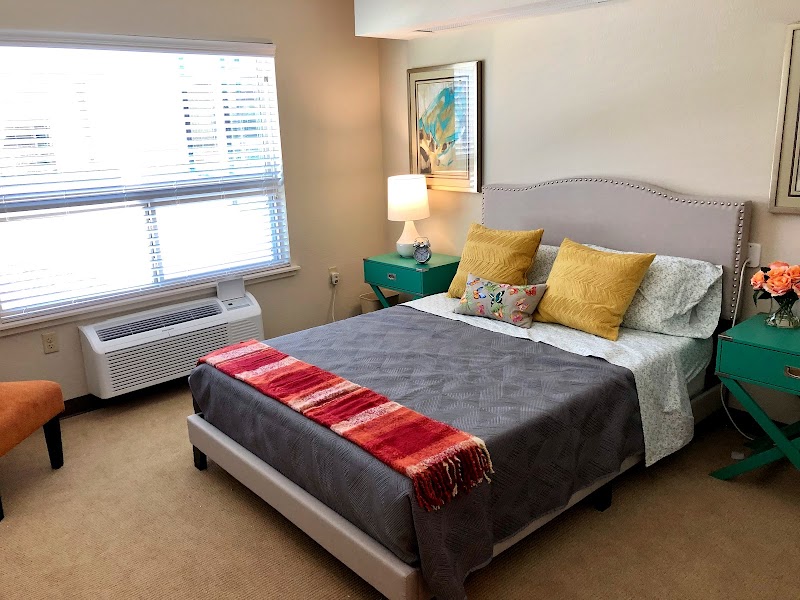
How Does Las Brisas Rehabilitation And Wellness Suites Compare to Other Texas Nursing Homes?

Compared to the 100 nursing homes in Texas, LAS BRISAS REHABILITATION AND WELLNESS SUITES's overall rating (3 stars) is above the state average of 2.8, staff turnover (70%) is significantly higher than the state average of 46%, and health inspection rating (3 stars) is at the national benchmark.

What Should Families Ask When Visiting Las Brisas Rehabilitation And Wellness Suites?

Based on this facility's data, families visiting should ask: "What changes have been made since the serious inspection findings, and how are you preventing similar issues?" "How do you ensure continuity of care given staff turnover, and what is your staff retention strategy?" "Can you walk me through typical staffing levels on day, evening, and night shifts?" "Can I visit during a mealtime to observe dining assistance and food quality?" These questions are particularly relevant given the facility's Immediate Jeopardy citations, the facility's high staff turnover rate, and the below-average staffing rating.

Is Las Brisas Rehabilitation And Wellness Suites Safe?

Based on CMS inspection data, LAS BRISAS REHABILITATION AND WELLNESS SUITES has documented safety concerns. Inspectors have issued 3 Immediate Jeopardy citations (the most serious violation level indicating risk of serious injury or death). The facility has a 3-star overall rating and ranks #1 of 100 nursing homes in Texas. Families considering this facility should ask detailed questions about what corrective actions have been taken since these incidents.

Do Nurses at Las Brisas Rehabilitation And Wellness Suites Stick Around?

Staff turnover at LAS BRISAS REHABILITATION AND WELLNESS SUITES is high. At 70%, the facility is 23 percentage points above the Texas average of 46%. Registered Nurse turnover is particularly concerning at 62%. RNs handle complex medical decisions and coordinate care — frequent RN changes can directly impact care quality. High turnover means new staff may not know residents' individual needs, medications, or preferences. It can also be disorienting for residents, especially those with dementia who rely on familiar faces. Families should ask: What is causing the turnover? What retention programs are in place? How do you ensure care continuity during staff transitions?

Was Las Brisas Rehabilitation And Wellness Suites Ever Fined?

LAS BRISAS REHABILITATION AND WELLNESS SUITES has been fined $33,867 across 3 penalty actions. The Texas average is $33,418. While any fine indicates a compliance issue, fines under $50,000 are relatively common and typically reflect isolated problems that were subsequently corrected. Families should ask what specific issues led to these fines and confirm they've been resolved.

Is Las Brisas Rehabilitation And Wellness Suites on Any Federal Watch List?

LAS BRISAS REHABILITATION AND WELLNESS SUITES is not on any federal watch list. The most significant is the Special Focus Facility (SFF) program, which identifies the bottom 1% of nursing homes nationally based on persistent, serious quality problems. Not being on this list means the facility has avoided the pattern of deficiencies that triggers enhanced federal oversight. This is a positive indicator, though families should still review the facility's inspection history directly.