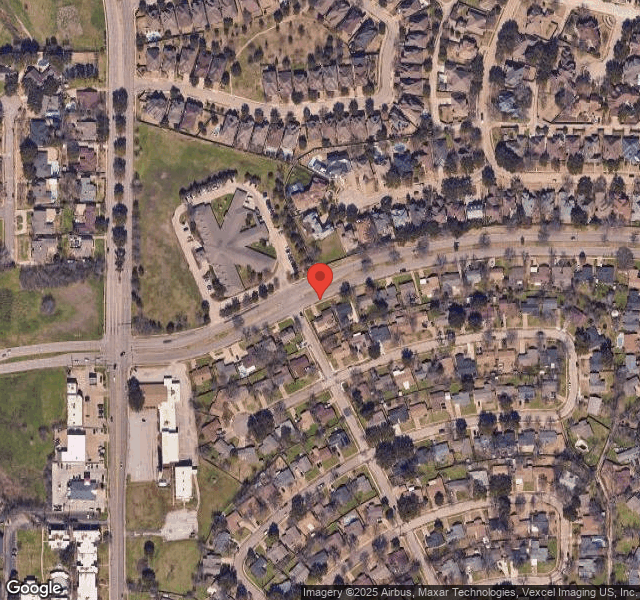
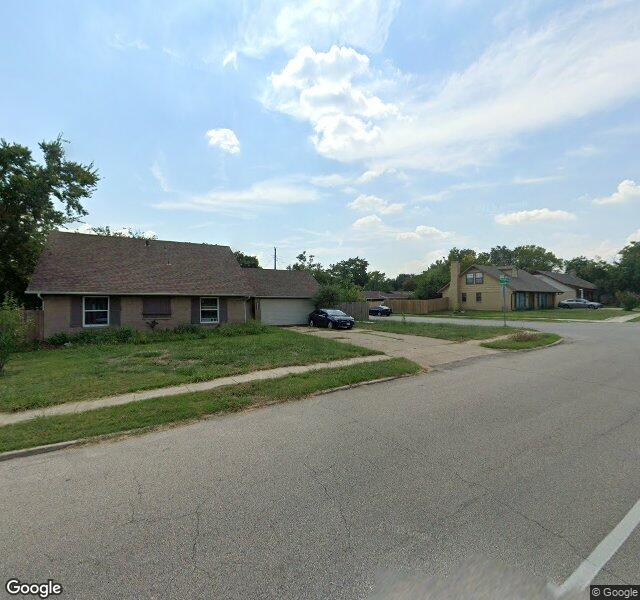
NORTHGATE PLAZA

2101 NORTHGATE DR, IRVING, TX 75062 (972) 255-4460
For profit - Corporation 120 Beds THE ENSIGN GROUP Data: November 2025 1 Immediate Jeopardy citation
Trust Grade
3/100
#1053 of 1168 in TX
Last Inspection: December 2024

Within standard 12-15 month inspection cycle. Federal law requires annual inspections.

Overview

Northgate Plaza in Irving, Texas, has received a Trust Grade of F, indicating significant concerns and a poor overall performance. With a state rank of #1053 out of 1168, they are in the bottom half of Texas facilities, and they rank #77 out of 83 in Dallas County, meaning there are very few local options that are worse. Although the facility is showing improvement, with issues decreasing from 18 in 2024 to 7 in 2025, the high staff turnover rate of 84% is concerning, especially compared to the Texas average of 50%. The nursing home has also incurred fines totaling $80,742, which is higher than 77% of other Texas facilities. While they have good RN coverage, which is more than 94% of state facilities, there are critical incidents that raise alarm, such as failing to properly manage a resident's infection, resulting in severe health consequences and even death, as well as not consistently providing scheduled pain medications for a resident, which could significantly impact their quality of life. Overall, while there are some strengths, the weaknesses and serious incidents are significant factors to consider for families researching this nursing home.

Trust Score
F
3/100
In Texas
#1053/1168
Bottom 10%
Safety Record
High Risk
Review needed
Inspections
Getting Better
18 → 7 violations
Staff Stability
⚠ Watch
84% turnover. Very high, 36 points above average. Constant new faces learning your loved one's needs.
Penalties
○ Average
$80,742 in fines. Higher than 60% of Texas facilities. Some compliance issues.
Skilled Nurses
○ Average
Each resident gets 40 minutes of Registered Nurse (RN) attention daily — about average for Texas. RNs are the most trained staff who monitor for health changes.
Violations
⚠ Watch
58 deficiencies on record. Higher than average. Multiple issues found across inspections.
★☆☆☆☆
1.0
Overall Rating
★★☆☆☆
2.0
Staff Levels
★★★☆☆
3.0
Care Quality
★☆☆☆☆
1.0
Inspection Score
Stable
2024: 18 issues
2025: 7 issues

The Good

  • Full Sprinkler Coverage · Fire safety systems throughout facility
  • No fines on record

Facility shows strength in fire safety.

The Bad

1-Star Overall Rating

Below Texas average (2.8)

Significant quality concerns identified by CMS

Staff Turnover: 84%

38pts above Texas avg (46%)

Frequent staff changes - ask about care continuity

Federal Fines: $80,742

Well above median ($33,413)

Moderate penalties - review what triggered them

Chain: THE ENSIGN GROUP

Part of a multi-facility chain

Ask about local staffing decisions and management

Staff turnover is very high (84%)

36 points above Texas average of 48%

The Ugly 58 deficiencies on record

1 life-threatening 1 actual harm
Aug 2025 1 deficiency
CONCERN (D) 📢 Someone Reported This

A family member, employee, or ombudsman was alarmed enough to file a formal complaint

Potential for Harm - no one hurt, but risky conditions existed

Accident Prevention (Tag F0689)

Could have caused harm · This affected 1 resident

**NOTE- TERMS IN BRACKETS HAVE BEEN EDITED TO PROTECT CONFIDENTIALITY** Based on observations, interviews, and record reviews, the facility failed to ensure residents received adequate supervision and...

Read full inspector narrative →
**NOTE- TERMS IN BRACKETS HAVE BEEN EDITED TO PROTECT CONFIDENTIALITY** Based on observations, interviews, and record reviews, the facility failed to ensure residents received adequate supervision and assistance devices to prevent accidents for one (Resident #1) of eight residents reviewed for accidents.The facility failed to ensure Resident #1, assessed as high fall risk, had a floor mat in place while in bed upon observation on 08/07/2025 at 10:53 AM and 11:43 AM. This failure could place residents at risk of injury, resulting in a decreased quality of life.Findings included:In record review of Resident #1's Face Sheet dated 08/07/2025 revealed he was a [AGE] year-old admitted from an acute care hospital on [DATE]. Relevant diagnoses included traumatic brain injury (outside force/injury to the brain,) major depressive disorder (persistent feeling of sadness and loss of interest,) and repeated falls. In record review of Resident #1's Quarterly MDS dated [DATE] revealed he was moderately impaired cognitively with a BIMS score of 08. Resident #1 required substantial/maximal staff assistance with shower/bathing and personal hygiene. He was frequently incontinent of bladder and always incontinent of bowel. In record review of Resident #1's Fall Risk Evaluation dated 07/28/2025 revealed he was assessed as a high fall risk. In record review of Resident #1's Physician Orders on 08/07/2025 at 11:47 AM revealed no evidence of a physician order for a fall mat. In record review of Resident #1 Comprehensive Care Plan dated 08/07/2025 revealed he had an alteration in neurological status related to traumatic brain injury (outside force/injury to brain;) he required cueing and reorientation as needed. Additionally, he had unwitnessed falls on 05/21/2025, 06/18/2025, 06/20/2025, 06/29/2025, 07/10/2025, and 07/28/2025; he required:-Floor mat while in bed- Encouragement to use his call light-Therapy, fall prevention and safety awareness-Physical therapy evaluation and treatment-Speech therapy evaluation and treatment-Medication Review-Ensure resident has proper footwear and nonskid socks In observation of Resident #1 on 08/07/2025 at 10:53 AM and 11:43 AM he was resting in his bed. No fall mat was present upon observation. An attempt to interview Resident #1's on 08/07/2025 at 10:53 AM and 11:43 AM was unsuccessful due to his cognitive abilities. In interview with CNA S on 08/07/2025 at 11:43 AM, she stated there was not a fall mat in his room and she was not sure if he was required to have one. CNA S was given the opportunity to review her charting system and did not see any instructions for Resident #1 to have a fall mat. She stated the purpose of a fall mat was to reduce injury in the event of a fall, but she would check with the nurse if Resident #1 needed one. In interview with Resident #1's Nurse Practitioner and Provider on 08/07/2025 at 11:39 AM, she stated that a fall mat would be appropriate and expected to reduce injury for Resident #1. She stated she was aware of his frequent falls and would expect the facility to do all they could to reduce injury for Resident #1 for safety purposes. In interview with facility's DON on 08/07/2025 at 1:12 PM, she stated Resident #1 should have a fall mat at the bedside while he was in bed. She stated he had frequent falls, and a fall mat was an intervention to protect his safety. She stated while it was everyone's job to ensure Resident#1 had a fall mat at the bedside, it was her responsibility to ensure it was there. In interview with facility's Administrator on 08/07/2025 at 1:47 PM, she stated her expectations were for any residents that need fall precautions have them in place. She stated fall mats for residents reduce injury and she expected the DON to ensure this was completed. In record review of facility policy, Fall Management System, rev 12/2023 revealed 2. Residents with high risk factors identified on the Fall Risk Evaluation will have an individualized care plan developed that includes measurable objectives and timeframes. a. The care plan interventions will be developed to prevent falls by addressing the risk factors and will consider the particular elements of the evaluation that put the resident at risk.
May 2025 3 deficiencies
CONCERN (D) 📢 Someone Reported This

A family member, employee, or ombudsman was alarmed enough to file a formal complaint

Potential for Harm - no one hurt, but risky conditions existed

Accident Prevention (Tag F0689)

Could have caused harm · This affected 1 resident

**NOTE- TERMS IN BRACKETS HAVE BEEN EDITED TO PROTECT CONFIDENTIALITY** Based on observations, interviews, and record reviews, the facility failed to ensure that residents' environment remained as fre...

Read full inspector narrative →
**NOTE- TERMS IN BRACKETS HAVE BEEN EDITED TO PROTECT CONFIDENTIALITY** Based on observations, interviews, and record reviews, the facility failed to ensure that residents' environment remained as free of accident hazards as was possible for 1 of 6 residents (Resident #4) reviewed for accident prevention. The facility failed to ensure Resident #4 had a fall mat placed alongside her bed while she was lying in it on 05/14/25. This failure could prevent the residents from having an environment that was free and clear of accident hazards. Findings include: Record review of Resident #4's Face Sheet, dated 05/14/25, reflected she was a [AGE] year-old female admitted on [DATE]. Relevant diagnoses included history of falls, and unsteadiness on feet. Record review of Resident #4's Quarterly MDS assessment, dated 02/06/25, reflected she had a BIMS score of 00 (severe cognitive impairment). For ADL care, it reflected the resident required substantial assistance. Record review of Resident #4's Comprehensive Care Plan, dated 04/08/25, reflected the resident had a hip fracture from a fall and one intervention was for the resident to have a floor mat alongside the bed. In an observation on 05/14/25 at 9:15 AM, Resident #6 was observed lying in bed, the bed was in a low position, but the fall mat was observed under the resident's bed. In an interview and observation on 05/14/25 at 9:20 AM, LVN M was shown Resident #4 lying in bed, and her fall mat located under her bed as opposed to being alongside her bed. She stated the resident was a fall risk and it was required for her bed to be in a low position and a fall mat placed alongside her bed for fall prevention. She stated she checked on residents at least every 2 hours. She stated the CNA may have fed her and forgotten to place the fall mat back in place. She stated the fall mat not being placed alongside the resident's bed could result in her falling from her bed and injuring herself. In an interview on 05/14/25 at 11:20 AM, the DON was advised of Resident #4's fall mat not being placed alongside the resident's bed. She stated the resident was a fall risk and her bed needed to be in a low position and the fall mat alongside her bed. She stated not having the fall mat placed alongside the resident's bed could result in her falling out of bed and injuring herself. She stated staff makes their rounds at least every two hours and staff should be checking to ensure her environment was free of accident hazards. Record review of the facility's policy Fall Management (12/2023) reflected It is the policy of this facility to provide an environment that remains as free of accident hazards as possible. It is also the policy of this facility to provide each resident with appropriate assessment and interventions to prevent falls and to minimize complications if a fall occurs.
CONCERN (E) 📢 Someone Reported This

A family member, employee, or ombudsman was alarmed enough to file a formal complaint

Potential for Harm - no one hurt, but risky conditions existed

Deficiency F0558 (Tag F0558)

Could have caused harm · This affected multiple residents

**NOTE- TERMS IN BRACKETS HAVE BEEN EDITED TO PROTECT CONFIDENTIALITY** Based on observations, interviews, and record review, the facility failed to ensure the right to reside and receive services in ...

Read full inspector narrative →
**NOTE- TERMS IN BRACKETS HAVE BEEN EDITED TO PROTECT CONFIDENTIALITY** Based on observations, interviews, and record review, the facility failed to ensure the right to reside and receive services in the facility with reasonable accommodation of resident needs and preferences for three (Resident #1, Resident #2, and Resident #3) of six residents reviewed for Reasonable Accommodation of Needs. The facility failed to ensure the call light system in Resident #1, Resident #2, and Resident #3's rooms was in a position that was accessible to the residents on 05/14/2025. This failure could place the residents at risk of being unable to obtain assistance when needed and help in the event of an emergency. Findings included: 1. Record review of Resident #1's Face Sheet, dated 05/14/25, reflected he was a [AGE] year-old male admitted on [DATE]. Relevant diagnoses included repeated falls, and seizures. Record review of Resident #1's Quarterly MDS assessment, dated 02/11/25, reflected he had a BIMS score of 00 (severe cognitive impairment). For ADL care, it reflected the resident required extensive assistance. Record review of Resident #1's Comprehensive Care Plan, dated 03/17/2025, reflected the resident was a fall risk and one of the interventions was to ensure the resident's call light was within reach. In an observation on 05/14/25 at 7:55 AM, Resident #1 was observed lying in his bed and his call light button was on the floor, out of reach for the resident. In an interview and observation on 05/14/25 at 8:10 AM, CNA S stated she checked on residents frequently, and was just in Resident #1's room about 30 minutes ago. She observed the resident's call light button on the ground and stated she had fed the resident and may have forgotten to place the call light back near the resident. She stated not having the call light button within reach of the resident, could prevent the resident from requesting help if he needed it. 2. Record review of Resident #2's Face Sheet, dated 05/14/25, reflected she was an [AGE] year-old female admitted on [DATE]. Relevant diagnoses included repeated falls, and unsteadiness on feet. Record review of Resident #2's Quarterly MDS assessment, dated 02/22/25, reflected she had a BIMS score of 14 (intact cognitive response). For ADL care, it reflected the resident required substantial assistance. Record review of Resident #2's Comprehensive Care Plan, dated 04/24/25, reflected the resident had a history of falls and one of the interventions was to ensure the resident's call light was within reach. In an observation on 05/14/25 at 8:01 AM, Resident #2 was observed lying in bed and her call light button was on the floor near a 3-drawer chest, next to her bed. The call light button was out of reach for the resident. In an interview and observation on 05/14/25 at 8:15 AM, CNA M stated she checked on Resident #2 in the morning. She observed the resident's call light button on the ground and picked it up to place it near the resident. Resident #2 stated she needed the call light button near her because she used it to get help getting up after she ate. CNA M stated not having the call light button within reach of the resident, could prevent the resident from requesting help if he needed it. 3. Record review of Resident #3's Face Sheet, dated 05/14/25, reflected he was a [AGE] year-old male admitted on [DATE]. Relevant diagnoses included chronic respiratory failure (low oxygen), and unsteadiness on feet. Record review of Resident #3's Quarterly MDS assessment, dated 04/24/25, reflected he had a BIMS score of 11 (moderate cognitive impairment). For ADL care, it reflected the resident required extensive assistance. Record review of Resident #3's Comprehensive Care Plan, dated 03/27/25, reflected the resident was a risk for falls and to ensure the resident's call light was within reach. In an observation and interview on 05/14/25 at 8:04 AM, Resident #3 was observed lying in bed, and his call light pad was clipped at the top of the mattress. Resident #3 was asked if he knew where his call light was located, and he stated he did not know where the call light was and asked if it could be handed to him. The call light pad was out of reach for the resident's use. In an interview and observation on 05/14/25 at 8:20 AM, LVN T stated she was the nurse for the 100 and 200 halls. She was advised and shown a photo of Resident#1 and Resident #2's call light button being on the floor and out of reach for the residents. She stated the call light needed to be in reach of the resident so that they would be able to contact staff if they needed help. In an interview on 05/14/25 at 12:00 PM, the DON stated she was made aware of Resident #1, Resident #2, and Resident #3 not having their call lights within reach. She stated staff make their rounds at least every two hours and they have to ensure the resident's call lights were within their reach. She advised she was in-servicing staff on 05/14/25 on ensuring call lights are within reach of the residents. Record review of the facility's In-service training on Call Lights (11/2019), revealed Call lights: types, what is in reach & why is in reach important? In reach means the resident is able to reach the call light, without assistance from anyone else . If the resident requires a touch pad, please secure this CLOSE TO THEIR HAND. If resident has hands on chest, then lay the pad on the chest. If arm is beside the body, then lay the pad CLOSE TO THEIR HAND. The HEAD OF THE BED IS NOT AN APPROPRIATE LOCATION FOR ATTACHING A CALL LIGHT. The facility did not have a policy referencing call lights.
CONCERN (E) 📢 Someone Reported This

A family member, employee, or ombudsman was alarmed enough to file a formal complaint

Potential for Harm - no one hurt, but risky conditions existed

Deficiency F0604 (Tag F0604)

Could have caused harm · This affected multiple residents

**NOTE- TERMS IN BRACKETS HAVE BEEN EDITED TO PROTECT CONFIDENTIALITY** Based on observations, interviews, and record reviews, the facility failed to ensure that residents' were free from physical or ...

Read full inspector narrative →
**NOTE- TERMS IN BRACKETS HAVE BEEN EDITED TO PROTECT CONFIDENTIALITY** Based on observations, interviews, and record reviews, the facility failed to ensure that residents' were free from physical or chemical restraints imposed for purposes of discipline or convenience and that were not required to treat the resident's medical symptoms 3 of 6 residents (Residents #1, #5, and #6) reviewed for physical restraints. The facility failed to ensure Residents #1, #5, and #6 had physician orders for the scoop mattresses on their beds. This failure could prevent the residents from having an environment that was free from physical restraints. Findings include: 1. Record review of Resident #1's Face Sheet, dated 05/14/25, reflected he was a [AGE] year-old male admitted on [DATE]. Relevant diagnoses included repeated falls, and seizures. Record review of Resident #1's Quarterly MDS assessment, dated 02/11/25, reflected he had a BIMS score of 00 (severe cognitive impairment). For ADL care, it reflected the resident required extensive assistance. Record review of Resident #1's physician orders, dated 05/14/25, reflected no physician orders for a scoop mattress. In an observation on 05/14/25 at 7:55 AM, Resident #1 was observed lying on a scoop mattress. 2. Record review of Resident #5's Face Sheet, dated 05/14/25, reflected he was a [AGE] year-old male admitted on [DATE]. Relevant diagnoses included repeated falls, and unsteadiness on feet. Record review of Resident #5's Quarterly MDS assessment, dated 04/10/25, reflected he had a BIMS score of 00 (severe cognitive impairment). For ADL care, it reflected the resident required substantial assistance. Record review of Resident #5's physician orders, dated 05/14/25, reflected no physician orders for a scoop mattress. In an observation on 05/14/25 at 7:58 AM, Resident #5 was observed lying on a scoop mattress. 3. Record review of Resident #6's Face Sheet, dated 05/14/25, reflected he was a [AGE] year-old male admitted on [DATE]. Relevant diagnoses included muscle weakness, and unsteadiness on feet. Record review of Resident #6's Quarterly MDS assessment, dated 04/25/25, reflected he had a BIMS score of 10 (moderate cognitive impairment). For ADL care, it reflected the resident required substantial assistance with some ADL care. Record review of Resident #6's physician orders, dated 05/14/25, reflected no physician orders for a scoop mattress. In an observation on 05/14/25 at 9:48 AM, Resident #6 was observed with a scoop mattress. In an interview and observation on 05/14/25 at 11:30 AM, the ADON observed Resident #1, Resident #5, and Resident #6's beds, and she confirmed that all of the residents mentioned had a scoop mattress. She stated she was not sure if they had physician orders for the scoop mattress but would check. After checking each resident, she stated none of them had physician orders for the scoop mattresses. She stated physician orders were needed to ensure that they were not a restraint for the residents. She stated the residents were a fall risk and needed the scoop mattress to prevent falls. In an interview on 05/14/25 at 11:20 AM, the DON stated her ADON had informed her that Resident #1, Resident #5, and Resident #6 had scoop mattresses but no physician orders on file. She stated they needed physician orders to ensure that the scoop mattress was not a restraint for the residents. She stated the residents were considered a fall risk and they were working on obtaining physician orders for the scoop mattresses. Record review of the facility's policy Restraints (05/05/23) reflected The resident has the right to be free from any physical or chemical restraints imposed for purposes of discipline or convenience, and not required to treat the resident's medical symptoms.
Mar 2025 3 deficiencies 1 IJ (1 affecting multiple)
CRITICAL (K) 📢 Someone Reported This

A family member, employee, or ombudsman was alarmed enough to file a formal complaint

Immediate Jeopardy (IJ) - the most serious Medicare violation

Quality of Care (Tag F0684)

Someone could have died · This affected multiple residents

**NOTE- TERMS IN BRACKETS HAVE BEEN EDITED TO PROTECT CONFIDENTIALITY** Based on interview and record review, the facility failed to ensure the residents received treatment and care in accordance with...

Read full inspector narrative →
**NOTE- TERMS IN BRACKETS HAVE BEEN EDITED TO PROTECT CONFIDENTIALITY** Based on interview and record review, the facility failed to ensure the residents received treatment and care in accordance with professional standards of practice, the comprehensive person-centered care plan, and the residents' choices for 1 (Resident #1) of 6 residents reviewed for quality of care. -The facility failed to follow the Infectious Disease NP recommendation given on [DATE] to transfer Resident #1 to the hospital after the resident exhibited s/sx of an infection that included increased confusion, lethargy, hypotension (low blood pressure), and lab work that was positive for leukocytosis (elevated white blood cells). Resident #1 continued to be symptomatic and was not sent out to the hospital until [DATE] where he was diagnosed with acute metabolic encephalopathy (impaired brain function) due to sepsis (infection in bloodstream), UTI (infection of urinary system), aspiration pneumonia (lung infection) and infected decubitus ulcer (pressure ulcer). Resident #1 expired at a local hospital on [DATE]. An Immediate Jeopardy (IJ) was identified on [DATE] at 03:56 PM and an IJ Template was provided to the Operations Manager at 05:38 PM. While the Operations Manager and Clinical Resource were notified that the IJ was removed on [DATE] at 3:36 PM, the facility remained out of compliance at a scope of isolated with the severity level of no actual harm with potential for more than minimal harm that was not immediate jeopardy due to the facility's need to evaluate the effectiveness of the corrective systems. This failure could place all residents requiring assistance with incontinence care at risk for urinary tract infections that could lead to serious harm or death. Findings included : Record review of Resident #1's face sheet, dated [DATE], reflected the resident was an [AGE] year-old male who admitted to the facility on [DATE] and discharged on [DATE] with diagnoses that included: type II diabetes (body's inability to control blood glucose), hypotension (low blood pressure), dementia (loss of memory and thinking abilities), pressure ulcers, hx of urinary tract infection, hx of bacterial infection, hx of fracture of vertebrae (back fracture), and acute kidney failure. Record review of Resident #1's Nursing Home PPS MDS Assessment, dated [DATE], reflected Resident #1 had a BIMS score of 5, which indicated severe cognitive impairment. This document also reflected, under Section GG - Functional Abilities, Resident #1 was totally dependent on staff for toileting hygiene. Further review of the document reflected, under Section H-Bladder and Bowel, Resident #1 always had urinary incontinence. Record review of Resident #1's Care Plan, revised on [DATE], reflected the resident had a hx of UTIs and was on PO ABX prophylactically (as a preventative measure) indefinitely. Interventions included: Check for incontinence. Wash, rinse and dry soiled areas. Encourage adequate fluid intake. Give antibiotic therapy as ordered. Monitor and document for side effect and effectiveness. The care plan also reflected Resident #1 had bowel/bladder incontinence r/t confusion and impaired mobility. Interventions included: Incontinent: Check as required for incontinence. Wash, rinse, and dry perineum. Change clothing PRN after incontinence episodes. Monitor, document for s/sx of UTI: pain, burning, blood-tinged urine, cloudiness, no output, deepening of urine color, increased pulse, increased temp, urinary frequency, fouls smelling urine, fever, chills, altered mental status, change in behavior, change in eating patterns. Further review of this document reflected Resident #1 had the potential for pressure ulcer development r/t impaired mobility and incontinence. Interventions included: Monitor nutritional status. Serve diet as ordered, monitor intake and record. Notify nurse immediately of any new areas of skin breakdown: redness, blisters, bruises, discoloration noted during bath or daily care. Use lifting device, draw sheet, etc. to reduce friction. Weekly head to toe skin at risk assessment. Record review of Resident #1's progress notes, dated [DATE] at 9:00 AM by the FNP, reflected the following: . Increased confusion ***History of Present Illness*** [Resident #1], [AGE] year-old male long-term care resident of the facility, is being seen today for an acute visit due to increased confusion, as reported by nursing staff. The [Resident #1's], family noted that he appeared increasingly confused over the weekend. [Resident #1] is currently on prophylactic Macrobid due to recurrent UTls. On examination today, the [Resident #1] is sitting upright in a wheelchair in his room, in no acute distress. [Resident #1] reports he is doing well and appears at baseline mentation; however, he appears more tired than his baseline. Given the change in symptoms and family's concerns, CBC, BMP, and UA will be obtained to rule out acute infection. The patient denies any current UTI symptoms and any other clinical concerns today. Previously, [Resident #1] was hospitalized from [DATE] to [DATE], due to altered mental status secondary to UTI. He returned to the facility at baseline mentation. On [DATE], during his ER follow-up visit for UTI, he was noted to be at baseline mentation and able to recall his recent hospital stay. Prior to this, on [DATE], he was seen for UTI and was treated with cefdinir Record review of Resident #1's progress notes, dated [DATE] at 10:00 AM by the FNP, reflected the following: leukocytosis (elevated white blood cells) and suspected UT [sic] ***History of Present Illness*** [Resident #1], an [AGE] year-old male long-term 'care resident of the facility with a history of dementia and recurrent UTls, is being seen today for an acute visit due to leukocytosis and suspected UTI. CBC and BMP this morning revealed leukocytosis, with a white blood cell count of 11.6 per nursing. Nursing is continuing to attempt to obtain a UA; a straight cath was attempted but was unable to obtain urine. The [Resident #1] reports they will try again today. Nursing also reports the [Resident #1] was noted with increased confusion yesterday and asked where he was, which is not his baseline mentation. On examination, the patient was seen in the dining hall in no acute distress. He reports he is doing well and denies any UTI symptoms or any clinical concerns today. Previously, on [DATE], the [Resident #1] was seen for increased confusion, and labs were ordered to rule out acute causes of altered mental status. On [DATE], he was seen for possible shingles, and acyclovir (antiviral) and prednisone (steroid) were initiated for unilateral (one-sided) red blisters on the right mid back. On [DATE], [Resident #1] was seen for an ER follow-up for a UTI, during which he was noted to be at his baseline mentation and able to recall his recent hospital stay after being admitted for acute encephalopathy secondary to UTI. . ***Lab Results*** 10/31: -- MAC (bacterium) Yes 10/31: --- [NAME] (type of WBC) >100,000 02/24: CBC pending 02/25: --- WBC 11.6 ; Range: 3.6-11.2 02/24: --- CBC pending 02/24: UA pending 02/24:-- UA pending 02/24: BMP pending 02/24: --- BMP pending * N39.0 - URINARY TRACT INFECTION, SITE NOT SPECIFIED *: The [Resident #1] presents today with leukocytosis (WBC 11.6) and suspected UTI. Nursing is continuing to attempt to obtain UA. Straight cath was attempted; however, unable to obtain urine. Will initiate cefdinir (abx)300 mg twice daily x 7 days with orders to initiate antibiotic after obtaining UA. * D72.829 - Elevated white blood cell count, unspecified *: CBC this morning revealed elevated WBC count of 11.6. Will monitor and trend with follow up labs. * R41.0 - Disorientation, unspecified *: The [Resident #1] was noted with increased confusion yesterday and asked where he was, which is not his baseline mentation. Given the change in symptoms, further evaluation is warranted to rule out acute causes of altered mental status Record review of Resident #1's lab result report, dated [DATE], reflected in part the following: Collection Date: [DATE] Received Date: [DATE] Reported Date: [DATE] Basic Metabolic Panel: Glucose-Results: 117; Range 65-110 . CBC: WBC-Results: 11.6, Range: 3.6-11.2 RBC-Results: 3.3; Range 3.7-5.5 . Record review of Resident #1's MAR, dated 02/2025, reflected in part the following: -Cefdinir (abx) 300 mg; give 1 capsule by mouth two times a day for UTI for 7 days, may initiate antibiotic after obtaining UA. Order Date: [DATE] Medication administered: [DATE] (am/pm), [DATE] (am/pm), and [DATE] (am) Discontinue Date: [DATE] Record review of Resident #1's progress notes, dated [DATE] at 2:42 PM by the Infectious Disease NP, reflected the following: . ASSESSMENT AND PLAN; 1; [Resident #1] with acute cystitis (UTI). Urinalysis has been collected, results are pending. Slight leukocytosis. Treated with Cefdinir 300 mg q.12 hours x 7 days. We will watch for antibiotic-related side effects including C. diff (bacteria in colon) and nephrotoxicity (toxicity in the kidneys). We will follow clinical course and culture results. 2; [Resident #1] has diabetes with secondary complications. Further treatment per attending physician. 3; History of generalized muscle weakness. [Resident #1] is wheelchair bound. HPI: [Resident #1] is an [AGE] year-old gentleman, who has a history of multiple medical problems seen for evaluation. [Resident #1] was sitting in a wheelchair not able to give any reliable history. Past medical history as mentioned above. [Resident #1] is seen status post hospital stay due to altered mental status and lethargy. [Resident #1] was seen at [local hospital] and found to have 3rd degree heart block. [Resident #1] underwent a permanent pacemaker placement. [Resident #1] also found to have some pneumonia. [Resident #1] was discharged back to facility on po Levaquin (abx). . Record review of Resident #1's lab result report, dated [DATE], reflected in part the following: Collection Date: [DATE] Received Date: [DATE] Reported Date: [DATE] Urinalysis: Protein -Result: 30 (kidneys were not filtering blood properly); Range: Negative (flagged) Urine Culture: Organism: pseudomonas (bacteria that causes infection) . Record review of Resident #1's progress notes, dated [DATE] at 4:52 PM by the Infectious Disease NP, reflected the following: ASSESSMENT AND PLAN; 1; [Resident #1] with leukocytosis. Urinalysis on 02-26 unremarkable (no signs of infection). [Resident #1] was treated with Cefdinir 300 mg q.12 hours x 7 days however staff reported [Resident #1] had increased heart rate and hypotension. Recommendation for [Resident #1] to be seen in emergency department was made however [Resident #1] was not sent. Started IV Zosyn (abx) 3.375 g q.8 hours x 5 days. Stat CBC, BMP and chest x-ray ordered. We will follow clinical course and watch for antibiotic-related side effects including C. diff and nephrotoxicity. 2; [Resident #1] has diabetes with secondary complications. Further treatment per attending physician. 3; History of generalized muscle weakness. [Resident #1] is wheelchair bound . Record review of Resident #1's lab result report, dated [DATE], reflected in part the following: Collection Date: [DATE] Received Date: [DATE] Reported Date: [DATE] Basic Metabolic Panel: Glucose-Results: 117; Range 65-110 . CBC: WBC-Results: 8.9, Range: 3.6-11.2 RBC-Results: 3.1; Range 3.7-5.5 . Record Review of Resident #1's progress notes, [DATE]-[DATE], reflected there was not a note documenting why the resident was not sent out to the hospital as recommended by the Infectious Disease NP, or the conversation had between the former DON and the MD. Record review of Resident #1's progress notes, dated [DATE] at 5:46 PM by RN C, reflected the following: [Resident #1] vital signs were monitored, there were no signs of distress noted. Resting in bed. Record review of Resident #1's progress notes, dated [DATE] at 1:35 PM by RN B, reflected the following: [Resident #1] is alert and oriented *2 [sic] (awake and aware of identity and location but may not be aware of the time or current situation), slight confusion noted. [Resident #1] vital signs monitored and was BP 102/60 pulse 85b/min spo2 of 95 % in o2 21/min and RR 17 b/min and temp 98.7 [degrees] f. Stat CBC, CMP and chest Xray report was reviewed and notified [Infectious Disease NP] and MD about report. Resident antibiotic cefdinir and IV Zosyn (abx) was discontinued by [Infectious Disease NP], which was started because of leukocytosis and [Resident #1] WBC came normal. [Resident #1] kept on semi-Fowlers (medical posture where a patient lies on their back with their head and upper body raised 30-45 degrees) position to ease breathing. [Resident #1] was encouraged for fluid intake and timely fluid was given. [Resident #1] kept under close monitor for any change in his behavior and his condition. Ongoing plan of care. Will continue to monitor. Record review of Resident #1's progress notes, dated [DATE] at 5:40 PM by RN A, reflected the following: [Resident #1] was alert and oriented. spo2 was 95% maintained in o2 @ 2 I/m via nasal cannula. [Resident #1] was in semi-Fowlers position. [Resident #1] has no discomfort and pain. [Resident #1] safety was maintained. discontinue CEFDIFIR AND iv ANTIBIOTICS as normal WBC in recent report. Record review of Resident #1's progress notes, dated [DATE] at 5:58 AM by RN B, reflected the following: [Resident #1] is confused and drowsy confusion. [Resident #1] vital signs monitored and was BP 100/58 pulse 75b/min spo2 of 97 % in o2 2 I/min and RR 20 b/min and temp 98. 7 [degrees] f. [Resident #1] kept on semi-Fowlers position to ease breathing. [Resident #1] was encouraged for fluid intake and timely fluid was given. Resident kept under close monitor for any change in his behavior and his condition. Ongoing plan of care. Will continue to monitor. Record review of Resident #1's progress notes, dated [DATE] at 9:18 AM by RN A, reflected the following: [Resident #1] is confused and drowsy. [Resident #1] was not responded [sic] to verbal command properly. [Resident #1] vital signs monitored and was BP 109/55 pulse 73b/min spo2 of 95 % in o2 2 I/min and RR 20 b/min and temp 98.7 f. [Resident #1] kept on semi-Fowlers position to ease breathing. resident seems dehydrated and lethargic. [Resident #1] was encouraged for fluid intake, but he was not responding. [Resident #1] has changed in his behavior from last night. inform to [former DON] and [MD]. [Resident #1] [family] was witness for all [Resident #1] condition. [Resident #1] transported to [local hospital] at 7:35 am. Record review of Resident #1's hospital records, dated [DATE], reflected in part the following: [AGE] year-old male with past medical hx of dementia, chronic a fibrillation, type II diabetes, hypertension, pacemaker for third degree block, HLD, CVA, long term resident at [Nursing Facility] was sent to ER for altered mental status. [Resident #1] poor historian and dementia, unable to obtain HPI. [Resident #1] [family] was at bedside and reported that for past one week he has been getting weaker and getting more lethargic. [Family] reported to nursing staff the change in his status. Today [Resident #1] was not responding to nursing staff and found to have low blood pressure with fever so was sent via EMS. . Significant Findings/Diagnostic Studies: -admitted for acute metabolic encephalopathy due to sepsis -Workup showed UTI aspiration pneumonia and infected decubitus ulcer . -Urine culture growing Pseudomonas -Blood culture Bacteroides (nitrogen-fixing bacterium) -Tissue culture showed multiple organisms -Received IV antibiotics -Palliative care evaluated [Resident #1] because of advanced dementia and poor prognosis. [Family] wanted hospice . Further review of this document reflected it did not indicate which infection, the UTI or infected decubitus ulcer, caused Resident #1 to become septic. Record review of Resident #1's order summary report, dated [DATE], reflected in part the following: -Lactobacillus rhamnosus (probiotic used for gut health) oral capsule; Give 1 capsule by mouth one time a day for restore normal flora Order Date: [DATE] End Date: [DATE] -Macrobid oral capsule 100 MG; Give 1 capsule by mouth one time a day for UTI prophylaxis Order Date: [DATE] End Date: [DATE] -Cefdinir Capsule 300 MG: Give 1 capsule by mouth two times a day for UTI for 7 days Order Date: [DATE] End Date: [DATE] In an interview on [DATE] at 9:25 AM, Resident #1's family stated the resident resided at the nursing facility for about 4 years and there were concerns with the care throughout the stay; however, the resident wanted to remain there. The family stated different family members visited Resident #1 almost daily and were active in his care planning. The family stated she visited Resident #1 on [DATE] and found that the resident was not acting like himself, so she asked the former DON to complete a urine test. The family stated after 2 days, the urine test still had not been completed and the former DON stated he forgot to order it. The family stated the urine sample was finally taken on [DATE]. She stated the wound care MD contacted her on [DATE] and informed that Resident #1 had been placed on a broadband antibiotic and fluids for symptoms of a UTI. The family stated on the morning of [DATE], the family could see on the video monitor in Resident #1's room that something was wrong with him, so they went up to the nursing facility. The family stated Resident #1 was unarousable and they demanded that 911 be called. She stated Resident #1 was transported to the local hospital and was diagnosed with severe sepsis from a UTI and wound infection . The family stated the infection was too severe and hospice was the only option. The family stated they agreed to transfer Resident #1 to a hospice center, and he expired on [DATE]. In an interview on [DATE] at 1:29 PM, RN A stated she worked at the facility for 2 months. She stated she worked with Resident #1 on [DATE] when he was sent out to the hospital. RN A stated when she came on shift at 6:00 AM, she received report from RN B that Resident #1 had not acted like himself during the evening and night shift. RN A stated it was reported that the resident slept a lot and was not expressing himself like usual. RN A stated during her rounds, she noticed he had a change in condition. She stated Resident #1 was alert but would not respond verbally and was very low energy. RN A stated Resident #1's family came to the facility around 7:00 AM and agreed that something was wrong. RN A stated she called 911, then notified the former DON and MD. She stated Resident #1 was transported to the hospital by EMS. RN A stated she worked with Resident #1 over the past few days, and he showed gradual changes. She stated he seemed less aroused each day, but he was seeing the MD throughout the week and was on antibiotics, so she was not alarmed. In an interview on [DATE] at 3:17 PM, Wound Care Nurse/LVN E stated she worked at the facility since [DATE]. She stated she provided wound care to Resident #1 and recalled him receiving treatment for a pressure wound on his right heel and coccyx (tailbone) that had some small areas that were dark; however, most of the wound was beefy and pink with healing tissue. She stated she last rounded on Resident #1 with the Wound Care MD on [DATE] and there were no signs of infection to either wound. LVN E stated the Wound Care MD wanted to debride the wound on Resident #1's coccyx but he was waiting for it to soften more. She stated the Wound Care MD did not seem to have any major concerns for Resident #1's wounds. In an interview on [DATE] at 3:30 PM, the Wound Care MD stated his last round with Resident #1 was on [DATE]. He stated Resident #1's wound on his coccyx had no eschar (dead tissue) and no signs of infection. The Wound Care MD stated the wound needed to be debrided but it needed to soften a little more. He stated a debridement would have allowed him to see deeper into the wound; however, when he felt the wound, it did not feel squishy which indicated the tissue underneath was stable and there were no signs of infection. He stated he ordered an air mattress for Resident #1 to relieve more pressure and encourage healing, but there were no significant concerns for any of the resident's wounds. In an interview on [DATE] at 4:15 PM with the Clinical Resource and DON, the Clinical Resource stated he would normally only go to the facility once a week and was not aware of all the details regarding Resident #1; however, he was gathering information via record review and speaking with staff. The DON stated she started working at the facility 5 days ago and was also unaware. The Clinical Resource stated a UA for Resident #1 was collected on [DATE] after he exhibited s/sx of a UTI, and the result was positive for a bacterium. The Clinical Resource stated Resident #1 was started on a PO abx by the FNP; however, it was discontinued on [DATE] by the Infectious Disease NP after a second set of labs came back negative for an infection. The Clinical Resource stated according to the progress notes, the Infectious Disease NP wanted Resident #1 sent out to the hospital on [DATE] due to s/sx of an infection but the resident was not sent out. The Clinical Resource stated he spoke with LVN L, who worked with the resident that day, to see why he was not sent out and she informed them she attempted to notify the MD before sending Resident #1 out, but she was unable to reach him. The Clinical Resource stated LVN L told him that she then passed the information to the former DON, who reached out to the MD himself, and he reported that the MD advised against sending Resident #1 out to the hospital. In an interview on [DATE] at 11:08 AM, the FNP stated she visited Resident #1 on [DATE] and she noticed that he was more confused than usual; however, he did not look as bad as the staff had reported. The FNP stated she put in an order for blood work and a UA. The FNP stated the nurses had a hard time collecting the urine for the UA initially, which was what took so long for it to be collected. She stated she also ordered PO abx but told staff not to start it until the UA resulted so that the medication would not alter the results. The FNP stated the UA resulted on [DATE] and was positive for a UTI and the PO abx should have been started . The FNP stated she was off work on [DATE] and [DATE] and when she returned the following week, she found that Resident #1 has been transferred to the hospital. Attempted interview on [DATE] at 11:28 AM with LVN L was unsuccessful due to no response to call. In an interview on [DATE] at 11:32 AM, the Infectious Disease NP stated he visited Resident #1 on 2/2625 and reviewed lab work ordered by the FNP. He stated the lab work showed Resident #1's WBC was elevated, and he was positive for leukocytosis. The Infectious Disease NP stated Resident #1 had already been started on PO abx. He stated the nurse reported that day that Resident #1's blood pressure was low, and he was continuing to show s/sx of an infection. The Infectious Disease NP stated he recommended that Resident #1 be sent to the hospital based on his hx of infections and sepsis. The Infectious Disease NP stated he ordered another set of labs and IV abx in the meantime on [DATE]. The Infectious Disease NP stated he was not informed whether Resident #1 was sent to the hospital as recommended on [DATE]. He stated when he gave a recommendation, it was up to the facility to follow it or consult with the MD. He stated the expectation was for the facility to notify him if they decided against his recommendation. The Infectious Disease NP also stated he was not informed whether the IV abx were started. He stated the labs he ordered resulted on [DATE] and the results showed Resident #1's WBC was within normal range, the leukocytosis resolved, and the UA was unremarkable, so he discontinued the PO abx order by the FNP and the IV abx ordered by him. He stated Resident #1 also did not have a fever and his chest X-ray was negative for pneumonia. The Infectious Disease NP stated when he returned to the facility on [DATE], he found that Resident #1 had been discharged to the hospital. In an interview on [DATE] at 12:17 PM, RN B stated she worked at the facility for about 6 months. She stated she worked with Resident #1 during the evening on [DATE]. She stated an order for IV abx was put in by the Infectious Disease NP earlier that day, but he discontinued it along with the PO abx later that day. She stated she was about to contact the provider to come insert the PICC line just as the order was discontinued, so the IV abx was never started. RN B stated the previous nurse gave report that Resident #1 had been drowsy and was not as responsive as usual. RN B stated Resident #1 had been that way for a few days and had seen the FNP. In an interview on [DATE] at 3:04 PM, the MD stated the facility attempted to notify him of Resident #1's change of condition and initially could not reach him; however, he called back and spoke with the former DON. The MD stated he recalled having a conversation with the former DON about Resident #1 being sent out to the hospital as recommended by the Infectious Disease NP, and he did not object to it. The MD stated from what he understood regarding the symptoms Resident #1 was exhibiting, based on his history of infections and the hemodynamics (study of blood flow), the resident appearing unstable he could not think of a rationale against sending him out. The MD stated the former DON would not have had the authority to decide to not send Resident #1 out himself. The MD stated it was reasonable to get Resident #1 assessed at the hospital, so he was not placed at an increased risk of getting sepsis due to his hx. In an interview on [DATE] at 2:45 PM, the Operations Manager stated the former DON was not terminated for any reasons directly related to Resident #1 because management was unaware of the issue prior to the investigation; however, it was for poor job performance and lack of follow up on tasks and concerns, which was similar to the incident of miscommunicating information from the MD regarding Resident #1. Attempted interview on [DATE] at 4:06 PM with LVN L was unsuccessful due to no response to call. Attempted interview on [DATE] at 11:21 AM with LVN L was unsuccessful due to no response to call. Record review of the facility's policy titled Nursing Administration-Incontinence, Urinary, revised 05/2023, reflected in part the following: Policy: It is the policy of this facility that: . 2. A resident who is incontinent of bladder receives appropriate treatment and services to prevent urinary tract infections and to restore as much normal bladder function as possible. Purpose: 1. Each resident who is incontinent of urine is identified, assessed, and provided appropriate treatment and services to achieve or maintain as much normal urinary function as possible. PROCEDURES: Assessment: 1. Resident will be evaluated at admission, quarterly and whenever there is a change in cognition, physical ability, or urinary tract function. This evaluation is to include identification of individuals with reversible and irreversible (bladder tumors and spinal cord disease) causes of incontinence. . Interventions: 1. Provide Incontinent Care. . 4. Treat underlying conditions that have a potentially negative impact on the degree of continence (delirium causing urinary incontinence related to acute confusion). . The Operations Manager, Clinical Resource, and DON were notified of an Immediate Jeopardy (IJ) on [DATE] at 5:38 PM, due to the above failures and the IJ Template was provided at 05:38 PM. The facility's Plan of Removal (POR) was accepted on [DATE] at 8:34 AM and included: [Nursing Facility] Plan of Removal . [DATE] Version 1 Per the information provided in the IJ Template given on [DATE], the facility failed to follow the Nurse Practitioner's recommendation to send Resident #1 to the hospital for symptoms of an infection. Immediate Action 1. The Medical Director was notified of IJ on [DATE] at 5:52pm by the Clinical Resource RN. 2. Resident #1 was transferred to the hospital on [DATE] and did not return to the facility. 3. The DON, Clinical Resource RN, and Cluster Partner RN initiated an audit on [DATE] that will be completed on [DATE] on all residents currently being treated for a UTI to ensure orders are in place and care plans updated. 4. Training and knowledge checks for changes in condition, UTI, and sepsis will be completed with all nursing staff. This training will be initiated on [DATE] and will be completed by [DATE]. This training will be provided by the Director of Nursing, Cluster Partner DONs/RNs, and Clinical Resource RNs. 5. This training will be completed with all nursing staff prior to the start of their next shift. Staff will not be allowed to work unless they have completed the training and knowledge checks. This training will also be included in the new hire orientation and will be included for agency /PRN staff prior to starting work on the floor. These staff will not be allowed to work unless they have received their training and knowledge check. 6. An ad hoc meeting regarding items in the IJ template will be completed on [DATE]. Attendees will include the Medical Director, DON, Clinical Resource RN, Administrator, Operations Manager, and Cluster Partner DON/RN and will include the plan of removal items and interventions. 7. Daily monitoring will be completed by the DON to include review of the 24-hour report for signs and symptoms of UTI, sepsis, and change of condition. 8. The Directors of Nursing or Clinical Resource RN will verify staff knowledge checks on change of condition, signs and symptoms of a UTI and sepsis with 10 nursing staff weekly. 9. All changes of condition will be reviewed at the weekly clinical meeting. The Medical Director will be notified for recommendations as necessary. Attendees at this meeting will include DON, wound nurse, Clinical Resource RN, Director of Rehab, MDS nurse. This process will begin [DATE] and will be ongoing. 10. Summary of IJ and corrective action to be reviewed by QAPI Committee weekly x 4 weeks or until substantial compliance established and continue monthly for 90 days to ensure ongoing compliance. On [DATE] the investigator began monitoring (9:45 AM-02:45 PM) to determine if the facility implemented their plan of removal sufficiently to remove the Immediate Jeopardy by: Observations, interviews[TRUNCATED]
CONCERN (E) 📢 Someone Reported This

A family member, employee, or ombudsman was alarmed enough to file a formal complaint

Potential for Harm - no one hurt, but risky conditions existed

Deficiency F0806 (Tag F0806)

Could have caused harm · This affected multiple residents

**NOTE- TERMS IN BRACKETS HAVE BEEN EDITED TO PROTECT CONFIDENTIALITY** Based on observation, interview, and record review the facility failed to ensure each resident received food that accommodates r...

Read full inspector narrative →
**NOTE- TERMS IN BRACKETS HAVE BEEN EDITED TO PROTECT CONFIDENTIALITY** Based on observation, interview, and record review the facility failed to ensure each resident received food that accommodates resident allergies, intolerances, and preferences for 2 residents (Resident #3 and Resident #4) of six residents reviewed for food preferences. -The facility failed to ensure Resident #3 and Resident #4 had nutritious and palatable meal substitutes to meet their intolerances and/or preferences. This failure could place residents at risk of not having their daily nutritional needs met, placing them at risk for weight loss and a diminished quality of life. Findings included : Record review of Resident #3's face sheet, dated 3/26/25, reflected the resident was a [AGE] year-old male who originally admitted to the facility on [DATE] and readmitted on [DATE] with diagnoses that included: hemiplegia and hemiparesis affecting left non-dominant side (muscle weakness and partial paralysis), depression (mood disorder), epilepsy (seizure disorder), protein-calorie malnutrition, and GERD. Further review of the document reflected Resident #3 was on a mechanical soft texture, and thin liquids consistency diet. Record review of Resident #3's Quarterly MDS Assessment, dated 2/5/25, reflected Resident #3's BIMS score (used to assess a resident's cognitive function) was not documented. Further record review of the document reflected, under Section K - Swallowing/Nutritional Status, Resident #3 did not have a swallowing disorder and was not on a therapeutic diet. Record review of Resident #3's Care Plan, undated, reflected the resident had GERD. Interventions included: Give medications as ordered. Monitor vital signs as ordered. Monitor, document, report to MD PRN s/sx of GERD. Obtain and monitor lab/diagnostic work as ordered. Further review reflected Resident #3 had a nutritional problem related to dysphasia (difficulty swallowing). Interventions included: Diet as ordered by the physician. G-tube-cleanse stoma (surgically created opening in the abdomen that allows waste to exit the body) with NS, pat dry, and leave open to air. Meals in dining room if resident is in agreement. Monitor and report to MD as needed for any s/sx of decreased appetite, n/v, unexpected weight loss, c/o stomach pains. Provide, serve diet as ordered. Monitor intake and record every meal. RD to evaluate and make diet changes recommendations PRN. Supplements as directed by physician. Record review of Resident #4's face sheet, dated 3/26/25, reflected the resident was a [AGE] year-old female who admitted to the facility on [DATE] with diagnoses that included: bipolar disorder (mood disorder), morbid obesity, hypertension (high blood pressure), acute kidney failure, and heart failure. Further review of the document reflected Resident #4 was on an RCS NAS diet, regular texture, and thin liquids consistency. Record review of Resident #4's Annual MDS Assessment, dated 12/28/24, reflected Resident #4's BIMS score (used to assess a resident's cognitive function) was not documented. Further record review of the document reflected, under Section K - Swallowing/Nutritional Status, Resident #4 did not have a swallowing disorder; however, she was on a therapeutic diet. Record review of Resident #4's Care Plan, undated, reflected the resident had GERD. Interventions included: Avoid lying down for at least 1 hour after eating. Keep HOB elevated. Encourage to stand/sit upright after meals. Avoid overeating. Avoid snacks that aggravate the condition. Dietary: avoid foods or beverages that tend to irritate esophageal lining. Give medications as ordered. Monitor vital signs as ordered. Monitor, document, report to MD PRN s/sx of GERD. This document also reflected that Resident #4 had a nutritional problem AEB morbid obesity and was at risk of malnutrition r/t lack of appetite. Further review reflected the resident preferred not to eat breakfast and requested no pork and no gravy on her foods, with additional vegetable. Interventions included: Breakfast tray will be provided, and CNA will document refusal. Diet as ordered by the physician. Honor resident rights to make personal dietary choices and provide dietary education as needed. Monitor, record, report to MD PRN s/sx of malnutrition. Supplements as ordered by provider. In an interview on 3/26/5 at 10:18 AM, Resident #4 stated she was on a special diet due to having GERD and kidney disease. She stated her main concern was that the facility's kitchen did not always serve meals that she could eat and because of that she had to purchase her own food, mostly salads, and keep it in her personal refrigerator in the room. Resident #4 stated the staff never offered her a substitute and would just deliver whatever was being served. Resident #4 stated the kitchen would accommodate her special diet by not adding salt; however, they would still serve her foods like pasta. She stated tomato sauce upset her stomach, but they would still serve her meatloaf and spaghetti, and on those days, she would just eat one of her salads. Resident #4 also stated she did not eat breakfast because they always served pork with no alternatives. She stated her concerns were expressed to previous management, but nothing was done. In an interview on 3/26/5 at 11:57 AM, Resident #3 stated he was on a mechanical soft diet and was not satisfied with the food at the facility because it was not appetizing and there was never an alternative meal available. Resident #3 stated he was allergic to eggs and did not eat pork, so for breakfast he would just eat cold cereal. He stated he would also eat cold cereal for lunch and dinner if he did not like what was being served. In an observation and interview on 3/26/25 at 12:30 PM, revealed Resident #3 was eating lunch in the dining room. His tray consisted of mechanical soft breaded chicken breast with beans and coleslaw. Resident #3 stated the chicken was dry and he could not eat it. He stated the kitchen was serving pulled pork for lunch and he did not eat pork and was told the chicken was the only alternative available. Resident #3 stated he was just going to eat cold cereal. The Dietary Supervisor was called over and he offered to add gravy to the chicken; however, Resident #3 declined. In an observation and interview on 3/26/25 at 12:35 PM, revealed Resident #4 was eating a salad in her room. She stated she could not eat the lunch that was being served because it was pulled pork, and she could not eat it and was not offered an alternative. In an interview on 3/26/25 at 2:10 PM, the Dietary Supervisor stated he worked at the facility for about 4 weeks. He stated there was a budgeting issue at the facility that did not allow him to order all the food items needed to provide a proper alternative menu or All Day Menu. The DS stated he purposely went over budget with his most recent order to ensure there were some alternative options available that included chicken tenders, lunch meat, and peanut butter and jelly. The DS stated the facility did not have many alternative options for breakfast if a resident did not eat pork or eggs. He stated an option could be to offer hot or cold cereal and cottage cheese or chicken for protein. The DS stated turkey bacon and sausage were not an available alternative, and he understood that cereal did not offer a lot of nutritional value. The DS stated he did the best he could to accommodate all preferences and diets. He stated his concerns were brought to management, but he did not receive any support and received push back regarding the budget. The DS also stated the communication between the nursing staff and kitchen staff was not good and the residents would be the ones knocking at the kitchen door telling them what they wanted. The DS stated previous nursing management would tell the kitchen to just give the residents what they wanted and whatever was available. He stated that was not appropriate for residents who required special diets. The DS stated he hoped the investigation would cause management to give him the support he needed to improve the facility's menu and alternative options. In an interview on 3/26/25 at 2:30 PM, the Operations Manager stated he was unaware of the DS's concerns regarding the budget and not having support from management. He stated the facility did not currently have an All Day Menu but that was something they were working to implement. In an interview on 3/27/25 at 5:25 PM, with the Operations Manager, Clinical Resource and DON, the Clinical Resource stated residents' food preferences, allergies and special diets were discussed during the care plan meetings and the DS was a part of the meetings. The Operations Manager stated the DS took the information and entered it into a system that generated the meal tickets so that all kitchen staff would be aware when preparing the meals. The Clinical Resource stated any changes to a resident's diet was expected to be documented on a dietary form and communicated to the kitchen. The Clinical resource stated he was unaware that Resident #3 had an allergy to eggs, but he would inform that MD and, in the meantime, add it as a self-proclaimed allergy in his dietary notes so they would not be served to the resident. The Administrator stated he would work with the DS to ensure alternative food options were available to better accommodate residents' preferences. In an interview on 3/28/25 at 12:25 PM, CNA F stated she worked at the facility since 11/2024. She stated the CNAs were responsible for passing out all meal trays and ensuring the residents received the correct food according to their diets. CNA F stated there was not an All Day Menu prior to this date and residents did not always have an alternative meal available. She stated there were times when staff would go to the store to get food alternative food for residents who did not prefer what was being served. The facility's policy on food and nutrition services regarding alternative meals was requested from the Operations Manager on 03/26/25 at 5:16 PM and he stated the facility did not have one.
CONCERN (E) 📢 Someone Reported This

A family member, employee, or ombudsman was alarmed enough to file a formal complaint

Potential for Harm - no one hurt, but risky conditions existed

Medical Records (Tag F0842)

Could have caused harm · This affected multiple residents

**NOTE- TERMS IN BRACKETS HAVE BEEN EDITED TO PROTECT CONFIDENTIALITY** Based on observation, interview, and record review the facility failed to ensure that residents with pressure ulcers received ne...

Read full inspector narrative →
**NOTE- TERMS IN BRACKETS HAVE BEEN EDITED TO PROTECT CONFIDENTIALITY** Based on observation, interview, and record review the facility failed to ensure that residents with pressure ulcers received necessary treatment and services consistent with professional standards of practice to promote healing, prevent infection, and prevent new ulcers from developing for 2 residents (Resident #1 and Resident #2) of five residents reviewed for pressure ulcers. 1. The facility failed to document wound care treatments as ordered by the physician in February 2025 to Resident #1's right heel for 7 occurrences and to Resident #1's coccyx (tailbone) for 4 occurrences. 2. The facility failed to document wound care treatments as ordered by the physician in February 2025 to Resident #2's right heel for 7 occurrences and to Resident #2's sacrum (bone at base of spine)/coccyx for 11 occurrences. In [DATE], the facility failed to provide wound care treatments as ordered by the physician to Resident #2's left heel for 2 occurrences, right ankle for 2 occurrences, right heel for 1 occurrence, and sacral/coccyx for 7 occurrences. These failures could place all residents with wounds at risk for worsening wounds and/or infections. Findings included: 1. Record review of Resident #1's face sheet, dated [DATE], reflected the resident was an [AGE] year-old male who admitted to the facility on [DATE] and discharged on [DATE] with diagnoses that included: type II diabetes (body's inability to control blood glucose), hypotension (low blood pressure), dementia (loss of memory and thinking abilities), pressure ulcers, hx of urinary tract infection, hx of bacterial infection, hx of fracture of vertebrae (back fracture), and acute kidney failure. Record review of Resident #1's Nursing Home PPS MDS Assessment, dated [DATE], reflected Resident #1 had a BIMS score of 05, which indicated severe cognitive impairment. Further record review of the document reflected, under Section M - Skin Conditions, Resident #1 was at risk of developing pressure ulcers and was receiving ulcer treatment to feet, that included dressings. Record review of Resident #1's Care Plan, revised on [DATE], reflected the resident had friction to the coccyx area r/t immobility. Interventions included: Encourage good nutrition and hydration in order to promote healthier skin. Use caution during transfers and bed mobility to prevent striking arms, legs, and hands against any sharp or hard surface. Further review of the document reflected there were no interventions for wounds of Resident #1's right heel. Record review of Resident #1's TAR, dated 2/2025, reflected the following orders: -Right Heel: Clean area with NS, Pat dry. Apply Xeroform (medicated gauze dressing) and dry dressing until resolved. Every day shift. Order Date: [DATE]; D/C Date: [DATE]. Further review of the document reflected there were no signoffs for completion of the treatment on 2/5, 2/6, 2/7, 2/12, 2/13, 2/22, and 2/23. -Apply triad (wound paste) to buttocks every shift (day and night). Order Date: [DATE]; D/C Date: [DATE]. Further review of the document reflected there were no signoffs for completion of this treatment on 2/12, 2/13, 2/22, 2/23. Record Review of Resident #1's progress notes . [DATE]-[DATE],reflected there was not a note documenting why the treatments were not signed off on. Record review of Resident #1's surgical note by the Wound Care Physician, dated [DATE], reflected in part the following: Reason for visit: Consultation and evaluation of wounds located at the coccyx and right heel. Change in patient health: No change since last visit. . Wound -Location: coccyx -Etiology: friction -Signs of infection: none -Procedure performed: none -Dressing used: Triad Wound description -Odor: none -Exudate: scant , serous (moist, watery) -Peri wound (skin surrounding a wound): stable -wound edge: friable (brittle, dry) -Pain: 1/10 (measurement indicating mild pain) -wound base is 20% dermis (middle layer of skin), 80% epithelium (outer most layer of skin) - epithelium dark and soft -Tissue types by percentage: 0% slough (non-viable tissue), 0% granulation (soft pink, red tissue), 0% necrotic tissues (death of cells in tissue), 0% hypergranulation (overgrowth of tissue), 0% eschar (dead, thick tissue), 100% epithelial tissue (outer most layer of skin). Size -Length: 10.7 cm -Width: 7.5 cm -Depth: utd -wound area: 80.25 cm^ 2 Wound progress: wound has increased in size. Wound -Location: right heel -Etiology: friction -Signs of infection: none -Procedure performed: none -Dressing used: xeroform (wet medicated dressing), dry dressing Wound description -Odor: none -Exudate: scant, serous (moist) -Peri wound: stable -wound edge: epithelializing (body's process of regenerating new outer most layer of skin) -Pain: 0/10 -Tissue types by percentage: 0% slough (non-viable tissue),100% granulation (soft pink, red tissue), 0% necrotic tissues (death of cells in tissue), 0% hypergranulation (overgrowth of tissue), 0% eschar (dead, thick tissue), 0% epithelial tissue (outer most layer of skin). Size -Length: 0.5 cm -Width: 1.2 cm -Depth: 0.1 cm -wound area: 0.60 cm^2 Wound progress: wound has decreased in size. . 2. Record review of Resident #2's face sheet, dated [DATE], reflected the resident was a [AGE] year-old male who admitted to the facility on [DATE] with diagnoses that included: schizophrenia (disorganized thinking and behavior), pressure ulcers, paraplegia (type of paralysis that affects lower part of body), acute kidney failure, and hypertension (high blood pressure). Record review of Resident #2's Quarterly MDS Assessment, dated [DATE], reflected Resident #2's BIMS score was not documented. Further record review of the document reflected, under Section M - Skin Conditions, Resident #2 was at risk of developing pressure ulcers and had 1 stage 4 (full thickness tissue loss with exposed bone, tendon, or muscle) pressure ulcer with treatments that included a pressure reducing device for bed and pressure ulcer care. Record review of Resident #2's Care Plan, revised on [DATE], reflected the resident had potential for pressure ulcer development r/t Hx of ulcers, immobility, and refusal of wound care at times. Interventions included: Monitor nutritional status. Serve diet as ordered, monitor intake and record. Notify nurse immediately of any new areas of skin breakdown: redness, blisters, bruises, discoloration noted during bath or daily carte. Requires pressure relieving/reducing device on (bed) low loss air mattress. Turn and reposition as tolerated, Use enhanced barrier precautions. Record review of Resident #2's TAR, dated 2/2025, reflected the following orders: -Right Heel: Clean area with NS, Pat dry. Apply Xeroform (medicated gauze dressing) and cover with a dry dressing every day shift. Order Date: [DATE]; D/C Date: [DATE]. Further review of the document reflected there were no signoffs for completion of this treatment on 2/4, 2/5, 2/6, 2/7, 2/12, 2/22, 2/23. -Sacral/Coccyx: clean with NS, pat dry, apply Santyl ointment (250 unit/GM), calcium alginate, collagen, and dry dressing daily and PRN every 12 hours for wound care. Order Date:[DATE]; D/C Date: [DATE]. Further review of this document reflected there were no signoffs for completion of this treatment at 8:00 AM- 2/4, 2/5, 2/6, 2/7, 2/12, 2/22, 2/23; 8:00 PM- 2/9, 2/12, 2/22, 2/23. Record Review of Resident #2's progress notes . [DATE]-[DATE], reflected there was not a note documenting why the treatments were not signed off on. Record review of Resident #2's TAR, dated 3/2025, reflected the following orders: - Clean wound to left heel, apply xeroform (medicated gauze dressing) and dry dressing every day shift. Order Date: [DATE]; D/C Date: [DATE]. Further review of the document reflected there were no signoffs for completion or refusal of this treatment on 3/22 and 3/23. - Clean wound to outer right ankle, apply Santyl, collagen and cover with a dry dressing every day shift for wound care. Order Date: [DATE]. No D/C Date. Further review of the document reflected there were no signoffs for completion or refusal of this treatment on 3/22 and 3/23. -Right heel: Clean with NS, pat dry. Apply xeroform (medicated gauze dressing) and cover with a dry dressing every day shift. Order Date: [DATE]; D/C Date: [DATE]. Further review of the document reflected there were no signoff for completion or refusal of this treatment on 3/9. - Sacral/Coccyx: clean with NS, pat dry, apply Santyl ointment, calcium alginate, collagen, and dry dressing daily and PRN every 12 hours for wound care. Order Date: [DATE]; D/C Date: [DATE]. Further review of the document reflected there were no signoffs for completion of this treatment at 8:00 PM- 3/4. - Sacral/Coccyx: clean with normal saline, pat dry, apply calcium alginate, collagen, and dry dressing daily and PRN two times a day for wound care. Order Date: [DATE]. No D/C Date. Further review of the document reflected there were no signoffs for completion of this treatment at 8:00 AM- 3/9, 3/22, 3/23; 8:00 PM- 3/7, 3/17, 3/22. Record Review of Resident #2's progress notes . [DATE]-[DATE],reflected there was not a note documenting why the treatments were not signed off on. Record review of Resident #2's surgical note by the Wound Care Physician, dated [DATE], reflected in part the following: Reason for visit: Evaluation of wounds found at the sacrococcygeal, right lateral malleolus (outer side of ankle joint), and left heel. Change in patient health: No change since last visit. . Wound -Location: sacrococcygeal (base of spine where the sacrum bone meets the coccyx bone) -Etiology: pressure injury/ulcer- wound stage: 4 - pressure injury -Signs of infection: none -Procedure performed: none -Dressing used: collagen, calcium alginate and dry dressing Wound description -Undermining: 1 cm at 12 o'clock -Odor: none -Exudate: moderate, serous (moist) -Peri wound: stable -wound edge: epithelializing (body's process of regenerating new outer most layer of skin) -Pain: 0/10 -Tissue types by percentage: 0% slough (non-viable tissue), 100% granulation (soft pink, red tissue), 0% necrotic tissues (death of cells in tissue), 0% hypergranulation (overgrowth of tissue), 0% eschar (dead, thick tissue), 0% epithelial tissue (outer most layer of skin). Size -Length: 6.0 cm -Width: 10.5 cm -Depth: 0.3 -wound area: 63.00 cm^2 Wound progress: wound has decreased in size. Wound -Location: right lateral malleolus -Etiology: pressure injury/ulcer- wound stage: 4 - pressure injury -Signs of infection: none -Procedure performed: none -Dressing used: Santyl/Collagen, dry dressing Wound description -Odor: none -Exudate: mild, serous (moist) -Peri wound: stable -wound edge: epithelializing (body's process of regenerating new outer most layer of skin) -Pain: 0/10 -Tissue types by percentage: 10% slough (non-viable tissue),90% granulation (soft pink, red tissue), 0% necrotic tissues (death of cells in tissue), 0% hypergranulation (overgrowth of tissue), 0% eschar (dead, thick tissue), 0% epithelial tissue (outer most layer of skin). Size -Length: 1.5 cm -Width: 2.2 cm -Depth: 0.4 cm -wound area: 3.30 cm^2 Wound progress: wound has decreased in size. Wound -Location: left heel -Etiology: trauma -Signs of infection: none -Procedure performed: none -Dressing used: Collagen, dry dressing Wound description -Odor: none -Exudate: scant, serous (moist) -Peri wound: stable -wound edge: friable (brittle, dry) -Pain: 0/10 -Tissue types by percentage: 0% slough (non-viable tissue),100% granulation (soft pink, red tissue), 0% necrotic tissues (death of cells in tissue), 0% hypergranulation (overgrowth of tissue), 0% eschar (dead, thick tissue), 0% epithelial tissue (outer most layer of skin). Size -Length: 2.0 cm -Width: 1.5 cm -Depth: 0.2 cm -wound area: 3.00 cm^2 Wound progress: wound has increased in size. . In an interview on [DATE] at 9:25 AM, Resident #1's family stated the resident resided at the nursing facility for about 4 years and there were concerns with the care throughout the stay; however, the resident wanted to remain there. The family stated different family members visited Resident #1 almost daily and were active in his care planning. The family stated on the morning of [DATE], the family could see on the video monitor in Resident #1's room that something was wrong with him, so they went up to the nursing facility. The family stated Resident #1 was unarousable and they demanded that 911 be called. She stated Resident #1 was transported to the local hospital and was diagnosed with severe sepsis from a UTI and wound infection . The family stated the infection was too severe and hospice was the only option. The family stated they agreed to transfer Resident #1 to a hospice center, and he expired on [DATE]. In an observation and interview on [DATE] at 2:30 PM, revealed Resident #2 was lying in his reclined wheelchair. He stated that he preferred to lie in his wheelchair instead of the bed sometimes. Resident #2 was clear thinking and able to participate in the interview. He stated he was well and denied currently being in pain. Resident #2 stated the nurse always gave him pain medication before doing wound care. He stated he was satisfied with wound care and that his wounds were healing. Observation of Resident #2's left heel and right ankle revealed the wounds were dressed and dated [DATE]. The wound on right heel was healed. Observation of LVN E providing wound care revealed Resident #2's wounds did not have any signs of infection or non-healing . In an interview on [DATE] at 3:00 PM, LVN E stated she was hired as the wound care nurse in 02/2025 and worked day shift, Monday-Friday. She stated Resident #2 had pressure wounds to both heels, the right ankle, and on his hip area. LVN E stated Resident #2's wounds were healing well although he sometimes refused wound care. She stated she had a good rapport with Resident #2 and could convince him to comply with wound care. LVN E stated there were currently no concerns with Resident #2's wounds. In an interview on [DATE] at 3:17 PM, LVN E stated she worked with Resident #1 before he discharged and she recalled him receiving treatment for a pressure wound on his right heel and coccyx that had some small areas that were dark; however, most of the wound was beefy and pink with healing tissue. She stated she last rounded on Resident #1 with the Wound Care MD on [DATE] and there were no signs of infection to either wound. LVN E stated the Wound Care MD wanted to debride the wound on Resident #1's coccyx but he was waiting for it to soften more. She stated the Wound Care MD did not seem to have any major concerns for Resident #1's wounds. In an interview on [DATE] at 3:30 PM, the Wound Care MD stated his last round with Resident #1 was on [DATE]. He stated Resident #1's wound on his coccyx had no eschar and no signs of infection. The Wound Care MD stated the wound needed to be debrided but it needed to soften a little more. He stated a debridement would have allowed him to see deeper into the wound; however, when he felt the wound, it did not feel squishy which indicated the tissue underneath was stable and there were no signs of infection. He stated he ordered an air mattress for Resident #1 to relieve more pressure and encourage healing, but there were no significant concerns for any of the resident's wounds. Attempted interview on [DATE] at 11:28 AM with LVN L, who worked day shift and was responsible for providing wound care on [DATE], [DATE], [DATE], [DATE], [DATE], [DATE], [DATE], [DATE], and [DATE], was unsuccessful due to no response to call. Attempted interview on [DATE] at 4:06 PM with LVN L, who worked day shift and was responsible for providing wound care on [DATE], [DATE], [DATE], [DATE], [DATE], [DATE], [DATE], [DATE], and [DATE], was unsuccessful due to no response to call. In an interview on [DATE] at 4:15 PM, the Operations Manager stated the previous wound care nurse quit without notice at the beginning of 02/2025. He stated the facility was without a designated wound care nurse until [DATE] and the floor nurses were responsible for completing daily wound care for their residents under the direction of the former DON and ADON. In an interview on [DATE] at 7:10 PM with the Clinical Resource and DON, the Clinical Resource stated the Wound Care Nurse/LVN E was responsible for providing all wound care Monday-Friday. He stated the floor nurses were responsible for providing wound care to their assigned residents during the weekends and if the Wound Care Nurse/LVN E was not at the facility. The Clinical resource stated the expectation was for the nurses to sign off on the TAR immediately after treatment was completed. He stated there were also codes to sign off with if the resident refused care. The Clinical Resource stated not signing the TAR could indicate that treatment was not provided which would place the residents at risk of infection, delay in wound healing and worsening of condition. The DON stated she had just started working at the facility about 5 days ago; however, she was working with the Clinical Resource to audit charts and re-educate nursing staff on the importance of documentation. Attempted interview on [DATE] at 11:21 AM with LVN L, who worked day shift and was responsible for providing wound care on [DATE], [DATE], [DATE], [DATE], [DATE], [DATE], [DATE], [DATE], and [DATE], was unsuccessful due to no response to call. In an interview on [DATE] at 12:00 PM, RN C stated she worked at the facility since 9/2024. She stated she worked 6p-6a on a rotating schedule. RN C stated she worked on [DATE], [DATE], [DATE], [DATE], and [DATE]. RN C stated she provided wound care to Resident #1 and Resident #2 during those days, but she could not recall the exact days. RN C stated although it was never formerly communicated to the nurses by the previous DON, the floor nurses knew they were responsible for doing wound care during the weekends and any day when LVN E was not scheduled to work. RN C stated it was protocol to sign the residents' TAR immediately after completing wound care. She stated if the resident refused wound care, they still had to sign the TAR and code it for a refusal. RN C stated she always signed the TAR, but it was possible that she got busy and forgot to sign on some days. RN C stated it was important to sign the TAR to show that treatment was completed. In an interview on [DATE] at 12:00 PM, LVN J stated she worked for the facility for about a month, 6a-6p on a rotating shift. She could not recall the dates she worked; however, she stated she worked some weekends and was responsible for doing wound care on those days. LVN J stated she usually signed the TAR after completing wound care, but some days were hectic, and she would forget to sign. LVN J stated she always provided wound care for her assigned residents even if she forgot to sign the TAR. However, she stated it was important to sign the TAR to show that the wound care was completed. Record review of the facility's policy titled Wound Care and Treatment Guidelines, revised 05/2007, reflected in part the following: Policy: It is the policy of this facility to provide excellent wound care to promote healing. Procedures: . 13. Documentation of the treatment should be done immediately after the treatment. .
Dec 2024 4 deficiencies
CONCERN (D)

Potential for Harm - no one hurt, but risky conditions existed

ADL Care (Tag F0677)

Could have caused harm · This affected 1 resident

**NOTE- TERMS IN BRACKETS HAVE BEEN EDITED TO PROTECT CONFIDENTIALITY** Based on observation, interview, and record review, the facility failed to ensure a resident who is unable to carry out activiti...

Read full inspector narrative →
**NOTE- TERMS IN BRACKETS HAVE BEEN EDITED TO PROTECT CONFIDENTIALITY** Based on observation, interview, and record review, the facility failed to ensure a resident who is unable to carry out activities of daily living receives the necessary services for mobility for 1 of 5 residents reviewed for activities of daily living (Resident #1). The facility did not provide for assistance with activities of daily living by addressing the mobility/transfer needs of Resident #1. The failure could place residents requiring assistance to transfer at risk for developing wounds, infections, generalized deterioration, and loss of functional abilities. Findings included: Review of Resident #1's face sheet reflected he was an [AGE] year-old male admitted to the facility on [DATE]. Review of Resident #1's Quarterly MDS assessment dated [DATE] reflected Resident #1 was dependent (helper does all the effort, resident does none of the effort to complete the activity, or the assistance of 2 or more helpers is required for the resident to complete the activity) for transfers to and from the bed to chair/wheelchair. MDS did not indicate pressure-related ulcers. The MDS noted a BIMS score of one, indicating severe cognitive impairment. The MDS indicated that Resident #1 had not exhibited the behavior of rejection of care. Review of Resident #1's care plan dated 11/22/24 reflected that Resident #1 wanted his wheelchair at the bedside, that he had potential for pressure ulcers, and that he should have been out of bed unless contraindicated. The care plan also revealed that Resident #1 required one staff participation with transfer. are plan indicated client was admitted to hospice with a diagnosis of Chronic Obstructive Pulmonary Disease (lung damage affecting breathing). The care plan did not say when or how often Resident #1 should have been out of bed and did not include interventions for getting him out of bed, aside from requiring one staff. The care plan did not address any refusals by Resident #1 in regard to transfers. In a telephone interview on 12/17/24 at 09:00 a.m., Resident #1's family member reported the facility had never gotten him out of bed since he returned from the hospital in May 2024. The family member reported that Resident #1 told her this. The family member reported that Resident #1 is confused at times but that he is, cognizant enough to tell you he wants up and is not being gotten up. The family member also reported that she was at the facility twice last week, typically visits once every three weeks, and has not seen the resident out of the bed since May 2024. She reported that Resident #1 cannot stand up or transfer himself and he requires staff to assist him. The family member did not mention whether Resident #1 had developed wounds or infections, lost skills, or deteriorated while at the facility. In an observation and interview on 12/17/24 at 09:45 a.m., Resident #1 was noted lying in bed on his back. He stated he would like to get out of the bed to the wheelchair but that, I have to have help to get up. Nobody is here to help me. He stated that he was not sure when he last got out of the bed but that it may have been three weeks ago. He also reported that he has low back pain but that when it comes to getting out of bed, It hurts but it has got to be done. A wheelchair was noted in Resident #1's room. Resident #1 did not mention refusing to get out of bed if/when offered, how often he told staff he wanted to get out of bed, which staff he told, when he told them, what they said when he asked, if he had developed any wounds or infections, deteriorated, or lost skills, or how he had been affected by not getting out of bed or how he felt about it. In an interview on 12/17/24 at 10:00 a.m., RN A stated she was a full time RN for the 300 Hall, had worked at the facility about three months, worked a rotating schedule including weekdays and every other weekend, and that she did not remember seeing Resident #1 up out of bed or in his wheelchair in the past three months. RN A stated she did offer to get him up once last week when the family was at the facility and complained that Resident #1 was not being assisted out of bed. She stated that Resident #1 refused to get up at that time when offered. She stated she did not chart the refusal as there was nowhere in the system that it is typically charted. In regard to not getting Resident #1 out of bed she stated, We should encourage him more. Being on one side is not good. He will get wounds. She stated that we turn him, but he turns back. She reported there is no other full-time nurse for the 300 Hall. In an interview on 12/17/24 at 12:00 pm, agency CNA B reported 12/17/24 was her first day at the facility, that she was providing care for Resident #1, and that he has not been assisted out of the bed today. In a telephone interview on 12/17/24 at 01:00 p.m., RN C, Hospice Nurse, reported that she had been the case manager for Resident #1 since last week and that she saw him once last week. She stated that she had not seen Resident #1 out of bed and, I don't see why they couldn't get him up. In a telephone interview on 12/17/24 at approximately 01:10, Physician A stated that he was not aware of any issues with Resident #1 being assisted to getting out of bed to a wheelchair but that he would defer any further questions to the NP D. In a telephone interview on 12/17/24 at 01:14 p.m., RN E, Hospice Nurse, reported that she had taken care of Resident #1 for approximately 7 or 8 months, seeing him once per week. She reported she last saw him two weeks ago. She reported that during the past 7 or 8 months she never saw Resident #1 out of his bed. She stated she notified the prior facility Director of Nurses, a female she did not remember the name of, four or five times that she was concerned that Resident #1 was not being assisted out of bed. She stated the prior facility Director of Nurses reported she would take care of it, but RN E stated she didn't think she really took it seriously. RN E reported that in early December 2024, she twice notified the current DON, that Resident #1 was not being assisted out of the bed. She stated that he was new and dealing with many things, but that he said he would take care of it. RN E stated, This is wrong. I feel like they just left him there to die. It's been months and that man has not moved out of bed. She reported she was concerned about wounds developing due to Resident #1 not getting out of bed. In a telephone interview on 12/17/24 at 01:32 p.m., Hospice CNA F reported she had been providing care to Resident #1 for about one month, five times per week. She stated that in her time at this facility she had not seen Resident #1 out of the bed. She reported, The nurse tried, stating that RN E told facility management that Resident #1 needed to be assisted to get out of bed. She also stated that RN E had ordered and gotten a wheelchair for Resident #1. She reported that she had never heard Resident #1 ask to get up, had never heard facility staff ask him if he wanted to get up, and had never heard him refuse to get up. In a telephone interview on 12/17/24 at 02:27 p.m., NP D stated she had worked at this facility since July 2024. She reported regarding Resident #1 being assisted by staff out of bed, I've been trying to get therapy involved but it is an issue because he is on hospice. She also reported she thought Resident #1 refused to get up at times. She reported that she would like to see Resident #1 get up as tolerated, possibly multiple times a day. She reported there is no medical reason that he cannot get up to a wheelchair. She reported that when a Resident is not assisted out of bed to wheelchair when needed and they remain in the bed, they are at risk of developing wounds, they have an increased chance of pneumonia, and they can experience a decline in health and decompensation . She did not indicate that Resident #1 had experienced any of these things. In an interview on 12/17/24 at 03:00 pm, OT G stated that he works full time in the therapy department Monday through Friday. He reported that Resident #1 was no longer on Hospice and the therapy department could not assist in transferring him. He stated it was up to nursing services to transfer the resident from the bed to the chair. He stated that prior to being placed on hospice, Resident #1 required one person assist and that the therapy department would get him up every day, but that since he was placed on hospice in May, he has not seen him out of the bed. In an interview on 12/17/24 at 03:15 p.m., the DON reported he had not been informed by a hospice nurse that Resident #1 was not being assisted out of bed. DON stated that while everyone was responsible for the care of the resident, the facility retained the responsibility for ensuring that the resident was receiving appropriate care, such as transfers, regardless of whether a resident was on hospice care or not. DON reported he had heard that Resident #1 had refused to get up out of bed. He reported these refusals of everyday care were not necessarily charted. DON reported he had worked at this facility for about 5 weeks. He stated he had never seen Resident #1 out of bed. He stated he did not know if staff had offered this to the resident every day. DON reported it was his expectation that staff would offer to get Resident #1 out of bed anytime and whenever Resident #1 requested. He reported that if a resident had continued to refuse, the refusals should be charted, and the issue addressed in the care plan. He reported that a resident who was not assisted out of bed could be placed at risk for skin breakdown and infections such as upper respiratory infections and urinary tract infections . DON indicated that he was not aware that Resident #1 had experienced any of these things. In an observation on 12/20/24 at 03:45 p.m., Resident #1 was observed sitting in a wheelchair in the dining room. No distress was noted. He was noted as alert and calm. He was noted with oxygen in place by nasal cannula. In an interview on 12/18/24 at 02:08 CNA H reported she was PRN at this facility and typically worked 6am-6pm on all halls. She reported that she had worked at this facility for about 10 years. She reported that she saw Resident #1 up in a wheelchair today (12/18/24) and yesterday (12/17/24), but that she had not seen him up or in a wheelchair when she was here last week. She stated that prior to last week she had not worked at this facility for about a month. Prior to that time, she stated she did not remember when she last saw Resident #1 up to a wheelchair, but that she did remember seeing him in a wheelchair in the dining room with his coffee in prior months. She reported that Resident #1 required two-person assist to transfer. She stated the facility had enough staff to assist this resident up to a wheelchair. She reported if this was not done it might be because Resident #1 did not like having the oxygen tank attached to his wheelchair and would ask to return to his room. She reported it was expected that staff would ask residents three times a day if they would like assistance to get up. In an interview on 12/18/24 at 02:27 p.m., CNA I reported she had been at this facility for two months and that she rotated halls. She reported that when a resident was two-person assist that the aides would work together to help them. She reported that Resident #1 was assisted to get up by another staff member approximately two weeks ago to go to a doctor's appointment. She reported that was the only time she had ever seen or known that Resident #1 had gotten up to a chair since she started working here about two months ago. She stated she thought he hadn't gotten up because there were a lot of things he didn't like. She said she suspected that, but that he had never told her he would not get up. She stated she did ask residents if they want to get up. She stated that if a resident refused to get up, they charted it. In an interview on 12/19/24 at 02:35 p.m., CNA J stated she had worked at this facility for about 2 years on day shift. She reported, its been a few months since the last time she saw Resident #1 out of bed or in his wheelchair. She stated he had refused to get up at times. She stated she does not know why Resident #1 might not have been assisted out of bed. She stated she had been able to get him dressed and up to a chair at the beginning of December. She stated that a resident who was not assisted with getting out of bed could experience bedsores. In an interview on 12/19/24 at 03:25 p.m., RN K, reported he had been at this facility since approximately August 2023. He reported he did not remember seeing Resident #1 up to a wheelchair. He reported his expectation was that staff would offer to get residents up every day if not contraindicated or refused. He reported that any ongoing refusal (days or weeks) should result in a care plan meeting and a meeting with hospice and family. In a review of records, the Plan of Care Response History was reviewed for 11/20/24 through 12/15/24 and revealed that Resident #1 was transferred a total of 5 times. All other days were marked as activity did not occur or family/or non-facility staff provided care 100% of the time for that activity. No additional notes were provided. Review of nursing and provider progress notes from October 2024 to current (12/18/24) did not reflect that Resident #1 had refused offers to transfer, or that there was any contraindication to transfers to the wheelchair. Review of records: Resident #1 MDS completed 11-19-24 did not indicate any unhealed pressure ulcers or treatment required for skin ulcers. Care plan dated 11-22-24 for Resident #1 did not indicate any active wounds. Review of skin assessment dated [DATE] did not indicate any pressure-related skin issues. Review of progress notes from 11/10/24 to 12/10/24 did not indicate active infection. Policies regarding care plans were not obtained from the facility.
CONCERN (D)

Potential for Harm - no one hurt, but risky conditions existed

Medical Records (Tag F0842)

Could have caused harm · This affected 1 resident

**NOTE- TERMS IN BRACKETS HAVE BEEN EDITED TO PROTECT CONFIDENTIALITY** Based on observation, interview, and record review, the facility in accordance with professional standards and practices, failed...

Read full inspector narrative →
**NOTE- TERMS IN BRACKETS HAVE BEEN EDITED TO PROTECT CONFIDENTIALITY** Based on observation, interview, and record review, the facility in accordance with professional standards and practices, failed to maintain medical records on each resident that are complete and accurately documented, for 1 of 5 residents reviewed for documentation (Resident #1). The facility did not accurately document refusal of transfers by Resident #1. The failure could place residents at risk for not receiving resident-centered plans of care. Findings included: Review of Resident #1's face sheet reflected he was an [AGE] year-old male admitted to the facility on [DATE]. Review of Resident #1's Quarterly MDS assessment dated [DATE] reflected Resident #1 was dependent (helper does all the effort, resident does none of the effort to complete the activity, or the assistance of 2 or more helpers is required for the resident to complete the activity) for transfers to and from the bed to chair/wheelchair. MDS did not indicate pressure-related ulcers. The MDS noted a BIMS score of one, indicating severe cognitive impairment. The MDS indicated that Resident #1 had not exhibited the behavior of rejection of care. Review of Resident #1's care plan dated 11/22/24 reflected that Resident #1 wanted his wheelchair at the bedside, that he had potential for pressure ulcers, and that he should have been out of bed unless contraindicated. The care plan also revealed that Resident #1 required one staff participation with transfer. The care plan indicated client was admitted to hospice with a diagnosis of Chronic Obstructive Pulmonary Disease (lung damage affecting breathing). The care plan did not say when or how often Resident #1 should have been out of bed and did not include interventions for getting him out of bed, aside from requiring one staff. The care plan did not address any refusals by Resident #1 regarding transfers. In a review of records, the Plan of Care Response History was reviewed for 11/20/24 through 12/15/24 and revealed that Resident #1 was transferred a total of 5 times. All other days were marked as activity did not occur or family/or non-facility staff provided care 100% of the time for that activity. No additional notes were provided. Review of nursing and provider progress notes from October 2024 to current (12/18/24) did not reflect that Resident #1 had refused offers to transfer, or that there was any contraindication to transfers to the wheelchair. In a telephone interview on 12/17/24 at 09:00 a.m., Resident #1's family member reported the facility had never gotten him out of bed since he returned from the hospital in May 2024. The family member reported that Resident #1 told her this. The family member reported that Resident #1 is confused at times but that he is, cognizant enough to tell you he wants up and is not being gotten up. The family member also reported that she was at the facility twice last week, typically visits once every three weeks, and has not seen the resident out of the bed since May 2024. She reported that Resident #1 cannot stand up or transfer himself and he requires staff to assist him. In an observation and interview on 12/17/24 at 09:45 a.m., Resident #1 was noted lying in bed on his back. He stated he would like to get out of the bed to the wheelchair but that, I have to have help to get up. Nobody is here to help me. He stated that he was not sure when he last got out of the bed but that it may have been three weeks ago. He also reported that he has low back pain but that when it comes to getting out of bed, It hurts but it has got to be done. A wheelchair was noted in Resident #1's room. Resident #1 did not mention refusing to get out of bed if/when offered, how often he told staff he wanted to get out of bed, which staff he told, when he told them. In an interview on 12/17/24 at 10:00 a.m., RN A stated she was a full time RN for the 300 Hall, had worked at the facility about three months, worked a rotating schedule including weekdays and every other weekend, and that she did not remember seeing Resident #1 up out of bed or in his wheelchair in the past three months. RN A stated she did offer to get him up once last week when the family was at the facility and complained that Resident #1 was not being assisted out of bed. She stated that Resident #1 refused to get up at that time when offered. She stated she did not chart the refusal as there was nowhere in the system that it is typically charted. Regarding not getting Resident #1 out of bed she stated, We should encourage him more. Being on one side is not good. He will get wounds. She stated that we turn him, but he turns back. She reported there is no other full-time nurse for the 300 Hall. In a telephone interview on 12/17/24 at approximately 01:10, Physician A stated that he was not aware of any issues with Resident #1 being assisted to getting out of bed to a wheelchair but that he would defer any further questions to the NP D. In a telephone interview on 12/17/24 at 01:32 p.m., Hospice CNA F reported she had been providing care to Resident #1 for about one month, five times per week. She stated that in her time at this facility she had not seen Resident #1 out of the bed. She reported, The nurse tried, stating that RN E told facility management that Resident #1 needed to be assisted to get out of bed. She also stated that RN E had ordered and gotten a wheelchair for Resident #1. She reported that she had never heard Resident #1 ask to get up, had never heard facility staff ask him if he wanted to get up, and had never heard him refuse to get up. In a telephone interview on 12/17/24 at 02:27 p.m., NP D stated she had worked at this facility since July 2024. She reported regarding Resident #1 being assisted by staff out of bed, I've been trying to get therapy involved but it is an issue because he is on hospice. She also reported she thought Resident #1 refused to get up at times. She reported that she would like to see Resident #1 get up as tolerated, possibly multiple times a day. She reported there is no medical reason that he cannot get up to a wheelchair. She reported that when a Resident is not assisted out of bed to wheelchair when needed and they remain in the bed, they are at risk of developing wounds, they have an increased chance of pneumonia, and they can experience a decline in health and decompensation . She did not indicate that Resident #1 had experienced any of these things. In an interview on 12/17/24 at 03:15 p.m., the DON reported he had not been informed by a hospice nurse that Resident #1 was not being assisted out of bed. DON stated that while everyone was responsible for the care of the resident, the facility retained the responsibility for ensuring that the resident was receiving appropriate care, such as transfers, regardless of whether a resident was on hospice care or not. DON reported he had heard that Resident #1 had refused to get up out of bed. He reported these refusals of everyday care were not necessarily charted. DON reported he had worked at this facility for about 5 weeks. He stated he had never seen Resident #1 out of bed. He stated he did not know if staff had offered this to the resident every day. DON reported it was his expectation that staff would offer to get Resident #1 out of bed anytime and whenever Resident #1 requested. He reported that if a resident had continued to refuse, the refusals should be charted, and the issue addressed in the care plan. He did not state how a failure to document refusals could affect a resident. In an interview on 12/18/24 at 02:08 CNA H reported she was PRN at this facility and typically worked 6am-6pm on all halls. She reported that she had worked at this facility for about 10 years. She reported that she saw Resident #1 up in a wheelchair today (12/18/24) and yesterday (12/17/24), but that she had not seen him up or in a wheelchair when she was here last week. She stated that prior to last week she had not worked at this facility for about a month. Prior to that time, she stated she did not remember when she last saw Resident #1 up to a wheelchair, but that she did remember seeing him in a wheelchair in the dining room with his coffee in prior months. She reported that Resident #1 required two-person assist to transfer. She stated the facility had enough staff to assist this resident up to a wheelchair. She reported if this was not done it might be because Resident #1 did not like having the oxygen tank attached to his wheelchair and would ask to return to his room. She reported it was expected that staff would ask residents three times a day if they would like assistance to get up. In an interview on 12/18/24 at 02:27 p.m., CNA I reported she had been at this facility for two months and that she rotated halls. She reported that when a resident was two-person assist that the aides would work together to help them. She reported that Resident #1 was assisted to get up by another staff member approximately two weeks ago to go to a doctor's appointment. She reported that was the only time she had ever seen or known that Resident #1 had gotten up to a chair since she started working here about two months ago. She stated she thought he hadn't gotten up because there were a lot of things he didn't like. She said she suspected that, but that he had never told her he would not get up. She stated she did ask residents if they want to get up. She stated that if a resident refused to get up, they charted it. In an interview on 12/19/24 at 02:35 p.m., CNA J stated she had worked at this facility for about 2 years on day shift. She reported, its been a few months since the last time she saw Resident #1 out of bed or in his wheelchair. She stated he had refused to get up at times. She stated she does not know why Resident #1 might not have been assisted out of bed. She stated she had been able to get him dressed and up to a chair at the beginning of December. She stated that a resident who was not assisted with getting out of bed could experience bedsores. In an interview on 12/19/24 at 03:25 p.m., RN K, reported he had been at this facility since approximately August 2023. He reported he did not remember seeing Resident #1 up to a wheelchair. He reported his expectation was that staff would offer to get residents up every day if not contraindicated or refused. He reported that any ongoing refusal (days or weeks) should result in a care plan meeting and a meeting with hospice and family. Policies regarding documentation of resident refusals of care were not obtained from the facility.
CONCERN (E)

Potential for Harm - no one hurt, but risky conditions existed

Deficiency F0727 (Tag F0727)

Could have caused harm · This affected multiple residents

Based on interview and record review, the facility failed to use the services of a registered nurse for 8 consecutive hours 7 days a week for all four quarters reviewed for RN coverage. The facility ...

Read full inspector narrative →
Based on interview and record review, the facility failed to use the services of a registered nurse for 8 consecutive hours 7 days a week for all four quarters reviewed for RN coverage. The facility did not have RN coverage for eight consecutive hours on 42 days during the review period. This failure could place residents at risk of lack of nursing oversight and higher level of care needed. Findings included: Record review of the PBJ reports dated Quarter 1 2024 (October 1 - December 31), Quarter 2 2024 (January 1-March 31), Quarter 3 2024 (April 1 - June 30) and Quarter 4 2024 (July 1 - September 30) reflected there were no consecutive 8 hours of RN coverage on 12/16/2023; 12/17/2023; 12/23/2023; 12/24/2023; 12/30/2023; 12/31/2023; 01/06/2024; 01/07/2024; 01/20/2024; 01/21/2024; 01/27/2024; 01/28/2024; 02/03/2024; 02/04/2024; 02/10/2024; 02/11/2024; 02/17/2024; 02/18/2024 04/20/2024; 04/21/2024; 04/27/2024; 04/28/2024; 05/05/2024; 05/11/2024; 05/12/2024; 05/18/2024; 05/19/2024; 05/25/2024; 05/26/2024; 06/08/2024; 06/22/2024; 07/07/2024; 08/03/2024; 08/10/2024; 08/17/2024; 08/24/2024; 08/31/2024; 09/01/2024; 09/07/2024; 09/14/2024; 09/21/2024; 09/22/2024 Record review of the facility's employee roster undated revealed there were five RNs employed at the facility. In an interview on 12/18/2024 at 1:39 PM, the Staffing Coordinator revealed she had worked there since August and stated that the staff ratio is based off the daily census but required to have an RN coverage eight hours a day. The staffing coordinator stated that the facility had utilized agency staff that assisted with RN coverage and that September 2024 was the last month with no eight-hour RN coverage. She stated that when there was no RN coverage the resident would be put at great risk of poor care, so when there was no RN coverage, she called the DON. In an interview on 12/18/2024 at 3:00 PM, the DON, who was an RN, stated he worked full-time at the facility for 2 months and stated there has not been RN coverage at least one weekend per month. The DON stated if there was a need for an RN, he makes himself available to come into the facility to meet the need. The DON stated that the potential harm of not having RN coverage would be lack of supervision and missed pertinent treatment of the residents. Requested punch card hours for RN coverage and the operations manager who was filling in for the administrator stated they were unable to provide punch cards for the following dates: 12/16/2023; 12/17/2023; 12/23/2023; 12/24/2023; 12/30/2023; 12/31/2023; 01/06/2024; 01/07/2024; 01/20/2024; 01/21/2024; 01/27/2024; 01/28/2024; 02/03/2024; 02/04/2024; 02/10/2024; 02/11/2024; 02/17/2024; 02/18/2024; 04/20/2024; 04/21/2024; 04/27/2024; 04/28/2024; 05/05/2024; 05/11/2024; 05/12/2024; 05/18/2024; 05/19/2024; 05/25/2024; 05/26/2024; 06/08/2024; 06/22/2024; 07/07/2024; 08/03/2024; 08/10/2024; 08/17/2024; 08/24/2024; 08/31/2024; 09/01/2024; 09/07/2024; 09/14/2024; 09/21/2024; 09/22/2024 Record review of the facility's Staffing Policy called RN Requirements dated 2-2024, stated: Policy: RN Hours Procedures: Total hours per resident day (HPRD): A minimum of 3.48 hours of total nursing staff per resident day Registered nurse (RN) hours: At least 0.55 hours of RN care per resident day Nurse aide hours: At least 2.45 hours of nurse aide care per resident day RN on-site: An RN must be on-site 24 hours a day, 7 days a week to provide direct resident care The remaining 0.48 hours can be filled by any combination of RNs, nurse aides, and licensed practical or vocational nurses (LPN/LVNs).
CONCERN (F)

Potential for Harm - no one hurt, but risky conditions existed

Food Safety (Tag F0812)

Could have caused harm · This affected most or all residents

Based on observation, interview, and record review the facility failed to store, prepare, distribute, and serve food in accordance with professional standards for food service safety in the facility's...

Read full inspector narrative →
Based on observation, interview, and record review the facility failed to store, prepare, distribute, and serve food in accordance with professional standards for food service safety in the facility's only kitchen reviewed for food safety. 1. The facility failed to ensure the ice machine's left and right-sided vents were free from dust. 2.The facility failed to ensure food items in the refrigerator and dry storage room were labeled and stored in accordance with the professional standards for food service. 3. The facility failed to discard items stored in refrigerator and dry storage that were not properly labeled or past the 'best by', discard by or expiration dates. 4. The facility failed to have Dietary staff change gloves when they touched other surfaces while handling food or upon re-entering the kitchen. 5. The facility failed to ensure chicken set to thaw in a sink was left to thaw under cold running water. 6. The facility failed to ensure the kitchen was free of pests. 7. The facility failed to ensure all cans stock in area for kitchen use were free from dents and indentations These failures could place residents at risk for food-borne illness and cross contamination. Findings Included: Observations of the Kitchen on 12/16/24 at 09:39 AM revealed the following: -Ice Machine plastic vents, located on the left and right side of the machine, the vent slats had dust on them. -Eyewash station next to the handwashing sink, the basin had dust and small pieces of debris inside it. -On the wall across from the DM's office was a prep table that spanned the entire length of the wall. In the prep table was a sink on the end nearest the DM's office (right side). In the sink was an extra-large clear plastic bag with thawing chicken. The bag was open to air and sitting in water, not under cold running water. There was no label of item description, no pull date and no discard by date. -On the opposite end (left side) of the extra long prep table was a 62 oz. can of sliced mushrooms dated 11/5/24. The can lid had been cut opened and left sitting up, leaving the can open to air. -Under the prep table in the middle, 1 extra-large white bin with lid had a label with faded/faint writing, stated sugar, dated 07/21/24. There was no discard by date. - Under the prep table in the middle, 1 extra-large white bin with lid had a label with faded/faint writing, stated rice, dated 07/21/24. There was no discard by date. - Under the prep table in the middle, 1 extra-large white bin with lid had a label with faded/faint writing, stated thickener, dated 07/21/24. There was no discard by date. - Under the prep table in the middle, 1 extra-large white bin with lid had a label with faded/faint writing, stated flour, dated 07/21/24. There was no discard by date. Observations of Reach-in Refrigerator on 12/16/24 at 09:41 AM revealed the following: -On the 2nd shelf from the top was a small clear plastic pitcher with a thick red liquid, no label of item description, no prep/opened date, no discard by date. -3rd shelf from the top, 1-46 oz clear plastic container of thickened orange juice, previously opened, dated 05/03/24, manufacturer expiration date 11/12/24. There was no open date, no discard by date. -Bottom shelf, a tray dated 12/16/24, with 6-4 oz. clear plastic cups covered with plastic wrap: 1 cup with light brown liquid, 2 cups with orange juice and 3 cups with dark red thin liquid. There was no label of item description, no discard by date. Observations of Kitchen (receiving side of steam table) on 12/16/24 at 10:00 AM revealed the following: -On a medium sized prep table, across from the receiving side of the steam table, there was a 5-container dry cereal dispenser (from right to left): Dry cereal #1 was a puffed rice cereal, under the dispenser spout was a trap (catches extra pieces) with a small amount of cereal in the trap, no opened date, no discard by date. -Dry cereal #2: Corn cereal flakes, no opened date, no discard by date. -Dry cereal #3: Bran cereal flakes, no opened date, no discard by date. -Dry cereal #4: All bran (wheat) circle cereal, cereal in dispenser was not what was on the label (picture), no label of item description, in the trap was approximately 7 pieces of cereal and a permanent black marker sticking up out of the trap, no opened date, no discard by date. Observations of Dry Storage Room on 12/16/24 at 10:28 AM revealed the following: -1 extra-large zip top bag of tortilla chips, no label of item description, no opened date, no discard by date. -1-5.75 lb. plastic container of fish fry breading mix, previously opened, dated 10/20/24, manufacturer expiration date 12/17/25, no opened date, no discard by date. -1-1-liter bottle of Honey syrup, previously opened, dated 11/22/24, no discard by date. There was 1 small dark colored ant that crawled on the bottle. - On the 2nd row of the 2nd shelf on the right side of the room, there were 3 small dark colored ants that crawled on the shelving. Observations of Walk-in Refrigerator on 12/16/24 at 10:12 AM revealed the following: -Left side: on shelf, 2nd row from the top: 1-16 oz. container with lid, of beef base, previously opened, dated 08/27/24. There was no opened date, no discard by date. -1-7lbs. can refried beans dated 11/26/24 had a large dent on top of the can. Observations of the Kitchen on 12/18/24 at 12:00 PM revealed the following: -The cook with gloves on left the serving side after taking 5 plates and lying them out to serve on, went around to the receiving side with gloves still on, pushed a rack with prepped trays back, gathered several small bowls, put them on a tray then reached over to the serving side and set the tray down. The cook then touched the receiving side railing just before entering back in the main kitchen to the serving side. He did not change gloves or wash his hands and began service. In an interview on 12/16/24 at 09:48 AM with DM, she stated she was unaware of how long to keep opened liquid containers in the refrigerator, leftovers and opened items in the dry storage area. She stated she would get that information. The DM stated the staff cleans the area they work in, for example the cooks clean the area around the stove and the serving side of the steam table, and the Dietary Aides do the receiving side of the kitchen. Cooks also clean the refrigerator and freezer, and aides stock the food. She stated they have pest control come out; she believes every 15 days. She stated pest control was last there just last week and treats for cockroaches and other things. She stated she had not seen any ants before in the kitchen. She was unsure of how to report a pest issue but stated she does not call pest control however she would report it the Administrator and he can call them to come back out. The DM said she kept dented cans in her office to keep separate from the non-dented cans. She stated that items in the dry storage, the refrigerators and freezers should be labeled. In an interview on 12/18/24 at 11:43 AM with the DM, she stated she had the information regarding how long items are kept in the refrigerator and dry storage. She stated the previously opened liquids are kept until the expiration date (manufacturer's), leftovers in the refrigerator are kept for 72 hours and they go by the manufacturer's expiration date for opened items in the dry storage on how long they are kept after being opened. She could not articulate what the harm to the residents was if dust was on the vents or if food was from a dented can. When asked what the potential harm to the resident was for product packaging being left opened to air or not properly sealed, she said, for me, we have to be more cautious and ensure bags/packaging is sealed. Review of the facility's Food Storage/Rethermalization-Microwaving/Hot Liquids Policy & Procedures Revision 11/2017; 6/2019; 10/2021; 2/2023; 2/2024, reflected Procedures: 4. All perishable foods including leftovers must be dated, labeled and will be disposed of after 72 hours or by package expiration date. Review of the U.S. FDA Food Code 2022 reflected: Chapter 2 . section 2-301 Hands and Arms. 2-301.11 Clean Condition. Food Employees shall keep their hand and exposed portions of their arms clean. 2-301.12 Cleaning Procedure. (C). To avoid recontaminating their hands or surrogate prosthetic devices, food employees may use disposable paper towels or similar clean barriers when touching surfaces such as manually operated faucet handles on a Handwashing Sink or the handle of a restroom door. 2-201.14 When to Wash. Food Employees shall clean their hands and exposed portions of their arms as specified under section 2-301.12 immediately before engaging in food preparation including working with exposed food, clean equipment and utensils, and unwrapped single service and single-use articles. and: (A) After touching bare human body parts other than clean hands and clean, exposed portions of arms; (B) After using the toilet room; (C) After caring for or handling service animals or aquatic animals as specified in 2-403.11(B); (D) Except as specified in 2-401.11(B), after coughing, sneezing, using a handkerchief or disposable tissue, using tobacco products, eating, or drinking; (E) After handling soiled equipment or utensils; (F) During food preparation, as often as necessary to remove soil and contamination and to prevent cross contamination when changing tasks; (G) When switching between working with raw food and working with ready-to-eat food; (H) Before donning gloves to initiate a task that involves working with food; and (I) After engaging in other activities that contaminate the hands. Chapter 3 . section 3-201.11 Compliance and Food Law: . C. Packaged Food shall be labeled as specified in LAW, including 21 CFR 101 Food Labeling [* .(b) A food which is subject to the requirements of section 403(k) of the act shall bear labeling, even though such food is not in package form. (c) A statement of artificial flavoring, artificial coloring, or chemical preservative shall be placed on the food or on its container or wrapper, or on any two or all three of these, as may be necessary to render such statement likely to be read by the ordinary person under customary conditions of purchase and use of such food. The specific artificial color used in a food shall be identified on the labeling when so required by regulation in part 74 of this chapter to assure safe conditions of use for the color additive.], 9 CFR 317 Labeling, [*(a) When, in an official establishment, any inspected and passed product is placed in any receptacle or covering constituting an immediate container, there shall be affixed to such container a label .Marking Devices, and Containers, and 9 CFR 381 Subpart N Labeling and Containers, and as specified under § 3-202.18. Section 3-302.12 Food Storage Containers, Identified with Common Name of Food: Except for containers holding FOOD that can be readily and unmistakably recognized such as dry pasta, working containers holding food or food ingredients that are removed from their original packages for use in the food establishment, such as cooking oils, flour, herbs, potato flakes, salt, spices, and sugar shall be identified with the common name of the food. Section 3-501.13 Thawing. Except as specified in (D) of this section, Time/Temperature Control for Safety Food (TCS) shall be thawed: (A) Under refrigeration that maintains the FOOD temperature at 5oC (41oF) or less; or (B) Completely submerged under running water: (1) At a water temperature of 21oC (70oF) or below, (2) With sufficient water velocity to agitate and float off loose particles in an overflow, and (3) For a period of time that does not allow thawed portions of READY-TO-EAT FOOD to rise above 5oC (41oF) , or (4) For a period of time that does not allow thawed portions of a raw animal FOOD requiring cooking as specified under 3-401.11(A) or (B) to be above 5oC (41oF), for more than 4 hours including: (a) The time the FOOD is exposed to the running water and the time needed for preparation for cooking, or (b) The time it takes under refrigeration to lower the FOOD temperature to 5oC (41oF). Section 3-501.17 . Commercial processed food: Open and hold cold . B. 1. The day the original container is opened in the food establishment shall be counted as Day 1. 2. The day or date marked by the food establishment may not exceed a manufacturer's use-by date if the manufacturer determined the use-by date based on food safety. C. 2. Marking the date or day of preparation, with a procedure to discard the food on or before the last date or day by which the food must be consumed on the premises, sold, or discarded as specified under (A) of this section. 3. Marking the date or day the original container is opened in a food establishment, with a procedure to discard the food on or before the last date or day by which the food must be consumed on the premises, sold, or discarded as specified under (B) of this section. Definitions 3. Food Receiving and Storage - When food, food products or beverages are delivered to the nursing home, facility staff must inspect these items for safe transport and quality upon receipt and ensure their proper storage, keeping track of when to discard perishable foods and covering, labeling, and dating all PHF/TCS foods stored in the refrigerator or freezer as indicated. Chapter 5 . Section 5-205.11 Using a Handwashing Sink (A) A Handwashing Sink shall be maintained so that it is accessible at all times for Employee use. www.fda.gov eCFR- Code of Federal Regulations are indicating within the text by an *- www.ecfr.gov
Oct 2024 9 deficiencies
CONCERN (D) 📢 Someone Reported This

A family member, employee, or ombudsman was alarmed enough to file a formal complaint

Potential for Harm - no one hurt, but risky conditions existed

Deficiency F0558 (Tag F0558)

Could have caused harm · This affected 1 resident

**NOTE- TERMS IN BRACKETS HAVE BEEN EDITED TO PROTECT CONFIDENTIALITY** Based on observations, interviews, and record review the facility failed to ensure the right to reside and receive services in t...

Read full inspector narrative →
**NOTE- TERMS IN BRACKETS HAVE BEEN EDITED TO PROTECT CONFIDENTIALITY** Based on observations, interviews, and record review the facility failed to ensure the right to reside and receive services in the facility with reasonable accommodation of resident needs and preferences for two (Resident #1 and Resident #2) of ten residents reviewed for Reasonable Accommodation of Needs. The facility failed to ensure the call light was in reach and accessible for Resident #1 and Resident #2. This failure could place the residents at risk of being unable to obtain assistance when needed and help in the event of an emergency. Findings included: Resident #1 Review of Resident #1's Face Sheet, dated 10/30/2024, reflected the resident was a [AGE] year-old female admitted on [DATE]. Resident #1's pertinent diagnoses included unsteadiness on feet and muscle weakness. Review of Resident #1's Quarterly MDS Assessment, dated 09/30/2024, reflected the resident was unable to complete the interview to determine the BIMS score. The Quarterly MDS Assessment indicated the resident was dependent on staff for toileting, transfer, shower, dressing, and personal hygiene. Review of Resident #1's Comprehensive Care Plan, dated 10/28/2024, reflected the resident was at risk for falls due to unsteady gait and one of the interventions was to be sure the call light is withing reach. Observation and interview with Resident #1 on 10/30/2024 at 9:15 AM revealed Resident #1 was in her bed, awake. It was observed that the resident's call light was on the floor. The resident stated she could not find her call light. The resident kept on searching for her call light at the side of the bed and on top of her head. She said she could not even find the cord of the call light. Resident #2 Review of Resident #2's Face Sheet, dated 10/30/2024, reflected the resident was a [AGE] year-old female admitted on [DATE]. Resident #2's pertinent diagnoses included unsteadiness on feet and muscle weakness. Review of Resident #2's Quarterly MDS Assessment, dated 10/04/2024, reflected the resident had a severe impairment in cognition with a BIMS score of 00. The Quarterly MDS Assessment indicated the resident required moderate assistance for shower, dressing, and toileting hygiene. Review of Resident #2's Comprehensive Care Plan, dated 09/16/2024, reflected the resident was at risk for falls due to balance problems and one of the interventions to have a working and reachable call light. Observation and interview with Resident #2 on 10/30/2024 at 9:23 AM revealed Resident #2 was in her bed, awake. It was observed the resident's call light was on the floor. When the resident was asked where her call light was, the resident looked at the side of her bed and then shrugged her shoulders. Observation and interview with CNA C on 10/30/2024 at 9:29 AM, CNA C stated the call lights should be accessible to the residents to let the staff know that they needed something. CNA C said if the call lights were not within reach, the residents would not be able to call the staff and their needs would not be met. She said she did not notice the call lights were not with Resident #1 and Resident #2 when she did her morning round. CNA C went inside Resident #1's room, picked up the call light, and clipped it beside the resident. She then went inside Resident #2's room, picked up the call light, and handed it over to the resident. She said she would do her round to check if the residents on her hall had their call lights. In an interview with LVN B on 10/30/2024 at 12:30 PM, LVN B stated call lights should be with the residents all the time, because they use the call lights to call for help or assistance if needed. LVN B said the residents used the call lights to communicate to the staff that they needed something. She said without the call lights, the residents might fall trying to do things by themselves or get frustrated because they could not call the staff. She said all the staff were responsible in making sure the call lights were within reach of the residents. LVN B said the call light were for all residents, whether dependent or independent. LVN B said she would check the rooms of the residents to make sure call lights were with the residents. In an interview with the Interim DON on 10/31/2024 at 6:42 AM, the Interim DON stated call lights should be placed where the residents could access them without difficulty. The Interim DON said the call lights were the residents' mode of communication so they could tell the staff they needed something. He said the residents' need would not be addressed if the residents were not able to call the staff. The Interim DON said the call lights were for all the residents and all the staff were responsible in ensuring that the call lights were within reach. The Interim DON said the expectation was for the staff would be mindful that every time they leave the residents' room, the call lights were within reach of the residents. The Interim DON said he already started an in-service about the call lights when he was informed about the issue. He said he would personally monitor that all the residents' call lights were within reach. In an interview with the Administrator on 10/31/2024 at 7:36 AM, the Administrator stated the call lights should be within the reach of the residents in case they needed the staff. The Administrator said the residents might be having an emergency and staff would not know. The Administrator said the staff should make sure the call lights were within reach. The Administrator said he would coordinate with the DON regarding call lights and would constantly remind them that before leaving the room, make sure the call lights were with the resident. The Administrator concluded that they would re-educate the staff about call lights and monitor them closely. Record review of facility's policy Call Light/Bell Policy/Procedure - Nursing Clinical revealed Policy: It is the policy of this facility to provide the resident a means of communication with nursing staff . Procedures . 5 . Place the call device within resident's reach before leaving room.
CONCERN (D) 📢 Someone Reported This

A family member, employee, or ombudsman was alarmed enough to file a formal complaint

Potential for Harm - no one hurt, but risky conditions existed

ADL Care (Tag F0677)

Could have caused harm · This affected 1 resident

**NOTE- TERMS IN BRACKETS HAVE BEEN EDITED TO PROTECT CONFIDENTIALITY** Based on interviews and record reviews the facility failed to ensure that residents who were unable to carry out activities of d...

Read full inspector narrative →
**NOTE- TERMS IN BRACKETS HAVE BEEN EDITED TO PROTECT CONFIDENTIALITY** Based on interviews and record reviews the facility failed to ensure that residents who were unable to carry out activities of daily living received the necessary services to maintain good nutrition, grooming, and personal and oral hygiene for 1 (Residents #4) of 4 residents reviewed for (ADLs) care provided to dependent residents. 1.The facility failed to ensure Resident #4 received scheduled bed baths from October 1, 2024 - October 30, 2024. This failure placed the resident at risk of not receiving necessary services to maintain good personal hygiene, skin breakdown, and decreased self- esteem. Findings included: Record review of Resident #4's Face Sheet, dated 10/31/2024, revealed she was a [AGE] year-old female admitted on [DATE]. Relevant diagnoses included muscle weakness and unsteadiness on feet. Record review of Resident #4's Quarterly Minimum Data Set (MDS) dated [DATE] revealed, she had a Brief Interview for Mental Status (BIMS) score of 15 (intact cognitive response) and for ADL care it stated, for transfers, toileting, and bathing, the resident required total assistance. Record review of Resident #4's Comprehensive care plane dated 06/11/24 revealed the resident was care planned for potential for pressure ulcers, and an intervention included head to toe assessments for skin breakdown during baths. In an interview on 10/30/24 at 11:00 AM, Resident #4 stated she was scheduled to receive three showers a week, but she was lucky to get just one a week. She stated she wanted her three showers a week because she did not want to be stink like some of the other residents in the facility. Record review of the facility's shower sheet for Resident #4 from 10/01/24 to 10/29/24 reflected the following shower sheets: *10/02/24: Refused *10/09/24: CNA commented on shower sheet: Resident #4 loved her shower. *10/11/24: CNA commented on shower sheet: Resident #4 enjoys all showers. *10/12/24: No comments provided. In an interview on 10/30/24 at 1:20 PM, the Acting DON stated he reviewed the shower sheets for Resident #4 and had only found 4 shower sheets for the resident. He stated the CNAs were supposed to complete shower sheets every time they were scheduled to provide the resident a shower. He stated if the resident had refused a shower, they were to still complete the shower sheet and indicate that the resident had refused a shower, and then notify the nurse for the resident to attempt to persuade the resident to take a shower. He stated he was unsure if the resident had received her showers or not for the month of October. He stated he had already in serviced his nursing staff today on Showers. He stated the resident was scheduled to receive her showers on Monday, Wednesday, and Friday. He stated the resident not receiving her showers could result in skin breakdown. He stated he was unaware of the resident having a history of refusing her showers. In an interview on 10/23/24 at 1:20 PM, LVN M stated she was the floor nurse for Resident #4. She stated she knew the CNA was responsible for providing the resident her shower and she knows for sure the CNA was providing showers to the resident. She stated the CNA who normally provided her showers was off today. LVN M, stated she did not know why the resident had made the allegation. She stated staff was supposed to complete a shower sheet for all resident, whether a shower was provided or not. She stated the risk of the resident not receiving her scheduled showers could result in skin breakdown, they could smell, and is a dignity issue. The facility's policy ADL, Services to carry out (11/2007), reflected It is the policy of this facility that residents are given the appropriate treatment and services to attain or maintain the highest practicable physical, mental, and psychosocial well-being of each resident in accordance with a written plan of care.
CONCERN (D) 📢 Someone Reported This

A family member, employee, or ombudsman was alarmed enough to file a formal complaint

Potential for Harm - no one hurt, but risky conditions existed

Accident Prevention (Tag F0689)

Could have caused harm · This affected 1 resident

**NOTE- TERMS IN BRACKETS HAVE BEEN EDITED TO PROTECT CONFIDENTIALITY** Based on observations, interviews, and record review, the facility failed to implement interventions that are consistent with cu...

Read full inspector narrative →
**NOTE- TERMS IN BRACKETS HAVE BEEN EDITED TO PROTECT CONFIDENTIALITY** Based on observations, interviews, and record review, the facility failed to implement interventions that are consistent with current professional standards of practice for 1 (Resident #11) of 9 residents reviewed for environmental hazards. Resident #11's mattress was raised up on one side using wedges and a pillow. Improper placement of the resident's mattress could put residents at risk for injury or entrapment. The findings included: Review of Resident #11's Face Sheet, dated 10/31/2024, reflected that Resident #11 was a [AGE] year-old female admitted on [DATE]. Resident #11 was diagnosed with acute and chronic respiratory failure with hypoxia (low levels of oxygen), severe intellectual disabilities, autistic disorder (condition that impairs the ability to communicate or interact with others), spastic hemiplegic cerebral palsy (muscle stiffness and lack of muscle control on one side of the body), cognitive communication deficit, and seizures. Review of Resident #11's Quarterly MDS (Minimum Data Set: tool used to assess health status of resident) Assessment, dated 08/26/2024, reflected a BIMS (brief interview for mental status) was not appropriate because resident is rarely/never understood. It also reflected Resident #11 had not experienced a fall since the prior assessment. Section GG reflected Resident #11 was dependent on staff to provide personal care. Review of Resident #11's Comprehensive Care Plan, dated 08/24/2024, reflected Resident #11 has a behavior problem as evidenced by rolling out of low bed onto mattress beside bed. One intervention was to Monitor behavior episodes and attempt to determine underlying cause. Consider location, time of day, persons involved, and situations. Document behavior and potential causes. An observation on 10/30/24 at 09:20 AM revealed Resident #11 was lying in bed asleep. The bed was placed against the wall and a fall mat was next to the resident's bed. Resident #11's mattress was propped up 8 inches on one side, using wedges and a pillow, along the side of the bed that was opposite of the wall. Resident #11 was lying on the edge of the mattress, with a pillow between her head and the wall. In an interview on 10/30/24 at 09:25 AM, LVN B stated the mattress should not be raised up like this and she did not know who was responsible for it. She stated she peeked in the resident's room earlier that morning to make sure the resident had not rolled out of the bed onto the fall mat. She stated the room was dark and she did not notice the mattress was up on one side. She believed this was done on the night shift to prevent the resident was rolling out of the bed. LVN B removed the pillow and wedges. During an interview on 10/30/24 at 09:40 AM, CNA C stated the mattress was like that at the beginning of the shift. CNA C stated there was a fall mat next to the bed, in case the resident rolled out of bed, and the mattress should not have been propped up. She stated staff had to check on Resident #11 frequently to make sure the resident was ok and not trying to get out of bed. During an interview on 10/30/24 at 10:30 AM, the DON stated Resident #11's mattress should not have been placed like that. He stated propping up the mattress was not good practice and may be considered a restraint because it could prevent the resident from getting up. He stated the resident had a behavior of rolling out of the bed and there was a mattress on the floor to cushion and prevent injury. He stated the mattress on the floor was included in the resident's care plan. The DON stated the facility employed agency CNAs, and when there was a concern like this, he had in-service training to let staff know it was not part of the plan of care. He provided the phone number of the CNA who was on the schedule Tuesday night. In a telephone interview on 10/30/24 at 10:50 AM, CMA F stated she worked Sunday night, and her next scheduled shift was Wednesday night. She stated the DON called to see if she worked Tuesday night, and she told him no. CMA F stated the DON told her the resident's bed should not be raised up like that. She stated the resident had rolled out of bed before and there was a fall mat next to the bed. She stated they had to check on the resident often to make sure she didn't roll out of the bed. In an interview on 10/30/24 at 11:00 AM, RN E stated she and the DON had been contacting staff members but did not know who was responsible for propping up Resident #11's mattress. She stated Resident #11 had rolled out of the bed before, and staff made sure the fall mat was next to the resident's bed. RN E stated the intervention was care planned. It cushioned the fall and had prevented the resident from an injury. She stated it was not safe practice to use a resident's beds in a manner it was not made to be used and this could limit the resident's ability to move in the bed. She stated staff members would receive in-service training. Review of the facility's policy Least Restrictive Environment Policy reflects that the facility will provide their residents with the necessary care and services to attain or maintain their highest practicable physical, mental, and psychosocial well-being and risks of using restrictive behavior include entanglement, agitation, skin breakdown, contractures, incontinence, infection, decreased self-esteem, decline in muscle tone and function. Undated.
CONCERN (D) 📢 Someone Reported This

A family member, employee, or ombudsman was alarmed enough to file a formal complaint

Potential for Harm - no one hurt, but risky conditions existed

Deficiency F0761 (Tag F0761)

Could have caused harm · This affected 1 resident

**NOTE- TERMS IN BRACKETS HAVE BEEN EDITED TO PROTECT CONFIDENTIALITY** Based on observations, interviews, and record review, the facility failed to store all drugs and biologicals in locked compartme...

Read full inspector narrative →
**NOTE- TERMS IN BRACKETS HAVE BEEN EDITED TO PROTECT CONFIDENTIALITY** Based on observations, interviews, and record review, the facility failed to store all drugs and biologicals in locked compartments under proper temperature controls and permit only authorized personnel to have access to the keys for 1 (Resident #10) of 9 residents reviewed for medications at the bedside. A box containing vials of nebulizer (machine that turns liquid medication into a mist and breathed directly into the lungs) medication was left unattended and unsecured on the nightstand at Resident #10's bedside. This failure could place residents at risk for misappropriation of property and could place residents at risk for accidents, hazards, and not receiving therapeutic effects. The findings included: Review of Resident #10's Face Sheet, dated 10/31/2024, reflected Resident #10 was an [AGE] year-old male admitted on [DATE]. Resident #10 was diagnosed with COPD (a chronic lung disease, dementia (decline in cognitive abilities), chronic kidney disease, and fracture of the right femur (bone in upper leg). Review of Resident #10's Quarterly MDS (Minimum Data Set: tool used to assess health status of resident) Assessment, dated 09/17/2024, reflected Resident #10 had severe cognitive impairment with a BIMS (Brief Interview for Mental Status) score of 07. Resident #10 was treated for COPD. Review of Resident #10's Physician Orders, dated 09/16/24, reflected to administer Albuterol Sulfate Nebulization Solution .inhale orally via nebulizer three times a day for Cough related to CHRONIC OBSTRUCTIVE PULMONARY DISEASE. Review of Resident #10's Comprehensive Care Plan, dated 09/06/2024, reflected Resident #10 had COPD related to smoking. One intervention was to Give aerosol or bronchodilators as ordered. Monitor/document any side effects and effectiveness. An observation and interview on 10/30/24 at 09:13 AM revealed a box containing vials of medication was left unattended and unsecured on the nightstand at Resident #10's bedside. The vials contained liquid medication used in a nebulizer to administer breathing treatments. The resident was lying in his bed. Resident #10 stated a family member brought the medication, but he was not sure when. The box of medication had a Walgreen label with Resident #10's name on it. During an interview on 10/30/24 at 09:15 AM, RN A stated the medication should not have been in the resident's room unattended. RN A stated she did not know when the medication was brought to the resident. RN A stated the medication in the resident's room was not the current prescription ordered by the doctor. RN A stated Resident #10 might try to take medication when it's not the right time. RN A removed the box of medication from Resident #10's room. During an interview on 10/30/24 at 10:30 AM, the DON stated the medication should not have been left unsecured in Resident #10's room. He stated the resident did not self-administer medication and an assessment was required to determine if a resident could safely administer their own medication. In an interview on 10/30/24 at 02:30 PM, RN B stated the medication should not have been in Resident #10's room. She stated the family member was notified and asked to give any medication to a nurse and not leave it in the resident's room. She stated in-service training would be provided to staff. Review of the facility's policy, titled Storage of Medications, reflected Only licensed nurses, pharmacy personnel, and those lawfully authorized to administer medications (such as medication aides) are allowed access to medications. Medication rooms, carts, and medication supplies are locked or attended by persons with authorized access. Undated.
CONCERN (D) 📢 Someone Reported This

A family member, employee, or ombudsman was alarmed enough to file a formal complaint

Potential for Harm - no one hurt, but risky conditions existed

Infection Control (Tag F0880)

Could have caused harm · This affected 1 resident

**NOTE- TERMS IN BRACKETS HAVE BEEN EDITED TO PROTECT CONFIDENTIALITY** Based observations, interviews, and record review, the facility failed to maintain an Infection Prevention and Control Program d...

Read full inspector narrative →
**NOTE- TERMS IN BRACKETS HAVE BEEN EDITED TO PROTECT CONFIDENTIALITY** Based observations, interviews, and record review, the facility failed to maintain an Infection Prevention and Control Program designed to provide a safe, sanitary, and comfortable environment and to help prevent the development and transmission of communicable diseases and infections for one (Resident #3) of eight residents observed for Infection Control. The facility failed to ensure that CNA C changed her gloves and performed hand hygiene while providing incontinent care to Resident #3. This failure could place the residents at risk of cross-contamination and development of infections. Findings included: Review of Resident #3's Face Sheet, dated 10/30/2024, reflected the resident was a [AGE] year-old female admitted on [DATE]. Resident #3 was diagnosed with gastroenteritis (gastrointestinal infection) and colitis (inflammation of the large intestine). Review of Resident #3's Quarterly MDS Assessment, dated 09/22/2024, reflected the resident was cognitively intact with a BIMS score of 15. Resident #3's Quarterly MDS Assessment indicated the resident was always incontinent for bladder and bowel. Review of Resident #3's Comprehensive Care Plan, dated 09/16/2024, reflected the resident had bowel/bladder incontinence related to impaired mobility and one of the interventions was check as required for incontinence. Observation and interview with CNA D on 10/30/2024 at 9:52 AM revealed CNA D was about to provide incontinent care to Resident #3. CNA D washed her hands and put on a pair of gloves. CNA D opened a plastic bag, put it on top of a trash can, and then pulled the trash can near her. She did not change her gloves and sanitized her hands after touching the trash can. She prepared the wipes on the overbed table, took a brief, opened it, and put it beside the head of the resident. She raised the bed and lowered the head of the bed. CNA D unfastened the brief on both sides and pushed the front part of the brief between the legs of the resident. CNA D pulled some wipes and started to clean the front part of the resident. She did it five times. After cleaning the front part of the resident, CNA D assisted the resident to roll towards the wall and started cleaning the bottom of the resident. During the process of cleaning, the resident had a bowel movement. When the resident was done, CNA D started to clean the resident's bottom. After cleaning the resident's bottom, she pulled the soiled brief and throw it in the trash can. She then took the brief placed beside the resident's head and put it on the resident's bottom and fixed it. CNA D took off her gloves and put on a pair of gloves. She did not sanitize her hands before putting on the new pair of gloves. She took a packet of ointment from the resident's drawer and put it on the resident's bottom. CNA D took off her gloves and put on a new pair of gloves. She did not sanitize in between changing of gloves. CNA D rolled back the resident, fixed the new brief, and taped the brief on both sides. CNA D went to the bathroom and washed her hands. CNA D stated she washed her hands before and after doing incontinent care. She said she did pull the trash can towards her but was not able to change her gloves after touching the trash can. She said she also should have changed her gloves after touching the trash can because gloves were considered already dirty. She said she also should have changed her gloves after cleaning the resident's bottom and before touching the new brief because her gloves were considered soiled after they came in contact with the soiled brief. She said the hands should be washed or sanitized before putting on a new pair of gloves. She said the purpose of changing of gloves and doing hand hygiene was to prevent infection. She said she had a training for hand hygiene and incontinent care but still forgot to do the right procedure. In an interview with the Interim DON on 10/31/2024 at 6:42 AM, the Interim DON stated hands should be washed before and after incontinent care, or any care for that matter. He said gloves should be changed after touching any soiled items, like the trash can and the soiled brief. He said gloves should be changed after cleaning the resident's bottom. He said hands should be sanitized in between changing of gloves. He said not changing the gloves after touching soiled items and not sanitizing the hands in between changing of gloves could result to cross contamination and infection. He said the expectation was for the staff to be mindful in following the procedures pertaining to infection control. The Interim DON said he would do a one-on-one in-service with the concerned staff and then would do an in-service about infection control for all the staff. He concluded that he would continually remind the staff to be attentive to the procedures for infection control and that she would personally monitor infection control. In an interview with the Administrator on 10/31/2024 at 7:36 AM, the Administrator stated not washing the hands nor sanitizing them could contribute to cross contamination. He said not changing the gloves after touching soiled items could contribute to the development of infection as well. He said the expectation was for the staff to follow the policy and procedures pertaining to infection control. He said he would collaborate with the Interim DON to in-service the staff about infection control. Review of facility policy, Perineal Care Policy/Procedure - Nursing Clinical revised 07/2013 revealed Policy . 3. Prevent irritation or infection. Review of facility policy Hand Washing Policy/Procedure - Nursing Services revised 04/2012 revealed POLICY: It is the policy of this facility to cleanse hands to prevent transmission of possible infectious material and to provide clean, healthy environment for residents and staff.
CONCERN (E) 📢 Someone Reported This

A family member, employee, or ombudsman was alarmed enough to file a formal complaint

Potential for Harm - no one hurt, but risky conditions existed

Deficiency F0583 (Tag F0583)

Could have caused harm · This affected multiple residents

**NOTE- TERMS IN BRACKETS HAVE BEEN EDITED TO PROTECT CONFIDENTIALITY** Based on observation, interview, and record review, the facility failed to secure confidential and personal medical records for ...

Read full inspector narrative →
**NOTE- TERMS IN BRACKETS HAVE BEEN EDITED TO PROTECT CONFIDENTIALITY** Based on observation, interview, and record review, the facility failed to secure confidential and personal medical records for four (Resident #6, Resident #7, Resident #8, and Resident #9) of four resident reviewed for Privacy and Confidentiality. 1. The facility failed to ensure LVN B would not leave Resident #6's information about her death unattended and visible on top of the nurse's cart on 200 Hall. 2. The facility failed to ensure LVN B would not leave Resident #7's schedule for Norco unattended and visible on top of the nurse's cart on 200 Hall. 3. The facility failed to ensure LVN B would not leave Resident #8's schedule for Baclofen unattended and visible on top of the nurse's cart on 200 Hall. 4. The facility failed to ensure LVN B would not leave Resident #9's vital signs and code status unattended and visible on top of the nurse's cart on 200 Hall. These failures could place the residents at risk of exposure of their personal and medical information to unauthorized individuals. Findings included: 1. Review of Resident #6's Face Sheet, dated 10/30/2024, reflected the resident was an [AGE] year-old female admitted on [DATE]. Resident #6 was diagnosed with senile degeneration of the brain (age-related cognitive decline). Review of Resident #6's Progress Notes, dated 10/30/2024, reflected Resident passed away early this morning and was declared dead by the RN on duty. Emergency contact . was informed. 2. Review of Resident #7's Face Sheet, dated 10/31/2024, reflected the resident was a [AGE] year-old male admitted on [DATE]. Resident #7 was diagnosed with pain to right knee. Review of Resident #7's Quarterly MDS Assessment, dated 09/18/2024, reflected the resident was unable to complete the interview to determine the BIMS score. The Quarterly MDS Assessment indicated the resident was taking an opioid. Review of Resident #7's Physician Order, dated 06/18/2024, reflected Norco Oral Tablet 10-325 MG (Hydrocodone-Acetaminophen) *Controlled Drug* Give 2 tablet by mouth every 6 hours for chronic generalized pain. 3. Review of Resident #8's Face Sheet, dated 10/31/2024, reflected the resident was a [AGE] year-old female admitted on [DATE]. Resident #8 was diagnosed with paraplegia (paralysis of the legs and lower part of the body). Review of Resident #8's Quarterly MDS Assessment, dated 10/29/2024, reflected the resident had a moderate impairment in cognition with a BIMS score of 12. The Quarterly MDS Assessment indicated the resident was paraplegic. Review of Resident #8's Physician Order, dated 08/23/2024, reflected Baclofen Tablet 20 MG. Give 1 tablet by mouth every 6 hours for muscle spasms. 4. Review of Resident #9's Face Sheet, dated 10/31/2024, reflected the resident was a [AGE] year-old male admitted on [DATE]. Resident #8 was diagnosed with cerebrovascular disease (blood supply to the brain was interrupted). Review of Resident #9's Progress Note, dated 10/30/2024, reflected PATIENT ARRIVED AT THEFACILITY AT 11:45 AM AND WAS TRANSFERRED TO BED SAFELY WITH NO OTHER CONCERNS . INITIAL SET OF VITAL SIGN PARAMETERS WERE AS FOLLOWS; BP 164/85, PULSE 64, TEMP 97.5, O2 98% ON ROOM AIR AND RESPIRATION WAS 15. Review of Resident #9's Progress Note, dated 10/30/2024, reflected Date of Service: 10/30/2024 02:45 PM . Code Status: DNR - DO NOT RESUSCITATE. Observation on 10/30/2024 at 12:18 PM revealed a nurse's cart was parked in hall 200. On top of the cart where pieces of papers revealed the following: * Resident #6's name, the time of her death, who pronounced her death, the resident's funeral home, who called the funeral home, who authorized the call, the name of the resident's children and their phone numbers, and who would sign the resident's death certificate. * Resident #7's name, the time Norco was administered, and the time the resident would take it again. * Resident #8's name, the time she took baclofen, and the time she would take it again. * Resident #9's name, room number, blood pressure, heart rate, respiratory rate, oxygen saturation, and his code status. Observation and interview on 10/30/2024 at 12:22 PM revealed MA D walked towards the cart on hall 200, gathered the pieces of paper on top of the cart, flipped them over, and put it under a small pink bag. MA D stated she flipped the papers over because information about certain residents were exposed and could easily be read by persons passing by the hall. She said personal and medical information of a resident were confidential and should be kept unseen by others. In an interview with LVN B on 10/30/2024 at 12:30 PM, LVN B stated she went to hall 100 to attend to another resident. She said she left her cart on hall 200. She said she usually wrote some information on a piece of paper so she would not miss anything for her documentation. She said she forgot to flip the papers over before she left the cart and went to hall 100. She said it was an oversight on her part and would make sure that every time she would leave the cart, no information about any resident were on top of the cart. She said written on the papers were information about the resident that passed away early morning, some information about the resident that was newly admitted , and some medications for several residents. She said she should have flipped over the papers or put them inside the carts. She said any information were confidential and she was supposed to provide privacy for all residents. In an interview with the Interim DON on 10/31/2024 at 6:42 AM, the Interim DON stated personal and medical information about a resident should not be exposed for everybody to see. He said the health information of a resident should be protected and could not be shared without the permission of the resident or the resident's responsible party. He said all employees were expected to provide full privacy and confidentiality of information for all residents. The Interim DON stated the failure to not protect the resident information could cause poor self-esteem and embarrassment for the resident. The Interim DON stated he would start an in-service about privacy and confidentiality of the residents' information. In an interview with the Administrator on 10/31/2024 at 7:36 AM, the Administrator stated the staff must make sure the residents' information were not exposed because it was a violation of the residents' privacy and confidentiality of the care they were receiving. He said the expectation was for all the staff to make sure the residents' information and treatment were not visible to unauthorize individuals. He said he would collaborate with the DON to do an in-service about privacy and confidentiality. Record review of facility's policy, HIPPA Policy/ Procedure - Nursing Services revised 09/2022 revealed Policy: It is the policy of the company to ensure appropriate employee use of information systems resources, especially in relation to following all HIPA regulations . This policy applies to all users of our electronic network, systems, and workstations, including employees and other work force members.
CONCERN (E) 📢 Someone Reported This

A family member, employee, or ombudsman was alarmed enough to file a formal complaint

Potential for Harm - no one hurt, but risky conditions existed

Safe Environment (Tag F0584)

Could have caused harm · This affected multiple residents

**NOTE- TERMS IN BRACKETS HAVE BEEN EDITED TO PROTECT CONFIDENTIALITY** Based on observations, interviews, and record review the facility failed to provide a safe, clean, comfortable, and homelike env...

Read full inspector narrative →
**NOTE- TERMS IN BRACKETS HAVE BEEN EDITED TO PROTECT CONFIDENTIALITY** Based on observations, interviews, and record review the facility failed to provide a safe, clean, comfortable, and homelike environment including but not limited to receiving treatment and supports for daily living safely for 5 (room [ROOM NUMBER], #2, #3, #4, and #5) of 5 resident rooms and the handrails reviewed for cleanliness and sanitization. *The facility failed to ensure that Resident Rooms #1, #2, #3, #4, and #5 were thoroughly cleaned and sanitized. *The facility failed to clean and sanitize the handrails, utilized by residents throughout the facility. These deficient practices could place residents at risk of living in an unclean and unsanitary environment which could lead to a decreased quality of life. Findings included: An observation on 10/30/24 at 10:53 AM of Resident room [ROOM NUMBER] reflected the air condition unit had vents filled with black dirt debris and thick dusts. The bathroom floor had thick black dirt along the corners of the floor and around the toilet. The bathroom wall had a large brown stain on it. An observation on 10/30/24 at 10:56 of Resident room [ROOM NUMBER] reflected the air condition unit had vents filled with black dirt debris and thick dusts. The bathroom floor had thick black dirt along the corners of the floor. On the floor around the toilet, there was brownish stains circling the toilet. An observation on 10/30/24 at 10:58 of the handrails throughout the facility, had dark and light stains on nearly all handrails. An observation on 10/30/24 at 11:00 AM of Resident room [ROOM NUMBER] reflected the air condition unit had vents filled with black dirt debris and thick dusts. The air filters had thin layers of dust. The bathroom floor had thick black dirt along the corners of the floor. Behind the toilet was a large circular brownish stain. On the floor around the toilet, there was brownish stains circling the toilet. An observation on 10/30/24 at 11:02 AM of Resident room [ROOM NUMBER] reflected the bathroom floor had thick black dirt along the corners of the floor. Behind the toilet was a large brownish stain. On the floor around the toilet, there was brownish stains circling the toilet. An observation on 10/30/24 at 11:05 AM of Resident room [ROOM NUMBER] reflected the air condition unit had vents filled with black dirt debris and thick dusts. The air filters had thin layers of dust. There were reddish stains along the borders of the room floor. In an interview on 10/31/24 at 12:20 PM, the Housekeeping Supervisor, stated she had been at the facility almost two years. She stated housekeeping was supposed to clean the entire room, including the floor, bathrooms, and the air condition. She stated the air condition units were to be cleaned daily. She was shown pictures of the concerns observed in Resident Rooms #1, #2, #3, #4, and #5 and the handrails. She stated they recently hired a second housekeeping staff, so they were trying to get caught up. She stated they had to let the last housekeeping employee go because she was not cleaning the rooms thoroughly. She stated she was trying to make sure the rooms were being properly cleaned, which was why they implemented angel rounds, which involved department heads being assigned to resident rooms, and one of the areas that was observed was the cleanliness of the room. She stated the handrails in the halls were to be cleaned daily. She stated she had not received any concerns about the cleanliness of the room. She stated the risk of the resident rooms not being thoroughly cleaned could result in infections. In an interview on 10/31/24 at 1233 PM, Housekeeping G stated she had been with the facility since July 2024 but had over 12 years of experience as a housekeeping. She stated she cleaned everything in the room daily, including the bathrooms, air condition units, handrails, and floors. She was shown pictures of the concerns observed in Resident Rooms #1, #2, #3, #4, and #5 and the handrails, and she stated that it was mainly just her cleaning the rooms, so she did not have time to clean them thoroughly. She stated the risk of the residents' room not being thoroughly was that they could get sick. In an interview on 10/23/24 at 1:20 PM, the Administrator was shown pictures of the concerns observed in Resident Rooms #1, #2, #3, #4, and #5 and handrails. He stated housekeeping was short staffed on their staffing, but they had since hired staff and now trying to get caught up on doing more through cleanings. He stated the concerns observed is an infection control concerns and dignity. Review of the facility's policy on Safe / Comfortable / Homelike Environment (01/2022) reflected Residents are provided with a safe, clean, comfortable and homelike environment and encouraged to use their personal belongings to the extent possible.
CONCERN (E) 📢 Someone Reported This

A family member, employee, or ombudsman was alarmed enough to file a formal complaint

Potential for Harm - no one hurt, but risky conditions existed

Respiratory Care (Tag F0695)

Could have caused harm · This affected multiple residents

**NOTE- TERMS IN BRACKETS HAVE BEEN EDITED TO PROTECT CONFIDENTIALITY** Based on observations, interviews, and record review, the facility failed to ensure that residents, who needed respiratory care,...

Read full inspector narrative →
**NOTE- TERMS IN BRACKETS HAVE BEEN EDITED TO PROTECT CONFIDENTIALITY** Based on observations, interviews, and record review, the facility failed to ensure that residents, who needed respiratory care, were provided such care consistent with professional standards of practice, the comprehensive person-centered care plan, and the residents' goals and preferences for four (Resident #3, Resident #4, Resident #5, and Resident #10) of eight residents reviewed for Respiratory Care. 1. The facility failed to ensure that Resident #3's humidifier had water in it. 2. The facility failed to ensure that Resident #4's breathing mask and nasal cannula (flexible tube used to deliver oxygen to the nose through two prong) were properly stored when not in use. 3. The facility failed to ensure that Resident #5's nasal cannula connected to the portable tank behind the wheelchair was properly stored when not in use. 4. The facility failed to ensure that Resident #10's nebulizer (machine that turns liquid medication into a mist and breathed directly into the lungs) face mask was properly stored. These failures could place the residents at risk for respiratory infection and not having her respiratory needs met. Findings included: 1. Review of Resident #3's Face Sheet, dated 10/30/2024, reflected the resident was a [AGE] year-old female admitted on [DATE]. Resident #3 was diagnosed with chronic obstructive pulmonary disease (COPD - a chronic inflammatory lung disease that causes obstructed airflow from the lungs). Review of Resident #3's Quarterly MDS Assessment, dated 09/22/2024, reflected the resident was cognitively intact with a BIMS score of 15. Resident #3's Quarterly MDS Assessment indicated the resident was on oxygen therapy. Review of Resident #3's Comprehensive Care Plan, dated 09/16/2024, reflected the resident had COPD one of the interventions was give oxygen therapy as ordered. Review of Resident #3's Physician Order, dated 09/20/2024, reflected Titrate O2 2 - 6 L/MIN via NC to keep SPO2 (percentage of oxygen in the blood) equal to or greater than 90%. Review of Resident #3's Physician Order, dated 09/05/2024, reflected Check humidity bottle Q shift. Change & date or add if low every shift related to CHRONIC OBSTRUCTIVE PULMONARY DISEASE. Observation and interview on 10/30/2024 at 9:09 AM revealed Resident #3 was in her bed awake. The resident was on oxygen therapy at 3 liters per minute via nasal cannula. The nasal cannula was connected to a humidifier. The humidifier did not have any water in it. She said she was not aware her humidifier did not have any water in it. She said the nurse checked on her earlier but did not check if the humidifier still had water in it. 2. Review of Resident #4's Face Sheet, dated 10/30/2024, reflected the resident was a [AGE] year-old female admitted on [DATE]. Resident #4 was diagnosed with chronic obstructive pulmonary disease. Review of Resident #4's Quarterly MDS Assessment, dated 09/22/2024, reflected the resident was unable to complete the interview to determine the BIMS score. Resident #4's Quarterly MDS Assessment indicated the resident was on oxygen therapy. Review of Resident #4's Comprehensive Care Plan, dated 09/06/2024, reflected the resident had COPD and one of the interventions was give aerosol (administration of medication using an inhaler) or bronchodilators (medications that relaxes and open the airways) as ordered. Review of Resident #4's Comprehensive Care Plan, dated 09/06/2024, reflected the resident had oxygen therapy and one of the interventions was administer oxygen as ordered. Review of Resident #4's Physician Order, dated 09/4/2024, reflected Budesonide Inhalation Suspension 0.5 MG/2ML (Budesonide (Inhalation) 2 inhalation inhale orally two times a day for SOB. Review of Resident #4's Physician Order, dated 09/20/2024, reflected PRN 2-4 L/NC. May titrate O2 to keep SPO2 equal to or greater than 90%. SPO2check Q shift. Observation and interview on 10/30/2024 at 9:36 AM revealed Resident #4 was sitting in her bed. It was observed that there was a nebulizer machine on her side table and a breathing mask was connected to the nebulizer machine. The breathing mask was sitting on top of the table and was not bagged. She said a nurse would put on the breathing mask every morning and would come back to take it off. Said she did not know where the nurse would put it afterwards. Observation and interview with the DOT on 10/30/2024 at 9:45 AM, the DOT stated the purpose of the humidifier was to moisten the nasal passageway to prevent dryness and skin irritation. She said after administering the breathing treatment, the breathing mask should be cleaned and bagged to prevent cross contamination and respiratory infection. The DOT went inside Resident #3's room and saw the pre-filled humidifier did not have water in it. She said she would get a new pre-filled humidifier and change it. The DOT then went to Resident #4's room and saw the breathing mask was on top of the table and was not bagged. She said she would also get a new breathing mask for Resident #4. Observation and interview with LVN B on 10/30/2024 at 12:30, LVN B stated she did not notice that the pre-filled humidifier was empty or was running low when she did her initial round. She said the humidifier should always have water in it to prevent irritation of the nose and throat. She opened the last drawer of her cart and took a pre-filled humidifier. She said she would check if the humidifier had been changed. She said she would also change Resident #4's breathing mask and make sure it would be bagged every time not in use. Observation and interview with Resident #4 on 10/31/2024 at 6:18 AM revealed the resident was inside her room, awake. It was observed that there was a portable oxygen tank beside the door. A nasal cannula was connected to portable oxygen tank. The nasal cannula was not bagged. She said she used the oxygen tank when she went out of the room. She said she never saw a bag for the nasal cannula. In an interview with RN E on 10/31/2024 at 7:57 AM, RN E stated she already disconnected the nasal cannula and changed it. She said she made sure the nasal cannula was bagged since the resident was not using it. She said the nasal cannula should be bagged when not in use because it could gather germs and dust that could enter Resident #4's body and it would be detrimental to the health of the resident. 3. Review of Resident #5's Face Sheet, dated 10/30/2024, reflected the resident was a [AGE] year-old female admitted on [DATE]. Resident #5 was diagnosed with chronic obstructive pulmonary disease. Review of Resident #5's Quarterly MDS Assessment, dated 09/22/2024, reflected the resident was cognitively intact with a BIMS score of 14. Resident #5's Quarterly MDS Assessment indicated the resident was on oxygen therapy. Review of Resident #5's Comprehensive Care Plan, dated 09/16/2024, reflected the resident had COPD and one of the interventions was administer oxygen as ordered. Review of Resident #5's Physician Order, dated 09/20/2024, reflected O2 2-4 L/NC. MAY TITRATE O2 TO KEEP SPO2 EQUAL TO OR GREATER THAN 90%. spo2 CHECK Q SHIFT every shift for SOB. Observation and interview with Resident #5 on 10/30/2024 at 1:48 PM revealed Resident #5 was on oxygen therapy at 3 liters per minute via nasal cannula. The nasal cannula was connected to an oxygen concentrator. It was observed that the resident had a portable oxygen tank at the back of her wheelchair. A nasal cannula was connected to the portable oxygen tank, the nasal cannula was coiled on the right wheelchair's handle and was not bagged. She said she been using oxygen since she could remember. She said she would use a portable oxygen tank every time she would go out of the room. She said nobody told her to put the nasal cannula in a plastic bag. She said it was not her responsibility to put the nasal cannula in a bag. Observation and interview with RN A on 10/30/2024 at 1:56 PM, RN A stated Resident #5 would also use oxygen when she went out of her room. She said she would the nasal cannula connected to the portable tank. RN A went inside the room and saw the nasal cannula was coiled on the wheelchair's right handle. RN A disconnected the nasal cannula and told Resident #5 she would change it and put it on plastic bag. In an interview with the Interim DON on 10/31/2024 at 6:42 AM, the Interim DON stated the breathing mask and the nasal cannula should be bagged when not in use. The DON said the proper way of storing the breathing mask and the nasal cannula was putting them inside the plastic bag when the resident was done with the breathing treatment or when the resident was not using the nasal cannula. He said if those breathing apparatus were not bagged, exposed, or touching surfaces that were not clean, then oxygen administration could be compromised. The Interim DON said the staff, including her, were responsible in monitoring that the apparatus used in oxygen therapy were bagged when not in use. He said the expectation was the breathing mask and the nasal cannula would be stored properly. He said another expectation was for the humidifier to have water in it to prevent nasal irritation. The Interim DON said he would continually remind the staff to be diligent in making sure the procedures for respiratory care were followed. He said he would do an in-service about making sure there was water in the humidifier and to bag the breathing mask and the nasal cannula when not in use. In an interview with the Administrator on 10/31/2024 at 7:36 AM, the Administrator stated everything used by the residents should be kept clean. He said the nasal cannula and the breathing mask should be stored properly to prevent respiratory infections. He also said there should always be water in a humidifier to prevent dryness. The Administrator said the expectation was for the staff to do their due diligence in order to provide the highest level of respiratory care. The Administrator said he would coordinate with the clinicians to address the issue. In an interview on 10/31/24 at 1:19 PM, the Interim DON said the provided policy specified only to bag the breathing mask but this policy could also be applied to bagging the nasal cannula as well. The Interim DON said the facility do not have a policy regarding the use of humidifier but if there was a humidifier in the oxygen concentrator, there should be water in it. 4. Review of Resident #10's Face Sheet, dated 10/31/2024, reflected that Resident #10 was an [AGE] year-old male admitted on [DATE]. Resident #10 was diagnosed with COPD (a chronic lung disease), dementia (decline in cognitive abilities), chronic kidney disease, and fracture of the right femur (bone in upper leg). Review of Resident #10's Quarterly MDS (Minimum Data Set: tool used to assess health status of resident) Assessment, dated 09/17/2024, reflected that Resident #10 had severe cognitive impairment with a BIMS score of 07. Resident #10 was treated for COPD. Review of Resident #10's Physician Orders, dated 09/16/24, reflected to administer Albuterol Sulfate Nebulization Solution .inhale orally via nebulizer three times a day for Cough related to CHRONIC OBSTRUCTIVE PULMONARY DISEASE. Review of Resident #10's Comprehensive Care Plan, dated 09/06/2024, reflected that Resident #10 had COPD related to smoking. One intervention was to Give aerosol or bronchodilators as ordered. Monitor/document any side effects and effectiveness. An observation on 10/30/24 at 09:13 AM revealed that Resident #10's nebulizer mask was propped on the side of an open drawer on Resident #10's nightstand. The nebulizer mask was not stored in a bag. During an interview on 10/30/24 at 09:15 AM, RN A stated the mask could get dirty or contaminated and should have been covered when the resident was not using it. In an interview on 10/30/24 at 11:10 AM the DON stated that the nebulizer mask should have been kept in a bag when the resident was not using it. He stated that this could become contaminated and cause further respiratory issues for the resident. The DON stated that the staff would receive in-service training. Record review of facility's policy, RESPIRATORY SMALL VOLUME NEBULIZER Policy and Procedure revised 08/2019 revealed PURPOSE: Nebulizer treatment is done . to improve distribution of ventilation .deliver medication . Procedure . 14. Replace nebulizer in identified patient bag, at patient's bedside to keep from contamination of the nebulizer.
CONCERN (E) 📢 Someone Reported This

A family member, employee, or ombudsman was alarmed enough to file a formal complaint

Potential for Harm - no one hurt, but risky conditions existed

Food Safety (Tag F0812)

Could have caused harm · This affected multiple residents

Based on observation, interviews, and record reviews the facility failed to ensure food was stored, prepared, distributed, and served in accordance with professional standards for food service safety ...

Read full inspector narrative →
Based on observation, interviews, and record reviews the facility failed to ensure food was stored, prepared, distributed, and served in accordance with professional standards for food service safety for the facility's only kitchen, reviewed for food storage, labeling, dating, and kitchen sanitation. 1. The facility failed to ensure the ice machine and the ice scoop, located in the kitchen area, was cleaned. 2. The facility failed to ensure the food stored in the refrigerator and freezer were labeled with the stored date. These failures could place residents at risk for cross contamination and other air-borne illnesses. Findings included: Observations of the only kitchen with Dietary Manager A on 10/30/24 from 2:09 PM to 2:15 PM AM reflected the following: *The ice machine, located in the kitchen area, had black stains near the inside door hinges. The inside opening of the ice machine had lights stains. *The ice scoop, hanging in a clear plastic holder, had dirt debris along the bottom of the holder. *One large stainless-steel container of reddish sauce, located in the refrigerator, did not have a stored date. *One zip locked bag of bread sticks, located in the freezer, did not have a stored date. *One zip locked bag of tater tots, located in the freezer, did not have a stored date. *One zip locked bag of frozen fish fillets, located in the freezer, did not have a stored date. *One zip locked bag of red potatoes, located in the freezer, did not have a stored date. *Two large bags of breaded chicken tender, located in the freezer, did not have a stored date. In an interview and observation on 10/30/24 at 2:15 PM, Dietary Manager A stated she had been the dietary manager of the facility for a month. She stated food should be labeled and dated to prevent expiration, and to know when they should be eaten or thrown away. She stated the risk for the residents could be eating contaminated food, it could cause food poisoning, vomiting, and diarrhea. DM A stated they cleaned the ice machine every day. DM A observed the blacks spot on the inside of the ice machine, and she stated it should not be there. She stated the ice machine should be clean because it was where they get the ice for the residents. She said everything served for the resident should be cleaned and expected staff to date and label all the items/food/drinks delivered. In an interview and observation on 10/30/24 at 2:15 PM, Dietary Manager C stated he was a dietary manager at a sister site, and had come to the facility to assist in training Dietary Manager A. He stated the food should be dated and labeled to ensure no expired food were served. He stated the ice machine should have been cleaned to ensure the ice/water given to the residents were safe to drink. He stated the ice scoop holder should have had holes on the bottom to drain the water from the scooper, to prevent mold formation. In an interview on 10/31/24 at 9:10 AM, Dietary Aide N stated she occasionally labeled and dated the food delivered to the facility. She stated she did not notice some of the foods were not dated and labeled. She stated the risk of not dating food when stored, could result in cooking and serving expired foods to residents. She stated residents might get sick if they eat expired food. She stated they clean the ice machine inside and outside at least once a month. In an interview on 10/31/24 at 9:17 AM, the Administrator stated items for kitchen delivered should be dated to know when it was delivered and when the food should be disposed. He stated the risk would be the resident, who were already vulnerable, could eat/drink something expired. He stated the expectation was for foods delivered to be labeled and dated. He stated the ice machine should be always cleaned because it could cause infections. He stated he would coordinate with the Dietary Manager to ensure the food delivered were dated, and the ice machine and ice scooper were kept clean. Record review of the facility's policy Infection Control Policy Food Service/Procedure (October 2022) revealed It is the policy of this facility to prevent contamination of food products and therefore prevent foodborne illness. PROCEDURES: 1. DIRECTOR OF FOOD SERVICE RESPONSIBILITIES A. Provide safe food services for residents and employees Review of the U.S. Food and Drug Administration (FDA) Code (2022) revealed, PACKAGED FOOD shall be labeled as specified in LAW, including 21 CFR 101 FOOD Labeling, 9 CFR 317 Labeling, Marking Devices, and Containers, and 9 CFR 381 Subpart N Labeling and Containers, and as specified under § 3-202.18. FOOD shall be protected from contamination that may result from a factor or source not specified under Subparts 3-301 - 3-306. Review of TITLE 21--FOOD AND DRUGS CHAPTER I--FOOD AND DRUG ADMINISTRATION DEPARTMENT OF HEALTH AND HUMAN SERVICES SUBCHAPTER B - FOOD FOR HUMAN CONSUMPTION PART 110 -- CURRENT GOOD MANUFACTURING PRACTICE IN MANUFACTURING, PACKING, OR HOLDING HUMAN FOOD
Oct 2024 1 deficiency
CONCERN (D) 📢 Someone Reported This

A family member, employee, or ombudsman was alarmed enough to file a formal complaint

Potential for Harm - no one hurt, but risky conditions existed

Report Alleged Abuse (Tag F0609)

Could have caused harm · This affected 1 resident

**NOTE- TERMS IN BRACKETS HAVE BEEN EDITED TO PROTECT CONFIDENTIALITY** Based on observation, interview and record review the facility failed to ensure all alleged violations involving abuse were repo...

Read full inspector narrative →
**NOTE- TERMS IN BRACKETS HAVE BEEN EDITED TO PROTECT CONFIDENTIALITY** Based on observation, interview and record review the facility failed to ensure all alleged violations involving abuse were reported immediately, but not later than 2 hours after the allegations were made, if the events that cause the allegation involve abuse or result in serious bodily injury, or not later than 24 hours if the events that cause the allegation do not involve abuse and do not result in serious bodily injury, for one (Resident #1) of three residents reviewed for abuse. The Administrator failed to report an incident to the State Survey Agency when Resident #1 alleged PTA A had physically abused him on 10/24/24. This failure could place the residents in the facility at risk of not receiving timely reporting of incidents involving allegations of abuse which could result in undetected abuse and misappropriation or theft and emotional distress. Findings included: Review of Resident #1's face sheet, dated 10/25/24, revealed he originally admitted to the facility on [DATE]. His diagnoses included: bipolar disorder (episodes of mood swings ranging from depressive lows to manic highs), diabetes mellitus (too much sugar in the blood), depression (long lasting low mood and a loss of interest in activities that used to be enjoyable) and legally blind (visual or vision impairment is the partial or total inability of visual perception). Review of Resident #1's quarterly MDS admission dated, 09/18/24 revealed speech was clear, able to make self-understood and understood others. Review of Resident #1's BIMS score dated 10/21/24 revealed a score of 14 which indicates cognitively intact. Review of Resident #1's care plan revealed on 02/12/24 resident had the potential to demonstrate verbally abusive behaviors related to ineffective coping skills, mental/emotional illness, poor impulse control. On 09/19/23 resident had psychotropic medications use related to bipolar disorder. On 08/05/23 resident was at risk for impaired cognitive function/dementia or impairment thought processes related neurological symptoms, short term memory loss, pain. On 07/30/23 resident had ADL self-care performance deficit related to impaired balance, stroke, visual impairment. Review of Resident #1's progress note dated 10/24/24 and documented by ADON B, reflected the following: At approximately 10:30 AM this ADON B was at the nurse's station speaking with the NP C and could hear a loud bang on the kitchen door from the dining hall. Upon entering the dining room this ADON B witnessed Resident #1 banging on the kitchen door and yelling at the kitchen staff to open the door. PTA A spoke with the resident to see if he needed assistance, as well to deescalate the resident's behavior .Resident #1 then became very outraged with the PTA A and began to yell at him in regard to wanting a new wheelchair .Resident #1 became outraged and started swinging at PTA A from his wheelchair .PTA A reattempted to deescalate Resident #1 but he continued to swing his fist at PTA A, in which this ADON B intervened by removing the resident from the dining hall .at about 1400 Resident #1 was noted to be strolling around the nurse's station with a cane in his hand while sitting in his wheelchair. Resident #1 was noted to swing his black cane a the MA C .Resident #1 was then redirected to the TV room where he made several attempts to stand up, grab the TV, turn the volume on the TV very loud .Resident #1 noted to make several racial slurs at staff .Resident #1 began to ramble that he could run this building better than anyone and that nurses need to mover their F*** carts out of his damn way. Resident #1 then began to run into several tables and staff members yelling get out of my damn way. Resident #1 continued to ambulate via wheelchair around the facility cursing as well as yelling .at 1410 Police D and ambulance were notified .safety concerns for our residents. Resident #1 was approached by Police D as well as EMS in which he begins to ramble various thoughts and hallucinations to police. The Administrator was present .Resident #1 agreed to go to Hospital E for a psychological evaluation . Review of Resident #1's progress note from Hospital E dated 10/24/24 and documented by RN F, reflected the following 1702 entered patient room along with VIP. Patient identified with two unique identifiers. Patient reports that the manager of the therapy team, PTA A, punched him and tried to lift him out of his wheelchair. Patient states that he then went to his room to cool off, and then when he left again, he was in the hallway trying to navigate around med carts with his cane when a CNA named MA C said, don't hit my leg. Patient states then the police were called because she reported he was trying to hit her with her cane .patient states that he would like to leave hospital against medical advice and that he would like to live in his home instead of facility . Review of facility incident report dated 10/25/24 at 10:30 AM prepared by Interim DON, reflected Interim DON logged into Hospital E system to follow up Resident #1 who was discharged there yesterday. It was noted that resident reported to the hospital that a staff member had abused him while here on 10/24/24. Resident #1 reported that the manager of the therapy team, PTA A, punched him and tried to lift him out of his wheelchair according to hospital documentation. Interview with the Interim DON on 10/25/24 at 11:22 AM revealed, the Interim DON stated he had logged into Hospital E's system this AM to follow up on Resident #1 admission on [DATE]. The Interim DON stated he was not at the facility all day on 10/24/24 therefore he had first learned of Resident #1's transfer to the hospital on [DATE] the AM of 10/25/24, about an hour ago. The Interim DON stated once he read the allegation that Resident #1 stated he was punched and lifted out of his wheelchair by PTA A he immediately suspended PTA A, started an investigation, and reported the incident to HHS as required. The Interim DON stated he was not notified on 10/24/24 about any incident involving Resident #1 and did not know why it was not self-reported by the Administrator on 10/24/24. The Interim DON stated that Resident #1 had been send out to the hospital several times in the past few weeks for psychology evaluation related to his manic behaviors. The Interim DON stated he had instructed the facility staff to call the police at the time of any of Resident #1's manic episodes moving forward in hopes of getting him an in-house psychology admission to help stabilize his manic episodes since in the past each time they had send Resident #1 to the hospital it was after an episode had occurred. The Interim DON stated that allegations of abuse and neglect need to be investigated and reported to HHS appropriately. The Interim DON stated the risk of not investigating an alleged allegation of abuse could result in such activity continuing. Interview on 10/28/24 at 10:58 AM with the Clinical Market Leader revealed, she stated she conducted the interview with the Administrator on 10/25/24 regarding the incident with Resident #1 on 10/24/25. The Clinical Market Leader stated during her interview with the Administrator he stated to her that he overheard Resident #1 tell the police that PTA A hit him in the face. The Clinical Market Leader stated that the alleged allegation of abuse should have been reported immediately by the Administrator on 10/24/25 as required. Interview with the Administrator on 10/28/24 via telephone at 11:28 AM revealed, The Administrator was asked if Resident #1 had reported any abuse by PTA A to him on 10/24/24, the Administrator stated he did hear Resident #1 say all sorts of things during his manic episode on 10/24/24, Resident #1 was yelling about his clippers/shears, he was going to sue the Interim DON for malpractice, he was going to sue the PTA A for punching him in the face and he was going to sue the Administrator for stealing his scissors. The Administrator continued saying that Resident #1 was speaking about all different things during his manic episode on 10/24/24 afternoon while exiting the facility with the police, the Administrator stated maybe I was thrown off how Resident #1 was acting. The Administrator stated he was confused at the time as to what was going on with Resident #1 since his behavior so erratic, it was hard to understand anything that Resident #1 was saying. The Administrator stated that he does recognize now high in sight at any state of a resident's behavior I have to take all allegations serious at this point moving forward and report them appropriately . The Administrator said, the allegation should have been reported if it was not witnessed. The Administrator stated the risk of not reporting allegations could result in an incident not being thoroughly investigated and abuse/neglect occurring and/or continuing to occur. The Administrator revealed he was the abuse coordinator and would have been responsible for completing the self-report to HHS on 10/24/24. Interview with Resident #1 on 10/28/24 via telephone at 12:07 PM revealed, Resident #1 stated he was in the hospital under a 72-hour watch for a psychological evaluation. Resident #1 stated that Hospital E told him they can hold him up to a month. Resident #1 stated he wanted to press charges against MA C and PTA A for falsifying a police report on him and for malpractice. Resident #1 spoke on random topics unrelated to the alleged allegation. Resident #1 never confirmed he was punched in the face or lifted out of his wheelchair by PTA A. Review of the Administrator's training records revealed a course titled Abuse, Neglect and Exploitation was completed on 02/01/24. On 01/24/24 a training course with Provider Letters ANE as one of the topics. Review of the facility's policy titled, Abuse: Prevention of and Prohibition Against, dated December 2023, revealed, G. Protection 1. If an allegation of abuse, neglect, misappropriation of resident property, or exploitation is reported, discovered or suspected, the facility will take the following steps to protect all residents from physical and psychosocial harm during and after the investigation: Respond immediately to protect the alleged victim and integrity of the investigation . Review of the facility's policy titled Reporting Alleged Violations of Abuse, Neglect, Exploitation or Mistreatment, dated December 2023, revealed Procedure: 1. In response to allegation of abuse, neglect, exploitation, or mistreatment, the facility will: a. Ensure that all alleged violations involving abuse, neglect, exploitation or mistreatment, including injuries of unknown source and misappropriation of property, are reported immediately but: Not later than two hours after the allegation is made if the events that cause the allegation involves abuse or results in serious body injury. 2. Ensure that all alleged violations involving abuse, neglect, exploitation or mistreatment, including injuries of unknown source and misappropriation of resident property, are reported to b. The State Survey Agency .
Sept 2024 3 deficiencies
CONCERN (D) 📢 Someone Reported This

A family member, employee, or ombudsman was alarmed enough to file a formal complaint

Potential for Harm - no one hurt, but risky conditions existed

Deficiency F0657 (Tag F0657)

Could have caused harm · This affected 1 resident

**NOTE- TERMS IN BRACKETS HAVE BEEN EDITED TO PROTECT CONFIDENTIALITY** Based on interview and record review, the facility failed to ensure the comprehensive care plan was reviewed and revised by the ...

Read full inspector narrative →
**NOTE- TERMS IN BRACKETS HAVE BEEN EDITED TO PROTECT CONFIDENTIALITY** Based on interview and record review, the facility failed to ensure the comprehensive care plan was reviewed and revised by the interdisciplinary team after each assessment including both the comprehensive assessment and quarterly review assessments for one (Resident #1) of four residents were reviewed for comprehensive care plans. The facility failed to ensure the interdisciplinary team revised and reviewed the plan of care for Resident #1 with interventions following elopement attempts on 07/24/24,08/22/24 and 09/12/24. This failure could affect residents by placing them at risk for not having their individual needs met. Findings included: Review of Resident #1's electronic face sheet printed 09/18/2024 revealed a [AGE] year-old female admitted to the facility on [DATE] with diagnoses that included but not limited to Dementia with mood disorder (term used to describe a group of symptoms affecting memory, thinking and social abilities), dementia with psychotic disturbance, anxiety disorder (frequently have intense, excessive and persistent worry and fear about everyday situations), and insomnia( trouble falling asleep and staying asleep). Record Review of Resident #1's Quarterly MDS dated [DATE] revealed a BIMS score of 01 which indicated Resident #1 was severely cognitively impaired. Review of Resident #1's care plan revised 01/19/2024 revealed Resident #1 was an elopement risk and wandered aimlessly. Interventions included distract resident from wandering by offering pleasant diversions, structured activities, food, conversation, document wandering behavior and attempted diversional interventions, and monitor wander guard placement on right ankle. Interview on 09/19/2024 at 3:30 PM with the MDS Nurse stated care plans were to be updated annually, quarterly, and as needed. The MDS Nurse stated she was responsible for updating care plan based on incidents. She stated there may have been a communication error between her and the nurses which resulted in the care plan not being updated for each elopement incident for Resident #1. The MDS nurse stated she would also be made aware of incidents under the incident elopement tab, however no incident reports were made. The MDS Nurse stated the risk of the care plan not being updated would be that there would not be preventive measures in place for those events and staff would not be able to provide care according to patient needs. Review of the facility's policy Care Planning dated August 2015 revealed the policy did not discuss updating care plan to include individualized interventions.
CONCERN (D) 📢 Someone Reported This

A family member, employee, or ombudsman was alarmed enough to file a formal complaint

Potential for Harm - no one hurt, but risky conditions existed

Accident Prevention (Tag F0689)

Could have caused harm · This affected 1 resident

**NOTE- TERMS IN BRACKETS HAVE BEEN EDITED TO PROTECT CONFIDENTIALITY** Based on record reviews, and interviews, the facility failed to ensure the resident environment remains as free of accident haza...

Read full inspector narrative →
**NOTE- TERMS IN BRACKETS HAVE BEEN EDITED TO PROTECT CONFIDENTIALITY** Based on record reviews, and interviews, the facility failed to ensure the resident environment remains as free of accident hazards as is possible and that residents received adequate supervision to prevent accidents for one (Resident #1) of five residents reviewed for elopement. The facility failed to provide Resident #1 with adequate supervision to prevent her from leaving the building on 07/26/2024, 08/22/2024, and 09/12/2024. This failure placed residents at risk for harm and serious injury. Findings included: Review of Resident #1's electronic face sheet printed 09/18/2024 revealed a [AGE] year-old female admitted to the facility on [DATE] with diagnoses that included but not limited to Dementia with mood disorder (term used to describe a group of symptoms affecting memory, thinking and social abilities), dementia with psychotic disturbance, anxiety disorder (frequently have intense, excessive and persistent worry and fear about everyday situations), and insomnia( trouble falling asleep and staying asleep). Record Review of Resident #1's Quarterly MDS dated [DATE] revealed a BIMS score of 01 which indicated Resident #1 was severely cognitively impaired. Review of Resident #1's care plan revised 01/19/2024 revealed Resident #1 was an elopement risk and wandered aimlessly. Interventions included distract resident from wandering by offering pleasant diversions, structured activities, food, conversation, document wandering behavior and attempted diversional interventions, and monitor wander guard placement on right ankle. Review of the nursing notes dated 07/26/2024 and authored by LPN E revealed Resident slipped through the door and attempted to elope. [Family member] notified and was told that medications were administered around 6 PM. With the assistance of the CNAs, resident agreed and came inside the building and resting in her bed at this time. Administrator, DON and MD notified. Wonderguard in place and active. Incoming nurse [SIC] duelly notified regarding elopement risks, continue to monitor Review of the nursing notes dated 08/22/2024 authored by At around 6:50pm resident attempted to leave the facility using the main door that was left opened by a visitor leaving the facility. Resident was immediately followed by staff members and broughtt back to the facility. Resident was in good condition. Review of the nursing notes dated 09/12/2024 At approx. 1140 this nurse was notified by 100 hall nurse that patient was taken outside by staff and therapy walking w/patient. At approx. 1145 ADON seen running down 200 hall stating there's a patient outside! the CNA's just called me, this nurse followed nurse to parking lot where patient was seen with 6 staff members who were attempting to calm patient down due to patient attempt to continue to walk towards street however with staff assist patient was re-directed to 300 hall entry door and de-escalation tactics implemented however patient began to become combative with staff and worsening agitation. NP at nurses' station and notified psych nurse of patient agitation and order received for Haldol 5mg IM x1 NOW. ADON administered IM injection and obtained lab orders CBC, BMP, UA, STAT collected by staff nurse, and q15 minute checks initiated. Patient had one on one care for next 1 hr post IM Haldol administration. Patient had no adverse reaction to x1 dose Haldol and showed no (SIC) aggression or abnormal behaviors throughout the shift. She received a shower by CNA on duty and observed being friendly and conversating w/staff and walking with walker assist, consumed >75% of meals and tolerating PO fluids. She denies pain, no acute s/sx of distress and staff educated on de-escalation techniques when patients began to become aggressive and the importance of notifying charge nurse on duty of any changes in behavior that may cause worsening condition such as medication refusal. [ Family member] notified of change in behavior and incident involving becoming physically aggressive w/staff when re-directing back to facility, she states understanding of all interventions with ADON. An interview on 09/18/2024 at 11:00 AM with LVN A via phone revealed she was a agency nurse and worked in the facility on 09/12/2024. She stated she was not informed that anyone was taking Resident #1 outside for a walk. She stated the ADON ran down the hall and yelled that Resident #1 was out of the building. LVN stated it took several staff to get Resident #1 back in the building and she was concerned due to Resident #1 walking toward the street and attempting to exit the parking lot, and staff having a hard time redirecting her. LVN A stated she was told by another nurse that Resident #1 had bitten a staff member and was very agitated during the incident. LVN A felt that the staff did not handle the situation properly, and the facility did not know how to properly redirect Resident #1. LVN A stated Resident #1 had not been aggressive toward her, however according to the chart, the resident was at baseline. LVN A stated once Resident #1 was in the building, the ADON obtained an order to give Haldol to get the resident to calm her down which was effective. LVN A stated after reviewing the electronic file and speaking to staff she determined that Resident #1 was at baseline. Interview on 09/18/2024 at 2:09 PM with the Director of Rehabilitation revealed Resident #1 received therapy 5 times a week and was taken out for walks during her therapy session. However, on 09/12/24, Resident #1 was not outside with therapy. The Director of Rehabilitation revealed a therapist was asked to assist with trying to redirect Resident #1 back into the building; the therapist was unsuccessful. The Director of Rehabilitation stated he was not sure why Resident #1 was outside the building or how she was able to exit the building. Interview on 09/18/2024 at 2:15 PM with the ADON revealed she received a call from CNA C stating Resident #1 was taken outside for fresh air, however she was refusing to come back inside. The ADON stated Resident #1 was very confused and was trying to bite staff. She stated Resident #1's family member typically took the resident out of for walks due to being exit seeking or Resident #1 may go outside with therapy for walks. The ADON stated if staff were taking Resident #1 out for a walk then LVN A should have been notified because she was the nurse working the hall. Interview on 09/18/2024 at 2:58 PM via phone with CNA C revealed she was working on Resident #1's hall, however Resident #1 went to the 100 hall and was able to exit the door. CNA C stated she heard the alarm going off, alerting staff that Resident #1 was at the door. However, by the time she got to the hall Resident #1 was going out the door with CNA B going after her. CNA C stated CNA B was working the 100 hall and following Resident #1 out the door. CNA A stated she had never taken Resident #1 out for a walk due to exit seeking behaviors because she was aware that Resident #1 would not want to go back inside. Interview on 09/18/2024 at 3:15 PM with CNA B revealed he was working on 100 hall and charting when Resident #1 walked toward the door, and the wander guard alarm did activate. CNA B stated he attempted to verbally redirect Resident #1, however was unsuccessful. CNA B stated Resident #1 continued to hold the door and after 15 seconds was able to exit the building to the parking lot and he was 2 steps behind her. CNA B stated he and the med aide stayed outside with Resident #1 and attempted to redirect her, however they were unsuccessful. CNA B stated therapy attempted to redirect Resident #1, however was unsuccessful. CNA B stated Resident #1 became aggressive and grabbed a staff by the collar and bit another staff member. CNA B stated he was able to call the ADON outside to help redirect Resident #1 back inside. CNA B stated a wheelchair was bought out and Resident #1 eventually sat down and they were able to get Resident #1 back in the building. Interview on 09/19/2024 at 10:30 AM with the Clinical Resource revealed Resident #1 had attempted to elope the night of 09/18/2024 however staff were able to redirect her before she exited the building. The Clinical Resource stated Resident #1 had been at baseline however in the last 12 hours Resident #1 had become unable to be redirected and required 1:1 care. The Clinical Resource stated Resident #1 was being discharged today (09/19/2024) to a facility with a secured unit due to an increase in exiting seeking behavior and not being able to be redirected. Review of the facility policy Elopement / Unsafe Wandering revised September 2022 revealed It is the policy of this facility to provide a safe environment for all residents through appropriate assessment and interventions to prevent accidents related to unsafe wandering or elopement. Wandering is defined as random or repetitive locomotion and can be either goal directed or non-goal directed/aimless. Elopement is when a resident leaves the facility premises or a safe area without authorization (i.e. an order for discharge or leave of absence) and/or any necessary supervision to do so. Staff shall promptly report any resident who is trying to leave the premises or is suspected of being missing to the Charge Nurse or Supervisor to evaluate the need for further interventions.
CONCERN (E) 📢 Someone Reported This

A family member, employee, or ombudsman was alarmed enough to file a formal complaint

Potential for Harm - no one hurt, but risky conditions existed

Pharmacy Services (Tag F0755)

Could have caused harm · This affected multiple residents

**NOTE- TERMS IN BRACKETS HAVE BEEN EDITED TO PROTECT CONFIDENTIALITY** Based on interviews, and record review, the facility failed to provide pharmaceutical services, including procedures that assure...

Read full inspector narrative →
**NOTE- TERMS IN BRACKETS HAVE BEEN EDITED TO PROTECT CONFIDENTIALITY** Based on interviews, and record review, the facility failed to provide pharmaceutical services, including procedures that assured the accurate acquiring, receiving, dispensing, and administering of all drugs and biologicals, to meet the needs of each resident for two (Resident #1 and Resident #2) of four residents reviewed for pharmacy services. 1. The facility failed to document that Resident #1 was given albuterol sulfate (for asthma ) on 09/08/2024,and buspirone HCL (for anxiety) on 09/06/2024 2. The facility failed to document that Resident #2 was given atorvastatin calcium (for hyperlipidemia), on 09/12/2024 duloxetine oral (for depression) on 09/12/2024, melatonin (for insomnia) on 09/12/2024, sennosides-docusate sodium (for constipation)on 09/12/2024, and carboxymethyl cellulose (for dry eyes on 09/12/2024,09/13/2024,09/16/2024. This failure could place residents at risk of medical complications and a decrease in therapeutic dosages of their medications as ordered by the physician. Findings included: Review of Resident #1's electronic face sheet printed 09/18/2024 revealed a [AGE] year-old female admitted to the facility on [DATE] with diagnoses that included but not limited to Dementia with mood disorder (term used to describe a group of symptoms affecting memory, thinking and social abilities), dementia with psychotic disturbance, anxiety disorder (frequently have intense, excessive and persistent worry and fear about everyday situations), and insomnia( trouble falling asleep and staying asleep). Record Review of Resident #1's Quarterly MDS dated [DATE] revealed a BIMS score of 01 which indicated Resident #1 was severely cognitively impaired. Review of Resident #1's care plan revised 01/19/2024 revealed Resident #1 was an elopement risk and wandered aimlessly. Interventions included distract resident from wandering by offering pleasant diversions, structured activities, food, conversation, document wandering behavior and attempted diversional interventions, and monitor wander guard placement on right ankle. Review of Resident # 1's order summary dated active 09/18/2024 revealed the following orders: - Albuterol Sulfate HFA Inhalation Aerosol Solution 108 (90 Base) MCG/ACT 2 puff inhale orally three times a day, start date 07/24/2024 -Buspirone HCI Oral Tablet 5 MG Give 1 tablet by mouth two times a day for Anxiety, start date 09/05/2024 Review of Resident #1's MAR for the month of September 2024 reflected: -09/06/24, there was no documentation of buspirone HCL given at 8PM. -09/08/24, there was no documentation of Albuterol Sulfate afternoon. Review of Resident #1's nursing notes from 08/19/24-09/19/24 revealed no documentation regarding missed medication on 09/06/2024 or 09/08/2024. Interview on 09/19/2024 at 3:48 PM via phone with LVN H revealed did work the night shift on 09/06/2024 however she did not remember why it was not documented that buspirone HCL was not given to Resident #1 on 09/06. LVN H stated she no longer worked in the facility, however it would have been a medication aide who was responsible for administering the medication. LVN H stated she did not know who the medication aide would have been. Review of Resident #2's the electronic face sheet printed 09/18/2024 revealed an [AGE] year-old male admitted to the facility initially on 12/11/2022 and re admitted on [DATE] with diagnosis that included acute kidney (kidneys stop working suddenly), atrial fibrillation (irregular heart rhythm), dementia( group of symptoms affecting memory, thinking and social abilities), and dry eye syndrome. Review of Resident #2' quarterly MDS dated [DATE] revealed a BIMS score of 07 which indicated Resident #2 was moderately cognitively impaired. Review of Resident #'2 care plan revised 09/12/2024 revealed pain medication therapy, opioid use, and constipation with interventions to provide medication as prescribed. Review of Resident # 2's order summary dated active 09/18/2024 revealed the following orders: -Atorvastatin Calcium Oral Tablet 20 MG Give 1 tablet by mouth at bedtime related to HYPERLIPIDEMIA with a start date of 08/30/2024 -DuLoxetine HCI Oral Capsule Delayed Release Sprinkle 20 MG Give 1 capsule by mouth at bedtime for depression with start date of 08/30/2024 -Carboxymethy cellulose Sod PF Ophthalmic Solution 0.5 % Instill 1 drop in both eyes three times a day for dry eyes with a start date of 08/30/2024 -Melatonin Oral Capsule 10 MG Give 1 capsule by mouth at bedtime for SUPPLEMENT with an initial start date of 08/30/204 and discontinue date of 9/15/24 and re start date of 09/15/2024 -Sennosides-Docusate Sodium Oral Tablet 8.6-50 MG Give 1 tablet by mouth two times a day for Constipation with a start date of 08/30/2024 Review of Resident #2's MAR dated September 2024 reflected: 09/06/24 there was no documentation of sennoside- docusate sodium given afternoon -09/12/2024 there was no documentation of atorvastatin calcium given at 8:00PM. -09/12/2024 there was no documentation of Duloxetine oral given at 8PM. -09/12/2024 there was no documentation of melatonin given at 8PM. -.-09/12/24 there was no documentation of carboxymethyl cellulose given at 8PM. -09/13 /24 there was no documentation of carboxymethyl cellulose given afternoon. -.09/16 /24 there was no documentation of carboxymethyl cellulose given afternoon -09/17/24 there was no documentation of carboxymethyl cellulose given afternoon. Review of the schedule provided by the facility, LVN L worked night shift on 09/12/2024. Review of the schedule provided by the facility LVN G worked day shift on 09/13/2024. Attempted interview with LVN L on 09/19/2024 at 4:05 PM via phone was not successful. Attempted interview with LVN G on 09/20/2024 at 4:30 PM via phone was not successful. An interview on 09/25/2024 at 4:30 PM with LVN L revealed she worked on the day shift on 09/08/2024, however she was not sure why she did not document that albuterol sulfate was given. LVN L stated she gave Resident #1 all of her medication however because she was PRN and new to using the facility system she may have forgot to document the medication was given. LVN L stated the risk of not documenting that the medication was given would be that there was no evidence that the medication was given. An interview on 09/19/2024 at 10:15 AM with the Clinical Resources revealed he was new to the building and recently returned from maternity leave. He stated he was not sure why the MAR had not been completed, however he would get with all staff and look at the schedule to determine who worked those days. He stated there had been a lot of agency nurses working however he would re train to ensure proper documentation was completed during med pass. Review of the facility policy Administration of Medication dated July 2017 revealed Should a drug be withheld, refused, or given other than at the scheduled time, the staff administering must indicate the reason on the MAR. For those utilizing eMARs, the appropriate code must be entered with any follow up documentation as appropriate for the situation.
Jan 2024 1 deficiency
CONCERN (D) 📢 Someone Reported This

A family member, employee, or ombudsman was alarmed enough to file a formal complaint

Potential for Harm - no one hurt, but risky conditions existed

Notification of Changes (Tag F0580)

Could have caused harm · This affected 1 resident

**NOTE- TERMS IN BRACKETS HAVE BEEN EDITED TO PROTECT CONFIDENTIALITY** Based on interviews and record review, the facility failed to immediately inform the resident's representative(s) of a significa...

Read full inspector narrative →
**NOTE- TERMS IN BRACKETS HAVE BEEN EDITED TO PROTECT CONFIDENTIALITY** Based on interviews and record review, the facility failed to immediately inform the resident's representative(s) of a significant change in the resident's physical, mental, or psychosocial status for one (Resident #1) of three resident reviewed for resident rights. The facility failed to ensure the WCN notified the resident's representative on 01/03/24 that Resident #1 had a change of condition in clinical status (exposed hardware [screw] in the left lower extremity wound). This deficient practice placed residents at high risk or the likelihood of, serious injury, harm, impairment, or death by not having their needs met, or receiving treatment in a timely manner in accordance with professional standards of practice. Findings included: Record review of Resident #1's Face Sheet revealed the resident was a [AGE] year-old female, who admitted to the facility on [DATE] with the following diagnoses: Unspecified Fracture of Left Tibia Shaft (The big bone between the knee and ankle. The shaft [shinbone] is the middle of that bone); T2DM (a chronic condition that affects the way the body processes glucose [blood sugar]); Parkinson's Disease without Dyskinesia (involuntary, erratic, writhing movements of the face, arms, legs, or trunk); COPD; non-Alzheimer's Dementia (a decline in mental ability severe enough to interfere with daily life - Alzheimer's is a specific disease); and a burn of unspecified body region, unspecified degree. Resident #1's [family member] was listed as an emergency contact. Record review of Resident #1's admission MDS assessment, dated 11/22/23, revealed Resident #1 had a BIMS Summary Score of 12 which suggested moderately impaired cognition. Resident #1's functional abilities required one-person physical assist with ADLs and transfers. Resident #1 was always continent of bowel and bladder. Record review of Resident #1's wound care notes revealed a surgical note, dated 01/03/24. The WMD wrote, The patient has wounds at the right lower extremity lateral, left heel, and left infrapatellar (kneecap). The left infrapatellar wound is recently acquired by erosion of metal screw through the skin. Recommend orthopedic consult to remove exposed hardware in the left infrapatellar wound. Record review of Resident #1's progress notes reflected: On 01/03/24 at 12:47 PM, the WCN entered, [Resident #1] see by WMD . surgical wound to infrapatellar with screw [WMD] recommended [Resident #1] to see surgeon, upcoming appointment on Friday. Will follow up. [Responsible Party] aware. On 01/05/24 at 12:43 PM during a Skin Committee IDT meeting, the DON entered: Right lateral leg burn stayed the same . Left heel diabetic wound stayed the same . continue with plan of care. Left inferior patellar surgical wound: Oozing. Intervention: Dry dressing; Will also contact: Surgeon. [Resident #1] has an orthopedic appointment on 01/05/24. Will continue to monitor oozing at this moment. Resident/RP, nurse, and provider aware. On 01/05/24 at 1:50 PM, LVN A entered, [Resident #1] left for ortho appointment. On 01/08/24 at 1:49 PM (LATE ENTRY), LVN A entered, (Effective Date: 01/02/24 at 1:35 PM), While resident [Resident #1] at the nurses' station nurse noticed wounds to left lower extremity, denies pain or discomfort, no bleeding noted. NP here notified assessed resident stated continue [antibiotic] and will be seen by ortho this Friday 01/05/24. [family member] notified. Record review of Resident #1's comprehensive care plan Focus problem(s) reflected actual impairment to right lower extremity anterior r/t Burn, trauma to right knee, area to left heel and right leg (Initiated: 01/08/24; Revision on: 01/14/24); actual impairment to skin integrity r/t surgical wound (Initiated: 01/08/24; Revision on: 01/14/24); ADL Self Care Performance Deficit r/t impaired mobility s/p (after) surgical repair of tibia fracture LLE, post procedural pain (Initiated: 11/16/23); At risk for falls r/t history of falling, impaired balance, acute post procedural pain (Initiated: 11/16/23; Revision on: 12/28/23); Actual Fall(s) on 11/18/23, 11/26/23, 12/06/23, and 12/26/23; and acute pain r/t surgical repair of left tibia fracture (Initiated: 11/16/23). Resident #1's care plan goals reflected the impaired skin issues would be healed and have intact skin and would not sustain serious injury from falls by/through review date (Target Date: 03/08/24). Resident #1's care plan interventions/tasks revealed bedside care and assistance, medication administration, pain control, fall prevention, position changes, teaching moments, monitoring, and reporting to doctor as needed, to improve the resident's comfort and health. Record review of Resident #1's wound care notes revealed a surgical note, dated 01/08/24. The WMD wrote, . The right knee wound is a newly acquired traumatic injury. The following wounds are healing slowly and require continued topical wound dressing therapy as noted . Orthopedic screw was removed from the infrapatellar wound. During a phone interview on 01/14/24 at 12:56 PM, the RP indicated Resident #1 admitted to SNF following a surgical procedure. The RP stated Resident #1 participated with rehab, activities, etc. and had no concerns. The RP stated that staff were good at notifying [the RP] of any incidents, changes in medications/treatments, or anything that related to Resident #1's care. The RP stated she visited Resident #1 the Monday and Tuesday before the scheduled follow up appointment with the ortho surgeon on Friday, 01/05/24, to check on the healing and recovery of the left tibia fracture surgical site. The RP arrived at the Ortho surgeon's office and waited for Resident #1, transported by the facility, to arrive. The RP said she was taken aback when the surgeon's nurse pulled Resident #1's pants leg up, the knee was swollen, and a gold-colored screw was exposed at the left tibia fracture surgical site. The RP said the surgeon was also concerned when saw the screw. The RP said the used a [NAME] head screwdriver, made one twist, and the screw came out. The RP said that the ortho surgeon scheduled an appointment on 01/09/24 to perform surgery and remove the hardware in Resident #1's left tibia. The RP said she spoke with the NFA on 01/05/24 when Resident #1 returned to the SNF and asked when the screw was noticed and how come she wasn't notified. The RP said the NFA reviewed [Resident #1's] chart and indicated record review reflected staff notified the Ortho MD on 01/05/24 at midnight. During an interview on 01/19/24 at 10:00 AM, the DON said that she remembered on 01/03/24 the WCN saw that there was a screw at the left leg wound, there were two dots of overlapping skin, nothing protruding out, it was oozing and the WMD said to cover the site with a dry dressing. The DON said that a Skin IDT meeting was held on 01/05/24 that Resident #1 skin issues were discussed and had a follow up appointment scheduled on 01/05/24. The DON identified Resident #1's [family member] as a responsible party and that should be notified when Resident #1 had a change in condition. During an interview on 01/19/24 at 10:56 AM, the WCN said that Resident #1 received daily wound care to the left heel and to a burn on the right leg present on admission to the facility. The WCN said that the WMD was notified about the left leg surgical site where the screw was observed. The WMD said to cover with dry dressing and refer to orthopedic surgeon. The WCN said she did not recall oozing. The WCN said that she should have notified the RP [Resident #1's family member] when the screw was noted. During a phone interview on 01/19/24 at 2:54 PM, LVN A said that the note he entered on 01/08/24 indicated that the NP looked at the wound on Resident #1's left leg and to ensure follow up with surgeon. LVN A said that he did not see any wounds and the RP was aware of the wound sites. LVN A identified Resident #1's [family member] as the RP. LVN A said he guessed that he should have written the progress note differently. Record Review of an undated policy titled Change of Condition, reflected: POLICY: To identify and evaluate a change in condition and notify the Physician/Extender and Responsible Party when indicated. A significant change in Resident's status is any sign or symptom that is: - Acute or sudden onset - A marked change (i.e., more severe) in relation to usual signs and symptoms - New or worsening symptoms PROCEDURE: When a change in condition occurs, the Licensed Nurse will: 3. Document date, time Physician/Extender, Responsible Party was notified of findings from the evaluation and any new orders obtained. 6. If the Physician/Extender chooses to send the Resident to the hospital for further evaluation and treatment, the charge nurse will initiate the transfer process. Evaluation findings will be documented on the communication tool used to transition the Resident to the next level of care. 7. The Resident's plan of care will be updated accordingly. Record review of the State Operations Manual Appendix PP, Rev. 02-03-23, reflected, Even when a resident is mentally competent, his or her designated resident representative or family, as appropriate, should be notified of significant changes in the resident's health status because the resident may not be able to notify them personally, especially in the case of sudden illness or accident.
Nov 2023 12 deficiencies
CONCERN (D) 📢 Someone Reported This

A family member, employee, or ombudsman was alarmed enough to file a formal complaint

Potential for Harm - no one hurt, but risky conditions existed

Deficiency F0558 (Tag F0558)

Could have caused harm · This affected 1 resident

**NOTE- TERMS IN BRACKETS HAVE BEEN EDITED TO PROTECT CONFIDENTIALITY** Based on observation, interview, and record review, the facility failed to ensure the right to reside and receive services in th...

Read full inspector narrative →
**NOTE- TERMS IN BRACKETS HAVE BEEN EDITED TO PROTECT CONFIDENTIALITY** Based on observation, interview, and record review, the facility failed to ensure the right to reside and receive services in the facility with reasonable accommodation of resident needs and preferences for one (Resident #53) of six residents reviewed for reasonable accommodation of needs. The facility failed to ensure the call light system in Residents #53's rooms was in a position that was accessible to the resident. This failure could place the resident at risk of being unable to obtain assistance and ask fo help in the event of an emergency. Findings included: Review of Resident #53's Face Sheet dated 11/08/2023 reflected that resident was a [AGE] year-old male admitted on [DATE]. Relevant diagnoses included unspecified chronic obstructive pulmonary disease (a chronic inflammatory lung disease that causes obstructed airflow from the lungs), dysphagia (difficulty in swallowing), muscle wasting and atrophy (decrease in size of a body part), quadriplegia (paralysis that affects all a person's limbs and body from the neck down), and chronic inflammatory demyelinating polyneuritis (a neurological disorder that involves progressive weakness and reduced senses in the arms and legs). Review of Resident #53's Quarterly MDS assessment dated [DATE] reflected that Resident #53 had an intact cognition with a BIMS score of 15. Resident #53 required extensive assist for bed mobility, transfer, dressing, shower, and personal hygiene. The Quarterly MDS also indicated that the primary reason for admission was medically complex conditions such as dysphagia (difficulty in swallowing), quadriplegia (paralysis that affects all a person's limbs and body from the neck down), anxiety disorder, and muscle weakness. Review of Resident #53's Comprehensive Care Plan dated 10/14/2023 reflected that Resident #53 was at risk for falls and one of the interventions would be to keep needed items, water, etc., in reach. Review of Resident #53's Comprehensive Care Plan dated 10/14/2023 reflected that Resident #53 had an ADL (activities of daily living) Self Care Performance deficit related to generalized muscle weakness, quadriplegia (paralysis that affects all a person's limbs and body from the neck down). One of the interventions would be to encourage to use bell to call for assistance. Observation and interview on 11/08/23 at 08:11 AM revealed Resident #53 was on his bed, resting. It was observed that Resident 53'ss call light was on the floor, in between the over bed table and the bed, where the resident could not reach it. When asked what he used to call the staff when he needed assistance. Resident #53 replied he used the call light. Resident #53 started looking for the call light and finally saw the call light was on the floor. Resident #53 stated the staff should clip the call light at the side of her pillow. Observation and interview with LVN Y on 11/08/2023 at 8:11 AM, LVN Y went inside the room of Resident #53 to hang a new formula for the tube feeding. LVN Y passed the call light that was on the floor. LVN Y went ahead and finished hanging the tube feeding formula. When LVN Y finished hanging the tube feeding formula, LVN Y washed his hands and went out of the room. LVN Y stated he did not notice that the call light was on the floor. LVN Y said he will go back inside the room to put the call light where the resident could reach it. LVN Y went inside the room and put the call light near the resident. LVN Y added he did not notice that the call light was on the floor. LVN Y further added whoever assisted the resident earlier did not secure the call light and it fell. LVN stated the resident was on the call light approximately five minutes before LVN Y went inside to hang the formula for tube feeding. LVN Y explained the call light should always be within reach of the residents because the call light was the resident's means of communication. The resident used the call light to call for assistance and ask the staff if the resident needed something. LVN further explained that for Resident #53's medical issues, he would need the call light if he was having shortness of breath or if he was in pain. LVN Y concluded that without the call light, the resident would not get what things he needed, and the assistance required. Interview with CNA H on 11/09/2023 at 8:02 AM, CNA H stated that the call light should definitely be with the resident, it should always be within a place where the residents could their reach. CNA H said Resident #53's call light might have fallen after she went inside the room. CNA H added she cannot remember if she secured the call light on the bed. CNA H said call lights could be placed on top of the bed, coiled to the railings used by the residents to reposition, or clipped on the bed sheet. CNA H added the call lights were important to the residents because the call light would give them a sense of security. The call lights gave the resident a sense of assurance that when they needed assistance, somebody would assist them; when they needed something, somebody would bring it to them; and if they were having an emergency, somebody would help them. CNA H continued if the call light was not with the resident, the resident might try to stand up and eventually fall on the process. Interview with DON on 11/09/2023 at 8:26 AM, the DON stated that residents' all lights must always be within reach because the call lights were their means of communication call lights to communicate to let the staff know that they needed or wanted something. The DON said without the call lights, the residents' needs will not be addressed. The DON said that the expectation was for the staff to ensure the call lights were within reach of the residents. The DON concluded that moving forward, he will monitor and continue to remind the staff to observe if the call lights were within reach. Interview with CNA C on 11/09/2023 at 3:07 PM AM, CNA C stated that call lights were important for the residents because it is what the residents use to call the staff when they needed an assistance or even just a glass of water. CNA C said that the call lights should be in a place where the residents could reach it and press the red button. If the call light was not with the residents, they will not be able to call the staff for assistance or help. CNA C added if the call light were not with the resident, the resident might to stand up and this could result to fall, skin tears and frustration. Interview with LVN O on 11/09/2023 at 11:14 AM, LVN O stated that the call light was the resident's source of help. LVN O said the call light should always be within the reach of the resident because it was their lifeline. If the call light was not with the resident, the resident will not be able to call for help in cases of emergency. If the call light was not with the resident, the resident's needs will not be addressed. LVN O added that a call light far from the reach of a resident could be viewed as a danger to resident safety because the residents might try to stand up and fall. Interview with the Administrator on 11/09/2023 at 1:01 PM, the Administrator stated the call lights should always be with the residents because the call lights were what the residents use to request for assistance or to call for help. Without the call light the needs of the residents would not be addressed. The Administrator said everybody was responsible for the call lights. The Administrator concluded that the expectation is that the staff would do their due diligence and check the residents if the call lights were within reach more often. Record review of facility's policy Call Light/Bell, rev. 05/2015 revealed, Policy: It is the policy of this facility to provide the residents a means of communication with nursing staff . 4. Leave the resident comfortable. Place the call device within the resident's reach before leaving room.
CONCERN (D) 📢 Someone Reported This

A family member, employee, or ombudsman was alarmed enough to file a formal complaint

Potential for Harm - no one hurt, but risky conditions existed

Comprehensive Care Plan (Tag F0656)

Could have caused harm · This affected 1 resident

**NOTE- TERMS IN BRACKETS HAVE BEEN EDITED TO PROTECT CONFIDENTIALITY** Based on observation, interview, and record review the facility failed develop and implement a comprehensive person-centered car...

Read full inspector narrative →
**NOTE- TERMS IN BRACKETS HAVE BEEN EDITED TO PROTECT CONFIDENTIALITY** Based on observation, interview, and record review the facility failed develop and implement a comprehensive person-centered care plan for each Resident, consistent with Resident rights, that include measurable objectives and time frames to meet Residents' mental and psychosocial needs for 1 of 4 (Residents # 62) Residents reviewed for care plans. The facility did not develop and implement a comprehensive person-centered care plan to address Resident # 62's use of side rails. This failure could place resident at risk of not having a plan developed to address care needs. Findings include: Review of Resident # 62 face sheet dated 9/6/2023 revealed that Resident was [AGE] year-old male, admitted to the facility on [DATE] with primary medical diagnoses of unspecified severe dementia loss of memory, language, problem-solving and other thinking abilities that are severe enough to interfere with daily life) without behavior disturbances, psychotic disturbance, and anxiety. Review of the Resident #62 MDS dated [DATE] revealed Resident # 62 had a BIMS score of 99 which meant the Resident had severe cognitive deficits. Resident #62 required extensive assistance with ADLs and was incontinent of bowel and bladder. Review of records revealed there were not any bed rail assessments, entrapment risk assessments, consents, nor physician's orders and care plan obtained prior to installation of bed rails. Observation on 11/07/23 at 03:08 PM; 11/8/2023 at 1:45 PM and 11/9/2023 at 9:00 AM revealed that Resident #62 was sleeping in bed, with bed rails raised on either side of the bed. The side rails were full siderails on either side of the bed. The placement of side rails started about 1/4th from the head of the bed and continued until 3/4th of the bed; such that resident #62 upper body to knees were inside the side rail. Interview with LVN O 11/9/2023 9:18 AM revealed that she was agency LVN and it was her first time working with the Resident #62. She said that she got the report that Resident has side rails were up because if the Resident got agitated; side rails were put to prevent him from falls. She revealed side rails were considered restraint and would be considered as a bed rail restraint per State of Texas policy unless consented by a family member. She also revealed there needed to be a physician order and care plan for side restraints. LVN checked the medical records and stated she could not find an order or care plan for the bed rails, nor an assessment by therapy department for side rails. Interview with CNA B on 11/9/2023 9:30 AM revealed that the Resident # 62 had mobility bars for helping him with positioning and prevent him from having accidents and getting him out of bed. CNA B insisted that they were not bed or side rails. CNA B revealed she does not know when they were put in place or if there were orders or care plan for the same. She also revealed that she worked as staffing coordinator as well as CNA and was not aware of some of the nursing documentation. CNA B also revealed that the Resident #62 needs two people assist and she had not seen the Resident #62 get up from his bed during recent times. Interview with Interim Director of Rehab on 11/7/2023 at 11:10 AM revealed that therapy is responsible for performing assessments for use of side rails/ mobility bars. He revealed that the risk for not having assessment on file for Residents with low cognitive level that can move by themselves can put the Resident at risk of positioning / entrapment/ possible fall out of bed. He stated that Resident # 62 did not move by himself, hence entrapment possibility was decreased. He also revealed that side bar use should be care planned and risk for not appropriate care plan may lead to improper use of sidebars. Interview with DON on 11/9/2023 10:55 AM revealed that Resident # 62 bed rails were considered as mobility bars. He also stated that side rails were not a restraint according to him. He revealed he does not have any Resident on restrain in the facility. He revealed regarding assessment for use of side rail; he said there should be one done by therapy, but he was not sure. On asking if the Resident #62 had recent falls, he said he was not sure. He also revealed that side rails were movable and nursing staff would move the bars in the upright position for resident to hold on so that Nursing could perform ADL task. DON also revealed that they would care plan mobility bar/ side bar if used for any Resident and failure to care plan can lead to Resident not obtaining adequate, consistent care. An interview with Physical therapist (PT) on 11/9/2023 at 1:41 PM revealed that she had conducted a screening on side bed rail on 11/1/2023 for Resident #62. However, PT reported that she forgot to put the bed rail safety evaluation in electronic health records and was in the process of completing it on electronic health record at 11 am on 11/9/2023. She also revealed she had not completed an initial physical evaluation on the Resident. Usually, the evaluations were completed within 24-48 hours of admission. PT reported Resident #62 does not have any history of recent fall. The bed rails were installed because of Nursing request for mobility. PT revealed that the side rails were adjustable and Nursing staff could move them up to perform ALD task but could not explain how the side rails were used as Mobility bars by Resident#62. PT also reported that Resident #62 was private pay and the family declined to pay hence Physical therapy assessment was not performed. She also revealed that she had verbally asked the maintenance personnel to install the bed rails few days back but could not tell the exact time frame. She reported I think it must be after November 1. She also revealed that she does not know how frequently the bed rails were assessed and that the maintenance personnel should be able to tell. She also reported that the mobility bars/ side rails should be care planned and failure to document may result in inappropriate use of the side rails. Interview with MDS Nurse on 11/9/2023 2:37 PM revealed that she was responsible for doing the initial care plan upon admission, but the social worker and the activity team also have a part/section to do, said the care plan should be patient specific. She reported that Resident's care plan needs to be individualized and updated depending on the care the Resident needed. She revealed that Residents must have a person-centered care plan within 48 hours of initial admission to the facility. She revealed that care plan was updated if Resident had a fall, antibiotics, new medication, new behaviors, or admission to hospice. She stated for example If Resident had a fall, the nurses would do assessment for fall, will make an incident report, then the next day they will have a meeting (DON and the rest of the team) to discuss to do a root care analysis, will immediately update the care plan. This would then trigger her to do a care plan for fall. She reported that the facility does not use bed rails as fall prevention. She also revealed that Care plans are important so that everybody will be on the same page, and there would be consistency and continuity of care. Failure to care plan correctly can result in Resident not receiving care. Record Review of the manufacturer's guidelines for side rails was not available to review.
CONCERN (D) 📢 Someone Reported This

A family member, employee, or ombudsman was alarmed enough to file a formal complaint

Potential for Harm - no one hurt, but risky conditions existed

Deficiency F0692 (Tag F0692)

Could have caused harm · This affected 1 resident

**NOTE- TERMS IN BRACKETS HAVE BEEN EDITED TO PROTECT CONFIDENTIALITY** Based on interview and record review, the facility failed to ensure that resident maintained acceptable parameters of nutritiona...

Read full inspector narrative →
**NOTE- TERMS IN BRACKETS HAVE BEEN EDITED TO PROTECT CONFIDENTIALITY** Based on interview and record review, the facility failed to ensure that resident maintained acceptable parameters of nutritional status, such as usual body weight or desirable body weight range for 1 of 6 residents (Resident #29) reviewed for nutrition and hydration. The facility failed to assess Residents #29's weight on a weekly basis per facility's policy regarding 'Nutrition Status Management, and the resident experienced a 7.5% weight loss in a 90-day period. This failure could place resident at risk of experiencing a decline in health due to malnutrition. Findings included: Record review of Resident #29's Face Sheet dated 11/07/23 indicated she was a 73 -year-old female admitted on [DATE]. Relevant diagnoses included Protein - Calorie Malnutrition, and Muscle Weakness. Record review of Resident #29's Minimum Data Set (MDS) on dated 09/28/23 indicated she had a Brief Interview for Mental Status (BIMS) score of 00 (severe cognitive impairment). Record review of Resident #29's Care plan dated 09/25/23 indicated the resident had a focus on weight loss, and interventions included monitoring appetite, food intake, and weight trends. Record review of Resident #29's Weight Summary indicated the following: Date Weight Method 11/8/2023 09:48 90.5 lbs. Standing 10/9/2023 09:44 92.6 lbs. Standing 9/19/2023 12:45 94.2 lbs. Standing 8/17/2023 06:23 97.2 lbs. Wheelchair 7/17/2023 97.1 lbs Standing from 08/17/23 to 11/08/23 on the facility's system of record indicated the resident experienced a 7.5% weight loss in a 90-day period. Interview with the Dietitian on 11/09/23 at 11:50 AM, she stated she was made aware of Resident #29 weight loss on 11/08/23 by the MDS nurse. She stated she gets alerted whenever someone losses more than 5% in a 30-day period, 7.5% over 90 days, and over 10% over 180 days. She stated the resident did not trigger on her reports. She stated staff would notify her about any weight loss; however, she had not been notified. She stated the nursing staff should document all interventions and provide comfort. She stated the risk to the resident is malnutrition. Interview with DON on 11/09/23 at 11:15 AM, he stated that Resident #29's weight was discussed with the Dietitian, but he did remember the plan to address her weight loss which had been occurring since August 2023. He stated the Dietitian tracks the weight and they discuss it during their Individual Development Plan (IDP). He stated he was not sure if the facility did anything wrong in addressing the resident's weight. He stated the resident's medical diagnosis included weight loss, so it was to be expected. He stated they track her food intake every meal and she consumed 50-75% of her meals. He stated the risk resident not having her severe weight loss assessed could result in a decline in health. Interview on 11/09/23 at 03:45 AM with the Administrator, she stated Resident #29 had expected weight loss and they were compliant in weighing her every 30 days per facility policy. She stated the resident's weight loss was not in the range to alert staff of any excessive weight loss. She stated the risk of the resident's weight not being assessed could result in declined health. Record review of the facility's policy on Nutrition status Management, undated, stated Any resident meeting the criteria for weight loss and any resident at risk will be weighed weekly with the weight entered into Point Click Care (PCC). Weekly weights will be reviewed by the Registered Dietician/Designee.
CONCERN (D) 📢 Someone Reported This

A family member, employee, or ombudsman was alarmed enough to file a formal complaint

Potential for Harm - no one hurt, but risky conditions existed

Tube Feeding (Tag F0693)

Could have caused harm · This affected 1 resident

**NOTE- TERMS IN BRACKETS HAVE BEEN EDITED TO PROTECT CONFIDENTIALITY** Based on observation, interviews, and record review, the facility failed to ensure that 2 (Resident #53 and Resident #66) of 4 r...

Read full inspector narrative →
**NOTE- TERMS IN BRACKETS HAVE BEEN EDITED TO PROTECT CONFIDENTIALITY** Based on observation, interviews, and record review, the facility failed to ensure that 2 (Resident #53 and Resident #66) of 4 residents who were fed by enteral means, received the appropriate treatment and services to prevent complications of enteral feeding. The facility failed to ensure Resident #53's dressing on the g-tube insertion site was changed everyday The facility failed to ensure Resident #66's syringe was changed as per facility' policy. These failures could place the residents at risk for nutritional problems. Findings included: Review of Resident #53's Face Sheet dated 11/08/2023 reflected the that resident was a [AGE] year-old male admitted on [DATE]. Relevant diagnoses included unspecified chronic obstructive pulmonary disease (a chronic inflammatory lung disease that causes obstructed airflow from the lungs), dysphagia (difficulty in swallowing), muscle wasting and atrophy (decrease in size of a body part), quadriplegia (paralysis that affects all a person's limbs and body from the neck down), and chronic inflammatory demyelinating polyneuritis (a neurological disorder that involves progressive weakness and reduced senses in the arms and legs). Review of Resident #53's Quarterly MDS assessment dated [DATE] reflected that Resident #53 had an intact cognition with a BIMS score of 15. Resident #53 required extensive assist for bed mobility, transfer, dressing, shower, and personal hygiene. The Quarterly MDS also indicated that the primary reason for admission was medically complex conditions such as dysphagia (difficulty in swallowing), quadriplegia (paralysis that affects all a person's limbs and body from the neck down), anxiety disorder, and muscle weakness. Review of Resident #53's Comprehensive Care Plan dated 10/14/2023 reflected that Resident #53 required tube feeding r/t (related to) dysphagia (difficulty in swallowing). One of the interventions was to provide local care to feeding tube site as ordered and monitor for signs and symptoms of infection. Review of Resident #53's Physician's Order dated 10/12/2023 reflected, two times a day Continuous Glucerna 1.5 @ 60ml (millimeter)/hr x 20hrs (off at 4am, on at 8am) + water flush 230 ml q 4hr (every 4 hours) (Provides: 1800 kcal (kilo calorie), 99g protein). Review of Resident #53's Physician's Order dated 10/13/2023 reflected, every shift CHANGE ENTERAL ADMINISTRATION SET WITH EVERY FORMULA CHANGE. Review of Resident #53's Physician's Order dated 10/13/2023 reflected, every night shift CHANGE SYRINGE Review of Resident #53's Physician Order on 11/08/2023 reflected no order of when and how to change the dressing on the g-tube (gastrostomy feeding tube: a tube that is surgically inserted through the skin of the belly and into the stomach) insertion site. Observation on 11/08/23 at 08:11 AM revealed Resident #53 was on his bed, resting. It was observed that Resident 53 had no formula hanging for continuous tube feeding. Observation and interview with LVN Y on 11/08/2023 at 8:11 AM, LVN Y stated he was about to hang a new tube feeding formula for Resident #53. LVN Y went to storage room to get a new tube feeding formula for Resident #53. LVN Y put the PPE required for contact precautions and entered the room. LVN Y checked the placement and the residual then hang the formula and connected it to the tube in the g-tube insertion site. It was noted that the dressing covering the g-tube insertion site was dated 11/04/2023. LVN Y said the dressing should be changed every 24 hours to ensure the insertion site was not infected. The dressing change was also a suitable time to inspect the insertion site and its surrounding skin for any signs and symptoms of infection. LVN Y added he would change it, date it, and put my initials to reflect it was changed. LVN Y said the physician order were very important because this was how the staff would know the medication and treatment for the resident. LVN Y added without the physician order, the medical issue of the resident would not be addressed. Review of Resident #66's Face Sheet dated 11/08/2023 reflected the resident was a [AGE] year-old female admitted on [DATE]. Relevant diagnoses included oropharyngeal phase of dysphagia (inability to swallow and drink) dysarthria (difficulty in speech due weakness of speech muscles) and anarthria (complete loss of ability to speak), dysphagia following unspecified cerebrovascular disease (stroke). Review of Resident #66's Quarterly MDS assessment dated [DATE] reflected that Resident #66 had a severe impairment in cognition with a BIMS score of 1. Further review of the The Quarterly MDS Assessment also indicated that Resident #66's primary reason for admission was other neurogenic conditions. Her other primary conditions were metabolic encephalopathy (occurs when problem with the metabolism cause brain problems), dysphagia following unspecified cerebrovascular disease, and gastrotomy status. Review of Resident #66's Comprehensive Care Plan dated 10/25/2023 reflected that Resident #66 required tube feeding r/t dysphagia, swallowing problem and the interventions were check for tube placement and gastric contents/residual volume per facility protocol and record and provide local care to Feeding Tube site as ordered and monitor for s/sx (signs and symptoms) of infection. Review of Resident #66's Physician's Order dated 10/20/2023 reflected, two times a day Continuous Glucerna 1.5 @ 60ml/hr x 20hrs (off at 4am, on at 8am) + water flush 230 ml q4hr (every 4 hours) (Provides: 1800 kcal, 99g protein). Review of Resident #66's Physician's Order dated 10/13/2023 reflected, every shift CHANGE ENTERAL ADMINISTRATION SET WITH EVERY FORMULA CHANGE. Review of Resident #66's Physician's Order dated 10/13/2023 reflected, every night shift CHANGE SYRINGE Observation on 11/08/2023 at 10:26 AM revealed resident on her bed with continuous g-tube connected. It was also noted a syringe on top of the dresser, opened and without any date. The syringe was semi-covered by a pile of clothes. No syringe with a date noted on the side table. Interview with CNA Z on 11/08/2023 at 10:29 AM, CNA Z acknowledged that a syringe was under a pile of clothes, the syringe was open, and the syringe had no date. CNA Z stated she did not know why the syringe was on top of the dresser. Interview with LVN A on 11/08/2023 at 10:36 AM, LVN A stated the syringe used for the to tube feeding should be rinsed after every use and the syringe should be changed every 24 hours. LVN A said the syringe must be dated to reflect that the syringe was changed. LVN A added he was not aware who left the syringe but said he would get a new syringe . Interview with DON on 11/09/2023 at 8:26 AM, the DON stated the dressing on the insertion site, or the stoma should be changed every 24 hours. The DON added the syringe used for bolus feeding or to check for the residual should be changed every 24 hours. The DON said the dressing should be changed to ensure that stoma would not be infected. The DON added the syringe should be changed to ensure that a clean syringe was being used. The DON further added the risk of not changing the dressing could be infection of the insertion site and introduction to body of unclean substance. The DON said that the expectation was for the staff to ensure that the dressing for the g-tube insertion site and the syringes were changed as per order. The DON concluded that moving forward, he would monitor staff's adherence to the policy by randomly checking if the staff are following the best possible care for those with tube feeding. Interview with LVN O on 11/09/2023 at 11:14 AM, LVN O stated that the dressing on the insertion site of the g-tube should be changed every day. LVN O said it should be dated and initialed to ensure that whoever was responsible was doing it. LVN O added the whole enteral administration set should be changed every day and this would include the syringe. LVN O further added the risk of not changing the dressing and the syringe could be a compromised tube feeding. Interview with the Administrator on 11/09/2023 at 1:01 PM, the Administrator stated whatever were the procedures for tube feeding should be followed so that the need of the resident requiring tube feeding would be addressed. The Administrator concluded that the expectation is that the staff would do their due diligence and check the residents more often. Record review of facility's policy Gastrostomy Tube Care and Management, Policy & Procedure rev. 01/2022 revealed, Policy: It is the policy of this facility to provide care and maintenance of gastrostomy tubes . 3. Clean all stoma sites . 12. Syringes storage and Replacement . b. The syringe will be discarded and replace .
CONCERN (D) 📢 Someone Reported This

A family member, employee, or ombudsman was alarmed enough to file a formal complaint

Potential for Harm - no one hurt, but risky conditions existed

Respiratory Care (Tag F0695)

Could have caused harm · This affected 1 resident

**NOTE- TERMS IN BRACKETS HAVE BEEN EDITED TO PROTECT CONFIDENTIALITY** Based on observation, interview and record review the facility failed to ensure that a Resident who needs respiratory care was p...

Read full inspector narrative →
**NOTE- TERMS IN BRACKETS HAVE BEEN EDITED TO PROTECT CONFIDENTIALITY** Based on observation, interview and record review the facility failed to ensure that a Resident who needs respiratory care was provided such care, consistent with professional standards of practice for 2 of 3 Residents (#270 and 51) reviewed for respiratory care, in that: Resident #270 did not have physician orders for oxygen administration and humidity bottle was not label or dated. Resident #51's oxygen concentrator humidifier was labeled but was not dated and failed to include the mode of administration in the order for Resident #51's oxygen administration. The findings were: Review of Resident # 270's face sheet dated 9/4/2023 reflected that Resident was a [AGE] year-old female admitted on [DATE]. Relevant diagnoses include Chronic Obstructive pulmonary disease with exacerbation, Acute and chronic respiratory failure with hypoxia (insufficient amount of oxygen in the body), acute and respiratory failure with hypercapnia (high levels of carbon dioxide in body), sleep apnea (a potentially serious sleep disorder in which breathing repeatedly stops and starts). Review of Resident # 270's Quarterly MDS dated [DATE] reflected that Resident # 270 was on oxygen therapy. Review of Resident # 270's comprehensive care plan reflected that Resident # 270 was on oxygen therapy for Chronic Obstructive Pulmonary disease and to give oxygen as per physician orders. The care plan also reflected OXYGEN SETTINGS: (SPECIFY) O2 via nasal prongs @ 6 Liters continuously. Care plan also reflected Resident is on BiPaP QHS (every night) related to sleep apnea. Review of Resident # 270 Physician order dated 8/17/2022 titrate O2 to keep SPO2 equal to or greater than 90%. SPO2 CHECK Q Shift. CHART LITERS OF O2 every shift related to CHRONIC OBSTRUCTIVE PULMONARY DISEASE. Review of Resident # 270 physician order dated 9/6/2023 revealed BiPAP QHS, RCP to set parameters: BiPAP 12, EPAP 6, may titrate O2, may use humidity, Review of Resident # 270 physician order dated 8/17/2023 Check humidity bottle Q shift. Change &date or add if low every shift for O2. Review of Resident # 270 physician order dated 9/5/2023 Change and date Nasal Cannula, Nebulizer Q weekly and PRN. Review of Resident # 270 physician order revealed there was no order for oxygen. Observation on 11/07/23 01:46 PM revealed that Resident # 270 was on Oxygen therapy. Observed there was no date or label on the humidity bottle. Interview with LVN P on 11/7/2023 at 1:50 PM revealed that per electronic health records Resident # 270 was on 4.5 L oxygen. She reported that she was an Agency LVN and could not see the physician orders in the records. She stated that she did not change the filter during her shift and was not sure why the humidity bottle did not have label or date on it. She revealed there is an active order in the electronic health record to date and change humidity bottle. She reported that physician orders were important to treat Resident and failure to obtain orders can lead to risk of Resident not getting the appropriate care. Review of Resident #51's Face Sheet dated 11/07/2023 reflected that Resident was a [AGE] year-old male admitted on [DATE]. Relevant diagnoses included unspecified heart failure, muscle weakness, chronic respiratory failure with hypoxia (insufficient amount of oxygen in the body), tracheostomy (is an opening surgically created through the neck into the trachea (windpipe) to allow air to fill the lungs) status, and sleep apnea (a sleep disorder where breathing is interrupted repeatedly during sleep). Review of Resident #51's Quarterly MDS assessment dated [DATE] reflected that Resident #51 was unable to complete the interview to determine the BIMS score. Resident #51 required extensive assist for bed mobility and dressing, needed supervision for eating and personal hygiene, and totally dependent for toilet use. The Quarterly MDS also indicated that Resident #51's active diagnoses were diabetes mellitus, chronic respiratory failure with hypoxia (Respiratory failure is a condition in which your lungs have a hard time loading your blood with oxygen or removing carbon dioxide), and heart failure. Review of Resident #51's Comprehensive Care Plan dated 11/10/2023 reflected that Resident #51 was on oxygen therapy r/t (related to) CHF (congestive heart failure: condition in which the heart can't pump blood well enough to meet the body's needs) and OSA (obstructive sleep apnea: a sleep disorder where breathing is interrupted repeatedly during sleep) and one of the interventions was oxygen settings: O2 (oxygen) via nasal prongs @ 2L (2 liters)continuously. Review of Resident #51's Physician's Order dated 08/05/2023 reflected, O2 at 2 L/Min (oxygen at 2 liters per minute) continuous per. Review of Resident #51's Physician's Order dated 08/04/2023 reflected, May use humidity via nc or trach as tolerated. Check humidity bottle q shift. Change and date if empty. Review of Resident #51's Physician's Order dated 08/05/2023 reflected, Change O2 (oxygen) tubing & humidifier bottle every night shift every Wednesday. Observation on 11/07/2023 at 11:00 AM revealed that Resident #51 was on his bed with O2 at 3 LPM via nasal cannula. The nasal cannula was connected to an oxygen concentrator. The oxygen concentrator did not have a humidifier. Interview with Resident #51 on 11/07/2023 at 11:01 AM, Resident #51 stated he had been using oxygen even before he was admitted to the facility. Resident #51 said the oxygen helped him a lot because of his respiratory issues. Resident #51 added he had not experienced shortness of breath because he always had his oxygen on his nose. Resident #51 said he was not aware if they put the container with bubbling water inside or not. Observation on 11/08/2023 at 7:52 AM revealed Resident #51 was on his bed with O2 at 3 LPM via nasal cannula. The nasal cannula was connected to an oxygen concentrator. The oxygen concentrator had a humidifier but with no date. Interview with LVN O on 11/9/2023 at 9:20 AM revealed that there needs to be a complete order for Oxygen that should have frequency, dose, and ways to administer it. She also revealed that there were standing orders to change and date Nasal cannula nebulizer as well as change and date humidity bottle; however, LVN was not able to find active orders for Oxygen delivery on the electronic health record. Interview with DON on 11/9/2023 at 11:05 AM revealed that they have a standard order to titrate 2-6 L oxygen via nasal cannula in the facility was the standard order for the facility and he does not feel that additional orders for Resident who received Oxygen therapy were needed. The DON also revealed that the nursing staff was aware of titration and provide oxygen therapy to the Residents accordingly. The DON reported that it was practice to date and change Nasal cannula and humidity bottles as needed and risk for not doing so can lead to infection lapses. He revealed that his expectation was all physician orders be followed by all Nursing staff. Review of facility's policy undated for oxygen administration stated that Obtain appropriate physician's order.
CONCERN (D) 📢 Someone Reported This

A family member, employee, or ombudsman was alarmed enough to file a formal complaint

Potential for Harm - no one hurt, but risky conditions existed

Deficiency F0700 (Tag F0700)

Could have caused harm · This affected 1 resident

**NOTE- TERMS IN BRACKETS HAVE BEEN EDITED TO PROTECT CONFIDENTIALITY** Based on observations, interviews and record review, the facility failed to assess and obtain consent for bed for one of one res...

Read full inspector narrative →
**NOTE- TERMS IN BRACKETS HAVE BEEN EDITED TO PROTECT CONFIDENTIALITY** Based on observations, interviews and record review, the facility failed to assess and obtain consent for bed for one of one resident (Resident #62) reviewed for bed rails in that: 1. Resident #62 was not assessed, did not have a consent, and did not have an order on the electronic medical record for the use of bedrails or side bars. 2. Resident #62 did not have any care plan documentation for the use of bed rails or side bars This deficient practice could affect Residents who utilized some type of bedrail in the facility and could put the Residents at risk for potential injuries. The findings were: Review of Resident # 62 face sheet dated 9/6/2023 revealed that Resident was [AGE] year-old male, admitted to the facility on [DATE] with primary medical diagnoses of unspecified severe dementia (loss of memory), language, problem-solving and other thinking abilities that are severe enough to interfere with daily life) without behavior disturbances, psychotic disturbance, and anxiety. Review of the Resident # 62 MDS dated [DATE] revealed Resident # 62 had a BIMS score of 99 which meant the Resident had severe cognitive deficits. Resident # 62 required extensive assistance with ADLs and was incontinent of bowel and bladder. Review of records revealed there were not any bed rail assessments, entrapment risk assessments, consents, nor physician's orders and care plan obtained prior to installation of bed rails for Resident #62. Observation on 11/07/23 at 03:08 PM; 11/8/2023 at 1:45 PM and 11/9/2023 at 9:00 AM revealed that Resident sleeping in bed, with bed rails raised on either side of the bed. The side rails were full siderails on either side of the bed. The placement of side rails started about 1/4th from the head of the bed and continued until 3/4th of the bed; such that resident# 62 upper body to knees were inside the side rail. In an interview with CNA on 11/7/23 at 3:09 PM revealed the facility was monitoring Resident #62 for fall risk. They had the side rails up on the side of the bed because if the Residents attempted to get up, he may be at fall risk. CNA A also stated that there needs to be orders for bed rails and should the use of bed rails be care planned; however, since she worked that hall just today, she was not aware of any orders or care plans. Interview with LVN O 11/9/2023 9:18 AM revealed that she was agency LVN and it was her first time working with the Resident. She said that she got the report that Resident #62 had side rails were up because if the Resident got agitated; side rails were put to prevent him from falls. She revealed side rails would be considered restraint and would be considered as a bed rail restraint per State of Texas policy unless consented by a family member. She also revealed there needed to be a physician order and care plan for side restraints. LVN O checked the medical records and stated she could not find an order or care plan for the bed rails, nor an assessment by therapy department for side rails. Interview with CNA B on 11/9/2023 9:30 AM revealed that the Resident # 62 had mobility bars for helping him with positioning and prevent him from having accidents and getting him out of bed. CNA B insisted that were not bed rails. CNA B revealed she does not know when they were put in place or if there were orders or care plan for the same. She also revealed that she works as staffing coordinator as well as CNA and was not aware of some of the nursing documentation. CNA B also revealed that the Resident #62 needs two people assist and she has not seen the Resident # 62 get up from his bed during recent times. Interview with DON on 11/9/2023 10:55 AM revealed that Resident # 62 bed rails were considered as mobility bars. He also stated that side rails were not a restraint according to him. He revealed he does not have any Resident on restrain in the facility. He revealed regarding assessment for use of side rail; he said there should be one done by therapy, but he was not sure. On asking if the Resident # 62 had recent falls, he said he was not sure. He also revealed that side rails were movable and nursing staff would move the bars in the upright position for resident to hold on so that Nursing could perform ADL task. DON also revealed that they would care plan mobility bar/ side bar if used for any Resident and failure to care plan can lead to Resident not obtaining adequate, consistent care. Interview with Interim Director of Rehab on 11/7/2023 at 11:10 AM revealed that therapy is responsible for performing assessments for use of side rails/ mobility bars. He also revealed that the risk for not having assessment on file for Residents with Resident of low cognitive level that can move by themselves can put the Resident at risk of positioning / entrapment/ possible fall out of bed. He also stated that Resident # 62 did not move by himself, hence entrapment possibility was decreased. He also revealed that side bar use should be care planned and risk for not appropriate care plan may lead to improper use of sidebars. Interview with Administrator on 11/9/2023 12:58 PM revealed that side rail/ mobility bars decision is either made by therapy or Nursing. She thought that therapy may have done an assessment, but she was not sure. She also revealed that there needs to be a care plan for mobility bar/side rails. She revealed that the purpose of mobility bar/ side rail was for mobility and repositioning. She revealed that she was not sure if Resident #62 had recent falls. She also said that she was not sure when the side bars were installed and will look in maintenance log to find it. Administrator stated that since there were no in-house maintenance facility personnel on site, they would verbally tell the maintenance personnel from sister facility when they saw them in the facility. Record Review of maintenance log revealed that there was no maintenance request for installing side bars for Resident # 62. An interview with Physical therapist (PT) on 11/9/2023 at 1:41 PM revealed that she had conducted a screening on side bed rail on 11/1/2023 for Resident #62. However, PT reported that she forgot to put the bed rail safety evaluation in electronic health records and was in the process of completing it on electronic health record at 11 am on 11/9/2023. She also revealed she had not completed an initial physical evaluation on the Resident. Usually, the evaluations were completed within 24-48 hours of admission. PT reported Resident #62 does not have any history of recent fall. The bed rails were installed because of Nursing request for mobility. PT revealed that the side rails were adjustable and Nursing staff could move them up to perform ALD task but could not explain how the side rails were used as Mobility bars by Resident#62. PT also reported that Resident #62 was private pay and the family declined to pay hence Physical therapy assessment was not performed. She also revealed that she had verbally asked the maintenance personnel to install the bed rails few days back but could not tell the exact time frame. She reported I think it must be after November 1. She also revealed that she does not know how frequently the bed rails were assessed and that the maintenance personnel should be able to tell. She also reported that the mobility bars/ side rails should be care planned and failure to document may result in inappropriate use of the side rails. A phone Interview with Maintenance Personnel on 11/9/2023 at 1: 49 PM revealed that he installed bed mobility bars in October for Resident # 62. He reported that therapy should have documented the need for mobility bars/ side rails by therapy. He also revealed that he would check the mobility bars on request, but he was not aware of any facility policy regarding needing periodic maintenance. He stated he would receive a call from the facility if broken and new additions were required. He stated he doesn't remember if he was here last week, but remembers he was at the facility in October for installing mobility bar for Resident # 62. Record Review of the manufacturer's guidelines for side rails was not available to review. Review of the policy Wellness Services, Number 8B dated 6/2017 revealed should a Resident have cause for need for restraint the physician will be notified immediately and Texas state regulations will be followed. As soon as possible, Resident with need for restraints will be transferred to an appropriate policy. Record review of facility's policy, Physician Orders, rev. 05/2007 revealed Policy: It is the policy of this facility that drugs and treatments shall be administered/carried out upon the order of a person duly licensed and authorized to prescribe such drugs and treatments . Procedures: 1. No drugs or biologicals shall be administered except upon the order of a person lawfully authorized to prescribe for and treat human illnesses . 6. Orders for medications must include .A. Name and strength of the drug; B. Quantity or specific duration of therapy; C. Dosage and frequency of administration; D. Route of administration if other than oral; and E. Reason or problem for which given.
CONCERN (D) 📢 Someone Reported This

A family member, employee, or ombudsman was alarmed enough to file a formal complaint

Potential for Harm - no one hurt, but risky conditions existed

Pharmacy Services (Tag F0755)

Could have caused harm · This affected 1 resident

**NOTE- TERMS IN BRACKETS HAVE BEEN EDITED TO PROTECT CONFIDENTIALITY** Based on, interviews and record reviews the facility failed to provide routine and emergency drugs and biologicals to its reside...

Read full inspector narrative →
**NOTE- TERMS IN BRACKETS HAVE BEEN EDITED TO PROTECT CONFIDENTIALITY** Based on, interviews and record reviews the facility failed to provide routine and emergency drugs and biologicals to its residents or obtain them under an agreement described in §483.70(g) for 1 of 6 residents (Resident #48) reviewed for pharmacy services. The facility failed to ensure Resident #48 had received his insulin medications as scheduled and as ordered by his physician. This failure could place residents at risk of health complications. Findings included: Record review of Resident #48's Face Sheet, dated 11/08/23, revealed he was an 67 -year-old male originally admitted on [DATE] and readmitted on [DATE]. Relevant diagnoses included Type 2 Diabetes, and Cataract (cloudy eyes). Record review of Resident #48's MDS dated [DATE] revealed he had a BIMS score of 15 (cognitively intact). Review of Resident #48's Physician Orders dated 11/09/23 revealed orders for the following effective 10/16/2023: Insulin Glargine - Subcutaneous Solution Pen- Injector 100 Unit/ML inject 12 unit subcutaneously at bedtime for DM2 Record Review of Resident #48's Medication Administration Records for October 2023 revealed, the resident had missed his insulin medication on the following dates: 10/17/23 @ 08:00 PM No chart code inputted. 10/23/23 @ 08:00 PM No chart code inputted. 10/30/23 @ 08:00 PM No chart code inputted. 10/31/23 @ 08:00 PM No chart code inputted. Interview with Resident #48 on 11/07/23 at 10:51 AM, he stated the facility was not providing him his insulin shots when scheduled. He stated he had not refused it nor would he because he already lost a foot and does not want to lose any other limbs. He stated the facility likes to say he refuses his medication, but he did not. Interview with LVN Y on 11/09/23 at 9:45 AM, he stated he was the nurse for the 200 Hall, and he provided Resident #48 his insulin shots, but he only worked three days a week. He was asked about Resident #48 missing his Insulin shots on 10/17/23, 10/23/23, 10/30/23, and 10/31/23. He stated he did not know why the resident had not received his insulin on the dates stated. He stated sometimes the resident refused medication. He was advised that no chart code was used to determine why the medication was not provided. He stated the risk of the resident not getting his insulin shots per physician orders, could result in an increased blood sugar. Interview with DON on 11/09/23 at 11:15 AM, he stated that Resident #48 often refused his finger test to determine his blood sugar level because it was needed prior to him being administered his insulin medication. He stated that staff are required to input a chart code whenever they attempt to administer medication to the resident. He stated he is sure the resident had refused his finger prick, which was why his medication was not administered to the resident. He was advised that the resident denied ever refusing his insulin medication and he stated that the resident did refuse his finger pricks, which was why he had not received his insulin. He stated it was the facility policy to input a chart code each time an attempt is made to administer medication to the resident, but he is unsure why the resident had no coding for the dates mentioned. He stated the risk of not administering the resident his insulin when scheduled could result in increased blood sugar levels. Interview with the Administrator on 11/09/23 at 03:57 PM, she was advised of concerns for Resident #48 missing his insulin shots on 10/17/23, 10/23/23, 10/30/23, and 10/31/23. She stated she had heard from staff that the resident often refused care and his medication. She was advised that there was no chart code used at all and she stated she was unsure why there was no code used, but the expectation was for the nursing staff to input a chart code each time medication is scheduled and administered to the resident. She stated the risk of the resident no getting his medication could result in high blood sugar levels and he could lose a limb. Review of the Facility's policy on Pharmacy Services undated revealed, It is the policy of this facility that drugs and treatments shall me administered /carried out upon the order of a person duly licensed and authorize to prescribe such drugs and treatments.
CONCERN (D) 📢 Someone Reported This

A family member, employee, or ombudsman was alarmed enough to file a formal complaint

Potential for Harm - no one hurt, but risky conditions existed

Infection Control (Tag F0880)

Could have caused harm · This affected 1 resident

**NOTE- TERMS IN BRACKETS HAVE BEEN EDITED TO PROTECT CONFIDENTIALITY** Based observation, interview, and record review, the facility failed to maintain an Infection Prevention and Control Program des...

Read full inspector narrative →
**NOTE- TERMS IN BRACKETS HAVE BEEN EDITED TO PROTECT CONFIDENTIALITY** Based observation, interview, and record review, the facility failed to maintain an Infection Prevention and Control Program designed to provide a safe, sanitary, and comfortable environment and to help prevent the development and transmission of communicable diseases and infections for 1 (Resident #56) of 10 residents observed for infection control. The facility failed to ensure Resident #56's nebulizer (a medical equipment that can help deliver medication directly to the lungs) mask was not on top of the table when not in use. This failure could place the resident at risk of cross-contamination and development of infection. Findings included: Review of Resident #56's Face Sheet dated 11/08/2023 reflected that resident was a [AGE] year-old female admitted on [DATE]. Relevant diagnoses included unspecified chronic obstructive pulmonary disease ( a chronic inflammatory lung disease that causes obstructed airflow from the lungs), cognitive communication deficit, unspecified noninfective gastroenteritis (an inflammation of the lining of the stomach and intestines) and colitis (an inflammation of the inner lining of the large intestine). Review of Resident #56's Quarterly MDS assessment dated [DATE] reflected that Resident #56 was unable to complete the interview to determine the BIMS score. Resident #56 required extensive assist for bed mobility, dressing, and personal hygiene; supervision for locomotion on unit and eating; and was totally dependent for toilet use and transfer. The Quarterly MDS also indicated that Resident #56's primary reason for admission was medically complex conditions such as unspecified chronic obstructive pulmonary disease, anxiety disorder, asthma, and unspecified noninfective gastroenteritis (an inflammation of the lining of the stomach and intestines) and colitis (an inflammation of the inner lining of the large intestine. Review of Resident #56's Comprehensive Care Plan dated 10/28/2023 reflected that Resident #56 had COPD (chronic obstructive pulmonary disease: a chronic inflammatory lung disease that causes obstructed airflow from the lungs) and one of the interventions was give oxygen therapy as ordered by physician. Review of Resident #56's Comprehensive Care Plan dated 10/28/2023 reflected that Resident #56 had Oxygen therapy r/t (related to) COPD (chronic obstructive pulmonary disease: a chronic inflammatory lung disease that causes obstructed airflow from the lungs) and one of the interventions was give medications as ordered by physician. Review of Resident #56's Physician's Order dated 10/24/2023 reflected, Albuterol sulfate inhalation Solution 1.25 mg (milligrams)/3ml (millimeter), inhale orally via nebulizer every 6 hours as needed for SOB (shortness of breath). Observation and interview with Resident #56 on 11/08/2023 at 8:17 AM revealed Resident #56 was on the bed with O2 at 3 LPM via nasal cannula. It was also observed that the resident had a nebulizer mask sitting on the bedside table. The part of the nebulizer mask that was touching the table was the part that covered the mouth and nose when doing a breathing treatment (the breathing mask covers the mouth and nose so the resident could inhale the steam with the breathing treatment medication). Resident #56 stated that she just had a breathing treatment and since the nurse was not inside the room, she placed the breathing mask on the table so she could eat breakfast. Resident #53 said sometimes the nurse would turn it off and take took off the mask. Sometimes if it was done and the nurse was not in the room, she would take it off and place it somewhere she could reach like the side table or on her side on the bed. Resident #56 said she never knew it had to be bagged and the nurse never gave her a bag to put the mask . Interview with LVN M on 11/08/2023 at 8:29 AM, LVN M stated she was the one who administered Resident #56's breathing treatment. LVN M said she would usually stay and wait for the breathing treatment to be done. But that morning, a resident called her and left the room. So when the breathing treatment was done, the resident maybe took it off and placed it on the table facing down. LVN M added the resident should also be educated to put the mask somewhere clean or put the mask on the plastic bag provided. The breathing mask placed on top of the table could cause infection and exacerbation of current respiratory issue . LVN M further said she would replace the nebulizer mask. Interview with CNA H on 11/09/2023 at 8:02 AM, CNA H stated anything that the residents used should be always clean. Especially the equipment that they use or put on their nose or face. CNA H added the mask should be placed in a bag or somewhere clean to prevent infection. CNA H further added the table is not clean and the dirt on the table will transfer the mask. Interview with DON on 11/09/2023 at 8:26 AM, the DON stated that residents the mask residents used for breathing treatment should be placed in a bag when not in use. The DON said leaving the breathing mask on top of the table could result to contamination of the breathing mask. The DON added bagging the breathing treatment mask could prevent development of infection and exacerbation of any respiratory issues. The DON further added keeping the mask clean was important for those residents that are immunocompromised (The immune system's defenses are low resulting to inability to fight off infections and diseases). The DON said that the expectation was for the staff to ensure the mask used for breathing treatments were not placed or touching a dirty area. The DON concluded that moving forward, he will monitor by doing a random checking if the breathing masks were bagged when not in use. Interview with LVN O on 11/09/2023 at 11:14 AM, LVN O stated that the mask used for the breathing treatment must be in a bag when not being used. LVN O said it should not be on top of the table or on the bed. LVN O added this was an infection issue because the mask was used to cover the nose and the mouth so if the mask was unclean, any bacteria from the table could be inhaled by the resident. Interview with the Administrator on 11/09/2023 at 1:01 PM, the Administrator stated the resident should be free from all situations that could cause infection. The Administrator said the staff should make sure everything the residents used are clean. The Administrator concluded that the expectation was the staff would do their due diligence and ensure the mask used for breathing treatments were clean before putting it on the residents. Interview with CNA C on 11/09/2023 at 3:07 PM AM, CNA C stated the nebulizer mask should be placed in a bag or somewhere clean so that it will not get dirty. CNA R said the top of the table was not always clean. CNA C added that if the nebulizer mask was touching the top of the table, it could cause sickness and infection. Record review of facility's policy Transmission-based Precaution, Infection Prevention and Control Program, rev July 2022 revealed It is the policy of . to implement infection control measures . 1. Standard precautions . group of infection prevention practices that apply to the care of all residents . reprocessing of reusable medical equipment . 4. Airborne precautions .a. Post clear signage on the door or wall outside of the resident room indicating the type of precaution and required PPE.
CONCERN (E) 📢 Someone Reported This

A family member, employee, or ombudsman was alarmed enough to file a formal complaint

Potential for Harm - no one hurt, but risky conditions existed

Safe Environment (Tag F0584)

Could have caused harm · This affected multiple residents

**NOTE- TERMS IN BRACKETS HAVE BEEN EDITED TO PROTECT CONFIDENTIALITY** Based on observations, interviews, and record reviews the facility failed to provide a safe, clean, comfortable, and homelike en...

Read full inspector narrative →
**NOTE- TERMS IN BRACKETS HAVE BEEN EDITED TO PROTECT CONFIDENTIALITY** Based on observations, interviews, and record reviews the facility failed to provide a safe, clean, comfortable, and homelike environment for 15 of 23 resident rooms (Resident # #1, 3, 11, 20, 21, 27, 29, 33, 35, 38, 40, 42, 45, 48, and 50) for a safe, clean, comfortable, and homelike environment. The facility failed to ensure that resident rooms were thoroughly clean and sanitized, and handrails were cleaned and serviced. These failures could place residents at risk of infections and living in an uncomfortable environment leading to a decreased quality of life. Findings include: Observation of Residents # 48 & #50 Room on 11/07/23 at 10:45 AM revealed, the air-condition unit had dirt particles between the vents. The bedside table was heavily stained on the bottom with dirt and fluid stains. The bathroom floor under the sink and around the toilet had light brown stains. The entry way into the bathroom floor had grayish stains across the doorway. Observation of Residents # 35 & #40 Room on 11/07/23 at 10:55 AM revealed, the floor behind the resident's door had thick dirt particles along the floor near the walls. The air-condition unit had dirt particles all over the unit and between the vents. The floor near a bedside table had a brownish streak stain and a long dark dirt streak. The floor behind the resident's bed had white substances on the floor which appeared to come from dry wall repair. The bathroom doorway floor had dark dirt streaks across the entry way. The bathroom floor under the sink and around the toilet had light brown stains. Observation of Residents # 29's on 11/07/23 at 10:59 AM revealed, the wall between the resident's bed and nightstand had a thick brownish stain. The Curtain divide was heavily stained near the bottom. The air-condition unit had dirt particles between the vents. A piece of toilet paper near the sink and the floor had light dirt stains over the entire floor. An air duct on the lower part of the wall had a pink stain above it and the vents was stained and had dirt particles all over it. Observation of Residents # 9 & #16 Room on 11/07/23 at 11:04 AM revealed, the room floor had thick dirt particle build up, especially behind the resident door and in the doorway. Observation of Residents # 1 & #20 Room on 11/07/23 at 11:22 AM revealed, a chest of drawer with reddish splash stains along the left side. The inside of the mini fridge had food and dirt particles on the bottom of the fridge. The bathroom doorway floor had dark dirt streaks across the entry way. The bathroom floor under the sink and around the toilet had light grayish stains and behind the toilet was a brownish circular stain on the floor. Observation of Residents #42's Room on 11/07/23 at 11:25 AM revealed, the floor along an unoccupied bed had brownish/reddish stains all over the floor. The floor near a nightstand had orange stains. The floor in the bathroom had black and brownish dirt stains all over it, including around the toilet and in the corners of the floor. The bathroom doorway floor had dark dirt streaks across the entry way. The floor behind the resident's door had thick dirt particles along the floor near the walls. Observation of Resident # 27's Room on 11/07/23 at 11:35 AM revealed, the floor between the resident's bed and nightstand had balled up paper, a paper plate, a shopping bag, and a lot of other dirt particles and trash. The bathroom doorway floor had dark dirt streaks across the entry way. The bathroom floor had dark grayish stains all over the floor, especially around the toilet, under the sink and in the corners. A white shelf in the bathroom had open sugar packets on top of it and it had [NAME] stains on the top and sides. The floor behind the resident's door had thick dirt particles along the near the wall. Observation of Resident # 3's Room on 11/07/23 at 11:53 AM revealed the floor near the resident's bed and nightstand had dirt particle and an orange splash stain near some shoes. The bottom of the bed frame had dirt stains splashed along the bottom. The bathroom floor had dark grayish stains all over the floor, especially around the toilet, under the sink and in the corners. Observations of the handrails on 11/07/23 and 11/08/23, during varying times throughout the day showed the handrails had heavy dirt particles along the inside of the rails and residents were observed utilizing the handrails to propel themselves or when walking. Interview on 11/07/23 at 11:28 AM with Resident #27, he stated that the rooms were dirty, and he showed a video of the overflowing trash can and other areas of the room that was dirty that he recorded on 11/05/23. He stated that he had not said anything for fear of retaliation. He stated that every time state entered the building, they try to straighten things out real quick. He stated it took over a week for housekeeping to clean his room. He stated he did not like the condition of the room. Interview on 11/09/23 at 02:15 PM with Housekeeper M, she stated she had been at the facility for seven months, and she cleaned the 200 halls. She stated she received training before training with the Housekeeping Supervisor and then she shadowed someone for a week. She stated that after 2 ½ weeks she started cleaning rooms on her own. She stated she empties the trash, wipe beds down, Air condition unit, and bathroom. She stated they clean the whole room. She stated the House Keeping Supervisor checks room at the end of shift and the leadership also checks rooms in the morning. She was shown pictures the concerns observed in the resident rooms and the handrails. She stated the risk to the resident's room not being thoroughly clean could cause an infection. She stated the Housekeeping Supervisor checks rooms for cleanliness, and she stated she cleaned the handrails daily. Interview on 11/09/23 at 02:15 PM with Housekeeping Supervisor, he stated he had been the Housekeeping Supervisor at the facility for a year. He stated the housekeeping staff cleans rooms daily. He stated they clean everything in the room, starting from the floor, walls, air condition unit, the bathroom, the toilets, everything. He stated he checked the rooms once it is cleaned. He stated he trained the staff by demonstrating how to clean the room and how to clean the equipment. He was shown pictures of the observed resident rooms and the handrails. He stated that if the resident's room is not thoroughly cleaned, it could impact their health. Interview on 11/09/23 at 03:45 AM with the Administrator, she stated she was advised of the concerns observed in the resident rooms by the Housekeeping Supervisor. She stated the facility's leadership heads do Angel rounds daily and they check for things such as the cleanliness of the rooms. She stated she was not sure who viewed these rooms but she would in-service staff about checking for cleanliness of rooms and also in-service the cleaning staff on proper cleaning of rooms and the handrails. She stated the facility and rooms are cleaned at least once a day. She stated the risk of the rooms and facility not being thoroughly cleaned and sanitized is an infection control. Review of the facility's policy on Environmental Management (undated) Establish a management housekeeping plan to ensure a physical environment in a safe, neat, and sanitary environment protect the health and safety of the resident, employees, and others.
CONCERN (E) 📢 Someone Reported This

A family member, employee, or ombudsman was alarmed enough to file a formal complaint

Potential for Harm - no one hurt, but risky conditions existed

ADL Care (Tag F0677)

Could have caused harm · This affected multiple residents

**NOTE- TERMS IN BRACKETS HAVE BEEN EDITED TO PROTECT CONFIDENTIALITY** Based on observation, interviews and record reviews the facility failed to ensure that residents who were unable to carry out ac...

Read full inspector narrative →
**NOTE- TERMS IN BRACKETS HAVE BEEN EDITED TO PROTECT CONFIDENTIALITY** Based on observation, interviews and record reviews the facility failed to ensure that residents who were unable to carry out activities of daily living received the necessary services to maintain good nutrition, grooming, and personal and oral hygiene for 3 of 6 residents (Residents #11, #29, and #42) reviewed for ADLs care provided to dependent residents. The facility failed to ensure Residents #11, #29, and #42 received showers consistently based on records reviewed for October 2023 This failure could place residents at risk of not receiving necessary services to maintain good personal hygiene, skin integrity, or decreased self- esteem. Findings Included: Record review of Resident #11's Face Sheet, dated 11/08/23, revealed he was a 68 -year-old male initially admitted on [DATE] and readmitted on [DATE]. Relevant diagnoses included Muscle Weakness, Urinary Tract Infection, and Muscle Wasting. Record review of Resident #11's MDS dated [DATE] revealed he had a Brief Interview for Mental Status (BIMS) score of 00 (severe cognitive impairment) and for Activities for Daily Living (ADL) care it stated, for transfers, toileting, and bathing, the resident required a Two + person physical assist. Interview with Complainant on 11/09/23 at 1:49 PM, she stated she was at the hospital on [DATE] when Resident #11 was admitted . She stated she had concerns with the resident overall health and his appearance. She stated the resident's eyes were crusted shut. Observation of Resident #11 on 11/08/23 at 2:00 PM, he was observed to be laying in his bed. He had on a facility gown and no bad odor was detected; however, his gown was dingy, and his hair was unkempt. An attempt was made to interview the resident, but he appeared confused and just smiled. Records review of Resident #11's Bath/Shower Sheets from 10/01/2023 - 10/31/2023, revealed the resident was scheduled to receive showers on Tuesdays, Thursdays, and Saturdays. The facility was only able to provide shower information for the following dates: 10/03/23: No indication of whether a bed bath or shower was provided. 10/05/23: No indication of whether a bed bath or shower was provided. 10/07/23: Blank form, and no indication of whether a bed bath or shower was provided. 10/13/23: Indicated Resident refused. Record review of Resident #29's Face Sheet dated 11/07/23 indicated she was a 73 -year-old female admitted on [DATE]. Relevant diagnoses included Protein - Calorie Malnutrition, and Muscle Weakness. Record review of Resident #29's Minimum Data Set (MDS) on dated 09/28/23 indicated she had a Brief Interview for Mental Status (BIMS) score of 00 (severe cognitive impairment), ADL care it stated, for transfers, toileting, and bathing, the resident required a Two + person physical assist, and the resident was fully dependent on the facility providing ADL care. Records review of Resident #29's Bath/Shower Sheets from 10/01/2023 - 10/31/2023 referencing resident showers revealed the resident was scheduled to receive showers on Tuesdays, Thursdays, and Saturdays. The facility was only able to provide shower information for the following dates: Hospice care for from 10/01/2023 - 10/31/2023 referencing resident showers revealed the following: 10/09/23: Bed bath provided. 10/10/23: Bed bath provided. 10/11/23: Bed bath provided. 10/12/23: Bed bath provided. 10/13/23: Bed bath provided. 10/16/23: Bed bath provided. 10/17/23: Bed bath provided. 10/18/23: Bed bath provided. 10/19/23: Bed bath provided. 10/20/23: Bed bath provided. 10/23/23: Bed bath provided. 10/24/23: Bed bath provided. 10/25/23: Bed bath provided. 10/26/23: Bed bath provided. 10/27/23: Bed bath provided. Interview with Complainant/Advocate on 11/08/23 at 2:05 PM, she stated she was an Advocate for Resident #29. She stated she had made a complaint against the facility on behalf of the resident's sibling and based on her observations. She stated she had visited the resident on 09/15/23 and on 10/11/23 and both times the resident did not look properly cared for and the resident's room looked unclean. She stated the resident and his clothing appeared dirty, he had an odor, and the resident's hair was not brushed. She stated she had presented her concerns to the DON. Record review of Resident #42's Face Sheet, dated 11/08/23, revealed he was an 80 -year-old male admitted on [DATE]. Relevant diagnoses included Muscle Weakness, Unsteadiness on Feet, and Lack of Coordination. Record review of Resident #42's MDS dated [DATE] revealed he had a BIMS score of 08 (moderate cognitive impairment) and for ADL care it stated, for transfers, toileting, and bathing, the resident required a One + person physical assist. Interview with Resident #42 on 11/07/23 at 2:00 PM, he stated he gets maybe one shower a week and sometimes he gets none. He stated he liked his showers and had not refused any. He stated he would like more showers. He was observed and there was no bad odor coming from him and no concerns with his clothing. Records review of Resident #42's Bath/Shower Sheets from 10/01/2023 - 10/31/2023 referencing resident showers, revealed the resident was scheduled to receive showers on Tuesdays, Thursdays, and Saturdays. The facility was only able to provide shower information for the following dates: 10/15/23: No indication of whether a bed bath or shower was provided. 10/25/23: No indication of whether a bed bath or shower was provided. 10/30/23: No indication of whether a bed bath or shower was provided. Interview with the DON on 11/09/23 at 10:30 AM, he stated Resident #11, #29, and #42 received a bed bath or shower as scheduled for the month of October 2023. He was advised that the documents provided indicated that the residents had mostly received bed baths and very few showers. He was also advised that rResident #42 had complained of not receiving showers while at the facility and wanted them. The DON stated that his staff had the option of providing the resident either a bed bath or shower, and they were not required to provide the resident just showers. He stated that his CNAs had the time to provide the resident a shower, and they had the option to provide the resident a shower or bed bath. He stated staff was not required to complete shower sheets. He stated the risk to the residents not receiving showers could result in skin breakdown and sores developing. Interview with CNA C on 11/09/23 at 03:11 PM, she stated she had not worked the 200 Hall in 2 weeks, and she was not familiar with Resident #11, #29, and #42. She stated the residents should get three showers a week, showers/baths are documented, and shower sheets are filled out. She stated residents are to be given a shower first unless they request a bed bath. She stated if the resident refused a shower, they would have to notify the nurse and then the nurse would attempt to address them. She stated she thought that Resident #11 may had been refusing showers and it should be stated on the showers sheets and the charge nurse would attempt to get the resident to take a shower. She stated she was unsure why resident #42 was not receiving his scheduled showers and she stated she thought Hospice was providing Showers to Resident #29. She stated the CNAs were required to complete a shower sheet for all residents, regardless of whether they received a shower or not. She stated there had been times when she had not completed shower sheets for residents. She stated they could have skin integrity concerns if not receiving showers. Interview with LVN G on 11/09/23 at 03:20 PM, she stated she covers mainly the 300 and 400 halls but had the 200 hall this week. She stated she was vaguely familiar with Resident#11 and #42 and thought that they received their showers or bed baths and if they had not, they refused them. She stated the CNAs are required to complete a shower sheet for each resident and they had to notify their charge nurse so they could attempt to get the residents to take a shower. She stated showers sheets should be done all the time, but some CNAs just mark in PCC that it was done. She stated Resident #29 was on Hospice and they provide care to the resident throughout the week. She stated she did not know if they provided resident #29 showers or bed baths. She stated the risk of the resident not receiving showers could result in skin breakdown. Interview with the Administrator on 11/09/23 at 04:10 PM, the Administrator stated staff was required to complete a shower sheet for all residents. She stated they were to complete the form, identify if a bed bad or shower was provided, mark any new marks or bruises, and document if the resident had refused care. She stated the resident had the option of getting a shower or bed bath, and she stated staff did not make the decisions for the resident. She stated she was unsure why Residents #11 and #42 did not have many showers documented and she stated they may had refused showers. She stated Resident #29 was receiving Hospice care. She stated the facility was overall responsible for the care of Resident #29 and should ensure Hospice was providing adequate care to the resident. She stated the risk of not providing care to the residents is an infection control concern. Record Review of facility policy on Shower/Bed Baths, undated, revealed Showers and or bed baths will be provided to residents in accordance with the resident shower schedule provided. Shower and or bed bath will be documented on shower sheets and or medical records.
CONCERN (E) 📢 Someone Reported This

A family member, employee, or ombudsman was alarmed enough to file a formal complaint

Potential for Harm - no one hurt, but risky conditions existed

Deficiency F0680 (Tag F0680)

Could have caused harm · This affected multiple residents

Based on interviews and record reviews, the facility failed to ensure their activities program was directed by a qualified professional for 1 of 1 staff reviewed for activity professional qualificatio...

Read full inspector narrative →
Based on interviews and record reviews, the facility failed to ensure their activities program was directed by a qualified professional for 1 of 1 staff reviewed for activity professional qualifications The facility failed to ensure the activities at the facility was directed by a qualified professional who is a qualified therapeutic recreation specialist or an activities professional. These failures could place the residents at risk of not receiving and effective activities program developed and implemented for their physical and mental well-being. Findings included: Record review of the facility's records for proof of Activities Director's credentials indicated the Activity Director was not licensed nor registered as a qualified therapeutic recreation specialist or an activities professional. Interview with the Administrator on 11/09/23 at 03:57 PM, she stated the Activity Director had been at the facility for a couple of months. She stated they trained the Activity Director in Dementia training, and she went to a sister facility and trained with the activity director at that facility, but she understood that the Activity Director require certain training. She was unable to provide any information indicating the Activity Director had at least 2 years of experience in a social or recreational program within the last 5 years or was a qualified occupational therapist or occupational therapy assistant. She stated the risk of the facility not having a licensed or registered activity director could result in some resident not receiving activities based on their abilities. She stated it was her responsibility to ensure that the Activity Director had the proper credentials. She stated there was no policy directly in reference to activity director requirements.
CONCERN (E) 📢 Someone Reported This

A family member, employee, or ombudsman was alarmed enough to file a formal complaint

Potential for Harm - no one hurt, but risky conditions existed

Food Safety (Tag F0812)

Could have caused harm · This affected multiple residents

Based on observations, interviews and record review, the facility failed to store, prepare, distribute, and serve food in accordance with professional standards for food service safety for the facilit...

Read full inspector narrative →
Based on observations, interviews and record review, the facility failed to store, prepare, distribute, and serve food in accordance with professional standards for food service safety for the facility's only kitchen. 1. The facility failed to cover and date food stored in the refrigerator and freezer that should no longer be consumed. 2. The FSM failed to wear hair restraint inside the kitchen area. These failures could affect Residents who received their meals from the facility's only kitchen, by placing them at risk for food-borne illness if consumed, and food contamination. Findings included: 1. Observation in facility's kitchen on 11/7/2023 at 8:49 AM revealed Sandwiches left in the refrigerator, covered but not dated when it was prepared. 2. Observation in facility's kitchen on 11/7/2023 at 8:51 AM revealed Ground chicken left in the refrigerator, uncovered and undated when it expired. 3. Observation in facility's kitchen on 11/7/2023 at 8:53 AM revealed Chicken patties in the freezer, uncovered, undated when it expired. 4. Observation in facility's kitchen on 11/7/2023 at 8:54 AM revealed French fries in the freezer undated when it expired, unsealed. 5. Observation in facility's kitchen on 11/7/2023 at 8:56 AM revealed ice buildup in freezer. 6. Observation in facility's kitchen on 11/7/2023 at 8:57 AM revealed Carrots in the freezer, undated when it expired in plastic bag. 7. Observation in facility's kitchen on 11/8/2023 at 11:05 AM revealed the Food Service Manager (FSM) was not wearing a hair net while in the kitchen prep area. An Interview with Food Service Manager on 11/7/2023 9:00 AM revealed that he started working at the facility since September 2023. He does not have any cooks in the facility since couple of weeks ago and he was working as a cook along with being the FSM for the facility. He reported ground chicken was used for meal on 11/4 and he forgot to date and cover it. The FSM also reported that Freezer temperature is too cold and agreed on multiple areas of ice buildup in the freezer. The FSM said that he had reported the issue to the maintenance person in the facility on 10/3/2023, 10/5/2023 and 10/30/2023. The maintenance people came out and inspected; however, the ice buildup continued. The FSM revealed he needed to date and cover the chicken patties, carrots, and French fries; however, he cited since he was the only cook, it may have been overlooked. The FSM also reported he was aware that all foods should be dated and covered appropriately in the refrigerator and freezer section. The FSM stated that he was responsible for dating and covering all foods in the pantry and cold storage and the risk of not dating/ covering food and serving the contaminated food to Residents may result in food borne illness. He also stated he would throw out the undated/ uncovered items immediately. An Interview with Dietary Aide on 11/7/2023 at 9:12 AM revealed that she has been working in the facility since 2004. She stated she and the FSM were the only ones working for last few days, unable to quantify exactly how long they have been short staffed. She also reported risk of serving undated and uncovered food to Resident is getting them sick. An Interview with Food Service Manager on 11/8/2023 11:15 AM revealed that he was aware hair restraints were required for all staff working inside the kitchen. He stated he was wearing one; however, he must have forgotten after the went to his office to complete some paperwork. The FSM also revealed that the risk of not wearing appropriate hair restraints can result in food borne illness for the Residents in the facility. An Interview with the Dietitian on 11/9/2023 at 3:23 AM revealed that she did kitchen sanitation audits once a month and provides in-service for needed items. The Audits include dry storage and freezer temps; checking for expired and undated items; checking temperature logs and equipment maintenance. The Dietitian reported she was not aware regarding the ice buildup in the freezer. She also reported that she was aware that FSM was the only cook in the facility and management was working on hiring new staff. She also reported that if she was unable to cover all kitchen staff during the in-service, FSM was responsible for providing additional in-services so all staff could be trained appropriately. She reported that her expectation was that the facility kitchen be maintained in sanitary condition to avoid any food borne illness to the Residents. She also reported that FSM was ultimately responsible for maintaining sanitary kitchen condition and ascertained that all staff in the kitchen area don appropriate hair restraints. Record Review of facility's food storage policy revealed that Food items will be stored, thawed and prepared in accordance with good sanitary practice. Record Review of facility's food storage policy revealed that Food products must be labeled and dated. The U.S. Public Health Service, Food Code, dated 2022, reflected the following, .3-501.17 Ready-to-Eat, Time/Temperature Control for Safety Food, Date Marking . (D) A date marking system that meets the criteria stated in (A) and (B) of this section may include .(2) Marking the date or day of preparation, with a procedure to discard the FOOD on or before the last date or day by which the FOOD must be consumed on the premises, sold, or discarded as specified under (A) of this section; (3) Marking the date or day the original container is opened in a FOOD ESTABLISHMENT, with a procedure to discard the FOOD on or before the last date or day by which the FOOD must be consumed on the premises, sold, or discarded as specified under (B) of this section. The U.S. Public Health Service, Food Code, dated 2022, reflected the following, 2-402.11 Effectiveness. (Hair Restraints) .1. Code of Federal Regulations, Title 21, Sections 110.10 Personnel. (b) (1) Wearing outer garments suitable to the operation (4) Removing all unsecured jewelry (6) Wearing, where appropriate, in an effective manner, hair nets, head bands, caps, beard covers, or other effective hair restraints. (8) Confining .eating food, chewing gum, drinking beverages or using tobacco and (9) Taking other necessary precautions
Sept 2023 1 deficiency
CONCERN (D) 📢 Someone Reported This

A family member, employee, or ombudsman was alarmed enough to file a formal complaint

Potential for Harm - no one hurt, but risky conditions existed

Deficiency F0806 (Tag F0806)

Could have caused harm · This affected 1 resident

**NOTE- TERMS IN BRACKETS HAVE BEEN EDITED TO PROTECT CONFIDENTIALITY** Based on observation, interview, and record review, the facility failed to provide food that accommodated resident allergies, in...

Read full inspector narrative →
**NOTE- TERMS IN BRACKETS HAVE BEEN EDITED TO PROTECT CONFIDENTIALITY** Based on observation, interview, and record review, the facility failed to provide food that accommodated resident allergies, intolerances, and preferences for one (Resident #205) of 5 residents reviewed for food preferences. The facility failed to honor Resident #1's dislike of pork products and gravy, and served him ham with gravy. This failure could place residents at risk for malnutrition and poor quality of life. Findings included: Review of Resident #1's quarterly MDS assessment, dated 08/12/23, reflected he was a [AGE] year-old male admitted to the facility on [DATE], from the hospital. He was able to understand others and be understood, had long and short term memory problems, and moderately impaired decision making skills regarding day-to-day decisions. He rejected care daily during the assessment period, but exhibited no other behaviors or psychosis. Resident #1 had diagnoses of stroke, dysphagia (problems with swallowing), and schizophrenia, and required supervision at meals, but did not exhibit signs of a swallowing disorder during the assessment period. He was on a physician-prescribed weight-gain program and had gained weight. Review of Resident #1's care plans reflected (Resident #1) has nutritional problem related to dysphagia: Date Initiated: 02/05/2023 Revision on: 07/10/2023- Will maintain adequate nutritional status as evidenced by maintaining weight with no s/sx of malnutrition through review date. ( .) Provide, serve diet as ordered. Monitor intake and record q meal. Date Initiated: 06/13/2023. Review of Resident #1's dietary evaluation, dated 08/16/23, reflected he received a regular, mechanical soft processed diet with small portions. Under dislikes the document reflected No Eggs, No Pork, No Gravy. Review of Resident #1's meal ticket during breakfast service on 09/07/23 reflected the resident was on a regular, mechanical soft, small portion diet, and further reflected Dislikes/Intolerances: Pork. An interview with Resident #1 at 7:26 AM on 09/06/23 in the dining room revealed he was waiting to see what they brought him, but he hated the food at the facility. He said they gave him pork all the time, then stressed again all the time, and sometimes a biscuit. Resident #1 had a small food container from a fast-food restaurant on the table, and pointed to it, and said he had to get food from outside sometimes because he hated the food so much at the facility, and could not eat a lot of it, because they kept giving him things he did not eat. An observation on 09/06/23 at 8:53 AM revealed Resident #1's plate included mechanical soft ham, with cream gravy. An interview with Resident #1 on 09/06/23 at 9:04 AM revealed they had served him pork for breakfast. He said he hated it, and the smell of it made him sick, and reiterated it was all the time. He said he did not eat any of the facility food that morning and held up his fast food container. An interview on 09/06/23 at 11:33 AM with the Dietician revealed she interviewed residents when they were admitted , and asked them about their food allergies and preferences. She said the preferences went into her notes, and she expected dietary preferences to be honored. The dietary preferences were sent to the kitchen, and when there were changes upon later reviews of resident dietary and nutritional status, the changes were sent to the kitchen as well. An interview on 09/07/23 at 8:46 AM with the DON revealed they honored resident dietary preferences, and they were printed on the meal tickets. He said it was important to do so, because they wanted residents to eat, and to be happy. An interview on 09/06/23 at 11:07 AM with [NAME] A revealed resident food preferences were a resident right, and it was important so residents would enjoy their food, and eat, and keep weight on. He was not aware Resident #1 had pork on his plate that morning, and said it had been a difficult morning in the kitchen, and he was aware to look at the food tickets. Review of the facility policy Nutrition Status Management; Quality of Care, revised 01/22 reflected Policy: It is the policy of this facility to ensure that all residents maintain acceptable parameters of nutritional status, such as body weight and protein levels, unless the resident's clinical condition demonstrates that this is not possible. ( .) Purpose: Defining and implementing interventions for maintaining or improving nutritional status that are consistent with resident needs, goals, and recognized standards of practice, or explaining adequately in the medical record why the facility could not or should not do so; ( .) Procedure: 2. Dietary Evaluation: a. Evaluations will include determining ideal body weight range, usual body weight, current diet order, % of food eaten, possible dental problems, current illness, resident likes and dislikes, psychosocial needs, and any other change in medical condition that may impact weight gain or loss. ( )
Aug 2023 1 deficiency
CONCERN (D) 📢 Someone Reported This

A family member, employee, or ombudsman was alarmed enough to file a formal complaint

Potential for Harm - no one hurt, but risky conditions existed

Deficiency F0761 (Tag F0761)

Could have caused harm · This affected 1 resident

**NOTE- TERMS IN BRACKETS HAVE BEEN EDITED TO PROTECT CONFIDENTIALITY** Based on observation, interview and record review, the facility failed store all drugs and biologicals in locked compartments un...

Read full inspector narrative →
**NOTE- TERMS IN BRACKETS HAVE BEEN EDITED TO PROTECT CONFIDENTIALITY** Based on observation, interview and record review, the facility failed store all drugs and biologicals in locked compartments under proper temperature controls, and permit only authorized personnel to have access to the keys for one (Resident #1) of four residents observed for pharmacy services. MA B failed to ensure Resident #1's medications were not left at his bedside. These failures could affect residents by placing them at risk of increased medication diversion. Findings included: Review of Resident #1's face sheet dated 08/22/23 revealed a [AGE] year-old male admitted to the facility on 07/25/ 23 with diagnoses of severed protein-calorie malnutrition, hyperlipidemia, hypertension, and osteoporosis. Review of Resident #1's admission MDS dated [DATE] reflected he had a BIMS score of 10 which suggested a moderately impaired mental status. Review of Resident #1's Medication Administration Record dated 08/22/23 revealed his Omega-3 Fatty Acids Capsule 1000 mg, 1 tablet to be given by mouth three times a day for nutrition was documented as administered by MA B at 08:00 AM. Review of Resident #1's Physician Order dated 07/25/23 reflected, Omega-3 Fatty Acid Capsule 1000 MG; Give 1 capsule by mouth three times a day for nutrition. In an observation and interview on 08/22/23 at 09:12 AM revealed Resident #1 in bed with his bedside table within reach and no facility staff in his room. Positioned on Resident #1's bedside table was an oval tablet contained within a medication cup. Resident #1 stated the oval tablet within the medication cup was his fish oil tablet. Resident #1 stated the tablet was placed on his table by the nurse who was going to get him some pudding for him to attempt to swallow it later. Resident #1 stated the nurse provided him the fish oil tablet before 09:19 AM on 08/22/23. Resident #1 stated he had not been left medications in his room prior to 08/22/23. In an interview and observation on 08/22/23 at 09:20 AM with LVN A assigned to care for Resident #1 revealed she observed the oval tablet on the bedside table of Resident #1. LVN A stated MA B left the tablet in the resident's room. LVN A stated it was the first time she saw the tablet in the resident's room and the risk of leaving a tablet at bedside was the resident may not take the medication and residents who walked within the facility could take the tablet from the bedside table. In an interview and observation on 08/22/23 at 09:27 AM with MA B stated she passed morning medications to Resident #1. MA B stated medications should not be left at bedside and the risk of doing so was someone who was confused may take the medication and the designated resident it was intended for may not take medication. MA B stated the tablet in the medication cup on Resident #1's bedside table was a fish oil tablet. MA B stated she left the fish oil tablet at the resident's bedside because he requested to take the tablet by himself. MA B stated she left the pill at bedside because Resident #1 could not take it at the same moment she administered his morning medication, she became distracted, left the room, and forgot to go back in the resident's room. MA B stated she was trained on medication administration and knew she should not have left the medication on Resident #1's bedside table and if he was unable to take the tablet with her present she should have disposed of the tablet and not have left it at bedside. MA B retrieved tablet from the bedside table to dispose of it. In an interview on 08/22/23 at 03:10 PM the DON stated a facility policy did not directly address that medications should not be left at the bedside for a resident. The DON stated the facility policy describing the Twelve Rights of Medication Administration indirectly implied facility staff should ensure a resident took the medication by the right route and not leave medications at bedside. The DON stated instead MA B should have ensured Resident #1 took his tablet by mouth in her presence and not have left the tablet in his room to take later. The DON stated the risk of leaving medication in a resident's room was it may not be taken by the intended resident and taken by another resident. The DON stated MA B should have removed the medication from Resident #1's room and disposed of it instead of leaving it for him to take later. Review of the facility policy titled, Policy/Procedure-Nursing Clinical Section: Care and Treatment; revised 05/2007 reflected, .Subject: Twelve Rights of Medication Administration. Policy: It is the policy of this facility to ensure that the twelve rights of medication administration are followed in order to ensure safety and accuracy of administration. Procedures: The rights of medication administration are as follows in order to ensure safety and accuracy of administration. 1. Right Patient 2. Right Drug 3. Right Preparation 4. Right dose 5. Right time 6. Right Route Review of the facility policy titled, Policy/Procedure- Nursing Clinical Section: Medication Administration revised 05/2007 reflected, Subject: Administration of Drugs Policy: It is the policy of this facility that medications shall be administered as prescribed by the attending physician. Procedures: 1. Only licensed medical and nursing personnel or other lawfully authorized staff members may prepare, administer, and record medications
Aug 2023 2 deficiencies 1 Harm
SERIOUS (G) 📢 Someone Reported This

A family member, employee, or ombudsman was alarmed enough to file a formal complaint

Actual Harm - a resident was hurt due to facility failures

Deficiency F0697 (Tag F0697)

A resident was harmed · This affected 1 resident

**NOTE- TERMS IN BRACKETS HAVE BEEN EDITED TO PROTECT CONFIDENTIALITY** Based on interview and record review, the facility failed to ensure that pain management is provided to residents who require su...

Read full inspector narrative →
**NOTE- TERMS IN BRACKETS HAVE BEEN EDITED TO PROTECT CONFIDENTIALITY** Based on interview and record review, the facility failed to ensure that pain management is provided to residents who require such services, consistent with professional standards of practice, the comprehensive person-centered care plan, and the residents' goals and preferences for one (Resident #1) of three residents reviewed for pain management. The facility failed to ensure Resident #1 received scheduled doses of her pain medications. This failure could affect residents by placing them at risk of not receiving pain medications as ordered resulting in a high level of pain, and loss of quality of life. Findings included: Review of Resident #1's face sheet, dated 08/04/23, revealed she was a [AGE] year-old-female admitted on [DATE] with diagnoses of morbid obesity, Type 2 diabetes mellitus, anxiety disorder, chronic pain, lymphedema, and acute embolism and thrombosis of unspecified deep veins of unspecified lower extremity. Review if Resident #1's MDS, dated [DATE], revealed she had a Brief Interview for Mental Status (BIMS) score of 14 which indicated she was cognitively intact. It further revealed she was on routine (scheduled) and PRN (as needed) pain medications. Review of Resident #1's Care Plans, dated 09/22/22 revealed the following: Focus: Is on pain medication therapy r/t Crohn's disease and chronic pain syndrome. Goal: Will be free of any discomfort through the review date of 09/29/23. Interventions: Administer medication as ordered. Review of Resident #1's Physician's Orders for the month of July 2023 revealed she was ordered: Hydrocodone-Acetaminophen Tablet 10-325 MG *Controlled Drug* Give 1 tablet by mouth every 4 hours for Chronic Pain. The order date was 01/25/23. Review of Resident # 1's Medication Administration Record (MAR) for the month of July 2023 revealed the following: *07/30/23 at 2:00 AM Resident #1 received her dose of Hydrocodone-Acetaminophen 10-325 MG as ordered and her pain level was a 3. *07/30/23 at 6:00 AM, Resident #1 did not receive her dose of Hydrocodone-Acetaminophen 10-325 MG as ordered. The MAR indicated her pain level was a 0 and there was no nurses note explaining why she did not receive it. *07/30/23 at 10:00 AM, Resident #1 did not receive her dose of Hydrocodone-Acetaminophen 10-325 MG as ordered. The MAR had an X in the level of pain and the nurses note dated 07/30/23 at 11:00 AM revealed, Med not available .F/U done.Awaiting delivery. *07/30/23 at 2:00 PM Resident #1 did not receive her dose of Hydrocodone-Acetaminophen 10-325 MG as ordered. The MAR was blank and the nurses note dated 07/30/23 at 1:34 PM revealed, Pharmacy and doctor was called and notified. This was a 16 hour stretch with no pain medication administered. *07/30/23 at 6:00 PM Resident #1 received her Hydrocodone-Acetaminophen 10-325 MG as ordered and her pain level was a 7 on a scale of 1-10 with 10 being the worse pain. *07/30/23 at 10:00 PM Resident #1 did not receive her Hydrocodone-Acetaminophen 10-325 MG as ordered. There was an X in pain level and there was no nurses note. *07/31/23 at 2:00 AM Resident# 1 did not receive her Hydrocodone-Acetaminophen 10-325 MG as ordered. There was an X in the MAR for pain level and the nurses note dated 08/31/23 at 2:03 AM revealed, Medication not available. *07/31/23 at 6:00 AM Resident #1's received her Hydrocodone-Acetaminophen 10-325 MG as ordered and her pain level was a 10. Review of Resident #1's Care Plans dated 09/22/22 revealed the following: *Focus: Is on pain medication therapy related to (r/t) Crohn's (Disease) and chronic pain syndrome. *Goal: Will be free of any discomfort through the review date 09/29/23. *Interventions: Administer medications as ordered. An interview with Resident #1 on 08/04/23 at 2:00 PM , she stated the day they ran out of her hydrocodone she revealed, it was horrible, I was in so much pain and then I was scolded for crying because I was keeping my roommate awake. They did not even ask how I was doing. Resident #1 denied the facility had ever run out of her Fentanyl 50 microgram/hour patch. She stated that would have made it much worse. She said she did not know how they could let her run out of pain medicine. An interview with the DON on 08/04/23 at 4:03 PM revealed, he did not know why Resident #1 had run out of her Hydrocodone. The DON said he had not been there when it happened as he had taken some time off. He asked the surveyor if they (nurses) had pulled any from the emergency kit (E-kit) as they were available in the E-kit. The DON said if it had been an agency nurse, they should have contacted the pharmacy, the MDS RN, or himself about calling the pharmacy and getting an access code to the E-kit. The DON said the agency nurse should be aware that they can call the pharmacy or us to get access to the e-kit. An interview with the MDS RN on 08/04/23 at 4:38 PM revealed Resident #1 had received her Hydrocodone-Acetaminophen 10-325 MG around 6:00 PM on 07/30/23. She said the nurse on duty had started calling the doctor for a triplicate to be sent to pharmacy around 1:30 PM on 07/30/23. She said there was a five-day run out period on the card of medications and they had not been able to get ahold of the physician. The MDS RN said they had to have the triplicate to get a code from the pharmacy for the E-kit. The MDS RN said the Medication Aide (MA) should have let the nurse and the doctor know when they were getting low so a triplicate could have been received before they had run out. An interview with the Admin. on 08/04/23 at 4:38 PM revealed Resident #1 would call her constantly if she ran out of pain med and she had been on the phone with her and her significant other about it on the 30th, letting them know what was going on. She stated the DON had quit a few days before that weekend, so it was not until around 5:45 PM they called the MDS RN, and she had called the pharmacy and gotten one from the E-Kit. Since the DON had quit, he could not access to the e-kit so if they had called him, he would have redirected them to call the MDS RN. The Admin. stated to make sure running out of pain medications would not happen again, they would start notifying the doctor sooner and follow up to make sure the triplicate was sent so they did not run out again. The Admin. said she thought their Regional Nurse had started an in-service on when and how to order pain medication that required a triplicate from the physician. The surveyor requested a copy of the in-service. An interview with the DON on 08/04/23 at 7:09 PM revealed there had been no in-service done on the reordering of medications that require a triplicate. The DON stated they did not have a policy on and procedure on re-ordering pain medications that require a triplicate. The DON state he would look for a policy on re-ordering medications. An interview with the DON on 08/04/23 at 7:36 PM revealed they did not have a policy on re-ordering medications. Review of the facility's current policy and procedure Administration of Medications dated 07/2017 revealed, It is the policy of this Facility, medication shall be administered as prescribed by the resident's physician, nurse practitioner, or physician's assistant.
CONCERN (E) 📢 Someone Reported This

A family member, employee, or ombudsman was alarmed enough to file a formal complaint

Potential for Harm - no one hurt, but risky conditions existed

Grievances (Tag F0585)

Could have caused harm · This affected multiple residents

Based on interview and record review, the facility failed to ensure prompt efforts were made to resolve grievances brought up by Resident Council for 2 (June 2023 and July 2023) of 2 Resident Council ...

Read full inspector narrative →
Based on interview and record review, the facility failed to ensure prompt efforts were made to resolve grievances brought up by Resident Council for 2 (June 2023 and July 2023) of 2 Resident Council meetings reviewed for grievances. The facility did not ensure the Administrator attended Resident Council Meeting after being invited for 2 months in a row (June 2023 and July 2023). These failures could place residents at risk for grievances not being addressed or resolved promptly leading to residents feeling like they are not being heard. Findings included: Review of Resident Council Minutes provided by Administrator for 6/14/23 indicated the Administrator was invited but was absent. Review of Resident Council Minutes provided by Activities Director for 6/14/23 revealed, Residents stated they like Administrator to attend the Residents meeting so they can voice out their issues with the Administrator. Review of Resident Council Minutes provided by Administrator for 7/12/23 indicated the Administrator was invited but did not attend. Further review of the minutes indicated Issues last month (June 2023) didn't meet the criteria. Residents not satisfied. Council Meeting need the presence of the Administrator. It also indicated, Meeting canceled due to [Administrator] absence. Residents wants the Admin to be presented. Interview with Resident # 2 on 08/04/23 at 2:32 PM revealed he was a resident council officer. Resident # 2 stated they have tried to invite the Admin to Resident Council Meeting several times and she always had an excuse. Interview with Activities Director on 08/04/23 at 2:51 PM revealed she invited the Admin to Resident Council meeting on behalf of the residents in June 2023 and July 2023, but she did not attend. The Activities Director stated the Admin had other meetings on both occasions. The residents decided to cancel the July 2023 Resident Council Meeting because the Admin was not in attendance. Interview with the Admin on 08/04/23 at 5:07 PM revealed she did not recall being invited to the June 2023 Resident Council Meeting. The Admin stated she was invited to the July 2023 Resident Council Meeting but could not attend as she was on her family vacation. The Admin confirmed she had received the Resident Council Minutes for both June and July which indicated she was invited but did not attend. The Admin stated the interdisciplinary team reviewed the minutes in morning meeting the day after Council Meeting. The Admin stated 2 concerns from Resident Council in July that she followed up on when she returned from her vacation. The Admin was not able to name any of the other concerns that were noted in the Resident Council Minutes. Interview with Resident # 3 on 08/04/23 at 6:38 PM revealed he was the Council President. Resident # 3 stated he invited the Admin to Resident Council meeting twice and she could not attend. Resident # 3 stated they wanted to review concerns with the Admin. When asked which concerns, Resident # 3 referred to the Resident Council Minutes from July that had 2 full pages of typed up notes. Resident # 3 stated all the concerns on the sheet were legitimate. Review of Policy on Grievances dated 11/23/16, revealed, It is the policy of this facility to establish a grievance process to: .Make prompt efforts to resolve grievances the resident may have.
Jun 2023 2 deficiencies
CONCERN (D) 📢 Someone Reported This

A family member, employee, or ombudsman was alarmed enough to file a formal complaint

Potential for Harm - no one hurt, but risky conditions existed

Infection Control (Tag F0880)

Could have caused harm · This affected 1 resident

**NOTE- TERMS IN BRACKETS HAVE BEEN EDITED TO PROTECT CONFIDENTIALITY** Based on observation, interview, and record review, the facility failed to establish and maintain an Infection prevention and co...

Read full inspector narrative →
**NOTE- TERMS IN BRACKETS HAVE BEEN EDITED TO PROTECT CONFIDENTIALITY** Based on observation, interview, and record review, the facility failed to establish and maintain an Infection prevention and control program designed to provide a safe, sanitary and comfortable environment and to help prevent the development and transmission of communicable diseases and infection for one of one isolation rooms in the facility. Housekeeper A failed to use the appropriate cleaning chemical in the room of a resident on isolation with colonized candida auris infection. This deficient practice could place residents at-risk for infection. The findings include: Observation on 06/15/23 at 10:58 AM revealed the following signage along with a PPE cart outside of Resident # 4's room: 1. In addition to standard precautions, only essential personnel should enter this room. If you have questions, ask nursing staff, everyone must: including visitors, doctors, and staff. Display sign outside the door. At patient discharge remove sign only after room is terminally cleaned. The sign addressed precautions for dishes and utensils, equipment, and supplies, waste, and [NAME] and Management, private room, and cohorting, room cleaning, transport, and donning and doffing PPE, including washing or using alcohol based sanitizer, gloves, gown, mask, and eye cover. 2. Stop sign graphic- visitors- STOP- check with stuff before entering and follow appropriate precautions. Staff- in addition to routine practices- enhanced barrier precautions- hand hygiene- mask with eye protection- gown- gloves- clean equipment after use. During the same observation Housekeeper A was noted to be on the same hallway cleaning a room for which there were no residents on isolation. An interview on 06/15/23 at 11:46 AM with the Housekeeping Director revealed he presented two cleaning chemicals to the surveyor when asked what products were used for cleaning the isolation rooms. He presented a product called RTP, which was an ammonium chloride based product, and a bottle of quaternary ammonium based cleaning product. He said they used the RTP on the surfaces that got touched by people, and the quat product on the floors and in the bathrooms. When the surveyor showed him the census sheet, and the room number where the resident had a colonized candida auris infection (the fungus is somewhere on a person's body but there is no current infection or symptoms thereof), and asked specifically if it killed candida auris, he said that it worked on everything. An interview on 06/15/23 at 1:09 PM with Housekeeper A revealed she had cleaned the isolation room on the date of the interview but did not know about the candida infection. She said she had heard about candida and it was a bacteria, and that she had not had training on that specific infection, but she did get infection control training when she started. She said part of her training was to work with Housekeeper E before she worked by herself, however Housekeeper E did not speak English. She said that she did not wear PPE into the room that day, because she thought the person on isolation was the other resident who had been in the room, and he had gone to the hospital, so she did not realize the room was still for isolation and thought the PPE cart and signage were just left over from the other resident. She said that she used the quat product on places like the tray, and the bed rails, and the RTP product on the floor around where the resident's g-tube was, where the solution sometimes got on the floor. She said this was her first housekeeping job. An interview on 06/15/23 at 1:23 PM with the Administrator confirmed Resident # 4 in the isolation room and his roommate (Resident # 5), who went to the hospital on [DATE], both had colonized candida auris infections. She did not think the facility had a policy specific to this infection, but she would provide it if they did. An interview on 06/15/23 at 1:57 PM with the DON revealed they only admitted residents with colonized candida auris infections, and when they first admitted someone with one he worked with the health department to make sure they were doing what they needed to, and he inserviced the staff on the infection, including the products to clean with. The staff were expected to use hand sanitation and contact precautions. He did not know why CNA A had gone in without PPE, because the signage showing the procedure was right on the door, and the PPE cart was right next to the door. He said the health department told them to use hydrogen peroxide products, and the staff had been educated on that. They were also trained to use PPE in the room, any time they entered. He said housekeeping was supposed to use PPE, and were informed on the infection, and how to clean the room. He said he would provide documentation of the in-service. An interview on 06/15/23 at 2:33 PM with CNA B reflected she was informed on the candida auris infection, and said she wore PPE into the room every time she stepped in. She said the DON had talked to the staff about the infection being different from others and told them that housekeeping had special cleaner for the room. An interview on 06/16/23 at 2:28 PM with the Administrator revealed she had been informed that a housekeeper did not know about candida auris and the morning of 06/16/23 they had re-educated the staff on the infection, and the precautions, and the housekeepers on the cleaning chemicals and isolation practices. She expressed surprise when the surveyor asked her about the Spanish speaking Housekeeper E training Housekeeper A, and she said Housekeeper A spoke Spanish, and came from a Spanish speaking household. She said staff were educated the moment they were hired in infection control, and the infections they had in the facility, and it was an ongoing education. She acknowledged the infection could potentially be dangerous and could stay with a person for their entire life, but said she felt this was not a very high-risk situation, because the infection was colonized, and the housekeeper did not have close contact with the resident when she was cleaning. She did not state the infection could potentially cause death, but acknowledged that she knew serious cases could, when asked by the surveyor. She said the Housekeeping Director knew about the chemicals but had a language barrier and did not understand exactly what the surveyor was asking, during his interview, but they had confirmed he knew what to use. She said the Housekeeping Director would be cleaning the room himself from now on, to make sure it was done correctly. Review of an in-service document dated 02/03/23 reflected an inservice provided by the DON to administrative staff, and some nursing staff, on candida auris infection. Housekeeper A and the Housekeeping Director signed the inservice roster. The document reflected: o contact isolation sign o Placing patient in the room by themselves OR cohorting C. Auris patients together. o Hand hygiene before entering the room, and after entering the room (hand, washed with soap and water or alcohol dispenser) o Dedicated personal equipment: disposable blood pressure, cuff, stethoscope, etc. o Disinfectant wipes: (name brand of wipes) - equipment needs to be wiped down after every contact with the patient- needs to be disinfectant for five minutes in order to be fully effective - wipes that are effective must contain hydrogen peroxide The facility infection control policy and procedure, revised 10/2022, reflected The infection prevention and control program is a facility-wide effort involving all disciplines and individuals and is an integral part of the quality assurance and performance program. ( .) Goals: ( .) identify and correct problems relating to infection control. Ensure compliance with state and federal regulations related to infection control. The infection control policy did not address candida auris or the recommended isolation and cleaning procedures specifically. As of exit on 06/16/23, no policy specific to candida auris was provided. CDC information on candida auris, accessed at https://www.cdc.gov/fungal/candida-auris/fact-sheets/cdc-message-infection-experts.html#:~:text=Some%20disinfectants%20used%20in%20healthcare,albicans%20or%20other%20fungi, on 06/17/23 at 4:15 PM, reflected Some disinfectants used in healthcare facilities (e.g., quaternary ammonium compounds [QACs]) may not be effective against C. auris, despite claims about effectiveness against C. albicans or other fungi. The technical information sheet for RTP disinfecting cleaner, accessed at https://www.pdqonline.com/wp-content/uploads/4487-RTP-Disinf-Clnr_NewLabel_1qt_tech.pdf on 06/17/23 at 3:12 PM, reflected candida auris was not on the list of infectious agents the product was tested against.
CONCERN (E) 📢 Someone Reported This

A family member, employee, or ombudsman was alarmed enough to file a formal complaint

Potential for Harm - no one hurt, but risky conditions existed

Pharmacy Services (Tag F0755)

Could have caused harm · This affected multiple residents

**NOTE- TERMS IN BRACKETS HAVE BEEN EDITED TO PROTECT CONFIDENTIALITY** Based on interview and record review, the facility failed to provide pharmaceutical services including procedures that assured t...

Read full inspector narrative →
**NOTE- TERMS IN BRACKETS HAVE BEEN EDITED TO PROTECT CONFIDENTIALITY** Based on interview and record review, the facility failed to provide pharmaceutical services including procedures that assured the accurate receiving and administering of all drugs to meet the needs of each resident for 3 of 3 residents (Resident # 1, # 2 & # 3) reviewed for medication administration. The facility failed to ensure Resident # 1, Resident # 2 and Resident # 3 received scheduled doses of medications and/or documentation of physician ordered monitoring on 05/28/23. This failure could affect residents by placing them at risk of not receiving meds as ordered. Findings included: Review of Resident # 1's face sheet, dated 06/16/23, revealed she was admitted on [DATE] with diagnoses of unspecified fracture, unspecified fall, depression, heart failure and acute pain due to trauma. Review if Resident # 1's MDS, dated [DATE], revealed she had a BIMS score of 15 which indicated intact cognition. Review of Resident # 1's May 2023 MAR revealed the following tasks that were scheduled for 8 AM were not completed: Monitor and assess level of pain, monitor and report to MD immediately any s/s of unusual bleeding, pale skin, weakness, black/tarry stools, head injury r/t fall/trauma, and monitor bowel movement. Review of Resident # 2's face sheet, dated 06/16/23, revealed she was admitted on [DATE] with diagnoses of Type 2 Diabetes, Hypertension (HTN), Constipation, Moderate Protein-Calorie Malnutrition, chronic pain syndrome, Gastro-esophageal reflux disease (GERD), and bipolar disorder. Resident of Resident # 2's MDS, dated [DATE], revealed she had a BIMS score of 4 which indicated cognitive decline. Review of Resident # 2's physicians orders on the MAR revealed Linagliptin Oral Tablet 5 MG once a day at 8 AM for Diabetes, Buspirone HCl Oral Tablet 7.5 MG every 12 hours at 8 AM and 8 PM for anxiety, Cymbalta 30 MG every 12 hours for depression and anxiety, Protonix 40 MG twice daily for GERD, Resource 2.0 60 cc twice daily for moderate protein-calorie malnutrition, Senna 8.6 MG twice daily for constipation, Gabapentin 300 MG twice daily for pain, Metoprolol 25 MG twice daily for hypertension, Polyethylene Glycol 17 gram twice daily for constipation, Lyrica 75 MG thrice daily at 10 AM, 3 PM and 8 PM for pain. Per Resident # 2's May 2023 MAR, the first scheduled dose of all the afore mentioned medications was not administered on 05/28/23. An interview on 06/15/23 at 3:05 PM with Resident # 2 revealed that at one point she was not receiving her medications on time and missed some of them as well. Resident # 2 did not indicate which medications she missed or the specific time frame to which she was referring. Review of Resident # 3's face sheet, dated 06/16/23, revealed he was initially admitted on [DATE] with diagnoses of hypotension of hemodialysis, end stage renal disease, gastro-esophageal reflux disease, heart failure, anxiety disorder and dependence on renal dialysis. Review of Resident # 3's MDS, dated [DATE], revealed he had a BIMS score of 13 which indicated intact cognition. Review of Resident # 3's physicians orders on the MAR revealed Pantoprazole Sodium Oral Tablet 40 MG for GERD twice daily at 9 AM and 8 PM, Midodrine HCL Oral Tablet 5 MG three times daily for hypotension of hemodialysis, and Sucroferric Oxyhydroxide Oral Tablet chewable 500 MG three times daily for end stage renal disease. The first scheduled dose of the afore mentioned medications was not administered on 05/28/23. An interview on 06/16/23 at 9:57 AM with RN C revealed if she saw blanks in the MAR, she would ask if the resident was out of the facility and ask the DON about it. She said there should be a note about why there were blanks, and if there was not an explanation, she would think the medication was not given. RN C stated if a medication was not given, there should be a note because staff were supposed to document on the MAR. An interview on 06/16/23 at 9:45 AM with DON revealed his expectation was for nurses to follow the five rights of medication passage, to document administration of meds or refusals or if a medication had to be held. The DON stated there should be a progress note or documentation on the MAR directly. The DON was asked to provide information regarding why Resident # 1, # 2 and # 3 missed medications on 05/28/23 and he stated he would look into it. Review of Progress Notes for Residents # 1, # 2 and # 3 revealed no eMAR notes explaining why the specified spots in the MARs had been left blank in the morning on 05/28/23. An interview on 06/16/23 at 11:56 AM with DON revealed he had tried to call LVN D, the agency nurse who worked the day shift on Sunday May 28th, 2023, to ask about the holes in the MAR but had not been successful in reaching her yet. A phone interview on 06/16/23 at 1:11 PM with LVN D revealed that when she arrived to fill the shift at the facility on 05/28/23 around 9 AM nothing had been done yet for the halls she was assigned. LVN D stated she was very behind that day; however, she did pass all the meds, but must have missed on the documentation. She stated she must have forgotten to click save, if it goes to another screen, you lose the information and stated, It is my fault that I did not go back to look. An interview on 06/15/23 at 2:01 PM with DON revealed if there were no medication aides on a shift the expectation was for the nurse to pass all the meds. The DON stated he ran a 24-hour report to look over the documentation (primarily progress notes) of the nurses from the weekend to make sure everything was fine. DON stated that if a resident brought a concern about not receiving a medication, he could run the MAR and look to find out about that specific case. There was not a report that could notify the DON of missing documentation on the MAR. An interview on 06/16/23 at 2:34 PM with the Administrator revealed she spoke with LVN D who stated she gave the medications but forgot to hit save. The Administrator said LVN D was working off both carts and she forgot to save the documentation on one of the monitors. When asked what it meant if something was not documented, The Administrator stated it meant it was not done. The Administrator stated now that they had hired a new ADON, they would be running the missing documentation reports in clinicals and would be asking the nurses to follow up on any issues. Review of current policy and procedure Administration of Medications dated 07/2017 revealed, It is the policy of this Facility, medication shall be administered as prescribed by the resident's physician, nurse practitioner, or physician's assistant. 8. The nurse or medication technician administering the medication must record such information on the resident's MAR before administering the next resident's medication. 10. Should a drug be withheld, refused, or given other than at the scheduled time, the staff administering must indicate the reason on the MAR. For those utilizing eMARs, the appropriate code must be entered with any follow up documentation as appropriate for the situation.
Apr 2023 2 deficiencies
CONCERN (D) 📢 Someone Reported This

A family member, employee, or ombudsman was alarmed enough to file a formal complaint

Potential for Harm - no one hurt, but risky conditions existed

Safe Environment (Tag F0584)

Could have caused harm · This affected 1 resident

**NOTE- TERMS IN BRACKETS HAVE BEEN EDITED TO PROTECT CONFIDENTIALITY** Based on observation, interview and record review the facility failed to ensure residents had the right to a safe, clean, comfor...

Read full inspector narrative →
**NOTE- TERMS IN BRACKETS HAVE BEEN EDITED TO PROTECT CONFIDENTIALITY** Based on observation, interview and record review the facility failed to ensure residents had the right to a safe, clean, comfortable, and homelike environment, which included but not limited to receiving treatment and supports for daily living safely for 2 of 5 (Resident #2 and Resident #3) residents reviewed for environment. The facility failed to ensure Resident #2, and Resident #3's bathroom was clean and sanitary. This failure could place residents at risk for a diminished quality of life due to the lack of a clean sanitary homelike environment. Findings Include: Resident #2 A record review of Resident #2's electronic face sheet, dated 04/13/23, revealed she was a [AGE] year-old female who admitted to the facility on [DATE]. Her diagnoses included: cerebral infraction (stroke), muscle weakness, repeated falls, lack coordination, morbid obesity due to excess calories, gastro-esophageal reflux disease (occurs when stomach acid repeatedly flows back into the tube connecting your mouth and stomach), and irritable bowel syndrome. A record review of Resident #2's Comprehensive MDS assessment, dated 04/05/23, revealed her BIMS score was 7, which indicated the resident's cognition was severely impaired. Further review revealed Resident #2 was occasionally incontinent of urine, frequently incontinent of bowel, and required supervision for toilet use. A record review of Resident #2's Care Plan, dated 03/29/23, revealed a focus for ADL Self Care Performance Deficit due to stroke and cognitive impairment and provided the following interventions Toilet Use: requires assistance to: wash hands, adjust clothing, clean self, transfer onto toilet, transfer off toilet, to use toilet. Resident #3 A record review of Resident #3's electronic face sheet, dated 04/13/23, revealed she was a [AGE] year-old female who admitted to the facility on [DATE]. Her diagnoses included: cerebral infraction (stroke), unspecified dementia, muscle weakness, lack of coordination, cognitive communication deficit, gastro-esophageal reflux disease (occurs when stomach acid repeatedly flows back into the tube connecting your mouth and stomach) and need for assistance with personal care. A record review of Resident #3's Quarterly MDS assessment, dated 01/13/23, revealed her BIMS (cognitive level/status) score had dash marks, which indicated it had not been completed. Further review revealed Resident #3 was occasionally incontinent of urine, always continent of bowel, and required supervision for toilet use. A record review of Resident #3's Care Plan, dated 06/30/22, revealed a focus of potential for injury due to stroke and noncompliance with calling staff for assistance with transfers and ADLs. The interventions included Frequently remind [Resident #3] during rounds to call staff for assistance. Report non-compliance or unsafe habits to MD and responsible party. Further review revealed a focus of Resistive to care AEB (as evidenced by) not calling staff for assistance with ADLs, transfer herself to and from wheelchair, toilet, and bed without calling staff for assistance. The intervention included Allow to make decisions about treatment regime, to provide sense of control. Give clear explanation of all care activities prior to and as they occur during each contact. Praise when behavior is appropriate. Provide consistency in care to promote comfort with ADLs. Maintain consistency in timing of ADLs, caregivers and routine, as much as possible. An interview with Resident #3 and an observation on 04/12/23 at 09:17 AM revealed there were brown particles and smudges, which appeared to be feces, on the toilet seat. There were brown smudge marks on the floor in front of the toilet and on the front base of the toilet. Resident #3 was observed to have cognitive communication deficit but was able to answer yes or no to questions and was able to say words but not speak complete sentences. Resident #3 stated no, when asked if anyone had cleaned her bathroom today (04/12/23) and yes, when asked if anyone had cleaned her bathroom yesterday (04/11/23). When asked what happened in her bathroom, Resident #3 kept stating bathroom by self. When Resident #3 was asked did she go in the middle of the night, she said no. When Resident #3 was asked did it happened about 10 PM to 11 PM last night she said no. When she was asked did it happened between 9 PM to 10 PM, she said yes. When Resident #3 was asked if staff had been in her bathroom since last night, she said yes. When she was asked if she had used the bathroom since 9-10 PM, she said yes, pee morning. The HK Supervisor was observed to be in the hall. He was asked to enter Resident #3's room. He stated it appeared to be feces on the floor and toilet. The HK Supervisor stated he would have someone clean the bathroom. In an interview on 04/12/23 at 9:20 AM, the HK Supervisor stated the rooms and bathrooms were being cleaned daily. The HK Supervisor stated if HK was still in the building, then it would be the HK staff's responsibility to clean the bathroom. He stated once HK staff were gone for the day, it was the CNAs responsibility to clean up the bathroom and when HK returned the next morning, they would come back and disinfect the bathroom. The HK Supervisor stated he was unaware of any CNAs reporting Resident #3's bathroom needed to be cleaned and disinfected. He stated it would have been a priority and staff would have started with Resident #3's room first. In an interview on 04/12/23 at 10:45 AM, Resident #2 stated she was roommates with Resident #3 until yesterday evening (04/11/23). Resident #2 stated Resident #3 was able to go to bathroom by herself until she returned from the hospital. She stated she did not recall the date Resident #3 returned from hospital, but she believed it had been about a week ago. Resident #2 stated after Resident #3 returned from the hospital, she would use the bathroom and leave feces everywhere. She stated Resident #2 did not like to get help to go to the toilet even though she needed it. She stated the CNAs would see it and not clean it up. Resident #2 stated she knew they saw it because sometimes they had to help Resident #3 off the toilet, and she (Resident #2) would enter the bathroom later and there would be feces on the toilet and sometimes the floor. Resident #2 stated she had been trying to be patient with Resident #3, but she had a break down the other night. Resident #2 stated after dinner, about 8-9 PM, Resident #3 would use the bathroom and always left feces on the toilet. She stated the night before she was moved (04/10/23), she went to use the bathroom and there was feces on the toilet seat and floor. Resident #2 stated she attempted to clean it up but couldn't because it would smear. She stated she ended up using the bathroom that was on her hallway. Resident #2 stated she had to often use the bathroom on the hall because her toilet always had feces on it. Resident #2 stated she could no longer stay in the room. Resident #2 stated she called her family member, who reached out to the facility and had her room changed yesterday (04/11/23). She stated she did not understand why the CNAs would not clean it up. Resident #2 stated the CNAs knew Resident #3 frequently left feces on the toilet, so they should be watching her and clean up after her. Resident #2 stated it was disgusting and she had only been at the facility for a couple of weeks, but that was not what she signed up for. She stated she felt much better after she got her room changed . In an interview on 04/12/23 at 12:25 PM, CNA A stated she was the CNA assigned to Resident #3's room. She stated she was made aware there was feces on Resident #3's toilet and floor this morning (04/12/23). CNA A stated when she started her shift at 6:00 AM, she did walk into Resident #3's room to check on her, but she did not check her bathroom. She stated she was supposed to check the bathroom, but she was busy and forgot to check it. CNA A stated there was a known issue with Resident #3 leaving feces in the bathroom. She stated yesterday (04/11/23) she worked the evening shift, and about 8:00 PM she was passing by Resident #3's room and saw her attempting to open the bathroom door. CNA A stated she went to help her, but she did not make it to the toilet. She stated the resident's BM was kind of loose like diarrhea and it splattered on the floor. CNA A stated she did clean it up from the floor and toilet. She stated she cleaned Resident #3 up and put her in the bed. CNA A stated she did not go back to check her bathroom before she left at 10:00 PM . CNA A stated Resident #3 did not like to get help from the staff because prior to her going to the hospital the last time she was able to use it by herself. In an interview on 04/12/23 at 9:45 AM, the Administrator stated she was made aware of the issue in Resident #3's room. She stated Resident #3 had behavioral issues with her going to the bathroom by herself. The Administrator stated Resident #3 recently had a stroke, and it changed her abilities for ADL care. She stated she now needed help going to the bathroom but would was refusing to ask for help. The Administrator stated when HK was gone for the day, the CNAs were responsible for cleaning up any issues in the bathroom. She stated they were also responsible for notifying HK the next day so they could disinfect the bathroom. She stated she had started an in-service about the issues. She stated Resident #2 was Resident #3's roommate, but she was moved yesterday (04/11/23) afternoon. The Administrator stated Resident #2's family member had made grievances , so they changed her room. A record review of the facility policy titled Maintenance & Facilities Section: Environmental Management, undated, revealed Policy: Establish a management housekeeping plan to ensure a physical environment in a safe, neat and sanitary environment to protect the health and safety of the residents, employees and others.
CONCERN (E) 📢 Someone Reported This

A family member, employee, or ombudsman was alarmed enough to file a formal complaint

Potential for Harm - no one hurt, but risky conditions existed

ADL Care (Tag F0677)

Could have caused harm · This affected multiple residents

**NOTE- TERMS IN BRACKETS HAVE BEEN EDITED TO PROTECT CONFIDENTIALITY** Based on observation, interview, and record review the facility failed to ensure residents who were unable to carry out activiti...

Read full inspector narrative →
**NOTE- TERMS IN BRACKETS HAVE BEEN EDITED TO PROTECT CONFIDENTIALITY** Based on observation, interview, and record review the facility failed to ensure residents who were unable to carry out activities of daily living received necessary services to maintain grooming, and personal hygiene for 2 of 5 residents (Resident #1 and Resident #4) reviewed for ADLs. The facility failed to ensure Resident #1, and Resident #4 received timely incontinent care. The facility failed to provide Resident #1, and Resident #4 assistance with baths on a consistent basis. This failure could put residents at risk of poor personal hygiene, impaired skin integrity, and decreased feelings of self-worth and dignity. Findings Include: Resident #1 Record review of Resident #1's electronic Face Sheet, dated 04/13/23, revealed an [AGE] year-old male admitted to the facility on [DATE]. Resident #1 had diagnoses which included the following: Injuries of lower back, fatigue fracture of vertebra, repeated falls, unsteadiness on feet, lack of coordination, cognitive communication deficit, and need for assistance with personal care, Record review of Resident #1's Quarterly MDS, dated [DATE], revealed dash marks in the BIMS score , which indicated Resident #1's mental status had not been assessed. Further review revealed Resident #1 was frequently incontinent of urine, always incontinent of bowel, needed extensive assistance for toileting, and was total dependence for bathing. Record review of Resident #1's care plan, dated 07/02/22, revealed a focus of ADL self-care performance deficit due to limited mobility and the interventions included Transfer: Requires x1 (1 person) staff participation with transfers. Bathing: Requires x1 staff participation with bathing. Further review revealed a focus of bowel/bladder incontinence due to confusion and impaired mobility and the interventions included Incontinent: Check as required for incontinence. Wash, rinse and dry perineum. Change clothing PRN after incontinence episodes. A record review of Resident #1's bathing ADLs in his electronic record revealed from 04/03/23 to 04/13/23, CNA B had initialed that Resident #1 received a bath on 04/12/23, 04/10/23, 04/07/23, and 04/06/23. Resident #4 Record review of Resident #4's electronic Face Sheet, dated 04/13/23, revealed a [AGE] year-old female admitted to the facility on [DATE]. Resident #4 had diagnoses which included the following: unspecified lack of coordination, muscle weakness, urinary incontinence, encephalopathy (disease of the brain that alters brain function or structure, and other abnormalities of gait and mobility. Record review of Resident #4's Quarterly MDS, dated [DATE], revealed dash marks in the BIMS score, which indicated Resident #4's mental status had not been assessed. Further review revealed Resident #4 was frequently incontinent of urine, always incontinent of bowel, needed extensive assistance for toileting, and was total dependence for bathing. Record review of Resident #4's care plan, dated 07/02/22, revealed a focus of ADL self-care performance deficit due to Dementia disease process and limited mobility with interventions that included Transfer: Requires extensive assistance 1-2 staff participation. Bathing: requires extensive assist x1 staff participation. Toilet Use: requires extensive assistance x1 staff participation. Further review revealed a focus of bowel/bladder incontinence due to dementia and physical limitations, with interventions that included Check as required for incontinence. Wash, rinse and dry perineum. Change clothing PRN after incontinence episodes. A record review of Resident #4's bathing ADLs in her electronic record revealed from 04/03/23 to 04/13/23, staff initialed that Resident #4 received a bath on 04/04/23, 04/05/23, 04/07/23, and 04/13/23. In an interview on 04/11/23 at 4:37 PM, Resident #1's family member stated they would come visit early in the mornings at about 6:30 - 7:00 AM and Resident #1's call light would be on. The family member stated Resident #1's brief and bed sheets would be soaked in urine. The family member stated there were times he would have had a BM as well and just sitting in it. The family member stated Resident #1 took Lasix, which caused him to urinate frequently, so he needed to be changed throughout the night. Resident #1's family member stated Resident #1 would say no one changed him overnight and he had pressed his call light. The family member stated she had filed grievances and had spoken to the nurses and Administrator about this issue, but nothing had been done. The family member stated Resident #1 would go weeks without a shower and they would have to ask staff to give Resident #1 a bath. A record review of the facility's Grievances revealed on 02/22/23, Resident #1's family member filed a grievance on 02/21/23, which reflected Resident #1's call light was not answered timely. Further review of the grievance revealed in the section titled Summary of Findings/Conclusion that staff was educated on importance of chare nurses making sure to supervise CNAs and MAs to ensure call lights were being answered timely. In an interview on 04/12/23 at 1:07 PM, Resident #1 stated he received incontinence care in the daytime, but the overnight staff would take either several hours to change him or sometimes they did not come change him at all. Resident #1 stated the overnight staff would change him before he went to bed, but in the middle of the night when he needed to be changed, they would not come a lot of the times. He stated he was on a medication that made him urinate frequently, so he would go a couple of times throughout the night and since the overnight staff would not come change him, by the morning his brief and sheets were soaked. Resident #1 stated there were times he would have a BM as well and had to sit in it. He stated when the morning CNAs started their shift, they would change him, and he would tell them that night shift was not answering the call lights and changing him. He stated he had also talked to the nurses about this issue. Resident #1 stated he was not receiving showers three times per week like he was supposed to. He stated he did not know the exact date of his last bath, but he would say it had been about a week and a half since the last time he received a bath. Resident #1 stated he has asked CNAs for a bath, and they tell him they will come back to give him a shower, but they never do. In an interview on 4/12/23 at 10:33 AM, Resident #4 stated there were issues at the facility with her getting changed at night. Resident #4 stated there was an issue in the facility with incontinence care at night. She stated the night staff would change her brief about 9-10 PM before bed. Resident #4 stated if she would go in the middle of night, she would press her call light to be changed and they would not respond until 5-6 AM. She stated sometimes it would be the morning shift coming on that would answer her call light to change her. Resident #4 stated that happened last night. She stated she pressed her call light to be changed about 1 AM and they did not come change her until about 5 AM. Resident #4 stated she was soaked in urine and her bed sheets were too. Resident #4 stated she had received one bath this week. She stated she was supposed to be three baths per week. In an interview on 04/12/23 at 12:25 PM, CNA A stated when she started her shift at 6 AM, there had been a couple of times she would respond to Resident #4's call light and Resident #4 would complain that she had been waiting all night and had not been changed. CNA A stated she believed Resident #4 because her brief would be saturated and there would be a ring on her sheets. CNA A stated she would tell whoever the charge nurse was on the hall. CNA A stated sometimes when she started her shift at 6 AM, she had noticed residents who were unable to press their call lights, appeared that they had not been changed all night. CNA A stated it appeared they had not been changed all night because their briefs would be extremely wet with the beading coming out and the sheets would be wet in some areas but there would be a dry brown ring, which indicated it had been there for a while and the resident had gone more than one time. CNA A stated she noticed that pretty frequently last month when they had a lot of agency staff . She stated the shower schedule was as follows: even room numbers received baths on Monday, Wednesday, and Friday, odd room numbers received baths on Tuesday, Thursday, and Saturday, and 6AM- 2PM shift was responsible for A beds and the 2PM-10PM shift was responsible for B beds. In an observation and interview on 04/12/23 at 1:28 PM, CNA B stated when she started her shift, there had been times residents were complaining they had not been changed for several hours. CNA B stated the residents would be soaked and so were their sheets. CNA B stated she did not have specific names of residents, because she had only been working at the facility a couple of weeks. CNA B stated she talked to the DON about it because she noticed CNAs were working double shifts to make the money but were not actually working and helping the residents. CNA B stated the DON told her he would look into the issue. CNA B stated she mainly worked on Resident #1's hall and she did not give Resident #1 a bath on 04/12/23 or 04/10/23 . CNA B was observed to look at Resident #1's ADL chart in his electronic record. CNA B stated those were her initials on 04/12/23, 04/10/23, and 04/07/23 . She stated she did give Resident #1 a bath one day the previous week, which she believed was on 04/07/23. CNA B stated she had only been working at the facility a couple of weeks and was not familiar with how to use the electronic record system. CNA B stated she accidently initialed for 04/12/23 and 04/10/23 and she had not given Resident #1 a bath on those days. CNA B stated she was not sure of the facility's bath schedule, and she had just finished up training with CNA C. She stated when she would start her shift CNA C would tell her who needed baths and she would give those residents baths. CNA B stated she had not been following a bath schedule because she did not know there was one. In an interview on 04/13/23 at 12:12 PM, the DON stated he was new to the facility and had started in February 2023 . He stated since he had been at the facility, he had not received complaints from residents or staff regarding incontinence care or showers. He stated the expectation was for rounds to be done every two hours and call lights to be answered as needed to provide incontinence care. The DON stated showers were to be provided based on the facility's shower schedule. He stated if residents had issues with incontinence care or showers, he expected staff to follow the chain of commands in which CNAs report issues to the nurse, and the nurses report issues to him. The DON stated he had never had CNAs or nurses report any issues to him. In an interview on 04/13/23 at 12:31 PM, the Administrator stated she was not aware there were any issues with incontinence care, specifically overnight. She stated they did have a lot of agency staff for February and March 2023. She stated none of the CNAs or nurses had reported resident's complaining of not being changed timely. The Administrator stated her expectations were for staff to do rounds every 2 hours and to respond to call lights within 15 minutes unless they were busy helping other residents. The Administrator stated she was made aware of the issues with Resident #1 not receiving baths and CNA B initialing she had completed the task, when in fact she had not. She stated CNA B was new to the facility, had just completed her certification a month ago, and this was her first job as a CNA. The Administrator stated CNA B was in-serviced on the shower schedule and how to chart in the resident's electronic medical record. She stated her expectation was for staff to provide residents their showers 3 times per week and according to the facility's shower schedule. She stated had already started in-services with the staff. A record review of the facility's Resident Council Minutes dated 03/09/23, which was completed by the AD (no longer at the facility), revealed residents reported issues with call light times. Further review of the Resident Council Minutes revealed in the section of the form labeled Staff Member Invited by Resident Council and in Attendance:, the AD wrote [the DON]. In the section of the form labeled as Old Business (List follow-up from last month's minutes and identify staff person responsible):, the AD wrote call light [DON ]. A record review of facility's policy titled Wellness Services Incontinence Care, dated March 2017, revealed Policy: It is the policy of this facility to provide incontinence care for those residents requiring assistance with bladder and/or bowel incontinence. Staff providing incontinence care will do so while maintaining the dignity of the resident and providing care in a respectful manner. Procedure: 7. Check the resident for further incontinence regularly. A record review of the facility's policy intitled Showers/Bed Baths, Services to carry out, revised date May 2022, revealed Procedures: 1. Showers and bed baths will be provided to residents in accordance with the [residents] shower schedule provided. 3. Shower and bed baths will be documented on shower sheet and/or medical record.
Feb 2023 4 deficiencies
CONCERN (D) 📢 Someone Reported This

A family member, employee, or ombudsman was alarmed enough to file a formal complaint

Potential for Harm - no one hurt, but risky conditions existed

Safe Environment (Tag F0584)

Could have caused harm · This affected 1 resident

**NOTE- TERMS IN BRACKETS HAVE BEEN EDITED TO PROTECT CONFIDENTIALITY** Based on observation, interview and record review the facility failed to ensure residents had the right to a safe, clean, comfor...

Read full inspector narrative →
**NOTE- TERMS IN BRACKETS HAVE BEEN EDITED TO PROTECT CONFIDENTIALITY** Based on observation, interview and record review the facility failed to ensure residents had the right to a safe, clean, comfortable, and homelike environment, which included but not limited to receiving treatment and supports for daily living safely for one (Resident #1) of three residents reviewed for environment. The facility failed to clean Resident #1's bedside commode. This failure could place residents at risk for a diminished quality of life due to the lack of a homelike environment. Findings include: Review of Resident #1's Quarterly MDS assessment, dated 01/06/23, revealed she was a [AGE] year-old female who admitted to the facility on [DATE]. She had clear speech, was understood by others, and understood others. Her BIMS score was 15, which reflected she was cognitively intact. Her diagnoses included: anemia, Crohn's disease, diabetes mellitus, hyperlipidemia, anxiety, bipolar disorder, lymphedema, and hypothyroidism. Review of Resident #1's physician orders, dated 02/26/23, did not reflect her need for a bedside commode. Review of Resident #1's care plan, undated, did not reflect her use of a bedside commode. An observation and interview with Resident #1 on 02/26/23 at 3:19 PM revealed there were brown and white particles on her silicone cushion and a brown smudge on the seat of her bedside commode. She stated her bedside commode had not been cleaned. She stated staff did not clean her bedside commode after use. She stated she did not like using an unclean bedside commode but felt like she had no choice. An interview with LVN C on 02/26/23 at 3:44 PM revealed Resident #1 used a bedside commode. She stated she had not seen Resident #1's bedside commode. LVN C went to her room and observed the bedside commode. She stated the bedside commode was not clean. She stated staff were responsible for cleaning the bedside commode after every use. She stated the purpose of cleaning the bedside commode after every use was to prevent infection and skin breakdown. She had the bedside commode cleaned immediately. An interview with CNA D on 02/26/23 at 5:23 PM revealed Resident #1 used a bedside commode. He stated he always cleaned the bedside commode after use. He stated he did not remember the last time he cleaned the bedside commode. He stated the resident was at risk of infection if bedside commode was not cleaned. An interview with DON on 02/26/23 at 8:31 PM revealed the silicone seat cushion on Resident #1's bedside commode was her personal property and her responsibility to clean. He stated the CNAs were responsible for cleaning her bedside commode. In an interview with the Administrator on 02/26/23 At 8:45 PM a policy regarding bedside commodes was requested. The policy was not provided.
CONCERN (D) 📢 Someone Reported This

A family member, employee, or ombudsman was alarmed enough to file a formal complaint

Potential for Harm - no one hurt, but risky conditions existed

Quality of Care (Tag F0684)

Could have caused harm · This affected 1 resident

**NOTE- TERMS IN BRACKETS HAVE BEEN EDITED TO PROTECT CONFIDENTIALITY** Based on observation, interview and record review the facility failed to ensure residents received treatment and care in accorda...

Read full inspector narrative →
**NOTE- TERMS IN BRACKETS HAVE BEEN EDITED TO PROTECT CONFIDENTIALITY** Based on observation, interview and record review the facility failed to ensure residents received treatment and care in accordance with professional standards of practice, the comprehensive person-centered care plan and the resident's choices for one of five (Resident #1) residents reviewed for quality of care. The facility failed to assess and provide treatment for Residents #1's red, swollen, and weeping left lower legs. This failure could place residents at risk for increased pain and infection. Findings included : Review of Resident #1's Quarterly MDS assessment, dated 01/06/23, revealed she was a [AGE] year-old female who admitted to the facility on [DATE]. She had clear speech, was understood by others, and understood others. Her BIMS score was 15, which reflected she was cognitively intact. Her diagnoses included: anemia, Crohn's disease, diabetes mellitus, hyperlipidemia, anxiety, bipolar disorder, lymphedema, and hypothyroidism. Review of Resident #1's physician orders, dated 02/26/23, reflected, apply Kerlix and dry dressing for weeping LLE. One time day and PRN; one time a day. Fentanyl transdermal patch 72-hour 50 MCG/HR, apply 1 patch transdermal every 72 hours for pain and remove per schedule. Hydrocodone-Acetaminophen tablet 10-325 MG, give 1 tablet by mouth every 4 hours for chronic pain. Bumetanide tablet 1 MG, give 2 tablets by mouth one time a day for chronic heart failure Acetaminophen tablet 325 MG, give 1 tablet by mouth every 6 hours as needed for pain. Review of Resident #1's MAR, dated February 2023, reflected, Bumetanide tablet 1 MG, give 2 tablets by mouth one time a day for CHF (start date 09/18/22 at 8:00 AM) was given 02/01/23 -02/26/23 as ordered. Hydrocodone-Acetaminophen tablet 10-325 MG, give 1 tablet by mouth every 4 hours for chronic pain (start date 01/25/23 at 2:00 AM, 6:00 AM, 10:00 AM, 2:00 PM, 6:00 PM, and 10:00 PM) was given 02/01/23 -02/26/23 as ordered. Acetaminophen tablet 325 MG, give 1 tablet by mouth every 6 hours as needed for pain (start date 09/17/22) was not administered 02/01/23 - 02/26/23. Fentanyl transdermal patch 72-hour 50 MCG/HR, apply 1 patch transdermal every 72 hours for pain and remove per schedule (start date 01/25/23, discontinued 02/26/23, and restarted on 02/26/23) was given 02/01/23 -02/26/23 as ordered. Apply Kerlix and dry dressing for weeping LLE, one time day and PRN; one time a day (start date 02/26/23 at 8:00 AM) was not administered. The Kerlix and dry dressing order was for wrapping Resident #1's leg. Review of Resident #1's TAR, dated February 2023, reflected, there were no treatment documentation of her leg. Review of Resident #1's care plan, undated, reflected, Is on diuretic therapy due to edema. Will be free of any discomfort or adverse side effects of diuretic therapy through the review date. Administer medication as ordered. May cause dizziness, postural hypotension, fatigue, and an increased risk for falls. Observe for possible side effects every shift. Monitor Dose. May require modification in order to achieve desired effects while minimizing adverse consequences, especially when multiple antihypertensives are prescribed simultaneously. When discontinuing, gradual tapering may be required to avoid adverse consequences caused by abrupt cessation. Monitor for increased risk for falls with position changes. Report pertinent lab results to MD. Her care plan did not reflect any record regarding her lower left leg. Review of Resident #1's progress note, dated 01/25/23, reflected, transferred from acute care to facility for left lower leg cellulitis and lymphedema S/P treatment. Recently received treatment for cellulitis by IV Zosyn was written by NP. An observation and interview with Resident #1 on 02/24/23 at 2:38 PM and 02/26/23 at 3:19 PM revealed her lower left leg had reddish discoloration, swelling, flaky skin, and yellow drainage on both days. There was no kerlix or dry dressing on her leg on both days. Resident #1 stated she was experiencing drainage and pain in her lower left leg on both days. She stated she had previously informed staff of her lower left leg pain and drainage. She stated staff had not assessed or treated her left lower leg. She stated she was unable to stand due to pain, drainage, and fear of falling. She stated the drainage from her lower left leg caused the floor beneath her feet to be wet and slippery. During repositioning she informed the MDS Coordinator and LVN B she was experiencing pain and drainage in her lower left leg. The MDS Coordinator and LVN B did not respond to Resident #1's concerns. An interview with MDS Coordinator and LVN B on 02/24/23 at 4:44 PM revealed Resident #1's lower left leg had always appeared red, swollen, and flaky. They stated the drainage on her lower left leg was caused by the resident not elevating her legs while in bed. They stated the resident did not need treatment for her lower left leg. They stated she had edema and there were no issues. They stated the resident received pain meds as ordered. An interview with LVN C on 02/26/23 at 3:44 PM revealed she had not previously provided care to Resident #1 and was unfamiliar with her needs. She stated Resident #1 had a little leakage on her lower left leg. She stated she was informed on 02/26/23 by Resident #1 of her lower left leg leakage and her inability to stand. She stated there was not an order for treatment. She stated the resident should have an order for leg wrapping due to edema and leakage. She stated the resident was at risk of an infection due to lack of treatment. An interview with the DON on 02/26/23 at 8:30 PM, revealed Resident #1 had edema. He stated he was not informed of her lower left leg drainage or pain on 02/24/23. This surveyor informed the DON on 02/26/23 of the drainage and pain from her lower left leg. He stated he observed her lower left leg and contacted the physician. He stated the physician ordered her lower left leg to be wrapped. He stated the physician ordered treatment based on his observation of Resident #1's lower left leg. He stated she would be seen by the wound care physician on 03/02/23. He stated there were no risks to the resident. Review of facility policy, Significant Change in Condition, Response, dated January 2022, reflected: It is the policy of this facility to ensure each resident receives quality of care and services to attain and maintain the highest practicable physical mental and psychosocial well-being in accordance with interdisciplinary comprehensive assessment and plan of care.
CONCERN (D) 📢 Someone Reported This

A family member, employee, or ombudsman was alarmed enough to file a formal complaint

Potential for Harm - no one hurt, but risky conditions existed

Deficiency F0687 (Tag F0687)

Could have caused harm · This affected 1 resident

**NOTE- TERMS IN BRACKETS HAVE BEEN EDITED TO PROTECT CONFIDENTIALITY** Based on observation, interview, and record review, the facility failed to ensure that residents receive proper treatment and ca...

Read full inspector narrative →
**NOTE- TERMS IN BRACKETS HAVE BEEN EDITED TO PROTECT CONFIDENTIALITY** Based on observation, interview, and record review, the facility failed to ensure that residents receive proper treatment and care to maintain good foot health for one (Resident #2) of three residents reviewed for foot care. The facility failed to ensure Resident #2 received toenail care. This failure could place residents at risk of diminished quality of life by not receiving care and services to meet their needs. Findings included: Record review of Resident #2's admission MDS, dated [DATE], revealed a [AGE] year-old male who admitted to the facility on [DATE]. His diagnoses included coronary artery disease, heart failure, hypertension, gastroesophageal reflux disease, renal insufficiency, diabetes , hyperlipidemia, cerebrovascular accident, anxiety disorder, and dysphagia. He had clear speech, was understood by others, and understood others. He required one-person physical assistance regarding personal hygiene. Review of Resident #2's care plan, undated, reflected, has diabetes mellitus. Will have no complications related to diabetes through the review date. Refer to podiatrist/foot care nurse to monitor/document foot care needs and to cut long nails. Interview and observation on 02/26/23 at 2:58 PM, revealed Resident #2's toenails were long, discolored, and curled over the top of his toes. He stated he would like his toenails trimmed. He stated he informed staff he needed his toenails cut. He stated he had not been seen by the podiatrist. He stated his feet hurt to wear shoes. Interview with LVN C on 02/26/23 at 3:44 PM revealed She stated she had not seen Resident #2's toenails. She stated she did not know if the resident had been seen by the podiatrist. She stated he has not complained of any foot or nail pain. She stated he was at risk of his toenails digging into his skin and causing a wound or infection. Interview with CNA E on 02/26/23 at 6:15 PM revealed she did not know Resident #2's toenails had grown over the top of his toes. She stated she had not seen his feet. She stated he always has feet covered. She stated if she noticed a resident had long toenails the nurse would be informed of a needed podiatry referral. She stated his long toenails could cause him to be in pain or put him at risk of infection. Interview with MDS Coordinator on 02/26/23 at 7:00 PM revealed she was responsible for referring residents to podiatry. She stated the podiatrist saw some residents in November 2022. She stated podiatry visits were every 90 days. She stated she observed his toenails the week of 02/13/23 and every day this week. She stated he did not mention experiencing any pain. She stated she did not send a podiatry referral the week of 02/13/27. She stated the facility had switched companies. She stated she would complete a referral for the resident on 2/27/23. She stated he was at risk of ingrown toenails due to not receiving podiatry care. Review of facility policy, Podiatry Services Policy, dated 09/28/22, reflected: 4) Facility has the ability to do emergent podiatry services as needed.
CONCERN (D) 📢 Someone Reported This

A family member, employee, or ombudsman was alarmed enough to file a formal complaint

Potential for Harm - no one hurt, but risky conditions existed

Incontinence Care (Tag F0690)

Could have caused harm · This affected 1 resident

**NOTE- TERMS IN BRACKETS HAVE BEEN EDITED TO PROTECT CONFIDENTIALITY** Based on observation, interview, and record review, the facility failed to ensure a resident received appropriate treatment and ...

Read full inspector narrative →
**NOTE- TERMS IN BRACKETS HAVE BEEN EDITED TO PROTECT CONFIDENTIALITY** Based on observation, interview, and record review, the facility failed to ensure a resident received appropriate treatment and services to prevent urinary tract infections for one (Resident #1) of three residents observed for indwelling urinary catheters. The facility failed to ensure Resident #1's catheter bag was not on the floor. These failures could place residents with urinary catheters at risk for urethral tears, dislodging of the catheter, and urinary tract infections. Findings included: Review of Resident #1's Quarterly MDS assessment, dated 01/06/23, revealed she was a [AGE] year-old female who admitted to the facility on [DATE]. She had clear speech, was understood by others, and understood others. Her BIMS score was 15, which reflected she was cognitively intact. Her diagnoses included: anemia, Crohn's disease, diabetes mellitus, hyperlipidemia, anxiety, bipolar disorder, lymphedema, and hypothyroidism. Her appliances used was an external catheter and she was frequently incontinent. Review of Resident #1's physician orders, dated 02/26/23, reflected, Please place a Foley catheter-as per the patient's request. Review of Resident #1's care plan, undated, did not reflect her use of a urinary catheter. An observation and interview with Resident #1 on 02/26/23 at 3:19 PM revealed her catheter bag was laying on a soiled towel on the floor beside her bed. She stated CNA D was unable to clip her catheter bag to her bed. She stated CNA D placed her catheter bag on the floor on top of a folded towel. She stated she preferred to have her catheter bag clipped to her bed. She stated the floor was unclean and she did not want her catheter bag on the floor. An interview with LVN C on 02/26/23 at 3:44 PM revealed Resident #1's catheter bag was supposed to be hanging on the bed and not laying on a towel on the floor. She stated the risk to Resident #1 was infection. An interview with CNA D on 02/26/23 at 5:23 PM revealed Resident #1 had a catheter. He stated he did not observe or place Resident #1's catheter bag on a soiled towel located on the floor. He stated the resident was at risk of infection if the catheter bag was on the floor. An interview with DON on 02/26/23 at 8:31 PM revealed Resident #1 preferred to have her catheter bag on the floor. He stated she had been educated regarding her catheter bag placement. He stated her catheter bag laying on a soiled towel on the floor was an infection control issue Review of facility policy, Infection Control Policy/Procedure, dated December 2019, reflected: It is the policy of this facility that each resident with an indwelling catheter will receive catheter care daily and PRN for soiling. To promote hygiene, comfort and decrease risk of infection for catheterized residents.
Dec 2022 1 deficiency
CONCERN (E) 📢 Someone Reported This

A family member, employee, or ombudsman was alarmed enough to file a formal complaint

Potential for Harm - no one hurt, but risky conditions existed

Pharmacy Services (Tag F0755)

Could have caused harm · This affected multiple residents

**NOTE- TERMS IN BRACKETS HAVE BEEN EDITED TO PROTECT CONFIDENTIALITY** Based on observation, interview and record review the facility failed to provide pharmaceutical services that assured the accura...

Read full inspector narrative →
**NOTE- TERMS IN BRACKETS HAVE BEEN EDITED TO PROTECT CONFIDENTIALITY** Based on observation, interview and record review the facility failed to provide pharmaceutical services that assured the accurate acquiring, receiving, dispensing, and administering of medications for 1 of 5 residents (Resident #1) reviewed for pharmacy services. The facility failed to order and administer medication in a timely manner to ensure Resident #1 did not go without her ordered medication. This failure could place residents at risk of not receiving the intended therapeutic benefit of the medications. Findings included: Record review of Resident#1's face sheet dated 12/29/2022 revealed she was a [AGE] year-old-female who admitted to the facility on [DATE]. The face sheet further reflected Resident #1's diagnoses included Chronic Obstructive Pulmonary Disease, muscle weakness, and gout. Record review of Resident #1's Annual MDS dated [DATE] revealed a BIMS score of 15, which indicated the resident's cognition was intact. Record review of Resident #1's care plan dated 07/02/2022 and revised on 09/26/2022, revealed has chronic pain r/t Gout and diabetic neuropathy TAKES NORCO AND TRAMADOL, GABAPENTIN with a goal of Will voice a level of comfort of through the review date with interventions that included Administer analgesia medication as per orders, Give ½ hour before treatments or care, Anticipate need for pain relief and respond immediately to any complaint of pain and Pain assessment every shift. Observation and interview on 12/29/2022 at 11:01 am revealed Resident #1 sitting in her room when she stated she was not happy, they are out of my Norco, it is due at noon and again at 4 pm. Resident #1 stated the ADON was taking care of everything but guessed nobody reordered it. Resident #1 stated the last time she had her Norco was yesterday (12/28/2022) at 4 pm. Resident #1 stated she was in pain and her pain level was an 8. Record review of Resident #1's order summary dated 12/27/2022 revealed the following: - Norco Tablet 5-325 MG Give 1 tablet by mouth three times with start date of 09/25/2022. - traMADol HCl Tablet 50 MG Give 1 tablet by mouth every 6 hours as needed for Pain with start date of 07/01/2022 Record review of Resident #1's December 2022 MAR revealed Resident #2 received Norco Tablet 5-325 MG Give 1 tablet by mouth three times a day for Pain on 12/28/2022 at 0800 hours (8:00 am), 1200 hours (noon) and 1600 hours (4:00 pm). On 12/29/2022 at 0800 hours (8:00 am) and 1200 hours (noon) the MAR reflected 7 which indicated the medicine was not administered and other/ see nurse notes. Record review of Resident #1's eMAR note dated 12/29/2022 at 12:00 (noon) written by CMA A revealed Norco Tablet 5-325 MG Give 1 tablet by mouth three times a day for Pain waiting approval and entry dated 12/29/2022 at 13:16 (1:16 pm) written by CMA A revealed Norco Tablet 5-325 MG Give 1 tablet by mouth three times a day for Pain waiting approval nurse aware. Record review of Resident #1's nurse note dated 12/29/2022 at 11:35 (11:35 am) written by ADON revealed Dr [Name] and Dr [Name] notified of resident needing new script for Norco. Dr [Name] notified that the script he sent was a refill and a new original script was needed, Dr [Name] instructed charge nurse to medicate with Tramadol until Norco arrives. Dr [Name] acknowledged need for script and would submit momentarily. Resident notified as soon as script is submitted medication will be retrieved from ER Kit, will cont to monitor. Interview and record review on 12/29/2022 at 11:11 am, LVN B stated Norco for Resident #1 was not routine, it was prn and she has Tramadol also. Surveyor showed LVN B Resident #21's MAR that had Norco three times a day for pain and explained Resident #1 was asking about the Norco and wanted to know if it had been reordered from the pharmacy. LVN B went to the computer and came back and stated Resident #1's Norco is routine and was in CMA A's medication cart. LVN B stated when a medication was out, the CMA will let the nurse know and the nurse will reorder it. LVN B stated it should be reordered when there is about 7 days' worth, and they will let the nurse know. Interview on 12/29/2022 at 11:26 am CMA A stated Resident #1 was out of her Norco and she told the nurse. CMA A stated the nurse has to call the pharmacy to get a code for the ekit when a medication runs out. CMA A stated she let the nurse know this morning. CMA A stated the last time Resident #1 had her Norco should have been yesterday. CMA A stated the if a resident does not get their pain pill they could be in pain. CMA A stated when the last one was given, they were supposed to call yesterday for the triplicate. Interview on 12/29/2022 at 11:44 am CMA A stated she thought she informed the ADON around 9 or 9:30 am that morning (12/29/2022) that the medications were out. Interview on 12/29/2022 at 11:44 am LVN B stated she had not assessed Resident #1's pain because she did not tell her she had pain. Observation of Resident #1 and LVN B on 12/29/2022 at 11:48 am in Resident #1's room revealed Resident #1 asked LVN B if they got her Norco yet. LVN B stated they were getting it. LVN B asked the resident what her pain level was, for how long, and where. Resident #1 stated pain level was 8 since morning and in her left leg. Observation on 12/29/2022 at 11:56 am revealed LVN B administered Tramadol to Resident #1, and Resident #1 stated that it does not do anything for her pain but she will take it. Interview on 12/29/2022 at 11:59 am, the interim DON stated Resident #1 was out of her meds, the ADON had contacted the pain doctor and she would send the triplicate. The DON stated if anything was due she could get that out of the ekit. The DON stated since the medication was routine, the med aide was responsible to let the nurse know to reorder. When asked why the medication was not reordered, the DON stated they had been utilizing agency nurses so that was probably where it was missed. The DON stated they are supposed to reorder medications when there was a weeks' worth left, and it was better to reach out to the physician to make sure the triplicate was sent before the medication runs out. The DON stated the risk to Resident #1 in her case, was pain. Interview on 12/29/2022 at 1:48 pm, Resident #1 stated she had not received her Norco yet but the tramadol helped a little bit and her pain level was a 7. Interview on 12/29/2022 at 2:30 pm, the interim DON stated the pain doctor was there, just signed and will send over to the pharmacy. The DON stated the pharmacy will not give the code for the ekit until the triplicate was signed. The DON stated she started in-services with staff on reordering medication, after surveyor intervention. Interview on 12/29/2022 at 4:34 pm, Resident #1 stated she had received her pain pill about an hour ago. Resident #1 stated her foot felt better and she could get up and walk. Resident #1 stated her pain level was better and was about a 6. Resident #1 stated if she does not have her Norco it hurts by the end of the day for her to walk. Phone interview on 12/29/2022 at approximately 5:40 pm, the Pain Doctor stated Resident #1 was probably not a perfect candidate for routine narcotics, but the resident would keep asking, so in order to have mood stable and not to treat the pain but reduce level of pain to eat and sleep, the doctor kept it at a minimum dose of tramadol, Norco 3 times a day and muscle relaxer. The Pain Doctor stated they have provided education to the patient on how the doctor can give pain meds. The Pain Doctor stated they contact the pharmacy; the maximum was 60 days and told the nurse to give us a call earlier. The Pain Doctor stated the nurse should notify the doctor and the staff that distributes should let the nurse know to reorder. Interview on 12/29/2022 at 5:57 pm, the interim DON stated they did not have a policy on reordering medications. Record review of In-service Training Report dated 12/29/2022 conducted by interim DON reflected Subject: CMAs should notify charge nurses to request refill from pharmacy/Triplicate from physician when down to five days' worth of medications. Notify DON or ADON if working with agency Nurse. Record review of undated facility policy titled, Pain Management reflected Policy: It is the policy of this facility to provide an environment and programs that assist each resident to attain or maintain the resident's highest practicable physical, mental and psychosocial wellbeing . Assessment: 1. The resident will be assessed for pain: A. on admission with a pain-related diagnosis, or if pain is indicated through the Nursing admission Assessment. B. Upon development of new symptoms of acute or chronic pain that has not been previously assessed . 3. Monitor pain status and treatment effects on a regular basis, e.g., during routine medication pass 4. Consult physician for additional interventions if pain is not relieved by currently ordered treatment modalities and comfort measures
Sept 2022 8 deficiencies
CONCERN (D)

Potential for Harm - no one hurt, but risky conditions existed

PASARR Coordination (Tag F0644)

Could have caused harm · This affected 1 resident

**NOTE- TERMS IN BRACKETS HAVE BEEN EDITED TO PROTECT CONFIDENTIALITY** Based on interview and record review, the facility failed to coordinate assessments with the pre-admission screening and residen...

Read full inspector narrative →
**NOTE- TERMS IN BRACKETS HAVE BEEN EDITED TO PROTECT CONFIDENTIALITY** Based on interview and record review, the facility failed to coordinate assessments with the pre-admission screening and resident review(PASARR) to avoid duplicate testing and effort for one (Resident #19) of four residents reviewed for PASARR. The facility failed to identify Resident #19's mental illness by submitting a corrected PASARR evaluation. This failure could affect the residents who had a documented psychiatric diagnosis by placing them at risk for not receiving needs, treatments, and services. Findings included: Review of Resident #19's quarterly MDS assessment, dated 08/22/22, revealed he was a [AGE] year-old male who admitted to the facility on [DATE]. His diagnoses included anxiety disorder, depression, psychotic disorder, schizophrenia, post-traumatic stress disorder, aphasia, dysphagia, hypertension, cerebrovascular accident, non-Alzheimer's dementia, and seizure disorder Review of Resident #19's most recent PASARR Level 1 Screening dated 06/11/19 indicated no mental illness, intellectual disability, or developmental disability. Review of Resident #19's Care Plan, undated, revealed his diagnosis of Schizophrenia was not care planned. Interview with MDS Coordinator on 09/28/22 11:16 AM revealed the purpose of PASARR was to help determine residents who had mental health or disability and to contact the local authority to see if the resident would qualify for additional resources. She stated Resident #19 had a new diagnosis on 08/17/22 of schizo-affective bipolar disorder. She stated the PASARR level 1 was supposed to be completed asap if there was a new diagnosis. She stated she completed a new PASARR level 1 reflecting his new diagnosis on 09/28/22 after survey started. She stated there were no risks to Resident #19 not being re-evaluated for PASARR. The facility failed to provide a PASARR policy.
CONCERN (D)

Potential for Harm - no one hurt, but risky conditions existed

ADL Care (Tag F0677)

Could have caused harm · This affected 1 resident

**NOTE- TERMS IN BRACKETS HAVE BEEN EDITED TO PROTECT CONFIDENTIALITY** Based on observation, interview and record review, the facility failed to provide the necessary services to maintain good groomi...

Read full inspector narrative →
**NOTE- TERMS IN BRACKETS HAVE BEEN EDITED TO PROTECT CONFIDENTIALITY** Based on observation, interview and record review, the facility failed to provide the necessary services to maintain good grooming and personal hygiene for a resident who is unable to carry out activities of daily living for 2 (Resident #104 and Resident #105) of 13 residents reviewed for activities of daily living. The facility failed to provide baths/showers as scheduled for Resident #104 and Resident #105. This deficient practice could potentially place residents at risk of poor hygiene and skin breakdown. The findings included: Review of Resident #104's Face Sheet revealed he was a [AGE] year-old male who admitted to the facility on [DATE] with diagnoses which included low back pain, depression, hypertension, and Alzheimer's disease. Review of Resident #104's care plan revised 09/22/22 revealed he had a self-care performance deficit related to low back pain, unsteady gait, deconditioning. Goal was to maintain current level of function in bed, mobility, transfer, eating, dressing, grooming, toilet use and personal hygiene. Intervention reflected with bathing the resident required assistance with bathing/showering and as necessary. Review of Resident #104's ADL Log for bathing from 9/17/22 through 09/27/22 revealed there was no documentation or indication of the resident receiving a bath/shower. Observation of Resident #104 on 09/26/22 at 11:14 AM revealed the resident was resting in bed. In an interview with the resident revealed he been in the facility for about two weeks. Resident #104 stated since he been in the facility, he had not been offered shower nor been shaved, he stated he did not like to have beards and he would like to be shaved but no one had offered to shave him. He also stated he could love to have a shower, but no one had offered to give him one. Observation on 09/27/22 at 12: 34 PM resident #104 revealed he was resting in bed. He stated he had not been offered a shower or shaving and he was not aware of his shower days. On 09/27/22 at 12: 42 PM interview with CNA A she stated she was assigned to resident #104, she stated the resident was alert and oriented. CNA A stated the resident was scheduled for showers on Tuesday, Thursday and Saturday and she had not offered the resident a shower nor had she offered to shave the resident. She stated she was not aware how to shave the resident because he had beards and she was not able to use the shaving razor. Then the CNA A stated she takes full responsibility for not offering the resident a shower because he was scheduled in the morning. CNA A stated she was supposed to follow the shower schedule to offer the resident a shower and the resident could receive a shower when they felt like having one. CNA A stated the resident was supposed to be well groomed by shaving the resident and providing shower/bath. On 09/27/22 at 02:16 PM in an interview with the LVN B she stated she was the charge nurse for Resident #104 and he was alert and oriented. The resident was able to be up in the wheelchair, but he preferred being in bed. LVN B stated the resident's shower days were on Monday, Wednesday, and Friday in the morning. LVN B stated normally when the CNAs gave a resident a shower they will document, and the CNAs informed the nurse during shower so the nurse could assess the resident's skin. LVN B had not been informed to assess Resident #104 in the shower. Did not know the last time the resident received a shower, had not seen the resident in the shower room. LVN B stated she had not offered to shave the resident because she had a lot of things to do on the hall and the aides are supposed to complete the resident shaving. LVN B stated the resident needed shower/bath to prevent skin infection, make the resident not feel fresh and the resident had a right to get a shower. On 09/28/22 at 01:16 PM in an interview with the DON she stated she had met with Resident #104 and had some conversation and he did not have any concerns. The DON expected the aide to offer showers per assigned and per the resident request or provide a bed bath. She if the resident refused the charge nurse was to follow up. Charge nurses were to make sure the shower was completed, then the ADON will follow up and make sure the showers were completed. Review of Resident #105's face sheet revealed she was a [AGE] year-old female with an initial admission to the facility on [DATE]. Resident #105's diagnoses included type 2 diabetes, chronic pain, anxiety disorder, muscle weakness, lack of coordination and muscle weakness. Review of Resident #105's MDS assessment dated [DATE] revealed she had no severe impaired with a BIMS score of 15. She had no behaviors and required limited to extensive assistance of one to two staff for toileting, dressing, eating, and personal hygiene. She frequently incontinent of bowel and bladder. Review of Resident #105's care plan revised on 09/26/22 revealed she had a self-care deficit related to physical limitations, goal was to maintain current level function in bed mobility, transfers, eating, dressing, grooming, toilet uses and personal hygiene. Intervention was to assist the resident with bath/shower frequently and as necessary. Review of Resident #105's ADL Log for for bathing from 09/17/22 through 09/27/22 reflected, on 9/21/22 the resident refused the shower and on 9/26/22 she received a sponge bath. Observation on 09/26/22 at 11:41 AM revealed Resident #105 was resting in bed. She was awake and alert. In an interview with the resident, she stated she had not had a shower since she had been in the facility, not even a bed bath. She stated she only declined once and since then she was told next the day and she had not been offered although she had requested. Observation on 9/27/22 at 12:47 PM revealed Resident #105 was in bed eating lunch meal. She stated she received a bed bath yesterday because she did not feel safe with the aide to give her a shower because the aide was small and that was why she opted for a bed bath. She stated she was not aware her shower days, and last night was the first time she had received a bed bath but no shower. She stated she preferred to have a shower than a bed bath. Interview on 09/27/22 at 12:55 PM with CNA A she stated she took care of the resident. She stated the resident was not scheduled to receive showers in the 2-10 shift. She stated she had not offered the resident a shower. On 09/27/22 at 03:22 PM observation of Resident #105 revealed she was in the wheelchair and the ADON was in the room with the resident's family member. The ADON was explaining to the resident the status of the skin that was wrapped. The DON stated she did not know when the resident was scheduled for her showers and then she checked in point click care but point click care did not indicate the specific days for the shower only indicated PRN (as needed) shower, she then stated she will check with the DON. After checking with the DON she stated the resident was supposed to receive showers on Monday, Wednesday and Friday and she was not aware if the resident had received the showers. She stated the charge nurses were to make sure the showers were being completed by the aides. Interview on 09/27/22 at 03:34 PM In an interview with CNA C she stated she took care of Resident #105, but she had not provided the resident with shower or bed bath. She stated she had promised the resident to give her a shower on Sunday, but the staff did not work on Sunday. The staff stated she was not aware when the resident was supposed to be provided a shower. She stated normally it was in the shower binder, and when the CNA asked the ADON, the ADON stated there was no shower binder rather all the showers were documented online, and CNA can also check when was the resident shower days were. She stated the resident was supposed to receive a shower to make sure she was clean and prevent any skin issues. In 09/28/22 01:16 PM In an interview with the DON she expected the aide to offer showers per assigned and per the resident request or provide a bed bath. If the resident refused the charge nurse were to follow up. Charge nurses were to make sure the showers were completed. Then the ADON will follow in and make sure the showers were completed. Review of the facility policy revised 07/2007 and titled Infection control policy/ procedure, with a subject of personal hygiene/shower reflected, It is the policy of this facility to encourage cleanliness and sanitation among all residents. PROCEDURES: Discussion of personal hygiene will be a part of care plan meeting for all residents. Specific aspects of personal hygiene will include: 1. Appropriate bathing and shampooing.
CONCERN (D)

Potential for Harm - no one hurt, but risky conditions existed

Quality of Care (Tag F0684)

Could have caused harm · This affected 1 resident

**NOTE- TERMS IN BRACKETS HAVE BEEN EDITED TO PROTECT CONFIDENTIALITY** Based on observation, interview, and record review, the facility failed to ensure that residents received treatment and care in ...

Read full inspector narrative →
**NOTE- TERMS IN BRACKETS HAVE BEEN EDITED TO PROTECT CONFIDENTIALITY** Based on observation, interview, and record review, the facility failed to ensure that residents received treatment and care in accordance with professional standards of practice based on the comprehensive assessment of a resident for one (Residents #105) of three residents reviewed for quality of care. The facility failed to ensure physician orders were followed for wound care for Residents #105 The failure could place residents at risk of infection and wound deterioration. Findings included: Review of Resident #105's face sheet revealed she was a [AGE] year-old female with an initial admission to the facility on [DATE]. Resident #105's diagnoses included type 2 diabetes, chronic pain, anxiety disorder, muscle weakness, lack of coordination and muscle weakness. Review of Resident #105's MDS assessment dated [DATE] revealed she had no severe impaired with a BIMS score of 15. She had no behaviors and required limited to extensive assistance of one to two staff for toileting, dressing, eating, and personal hygiene. She frequently incontinent of bowel and bladder. Under the skin section infection of the [NAME] (e.g., cellulitis, prudent drainage) was checked. Review of Resident #105's care plan revised on 09/18/22 reflected the resident had cellulitis of the left lower leg related to infection, goal was not to have complications resulting from cellulitis. Intervention: give antibiotics for infection and mild analgesics to relieve discomfort as prescribed by physician. Review of Resident #105's Physician Orders revealed an order of Gentamicin Sulfate Ointment 0.1 %, apply to left lower extremity topically three times a day for cellulitis start date was 9/17/2022. Review of the EMAR for the month of September reflected the treatment was scheduled for 8am, 12pm and 8 pm and it was signed to be completed. In 09/27/22 at 02:28 PM interview with LVN B she stated resident #105 had a skin condition on her left leg and the primary care provider had ordered antibiotics for the treatment of the skin issue. She stated treatment had to be completed daily on every shift. LVN B stated when the resident was admitted , there were no orders for the wound care, the resident was assessed by the NP in the facility and the cream was started. She stated yesterday around 1:30 pm she went to complete the treatment but the resident refused to get in bed so she could apply the medication. LVN B also stated she could not apply the cream while the resident was sitting in the chair because she also wanted to insert a foley catheter on. She did not ask for assistance, and she could not lift the resident's leg to complete the treatment because the resident leg was heavy. But LVN B could not give a clear explanation why she could not treat the resident while sitting because the affected area was on the shin. LVN B was asked why she had signed completing the treatment and yet she did not, she stated she thought she was going to complete the treatment but when she was not able to complete the treatment, she left it that way because she was going to complete the treatment the following day. She also indicated she had not completed todays treatment although it was documented it had been completed, then the staff stated she will complete the treatment before she left. LVN B stated she was supposed to follow the primary care provider order with the treatment of the resident's skin condition. She stated failure to follow the physician order could lead to the area getting worse or being infected. Observation on 09/27/22 at 03:22 PM revealed Resident #105 was in the wheelchair and the ADON was in the room with the resident's family member. The ADON was explaining to the resident the status of the skin that was wrapped. The resident stated the morning nurse did not complete the treatment. The ADON stated the resident's wrapped area was dry, and when she reviewed the orders there was no indication of the area to be wrapped rather it only needed to be treated three times with gentamicin. She also stated the resident's family member had concerns with the treated area not being wrapped. The ADON stated the resident had reported concerns with the dressing not being applied and after she reviewed the order, she did not see any order for the dressing rather gentamicin cream was to be applied. She stated she was not aware that the staff did not apply the gentamicin cream. ADON stated the staff was to follow the physician orders and complete the treatment per the primary care provider and plan of care. Failure of the treatment not being completed per the order could lead to being infected. On 09/28/22 at 01:23 PM in an interview with the DON she stated she expected the staff to follow the physician order to make sure the treatments are being completed per the orders. Staff was not supposed to sign that she completed the treatment and yet she did not. Failure of the staff to follow the primary care orders could lead deterioration of the area, and even place the resident at a greater risk for infections. The DON stated she facility had completed training on wound care prior, and she completed another with the nurses yesterday after it was reported that the resident treatments were not being completed. Facility policy revised 05/2022 and titled Skin/Wound Management reflected, A skin alteration is identified as an Arterial Ulcer, Diabetic Neuropathic Ulcer, Pressure Ulcer, Venous Insufficiency Ulcer, Surgical Wound, Lacerations, Bruises and Redness.
CONCERN (D)

Potential for Harm - no one hurt, but risky conditions existed

Deficiency F0687 (Tag F0687)

Could have caused harm · This affected 1 resident

**NOTE- TERMS IN BRACKETS HAVE BEEN EDITED TO PROTECT CONFIDENTIALITY** Based on observation, interview, and record review, the facility failed to ensure that residents receive proper treatment and ca...

Read full inspector narrative →
**NOTE- TERMS IN BRACKETS HAVE BEEN EDITED TO PROTECT CONFIDENTIALITY** Based on observation, interview, and record review, the facility failed to ensure that residents receive proper treatment and care to maintain good foot health for one (Resident #2) of seven residents reviewed for foot care. The facility failed to ensure Resident #2 received toenail care. This failure could place residents at risk of diminished quality of life by not receiving care and services to meet their needs. Findings included: Record review of Resident #49's MDS, dated [DATE], revealed a [AGE] year-old male who admitted to the facility on [DATE]. His diagnoses included diabetes mellitus, hyperlipidemia, hypertension, cerebrovascular accident, malnutrition, hypothyroidism, dysphagia, and hyperglycemia. His BIMS score was 5 out of 15, which revealed he was cognitively impaired. He required extensive assistance regarding personal hygiene. Review of Resident #49's care plan, undated, revealed he had an ADL self-care performance deficit due to a stroke. Interview and observation on 09/26/22 at 2:43 PM, revealed Resident #49's toenails were long and curled over the top of his toes. He stated he would like his toenails trimmed. He stated he did not remember being seen by the podiatrist. Interview with LVN E and CNA F on 09/28/22 at 03:59 revealed they did not know Resident #49's toenails had grown over the top of his toes. LVN E stated he was a diabetic and should have been seen by the podiatrist. LVN E stated nurses inform the social worker and DON of residents needing podiatry care. They stated they did not know if Resident #49 had been seen by podiatry. They stated Resident #49's risk of long toenails could affect his skin integrity, infection, and ingrown toenail. They stated the resident had not said anything to them about needing podiatry care. Interview with Activity Director on 09/28/22 at 04:20 PM revealed she was responsible for referring residents to podiatry. She stated the podiatrist saw some residents two weeks ago. She stated she did not know if Resident #49 had been seen by podiatry. She stated she did not have an updated list of residents receiving podiatry services. She stated she had not seen the resident toenails. She stated he could be at risk of infection if not receiving podiatry services Interview with the Administrator on 09/27/22 at 3:00 PM revealed the facility did not have a policy regarding podiatry care.
CONCERN (D)

Potential for Harm - no one hurt, but risky conditions existed

Drug Regimen Review (Tag F0756)

Could have caused harm · This affected 1 resident

**NOTE- TERMS IN BRACKETS HAVE BEEN EDITED TO PROTECT CONFIDENTIALITY** Based on interview and record review, the facility failed to ensure any drug regimen irregularities identified by the pharmacist...

Read full inspector narrative →
**NOTE- TERMS IN BRACKETS HAVE BEEN EDITED TO PROTECT CONFIDENTIALITY** Based on interview and record review, the facility failed to ensure any drug regimen irregularities identified by the pharmacist were reviewed by the attending physician and the attending physician documented in the resident's medical record their rationale when there was to be no change in the medications for one (Residents #7) two residents reviewed for medication regimen review. The facility failed to ensure the physician documented a clinical rationale for making no changes to Residents #7's medications after the Pharmacist Consultant had recommended gradual dose reductions for psychoactive medications. This failure could place residents at risk for prolonged use of an unnecessary medication, dependence on unnecessary medications, possible adverse side effects and consequences, and decreased quality of life. Findings included: Record review of Resident #7's quarterly MDS assessment, dated 07/01/22, revealed Resident #7 was a [AGE] year-old male who admitted to the facility on [DATE]. His diagnosis included aphasia, depression, schizophrenia, gastro-esophageal reflux disease, and impingement syndrome of his right shoulder. His BIMS score was 3 of 15, which indicated he was cognitively impaired. Record review of Resident #7's physician orders, dated 09/28/22, revealed he was prescribed Zoloft tablet 100 mg one time a day for major depressive disorder and the order date was 12/24/20. Record review of Resident #7's care plans, undated, revealed he was taking an antidepressant medication due to depression. Record review of MARs for Resident #7 dated 09/01/22 - 09/30/22 revealed he was administered Zoloft tablet 100 mg one time a day for major depressive disorder and the order date was 12/24/20. Record review of consultant pharmacist's medication regimen review dated 06/02/22 revealed Please consider gradual dose reduction for/to Zoloft to 50 mg QD. There was no Physician/prescriber response. Observation and interview of Resident #7 on 09/26/22 at 11:30 AM revealed he was sitting in bed listening to music. He appeared to be well groomed and was appropriately dressed. He was non-verbal. Interview with the DON on 09/28/22 at 04:42 AM revealed the facility did not follow up with the pharmacist recommendations for trial dose reduction of the medications for the month of June 2022. She stated her hire date at the facility was 07/01/22. She stated the facilty used a different pharmacy consultant in June 2022 and she did not have access to the pharmacy recommendations. She stated she contacted the previous pharmacy consultant on 09/27/22 and was given access to June 2022 pharmacy recommendations. She stated she did not review previous months of the medication regimen review because she was not employed at the facility during that time. She stated she was responsible for ensuring the physician was informed of pharmacy recommendations. She stated Resident #7 would have to be evaluated to determine if there were any risks to him by not having his Zoloft reduced. Review of the facility policy, Social Services Policy and Procedure Manual, dated 07/2007, reflected, It is the policy of this facility that all residents will be assessed thoroughly and less restrictive interventions will be offered prior to the administration of psychoactive medications.
CONCERN (D)

Potential for Harm - no one hurt, but risky conditions existed

Unnecessary Medications (Tag F0759)

Could have caused harm · This affected 1 resident

**NOTE- TERMS IN BRACKETS HAVE BEEN EDITED TO PROTECT CONFIDENTIALITY** Based on observations, interviews, and record reviews the facility failed to ensure a medication error rate below 5% for 2 of 5 ...

Read full inspector narrative →
**NOTE- TERMS IN BRACKETS HAVE BEEN EDITED TO PROTECT CONFIDENTIALITY** Based on observations, interviews, and record reviews the facility failed to ensure a medication error rate below 5% for 2 of 5 residents (Resident #105, and #41) observed and 2 of 3 staff, LVN B and MA D, reviewed for medication administration errors. There were 49 medications opportunities observed of which 15 were in error, which resulted in a 30% medication error rate MA D administered medications more than one hour after the scheduled time to Residents #105 LVN B administered medications more than one hour after the scheduled time to Resident #41 These failures could place residents at risk for not receiving therapeutic effects of their medications and possible adverse reactions. The findings included: Review of Resident #105's face sheet revealed she was a [AGE] year-old female with an initial admission to the facility on [DATE]. Resident #105's diagnoses included type 2 diabetes, chronic pain, anxiety disorder, muscle weakness, lack of coordination and muscle weakness. Observation on 09/26/22 at 11:38AM revealed CMA D administered medications to Resident #105. The medications that were administered included: D3 125 mcg (5000 IU) 1 tablet, Vitamin C 500 mg 1 tablet, Metformin 500 mg 2 tablets, Mesalamine 1.2 gm 2 tablets, Gabapentin 600 mg 1 tablet, Fluoxetine 40 mg 1 capsule, Bumex 1 mg 2 tablets - resident refused, Eliquis 5 mg 1 tablet, Clonidine 0.1 mg 1 tablet, Spironolactone 25 mg 1 tablet, Allopurinol 100 mg 1 tablet, Pantoprazole 40 mg 1 tablet Record review of Resident #105's September 2022 physician order summary dated 9/28/22 reflected the observed medications for Resident #105 were medications supposed to be administered at 8am. Review of Resident #41's face sheet revealed she was [AGE] years old, with admission date of 02/08/22. admission diagnosis included Alzheimer's, multiple fractures, acute pain, non- chronic pressure ulcer, muscle weakness, heart failure and hypertension. Observation on 09/26/22 at 12:00PM revealed LVN B administer medications to Resident #41. The medications administered included Eliquis 2.5 mg 1 tablet, hydralazine 10 mg 1 tablet, tizanidine 4 mg 1 tablet, carvedilol 12.5 mg 1 tablet, senna - plus 2 tabs and MiraLAX 17 gm with 8oz water Record review of Resident #41's September 2022 physician order summary dated 9/28/22 reflected the observed medications for Resident #41 medications were supposed to be administered at 8am. On 09/26/22 at 02:24 PM interview with the MA D regarding administration of the medications she stated the medications were to be administered one hour before or after the scheduled time. She acknowledged she was administering medications more than the one hour. She stated she was the only MA who was scheduled to work, the other MA called off so she was to administer medications to all the residents in the facility except the ones with the g-tube. She stated being late on medications administration may lead to increase in blood pressure for the resident who were on blood pressure medications and if the medications were scheduled three times a day, it will be too close to administer the next dose. On 09/26/22 at 02:30 PM interview with LVN B regarding administration of medication at 12 PM instead of 8 AM, she acknowledged it was not within the scheduled time or per the physician orders, she stated she was helping the MA who was running late. She stated she knew the MA was running late and she had started helping her on her hall. She stated medications were to be administered 1 hour before or 1 hour after the schedule time. Failure of the medications to be administered at the scheduled time might lead to increase of blood pressure for the residents who were on blood pressure medications, that may result to a stroke. On 09/28/22 at 01:06 PM interview with the DON she stated the staff were supposed to administer medications an hour after and one hour before the schedule time. Per the observation the medications were administered late. Some of the negative effects from medications administered not per scheduled time could be if the resident had another dose to be given, they might be given too close to each other. Other effects were for the residents who were on blood pressure medications the blood pressure could increase which might lead to dizziness, headache, and stroke. She said she was not aware the medications were being administered late. She completed training on medication administration to the nurse and MAs. Review of the facility policy revised 8/2021 and titled Medication Administration reflected, It is the policy of this facility that medications shall be administered as prescribed by the attending physician. PROCEDURES.5. Medications may not be set up in advance and must be administered within one (1) hour before or after their prescribed time.
CONCERN (E)

Potential for Harm - no one hurt, but risky conditions existed

Food Safety (Tag F0812)

Could have caused harm · This affected multiple residents

Based on observation, interviews, and record review, the facility failed to store, prepare, distribute, and serve food in accordance with professional standards for food service safety in 1 of 1 kitch...

Read full inspector narrative →
Based on observation, interviews, and record review, the facility failed to store, prepare, distribute, and serve food in accordance with professional standards for food service safety in 1 of 1 kitchen reviewed for kitchen sanitation. 1. The facility failed to ensure food was properly stored in the refrigerator, freezer, and dry storage. 2. The facility failed to ensure expired/spoiled foods were discarded. These failures could place residents at risk for food-borne illness. Findings Included: Observation of the refrigerator on 09/26/22 at 09:17 AM revealed: - 2 tomatoes with fuzzy white and black spots; - 1 bag of withered green leaf lettuce; - 1 tomato on the floor; and - 1 open bag in a box of bacon. Observation of the freezer on 09/26/22 at 09:20 AM revealed: - 1 box of ground beef patties open and exposed to air; - 1 bag of rolls open and exposed to air; and - 1 bag in a box of mixed veggies open and exposed to air. Observation of the dry storage on 09/26/22 at 09:23 AM revealed: - 1 bag in a box of macaroni noodles open and exposed to air. In an interview with the Dietary Manager on 09/28/22 at 3:36 PM revealed she completed walk throughs several times a day. She stated food was stored improperly because she did not complete walk throughs over the weekend. She stated she was responsible for food storage. She stated there were no risks to residents because she would never serve improperly stored food. Review of the facility policy titled Dietary Services, dated August 2007, revealed, It is the policy of this facility that food storage areas shall be maintained in a clean, safe, and sanitary manner. Review of U.S Department of Health and Human Services Food Code, dated 2017, revealed, 3-202.15 Package Integrity reflected: Food packages shall be in good condition and protect the integrity of the contents so that the food is not exposed to adulteration or potential contaminants. Review of the Food and Drug Administration Food Code, dated 2017, reflected, .3-302.12 Food Storage Containers, Identified with Common Name of Food. Except for containers holding food that can be readily and unmistakably recognized such as dry pasta, working containers holding food or food ingredients that are removed from their original packages for use in the food establishment, such as cooking oils, flour, herbs, potato flakes, salt, spices, and sugar shall be identified with the common name of the food 3-305.11 Food Storage. (A) .food shall be protected from contamination by storing the food: (1) In a clean, dry location; (2) Where it is not exposed to splash, dust, or other contamination .(B) .refrigerated, ready-to eat time/temperature control for safety food prepared and packaged by a food processing plant shall be clearly marked, at the time the original container is opened in a food establishment and if the food is held for more than 24 hours, to indicate the date or day by which the food shall be consumed on the premises, sold, or discarded, based on the temperature and time combinations specified in (A) of this section and: (1) The day the original container is opened in the food establishment shall be counted as Day 1; and (2) The day or date marked by the food establishment may not exceed a manufacturer's use-by date if the manufacturer determined the use-by date based on food safety
CONCERN (E)

Potential for Harm - no one hurt, but risky conditions existed

Safe Environment (Tag F0921)

Could have caused harm · This affected multiple residents

**NOTE- TERMS IN BRACKETS HAVE BEEN EDITED TO PROTECT CONFIDENTIALITY** Based on observation, interview and record review the facility failed to ensure residents had the right to a safe, clean, comfor...

Read full inspector narrative →
**NOTE- TERMS IN BRACKETS HAVE BEEN EDITED TO PROTECT CONFIDENTIALITY** Based on observation, interview and record review the facility failed to ensure residents had the right to a safe, clean, comfortable, and homelike environment, which included but not limited to receiving treatment and supports for daily living safely for two of five residents (Resident #21 and #49) reviewed for environment. 1. The facility failed to ensure Resident #21's window was in good repair. 2. The facility failed to ensure Resident #49's floor was clean. 3. The facility failed to ensure carpet throughout the facility common areas was clean. This failure could place residents at risk for a diminished quality of life due to the lack of a homelike environment. Findings include: Record review of Resident #21's quarterly MDS, dated [DATE], revealed a [AGE] year-old female who admitted to the facility on [DATE]. Her diagnoses included diabetes mellitus, hyperlipidemia, renal insufficiency, hypertension, Parkinson's disease, anxiety disorder, depression, bipolar disorder, schizophrenia, asthma, hypothyroidism, and atrial fibrillation. Her BIMS score was 15 out of 15, which revealed she was cognitively intact. Observation on 09/26/22 at 11:00 AM in Resident #21's room revealed there was a hole in her window. Interview with Resident #21 on 09/27/22 at 11:03 AM revealed she did not know how or why there was a hole in her window. She stated administration was made aware of the hole in her wall on several occasions but nothing had been done to repair the window. She stated the hole in her window did not create a home like environment. Interview with Administrator on 09/28/22 at 05:11 PM revealed he knew Resident #21 had a hole in her bedroom window. He stated he did not know how or why there was a hole in her window. He stated her window would eventually be fixed during the facility renovation project. He stated he did not have an exact date when the renovation would take place. He stated the hole in Resident #21's window did not create a home like environment. Record review of Resident #49's MDS, dated [DATE], revealed a [AGE] year-old male who admitted to the facility on [DATE]. His diagnoses included diabetes mellitus, hyperlipidemia, hypertension, cerebrovascular accident, malnutrition, hypothyroidism, dysphagia, and hyperglycemia. His BIMS score was 5 out of 15, which revealed he was cognitively impaired. Observation on 09/26/22 at 11:20 AM in Resident #49's room revealed there was a dried brown and tan discoloration on his bedroom floor near his bed, nightstand, and underneath his feeding pump pole. Interview with Resident #49 on 09/26/22 at 11:25 AM revealed he did not know why there was dried brown and tan discoloration on his bedroom floor. He stated he did not remember the last time housekeeping cleaned the floors in his bedroom. He stated the discoloration on his bedroom floor did not create a home like environment. Interview with the Housekeeping Supervisor on 09/27/22 at 10:39 AM revealed he cleaned Resident #49's bedroom floor on 09/27/22. He stated the brown and tan discoloration was dried formula. He stated the discoloration appeared to have been there since 09/26/22. He stated he was trying to create a deep cleaning list to ensure residents' rooms were cleaned. He stated Resident #49's floor was unclean because there was a staffing issue in the housekeeping department. He stated he had tried to check residents' rooms every day but had missed Resident #49's room. He stated the appearance of the floor did not create a homelike environment for Resident #49. Observation on 09/26/22 at 10:30 AM of carpet located in common areas revealed there were large dark colored spots in various areas. Interview with Housekeeping Supervisor on 09/27/22 at 10:39 revealed he was responsible for cleaning the carpets at the facility. He stated the carpets appeared to be stained. He stated the carpets had appeared stained since 07/01/22. He stated the facility had placed bids with companies to replace the carpet. He stated there was not a set date to replace the carpet. He stated the carpets were steamed once a month. He stated the carpet was damaged beyond repair and steaming was not affecting the appearance of the carpet. He stated the stains in the carpet were permanent. He stated he vacuumed every morning and swept throughout the day. He stated the appearance of the carpet did not create a homelike environment for the residents and needed to be replaced. Interview with the Administrator on 09/28/22 at 5:00 PM revealed the facility did not have a policy regarding physical environment.
Understanding Severity Codes (click to expand)
Life-Threatening (Immediate Jeopardy)
J - Isolated K - Pattern L - Widespread
Actual Harm
G - Isolated H - Pattern I - Widespread
Potential for Harm
D - Isolated E - Pattern F - Widespread
No Harm (Minor)
A - Isolated B - Pattern C - Widespread

Questions to Ask on Your Visit

  • "What changes have you made since the serious inspection findings?"
  • "Why is there high staff turnover? How do you retain staff?"
  • "Can I speak with families of current residents?"
  • "What's your RN coverage like on weekends and overnight?"

Our Honest Assessment

Strengths
  • • Licensed and certified facility. Meets minimum state requirements.
Concerns
  • • Multiple safety concerns identified: 1 life-threatening violation(s), 1 harm violation(s), $80,742 in fines. Review inspection reports carefully.
  • • 58 deficiencies on record, including 1 critical (life-threatening) violation. These warrant careful review before choosing this facility.
  • • $80,742 in fines. Extremely high, among the most fined facilities in Texas. Major compliance failures.
  • • Grade F (3/100). Below average facility with significant concerns.
Bottom line: Trust Score of 3/100 indicates significant concerns. Thoroughly evaluate alternatives.

About This Facility

What is Northgate Plaza's CMS Rating?

CMS assigns NORTHGATE PLAZA an overall rating of 1 out of 5 stars, which is considered much below average nationally. Within Texas, this rating places the facility higher than 0% of the state's 100 nursing homes. A rating at this level reflects concerns identified through health inspections, staffing assessments, or quality measures that families should carefully consider.

How is Northgate Plaza Staffed?

CMS rates NORTHGATE PLAZA's staffing level at 2 out of 5 stars, which is below average compared to other nursing homes. Staff turnover is 84%, which is 38 percentage points above the Texas average of 46%. High turnover can affect care consistency as new staff learn residents' individual needs. RN turnover specifically is 62%, which is notably high. RNs provide skilled clinical oversight, so turnover in this role can affect medical care quality.

What Have Inspectors Found at Northgate Plaza?

State health inspectors documented 58 deficiencies at NORTHGATE PLAZA during 2022 to 2025. These included: 1 Immediate Jeopardy (the most serious level, indicating potential for serious harm or death), 1 that caused actual resident harm, and 56 with potential for harm. Immediate Jeopardy findings are rare and represent the most serious regulatory concerns. They require immediate corrective action.

Who Owns and Operates Northgate Plaza?

NORTHGATE PLAZA is owned by a for-profit company. For-profit facilities operate as businesses with obligations to shareholders or private owners. The facility is operated by THE ENSIGN GROUP, a chain that manages multiple nursing homes. With 120 certified beds and approximately 59 residents (about 49% occupancy), it is a mid-sized facility located in IRVING, Texas.

How Does Northgate Plaza Compare to Other Texas Nursing Homes?

Compared to the 100 nursing homes in Texas, NORTHGATE PLAZA's overall rating (1 stars) is below the state average of 2.8, staff turnover (84%) is significantly higher than the state average of 46%, and health inspection rating (1 stars) is much below the national benchmark.

What Should Families Ask When Visiting Northgate Plaza?

Based on this facility's data, families visiting should ask: "What changes have been made since the serious inspection findings, and how are you preventing similar issues?" "How do you ensure continuity of care given staff turnover, and what is your staff retention strategy?" "Can you walk me through typical staffing levels on day, evening, and night shifts?" "Can I visit during a mealtime to observe dining assistance and food quality?" These questions are particularly relevant given the facility's Immediate Jeopardy citations, the facility's high staff turnover rate, and the below-average staffing rating.

Is Northgate Plaza Safe?

Based on CMS inspection data, NORTHGATE PLAZA has documented safety concerns. Inspectors have issued 1 Immediate Jeopardy citation (the most serious violation level indicating risk of serious injury or death). The facility has a 1-star overall rating and ranks #100 of 100 nursing homes in Texas. Families considering this facility should ask detailed questions about what corrective actions have been taken since these incidents.

Do Nurses at Northgate Plaza Stick Around?

Staff turnover at NORTHGATE PLAZA is high. At 84%, the facility is 38 percentage points above the Texas average of 46%. Registered Nurse turnover is particularly concerning at 62%. RNs handle complex medical decisions and coordinate care — frequent RN changes can directly impact care quality. High turnover means new staff may not know residents' individual needs, medications, or preferences. It can also be disorienting for residents, especially those with dementia who rely on familiar faces. Families should ask: What is causing the turnover? What retention programs are in place? How do you ensure care continuity during staff transitions?

Was Northgate Plaza Ever Fined?

NORTHGATE PLAZA has been fined $80,742 across 2 penalty actions. This is above the Texas average of $33,886. Fines in this range indicate compliance issues significant enough for CMS to impose meaningful financial consequences. Common causes include delayed correction of deficiencies, repeat violations, or care failures affecting resident safety. Families should ask facility leadership what changes have been made since these penalties.

Is Northgate Plaza on Any Federal Watch List?

NORTHGATE PLAZA is not on any federal watch list. The most significant is the Special Focus Facility (SFF) program, which identifies the bottom 1% of nursing homes nationally based on persistent, serious quality problems. Not being on this list means the facility has avoided the pattern of deficiencies that triggers enhanced federal oversight. This is a positive indicator, though families should still review the facility's inspection history directly.