The Villages on MacArthur


3443 N MacArthur Blvd, Irving, TX 75062 (469) 586-4424
Non profit - Corporation 124 Beds STONEGATE SENIOR LIVING Data: November 2025 1 Immediate Jeopardy citation
Trust Grade
23/100
#601 of 1168 in TX
Last Inspection: July 2025

Inspected within the last 6 months. Data reflects current conditions.

Overview

The Villages on MacArthur has received a Trust Grade of F, indicating poor performance and significant concerns regarding resident care. Ranked #601 out of 1168 facilities in Texas, they are in the bottom half statewide, and #36 out of 83 in Dallas County, suggesting there are better local options available. Unfortunately, the facility is worsening, with compliance issues increasing from 10 in 2024 to 15 in 2025. While staffing is relatively stable with a turnover rate of 38%, below the Texas average, the facility has faced serious incidents, including a resident suffering acid burns after accessing hazardous cleaning supplies and another resident being physically assaulted by a peer. Additionally, the call light system was found to be non-functional, putting residents at risk of not receiving timely assistance.
Trust Score
F
23/100
In Texas
#601/1168
Bottom 49%
Safety Record
High Risk
Review needed
Inspections
Getting Worse
10 → 15 violations
Staff Stability
○ Average
38% turnover. Near Texas's 48% average. Typical for the industry.
Penalties
⚠ Watch
$38,860 in fines. Higher than 87% of Texas facilities, suggesting repeated compliance issues.
Skilled Nurses
○ Average
Each resident gets 33 minutes of Registered Nurse (RN) attention daily — about average for Texas. RNs are the most trained staff who monitor for health changes.
Violations
⚠ Watch
36 deficiencies on record. Higher than average. Multiple issues found across inspections.
★★★☆☆
3.0
Overall Rating
★★★☆☆
3.0
Staff Levels
★★★★★
5.0
Care Quality
★★☆☆☆
2.0
Inspection Score
Stable
2024: 10 issues
2025: 15 issues

The Good

  • 5-Star Quality Measures · Strong clinical quality outcomes
  • Full Sprinkler Coverage · Fire safety systems throughout facility
  • No fines on record
  • Staff turnover below average (38%)

    10 points below Texas average of 48%

Facility shows strength in quality measures, fire safety.

The Bad

3-Star Overall Rating

Near Texas average (2.8)

Meets federal standards, typical of most facilities

Staff Turnover: 38%

Near Texas avg (46%)

Typical for the industry

Federal Fines: $38,860

Above median ($33,413)

Moderate penalties - review what triggered them

Chain: STONEGATE SENIOR LIVING

Part of a multi-facility chain

Ask about local staffing decisions and management

The Ugly 36 deficiencies on record

1 life-threatening 1 actual harm
Jul 2025 13 deficiencies 1 Harm
SERIOUS (G) 📢 Someone Reported This

A family member, employee, or ombudsman was alarmed enough to file a formal complaint

Actual Harm - a resident was hurt due to facility failures

Free from Abuse/Neglect (Tag F0600)

A resident was harmed · This affected 1 resident

**NOTE- TERMS IN BRACKETS HAVE BEEN EDITED TO PROTECT CONFIDENTIALITY** Based on observation, interview, and record review the facility failed to ensure residents had the right to be free from abuse, ...

Read full inspector narrative →
**NOTE- TERMS IN BRACKETS HAVE BEEN EDITED TO PROTECT CONFIDENTIALITY** Based on observation, interview, and record review the facility failed to ensure residents had the right to be free from abuse, neglect, misappropriation of resident property, and exploitation for one of six residents (Resident #87) reviewed for abuse. The facility failed to ensure Resident #87 had the right to be free from abuse when Resident #3 physically assaulted her on 03/03/25. The noncompliance was identified as PNC. The facility had corrected the noncompliance before the survey began. This failure could place residents at risk for abuse. Findings include: Review of Resident #87's Face Sheet, dated 07/02/25, reflected she was an [AGE] year-old female who was admitted to the facility on [DATE]. Review of Resident #87's Quarterly MDS Assessment, dated 05/29/25, reflected she had a BIMS score of 10, which indicated moderate cognitive impairment. Her active diagnoses included stroke (occurs when a blood vessel in the brain leaks or bursts and causes bleeding in the brain), hypertension (high blood pressure), and diabetes (a chronic, metabolic disease characterized by elevated levels of blood glucose). Review of Resident #87's Care Plan, dated 07/02/25, reflected nothing related to the incident that occurred on 03/03/25. Review of Resident #87's Nurses Notes reflected the following: -LVN I on 03/06/25 at 9:51 AM wrote the following for 03/03/25 Around 0708 , [sic] this nurse heard resident's loud voice coming from the dining room and reached immediately. The resident was standing next to the dining kitchen looking on the breakfast tickets and other resident was on the corner of the dining room in her wheelchair. No noise anymore. This nurse asked the resident, Is [sic] she okay and tried to comfort her. [sic] Resident stated, ‘she is not okay. [sic] Other resident had not let me to pick out my ticket and she slapped me on my right face . [sic] Now, i [sic] have a small scratch with burning sensation on it.' Head to Toe assessment was done. Pt. was alert and oriented x3. move [sic] all extremities freely. No bleeding on the face. Light redness on the right cheek. A small scratch close to upper lip. Cleaned the face and pat dried. Applied skin protectant ointment. Refused to take the pain medication. Vital 124/68 pulse 64. o2 [sic] sat 97% resp 18. This incident was witnessed by dietary department Staff [sic] member who was in the kitchen. Notified Abuse coordinator [sic] immediately. Left voice mail for [Resident #87's Family Member] to call back to the facility. Notified Doctor NP and DON. Neuro starts [sic]. Will continue to monitor. Resident ate in the dining room [ROOM NUMBER]% with meal. Around 9 am [sic] resident was walking in the hallway. No complain of pain. No redness and scratched [sic] mark on the right face noted. Calm. Around 10:25 am [sic], resident took her PRN Pain [sic] medication. No Redness [sic] on the right face. A&OX3. Calm. Resident has the order of UA [sic]. COMPLETE URINALYSIS- REFLEX TO URINE CULTURE One [sic] time only per NP. Resident is not ready for urine specimen this time. Notified on coming [sic] nurse to follow up with it. Review of Resident #87's Social Services Note reflected the following:-the Previous SW wrote the following on 03/03/25 at 10:17 AM: Patient was slapped on the cheek by another resident. SW did a wellness check on resident. Nurse gave patient topical for her cheek put patient [sic] declines oral pain pill at this time. She states that she does not know why the other resident slapped her but that she would like a referral to another facility.-the Previous SW wrote the following on 03/05/25 at 1:17 PM: SW assisted patient with making TULIP HHSC suspected elder abuse report.-the Previous SW wrote the following on 03/06/25 at 10:26 AM: SW followed up with patient again today. She states she has mouth pain from the incident but declines medication for the pain. She states she does not feel comfortable going into the main dining room where the incident occurred. SW offered to escort patient to eat in the alternative dining room or in her room. Patient declined. Observation and interview on 07/02/25 at 2:15 PM with Resident #87 revealed she did not have any visible marks to her cheeks or face. Resident #87 said she was slapped by another resident and had pain in her mouth because of what happened. Resident #87 said sometimes it still hurt her mouth now because of how hard she was hit. Resident #87 said it hurt her too much to think about what happened to her when she was slapped and that no one should ever hit seniors like that. Resident #87 said she wanted that person in jail, but she was not sure what happened after the police came to ask her questions because she did not receive a follow-up. Review of Resident #3's Face Sheet, dated 07/02/25, reflected she was a [AGE] year-old female who was originally admitted to the facility on [DATE] and readmitted on [DATE]. Review of Resident #3's Quarterly MDS Assessment, dated 04/04/25, reflected she had a BIMS score of 14, indicating no cognitive impairment. Her active diagnoses included cerebral palsy (a brain disorder that appears in infancy or early childhood that permanently affects body movement and muscle coordination), anxiety disorder (a group of mental disorders characterized by intense feelings of anxiety and fear), and depression (feelings of severe despondency and dejection). Review of Resident #3's Nurses Note reflected the following: -LVN I wrote the following on 03/03/25 at 1:39 PM: Around 0708 , [sic] this nurse heard resident's loud voice coming from the dining room and reached immediately. The resident was Sitting [sic] close to the one corner table in the dining room in her wheelchair and other resident was in front of the dining kitchen with meal tickets. When tried to talk to the resident, she quiet. [sic] No reaction. Notified Charge Nurse 500 hall to follow up with it. Notified Administrator immediately. Notified Family and NP. Notified DON.-LVN A wrote the following on 03/03/25 at 1:11 PM: 0700am: [sic] Resident alert and up in w/c for meals and ADL. 0745am: [sic] Noted resident had a confrontation with another resident in the dinning [sic] area and slapped the other resident per the other nurse report. Approached resident but she would not verbalize what happened but kept quiet. she [sic] was able to allow the writer to check her V/S after she ate her breakfast [sic] 106/66, 69, 18, 97.5%, 96%. Called the resident relative and Dr and they are aware of the incident. Review of Resident #3's Social Services Note reflected the following:-the Previous SW wrote the following on 03/03/25 at 5:40 PM SW interviewed patient after an incident in the dining room this morning where patient slapped another resident on the cheek. Patient states that they were both trying to help pass out meal tickets to the other residents and patient wanted to do the job all by herself. The other resident would not relinquish the meal tickets and patient slapped her on the cheek. Residents will not be allowed to handle other's meal tickets moving forward. Patient has received a psych eval. No changes to orders or medications requested by NP. SW will follow up again tomorrow.-the Previous SW wrote the following on 03/05/25 at 10:23 AM SW checked in on patient again. She states she does not know who she slapped and she does not want to speak to a professional about why the incident happened. Patient does not appear to be in distress of any kind. Review of Resident #3's Care Plan, dated 07/02/25, reflected the following: Care Area/Problem: Physically Aggressive.Related To: Resident can become aggressive when she gets frustrated.Altercation with another resident.Interventions: If resident becomes aggressive, staff to walk calmly away, approach resident later.Intervene before agitation escalates.Remove resident from immediate situation to assure safety. Attempted interview on 07/01/25 at 10:15 AM with Resident #3 was unsuccessful as she avoided answering or acknowledging the surveyor or the surveyor's questions. Observation on 07/01/25 at 12:00 PM of the dining room during a lunch meal service revealed Resident #3 was sitting at a table near the nurse's station with another resident. Resident #87 was sitting at a table across the dining room in the back corner with two other residents. All residents appeared to be calm and did not have any behaviors. Staff were passing out utensils and condiments to each resident. Interview on 07/02/25 on the phone with LVN I revealed the incident that happened between Residents #3 and #87 happened a long time ago in the dining room. LVN I said Resident #3 was in the dining room while she was passing medications to residents on the 600 hallway. LVN I said she saw Resident #87 standing next to the counter where the meal tickets were and Resident #3 was a little bit away from her at her own table where she usually sat every day. LVN I said there was a DA who told her what happened between Residents #3 and #87, which was that Resident #3 had slapped Resident #87. LVN I said she talked to both Residents #3 and #87, Resident #87 told her that Resident #3 slapped her and she had an impression from the slap on her cheek. LVN I said Resident #3 tried to go away from LVN I but did say she did not do anything and nothing was her fault. LVN I said both residents were separated away from each other to be assessed and now were kept a part from each other during meal times. LVN I said she had been in-serviced and knew what to do regarding abuse/neglect and resident-to-resident altercations. Attempted interview on the phone on 07/02/25 at 3:05 PM with the DA was unsuccessful as he did not answer or call back prior to exit. Interview on 07/03/25 at 2:23 PM with LVN E revealed she had been in-serviced and knew what to do regarding abuse/neglect and resident-to-resident altercations. Interview on 07/03/25 at 2:25 PM with LVN F revealed she had been in-serviced and knew what to do regarding abuse/neglect and resident-to-resident altercations. Interview on 07/03/25 at 2:27 PM with CNA G revealed she had been in-serviced and knew what to do regarding abuse/neglect and resident-to-resident altercations. Interview on 07/03/25 at 2:30 PM with CNA H revealed she had been in-serviced and knew what to do regarding abuse/neglect and resident-to-resident altercations. Interview on 07/03/25 at 3:22 PM with the DON revealed from what he understood of the incident, Resident #3 usually liked to pass out utensils or the condiment packages that came with a meal in the dining room. The DON said Resident #87 also liked to do those tasks and on this day (03/03/25), both of them wanted to do the same tasks. The DON said both residents were arguing back and forth when Resident #87 said Resident #3 tried to hit her, so the residents were separated. The DON said now, both residents have assigned seats in the dining room where Resident #3 is close to the nurse's station and Resident #87 is on the other side of the dining room near the back corner. The DON said Resident #3 did slap Resident #87 on her face because there was redness, and the DA saw it happen. The DON said he did not recall a previous situation involving Resident #3 being physically aggressive with anyone else before this one. The DON said Resident #3 has very manageable behaviors if she did exhibit any. The DON said Resident #3 had cerebral palsy and staff knew what calmed her down to redirect her if she did have behaviors. The DON said no residents were allowed to assist in passing condiments or utensils out in the dining room for meals so that nothing like this could happen again. The DON said all staff were in-serviced on abuse/neglect and resident-to-resident altercations after the incident occurred. The DON said the incident that happened between Residents #3 and #87 was considered abuse because if someone hits another person was considered physical abuse. The DON said all staff were responsible for making sure abuse did not occur between residents. The DON said all staff knew to immediately report any allegation or actual instance of abuse immediately to the abuse coordinator, who would be the Interim Administrator for now. The DON said staff were constantly monitoring residents to ensure they were free from abuse. The DON said all residents have the right to be free from abuse. The DON said if a resident was not free from abuse, they could suffer from depression, they might not want to be at the facility anymore, or it could affect their day-to-day activities . Interview on 07/03/25 at 5:58 PM with the Interim Administrator revealed she was not aware of any details regarding the incident between Residents #87 and #3. The Interim Administrator said she was currently the Abuse Coordinator for the facility. Review of a Provider Investigation Report reflected the following: Description of the Allegation: [Resident #3] and [Resident #87] became engaged in a verbal altercation over meal tickets when [Resident #3] allegedly slapped [Resident #87] in the face.Description of Assessment.[Resident #87] was Alert & Oriented x3.Light redness on the right cheek. Small scratch close to upper lip. Cleaned the face and pat dried.Provider Action Taken Post-Investigation: [Resident #3] and [Resident #87] to be monitored during meal service to ensure that they remain separated. Safe Surveys of LTC residents concluded. In-Services on Abuse & Neglect and Resident-to-Resident [sic] Altercations concluded. Review of a witness statement, dated 03/03/25, and signed by the DA reflected the following: I went to take Dining [sic] Stuff [sic] and the ticket [Resident #87] was looking for her ticket [sic] and [Resident #3] came didn't [sic] say excuse me or any thing to [Resident #87] so [Resident #3] was pulling [Resident #87] and then she slap [sic] her in face [sic]. Review of an in-service, dated 03/03/25, reflected 32 staff were trained regarding Abuse and Neglect and 31 staff were trained regarding Resident To Resident Altercations. Review of resident safe surveys revealed 4 residents were interviewed and no new concerns were brought up regrading abuse and neglect. Review of the facility's policy, reviewed 02/12/20, and titled Abuse, Neglect, and Exploitation and Misappropriation of Resident Property reflected: 2. Facility Duty to Protect Resident Rights. The facility must prohibit and prevent abuse, neglect, and exploitation of residents and misappropriation of resident property.Physical abuse: Includes hitting, slapping, pinching, and kicking.
CONCERN (D)

Potential for Harm - no one hurt, but risky conditions existed

Deficiency F0558 (Tag F0558)

Could have caused harm · This affected 1 resident

**NOTE- TERMS IN BRACKETS HAVE BEEN EDITED TO PROTECT CONFIDENTIALITY** Based on observations, interviews, and record review, the facility failed to accommodate the needs and preferences for one (Resi...

Read full inspector narrative →
**NOTE- TERMS IN BRACKETS HAVE BEEN EDITED TO PROTECT CONFIDENTIALITY** Based on observations, interviews, and record review, the facility failed to accommodate the needs and preferences for one (Resident #23) of five residents reviewed for accommodation of needs, in that: The facility failed to provide a working communication system, that was easily within reach, that would allow Resident #23 the ability to safely call staff for assistance. This failure could place residents at risk of not having a means of directly contacting caregivers in an emergency or when they needed support for daily living. The findings included: Review of Resident #23's Record of Admission, dated 07/02/25, reflected she was a [AGE] year-old female who was originally admitted to the facility on [DATE] and readmitted on [DATE]. Review of Resident #23's Quarterly MDS Assessment, dated 05/16/25, reflected she had a BIMS score of 12, indicating moderate cognitive impairment. Her active diagnoses included heart failure (occurs when the heart muscle did not pump blood as well as it should), diabetes mellitus (a disorder characterized by high blood sugar levels due to the body's inability to produce or respond effectively to insulin), and quadriplegia (characterized by paralysis of all four limbs and the torso). Resident #23's functional abilities revealed she was dependent which meant the helper did all the effort for the resident in regard to dressing, eating, and personal hygiene. Review of Resident #23's care plan, dated 07/02/25, reflected the following: Care Area/Problem: *Fall Risk.Interventions: Keep call light and most frequently used personal items within reach.Care Area/Problem: *At risk for problems with Elimination.Interventions: Keep call light within reach, and remind resident to call for assistance . Observation and interview on 07/01/25 at 10:48 AM with Resident #23 revealed she was laying in her bed and had her bedside table in front of her which had a silver call bell in front of her. Resident #23 was noted to have contractures to both of her hands and had minimal use of her arms. Resident #23 said the call light system at the facility had been out for 4 days now and she was given a call bell to use but she could not use the one that was given to her. Resident #23 said due to her contractures and the way her arms could not raise high enough to use the bell she had no way to call out for help. Resident #23 said her only option was to yell out, but it was unreliable if that would work because she was not sure if staff would be able to hear her yelling. Resident #23 said she normally used a push pad when the call light system for the facility was working. Interview on 07/02/25 at 10:41 AM with LVN A revealed there was a thunderstorm a few days ago which caused the electricity to go out and due to that the call light system failed. LVN A said staff brought out bells to give to residents and began rounding on them every 30 minutes. LVN A said staff had been in-serviced to listen for any bells ringing. LVN A said Resident #23 was an exceptional case because of her contractures, she normally used a push pad call light that was flat and stayed on her chest that she could easily use. LVN A said she was given a dinging bell that was on her bedside table while the call light system was out. LVN A said he knew Resident #23 could not reach or use the one she was provided temporarily while the call light system was out. LVN A said instead, he was checking on Resident #23 every 30 minutes. LVN A did not provide an answer when asked what could happen to Resident #23 in between the every 30 minute checks. LVN A said he was not sure why Resident #23 was given a temporary call bell that she could not use. Interview on 07/02/25 at 10:50 AM with ADON B revealed she was on vacation last week and was not sure what happened to the call light system, but heard that it went out due to bad weather. ADON B said she noticed staff had put out temporary call bells for residents to use. ADON B said if a resident could not use the temporary call bell given to them, they were checked on by staff every 15 to 30 minutes. ADON B said she was not sure about any other temporary call bells offered to Resident #23, but she should have been given one that she could use. Interview on 07/03/25 at 3:34 PM with the DON revealed the facility's call light system went out on 06/25/25 in the evening time. The DON said a thunderclap was heard and then the system stopped working. The DON said Resident #23 was given a bell originally that she could not use, so staff were checking on her frequently. The DON said as of today (07/03/25), Resident #23 was given a different call bell that was modified so that she could use it with ease. The DON said Resident #23 required a call bell that was flat so she could use it, and the facility did not have one at the time the call light system stopped working. The DON said he knew Resident #23 could not press or lift her arm high enough to press the original call bell that she was given. The DON said all residents should have a call device that they could use if they were cognitively able to use one. The DON said Resident #23 was alert and oriented and knew how and when to use a call light or bell. Interview on 07/03/25 at 6:30 PM with the Administrator revealed the facility did not have a policy addressing call lights.
CONCERN (D)

Potential for Harm - no one hurt, but risky conditions existed

Deficiency F0628 (Tag F0628)

Could have caused harm · This affected 1 resident

**NOTE- TERMS IN BRACKETS HAVE BEEN EDITED TO PROTECT CONFIDENTIALITY** Based on record review and interviews, the facility failed to ensure completion of a discharge summary including a recapitulatio...

Read full inspector narrative →
**NOTE- TERMS IN BRACKETS HAVE BEEN EDITED TO PROTECT CONFIDENTIALITY** Based on record review and interviews, the facility failed to ensure completion of a discharge summary including a recapitulation of the resident's stay, and final status at discharge for one resident (Resident #113) of five residents reviewed for discharge summary. The facility failed to complete a discharge summary for Resident #113. This failure could place residents at risk of not having complete records after permanent discharge from the facility and disruption in the continuity of care. Findings included: Review of Resident #113's Face Sheet, dated 07/02/25, reflected she was a [AGE] year-old female who was originally admitted to the facility on [DATE], readmitted on [DATE], and discharged on 04/08/25. Her diagnoses included bipolar disorder (a mental health condition characterized by extreme mood swings that include emotional highs and lows), schizophrenia (a chronic mental health condition that affects how individuals think, fell, and behave), and depression (a mood disorder that causes persistent feelings of sadness and loss of interest). Review of Resident #113's Nurses Notes reflected the following: - On 04/08/25 at 3:40 PM, RN C wrote: Resident leaving AMA , [sic] V/S normal, alert and oriented*4 [sic], All [sic] medication and belonging [sic] given to resident, resident left facility with uber driver. Review of Resident #113's electronic health record revealed there was not an MDS assessment completed for her. Review of Resident #113's undated Interdisciplinary Discharge Summary reflected it was not completed. The following areas of the form were not filled out or completely filled out: Recapitulation of Resident's Stay, Physician Signature, Social Services Summary of Stay, Activity Summary During Stay, and Therapy Services Summary of Stay. Interview on 07/03/25 at 10:20 AM with the SW revealed he had only been at the facility for two weeks. The SW said he had completed a few discharge summaries for residents and completed his portion of the form for those. The SW said the other departments fill out the rest of the portions for their respective disciplines. The SW said he was only responsible for filling out his portion of the form. Interview on 07/03/25 at 10:35 AM with Medical Records revealed she was responsible for making sure that the discharge summary was completed by each department on the form. Medical Records said normally she checked the discharge summary and if she saw it was not completed by certain departments, she would let them know to make sure to fill it out. Medical Records said she was not sure why the other departments had not filled out Resident #113's discharge summary and she at the time did not catch that it was not completed. Medical Records said normally she checked each discharge summary for completion after a resident discharged . Interview on 07/03/25 at 3:29 PM with the DON revealed Resident #113's discharge summary should have been completed by each department listed on the form. The DON said the discharge summary for a discharged resident should have been completed as soon as possible but he was not sure of a more specific timeline. The DON said each department would have been responsible for their respective section and Medical Records checked the form to ensure that the entire form was completed. The DON said the purpose of a discharge summary form was to give information on what care the resident received at the facility. The DON said if the form was not completed the resident might miss something that should have been follow-up on after they left. The DON said all staff had been trained to fill out their own sections on the discharge summary forms. A discharge summary policy was requested but not provided prior to exit.
CONCERN (D)

Potential for Harm - no one hurt, but risky conditions existed

PASARR Coordination (Tag F0644)

Could have caused harm · This affected 1 resident

**NOTE- TERMS IN BRACKETS HAVE BEEN EDITED TO PROTECT CONFIDENTIALITY** Based on interview and record review, the facility failed to coordinate assessments with the PASRR program for 1 of 5 residents ...

Read full inspector narrative →
**NOTE- TERMS IN BRACKETS HAVE BEEN EDITED TO PROTECT CONFIDENTIALITY** Based on interview and record review, the facility failed to coordinate assessments with the PASRR program for 1 of 5 residents (Resident #55) reviewed for PASRR assessments.The facility did not refer Resident #55 to the appropriate state-designated mental health authority for review when she received a new diagnosis of schizophrenia on 10/17/24.This failure could place residents at risk of not being evaluated and receive needed PASRR services.Record review of Resident #55's quarterly MDS Assessment, dated 03/26/25, reflected the Resident #55 was a [AGE] year-old female who was admitted to the facility on [DATE]. Resident #55 had an active diagnosis of depression disorder (a common mental health condition characterized by persistent sadness and a loss of interest or pleasure in activities), anxiety disorder (a natural human emotion characterized by feelings of worry, nervousness, or unease, typically about an event with an uncertain outcome), schizophrenia (a chronic mental health disorder that affects how a person thinks, feels, and behaves) and the resident had severe cognitive impairment with a BIMS score of 03.Record review of Resident #55's PASRR Level 1 Screening, dated 07/10/24, reflected she did not have a mental illness. PASRR Level 1 screening did not indicate Resident #55 had primary diagnosis of dementia.Interview on 07/03/25 at 04:04PM, the DON stated if a new diagnosis was given to a resident a new PASRR evaluation should have been completed. DON stated when Resident #55 was diagnosed with a new diagnosis on 10/17/24, the MDS nurse was on transition to another facility and was supposed to follow up, but she did not, and she did not let him or the regional MDS nurse know. He stated the MDS nurses were monitored by the Regional Corporate Nurse, and she should be asked about any questions regarding Resident #55's PASRR.Interview on 07/03/25 at 04:42 PM, Regional MDS nurse stated Resident #55 had a negative PASRR Level 1. She stated Resident #55 was negative and she does not understand how the doctor came schizophrenia diagnosis. The Regional MDS Nurse said she reviewed Resident #55's medical chart after she was notified on 07/02/25 by DON and found out Resident #55 had a diagnosis of schizophrenia which she was diagnosed on [DATE] and no new PASRR I screening was done. She stated she was not aware screening was not done, and she will be notifying the authorities. She stated failure to perform screening and involving the authorities, Resident #55 failed to get required assessments and could lead to her not receiving services that could have benefited her. Record review and interview with the Administrator regarding the facility's PASRR policy on 07/03/25 at 05:30PM, she stated the facility had no policy, but they used the State guidelines.
CONCERN (D) 📢 Someone Reported This

A family member, employee, or ombudsman was alarmed enough to file a formal complaint

Potential for Harm - no one hurt, but risky conditions existed

Comprehensive Care Plan (Tag F0656)

Could have caused harm · This affected 1 resident

**NOTE- TERMS IN BRACKETS HAVE BEEN EDITED TO PROTECT CONFIDENTIALITY** Based on interview and record review, the facility failed to implement a comprehensive person-centered care plan for each reside...

Read full inspector narrative →
**NOTE- TERMS IN BRACKETS HAVE BEEN EDITED TO PROTECT CONFIDENTIALITY** Based on interview and record review, the facility failed to implement a comprehensive person-centered care plan for each resident to meet a resident's medical, nursing, and mental and psychosocial needs that are identified in the comprehensive assessment and described the services that are to be furnished to attain or maintain the resident's highest practicable physical, mental, and psychosocial well-being for one (Resident #33) of 19 residents reviewed for care plans. The facility failed to develop a care plan to address Resident #33's self-transfer to the toilet and stay there for long periods of time, sometimes falling asleep, multiple times a day. This failure could place residents at risk of receiving inadequate interventions not individualized to their care needs. Findings included: Review of Resident #33's MDS dated [DATE] reflected the resident was a [AGE] year-old female admitted to the facility on [DATE] and discharged [DATE]. [VT1] Her diagnoses included anxiety disorder, apraxia (a neurological disorder that affects a person's ability to perform learned purposeful movements even though they have the desire and physical ability to do so), dysphagia (difficulty swallowing foods or liquids), and aphasia (a language disorder that affects the ability to communicate) all following a stroke. The MDS further reflected she has long and short -term memory impairment and required supervision or touching assistance for transfers. Review of Resident #33's care plan dated 05/02/24 reflected the resident had impaired physical mobility. Interventions included to provide the appropriate level of assistance to promote safety of resident. The care plan did not reflect the resident's self-transfer to the toilet without staff assistance and staying on the toilet for long periods of time. Interview on 07/03/25 at 9:43 AM with Resident #33's Family revealed Resident #33 had stroke but was still able to self-transfer to the toilet if she positioned herself just right. Through out the years the resident had a decline and was weaker and the Family did not want her transferring herself anymore. The Family said Resident #33 was transferring herself to the bathroom and would fall asleep on the toilet and she had expressed her concerns to ADON B and the DON during care plan meeting, but they had told the Family the staff had to let the resident have as much independence as she could. Interview on 07/03/25 at 10:17 AM with LVN J revealed Resident #33 had been a resident at the facility for a long time and she appeared to have declined within the last year, but the resident was still able to transfer to the toilet from her wheelchair. The resident was encouraged to call for assistance but Resident #33 preferred to do it on her own and at times would want to sit on the toilet for long periods of time, even thought she was not using the bathroom. All the staff were instructed to check on Resident #33 more frequently to try to prevent any falls or to redirect the resident if she would fall asleep on the toilet. LVN J further stated staff were also directed to try and keep the resident in the common areas but Resident #33 would self-propel her wheelchair back to her room. Interview on 07/03/25 at 10:45 AM with CNA K revealed Resident #33 was almost independent with most ADLs and if staff tried to help, the resident would become upset. Resident #33 would transfer herself to toilet and at times during their rounds, staff would find the resident asleep on the toilet and would have to assist her back into her chair or to bed. CNA K said Resident #33 liked to sit on the toilet for long periods of time and would become upset if they tried to assist her back into her wheelchair during their rounds of the resident. CNA K further stated Resident #33 was encouraged to ask for assistance and they tried to keep her in common areas and all staff would make frequent rounds on the resident. Interview on 07/03/25 at 11:39 AM with CNA L revealed Resident #33 was independent and preferred to do most of her ADLs on her own. She said the resident was able to take herself to the bathroom and transfer to the toilet from her wheelchair. CNA L said staff were instructed to make frequent checks on Resident #33 because she would fall asleep on the toilet, and they would try and assist the resident back to her wheelchair or to bed. Interview on 07/03/25 at 12:37 PM with ADON B revealed Resident #33 was independent enough to take herself to the bathroom even though they encouraged the resident to call for assistance. She said Resident #33 would stay on the toilet for long periods of time and at times would fall asleep. ADON B said the family had concerns about the resident falling asleep on the toilet and they were told staff were making frequent checks on the resident to try to redirect and prevent falls. Interview on 07/03/25 at 4:11 PM with the DON revealed Resident #33 used a wheelchair for mobility and she transferred herself to the bathroom even though she was encouraged to call for assistance. The DON said Resident #33 liked to sit on the toilet for long periods of time and would fall asleep sometimes and if they tried to redirect the resident, she would become upset. The staff were instructed to make frequent checks on the resident if she was in her room to assist as much as they could. The DON further stated Resident #33's Family had concerns about the resident falling asleep on the toilet and they were informed of the pushback they would get from the resident when staff tried to help or redirect. The DON said the resident's behavior of being on the toilet for long periods of time and falling asleep should have been care planned so staff knew what to do. Interview on 07/03/25 at 5:50 PM with the MDS Nurse revealed she was not aware Resident #33 would sit on the toilet for long periods of time and fall asleep. The MDS Nurse said if she had been told, that would have been care planned so staff would be aware of her behaviors and monitor as needed. Review of the facility's policy titled Comprehensive Care Plans revised on February 2020 reflected the following: It is the policy of this facility to develop and implementation a comprehensive person-centered care plan for each resident, consistent with the resident rights, that includes measurable objectives and timeframes to meet a resident's medical, nursing, and mental psychosocial needs that are identified in the resident's comprehensive assessment.
CONCERN (D)

Potential for Harm - no one hurt, but risky conditions existed

ADL Care (Tag F0677)

Could have caused harm · This affected 1 resident

**NOTE- TERMS IN BRACKETS HAVE BEEN EDITED TO PROTECT CONFIDENTIALITY** Based on observation, interview, and record review, the facility failed to ensure a resident who is unable to carry out activiti...

Read full inspector narrative →
**NOTE- TERMS IN BRACKETS HAVE BEEN EDITED TO PROTECT CONFIDENTIALITY** Based on observation, interview, and record review, the facility failed to ensure a resident who is unable to carry out activities of daily living receives the necessary services to maintain good nutrition, grooming, and personal and oral hygiene for 1 of 5 residents (Resident #8) reviewed for ADL care. The facility failed to provide Resident #8 assistance with timely incontinence care for at least 5 hours. Resident #8 was observed to be soaked and soiled through to her wheelchair padding. This failure could place the residents at risk for decreased feelings of self-worth, skin breakdown, and infection. Findings included: Record review of Resident #8's face sheet, dated 07/03/25, revealed Resident #8 was admitted to the facility on [DATE].Record review of Resident #8's Comprehensive MDS assessment, dated 05/25/25, revealed Resident #8 had cognition intact with a BIMS score of 15. Resident #8 was noted to be dependent on staff for toileting, with substantial/max assistance with sit to stand, chair to bed transfer, and toilet transfer. Resident #8 was always incontinent of urinary and bowel. Active diagnoses included Stroke, Heart Failure, High Blood Pressure, High Blood Sugar, Hemiplegia or Hemiparesis (paralysis that affects only one side of the body), anxiety disorder and Chronic Obstructive Pulmonary Disease. Review of Resident #8's care plan, dated 07/03/25, revealed Resident #8 had Impaired Physical Mobility related to history of Paraplegia evidenced by general weakness. Goal: Maintain or improve physical function in Bed Mobility, Transfer, Ambulation, Locomotion, and Range of Motion. Intervention: Provide appropriate level of assistance to promote safety of resident. Resident #8 had Self Care Deficit related to limited joint mobility interfered with hygiene, and causing resident to have higher risk of skin breakdown. Goal: Maintain or improve self-care area of dress, grooming, hygiene, and bathing. Intervention: provide assistance with self-care as needed. Resident #8 at risk for problems with elimination evidenced by usual bowel pattern: daily. Goal: Resident's elimination status will be maintained or improved. Intervention: Assist to toilet as needed. Uses a brief. Resident #8 at risk of skin breakdown evidenced by Incontinent of bowel, always incontinent to bladder, confined to bed and chair most of the time, bed mobility and transfers: extensive. Goal: remain clean and intact skin. Interventions: apply protective or barrier lotion after incontinence. Keep skin clean, dry, and free of irritants. Observation on 07/01/25 at 12:11 PM revealed CNA M exiting Resident #8's room with soaked and soiled bedding and briefs. CNA M returned to provide resident with clean bedding. Observation on 07/01/25 at 2:56 PM revealed Resident #8 in her room, ringing her bell to alert staff she needed assistance. Interview on 07/01/25 at 3:02 PM with Resident #8 revealed her saying I will not say I am good because no one comes to help me. Been here 2 months and it has been like this the whole time. I am paralyzed from my stroke on the right side and need help. I need to be changed right now so I can go therapy, and it has been a couple of hours since I was last changed. I think the last time I was changed was around 10:00 am before my therapy. My head nurse came in and I told her I need changed & they still have not come back in (over an hour ago). They do not check on me unless they are giving medications. I do have painful areas on butt from not being changed and laying/sitting all day. Was put in chair around 10 am and left there. This is what happens every day. Interview on 07/01/25 at 3:13 with RN D revealed she did stop to speak with Resident #8 upon her shift shortly after 2:00 PM. RN D stated Resident #8 did ask to be changed. RN D stated she alerted CNA M at the time and would follow up with him to assist Resident #8 with incontinent care. RN D walked away to speak with CNA M. Observation on 07/01/25 at 3:18 PM of CNA M entered Resident #8's room to inform family members that he needed to assist Resident #8 with a brief change. CNA M then left the room stating that he needed to gather supplies and was waiting on another person to assist with care. Interview and observation on 07/01/25 at 3:21 PM with CNA M revealed him stating I changed Resident #8 this morning around 11:00 AM, before she went to therapy. CNA M and CNA N returned, both washed hands in bathroom and donned appropriate personal protection equipment. Observation on 07/01/25 at 3:27 PM revealed staff removed oxygen from Resident #8 to complete transfer to the bed. There was a strong urine odor immediately in room once Resident #8 was laid down. Resident #8's brief soaked through onto a blanket on wheelchair; stool was present. CNA M used Peri wash to clean resident. Resident #8 presented with redness on her lower buttocks/upper thigh area, more significant to left leg. Redness in between legs/right vaginal crease. CNA M cleaned vaginal area after cleaning feces and cream was applied to buttocks and vaginal crease. Interview on 07/01/25 at 3:58 PM with CNA M revealed Resident #8 was last changed at 11:00 AM, Resident #8 then went to therapy and had lunch. I am responsible to check on residents every 2 hours, however Resident #8 will tell you she is not going to bed, so you cannot change her. Around 2:15 (after RN D told me), I tried to get her changed and she told me no. Twenty minutes later, I went again and told her that I would go get CNA N to get her changed. Interview on 07/02/25 at 3:51 PM with RN D, she revealed Resident #8 told her that she wanted to go back to therapy, but she needed to be changed. RN D stated she spoke to the CNA M, and he stated Resident #8 was last changed around 11:30 AM and he was waiting for another CNA to assist. RN D stated Resident #8 was a heavy wetter and was sure she needed to be changed. RN D stated the CNAs were responsible for rounding for incontinent care, and nurses were responsible for ensuring CNAs were rounding. RN D stated, not changing resident brief in a timely manner placed Resident #8 at risk of skin breakdown or irritation. Interview on 07/03/25 at 3:11 PM with the DON revealed he expected the CNAs and the Nurses to work together to complete incontinent care as needed. The DON stated CNAs were responsible for doing rounds every 2 hours on residents to ensure they were clean and dry. The DON stated nurses were also responsible for checking on their residents to ensure they were doing okay. The DON stated leaving Resident #8 wet placed her at risk of skin breakdown, infection, and pressure sores. Review of the facility's Perineal Care policy, last reviewed 04/22/24, reflected: Staff will provide perineal care in accordance with the standard of practice to prevent skin breakdown and infection. Identify resident, assemble supplies, perform hand hygiene, follow procedure, document procedure, and notify charge nurse of any changes or abnormalities.
CONCERN (D)

Potential for Harm - no one hurt, but risky conditions existed

Respiratory Care (Tag F0695)

Could have caused harm · This affected 1 resident

**NOTE- TERMS IN BRACKETS HAVE BEEN EDITED TO PROTECT CONFIDENTIALITY** Based on observation, interview, and record review, the facility failed to ensure that a resident who needs respiratory care was...

Read full inspector narrative →
**NOTE- TERMS IN BRACKETS HAVE BEEN EDITED TO PROTECT CONFIDENTIALITY** Based on observation, interview, and record review, the facility failed to ensure that a resident who needs respiratory care was provided such care, consistent with professional standards of practice for one of three residents (Residents #8) reviewed for oxygen. 1. The facility failed to ensure Residents #8's orders for oxygen administration were being accurately provided. This failure placed residents who received oxygen therapy at risk for inadequate or inappropriate amounts of oxygen delivery and ineffective treatment. Findings included: Record review of Resident #8's face sheet, dated 07/03/25, revealed Resident #8 was admitted to the facility on [DATE].Record review of Resident #8's Comprehensive MDS assessment, dated 05/25/25, revealed Resident #8 had cognition intact with a BIMS score of 15. Resident #8 was noted to have shortness of breath or trouble breathing when lying flat and required oxygen therapy. Active diagnoses included Stroke, Heart Failure, High Blood Pressure, High Blood Sugar, Hemiplegia or Hemiparesis (paralysis that affects only one side of the body), anxiety disorder and Chronic Obstructive Pulmonary Disease. Review of Resident #8's care plan, dated 07/03/25, revealed Resident #8 with breathing patterns related to diagnosis of Chronic Obstructive Pulmonary Disease [05/18/25: Onset] Evidenced by Oxygen 2 Liter per Minute Inhalation every shift. Goal: Resident will demonstrate an effective respiratory rate, depth, and pattern. Establish a normal/effective respiratory pattern with arterial blood gas within patient's normal range. Interventions included adjust head of bed and body positioning to assist ease of respirations. Administer medications, respiratory treatments, and oxygen as ordered. Monitor lung sounds, pallor, cough, and character of sputum. Monitor respiratory rate, depth, and effort. Notify physician and family of any change of condition. Record review of Resident #8's physician's orders revealed:Oxygen 2 liters per minute by nasal canula continuous Start dated 06/16/25 for Oxygen saturation, oxygen lung shortness of breath. Oxygen Saturation check for oxygen assistance, oxygen saturation, and respiration. Observation and interview on 07/01/25 at 2:57 PM with Resident #8 revealed she was sitting in a wheelchair with use of oxygen at 3 liters per minute. According to Resident #8, I have trouble with my esophagus and sometimes I feel like I'm suffocating, I am supposed to be on 2 liters of oxygen to assist with my breathing. Resident #8 stated staff usually checked it nightly when they come in to administer her bipap machine, no one had ever stated the oxygen level had increased to 3 liters. Observation on 07/03/25 at 12:10 PM of Resident #8 revealed she was at bedside resting with tubing in her nose, and the oxygen level was at 3 liters per minute. Observation and interview on 07/03/25 12:18 PM with LVN F revealed Resident #8 was sitting on the side of the bed with tubing in her nose, the oxygen level was at 3 liters per minute. According to LVN F the resident should be on an oxygen level of 2 liters per minute. LVN F reviewed Resident #8's orders and confirmed she should be on 2 liters per minute and stated Resident #8's oxygen was to be checked daily. LVN F stated he was new to the facility and working with Resident #8, he was not sure who provided an increase in oxygen or when it was increased to 3 liters per minute and stated he would contact the physician for clarification of the order. LVN F stated there should not have been an increase in Resident #8's oxygen level without a physician's order to do so. LVN F stated there was risk involved with having a higher level of oxygen. LVN F stated the nursing staff was responsible to inform the physician prior to making any changes in the order, and to monitor Resident #8's oxygen each shift daily. LVN F stated not following physician orders provided a risk to the resident breathing patterns. Interview with the DON on 07/03/25 at 3:11 PM revealed Resident #8 was on oxygen. The DON stated nursing staff should be checking Resident #8's water, tubing, and level of oxygen flow on each shift daily. According to DON Resident #8 or family members change it therefore staff had to provide education to on not increasing the oxygen level. The DON stated having an increase in oxygen could place the resident's body at risk of becoming used to needing a higher level of oxygen. The DON stated it was the nursing staff's responsibility to check the oxygen level daily and every shift, enter new orders from the physician and document as to why Resident #8's oxygen was increased. Record review of facility's Following Physician Orders policy, last reviewed November 27, 2023, reflected: .The licensed nursing staff will provide residents with medications and treatments as ordered by his/her physician.
CONCERN (D)

Potential for Harm - no one hurt, but risky conditions existed

Pharmacy Services (Tag F0755)

Could have caused harm · This affected 1 resident

**NOTE- TERMS IN BRACKETS HAVE BEEN EDITED TO PROTECT CONFIDENTIALITY** Based on observation, interview, and record review, the facility failed to provide pharmaceutical services (including procedures...

Read full inspector narrative →
**NOTE- TERMS IN BRACKETS HAVE BEEN EDITED TO PROTECT CONFIDENTIALITY** Based on observation, interview, and record review, the facility failed to provide pharmaceutical services (including procedures that assure the accurate acquiring, receiving, dispensing, and administering of all drugs and biologicals) to meet the needs of each resident on one of 4 medication carts (500 Halls cart) and 2 of 4 residents (Residents #50 and #63) reviewed for pharmacy services. The facility failed to ensure the 500 Hall nurses' medication cart had accurate narcotic counts for Residents #50 and #63.This failure could place residents at risk for medication errors, drug diversion, and delay in medication administration. Findings included:1.Record review of Resident #50's quarterly MDS Assessment, dated 06/25/25, reflected the Resident was a [AGE] year-old female who was admitted to the facility on [DATE]. Resident #50 had diagnoses which included Unspecified fracture of upper end of left humerus. The Resident's BIMS score was 12 indicating his cognition was moderately impaired. Section J-health conditions revealed she was on pain management. Record review of Resident #50's physician's orders, dated 06/19/25, reflected an order for Resident #50 to receive morphine sulfate 15mgs, 1 tablet by mouth twice daily for pain. 2.Record review of Resident #63's quarterly MDS Assessment, dated 05/06/25, reflected the resident was an [AGE] year-old female who was admitted to the facility on [DATE]. Resident #63 had diagnoses which included other neurological conditions (wide range of disorders affecting the brain, spinal cord, and nerves) and hypertension (high blood pressure). The resident's BIMS score was 11 indicating his cognition was moderately impaired. Section J-health conditions reveal she was on pain management. Record review of Resident #63's physician's orders, dated 06/17/25, reflected an order for the resident to receive oxycodone hydrochloride 5mgs, 1 tablet by mouth every six hours at 01:00AM, 07:00AM, 01:00PM, 07:00PM for pain. Observation and record review on 07/02/25 at 11:20 AM of the 500 Hall nurses' medication cart and the Narcotic Administration Record with LVN C revealed Resident #50's Narcotic Administration Record for morphine sulfate 15mgs reflected a total of 10 pills remaining, while the blister pack count was 09 pills. It had last been administered on 07/01/25 at 08:00PM. Resident #63's Narcotic Administration Record for oxycodone 5mg reflected a total of 103 pills remaining, while the blister pack count was 102 pills. It had last been administered on 07/02 01:00AM. Interview with LVN C on 07/02/25 11:39 AM revealed she administered Resident #50's morphine sulfate Oral Tablet 15 mg 1 tablet twice and oxycodone 5 mg I tablet to Resident #63 every 6 hours, at 09:00AM and she had not signed off on the Narcotic Administration Record log. She said she gave the residents the medication, but she forgot to sign off on the Narcotic Administration Record. She stated she knew she was supposed to sign-out on the narcotic count sheet log after popping the pill from the blister and on the Medication Administration Record, but she did not. LVN C stated failure to sign off narcotics could lead to overdose since the person who came after her would not be able to tell when the narcotic was administered and could lead to medication error. She said she had done in-service on medication administration, but she could not recall when.Interview on 07/03/25 02:45 PM with the ADON B revealed her expectation was for staff administering narcotic medications to document the medications when they were given to the resident on the MAR and to sign on the narcotic log. The ADON B said failure to document could lead to overdose and missing pills. She said it was her responsibility to audit the medication carts once a week and she could not tell when she last audited. She said the facility had completed in-services on medication administration and narcotic sign out and she could not recall when.Interview on 07/03/25 04:08 PM with DON revealed his expectation was for staff administering narcotic medications to document the medications when they were given to the resident on the MAR and to sign on the narcotic log. DON said failure to document could lead to overdose and missing pills. He said it was his and the ADON's responsibility to audit the medication carts and perform random checks 2-3 times a week and he could not tell the last time they checked. He said the facility had completed in-services on medication administration and narcotic sign out.Record review of the training records on narcotic administration was requested on 07/03/25 and none were provided. Record review of the facility's Controlled Substances Administration policy, dated 01/23, reflected the following: .4. When a controlled medication is administered, the licensed nurse administering the medication immediately enters the following information on the accountability when removing dose from controlled storage. a.Date and time of administrationb. Amount administeredc. Signature of the nurse administering the dose
CONCERN (D)

Potential for Harm - no one hurt, but risky conditions existed

Deficiency F0761 (Tag F0761)

Could have caused harm · This affected 1 resident

**NOTE- TERMS IN BRACKETS HAVE BEEN EDITED TO PROTECT CONFIDENTIALITY** Based on observation, interview, and record review the facility failed to ensure all drugs and biologicals were stored securely ...

Read full inspector narrative →
**NOTE- TERMS IN BRACKETS HAVE BEEN EDITED TO PROTECT CONFIDENTIALITY** Based on observation, interview, and record review the facility failed to ensure all drugs and biologicals were stored securely for 2 (Resident #314 and Resident #324) of 18 residents observed for medication storage. 1. Resident #314 had a tube of Estradiol cream at her bedside table not locked in a lock box or secured in the medication cart or medication room. 2. Resident #324 had Clotrimazole vaginal antifungal cream on her bedside table not locked in a lock box or secured in the mediation cart or mediation room. This failure could place residents at risk of overmedication or adverse drug reactions.Findings included: 1. Record review of Resident #314's Face Sheet, dated 07/03/25, revealed the resident was a [AGE] year-old female who was admitted on [DATE]. Review of Resident #314's MDS dated [DATE] revealed the resident's cognition was moderately impaired with a BIMS score of 12. Resident #314 had diagnoses that included Stroke, hyperlipidemia (cholesterol and fats in blood), hypertension (high blood pressure), and diabetes mellitus (high blood sugar). Resident #314 required partial/moderate assistance with toileting and occasionally had urinary incontinence. Review of Resident #314's care plan, dated 07/03/25, revealed the resident had use of Antidepressant evidenced by escitalopram 20 mg tablet (Escitalopram Oxalate) 1 tablet by mouth 1 time per day, trazadone 50 mg tablet (Trazodone HCL) 0.5 tablet by mouth at bedtime 14 days as needed for Insomnia. Goal: resident will be free of any discomfort or adverse side effects. Interventions included administer medication as ordered. Monitor closely for worsening of depression and or suicidal behavior or thinking. Monitor dosage, duration, and interaction/adverse side effects. Monitor for risk of falls and report lab results. No mention of Estradiol cream use. Record review of Resident #314's Medication Administration report dated July 2025 revealed physician's order for Estradiol 0.1 MG/1 GM Cream (Estradiol) 1 gram One time daily [Frequency: Weekly on Wednesday, Saturday Time: 08:00 PM] for Hormone treatment Vaginal Use Only. Started 06/17/25-07/02/25 and restarted 07/02/25.0 Observation on interview on 07/01/25 at 10:23 AM revealed Resident #314 with a boxed prescription of cream, used syringe, and used gloves with white cream on the gloves on the nightstand table. According to Resident #314, an unknown staff member (she thought it was a nurse) brought the prescription in the room for her to use. Resident #314 stated she has had it for a couple of days in her room in the drawer, and she administered it herself this morning (07/01/25). Interview on 07/02/25 at 2:21 PM with LVN P stated she worked on 07/01/25 on a 6:00 AM - 2:00 PM shift with Resident #314. LVN P stated she did not think she saw the medication on the table however seen it this morning (07/02/25) and asked Resident #314 where she got the medication and Resident #314 replied my family member brought it to me. LVN P stated Resident #314 had not had any complaints of irritation or change in her condition. LVN P stated she had medication on her cart to administer the mediation for Resident #314, she was surprised to see the medication on the bedside table. LVN P stated residents were not allowed to store medications in their rooms, when staff observed the medications, they should remove it immediately and report it. Allowing medications to be stored in resident rooms placed residents at risk of overuse, overdose which can affect their care. LVN P stated nurses are ultimately responsible to ensure all medications are stored properly. 2. Record review of Resident #324's face Sheet, dated 07/03/24, revealed the resident was a [AGE] year-old female who was admitted on [DATE]. Review of Resident #324's MDS dated [DATE] revealed the resident's cognition was intact with a BIMS score of 15. Resident #324 required assistance with activities of daily living care. MDS indicated Resident #324 was not able to self-administer mediations. Resident #324 had diagnoses that included: Pneumonia (infection in the lungs), high blood sugar, and high blood pressure. Record review of Resident #324's order summary report dated 07/03/25 revealed she did not have an order for Clotrimazole vaginal antifungal cream. Interview on 07/01/25 at 12:25 PM with Resident #324 revealed resident in bed with tube of Clotrimazole vaginal antifungal cream at her bedside table. Resident #324 stated she did not know of the cream at the bedside table, and had a headache and did not want to speak with surveyor at this time. Interview on 07/02/25 at 3:26 PM with LVN O revealed she had worked 6:00 AM -2:00 PM shift on 07/01/25 however, she had not received any reports of Resident #324 itching or skin irritation; she further stated it could be possible that family had brought the medication. LVN O stated she had been in the room with Resident #324 but had not noticed the medication, and CNAs had not reported it in the room. LVN O stated if there were any medications found in residents' rooms, all staff were required to remove the mediation and report it. LVN O stated when residents have medications in their possession it placed them at risk of misuse of medications. Interview on 07/02/25 at 3:51 PM with RN D revealed she worked with both residents on 2-10 shift on 07/01/25. RN D stated all staff were responsible for removing medications seen in residents' rooms. RN D stated allowing residents to administer and store medications in their rooms placed them at risk of overuse. RN D stated Resident #314 or Resident #324 had not complained of irritation or concerns with peri care. RN D stated she made rounds on her shift and did not see any medications at residents' bedside tables. Interview with the DON on 07/03/25 at 3:11 PM revealed medication should not be left or stored in residents' rooms. The DON stated sometimes family members will bring medications, for example Resident #314, it was reported that her family member brought the medication for Resident #314 to use. The DON stated he was unsure about Resident #324 having the medication because there was no order for the use. The DON stated all staff were responsible to remove medications as they see them, report and document the findings. Residents having medications in their rooms placed them at risk of negative interactions with other medications. Review of the facility's current, undated Storage of Medications policy reflected: Medications and biologicals are stored properly, following manufacturers or provider pharmacy recommendations, to keep their integrity and to support safe, effective drug administration. The medication supply shall be accessible only to licensed nursing personnel, pharmacy personnel, or staff members lawfully authorized to administer medications.
CONCERN (D)

Potential for Harm - no one hurt, but risky conditions existed

Infection Control (Tag F0880)

Could have caused harm · This affected 1 resident

**NOTE- TERMS IN BRACKETS HAVE BEEN EDITED TO PROTECT CONFIDENTIALITY** Based on observation, interview, and record review, the facility failed to maintain an infection control program designed to pre...

Read full inspector narrative →
**NOTE- TERMS IN BRACKETS HAVE BEEN EDITED TO PROTECT CONFIDENTIALITY** Based on observation, interview, and record review, the facility failed to maintain an infection control program designed to prevent the development and transmission of infection for 1 of 2 residents (Resident #8) observed for infection control. CAN M failed to perform proper hand hygiene while providing incontinence care to Resident #8.This failure could affect the resident by placing them at risk for worsening conditions and cross contamination. Findings included:Record review of Resident #8's face sheet, dated 07/03/25, revealed Resident #8 was admitted to the facility on [DATE].Record review of Resident #8's Comprehensive MDS assessment, dated 05/25/25, revealed Resident #8 had cognition intact with a BIMS score of 15. Resident #8 was noted to be dependent on staff for toileting, with substantial/max assistance with sit to stand, chair to bed transfer, and toilet transfer. Resident #8 was always incontinent of urinary and bowel. Active diagnosis included Stroke, Heart Failure, High Blood Pressure, High Blood Sugar, Hemiplegia or Hemiparesis (paralysis that affects only one side of the body), anxiety disorder and Chronic Obstructive Pulmonary Disease. Review of Resident #8's care plan, dated 07/03/25, revealed Resident #8 had Impaired Physical Mobility related to history of Paraplegia evidenced by general weakness. Goal: Maintain or improve physical function in Bed Mobility, Transfer, Ambulation, Locomotion, and Range of Motion. Intervention: Provide appropriate level of assistance to promote safety of resident. Resident #8 had Self Care Deficit related to limited joint mobility interfered with hygiene, and causing resident to have higher risk of skin breakdown. Goal: Maintain or improve self-care area of dress, grooming, hygiene, and bathing. Intervention: provide assistance with self-care as needed. Resident #8 at risk for problems with elimination evidenced by usual bowel pattern: daily. Goal: Resident's elimination status will be maintained or improved. Intervention: Assist to toilet as needed. Uses a brief. Resident #8 at risk of skin breakdown evidenced by Incontinent of bowel, always incontinent to bladder, confined to bed and chair most of the time, bed mobility and transfers: extensive. Goal: remain clean and intact skin. Interventions: apply protective or barrier lotion after incontinence. Keep skin clean, dry, and free of irritants. Resident #8 at risk of Infection Control evidenced by Enhanced Barrier Precautions every shift. Goal: Prevent spread of Multidrug-resistant Organisms. Intervention: Enhanced Barrier Precautions: gown and glove use during high-contact resident care activities such as dressing, bathing/showering, transferring, providing hygiene, changing linens, changing briefs, assisting with toileting, wound care, and any skin opening requiring a dressing. Interview on 07/01/25 at 3:02 PM with Resident #8 revealed her saying I will not say I am good because no one comes to help me. Been here 2 months and it has been like this the whole time. I am paralyzed from my stroke on the right side and need help. I need to be changed right now so I can go therapy, and it has been a couple of hours since I was last changed. I think the last time I was changed was around 10:00 am before my therapy. My head nurse came in and I told her I need changed & they still have not come back in (over an hour ago). They do not check on me unless they are giving medications. I do have painful areas on butt from not being changed and laying/sitting all day. Was put in chair around 10 am and left there. This is what happens every day. Observation on 07/01/25 at 3:27 PM of incontinent care for Resident #8 revealed CNA M and CNA N completing hand hygiene and donning gown and gloves. As Resident #8 was transferred to her bed, it was revealed that her brief was soaked through onto a blanket placed on her wheelchair; stool was present. Resident #8 was rolled to her side then CNA M used Peri wash to clean resident starting at her buttocks cleaning the feces first. With dirty gloves CNA M reached into the wipes to pull more after cleaning feces. CNA M did not stop to remove the dirty gloves or wash his hands. CNA M then cleaned Resident #8's vaginal area while using the same gloves. CNA M continued with dirty gloves and applied cream to Resident #8's buttocks and vaginal crease, with same gloves and without washing his hands CNA M placed Resident #8 in a clean brief. CNA M then did not wash his hands but applied new gloves to dress Resident #8 with a new gown. CNA M grabbed a sheet off the bed and replaced the sheet on the wheelchair padding. Interview on 07/01/25 at 3:58 PM with CNA M revealed during peri care, I was supposed to get wipes out prior to beginning the incontinent care, peri wash, wipe from the front to the back. Today I started at the back. The reason that I did that for her, due to the protruding stomach so she can't lay back. After I did her back, then I did her front. I was supposed to change my gloves when I was done cleaning bowel movement and wash my hands before placing on new gloves however, I had 2 pairs of gloves on. You can wear 1 or 2 pairs of gloves, it's optional. I forgot to change my gloves after the bowel movement, I'm sorry. CNA M further stated not changing gloves or providing hand hygiene placed residents on contact precautions at risk of infections. Interview on 07/02/25 at 3:51 PM with RN D, RN D stated the CNAs were responsible for rounding for incontinent care and while doing so, using personal protective equipment and proper hand hygiene. RN D stated CNAs were to clean residents starting at the pelvic area before cleaning the buttocks. RN D stated nurses were responsible for ensuring CNAs were cleaning residents correctly during their incontinent care rounds. RN D stated, not using proper hand hygiene, personal protective equipment or cleaning residents properly placed Resident #8 at risk of skin breakdown or irritation.Interview on 07/03/25 at 3:11 PM with the DON revealed he expected the CNAs and the Nurses to work together to complete incontinent care as needed. The DON stated staff were expected to gather supplies and complete hand hygiene before, between and after providing incontinent care. The DON stated when doing incontinent care staff should begin at the front pelvic area and then move to the buttocks, this would prevent any cross contamination or infections. The DON stated after CNA M cleaned feces, he should have removed his gloves and washed his hands before applying new gloves to finish continence care, you never want to use contaminated gloves or dirty hands to get more wipes or cleaning a new area. The DON stated he would expect CNA M to used clean linen to place on the wheelchair, using sheet of the bed may have been contaminated placing Resident #8 at risk of further contamination. Review of the facility's Perineal Care policy, last reviewed 04/22/24, reflected: Staff will provide perineal care in accordance with the standard of practice to prevent skin breakdown and infection. Identify resident, assemble supplies, perform hand hygiene, follow procedure, document procedure, and notify charge nurse of any changes or abnormalities.
CONCERN (E)

Potential for Harm - no one hurt, but risky conditions existed

Deficiency F0757 (Tag F0757)

Could have caused harm · This affected multiple residents

**NOTE- TERMS IN BRACKETS HAVE BEEN EDITED TO PROTECT CONFIDENTIALITY** Based on interview, and record review the facility failed to ensure each resident's drug regimen was free from unnecessary drugs...

Read full inspector narrative →
**NOTE- TERMS IN BRACKETS HAVE BEEN EDITED TO PROTECT CONFIDENTIALITY** Based on interview, and record review the facility failed to ensure each resident's drug regimen was free from unnecessary drugs, to include adequate monitoring for four (Residents #1, #33, #45 and #55) of six residents reviewed for unnecessary medications. 1.The facility failed to monitor worsening of depression and behaviors for Resident #1's for the use of Sertraline 50mgs and ramelteon 8 mg tablet (antidepressants medication). 2. The facility did not monitor Resident #33 for side effects of the antidepressant medication, Mirtazapine; the antipsychotic medication, Quetiapine; the antianxiety medication, Trazodone; and the antidepressant medication, Duloxetine. 3.The facility failed to monitor behaviors for Resident 45's for the use of Alprazolam Tablet 0.25 MG for (anti-anxiety), fluoxetine 40mg and Ramelteon 8 mg tablet (antidepressant medications).4.The facility failed to monitor behaviors for Resident #55's for the use of bupropion, mirtazapine (antidepressant medication) and quetiapine (an antipsychotic medication. These failures could place residents at risk of increased behaviors, negative outcomes, and a decline in health. Findings included:1.Record review of Resident #1's quarterly MDS Assessment, dated 03/18/25, reflected the resident was a [AGE] year-old male who was admitted to the facility on [DATE]. Resident #1 had diagnoses which included depression. The resident BIMS score was 13 indicating his cognition was intact. Section N high risk drug classes indicated he was on an antidepressant.Review of Resident #1's care plan, dated 03/04/25, reflected the following: Focus: Resident #1 on antidepressant evidenced by Sertraline 50mg 1 tablet by mouth per day . Goal: The Resident will be free of any discomfort or adverse side effects. Interventions: Administer medications as ordered. Monitor closely for worsening of depression and/or suicidal behavior or thinking, especially during initiation of therapy and during any change in dosage. Monitor for Interaction/Adverse side effects: Dizziness, nausea, diarrhea, anxiety, nervousness, insomnia, somnolence, weight gain, anorexia, or increased appetite.Record review of Resident #1's Physician's Orders dated 5/14/2025 with a start date of 06/20/25 revealed the following:Sertraline Tablet 50 MG give one tablet by mouth two times a day and Ramelteon 8 mg 1 tablet at bedtime related to depression disorder. The orders did not include any orders to monitor for side-effects related to the use of the Sertraline 50mgs and Ramelteon 8 mg tablet.Record review of Resident #1's June 26, 2025, to July 3, 2025, MAR/TAR revealed he had been receiving the Sertraline 50mgs and Ramelteon 8 mg tablet as ordered each day. The MAR/TAR did not include documented evidence the facility was monitoring for side-effects related to the use of the SertralineReview of Resident #33's Face Sheet, dated 07/03/25, reflected she was a [AGE] year-old female who was admitted to the facility on [DATE].Review of Resident #33's Quarterly MDS Assessment, dated 04/08/25, reflected she had a BIMS score of 11 indicating moderate cognitive impairment. Her active diagnoses included non-Alzheimer's dementia (the loss of memory and other intellectual functions severe enough to cause problems in one's abilities to perform daily tasks), anxiety disorder (a group of mental disorders characterized by intense feelings of anxiety and fear), and bipolar disorder (a mental health condition characterized by extreme mood swings that include emotional highs and lows). At the time of the MDS Assessment, Resident #33 received antipsychotic and antidepressant medications. Review of Resident #33's physician orders reflected the following: -Mirtazapine, 15 MG tablet, 1 tab at bedtime-Quetiapine Fumarate, 50 MG tab, 1 tab every 12 hours-Trazodone, 50 MG Tablet, .5 tablet at bedtime for Insomnia-Duloxetine HCL DR, 20 MG Cap, 1 Cap twice a day Review of Resident #33's Care Plan, dated 07/03/25, reflected the following: Care Area/Problem: Antidepressant.Related To: [Resident #33] has a DX of Bipolar.Evidence By: duloxetine as ordered, trazodone as ordered, mirtazapine.Interventions: Anti-Depressant SE: Dry Mouth Blurred Vision Constipation Urinary Retention of Hypotension Appetite Changes Headache Insomnia Weight Changes.Monitor closely.Care Area/Problem: Psychotropic Drug Use.Related To: [Resident #33] has a diagnosis of Bipolar and Psychotic disorder.Evidence By: quetiapine as ordered.Interventions: Observe for possible side effects every shift.Interview on 07/02/25 at 3:41 PM with LVN C revealed she cared for Resident #33 and knew she received anti-depressant, anti-anxiety, and anti-psychotic medications. LVN C said normally with any of those medications, a resident would also be monitored for any side effects related to them. LVN C said the monitoring orders should have been included in Resident #33's orders but she did not see any and did not recall completing the documentation of monitoring it in the resident's chart. LVN C said she was not sure why there were not any monitoring orders included in the resident's chart. LVN C said she had not noticed the orders missing because they were using a new electronic health charting database, and she was not very familiar with it. Interview on 07/03/25 at 3:34 PM with the DON revealed the facility had recently transitioned to using a new electronic health database system on 06/26/25. The DON said staff had been transferring all the orders from one database to the new one slowly. The DON said Resident #33 should have had orders for monitoring the side effects of her anti-depressants, anti-anxiety, and anti-psychotic medications. The DON said he reviewed Resident #33's orders and they did not include the orders for staff to monitor her for side effects of the medications. The DON said it seemed that not all of Resident #33's orders transferred from the old database to the new database. The DON said everyone was responsible for making sure monitoring orders for medications were included. The DON said if a medication was given but the side effects were not monitored, that could mean the resident was getting too strong of a dose if they had adverse effects.3.Record review of Resident #45's quarterly MDS Assessment, dated 05/06/25, reflected the resident was a [AGE] year-old female who was admitted to the facility on [DATE] and readmitted on [DATE]. Resident #45 had diagnoses which included depression and anxiety. The resident BIMS score was 15 indicating her cognition was intact. Section N0415 high risk drug classes indicated she was on antidepressant and antianxiety.Review of Resident #45's care plan, dated 11/01/24, reflected the following: Focus: Resident #45 on antidepressant evidenced Prozac 40 mg capsule (fluoxetine hydrochloride) 1 capsule by mouth 1 time per day and anti-anxiety evidenced by alprazolam 0.25 mg tablet (alprazolam) 1 tablet by mouth 2 times per day. Goal: The Resident will be free of any discomfort or adverse side effects. Interventions: Administer medications as ordered. Monitor closely for worsening of depression and/or suicidal behavior or thinking, especially during initiation of therapy and during any change in dosage. Monitor for Interaction/Adverse side effects: Dizziness, nausea, diarrhea, anxiety, nervousness, insomnia, somnolence, weight gain, anorexia, or increased appetite. Anti-anxiety: -Monitor behaviors every shift. Observe side effects of medication nausea, vomiting, dizziness, ataxia and somnolence (a state of drowsiness, sleepiness, or excessive sleepiness)/lethargyRecord review of Resident #45 Physician's Orders dated 6/16/2025 with a start date of 06/19/25 revealed the following:Alprazolam Tablet 0.25 MG give one tablet by mouth two times a day for anxiety, fluoxetine 40mg 1 capsule daily and ramelteon 8 mg 1 tablet at bedtime related to depression disorder. The orders did not include any orders to monitor for side-effects related to the use of the Alprazolam Tablet 0.25 MG, fluoxetine 40mg and Ramelteon 8 mg tablet.Record review of Resident #45's June 26, 2025 to July 3, 2025 MAR/TAR revealed she had been receiving Alprazolam Tablet 0.25 MG, fluoxetine 40mg 1 capsule and Ramelteon 8 mg tablet as ordered each day. The MAR/TAR did not include documented evidence the facility was monitoring for side-effects related to the use of Alprazolam Tablet 0.25 MG, fluoxetine 40mg and Ramelteon 8 mg tablet.4. Record review of Resident #55's quarterly MDS Assessment, dated 03/26/25, reflected the Resident #55 was a [AGE] year-old female who was admitted to the facility on [DATE]. Resident #55 had an active diagnosis of depression disorder (a common mental health condition characterized by persistent sadness and a loss of interest or pleasure in activities), anxiety disorder (a natural human emotion characterized by feelings of worry, nervousness, or unease, typically about an event with an uncertain outcome), schizophrenia (a chronic mental health disorder that affects how a person thinks, feels, and behaves) and the resident had severe cognitive impairment with a BIMS score of 03.Record review of Resident #55's Care plan dated 10/01/24 reflected Focus: Resident on psychotropic drug evidenced by Seroquel 100 mg tablet (quetiapine fumarate) 1 tablet by mouth daily at bedtime and quetiapine 50 mg tablet (quetiapine fumarate) 1 tablet by mouth every morning. Goal: Resident will be free of any discomfort or adverse side effects within the next 90 days. Interventions/Task: Monitor behavior every shift and document. Observe for possible side effects every shift: muscle rigidity, bladder retention, orthostatic hypotension, sedation, dry mouth, balance problem, unsteady gait, restlessness, tremors, Parkinsonism, akinesia (the loss of spontaneous, voluntary muscle movement), dystonia (involves sustained muscle contractions causing twisting and repetitive movements or abnormal postures), akathisia (a subjective feeling of restlessness, often described as an urge to move, with observable restlessness like pacing or fidgeting), tardive dyskinesia (a neurological movement disorder characterized by involuntary, repetitive, and sometimes uncontrollable movements, most commonly affecting the face, mouth, tongue, and limbs), and high fever.Focus: resident on antidepressant , evidence by: bupropion hcl 150 mg tablet,12 hr. sustained release (bupropion hcl) 1 tablet by mouth every morning, mirtazapine 7.5 mg tablet (mirtazapine) 1 tablet by mouth daily at bedtime. Goal: Resident will be free of any discomfort or adverse side effects. Interventions Administer medication as ordered. Monitor closely for worsening of depression and/or suicidal behavior or thinking, especially during initiation of therapy and during any change in dosage. Record review of Resident #55's Physician's Orders dated 6/12/2025 with a start date of 06/19/25 revealed the following:Mirtazapine 7.5mg give one tablet by mouth at bedtime, bupropion 150mgs 1 tablet daily related to depression disorder and quetiapine 50mgs 1 tablet in the morning and quetiapine fumarate 100mg 1 tablet at bedtime (antipsychotic medication). The orders did not include any orders to monitor for side-effects related to the use of the bupropion, mirtazapine (antidepressant medication) and quetiapine (an antipsychotic medication).Record review of Resident #55's June 26, 2025 to July 3, 2025 MAR/TAR revealed she had been given bupropion 150mg , mirtazapine 7.5mg (antidepressant medication) and quetiapine 50mgs in the morning and 100mgs bedtime (antipsychotic medication) as ordered each day. The MAR/TAR did not include documented evidence the facility was monitoring for side-effects related to the use of bupropion 150mg, mirtazapine 7.5mg and quetiapine 50mgs in the morning and 100mgs bedtime.Interview on 07/03/25 at 01:06 PM with LVN A revealed nurses were responsible for documenting behaviors and side effects for residents who took antipsychotic or antidepressant medications. LVN A stated they documented on the MAR and TAR. LVN A and the surveyor reviewed the MAR /TAR and LVN A stated they had not started documenting since the system was changed. LVN A stated he had noticed the monitoring tab did not transfer to the new system and they have not been documenting Resident #1, #45 and #55 behaviors, side effects. LVN A stated the risk of not monitoring behaviors could cause residents to consume unnecessary medication. LVN A stated it was important to document because it helped them know if the resident had an episode of behavior. Interview on 07/03/25 at 12:31 PM with the DON revealed it was the nurses' responsibility to document behaviors and side effects. The DON stated he was not aware that orders and monitoring tab did not transfer to the new system as from 6/26/25 to 07/03/35 and nurses had not reported to him. He stated it was his responsibility with the help from other staffs in management to go through the old system and new system and ensure all orders got transferred. DON stated this failure could cause residents to have side effects from the medications they were taking.Interview on 07/03/25 at 03:24PM with the ADON B revealed it was the nurses' responsibility to document behaviors and side effects. She stated on the old system they had a monitoring tab that popped every shift. She said on the new system she could not see the tab. She said she just reported from vacation, and everything looks new to her she was adjusting to the new system, and she had not noticed there was not tab to document the monitoring of behaviors and side effects. She stated failure to document resident monitoring may lead to side effect sand they will not be able to know whether the resident is benefiting from therapy or not.Review of the facility's policy, dated 01/25, and titled Medication Monitoring reflected: Each resident's drug regimen is reviewed to ensure it is free from unnecessary drugs. This included any drug.without adequate monitoring.
CONCERN (E)

Potential for Harm - no one hurt, but risky conditions existed

Deficiency F0804 (Tag F0804)

Could have caused harm · This affected multiple residents

Based on observation, interview, and record review, the facility failed to provide food prepared by methods, which conserved nutritive value, flavor, and appearance for one of one pureed meal observed...

Read full inspector narrative →
Based on observation, interview, and record review, the facility failed to provide food prepared by methods, which conserved nutritive value, flavor, and appearance for one of one pureed meal observed for nutrition. The Dietary Aide failed to ensure the pureed lunch meal on 07/02/25 was prepared according to the recipe to conserve nutritive value and flavor. The failure could place residents, who were on a pureed diet, at risk for a decrease in nutritive status, loss of appetite, decreased intake, and unwanted weight loss.Findings included: Observation on 07/02/25 at 10:02 AM of the Dietary Aide preparing the pureed lunch revealed she put breaded chicken fried steak patties into a blender. She then blended the mixture, adding 4 scoops of white gravy. The Dietary Aide then added the mixture to molds. Record review of the recipe titled Pureed Chicken Fried Steak reflected:Ingredients: Beef Chicken Fried Steak, Water, Beef BaseCombine beef base with water to make beef broth. Place prepared fried steaks in a clean and sanitized food processor. Gradually add broth as needed and blend until smooth. *Note: Any liquid specified in the recipe is a suggested amount of liquid (if needed). Some recipe items will require no liquid added to achieve the desired consistency. 1. If product needs thinning, gradually add an appropriate amount of liquid (NOT WATER) to achieve a smooth, pudding or soft mashed potato consistency. 2. If the product needs thickening, gradually add a commercial or natural food thickener (ex, potato flakes or baby rice cereal) to achieve a smooth, pudding or soft mashed potato consistency. 3. Follow any facility policies/procedures, such as the puree volume method procedure, to ensure a correct portion is served. Top pureed foods with appropriate sauces or gravies, as needed, to ensure adequate moisture for safe consumption and enhanced flavor. Interview on 07/02/25 at 10:20 AM with the Dietary Aide revealed she was notified by the Dietary Manager that she would prepare the puree with surveyor. The Dietary Aide stated she was instructed to use the gravy with the chicken fried steak to prepare the entre. The Dietary Aide revealed the menu for pureed chicken fried steak called for water and beef base, and that she should have followed the recipe instead of using the gravy. According to The Dietary Aide, not following the recipe would place residents with puree diets at risk of not eating their meal due to the flavor or taste. Observation and interview with Dietary Manger on 07/02/25 at 12:57 PM of lunch trays, both pureed and regular texture, revealed chicken fried steak, mashed potatoes, and spinach and apple crisp and roll. Upon tasting the pureed meal, The Dietary Manager stated the spinach was without any flavor, just tasted like spinach. The Dietary Manager further revealed the pureed chicken fried steak was not smooth, that it contained grizzled parts. When asked about the recipe, The Dietary Manager stated she expected the aide to have followed the recipe and used the beef broth. The Dietary Manger stated the gravy was to add on top prior to serving. The Dietary Manager stated she was responsible for ensuring the staff followed the recipe and ensuring the pureed meal was smooth in texture, not doing so placed residents on pureed diets at risk of choking and refusing to eat when the meal did not have any taste or flavor. Record review of the facility's policy titled Nutrition Services revised 02/06/24 reflected:Recipes will be used when preparing menu items. 1. Recipes (in appropriate portion sizes) for each menu cycle are available and maintained in the facility. 2. Recipes will be printed to scale according to information derived from resident tray tickets and current census. 3. Nutrition Services employees are expected to use and follow the recipes provided.
CONCERN (F)

Potential for Harm - no one hurt, but risky conditions existed

Deficiency F0919 (Tag F0919)

Could have caused harm · This affected most or all residents

Based on observation, interview, and record review the facility failed to ensure it was adequately equipped to allow residents to call for staff assistance through a communication system which relays ...

Read full inspector narrative →
Based on observation, interview, and record review the facility failed to ensure it was adequately equipped to allow residents to call for staff assistance through a communication system which relays the call directly to a staff member or to a centralized staff work area from each resident's bedside and toilet and bathing facilities for 7 of 7 Halls checked for functional call light system (Halls 100, 200, 300, 400, 500, 600, and 700). The facility failed to ensure there was a working call light system available to residents to use after a weather-related storm occurred on 06/25/25 which caused the call light system to stop functioning. This failure placed residents at risk of not receiving timely care/assistance, falls, fall related injuries, head trauma, and hospitalization. Findings included: Interview and observation on 07/01/25 at 10:23 AM of Resident #57 revealed she was sitting in her wheelchair next to her bed and had a family member sitting in a chair in front of her. Resident #57 had a ringing bell on her bedside table that was in front of her. Resident #57's Family Member said that he was at the facility every day for hours and noticed a few days ago the resident was given a call bell to use since the call light system was out. Resident #57's Family Member said he was not sure what happened or why the call light system was out. Interview and observation on 07/01/25 at 10:48 AM with Resident #23 revealed she was lying in bed and had her bedside table near her with a call bell on it. Resident #23 said she call light system went out 4 days ago and she was given the call bell to use until it worked again. Interview and observation on 07/02/25 at 2:15 PM with Resident #87 revealed she was sitting on the side of her bed and had a ringing bell tied to a string connected to her bed. Resident #87 said she heard the call light system was out, so she was told to use the bell that was given to her. Resident #87 said the call light system went out a few days ago because of the storm. In a confidential group interview on 07/01/25 at 2:33 PM with 5 total residents revealed the call light system at the facility had not worked for the past 4 days. The residents were told that a blast of thunder during a storm the other night had knocked out the system. The residents said they were told the parts to fix the system were not available right now, so they were all given bells to use to get staff's assistance or attention instead. The residents said the staff were taking a long time to come to help them because it was hard for them to hear where the ringing bell was coming from. One resident explained that she had to go to the doorway of her room, almost out in the hall, to ring her bell so that staff would come to see what she needed help with. Interview on 07/02/25 at 10:41 AM with LVN A revealed a thunderstorm one day last week caused the electricity to go out at the facility and that caused the call light system to stop functioning. LVN A said staff handed out call bells for residents to use in the meantime. LVN A said he was also in-serviced to round on residents every 30 minutes as well. Interview on 07/02/25 at 10:50 AM with ADON B revealed she was on vacation last week but heard that the facility suffered through bad weather which caused the call light system to stop working. ADON B said when she came to work on Tuesday (07/01/25), all the residents had call bells and staff were told to check on their residents every 15-30 minutes. Interview on 07/03/25 at 9:54 AM with the HK Supervisor revealed he received a call from one of the staff on Wednesday night last week (06/25/25) saying the call lights were out on one of the halls. The HK Supervisor said he came to the facility to see which ones were being affected and not working. The HK Supervisor said he found a few rooms on the 300-hall that were not working, and those residents were moved to different rooms in the facility to where the call lights were working. The HK Supervisor said the next day (06/26/25) he came to work at the facility and found that something else happened to the motherboard of the call light system because he found more rooms that were affected all over the building. The HK Supervisor said the facility called their vendor to come and check on the system and were told that it would take two weeks to fix because the part had to be ordered. The HK Supervisor said when the facility was told about that, he said the facility ordered enough call bells for every resident to have one and they were passed out to each resident. The HK Supervisor said each resident received a call bell by Thursday evening (06/26/25). The HK Supervisor said staff were in-serviced to round on residents every 30 minutes because the call light system was not working through the whole facility. Attempted interview on the phone on 07/03/25 at 10:04 AM with the Maintenance Director revealed he did not answer and did not call back prior to exit. Interview on 07/03/25 at 2:19 PM with RN D revealed she was working Wednesday night (06/25/25) when the storm came through the area. RN D said the lights went out and the staff noticed resident call lights were not working all over the building, so they reported it to the maintenance department. RN D said the facility staff began rounding on residents more frequently and checking on them every 15-30 minutes. RN D said the next day, all residents were given call bells to use but the frequent rounds continued. Interview on 07/03/25 at 2:23 PM with LVN E revealed she came on Thursday (06/26/25) and noticed that the call lights in the facility were not working. LVN E said all residents were given hand call bells to use and she was told to round on residents every 15-30 minutes. Interview on 07/03/25 at 2:25 PM with LVN F revealed she knew the call light system in the facility was not working so residents were given call bells to use when they needed something. LVN F said she was also told to round on residents every 15-30 minutes. Interview on 07/03/25 at 2:27 PM with CNA G revealed she was here on Thursday (06/26/25) and was told the call lights at the facility were not working. CNA G said all residents had call bells to use in their rooms when they needed something they would ring it, and staff were rounding on residents every 15-30 minutes. Interview on 07/03/25 at 2:30 PM with CNA H revealed she was working on Wednesday (06/25/25) when lightning struck somewhere close to the facility because it caused the lights to go out around 4:00 PM. CNA H said they heard a loud noise and then all of a sudden the call lights were not working in the facility. CNA H said she and other staff checked on all the residents and noticed that only some of the call lights were working and others were not working. CNA H said then all the call lights in the facility were not working at all. CNA H said residents were given call bells to use and she was told to check on residents frequently, at least every 15-30 minutes. Interview on 07/03/25 at 3:34 PM with the DON revealed the facility's call light system went out on the evening of 06/25/25. The DON said staff told him that they heard a thunderclap and then the lights went out and the call lights stopped working. The DON said staff notified the Maintenance Director and called a vendor to come check the system. The DON said when they realized the call light system was not going to be an easy fix, they provided all residents hand bells to use for call lights. The DON said for the residents who do not have the physical or cognitive ability to use a call bell, staff were told to check on them more frequently, at least every 15-30 minutes. The DON said all residents received a call bell by Thursday (06/26/25) when they realized none of the call lights were working in the facility. The DON said initially, only a few call lights went out on the 300 hallway, so those residents were moved to a different part of the building where they were working at the time. The DON said when the facility verified the call lights for the whole building were out, they began to work on how to fix the issue with the vendor. The DON said the facility was waiting for the parts to come in to fix the call light system, but he was not sure when that would occur. Interview on 07/03/25 at 5:58 PM with the Interim Administrator revealed the call light system stopped working on Wednesday (06/25/25) of last week where there was an interruption in service from a storm occurring that day. The Interim Administrator said originally, she thought the issue was only with a few rooms on the 300 hallway but as time progressed, the motherboard of the call light system continued to spark, and fuses went off. The Interim Administrator said this titration caused a ripple affect to the rest of the building. The Interim Administrator said the next day, Thursday (06/26/25), the staff noticed the call light issue was more widespread, and the facility contacted a vendor to come out and test the system. The Interim Administrator said the facility also ordered a huge amount of call bells and passed them out to the residents. The Interim Administrator said the facility staff were also told to round more frequently on residents, at least every 15-30 minutes. The Interim Administrator said the parts were ordered to fix the call light system, but it would be another 2 weeks before they would be delivered. Interview on 07/03/25 at 6:30 PM with the Administrator revealed the facility did not have a policy addressing call lights.
Feb 2025 2 deficiencies 1 IJ
CRITICAL (J) 📢 Someone Reported This

A family member, employee, or ombudsman was alarmed enough to file a formal complaint

Immediate Jeopardy (IJ) - the most serious Medicare violation

Accident Prevention (Tag F0689)

Someone could have died · This affected 1 resident

**NOTE- TERMS IN BRACKETS HAVE BEEN EDITED TO PROTECT CONFIDENTIALITY** Based on observation, interview, and record review, the facility failed to ensure each resident received adequate supervision an...

Read full inspector narrative →
**NOTE- TERMS IN BRACKETS HAVE BEEN EDITED TO PROTECT CONFIDENTIALITY** Based on observation, interview, and record review, the facility failed to ensure each resident received adequate supervision and assistance devices to prevent accidents for 1 of 3 residents (Resident #1) reviewed for accidents. The facility failed to keep a disinfectant cleaner containing four types of ammonium chloride out of Resident #1's reach to prevent the resident from drinking it. The resident was sent to the hospital after his lips began to swell and turn red. Resident #1 was diagnosed with acid burns to his oral mucosa (the mucous membrane that lines the inside of the mouth, including the cheeks, lips, floor of the mouth, and tongue) and had to be intubated for acute respiratory failure. The noncompliance was identified as past noncompliance. The Immediate Jeopardy began on 01/12/25 and ended on 01/13/25. The facility had corrected the noncompliance before the survey began. This failure could place residents at risk for serious injury or harm, decline in health, and decreased quality of life. Findings included: Record review of Resident #1's quarterly MDS assessment dated [DATE] reflected the resident was a [AGE] year-old male admitted to the facility on [DATE]. His diagnoses included progressive neurological condition, high blood pressure, diabetes, and Alzheimer's disease. The MDS reflected a BIMS was not conducted on the resident and his cognition was moderately impaired with inattention and disorganized thinking. The MDS further reflected Resident #1 wandered daily. Record review of Resident #1's care plan reviewed on 01/09/25 reflected the resident had cognitive deficit related to dementia and wandered in the evenings. Interventions included to assess for unmet needs such as pain, hunger, thirst, toileting, and to assist with finding location of room and items. Record review of the facility's Provider Investigation Report dated 01/20/25 reflected the following: .On 01.12.25, during routine rounding, [CNA A] observed [Resident #1] with emesis in his bed. As she approached, she noticed a bottle of cleaning spray in his hand. [CNA A] took the bottle of cleaning spray from Resident #1 and placed it on his bedside and then called [LVN B] into the room for assistance. When [LVN B] entered Resident #1's room, [CNA A] had begun to clean [Resident #1], as well as his bedding [Resident #1 was assessed on suspicion of ingestion of a cleaning spray the decision was made to send [Resident #1] to the ER as precaution. When EMT arrived, [Resident #1's] lips had become swollen and were dark pink Record review of Resident #1's progress noted dated 01/12/25 at 9:01 PM documented by [LVN B] reflected the following: This nurse was notified by CNA at 6:25 pm, that the resident is vomiting in his bedroom. Upon entering the room, and assessing resident, this nurse, noticed a bottle of cleaning supply sitting on the bed side table. When asked the CNA what the disinfectant was doing in resident room, CNA replied it was there when she entered the room to clean resident. When patient was asked if he drank the bottle of disinfectant, he denied it also denied vomiting. [Physician] notified of the situation via telehealth and stated to give the patient milk and water and monitor if lips had a coral pink tint Poison control called and stated to monitor for GI bleeding Vomit color was clear, no blood noted. Pt sent to [Hospital] Upon the EMT arrival the patients lips were swollen and were dark pink Record review of Resident #1's vital signs recorded following the incident on 01/12/25 reflected: blood pressure was 147/81; pulse 89; respirations 18; temperature 97.8, and oxygen saturation on room air was 96%. Record review of the disinfectant Safety Data Sheet reflected the following: .Product name: RoomSense 200 Disinfectant Cleaner . .Recommended Use: Neutral Disinfectant Cleaner . .2. Hazards Identification Hazard Statements Harmful if swallowed Harmful in contact with skin Causes severe skin burns and eye damage . .3. Composition/Information on Ingredients Hazardous Ingredients Alkyl dimethyl ammonium chloride Octyldecyl dimethyl ammonium chloride Dioctyl dimethyl ammonium chloride Didecyl dimethyl ammonium chloride . .Toxicology Information Ingestion: May cause burns to mouth, throat, and stomach Record review of Resident #1's hospital records dated 01/12/25 reflected the following: .Assessment: Principal Problem: Drug ingestion, accidental or unintentional, initial encounter. Active Problems: Acute respiratory failure . .Plan: Acute respiratory failure/airway edema/aspiration -d/t ingestion of cleaner, unknow amount -facial, lip, and tongue swelling . .Summary [AGE] year old Patient with dementia, memory care resident who presents with [sic]ccidental ingestion of cleaning liquid which caused acid burn to his oral mucosa with significant swelling of the face Patient got intubated and extubated and transferred out of ICU Interview on 02/21/25 at 10:54 AM with CNA A revealed she entered Resident #1's room, 01/12/25, and noticed the resident had a spray bottle of cleaning solution and noticed he was putting it on his bedside table. Resident #1 was noticed to be spitting on the floor, but she had been told that was a normal behavior for the resident. CNA A asked the resident if he had drank the cleaning solution and the resident said no but the CNA did know if Resident #1 understood what she was asking him. CNA A said she immediately stepped into the hall and called for the nurse, and she took over from there, but the CNA noticed the resident's face was turning red. CNA A further reflected Resident #1 was confused at times and would wander through the facility but normally stayed to himself. Interview on 02/21/25 at 11:08 AM with LVN B revealed she was called into Resident #1's room during the incident on 01/12/25, by CNA A, who said the resident was vomiting but when she entered the room the CNA had cleaned the resident up. LVN B saw the disinfectant spray bottle on the resident's bedside table and the cap was loosely on the bottle. LVN B asked Resident #1 if he had drank the disinfectant to which the resident responded he had not. The physician was contacted, and they were ordered to monitor the resident after they had called poison control who told them to monitor for any changes. After about 45 minutes of monitoring Resident #1, they noticed the resident's lips began to swell, and the sides of his lips had turned red, so he was sent to the hospital for further evaluation. LVN B described Resident #1 as one who wandered with his walker and was normally looking for something to eat or drink. The LVN said he would go into the dining room or the nurse's station looking for snacks, but she had never seen the resident pick up something that was not food related. LVN B further stated the nursing staff did not have access to the housekeeping cleaning products as they were usually kept on their carts or locked in their closets. Interview on 02/21/25 at 11:38 AM with Housekeeper C revealed she had cleaned Resident #1's room the day of the incident, 01/12/25, around 11:00 AM. She stated when she was done, she recalled putting the disinfectant spray back in her cart. Housekeeper C said that disinfectant was used daily to clean all room surfaces. She further stated all cleaning supplies were kept on their carts or locked in the closets. Housekeeper C stated Resident #1 would hoard items in his room like flower vases and napkins stating the items were his. Multiple attempts to contact the Weekend Supervisor, who worked the day of Resident #1's incident on 02/21/25, were unsuccessful. Interview on 02/21/25 at 11:47 AM with LVN D revealed he worked with Resident #1 and the resident would come out of his room with a walker and eat his meals in the dining room. LVN D said the resident was confused and would wander looking for and hoarding food but said he was easily redirected. Interview on 02/21/25 at 1:05 PM with Resident #1's family revealed the resident had indeed drank the cleaning solution because he had suffered chemical burn to his mouth, lips, and throat and had to be intubated when he was transferred to the hospital. The resident's family further stated the resident was at the hospital for a couple of weeks before he was transferred to another nursing home. Interview on 02/21/25 at 1:05 PM the Housekeeping Supervisor stated their policy was that all chemicals be stored at the bottom of the housekeeping cart where they could be locked while they cleaned the rooms. He said he was told about Resident #1's incident and looked at the schedule and noticed Housekeeper C had been assigned to the resident's room. When she was questioned, the Housekeeper said she indeed had cleaned the resident's room but had taken the disinfectant spray out of the room when she was done. The day after the incident (01/12/25), the Housekeeping Supervisor said he did an audit of all the housekeeping carts to see if the disinfectant bottle was missing from one of the carts and they were all accounted for. After the incident, the Housekeeping Supervisor also said they had changed all the lock and key doorknobs to the janitor closets and replaced them with keypad code locks that automatically lock when the door shuts. He also said he checked the closet doors every afternoon to ensure they were locked, and all housekeeping carts were audited daily to ensure all chemicals were properly stored and accounted for. Interview on 02/21/25 at 2:00 PM with the ADON revealed Resident #1 had dementia and ambulated with a walker. The resident would hoard napkins and saltshakers in his room. The ADON said she was told Resident #1 had drank some cleaning solution and had to be sent to the hospital for further evaluation. She further stated they were not able to determine how the resident got the disinfectant spray and thought he might have taken it from a housekeeper's cart . Interview on 02/21/25 at 2:53 PM with the DON revealed Resident #1 was alert and oriented to himself and would wander into other resident rooms but was easily redirected. The DON said he was told staff had found Resident #1 in his room with a bottle of disinfectant next to him and the staff were unsure if the resident had ingested the chemical. The doctor and poison control were immediately contacted, and they were told to monitor the resident for any changes. After a while staff noticed Resident #1's lips were turning blue, and he began to cough, the resident was sent to the hospital with the bottle of disinfectant spray, so the hospital staff knew what he had possibly ingested. The DON said Resident #1 mostly wandered looking for and picking up food and that was the first time the resident had been seen with anything that was not a food item. After the incident they conducted a widespread in-service to ensure all staff knew not to keep any type of harmful chemicals within the resident's reach. All staff were reminded to keep any chemicals locked away in the closets. All the housekeepers were re-educated to ensure their carts were always pushed against the walls, so no one had access to the cart doors. All janitor closets' lock and key were changed to a keypad code that only housekeeping had access to. The Weekend Supervisor did a walk-through on the day of the incident to ensure there were no harmful chemicals in the resident rooms and he did another walk-through the day after the incident. Interview on 02/21/25 at 2:18 PM with the Administrator revealed after Resident #1's incident, the Weekend Supervisor ensured there were no other harmful substances in the resident rooms. The Administrator stated cart audits were conducted after the incident (01/13/25) because the staff did not have access to the janitor closets at the time of the incidents to try and find out where the resident had obtained the disinfectant spray from and there were no issues as all the carts were appropriately stocked. He stated all staff were in-serviced to ensure there were no harmful chemicals left out within resident's reach. Record review of the facility's Resident Room Cleaning policy, effective November 2021, reflected the following: Purpose To provide a clean, attractive, and safe environment for residents, visitors, and staff. D. Leave your cleaning cart in the hallway, in sight. If you cannot see your cart, lock the cart. .17. .C. Ensure there are no housekeeping items left in the resident room. A Past Non-Compliance Immediate Jeopardy was identified on 02/21/25. The Administrator was notified of the Past Non-Compliance Immediate Jeopardy on 02/21/25 at 4:44 PM. The IJ template was provided to the facility on [DATE] at 4:59 PM. Observation on 02/21/25 starting at 10:00 AM revealed there were 4 janitor closets, and each door was locked and the there was a code keypad in place. Observation on 02/21/25 from 9:42 AM to 11:59 AM revealed there were no hazardous chemicals in resident rooms. Observation on 02/21/25 at 9:42 AM, 10:10 AM, 10:21 AM, and 1:51 PM revealed the housekeeping carts were locked and there were no chemicals within resident's reach when the housekeepers were cleaning the rooms. Record review of the cart audit dated 01/13/25 reflected all the cart cleaning supplies were accounted for and there were none missing for the 4 cleaning carts. Record review of the resident room audits dated 01/13/25 reflected all residents' rooms were checked to ensure that no hazardous chemicals were present in their rooms. Record review of the daily cleaning cart sign-off sheets reflected each housekeeping cart was being checked by the Housekeeping Supervisor to ensure all cleaning supplies were accounted for in each cart and to ensure the janitor closets were locked from 01/13/25 to 02/21/25. Record review of Housekeeper C's education/training record dated 01/13/25 reflected she had received a 1:1 in-service on securing chemicals and abuse and neglect. Record review of Disinfectant In-service dated 01/13/25 reflected all housekeepers, floor techs, and laundry aides were re-educated to ensure there were no housekeeping items left in the resident rooms after cleaning them or within their reach. Record review of a training in-service titled Don't leave cleaning supplies out. Put away after use. dated 02/21/25 reflected 56 staff has been in-serviced. Interview on 02/21/25 from 9:42 AM to 5:59 PM with CNA A, LVN B, Housekeeper C, LVN D, ADON, Housekeeping Supervisor, CNA E, LVN F, Housekeeper G, CNA H, RN I, RN J, MA K, CNA L, CNA M, CNA N, CNA O, MA P, and LVN Q revealed they were to check the resident rooms for hazardous chemicals when and if they enter. They all stated they were to ensure there were no hazardous chemicals in the resident rooms or within their reach. They were add educated to ensure they called poison control if they suspected a resident had ingested a hazardous chemical.
CONCERN (D) 📢 Someone Reported This

A family member, employee, or ombudsman was alarmed enough to file a formal complaint

Potential for Harm - no one hurt, but risky conditions existed

PASARR Coordination (Tag F0644)

Could have caused harm · This affected 1 resident

**NOTE- TERMS IN BRACKETS HAVE BEEN EDITED TO PROTECT CONFIDENTIALITY** Based on interview and record review, the facility failed to incorporate the recommendations from the Preadmission Screening and...

Read full inspector narrative →
**NOTE- TERMS IN BRACKETS HAVE BEEN EDITED TO PROTECT CONFIDENTIALITY** Based on interview and record review, the facility failed to incorporate the recommendations from the Preadmission Screening and Resident Record review (PASRR) Level II determination and the PASRR evaluation report for 1 of 3 residents (Resident #2) reviewed for PASRR assessments. The facility failed to submit a NFSS form request by the specific deadline for Residents #2 for therapy services. This failure could place residents at risk of not receiving or benefiting from specialized therapy and equipment services they may require. Findings included: Record review of Resident #2's quarterly MDS dated [DATE] reflected the resident was a [AGE] year-old female admitted to the facility on [DATE]. Her diagnoses included cerebral palsy, anxiety disorder, and depression. Resident #2 was not able to complete a BIMS due to her severely impaired cognition. The MDS further reflected the resident was rarely/never understood or rarely/never understood. Record review of Resident #2's care plan reviewed on 01/06/25 reflected she had severe cognitive impairment and had speech deficit and rarely/never understood. Interventions included to monitor for any changes or decline in cognitive status. Record review of Resident #2's Local Intellectual and Developmental Disabilities Authority Habilitation Service Plan dated 01/06/25 reflected the following: .PASRR OT/ST Assessment and Treatment-NEW Observation on 02/21/25 at 10:35 AM of Resident #2 revealed she was in bed and appeared to be non-verbal as she did not respond when she was spoken to. The resident was able to make eye contact only and appeared to require total assistance with all ADLs. Interview on 02/21/25 at 10:42 AM with the PASRR Representative revealed they had a meeting on 01/06/25 with the facility and it was agreed that Resident #2 would be assessed for Occupational and Speech Therapy. The PASRR Representative said they met again on 02/14/25 with the facility staff and realized Resident #2 was not yet receiving the therapy services they had agreed upon. Interview on 02/21/25 at 3:06 PM with the Director of Rehab revealed she had not been involved in the PASRR meeting held on 01/06/25 so she was not aware Resident #2 required an occupational and speech therapy assessment. Another meeting was held on 02/14/25 where she did participate, and that was when the Director of Rehab said she had been made aware of the required therapy services. The PASRR Representative decided to drop speech therapy and only wanted the resident assessed for occupational therapy. After the meeting on 02/14/25 the required paperwork was completed and submitted, and Resident #2 was assessed for occupational therapy on 02/16/25. Record review of Resident #2's Occupational Therapy OT Evaluation and Plan of Treatment dated 02/16/25 reflected the resident had been evaluated for occupational therapy. Interview on 02/21/25 at 4:43 PM with the Administrator revealed the previous MDS Nurse was responsible for the PASRR meetings. The Administrator said he was not aware Resident #2 had been approved for new services through PASRR and that the required paperwork had not been submitted. Attempts to contact the previous MDS Nurse on 02/21/25 were unsuccessful. In an interview on 02/21/25 at 5:30 PM with the Administrator revealed the facility did not have a PASRR policy that covered PASRR positive policy, and procedures and they just followed the manual.
Sept 2024 1 deficiency
CONCERN (D) 📢 Someone Reported This

A family member, employee, or ombudsman was alarmed enough to file a formal complaint

Potential for Harm - no one hurt, but risky conditions existed

Accident Prevention (Tag F0689)

Could have caused harm · This affected 1 resident

**NOTE- TERMS IN BRACKETS HAVE BEEN EDITED TO PROTECT CONFIDENTIALITY** Based on observation, interview, and record review the facility failed to ensure that each resident received adequate supervisio...

Read full inspector narrative →
**NOTE- TERMS IN BRACKETS HAVE BEEN EDITED TO PROTECT CONFIDENTIALITY** Based on observation, interview, and record review the facility failed to ensure that each resident received adequate supervision and assistance devices to prevent accidents for one (Resident #1) of three residents reviewed for accidents. CNA B failed to follow Resident #1's plan of care when she prepared to transfer the resident without assistance using a mechanical lift. This failure placed all residents, who required 2+ person assist with transfers/mobility, at risk for accidents and injuries. Findings included: Record review of Resident #1's face sheet, dated 09/13/24, reflected the resident was an [AGE] year-old female initially admitted to the facility on [DATE] and readmitted on [DATE] with diagnoses that included: dementia (loss of thinking and memory), psychotic disturbance (mood disorder), Type II diabetes, unsteadiness of feet, lack of coordination, and above the knee amputation of right leg. Record review of Resident #1's Optional State Assessment (OSA) and Quarterly MDS assessment, both dated 08/01/24, reflected the resident required extensive assistance with two+ person assist for bed mobility and transfer. Record review of Resident #1's care plan, dated 05/10/24, revealed the resident was a fall risk related to a fall on 08/08/24, history of heart failure, history of hypertension, and evidenced by amputation, right lower extremity weakness, cognitive status, transfer (total dependence), mobility (immobile) and non-weight-bearing status. Interventions included: assessing and monitoring vital signs, assessing contributing factors related to fall history, assessing for potential fall-related injury prevention, assessing medications for contributing factors, assisting resident with ADLs and toileting as needed, keeping call light and frequently used items within reach, low bed, reminding the resident to call for assistance, and social services and therapy referral, and wheelchair. Further review of care plan reflected the resident also had impaired physical mobility related to history of cardiovascular disease and evidenced by assist rails, right lower extremity weakness, right knee joint pain, and left hip joint pain. Interventions included occupational/physical therapy, providing appropriate level of assistance to promote safety of resident, providing physical assistance to promote highest level of function, and restorative nursing assistance as needed. Record review of Resident #1's incident report dated 08/08/24 completed by LVN A, reflected in part the following: .At about 7:30 AM, an aid was trying to prepare resident to bring her to the dinning [sic] room. As she was trying to but [sic] the sling from the right side, resident roll few [sic] towards the right side of a very low bed, and almost falling. This nurse was in front of her door and ran to help the can [sic] to bush [sic] her back to the bed but very difficult and we lowered her to the grown [sic]. Resident's head accidentally hit the rail the resident stated. This nurse assessed resident and noted a node [sic] to left side of the head . Record review of Resident #1's neurological checks, dated 08/08/24-08/11/24, reflected no changes in the resident's neurological functions. Record review of a 1 to 1 in-service titled Hoyer transfer & Bed Mobility with CNA B, dated 08/08/24, reflected she was educated on proper Hoyer lift transfer and safety of patient and was able to return demonstration. Record review of Resident #1's progress note, dated 08/09/24 by LVN A, revealed the following: [Resident #1] is stable at this time. [Resident #1] in her room and family visiting. [Family] in the building this morning and informed this nurse that [Resident #1] is complaining of pain to the head where the nod [sic] is. This nurse already assessed [Resident #1] at this beginning of the shift and [Resident #1] verbalized pain to the nod [sic] on the head and tender when touch. Pain medication given and order for skull x-ray given. Order called in and awaiting tech. [Family] notified and will F/U with the result. Record review of an in-services titled Nurse Team Meeting Outline on 8/31/24, dated 08/31/24, reflected all staff were educated on multiple topics, including fall prevention. In an interview and observation on 09/12/24 at 4:00 PM, Resident #1 was observed in bed visiting with family. Resident #1 did not have any visible marks or bruises and was well-groomed with no odors. Resident #1 stated she was well and could not recall having any recent falls or injuries at the facility. Resident #1's family stated he was unhappy because last month the facility informed him that Resident #1 had an accident that resulted in a knot and bruise to her head, and it caused her pain a few days following the incident. The family stated CNA B, who was new, admitted to attempting to transfer Resident #1 alone when she fell halfway out of the bed and hit her head. The family stated Resident #1 required a two-person assist with transferring at all times and he did not believe this was being done. The family stated LVN A tried to convince him that CNA B was only preparing Resident #1 for the transfer and was not going to do the actual mechanical lift alone; however, the family stated he did not believe it. In an interview on 09/13/24 at 12:29 PM, LVN A stated she worked with Resident #1 on 08/08/24 when the incident occurred. LVN A stated she was standing near Resident #1's door at her cart while CNA B was preparing to transfer Resident #1 to her wheelchair. LVN A stated it was common for the aides to place the transfer sling underneath the residents and prepare them for a mechanical transfer alone, then call for help before performing the transfer. LVN A stated all mechanical transfers had to be completed with at least two staff. LVN A stated CNA B rolled Resident #1 over to slide the sling underneath her bottom and the resident rolled too fast due to having one leg. LVN A stated she rushed to the bedside to help get Resident #1 back in bed. LVN A stated Resident #1 sustained a node on her head after hitting it on the bed rail. LVN A stated she did a head-to-toe assessment, put a cold towel on Resident #1's head, and neurological checks were initiated with no concerns. LVN A stated she notified the MD, DON, and family. LVN A stated Resident #1 was not sent out to the hospital, the MD ordered close monitoring and neurological checks. An attempted interview on 09/13/24 at 12:50 PM with CNA B was unsuccessful due to no response to call. In an interview on 09/13/24 at 12:56 PM, the DON stated it was reported to him that on 08/08/24 CNA B was only preparing Resident #1 to be transferred and LVN A was standing near the door to help when it was time to place Resident #1 on the mechanical lift. The DON stated Resident #1 had lower body weakness due to amputation of her right leg, but she had strength in her upper extremities and was able to hold on to the bed rail to assist staff with bed mobility. The DON stated just as with incontinent care, it was okay for the staff to prepare residents for a mechanical lift by [placing the sling underneath without supervision/assistance; however, the mechanical lift procedure requires two people. The DON stated although Resident #1's MDS assessment indicated that she requires 2+ person assist with bed mobility and transfers, most times the resident only required one-person assist with bed mobility. The DON initially stated he was not sure why Resident #1's MDS assessment indicated that she needed 2+ person assistance with bed mobility. The DON stated immediately after the incident, padding was placed on Resident #1's bed rails and CNA B received 1 to 1 training on transfers and resident safety. The DON stated LVN A documented that Resident #1 was ordered a skull series x-ray; however, it was not completed because the physician decided she did not need one. The DON stated the risk of performing tasks that required bed mobility and transfers with a one-person assist if the resident required a two+ person assist was the resident could fall and/or be injured. In an interview on 09/13/24 at 2:24 PM with the DON and MDS Coordinator, the MDS Coordinator stated she worked at the facility since June 2024. The MDS Coordinator stated Resident #1's MDS assessment did indicate that she required extensive assistance and a 2+ person assist with bed mobility and transfers; however, the MDS was coded based on staff's documentation regarding ADL care. The MDS Coordinator stated if staff documented anywhere at anytime that two or more staff were required to complete a task, it would trigger the code for extensive assistance on the MDS assessment. The MDS Coordinator stated she was responsible for monitoring and updating the MDS Assessments for accuracy and could revise it if changes were needed. The MDS Coordinator stated the codes for assistance were a guide for care and did not mean the residents required that level of care at all times, so although Resident #1's MDS Assessment indicated she required extensive assistance and a 2+ person assist with bed mobility and transfers, it was okay for one staff to assist her when possible. The DON stated the MDS Assessment coding was measured over a 7-day period of performance, and the residents' ability could vary. The DON stated he worked with Resident #1 for many years and knew that she had the strength to assist staff with some tasks, and they encouraged this for Resident #1 to maintain her strength. The DON stated the incident that occurred on 08/08/24 was an accident and likely happened because Resident #1 moved too quickly and not because she was unable to assist with maintaining her balance due to lack of coordination from her amputated right leg. Review of the facility's policy titled Mechanical Lifts, revised 02/12/23, reflected in part the following: Policy: Residents will be assisted with their Activities of Daily living, utilizing lifts according to the manufacturer's guidelines. Procedure: .2. Mechanical Lift Operations a. Introduce self to Resident. b. Verify correct patient using two identifiers. c. Inform resident of procedure. d. Perform hand hygiene. e. Gather necessary equipment and second person to assist Review of CMS's Optional State Assessment (OSA) Manual, dated October 2023, reflected in part the following: Activities of Daily Living (ADL) Assistance 1. ADL Self-Performance: Code for resident's performance over all shifts-not including setup. If the ADL activity occurred 3 or more times at various levels of assistance, code the most dependent-except for total dependence, which requires full staff performance every time. 2. ADL Support Provided: Code for most support provided over all shifts; code regardless of resident's self-performance classification Definitions: ADL Self-Performance-measures what the resident actually did (not what they might be capable of doing) within each ADL category over the last 7 days according to a performance-based scale. ADL Support Provided-measures the most support provided by staff over the last 7 days, even if that level of support only occurred once
Sept 2024 1 deficiency
CONCERN (E) 📢 Someone Reported This

A family member, employee, or ombudsman was alarmed enough to file a formal complaint

Potential for Harm - no one hurt, but risky conditions existed

Accident Prevention (Tag F0689)

Could have caused harm · This affected multiple residents

Based on observation, interview and record review the facility failed to ensure the resident environment remained as free of accident hazards as was possible for 6 of 20 rooms (Rooms 330, 340, 602, 70...

Read full inspector narrative →
Based on observation, interview and record review the facility failed to ensure the resident environment remained as free of accident hazards as was possible for 6 of 20 rooms (Rooms 330, 340, 602, 704, 707, and 710) and 3 of 6 carts (300 Hall, 500 Hall, and 700 Hall) reviewed for accidents and hazards. The facility failed to identify a process to ensure sharps containers for Rooms 330, 340, 602, 704, 707 and 710 and carts for 300 Hall, 500 Hall, and 700 Hall were monitored and changed before they became overfilled. This failure could place residents at risk of exposure to bloodborne pathogens. Findings included: Observations on 09/04/24 between 9:35 AM and 10:30 AM revealed Rooms 330, 340, 602, 704, 707 and 710 and nurse medication carts for 300 Hall, 500 Hall and 700 Hall were observed to have sharps containers (used to stored disposed syringes) that were filled past the Fill Line, which prevented the disposal flaps from closing properly. Interview on 09/04/24 at 10:50 AM, LVN A stated sharps containers in resident rooms were the responsibility of the ADONs, and sharps containers on the medication carts were the responsibility of the individual nurse assigned that cart. LVN A stated she did not know how long her cart's (500 Hall) sharps container had been over filled. She stated the risk of an overfilled sharps container was exposure to a used sharps. Interview on 09/04/24 at 11:00 AM, LVN B stated sharps containers on the nurse medication carts were the responsibility of the nurse. Sharps containers in the resident rooms were the responsibility of everyone. She stated the risk of an over filled sharps container was getting poked by a used needle. Interview on 09/04/24 at 11:05 AM, the ADON stated the nurses were responsible for all sharps containers and changing them out. The ADON stated anyone could identify a sharps container that needed to be changed and notify the nurse or herself. She stated the risk of an overfilled sharps container was exposure to used sharps. Interview on 09/04/23 at 11:20 AM, the DON stated changing out sharps containers was the responsibility of all nursing staff. He stated he was unaware of the fill line on the sharps container and would begin to educate staff immediately. He stated the risk of an overfilled sharps container was exposure to any used sharps they contained. Record review of the facility's Infection Control policy, dated January 2022, reflected: Sharps: 1. Used sharps, whether contaminated or not, are considered regulated medical waste and are discarded in hard sided, upright, leak-proof closable containers designated for that purpose. .4. Sharps containers are discarded when 3/4 or less filled.
Jun 2024 7 deficiencies
CONCERN (D) 📢 Someone Reported This

A family member, employee, or ombudsman was alarmed enough to file a formal complaint

Potential for Harm - no one hurt, but risky conditions existed

Tube Feeding (Tag F0693)

Could have caused harm · This affected 1 resident

**NOTE- TERMS IN BRACKETS HAVE BEEN EDITED TO PROTECT CONFIDENTIALITY** Based on observations, interviews, and record review, the facility failed to ensure a resident who was fed by enteral means rece...

Read full inspector narrative →
**NOTE- TERMS IN BRACKETS HAVE BEEN EDITED TO PROTECT CONFIDENTIALITY** Based on observations, interviews, and record review, the facility failed to ensure a resident who was fed by enteral means received the appropriate treatment and services to prevent complications from enteral feeding for 1 (Resident #16) of 3 residents reviewed for enteral feeds. The facility failed to ensure Resident #16's enteral feed was properly administered at the correct rate of infusion. This failure could place residents at risk of not receiving the proper nutritional requirements prescribed by the physician. Findings included: Review of Resident #16's MDS revealed the resident was a [AGE] year-old male admitted to the facility on [DATE] with diagnoses that included cerebral palsy (a group of neurological disorders that permanently affect movement and muscle coordination), lung disease, anemia, aphasia (inability to speak), anemia, coronary artery disease, and gastroesophageal reflux disease. Review of Resident #16's annual MDS, dated [DATE], documented that his BIMS score should not be calculated due to the resident was rarely/never understood, and the BIMS scoring was not conducted. His Functional Status indicated he was totally dependent on staff for all his ADLs. Review of Resident #16's care plan, dated 04/17/24, revealed he was non-verbal and was totally dependent on staff for all ADLs and activities. Record review on 06/06/24 at 10:02 AM of resident #16's physician orders reflected the physician discontinued the order for tube feeding at 75 ml/hr and reordered the tube feeding for 70 ml/hr on 06/05/24. Observation on 06/06/24 at 9:45 AM revealed Resident #16 was in bed with the head of the bed elevated, and a feeding pump at the bedside was infusing the enteral feeding at a rate of 75 ml/hr. Observation of the bag of formula hanging revealed it had been labeled with a rate of 75 ml/hr, with a date of 6/06/24, and a time of 02:00 a.m. This rate was 5ml/hr more than the new order. Interview on 06/06/24 at 09:46 AM with LVN A revealed the tube feeding rate was changed by order yesterday and that he had decreased the rate on the pump to 70 ml/hr yesterday. He reported that in an off-going nurse report this morning, the nurse told him there were no changes. Following the interview, LVN A reviewed the order, acknowledged the mistake, and immediately returned to the resident's room to change the feeding rate from 75 ml/hr to 70 ml/hr. Interview on 06/06/24 at 11:10 AM, the DON stated that the expectation for tube feedings was that the nurse looked at the orders to hang it up. He reported that running the tube feeding at the wrong rate might affect a resident in that it could cause weight gain. He acknowledged that it could possibly cause weight loss and choking as well. Interview on 06/06/24 at 01:16 PM, ADON C stated that regarding administering tube feeding, the nurse was expected to check the orders. Double-check it. Then, set the pump to the correct rate. If they get too much, it's a medical error. She stated this resident (Resident #16) was gaining a lot of weight. So, they decreased it yesterday. The dietician adjusts it according to weekly weights. She reported that a resident receiving too much tube feeding could experience aspiration, pneumonia, distention, and too high residuals. In an interview on 06/06/24 at 01:23 PM, LVN D stated that nurses first review the order when administering tube feedings: right patient, passage, birthdate, condition, and time. She stated that new orders were immediately changed in the system. She stated that if the rate [NAME] too fast, the guest could get too full too fast, and have bloating, displacement of the tube, and aspiration. Interview on 06/06/24 at 02:20 PM: The DON reported he was aware of a patient receiving the wrong tube feeding rate. He stated he had contacted the night nurse, LVN B, regarding resident #16 receiving tube feeding at the incorrect rate last night. The DON reported that LVN B had stated that she made a mistake and didn't see the order. The DON reported that the facility also did not have their typical 09:00 clinical meeting this morning, during which they usually review all changed resident orders. He reported doing a 1:1 teaching with LVN B. Record review of the facility's policy, undated, titled, Policy and Procedure No.: NSG-5.095 Titled: Enteral Nutrition for Closed System Nasogastric, Nasointestinal, Gastric, and Jejunal Feeding Tubes, Revised January 12, 2020; May 19, 2023, was reviewed. Number 3 in the procedure states, Check physician's order for formula, route, rate, and frequency.
CONCERN (D)

Potential for Harm - no one hurt, but risky conditions existed

Respiratory Care (Tag F0695)

Could have caused harm · This affected 1 resident

**NOTE- TERMS IN BRACKETS HAVE BEEN EDITED TO PROTECT CONFIDENTIALITY** Based on observations, interviews, and record review, the facility failed to ensure that residents who need respiratory care wer...

Read full inspector narrative →
**NOTE- TERMS IN BRACKETS HAVE BEEN EDITED TO PROTECT CONFIDENTIALITY** Based on observations, interviews, and record review, the facility failed to ensure that residents who need respiratory care were provided such care, consistent with professional standards of practice for one (#38) of two residents reviewed for oxygen orders. The facility failed to administer oxygen for #38 as ordered by the physician. This failure could place residents at risk of receiving incorrect or inadequate oxygen support, resulting in a decline in health. The findings included: Review of #38 's Face Sheet dated 06/06/24 revealed she was admitted to the facility on [DATE] and readmitted on 4/30/24 with diagnoses including acute respiratory failure (when your lungs cannot release enough oxygen into blood, which prevents organs from properly functioning). Resident #38's entry MDS, dated [DATE], revealed she had intact cognition with a BIMS score of 13. She required Oxygen therapy. Review of Resident #38's physician order, dated 05/03/24, revealed that the physician ordered the resident to be on 2 LPM (liters per minute) Inhalation every shift via nasal canula for acute respiratory failure, unspecified whether with hypoxia or hypercapnia. Review of Resident #38's Care Plan initiated on 05/03/24 revealed problem Respiratory Failure. Goal: Oxygen 2 Liter per Minute Inhalation every shift. The intervention was to administer medications, respiratory treatments, and oxygen as ordered. Observation on 06/04/24 at 10:49 AM revealed #38 seated on her chair without using oxygen at 2L/min continuous per nasal cannula as was ordered by the physician. Oxygen tubing was observed on the top of her bed. #38 stated she used the oxygen at night. Observation on 06/04/24 at 02:20 PM revealed Resident #38 seated on her chair without using oxygen at 2L/min continuous per nasal cannula as was ordered by the physician. Oxygen tubing was observed on the top of her bed. #38 stated she used the oxygen at night and was not sure whether it was supposed to be continuous. Observation on 06/05/24 at 02:20 PM revealed #38 seated on her chair without using oxygen at 2L/min continuous per nasal cannula as was ordered by the physician. Oxygen tubing was observed on the top of her bed. Interview with LVN D on 06/05/24 at 3:50 PM revealed she was assigned to take care of Resident #38. She stated when she reported in the morning around 5:45 am the resident was usually on oxygen and during the day she was not on it. LVN D stated she thought it was as needed. She was observed checking the orders and she revealed Resident #38 was supposed to be on oxygen every shift. LVN D stated failure to administer as per the doctors' orders could predispose Resident#38 to shortness of breath, hypoxia, and confusion. She stated she had done training on oxygen administration . Interview with the DON on 06/06/24 at 11:00 AM revealed that all the nurses were expected to follow physician orders for oxygen therapy. The DON stated he had talked during monthly meetings on oxygen monitoring, and he had not done an in-service since that was not an issue before. The DON stated failure to administer oxygen would lead to rehospitalization. Review of the facility's policy titled applying an oxygen delivery device, with a revised date of January 2020, revealed validate physician orders.
CONCERN (E)

Potential for Harm - no one hurt, but risky conditions existed

Pharmacy Services (Tag F0755)

Could have caused harm · This affected multiple residents

Based on observations, interviews, and record review, the facility failed to provide pharmaceutical services including procedures that assure the accurate acquiring, receiving, dispensing, and adminis...

Read full inspector narrative →
Based on observations, interviews, and record review, the facility failed to provide pharmaceutical services including procedures that assure the accurate acquiring, receiving, dispensing, and administering of all drugs and biologicals to meet the needs of each resident on two of four medication carts (100 and 300 Halls nurses' carts) and 2 of 3 staff (LVN E and LVN G) reviewed for pharmacy services. The facility failed to ensure 100 and 300 halls nurses medication cart contained accurate narcotic logs for Residents #35 and #75. LVN E and LVN G failed to document the administration of narcotic medications in a correct and timely manner. This failure could place residents at risk for drug diversion and delay in medication administration. Findings included: Observation on 06/05/24 at 11:29 AM of the nurses' medication cart for hall 100 and the narcotic administration record, with LVN E, revealed the following information: Resident #35's narcotic administration record sheet for Tramadol 50 mg was last signed off on 06/5/24 for a one-tablet dose given at 08:00 AM, for a total of 17 pills remaining while the blister pack count was 16 pills. Resident #75's narcotic administration record sheet for sheet for Hydrocodone-Acetaminophen 5/325 mg was last signed off on 06/5/24 for a one-tablet dose given 08:00 AM, for a total of 50 pills remaining while the blister pack count was 49 pills. Interview with LVN E on 06/05/24 at 12:00 PM, revealed she administered Tramadol 50 mg 1 tablet to Resident #35 and the Hydrocodone-Acetaminophen 5/325 mg 1 tablet to Resident #75 every 8 hours for pain and had not signed off on the NAR . She stated she gave the resident the medication, but she forgot to document it on the medication administration record and sign off on the narcotic administration log. She stated she knew she was to sign-out on the narcotic count sheet after administration, but she did not because she got busy. She stated failure to sign after administration could lead to medication error. Interview with LVN E on 06/06/24 at 09:59 AM, revealed she had given Resident#75 Hydrocodone-Acetaminophen 5/325 mg 1 tablet earlier than it was scheduled, and she documented she had administered at 01:00PM. She admitted she did not administer as scheduled and stated she accepted the error. She could not tell whether she had done any training on medication administration. Observation on 06/05/24 at 12:14 PM, of the nurses' medication cart for hall 300 and the narcotic administration record, with LVN G, revealed the following information: Resident #105's narcotic administration record sheet for Lorazepam 0.5mg was last signed off on 06/5/24 for a one-tablet dose given at 8:00 PM, for a total of 22 pills remaining while the blister pack count was 21 pills. Interview with LVN G on 06/05/24 at 12:27 PM, revealed he administered Lorazepam 0.5 mg 1 tablet to Resident #105 as needed for anxiety and he had not signed off on the NAR. He stated he gave the resident the medication, but he forgot to sign off on the narcotic administration log. He stated he knew he was to sign-out on the narcotic count sheet immediately after administration. He stated failure to do that could lead to a narcotics diversion, medication error, and forgetting to administer. He stated he had done an in-service on medication administration. Interview on 06/05/24 at 3:13 PM, the DON revealed his expectation was for staff administering narcotic medications to document the medications when they were given to the resident on the medication administration record and to sign on the narcotic log. He stated he had not done an in-service recently, but he had done the skills check off on medication administration and no documentation was provided. Interview on 06/06/24 at 10:30 AM, the DON revealed he had talked with LVN E and he notified her she could only administer medications when scheduled. He stated he would do an in-service with LVN E on the medication error.Reisdnet #75 was scheduled every 8 hours Interview with #75 on 06/06/24 at 03:45 PM, through interpreter revealed she got her pain pills when in pain. Interview with #35 on 06/06/24 at 03:59 PM, he would not tell whether he received a pain pill or not . Review of the facility current Medication-Controlled Substances policy requested and was not given
CONCERN (E)

Potential for Harm - no one hurt, but risky conditions existed

Deficiency F0761 (Tag F0761)

Could have caused harm · This affected multiple residents

**NOTE- TERMS IN BRACKETS HAVE BEEN EDITED TO PROTECT CONFIDENTIALITY** Based on observations, interviews, and record review, the facility failed to ensure, in accordance with State and Federal laws, ...

Read full inspector narrative →
**NOTE- TERMS IN BRACKETS HAVE BEEN EDITED TO PROTECT CONFIDENTIALITY** Based on observations, interviews, and record review, the facility failed to ensure, in accordance with State and Federal laws, all drugs and biologicals were stored in locked compartments and were labeled in accordance with currently accepted professional principles for 4 (#102, #167, #170, and #175) of 10 residents reviewed for pharmacy services. The facility failed to ensure Residents #102 bottle of nystatin powder medications was securely stored in the medication room or medication cart. The facility failed to ensure Resident, #167,budesonide 160 mcg-glycopyr 9 mcg\formot 4.8 mcg/actuation HFA inhaler, albuterol sulfate HFA 90 mcg/actuation Aerosol Inhaler ,a box of ipratropium 0.5 mg-albuterol 3 mg (2.5 mg base)/3 mL nebulization solution, were securely stored in the medication room or medication cart. The facility failed to ensure Resident #170, a bottle of ibuprofen 200mgs tablets were securely stored in the medication room or medication cart. The facility failed to ensure Residents #175, a bottle of Vitamin C tablets were securely stored in the medication room or medication cart. These failures could place residents at risk of overdosing, interactionfection, and missing a dose. Findings included: 1. Review of Resident #102's face sheet, dated 06/05/24, revealed the resident was a [AGE] year-old female with an admission date of 05/08/24. Resident 102's diagnoses which included sepsis (a serious condition in which the body responds improperly to an infection). Review of Resident #102's entry MDS, dated [DATE], revealed she had intact cognition with a BIMS score of 15. Review of Resident #102's care plan updated on 05/31/24, reflected:(problem: *Skin Breakdown: At risk for/actual.[05/31/2024]. Goal: Resident will maintain clean and intact skin over the next 90 days [05/08/24 : Onset)*Measures will be taken to prevent skin breakdown over the next 90 days [05/08/24. Open area will be healed over the next 90 days [05/08/24 : Interventions : Apply protective or barrier lotion after incontinence[05/09/24. Resident #102's care plan did not reflect anything regarding being able to self-administer any medications. Review of Resident #102's physician order, dated 06/04/24, revealed she had no order for nystatin 100,000 unit/gram topical powder. Review of Resident #167's face sheet, dated 06/05/24, revealed the resident was a [AGE] year-old male with an admission date of 05/20/24. Review of Resident #167's Entry MDS assessment, dated 05/24/24, reflected the resident was a [AGE] year-old male with admission date of 05/20/24. Resident #167's diagnoses included acute respiratory failure with hypoxia and chronic obstructive pulmonary disease with (acute) exacerbation). Resident #167 had moderate cognitive impairment with a BIMS score of 11. Review of Resident #167 's care plan dated 5/20/24, reflected: Problem em: DX of chronic obstructive pulmonary disease [05/20/24. Goal: Resident will demonstrate an effective respiratory rate, depth, and pattern over the next 90 days. Intervention: Adjust head of bed and body positioning to assist ease of respirations. Administer medications, respiratory treatments, and oxygen as ordered. Administer Nebulizer treatments as ordered. Monitor lung sounds, pallor, cough, and character of sputum. Monitor respiratory rate, depth, and effort. Notify Medical D octor and family of any change of condition. Review of resident #167's physician order dated 05/20/24 revealed resident #146 had orders for ipratropium 0.5 mg-albuterol 3 mg (2.5 mg base)/3 ml nebulization solution (ipratropium bromide/albuterol sulfate) 1 ampul inhalation every 6 hours as needed wheezing nebulization, budesonide 160 mcg-glycopyrrolate 9 mcg-formot 4.8 mcg/actuation inhaler (budesonide/glycopyrrolate/formoterol fumarate) 2 puffs inhalation 3 times per day as needed, and albuterol sulfate 90 mcg/actuation aerosol inhaler (albuterol sulfate) 2 puffs inhalation every 6 hours as needed. Review of Resident #170's face sheet, dated 06/06/24, revealed the resident was a [AGE] year-old female with an admission date of 05/25/24. Resident 170's diagnoses included high blood pressure. Review of Resident #170's entry MDS, dated [DATE], revealed she had intact cognition with a BIMS score of 15. Review of Resident #170's care plan updated on 05/26/24, did not reflect anything regarding being able to self-administer any medications. Review of Resident #170's physician order, dated 06/04/24, revealed she had no order for ibuprofen tablets. Review of Resident #175's face sheet, dated 06/05/24, revealed the resident was an [AGE] year-old male with an admission date of 05/25/24. Resident 175's diagnoses included acute kidney failure (the rapid loss of your kidneys' ability to remove waste and help balance fluids and electrolytes in the body). Review of Resident #175's entry MDS, dated [DATE], revealed he had intact cognition with a BIMS score of 14. Review of Resident #175's care plan updated on 06/04/24, revealed problem, Self-Administration: Goal: Resident will take medications safely and as prescribed. Monitor resident's self-administration frequently. (This was updated after the facility was notified of a resident having a bottle of Vitamin c in the room). Review of Resident #175's physician order, dated 06/04/24, revealed ascorbic acid (vitamin C) 500 mg tablet (ASCORBIC ACID) 1 tablet by mouth 1 time per day, (after the facility was notified of him being in possession of vitamin C bottle). Observation and interview on 06/04/24 at 10:21 AM revealed Resident #102 in her room, seated on her chair watching TV. There was a bottle of 100,000 unit/gram topical powder on resident's bedside table. Resident #102 stated she brought the powder from the hospital, and she does not think the facility was aware that she had it. She stated, she applied it on her abdominal folds. Observation and interview on 06/04/24 at 10:29 AM revealed Resident #175 in his room, seated on his bed. There was a bottle of white tablets labelled Vitamin C on the resident's bedside table. Resident #175 stated he has been in the facility for one month. Resident #175 revealed the medications were brought by his family member and he took 1 tablet every day. He stated staff were aware, they see them all the time. He stated he was not aware whether he was supposed to keep the medication in his room and he used the inhaler and nebulizer once a day. He revealed he had the medications in his room all through his stay. Observation and interview on 06/04/24 at 10:39 AM revealed Resident #170 in her room, seated on her bed. There was a bottle of ibuprofen 200mg tablets on the resident's bedside table. Resident #170 stated he has been in the facility for one week. Resident #170 revealed the medications were hers and she took them as needed for pain. Observation and interview on 06/05/24 at 07:53 AM revealed Resident #167 in his room, seated on his bed. There was budesonide 160 mcg-glycopyr 9 mcg\formot 4.8 mcg/actuation HFA inhaler, albuterol sulfate HFA 90 mcg/actuation Aerosol Inhaler , and a box of ipratropium 0.5 mg-albuterol 3 mg (2.5 mg base)/3 mL nebulization solution on resident's bedside table. Resident #167 stated he has been in the facility almost one month and he used the inhaler and nebulizer once a day. He revealed he had the medications in his room all through his stay. Observation and interview on 06/04/24 at 1:57 PM with LVN D revealed resident #102,#175, and #170 had medications in their rooms. LVN B stated the resident should not have any medication in their rooms. LVN D revealed she was the nurse assigned to Resident #102, 170, and #175. LVN D stated she was in the resident's room earlier and did not see any medications in the room. She stated all medications needed to be secured to ensure the resident's safety. LVN D stated they had not been assessed for self-administration and they do not have residents that self-administer medications in the facility. LVN D stated, she collected all the medications, and she notified the doctor, that the staff will be administering those medications to the residents. LVN D stated it was the nurse's responsibility to check the rooms and give back the medications to families. She stated she had done training on medication storage. Interview on 06/04/24 at 02:04 PM with the ADON J revealed her expectation was that the staff should be checking for medications in the rooms and if found they call the doctor for orders and notify families. ADON J stated her expectation was all residents were to remain safe. She stated in case of self-administration of medication residents had to be reviewed by the doctor, an assessment done, and they have to be fully alert. ADON J stated the facility did not have residents that self-administered medications. ADON J stated the risk of leaving medication in rooms was that it could lead to another resident taking the medication and adverse reaction. She stated the facility had done in-services with the staff on checking residents' rooms and removing medications from the rooms. In-services were requested and not provided. Interview on 06/04/24 at 02:30 PM with the DON revealed his expectation was that no resident was allowed to keep medication in their rooms. He stated the problem were the families and they educate them during admission not to bring medication into the facility. The DON stated the risk of leaving medication in rooms was that it could lead to another resident taking the medication. Review of the facility's Medication Storage policy, dated September 2018, did not reflected on medications stored at bedside for self-administration.
CONCERN (E)

Potential for Harm - no one hurt, but risky conditions existed

Food Safety (Tag F0812)

Could have caused harm · This affected multiple residents

Based on observations, interviews, and record review the facility failed to ensure food was stored, prepared, distributed, and served in accordance with professional standards for food service safety ...

Read full inspector narrative →
Based on observations, interviews, and record review the facility failed to ensure food was stored, prepared, distributed, and served in accordance with professional standards for food service safety for the facility's only kitchen, reviewed for kitchen sanitation. The facility failed to ensure the ice machine scoop, located in the facility's kitchen, was thoroughly cleaned. These failures could place residents at risk for cross contamination and other air-borne illnesses. Findings included: Observations on 06/04/24 at 08:40 a.m. in the facility's only kitchen reflected: Observation of the ice machine scoop, in the facility kitchen revealed the inside of the scoop holder held about a half inch of water and gray color buildup floating in the water. In an interview on 06/04/24 at 8:42 a.m. with the Dietary Manager, she stated she was the person overall responsible for ensuring the kitchen was meeting guidelines for food storage and kitchen sanitization. She was holding the ice machine scoop holder in her hand when the area of concern was discovered. She stated she had trained staff to clean the ice machine and scoop holder every two or three days. She handed the ice machine scoop holder and ice scoop to an aide and instructed her to run it through the dishwasher. She stated she would in-service staff to run the ice scoop holder and ice scoop through the dish washer each night after dinner. She stated this risk could result in the spread of germs and bacteria that can cause the residents to get sick . Review of the U.S. Food and Drug Administration (FDA) Code (2022) revealed, specified under § 3-202.18. FOOD shall be protected from contamination that may result from a factor or source not specified under Subparts 3-301 - 3-306.
CONCERN (E)

Potential for Harm - no one hurt, but risky conditions existed

Infection Control (Tag F0880)

Could have caused harm · This affected multiple residents

**NOTE- TERMS IN BRACKETS HAVE BEEN EDITED TO PROTECT CONFIDENTIALITY** Based on observations, interviews, and record review the facility failed to maintain an infection prevention and control program...

Read full inspector narrative →
**NOTE- TERMS IN BRACKETS HAVE BEEN EDITED TO PROTECT CONFIDENTIALITY** Based on observations, interviews, and record review the facility failed to maintain an infection prevention and control program designed to provide a safe, sanitary, and comfortable environment and to help prevent the development and transmission of communicable diseases and infections for 2 of 2 Residents (Residents #16 and #31) reviewed for infection control. The facility failed to ensure LVN A used appropriate hand hygiene when providing medications through a feeding tube to Resident #16 and #31. This deficient practice could place residents at risk of infection for transmission of communicable diseases and a decline in health. The findings included: 1. Record review of Resident #16's face sheet, dated 06/06/24, revealed a [AGE] year-old male, admitted to the facility on , with diagnoses that included Cerebral palsy (a group of conditions that affect movement and posture) and Dysphagia. Record review of Resident #16's most recent quarterly MDS assessment, dated 05/07/24 revealed the resident was severely cognitively impaired and he required a feeding tube or abdominal (PEG) (endoscopic medical procedure in which a tube is passed into a patient's stomach through the abdominal wall) Record review of Resident #16's comprehensive care plan, revision date 03/08/24 revealed the resident had swallowing difficulty, had a feeding tube related to dysphagia, risk for aspiration, weight loss, and aspiration. Resident will tolerate tube feeding without complications over the next 90 days. 2.Record review of Resident #31's face sheet, dated 06/06/24, revealed a [AGE] year-old male, admitted to the facility on [DATE], with diagnoses that included Non-Traumatic Brain Dysfunction (any brain injury not caused by external physical force, such as a blow to the head) and Dysphagia. Record review of Resident #31's most recent quarterly MDS assessment, dated 02/29/24 revealed the resident was severely cognitively impaired and he required a feeding tube - nasogastric or abdominal (PEG)(an endoscopic medical procedure in which a tube is passed into a patient's stomach through the abdominal wall). Record review of Resident #31's comprehensive care plan, revision date 02/08/24 revealed the resident had swallowing difficulty had a feeding tube related to dysphagia, risk for aspiration, weight loss, and aspiration. Resident will tolerate tube feeding without complications over the next 90 days. Observation on 6/5/24 at 12:30 PM, during the medication pass, LVN A washed his hands and put on gloves and gown since Resident#31 was on enhanced precautions due to gastronomy tube. LVN A then returned to the medication cart, obtained keys from his pocket, and opened the cart and got baclofen 10mgs. He crushed and put it in a cup. LVN A put the keys in his pocket. He then went to the bathroom sink got water in a cup and went to the bedside. He used the bed controller to [position the resident and then off the feeding pump . LVN A used the same gloves he had placed in his scrub pocket, touched the bed control pad, he did not change gloves or use appropriate hand hygiene, and continued with the medication administration. Observation on 6/5/24 at 12:46 PM, during the medication pass, LVN A washed hands and put on gloves and gown since Resident#16 was on enhanced precautions due to the gastronomy tube. LVN A then returned to the medication cart, obtained keys from his pocket, opened the cart got Lactulose 15mls, Sucralfate 10mls, and Lorazepam 2 mgs 1 tablet. He prepared and put in different cups. LVN A put the keys in his pocket. He then went to the bathroom sink, got water in a cupcup, and went to the bedside. LVN A with the help of a C N A ( name unknown) they were observed positioning and pulling the resident up in bed. He used the same gloves he had placed in his scrub pocket, did not change gloves, or use appropriate hand hygiene, and continued with the medication administration. Interview on 6/5/24 at 01:04 PM with LVN A revealed, he was supposed to wash hands before contact with Resident#16 and #31. He stated he was supposed to change gloves and sanitize before administering medications to prevent contamination. He stated he had done an in-service on infection control. Interview on 6/5/24 at 3:25 PM., the DON stated, it was his expectation the nurse should practice appropriate hand hygiene. He stated the facility policy stated staff should perform hand hygiene before they start administering medication through gastronomy tube. He stated the nurses should wash hands and wear gloves once they prepare the medications. He stated he had an in-service on hand washing and he reminded them on monthly meetings to prevent contaminiation. Record review of the facility in-services it was revealed the facility offered infection: Handwashing/equip cleaning in-service on 3/12/24 during the nurse team meeting. Record review of the facility policy and procedure, titled hand hygiene for staff and resident, reviewed date January 2022 revealed in part, .1. Hand hygiene is done: Before resident contact and after resident contact. I. Contact with a resident's intact skin .lifting the resident in bed. J. Contact with environmental surfaces in the immediate vicinity of resident.
CONCERN (E)

Potential for Harm - no one hurt, but risky conditions existed

Deficiency F0925 (Tag F0925)

Could have caused harm · This affected multiple residents

Based on observations, interviews, and record review, the facility failed to maintain an effective pest control program for 1 of 1 facility reviewed for pests. On 6/04/24 and 6/05/24 Flies and gnats w...

Read full inspector narrative →
Based on observations, interviews, and record review, the facility failed to maintain an effective pest control program for 1 of 1 facility reviewed for pests. On 6/04/24 and 6/05/24 Flies and gnats were observed in multiple areas of the facility to include kitchen, dining room, hall 700, hall 500. This failure could affect residents by placing them at an increased risk of exposure to pests and vector-borne diseases and infections. Findings included: Observation on 06/04/24 at 8:40 a.m. revealed three flies and six gnats flying around the kitchen. Observation on 06/05/24 at 9:00 a.m. revealed a fly and two gnats on the 700-hall flying around the breakfast cart as the dietary aide passed out breakfast trays. Observation on 06/05/24 at 10:30 a.m. revealed a fly crawling across the nurse's station. Observation on 06/05/24 at 9:45 a.m. revealed a fly flying on hall 500. Observation and interview on 06/05/24 at 11:50 a.m. revealed two gnats flying near the exit door located next to the Dietary Manager's office. Interview with the Dietary Manager revealed that she was aware there were pests in the kitchen. She stated she reported it to the Maintenance Director who will contact pest control. The Dietary Manager stated pest control was present in the kitchen on 6/05/24. She stated the presence of pests can cause harm to the residence by spreading germs and bacteria. Interview on 06/06/24 at 10:35 a.m. with Resident #39 revealed she had roaches in her shower but contacted the Maintenance Director and he came and sprayed, then a few days later the pest control company came out and treated and they had no issues since. Interview on 06/06/24 at 11:20 a.m. with the housekeeper revealed she had noticed an increase of gnats flying around. When she noticed them, she will call the maintenance director. She stated pest control comes biweekly. In an interview on 06/06/24 at 1:14 p.m. with the Maintenance Director revealed that the Pest Control company came to the facility two times per month. Additionally, they would come out the same day if he called them. The Maintenance Director stated there had been flies/gnats in the facility. He stated there was no structural damage to the facility that would allow pests to enter the facility. He stated he was not able to use any over-the-counter products to spray for bugs, everything must be commercial grade. They have blue light sticky strip chemicals to attract flies and gnats located in the kitchen and the dining areas that were cleaned out when pest control came to the building. He stated there were no residents or staff that had complained about them. The Maintenance director stated that gnats and flies could carry germs that could cause infection control problems . Record review of facility provided pest control log revealed, in part, dates and treatments as follows: Treated areas were interior perimeter in kitchen, laundry room, dining room, employee break room, rest room, and exits preventative for ants, roaches, crawling insects, and other occasional invaders. Target: Filth Flies (house or blow), Cluster flies, Drain flies, flesh flies, fungus gnats, house flies, large filth flies, night fliers, and phorid flies. Other dates at the facility 5/21; 5/3; 4/16; 4/1
Jan 2024 1 deficiency
CONCERN (D) 📢 Someone Reported This

A family member, employee, or ombudsman was alarmed enough to file a formal complaint

Potential for Harm - no one hurt, but risky conditions existed

ADL Care (Tag F0677)

Could have caused harm · This affected 1 resident

**NOTE- TERMS IN BRACKETS HAVE BEEN EDITED TO PROTECT CONFIDENTIALITY** Based on interview, and record review the facility failed to ensure residents who were unable to carry out activities of daily l...

Read full inspector narrative →
**NOTE- TERMS IN BRACKETS HAVE BEEN EDITED TO PROTECT CONFIDENTIALITY** Based on interview, and record review the facility failed to ensure residents who were unable to carry out activities of daily living received necessary services to maintain grooming, and personal hygiene for one (Resident #1) of 5 residents reviewed for ADLs. The facility failed to ensure Resident #1 received timely incontinent care. This failure could put residents at risk of impaired skin integrity, and decreased feelings of self-worth and dignity. Findings Include: Record review of Resident #1's electronic Face Sheet, dated 01/09/24, revealed the resident was a [AGE] year-old male admitted to the facility on [DATE]. Review of Resident #1's physician orders dated 01/2024 reflected diagnoses included diabetes mellitus (no type indicated) and end stage renal disease (a medical condition in which a person's kidneys cease functioning on a permanent basis leading to the need for a regular course of long-term dialysis or a kidney transplant to maintain life). Record review of Resident #1's admission MDS assessment, dated 12/18/23, revealed a BIMS score of 15 indicating intact cognition. Further review of the MDS assessment revealed Resident #1 was always incontinent of urine and bowel, dependent on staff for toileting, and required substantial/maximal assistance for bathing. Record review of Resident #1's care plan, dated 12/21/23, revealed self-care deficit, incontinence and the risk for skin breakdown were addressed. The care plan reflected the resident was confined to bed/wheelchair most of the time, experienced generalized weakness and required total extensive assistance with bed mobility and transfers. Interventions included providing assistance with self-care as needed, keeping skin clean, dry, and free of irritants. Care plan goals included Resident #1 would maintain self-care in the area of hygiene and maintain clean and intact skin. Interview on 01/09/24 at 11:02 p.m. Resident #1 stated during the night shift on 01/05/24 he was incontinent of bowel, activated his call light at approximately 12:00 a.m. and received no response or incontinent care until approximately 6:30 a.m. on the morning of 01/06/24 after the day shift arrived. The resident stated he had been incontinent of bowel and remained in feces that burned his skin until the day shift arrived and provided incontinent care. The resident stated during the night shift at approximately 11:00 p.m. CNA A told him she would not be able to provide incontinent care for him again because she had no help and a lot of residents to take care of. Resident #1 stated in the past there had been other times during the night shift when he had to wait for hours to receive incontinent care. Attempts to interview the CNA who provided care for Resident #1 on the morning of 01/06/24 was unsuccessful. Record review of a facility grievance form dated 01/08/24 revealed Resident #1 voiced concerns of patient care during the night shift 10:00 p.m. 01/05/24 to 6:00 a.m. 01/06/24. The grievance form did not reflect any specifics about what the care concern was. The grievance report further reflected the facility acknowledged the concern, staff was increased to cover resident needs, staff educated on call light response time and the DON would continue spot-checking on the night shift. Interview on 01/09/24 at 11:50 a.m. CNA A stated she was assigned to provide care for Resident #1 during the night shift on 01/05/24. She stated the night was busy and she was assigned alone to Hall 400 and Hall 300 and all residents required some type of assistance including incontinent care, repositioning and/or assistance to the bathroom. She stated Resident #1 was experiencing diarrhea and she provided incontinent care approximately two times relatively close together sometime around the start of her shift which began at 10:00 p.m. CNA A stated five minutes after providing incontinent care for the resident the second time Resident #1 requested incontinent care again. She stated she explained to the resident she was busy assisting others, and she was the only one working his hall plus another hall and could not provide the care at that time. CNA A stated she only made one round during the night of 01/05/24, beginning her first round after 10:00 p.m. and did not finish until nearly 1:00 a.m. She called the on-call nurse asking for help and was told her request would be addressed in the a.m. She stated she told the on-call nurse she was going to leave if she did not receive help within the hour. CNA A stated she received no help and left the facility after 3:00 a.m. on the morning of 01/06/24 because she was not feeling well. Interview with LVN B on 01/10/24 at 2:09 p.m. revealed she was the night shift charge nurse on 01/05/24. She stated on the night of 01/05/24, CNA A told her she was overwhelmed with the two halls she was assigned. The nurse stated sometime after 2:00 a.m. she was unable to locate CNA A and notified the on-call nurse and the DON. LVN B stated she performed incontinent care for Resident #1 at approximately 4:00 a.m. on the morning of 01/06/24. Interview on 01/10/24 at 2:49 a.m. the DON stated the expectation was for rounds to be performed every two hours and it was important for residents to receive timely incontinent care to prevent negative issues such as skin breakdown and worsening of wounds. Record review of the facility's policy/procedure entitled Perineal Care revised 04/10/23, reflected staff would provide perineal care in accordance with the standard of practice to prevent skin breakdown and infection. The policy/procedure did not address the timeliness of the provision of incontinent care.
Apr 2023 3 deficiencies
CONCERN (D)

Potential for Harm - no one hurt, but risky conditions existed

Deficiency F0642 (Tag F0642)

Could have caused harm · This affected 1 resident

**NOTE- TERMS IN BRACKETS HAVE BEEN EDITED TO PROTECT CONFIDENTIALITY** Based on record review and interview, the facility failed to submit a discharge MDS assessment for two (Resident #24 and Residen...

Read full inspector narrative →
**NOTE- TERMS IN BRACKETS HAVE BEEN EDITED TO PROTECT CONFIDENTIALITY** Based on record review and interview, the facility failed to submit a discharge MDS assessment for two (Resident #24 and Resident #109) of four residents reviewed for timely MDS submission. The MDS Coordinator failed to successfully submit discharge MDS assessments for Resident #24 and Resident #109 when they discharged to their homes. This failure could prevent communication about a resident's status from being transmitted to CMS and could interfere with residents receiving needed services after discharge. Findings: Review of Resident #24's face sheet, dated 04/27/23 reflected she was a [AGE] year-old woman, admitted to the facility on [DATE], and discharged on 12/30/22, with diagnoses of respiratory failure, heart failure, kidney failure, and diabetes. Review of the Discharge Instructions for Care document for Resident #24, dated 12/31/22, reflected she was discharged to her home with home health, durable medical equipment, and a delivery for oxygen set up by the facility. Review of Resident #24's nurses note, dated 12/30/22, reflected Patient discharged home with medication and her w/c the grandson drove his personal transportation alert and orient X 4 went over all medication with the patient and signed paperwork ( .) Review of Resident #24's EMR on 04/27/23 reflected a 5-day MDS assessment, marked accepted on 12/10/22, but no discharge MDS listed. Review of Resident #109's face sheet, dated 04/27/23 reflected she was a [AGE] year-old woman, admitted to the facility on [DATE], and discharged on 12/31/22, with diagnoses of a broken hip, chronic kidney disease, and diabetes. Review of the Discharge Instructions for Care document for Resident #109, dated 12/31/22, reflected she was discharged to her home with a list of follow-up appointments which had been scheduled by the facility. Review of Resident #109's nurses note dated 12/31/2022, reflected Approx 11:30am The resident is discharged from the facility with all belongings and medications. The resident and her spouse ( .) was educated on the administrations of medication as prescribed. ( .) Review of Resident #109's EMR on 04/27/23 reflected a 5-day MDS assessment, marked accepted on 12/19/22, but no discharge MDS listed. An interview on 04/27/23 at 2:23 PM with the MDS Coordinator revealed she checked in the EMR for the discharge MDS submissions and did not see them. She said they would show up there if they were done, and they were not done. She said the discharge MDS was to let CMS know someone had been discharged , but she did not know what would happen if they did not know. She would have been the person to submit them, because she did the Medicare MDS submissions, but she did not know why they were not done. She agreed she would get back to the surveyor after she had a chance to investigate. An interview on 04/27/23 at 3:44 PM with the MDS Coordinator revealed she confirmed the discharge MDS were not done for Resident #24 and Resident #109, but she did not know why. Review of the Resident Assessment policy, dated 01/12/20, reflected it did not address discharge MDS specifically. Review of the Chapter 2: The Assessment Schedule for the RAI, Revised 12/02, and accessed on 04/28/23 at 3:32 PM, at https://www.cms.gov/Research-Statistics-Data-and-Systems/Computer-Data-and-Systems/MinimumDataSets20/Downloads/RAI-Manual-Chapter-2.pdf reflected A Discharge-return not anticipated ( .) is completed when it is determined that the resident is being discharged with no expectation of return after a comprehensive admission assessment has been completed. A discharge with return not anticipated can be a formal discharge to home, to another facility ( .)
CONCERN (D)

Potential for Harm - no one hurt, but risky conditions existed

Pharmacy Services (Tag F0755)

Could have caused harm · This affected 1 resident

Based on observation, record review, and interview, the facility failed ensure all drugs and biologicals were stored securely, provide pharmaceutical services, including procedures that assure the acc...

Read full inspector narrative →
Based on observation, record review, and interview, the facility failed ensure all drugs and biologicals were stored securely, provide pharmaceutical services, including procedures that assure the accurate acquiring, receiving, dispensing, and administering of all drugs and biologicals, to meet the needs of each resident for one (Hall 500 Medication Cart) of four medication carts reviewed for pharmacy services and one (300 hall) of two refrigerators reviewed for labeling and storage for compliance. The facility failed to ensure expired medications in nurse medication carts for Hall 500 and refrigerator for 300 halls were removed and destroyed. The failure placed residents at risk of receiving medications that were ineffective due to having expired medications on the cart and in the refrigerator . Findings included: Observation on 04/26/23 at 02:51 PM of the nurse's medication cart used for the 500 Hall with LVN A revealed, one insulin vial of gargaline 100 unit/ml with an opening date of 3/26/23 with instruction to discard after 28 days and 2 bottles of debrox ear wax with an expiry date of 02/15/23. Interview on 04/26/23 at 03:00 PM with LVN A revealed it is all nurse's responsibility to check the carts for expired medications every shift and put them in the destruction boxes. She stated she did not check the cart after being handed over she forgot. She stated the side effects of giving expired medication was they will not work and will not be effective. She stated she had not been trained on labeling and storage. Observation on 04/26/23 at 03:37 PM of the 300 Hall refrigerator revealed one packet of Bisacodyl suppository, with an expiry date of 03/23. Interview on 04/26/23 at 03:40 PM with RN C revealed it was all nurses and mangers responsibility to check and ensure medications are labeled and not expired .She stated they are supposed to check each shift and she did not check when she came to work, she forgot . She stated the side effects of giving expired medication was they will not work and will not be effective. She stated all expired medications are supposed to be removed from the refrigerator and carts and put on destruction boxes for pharmacist to destroy .She stated she had done training on storage and labelling . Interview on 04/27/23 at 08:46 AM with the DON revealed his expectation was that all nurses check their carts for expired medications every shift. He stated he was made aware there were expired medications in the refrigerator and on the cart . He stated the ADON was supposed to check the carts and the refrigerator once a week for expired medications and checking on dates and labeling .He stated he had done in services on all staff on 04/22/23 on removal of expired medications from the carts and refrigerators and putting them on the destruction boxes. He stated the risk of having expired medications on carts and in refrigerators they will not be effective . He stated short acting insulin are good for 28 days after opening date and if administered to residents it will not be effective as it is expected. Interview on 04/27/23 at 09:15 AM with ADON D, who was responsible for monitoring the refrigerator on 300 Hall, revealed it was her responsibility to go behind the nurses to check whether they are removing the expired medications on carts and refrigerators. She stated she was supposed to have caught the mistakes. ADON D stated she could not remember the last time she checked the 300 Hall refrigerator. She stated the night shift nurses are assigned to check the refrigerator and she audit .ADON Stated failure to check for the expired medication and document the right temperature was that the staff would not know whether the medications were still potent for resident use. ADON D stated she had done training with staff on refrigerator logs and on checking of expired medications on carts and refrigerator. Interview on 04/27/23 at 09:43 AM with ADON E, who was responsible for monitoring the medication carts and refrigerator on 500 Hall revealed it was her responsibility to go behind the nurses and check whether the temperatures were within normal ranges and were being documented correctly on the temperature log. She stated she was also responsible to check the carts after nurses for expired medications. ADON E stated the normal temperatures should be between 36 degrees and 40 degrees Fahrenheit. ADON E stated the last time she checked on temperatures and documentation on 500 Hall medication carts and refrigerators had been 2 weeks ago. She stated failure to check the carts and refrigerator for expired medications and temperature logs could result in the medications being ineffective. ADON E stated she had done training with staff on refrigerator logs and on expired medications. Review of the facility's policy Storage of Medications, revised April 2007, reflected: 2. In order to limit access to prescription medications, medication rooms, cabinets and medication supplies should remain locked when not in use or attended by persons with authorized access. 11. Medication requiring refrigeration or temperatures 2 degrees centigrade (36 degrees Fahrenheit) and 8 degrees centigrade(46degrees Fahrenheit) are kept in a refrigerator with temperature to allow temperature monitoring. A temperature log or tracking mechanism is maintained to verify that temperature has remained within accepted limits . 12. Insulin products should be stored in the refrigerator until opened. Note the date on the label for insulin vials and pens when first used. 14. Outdated, contaminated ,discontinued or deteriorated medications and those in containers that are cracked ,soiled ,or without secure closures are immediately removed from the stock, disposed of according to procedures for medication disposal and reordered from pharmacy .
CONCERN (E)

Potential for Harm - no one hurt, but risky conditions existed

Deficiency F0761 (Tag F0761)

Could have caused harm · This affected multiple residents

Based on observation, record review, and interview, the facility failed to store all drugs and biologicals in locked compartments under proper temperature controls for one (500 Hall refrigerator) of t...

Read full inspector narrative →
Based on observation, record review, and interview, the facility failed to store all drugs and biologicals in locked compartments under proper temperature controls for one (500 Hall refrigerator) of two medications storage refrigerators, led to ensure all drugs and biologicals were stored securely, provide pharmaceutical services, including procedures that assure the accurate acquiring, receiving, dispensing, and administering of all drugs and biologicals, to meet the needs of each resident for two (Hall 500 and 700 Medication Cart) of four medication carts reviewed for pharmacy services and one (300 hall) two refrigerators reviewed for labeling and storage for compliance. 1.The facility failed to ensure the temperatures for the medication refrigerators for the 500 hall was being checked and documented. 2. Facility failed to ensure the cart for 700 hall remained locked when not in use or attended by persons with authorized access. The failure placed residents at risk of receiving medications that were ineffective due to having expired medications on the cart, in the refrigerator and due to improper temperature control monitoring and documenting. Findings included: Observation on 04/26/23 at 02:51 PM of the nurse's medication cart used for the 500 Hall with LVN A revealed, one insulin vial of gargaline 100 unit/ml with an opening date of 3/26/23 with instruction to discard after 28 days and 2 bottles of debrox ear wax with an expiry date of 02/15/23. Observation on 04/26/23 at 2:55 PM of the 500 Hall refrigerator revealed Lantus, NovoLog, Levemir insulin pens , Phenergan suppository, were labeled and dated, and the refrigerator thermometer reading was 40 degrees Fahrenheit. The refrigerator temperature log sheet revealed the temperatures for April 2023 were documented as follows: 04/1/23 - 36 degrees Fahrenheit - 7:00 AM 04/2/23 - 22 degrees Fahrenheit - 8:00 AM 04/3/23 - 39 degrees Fahrenheit - 8:00 AM 04/4/23 - 28 degrees Fahrenheit - 8:00 AM 04/5/23 - 26 degrees Fahrenheit - 8:00 AM 04/6/23 - 26 degrees Fahrenheit - 7:00 AM 04/7/23 - 26 degrees Fahrenheit - 8:00 AM 04/8/23 - 26 degrees Fahrenheit - 8:00 AM 04/9/23 - 26 degrees Fahrenheit - 8:00 AM 04/10/23 - 26 degrees Fahrenheit - 8:00 AM 04/11/23 - 28 degrees Fahrenheit - 7:00 AM 04/12/23 - 28 degrees Fahrenheit - 8:00 AM 04/13/23 -28 degrees Fahrenheit - 8:00 AM 04/14/23 - 28 degrees Fahrenheit - 8:00 AM 04/15/23 - 28 degrees Fahrenheit - 8:00 AM 04/16/23 - 28 degrees Fahrenheit - 7:00 AM 04/17/23 - 29 degrees Fahrenheit - 8:00 AM 04/18/23 - 29 degrees Fahrenheit - 8:00 AM 04/19/23 - 29 degrees Fahrenheit - 8:00 AM 04/20/23 - 26 degrees Fahrenheit - 8:00 AM 04/21/23 - 28 degrees Fahrenheit - 7:00 AM 04/22/23 - 26 degrees Fahrenheit - 8:00 AM 04/23/23 - 28 degrees Fahrenheit - 8:00 AM 04/24/23 - 28 degrees Fahrenheit - 8:00 AM 04/25/23 - 28 degrees Fahrenheit - 8:00 AM 04/26/23 - 28 degrees Fahrenheit - 7:00 AM Recommended temperature guides for refrigerated storage were 36-40 degrees Fahrenheit as per the temperature log. Interview on 04/26/23 at 03:00 PM with LVN A revealed the refrigerators and logs were supposed to be checked and documented by the night shift nurses because that was their scheduled task, but it was all nurses' responsibility to check the temperatures. She stated she was aware the right temperatures are 36-46 degrees Fahrenheit . She also stated it is all nurse's responsibility to check the carts for expired medications every shift and put them in the destruction boxes. She stated she did not check the cart after being handed over she forgot. She stated the side effects of giving expired medication was they will not work and will not be effective. She stated she had not been trained on labeling and storage. She stated if medications are stored in low temperatures, they will lose the potency and they will be ineffective if administered to residents . Observation on 04/26/23 at 03:03 PM revealed, there was a cart left open for 6 minutes on the 700 hall that remained un- locked when not in use or attended by persons with authorized access and residents were observed up and down the hall. Interview on 04/26/23 at 03:00 PM with LVN B revealed she was the one that left the cart open. She stated she forgot to lock when she went to a resident's room. She stated the benefit of locking the cart was safety . She stated the risk of leaving the cart open ,the resident would get to the cart and take medications that might harm them. She also stated it may contribute to medication diversion. She stated she had training on safety and locking of the cart while not in use . Interview on 04/27/23 at 08:46 AM with the DON revealed his expectation was that nurses would check the refrigerator temperatures and document them on the log. He stated it is also his responsibility to monitor but he had not done so he was relying on his ADON's. He stated he does not think his staffs were reading the instructions on the temperature log that guides them on the correct temperature's ranges of 36-46 degrees Fahrenheit . If the temperatures were not accurate, they would notify him, the ADON, and Maintenance for thermometer replacement. The DON stated the ADON's were assigned to monitor the refrigerators in the medication rooms. The DON stated the staff , who had been checking and documenting, were trained and he has been reminding them on correct reading and documenting temperatures during their staffs monthly meeting. The DON stated the effects of the temperatures being all medications stored in the refrigerators will not be effective and would not be potent. He also stated his expectation is that staff should lock their carts at all times, because they have residents that can get into the cart. He stated the risk the resident can take medications that can harm them. He stated He does not think he has done training on cart locking but he has been addressing the safety of carts during his monthly meeting. Interview on 04/27/23 at 09:43 AM with ADON E, who was responsible for monitoring the medication carts and refrigerator on 500 Hall revealed it was her responsibility to go behind the nurses and check whether the temperatures were within normal ranges and were being documented correctly on the temperature log. She stated she was also responsible to check the carts after nurses for expired medications. ADON E stated the normal temperatures should be between 36 degrees and 40 degrees Fahrenheit. ADON E stated the last time she checked on temperatures and documentation on 500 Hall medication carts and refrigerators had been 2 weeks ago. She stated failure to check the carts and refrigerator for expired medications and temperature logs could result in the medications being ineffective. ADON E stated she had done training with staff on refrigerator logs and on expired medications. Interview on 04/27/23 at 12:01 PM with LVN F, who worked night shift. He stated he had been getting the readings from the thermometer inside the fridge. He stated he was not sure of the right temperatures, and he did not read the instruction on the temperature log and if he did, he did not understand . LVN F stated he did not see the need of notifying the management since he did not know whether the temperatures were incorrect .He stated he has not done training on reading and documenting refrigerator readings. LVN F stated he does not know what will happen if the medication were stored in low temperatures because he is not a pharmacist. He stated after he was trained, he now knows the correct temperatures are 36-46 degrees Fahrenheit. Review of the facility's policy Storage of Medications, revised April 2007, reflected: 2. In order to limit access to prescription medications, medication rooms, cabinets and medication supplies should remain locked when not in use or attended by persons with authorized access. 11. Medication requiring refrigeration or temperatures 2 degrees centigrade (36 degrees Fahrenheit) and 8 degrees centigrade(46degrees Fahrenheit) are kept in a refrigerator with temperature to allow temperature monitoring. A temperature log or tracking mechanism is maintained to verify that temperature has remained within accepted limits . 12. Insulin products should be stored in the refrigerator until opened. Note the date on the label for insulin vials and pens when first used. 14. Outdated, contaminated ,discontinued or deteriorated medications and those in containers that are cracked ,soiled ,or without secure closures are immediately removed from the stock, disposed of according to procedures for medication disposal and reordered from pharmacy .
Mar 2023 7 deficiencies
CONCERN (D) 📢 Someone Reported This

A family member, employee, or ombudsman was alarmed enough to file a formal complaint

Potential for Harm - no one hurt, but risky conditions existed

Deficiency F0567 (Tag F0567)

Could have caused harm · This affected 1 resident

**NOTE- TERMS IN BRACKETS HAVE BEEN EDITED TO PROTECT CONFIDENTIALITY** Based on interview and record review, the facility failed ensure that a resident who acts as the fiduciary of the residents' fun...

Read full inspector narrative →
**NOTE- TERMS IN BRACKETS HAVE BEEN EDITED TO PROTECT CONFIDENTIALITY** Based on interview and record review, the facility failed ensure that a resident who acts as the fiduciary of the residents' fund, holds, safeguards, manages and accounts for the personal funds of the resident deposited with the facility, to include the right to know, in advance, what charges a facility may impose against a resident's personal funds for one (Residents #2) of three residents reviewed for trust fund management. 1. The facility failed to ensure Resident #2's trust fund account was spent down to avoid being over the amount allowed to have Medicaid Insurance benefits. 2. The facility moved a large amount (over $9,000) of Resident #2's trust fund money into a general facility accounts receivable that was more than she was required to pay for her applied income. 3. The facility mismanaged Resident #2's trust fund by failing to pay themselves for several months in 2022, which caused Resident #2's trust fund to accumulate over resources. These failures could place residents whose funds were managed by the facility at risk of losing their Medicaid insurance benefits and placed the residents' funds at risk of being misappropriated and RP's not being aware of the residents' financial situation. Findings Included: Review of Resident #2's Significant Change MDS assessment dated [DATE], reflected she was an [AGE] year-old woman who admitted to the facility on [DATE]. Her active diagnoses included Alzheimer's disease, aphasia , hemiplegia [paralysis on one side of the body], seizure disorder, stroke, GERD, hypertension, thyroid disorder, cancer, anxiety and bipolar disorder. Resident #2 had no speech and was rarely understood or understood others. She had short and long-term memory problems. Review of Resident #2's Care Plan dated 01/18/23 reflected she had severe cognitive impairment and under resident preferences, it reflected, Resident does not wish to have a representative involved in care decisions at this time. The care plan did not reflect Resident #2 had a POA and a VA fiduciary, nor did it reflect she had a trust fund with the facility managing her money. Review of Resident #2's Medical Power of Attorney and Durable Financial Power of attorney dated 06/27/13 reflected her friend (RP) was listed. Review of a letter from Resident #2's Department of Veterans Affairs fiduciary (a person who must ensure all of the beneficiary's bills are paid on time) dated 06/20/20 to the previous business office manager reflected their meeting on 06/09/20, after Resident #2's admission to the facility. The letter reflected, The VA determines her budget and they have authorized me to pay $1,500 per month for her room and board from her VA benefits. Any additional would need to come from other benefits she may receive, which I do not manage .If [Resident] is to remain at the [facility name], I will be making monthly payments .It is my understanding from correspondence emailed to me from [POA], she will be sending the remaining amount due. Included in the letter from the VA fiduciary was a copy of Resident #2's Qualified Income Trust which reflected Resident #2 was the primary beneficiary of the trust and The Trustee shall make distributions from the trust in amounts and for the purposes necessary to maintain eligibility of the primary beneficiary for medical assistance program benefits, notwithstanding any other provision of this document. Review of Resident #2's admission Agreement dated 05/19/20 reflected the POA authorized the facility to receive benefits payments directly from Medicaid, Medicare or other third-party payor and place the resident's funds in a facility trust fund. Under the Authority section of the Resident admission Agreement, it reflected the POA was authorized to make financial decisions, medical decisions, admission, care and discharge decisions and other decisions related to the resident's personal property and well-being. Review of Resident #2's eligibility status provided by the BOM from the resident's financial file reflected her applied income was $3,829.92 at that time( the amount she was required to pay each month for her stay at the facility as determined by Medicaid). An interview with Resident #2's POA/RP on 02/16/23 at 7:24 PM revealed Resident #2 had Medicaid, social security, VA benefits, and a trust fund the POA set up for her which the facility had access to called a QIT. The POA said she was frustrated because the facility was not taking $60 to give to the resident from her applied income and were using 100% of it to pay for her room and board. The POA said they were not allowed to take it all and Resident #2 needed the less $60 to pay for incidentals such as haircuts at the beauty shop and other items. The POA said the $60 was supposed to go to the trust fund that the facility had for Resident #2 to have access to purchase her things. She said she was told on 01/20/23 by the BOM that the facility did not do that anymore and she wanted to know where the money was going and what was happening to it. The POA said she finally got a copy of Resident #2's QIT for December 2022, January 2023 and February 2023 and the ADM told her that the facility had not been paid because they had to call the POA every month in order to get access. The POA said, That is bullshit! I have talked to the BOM and was told Medicaid dictates what is taken out. The POA said the statement provided only reflected the money coming in for Resident #2 from Social Security, but the VA fiduciary was supposed to also be sending a check which went into that account as well and it was not reflected. She said 100% of the VA money that the VA got was paid toward rent. The POA said Resident #2's rent from the VA was $1,500, then Social Security which according to the QIT was $2,300 a month. The POA said, as a result the facility got a check from the VA and from social security and money from Medicaid. The POA said, I do not see any checks from the VA, so where is that going? The POA then stated she flew in to meet with the ADM and new BOM because the new BOM had emailed the POA stating the facility had written themselves a check for rent for $4,000 from the trust fund. The POA stated, I was like you don't have my permission to take that money out! The POA stated, They cannot pay themselves whatever they want if Medicaid is dictating what it is supposed to be. One minute [Resident #2's] rent is $1,200 a month, next time it's $3,000. An interview on 02/17/23 at 11:18 AM with the BOM revealed she was asked for Resident #2's financial folder and ledger of her SS income and VA benefits. She provided Resident #2's financial folder and a Resident Statement Landscape. The BOM pointed out that she had opened up a second trust fund account for the resident because she was over limit on her resources. Review of Resident #2's Resident Statement Landscape (accounting ledger for her trust fund), reflected from 07/19/22 to present day (02/17/23), she had a running balance over $2,000 each month with the highest balance being $9,016.20. Resident #2's monthly income/credit coming in each month was as follows: July, August, September, October, November and December 2022 was $2,338.00. In January and February 2023, the amount increased to $2,542.00. However, the facility's debits from Resident #2's trust fund did not match the amount she was required to pay. The facility was taking out more than her applied income requirements. The debits from her account were: 07/19/22- $4,259.84 debit (with a running balance of $5,065.70) 08/09/22-$5,404.00 debit (with a running balance of $2,000.09) 09/06/22-$2,238.26 debit (with a running balance of $4,338.26) 10/2022-no money taken out of her trust (with a running balance of $4,338.12) 11/2022-no money taken out of her trust (with a running balance of $6,676.31) 12/07/22-$9,014 debit (with a running balance that put her back at zero dollars) Resident #2's statement continued to reflect she received $2,542 for January 2023 and February 2023, however, the balance that was debited from her trust fund in December 2022 ($9,014) was unaccounted for. Resident #2's current balance in her trust fund as of 02/17/23 was reflected as $0.10. Review of a second Resident Statement Landscape account was provided on 02/17/23 which reflected a different trust fund account number for Resident #2 but no money was in the account. An interview with the C-BOM and BOM and with the DON present, occurred on 02/17/23 at 2:00 PM. The BOM had asked that the C-BOM be present via phone to explain Resident #2's trust fund accounting. The C-BOM stated Resident #2 had VA benefits, Social Security, Medicaid and Medicare Part B and the applied income that Resident #2 had to pay the nursing facility was $3,829.92 a month, which came from the VA payment and Social Security. The C-BOM said Resident #2's Social Security check came directly to the facility in the amount of $2,542.00. The C-BOM said, We have not deducted the $60 from that amount because, honestly, [BOM] and I have just taken over in December 2022 and I know we needed to look into the account because it was crazy so we didn't know the back history. The C-BOM said the trust fund Resident #2 had at the facility was a QIT- Qualified Income Trust for people who make too much money and it's a loophole. She said when Resident #2's money went into the account, it was supposed to come right back out and zeroed out every month and the resident should have had two accounts with the facility. The C-BOM said one of the trust fund accounts for Resident #2 was a swipe through account and her $60 should have been going to the second trust fund account. The C-BOM said the VA was sending the facility too much money to cover the costs for Resident #2 and it was accruing a balance in her trust fund. She said, VA is sending us $1,700 and $1,900 checks and we don't need all that. We need to figure out what are we supposed to be managing here The C-BOM looked at Resident #2's accounting records and stated, It looks like VA and SS is supposed to come into QIT, but it hasn't been. I need to know if the VA check needs to go into trust and then sweep it back out. The C-BOM said Resident #2 had a credit with the facility which they were storing in their general accounts receivable account. She said the facility had not been putting her $60 into her account, so it was just adding up and they had skipped that step. The C-BOM said the QIT account had to be zeroed out every month at the end of the month, but Resident #2's circumstances were special because her income was so high. The C-BOM stated, They are overpaying us. I need to check with Medicaid to let them know they don't have her applied income right. I didn't know about the VA until yesterday. I thought her [family member] was sending us the money every month. I guess this is what we are literally just finding out. We don't know all the dynamics but apparently it's been going on a long time. The C-BOM and BOM were asked about the large deductions coming out of Resident #2's trust fund that were over the amount of her applied income. The C-BOM stated when she saw that Resident #2's had extra income in the trust fund and would lose her Medicaid eligibility, We just took the 9k [$9,000] and posted it to our AR-accounts receivable-the account where residents pay us, because she was overpaying us. She is overpaying the facility. The C-BOM said, I have not notified the POA (of the trust fund issues) because we are trying to understand the account and I am finding out now there is this whole other [contractor] person we did not realize. I was going to talk to the [family member] asking why are you sending us this much money a month when her AI is this much money, so I am trying to piece it together. The C-BOM then stated that the amount deducted from Resident #2's account for $9,016.60 on 12/07/22 was to pay for the few months the facility was not paying themselves for rent. The C-BOM stated, I took out more than I should when I took out the $9,014.60. I think I only needed to take out $7,626 to pay for the two months prior. I should have set up a different trust fund account for the over-flow money but she also was over resources. She said the facility was not allowed to spend down a resident's extra money and had to go through the RP/POA to assist them but they had not yet contacted the RP/POA to discuss it. The C-BOM and BOM were asked if they sent a notice to the RP/POA to let her know the account was over resources and they replied no. The C-BOM said, I should have, but honestly it was right after Christmas and I was like I will just deal with this later, and here I am, dealing with this later. The C-BOM said the previous BOM was not paying the facility from Resident #2's trust fund account each month, which was causing her funds to accrue. The C-BOM stated she had already initiated a refund request through corporate to put all the monthly $60 cash into the newly opened second trust fund the facility created on 02/17/23 that Resident #2 should have been receiving. She said that would have totaled $1,700 for the past two years, which would not put her over resources. The C-BOM said she would also need to get a current VA letter as well as Social Security benefits letter and would contact the VA fiduciary caseworker and let them know the facility thinks the VA got her benefits wrong and the facility was being overpaid. The C-BOM gave an example, she stated, For instance, we got paid $1,900 in January [2023] from the VA and then we got $2,542 from Social Security (and $60 dollars should be taken out and going into other account), which would be a total of $4,442 and her applied income is only $3829.92. That is her rent. That is how much Medicaid says she is supposed to pay us. She said the facility had not been running Resident #2's VA checks through her trust fund account, instead they were going to the facility's accounts receivable and she had not noticed it until the other day. The C-BOM said at that time, in the facility's accounts receivable, they had a credit in the amount of $5,978.92 that was owed to Resident #2. The C-BOM said again, So I get a check for $1,700 to put in trust but she is overpaying us, what am I supposed to do? Pay the [family member]? No, it's not the [family member's] money. I think it (applied income) should be higher than it has been. The C-BOM said the facility could fix it by going through the Medicaid caseworker and having her review it, But it is very possible she could lose her eligibility over this. The C-BOM was asked what could be the harm if Resident #2's account stayed over resources. She replied, It's not good if she can't spend her money and could lose her benefits .It is complicated. This definitely has thrown me for a loop. The DON stated he would contact the POA and VA case manager to set up a care plan meeting to discuss the finances, so everyone understood and was on the same page. Review of the facility's policy titled, Trust Fund Policy, Version 1.1 dated 05/01/19, reflected, 1. All Trust Fund Authorizations should be signed by the Resident or Resident Representative; .5. Should have signed authorization for each disbursement excluding current room and board payments-1) AI showing on MESAV or an updated Form 1230, 2) Payments for prior month Accounts Receivable balances should be individually authorized by the resident; .13. The Trust Fund should be reconciled monthly; 14. Interest should be allocated monthly; 15. Trust Fund Statements should be mailed out quarterly and a copy of the statements maintained at the facility;. Trust Fund Checklist: The Financial Consultant complete the Trust Fund Checklist Quarterly; Review all Trust Funds accounts for: 1 Negative balances, 2. Balances nearing $2,000 (for Medicaid recipients).
CONCERN (D) 📢 Someone Reported This

A family member, employee, or ombudsman was alarmed enough to file a formal complaint

Potential for Harm - no one hurt, but risky conditions existed

Deficiency F0568 (Tag F0568)

Could have caused harm · This affected 1 resident

**NOTE- TERMS IN BRACKETS HAVE BEEN EDITED TO PROTECT CONFIDENTIALITY** Based on interview and record review, the facility failed ensure they maintained a system that assures a complete and separate a...

Read full inspector narrative →
**NOTE- TERMS IN BRACKETS HAVE BEEN EDITED TO PROTECT CONFIDENTIALITY** Based on interview and record review, the facility failed ensure they maintained a system that assures a complete and separate accounting of each resident's personal funds for one (Resident #2) of three residents reviewed for trust fund management. 1. The facility moved a large portion of Resident #2's money into a general facility accounts receivable because her incomes was over the amount of her applied income through Medicaid. 2. The facility failed to ensure the POA was contacted before moving a large sum, over $9,000, out of her trust fund. These failure could place residents whose funds were managed by the facility, at risk of losing their Medicaid insurance benefits and placed the residents' funds at risk of being misappropriated and RP's not being aware of the residents' financial situation. Findings Included: Review of Resident #2's Significant Change MDS dated [DATE], reflected she was an [AGE] year-old woman who admitted to the facility on [DATE]. Her active diagnoses included Alzheimer's disease, aphasia, hemiplegia, seizure disorder, stroke, GERD, hypertension, thyroid disorder, cancer, anxiety and bipolar disorder. Resident #2 had no speech and was rarely understood or understood others. She had short and long term memory problems. Review of Resident #2's Care Plan dated 01/18/23 reflected she had severe cognitive impairment and under resident preferences, it reflected, Resident does not wish to have a representative involved in care decisions at this time. The care plan did not reflect Resident #2 had a POA and a VA fiduciary, not did it reflect she had a trust fund with the facility managing her money. Review of Resident #2's Medical Power of Attorney and Durable Financial Power of attorney reflected her friend [RP] was listed. Review of a letter from Resident #2's Department of Veterans Affairs fiduciary (a person who must ensure all of the beneficiary's bills are paid on time) dated 06/20/20 to the previous business office manager reflected their meeting on 06/09/20, after Resident #2's admission to the facility. The letter stated, The VA determines her budget and they have authorized me to pay $1,500 per month for her room and board from her VA benefits. Any additional would need to come from other benefits she may receive, which I do not manage .If [Resident] is to remain at the Villages, I will be making monthly payments .It is my understanding from correspondence emailed to me from [POA], she will be sending the remaining amount due. Included in the letter from the VA fiduciary was a copy of Resident #2's Qualified Income Trust which reflected Resident #2 was the primary beneficiary of the trust and The Trustee shall make distributions from the trust in amounts and for the purposes necessary to maintain eligibility of the primary beneficiary for medical assistance program benefits, notwithstanding any other provision of this document Review of Resident #2's admission Agreement dated 05/19/20 reflected the POA authorized the facility to receive benefits payments directly from Medicaid, Medicare or other third-party payor and place the resident's funds in a facility trust fund. Under the Authority section of the Resident admission Agreement, it reflected the POA was authorized to make financial decisions, medical decisions, admission, care and discharge decisions and other decisions related to the Resident's personal property and well-being. Review of Resident #2's eligibility status reflected her applied income was currently $3,829.92, which meant it was the amount she was required to pay each month for her stay at the facility as determined by Medicaid. An interview with Resident #2's POA/RP on 02/16/23 at 7:24 PM revealed Resident #2 had Medicaid, social security, VA benefits and a trust fund the POA set up for her which the facility had access to called a QIT. The POA said she was frustrated because the facility was not taking $60 from her applied income and were using 100% of it to pay for her room and board. The POA said they were not allowed to take it all and Resident #2 needed the less $60 to pay for incidentals such as haircuts at the beauty shop and other items. The POA said the $60 was supposed to go to the trust fund that the facility had for [NAME] to have access to purchase her things. She said she was told on 01/20/23 that the facility did not do that anymore and she wanted to know where the money was going and what was happening to it. The POA said she finally got a copy of Resident #2's QIT for December 2022, January 2023 and February 2023 and the ADM told her that the facility had not been paid because they have to call the POA every month in order to get access. The POA said, That is bulls*it! I have talked to the BOM and was told Medicaid dictates what is taken out. The POA said the statement provided only showed the money coming in for Resident #2 from Social Security, but the VA fiduciary was supposed to also be sending a check which went into that account as well and it was not reflected. She said 100% of the VA money that the VA gets was paid toward rent. The POA said Resident #2's rent from VA was $1,500, then Social Security which according to the QIT was $2,300 a month. As a result, the facility got a check from the VA and from social security and money from Medicaid. The POA said, I do not see any checks from the VA, so where is that going? The POA then stated she flew in to meet with the ADM and new BOM because the new BOM had emailed the POA stating the facility had written themselves a check for rent for $4,000 from the trust fund. The POA stated, I was like you don't have my permission to take that money out! The POA stated, They cannot pay themselves whatever they want if Medicaid is dictating what it is supposed to be. One minute [Resident #2's] rent is $1,200 a month, next time it's $3,000. An interview on 02/17/23 at 11:18 AM with the BOM revealed she was asked for Resident #2's financial folder and ledger of income in and out. She provided Resident #2's financial folder and a Resident Statement Landscape. The BOM pointed out that she had opened up a second trust fund account for the resident because she was over limit on her resources. Review of Resident #2's Resident Statement Landscape (accounting ledger for her trust fund), reflected from 07/19/22 to present day (02/17/23), she had a running balance over $2,000 each month with the highest balance being $9,016.20. Resident #2's monthly income/credit coming in each month was as follows: July, August, September, October, November and December 2022 was $2,338.00. In January and February 2023, the amount increased to $2,542.00. However, the facility's debits from Resident #2's trust fund did not match the amount she was required to pay. The facility was taking out more that her applied income requirements. The debits from her account were: 07/19/22- $4,259.84 debit (with a running balance of $5,065.70) 08/09/22-$5,404.00 debit (with a running balance of $2,000.09) 09/06/22-$2,238.26 debit (with a running balance of $4,338.26) 10/2022-no money taken out of her trust (with a running balance of $4,338.12) 11/2022-no money taken out of her trust (with a running balance of $6,676.31) 12/07/22-$9,014 debit (with a running balance that put her back at zero dollars) Resident #2's statement continued to reflect she received $2,542 for January 2023 and February 2023, however, the balance that was debited from her trust fund in December 2022 ($9014) was unaccounted for. Resident #2's current balance in her trust fund as of 02/17/23 was reflected as $0.10. Review of a second Resident Statement Landscape account was provided on 02/17/23 which reflected a different trust fund account number for Resident #2 but no money was in the account. An interview with C-BOM (Corporate Business Office Manager) and BOM with the DON present, occurred on 02/17/23 at 2:00 PM. The BOM had asked that the C-BOM be present via phone to explain Resident #2's trust fund accounting. The C-BOM stated Resident #2 had VA benefits, Social Security, Medicaid and Medicare Part B and the applied income that Resident #2 had to pay the nursing facility was $3,829.92 a month, which comes from the VA payment and Social Security. The C-BOM said Resident #2's Social Security check came directly to the facility in the amount of $2,542.00. The C-BOM said, We have not deducted the $60 from that amount because, honestly, [BOM] and I have just taken over in December 2022 and I know we needed to look into the account because it was crazy so we didn't know the back history. The C-BOM said the trust fund Resident #2 had at the facility was a QIT- Qualified Income Trust for people who make too much money and it's a loophole. She said when Resident #2's money goes into the account, it was supposed to come right back out and zeroed out every month and the resident should have had two accounts with the facility. The C-BOM said one of the trust fund accounts for Resident #2 is a swipe through account and her $60 should be going to the second trust fund account. The C-BOM said the VA was sending the facility too much money to cover the costs for Resident #2 and it was accruing a balance in her trust fund. She said, VA is sending us $1700 and $1900 checks and we don't need all that, we need to figure out what are we supposed to be managing here? The C-BOM looked at Resident #2's accounting records and stated, It looks like VA and SS is supposed to come into QIT, but it hasn't been. I need to know if VA check needs to go into trust and then sweep it back out. The C-BOM said Resident #2 had a credit with the facility which they were storing int their general accounts receivable account. She said the facility had not been putting her $60 into her account, so it was just adding up and they had skipped that step. The C-BOM said the QIT account had to be zeroed out every month at the end of the month but Resident #2's circumstances were special because her income was so high. The C-BOM stated, They are overpaying us. I need to check with Medicaid to let them know they don't have her applied income right, I didn't know about the VA until yesterday, I thought her family member was sending us the money every month. I guess this is what we are literally just finding out. We don't know all the dynamics but apparently it's been going on a long time. The C-BOM and BOM were asked about the large deductions coming out of Resident #2's trust fund that were over the amount of her applied income. The C-BOM stated when she saw that Resident #2's had extra income in the trust fund and would lose her Medicaid eligibility, We just took the 9k and posted it to our AR-accounts receivable-the account where residents' pay us, because she was overpaying us. She is overpaying the facility. The C-BOM said, I have not notified the POA [of the trust fund issues] because we are trying to understand the account and I am finding out now there is this whole other VA person we didn't realize. I was going to talk to the daughter asking why are you sending us this much money a month when her AI is this much money, so I am trying to piece it together. The C-BOM then stated that the amount deducted from Resident #2's account for $9,016.60 on 12/07/22 was to pay for the few months the facility was not paying themselves. The C-BOM stated, I took out more than I should when I took out the $9,014.60. I think I only needed to take out $7,626 to pay for the two months prior. I should have set up a different trust fund account for the over flow money but she also was over resources. She said the facility was not allowed to spend down a resident's extra money and had to go through the RP/POA to assist them. The C-BOM and BOM were asked if they sent a notice to the RP/POA to let her know the account was over resources and they replied no. The C-BOM said, I should have, but honestly it was right after Christmas and I was like I will just deal with this later, and here I am, dealing with this later. The C-BOM said the previous BOM was not paying the facility from Resident #2's trust fund account each month, which was causing her funds to accrue. The C-BOM stated that she had already initiated a refund request through corporate to put all the monthly $60 cash Resident #2 should have bene receiving. She said that would have totaled $1,700 for the past two years, which would not put her over resources. The C-BOM said she would also need to get a current VA letter as well as Social Security benefits letter and will contact the VA fiduciary caseworker and let them know the facility thinks the VA got her benefits wrong and the facility was being overpaid. The C-BOM gave an example, she stated, For instance, we got paid $1,900 in January [2023] from the VA and then we got $2,542 from Social Security (and $60 dollars should be taken out and going into other account), which would be a total of $4,442 and her applied income is only $3829.92. That is her rent. That is how much Medicaid says she is supposed to pay us. She said they facility had not been running Resident #2's VA checks through her trust fund account, instead they were going to the facility's accounts receivable and she had not noticed it until the other day. The C-BOM said presently, in the facility's accounts receivable, they had a credit in the amount of $5,978.92 that was owed to Resident #2. The C-BOM said again, So I get a check for $1,700 to put in trust but she is overpaying us, what am I supposed to do? Pay the daughter? No, it's not the daughter's money. I think it [applied income] should be higher than it has been. The C-BOM said the facility could fix it by going through the Medicaid caseworker and having her review it, But it is very possible she could lose her eligibility over this. The C-BOM was asked what could be the harm if Resident #2's account stayed over resources. She replied, It's not good if she can't spend her money and could lose her benefits .It is complicated. This definitely has thrown me for a loop. The DON stated he would contact the POA and VA case manager to set up a care plan meeting to discuss the finances so everyone understood and was on the same page. Review of the facility's policy titled, Trust Fund Policy, Version 1.1 dated 05/01/19, reflected, 1. All Trust Fund Authorizations should be signed by the Resident or Resident Representative; .5. Should have signed authorization for each disbursement excluding current room and board payments-1) AI showing on MESAV or an updated Form 1230, 2) Payments for prior month Accounts Receivable balances should be individually authorized by the resident; .13. The Trust Fund should be reconciled monthly; 14. Interest should be allocated monthly; 15. Trust Fund Statements should be mailed out quarterly and a copy of the statements maintained at the facility;. Trust Fund Checklist: The Financial Consultant complete the Trust Fund Checklist Quarterly; Review all Trust Funds accounts for: 1 Negative balances, 2. Balances nearing $2,000 (for Medicaid recipients).
CONCERN (D) 📢 Someone Reported This

A family member, employee, or ombudsman was alarmed enough to file a formal complaint

Potential for Harm - no one hurt, but risky conditions existed

Deficiency F0569 (Tag F0569)

Could have caused harm · This affected 1 resident

**NOTE- TERMS IN BRACKETS HAVE BEEN EDITED TO PROTECT CONFIDENTIALITY** Based on interview and record review, the facility failed to notify each resident that receives Medicaid benefits when the amoun...

Read full inspector narrative →
**NOTE- TERMS IN BRACKETS HAVE BEEN EDITED TO PROTECT CONFIDENTIALITY** Based on interview and record review, the facility failed to notify each resident that receives Medicaid benefits when the amount in the resident's account reaches $200 less than the SSI resource limit for one person, and that if that amount reaches the SSI resource limit for one person, the resident may lose eligibility for Medicaid or SSI for one (Resident #2) of three residents reviewed for trust fund management. The facility failed to communicate with the POA that Resident #2's trust fund account was over the resource limit and she could lose her eligibility. This failure could place residents whose funds were managed by the facility, at risk of losing their Medicaid insurance benefits. Findings Included: Review of Resident #2's Significant Change MDS dated [DATE], reflected she was an [AGE] year-old woman who admitted to the facility on [DATE]. Her active diagnoses included Alzheimer's disease, aphasia, hemiplegia, seizure disorder, stroke, GERD, hypertension, thyroid disorder, cancer, anxiety and bipolar disorder. Resident #2 had no speech and was rarely understood or understood others. She had short and long term memory problems. Review of Resident #2's Care Plan dated 01/18/23 reflected she had severe cognitive impairment and under resident preferences, it reflected, Resident does not wish to have a representative involved in care decisions at this time. The care plan did not reflect Resident #2 had a POA and a VA fiduciary, not did it reflect she had a trust fund with the facility managing her money. Review of Resident #2's Medical Power of Attorney and Durable Financial Power of attorney reflected her friend [RP] was listed. Review of Resident #2's admission Agreement dated 05/19/20 reflected the POA authorized the facility to receive benefits payments directly from Medicaid, Medicare or other third-party payor and place the resident's funds in a facility trust fund. Under the Authority section of the Resident admission Agreement, it reflected the POA was authorized to make financial decisions, medical decisions, admission, care and discharge decisions and other decisions related to the Resident's personal property and well-being. Review of Resident #2's eligibility status reflected her applied income was currently $3,829.92, which meant it was the amount she was required to pay each month for her stay at the facility as determined by Medicaid. An interview with Resident #2's POA/RP on 02/16/23 at 7:24 PM revealed Resident #2 had Medicaid, social security, VA benefits and a trust fund the POA set up for her which the facility had access to called a QIT. The POA said she was not being notified if Resident #2's facility trust fund was over resourced. She was concerned that Resident #2 was not getting $60 less cash from her social security benefits. An interview on 02/17/23 at 11:18 AM with the BOM revealed she was asked for Resident #2's financial folder and ledger of income in and out/ She provided Resident #2's financial folder and a Resident Statement Landscape. The BOM pointed out that she had opened up a second trust fund account for the resident because she was over limit on her resources. Review of Resident #2's Resident Statement Landscape (accounting ledger for her trust fund), reflected from 07/19/22 to present day (02/17/23), she had a running balance over $2,000 each month with the highest balance being $9,016.20. Resident #2's monthly income/credit coming in each month was as follows: July, August, September, October, November and December 2022 was $2,338.00. In January and February 2023, the amount increased to $2,542.00. However, the facility's debits from Resident #2's trust fund did not match the amount she was required to pay. The facility was taking out more that her applied income requirements. The debits from her account were: 07/19/22- $4,259.84 debit (with a running balance of $5,065.70) 08/09/22-$5,404.00 debit (with a running balance of $2,000.09) 09/06/22-$2,238.26 debit (with a running balance of $4,338.26) 10/2022-no money taken out of her trust (with a running balance of $4,338.12) 11/2022-no money taken out of her trust (with a running balance of $6,676.31) 12/07/22-$9,014 debit (with a running balance that put her back at zero dollars) Resident #2's statement continued to reflect she received $2,542 for January 2023 and February 2023, however, the balance that was debited from her trust fund in December 2022 ($9014) was unaccounted for. Resident #2's current balance in her trust fund as of 02/17/23 was reflected as $0.10. Review of a second Resident Statement Landscape account was provided on 02/17/23 which reflected a different trust fund account number for Resident #2 but no money was in the account. An interview with C-BOM (Corporate Business Office Manager) and BOM with the DON present, occurred on 02/17/23 at 2:00 PM. The BOM had asked that the C-BOM be present via phone to explain Resident #2's trust fund accounting. The C-BOM stated Resident #2 had VA benefits, Social Security, Medicaid and Medicare Part B and the applied income that Resident #2 had to pay the nursing facility was $3,829.92 a month, which came from the VA payment and Social Security. The C-BOM said Resident #2's Social Security check came directly to the facility in the amount of $2,542.00. The C-BOM said, We have not deducted the $60 from that amount because, honestly, [BOM] and I have just taken over in December 2022 and I know we needed to look into the account because it was crazy so we didn't know the back history. The C-BOM said the trust fund Resident #2 had at the facility was a QIT- Qualified Income Trust for people who make too much money and it's a loophole. She said when Resident #2's money goes into the account, it was supposed to come right back out and zeroed out every month and the resident should have had two accounts with the facility. The C-BOM said one of the trust fund accounts for Resident #2 is a swipe through account and her $60 should be going to the second trust fund account. The C-BOM said the VA was sending the facility too much money to cover the costs for Resident #2 and it was accruing a balance in her trust fund. She said, VA is sending us $1700 and $1900 checks and we don't need all that, we need to figure out what are we supposed to be managing here? The C-BOM looked at Resident #2's accounting records and stated, It looks like VA and SS is supposed to come into QIT, but it hasn't been. I need to know if VA check needs to go into trust and then sweep it back out. The C-BOM said Resident #2 had a credit with the facility which they were storing int their general accounts receivable account. She said the facility had not been putting her $60 into her account, so it was just adding up and they had skipped that step. The C-BOM said the QIT account had to be zeroed out every month at the end of the month but Resident #2's circumstances were special because her income was so high. The C-BOM stated, They are overpaying us. I need to check with Medicaid to let them know they don't have her applied income right, I didn't know about the VA until yesterday, I thought her family member was sending us the money every month. I guess this is what we are literally just finding out. We don't know all the dynamics but apparently it's been going on a long time. The C-BOM and BOM were asked about the large deductions coming out of Resident #2's trust fund that were over the amount of her applied income. The C-BOM stated when she saw that Resident #2's had extra income in the trust fund and would lose her Medicaid eligibility, We just took the 9k and posted it to our AR-accounts receivable-the account where residents' pay us, because she was overpaying us. She is overpaying the facility. The C-BOM said, I have not notified the POA [of the trust fund issues] because we are trying to understand the account and I am finding out now there is this whole other VA person we didn't realize. I was going to talk to the daughter asking why are you sending us this much money a month when her AI is this much money, so I am trying to piece it together. The C-BOM then stated that the amount deducted from Resident #2's account for $9,016.60 on 12/07/22 was to pay for the few months the facility was not paying themselves. The C-BOM stated, I took out more than I should when I took out the $9,014.60. I think I only needed to take out $7,626 to pay for the two months prior. I should have set up a different trust fund account for the over flow money but she also was over resources. She said the facility was not allowed to spend down a resident's extra money and had to go through the RP/POA to assist them. The C-BOM and BOM were asked if they sent a notice to the RP/POA to let her know the account was over resources and they replied no. The C-BOM said, I should have, but honestly it was right after Christmas and I was like I will just deal with this later, and here I am, dealing with this later. The C-BOM said the previous BOM was not paying the facility from Resident #2's trust fund account each month, which was causing her funds to accrue. The C-BOM stated that she had already initiated a refund request through corporate to put all the monthly $60 cash Resident #2 should have bene receiving. She said that would have totaled $1,700 for the past two years, which would not put her over resources. The C-BOM said she would also need to get a current VA letter as well as Social Security benefits letter and will contact the VA fiduciary caseworker and let them know the facility thinks the VA got her benefits wrong and the facility was being overpaid. The C-BOM gave an example, she stated, For instance, we got paid $1,900 in January [2023] from the VA and then we got $2,542 from Social Security (and $60 dollars should be taken out and going into other account), which would be a total of $4,442 and her applied income is only $3829.92. That is her rent. That is how much Medicaid says she is supposed to pay us. She said they facility had not been running Resident #2's VA checks through her trust fund account, instead they were going to the facility's accounts receivable and she had not noticed it until the other day. The C-BOM said presently, in the facility's accounts receivable, they had a credit in the amount of $5,978.92 that was owed to Resident #2. The C-BOM said again, So I get a check for $1,700 to put in trust but she is overpaying us, what am I supposed to do? Pay the daughter? No, it's not the daughter's money. I think it [applied income] should be higher than it has been. The C-BOM said the facility could fix it by going through the Medicaid caseworker and having her review it, But it is very possible she could lose her eligibility over this. The C-BOM was asked what could be the harm if Resident #2's account stayed over resources. She replied, It's not good if she can't spend her money and could lose her benefits .It is complicated. This definitely has thrown me for a loop. The DON stated he would contact the POA and VA case manager to set up a care plan meeting to discuss the finances so everyone understood and was on the same page. Review of the facility's policy titled, Trust Fund Policy, Version 1.1 dated 05/01/19, reflected, Trust Fund Checklist Quarterly; Review all Trust Funds accounts for: 1 Negative balances, 2. Balances nearing $2,000 (for Medicaid recipients).
CONCERN (D) 📢 Someone Reported This

A family member, employee, or ombudsman was alarmed enough to file a formal complaint

Potential for Harm - no one hurt, but risky conditions existed

Deficiency F0660 (Tag F0660)

Could have caused harm · This affected 1 resident

**NOTE- TERMS IN BRACKETS HAVE BEEN EDITED TO PROTECT CONFIDENTIALITY** Based on interview and record review, the facility failed to develop and implement an effective discharge planning process that ...

Read full inspector narrative →
**NOTE- TERMS IN BRACKETS HAVE BEEN EDITED TO PROTECT CONFIDENTIALITY** Based on interview and record review, the facility failed to develop and implement an effective discharge planning process that focused on the resident's discharge goals, the preparation of residents to be active partners and effectively transition them to post-discharge care, and the reduction of factors leading to preventable readmissions for one (Resident #1) of four residents reviewed for discharge planning. The facility failed to implement an effective discharge plan for Resident #1 that made her an active partner in the process and prepared her planned transition to her home. The facility failure placed residents at risk of not receiving necessary medications to meet their needs upon discharge, which could exacerbate their medical condition and could increase the possibility of re-admission to the hospital. Findings included: Review of Resident #1's admission MDS assessment dated [DATE] reflected she was an [AGE] year old female who admitted to the facility on [DATE] with active diagnoses of pneumonia, hypertension and thyroid disorder. Her BIMS score was 11, which indicated moderate cognitive impairment. Resident #1 had no delirium, mood issues or indicators of psychosis. Resident #1 required extensive physical assistance of one staff for her ADLs, which included bed mobility, transfers, locomotion, dressing, toilet use, hygiene and bathing. Resident #1's balance during transitions and walking was not steady and she could only stabilize with staff assistance and she had range of motion impairment on both sides of her lower extremities. Resident #1 used a walker and wheelchair for mobility. Resident #1 had a colostomy and was always incontinent of bladder. Resident #1 required the use of a pressure-reducing device for her bed and she received services for physical, speech and occupational therapy. Resident #1's overall goal established during the assessment process was that she expected to return back to the community and active discharge planning was supposed to be occurring. Review of Resident #1's care plan dated 12/15/22 and updated on 01/06/23 reflected she required the use of anticonvulsant and anticoagulant medications, she was hypertensive and had a cognitive communication deficit and impaired physical mobility. Resident #1 also had increased nutritional needs due to wound care and skin breakdown. Resident #1's care plan identified the following for her discharge plan on 01/06/23, Educate and assist resident and/or representative to reach discharge goals [01/06/23 : Onset], IDT to assist with setting up follow-up care Home Health, DME, appointments with primary care physician (PCP), and specialist. Provide contact information and appointment times. [01/06/23:Onset], IDT will hold a preliminary engage meeting within 48-hours of admission, giving the resident and/or resident representative opportunity to discuss wishes, goals, fears, dreams and concerns etc.[01/06/23:Onset], Meet with resident and/or representative to discuss treatment plan, progress and make changes to enhance compliance and satisfaction. Reinforce and Praise[01/06/23:Onset], Provide resident and/or representative with expected discharge date s or on-going expectations for discharge [01/06/23:Onset]. Review of Resident #1's Discharge Instructions for Care form, dated 01/13/23 but not signed by the resident, reflected she was sent home with three of her prescribed medications: hydralazine (90 pills), levothyroxine (28 pills) and meclizine (29 pills). The following medication was not sent home with her: nirmatrelvir and amlodipine. Review of Resident #1's physician's orders reflected she was prescribed the following medications at the time of discharge: 1) Amlodipine 5 mg one tablet by mouth once a day for essential hypertension, 2) Nirmatrelvir (paxlovid) 300 mg 150mg x 2-ritonavir 100 mg tablet, dose pack three tablets, twice a day for five days-start date 01/08/23 for COVID-19, 3) Hydralazine 25mg one tablet every eight hours as needed for essential hypertension, 4) Meclizine 25mg three times a day as needed for dizziness and 5) Mucinex DM 30-600 mg extended release every 12 hours as needed for cough. Review of Resident #1's PT/OT/ST therapy discharge summaries dated 01/10/23 revealed she made consistent progress with skilled interventions including strength, endurance, balance and activity tolerance training for physical therapy; maximum potential was reached for occupational therapy and consistent progress was made with skilled interventions for speech therapy. Review of a facility NOMNOC reflected the effective date coverage of Resident #1's current skilled nursing services would end on 01/09/23. Resident #1 signed and acknowledged the notice on 01/06/23. Review of nursing progress note on 01/08/22 for Resident #1 reflected she complained of cough and became weaker as the day progressed with watery stool in her colostomy bag, malaise, and a productive cough. The doctor was contacted with orders in place for a COVID test, CBC and CMP. The COVID test results were positive and Resident #1 was placed on droplet and contact precautions and the following medications were ordered: contact precautions, nirmatrelvir 300 mg (150 mg x2)-ritonavir 100 mg tablet, dose pack(EUA) (nirmatrelvir/ritonavir) 3 tablets, dose pack by mouth 2 times per day for 5 days, hydralazine 25 mg tablet 1 tablet by mouth every 8 hours as needed HIGH BP If Systolic BP greater than 160 while amlodipine is held, amlodipine 5 mg tablet 1 tablet by mouth 1 time per day Hold if Systolic BP Less than 110 Hold if Diastolic, BP Less than 60 Hold if Pulse Less than 60 ,restart date : 01/14/2023 00:00 AM due to interaction with paxlovid. The initial dose of Paxlovid was given at that time. Review of a nursing progress note on 01/09/23 for Resident #1 reflected she was on Day 2 of 5 on PO paxlovid for COVID with droplet and contact precautions. She was noted to still be weak, afebrile (no fever) and complained of body aches. Her oral intake had decreased and the doctor was contacted who wrote a new order for peripheral IV insertion and 1L NS @ 75mL/hr. Review of Resident #1's nursing notes reflected two entries the following day on 01/10/23. The first nursing progress note reflected at 3:22 AM, Pt placed on 0.9 NS IV fluids for dehydration. Midline placed in right lower arm. IV fluids started at 75ml/hr on 01/09/2023 at 7:00 PM. Pt tolerated procedure. Will continue to monitor. A second progress note written that same day by LVN A at 2:18 PM reflected, Resident discharged home with all meds and personal effects taken with her at the time of discharge. Facility driver transported her home. Review of Resident #1's January 2023 MAR reflected she was given Paxlovid as ordered on 01/08/23, 01/09/23 and 01/10/23. Review of a social services progress note dated 01/10/23 reflected, The patient was discharged on 01/10/2023 due to insurance coverage days ending. Staff consulted the insurance agencies and they were not able to retract the notice letter. An interview with LVN A on 02/17/23 at 11:27 AM revealed she was the nurse who discharged Resident #1 home. LVN A said it was the first day she had worked with Resident #1 and had never worked with her before and did not work often on that hall. LVN A stated Resident #1 finished her IV fluids for COVID-19 but she still had the COVID diarrhea and her colostomy bag had to keep being changed by the overnight staff because it was overflowing. LVN A said one of the van drivers came to her and said Resident #1 was being discharged home that day. LVN A told him she needed to go and get Resident #1's medications together. LVN A stated she went and got the medications, the discharge paperwork and educated Resident #1 on her medications and to follow up with the doctor and go to the pharmacy to pick up her prescriptions, such as any OTC medications. LVN A said when she was doing the medication count for discharge, she did not see the paxlovid on the nurses' cart, so she went to the med aide cart to look and could not find it there either. LVN A stated, I wrote whichever ones I had in front of me. If there were only three meds on the med aide cart, then that is what I sent. I told her to pick up the rest for the pharmacy. LVN A said the med aide would have been the one to give her the paxlovid and amlodipine but she could not remember who the med aide was that day because she did not normally work on that side of the facility. LVN A said she asked Resident #1 to sign the discharge form but she was unable to and LVN A did not know why. She said she did not ask any other nurse to witness the form because it didn't cross my mind and sent the form with the resident home. LVN A stated the risk of not sending Resident #1 home with all of her prescribed medications, including Paxlovid, was that she could have an extended illness. An interview with the DON on 02/17/23 at 3:03 PM revealed he was unaware Resident #1 was not sent home with all her prescription medications upon discharge. He said LVN A could have called him on his cell phone if she could not locate all the medications, So there is no excuse. An interview on 02/17/23 at 4:26 PM with ADON C revealed she was not involved with Resident #1's discharge. However, she stated when a resident discharged home with medications, the expectation was that the nurses were supposed to gather all medications off the nurses' cart and med aide cart, complete the discharge forms, count how many prescription pills and treatment/topicals were remaining. ADON C stated she was surprised and shocked that Resident #1 was discharged without all of her prescription medications. She said if a nurse could not locate them, then they would order the medication at the time of discharge, and then the facility would drop the medications off at the resident's house. ADON C said, I always say you need a second eye. We always go over the medication list with the nurses and tell them to have a second eye. If she [LVN A] couldn't find it, she could have asked. An interview with Resident #1 on 03/05/23 at 4:45 PM revealed when she was discharged home, she did not remember the nurse at the facility going over her medications with her and did not remember if she was taking any medications for COVID-19 or if the facility had called in a referral for home health. She stated she had food to eat and her utilities were on, but she was coughing and tired and just wanted to lay on her sofa with her blanket. She called her family member who lived out of state, who had been notified as well of the discharge date by the facility, but her daughter was concerned of her coughing and had her sent back out to the hospital. Resident #1 said she would have been okay if home health would have come out the next day and she had a local pharmacy she used over the years that knew her and would be able to deliver her prescription medications to her home. Resident #1 stated she was capable to taking her own medications and caring for her long-term colostomy. Resident #1 said the frustration for her was that she did not remember that she was going to be discharged on 01/10/23, even though she signed and acknowledged the NOMNOC. She said if she could do it over again, she would have asked for more time at the facility and then called her neighbor the day before discharge to come and help her pack up her belongings and get her medications and home in order. An interview with Resident #1's family member on 03/05/23 at 6:35 PM revealed she knew Resident #1 was going to be discharged home on [DATE], but would have liked more time for her stay at the facility. S stated she nor the resident appealed the NOMNOC due to not wanting to pay the out of pocket costs for the co-pay or private pay. The family member said when Resident #1 was brought back home on [DATE], she was not present but talked to the resident on the phone. The family member said they were concerned the resident would be too weak to make herself dinner or get up to use the bathroom, and that the resident had arthritis and was weak due to COVID-19. As a result, she told the resident to just stay on the couch and she called non-emergency 911 to come and take her to the hospital. The family member said they had been trying to convince Resident #1 for a long time to move into an assisted living or some type of living environment where she could be watched over, but the resident wanted to remain at home living independently. The family member said they were unaware of what medications Resident #1 was discharged home with. An interview with the ADM on 03/06/23 at 10:01 AM revealed Resident #1's goal during her stay was to go back home. The ADM said when Resident #1 was given the NOMNOC, she refused to continue her stay on private pay or co-pay due to financial implications, which was her right. The ADM said when a resident was discharged home, the nurses had a list of medications from the clinical chart and had a summary page they would pull the medication list form, then they were supposed to get the medications from the med aide cart and nurse cart and double check the medication list. The ADM said if the medications were not available when the resident was discharged , the nurse was supposed to go over what was missing and notify the home health agency that it would need to be ordered through the community pharmacy. The ADM did not think sending Resident #1 home without her Paxlovid or a refill already in place, would have caused her condition get worse. She said, No, because she [Resident #1] could have gotten that from a pharmacy. Her daughter or home health could have picked it up from the pharmacy. Her daughter knew she was going to be home that day. An interview with ADON K on 03/06/23 at 10:38 AM revealed she was the ADON for the short-stay rehab section of the facility but was not the ADON at the time of the discharge for Resident #1. However, she stated she knew what the process was supposed to be. ADON K stated there was a period of time in January 2023 where there was not an ADON technically assigned to the short-stay rehab hall, but there was still an ADON and DON for the whole building. ADON K said with a planned discharge, as a manager, she made sure residents were discharged with their medications, personal belongings and provided teaching on administration of medications and times, and made sure they understood. ADON K said the charge nurses were typically the ones who were responsible for resident discharges on the day of, but if they needed help, the ADONs were available. ADON K stated if a nurse could not locate all of a resident's medications at the time of discharge, then the resident was supposed to be given a doctor's order and they could have it refilled at their local pharmacy or the facility could have notified the doctor prior to discharge and have the medications orders called in for the resident. ADON K said she made sure the nurses were following that protocol by, You inspect what you expect and follow up. ADON K stated the readiness for a residents' discharge was always discussed in a daily clinical team meeting every morning where the SW, insurance case manager, and DON were present along with the physician if needed, so any concerns could be brought up at that time. An interview with the Infectious Disease NP on 03/07/23 at 9:48 AM revealed she did not remember Resident #1's exact health issues as she did not have her clinicals in front of her. However, regarding COVID-19, the NP said Paxlovid was not an FDA-approved drug for the disease, it was an EUA drug that helped reduce symptoms and reduced risk of hospitalization so the recommendation would be to finish the five-day course. The NP stated, You should be finishing it, but one missed dose would not have caused a problem; she could have been given an extra dose the next day. It's not like an antibiotic where it is time sensitive; it is a viral medication, we really just recommend taking it the same time every day so if she missed a dose, I would have just wanted her to get back on track the next day. An interview with a home health agency on 03/07/23 at 10:04 AM revealed they did receive a referral and accepted Resident #1, but when they called to schedule a visit for an initial assessment, she was at the hospital. The home health marketing director said she used to be a nurse for the agency, so she knew that they typically did not go out for their first visit for 24 hours after a facility discharge due to insurance billing, unless there was a pressing issue, such as a resident having an IV or something like that. The home health staff marketing director said, We definitely help the residents get their medications, we do a medication reconciliation to make sure the discharge instructions are followed. She said home health often dealt with residents who did not have all of their medications and the home health agency would be able to identify that and place refills to the pharmacy as needed. She said if home health felt that a resident was living in an unsafe environment, then they would notify their social worker and consult them and if needed, call APS. She said sometimes home health will run across individuals who should not be living alone and they work with that individual to get them back into a nursing facility or assisted living if it is not a safe situation of the resident was refusing to leave the home. Review of the facility's policy titled , Discharge Plan, revised January 12, 2020, reflected, When a resident is discharged , a post-discharge plan shall be provided to the resident; Policy: When the facility anticipates a resident's discharge to a private resident or to another nursing care facility, a post discharge plan will be developed which will assist the resident to adjust to his or her new living environment; The post discharge plan will be developed by the Care Plan Team with the assistance of the resident and his or her family; .As a minimum , the post-discharge plan will include: A description of the resident's and family's preference for care; A description of how the resident and family will access and pay for such services; A description of how the care should be coordinated if continuing treatment involved multiple caregivers; The identity of specific resident needs after discharge. Appropriate referrals, when necessary, are made by Social Services and documented in the medical record; and A description of how the resident and family need to prepare for the discharge. Social Services will review the plan with the resident and family before discharge is to take place.
CONCERN (D) 📢 Someone Reported This

A family member, employee, or ombudsman was alarmed enough to file a formal complaint

Potential for Harm - no one hurt, but risky conditions existed

Deficiency F0661 (Tag F0661)

Could have caused harm · This affected 1 resident

**NOTE- TERMS IN BRACKETS HAVE BEEN EDITED TO PROTECT CONFIDENTIALITY** Based on interview and record review, the facility failed to develop a post-discharge plan of care developed with the resident a...

Read full inspector narrative →
**NOTE- TERMS IN BRACKETS HAVE BEEN EDITED TO PROTECT CONFIDENTIALITY** Based on interview and record review, the facility failed to develop a post-discharge plan of care developed with the resident and, with the resident's consent, the resident representative(s), which will assist the resident to adjust to his or her new living environment and indicates where the individual plans to reside, any arrangements that have been made for the resident's follow up care and any post-discharge medical and non-medical services; and the facility failed to reconcile all pre-discharge medications with the resident's post-discharge medications for one (Resident #1) of four residents reviewed for discharge planning. The facility failed to ensure the post-discharge plan of care document provided to the resident and their representative when Resident #1 was sent home included any discharge services including home health care, meal assistance, and all of her prescription medications and medication renewals. The facility failure placed residents at risk of not receiving care and services to meet their needs upon discharge, which could exacerbate their medication and emotional condition and increase the possibility of re-admission to the hospital. Findings included: Review of Resident #1's admission MDS assessment dated [DATE] reflected she was an [AGE] year old female who admitted to the facility on [DATE] with active diagnoses of pneumonia, hypertension and thyroid disorder. Her BIMS score was 11, which indicated moderate cognitive impairment. Resident #1 had no delirium, mood issues or indicators of psychosis. Resident #1 required extensive physical assistance of one staff for her ADLs, which included bed mobility, transfers, locomotion, dressing, toilet use, hygiene and bathing. Resident #1's balance during transitions and walking was not steady and she could only stabilize with staff assistance and she had range of motion impairment on both sides of her lower extremities. Resident #1 used a walker and wheelchair for mobility. Resident #1 had a colostomy and was always incontinent of bladder. Resident #1 required the use of a pressure-reducing device for her bed and she received services for physical, speech and occupational therapy. Resident #1's overall goal established during the assessment process was that she expected to return back to the community and active discharge planning was supposed to be occurring. Review of Resident #1's care plan dated 12/15/22 and updated on 01/06/23 reflected she required the use of anticonvulsant and anticoagulant medications, she was hypertensive and had a cognitive communication deficit and impaired physical mobility. Resident #1 also had increased nutritional needs due to wound care and skin breakdown. Resident #1's care plan identified the following for her discharge plan on 01/06/23, Educate and assist resident and/or representative to reach discharge goals [01/06/23 : Onset], IDT to assist with setting up follow-up care Home Health, DME, appointments with primary care physician (PCP), and specialist. Provide contact information and appointment times.[01/06/23:Onset], IDT will hold a preliminary engage meeting within 48-hours of admission, giving the resident and/or resident representative opportunity to discuss wishes, goals, fears, dreams and concerns etc.[01/06/23:Onset], Meet with resident and/or representative to discuss treatment plan, progress and make changes to enhance compliance and satisfaction. Reinforce and Praise[01/06/23:Onset], Provide resident and/or representative with expected discharge date s or on-going expectations for discharge [01/06/23:Onset]. Review of a facility NOMNOC reflected the effective date coverage of Resident #1's current skilled nursing services would end on 01/09/23. Resident #1 signed and acknowledged the notice on 01/06/23. Review of Resident #1's physician's orders reflected she was prescribed the following medications at the time of discharge: 1) Amlodipine 5 mg one tablet by mouth once a day for essential hypertension, 2) Nirmatrelvir (paxlovid) 300 mg 150mg x 2-ritonavir 100 mg tablet, dose pack three tablets, twice a day for five days-start date 01/08/23 for COVID-19, 3) Hydralazine 25mg one tablet every eight hours as needed for essential hypertension, 4) Meclizine 25mg three times a day as needed for dizziness and 5) Mucinex DM 30-600 mg extended release every 12 hours as needed for cough. Review of Resident #1's Discharge Instructions for Care dated 01/10/23 but not signed by the resident but signed by LVN A, reflected she was sent home with only three of her prescribed medications: hydralazine (90 pills), levothyroxine (28 pills) and meclizine (29 pills). The following medication was not sent home with her: nirmatrelvir and amlodipine. Additionally, Resident #1's Discharge Plan of Care reflected no home health, no DME, and no follow up appointments. An interview with the SW on 02/16/23 at 11:05 AM revealed when Resident #1 was provided the NOMNOC, she understood it and signed it, but she expressed concerns that due to her having COVID and no family locally, she was worried about going home alone. The SW said she called the family and they were too afraid to be around her. As a result, the SW stated, We try to find the best solution for the residents to where they are safe and comfortable. So for her situation, we went through different options, she could do private pay, stay with a family friend, or pay for a caregiver to come in. None of those things worked out due to finances not being available. Then for the home health, we did set her up with it, but it was challenging to find an agency that would go out with her having COVID but I found one. The SW stated Resident #1's options were limited and it was understood that her friend who lived nearby would come and check on her. An interview with LVN A on 02/17/23 at 11:27 AM revealed she was the nurse who discharged Resident #1 home. LVN A said it was the first day she had worked with Resident #1 and had never worked with her before and did not work often on that hall. LVN A stated Resident #1 finished her IV fluids for COVID-19 but she still had the covid diarrhea and her colostomy bag had to keep being changed by the overnight staff because it was overflowing. LVN A said one of the van drivers came to her and said Resident #1 was being discharged home that day. LVN A told him she needed to go and get Resident #1's medications together. LVN A stated she went and got the medications, the discharge paperwork and educated Resident #1 on her medications and to follow up with the doctor and go to the pharmacy to pick up her prescriptions, such as any OTC medications. LVN A said when she was doing the medication count for discharge, she did not see the paxlovid on the nurses' cart, so she went to the med aide cart to look and could not find it there either. LVN A stated, I wrote whichever ones I had in front of me. If there were only three meds on the med aide cart, then that is what I sent. I told her to pick up the rest for the pharmacy. LVN A said the med aide would have been the one to give her the paxlovid and amlodipine but she could not remember who the med aide was that day because she did not normally work on that side of the facility. LVN A said she asked Resident #1 to sign the discharge form but she was unable to and LVN A did not know why. She said she did not ask any other nurse to witness the form because it didn't cross my mind and sent the form with the resident home. LVN A stated the risk of not sending Resident #1 home with all of her prescribed medications, including Paxlovid was that she could have an extended illness. An interview with the DON on 02/17/23 at 3:03 PM revealed he was unaware Resident #1 was not sent home with all her prescription medications upon discharge. He said LVN A could have called him on his cell phone if she could not locate all the medications, So there is no excuse. An interview on 02/17/23 at 4:26 PM with ADON C revealed she was not involved with Resident #1's discharge. However, she stated when a resident discharged home with medications, the expectation was that the nurses were supposed to gather all medications off the nurses' cart and med aide cart, complete the discharge forms, count how many prescription pills and treatment/topicals were remaining. ADON C stated she was surprised and shocked that Resident #1 was discharged without all of her prescription medications. She said if a nurse could not locate them, then they would order the medication at the time of discharge, and then the facility would drop the medications off at the resident's house. ADON C said, I always say you need a second eye. We always go over the medication list with the nurses and tell them to have a second eye. If she [LVN A] couldn't find it, she could have asked. An interview with Resident #1 on 03/05/23 at 4:45 PM revealed when she was discharged home. She stated she did not remember the nurse at the facility going over her medications with her and did not remember signing and being provided with a discharge plan of care/instructions, nor did she remember being told what home health agency she was accepted by with their contact information. An interview with a home health agency on 03/07/23 at 10:04 AM revealed they did receive a referral and accepted Resident #1, but when they called to schedule a visit for an initial assessment, she was at the hospital. The home health marketing director said she used to be a nurse for the agency, so she knew that they typically did not go out for their first visit for 24 hours after a facility discharge due to insurance billing, unless there was a pressing issue, such as a resident having an IV or something like that. The home health staff marketing director said, We definitely help the residents get their medications, we do a medication reconciliation to make sure the discharge instructions are followed. She said home health often dealt with residents who did not have all of their medications and the home health agency would be able to identify that and place refills to the pharmacy as needed. She said if home health felt that a resident was living in an unsafe environment, then they would notify their social worker and consult them and if needed, call APS. She said sometimes home health will run across individuals who should not be living alone and they work with that individual to get them back into a nursing facility or assisted living if it is not a safe situation of the resident was refusing to leave the home. Review of the facility's policy titled, Discharge Plan, revised January 12, 2020, reflected, When a resident is discharged , a post-discharge plan shall be provided to the resident; Policy: When the facility anticipates a resident's discharge to a private resident or to another nursing care facility, a post discharge plan will be developed which will assist the resident to adjust to his or her new living environment; The post discharge plan will be developed by the Care Plan Team with the assistance of the resident and his or her family; .As a minimum , the post-discharge plan will include: A description of the resident's and family's preference for care; A description of how the resident and family will access and pay for such services; A description of how the care should be coordinated if continuing treatment involved multiple caregivers; The identity of specific resident needs after discharge. Appropriate referrals, when necessary, are made by Social Services and documented in the medical record; and A description of how the resident and family need to prepare for the discharge. Social Services will review the plan with the resident and family before discharge is to take place.
CONCERN (D) 📢 Someone Reported This

A family member, employee, or ombudsman was alarmed enough to file a formal complaint

Potential for Harm - no one hurt, but risky conditions existed

Menu Adequacy (Tag F0803)

Could have caused harm · This affected 1 resident

**NOTE- TERMS IN BRACKETS HAVE BEEN EDITED TO PROTECT CONFIDENTIALITY** Based on observation, interview, and record review, the facility failed to ensure that menus were followed for two (noon time me...

Read full inspector narrative →
**NOTE- TERMS IN BRACKETS HAVE BEEN EDITED TO PROTECT CONFIDENTIALITY** Based on observation, interview, and record review, the facility failed to ensure that menus were followed for two (noon time meal-lunches) of three meals observed to meet the nutritional needs of residents. 1. The facility kitchen did not serve residents cranberry sauce which was listed on the menu for the lunch meal. 2. The facility failed to ensure Resident #2 was served all meal courses (appetizer, entree, and dessert) on 02/15/23 and 02/16/23. The failure could place residents at risk of frustration for not having all of their menu choices honored. Findings included: Review of Resident #2's Significant Change MDS dated [DATE], reflected she was an [AGE] year-old woman who admitted to the facility on [DATE]. Her active diagnoses included Alzheimer's disease, aphasia (loss of ability to understand or express speech, caused by brain damage), hemiplegia (paralysis of one side of the body ), seizure disorder, stroke, GERD, hypertension, thyroid disorder, cancer, anxiety and bipolar disorder. Resident #2 weighed 106 pounds and was five foot two inches tall. She required extensive physical assistance of staff to eat and had a mechanically altered and therapeutic diet. Resident #2 had no speech and was rarely understood or understood others. She had short and long-term memory problems and a staff-assessed mood score of 10, which indicated trouble with poor appetite, trouble concentrating, short-tempered, fatigue and little interest in doing things. Resident #2 was at risk for pressure sores and received hospice care. Review of Resident #2's Care Plan dated 01/18/23 reflected she had a cognitive, hearing, and speech deficit, required a diet with large portions and pureed consistency, and she had weight loss in the past month. The interventions were to monitor oral intake of food and fluids. Review of Resident #2's meal ticket on 02/15/23 at 12:20 PM reflected nothing was circled/chosen for the appetizer, which was an option of soup or salad. An observation of Resident #2 on 02/15/23 at 12:20 PM revealed she was not served an appetizer. The menu posted on the wall adjacent to the dining room in plain view reflected the appetizer was cream of tomato soup. Resident #2 appeared to be very hungry, anticipating each bite and grabbing for her bowls when she wanted more to eat from her tray. She was observed to eat 100% of the meal she was provided (chicken fried steak, mashed potatoes, green beans, and sherbet-all pureed). An interview with CNA E on 02/15/23 at 12:26 PM revealed she was the person that was feeding Resident #2 that day for lunch, and she did not know why she was not served tomato soup. An observation of the lunch menu at 12:30 PM on 02/16/23 reflected the following items were to be served: garden vegetable soup, baked chicken or pimento cheese sandwich, whipped sweet potatoes, green peas, cornbread dressing, cranberry sauce, marble cake or fresh fruit. [NAME] D was behind the steam table in the dining room plating food. No cranberry sauce was observed on the residents' trays nor was any being plated and observed in the kitchen. About half of the residents (about 30 residents) in the dining room had already been served their lunch trays and were eating. Review of Resident #2's meal ticket on 02/16/23 at 1:03 PM reflected nothing was circled/chosen for the appetizer which was soup or salad. Resident #2's meal ticket had circled that she wanted fresh fruit as her dessert. An observation on 02/16/23 at 1:05 PM of Resident #2 revealed she was not served an appetizer or dessert and was being fed by Concierge Aide F. Resident #2 was observed to feed herself at one point and was assertive in wanting to eat. She was using her fingers to grab at the pureed food and was licking them over and over. The aide said she must really like the food. An interview with [NAME] D on 02/16/23 at 12:40 PM revealed the DM was going to get the cranberry sauce from the kitchen. When asked why the cranberry sauce was not served with the residents' meals, [NAME] D responded, They can have a bowl when it is brought out. An observation on 02/16/23 at 1:00 PM revealed the DM came to the dining room with small cups of purple jelly and gave it to the residents who had been asking out loud where the cranberry sauce was. An interview with the DM on 02/16/23 at 1:11 PM revealed there was no cranberry sauce that day for lunch and she apologized. She said she had to run to the store during lunch service to get grape jelly as a substitute. Review of a Resident Council Meeting dated 12/16/22 reflected nine members of the resident council complained that menu selections were not accurate when food came out to be served. An observation and interview with LVN A on 02/16/23 at 1:14 PM revealed she was responsible for checking the residents' trays for accuracy for the lunch meal that day. She was asked why Resident #2 did not get her fresh fruit which was circled on her meal ticket. LVN A replied she did not know but sometimes the staff would come and take the residents' trays from the steam table area before they had an appetizer or dessert placed on it. She said the appetizer and dessert were stored on different carts. A follow up interview with LVN A on 02/17/23 at 11:27 AM revealed she was the nurse on the floor who had been on lunch duty for the past two days and was responsible for checking the residents' meal tickets and ensuring they were followed. She said the point of a nurse being in the dining room for meals was for the safety of the residents. She said some residents could choke, some may need assistance to eat, and some residents needed to be observed to make sure they are given food because a staff may forget to give them a tray. LVN A said when a plate came off the steam table she looked at the name of the resident, the room number, and their diet to ensure the texture was correct and the drink preferences were followed. LVN A stated it was important to follow the meal tickets because if a resident got the wrong food texture, they could choke. LVN A said the kitchen had limited choices on what could be offered as a puree, so if the kitchen did not bring out pureed fruits, there was not much she could do. LVN A said, Dietary will not listen to me if I make recommendations The kitchen doesn't put the things on the menu on the tray. For the pureed, they will circle things they don't have. LVN A stated with the residents who were dependent on staff to feed them and who were non-verbal or had severe cognitive impairments, the CNA was supposed to circle their meal choices for them. LVN A said the day before at lunch (02/16/23), the kitchen listed on all the residents' meal tickets that cranberry sauce was available and residents had chosen it as a food option. LVN A said the residents were being served their lunch trays and started getting mad because they had circled on their meal tickets they wanted cranberry sauce, but there was not any available, so she told the DM. The DM then went to the kitchen to look for some but there was none, so the DM brought out grape jelly to use instead. LVN A said, She didn't have cranberry sauce and I don't know why she put it on the menu. It's both ways, they [residents] will be mad at me but the kitchen is the one who made the error. I can't go boss them in the kitchen. I don't know who their boss is because we are not allowed to go into the kitchen. The lunch was already out and residents eating. A follow-up interview with the DM on 02/17/23 at 3:57 PM revealed she did not know there was no supply of cranberry sauce in the kitchen. The DM stated once she was told it was not present but was on the menu, she went to see what she could substitute and found some grape jelly. She said, All I knew was they wanted something sweet with the dressing and I said I could start them on this jelly while I ran to [grocery store name] and got some, but by the time I got back, lunch was over. A policy for menus was requested on 02/17/23 at 4:05 PM by the DM but one was not provided before exit. Review of the facility's policy titled, Diet Orders, revised August 2018, did not reflect any mention of following resident meal choices. The policy reflected, .2. Diets will be offered as ordered by the physician, 4. Resident response to special and modified diets will be evaluated .Diet Conversion-Diets we Serve: .Puree-Replaces orders for Blended/Dysphagia-Diet Overview/Indications: Our regular diet .blended, thickened, shaped, formed. May be indicated for residents experiencing difficulties chewing and/or swallowing.
CONCERN (D) 📢 Someone Reported This

A family member, employee, or ombudsman was alarmed enough to file a formal complaint

Potential for Harm - no one hurt, but risky conditions existed

Deficiency F0810 (Tag F0810)

Could have caused harm · This affected 1 resident

**NOTE- TERMS IN BRACKETS HAVE BEEN EDITED TO PROTECT CONFIDENTIALITY** Based on observation, interview, and record review, the facility did not provide special eating equipment and utensils for resid...

Read full inspector narrative →
**NOTE- TERMS IN BRACKETS HAVE BEEN EDITED TO PROTECT CONFIDENTIALITY** Based on observation, interview, and record review, the facility did not provide special eating equipment and utensils for residents who need them and appropriate assistance to ensure that the resident can use the assistive devices when consuming meals and snacks for one (Resident #2) of four residents reviewed for feeding assistance. The facility failed to provide Resident #2 an Provale cup (adaptive aid) to assist her to drink more independently during the lunch meal on 02/15/23. The failure placed feeding-dependent residents at risk for loss of self-worth and empowerment for independent eating and place them at risk for aspiration and choking. Findings included: Review of Resident #2's Significant Change MDS dated [DATE], reflected she was an [AGE] year-old woman who admitted to the facility on [DATE]. Her active diagnoses included Alzheimer's disease, aphasia, hemiplegia , seizure disorder, stroke, GERD , hypertension, thyroid disorder, cancer, anxiety and bipolar disorder. Resident #2 weighed 106 pounds and was five foot two inches tall. She required extensive physical assistance of staff to eat and had a mechanically altered and therapeutic diet. Resident #2 had no speech and was rarely understood or understood others. She had short and long term memory problems and a staff-assessed mood score of 10, which indicated trouble with poor appetite, trouble concentrating, short-tempered, fatigue and little interest in doing things. Resident #2 was at risk for pressure sores and received hospice care. Review of Resident #2's physician's orders reflected, DIET: Adaptive Equipment-Suction Bowls with all meals and Provale Cups [start date 02/16/23]. Review of Resident #2's Care Plan dated 01/18/23 reflected she had a cognitive, hearing and speech deficit, required a diet with large portions and pureed consistency, and she had weight loss in the past month. The interventions were to monitor oral intake of food and fluids. Resident #2's care plan did not mention the need for a Provale cup to drink. Review of the hospital Speech Language Pathology assessment completed on 01/13/23, reflected she had a modified barium swallow study where it was found she presented with aspiration with thin, nectar, honey, and suspected pudding and soft solids consistencies and her swallowing function was impacted by poor oral control, leading to the delayed initiation of swallow and poor airway protection. Resident #2 was found to have moderate to severe oral dysphagia [problems with using the mouth, lips and tongue to control food or liquid] and impaired swallowing ability possibly due to her previous strokes. Swallow recommendations included, Advise: Thin liquids per Provale 5 cc cup. Resident #2 discharged back to the facility on [DATE]. Review of Resident #2's therapy screening on 01/20/23 by the hospital speech therapist post-discharge from the hospital reflected, SLP did discuss with the Resident's POA regarding her MBSS [modified barium swallow study] results done at [hospital] on 01/13/23 .Results indicated Moderate to Severe Oral Dysphagia and Severe Pharyngeal Dysphagia. Diet recommended was .Thin liquids (per Provale cup 5 cc, minced and moist solids. An interview with Resident #2's RP/MPOA/DPOA on 02/16/23 at 7:24 revealed the goal of Resident #2 in using a Provale cup [a limited flow cup for the delivery of thin liquids only] was to get her off having to drink thickened liquids. The RP said Resident #2 was now on hospice after a hospital stay in January 2023 where she almost died. She said Resident #2 must have a special cup with a special lid and the resident's family member had reported to her that visited the facility recently, there was no Provale cup with her meal. The RP stated she had asked the DM twice why the cup had not been provided and the DM told her she got two blue lidded cups to give to her. The RP said the special cups were recommended by the speech therapist who gave Resident #2 a brown one that held a different amount of fluids, until the blue one came in. The RP said Resident #2 needed that special, blue-lidded raised cup because it made it easier for her to suck on. She said Resident #2 could not drink from a straw or suction 100% because it went into her lungs. An observation on 02/15/23 at 12:20 PM revealed Resident #2 was in the dining room in the assisted eating section in her wheelchair. She was unable to be interviewed due to being non-verbal and she had severe cognitive impairment. Resident #2 was being fed by CNA E and her pureed meal consisted of chicken fried steak, mashed potatoes, green beans, sherbet, and iced tea in a cup. Resident #2 was not observed to have a Provale cup on her tray. An observation of lunch on 02/16/23 at 1:03 PM revealed Resident #2 had a brown plastic cup with a flat lid and mouth opening to drink. Resident #2 was not observed to drink independently from the brown cup with a lid. An observation of lunch on 02/17/23 at 12:48 PM revealed Resident #2 had the same brown plastic cup with flat lid as the day before, as well as the blue Provale cup with a lid, handles and raised mouthpiece. Resident #2 was observed to drink from the Provale cup independently (she had not been observed to do with the brown cup and regular cup the two days prior). Resident #2 was able to grasp the cup, bring it to her mouth, tip it back and drink. Resident #2 was assertive in her eating and drinking and ate 100% of her meal including second helpings. Review of Resident #2's meal ticket on 02/17/23 provided by the DM reflected, large portions-puree-Level 4 regular-Use suction bowls with all meals assisted with beverages. The meal ticket did not reflect the need for a Provale cup. An interview with the DON on 02/17/23 at 1:34 PM revealed Resident #2's Provale cup arrived on 02/16/23 and it had been on back order. An interview with the DM on 02/17/23 at 3:57 PM revealed the reason Resident #2 did not have a Provale cup during lunch on 02/15/23 was because the staff were feeding her, she was not eating with supervision, thus she did not need the use of the cup at that time. The DM said the facility had purchased a brown adaptive cup 8 cc with a lid for the resident as an alternative until the blue Provale cups with 5cc capacity came in. The DM stated she had talked to Resident #2's RP who was angry and accused the facility of not feeding the resident and the RP wanted to make sure Resident #2 had the Provale cup to use and the DM told her the facility would order them. The DM said, I didn't get an order; speech therapy told me I could use the [Provale] cups and the ADM. We paid through our supplier. She [Resident #2] doesn't' really drink out of the brown cup. The DM stated she ordered the Provale cup after Resident #2's RP called the facility and was upset about it not being in place on 02/09/23. Review of an invoice provided by the DM on 02/17/23 reflected an order through a supply company for the purchase of two Provale cups 5cc on 02/09/23, which was three weeks after Resident #2 returned from the hospital with the Provale cup recommendation. The invoice reflected the items were back-ordered and expected delivery to ship was 02/14/23. Review of the facility's policy titled, Adaptive Eating Equipment, dated August 2018, reflected, Policy: Adaptive eating devices are available per physicians' order; Procedure: 1. Referrals for needed equipment may come from a variety of sources: occupational therapy, nursing, physician, dietician, family member or resident; 2. Adaptive devise in use are sanitized in the kitchen and provided for each meal; 3. Adaptive devices are noted on each resident's selective menu and medical record.
Nov 2022 1 deficiency
CONCERN (D) 📢 Someone Reported This

A family member, employee, or ombudsman was alarmed enough to file a formal complaint

Potential for Harm - no one hurt, but risky conditions existed

Pressure Ulcer Prevention (Tag F0686)

Could have caused harm · This affected 1 resident

**NOTE- TERMS IN BRACKETS HAVE BEEN EDITED TO PROTECT CONFIDENTIALITY** Based on interview, and record review the facility failed to ensure a resident with pressure ulcers receives necessary treatment...

Read full inspector narrative →
**NOTE- TERMS IN BRACKETS HAVE BEEN EDITED TO PROTECT CONFIDENTIALITY** Based on interview, and record review the facility failed to ensure a resident with pressure ulcers receives necessary treatment and services, consistent with professional standards of practice, to promote healing, prevent infection and prevent new ulcers from developing for one (Resident #1) of four residents reviewed for pressure ulcers in that: 1. The facility failed to notify the physician and/or obtain wound care orders when Resident #1 was noted with a wound to the sacrum. 2. LVN B failed to assess and document a detailed description of Resident #1's wound. These failures placed residents at risk for unidentified pressure ulcers and deterioration of existing pressure ulcers. Findings included: Review of Resident #1's closed clinical records and an undated face sheet, revealed the resident was a [AGE] year-old male who was admitted to the facility on [DATE]. Review of physician's orders dated 06/2022 revealed Resident #1's diagnoses included hypertension (high blood pressure), type II diabetes mellitus and traumatic brain injury with loss of consciousness. Review of Resident #1's admission assessment dated [DATE], reflected RN A documented Resident #1 admitted to the facility with intact skin and normal skin color. Review of Resident #1's admission MDS assessment dated [DATE] revealed Resident #1 was at risk of developing pressure ulcers however, no pressure ulcers were present on admission. Review of Resident #1's quarterly MDS assessment dated [DATE] revealed the resident's cognitive skills for daily decision making were severely impaired, he required extensive assistance of two persons for bed mobility, was totally dependent on two persons for dressing, totally dependent on one person for transfers, eating and bathing. Section M of the MDS assessment related to skin conditions, reflected the current number of unhealed pressure ulcers was one, identified as an unstageable deep tissue injury. Review of Resident #1's nurse's notes dated 06/09/22 revealed LVN B documented the resident was noted with a small skin tear to the sacrum and protective skin barrier cream was applied to the sacrum. There was no documented assessment of the skin tear to include a description, color and/or measurements. Review of Resident #1's physician's orders, progress notes and MARS/TARS dated from 06/09/22 through 06/13/22 reveled there were no orders for wound care and no evidence wound care was provided to the sacrum until 06/14/22 when the resident was assessed by the WCP. Review of Resident #1's WCP initial notes/assessment dated [DATE] revealed the resident was assessed with a 9 by 6 by 0.1 (LXWXD) centimeter unstageable full thickness deep tissue injury to the sacrum. The wound was assessed with thick adherent devitalized necrotic (dead) tissue and the etiology was pressure. The notes reflected a surgical debridement procedure (the removal of damaged tissue or foreign objects from a wound) was performed on 06/14/22. Review of physician order dated 06/14/22 revealed Resident #1 was ordered silver sulfadiazine cream (Silver sulfadiazine-works by stopping the growth of bacteria) topically to sacrum wound every a.m. Review of progress notes dated 08/16/22 revealed Resident #1 was discharged to the hospital due to altered mental status and labored breathing. Interview on 11/09/22 at 2:27 p.m. the Wound Nurse he stated he did not recall being informed about an open area to Resident #1's skin on 06/09/22 as he would have assessed the resident, documented the assessment and obtained wound care orders. Wound Nurse stated he did not see the wound until 06/14/22. Wound Nurse stated on 06/14/22 during the WCP routine visit a nurse that he could not recall asked him to look at Resident #1's sacrum. Wound Nurse further stated the area on the resident's sacrum was brown colored and the WCP ordered a silver-based treatment for Resident #1 on 06/14/22. Wound Nurse stated LVN B should have assessed and documented a description of the open area, notified the physician, the family, obtained wound care orders and provided the treatment. Wound Nurse stated nurses should also notify him (the Wound Nurse) when they discover a resident with a wound/pressure ulcer. Additionally, he stated nurses should not stage pressure ulcers or diagnose the etiology of wounds only provide a description. Interview on 11/09/22 at 4:10 p.m. RN A stated she admitted Resident #1 on 05/31/22. RN A stated she did not recall the resident having any wounds, skin issues or pressure ulcers. RN A stated if she had noted any skin problems, she would have documented it on the admission skin data form and documented a description and measurements in the nurse's notes. RN A further stated if she documented no skin impairments on the admission skin data form, Resident #1 had no skin impairments on admission. Interview on 11/10/22 at 12:03 p.m. LVN B stated she had worked at the facility since April 2022, received her nursing license in February 2022 and working at the facility was her first nursing job. LVN B stated on 06/09/22 she was informed by one of the CNAs that Resident #1 had an open area on his skin. LVN B stated she assessed Resident #1 on 06/09/22 and discovered a small open area on the resident's sacrum. LVN B stated the open area was small and the skin around the opening was red colored. LVN B stated she applied protective skin cream to the area and placed the information on the 24-hour nursing report so that management would be aware. LVN B stated she did not recall seeing the resident's skin again after that and assumed the Wound Nurse had taken care of it. Additionally, LVN B stated she did not call the physician or document a detailed description because she was not aware of the steps to take when a resident was noted with impaired skin. LVN B stated she recently received an in-service training related to the proper steps to take when a resident was noted with any type of skin impairment. LVN B stated she was recently trained to notify the physician, family and Wound Nurse of residents noted with skin impairments. LVN B stated she was also recently trained to document a full description of the skin impairment on the skin data form. LVN B stated she could not recall when she received the training. Interview on 11/10/22 at 12: 32 p.m. the DON stated he had not been aware of Resident #1's wound/pressure ulcer until 06/14/22 when the resident was assessed by the WCP. The DON stated it was his expectation that nurses document a full description of all skin impairments to include size, color, and the presence of drainage. DON stated he was not aware there was no documented assessment or physician notification for Resident #1's open skin area discovered on 06/09/22 until concerns were voiced by the Surveyor on 11/09/22. Additionally, DON stated he had provided in-service training to nurses on 11/09/22 related to steps to take when a resident was discovered with impaired skin. When the DON was asked why Resident #1's open area to the skin was not followed-up from the 24-hour report, no explanation was provided. Interview on 11/10/22 at 1:15 p.m. the DON stated it was important for nurses to notify the physician, obtain wound care orders and document a detailed description to develop a baseline for wounds. This would help determine if the wound was improving or deteriorating, ensure treatment was provided and effective. The DON stated without a detailed description the wound could become worse and not be identified. Review of the facility's P/P entitled Skin Data Collection and Documentation and Measurement of Wounds revised July 2018 was provided by the Administrator on 11/10/22. The P/P reflected any significant abnormal findings should be reported to the physician, the resident's family and documented in the resident's medical record. Wounds should be measured and documented within professional practice guidelines. Wounds should be measured in centimeters to include length, width, and depth. Wound characteristics to include the color and the presence of drainage should be documented in the resident's medical record. Review of the National Pressure Ulcer Advisory Panel's digital Prevention and Treatment of Pressure ulcers Quick Reference Guide revealed the following: 1. Necrotic tissue is dead or devitalized tissue. The tissue cannot be salvaged and must be removed to allow wound healing to take place. 2. Full Thickness skin loss/Unstageable: Ulceration that extends through the dermis to involve the subcutaneous tissue. Until enough slough and/or eschar (dead tissue) is removed to expose the base of the wound, the true depth cannot be determined, but it will be either a Stage III or Stage IV pressure ulcer. 3. Deep tissue injury: Purple or maroon localized area of discolored, intact skin or blood-filled blister due to damage of underlying soft tissue from pressure and/or shear. 4. Skin and tissue assessments are important in pressure ulcer prevention, classification, diagnosis, and treatment. Documenting the findings of all comprehensive skin assessments is essential for monitoring the progress of the individual and aiding in communication between professionals.
Understanding Severity Codes (click to expand)
Life-Threatening (Immediate Jeopardy)
J - Isolated K - Pattern L - Widespread
Actual Harm
G - Isolated H - Pattern I - Widespread
Potential for Harm
D - Isolated E - Pattern F - Widespread
No Harm (Minor)
A - Isolated B - Pattern C - Widespread

Questions to Ask on Your Visit

  • "What changes have you made since the serious inspection findings?"
  • "What safeguards are in place to prevent abuse and neglect?"
  • "Can I speak with families of current residents?"
  • "What's your RN coverage like on weekends and overnight?"

Our Honest Assessment

Strengths
  • • 38% turnover. Below Texas's 48% average. Good staff retention means consistent care.
Concerns
  • • Multiple safety concerns identified: Federal abuse finding, 1 life-threatening violation(s), 1 harm violation(s), $38,860 in fines. Review inspection reports carefully.
  • • 36 deficiencies on record, including 1 critical (life-threatening) violation. These warrant careful review before choosing this facility.
  • • $38,860 in fines. Higher than 94% of Texas facilities, suggesting repeated compliance issues.
  • • Grade F (23/100). Below average facility with significant concerns.
Bottom line: This facility has a substantiated abuse finding. Extreme caution advised. Explore alternatives.

About This Facility

What is The Villages On Macarthur's CMS Rating?

CMS assigns The Villages on MacArthur an overall rating of 3 out of 5 stars, which is considered average nationally. Within Texas, this rating places the facility higher than 99% of the state's 100 nursing homes. This mid-range rating indicates the facility meets federal standards but may have areas for improvement.
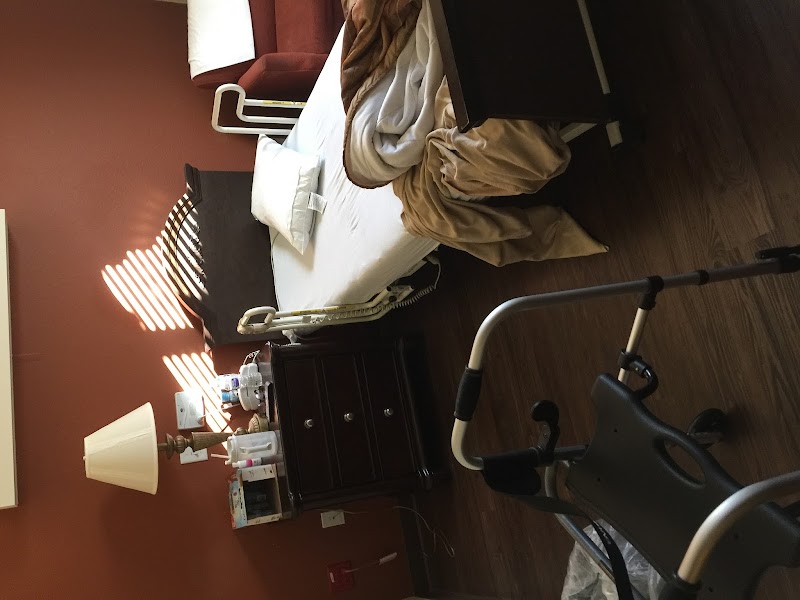
How is The Villages On Macarthur Staffed?

CMS rates The Villages on MacArthur's staffing level at 3 out of 5 stars, which is average compared to other nursing homes. Staff turnover is 38%, compared to the Texas average of 46%. This relatively stable workforce can support continuity of care.

What Have Inspectors Found at The Villages On Macarthur?

State health inspectors documented 36 deficiencies at The Villages on MacArthur during 2022 to 2025. These included: 1 Immediate Jeopardy (the most serious level, indicating potential for serious harm or death), 1 that caused actual resident harm, and 34 with potential for harm. Immediate Jeopardy findings are rare and represent the most serious regulatory concerns. They require immediate corrective action.
Who Owns and Operates The Villages On Macarthur?

The Villages on MacArthur is owned by a non-profit organization. Non-profit facilities reinvest revenue into operations rather than distributing to shareholders. The facility is operated by STONEGATE SENIOR LIVING, a chain that manages multiple nursing homes. With 124 certified beds and approximately 110 residents (about 89% occupancy), it is a mid-sized facility located in Irving, Texas.

How Does The Villages On Macarthur Compare to Other Texas Nursing Homes?

Compared to the 100 nursing homes in Texas, The Villages on MacArthur's overall rating (3 stars) is above the state average of 2.8, staff turnover (38%) is near the state average of 46%, and health inspection rating (2 stars) is below the national benchmark.

What Should Families Ask When Visiting The Villages On Macarthur?

Based on this facility's data, families visiting should ask: "What changes have been made since the serious inspection findings, and how are you preventing similar issues?" "What safeguards and monitoring systems are in place to protect residents from abuse or neglect?" "Can I visit during a mealtime to observe dining assistance and food quality?" "How do you handle medical emergencies, and what is your hospital transfer rate?" These questions are particularly relevant given the facility's Immediate Jeopardy citations and the substantiated abuse finding on record.

Is The Villages On Macarthur Safe?

Based on CMS inspection data, The Villages on MacArthur has documented safety concerns. The facility has 1 substantiated abuse finding (meaning confirmed case of resident harm by staff or other residents). Inspectors have issued 1 Immediate Jeopardy citation (the most serious violation level indicating risk of serious injury or death). The facility has a 3-star overall rating and ranks #1 of 100 nursing homes in Texas. Families considering this facility should ask detailed questions about what corrective actions have been taken since these incidents.

Do Nurses at The Villages On Macarthur Stick Around?

The Villages on MacArthur has a staff turnover rate of 38%, which is about average for Texas nursing homes (state average: 46%). Moderate turnover is common in nursing homes, but families should still ask about staff tenure and how the facility maintains care continuity when employees leave.

Was The Villages On Macarthur Ever Fined?

The Villages on MacArthur has been fined $38,860 across 2 penalty actions. The Texas average is $33,467. While any fine indicates a compliance issue, fines under $50,000 are relatively common and typically reflect isolated problems that were subsequently corrected. Families should ask what specific issues led to these fines and confirm they've been resolved.

Is The Villages On Macarthur on Any Federal Watch List?

The Villages on MacArthur is not on any federal watch list. The most significant is the Special Focus Facility (SFF) program, which identifies the bottom 1% of nursing homes nationally based on persistent, serious quality problems. Not being on this list means the facility has avoided the pattern of deficiencies that triggers enhanced federal oversight. This is a positive indicator, though families should still review the facility's inspection history directly.