CASA AZUL SKILLED NURSING AND REHABILITATION
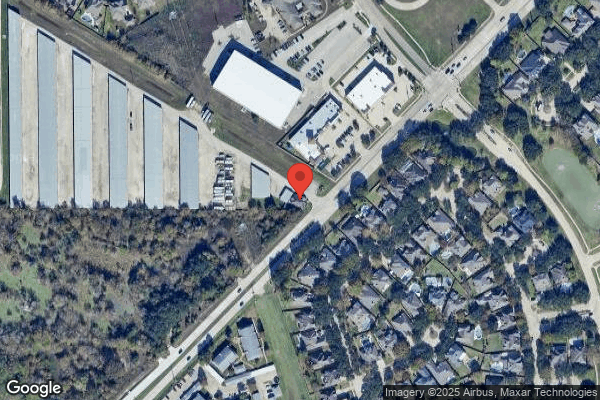
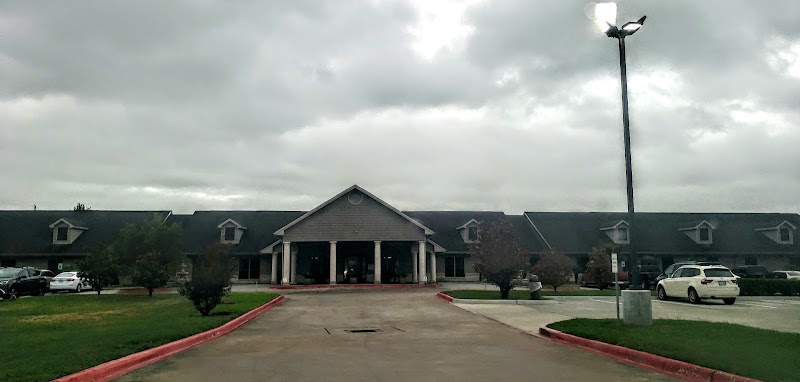
1480 KATY FLEWELLEN, KATY, TX 77494 (281) 394-0088
For profit - Limited Liability company 125 Beds OAKBEND MEDICAL CENTER Data: November 2025 6 Immediate Jeopardy citations
Trust Grade
0/100
#943 of 1168 in TX
Last Inspection: May 2025

Inspected within the last 6 months. Data reflects current conditions.

Overview

Casa Azul Skilled Nursing and Rehabilitation has a Trust Grade of F, indicating poor performance with significant concerns about care quality. It ranks #943 out of 1168 facilities in Texas, placing it in the bottom half, and #12 out of 15 in Fort Bend County, meaning only a few local options are worse. Although the facility's trend is improving, with issues decreasing from 25 in 2024 to 13 in 2025, it still has serious problems, including $170,149 in fines, which is higher than 88% of Texas facilities. Staffing is a mixed bag; while turnover is impressively low at 0%, indicating staff stability, the overall staffing rating is only 2 out of 5 stars. There are also concerning incidents, such as failing to maintain proper infection control practices, which led to multiple residents being at risk for serious illness, and a malfunctioning call light system that left residents unable to summon help.

Trust Score
F
0/100
In Texas
#943/1168
Bottom 20%
Safety Record
High Risk
Review needed
Inspections
Getting Better
25 → 13 violations
Staff Stability
○ Average
Turnover data not reported for this facility.
Penalties
○ Average
$170,149 in fines. Higher than 67% of Texas facilities. Some compliance issues.
Skilled Nurses
✓ Good
Each resident gets 127 minutes of Registered Nurse (RN) attention daily — more than 97% of Texas nursing homes. RNs are the most trained staff who catch health problems before they become serious.
Violations
⚠ Watch
48 deficiencies on record. Higher than average. Multiple issues found across inspections.
★☆☆☆☆
1.0
Overall Rating
★★☆☆☆
2.0
Staff Levels
★☆☆☆☆
1.0
Care Quality
★☆☆☆☆
1.0
Inspection Score
Stable
2024: 25 issues
2025: 13 issues

The Good

  • Full Sprinkler Coverage · Fire safety systems throughout facility
  • No fines on record

Facility shows strength in fire safety.

The Bad

1-Star Overall Rating

Below Texas average (2.8)

Significant quality concerns identified by CMS

Federal Fines: $170,149

Well above median ($33,413)

Significant penalties indicating serious issues

Chain: OAKBEND MEDICAL CENTER

Part of a multi-facility chain

Ask about local staffing decisions and management

The Ugly 48 deficiencies on record

6 life-threatening 1 actual harm
May 2025 11 deficiencies
CONCERN (D)

Potential for Harm - no one hurt, but risky conditions existed

Resident Rights (Tag F0550)

Could have caused harm · This affected 1 resident

**NOTE- TERMS IN BRACKETS HAVE BEEN EDITED TO PROTECT CONFIDENTIALITY** Based on observation, interview, and record review, the facility failed to treat each resident with respect and dignity and care...

Read full inspector narrative →
**NOTE- TERMS IN BRACKETS HAVE BEEN EDITED TO PROTECT CONFIDENTIALITY** Based on observation, interview, and record review, the facility failed to treat each resident with respect and dignity and care in a manner and in an environment that promoted maintenance or enhancement of his or her quality of life, recognizing each resident's individuality for 1 (Resident #19) of 4 residents reviewed for resident rights. - The facility failed to place Resident #19's foley catheter bag inside of a privacy bag. This failure could affect the residents who require assistance with their ADLs from facility staff by placing them at risk for social isolation, loss of dignity, and self-worth. The findings include: Record of Resident #19's Facesheet dated 04/30/2025 reflected he was a [AGE] year-old male who admitted to the facility on [DATE] and readmitted on [DATE] with diagnosis that included but were not limited to functional quadriplegia (complete inability to move due to sever disability or medical condition), benign prostatic hyperplasia (enlarged prostate (male gland below the bladder responsible for reproduction and fluid flow including urine) causing frequent urination) without lower urinary tract symptoms, dementia (group of symptoms affecting memory, thinking and social abilities), without behavioral disturbance, psychotic disturbance, mood disturbance, and anxiety, bipolar disorder (extreme high/low mood swings), gastro-esophageal reflux disease without esophagitis (stomach acid backing up into the esophagus (muscle tube that connects throat to the stomach) causing visible damage to the esophageal (tube that connects the throat to the stomach) lining), gastrostomy status (presence of a surgical opening into the stomach for nutritional support or gastric decompression), and tracheostomy status (surgical hole in the windpipe that helps with breathing when the usual way is blocked or reduced). Record review of Resident #19's Minimum Data Set (MDS) dated [DATE] revealed that the resident had no Brief Interview for Mental Status (BIMS) indicating he was not able to answer or respond to the BIMS questions. Section H: Bladder and bowel: Resident noted to have an indwelling catheter (including suprapubic catheter and nephrostomy tube). Record review of Resident #19's Nursing Progress Notes dated 04/26/2025 at 03:13 p.m. reflected, Licensed Vocation Nurse (LVN) A provided foley catheter care and noted: dark yellow urine recorded a.m. shift. Incontinent care provided. No acute distress noted this far. In an observation on 04/27/2025 at 03:10 p.m., Resident #19 laid in his room bed. Resident's foley catheter bag was exposed, and urine within was visible. The resident did not arouse to sound or voice. In an interview on 04/27/2025 at 03:13 p.m., LVN A stated that Resident #19's foley catheter bag was not to have been exposed and should have been placed into a privacy bag for his dignity. She stated that catheters were changed twice a month, and the foley once a month and after those changes, his privacy cover must have been thrown away and not replaced. She stated it had been her responsibility to ensure that the resident's catheter bag was in a privacy bag. She stated that the staff received in-services on foley catheter care monthly. In an interview on 04/27/2025 at 05:35 p.m., Registered Nurse (RN) A stated that it was everyone's responsibility to ensure that resident's catheters were within privacy bags to preserve a resident's privacy. He stated that if he had seen a foley bag without a privacy bag he would cover it immediately with a new privacy bag cover. He stated that they received in-service on foley catheter care monthly. In an interview on 04/28/2025 at 01:56 p.m., LVN C stated that the Director of Nursing (DON) performed in-services on foley catheter care routinely. She stated that the Certified Nursing Assistants (CNA) were responsible for emptying resident's foley catheters and reporting any changes in a resident's condition to the charge nurses immediately, including notifying them if a foley bag had not been within a privacy bag. She stated it had been the responsibility of the nurses to change foley catheters and ensure that foley bags were covered in a privacy bag. In an interview on 04/28/2025 at 02:47 p.m., the DON stated that residents with a foley bag should have a privacy cover over the bag to preserve dignity. She stated it had been the responsibility of the CNAs and the nursing staff to ensure that the foley bag was covered with a privacy bag. She stated she performed in-services all the time on foley care to include placing the bag in a privacy bag. Record review of facility Education In-service Attendance Record dated 02/01/2025 and titled . Foley Catheter . Summary of Training: Date and cover urine foley catheter bag, check proper placement of foley, drain by gravity, and below the bladder. Presented by DON and signed by LVN A and other nursing staff. Record review of facility policy revised dated: 02/2024 and titled: Policy Policies and Procedures. Catheter Care Policy . Catheter Management: Privacy: Store the catheter bag in a privacy bag to maintain dignity.
CONCERN (D)

Potential for Harm - no one hurt, but risky conditions existed

Comprehensive Care Plan (Tag F0656)

Could have caused harm · This affected 1 resident

**NOTE- TERMS IN BRACKETS HAVE BEEN EDITED TO PROTECT CONFIDENTIALITY** Based on observation, interview and record review the facility failed to develop and implement a comprehensive person-centered c...

Read full inspector narrative →
**NOTE- TERMS IN BRACKETS HAVE BEEN EDITED TO PROTECT CONFIDENTIALITY** Based on observation, interview and record review the facility failed to develop and implement a comprehensive person-centered care plan for each resident that includes measurable objectives and timeframes to meet a resident's medical, nursing, and mental and psychosocial needs and describes the services that are to be furnished to attain or maintain the resident's highest practicable physical, mental, and psychosocial well-being for 1 of 5 residents (Resident #34) reviewed. -The facility failed to ensure that Resident #34's status of oxygen was a focus area in the resident's comprehensive care plan and no intervention was in place. This deficient practice could affect residents by contributing to inadequate care. The findings included: Resident #34 Record review of Resident #34's facility admission record dated 4/28/25 revealed a [AGE] year-old female admitted on [DATE] with diagnoses that included sepsis (sepsis is a life-threatening condition that occurs when the body's immune system overreacts to an infection, leading to organ damage) and heart failure (a condition where the heart muscle is unable to pump blood effectively enough to meet the body's needs. This results in the accumulation of fluid in the lungs and other parts of the body, leading to symptoms such as shortness of breath, fatigue, and swelling). Record review of Resident #34's admission Minimum MDS dated [DATE] revealed Resident #34 had a BIM score of 15 out of 15 indicating she was cognitively intact. Resident #34 required substantial/maximal assistance with ADL's. She was occasionally incontinent of bladder bowel. Record review of section O (special treatments) revealed that she used oxygen. Record review of Resident #34's comprehensive care plan revealed there were no care plans to address oxygen use. Interview and record review on 4/29/25 at time unknown, with the MDS Coordinator, said she is the one that performs the care plans and confirmed no comprehensive care plan for Resident# 34 in either EMR systems, she also said that the care plan for oxygen was added on 4/28/25. She said that the RAI manual was used to complete assessments. During an interview on 4/30/25 at 10:22 a.m. with the DON, she said that Comprehensive care plans and MDS assessments were important because they all addressed goals and interventions, helped carry orders correctly and safely. The risk of not having them in place was that staff could make a mistake in performing duties correctly. Record review of the facility policy and procedure entitled Care Planning dated revised 6/2019 read in part . It is the policy of this facility that the interdisciplinary team (IDT) shall develop a comprehensive care plan for each resident .Procedure: A comprehensive care plan is developed within seven (7) days of completion of the comprehensive assessment .
CONCERN (D) 📢 Someone Reported This

A family member, employee, or ombudsman was alarmed enough to file a formal complaint

Potential for Harm - no one hurt, but risky conditions existed

Accident Prevention (Tag F0689)

Could have caused harm · This affected 1 resident

**NOTE- TERMS IN BRACKETS HAVE BEEN EDITED TO PROTECT CONFIDENTIALITY** Based on observation, interview and record review, the facility failed to ensure that resident environment remains as free of ac...

Read full inspector narrative →
**NOTE- TERMS IN BRACKETS HAVE BEEN EDITED TO PROTECT CONFIDENTIALITY** Based on observation, interview and record review, the facility failed to ensure that resident environment remains as free of accident hazards as is possible for 1 of 6 (Resident #13) resident rooms observed for accident hazards. -Resident #13's room had two bottles of hair products on their dresser not stored in a safe manner on 4/27/2025. This failure could place residents at risk of injury due to unnecessary access to potentially harmful substances. Findings included: Record review of Resident #13's face sheet captured 04/27/2025, she was a [AGE] year-old female originally admitted to the facility on [DATE]. Her medical diagnoses included Type 2 Diabetes Mellitus (high blood sugar), Dementia, Dysphagia, Traumatic Subdural hemorrhage with loss of Consciousness of Unspecified Duration (brain bleed) and Tracheostomy. Record review of Resident #13's Quarterly MDS dated [DATE] revealed, she did not have a BIMS completed and did not have a mood interview done due to her being rarely or never understood. She was totally dependent on staff for ADLs, including toileting, oral and personal hygiene, dressing and showering/bathing self. Record review of Resident #13's care plan last updated 02/12/2025 revealed, she had ADL self-care deficits and required total assistance for bathing, personal hygiene/grooming. and toileting/incontinent care. Record review of the facility's census revealed, the facility marked five residents as being ambulatory, meaning they were able to independently move around the facility. Observation on 4/27/2025 at 3:25pm in Resident #13's room, Resident #13 was resting in bed and appeared well-groomed, comfortable with no grimacing. She was unresponsive to questions. There were two bottles of hair product on top of the resident's dresser. The first was a 300 mL quarter-full clear shampoo bottle. On the back, the bottle read in part, Safety Tip: Keep out of reach of children. The second was a 778 mL purple opaque conditioner bottle. Both bottles had names of other residents who were no longer at the facility. Interview on 4/27/2025 at 3:25pm with LVN B, he said the two bottles should not have been there, it could have been cross-contamination between resident personal items. He called the aide into the room and told him to remove the bottles. Interview on 4/27/2025 at 3:30pm with CNA B, he said he was the aide on the hall, and he did not know the bottles were there or who put it there. He put gloves on and said he was going to remove the bottles. Interview on 4/28/2025 at 2:43pm with CNA E, she said that toiletries should be ziplocked and put away in residents' drawers. They should be sealed and labelled to avoid infection control issues from using other residents' items. Wandering residents could be at risk if they have access to these items. CNA E said she was the one responsible for checking resident rooms for making sure items were ziplocked and put away once a week. Interview with the DON on 4/28/25 at 2:42pm, she said that personal hygiene products should be labelled with the resident's name and placed in a bag or placed inside a drawer so that residents were not using someone else's items. A risk to residents would also be infection control and could be a risk to wandering residents. The DON said that CNA E was responsible for checking resident rooms once a week to ensure personal hygiene products were ziplocked and put away in residents' drawers. Record review of the facility's Resident Rights policy last revised 04/2024, it read it part, The facility provides a clean, safe, comfortable and home-like environment .Resident rights may be restricted only to the extent necessary to protect the resident and others. Request for an Accident/Hazards policy was made on 4/29/2025 at 10:34am to the DON and Administrator, the DON later stated they did not have a specific policy on that.
CONCERN (D) 📢 Someone Reported This

A family member, employee, or ombudsman was alarmed enough to file a formal complaint

Potential for Harm - no one hurt, but risky conditions existed

Incontinence Care (Tag F0690)

Could have caused harm · This affected 1 resident

**NOTE- TERMS IN BRACKETS HAVE BEEN EDITED TO PROTECT CONFIDENTIALITY** Based on observation, interview, and record review, the facility failed to ensure residents who were incontinent of bladder rece...

Read full inspector narrative →
**NOTE- TERMS IN BRACKETS HAVE BEEN EDITED TO PROTECT CONFIDENTIALITY** Based on observation, interview, and record review, the facility failed to ensure residents who were incontinent of bladder received appropriate treatment and services to prevent urinary tract infections and to restore continence to the extent possible for 1 of 3 residents (Resident #56) reviewed for incontinent care. The facility failed to ensure CNA V properly cleaned Resident #56 during incontinent care when CNA V did not separate Resident #56's labia on 04/27/2025. This failure could place residents at risk for pain, infection, injury, and hospitalization. Findings included: Record review of Resident #56's face sheet dated 04/30/25 revealed a [AGE] year-old female was admitted to the facility on [DATE]. Resident #56 diagnosis included: malignant neoplasm of colon (cancerous growth in the colon), hypertension (force of blood against the walls of the arteries is consistently too high), atrial fibrillation (an irregular heartbeat) and cognitive communication deficit (someone has difficulty communicating because their thinking processes, like memory, attention, and reasoning). During an observation on 04/27/25 at 5:00 p.m., CNA V did not separate Resident #65's labia during incontinent care for Resident #3. The surveyor intervened when CNA V was about to close the strips on the clean incontinent brief. CNA V reseparated the resident's labia and wiped the resident's labia four additional times, and from the labia area exposed feces on the wipes, and on the fifth wiping/wipe the area appeared to be cleaned. Record review of Resident #56's admission assessment dated [DATE] revealed on BIMS of 13 indicating intact cognition. Further review revealed Resident #56 required substantiation assistance with ADL care with one to two staff assist. Record review of Resident #56's care plan dated 04/09/25 revealed Resident #56 had incontinent bowel and bladder. Interventions: perform routine rounding to include incontinence care and brief changes. During an interview on 04/27/25 at 5:16 p.m., CNA V said if the surveyor did not intervene, she would not have separated Resident #56's labia and cleaned the labia well before applying the clean incontinent brief. CNA V said if she did not clean Resident #56 well, she could develop an infection (UTI). CNA V said she had skills check off and in service on ADL, including rounding and incontinent care. She stated that the nurse monitored the aide throughout the shift. During an interview on 04/28/25 at 2:02 p.m., the Unit Manager said CNA V should have separated Resident #56's labia and cleaned side, side and middle to ensure the resident was clean properly to prevent Resident #56 from getting UTI. She said the aide had training on providing incontinent care before they started to work on the floor. The Unit Manager said the aides were tough to wipe from front to back to prevent infection. She said the nurse and lead CNA monitor the aides throughout the shift, and the nurse manager monitors the nurses during random rounds. During an interview on 04/28/25 at 3:16 p.m., the DON said CNA V should have cleaned Resident #56 from front to back and should have separated Resident #56's labia and cleaned three times, side, side, and middle each time with a different wipe. The DON said the resident's labia are separated and cleaned to avoid redness or the development of infection. She stated that the nurses and lead CNA monitored the aides throughout the shift, and the nurse managers monitored the nurses during random rounds. She said the aides should have a skilled check-off before working on the floor. They also had in-service on ADL rounding and incontinent care. Record review of the facility's policy on perineal care revised 12/23 read in part . the facility will provide perineal care in a manner that . reduce the risk of infection, and promotes skin integrity .procedure: . cleaning . for female residents, separate the labia and clean from front to back using a clean wipe for each stroke .
CONCERN (D)

Potential for Harm - no one hurt, but risky conditions existed

Tube Feeding (Tag F0693)

Could have caused harm · This affected 1 resident

**NOTE- TERMS IN BRACKETS HAVE BEEN EDITED TO PROTECT CONFIDENTIALITY** Based on observation, interview, and record review, the facility failed to ensure residents who were fed by enteral means receiv...

Read full inspector narrative →
**NOTE- TERMS IN BRACKETS HAVE BEEN EDITED TO PROTECT CONFIDENTIALITY** Based on observation, interview, and record review, the facility failed to ensure residents who were fed by enteral means received the appropriate treatment and services to prevent complications of enteral feeding for 1 (Resident #11) of 7 residents reviewed for enteral nutrition. The facility failed to follow physician orders for Resident #11 enteral feeding tube to be administer 55ml (milliliters) high-protein tube-feeding formula 1.5 calories (cal) every hour (hr). This failure could place residents who had gastrostomy tube at risk for fluid overload. Findings included: Record of Resident #11's Facesheet dated 05/05/2025 revealed he was a [AGE] year-old male who admitted to the facility on [DATE] and readmitted on [DATE] with diagnosis that included but were not limited to acute and chronic respiratory failure (lungs are unable to adequately exchange oxygen and carbon dioxide), moderate protein- calorie malnutrition (deficiency in both protein and calories, leading to a weight loss or a lack of weight gain), and encounter for attention to gastrostomy (a surgical procedure that creates an opening in the stomach through the abdominal wall for receiving nutrition), and dehydration (body losing too much fluid). Record review of Resident #11's Comprehensive MDS dated [DATE] revealed that the resident had no BIMS indicating he was not able to answer or respond to the BIMS questions. Section K: Swallowing/Nutritional Status. Feeding tube (e.g., nasogastric or abdominal (PEG). The percent (%) Intake by Artificial Route: The proportion of total calories the resident received through parenteral, or tube feeding was 51% or more. The average fluid intake per day by IV or tube feeding 501 cc (cubic centimeter)/day or more. Record review of Resident #11's undated Care Plan reflected FOCUS: FEEDING TUBE: Resident required the use of a feeding tube for nutrition and was at risk for aspiration, unplanned weight loss, dehydration and nutritional complications. GOAL: Resident's feeding tube would remain patent and resident would receive nutrition as ordered without evidence of aspiration, dehydration, or nutritional compromise through the review date. INTERVENTIONS: Follow Physician orders for feedings. Record review of Resident #11's Physician Order dated 02/26/2025, reflected, Enteral Feeding- Order: High-protein tube-feeding formula 1.5 cal 55ml/hr . preposition (via) gastrostomy tube (G-tube) continuously times (x) 22 hours. 22 hours accounts for activities of daily living (ADL) Care. Every shift for feeding. Record review of Resident #11's 04/29/2025 at 04:53 p.m. Medication Administration Record (MAR) dated 04/01/2025 to 04/29/2025 reflected, on 04/26/2025 into 04/27/2025 RN A administered the resident's enteral feeding - order high-protein tube-feeding formula 1 .5 cal. at 06:00 a.m., 55ml/hr . via G-tube continuously x 22 hours. Observation on 04/27/2025 at 02:29 p.m., reflected Resident #11 laid in bed and had not aroused to voice or sound. Feeding machine reflected, high-protein tube-feeding formula 1.5 cal at a continuous rate of 56 ml/hr. Total feed 1385 ml. Interview on 04/28/2025 at 02:47 p.m., DON stated that not following Resident #11's high-protein tube-feeding formula of 55ml/hr rather that the feeding machines setting of 56 ml/hr could result in an overload of weight gain for the resident resulting in an undesired maintains of weight. She stated that nursing staff were responsible for verifying each order, every shift, every time the resident's feeding was administered. Interview on 04/29/2025 at 06:01 p.m., the Administrator (ADM) stated that Resident #11 feeding order should be followed and received as ordered. He stated that the resident receiving 56mls verse 55mls of high protein feeding formula would result in overfeeding and unplanned and undesired weight gain. Interview on 05/01/2025 at 09:30 a.m., RN A stated he had been responsible MAR for Resident #11's high-protein tube-feeding formula at 55ml/hr on 04/26/2025 into 04/27/2025. He stated he was not aware that Resident #11's feeding entered at 56ml/hr verses the physician ordered 55ml/hr. He stated that the CNAs start and stop the feeding machines to provide incontinence care and maybe the feeding was changed inadvertently during the stopping and starting. He stated that CNAs were not to stop and start the machine and it was ultimately his responsibility as the resident's nurse to ensure that the amount of formula was correctly administered per hr by confirming with the actual order each time the formula was administered. He stated that the consequences of residents receiving too much feeding could result in side effects such as weakness, abdominal distention, shortness breath and cause pulmonary destress, and circulatory overload. He stated he received his training on how to administer feeding in college as a student. He stated he also received 3-days of training on how to enter and follow physician orders from LVN B and LVN C when he began working with the facility nearly a year ago. He stated that the facility provides in-services on how to stop and start the feeding machines routinely. Record review of facility policy dated title: Policy Policies and Procedures Physician Orders Policy All physician orders must be accurate, timely, and documented in the resident's medical record. Only authorized individuals (e.g., physicians, nurse practitioners, or physician assistants) may write or verbally provide orders. Verbal orders must be promptly documented, signed, and authenticated by the prescribing practitioner within the timeframe. The facility staff must ensure that all orders are obtained, clarified, and carried out promptly, with documentation . Following Physician Orders 1. Facility staff are responsible for: Reviewing the order promptly. Ensuring that all orders are correctly implemented within the timeframe specified. Communicating any barriers to implementation to the prescribing practitioner. 2. Documentation of implementation must include: Date and time the order was carried out. Name and credentials of the staff member completing the task. Any resident responses or outcomes, as applicable. 3. If clarification is required, the staff member must: Contact the prescribing practitioner for clarification. Document the clarification conversation and any modifications in the medical record.
CONCERN (D)

Potential for Harm - no one hurt, but risky conditions existed

Pharmacy Services (Tag F0755)

Could have caused harm · This affected 1 resident

Based on observation, interview and record review, the facility failed to provide pharmaceutical services (including procedures that assure the accurate acquiring, receiving, dispensing, and administe...

Read full inspector narrative →
Based on observation, interview and record review, the facility failed to provide pharmaceutical services (including procedures that assure the accurate acquiring, receiving, dispensing, and administering of all drugs and biologicals) to meet the needs of each resident for 1 of 6 residents (Resident #71) reviewed for pharmacy services. -Resident #71 had Ipratropium .02% solution with 22 plastic vials (respiratory treatment), Ipratropium .02% nebulizer solution with 15 plastic vials, and Budesonide inhalation (respiratory treatment for Crohn's and asthma) suspension of .5mg/ml in medication cart A, even though Resident #71 had discharged from the facility. The failure of not disposing of discharged residents' medications could potentially cause a decline in their health condition and further injury if they were accidentally administered another resident's medication. Findings included: Observation on 5/1/2025 at 11:49 am of LVN G on Cart A, revealed Resident #71 had medications labelled Ipratropium .02% solution with 22 plastic vials, Ipratropium .02% nebulizer solution with 15 plastic vials, and Budesonide inhalation suspension of .5mg/ml. In an interview with LVN G on 5/1/2025 at 12:00pm, LVN G said Resident #71 was discharged and if residents get discharged or go to the hospital, their medications should have been taken off the cart to avoid administering them to another resident. In an interview with the DON on 5/1/2025 at 12:12pm, the DON said nurses could leave medications on the cart within 24 hours if they knew the resident would return. If residents do not come back, nurses should dispose of it. The DON said the rationale of pulling discharged residents' medication would be to avoid medication error. Record review of the facility's policy on controlled substances revised on 08-2020, it read in part, Medications included in the Drug Enforcement Administration classification as controlled substances and medications classified as controlled substances by state law are subject to special ordering, receipt and recordkeeping requirements in the facility, elements of the prescription which includes, name of medication, strength of medication, dosage form and quantity prescribed .Controlled substances are dispensed by the provider pharmacy in readily accountable quantities and containers designed for easy counting of contents. Record review of the facility's policy on storage of controlled substances revised on 08-2020 read in part, Any discrepancy in controlled substance counts is reported to the Director of Nursing immediately and/or in accordance with facility policy. Record review of the facility's policy on discontinued medications revised on 08-2020 read in part, When medications are discontinued by the prescriber or the resident is discharged and medications are not sent with the resident, the medications are marked as discontinued and stored in a secure and separate area from the active medications until destroyed per facility policy .Medications are removed from the medication cart or active supply immediately upon receipt of an order to discontinue (to avoid inadvertent administration).
CONCERN (D)

Potential for Harm - no one hurt, but risky conditions existed

Deficiency F0761 (Tag F0761)

Could have caused harm · This affected 1 resident

Based on observation, interview and record review, the facility failed to label drugs and biologicals used in the facility in accordance with currently accepted professional principles, and include th...

Read full inspector narrative →
Based on observation, interview and record review, the facility failed to label drugs and biologicals used in the facility in accordance with currently accepted professional principles, and include the appropriate accessory and cautionary instructions, and the expiration date when applicable for 1 of 2 carts (Cart B) reviewed for medication labelling. - LVN V's cart (cart B) had one undated Lidocaine vial (used to treat pain) with injection marks in the seal. These failures could cause medications to be given past their expiration date, potentially leading to ineffective therapeutic effect. Findings included: Observation of LVN V's medication cart B on 5/1/25 at 11:27am, revealed there was one bottle labelled Lidocaine Hydrochloride injection 88 1/0 with injection marks on the seal with no date on it. In an interview with LVN V on 5/1/2025 at 11:27am, she said if she had opened and used the Lidocaine vial she would have taken it out from the cardboard box, and written the date on the side before using it. She was not the person who opened it. In an interview on 5/1/2025 at 11:34pm with the DON and the Corporate Nurse, the DON said the Lidocaine vial should have been dated to ensure the medication's shelf life. Record review of the facility's policy on vials and ampules of injectable medications last revised on 08/2020, it read in part, Opening a vial triggers a shortened expiration date that is unique for that product. The date opened and this triggered expiration date are both important to record on multi-dose vials. At minimum, the date opened must be reported. These labels are not required on single-use vials or ampules.
CONCERN (D)

Potential for Harm - no one hurt, but risky conditions existed

Garbage Disposal (Tag F0814)

Could have caused harm · This affected 1 resident

Based on observation, interview and record review, the facility failed to dispose of garbage and refuse properly for 1 of 1 facility dumpsters observed for proper garbage disposal -Dumpster A's side d...

Read full inspector narrative →
Based on observation, interview and record review, the facility failed to dispose of garbage and refuse properly for 1 of 1 facility dumpsters observed for proper garbage disposal -Dumpster A's side door was observed open with trash inside on 4/27/2025. This failure could place residents at risk of contact with pests and associated diseases. Findings included: Observation on 4/27/2025 at 1:04pm, revealed the left-side sliding door Dumpster A was open. The dumpster appeared half-full of trash inside. In an interview on 4/27/2025 at 1:04pm with the DS, she saw the side door was open and slid it closed. She said it should have been closed. She said all the departments used that dumpster. If it was left open, animals and pests could get into it. In an interview on 4/27/2025 at 3:04pm with the DM, she said the dumpster should not be left open. A potential risk to the facility and residents from leaving the dumpster door open would be in attracting rodents from overflow, or people can get in it. In an interview on 4/28/2025 at 4:10pm with the HK Supervisor, she said housekeeping staff uses the dumpster. The HK Supervisor stated it should be kept closed in case residents or others get in it and would be a risk if there was no one around to see or assist. The dumpster should also be closed to prevent rain or animals from getting into it. In an interview on 4/29/2025 at 6:03pm with the Administrator, he said the dumpster should be closed and having it open would be an infection control issue. Record review of the facility's policy on waste disposal last revised 06-2019 read in part, Waste will be disposed of in a manner to prevent transmission of disease, nuisance or breeding place for insects and feeding places for rodents and other mammals .5. Cover waste containers and close dumpsters at all times.
CONCERN (D)

Potential for Harm - no one hurt, but risky conditions existed

Infection Control (Tag F0880)

Could have caused harm · This affected 1 resident

**NOTE- TERMS IN BRACKETS HAVE BEEN EDITED TO PROTECT CONFIDENTIALITY** Based on observation, interview, and record review the facility failed to maintain an infection prevention and control program d...

Read full inspector narrative →
**NOTE- TERMS IN BRACKETS HAVE BEEN EDITED TO PROTECT CONFIDENTIALITY** Based on observation, interview, and record review the facility failed to maintain an infection prevention and control program designed to provide a safe, sanitary and comfortable environment and to help prevent the development and transmission of communicable diseases and infections for 2 (Resident #19 and Resident #13) of 14 residents reviewed for infection control. - The facility failed to ensure Resident #19 foley catheter tubing was off the floor. - The facility failed to ensure Resident #19's floor mat was free from his foley catheter tubing. - - Resident #13's room had two bottles of hair products with other resident's names on them on the dresser on [DATE]. These failures placed residents, staff and visitors at risk for cross contamination, unwanted infections, and decease in quality of life. Findings: Resident #19: Record of Resident #19's Facesheet revealed he was a [AGE] year-old male who readmitted on [DATE] with diagnosis that included but were not limited to functional quadriplegia (complete inability to move due to sever disability or medical condition), gastrostomy status (presence of a surgical opening into the stomach for nutritional support or gastric decompression), and tracheostomy status (surgical hole in the windpipe that helps with breathing when the usual way is blocked or reduced). Record review of Resident #19's MDS dated [DATE] revealed that the resident had no BIMS indicating he was not able to answer or respond to the BIMS questions. Section H: Bladder and bowel: Resident noted to have an indwelling catheter (including suprapubic catheter and nephrostomy tube). Record review of Resident #19's Nursing Progress Notes dated [DATE] at 03:13 p.m. reflected LVN A provided Resident #19 with foley catheter care. In an observation on [DATE] at 03:10 p.m., Resident #19's foley catheter tubing was resting on the resident's fall mat. The resident did not respond to sound or voice. In an interview on [DATE] at 03:13 p.m., LVN A stated that she was responsible for ensuring that Resident #19's foley catheter was properly in position. She stated that the because the resident's bed had to be in its lowest position, it was difficult to keep the resident's catheter tubing off the floor. She stated that the catheter tubing should not be on the floor and not on the resident's fall mat to follow and prevent infection control protocols. She stated that they received in-services on foley catheter care monthly. In an interview on [DATE] at 05:35 p.m., Registered Nurse (RN) A stated that it had been everyone's responsibility to ensure that resident's foley catheters were hanging to allow gravity to drain the urine and off to be off the floor to keep the tubing free from infection control issues. He stated that they received in-service on foley catheter care monthly. In an interview on [DATE] at 01:56 p.m., LVN C stated that the Director of Nursing (DON) had performed in-services on foley catheter care often and that Certified Nursing Assistants (CNA) were responsible for emptying resident's foley catheters and ensuring that they were in the correction position to allow gravity to drain the urine and free from the floor to follow infection control protocols. In an interview on [DATE] at 02:47 p.m., the DON stated that staff were responsible for ensuring that resident's foley bags were properly hung to allow gravity to drain the urine and be free from sitting on the floor or other items including residents fall mats. She stated the catheter tubing resting on the floor or resident's fall mats could cause infection control issues. She stated that Resident #19's bed was low to the ground making and made it easy for his tubing to rest on his fall mat. He stated that when LVN A changed the tubing and saw that it had been resting on the floor or the resident's fall mat, LVN A should have placed a basin under neither and allowed the tubing to rest within. She stated she performed in-services all the time on foley care that included ensuring tubing was property hanging and off the floor. Record review of facility Education In-service Attendance Record dated [DATE] and titled . Foley Catheter . Summary of Training: Date and cover urine foley catheter bag, check proper placement of foley, drain by gravity, and below the bladder. Presented by DON and signed by LVN A and other nursing staff. Resident #13: Record review of Resident #13's face sheet reflected she was a [AGE] year-old female originally admitted to the facility on [DATE]. Her medical diagnoses included Type 2 Diabetes Mellitus (high blood sugar), Dementia, Dysphagia, Traumatic Subdural hemorrhage with loss of Consciousness of Unspecified Duration (brain bleed) and Tracheostomy. Record review of Resident #13's Quarterly MDS dated [DATE], reflected she did not have a BIMS completed and did not have a mood interview done due to her being rarely or never understood. She was totally dependent on staff for ADLs, including toileting, oral and personal hygiene, dressing and showering/bathing self. Record review of Resident #13's care plan last updated [DATE], reflected she had ADL self-care deficits and required total assistance for bathing, personal hygiene/grooming. and toileting/incontinent care. Observation on [DATE] at 3:25pm in Resident #13's room, Resident #13 was resting in bed and appeared well-groomed, comfortable with no grimacing. She was unresponsive to questions. There were two bottles of hair product on top of the resident's dresser. The first was a 300 mL quarter-full clear shampoo bottle. The second was a 778 mL purple opaque conditioner bottle. Both bottles had names of other residents. In an interview on [DATE] at 3:25pm with LVN B, he said the two bottles should not have been there, and it could have been cross-contamination between resident's personal items. He called the aide into the room and told him to remove the bottles. In an interview on [DATE] at 3:30pm with CNA B, he said he was the aide on the hall, and he did not know the bottles were there or who put them there. He put gloves on and said he was going to remove the bottles. In an interview on [DATE] at 2:43pm with CNA D, she said that toiletries should be ziplocked and put away in residents' drawers. They should be sealed and labelled to avoid infection control issues from using other residents' items. Wandering residents could be at risk. In an interview with the DON on [DATE] at 2:42pm, she said that personal hygiene products should be labelled with the resident's name and placed in a bag or placed inside a drawer so that residents were not using someone else's items. A risk to residents would also be infection control and could be a risk to wandering residents. Record review of facility policy revised dated: 02/2024 and titled: Policy Policies and Procedures. Catheter Care Policy reflected, . To ensure proper hygiene . Record review of facility policy revised dated: Revised:6/2024 and titled: Policies and Procedures. Infection Control Program Policy, reflected . The Facility will establish a comprehensive infection control program encompassing essential elements to safeguard the health and safety of residents, staff, and visitors. The Facility is dedicated to maintaining a safe and healthy environment by implementing an effective infection control program that adheres to state and federal regulations and follows evidence-based practices recommended by the CDC. Program Objectives: o The program's objectives encompass key infection control ideologies: prevention, identification, reporting, investigation, and control of infections and communicable diseases among residents, employees, and visitors. o The Facility promotes awareness and adherence to infection control practices through the Infection Control Committee. o The Facility will continually monitor and evaluate the effectiveness of infection control practices through the Quality Assurance and Performance Improvement (QAPI) process.
CONCERN (E)

Potential for Harm - no one hurt, but risky conditions existed

ADL Care (Tag F0677)

Could have caused harm · This affected multiple residents

**NOTE- TERMS IN BRACKETS HAVE BEEN EDITED TO PROTECT CONFIDENTIALITY** Based on observation, interview, and record review the facility failed to ensure a resident who was unable to carry out activiti...

Read full inspector narrative →
**NOTE- TERMS IN BRACKETS HAVE BEEN EDITED TO PROTECT CONFIDENTIALITY** Based on observation, interview, and record review the facility failed to ensure a resident who was unable to carry out activities of daily living (ADLs) received the necessary services to maintain nutrition, grooming and personal and oral hygiene for 3 of 4 residents (Resident #33and Resident #56, and Resident #15) reviewed for ADLs. - The facility failed to ensure Resident #33, and Resident #56 were provided incontinent care in a timely manner by facility staff. - The facility failed to ensure Resident #15 was provided personal grooming (cut resident long classified toenails) by facility staff. These failures placed residents a risk for skin break down, offensive odors, and decrease in quality of life. Findings included: Resident #33 Record review of Resident #33's face sheet dated 04/30/25 revealed a [AGE] year-old male was admitted the facility on 10/24/24. Resident #33 diagnosis included: dependence on respirator (ventilator: a device for maintaining artificial respiration), hypertension (force of blood against the walls of the arteries is consistently too high), and gastrostomy (a surgical procedure used to insert a tube, often through the abdomen and into the stomach) Record review of Resident #33's quarterly assessment dated [DATE] revealed on section C0700 Resident #33 had memory problem. Further review revealed Resident #33 dependent on staff for ADL care with one to two staff assist and the resident was incontinent of bowel and bladder. Record review of Resident #33's care plan initiated 01/29/25 revealed Resident #33 had ADL self-care deficits and is at risk for further decline in ADL functioning and injury AEB weakness. Intervention: Provide (Extensive/) assistance of (1 of support persons) for toileting/incontinent care. During an observation on 04/27/24 at 3:30 p.m., the incontinent care for Resident #33 provided by CNA E revealed that the incontinent brief was saturated with urine, the inside of the brief was dark brown, and the cotton stuffing was broken apart. Resident #33's room has a very strong ammonia odor. The draw sheet under Resident #33 was saturated with urine and it had brown defined bordered line. During an interview on 04/27/25 at 3:43 p.m., RN S said she came to work at 6:00 a.m. today. RN S said she did not notice Resident #33 was wet when she saw CNA E in Resident #33's room at 11:00 a.m. She said the aides and the nurses were supposed to make rounds every two hours for incontinent care. RN S said the aide and the nurse should check the resident's brief during the round because the resident could not talk. She said she did not check the brief. RN S said Resident #3 skin would start to break down if Resident #33 was left on a wet incontinent for extended time. RN S said she had skills check-off, which included incontinent care and rounding. She said the staff must make rounds every two hours and change the resident. She said the nurses monitored the aides throughout the shift. RN S said the nurse managers monitors the nurse during rounding. During an interview on 04/27/25 at 3:58 p.m., CNA E said she came to work at 6:00 a.m. and changed Resident #33 around 6:30 a.m. CNA E said that she had not changed the resident before now because she was working alone and had to change other residents. CNA E said Resident #33's incontinent brief was soaked with urine and the draw sheet was also soaked with urine and had brown ring. CNA E said she was supposed to make rounds every 2 to 3 hours and change the resident, but she did not today because she had a lot of residents (12). CNA E said Resident #33 could develop blister and skin break down when Resident #33 was left on a wet incontinent brief. CNA E said that she had a skill check-off and in-service on rounding and providing incontinent care, and the trainer educated the aides to check on the resident every two hours. She said he did not check on the resident every two hours because she got busy, had to feed other residents, and had to go on break, too. She said the nurse monitored the aides throughout the shift. During an interview on 04/28/25 at 1:54 p.m., the Unit Manager said the aides should make rounds every two hours and as needed. She said if the resident could not make needs known, the aides had to check the resident's brief. The Unit Manager said the aides have skills check-off on ADL with another staff before the aide would work on the floor by herself, and they also have in-services. She stated the DON taught the aides to make rounds every two hours, see if the resident was wet, and check skin condition. The Unit Manager said Resident #33 could develop a skin breakdown if CNA E had not provided incontinent care for #33 promptly. She said the charge nurse and the lead CNA monitor the aide throughout the shift. Resident #56 Record review of Resident #56's face sheet dated 04/30/25 revealed a [AGE] year-old female was admitted to the facility on [DATE]. Resident #56 diagnosis included: malignant neoplasm of colon (cancerous growth in the colon), hypertension (force of blood against the walls of the arteries is consistently too high), atrial fibrillation (an irregular heartbeat) and cognitive communication deficit (someone has difficulty communicating because their thinking processes, like memory, attention, and reasoning). Record review of Resident #56's admission assessment dated [DATE] revealed on BIMS of 13 indicating intact cognition. Further review revealed Resident #56 required substantiation assistance with ADL care with one to two staff assist. Record review of Resident #56's care plan dated 04/09/25 revealed Resident #56 had incontinent of bowel and bladder. Interventions: perform routine rounding to include incontinence care and brief changes. During an interview on 04/2/25 at 4:38 p.m., Resident #56 said CNA V changed her last around 11:00 a.m., and she is wet now and needs to be changed. Resident #56 said the staff had not come to ask if she needed to be changed. Resident#56 said she felt neglected, bad, and dirty. Then she stated What could she do but endure because she could not care for herself Then, she lowered her head and would not talk again. During an interview on 04/27/25 at 4:46 p.m., CNA V said she had changed Resident #56 around 11:00 a.m. or 12:00 p.m., since she came to work at 6:15 a.m. CNA C said she has a lot of residents, and she was doing the best she could. During an observation on 04/27/25 at 5:00 p.m., incontinent care for Resident #56 provided by CNA V and CNA E revealed the resident's incontinence brief was saturated with urine and bowel movement from the resident's lower back up to the resident's pubic area. The draw sheet under Resident #56 was soaked with urine and stained with bowel movement. The draw sheet was also had dry brown ring. During an interview on 04/27/25 at 5:16 p.m., CNA V said Resident #56's incontinent brief was dirty and saturated with urine and bowel movement and the bowel movement was inside Resident #56's private area. CNA V said the pad on Resident #56's bead was soaked with urine and bowel movement, and it had brown ring which meant Resident #56 had been wet for more than two hours. During an interview on 04/28/25 at 12:01 p.m., the Medical Director said if CNA V did not change Resident #56's incontinent brief timely, the resident's skin could become macerated. During an interview on 04/28/25 at 3:05 p.m., the DON said staff should make rounds every 2 hours as needed. She said the aides should check the incontinent brief and see if it was wet. The DON said Resident #56 would be at risk for skin breakdown if CNA V did not change Resident #56 promptly. The DON said the lead CNA and nurse check if the aides provide care to the resident, and the nurse managers monitor the nurses during random rounds. The DON said the aides are trained upon hire and in services are provided on intervals throughout the year. The DON said the aides are told to make round for incontinent every two to three hours during in -service. Resident #15 Record review of Resident #15's face sheet dated 04/30/25 revealed a [AGE] year-old female was initial admitted to the facility on [DATE]and readmitted on [DATE]. Resident #15 diagnosis included: dependence on respirator (ventilator: a device for maintaining artificial respiration), tracheostomy(an opening surgically created through the neck into the trachea(windpipe) to allow air to fill the lungs), hypotension (force of blood against the walls of the arteries is consistently too low), and cognitive communication deficit (someone has difficulty communicating because their thinking processes, like memory, attention, and reasoning) Record review of Resident #15's quarterly assessment dated [DATE] revealed on section C0700 Resident #15 had memory problem. Further review revealed Resident #1 dependent on staff for ADL care with one to two staff assist. Record review of Resident #15's care plan initiated on 02/02/25 revealed Resident #1 had ADL self - care deficit and is at risk for further deficits in ADL and injury. Interventions: Provide (Total) assistance of (# of support persons) for personal hygiene/grooming. Record review of Resident #15's physician ordered for April 2025 revealed don not resuscitate, do not hospitalize, no labs, hospice care dated 04/25/25. Record review of Resident #15's physician ordered for April 2025 revealed the resident was admitted to hospice care on 04/28/25. During an observation and interview on04/27/25 at 5:25 p.m., Resident #15's long toenails were observed. CNA V said Resident #15 had 10 long and classified toenails, and she told the nurse 3 weeks ago about Resident #15's toenails. She said the nurse, or the podiatrist, cuts the resident's toenails. During an observation and interview on 04/27/25 at 5:29 p.m., RN S said she saw Resident #15's toenails were long and needed to be cut down. She said the aides are responsible for cutting the residents toenails but if the resident were diabetic then the podiatrist would cut the resident toenails. She said Resident #15's toenails were long on Saturday and Sunday, but did not tell the DON. RN S said the nurses monitored the aides throughout the shift, and the nurse managers monitored the nurses during random rounds. RN S said Resident #15's long toenails could cut Resident #15's skin or get infected. During an Interview on 04/28/25 at 2:23 p.m., the Unit Manager said the aides were responsible for cutting the resident toenails and if the resident had diabetes, then the podiatrist cuts the resident toenails. The Unit Manager said the nurse would tell her, and she would put in the order, and the social worker would contact the podiatrist. She said if Resident #15 had long toenails, she could cut her skin open, and it could lead to gangrene. During an interview on 04/28/25 at 2:34 p.m., SW said the podiatrist emails the list of residents he would see when he made rounds to her, and the residents are from the referrals she sent to the podiatrist. SW said the podiatrist saw the residents on 04/16/25. SW said Resident #15 was put on hospice on Friday (04/25/25) when Resident #15 came back from the hospital, and her family member told her she did not want Resident #15 on any services. Still, she did not document what family member told her. During an interview on 04/28/25 at 3:18 p.m., the DON said Resident #15, who was on hospice, should still have her toenails cut. She said she was told yesterday (04/27/25) by RN S after the surveyor showered Resident #15's toenails to RN S. The DON said she told the Unit Manager to call hospice and did not know if she had called hospice. The DON said Resident #15's skin could break down, and she could develop an infection under her toenails. During an interview on 04/29/25 at 5:00 p.m., the ADON said she was unaware Resident #15 had long toenails and was unsure if Resident #15 was admitted to hospice. She said if the resident were on hospice, they would call the hospice nurse and let the nurse know that the resident had long toenails, then the facility would wait for the hospice nurse to respond before contacting the podiatrist. She said if the resident did not have diabetes, the aides would cut the resident's toenails. The DON said If the resident had diabetes the nurses would cut it and also use nursing judgment to determine if Resident #15 was at risk and if Resident #15 was at risk, then the SW would call the podiatrist would be called. The ADON said she did not know what was done about Resident #15's long toenails. She said Resident #15, who had long, calcified toenails, could be injured if her nails got caught on the sheets and even infected. The DON said the aides and the nurse went to school and should know how to provide toenail care. The ADON said she did not know the facility's policy on toenail care and would check and get back to the surveyor. The ADON said the nurses monitored the aides throughout the shift, and the nurse managers monitored the nurse nurses during random rounding. Record review of the facility on activities of daily living revised 3/2019 read in part . the facility is responsible to provide necessary care to all residents who are not able to carry out activities of daily living on their own to ensure they maintain proper . grooming and hygiene .
CONCERN (E)

Potential for Harm - no one hurt, but risky conditions existed

Deficiency F0679 (Tag F0679)

Could have caused harm · This affected multiple residents

**NOTE- TERMS IN BRACKETS HAVE BEEN EDITED TO PROTECT CONFIDENTIALITY** Based on observation, interviews, and record review the facility failed to provide, based on the preferences of each resident, a...

Read full inspector narrative →
**NOTE- TERMS IN BRACKETS HAVE BEEN EDITED TO PROTECT CONFIDENTIALITY** Based on observation, interviews, and record review the facility failed to provide, based on the preferences of each resident, activities designed to meet the interests of and support the physical, mental, and psychosocial well-being of each resident for 5 of 5 confidential residents reviewed for activities. The facility failed to provide activities to meet the residents' interests on Saturdays and Sundays for 5 confidential residents. These failures placed residents at risk for decline in quality of life, social and mental psychosocial wellbeing. Findings Include: Observation on Sunday, 04/27/2025 from 01:00 p.m. to 06:00 p.m. revealed there were no activities visible provided for residents in the activity area. Later observation on 04/28/2025 from 8:00 a.m. to 1:00 p.m. revealed there were no activities visible provided for residents in the activity area. Interview on 04/27/2025 at 02:38 p.m. with the Activity Director, she said that she would arrange Resident Council tomorrow 04/48/2025 at 10:30 a.m. During a confidential group interview on 04/28/2025 at 10:30 a.m., with 5 confidential residents, all residents stated that there were no weekend activities. 3 of 5 said that the Activity Director came in on Sunday's and would sit in her office, and they were on their own. While displaying a printed calendar for April 2025, they all agreed that the calendars were not really for the residents, but for others (visitors) to see. All said that they have never done a lot of the activities printed on the calendar. 3 out of 5 saying, and all agreeing that this makes us feel tired, like banging our heads against the wall. 3 out of 5 said that they Never even had coffee and a donut for an activity. 2 said, all agreed that watching tv in your room was not an activity and that one resident was so bored that he used to watch cars passing by and count them, so they (The facility) put in on the calendar as an activity for bird watching. Interview on 04/28/2025 at 01:21 p.m. with the Activity Director, w [NAME] reviewing the Activities calendar for April 2025, she said that the residents attend about 90 % of the activities on the calendar. When informed that no activities on the calendar were observed or done since the survey began on 04/27/2025, she said many times she would go and check the residents to see if they had taken medication, were drowsy, in pain or if they wanted to attend an activity and a lot of residents said no, they did not want to attend. She said that she would have worksheets, coloring books and other items sitting out if the residents chose to do any activity at times if the activity staff were not there on the weekend. The Activity Director said activities posted were not done because residents refused to go. During an interview on 04/29/2025 at 06:07 pm with the Administrator he said that not having activities could cause the resident to get bored and have a negative impact on the resident's quality of life. During an interview on 04/30/2025 at 10:22 a.m. with the DON, she said that residents not having activities could cause psychological and mental health could develop. She said that the responsibility of the activity program was the Activity Director's and they all worked together as a team. During an interview on 05/01/2025 at 11:19 a.m. with the Activity Director Assistant, she said she had been the Activity Director Assistant for about a year, she said that activities were important to residents because they could feel isolated or become depressed and affect their quality of life. Record Review of the Activities Calendar for April 2025, the following Saturday dates 04/12/25, 04/26/2025 had family visits, individual Activity Sheets, and watching tv. On the following Sunday dates 04/06/2025, 04/13/2025, 4/20/2025, and 04/27/2025 had 009:30 a.m. Bible Study Rounds, 01:30 p.m. Puzzles and Coloring Sheets and 02:30 p.m. watching tv. Record review of the policy and procedure entitled Activities dated revised 5/24 read in part .The Facility's activity program shall provide meaningful, person-centered activities to meet each resident's physical, mental, and psychosocial well-being, per their comprehensive care plan .offer a variety of activities that promote engagement and meet the diverse needs of the resident population, including: Group and individual activities .physical, intellectual, spiritual, emotional, and social activities.
Apr 2025 1 deficiency
CONCERN (D) 📢 Someone Reported This

A family member, employee, or ombudsman was alarmed enough to file a formal complaint

Potential for Harm - no one hurt, but risky conditions existed

Accident Prevention (Tag F0689)

Could have caused harm · This affected 1 resident

**NOTE- TERMS IN BRACKETS HAVE BEEN EDITED TO PROTECT CONFIDENTIALITY** Based on observations, interviews, and record reviews, the facility failed to ensure residents received adequate supervision to ...

Read full inspector narrative →
**NOTE- TERMS IN BRACKETS HAVE BEEN EDITED TO PROTECT CONFIDENTIALITY** Based on observations, interviews, and record reviews, the facility failed to ensure residents received adequate supervision to prevent accidents for 1 of 6 (Resient #1) reviewed for supervision in that: -The facility failed to ensure CNA A did not improperly reposition Resident #1 by pulling his arm on 03/24/25. This failure could place residents at risk of being injured, bruised, or have fractured limbs . Findings Include: Record review of Resident #1's face sheet revealed a [AGE] year-old male who was admitted to the facility on [DATE]. Resident #1 had diagnoses which included acute and chronic respiratory failure (when the lungs cannot properly exchange gases, causing abnormal levels of oxygen and carbon dioxide in the blood), end stage renal disease (a condition in which the kidneys lose the ability to remove waste and balance fluids), tracheostomy (a surgical procedure where an opening is created in the neck to allow air to enter), essential hypertension (a chronic disease that cause abnormal high blood pressure) and malignant neoplasm of larynx (develops when cancerous cells form in the larynx or voice box). Record review of Resident #1's admission MDS, dated [DATE], revealed: Section C0500- BIM coded as 99, which indicated the interview was unable to be completes. Section GG-Functional Abilities and Goals Eating was coded as 88 (not attempted due to medical condition) Oral Hygiene, toileting, shower, upper and lower body dressing, putting on/taking off footwear, personal hygiene were all coded as (1), which indicated the resident was Dependent and a helper does all of the effort. Section GG0170- Safety and Quality performance Roll left and right, sit to lying, lying to sitting on side of bed were coded as (2), which indicated Substantial/max assist H0300- Urinary Incontinence and H0400-Bowel incontinence were coded as (3), which indicated Always incontinent. Section O- Special treatment: C. Oxygen therapy D. Suctioning E. Tracheostomy F1. Invasive Mechanical Ventilator all had X for while a resident treatment used at the facility. O0110- Dialysis had a X for while a resident O0400- Speech-language Pathology - 183 minutes, start date 2/21/2025 Occupational Therapy 187 minutes, started 2/21/2025 Physical therapy 198 minutes, started on 2/21/2025 Record review of Resident#1's care plan revealed: Focus- Resident #1 will continue to maintain current ADL functions, date initiated 3/21/2025, Interventions: Assist with ADLs as needed, give medications per order, monitor for abnormal bleeding, bruising, weakness, and report to MD. Observation of video #GNTI_9001_2025_03-24T09_52_20.mp4 on 4/4/2025 at 12:32 PM, it revealed on 3/24/2025 at 9:52 AM, Resident #1 was observed lying in the bed sideways with his head hanging off the bed. CNA A arrived in the room first and went on the right side of his bed, then the left side at a slow pace. She grabbed Resident #1 by his left arm and pulled him to the center of the bed. CNA B walked into the room and stood by while CNA A adjusted Resident #1's head. During an interview with Resident #1 's FM on 4/3/2025 at 5:41 PM, she stated Resident #1 was pulled by his arm and CNA A was very rough on March 24, 2025 . She said she believed it was done purposely. She said she had a video of the incident as she had a camera placed in Resident #1's room when he was admitted back to the facility in February of this year. She said she did not recall any bruising from staff pulling his arm. She said he was not capable of moving himself back into the bed. She admitted it appeared he was falling out of the bed. She said he had no history of falls. She said she called to speak with the DON and learned someone new had been selected. She said there were other issues that were discussed with the Administrator, but she had not shown him the video of this incident . She said she did not want this to happen to other residents that may not have family visiting or watching on cameras to be mistreated. She said she would send the video to Investigator via email . An interview via Interpreter translation on 4/4/2025 at 1:38 PM, revealed CNA B stated it was her on the video. She said at that moment Resident #1 was about to fall out the bed. She said he was feeling ill or something. She said she thought he was about to fall. She said this incident was about 2 weeks ago. She stated what she viewed on the video was not appropriate re-positioning. She said it was not appropriate, but CNA A probably had to act quickly. She said they were nervous. She provided the name of CNA A. She said she came in the room to help CNAA because it was an emergency to keep him from falling. She said she did not exactly see her handling him rough when she was in the room her back was turned, but looking at the video it did look like her re-positioning was inappropriate but was rushing she thought. She said she would tell the DON, Charge nurse and Administrator if she believed a resident was being mistreated or abused. An interview with CNA A ,via Interpreter translation, on 4/4/2025 at 2:07 PM, employed at the facility since June 2024, shift she normally worked (6-2pm), Hall 300, she said it was her in the video. She said she got scared the resident was going to fall to the floor. She said this was not the way residents should be re-positioned. She said it was not her intention to harm him just to move him quickly, so he did not fall. She stated she was taught to reposition when getting her CNA certificate , so she knew that it was not the way, two people were to reposition him, this was her reaction to seeing him hanging off the bed and his trach in the air. She said she was aware Resident #1 had cameras in his room. She said she had not had any training on re-positioning recently. She said the DON did not speak with her about this incident as this was her first time seeing the video. An interview with the Regional Nurse(RDON)and the Administrator on 4/4/2025 at 2:33 PM, revealed after reviewing the video, Nurse consultant stated it was an emergency and therefore staff were attempting to move Resident #1 quickly so he was not injured from a fall. He said to his knowledge the family had not shared this concern with the facility staff. He stated the re-positioning was not correctly done, but CNA B was moving quickly to ensure he did not fall from the bed. The Administrator added he would speak with the CNAs about this video. He said, No, that was not the way we want to handle residents, but, let him speak with the family about this incident on 3/24/2025. An interview with the DON on 4/4/2025 at 5:40 PM, the DON said she had been employed for 7 years, but she was the weekend supervisor. She stated she had been the DON for about two weeks. She stated Resident #1's family member was very involved in his care . She stated she was not informed about the incident with CNA B. She was shown the video from 3/24/ 2025 at 9:52 AM. After viewing the video, she stated she would conduct a training on proper repositioning transfer (refresher) for all CNA's. She said CNA B could have injured his arm or shoulder . She said after viewing the video, she said she would have reported to the State agency, because the CNA was not repositioning Resident #1 correctly . She said as a new DON she would read the regulations and she would have to do an investigation into this matter. She said while they were doing the investigation CNA B would have to be suspended. She said she would have to check with the Administrator and Nursing Consultant to find out if they started an in-service. A record review of the facility's turning and repositioning policy, revised on 6/2019, revealed: Policy: It is the policy of this facility that all residents identified at risk for skin breakdown will be placed on a turning/repositioning program. Procedures: 1. The turning/repositioning programs should be individualized to the resident. It should be organized, planned, documented, monitored, and evaluated based on an assessment of the resident's needs. 2. The expected repositioning times and positions should be defined by the facility team to ensure that the care providers have a clear understanding of the resident's individualized turning/repositioning program. 3. Completion of turning/repositioning should be documented, at a minimum, every shift by the CNA or licensed nurse. 4. Documentation should be performed in Point Click Care.
Feb 2025 1 deficiency 1 IJ (1 affecting multiple)
CRITICAL (K) 📢 Someone Reported This

A family member, employee, or ombudsman was alarmed enough to file a formal complaint

Immediate Jeopardy (IJ) - the most serious Medicare violation

Infection Control (Tag F0880)

Someone could have died · This affected multiple residents

**NOTE- TERMS IN BRACKETS HAVE BEEN EDITED TO PROTECT CONFIDENTIALITY** Based on observation, interview, and record review, the facility failed to maintain an infection control program designed to pre...

Read full inspector narrative →
**NOTE- TERMS IN BRACKETS HAVE BEEN EDITED TO PROTECT CONFIDENTIALITY** Based on observation, interview, and record review, the facility failed to maintain an infection control program designed to prevent the development and transmission of infection for 13 of 28 residents (Resident #1, #2, #3, #4, #5, #6, #8, #9, # 10, #11 #12, #13, and #14) reviewed for infection control. The facility failed to ensure residents (Resident #1, #2, #3, #4, #6, #7 #8, #9, # 10, #11, #12, #13, #14) did not acquire Candida auris (Candida auris is a fungal infection that can cause serious illness) infection at the facility. The facility failed to ensure staff (CNA B and LVN M) wash or sanitize hands after providing care to Residents (Resident #2, #3, #4, #5, #6 and #7) rooms. The facility failed to ensure that staff (CNA B and LVN M) implemented appropriate use of PPE and transmission-based precautions prior to enter and exiting residents' (Resident #2, #3, #4, #5, #6 and #7) rooms. The facility failed to ensure that staff (CNA B) clean and disinfect equipment (pulse ox and thermometer) used to obtain residents' (Resident #2, #3, #4, #5, and #6) vitals before and after use. The facility failed to show proof that the facility had established and implemented a surveillance plan for mitigating the spread of Candida auris infection. An Immediate Jeopardy (IJ) situation was identified on 02/15/25. While the IJ was removed on 02/18/25 at 1:30p.m, the facility remained out of compliance at a scope of no actual harm with the potential for more than minimal harm that is not Immediate Jeopardy due to the facility's need to evaluate the effectiveness of the corrective systems. These failures have the potential to affect residents by placing them at an increased and unnecessary risk of exposure to communicable diseases and infections. Findings include: Record review of Resident #1's face sheet dated 02/18/2025 revealed resident was admitted to the facility on [DATE], age [AGE] years old; Resident had a diagnosis of Candida auris dated 02/02/2025. Record review of Resident #2's face sheet dated 02/18/2025 revealed resident was admitted to the facility on [DATE], age [AGE] years old; Resident had a diagnosis of Candida auris dated 02/23/2025. Record review of Resident #3's face sheet dated 02/18/2025 revealed resident was admitted to the facility on [DATE], age [AGE] years old; Resident had a diagnosis of Candida auris dated 12/13/2024. Record review of Resident #4's face sheet dated 02/18/2025 revealed resident was admitted to the facility on [DATE], age [AGE] years old; Resident had a diagnosis of Candida auris dated 12/11/2024. Record review of Resident #5's face sheet dated 02/18/2025 revealed resident was admitted to the facility on [DATE], age [AGE] years old; Resident had a diagnosis of Candida auris present on admission. Record review of Resident #6's face sheet dated 02/18/2025 revealed resident was admitted to the facility on [DATE], age [AGE] years old; Resident had a diagnosis of Candida auris dated 11/18/2024. Record review of Resident #7's face sheet dated 02/18/2025 revealed resident was admitted to the facility on [DATE], age [AGE] years old; Resident had a diagnosis of Candida auris dated 11/06/2024. Record review of Resident #8's face sheet dated 02/18/2025 revealed resident was admitted to the facility on [DATE], age [AGE] years old; Resident had a diagnosis of Candida auris dated 01/30/2025. Record review of Resident #9's face sheet dated 02/18/2025 revealed resident was admitted to the facility on [DATE], 41 age years old; Resident tested positive for Candida auris dated 07/31/2024. Record review of Resident #10's face sheet dated 02/18/2025 revealed resident was admitted to the facility on [DATE], age [AGE] years old; Resident had a diagnosis of Candida auris dated 04/08/2024. Record review of Resident #11's face sheet dated 02/18/2025 revealed resident was admitted to the facility on [DATE], age [AGE] years old; Resident had a diagnosis of Candida auris dated 12/11/2024. Record review of Resident #12's face sheet dated 02/18/2025 revealed resident was admitted to the facility on [DATE], age [AGE] years old; Resident tested positive for Candida auris dated 12/04/2024. Record review of Resident #13's face sheet dated 02/18/2025 revealed resident was admitted to the facility on [DATE], age [AGE] years old; Resident had a diagnosis of Candida auris dated 11/06/2024. Record review of Resident #14's face sheet dated 02/18/2025 revealed resident was admitted to the facility on [DATE], age [AGE] years old; Resident had a diagnosis of Candida auris dated 05/21/2024. Record review of infection control binder provided by IP B revealed the facility was not able to show evidence the facility established/implemented a surveillance plan, for identifying, tracking, monitoring and/or reporting of infections, communicable diseases, and outbreaks. Record review of the facility furnished list, indicating positive Candida Auris results for 28 residents. List reflected there was 12 facility acquired candida auris positive residents and 28 total positive residents on the 3 of 4 hallways. Observation on 02/14/2025 at 11:40 AM, LVN M was observed entering contact precaution room [ROOM NUMBER]. without the appropriate Personal Protective Equipment, which included gloves and gowns while administering medication to Resident #7. Upon exiting Resident #7 room, proper hand hygiene measures were not implemented. Observation on 02/14/2025 at 11:50 AM, CNA B was observed inside contact precaution room [ROOM NUMBER] with Personal Protective Equipment obtaining Resident #2 vitals while wearing gloves and a gown. After obtaining vitals, CNA B did not remove the gloves, sanitize or wash her hands or clean equipment prior to exiting Resident #2's room. CNA B proceeded to enter room [ROOM NUMBER] and did not remove the gloves, gown, sanitize or wash her hands, and clean equipment before attending to Resident #3. CNA B obtained Resident #3 and Resident #4 omitting proper hand hygiene, cleaning equipment, and changing PPE between obtaining Resident #3 and Resident #4 vitals. Using the same contaminated gloves and gown, CNA B entered room [ROOM NUMBER] and proceeded to obtain Resident #5 and Resident #6 vitals without washing and sanitizing hands, cleaning equipment, and changing PPE between obtaining Resident #5 and Resident #6. Interview conducted on 02/14/2025 at 11:13 AM, IP B stated the presence of active C. auris cases within the facility, initially detected in April 2024. IP B expressed uncertainty regarding the number of residents who tested positive for C. auris and was also unsure about the total number of residents tested for the infection. She stated she recently was hired as the facility's IP. She stated the pervious IP was terminated approximately a week prior. She stated the DON and pervious IP (IP A) worked with the health department in testing residents monthly. She stated she was made aware of the Candida auris outbreak when she onboarded approximately a week ago. She stated she was not sure of the health department's recommendations. She stated the DON received the health department's recommendations and reports after each. She stated she was not provided with the plan of correction and recommendation from the health department. She could not articulate a plan to mitigate the risk at the time of the interview. She could not provide proof the facility established and implemented a surveillance plan. She stated when she stepped into the role, she was informed by the DON there were many gaps in the tracking and monitoring of infection within the facility. She did not explain the gaps when asked. She could not explain what actions she had taken to close the gaps. She stated she would follow up with the DON regarding the health departments recommendations. Interview on 02/14/2023 at 11:55am, LVN M verablized the error of failing to don PPE and wash hands. LVN M stated that Resident #7 was on Contact Precautions due to testing positive for Candida auris. She verbalized an understanding that the transmission of infection can occur when PPE and hand hygiene protocols were not followed. She stated that such error put residents and staff at risk for infection. LVN M mentioned receiving infection control training, some time ago. She stated that contact precaution required her to put wear a glow and gloves and wash or sanitize her hands before and after enter contact isolated rooms. She stated that the facility supplied adequate PPE. She stated that that the facility had not provided training on Candida auris, but she had knowledge of the infection. She did not identify why she failed to implement proper transmission precautions. She stated by failing to don PPE and wash hands she placed residents at risk for being exposed to the infection and the infection could rapidly spread. Interview on 02/14/2025 at 12:10, CNA B expressed uncertainty regarding why proper PPE measures was not utilized, hand hygiene practices were neglected, and disinfectant measures were not implemented. CNA B stated Residents #1, #2, #3, #4, #5, and #6 were on Contact Precautions due to testing positive for Candida auris. CNA B also acknowledged the risk of infection transmission in the absence of proper PPE, hand hygiene and disinfectant measures. CNA B mentioned undergoing training previously but was unable to articulate the specifics or content of the training provided. CNA B stated that she had not received training on caring for Residents with Candida auris. Interview on 02/14/2025 at 12:20 PM, Local Health Department Epidemiologist A stated the health department began working with the facility in April 2024. Epidemiologist A stated the facility initially (April 2024) had approximately 4 residents who tested positive for Candida auris. Epidemiologist A stated she was not aware of the current number of residents who were positive at the facility. She stated a plan of correction along with recommendations was provided by the local health department to the facility in April 2024, in the effort to mitigate the spread of the infection. She stated when visiting the facility monthly, the Local Health Department tested residents who had not been previously tested and identified as positive residents. She stated results were then provided the facility. She stated the facility continued to have positive test results during each visit and there was a continued outbreak at the facility. She stated the Health Department witnessed staff entering and exiting contact precaution rooms with implement PPE and proper hand hygiene. Epidemiologist A stated she had been working with the DON and the Infection Preventionist (IP) for several months. She stated the continued outbreak could be a result of the facility staff not implementing TBPs. She stated not implementing PPE and hand hygiene put all residents at risk of being exposed to the infection. Interview attempt on 02/14/2025 at 12:26 PM, to the DON by telephone was unsuccessful. Interview attempt on 02/14/2025 at 12:40 PM, to IP A by telephone was unsuccessful. Interview conducted on 02/14/2025 at 5:00 PM, the Administrator could not articulate a structured system designed to effectively mitigate the risk of C. auris transmission. He stated the DON was working with the health department and was aware of the health department's recommendation. He could not explain who was monitoring to ensure the plan and recommendations were being followed. The Administrator stated he was not aware of the number of residents effected with C. auris. Interview conducted on 02/14/2025 at 5:30 PM, the Regional Corporate Nurse stated staff were expected to follow contact precautions when dealing with residents with Candida auris to prevent its spread. This included using personal protective equipment (PPE) such as gloves and gowns, hand washing, properly disinfecting surfaces, and isolating infected or colonized patients when necessary. He stated when failure to use proper TBP placed other residents at risk for being exposed to the infection. Interview conducted on 02/15/2025 at 10:00 AM, IP B was not able to articulate how staff were monitored for compliance. Infection Preventionist B (IP B) stated the DON resigned after being contacted on 02/14/2025 regarding the health department's recommendation and plan of correction. IP B stated she reached out to the health department's Epidemiologist A to request the plan of correction on 02/14/2025, after the state surveyor requested the information. Infection Preventionist B (IP B) stated she was working with the Regional Corporate Nurse and weekend Supervisor to complete an audit of residents who had acquired the infection at the facility. Interview conducted on 02/15/2025 at 12:00 PM, the Administrator said staff were notified of the Candida auris outbreak when he onboarded in 11/2024. The Administrator could not provide a plan to mitigate the risk at the time of the meeting. The Administrator stated the facility would adhere to infection control policy moving forward. The Administrator did not have knowledge of what the infection control policy indicated. The Administrator stated the DON resigned yesterday, 02/14/2024, after she was notified a state surveyor was in the facility. Interview conducted on 02/15/25 at 1:00 PM with Administrator who stated the facility IP A and IP B were training on transmission-based precautions and were responsible for the tracking a trending of communicable diseases within the facility. He stated he was notified by the DON of concerns related to IP A's performance and ability to maintain the infection control responsibilities, a couple of weeks back (could not recall the specific date). He stated approximately a week ago Infection Preventionist B assumed the role of the facility's Infection Preventionist. He was unable to explain IP A's failures and what action were implemented to correct the failures since identified. He stated the Infection Preventionist role was to prevent and contain the spread of infections. He stated the DON was responsible for overseeing the Infection Preventionist duties and responsibilities were being implemented. The Administrator did not explain his active role of preventing and mitigating the spread of Candida auris and communicable diseases within the facility. The Administrator stated IP A was terminated from the facility this week but could not recall the date. The Administrator stated IP B assumed the role as the Infection Preventionist last week. The Administrator stated the DON was responsible for ensuring the tracking and trending was completed by the Infection Preventionist. He stated the Infection Preventionist and the DON had been working with the local health department epidemiologist, but he was not knowledgeable of the current recommendations. Interview conducted on 02/15/2025 at 6:00 PM, the DNP (medical provider) stated failure to properly monitor and mitigate the spread of Candida auris could lead to severe adverse outcomes. Initially, infections may cause serious complications, particularly in immunocompromised individuals, leading to increased mortality rates and death. She stated staff were expected to follow contact precautions when dealing with Candida auris to prevent its spread. This included using personal protective equipment such as gloves and gowns, practicing strict hand hygiene. Failure to adhere to these precautions could further exacerbate the outbreak. She stated she was aware of the spread through the facility. She was not able to identify the total number of residents infected. She stated she believed staff implemented the appropriate contact precautions when dealing with resident Candida auris. She stated she could not attest to how often staff washed their hands or entered a contact isolation room without PPE. She could not explain why the facility had such an increase in residents who acquired the infection while admitted at the facility. Record review of local health department plan of correction, 04/2024 read advised to take the corrective actions listed in the recommendations below: 1. PPE: a. Patient should be on contact precautions. Staff should be using gowns and gloves upon entering the patients room. b. Clear signage to indicate patients are on TBPs with proper indications for precautions and PPE requirements. c. Follow transmission-based precautions, including the use of personal protective equipment by personnel and prefer single patient- use items. e. Making sure PPE, gowns, and gloves are accessible and used appropriately. 2. Handwashing: a. Appropriate hand decontamination following cleaning of C. auris - exposed body fluids/areas. b. Frequent handwashing by staff with soap and water, followed by alcohol-based hand rub. c. Monitor adherence of staff to hand hygiene practices. 3. Cleaning: Shared medical equipment should be cleaned and disinfected thoroughly . Thes was determined to be an immediate jeopardy (IJ) on 02/15/23 due to the above failures. The administrator was notified and provided the IJ template on 02/15/23 at 6:45p.m. The immediacy was lowered on Tuesday, 02/18/2025 at 2:05p.m. with the facility Administrator and DON, the facility remained out of compliance at a scope of no actual harm with the potential for more than minimal harm, due to the facility's need to evaluate the effectiveness of the corrective systems. Plan of Removal - Infection Prevention and Control - Accepted 02/16/2025 at 11:00am 1. Candida auris Education The Regional Nurse Consultant initiated education on 02/15/2025 provided to all staff on Candida auris (including background/definition, PPE & isolation protocols (including co-horting), disinfectant protocols, equipment/clothes/linen handling, meal service, and methods to prevent the spread of Candida auris). Staff will be educated prior to initiating their next shift. Staff will show competency and understanding of education through testing. Education on Candida auris, including testing will occur in Facility Orientation. Education and Testing will be completed by 02/16/2025 2. Environmental Cleaning Education On 2/14/25 the Regional Nurse Consultant initiated education provided to housekeeping staff on cleaning schedules for residents affected by Candida auris and the requirement to clean/disinfect twice a day and using EPA-approved disinfectants effective against Candida auris per the county health department recommendations. Housekeeping staff will be educated prior to initiating their next shift. Education will be completed on 02/16/2025. The Administrator will ensure compliance. 3. Infection Control Education The Regional Nurse Consultant initiated education on 02/14/2025 with all staff on Handwashing and Equipment Disinfection between resident rooms. Staff will be educated prior to initiating their next shift. Education will be completed by 02/16/2025 4. 1:1 Education The Regional Nurse Consultant provided 1:1 education with the Infection Preventionist, Weekend RN Supervisor, and Administrator on 2/15/25 on Candida auris, Infection Prevention Program Policy to include surveillance. 5. Medical Director Notification The Administrator notified the Medical Director on 02/15/2025 of the IJ template and will be updated on the POR as indicated. 6. Surveillance The Regional Nurse Consultant audited 100% of resident's charts on 02/15/2025 to identify residents with a presence of Candida auris and whether the infection was facility or community acquired. Outcome: (12) facility acquired & (16) Community acquired. Active surveillance listing will be maintained by the Facility Infection Preventionist from 02/15/2025 forward to include Infection Type and acquired status (Facility vs Community). 7. Sustainability The Administrator is responsible for reviewing all compliance reports (including health department recommendations) and taking immediate corrective action where needed. The Infection Preventionist or Weekend RN Supervisor will conduct Daily audits for PPE compliance and environmental cleaning logs will continue for 30 days and then as needed. The Infection Preventionist will collaborate with the health department as directed and will ensure recommendations are carried out timely. 8. Policy / Recommendation Review The Administrator reviewed the Infection Control Program Policy and Procedure and the Candida auris policy and procedure on 02/15/2025 and no updates were required. The Regional Nurse Consultant, IP, and Administrator reviewed the current Health Department recommendations on 02/14/2025 and initiated Candida auris training (see number 1) and increased environmental cleaning (see number 2). Completion date 2/16/2025. Monitoring of the plan of removal included the following: Observation on 02/17/2025 at varies times, between 9:00am and 5:00am on the 100, 300 and 400 halls during rounds revealed contact precaution signs posted, bins were placed on outside their room doors, and bio-hazard box (boxes used to discard PPE) in the room. Staff were seen donning and doffing PPE, washing hands, and using hand sanitizer. Observation on 02/18/2025 at varies times, between 9:00am and 5:00am on the 100, 300 and 400 halls during rounds revealed all residents identified with Candida Auris were on isolations, with contact precaution signs posted, bins were placed on outside their room doors, and bio-hazard box in the rooms. Staff were seen donning and doffing PPE, washing hands and using hand sanitizer. Observation on 02/18/2025 at 11:45 AM, revealed disposable trays we're being used to serve residents who were on contact isolation precaution. Trays were discarded bio-hazard box after use. Interview conducted on 02/17/2025 at 11:04 AM, RN E stated a resident with Candida Auris families were called and educated about the disease process. He said the nurses, CNAs, housekeeping, central supply, Respiratory Therapist were educated, about Candida Auris and TBPs. He staff knowledge and understanding was verified by taking and passing a facility provided test competency test. Interview conducted 02/17/2025 at 11:15 AM, the Housekeeping Supervisor stated she worked 6:00 AM to 3:00 PM and as needed. She said she was in-serviced on 02/15/2025 about Candida Auris, how it spread, hand washing, cleaning the equipment's, donning, and doffing PPE's. Identifying residents with Candida Auris with the sign posted. She said the facility had adequate bio-hazard box and bags. Interview conducted on 02/17/2025 at 11:25 AM, LVN M said residents' family were called and educated about Candida Auris disease process, contact isolation for Candida Auris, hand washing, cleaning the equipment's, donning and doffing PPE's and she care planned resident isolation with Candida Auris. Interview conducted on 02/17/2025 at 11:27 AM, revealed RT worked 6:30 AM to 7:00 PM, she had in-services on Candida Auris disease process, contact isolation for Candida Auris, hand washing, cleaning the blood pressure cuff, Accu checks equipment, donning and doffing PPE's. Interview conducted on 02/17/2025 at 11:33 AM, revealed LVN C worked 6:00 AM -2:00 PM for one year, had in-services on Candida Auris disease process, spray, contact isolation for Candida Auris, hand washing, cleaning the blood pressure cuff, Accu checks equipment , donning and doffing PPE's. Interview conducted on 02/17/2025 at 11:47 AM, CNA R stated she worked 6:00 AM to 2:00 PM and had in-services on Candida Auris disease process, spray, contact isolation for Candida Auris, hand washing, donning, doffing PPE's. CNA R was observed to don gloves and a gown to feed Resident #4 on contact isolation. In an interview with the Regional Nurse Consultant and the Facility Administrator on 02/18/2025 at 12:30 PM, the Administrator said the Medical Director was informed of the outbreak. Interview attempt on 02/18/2025 at 1:40 PM with the Medical Director by telephone was unsuccessful. Interview conducted on 02/18/2025 at various times, 9:00am - 5:00pm, with (LVN S, CNA Y, CNA D, CAN S, RT O) revealed they were able to verbalize understanding of all in-services provided on hand hygiene, donning and doffing PPE, contact precaution and transmission-based precautions, and verified knowledge of systems in place as of 02/18/2025. Interview conducted on 02/18/2025 at various time, the Housekeeping Supervisor and Housekeeping staff verbalized TBPs to prevent the spread of Candida auris. All were verbalized knowledge of cleaning schedules for residents affected by Candida auris and the requirement to clean and disinfect twice a day using EPA-approved disinfectants effective against Candida auris per the county health department recommendations. Record review revealed Regional Nurse Consultant provided education on 02/15/2025, 02/16/2025, 02/17/2025, and 02/18/2025 provided to all staff on Candida auris (including background/definition, PPE & isolation protocols (including co-horting), disinfectant protocols, equipment/clothes/linen handling, meal service, and methods to prevent the spread of Candida auris). Record review revealed daily cleaning audits logs were being conducted as of 02/17/2025, by Housekeeping Supervisor. Record review of trainings revealed Regional Nurse Consultant provided 1:1 education with the IP B, Weekend RN Supervisor, and Administrator on 2/15/2025 on Candida auris, Infection Prevention Program Policy to include surveillance. Record review of clinical documentation revealed the Regional Nurse randomly selected residents revealed the families was educated on Candida auris and the prevention measures to be used when entering and exiting residents isolation rooms. The Facility Administrator and Regional Nurse Consultant was informed the Immediate Jeopardy was removed on 02/18/2025 at 1:30 p.m. The facility remained out of compliance at a severity level of no actual harm with the potential for more than minimal harm that is not immediate and a scope of a pattern due to the facility's need to evaluate the effectiveness of the corrective systems that were put into place.
Nov 2024 3 deficiencies 1 IJ (1 affecting multiple)
CRITICAL (K) 📢 Someone Reported This

A family member, employee, or ombudsman was alarmed enough to file a formal complaint

Immediate Jeopardy (IJ) - the most serious Medicare violation

Deficiency F0919 (Tag F0919)

Someone could have died · This affected multiple residents

**NOTE- TERMS IN BRACKETS HAVE BEEN EDITED TO PROTECT CONFIDENTIALITY** Based on observation, record review, and interview, the facility failed to be adequately equipped to allow residents to call for...

Read full inspector narrative →
**NOTE- TERMS IN BRACKETS HAVE BEEN EDITED TO PROTECT CONFIDENTIALITY** Based on observation, record review, and interview, the facility failed to be adequately equipped to allow residents to call for staff assistance through a communication system which relays the call directly to a staff member or to a centralized staff work area from each resident's bedside and toilet and bathing facilities for 4 of 4 halls (100 Hall, 200 Hall, 300 Hall, and 400 Hall) reviewed for call light systems. 1. The facility failed to repair or replace the call light system for the entire building after five months when inclement weather caused the system to fail on 05/02/2024 through 10/09/2024. Resident #2, Resident #3, and Resident #4, who were all physically and cognitively capable of using a call light system had no means to call for staff assistance. 2. The facility failed to have adequate interventions in place for CR #1, who was alert, oriented, and quadriplegic (a condition that causes a person to lose the ability to move all four limbs and the body from the neck down), to call for staff assistance and resulted in family members calling 911 after attempting to call the facility 45 times when CR #1 experienced a change of condition (shortness of breath). EMS noted CR #1 was tachycardic (134 BPM) (when the heart beats faster than normal, usually more than 100 beats per minute while resting), diaphoretic (sweating profusely), and febrile (103 degrees F) (with fever) with an oxygen saturation (the percentage of oxygen-saturated hemoglobin in the blood) of 89% (normal range is between 95% and 100 %) on 09/10/2024. An IJ was identified on 11/14/2024 at 11:49 a.m. The IJ template was provided to the facility on [DATE] at 11:49 a.m. While the IJ was removed on 11/15/2024, the facility remained out of compliance at a scope of pattern with severity level at a potential for more than minimal harm that is not immediate jeopardy because all staff had not been trained on 11/14/2024. These failures could place residents capable of operating a call light system or adaptive call buttons at risk of experiencing a delay in receiving urgent medical care in emergency situations and delayed assistance with activities of daily living. Findings include: Record review of CR #1's face sheet dated 09/10/2024 revealed he was an [AGE] year-old male who was admitted to the facility on [DATE]. CR #1 was diagnosed with non-pressure chronic ulcer (a non-healing wound) of the skin, acute and chronic respiratory failure with hypoxia (absence of enough oxygen in the tissues to sustain bodily functions), and pressure ulcer of the sacral region (the triangular bone that connects the spine to the pelvis and forms the back wall of the pelvis), stage 4 (the most severe type of pressure ulcer and involves full thickness tissue loss with exposed bone, tendon, or muscle). He was discharged to an acute care hospital on [DATE]. Record review of CR #1's electronic health record revealed he did not have a completed MDS. Record review of CR #1's Observation Detail List Report dated 09/04/2024 revealed CR #1 could make himself understood, he understood others, and he had no short-term or long-term memory concerns. Record review of CR #1's care plan revised on 09/05/2024 revealed the following care areas: * Baseline Care Plan: will identify my care needs, risks, strengths, and goals for the first 48 hours. Goal included: My initial goal is to have access of services to promote adjustment to my new living environment. Approach included: * Activities and Functional Level for daily Care: I will receive the necessary setup, cueing, support and assistance level for activities of daily living. * Anticoagulation therapy will be administered as ordered by the physician. * Behavioral need will be evaluated for impact on quality of life, safety, and safety of others. * I will be receiving skilled care and my discharge planning, goals, community referrals, transportation, health knowledge deficits, and follow-up will be discussed and planned with me and as needed with selected representatives. I will remain in place for long-term or hospice care. A comprehensive plan of care will be developed following a complete evaluation of my needs, strengths, and personal preferences. * Pressure Ulcer/Injury. Trauma wound to back of head related to immobility. Goal included: Trauma wound to back of head will heal without complications. Approach included: Avoid shearing resident's skin during positioning, transferring, and turning; Conduct systematic skin inspection weekly; Treat area per doctor orders. * Pressure Ulcer/Injury. Stage 4 Pressure injury/ulcer wound to sacrum related to immobility. Goal included: Resident's ulcer will heal without complications. Approach included: Apply dressings per doctor orders; Assess the pressure ulcer for stage, size, granulation tissue (a new connective tissue that forms in a wound during the healing process), and condition of surrounding skin weekly; Keep resident off load wound; Turn and reposition as needed, and as tolerated. Record review of CR #1's Physician's Progress Note dated 09/09/2024 revealed, . [CR #1] is an [AGE] year-old male with no previous medical history whose hospitalization started with a gunshot wound to his right neck in 05/2024. He sustained a transection of right ICA and right vertebral artery with blast injury (physical trauma resulting from direct or indirect exposure to an explosion) of C2 (the second cervical vertebra) and involvement of spinal canal. This has resulted in quadriplegia (a condition that causes a person to lose the ability to move all four limbs and the body from the neck down), tracheostomy placement (a surgical procedure that creates an opening in the neck and into the windpipe, or trachea to provide an airway for breathing), and chronic respiratory failure requiring continuous invasive mechanical ventilation. His course was complicated by a pneumothorax (when air leaks into the space between the lungs and chest wall) s/p chest tube placement and removal, multi-drug resistant pneumonia, multi-drug resistant urinary tract infection, and a significant sacral wound requiring I&D (minor surgical procedures to release pus or pressure built up under the skin) on 08/19/2024. He has been treated with multiple antibiotics, however, most recently was placed on Ceftazidime for a 4-week course due to his sacral wound, which per the infectious disease team that was seeing him, should continue until 09/20/2024 . [CR #1] is awake and alert and in no distress . Vital Signs: Pulse - 99 BMP, Blood Pressure - 122/67, O2 Saturation - 99 Room Air, Respiratory Rate - 18 Breaths per minute . Record review of CR #1's nursing progress notes for September 2024 revealed: * On 09/09/2024, at 1:45 p.m., LVN C wrote, Resident on day 5 of Ceftazidime 1 gram IV for Pneumonia. Indwelling Catheter intact, patent (open and functioning properly, with minimal blockage), and draining . * On 09/11/2024, at 3:17 p.m. (this entry was recorded as a late entry for 09/09/2024 at 11:13 p.m.), LVN A wrote, Resident is alert and oriented x 4 (a medical term that indicates a patient is awake, alert, and oriented to person, place, time, and event), was asked if he needed any PRNs or anything during this nurse first round, resident denied needing anything. Vital signs were taken by nighttime CNAs. IV line was flushed after antibiotic therapy finished. No s/s of distress or pain noted during this round. * On 09/10/2024, at 3:40 a.m., LVN A wrote, 911 showed up to facility for patient by [family member] request. Paramedic suctioned the patient, there was no secretions coming out. He repeatedly kept suctioning and bleeding was observed on the tracheostomy (a procedure to help air and oxygen reach the lungs by creating an opening into the trachea from outside the neck). Vital signs were taken - BP: 114/68, HR: 137, RR: 20, T: 97.9 [degrees Fahrenheit], O2 Sat: 99%. Resident had complained of SOB, RT assessed and O2 Sats were WNL for this patient. Resident is A&O x 4 and requested to be transported to the hospital. Resident will be taken to a local acute care hospital. RP notified of transfer. DON was notified. * On 09/10/2024, at 5:38 a.m., RT B wrote, Lung Sounds: Diminished; Respirations Rhythm/Pattern: Regular/Unlabored. Cough Present? No. Shortness of Breath present? No. Shortness of Breath (dyspnea): None of the above. Oxygen in use? Yes (Liter Flow) 5. Use of vent: Yes . Restlessness present? No. Anxiety present? No . Resident's [family member] called 911 to take resident to the hospital. Resident complaining that he cannot breathe. SPO2 WNL at 99%. Paramedic immediately began suctioning resident's tracheostomy, no secretions noted. Paramedic repeatedly suctioned and bleeding through the tracheostomy started. RT suctioned small amount of secretion through nose and mouth. Resident alert and oriented. No respiratory distress noted. RT has provided respiratory care. EMS left at 4:00 a.m. * On 09/10/2024, at 2:30 p.m., the DON wrote, This writer spoke with RP regarding concerns about phone calls last night. She expressed her concerns. Provided RP with this writer's phone number to call. Explained that new cordless phones are being provided. RP stated she will be bringing [CR #1] back. She stated he has a low fever and will be getting a supra pubic catheter while at the hospital and the return to the facility. * On 09/10/2024, at 3:35 p.m., the Administrator wrote, Spoke to family member and apologized of the phone not being answered timely and gave her my cell phone number to reach out with any questions or concerns . Record review of CR #1's EMS record dated 09/10/2024 revealed, . Last known well - 09/10/2024 at 1:00 a.m. Signs and Symptoms: Shortness of Breath (Primary) . Call Received: 3:23 a.m. Dispatched: 3:25 a.m. On Scene: 3:33 a.m. At Patient: 3:36 a.m. Depart Scene: 4:13 a.m. 3:41 a.m. - Pulse: 134, RR: 22, Temperature: 103.5 [degrees Fahrenheit] . Was dispatched to facility for a breathing problem. We responded emergency traffic and arrived on location without incident or delay. Dispatch advised that the patient's family member called 911 but was not on location. We entered the facility and found the patient lying in bed. Patient contact was made an initial assessment was performed . Patient was A&O x 4. Patient tracheostomy tube was occluded with mucus and was immediately suctioned and cleared. Patient breathing was accelerated with equal chest rise and fall, clear lung sounds, denied any chest pain but was in moderate distress. Patient skin was hot to touch and diaphoretic (sweating profusely), strong and rapid pulses, and no obvious signs of injury or bleeding noted. Further assessment showed patient was running a fever and had increased capnometry (amount of carbon dioxide in exhaled air). Patient family member was contacted at this time. She advised that she had called the facility multiple times since 1:00 a.m. to find out why [CR #1] was having difficulty breathing but eventually called 911 after getting no response. Patient vitals were obtained at this time and are as noted in report. EMS requested additional staff to make location for additional manpower to assist in moving the patient and assisting ventilations during transport . Patient tracheostomy tube was flushed and suctioned . Patient showed sinus tachycardia that would gradually increase in rate during patient care . Record review of CR #1's hospital records revealed on 09/10/2024, at 4:29 a.m. his temperature was 103.5 degrees Fahrenheit, and his heart rate was 158. IV fluids and acetaminophen were ordered. The document read in part, . 09/10/2024, at 9:42 a.m. History and Physical . Today 09/10/2024 brought by EMS with worsening shortness of breath. According to his family member, he has been 'feeling hot' for the past two days, having shortness of breath since last night. According to her, he has been with a lot of respiratory secretions. He reports no symptoms at the time of my interview, only asking for ice chips. He reports no chest pain, no nausea, no vomiting, or diarrhea. ED course: Mild hypernatremia (high concentration of sodium in the blood) with slight leukocytosis (high white blood cell count) with mild anemia. Calcium slightly elevated with mild liver enzymes elevation. Chest x-ray was consistent with right lower lobe pneumonia versus atelectasis (complete or partial collapse of a lung). EKG with sinus tachycardia. Patient was treated with IV Meropenem (antibiotic used to treat infection) in the ED and admitted for further evaluation and treatment . Impression and Plan Diagnosis: acute on chronic respiratory failure, acute sepsis (a life-threatening complication of an infection), anemia, aspiration pneumonia (a lung infection due to a relatively large amount of material from the stomach or mouth entering the lungs) . Record review of Resident #2's face sheet dated 09/17/2024 revealed he was a [AGE] year-old male who was admitted to the facility on [DATE]. He was diagnosed with acute respiratory failure with hypoxia, cerebral palsy (a congenital disorder of movement, muscle tone, or posture), chronic obstructive pulmonary disease (a group of lung diseases that make it hard to breathe), history of tracheostomy, and dependence on respirator. Record review of Resident #2's MDS dated [DATE] revealed he could make himself understood; he had a BIMS score of 15 (cognitively intact); and he required extensive assistance from one staff member with bed mobility, transfers, eating, and toilet use. Record review of Resident #2's care plan revised 06/20/2024 revealed the following care areas: * Resident is at risk for falls due to weakness. Goal included: Resident will be free of falls. Approaches included: Implement exercise program that targets strength, gait, and balance. Place call light/ call bell within reach all the time and respond to call light/ call bell promptly. * Resident has a chronic established contractures of bilateral (both sides) upper extremities due to cerebral palsy (upon admission). Goal included: Resident will receive measures to correct or prevent further progression of current contractures from developing to allow for proper positioning and adequate hygiene of extremities. Approach included: PT/OT to establish most appropriate contracture management program and work on compensatory strategies to improve independence with functional tasks. * Resident able to communicate well with the staff: alert and oriented x 3-4 (3: person is alert and oriented to person, place, and time, but not what is happening to them. 4: fully alert), verbal, speaks and understands English, understood and able to understand other. Goal included: Resident needs will be communicated to the staff and will ensure that they are met. Approaches included: Allow resident time to speak. Avoid interrupting. Encourage verbalization. Record review of Resident #3's face sheet dated 09/17/2024 revealed he was a [AGE] year-old male who was admitted to the facility on [DATE]. He was diagnosed with metabolic encephalopathy (a group of neurological disorders that occur when the brain is affected by chemical imbalance in the blood), cognitive communication deficit (difficulty with communication that is caused by a disruption in cognition) , aphonia (loss of voice), dysphagia (difficulty swallowing), tracheostomy status, and dependence on a respirator, acute and chronic respiratory failure, cerebral infarction (when blood flow to the brain is blocked, resulting in brain tissue death), and end-stage renal disease (a condition in which the kidneys lose the ability to remove waste and balance fluids). Record review of Resident #3's MDS dated [DATE] revealed he was usually understood by others; he had a BIMS score of 15 (cognitively intact); and he required substantial/maximal assistance from staff with eating, oral hygiene, and toileting. Record review of Resident #3's care plan revised 10/03/2024 revealed the following care areas: * Resident has impaired communication related to unclear speech and aphonia (loss of voice). Resident is usually understood and understands other. Goal included: Resident will be able to make basic needs known daily. Approaches included: Allow adequate time to respond, repeat as necessary. Anticipate and meet needs. Ensure/provide a safe environment: call light in reach, adequate low glare light. * Resident is at risk for falls due to muscle weakness, decreased coordination, and impaired physical and functional mobility. Goal included: Resident will be free from minor/major fall related injuries. Approaches included: Implement exercise program that targets strength, gait, and balance. Keep call light/call bell within easy reach. Ensure prompt staff response. Record review of Resident #4's face sheet dated 11/19/2024 revealed she was a [AGE] year-old female who was admitted to the facility on [DATE]. She was diagnosed with acute and chronic respiratory failure with hypoxia, anemia (when the blood does not have enough healthy red blood cells and hemoglobin to carry oxygen all through the body), pneumonia (a lung infection that causes the air sacs in the lungs to fill with fluid or pus), dysphagia, history of transient ischemic attack (a brief stroke-like attack) and cerebral infarction, aphonia, cognitive communication deficit, and history of tracheostomy. Record review of Resident #4's quarterly MDS dated [DATE] revealed she understood others and made herself understood; she had a BIMS of 8 (moderate cognitive impairment); and she was dependent on staff for eating, hygiene and bathing. Record review of Resident #4's care plan revised 10/23/2024 revealed the following care area: * Resident is at risk for falls due to weakness. Goal included: Resident will be free of falls. Approaches included: Increased staff supervision with intensity based on resident need. Place call light/call bell within reach all the time and respond to call light/call bell promptly. Observation of all four of the facility's halls (100 Hall, 200 Hall, 300 Halls, and 400 Hall) and random rooms on all four halls inside the facility (101, 103 - 100 Hall, 204 - 200 Hall, 306 - 300 Hall, and 402, 413, 414 - 400 Hall) on 09/10/2024, starting at 12:45 p.m. until 3:15 p.m. revealed residents had cowbells (a hand percussion instrument), squeeze toys, and buzzers to use at beside and in bathrooms when they needed staff assistance. Further observation of the facility during this timeframe revealed there were multiple bedside tables placed haphazardly on each hall with chairs. Facility staff were observed sitting in the chairs at random times. Observation and interview of Resident #2 in room [ROOM NUMBER] (on the 100 Hall) on 09/10/2024, at 1:16 p.m. revealed he was alert and oriented. He stated his family supplied him with a buzzer which played a musical sound to use when he needed staff assistance. He stated because of his hands, he would not be able to operate a regular call button and would require an adaptive call button. The sound from the buzzer was loud inside the resident's room and could be heard from outside the resident's room. The sound of the buzzer became more and more faint further down the hall. Resident #2 stated he pushed the buzzer multiple times, depending on the urgency of what he needed. He stated staff responded timely most of the time, but sometimes, staff took longer to respond, just as they did when the call light system was in working order. He said he had not experienced any negative outcomes because of the broken call light system. Observation and interview with CR #1 on 09/10/2024 at 3:30 p.m. revealed he was in a room in the ER of a local acute care hospital. CR #1 was alert and had a tracheostomy connected to a ventilator. CR #1 also had on a neck brace. CR #1 was sweating heavily. CR #1 did not initially verbalize words. He blinked once for yes answers and twice for no answers. CR #1 indicated no facility staff went to his room early that morning (09/10/2024) until EMS arrived. He indicated he did not know what time facility staff last checked on him. He indicated he felt hot and sick while waiting for staff to reposition him. CR #1 indicated he had trouble breathing and needed to be suctioned that morning, but he did not have a way to call the staff directly for help. He indicated he was sweating that morning and then he said, Help. CR #1 indicated he wanted a nurse. While waiting for a hospital nurse to come, CR #1 said, Ice chips. CR #1's hospital nurse stated CR #1 was febrile (had a fever) with a temperature of 103.5 degrees Fahrenheit when he arrived in the ER, and he was being admitted for sepsis. The nurse took CR #1's temperature and stated it was 99.9 degrees Fahrenheit. The nurse stated CR #1 was tachycardic upon arrival to the ER at 158 BPM. Observation and interview of Resident #3 in room [ROOM NUMBER] (on the 400 Hall) on 09/17/2024 at 1:18 p.m. revealed he was alert but had a tracheostomy connected to a ventilator and could not communicate verbally. There was a red cowbell on a bedside table in the space between Resident #3 and his roommate's bed. The bell was not within reach of Resident #3. Resident #3 could answer questions with gestures and head nods. He indicated he did not have a bell to ring if he needed help from staff because the call light system did not work. He indicated the red bell on the table was not his. He indicated he was new to the facility, and nobody ever gave him a bell or device to use when he needed help from staff. He indicated he could move both of his hands and arms. Observation of Resident #3, at that time, revealed he could move both arms and hands. He shrugged his shoulders to indicate he did not know how he would let staff know he needed help. At that time, RT E was in the hallway outside of Resident #3's room. RT E stated Resident #3 was alert and oriented. RT E stated the red bell on the table belonged to Resident #3 because his roommate was unable to operate the bell. Resident #3 indicated nobody ever told him the red bell was his to ring when he needed help from staff. RT E asked Resident #3 to demonstrate his ability to ring the bell. Resident #3 placed his hand around the bell and attempted to ring it, but the sound was slightly muffled. RT E provided Resident #3 with a buzzer, and he demonstrated he could operate it successfully. Observation and interview with a Resident #4 in room [ROOM NUMBER] (100 Hall) on 09/17/2024 1:40 p.m. revealed she was alert with a tracheostomy and could not communicate verbally. Observation of Resident #4's room revealed she did not have a bell or other device to operate if she needed help from staff. She could answer questions with gestures and head nods. She indicated she did not know where her bell was, and she did not know how long it had been missing. Observation of Resident #4 at that time revealed she could move her arms and hands. She indicated she did have a bell at one time, but she had not seen it in a while. She indicated she had not had the bell for at least multiple days. She shrugged her shoulders to indicate she did not know how she would alert staff if she needed help. In a telephone interview with CR #1's RP on 09/10/2024 at 11:35 a.m., she stated EMS told her that CR #1 had a high temperature when he was admitted to the hospital on [DATE]. She stated CR #1 was able to communicate with an eye tracker system on his tablet which allowed him to text (which turned the text to voice) with his eyes since he could not move his limbs and the facility did not have a call light he could use. She said the device allowed CR #1 to call phone numbers when he needed help. She said she let the staff know when he was admitted on [DATE] to keep an eye on him because he had problems with his breathing between the hours of 2:00 a.m. - 3:00 a.m. and 6:00 a.m. - 7:00 a.m. She said she had not been able to reach the staff by phone during those hours. She said CR #1 was able to tell her he had snot all over his face on the morning of 09/10/2024. She said CR #1 knew when he needed to be repositioned and suctioned and he recalled everything perfectly. She said he was nonverbal now, but he was very aware and alert. She said she had to call 911 on 09/10/2024 because nobody answered the phone and staff only called her to let her know CR #1 was going to the hospital. She said earlier during the night shift, (on 09/09/2024) at 9:31 p.m., CR #1 contacted her and said he had not been repositioned. She said he could not recall what time he was last repositioned, before then, but he said it had been a long time. She said she called the facility at 9:34 p.m. and someone answered the phone and went to assist CR #1. She said on 09/10/2024, the problem started at 1:45 a.m. when CR #1 called another family member and indicated he could not breath, he had mucus coming out of his nose, and he needed to be repositioned. She said that family member called her at 1:53 a.m. She said she called the facility at 1:53 a.m., but nobody ever answered the phone. She said on at 2:38 a.m., she asked CR #1 if anybody came to assist him and he texted No, please call the facility. She said she told CR #1 she was calling right then. She said at 2:40 a.m., she called the facility more times and CR #1 indicated that he was hot, he needed a breathing treatment, and he need to be repositioned. She said at 2:49 a.m., CR #1 indicated nobody came to assist him yet and he had a lot of snot on his face. She said at 2:50 a.m., CR #1 got anxious and texted, Help! She said two other family members got involved and started calling the facility. She said at 3:00 a.m., CR #1 indicated that nobody had went to assist him. She said CR #1 stopped texting at 3:05 a.m., but she was still calling the facility over and over from 3:03 a.m. - 3:19 a.m. She said she called 911 at 3:21 a.m. She said EMS called her from their personal cell phone at 3:47 a.m. and said CR #1 had a face full of snot and needed to be suctioned. She said EMS told her CR #1's other vital signs were fine, but he had a high temperature. She said EMS took CR #1 to the hospital because he wanted to go. She said the facility's staff called her at 4:30 a.m. to let her know CR #1 was being transported to the hospital. She said another family member called the facility 28 times and she called 17 times. She stated she previously told facility staff (she could not recall the names of staff she talked to) that CR #1 experienced anxiety at certain times during the night. In an interview with RT B on 09/12/2024 at 3:15 a.m., he stated he worked with CR #1 on Saturday (09/07/2024), Sunday (09/08/2024), and Monday 09/09/2024) (respiratory therapists work 12-hour shifts, so RT B was on shift the morning of 09/10/2024). He stated CR #1 complained of shortness of breath a few times during his shift, but his oxygen saturation was good at 99% and he was not in distress. He said he thought CR #1 experienced anxiety because his vital signs were fine, he was breathing fine, and it was common for residents with new tracheostomies to have anxiety. RT B said he checked on CR #1 every two hours, and he was called to CR #1's room a lot to suction secretions from his nose and mouth. RT B said CR #1 always called his RP and she called them at the facility. He said CR #1 often had a lot of secretions from his nose and mouth. He said CR #1 was uncomfortable with the secretions, so he suctioned him, but CR #1 was not in an emergency. He said he heard the phone ring a lot on Tuesday morning (09/10/2024) and the nurse (he could not recall which nurse answered the phone) answered a few times. RT B said LVN A told him CR #1's RP wanted them to check him to see if was ok, so they went to check him immediately after his RP called. He said CR #1's vital signs were perfect. He said CR #1 made sounds with his mouth and grimaced, so he suctioned his nose, mouth, and tracheostomy. He said CR #1 had some snot (secretions from his nose) on his face, but not a lot. He said LVN A was CR #1's nurse, and she was assigned to work half of two halls, so she was not on CR #1's hall the whole shift. RT B said CR #1 was not sweating when he checked him. He said between 1:45 a.m. and when EMS arrived, he had been in CR #1's room three times. He said he went in when EMS came, so that was his 4th round into CR #1's room. He said he was surprised when he saw EMS in the building, and they immediately suctioned CR #1 because of SOB. He said nothing came from CR #1's tracheostomy and EMS went in again and again until CR #1 started bleeding. RT B said he told EMS to stop. He said when EMS arrived, CR #1 had a medium amount of nose and mouth secretions. He said he called LVN A to come when EMS arrived because she was on another hall. He said he saw LVN A check CR #1's vital signs, including his temperature when EMS arrived. He said CR #1's heart rate was a little high, but he thought it was from anxiety. RT B said CR #1's temperature was fine at that time and he was not sweating. He said CR #1's RP insisted EMS take him to the hospital. In an interview with the Administrator on 09/12/2024, at 12:45 p.m., she stated the call light system was still broken and had been broken for several months since a thunderstorm caused it to go out in April 2024, or May 2024. She stated lightning struck the whole panel during the storm and the system could not be fixed. She stated she went out and bought bells and squeeze toys because the bells were too heavy for some residents to use. She said they also placed tables and chairs for nursing staff to sit out on each hall and check residents more frequently. She said she also implemented the use of walkie-talkies, so if an RT needed a nurse quickly, they could call on the walkie-talkie. She said contractors tried to replace the system and said they would come back when they were paid. She stated she did not know when the contractors would be paid by corporate. She said residents asked for updates every month during resident council meetings, but she had to tell them she did not have answers. She said she heard residents say it took too long for staff to come when they rang the bells/buzzers, but some residents also had that complaint before the call light system broke. In an interview with the DON on 09/12/2024, at 2:15 p.m., she stated she was familiar with CR #1, and she had just spoken to his RP. She said CR #1's RP said she called the facility multiple times that morning (09/10/2024) and felt CR #1 did not get adequate care. She said the RP said she and other family members called over 50 times. She said a nurse only answered once and went in to help CR #1, but nobody answered the other times. The DON said she investigated, and the nurse (LVN A) verified she went in and checked on CR #1. She said the nurse told her the phone probably did ring that many times, but she was in another room at the time. The DON said that was probably why CR #1's RP called 911. She said since that incident, they had gotten cordless phones for the nurses on each hall. The DON said CR #1 was already gone to the hospital when she arrived on [TRUNCATED]
SERIOUS (G) 📢 Someone Reported This

A family member, employee, or ombudsman was alarmed enough to file a formal complaint

Actual Harm - a resident was hurt due to facility failures

Quality of Care (Tag F0684)

A resident was harmed · This affected 1 resident

**NOTE- TERMS IN BRACKETS HAVE BEEN EDITED TO PROTECT CONFIDENTIALITY** Based on observations, interviews, and record reviews, the facility failed to ensure that residents received treatment and care ...

Read full inspector narrative →
**NOTE- TERMS IN BRACKETS HAVE BEEN EDITED TO PROTECT CONFIDENTIALITY** Based on observations, interviews, and record reviews, the facility failed to ensure that residents received treatment and care on accordance with professional standards of practice, the comprehensive person-centered care plan, and the residents' choices for 1 of 10 residents (CR #1) reviewed for quality of care. The facility failed to ensure the night shift staff (10:00 p.m. - 6:00 a.m.) recognized and provided clinical interventions when CR #1 experienced a change of condition (shortness of breath, fever of 103.5 degrees Fahrenheit, tachycardia (134 BPM) (when the heart beats faster than normal, usually more than 100 beats per minute while resting), and diaphoresis (sweating profusely), with an oxygen saturation (the percentage of oxygen-saturated hemoglobin in the blood) of 89% (normal range is between 95% and 100 %) on 09/10/2024 after family members attempted to report his concerns by calling the facility approximately 45 times between 1:53 a.m. and 3:47 a.m. This resulted in a delay in CR #1 receiving urgent medical treatment. This failure could place residents at risk of further deterioration of their condition and pain. Findings include: Record review of CR #1's face sheet dated 09/10/2024 revealed he was an [AGE] year-old male who was admitted to the facility on [DATE]. CR #1 was diagnosed with non-pressure chronic ulcer (a non-healing wound) of the skin, acute and chronic respiratory failure with hypoxia (absence of enough oxygen in the tissues to sustain bodily functions), and pressure ulcer of the sacral region (the triangular bone that connects the spine to the pelvis and forms the back wall of the pelvis), stage 4 (the most severe type of pressure ulcer and involves full thickness tissue loss with exposed bone, tendon, or muscle). He was discharged to an acute care hospital on [DATE]. Record review of CR #1's electronic health record revealed he did not have a completed MDS. Record review of CR #1's Observation Detail List Report dated 09/04/2024 revealed CR #1 could make himself understood, he understood others, and he had no short-term or long-term memory concerns. Record review of CR #1's care plan revised on 09/05/2024 revealed the following care areas: * Baseline Care Plan: will identify my care needs, risks, strengths, and goals for the first 48 hours. Goal included: My initial goal is to have access of services to promote adjustment to my new living environment. Approach included: * Activities and Functional Level for daily Care: I will receive the necessary setup, cueing, support and assistance level for activities of daily living. * Anticoagulation therapy will be administered as ordered by the physician. * Behavioral need will be evaluated for impact on quality of life, safety, and safety of others. * I will be receiving skilled care and my discharge planning, goals, community referrals, transportation, health knowledge deficits, and follow-up will be discussed and planned with me and as needed with selected representatives. I will remain in place for long-term or hospice care. A comprehensive plan of care will be developed following a complete evaluation of my needs, strengths, and personal preferences. * Pressure Ulcer/Injury. Trauma wound to back of head related to immobility. Goal included: Trauma wound to back of head will heal without complications. Approach included: Avoid shearing resident's skin during positioning, transferring, and turning; Conduct systematic skin inspection weekly; Treat area per doctor orders. * Pressure Ulcer/Injury. Stage 4 Pressure injury/ulcer wound to sacrum related to immobility. Goal included: Resident's ulcer will heal without complications. Approach included: Apply dressings per doctor orders; Assess the pressure ulcer for stage, size, granulation tissue (a new connective tissue that forms in a wound during the healing process), and condition of surrounding skin weekly; Keep resident off load wound; Turn and reposition as needed, and as tolerated. Record review of CR #1's undated pre-admission hospital records revealed he was admitted to a specialty hospital on [DATE] and was discharged to the facility on [DATE]. The document revealed CR #1 was diagnosed with the following: *Sepsis (a life-threatening condition that occurs when the body's immune system overreacts to an infection, damaging the body's own tissues and organs), *Aspiration pneumonia (a type of lung infection that is due to a relatively large amount of material from the stomach or mouth entering the lungs), *Leukocytosis (a high level of white blood cells in the blood), *Fever, *Complicated UTI (a UTI that has a higher risk of treatment failure than a simple UTI), *Acute on chronic respiratory failure (when a patient with chronic respiratory insufficiency experiences a sudden decline in health) *s/p tracheostomy, *Peg (a feeding tube) placements with ventilator dependency, *Sacral and posterior head wounds, and *New sepsis of sacral wound (unstageable) with infection/cellulitis (bacterial skin infection). Further review read in part, Plan: Presented from an acute care hospital on [DATE] with infiltrates in right upper lobe (lung) and right middle lobe. Began having intermittent fevers on 7/28/2024 (highest temperature seen in records is 102.9 degrees Fahrenheit on 07/31/2024) . Date of Service: 09/03/2024. Subjective Progress Notes: . The patient remains on ventilator with catheter in place . He continues to have intermittent low-grade fevers (a body temperature that is slightly higher than normal, usually between 99.5 and 100.3- degrees Fahrenheit) and remains with leukocytosis . Record review of CR #1's Physician's Progress Note dated 09/09/2024 revealed, . [CR #1] is an [AGE] year-old male with no previous medical history whose hospitalization started with a gunshot wound to his right neck in 05/2024. He sustained a transection of right ICA and right vertebral artery with blast injury (physical trauma resulting from direct or indirect exposure to an explosion) of C2 (the second cervical vertebra) and involvement of spinal canal. This has resulted in quadriplegia (a condition that causes a person to lose the ability to move all four limbs and the body from the neck down), tracheostomy placement, and chronic respiratory failure requiring continuous invasive mechanical ventilation. His course was complicated by a pneumothorax (when air leaks into the space between the lungs and chest wall) s/p chest tube placement and removal, multi-drug resistant pneumonia, multi-drug resistant urinary tract infection, and a significant sacral wound requiring I&D (minor surgical procedures to release pus or pressure built up under the skin) on 08/19/2024. He has been treated with multiple antibiotics, however, most recently was placed on Ceftazidime for a 4-week course due to his sacral wound, which per the infectious disease team that was seeing him, should continue until 09/20/2024 . [CR #1] is awake and alert and in no distress . Vital Signs: Pulse - 99 BMP, Blood Pressure - 122/67, O2 Saturation - 99 degrees Fahrenheit Room Air, Respiratory Rate - 18 Breaths per minute . Record review of CR #1's physician's orders for September 2024 revealed: * Ceftazidime Reconstitution solution (used to treat or prevent a variety of bacterial infections); 1 gram; 1000 mg; Intravenous (within or into a vein). Frequency: Every 8 hours (5:00 a.m., 1:00 p.m., and 9:00 p.m.). Special Instructions: Pneumonia (an infection that inflames air sacs in one or both lungs). Start/End Date: 09/04/2024 - 09/05/2024 (Discontinued date). * Ceftazidime Reconstitution solution; 1 gram; 1000 mg; Intravenous (within or into a vein). Frequency: Every 8 hours (5:00 a.m., 1:00 p.m., and 9:00 p.m.). Special Instructions: Sacral Wound. Start/End Date: 09/05/2024 - 09/20/2024. * Anti-Anxiety Medication Use - Observe resident closely for significant side effects. Every Shift. Start Date: 09/05/2024. * Check vital signs once every shift. Every Shift. Start Date: 09/05/2024. * Respiratory: Suction Every Shift. Start Date: 09/04/2024. * Respiratory: Suction every two hours or as needed for increased secretions. Every two hours - PRN. Start Date: 09/04/2024. * Respiratory: Tracheostomy Care (Even Rooms) Once per day. 7:00 p.m. - 7:00 a.m. Start Date: 09/04/2024. Record review of CR #1's MAR for September 2024 revealed Ceftazidime was administered as ordered from 09/05/2024 until 09/09/2024. Record review of CR #1's nursing progress notes for September 2024 revealed: * On 09/09/2024, at 1:45 p.m., LVN C wrote, Resident on day 5 of Ceftazidime 1 gram IV for Pneumonia. Indwelling Catheter intact, patent, and draining . * On 09/11/2024, at 3:17 p.m. (this entry was recorded as a late entry for 09/09/2024 at 11:13 p.m.), LVN A wrote, Resident is alert and oriented x 4 (a medical term that indicates a patient is awake, alert, and oriented to person, place, time, and event), was asked if he needed any PRNs or anything during this nurse first round, resident denied needing anything. Vital signs were taken by nighttime CNAs. IV line was flushed after antibiotic therapy finished. No s/s of distress or pain noted during this round. * On 09/10/2024, at 3:40 a.m., LVN A wrote, 911 showed up to facility for patient by [family member] request. Paramedic suctioned the patient, there was no secretions coming out. He repeatedly kept suctioning and bleeding was observed on the tracheostomy (a procedure to help air and oxygen reach the lungs by creating an opening into the trachea from outside the neck). Vital signs were taken - BP: 114/68, HR: 137, RR: 20, T: 97.9, O2 Sat: 99%. Resident had complained of SOB, RT assessed and O2 Sats were WNL for this patient. Resident is A&O x 4 and requested to be transported to the hospital. Resident will be taken to a local acute care hospital. RP notified of transfer. DON was notified. * On 09/10/2024, at 5:38 a.m., RT B wrote, Lung Sounds: Diminished; Respirations Rhythm/Pattern: Regular/Unlabored. Cough Present? No. Shortness of Breath present? No. Shortness of Breath (dyspnea): None of the above. Oxygen in use? Yes (Liter Flow) 5. Use of vent: Yes . Restlessness present? No. Anxiety present? No . Resident's [family member] called 911 to take resident to the hospital. Resident complaining that he cannot breathe. SPO2 WNL at 99%. Paramedic immediately began suctioning resident's tracheostomy, no secretions noted. Paramedic repeatedly suctioned and bleeding through the tracheostomy started. RT suctioned small amount of secretion through nose and mouth. Resident alert and oriented. No respiratory distress noted. RT has provided respiratory care. EMS left at 4:00 a.m. * On 09/10/2024, at 2:30 p.m., the DON wrote, This writer spoke with RP regarding concerns about phone calls last night. She expressed her concerns. Provided RP with this writer's phone number to call. Explained that new cordless phones are being provided. RP stated she will be bringing [CR #1] back. She stated he has a low fever and will be getting a supra pubic catheter while at the hospital and the return to the facility. * On 09/10/2024, at 3:35 p.m., the Administrator wrote, Spoke to family member and apologized of the phone not being answered timely and gave her my cell phone number to reach out with any questions or concerns . Record review of CR #1's EMS record dated 09/10/2024 revealed, . Last known well - 09/10/2024 at 1:00 a.m. Signs and Symptoms: Shortness of Breath (Primary) . Call Received: 3:23 a.m. Dispatched: 3:25 a.m. On Scene: 3:33 a.m. At Patient: 3:36 a.m. Depart Scene: 4:13 a.m. 3:41 a.m. - Pulse: 134, RR: 22, Temperature: 103.5 degrees Fahrenheit . Was dispatched to facility for a breathing problem. We responded emergency traffic and arrived on location without incident or delay. Dispatch advised that the patient's family member called 911 but was not on location. We entered the facility and found the patient lying in bed. Patient contact was made an initial assessment was performed . Patient was A&O x 4. Patient tracheostomy tube was occluded with mucus and was immediately suctioned and cleared. Patient breathing was accelerated with equal chest rise and fall, clear lung sounds, denied any chest pain but was in moderate distress. Patient skin was hot to touch and diaphoretic (sweating profusely), strong and rapid pulses, and no obvious signs of injury or bleeding noted. Further assessment showed patient was running a fever and had increased capnometry (amount of carbon dioxide in exhaled air). Patient family member was contacted at this time. She advised that she had called the facility multiple times since 1:00 a.m. to find out why [CR #1] was having difficulty breathing but eventually called 911 after getting no response. Patient vitals were obtained at this time and are as noted in report. EMS requested additional staff to make location for additional manpower to assist in moving the patient and assisting ventilations during transport . Patient tracheostomy tube was flushed and suctioned . Patient showed sinus tachycardia that would gradually increase in rate during patient care . Record review of CR #1's hospital records revealed on 09/10/2024, at 4:29 a.m. his temperature was 103.5 degrees Fahrenheit, and his heart rate was 158. IV fluids and acetaminophen were ordered. The document read in part, . 09/10/2024, at 9:42 a.m. History and Physical . Today 09/10/2024 brought by EMS with worsening shortness of breath. According to his family member, he has been 'feeling hot' for the past two days, having shortness of breath since last night. According to her, he has been with a lot of respiratory secretions. He reports no symptoms at the time of my interview, only asking for ice chips. He reports no chest pain, no nausea, no vomiting or diarrhea. ED course: Mild hypernatremia (high concentration of sodium in the blood) with slight leukocytosis with mild anemia. Calcium slightly elevated with mild liver enzymes elevation. Chest x-ray was consistent with right lower lobe pneumonia versus atelectasis (complete or partial collapse of a lung). EKG with sinus tachycardia. Patient was treated with IV Meropenem (antibiotic used to treat infection) in the ED and admitted for further evaluation and treatment . Impression and Plan Diagnosis: acute on chronic respiratory failure, acute sepsis, anemia, aspiration pneumonia . In a telephone interview with CR #1's RP on 09/10/2024 at 11:35 a.m., she stated EMS told her that CR #1 had a high temperature when he was admitted to the hospital on [DATE]. She stated CR #1 was able to communicate with an eye tracker system on his tablet which allowed him to text (which turned the text to voice) with his eyes since he could not move his limbs. She said the device allowed CR #1 to call phone numbers when he needed help. She said she let the staff know when he was admitted on [DATE] to keep an eye on him because he had problems with his breathing between the hours of 2:00 a.m. - 3:00 a.m. and 6:00 a.m. - 7:00 a.m. She said she had not been able to reach the staff by phone during those hours. She said CR #1 was able to tell her he had snot all over his face on the morning of 09/10/2024. She said CR #1 knew when he needed to be repositioned and suctioned and he recalled everything perfectly. She said he was nonverbal now, but he was very aware and alert. She said she had to call 911 on 09/04/2024 because nobody answered the phone and staff only called her to let her know CR #1 was going to the hospital. She said earlier during the night shift, (on 09/09/2024) at 9:31 p.m., CR #1 contacted her and said he had not been repositioned. She said he could not recall what time he was last repositioned, before then, but he said it had been a long time. She said she called the facility at 9:34 p.m. and someone answered the phone and went to assist CR #1. She said on 09/10/2024, the problem started at 1:45 a.m. when CR #1 called another family member and indicated he could not breath, he had mucus coming out of his nose, and he needed to be repositioned. She said that family member called her at 1:53 a.m. She said she called the facility at 1:53 a.m., but nobody ever answered the phone. She said on at 2:38 a.m., she asked CR #1 if anybody came to assist him and he texted No, please call the facility. She said she told CR #1 she was calling right then. She said at 2:40 a.m., she called the facility more times and CR #1 indicated that he was hot, he needed a breathing treatment, and he need to be repositioned. She said at 2:49 a.m., CR #1 indicated nobody came to assist him yet and he had a lot of snot on his face. She said at 2:50 a.m., CR #1 got anxious and texted, Help! She said two other family members got involved and started calling the facility. She said at 3:00 a.m., CR #1 indicated that nobody had come to assist him. She said CR #1 stopped texting at 3:05 a.m., but she was still calling the facility over and over from 3:03 a.m. - 3:19 a.m. She said she called 911 at 3:21 a.m. She said EMS called her from their personal cell phone at 3:47 a.m. and said CR #1 had a face full of snot and needed to be suctioned. She said EMS told her CR #1's other vital signs were fine, but he had a high temperature. She said EMS asked her why they were there (at the facility). She said EMS took CR #1 to the hospital because he wanted to go. She said the facility's staff called her at 4:30 a.m. to let her know CR #1 was being transported to the hospital. She said another family member called the facility 28 times and she called 17 times. She stated she previously told facility staff (she could not recall the names of staff she talked to) that CR #1 experienced anxiety at certain times during the night. Observation and interview with CR #1 on 09/10/2024 at 3:30 p.m. revealed he was in a room in the ER of a local acute care hospital. CR #1 was alert and had a tracheostomy connected to a ventilator. CR #1 also had on a neck brace. CR #1 was sweating heavily. CR #1 did not initially verbalize words. He blinked once for yes answers and twice for no answers. CR #1 indicated no facility staff went to his room early that morning (09/10/2024) until EMS arrived. He indicated he did not know what time facility staff last checked on him. He indicated he felt hot and sick while waiting for staff to reposition him. CR #1 indicated he had trouble breathing and needed to be suctioned that morning. He indicated he was sweating that morning and then he said, Help. CR #1 indicated he wanted a nurse. While waiting for a hospital nurse to come, CR #1 said, Ice chips. CR #1's hospital nurse stated CR #1 was febrile (had a fever) with a temperature of 103.5 when he arrived in the ER, and he was being admitted for sepsis. The nurse took CR #1's temperature and stated it was 99.9. The nurse stated CR #1 was tachycardic upon arrival to the ER at 158 BPM. In an interview with RT B on 09/12/2024 at 3:15 a.m., he stated he worked with CR #1 on Saturday (09/07/2024), Sunday (09/08/2024), and Monday 09/09/2024) (respiratory therapist work 12-hour shifts, so RT B was on shift the morning of 09/10/2024). He stated CR #1 complained of shortness of breath a few times during his shift, but his oxygen saturation was good at 99% and he was not in distress. He said he thought CR #1 experienced anxiety because his vital signs were fine, he was breathing fine, and it was common for residents with new tracheostomies to have anxiety. RT B said he checked on CR #1 every two hours, and he was called to CR #1's room a lot to suction secretions from his nose and mouth. RT B said CR #1 called his RP and she called them at the facility. He said CR #1 often had a lot of secretions from his nose and mouth. He said CR #1 was uncomfortable with the secretions, so he suctioned him, but CR #1 was not in an emergency. He said he heard the phone ring a lot on Tuesday morning (09/10/2024) and the nurse (he could not recall which nurse answered the phone) answered a few times. RT B said LVN A told him CR #1's RP wanted them to check him to see if was ok, so they went to check him immediately after his RP called. He said CR #1's vital signs were perfect. He said as the respiratory therapist, he checked oxygen saturation, respiratory rate, and pulse. He said the nurse would have checked CR #1's blood pressure and temperature. He said he went into CR #1's room once with LVN A (when CR #1's RP called), but he went in alone all the other times during his shift. He said LVN A only did a visual check of CR #1 and did not check his temperature when they went into his room together. He said CR #1 made sounds with his mouth and grimaced, so he suctioned his nose, mouth, and tracheostomy. He said CR #1 had some snot (secretions from his nose) on his face, but not a lot. He said LVN A was CR #1's nurse, and she was assigned to work half of two halls, so she was not on CR #1's hall the whole shift. RT B said CR #1 was not sweating when he checked him. He said between 1:45 a.m. and when EMS arrived, he had been in CR #1's room three times. He said he went in when EMS came, so that was his 4th round into CR #1's room. He said he was surprised when he saw EMS in the building, and they immediately suctioned CR #1 because he of SOB. He said nothing came from CR #1's tracheostomy and EMS went in again and again until CR #1 started bleeding. RT B said he told EMS to stop. He said when EMS arrived, CR #1 had a medium amount of nose and mouth secretions. He said he called LVN A to come when EMS arrived because she was on another hall. He said he saw LVN A check CR #1's vital signs, including his temperature when EMS arrived. He said CR #1's heart rate was a little high, but he thought it was from anxiety. RT B said CR #1's temperature was fine at that time and he was not sweating. He said CR #1's RP insisted EMS take him to the hospital. In an interview with the DON on 09/12/2024, at 2:15 p.m., she stated she was familiar with CR #1, and she had just spoken to his RP. She said CR #1's RP said she called the facility multiple times that morning (09/10/2024) and felt CR #1 did not get adequate care. She said the RP said she and other family members called over 50 times. She said a nurse only answered once and went in to help CR #1, but nobody answered the other times. The DON said she investigated, and the nurse verified she went in and checked on CR #1. She said the nurse told her the phone probably did ring that many times, but she was in another room at the time. The DON said that was probably why CR #1's RP called 911. She said since that incident, they have gotten cordless phones for the nurses on each hall. The DON said CR #1 was already gone to the hospital when she arrived on 09/10/2024, so she could not assess him. She stated CNAs, nurses, and respiratory therapists had to go in every two hours and anticipate CR #1's needs because he could not utilize the bells/buzzers as other residents. She said the nurses usually did visual head-to-toe checks and did not check vitals with each round. She said vital signs were taken every shift unless there was a change of condition. The DON said a person's temperature could change fast depending on where they checked it. She said the thermometer the staff used could have been defective. She said if CR #1 did not appear to be abnormal (experiencing a change of condition) and the nurse did not see a need for a hands-on check, she would not have done one. In an interview with LVN A on 09/12/2024, at 2:40 p.m., she stated her normal shift was 2:00 p.m. - 10:00 p.m. but she picked up a 10:00 p.m. - 6:00 a.m. shift on Monday 09/09/2024. She stated that was her first time working with CR #1. She said her first encounter with CR #1 was at 10:15 p.m., at the beginning of her shift. She said CR #1 was watching a movie on his tablet and could mouth words. She said CR #1 indicated he was ok. She stated CR #1 did not have any secretions. She said she could not recall what time she saw CR #1 after that initial encounter. She said the second time she checked on CR #1, he indicated he was fine and did not need anything. She said he did not have any secretions. She said she could not recall what time it was, but she flushed IV line and gastrostomy tube (feeding tube) and placed a new feed bottle. She said CR #1 was asleep at that time and he did not have any secretions. She said the next time she saw CR #1 was when EMS arrived. She said she did not take any calls from CR #1's family because she was busy with other residents. She said nobody ever told her CR #1's family called, and she did not know his family called. She said she was the only nurse responding to CR #1 that night and no other nurses helped her with him that night. She said she never observed CR #1 with snot around his nose or face. She said CR #1 did not have any secretions and there were no signs of discomfort. She said she saw CR #1 twice before EMS came into the building. She said when EMS arrived, she went to CR #1's room. She said when EMS tried to suction CR #1, nothing came out. She said after the 3rd or 4th time; a small amount of blood came out. She said there was no snot on CR #1's face when she went in, but RT B was there before her. She said EMS did everything (suctioning and vital signs) and she just printed CR #1's paperwork for his transfer. She said EMS handed her a sheet of paper with CR #1's vital signs that they took. She said the CNAs took residents' vital signs at the beginning of the shift. She said she asked EMS if she could take CR #1's vitals and they said they already took them. She said the only abnormal vital sign she saw on 09/10/2024 was his heart rate at 130-something. She said CR #1's temperature was good, but she could not recall what it was, and she did not keep the paper EMS gave her. She said 103.5 degrees Fahrenheit was not what EMS handed her for CR #1's temperature. She said the vital signs she documented in her progress note on 09/10/2024 were from the beginning of the shift when the CNA checked them. She said when she did her rounds, she had to put her hands on CR #1's skin to flush his IV. She said she had to uncovered CR #1. She said CR #1's face just looked shiny, like he had oil built up. She said CR #1 never expressed that he was not feeling well to her. She said EMS did not really want to talk to her, but she heard him talking to someone on the phone. She said it seemed like the EMT was very upset, but she did not know what he was talking about on the phone. She said she heard the EMT describe the resident to the person on the phone. She said she heard them discuss if they were going to take CR #1 or not. She said the EMT told her they were taking CR #1 because his heart rate was 136. She said EMS asked CR #1 if he wanted to go and he said yes. She said CR #1 was alert and oriented x 4. She said the CNAs checked residents' vitals at the beginning of the shift but if the nurses notice anything usual, they took them again. In a telephone interview with CNA D on 09/12/2024 at 3:30 p.m., she stated she worked the 10:00 p.m. - 6:00 a.m. shift and CR #1 was new to the facility. She said CR #1 could answer yes and no questions when asked if he needed something. She said CR #1 was able to make his needs known and could verbally express when he needed to be suctioned. She said her first encounter with CR #1 on 09/09/2024 was between 11:30 p.m. and 12:00 a.m. when she took his vital signs. She said she asked CR #1 if he needed to be repositioned and he said he was ok. She said CR #1's vital signs were normal. She said he was not sweating at that time. She said the next time she checked on CR #1 was around 2:00 a.m. during normal rounds. She said she rounded every two hours. She said she checked to see if CR #1 needed incontinent care or repositioning, but he was ok. She said she asked if he needed anything, and he said he was ok. She said CR #1 did not have any snot around his face or nose at that time. She said she started her next rounds around 3:00 a.m. She said she saw EMS arrive between 3:00 a.m. - 4:00 a.m. She said she did not go into CR #1's room after EMS arrived. She said she was never informed that CR #1's family members were calling the facility and she never observed him sweating. She said she never touched CR #1's skin after checking his vital signs at the beginning of the shift because he had a catheter and CR #1 did not ask for incontinent care. She said she did check to see if CR #1 had a bowel movement and she touched him to check, but his skin was normal. She said she saw CR #1 twice that night. She said CR #1 was alert and oriented. In a follow up interview with the DON on 09/17/2024, at 1:48 p.m., she said a resident's condition could change very quickly. She said they could look fine and then need to go to the hospital fast. She said she had seen quick temperature changes a few times. She said when residents had elevated white blood cells and were being treated with antibiotics, their temperatures could go up and down. She said she could not say that was what happened in CR #1's case, and she could not say what happened that night because she was not there. She stated she expected the nurses to do head to toe assessments when they rounded, including touching the resident. The DON then said she could not say the nurses would physically touch the residents' skin. She said the nurses should go into the room and look to make sure the resident was at baseline, but they would not wake the resident up or be invasive. She said each nurse did their clinical assessments based on what they thought the resident needed. She stated some residents required touch, and some did not. She said she did not know if it was fair to say staff missed CR #1's change of condition. She said if the staff observed CR #1 sweating, it would be considered a change of condition, but it was possible the sweating happened just prior to when EMS arrived. She stated CR #1 had some anxiety between certain hours and started calling his family members at certain times. She said CR #1's family member said she anticipated those calls from CR #1 in the middle of the night. She said she could not speak on what happened, but when nurses saw changes, they responded immediately, and a lot of things could factor that. Record review of the facility's undated job description for LVN's revealed, The primary purpose of this position is to provide skilled nursing care to residents under the medical direction of the residents' attending physician and within the scope of nursing practice for the state. Essential Functions: Observe patients, charting and reporting changes in conditions such as adverse reactions to medication or treatment and takes necessary actions. Answers patients' calls and determines how to assist them. Measures and records patients' vital signs such as height, weight, temperature, blood pressure, pulse, and respiration. Works as part of a health care team to assess patient needs, plans and modifies care, and implements interventions . Provide nursing services to residents in accordance with scope pf practice,
CONCERN (D) 📢 Someone Reported This

A family member, employee, or ombudsman was alarmed enough to file a formal complaint

Potential for Harm - no one hurt, but risky conditions existed

Deficiency F0655 (Tag F0655)

Could have caused harm · This affected 1 resident

**NOTE- TERMS IN BRACKETS HAVE BEEN EDITED TO PROTECT CONFIDENTIALITY** Based on observation, interview, and record review, the facility failed to develop and implement a baseline care plan for each r...

Read full inspector narrative →
**NOTE- TERMS IN BRACKETS HAVE BEEN EDITED TO PROTECT CONFIDENTIALITY** Based on observation, interview, and record review, the facility failed to develop and implement a baseline care plan for each resident that included the instructions needed to provide effective and person-centered care of the resident that met professional standards of quality care for 1 of 10 residents (CR #1) reviewed for comprehensive Person-Centered Care Planning. The facility failed to develop a baseline care plan for CR #1 that addressed his communication status/needs, tracheostomy/ventilator status/needs, and his nighttime anxiety. This failure placed newly admitted residents at risk of not receiving the care and services specific to their needs. Findings include: Record review of CR #1's face sheet dated 09/10/2024 revealed he was an [AGE] year-old male who was admitted to the facility on [DATE]. CR #1 was diagnosed with non-pressure chronic ulcer (a non-healing wound) of the skin, acute and chronic respiratory failure with hypoxia (absence of enough oxygen in the tissues to sustain bodily functions), and pressure ulcer of the sacral region (the triangular bone that connects the spine to the pelvis and forms the back wall of the pelvis), stage 4 (the most severe type of pressure ulcer and involves full thickness tissue loss with exposed bone, tendon, or muscle). He was discharged to an acute care hospital on [DATE]. Record review of CR #1's electronic health record revealed he did not have a completed MDS. Record review of CR #1's Observation Detail List Report dated 09/04/2024 revealed CR #1 could make himself understood, he understood others, and he had no short-term or long-term memory concerns. Record review of CR #1's care plan revised on 09/05/2024 revealed the following care areas: * Baseline Care Plan: will identify my care needs, risks, strengths, and goals for the first 48 hours. Goal included: My initial goal is to have access of services to promote adjustment to my new living environment. Approach included: * Activities and Functional Level for daily Care: I will receive the necessary setup, cueing, support and assistance level for activities of daily living. * Anticoagulation therapy will be administered as ordered by the physician. * Behavioral need will be evaluated for impact on quality of life, safety, and safety of others. Behavioral management plan will be addressed if needed with physician/NP, IDT, and resident/resident representative. * I will be receiving skilled care and my discharge planning, goals, community referrals, transportation, health knowledge deficits, and follow-up will be discussed and planned with me and as needed with selected representatives. I will remain in place for long-term or hospice care. A comprehensive plan of care will be developed following a complete evaluation of my needs, strengths, and personal preferences. * Infection: Treat any infection upon admission per physician/NP orders. Monitor antibiotics for any signs and symptoms of adverse reactions. Maintain standard precautions or isolation to prevent transmission. * Pressure Ulcer/Injury. Trauma wound to back of head related to immobility. Goal included: Trauma wound to back of head will heal without complications. Approach included: Avoid shearing resident's skin during positioning, transferring, and turning; Conduct systematic skin inspection weekly; Treat area per doctor orders. * Pressure Ulcer/Injury. Stage 4 Pressure injury/ulcer wound to sacrum related to immobility. Goal included: Resident's ulcer will heal without complications. Approach included: Apply dressings per doctor orders; Assess the pressure ulcer for stage, size, granulation tissue, and condition of surrounding skin weekly; Keep resident off load wound; Turn and reposition as needed, and as tolerated. Further review of CR #1's baseline care plan revealed no care areas addressed his communication status (how staff would communicate with CR #1 and how he would call for assistance), tracheostomy/ventilator care (how often staff were to provide tracheostomy care including suctioning), and his tendency to exhibit anxiety during the night shift. Record review of CR #1's Physician's Progress Note dated 09/09/2024 revealed, . [CR #1] is an [AGE] year-old male with no previous medical history whose hospitalization started with a gunshot wound to his right neck in 05/2024. He sustained a transection of right ICA and right vertebral artery with blast injury (physical trauma resulting from direct or indirect exposure to an explosion) of C2 (the second cervical vertebra) and involvement of spinal canal. This has resulted in quadriplegia (a condition that causes a person to lose the ability to move all four limbs and the body from the neck down), tracheostomy placement, and chronic respiratory failure requiring continuous invasive mechanical ventilation. His course was complicated by a pneumothorax (when air leaks into the space between the lungs and chest wall) s/p chest tube placement and removal, multi-drug resistant pneumonia, multi-drug resistant urinary tract infection, and a significant sacral wound requiring I&D (minor surgical procedures to release pus or pressure built up under the skin) on 08/19/2024. He has been treated with multiple antibiotics, however, most recently was placed on Ceftazidime for a 4-week course due to his sacral wound, which per the infectious disease team that was seeing him, should continue until 09/20/2024 . [CR #1] is awake and alert and in no distress . Vital Signs: Pulse - 99 BMP, Blood Pressure - 122/67, O2 Saturation - 99 Room Air, Respiratory Rate - 18 Breaths per minute . Record review of CR #1's Physician's Orders for September 2024 revealed: * Anti-Anxiety Medication Use - Observe resident closely for significant side effects. Every Shift. Start Date: 09/05/2024. * Respiratory: Suction - Every Shift. Start Date: 09/04/2024. * Respiratory: Suction every two hours or as needed for increased secretions. Every two hours - PRN. Start Date: 09/04/2024. In a telephone interview with CR #1's RP on 09/10/2024 at 11:35 a.m., she stated CR #1 was able to communicate with an eye tracker system on his tablet which allowed him to text (which turned the text to voice) with his eyes since he could not move his limbs. She said the device allowed CR #1 to call phone numbers when he needed help. She said she let the staff know when he was admitted on [DATE] to keep an eye on him because he had problems with his breathing between the hours of 2:00 a.m. - 3:00 a.m. and 6:00 a.m. - 7:00 a.m. Observation and interview with CR #1 on 09/10/2024 at 3:30 p.m. revealed he was in a room in the ER of a local acute care hospital. CR #1 was alert and had a tracheostomy connected to a ventilator. CR #1 also had on a neck brace. CR #1 was sweating heavily. CR #1 did not initially verbalize words. He blinked once for yes answers and twice for no answers. CR #1 said, Help. CR #1 indicated he wanted a nurse. While waiting for a hospital nurse to come, CR #1 said, Ice chips. In an interview with RT B on 09/12/2024 at 3:15 a.m., he stated he worked with CR #1 on Saturday (09/07/2024), Sunday (09/08/2024), and Monday 09/09/2024) (respiratory therapist work 12-hour shifts). He stated CR #1 complained of shortness of breath a few times during his shift, but his oxygen saturation was good at 99% and he was not in distress. He said he thought CR #1 experienced anxiety because his vital signs were fine, he was breathing fine, and it was common for residents with new tracheostomies to have anxiety. RT B said he checked on CR #1 every two hours, and he was called to CR #1's room a lot to suction secretions from his nose and mouth. RT B said CR #1 called his RP and she called them at the facility. He said CR #1 often had a lot of secretions from his nose and mouth. He said as the respiratory therapist, he checked oxygen saturation, respiratory rate, and pulse. He said CR #1 made sounds with his mouth and grimaced, so he suctioned his nose, mouth, and tracheostomy. In a telephone interview with CNA D on 09/12/2024 at 3:30 p.m., she stated she worked the 10:00 p.m. - 6:00 a.m. shift and CR #1 was new to the facility. She said CR #1 could answer yes and no questions when asked if he needed something. She said CR #1 was able to make his needs known and could verbally express when he needed to be suctioned. She said she rounded every two hours. In an interview with LVN F on 09/17/2024, at 2:45 p.m., she stated she was the nurse who admitted CR #1 on 09/04/2024. She stated she did CR #1's head-to-toe assessment and he (CR #1) could communicate verbally. She said sometimes, CR #1 had to repeat his words to be understood, but he could also text his needs on his tablet. She said CR #1 was able to express his needs and wants. In an interview with the DON on 10/02/2024 at 2:22 p.m., she stated a baseline care plan should address the needs of the resident which were identified upon admission. She stated if CR #1 was tracheostomy/ventilator dependent, or if he had anxiety, all those conditions should have been added to the baseline care plan within 48-hours of his admission. She said all those things should have been addressed in the baseline care plan including a plan on how staff would care for CR #1 based on the care area. She said CR #1's RP called the facility and informed them about his nighttime anxiety three days after he was admitted (09/07/2024). She said CR #1 had not had a care planning meeting before he discharged on 09/10/2024. In an interview with LVN G on 10/02/2024 at 2:50 p.m., she stated she was one of the facility's wound care nurses. She stated she assessed all new residents for skin issues upon admission. She stated she only completed skin related care areas on the baseline care plan and the other care areas were initiated by the admitting nurse and the management team, including the DON and the ADON. She stated the baseline care plan was completed based on what each resident needed. She said the baseline care plan would be based on their assessment, observations of the resident, and hospital orders. In an interview with the ADON on 10/04/2024 at 12:10 p.m., she stated one of her duties included completing baseline care plans for new residents. She said the goal of a baseline care plan was to set goals and make sure those goals were achieved. She said baseline care plans were completed within the first 48-hours after admission. She said they looked at each resident, and their needs and medications. She said they completed care plans to let nurses know what plan to follow. She stated for CR #1, safety and pain management were addressed. She said they wanted to see how often CR #1 called for help. She said CR #1 could communicate with his eyes by typing on the screen of his device and by blinking his eyes (for yes and no questions). She said communication would be a part of the baseline care plan, because staff looked for cues with non-verbal residents. She said the methods used to communicate with CR #1 and goals would have been addressed in the baseline care plan. She stated CR #1 could let staff know when he needed to be suctioned. She said staff had to proactively go to his room and anticipate needs, ideally every two hours, since he was not able to move. She stated she would have to review CR #1's care plan to recall why his care areas were not included in the plan. After the ADON reviewed CR #1's baseline care plan, she said the baseline care plan was standard. She said she did not have time to get to know CR #1 better, but checking on him every two hours and anticipating needs would have been a part of his care plan. She said they sometimes updated the care plan as they went but when CR #1 was admitted (Wednesday, 09/04/2024), there was a weekend between that day and when he discharged to the hospital (Tuesday, 09/10/2024), so she did not have time to know him well. She said she, the DON, and the other ADON could update care plans as needs arose. She stated she was never informed of CR #1's nighttime anxiety. Record review of the facility's policy, Care Plans - Baseline revised March 2022 revealed, A baseline plan of care to meet the resident's immediate health and safety needs is developed for each resident within forty-eight (48) hours of admission. Policy Interpretation and Implementation: 1. The baseline care plan includes instructions needed to provide effective, person-centered care of the resident that meet professional standards of quality care and must include the minimum healthcare information necessary to properly care for the resident including, but not limited to the following: a. Initial goals based on admission orders and discussion with the resident/representative; b. Physician orders; c. Dietary orders; d. Therapy services; e. Social services . 2. The baseline care plan is used until the staff can conduct the comprehensive assessment and develop an interdisciplinary person-centered comprehensive care plan (no later than 21 days after admission). The baseline care plan is updated as needed to meet the resident's needs until the comprehensive care plan is developed .
Jul 2024 1 deficiency
CONCERN (E) 📢 Someone Reported This

A family member, employee, or ombudsman was alarmed enough to file a formal complaint

Potential for Harm - no one hurt, but risky conditions existed

Administration (Tag F0835)

Could have caused harm · This affected multiple residents

Based on interview and record review, the facility failed to be administered in a manner that enables it to use its resources effectively and efficiently to attain or maintain the highest practicable ...

Read full inspector narrative →
Based on interview and record review, the facility failed to be administered in a manner that enables it to use its resources effectively and efficiently to attain or maintain the highest practicable physical, mental, and psychosocial well-being of all r esidents reviewed. -The Administrator failed to ensure the staff had gloves readily available to staff to provide care for the residents. This failure could cause residents not to receive care or delay of care resulting in an increase in infections and hygiene concerns . Findings include: In an interview on 7/19/24 at 10:00 a.m., the Central Supply Supervisor stated she ordered supplies every Monday and Wednesday. She stated she started working at the facility 4 months ago in March 2024 and the supply closets were full. She stated she was not having any problems with contracts for PPE. The Central Supply Supervisor stated she had a contract with Company C and she had no problems with her contracts with them. She stated she ordered supplies on Mondays and received supplies on Tuesdays. She stated for the storm they got notified that they needed to be prepared and could not order. She ordered on Wednesday so that way they could receive. She did not receive the supply order until Wednesday the following week, but they never ran out of supply. She stated the facility never ran out of gloves. She stated she did not require the staff buy their own gloves and she always used Company C. She stated she does not know anything about any problems with the bills, she keeps ordering and she keeps receiving supply. The July order was submitted by Corporate because she was on leave . In an anonymous interview on 7/19/24 at 10:30 a.m., it was stated the facility had issues with having gloves, gloves were not easy to find and they waited for a long time to get the gloves. The interviewee said the gloves were not available and they would have to wait for central supply to get to the facility and pull out the gloves daily. The facility used to keep gloves in the residents' rooms but they did not anymore. The interviewee said on today 7/19/24 they just got gloves after 10 am. Gloves arrived just now. The interviewee said the facility would only pass out the gloves and they told them there were no gloves. The interviewee stated they waited for the central supply to bring the gloves to them. In an anonymous interview on 7/19/24 at 10:45 a.m., it was stated staff have had problems with getting gloves. They had to go and ask the central supply/scheduler to give them gloves. The interviewee stated the staff had to walk around to find gloves or ask the dialysis team to see if they have enough to give them gloves,. They had to wait or ask for the gloves every day. The interviewee stated was told the supplies had not arrived yet and this had been going on for a while now. In an anonymous interview on 7/19/24 at 11:30 a.m., it was stated if there were no gloves they asked Central Supply. Intervieww stated that sometimes Central Supply came in around 10 a.m. or 11 a.m. Interviewee stated when that happened they asked someone at the nursing station or charge nurse and if they do not have any gloves, then they had to wait for central supply to get to the facility. The interviewee stated the facility gave the staff the on-call number and sometimes they just have to wait for someone to get to the facility to get them gloves, that it made it hard to get all residents cleaned up because it takes time to start changing residents. In an interview on 7/19/24 at 11:50 a.m., an anonymous resident stated the facility staff did have the supplies, but sometimes they had to hunt for them. The resident said it does not take them a long time to find the supplies. The resident stated sometimes the facility had to really skim to have enough pairs to go around for the briefs. The residetn stated the facility always managed but it was a struggle. In an interview on 7/19/24 at 12:05 p.m., an anonymous resident stated on an unknown date a CNA came to her room at 9:30 a.m. to change her and at 11:30 a.m. she still had not been changed . She stated another time (unknown date) the staff could not put on the right size adult brief because they did not have any and had to put on a larger adult brief. The resident stated they believed the facility was having a problem ordering supplies. In an interview on 7/19/24 at 1:22 p.m., a representative from Company C stated the facility needed to speak with someone in their accounts payable department. She stated the last order the facility made was placed on 7/17/24 and the facility did not receive their order, she said the facilities supply orders were on hold. In an interview on 7/19/24 at 1:31 p.m., a representative from Company B stated the facility had not paid their invoice yet. He stated there had been 3 total orders for the facility's company and they had not paid for any of the 3 orders that they processed. Company B stated they would not authorize any other supplies until they have been paid. In an interview on 7/19/24 at 1:48 p.m., the DON stated on last Monday she was told a supply was put in for the preparation of the storm. She stated the staff were told the supplies did not come because the supplies were delayed from the storm. The DON stated Corporate said they would get them supplies and they did and their order came in the next day. She stated she did not know why the facility was not paying the bills. She stated she had seen the orders and the shipments coming in, but she did not know. She stated she had only been working at the facility for 10 days. In an interview on 7/19/24 at 2:40 p.m., the Administrator stated the bills were above her. The Administrator stated if there was a hold or back order she was told by the vender or Corporate. She stated the last few weeks had been different because of the Hurricane. She stated she had used the online store, picked up supplies from stores, and they used Company A to order the supplies and made sure to pay them. The Administrator stated the facility had 2 other supply company's (Company B and Company C) to order from. The Administrator stated Company C should be good because the facility just got an order of supplies last week. The Administrator stated the facility should be good to go next week because they made a payment on Friday. She stated she did not know when the facility pays or how much they pay, she just orders the supplies they need and if they do not have it she reaches out to another supply company. The Administrator stated there had not been a time when they ran out of supplies and/or gloves. She stated she had a lot of supplies in the Pods at the facility and when the Hurricane happened there was a back order, and they would also call their sister facility for assistance with supplies. She stated not everybody has access to the supplies anymore because they had supplies walking out. She stated the staff had access to the central supply but the gloves are not in the supply. She stated the gloves, gowns and adult briefs were walking away. She stated she had a call with Company C to make sure they would be paid and she stated she will order even more gloves. The Administrator stated she went to local stores, and online stores to make sure the staff had the supplies to take care of the residents. Record review of facility policy on Resident Rights dated February 2021 revealed Federal and state laws guarantee certain basic rights to all residents of this facility. These rights include the resident's right to: a dignified existence; be treated with respect, kindness, and dignity; be free from abuse, neglect, misappropriation of property, and exploitation . Record review of Facility policy on Ordering of Supplies and Equipment revised November 2009 revealed, The purchasing agent shall process and order all supplies and equipment. Policy interpretation and implementation with the exception of supplies for the dietary and pharmacy departments, the purchasing agent shall be responsible for ordering all supplies and equipment .
May 2024 4 deficiencies 2 IJ
CRITICAL (J) 📢 Someone Reported This

A family member, employee, or ombudsman was alarmed enough to file a formal complaint

Immediate Jeopardy (IJ) - the most serious Medicare violation

Quality of Care (Tag F0684)

Someone could have died · This affected 1 resident

**NOTE- TERMS IN BRACKETS HAVE BEEN EDITED TO PROTECT CONFIDENTIALITY** Based on interview and record review, the facility failed to ensure, based on the comprehensive assessment of a resident, the re...

Read full inspector narrative →
**NOTE- TERMS IN BRACKETS HAVE BEEN EDITED TO PROTECT CONFIDENTIALITY** Based on interview and record review, the facility failed to ensure, based on the comprehensive assessment of a resident, the resident received treatment and care in accordance with professional standards of practice, the comprehensive person-centered care plan and the resident's choices for 2 of 2 residents (CR#1 and CR#2) reviewed for quality of care. 1. The facility failed to ensure emergency medical treatment was provided in a timely manner to CR #1, after he missed 3 to 4 days of dialysis, his doctor gave orders for hospital evaluation and treatment, and the Dialysis Nurse expressed concerns of fluid overload. 2. The facility failed to ensure emergency medical treatment was provided in a timely manner to CR#2, after his doctor gave orders for a blood transfusion, which was an emergency situation. An Immediate Jeopardy (IJ) situation was identified on [DATE]. While the IJ was removed on [DATE], the facility remained out of compliance at a scope of isolated with a potential for more than minimal harm, due to the facility's need to evaluate the effectiveness of the corrective systems. These failures could place residents at risk of not receiving needed care and services to meet their physical, mental, and psychosocial needs. Findings include: 1. Record review of CR#1's, undated, face sheet reflected a [AGE] year-old male who was admitted to the facility on [DATE]. CR #1 had diagnoses which included Acute and Chronic Respiratory Failure with Hypoxia (not enough oxygen in the body all at once-acute, or over time-chronic); hypokalemia (low blood potassium levels); End-Stage Renal Disease (an individual's kidneys no longer function and require a regular course of long-term dialysis or a kidney transplant to maintain life); and hypertensive heart disease without heart failure (changes in the left ventricle, left atrium, and coronary arteries as a result of chronic blood pressure elevation). Record review of CR#1's care plan, dated [DATE], reflected CR#1 was at risk of falls related to weakness and impaired mobility. Record review of CR#1's progress notes, dated [DATE], reflected the following: at 12:06 PM, CR#1 was found unresponsive at 11:25 AM. Nurse called out to resident, no response, sternal rub performed, no response. Pulse checked, undetected. Nurse immediately called code blue and began ambu (provides respiratory support to patients in emergency and non-emergency situations) bagging resident. When RT Aide walked in to assist with bagging, nurse began compressions. No blood pressure reading obtained due to condition, blood glucose 215 at time of first round of compressions. 11:30 AM AED pads placed on resident no shock advised. 911 was called and CPR continued until arrival of EMS. Multiple rounds of CPR done, when EMS arrived monitor placed, and no pulse detected. EMS called of death 11:45 AM. Further review of CR#1's progress notes, dated [DATE], reflected the following: Dialysis nurse verbalized concerns for fluid overload due to inability to perform dialysis Saturday and today [DATE]. CR#1 received orders to be sent out to the ER do restores function to port and receive dialysis in hospital. Transport scheduled to pick up resident with 2 hours. Resident in bed resting, no distress noted at this time vs WNL, no c/o pain or discomfort at this time. Record review of CR#1's Dialysis Center Treatment Detail Report, reflected the following: [DATE], Treatment Nurse Assessment: Time: Pre-6:42 AM and Post: 10:31 AM-Comment: Patient Treatment terminated early due to problematic CVC. MD notified. Record review of CR#1's dialysis center patient notes, reflected the following: CR#1 treatment terminated early due to problematic access . Patient had 118 minutes remaining at the time of treatment was discontinued. Notified Dialysis MD, ordered the patient be sent out to the hospital to treat and evaluate catheter. Record review of CR#1's Dialysis Communication form, reflected the following: [DATE], Dialysis Access Notes: problematic, alarmed throughout treatment, catheter problematic treatment terminated early. MD notified. 2. Record review of CR#2's face sheet, dated [DATE], reflected a [AGE] year-old male who was admitted to the facility on [DATE]. CR #2 had diagnoses which included diagnoses of Metabolic Encephalopathy (problems with your metabolism, like low blood sugar or excess brain fluid, cause brain dysfunction); Dysphagia (difficulty swallowing); End-Stage Renal Disease (an individual's kidneys no longer function and require a regular course of long-term dialysis or a kidney transplant to maintain life); Type 2 Diabetes (a chronic condition that happens when an individual has persistent high blood sugar levels, due to their pancreas' inability to produce enough insulin, or their body not utilizing insulin properly, or both); Chronic Obstructive Pulmonary Disease (chronic inflammatory lung disease causing restricted or obstructed airflow and breathing problems); and, Unspecified Acute Myocardial Infarction (also known as a heart attack, which occurs when blood flow to the heart muscle is abruptly cut off, causing permanent damage to the heart muscle). Record review of CR#2's admission MDS, dated [DATE], reflected the resident's BIMS score was 8, which indicated moderate cognitive impairment. The resident had minimal difficulty in hearing, unclear speech pattern, was able to make himself understood sometimes and usually understood verbal content. The resident was dependent on staff for all ADL's and maximal assistance with oral hygiene. The resident was receiving oxygen therapy, scheduled suctioning, ventilator, dialysis, and speech therapy five days a week for 45 minutes. Record review of CR#2's care plan, last revised on [DATE], did not reflect goals or interventions related to dialysis. Further review of the care plan reflected the resident was dependent on staff for all activities of daily living, had some confusion, needed assistance with communication. The resident also received tube feedings via enteral pumps and was at risk for swallowing problems and weight loss. Interventions included monitoring by aides and nursing staff for choking/aspiration hazard. Record review of CR#2's progress notes, dated [DATE] at 9:43 AM, reflected the following: At 6:30 AM, the dialysis nurse reported CR#2 had low hemoglobin of 6.7 and received orders from the doctor to be transported to the nearest hospital for a blood transfusion via non-emergency medical services. Non-emergency services arrived at 9:45 AM, CR#2 was stable, transported to the hospital, RP and MD/NP notified . During an interview on [DATE] at 1:00 PM, Dialysis Nurse A said CR#1 had a Central Venous Catheter. She said on [DATE], CR#1 started dialysis, but CR#1 was not able to complete the full treatment. She said his ordered treatment for dialysis was for three hours and 30 minutes . She said he only completed one hour and 30 minutes of treatment . She said the resident's dialysis machine kept beeping. She said CR#1 recently received a new catheter, and the catheter was not working on [DATE]. She said she contacted the Dialysis MD who gave an order to transfer CR#2 to the hospital to have his catheter assessed and to receive further dialysis treatment. Dialysis Nurse A said CR#2 was taken back to his room. She said she verbally informed CR#1's assigned nurse, RN A , the resident needed to be transferred to the hospital to have his catheter assessed and receive further dialysis treatment. She said RN A verbally told her that RN A was going to call an ambulance to have CR#2 transferred to the hospital. She said this conversation occurred around 8:30 AM on [DATE]. She said hours later she heard a code blue being called. She said if an ESRD patient went without dialysis treatment they were at risk for experiencing confusion, fluid overload, and sepsis . In an interview with RN A on [DATE] at 3:00 PM, she said CR#1 was on Dialysis. She said the protocol for residents on in-house dialysis was to check their vital signs prior to being transported to dialysis. She said the facility nurses assigned to dialysis residents and the dialysis nurses communicated verbally. She said there was also a communication form that consisted of information on the resident, pre and post dialysis treatment. She said when she arrived at work on [DATE], CR#1 was already in dialysis. She said around 8:30 AM, Dialysis Nurse A informed RN A, CR#1 could not be dialyzed, and the Dialysis MD ordered CR#1 to be sent to the hospital. She said Dialysis Nurse A told RN A, CR#1's port was malfunctioning. She said she scheduled non-emergency medical transportation for CR#1 to be transferred to the hospital. She said the transportation service told RN A it would be 2 hours before non-emergency medical transportation would arrive at the facility. She said she did not call 911. She said she assessed CR#1 and the resident did not show any signs of distress. She said CR#1 verbalized to RN A he was tired. She said being tired was a common side effect after dialysis. She said she checked on CR#1 at 11:15 AM, and RN A found CR#1 unresponsive in his bed. She said she called a code blue throughout the facility. She said CPR was started on CR#1, EMS arrived, and CR#1 was pronounced deceased at 11:45 AM. She said if a resident did not have dialysis treatment, the resident was at risk for fluid overload, sepsis, and other serious injuries, which included death . In an interview with LVN C on [DATE] at 2:42 PM, she said one of the things she was responsible for was getting report from the nurses on which residents were sent out to the hospital that day and why, so she knew what beds in the facility remained empty and available. She said she was familiar with CR#2. She said the resident would open his eyes if you spoke to him, but he was difficult to understand. She said from what she could remember CR#2 was sent to the hospital on [DATE] for respiratory distress and hypoxia. She said that day, before the dialysis center began the resident's treatment, his bloodwork results showed his hemoglobin levels were low. She said she could not remember if it was nurse on the 300 hall or the DON who informed her about CR#2. She said the dialysis center was not able to perform dialysis due to CR#2's low hemoglobin. She said dialysis informed the facility nurse, and the facility set up transportation for him to be sent to the hospital. She said the facility had contracts with transportation companies set up. She said she reviewed the information entered into CR#2's electronic health record that day but could not recall all of the documentation off the top of her head. She said if the resident's pulse oximeter was good, 90 and above, it was not an emergency and 911 did not need to be call for the resident. She said she did not know how long it took non-emergency medical transportation to arrive at the facility to take CR#2 to the hospital. She said she did not know what care CR#2 received after the doctor gave the order for the resident to be sent to the hospital and the time the transportation company arrived. She said a nurse assessment of a resident consisted of checking vital signs, capillary refill, and checking whether the resident was at their baseline or not. She said the resident was opening his eyes, which was his baseline. She said the DON was responsible for reviewing nursing documentation in the resident's electronic health records. She said nurses should document their assessment information underneath the progress notes or events within the resident's electronic health record. She said she did not review the documentation entered by the nurse on [DATE] for CR#2. She said she only checked the vital signs entered into CR#2's electronic health record because she wanted to know why the resident was sent out to the hospital. She said she always checked the vital signs in a resident's electronic health record when she was notified a resident was being sent out to the hospital. She said she did not review whether the nurse completed an assessment on CR#2 on [DATE]. She said she did not remember which nurse was working with CR#2 at the time because this all occurred before her shift started that day. She said CR#2 was ordered to be sent to the hospital for low hemoglobin and he needed a blood transfusion. She said the dialysis notified the nurse on the floor that the resident was ordered to be sent to the hospital for treatment. She said this was not an emergency. She said if the resident experienced a change in condition after coming back from dialysis, and the resident's doctor said the resident needed to be sent out immediately, they would have done that. She said the nurses received their orders directly from doctors and the doctor never specified the resident needed to be sent out immediately. She said if a resident became synoptic, their lips were turning blue, had low 02 saturation, had shortness of breath, then the resident would have been considered as having an emergency. She said she was not on the floor at the time, so she would not be able to say what sort of care would have been provided to between 6:30 AM and 9:45 AM. She said the aides and nurses were at least responsible for making sure the resident was ready and prepared to be sent out to the hospital before non-emergency medical transportation arrived at the facility. She said if the facility received confirmation of a critical lab result, the nurses were going to call the doctor for further instruction. She said CR#2's order to be sent out came directly from the nephrologist. She said it would have depended on what the residents baseline was, and what the nurse saw at the time to determine whether a situation was critical. In an interview with the DON on [DATE] at 9:55 AM, she said CR#1 received dialysis treatment on Mondays, Wednesdays and Fridays. She said she reviewed all the information regarding the situation with CR#1 on [DATE] but could not recall details. She said she reviewed the 24-hour report every morning. She said because she reviewed so much information daily, it was difficult to recall specifics about what exactly occurred with CR#1 on [DATE]. She said in reviewing the documentation nothing stuck out to her. She said the situation was handled properly. She said CR#1's assigned nurse was aware his port was not working. She said a clogged port was not a reason to send a resident out to the hospital by 911, unless there was a significant change in condition , or the doctor gave a STAT order. She said she was aware transportation services were scheduled for CR#1 but did not know the length of time between the order given by the physician and the resident being found unresponsive. She said CR#1 was assessed by RN A and CR#1 did not exhibit signs of distress. She said that was the reason the contracted non-emergency medical transportation service was contacted and not 911.She said she believed CR#1's nurse used their best judgement after receiving orders from the physician for CR#1. She said she would have to review the details again to determine whether the length of time was an issue. In an interview with the DON on [DATE] at 4:42 PM, she said she reviewed documentation in CR#2's electronic health record on [DATE] but was not aware of what care was provided to the resident between 6:30 AM and 9:45 AM. She said nurses were trained to use their best judgment in knowing when to contact emergency services for residents. She said she did not know how long CR#2 remained at the facility after an order for CR#2 was given by his nephrologist. She said if the nephrologist would have given a STAT order or the nurse observed a change in condition or signs of distress, 911 would be contacted for emergency medical treatment. She said CR#2's baseline hemoglobin level was low and CR#2 never showed any signs or symptoms of distress on [DATE]. She said there was no standard timeframe for the contracted medical transportation company to arrive at the facility. She said the facility contracted with a particular company that had necessary equipment to provide life saving measures to individuals on ventilators and trachs. She said using the transportation company was a way of ensuring the safety of the residents. She reiterated that nurses would need to use their best judgement to utilize emergency services to send residents to the hospital after scheduling and waiting for the contracted transportation. She said the nurses knew to call 911 when residents were experiencing a medical emergency. She said she was not aware of the length of time between the physician's order was given and the time the transportation company arrived to take the resident to the hospital. She said based on CR#2's history; she did not see an issue with CR#2 waiting three hours to be transported to the hospital for a blood transfusion. She stated CR#2 was pronounced deceased at the hospital much later than [DATE]. Interview with Regional Nurse Consultant A and the DON on [DATE] at 3:10 PM, the Regional Nurse Consultant said the nurses who provided care to dialysis residents were going to be looking for desaturation and the ventilator machine was going to alarm which allowed them to know there was something malfunctioning. The nurses were going to be looking at vital signs and oxygen levels. She said if there was an issue with the port, the dialysis center would set up an appointment at the hospital to have the shunt replaced. She said it was not a guarantee or a proficient tool to visually assess how much fluid a resident on dialysis retained. She said where the fluid was going to go in the body, was going to be around the organs because the fluid had nowhere else to go. That was the reason why the nurses monitored for the vital signs and oxygen levels as signs and symptoms of distress in residents on dialysis . She said there was no way of seeing fluid overload during a visual assessment. She said the best practice was for nurses to go by the residents' blood pressure standards and airway standards. She said the best practice for contacting emergency services was for residents experiencing chest pain or a GI bleed, which was an automatic call to 911. She said the dialysis residents were just like any other residents when it came to acute situations. The nurses were trained to monitor the same vital signs for residents whether they were on dialysis, or not. Both the regional nurse and the DON agreed that most individuals on dialysis that might have experienced fluid overload did not experience pain. The regional nurse said they would more so experience shortness of breath. The DON said CR#1 was not showing any signs of distress or any signs or symptoms prior to beginning dialysis, because if he had, they would not have begun dialysis. She said the dialysis center ran labs and checked vital signs before starting a resident's dialysis, and CR#1's labs came back normal. She said it was part of the protocol for the dialysis center to check vital signs again at the end of dialysis treatment. The DON said the dialysis enter checked CR#1's vitals, and he was stable at that point. The DON said when CR#2 came from dialysis there was no indication the resident was experiencing any sort of symptoms or distress of any kind. Regional Nurse Consultant A said she reviewed CR#1's doctor orders, and he was only being sent to the hospital to have his shunt replaced. Regional Nurse Consultant A said there would have had to be a break, possibly a day or two, between the resident receiving dialysis treatment and having a shunt replaced. She said an individual would have to be NPO for a certain amount of time, a surgeon had to be available for, and schedule the surgical procedure to replace a shunt. The DON said having a shunt replaced would take some time to set up and was not an immediate kind of thing anyway. She said the nephrologist decided whether, a resident moved forward with dialysis treatment based on their assessment of the resident's weight and labs drawn the morning of the scheduled treatments. She said the results of the BUN/Creatinine ratio indicated to the nephrologist whether the resident was experiencing fluid overload. She said CR#1 was not examined by the coroner's office. She said if there was no coroner's examination completed on a body, no definitive cause of death was provided. She said the coroner would look at a resident's medical history and decide the cause of death, based on their history. The DON said when CR#2 came from dialysis there was no indication the resident was in any sort of distress, based on his vital signs. She said there was a dialysis information sheet with data documented before and after dialysis. The DON said the form listed how much fluid in liters were pulled off the resident during dialysis. She said any pertinent information, like vital signs, pre and post weight, and issues or concerns were documented by the dialysis center nurse on the information sheet. The DON said if there was something that went on or was noticed during dialysis, the dialysis nurse would bring the information sheet directly to the nurse assigned to the resident on the hall. She said if there was an emergency during dialysis, they would call 911 immediately from the dialysis center. She said if there was no issue, once dialysis was closed for the day, the dialysis nurse placed the information sheet in a folder on the medication cart of the nurse assigned to the resident's hall. She said the nurse assigned to the resident was responsible for reviewing the information sheet by the end of their shift. The DON said after the information sheet was reviewed it went to the nurses' station for filing with medical records. The DON said none of the residents' primary doctors were responsible for monitoring dialysis care. She said dialysis was monitored specifically by the residents' Nephrologist and Urologist. She said if it was not anything that was critical or acute going on with a resident on dialysis the nurses were not going to contact the residents' physicians. The DON said there was no special sort of care, monitoring or assessments done on residents who were on dialysis. Regional Nurse Consultant A said people who lived out in the community and were on dialysis were able to go home all the time after treatment, with no special monitoring. She said the residents at the facility who received dialysis were no different. The Regional Nurse said the special care that differentiated residents who were on dialysis was, on each shift the nurses checked the dialysis residents' shunt for bleeding. The DON said the only follow up done by the nurse once a resident was ordered to be sent to the hospital by the nephrologist or urologist due to concerns during dialysis, was to keep an eye on the resident until transport arrived. She said then, the nurse would document in the resident's electronic health record what time transport arrived to pick the resident up, what hospital they were taken to, and the notifications made to herself, the doctor and the family. The DON said there was no set timeframe for when a resident who returned from dialysis needed to be checked on by any staff. She said she could not say the resident would be checked on within 5 minutes of returning from dialysis, but at some point, after returning from dialysis either the nurse, CNA or RT would check on the resident. She said most times, it was RT who saw the resident first because they had to hook the residents back up to their ventilators and/or trachs. Regional Nurse Consultant A and the DON agreed that there was no standard to checking on a resident or performing any sort of assessment once they returned from dialysis. They both stated that staff were simply laying their eyes on the resident. In an interview with RN C on [DATE] at 10:50 AM, she said if a resident's dialysis port was malfunctioning, she would call the doctor. She said if the MD ordered the resident be transferred to the hospital, she would call 911. She said because the resident had not had dialysis for days she would call 911. She stated when a resident was not dialyzed the resident was prone to fluid overload, electrolytes would not be good, the resident would be confused and the level of consciousness would be affected. In an interview with the Administrator on [DATE] at 8:38 AM, she said she became aware of the timeframe between the orders for CR#1 and CR#2 to be sent to the hospital and non-emergency transportation arriving at the facility when the facility received the IJ on [DATE]. She said it was her expectation of the DON to review the 24-hour report on a daily basis and discuss things like this during their afternoon daily call. She said it was her expectation of the nurses to be able to exercise good judgment and follow best practices when they provided care to residents. She said CR#2 should have been assessed after he returned from dialysis. She said after the IJ was called; the facility reviewed information they collected as part of an audit of residents on dialysis. She said she became aware of communication issues between the dialysis center staff and nursing staff, and a lot of the information required on the communication form between the center and nursing were not completed by nursing staff prior to residents being sent to dialysis. She said she did not think three hours was an appropriate amount of time for any resident who needed emergency medical treatment to wait for transportation, even if a doctor did not explicitly give an emergency order. She said any resident was put at high clinical risk in a situation like that. She said all staff were currently being trained and in-serviced. She said the nurses were being trained to recognize that an order for a resident not being dialyzed, even with notification to the doctor was an emergency and residents could be sent out via emergency services to receive the needed treatment at the hospital. She said the nurses could still utilize the non-emergency transportation, but only for things like routine visits, or when the timeframe of arrival was within reason, based on the resident's condition. She said three hours was not an acceptable timeframe for CR#2 or any other resident on dialysis that needed emergency medical treatment. She said nurses were also being trained to conduct full assessments on residents every 15 minutes, document their findings in the resident's chart, contact the doctor if a change in condition was noted, or call 911 and notify the doctor, the DON, and the RP after. In an interview with Regional Nurse Consultant B on [DATE] at 4:23 PM, she said she was made aware of the delays in transportation for emergency medical treatment for CR#1 and CR#2, understood and agreed they were cause for concern. She said she was working with the Administrator to get the DON and Regional Nurse Consultant A trained on facility expectations. She said she was also working with the DON and Regional Nurse Consultant A to ensure the rest of the staff were trained and exhibited competency in communication expectations, recognizing signs and symptoms in residents, conducting thorough assessments, documenting those assessments, and making proper notifications. In an interview with Regional Nurse Consultant B on [DATE] at 12:58 PM, she said if there was any delay in non-emergency medical transportation for any reason, the nursing staff were aware they needed to contact the DON for further directives. She said if transportation was delayed for a doctor's appointment or a routine procedure, they could contact the doctor for further directives. She said however, if the resident was dealing with something that could cause an infection or worsening of their condition, the staff were aware they needed to contact 911 immediately. She said the staff also understood they were not doctors and could not determine how a delay in transportation would affect a resident. So, to air on the side of caution, the staff knew they would call 911 in those instances. She said they would still notify the doctor, but they were not going to wait on non-emergency medical transportation. She said identifying the IJ situations highlighted the fact that there was a missing piece of the puzzle with nursing staff. She said all the tools were there for all staff to use, they were not utilizing them. She said the DON was completing in-services and trainings with staff, but she was not requiring nursing staff to show competency. She said the DON was not following up or doing thorough reviews of nursing documentation enough to identify situations that needed to be addressed or improved. She said now, the staff were clear they were going to be required to show competency of their skills. She said the nursing staff were re-trained and re-in-serviced on change of condition, SBAR, completing a proper shift change with oncoming staff, communication, assessments, reporting, making the necessary notifications, and follow through. She said they were continuing to work through educating the entire staff. She said another big takeaway was the lack of communication, internally, when it came to nursing and the dialysis center staff. The staff were now clear that while the dialysis center functioned separately from the facility, there was overlap in work. She said the facility nurses and the dialysis nurses now understood they were all intertwined, and not separate. She said they were all essentially part of the same team and communication from dialysis was also to be shared with residents' primary physicians. Record review of the facility's Charting and Documentation policy, revised [DATE], reflected the following: All services provided the resident, progress toward the care plan goals, or any changes in the resident's medical, physical, functional, or psychosocial condition, shall be documented in the resident's medical record. The medical record should facilitate communication between the interdisciplinary team regarding the resident's condition and response to care .2. The following information is to be documented in the resident's medical record: a. objective observations; b. medications administered; c. treatments or services performed; d. changes in the resident's condition; e. events, incidents or accidents involving the resident; and f. progress toward or changes in the care plan goals and objectives .7. Documentation of procedures and treatments will include care-specific details, including: a. the date and time the procedure/treatment was provided; b. the name and title of the individuals who provided the care; c. the assessment data and/or any unusual findings obtained during the procedure/treatment; d. how the resident tolerated the procedure/treatment; e. whether the resident refused procedure/treatment; f. notification of family, physician or other staff, if indicated; and g. the signature and title of the individual documenting. Record review of the facility's Change in a Resident's Condition or Status policy, revised February 2021, reflected the following: 1. The nurse will notify the resident's attending physician or physician on call when there has been a(an): .d. significant change in the resident's physical/emotional/mental condition .g. need to transfer the resident to a hospital/treatment center; i. specific instruction to notify the physician of changes in the resident's condition .2. A significant change of condition is a major decline or improvement in the resident's status that: a. will not normally resolve itself without intervention by staff or by implementing standard disease-related clinical interventions; b. impacts more than one area of the resident's health status; c. ultimately is based on the judgment of the clinical staff and the guidelines outlined in the Resident Assessment Instrument. 3. Prior to notifying the physician or healthcare provider, the nurse will make detailed observations and gather relevant and pertinent information for the provider, including (for example) information prompted by the SBAR Communication Form .8. The nurse will record in the resident's medical record information relative to changes in the resident's medical/mental condition or status. 9. If a significant change in the res[TRUNCATED]
CRITICAL (J) 📢 Someone Reported This

A family member, employee, or ombudsman was alarmed enough to file a formal complaint

Immediate Jeopardy (IJ) - the most serious Medicare violation

Deficiency F0698 (Tag F0698)

Someone could have died · This affected 1 resident

**NOTE- TERMS IN BRACKETS HAVE BEEN EDITED TO PROTECT CONFIDENTIALITY** Based on observation, interview and record review the facility failed to ensure that residents who required dialysis received su...

Read full inspector narrative →
**NOTE- TERMS IN BRACKETS HAVE BEEN EDITED TO PROTECT CONFIDENTIALITY** Based on observation, interview and record review the facility failed to ensure that residents who required dialysis received such services, consistent with the professional standards of practice, the comprehensive person-centered care plan, and the residents' goals and preferences for one of four residents (CR # 1) reviewed for dialysis. The facility failed to ensure CR # 1 received hemodialysis treatments as ordered by his physician. CR # 1 exhibited symptoms of fluid overload and required emergency medical care. In addition, Resident #1's dialysis access port malfunctioned, and Resident # 1 did not receive dialysis for 4 days.CR # 2 missed dialysys treatments on [DATE] and [DATE]. An Immediate Jeopardy (IJ) situation was identified on [DATE] at 2:50 pm. While the IJ was removed on [DATE] at 11:41 am, the facility remained out of compliance at scope of isolated with the potential of more than minimal harm due to the facility's need to evaluate the effectiveness of the corrective systems. This failure could place residents at risk of missing vital treatment, serious health side effects and death. Finding include: Record review of CR # 1's, undated, face sheet reflected a [AGE] year-old male who was admitted to the facility on [DATE]. CR # 1 had diagnoses which included Acute and chronic respiratory failure with hypoxia (absence of oxygen in the tissue to sustain bodily functions), Hypokalemia (low potassium), End stage renal disease (the kidney can no longer function properly) , and Hypertensive heart disease without heart failure (a condition that happens when chronic blood pressure causes changes in the heart left ventricle, left atrium, and coronary arteries. Record review of CR #1's orders, start date [DATE], reflected dialysis catheter dressing change to be done by dialysis nurse only (Monday, Wednesday and Friday (start date [DATE]), Dialysis: Monday, Wednesday, and Friday (once a day at 6:00 am) (start date [DATE]), If the dialysis center is unable to perform hemodialysis as scheduled transfer resident to nearest hospital. As needed (prn1, prn2, and prn 3), monitor catheter site for s/s infection (every shift). Notify MD/NP. Record review of CR#1's MDS, dated [DATE], reflected no BIMS (severe cognitive impairment), partial/moderate assistance with eating, oral hygiene, showering /bath, and personal hygiene and he required dialysis. Record review of Resident # 1's Care plan, start date [DATE], reflected Resident #1 had a risk of falling related to weakness and impaired mobility. Record review of CR#1's Treatment Details Report from the dialysis center, dated [DATE], reflected Treatment Type: In-Center Hemodialysis Treatment. No data available for the following: machine setup nurse prescription verification pre-treatment verification, pre-treatment fluid calculation treatment nurse assessment, access, labs, Intradialytic/vitals stat line. Record review of CR#1's Treatment Details Report from dialysis center, dated [DATE] reflected, Treatment Type: In-Center Hemodialysis Treatment). Pre-Treatment Vitals on [DATE] at 6:04 AM-(1) Comments (Pre) Patient has new CVC placed faint blood noted to CVC exit site. No s/s trauma or infection present. Patient denies pain CVC dressing changed prior to treatment initiation. Comments (Post) Staff will receive Cathflo this evening and indwelling it for next treatment. No time notated. (2) Comments (Pre) Patient received alert and in stable condition. Patient denies pain or discomfort. Comments (Post) Patient treatment was not performed because of catheter malfunction. The MD would like for to have Cathflo instilled into the catheter over the weekend. The staff will go pick up over the weekend and come back to instill it. (3) Comment- Arterial lumen (allows for the free flow of oxygenated blood from the heart to the veins and capillaries) is not pushing on pulling. MD is aware he orders Cathflo but there is not in the Den. Attempting to get Cathflo from SNF. Record review of CR#1's Treatment Detail Report from dialysis center, dated [DATE], reflected Treatment Nurse Assessment: Time: Pre-6:42 AM and Post: 10:31 AM-Comment: Patient Treatment terminated early due to problematic. Record review of CR#1's progress notes, dated [DATE] at 12:06 PM, reflected CR#1 was found unresponsive at 11:25 AM. Nurse called out to resident, no response, sternal rub performed, no response. Pulse checked, undetected. Nurse immediately called code blue and began ambu(a bag valve mask used to provide respiratory support) bagging resident. When RT Aide walked in to assist with bagging, nurse began compressions. No blood pressure reading obtained due to condition, blood glucose 215 at time on first round of compressions. 11:30 AM AED pads placed on resident no shock advised. 911 was called and CPR continued until arrival of EMS. Multiple rounds of CPR done, when EMS arrived monitor placed, and no pulse detected. EMS called of death 11:45 AM. Dialysis nurse verbalized concerns for fluid overload due to inability to perform dialysis Saturday and today [DATE]. CR#1 received orders to be sent out to the ER to restores function to port and receive dialysis in hospital. Transport scheduled to pick up resident with 2 hours. Resident in bed resting, no distress noted at this time vs WNL, no c/o pain or discomfort at this time. CVC. MD notified. Record review of CR#1's dialysis center patient notes, dated [DATE], reflected, CR#1 returned from hospital unable to treat on scheduled day due to watery stool noticed in den at treatment time. Per hospital discharge documents patient tested positive for C. diff and is receiving PO ABX. In addition, the patient was admitted due to malfunction of gastrostomy tube diarrhea, and GI/PEG tube exchange. At the time of exchange the patient was also noted to have an ileus (inability of the intestine to contract normally and move waste out of the body). The dialysis MD updated about pa record review of CR#1's dialysis center patient notes, dated [DATE], reflected, Resident #1 patient status and ok with schedule adjustment. Record review of CR#1's dialysis center patient notes, dated [DATE], reflected, [CR#1] treatment terminated early due to problematic access. Patient had 118 minutes remaining at the time of treatment was discontinued. Notified Dialysis MD, ordered the patient be sent out to the hospital to treat and evaluate catheter. Venous pressure continuously high causing the machine to alarm often Cathflo was previously tried prior to being sent out. Record review of CR#1's orders form SNF dialysis, dated [DATE], reflected Please place Cathflo in Arterial Lumen for 45 minutes. Today DX: Dysfunction/clotted Lumen. If patient cannot receive Cathflo today, he will have to wait until Monday for treatment when Cathflo is available. Record review of CR#1's orders form SNF dialysis, dated [DATE], reflected Please send patient out to the hospital to dialyze. Unable to treat due to problematic CVC, Venous pressure continuously elevated. Record review of CR#1's dialysis SNF Services Communication form, dated [DATE], reflected Pre-Treatment Report Nurse-isolation reason: C. Diff, fall precaution - yes, Mental status- alert, pain assessment-none, VS: BP 116/60, Pulse 78, R 20, Temperature 97.2, Fo2 Sat 99%, O2-4/Vent- time vital and weight obtained 5:38 AM. Dialysis Access Notes problematic, alarmed throughout treatment, catheter problematic treatment terminated early. MD notified There were no dialysis SNF Services Communication form for [DATE] and [DATE]. During an interview on [DATE] at 1:00 PM Dialysis RN A she stated CR#1 had a CVC catheter (central venous catheter). CR#1' was sent out to the hospital on [DATE] because he had a loose stool, peg tube malfunction, vomiting. CR#1 returned to the facility last Wednesday ([DATE]) or Thursday ([DATE]). She stated on [DATE] she was not aware Resident # 1 returned to the facility. She stated the SNF staff did not inform the dialysis center CR#1 returned. She stated after realizing CR#1 returned she stayed late for him to dialyzed. She stated when she attempted to get CR#1's weight she noticed he had loose stool on him. He tested positive for C-DIFF (loose stool and you have to use bleach). She stated she contacted the MD and informed him as to the situation. She stated the MD gave approval for CR#1 to receive dialysis on [DATE]. She stated Dialysis RN B attempted to dialyze CR#1 on [DATE]. CR#1was not dialyzed on [DATE] because CR#1's catheter did not work. She stated Dialysis notified the Dialysis MD. The Dialysis MD gave an order to put Activase in the catheter. She stated Activase breaks up the clot and allow the blood to flow. She stated CR#1's port continued to malfunction. She stated the Dialysis MD gave an order to have the resident dialyzed on Monday. She stated on [DATE] CR#1 received dialysis. She stated he was unable to complete dialysis due the malfunction of CR # 1's port. She stated he received dialysis for 3 hours and 30 minutes, however, he only received 1 hour and 30 minutes of treatment. She stated the dialysis machine kept beeping. She stated CR#1 received a new catheter, and the catheter was not working. She contacted the Dialysis MD and was informed to have the resident transferred to the hospital. Dialysis RN B stated CR#1 was taken back to the SNF. She stated she informed CR#1's Nurse the resident needed to be transferred to the hospital to have his catheter assessed and dialysis RN A stated she was going to call an ambulance to have the resident transferred. She stated this occurred around 8:30 AM. She stated hours later she heard a code blue (code that indicates a patient needs immediate medical attention). She stated if an ESRD patient went without dialysis for three to four days they could have confusion, fluid overload, and septic. During an interview with Dialysis RN B on [DATE] at 2:30 PM, she stated on [DATE] CR#1 came to the den for dialysis treatment. She stated CR # 1's arterial was not pushing and pulling. She stated the reversed the venous pressure and it was high, and it kept alarming. She stated it would start at two hundred and the dialysis machine kept cutting off. She stated she contacted the Dialysis MD, and she told him CR#1 had a new catheter from the hospital. The Dialysis MD asked if the facility had any Cathflo and they did not. She stated later that day she went to the clinic and got Cathflo. She stated she returned to the facility. She stated Cathflo was administered to CR#1. She stated once the Cathflo was administered there was a 45-minute wait. She stated she informed the Dialysis MD, and she was given an order that CR#1 could be dialyzed on Monday. During a telephone interview on [DATE] at 3:00 PM with RN A, she stated CR#1 was on Dialysis. She stated protocol for resident's who received in-house dialysis was the resident's vital signs were taken prior to being transported to dialysis. She stated the resident was transported the in-house dialysis center with the Nurse, RT, CNA, and Transporter. She stated the SNF and Dialysis communicated verbally. She stated there was a communication form which consisted of pre and post dialysis information. She stated that when she arrived CR#1 was in dialysis. She stated on [DATE] around 8:30 am the Dialysis RN A stated CR#1 could not be dialyzed, and CR# 1 needed to be sent to the hospital. She stated Dialysis RN A informed her that CR#1's port was malfunctioning, and CR#1 had fluid overload. She stated she scheduled non-emergency transport for CR#1 to be transported to the hospital. She stated the transport service informed her that it would be 2 hours before the transport would arrive. She stated she did not call 911. She stated she assessed CR#1 to include checking blood pressure and pulse rate and there were signs of distress. She stated CR#1 verbalized he was tired which was a common side effect after dialysis. She stated she checked on CR #1 at 11:15 AM and went to check on CR#1 and he was unresponsive. She stated she called a code blue. She stated they began CPR and EMS arrived, and CR# 1 was pronounced deceased at 11:45 AM. She stated if a resident did not have dialysis for three to four day they could have fluid overload, septic, and other serious injuries to include death. Record Review of The National Kidney Foundation website, undated, reflected if you miss your dialysis treatment, you may feel the effects of fluid overload, which include shortness of breath due to fluid in your lungs. If this happens, you may need to go to your hospital's emergency department for dialysis. During an interview with the DON on [DATE] at 9:55 AM, she stated CR#1 received dialysis on Monday, Wednesday and Friday. She stated CR#1 was in the hospital from [DATE]-[DATE]. She stated she did not why the Dialysis nurse did not know CR#1 returned to the facility. She stated Dialysis had access to the Matrix. She stated CR#1 staff was aware his port was not working. She stated Resident #1 had C-DIFF, however, this would not prevent him or any resident from having dialysis. She stated when a resident had C-DIFF the stool was continuous. She stated if a resident's port was clogged the resident would be scheduled to go out and looked at by a vascular doctor. She stated a clogged port was not a reason to send a resident out to the hospital by 911. She stated CR#1 was assessed by RN A and there were no signs of distress, therefore, the contracted ambulance service was contacted and not 911. . During an interview on [DATE] at 10:50 AM, RN C stated when a resident was on dialysis they must be placed on the dialysis schedule. She stated when a resident returned from dialysis the nurse should assess the resident to include vital signs. She stated if a resident's dialysis port was malfunctioning, she would call the doctor. She stated that if the MD ordered the resident be transferred to the hospital, she would call 911. She stated because the resident had not had dialysis for days she would call 911. She stated when a resident was not dialyzed the resident was prone to fluid overload, electrolytes would not be good, the resident would be confused and the level of consciousness would be affected. Record review of the facility's Abnormal Findings Job Aid policy, dated [DATE], reflected any abnormal findings or findings outside of any patient specific physician ordered parameters discovered pre, intra or post treatment data collection will be discontinued and immediately reported to the licensure nurse. An assessment by the nurse prior to initiation of dialysis, during dialysis, and/or prior to discharge will be triggered by an abnormal finding. The medical record should indicate the finding, the intervention, physician notification, physician orders and the patient response. Record review of the facility's Hemodialysis policies and procedures, dated [DATE], reflected the following: patient data the nursing assessment, patient identity, prescription and machine settings, Pre-treatment data collection/ assessment, Intradialytic data collection assessment, post treatment data collection/assessment and abnormal findings. This was determined to be an Immediate Jeopardy (IJ) on [DATE] at 2:50 PM. The Administrator was notified. The Administrator was provided the IJ template on [DATE] at 2:50 PM. The following Plan of Removal submitted by the facility was accepted on [DATE] at 2:23 PM: PLAN OF REMOVAL Name of facility: Date: [DATE] The Texas Department of Health and Human Services entered the facility on [DATE] for a P1 Complaint Survey. During the survey process an IJ (Immediate Jeopardy) was cited on [DATE] regarding - F698 and F684 as stated below: F698 Dialysis Services CR#1 Passed away on [DATE] Immediate action: On [DATE] DON under the guidance of the Regional Nurse Consultant initiated an in-service with all direct care staff training will be completed by [DATE]. o Notifying Physician and Family of Resident Change of Condition/or have not receive their full dialysis. The physician should be notified as soon as possible after identifying a change of condition/or have not received their full dialysis, assessed resident needs, and provided necessary services. If the physician is unable to be reached, the DON and/or designee should be notified and the Medical Director contacted for treatment plan. o Recognizing and Reporting Acute Changes of Condition. Changes of condition include, but are not limited to SOB, vital signs, mental status changes, functional decline, desaturation, etc. o Symptoms include the need for emergency ambulance services. o Documentation of events (Change of Condition), SBAR and Stop & Watch. o Change of Condition and policy was reviewed, no changes were made. Staff in-service on current policy. o Staff in-service to pre-dialysis assessment and post assessment documentation in Matrix. o Communications between dialysis and nursing will be documented in Matrix. o Continue weekly core team meetings with dialysis. o Location where dialysis schedule is at. o Nurses will review dialysis schedules with transport daily. o How codes should be run. o Location where the AED is at. o Shift report will go over admits and discharges. o Review all new orders daily by management. o [DATE] In-service on dialysis policy to all direct care staff and completion date [DATE]. o 100% audit on all residents to ensure anyone who was unable to do dialysis has been identified and MD notified completion date [DATE]. On going dialysis audit will be done in IDT morning clinical meeting. o DON/Designee will audit all residents who have dialysis in IDT morning clinical meeting to make sure they have received their dialysis or if unable to do dialysis then MD/DON was notified. Facility Plan to ensure compliance quickly: o All nursing staff will be in-service on the above-listed topics prior to beginning their next scheduled work shift. o The DON and/or designee will conduct audits of the 24-hour report to include review of progress notes to ensure that all changes of conditions/ or have not fully received dialysis will be identified and physician notification has been made. This audit began [DATE]. Demonstration of and acknowledgement that all licensed nurses are aware of the above: o The DON/ADON and/or designee will contact all licensed nurse staff and get a verbal acknowledgement as a return demonstration of understanding that: o A physician is to be notified immediately of changes of condition or have not received dialysis. o This in-service began [DATE] and will be completed by [DATE]. On [DATE] The facility Administrator, ADON, and Regional Nurse Consultant held an ad hoc QAPI meeting with the Medical Director, via phone, to discuss: o F698 - Dialysis Services - IJ Cited o Plan of Removal and actions taken to ensure continued compliance. QAPI: o The above actions will be reviewed monthly in QAPI to ensure continued compliance. Monitoring of the plan of removal included: During interviews on [DATE] from 10:30 AM - 4:00 PM - three CNA's, five RN's, four LVN's and six RT's stated they were in-serviced before their shifts in: Change of Condition, Recognizing and Reporting Acute Change of Condition, Symptoms included for the need for emergency ambulance services, Documentation of events ( Change of Conditions), SBAR and Stop and Watch, Staff in-service to pre and post dialysis assessment documentation, communications between dialysis and nursing will be documented in Matrix, Nurses will review dialysis schedule with transport daily, shift reports will go over admits and discharges. Staff stated they were competent in all trainings. Record review of General In-Service for All Direct Care Staff and RT, dated [DATE], reflected the following in-services: Change of Condition, Recognizing and Reporting Acute Change of Condition, Symptoms included for the need for emergency ambulance services, Documentation of events ( Change of Conditions), SBAR and Stop and Watch, Staff in-service to pre and post dialysis assessment documentation, communications between dialysis and nursing will be documented in Matrix, Nurses will review dialysis schedule with transport daily, shift reports will go over admits and discharges, MD/NP/DON or designee will determine if resident needs to go by 911 or non-emergency transport and will be documented in resident chart. Record review of In-services for DON, dated [DATE], reflected: Change of Condition, Recognizing and Reporting Acute Changes of Condition, Symptoms include the need of emergency ambulance services, Documentation of events (change of condition, SBAR, and Stop & Watch, Pre and Post dialysis assessment documentation in Matrix, Communication between dialysis and nursing , continue weekly core team meetings with dialysis, nurses will review dialysis schedules with transport daily, shift reports will go over admits and discharges, review all orders daily by management, Education provided to 100% nursing staff on monitoring of residents who experience change in condition while waiting on emergency services, and MD/NP/DON or designee will determine if resident needs to go by 911 or non-emergency transport and will be documented in resident chart. The Administrator was informed the Immediate Jeopardy (IJ) was removed on [DATE] at 11:41 AM. The facility remained out of compliance at a severity level of no actual harm with the potential for more than minimal arm that is not immediate jeopardy and a scope of isolated due to the facility's need to evaluate the effectiveness of the corrective systems that were put into place that is not immediate.
CONCERN (D) 📢 Someone Reported This

A family member, employee, or ombudsman was alarmed enough to file a formal complaint

Potential for Harm - no one hurt, but risky conditions existed

Respiratory Care (Tag F0695)

Could have caused harm · This affected 1 resident

**NOTE- TERMS IN BRACKETS HAVE BEEN EDITED TO PROTECT CONFIDENTIALITY** Based on observation, interview and record review the facility failed to ensure a resident who needed respiratory care, includin...

Read full inspector narrative →
**NOTE- TERMS IN BRACKETS HAVE BEEN EDITED TO PROTECT CONFIDENTIALITY** Based on observation, interview and record review the facility failed to ensure a resident who needed respiratory care, including tracheotomy care and tracheal suctioning, was provided such care, consistent with professional standards of practice, the comprehensive person-centered care plan, and the 'residents' goals and preferences for one of two residents (Resident #1) reviewed for tracheotomy care. 1. The facility failed to ensure sterile technique when Resident #1 changed her inner cannula on 05/15/24. 2. The facility failed to ensure Resident #1's MD was notified Resident #1 changed her inner cannula on 05/15/24, per facility policy. These failures could place residents at risk for respiratory infections, hospitalizations, and a decline in overall quality of life. Findings include: Record review of Resident #1's face sheet, dated 05/23/24, reflected a female who was admitted to the facility on [DATE] with diagnoses which included Acute and Chronic Respiratory Failure with Hypoxia (not enough oxygen in the body all at once-acute, or over time-chronic); Dysphagia (difficulty swallowing); End-Stage Renal Disease (an individual's kidneys no longer function and require a regular course of long-term dialysis or a kidney transplant to maintain life); Type 2 Diabetes (a chronic condition that happens when an individual has persistent high blood sugar levels, due to their 'pancreas' inability to produce enough insulin, or their body not utilizing insulin properly, or both); Chronic Obstructive Pulmonary Disease (chronic inflammatory lung disease causing restricted or obstructed airflow and breathing problems); Hypertension (high blood pressure occurs when the force of blood pushing against your artery walls is consistently too high); and Congestive Heart Failure (a long-term condition that occurs when the heart cannot pump blood well enough to provide the body with a normal supply); and Stenosis of Larynx (narrowing of the upper airway between the larynx and the trachea). Record review of Resident #1's quarterly MDS, dated [DATE], reflected the resident's BIMS score was 15, which indicated the resident was cognitively intact. Resident #1 used a wheelchair and was dependent on staff for lower body dressing and putting on/taking off footwear; maximal assistance with toileting hygiene; moderate assistance with bathing; supervision or touching assistance with upper body dressing; setup or cleanup assistance with oral and personal hygiene; and ate independently. Record review of Resident 1's care plan did not reflect interventions related to the resident's ability or desire to independently change the inner cannula of her trach. Review of the care plan reflected she received oxygen via tracheostomy. Interventions included LVN's and RN's to change oxygen tubing per policy and to report significant changes to the resident's doctor. The resident required hemodialysis due to End stage renal disease. Interventions included transporting the resident to the nearest hospital for further evaluation when dialysis was cancelled of unable to be performed due to unforeseen problems. She required assistance from staff with ADL's due to diagnoses of Acute and Chronic Respiratory Failure, morbid obesity, generalized weakness, lack of coordination and impaired mobility. The interventions were 2-person assist with bathing, bed mobility, toileting, personal hygiene, and locomotion, and encouraging the resident to make her needs known to staff. The resident was at risk of ineffective airway clearance due to COPD and her tracheostomy. Interventions included nursing staff and respiratory therapists assessing the resident's airway for patency; assessing cough for effectiveness and productivity; monitoring the presence and quality of sputum, odor, color, amount and consistency; monitoring the quality, rhythm, depth, flaring of nostrils, accessory muscle use, need for positioning to ease breathing, pallor and cyanosis; monitor vital signs every shift and as needed; and to report abnormal findings to the resident's doctor. The resident was at risk for infection due to diagnoses of Respiratory Failure, Type 2 Diabetes, COPD, and the presence of a tracheostomy. Interventions included nursing staff to monitor for signs and symptoms of infection; monitor vital signs, observing proper hand hygiene when performing care; and wear gloves at all times. The resident was at risk for ineffective airway clearance due to increased secretions. Interventions included nursing staff and respiratory therapists monitoring progression of secretions and updating the doctor. The resident was at risk of impaired gas exchange due to cardiac/pulmonary disease, stasis of secretions and ineffective cough secondary to tracheostomy and subglottic stenosis (narrowing of the airway in the part of the voice box below the vocal cords) Interventions included nursing staff and respiratory therapists to assess respiratory rate, depth, effort and abnormal breathing patterns; monitoring for alterations in blood pressure and heart rate and continuous monitoring of oxygen saturation using pulse oximeter. The resident was at risk for airway resistance due to the trach in place. Interventions included nursing staff and respiratory staff performing trach care every day and as needed. Further review of the resident's care plan reflected the resident was alert, oriented, verbal, was understood and able to understand, and was able to make her needs known. Record review of Resident #1's progress notes reflected the following: Progress notes did not reflect an assessment for the resident completed by LVN A on 05/15/24. Review of the resident's progress notes did not reflect respiratory notes entered by nursing or respiratory staff on 05/11/24 or 05/03/24-05/10/24. On 05/16/24 at 2:20 PM, RT A noted the resident to have crackle lung sounds, regular breathing, small, white cough secretions. On 05/15/24 at 10:52 AM, LVN A suctioned the resident twice and administered a breathing treatment. On 05/14/24 at 9:21 PM, RT B noted the resident to have diminished lung sounds, regular breathing and scant tan cough secretions. 05/13/24, at 5:52 AM, RT C noted clear/diminished lung sounds, regular breathing, small white-yellow cough secretions. On 05/12/24 at 3:41 AM, did not reflect a description of cough secretions, but RT C noted diminished lung sounds, and regular breathing. 05/10/24 at 9:52 PM, did not reflect a description of cough secretions, but RT D noted diminished lung sounds and regular breathing. On 05/09/24 at 4:50 AM, did not reflect a description of cough secretions, but RT E noted diminished lung sounds and regular breathing. On 05/03/24 at 2:59 AM, RT F noted crackle lung sounds, regular breathing and small yellow cough secretions. Record review of Resident #1 progress notes reflected, on 05/16/24 at 1:41 PM, LVN A entered a late entry from 05/15/24 at 1:35 PM, with the following: Resident informed me while I was off the site on break that she changed her inner cannula herself. Checked on resident and resident appeared not be in any distress. Asked resident, do she need to be suctioned, resident stated no I am fine. Followed up with MD/NP, notified MD that residents want to be able to suction and change inner cannula herself. Waiting on pending order. POA notified. Record review of Resident #1's orders did not reflected an order certifying the resident's ability to change the inner cannula of her tracheostomy. In an interview with LVN A on 05/15/24 at 1:42 PM, she said the nurses were recently in-serviced due to staffing changes. She said management recently got rid of staff, and now the remaining staff had increased duties. She said the nurses were given a directive they would be responsible for assisting the Respiratory Therapy department by doing suctioning and administering breathing treatments to residents with trachs, as necessary. She said the nurses were in-serviced on the fact that they were now required to help the respiratory therapists out. She said the respiratory therapists, or the DON would be responsible for reviewing the nurses documentation on the trach care they provided to residents. She said while she was on her lunch break about an hour ago, Resident #1 texted her personal cell phone, at 12:32 PM, and said Resident #1 needed to be suctioned. She said she responded to Resident #1's text message and told Resident #1, LVN A was on her lunch break. LVN A said when she got back from her lunch break, she checked on Resident #1. She said she asked Resident #1 if she was okay, and if she still needed to have her tracheostomy suctioned. LVN A said Resident #1 told her she was okay, and Resident #1 changed the inner cannula of her tracheostomy on her own. She said she asked Resident #1 to repeat what she said to be sure she heard her right, and Resident #1 repeated she changed her inner cannula. She said Resident #1 was able to change her inner cannula because all Resident #1 had to do was pull the inner cannula out of Resident #1's throat and place another inner cannula in. She said Resident #1's trach supplies sat on a tray next to the 'resident's bed. She said the tray was always in Resident #1's room. She said she did not know why Resident #1's trach supplies were left in her room. She said that was a respiratory therapy thing, and they would have to be asked about the supplies in Resident #1's room. LVN A said the risk of Resident #1 changing her own inner cannula was improper placement, getting pneumonia, or contracting an infection. In an environmental observation of room [ROOM NUMBER] on 05/15/24 at 2:16 PM, the following was revealed: Resident #1 appeared well groomed and in good spirits. The resident was lying her bed on her cell phone and with a tablet device in her lap. The television on the wall directly across from the resident's bed was also on. A small trash can sat on the floor, on the right side of Resident #1's bed, near the wall. A small container, with its seal peeled halfway back and an object inside, was upside down and wedged between the trash can and the wall. In the right corner, behind Resident #1's bed was a black cart with a small oxygen tank, a medium sized clear plastic bag with a box of gauze inside, 2 boxes with the tops cut off, labeled Non-Woven Drain Sponges, sat on the cart. One of the boxes laid on the cart flat, with the bottom touching the oxygen tank, and several types of sealed medical supplies showing out of the open top. The other box, sat upright on the cart, with the open top facing the ceiling, and showed a set of tubing sealed in plastic. An inner cannula, with a red and yellow substance from the root to the end, lying in what appeared to be its original packaging with the seal peeled all the way back, with the very end still attached. A nebulizer sat on the end of the cart, closest to the wall on the right side of Resident #1's bed. Medical tape, with the torn end on the tubing of the nebulizer, and the roll in front of the nebulizer on the cart. In an interview with Resident #1 on 5/15/24 at 2:16 PM, she said she had lived at the facility for two and a half years. She said she never had a nurse perform any sort of trach care on her. She said when she told a nurse she needed to be suctioned, majority of the time, they left her room, and found someone from respiratory therapy to do Resident #1's trach care. She said LVN A was one of the nurses who would suction Resident #1 if Resident #1 asked. She said she did not know why her trach care supplies were kept in her room. She said she did change her inner cannula on her own a few hours ago. She said she changed her inner cannula because she did not mind doing it on her own. She said she told LVN A she needed to be suctioned before she changed the inner cannula, but LVN A was on her lunch break. She said the inner cannula wedged between the wall and the side of her trash can was the one she removed herself. She said she put the old inner cannula in the container from the new inner cannula, and tried to throw the container into the trash can. She said the container got caught between the wall and the trash can instead. She said she did not know why another soiled inner cannula was on the trach tray behind her bed, or whether that was an additional inner cannula she changed on her own. She said she did not know how the soiled inner cannula ended up on the trach cart behind her. She said she could not reach the supplies on the trach cart, because the cart was in the corner behind her bed. She said she did not think the RT department was aware she had been changing her own inner cannula. She said she could not remember who gave her the inner cannula she used to replace the old one today. She said she thought the respiratory therapist gave her the inner cannula today. She said she told LVN A today, Resident #1 changed her inner cannula on her own. She said she did not know if LVN A or any other nurse was aware she had been changing her own inner cannula before today. She said she did not know how long, but Resident #1 had been recently changing her inner cannula two to three times a week. She said other times, she just waited for a respiratory therapist to change her inner cannula. She said the respiratory therapist on duty had not come to Resident #1's room today. She said she never spoke to the administrator about issues with getting consistent trach care. She said she knew Resident #2 was verbal and was also having issues getting consistent trach care. In an interview with the Respiratory Care Practitioner on 5/15/2024 at 3:02 PM, he said he had worked at the facility for 10 years. He said when he went on his lunch break, he spoke to the assigned nurses and other RT's, at the other end of the halls, to ensure the residents were covered while he was gone. He said he was responsible for residents with tracheostomies in rooms 101, 103, 105, 301, 303, 401, 403. He said trach care was performed for residents once a shift. He said there was no specific time trach care was to be performed on each resident. He said, as long as the resident received trach care during shift. He said trach care consisted of cleaning the stoma, suctioning and making sure everything was clean. He said he did not know Resident #1 changed her own inner cannula today. He said he did not believe changing an inner cannula was something Resident #1 knew how to do. He said based on the resident's physical capabilities, he could not believe Resident #1 changed her own inner cannula. He said Resident #1 was at risk of the inner cannula being displaced or dislodged. He said if the resident's hands were dirty, she could have contaminated the area and contracted an infection. He said he was not aware the resident changed her own inner cannula today. He said he did not give Resident #1 an inner cannula today and he would never do that. He said it was impossible for him to do that. He said he had not seen Resident #1 today. He said when he went by the resident's room earlier today, the Resident was out of the facility receiving her dialysis treatment. Resident #1 was one of the first few residents he planned to see after he returned from his lunch break. He said the nurse should have come to find him and at least told him the resident told the nurse Resident #1 changed her own inner cannula. He said the nurse could have also assessed Resident #1, herself. He said he did not know who was responsible for reviewing the nurse's documentation after they performed trach care on residents. He said the RT manager was probably responsible for training nurses on trach care. He said he was going to check on the resident, to find out what happened. In an interview with Resident #1 on 05/15/24 at 3:43 PM, she said the RT on duty, did not give her the inner cannula she used to replace the old one, earlier today. She said she could not remember who gave her the inner cannula she used. She said no one saw Resident #1 when she changed the inner cannula. In an interview with the Respiratory Therapy Manager A on 05/15/24 at 4:10 PM, she said she worked at the facility for three years but had been in the position of Respiratory Manager for one month. She said during trach care on a resident, the RT or the nurse, used the trach care kit. She said they replaced old new inner cannulas with new ones and checked the resident's pulse oximeter. She said the nurses and RT both suctioned the tracheostomy before performing trach care, because if not, secretions would shoot out of the residents' stoma. She said they checked the residents' the vitals, and pulse and oxygen levels before performing trach care. She said during trach care, nurses or RT's, cleaned the stoma area, replaced the gauze, changed the trach tie, if necessary. She said trach ties were to be cleaned on shower days and bed bath days. She said if the staff noticed a dirty trach tie on resident the trach tie needed to be changed. She said trach care was done once every shift or as needed for each resident with a tracheostomy. She said the nurses were currently being trained on trach care. She said the respiratory manager before her, began training nurses on trach care back in November 2023. She said she was one of the RT's responsible for training nurses then. She said she believed, out of about 100 nurses, 80 nurses had already been trained on trach care. She said she did not personally train LVN A, however, the Respiratory Therapy Manager said LVN A told the manager herself she was trained on trach care. She said all of the nurses were to assist the respiratory therapists with the residents' trach care, as needed. She said the trach care training they were completing with nurses was a more of a re-training, since this was a new assigned task for the nurses. She said she believed the nurses completed basic trach care training during orientation. She said trach care was also covered in nursing school. She said the nurses knew how to change 'a residents' inner cannula and provide basic trach care. She said if a resident told a nurse the resident changed their inner cannula, the nurse should have told the residents' RT or, the nurse should have changed the inner cannula for the resident. In an interview with Regional Nurse Consultant A and the DON on 05/16/24 at 9:45 AM, the DON said the nurses were responsible for suctioning residents with tracheostomies. The DON said nurses were to stand at the residents' bedside and provide whatever the RT needed during trach care. She said the nurses did not need to document anything related to suctioning the residents' trachs. The DON said all documentation would be completed by the RT. She said the nurses did not necessarily, need to notify anyone know they suctioned a residents' trach. The DON said, unless there was a change in a resident's condition, the nurse would have to let the RT and the doctor know. The DON said she worked at the facility for about three months. She said the RT was responsible for doing trach care in-services and training with the nursing staff. The DON said she was sure the nurses received some sort of training, but she was not sure who had been trained. The DON said she knew the RT department was working with nurses and training them today. She said she knew RT manager A just began training nurses, but she did not believe the manager had gotten to the point where she had checked any of the nurses completely off the checklist. She said the nurses should have notified the RT about increased secretions, when the resident asked for more frequent suctions, if they heard alarms from the machines, and when the resident's O2 saturation dropped. In an interview with LVN A on 05/16/24 at 9:56 AM, she said yesterday, 05/15/24, she came back from lunch around 1:00 PM. She said she started her rounds, she knocked on Resident #1's door and asked Resident #1 if she was okay. She said the resident told her she was good. She said she asked the resident if she was suctioned and Resident #1 told her no. She said Resident #1 told her the resident changed her own inner cannula. She said she asked the resident, you did what? LVN A said the resident repeated that she changed her inner cannula. LVN A said she asked the resident if she still needed to be suctioned and the resident told LVN A no. She said she asked the resident where she got the inner cannula from, and the resident told her she got it off the RT cart in her room. LVN A said she did not know how the resident got the inner cannula off the cart from behind her bed. She said the resident was heavy set but was slightly mobile. She said she could not see the resident reaching way back behind her bed to get the inner cannula, herself. She said, but the resident told LVN A she changed her inner cannula. She said she did not perform any sort of assessment or notify anyone about Resident #1 changing her inner cannula because she got distracted as soon as she came out of' Resident #1's room. She said she got stopped by another staff and the staff was asking her questions. She said she was already rushing trying to make sure Resident #1 got her medication on time. She said Resident #1 was not given a particular medication within a certain timeframe; the resident's phosphorus levels would drop. She said she would have notified the resident's RT, but she was in a rush, and it was the end of her shift. She said she told Respiratory Manager A about the incident this morning. She said she notified the nursing supervisor before she left because the nursing supervisor got report from LVN A. She said she should have checked Resident #1's respiration levels, made sure the resident was not in distress and was getting the proper respiration. She said she completed training with the RT department in the past where they showed LVN how to clean the trach. She said an RT was supposed to take a nurse off the floor and spend a whole 12-hour shift working with an RT, side by side, to learn how to do trach care. She said she had never done that. She said she did not remember when she was supposed to be taken off the floor to train exactly, but it had been a couple of months. She said she was trained on trach care in nursing school, but this was her first bedside nursing job. She said she always worked in clinics and never had to do trach care. She said she never performed trach care before. She said this morning, 05/16/24, the RT manager trained LVN A 1:1 on trach care. She said RT Manager A showed her, step by step, what to do to provide proper care, and what signs and symptoms to look for in residents with tracheostomies. She said the RT manager also showed her what to look for on the trach machines. She said, prior to this morning as far as trach care, LVN A said she thought nurses were only responsible for suctioning a resident's trach. She did not know about the high pressure and low pressure of the respiration machines, but the RT manager was able to show her those things this morning. LVN A said, now she had a better understanding and felt comfortable performing trach care. She said she would document in the residents' progress notes she performed suctioning, oxygen level, respiration level, if the resident had distress or difficulty breathing, and what the secretions looked and smelled like. She said Resident #1 was at risk for infection or going into respiratory distress from placing the inner cannula in her trach improperly. In an interview with the DON on 05/16/24 at 10:31 AM, she said she was notified by RT Manager A yesterday, 05/15/24, Resident #1 changed her own inner cannula. She said she spoke to Resident #1 and LVN A, yesterday once she found out. She said LVN A told the DON, LVN A was not aware Resident #1 changed her own inner cannula. The DON said even if Resident #1 did tell LVN A she changed her own inner cannula, what the resident said was still hearsay. She said no one actually saw Resident #1 change her own inner cannula. She said they could not prove Resident #1 changed her inner cannula. She said if the resident did change her own inner cannula, at the very least, the nurse should have notified the RT and the doctor to let them know what the resident had done. She said the nurse should have also notified the DON. She said because no one witnessed the resident change her inner cannula, the nurse should have at least documented in the resident's progress notes, exactly what the resident told the nurse and exactly what the nurse observed. She said a resident changing their own inner cannula was at risk of infection. She said the resident was also at risk of going to the hospital in respiratory distress. She said she was going to speak to the resident's family member because he was really active in her care and the resident would do anything he said. She said she would see if he wanted to assess Resident #1 to independently change her inner cannula. She said 'he resident's doctor also had to sign off for the resident to be able to independently change her inner cannula. She said if it was determined to be unsafe for Resident #1, allowing her to independently change her inner cannula would not be done. She said LVN A received in depth training on the trach care process from the RT manager this morning. She said this morning, she read the 24-hour report, but nothing stuck out to her regarding LVN A's documentation of the incident with Resident #1. She said she had not specifically reviewed the resident's chart. The DON said if she checked LVN A's documentation, she would have looked to see if LVN A made a note in Resident #1's progress notes. She said the nurse should have documented notifying the RT for detailed observation, but at the very least she would have needed to check vital signs. If she showed signs of distress, she would have checked the resident's vital signs. She said the nurse should have at least checked the resident's vital signs. She said she would in-service LVN A on making appropriate notifications, but she would not be receiving any disciplinary action after the incident with Resident #1. She said LVN A was not the one who did anything wrong. She said Resident #1 said she changed her inner cannula, but hey had no proof the resident did it. In an interview with the Administrator on 05/16/24 at 1:36 PM, she said she spoke with RT Manager A and asked her if any of her staff were aware Resident #1 was changing her own inner cannula. She said the RT manager told her no, nothing had ever been reported to the RT department. She said she interviewed 5 different RT's and they all said they were not aware Resident #1 was changing her own inner cannula. She said by the time she became aware of the incident, LVN A had already left for the day. She said she had not spoken to LVN A regarding the situation. She said the DON was speaking with LVN A regarding the incident. She said she spoke to the resident yesterday and Resident #1 admitted she changed her inner cannula. She said she spoke to the resident about not continuing to change her own inner cannula until they were able to assess her ability to do so independently, after they provided the resident appropriate education. She said staff went over risks, like infection and improper placement with Resident #1 She said she wanted the resident to be independent in changing her inner cannula if she wanted, but they wanted her to be safe. She said the resident requested to do her own suctioning, in addition to changing her inner cannula. She said the next step was to speak with the resident's husband to see if he agreed. She said LVN A should have immediately told the DON, or the Administrator after the resident told LVN A, Resident #1 changed her own inner cannula. She said LVN A should have done an assessment on Resident #1, and wrote detailed information, in 'Resident #1's electronic health record, on what the resident told LVN A she did. She said LVN A should have also included what LVN A did in her assessment of the resident. She said LVN should have checked 'he resident's vitals to make sure the inner cannula was placed in properly. She said LVN A should have also notified 'he resident's doctor and RP. She said the resident was placed at high risk of not being able to breath correctly and contracting an infection. She said she had a conversation with the DON about in-servicing the nurse. She said she was not sure what she was in-servicing LVN A on, but she would follow up with the DON to see what sort of disciplinary action and follow up was put in place for LVN A. In an interview with Regional Nurse Consultant B on 05/29/24 at 12:58 PM, she said if a resident changed their own inner cannula, there was a risk for infection, and ultimately death if the resident had any airway issues arise. Record review of the facility's Tracheostomy Care policy, revised October 2023, reflected the following: .Clean the Removable Inner Cannula 1. Open tracheostomy cleaning kit. 2. Set up supplies on sterile field. 3. Maintaining sterile field, pour normal saline in two compartments of opened kit. 4. Open 8eith 4x4 gauze pads and saturate with sterile saline. 5. Open two 4x4 gauze pads; keep them dry. 6. Put on sterile gloves. 7. Secure the outer neck plate with non-dominant gloved hand. 8. Unlock inner cannula with gloved dominant hand. 9. Gently remove the inner cannula, rotating counterclockwise while lifting away from the resident. 10. Place the cannula in one of the saline compartments. 11. Clean with brush. 12. Rinse with saline in second compartment and pat dry with pipe cleaners. 13. Remove and discard gloves into appropriate receptacle. 14. Perform hand hygiene and apply fresh gloves. 15. Replace the cannula carefully and lock in place. 16. Remove gloves and perform hand hygiene. 17. Ensure there is an emergency tracheostomy set up at resident's bedside .Documentation 1. Document the following in the resident's record. a. The procedure. b. The condition of the stoma and surrounding skin. c. The resident's tolerance of the procedure. d. Any provider notification of unexpected or abnormal findings.
CONCERN (E) 📢 Someone Reported This

A family member, employee, or ombudsman was alarmed enough to file a formal complaint

Potential for Harm - no one hurt, but risky conditions existed

Report Alleged Abuse (Tag F0609)

Could have caused harm · This affected multiple residents

Based on interview and record review the facility failed to have evidence that all alleged violations were thoroughly investigated and reported the results of all investigations to the administrator o...

Read full inspector narrative →
Based on interview and record review the facility failed to have evidence that all alleged violations were thoroughly investigated and reported the results of all investigations to the administrator or his or her designated representative and to other officials in accordance with State law, including to the State Survey Agency, within 5 working days of the incident, and if the alleged violation was verified appropriate corrective action was taken for 6 of 6 Residents (Resident #7, #8, #9, #10, #11, #12) reviewed for allegations involving abuse, physical environment, and infection control. 1. The facility failed to complete a Provider Investigation Report for 3 of 3 intakes involving Resident #7, #8, #9, #10, #11, #12. These failures could place residents at risk for abuse, injury, and a diminished quality of life. Findings include: Record review of the facility Provider Investigation Reports reflected the facility did not have a PIR for Intake #493566, #503304 and #503492. Record review of TULIP (Texas Unified License Information Portal) system on 5/21/24 reflected the facility failed to submit a PIR through TULIP for Intake #493566, received date 3/28/24, allegation infection control, involving Resident ##7, #8, #9, #10, #11. Record review of TULIP system on 5/21/24 reflected the facility failed to submit a PIR through TULIP for Intake #503304, received date 5/9/24, allegation physical environment. Record review of TULIP system on 5/21/24 reflected the facility failed to submit a PIR through TULIP for Intake#503492, received date 5/10/24, allegation abuse, involving Resident #12. In an interview on 05/21/24 at 2:14 PM the Administrator stated she thought the facility did not have to complete a PIR 3613-A report. She thought the facility just had to send an email to CII. She did not have a 3613-A form or Provider Letter on hand. In an interview on 5/21/24 at 2:57 PM the Administrator stated she was familiar with the 3613-A PIR form, and she knew how to use the form. The Administrator said she thought the PIR was no longer required and she just needed to send an email to TULIP with her findings of her investigation. Nobody told her she was doing something wrong. In an interview on 05/21/24 at 3:10 PM, Regional Nurse B stated the Administrator was trained on her job duties by the corporate team. Once the facility notified the corporate team a self-report was identified, the facility sent the 5-day reports to the corporate team prior to submission. The facility had to make the corporate team aware that this occurred. The Regional Nurse said she was not aware of any self-reports, other than a recent allegation of abuse. She was not aware of any other reports. It was important for the facility to investigate incidents so they could find out if the incident occurred and to put measures in place to prevent incidents from reoccurring. Record review of the facility's policy Abuse, Neglect, Exploitation or Misappropriation - Reporting and Investigating, dated September 2022, reflected .Follow-Up Report 1. Within five (5) business days of the incident, the administrator will provide a follow-up investigation report. 2. The follow-up investigation report will provide sufficient information to describe the results of the investigation, and indicate any corrective actions taken if the allegation was verified. 3. The follow-up investigation report will provide as much information as possible at the time of submission of the report. 4. The resident and/or representative are notified of the outcome immediately upon conclusion of the investigation .
Apr 2024 2 deficiencies
CONCERN (D) 📢 Someone Reported This

A family member, employee, or ombudsman was alarmed enough to file a formal complaint

Potential for Harm - no one hurt, but risky conditions existed

Room Equipment (Tag F0908)

Could have caused harm · This affected 1 resident

**NOTE- TERMS IN BRACKETS HAVE BEEN EDITED TO PROTECT CONFIDENTIALITY** Based on observation, interview and record review, the facility failed to maintain all mechanical, electrical, and patient care ...

Read full inspector narrative →
**NOTE- TERMS IN BRACKETS HAVE BEEN EDITED TO PROTECT CONFIDENTIALITY** Based on observation, interview and record review, the facility failed to maintain all mechanical, electrical, and patient care equipment in safe operating condition for 1 of 3 call light systems (call light #2) reviewed in 1 of 2 shower rooms reviewed. The facility failed to ensure that call light #2 in shower room [ROOM NUMBER] was maintained in safe operating condition. These failures could place residents at risk of not receiving emergency care in a timely manner and at risk for fire emergencies. Findings include: The findings included: Record review of Resident #1's face sheet dated 04/25/2024 indicated she was a [AGE] year-old female who admitted to the facility on [DATE] and readmitted on [DATE] with diagnoses including acute and chronic respiratory failure (difficulty breathing), polyneuropathy (nerve damage causing sensory malfunction), restless legs syndrome (irresistible urge to move legs), muscle weakness, encounter for attention to tracheostomy (procedure to assist with air reaching lungs through tubing), and dependence on respirator [ventilator] status (mechanical devise that assists with pushing air into the lungs). Record review of Resident #1's annual MDS assessment dated [DATE] indicated she had a BIMS score of 15 which indicated she was cognitively intact. Under Section GG Functional Abilities and Goals: revealed that resident required partial/moderate assistance - Shower/bathe self: The ability to bathe self, including washing, rinsing, and drying self (excludes washing of back and hair). Does not include transferring in/out of tub/shower. Resident requires partial/moderate assistance - Helper does LESS THAN HALF the effort. Helper lifts, holds, or supports trunk or limbs, but provides less than half the effort. Record review of Resident #1's Care Plan undated indicated Focus: Resident at risk of falls: due to acute fall from bed. Edited 3/13/2024. Goals: Resident will be free of falls. Date Initiated: 03/13/2024. Record review of a facility Event Summary Report (incidents and accident log) dated 01/25/2024 through 04/25/2024 indicated that Resident #1 had an unwitnessed fall on 02/13/2024. Observation on 04/25/2024, at 09:18 a.m., revealed call bell system in shower stall #2 had an open electrical socket in shower room [ROOM NUMBER] with exposed wires. Observation on 04/25/2024, at 12:11 p.m., revealed call light system in shower #1 and call light system in shower stall #3 lit up when the call bell cords were pulled. Call light system in shower stall #2 had exposed wires and no emergency call light cord. Observation on 04/25/2024, at 12:28 p.m., revealed call light system in shower stall #2 in shower room [ROOM NUMBER] was covered with a plate cap and edges appeared to be sealed with a sealant. During an interview on 04/25/2024 at 09:07 a.m., the Maintenance Director stated his role with the facility began 04/23/2024. He stated that he had gone around the facility looking at bathrooms in resident rooms making notes of any needed repairs. He stated he had not been to the shower rooms and was not aware of any needed repairs. During an interview on 04/25/2024 at 09:54 a.m., Central Supply (CS) A stated she began her role with the facility on 04/23/2024 on the first shift. She stated that she was responsible for stocking supplies in the shower rooms daily. She was not aware of any repair needs in the shower rooms. She stated if she found repair needs, she would notify the maintenance department immediately. During an interview on 04/25/2024 at 10:27 a.m., CS B stated that she had worked the 2 p.m. to 10 p.m. shift until changing to as needed (PRN) 2-weeks ago. She stated she was responsible for providing showers to residents during her shifts in shower room [ROOM NUMBER] and had used all 3 shower stalls. She stated she was not aware of any plug plates or tiles missing, exposed wires in the shower stalls or missing call light cord. She stated if she had found the shower room in that condition, she would ensure the residents were safely out of the shower room, placed a sign on the shower room door that the shower room was out of order, start an in-service on reporting safety hazards and maintaining resident safety and notify maintenance. During an interview on 04/25/2024 at 11:03 a.m., the Utility Tech stated he had worked for the facility for the last 10 years. He stated he had been standing in as the maintenance director for the last 2-weeks while the role was being filled. He stated that he was not aware of any repairs needed in any of the shower rooms outside of a leaking pipe that was resolved last week. He stated that repair requests were added to the Maintenance Book located at the nursing station. He stated all staff were able to add repair requests to the book. He stated that it was the Maintenance Director's responsibility to check the maintenance book every morning and report the latest repair request during the daily morning meeting. He stated that the book would then be checked randomly throughout the shift and nursing staff also alerted him when a repair request was added to the book. He stated a new maintenance director started this week. During an interview on 04/25/2024 at 11:31 a.m., CNA A stated her shift at the facility was 6 a.m. to 2 p.m. and she had provided 5 showers on 04/25/2024 in the shower room [ROOM NUMBER]. She stated she had used 3 shower stalls including shower stall #2. She stated she noticed that the shower hose was not connected and connected it for use. She stated that she had not noticed exposed wires or the missing plate. She stated had she noticed it she would have reported to the supervisor. During an interview on 04/25/2024 at 11:43 a.m., the HRM translated for CNA B who stated that she began her role with the facility in October 2022. She stated she was on shift 04/25/2024 covering another staff's shift, but she normally worked the 2nd shift. She stated she had given residents showers in shower room [ROOM NUMBER] and used all 3-shower stalls at times. She stated that she had not seen any exposed wires or damages to any of the shower stall walls. During an interview on 04/25/2024 at 11:50 a.m., the HRM translated for CNA C who stated she had worked for the facility for 7-months and her shift was 6 a.m. to 2 p.m. She stated the last time she provided showers to residents in shower room [ROOM NUMBER] was about a month ago as the facility hired shower techs for the 1st and 2nd shift at that time. She stated she does not recall seeing any damages or exposed wires in shower room [ROOM NUMBER] at that time. During an interview on 04/25/2024 at 11:57 a.m., the HRM stated that the facility had 2-shower techs and Shower Tech (ST) A was on shift 04/25/2024. During an interview on 04/25/2024 at 11:59 a.m., CNA D stated she had been in her role at the facility since 2001 and she worked 6 a.m. to 2 p.m. she stated she had given showers to residents in shower room [ROOM NUMBER] about a month ago. She stated that she was not aware of any damages or missing tiles or covers in the shower stalls. She stated that sometimes she had to attach the shower hose in shower stall #2 before using. She stated if there were any damages, she would write in the maintenance book report and immediately report the repair to maintenance. During an interview on 04/25/2024 at 12:07 p.m., HRM translated for ST A who stated she had worked for the facility for 2-years and her shift at the facility was 6 a.m. to 2 p.m. Monday through Friday. She stated in her role, she had provided showers to residents in shower room [ROOM NUMBER]. She stated that she provided a shower to Resident #1 during her shift on 04/25/2024. She stated she was not aware of maintenance or repair needs in the shower room. She stated if any repairs were found she would report to the maintenance department immediately. During an interview on 04/25/2024 at 12:11 p.m., the Maintenance Director stated that the call light plate was missing from shower stall #2 in shower room [ROOM NUMBER]. He stated that the wires were exposed, but there was no power going through it. He could not say how he knew there had not been any power running through the wires. He stated any power running through the wires would have been at a low electrical voltage of 12 - 24 max. He stated that amount of power was equivalent to a direct current (DC) battery. He stated that if the wires were exposed to water, nothing would happen. When asked how he knew nothing would happen, he stated it would have been the same reaction of a flashlight falling in water. He stated he would place a plate cap over the area and seal the edges with waterproof sealant. During an interview on 04/25/2024 at 12:28 p.m., the Maintenance Director stated that the call light system in shower stall #2 in shower room [ROOM NUMBER] was covered with a plate cap and edges sealed with waterproof sealant. He stated that the sealant was dry, and no water could expose the wires. During an interview on 04/25/2024 at 12:35 p.m., Resident #1 stated that she took showers in shower room [ROOM NUMBER] at least 3-times a week. She stated in the a.m. of 04/25/2024 she was given a shower by ST A in shower stall #1. She stated that she had noticed the exposed wires in shower stall #2 and it had been that way for several months. She stated that she had never showered in shower stall #2 in fear that if the wires were exposed to water she would be electrocuted. During an interview on 04/25/2024 at 12:56 p.m., the Administrator stated that she was made aware of the exposed wires in shower room [ROOM NUMBER] by the DON. She stated that the Maintenance Director would make the needed repairs. She stated that staff were to report repair needs to the maintenance director and note the repairs in the maintenance book located at the nursing station. During an interview on 04/25/2024 at 01:43 p.m., the SVPCO stated that she was not aware of the exposed wires in shower room [ROOM NUMBER]. She stated that the maintenance director would repair the issue immediately. She stated that staff were to report repair needs to the maintenance director and write repairs in the maintenance logbook. During an interview on 04/25/2024 at 01:45 p.m., the DON stated that she was not aware of the exposed wires in shower room [ROOM NUMBER] prior to 04/25/2024. She stated that the maintenance director had made the repairs and she reported the repair needs to the Administrator. Record review of maintenance request logs for January, February, March, and April of 2024 revealed no repair requests for the call light system in shower room [ROOM NUMBER]. Record review of the Maintenance Service Policy Statement revised date December 2009 revealed: Maintenance service shall be provided to all areas of the building, grounds, and equipment. Policy Interpretation and Implementation: 1. The maintenance department is responsible for maintaining the buildings, grounds, and equipment in a safe and operable manner at all times. 2. Functions of maintenance personnel include but are not limited to: a. maintaining the building in compliance with current federal, state, and local laws, regulations, and guidelines. b. maintaining the building in good repair and free from hazards. g. maintaining the paging system in good working order. The facility's shower sheets for 04/25/2024 were requested on 04/25/2024 at 12:20 p.m. from the DON and the Administrator but were not received. The facility's last 3 in-services on reporting repairs to maintenance requested on 04/25/2024 at 1:06 p.m. from DON and the Administrator but were not received.
CONCERN (D) 📢 Someone Reported This

A family member, employee, or ombudsman was alarmed enough to file a formal complaint

Potential for Harm - no one hurt, but risky conditions existed

Deficiency F0919 (Tag F0919)

Could have caused harm · This affected 1 resident

**NOTE- TERMS IN BRACKETS HAVE BEEN EDITED TO PROTECT CONFIDENTIALITY** Based on observations, interviews, and record review, the facility failed to be adequately equipped to allow residents to call f...

Read full inspector narrative →
**NOTE- TERMS IN BRACKETS HAVE BEEN EDITED TO PROTECT CONFIDENTIALITY** Based on observations, interviews, and record review, the facility failed to be adequately equipped to allow residents to call for staff assistance through a communication system which relayed the call directly to a staff member or a centralized staff work area for 1 of 3 call light systems (call light #2) in 1 of 3 (shower stall #2) in 1 of 2 shower rooms (shower room [ROOM NUMBER]) reviewed for call lights. The facility failed to ensure shower stall #2's emergency call light system in shower room [ROOM NUMBER] had a cord enabling it to be reachable from the floor. The facility failed to ensure that call light #2 in shower room [ROOM NUMBER] was maintained in safe operating condition. This failure could place residents at risk of injury, pain, hospitalization, and a diminished quality of life. Findings included: Record review of Resident #1's face sheet dated 04/25/2024 indicated she was a [AGE] year-old female who admitted to the facility on [DATE] and readmitted on [DATE] with diagnoses including acute and chronic respiratory failure (difficulty breathing), and dependence on respirator [ventilator] status (mechanical devise that assists with pushing air into the lungs). Record review of Resident #1's annual MDS assessment dated [DATE] indicated she had a BIMS score of 15 which indicated she was cognitively intact. Record review of Resident #1's Care Plan undated indicated Focus: Resident at risk of falls: due to acute fall from bed. Edited 3/13/2024. Goals: Record review of the facility's incidents and accidents log dated 01/25/2024 through 04/25/2024 indicated that Resident #1 had an unwitnessed fall on 02/13/2024. Observation on 04/25/2024, at 09:18 a.m., revealed call bell system in shower stall #2 had an open electrical socket in shower room [ROOM NUMBER] with no call bell cord and exposed wiring. Observation on 04/25/2024, at 12:11 p.m., revealed call bell system in shower stall #2 in shower room [ROOM NUMBER] had exposed wires with no emergency cord available. Observation on 04/25/2024, at 12:28 p.m., revealed call light system in shower stall #2 in shower room [ROOM NUMBER] was covered with a plate cap and no emergency call bell cord. During an interview on 04/25/2024 at 09:07 a.m., the Maintenance Director stated he had not been to the shower rooms and was not aware of any needed repairs. During an interview on 04/25/2024 at 09:54 a.m., CS A stated she was not aware of any repair needs in the shower rooms. During an interview on 04/25/2024 at 10:27 a.m., CS B stated she was not aware of any issues with call bell systems in shower room [ROOM NUMBER]. During an interview on 04/25/2024 at 11:03 a.m., the Utility Tech stated he was not aware of any repairs needed in any of the shower rooms or any inoperable call bells in the shower rooms. During an interview on 04/25/2024 at 11:31 a.m., CNA A stated that she had provided 5 showers on 04/25/2024 in shower room [ROOM NUMBER] and had not noticed a missing call bell plate or cord. During an interview on 04/25/2024 at 11:43 a.m., the HRM translated for CNA B who stated she had given residents showers in shower room [ROOM NUMBER] and used all 3-shower stalls at times. She stated that she had not seen any exposed wires or damages or issues with the call bells. During an interview on 04/25/2024 at 11:50 a.m., the HRM translated for CNA C who stated the last time she provided showers to residents in shower room [ROOM NUMBER] was about a month ago, and she had not recalled seeing any damages or exposed wires in shower room [ROOM NUMBER]. During an interview on 04/25/2024 at 11:57 a.m., the HRM stated that the ST A was on shift 04/25/2024. During an interview on 04/25/2024 at 11:59 a.m., CNA D stated she had not given showers to residents in shower room [ROOM NUMBER] in about a month ago. She stated at that time she was not aware of any damages or missing tiles or covers in the shower stalls. During an interview on 04/25/2024 at 12:07 p.m., the HRM translated for ST A who stated she had provided a shower to Resident #1 during her shift on 04/25/2024. She stated she viewed no issues with the call bell systems. During an interview on 04/25/2024 at 12:11 p.m., the Maintenance Director stated that the call light plate was missing from shower stall #2 in shower room [ROOM NUMBER]. He stated that the wires were exposed, but there was no power going through it. He stated he would place a plate cap over the area and seal the edges with waterproof sealant. During an interview on 04/25/2024 at 12:28 p.m., the Maintenance Director stated that the call bell system in shower stall #2 in shower room [ROOM NUMBER] was covered with a plate cap and sealed. During an interview on 04/25/2024 at 12:35 p.m., Resident #1 stated that she took a shower in shower stall #1 in shower room [ROOM NUMBER] in the a.m. of 04/25/2024. She stated that she had noticed the exposed wires in shower stall #2 for several months. She stated that the call bell system in shower stall #1 worked. During an interview on 04/25/2024 at 12:56 p.m., the Administrator stated that she was made aware of the exposed wires in shower room [ROOM NUMBER] by the DON. She stated that the Maintenance Director would make the needed repairs. During an interview on 04/25/2024 at 01:43 p.m., the SVPCO stated that she was not aware of the exposed wires in shower room [ROOM NUMBER] or issues with the call bell system. During an interview on 04/25/2024 at 01:45 p.m., the DON stated that she was not aware of the exposed wires from the call bell system in shower stall #2 in shower room [ROOM NUMBER] prior to 04/25/2024. Record review of maintenance request logs for January, February, March, and April of 2024 revealed no repair requests for the call light system in shower room [ROOM NUMBER]. Record review of Maintenance Service Policy Statement revised date December 2009 revealed: Maintenance service shall be provided to all areas of the building, grounds, and equipment. Policy Interpretation and Implementation: 1. The maintenance department is responsible for maintaining the buildings, grounds, and equipment in a safe and operable manner at all times. 2. Functions of maintenance personnel include but are not limited to: a. maintaining the building in compliance with current federal, state, and local laws, regulations, and guidelines. b. maintaining the building in good repair and free from hazards. g. maintaining the paging system in good working order. A facility call bell policy was asked for on 04/25/2024 at 5:51 p.m. from the DON and the Administrator but were not received.
Apr 2024 1 deficiency
CONCERN (E) 📢 Someone Reported This

A family member, employee, or ombudsman was alarmed enough to file a formal complaint

Potential for Harm - no one hurt, but risky conditions existed

Deficiency F0919 (Tag F0919)

Could have caused harm · This affected multiple residents

**NOTE- TERMS IN BRACKETS HAVE BEEN EDITED TO PROTECT CONFIDENTIALITY** Based on observation, interview, and record review, the facility failed to allow residents to call for staff assistance through ...

Read full inspector narrative →
**NOTE- TERMS IN BRACKETS HAVE BEEN EDITED TO PROTECT CONFIDENTIALITY** Based on observation, interview, and record review, the facility failed to allow residents to call for staff assistance through a communication system which relays the call directly to a staff member or to a centralized staff work area for one of four resident halls (200-Hall) reviewed for resident call systems. The facility failed to ensure that the rooms on the 200-Hall had working call lights in the restrooms. This failure could place residents at risk of not being able to have their needs met and call for staff assistance when they needed it. Findings included: Observation on 4/6/2024 at 9:35 AM of the call light in the restroom of room [ROOM NUMBER] revealed that when the call light notification cord was pulled, the light on the exterior of the room did not activate. The restroom did have a bell attached to the call light pull cord. Observation on 4/6/2024 at 9:38 AM of the call light in the restroom of room [ROOM NUMBER] revealed that when the call light notification cord was pulled, the light on the exterior of the room did not activate. The restroom did have a bell attached to the call light pull cord. The surveyor rang the bell inside the restroom with the door closed and MA B was outside the bedroom's closed door. MA B said she could hear the bell. MA B then rang the bell in the restroom with the door closed and the bedroom door closed. The bell could be heard faintly on the exterior of the room, but the sound was very faint. Observation on 4/6/2024 at 9:43 AM of the emergency bell located in the restroom of room [ROOM NUMBER] revealed that when the bell was sounded at 9:43 AM, there was no response from any staff by 9:46 AM. LVN C was seated at a bedside table documenting on his computer outside of room [ROOM NUMBER], which was across the hall and down one room. At 9:47 AM LVN C said he did not hear the bell ring. At 10:17 AM RN A and the surveyor were on the exterior of room [ROOM NUMBER] with the door closed. CNA C was in the restroom with the restroom door closed. CNA C rang the bell in the restroom. RN A agreed that the sound was very faint and may be missed by staff not specifically listening for the bell. Interview on 4/6/2024 at 9:40 AM with MA B, she said she could hear the bells in the residents' restrooms of the 200-Hall when they were sounded. MA B said she could hear the bell sound when the surveyor rang it in the restroom when the door to the restroom and the door to the room were closed. MA B said she could hear them bells if she was down the hall from the room. MA B said she was unsure how long the call lights had not worked in the restrooms on the 200-Hall. Interview on 4/6/2024 at 9:47 AM with LVN C, he said he could not hear the bell ringing from room [ROOM NUMBER] at 9:43 AM. LVN C said the call lights were in the restrooms to ensure residents received care when needed. LVN C said because he could not hear the bell ringing, if a resident required assistance or had an emergency situation, he would be unable to provide the care or emergency assistance needed. LVN C said he was unsure how long the call lights had not worked for all the restrooms on the 200-Hall. Interview on 4/6/2024 at 9:54 AM with CNA D, she said she had worked at the facility for thirteen years. CNA D said her primary duties included assisting the residents with their ADL's, assisting residents to bathe, providing incontinence care, and resident transfers. CNA D said she assisted residents in their restroom. CNA D said when she assisted residents in the restroom, she would transfer the resident to the commode, exit the restroom, provide the reside with time, return, knock, and ask if the resident was done. CNA D said when the resident was done on the commode, she would provide any care needed. CNA D said the residents on the 200-Hall had a pull cord for the call light in the restroom in the past, but now had to use a bell. CNA D said the facility was repairing the call lights in the restrooms of the 200-Hall. CNA D said she did not know how long the call lights had been inoperable in the 200-Hall restrooms. CNA D said she could hear the bells ringing from the residents' restrooms on the 200-Hall. Interview on 4/6/2024 at 10:01 AM with CNA E, she said she had been employed for eighteen months. CNA E said her primary duties as a CNA included checking on the residents, repositioning the residents, answering call lights, feeding residents, and assisting the residents with their ADL's. CNA E said when she assisted the residents on the 200-Hall that used the restroom she would provide them with privacy and wait outside of the restroom door. CNA E said if a resident on the 200-Hall had an emergency in the restroom, the resident would have to yell for help because the call lights in the restrooms of the 200-Hall were not working. CNA E said the restrooms were provided with a bell and she thought she could hear a bell if it rang. CNA E said she did not hear the bells ringing very often. Interview on 4/6/2024 at 10:14 AM with RN A, she said she was the facility's Weekend RN Supervisor. RN A said she was responsible for ensuring the facility's clinical nursing activities were completed timely and appropriately on the weekends. RN A said the CNAs responsibilities included providing direct care to the residents and assisting them with their ADL's. RN A said residents who required assistance in the restroom of the 200-Hall would have to ring the bell that was attached to the pull cord for the call light. RN A said the residents in all the other halls could pull the pull cord on the call light to notify staff of their need for assistance. RN A said the staff on the 200-Hall were aware the restroom call lights did not work and they were attuned to listen for the bells. RN A said the staff on the 200-Hall also conducted more frequent resident rounds to ensure the residents did not require assistance in the restrooms. RN A said after hearing a bell ringing from inside a restroom on the 200-Hall, she did not think the bells were loud enough to ensure the staff could hear them in the event of a resident emergency in a restroom on the 200-Hall. RN A said because the call lights did not work in the resident restrooms, and the bells were not loud enough, residents could be at risk for falls or injuries if the staff did not know the residents required assistance in the restrooms of the 200-Hall. RN A said she did not know how long the call lights had not worked in the residents' restrooms of the 200-Hall, but she believed it had been since February 2023 or March 2023. Interview on 4/6/2024 at 11:22 AM with the DON, she said she had been employed for two months. The DON said her primary duties includes overseeing the nursing staff and all duties associated with clinical care. The DON said for residents on a toileting program, the staff followed the plan, otherwise residents would go to the restroom when they called for assistance. The DON said there was a bell in each restroom of the 200-Hall to alert staff of resident emergencies. The DON said she was unsure how long the call lights had been out in the 200-Hall restrooms, but she believed it had happened recently. The DON said she did not know if the bells were loud enough to alert staff if a resident had an emergency in a restroom on the 200-Hall. The DON said the facility was going to purchase horns which were louder than the bells in the restrooms to ensure staff were alerted to the emergency. The DON said she did not know if the staff could have heard the bells if they were not listening specifically for them. The DON said the bells rang faintly outside of the rooms. The DON said if the staff did not hear the bells, and because there was not a call light in the restrooms on the 200-Hall, the staff may not be able to assist a resident when needed, or if there was an emergency situation. Telephone interview on 4/6/2024 at 11:50 AM with the Admin, she said that the facility's previous maintenance supervisor had just been terminated. The Admin said the facility was replacing the entire call light system for the building. The Admin said the call lights had been out in the restrooms on the 200-Hall since before January 2023 when she began working at the facility. The Admin said the call light concern had been addressed three different times and had not been determined to be deficient three previous times. Record review of the facility's 200-Hall call light inspection log dated 3/28/2024 revealed room [ROOM NUMBER]'s bathroom master module was installed upside down and repaired and room [ROOM NUMBER] was missing a bathroom call light cord. The facility did not have a call light inspection log for the 200-Hall for the months of September, October, November, and December of 2023. or January and February 2024. Record review of the facility's call light replacement estimate dated 3/14/2024 revealed that the facility's current call light system was beyond the serviceable lifespan and was unable to be repaired. The estimate reflected a proposal to replace the entire facility's call light system including the central equipment, the master station, room controllers, and call cords.
Mar 2024 11 deficiencies
CONCERN (D)

Potential for Harm - no one hurt, but risky conditions existed

ADL Care (Tag F0677)

Could have caused harm · This affected 1 resident

**NOTE- TERMS IN BRACKETS HAVE BEEN EDITED TO PROTECT CONFIDENTIALITY** Based on observation, interview, and record review the facility failed to ensure a resident who was unable to carry out activiti...

Read full inspector narrative →
**NOTE- TERMS IN BRACKETS HAVE BEEN EDITED TO PROTECT CONFIDENTIALITY** Based on observation, interview, and record review the facility failed to ensure a resident who was unable to carry out activities of daily living (ADLs) received the necessary services to maintain nutrition, grooming and personal and oral hygiene for 1 of 5 residents (Resident #47) reviewed for ADLs. 1. The facility failed to ensure Resident #47 was provided personal grooming (fingernail care) by facility staff. This failure could place residents at risk for discomfort, and dignity issues. Findings included: 1. Record review of Resident #47's face sheet dated 03/14/24 revealed a [AGE] year-old female admitted to the facility initially on 06/16/23 and readmitted on [DATE]. Resident #47 had diagnoses which included: diabetes mellitus (the body does not control the amount of glucose in the blood), pleural effusion (fluid collection between the thin layers of the lung and the wall of the chest cavity), and tracheostomy (a hole that a surgeons make through the front of the neck and into the windpipe) Record review of Resident #47's other payment MDS assessment, dated 01/01/24 revealed: Resident #47 had a BIMS score of 03, which indicated severely impaired cognition. Resident #47's functional status revealed she required total dependence on staff assistance with ADL care. Record review of Resident #47's care plan edited 03/13/24 read in part . the resident is refusing to allow facility staff for nail care . Intervention: Reiterate the purpose and advantages of nail care for the resident . During an observation and interview on 03/12/24 at 10:13 a.m., Surveyor NN observed that Resident #47's fingernails on both hands were about 0.5 cm long and had a brown substance. When Surveyor NN asked if she wanted her fingernails cleaned and trimmed, Resident #47 mouthed yes and nodded her head. Resident #47 said yes. However, Resident #47 said no when asked if the staff had offered to clean or cut her fingernails. During an interview on 03/12/24 at 12:56 p.m., CNA H said Resident #47 refused to cut her fingernails last week Saturday, but she did not document Resident #47 refused. CNA H said Resident #47's fingernails had a brown substance. CNA H said Resident #47 sometimes eats with her fingers. CNA H said she saw Resident #47's fingernails were dirty and long earlier, and she meant to clean them but forgot. CNA H said if Resident # 47 ate food with dirt on her fingernails, the resident could get sick. CNA H said she had been in-serviced on fingernail care. CNA H said the nurse monitors the aides when the nurse makes rounds and makes sure the aides are providing appropriate care to residents. During an interview on 03/12/24 at 1:13 p.m., LNV B said she observed Resident #47's fingernails were not too long, and all fingernails were dirty. LVN B said she did not notice Resident#47's dirty fingernails when she made rounds. LVN B said Resident #47 could get an infection from eating with dirty fingernails because she eats with her hands sometimes, and her hands should be clean immediately after meals. LVN B said she had skills - check-offs- including fingernail care. LVN B said the nurses monitored the aides while the nurse managers monitored the nurses when they made random rounds. During an interview on 03/12/24 at 3:17 p.m., the DON said the residents' fingernails are cleaned on shower days and as needed. The DON said Resident #47 could get sick or scratch herself if the fingernails were long and dirty. The DON said the nurses monitor the aides while the nurse managers monitor the nurses when the managers make random rounds. The DON said if a resident refused to cut their fingernails, the aide should report it to the nurse, who would talk to the resident. If the resident refused, the nurse should document it. Record review of the facility policy on fingernails/toenails, care dated 2001 MED - PASS, Inc. (Revised February 2018) read in part .the purpose of this procedure are to clean the nail bed, to keep nails trimmed and to prevent infection . General guidelines .#1 Nail care includes daily cleaning and regular trimming . #4 . trimmed and smooth nails prevent the resident from accidentally scratching and injuring his or skin .
CONCERN (D)

Potential for Harm - no one hurt, but risky conditions existed

Deficiency F0680 (Tag F0680)

Could have caused harm · This affected 1 resident

Based on observation, interviews and record reviews, the facility failed to ensure the activities program was directed by a qualified professional who was a qualified therapeutic recreation specialist...

Read full inspector narrative →
Based on observation, interviews and record reviews, the facility failed to ensure the activities program was directed by a qualified professional who was a qualified therapeutic recreation specialist or an activities professional who was licensed or registered by the state for 1 of 1 Activity Director (AD) reviewed, in that: The facility failed to have a qualified AD to serve as the director of the activities program. This failure could place residents at risk for reduced quality of life due to lack of activities that were individualized to match the skills, abilities, and interests/preferences of each resident. The findings included: Observation on 03/12/2024 at 09:20 a.m., Activities Aide (AA A) entered rooms on the 200 hall encouraging residents to come to the dining room for coffee. During an interview with the AA A on 03/12/2024 at 01:53 p.m., AA A stated she had only worked at the facility for just over a week. She stated she had been an AA A for an assistant living facility (ALF). She stated she was unsure if she wanted to obtain an AD certification as this was her first time working in a long-term care facility. She stated she had had no long-term care activities training to date. During an interview on 03/12/2024 at 4:32 p.m., the Administrator stated the previous AD and AA B resigned prior to February 2024. She stated a new AD was hired but backed out of the role before their start date. She stated that the facility had a current job posting for the AD position. She stated that the AA A had been fulfilling the AD assignments and corporate would be sending a staff to educate the AA A on the role responsibilities. She stated she did not know if the AA A would transition into the AD role. She stated that the AA A only had AD experience from working in an ALF. She stated it would be important that the facility have a certified AD to ensure that residents received quality enriched activities that would improve their time spent at the facility. During a confidential group meeting on 03/13/2024 at 02:49 p.m., residents indicated that the facility had been without an AD for a few weeks. They stated that a volunteer and other staff filled in to give them activities, but the facility could use more activities because what they offer was very limited. The facility provided the Texas Administrative Code Title 26 Health and Human Services Part I Health and Human Services Commission Chapter 554 Nursing Facility Requirements for Licensure and Medicaid Certification Subchapter H Quality of Life Rule ss554.702 Activities in place of a policy for activities and the use of a qualified activities director. Record review of the staff roster, provided by the facility, undated, revealed AA A was listed as Activities Assistant. There was no listing for an AD. Record review of the AD's job description was requested on 3/14/2024 at 11:07 a.m. and on 3/15/2024 at 02:57 p.m., but not provided.
CONCERN (D)

Potential for Harm - no one hurt, but risky conditions existed

Deficiency F0688 (Tag F0688)

Could have caused harm · This affected 1 resident

**NOTE- TERMS IN BRACKETS HAVE BEEN EDITED TO PROTECT CONFIDENTIALITY** Based on observation, interview, and record review the facility failed to ensure residents with limited range of motion received...

Read full inspector narrative →
**NOTE- TERMS IN BRACKETS HAVE BEEN EDITED TO PROTECT CONFIDENTIALITY** Based on observation, interview, and record review the facility failed to ensure residents with limited range of motion received appropriate treatment and services to prevent a decline in range of motion for 1 (Resident #80) of 3 residents. The facility failed to ensure Resident #80 had interventions in place for her right- hand contracture (A permanent tightening of the muscles, tendons, skin, and surrounding tissues that causes the joints to shorten and stiffen and a decrease in ROM ( Range of motion) to prevent further decline of the range of motion in her right hand. This deficient practice placed residents with contractures at risk for decrease in mobility, range of motion, and could contribute to worsening of contractures. Findings Include: Review of Resident #80's face sheet dated 03/03/2024, reflected an [AGE] year-old female admitted to the facility on [DATE] with the following diagnoses: anoxic brain damage ( caused by a complete lack of oxygen to the brain), personal history of pulmonary embolism (A sudden blockage of an artery (blood vessel) in the lung), aphasia (a language disorder that makes it hard for you to read, write and say what you mean to say), seizure (sudden, uncontrolled body movements and changes in behavior that occur because of abnormal electrical activity in the brain) acute and chronic respiratory failure with hypoxia ( occurs when you do not have enough oxygen in your blood) and contractures of muscle (A permanent tightening of the muscles, tendons, skin, and surrounding tissues that causes the joints to shorten and stiffen and a decrease in ROM). Review of Resident #80's significant change MDS assessment dated [DATE] reflected Resident #80 was assessed to not have a BIMS score conducted indicating she had severe cognitive impairment. Resident #80 was assessed to require dependent assists for all ADLs. Resident #80 was further assessed to have functional limitations in range of motion for bilateral upper and lower extremities (both hand and feet). Review of Resident #80's comprehensive care plan reflected a problem with the start date of 10/02/2023: The resident has limited physical mobility related to contractures of bilateral feet and hands. Goals included I will receive measures to correct or prevent further progression of current contractures from developing to allow for proper positioning and adequate hygiene of my extremities for the next 90 days. Approach start date: 10/06/2023, Splinting program: Bilateral resting hand splints and bilateral elbow extension splints to be donned by RNA (Restorative nurse aide) 5 time a week, up to 6 hours or as tolerated by resident. Monitor for skin breakdown and/or discomfort. Can be doffed by any clinical staff member. Review of Resident #80's physician orders reflected: Bilateral resting hand splints to be donned by RNA 5 times per week, for up to 6 hrs. or as tolerated by resident. Monitor for skin breakdown and/or discomfort. Observation on 3/12/24 at 9:30 AM revealed Resident #80 in bed, collar. Resident #80 did not have hand splints on. Further observation on 3/12/24 at 11:00 AM, 12:00 PM, 1:30 PM, 3;00 PM, revealed Resident #80 lying on the bed, with no bilateral resting hand splints on. Observation on 3/13/24 at 8:30AM, 10:00 AM, 11:30 AM, 1:30 PM, 3;00 PM, 4:30 PM, revealed Resident #80 was lying on the bed, with no bilateral resting hand splints on. Observation on 3/14/24 at 8:30AM, 10:00 AM, Resident #80 was lying on the bed, with no bilateral resting hand splints on. Further observation on 3/14/24 at 10:31 AM revealed RNA-T was seen at Resident #80's bedside unwrapping the splint to put it on Resident #80. Interview with RNA-T on 3/14/24 at 8:31 AM RNA-T said she always placed the splints on Resident #80's hands and she was very busy with other residents in the facility and sometimes the nursing staff placed the splints on Resident #80. Interview with Resident #80's CNA GG on 3/14/24 at 10:55AM, C.NA GG said she has been working with Resident #80 since 3/12/24. C.NA GG stated I have not seen the splint on Resident #80 before In an interview on 03/14/2024 at 12:00 PM RN C stated Resident #80's hands were contracted, and she had not seen the hand splint on her before. RN C said she just started working with Resident #80. RN C further stated she would find out about the splint. In an interview on 03/14/2024 at 5:00 PM the DON stated it was the RNA-T's job to ensure Resident #80's had hand splint and she was going to do in-services to nursing staffs. DON stated failure to apply bilateral splint could lead to worsening contractures or skin issues. In an interview on 03/15/24 at 12:15 PM the DON stated the facility did not have a policy specifically for contracture management. DON did not have policy for following physician's order.
CONCERN (D)

Potential for Harm - no one hurt, but risky conditions existed

Accident Prevention (Tag F0689)

Could have caused harm · This affected 1 resident

Based on observation, interview and record review, the facility failed to ensure the resident environment was as free of accident hazards as possible for 1 of 1 activities room reviewed for accident h...

Read full inspector narrative →
Based on observation, interview and record review, the facility failed to ensure the resident environment was as free of accident hazards as possible for 1 of 1 activities room reviewed for accident hazards, in that: The facility failed to prevent a long neck lighter from being found in 1 of 1 activities room. These deficient practices could result in residents coming into contact with dangerous materials which could place them at risk of injury or death. The findings were: Observation on 03/14/2024 at 08:01 a.m., revealed a long neck lighter on 1 of 3 bookshelves in the activities room sitting among games, puzzles, books, and crafts. During an interview with the AA A on 03/12/2024 at 01:53 p.m., AA A stated usually about 8 - 10 residents met in the activities room for resident council meeting, and they had met without staff present. During a confidential group meeting on 03/13/2024 at 02:49 p.m., residents indicated that they met monthly for resident council meetings in the activities room. They stated sometimes they met without staff present. They stated that the activities room was also the location where residents could do activities. During an interview on 03/14/2024 at 09:09 a.m., Administrator stated that the activities room was the location residents met for resident council, and sometimes families sat in the space with residents to eat lunch. She stated the room was open, unlocked, and accessible to residents who were free to come in and out without supervision. She stated she was not aware of a lighter located on a shelf in the activities room. She stated that maybe a family member had brought and forgot it when lighting candles for a resident's birthday cake. She stated the facility does have volunteers assist with activities, but they typically sat with residents in the dining area. Record review of resident council meeting minutes dated 03/05/2024 at 11:07 a.m. with 7 residents in attendance, 01/02/2024 at 11:01 a.m. with 6 residents in attendance, 12/05/2023 at 11:04 a.m. with 6 residents in attendance, and 11/07/2023 at 11:08 a.m. with 6 residents in attendance were reviewed. Record review of the facility policy Hazardous Areas, Devices and Equipment revised dated July 2017 revealed Policy Statement All hazardous areas devices and equipment in the facility will be identified and addressed appropriately to ensure resident safety and mitigate accident hazards to the extent possible. Identification of Hazards 1. A hazard is defined as anything in the environment that has the potential to cause injury or illness. Examples of environmental hazards include, but are not limited to the following: a. Equipment or and devices that are left unattended.
CONCERN (D)

Potential for Harm - no one hurt, but risky conditions existed

Unnecessary Medications (Tag F0759)

Could have caused harm · This affected 1 resident

**NOTE- TERMS IN BRACKETS HAVE BEEN EDITED TO PROTECT CONFIDENTIALITY** Based on observation, interview, and record review the facility failed to ensure that the medication error rate was not five per...

Read full inspector narrative →
**NOTE- TERMS IN BRACKETS HAVE BEEN EDITED TO PROTECT CONFIDENTIALITY** Based on observation, interview, and record review the facility failed to ensure that the medication error rate was not five percent or greater. The facility had a medication error rate of 16% based on 4 errors out of 25 opportunities, which involved 3 of 8 residents (Resident #20, Resident #16 and Resident #269) reviewed for medication errors. 1-RN A left a substantial amount of acetaminophen/codeine 300mg/30mg and Sucralfate 1 gm on the portion cup after medication was administrated through g tube to Resident #20. 2-LVN C administered stool softener instead of Senna Syrup 8.8mg/5ml give 10 ml, to Resident # 16. 3-LVN D administered Prednisolone acetate drop, suspension 1%, to both eyes instead of one drop to the right eye to Resident #269 This failure could place residents at risk for increased negative side effects, and a decline in health. Findings included: 1 Record review of Resident #20's face sheet dated 03/14/24 revealed a [AGE] year-old male initially admitted on [DATE] and readmitted to the facility on [DATE]. Resident #20 had diagnoses which included: gastric ulcer (a break in the mucosa of the stomach), gastrostomy (a tube inserted through the wall of the abdomen directly into the stomach), and atrial fibrillation (an irregular heartbeat). Record review of Resident #20's physician order dated March 2024 read in part . Sucralfate 1 gm;1 tablet; gastric tube . special instructions: GI bleed four times a day start date 02/02/24 . Acetaminophen - Codeine - schedule III tablet 300 - 30mg; amount 1 tablet ; gastric tube special instructions ( for pain) three times a day . Record review of Resident #16's MAR dated March 2024 read in part . Sucralfate 1 gm;1 tablet; gastric tube . special instructions: GI bleed four times a day start date 02/02/24 . Acetaminophen - Codeine - schedule III tablet 300 - 30mg; amount 1 tablet ; gastric tube special instructions ( for pain) three times a day . During an observation on 03/13/24 at 4:28 p.m., it was revealed that the two medication portion cups had a significant amount of medication left in them after RN A administered medication to Resident #20. RN A spilled some of the Sucralfate on the brown paper towel, which she used as a barrier before administering medications. During an interview on 03/13/24 at 4:30 p.m., RN A said she had finished administering medication to Resident #20. RN A said she left some medication in both medication cups. RN A said she should have rinsed the medication cup and administered it to Resident #20. RN A stated that because she did not rinse out the administration cups with water and administer the leftover medications to Resident #20, Resident #20 did not get the correct dose of the medication prescribed for Resident #20. RN A said the Medications would not provide the expected outcome for Resident #20. RN A said she was in serviced on medication administration, and the ADON monitors the nurses when she makes rounds during medication administration. During an interview on 03/13/24 at 4:35 p.m., the DON said a substantial amount of medication was left in the portion cup after RN A administered medications to Resident #20, and some of the medication spilled on the brown paper towel. The DON said it was a medication error because Resident #20 did not get the prescribed dose, and the medication would not be effective. The DON said she would call Resident #20's physician and follow the physician's instructions. The DON said the ADON and she made rounds and checked on the nurses, and the nurses had skills check-offs and were trained on administering medication through a G-tube. During an interview on 03/14/24 at 12:24 p.m., SVPCO said there was substantial medication left in the portion cups, and Resident #20 did not get the complete dose of the medication. SVPCO said Resident #20 may not get the desired therapeutic effect from the medications. SVPCO said she would provide the training, which was given to the nurses, but she could not tell what type of training the previous DON provided. 2 Record review of Resident #16's face sheet dated 03/14/24 revealed a [AGE] year-old male initially admitted on [DATE] and readmitted to the facility on [DATE]. Resident #16 had diagnoses which included: hypertension (blood pressure that is higher than normal), diabetes mellitus (a disease in which the body does not control the amount of glucose in the blood), and atrial fibrillation (an irregular heartbeat). Record review of Resident #16's physician order dated March 2024 read in part . Senna (OTC) syrup; 8.8mg/5 ml; amt;10ml; gastric tube(sennosides) give 10 ml two times a day for constipation twice a day . Record review of Resident #16's MAR dated March 2024 read in part . Senna (OTC) syrup; 8.8mg/5 ml; amt;10ml; gastric tube(sennosides) give 10 ml enterally two times a day for constipation twice a day . During an observation on 03/13/24 at 6:30 p.m., LVN C administered stool softener (docusate sodium) 1 cap bid to Resident #16 instead of Senna syrup 8.8mg/5ml, give 10 ml. During an interview on 03/13/24 at 6:40 p.m., LVN C said the nurses had been giving stool softener to Resident #16 because the facility did not have the Senna. LVN C did not respond when Surveyor NN asked if the medications were in the same class or category or could be substituted. LVN C did not respond when Surveyor NN asked if Resident #16 would get the desired outcome. LVN C said she had skills - check off on medication administration, and the nurse managers monitor the nurses sometimes during medication pass, and the pharmacy comes once a month. During an interview on 03/13/24 at 7:15 p.m., the DON said LVN C should not have given the medication to Resident #16 because it was not the same medication the doctor ordered. The DON said it was a medication error. The DON said LVN C should have notified Resident #16's Physician that the medication was unavailable and followed the Physician's order. The DON said she would start in service, notify Resident #16's Physician, and order the correct medication. The DON said the desired effect of the prescribed medication would not be effective even though LVN C gave another brand of stool softener. During an interview on 03/14/24 at 12:30 p.m., SVPCO said Senokot stool and Colace stool softener are two different types of medication. SYPCO said LVN C gave Colace to Resident #16 instead of the prescribed medication; it was a medication error. SYPCO said LVN C should have gotten an order from Resident #16's physician before she administered the medication that the physician did not order. SVPCO said LVN C is supposed to have skills check off and medication administration in service before LVN C could have administered medications to any Resident #16. SVPCO said the DON and the nurse manager are responsible for monitoring the nurses. 3 Record review of Resident #269's face sheet dated 03/14/24 revealed an [AGE] year-old female admitted on [DATE]. Resident #269 had diagnoses which included: depression (a low or lose pleasure or interest in activities), pericardial effusion (buildup of extra fluid in the space around the heart), and hypertensive heat disease (changes in the left atrium, and coronary arteries as a result of chronic blood pressure). Record review of Resident #269's physician order dated March 2024 read in part . prednisolone acetate drops, suspension:1%: amt:1 drop to right eye; . ophthalmic(eye) three times a day start date 03/13/24 . Record review of Resident #269's MAR dated March 2024 read in part . prednisolone acetate drops, suspension:1%: amt:1 drop to right eye; . ophthalmic(eye) three times a day start date 03/13/24 . During an observation and interview on 03/14/24 at 8:45 a.m., during medication administration for Resident # 269, the Prednisolone acetate label instruction read one drop in the right eye. LVN D said the order was changed to both eyes. LVN D administered the medication to both eyes. During an interview on 03/14/24 at 8:55 a.m., LVN D said she administered prednisolone acetate drops to both eyes for Resident #269. LVN D said she misread the order because one drop of Prednisolone acetate was for the right eye. LVN D said she had skills checks training on medication administration, and if she had followed the seven rights of medication administration, she would not have had a medication error. LVN D said she would notify DON about the medication error. LVN D said Resident #269 could get a negative out come from the eye drop on the left eye. During an interview on 03/14/24 at 11:30 a.m., The DON said LVN D should have read the MAR and ensured the MAR and the direction on the medication bottle matched. The DON said if there were any changes in medication administration, it would be on the medication bottle. The DON said since LVN D administered the medication to Resident #269's both eyes it was a medication error. The DON said she would notify Resident #269's physician about the medication error. The DON said LVN D had training on medication administration. The DON said the nurse managers monitor the nurses when they make random rounds. Record review of the facility policy on medication administration dated 2001 MED - PASS, Inc. (Revised April 2019) read in part . Medications are administered in a safe and timely manner, and as prescribed . Policy Interpretation and Implementation .# 10. The individual administering the medication checks the label THREE (3) times to verify the right resident, right medication, right dosage, right time and right method (route) of administration before giving the medication .
CONCERN (D)

Potential for Harm - no one hurt, but risky conditions existed

Infection Control (Tag F0880)

Could have caused harm · This affected 1 resident

**NOTE- TERMS IN BRACKETS HAVE BEEN EDITED TO PROTECT CONFIDENTIALITY** Based on observation, interview and record review, the facility failed to maintain an infection control program designed to prev...

Read full inspector narrative →
**NOTE- TERMS IN BRACKETS HAVE BEEN EDITED TO PROTECT CONFIDENTIALITY** Based on observation, interview and record review, the facility failed to maintain an infection control program designed to prevent the development and transmission of infection for 3 of 8 residents (Resident #16, Resident #92 and Resident #107) observed for infection control. - RN B failed to clean around Resident #92's draining wound bed during sacral wound treatment. - Respiratory Therapy (RT) entered 2 isolation rooms without donning PPE. Resident #16 and Resident #107 This failure could place the residents at risk for infection. Findings include: Review of Resident #16's face sheet dated 03/01/2024, reflected a [AGE] year-old female admitted to the facility on [DATE] with the following diagnoses: anoxic brain damage ( caused by a complete lack of oxygen to the brain), seizure (sudden, uncontrolled body movements and changes in behavior that occur because of abnormal electrical activity in the brain), contact isolation due to carbapenem resistant and Serratia marcescen ( multidrug-resistant organisms- start date 11/26/23 to open ended). Review of Resident #16's admission MDS assessment dated [DATE] reflected Resident #16 was assessed to not have a BIMS score conducted, indicating she had severe cognitive impairment. Resident # 16 was assessed to require dependent assists for all ADLs. Resident #16 was further assessed to have functional limitations in range of motion for bilateral upper and lower extremities. Review of Resident #107's face sheet dated 3/01/2024, reflected an [AGE] year-old female admitted to the facility on [DATE] with the following diagnoses: anoxic brain damage ( caused by a complete lack of oxygen to the brain), Pressure ulcer to buttock, stage 4 ((Full thickness tissue loss with exposed bone, tendon muscle) elevated white blood cell count, candidiasis sepsis (Candida Auris: is a yeast (type of fungus) that causes severe infections and can spread in healthcare settings)- start date 02/12/24 to open ended). Review of Resident #107's admission MDS assessment dated [DATE] reflected Resident #107 was assessed to not have a BIMS score conducted, indicating she had severe cognitive impairment. Resident # 107 was assessed to require dependent assists for all ADLs. Resident #107 was further assessed to have functional limitations in range of motion for bilateral upper and lower extremities. Observation during rounds on 3/12/24 at 8:45 AM, revealed Resident #16 and Resident #107 were on contact isolation with sign posted on the resident's front door to contact charge nurses before entering Resident #16, Resident #107's room and wear PPE ( Personal Protective equipment= equipment used to prevent or minimize exposure to hazards such : Biological hazards. Chemical hazards. Radiological hazards) was placed at the door (which included gowns, surgical face mask and gloves). Observation on 3/12/24 at 10:02 AM, RT (Respiratory Therapy) was seen entering Resident #16's room on contact isolation to adjust the oxygen pump that was beeping without wearing PPE. RT then left Resident #16's room and went to Resident #107's room on contact isolation to adjust the oxygen pump that was beeping, also without wearing PPE. Interview with RT on 3/12/24 at 10:20 AM she said I forgot because I was in a hurry. RT said she should have worn PPE to prevent infection. 3.Record review reflected Resident #92 was admitted to the facility on [DATE]. She was a [AGE] year-old female with diagnoses including Pressure ulcer of sacral region, stage 4 (Full thickness tissue loss with exposed bone, tendon muscle), Foley Catheter (a medical device that helps drain urine from your bladder), Metabolic encephalopathy (is a disorder that affects brain function), End stage renal disease (a medical condition in which a person's kidneys cease functioning on a permanent basis leading to the need for a regular course of long-term dialysis or a kidney transplant to maintain life, Chronic respiratory failure (problem breathing), tracheostomy (is a procedure where a hole is made at the front of the neck ) with hypoxia (insufficient oxygen to the tissue) or hypercapnia (high level of carbon dioxide in the blood) and Aphonia ( a loss of voice). Review of Resident #92's admission MDS assessment dated [DATE] reflected Resident #92 was assessed to not have a BIMS score conducted, indicating she had severe cognitive impairment. Resident # 92 was assessed to require dependent assists for all ADLs. Resident #92 was further assessed to have functional limitations in range of motion for bilateral upper and lower extremities. Review of Resident #92's care plan dated 01/11/2024 reflected . Problem: Resident #92 have stage 4 pressure ulcer to sacrum related to immobility . Approach start date : 01/15/2024: Apply dressings per MD ( medical doctor) . Goal: Resident # 92 will heal without complications . Incontinence: Resident 92 is incontinent of bowel related to immobility impairment. Goal: Resident # 92 will be clean and odor free through next review date . On 03/14/24 at 10:04 AM observed wound care of the sacrum for Resident # 92 with RN B. RN B with gloved hand removed soiled old dressing with serous fluid drainage. RN B changed gloves several times during wound care, and washed hands between glove changes. RN B finished cleansing the wound with 4x4 gauze and changed gloves, then proceeded to apply a clean dressing of Santyl ointment and calcium alginate gauze to the wound. RN B did not clean around the wound bed. Surveyor A intervened and RN B and was asked to clean the wound bed before applying the cover dressing. Interview with RN B on 3/14/24 at 10:35 AM he said I missed one step of not cleaning the wound bed, he said he always clean it, he would be more careful . RN B said not cleaning the wound bed could cause infection. In an interview with the DON on 03/14/24 at 3:53PM, DON said she just started working with the facility about 3 weeks ago and did not have the staff skill checks. DON said not donning PPE with residents on contact isolation can cause spread of infection . DON said she would be performing more in-services for wound care. Interview with DON for facility policies on infection control, hand washing and contact isolation on 3/13/24 and 3/14/24. No policies were provided before exit. Observation during rounds on 3/12/24 at 8:45 AM, revealed Resident #16 and Resident #107 were on contact isolation with sign posted on the resident's front door to contact charge nurses before entering Resident #16, Resident #107's room and wear PPE ( Personal Protective equipment= equipment used to prevent or minimize exposure to hazards such : Biological hazards. Chemical hazards. Radiological hazards) was placed at the door (which included gowns, surgical face mask and gloves). Observation on 3/12/24 at 10:02 AM, RT (Respiratory Therapy) was seen entering Resident #16's room on contact isolation to adjust the oxygen pump that was beeping without wearing PPE. RT then left Resident #16's room and went to Resident #107's room on contact isolation to adjust the oxygen pump that was beeping, also without wearing PPE. Interview with RT on 3/12/24 at 10:20 AM she said I forgot because I was in a hurry. RT said she should have worn PPE to prevent infection. 3.Record review reflected Resident #92 was admitted to the facility on [DATE]. She was a [AGE] year-old female with diagnoses including Pressure ulcer of sacral region, stage 4 (Full thickness tissue loss with exposed bone, tendon muscle), Foley Catheter (a medical device that helps drain urine from your bladder), Metabolic encephalopathy (is a disorder that affects brain function), End stage renal disease (a medical condition in which a person's kidneys cease functioning on a permanent basis leading to the need for a regular course of long-term dialysis or a kidney transplant to maintain life, Chronic respiratory failure (problem breathing), tracheostomy (is a procedure where a hole is made at the front of the neck ) with hypoxia (insufficient oxygen to the tissue) or hypercapnia (high level of carbon dioxide in the blood) and Aphonia ( a loss of voice). Review of Resident #92's admission MDS assessment dated [DATE] reflected Resident #92 was assessed to not have a BIMS score conducted, indicating she had severe cognitive impairment. Resident # 92 was assessed to require dependent assists for all ADLs. Resident #92 was further assessed to have functional limitations in range of motion for bilateral upper and lower extremities. Review of Resident #92's care plan dated 01/11/2024 reflected . Problem: Resident #92 have stage 4 pressure ulcer to sacrum related to immobility . Approach start date : 01/15/2024: Apply dressings per MD ( medical doctor) . Goal: Resident # 92 will heal without complications . Incontinence: Resident 92 is incontinent of bowel related to immobility impairment. Goal: Resident # 92 will be clean and odor free through next review date . On 03/14/24 at 10:04 AM observed wound care of the sacrum for Resident # 92 with RN B. RN B with gloved hand removed soiled old dressing with serous fluid drainage. RN B changed gloves several times during wound care, and washed hands between glove changes. RN B finished cleansing the wound with 4x4 gauze and changed gloves, then proceeded to apply a clean dressing of Santyl ointment and calcium alginate gauze to the wound. RN B did not clean around the wound bed. Surveyor A intervened and RN B and was asked to clean the wound bed before applying the cover dressing. Interview with RN B on 3/14/24 at 10:35 AM he said I missed one step of not cleaning the wound bed, he said he always clean it, he would be more careful . RN B said not cleaning the wound bed could cause infection. In an interview with the DON on 03/14/24 at 3:53PM, DON said she just started working with the facility about 3 weeks ago and did not have the staff skill checks. DON said not donning PPE with residents on contact isolation can cause spread of infection . DON said she would be performing more in-services for wound care. Interview with DON for facility policies on infection control, hand washing and contact isolation on 3/13/24 and 3/14/24. No policies were provided before exit.
CONCERN (D)

Potential for Harm - no one hurt, but risky conditions existed

Safe Environment (Tag F0921)

Could have caused harm · This affected 1 resident

Based on observations and interviews the facility failed to provide a safe functional, sanitary, and comfortable environment for residents, staff, and the public for 1 of 2 entrance door to the facili...

Read full inspector narrative →
Based on observations and interviews the facility failed to provide a safe functional, sanitary, and comfortable environment for residents, staff, and the public for 1 of 2 entrance door to the facility by the laundry) The facility failed to ensure that stored 26 soiled biohazard boxes, syringes, insulin syringes, lancets, GTube formula bag outside by laundry services were not accessible to all staffs and visitors. Findings Included: During an observation on 03/13/2024 at 3:01 PM with Infection Preventionist (IP) the following observations were made: Observation outside the laundry room revealed 26 large biohazard boxes and an open trolley with the following items - A Diclofenac sodium topical Gel 1 tube - 2 Insulin syringes- - Open box of 60 mls Syringes - Lancets used to check blood sugar in the box - Novofine Auto cover 30 gm gauze in the box 100 needles - 60 mls (AMSure piston irrigation syringe) open box Lot number ( 2028-10-12) e - 5 GTube pump Ensure formula with flush bag1000ml Interview with IP on 3/13/24 at 4:30 PM she said she did not know who kept the boxes and the nurses' items and how long they had been sitting there. IP asked the laundry staffs and housekeeping director and he did not know who kept the items there. Interview with the DON and the Administrator on 3/13/24 at 5:30 PM they stated We are sure who left those biohazard boxes and nurses items out there by laundry. The Administrator then said, We will correct the identified concerns brought to our attention immediately, we want everything to be the way it is supposed to be. No policies were provided before exit.
CONCERN (E)

Potential for Harm - no one hurt, but risky conditions existed

Incontinence Care (Tag F0690)

Could have caused harm · This affected multiple residents

**NOTE- TERMS IN BRACKETS HAVE BEEN EDITED TO PROTECT CONFIDENTIALITY** Based on observation, interview, and record review the facility failed to ensure residents who are incontinent of urine received...

Read full inspector narrative →
**NOTE- TERMS IN BRACKETS HAVE BEEN EDITED TO PROTECT CONFIDENTIALITY** Based on observation, interview, and record review the facility failed to ensure residents who are incontinent of urine received appropriate treatment and services to prevent urinary tract infections for 3 out of 3 residents (Resident #266, Resident #80 and Resident #92) reviewed for Foley catheter care. - The facility failed to ensure Resident # 266's foley catheter bag and privacy bag were not touching the floor while Resident #266 was in bed. - CNA B did not separate Resident #80's labia to clean during incontinent care, clean around the buttocks and did not perform appropriate hand hygiene with glove changes throughout the care. - C.NA E did separate Resident #92's labia to clean and clean the indwelling catheter from insertion site during catheter care in a circular motion and she did not clean the buttocks This deficient practice could place residents at-risk for infection due to improper care practices and decreased quality of life. 1. Record review of Resident #226's face sheet dated 03/13/24 revealed a [AGE] year-old male admitted to the facility on [DATE] and readmitted [DATE]. Resident #266 had diagnoses which included: Dependence on respirator [ventilator] (machine that moves air in and out of lung), encephalopathy (a change in how your brain functions), and hypertension (a condition which the blood vessels have persistently raised pressure). Record review of Resident #266's admission MDS assessment, dated 01/02/24 read in part . Resident #266 revealed 0 was checked on section C0100 which indication to skip BIMS(Resident #266 was not able to answer any question). Resident #266's functional status revealed resident was depended on staff all ADL cares. Further review revealed Resident#266 had Foley [catheter] . Record review of Resident 266's care plan with start date on 03/12/24 read in part . Resident 266 had indwelling urinary catheter R/T BPH. Intervention: Provide catheter care as ordered and as needed. Edited: 03/12/23 . Record review of Resident # 266's physician order for March 2024 read in part . Foley: May have 16Fr 10mL Suprapubic Catheter with Diagnosis of: Wound healing was initiated on 02/06/24 . During an observation on 03/12/24 at 9:03 a.m., it revealed Resident #226 had a Foley, and the Foley bag and the privacy bag were touching the floor while Resident #266 was lying in bed. The urine was draining from the foley bag to the floor, and there was a puddle of urine on the floor around the foley. During an observation and interview on 03/12/24 at 9:17 a.m., LVN B said the Foley bag and the privacy bag for Resident #266 were touching the floor, and the liquid on the floor appeared to be urine. LVN B said there was no urine in the bag but urine in the tube. LVN B said if the urine was not going into the bag, it must be going on the floor. During an interview on 03/12/24 at 1:03 p.m., CNA H said she did not know Resident #266 Foley's bag and privacy bag were touching the floor. CNA H also said she drained the Foley bag this morning and did not know it was leaking on the floor. CNA H said maybe she did not close the Foley bag well, and CNA I was the one who lowered the bed, but he did not notice the Foley was touching the floor. CNA H said the Foley or privacy bag should not touch the floor because of infection control. CNA H said the nurse monitored the aides when the nurse made rounds. CNA H said she had in service on how to work with a resident with a Foley. During an interview on 0/12/24 at 1:07 a.m., CNA I said he assisted CNA H with Resident #266, and he did not notice Resident #266's Foley bag and privacy bag were touching the floor. CNA I said because the Foley bag touched the floor, it was an infection control risk, and Resident #266 could get infected. CNA I said that the urine leaking on the floor from the foley bag was also an infection control and safety issue. CNA I said he had been trained in infection control and Foley care. CNA I said the nurse monitors the aides when she makes rounds. During an interview on 03/12/24 at 1:18 p.m., LVN B said she saw Resident #266's Foley bag and the privacy bag touching the floor. LVN B said the Foley bag was empty, there was a puddle of water around and under the Foley, and it had an ammonia odor, which was urine. LVN B said she had made rounds this morning when she came to work and did not notice the bags were touching the floor or the urine on the floor. LVN B said it was an infection control issue because the organism on the floor that was picked up by the Foley bag could cause Resident #266 to get an infection. LVN B said the urine on the floor was also an infection control and safety issue. LVN B said the nurses monitor the aides when the nurse makes rounds. LVN B said she had a skills check-off on how to work with a resident with a Foley, and the nurse managers monitored the nurses when they made random rounds. During an interview on 03/12/24 at 3:12 p.m., the DON said the Foley and privacy bag for Resident #266 should not touch the floor. If they did, they would cause contamination, which could infect the Resident. The DON also said the urine should not drain on the floor because it is a hazard and infection control issue, which can cause Resident #266 to get infected if the organism travels to the Resident's urethra. The DON said the nurse mentors the aides, and the DON, ADON, and other nurse managers monitor the nurses when they make random rounds. The DON said staff are trained by the infection control nurse or online training in the computer. 2. Review of Resident #80's face sheet dated 03/03/2024, reflected an [AGE] year-old female admitted to the facility on [DATE] with the following diagnoses: anoxic brain damage ( caused by a complete lack of oxygen to the brain), personal history of pulmonary embolism (A sudden blockage of an artery (blood vessel) in the lung), aphasia (a language disorder that makes it hard for you to read, write and say what you mean to say), seizure (sudden, uncontrolled body movements and changes in behavior that occur because of abnormal electrical activity in the brain) acute and chronic respiratory failure with hypoxia ( occurs when you do not have enough oxygen in your blood) and contractures of muscle (A permanent tightening of the muscles, tendons, skin, and surrounding tissues that causes the joints to shorten and stiffen and a decrease in ROM). Review of Resident #80's significant change MDS assessment dated [DATE] reflected Resident #80 was assessed to not have a BIMS score conducted, indicating she had severe cognitive impairment. Resident #80 was assessed to require dependent assists for all ADLs. Resident #80 was indicated to be always incontinent of bladder and bowel (inability of the body to control the evacuative functions of urination or defecation) and was dependent on assistance with her activities of daily living. Review of Resident # 80's care plan dated 12/25/2023, revealed a problem of Bladder Incontinence with interventions clean peri area with each incontinence episode. Goal: will remain clean, dry, and odor free with no occurrence of skin breakdown throughout the review date. Interventions: Monitor for incontinence every 2 hours or as needed, change promptly and apply protective skin barrier; monitor for sign and symptom of skin break down and report abnormal findings to physician, assess for causes of incontinence, labs as ordered by MD (medical doctor), monitor for s/s of infection and notify physician. Observation on 03/12/24 at 4:19 PM. revealed that while providing incontinent care for Resident #80, CNA B used wet wipes. She did not open the labia to clean, did not change gloves, and repositioned the resident to her left side. Using wet wipes she cleaned in between the buttocks with bowel movement, did not clean around the buttocks, then used the same gloves and picked up a clean brief and put on the Resident #80. The resident was rolled to her back, and the brief was secured. CNA B pulled the blanket up to cover her legs. CNA B used the same gloves throughout while performing incontinent care, used the same gloves to open Resident #80's dresser and picked resident clean pants and top. During an interview on 03/14/2024 at 2:23 PM CNA B revealed that she was nervous and forgot to open the labia to clean and cleaned the buttocks before applying the cleaned brief on Resident #80. CNA B said she was supposed to change her gloves and wash hands before touching a clean field. C.NA B said she had received incontinence care training in her old job, and she knew by not opening the labia to clean could cause urinary tract infection. Review of C.NA B's personal file revealed CNA B was hired on 1/31/24. There was no skill competency for Perineal care/incontinent care 3. Record review reflected Resident #92 was admitted to the facility on [DATE] , she is [AGE] years old. Diagnoses included Pressure ulcer of sacral region, stage 4 ( Full thickness tissue loss with exposed bone, tendon muscle), Foley Catheter ( a medical device that helps drain urine from your bladder), Metabolic encephalopathy ( is a disorder that affects brain function), End stage renal disease (a medical condition in which a person's kidneys cease functioning on a permanent basis leading to the need for a regular course of long-term dialysis or a kidney transplant to maintain life, Chronic respiratory failure ( problem breathing), tracheostomy ( is a procedure where a hole is made at the front of the neck ) with hypoxia ( insufficient oxygen to the tissue) or hypercapnia (high level of carbon dioxide in the blood) and Aphonia ( a loss of voice). Review of Resident #92's admission MDS dated [DATE] reflected Resident #92 was assessed to not have a BIMS score conducted, indicating she had severe cognitive impairment. Resident # 92 was assessed to require dependent assists for all ADLs. Resident #92 was further assessed to have functional limitations in range of motion for bilateral upper and lower extremities. Resident #92 was indicated to be always continent of bladder with an indwelling Foley and incontinent of bowel (inability of the body to control the evacuative functions of urination or defecation) and was dependent on assistance with her activities of daily living. Record review of Resident #92's Physician orders revealed the following order: -Dated 1/5/2024 Foley catheter 16 Fr diagnosis for wound healing: check drainage each shift every day and night shift. Record review of Resident #92's care plan dated 01/07/2024 revealed that resident required an indwelling catheter 16 Fr/10 cc balloon with the following interventions: -Provide catheter secure band/tape as indicated. -Check tubing for kinks each shift and during each encounter. -Monitor for sign/symptom f discomfort and abnormalities report findings. Observation of Resident #92's Foley catheter care on 03/14/24 at 9:56 AM with CNA E and C.NA D assisting, revealed CNA E washed hands and donned clean gloves and she did not open the labia to clean. Using the wet wipes, CNA E cleaned the Foley catheter tubing not in a circular motion and she did not clean the buttocks. Interview with CNA E on 03/14/24 at 10:34 AM said she forget to open and clean Resident #92's labia and forgot to clean the indwelling catheter from the insertion site in a circular motion. C.NA E said not opening the labia to clean and not cleaning the Foley catheter could result in infection. Interview on 03/14/2024 at 11:15AM CNA D said she was just assisting CNA E. CNA E said she had received incontinence care training within the last year, and she knew not opening the labia to clean could cause urinary tract infection. Review of annual skills check for CNA E revealed CNA E passed competency for Perineal care/incontinent care on 12/18/2023. During an interview with the DON on 03/14/2024 at 3:25 PM., the DON stated that during the incontinent care of a female resident, Staff should wipe the peri area, then open the labia and clean downward and clean the indwelling catheter in a circular motion. The DON said she was going to start incontinence care skills checks. The DON stated that if staff performed peri care deviating from policy, residents risked possible urinary infections. DON did not have policy for incontinent and Foley catheter care. In an interview on 03/01/2024 at 3:35 PM, the Administrator stated his expectation was that incontinent care and hand washing were always done to prevent infection.
CONCERN (E)

Potential for Harm - no one hurt, but risky conditions existed

Deficiency F0761 (Tag F0761)

Could have caused harm · This affected multiple residents

**NOTE- TERMS IN BRACKETS HAVE BEEN EDITED TO PROTECT CONFIDENTIALITY** Based on observation, interview, and record review the facility failed to ensure that drugs and biologicals used in the facility...

Read full inspector narrative →
**NOTE- TERMS IN BRACKETS HAVE BEEN EDITED TO PROTECT CONFIDENTIALITY** Based on observation, interview, and record review the facility failed to ensure that drugs and biologicals used in the facility were labeled in accordance with currently accepted professional principles, and include the appropriate accessory and cautionary instructions, and the expiration date when applicable for 2 of 4 medication carts (200 hall medication aide cart, and 400 hall nurse cart) reviewed for medication storage. - The 200-hall medication aide's cart contained the following discontinued medications: Centrum Silver Woman 50 plus, Calcium 200mg, PreserVision AREDS 2, and Garlique 60 capsules. -The 400-hall nurse's cart contained an insulin Lispro injection pen100 units/ML((U - 100)3ml prefilled pen that was not stored in its original packet and did not include the pharmacy label or administration instructions. These failures could place residents at risk of adverse medication reactions. Findings included: During observation on [DATE] at 4:00 p.m., for 200 hall medication aide cart check with MA F revealed the following discontinued medication: Centrum Silver Woman 50 plus, Calcium 200mg, PreserVision AREDS 2, and Garlique 60 capsules. During an interview on [DATE] at 4:15 p.m., MA F said the medications had been discontinued for a while and should have been pulled out of the cart as soon as it was discontinued. MA F said it may be left in the cart because the staff was waiting to return the medications to the family. MA F said the reason for pulling discontinued medication from the cart was to prevent giving the wrong medication. MA F said she had a skills check-off in medication administration, and it included medication storage. MA F said the charge nurse monitors the medication aide when the nurse makes rounds. MA F did not respond to the question of what a negative outcome for the resident could be if the discontinued medication were given to the resident. During an interview on 03//13/24 at 5:00 p.m., the DON said discontinued medication should be removed from the medication cart as soon as it was discontinued. The DON said the medication aides should remove discontinued medication from the cart to prevent medication aides from administering discontinued medication, which could have different side effects. The DON did not respond to what types of side effects. During an observation on [DATE] at 4:30 p.m., the 400 hall nurse's cart check with LVN J revealed that insulin Lispro injection pen U100:3ML was not stored in its original packet, there was no label from the pharmacy, and there was no administration instruction. The resident name was written on the insulin pen with a black marker. During an interview on [DATE] at 4:45 p.m., LVN J said she did not label the insulin pin with the black marker. LVN J said the insulin should be stored in the original packet it was delivered with from the pharmacy because it had the resident's name, expiration date, and administration instructions. LVN J said she had skills check-off for medication storage, and the nurse managers make random cart checks. LVN J said because the nurse did not store the insulin pen correctly, the nurse could administer an expired medication because it did not have any information about the expiration date. LVN J said if a resident was administered expired medication, the resident may not get the desired effects, and there could be other side effects of expired medication. During an interview on [DATE] at 5:05 p.m., The DON said LVN J and other nurses should store all medications in the original packets because the packets had the resident information, administration information, and expiration date. The DON said if the insulin pen did not have proper labeling, the nurses could administer expired or discontinued medication, and the resident would not get the desired outcome. The DON said if the pharmacy sent insulin pens in a multiple-pen packet, then each pen still has the resident name and administration instructions. The DON said LVN J and other nurses should put one insulin pen from multiple packets in a zipped bag, and the nurse would place a change of direction in the Ziplock bag with the information from the original packet. The DON said all nurses were trained in medication administration and medication storage before they started working on the medication cart by themselves. The DON said the nursing manager makes random cart audits, and the pharmacist comes once a month. Facility policy on medication storage was requested by email on [DATE] at 11:28 a.m. from the administrator, but was not provided upon exit.
MINOR (B)

Minor Issue - procedural, no safety impact

Comprehensive Assessments (Tag F0636)

Minor procedural issue · This affected multiple residents

**NOTE- TERMS IN BRACKETS HAVE BEEN EDITED TO PROTECT CONFIDENTIALITY** Based on record review and interview, the facility failed to assess each resident annual assessment using the MDS form specified...

Read full inspector narrative →
**NOTE- TERMS IN BRACKETS HAVE BEEN EDITED TO PROTECT CONFIDENTIALITY** Based on record review and interview, the facility failed to assess each resident annual assessment using the MDS form specified by the state and approved by CMS for 1 of 10 residents (Resident 52) reviewed for annual assessments. Resident #52's Annual MDS Assessment was not completed within 96 days of the previous MDS assessment. This failure could place all residents at-risk of not having their assessments completed timely. The findings included: Record review of Resident #52's Face Sheet dated 03/14/2024 revealed he was a [AGE] year-old male who admitted to the facility on [DATE] with diagnoses of anoxic brain damage (restricted blood flow to the brain), acute and chronic respiratory failure with hypoxia (low blood oxygen), aphasia, dysphagia (difficulty swallowing), unspecified, encounter for attention to gastrostomy (feeding tube), other seizures, other muscle spasm, and encounter for attention to tracheostomy (procedure to open airways). Record review of Resident #52's Annual MDS with and ARD of 02/04/2024, revealed section F was documented as signed as completed by AA B on 02/05/2024. Section Z of the MDS, Z0500. Signature of RN Assessment Coordinator Verifying Assessment Completion revealed sections A, B, C, D, E, GG, H, I, J, K, L, M, N, O, P, Q, and Z were signed as completed by MDS A on 03/19/2024. Sections GG and O was documented as signed as completed by PTO on 03/15/2024. In an interview on 03/14/2024 at 11:53 a.m., SVPCO stated that the facility was aware of the delinquent MDS assessments and that they were working on filling difficult MDS positions to support the current staff and caseload. She stated the delinquent MDS assessments were identified and discussed in the facility's last 3-QAPI meetings, 02/15/2024, 03/08/2024, and 3/11/2024. She further stated that the facility has been struggling to keep up with MDS' since the June 2023 CHOW. She stated that they have a new hire starting next week and they plan to have all MDS' caught up by 04/01/2024. Record review of the facility's QAPI Immediate Action Plan initially dated 01/15/2024. the facility identified MDS assessments were not in compliance. The risk rate was determined as low (no potential for actual harm) to residents. QAPI re-reviewed the plan on 03/08/2024 requiring the completion of MDS' on 04/01/2024. The facilities CMS 671 dated 03/12/2024 revealed a census of 97 residents.
MINOR (B)

Minor Issue - procedural, no safety impact

Deficiency F0638 (Tag F0638)

Minor procedural issue · This affected multiple residents

**NOTE- TERMS IN BRACKETS HAVE BEEN EDITED TO PROTECT CONFIDENTIALITY** Based on interview and record review, the facility failed to complete a resident assessment frequently than once every 3 months ...

Read full inspector narrative →
**NOTE- TERMS IN BRACKETS HAVE BEEN EDITED TO PROTECT CONFIDENTIALITY** Based on interview and record review, the facility failed to complete a resident assessment frequently than once every 3 months for 10 of 19 residents (Resident #14, Resident #15, Resident #34, Resident #46, Resident #63, Resident #85, Resident #86, Resident #87, Resident #93, and Resident #96) reviewed for resident assessments in that: - Resident #87's Quarterly Minimum Data Set's (MDS) for January of 2024 was not completed until 03/15/2024. - Resident #14, Resident #15, Resident #34, Resident #46, Resident #63, Resident #85, Resident #86, Resident #93, and Resident #96's Quarterly MDS' assessment for February of 2024, were not completed until 03/14/2024 and/or 03/15/2024. These failures placed residents at risk of not having their assessments completed timely which could result in not having their individually assessed needs met. Findings included: Record review of Resident #14's Face Sheet dated 03/14/2024 revealed she was a [AGE] year-old female who admitted to the facility on [DATE] with diagnoses of fracture of part of neck of right femur, depression, hyperlipidemia (high cholesterol), hypokalemia (low blood potassium levels), psychosis not due to a substance or known physiological condition, and anxiety disorder. Record review of Resident #14's Quarterly MDS with and annual review date (ARD) of 02/09/2024 revealed in section Z of the MDS, Z0500. Signature of RN Assessment Coordinator Verifying Assessment Completion revealed sections A, B, C, D, E, GG, H, I, J, K, L, M, N, O, P, Q, and Z were signed as completed by MDS A on 03/15/2024. Sections GG was documented as signed as completed by PTA on 03/15/2024. Record review of Resident #15's Face Sheet dated 03/14/2024 revealed he was a [AGE] year-old male who admitted to the facility on [DATE] and readmitted on [DATE] with diagnoses of sequelae of other nontraumatic intracranial hemorrhage (bleeding in the brain), encephalopathy (change in the brain: confusion and agitation), chronic respiratory failure with hypoxia (low blood oxygen), asthma (narrow and swollen airways), and type 2 diabetes mellitus with hyperglycemia (high blood sugar). Record review of Resident #15's Quarterly MDS with and ARD of 02/04/2024 revealed in section Z of the MDS, Z0500. Signature of RN Assessment Coordinator Verifying Assessment Completion revealed sections A, B, C, D, E, GG, H, I, J, K, L, M, N, O, P, Q, and Z were signed as completed by MDS A on 03/15/2024. Sections GG was documented as signed as completed by PTA on 03/15/2024. Record review of Resident #34's Face Sheet dated 03/14/2024 revealed the resident was admitted to the facility on [DATE] with diagnoses which included chronic respiratory failure with hypoxia (low blood oxygen), primary generalized osteoarthritis, acute cystitis without hematuria, depression, heart disease, dementia, essential hypertension, chronic atrial fibrillation, Alzheimer's disease, and Raynaud's syndrome. Record review of Resident #34's electronic medical records revealed their last documented quarterly assessment was on 11/19/2023. It also revealed their next care conference was 02/27/2024. Record review of Resident #46's Face Sheet dated 03/14/2024 revealed he was a [AGE] year-old male who admitted to the facility on [DATE] and readmitted on [DATE] with diagnoses of acute and chronic respiratory failure with hypoxia (low oxygen in the blood), chronic kidney disease (damaged kidney that cannot filter blood normally), hypotension (low blood pressure), hypothyroidism (low thyroid hormones), and atrial fibrillation (irregular and rapid heart rate). Record review of Resident #46's Quarterly MDS with and ARD of 02/09/2024, revealed sections J, and Z were documented as signed as completed by MDS B on 02/08/2024. Sections A, B, C, D, E, GG, H, I, J, K, L, M, N, O, P, and Q were signed as completed by MDS A on 03/15/2024. Sections GG was documented as signed as completed by PTA on 03/15/2024. Z0500. Signature of RN Assessment Coordinator Verifying Assessment Completion was unsigned. Record review of Resident #63's Face Sheet dated 03/13/2024 revealed the resident was admitted to the facility on [DATE] with diagnoses which included anoxic brain damage (restricted blood flow to the brain), acute and chronic respiratory failure with hypoxia (low oxygen in the blood), functional quadriplegia (complete immobility), anemia (lacking healthy red blood cells), dysphagia (difficulty swallowing), generalized anxiety disorder, and dementia (loss of cognitive functioning). Record review of Resident #63's electronic medical records revealed their last documented quarterly assessment was on 10/23/2023. It also revealed their next care conference was 01/21/2024. Record review of Resident #85's Face Sheet dated 03/18/2024 revealed he was a [AGE] year-old male who admitted to the facility on [DATE] and readmitted on [DATE] with diagnoses of pneumonia, organism (infection in the lungs), heart failure (difficulty pumping blood through the heart), depression, lack of coordination, cognitive communication deficit, contracture (disorder of joint and muscle movement), joint, muscle weakness (generalized), and dysphagia, oropharyngeal phase (difficulty swallowing). Record review of Resident #85's Quarterly MDS with an ARD of 02/07/2024 revealed in section Z of the MDS, Z0500. Signature of RN Assessment Coordinator Verifying Assessment Completion revealed sections A, B, C, D, E, GG, H, I, J, K, L, M, N, O, P, Q, and Z were signed as completed by MDS B on 03/14/2024. Sections GG and O were documented as signed as completed by PTO on 03/14/2024. Record review of Resident #86's Face Sheet dated 03/18/2024 revealed she was a [AGE] year-old female (initially admission date not provided) who readmitted to the facility on [DATE] with diagnoses of acute and chronic respiratory failure with hypoxia (low oxygen in the blood), anemia (lacking healthy red blood cells), pneumonia, organism (infection in the lungs), hyperlipidemia (high cholesterol), and dysphagia (difficulty swallowing). Record review of Resident #86's admission MDS dated [DATE] revealed she admitted to the facility on [DATE]. Record review of Resident #86's Quarterly MDS with an ARD of 02/08/2024 revealed in section Z of the MDS, Z0500. Signature of RN Assessment Coordinator Verifying Assessment Completion revealed sections J-Interview was signed as completed by MDS B on 02/08/2024. Section A, B, C, D, E, GG, H, I, J, K, L, M, N, O, P, Q, and Z were signed as completed by MDS B on 03/14/2024. Sections GG and O were documented as signed as completed by OT on 03/14/2024. Record review of Resident #87's facility Face Sheet dated 03/18/2024 revealed she was a [AGE] year-old female who admitted to the facility on [DATE] with diagnoses of traumatic subdural hemorrhage with loss of consciousness of unspecified duration (blood matter collected beneath the tissue), acute and chronic respiratory failure with hypoxia (low oxygen in the blood), muscle weakness (generalized), other abnormalities of gait and mobility, aphasia, and aphonia (speech disorder). Record review of Resident #87's Quarterly MDS with an ARD of 01/19/2024 revealed in section Z of the MDS, Z0500. Signature of RN Assessment Coordinator Verifying Assessment Completion revealed sections A, B, C, D, E, H, I, J, K, L, M, N, O, P, Q and Z were signed as completed by MDS B on 03/14/2024. Section O was documented as signed as completed by OT on 03/14/2024. Section GG was documented as signed as completed by MDS B on 01/17/2024. Record review of Resident #93's Face Sheet dated 03/14/2024 revealed she was a [AGE] year-old female who admitted to the facility on [DATE] and readmitted on [DATE] with diagnoses of unspecified sequelae of cerebral infarction-recent cerebral vascular accident with residual def (impaired judgement and memory loss), other acute osteomyelitis (infection), left ankle and foot, osteomyelitis (bone infection), unspecified, dysphagia, oropharyngeal phase (difficulty swallowing), unspecified lack of coordination, cognitive communication deficit, aphonia (speech disorder), and encounter for attention to tracheostomy (procedure to open airways). Record review of Resident #93's Quarterly MDS with an ARD of 02/23/2024 revealed in section Z of the MDS, Z0500. Signature of RN Assessment Coordinator Verifying Assessment Completion revealed sections A, B, C, D, E, GG, H, I, J, K, L, M, N, O, P, Q, and Z were signed as completed by MDS A on 03/14/2024. Sections GG and O were documented as signed as completed by OT on 03/14/2024. Record review of Resident #96's Face Sheet dated 03/18/2024 revealed she was a [AGE] year-old female who admitted to the facility on [DATE] with diagnoses of anoxic brain damage, not elsewhere classified, acute and chronic respiratory failure with hypoxia (low oxygen in the blood), other encephalopathy (change in the brain: confusion and agitation), epilepsy (damage to the brain due to repeated seizures), unspecified, not intractable, with status epilepticus, anemia (low healthy red blood cells), unspecified, and chronic systolic (congestive) heart failure (difficulty pumping blood through the heart). Record review of Resident #96's Quarterly MDS with an ARD of 01/22/2024 revealed in section Z of the MDS, Z0500. Signature of RN Assessment Coordinator Verifying Assessment Completion revealed sections A, B, C, D, E, GG, H, I, J, K, L, M, N, O, P, Q, and Z were signed as completed by MDS B on 03/14/2024. Sections GG and O were documented as signed as completed by PTA on 03/14/2024. In an interview on 03/14/2024 at 09:19 a.m., MDS A stated that he had worked for the facility since the change of ownership in June of 2023. MDS A stated he would print out the most recent comprehensive and quarterly assessments for the following residents: Resident #14, Resident #15, Resident #34, Resident #46, Resident #63, Resident #85, Resident #86, Resident #93, and Resident #96. In an interview on 03/14/2024 at 09:20 a.m., MDS B stated that she had worked for the facility since November 2010. MDS B stated she would print out the most recent comprehensive and quarterly assessments for the following residents: Resident #14, Resident #15, Resident #34, Resident #46, Resident #63, Resident #85, Resident #86, Resident #93, and Resident #96. In an interview on 03/14/2024 at 11:53 a.m., the Senior [NAME] President of Clinical Operation (SVPCO) stated that she would be speaking on behalf of MDS A, MDS B, Director of Nursing (DON) and Administrator and to the list of resident assessments (Resident #14, Resident #15, Resident #34, Resident #46, Resident #63, Resident #85, Resident #86, Resident #93, and Resident #96) provided to MDS A and MDS B. She stated that she had been alerted and aware that MDS A and MDS B had been behind on resident assessments. She stated that the Administrator and DON meet with the MDS A & B monthly to monitor and measure MDS completions and progress, and MDS' are reviewed in ongoing Quality Assurance/Performance Improvement (QAPI) meetings. She stated that the facility had 4-MDS positions, but two positions had been vacant causing a backlog for the current MDS'. She stated it was difficult to fill MDS positions in this region. She stated the late resident assessments were identified and discussed in the facility's 02/15/2024, 03/08/2024, and 3/11/2024 QAPI meeting and had been an ongoing issue for the last 6-months due to the lack of staff. She further stated that when the facility underwent the CHOW in June of 2023, they acquired and identified late assessments. She stated that their goal was to have corporate staff step in and assist completing the assessments. She stated at the time of the CHOW the facility had 3-MDS staff one of which was MDS B who was a new MDS at that time. She stated the plan was to have corporate to assist in completing the assessments and orientate a new MDS next week. She stated that Resident #14, Resident #15, Resident #34, Resident #46, Resident #52, Resident #63, Resident #85, Resident #86, Resident #87, Resident #93, and Resident #96's assessments would be completed by 03/14/2024. Record review of the facility's QAPI Immediate Action Plan initially dated 01/15/2024, MDS A and MDS B determined the facility was not in compliance with care plans, and that it was a low risk (no potential for actual harm) to residents. This plan was re-reviewed on 03/08/2024 and showed that the facility planned to identify all residents that require comprehensive care plans and complete this task on 04/01/2024. Record review of the facility's QAPI Immediate Action Plan initially dated 01/15/2024. Action Plan: MDS Assessments Compliance. The MDS assessments were not completed according to the resident assessment instrument guidelines. Goal/Objective: To complete all outstanding MDS that are outside the 14-day allowed time for completion. The implications of no action taken: The risk rate of no action taken was determined as low (no potential for actual harm) to residents. QAPI re-reviewed the plan on 03/08/2024 requiring the completion of MDS' on 04/01/2024. Record review of the facility's room roster dated 03/12/2024 reflected a census of 97.
Jan 2024 3 deficiencies 2 IJ (2 affecting multiple)
CRITICAL (K) 📢 Someone Reported This

A family member, employee, or ombudsman was alarmed enough to file a formal complaint

Immediate Jeopardy (IJ) - the most serious Medicare violation

Notification of Changes (Tag F0580)

Someone could have died · This affected multiple residents

**NOTE- TERMS IN BRACKETS HAVE BEEN EDITED TO PROTECT CONFIDENTIALITY** Based on interview and record review, the facility failed to consult with the resident's physician; and notify the resident repr...

Read full inspector narrative →
**NOTE- TERMS IN BRACKETS HAVE BEEN EDITED TO PROTECT CONFIDENTIALITY** Based on interview and record review, the facility failed to consult with the resident's physician; and notify the resident representative for 1 of 3 residents (CR #1) reviewed for change of condition, in that, The facility staff failed to immediately notify the physician when CR#1 started vomiting up a brown substance repeatedly on [DATE]. The facility failed to notify the physician that CR #1 insulin NPH was discontinued when CR#1 was having high glucose readings for 6 days. CR#1 was sent out to the hospital on [DATE] and died in the hospital on [DATE]. An Immediate Jeopardy (IJ) situation was identified on [DATE] while the IJ was removed on [DATE] at 3:58pm, the facility remained out of compliance due to the facility's need to evaluate the effectiveness of the corrective systems that were put into place. These failures could expose residents to low quality of care, worsening of condition, hospitalization, and death. Findings included: Record review of CR#1's face sheet revealed a [AGE] year-old female initially admitted to the facility on [DATE]. Current admission was on [DATE] with diagnoses of type 2 diabetes (A chronic condition that affects the way the body processes blood sugar, resulting in too much sugar in the body), kidney failure, cerebral infarction (cerebral infarction occurs as a result of disrupted blood flow to the brain due to problems with the blood vessels that supply it), malnutrition, hemiplegia (Muscle weakness or partial paralysis on one side of the body that can affect the arms, legs, and facial muscles), high blood pressure, sepsis (Sepsis is a serious condition in which the body responds improperly to an infection, causing a cascade of changes that damage multiple organ systems, leading them to system failure, sometimes even death), and heart disease. Review of CR #1's MDS dated [DATE] revealed CR #1 was diagnosed with Diabetes Mellitus, high blood pressure, cerebral infarction, and hemiplegia. MDS also revealed CR #1 was on insulin medication, oxygen therapy treatment, suctioning, and tracheostomy care. Review of CR #1's care plan revealed CR #1 was at risk hypoglycemia / hyperglycemia episodes due to diabetes mellitus. The care plan goal was that CR #1's blood sugar will be managed effectively, and the care plan intervention was to do a quick check as ordered and report any abnormal findings to the Physician and family members. Review of Physician order dated [DATE] revealed Accu check with insulin Lispro (AdmeLOG) sliding scale SQ 142 - 180 = 2 units 181 - 220 = 4 units 221 - 240 = 5 units 241 - 260 = 7 units 262 - 280 = 9 units 282 - 300 = 10 units >300 = 12 units and call MD Four Times A Day 09:00 AM, 01:00 PM, 05:00 PM, 09:00 PM Record review of CR#1's blood sugar vitals revealed: [DATE] at 5:34 am 598 mg/dL [DATE] at 11:28 pm 319 mg/dL [DATE] at 11:28 pm 283 mg/dL [DATE] at 1:01 pm 381 mg/dL [DATE] at 10:57 am 468 mg/dL [DATE] at 8:15 am 556 mg/dL [DATE] at 8:02 am 468 mg/dL [DATE] at 7:01 pm 300 mg/dL [DATE] at 11:33 am 386 mg/dL [DATE] at 9:31 am High (above 600) [DATE] at 8:24 am High (above 600) [DATE] at 1 pm 414 mg/dL [DATE] at 9:27 pm 250 mg/dL [DATE] at 5:52 pm 289 mg/dL [DATE] at 1:16 pm 365 mg/dL [DATE] at 5:32 pm 313 mg/dL [DATE] at 12:04 pm 398 mg/dL [DATE] at 9:24 am 388 mg/dL [DATE] at 8:43 pm 382 mg/dL [DATE] at 10:42 am 320 mg/dL [DATE] at 10:24 am 365 mg/dL [DATE] at 7:24 pm 269 mg/dL [DATE] at 1:55 pm 139 mg/dL [DATE] at 8:39 am 139 mg/dL [DATE] at 10:36 pm 159 mg/dL [DATE]at 11:57 am 300 mg/dL On [DATE] at 11:25am in an interview with CR#1's family member, she stated CR#1 had an infection that was not treated and by the time CR #1 got to the ER she was septic and died on [DATE] at the hospital. CR#1's family member stated there were instances where the Physician stated he did not know about CR#1 and admitted that he did not know CR#1. CR#1's family member stated she went to check CR#1 out of the facility on thanksgiving day, but CR#1 was throwing up that day and no one knew why she was throwing up. CR#1's family member stated she did not want to take CR#1 out of the facility not knowing what was happening. CR#1's family member stated no one knew why CR#1 was throwing up and it was odd for CR#1 to be throwing up so something must have been wrong with CR #1 on that day ([DATE]). CR#1's family member stated the staff (unknown) said CR#1 threw up twice that morning. On [DATE] at 1:58pm with former ADON C she stated she could not remember what happened with CR#1. She stated CR#1 did get sent out to the hospital on the night shift. She stated if someone was throwing up, it is a change in condition, and they needed to do something about that. She stated they needed to call the Nurse Practitioner, Responsible Party, and everyone that needed to be called. On [DATE] at 12:24pm in an interview with CNA A, she stated she remembered CR#1 threw up on [DATE] on thanksgiving day. CNA A stated they noticed CR#1 threw up and she (CNA A) went to tell the Nurse (did not remember who the nurse was). CNA A stated CR#1's emesis was brown and it was a lot. CNA A stated she told the nurse and she went to check CR#1. CNA A stated she did not recognize any other changes in condition for CR #1 on that day. On [DATE] at 12: 38pm in an interview and record review of CR#1's clinical record with the DON, she stated CR#1 came to them from home with dementia, old CVA history, sepsis with shock, malnutrition, diabetes, High blood pressure, and pressure ulcers when admitted . The DON stated CR#1's blood sugars were in the 400's and 500's. She stated CR#1 could spike and go up to 402 within 30 minutes of each other and then went back down to 126. She stated CR#1's blood sugars started going consistently higher on [DATE]. She stated they were holding CR#1's tube feeding, and administered the insulin sliding scale. The DON stated in CR#1's clinical record, the physician note dated [DATE] revealed CR#1's Pt's diabetes is controlled at this time. Will continue to monitor for stability. BS: 557mg/dL, the Physician wrote that it was controlled and will continue to monitor. The DON stated she was not going to second guess a physician when he stated the blood sugar was 557 and that it was controlled. On [DATE] at 3:05pm with LVN B, she stated she worked on [DATE] and [DATE] in the hall where CR #1 was. She stated on [DATE], she went to assess CR#1 and she called CR#1's Physician and told the NP that CR#1 was not doing well. LVN B stated CR#1's O2 Saturation was still okay at the time she came to the shift. She stated when she assessed CR#1 she was just quietly looking, and CR #1 was a quiet person. LVN B stated when she was handing over to the night nurse (LVN A), she and the nurse they checked CR #1's O2 saturation it was below 90. LVN B stated CR#1's O2 saturation was the problem, and she called the RT, and the Respiratory Therapist came to check CR#1's oxygen and it was low so they sent CR#1 out to the hospital on [DATE]. LVN B stated she reported to LVN A because she (LVN A) worked that night. Review of progress note revealed no documentation by LVN B of notification to physician regarding CR #1's condition on [DATE]. On [DATE] at 10:21am in an interview with CNA B she stated CR#1 came from the 100 hall doing well and moved to the 200 Hall and after some time, CR#1 stopped eating well the staff had to feed her and she refused sometimes. CNA B stated CR#1 was not really eating enough by mouth when she came to the 200 hall and she had a feeding tube. CNA B stated the day she went with her daughter for Thanksgiving on [DATE] CR#1 was throwing up a lot on that day. CNA B stated she told the nurse on the floor and CR#1's family member that CR#1 was throwing up. She stated the nurse came to the room to speak with the family member and they decided with the family member whether to take CR#1 home for the day or not because of her throwing up. CNA B stated she remembered the day they sent CR#1 to the hospital she was throwing up also. On [DATE] at 11:21 am with RN C, she stated she took care of CR #1 on 100 hall on [DATE], and on 200 hall on [DATE]. She stated when she took care of CR #1 on 100 hall on [DATE] she checked CR#1's blood sugar and it was very high and that was the only thing she knew that happened that day. She stated she called the Physician, and he told her to give CR#1 a dose of insulin, but she could not remember the units. She stated when they call Physician's number usually they would speak with anyone who picked the line, it could be one of the nurse practitioners working with the physician, but she did not know who specifically she spoke with on that day ([DATE]) on thanksgiving day. RN C stated CR#1's family member wanted to take her out to eat on the thanksgiving day, but she (RN C) told the family member that they had to take care of CR#1's blood sugar before the family member could take CR #1 out. She stated she could not remember if CR#1 was throwing up. She stated there were so many things that happened that day and many families came to pick their family up so she did not recall if she wrote any notes or any assessments. Record review of CR #1's Medication Administration Record (MAR) for the month of [DATE] revealed there was no documentation of blood sugar checked and no insulin administered to CR #1 on the 9pm check schedule on [DATE] when LVN A worked. On [DATE] at 1:00pm in an interview with LVN C, she stated she worked the morning shift on [DATE], but she no longer worked at the facility. She stated if she did a blood sugar and it was 500 she would call the Physician and she would reassess the resident to make sure it's the right reading. She stated if the resident had a sliding scale she would administer the insulin and she would check if they were on continuous feeding and they would pause the feeding. She stated she would also do a water flush for the tube feeding and call the physician. She stated the first thing she would do was to administer the insulin sliding scale and go from there. She stated if the blood sugar was that high in the 500s, she would check it every 30 min and keep rechecking it. She stated if she was able to get the blood sugar down from 500 to 380 within an hour she would still alert the physician and would continue to follow up with the blood sugar. She said she could not remember the patient specifically because she always working with a lot of nurses and orienting them, and that she was not a primary nurse on the floor. She stated she could not recall anything about CR #1, and she could not recall anything happening to CR #1 on 11/30 2023. On [DATE] at 2:39pm in an interview with the Lead NP, she stated she knew all the residents in the facility because she comes to the building everyday. NP stated CR#1 was on 2 different insulins (NPH and Lispro) when she was admitted to the facility. She stated on [DATE] a nurse (she did not remember the nurse) told her that the resident's blood sugar was running too low, and she gave verbal order to the nurse to discontinue the insulin lispro for CR#1 because her blood sugar was low at that time. The Lead NP stated she did not give any order to discontinue the NPH. She stated CR#1 was on NPH 40 units 3 times a day, the nurse was to discontinue only the insulin Lispro, and leave the NPH insulin without any changes. She stated that the nurse erroneously discontinued both insulin (NPH and Lispro). The NP stated if blood sugar was high the nurse was supposed to call and let them know that the resident's insulin was discontinued, because the resident (CR #1) was supposed to be on the NPH as a basal coverage for the resident. She stated insulin lispro was not meant for treating residents with hyperglycemia, she stated the lispro is a short acting insulin which was in place to bring the blood sugar down in case the resident's blood sugar spiked. She stated there should be a scheduled insulin NPH which would be covering the resident for up to 12 hours, The lead NP stated she did not know the insulin NPH was discontinued, she did not check the resident's record, because she believed when they gave order to the nurses, they were supposed to carry out the order accordingly. She stated she was always in the building and most nurses would come to her to get order for anything happening with any resident and she would give verbal order at times. She stated whenever she or any other team members give order, they would always communicate with other team members, so they all be on the same page. The NP stated if a patient started throwing up, she would expect the staff to call them for any change in condition. The Lead NP stated she was at the building on the [DATE] and the resident's vital signs were all good and there was no need to send the resident to hospital. On [DATE] at 2:43pm in an interview with LVN A she said CR#1's blood sugar on [DATE] at 11:28pm was 319. LVN A stated CR#1 was sent out because she was declining compared to the last time she took care of CR #1 on the 100 hall. She stated she got shift report from thee day/evening shift nurse and she took over CR #1's care. She stated on [DATE] during the night shift, she tried to call the physician, but they don't really respond in the middle of the night. She said the physician did respond early in the morning around 5:00am. LVN A said CR#1's oxygen sat was what they were mainly worried about, her oxygen was low in the 80s so they got orders to put CR #1 on oxygen. LVN A said CR#1 was not acting the same like when she was on 100 Hall. She said on [DATE] at 5:34 am CR#1's blood sugar was up to 598 so they gave CR#1 some insulin. LVN A said with CR#1 was declining - oxygen saturation was 88% and resident was placed on non-rebreather with oxygen at 10 liters, but they still could not get CR #1's oxygen level up, the resident (CR #1) was not looking good, and her blood sugar was high, so she got orders to send the CR#1 out to hospital at around 5:00am when she got through to the physician. She said CR #1 was barely trying to open her eyes and that was a big difference from CR#1's normal self, CR #1 appeared lethargic, she knew CR #1 to be more alert than how she appeared on [DATE]. LVN A said EMS came at 6:20 am. Record review of CR #1's progress note documented by LVN A on [DATE] revealed Rsd breathing but non-responsive. bs 598 per Dr order gave 15units of lispro @05am and to send rsd out to hospital v/s 160/78, hr 128, t-97.4, O2 88% w/ non-breather mask on 10L oxygen. Non-emergent line contacted eta 0600 . On [DATE] at 3:13pm in an interview with LVN B she stated on [DATE] CR#1 had elevated blood sugar at 313. She stated CR#1 was on insulin sliding scale and every time blood sugar was beyond the normal she would give the insulin. She stated on [DATE] she handed CR #1's care over to LVN A to send CR#1 out because the oxygen saturation was low even after they placed CR#1 on oxygen and it was still low. LVN B stated she worked the 2 to 10 pm shift and LVN A worked the 10pm to 6am. She stated before giving CR#1 oxygen it was low and her O2 saturation remained low. LVN B stated she could not remember the date, but the time she charted at 11:28pm she was still at the facility even after she finished her schedule at 10pm she was still doing her chart before leaving for the night. LVN B stated she did not write notes on the resident (CR #1), but she told LVN A that CR#1's oxygen saturation was not ok and she kept following up with the nurse until she (LVN B) left the facility. LVN B stated she gave CR#1 insulin sliding scale. She stated if she did not write it down she must have missed it to document because she was overwhelmed, because their new system where they document was not user-friendly. She stated she took CR#1's blood sugar earlier during the shift and the value was 313, but she documented it at 11:28pm . She did not recall if she followed up to recheck the blood sugar again, she only documented it into the system at 11:28pm when she had the chance to document. She stated if the blood sugar was that high she was supposed to continue to recheck the blood sugar to make sure it was coming down because high blood sugar could affect the resident negatively if not treated. On [DATE] at 3:57pm in an interview with the DON, she said if CR#1 has a blood sugar above 300 the nurses were to call the Physician to get order. The DON said besides the Physician's order, the nurses were to use nursing judgement and check the blood sugar every 30 minutes to an hour if the resident's blood sugar was still high, and if there are further orders they check with the Physician again. She stated in 30 min to an hour they would be able to identify if the blood sugar was going down, but they don't want to give more insulin because the insulin was still working. The DON stated CR#1's blood sugar was coming down, but then she had a meal in between which could have brought her blood sugar up again. The DON stated blood sugar is a patient specific thing and 300 was high for CR#1 and the nurses were expected to use their nursing judgement to recheck CR #1's blood sugar more frequently to see the blood sugar trending down. The DON said based on the CR#1's blood sugar level and overall change in condition, CR #1 should have been sent by emergency 911 and not non-emergency ambulance. She said the situation with CR #1, high blood sugar and low O2 sat while on non-rebreather mask with 10liters oxygen, was a change in condition and needed prompt interventions. She said when the nurses are given orders by the Physician, nurses were supposed to carry them out, and in this situation she would have implemented the order to send resident out rapidly. The DON stated she was not sure of CR #1 was throwing up on the [DATE]. She stated if a resident throws up only once then she would watch it because it could have been something they ate that did not agree with them, but if it is something that is happening consistently it is a change in condition. The DON said she was not aware that CR#1 vomited multiple times at the facility on Thanksgiving morning. On [DATE] at 4:21pm in an interview with the Primary Physician, he stated he was the primary Physician for CR #1, but he was not the one who was called on the day ([DATE]) when resident was sent to the hospital, he said probably they called the medical director. He stated he was not aware and could not recall anyone called him for CR #1 throwing up on any day. He stated it was an emergency if a resident was having a change in condition, becoming lethargic with low oxygen level at 88% while on non-rebreather with 10 liters of oxygen and high blood sugar in the 500s. The Primary Physician also stated it is a possibility that the high blood sugar could have caused the resident to throw up. He stated when a sliding scale is given and residents blood spiked, the goal was to administer insulin so as to bring the resident's blood sugar down to the lowest level on the slightly scale. On [DATE] at 4:38pm in an interview with LVN D who discontinued the insulin NPH and Lispro for CR #1, she stated the NP gave her order on the [DATE] to discontinue the lispro and that was the only insulin she discontinued, she stated she only discontinued the sliding scale according to what the nurse practitioner (Lead NP) told her. She stated she did not recall discontinuing the insulin NPH for CR #1. Record review of CR #1's Physician order revealed insulin NPH and insulin Lispro was discontinued by LVN D on [DATE]. On [DATE] at 4:23pm in an interview with the facility Medical Director, the Medical Director he state I won't remember that patient at all he stated he was not the Physician for the patient and he stated the Primary Physician was the primary Dr. He said the protocol was that the facility would only reach out to him if the nurses were not able to reach to the NPs that worked with him or not able to reach other Physicians, they would call him. He stated he gets a lot of calls all the time with a lot of things, he said the resident there at the facility their acuity is very high, and they were doing their best to care for the residents. He stated he could not recall anyone calling him about CR #1 throwing up or having extremely high blood sugar of having any change in condition. He stated the nurses must have reached out to the primary care Physician and not him. Review of facility policy titled Change in a Residence Condition or Status Dated Revised February 2021 revealed, in part, The nurse will notify the resident's attending physician or physician on call where there has been it's significant change in residence physical emotional mental condition. A significant change of condition is a major decline or improvement in the resident's status that will not normally resolve itself without intervention by staff or by implementing standard disease related clinical interventions .A nurse will notify the residence representative when there is a significant change in the resident physical mental or psychosocial status .The nurse will record in the residence medical record information relative to changes in the resident medical or mental condition or status This was determined to be an Immediate Jeopardy (IJ) on [DATE]. The Administrator was notified. The Administrator was provided with the IJ template on [DATE] at 2:57pm. The following Plan of Removal submitted by the facility was accepted on [DATE] at 8:17pm. PLAN OF REMOVAL Name of facility: Date: [DATE] The Texas Department of Health and Human Services entered [facility] on [DATE], for a P1 Complaint Survey. During the survey process an IJ (Immediate Jeopardy) was cited on [DATE] regarding - F580 as stated below: F580: Notify of Change in Condition Resident Status: The resident was discharged to an acute care hospital on [DATE] and did not return. Immediate action: On [DATE] DON under the guidance of the Regional Nurse Consultant initiated an in-service with all nursing staff (all nursing staff to include CNAs) on duty to cover the following topics, this training will be completed by [DATE]. o Notifying Physician and Family of Resident Change of Condition. The physician should be notified as soon as possible after identifying a change of condition, assessing resident needs and providing necessary services. If the physician is unable to be reached, the DON and/or designee should be notified and the Medical Director contact for treatment plan. o Recognizing and Reporting Acute Changes of Condition. Changes of condition include, but are not limited to vomiting, vital signs, mental status changes, functional decline, etc. o Symptoms that include the need for emergency ambulance services. o Documentation of events (Change of Condition), SBAR and Stop & Watch. o Notification of physician upon identifying a high blood sugar level. o Change of Condition policy was reviewed, no changes were made. Staff in-serviced on current policy. o An audit will be conducted of all residents receiving insulin to ensure orders are correct. This audit will be completed by [DATE]. o An audit will be conducted of all residents receiving blood sugar checks to ensure parameters are set. This audit will be completed by [DATE]. o An audit was completed of residents with changes of conditions, within the last 30 days, to ensure the resident physician was notified. This audit will be completed [DATE]. o An audit of residents with diabetes was done to assess for high blood sugar levels or change of condition. This audit was started on [DATE] and will be completed [DATE]. Facility Plan to ensure compliance quickly: o All nursing staff will be in-serviced on the above listed topics prior to beginning their next scheduled work shift. o The DON and/or designee will conduct audits of the 24-hour report to include review of progress notes to ensure that all changes of conditions have been identified and physician notification has been made. This audit began [DATE]. Demonstration of and acknowledgement that all licensed nurses are aware of the above: o The DON/ADON and/or designee will contact all licensed nurse staff and get a verbal acknowledgement as a return demonstration of understanding that: o A physician is to be notified immediately of changes of condition. o This in-servicing began [DATE] and will be completed by [DATE]. On [DATE] The facility Administrator, ADON, and Regional Nurse Consultant held an ad hoc QAPI meeting with the Medical Director, via phone, to discuss: o F580 - Notify of Change of Condition - IJ Cited o Plan of Removal and actions taken to ensure continued compliance. QAPI: o The above actions will be reviewed monthly The State Surveyor confirmed the Plan of Removal for the IJ by monitoring from [DATE] through [DATE] as follows: On [DATE] at 3:09pm interview with LVN E, she stated she only worked on weekends, she had not been trained in an in-service today, she said she saw some pieces of paper at the nurses station but nobody has told her anything. On [DATE] at 3:10pm in an interview with CNA C, he stated he had received in-service training when he came to the shift today, the training was about reporting to the nurse and DON immediately if they saw any changes in resident and to complete the Stop & Watch form. On [DATE] at 3:12pm in an interview with LVN F, he stated he was in-serviced today regarding abuse and neglect, documentation of SBAR when resident have change in condition and to document all intervention, he provided to his residents in the nurses note. He stated he was also trained about medication administration medications such as antibiotic insulin and other meds and to monitor blood sugar after administration of insulin to residents and to notify the Physician, the DON and the supervisors if there is any change in condition for his residents. He stated monitoring blood sugar for residents should be done every 30 to 40 minutes for every resident with high blood sugar and to continue to monitor the blood sugar until the blood sugar gets down to the level you don't need to give insulin. On [DATE] at 3:19pm in an interview with RT A, she said she had in-service training yesterday and today they were taught to make sure they document if any patient have change in condition and pay attention to abnormal changes in patient. and they have to communicate with the nurse Physician, NP, DON, and resident's family members. On [DATE] at 3:21pm in an interview with CNA D, she stated she had in service training yesterday about reporting any changes in resident at any point in time to the nurse immediately, she said changes could be if patient is not eating as they used to eat, not talking as they used to talk, not opening their eyes, not having enough bowel movement, not having enough urine, or patient is vomiting, patient has any skin issue, she said anything different in the normal condition of the patient she would report immediately to the nurse and to the DON so they can follow up with the necessary intervention. On [DATE] 3:13pm in an interview with CNA E she stated that she was trained this morning and few days ago about changes in condition of a patient to let the nurse know immediately if the CNA's notice any little change in the situation of the patient and to complete the stop and watch form. On [DATE] at 3:15pm in an interview with LVN G, he said he received an in service on Friday [DATE] and the training was about documentation reporting of changes in condition and sending patient out on emergency and completion of SBAR. he said he would send a patient out on emergency if the patient was having a serious change in condition or a life threatening condition, or if it is a situation with ABC (Airway Breathing Circulation) and the vitals like oxygen saturation was low and not able to get the oxygen up, or if the patient is having active bleeding that is uncontrollable, or if the patient stop breathing. He said he would also contact the Physician the DON and the family member if there's any changes in resident condition. On [DATE] at 3:20pm in an interview with RN D, she stated she had training yesterday Sunday ([DATE]), he said the training was about monitoring residents blood sugar, when resident had high blood sugar the nurses have to call the Physician to get order and continue to monitor the patient after administering insulin. RN D said the training also include monitoring patient for any change in condition, she stated clinically when your patient is not looking good to you must call Physician to let him or her know your findings and promptly carry out the order given by the Physician. On [DATE] at 3:37pm, in an interview with RT C, she said she received training on Friday about changes in condition of resident and to report to the nurse who was assigned to the resident, and to report to her manager the respiratory therapy manager and the DON and the Physician about whatever changes she found in her resident. She said she was also trained to check vital sign and documenting her findings or evaluation and what was done for the resident and who she told about the resident's condition. On [DATE] at 3:52pm in an interview with LVN H, she said she received training on Friday ([DATE]) about changes in condition if she noticed any changes in any resident she will call the Physician and also informed the DON. she said it depend on the degree of change if patient was having high temperature, or high blood sugar she will continue to monitor the patient and keep the Physician informed. She said if a resident have high blood sugar in the 500s she will call the Physician and get order and she will continue to recheck resident's blood sugar every 30 minutes to 1 hour. On [DATE] at 3:57pm in an interview with Weekend Supervisor, she stated she had received in-service training from the DON on Friday ([DATE]) about changes in condition of resident blood sugar check and follow up notify family members Physician and [NAME] whenever a resident had a change in condition or any abnormal love values abnormal vital sign. she said the training also included documentation of SBAR and documenting in progress notes in detail about every intervention performed for residents. Record review of the plan of removal was completed: - In-service training documentations were reviewed. - An audit of residents with changes of conditions, within the last 30 days, to ensure the resident physician was notified. - Documentation of the Audit of current residents. - Impromptu QAPI meeting of the Administrator with the medical Director. - An audit of all residents receiving insulin to ensure orders are correct.
CRITICAL (K) 📢 Someone Reported This

A family member, employee, or ombudsman was alarmed enough to file a formal complaint

Immediate Jeopardy (IJ) - the most serious Medicare violation

Quality of Care (Tag F0684)

Someone could have died · This affected multiple residents

**NOTE- TERMS IN BRACKETS HAVE BEEN EDITED TO PROTECT CONFIDENTIALITY** Based on observation, interview, and record review, the facility failed to ensure resident received treatment and care in accord...

Read full inspector narrative →
**NOTE- TERMS IN BRACKETS HAVE BEEN EDITED TO PROTECT CONFIDENTIALITY** Based on observation, interview, and record review, the facility failed to ensure resident received treatment and care in accordance with professional standards of practice and the comprehensive person-centered care plan for 1 (CR #1) out of 3 residents reviewed for quality of care in that: The facility failed to recognize a change in condition for CR#1 when she began throwing up on [DATE] and some days after, and continuously having extremely high blood glucose levels for 6 days ([DATE] - [DATE]). CR#1 was sent out to the hospital on [DATE] and died in the hospital on [DATE]. The facility delayed in sending CR#1 to the hospital by calling the non-emergency line taking the ambulance over an hour to come when CR#1 was nonresponsive, blood sugar was 598, and O2 Saturation was 88% while on nonrebreather mask with 10 liters oxygen on [DATE]. The facility failed to monitor blood glucose levels adequately when CR#1's blood glucose level continued to spike with numbers above 600. An Immediate Jeopardy (IJ) situation was identified on [DATE] while the IJ was removed on [DATE] at 3:58pm, the facility remained out of compliance due to the facility's need to evaluate the effectiveness of the corrective systems that were put into place. These failures could expose residents to low quality of care, worsening of condition, hospitalization, and death. Findings included: Record review of CR#1's face sheet revealed a [AGE] year-old female initially admitted to the facility on [DATE]. Current admission was on [DATE] with diagnoses of type 2 diabetes (A chronic condition that affects the way the body processes blood sugar, resulting in too much sugar in the body), kidney failure, cerebral infarction (cerebral infarction occurs as a result of disrupted blood flow to the brain due to problems with the blood vessels that supply it), malnutrition, hemiplegia (Muscle weakness or partial paralysis on one side of the body that can affect the arms, legs, and facial muscles), high blood pressure, sepsis (Sepsis is a serious condition in which the body responds improperly to an infection, causing a cascade of changes that damage multiple organ systems, leading them to system failure, sometimes even death), and heart disease. Review of CR #1's MDS (Minimum Data Set) dated [DATE] revealed CR #1 was diagnosed with Diabetes Mellitus, high blood pressure, cerebral infarction, and hemiplegia. MDS also revealed CR #1 was on insulin medication, oxygen therapy treatment, suctioning, and tracheostomy care. Review of CR #1's care plan revealed CR #1 was at risk hypoglycemia / hyperglycemia episodes due to diabetes mellitus. The care plan goal was that CR #1's blood sugar will be managed effectively, and the careplan intervention was to do accu checks as ordered and report any abnormal findings to the Physician and family members. Record review of CR #1's Physician order dated [DATE] revealed insulin NPH and insulin Lispro was discontinued by LVN D on [DATE]. Record review of CR #1's physician orders revealed there was no order for insulin NPH from [DATE] through [DATE]. Review of CR #1's Physician order dated [DATE] revealed the following: Accu check with insulin Lispro (AdmeLOG) sliding scale SQ 142 - 180 = 2 units 181 - 220 = 4 units 221 - 240 = 5 units 241 - 260 = 7 units 261 - 280 = 9 units 281 - 300 = 10 units >300 = 12 units and call MD Four Times A Day 09:00 AM, 01:00 PM, 05:00 PM, 09:00 PM Record review of CR #1's [DATE] MAR revealed there was no insulin NPH administered to CR #1 from [DATE] through [DATE]. Further review revealed there was no documentation of blood sugar checked and no insulin administered to CR #1 on the 9pm accu check schedule on [DATE] when LVN A worked. Record review of CR#1's blood sugar vitals from (date) to (date) revealed no continued follow up on CR #1's blood sugar when the blood sugar was high: [DATE]: 5:34 am 598 mg/dL On [DATE] 11:28 pm 319 mg/dL 11:28 pm 283 mg/dL 1:01 pm 381 mg/dL 10:57 am 468 mg/dL 8:15 am 556 mg/dL 8:02 am 468 mg/dL [DATE] 7:01 pm 300 mg/dL 11:33 am 386 mg/dL 9:31 am High (above 600) 8:24 am High (above 600) 1 pm 414 mg/dL [DATE] 9:27 pm 250 mg/dL 5:52 pm 289 mg/dL 1:16 pm 365 mg/dL [DATE] 5:32 pm 313 mg/dL 12:04 pm 398 mg/dL 9:24 am 388 mg/dL [DATE] 8:43 pm 382 mg/dL 10:42 am 320 mg/dL 10:24 am 365 mg/dL [DATE] 7:24 pm 269 mg/dL 1:55 pm 139 mg/dL 8:39 am 139 mg/dL [DATE] 10:36 pm 159 mg/dL 11:57 am 300 mg/dL Record review of CR #1's progress note documented by LVN A on [DATE] revealed Rsd breathing but non-responsive. bs 598 per Dr order gave 15units of lispro @05am and to send rsd out to hospital v/s 160/78, hr 128, t-97.4, O2 88% w/ non-breather mask on 10L oxygen. Non-emergent line contacted eta 0600 . On [DATE] at 11:25am in an interview with CR#1's family member, she stated CR#1 had an infection that was not treated and by the time CR #1 got to the ER she was septic and dies the [DATE]. CR#1's family member stated there were instances where the Physician stated he did not know about CR#1 and admitted that he did not know CR#1. CR#1's family member stated she went to check CR#1 out of the facility on thanksgiving day, but CR#1 was throwing up that day and no one knew why she was throwing up. CR#1's family member stated she did not want to take CR#1 out of the facility not knowing what was happening. CR#1's family member stated no one knew why CR#1 was throwing up and it was odd for CR#1 to be throwing up so something must have been wrong with CR #1 on that day ([DATE]). CR#1's family member stated the staff (unknown) said CR#1 threw up twice that morning. On [DATE] at 12:24pm in an interview with CNA A, she stated she remembered CR#1 threw up on [DATE] on thanksgiving day. CNA A stated they noticed CR#1 threw up and she (CNA A) went to tell the Nurse (unknown). CNA A stated CR#1's emesis was brown and it was a lot. CNA A stated she told the nurse and she went to check CR#1. CNA A stated she did not recognize any other changes in condition for CR #1 on that day. On [DATE] at 10:21am in an interview with CNA B she stated CR#1 came from the 100 hall doing well and moved to the 200 Hall and after CR#1 stopped eating well the staff had to feed her and she refused sometimes. CNA B stated CR#1 was not really eating enough by mouth when she came to the 200 hall and she had a feeding tube. CNA B stated the day she went with her family member for Thanksgiving on [DATE] CR#1 was throwing up a lot on that day. CNA B stated she told the nurse on the floor and CR#1's family member that CR#1 was throwing up. She stated the nurse came to the room to speak with the family member and they decided with the family member whether to take CR#1 home for the day or not because of her throwing up. CNA B stated she remembered the day they sent CR#1 to the hospital she was throwing up also. On [DATE] at 11:21 am with RN C, she stated she took care of CR #1 on 100 hall on [DATE], and on 200 hall on [DATE]. She stated when she took care of CR #1 100 hall on [DATE] she checked CR#1's blood sugar and it was very high and that was the only thing she knew that happened that day. She stated she called the Physician, and he told her to give CR#1 a dose of insulin, but she could not remember the units. When they call Physician's number usually they would speak with anyone who picked the line, it could be one of the nurse practitioners working with the physician, but she did not know who specifically she spoke with on that day ([DATE]) on thanksgiving day. CR#1 used to have insulin scheduled for her blood sugar, she stated she was shocked that CR#1 was not on insulin when she took care of her on that day because CR#1's blood sugar was so high, 402 mg/dL, that she had to call the Physician. She stated CR#1 used to have insulin NPH and sliding scale. RN C stated CR#1's family member wanted to take her out to eat on the thanksgiving day, but she (RN C) told the family member that they had to take care of CR#1's blood sugar before the family member could take CR #1 out. RN C stated she followed up and rechecked the blood sugar and it was lower than what it was before, but she did not remember what the value was and she was not sure if she documented it. She stated she should have put what the blood sugar came down to. She stated she could not remember if CR#1 was throwing up. She stated there were so many things that happened that day and many families came to pick their family up so she did not recall if she wrote any notes or any assessments. On [DATE] at 1:58pm with former ADON C she stated she could not remember what happened with CR#1. She stated CR#1 did get sent out to the hospital on the night shift. She stated if someone was throwing up, it was a change in condition, and they needed to do something about that. She stated they needed to call the Nurse Practitioner, Responsible Party, and everyone that needed to be called. On [DATE] at 2:12pm in an interview with RN B, she stated she walked in on [DATE] and CR#1 did not have any signs and symptoms, CR #1 was acting normal, the blood pressure was normal and then she checked CR#1's blood sugar and CR#1's blood sugar was pretty high in the 491mg/dl, so she called the physician. RN B stated she looked through CR#1's physician orders and saw that her orders for insulin had been discontinued by the physician and she did not know why it was discontinued. RN B stated on the weekend of [DATE] and [DATE], CR#1's blood sugar was in the 300's and they did not document any interventions from the nurses. RN B stated she worked at the facility on [DATE] and [DATE], and it was her first-time taking care of with CR#1. RN B stated she knew that blood glucose of 300 was not a normal thing. RN B stated no one informed her that CR#1 had been throwing up on [DATE] on the thanksgiving day. On [DATE] at 12: 38pm in an interview and record review of CR#1's clinical record with the DON, she stated CR#1 came to them from home with dementia, old CVA history, sepsis with shock, malnutrition, diabetes, High blood pressure, and pressure ulcers when admitted . The DON stated CR#1's blood sugars were in the 400's and 500's. She stated CR#1 could spike and go up to 402 within 30 minutes of each other and then went back down to 126. She stated CR#1's blood sugars started going consistently higher on [DATE]. She stated they were holding CR#1's tube feeding, and administered the insulin sliding scale. The DON stated in CR#1's clinical record, the physician noted dated [DATE] revealed CR#1's Pt's diabetes is controlled at this time. Will continue to monitor for stability. BS: 557mg/dL, the Physician wrote that it was controlled and will continue to monitor. The DON stated she was not going to second guess a physician when he stated the blood sugar was 557 and that it was controlled. On [DATE] at 3:05pm with LVN B, she stated she worked on [DATE] and [DATE] in the hall where CR #1 was. She stated on [DATE], she went to assess CR#1 and she called CR#1's Physician and told the NP that CR#1 was not doing well. LVN B stated CR#1's O2 Saturation was still okay at the time she came to the shift. She stated when she assessed CR#1 she was just quietly looking, and CR #1 was a quiet person. LVN B stated when she was handing over to the night nurse (LVN A), she and the nurse they checked CR #1's O2 saturation it was below 90. LVN B stated CR#1's O2 saturation was the problem, and she called the RT, and the Respiratory Therapist came to check CR#1's oxygen and it was low so they sent CR#1 out to the hospital on [DATE]. LVN B stated she reported to LVN A because she (LVN A) worked that night. On [DATE] at 12:33pm in an interview with RN A she stated she was on orientation with LVN C on that day on [DATE]. She said it seemed the problem started during the night shift, but they were waiting for Physician because they were trying to reach the Physician during the night. She said if resident was having change in condition and Physician was not answering the call, the expectation was to call 911 and inform her supervisors that she was going to send the patience to hospital. She said on that day they were calling the Physician back and forth. She stated when she came to the shift on that morning they got reports that the resident's blood sugar was spiking. They discontinued CR #1 feeding tube and flush her tube with water, she said she was not used to that patient so she did not know if the patient was having a change in condition, if it was a patient she was used to she would know if CR#1 was having even any slight changes in her condition. RN A stated on [DATE] she was a PRN staff and she took care of CR#1 and she did not think CR#1's blood sugar was high that day at 6:30pm, but on [DATE] RN A stated she was coming on-board as a full time staff and was on orientation with LVN C. RN A stated on [DATE] the night duty nurse reported CR#1's blood sugar was spiking and CR#1 continued having high blood sugar. RN A stated she called the Physician and they did not respond. RN A stated CR#1's blood sugar was high on [DATE], and the Physician (she was not sure if it was a Physician or the NP) got back to them at around 10:00am but before the MD got back to them they applied the sliding scale and they also gave CR#1 bolus fluid. RN A stated to be very honest, she did not notice if the resident (CR#1) was having any change in condition, if it was a patient that she was used to she would be able to say if the patient had a change of condition. She stated that same CR#1 was sent out to the hospital. RN A stated the resident (CR#1) had a lot of health issues going on with her, she said to be very frank, when the woman started having hyperglycemia they (nurses) should have given her insulin, but they delayed. RN A stated she was not able to make notes because she was doing orientation and was not used to the documentation system, and she could not find a place to make the notes and the intervention. She stated making the notes was not easy because she was trying to know the patient at the same time. On [DATE] at 1:00pm in an interview with LVN C, she stated she worked the morning shift on [DATE], but she no longer worked at the facility. She stated if she did a blood sugar and it was 500 she would call the Physician and she would reassess the resident to make sure it was the right reading. She stated if the resident had a sliding scale she would administer the insulin and she would check if they were on continuous feeding and they would pause the feeding. She stated she would also do a water flush for the tube feeding and call the physician. She stated the first thing she would do was to administer the insulin sliding scale and go from there. She stated if the blood sugar was that high in the 500s, she would check it every 30 min and keep rechecking it. She stated if she was able to get the blood sugar down from 500 to 380 within an hour she would still alert the physician and would continue to follow up with the blood sugar. She said she could not remember the patient specifically because she always working with a lot of nurses and orienting them, and that she was not a primary nurse on the floor. She stated she could not recall anything about CR #1, and she could not recall anything happening to CR #1 on 11/30 2023. On [DATE] at 2:39pm in an interview with the Lead NP, she stated she knew all the residents in the facility because she comes to the building everyday. The Lead NP stated CR#1 was on 2 different insulins (NPH and Lispro) when she was admitted to the facility. She stated on [DATE] a nurse (she did not remember the nurse) told her that the resident's blood sugar was running too low, and she gave verbal order to the nurse to discontinue the insulin lispro for CR#1 because her blood sugar was low at that time. The Lead NP stated she did not give any order to discontinue the NPH. She stated CR#1 was on NPH 40 units 3 times a day, the nurse was to discontinue only the insulin Lispro, and leave the NPH insulin without any changes. She stated that the nurse discontinued both insulin (NPH and Lispro) by error. The NP stated if blood sugar was high the nurse was supposed to call and let them know that the resident's insulin was discontinued, because the resident (CR #1) was supposed to be on the NPH as a basal coverage for the resident. She stated insulin lispro was not meant for treating residents with hyperglycemia, she stated the lispro was a short acting insulin which was in place to bring the blood sugar down in case the resident's blood sugar spiked. She stated there should be a scheduled insulin NPH which would be covering the resident for up to 12 hours. The lead NP stated she did not know the insulin NPH was discontinued, she did not check the resident's record, because she believed when they gave an order to the nurses, they were supposed to carry out the order accordingly. She stated she was always in the building and most nurses would come to her to get order for anything happening with any resident and she would give verbal order at times. She stated whenever she or any other team member give an order, they would always communicate with other team members, so they all be on the same page. The Lead NP stated if a patient started throwing up, she would expect the staff to call them for any change in condition. The Lead NP stated she was at the building on the [DATE] and the resident's vital signs were all good and there was no need to send the resident to hospital. On [DATE] at 4:38pm in an interview with LVN D who discontinued the insulin NPH and Lispro for CR #1, she stated the NP gave her order on the [DATE] to discontinue the lispro and that was the only insulin she discontinued, she stated she only discontinued the sliding scale according to what the nurse practitioner (Lead NP) told her. She stated she did not recall discontinuing the insulin NPH for CR #1. On [DATE] at 2:43pm in an interview with LVN A she said CR#1's blood sugar on [DATE] at 11:28pm was 319. LVN A stated CR#1 was sent out because she was declining compared to the last time she took care of CR #1 on the 100 hall. LVN A said CR#1's oxygen saturation was what they were mainly worried about, her oxygen was low in the 80s so they got orders to put CR #1 on oxygen. LVN A said CR#1 was not acting the same as when she was on 100 Hall. She said on [DATE] at 5:34 am CR#1's blood sugar was up to 598 so they gave CR#1 some insulin. LVN A said with CR#1 was declining oxygen saturation was 88% and resident was placed on non-rebreather with oxygen at 10 liters, but they still could not get CR #1's oxygen level up, the resident (CR #1) was not looking good, and her blood sugar was high, so she got orders to send the CR#1 out to hospital. LVN A stated when she took care of CR#1 on the 100 hall CR #1 was getting insulin NPH in the morning but it was discontinued on [DATE] and she did not know why it was discontinued. LVN A stated she also took care of CR #1 on [DATE] and checked CR #1's blood sugar on [DATE] but could not recall what it was and whether she gave insulin or not. She stated on [DATE] during the night shift, she tried to call the physician, but they don't really respond in the middle of the night. She said the physician did respond early in the morning around 5:00am. She said CR #1 was barely trying to open her eyes and that was a big difference from CR#1's normal self, CR #1 appeared lethargic, she knew CR #1 to be more alert than how she appeared on [DATE]. LVN A said EMS came at 6:20 am. LVN A said she did not recheck CR#1's blood sugar or the oxygen saturation. She stated everything during the shift was going so fast I guess I did not recheck. LVN A said she called the non-emergency line because 911 was called if the resident was not stable. She said CR#1 was still trying to open her eyes, so she thought it was not an emergency, she did not think she needed 911. LVN A stated if a resident was coding and not breathing she would call 911 but CR #1 was still breathing only that she appeared lethargic, O2 low, and blood sugar high. LVN A stated she did not realize the situation with the resident was an emergency because the resident was not in comatose, she stated, I felt it was getting to that point and she had to send her out. On [DATE] at 3:13pm in an interview with LVN B, she stated CR#1 had elevated blood sugar at 313 on [DATE]. She stated CR#1 was on insulin sliding scale and every time blood sugar was beyond the normal she would give the insulin. She stated on [DATE] she handed CR #1's care over to LVN A to send CR#1 out because the oxygen saturation was low even after they placed CR#1 on oxygen and it was still low. LVN B stated she worked the 2 to 10 pm shift and LVN A worked the 10pm to 6am. LVN B stated she could not remember the date, but the time she charted was 11:28pm and she was still at the facility even after she finished her schedule at 10pm. She stated she was still doing her charting before leaving for the night. LVN B stated she did not write notes on the resident (CR #1), but she told LVN A that CR#1's oxygen saturation was not okay and she kept following up with the nurse until she (LVN B) left the facility. LVN B stated she gave CR#1 insulin sliding scale and rechecked, she stated if she did not write it down she must have missed it to document because she was overwhelmed, because their new system where they document was not user-friendly. She stated she took CR#1's blood sugar earlier during the shift on [DATE] and the blood sugar value was 313, but she documented it late at 11:28pm. She did not recall if she followed up to recheck the blood sugar again, she only documented it into the system at 11:28pm when she had the chance to document. She stated if the blood sugar was that high she was supposed to continue to recheck the blood sugar to make sure it was coming down because high blood sugar could affect the resident negatively if not treated. on [DATE] at 3:57pm in an interview with the DON, she said if CR#1 has a blood sugar above 300 the nurses were to call the Physician to get order. The DON said besides the Physician's order, the nurses were to use nursing judgement and check the blood sugar every 30 minutes to an hour if the resident's blood sugar was still high, and if there are further orders they check with the physician again. She stated in 30 minutes to an hour they would be able to identify if the blood sugar was going down, but they do not want to give more insulin because the insulin was still working. The DON stated CR#1's blood sugar was coming down, but then she had a meal in between which could have brought her blood sugar up again. The DON stated blood sugar was a patient specific thing and 300 was high for CR#1 and the nurses were expected to use their nursing judgement to recheck CR #1's blood sugar more frequently to see the blood sugar trending down. The DON said based on the CR#1's blood sugar level and overall change in condition, CR #1 should have been sent by emergency 911 and not non-emergency ambulance. She said the situation with CR #1, high blood sugar and low O2 saturation while on non-rebreather mask with 10liters oxygen, was a change in condition and needed prompt interventions. She said when the nurses are given orders by the physician, nurses were supposed to carry them out, and in this situation she would have implemented the order to send resident out rapidly. The DON stated she was not sure if CR #1 was throwing up on the [DATE]. She stated if a resident threw up only once then she would watch it because it could have been something they ate that did not agree with them, but if it was something happening consistently it was a change in condition. The DON said she was not aware CR#1 vomited multiple times at the facility on Thanksgiving morning. On [DATE] at 4:21pm in an interview with the Primary physician, he stated he was the primary physician for CR #1, but he was not the physician who was called on the day ([DATE]) when resident was sent to the hospital, he said the facility could have called the medical director. He stated he was not aware and could not recall anyone called him for CR #1 throwing up on any day. He stated it was an emergency if a resident was having a change in condition, becoming lethargic with low oxygen level at 88% while on non-rebreather with 10 liters of oxygen and high blood sugar in the 500s. The Primary physician stated it is a possibility that the high blood sugar could have caused the resident to throw up. He stated when a sliding scale was given and residents blood spiked, the goal was to administer insulin so as to bring the resident's blood sugar down to the lowest level on the slightly scale. On [DATE] at 4:23pm in an interview with the facility Medical Director, he stated I won't remember that patient at all he stated he was not the Physician for the patient and he stated the Primary physician was the primary physician. He said the protocol was that the facility would only reach out to him if the nurses were not able to reach to the NPs that worked with him or not able to reach another physician s, they would call him. He stated he received a lot of calls all the time with a lot of things, he said the residents at the facility had very high acuity, and they were doing their best to care for the residents. He stated he could not recall anyone calling him about CR #1 throwing up or having extremely high blood sugar of having any change in condition. He stated the nurses must have reached out to the primary care Physician and not him. Review of facility policy titled 'Blood Sugar Checks' undated revealed in part, residents receiving insulin should be monitored according to the ordered sliding scale and as needed. Review of facility policy titled 'Pulse Oximetry (Assessing Oxygen Saturation)' dated 'revised [DATE]' revealed in part, normally SpO2 is between 90 and 100 percent .if SpO2 is less than acceptable level for resident's condition, notify the physician. Review of facility policy titled Change in a Residence Condition or Status Dated Revised February 2021 revealed, in part, a significant change of condition is a major decline or improvement in the resident's status that will not normally resolve itself without intervention by staff or by implementing standard disease related clinical interventions .A nurse will notify the residence representative when there is a significant change in the resident physical mental or psychosocial status .The nurse will record in the residence medical record information relative to changes in the resident medical or mental condition or status This was determined to be an Immediate Jeopardy (IJ) on [DATE]. The Administrator was notified. The Administrator was provided with the IJ template on [DATE] at 2:57pm. The following Plan of Removal submitted by the facility was accepted on [DATE] at 8:17pm. The plan of removal reflected the following: PLAN OF REMOVAL Name of facility: Date: [DATE] The Texas Department of Health and Human Services entered [facility] on [DATE], for a P1 Complaint Survey. During the survey process an IJ (Immediate Jeopardy) was cited on [DATE] regarding - F684 as stated below: F684: Quality of Care Resident Status: The resident was discharged to an acute care hospital on [DATE] and did not return. Immediate action: On [DATE] DON, under the guidance of the Regional Nurse Consultant initiated an in-service with all nursing staff (all nursing staff to include CNAs) on duty to cover the following topics, this training will be completed on [DATE]. o Notifying Physician and Family of Resident Change of Condition. The physician should be notified as soon as possible after identifying a change of condition, assessing resident needs and providing necessary services. If the physician is unable to be reached, the DON and/or designee should be notified and the Medical Director contact for treatment plan. o Recognizing and Reporting Acute Changes of Condition. Changes of condition include, but are not limited to vomiting, vital signs, mental status changes, functional decline, hyperglycemia, etc. o Notification of physician upon identifying a high blood sugar level. o Monitoring and follow-up of changes of conditions. o Symptoms that include the need for emergency ambulance services. o Documentation of events (Change of Condition), SBAR and Stop & Watch. o Change of Condition policy was reviewed, no changes were made. Staff in-serviced on current policy. o Residents receive treatment as per physician orders. o Documentation of events (Change of Condition), SBAR and Stop & Watch. o Residents receive treatment as per physician orders. o An audit will be conducted of all residents receiving insulin to ensure orders are correct. This audit will be completed by [DATE]. o An audit will be conducted of all residents receiving blood sugar checks to ensure parameters are set. This audit will be completed by [DATE]. o An audit was completed of residents with changes of conditions, within the last 30 days, to ensure the resident physician was notified. This audit will be completed [DATE]. o An audit of residents with diabetes was done to assess for high blood sugar levels or change of condition. This audit was started on [DATE] and will be completed [DATE]. o The nurse referenced in the IJ narrative was identified and in-serviced on following physician orders and discontinuation of medications. In-service completed on [DATE]. o 1:1 in-service was completed with LVN-A on assessing and monitoring resident who experience a change of condition; residents receive treatment as per physician orders; and residents receive emergency services timely, if required. Inservice completed on [DATE]. Facility Plan to ensure compliance quickly: o All nursing staff will be in-serviced on the above-listed topics prior to beginning their next scheduled work shift. o The DON and/or designee will conduct audits of the 24-hour report to include review of progress notes to ensure that all changes of conditions have been identified and physician notification has been made; physician orders written in the previous 24 hours; and any resident hospital transfer to ensure emergency services were utilized, when appropriate. This audit began on [DATE]. Demonstration of and acknowledgement that all licensed nurses are aware of the above: o The DON/ADON and/or designee will contact all licensed nurse staff and get a verbal ack[TRUNCATED]
CONCERN (E) 📢 Someone Reported This

A family member, employee, or ombudsman was alarmed enough to file a formal complaint

Potential for Harm - no one hurt, but risky conditions existed

Pharmacy Services (Tag F0755)

Could have caused harm · This affected multiple residents

**NOTE- TERMS IN BRACKETS HAVE BEEN EDITED TO PROTECT CONFIDENTIALITY** Based on observation, interview, and record review the facility failed to provide pharmaceutical services that include procedure...

Read full inspector narrative →
**NOTE- TERMS IN BRACKETS HAVE BEEN EDITED TO PROTECT CONFIDENTIALITY** Based on observation, interview, and record review the facility failed to provide pharmaceutical services that include procedures to ensure accurate acquiring, receiving, dispensing, and administering of all drugs for 1 of 3 residents (CR #1) reviewed for medications. The facility failed to follow Physician's order to only discontinue insulin Lispro for CR #1, but facility discontinued all insulin (NPH and Lispro), leaving CR #1 with no insulin to administer for CR #1 while CR #1 was having high blood sugar for multiple days. The facility failed to notify the physician that CR #1 insulin NPH was discontinued when CR#1 was having high glucose readings for 6 days. CR#1 was sent out to the hospital on [DATE] and died in the hospital on [DATE]. These failures could place the residents in the facility at risk for not receiving needed medications to maintain optimum health, resulting in deterioration in their condition. Findings included: Record review of CR#1's face sheet revealed a [AGE] year-old female initially admitted to the facility on [DATE]. Current admission was on [DATE] with diagnoses of type 2 diabetes (A chronic condition that affects the way the body processes blood sugar, resulting in too much sugar in the body), kidney failure, cerebral infarction (cerebral infarction occurs as a result of disrupted blood flow to the brain due to problems with the blood vessels that supply it), malnutrition, hemiplegia (Muscle weakness or partial paralysis on one side of the body that can affect the arms, legs, and facial muscles), high blood pressure, sepsis (Sepsis is a serious condition in which the body responds improperly to an infection, causing a cascade of changes that damage multiple organ systems, leading them to system failure, sometimes even death), and heart disease. Review of CR #1's MDS dated [DATE] revealed CR #1 was diagnosed with Diabetes Mellitus, high blood pressure, cerebral infarction, and hemiplegia. MDS also revealed CR #1 was on insulin medication, oxygen therapy treatment, suctioning, and tracheostomy care. Review of CR #1's care plan revealed CR #1 was at risk hypoglycemia / hyperglycemia episodes due to diabetes mellitus. The care plan goal was that CR #1's blood sugar will be managed effectively, and the care plan intervention was to do accu checks as ordered and report any abnormal findings to the Physician and family members. Record review of physician orders revealed there was no insulin NPH for CR #1 from [DATE] through [DATE] when CR #1 was sent to the hospital. Record review of MAR (Medication Administration Record) for the month of [DATE] revealed there was no insulin NPH administered to CR #1 from [DATE] through [DATE] Record review of CR #1's Physician order revealed insulin NPH and insulin Lispro was discontinued by LVN D on [DATE] at 2:20pm. On [DATE] at 2:12pm in an interview with RN B, she stated she walked in on [DATE] and CR#1 did not have any signs and symptoms, CR #1 was acting normal, the blood pressure was normal and then she checked CR#1's blood sugar and CR#1's blood sugar was pretty high in the 491mg/dl, so she called the physician. RN B stated she looked through CR#1's physician orders and saw that her orders for insulin NPH had been discontinued by the physician and she did not know the reason for it to be discontinued, but she did not ask anyone regarding the NPH, seeing that it was discontinued by the Physician. RN B stated on the weekend of [DATE] and [DATE], CR#1's blood sugar was in the 300's and they did not document any interventions from the nurses. She stated on [DATE] and [DATE] the weekend nurses did not document any interventions. On [DATE] at 11:21 am with RN C, she stated CR#1 used to have insulin scheduled for her blood sugar, she stated she was shocked that CR#1 was not on insulin when she took care of her on that day because CR#1's blood sugar was so high, 402 mg/dL, that she had to call the Physician. She stated CR#1 used to have insulin NPH and sliding scale but when she cared for CR #1 on 200 hall on that day [DATE], the resident did not have any insulin, all CR #1's insulin were discontinued. She stated she only asked the physician for insulin order so she could administer it to help lower the resident's blood sugar. On [DATE] at 2:39pm in an interview with the Lead NP, she stated she knew all the residents in the facility because she comes to the building everyday. NP stated CR#1 was on 2 different insulins (NPH and Lispro) when she was admitted to the facility. She stated on [DATE] a nurse (she did not remember the nurse) told her that the resident's blood sugar was running too low, and she gave verbal order to the nurse to discontinue the insulin lispro for CR#1 because her blood sugar was low at that time. The Lead NP stated she did not give any order to discontinue the NPH. She stated CR#1 was on NPH 40 units 3 times a day, the nurse was to discontinue only the insulin Lispro, and leave the NPH insulin without any changes. She stated that the nurse erroneously discontinued both insulin (NPH and Lispro). The NP stated if blood sugar was high the nurse was supposed to call and let them know that the resident's insulin was discontinued, because the resident (CR #1) was supposed to be on the NPH as a basal coverage for the resident. She stated insulin lispro was not meant for treating residents with hyperglycemia, she stated the lispro is a short acting insulin which was in place to bring the blood sugar down in case the resident's blood sugar spiked. She stated there should be a scheduled insulin NPH which would be covering the resident for up to 12 hours, The lead NP stated she did not know the insulin NPH was discontinued, she did not check the resident's record, because she believed when they gave order to the nurses, they were supposed to carry out the order accordingly. She stated she was always in the building and most nurses would come to her to get order for anything happening with any resident and she would give verbal order at times. She stated whenever she or any other team members give order, they would always communicate with other team members, so they all be on the same page. On [DATE] at 2:43pm in an interview with LVN A stated when she took care of CR#1 on the 100 hall CR #1 was getting insulin NPH in the morning but it was discontinued on [DATE] and she did not know why it was discontinued. LVN A stated she also took care of CR #1 on [DATE] and checked CR #1's blood sugar on [DATE] but could not recall what it was and whether she gave insulin or not. She stated nursed were the ones who get orders from the prescriber and document the order, sometimes the prescriber would document the order into resident's record, but if it was a verbal order from the Physician or NP, the nurses would make sure they understood the order and document and implement the order. On [DATE] at 3:13pm in an interview with LVN B she stated on [DATE] CR#1 had elevated blood sugar at 313. She stated CR#1 was on insulin sliding scale and every time blood sugar was beyond the normal she would give the insulin. LVN B stated she gave CR#1 insulin sliding scale. She stated she noticed there was no NPH for CR #1, but she followed what was in the resident's order and gave the sliding scale. On [DATE] at 3:57pm in an interview with the DON, she said if CR#1 has a blood sugar above 300 the nurses were to call the Physician according to the instruction in the order. The DON said besides the Physician's order, the nurses were to use nursing judgement and check the blood sugar every 30 minutes to an hour if the resident's blood sugar was still high, and if there are further orders they check with the Physician again. The nurses get order from the prescriber and entered it into the system. The nurses were responsible to make sure the order they carried out was right. On [DATE] at 4:21pm in an interview with the Primary Physician, he stated the nurse practitioners come to the facility very often and they give orders for residents. The expectation was that if there was an order given, the nurses would clarify if there was any misunderstanding or confusion. He stated when a sliding scale is given and residents blood spiked, the goal was to administer insulin so as to bring the resident's blood sugar down to the lowest level on the sliding scale. Record review of facility policy titled 'Administering Medications' undated, revealed in part medications are to be administered in accordance with prescriber orders .
Feb 2023 10 deficiencies
CONCERN (D)

Potential for Harm - no one hurt, but risky conditions existed

Deficiency F0558 (Tag F0558)

Could have caused harm · This affected 1 resident

**NOTE- TERMS IN BRACKETS HAVE BEEN EDITED TO PROTECT CONFIDENTIALITY** Based on observation, interviews, and record review, the facility failed to ensure 1 of 20 residents reviewed received reasonabl...

Read full inspector narrative →
**NOTE- TERMS IN BRACKETS HAVE BEEN EDITED TO PROTECT CONFIDENTIALITY** Based on observation, interviews, and record review, the facility failed to ensure 1 of 20 residents reviewed received reasonable accommodation of needs. (Resident #48) The facility failed to ensure Resident # 48 had a functioning call light. This failure could place residents at risk of injury that could lead to possible falls, major injuries, hospitalization, andfalls and unmet needs. Findings include: Record review of an undated face sheet indicated Resident #48 was an [AGE] year-old female admitted on [DATE] with diagnoses of muscle weakness, lack of coordination, dysphagia, aphonia, cognitive communication deficit, obesity, heart failure, and pain. Record review of the most recent quarterly MDS dated [DATE] indicated Resident #48 was understood and understood others. The MDS revealed Resident #48's BIMs (Brief Interview for Mental Status) score was a 06 indicating moderately impaired cognition. The MDS indicated Resident #48 required supervision with bed mobility, transfers, walking, dressing, eating, toileting, personal hygiene, and bathing. The MDS revealed Resident #48 had no falls since admission/entry, reentry, or prior assessment. Record review of an undated care plan revealed Resident #48 was at risk for falls related to history of falling, anti-anxiety medication use, pain, impaired physical mobility, and weakness. The interventions included to communicate indication of pain and to ensure the call light was within reach and answered promptly During an observation and interview on 1/31/23 at 8:03 a.m., Resident #48 indicated her call light was not answered promptly and it usually takes longer than 30 minutes for a staff response . Resident #48's call light was tested, and a stopwatch was used to time staff's response. There was no response by staff after 16 minutes. Resident # 48 indicated she did not have any other means to call for assistance if needed. During an observation and interview on 1/31/23 at 08:05 a.m., the DON stated that the call light for Resident #48 was nonfunctioning. She stated that the button would not fully compress. It was observed that DON and Maintenance installed a new call light cord and button. During an interview on 2/01/23 at 9:18 a.m., the Maintenance Supervisor indicated he was not aware that Resident #48's call light was malfunctioning. He stated he suspected the button was stuck and was not fully compressing. He stated that he did not know how long Resident #48's call light was malfunctioning. He stated that CNAs nurses and any staff can report to the maintenance log if there wasis a nonfunctioning call light. He stated that he first learned that Resident #48's call light was not working until yesterday, 1/31/23. He stated that he does a monthly check on the call light system. He stated that he checks his maintenance log daily. During an interview on 2/01/23 at 9:40 a.m., CNA O indicated she was unaware of Resident #48's call light not working until yesterday. She stated that Resident #48 typically does not require much help or call for assistance often. During an interview on 2/01/23 at 11:35 a.m., the Administrator indicated he was unaware of Resident #48 call light was not working. He stated that the call light cord and button was replaced by their maintenance staff. He stated that residents could be placed at risk of harm if their call light system was non-functioning. Record review of the facility's policy and procedure titled Answering the Call Light revised on 3/2021 indicated that the purpose of this policy was . The purpose of this procedure is to ensure timely responses to the resident's requests and needs Be Be sure that the call light is plugged in and functioning at all times Report all defective call lights to the nurse supervisor promptly.
CONCERN (D)

Potential for Harm - no one hurt, but risky conditions existed

Deficiency F0565 (Tag F0565)

Could have caused harm · This affected 1 resident

Based on observation, interview, and record review, the facility failed to provide a private space for residents' monthly council meetings for 7 of 7 confidential residents reviewed for resident counc...

Read full inspector narrative →
Based on observation, interview, and record review, the facility failed to provide a private space for residents' monthly council meetings for 7 of 7 confidential residents reviewed for resident council. The facility did not provide a private space for resident council meeting. This failure could place residents, who attended resident council meetings, at risk of not being able to voice concerns due to a lack of privacy. Findings included: During a confidential group interview and observation on 01/31/2023 at 10:56 a.m. held in the dining room, seven residents stated the resident council meeting was held in the dining room most of the time. The residents stated they do not have a private room since some of them have ventilators and extra equipment were needed. One resident said medications were brought to them, vital signs were taken and at times blood draws were obtained during the meeting. The residents stated they would like a more private area with no care interruptions, unless necessary, for more privacy and the ability to hear one another. During the meeting surveyor observed people , not involved in the meeting, walking through the dining room. During an interview on 02/01/23 at 10:04 a.m., the ADON said the resident council meeting was held in the dining area due to larger group and equipment. The ADON said the meeting was only interrupted in case of an emergency. During an interview on 02/01/23 at 10:28 a.m., the Treatment Nurse said the resident council meeting was held in the dining room. During an interview on 02/01/23 at 10:40 a.m., the Activity Director said he the resident council meeting was held in the dining room. The activity director said he was responsible of ensuring privacy during the meeting. During an interview on 02/01/23 at 10:47 a.m., the DON said after COVID, they had the resident council meeting in the dining room for the resident's safety. The DON said the area was not private, but it was held there for the resident's safety and due to the use of the ventilators. The DON said she was not aware of people interrupting the resident council meeting. During an interview on 02/01/23 at 1:59 a.m., the Administrator said the resident council was held in the dining area after COVID and as well due to the use of ventilators. The Administrator said having the meeting in the dining room could possibly have the residents being disturbed. The Administrator said he was not aware of people interrupting the resident council meeting. Record review of the facility's undated policy titled, Resident Council, indicated The facility supports residents' rights to organize and participate in the resident council .3. The resident council is provided with space, privacy, and support to conduct meetings .
CONCERN (D)

Potential for Harm - no one hurt, but risky conditions existed

Deficiency F0576 (Tag F0576)

Could have caused harm · This affected 1 resident

Based on interview and record review, the facility failed to secure residents privacy and deliver mail unopened for 3 of 7 confidential residents reviewed for resident rights. The facility failed to e...

Read full inspector narrative →
Based on interview and record review, the facility failed to secure residents privacy and deliver mail unopened for 3 of 7 confidential residents reviewed for resident rights. The facility failed to ensure residents mail was delivered unopened. This failure could affect all the residents by placing them at risk of a decline in psychosocial well-being and diminished quality of life. Findings included: During a confidential group interview on 01/31/2023 at 10:56 a.m., three of seven confidential residents said they sometimes received their mail opened. They said the mail that was usually opened were the ones containing a check, social security, Medicaid/Medicare information and bank statements. They said they would like to be able to open the mail themselves and if it was something that needed to be provided to the facility then they could provide it. During an interview on 01/31/2023 at 11:51 a.m., the Activity director said the mail was received by the receptionist. The Activity director said the mail was sometimes mistakenly opened by the receptionist thinking it was a check or from social security. During an interview on 01/31/2023 at 11:57 a.m., the Receptionist said she was responsible of receiving the mail and separating them for the resident and the facility. The receptionist said mail for the facility was opened, stamped received, and given to appropriate personnel. The Receptionist said the Medicaid mail was given to the business office and the authorization from insurance was given to the MDS coordinator. The Receptionist said the mail had been mistakenly opened at times thinking that it was for the facility's record prior to being given to the resident. The Receptionist said the resident might not feel good about receiving opened mail. During an interview on 02/01/2023 at 10:47 a.m., the DON said the mail was received by the receptionist and then was given to the activity director for distribution. The DON was unaware the residents had received mail that was opened. The DON said the resident should receive their mail unopened and only opened at bedside if the resident asks for assistance. During an interview on 02/01/2023 at 1:59 p.m., the Administrator said the mail was passed out by the Activity director. The administrator said the mail previously had been opened by accident, but the issue was corrected. The Administrator said the mail should be delivered to the residents unopened and only opened if allowed by the resident. Record review of the facility's policy titled Resident Rights revealed you have the right to send and receive unopened mail
CONCERN (D)

Potential for Harm - no one hurt, but risky conditions existed

Assessment Accuracy (Tag F0641)

Could have caused harm · This affected 1 resident

**NOTE- TERMS IN BRACKETS HAVE BEEN EDITED TO PROTECT CONFIDENTIALITY** Based on interview and record review the facility failed to ensure an accurate MDS was completed for 1 of 3 residents (Resident ...

Read full inspector narrative →
**NOTE- TERMS IN BRACKETS HAVE BEEN EDITED TO PROTECT CONFIDENTIALITY** Based on interview and record review the facility failed to ensure an accurate MDS was completed for 1 of 3 residents (Resident #120) reviewed for discharge MDS accuracy. The facility failed to accurately document #120's discharge. This failure could place residents at risk for not receiving needed care and services. Findings included: Record review of a nursing progress note dated 12/04/2022 indicated Resident #120 discharged home with his family at 4:40 p.m. The family requested a preferred home health to be set up by the social worker. Resident #120 was discharged with his belongings. Record review of a Discharge MDS dated [DATE] indicated in Section A2100 indicated Resident #120 discharged to an acute hospital. During an interview on 02/01/2023 at 11:43a.m., RN D indicated she was responsible for the accuracy of the MDS. RN D said the MDS inaccuracy could affect Resident #120 receiving needed community services. During an interview on 02/01/2022 at 2:06 p.m., the Administrator said he expected the MDS to be accurate and the MDS coordinator was responsible for the accuracy of the MDS. The Administrator said the inaccurate MDS could affect billing, and services. During an interview on 02/01/2023 at 2:13 p.m., the DON said she expected the MDS to be accurate when submitted. The DON said the inaccurate MDS could affect the resident's benefit payments and other entities payments. The DON said the MDS coordinators were new and made a mistake. Record review of an Electronic Transmission of the MDS policy with a revision date of November 2019 indicated All MDS assessments (admissions, annual, significant change, quarterly review) and discharge and reentry record were completed and electronically encoded into our facility's MDS information system and transmitted to CMS' QIES Assessment Submission and Processing system in accordance with current OBRA Regulations governing the transmission of MDS data. 8. The MDS coordinator was responsible for ensuring that appropriate edits were made prior to transmitting MDS data and that feedback and validation reports from each transmission were maintained for historical purpose for tracking.
CONCERN (D)

Potential for Harm - no one hurt, but risky conditions existed

Respiratory Care (Tag F0695)

Could have caused harm · This affected 1 resident

**NOTE- TERMS IN BRACKETS HAVE BEEN EDITED TO PROTECT CONFIDENTIALITY** Based on observation, interview and record review, the facility failed to ensure respiratory care was provided consistent with p...

Read full inspector narrative →
**NOTE- TERMS IN BRACKETS HAVE BEEN EDITED TO PROTECT CONFIDENTIALITY** Based on observation, interview and record review, the facility failed to ensure respiratory care was provided consistent with professional standards of practice for 2 of 22 residents reviewed for respiratory care. (Resident #72 and Resident #103). The facility failed to provide oxygen concentrator filters for Resident #72. The facility did not ensure Resident #103's oxygen concentrator filter was free from gray like substances. These failures could place residents who required respiratory care at risk for respiratory infections. Findings included: 1. Record review of Resident #72's face sheet dated 02/01/23 indicated she was a [AGE] year-old female who admitted to the facility on [DATE] and readmitted on [DATE]. Her diagnoses included sepsis (life-threatening complication of an infection), chronic obstructive pulmonary disease (lung disease that block airflow and makes it difficult to breathe), essential hypertension (force of the blood against the artery walls is too high), and hemiplegia and hemiparesis following cerebral infarction affecting right dominant side (paralysis and right sided weakness following a stroke). Record review of Resident #72's quarterly MDS assessment, dated 12/27/22, revealed she was understood and understood others. The MDS indicated Resident #38 had a BIMS score of 8 which indicated she had moderately impaired cognition. The MDS indicated Resident #72 required extensive assistance with bed mobility and personal hygiene. Resident #72 was totally dependent on all other ADLs. Section O (special treatments, procedures, and programs) did not have oxygen therapy checked. Record review of the order summary report, dated 02/02/23, indicated Resident #72 had an order for oxygen via nasal cannula at 1-2 LPM as needed to keep oxygen saturation greater than 90% with start date of 01/31/23. Record review of the comprehensive care plan, dated 05/23/22, indicated Resident #72 used oxygen per nasal cannula as needed with interventions to administer oxygen as ordered and change oxygen tubing per policy. During an observation on 01/30/23 at 08:50 a.m., Resident #72 had an oxygen concentrator at bedside with no filters noted to either side of the concentrator. Resident #72 was not using the oxygen. During an observation on 01/30/23 at 2:30 p.m., Resident #72 was receiving oxygen at 1.5 LPM via nasal cannula. Resident #72 oxygen concentrator continued with no filters to either side of the concentrator. During an observation on 01/31/23 at 07:50 a.m., Resident #72 was receiving oxygen at 1.5 LPM via nasal cannula. Resident #72 oxygen concentrator continued with no filters to either side of the concentrator. During an observation on 01/31/23 at 3:02 p.m., Resident #72 was receiving oxygen at 1.5 LPM via nasal cannula. Resident #72 oxygen concentrator continued with no filters to either side of the concentrator. 2. Record review of Resident #103's face sheet, dated 02/01/23, indicated he was a [AGE] year-old male who admitted to the facility on [DATE] and readmitted on [DATE]. His diagnoses included malignant neoplasm of pancreas (cancer of the pancreas), secondary malignant neoplasm of unspecified lung (lung cancer), heart failure (condition in which the heart does not pump as well as it should), and acute respiratory failure (not enough oxygen in the blood). Record review of Resident #103's admission MDS, dated [DATE], indicated he was understood and understood others. The MDS revealed Resident #103 had a BIMS score of 15, indicating he had intact cognition. The MDS indicated Resident #103 required extensive assistance with bed mobility, dressing, toileting, and personal hygiene. Resident #103 was totally dependent on transfers, locomotion, and bathing. Section O (special treatments, procedures, and programs) had oxygen therapy checked as being received in the last 14 days. Record review of the order summary report, dated 02/01/23, revealed Resident #103 had the following orders with order date of 12/28/22: Change oxygen concentrator filter on Saturday on 2-10 shift. Oxygen at 2-4 LPM via nasal cannula to keep oxygen saturation greater than 90%. Record review of the comprehensive care plan, dated 12/28/22, indicated Resident #103 used oxygen per nasal cannula with interventions to administer oxygen as ordered and change oxygen tubing per policy. During an observation on 01/30/23 at 09:16 a.m., Resident #103 was receiving oxygen at 1.5 LPM via nasal cannula. Resident #103's oxygen concentrator filters had gray like substance on them. During an observation on 01/30/23 at 4:11 p.m., Resident #103 was receiving oxygen at 1.5 LPM via nasal cannula. Resident #103's oxygen concentrator filters had gray like substance on them. During an observation on 01/31/23 at 07:56 a.m., Resident #103 was receiving oxygen at 3 LPM via nasal cannula. Resident #103's oxygen concentrator filters to each side, continued to have gray like substance on them. During an interview on 01/31/23 at 3:09 p.m., RN L said she was unaware of Resident #72's oxygen concentrator filters were missing or that Resident #103's oxygen filters contained gray like substance. RN L said the oxygen concentrators were changed weekly or as needed. RN L said by not changing or cleaning the filters could cause the residents to be at risk for a dry respiratory airway. RN L said the resident could also be at risk for infection or have difficulty breathing. RN L said it was the nurse's responsibility to ensure the oxygen concentrators had filters and were cleaned. RN L said the nurse should be assessing the concentrators during their rounds. During an interview on 02/01/23 at 10:04 a.m., the ADON said the oxygen concentrator filters were cleaned or changed weekly. The ADON said he expected the oxygen concentrators to have a filter. The ADON said by not cleaning the filters or by not having a filter could place the residents at risk for infection or complications. The ADON said it was the nurse's responsibility to check and clean the oxygen concentrator filters. During an interview on 02/01/23 at 10:47 a.m., the DON said she expected the oxygen concentrator filters to be changed every week. The DON said the nurse on the 2/10 shift was responsible of ensuring that it was done. The DON said it was ultimately her responsibility to ensure staff cleaned the oxygen filters or replaced them as needed and as ordered. The DON said by not having or cleaning the oxygen filters could place the resident at risk for not receiving clean air and a risk for infection. The DON provided a schedule where the oxygen concentrators were monitored every Tuesday. During an interview on 02/01/23 at 1:59 p.m., the Administrator said he expected the oxygen concentrators to have a filter and be cleaned weekly. The Administrator said by not having or cleaning the filter could place the resident at risk for breathing unclean air. During an interview on 02/01/23 at 2:25 p.m., the RT (Respiratory Therapist) said the filters on the oxygen concentrators were cleaned weekly. The RN said by not having or cleaning the filter could ruin the calibration on the oxygen concentrator causing them to not properly function and not give the right oxygen concentration to the resident. Record review of the facility's undated policy Oxygen Administration Policy indicated . Oxygen concentrator filter change every Tuesday weekly as scheduled and as needed
CONCERN (D)

Potential for Harm - no one hurt, but risky conditions existed

Pharmacy Services (Tag F0755)

Could have caused harm · This affected 1 resident

**NOTE- TERMS IN BRACKETS HAVE BEEN EDITED TO PROTECT CONFIDENTIALITY** Based on interview and record review the facility failed to ensure the accurate acquiring, dispensing, receiving, and administer...

Read full inspector narrative →
**NOTE- TERMS IN BRACKETS HAVE BEEN EDITED TO PROTECT CONFIDENTIALITY** Based on interview and record review the facility failed to ensure the accurate acquiring, dispensing, receiving, and administering medications for 1 of 5 residents reviewed for pharmacy services (Resident #60). The facility failed to order Gentamicin 80mg IV for a urinary tract infection which resulted in Resident #60 missing 3 doses of a prescribed medications. This failure could place residents at risk for worsening health concerns. Findings included: Record review of the face sheet indicated Resident #60 was a [AGE] year-old male admitted to the facility on [DATE]. The face sheet indicated the resident had diagnoses of dependence of renal dialysis (when one has been depending on a dialysis machine for several months. During dialysis, the blood is detoxified, and excess water removed), dependence of a ventilator (ventilator dependence was defined as the failure to wean the patient from the ventilator while hospitalized in the intensive care unit or respiratory care center, in conjunction with continued use of a ventilator according to hospital discharge status), chronic respiratory failure (a condition that occurs when the lungs cannot get enough oxygen into the blood or eliminate enough carbon dioxide from the body) and atrial fibrillation (an irregular and often very rapid heart rhythm that can lead to blood clots in the heart). Review of Resident #60 's [DATE] physicians orders revealed an order written on [DATE] for Gentamicin Sulfate (antibiotic) Solution 80mg intravenously on time a day for Carbapenem Resistant Acinetobacter baumanni (a bacteria that can cause human infections of the blood, urinary tract, lungs, wounds, and other body sites. The bacteria are multidrug-resistant, making infections very difficult to treat) for 5 days. Reconstitute in 0.9% normal saline solution 100 milliliters. Review of Resident #60's [DATE] medication administration record revealed Gentamicin Sulfate 80mg IV solution was administered one time on [DATE] by RN A and one time [DATE] by RN C. The medication administration record dated [DATE] indicated Gentamicin Sulfate 80 mg IV was not administered and a note to read the nurses progress note was indicated for [DATE], [DATE], and [DATE]. Review of the nursing progress notes revealed a noted written on [DATE] by RN D, Gentamicin Sulfate solution, use 80mg intravenously one time a day for carbapenem resistant Acinetobacter baumannii for 5 days. Reconstitute in 0.9% normal saline solution 100 milliliters. Waiting for delivery. Review of the nursing progress notes revealed a noted written on [DATE] by RN D, Gentamicin Sulfate solution, use 80mg intravenously one time a day for carbapenem resistant Acinetobacter baumannii for 5 days. Reconstitute in 0.9% normal saline solution 100 milliliters. Waiting for delivery. Review of the nursing progress notes revealed a noted written on [DATE] by RN D, Gentamicin Sulfate solution, use 80mg intravenously one time a day for carbapenem resistant Acinetobacter baumannii for 5 days. Reconstitute in 0.9% normal saline solution 100 milliliters. Waiting for delivery. During an interview on [DATE] at 12:02 p.m. RN D said when a medication was not available to administer to a resident the protocol was to check the emergency kit for the medication. RN D stated there was no Gentamicin in the emergency kit to administer to Resident #60 and she checked it on [DATE], [DATE] and [DATE]. RN D stated the 2 doses given on [DATE] and [DATE] came from the emergency IV kit. RN D stated she was given in report on [DATE], Gentamicin was ordered from the pharmacy and would be delivered on [DATE]. RN D stated she did not follow up with the pharmacy on the location of the medication because she became busy and forgot. RN D stated she did not call the MD or report to the DON the medication was not available. RN D stated not having an antibiotic could lead to longer duration or having an infection. RN D stated no adverse effects were noted from missing antibiotics for 3 of the 5 days it was ordered. During an interview on [DATE] at 2:10 p.m. the DON stated the MD came in and made rounds on [DATE] and ordered the Gentamicin for Resident #60. RN B took the order from the MD. The DON stated she was not aware Resident #60 missed doses of Gentamicin. The DON stated she was unsure why the pharmacy failed to deliver the medications. The DON stated missing medications such as antibiotics can cause further infection, septicemia (blood poisoning), and death. The DON stated she expected the RN to notify the DON and the pharmacy when a medication was not available. The DON stated she had called the pharmacy in the past to get an update on when a medication would be delivered and if it could not be delivered, she would notify the MD and get the medication changed to an available medication. During an interview on [DATE] at 2:20 p.m., RN B stated she remembered the MD making rounds the day after Christmas and ordering the Gentamicin for Resident #60 because it was one of the few antibiotics that would work for the bacteria the culture revealed. RN B stated she put the order in EMR and put a 5 day stop date on the medication as the MD instructed. RN B stated she printed, signed, and faxed the order for IV Gentamicin to the pharmacy on [DATE]. RN B stated the medication had not arrived from the pharmacy before she left the facility at the end of the shift. During an interview on [DATE] at 2:50 p.m. the Administrator stated he expected the nursing staff to follow the policy of the facility when taking orders from physician's and ensuring mediations were administered timely. The Administrator stated he expected the nursing staff to notify the ADON, DON, or himself if there was a problem getting a medication delivered in a timely manner. The Administrator stated he was not made aware Resident #60 had not received the antibiotics ordered. The Administrator stated Resident #60 could have needed to be hospitalized or could have died from the medication error. Record review of the facility's undated physician's order policy revealed a RN or LVN may accept an order from a physician, physician's assistant, or nurse practitioner. All orders will be ordered on the EMR. Transcribe the new order. Medications will be transcribed onto the electronic administration medication record (eMAR). Date and time will be indicated for each medication. Print and sign the order and fax the order to the pharmacy. If the medication is needed after business hours, call the pharmacy, and order the medication stat.
CONCERN (D)

Potential for Harm - no one hurt, but risky conditions existed

Laboratory Services (Tag F0770)

Could have caused harm · This affected 1 resident

**NOTE- TERMS IN BRACKETS HAVE BEEN EDITED TO PROTECT CONFIDENTIALITY** Based on interview and record review the facility failed to provide or obtain laboratory services to meet the needs of 1 of 22 r...

Read full inspector narrative →
**NOTE- TERMS IN BRACKETS HAVE BEEN EDITED TO PROTECT CONFIDENTIALITY** Based on interview and record review the facility failed to provide or obtain laboratory services to meet the needs of 1 of 22 residents reviewed for laboratory services. (Resident #2) The facility failed to obtain valproic acid level (level must stay within a specific range for seizure medication to work properly) as ordered for Resident #2. This failure could place residents at risk of not having their medications at a therapeutic level, delays in treatment, and/or deterioration in condition. Findings included: Record review of Resident #2's face sheet dated 02/01/23, indicated he was a [AGE] year-old male who admitted to the facility on [DATE] and readmitted on [DATE] with diagnoses of seizures, anxiety, dementia with behavioral disturbance (memory loss with behaviors), and major depressive disorder (persistently depressed mood). Record review of Resident #2's quarterly assessment, dated 11/03/22, indicated he was usually understood and usually understood others. The MDS revealed Resident #2 had a BIMS score of 6, indicating he had severe impaired cognition. The MDS indicated Resident #2 required extensive assistance with bed mobility, eating and toileting. Resident #2 was totally dependent on transfers, personal hygiene, and bathing. Record review of the comprehensive care plan dated 12/08/16, indicated Resident #2 was at risk for developing seizures due to diagnosis/history of seizures with interventions to medicate as ordered and assess efficacy of medications. The care plan also indicated Resident #16 was at risk for osteoporosis (bones become weak or brittle), osteopenia (body does not make new bone as quickly as it reabsorbs old bone), bone loss, injuries and fracture related to use of Depakote (seizure medication) with interventions to monitor levels of valproic acid as ordered. Record review of the order summary report, dated 02/01/23, indicated Resident #2 had the following orders: -Valproic acid level every 3 months with a start date of 08/18/22. -Depakote sprinkles 125mg delayed release capsule give 4 capsules by mouth twice a day for seizure. Record review of Resident #2's valproic acid level dated 08/23/22 revealed the level was 52 indicating within range. Record review of Resident #2's electronic medical record, under the section of results/laboratory, on 01/31/23, did not reveal a valproic acid lab level result completed in November 2022. During an interview on 02/01/23 at 10:04 a.m., the ADON said he expected labs to be obtained as ordered by the physician. The ADON said he was unaware of Resident's #2 valproic acid level was not completed in November 2022. The ADON said by not obtaining Resident #2's valproic acid as ordered could place the resident at risk for medication not being in therapeutic range . This could therefore place Resident #2 at risk for underdose or overdose of Depakote medication. During an interview on 02/01/23 at 10:47 a.m., the DON said she was not aware of Resident #2's valproic acid level was not obtained in November 2022. The DON believed it had been obtained due to the TAR indicating it was obtained. The DON said she expected labs to be obtained as ordered by the physician. The DON said by not obtaining Resident #2's lab as ordered could place him at risk for untherapeutic Depakote levels. Record review of Resident #2's treatment administration record for November 2022, revealed valproic acid level was completed on 11/16/2022 by RN F, but the EMR did not contain the valproic acid results. During an interview on 02/01/23 at 11:07 a.m., RN F said it was her responsibility to ensure Resident #2's valproic acid level was obtained as ordered. RN F said the order was reflected on the treatment administration record where she checked off that the physician's order was completed. RN F was unaware Resident #2's valproic level was not obtained in November. During an interview on 02/01/23 at 1:59 p.m., the Administrator said the DON was responsible of ensuring all labs were obtained as ordered. The Administrator said he was unsure of the risks of missed labs and left that up to the DON. Record review of the facility's undated policy titled, Lab and Diagnostic Test Results- Clinical protocol, indicated . the staff will process test requisitions and arrange for tests a nurse will try to determine whether the test was done: .c. to monitor a drug level .
CONCERN (D)

Potential for Harm - no one hurt, but risky conditions existed

Infection Control (Tag F0880)

Could have caused harm · This affected 1 resident

**NOTE- TERMS IN BRACKETS HAVE BEEN EDITED TO PROTECT CONFIDENTIALITY** Based on observation, interview, and record review, the facility failed to establish and maintain an infection prevention and co...

Read full inspector narrative →
**NOTE- TERMS IN BRACKETS HAVE BEEN EDITED TO PROTECT CONFIDENTIALITY** Based on observation, interview, and record review, the facility failed to establish and maintain an infection prevention and control program designed to provide a safe, sanitary, and comfortable environment and to help prevent the development and transmission of communicable diseases and infections for 1 of 1 resident reviewed for infection control. (Resident #63) The facility failed to ensure CNA G and CNA H performed hand hygiene after changing gloves while providing incontinent care to Resident #63. This failure could place residents at risk for infection due to improper care practices. Findings included: Record review of Resident #63's face sheet, dated 02/01/23, indicated she was a [AGE] year-old female who admitted to the facility on [DATE]. Her diagnoses included type 2 diabetes mellitus (condition that affects the way the body processes blood sugar), heart failure (condition in which the heart does not pump blood as well as it should), anemia (lack of healthy red blood cells), and acute and chronic respiratory failure (not enough oxygen in the blood). Record review of the quarterly MDS assessment, dated 11/06/22, revealed Resident #63 was understood and understood others. The MDS revealed Resident #63 had a BIMS score of 11, which indicated she had moderately impaired cognition. The MDS indicated Resident #63 required extensive assistance with bed mobility, dressing, toileting, and personal hygiene. Resident #63 was totally dependent on transfers and bathing. Section H0200, urinary incontinence, revealed Resident #63 was always incontinent. Record review of Resident #63's comprehensive care plan, dated 11/06/20, indicated she was always incontinent of bowel and bladder with a goal she was to receive appropriate incontinent care for the next 90 days. The care plan intervention included staff was to provide proper and timely incontinent care every shift and as needed. During an observation and interview on 01/30/23 at 3:11 p.m., CNA G and CNA H entered Resident #63's room to provide incontinent care. CNA G and CNA H washed hands prior to starting care and donned gloves. CNA H removed soiled brief from Resident #63 and removed gloves. CNA H applied clean gloves and did not perform hand hygiene between glove changes. CNA H cleaned Resident #63 by wiping from front to back and only using one disposable wipe. CNA H removed gloves and donned clean gloves. CNA H did not perform hand hygiene in between glove changes. CNA H applied clean brief to Resident #63. CNA G and CNA H removed gloves and reapplied clean gloves. CNA G and CNA H did not perform hand hygiene in between glove changes. CNA G removed dirty linen and trash from Resident #63's room. CNA G and CNA H removed gloves and washed hands. CNA G and CNA H said they should have used hand sanitizer in between glove changes but said they were nervous. CNA G and CNA H said by failing to perform hand hygiene in between glove changes placed Resident #63 at risk for infection. Record review of CNA G's and CNA H's perineal care check off for the months of January 2022, April 2022, July 2022, and November 2022, indicated both, CNA G and CNA H had passed the skill. During an interview on 02/01/23 at 10:04 a.m., the ADON said he expected hand hygiene to be performed in between glove changes. The ADON said by not performing hand hygiene in between glove changes placed Resident #63 at risk for infection. The ADON said the staff was checked off on hand hygiene by the DON. During an interview on 02/01/23 at 10:28 p.m., the Treatment Nurse said she expected hand hygiene to be performed in between glove changes. The treatment nurse said by not performing proper hand hygiene the resident could be at risk for cross contamination or infection. During an interview on 02/01/23 at 10:47 a.m., the DON said she expected hand hygiene be performed before entering a resident's room, before they apply gloves, before they leave the resident's room and before they do a treatment or care. The DON said by not performing proper hand hygiene the residents were at risk for infection. The DON indicated this was monitored by quarterly skills checkoffs. The DON said she was responsible for ensuring infection control and hand hygiene was maintained during incontinent care. During an interview on 02/01/23 at 1:59 p.m., the Administrator said he expected hand hygiene be performed in between rooms, during incontinent care throughout the whole process, and in between glove changes. The administrator said by not performing proper hand hygiene the resident was at risk for cross contamination and infection. Record review of the facility's undated procedure titled, Perineal Care, indicated .the purpose of this procedure is to provide cleanliness and comfort to the resident, to prevent infection and skin irritation .infection control protocol and safety. 1. Wash your hands thoroughly with soap and water/apply hand sanitizer at the following intervals d. when changing/removing gloves Record review of the facility's policy titled, Handwashing/Hand Hygiene, last revised in December 2009, revealed This facility considers hand hygiene the primary means to prevent the spread of infections If hands are not visibly soiled, use alcohol-based hand rub containing 60-95% ethanol or isopropanol for all the following situations: j. after removing gloves
CONCERN (E)

Potential for Harm - no one hurt, but risky conditions existed

MDS Data Transmission (Tag F0640)

Could have caused harm · This affected multiple residents

**NOTE- TERMS IN BRACKETS HAVE BEEN EDITED TO PROTECT CONFIDENTIALITY** Based on interview and record review, the facility failed to ensure a Minimum Data Set (MDS) was electronically completed and tr...

Read full inspector narrative →
**NOTE- TERMS IN BRACKETS HAVE BEEN EDITED TO PROTECT CONFIDENTIALITY** Based on interview and record review, the facility failed to ensure a Minimum Data Set (MDS) was electronically completed and transmitted to the CMS System within 14 days after completion for 5 of 22 residents reviewed for MDS transmittal. The facility failed to transmit quarterly MDS assessments for Residents #51, #85, and #72 within 14 days of completion. The facility failed to transmit annual MDS assessments for Residents #65 and #21 within 14 days of completion. This failure could place residents at risk of not having their assessments transmitted timely. Findings included: 1. Record review of the quarterly MDS dated [DATE] revealed Resident #51 was a [AGE] year-old female with an admission date of 4/20/22. Her diagnoses included stroke (occurs when the supply of blood to the brain is reduced or blocked which prevents the brain tissue from receiving oxygen or nutrients); hypertension (high blood pressure), aphasia (difficulty communicating), hemiplegia or hemiparesis (weakness or paralysis of one side of the body), and anxiety (feeling of worry, nervousness, or unease). Resident #51's MDS revealed it was completed on 1/09/23. Record review of Resident #51's quarterly MDS dated [DATE] was listed as accepted with a submission date of 2/01/23 on the CMS Submission Report/MDS Final Validation Report and had a warning of the record was submitted late. 2. Record review of the quarterly MDS dated [DATE] revealed Resident #85 was a [AGE] year-old male with an admission date of 12/20/21. His diagnoses included respiratory failure (impaired gas exchange between the lungs and the blood), stroke, hemiplegia or hemiparesis, diabetes (elevated blood sugar), aphasia, dysphagia (difficulty swallowing), ventilator dependent (dependent on a breathing machine to breathe), malnutrition (lack of proper nutrition or unable to use the food that one does consume), seizures (sudden, uncontrolled electrical disturbance in the brain). Resident #85's MDS revealed it was completed on 12/29/22. Record review of Resident #85's quarterly MDS dated [DATE] was listed as accepted with a submission date of 1/28/23 on the CMS Submission Report/MDS Final Validation Report and had a warning of the record was submitted late. 3. Record review of an annual MDS dated [DATE] revealed Resident #65 was a [AGE] year-old female with an admission date of 1/08/21. Her diagnoses included respiratory failure, hypertension, seizure, malnutrition, gastrostomy (opening into the stomach from the abdominal wall made surgically for administration of food), and tracheostomy (opening in the front of the neck into the windpipe, so a tube can be inserted into windpipe to help breathe). Resident #65's MDS revealed it was completed on 1/18/23. Record review of Resident #65's annual MDS dated [DATE] was listed as accepted with a submission date of 1/31/23 on the CMS Submission Report/MDS Final Validation Report and had a warning of the record was submitted late. 4. Record review of an annual MDS dated [DATE] revealed Resident #21 was a [AGE] year-old female with an admission date of 6/05/19 with diagnoses including respiratory failure, heart failure, diabetes, stroke, hemiplegia or hemiparesis, seizures, and malnutrition. Resident #21's MDS revealed it was completed on 1/08/23. Record review of Resident #21's annual MDS dated [DATE] was listed as accepted with a submission date of 2/01/23 on the CMS Submission Report/MDS Final Validation Report and had a warning of the record was submitted late. 5. Record review of the quarterly MDS dated [DATE] revealed Resident #72 was a [AGE] year-old female with an admission date of 5/21/21. Her diagnoses included respiratory failure, coronary artery disease (damage or disease in the heart's major blood vessels), hypertension, diabetes, stroke, hemiplegia or hemiparesis, aphasia, gastrostomy, and malnutrition. Resident #72's MDS revealed it was completed on 1/09/23. Record review of Resident #72's quarterly MDS dated [DATE] was listed as accepted with a submission date of 2/01/23 on the CMS Submission Report/MDS Final Validation Report and had a warning of the record was submitted late. During an interview on 2/01/23 at 3:40 PM with MDS Coordinator RN N revealed that all MDS assessments should be transmitted no later than 14 days after the completion date. MDS Coordinator RN N stated she was aware the facility had assessments that were late. MDS Coordinator RN N stated she recently returned to the position of MDS Coordinator after being off for 8 months and now had a plan in place to ensure no more assessments were late . MDS Coordinator RN N stated having late assessments affects reimbursement, resident care, future assessments, and the development of the resident's comprehensive care plan. During an interview on 2/01/23 at 3:49 PM with the DON, with the Administrator also present, revealed there were three MDS coordinators, however, there was only one with experience. She said their MDS coordinator that was very knowledgeable had been on medical leave for 8 months and just recently has returned and working on getting the MDS assessments caught up and submitted. She said the MDS coordinators had a meeting and divided the workload and developed a plan to ensure the MDS assessments will be completed and submitted on time moving forward. The DON said if the MDS assessments were submitted late, it could affect reimbursement, the care the resident would receive if they were transferred/discharged to another facility, the development of the comprehensive care plan, and resident care. The DON and Administrator agreed that the MDS should be submitted timely. Record review of the facility's MDS policy titled MDS Completion and Submission Timeframes dated revealed . our facility will conduct and submit resident assessments in accordance with the current federal and state submission timeframes . FACILITY Resident Assessment
CONCERN (E)

Potential for Harm - no one hurt, but risky conditions existed

Deficiency F0761 (Tag F0761)

Could have caused harm · This affected multiple residents

**NOTE- TERMS IN BRACKETS HAVE BEEN EDITED TO PROTECT CONFIDENTIALITY** Based on observation, interview, and record review, the facility failed to store drugs and biologicals used in the facility in a...

Read full inspector narrative →
**NOTE- TERMS IN BRACKETS HAVE BEEN EDITED TO PROTECT CONFIDENTIALITY** Based on observation, interview, and record review, the facility failed to store drugs and biologicals used in the facility in accordance with currently accepted profession principles and assure that medications were secure and inaccessible to unauthorized staff and residents for 1 of 4 residents reviewed for use of insulin. (Resident #171) The facility failed to ensure 4 insulin pins were safely stored (Rx #'s 6361303, 6378274, 6376764, and 6377867). This failure could place residents at risk of ingestion of medications and/or risk of not receiving their prescribed medications. Findings included: Record review of the face sheet dated 02/01/2023 indicated Resident #171 was a [AGE] year-old female who admitted to the facility on [DATE] with the diagnoses of respiratory failure, stroke, dependence on a ventilator, and loss of voice. Record review of the consolidated physician's orders dated 02/01/2023 indicated Resident #171 had Lantus Solo-star Solution Pen-injector 110 units per milliliter inject 12 units subcutaneously one time a day. Record review of a Quarterly MDS dated [DATE] indicated Resident #171 usually understands and was usually understood. Resident #121's BIMS score was a 12 indicating she had moderate cognitive impairment. Section N0350 indicated she received insulin injections during the last 7 days during the assessment period. Record review of the comprehensive care plan dated 09/22/2022 indicated Resident #171 was at risk for hyperglycemic (too much sugar in the blood) and hypoglycemic (too little sugar in the blood) episodes related to her diagnosis of diabetes mellitus (chronic condition affecting how the body processes blood sugar). The goal of the care plan was to have her blood sugar levels managed over the next 90 days with the interventions of blood sugar checks, medicate as ordered, and monitor laboratory results. During an observation and interview on 01/30/2023 at 8:38 a.m., Resident #171 was lying in her bed. Resident #171 had at the foot of her bed a light blue colored organizer tray with 4 insulin pens inside the tray. Resident #171 shook her head no when asked was this her tray of insulin. Upon further examination the blue tray contained 4 insulins: Rx #'s 6361303, 6378274, 6376764, and 6377867. RN E said she had been looking for these insulin pens. RN E said she was responsible to ensure the storage of the insulins to prevent someone from taking them. RN E said one insulin pen was Resident #171's. During an interview on 02/01/2023 at 2:06 p.m., the Administrator said the nurses were responsible to store insulin properly. The Administrator said the insulin could make another resident sick, causing a hospitalization. The Administrator said the insulin should be stored on the locked cart. During an interview on 02/01/2023 at 2:13 p.m., the DON said the nurses were responsible for the storage of insulin and other medications. The DON said someone could inject the insulin and be harmful. The DON said unopened insulin was stored in the medication room and opened insulin was dated and stored on the locked medication cart. Record review of an undated Medications, Storage of policy indicated the facility shall store all drugs and biologicals in a safe, secure, and orderly manner. 7. Compartments (including, but not limited to, drawers, cabinets, rooms, refrigerators, carts, and boxes.) containing drugs and biologicals shall be locked when not in use, and trays or carts used to transport such items shall not be left unattended if open or otherwise potentially available to others.
Understanding Severity Codes (click to expand)
Life-Threatening (Immediate Jeopardy)
J - Isolated K - Pattern L - Widespread
Actual Harm
G - Isolated H - Pattern I - Widespread
Potential for Harm
D - Isolated E - Pattern F - Widespread
No Harm (Minor)
A - Isolated B - Pattern C - Widespread

Questions to Ask on Your Visit

  • "What changes have you made since the serious inspection findings?"
  • "Can I speak with families of current residents?"
  • "What's your RN coverage like on weekends and overnight?"

Our Honest Assessment

Strengths
  • • Licensed and certified facility. Meets minimum state requirements.
Concerns
  • • Multiple safety concerns identified: 6 life-threatening violation(s), 1 harm violation(s), $170,149 in fines, Payment denial on record. Review inspection reports carefully.
  • • 48 deficiencies on record, including 6 critical (life-threatening) violations. These warrant careful review before choosing this facility.
  • • $170,149 in fines. Extremely high, among the most fined facilities in Texas. Major compliance failures.
  • • Grade F (0/100). Below average facility with significant concerns.
Bottom line: This facility has 6 Immediate Jeopardy findings. Serious concerns require careful evaluation.

About This Facility

What is Casa Azul Skilled Nursing And Rehabilitation's CMS Rating?

CMS assigns CASA AZUL SKILLED NURSING AND REHABILITATION an overall rating of 1 out of 5 stars, which is considered much below average nationally. Within Texas, this rating places the facility higher than 0% of the state's 100 nursing homes. A rating at this level reflects concerns identified through health inspections, staffing assessments, or quality measures that families should carefully consider.
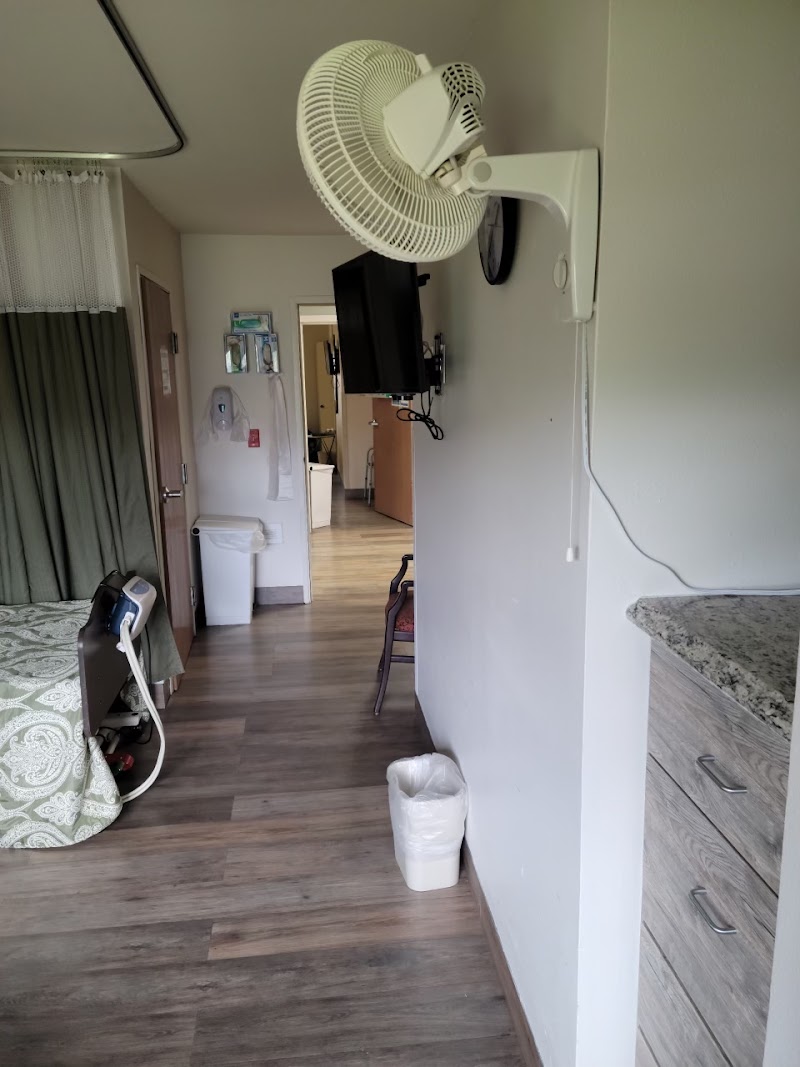
How is Casa Azul Skilled Nursing And Rehabilitation Staffed?

CMS rates CASA AZUL SKILLED NURSING AND REHABILITATION's staffing level at 2 out of 5 stars, which is below average compared to other nursing homes.

What Have Inspectors Found at Casa Azul Skilled Nursing And Rehabilitation?

State health inspectors documented 48 deficiencies at CASA AZUL SKILLED NURSING AND REHABILITATION during 2023 to 2025. These included: 6 Immediate Jeopardy (the most serious level, indicating potential for serious harm or death), 1 that caused actual resident harm, 39 with potential for harm, and 2 minor or isolated issues. Immediate Jeopardy findings are rare and represent the most serious regulatory concerns. They require immediate corrective action.
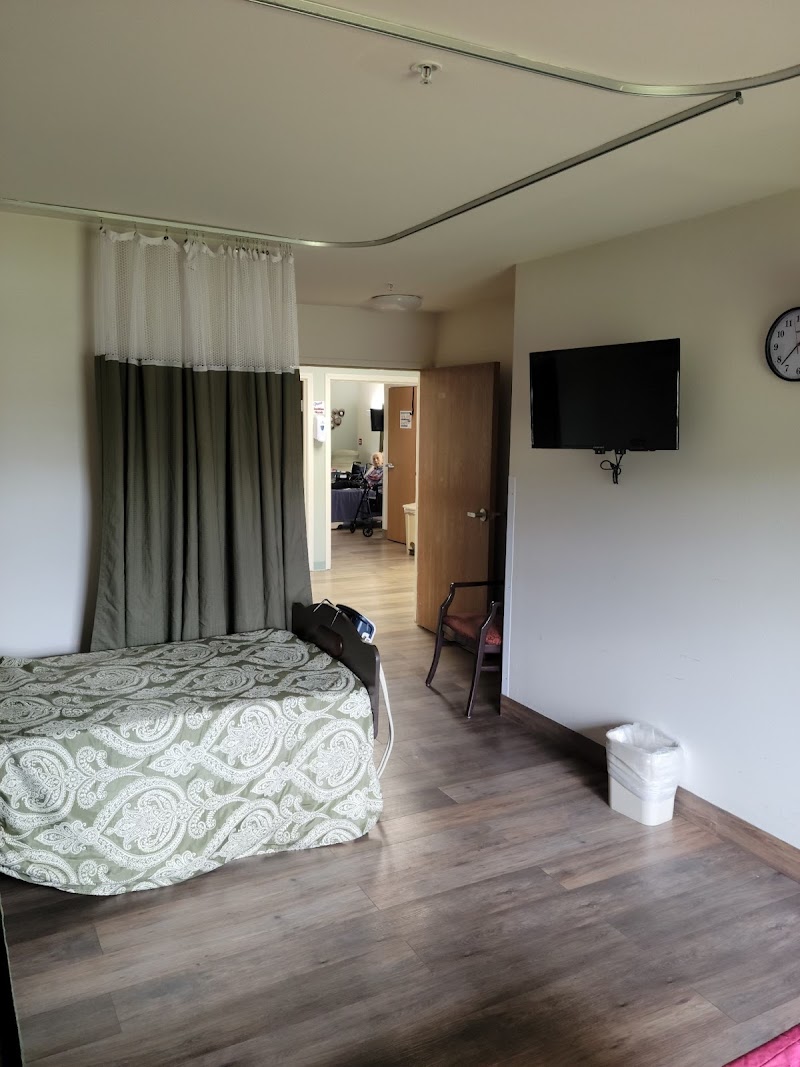
Who Owns and Operates Casa Azul Skilled Nursing And Rehabilitation?

CASA AZUL SKILLED NURSING AND REHABILITATION is owned by a for-profit company. For-profit facilities operate as businesses with obligations to shareholders or private owners. The facility is operated by OAKBEND MEDICAL CENTER, a chain that manages multiple nursing homes. With 125 certified beds and approximately 69 residents (about 55% occupancy), it is a mid-sized facility located in KATY, Texas.
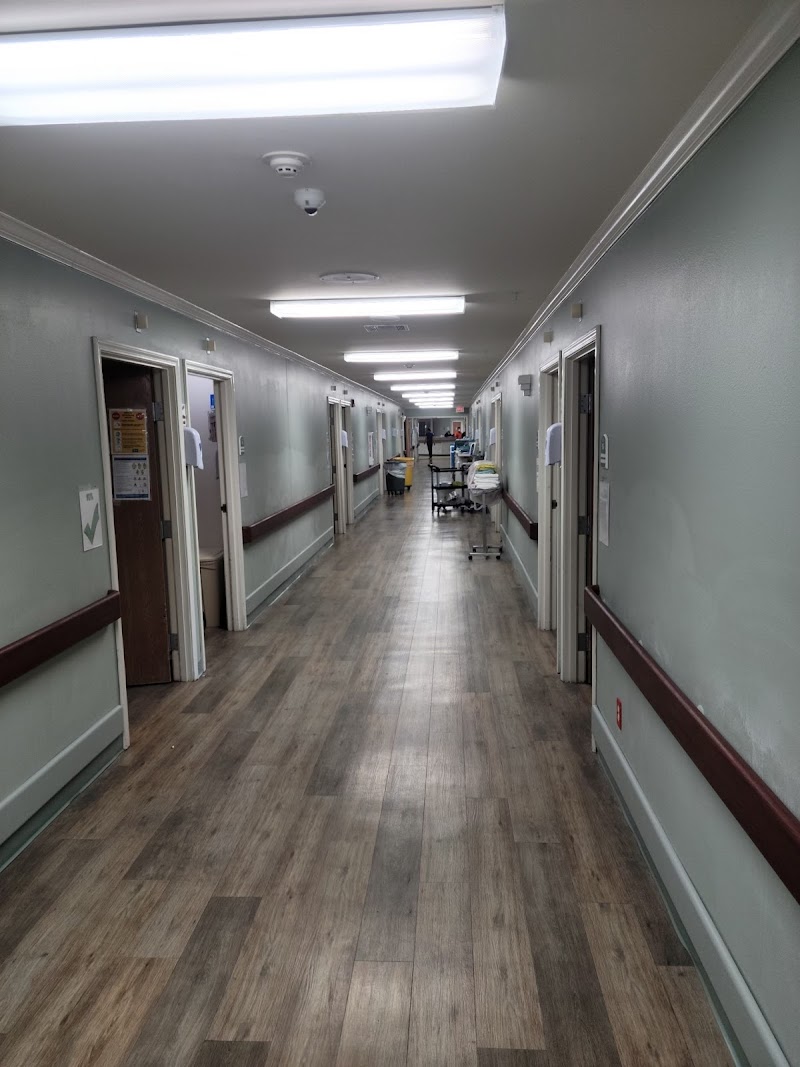
How Does Casa Azul Skilled Nursing And Rehabilitation Compare to Other Texas Nursing Homes?

Compared to the 100 nursing homes in Texas, CASA AZUL SKILLED NURSING AND REHABILITATION's overall rating (1 stars) is below the state average of 2.8 and health inspection rating (1 stars) is much below the national benchmark.

What Should Families Ask When Visiting Casa Azul Skilled Nursing And Rehabilitation?

Based on this facility's data, families visiting should ask: "What changes have been made since the serious inspection findings, and how are you preventing similar issues?" "Can you walk me through typical staffing levels on day, evening, and night shifts?" "Can I visit during a mealtime to observe dining assistance and food quality?" "How do you handle medical emergencies, and what is your hospital transfer rate?" These questions are particularly relevant given the facility's Immediate Jeopardy citations and the below-average staffing rating.

Is Casa Azul Skilled Nursing And Rehabilitation Safe?

Based on CMS inspection data, CASA AZUL SKILLED NURSING AND REHABILITATION has documented safety concerns. Inspectors have issued 6 Immediate Jeopardy citations (the most serious violation level indicating risk of serious injury or death). The facility has a 1-star overall rating and ranks #100 of 100 nursing homes in Texas. Families considering this facility should ask detailed questions about what corrective actions have been taken since these incidents.

Do Nurses at Casa Azul Skilled Nursing And Rehabilitation Stick Around?

CASA AZUL SKILLED NURSING AND REHABILITATION has not reported staff turnover data to CMS. Staff turnover matters because consistent caregivers learn residents' individual needs, medications, and preferences. When staff frequently change, this institutional knowledge is lost. Families should ask the facility directly about their staff retention rates and average employee tenure.

Was Casa Azul Skilled Nursing And Rehabilitation Ever Fined?

CASA AZUL SKILLED NURSING AND REHABILITATION has been fined $170,149 across 4 penalty actions. This is 4.9x the Texas average of $34,780. Fines at this level are uncommon and typically indicate a pattern of serious deficiencies, repeated violations, or failure to correct problems promptly. CMS reserves penalties of this magnitude for facilities that pose significant, documented risk to resident health or safety. Families should request specific documentation of what issues led to these fines and what systemic changes have been implemented.

Is Casa Azul Skilled Nursing And Rehabilitation on Any Federal Watch List?

CASA AZUL SKILLED NURSING AND REHABILITATION is not on any federal watch list. The most significant is the Special Focus Facility (SFF) program, which identifies the bottom 1% of nursing homes nationally based on persistent, serious quality problems. Not being on this list means the facility has avoided the pattern of deficiencies that triggers enhanced federal oversight. This is a positive indicator, though families should still review the facility's inspection history directly.