PARADIGM AT THE BRAZOS
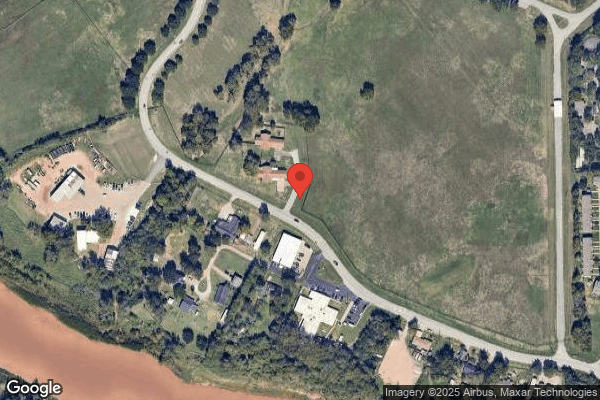
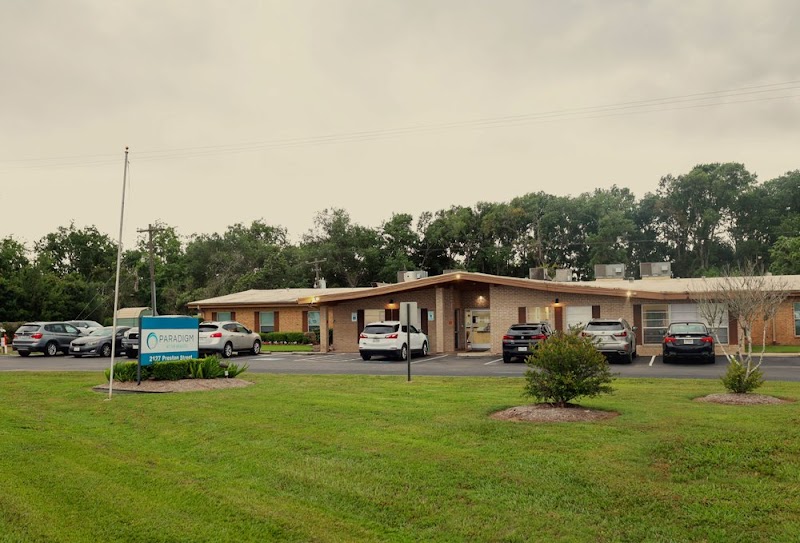
2127 PRESTON ST, RICHMOND, TX 77469 (281) 342-2801
For profit - Corporation 56 Beds PARADIGM HEALTHCARE Data: November 2025
Trust Grade
90/100
#105 of 1168 in TX
Last Inspection: August 2025

Inspected within the last 6 months. Data reflects current conditions.

Overview

Paradigm at the Brazos has received an impressive Trust Grade of A, indicating it is an excellent choice for families looking for quality care. It ranks #105 out of 1168 facilities in Texas, placing it in the top half, and #2 out of 15 in Fort Bend County, meaning there is only one local option that is better. The facility is improving, having reduced its issues from four in 2023 to just two in 2025. Staffing is a mixed bag; while the turnover rate is a relatively low 32%, resulting in some stability, the staffing rating is average at 3 out of 5 stars. There have been no fines, which is a positive indicator, and the facility boasts more RN coverage than 95% of Texas facilities, ensuring better oversight of resident care. However, there are some concerns to note. Recent inspections revealed critical issues, including improper food storage practices that could risk contamination and a failure to maintain effective pest control, with gnats observed in the kitchen area. Additionally, the facility did not report a suspected incident of abuse in a timely manner, which raises concerns about resident safety. Overall, while Paradigm at the Brazos has several strengths, families should be aware of these weaknesses as they consider care options.

Trust Score
A
90/100
In Texas
#105/1168
Top 8%
Safety Record
Low Risk
No red flags
Inspections
Getting Better
4 → 2 violations
Staff Stability
○ Average
32% turnover. Near Texas's 48% average. Typical for the industry.
Penalties
✓ Good
No fines on record. Clean compliance history, better than most Texas facilities.
Skilled Nurses
○ Average
Each resident gets 39 minutes of Registered Nurse (RN) attention daily — about average for Texas. RNs are the most trained staff who monitor for health changes.
Violations
○ Average
6 deficiencies on record. Average for a facility this size. Mostly minor or procedural issues.
★★★★★
5.0
Overall Rating
★★★☆☆
3.0
Staff Levels
★★★★★
5.0
Care Quality
★★★★★
5.0
Inspection Score
Stable
2023: 4 issues
2025: 2 issues

The Good

  • 5-Star Quality Measures · Strong clinical quality outcomes
  • Full Sprinkler Coverage · Fire safety systems throughout facility
  • No fines on record
  • Staff turnover below average (32%)

    16 points below Texas average of 48%

Facility shows strength in quality measures, fire safety.

The Bad

Staff Turnover: 32%

14pts below Texas avg (46%)

Typical for the industry

Chain: PARADIGM HEALTHCARE

Part of a multi-facility chain

Ask about local staffing decisions and management

The Ugly 6 deficiencies on record

Aug 2025 2 deficiencies
CONCERN (D)

Potential for Harm - no one hurt, but risky conditions existed

Report Alleged Abuse (Tag F0609)

Could have caused harm · This affected 1 resident

**NOTE- TERMS IN BRACKETS HAVE BEEN EDITED TO PROTECT CONFIDENTIALITY** Based on the interview and record review, the facility failed to ensure that all alleged violations involving abuse, neglect, ex...

Read full inspector narrative →
**NOTE- TERMS IN BRACKETS HAVE BEEN EDITED TO PROTECT CONFIDENTIALITY** Based on the interview and record review, the facility failed to ensure that all alleged violations involving abuse, neglect, exploitation, or mistreatment were reported immediately but no later than 2 hours after the allegation was made, for 1 of 5 residents (CR#1), reviewed for freedom from abuse in that: The facility failed to report to Health and Human Services suspected alleged abuse on CR#1.This failure could put the residents at risk of abuse, allegations of abuse not being reported immediately, and could result in physical and psychosocial harm. The findings included. Record review of provider investigation report revealed the following:Date and Time of the Incident: [DATE] at 6:00 PMDate facility first learned of Incident. [DATE]Date and time facility reported the incident to HHSC - [DATE] at 5:45 PMDate facility fax the investigation report to the state: [DATE]. Record review of CR #1's face sheet indicated the [AGE] year-old female resident was admitted to the facility on [DATE]. Diagnoses included, but not limited to Dementia, mood disturbance, anxiety, hypertension, kidney disease stage 3, muscle weakness, Alzheimer's disease with late onset, cognitive communication disorder, history of falling, and difficulty in walking. Record review of CR #1's MDS dated [DATE] revealed no BIMS score but documented a memory problem with a severe cognitive impairment. Maximally assisted with ADLS, wheelchair dependent with 2 or more persons assisting. Record review of the Care Plan (revised [DATE]) for CR #1 revealed the resident has impaired cognitive function/dementia or impaired thought processes related to Alzheimer's, Dementia, long-term memory loss, Psychotropic drug use, and short-term memory loss. Interview with Resident #26 on [DATE] at 1:15 pm. stated the staff are great, no concerns, only one staff member who was working today was rude to her, but she had been written up. She stated the staff member could not give her pain medicine on time as the doctor has prescribed it. Th resident stated she had pain in my shoulder, back, and leg. But overall, she was fine and satisfied with the services here. Se stated she had not been abused or neglected. She was independent; and did all her stuff by herself. She stated the incident involving CR#1, she reported it to the administrator the next day. What happened was she was playing at a table and CR#1 was sitting in her wheelchair next to her table, she had been sitting there for a long time, CNA A came to get her, she yelled at her to mind my business, she pushed CR#1 too fast to her room. Resident #26 stated she felt she was being abused. I told the administrator about it the next day and when CR#1's RP came she told her about the incident. The resident stated she also told the Ombudsman. They never came until after CR#1 died in the hospital. But CR#1's death was not a result of the abuse. Telephone interview with CR#1's RP on [DATE] at 3:26 p.m., she said CR #1 passed on [DATE] from complications of pneumonia in the hospital. There was an incident that happened at the facility before CR #1 was transferred to the hospital. She stated she did not hear about it until they visited the facility, and one of the residents who always looked after CR #1 told them CNA A abused CR #1 by pushing her so forcefully. The facility did not notify her. She said she was taking CR #1 to change her. She pulled on CR #1, she was screaming, she guesses CNA A was frustrated with CR #1which was why she was forcing on CR #1. The administrator did not tell me about, CR#1's RP stated she asked the administrator, and she was told an investigation was started, but she did not want to tell me until she had finished her investigation, so she would have something to tell. CR #1 stated there was no bruise on CR #1 but was told the incident happened on [DATE] but was notified about it on [DATE]. Interview with Administrator on [DATE] at 1:25 pm. Said CR#1, is no longer in this facility. She had a change in condition and was transferred to the hospital on [DATE] hospital, where she finally died of natural death. On the incident that happened while she was in this facility, I came to work on Monday around noon, a resident by the name resident #26 came to me and told me that a resident was physically abused on Sunday late afternoon by a CNA A. She said that CR#1, was trying to stand up from her wheelchair, and CNA A forcefully pushed her back in the wheelchair. I asked her if she had told any staff, and she said no. I started an investigation immediately and removed the employee from the schedule pending investigation. After investigation, it was undetermined if staff abused the resident. Training on abuse/neglect was done on [DATE], and every month/PRN, last done on [DATE]. Examples of abuse are physical, mental, verbal, financial, and sexual. An example of neglect is not changing the residents or not providing care. She stated that she had not witnessed any abuse before. If there is any suspected abuse, all staff report to her, and she starts an investigation immediately.In another interview with Administrator on [DATE] at 4:57 pm. She said the incident happened on [DATE], knew about it on [DATE] through resident #26, and it was reported to HHSC on [DATE] at 5:45 p.m. She stated that, there was nothing to corroborate any signs of abuse. No signs of injury, no change in behaviors. The facility's process of reporting abuse is that investigation is started, to make sure the facility had done something about it, to make sure it was taken care of. The facility's investigation did not reveal that any abuse had happened. She even interviewed residents. She saw CR #1's RP that Tuesday or Wednesday and told her about the allegation. The administrator did not answer the question for reporting abuse timely. She said what was more important is that we started our investigation right away. Additional harm can happen. There was no intent to not report. Risk to the resident when RP was not notified of abuse. Potentially harm could come to the resident. Telephone Interview with ADON on [DATE] at 9:50 am., she stated she worked PRN at this facility and has not been there in the past 45 days. She stated the incident involving CR#1, she cannot remember everything; however, a regular head-to-toe assessment of CR#1 was conducted during that period of alleged abuse. The facility has a process in place that, whenever suspected abuse is reported, an assessment is performed. The facility completed a completed a head-to-toe assessment on CR#1, no physical injury found. Whenever there is a suspected or an allegation of abuse, an investigation is started. If it is resident-to-resident, the resident is removed, or staff-to-resident, the staff is removed from the care; the administrator, NP, and RP are notified. The allegation is also reported to HHSC within 2hours to 24 hours. The risk of not reporting to HHSC will be that the residents will continue to get harmed from the abuse. The risk of not notifying the resident RP is that the RP will not be aware and will not help the resident to make an informed decision at that time. ADON stated she had received in-service for abuse and neglect; the last in-service was last month, June. Examples of abuse are physical, verbal, emotional, and sexual. An example of neglect is the failure to provide care. If there is any suspected abuse, it is always reported to the administrator. A record review of the facility's policy on abuse, neglect, and exploitation revealed the following: Abuse is the willful infliction of injury, unreasonable confinement, intimidation, or punishment with resulting physical harm, pain or mental anguish. Instances of abuse of all residents, irrespective of any mental, or physical condition, cause physical harm, pain or mental anguish. It includes verbal abuse, sexual abuse, physical abuse, and mental abuse including abuse facilitated or enabled using technology. Willful, as used in this definition of abuse, means the individual must have acted deliberately, not that the individual must have intended to inflict injury or harm. Component IV: Identification1. Staff members will identify and assess suspected or alleged reports of abuse or neglect, focusing on objective and observable evidence, such as suspicious bruising, witness reports regarding unusual occurrences or patterns or trends of potential abuse or neglect.Types of abuse include BUT ARE NOT LIMITED TO:B. Mental abuse: 1) Humiliation 2) Harassment3) Threats4) Punishment or deprivation5) Intentional disrespect or disregard for an individual's right to privacy and dignity as it relates to their person and property. Component V: Reporting/ResponseAll alleged violations concerning abuse, neglect, or misappropriation of property are reported immediately but no later than 2 hours after the incident occurs or is suspected.
CONCERN (E)

Potential for Harm - no one hurt, but risky conditions existed

Food Safety (Tag F0812)

Could have caused harm · This affected multiple residents

Based on observations, interviews, and record review, the facility failed to store, prepare, distribute, and serve food in accordance with professional standards for food service safety for 1 of 1 kit...

Read full inspector narrative →
Based on observations, interviews, and record review, the facility failed to store, prepare, distribute, and serve food in accordance with professional standards for food service safety for 1 of 1 kitchen reviewed for storage, preparation and sanitation. -The facility failed to seal, label the contents of the packages and date when food items were opened in the refrigerator and dry storage. -The facility failed to discard expired cooked food from the walk-in refrigerator.-The facility failed remove a scoop in the flour container. These failures could place residents who received meals and/or snacks from the kitchen at risk for food-borne illness and food contamination if consumed. Findings included: Kitchen Observation on 07/29/25 at 8:15 AM revealed the following: -1 Plastic bag of cooked Spanish rice that was not labeled or dated in the walk-in refrigerator.-1 Plastic bag cooked ham chunks that was not labeled or dated in the walk-in refrigerator.-1 plastic bag of diced tomatoes that was not labeled or dated in the walk-in refrigerator.-15 8oz glasses of orange juice that was not labeled or dated in the walk-in refrigerator.-1 -25 lb box of instant food thickener that was opened, unsealed, and undated in the dry storage area. - 1 plastic bag of opened and [NAME] Crispy cereal that was not labeled or dated in the dry storage area.- 1 opened 5 lb bag of Rotini that was not labeled or dated in the dry storage area.- 1 opened 3-gallon container of vanilla ice cream that was not dated in the walk-in freezer.- 1 container of tomato soup with an expired date of 07/22/25 in the dry storage area.- 20 Liter flour container noted with scoop left in container in the dry storage area. During an interview on 07/29/25 at 8:30 AM, Dietary Aide B said all open items should be labeled and dated. Dietary Aide B said these items should be discarded because the staff does not know when the items were opened. During an interview on 07/31/25 at 4:50 PM, [NAME] E said the kitchen staff was responsible for labeling and dating food items. She said cooked food should be labeled and dated, and it should be discarded after 2-3 days. [NAME] E said the risk of not labeling and dating food was that the residents could get sick, which could lead to food poisoning. During an interview on 07/31/25 at 5:01 PM, the Dietary Manager said the expectation was for all kitchen staff to label and date open items in the refrigerator and in the dry storage areas. She also said the scoop should not be left in the flour container because it could be an infection control concern. The Dietary manager said the risk of unlabeled, unsealed, or outdated food would not be good for residents to consume because serving outdated food could cause harm and lead to food borne illness. During an interview on 07/31/25 at 5:15 PM, the Administrator said she expected the kitchen staff to label and date all foods per policy. She said food without labels or dates should be discarded. She said outdated food can cause harm and the resident can get sick. Record review of the Nutrition Services policy and procedure, dated 08/12/19, reflected, . Food Safety in Receiving and Storage It is the policy of this facility that food will be received and stored by methods to minimize contamination and bacterial growth. Procedures: Receiving Guidelines: 7. Check expiration dates and use-by dates to assure the dates are within acceptable parameters. General food: Place food that is repackaged in a leak-proof, pest-proof, non-absorbent, sanitary container with a tight-fitting lid. Label both the container and its lid with the common name of the contents and the date it was transferred to the new container. It is recommended that food stored in bins (e.g. flour or sugar) be removed from its original packaging . Record review of the Food and Drug Administration Food Code, dated 2022, reflected, 3-305.11 Food Storage.(B) .refrigerated, ready-to eat time/temperature control for safety food prepared and packaged by a food processing plant shall be clearly marked, at the time the original container is opened in a food establishment and if the food is held for more than 24 hours, to indicate the date or day by which the food shall be consumed on the premises, sold, or discarded, based on the temperature and time combinations specified in (A) of this section and: (1) The day the original container is opened in the food establishment shall be counted as Day 1; and (2) The day or date marked by the food establishment may not exceed a manufacturer's use-by date if the manufacturer determined the use-by date based on food safety .
Nov 2023 2 deficiencies
CONCERN (D) 📢 Someone Reported This

A family member, employee, or ombudsman was alarmed enough to file a formal complaint

Potential for Harm - no one hurt, but risky conditions existed

Deficiency F0914 (Tag F0914)

Could have caused harm · This affected 1 resident

**NOTE- TERMS IN BRACKETS HAVE BEEN EDITED TO PROTECT CONFIDENTIALITY** Based on observation, interview, and record review, the facility failed to be designed or equipped to assure full visual privacy...

Read full inspector narrative →
**NOTE- TERMS IN BRACKETS HAVE BEEN EDITED TO PROTECT CONFIDENTIALITY** Based on observation, interview, and record review, the facility failed to be designed or equipped to assure full visual privacy for 1 (room [ROOM NUMBER]) of 6 residents' rooms reviewed for visual privacy. -The facility failed to provide a complete window covering to ensure Resident #1's full visual privacy. This failure could have placed residents at risk of exposure while care was being provided. The findings included: Record review of Resident #1's admission Record, dated 11/29/2023, revealed a [AGE] year-old male who was admitted to the facility on [DATE]. Resident #1's diagnoses included cerebral infarction (stroke), type 2 diabetes mellitus (high blood sugar) without complications, history of falling, peripheral vascular disease (condition that affects the blood vessels outside of the heart and brain), and zoster (shingles) with other complications. Record review of Resident #1's quarterly MDS assessment, dated 10/06/2023, revealed a BIMS score of 0, indicating a severe cognitive impairment. Further review revealed resident was dependent with toileting, showering/bathing, and dressing. Record review of Resident #1's care plan, undated, revealed he had ADL self-care performance deficits. Resident #1 was a two-person total assist with bathing and transferring and a one-person total assist with bed mobility, dressing, and toileting. Observation and interview on 11/29/2023 at 10:11 a.m., revealed Resident #1 was sitting in his wheelchair watching television. The resident's bed was located next to the bedroom window. The window had a set of mini-blinds that was missing the bottom half of the plastic slats. On the other side of the window was a view to the outside of the facility. Resident #1 was able to answer questions with a yes and/or no. He said yes he was doing okay. He said yes they helped changed his brief and changed him when he was lying in bed. In an interview on 11/29/2023 at 4:16 p.m., the Maintenance Supervisor, said she had been working at the facility for approximately 21 years. She said one of her job responsibilities was to maintain the window coverings in the residents' rooms. She said she replaced the mini-blinds as soon as she could. She said the facility used a computer platform system to enter and track maintenance work orders. She said she did not know when the last work order to replace Resident #1's mini-blinds was last submitted but the blinds were last changed approximately 4 months ago. She said the last time she changed them was because she noticed they were missing some of the plastic slats. She said no one brought it to her attention that they needed to be replaced again. She said the facility's policy was for staff to submit a work order through the computer platform system. She said no work orders were submitted in the past 4 months to replace any mini-blinds for any of the residents. She said a resident not having a full covering on their window could potentially create a privacy and dignity issue for them. In an interview on 11/30/2023 at 7:24 a.m., CNA A said she had been working at the facility since January 2023. She said she worked with Resident #1 before and knew the mini-blinds in his bedroom were messed up. She said she did not recall when she first noticed they were missing the plastic slats. She said she did not report it to anyone because she thought maybe someone else maybe had reported them. She said she did not check with other staff members to see if someone reported the blinds were messed up and/or if a work order was submitted. She said work orders were submitted through a system that was through their online computer system. She said the work order got sent to the Maintenance Director once it was entered. She said Resident #1 required maximum assistance with toileting and it was provided to him while he lied in bed. She said the potential risk to a resident when there was not full visual privacy on their window was it could affect their privacy. Record review of the facility's Environmental: Resident's Room, Resident's Right policy, revised 06/2019, reflected in part .It is the policy of this facility that the facility provides the resident with an environment that preserves dignity, privacy and contributes to a positive self-image .5) Each resident bedroom must be designed or equipped to assure full visual privacy for each resident. a. Full visual privacy means that residents have a means of completely withdrawing from public view, without staff assistance, while occupying their bed (e.g. curtain, moveable screens, private room) .
CONCERN (D) 📢 Someone Reported This

A family member, employee, or ombudsman was alarmed enough to file a formal complaint

Potential for Harm - no one hurt, but risky conditions existed

Safe Environment (Tag F0921)

Could have caused harm · This affected 1 resident

Based on observation, interview and record review, the facility failed to provide a safe, functional, sanitary, and comfortable environment for residents, staff, and the public for 1 (B Hall) of 3 hal...

Read full inspector narrative →
Based on observation, interview and record review, the facility failed to provide a safe, functional, sanitary, and comfortable environment for residents, staff, and the public for 1 (B Hall) of 3 halls reviewed for environment. -The facility failed to ensure the B Hall did not have a strong odor of urine. This failure could place residents at risk for a diminished quality of life. The findings included: Observation on 11/29/2023 at 10:10 a.m., revealed a strong odor of urine in B Hall. Observation on 11/29/2023 at 10:29 a.m., revealed a strong odor of urine in room B-12. In the corner of the room and along the side of the wall where the window was located, the floor was stained a medium to yellowish-brownish color. The floor tile in the corner of the room was warped and appeared to begin detaching from the floor. Observation on 11/30/2023 at 8:00 a.m., revealed a strong odor of urine in B Hall. In an interview on 11/30/2023 at 9:34 a.m., the DON said the resident in room B-12 urinated on his bedroom floor and in his trashcan. She said staff took him to the restroom every 2-3 hours, but he had dementia and Alzheimer's. She said sometimes he used the restroom and sometimes he did not. In an interview on 11/30/2023 at 11:06, the Interim Administrator said she had been working at the facility for 2 weeks. She said she occasionally noticed an intermittent odor of urine in the building. She said it was her understanding there was a resident who had a behavior of urinating in his room. She said she was going to follow-up with corporate to see if the tiles could be replaced and it was already in process. Record review of the facility's Environmental: Resident's Room, Resident's Right policy, revised 06/2019, revealed in part .13) The facility must provide a safe, functional, sanitary, and comfortable environment for residents, staff and the public .
Jun 2023 2 deficiencies
CONCERN (D)

Potential for Harm - no one hurt, but risky conditions existed

Pharmacy Services (Tag F0755)

Could have caused harm · This affected 1 resident

**NOTE- TERMS IN BRACKETS HAVE BEEN EDITED TO PROTECT CONFIDENTIALITY** Based on observation, interview, and record review, the facility failed to provide pharmaceutical services (including procedures...

Read full inspector narrative →
**NOTE- TERMS IN BRACKETS HAVE BEEN EDITED TO PROTECT CONFIDENTIALITY** Based on observation, interview, and record review, the facility failed to provide pharmaceutical services (including procedures that assure the accurate acquiring, receiving, dispensing, and administering of all drugs and biologicals) to meet the needs of 1 resident (Resident #12) of 6 residents observed and reviewed for medication administration. -MA A dispensed five medications for Resident #12 and presented them to the resident for administration. Resident #12 had already received the medications. -LVN B had administered Resident #12's medications earlier but did not document in the MAR. The failures placed residents at risk for overmedication and the complications related to overmedication. Findings include: Record review of the admission Record for Resident #12 (printed 05/31/2023) revealed he was [AGE] years old, admitted to the facility on [DATE]. He was listed as being his own Responsible Party. Diagnoses included, but were not limited to, chronic kidney disease with dependence on renal dialysis and hyperlipidemia (high volumes of water-insoluble molecules). Record review of the quarterly MDS dated [DATE] revealed Resident #12 scored 15 of 15 on the BIMS, indicative of intact cognition. Record review of the Care Plan dated 10/27/2022 revealed one 'Focus' reflected Resident #12 had chronic renal/kidney failure. The 'Goal' was reflected as the resident would not have any complications related to fluid deficit or overload. One 'Intervention' was reflected as administering medications as ordered by the physician. Record review of the Physician's Order Summary Report (printed 05/31/2023) revealed Resident #12 was to receive dialysis treatments on Mondays, Wednesdays, and Fridays. The Orders reflected the resident was to receive one tablet of enteric coated aspirin (81 mg) daily related to high blood pressure. He was to receive three tablets of Sevelamer Carbonate (800 mg) on dialysis days for his kidney disease. The Orders reflected he was to receive Clopidogrel Bisulfate (75 mg) daily related to the acquired absence of one of his left fingers. The Orders reflected he was to receive Midodrine Hydrochloride (10 mg) on dialysis days to address low blood pressure during dialysis. In addition, Resident #12 was to receive one tablet of Multivitamin with minerals. Observation and interview on 05/31/2023 at 7:14 a.m. revealed MA A outside of Resident #12's room. She was standing by the medication cart. She said she was going to dispense the morning medications for Resident #12. MA A entered Resident #12's room. Resident #12 was awake, sitting in a wheelchair. MA A obtained his blood pressure and pulse. She then returned to the medication cart in the hall. Observation revealed she dispensed one 81 mg tablet of enteric coated aspirin, three 800 mg tablets of Sevelamer Carbonate, one 75 mg tablet of Clopidogrel Bisulfate, one tablet of Multivitamin with minerals, and four 2.5 mg tablet of Midodrine Hydrochloride. She acknowledged to the surveyor that she had a total of 10 tablets in a medication cup. Observation revealed none of the five medications had been signed as been administered on the electronic MAR for Resident #12. They were highlighted in yellow, indicating they were within the administration time window, but not yet administered. Continued observation revealed MA A entered Resident #12's room. She offered the medications to Resident #12. Resident #12 informed her that LVN B had already administered the same medications. MA A did not administer the medications. She returned to her medication cart and placed the medication cup into the drawer. They were later properly discarded. Observation and interview on 05/31/2023 at 7:25 a.m. revealed LVN B was in an adjacent hallway with a different medication cart. LVN B said she had administered the same medications to Resident #12 earlier that morning, because he was going to dialysis. She said she had not initialed in the electronic MAR that they had been administered. She said that she was not able to initial in the electronic MAR because the screen was not 'yellow' at the time, which would have indicated the one-hour time frame was in effect. At that time, LVN B displayed the electronic MAR for Resident #12. The five morning medications were highlighted in yellow, indicating they were within the administration time window, but not yet administered. LVN B began initialing the medications as been administered. LVN B again verbalized she had administered the medications. Interview on 05/31/2023 at 7:36 a.m. with the DON revealed she said sometimes Resident #12 would ask for his medications early on dialysis days. She said if LVN B was not able to initial the medications as administered when she gave them, it would indicate they were given outside of the time frame of the order. She said that if LVN B would have initialed the medications as been given, MA A would have known they were already administered. She said the resident could have received extra medication if he was not able to tell MA A he had already received them. Record review of the facility policy Administration of Drugs (revised June 2019) revealed .10. The nurse administering the medication must record such information on the resident's MAR before administering the next resident's medication. 11. The nurse administering the medications must initial the resident's MAR.
CONCERN (E)

Potential for Harm - no one hurt, but risky conditions existed

Deficiency F0925 (Tag F0925)

Could have caused harm · This affected multiple residents

Based on observation, interview, and record review, the facility failed to maintain an effective pest control program to keep the facility free of pest for the mini storage area in the kitchen. The fa...

Read full inspector narrative →
Based on observation, interview, and record review, the facility failed to maintain an effective pest control program to keep the facility free of pest for the mini storage area in the kitchen. The facility failed to treat the facility gnats. This failure could affect all 38 residents by placing them at risk for the potential spread of infection, cross-contamination, food-borne illness, and decreased quality of life. Findings included: Observation on 5/30/23 at 8:39am revealed a group of gnats in the mini storage area of the kitchen flying around the wall. Inside of the mini storage area were dry seasoning, four pack of open napkins and 1 gallon of white distilled vinegar not completely sealed. Observation on 5/30/23 at 8:52am revealed gnats around the dirty vent area of the ceiling. During the interview on 5/30/23 at 8:25am with DM, she said she did not notice the dirty hanging vent in the mini storage area at all until the investigator brought it to her attention. She said if the dirty vent was not reported it could cause an infection control problem. She said she did notice the gnats flying around in the mini storage area. She said on 5/17/23, the exterminator for bug control came out to do monthly maintenance. During the Interview on 5/31/23 at 12:30pm an Interview with Maintenance Supervisor, she said when someone has placed a ticket in the maintenance book she would immediately respond unless a part is needed and not available. She said she check the maintenance log at least 3 or 4 times a day. During the Interview on 5/31/23 at 2:15pm with Dietary Aide, she said she never noticed any gnats in the mini storage area. She said she notice the dirty vent in the mini storage area sometimes. She said the Maintenance Supervisor would sometimes come around and clean once she noticed that the vent was dirty. She said the vent in the mini storage area had been replaced two times, but she could not remember when. During the Interview on 5/31/23 at 2:32pm an Interview with DM, she said the maintenance person come to the kitchen and change the filters for the vents. She said she did not notice the dirty hanging vent in the mini storage area at all until the investigator brought it to her attention. She said if the dirty vent was not reported it could cause an infection control problem. She said she did notice the gnats flying around in the mini storage area. During the Interview on 6/1/23 at 8:41am an Interview with Administrator, she said if the vent was not cleaned based upon the outcome of the gnats being inside of the mini storage the remanence of the insects could get inside of the food worst case scenario. She reported there have not been an ongoing issue of any insects but if so, the pest control person would come out. Review of the facility maintenance log revealed: 4/17/23 was the latest date of treatment for gnats. Review of the Policy for Pest Control dated 6/2019 revealed: it is the policy of this facility that the facility will maintain an effective pest control program to prevent or eliminate infestation of pests and rodents. Review of the Policy for Environmental: Resident's Room, Resident's Rights dated 6/2019 revealed: read in part: .(13) The facility must provide a safe, functional, sanitary, and comfortable environment for residents, staff and the public. Review of the facility paper Repair Requestion dated 5/30/23 from the kitchen requesting the vent to be cleaned in the mini dry storage area.
Understanding Severity Codes (click to expand)
Life-Threatening (Immediate Jeopardy)
J - Isolated K - Pattern L - Widespread
Actual Harm
G - Isolated H - Pattern I - Widespread
Potential for Harm
D - Isolated E - Pattern F - Widespread
No Harm (Minor)
A - Isolated B - Pattern C - Widespread

Questions to Ask on Your Visit

  • "Can I speak with families of current residents?"
  • "What's your RN coverage like on weekends and overnight?"

Our Honest Assessment

Strengths
  • • Grade A (90/100). Above average facility, better than most options in Texas.
  • • No major safety red flags. No abuse findings, life-threatening violations, or SFF status.
  • • No fines on record. Clean compliance history, better than most Texas facilities.
  • • 32% turnover. Below Texas's 48% average. Good staff retention means consistent care.
Concerns
  • • No significant concerns identified. This facility shows no red flags across CMS ratings, staff turnover, or federal penalties.
Bottom line: Generally positive indicators. Standard due diligence and a personal visit recommended.

About This Facility

What is Paradigm At The Brazos's CMS Rating?

CMS assigns PARADIGM AT THE BRAZOS an overall rating of 5 out of 5 stars, which is considered much above average nationally. Within Texas, this rating places the facility higher than 99% of the state's 100 nursing homes. This rating reflects solid performance across the metrics CMS uses to evaluate nursing home quality.
How is Paradigm At The Brazos Staffed?

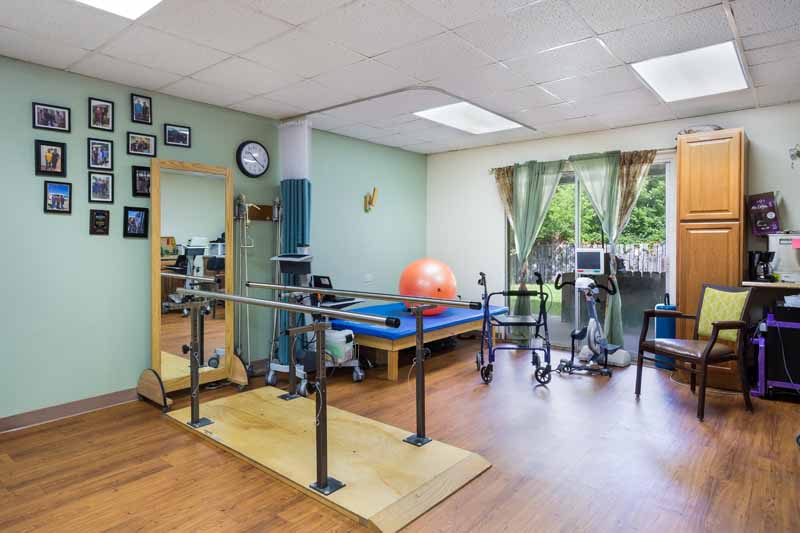
CMS rates PARADIGM AT THE BRAZOS's staffing level at 3 out of 5 stars, which is average compared to other nursing homes. Staff turnover is 32%, compared to the Texas average of 46%. This relatively stable workforce can support continuity of care.

What Have Inspectors Found at Paradigm At The Brazos?

State health inspectors documented 6 deficiencies at PARADIGM AT THE BRAZOS during 2023 to 2025. These included: 6 with potential for harm.
Who Owns and Operates Paradigm At The Brazos?

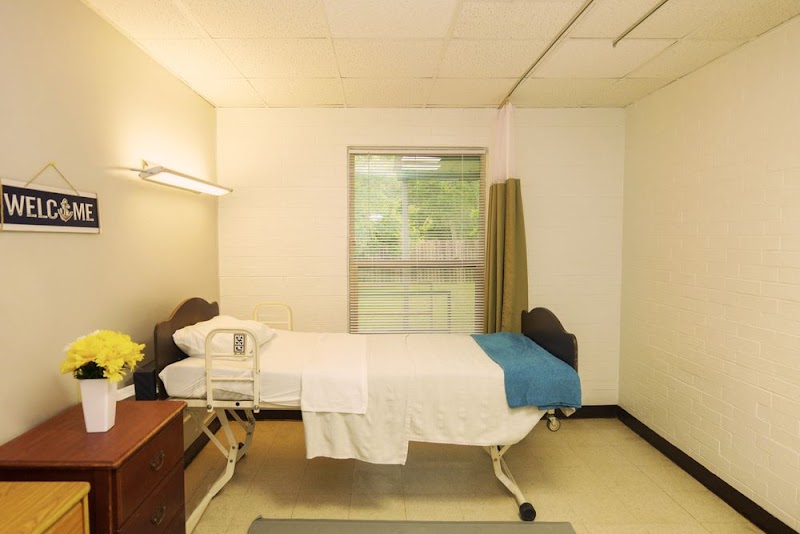
PARADIGM AT THE BRAZOS is owned by a for-profit company. For-profit facilities operate as businesses with obligations to shareholders or private owners. The facility is operated by PARADIGM HEALTHCARE, a chain that manages multiple nursing homes. With 56 certified beds and approximately 42 residents (about 75% occupancy), it is a smaller facility located in RICHMOND, Texas.

How Does Paradigm At The Brazos Compare to Other Texas Nursing Homes?

Compared to the 100 nursing homes in Texas, PARADIGM AT THE BRAZOS's overall rating (5 stars) is above the state average of 2.8, staff turnover (32%) is significantly lower than the state average of 46%, and health inspection rating (5 stars) is much above the national benchmark.

What Should Families Ask When Visiting Paradigm At The Brazos?

Based on this facility's data, families visiting should ask: "Can I visit during a mealtime to observe dining assistance and food quality?" "How do you handle medical emergencies, and what is your hospital transfer rate?" "Can I speak with family members of current residents about their experience?"

Is Paradigm At The Brazos Safe?

Based on CMS inspection data, PARADIGM AT THE BRAZOS has a clean safety record: no substantiated abuse findings (meaning no confirmed cases of resident harm), no Immediate Jeopardy citations (the most serious violation level indicating risk of serious injury or death), and is not on the Special Focus Facility watch list (a federal program monitoring the lowest-performing 1% of nursing homes). The facility has a 5-star overall rating and ranks #1 of 100 nursing homes in Texas. While no facility is perfect, families should still ask about staff-to-resident ratios and recent inspection results during their visit.

Do Nurses at Paradigm At The Brazos Stick Around?

PARADIGM AT THE BRAZOS has a staff turnover rate of 32%, which is about average for Texas nursing homes (state average: 46%). Moderate turnover is common in nursing homes, but families should still ask about staff tenure and how the facility maintains care continuity when employees leave.

Was Paradigm At The Brazos Ever Fined?

PARADIGM AT THE BRAZOS has no federal fines on record. CMS issues fines when nursing homes fail to meet care standards or don't correct problems found during inspections. The absence of fines suggests the facility has either maintained compliance or corrected any issues before penalties were assessed. This is a positive indicator, though families should still review recent inspection reports for the full picture.

Is Paradigm At The Brazos on Any Federal Watch List?

PARADIGM AT THE BRAZOS is not on any federal watch list. The most significant is the Special Focus Facility (SFF) program, which identifies the bottom 1% of nursing homes nationally based on persistent, serious quality problems. Not being on this list means the facility has avoided the pattern of deficiencies that triggers enhanced federal oversight. This is a positive indicator, though families should still review the facility's inspection history directly.