SPJST REST HOME NO 2


8611 MAIN ST, NEEDVILLE, TX 77461 (979) 793-4256
Non profit - Corporation 58 Beds Independent Data: November 2025 1 Immediate Jeopardy citation
Trust Grade
76/100
#132 of 1168 in TX
Last Inspection: September 2024

Within standard 12-15 month inspection cycle. Federal law requires annual inspections.

Overview

SPJST Rest Home No 2 in Needville, Texas, has a Trust Grade of B, indicating it is a good choice among nursing homes. It ranks #132 out of 1,168 facilities in Texas, placing it in the top half, and #3 out of 15 in Fort Bend County, meaning only two local options are rated higher. Unfortunately, the facility is experiencing a worsening trend, with issues increasing from 1 in 2023 to 4 in 2024. Staffing is a relative strength, rated 4 out of 5 stars, with a turnover rate of 46%, which is below the Texas average, and they have more RN coverage than 90% of state facilities. However, the facility has faced some serious concerns, including a critical medication error that led to a resident requiring hospitalization and issues with food safety practices, such as storing unlabeled and unsealed foods, which could pose health risks. Overall, while there are notable strengths, families should be aware of the recent lapses in care and safety.

Trust Score
B
76/100
In Texas
#132/1168
Top 11%
Safety Record
High Risk
Review needed
Inspections
Getting Worse
1 → 4 violations
Staff Stability
⚠ Watch
46% turnover. Above average. Higher turnover means staff may not know residents' routines.
Penalties
⚠ Watch
$12,649 in fines. Higher than 83% of Texas facilities, suggesting repeated compliance issues.
Skilled Nurses
✓ Good
Each resident gets 45 minutes of Registered Nurse (RN) attention daily — more than average for Texas. RNs are trained to catch health problems early.
Violations
⚠ Watch
11 deficiencies on record. Higher than average. Multiple issues found across inspections.
★★★★★
5.0
Overall Rating
★★★★☆
4.0
Staff Levels
★★☆☆☆
2.0
Care Quality
★★★★★
5.0
Inspection Score
Stable
2023: 1 issues
2024: 4 issues

The Good

  • 4-Star Staffing Rating · Above-average nurse staffing levels
  • Full Sprinkler Coverage · Fire safety systems throughout facility
  • No fines on record

Facility shows strength in staffing levels, fire safety.

The Bad

Staff Turnover: 46%

Near Texas avg (46%)

Higher turnover may affect care consistency

Federal Fines: $12,649

Below median ($33,413)

Minor penalties assessed

The Ugly 11 deficiencies on record

1 life-threatening
Sept 2024 4 deficiencies
CONCERN (D)

Potential for Harm - no one hurt, but risky conditions existed

Deficiency F0552 (Tag F0552)

Could have caused harm · This affected 1 resident

**NOTE- TERMS IN BRACKETS HAVE BEEN EDITED TO PROTECT CONFIDENTIALITY** Based on interview, and record review, the facility failed to inform residents in advance of the risks and benefits of proposed ...

Read full inspector narrative →
**NOTE- TERMS IN BRACKETS HAVE BEEN EDITED TO PROTECT CONFIDENTIALITY** Based on interview, and record review, the facility failed to inform residents in advance of the risks and benefits of proposed care and treatment for 1 of 5 residents (Resident #36) reviewed for resident rights, in that: The facility failed to obtain a signed consent for antipsychotic medication, Zyprexa Oral Tablet 15 mg, administered to Resident #36. The failure affected residents who received psychoactive medications and placed them at risk of receiving treatments without informed consent. Findings include: Record review of Resident #36's face sheet provided by the facility on 09/18/2024 revealed that Resident # 36 was a 67 -year-old female who admitted to the facility on [DATE] and had an active diagnosis of Bipolar Disorder (a mental illness that causes unusual shifts in a person's mood, energy, activity levels, and concentration) with an onset documented as of 12/04/2023. Record review of the comprehensive MDS assessment revealed Resident # 36 Brief Interview for Mental Status (BIMS) score of 15, indicating the resident's cognition was intact. The MDS assessment for Resident #36 revealed had an active Psychotic Disorder of Bipolar Disorder and had received an antipsychotic 7 days in the 7-day -look -back -period. Record review of Resident #36 care plan dated 08/19/2024 read in part Resident #36 uses psychotropic medications antipsychotic medication, Zyprexa. Record review of Resident #36 physician's order summary report revealed the following order: Zyprexa Oral Tablet 15 mg give one tablet by mouth at bedtime for Bipolar disorder, with a start date of 12/04/2024. Record review of Resident #36 MAR revealed that Zyprexa Oral Tablet 15 mg was administered by the facility's nursing staff on 12/04/2023 thru 01/30/2024 to Resident #36. Interview on 09/18/2024 at 1:45 PM, the Administrator stated that the nurses were required to ensure that there is signed consent for Antipsychotic Medication prior to administering. Interview on 09/18/2024 at 2:00 PM, the DON stated that the nurses were required to obtain consent and confirm that there is a signed Form 3713 consent for Zyprexa Oral Tablet 15 mg and verbal consent for other medications. The DON stated that the facility obtained a consent on 12/04/2024, but the consent referenced was not the correct consent for Zyprexa Oral Tablet 15 mg. Medication Administration and Antipsychotic Medication Use/Consent Policy was requested. Interview on 09/18/2024 at 3:30 PM, Resident #36 stated that she received antipsychotic medication but did not know what medications dosage and side effects associated with medications. Resident #36 denied receiving and services and support related to coping with bipolar disorder. Resident denied being sad at the time of the interview but stated that she feelings sad frequently and she could benefit from supportive. In an interview on 09/19/2024 at 11:00AM, the Administrator stated that the facility did not have Antipsychotic Medication Use/Consent Policy. Record review of the facility's admission Packet, Psychoactive Medication Informed Consent Page 12 of the admission Packet If a psychoactive medication is prescribed for a resident either before admission or after, you will be contacted regarding completing the consent form.
CONCERN (D)

Potential for Harm - no one hurt, but risky conditions existed

PASARR Coordination (Tag F0644)

Could have caused harm · This affected 1 resident

**NOTE- TERMS IN BRACKETS HAVE BEEN EDITED TO PROTECT CONFIDENTIALITY** Based on observation, interview, and record review, the facility failed to coordinate assessments with the Preadmission Screenin...

Read full inspector narrative →
**NOTE- TERMS IN BRACKETS HAVE BEEN EDITED TO PROTECT CONFIDENTIALITY** Based on observation, interview, and record review, the facility failed to coordinate assessments with the Preadmission Screening and Resident Review (PASARR) program to the maximum extent practicable for 1 of 5 residents (Resident #36) reviewed for PASARR. -The facility failed to update the PASARR Level 1 forms for Resident #36 to indicate mental health illness. This failure could place residents requiring PASARR services at risk of not having their special needs assessed and met by the facility. Findings included: Record review of Resident # 36's face sheet provided by the facility on 09/18/2024 revealed that Resident # 36 was a 67 -year-old female who admitted to the facility on [DATE] and had an active diagnosis of Bipolar Disorder (a mental illness that causes unusual shifts in a person's mood, energy, activity levels, and concentration) with an onset documented as of 12/04/2023. Record review of the comprehensive MDS assessment revealed Resident # 36 Brief Interview for Mental Status (BIMS) score of 15, indicating the resident's cognition was intact. The MDS assessment for Resident #36 revealed had an active Psychotic Disorder of Bipolar Disorder and had received an antipsychotic 7 days in the 7-day -look -back -period. Record review of Resident #36's care plan dated 08/19/2024 read in part Resident #36 uses psychotropic medications antipsychotic medication, Zyprexa. Record review of Resident #36 physician's order summary report revealed the following order: Zyprexa Oral Tablet 15 mg give one tablet by mouth at bedtime for Bipolar disorder, with a start date of 12/04/2024. Record review of the PASARR Level 1 Screening for Resident #36 dated for 12/04/2023 indicated no mental health illness. It was determined that resident was not eligible for PASARR specialized services because serious mental (Bipolar Disorder) illness was not indicated on initial PASARR Level 1 Screening. Interview and record review on 09/18/2024 at 11:00 AM with the MDS Coordinator revealed that she completed an updated PASARR Level 1 screening on 09/18/2024 after surveyors asked for the PASARR for Resident #36. She said she would wait to see what the recommendations were after the referral was processed. She stated that she did not know why the PASARR referral had not been completed on 12/04/2023. She stated that it would be important for a resident to receive PASARR services if they qualified. The MDS Coordinator stated that by not coordinating PASARR services it placed residents at risk for not receiving the necessary mental health services that the residents may have qualified for. Interview on 09/18/2024 at 3:30 PM, Resident #36 stated that she received antipsychotic medication but did not know what medications dosage and side effects associated with medications. Resident #36 denied receiving and services and support related to coping with bipolar disorder. Resident denied being sad at the time of the interview but stated that she feelings sad frequently and she could benefit from supportive. Record review of the facility's Resident Assessment-Coordination with PASARR Program policy dated implemented 06/2023 and Date Revised: 06/2023 revealed 9. Any resident who exhibits a newly evident or possible serious mental disorder, intellectual disability, or a related condition will be referred promptly to the state mental health or intellectual disability authority for a level II resident review .b. A resident whose intellectual disability or related was not previously identified and evaluated through PASARR.
CONCERN (D)

Potential for Harm - no one hurt, but risky conditions existed

Respiratory Care (Tag F0695)

Could have caused harm · This affected 1 resident

**NOTE- TERMS IN BRACKETS HAVE BEEN EDITED TO PROTECT CONFIDENTIALITY** Based on observation, interview, and record review, the facility failed to ensure that a resident who needed respiratory care wa...

Read full inspector narrative →
**NOTE- TERMS IN BRACKETS HAVE BEEN EDITED TO PROTECT CONFIDENTIALITY** Based on observation, interview, and record review, the facility failed to ensure that a resident who needed respiratory care was provided such care consistent with professional standards of practice, physicians orders, the comprehensive person-centered care plan, and the resident's goals and preferences for 1 of 42 (Resident #34) residents reviewed for quality of care The facility failed to ensure Resident #34's oxygen tubing was labeled and dated. This failure places the resident at an increased risk of infection leading to a decline in health. The findings included: Record review of Resident #34's face sheet dated 07/02/2024 reflected a [AGE] year-old female with admission date of 03/17/2023 and re-admission date 06/20/2024. Pertinent diagnoses included Pneumonia, unspecified organism, Allergic rhinitis (also called hay fever, is an allergic reaction that causes sneezing, congestion, itchy nose and watery eyes), unspecified, Cough, unspecified, and acute respiratory disease. Record review of Resident #34's MDS assessment , dated 08/13/2024 reflected Resident #34 had a BIMS score of 8 (severe cognitive impairment) and indicated she used Oxygen. Record review of Resident #34's Care Plan last updated 07/02/2024 read in part . Administer oxygen therapy as ordered . Record review of Resident #34's Treatment Administrative Record dated 09/06- 09/19/2024 read in part . Order: Change tubing on O2 concentrator Weekly. Frequency: Once A Day on Tue. Record review of the facility Oxygen Administration policy dated October 2010 did not mention labeling and or dating the oxygen tubing or hydration bottle. Interview and observation on 09/17/2024 at 9:08 AM with Resident #34 revealed she had an O2 concentrator, and there was no date on the tubing. Interview and observation on 09/18/2024 at 9:55 AM with Resident #34 revealed the oxygen tubing was still unlabeled. Resident #34 said staff had not changed the tubing since this surveyor was there yesterday. Interview on 09/18/2024 at 9:51 AM with CNA A revealed she recently started back the previous week. She stated before, she worked 2 years at the facility. She said she was familiar with Resident #34 and knew the resident was on O2. She said routinely, she helped toilet and bathe the resident, and looked over the O2 machine to make sure things were connected and labeled for the resident. She observed the oxygen tubing was not labeled. She said normally the nurse changed the O2 tubing and said it was supposed to be labeled. She said she did not know why the O2 tube was unlabeled. She said she should have had training on O2 tubing to be aware of how things looked but did not recall the last time she had training on O2 tubing. She said the charge nurse for the wing was responsible for oversight to ensure staff followed protocol regarding the Oxygen care. She said the risk to the resident if policy/ procedure was not followed was bacteria could or germs could transfer to the resident if the tubing touched the floor or was not changed and the worst thing that can happen to the resident when proper protocols are not practiced was it could cause the resident to become ill. Interview on 09/18/2024 at 9:58 AM with LVN A revealed she had worked at the facility for 13 years as an LVN. She said she was acting medication aide. She said she gave medications, performed wound care, documented her work and, tried to make the residents happy. She said she normally worked from 6am- 2pm, Monday through Friday. She said she was familiar with and routinely would do things like positioning the resident. She said regarding the resident's oxygen, the O2 was set on 2ml and generally the tubing and water was replaced on the night shift. She said the policy or procedure was the O2 tubing was changed weekly on night shift unless the water in the hydration bottle ran out sooner than weekly. She observed there was no date on the O2 tubing on the resident. LVN A replaced the tubing and added a hydration bottle. She said there was a failure to date the tubing . She said there was a new night nurse who have had 2 days training. She said in-services on Oxygen care and tubing was reinforced all the time. She said they were all aware that dating the tubing was supposed to be done. She said she was responsible for ensuring the tubing was dated. She said the risk to the resident if policy/procedure was not followed was bacteria could get in side the tubing and in the resident, and the resident and or their roommate could get sick. Interview on 09/18/2024 at 12:11 PM with DON revealed O2 tubing was changed weekly and as needed. She said nursing was responsible for changing the O2 tubing. She said the night nurse was scheduled to change the O2 tubing. She said nurses were responsible for checking that the O2 tubing were dated and CNAs, if aware, could bring it to the nurse's attention. She said the policy or procedure was that the O2 tubing was changed out every 7 days and was dated for when it was changed. When not in use, it was bagged up. She said she was not aware of the O2 tubing not being dated. She said the last trained staff on O2 tubing on 2/08/2024. She said she and the Administrator were responsible for ensuring protocol was followed. She said the risk to the resident if policy/protocol was not followed could be infection. Interview on 09/18/2024 at 12:52PM with the Administrator revealed the policy or procedure for Oxygen tubing was it was supposed to be changed out every 7 days, and when not in use it was bagged up. She said it was labeled with the date of when the tubing was changed. She said she was familiar with Resident #34. She said she did not know why the O2 tubing was not labeled, and it was supposed to happen every 7 days and it looked like the night nurse should have looked at the oxygen tubing. She said every nurse was responsible, but especially the night nurse was responsible for the oxygen tubing because the night nurse was supposed to change and label for O2 tubing. She said she last was in-serviced on residents with oxygen recently, within last 2 months. She said she was responsible for ensuring policy was followed. She said the risk to the resident if policy or proper protocols was not followed, was there was the potential for respiratory infection , and it could lead to hospitalization.
CONCERN (E)

Potential for Harm - no one hurt, but risky conditions existed

Food Safety (Tag F0812)

Could have caused harm · This affected multiple residents

Based on observation, interview, and record review, the facility failed to store, prepare, distribute, and serve food in accordance with professional standards for food service safety for the kitchen ...

Read full inspector narrative →
Based on observation, interview, and record review, the facility failed to store, prepare, distribute, and serve food in accordance with professional standards for food service safety for the kitchen in that: 1. The facility failed to ensure unlabeled foods were not stored in the refrigerator. 2. The facility failed to ensure unsealed foods were not stored in the dry good storage. This failure had the potential to place residents at risk of serious complications from foodborne illness as a result of their compromised health status. Findings include: Interviews and observation s on 09/17/2024 at 8:15 AM with the [NAME] revealed while in the dry food storage there was a bag cereal that was opened which the [NAME] identified as corn flakes. There was also a bag of potato chips unsealed. Observation in the refrigerator was made of a bag of frozen meat that the cook identified as breaded pork chops were unlabeled/dated. She said the date was supposed to be on there. Also observed were bags of frozen steak fries that were not labeled/dated. There was another unlabeled bag of frozen meat that the Dietary Manager identified as catfish nuggets. Interview on 09/18/2024 at 9:27 AM with the [NAME] revealed she had worked at the facility for 2.5 months as a Cook. She said the policy or procedure for storing food was it needed to be labeled and dated. She said the reason for labeling the food was to make sure it was still good /not expired. She said the older food was used first. She said she did not know why the food was left opened and undated. She said the last time she was in-serviced for food storage was when working at the hospital where she came from. She said the supervisor/Dietary Manager was responsible for ensuring foods were labeled and closed and was responsible for oversight to ensure staff followed protocol. She said the risk to the residents when policy/protocol was not followed was the residents may get sick. Interview on 09/18/2024 at 9:35 AM with the Dietary Manager revealed she had worked at the facility for 4 years that upcoming March. She said the policy or procedure for storing food was to label and date them and make sure it was closed. If the food was in its own box, the box was labeled. If the food was outside its box, then the food was individually labeled. She said the date on the food was the date it was received and use-by date. She did not know what happened and why the food was no labeled or closed properly. She said the foods were not labeled because the staff might have been distracted and didn't know why it was not done. She said the last time she was trained on food storage was around July of that year. She said she was responsible for ensuring policy/protocol was followed. She said the worst thing that can happen to the residents if staff did not follow policy/protocol was residents could get sick. Record review of Labeling and Dating Foods (Date Marking) policy dated 2020 read in part . 2. Date marking for refrigerated storage food items- Unopened cases of refrigerated food items will be dated with the date the item was received into the facility and will be stored using the first in -first out method of rotation. Once a case is opened, the individual, refrigerated food items are dated with the date the item was received into the facility and placed in/on the proper storage location utilizing the first in -first out method of rotation . Record review of the Food Receiving and Storage policy dated July 2014 read in part . 7. All foods stored in the refrigerator or freezer will be covered, labeled and dated (use by date). Other opened containers must be dated and sealed or covered during storage . Record review of U.S. Food and Drug Administration Food Code dated 2022 reflected in part . 3-305.11 (A) Except as specified in (B) and (C) of this section, FOOD shall be protected from contamination by storing the FOOD: (1) In a clean, dry location; (2) Where it is not exposed to splash, dust, or other contamination . A record review of the August 2021 version of the TFER reflected the following: (b) The department adopts by reference the U.S. Food and Drug Administration (FDA) Food Code 2017 (Food Code) and the Supplement to the 2017 Food Code. A record review of the FDA food code and the code that is relevant to the failure. https://www.fda.gov/media/110822/download
Jul 2023 1 deficiency 1 IJ
CRITICAL (J) 📢 Someone Reported This

A family member, employee, or ombudsman was alarmed enough to file a formal complaint

Immediate Jeopardy (IJ) - the most serious Medicare violation

Deficiency F0760 (Tag F0760)

Someone could have died · This affected 1 resident

**NOTE- TERMS IN BRACKETS HAVE BEEN EDITED TO PROTECT CONFIDENTIALITY** Based on observation, interview, and record review, the facility failed to ensure 1 resident (CR #84) of 5 residents reviewed fo...

Read full inspector narrative →
**NOTE- TERMS IN BRACKETS HAVE BEEN EDITED TO PROTECT CONFIDENTIALITY** Based on observation, interview, and record review, the facility failed to ensure 1 resident (CR #84) of 5 residents reviewed for medication administration was free of a significant medication error. -Resident #84 was administered 60 units of long-lasting insulin. -Resident #84 exhibited a blood sugar of 22 mg/dl. -Resident #84 required hospitalization. The failure placed residents at risk for complications and possible death from receiving the wrong or excessive dosage of medication. An Immediate Jeopardy (IJ) was identified on 07/28/2023 at 10:38 a.m. The noncompliance was identified as Past Noncompliance. The IJ began on 04/26/23 and ended on 04/28/23. The facility had corrected the noncompliance before the survey began. Findings Include: Record review of the CR #84's Face Sheet revealed a 68-years-old female who admitted to the facility on [DATE]. Diagnoses were Type 2 diabetes mellitus (chronic health condition that affects how the body turns food into energy) without complications, other specified diseases of the pancreas (an organ in the digestive system), and cognitive communication deficit (difficulty understanding and being understood). CR #84 expired at the facility on 06/11/2023 due to causes unrelated to this event. Record review of CR #84's hospital Physician Consultation dated 04/28/2023 revealed she presented with hypoglycemia (low blood sugar) and was administered IV dextrose. Her blood sugar levels remained low (not specified in this Consultation). Record review of CR #84's hospital Physician Consultation dated 05/01/2023 revealed she was discharged back to the facility on [DATE]. Record review of the hospital Discharge summary dated [DATE] revealed Resident #84 was brought to the Emergency Department for hypoglycemia. She was admitted and was administered dextrose. Her blood sugars were monitored closely, and the hypoglycemia was resolved. Record review of CR #84's admission 5-day MDS assessment dated [DATE] revealed Resident #84 exhibited modified independence for cognitive skills for daily decision making . CR #84 required physical assist from one person for bed mobility, transfers, locomotion, dressing, toilet use, and personal hygiene. Record review of CR #84's Care Plan dated 05/01/2023 read in part there was potential for complications related to diabetes mellitus. The 'goal' was for the resident to have blood glucose levels within acceptable limits and absence of signs of hypoglycemia or hyperglycemia (high blood sugar). One approach was to administer medications as ordered by MD and evaluate/record/report effectiveness and any adverse side effects. Record review of CR #84's admission Prescription Order dated 04/26/2023 at 6:10 p.m. read in part the resident was to receive 6 units of Lantus Solostar (long-acting) insulin every night at bedtime (8:00 p.m.). It was ordered by Physician A and transcribed by LVN B. Record review of CR #84's Patient Medication Profile dated April 2023 read in part the resident was to be administered Humulog U-100 (fast-acting) insulin on a sliding scale (the amount of insulin to be administered based on the fsbs reading). If the fsbs was greater than 401 mg/dl, administer 12 units of Humulog U-100 and re-check the fsbs in 15 minutes. If the fsbs was still greater than 401 mg/dl at that time, notify Physician. Record review of CR #84's NN dated 04/26/2023 at 8:37 p.m. (late entry) read in part Resident #84's had a fsbs of 412 mg/dl. Sliding scale insulin was administered. The fsbs after 15 minutes was 409 mg/dl. The Physician was notified. A new order for 60 units of insulin was noted. The type of insulin was not specified. The NN was signed by LVN C. Record review of CR #84's Prescription Order dated 04/26/2023 at 8:19 p.m. read 60 units of Lantus Solostar insulin administer at bedtime (8:00 p.m.). The Order reflected a start date of 04/26/2023. Record review of the NN dated 04/27/2023 at 12:28 p.m. revealed LVN C conducted a fsbs for Resident #84 at 7:15 a.m. The resident had a blood glucose level of 26 mg/dl. LVN C rechecked, and got a reading of 21 mg/dl. The NN reflected another nurse (LVN D) brought a different glucometer and obtained a fsbs. The reading reflected 26 mg/dl. LVN C called NP E and NP E ordered Glucagon (a hormone that acts to increase blood sugar) 1 mg and to recheck the fsbs at 7:35 a.m. The Glucagon was administered into the left deltoid (muscle around the shoulder). The fsbs recheck after 15 minutes yielded 44 mg/dl. A fsbs at 8:35 a.m. was 85 mg/dl, followed by a 49 mg/dl reading at 10:30 a.m. Physician A was notified, and he ordered Glucagon 1 mg to be administered, and the resident was to be sent to the ER for further evaluation. The Glucagon was administered, and the resident was transported to the hospital via 911. Record review of the Provider Investigation Report dated 05/05/2023 revealed Resident #84 required hospitalization for four days. Interview on 07/11/2023 at 11:37 a.m. with LVN C revealed she said she worked the 6:00 a.m. to 6:00 p.m. shift on 04/27/2023. She said she was checking blood sugars in the morning, and Resident #84's was 26 mg/dl. She had not received any report regarding insulin for Resident #84. She said she went and got the other nurse (LVN D). LVN D's glucometer reflected a reading of 21 mg/dl. The NP was called, and an order for Glucagon was received. The Glucagon was administered. She said she believed the blood glucose level went up to 89 mg/dl. When the next fsbs reflected 49 mg/dl, Physician A was called. The resident was administered another dose of Glucagon and was sent to the hospital. LVN C said Resident #84 was at the hospital for '3 or 4 days.' Interview on 07/11/2023 at 11:45 a.m. with LVN D revealed she said LVN C approached her and said Resident #84 had a low blood sugar that was in the 20's (mg/dl). She said they called and received the order for the Glucagon. The Glucagon was administered, and the blood glucose level began to rise. She said at that time she went back to her nursing station in another part of the facility. She said the resident was then sent to the hospital. Interview via telephone on 07/13/2023 at 11:00 a.m. with LVN B revealed she said Resident #84 was admitted to the facility on [DATE]. She said she verified the admission orders with Physician A. She said the order for insulin (Lantus) was 6 units. She said she checked Resident #84's blood sugar, and it was between 412-419 mg/dl. She said she had already given the 6 units per the admission order. She said she called the doctor and he said to give 60 units of Lantus. She said she repeated '60?' and it was confirmed. She said LVN F was present when she spoke with Physician A. She said she was not sure if Physician A was on the speaker on the phone, but she repeated it to LVN F, and LVN F entered the order into the computer. She said she gave the 60 units of Lantus. She said the resident was 'fine, alert' when she left the facility in the morning. Interview on 07/13/2023 at 11:20 a.m. with LVN F revealed she said Resident #84's blood sugar level 'was in the 400s.' She said the physician gave a verbal order to administer additional insulin, but she could not recall the amount. She said she let LVN B use her cell phone, but she did not stand next to her. She said LVN B told her (LVN F) to change the insulin order in the computer to reflect the new order. LVN F said she entered the new order into the computer, even though she had not spoken with Physician A directly. When asked if that was the normal procedure for entering orders, LVN F said typically the nurses enter their own orders, but LVN B was not feeling well so she helped her. Interview on 07/13/2023 at 11:45 a.m. with the DON revealed she said when a nurse calls the doctor for an order, that nurse is the person who would enter the order into the computer. She said if both nurses heard the doctor, either could enter the order. She said it was inappropriate for LVN F to enter the order if LVN B spoke to the doctor and relayed the order. Interview on 07/13/2023 at 1:26 p.m. with Physician A revealed he said he received the call that Resident #84 had a high blood sugar. He said he thought he ordered the insulin to be increased to 14 units. He said he did not know where the '60' came from. He said that was too much of an increase. The above failures were determined to be a past non-compliance Immediate Jeopardy (IJ) on 07/28/23 at 10:38 a.m. The Administrator and the Director of Nursing were notified at that time. The Administrator was provided with the IJ template on 07/28/23 at 10:38 a.m. The facility had addressed the non-compliance prior to entry by the HHS surveyors. The facility actions to correct the non-compliance was accepted in lieu of a Plan of Removal. SPJST Rest Home No. 2 Facility actions to correct the non-compliance included: -The nurse (LVN B) who administered the 60 units of insulin was suspended then resigned on 04/28/2023. -LVN F received written counseling on improper transcription of physician orders and was required to receive CEU education on proper transcription of physician orders . -Eight nurses were in-serviced on insulin administration with return-demonstration on 04/28/23. The signatures of nurses observed during the survey and investigation were on the in-service attendance sheet. The nurses were LVN C, LVN D, LVN E, LVN F, LVN G, LVN H, LVN I, and LVN J. -Eight nurses were in-serviced on receiving physician orders and proper transcription on 04/28/2023. The signatures of nurses observed during the survey and investigation were on the in-service attendance sheet. The nurses were LVN C, LVN D, LVN E, LVN F, LVN G, LVN H, LVN I, and LVN J. In an interview on 07/27/2023 at 11:00 a.m., LVN C said she had been in-serviced regarding insulin and physician orders. In an interview on 07/27/2023 at 11:10 a.m., LVN D said she had received in-services regarding insulin and physician orders . Observation on 07/27/2023 at 11:15 a.m. revealed LVN D performed a fsbs for Resident #90. The resident required sliding scale insulin. LVN D reviewed the order, and then administered the correct insulin and the correct dosage. In an interview on 07/27/2023 at 1:50 p.m., the Administrator said the insulin incident was discussed extensively in the QAPI. She said the Physician was not able to attend, but he did review the notes . In an interview on 07/27/2023 at 4:00 p.m., the DON said there were a total of 16 nurses employed at the facility, including her and the Administrator (RN). She said all nurses who have worked since the incident had had been in -serviced. She said the remainder of the nurses would receive the in-services prior to starting their first shift. Record review of the facility's policy titled Insulin Administration (revised September 2014) read in part .3. The type of insulin, dosage requirements, strength, and method of administration must be verified before administration, to assure it corresponds with the order on the medications sheet and the physician's order. The policy revealed long-acting insulins reached their peak effect (maximum effectiveness) at 'up to 8 hours' and for a duration of up to 24 hours . Add in the MerckManual reference that was included in the original visit and include access date. Record review of MerckManuals.com Professional Version revealed hypoglycemia (low blood sugar) is defined as a glucose level of equal or less than 70 mg/dl. Hypoglycemia could result stroke-like symptoms of aphasia (inability to speak) or hemiparesis (limited ability to move one side of the body, and is likely to precipitate stroke, myocardial infarction (heart problems), and sudden death.
Jun 2022 6 deficiencies
CONCERN (D)

Potential for Harm - no one hurt, but risky conditions existed

Pressure Ulcer Prevention (Tag F0686)

Could have caused harm · This affected 1 resident

**NOTE- TERMS IN BRACKETS HAVE BEEN EDITED TO PROTECT CONFIDENTIALITY** Based on observation, interview, and record review, the facility failed to provide services as outlined by the comprehensive car...

Read full inspector narrative →
**NOTE- TERMS IN BRACKETS HAVE BEEN EDITED TO PROTECT CONFIDENTIALITY** Based on observation, interview, and record review, the facility failed to provide services as outlined by the comprehensive care plan that meet professional standards of quality for 1 of 2 residents reviewed for wound care. (Resident #30) The facility did not provide Podus boot's (heel protector) to Resident #30's heel as ordered by the physician. This failure could place residents with pressure sores at risk of not receiving the care and services to meet their needs. Findings include: Record review of the admission face sheet for Resident #30 revealed she was an [AGE] year-old female who was admitted to the facility on [DATE] and readmitted on [DATE]. Her diagnoses included Pressure ulcer of right heel, stage 2, Pressure ulcer of other site, stage 2-Lateral Aspect of 2nd Rt Toe, , pressure ulcer of sacral region, stage 1, contusion ( blunt injury) of abdominal wall, initial encounter, pressure ulcer of sacral region, deep veins of left lower extremity and pressure ulcer of sacral region, stage 2. Record review of quarterly MDS dated [DATE] revealed that Resident #30 has a BIMS score of 00 indication she was severely impaired with decision making. She was coded for ADLs as extensive assistance with two plus per person physically assisted for bed mobility, transfer, dressing, toileting and personal hygiene. She was coded as incontinent of bowel and bladder. Resident #30's skin condition was coded as high risk for pressure sores. Record review of the care plan for Resident #30's wound care dated 4/9/2021 and updated 1/2/22 for treatment indicated to apply skin prep and offload heel, frequently turn and reposition. Record review of Resident #30's physician's orders dated 4/5/21 indicated Podus boot's to be in place to bilateral feet at all times of the day. Every Shift: 06:00 AM - 02:00 PM, 02:00 PM - 10:00 PM, 10:00 PM - 06:00 AM 04/05/2021 Open Ended Treatments. Record review of the Treatment Administration History dated 06/01/2022 to 06/08/2022 had initials of nurses indicating Resident #30 was wearing Podus boot's t to bilateral feet at all times of the day. Every Shift: 06:00 AM - 02:00 PM, 02:00 PM - 10:00 PM, 10:00 PM - 06:00 AM . During the following observations on 6/7/22, Resident #30 was in bed with no Podus boots (heel protectors) in place: - at 9:20 AM, - at 1:00 PM, - at 3:00 PM, and - at 4:30 PM. During the following observations on 6/8/22 Resident #30 was in bed with no Podus boots (heel protectors) in place: -at 10:00 AM, -at12:30 PM, -at1:00 PM, and -at2:00 PM. During an observation of incontinent care on 6/8/22 at 3:20 PM with CNA B and C.NA A Resident # 30 was lying in bed with no heel protector on, Resident #30 had redness to both heel and 0.5 cm ( approximately by surveyor) open area to lateral aspect to right heel. Interview with CNA B on 6/8/22 at 4:30 PM, said she has not seen Resident #30 with heel protectors she works 2:00 PM to 10:00 PM shift and the nurse put it on the residents Interview with CNA A on 6/8/22 at 3:30 PM, said she has not seen Resident #30 with heel protectors and she has worked with Resident #30 over 3 months. Interview with LVN A on 6/8/22 at 4:36 PM, said she would check the physician's order because she was not sure of the order. . In an interview on 6/9/202 at 11:20 AM, LVN A stated after reviewing the orders she said she did not follow the physician's order by not applying Podus boots as ordered. She stated Resident #30 could have more skin breakdown and they should follow doctor's order. In an interview on 6/9/2022 at 11:45 AM, the DON said the staff should always follow the physician's order. She said she just took over the DON position on 6/7/22 and she would be performing in- services. The DON said Resident #30 had on her Podus boots last night and the outcome of not wearing Podous boots could lead to further skin break down. In an interview with the Administrator on 6/9/22 at 11:45 AM, she said all nurses should always follow physician's order and asked questions for clarification Record review of the policy and procedure for Physician's Orders requested before exiting on 6/9/2022 none were provided.
CONCERN (D)

Potential for Harm - no one hurt, but risky conditions existed

Incontinence Care (Tag F0690)

Could have caused harm · This affected 1 resident

**NOTE- TERMS IN BRACKETS HAVE BEEN EDITED TO PROTECT CONFIDENTIALITY** Based on observation, interview, and record review the facility failed to ensure Residents who are incontinent of bladder receiv...

Read full inspector narrative →
**NOTE- TERMS IN BRACKETS HAVE BEEN EDITED TO PROTECT CONFIDENTIALITY** Based on observation, interview, and record review the facility failed to ensure Residents who are incontinent of bladder received appropriate treatment and services to prevent urinary tract infections for 1 of 2 residents ( Resident#30) reviewed for incontinent care, in that: During perineal care for Resident #30, CNA A failed to change gloves and perform hand hygiene when going from dirty to clean sites. CNA B did not separate Resident #30's labia to clean during incontinent and did not perform appropriate hand hygiene with glove changes throughout the care. This deficient practice could affect residents who received perineal care and place them at-risk of increased urinary tract infections due to improper care. Findings include: Resident #30 Record review of the admission face sheet for Resident #30 revealed she was an [AGE] year-old female who was admitted to the facility on [DATE] and readmitted on [DATE]. Her diagnoses included Pressure ulcer of right heel, stage 2, dementia, Carbuncle (boil) of groin, Pressure ulcer of other site, stage 2-Lateral Aspect of 2nd Rt Toe, immobility and urinary track infection. Record review of quarterly MDS dated [DATE] revealed that Resident #30 has a BIMS score of 00 indication she was severely impaired with decision making. She was coded for ADLs as extensive assistance with two plus per person physically assisted for bed mobility, transfer, dressing, toileting and personal hygiene. She was coded as incontinent of bowel and bladder. Record review of Resident # 30's care plan dated dated 4/9/2021 and updated 1/2/22 revealed Resident's ability to (ADL: e.g., transfer, walk in room, walk in corridor, dress, eat, toilet, maintain personal hygiene) has deteriorated dementia. Intervention: provide total assistance for all ADL. Total assist x 2 for toileting. Incontinent of bowel and bladder. Record review of the facility antibiotic stewardship revealed Resident #30 was on antibiotic on 3/22/22 treated urinary tract infection (UTI) ( UA C&S done Lab pseudomonas aeruginosa 50,000-99,000) cipro x 7days ( antibiotics). On 5/9/2022 Levaquin x7 days for UTI. On 5/29/22-6/5/22 Levaquin and Clindamycin for UTI Observation on 6/8/2022 at 3:20 p.m., CNA A provided incontinent care to Resident #30. The CNA A removed Resident #30's brief and CNA B was assisted with turning the resident on her side. The resident had a moderate loose yellowish stool. CNA A did not change gloves, wash or sanitize her hands after removing the soiled brief. CNA A used wet wipes clean her buttocks, then repositioned Resident #30 on her back. CNA B cleaned peri area with wipes. CNA B did not open resident labia to clean, she did not remove her dirty gloves and placed clean brief and clean incontinent pad under the resident, then adjusted Resident #30's clothing and adjusted her bed linens. CNA A and CNA B used the same gloves throughout incontinent care without sanitizing their hands and changing their soiled gloves. CNA B left the room without washing/sanitizing her hands. Interview on 6/8/22 at 3:40 PM, C.NA B regarding incontinent care she said I thought we did a good job. In an interview on 6/9/22 at 1:21 PM, CNA B said she had been working at this facility for past two years as a full-time employee, she said was nervous. She said she had received training from other CNAs on the floor upon hire. She said she should have changed her gloves and performed hand hygiene when moving from a dirty area to a clean area when performing incontinent care as it was risk for infections and cross contamination. She said she was in serviced on hand washing/ infection control sometime last month and did not remember the date. Interview on 6/8/22 at 3:40 PM, CNA A said she had the training from high school, and she has not had any training on incontinent care in the facility. CNA A said she started working with the facility about 2 months ago as hospitality aide and went to CNA school and had her license as CNA. In an interview on 6/9/2022 at 1:45 PM, the Administrator said she expected staff to remove their gloves and either wash or sanitize their hands after touching a dirty area prior to moving to a clean area when performing incontinent care. She said staff was in-serviced on infection control / hand hygiene upon hire and annually. She said she will go talk to the CNA and correct it right now, so she does not continue to do the same thing. Further interview with the Administrator on 6/9/22 at 2:00 PM regarding C.NA A and C.NA B skilled check for incontinent care, she said the DON quit a week ago, she dumped all her files in her office and she has not had time to look through pile. In an interview on 6/9/2022 at 2:45 PM, the DON she just took over the DON position on 6/7/22 and she would be performing in- services. DON said she expected staff to use hand sanitizers or wash their hands with glove change during care. DON said she expected staff to separate the residents labia and clean them appropriately, The DON said she expected the nursing staff to change their gloves when touching clean from dirty. Record review of facility's perineal care policy (revised October 2010) read in part: .the purposes of this procedure are to provide cleanliness and comfort to the resident, to prevent infections and skin irritation, and to observe the resident's skin condition. Preparation: 1. Review the resident's care plan to assess any special needs of the resident. 2. Assemble the reequipment and supplies as needed. Steps in the procedure: e. wash the rectal area thoroughly, wiping from the base of the labia towards and extending over the buttocks. Do not reuse the same washcloth or water to clean the labia. 11. Discard disposable items into designated containers. 12. Remove gloves and discard into designated containers. Wash and dry your hands thoroughly . No in-service documentation on incontinent care was provided prior to exit on 6/9/22 at 5:30 PM. .
CONCERN (D)

Potential for Harm - no one hurt, but risky conditions existed

Tube Feeding (Tag F0693)

Could have caused harm · This affected 1 resident

**NOTE- TERMS IN BRACKETS HAVE BEEN EDITED TO PROTECT CONFIDENTIALITY** Based on observation, interview, and record review the facility failed to ensure residents who are fed by enteral means received...

Read full inspector narrative →
**NOTE- TERMS IN BRACKETS HAVE BEEN EDITED TO PROTECT CONFIDENTIALITY** Based on observation, interview, and record review the facility failed to ensure residents who are fed by enteral means received the appropriate treatment and services to prevent complications of enteral feeding for 1 of 1 residents (Resident #30) reviewed for gastrostomy tube management, in that: - LVN A failed to check the placement and residual of Resident #30's gastrostomy tube (G-tube), a tube inserted through the belly that brings nutrition directly to the stomach, prior to administering medications. - LVN A flushed Resident #30's G-tube which the force from a syringe instead of with gravity. These failures could place residents who receive medication at risk for adverse reactions, inadequate therapy, and a decreased quality of life. Findings include: Record review of Resident #30's face sheet revealed, a [AGE] year-old female admitted to the facility with diagnoses which included pneumonitis, and gastrostomy. Record review of Resident #30's Quarterly MDS dated [DATE] revealed, severely impaired cognition and total dependence on all ADLs . Record review of Resident #30's Physician's Order dated 04/28/2018 revealed, Enteral Feeding: Reason poor nutrition. Record review of Resident #30's Physician's Order dated 01/10/2022 revealed, Enteral Feeding: Check Gt-tube Placement by auscultating air pass/age. Every Shift; Day, Evening, Night. An observation and interview on 06/08/22 at 08:00 AM revealed, LVN A preparing medication for administration via G-tube for Resident #30. She retrieved each medication and crushed them individually and placed them in individual medication cups. LVN A entered into the resident room, she placed the cups in the medications and suspended each medication in 10 to 15 mL of water. She then withdrew 30 mL from a bottle into a syringe, attached the syringe to Resident #30's G-tube and pushed 30 mL through the feeding tube without first checking for residual or placement. Once she completed the push/flush she removed the plunger and administered Resident #30's medications with a 15 mL flush in between each medication. After medication administration LVN A flushed the resident with 30 mL of water. LVN A said she forgot to check to check for placement and residual and she used a syringe to push the initial flush because Resident #30 was previously receiving continuous feeding, so her G-tube was clogged . She said she was not supposed to push the flush through the syringe but let the flush run through gravity. LVN A said the purpose of checking for placement was to make sure the tube was still in the resident's stomach and failure to check for placement placed residents at risk for leakage of administered medications or food into the cavities outside of the stomach if the tube was pulled out of the stomach . In an interview on 06/08/22 at 11:26 AM, the DON said prior to medication administration via G-tube nursing staff should check for placement and residual. She said the purpose of checking for residual and placement was to check for tolerance of feeding and to make sure it the G-tube in place before medication/food administration. The DON said if placement was not checked you cannot know if the G-tube was still in the stomach and if it wasn't, medication administered could leak into areas outside of the stomach leading to adverse reactions. The DON said all flushes and medication should be administered via gravity and not by pushing through a syringe. She said pushing fluid into a G-tube with a syringe can lead to perforation or damaged tubing . Record review of the facility's policy, Administering Medications through an Enteral Tube revised March 2015 revealed, Steps in the Procedure 18- Confirm placement of feeding tube .20- Check gastric residual volume (GRV) to assesses for tolerance of enteral feeding .21- When correct tube placement and acceptable GRV have been verified, flush with 15-30 mL warm sterile water (or prescribed amount).
CONCERN (D)

Potential for Harm - no one hurt, but risky conditions existed

Respiratory Care (Tag F0695)

Could have caused harm · This affected 1 resident

**NOTE- TERMS IN BRACKETS HAVE BEEN EDITED TO PROTECT CONFIDENTIALITY** Based on observations, interviews and record reviews, the facility failed to ensure that a resident who needs respiratory care i...

Read full inspector narrative →
**NOTE- TERMS IN BRACKETS HAVE BEEN EDITED TO PROTECT CONFIDENTIALITY** Based on observations, interviews and record reviews, the facility failed to ensure that a resident who needs respiratory care is provided such care, consistent with professional standards of practice and the comprehensive person-centered care plan for 1 (Residents #30) of 2 residents observed for oxygen management in that: Resident #30's oxygen concentrator was set on 5.5 L/min continuously and did not have a physician's order to address the oxygen rate. This deficient practice could affect residents on oxygen therapy and could result in too much or too little oxygen administered and result in respiratory distress. The findings were: Record review of the admission face sheet for Resident #30 revealed she was an [AGE] year-old female who was admitted to the facility on [DATE] and readmitted on [DATE]. Her diagnoses included cough, nasal congestion, Pneumonia ( infection of the lungs that may cause by bacteria, viruses or fungi, unspecified organism, vascular dementia ( problems with reasoning, planning, judgment, memory and other thought processes caused by brain damage from impaired blood flow to your brain.) with behavioral disturbance. Record review of quarterly MDS dated [DATE] revealed that Resident # has a BIMS score of 00 indication she was severely impaired with cognition for decision making. She required extensive assistance with two plus per person physically assisted for bed mobility, transfer, dressing, toileting and personal hygiene. She was incontinent of bowel and bladder. Review of Resident #30's Order Summary Report dated 7/15/2021 : Check oxygen sat every shift, apply oxygen for oxygen sat < 93% . The order did not reflect specific rate for oxygen. Review of Resident #30's comprehensive person-centered care plan initiated 7/22/21 revealed The resident has altered respiratory status/difficulty breathing AEB worsening dyspnea on exertion, check oxygen sat every shift, apply oxygen for 02 sats < 93% every shift-PRN, day, evening and night mild productive cough/rales and respiratory wheezing. NON-COMPLIANT WITH OXYGEN. No rate was specified. Observations on 6/7/22 ,Resident #30 was on continuous oxygen concentrator set at 5.5 liter/ nasal cannula during the following times: -at 9:20AM, -at11:00 AM, -at1:00 PM, -at3:00 PM and -at4:30 PM. Observations on 6/8/22 Resident #30's oxygen rate on her concentrator was set at 5.5 L/min via nasal cannula during the following times. -at 10:00 AM, -at 12:30 PM, -at 1:00 PM, and -at 2:00 PM Review of Resident #30's vitals Report revealed Resident #30 was on oxygen at 5.5L/NC with oxygen saturation documented on the following dates: ( the normal level of oxygen is usually 95% or higher) and the nurses were documenting oxygen concentrator set at 2L/mins via nasal cannula. 5/9/22: 98 % - oxygen use-liter flow ( 2L/min) 5/10/22: 98 % - oxygen use-liter flow 2 5/11/22: 98 % - oxygen use-liter flow 2 5/13/22: 98 % - oxygen use-liter flow 2 5/14/22: 99 % - oxygen use-liter flow 2 5/16/22: 98 % - oxygen use-liter flow 2 5/18/22: 98 % - oxygen use-liter flow 2 5/19/22: 97 % - oxygen use-liter flow 2 5/20/22: 97 % - oxygen use-liter flow 2 5/21/22: 96 % - oxygen use-liter flow 2 5/24/22: 96 % - oxygen use-liter flow 2 5/25/22: 96 % - oxygen use-liter flow 2 5/26/22: 98 % - oxygen use-liter flow 2 5/27/22: 98 % - oxygen use-liter flow 2 5/28/22: 98 % - oxygen use-liter flow 2 5/29/22: 95 % - oxygen use-liter flow 2 6/03/22: 97 % - oxygen use-liter flow 2 6/4/22: 98 % - oxygen use-liter flow 2 6/8/22: 95 % - oxygen use-liter flow 2 Interview on 6/8/22 at 10:30 AM with LVN A revealed Resident #30's oxygen rate is 2 L/min and the nurses checked oxygen saturation. Interview on 6/8/22 at 12:40 PM with LVN A she stated she did not check the orders for Resident #30 and knew she should have. She stated it was important to make sure the resident was on the correct oxygen rate because of their ability to breath and have enough saturation of oxygen in the blood, LVN A stated she was not aware that Resident #30 did not have an oxygen order and she stated that oxygen was considered a medication and needed to have an order. She did not know how long resident had been receiving oxygen. Interview on 6/9/22 at 1:00 PM, the DON revealed the nurses needed to follow the physician's orders and check the oxygen rate on the concentrators because too much or too little oxygen could be detrimental for the resident. The DON stated she called the physician on 6/9/22 at 2:00 p.m. and got a telephone order for oxygen at 2L/min continuous via nasal cannula She said Resident #30 oxygen sat rate, needed to be checked each shift and oxygen given when saturation was < 93%. When asked if the facility had a policy or procedure for oxygen management, she stated it did not. Interview with the Administrator on 6/9/22 at 2:00 PM she said the former the DON was responsible for checking physician's orders, but she quit her job without notice and a lot of things she could not locate like in-services. She knew too much oxygen can cause toxicity to the lungs and they will be doing a lot of in-services.
CONCERN (E)

Potential for Harm - no one hurt, but risky conditions existed

Deficiency F0761 (Tag F0761)

Could have caused harm · This affected multiple residents

**NOTE- TERMS IN BRACKETS HAVE BEEN EDITED TO PROTECT CONFIDENTIALITY** Based on observation, interview, and record review the facility failed to ensure that drugs and biologicals used in the facility...

Read full inspector narrative →
**NOTE- TERMS IN BRACKETS HAVE BEEN EDITED TO PROTECT CONFIDENTIALITY** Based on observation, interview, and record review the facility failed to ensure that drugs and biologicals used in the facility were secured in locked compartments, labeled in accordance with currently accepted professional principles, and included the appropriate accessory and cautionary instructions, and the expiration date when applicable for 2 of 3 medication carts ( Hall C medication cart and Hall C PRN medication cart) reviewed for drug labeling and storage. - LVN A failed to ensure all medications were secured in locked carts when not in use and unattended. - The facility failed to ensure the Hall C PRN Medication cart did not contain multidose containers with no open dates. These failures could place residents at risk of adverse medication reactions and drug diversions. Findings Included: An observation and interview on [DATE] at 07:48 AM, LVN A revealed, a medication cup with white crushed powder suspended in water and a unit dose vial of Albuterol/Ipratropium, a breathing solution, was left unattended on top of the Hall C Medication Cart. LVN A said the medication in the cup was crushed medication prepped earlier at approximately 7:00 AM for administration via G-tube to Resident #30. She said the medication was located in a separate cart, the Hall C PRN Medication Cart, so she pulled it out in anticipation of the resident's medication administration. LVN A said the vial of breathing solution came in a pack of two that she retrieved from the Hall C PRN cart and after administering 1 to her resident she forgot to return the unused vial to the cart. She said all medications should be stored in their original pharmacy container with medication and patient identifiers and locked in the cart at all times. LVN A said medications left unattended left residents at risk of medication errors and adverse drug reactions. In an observation and interview on [DATE] at 09:34 AM, inventory of the Hall C PRN Medication Cart revealed: - An open and in use bottle of Pro-Stat, a protein supplement, with manufacturer instructions of Discard 3 months after opening and Record date opened on bottom after opening, the bottle had no open date. LVN A said t nursing staff are supposed to check their medication carts for expired and inappropriately labeled medications on each shift. She said since the bottle of Pro-Stat did not have an open date it could not be used, and it must be discarded in the drug disposal bin located in the medication room. LVN A said administration of expired Pro-Stat could place residents at risk of GI upset and adverse reactions. In an interview on [DATE] at 11:26 AM the DON said, all medications should be stored in their original medication containers which include the pharmacy labeling and stored in secured carts. She said medications should be prepared immediately before administration, the medication should not be prepped in advance and should not be left unattended. The DON said unattended medications create risks of drug diversion and place residents at risk of missing medications and adverse reactions if taken by the wrong resident. She said nursing staff are expected to check their carts on each shift for inappropriately labeled medications and multidose containers should be labeled with the open date in order to track its expiration date. The DON said if there was no open date an expiration date cannot be determined so the medication must be discarded in the drug disposal bin located in the medication room. She said t if the expired pro-stat supplement was administered it could place residents at risk of contamination, lack of efficacy, and GI upset . Record review of the facility's policy, Labeling of Medication Containers revised [DATE] revealed 3- Labels for individual drug containers shall include all necessary information, such as: The resident's name, the prescribing physician's name, the name, strength, and quantity of the drug. 5- Labels for each single unit dose package shall include all necessary information Record review of the facility's policy, Storage of Medications revised [DATE]- Drugs and biologicals shall be stored in the packaging, containers, or other dispensing systems in which they are received. Only the issuing pharmacy is authorized to transfer medications between containers. 3- Drug containers that have missing, incomplete, improper, or incorrect labels shall be returned to the pharmacy for proper labeling before storing. 8- Drugs shall be stored in an orderly manner in cabinets, drawers, carts or automatic dispensing systems. Each resident's medication shall be assigned to an individual cubicle, drawer, or other holding area to prevent the possibility of mixing medications of several residents.
MINOR (C)

Minor Issue - procedural, no safety impact

Garbage Disposal (Tag F0814)

Minor procedural issue · This affected most or all residents

Based on observation, interview and record review, the facility must dispose of garbage and refuse properly for 1 of 1 dumpster reviewed for garbage disposal. -The facility failed to ensure the dumpst...

Read full inspector narrative →
Based on observation, interview and record review, the facility must dispose of garbage and refuse properly for 1 of 1 dumpster reviewed for garbage disposal. -The facility failed to ensure the dumpster lids and doors were secured. This failure could place residents at risk of infection from improperly disposed garbage. Findings include: Observation of the dumpster area on 06-09-22 at 7:30 am revealed a commercial -size dumpster ¾ full of garbage and the door was open. Interview on 06-09-22 at 7:45 am, with the Food Service Director stated the dumpster lids must always be closed by the facility staff dumping garbage after each use to keep vermin, pests and insects out of the dumpster and from entering the facility. Record review of facility policy and procedure on Food-Related Garbage and Rubbish Disposal dated April 2006 revealed: Policy: Food -related garbage and rubbish shall be disposed of in accordance with current state laws regulating such matters. Policy Interpretation and Implementation read in part' .1. All garbage and rubbish containing food wastes shall be kept in containers. 5. Garbage and rubbish containing food wastes will be stored in a manner that is inaccessible to vermin. 7. Outside dumpster provided by garbage pickup services will be kept closed and free of surrounding litter.
Understanding Severity Codes (click to expand)
Life-Threatening (Immediate Jeopardy)
J - Isolated K - Pattern L - Widespread
Actual Harm
G - Isolated H - Pattern I - Widespread
Potential for Harm
D - Isolated E - Pattern F - Widespread
No Harm (Minor)
A - Isolated B - Pattern C - Widespread

Questions to Ask on Your Visit

  • "What changes have you made since the serious inspection findings?"
  • "Can I speak with families of current residents?"
  • "What's your RN coverage like on weekends and overnight?"

Our Honest Assessment

Strengths
  • • Licensed and certified facility. Meets minimum state requirements.
Concerns
  • • Multiple safety concerns identified: 1 life-threatening violation(s). Review inspection reports carefully.
  • • 11 deficiencies on record, including 1 critical (life-threatening) violation. These warrant careful review before choosing this facility.
  • • $12,649 in fines. Above average for Texas. Some compliance problems on record.
Bottom line: Generally positive indicators. Standard due diligence and a personal visit recommended.

About This Facility

What is Spjst Rest Home No 2's CMS Rating?

CMS assigns SPJST REST HOME NO 2 an overall rating of 5 out of 5 stars, which is considered much above average nationally. Within Texas, this rating places the facility higher than 99% of the state's 100 nursing homes. This rating reflects solid performance across the metrics CMS uses to evaluate nursing home quality.
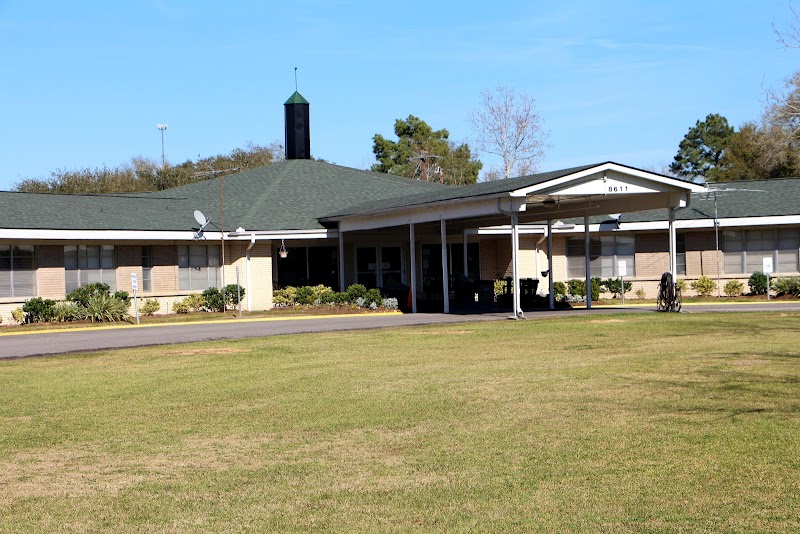
How is Spjst Rest Home No 2 Staffed?

CMS rates SPJST REST HOME NO 2's staffing level at 4 out of 5 stars, which is above average compared to other nursing homes. Staff turnover is 46%, compared to the Texas average of 46%. This relatively stable workforce can support continuity of care.

What Have Inspectors Found at Spjst Rest Home No 2?

State health inspectors documented 11 deficiencies at SPJST REST HOME NO 2 during 2022 to 2024. These included: 1 Immediate Jeopardy (the most serious level, indicating potential for serious harm or death), 9 with potential for harm, and 1 minor or isolated issues. Immediate Jeopardy findings are rare and represent the most serious regulatory concerns. They require immediate corrective action.
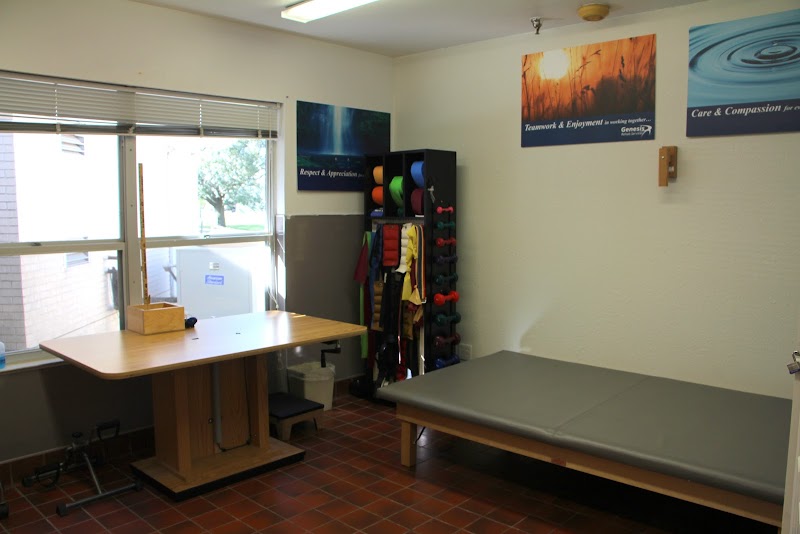
Who Owns and Operates Spjst Rest Home No 2?

SPJST REST HOME NO 2 is owned by a non-profit organization. Non-profit facilities reinvest revenue into operations rather than distributing to shareholders. The facility operates independently rather than as part of a larger chain. With 58 certified beds and approximately 35 residents (about 60% occupancy), it is a smaller facility located in NEEDVILLE, Texas.
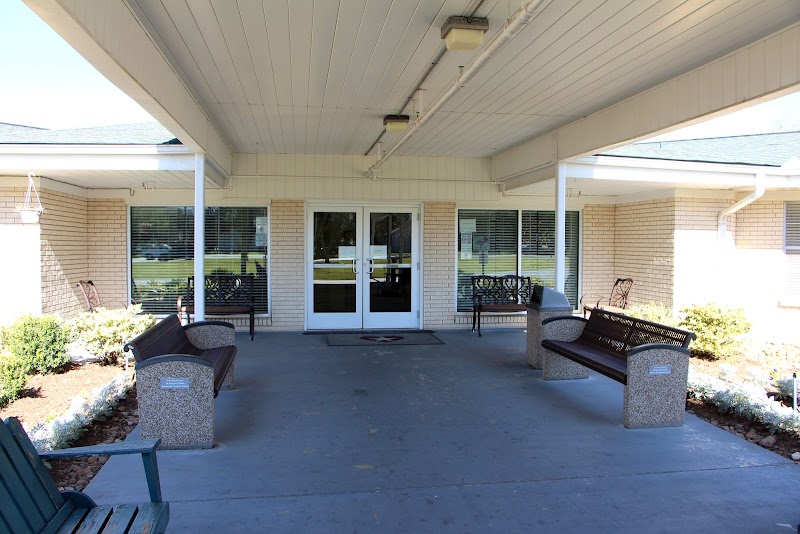
How Does Spjst Rest Home No 2 Compare to Other Texas Nursing Homes?

Compared to the 100 nursing homes in Texas, SPJST REST HOME NO 2's overall rating (5 stars) is above the state average of 2.8, staff turnover (46%) is near the state average of 46%, and health inspection rating (5 stars) is much above the national benchmark.

What Should Families Ask When Visiting Spjst Rest Home No 2?

Based on this facility's data, families visiting should ask: "What changes have been made since the serious inspection findings, and how are you preventing similar issues?" "Can I visit during a mealtime to observe dining assistance and food quality?" "How do you handle medical emergencies, and what is your hospital transfer rate?" "Can I speak with family members of current residents about their experience?" These questions are particularly relevant given the facility's Immediate Jeopardy citations.

Is Spjst Rest Home No 2 Safe?

Based on CMS inspection data, SPJST REST HOME NO 2 has documented safety concerns. Inspectors have issued 1 Immediate Jeopardy citation (the most serious violation level indicating risk of serious injury or death). The facility has a 5-star overall rating and ranks #1 of 100 nursing homes in Texas. Families considering this facility should ask detailed questions about what corrective actions have been taken since these incidents.

Do Nurses at Spjst Rest Home No 2 Stick Around?

SPJST REST HOME NO 2 has a staff turnover rate of 46%, which is about average for Texas nursing homes (state average: 46%). Moderate turnover is common in nursing homes, but families should still ask about staff tenure and how the facility maintains care continuity when employees leave.

Was Spjst Rest Home No 2 Ever Fined?

SPJST REST HOME NO 2 has been fined $12,649 across 1 penalty action. This is below the Texas average of $33,205. While any fine indicates a compliance issue, fines under $50,000 are relatively common and typically reflect isolated problems that were subsequently corrected. Families should ask what specific issues led to these fines and confirm they've been resolved.

Is Spjst Rest Home No 2 on Any Federal Watch List?

SPJST REST HOME NO 2 is not on any federal watch list. The most significant is the Special Focus Facility (SFF) program, which identifies the bottom 1% of nursing homes nationally based on persistent, serious quality problems. Not being on this list means the facility has avoided the pattern of deficiencies that triggers enhanced federal oversight. This is a positive indicator, though families should still review the facility's inspection history directly.