KELLER OAKS HEALTHCARE CENTER
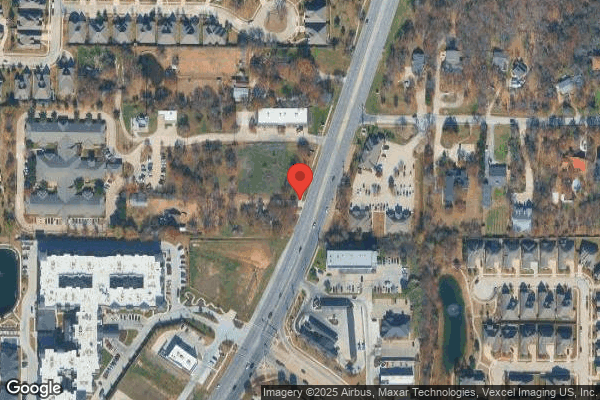
8703 DAVIS BLVD, KELLER, TX 76248 (817) 577-9999
Government - Hospital district 146 Beds THE ENSIGN GROUP Data: November 2025
Trust Grade
60/100
#498 of 1168 in TX
Last Inspection: May 2025

Inspected within the last 6 months. Data reflects current conditions.

Overview

Keller Oaks Healthcare Center has a Trust Grade of C+, indicating it is slightly above average but still has room for improvement. It ranks #498 out of 1,168 facilities in Texas, placing it in the top half, and #23 out of 69 in Tarrant County, meaning only 22 local options are better. The facility is showing an improving trend, with a reduction in reported issues from 8 in 2024 to 4 in 2025. Staffing is a significant concern, with a low rating of 1 out of 5 stars and a high turnover rate of 69%, which is above the state average. While there have been no fines reported, which is a positive sign, recent inspections revealed serious concerns such as food safety violations, including improperly stored food and lack of appropriate care for residents with urinary catheters, which could lead to infections. Overall, while there are strengths in RN coverage and a good health inspection rating, families should be aware of the staffing challenges and specific care issues.

Trust Score
C+
60/100
In Texas
#498/1168
Top 42%
Safety Record
Low Risk
No red flags
Inspections
Getting Better
8 → 4 violations
Staff Stability
⚠ Watch
69% turnover. Above average. Higher turnover means staff may not know residents' routines.
Penalties
✓ Good
No fines on record. Clean compliance history, better than most Texas facilities.
Skilled Nurses
⚠ Watch
Each resident gets only 26 minutes of Registered Nurse (RN) attention daily — below average for Texas. Fewer RN minutes means fewer trained eyes watching for problems.
Violations
⚠ Watch
17 deficiencies on record. Higher than average. Multiple issues found across inspections.
★★★☆☆
3.0
Overall Rating
★☆☆☆☆
1.0
Staff Levels
★★★★☆
4.0
Care Quality
★★★★☆
4.0
Inspection Score
Stable
2024: 8 issues
2025: 4 issues

The Good

  • 4-Star Quality Measures · Strong clinical quality outcomes
  • Full Sprinkler Coverage · Fire safety systems throughout facility
  • No fines on record

Facility shows strength in quality measures, fire safety.

The Bad

3-Star Overall Rating

Near Texas average (2.8)

Meets federal standards, typical of most facilities

Staff Turnover: 69%

23pts above Texas avg (46%)

Frequent staff changes - ask about care continuity

Chain: THE ENSIGN GROUP

Part of a multi-facility chain

Ask about local staffing decisions and management

Staff turnover is elevated (69%)

21 points above Texas average of 48%

The Ugly 17 deficiencies on record

May 2025 4 deficiencies
CONCERN (D)

Potential for Harm - no one hurt, but risky conditions existed

Deficiency F0761 (Tag F0761)

Could have caused harm · This affected 1 resident

**NOTE- TERMS IN BRACKETS HAVE BEEN EDITED TO PROTECT CONFIDENTIALITY** Based on observations, interviews, and record review, the facility failed to, in accordance with State and Federal laws, store a...

Read full inspector narrative →
**NOTE- TERMS IN BRACKETS HAVE BEEN EDITED TO PROTECT CONFIDENTIALITY** Based on observations, interviews, and record review, the facility failed to, in accordance with State and Federal laws, store all drugs and biologicals in locked compartments under proper temperature controls, and permit only authorized personnel to have access to the keys for one of four hallways (A hallway) medications carts in hallways that were reviewed for security and storage of drugs and biologicals. The facility did not ensure A hallway medication cart was locked and medications were not left on top of the medication cart unattended. This failure could place residents at risk of having access to unauthorized medications and/or lead to possible harm or drug diversions. Findings included: Record review of Resident #44 active physician Order summary dated 05/06/25, revealed a [AGE] year-old female who was admitted to the facility on [DATE]. Her diagnoses included cerebral palsy (a congenital disorder of movement, muscle tone and posture), gastrostomy status (this is a feeding tube that is placed through the abdominal cavity area into the stomach for nutritional purpose and medication for individual who have a difficulty swallowing), seizures, and other genetic related intellectual disabilities. Further review of the order summary reflected: - Keppra Oral Solution (Levetiracetam). Give 10 ml by mouth two times a day for seizures Keppra 100mg/ml. - Gabapentin Oral Solution 300 MG/6ML (Gabapentin). Give 6 ml via G-Tube three times a day for Neuropathy [nerve pain]. - Trileptal Oral Suspension 300 MG/5ML (Oxcarbazepine). Give 2.5 ml via PEG-Tube two times a day for seizures. Observation on 05/07/25 at 07:04 AM revealed the medication cart parked on A hallway between room [ROOM NUMBER] and 112, had the lock mechanism in the open (unlocked) position, and Resident #44's Keppra Oral Solution, Gabapentin Oral Solution and Trileptal Oral Suspension medications were left unattended on top of the medication cart . There were no staff next to the unlocked cart. Interview with LVN A on 05/07/25 at 07:07 AM revealed LVN A forgot to lock the medication cart. He said he was too focused on getting everything ready to be observed for G-tube medication observation and when he realized he had no wipes, walked away, and forgot to lock the medication cart to get a new bottle of wipes. LVN A said the expectation was that the medication cart was locked, and all medication was secured and not left on top of the cart which can be accessed. He said the potential risk was someone can come and get the medication and get into the cart. An interview with CMA F on 05/08/25 at 2:18 PM, revealed she was trained to make sure that the medication cart was locked and secured when not in use. She said all medications carts were the responsibility of the authorized person, and when not in attendance, the cart should be locked. She said it was important to lock the cart because anyone can get into it, and if a resident was confused, they could get into something that they were allergic to, or a resident who could not swallow whole pills could choke and have adverse issues. She said she always made sure that her medication cart was locked, and the computer screen was hidden before she walked away from the medication cart. An interview on 05/08/25 at 2:57 PM with DON revealed, the expectation was the medication cart should be locked, and no medication left on top of the medication cart when staff was not directly working with the cart. She said LVN A should have locked the medications [for Resident #44] inside the cart or taken with him when he walked away from his cart. She said all nursing staff were responsible for securing medications when not in use. She stated an in-service would be completed with the nursing staff. She said the risk was anyone could have access to the medications. An interview on 05/08/25 at 4:39 PM with the Administrator revealed, the medication cart should be locked if it was out of site, and staff were not actively working in the cart so that unauthorized persons did not have access to it. Review of facility policy Storage of Medication revised in April 2019 reflected The facility stores all drugs and biologicals in a safe, secure, and orderly manner. 9. Unlocked medication carts are not left unattended.
CONCERN (E) 📢 Someone Reported This

A family member, employee, or ombudsman was alarmed enough to file a formal complaint

Potential for Harm - no one hurt, but risky conditions existed

Incontinence Care (Tag F0690)

Could have caused harm · This affected multiple residents

**NOTE- TERMS IN BRACKETS HAVE BEEN EDITED TO PROTECT CONFIDENTIALITY** Based on observations , interviews, and record review, the facility failed to ensure that residents who are incontinent of bladd...

Read full inspector narrative →
**NOTE- TERMS IN BRACKETS HAVE BEEN EDITED TO PROTECT CONFIDENTIALITY** Based on observations , interviews, and record review, the facility failed to ensure that residents who are incontinent of bladder receives appropriate treatment and services to prevent urinary tract infections for one of nine residents (Resident #277) reviewed for incontinence and indwelling urinary catheter care in that: The facility did not obtain physician orders for indwelling catheter care and peri care for Resident #277 for March and April 2025. This deficient practice could place residents with indwelling catheters at risk of developing or worsening urinary infection and skin breakdown. The findings included: Record review of Resident #277's admission record reviewed a [AGE] year-old female with an initial admission of 09/13/24 and readmitted on [DATE]. Her primary diagnosis was infection and inflammatory reaction due to indwelling urethral catheter subsequent encounter (this is an infection and swelling while having an indwelling Catheter. An indwelling catheter is a medical device used to drain urine from the bladder into a bag). Her secondary diagnoses were acute cystitis without hematuria (kidney stone without blood in urine), chronic obstructive pulmonary diseases (a lung disease that blocks airflow and makes it difficult to breathe), cognitive communication deficit, unspecified dementia (this is a brain disease that alters brain function causes cognitive decline), Unspecified stage pressure ulcer of the sacral region (bed sores on her lower back bone/tail bone area) and need for assistance with care. Review of Resident # 277's quarterly MDS assessment dated [DATE] revealed Resident #277 had a BIMS score of 15 indicating her cognition was intact. Resident #277 required extensive assistance for ADLs and was always incontinent of bowel and she had an indwelling catheter. Review of Resident #277's care plan initiated 09/13/24 revealed, Resident #277 had an indwelling catheter related to obstructive uropathy (urine flow obstructed). The goal was for the resident not to show signs and symptoms of urinary infection through review date 06/03/25. The interventions were to change catheter bag and tubing as ordered, Monitor and document intake and output as per facility policy, Monitor/record/report to MD for s/sx UTI: pain, burning, blood tinged urine, cloudiness, no output, deepening of urine color, increased pulse, increased temp, urinary frequency, foul smelling urine, fever, chills, altered mental status, change in behavior, change in eating patterns and use Enhanced Barrier Precautions. The care plan did not reflect catheter care and peri care for interventions. Record review of Resident #277's May 2025 physician order, reflected: - Catheter care every shift. Monitor urethral site for s/s of skin breakdown, pain/discomforts, unusual odor, urine characteristic or secretions, catheter pulling causing tension. . Review of Resident #277 MAR for March 2025 did not reflect Catheter and peri care ordered. Review of Resident #277 MAR for April 2025 did not reflect Catheter and peri care ordered. In an observation and interview on 05/07/25 at 10:50 AM, it was revealed Resident #277 was with family at the bedside. Resident #277 was interviewable but she said she could not recall all the details. Resident #277's family stated on many occasions that she had visited Resident #277, and the resident was dirty with BM and her catheter was covered with BM. She said Resident #277 just returned to the facility on [DATE] after being in the hospital for a urinary infection. She said this was caused by not receiving incontinence care timely and not getting catheter care daily. Resident #277 family said she had pictures of the different times she came to the facility and found Resident #277 soiled with BM or her catheter would be leaking, and the resident would be wet. The family said they sent pictures to CII. Observation of pictures dated 1/27/25, 2/3/25, 2/26/25, 3/9/25, 3/18/25, 4/11/25 revealed Resident #277 had BM and BM was covering her catheter. Family stated on those days she would clean up Resident #277 by herself and cover her wound if the dressing was soiled. Resident #277 family moved the covers and revealed Resident #277 was clean, dry and catheter was clean. An interview with CNA C on 05/07/25 at 1:35 PM, revealed she emptied the catheter bag every two hours and made sure that it was not touching the floor and that it was not on top of the bed. She stated the nurses were responsible for making sure that catheter care was done and checking it off on the computer. She stated she had not completed catheter care for any resident since she had been employed for a month because her understanding was that the nurses did it. An interview with CNA D on 05/07/25 at 2:00 PM, revealed she completed catheter care daily on residents and if a resident had a BM, then she would complete catheter care, and during showers. She said peri care and catheter care was completed daily and sometimes multiple times on incontinence residents. She said foley care was important to prevent infections. Interview with LVN E on 05/08/25 at 9:00 AM, she stated the CNA were expected to complete catheter care, but it was the responsibility of the nurses to make sure that it was done. She said she always did her own catheter care so that she made sure that it was done. She said all catheters were changed every 15th of the month unless directed by the physician or urologist not to change them. She said it was important to complete catheter care to prevent catheter associated infection. In an interview with NP on 07/05/25 at 11:43 AM, it was revealed that all residents with a catheter had batch orders which included catheter care. She said she was not sure why some residents might have missing orders for catheter care. However, the expectation was that all residents who had a catheter received catheter care orders. She said orders drove care, and catheter care was important to help prevent infection. She said she was not sure if Resident #277 had been missing catheter care orders before she went to the hospital. She said she would verify and make sure that all orders related to the catheter were in place. In an interview with DON on 05/08/25 at 02:57 PM, it was revealed that catheter care was the responsibility of the nurses, and they needed to make sure that it was done on their shift. She said CNA were expected to provide catheter care when doing incontinence care and baths, and the nurses should follow up to make sure it was done. DON said the expectation was that there was an order for catheter care, and if there was none, to call the physician and obtain one. DON said she and the ADON's did random monitoring on orders, she was tracking UTI patterns, and there were no concerns at that time. She said catheter care was necessary to prevent infection control. In an interview with ADM on 05/08/25 at 04:25 PM, she said expected for staff to follow the catheter policy , and if catheter care was not done risk of infection. Review of the facility policy and procedure titled Infection Control/Procedure: Resident Care; Catheter Care, Foley revision date July 2022 revealed It is the policy of this facility that each resident with an indwelling catheter will receive catheter care daily and PRN when soiling. Purpose: To promote hygiene, comfort, and decrease risk of infection for catheterized residents.17. Document.
CONCERN (E)

Potential for Harm - no one hurt, but risky conditions existed

Food Safety (Tag F0812)

Could have caused harm · This affected multiple residents

Based on observation, interview, and record review, the facility failed to store, prepare, distribute and serve food in accordance with professional standards for safety in the facility's only kitchen...

Read full inspector narrative →
Based on observation, interview, and record review, the facility failed to store, prepare, distribute and serve food in accordance with professional standards for safety in the facility's only kitchen. 1. The facility failed to label and date three 1- gallon pitchers of liquid. 2. The facility failed to remove three dented cans from the dry food storage area. 3. The facility DA failed to wear a beard net while in the kitchen. The failures could place all residents at risk for food-borne illness. Findings included: In an observation on 05/06/25 at 6:47 AM, the kitchen reflected 1 of 1 refrigerator with a 1-gallon pitcher, with a red liquid that was not labeled or dated, a 1-gallon pitcher of dark colored liquid was not labeled, and a 1- gallon pitcher of a yellow liquid was not labeled. In an observation on 05/06/25 at 6:55 AM, the kitchen reflected 1 of 1 dry food storage with one dented can labeled apple slices on the second wired rack of the shelf, one dented can labeled baked beans on the third rack, and one dented can labeled spaghetti sauce on the fifth wired rack. In an observation on 05/06/25 at 7:05 AM of the kitchen reflected one DA without a beard net. In an observation on 05/06/25 at 12:41 PM of the dining area reflected the same DA without a beard net while serving trays from the kitchen. In an observation on 05/07/25 at 2:14 PM revealed DA was observed still in the kitchen with no beard net. In an interview on 05/07/25 at 7:05 AM, DA stated he was unaware he was supposed to wear a beard net. DA stated the risk of not wearing a beard net was that hair could fall into a resident's food. In an interview on 05/07/25 at 6:47 AM, DS stated the first pitcher of red liquid that contained no date or label was fruit punch, the second pitcher that was dark in color that contained no label was tea, and the last pitcher that contained no label was lemonade. DS stated all items must be labeled and dated. DS stated the risk of not labeling and dating items could cause a risk of sending out old food that can potentially harm the residents. At 7:00 AM, DS stated the dented cans were normally stored on the top rack of the shelf. DS stated the risk of serving food from the dented cans, could cause a food-borne illness. At 7:07 AM, DS stated all staff are required to wear hair nets and beard nets and the risk of them not wearing hair restraints is that hair can fall into a resident's food causing contamination. On 05/07/25 at 10:45 AM, ADM stated all kitchen staff should be wearing hair nets and beard nets. ADM stated it is the responsibility of the ADM and the employee to put hair nets and beard nets on. ADM stated the risk of not wearing beard nets could cause hair to contaminate the resident's food. ADM stated all items in the kitchen must be labeled and dated. ADM stated the canned food items that had dents in them should be stored in their own area. ADM stated failing to label, date, or removing dented items could place residents at risk for food-borne illnesses. Record Review of the facility policy Infection Control Policy/Procedure revised 02/05/24 reflected: A: Proper attire for food handlers should include a hair covering (hair nets or caps), freshly laundered uniform and work shoes and short, clean fingernails. Moustaches and sideburns must be kept trimmed. Beards must be covered. B: Foods coming from broken packages or swollen cans or food with an abnormal appearance or odor will not be served. M: Leftovers must be dated, labeled, covered .
CONCERN (E)

Potential for Harm - no one hurt, but risky conditions existed

Infection Control (Tag F0880)

Could have caused harm · This affected multiple residents

Based on observations, interviews, and record reviews, the facility failed to establish and maintain an infection prevention and control program designed to provide a safe, sanitary, and comfortable e...

Read full inspector narrative →
Based on observations, interviews, and record reviews, the facility failed to establish and maintain an infection prevention and control program designed to provide a safe, sanitary, and comfortable environment and to help prevent the development and transmission of communicable diseases and infections for 2 of 2 Residents (Resident #16 and Resident #84) observed for infection control. The ABOM failed to perform hand hygiene while assisting Resident #16 and Resident #84 during the lunch meal on 05/06/2025. These failures could place residents at risk for cross contamination and infections. Findings included: Observation on 05/06/25 at 12:17 pm and at 12:30 pm revealed the ABOM sitting in between Resident #16 and Resident #84 during the lunch meal. The ABOM was observed feeding both residents at the same time without using hand sanitizer in between. Interview on 05/06/25 at 12:43 pm, the Administrator revealed the ABOM was also a CNA. She stated there was a potential risk for infection if staff did not perform hand hygiene while feeding residents. Interview on 05/06/25 at 12:43 pm, the DON stated her expectation was for staff to feed one resident and use hand sanitizer. She stated she expected staff to use hand sanitizer, and make sure not to cross contaminate as long as it did not impede the care. Interview on 05/06/25 at 1:09 pm, the ABOM stated she was a CNA and had not worked on the floor for about 6 months since switching positions to ABOM. She stated she thought she used hand sanitizer in between feeding Resident #16 and Resident #84. She said there could be a risk of cross contamination between residents, and she should have used hand sanitizer between each resident. Record review of facility policy titled Hand Washing revised 07/2021, revealed the procedure for hand washing, but did not indicate when hand hygiene was to be performed.
Oct 2024 1 deficiency
CONCERN (D) 📢 Someone Reported This

A family member, employee, or ombudsman was alarmed enough to file a formal complaint

Potential for Harm - no one hurt, but risky conditions existed

Medical Records (Tag F0842)

Could have caused harm · This affected 1 resident

**NOTE- TERMS IN BRACKETS HAVE BEEN EDITED TO PROTECT CONFIDENTIALITY** Based on interview and record review, the facility failed to maintain clinical records on each resident that were complete and a...

Read full inspector narrative →
**NOTE- TERMS IN BRACKETS HAVE BEEN EDITED TO PROTECT CONFIDENTIALITY** Based on interview and record review, the facility failed to maintain clinical records on each resident that were complete and accurately documented, in accordance with accepted professional standards and practices for 1 resident (Resident #1) of 6 residents reviewed for clinical records. -The facility failed to completely and accurately document Resident #1's weekly skin assessments and any follow-up assessments relating to new bruises documented on the shower sheets, which would indicate details of the bruises and care as necessary. This failure could place all residents at risk of having skin conditions that are untreated and having incomplete and inaccurate records, which could lead to harm. Findings include: Record review of Resident #1's face sheet, dated 09/23/24, revealed she was an [AGE] year-old female who admitted to the facility on [DATE] and discharged on 09/14/24 with diagnoses that included: metabolic encephalopathy (change in brain function), dementia (loss of memory and thinking abilities), muscle weakness, lack of coordination, and abnormalities of gait and mobility. Record review of Resident #1's admission MDS Assessment, dated 08/09/24, revealed the resident had BIMS score of 3 which indicated her cognition was severely impacted. Resident #1 required partial/moderate assistance with most ADLs. Record review of Resident #1's care plan, revised on 08/15/24, revealed the resident was at risk for falls r/t poor balance with interventions that included therapy evaluation, keeping call light within reach, determining causation of falls, monitoring/documenting/reporting to MD s/x of pain, bruises, change in mental status, and providing activities that promote exercise and strength building where possible. Record review of Resident #1's weekly skin assessments, from 08/15/24-09/12/24, revealed the following: -08/08/24 (admission) - Bruising to BUE (Bilateral (both sides) upper extremities) -08/15/24 - No open skin areas -08/22/24 - No skin issues -08/29/24 - No skin issues -09/05/24 - No skin issues -09/12/24 - Scattered bruises to upper and lower extremities, no open areas; [Resident #1] was doing group activity when this nurse [LVN B] notice a bruise to right arm. Question [Resident #1] and she stated that she didn't know, or she may have bump it somewhere. This nurse [LVN B] notified [family] and the [family] stated that she seen that, and it was ok but [Resident #1] c/o shoulder pain. This nurse [LVN B] examine arm but [Resident #1] refused and got agitated and stated she is fine (leave me alone). Notified [NP] and she told me to monitor it. Record review of Resident #1's incident report for injury of unknown origin, dated 09/12/24, completed by LVN B revealed the following: Resident: [Resident #1] Incident location: Unknown Person preparing report: [LVN B] Nursing description: [Resident #1] has a bruise to right upper arm, no pain voiced when examine. Resident description: [Resident #1] stated she do not know how it got their [sic]. [Resident #1 stated she may have hit her arm somewhere. Was this incident witnessed: No Description: head to toe assessment, pain, loc, skin . Predisposing physiological factors: none Predisposing situation factors: none Persons notified: 1) [NP]- stated to monitor it. 2) [Family]-stated she knew and was concern about pain to right shoulder. 3) [LVN E]-monitor the area Record review of Resident #1's shower sheets, from 09/2024, reflected the following: -09/02/24 - no skin issues documented -09/06/24 - bruise to back of upper right arm documented -09/11/24 - bruises to front of both thighs -09/13/24 - shower refused; skin observation not completed Record review of Resident #1's nurses progress notes reflected there was no documentation on 09/11/24 about an assessment or notification to appropriate parties regarding the bruises found on the Resident #1's thighs by CNA C during the resident's shower on this date. Record review of Resident #1's nurses progress notes, dated 09/12/24 at 1:18 PM by LVN B, reflected: [Resident #1] has a bruise to right upper arm, no pain or distress noted, [Resident #1] stated she don't know how this happen and she may have it [sic] it on something. Notified doctor, rp, [LVN D] Record review of Resident #1's nurses progress notes reflected there was no documentation on 09/12/24 by LVN B about an assessment or notification to appropriate parties regarding bruises found on the Resident #1's thighs. Record review of Resident #1's physician orders reflected the following: -Aspirin 81mg oral tablet chewable-give 1 tablet by mouth one time a day for analgesic (for pain). Start date: 08/0924; End date: 09/15/24. -Clopidogrel Bisulfate Oral tablet 75mg-give 1 tablet by mouth one time a day for hematologic disorder (blood disorder). Start date: 08/0924; End date: 09/15/24. Record review of in-service titled Skin, dated 09/15/24, reflected all staff were educated on notifying the MD and family of anu skin issues and change of condition, monitoring orders, and documentation. Record review of in-service titled Shower sheets, dated 09/17/24, reflected all staff were educated on how to properly complete shower sheets regarding legibility and appropriate documentation, including identifying any bruises or other skin issues. In an interview on 09/20/24 at 12:38 PM, CNA C stated she worked at the facility for 1.5 years. CNA C stated she worked with Resident #1 on 09/11/24. She stated she gave the resident a shower on that day and completed a shower sheet. CNA C stated Resident #1 always had scattered bruises on her body because she was always moving around and was sometimes combative towards other residents. CNA C stated she cold vaguely recall Resident #1 having a more significant bruise on her upper right arm and a yellow bruise on one of her thighs. CNA C could not recall if she reported the bruises to the nurse. In an interview on 09/20/24 at 01:03 PM, LVN A stated she worked at the facility since 03/2024. LVN A stated she worked with Resident #1 on 09/14/24, the day she discharged from the facility. LVN A stated she completed a head-to-toe assessment of Resident #1 before she left the facility and found a large bruise on the middle part of the resident's rights arm, a lot of age spots, scattered small red dots, a yellowish bruise on abdomen, and large bruises on the front of both thighs. LVN A stated when the aides give the residents showers, they are supposed to document any new skin issues and immediately report it to the nurse. LVN A stated she did not know where the bruises came from and denied receiving reports of Resident #1 having any incidents or new skin issues. LVN A stated the large bruises on Resident #1 caught her by surprise as she was unaware of them. In an interview on 09/23/24 at 09:18 AM, LVN B stated she worked at facility since 06/2024. LVN B stated she worked with Resident #1 on 09/12/24 and completed a head-to-toe assessment on the resident after a therapist reported seeing a bruise on her right arm. LVN B stated during the assessment she found a large bruise on Resident #1's upper right arm, scattered bruising, and brown spots on Resident #1's skin. LVN B stated she completed an incident report for the bruise on Resident #1's arm because it was significant, and no one knew how it happened. LVN B denied seeing significant or large bruises on Resident #1's thighs, only small, scattered ones, which was normal for the resident because she wandered a lot, bumping and hitting walls. In an interview on 09/23/24 at 11:30 AM, the NP stated she was not aware of any concerns for abuse of Resident #1. The NP stated she was aware that Resident #1 admitted to the facility with multiple bruises on her body and the resident had a history of bruising easily due to the use of blood thinners. The NP stated she was notified on 09/12/24 by LVN B that Resident #1 had a large bruise on her right arm, and she ordered an X-ray that was negative for injury. The NP stated on 09/14/24, LVN A completed a discharge skin assessment on Resident #1 and found scattered bruises to abdomen, back, arm, and thighs. The NP stated LVN A notified her and sent pictures. The NP stated Resident #1 discharged on the same day and she did not get a chance to assess her; however, if the resident remained at the facility, she would have ordered labs and an ultrasound to check for hematomas due to the resident's use of blood thinners. The NP stated it was possible for the blood thinners to cause smaller bruises to spread and become larger. The NP could not recall being made aware of any bruises on other dates. In an interview on 09/23/24 at 02:44 PM, the DON stated all residents received skin assessments each week and as needed. The DON stated the importance of head-to toe skin assessments was for the nurses to identify any wounds, rashes, discoloration, bruises, or anything potentially going on with the residents. The DON stated it was also important for the aides and nurses to accurately document the skin assessments, shower sheet, incident reports, and progress notes to reflect exactly when and what was found on the residents so that appropriate treatment can be provided. In an interview on 09/23/24 at 03:33 PM, the Administrator stated it was the expectation for complete and accurate documentation to be done for all residents, and for it to be objective and timely. The Administrator stated the risk of not having complete and accurate clinical records could be the residents not receiving appropriate continuum of care. In an interview on 10/07/24 at 12:45 PM with the DON and the Administrator, the Administrator stated the expectation was for the CNAs to document on the shower sheet and report and changes/skin issues to the charge nurse, then for the charge nurse to assess and see if further investigation or care was needed. The Administrator stated if the nurse did not see anything suspicious in nature after the assessment, they would sign-off on the CNA's shower sheets to indicate that follow-up was completed with no concerns. The DON stated after a nurse signed off on a shower sheet, there was no need to document a separate clinical note or skin assessment unless there were concerns, then the documentation needed to be accurate and thorough. The DON stated there had been issues with the nurses' documentation and there had already been education provided to all staff. Review of the facility's policy titled Nursing Clinical: Charting and Documentation, revised 05/2024, revealed in part the following: Definition of record: The resident's clinical record is a concise account of treatment, care, response to care, signs, symptoms and progress of the resident's condition. Is also necessary to include data needed for identification and communication with family and friends. Complete history of resident and present illness is required under current law and regulations at the time of admission. . Rules for charting: 1. Notes are to be written on all long-term residents by day, evening, and night shifts; frequency is determined by the individual nursing service. 2. Daily notes are required as the necessary arises. 3. The admitting nurse to complete an admission assessment.
Sept 2024 1 deficiency
CONCERN (D) 📢 Someone Reported This

A family member, employee, or ombudsman was alarmed enough to file a formal complaint

Potential for Harm - no one hurt, but risky conditions existed

Resident Rights (Tag F0550)

Could have caused harm · This affected 1 resident

**NOTE- TERMS IN BRACKETS HAVE BEEN EDITED TO PROTECT CONFIDENTIALITY** Based on observation, interview, and record review, the facility failed to treat each resident with respect and dignity and care...

Read full inspector narrative →
**NOTE- TERMS IN BRACKETS HAVE BEEN EDITED TO PROTECT CONFIDENTIALITY** Based on observation, interview, and record review, the facility failed to treat each resident with respect and dignity and care for each resident in a manner that promotes maintenance or enhancement of his or her quality of life, recognizing each resident's individuality for 1 (Residents #1) of 7 residents reviewed for dignity. The facility failed to ensure Residents #1's rights to a dignified existence when there were flies on him, his g-tube was exposed, and his room had a strong foul odor. This failure could affect the residents by placing them at risk for a loss of dignity, decreased self-worth and decreased self-esteem. Findings included: Record review of Resident #1's face sheet dated 09/05/2024, revealed a [AGE] year-old male that was admitted to the facility on [DATE]. His diagnoses included down syndrome (this is a genetic chromosome 21 disorder causing developmental and intellectual delay), aphasia (this is a language disorder that affects ability to communicate), metabolic encephalopathy (this is a brain disease that alters brain function or structure), gastrostomy status (this is a feeding tube that is placed through the abdominal cavity area into the stomach for nutritional purpose and medication for individual who have a difficulty swallowing), type 2 diabetes mellitus (uncontrolled blood sugars), lack of coordination, severe protein calorie malnutrition, other symptoms and signs concerning food and fluid intake, cognitive communication deficit, and need for assistance with personal care. Face sheet further revealed Resident #1's parent was his RP, and he had a full code status. Review of Resident #1's quarterly MDS dated [DATE] reflected, Resident #1 had a BIMS score of zero, indicating severe cognitive impairment. He had no indicators of delirium, depression, or behaviors. Resident #1 had no impaired range of motion on his upper and lower body and was completely dependent on staff to set up and clean up following activity. Resident #1 was always incontinent of bowel and bladder. The document reflected Resident #1 had a feeding tube while a resident of the facility and received 51% or more of his nutrition through the feeding tube. Review of Resident #1's care plan dated 09/05/2024 reflected Resident #1 had Date Initiated 06/26/2024. Care plan also reflected Resident #1 was at risk for falls related to cognitive impairment/down syndrome. His goals were to be free of falls through the review date and to no sustain serious injury through the review date 07/09/2024. His interventions included: To anticipate and meet his needs, to follow facility fall protocol, needs a safe environment: floors free from spills and/or clutter; adequate, glare-free light; a working and reachable call light, the bed in low position at night; Side rails as ordered, handrails on walls, personal items within reach. Date initiated 03/06/2024. In an observation on 09/05/2024 at 12:15 pm, revealed Resident #1's door was closed. Signage on Resident #1's room read Enhanced Barrier Precaution on a second signage it listed that the resident was non-verbal and that he required max support to complete ADLs. Upon entry to Resident #1's room he was lying on a mattress on the floor. Resident #1 was lying on his left side and his g-tube was exposed, connected to a feeding pump. Resident #1's room had a strong foul odor of unknown substance. He had one black fly on his forehead, another fly on his g-tube, another fly on his stomach, two flies on his right leg, one fly on his feeding pump, and one fly floating and buzzing around Resident #1. Resident #1 reached his forehead to swish/remove the fly and two gnats were observed floating by his head. Resident #1 could not speak, nor could he express his thoughts on the flies in his room and him. In an interview with LVN A on 09/05/2024 at 12:20 pm, she stated Resident #1 preferred lying on the floor mat and after 6 weeks trying, he agreed to be transitioned to a mattress on the floor. She stated Resident #1's room smelled of bowel movement. She stated some of the smell was most likely coming from the tiles on the floor. She stated she had seen the flies in Resident #1's room and had reported it to housekeeping and maintenance two weeks ago. She stated management were aware of the flies. She stated the gnats could possibly be from Resident #1 spilling his milk. She stated Resident #1 refused assistance eating and on multiple occasions he spilled his milk. She stated she had used some peppermint oils to help with the flies. LVN A did not know who had brought the peppermint oil but was told to use it to keep flies away. She stated the risk to Resident #1 having flies on him and in his room was a dignity issue and flies carry germs that could cause illness. In an interview with the Housekeeping Supervisor on 09/05/2024 at 1:18 pm, she stated Housekeeper C had informed her about the flies in Resident #1's room. The Housekeeping Supervisor stated herself and Housekeeper C deep cleaned Resident #1's room including his mattress and curtains. She also instructed housekeeping staff to clean Resident #1's room two times a day in the morning and afternoon. She stated it was the responsibility of the nursing staff to make sure that trash with bowel movement diapers were removed out of the room to prevent flies. She stated that if the housekeeping staff were cleaning Resident #1's room in the afternoon and they found trash, she had instructed them to remove the trash even those diapers with bowel movement in the trash. The Housekeeping Supervisor stated she informed the Maintenance Director, and he called pest control. The Housekeeping supervisor stated it was not good having flies on Resident #1 because it was unhygienic. In an interview with Housekeeper C on 09/06/2024 at 1:41 PM, she stated LVN A had alerted her about the flies in Resident #1's room. She stated that she had noticed them two weeks ago and she notified her supervisor. She stated she had been instructed to start cleaning Resident #1's room two times a day and her supervisor wrote in the pest control book for Resident #1's room. She stated she had been in-serviced that if she sees anything bad to report it. She stated the risk to residents having pests in their room can cause them to be unwell and their stay was not better. She stated the risk to Resident #1 was it was not hygienic, and it was unhealthy to have pests in your room and on you. In an interview with the Maintenance Director on 09/05/2024 at 1:59 PM, he stated he did not see any flies when he went to Resident #1's room when housekeeping staff were cleaning the room. He stated he could not remember exactly when he had been informed of one of the resident's rooms had one fly in it, and he instructed housekeeping staff to increase cleaning to two times a day. He stated this was the first time he had learned of the flies and gnats in Resident #1's room since they started cleaning his room twice a day. He stated the flies in Resident #1's room could be entering from the exit door because his room was close to the exit. He sated he had gone in Resident #1's room and checked his windows and screens which were in place. He stated pest control came two times a month to spray the main stations outside and if any rooms have any pest concerns. He stated housekeeping was responsible for deep cleaning rooms as needed and he got pest control within 24 hours of report of pests. In an interview with LVN B on 09/05/2024 at 3:17 PM, she stated she treated Resident#1 on 08/23/24 due to having moisture associated skin damage on his back. She said Resident#1 was on a mattress on the floor. She said he does not stay on the bed. She stated she did not notice any flies or gnats in the room. She stated Resident#1 does not really communicate. She said he makes noises but does eye gestures and hand motions. LVN B stated flies should not be on a resident, just like she would not like them on her. She stated some flies can bite and can cause infection for Residents #1 with his with G-tube. Attempted phone interview with RP on 09/05/2024 at 3:45PM, RP could not be reached. In an interview with the DON on 09/05/2024 at 5:09 PM she stated she was not aware of the flies in Resident #1's room until today. She stated a head-to-toe assessment was completed on Resident #1. She stated there were no bite marks or any skin conditions found on Resident #1. The DON stated herself, the nursing staff, and housekeeping had deep cleaned Resident #1's room, including his walls, curtains, mattress switched to a new one, the equipment was wiped down with disinfectant, and a new order to clean Resident #1's room three times a day. The DON stated family may have brought in the peppermint oils because the RP had reported they liked to bring soothing natural oils. The DON stated it was likely the sweet oils were attracting flies and gnats. The DON stated she would monitor and follow-up with the ADON, CNAs, and housekeeping to make sure interventions were effective. The DON stated the floors were also the issue with smell and the facility was getting new floors which would help with the smell. She stated the risk to Resident #1 was potential discomfort. In an interview with the ADM on 09/10/2024 at 11:57 AM, she stated that the Maintenance Director was responsible for ensuring effective pest control for the facility which he did for Resident #1. She stated she expected the facility to have pest control twice a month and they can also be reached within 24 hours as needed. She sated the DON had in-serviced on pest control and potential hazards for cleanliness and a homelike environment. Record review of a service inspection invoice by [Pest Control Service] on 07/30/2024, general comments twice a month, treated bait stations on exterior, cleared out debris from bait stations, and treated general pests. Treatment on 07/10/2024 treated for ants and rodents. Invoice for 08/29/2024 reflected treatment twice a month, treated exterior bait stations for rodent activity, treated for general pest, cleared out debris from bait stations, and removed ant piles around the outside. The pest control service did not reflect treatment for flies and/or gnats. Residenst Right policy was requesed on 09/05/2024 at 09:43 AM, email was sent to both ADM and DON. Resident Right policy was not provided by exit date 09/10/2024. Record review of the facility's pest control service agreement, with an initial service date of 11-07-2019, stated Pest Services . Service Provider shall provide Services in accordance with all applicable federal and state laws and within the established policies of Facility . Record review of the facility policy titled, Nursing Services: Quality of Care, ADL, Services to Carry Out, revised 07/2020, reflected, it is the policy of this facility that residents are given the appropriate treatment and services to attain or maintain the highest practicable physical, mental and psychosocial well-being of each resident in accordance with a written plan of care. Policy read in part 2. If a resident is unable to carry out activities of daily living, the necessary services to maintain good nutrition, grooming, and personal oral hygiene, it will be provide by qualified staff .
Apr 2024 1 deficiency
CONCERN (E) 📢 Someone Reported This

A family member, employee, or ombudsman was alarmed enough to file a formal complaint

Potential for Harm - no one hurt, but risky conditions existed

Deficiency F0558 (Tag F0558)

Could have caused harm · This affected multiple residents

**NOTE- TERMS IN BRACKETS HAVE BEEN EDITED TO PROTECT CONFIDENTIALITY** Based on observation, interview and record review, the facility failed to ensure the residents received services in the facility...

Read full inspector narrative →
**NOTE- TERMS IN BRACKETS HAVE BEEN EDITED TO PROTECT CONFIDENTIALITY** Based on observation, interview and record review, the facility failed to ensure the residents received services in the facility with reasonable accommodation of each resident's needs for 4 of 7 (Residents #1, #2, #3, and #4) reviewed for accommodation of needs in that: The facility failed to ensure Resident #1, #2, #3, and #4's call lights were within reach of the Resident. This failure could affect all residents who needed assistance and could result in their needs not being met. Findings included: Record review of Resident #1's face sheet, dated 4-23-2024, indicated an [AGE] year-old-female admitted to the facility on [DATE]. Resident #1 had a primary diagnosis of psychotic disturbance, mood disturbance, and anxiety and secondary diagnosis of muscle weakness, abnormalities of gait and mobility, and need for assistance with personal care. Record review of Resident #1's MDS assessment, dated 10-1-2023, revealed a BIMS score of 7 indicating severe cognitive impairment. Resident #1's MDS further revealed Resident #1 had Urinary incontinence occasionally and bowel incontinence frequently. Record review of Resident #1's care plan, dated 7-24-2023, indicated Resident #1 is at risk for falls with a history for falling stating Be sure the call light is within reach and encourage to use it to call for assistance as needed. In an observation/interview on 4-23-2024, at 1:00 PM, Resident #1's call light was on the floor against the wall the headboard was against, out of reach of the resident. Resident #1 was observed sitting on her bed. Resident #1 stated she did not know where her call light was and needed help showering. Record review of Resident #2's face sheet, dated 4-23-2024, indicated a [AGE] year-old-female admitted to the facility on [DATE]. Resident #2 had a primary diagnosis of chronic atrial fibrillation (type of heart arrhythmia, lasting more than one week, that causes the top chambers of your heart, the atria, to quiver and beat irregularly) with secondary diagnosis of difficulty walking, abnormalities of gait and mobility, and bed confinement status. Record Review of Resident #2's MDS, dated [DATE], revealed a BIMS score of 12, indicating moderate cognitive impairment. Resident #2's MDS further revealed Resident #2 had total dependence with bathing, occasional urinary incontinence, and frequent bowel incontinence. Record review of Resident #2's care plan, dated 4-10-2023, indicated Resident #2 had an ADL self-care deficit in bed mobility, transfers, eating, dressing, grooming, and hygiene stating Encourage to use bell to call for assistance. Resident #2's care plan further stated Resident #2 had an actual fall on 7-28-2023 and stated 7/28/23 educated on using call light Date Initiated: 07/31/2023. In an observation/interview on 4-23-2024, at 1:10 PM, revealed Resident #2 laying in her bed with her call light out of reach, hanging 1 inch above the floor, next to the wall. Resident #2 spoke in a very soft voice to the point; that one needed to get within 2 feet of the Resident's mouth to hear her. Resident #2 stated she did not know where her call light was, and she used it. Record review of Resident #3's face sheet, dated 4-23-2024, indicated a [AGE] year-old female admitted to the facility on [DATE]. Resident #3 had a primary diagnosis of Alzheimer's disease, history of falling, chronic obstructive pulmonary disease (a group of diseases that cause airflow blockage and breathing-related problems), and orthopedic joint implants. Record review of Resident #3's MDS, dated [DATE], indicated a BIMS score of 00 indicating severe cognitive impairment. Resident #3's MDS further indicated Resident #3 ambulated in a wheelchair and was always urinary incontinent and always bowel incontinent. In an observation/interview on 4-23-2024, at 1:50 PM, revealed Resident #3 lying on her bed with her call light out of reach, underneath her bed. Resident #3 had a communication challenge but stated she needed her call light. Record review of Resident #4's face sheet, dated 4-23-2024, indicated an [AGE] year-old female admitted to the facility on [DATE]. Resident #4 had a primary diagnosis of dementia without behavioral disturbance, congestive heart failure, osteoarthritis of hip, and lack of coordination. Record review of Resident #4's MDS, dated [DATE], indicated a BIMS score of 02, indicating severe cognitive impairment. Resident #4's MDS further indicated the need for extensive assistance for bed mobility, movement in her bedroom, dressing, personal hygiene, and toilet use. Record review of Resident #4's care plan, dated 8-13-2023, revealed Resident #4 had an injury of an unknown origin related to osteoarthritis (degeneration of joint cartilage and the underlying bone) and osteopenia (lower than normal bone mass) with fracture to left fifth digit stating that facility staff need to Be sure call light is within reach and respond promptly to all requests for assistance. Resident #4's care plan further stated Resident #4 is bilingual and at times is at risk for a communication barrier as her dementia will cause her to speak in Spanish and staff should ensure/provide a safe environment, call light in reach, adequate low glare light, bed in lowest position, wheels locked, and avoid isolation. In an observation/interview on 4-23-2024, at 1:55 PM, revealed Resident #4 did not speak English and did not respond to my questions. Resident #4 was lying in her bed and her call light was not in reach touching the floor. In an interview with CNA/CMA A, on 4-23-2024, at 2:05 PM, it was revealed that when call lights were not within reach of residents, there was a risk they could fall and get hurt. In an interview with LVN A, on 4-23-2024, at 2:48 PM, it was disclosed that she worked the 200-hall area and expected her CNAs to make rounds every two hours; making sure call lights were within reach. LVN A stated the risk to residents who could not reach their call light was a high risk and they may not get the care they need. In an interview with the DON, on 4-23-2024, at 4:20 PM, it was revealed that the risk to residents not having their call lights within reach was the residents might not get the help or care they needed. The DON stated that the facility needed to anticipate the needs of residents who unclipped their call lights and let them drop to the ground. In an interview with the Administrator, on 4-23-2024, at 5:22 PM, revealed that her expectations were for call lights to be within reach and for staff to make rounds ensuring they are in place. The Administrator stated the nurses were responsible to ensure the CNAs placed the call lights within reach of the residents. The Administrator stated the risk, to the residents, of call lights not being within reach, was their needs might not be met. Record review of the facility's call light policy, dated August 2020, stated: It is the policy of this facility to provide the resident a means of communication with nursing staff by .Place the call device within resident's reach before leaving room .
Mar 2024 4 deficiencies
CONCERN (D)

Potential for Harm - no one hurt, but risky conditions existed

Deficiency F0558 (Tag F0558)

Could have caused harm · This affected 1 resident

**NOTE- TERMS IN BRACKETS HAVE BEEN EDITED TO PROTECT CONFIDENTIALITY** Based on observation, interview, and record review the facility failed to provide services to residents with reasonable accommod...

Read full inspector narrative →
**NOTE- TERMS IN BRACKETS HAVE BEEN EDITED TO PROTECT CONFIDENTIALITY** Based on observation, interview, and record review the facility failed to provide services to residents with reasonable accommodation of resident needs and preferences by not providing a call light system within reach for 2 of 31 (Residents # 1 & #2) observed for call lights. The facility failed to ensure Residents #1 and #2 had a call light within reach to communicate to staff they needed assistance. This failure affected residents by placing them at risk for not getting their needs met and diminishing their quality of life. Findings include: Record review of Resident #1's Face Sheet, dated 3-26-2024, revealed an [AGE] year-old female admitted to the facility on [DATE]. Resident #1 had a primary diagnosis of calculus of gallbladder and bile duct with acute cholecystitis with obstruction (gallstone blockage) and secondary diagnosis of enterocolitis (intestines inflammation) due to clostridium difficile (a germ (bacterium) that causes diarrhea and colitis (an inflammation of the colon) recurrent, gait/mobility abnormality (the pattern one walks), and dementia (loss of brain function). Record review of Resident #1's MDS (a standardized assessment tool that measures health status in nursing home residents), dated 11-22-2023, indicated a BIMS Score of 12, indicating Resident #1 had a moderate cognitive impairment. The MDS indicated Resident #1 needed Substantial/maximal assistance - (Helper does MORE THAN HALF the effort. Helper lifts or holds trunk or limbs and provides more than half the effort) for toileting hygiene, shower/bathe self, putting on/take off footwear, and personal hygiene. In an observation/interview, of Resident #1, on 3-26-2024, at 10:30 AM, revealed Resident #1 was in pain distress and needing assistance. Resident #1 stated she did not know where her call light was. Resident #1 stated she knows how to use the call light and does. Observation revealed Resident #1's call light was drooped down, on the right side of Resident #1's bed, touching the floor. Resident #1 stated not being able to reach her call light caused her to feel worried she could not get help. Record review of Resident #1's, doctor surgical note, revealed Resident #1 had surgery on her (left foot/left 2nd toe) to drain an abscess on 3-25-2024. In an interview with CNA-E, on 3-26-2024, at 10:35 AM, revealed the concern for Resident #1 not having her call light within reach as Resident #1 could not call the nursing staff for help as she was in pain. In an observation/interview with ADON-D, on 3-26-2024, at 10:40 AM, ADON-D was informed of Resident #1 being in pain and not having her call light within reach. ADON-D revealed the nurses are responsible to ensure call lights of residents are within reach. ADON-D stated this was important because it is the main way residents can let staff know they need help. ADON-D was observed giving pain medicine to Resident #1. Record review of Resident #1's care plan, dated 3-10-2024, indicated Resident #1 is at risk for falls and stated, be sure the call light is within reach and encourage to use it to call for assistance as needed. Record review of Resident #1's nursing notes, dated 3-26-2024, revealed Resident #1 fell just 10 hours prior to this observation, while getting into/out of bed. Record review of Resident #2's face sheet, dated 3-27-2024, indicated a [AGE] year-old female admitted to the facility on [DATE]. Resident #2 had a primary diagnosis of dementia, and secondary diagnosis of right artificial hip joint, abnormalities of gait and mobility, need of assistance with personal care, and anxiety disorder. Record review of Resident #2's MDS, dated [DATE], revealed a BIMS score of 03, indicating significant cognitive impairment with a functional impairment rating of 3 (Extensive assistance - resident involved in activity, staff provide weight-bearing support) for transfers, toileting, bed mobility, and dressing. Record review of Resident #2's care plan dated, 03-15-2023, indicated Resident #2 had ADL self-care deficit due to right shoulder/right hip fractures requiring extensive assistance bathing, personal hygiene, and dressing. Record review of Resident #2's care plan revealed she was at risk for falls stating, Be sure the call light is within reach and encourage to use it to call for assistance as needed. In an observation/interview, on 3-27-2024, at 12:15 PM, revealed Resident #2 did not know where her call light was and that she uses her call light. Observation showed Resident #2's call light was dangling, on the left side of Resident #2's bed on the floor, while Resident #2 was sitting in a wheelchair, on the right side of her bed. Resident #2 said not being able to find her call light made her feel alone. In an interview with RN-A, on 3-27-2024, at 12:20 PM, it was revealed the concern for Resident #2, not being able to reach her call light, was Resident #2 could have been in distress and not be able to contact the nursing staff for help. In an interview with the DON, on 3-27-20245, at 3:00 PM, it was disclosed that the concern for residents, not having their call lights within reach, was they will not be able to get help when needed. The DON stated every direct care staff is responsible for ensuring call lights are within reach for each resident. The DON said the facility ensures call lights are within reach of each resident by teamwork and communication between staff members. The DON stated the facility provides education to ensure staff understand the importance of call lights being within reach of residents. In an interview with the Administrator, on 3-28-2024, at 5:40 PM, it was revealed that her expectation, concerning call lights being within reach, was to follow the facility's call light policy and for the call lights to be within reach of the resident, before the staff member leave the resident's room. The Administrator stated that the CNAs work under the license of the nurses, so the nurses are responsible to follow up behind the CNAs ensuring call lights are placed within reach of residents. Record review of the facility's call light policy, dated 8-2020, stated it is the policy of this facility to provide the resident a means of communication with nursing staff by 1 - Answering the light/bell within a reasonable time frame 2 - Turn off the call light/bell 3 - Listen to the residents need 4 - Respond to the request . 5 - Leave the resident comfortable. Place the call device within resident's reach before leaving room .
CONCERN (D)

Potential for Harm - no one hurt, but risky conditions existed

Unnecessary Medications (Tag F0759)

Could have caused harm · This affected 1 resident

**NOTE- TERMS IN BRACKETS HAVE BEEN EDITED TO PROTECT CONFIDENTIALITY** Based on observation, interview, and record review, the facility failed to ensure the medication error rate was not 5 percent (5...

Read full inspector narrative →
**NOTE- TERMS IN BRACKETS HAVE BEEN EDITED TO PROTECT CONFIDENTIALITY** Based on observation, interview, and record review, the facility failed to ensure the medication error rate was not 5 percent (5%) or greater for 2 of 25 opportunities resulting in an 8 percent medication error rate for 2 of 6 residents reviewed for medication administration. Facility failed to ensure Resident #80's and Resident #223's medications were administered as physician ordered as whole pills. Facility failed to ensure Resident #80's and Resident #223's medications were not crushed and mixed into a cocktail without a physician order. These failures could place residents at risk for significant medication errors and jeopardize the resident health and safety. Finding included: Review of Resident #80's admission record, dated 03/27/24, revealed a [AGE] year-old female admitted to the facility 03/13/24. Her diagnoses included bilirubin disorder, muscle weakness, major depressive disorder with recurrent, severe psychotic symptoms, unsteady on feet, dementia in other diseases, severe, with psychotic disturbance, schizotypal disorder (this is a mental health disorder), and fracture of unspecified part of neck of right femur (right hip fracture). Review of Resident #80's physician order summary dated 03/27/24, reflected Acetaminophen-Codeine Oral, Tablet 300-30 MG (Acetaminophen w/ Codeine) Give 1 tablet by mouth two times a day for pain r/t hip fracture until 03/29/2024 11:59 PM Start Date-03/24/2024 7:00 PM. Sertraline HCl Oral Tablet 50 MG (Sertraline HCl) Give 1 tablet by mouth one time a day for Depression AEB social isolation related to major depressive disorder, recurrent, severe with psychotic symptoms-start date-03/15/2024 0700 AM. Oxcarbazepine Oral Tablet 300 MG (Oxcarbazepine) Give 1 tablet by mouth two times a day related to major depressive disorder, recurrent, severe with psychotic symptoms -start date-03/14/2024 0700 AM. Quetiapine Fumarate Oral Tablet 50 MG (Quetiapine Fumarate) Give 1.5 tablet by mouth two times a day for schizotypal disorder. AEB Physical Aggressions related to schizotypal disorder-Start Date- 03/21/2024 7:00 PM. The order summary did not reflect a physician's order to crush and mix medications. Review of Resident #223's admission record dated 03/27/24, revealed a 75-year male admitted to the facility on [DATE]. His diagnoses included sebaceous Cell carcinoma of right lower eyelid including canthus (this is a type of cancer of the eyelid and surrounding skin), atherosclerotic heart disease of native coronary artery without angina pectoris (this a heart disease in the walls of arteries that are blocked by plaque buildup without chest pain), cerebral infarction due to unspecified occlusion or stenosis left posterior cerebral artery (this is a stroke as a result of disrupted blood flow to the left side of the brain), stroke affecting right dominant side, presence of prosthetic heart valve (artificial heart valve), adult failure to thrive, unspecified severe protein-calorie malnutrition, and hypertension (high blood pressure). Review of Resident #223's physician order summary dated 03/27/24, reflected Aspirin 81 Oral Tablet Chewable (Aspirin) Give 1 tablet by mouth one time a day for heart health, Ferrous Sulfate [Iron] Oral Tablet 325 (65 Fe) MG (Ferrous Sulfate) Give 1 tablet by mouth one time a day for iron supplement, Metoprolol Tartrate Oral Tablet 25 MG (Metoprolol Tartrate) Give 1 tablet by mouth two times a day for elevated blood pressure Hold for sbp Less than 100; dbp Less Than 60 or hr Less than 60. if held for 3 consecutive doses notify MD, Nifedipine ER Oral Tablet Extended Release 24 Hour 30 MG (Nifedipine) Give 1 tablet by mouth two times a day for elevated blood pressure Hold for sbp Less than 100; dbp Less Than 60 or hr Less than 60. if held for 3 consecutive doses notify MD. The order summary did not reflect a physician order to crush and mix Medications. Observation and interview during medication observation with LVN A on 03/27/24 at 08:25 AM revealed LVN A has worked at the facility for three weeks. She checked Resident #223's blood pressure reading 138/72, Pulse 72. LVN A crushed all medications and mixed them with 1 spoon of vanilla pudding and administered to Resident #223. LVN A said that she crushed the medications because the resident was on a mechanical soft diet. She said that there was no order to crush medication, but she was told in report that resident's medications were to be crushed. LVN A said she knew not to crush a medication that said Extended Release (ER) if a contraindication was noted in the MAR, she would not have crushed it. She said the risk for crushing an ER medication and administering to resident was that the medication would get absorbed faster and could drop residents blood pressure or heart rate. She said that she would monitor Resident #223 and notify the physician and get an order to crush the medications. Observation and interview with LVN B on 03/27/24 at 09:35 AM, revealed LVN B crushed all medications for Resident #80 and mixed them in chocolate pudding and administered medications to Resident #80. LVN B said that ever since Resident #80 was readmitted (03/13/24), she started having a hard time taking her medications. LVN B said that she thought Resident #80 had orders to crush all her medications because they had been crushing them. She said that she would obtain an order. She said Resident #80 should have had an order to crush medications. Interview with DON on 03/27/24 at 02:26 pm revealed that she expected nurses to use their judgement and crush residents' medications when needed. She said that the facility policy said to use nursing judgment to crush medication. She said the only exception was if medication was marked with DO NOT Crush or if physician said not to crush. DON said, what about potassium, it comes in powder, its crushed. She said if there was a medication error nurses would notify the physician, the resident, and their family, and she would be notified as well. She said that she was aware of Resident #223's incident. DON did not say anything about Resident #80's incident. DON said that she spoke with her medical director and was told to do as their policy recommended and their policy stated, use nursing judgement. DON said only on gastral tube (g-tube) was medication orders specific on crushing and not mixing medications together. Interview with ADON on 3/28/24 at 09:48 AM, revealed that LVN A notified her that Resident #223 had been given an ER medication that was crushed on 03/27/24 but she was not aware about Resident #80's incident with LVN B. ADON said she told LVN A to monitor Resident #223's vitals and orientation. ADON said that she went in to see Resident #223 to see if he was showing any signs and symptoms of increased confusion, lethargy, or dizziness (these are adverse effects) and he did not exabit any. She said that her expectation was the nurse would verify orders before administering and before crushing any medications. She said she expected nurses and all staff to report incidents immediately. ADON said if there was a medication error nurse would be expected to notify the physician, the resident, their family or POA, herself, the DON and Administrator. She said the risk for crushing medications that should not be crushed such as ER medication was that a resident could get a burst of the medication at once. Interview with administrator on 03/28/24 at 05:39 pm revealed that she did not feel it was fair for surveyor to interview her about clinical medication error and the error rate and referred surveyor to interview the DON again. She said she did not understand that it was a medication error from the clinical staff standpoint. Review of facility policy titled Medication Pass Policy and Procedure dated 04/2008, reflected .know diagnoses and indication for every medication. A change in form of medication (e.g., from tab to liquid) requires a change of physician's order .Remember: DO NOT CRUSH medications may be crushed only if a physician's order is obtained. Recommend the order be specific and allow for nursing judgment. Use the word may in order (e.g., may crush meds or may add to applesauce) .If the prescription label and MAR are different and the container is not flagged to indicate a change, the physician's order must be checked to confirm order prior to administration. Once verified, the nurse is responsible for applying a change label to the medication container .
CONCERN (D)

Potential for Harm - no one hurt, but risky conditions existed

Deficiency F0760 (Tag F0760)

Could have caused harm · This affected 1 resident

**NOTE- TERMS IN BRACKETS HAVE BEEN EDITED TO PROTECT CONFIDENTIALITY** Based on observations, interview, and record review the facility failed to ensure that residents are free of any significant med...

Read full inspector narrative →
**NOTE- TERMS IN BRACKETS HAVE BEEN EDITED TO PROTECT CONFIDENTIALITY** Based on observations, interview, and record review the facility failed to ensure that residents are free of any significant medication errors for one (Resident # 223) of six residents reviewed for medication administration. Facility failed to verify Resident #223's Nifedipine Extended Release 12-hour blood pressure medication could be crushed without a pharmacist review or a physician order. This failure could place residents at risk for significant medication errors and jeopardize the resident health and safety. Finding included: Review of Resident #223's admission record dated 03/27/24, revealed a 75-year male admitted to the facility on [DATE]. His diagnoses included sebaceous Cell carcinoma of right lower eyelid including canthus (this is a type of cancer of the eyelid and surrounding skin), atherosclerotic heart disease of native coronary artery without angina pectoris (this a heart disease in the walls of arteries that are blocked by plaque buildup without chest pain), cerebral infarction due to unspecified occlusion or stenosis left posterior cerebral artery (this is a stroke as a result of disrupted blood flow to the left side of the brain), stroke affecting right dominant side, presence of prosthetic heart valve (artificial heart valve), adult failure to thrive, unspecified severe protein-calorie malnutrition, and hypertension (high blood pressure). Review of Resident #223's physician order summary dated 03/27/24, reflected Aspirin 81 Oral Tablet Chewable (Aspirin) Give 1 tablet by mouth one time a day for heart health, Ferrous Sulfate [Iron] Oral Tablet 325 (65 Fe) MG (Ferrous Sulfate) Give 1 tablet by mouth one time a day for iron supplement, Metoprolol Tartrate Oral Tablet 25 MG (Metoprolol Tartrate) Give 1 tablet by mouth two times a day for elevated blood pressure Hold for sbp Less than 100; dbp Less Than 60 or hr Less than 60. If held for 3 consecutive doses notify MD, Nifedipine ER Oral Tablet Extended Release 24 Hour 30 MG (Nifedipine) Give 1 tablet by mouth two times a day for elevated blood pressure Hold for sbp Less than 100; dbp Less Than 60 or hr Less than 60. if held for 3 consecutive doses notify MD. The order summary did not reflect a physician order to crush and mix Medications. Observation and interview during medication observation with LVN A on 03/27/24 at 08:25 AM revealed LVN A has worked at the facility for three weeks. She checked Resident #223's blood pressure reading 138/72, Pulse 72. LVN A crushed all medications and mixed them with 1 spoon of vanilla pudding and administered to Resident #223. LVN A said that she crushed the medications because the resident was on a mechanical diet. She said that there was no order to crush medication, but she was told in report that resident's medications were to be crushed. LVN A said she knew not to crush a medication that said Extended Release (ER) if it contraindicated, she would not have crushed it. She said the risk for crushing an ER medication and administering to resident was that the medication would get absorbed faster and could drop residents blood pressure or heart rate. She said that she would monitor Resident #223 and notify the physician and get an order to crush the medications. Interview with LVN C on 03/28/24 at 03:56 PM revealed that he was a new LVN, and he had worked with Resident #223 on 03/26/24. He said he was told in a report that Resident #223's medications were to be crushed before administration. He said that he could not remember if he looked at the orders to verify crush medication order for Resident #223. He said that he remembered from nursing school that enteric coated and Extended-Release medications should not be crushed because it goes straight to the abdomen and amplifies the effects of the medication. He said, logically would notify the physician, and ADON. He said that he will check orders going forward before he crushes medication so that he is aware of the risk. Interview with the Pharmacist on 03/27/24 at 03:55 PM revealed that she had not seen Resident#223 because he was a new admission. She said that she would not have recommended the facility to crush an extended-release medication. She said that there were some components of medications [Nifedipine] that can be crushed. She said crushing a medication that should not be crushed can result in adverse effects. She said she would send to the facility a list of medications that should not be crushed. She said that the DON was very good at verifying medication, but she had been on maternity leave, and the nurse might have been a new nurse that crushed the medication. She said that she would send over to facility some new education materials on medications to crush or not. She said the medication card should say on it DO NOT CRUSH. Interview with DON on 03/28/24 at 06:14 PM revealed she started in service yesterday 03/27/24 and the pharmacist sent over to the facility a DO NOT CRUSH medication list. She said the physician was notified and he said, to keep an eye on him [Resident #223] and let him know of any changes. Interview with administrator on 03/28/24 at 05:53 PM revealed she expected nurses to follow physician order, if they needed a physician order, then they express the need to the physician and get an order. She expected nurses to monitor residents after medication. She expected staff to use the best practice. She expects staff to follow facility's policy and procedures. Review of facility policy titled Medication Pass Policy and Procedure dated 04/2008, reflected .know diagnoses and indication for every medication. A change in form of medication (e.g., from tab to liquid) requires a change of physician's order .Remember: DO NOT CRUSH medications may be crushed only if a physician's order is obtained. Recommend the order be specific and allow for nursing judgment. Use the word may in order (e.g., may crush meds or may add to applesauce) .If the prescription label and MAR are different and the container is not flagged to indicate a change, the physician's order must be checked to confirm order prior to administration. Once verified, the nurse is responsible for applying a change label to the medication container .
CONCERN (F)

Potential for Harm - no one hurt, but risky conditions existed

Food Safety (Tag F0812)

Could have caused harm · This affected most or all residents

Based on observation, interview and record review, the facility failed to store, prepare, distribute, and serve food in accordance with professional standards for food safety in the facility's only ki...

Read full inspector narrative →
Based on observation, interview and record review, the facility failed to store, prepare, distribute, and serve food in accordance with professional standards for food safety in the facility's only kitchen. 1. The facility failed to ensure food items in the facility's only dry storage were dated and sealed appropriately. 2. The facility failed to ensure food items in the facility's only walk in refrigerator were dated and sealed appropriately. 3. The facility failed to ensure cleaning chemicals were not near prepared food. 4. The facility failed to ensure drinks and food for personal use were properly stored. 5. The facility failed to ensure the kitchen door opening to the outside was closed. These failures could place residents at risk for food-borne illness, and food contamination. Findings include: Observations of the facility kitchen's only walk-in refrigerator and dry storage on at 03/26/2024 at 9:04 AM revealed the following items were not sealed or dated: - In the walk-in refrigerator a metal container with sliced cheese, onions, tomatoes, pickles, and lettuce covered with plastic wrap not labeled or dated. - In the walk-in refrigerator in a zip lock bag contain sliced ham not labeled or dated. - In the walk-in refrigerator in a small plastic bowl covered with plastic wrap leftover puree lemon pudding not labeled or dated. - In the walk-in refrigerator a small container of watermelon spears for personal use. - In the walk-in refrigerator a zip lock bag contained a tomato not labeled or dated. - In the walk-in refrigerator an uncovered box of dried mushroom and a whole tomato not labeled or dated. - In the walk-in refrigerator a zip lock bag contained lettuce not labeled or dated. - In the walk-in refrigerator a zip lock bag contained sliced cheese not labeled or dated. - In the walk-in refrigerator stored on the top shelf personal use lunch bag. - In the dry goods storage, a zip lock bag contained crumbled cookies not labeled or date. Observation on 03/27/2024 at 11:05 AM revealed the kitchen backdoor held open with a rock. Observation on 03/26/2024 at 9:04 am revealed a container labeled spray cleaner with bleach next to a plastic bin container of individually wrapped slices of bread. Observation on 03/27/2024 at 11:22 am revealed two personal use cups on the counter while food was being prepared. Interview on 03/27/2024 at 1:34 PM with [NAME] A reflected that food stored should be labeled with the name of item and dated with day and year because it is only good for 3 days. The risk of not labeling or dating food can result in cross-contamination. She stated that the pink lunch bag belonged to her. She stated that she should have placed it in the staff refrigerator in the staff room. The risk of storing personal items in the facility refrigerator is cross contamination. Interview on 03/27/2024 at 1:47 PM with [NAME] B reflected each food item should be placed in a separate container labeled and dated to prevent cross contamination and the residents could get sick. Food is only supposed to be used with in 2 days and then thrown away. The backdoor should not be propped open because insects can come in and get on the food. Interview on 03/27/2024 at 2:00 PM with [NAME] C and [NAME] D reflected unable to interview staff, staff members was unable to remain after shift for interview. Interview on 03/28/2024 at 4:14 PM with Dietary Manager reflected all items that are opened and placed in storage should be labeled and dated. The risk is infection control, giving the residents old or spoiled food, and food borne illness. All foods must be separated to prevent cross contamination. She stated that the mushroom and whole tomato in the uncovered box should have been thrown away. She stated that the chemical should have been stored in the chemical room and not next to food. The risk is that it could poison a resident. The back door should not be propped open because bugs could come into the kitchen. Interview on 03/28/2024 at 5:24 PM with DON reflected the risk of kitchen items not being labeled or dated is food poisoning if things are expired. Interview on 03/28/2024 at 5:38 PM with ADM reflected staff should follow policy and procedure for proper storage of food. The risk is food borne illness. Record review of facility policy dated revised 08/2007 revealed 4a Foods should be covered, labeled, and dated. Foods will be checked to assure that foods (including leftovers) will be consumed by their safe use by dates, or frozen (where applicable), or discarded. 5. Pesticides or other toxic substances and drugs are not to be stored in the kitchen area or in storerooms for food or food preparation equipment and utensils. 6. Soaps, detergents, cleaning compounds or similar substances are stored in separate storage areas. Record review of the Food Code, U.S. Public Health Service, U.S. FDA, 2022, U.S. Department of H&HS, revealed 3-501.17 Ready-to-Eat/Time Temperature Control for Safety Food, Date Marking. (B) Except as specified in (E) -(G) of this section, refrigerated, ready-to-eat, time/temperature control for safety food prepared and packaged by a food processing plant shall be clearly marked, at the time the original container is opened in a food establishment and if the food is held for more than 24 hours, to indicate the date or day by which the food shall be consumed on the premises, sold, or discarded, based on the temperature and time combinations specified in (A) of this section and: (1) The day the original container is opened in the food establishment shall be counted as Day 1; and (2) The day or date marked by the food establishment may not exceed a manufacturer's use-by date if the manufacturer determined the use-by date based on food safety. Record review of the Food Code, U.S. Public Health Service, U.S. FDA, 2022, U.S. Department of H&HS, 3-305.11, revealed: Preventing Contamination from the Premises - Food Storage. (A) Except as specified in (B) and (C) of this section, FOOD shall be protected from contamination by storing the FOOD: (1) In a clean, dry location; (2) Where it is not exposed to splash, dust, or other contamination. Record review of the Food Code, U.S. Public Health Service, U.S. FDA, 2022, U.S. Department of H&HS, Paragraph 6-305.11 stated . Personal belongings can contaminate food, food equipment, and food-contact surfaces. Proper storage facilities are required for articles .
Mar 2024 1 deficiency
CONCERN (E) 📢 Someone Reported This

A family member, employee, or ombudsman was alarmed enough to file a formal complaint

Potential for Harm - no one hurt, but risky conditions existed

ADL Care (Tag F0677)

Could have caused harm · This affected multiple residents

**NOTE- TERMS IN BRACKETS HAVE BEEN EDITED TO PROTECT CONFIDENTIALITY** Based on interview and record review, the facility failed to ensure that a resident who is unable to carry out activities of dai...

Read full inspector narrative →
**NOTE- TERMS IN BRACKETS HAVE BEEN EDITED TO PROTECT CONFIDENTIALITY** Based on interview and record review, the facility failed to ensure that a resident who is unable to carry out activities of daily living (ADLs) independently received the necessary service to maintain good grooming and personal hygiene for 1 (Resident #1) of 3 residents. Facility failed to ensure Resident #1 was provided a shower as scheduled since her admission into the facility in December 2023. These failures could place the resident at risk of not receiving personal care services, experiencing decreased quality of life, and skin breakdown. Findings included: Review of Resident # 1's Face Sheet, dated 2/23/24, indicated she was an [AGE] year-old female admitted to the facility on [DATE] with the following diagnoses: Unspecified Open Wound, Right Lower Leg ,Subsequent Encounter, Other Lower Back Pain, Generalized Muscle Weakness (a reduction in the strength of muscles in multiple anatomical sites), and Need for Assistance with Personal Care. Review of Resident #'1 MDS, dated [DATE], reflected she has been receiving physical therapy since 12/18/23 for a total of 157 minutes weekly. The MDS does not reflect Resident #1's BIMS score to reflect her cognitive status nor does it reflect her functional status. Review of Resident #1's Care Plan, dated 1/24/24, reflected she had an ADL Self-care Performance Deficit. The care plan goal was to maintain her current level of function in ADLs and to safely perform ADLs with supervision, independence, and modified independence. Review of the Facility's shower log for March 2024 revealed Resident #1 was offered a shower on 3/05/24 and refused due to lower back pain. The shower log revealed no other documented showers for Resident #1. Review of Resident #1's electronic ADL Shower Record for February and March 2024 revealed the resident did not receive scheduled showers/sponge baths on the following days: 2/05/24 2/07/24 2/14/24 2/26/24 2/28/24 3/01/24 3/04/24 An interview on 3/06/24 at 9:48 AM with Resident #1 revealed she had only had 1 shower and 1 bed bath since her admission into the facility in December 2023. Resident #1 stated, the service here is not very good. She stated she once told an aide about not receiving showers and the aide told Resident #1 she did not have time to give her a shower. Resident #1 stated she did not ask for showers very often after that because it seemed like the staff did not have time but that she was scheduled and wanted to take showers three times a week on Mondays, Wednesdays, and Fridays. Resident #1 appeared clean; no odor was noted. Hair and nails appeared kept. An interview on 3/06/24 at 12:18 PM with LVN D revealed that a black binder with shower logs for all the residents was kept at the nurse's station. She stated that aides were to document in the shower log as well as electronically in the residents' daily ADL administration log when showers are offered and given to the residents. She stated Resident #1 is offered showers but sometimes refuses due to back pain. An interview on 3/06/24 at 12:35 PM with CNA A revealed she does not typically work the 100 Hall so she was not familiar with Resident #1's shower schedule but said that showers or refusal of showers should be documented in the shower log and electronically. An interview on 3/06/24 at 2:34 PM with CNA B revealed she has seen Resident #1 take showers a lot. She stated that the aides were supposed to document when they give residents showers, but some aides don't. She stated that there were many times that residents take showers and baths, and it was not documented. She stated that there were times it was not a designated shower day for a resident, but the staff would go ahead and give the resident a shower or bath. CNA B stated that when that happened, the aides often forgot to document it. She said the staff were supposed to document in the shower log binder and electronically. She stated she has given Resident #1 showers in the past. An interview on 3/06/24 at 2:42 PM with CNA C revealed she was an agency nurse (nurse who works for a nursing agency and is called in to work on an as needed basis). She stated that when she is working in the facility during the day, she was not usually responsible for Resident #1's care but was aware that Resident #1 took showers/baths on Mondays, Wednesdays, and Fridays on the 2-10 PM shower schedule. She stated she gave Resident #1 a paper to keep in her room with the days and shift of her scheduled shower days. CNA C stated the aides were responsible to document in a binder and in the electronic record under ADLs whenever the residents were given showers/baths. An interview on 3/06/24 at 3:03 PM with the ADON revealed the nurses were to oversee the CNAs. She stated that the shower documentation was an issue. The ADON stated she wanted all the showers done on every shift. She stated that she often reminds the CNAs to complete their shower sheets. The ADON stated that the nurses also remind the CNAs to complete their shower sheets. She stated the aides should document on Resident #1's electronic ADL record and the shower log if a resident received a shower or refused. The ADON stated she checks the shower sheets every Friday, at least once a week. She stated she recently initiated and implemented an in-service (training) on showering and ADLs. After reviewing Resident #1's ADL Shower/Bath documentation, she stated she could not explain the lack of documentation for the resident. The ADON stated the expectation was that showers were offered and provided as scheduled and documented. She stated a risk of not providing showers for the residents could cause skin breakdown. The ADON stated it was also a dignity issue. An interview on 3/06/24 at 3:47 PM with the Administrator revealed that her expectation regarding resident showers/baths was that residents are offered showers/baths at the residents' preference and offered at least twice a week. She stated that she expects the aides to document the showers and baths because if it is not documented, it did not happen. The Administrator stated she recently went over the shower logs in an effort to improve this area. She stated that the nurses are responsible to oversee that the aides are carrying out the residents' showering and ADL care. The Administrator stated that following the chain of command, the ADONs oversee that the nurses and aides are providing care and documenting. She stated that not offering or providing showers to the residents affects resident dignity and can cause skin breakdown. Review of the facility policy Quality of Care- ADL, Services to Carry Out, revised 07/2020, reflected the following: It is the policy of this facility that residents are given the appropriate treatment and services to attain and maintain the highest practicable physical, mental, and psychosocial well-being of each resident in accordance with a written plan of care. 1. Maintenance and restorative programs will be provided to residents in accordance with the resident's comprehensive assessment. 2. If a resident is unable to carry out activities of daily living, the necessary services to maintain good nutrition, grooming, and personal oral hygiene will be provided by qualified staff. 3. Residents will be involved in decision making and given choices related to ADL activities as much as possible. 4. Bathing will be offered at least twice weekly, and PRN per resident request. 5. ADL care provided will be documented in the medical record accordingly.
Nov 2023 1 deficiency
CONCERN (E) 📢 Someone Reported This

A family member, employee, or ombudsman was alarmed enough to file a formal complaint

Potential for Harm - no one hurt, but risky conditions existed

Deficiency F0558 (Tag F0558)

Could have caused harm · This affected multiple residents

**NOTE- TERMS IN BRACKETS HAVE BEEN EDITED TO PROTECT CONFIDENTIALITY** Based on observation, interview, and record review the facility failed to ensure five (Residents #1, #2, #3, #4, and #5) of thir...

Read full inspector narrative →
**NOTE- TERMS IN BRACKETS HAVE BEEN EDITED TO PROTECT CONFIDENTIALITY** Based on observation, interview, and record review the facility failed to ensure five (Residents #1, #2, #3, #4, and #5) of thirteen residents received reasonable accommodation of needs. The facility staff did not place call lights within reach for Residents #1, #2, #3, #4, and #5. This failure could affect who needed assistance with activities of daily living and could result in needs not being met. Findings included: Review of Resident #1's face sheet, dated 11/16/23, reflected she was a [AGE] year-old female, admitted on [DATE], with diagnoses of surgical aftercare for an amputation, seizures, gastronomy status (tube feeding) and Cerebral Palsy. Review of Resident #1's care plans, dated 11/12/23, reflected she required two staff participation in moving and turning in bed, and needed supervision/assistance with all decision-making. Review of Resident #2's face sheet, dated 11/16/23, reflected she was an [AGE] year-old female, initially admitted on [DATE], and most recently re-admitted on [DATE], with diagnoses of chronic obstructive pulmonary disease (trouble breathing), pulmonary embolism (blockage in vessels that send blood to the lungs), legal blindness, and schizoaffective disorder. Review of Resident #2's significant change MDS, dated [DATE], reflected Resident #2 was in a persistent vegetative state or had no discernable consciousness. Review of Resident #2's care plan, revised on 07/18/23, reflected she was at risk for impaired thought processes related to her cognitive communication deficit. It also reflected she required 1 to 2-person extensive assistance for her ADLs. A careplan revised on 11/15/23 reflected she had fall risk due to poor balance, and had most recently fallen on 11/14/23. Review of Resident #3's face sheet, dated 11/16/23, reflected he was a [AGE] year-old male, admitted on [DATE], with diagnoses of a vertebral fracture, acute pain, unspecified altered mental status, and a history of falling. Review of Resident #3's admission MDS, dated [DATE], reflected he was able to understand others and be understood by others, and had a BIMS score of zero, indicating possible severe cognitive impairment. The document reflected no behavioral issues, or indicators of delirium for Resident #3. Resident #3's prior level of functioning (before his current illness or injury) was documented as independent in self-care, mobility, and cognitive function. Review of Resident #3's care plan, initiated 10/28/23, reflected the resident was at risk for falls, with the intervention of Be sure the call light is within reach and encourage to use it to call for assistance as needed. ( .) Needs a safe environment: floors free from spills and/or clutter; adequate, glare-free light; a working and reachable call light, ( .) Review of Resident #4's face sheet, dated 11/16/23, reflected he was a [AGE] year-old male, admitted on [DATE], with diagnoses of acute respiratory failure, schizophrenia, generalized muscle weakness, and other abnormalities of gait and mobility. Review of Resident #4's admission MDS, dated [DATE], reflected he was able to understand others, and be understood by others, and had a BIMS score of 12, indicating potential moderate cognitive impairment. Resident #4 had no behavioral issues, or indicators of psychosis. He required supervision to limited assistance of one person for ADL's. Review of Resident #4's care plan, revised on 10/02/23, reflected he was at risk of falls, with the intervention of Be sure the call light is within reach and encourage to use it to call for assistance as needed. ( .) Needs a safe environment: floors free from spills and/or clutter; adequate, glare-free light; a working and reachable call light, ( .) Review of Resident #5's face sheet, dated 11/16/23, reflected she was a [AGE] year-old woman, admitted to the facility on [DATE], with diagnoses of Alzheimer's, new daily persistent headache, and restlessness and agitation. Review of Resident #5's Quarterly MDS, dated [DATE], reflected the resident was rarely or never understood. The document reflected staff were unable to assess her cognitive function. Resident #5 used a wheelchair. Review of Resident #5's care plan, revised on 09/27/23, reflected the resident was at risk of falls, with an intervention of Needs a safe environment: floors free from spills and/or clutter; adequate, glare-free light; a working and reachable call light, ( .) Observation on 11/16/23 at 9:31 AM revealed Resident #1 and Resident #2 both in bed, sleeping soundly. Resident #1's call button cord was hanging over itself where it was plugged into the wall, and not within her reach. Resident #2's call button was not in reach, but was clipped to the call light cord, near where it was plugged into the wall. An interview and observation on 11/16/23 at 9:35 AM with RN A revealed she did not think Resident #1 would ever be able to use her call light, because she was not alert, and they had to anticipate all of her needs. She thought Resident #2 might use hers though, because she was alert and went around in her wheelchair. She was new, so she was not sure. She then went into the room, roused Resident #2, placed her call button on her bed next to her hand, and told the resident where it was. The resident did not say anything. An observation on 11/16/23 at 9:43 AM of Resident #5 revealed her to be sleeping soundly. Her call light was hanging over the headboard of her bed, with the button between the headboard and mattress, and the level of the mattress was higher than the top of the headboard, placing the button out of sight for a person at the level of the mattress. An interview and observation on 11/16/23 at 9:46 AM revealed Resident #3 and Resident #4 to be alert, and able to speak with the surveyor. Both of their call buttons were visible beneath their beds, near the center of the bed. He said he did not know his call button was under his bed, and he had not ever used it, and was not really aware of it. He said he did not need it, because the staff came and checked on him so much. Resident #3 said he had once tested his call light out of curiosity and unplugged it. He said it was plugged in now. He said he was not aware it was under his bed, but he had not used it, and had not missed it, because the staff checked on them, and he got up and did whatever he wanted to do. An interview on 11/16/23 at 9:54 AM with CNA B revealed the rooms where the call lights were not in place were the part of the hallway he was responsible for, and he was responsible for making sure the buttons were in place. He said he was new at the facility but had been a CNA for a long time, and the facility went through all of the training with him when he started, which included call lights. He said he checked on his residents frequently and was not aware any of the lights were out of reach of the residents. He said that if they could not use them, they could possibly fall or not be able to get someone's attention. An observation on 11/16/23 at 9:57 AM revealed Resident #2 to be awake, but non-interviewable. An interview on 11/16/23 at 11:07 AM with ADON C revealed all staff were responsible for checking call lights when they were in the rooms, but the CNAs were at the forefront, because they went into the rooms so often. She said the call lights were important because they were the residents' lifeline. An interview on 11;16/23 at 11:29 AM with ADON D revealed the hall where the call light concern was noted was one of the halls she was responsible for, and when she heard there was an issue with call lights, she went to check. She said Residents #1, #2, and #5 would be able to use a call light, but in the room Resident #3 and Resident #4 shared, one of the lights was still under the bed when she checked, and one was clipped to the bed. She said that even residents who were confused should have call lights within reach. She said it was both a dignity and a safety issue, and the lights enabled residents to let staff know if they needed help, or were in pain or distress, or even just needed some ice. An interview on 11/16/23 at 2:49 PM with the Administrator revealed her expectation to be that call lights were within reach of all residents. She said Residents #1, #2, and #5 would not be able to use a call light and some of them were on hospice. She said they made accommodations for any resident who would be able to use one, like using the touch pad type of button. The Administrator said Resident #3 and Resident #4 both were very independent and able to walk and talk. She said there were many risks for a resident in not being able to get assistance as needed, including falls. She said the call lights were part of the angel rounds the staff did every morning, and in the section of the hall where the problem was found, she thought the person responsible for those rounds had not done them yet, due to finishing up helping with breakfast. Record review of facility policy Routine Procedures: Call Light/ Bell, revised 07/2015, reflected POLICY: It is the policy of this facility to provide the resident a means of communication with nursing staff. PROCEDURES: ( .) 5. Leave the resident comfortable. Place the call device within resident's reach before leaving room.
Aug 2023 1 deficiency
CONCERN (D) 📢 Someone Reported This

A family member, employee, or ombudsman was alarmed enough to file a formal complaint

Potential for Harm - no one hurt, but risky conditions existed

Medical Records (Tag F0842)

Could have caused harm · This affected 1 resident

**NOTE- TERMS IN BRACKETS HAVE BEEN EDITED TO PROTECT CONFIDENTIALITY** Based on interview and record review the facility failed to maintain medical records on each resident that are complete and accu...

Read full inspector narrative →
**NOTE- TERMS IN BRACKETS HAVE BEEN EDITED TO PROTECT CONFIDENTIALITY** Based on interview and record review the facility failed to maintain medical records on each resident that are complete and accurately documented for 1 (Resident #1) of 3 residents reviewed for accurate physician orders. The facility failed to accurately document in Resident #1's electronic medical record an order for a urinalysis lab order on 08/09/23. This failure could place residents at risk for incomplete clinical documentation. Findings included: Review of Resident #1's electronic face sheet, dated 08/22/23, revealed he was a [AGE] year-old male admitted to the facility on [DATE] and discharged home on [DATE]. Diagnoses included: frontal lobe and executive function deficit (behavioral symptom that disrupts a person's ability to manage their own thoughts, emotions and actions), thrombosis of atrium (is a mobile, free-floating irregular mass), coronary angioplasty (procedure used to widen blocked or narrowed coronary arteries), type two diabetes mellitus, hyperlipidemia (elevated lipids in the blood), hypokalemia (low potassium), and Parkinson's disease. Review of Resident #1's admission MDS assessment, dated 08/04/23 revealed toilet use and personal hygiene required one person assistance. Resident #1 had a BIMS score of 8 which indicated moderate cognitive impairment. Resident #1 was always incontinent of urinary and bowel. Review of Resident #1's care plan, dated initiated 08/07/23, revealed Resident #1 has an infection, goal will be free from complications related to infection through the review date. Intervention to follow policy and procedures for line listing, summarizing, and reporting infections and monitor/document/report to MD signs and symptoms of delirium . Review of Resident #1's Electronic Physician's Orders for August 2023 with ADON A revealed there were no orders for Resident #1's urinalysis ordered on 08/09/23. Review of Resident #1's nursing progress notes dated 08/09/23 by RN B revealed this nurse received new order for urinalysis with culture and sensitivity notified resident and resident's [family member] at bedside, agreed with orders Interview on 08/22/23 at 10:10 AM with ADON A revealed Resident #1 did have a urinalysis collection swab collected on 08/09/23. ADON A stated there should be an order for the urinalysis listed under the orders tab of the electronic record for Resident #1. ADON A stated she did not know why there was no order in the electronic record for Resident #1's urinalysis. Interview on 08/22/23 at 11:25 AM with the DON revealed Resident #1 did not have physician's orders for the urinalysis on 08/09/23 after reviewing Resident #1's electronic record, which he received. She stated RN B must have missed putting the orders in. The DON stated her expectation was for all laboratory services to have orders to ensure proper treatment, documentation, and delivery of care. Interview via telephone on 08/22/23 at 12:25 PM with RN B revealed she was the nurse for Resident #1 on 08/09/23 when the order for the urinalysis was given. She stated she did not remember the details regarding her orders, but she stated yes, it was her responsibility to transcribe all orders including laboratory services and she must have overlooked it. RN B stated she documented the order for the urinalysis in the laboratory book, but she did not enter the order into Resident #1's electronic record and RN B stated she did write a progress note about the urinalysis order. Interview on 08/22/23 at 2:00 PM with the DON revealed it was RN B's responsibility to ensure all physician's orders were transcribed completely at the time of order for Resident #1. The DON stated the importance of transcribing orders was to ensure correct care for the resident. Interview on 08/22/23 with the ADM was not available since the ADM was at a meeting the day of investigation. Review of the facility's policy titled Physician Orders revised in May 2007, revealed Procedures .4. Verbal orders must be recorded immediately in the resident's chart by the person receiving the order and must include the date and time of the order . Review of the facility's policy titled Laboratory Services revised in May 2007, revealed Policy: It is policy of this facility to provide for laboratory services under contract with an independent laboratory. A physician's order is required .
Jan 2023 3 deficiencies
CONCERN (D)

Potential for Harm - no one hurt, but risky conditions existed

Deficiency F0760 (Tag F0760)

Could have caused harm · This affected 1 resident

**NOTE- TERMS IN BRACKETS HAVE BEEN EDITED TO PROTECT CONFIDENTIALITY** Based on observations, interview, and record review the facility failed to ensure that residents were free of any significant me...

Read full inspector narrative →
**NOTE- TERMS IN BRACKETS HAVE BEEN EDITED TO PROTECT CONFIDENTIALITY** Based on observations, interview, and record review the facility failed to ensure that residents were free of any significant medication errors for 1 (Resident #94) of 6 residents reviewed for medications. The facility failed to ensure Resident #94 received his Semaglutide (1 mg/dose) pen-injector 4 mg/3 ml as ordered by the physician on 01/24/23. This failure could place residents whose medications were supervised by the facility at risk of experiencing serious side effects from possible interruptions to their medication regimen. Findings included: Review of Resident #94's face sheet, dated 01/25/23, revealed he was a [AGE] year-old male resident admitted to the facility on [DATE] with a diagnosis of Type 2 Diabetes . Review of Resident #94's Physician's Orders, dated 01/25/23, revealed the resident received Semaglutide (1 mg/dose) Solution Pen-Injector 4 mg/3 ml, with a start date of 09/27/22, inject 1 mg subcutaneously one time a day every [Tuesday] for Diabetes related to Type 2 Diabetes Mellitus without complications. Review of Resident #94's care plan, revised 01/03/23, revealed the resident has Diabetes Mellitus Type 2 and received Semaglutide. The care plan revealed a goal of freedom from signs and symptoms of hypoglycemia, no complications related to Type 2 Diabetes, and no rehospitalization. Interventions included: avoid exposure to extreme heat or cold, check all of body for breaks in skin and treat promptly as ordered by the doctor, check skin when assisting with ADLs, Diabetes medication as ordered by the doctor and monitor for side effects and for effectiveness, and reporting of signs and symptoms to the physician PRN. Observation and interview on 01/24/23 at 12:09 PM with Resident #94 revealed he was supposed to receive his insulin shot and knew it was on his orders, however, he wasn't sure why he was not getting it and was not sure how often he was supposed to get it. Resident #94 stated he did not feel there was an issue with his blood sugar at this time. The resident appeared cognitively intact and did not appear lethargic . Observation and interview on 01/25/23 at 9:05 AM with Resident #94 revealed he did not receive his insulin injection yesterday (01/24/23). The resident did not appear to be in under any duress. Review of Resident #94's MAR, dated January 2023 (01/01/23 through 01/31/23), revealed the following for Semaglutide (1 mg/dose) Solution Pen-Injector 4 mg/3 ml: - Received 01/03/23 (Tuesday) - Received 01/20/23 (Tuesday), and administered by LVN A - Received 01/17/23 (Tuesday), and administered by LVN A - No entry for 01/24/23 (Tuesday). No refusal documented. Review of Resident #94's progress notes from 01/24/23 revealed no documentation of why the medication (Semaglutide (1mg/dose) Solution Pen-Injector 4 mg/3 ml was not administered. Interview on 01/26/23 at 10:24 AM with LVN A revealed she worked with Resident #94 and had administered his insulin injection before. She stated she was assigned the hallway where Resident #94 resided on 01/24/23 and was also currently assigned to his hall. She stated she could not recall why she did not administer the insulin to Resident #94 that day (01/24/23) and stated he may have refused. She stated she did not document it , however, nor did she contact the physician. LVN A stated she did check Resident #94's blood sugar and his blood sugar that day was 92, which was considered in the normal range. She stated physician's orders revealed the resident received the Semaglutide one time a day every Tuesday and the Accucheck revealed the facility was to notify the physician for blood glucose below 60 and over 400. She stated the risk of not receiving insulin as ordered by the physician was the resident could exhibit signs and symptoms of high blood sugar. Interview on 01/26/23 at 11:21 AM with the DON revealed she had in-serviced facility staff yesterday (01/25/23) on medication administration and stated the risk of diabetic residents not receiving insulin as ordered by the physician was their blood sugar could raise and cause the resident to go into diabetic ketosis (a serious complication relating to diabetes). The DON stated the blood sugar may also be too low, in which, the resident's blood sugar would need to be sustained to maintain homeostasis (maintaining the body's equilibrium). Review of internet search https://www.drugs.com/, (undated), revealed Semaglutide is used .to lower blood sugar levels and reduce the risk of major cardiovascular events such as heart attack or stroke in type two diabetes patients . Review of the facility's Wellness Services Administration of Medications policy, dated 07/2017, revealed, .Medications must be administered in accordance with the written orders of the attending physician .should a drug be withheld, refused, or given other than at the scheduled time, the staff administering must indicate the reason on the MAR
CONCERN (D)

Potential for Harm - no one hurt, but risky conditions existed

Deficiency F0811 (Tag F0811)

Could have caused harm · This affected 1 resident

Based on interview, and record review, the facility failed to ensure one of three (HA C) Hospitality Aides had successfully completed a State-approved training course for feeding assistance before fee...

Read full inspector narrative →
Based on interview, and record review, the facility failed to ensure one of three (HA C) Hospitality Aides had successfully completed a State-approved training course for feeding assistance before feeding residents who required staff to feed them. The facility did not ensure HA C completed a state approved training course for feeding residents before assisting residents with feeding. This failure could affect residents who required assistance with eating by placing them at risk of aspiration and choking. The findings were: An interview on 01/24/2023 at 9:31 AM, during the entrance conference with the DON, revealed the facility did not use paid feeding assistants. She said they did have Hospitality Aides, who fed residents sometimes, and they had done training on feeding with ADON E and were a big help. An interview on 01/26/23 at 12:43 PM with HA C revealed she had not fed any residents on the day of the interview, but she did sometimes feed them. She said the training mostly consisted of another staff member feeding residents at mealtimes, telling her how to feed the residents, and giving her tips and other information about the process, on the first day. She said on the second day she fed the resident while a trained staff member stayed with her and told her what to do and gave her more information. She said after that she fed the resident on her own, but there was always a nurse or CNA feeding other residents there (at a large common-use table in the hall), and they were always watching to make sure everything was OK. She said she also watched some videos about feeding residents she thought, and she thought she signed a paper about feeding residents. She said she did not get any training about the Heimlich maneuver, or anything like that. HA C said the person who took her through the process of feeding a resident did talk about choking risk in the training, but none of her residents had ever started coughing while she was feeding them, or had problems swallowing, and if they did, the nurse would see it. She said she was not in CNA training yet, but was waiting for the next training to start, and she would then go through CNA training. An interview on 01/26/23 at 1:02 PM with the DON revealed she had not been aware that the Hospitality Aides would be considered paid feeding assistants, or of the requirement for the state approved training, or they would have done the training. She said ADON E had done training with a skills-check with the three Hospitality Aides when they started. She said they had done a 90-minute training with modules they found on 01/25/23, just to start training them, and had signed them up for the eight-hour state approved training. The DON stated the 90-minute training included some safety information, and information about the Heimlich maneuver. She said the danger of the staff not having enough training for feeding was that the resident could choke, if they did not know what signs they were looking for. She said they always fed in the common areas, with a CNA and a licensed person nearby, and they never fed by themselves, or in the resident rooms. None of the residents had choked during being fed by the aides, or had any problems. She said they had started using Hospitality Aides because they were having trouble finding CNAs and they were trying to make things better for the residents. She said they would not feed residents again until they had the required training. An interview on 01/26/23 at 6:45 PM with the DON revealed the facility did not have a policy that covered assisted feeding, or paid feeding assistants. Review of the training documentation for HA C reflected the following: -HA C had a hire date of 01/12/23, and had completed a training sheet titled Feeding on 01/20/23, signed by HA C and ADON E. Review of the training documentation titled Feeding reflected a skills check-list which included a more detailed list of the following: -Identifying the individual - Hand hygiene - Pre-procedure (positioning the resident properly) -Prepare the meal (included making the resident comfortable and ready for the meal, checking the meal ticket against the tray to ensure correct food and diet type, and ensuring the correct resident, placing assistive devices, and making the environment comfortable and appealing) -Procedures (communication with resident, and set-up of tray) -Fluids -Food -Observation -Safety and comfort -Hand Hygiene -clean-up procedure -Safety (making sure resident is in comfortable, safe positioning before leaving) -Hand hygiene The checklist also reflected the following table lists the steps that are expected of you in order to feed an individual. The table also provides rationales that explain why you perform some of these steps. ( .) The use of this content is for educational purposes only and should only be used as a guide in performing the below skill ( .) Review of in-service education from 01/25/2023 for HA C reflected HA C signed off on competency based training which included nine modules. The modules covered nutrition, hydration and therapeutic diets, interpersonal skills, resident rights, infection control and sanitation, feeding the resident, appropriate responses to resident behavior, emergency procedures (including information about choking and Heimlich maneuver, but was not official training for Heimlich maneuver).
CONCERN (E) 📢 Someone Reported This

A family member, employee, or ombudsman was alarmed enough to file a formal complaint

Potential for Harm - no one hurt, but risky conditions existed

ADL Care (Tag F0677)

Could have caused harm · This affected multiple residents

**NOTE- TERMS IN BRACKETS HAVE BEEN EDITED TO PROTECT CONFIDENTIALITY** Based on observation, interview, and record review the facility failed to ensure residents who were unable to carry out activiti...

Read full inspector narrative →
**NOTE- TERMS IN BRACKETS HAVE BEEN EDITED TO PROTECT CONFIDENTIALITY** Based on observation, interview, and record review the facility failed to ensure residents who were unable to carry out activities of daily living received necessary services to maintain personal hygiene for four residents (Residents #75, #94, #95, #83) of 32 residents reviewed for ADL care. The facility failed to ensure Residents #75, #94, #95 and #83 were provided showers as scheduled. These failures could place residents at risk of not receiving personal care services and of having a decreased quality of life. Findings included: Resident #75 Review of Resident #75's face sheet , dated 01/25/23, revealed an [AGE] year-old woman, admitted to the facility on [DATE] with diagnoses of heart disease, abnormal gait, lack of coordination, unsteadiness on feet, anxiety, dementia, metabolic encephalopathy (a condition affecting brain function), and need for assistance with personal care. Review of Resident #75's annual MDS assessment, dated 10/25/22, reflected a BIMS of 11, indicating moderate cognitive impairment. Further review of the MDS reflected Resident #75 had no psychosis or behaviors (including refusal of care) during the past seven days. Resident #75 required total assistance of one person for transfers, and extensive one-person assistance for dressing, toilet use, and personal hygiene. She was totally dependent, with one-person assistance for bathing. Review of Resident #75's care plan, dated 05/17/22, reflected she had contractures (areas of contracted muscle tissue, limiting range of motion) in her left shoulder and left knee, and had an intervention in place, including for staff to anticipate and meet her needs. Review of Resident #75's care plan, dated 10/12/2021, reflected she had a self-care deficit related to muscle weakness. The goals included safely performing ADLs with assistance of 1-2 staff through the review date (02/04/23). Interventions included Bathing: check nail length and trim and clean on bath day, and as necessary. Report all changes to nurse. Review of Resident #75's care plans, current as of 01/25/23, reflected no refusals of care, or other behavioral issues. Observation and interview on 01/24/23 at 11:08 AM of Resident #75 revealed her to be in bed, fully dressed, with the head of the bed raised, awake, but appearing drowsy. She said she had been without a shower for about a week. Resident #75 said she had not had any bed baths either. She said she did not think anyone had offered them for a week, and she would like one. Resident #75 appeared to fall asleep at this time, and the interview was ended. Review of the undated bathing schedule reflected Resident #75 was scheduled to be bathed on Mondays, Wednesdays and Fridays, on the 2:00 PM- 10:00 shift. Review of Resident #75's bathing EMR documentation and shower sheets from 12/25/22- 01/24/23 reflected: -Resident #75 received bed baths or showers on 12/28/22, 12/30/22, 01/03/23, 01/04/23, 01/12/23, 01/16/23 and 01/18/23. -Resident #75 refused bathing on 01/11/23, 01/13/23. There was no documentation of showers given on the following days and were marked NA for Not Applicable, or left blank, and were unaccounted for with shower sheets. -12/26/22 -12/30/22 -01/06/23 -01/09/23 -01/20/23 -01/23/23 Resident #83 Review of Resident #83's face sheet dated 01/26/23 revealed an [AGE] year-old man, admitted to the facility on [DATE] with diagnoses of atherosclerotic heart disease (narrowing and hardening of the hearts arteries due to the accumulation of plaque), dementia, psychotic disorder, recurrent major depressive disorder, adjustment disorder, schizotypal disorder (personality disorder, abnormalities of gait and mobility, type 2 diabetes mellitus, muscle weakness, unsteadiness on feet, lack of coordination, and hypertension. Review of Resident #83's quarterly MDS assessment, dated 11/18/22, reflected a BIMS of 04, indicating severely impaired cognition. Further review of the MDS reflected Resident #83 had no psychosis or behaviors (including refusal of care) during the past seven days. Resident #83 required limited assistance of one person for transfers, toilet use, personal hygiene, and extensive assistance of two+ persons for dressing. He was totally dependent with one-person assistance for bathing. Review of Resident #83's care plan, dated 11/18/22 revealed he had an ADL Self-care Performance Deficit due to dementia. The goal indicated: Will cooperate with care through next review date. Encourage as much participation/interaction by the resident as possible during care activities. Give a clear explanation of all care activities prior to and as they occur during each contact. If resident resists with ADLs, reassure resident, leave and return 5-10 minutes later and try again. Praise when behavior is appropriate. There was no documentation of refusal. Review of Resident #83's EMR revealed no refusals of ADL care for January 2023. An observation on 01/24/23 at 12:40 PM revealed Resident #83 was up in a chair in the dining room, he was dressed and had a baseball cap on. When asked he said he was okay but could not tell the surveyor about his last shower. Review of Resident #83's bathing EMR documentation and shower sheets from 01/01/23-01/24/23 reflected Resident #83 received showers/baths on Mondays, Wednesdays, and Fridays and received a bath or shower on the following days: 01/02/23 Twice on 01/04/23 01/20/23 01/22/23 01/23/23 There was no documentation of showers given on the following days: 01/06/23 01/09/23 01/11/23 01/13/23 01/16/23 01/18/23 Resident #95 Review of Resident #95's face sheet, dated 01/25/23, revealed he was an [AGE] year-old male resident admitted to the facility on [DATE] with the following diagnoses of dementia, other abnormalities of gait and mobility, and need for assistance with personal care. Review of Resident #95's quarterly MDS assessment, dated 01/20/23, revealed the BIMS score was not included in the review. Resident #95 received limited assistance with one-person assist in bed mobility, transfers, walking in room/corridor, locomotion on and off unit, dressing, eating, toilet use, and personal hygiene. Resident #95's activity in bathing was not captured as the activity did not occur. Review of Resident #95's care plan, revised 01/20/23, revealed he had an ADL Self-care Performance Deficit due to dementia. The goal indicated: will maintain current level of function in bed mobility, transfers, eating, dressing, grooming, toilet use, and personal hygiene . There was no documentation of refusal. An observation and interview on 01/24/23 at 12:00 PM with Resident #95 revealed he received showers 1 and ½ times a week, if at all. He stated he was supposed to have showers three times a week, however, he knew staff were always busy. He stated he would rather his wife was taken care of. Resident #95 stated, however, it would be nice if he was able to get showers more often. The resident did not appear unclean and unkempt at the time of observation. Review of Resident #95's bathing EMR documentation and shower sheets from 12/26/22-01/24/23 reflected Resident #95 received showers Mondays, Wednesdays and Fridays. The shower sheets revealed he received showers on the following days: 01/04/23 01/06/23 01/09/23 01/13/23 There was no documentation of showers for the following days: 12/26/22 12/28/22 12/30/22 01/02/23 01/11/23 01/16/23 01/18/23 01/20/23 01/23/23 Observation and interview on 01/25/23 at 11:55 AM with Resident #95 revealed he had not received a shower yesterday (01/24/23) or today (01/25/23). Observation revealed white flakes all over his skin and clothes. Resident #94 Review of Resident #94's face sheet, dated 01/25/23, revealed he was a [AGE] year-old male resident, admitted to the facility on [DATE], with diagnoses of unspecified fracture of lower end of left femur (thigh bone), nondisplaced fracture of shaft of left clavicle (collarbone), unsteadiness on feet, and unspecified lack of coordination. Review of Resident #94's quarterly MDS assessment, dated 01/09/23, reflected a BIMS score of 15, which indicated the resident was cognitively intact. Resident #94 required extensive assistance with one-person assist in bed mobility, locomotion on and off unit, dressing, toilet use, and personal hygiene. He required extensive assistance with two-person assist in transfers. Resident #94 was totally dependent with one-person assist in bathing. Review of Resident #94's care plan, last revised 10/15/22, revealed he had an ADL Self-Care Performance Deficit due to fracture of left clavicle and left femur. Interventions include bathing: requires extensive assist x 2 staffs participation. There was no documented refusals on showers/baths. Observation and interview on 01/24/23 at 12:09 PM with Resident #94 revealed he received his showers every Tuesday and Thursday, but staff skipped his showers every week. He stated he did not receive showers on Saturday's and stated his hallway, in particular, only received showers on Tuesday's and Thursday's, if they received them at all. Observation of Resident #94's skin revealed white flakes. His skin appeared dry. Resident #94 stated he had bad psoriasis (skin disease that causes a rash and itchy, scaly patch on the skin); his face breaks up. Resident #94 stated he wanted to be able to have a shower every other day. He stated he was very vocal about it to the CNAs and nurses but nothing would be done about it. He stated his last shower was on 01/19/23 (Thursday). He stated whenever he had outside appointments, he would go to his appointments stinking. Review of resident #94's bathing EMR documentation and shower sheets from 12/26/22-01/24/23 reflected Resident #94 received showers on Tuesday's/Thursday's/Saturday's. The shower sheets revealed he received showers on the following days: 12/29/22 12/30/22 12/31/22 01/02/23 01/03/23 01/08/23 01/13/23 01/19/23 01/23/23 01/24/23 There was no documentation of showers for the following days: 01/14/23 01/21/23 An interview on 01/25/23 at 1:51 PM with CNA G revealed she had worked on all the halls before and all shifts. She stated even number rooms were showered Tuesdays, Thursdays, and Saturdays, and odd number rooms were showered Mondays, Wednesdays, and Fridays. ( She stated all shifts did showers and showers were not the responsibility of one shift. She stated showers were dependent on the resident's preference. Some residents may want a shower before going to therapy or after therapy. She stated i f residents refuse, the facility would do a three-team thing. She stated a CNA would first see if the resident wanted a shower, if the resident refused, the nurse would follow-up to ask if the resident wanted a shower; and if the resident refused again, the DON would follow-up to ask if the resident wanted a shower. The CNA stated showers were documented in a [NAME] (an area in the facility's electronic record system where tasks were assigned.) She stated showers were also documented on physical shower sheets. CNA G stated agency staff were also given access electronically to document as well as access to the physical shower sheets. CNA G stated Resident #95 was able to wash himself, however, he required supervision. The CNA stated even if staff were supervising, it would have to be documented if the resident was showered or if the resident refused. CNA G stated sometimes he wanted his showers in the evening, but mostly mornings. CNA G stated she had given Resident #75 showers before, however, the times depended on her as she did a lot of therapy. An interview on 01/26/23 at 9:44 AM with CNA H and LVN I revealed CNAs mainly had access to documenting showers in the facility's electronic system. LVN I stated the facility mainly used physical shower sheets. CNA H showed the surveyor the electronic system for Resident #95 and revealed Resident #95 received showers on Monday's/Wednesday's/Friday's. The system revealed the following: 01/23/23 - no documentation of showers. 01/20/23 - no documentation of showers. 01/18/23 - no documentation of showers. CNA H stated agency staff were on schedule that day, which was likely why Resident #95 did not receive showers those days. She stated the expectation was to document both in the electronic system and the physical shower sheets, however, shower sheets were preferred as they required double-signatures and allowed CNAs and nurses to check for skin. CNA H stated the shower sheets were more detailed for documentation purposes compared to the electronic system. CNA H stated if the electronic system didn't show showers documented, then likely the physical shower sheets would show showers documented. An Interview on 01/26/23 at 11:21 AM with the DON revealed the physical shower sheets were the main source of documentation for showers as they were more detailed, which would allow the nurses to check for nail care, the resident's skin if there were a skin tear, or other concerns. The DON stated the shower sheets also required the signature of the charge nurse, so it was more preferrable to documentation in the electronic system. The DON stated it was an ongoing education to document in both the physical shower sheets as well as in the electronic system. The DON stated if a resident were to refuse a shower, the nurse and DON were to follow-up, talk to the resident, and provide encouragement for the resident to take a shower; from there, it would be documented on the shower sheet. The DON stated the risk of residents not receiving showers as scheduled would be the potential breakdown of skin, resident integrity, quality of life, and risk of infections. Review of the undated facility shower schedule reflected even room numbers received showers on Mondays, Wednesdays and Fridays. Odd room numbers received showers on Tuesdays, Thursdays and Saturdays. Residents in A beds (beds closest to the room doors) were scheduled to receive their showers on the 6:00 AM- 2:00 PM shift on their assigned days. Residents in the B beds were scheduled to receive theirs on the 2:00 PM- 10:00 PM shift. The schedule also reflected This schedule is to be followed unless specified otherwise ( .) If the resident declines shower, notify nurse immediately. Review of the facility policy Showers and Bed bath, Services to carry out , revised 05/22, reflected POLICY: It is the policy of this facility that residents are given appropriate treatment and services to attain or maintain the highest practicable physical, mental, and psychosocial well-being of each resident in accordance with a written plan of care. PROCEDURES: 1. Showers and bed baths will be provided to residents in accordance with the residents shower schedule provided. 2. If a resident is unable to be showered on their scheduled day related to room changes or appointments, will attempt to reschedule. 3. Shower and bed baths will be documented on shower sheet and/or medical record.
Understanding Severity Codes (click to expand)
Life-Threatening (Immediate Jeopardy)
J - Isolated K - Pattern L - Widespread
Actual Harm
G - Isolated H - Pattern I - Widespread
Potential for Harm
D - Isolated E - Pattern F - Widespread
No Harm (Minor)
A - Isolated B - Pattern C - Widespread

Questions to Ask on Your Visit

  • "Why is there high staff turnover? How do you retain staff?"
  • "Can I speak with families of current residents?"
  • "What's your RN coverage like on weekends and overnight?"

Our Honest Assessment

Strengths
  • • No major safety red flags. No abuse findings, life-threatening violations, or SFF status.
  • • No fines on record. Clean compliance history, better than most Texas facilities.
Concerns
  • • 17 deficiencies on record. Higher than average. Multiple issues found across inspections.
  • • 69% turnover. Above average. Higher turnover means staff may not know residents' routines.
Bottom line: Mixed indicators with Trust Score of 60/100. Visit in person and ask pointed questions.

About This Facility

What is Keller Oaks Healthcare Center's CMS Rating?

CMS assigns KELLER OAKS HEALTHCARE CENTER an overall rating of 3 out of 5 stars, which is considered average nationally. Within Texas, this rating places the facility higher than 99% of the state's 100 nursing homes. This mid-range rating indicates the facility meets federal standards but may have areas for improvement.
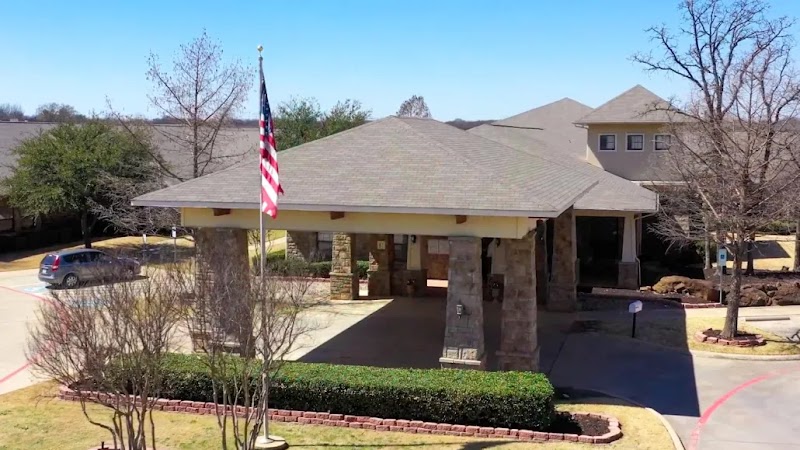
How is Keller Oaks Healthcare Center Staffed?

CMS rates KELLER OAKS HEALTHCARE CENTER's staffing level at 1 out of 5 stars, which is much below average compared to other nursing homes. Staff turnover is 69%, which is 23 percentage points above the Texas average of 46%. High turnover can affect care consistency as new staff learn residents' individual needs. RN turnover specifically is 57%, which is notably high. RNs provide skilled clinical oversight, so turnover in this role can affect medical care quality.

What Have Inspectors Found at Keller Oaks Healthcare Center?

State health inspectors documented 17 deficiencies at KELLER OAKS HEALTHCARE CENTER during 2023 to 2025. These included: 17 with potential for harm.
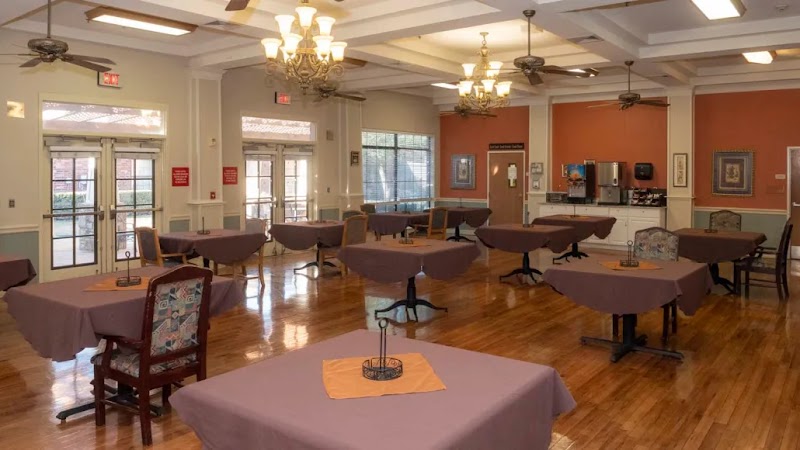
Who Owns and Operates Keller Oaks Healthcare Center?

KELLER OAKS HEALTHCARE CENTER is owned by a government entity. Government-operated facilities are typically run by state, county, or municipal agencies. The facility is operated by THE ENSIGN GROUP, a chain that manages multiple nursing homes. With 146 certified beds and approximately 127 residents (about 87% occupancy), it is a mid-sized facility located in KELLER, Texas.
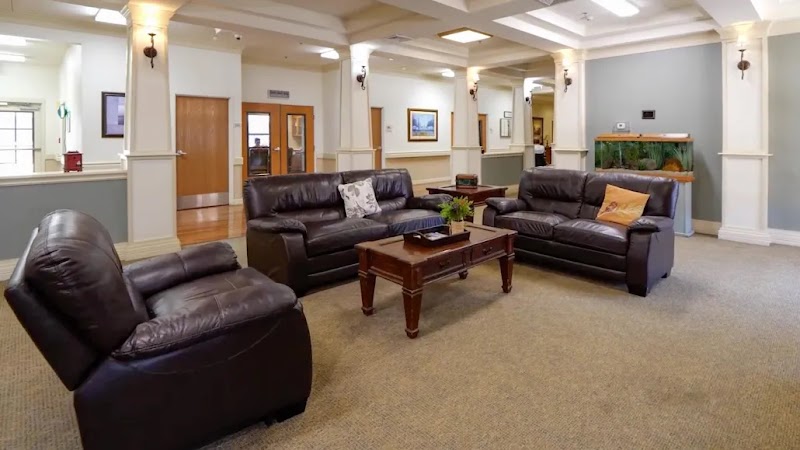
How Does Keller Oaks Healthcare Center Compare to Other Texas Nursing Homes?

Compared to the 100 nursing homes in Texas, KELLER OAKS HEALTHCARE CENTER's overall rating (3 stars) is above the state average of 2.8, staff turnover (69%) is significantly higher than the state average of 46%, and health inspection rating (4 stars) is above the national benchmark.

What Should Families Ask When Visiting Keller Oaks Healthcare Center?

Based on this facility's data, families visiting should ask: "How do you ensure continuity of care given staff turnover, and what is your staff retention strategy?" "Can you walk me through typical staffing levels on day, evening, and night shifts?" "Can I visit during a mealtime to observe dining assistance and food quality?" "How do you handle medical emergencies, and what is your hospital transfer rate?" These questions are particularly relevant given the facility's high staff turnover rate and the below-average staffing rating.

Is Keller Oaks Healthcare Center Safe?

Based on CMS inspection data, KELLER OAKS HEALTHCARE CENTER has a clean safety record: no substantiated abuse findings (meaning no confirmed cases of resident harm), no Immediate Jeopardy citations (the most serious violation level indicating risk of serious injury or death), and is not on the Special Focus Facility watch list (a federal program monitoring the lowest-performing 1% of nursing homes). The facility has a 3-star overall rating and ranks #1 of 100 nursing homes in Texas. While no facility is perfect, families should still ask about staff-to-resident ratios and recent inspection results during their visit.

Do Nurses at Keller Oaks Healthcare Center Stick Around?

Staff turnover at KELLER OAKS HEALTHCARE CENTER is high. At 69%, the facility is 23 percentage points above the Texas average of 46%. Registered Nurse turnover is particularly concerning at 57%. RNs handle complex medical decisions and coordinate care — frequent RN changes can directly impact care quality. High turnover means new staff may not know residents' individual needs, medications, or preferences. It can also be disorienting for residents, especially those with dementia who rely on familiar faces. Families should ask: What is causing the turnover? What retention programs are in place? How do you ensure care continuity during staff transitions?

Was Keller Oaks Healthcare Center Ever Fined?

KELLER OAKS HEALTHCARE CENTER has no federal fines on record. CMS issues fines when nursing homes fail to meet care standards or don't correct problems found during inspections. The absence of fines suggests the facility has either maintained compliance or corrected any issues before penalties were assessed. This is a positive indicator, though families should still review recent inspection reports for the full picture.

Is Keller Oaks Healthcare Center on Any Federal Watch List?

KELLER OAKS HEALTHCARE CENTER is not on any federal watch list. The most significant is the Special Focus Facility (SFF) program, which identifies the bottom 1% of nursing homes nationally based on persistent, serious quality problems. Not being on this list means the facility has avoided the pattern of deficiencies that triggers enhanced federal oversight. This is a positive indicator, though families should still review the facility's inspection history directly.