LEGEND OAKS HEALTHCARE AND REHABILITATION - FORT
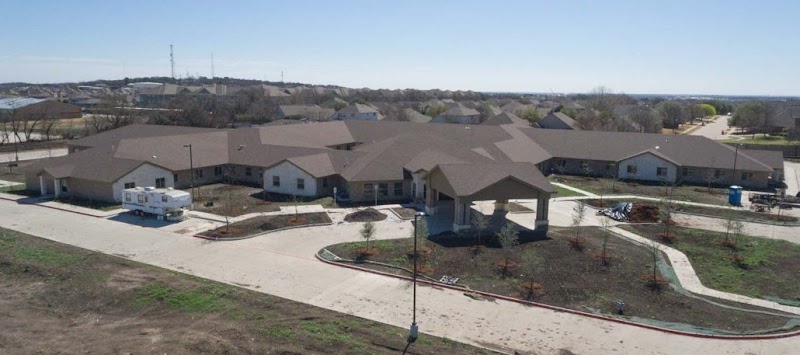
4240 GOLDEN TRIANGLE BOULEVARD, KELLER, TX 76244 (817) 806-6400
For profit - Limited Liability company 132 Beds THE ENSIGN GROUP Data: November 2025 3 Immediate Jeopardy citations
Trust Grade
0/100
#760 of 1168 in TX
Last Inspection: December 2024

Within standard 12-15 month inspection cycle. Federal law requires annual inspections.

Overview

Legend Oaks Healthcare and Rehabilitation in Keller, Texas, has received a Trust Grade of F, indicating significant concerns about the quality of care provided. With a state rank of #760 out of 1168, the facility is in the bottom half of nursing homes in Texas, and it ranks #46 out of 69 in Tarrant County, meaning there are many better options nearby. While the facility's trend is improving-decreasing from 7 issues in 2024 to just 2 in 2025-staff turnover is high at 65%, which is concerning compared to the Texas average of 50%. The facility has incurred $40,272 in fines, which is average, but they have a critical history involving incidents where residents were not adequately supervised, leading to serious safety risks. Despite these issues, the facility does have good quality measures, but families should weigh both the strengths and weaknesses carefully when considering this home for their loved ones.

Trust Score
F
0/100
In Texas
#760/1168
Bottom 35%
Safety Record
High Risk
Review needed
Inspections
Getting Better
7 → 2 violations
Staff Stability
⚠ Watch
65% turnover. Above average. Higher turnover means staff may not know residents' routines.
Penalties
⚠ Watch
$40,272 in fines. Higher than 93% of Texas facilities. Major compliance failures.
Skilled Nurses
⚠ Watch
Each resident gets only 20 minutes of Registered Nurse (RN) attention daily — below average for Texas. Fewer RN minutes means fewer trained eyes watching for problems.
Violations
⚠ Watch
21 deficiencies on record. Higher than average. Multiple issues found across inspections.
★★☆☆☆
2.0
Overall Rating
★★☆☆☆
2.0
Staff Levels
★★★★☆
4.0
Care Quality
★★☆☆☆
2.0
Inspection Score
Stable
2024: 7 issues
2025: 2 issues

The Good

  • 4-Star Quality Measures · Strong clinical quality outcomes
  • Full Sprinkler Coverage · Fire safety systems throughout facility
  • No fines on record

Facility shows strength in quality measures, fire safety.

The Bad

2-Star Overall Rating

Below Texas average (2.8)

Below average - review inspection findings carefully

Staff Turnover: 65%

19pts above Texas avg (46%)

Frequent staff changes - ask about care continuity

Federal Fines: $40,272

Above median ($33,413)

Moderate penalties - review what triggered them

Chain: THE ENSIGN GROUP

Part of a multi-facility chain

Ask about local staffing decisions and management

Staff turnover is elevated (65%)

17 points above Texas average of 48%

The Ugly 21 deficiencies on record

3 life-threatening 1 actual harm
Sept 2025 1 deficiency 1 IJ
CRITICAL (J) 📢 Someone Reported This

A family member, employee, or ombudsman was alarmed enough to file a formal complaint

Immediate Jeopardy (IJ) - the most serious Medicare violation

Accident Prevention (Tag F0689)

Someone could have died · This affected 1 resident

**NOTE- TERMS IN BRACKETS HAVE BEEN EDITED TO PROTECT CONFIDENTIALITY** Based on observation, interview, and record review, the facility failed to ensure that the resident environment remained as free...

Read full inspector narrative →
**NOTE- TERMS IN BRACKETS HAVE BEEN EDITED TO PROTECT CONFIDENTIALITY** Based on observation, interview, and record review, the facility failed to ensure that the resident environment remained as free of accident hazards as is possible and each resident received adequate supervision and assistive devices to prevent accidents for 1 of 4 residents (Resident #1) reviewed for supervision. The facility failed to ensure Resident #1, who was a high risk for elopement for which he wore a WanderGuard device, was provided with adequate supervision to prevent him from exiting the building on 07/28/25. Despite the WanderGuard alarm sounding, RN A turned the alarm off without immediately going outside to determine if there was a resident elopement. The resident was found approximately nine hours after he went missing. He was found two miles away from the facility by the local police department following an extensive search. The noncompliance was identified as past non-compliance. The Immediate Jeopardy (IJ) began on 07/28/25 and ended on 07/29/25. The facility had corrected the noncompliance before the survey began.This failure placed residents at risk of harm and/or serious injury. Findings included:Record review of Resident #1's admission MDS assessment, dated 07/03/25, reflected the resident was an [AGE] year-old male, who was admitted to the facility on [DATE]. The resident's diagnoses included Alzheimer's Disease (a progressive brain disorder that causes memory loss, confusion, and other cognitive decline), cerebral ischemia (inadequate blood supply to the brain), hypertension (high blood pressure), muscle weakness (a condition where your muscles cannot work with the expected amount of force). The MDS reflected Resident #1 had severe cognitive impairment with a BIMS score of 00. Resident #1 did not exhibit wandering behaviors. The MDS further reflected Resident #1 had Wander/elopement alarm (bracelet detected near a sensor, the system triggers an alert).Record review of Resident #1's care plan, dated 06/24/25, reflected Focus: Elopement risk/wanderer r/t Impaired safety awareness. Goal: Will not leave facility unattended through the review date. Interventions: Document wandering behavior and attempted diversional interventions. Monitor placement and function of Wander Guard Q Shift Wander Guard to Right ankle expiration date 02/24/26. Record review of Resident #1's Elopement Risk Evaluation, dated 06/29/25, reflected Resident #1 was a high risk for elopement. The evaluation indicated Resident #1 had a diagnosis of dementia and Alzheimer's disease. Ambulation: Ambulates independently or with supervision. Mental status: Disoriented. History of elopement in the last 6 months: Two or more Episodes. Does the wandering place the resident at significant risk of getting to a potentially dangerous place (stairs, outside the facility): 2. Yes, wandering is aimless w/potential to go outside, active exit seeking behavior. Record review of Resident #1's physician orders dated 07/01/25, reflected Wander guard to right ankle every day shift every 90 day(s) for wanderguard.Record review of Resident #1's progress notes dated 07/29/25 at 2:02 AM by RN A reflected: Resident active walking on the hallway upon arrival at 1800 [6:00 PM] appeared happy had a smile on his face and very talkative in Spanish. Tolerated his HS meds. Resident started following this nurse while passing the medicine. Approximate 2000 [8:00PM] this nurse did not see resident in the hallway. The nurse and CNA started looking for him in the rooms of 600 hall, we did not see him. This nurse called for code white alerted all the staff in the facility and we started looking for him in and out of the facility. Family called and left them a message to call the facility. The family called back later and told this nurse they will come over to the facility. Administrator was notified.Record review of Resident #1's progress notes dated 07/29/25 at 4:53 AM by Clinical Market Leader reflected: 4:50am police arrived to facility with resident in back seat. Resident able to stand and transfer to wheelchair and brought into facility for assessment by charge nurse. Family also arrived behind police and notified of return to facility. Police notified this writer that EMS would arrive shortly to assess him as this was their protocol. Resident alert and denies pain, water in hand, assisted to his room by nurse and family.Record review of the facility's Provider Investigation Report, completed by the Administrator on 08/05/25, reflected the following: Incident date: 07/28/25, Time of Incident: 8:00 PMDescription of the Allegation: Resident missing from facility Assessment Date: 07/29/25; Time: 4:55 AM;Charge nurse completed head to toe assessment upon resident return on 7/29/25 @ apprx. 4:55 a.m - no injuries notes, resident mood was pleasant and friendly. EMS arrived at apprx. 5:10 a.m. (per PD policy). Completed assessment as well - no concerns. Vitals within normal limits. Attending physician assessed at apprx. 10:30 a.m. no injuries notes - suggested precautionary CBC - normal results - Skin assessment completed during shower by c.n.a. no issues noted. Provider Response: The facility initiated missing resident protocol. Implementing search efforts to include inside facility, outside the facility and an extensive search of the surrounding area by vehicle, on foot, air search and K9 unit. Facility completed a visual census check of all residents in the facility. The facility informed the medical director-administrator-Interim DON-Family-[Name] PD of missing resident. Family reviewed camera footage to establish at timeline and verify description. Facility initiated interviews with all staff working at the time of the incident. Facility reviewed elopement risk assessments for all residents on 07/28 & 07/29/2025. Interventions and care plans were reviewed and modified as appropriate. Facility initiated education and in servicing related to elopement/missing residents as well as abuse/neglect. Facility conducted on site elopement drills for both shifts. Facility initiated education and implemented documented census reconciliation process to be completed at the onset of each shift and again at 2359. Facility adjusted camera system to provide visual monitoring of the front door at each nurse's station. Facility initiated walking rounds to include lobby area during the 6p-6a shift. Installation of wader guard sound box with flashing lights at each nurse's station in addition to the exiting one at the front door. Facility is in the process of installing a camera outside of the front entrance. Charge nurse was suspended pending investigation later terminated. Upon resident return Head to toe assessment X 2 - no injuries noted. No new orders. Family notified upon exit and return - medical director notified upon exit and return. Resident placed 1-1 observations - resident d/c to another SNF with secure area on 7/29/25. Investigation Summary: After completing staff interviews and reviewing video footage it was determined the res was observed to be on 600 Hall walking along side charge nurse. At apprx. 7:40 p.m. resident walked away from the nurse out of camera view as she continued med pass on 600 hall. At apprx 7:51 p.m. res [resident] was seen to be in the front foyer walking around. At apprx. 7:54 p.m. resident was seen on camera following a Hispanic female out the front door. The nurse stated at apprx. 8:00 p.m., she noticed resident was not in his room or on the 600 Hall. Elopement protocol was initiated search efforts included the inside and outside parameters of the facility as well as an extensive search of the surrounding territory. Facility staff and leadership actively engaged in the search by foot and vehicle utilizing resident photo and description. [Department Name] PD became involved in the search to include foot patrol/vehicle patrol/Helicopter search and K9 (canine) unit as well as social media alerts. Multiple family members were onsite assisting in search efforts as well communicating with facility administration sharing leads and search efforts. Resident was located in the parking lot of a nearby car dealership. [Department Name] PD returned the resident at approximately 4:55 a.m. on 7/29/25. Resident was drinking water and smiling. He appeared to have his normal demeanor. Head to toe assessment completed by charge nurse as well as EMT (per PD protocol). No injuries noted, vitals within normal range. Family arrived within minutes of his return embraced resident and assisted staff with preparing him for bed. Resident went to sleep within moments. Shower offered resident no new findings. Labs requested to be followed up at receiving facility as resident was transferred to [Facility Name] in a secure environment. Labs resulted within normal range with no new orders. During follow up conversation with the family, they agreed to resident likely related the Hispanic female he followed out the door to his spouse as she had visited earlier in the evening. Resident did wander within the facility although he had not made previous attempts to exit the facility. Family expressed gratitude and appreciation for the care that was provided to the resident.Record review of RN A's witness statement, dated 07/28/25, reflected the following: To whom it my concern, approximate @ 1900 [7:00PM] resident noted with wet pant and CNA took him to his room and cleaned him up and dressed him on green top and red pants. After he was changed resident started following this nurse while passing HS meds. At approximate 2000 [8:00PM] I noticed resident was not on hallway. Myself and the CNA started looking for him in all the rooms and bathrooms on 600 Hall. We did not locate him and at that time I called Code White. All staff in the facility started looking for him around the in and out of the facility. Family and administrator was notified. Regards, RN A. Record review of CNA B witness statement, dated 07/29/25, reflected the following: Statement of CNA B 500/600 Hall, around 7PM she noticed his pants was wet & she took him into his room & changed out his pants. When she got finished with him, he went back to the nurses. Around 8 he was with the nurse & I was with another resident that was going out & when I came out the nurse asked about him. And I said that he was with you & she told me she couldn't locate him. So, then we all was looking for him together. We could not find him inside the building, so we went outside the building & still was unable to locate him. Witnessed by CNA B.An attempt was made to contact RN A by phone on 09/11/25 at 11:30 AM; however, there was no answer. Interview on 09/11/25 at 11:36 AM with LVN C revealed she worked the night Resident #1 eloped from the facility on 07/28/25 from 6PM-6AM. She stated she was the nurse assigned to 200 Hall and a little after 7:00PM before 8:00PM she had gone to 600 Hall looking for something and she observed Resident #1 standing behind RN A. She stated at approximately 8:00 PM she was notified of the code white. She stated she stopped what she was doing and checked each of her rooms on 200 Hall before she went over to the 600 Hall. LVN C stated that night there was visitors in the building. She stated no WanderGuard alarms were heard that night. She stated everyone was notified and Resident #1 was found on 07/29/25 at around 5:00 AM. LVN C stated Resident #1 was an elopement risk because he would pace the hallways and follow people around. Interview on 09/11/25 at 2:08 PM with CNA B revealed she was the CNA assigned to Resident #1 when he eloped from the facility on 07/28/25. She stated around 7:00 PM she observed Resident #1 with RN A, she stated Resident #1 needed a brief change, so she took him to his room to change him. Once she was done changing Resident #1, Resident #1 went back to the nurse's station to be with RN A. She stated RN A was passing out medications and Resident #1 was following her. CNA B stated she continued to assist other residents and around 8:00PM RN A was calling for her. She stated RN A told her she had heard the WanderGuard alarms go off at the main entrance but did not see anyone and she turned off the alarm. CNA B stated she did not hear any alarms go off because she was in a resident room. She stated RN A asked her for help on checking on the residents and that was when RN A noticed Resident #1 could not be located. CNA B stated RN A called a code white and everyone began to search for Resident #1 inside and outside the facility. CNA B stated Resident #1 was found the following day on 07/29/25 at around 5:00 AM. She stated Resident #1 was assess and had no injuries. CNA B stated Resident #1 was an elopement risk and had a WanderGuard on. She stated Resident #1 was known to pace the hallways and follow people around the facility. CNA B stated Resident #1 was able to walk without assistance. She stated that night Resident #1 followed a visitor out the facility.Interview on 09/11/25 at 2:59 PM with the DON revealed she was on leave when Resident #1 eloped from the facility. She stated Resident #1 was known to pace the hallways and follow staff around the facility but was easily redirected. She stated she could not recall if Resident #1 would exit seek, but he would come to the front area of the facility. She stated after the elopement the facility inserviced all staff on elopement/missing person, what to do in case of an elopement and abuse and neglect. She stated elopement risk assessments and care plans were reviewed. She stated nurses are expected to print out a census and complete a resident head count at the beginning of each shift. The DON stated they also added a new WanderGuard alarm system on each nurse station with flashing lights. She stated they also added a camera at the main entrance and each nurse station surveillance monitors were added to overlook different areas of the facility. Interview on 09/11/25 at 3:10 PM with the Administrator revealed she was notified of Resident #1's elopement at around 8:40 PM. She stated she reviewed camera footage because there were some inconsistencies with what the resident was wearing. She stated camera footage revealed at 7:51 PM Resident #1 was observed following RN A, then it showed Resident #1 walking away from the nurse. She stated at 7:54 PM a visitor was walking towards the main entrance and Resident #1 can be observed following behind the visitor. The Administrator stated according to RN A she heard the WanderGuard alarms go off and the nurse went to go check but did not observe anyone at the front and deactivate the alarm. She stated RN A went back to her hall and completed a head count of her resident and that was when she noticed Resident #1 missing. She stated a code white was called and everyone began the search. She stated Resident #1 was found at 4:55 AM on 07/29/25 by the police department. She stated Resident #1 was located about 2 miles away from the facility at a local business. The Administrator stated when Resident #1 returned to the facility he was happy, a head-toe assessment was completed, and no injuries were noted. The Administrator stated Resident #1 was an elopement risk and had a WanderGuard because he would walk around the facility. She stated Resident #1 never attempted to open doors or tried to go outside. She stated the day Resident #1 eloped, the visitor he followed behind fit the description of his wife. The Administrator stated Resident #1 was probably thinking he was following his wife out. She stated after the incident all staff were in-service on elopement/missing person, abuse and neglect, completed elopement/missing person drills, a new WanderGuard alarm system was placed at each nurse's station, weekly door/WanderGuard checks completed and at beginning of each shift nurses must print out a census and complete a head count of all residents. She stated a camera was placed outside the main entrance and surveillance monitors were placed at each nurse's station. She stated elopement risk assessments were completed on all residents and care plans were reviewed. The Administrator stated Resident #1 was placed on 1:1 supervisor and then discharged on 07/29/25 to a more appropriate placement.Record review of the facility's Elopement/Unsafe Wandering policy, revised January 2022, reflected the following: It is the policy of this facility to provide a safe environment for all residents through appropriate assessment and interventions to prevent accidents related to unsafe wandering or elopement. This facility is committed to promoting resident autonomy by providing an environment that remains as free of accident hazards as possible. Each resident is assisted in attaining or maintaining their highest practicable level of function through providing the resident adequate supervision and diversional programs to prevent unsafe wandering while maintaining the least restrictive environment for those at risk for elopement.This was determined to be a Past Non-Compliance Immediate Jeopardy on 09/11/25 at 4:22 PM. The Administrator and the DON were notified. The Administrator was provided with the Immediate Jeopardy Template on 09/11/25 at 4:25 PM.The facility took the following actions to correct the non-compliance prior to the abbreviated survey:Record review of the facility's Resident frequent Monitoring Tool reflected Resident #1 was placed on 1:1 supervision on 07/29/25 from 5:30 AM until he transferred at 11:30 AM. Record review of Elopement/Wandering Evaluation reflected they were reviewed and completed on Resident #1, Resident #2, Resident #3, Resident #4 and Resident #5 on 07/29/25.Record review of Resident #1, Resident #2, Resident #3, Resident #4 and Resident #5's Care Plans reflected care plans were reviewed on 07/29/25 to reflect them as being at risk for elopements and having WanderGuards.Record review of the facility's Elopement binders located on both nurse's stations and reception reflected pictures of residents who were at elopement risk and contained information regarding the residents.Record review of the facility Elopement Drill Drills reflected a drill was completed on 07/29/25 at 12:00PM.The facility continued to conduct random Missing Person/Elopement drills on the following days: 08/09/25 6:15 PM, 08/14/25 - 8:15 PM, 09/08/25 - 11:05 AM. Record review of facility Emergency Exit Door and Wanderguard Inspection Log forms for all exit doors reflected door checked were completed daily from 07/29/25 through 07/31/25 and then completed once a week from 08/01/25 through 09/06/25 by Maintenance Director. Record review of facility daily Census/Midnight Census print out, start date 07/29/25 through 09/11/25 reflected nursing completing head count of residents. Observation on 09/11/25 at 10:15 AM of nurses' station revealed surveillance monitors were added at each nurses' station that overlook different areas of the facility and outside the main entrance. Observation on 09/11/25 from 2:55 PM through 2:58 PM revealed main entrance WanderGuard alarm was tested with Maintenance Director. Each nurses' station has an alarm for WanderGuard, and the alarm was heard throughout the facility. When alarm goes off flashing light flashes which indicates Code White.Record review of in-services dated 07/28/25 and 07/29/25 reflected all facility staff were in-serviced on: Elopement/Missing Resident, Policy, Procedures, Elopement Book, Abuse and Neglect. Summary of Inservice: Assessment- Residents are assessed upon admission, quarterly and with any changes in condition or elopement attempts. Care Plans are updated for those that are high risk. WanderGuards - WanderGuards must have a physician order and should be changed out every 6 months. Alarms should be responded to immediately in the event a resident is attempting to exit the facility. If a resident is found missing, the employee and team will initiate the missing resident procedures as outlined in the Elopement/Unsafe Wandering Policy and Guidelines (attached) that is located in the elopement. What to do in the event of an Elopement; What to do in the event you are unable to locate your patient; What to do if you hear the alarm going. Elopement Code White, Abuse and Neglect. In-serviced on 08/07/25 reflected Wander guard - New alarm sound/flashing light at nurse's station. [NAME] light flashing and sound possible elopement. When alarm sounds staff will respond accordingly. Wander guard- all staff immediately check foyer/front door area as well outside the door. Interviews on 09/11/25 from 11:36 AM through 5:20 PM with CNA B, LVN C, ADON D, ADON E, Housekeeping F, Housekeeping G, Therapy H, Therapy I, Dietary Supervisor, [NAME] J, CNA K, CNA L, MA O, CNA P, LVN Q, LVN R, LVN S, Social Worker and Maintenance Director who worked the shifts of 6:00 AM-6:00 PM, 6:00 PM-6:00 AM revealed the facility staff were able to verify education was provided to them. Facility staff were able to accurately summarize the elopement/missing person, code white, abuse, and neglect in-service, and where to locate elopement binders. Facility staff were able to indicate new WanderGuard alarm system were added to each nurse's station with flashing lights and elopement/missing person drills were completed. Nursing staff stated a daily/midnight census were printed and head counts were completed before shift, elopement assessment were reviewed/completed (an evaluation to determine any resident at risk of elopement), care plans reviewed for residents who were elopement risk, nurses ensure WanderGuards were checked daily to ensure they were working properly and document on the MAR, and surveillance monitors were added to each nurses station that overlook different areas of the facility. Staff indicated a surveillance camera was also added at the front entrance to provide additional oversight.
Feb 2025 1 deficiency 1 Harm
SERIOUS (G) 📢 Someone Reported This

A family member, employee, or ombudsman was alarmed enough to file a formal complaint

Actual Harm - a resident was hurt due to facility failures

Free from Abuse/Neglect (Tag F0600)

A resident was harmed · This affected 1 resident

**NOTE- TERMS IN BRACKETS HAVE BEEN EDITED TO PROTECT CONFIDENTIALITY** Based on observation, interview, and record review, the facility failed to ensure residents had the right to be free from abuse,...

Read full inspector narrative →
**NOTE- TERMS IN BRACKETS HAVE BEEN EDITED TO PROTECT CONFIDENTIALITY** Based on observation, interview, and record review, the facility failed to ensure residents had the right to be free from abuse, neglect, misappropriation of resident property, and exploitation for 2 of 5 residents (Resident #1 and Resident #2) reviewed for abuse. The facility failed to ensure Resident #1 was free from abuse when Resident #2 pulled Resident #1 out of bed and hit him on 01/30/25. The noncompliance was identified as past noncompliance. The noncompliance began on 01/30/25 and ended on 01/30/25. The facility had corrected the noncompliance before the investigation began. This failure could place residents at risk of being abused. Findings included: Record review of Resident #1's quarterly MDS, dated [DATE], reflected the resident was a [AGE] year-old male admitted to the facility on [DATE]. His diagnoses included heart failure, diabetes, stroke, and respiratory failure. The resident had a BIMS of 8, which indicated his cognition was moderately impaired. The MDS further reflected Resident #1 did not have any physical or verbal behaviors. Record review of Resident #1's care plan, revised on 08/08/24, reflected the resident had the potential to demonstrate verbally abusive behaviors related to dementia, ineffective coping skills, poor impulse control, and mental illness. Interventions included to analyze key times, places, circumstances, triggers, and what de-escalates behaviors. Record review of Resident #2's quarterly MDS, dated [DATE], reflected the resident was a [AGE] year-old male admitted to the facility on [DATE]. His diagnoses included end stage renal disease, Huntington's disease (a progressive, inherited neurodegenerative disorder that affects the brain), pain in left leg and cognitive communication deficit. The resident had a BIMS of 13, which indicated his cognition was intact. The MDS further reflected the resident did not have physical or verbal behaviors. Record review of Resident #2's care plan, initiated on 05/07/24, reflected he had the potential to demonstrate physical behaviors resisting treatments and assistance related to anger, and poor impulse control. Interventions included to document observed behaviors and attempted interventions. Record review of the facility's Provider Investigation Report, dated 02/06/25, reflected the following: [Resident 2] and [Resident #1] were roommates in [room]. At approx. 2:10 a.m. [Resident #1] was yelling at resident [Resident #3] to stop 'snotting around' and making all that noise. Apparently this triggered resident [Resident #2] who then became physically aggressive with [Resident #1] pulling him out of the bed while hitting and slapping him. [Resident #1] then engaged physically in the altercation hitting [Resident #2]. Head to toe assessment conducted on both residents-minor lacerations present on [Resident #1]. Treated provided in house. No injuries [sic] notes to [Resident #2]. [Resident #1] then requested to be sent to [hospital] for evaluation of right knee and head pain-No major injuries noted. [Resident #1] returned with no new order. Residents continue to be separated with [Resident #2] being located to a private room No history of prior incident for either resident. Record review of Resident #1's incident report, dated 01/30/25 , documented by LVN A reflected the following: Incident Description This nurse was charting at nurses' station and noticed resident's call light going off. Upon hearing banging coming from the room, I got up to answer the light. I heard both residents yelling and began to jog towards the room. Upon entering, resident was laying on his right side on the floor Resident stated that his roommate attacked him. I asked the roommate if this was true. He was pacing around on his side of the room. He stated 'did! I was fed up with him.' I called to the other nurses and CNAs to assist me in getting him cleaned up and back in bed. 'All day and night he's being doing snot stuff. So I said 'stop doing that nasty stuff.' He came over and started grabbing on my arms swinging at me. He got a hold of one of my arms and pulled me onto the floor. When I was on the floor he was slapping me so I punched him back. He finally backed off .Injuries Observed at Time of Incident Laceration: right lower leg, forehead, left side of neck, right knee, left lower leg, right forearm Record review of the facility's incident/accident report from November 2024 to February 2025 reflected there were no incidents between Resident #1 and Resident #2. Record review of Resident #1 and Resident #2's progress notes from 04/2024 to January 2025 reflected there were no incidents or disagreements between the resident while they were roommates. Observation and interview on 02/26/25 at 10:55 AM revealed Resident #1 was in bed watching his tablet, and he did not have a roommate at the time. There appeared to be some small scabbed areas to his chest, and one on each arm. The resident said he did not get along with his roommate [Resident #2] because he had a habit of having terrible drainage and would not blow his nose and then swallow it. Resident #1 said he would always tell Resident #2 to either blow his nose to stop making those sounds and Resident #2 would go to his side of the bed and says fuck you old man. The night of the incident Resident #1 said he got tired of listening to Resident #2 make his sounds so again he told Resident #2 to blow his nose. Resident #2 then went around to Resident #1's bed and began to threaten him and Resident #1 told Resident #2 to shut the hell up. At that time, Resident #2 began to try to hit him (Resident #1) but he ended up being scratched. Resident #1 said Resident #2 grabbed his right arm and pulled him down to the floor off the bed and when he was on the floor, Resident #1 was able to hit Resident #2 back and that was when Resident #2 said stop stop and he walked over to his side of the room. Resident #1 further stated he began to yell for help and that was when LVN A and other staff entered the room to help him back into bed. Resident #1 further stated he had some scratches on his chest, both arms, and his left shoulder. Observation and interview on 02/26/25 at 3:08 PM of Resident #2 revealed he was in a room by himself on another hall separate from Resident #1. Resident #2 said the staff were very good to him and he liked to be a loner. The resident recalled the incident between him and Resident #1 and he said Resident #1 was complaining saying he (Resident #2) was snoring, which was not true and he got tired of Resident #1 calling him a boy. Resident #2 said he had enough so he went over to Resident #1 and pulled him out of his bed and that was all. Resident #2 said he never told anyone at the facility Resident #1 was calling him a boy. Interview on 02/26/25 at 11:28 AM with RN B revealed she worked with both Residents #1 and #2 and to her knowledge it appeared as both residents got along and neither resident complained to her they did not like each other. RN B said Resident #2 was very quiet and usually stayed to himself and watched TV in the room. RN B said she never heard them argue or threaten each other. Interview on 02/26/25 at 11:31 AM with MA C revealed she passed medications to both Residents #1 and #2 when they were roommates. MA C said both residents stayed to themselves and did not really talk to each other and Resident #2 stayed in the room and watched TV. The MA said she never heard them argue and neither resident ever complained about the other. Interview on 02/26/25 at 11:35 AM with CNA C described Resident #2 as being very calm and not having any behaviors towards others. CNA C said Residents #1 and #2 did not have any issues with each other that she was aware nor did she ever hear them argue. CNA C said Resident #2 told her he was tired of Resident #1 referring to him a boy when he would ask that he turn the TV down. Regarding the incident, CNA C stated Resident #2 said he had enough, so he went over to Resident #1's bed and pulled him down and out of his bed. Interview on 02/26/25 at 1:42 PM with LVN A revealed she was at the nurses' station when she saw the call light on to Resident #1 and #2's room and heard banging. She stated upon entering the room Resident #1 was on the floor, and Resident #2 was standing on his side of the room pacing. She stated Resident #2 appeared to be upset. Resident #1 said he had been attacked by Resident #2. She stated Resident #2 interrupted and said he had enough of being called a little boy, so he went to confront Resident #1. Resident #2 told LVN A Resident #1 swung at him first, so he retaliated and pulled Resident #1 to the floor. LVN A said she noticed Resident #1 had a couple of lacerations on his legs and arms, which looked like he had been scratched. She said some of the scratches had bled a little, but Resident #1 did not want them treated because he was upset. Resident #1 was sent to the hospital to be evaluated because he mentioned he hit his head. She revealed Resident #1 did not have any head injuries after being evaluated at the hospital. LVN A said both residents had been roommates for over 6 months. She stated she recalled a couple months prior they had bickered with each other because Resident #1 said Resident #2 made noises. LVN A stated that was the only time they had a disagreement, but they had not been yelling or cursing and it did not happen again after that. She also said neither resident stated they wanted to change rooms, nor did they say they did not like each other. Interview on 02/26/25 at 1:42 PM with CNA E revealed she cared for Residents #1 and #2 the night of the incident, and she had not noticed anything out of the ordinary between the residents. CNA E said she provided care to Resident #1 and shortly after leaving their room, she was called back into the room because she was told Resident #1 was on the floor because he had been pulled down by Resident #2. She stated upon entering the room both residents had already been separated and Resident #2 was taken to another room. CNA E said she recalled seeing some scratches on Resident #1's legs and one on his nose. CNA E stated she assisted LVN A in getting Resident #1 off the floor and back into bed. CNA A stated during the time she had worked with both residents, she was not aware they did not like each other or that they had ever yelled or cursed at each other. Interview on 02/26/25 at 2:25 PM with CNA F revealed she worked the night of the incident between Residents #1 and #2, and she happened to pass by their room when she noticed a commotion, so she stepped inside to see if the staff already in the room needed help. She was told Resident #2 pulled Resident #1 out of bed, so she went ahead and took Resident #2 to another room. CNA F said she was not able to see any injuries on Resident #1 because there were other staff around him. CNA F further stated she was not aware if Residents #1 and #2 had a history with each other. CNA F said she requested not to care for Resident #1 because he had been very rude to her in the past during care. Interview on 02/26/25 at 2:44 PM with the Social Worker revealed she was told there was an altercation between Residents #1 and #2 because Resident #2 was making some noises Resident #1 did not like, so Resident #2 pulled Resident #1 out of bed. The Social Worker said both residents were roommates for months, and they never had any incidents in the past, so she thought they were doing well. She stated if she had been aware the residents were no getting along she would have looked into moving one to another room. The Social Worker said neither resident complained to her about the other. She stated when she went to check on Resident #1, he was no longer upset and said he was able to defend himself against Resident #2. The Social Worker further stated neither resident was in any distress after the incident and neither resident had a history of physical aggression towards others. Interview on 02/26/25 at 4:07 PM with the ADON revealed she was not aware there were any issues between Resident #1 and Resident #2, and both residents stayed to themselves on their side of the room with the privacy curtain pulled in between. The ADON stated neither resident had ever mentioned to her that they had problems with each other. She stated if they had been made aware, they would have discussed a room change. Interview on 02/26/25 at 4:13 PM with the DON revealed she was not aware of any roommate issues between Residents #1 and #2 prior to the incident. She stated no one ever mentioned anything to her, and it appeared to be an isolated incident. The DON said she was told about the altercation where Resident #2 pulled Resident #1 out of bed because Resident #2 said Resident #1 called him a boy. She stated both residents were interviewable and would have been able to tell staff if they were unhappy being roommates and nothing was ever mentioned or noticed. The DON further stated Resident #1 sustained some skin tears and scratches from the altercation but nothing that required treatment. After the incident, all staff were re-educated on abuse/neglect and what to do if they witnessed any incidents. Interview on 02/26/25 at 4:22 PM with the Administrator revealed Residents #1 and #2 were roommates for a while. She stated they appeared to get along, and she was surprised when she was told they had an altercation. The Administrator said she was told Resident #1 was calling Resident #2 a boy because Resident #2 was making some kind snot noises, so Resident #2 pulled Resident #1 out bed. She stated staff immediately intervened when they became aware and both residents were separated. The Administrator described Resident #2 as being very quiet. She stated he did not engage much with others. She further stated Resident #1 sustained some scratches on his body and neither resident appeared to be in distress from the incident. After the incident, she stated all staff were re-educated on abuse/neglect to ensure they all knew what to do if they ever witness any types of abuse. Record review of the facility's Abuse: Prevention of and Prohibition Against policy, revised December 2023, reflected the following: Policy It is the policy of the Facility that each resident had the right to be free from abuse, neglect, misappropriation of resident property, exploitation and mistreatment Observation on 02/26/25 at 10:55 AM and 3:08 PM revealed Residents #1 and #2 were each in their own room with no current roommate on different halls, so they did not have to cross paths. Neither resident was seen out of their room during the day. Record review of the incident/accident logs from November 2024 to February 2025 reflected there were no other resident to resident altercations. Record review of the in-services dated 01/30/25 reflected 40 staff were educated on resident rights and resident to resident abuse. Interview on 02/26/25 from 11:28 PM to 4:22 PM with LVN A, RN B, MA C, CNA D, CNA E, CNA F, CNA G, CNA H, LVN I, and the ADON revealed they were in-serviced on the types of abuse, resident rights and resident to resident abuse. They all said all the residents had the right to be free from abuse and neglect, were able to name the different types of abuse. They were able to describe if they saw resident to resident abuse they were to separate them immediately, assess for injuries, and notify the Abuse Coordinator.
Dec 2024 3 deficiencies
CONCERN (D)

Potential for Harm - no one hurt, but risky conditions existed

Tube Feeding (Tag F0693)

Could have caused harm · This affected 1 resident

**NOTE- TERMS IN BRACKETS HAVE BEEN EDITED TO PROTECT CONFIDENTIALITY** Based on observation, interview, and record review, the facility failed to ensure that residents who received nutrition by enter...

Read full inspector narrative →
**NOTE- TERMS IN BRACKETS HAVE BEEN EDITED TO PROTECT CONFIDENTIALITY** Based on observation, interview, and record review, the facility failed to ensure that residents who received nutrition by enteral means received the appropriate treatment and services to prevent complications of enteral feeding for 1 of 2 residents (Resident #101) reviewed for enteral feeding. The facility failed to follow physician orders for Resident #101's enteral feeding tube to be flushed with 175 cc (mL) of water every 4 hours. This failure placed residents at risk of dehydration, aspiration pneumonia, and metabolic abnormalities. Findings included: Record review of Resident #101's admission Record dated 12/19/24 reflected the resident was a [AGE] year-old male who admitted to the facility on [DATE] and readmitted on [DATE]. Record review of Resident #101's quarterly MDS assessment dated [DATE] reflected his diagnoses included non-traumatic intracerebral hemorrhage in brain stem (brain bleed), respiratory failure, dysphasia (difficulty speaking) following other cerebrovascular disease (stroke), aphasia (language disorder), paraplegia (loss muscle function in the lower half of the body), and gastro-esophageal (acid reflux) reflux disease without esophagitis (inflammation). Resident #101 BIMS score was not completed due to resident was rarely/never understood. The MDS further revealed Section K - Swallowing/Nutritional Status indicated resident nutritional approach was feeding tube. Record review of Resident #101's care plan dated 09/17/24 reflected: Requires tube feeding r/t Dysphagia following CVA. Goal: Will maintain adequate nutritional and hydration status aeb weight stable, no s/sx of malnutrition or dehydration through review date. Interventions: Is dependent with tube feeding and water flushes. See MD orders for current feeding orders. Record review of Resident #101's physician orders dated 10/11/24 reflected an order for the resident's feeding tube to be flushed with 175 cc of water every 4 hours. Record review of Resident #101's physician orders dated 10/24/24 reflected an order for the resident to receive Jevity 1.5 at 60 mL per hour for 22 hours a day. Observation on 12/17/24 at 10:41 AM revealed Resident #101 lying in bed. He could not answer questions. Resident #101 was connected to his feeding pump, and the feeding rate was set at 60 mL/hr and the water flush rate was set at 145 mL every 4 hours. The Jevity formula bag was dated 12/17/24 at a rate 60 mL/hr. The water bag was dated 12/17/24 at a rate 145 ml/4 hrs. Observation on 12/17/24 at 2:18 PM revealed Resident #101 lying in bed with his feeding pump connected. The feeding rate was set at 60 mL per hour, and the water flush rate was set at 145 mL every 4 hours. Interview on 12/17/24 at 2:39 PM with RN A revealed she was the nurse assigned to Resident #101. She stated she changed Resident #101's formula bag and water bag. She stated Resident #101's water flush rate was set for 145 mL every 4 hours. She stated when she placed the new formula and water bag, she just turned on the feeding machine. She stated the feeding machine rate amount was already set, and all they had to do was turn it on. RN A reviewed Resident #101's physician orders and stated she was not aware resident water flush order was for 175 mL every 4 hours. She stated she failed to review Resident #101's orders prior to connecting the resident. RN A stated she was unsure how long Resident #101 had been receiving water flushes of 145 mL. She stated the potential risk of not providing Resident #101 with the correct water amount could lead to dehydration. Interview on 12/18/24 at 1:27 PM with the ADON revealed she was made aware of Resident #101 not receiving the correct water flushes. She stated the feeding pump did not have the correct flush amount. She stated her expectation was for the nurses to check physician orders prior to connecting the resident. She stated it was her responsibility to complete spot checks on residents who were on g-tubes to ensure the formula bags were labeled, dated, and the amount rates were correct. She stated the potential risk if nursing staff were not checking physician orders was that it could lead to residents receiving too much or too little water intake and if to little could lead to dehydration. Interview on 12/19/24 at 2:40 PM with the DON revealed she was made aware that Resident #101's feeding pump was set with the incorrect water flush rate amount. She stated her expectation was for her nursing staff to review orders prior to starting the resident feeding. She stated it was the responsibility of all nursing staff to ensure residents received the correct amount. She stated the risk of not receiving the correct amount was that it could lead to weight loss or dehydration. Review of the facility's Quality of Care policy, revised December 2023, reflected the following: It is the policy of this facility to provide proper care and maintenance of gastrostomy tubes. .10. Flushing the Tube: a. To reduce the risk of tube clogs, always flush with lukewarm water. - Every four (4) hours if feeding is continuous, or per physician orders. b. The amount of water used for tube flushing depend on the individual physician orders.
CONCERN (D)

Potential for Harm - no one hurt, but risky conditions existed

Deficiency F0694 (Tag F0694)

Could have caused harm · This affected 1 resident

**NOTE- TERMS IN BRACKETS HAVE BEEN EDITED TO PROTECT CONFIDENTIALITY** Based on observation, interview, and record review, the facility failed to ensure parenteral fluids were administered consistent...

Read full inspector narrative →
**NOTE- TERMS IN BRACKETS HAVE BEEN EDITED TO PROTECT CONFIDENTIALITY** Based on observation, interview, and record review, the facility failed to ensure parenteral fluids were administered consistent with professional standards of practice for 1 of 2 residents (Resident #56) reviewed for intravenous fluids. 1. The facility failed to change and maintain the integrity of Resident #56's PICC/central line dressing per professional standards. 2. The facility failed to have physician orders to change Resident #56's PICC/central line dressing, flushing, and to monitor for infection infiltration. These failures could affect residents by placing them at risk for infections and cross-contamination. Findings included: Record review of Resident #56's admission Record dated 12/19/24 reflected the resident was a [AGE] year-old male who re-admitted to the facility on [DATE]. His diagnoses included hemiplegia and hemiparesis (paralysis on one side of the body) following cerebral infraction (stroke) affecting left non-dominant side, non-pressure chronic ulcer of left ankle with necrosis of bone, and peripheral vascular disease (circulatory condition in which narrowed blood vessels reduce blood flow to the limbs). Record review of Resident #56's clinical record reflected an MDS Assessment had not yet been completed for the resident. Record review of Resident #56's care plan dated 12/12/24 reflected: Focus: Has a Urinary Tract Infection. Goal: Urinary tract infection will resolve without complications by the review date. Interventions: Change IV set as ordered. Flush PICC Line as ordered. Give antibiotic therapy as ordered. Monitor/document for side effects and effectiveness. PICC Line dressing as ordered. Record review of Resident #56's physician order dated 12/10/24 reflected the following order for IV antibiotic therapy: Meropenem Intravenous Solution Reconstituted 1 gm (Meropenem) Use 1000 mg intravenously every 12 hours for bacteremia for 13 Days. There was no order to change the PICC/central line dressing using sterile technique every 7 days, and as needed, no orders for flushing and to monitor for infection and infiltration. Observation and interview on 12/17/24 at 10:45 AM revealed Resident #56's PICC/central ling dressing was not dated on his right upper chest. The PICC/central line insertion site was not open to air, and the dressing was still clean and intact. The site had no obvious signs of infection. Resident #56 stated he admitted to the facility about a week ago. He stated his dressing had not been changed since being admitted . Resident #56 denied any discomfort or pain. Interview on 12/17/24 at 1:37 PM with RN A revealed she was the nurse assigned to Resident #56. She stated Resident #56 had a PICC line and had orders for antibiotics every 12 hours. RN A observed Resident #56's PICC line dressing and stated there was no date on the dressing. She stated the dressing should have a date on it. RN A reviewed Resident #56's physician orders and stated Resident #56 did not have orders to have his PICC/central line dressing changed every 7 days or as needed. Also, Resident #56 did not have orders for flushing the line of for monitoring for infection. She stated the PICC line should be flushed before and after antibiotics were given. She stated the admitting nurse should have called the doctor to obtain orders and should have obtained report from the hospital of when the PICC line dressing was placed. She stated the PICC line dressing should be dated and then changed within 7 days or PRN if the dressing got soiled. She stated the potential risk of not dating the dressing was that it could lead to not knowing when the dressing was last changed and was a risk for infection. She stated it was the responsibility of all nursing staff to ensure orders were obtained. She stated the potential risk of not having physician orders was that it could lead to the PICC line clogging. Interview on 12/18/24 at 1:23 PM with the ADON revealed all staff were expected to obtain physician orders from the doctor that addressed PICC line dressing changes and flushing. She stated she was made aware Resident #56 did not have orders for the PICC line dressing change and flushing. She stated the admitting nurse was responsible for reviewing orders and putting them in the system. She stated if the resident did not have orders, the admitting nurse was responsible for contacting the doctor and obtaining physician orders. She stated during morning meeting she and the DON were responsible for reviewing orders and ensuring orders were obtained. She stated the potential risk would be the PICC line getting occluded (clogged) and infected. She stated the PICC line dressing should always be dated so staff were aware of when the last time the dressing was changed. Interview on 12/19/24 at 2:35 PM with the DON revealed when a resident admitted to the facility with a PICC line, the admitting nurse should complete a full skin assessment, review physician orders, and notify the doctor if any orders were missing. She stated PICC line dressings should be dated, so the nursing staff knew how long the dressing had been on and when it needed to be changed. She stated Resident #56 should have orders for dressing changes, flushes, and monitoring for infection. She stated her nursing staff were flushing Resident #56's PICC line without physician orders. She stated it was the responsibility of the ADON to ensure orders were obtained, and the clinical management team would check if the orders were in place. She stated the potential risk of not dating the PICC line dressing was that it would lead to infection if the dressing was not changed. She stated the potential risk of not having orders to monitor or flush the PICC line was that it could lead to the PICC line clogging. Review of the facility's Physician Orders policy revised October 2022 reflected the following: It is the policy of this facility that drugs and treatments shall be administered/carried out upon the order of a person duly licensed and authorized to prescribe such drugs and treatments. - No drugs or biologicals shall be administered except upon the order of a person lawfully authorized to prescribe for and treat human illnesses. - All drug and biological orders shall be dated and signed by the person lawfully authorized to give such an order. - Verbal orders must be recorded in the resident's chart by the person receiving the order and must include the date and times of the order. - Orders for medications much include: o Name and strength of the drug; o Quantity or specific duration of therapy o Dosage frequency of administration; o Route of administration if other than oral; and o Reason or problem for which given. Review of the facility's PICC Line Dressing Change policy revised July 2023 reflected the following: Central Vascular Access Device - Peripherally Inserted Central Catheter (PICC) Dressing Change Policy: The transparent dressing are changed every 7 days and sooner when it becomes loosened to the point of compromising sterility or presents a risk of accidental dislodgment of the catheter. An accumulation of moisture, fluid, blood, or exudate could also be a criteria for a dressing change .M. Label dressing and discard used supplies appropriately.
CONCERN (D)

Potential for Harm - no one hurt, but risky conditions existed

Deficiency F0698 (Tag F0698)

Could have caused harm · This affected 1 resident

**NOTE- TERMS IN BRACKETS HAVE BEEN EDITED TO PROTECT CONFIDENTIALITY** Based on observation, interview, and record review, the facility failed to ensure that residents who required dialysis received ...

Read full inspector narrative →
**NOTE- TERMS IN BRACKETS HAVE BEEN EDITED TO PROTECT CONFIDENTIALITY** Based on observation, interview, and record review, the facility failed to ensure that residents who required dialysis received such services, consistent with professional standards of practice, for 1 of 2 residents (Resident #260) reviewed for dialysis. The facility failed to ensure pre- and post-dialysis assessments were completed for Resident #260. This failure could place residents at risk of inadequate post-dialysis care. Findings included: Record review of Resident #260's admission Record dated 12/19/24 reflected the resident was a [AGE] year-old male who admitted to the facility on [DATE] and discharged home on [DATE]. Record review of Resident #260's admission MDS assessment dated [DATE] reflected his diagnoses included encounter for orthopedic aftercare following surgical amputation, end-stage renal disease (kidney failure), diabetes mellitus (high blood glucose) and hypertension (high blood pressure). Resident #206 had a BIMS score of 14 indicating resident was cognitively intact. The MDS reflected the resident received dialysis. Record review of Resident #260's care plan dated 12/01/24 reflected: Focus: Needs hemodialysis r/t ESRD Dialysis MWF @ [Dialysis Location] Chair Time 6 AM. Goal: Will have no s/sx of complications from dialysis through the review date. Interventions: Check arteriovenous fistula [surgically created connection between an artery and vein used for hemodialysis treatments] every day for bruit [sound heard using a stethoscope often indicating turbulent blood flow] and thrill [a vibration felt on the skin overlaying an area with turbulent blood flow]. Obtain vital signs and weight. Report significant changes in pulse, respirations and BP immediately. Record review of Resident #260's physician order dated 12/02/24 reflected an order for Resident #260 to receive dialysis every Monday, Wednesday, and Friday at 6:00 AM. Record review of Resident #260's physician order dated 12/03/24 reflected the following order: DIALYSIS EVERY M-W-F 5AM. Please send Dialysis Flow Sheet with a full set of vitals in the morning every Mon, Wed, Fri .Please send full set of vitals. Record review of Resident #260's physician order dated 12/02/24 reflected the following: Dialysis communication form to be completed and filed/scanned in chart on dialysis days every day shift every Mon, Wed, Fri. Record review of Resident #260's Nursing Dialysis Communication Record forms dated 12/02/24, 12/04/24, 12/09/24 reflected there was no information documented on the resident assessment and observation post-dialysis sections. The form dated 12/11/24 had no documented information on the resident assessment and observation or pre-dialysis sections. The facility did not have a form for Resident #260 for Friday, 12/13/24. Interview on 12/17/24 at 11:24 AM with Resident #260 revealed he was a dialysis patient and would go to dialysis three times a week on Monday, Wednesday, and Fridays. He stated his chair time was at 6:00 AM. Resident #260 stated he never missed a treatment. He stated he was provided with a binder when he went to dialysis. He stated staff would check his vitals in the morning before leaving to dialysis treatment, but it was rare for his vitals to be taken when he returned to the facility from dialysis. Interview on 12/19/24 at 12:24 PM with RN B stated when a resident went to dialysis it was the responsibility of the assigned nurse to provide the resident with a dialysis communication form and complete the pre-assessment prior to the resident going to dialysis. He stated when the resident returned the resident's assessment and observation post-dialysis section needed to be completed. He stated Resident #260 received dialysis, but he could not recall if he ever worked with Resident #260 on his dialysis days. He stated if the pre- and post-dialysis assessments did not have information it was because they were not completed. RN B stated the potential risk of not monitoring or documenting pre- and post-dialysis vitals was that it could lead to not knowing if the resident had a change in condition. Interview on 12/19/24 at 2:03 PM with the ADON revealed nursing staff were expected to complete pre- and post-vitals on residents who received dialysis. She stated she reviewed Resident #260's dialysis communication forms and noticed the forms were not fully completed and could not locate a form for 12/13/24. She stated it was the responsibility of Medical Records to inform them if any forms had missing information. She stated Medical Records had not informed her of any missing forms or missing information. She stated the potential risk would be nursing staff missing a change in condition with the resident, and the resident's vitals being low. Interview on 12/19/24 at 2:12 PM with Medical Records revealed it was the responsibility of the nursing staff to ensure pre- and post-dialysis information was filled out. She stated her role was only to upload the files into the residents' medical charts. Interview on 12/19/24 at 2:42 PM with the DON revealed nursing staff were expected to complete pre- and post-dialysis information. She stated she was not aware Resident #260's dialysis communication forms were not being completed. She stated when residents returned from dialysis, the forms were provided to Medical Records. Once the forms were uploaded, the forms were given to the ADON or DON. She stated it was the responsibility of the ADON to review the dialysis communication forms to make sure they were completed. She stated the potential risk of not completing the pre- and post-assessments was that it could lead to missing a change in condition in the resident's health with vitals being low or high. Record review of the facility's Dialysis (Renal), Pre and Post Care policy revised May 2022, reflected the following: Is it the policy of this facility to: - Assist resident in maintaining homeostasis pre- and post-renal dialysis; - Assess and maintain patency of renal dialysis access; and - Assess resident daily for function related to renal dialysis. Pre Dialysis Care: 1. Assess resident's blood pressure (in non-shunt arm) prior to being transported to the dialysis unit. Post Dialysis Care: 1. Dialysis access should be assessed upon return to the facility for patency, and any unusual redness or swelling. Documentation: 1. Assess care given, and condition of renal dialysis access. 2. All assessments, including daily weights and blood pressure to be put in the clinical records. 3. Compliance with care plan approaches and diet order.
Oct 2024 2 deficiencies 1 IJ
CRITICAL (J) 📢 Someone Reported This

A family member, employee, or ombudsman was alarmed enough to file a formal complaint

Immediate Jeopardy (IJ) - the most serious Medicare violation

Accident Prevention (Tag F0689)

Someone could have died · This affected 1 resident

**NOTE- TERMS IN BRACKETS HAVE BEEN EDITED TO PROTECT CONFIDENTIALITY** Based on observation, interview, and record review, the facility failed to ensure each resident received adequate supervision to...

Read full inspector narrative →
**NOTE- TERMS IN BRACKETS HAVE BEEN EDITED TO PROTECT CONFIDENTIALITY** Based on observation, interview, and record review, the facility failed to ensure each resident received adequate supervision to prevent accidents for 1 of 2 residents (Resident #2) reviewed for elopement. The facility failed to provide adequate supervision to Resident #2, who was aphasic and had right-sided hemiplegia, when the resident left the faciity on [DATE] without staff knowledge and made it approximately 1.5 miles from the facility with the assistance of a bystander. The resident was out of the facility for approximately two hours without staff knowledge, and he was located by his family who had placed a tracking device on his shoe. The non-compliance was identified as past non-compliance. The IJ began 09/15/24 and ended on 09/23/24. The facility corrected the non-compliance before surveyor's entrance. This failure placed residents at risk of harm and/or serious injury. Findings included: Record review of Resident #1's admission MDS assessment dated [DATE] reflected the resident was a [AGE] year-old male admitted to the facility on [DATE]. The resident's diagnoses included cancer, hypertension (high blood pressure), aphasia (language disorder that makes it difficult to understand or express language), stroke, and hemiplegia (paralysis or weakness in one side of the body). The MDS further reflected the resident had no speech was but he usually understood others and was also usually understood by others and had memory problems. Record review of Resident #2's care plan created on 06/27/24 reflected the resident was at risk for communication related to aphasia. Interventions included to assist with finding words as needed/appropriate. The care plan further reflected the resident had an ADL deficit performance related to hemiplegia affecting the right dominant side/weakness. Interventions included to monitor/document report to the doctor or as needed of any changes or potential for improvement or declines in function. The care plan did not reflect that Resident #2 was at risk for elopement or wandering. Review of Resident #2's elopement assessments, dated 06/22/24 and 08/03/24, revealed he was a low risk for elopement and wandering. Review of the facility's Provider Investigation Report dated 09/16/24 reflected the following: resident frequently sits outside daily independently or with family. Prior to this incident there have been no attempts to leave the facility property. [Family member] visited with resident on 09/15/24 after this visit at 2:59 p.m. the resident was observed via camera self propelling his wheelchair off facility property. The resident was located near the neighborhood he previously lived in being pushed by an individual unfamiliar to the facility. At apprx 4:30 p.m. the charge nurse and family located the resident via apple tag (that was placed on resident shoe by family). Resident was returned [ sic] him to the facility unharmed. Head to toe assessment and vitals were completed, no injuries or s/s of distress noted Observation and interview on 10/08/24 at 9:16 AM with Resident #2 revealed he was self-propelling his wheelchair out the door to the enclosed courtyard. Resident #2 smiled and greeted the surveyor during the introduction. The resident was not able to complete sentences but was able to answer yes/no questions. The resident was asked if he could write or type his conversation and he shook his head no. Resident #2 was asked if he was doing ok and he said yea and nodded his head. He was asked if he was hurting, and he said no and shook his head. The resident was asked if he sat outside in the front of the building, and he said no and made a circular motion with his hand of the courtyard. He was asked if he only stayed in the courtyard, and he said yes. The resident was asked if he had recently left the facility and he began to laugh and said yes. The resident was asked where he was going but was not able to answer the question and only pointed up. Observation on 10/08/24 at 9:00 AM of the facility revealed there was a shaded patio that extended over the driveway in front of the front entrance. There was a sidewalk that extended around the facility without having to go into the parking lot. Interview on 10/08/24 at 9:39 AM with Resident #2's family member [Family Member #3] revealed the resident admitted to the facility post stroke in June 2024. Family Member #3 stated during the resident's time at the facility, he had never made any attempt to leave. The family said he enjoyed being outdoors. They said the day of the incident, the resident's [Family Member #4] had visited and left the facility sometime after lunch. Later after [Family Member #4's] visit, the resident's [Family #3] arrived at the facility to visit and when he was not found in his regular places the staff began to look for the resident. When he was not found at the facility, they contacted the resident's [Family Member #4] who said she had an air tag on the resident, and she was able to locate the resident. The resident's [Family Member #3] and charge nurse drove to the location and the resident was found, uninjured, and being pushed by a young man. Resident #2's family member stated the resident had let them know he was trying to get back home, and he had been found about 5 blocks from his house. [Family Member #4] stated the reason they had an air tag (tracking device) on the resident was because the nursing home situation was new to them, and it let them know where he was at all times even when he was at doctor appointments and they did not know if the facility staff were aware of the air tag. The resident's [Family Member #4] further stated the resident understood he could not leave the facility and he was not to sit outside in front of the facility anymore and if he wanted to be outside, he had to go to the enclosed courtyard. Interview on 10/08/24 at 1:34 PM with the Social Worker revealed it was difficult to complete a BIMS (a short cognitive screening tool used to assess a patient or resident's cognitive abilities) on Resident #2 because he was non-verbal when he admitted . They called the resident's family to assist with the assessment and when they got to the mood assessment questions, Resident #2 took the sheet and read the questions himself and appropriately answered yes or no or gave a thumbs up or thumbs down. Interview on 10/08/24 at 1:07 PM with LVN F revealed the day of the incident, 09/15/24, he passed medications and saw Resident #2 around 2:00 PM and he was in his room. Later around 4:00 PM, the resident's [Family Member #3] asked him if he had seen Resident #2 because he was not at his usual places, so they began to look for him. While they were looking for the resident, the resident's [Family Member #4] was contacted, and she told them the resident had an air tag on and gave them the location of the resident. The LVN said they were not aware the family had placed an air tag on the resident. He and the other charge nurse and Resident #2's [Family Member #3] went to the location the air tag indicated and he was found by a park being pushed by a young teenager. The resident was assessed, and he was not injured and was taken back to the facility. LVN F said Resident #2's family regularly visited and when they were not visiting, he enjoyed sitting out front of the facility people watching. LVN F said the resident was safe to be outside on his own and he had never tried to leave the facility. LVN F further stated Resident #2 was checked on frequently when he was outside just to make sure he was ok. LVN F also said the front door was locked when there was not receptionist at the front entrance. Interview on 10/08/24 at 3:23 PM with RN G revealed he was Resident #2's charge nurse the day of the incident, 09/15/24. He said that day, Resident #1's [Family Member #4] had visited and left the facility at around 1:30 PM. Resident #2 had a routine where he sat outside in front of the facility, and he had never attempted to leave the premises. RN G said the day of the incident he last saw the resident around 2:30 PM at the nurses' station and sometime after 3:00 PM the resident's [Family Member #3] was looking for the resident. At that time, they began to look for the resident and the resident's [Family Member #4] was called who said she had an air tag on the resident and was able to pull the location of the resident. The RN said he was not aware the family had placed an air tag on the resident when he admitted to the facility. He and the other charge nurse drove to the resident's location and found Resident #2 about 2 miles from the facility. Resident #2 was being pushed by a teenager and upon assessment the resident did not have any injuries. RN G said the resident had been at the facility for a few months, and he had never tried to leave and it was unusual for him to have left that day. Normally when Resident #2 sat outside, the staff checked on him frequently to make sure he didn't need anything. Interview on 10/08/24 at 11:52 PM with CNA H revealed she worked with Resident #2, and he was able to self-propel his wheelchair and only used his call light when he needed to be changed. CNA H said the resident was never exit seeking and only left the facility when he was out on pass with family or he usually sat outside in the front of the facility and they would frequently check on him to see if he needed anything because he did not require supervision to be outside. Interview on 10/08/24 at 2:47 PM with LVN I revealed Resident #2 enjoyed sitting outside and looked at the cars and the visitors coming and going. The resident had never attempted to leave the facility or alluded that he wanted to leave. While Resident #2 was outside staff would make sure to check on him frequently and there were no issues or concerns with elopement. Interview on 10/08/24 at 12:40 PM with the Speech Therapist revealed she had been working with Resident #2 with his expressive speech. He was non-verbal but able to make his needs known with choices and yes and no questions. Based on her assessment the Speech Therapist stated Resident #2 was able to make his needs known. She said the resident would sit outside of the facility and had never alluded that he wanted to leave the facility. Prior to the incident, while the resident was outside, staff knew they were to monitor the resident while he was outside to make sure he was ok, but she felt he was safe to stay outside on his own because he knew to stay on the patio and not go into the driveway or parking lot. Since the incident, the resident was told not to go out the front and instructed to go to the enclosed courtyard if he wanted to be outdoors. The Speech Therapist further stated Resident #2 was able to maneuver his wheelchair pretty well even with having deficits on his right side of his body. Interview on 10/08/24 at 1:17 PM with the Physical Therapist revealed Resident #2 was able to maneuver his wheelchair better now than when he first admitted to the facility. She said it could be challenging to communicate with the resident, but the resident was able to understand what was being told to him and was able to follow instructions and commands. The Physical Therapist further stated she felt like the resident was safe to sit outside alone and he had never tried to leave the facility since he had been at the facility. Staff knew to check on Resident #2 when he was outside due to the summer heat, but the resident mainly sat outside under the shaded patio until his family arrived to visit. Interview on 10/08/24 at 3:48 PM with the DON revealed she was made aware Resident #2 had left the faciity on [DATE]. She was told that through an air tag, the family had placed on the resident , without them knowing, had located the resident around his old neighborhood. The nurses told her the resident had been assessed and there were no injuries noted. The DON said Resident #2 always sat outside in the front and never tried to leave. After the incident, the resident was put on 1:1 for 3 days and elopement assessments were done on the residents and there were no residents identified for elopement. They had elopement in-services and drills to make sure staff knew what to do in case they had an elopement. The DON further stated the front doors were being locked on the weekends or when there was not a receptionist at the entrance. Interview on 10/08/24 at 4:00 PM with the Administrator revealed Resident #2 was alert and oriented and had a history of sitting outside in the front of the facility. The resident enjoyed being outside and would wheel himself sidewalk and at no time had he ever expressed he wanted to leave. The Administrator was made aware the resident had left on 09/15/24 when the resident's wife was not able to locate him in the facility. Resident #2 was located through an air tag that had been placed on the resident by the family, that they were not aware of. Per the family, they asked the resident where he was going, and he told him he was going home. The resident was brought back to the facility unharmed, and they placed a WanderGuard on the resident for safety. The Administrator said they were able to get video footage from the library next door and it captured the resident going by there at 3:17 PM and he was brought back to the facility after 4:00 PM. After the incident the family was told the resident would need to wear a WanderGuard for safety and the front doors would remained locked if there was not a receptionist at the front desk. Resident #2 and his family were told the resident could no longer sit outside unsupervised but could continue to go to the enclosed courtyard if he wanted to be outdoors. There were no other residents identified as being an elopement risk during their assessment. Observation on 10/08/23 at 10:23 AM revealed Resident #2 was sitting with his wife near the front door, and they were asked to get close to the door to verify the WanderGuard was operating correctly, and the WanderGuard began to beep very loudly, and the front door did not open. Record review of the in-services dated 09/15/24 through 09/20/24 reflected staff had been in-serviced on elopements, and instructed the front doors would remain locked unless there was a receptionist at the front entrance. Record review of the facility elopement drills revealed they were conducted on 09/16/24, 09/22/24, and 09/30/24 with all facility staff of various shifts to include dietary, nursing, housekeeping, and therapy. Record review of the elopement assessment dated [DATE] reflected Resident #2 remained at a low risk of elopement. Record review of Resident #2's one-to-one monitoring revealed he was being checked on every 15 minutes and initialed by staff from 09/15/24 through 09/18/24. Record review of Resident #2's care plan revealed it had been updated after the incident on 09/15/24 to reflect the following: Elopement risk/wanderer related to history of attempts to leave the facility unattended. Impaired safety awareness. The resident enjoys sitting in the front portico area on warm days. Interventions included to document wandering behavior, monitor the wanderguard to the left ankle and staff will check on the resident if he wished to sit outside. Interviews on 10/08/24 from 10:27 AM to 3:48 PM with the DON, Housekeeping Supervisor, LVN F, RN G, CNA H, LVN I, and LVN J, who worked various shifts, revealed they were all aware Resident #2 was only allowed in the enclosed courtyard and could not be alone in the front patio unattended. Record review of the facility's Elopement/Unsafe Wandering policy, revised December 2003, reflected the following: Policy It is the policy to provide a safe environment, as free of accidents as possible, for all residents through appropriate assessment, interventions, and adequate supervision to prevent accidents related to unsafe wandering or elopement while maintaining the least restrictive manner for those at risk for elopement.
CONCERN (D) 📢 Someone Reported This

A family member, employee, or ombudsman was alarmed enough to file a formal complaint

Potential for Harm - no one hurt, but risky conditions existed

Quality of Care (Tag F0684)

Could have caused harm · This affected 1 resident

**NOTE- TERMS IN BRACKETS HAVE BEEN EDITED TO PROTECT CONFIDENTIALITY** Based on observation, interview, and record review, the facility failed to ensure residents received treatment and care in accor...

Read full inspector narrative →
**NOTE- TERMS IN BRACKETS HAVE BEEN EDITED TO PROTECT CONFIDENTIALITY** Based on observation, interview, and record review, the facility failed to ensure residents received treatment and care in accordance with professional standards of practice, the comprehensive person-centered care plan, and the residents' choices for 1 of 4 residents (Resident #1) observed for quality of care. The facility failed to apply Resident #1's compression socks as ordered. This failure could place the resident at risk of developing blood clots in his legs Findings included: Record review of Resident #1's undated admission Record reflected the resident was a [AGE] year-old male admitted to the facility on [DATE] with diagnoses which included fusion of the vertebrae of the lower back, diabetes, and high blood pressure. Record review of Resident #1's admission MDS, dated [DATE], reflected a BIMS score of 15 indicating he was cognitively intact. His Functional Status assessment indicted he required limited assistance with his ADLs. Record review of Resident #1's care plan, dated 09/27/24, reflected the risk for decreased activity related to his spinal surgery was not listed as a focus, and his compression socks were not listed as an intervention. Record review of Resident #1's physician's orders reflected an order, dated 09/26/24, which reflected: apply TED hose in the am, off in the pm, indicating the resident's compression socks were to be applied in the morning and removed overnight. Record review of Resident #1's TAR reflected no order to place the resident's compression socks. Interview on 10/02/24 at 12:00 PM with Resident #1 and his family member revealed his compression socks had not been applied since he was admitted . The family member stated they were present for his admission, and his socks were removed and placed on his dresser. The family member stated the socks had not been moved since they were placed there, and they were present at the facility most of the day every day since admission. The family member stated the socks were to prevent blood clots in the resident's legs due to decreased activity. Observation on 10/02/24 at 12:00 PM revealed Resident #1 was not wearing his compression socks. The socks were located on the resident's dresser. Observation on 10/02/24 at 3:30 PM revealed Resident #1 was not wearing his compression socks, and they remained unmoved on his dresser. Observation on 10/03/24 at 8:30 AM revealed Resident #1 was not wearing his compression socks. Interview on 10/03/24 at 8:30 AM with Resident #1 revealed the CNA had placed his socks on around 4:00 PM on 10/02/24, and they had been removed before bedtime. Observation on 10/03/24 at 10:45 AM revealed Resident #1 was wearing his compression socks. Record review of the facility's investigation report indicated the physician had not completed the order process which resulted in the order not transferring to Resident #1's TAR. The investigation report also had a written statement from CNA A reflecting she had applied Resident #1's compression socks on 09/26/24, 09/27/24, 09/29/24, 10/02/24, and 10/03/24. Interview on 10/03/24 at 11:25 AM with Resident #1 revealed he did not recall anyone applying his compression socks until the previous afternoon. Interview on 10/03/24 at 11:35 AM with CNA A revealed she had placed Resident #1's compression socks on him every day with the exception of one day when he refused them. CNA A stated she knew to apply the socks, even if they were not on the TAR, because the resident's family had told her they needed to be applied. Interview attempts via telephone on 10/02/24 at 3:29 PM and 10/03/24 at 11:49 AM with LVN B, who admitted Resident #1, were unsuccessful. Interview on 10/03/24 at 12:45 PM with the DON revealed the admitting nurse was responsible for ensuring all physician's orders had been placed and initiated. The nurse should check the MAR and TAR to ensure all orders were initiated.
Jun 2024 2 deficiencies
CONCERN (D) 📢 Someone Reported This

A family member, employee, or ombudsman was alarmed enough to file a formal complaint

Potential for Harm - no one hurt, but risky conditions existed

Deficiency F0558 (Tag F0558)

Could have caused harm · This affected 1 resident

**NOTE- TERMS IN BRACKETS HAVE BEEN EDITED TO PROTECT CONFIDENTIALITY** Based on observation, interview and record review, the facility failed to ensure the resident's right to receive services in the...

Read full inspector narrative →
**NOTE- TERMS IN BRACKETS HAVE BEEN EDITED TO PROTECT CONFIDENTIALITY** Based on observation, interview and record review, the facility failed to ensure the resident's right to receive services in the facility with reasonable accommodation of resident needs and preferences for 5 of 10 residents (Residents #2, #3, #4, #5, and #6) observed for accommodation of needs. The facility failed to ensure Residents #2, #3, #4, #5, and #6 had call lights within reach. This failure could place the residents at risk of not being able to request assistance when needed. Findings included: 1. Review of Resident #2's admission Record dated 06/06/24 revealed the resident was a [AGE] year-old male who had been admitted to the facility on [DATE]. Review of Resident #2's annual MDS, dated [DATE], revealed a BIMS score of 00, indicating score not calculated with diagnoses that included seizure disorder, anxiety disorder, cognitive communication deficit, lack of coordination, general weakness. Functional abilities indicated Resident was dependent on staff for all activities of daily living. Review of Resident #2's care plan revealed he had self-care performance deficit. Goal revealed she will safely perform bed mobility, transfers, eating, dressing and personal hygiene along with other daily living skills. Intervention included encouragement to use bell to call for assistance. Resident was at risk for falls. Goal revealed resident will not sustain serious injury. Intervention included to be sure call light was within reach and encourage use. Ensure safe environment: working and reachable call light, low bed, clear floor path. 2. Review of Resident #3's admission Record dated 06/06/24 revealed the resident was a [AGE] year-old male admitted to the facility on [DATE]. Review of Resident #3's quarterly MDS, dated [DATE], revealed a BIMS score of 00, indicating score not calculated with diagnoses that included seizure disorder, depression, chronic pain due to trauma, stroke. Review of Resident #3's care plan revealed alteration in musculoskeletal status related to pain. Goals included resident will remain free from pain or at a level of comfort acceptable. Intervention included to anticipate and meet needs. Be sure call light within reach and respond promptly to all request for assistance. 3. Review of Resident #4's admission Record dated 06/06/24 revealed the resident was a [AGE] year-old female admitted to the facility on [DATE] and readmitted on [DATE]. Review of Resident #4's yearly MDS, dated [DATE], revealed a BIMS score of 15 indicating her cognition intact with diagnoses that included anxiety disorder, bipolar disorder, respiratory failure, developmental disorder of speech and language, tracheostomy status, stroke. Her Functional Status indicated she required set up or clean up assistance with her ADLs. Review of Resident #4's care plan revealed she had tracheostomy related to impaired breathing mechanics. Goal included to have clear and equal breath sounds bilaterally. Interventions included to keep call light or alternate call system within reach. Resident is a fall risk, Goal to be free from falls. Intervention included a safe environment with low bed, reachable call light. 4. Review of Resident #5's admission Record dated 06/06/24 revealed the resident was a [AGE] year-old female admitted to the facility on [DATE]. Review of Resident #5's quarterly MDS, dated [DATE], revealed a BIMS score not calculated with diagnoses of depression, contracture of right knee, generalized weakness, cognitive communication deficit. Functional Status was not indicated. Review of Resident #5's care plan revealed she was at risk for falls related to left knee pain, bedbound status and weakness. Goals included not to sustain injuries. Interventions included to be sure call light was withing reach at all times and encourage use of call light for assistance as needed. Safe environment low bed, call light in reach, personal items within reach, floor free from clutter. 5. Review of Resident #6's admission Record dated 06/06/24 revealed the resident was a [AGE] year-old female admitted to the facility on [DATE] and readmitted [DATE]. Review of Resident #6's MDS revealed a BIMS score of 10 indicating cognition moderately impaired with diagnoses that included high blood pressure, anxiety disorder, depression, repeated falls, abnormal gait and mobility, muscle weakness. Her Functional Status indicated he required set up and clean up assistance with eating, toileting and personal hygiene, supervision with oral hygiene, showering, and dressing. Review of Resident #6's care plan revealed she had self-care performance deficit. Goal revealed she will safely perform bed mobility, transfers, eating, dressing and personal hygiene along with other daily living skills. Intervention included encouragement to use bell to call for assistance. Resident was at risk for falls. Goal revealed resident will not sustain serious injury. Intervention included to be sure call light was within reach and encourage use. Ensure safe environment: working and reachable call light, low bed, clear floor path. 6. Review of Resident #7's admission Record dated 06/06/24 revealed the resident was an [AGE] year-old male who had been admitted to the facility on [DATE] and readmitted on [DATE]. Review of Resident #7's annual MDS, dated [DATE], revealed a BIMS score of 2, indicating severe cognitive impairment with diagnoses that included cognitive communication deficient, lack of coordination, repeat falls, stroke. Review of Resident #7's care plan revealed he was at risk for decreased communication skills related to deficit related to Dementia. Goals included Resident #2 making basic needs known on a daily basis. Interventions included to ensure/provide a safe environment: Call light in reach, adequate low glare light, bed in lowest position and wheels locked, Avoid isolation. Observation on 06/06/24 at 11:12 AM revealed Resident #2's call light was on the floor under his bed not within reach. Observation on 06/06/24 at 11:15 AM revealed Resident #3's call light was laying on the floor underneath Resident #3's bed. Observation on 06/06/24 at 11:19 AM revealed Resident #4's call light was on the far side of Resident #4's bed between her bed and the wall, not within Resident #4's reach. Observation on 06/06/24 at 11:20 AM revealed Resident #5's call light was hanging of the bed, on the floor near Resident #5's bed not within Resident #5's reach. Observation on 06/06/24 at 11:31 AM revealed Resident #6's call light was behind the bed, on the floor near Resident #6's headboard not within Resident #6's reach. Observation on 06/06/24 at 2:45 PM revealed Resident #7's call light was on the floor behine Resident #7's night stand not within Resident #7's reach. Observation and interview on 06/06/24 at 2:45 PM with CNA A stated the reason call lights were not within was because the residents were not using them. CNA A stated nursing staff were responsible for ensuring call lights were within reach at all times. CNA A stated she was aware of the facility policy to have the call lights within reach. CNA A stated not having call lights within the reach of residents placed residents at risk of not having their needs met. Interview on 06/06/24 at 4:17 PM with the ADON revealed she was not aware call lights on 200 hall not being within residents' reach. The ADON stated nursing staff should be ensuring resident call lights were near and within residents reach at all times and during their rounds. The ADON stated call lights on the floor was an issue because it placed residents at risk of not having their needs met. The ADON stated this was an intervention to help resident communicate their needs and facility policy that should be followed at all times. Interview on 06/06/24 at 5:20 PM with the DON revealed call lights were required to be placed within reach of the resident, even if the resident was believed incapable of using the call light. The DON stated the nursing team was responsible for ensuring call lights were within reach of each resident. The DON stated family and other staff needed to be able to easily call for help if they were in the room. Review of the facility's Call Light Bell policy, revised October 2022, reflected: .It is the policy of the facility to provide the resident a means of communication with nursing staff. .4.Leave resident comfortable. Place the call light within resident reach before leaving room. If call light/bell deficit immediately report to unit supervisor .
CONCERN (D) 📢 Someone Reported This

A family member, employee, or ombudsman was alarmed enough to file a formal complaint

Potential for Harm - no one hurt, but risky conditions existed

PASARR Coordination (Tag F0644)

Could have caused harm · This affected 1 resident

**NOTE- TERMS IN BRACKETS HAVE BEEN EDITED TO PROTECT CONFIDENTIALITY** Based on obsrevation, interview and record review, the facility failed to coordinate assessments with the pre-admission screenin...

Read full inspector narrative →
**NOTE- TERMS IN BRACKETS HAVE BEEN EDITED TO PROTECT CONFIDENTIALITY** Based on obsrevation, interview and record review, the facility failed to coordinate assessments with the pre-admission screening and resident review (PASRR) program to the maximum extent practicable to avoid duplicate testing and effort, which include incorporating the recommendation from the PASRR level II determination and the PASRR evaluation report into a resident's assessment, care planning, and transitions of care for one (Resident #1) of two residents reviewed for PASRR assessments. The facility failed to submit a completed a request for Nursing Facility Specialized Services (NFSS) in the LTC Online Portal within 20 business days of Resident #1's IDT meeting. This could place residents at risk of not receiving specialized services to help prevent skin breakdown and pressure sore development. Findings included: Record review of Resident #1's face sheet revealed the resident was a [AGE] year-old male, who re-admitted to the facility on [DATE], and had an original admission date of 01/30/24. Record review of Resident #1's Quarterly MDS dated [DATE] revealed his diagnoses included anemia, coronary artery disease, heart failure, and hypertension. Record review of Resident #1's initial IDT meeting revealed it was held on 02/20/24, and a customized wheelchair was recommended by the Habilitation Coordinator. Record review of Resident #1's PASRR evaluation on 02/16/24 revealed the resident was PASRR level II positive related to his diagnoses of unspecified intellectual disabilities on admission. Record review of Resident #1's Care Plan dated 06/06/24 revealed the resident had been identified as having PASRR positive status related to his developmental disabilities. Interview on 06/06/24 at 12:14 PM with Resident #1 revealed it took him longer to maneuver around the facility in the facility wheelchair due to his size and physical disabilities. Interview on 06/5/24 at 2:37 PM with the PASRR Habilitation Coordinator revealed the initial IDT meeting for Resident #1 was on 02/20/24. He stated at the initial IDT meeting he explained to everyone present that the facility had 20 days to request NFSS in the LTC Online Portal for the request for a customized wheelchair for Resident #1. He stated when he went to the quarterly IDT meeting on 05/07/24, the facility still had not begun the initial process of requesting the customized wheelchair for the resident through the online portal as required within the 20 business days of the initial IDT meeting. Interview on 06/06/24 at 11:12 AM with the facility Social Worker revealed she did not submit the NFSS form into the LTC Online portal. She stated it was therapy's responsibility to put in the request for the customized wheelchair in the LTC Online portal. Interview on 06/06/24 at 11:32 AM with the Director of Rehabilitation revealed she contacted a wheelchair vendor. She stated the vendor came and did a limited assessment and never returned. She stated she knew she had not completed the NFSS form in the LTC portal within the required 20 days. Interview on 06/06/24 at 4:57 PM with the MDS Coordinator revealed she was at the quarterly IDT meeting for Resident #1. She stated the Director of Rehabilitation was responsible for uploading the NFSS form. She stated after the quarterly IDT meeting for Resident #1 on 05/07/24, she asked the Director of Rehabilitation if the NFSS form had been completed since the initial IDT meeting on 02/20/24. The MDS Coordinator stated the Director of Rehabilitation informed her the NFSS form had not been submitted. Record review of facility's policy flowchart dated 11/29/17 and titled Pre-admission Screening and Resident Review, revealed if specialized services were required, the facility would initiate specialized services by submitting the request to the LTC Online Portal within 20 business days after the date of the Initial IDT.
Nov 2023 5 deficiencies
CONCERN (D)

Potential for Harm - no one hurt, but risky conditions existed

Deficiency F0558 (Tag F0558)

Could have caused harm · This affected 1 resident

**NOTE- TERMS IN BRACKETS HAVE BEEN EDITED TO PROTECT CONFIDENTIALITY** Based on observation, interview, and record review, the facility failed to ensure residents had the right to reside and receive ...

Read full inspector narrative →
**NOTE- TERMS IN BRACKETS HAVE BEEN EDITED TO PROTECT CONFIDENTIALITY** Based on observation, interview, and record review, the facility failed to ensure residents had the right to reside and receive services in the facility with reasonable accommodation of resident needs for 1 (Resident #18) of 5 residents reviewed for accommodation of needs. The facility failed to ensure Resident #18's call light was placed within her reach. This failure could place dependent residents at risk of injuries and unmet needs. Findings included: Review of Resident #18's face sheet, dated 11/16/23, reflected she was an [AGE] year-old female who admitted to the facility on [DATE]. Her diagnoses included dementia (a general term for loss of memory, language, problem-solving and other thinking abilities that are severe enough to interfere with daily life), cognitive communication deficit (difficult with thinking and how someone uses language), and other depressive episodes. Review of Resident #18's care plan, dated 05/29/23, reflected the following: Focus: [Resident #18] requires staff assistance with ADL Self Care Performance Deficit r/t Dementia .Goal: Will safely perform her ADLs with staff assistance safely through the review date .Interventions: Encourage to use the bell to call for assistance. Review of Resident #18's MDS Assessment, dated 10/29/23, reflected she had a BIMS score of 03 indicating severe cognitive impairment. Observation and interview on 11/14/23 at 11:21 AM revealed Resident #18 was laying in her bed and her call light was underneath the bed on the floor. Resident #18 was asleep and did not wake up to the surveyor asking questions. Observation and interview on 11/15/23 at 2:00 PM revealed Resident #18 was laying in her bed and her call light was underneath the bed on the floor. Resident #18 was not able to answer any questions and just kept asking the surveyor what do you need honey?. In an interview on 11/15/23 at 2:10 PM with CNA B revealed she was caring for Resident #18 and was last in her room after lunch picking up her tray for her. CNA B said she did not notice that Resident #18's call light was not within reach of her. CNA B said call lights were supposed to be within reach of the resident. CNA B went to Resident #18's room and observed the call light was underneath the bed on the floor. CNA B said all staff were responsible, including her, to ensure a resident can reach their call light by placing it within their reach when you are in their room. In an interview on 11/16/23 at 9:37 AM with the DON revealed all staff were responsible for ensuring a resident's call light was within their reach. The DON said the purpose of having a call light within reach of the resident was so that they could utilize it. The DON said the concern with not having a call light within reach of the resident was that they might not be able to utilize it. Review of the facility's policy titled Call Light/Bell, revised 08/03/21, reflected: .4 .Place the call device within resident's reach before leaving room [sic].
CONCERN (D)

Potential for Harm - no one hurt, but risky conditions existed

Comprehensive Assessments (Tag F0636)

Could have caused harm · This affected 1 resident

**NOTE- TERMS IN BRACKETS HAVE BEEN EDITED TO PROTECT CONFIDENTIALITY** Based on interview and record review, the facility failed to complete a comprehensive, accurate, standardized reproducible asses...

Read full inspector narrative →
**NOTE- TERMS IN BRACKETS HAVE BEEN EDITED TO PROTECT CONFIDENTIALITY** Based on interview and record review, the facility failed to complete a comprehensive, accurate, standardized reproducible assessment for 1 (Resident #39) of 7 residents reviewed for comprehensive assessment. The facility failed to include Resident #39's lack of dentures and difficulty in eating in her comprehensive assessment. This failure could place the resident at risk of malnutrition and weight loss. Findings included: Review of Resident #39's undated admission Record revealed the resident was an [AGE] year-old female admitted to the facility on [DATE] with diagnoses that included dementia, emphysema, and cognitive communication deficit. Review of Resident #39's quarterly MDS, dated [DATE], revealed a BIMS score of 14, indicating she was cognitively intact. Her Functional Status indicated she required limited assistance with her ADLs. Her Dental Status did not note any broken or loosely fitting dentures. Review of Resident #39's care plan, dated 10/20/23, revealed she was at risk for constipation related to diminished appetite. She was at risk for nutritional problems related to a history of anorexia. She was not care planned for her missing lower dentures which caused difficulty in eating some foods. Review of Resident #39's Social Work notes revealed a note on 11/01/23 by the Social Worker: Referral to (xxx) Dental per resident request for denture evaluation. Resident reports bottom dentures were lost when she went into hospital years ago. Review of Resident #39's weight history revealed her weight fluctuated a few pounds up and down month to month, but overall no weight loss was appreciated. Interview on 11/14/23 at 10:17 AM Resident #39 stated she had no lower dentures, she had been without them for quite a while. Resident #39 stated she had gone to the hospital at one point and her dentures disappeared, she did not know if they had gone missing at the hospital or at the nursing home. Resident #39 stated it was hard to eat some of the tougher foods like meat or pizza without her lower dentures, and usually the staff was good about getting her something different to eat if she asked. Resident #39 stated she had mentioned her need for dentures to the Social Worker but was unsure what was happening to get her dentures. Interview on 11/15/23 at 2:31 PM the Social Worker stated Resident #39 was placed on the dental list on 11/01/23, and she had sent the consent form to the resident's responsible party to be signed and returned. The Social Worker stated she did not know why Resident #39 had not been assessed for a mechanical soft diet that would give her softer foods to eat. The Social Worker stated she would follow up with dietary, and also with the resident's responsible party to have the consent returned in time for Resident #39 to see the dentist on his November visit. Interview on 11/16/23 at 2:30 PM the Administrator stated the Interdisciplinary Team and the DON was ultimately responsible for comprehensive assessments and care plans being up to date. Interview on 11/16/23 at 2:40 PM the DON stated she was unaware of Resident #39's need for lower dentures, she stated the resident had not had lower dentures for as long as she new. The DON stated the Social Worker had never mentioned it to her or the Interdisciplinary Team. The DON stated she would follow up on the dentures and a possible mechanical soft diet. The DON stated the Social Worker was responsible for updating comprehensive assessments and care plans and she did not know why her dental issues had not been added to the care plan Review of the facility's policy Comprehensive Person-Centered Care Planning, revised January 2022, reflected: It is the policy of this facility that the interdisciplinary team (IDT) shall develop a comprehensive person-centered care plan for each resident that includes measurable objectives and time frames to meet a resident's medical, nursing, mental, and psychological needs that are identified in the comprehensive assessment #6- The resident's comprehensive plan of care will be reviewed and/or revised by the IDT after each assessment .
CONCERN (D)

Potential for Harm - no one hurt, but risky conditions existed

Pharmacy Services (Tag F0755)

Could have caused harm · This affected 1 resident

**NOTE- TERMS IN BRACKETS HAVE BEEN EDITED TO PROTECT CONFIDENTIALITY** Based on observation, interview, and record review, the facility failed to provide pharmaceutical services (including procedures...

Read full inspector narrative →
**NOTE- TERMS IN BRACKETS HAVE BEEN EDITED TO PROTECT CONFIDENTIALITY** Based on observation, interview, and record review, the facility failed to provide pharmaceutical services (including procedures that assure the accurate acquiring, receiving, dispensing, and administering of all drugs and biologicals) to meet the needs of each resident for 1 (Resident #2) of 8 residents reviewed for medication administration and labeling and storage. LVN A failed to observe Resident #14 take his morning medications, and there were 5 pills observed on his bedside table in his room. This failure could place residents at risk of not receiving medications as prescribed, decreased therapeutic effects of the medications, risk for drug diversion, delay in medication administration and worsening of their medical conditions. Findings included: Review of Resident #14's MDS dated [DATE] reflected the resident was a [AGE] year-old male admitted to the facility on [DATE]. His diagnoses included hypertension, hyperlipidemia, CVA (stroke), traumatic brain injury, anxiety disorder, depression, and dysphagia. Resident #14 had a BIMS score of 12 (cognition moderately impaired). Review of Resident #14's care plan dated 09/26/23 reflected the resident was resistive to care, refused to call for assistance with transfers, and resistant to allow staff to stay in room while taking medications. Goals included the resident will cooperate with care through the next review and will participate in care through next review date. Interventions included to allow Resident #14 to make decisions about treatment regime to provide sense of control, educate resident/family/caregivers of the possible outcomes of not complying with treatment of care, and give clear explanation of all care activities prior to and as they occur during each contact. The care plan further reflected if the resident resisted with ADLs, reassure the resident, leave and return 5-10 minutes later and try again. The care plan further reflected Resident #14 had swallowing problem related to coughing or choking during meals or swallowing medications. Observation on 11/14/23 at 10:27 AM revealed Resident #14 was sitting in his rocking chair and there were five pills on his bedside table. The resident stated the pills were from that morning and he had been educated on the importance of taking his medications and not leaving them on his table. He further stated he had taken all the pertinent pills and the ones on the bedside table were just vitamins. Observation and interview on 11/14/24 at 11:00 AM with the ADON revealed Resident #14 was not in his room and the 5 pills had been left unattended on the bedside table. The ADON was asked to identify the pills on the table, and she said they were Plavix (blood thinner), atorvastatin (treats high cholesterol), potassium, vitamin B12, and Isosorbide mononitrate (treats heart related chest pain). The ADON stated Resident #14 did not allow staff to watch him take his medications and this was an ongoing issue with the resident. The ADON said the resident would become angry and begin yelling at the staff during his medication administration. Review of Resident #14's November 2023 Medication Review Report reflected the resident was taking the following medications: Atorvastatin 40mg 1 tablet my mouth one time a day for high cholesterol. Isosorbide Mononitrate 60mg by mouth one time a day for angina (chest pain). Potassium Chloride Extended Release 20MEQ give one table by mouth two times a day for supplement. Vitamin B-12 1000MCG give one tablet by mouth one time a day for supplement. Clopidogrel Bisulfate (Plavix) give one tablet by mouth one time a day for anticoagulation. Observation on 11/14/23 at 11:23 AM revealed Resident #14 was back in his room and LVN A was educating the resident on the importance of taking his medications and watched him take the 5 pills that were on his table. Interview on 11/14/23 at 3:26 PM with LVN A revealed she had given Resident #14 his morning medications and said they were allowed to leave his medications in his room as long as she continued to check every back often to make sure they were all taken. LVN A said after Resident #14 would take Tamsulosin (used to treat enlarged prostate) he would have to go to the bathroom right away so she would step away to continue passing medications. LVN A would make her way back to Resident #14's room and at times he would still be in the bathroom, or he would have a story to tell her between each medication causing to her be late passing medications to other residents. LVN A further stated she always tried to make sure the resident would take his more important medications like his narcotics or blood pressure pills before leaving the remainder of the medications with Resident #14. Interview on 11/16/23 at 1:54 PM with the ADON revealed it was normal for Resident #14 not to allow staff to stand there and watch him take his medications. The ADON stated staff were instructed to stay close to the resident's room to make sure he had taken all of his medications. The ADON stated Resident #14 had his rights and that was why they checked on the resident at various times after giving him his medications because he could be so difficult. The ADON said it was important to watch residents take their medications to treat their diagnoses. Interview on 11/15/23 at 3:57 PM with the Administrator and DON revealed Resident #14 was a very difficult resident and he refused to allowed staff watch him take him medications. They stated the resident had been educated many times about the importance of taking all of his medications, but the resident would escalate and become very upset. The Administrator and DON also said Resident #14 had his rights to refuse to have staff present to watch him take his medications and that was why the staff were instructed to continue checking often to make sure he had taken all of his medications. They further Resident #14 never left his room and the reason the medications had been left unattended (11/14/23) was because Resident #14 was looking for the surveyor. Interview on 11/16/23 at 2:52 PM with the DON revealed watching all residents take their medications was ideal to make sure they were taking all of their ordered medications. The DON was asked what interventions had been tried for Resident #14 and she reiterated that constant education about takin his medications was being given to the resident. Interview on 11/16/23 at 2:02 PM with the Physician revealed they had talked to Resident #14 numerous times about keeping his medications at his bedside, but the resident will become angry. The Physician said the ADON had instructed the nursing staff to make sure they watch Resident #14 take his medications. She stated it was important for staff to watch residents take their medications to ensure the residents were getting the therapeutic dose to treat their diagnoses. Review of the facility's Administration of Medications policy, dated July 2017, reflected the following: It is the policy of this Facility, medications shall be administered as prescribed by the resident's physician, nurse practitioner, physician's assistant
CONCERN (E)

Potential for Harm - no one hurt, but risky conditions existed

Deficiency F0727 (Tag F0727)

Could have caused harm · This affected multiple residents

Based on interview and record review, the facility failed to use the services of a Registered Nurse for at least eight consecutive hours a day, seven days a week in the facility for 18 (08/12/23, 08/1...

Read full inspector narrative →
Based on interview and record review, the facility failed to use the services of a Registered Nurse for at least eight consecutive hours a day, seven days a week in the facility for 18 (08/12/23, 08/13/23, 08/19/23, 08/20/23, 08/26/23, 09/09/23, 09/17/23, 09/30/23, 10/01/23, 10/07/23, 10/08/23, 10/14/23, 10/15/23, 10/21/23, 10/29/23, 11/04/23, 11/11/23, and 11/12/23) of 60 days reviewed. The facility failed to have RN coverage in the facility for eight consecutive hours on 08/12/23, 08/13/23, 08/19/23, 08/20/23, 08/26/23, 09/09/23, 09/17/23, 09/30/23, 10/01/23, 10/07/23, 10/08/23, 10/14/23, 10/15/23, 10/21/23, 10/29/23, 11/04/23, 11/11/23, and 11/12/23. This failure could place residents at risk of not having their nursing and medical needs met and receiving improper care. Findings included: Review of RN C's time sheets from 08/01/23 to 11/12/23 reflected she worked the following dates and hours: 09/17/23 for 7.30 hours, 09/30/23 for 6.05 hours, and 10/01/23 for 7.02 hours. Review of RN D's time sheets from 08/01/23 to 11/12/23 reflected she worked the following dates and hours: 08/12/23 for 4.27 hours then 6.08 hours and then 2.65 hours (the hours were not consecutive), 08/13/23 for 6.12 hours then 6.90 hours (the hours were not consecutive), 08/26/23 for 6.09 hours then 6.92 hours (the hours were not consecutive), 09/09/23 for 6.27 hours then 6.90 hours (the hours were not consecutive), and 09/30/23 for 6.62 hours, 10/08/23 for 6.03 hours then 7.00 hours (the hours were not consecutive), 10/14/23 for 5.83 hours then 6.75 hours (the hours were not consecutive), 10/15/23 for 6.07 hours then 7.75 hours (the hours were not consecutive), 10/21/23 for 5.05 hours then 5.05 hours (the hours were not consecutive), 11/04/23 for 5.85 hours then 6.77 hours (the hours were not consecutive). Review of RN E's time sheets from 08/01/23 to 11/12/23 reflected she worked the following dates and hours: 09/17/23 for 6.00 hours, 10/14/23 for 6.22 hours, 10/21/23 for 7.15 hours, 10/29/23 for 5.77 hours, 11/11/23 for 6.72 hours. Review of RN I's time sheets from 08/01/23 to 11/12/23 reflected she worked the following dates and hours: 10/01/23 for 5.95 hours, 10/07/23 for 6.85 hours, and 10/14/23 for 6.17 hours. Review of RN F's time sheets from 08/01/23 to 11/12/23 reflected she worked the following dates and hours: 09/09/23 for 6.33 hours, 09/17/23 for 6.78 hours, 10/08/23 for 5.70 hours then 6.95 hours (the hours were not consecutive), 10/14/23 for 6.5 hours, 10/15/23 for 6.37 hours, 11/04/23 for 7.05 hours, and 11/11/23 for 6.20 hours. Review of RN G's time sheets from 08/01/23 to 11/12/23 reflected she worked the following dates and hours: 08/19/23 for 6.67 hours then 6.07 hours (the hours were not consecutive), and 08/20/23 for 6.07 hours then 6.35 hours (the hours were not consecutive). Review of RN H's time sheets from 08/01/23 to 11/12/23 reflected she worked the following dates and hours: 09/30/23 for 6.42 hours then 6.17 hours (the hours were not consecutive), 10/01/23 for 6.02 hours then 6.43 hours (the hours were not consecutive), 10/14/23 for 6.43 hours then 6.07 hours (the hours were not consecutive), 10/15/23 6.97 hours then 5.35 hours (the hours were not consecutive), 10/29/23 for 6.63 hours then 5.23 hours (the hours were not consecutive), 11/11/23 for 6.39 hours then 6.40 hours (the hours were not consecutive), and 11/12/23 for 7.80 hours. In an interview on 11/16/23 at 11:31 AM with the HR Director revealed the facility had 12 hour shifts from 6 AM to 6 PM and 6 PM to 6 AM for nursing staff, including the RN's. The HR Director said she did not realize the RN coverage had to be consecutive because she was new to the facility. The HR Director said she reviewed the time sheets provided and noticed that the weekend RN coverage was not consecutive because of the way they staff the shifts and the RN's usually work 6 PM to 6 AM each day. In an interview on 11/16/23 at 12:56 PM with the Staffing Coordinator revealed she had been told to staff the nursing staff on 12 hour shifts from 6 PM to 6 AM and 6 AM to 6 PM. The Staffing Coordinator said she did not know nor had she been told to staff the RN's on the weekend so that they had consecutive hours instead of having a split shift where they work 6 hours from 6 PM to 12 AM one night/day, then 6 hours from 12 AM to 6 AM one morning/day. In an interview on 11/16/23 at 1:03 PM with the DON revealed the facility staffed their nurses by 12 hours shifts from 6 PM to 6 AM and 6 AM to 6 PM. The DON said the weekend RN coverage was covered by a charge nurse or if one was not available, she would come in to work herself. The DON said she knew the requirement was to have an RN on the weekends for at least 8 hours each day since she served as the RN for coverage during the week. The DON said she did not know that the weekend RN coverage had not been consecutive based on how the RN's were being scheduled in the 12 hour shifts. The DON said the purpose of having an RN in the building on the weekends for a consecutive 8 hours was to support the rest of the staff. Review of the facility's undated Procedure and Guidance policy reflected: .Facilities are responsible for ensuring they have an RN providing services at least 8 consecutive hours a day, 7 days a week .Facilities may choose to have differing tours of duty (e.g. 8 hours- or 12-hour shifts) for their licensed nursing staff. Regardless of the approach, the facility is responsible for ensuring the 8 hours worked by the RN are consecutive within each 24-hour period.
CONCERN (E)

Potential for Harm - no one hurt, but risky conditions existed

Food Safety (Tag F0812)

Could have caused harm · This affected multiple residents

**NOTE- TERMS IN BRACKETS HAVE BEEN EDITED TO PROTECT CONFIDENTIALITY** Based on observation, interview, and record review, the facility failed to store, prepare, distribute, and serve food in accorda...

Read full inspector narrative →
**NOTE- TERMS IN BRACKETS HAVE BEEN EDITED TO PROTECT CONFIDENTIALITY** Based on observation, interview, and record review, the facility failed to store, prepare, distribute, and serve food in accordance with professional standards for food service safety for 2 of 3 staff (Cook J and [NAME] K) and one of one kitchen reviewed for kitchen sanitation in that: 1. [NAME] K failed to store, serve, or process foods in a manner to prevent contamination. 2. [NAME] J failed to properly wear a hair restraint while in the food preparation area. These failures could place residents at risk for food contamination and foodborne illness. Findings included: 1. Observation on 11/15/23 at 10:50 AM, of the kitchen's steamtable, revealed the far left compartment had a few inches of water in it as well as food particles which included 7 small pieces of what appeared to be meat and eggs. The entire steamtable compartment was covered in food particles and the water was not clear and had a brown/yellow tint to it. This steamtable compartment and others next to it already had containers of covered food in them to be served during lunch. Observation on 11/15/23 at 11:02 AM, of the kitchen's steamtable, revealed [NAME] K placed a container of cooked cut up beef pieces in the far left steamtable compartment without cleaning it. The compartment still had all the food particles in it. Observation on 11/15/23 at 11:26 AM revealed all the kitchen's steamtables compartments had food particles in them and the water had a brown/yellow tint to it. The third steamtable compartment from the left side had a dark brown film to it along the edge of the pan at the top of the water line. [NAME] K had placed the cut up beef pieces, cooked vegetables, and prepared mashed potatoes in each of the steamtable compartments without cleaning them. In an interview on 11/15/23 at 10:50 AM with [NAME] K and the DM revealed the night shift staff were supposed to clean the steamtable compartments twice per week usually. [NAME] K and the DM were not sure the last time the steamtable compartments were cleaned. The DM said the night shift staff signed off on the posted schedule when they cleaned the steamtable compartments. [NAME] K and the DM both looked into the steamtable compartments and acknowledged there were food particles in them and the water had a brown/yellow tint to it in each compartment. [NAME] K and the DM said they thought something must have been wasted (meaning food was spilled) in the compartment from a previous meal service. [NAME] K and the DM said the steamtable compartments should be cleaned and not have food particles in them. [NAME] K and the DM said the steamtable compartments were not cleaned before putting the cooked cut up beef pieces, cooked vegetables, and mashed potatoes on the line in the steamtable compartments. Review of the schedule posted in the kitchen titled Cleaning Schedule for November 2023 revealed the last time the steamtable compartments were cleaned was on 11/10/23. In an interview on 11/15/23 at 12:31 PM with the DM revealed there was not any time to clean the steamtable compartments between the meal services from breakfast to lunch which was why the night shift staff were responsible for cleaning them. The DM said [NAME] K was also responsible for not putting cooked food on the line when the steamtable compartments were dirty with food particles in them. The DM said the purpose of having clean steamtable compartments was so that there would be a clean place to put cooked food ready to be served to the residents. The DM said if the dirty water got into the cooked food, it could contaminate it. Record review of the facility's policy, revised 10/22, and titled Dietary Services reflected: 6. Proper Food Handling .V. Steam tables .3) Must be kept in clean and sanitary condition through regular cleaning. Review of the Federal Food Code 2022 reflected: 4-602.11 Equipment Food-Contact Surfaces and Utensils .3) Containers in serving situations such as salad bars, [NAME], and cafeteria lines hold READY-TO-EAT TIME/TEMPERATURE CONTROL FOR SAFETY FOOD that is maintained at the temperatures specified under Chapter 3, are intermittently combined with additional supplies of the same FOOD that is at the required temperature, and the containers are cleaned at least every 24 hours. 2. Observation on 11/14/23 at 9:10 AM with [NAME] J revealed he had facial hair and was walking through the kitchen without a beard restraint. [NAME] J exited the kitchen and put on a beard restraint in the hallway. In an interview on 11/14/23 at 9:11 AM with [NAME] J revealed he was in the back of the kitchen washing dishes and had been told he was not required to wear a beard restraint unless he was handling food. [NAME] J said he did not have one on when he was walking through the kitchen and had just started recently wearing them. [NAME] J said he did have a beard with facial hair. [NAME] J said the purpose of wearing a beard restraint was to keep hair out of the food. In an interview on 11/15/23 at 12:31 PM with the DM revealed [NAME] J should have been wearing a beard restraint in the kitchen and had access to them at all times. The DM said [NAME] J had been told before that he was required to wear one at all times while in the kitchen, even when he was washing dishes. The DM said the purpose of having the beard restraint for those with facial hair was to keep hair from falling in the food. Record review of the facility's Dietary Services policy, revised October 2022, reflected: 4. Personal Hygiene, A. Proper attire for food handlers should include a hair covering (hair nets or caps) .Moustaches and sideburns must be kept trimmed. Beards must be covered. Record review of the Federal Food Code 2022 reflected: 2-402.11 Effectiveness. (Hair Restraints) 1. Code of Federal Regulations, Title 21, Sections 110.10 Personnel. (b) (1) Wearing outer garments suitable to the operation (4) Removing all unsecured jewelry (6) Wearing, where appropriate, in an effective manner, hair nets, head bands, caps, beard covers, or other effective hair restraints (8) Confining .eating food, chewing gum, drinking beverages or using tobacco and (9) Taking other necessary precautions
May 2023 1 deficiency 1 IJ
CRITICAL (J) 📢 Someone Reported This

A family member, employee, or ombudsman was alarmed enough to file a formal complaint

Immediate Jeopardy (IJ) - the most serious Medicare violation

Accident Prevention (Tag F0689)

Someone could have died · This affected 1 resident

**NOTE- TERMS IN BRACKETS HAVE BEEN EDITED TO PROTECT CONFIDENTIALITY** Based on observation, interview, and record review, the facility failed to ensure each resident received adequate supervision an...

Read full inspector narrative →
**NOTE- TERMS IN BRACKETS HAVE BEEN EDITED TO PROTECT CONFIDENTIALITY** Based on observation, interview, and record review, the facility failed to ensure each resident received adequate supervision and assistive devices to prevent accidents for 1 of 3 residents (Resident #1) reviewed for supervision. The facility failed to ensure a resident with known wandering behaviors was provided with adequate supervision to prevent her from eloping and subsequently falling and sustaining a left hip fracture. The noncompliance was identified as past non-compliance. The Immediate Jeopardy (IJ) began on 05/12/23 and ended on 05/13/23. The facility had corrected the noncompliance before the survey began. This failure placed residents at risk of harm and/or serious injury. Findings included: Record review of Resident #1's face sheet, dated 05/25/23, revealed the resident was an [AGE] year-old female, who was initially admitted to the facility 11/09/20 and readmitted on [DATE]. Resident #1 had diagnoses which included displaced fracture of base of left femur, dementia without behavioral disturbance (impaired ability to remember, think, or make decisions), and Type 2 diabetes (elevated levels of blood sugar). Record review of Resident #1's MDS quarterly assessment, revealed her BIMS score was 6, indicative of severe cognitive impairment. Resident #1 was ambulatory. Record review of Resident #1's care plan, revised 05/17/23, reflected, Focus: Due to changes in my cognition r/t dementia. I have the potential for a negative behavior i.e agitates and will make suggestions of going home. For the most part, I'm redirectable. Goal: Will have fewer episodes of agitation by review date. Interventions: Approach in a calm manner. Assist to develop more appropriate methods of coping and interacting encourage to express feeling appropriately .Focus: Elopement risk/wandering r/t history of attempts to leave facility unattended, impaired safety awareness. Goal: Will not leave facility unattended through the review date. Safety will be maintained through the review date. Will demonstrate happiness with daily routine through the review date. Interventions: Distract resident from wandering by offering pleasant diversions, structured activities, food, conversation. Document wandering behavior and attempted diversional interventions. Elopement Episode 5/12/23 .Focus: Has had an actual fall with left hip fracture r/t poor balance, psychoactive drug use, unsteady gait. Goal: Will resume usual activities without further incident through the review date. Left hip fracture will resolve without complication by review date. Interventions: Provide activities that promote exercise and strength building were possible Room assignment close to the nurse's station. Therapy consults for strength and mobility. Record review of the facility Incident by Incident report, from 05/25/22 - 05/25/23, revealed Resident #1 eloped on 05/12/23. Record review of the facility's Incident Report, dated 05/13/23, reflected the facility received a call from staff at a restaurant located 0.4 miles away from facility on the same side of the road that they may have one of our residents in their establishment. Facility staff went to the restaurant and identified [Resident #1]. [Resident #1] had sustained a ground level fall and was complaining of left hip and leg pain. EMS was present and transported [Resident #1] to the hospital for evaluation and treatment. Facility staff had last visualized Resident #1 in the facility at approximately 2230 hours [10:30 PM] ambulating in the hallway near her room after she had received her last scheduled medication for the day. It is believed that Resident #1 had exited the facility through the front door. The facility doors are unlocked while the receptionist is present and locked via keypad code at the end of the receptionist's shift. Record review of Resident #1's hospital record, dated 05/16/23, revealed Resident #1 admitted on [DATE], with the reason for admission identifed as a fall. The hospital record reflected Resident #1 was diagnosed with a closed fracture of the neck of her left femur. Resident #1 was discharged on 05/16/23. Record review of Resident #1's Elopement Risk Assessment/Wander Data Collection completed on 02/12/23 indicated Resident #1 had a diagnosis of dementia, and she could ambulate independently or with supervision. Resident #1's mental status was alert and oriented. Resident #1 had no history of elopement in the last 6 months, and she made statements about desire to leave the facility. Resident #1 had not exhibited wandering behavior but had a history of wandering. Resident #1 was at low risk for elopement and wandering. Record review of Resident #1's Elopement Risk Assessment/Wander Data Collection completed on 05/13/23 indicated Resident #1 had a diagnosis of dementia and Alzheimer's disease (brain disorder that slowly destroys memory and thinking skill), and she could ambulate independently or with supervision. Resident #1's mental status was intermittent confusion. Resident #1 had one episode of elopement history in the last 6 months, and the resident made statements about the desire to leave the facility. Resident #1 wandered, was aimless with potential to go outside, and had active exit-seeking behavior. Resident #1 was at high risk for elopement and wandering. Record review of progress note, documented by LVN A on 05/13/2023 at 1:37 AM, reflected: Late Entry: Call was received to facility by the nurse on 400/500 hall the person on the end of the line was asking if this is the home of [Resident #1] inform the nurse that resident was at the restaurant, she arrived and fell. This nurse drove to the restaurant and found resident sitting on the chair surrounded by restaurant staff, customer and EMT. Upon arrival the EMT confirmed resident name and date of birth with this nurse, nurse confirmed information. This nurse assessed resident, she was alert and oriented able state name, date of birth , notice that resident was having hard time putting left leg down, resident confirm that she was in pain. Resident couldn't get up, EMT load resident in the ambulance and took resident to the hospital. Observation and interview on 05/25/23 at 9:30 AM revealed Resident #1 lying in bed and watching television. Resident #1 stated she was doing well. Resident #1 was not a good historian and could not recall leaving the facility or having a fall. Resident #1 denied having any pain. Interview on 05/25/23 at 11:37 AM with CNA B revealed she was the assigned CNA on 200 Hall on 05/12/23. CNA B stated her shift ended at 10:00 PM. CNA B stated Resident #1 could ambulate on her own before the elopement incident, and the resident would walk around the facility all the time. She stated Resident #1's usual routine would be walking around the facility until she would get tired and would go back to her room. CNA B stated she could not recall when the last time she had last seen Resident #1 on 05/12/23; however, Resident #1 was walking the halls. CNA B stated Resident #1 did not have an elopement history. She stated Resident #1 would mention wanting to go home; however, the resident had not attempted to leave. Interview on 05/25/23 at 1:21 PM, with LVN A, by phone, revealed she was the nurse on duty for the night of 05/12/23. LVN A stated she was assigned to 100 and 200 Hall. She stated Resident #1's day-to-day behavior was to wander the halls. She stated Resident #1 was known to walk the halls even during the night, and once she was tired the resident would go to bed. She stated Resident #1 had wandering behaviors; however, the resident had not attempted to leave before. She stated Resident #1 eloped during her shift. She stated the last time she observed Resident #1 was around 10:30 PM, she stated the resident was coming from 400 Hall and going towards 600 Hall. LVN A stated the facility had a receptionist until 8:00 PM. LVN A stated the receptionist was responsible for locking and unlocking the entrance doors, she stated they had the code. She stated between 11:45 PM and midnight (12:00 AM) she received a call from a nearby restaurant asking her if Resident #1 was a resident at the facility. She stated she looked around the facility and could not locate Resident #1. She stated she rushed to the restaurant that was about 2-3 minutes away by car. She stated when she arrived at the restaurant Resident #1 was sitting on a chair and was drinking water. She stated Resident #1 verbalized being okay. LVN A stated she assessed the resident, and the resident stated she was in pain. LVN A stated EMTs were on scene already, and they transported Resident #1 to the hospital because she was not able to walk and complained of pain to her left hip. LVN A stated the restaurant staff informed her Resident #1 had a fall. LVN A stated Resident #1 exited the facility through the front entrance door because when she was leaving the facility to go to the restaurant, the front entrance door was unlocked. LVN A stated she was unaware the front door was unlocked until after the incident. She stated she did not hear any alarms going off. Interview on 05/25/23 at 1:36 PM with Receptionist F revealed she worked the day of 05/12/23. She stated her shift was from 2:00 PM-8:00 PM. She stated it was the receptionist's responsibility to lock and unlocked the front entrance door. Receptionist F stated the receptionist had the codes to the door. She stated the front door had two different codes: one code to unlock and lock the door, and the second code was used to exit the front door once it was locked. She stated the night of 05/12/23 when her shift ended, there were still visitors at the facility, so she provided the code to the night nurse whom she believed was RN C or LVN D, so they could let the visitors out. She stated she provided the code that allowed people to exit the facility once the door was locked. Receptionist F stated she locked the door before she left the facility. Receptionist F stated this was the first time Resident #1 had ever eloped. She stated they had not had any previous elopement incidents. Interview on 05/25/23 at 1:43 PM with RN C revealed she worked the night of 05/12/23. She stated her shift started at 10:00 PM; however, she arrived around 9:50 PM. RN C stated she never observed Receptionist F because she was already gone. RN C stated when she arrived at the facility the front door was locked. She stated she was unable to open the front door and called someone to open it for her. RN C stated she observed Resident #1 walking the hallways as her usual routine. RN C stated she could not remember what time she last saw Resident #1. RN C stated between the times of 11:30 PM- before midnight LVN A notified her a restaurant had contacted the facility to notify them Resident #1 was there. RN C stated she and LVN A drove to the restaurant where they observed Resident #1 seated on a chair in the company of the restaurant staff and the EMT team. She stated Resident #1 complained of pain to her left lower limb, and they made the decision to have her checked at the hospital. RN C stated when they left the facility to go to the restaurant the front entrance door was open, and no alarms were heard the entire time. She stated Resident #1 eloped through the front door. RN C stated she was never informed of any family in the facility, and she did not talk to Receptionist F. An attempt was made to contact LVN D by phone on 05/25/23 at 1:49 PM; however, the phone call was unsuccessful. Interview on 05/25/23 at 2:02 PM, the ADON stated she was off duty on 05/12/23. The ADON stated she was made aware of the elopement incident on Monday, 05/15/23. The ADON stated during the facility investigation it was determined Resident #1 eloped from the facility at approximately 11:00 PM via a secured door leading to the main road. The front door of the facility was unlocked because no alarms were heard. The ADON stated there was a miscommunication between Receptionist F, who worked from 2:00 PM-8:00 PM, and the nurse on duty, LVN D. She stated there were still visitors at the facility, and Receptionist F provided the code to LVN D. The ADON stated Resident #1 had a fall and sustained a left hip fracture. She stated Resident #1 was known to wander around but had never attempted to exit the facility before. The ADON stated Resident #1 was easy to redirect. The ADON stated following this incident they trained all staff on missing persons/elopement. She stated they all trained the nurses on conducting a midnight census head count before and after their shift and checking all the doors to ensure they were locked. The ADON stated they changed the front door code so only one code had to be used, and they provided walkie talkies on each nurse's station for communication. Additionally, they implemented random elopement drills and would continue for the drills for the next 4 weeks. Interview on 05/25/23 at 2:12 PM, the DON stated she received a call on 05/13/23 at 12:15 AM from LVN A who informed her Resident #1 had eloped from the facility and was reported to be at a restaurant. The DON stated LVN A went to the restaurant and Resident #1 had complained of pain and EMTs were already on the scene so they took Resident #1 to the hospital. The DON stated during the facility investigation it was determined Resident #1 eloped from the facility at approximately 11:00 PM via the main entrance front door. She stated the front door of the facility was unlocked because no alarms were heard. The DON stated there was a miscommunication between the Receptionist, who worked from 2:00 PM-8:00 PM, and the nurse on duty. She stated there were still visitors at the facility around 8:00 PM, and the Receptionist provided the code to LVN D. The DON stated the front door had two different codes: one code unlocked and locked the door, and the second code was used to exit the front door after it was locked. The DON stated following the incident they trained all staff on missing persons/elopement. The nurses were trained to conduct a midnight census head count before and after their shift and to check that all the doors were locked. They also changed the front door code so only one code had to be used. The DON stated they provided walkie talkies on each nurse's station for communication, and they implemented random elopement drill and would continue the drills for the next 4 weeks. The DON stated they completed an elopement assessment on all current residents. The DON stated Resident #1 had been a resident since 2020 and had not had any elopement incidents. The DON stated Resident #1 had wandering behaviors but had not attempted to leave before. She stated Resident #1 currently could not walk due to her fracture; however, once the resident became more mobile and upon assessment if the resident showed any exit-seeking behaviors, they would find an alternative placement and would transfer Resident #1 to a secure unit. Interview on 05/25/23 at 2:39 PM with CNA E by phone revealed she was the assigned CNA for 200 Hall on 05/12/23. CNA E stated her shift started at 10:00 PM. CNA E stated Resident #1 was known to wander around the facility but did not attempt to leave. CNA E stated the night of 05/12/23 Resident #1 was walking around the halls, she stated she was assisting other residents and the last time she had seen Resident #1 was between 10:30 PM and 11 PM walking on the hall. CNA E stated the entrance door was always locked and they needed a code to unlock it. CNA E stated she did not know the code to unlock the door, she stated the receptionists were responsible for locking and unlocking the doors. CNA E stated Resident #1 did not have an elopement history but she was known to wander the facility. CNA E stated Resident #1 was easy to redirect. CNA E stated facility was notified that Resident #1 was at a nearby restaurant. Interview on 05/25/23 at 4:47 PM with the Maintenance Director revealed the morning of 05/13/23 he received a call from the DON notifying him Resident #1 had eloped. The Maintenance Director stated he came to the facility that night and the door was functioning correctly. The Maintenance Director stated there was a miscommunication between the receptionist and LVN D regarding the door code and the door was left unlocked. The Maintenance Director stated he had been conducting random elopement drills with the staff which consisted of picking a volunteer resident and hiding that volunteer resident in the facility . He stated the nurse on that hall must conduct a head count on the residents on the hall and if someone was missing, they must call Code Pink which was the code for a missing person. The Maintenance Director stated all the staff must meet at the nurse's station where the Code Pink was called and they all got the walkie talkies and they started the search. He stated once the volunteer resident was found the staff who called the Code Pink was the only person who could call it off. He stated he would provide feedback on the staff on how to do things better. He stated the elopement drills will continue for the next 4 weeks. Observation on 05/25/23 at 5:15PM of the Maintenance Director unlocking and locking the main entrance door. Observed Maintenance Director hold the door for 15 seconds and alarms went off. This was determined to be a Past Non-Compliance Immediate Jeopardy on 05/25/23 at 3:00 PM. The DON and the ADON were notified. The DON was provided with the IJ template on 05/25/23 at 5:30PM. The facility took the following actions to correct the non-compliance prior to the survey: Record review of the following in-services dated 05/13/2023, Elopement policy and procedure, Visual/Documented census protocol, and Missing Resident/Elopement. In-service reveal all staff completed the training. Record review of the facility Midnight Census reports, starting date 05/13/2023 through 05/25/23, revealed residents head count on both shifts from 6AM-6PM & 6PM-6AM. Nurses signatures on each form were observed. Record review of the facility Emergency Preparedness Drills - Missing Person/ Elopement revealed drills were conducted by the Maintenance Director on 5/13/23 at 1:35 PM and 5/24/23 at 10 AM. Interviews on 05/25/23 from 11:30 AM through 5:20 PM with Receptionist G, Receptionist F, CNA B, CNA E, CNA H, CNA K, CNA L, CNA M, LVN A, LVN I, LVN J and RN C who work the shifts of 6:00 AM-6:00 PM and 6:00 PM-6:00 AM were able to verify education was provided to them, nursing staff were able to accurately summarize missing person/elopement policy, missing/elopement code, emergency preparedness missing person/elopement drills, and midnight census count. Record review of the facility's Elopement/Unsafe Wandering policy and procedure, revised 1.2022, reflected the following: It is the policy of this facility to provide a safe environment for all resident through appropriate assessment and interventions to prevent accidents related to unsafe wandering or elopement. 1. Resident with capabilities of ambulation and/or mobility in wheelchair will have an elopement/wandering evaluation completed to determine risks for elopement and unsafe wandering on admission and with observed behaviors of wandering or attempting to elope. 3. Staff shall promptly report any resident who is trying to leave the premises or suspected or being missing to the charge nurse or supervisor to evaluate the need for further interventions. The noncompliance was identified as past non-compliance. The IJ began on 05/12/23 and ended on 05/13/23. The facility had corrected the noncompliance before the survey began.
Feb 2023 1 deficiency
CONCERN (E) 📢 Someone Reported This

A family member, employee, or ombudsman was alarmed enough to file a formal complaint

Potential for Harm - no one hurt, but risky conditions existed

Medical Records (Tag F0842)

Could have caused harm · This affected multiple residents

**NOTE- TERMS IN BRACKETS HAVE BEEN EDITED TO PROTECT CONFIDENTIALITY** Based on interview and record review the facility failed to ensure in accordance with accepted professional standards and practi...

Read full inspector narrative →
**NOTE- TERMS IN BRACKETS HAVE BEEN EDITED TO PROTECT CONFIDENTIALITY** Based on interview and record review the facility failed to ensure in accordance with accepted professional standards and practices, medical records were maintained on each resident that were complete and accurately documented for 3 of 6 residents (Resident #2, Resident #3 and Resident #4) reviewed for accuracy of clinical records. The facility failed to document Resident #2, Resident #3 and Resident #4 signs and symptoms on the MARs after being diagnosed with COVID-19. This failure could place residents at risk of inaccurate medical records that could affect monitoring and medical services provided. Findings include: 1. Record review of Resident #2 face sheet, dated 02/27/23, reveled an [AGE] year-old male who was initially admitted to the facility on [DATE] and readmitted on [DATE]. Resident #2 had diagnoses which included Type 2 diabetes, Dementia, COVID-19 ( Coronavirus Disease 2019), and chronic kidney disease (a condition in which the kidneys are damaged and cannot filter blood as well as they should). Record review of Resident #2 care plan, revised on 11/01/21, revealed at risk for signs and symptoms of COVID-19. The facility intervention included, observe for sign and symptoms of COVID-19 document and promptly report sign/symptoms: Fever, cough, shortness of breath or difficulty breathing, coughing, chills, headache and sore throat. Record review of Resident #2's medication review report for February 2023 revealed Resident #2 was on droplet/contact isolation precautions for COVID-19 positive with the start date of 02/18/23. An order dated 02/08/23 revealed document and promptly report sign/symptoms: Fever, cough, shortness of breath or difficulty breathing, coughing, chills, headache and sore throat. An additional order for Monitor vital signs every shift for 10 days with the start date of 02/18/23 and discharge date of 02/27/23. Record review of the MAR for Resident #2's, dated February 2023, revealed no documentation for Monitor vital signs every shift for 10 days with the start date of 02/18/23 and discharge date of 02/27/23, for the following dates 02/23/23 first shift and 02/24/23 second shift. The order, dated 02/08/23, revealed document and promptly report sign/symptoms: Fever, cough, shortness of breath or difficulty breathing, coughing, chills, headache and sore throat. The MARS reflected no documentation of completion on 02/18/23 first shift, 02/23/23 first shift and 02/24/23 second shift. 2. Record review of Resident #3's face sheet, dated 02/27/23, revealed an [AGE] year-old female who was admitted to the facility on [DATE]. Resident #3 had diagnoses which included COVID-19, Chronic Obstructive Pulmonary disease and Dementia. Record review of Resident #3's Order summary report, dated 02/27/23, revealed Resident #3 was on droplet/contact isolation precautions for COVID-19 positive with the start date of 02/18/23. Monitor vital sign every shift for 10 days related to COVID-19, with the start date of 02/18/23. Document and promptly report signs/symptoms: Fever, cough, shortness of breath or difficulty breathing, coughing, chills, headache and sore throat with the start date of 08/19/21 Record review of Resident #3's Medication Administration record for February 2023 revealed Monitor vital sign every shift for 10 days related to COVID-19 revealed no evidence of documentation for 02/23/23 first shift and 02/24/23 second shift. The order document and promptly report sign/symptoms: Fever, cough, shortness of breath or difficulty breathing, coughing, chills, headache and sore throat revealed no documentation on 02/18/23 first shift, 02/23/23 first shift and 02/24/23 second shift. 3. Record review of Resident #4's face sheet, dated 02/27/23, revealed an [AGE] year-old female who was admitted to the facility on [DATE]. Her diagnoses included COVID-19, chronic kidney disease and Dementia. Record review of Resident #4's care plan, dated 06/07/22, revealed Resident #4 was at risk for COVID-19. The facility intervention included observe for signs and symptoms of COVID -19, document and promptly report signs and symptoms fever, cough, shortness of breath or difficulty breathing, coughing, chills, headache and sore throat with the revision date of 05/25/22. Record review of Resident #4's order summary, dated 02/27/23, revealed droplet/contact isolation precautions for COVID-19 positive with the start date of 02/18/23. Monitor vital signs every shift for 10 days related to COVID-19, with the start date of 02/18/23. An order stated document and promptly report signs/symptoms: Fever, cough, shortness of breath or difficulty breathing, coughing, chills, headache and sore throat with the start date of 05/25/22. Record review of Resident #4's Medication Administration Record for February 2023 revealed Monitor vital signs every shift for 10 days related to COVID-19, with the start date of 02/18/23, revealed no documentation on 02/23/23 first shift and 02/24/23 second shift. An order stated document and promptly report signs/symptoms: Fever, cough, shortness of breath or difficulty breathing, coughing, chills, headache and sore throat with the start date of 05/25/22, revealed no documentation for 02/14/23, 02/15/23, 02/16/23 and 02/17/23 second shifts. There was no documentation on 02/17/23 and 02/18/23 first shifts. Lastly, no evidence of documentation 02/24/23 second shift. An interview with the DON on 02/27/23 at 10:38 AM revealed she was not aware documentation for residents had not been documented on the residents MARs. The DON stated the expectation was for the nurses to follow the physician orders and document on the MARs. The nurse managers were responsible for ensuring the nurses were completing the MARs accurately. The DON revealed she would begin an investigation to determine why the MARs were not completed accurately for Resident #2, Resident #3 and Resident #4 . An interview with RN B on 02/27/23 at 1:46 PM revealed she was the assigned nurse for the COVID-19 positive hallway. She revealed the residents were being monitored for COVID-19. RN B revealed she had been busy working with many residents, she may have missed documenting for some of the residents . Record review of the facility's Recording and Maintenance of MAR policy, dated 07/17, revealed It is the policy of this facility to record and maintain Medication Administration Record for each resident who receives assistance with medications. Record review of the facility's Emerging infectious Disease, Coronavirus Disease 2019 policy, last revised 11/8/22, revealed Residents with suspected or confirmed SARS-CoV-2 infection should have increased monitoring including assessment of symptoms, vital signs, oxygen saturation via pulse oximetry, and a respiratory exam, identify and quickly manage serious infection.
Jan 2023 2 deficiencies
CONCERN (D) 📢 Someone Reported This

A family member, employee, or ombudsman was alarmed enough to file a formal complaint

Potential for Harm - no one hurt, but risky conditions existed

Deficiency F0554 (Tag F0554)

Could have caused harm · This affected 1 resident

**NOTE- TERMS IN BRACKETS HAVE BEEN EDITED TO PROTECT CONFIDENTIALITY** Based on observation, interview, and record review, the facility failed to ensure residents had the right to self-administer med...

Read full inspector narrative →
**NOTE- TERMS IN BRACKETS HAVE BEEN EDITED TO PROTECT CONFIDENTIALITY** Based on observation, interview, and record review, the facility failed to ensure residents had the right to self-administer medications if the IDT determined that the practice was clinically appropriate for one of six residents (Resident #1) reviewed for medication self-administration. The facility failed to assess, obtain physician orders, and IDT approval for Resident #1 to self-administer his medication and did not provide a secure area in the resident's room to store the medications prior to surveyor entry. This failure could place residents at risk of consuming unsafe medications. Findings included: Record review of Resident #1's face sheet, dated 01/18/23, revealed the resident was an [AGE] year-old male with an initial admission date of 12/30/21 and readmission dated of 10/31/22. Resident #1's had diagnoses which included Type 2 diabetes mellitus without complications (an impairment in the way the body regulates and uses sugar), and essential hypertension (high blood pressure). Record review of Resident #1's MDS quarterly assessment, dated 12/03/22, revealed the resident had a BIMS score of 13, which indicated the resident was cognitively intact. Record review of Resident #1's care plan, dated 11/22/22, reflected: Focus: Resident is at risk for impaired visual function r/t Glaucoma . Goal: Will have no indications of acute eye problems through the review date. Interventions: Administer medication as ordered Travoprost, Timolol Maleate, prednisolone Acetate, Brinzolamide Suspension 1%. Arrange consultation with eye care practitioner as required. The care plan was revised on 01/18/23 after the State Surveyor observed medications in the resident's room. The revised care plan reflected: Focus: Resident is at risk for impaired visual function r/t Glaucoma. May self-administer eye meds. Record review of Resident #1's physician order, dated 10/31/22, revealed an order for prednisolone acetate, instill one drop in right eye every morning and at bedtime for inflammation. Record review of Resident #1's physician order, dated 10/31/22, revealed the resident had an order for Timolol Maleate Solution 0.5%, instill one drop in both eyes two times a day for glaucoma. Record review of Resident #1's physician order, dated 10/31/22, revealed the resident had an order for Fluticasone Propionate Suspension 50 mcg/act, 1 spray in each nostril one time a day for allergy. An observation and interview on 01/18/23 at 10:10 AM revealed Resident #1 in his room, sitting in his recliner. There were four eye drop bottles and one bottle of nasal spray on the resident's nightstand. The medications were prednisolone acetate, Timolol Maleate Solution, Fluticasone Propionate Suspension, Dorzolamide HCI ophthalmic solution and Latanoprost ophthalmic solution. The eye drops and nasal spray were not secured in a lockbox at the nightstand. Resident #1 stated he had always had his eye drop bottles in his room and knew when to put them in. Resident #1 stated all staff were aware that he had them in his room and kept them on top of his nightstand. An interview and observation on 01/18/23 at 12:58 PM with LVN C revealed she was the nurse for Resident #1. She stated she had residents on her hall who were able to self-administer medications. LVN C stated Resident #1 was a resident who could self-administer eye drops, and she was aware Resident #1's eye drops were located at his bedside. LVN C stated residents, who self-administered medications, were required to have a physician order and an assessment completed prior to being able to self-administer their own medications. LVN C and the State Surveyor reviewed Resident #1's physician orders and LVN C stated Resident #1 did not have a physician order to self-administer eye drops. LVN C stated Resident #1 did not have an assessment completed. LVN C stated she would be contacting the doctor for an order. LVN C and State Surveyor entered Resident #1's room and LVN C observed Resident #1's eye drop medications on the resident's nightstand. LVN C was observed checking Resident #1's eye drops bottles and indicated that some of them were empty, then Resident #1 informed LVN C that only one bottle was empty. However, he had more. Observed Resident #1 open nightstand top drawer and pulled out a clear bag with more medications. LVN C stated she was not aware the resident had all those medications in his room. State Surveyor was unable to observed medications because resident placed them back inside his nightstand drawer. She stated the risk of leaving medication unattended was that another resident might take the medications or the resident not taking the medication or could over medicate. Record review of Resident #1's physician order dated 01/18/22, revealed the resident had an order that reflected: FYI: Self-administration eye drops and order to keep eye drops at bedside per MD in house. Every shift. Record review of Resident #1's Medication Self-Administration Evaluation completed on 01/18/22 at 14:02 [2:02 PM], revealed the resident was able to safely self-administer medication. An interview on 01/18/23 at 2:20 PM with the DON revealed she had only been working for the facility for two days. The DON stated for a resident who can self-administer medications, the resident needed to be oriented, an assessment to be completed, and an order from the physician to self-administer medications. The DON stated if a resident was capable of self-administering medications, the medication should be kept on bedside close to the resident. When asked about the safety of other residents , the DON stated that the facility does not have any wanderers' residents. The DON stated the risk of leaving medication in rooms was that it could lead to resident not taking the medication as ordered. An interview on 01/18/23 at 3:11 PM with the Administrator revealed her expectations for residents who self-administer medication was they should have a physician order and for staff to supervise the resident while they self-administer medications, including eye drops. The Administrator stated she was not aware that Resident #1 had medications in his room. The Administrator stated for any resident who can self-administer medication, the medication should be kept at bedside within reach of the resident. She stated they do not have lock boxes. When asked about the safety of other residents, the DON stated that the facility does not have any wanderers' residents. The Administrator stated they missed the resident by not having a physician order and risk could cause resident to take too much or too little dosage. Record review of the facility's Supervision of Medication Administration policy, undated, reflected: It is the policy of this facility that resident can self-administer medication per physician orders. 2). Nurse can assist with medications which may include the following: a). giving medication directly to resident at the time the medication is to be taken, b). resident can keep medication on bed side with a doctor's order, c). reading the medication label to a resident to: i). confirm the medication is being taken by the individual it is prescribed for; ii). Check the dosage against the dosage and reassure the resident the dosage is correct.
CONCERN (D) 📢 Someone Reported This

A family member, employee, or ombudsman was alarmed enough to file a formal complaint

Potential for Harm - no one hurt, but risky conditions existed

Comprehensive Care Plan (Tag F0656)

Could have caused harm · This affected 1 resident

**NOTE- TERMS IN BRACKETS HAVE BEEN EDITED TO PROTECT CONFIDENTIALITY** Based on observation, interview, and record review, the facility failed to develop and implement a comprehensive person-centered...

Read full inspector narrative →
**NOTE- TERMS IN BRACKETS HAVE BEEN EDITED TO PROTECT CONFIDENTIALITY** Based on observation, interview, and record review, the facility failed to develop and implement a comprehensive person-centered care plan for each resident, consistent with the resident rights, that includes measurable objectives and time frames to meet a resident's medical, nursing, and mental and psychosocial needs that were identified in the comprehensive assessment for one of four residents (Residents #2) reviewed for comprehensive assessments. The facility failed to ensure Residents #2 had a care plan to address the use of double mattresses on the floor for fall prevention. This failure could place residents at risk for incomplete assessments which could cause residents to receive incorrect care and services. Findings included: Record review of Resident #2's face sheet, dated 01/18/23, revealed the resident was a [AGE] year-old female who was admitted to the facility on [DATE] with diagnoses which included Parkinson's disease, anxiety disorder, essential hypertension (high blood pressure), and unsteadiness on feet. Record review of Resident #2's MDS quarterly assessment , dated 12/15/22, revealed BIMS not completed due to resident being rarely/never understood. The MDS further indicated Resident #2 needed limited assistance - on one person for transfers from the bed, chair, wheelchair, and standing position. Record review of Resident #2's care plan, revised date 12/14/22, revealed Resident is at risk for fall due to difficulty walking, unsteady gait, muscle atrophy r/t HX: CVA; Goal: will be free of fall through the review date. Interventions: Avoid rearranging furniture, be sure the call light is within reach, bed in lowest position, maintain a clear pathway, free of obstacles. Resident has had an actual fall r/t Poor Balance, Unsteady gait, 12/08/22 Fall no injury, 12/11/22 Fall no injury, 12/13/22 Fall with skin injury, 12/13/22 Fall no injury; Goal: Will resume usual activities without further incident through the review date; Interventions: 12/11/22, 12/13/22 Monitor bruise right hip, 12/8/22 Remind resident to call for assistance. Care plan did not indicate the use or double mattress on the for floor for safety. Observation on 01/18/23 at 9:49 AM revealed Resident #2 room had two mattresses on the floor. There was no observation of a bed in the room. Observation on 01/18/23 at 11:54 AM revealed Resident #2 in the activities room sitting in her wheelchair. An attempt was made to interview Resident #2. However, Resident #2 was unable to answer any questions. An interview on 01/18/23 at 12:38 AM with LVN D revealed Resident #2 had several falls from her bed. LVN D stated as an intervention they placed two mattresses on the floor. She stated the mattresses had been in use for less than a month. LVN D stated Resident #2 can bare weight with the help of staff and Resident #2 was able to stand up and lay down on the floor. LVN D stated family was notified and agreed to place the mattresses on the floor. LVN D stated she was not sure if the mattresses are care planned, she stated that is a management question. An interview on 01/18/23 at 12:44 PM with Resident #2's family member revealed she was aware of Resident #2 sleeping on the floor. Family member stated Resident #2 had several falls and the facility came up with the intervention of placing two mattresses on the floor and having Resident #2 sleep on them. Family member stated she was contacted by the facility prior to placing the two mattresses on the floor as an intervention and she agreed. Family member stated she was contacted about 2-3 weeks ago. An interview on 01/18/23 at 1:33 PM with MDS Coordinator A revealed the facility had two MDS Coordinators and she just recently took the position. MDS Coordinator A stated the MDS Coordinator B and herself were responsible for care plans being completed and being updated. MDS Coordinator A stated Resident #2 was a fall risk and was aware of her interventions. MDS Coordinator A stated the double mattresses should be care planned as an intervention but was not sure it was completed. MDS Coordinator A reviewed Resident #2's care plan and stated the double mattresses had not been care planned. MDS Coordinator A stated she recall when the double mattresses were discussed. However, she does not recall how long the resident had the mattresses on the floor. MDS Coordinator stated fall interventions should be care planned so staff could review the care plan and have a general picture of how to care for the resident. Record review of Resident #2's updated care plan, revised date 01/18/23, revealed Resident has had an actual fall r/t Poor Balance, Unsteady gait, 12/08/22 Fall no injury, 12/11/22 Fall no injury, 12/13/22 Fall with skin injury, 12/13/22 Fall no injury; 01/2/23: Fall no injury, 01/04/23 Fall with skin injury, 01/08/23 fall with no injury, 01/12/23 fall from wheelchair, 01/15/23 fall no injury while walking wheelchair; Goal: Will resume usual activities without further incident through the review date; Interventions: 01/4/23 Monitor resident frequently and keeping under staff supervision, 01/2/23 Recommended double mattress on the floor for safety. The care plan was revised by MDS Coordinator B. An interview on 01/18/23 at 2:20 PM with the DON revealed she had only been working for the facility for two days. The DON stated her expectation was for care plans to be updated. The DON stated fall interventions, such as mattresses on the floor, should be care planned. The DON stated she was not aware that the care plan was revised today (01/18/23), to include double mattresses being used as an intervention. The DON stated fall interventions should be care planned so staff could be on the same page regarding resident care. An attempt was made to interview MDS Coordinator B on 01/18/23 at 2:40 PM by phone; however, the attempt was unsuccessful. An interview on 01/18/22 at 3:11 PM with the Administrator revealed the MDS Coordinators were responsible for updating the care plans. The Administrator stated Resident #2 had the double mattresses on the floor since 01/03/23. She stated she was not aware Resident #2's care plan was not updated. The Administrator stated there was always a risk for not care planning. However, the interventions were in place. The Administrator stated care plans were important because it painted a story of the resident's care. Record review of the facility's Comprehensive Person-Center Care Planning policy, revised March 2022, reflected: It is the policy of this facility that the interdisciplinary team shall develop a comprehensive person-centered care plan for each resident that includes measurable objectives and timeframes to meet a resident's medical, nursing, mental and psychosocial needs that are identified in the comprehensive assessment.
Sept 2022 3 deficiencies
CONCERN (D)

Potential for Harm - no one hurt, but risky conditions existed

Comprehensive Care Plan (Tag F0656)

Could have caused harm · This affected 1 resident

**NOTE- TERMS IN BRACKETS HAVE BEEN EDITED TO PROTECT CONFIDENTIALITY** Based on observation, interview, and record review, the facility failed develop and implement a comprehensive person-centered ca...

Read full inspector narrative →
**NOTE- TERMS IN BRACKETS HAVE BEEN EDITED TO PROTECT CONFIDENTIALITY** Based on observation, interview, and record review, the facility failed develop and implement a comprehensive person-centered care plan for each resident, consistent with resident rights, that included measurable objectives and time frames to meet residents' mental and psychosocial needs for one (Resident #185) of four residents reviewed for care plans. The facility failed to complete a care plan that included Resident #185's use of a CPAP. This failure could place the resident at risk for decreased quality of care and quality of life, not having their needs met, and risk of respiratory infections. Findings included: Review of Resident #185's EHR revealed the resident was a [AGE] year-old female admitted to the facility on [DATE] with diagnoses that included chronic kidney disease, heart failure, asthma, morbid obesity, and muscle weakness. Review of Resident #185's MDS, dated [DATE], revealed a BIMS score of 15, indicating she was cognitively intact. Her Functional Status indicated she required the assistance of two people with all of her ADLs except eating. Her Bowel and Bladder assessment indicated she was always incontinent of urine and bowels. Her Active Diagnoses indicated she was Medically Complex with multiple medical conditions. Skin Conditions indicated no skin conditions, no pressure ulcers. Special Treatments did not reflect the resident's use of CPAP. Review of Resident #185's care plan, dated 08/26/22, revealed she was at risk of altered cardiovascular status related to her congestive heart failure, and ADL self-care deficit related to impaired mobility and obesity, with interventions related to bathing requiring extensive assistance of 1-2 people and a goal of showering as scheduled or necessary. Her use of CPAP was not care planned for. Review of Resident #185's physician orders revealed an order dated 08/31/22 for: Family member to bring pts CPAP from home for OSA Observation on 09/20/22 at 10:50 AM of Resident #185 revealed her nasal CPAP was on the floor and the water chamber was empty. Resident appeared very short of breath, speaking in 4-5 word sentences. A gallon jug of distilled water was on her dresser. Interview on 09/20/22 at 10:50 AM, Resident #185 stated she used her CPAP at night due to her asthma, sleep apnea, and her heart not working very well. She stated she was dependent on staff to put water in the water chamber for her. A policy on CPAP use was not made available prior to end of survey.
CONCERN (E)

Potential for Harm - no one hurt, but risky conditions existed

ADL Care (Tag F0677)

Could have caused harm · This affected multiple residents

**NOTE- TERMS IN BRACKETS HAVE BEEN EDITED TO PROTECT CONFIDENTIALITY** Based on observations, interviews, and record reviews, the facility failed to ensure that residents who were unable to care out ...

Read full inspector narrative →
**NOTE- TERMS IN BRACKETS HAVE BEEN EDITED TO PROTECT CONFIDENTIALITY** Based on observations, interviews, and record reviews, the facility failed to ensure that residents who were unable to care out activities of daily living received the necessary services to maintain good grooming and personal hygiene for two (Residents #25 and #185) of 29 residents whose care was reviewed for resident rights in that: The facility failed to provide Residents #25 and #185's with bathing assistance. This failure could place residents, dependent on staff for bathing, at risk of their needs not being met and contributing to poor self-esteem. Findings included: Review of Resident #25's EHR revealed the resident was a [AGE] year-old male admitted to the facility on [DATE] with diagnoses that included dementia, history of alcohol abuse, depression, difficulty in walking, and unsteadiness on feet. Review of Resident #25's MDS, dated [DATE], revealed a BIMS score of 12 indicating moderately cognitively impaired. His Functional Status indicated he required supervision with bathing and walking, but he was independent in all of his other ADLs. Review of Resident #25's care plan, dated 06/02/22, revealed he was at risk for ADL self-care performance related to unsteadiness on his feet and dementia with an intervention to encourage the resident to participate to the fullest extent possible with his daily care. Review of Resident #185's EHR revealed the resident was a [AGE] year-old female admitted to the facility on [DATE] with diagnoses that included chronic kidney disease, heart failure, asthma, sleep apnea, morbid obesity, and muscle weakness. Review of Resident #185's MDS, dated [DATE], revealed a BIMS score of 15, indicating she was cognitively intact. Her Functional Status indicated she required the assistance of two people with all of her ADLs except eating. Her Bowel and Bladder assessment indicated she was always incontinent of urine and bowels. Her Active Diagnoses indicated she was Medically Complex with multiple medical conditions. Skin Conditions indicated no skin conditions, no pressure ulcers. Review of Resident #185's care plan, dated 8/26/22, revealed she was at risk of altered cardiovascular status related to her congestive heart failure, and ADL self-care deficit related to impaired mobility and obesity, with interventions related to bathing requiring extensive assistance of 1-2 people and a goal of showering as scheduled or necessary. Observation on 09/20/22 at 10:50 AM of Resident #185 revealed a strong odor of old urine and body odor about her. Her hair was unkempt and dirty. OT D was at the resident's bedside to take the resident to therapy but was unable as the resident was not ready. The resident stated she needed to be cleaned up before going to the gym. Observation of the resident's brief, after OT D removed the brief, revealed it was heavily soaked. Observation of the bed linen under Resident #185 revealed large rings of urine on both the draw sheet and the fitted sheet. The resident's back and legs had deep wrinkle marks from the wrinkles in her linen. The resident had superficial scratches to her arms, legs, and abdomen. The resident stated the scratches were from her scratching at her skin. No obvious open wounds were noted. The resident's nasal CPAP was on the floor and the water chamber was empty. Interview on 09/20/22 at 10:50 AM, Resident #185 stated she had not had her brief changed since the prior evening, and she was wearing the same shirt that she had worn the previous day. She stated staff never checked on her at night, even when she pushed the call light. She stated staff would say they would be right back and then never returned. She stated she had not been bathed since she was re-admitted on [DATE], and she could not recall the last time she was bathed before she went to the hospital on [DATE]. Resident #185 stated she knew she was a lot of work to bathe, and it seemed like the facility did not have enough CNAs to bathe her very often. Resident #185 stated she would like to be bathed three times a week due to the fact that she sweated a lot. The resident stated she itched all over because she had not been bathed and her brief not being changed very often. She denied any skin breakdown, just irritation. Interview on 09/20/22 at 10:50 AM, OT D confirmed Resident #185 was wearing the same shirt from the previous day when she worked with her. OT D stated cleaning the residents and getting them ready for therapy was not in her job description, but therapy staff had to do it on a regular basis if they wanted to do any therapy with the residents. She stated waiting on the CNAs or nurses to get the resident ready would take up too much time in the day, and they would not be able to accomplish any therapy. She stated therapy staff would sometimes incorporate some therapy into the process of getting them ready for the gym, but it was not optimal therapy. OT D was observed to have spent 30 minutes getting the resident cleaned up and ready for the gym. Observation on 09/20/22 at 11:45 AM of Resident #25 revealed his hair was unkempt and dirty, his mustache and beard were unkempt as well. The resient's clothes were clean and there was no obvious body odor noted. Interview on 09/20/22 at 11:45 AM, Resident #25 stated he had not been showered in at least a week, if not longer. He stated he was lucky if he got a shower once a week. He stated he had body wash in his room that he used to wash up in the bathroom sink so he did not stink. He stated he sweated a lot because he worked with physical therapy daily, and it was hard work. Resident #25 stated he only needed staff to get him towels and let him know when the shower room was available because he could do the rest on his own. He stated bathing was not an issue when he was in another room that had a shower, but now he was in a room without a shower and had to use the shower room down the hall. He admitted to refusing a shower once because he was too tired, but staff never came back to ask again. He stated if he refused a shower he was out of luck until the next week when they came around again. Review on 09/20/22 of the facility's Shower Log binder for the month of September 2022 revealed Resident #185 was scheduled to bathe on Tuesday, Thursday, and Saturdays on the 2:00 PM-10:00 PM shift. She had a bed bath on 09/01/22 and on 09/20/22. Resident #25 was scheduled to bathe on Tuesday, Thursday, and Saturdays on the 2:00 PM-10:00 PM shift. He had a shower refusal on 09/12/22. There was no other documentation of bathing. Interview on 09/21/22 at 11:50 AM, Resident #185 stated she had been showered the previous evening, had her shirt changed, and her linen changed. Interview on 09/21/22 at 12:00 PM, Resident #25 stated he had been taken to the shower room the previous evening. He stated the facility either brought in more staff, or the staff were doing their jobs for once because everyone was getting bathed or showered the previous evening. Interview on 09/21/22 at 1:40 PM. LVN E she stated it was important that residents were showered or bathed on a regular basis because if they were not it was neglect. She stated she checked the shower sheets the CNAs turned in before she signed them so that she knew who refused showers. If she saw a resident that looked like they had not been showered, she would ask them how long it had been. She stated if the shower sheet was not in the binder, the resident had not been showered. She stated she would not be surprised that there were residents with no shower sheets in the binder. She stated she was responsible for ensuring the residents on her hall were showered on their days, but she relied on the CNAs letting her know who had and had not been showered. Interview on 09/21/22 at 1:51 PM, CNA F stated it was important to the resident's self esteem to be showered or bathed on a regular basis, and it also helped prevent sores and skin breakdown. If a resident refused a shower, she would ask them 2-3 more times that day before documenting the refusal. She stated she reported all refusals to the nurse when she handed over her shower sheets. If a resident wanted to wait to a later time to shower, she would let her relief know. She stated if the resident had a shower, it would be documented on a shower sheet in the shower book; no sheet meant no shower. Interview on 09/21/22 at 1:55 PM, CNA G stated it was important for residents to be showered regularly to prevent skin breakdown and body odor. She stated there was a schedule in the shower book that told them who needed to be showered that day, and they filled out a shower sheet when they were done. If a resident refused to shower or bath repeatedly, she would notify the nurse so she can see why they are refusing. She would also ask the resident 3-4 times before she documented the refusal. Interview on 09/22/22 at 11:30 AM, OT A stated she encountered, on a daily basis, residents that were not ready for therapy when she arrived to take them to the gym. She stated the residents were either not dressed, not out of bed, or needed their briefs changed. She stated she would do it herself because waiting on a CNA or nurse to come do it would take up too much time in her day, and she had a lot of residents to work with every day. She stated it could take up to 30 minutes to get a resident ready for therapy, depending on how much assistance they required. Interview on 09/22/22 at 11:35 AM, PTA B stated he worked as needed at the facility, but he frequently had to wait up to 30 minutes for a resident to be ready for therapy. He stated it depended on how much staff there was and who was working. He did not help the residents get ready, he would notify the nursing staff, and then come back to check on the resident later. Interview on 09/22/22 at 11:40 AM, PTA C stated she usually had to help a resident get ready for therapy 2-3 times a day which could delay her by 10 minutes or more. Interview on 09/22/22 at 2:10 PM, the ADON stated it was important that the residents were bathed on a regular basis for many reasons, dignity, cleanliness, and to prevent skin breakdown. She did not know why there was little to no documentation of residents being bathed. She stated she was surprised to hear that residents were complaining they were not being showered but once week or less. She was surprised that residents requiring more assistance with bathing were the ones with little or no documentation of baths being done. She was surprised that residents that had showers documented stated they had not been showered and that residents that had shower refusals documented, denied refusing a shower. She stated she, or the DON when they had one, were ultimately responsible for ensuring the residents were being kept clean. The facility did not provide a policy on resident bathing or hygiene.
CONCERN (E)

Potential for Harm - no one hurt, but risky conditions existed

Deficiency F0804 (Tag F0804)

Could have caused harm · This affected multiple residents

Based on observation, interview and record review, the facility failed to ensure the facility provided food that was palatable, for one of one observed meal reviewed for dietary services. The facility...

Read full inspector narrative →
Based on observation, interview and record review, the facility failed to ensure the facility provided food that was palatable, for one of one observed meal reviewed for dietary services. The facility failed to serve food that had a palatable texture during the lunch meal on 09/21/22. This failure could affect residents by placing them at risk of weight loss, altered nutritional status, and a diminished quality of life. Findings included: Review of the facility's menu on 09/21/22 revealed the planned lunch consisted of buttermilk ranch chicken, parslied buttered pasta, seasoned green beans, blueberry cobbler, and a beverage. Observation of the lunch meal on 09/21/22 at 12:39 PM revealed the chicken was very dry, bland, and tough to chew. The butter noodles were mushy and overcooked and flavorless. The green beans also did not have any flavor. A confidential interview with 11 alert and oriented residents revealed they all had the chicken option for lunch and stated it was terrible. They stated the meat was dry and some residents said they were not able to eat it. The residents said the noodles and green beans were tasteless and not seasoned. They further stated they believed they were having a high turnover rate in the kitchen, and the food quality kept getting worse as a result. Their concerns had been mentioned to the dietary managers in the past but they felt like they were not being heard. Review of an undated grievance on 09/22/22 reflected the following: Dietary moving forward please cook vegetables and pasta to an al dente state and place them on the steam table to continue cooking to perfection and not a bowl of mush An interview on 09/22/22 at 1:13 PM with the Interim Dietary Manager revealed she had been helping at the facility for about two weeks and would be there until the dietary manager position was filled. She stated she did not taste the chicken lunch meal the day prior, 09/21/22, but cooked it in ranch seasoning and did not notice it was dry. The Interim Dietary Manager also stated she added alfredo sauce and did not know why they were flavorless and during the time she had been at the facility she had not had any complaints from the residents. Review of the facility's policy and procedure titled Food Preparation reviewed on 04/2022 reflected the following: Policy Food is prepared by methods that conserve nutritive value, flavor, and appearance. The food that is served to the residents is palatable, attractive
Understanding Severity Codes (click to expand)
Life-Threatening (Immediate Jeopardy)
J - Isolated K - Pattern L - Widespread
Actual Harm
G - Isolated H - Pattern I - Widespread
Potential for Harm
D - Isolated E - Pattern F - Widespread
No Harm (Minor)
A - Isolated B - Pattern C - Widespread

Questions to Ask on Your Visit

  • "What changes have you made since the serious inspection findings?"
  • "What safeguards are in place to prevent abuse and neglect?"
  • "Why is there high staff turnover? How do you retain staff?"
  • "Can I speak with families of current residents?"
  • "What's your RN coverage like on weekends and overnight?"

Our Honest Assessment

Strengths
  • • Licensed and certified facility. Meets minimum state requirements.
Concerns
  • • Multiple safety concerns identified: Federal abuse finding, 3 life-threatening violation(s), 1 harm violation(s), $40,272 in fines. Review inspection reports carefully.
  • • 21 deficiencies on record, including 3 critical (life-threatening) violations. These warrant careful review before choosing this facility.
  • • $40,272 in fines. Higher than 94% of Texas facilities, suggesting repeated compliance issues.
  • • Grade F (0/100). Below average facility with significant concerns.
Bottom line: This facility has a substantiated abuse finding. Extreme caution advised. Explore alternatives.

About This Facility

What is Legend Oaks Healthcare And Rehabilitation - Fort's CMS Rating?

CMS assigns LEGEND OAKS HEALTHCARE AND REHABILITATION - FORT an overall rating of 2 out of 5 stars, which is considered below average nationally. Within Texas, this rating places the facility higher than 0% of the state's 100 nursing homes. A rating at this level reflects concerns identified through health inspections, staffing assessments, or quality measures that families should carefully consider.
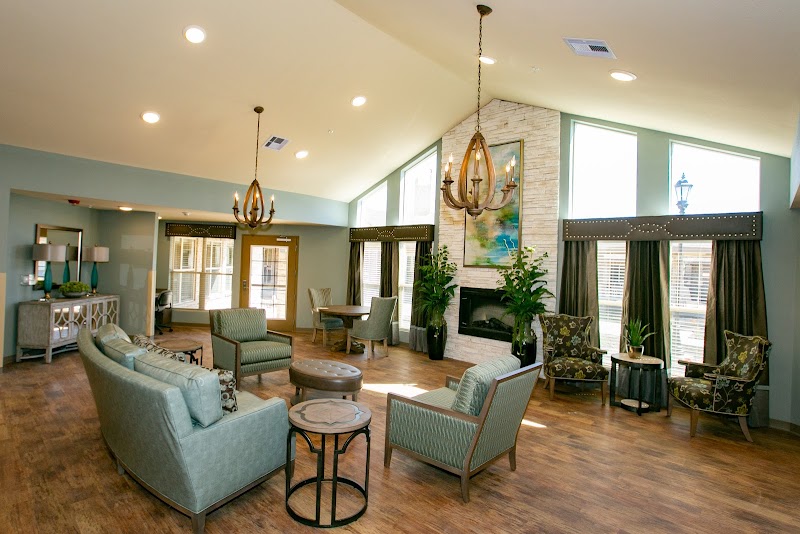
How is Legend Oaks Healthcare And Rehabilitation - Fort Staffed?

CMS rates LEGEND OAKS HEALTHCARE AND REHABILITATION - FORT's staffing level at 2 out of 5 stars, which is below average compared to other nursing homes. Staff turnover is 65%, which is 19 percentage points above the Texas average of 46%. High turnover can affect care consistency as new staff learn residents' individual needs. RN turnover specifically is 65%, which is notably high. RNs provide skilled clinical oversight, so turnover in this role can affect medical care quality.

What Have Inspectors Found at Legend Oaks Healthcare And Rehabilitation - Fort?

State health inspectors documented 21 deficiencies at LEGEND OAKS HEALTHCARE AND REHABILITATION - FORT during 2022 to 2025. These included: 3 Immediate Jeopardy (the most serious level, indicating potential for serious harm or death), 1 that caused actual resident harm, and 17 with potential for harm. Immediate Jeopardy findings are rare and represent the most serious regulatory concerns. They require immediate corrective action.
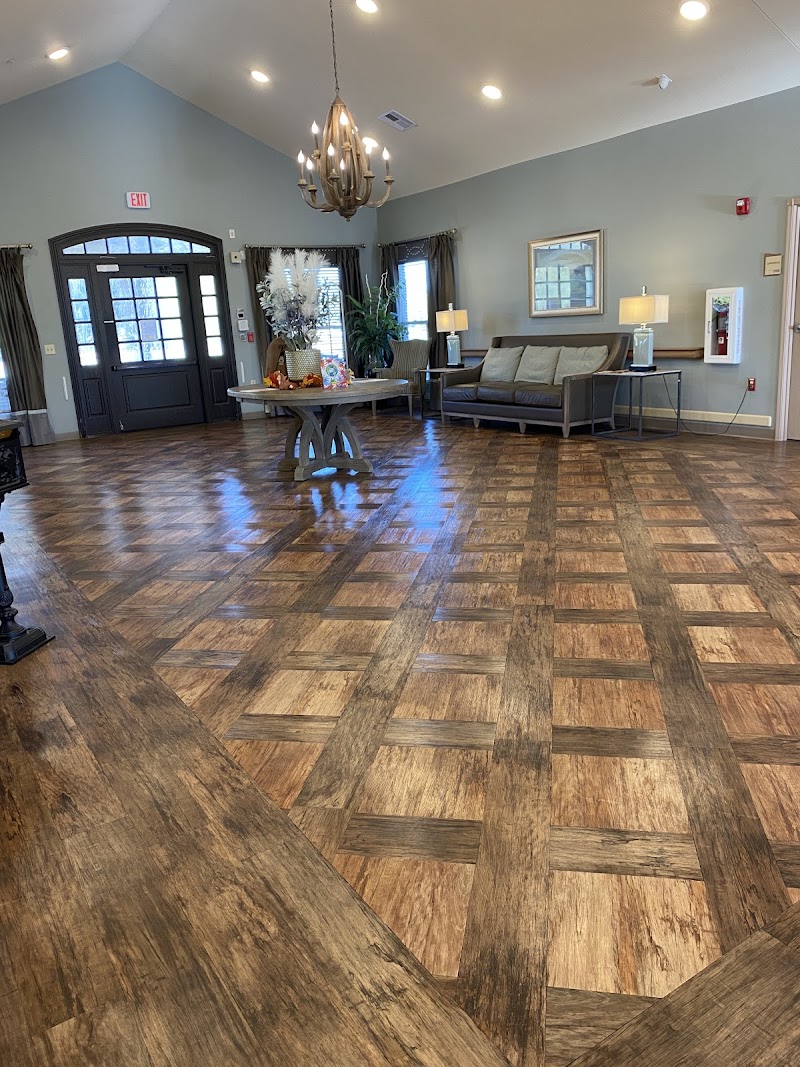
Who Owns and Operates Legend Oaks Healthcare And Rehabilitation - Fort?

LEGEND OAKS HEALTHCARE AND REHABILITATION - FORT is owned by a for-profit company. For-profit facilities operate as businesses with obligations to shareholders or private owners. The facility is operated by THE ENSIGN GROUP, a chain that manages multiple nursing homes. With 132 certified beds and approximately 109 residents (about 83% occupancy), it is a mid-sized facility located in KELLER, Texas.
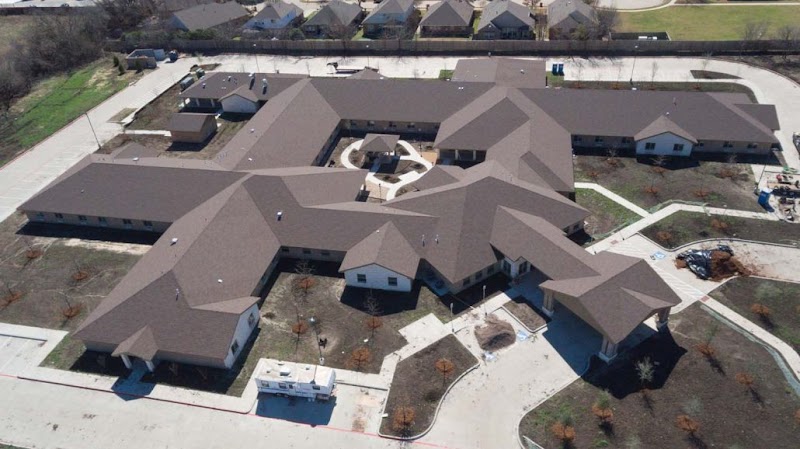
How Does Legend Oaks Healthcare And Rehabilitation - Fort Compare to Other Texas Nursing Homes?

Compared to the 100 nursing homes in Texas, LEGEND OAKS HEALTHCARE AND REHABILITATION - FORT's overall rating (2 stars) is below the state average of 2.8, staff turnover (65%) is significantly higher than the state average of 46%, and health inspection rating (2 stars) is below the national benchmark.

What Should Families Ask When Visiting Legend Oaks Healthcare And Rehabilitation - Fort?

Based on this facility's data, families visiting should ask: "What changes have been made since the serious inspection findings, and how are you preventing similar issues?" "What safeguards and monitoring systems are in place to protect residents from abuse or neglect?" "How do you ensure continuity of care given staff turnover, and what is your staff retention strategy?" "Can you walk me through typical staffing levels on day, evening, and night shifts?" These questions are particularly relevant given the facility's Immediate Jeopardy citations, the substantiated abuse finding on record, the facility's high staff turnover rate, and the below-average staffing rating.

Is Legend Oaks Healthcare And Rehabilitation - Fort Safe?

Based on CMS inspection data, LEGEND OAKS HEALTHCARE AND REHABILITATION - FORT has documented safety concerns. The facility has 1 substantiated abuse finding (meaning confirmed case of resident harm by staff or other residents). Inspectors have issued 3 Immediate Jeopardy citations (the most serious violation level indicating risk of serious injury or death). The facility has a 2-star overall rating and ranks #100 of 100 nursing homes in Texas. Families considering this facility should ask detailed questions about what corrective actions have been taken since these incidents.

Do Nurses at Legend Oaks Healthcare And Rehabilitation - Fort Stick Around?

Staff turnover at LEGEND OAKS HEALTHCARE AND REHABILITATION - FORT is high. At 65%, the facility is 19 percentage points above the Texas average of 46%. Registered Nurse turnover is particularly concerning at 65%. RNs handle complex medical decisions and coordinate care — frequent RN changes can directly impact care quality. High turnover means new staff may not know residents' individual needs, medications, or preferences. It can also be disorienting for residents, especially those with dementia who rely on familiar faces. Families should ask: What is causing the turnover? What retention programs are in place? How do you ensure care continuity during staff transitions?

Was Legend Oaks Healthcare And Rehabilitation - Fort Ever Fined?

LEGEND OAKS HEALTHCARE AND REHABILITATION - FORT has been fined $40,272 across 3 penalty actions. The Texas average is $33,482. While any fine indicates a compliance issue, fines under $50,000 are relatively common and typically reflect isolated problems that were subsequently corrected. Families should ask what specific issues led to these fines and confirm they've been resolved.

Is Legend Oaks Healthcare And Rehabilitation - Fort on Any Federal Watch List?

LEGEND OAKS HEALTHCARE AND REHABILITATION - FORT is not on any federal watch list. The most significant is the Special Focus Facility (SFF) program, which identifies the bottom 1% of nursing homes nationally based on persistent, serious quality problems. Not being on this list means the facility has avoided the pattern of deficiencies that triggers enhanced federal oversight. This is a positive indicator, though families should still review the facility's inspection history directly.