KENEDY HEALTH & REHABILITATION
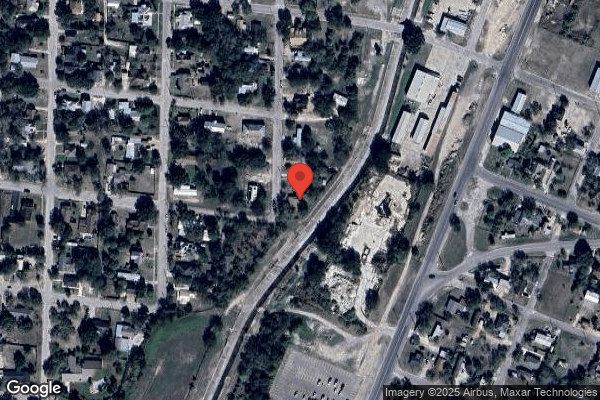
7882 S HWY 181 (NO MAIL SERVICE), KENEDY, TX 78119 (830) 583-9101
For profit - Corporation 60 Beds CREATIVE SOLUTIONS IN HEALTHCARE Data: November 2025 1 Immediate Jeopardy citation
Trust Grade
56/100
#265 of 1168 in TX
Last Inspection: August 2024

Within standard 12-15 month inspection cycle. Federal law requires annual inspections.

Overview

Kenedy Health & Rehabilitation has a Trust Grade of C, which means it is average and sits in the middle of the pack among nursing homes. It ranks #265 out of 1,168 facilities in Texas, placing it in the top half, and #2 out of 3 in Karnes County, suggesting only one local option is better. However, the facility is worsening, with issues increasing from 5 in 2023 to 8 in 2024. Staffing is average with a rating of 3 out of 5 stars and a turnover rate of 57%, which is close to the state average. While the nursing home has good RN coverage, exceeding 83% of Texas facilities, it has been cited for several concerning incidents, including a resident eloping unnoticed and unsafe conditions in resident areas, such as unlocked cabinets containing hazardous items. Additionally, they have received $8,173 in fines, which is average for the state, but still raises some concerns about compliance. Overall, the facility has both strengths in staffing and RN coverage but faces significant issues that prospective residents should carefully consider.

Trust Score
C
56/100
In Texas
#265/1168
Top 22%
Safety Record
High Risk
Review needed
Inspections
Getting Worse
5 → 8 violations
Staff Stability
⚠ Watch
57% turnover. Above average. Higher turnover means staff may not know residents' routines.
Penalties
○ Average
$8,173 in fines. Higher than 74% of Texas facilities. Some compliance issues.
Skilled Nurses
○ Average
Each resident gets 30 minutes of Registered Nurse (RN) attention daily — about average for Texas. RNs are the most trained staff who monitor for health changes.
Violations
⚠ Watch
15 deficiencies on record. Higher than average. Multiple issues found across inspections.
★★★★☆
4.0
Overall Rating
★★★☆☆
3.0
Staff Levels
★★☆☆☆
2.0
Care Quality
★★★★☆
4.0
Inspection Score
Stable
2023: 5 issues
2024: 8 issues

The Good

  • Full Sprinkler Coverage · Fire safety systems throughout facility
  • No fines on record

Facility shows strength in fire safety.

The Bad

Staff Turnover: 57%

11pts above Texas avg (46%)

Frequent staff changes - ask about care continuity

Federal Fines: $8,173

Below median ($33,413)

Minor penalties assessed

Chain: CREATIVE SOLUTIONS IN HEALTHCARE

Part of a multi-facility chain

Ask about local staffing decisions and management

Staff turnover is elevated (57%)

9 points above Texas average of 48%

The Ugly 15 deficiencies on record

1 life-threatening
Aug 2024 7 deficiencies
CONCERN (D) 📢 Someone Reported This

A family member, employee, or ombudsman was alarmed enough to file a formal complaint

Potential for Harm - no one hurt, but risky conditions existed

Deficiency F0583 (Tag F0583)

Could have caused harm · This affected 1 resident

Based on observation, interview, and record review, the facility failed to ensure residents have a right to personal privacy; personal privacy includes accommodations, medical treatment, written and t...

Read full inspector narrative →
Based on observation, interview, and record review, the facility failed to ensure residents have a right to personal privacy; personal privacy includes accommodations, medical treatment, written and telephone communications, and personal care, for 1 of 4 residents (Resident #40) reviewed for privacy, in that: CNAs A and B did not completely close Resident #40's privacy curtain while providing catheter/incontinent care. This deficient practice could place residents at-risk of loss of dignity due to lack of privacy. The findings include: Record review of Resident #40's face sheet, dated 08/30/2024, revealed an admission date of 11/02/2022 and, a readmission date of 01/02/2023, with diagnoses which included: Dementia (decline in cognitive abilities), Type 2 diabetes mellitus (high level of sugar in the blood), Major depressive disorder (mental disorder characterized by at least two weeks of pervasive low mood, low self-esteem, and loss of interest or pleasure), Hypertension (high blood pressure) and, Peripheral vascular disease (abnormal narrowing of arteries reducing blood flow to the arms or legs). Record review of Resident #40's Quarterly MDS assessment, dated 08/20/2024, revealed the resident had a BIMS score of 15, indicating he had no cognitive impairment. Resident #40 was always incontinent of bowel and had a urinary catheter and, required extensive assistance with most of his ADLs. Record review of Resident #40's care plan, dated 11/02/2022, revealed a problem of ADLS: The resident has an ADL Self Care Performance Deficit Limited Mobility -Bilateral Below the Knee Amputation, with an intervention of TOILET USE: the resident is totally dependent on staff for toilet use. Incontinent of bowel - checked every 2 hours and as needed and incontinent/ perineal care rendered per nursing staff as needed Observation on 08/30/24 at 09:23 a.m. revealed CNA A and CNA B did not completely close the privacy curtains while they provided catheter/incontinent care for Resident #40, exposing the resident who could be seen from the room's door. Further observation revealed Resident #40's roommate was sitting on his bed and was ambulatory as indicated by the walker next to him. After finishing cleaning Resident #40, CNA B collected the soiled supply and opened the door to put it in the barrel outside the room while Resident #40 was still fully exposed. During an interview with CNA A and CNA B on 08/30/2024 at 9:30 a.m., CNA A and CNA B stated the privacy curtain was not completely closed while they provided care for Resident #40 but it should have been. CNAs A and B stated Resident #40's roommate was ambulatory and could have stood up and seen Resident #40 exposed during care. CNA B stated opening the room's door while the resident was still exposed. CNAs A and B stated they had received resident rights training within the year. During an interview with the DON on 08/30/2024 at 9:39 a.m., the DON stated privacy must be provided during nursing care and Resident #40's privacy curtains should have been closed completely. The DON confirmed the staff had received training on resident rights within the year and the training was provided by herself, and they also checked the staff skills annually and as needed. The DON further stated that she, ADON, and the weekend RN supervisor did skills spot checks as well. Review of the facility's policy titled Perineal care, dated 5/11/2022, revealed, Procedure content [ .[ 7/ Provide privacy and modesty by closing the door and/or curtain.
CONCERN (D) 📢 Someone Reported This

A family member, employee, or ombudsman was alarmed enough to file a formal complaint

Potential for Harm - no one hurt, but risky conditions existed

Incontinence Care (Tag F0690)

Could have caused harm · This affected 1 resident

Based on observation, interview, and record review, the facility failed to ensure a resident who was incontinent of bladder received appropriate treatment and services to prevent urinary tract infecti...

Read full inspector narrative →
Based on observation, interview, and record review, the facility failed to ensure a resident who was incontinent of bladder received appropriate treatment and services to prevent urinary tract infections for 1 of 2 residents (Resident #41) reviewed for incontinent care, in that: The facility failed to ensure CNA C thoroughly cleaned Resident #41 while providing incontinent care. This deficient practice could place residents at-risk for infection and skin break down due to improper care practices. The findings were: Record review of Resident #41's face sheet, dated 08/29/2024, revealed an admission date of 09/11/2022, with diagnoses which included: Hypothyroidism (under active thyroid), Anxiety disorder (A group of mental illnesses that cause constant fear and worry), Hyperlipidemia (Elevated level of any or all lipids(fat) in the blood), Dementia (decline in cognitive abilities), Schizoaffective disorder (mental disorder characterized by abnormal thought processes and an unstable mood), Major depressive disorder(mental disorder characterized by at least two weeks of pervasive low mood, low self-esteem, and loss of interest or pleasure) and, Hypertension (High blood pressure). Record review of Resident #41's Significant change MDS assessment, dated 05/28/2024, revealed Resident #41 has a BIMS score of 12, which indicated mild to moderate cognitive impairment. Further review revealed Resident #41 required limited to extensive assistance with ADLs and was indicated to occasionally be incontinent of bladder and frequently incontinent of bowel. Record review of Resident #41's care plan, dated 05/06/2024, revealed a problem of The resident has Urinary Tract Infection, with an intervention of Provide incontinence care as needed. Observation on 08/29/24 at 9:17 a.m. revealed, while providing incontinent care for Resident #41, CNA C did not clean between the buttocks' cheeks or the rectal area of the resident. During an interview on 08/29/2024 at 9:30 a.m. CNA C stated she did not clean between the resident's buttocks' cheeks area. CNA C stated she should have cleaned the rectal area. CNA C stated she had received training for infection control and incontinent care within the last year. During an interview with the DON on 08/29/2024 at 3:15 p.m., the DON stated the buttocks and rectal area had to be cleaned. The DON stated she was the one training the staff for infection control and incontinent care and that the ADON, weekend RN supervisor and herself would check the staff skills annually and as needed if a problem was noted. Record review of facility policy, titled Perineal care, dated 95/11/2022, revealed [ .] Gently perform care to the buttocks and anal area, working from front to back without contaminating the perineal area.
CONCERN (D) 📢 Someone Reported This

A family member, employee, or ombudsman was alarmed enough to file a formal complaint

Potential for Harm - no one hurt, but risky conditions existed

Respiratory Care (Tag F0695)

Could have caused harm · This affected 1 resident

**NOTE- TERMS IN BRACKETS HAVE BEEN EDITED TO PROTECT CONFIDENTIALITY** Based on observation, interview, and record review, the facility failed to ensure that residents who needed respiratory care wer...

Read full inspector narrative →
**NOTE- TERMS IN BRACKETS HAVE BEEN EDITED TO PROTECT CONFIDENTIALITY** Based on observation, interview, and record review, the facility failed to ensure that residents who needed respiratory care were provided such care, consistent with professional standards of practice, the comprehensive person-centered care plan and the residents' goals and preferences for 1 of 3 residents (Resident #8) reviewed for respiratory care. The facility failed to ensure Resident #8's oxygen concentrator was not dirty. That failure could place residents who required respiratory treatments at risk of receiving inadequate respiratory treatments and could result in a decline in health. The findings were: Record review of Resident #8's face sheet, dated 08/27/24, revealed Resident #8 was admitted to the facility on [DATE] and, readmitted on [DATE], with diagnoses that included: Dementia (decline in cognitive abilities), Aphasia (unable to comprehend or formulate language), Hypoxia (the body is deprived of adequate oxygen supply), Schizoaffective disorder (mental disorder characterized by abnormal thought processes and an unstable mood), Hyperlipidemia (Elevated level of any or all lipids(fat) in the blood)and, Hypothyroidism (under active thyroid). Record review of Resident #8's quarterly MDS dated [DATE] revealed a BIMS of 6, indicating the resident was severely cognitively impaired. Further review of this MDS revealed in Section O, Special Treatments and Programs, that the resident received oxygen therapy. Record review of Resident #8's physician orders for August 2024 revealed the following order: Continuous Oxygen via nasal cannula at 4 Liter Per Minute due to low O 2 saturation every day and night shift for Shortness of Breath related to RESPIRATORY FAILURE, UNSPECIFIED WITH HYPOXIA to begin on 4/19/2023. Observation on 08/27/2024 at 11:20 a.m. revealed Resident #8's oxygen concentrator's intake air grill was partially covered with gray dust and a sticky substance. During an interview on 08/27/2024 at 12:05 p.m., the DON revealed the concentrator did not require a outside filter since it had a filter inside that was changed every two years when the manufacturer does the maintenance. Th eDON the staff should have cleaned the concentrator outside. Record review of facility undated policy, Oxygen Administration,, dated 03/21/23 revealed: oxygen concentrator should be cleaned according to manufacturer recommendations.
CONCERN (D) 📢 Someone Reported This

A family member, employee, or ombudsman was alarmed enough to file a formal complaint

Potential for Harm - no one hurt, but risky conditions existed

Medical Records (Tag F0842)

Could have caused harm · This affected 1 resident

**NOTE- TERMS IN BRACKETS HAVE BEEN EDITED TO PROTECT CONFIDENTIALITY** Based on observation, interview and record review, the facility failed to maintain clinical records in accordance with accepted ...

Read full inspector narrative →
**NOTE- TERMS IN BRACKETS HAVE BEEN EDITED TO PROTECT CONFIDENTIALITY** Based on observation, interview and record review, the facility failed to maintain clinical records in accordance with accepted professional standards and practices that are complete and accurately documented for 1 of 18 residents (Resident #8) observed for accuracy of medical records in that: The facility failed to have an appropriate order regarding the maintenance of Resident #8's oxygen concentrator. This deficient practice could place residents at risk for errors in care and treatment. The findings were: Record review of Resident #8's face sheet, dated 08/27/24, revealed Resident #8 was admitted to the facility on [DATE] and, readmitted on [DATE], with diagnoses that included: Dementia (decline in cognitive abilities), Aphasia (unable to comprehend or formulate language), Hypoxia (the body is deprived of adequate oxygen supply), Schizoaffective disorder (mental disorder characterized by abnormal thought processes and an unstable mood), Hyperlipidemia (Elevated level of any or all lipids(fat) in the blood)and, Hypothyroidism (under active thyroid). Record review of Resident #8's quarterly MDS dated [DATE] revealed a BIMS of 6, indicating the resident was severely cognitively impaired. Further review of this MDS revealed in Section O, Special Treatments and Programs, that the resident received oxygen therapy. Review of Resident #8's physician orders for August 2024 revealed the following order: Change or clean the filter of the 02 concentrator every night shift every Sunday started on 4/23/23. Review of Resident #8's Medication and Treatment administration record for August 2024, revealed the staff had signed on Sundays for changing or cleaning the filter as done. Observation of Resident #8's bedroom on 08/27/2024 at 11:20 a.m. revealed no apparent filter on the back air intake grill at the back of the oxygen concentrator. During an interview with the DON on 8/27/2024 at 12:05 p.m., the DON revealed the concentrator did not require a outside filter since it has a filter inside that is change every two years when the manufacturer does the maintenance. The order to change or clean the filter was incorrect. The staff should not have signed the filter [NAME] as done. Record review of facility's policy, titled purpose and requirements medical records, dated 2015, revealed The medical record is a legal document that serves the purpose of: 1. providing an accurate assessment of each resident's condition.
CONCERN (D) 📢 Someone Reported This

A family member, employee, or ombudsman was alarmed enough to file a formal complaint

Potential for Harm - no one hurt, but risky conditions existed

Infection Control (Tag F0880)

Could have caused harm · This affected 1 resident

Based on observations, interviews, and record reviews, the facility failed to maintain an Infection prevention and control program designed to provide a safe, sanitary and comfortable environment and ...

Read full inspector narrative →
Based on observations, interviews, and record reviews, the facility failed to maintain an Infection prevention and control program designed to provide a safe, sanitary and comfortable environment and to help prevent the development and transmission of communicable disease and infection for 1 of 4 residents (Resident #41) reviewed for infection control, in that: CNA C did not change her gloves or wash her hands after providing incontinent care for Resident #41. These deficient practices could place residents at-risk for infection due to improper care practices. The findings included: Record review of Resident #41's face sheet, dated 08/29/2024, revealed an admission date of 09/11/2022, with diagnoses which included: Hypothyroidism (under active thyroid), Anxiety disorder (A group of mental illnesses that cause constant fear and worry), Hyperlipidemia (Elevated level of any or all lipids(fat) in the blood), Dementia (decline in cognitive abilities), Schizoaffective disorder (mental disorder characterized by abnormal thought processes and an unstable mood), Major depressive disorder(mental disorder characterized by at least two weeks of pervasive low mood, low self-esteem, and loss of interest or pleasure) and, Hypertension (High blood pressure). Record review of Resident #41's Significant change MDS assessment, dated 05/28/2024, revealed Resident #40 has a BIMS score of 12, which indicated mild to moderate cognitive impairment. Resident #40 required limited to extensive assistance with hid ADLs and was indicated to occasionally be incontinent of bladder and frequently incontinent of bowel. Review of Resident #41's care plan, dated 05/06/2024, revealed a problem of The resident has Urinary Tract Infection, with an intervention of Provide incontinence care as needed. Observation on 08/29/24 at 09:17 a.m., revealed, while providing incontinent care for Resident #41, CNA C did not change her gloves or wash her hands after providing incontinent care for Resident #41 and before touching and fastening the clean brief to Resident #41. During an interview on 08/29/2024 at 09:27 a.m. CNA C confirmed she did not change her gloves or wash her hands prior to touch the clean brief. She confirmed she received infection control training with the year. During an interview with the DON on 08/29/2024 at 3:15 p.m., the DON confirmed gloves must be changed after cleaning and before touching clean brief to prevent cross contamination. The DON revealed she was the one training the staff for infection control and that the ADON, weekend RN supervisor and herself would check the staff skills annually and as needed if a problem was noted. Review of facility policy, titled Fundamental of infection control precautions, dated 2019, revealed [ .] the following is a list of some situations that require hand hygiene: [ .] Before and after direct resident contacts (for which hand hygiene is indicated by acceptable professional practice) [ .] after contact with a resident's mucous membranes and body fluids or excretions.
CONCERN (E) 📢 Someone Reported This

A family member, employee, or ombudsman was alarmed enough to file a formal complaint

Potential for Harm - no one hurt, but risky conditions existed

Safe Environment (Tag F0584)

Could have caused harm · This affected multiple residents

**NOTE- TERMS IN BRACKETS HAVE BEEN EDITED TO PROTECT CONFIDENTIALITY** Based on observation, interview, and record review, the facility failed to ensure residents have a right to a safe, clean, comfo...

Read full inspector narrative →
**NOTE- TERMS IN BRACKETS HAVE BEEN EDITED TO PROTECT CONFIDENTIALITY** Based on observation, interview, and record review, the facility failed to ensure residents have a right to a safe, clean, comfortable and homelike environment, including but not limited to receiving treatment and supports for daily living safely, for 1 of 2 shower rooms (Shower room [ROOM NUMBER]) and 2 of 26 resident rooms (Rooms #17 and #24) reviewed for safe, clean, and comfortable environment. The facility failed to repair missing and detached floor molding in a resident's room, replace a broken overhead light in a resident's shower room, and repair a scratched standing clothes closet in a resident's room. This deficient practice could place residents at risk of a diminished quality of life due to exposure to an environment that is unpleasant, unsanitary, and unsafe. The findings included: During an observation on 08/29/24 from 1:40 p.m. to 1:50 p.m. with the Maintenance Director. revealed the following: a. Resident room [ROOM NUMBER] had a 3.5 ft x 4 inch section of missing floor molding along the bottom surface of the wall adjoining to the floor surface. There was also a 4 x 4 inch section of floor molding in the bedroom proper that was detached from the wall. b. Resident Shower room [ROOM NUMBER] had 1 of 2 overhead lights which measured approximately 3 ft in length that was not working. c. Resident room [ROOM NUMBER] had a standing clothes closet that had an approximate 2 x 2 ft surface area on the front and side that contained multiple scratch marks that were ingrained into the wood surface. During an interview with the Maintenance Director on 08/29/24 at 1:55 p.m., the Maintenance Director stated that he had not been made aware by staff of the noted areas needing to be repaired. The Maintenance Director stated that fixing the noted repairs would promote a more positive home environment for the residents. During an interview with the Administrator on 6/5/24 at 2:00 p.m., the Administrator stated that fixing the floor molding in room [ROOM NUMBER], replacing the broken light in Shower room [ROOM NUMBER], and repairing the scratched clothes closet in room [ROOM NUMBER] would promote a more positive home environment for the residents. Record review of the facility's policy on Preventative Maintenance/Work-Order Request Section AD 03-12.0 dated 2003 stated The facility will repair or replace damaged/broken equipment or building amenities as needed.
CONCERN (E) 📢 Someone Reported This

A family member, employee, or ombudsman was alarmed enough to file a formal complaint

Potential for Harm - no one hurt, but risky conditions existed

Accident Prevention (Tag F0689)

Could have caused harm · This affected multiple residents

**NOTE- TERMS IN BRACKETS HAVE BEEN EDITED TO PROTECT CONFIDENTIALITY** Based on observation, interview, and record review, the facility failed to ensure the resident environment remains as free of ac...

Read full inspector narrative →
**NOTE- TERMS IN BRACKETS HAVE BEEN EDITED TO PROTECT CONFIDENTIALITY** Based on observation, interview, and record review, the facility failed to ensure the resident environment remains as free of accident hazards as is possible for 1 of 2 shower rooms (Shower room [ROOM NUMBER]) reviewed for accidents and hazards, in that The facility failed to keep hazardous items out of reach of residents in a shower room. This deficient practice could place residents at risk of a diminished quality of life due to exposure to an environment that is unpleasant, unsanitary, and unsafe. The findings included: Observation on 08/27/24 at 11:30 a.m., revealed the door of Shower room was left open. Inside the room was a wall cabinet also left unlocked. Inside the cabinet were a razor, 3 bottle of shaving cream and a bottle of Micro kill one wipes. Review of the safety data sheet for micro kill one wipe revealed ACUTE TOXICITY - INHALATION - Category 4 FLAMMABLE LIQUIDS - Category 2 SERIOUS EYE DAMAGE /EYE IRRITATION - Category 2A SPECIFIC TARGET ORGAN TOXICITY (Single Exposure) - Category During an Interview with CNA A on 08/27/24 at 11:40 a.m., CNA A confirmed the door of the shower room and the wall cabinet were kept unlocked. CNA A confirmed the wipes. razor and shaving cream were in the cabinet. CNA A confirmed the cabinet should have been locked to prevent resident to get in contact with hazardous materials. During an interview with the DON on 08/27/24 at 12:05 p.m., the DON confirmed either the door of the shower room or the doors of the wall cabinet should remain locked. The DON confirmed the wipes, razor and shaving cream could be a hazard. The DON confirmed having several residents in the facility who are ambulatory but have mental illness diagnostics and/or dementia who could misuse the hazardous products and hurt themselves or others. Review of the facility policy, titled Hazardous communication program, dated 2003, revealed [ .] The facility will provide adequate and appropriate space and equipment for safe handling and storage of hazardous materials and waste. The storage areas will have the capacity to be secured and meet the provision of the Life Safety Code.
Aug 2024 1 deficiency 1 IJ
CRITICAL (J) 📢 Someone Reported This

A family member, employee, or ombudsman was alarmed enough to file a formal complaint

Immediate Jeopardy (IJ) - the most serious Medicare violation

Accident Prevention (Tag F0689)

Someone could have died · This affected 1 resident

**NOTE- TERMS IN BRACKETS HAVE BEEN EDITED TO PROTECT CONFIDENTIALITY** Based on observation, interview, and record review, the facility failed to ensure the resident environment remained as free of a...

Read full inspector narrative →
**NOTE- TERMS IN BRACKETS HAVE BEEN EDITED TO PROTECT CONFIDENTIALITY** Based on observation, interview, and record review, the facility failed to ensure the resident environment remained as free of accident hazards as possible and each resident received adequate supervision to prevent accidents for 1 of 3 residents (Resident #1) reviewed for accidents and supervision, in that: The facility failed to ensure Resident #1 did not elope from the facility without staff knowing on the evening of 4/8/2024. The noncompliance was identified as PNC. The IJ began on 4/8/2024 and ended on 4/9/2024. The facility had corrected the noncompliance before the survey began. This deficient practice could place residents at-risk of harm, serious injury, or death. The findings included: Record review of Resident #1's admission record, dated 8/7/2024, reflected that Resident #1 was a [AGE] year-old male initially admitted on [DATE], with diagnoses that included unspecified dementia(group of thinking and social symptoms that interferes with daily functioning), paranoid schizophrenia (a disconnection from reality, including hallucinations and delusions with paranoia), and type 2 diabetes mellitus (long-term condition in which the body has trouble controlling blood sugar and using it for energy). Record review of Resident #1's quarterly MDS assessment, dated 6/21/2024, reflected that Resident #1 had a BIMS score of 12, indicating moderate cognitive impairment. Resident #1 was assessed for using a manual wheelchair and was assessed as, Partial/moderate assistance for the ability to walk at least 50 feet and make 2 turns, and for, the ability to walk at least 150 feet in a corridor or similar space. Record review of Resident #1's care plan dated 8/7/2024, reflected Elopement: Actual elopement. Resident left the facility unattended with interventions including, supervise closely and make regular compliance rounds whenever resident is in room. 1 on 1 frequent monitoring, Provide structured activities: toileting, walking inside and outside, reorientation strategies including signs, pictures, and memory boxes, Distract resident from elopement attempts by offering pleasant diversions, structured activities, food, conversation, television, books with the date initiated 4/8/2024. Record review of Resident #1's elopement assessment from 1/10/2024 reflected Resident #1 as a low wander elopement risk and on 4/9/2024 as an elopement risk. Record review of Resident #1's nursing note, dated 4/8/2024, revealed , Med nurse asked staff for location of [Resident #1] for his 8pm nitro patch as he was not in room. CNAs stated they saw him sitting up front in TV room at approx [7:30-7:45 PM] when they started their round. At approx. 820 PM, all staff began searching, unable to locate res in facility. After all areas inside and perimeter searches, DON, Administrator notified @ approx. [8:46 PM]. 911 called @ [9:03 PM] by DON. [9:06 PM] [Responsible Party], notified and she was grateful for the all and asked for regular updated. [County] Sheriff Deputy, [County] and [municipality] PD, and [County] Fire Dept arrived on scene to search at approx. [9:08 PM]. Located resident at [9:53 PM] next door property sitting in a vehicle. Alert, oriented to person and place, stated he wanted to see his family so he started walking. No injuries or c/o pain or discomfort, taken by ambulance to [Area Hospital] ER for eval. MD, RP notified of his location. Further review reflected a progress note, dated 4/9/2024, reflected that referrals had been sent to 8 facilities after the incident to attempt to relocate the resident to a facility with a specialized locked unit. Record review of Resident #1's Medical Record reflected a tapered observation schedule of the resident, beginning with 1 on 1 observation. Record review reflected that on 8/7/2024, Resident #1 was to be observed every hour by a staff member. Further review reflected Resident #1 had not had any other elopement attempts prior to this event, or since. Interview on 8/6/2024 at 1:04 PM, the DON stated that it was found during their investigation that Resident #1 had exited the facility through the door to the fenced-in patio area. The DON stated that there is a gate on the fenced-in patio area that is secured with magnetic locks, and sometime before the incident on 4/8/2024, the magnetic locks securing the gates had become misaligned due to shifting in the ground, causing the magnetic locks to fail to lock due to the lack of contact . The DON stated this was found during their investigation after the incident. The DON stated that Resident #1 went through those gates and walked next door, approximately 500 feet away, to an unlocked, abandoned mini van in the fence-line of the next-door lot. The DON stated that because she lives 2 minutes away, she was at the facility within 3 minutes of receiving the call that staff were unable to locate Resident #1. The DON stated that due to Resident #1's psych behaviors , no facilities they reached out to with specialized locked units would accept Resident #1. The DON stated that Resident #1 was sent to the emergency room to be evaluated for injury and was returned to the facility with no injury. The DON stated Resident #1 received enhanced monitoring which has slowly tapered down from one-on-one observation to checking on the resident on specific time intervals. The DON stated that residents are evaluated based on wander risk as required and as needed, and any residents who seem to be a high wander risk will be placed on a higher supervision level. Interview on 8/6/2024 at 1:20 PM, Maintenance Director stated that the magnetic locks had all been assessed after the incident with the contracted company who completes maintenance on them. Interview on 8/6/2024 at 4:18 PM, Resident #1 stated he did not remember leaving the facility or why he would have done that . Observation on 8/8/2024 at 11:05 AM revealed CNA C on one-on-one observation with a resident who was not Resident #1. CNA C stated she was on one-on-one observation with the resident because he was wandering and exhibiting exit-seeking behaviors. CNA C stated that residents who are identified as elopement risks are watched more frequently due to the risk of elopement. A record review of an internet-based map accessed on 08/06/2024 as described by the DON revealed Resident #1 was located approximately 500 feet from the facility's patio door. The Administrator was notified on 8/7/2024 at 9:09 AM, a past non-compliance IJ situation had been identified due to the above failure. The facility implemented the following interventions. During an interview and observation on 8/6/2024 at 1:04 PM, the DON stated the facility has begun changing the security code to every door with a security code in the building every month to ensure residents do not learn the code. The DON stated that during their investigation of the event and processes in which to correct what occurred to ensure this did not occur again, the facility had an alarm installed to the patio door, implemented code lock on the patio door which required residents to ask staff to open the patio door for them, fixed the magnetic locks on the gate and ensured all magnetic locks utilized by the facility were maintained and functional. The magnetic lock functions were also changed from automatically locking after 10 seconds of contact to automatically locking after 2 seconds of contact. During the interview, and observation of the patio door being opened was conducted. Staff was seen to open the patio door for residents while an alarm sounded until the resident was outside, and the patio door was closed and locked. The DON stated that along with this, all staff (66 staff) were given in-service trainings on the elopement protocol, the door lock and code change procedures, and elopement drills were held. Record review of facility door code change logs revealed facility measures put in place for door code changes were being utilized, with weekly door lock changes happening and being recorded in a paper log to ensure all doors are changed. Record review of the facilities employee roster dated 4/9/2024 reflected 66 staff employed at the facility at the time of the incident. Record review of the facility's in-service records dated 4/9/2024 revealed 66 of 66 staff members across all departments and work shifts had signed and documented they received the trainings on elopement protocol and the new changes made after Resident #1's elopement. Interview on 8/6/2024 at 3:04 PM, LVN K stated she received training on elopement after Resident #1 eloped in April of 2024. LVN K stated the in-service covered checking doors when they hear alarms go off, doing head count, checking more frequently on Resident #1, and more general elopement items. LVN K stated she felt comfortable with the training and generally does not have any concerns related to risk of residents eloping. Interview on 8/6/2024 at 3:06 PM, MA N stated she received in-servicing on elopement on 4/9/2024 and stated that they have implemented an alarm on the patio door to ensure staff is aware when a resident is going in or out. Interview on 8/6/2024 at 3:13 PM, LVN J stated the in-service they received on 4/9/2024 after the elopement covered things such as the doors at the facility, access codes, checking in on where residents are located, and ensuring elopement does not occur. LVN J stated she was comfortable with the training and felt capable of implementing the elopement policies and procedures, and those to prevent elopements. Joint interview on 8/6/2024 at 3:15 PM, [NAME] V and [NAME] T stated that they were in-serviced on elopement and how to prevent elopements from happening and the new policies on elopement. [NAME] V stated they felt comfortable with preventing elopement and that if a door alarmed they would respond to it, regardless of being kitchen staff. [NAME] T agreed. Interview on 8/6/2024 at 3:20 PM, Housekeeping Staff R stated she had worked at the facility for 13 years and felt very comfortable with the residents and preventing elopement. HK R stated she had no concerns with the in-service and would respond to a missing resident appropriately if necessary. Facility policy titled, Elopement Response, dated revised 01/2023, reflected, It is the responsibility of all personnel to report any resident attempting to leave the premises, or suspected of being missing, to the charge nurse as soon as practical. The Facility Elopement Response Policy then detailed, in order, what to do if staff observe a resident attempting to leave the premises, discover a resident missing from the facility, and what to do during the search and after the search to include updating care plans, making proper notifications, and completing assessments.
Jul 2023 4 deficiencies
CONCERN (D) 📢 Someone Reported This

A family member, employee, or ombudsman was alarmed enough to file a formal complaint

Potential for Harm - no one hurt, but risky conditions existed

Assessment Accuracy (Tag F0641)

Could have caused harm · This affected 1 resident

**NOTE- TERMS IN BRACKETS HAVE BEEN EDITED TO PROTECT CONFIDENTIALITY** Based on observations, interviews and record reviews, the facility failed to provide an MDS assessment that accurately reflected...

Read full inspector narrative →
**NOTE- TERMS IN BRACKETS HAVE BEEN EDITED TO PROTECT CONFIDENTIALITY** Based on observations, interviews and record reviews, the facility failed to provide an MDS assessment that accurately reflected the resident's status for one resident (#41) of 8 residents reviewed for accurate assessments in that: Resident #41's chronic pain and cardiac pacemaker were not listed as active diagnoses on his MDS assessment. This deficient practice could affect residents who receive MDS assessments and could result in missed care. The findings were: Review of Resident #41's electronic face sheet dated 07/20/2023 revealed he was admitted to the facility on [DATE] with diagnoses of chronic pain (persistent pain that carries on for longer than 12 weeks despite medication and treatment) and presence of cardiac pacemaker(a small, battery-powered device that prevents the heart from beating too slowly). Review of Resident #41's quarterly MDS assessment with an ARD of 06/09/2023 revealed he scored an 11/15 on his BIMS which indicated he was moderately cognitively impaired. He could understand others and be understood. Review of Section I-Active Diagnoses revealed that chronic pain and cardiac pacemaker were not listed. Review of Resident #41's comprehensive care plan dated revised 10/10/2022 Focus .PAIN: has a potential for uncontrolled pain r/t: back pain .Interventions/Tasks .administer analgesics as per physician orders, evaluate the effectiveness of pain interventions .and Focus .IMPLANTABLE DEFIBRILLATOR .Interventions/Tasks .Monitor vital signs as ordered/per facility protocol and record .Notify MD of significant abnormalities. Review of Resident #41's Active Orders As Of: 06/01/2023 revealed he had orders for cardiac pacemaker monitoring each shift and pain medication as needed. Review of Resident #41's MAR for 06/1/23 to 06/30/23 revealed he was initialed off by the nurses for cardiac pacemaker monitoring each shift, and he was provided pain medication as needed. Observation on 07/20/2023 at 08:47 a.m. revealed Resident #41 was up in the hallway waiting to go outside to smoke. Observation on 07/20/23 at 09:30 a.m. revealed Resident #41 was up in his room. He had a t-shirt on and on his left upper chest he had a scar for the cardiac pacemaker. Interview on 07/20/23 at 09:40 a.m. with Resident #41, he stated he had the cardiac pacemaker since he was admitted and the nurses monitor it, he also stated he received pain medication and assessments for his lower back pain. He said the scar was where his cardiac pacemaker was located. Interview on 07/20/2023 at 2:00 p.m. with the DON revealed that Resident #41 was monitored and assessed for pain and his cardiac pacemaker. She stated the MDS nurse was not available for interview, but that she had talked to her, and she agreed that the pain and cardiac pacemaker needed to be coded as Active Diagnoses to accurately reflect Resident #41's care. She stated that the accuracy of the MDS assessment was needed to further develop Resident #41's plan of care and to meet his health needs. Review of the Centers for Medicare & Medicaid Services Long-Term Care Facility Resident Assessment Instrument 3.0 User's Manual Version 1.17.1, October 2019 revealed Section I: ACTIVE DIAGNOSES .the items in this section are intended to code diseases that have a direct relationship to the resident's current functional status, cognitive status, mood or behavior status, medical treatments, nursing monitoring or risk of death.
CONCERN (D) 📢 Someone Reported This

A family member, employee, or ombudsman was alarmed enough to file a formal complaint

Potential for Harm - no one hurt, but risky conditions existed

Accident Prevention (Tag F0689)

Could have caused harm · This affected 1 resident

**NOTE- TERMS IN BRACKETS HAVE BEEN EDITED TO PROTECT CONFIDENTIALITY** Based on observation, interviews and record review, the facility failed to ensure the resident environment remains as free of ac...

Read full inspector narrative →
**NOTE- TERMS IN BRACKETS HAVE BEEN EDITED TO PROTECT CONFIDENTIALITY** Based on observation, interviews and record review, the facility failed to ensure the resident environment remains as free of accident hazards as is possible for one resident (#4) out of 5 residents reviewed for accident hazards in that: LVN A disposed of the lancet she used to check Resident #4's blood glucose level in the regular trash container on the medication cart and not the sharps container. This deficient practice could affect residents and could result in injury. The findings were: Review of Resident #4's electronic face sheet dated 07/19/2023 revealed he was admitted to the facility on [DATE] with diagnoses of dementia (loss of cognitive functioning to such an extent that it interferes with a person's daily life and activities) and type II diabetes mellitus with diabetic chronic kidney disease (the body doesn't use insulin properly and dysfunction of the kidneys can occur). Review of Resident #4's quarterly MDS assessment with an ARD of 04/17/2023 revealed he scored a 09/15 on his BIMS which indicated he was moderately cognitively impaired. Review of Section I, Active Diagnoses revealed he was checked off to have diabetes mellitus. Review of Resident #4's Active Orders As Of: 07/19/2023 revealed NovoLOG Solution 100 UNIT/ML (Insulin Aspart) Inject as per sliding scale: if 151 - 200 = 2 Units; 201 -250 = 4 Units; 251 - 300 = 6 Units; 301 - 350 = 8 Units; 351 - 400 = 10 Units; 401 - 450 = 12 Units; 451- 500 = 14 Units; 501+ If greater than 500, call MD., subcutaneously (fatty tissue just under skin) before meals and at bedtime related to TYPE 2 DIABETES MELLITUS WITH HYPERGLYCEMIA (high sugar level in blood) Active 03/04/2021 . Review of Resident #4's comprehensive care plan with a revision date of 10/07/2021 revealed Focus .potential for hypoglycemia (low blood sugar) or hyperglycemia (high blood sugar) r/t diabetes mellitus .Interventions/Tasks .Administer medications for diabetes as ordered. Observation on 07/19/2023 at 12:23 p.m. of LVN A perform an accucheck for Resident #4 revealed she did not discard the used lancet into the sharps container. She disposed of it into the regular trash bin located on the side of her medication cart. Interview on 07/19/2023 at 12:25 p.m. with LVN A revealed she should have discarded the used lancet into the sharps container because someone else could get stuck when emptying the trash and could be injured. She stated she was not thinking about it at the time and just discarded her used supplies together. Interview on 07/20/2023 at 2:00 p.m. with the DON revealed that LVN A should have discarded the lancet she used to check Resident #4's blood sugar into the sharps container on the medication cart and not the trash. She stated that someone handling the trash could stick themselves and get hurt or an infection. She stated staff were trained by nursing management on how to dispose of sharp items such as lancets and needles. Review of the facility policy and procedure titled Discarding of Sharps dated 2003 revealed Definition Sharps .3. All lancets used for finger sticks .Procedure .4. Place used sharps, intact, into sharps container.
CONCERN (D) 📢 Someone Reported This

A family member, employee, or ombudsman was alarmed enough to file a formal complaint

Potential for Harm - no one hurt, but risky conditions existed

Respiratory Care (Tag F0695)

Could have caused harm · This affected 1 resident

**NOTE- TERMS IN BRACKETS HAVE BEEN EDITED TO PROTECT CONFIDENTIALITY** Based on observations, interviews and record reviews. the facility failed to ensure that a resident who needs respiratory care, ...

Read full inspector narrative →
**NOTE- TERMS IN BRACKETS HAVE BEEN EDITED TO PROTECT CONFIDENTIALITY** Based on observations, interviews and record reviews. the facility failed to ensure that a resident who needs respiratory care, including tracheostomy care and tracheal suctioning is provided such care consistent with professional standards of practice, the comprehensive person-centered care plan and the residents goals and preferences for one resident (#29) of three residents reviewed for oxygen therapy, in that: Resident #29's oxygen was set to 4L/NC instead of 3L/NC as ordered by the physician. This deficient practice could affect residents who receive oxygen therapy and could result in respiratory distress. The findings were: Review of Resident #29's electronic face sheet dated 07/19/2023 revealed he was admitted to the facility on [DATE] with diagnoses of dementia (impaired ability to remember, think, or make decisions that interferes with everyday activities) and chronic obstructive pulmonary disease (a group of diseases that cause airflow blockage and breathing related problems). Review of Resident #29's annual MDS assessment with an ARD of 05/22/2023 revealed he scored a 15/15 on his BIMS which indicated he was cognitively intact and that he received oxygen therapy while a resident. Review of Resident #29's comprehensive care plan revised date, 06/26/2023 revealed Focus .has Oxygen Therapy .Interventions/Tasks .administer oxygen as ordered by doctor. See current physician orders for oxygen. Review of Resident #29's Active Orders As Of: 07/19/2023 revealed May use oxygen @ 3 l/m via nasal canula every day and night shift related to CHRONIC OBSTRUCTIVE PULMONARY DISEASE, UNSPECIFIED . Active 01/13/2023. Review of Resident #29's TAR dated 07/01/2023 - 07/31/2023 revealed that his oxygen saturation level was being checked every day by the nursing staff and his order for 3L/nc of oxygen was being initialed off by the nursing staff. Observation on 07/18/2023 at 10:00 a.m. revealed Resident #29 was in his room sitting on the side of his bed. His oxygen concentrator was set at 4L/min. He had his nasal cannula on, and when asked by the surveyor what rate his oxygen was supposed to be on he responded 3 Liters I think. Observation on 07/19/2023 at 07:55 a.m. of Resident #29 revealed he was in his room eating breakfast. His oxygen concentrator was set on 4L/min. Interview on 07/20/2023 at 1:00 p.m. with LVN A revealed that she and another nurse had gone down the halls and checked the oxygen and made sure they were set to what the doctor had ordered because the surveyors were at the facility. She stated it was important to check the oxygen because too much or too little for a resident could cause respiratory distress. Interview on 07/21/2023 at 09:30 a.m. with LVN B who worked with Resident #29 on 07/18/2023 revealed she did not check his oxygen concentrator to see if it was on the correct amount. She stated she signed it off on his TAR, but she did not check it. She said she realized it was important to check it because it could result in respiratory distress for Resident #29, especially with his breathing issues. Interview on 07/20/2023 at 2:00 p.m. with the DON revealed that the nursing staff should be checking the oxygen rates for residents on oxygen therapy so that they get the amount ordered. She stated that Resident #29 had COPD and it was important that he was on the rate ordered by the physician to prevent respiratory distress. Review of the facility policy and procedure titled Oxygen Administration dated revised February 13, 2007 revealed the resident will maintain oxygenation with safe and effective delivery of prescribed oxygen.
CONCERN (D) 📢 Someone Reported This

A family member, employee, or ombudsman was alarmed enough to file a formal complaint

Potential for Harm - no one hurt, but risky conditions existed

Deficiency F0761 (Tag F0761)

Could have caused harm · This affected 1 resident

**NOTE- TERMS IN BRACKETS HAVE BEEN EDITED TO PROTECT CONFIDENTIALITY** Based on observation, interviews and record reviews, the facility failed to ensure all drugs and biologicals are stored locked c...

Read full inspector narrative →
**NOTE- TERMS IN BRACKETS HAVE BEEN EDITED TO PROTECT CONFIDENTIALITY** Based on observation, interviews and record reviews, the facility failed to ensure all drugs and biologicals are stored locked compartments and permit only authorized personnel to have access to the keys for 1 of 5 residents (Resident #19) reviewed for storage of medications, in that: Resident #19 had what appeared to be and smelled like cough medicine at his bedside in a specimen cup and an empty brown pill container without a label. This deficient practice could place residents at risk of ingesting unknown medications not ordered by their physicians in an unsupervised manner. The findings were: Review of Resident #19's electronic face sheet, dated 07/21/2023, revealed he was initially admitted to the facility on [DATE] and readmitted to the facility on [DATE] with diagnoses of dementia (a group of symptoms that affects memory, thinking and interferes with daily life), chronic obstructive pulmonary disease (common, preventable and treatable disease that is characterized by persistent respiratory symptoms like progressive breathlessness and cough), dysphagia (difficulty in swallowing food or liquid), history of malignant neoplasm of larynx (type of cancer that affects the voice box and can cause symptoms such as hoarseness, difficulty swallowing and breathing problems, and gastrostomy (an opening to the stomach from the abdominal wall, made surgically for the introduction of food). Review of Resident #19's quarterly MDS assessment with an ARD of 05/29/2023 revealed the resident scored a 06/15 on his BIMS, which indicated he was moderately cognitively impaired. Further review of his MDS assessment revealed that 51% or more of his total calories were from enteral feedings. Review of Resident #19's Active Orders As Of: 07/19/2023, revealed, guaiFENesin Oral Liquid 100 MG/5 ML (GuaiFENesin) (to treat cough or cold symptoms) Give 15 ml via G-Tube as needed for Cough /Congestion .Phone Active 05/15/2023 05/15/2023. Further reviewed no order for Resident #19 as NPO. Review of Resident #19's comprehensive care plan, revised on 12/30/2022, revealed, Focus .EATING .refuses to follow NPO recommendation and wants to eat food by mouth when he chooses to - states he will accept enteral nutrition but when he wants a snack or a drink - he will get it. Observation on 07/19/2023 at 1:26 p.m. revealed as LVN A provided Resident #19 a medication via G-tube medication there was one specimen container filled with a light brown syrup and one unlabeled brown pill bottle next to his bed. When Resident #19 was asked what it was, he stated it was cough syrup. The surveyor and LVN A smelled of the liquid and it smelled similar to cough syrup. When asked where the resident obtained the cough syrup, he stated from the nurses. Resident #19 stated he needed the cough syrup to take when he has coughing episodes. LVN A took both containers of the alleged cough syrup out of the room as Resident #19 was highly agitated at this time and started yelling at LVN A and the surveyor. Interview with LVN A on 07/19/2023 at 1:45 p.m., LVN A stated she did not know how Resident #19 obtained the cough syrup, and she had not noticed it before and it should not have been there. LVN A stated the resident could overdose with the medication or choke. Interview with the DON on 07/20/2023 at 2:00 p.m., the DON the medication should not have been at Resident #19's bedside. Review of the facility policy and procedure titled Bedside Storage Of Medications dated 2003 revealed 1. A written order for the bedside storage of medication is placed in the resident's medical record .2. The facility interdisciplinary team must assess that the resident is capable of safely self-administering the medication and the assessment must be documented .5. Nursing staff will monitor the availability and utilization of all medications that are self-administered.
Jul 2023 1 deficiency
CONCERN (D) 📢 Someone Reported This

A family member, employee, or ombudsman was alarmed enough to file a formal complaint

Potential for Harm - no one hurt, but risky conditions existed

Infection Control (Tag F0880)

Could have caused harm · This affected 1 resident

**NOTE- TERMS IN BRACKETS HAVE BEEN EDITED TO PROTECT CONFIDENTIALITY** Based on observation, interviews, and record reviews, the facility failed to maintain an Infection prevention and control progra...

Read full inspector narrative →
**NOTE- TERMS IN BRACKETS HAVE BEEN EDITED TO PROTECT CONFIDENTIALITY** Based on observation, interviews, and record reviews, the facility failed to maintain an Infection prevention and control program designed to provide a safe, sanitary, and comfortable environment and to help prevent the development and transmission of communicable disease and infection for 1 of 5 resident (Resident #1) reviewed for infection control, in that: CNA A did not change her gloves before putting on Resident #1's clean brief after cleaning the resident's buttocks area. This deficient practices could place residents at-risk for infection due to improper care practices. The findings include: Record review of Resident #1's face sheet, dated 07/06/2023, revealed an admission date of 01/10/2014, and a readmission date of 11/23/2023, with diagnoses which included: Dementia (group of symptoms affecting memory, thinking and social abilities severely enough to interfere with daily life, Alzheimer's disease (a type of dementia that damages the brain and affects memory, thinking and behavior), intracranial injury with loss of consciousness (head injury causing damage to the brain) and psychosis (loss of contact with reality, includes delusions and hallucinations (seeing or hearing things that aren't there). Record review of Resident #1's annual MDS, dated [DATE], revealed the resident had a BIMS score of 03/15, which indicated severe cognitive impairment. The resident required extensive assistance to total care of one to two person for most ADL's and was frequently incontinent of bowel and bladder . Review of Resident #1's comprehensive care plan dated 09/26/2022 revealed Focus .Incontinent of bowel and bladder. Observation on 07/06/2023 at 12:20 p.m. of CNA A as she performed incontinent care for Resident #1 in his bedroom revealed she did not change gloves and sanitize her hands between taking off the dirty brief, cleaning the resident's peri area and buttocks and putting on the clean brief. During an interview with CNA A on 07/06/2023 at 12:25 p.m., CNA A confirmed she did not sanitize her hands and change gloves after she cleaned Resident #1's perineum and buttocks prior to putting on the resident's clean brief. CNA A stated her gloves were not visibly soiled and CNA A confirmed she understood the risk of infection for the resident and confirmed she received infection control training. During an interview with the ADON on 07/06/2023 at 11:18 a.m., the ADON confirmed that CNA A should have sanitized or wash her hands and changed gloves prior to putting on Resident #1's clean brief. The ADON confirmed the risk of infection and cross contamination for the resident. The ADON confirmed nursing staff were trained on infection control. Record review of CNA A's, CNA Proficiency Audit, dated 02/02/2023 revealed CNA A received competency for incontinent care and hand washing. Record review of the facility Infection Control Policy and Procedure Manual updated 03/2023 revealed Implement PPE usage practices consistent with accepted standards of practice to reduce the spread of infections and prevent cross-contamination. Record review of the facility's policy, Fundamentals of Infection Control Precautions, dated 2019, revealed, The following is a list of some situations that require hand hygiene: [ .] After contact with a resident's mucous membrane and body fluids or excretions. [ .] after removing gloves. [ .]
May 2022 2 deficiencies
CONCERN (D)

Potential for Harm - no one hurt, but risky conditions existed

Deficiency F0578 (Tag F0578)

Could have caused harm · This affected 1 resident

**NOTE- TERMS IN BRACKETS HAVE BEEN EDITED TO PROTECT CONFIDENTIALITY** Based on observations, interviews and record reviews, the facility failed to ensure residents' right to formulate an advance dir...

Read full inspector narrative →
**NOTE- TERMS IN BRACKETS HAVE BEEN EDITED TO PROTECT CONFIDENTIALITY** Based on observations, interviews and record reviews, the facility failed to ensure residents' right to formulate an advance directive for 1 of 3 residents (Resident #16) reviewed for advanced directives, in that: The facility failed to ensure Resident #16's Out-of-Hospital Do Not Resuscitate (OOHDNR) was completed correctly by the attending physician, to include his printed name and license number. This failure could place residents at-risk of having their end of life wishes dishonored, and of having CPR performed against their wishes. The findings include: Record review of Resident #16's face sheet, dated [DATE], revealed an original admission date of [DATE] with a current admission date of [DATE] and diagnoses which included: unspecified dementia (group of symptoms affecting memory, thinking and social abilities severely enough to interfere with your daily life) with behavioral disturbance (depression, anxiety psychosis, agitation, aggression, disinhibition, and sleep disturbances), atherosclerotic heart disease (narrowing or hardening of coronary arteries), dysphagia (difficulty swallowing), and cognitive communication deficit (difficulty paying attention to a conversation, staying on topic, remembering information, responding accurately or following directions). Record review of Resident #16's Significant Change in Status MDS, dated [DATE], revealed a BIMS score of 99, which indicated severe cognitive impairment. Record review of Resident #16's Care Plan, last reviewed [DATE], revealed Focus: Resident has an order for Do Not Resuscitate (DNR). Record review of Resident #16's electronic clinical record revealed a physician's order, DNR, with a start date [DATE]. Record review of Resident #16's electronic clinical record revealed a Request for Do Not Resuscitate (DNR) form, dated [DATE], used to communicate to the resident's physician the resident's/family's request for change to DNR status. Further review revealed A. Request for DNR, 1. How is the request for DNR being made? d. According to the resident's Advanced Directive. Record review of Resident #16's electronic clinical record revealed an Advance Directive for Health Care, dated [DATE], 1. Living Will (1) If I have a terminal condition, that is, an incurable and irreversible condition that even with the administration of life-sustaining treatment will, in the opinion of the attending physician and another physician, result in death within six (6) months: I direct that my life not be extended by life-sustaining treatment, including artificially administered nutrition and hydration. (3) If I have an end-stage condition, that is, a condition caused by injury, disease, or illness, which results in severe and permanent deterioration indicated by incompetency and complete physical dependency for which treatment of the irreversible condition would be medically ineffective: I direct that my life not be extended by life-sustaining treatment, including artificially administered nutrition and hydration. Record review of Resident #16's electronic clinical record revealed an OOH-DNR for Resident #16, signed on [DATE] by the resident's family member and a notary. Further review revealed Resident #16's physician had signed and dated the OOH-DNR on [DATE], however the physician's printed name and license number were not included on the document. In an observation and interview with the SW on [DATE] at 11:29 a.m., the SW confirmed the OOH-DNR in Resident #16's electronic clinical record did not have a physician's printed name or license number included. The SW stated it must have been an oversight and she would take care of it right away. The SW further revealed herself to be the one responsible to discuss advance directives with residents and families and ensure correct completion of the documents. When asked if the current OOH-DNR would be valid and the resident considered DNR, the SW stated yes, because we have a policy and information from the state that we can go by a doctor's order. The SW revealed that the DON would have this information. In an observation and interview with the DON on [DATE] at 12:07 p.m., the DON confirmed the OOH-DNR in Resident #16's electronic clinical record did not have a physician's printed name or license number included. The DON was asked if the incomplete DNR was valid, and she state the resident would be considered DNR because of the verbal order from the physician. When asked about the DNR order in the resident's electronic record dated [DATE] prior to the OOH-DNR being signed on [DATE] the DON revealed the facility has a form they send to the physician when the resident or family requested to become DNR and once the physician signed the form, the order was written. The DON stated, we follow our policy and the Health and Safety Code and referenced Subchapter E. Healthcare Facility Do-Not-Resuscitate Orders. Record review of the Health and Safety Code, Subchapter E. Healthcare Facility Do-Not-Resuscitate Orders, Section 166.202 Applicability of Subchapter. (a) This subchapter applies to a DNR order issued in a health care facility or hospital. (b) this subchapter does not apply to an out-of-hospital DNR order as defined by Section 166.081. Review of Section 166.081 in Subchapter C. Out-Of-Hospital Do-Not-Resuscitate Orders revealed (6) Out-of-hospital DNR order: (A) means a legally binding out-of-hospital do-not-resuscitate order, in the form specified by department rule under Section 166.083, prepared and signed by the attending physician of a person, that documents the instructions of a person or the person's legally authorized representative and directs health care professionals acting in an out-of-hospital setting not to initiate or continue the following life -sustaining treatment . (B) (7) Out-of-hospital setting means a location in which health care professionals are called for assistance, including long-term care facilities, in-patient hospice facilities, private homes, hospital out-patient or emergency departments, physician's offices, and vehicles during transport. During a follow-up interview and record review of Subchapter E and Subchapter C with the DON on [DATE] at 1:24 p.m., the DON stated, our corporate office didn't read it that way and felt we would be considered a healthcare facility. Record review of the Texas Health and Safety Code Title 2 Health, Subtitle H Public Health Provisions, Chapter 166 Advance Directives, Section 166.083 Form of Out-Of-Hospital DNR order, effective [DATE], revealed, (a) A written out-of-hospital DNR order shall be in the standard form specified by department rule as recommended by the department. (b) The standard form of an out-of-hospital DNR order specified by department rule must, at a minimum, contain the following: . (6) places for the printed names and signatures of the witnesses or the notary public's acknowledgment and for the printed name and signature of the attending physician of the person and the medical license number of the attending physician. Record review of the Texas Health and Human Services webpage titled, Out of Hospital Do Not Resuscitate Program, updated [DATE], revealed, Frequently Asked Questions for DNR: Filling out the Out-of-Hospital Do-Not-Resuscitate Form. Physician's Statement: The patient's attending physician must sign and date the form, print or type his/her name and give his/her license number. Record review of the facility's policy titled, Do Not Resuscitate Order, revised [DATE], revealed, The facility will honor two types of Do Not Resuscitate orders: a physician's order for Do Not Resuscitate and the Texas Out-of-Hospital DNR Order. Out of Hospital DNR Form, Procedure: Texas Out of Hospital DNR Form, 12. Social services will assist all interested family members and residents will information, education, and execution of the DNR form.
CONCERN (D)

Potential for Harm - no one hurt, but risky conditions existed

Infection Control (Tag F0880)

Could have caused harm · This affected 1 resident

**NOTE- TERMS IN BRACKETS HAVE BEEN EDITED TO PROTECT CONFIDENTIALITY** Based on observation, interview, and record review, the facility failed to maintain an Infection prevention and control program ...

Read full inspector narrative →
**NOTE- TERMS IN BRACKETS HAVE BEEN EDITED TO PROTECT CONFIDENTIALITY** Based on observation, interview, and record review, the facility failed to maintain an Infection prevention and control program designed to provide a safe, sanitary and comfortable environment and to help prevent the development and transmission of communicable disease and infection for 1 of 5 residents (Resident #16) reviewed for infection control, in that: CNA A did not wash or sanitize her hands between change of gloves and before touching Resident #16's clean brief and after cleaning the resident's buttocks' area. These deficient practices could place residents at-risk for infection due to improper care practices. The findings include: Record review of Resident #16's face sheet, dated 05/27/2022, revealed an admission date of 09/30/2019, and a readmission date of 02/17/2022, with diagnoses which included: Dementia(group of symptoms affecting memory, thinking and social abilities severely enough to interfere with daily life), Diarrhea(loose/watery stools), Mood disorder (mental health problem that primarily affects a person's emotional state), Chronic obstructive pulmonary disease (group of diseases that cause airflow blockage and breathing-related problems), Hypothyroidism (low level of thyroid hormone in the blood), Hypertension (high blood pressure), Neoplasm of skin (Tumor involving the skin) Record review of Resident #16's significant change MDS, dated [DATE], revealed the resident had a BIMS score of 99, which indicated moderate to severe cognitive impairment, required extensive assistance to total care of one to two person for most ADL, and was indicated to always be incontinent of bowel and bladder. Observation on 05/26/22 9:46 p.m. revealed while providing incontinent care for Resident #16, CNA A cleaned Resident #16's buttock, then placed clean briefs on the resident. CNA A changed gloves but did not sanitize or wash her hands. CNA A then fastened the resident's brief to the resident with her unsanitized/unwashed gloved hand. During an interview with CNA A on 05/26/2022 at 9:55 p.m., CNA A verbally confirmed she did not sanitize her hands before donning new gloves and touching the resident's clean briefs. CNA A stated she had realized she made a mistake but did not have sanitizer, and added, I guess I could have gone to the bathroom to wash my hands. CNA A confirmed she understood the risk of infection for the resident confirmed she received infection control training. During an interview with the DON on 05/27/2022 at 11:18 a.m., the DON verbally confirmed the CNA should have sanitized or wash her hands before donning new gloves and touch the clean briefs. The DON confirmed the risk of infection and cross contamination for the resident. The DON confirmed training is provided for the staff. Record review of CNA A's, CNA Proficiency Audit, dated 09/20/2021 revealed CNA A received competency for incontinent care and hand washing. Record review of the facility's policy, Fundamentals of Infection Control Precautions, dated 2019, revealed, The following is a list of some situations that require hand hygiene: [ .] After contact with a resident's mucous membrane and body fluids or excretions. [ .] after removing gloves. [ .]
Understanding Severity Codes (click to expand)
Life-Threatening (Immediate Jeopardy)
J - Isolated K - Pattern L - Widespread
Actual Harm
G - Isolated H - Pattern I - Widespread
Potential for Harm
D - Isolated E - Pattern F - Widespread
No Harm (Minor)
A - Isolated B - Pattern C - Widespread

Questions to Ask on Your Visit

  • "What changes have you made since the serious inspection findings?"
  • "Why is there high staff turnover? How do you retain staff?"
  • "Can I speak with families of current residents?"
  • "What's your RN coverage like on weekends and overnight?"

Our Honest Assessment

Strengths
  • • Licensed and certified facility. Meets minimum state requirements.
Concerns
  • • Multiple safety concerns identified: 1 life-threatening violation(s). Review inspection reports carefully.
  • • 15 deficiencies on record, including 1 critical (life-threatening) violation. These warrant careful review before choosing this facility.
  • • Grade C (56/100). Below average facility with significant concerns.
  • • 57% turnover. Above average. Higher turnover means staff may not know residents' routines.
Bottom line: Mixed indicators with Trust Score of 56/100. Visit in person and ask pointed questions.

About This Facility

What is Kenedy Health & Rehabilitation's CMS Rating?

CMS assigns KENEDY HEALTH & REHABILITATION an overall rating of 4 out of 5 stars, which is considered above average nationally. Within Texas, this rating places the facility higher than 99% of the state's 100 nursing homes. This rating reflects solid performance across the metrics CMS uses to evaluate nursing home quality.

How is Kenedy Health & Rehabilitation Staffed?

CMS rates KENEDY HEALTH & REHABILITATION's staffing level at 3 out of 5 stars, which is average compared to other nursing homes. Staff turnover is 57%, which is 11 percentage points above the Texas average of 46%. High turnover can affect care consistency as new staff learn residents' individual needs.

What Have Inspectors Found at Kenedy Health & Rehabilitation?

State health inspectors documented 15 deficiencies at KENEDY HEALTH & REHABILITATION during 2022 to 2024. These included: 1 Immediate Jeopardy (the most serious level, indicating potential for serious harm or death) and 14 with potential for harm. Immediate Jeopardy findings are rare and represent the most serious regulatory concerns. They require immediate corrective action.

Who Owns and Operates Kenedy Health & Rehabilitation?

KENEDY HEALTH & REHABILITATION is owned by a for-profit company. For-profit facilities operate as businesses with obligations to shareholders or private owners. The facility is operated by CREATIVE SOLUTIONS IN HEALTHCARE, a chain that manages multiple nursing homes. With 60 certified beds and approximately 48 residents (about 80% occupancy), it is a smaller facility located in KENEDY, Texas.

How Does Kenedy Health & Rehabilitation Compare to Other Texas Nursing Homes?

Compared to the 100 nursing homes in Texas, KENEDY HEALTH & REHABILITATION's overall rating (4 stars) is above the state average of 2.8, staff turnover (57%) is significantly higher than the state average of 46%, and health inspection rating (4 stars) is above the national benchmark.

What Should Families Ask When Visiting Kenedy Health & Rehabilitation?

Based on this facility's data, families visiting should ask: "What changes have been made since the serious inspection findings, and how are you preventing similar issues?" "How do you ensure continuity of care given staff turnover, and what is your staff retention strategy?" "Can I visit during a mealtime to observe dining assistance and food quality?" "How do you handle medical emergencies, and what is your hospital transfer rate?" These questions are particularly relevant given the facility's Immediate Jeopardy citations and the facility's high staff turnover rate.

Is Kenedy Health & Rehabilitation Safe?

Based on CMS inspection data, KENEDY HEALTH & REHABILITATION has documented safety concerns. Inspectors have issued 1 Immediate Jeopardy citation (the most serious violation level indicating risk of serious injury or death). The facility has a 4-star overall rating and ranks #1 of 100 nursing homes in Texas. Families considering this facility should ask detailed questions about what corrective actions have been taken since these incidents.

Do Nurses at Kenedy Health & Rehabilitation Stick Around?

Staff turnover at KENEDY HEALTH & REHABILITATION is high. At 57%, the facility is 11 percentage points above the Texas average of 46%. High turnover means new staff may not know residents' individual needs, medications, or preferences. It can also be disorienting for residents, especially those with dementia who rely on familiar faces. Families should ask: What is causing the turnover? What retention programs are in place? How do you ensure care continuity during staff transitions?

Was Kenedy Health & Rehabilitation Ever Fined?

KENEDY HEALTH & REHABILITATION has been fined $8,173 across 1 penalty action. This is below the Texas average of $33,161. While any fine indicates a compliance issue, fines under $50,000 are relatively common and typically reflect isolated problems that were subsequently corrected. Families should ask what specific issues led to these fines and confirm they've been resolved.

Is Kenedy Health & Rehabilitation on Any Federal Watch List?

KENEDY HEALTH & REHABILITATION is not on any federal watch list. The most significant is the Special Focus Facility (SFF) program, which identifies the bottom 1% of nursing homes nationally based on persistent, serious quality problems. Not being on this list means the facility has avoided the pattern of deficiencies that triggers enhanced federal oversight. This is a positive indicator, though families should still review the facility's inspection history directly.