CRITICAL
(J)
Immediate Jeopardy (IJ) - the most serious Medicare violation
Accident Prevention
(Tag F0689)
Someone could have died · This affected 1 resident
**NOTE- TERMS IN BRACKETS HAVE BEEN EDITED TO PROTECT CONFIDENTIALITY** Based on observation, interview, and record review, the facility failed to ensure that the resident environment remained as free...
Read full inspector narrative →
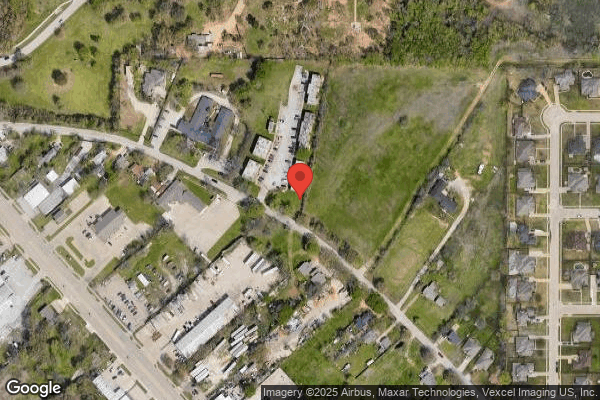
**NOTE- TERMS IN BRACKETS HAVE BEEN EDITED TO PROTECT CONFIDENTIALITY** Based on observation, interview, and record review, the facility failed to ensure that the resident environment remained as free of accident hazards as is possible and each resident received adequate supervision and assistive devices to prevent accidents for 1 of 6 residents (Resident #24) reviewed for supervision. The facility failed to ensure Resident #24, who had a history of exit seeking behaviors and was a high risk for elopement, eloped from the facility on 08/08/25. The resident was found near an apartment complex on a busy street next to the facility by a passerby, who brought her back to the facility. The noncompliance was identified as past non-compliance. The Immediate Jeopardy (IJ) began on 08/08/25 and ended on 08/12/25. The facility had corrected the noncompliance before the survey began. This failure placed residents at risk of harm and/or serious injury.Findings included: Record review of Resident #24's annual MDS assessment, dated 07/10/25, reflected the resident was an [AGE] year-old female, who was admitted to the facility on [DATE]. The resident's diagnoses included Alzheimer's Disease (brain disorder caused by damage to nerve cells in the brain), anxiety disorder (a mood disorder characterized by excessive, persistent, and uncontrollable fear and worry about everyday situations), depression (a mood disorder that causes persistent feelings of sadness and loss of interest), diabetes mellitus (a chronic disease characterized by high level of sugar in the blood), muscle wasting and atrophy (the decrease in size and wasting of muscle tissue), unsteadiness on feet and unspecified lack of coordination. The MDS reflected Resident #24 had moderate cognitive impairment with a BIMS score of 11. The MDS further reflected Resident #24 did not exhibit wandering behaviors. Record review of Resident #24's care plan, dated 06/19/25, reflected care plan did not address Resident #24 exit seeking behaviors. Care Plan was updated on 08/08/25, reflected Problem: Resident is at risk of elopement as evidenced by. Goals: Resident will not leave the facility. Approach(s): Notify physician and family of any further concerns. Discuss secure unit placement. Monitor and record behavior with it occurs. 1:1 monitoring within eyesight. Divert residents attention and refocus attention elsewhere, staff to orient and redirect resident as needed if she talks of leaving. Record review of Resident #24's Elopement/Wandering Observation quarterly, dated 06/18/25, reflected Resident #24 was high risk for elopement. The evaluation indicated resident had a medical diagnosis associated with confusion, which may indicate future likelihood of high-risk behavior(s). Mobility: Resident is physically able to exit on foot or by wheelchair. Record review of Resident #24's Elopement Risk Evaluation, dated 08/08/25, reflected Resident #24 was at risk for elopement. The evaluation indicated Resident #24 had a history of attempting to leave the facility one or more times in last week. Statement and/or treats to leave facility. Record review of Resident #24's progress notes dated 08/08/25 at 10:55 AM reflected: This nurse was notified by [NAME] Hall nurse that resident was found next door by a resident of the apartment complex. Vitals and skin assessment normal to resident baseline. MD/DON/RP notified. New orders given via telephone from MD: CBS/CMP/UA/Chest Xray. DON will enter the orders. Resident reports she was going back home attempted to redirect resident and successful. Record review of facility Twenty-Four Hour Report dated 08/08/25 reflected: Resident Name: Resident #24; 6AM-2PM: Eloped @ 1055 [10:55AM]; 1:1 ratio at all times. 2PM-10PM: Elope cont. 1:1, stable, in bed. Record review of facility Event Report for Resident dated 08/08/25, time of event 1055 [10:55AM] reflected: Type of Event: Elopement, Note how long missing: 3-5 mins. Heat to toe assessment: no new injuries noted. Skin warm to touch. MD & RP notified of event. Nurse on St.2 told Administrator resident went out front door behind another resident's family [Initial Name] daughter. 3-5 min later she as with a lady. Statement of resident obtained: Not able to recall. No injury. List new interventions: Resident on 1:1 supervision. Interview on 09/03/25 at 12:06 PM, LVN A revealed she was the nurse assigned to Resident #24 when she eloped from the facility. She stated she could not recall the exact time, but it was between the times of 10AM - 11AM when Resident #24 eloped. She stated she was getting ready to do blood sugar checks when RN B brought Resident #24 to her and told her someone from the apartment complex saw the resident outside and brought her back to the facility, rang the doorbell and asked if this resident lived here. LVN A stated the Activity Director opened the door and verified Resident #24 was a resident from the facility and brought Resident #24 back to her hall. She stated the last time she observed Resident #24 she was in the dining area. She stated it was about a 5 - 10-minute window from when she last observed Resident #24 to when she was brought back to the facility. She stated she does not know exactly how Resident #24 exited the facility, she stated no alarm doors were heard. LVN A stated after Resident #24 was brought back they checked all the doors to ensure they were all closed and alarms working properly. LVN A stated that morning a visitor had come to visit another resident, and she believes when the visitor left the facility the visitor did not checked behind her and Resident #24 followed her out. LVN A stated Resident #24 saw the opportunity and went for it. She stated Resident #24 had history of exit seeking, she stated she would always say I want the code for the door, if someone was leaving the building resident would say I am going with them, she stated she would try to push the door, and the alarms would go off. LVN A stated Resident #24 would be easily redirected and they would keep her busy with activities. She stated resident would propel in her wheelchair and she was fast moving around. LVN A stated she completed a head-to-toe assessment on Resident #24, and no injuries were noted skin was intact. She stated she notified the doctor, Resident #24 family member/POA, the DON and the Administrator. She stated Resident #24 was placed on 1:1 supervision until she discharged to another facility on 08/11/25. LVN A stated staff were in serviced on elopement, what to do when a resident goes missing, elopement binder was updated, the front pages of the elopement binder were the residents who were high risk. She stated elopement risk assessment were completed on all residents, care plans were updated, she stated she completes a head count of resident upon the start of her shift. LVN A stated when a visitor visits, they must open the door for them and when they leave the staff puts in the code for them to exit, she stated staff were not allowed to give out codes. Interview on 09/03/25 at 12:19 PM, RN B revealed she was working on 08/08/25 on [NAME] Hall. She stated she was not the nurse assigned to Resident #24; however, she was behind the Activity Director when she opened the door, saw a woman returning Resident #24 and asked if the resident lived here. She stated Resident #24 was in her wheelchair and the woman said she had seen the resident next door in the apartment complex in the middle of the street. RN B stated she asked Resident #24 what she was doing, and Resident #24 told her she was going to go get her car. RN B stated she took Resident #24 back to her hall and told LVN A resident was outside in the street, and someone found her next door and brought her back. RN B stated she could not recall the exact time she had last seen Resident #24, she stated it was after breakfast, before lunch when she was brought back to the facility. She stated when Resident #24 exhibits those behaviors of wanting to leave, they monitor her more frequent and redirect her. RN B stated Resident #24 had a history of exit seeking and trying to open doors. She stated Resident #24 was placed on 1:1 supervision. She stated staff were inserviced on elopement, what to do when a resident goes missing, elopement risk assessment was completed on all residents, care plans were updated, all doors were checked and ensure alarms door worked properly and ensure when a visitor visit staff must open the door and when they leave staff are the ones put the code in. RN B stated staff should not provide door codes to visitors. Interview on 09/03/25 at 12:31 PM, the Activity Director revealed she was working on 08/08/25 when Resident #24 eloped from the facility. She stated the last time she observed Resident #24 she was eating breakfast in the dining room around 8-8:30AM. She stated she could not recall the time, but someone ranged the doorbell, and she opened the door. She stated a women asked if the resident lived here, and she told her yes. She stated she notified the nurse and to take her to her hall. She stated the women stated resident was around the apartment complex next door to the facility. Activity Director stated no alarms were heard that morning. She stated Resident #24 was an elopement risk but she had not seen her open doors. She stated she was inserviced on elopement, elopement binder, where to locate it, and what to do when a resident goes missing. She stated staff are not allowed to give out codes to visitors and staff must always open the door for them when entering and leaving. Interview on 09/03/25 at 12:38 PM, the DON revealed she was informed by LVN A Resident #24 was found by a lady coming out of the apartment complex. The lady saw resident, stopped her car and brought the resident back to the facility and asked if the resident lived here. She stated the Activity Director was the one who opened the door and informed the lady that Resident #24 was a resident at the facility. She stated per LVN A last time she observed Resident #24 she was in the dining area and resident was out for about 3-5 minutes. She stated Resident #24 would ambulate in her wheelchair and was known to peddle fast in it. The DON stated Resident #24 was an elopement risk, she stated an elopement assessment was completed on 08/08/25, and resident scored high risk. The DON stated she could not locate any prior elopement assessment completed on Resident #24, then stated she did not look to ensure if any were completed prior to the elopement but she knew resident was a high risk. She stated Resident #24 had history of attempting to leave the facility, she stated one time unknown of date of when it happened, Resident #24 was attempting to leave but was within eyesight of hers and she immediately stopped her and redirected her. The DON stated Resident #24 was placed on 1:1 supervision until she discharged to another facility. She stated LVN A notified the doctor and family member. She stated elopement risk assessment were completed on all residents, the elopement binder was updated and can be located at the nurse's station. Staff were inserviced on elopement, elopement book, complete head count prior to start of shift, what to do if a resident goes missing, making sure when visitor visit only staff can use the code to open the door. The DON stated they put signs on all the doors to ensure visitors to check behind them when leaving and ensure doors are closed. Interview on 09/03/25 at 1:03 PM, the Administrator revealed Resident #24 had exited the facility on 08/08/25. She stated till this day they still do not know how resident exited the facility. She stated someone from next door apartment complex found Resident #24 and brought her back to the facility and asked if she lived here. The Administrator stated Resident #24 was only gone for a couple of minutes. She stated she was in her office and could not recall when the last time Resident #24 was last seen. She stated Resident #24 eats her breakfast in her room, once done she was out and about. The Administrator stated Resident #24 was an exit seeker, has tried in the past to exit but was not successful. She stated Resident #24 would always say her car was outside. She stated they would try to redirect resident, keep her busy with activities and watch her within eyesight. She stated after the elopement Resident #24 was placed on 1:1 supervision until they could find an appropriate placement for her. She stated a QAPI meeting was completed with the DON and MD regarding the elopement and suggested Resident #24 required a secure unit. She stated the DON reached out to the family twice on 08/08/25 and LVN B was able to notify the family regarding the incident. The DON stated Resident #24 discharged from the facility on 08/11/25. She stated all staff were inserviced on elopement, what to do if a resident elopes from the facility, where to find elopement binder, signs of elopement, and not to provide door codes to visitors, complete head counts at the beginning of every shift. Elopement risk assessments were completed on all residents, care plans were updated on residents identified as being at high risk of elopement, and she completes door audits weekly to ensure doors alarms were working properly. Interview on 09/03/25 at 3:03 PM, CNA E revealed she was the CNA assigned to Resident #24 when she eloped. She stated the last time she observed Resident #24 she was in the dining area around 10:30AM. She stated she could not recall if any visitors visited the morning of 08/08/25. She stated she did not observe Resident #24 exit the facility. She stated Resident #24 was found on the road next to the apartment complex and was brought back to the facility. She stated no injuries were noted on the resident. She stated Resident #24 was known to exit seek, she stated Resident #24 was easily to redirect when she would get close by the doors. She stated Resident #24 would have the tendency of saying she needed to go find her car outside. CNA E stated Resident #24 was placed on 1:1 supervision until she discharged . Record review of facility Elopements policy, dated 12/2017, reflected the following: It is the policy of this home to provide a systematic approach to searching for a resident who may have left the home and/or home grounds. PROCEDUREThe following steps are to be followed when a resident is noted absent and is not found on initial search of the home. This also includes when a resident leaves the home grounds without staff notification. Home Staff will:-Search the home and grounds-Send staff member(s) out to locate the resident-Notify Administrator or on-call person immediately-If resident is not located within 30 minutes, call the local police. Administrative / Supervisory Staff will:-Determine if elopement is reportable to state regulatory agency-Interview staff and obtain written statements. If resident was returned by outside personnel, obtain name, phone number and details with any information of where resident was found and under what circumstances the resident was found.-Establish a monitoring system for resident until flight risk is resolved-Determine what measures can be taken to prevent it from happening again-If elopement is reported, contact appropriate corporate personnel. This was determined to be a Past Non-Compliance Immediate Jeopardy on 09/03/25 at 4:15 PM. The Administrator and the DON were notified. The Administrator was provided with the IJ template on 09/03/25 at 4:40 PM. The facility took the following actions to correct the non-compliance prior to the survey: Record review of facility QAPI revealed a meeting was completed on 08/08/25. Record review of Elopement Risk Assessment reflected they were reviewed and completed on Resident #8, Resident #9, Resident #14, Resident #24, Resident #30 and Resident #35 on 08/08/25. Record review of Resident #8, Resident #9, Resident #14, Resident #24, Resident #30 and Resident #35's Care Plans reflected care plans were reviewed and updated from 08/08/25 through 08/12/25 to reflect them as being high risk for elopements and to monitor for exit seeking behaviors. Record review of facility Elopement binders located on main nurse's station reflected facesheets of residents who were high risk of elopement with pictures and elopement risk assessment on all residents. Record review of facility Audit to Ensure the Doors are Secure and Alarm Working forms for all exit doors from 08/08/25 through 09/02/25 reflected door checks were being completed weekly. Observation on 09/03/25 from 2:06 PM through 2:12 PM revealed all facility door alarms were checked with the Maintenance Director and doors were functioning properly. Alarms were loud enough to be heard throughout the facility. A code was needed to turn off the alarms. Observed signs on all the doors indicating: Caution Make sure this door locks. Do not let any resident out behind you, and main entrance door: Attention Visitors Do Not let residents out without speaking to nursing staff. Record review of in-services with a start date of 08/08/25 reflected all facility staff were in-serviced on Elopement Risk Report, Elopement & Binder, what to do for Elopement, Elopement Risk Assessments. Summary of Meeting: Elopement risk assessments assist staff in knowing what residents are at risk to elope/try to leave facility. High risk residents' pace, wander, pack their items, talk about going home, watches the doors that are exits. Residents who are bed bound, can't push or move their w/cs on their own and can't transfer out of bed are less likely to be high risk. We care completing Elopement Risk assessments, updating care plans, updating elopement binder if any residents are exit seeking nurse, DON, Administrator be told immediately. Elopement Risk Binder will be set up with ALL resident's elopement risk assessment, face sheet, resident at high risk for elopement - (want to be able to walk or use own w/c to push, packs items)- will be at front of binder. Low risk will be next, no risk - (bed bound can't transfer or move w/c independently) -no risk back of binder. Do not provide codes to visitors, during an elopement check inside and outside, complete a head count, make sure visitor check in. In-services were completed by 08/12/25. Interviews on 09/03/25 from 12:25 PM through 3:30PM with LVN A, RN B, [NAME] D, Activity Director, Dietary Manager, CNA E, Dietary Aide G, CNA H, Laundry Aide, CNA I, LVN J, LVN K, Rehab L, Rehab Director, Maintenance Director who worked the shifts of 6:00 AM-2:00 PM, 6AM - 6PM, and 2:00 PM-10:00 PM revealed the facility staff were able to verify education was provided to them. Facility staff were able to accurately summarize the in-service on elopement, signs of elopement, elopement binder, and what to do in case of an elopement/missing person. Nursing staff stated they must complete head counts at the beginning of every shift, elopement risk assessment was reviewed/competed (an evaluation to determine any resident at risk of elopement), where to locate elopement binders, care plans were updated on resident who were identified as high risk of elopement. Staff stated when a resident goes missing/elopes they must stop what they are doing, report to all staff a resident was missing, ensure all residents were counted for, ensure all doors are closed, check inside and outside the facility perimeter. Staff stated door codes were not to be provide to visitors, when a visitor visits, they must open the door for them when entering and exiting the facility.
CRITICAL
(K)
Immediate Jeopardy (IJ) - the most serious Medicare violation
Comprehensive Care Plan
(Tag F0656)
Someone could have died · This affected multiple residents
**NOTE- TERMS IN BRACKETS HAVE BEEN EDITED TO PROTECT CONFIDENTIALITY** Based on interviews, and record reviews, the facility failed to develop and implement a comprehensive person-centered care plan ...
Read full inspector narrative →
**NOTE- TERMS IN BRACKETS HAVE BEEN EDITED TO PROTECT CONFIDENTIALITY** Based on interviews, and record reviews, the facility failed to develop and implement a comprehensive person-centered care plan for each resident that includes measurable objectives and timeframes to meet a resident's medical, nursing, and mental and psychosocial needs that are identified in the comprehensive assessment for 1 resident (Resident #24) of 6 residents reviewed for care plans. The facility failed to develop a person-centered comprehensive care plan for Resident #24, who was at high risk for elopement and who had exit-seeking behaviors. Resident #24 eloped from the facility on 08/08/25, she was found near an apartment complex on a busy street next to the facility by a passerby and brought her back to the facility. The noncompliance was identified as past non-compliance. The Immediate Jeopardy (IJ) began on 08/08/25 and ended on 08/12/25. The facility had corrected the noncompliance before the survey began. The failure placed the resident at risk for serious adverse outcomes including serious harm.Findings included: Record review of Resident #24's annual MDS assessment, dated 07/10/25, reflected the resident was an [AGE] year-old female, who was admitted to the facility on [DATE]. The resident's diagnoses included Alzheimer's Disease (brain disorder caused by damage to nerve cells in the brain), anxiety disorder (a mood disorder characterized by excessive, persistent, and uncontrollable fear and worry about everyday situations), depression (a mood disorder that causes persistent feelings of sadness and loss of interest), diabetes mellitus (a chronic disease characterized by high level of sugar in the blood), muscle wasting and atrophy (the decrease in size and wasting of muscle tissue), unsteadiness on feet and unspecified lack of coordination. The MDS reflected Resident #24 had moderate cognitive impairment with a BIMS score of 11. The MDS further reflected Resident #24 did not exhibit wandering behaviors. Record review of Resident #24's care plan, dated 06/19/25, reflected care plan did not address Resident #24 exit seeking behaviors. Record review of Resident #24's Elopement/Wandering Observation quarterly, dated 06/18/25, reflected Resident #24 was high risk for elopement. The evaluation indicated resident had a medical diagnosis associated with confusion, which may indicate future likelihood of high-risk behavior(s). Mobility: Resident is physically able to exit on foot or by wheelchair. Record review of Resident #24's Elopement Risk Evaluation, dated 08/08/25, reflected Resident #24 was at risk for elopement. The evaluation indicated Resident #24 had a history of attempting to leave the facility one or more times in last week. Statement and/or treats to leave facility. Record review of Resident #24's progress notes dated 08/08/25 at 10:55 AM reflected: This nurse was notified by [NAME] Hall nurse that resident was found next door by a resident of the apartment complex. Vitals and skin assessment normal to resident baseline. MD/DON/RP notified. New orders given via telephone from MD: CBS/CMP/UA/Chest Xray. DON will enter the orders. Resident reports she was going back home attempted to redirect resident and successful. Record review of facility Twenty-Four Hour Report dated 08/08/25 reflected: Resident Name: Resident #24; 6AM-2PM: Eloped @ 1055 [10:55AM]; 1:1 ratio at all times. 2PM-10PM: Elope cont. 1:1, stable, in bed. Record review of facility Event Report for Resident dated 08/08/25, time of event 1055 [10:55AM] reflected: Type of Event: Elopement, Note how long missing: 3-5 mins. Heat to toe assessment: no new injuries noted. Skin warm to touch. MD & RP notified of event. Nurse on St.2 told Administrator resident went out front door behind another resident's family [Initial Name] daughter. 3-5 min later [NAME] as with a lady. Statement of resident obtained: Not able to recall. No injury. List new interventions: Resident on 1:1 supervision. Interview on 09/03/25 at 12:06 PM, LVN A revealed she was the nurse assigned to Resident #24 when she eloped from the facility. She stated she could not recall the exact time, but it was between the times of 10AM - 11AM when Resident #24 eloped. She stated she was getting ready to do blood sugar checks when RN B brought Resident #24 to her and told her someone from the apartment complex saw the resident outside and brought her back to the facility, rang the doorbell and asked if this resident lived here. LVN A stated the Activity Director opened the door and verified Resident #24 was a resident from the facility and brought Resident #24 back to her hall. She stated the last time she observed Resident #24 she was in the dining area. She stated it was about a 5 - 10-minute window from when she last observed Resident #24 to when she was brought back to the facility. She stated she does not know exactly how Resident #24 exited the facility, she stated no alarm doors were heard. LVN A stated after Resident #24 was brought back they checked all the doors to ensure they were all closed and alarms working properly. LVN A stated that morning a visitor had come to visit another resident, and she believes when the visitor left the facility the visitor did not checked behind her and Resident #24 followed her out. LVN A stated Resident #24 saw the opportunity and went for it. She stated Resident #24 had history of exit seeking, she stated she would always say I want the code for the door, if someone was leaving the building resident would say I am going with them, she stated she would try to push the door, and the alarms would go off. LVN A stated Resident #24 would be easily redirected and they would keep her busy with activities. She stated resident would propel in her wheelchair and she was fast moving around. LVN A stated she completed a head-to-toe assessment on Resident #24, and no injuries were noted skin was intact. She stated she notified the doctor and Resident #24 family member. She stated Resident #24 was placed on 1:1 supervision until she discharged to another facility on 08/11/25. LVN A stated she could not recall if Resident #24's was care planned for being at risk of elopement. She stated the DON was responsible for updating care plans. She stated if Resident #24 was exhibiting exit seeking behaviors it should had been care planned. She stated care plans were needed to keep up with resident's care, safety and have interventions in place. Interview on 09/03/25 at 12:38 PM, the DON revealed she was informed by LVN A Resident #24 was found by a lady coming out of the apartment complex. The lady saw resident, stopped her car and brought the resident back to the facility and asked if the resident lived here. She stated the Activity Director was the one who opened the door and informed the lady that Resident #24 was a resident at the facility. She stated per LVN A last time she observed Resident #24 she was in the dining area and resident was out for about 3-5 minutes. She stated Resident #24 would ambulate in her wheelchair and was known to peddle fast on it. The DON stated Resident #24 was an elopement risk, she stated an elopement assessment was completed on 08/08/25, and resident scored high risk. The DON stated she could not locate any prior elopement assessment completed on Resident #24, then stated she did not look to ensure if any were completed prior to the elopement but she knew resident was a high risk. She stated Resident #24 had history of attempting to leave the facility, she stated one time unknown of date of when it happened, Resident #24 was attempting to leave but was within eyesight of hers and she immediately stopped her and redirected her. The DON stated Resident #24 was placed on 1:1 supervision until she discharged to another facility. She stated she was not sure if Resident #24 was care planned for her exit seeking behaviors prior to being updated on 08/08/25. The DON reviewed Resident #24 and stated resident had not been care planned for her behaviors. She stated the ADON C was responsible for reviewing and updating care plans but since the ADON C left, she was not responsible for care plans. She stated Resident #24 care plan was updated after her elopement and being on 1:1 supervisor. She stated the potential risk of not care planning elopement behaviors would be staff not knowing the interventions in place for high-risk residents for elopements. Interview on 09/03/25 at 1:03 PM, the Administrator revealed Resident #24 had exited the facility on 08/08/25. She stated till this day they still do not know how resident exited the facility. She stated someone from next door apartment complex found Resident #24 and brought her back to the facility and asked if she lived here. The Administrator stated Resident #24 was only gone for a couple of minutes. She stated she was in her office and could not recall when the last time Resident #24 was last seen. She stated Resident #24 eats her breakfast in her room, once done she is out and about. The Administrator stated Resident #24 was an exit seeker, has tried in the past to exit but was not successful. She stated Resident #24 would always say her car was outside. She stated they would try to redirect resident, keep her busy with activities and watch her within eyesight. She stated after the elopement Resident #24 was placed on 1:1 supervision until they could find an appropriate placement for her. She stated a QAPI meeting was completed with the DON and MD regarding the elopement and suggested Resident #24 required a secure unit. She stated the DON reached out to the family twice on 08/08/24 and LVN B was able to notify the family regarding the incident. The Administrator stated Resident #24 discharged from the facility on 08/11/25. She stated she was not aware Resident #24 exit seeking behaviors were not care planned. The Administrator stated at that time the ADON C and Social Worker were responsible for reviewing and updating care plans, but they left after transitioning to the new company. She stated care plans were important so that staff can keep up with the resident's care. She stated the potential risk would be staff not knowing the interventions in place for resident who are high risk of elopement. The Administrator stated all staff were inserviced elopement risk assessments were completed on all residents, care plans were updated on residents identified as being at high risk of elopement. Record review of the facility's policy Care Plan-Resident, dated December 2018, reflected:It is the policy of this home that staff must develop a comprehensive care plan to meet the needs of the resident. 5. Resident Goalsa. List a measurable, reasonable goal for each problem identified.This was determined to be a Past Non-Compliance Immediate Jeopardy on 09/03/25 at 4:15 PM. The Administrator and the DON were notified. The Administrator was provided with the IJ template on 09/03/25 at 4:40 PM. The facility took the following actions to correct the non-compliance prior to the survey: Record review of facility QAPI revealed a meeting was completed on 08/08/25. Record review of Resident #24's care plan, updated on 08/08/25, reflected Problem: Resident is at risk of elopement as evidenced by. Goals: Resident will not leave the facility. Approach(s): Notify physician and family of any further concerns. Discuss secure unit placement. Monitor and record behavior with it occurs. 1:1 monitoring within eyesight. Divert residents attention and refocus attention elsewhere, staff to orient and redirect resident as needed if she talks of leaving. Record review of Resident #8, Resident #9, Resident #14, Resident #30 and Resident #35's Care Plans reflected care plans were reviewed and updated from 08/08/25 through 08/12/25 to reflect them as being high risk for elopements and to monitor for exit seeking behaviors. Record review of in-services with a start date of 08/08/25 reflected all facility staff were in-serviced on Elopement Risk Report, Elopement & Binder, what to do for Elopement, Elopement Risk Assessments. Summary of Meeting: Elopement risk assessments assist staff in knowing what residents are at risk to elope/try to leave facility. High risk residents' pace, wander, pack their items, talk about going home, watches the doors that are exits. Residents who are bed bound, can't push or move their w/cs on their own and can't transfer out of bed are less likely to be high risk. We care completing Elopement Risk assessments, updating care plans, updating elopement binder if any residents are exit seeking nurse, DON, Administrator be told immediately. Elopement Risk Binder will be set up with ALL resident's elopement risk assessment, face sheet, resident at high risk for elopement - (want to be able to walk or use own w/c to push, packs items)- will be at front of binder. Low risk will be next, no risk - (bed bound can't transfer or move w/c independently) -no risk back of binder. Do not provide codes to visitors, during an elopement check inside and outside, complete a head count, make sure visitor check in. Inservices were completed by 08/12/25. Interviews on 09/03/25 from 12:25 PM through 3:30PM with LVN A, RN B, LVN J, LVN K, who worked the shifts of 6:00 AM-2:00 PM and 2:00 PM-10:00 PM revealed the facility staff were able to verify education was provided to them. Nursing staff stated elopement risk assessments were reviewed/competed (an evaluation to determine any resident at risk of elopement), and care plans were updated on residents who were identified as high risk of elopement. Nursing staff stated if any resident exhibits any behaviors, they will report to the DON for care plans to be updated.
CONCERN
(D)
Potential for Harm - no one hurt, but risky conditions existed
Deficiency F0553
(Tag F0553)
Could have caused harm · This affected 1 resident
**NOTE- TERMS IN BRACKETS HAVE BEEN EDITED TO PROTECT CONFIDENTIALITY** Based on interview, and record review, the facility failed to ensure residents had the right to participate in the development a...
Read full inspector narrative →
**NOTE- TERMS IN BRACKETS HAVE BEEN EDITED TO PROTECT CONFIDENTIALITY** Based on interview, and record review, the facility failed to ensure residents had the right to participate in the development and implementation of their person-centered plan of care for 1 of 6 residents (Resident #32) reviewed for quarterly care plans.The facility failed to invite Resident #32 and responsible parties with 4 quarterly care plan conference meetings for the last 12 months. Resident #32's last care plan meeting was dated 08/07/24. This failure could place residents at risk of not receiving inadequate interventions not individualized to their care needs.Findings included:Record review of Resident #32's face sheet, dated 08/07/25, reflected the resident was a [AGE] year-old female with an admission date of 08/03/23 and returned 03/08/25. Record review of Resident #32's quarterly MDS assessment dated [DATE] reflected her diagnoses included hypertension (high blood pressure), dementia, cognitive communication deficit, and depression. The MDS reflected the resident had severe cognitive impairment with a BIMS score of 4. Record review of Resident #32's care plan, last reviewed/revised date 04/24/25 reflected Category: Return to community referral POA had no desire for [Resident #32] to return to community. Staff will revisit on comprehensive assessments only. Goal: Resident needs will be met by facility staff through the next review period. Approach: 1. Keep POA/[Resident #32] updated on the resident plan of care. 2. Staff will maintain [Resident #32] needs. 3. Follow up with the [Resident #32]/POA annually. Record review of Resident #32's Care Conference Report reflected the last care plan meeting was completed on 08/07/24 for Annual Care Conference. Record review of Resident #32's progress notes reflected no documentation regarding care plan meetings or family being made aware of care plan conference meetings. Interview on 08/05/25 at 1:20 PM, Resident #32's Family Member A/POA revealed he had concerns regarding Resident #32's care and wanted to address it with the facility. Resident #32's Family Member A/POA stated he had not been invited to any care plan meetings to address his concerns. Resident #32's Family Member A/POA stated he was not aware care plan meetings were held quarterly. The last care plan meeting he had been invited and attended was sometime last year 2024, exact date unknown.Interview on 08/05/25 at 1:23 PM, Resident #32 revealed she had no concerns regarding her care. Resident #32 was not a good historian and could not recall if she had attended a care plan meeting or been asked to attend one.An attempt was made on 08/07/25 at 11:25 AM to contact the ADON C/MDS Coordinator by phone; however, there was no answer. Interview on 08/07/25 at 12:52 PM, with the DON revealed the Social Worker and ADON C, who was the MDS Coordinator, were responsible for coordinating the care plan meetings. The DON stated the Social Worker or ADON C would inform her when a care plan meeting was scheduled, and she would attend. She stated care plan meetings should be documented in the residents' charts, and the Social Worker would keep notes of what was discussed during the meeting. The DON stated she had been employed since February 2025, and she could not recall if Resident #32 had had a care plan meeting. She stated care plan meetings should be completed quarterly with family. She stated both the Social Worker and ADON C were no longer employed by the facility. The DON stated she was not aware Resident #32's care plan meetings were not being completed quarterly. She stated the potential risk of not completing care plan meetings would be the team, family, and resident not being informed about changes or areas that needed to be addressed regarding the resident. Interview on 08/07/25 at 1:50 PM, with the Administrator revealed the Social Worker and ADON C were responsible for scheduling care plan meetings. She stated she was not aware Resident #32 had not had a care plan meeting since 2024. She stated the IDT was responsible for conducting the care plan meetings. She stated the potential risk of not having the care plan meetings would be family not being able to communicate their concerns regarding the resident's care or not being able to know the level of care the resident was receiving. She stated Resident #32's family had not mentioned anything to them about a care plan meeting. An attempt was made to contact the Social Worker by phone on 08/07/25 at 2:17 PM; however, there was no answer.Record review of the facility's Statement of Resident Right policy dated 12/01/18 reflected the following: .To participate in developing a plan of care that describes their medical, psychological, and nursing needs and how the needs will be met .
CONCERN
(D)
Potential for Harm - no one hurt, but risky conditions existed
Abuse Prevention Policies
(Tag F0607)
Could have caused harm · This affected 1 resident
**NOTE- TERMS IN BRACKETS HAVE BEEN EDITED TO PROTECT CONFIDENTIALITY** Based on interview and record review, the facility failed to implement their written policies and procedures to prohibit and pre...
Read full inspector narrative →
**NOTE- TERMS IN BRACKETS HAVE BEEN EDITED TO PROTECT CONFIDENTIALITY** Based on interview and record review, the facility failed to implement their written policies and procedures to prohibit and prevent abuse, neglect, and exploitation of residents and misappropriation of resident property for 1 of 6 residents (Resident #24) reviewed for abuse and neglect. The facility failed to implement their policy on reporting an incident involving Resident #24, who had a history of exit seeking behaviors and was a high risk for elopement, eloped from the facility on 08/08/25. The resident was found near an apartment complex on a busy street next to the facility by a passerby who brought her back to the facility. This failure could place the residents in the facility at risk of neglect and lack of timely reporting of incidents.Findings included: Record review of the facility's current Abuse/ Reportable Events policy, dated 1/10/17, revealed the following: It is everyone's responsibility to recognize, report, and promptly investigate actual or alleged abuse, neglect, exploitation, mistreatment of residents or misappropriation of resident property abuse and situations that may constitute abuse or neglect to any resident in the facility. Adverse event. An adverse event is an untoward, undesirable, and usually unanticipated event that causes death or serious injury, or the risk thereof. Record review of Resident #24's annual MDS assessment, dated 07/10/25, reflected the resident was an [AGE] year-old female, who was admitted to the facility on [DATE]. The resident's diagnoses included Alzheimer's Disease (brain disorder caused by damage to nerve cells in the brain), anxiety disorder (a mood disorder characterized by excessive, persistent, and uncontrollable fear and worry about everyday situations), depression (a mood disorder that causes persistent feelings of sadness and loss of interest), diabetes mellitus (a chronic disease characterized by high level of sugar in the blood), muscle wasting and atrophy (the decrease in size and wasting of muscle tissue), unsteadiness on feet and unspecified lack of coordination. The MDS reflected Resident #24 had moderate cognitive impairment with a BIMS score of 11. The MDS further reflected Resident #24 did not exhibit wandering behaviors. Record review of Resident #24's care plan, dated 06/19/25, reflected care plan did not address Resident #24's exit seeking behaviors. Care Plan was updated on 08/08/25, reflected Problem: Resident is at risk of elopement as evidenced by. Goals: Resident will not leave the facility. Approach(s): Notify physician and family of any further concerns. Discuss secure unit placement. Monitor and record behavior with it occurs. 1:1 monitoring within eyesight. Divert residents attention and refocus attention elsewhere, staff to orient and redirect resident as needed if she talks of leaving. Record review of Resident #24's Elopement/Wandering Observation quarterly, dated 06/18/25, reflected Resident #24 was high risk for elopement. The evaluation indicated resident had a medical diagnosis associated with confusion, which may indicate future likelihood of high-risk behavior(s). Mobility: Resident is physically able to exit on foot or by wheelchair. Record review of Resident #24's Elopement Risk Evaluation, dated 08/08/25, reflected Resident #24 was at risk for elopement. The evaluation indicated Resident #24 had a history of attempting to leave the facility one or more times in last week. Statement and/or treats to leave facility. Record review of Resident #24's progress notes dated 08/08/25 at 10:55 AM reflected: This nurse was notified by [NAME] Hall nurse that resident was found next door by a resident of the apartment complex. Vitals and skin assessment normal to resident baseline. MD/DON/RP notified. New orders given via telephone from MD: CBS/CMP/UA/Chest Xray. DON will enter the orders. Resident reports she was going back home attempted to redirect resident and successful. Record review of facility Twenty-Four Hour Report dated 08/08/25 reflected: Resident Name: Resident #24; 6AM-2PM: Eloped @ 1055 [10:55AM]; 1:1 ratio at all times. 2PM-10PM: Elope cont. 1:1, stable, in bed. Record review of facility Event Report for Resident dated 08/08/25, time of event 1055 [10:55AM] reflected: Type of Event: Elopement, Note how long missing: 3-5 mins. Heat to toe assessment: no new injuries noted. Skin warm to touch. MD & RP notified of event. Nurse on St.2 told Administrator resident went out front door behind another resident's family [Initial Name] daughter. 3-5 min later [NAME] as with a lady. Statement of resident obtained: Not able to recall. No injury. List new interventions: Resident on 1:1 supervision. Interview on 09/03/25 at 12:06 PM, LVN A revealed she was the nurse assigned to Resident #24 when she eloped from the facility. She stated she could not recall the exact time, but it was between the times of 10AM - 11AM when Resident #24 eloped. She stated she was getting ready to do blood sugar checks when RN B brought Resident #24 to her and told her someone from the apartment complex saw the resident outside and brought her back to the facility, rang the doorbell and asked if this resident lived here. LVN A stated the Activity Director opened the door and verified Resident #24 was a resident from the facility and brought Resident #24 back to her hall. She stated the last time she observed Resident #24 she was in the dining area. She stated it was about a 5 - 10-minute window from when she last observed Resident #24 to when she was brought back to the facility. She stated she does not know exactly how Resident #24 exited the facility, she stated no alarm doors were heard. LVN A stated after Resident #24 was brought back they checked all the doors to ensure they were all closed and alarms working properly. LVN A stated that morning a visitor had come to visit another resident, and she believes when the visitor left the facility the visitor did not checked behind her and Resident #24 followed her out. LVN A stated Resident #24 saw the opportunity and went for it. She stated Resident #24 had history of exit seeking, she stated she would always say I want the code for the door, if someone was leaving the building resident would say I am going with them, she stated she would try to push the door, and the alarms would go off. LVN A stated Resident #24 would be easily redirected and they would keep her busy with activities. She stated resident would propel in her wheelchair and she was fast moving around. LVN A stated she completed a head-to-toe assessment on Resident #24, and no injuries were noted skin was intact. She stated she notified the doctor, Resident #24 family member/POA, the DON and the Administrator. She stated Resident #24 was placed on 1:1 supervision until she discharged to another facility on 08/11/25. Interview on 09/03/25 at 12:19 PM, RN B revealed she was working on 08/08/25 on [NAME] Hall. She stated she was not the nurse assigned to Resident #24; however, she was behind the Activity Director when she opened the door, saw a woman returning Resident #24 and asked if the resident lived here. She stated Resident #24 was in her wheelchair and the woman said she had seen the resident next door in the apartment complex in the middle of the street. RN B stated she asked Resident #24 what she was doing, and Resident #24 told her she was going to go get her car. RN B stated she took Resident #24 back to her hall and told LVN A resident was outside in the street, and someone found her next door and brought her back. RN B stated she could not recall the exact time she had last seen Resident #24, she stated it was after breakfast, before lunch when she was brought back to the facility. She stated when Resident #24 exhibits those behaviors of wanting to leave, they monitor her more frequent and redirect her. RN B stated Resident #24 had a history of exit seeking and trying to open doors. She stated Resident #24 was placed on 1:1 supervision. Interview on 09/03/25 at 12:31 PM, the Activity Director revealed she was working on 08/08/25 when Resident #24 eloped from the facility. She stated the last time she observed Resident #24 she was eating breakfast in the dining room around 8-8:30AM. She stated she could not recall the time, but someone ranged the doorbell, and she opened the door. She stated a women asked if the resident lived here, and she told her yes. She stated she notified the nurse and to take her to her hall. She stated the women stated resident was around the apartment complex next door to the facility. Activity Director stated no alarms were heard that morning. She stated Resident #24 was an elopement risk but she had not seen her open doors. Interview on 09/03/25 at 12:38 PM, the DON revealed she was informed by LVN A Resident #24 was found by a lady coming out of the apartment complex. The lady saw resident, stopped her car and brought the resident back to the facility and asked if the resident lived here. She stated the Activity Director was the one who opened the door and informed the lady that Resident #24 was a resident at the facility. She stated per LVN A last time she observed Resident #24 she was in the dining area and resident was out for about 3-5 minutes. She stated Resident #24 would ambulate in her wheelchair and was known to peddle fast on it. The DON stated Resident #24 was an elopement risk, she stated an elopement assessment was completed on 08/08/25, and resident scored high risk. The DON stated she could not locate any prior elopement assessment completed on Resident #24, then stated she did not look to ensure if any were completed prior to the elopement but she knew resident was a high risk. She stated Resident #24 had history of attempting to leave the facility, she stated one time unknown of date of when if happened, Resident #24 was attempting to leave but was within eyesight of hers and she immediately stopped her and redirected her. The DON stated Resident #24 was placed on 1:1 supervision until she discharged to another facility. She stated LVN A notified the doctor and family member. The DON stated everyone was responsible for reporting any abuse and neglect allegations to the abuse coordinator who was the Administrator. She stated she did not think the incident with Resident #24 was a reportable because resident was brought back quickly to the facility with no injuries. The DON stated after reviewing and discussing the incident pertaining the elopement it should had been reported to the HHSC. Interview on 09/03/25 at 1:03 PM, the Administrator revealed Resident #24 had exited the facility on 08/08/25. She stated till this day they still do not know how resident exited the facility. She stated someone from next door apartment complex found Resident #24 and brought her back to the facility and asked if she lived here. The Administrator stated Resident #24 was only gone for a couple of minutes. She stated she was in her office and could not recall when the last time Resident #24 was last seen. She stated Resident #24 eats her breakfast in her room, once done she is out and about. The Administrator stated Resident #24 was an exit seeker, has tried in the past to exit but was not successful. She stated Resident #24 would always say her car was outside. She stated they would try to redirect resident, keep her busy with activities and watch her within eyesight. She stated after the elopement Resident #24 was placed on 1:1 supervision until they could find an appropriate placement for her. She stated a QAPI meeting was completed with the DON and MD regarding the elopement and suggested Resident #24 required a secure unit. She stated the DON reached out to the family twice on 08/08/25 and LVN B was able to notify the family regarding the incident. The Administrator stated Resident #24 discharged from the facility on 08/11/25. The Administrator stated she was the abuse coordinator, and she was responsible for reporting to HHSC. She stated she did not report the incident pertaining Resident #24 to HHSC because she was only gone for a couple of minutes. She stated she reached out to her higher ups and with the DON whether the incident was a reportable and concluded it was not.
CONCERN
(D)
Potential for Harm - no one hurt, but risky conditions existed
Report Alleged Abuse
(Tag F0609)
Could have caused harm · This affected 1 resident
**NOTE- TERMS IN BRACKETS HAVE BEEN EDITED TO PROTECT CONFIDENTIALITY** Based on interview and record review the facility failed to ensure all alleged violations involving neglect, which included inju...
Read full inspector narrative →
**NOTE- TERMS IN BRACKETS HAVE BEEN EDITED TO PROTECT CONFIDENTIALITY** Based on interview and record review the facility failed to ensure all alleged violations involving neglect, which included injuries of unknown source, were reported immediately, but no later than 2 hours after the allegation was made, if the events that caused the allegation involved abuse or resulted in serious bodily injury, or not later than 24 hours if the events that caused the allegation did not involve abuse and did not result in serious bodily injury, to the administrator of the facility and to other officials, which included the State Survey Agency, in accordance with State law through established procedures for 1 of 6 residents (Resident #24) reviewed for abuse and neglect. The facility failed to report an incident to HHSC involving Resident #24, who had a history of exit seeking behaviors and was a high risk for elopement, eloped from the facility on 08/08/25. The resident was found near an apartment complex on a busy street next to the facility by a passerby who brought her back to the facility. This deficient practice could affect any resident and contribute to resident neglect. Findings included: Record review of Resident #24's annual MDS assessment, dated 07/10/25, reflected the resident was an [AGE] year-old female, who was admitted to the facility on [DATE]. The resident's diagnoses included Alzheimer's Disease (brain disorder caused by damage to nerve cells in the brain), anxiety disorder (a mood disorder characterized by excessive, persistent, and uncontrollable fear and worry about everyday situations), depression (a mood disorder that causes persistent feelings of sadness and loss of interest), diabetes mellitus (a chronic disease characterized by high level of sugar in the blood), muscle wasting and atrophy (the decrease in size and wasting of muscle tissue), unsteadiness on feet and unspecified lack of coordination. The MDS reflected Resident #24 had moderate cognitive impairment with a BIMS score of 11. The MDS further reflected Resident #24 did not exhibit wandering behaviors. Record review of Resident #24's care plan, dated 06/19/25, reflected care plan did not address Resident #24 exit seeking behaviors. Care Plan was updated on 08/08/25, reflected Problem: Resident is at risk of elopement as evidenced by. Goals: Resident will not leave the facility. Approach(s): Notify physician and family of any further concerns. Discuss secure unit placement. Monitor and record behavior with it occurs. 1:1 monitoring within eyesight. Divert residents attention and refocus attention elsewhere, staff to orient and redirect resident as needed if she talks of leaving. Record review of Resident #24's Elopement/Wandering Observation quarterly, dated 06/18/25, reflected Resident #24 was high risk for elopement. The evaluation indicated resident had a medical diagnosis associated with confusion, which may indicate future likelihood of high-risk behavior(s). Mobility: Resident is physically able to exit on foot or by wheelchair. Record review of Resident #24's Elopement Risk Evaluation, dated 08/08/25, reflected Resident #24 was at risk for elopement. The evaluation indicated Resident #24 had a history of attempting to leave the facility one or more times in last week. Statement and/or treats to leave facility. Record review of Resident #24's progress notes dated 08/08/25 at 10:55 AM reflected: This nurse was notified by [NAME] Hall nurse that resident was found next door by a resident of the apartment complex. Vitals and skin assessment normal to resident baseline. MD/DON/RP notified. New orders given via telephone from MD: CBS/CMP/UA/Chest Xray. DON will enter the orders. Resident reports she was going back home attempted to redirect resident and successful. Record review of facility Twenty-Four Hour Report dated 08/08/25 reflected: Resident Name: Resident #24; 6AM-2PM: Eloped @ 1055 [10:55AM]; 1:1 ratio at all times. 2PM-10PM: Elope cont. 1:1, stable, in bed. Record review of facility Event Report for Resident dated 08/08/25, time of event 1055 [10:55AM] reflected: Type of Event: Elopement, Note how long missing: 3-5 mins. Heat to toe assessment: no new injuries noted. Skin warm to touch. MD & RP notified of event. Nurse on St.2 told Administrator resident went out front door behind another resident's family [Initial Name] daughter. 3-5 min later [NAME] as with a lady. Statement of resident obtained: Not able to recall. No injury. List new interventions: Resident on 1:1 supervision. Interview on 09/03/25 at 12:06 PM, LVN A revealed she was the nurse assigned to Resident #24 when she eloped from the facility. She stated she could not recall the exact time, but it was between the times of 10AM - 11AM when Resident #24 eloped. She stated she was getting ready to do blood sugar checks when RN B brought Resident #24 to her and told her someone from the apartment complex saw the resident outside and brought her back to the facility, rang the doorbell and asked if this resident lived here. LVN A stated the Activity Director opened the door and verified Resident #24 was a resident from the facility and brought Resident #24 back to her hall. She stated the last time she observed Resident #24 she was in the dining area. She stated it was about a 5 - 10-minute window from when she last observed Resident #24 to when she was brought back to the facility. She stated she does not know exactly how Resident #24 exited the facility, she stated no alarm doors were heard. LVN A stated after Resident #24 was brought back they checked all the doors to ensure they were all closed and alarms working properly. LVN A stated that morning a visitor had come to visit another resident, and she believes when the visitor left the facility the visitor did not checked behind her and Resident #24 followed her out. LVN A stated Resident #24 saw the opportunity and went for it. She stated Resident #24 had history of exit seeking, she stated she would always say I want the code for the door, if someone was leaving the building resident would say I am going with them, she stated she would try to push the door, and the alarms would go off. LVN A stated Resident #24 would be easily redirected and they would keep her busy with activities. She stated resident would propel in her wheelchair and she was fast moving around. LVN A stated she completed a head-to-toe assessment on Resident #24, and no injuries were noted skin was intact. She stated she notified the doctor, Resident #24 family member/POA, the DON and the Administrator. She stated Resident #24 was placed on 1:1 supervision until she discharged to another facility on 08/11/25. Interview on 09/03/25 at 12:19 PM, RN B revealed she was working on 08/08/25 on [NAME] Hall. She stated she was not the nurse assigned to Resident #24; however, she was behind the Activity Director when she opened the door, saw a woman returning Resident #24 and asked if the resident lived here. She stated Resident #24 was in her wheelchair and the woman said she had seen the resident next door in the apartment complex in the middle of the street. RN B stated she asked Resident #24 what she was doing, and Resident #24 told her she was going to go get her car. RN B stated she took Resident #24 back to her hall and told LVN A resident was outside in the street, and someone found her next door and brought her back. RN B stated she could not recall the exact time she had last seen Resident #24, she stated it was after breakfast, before lunch when she was brought back to the facility. She stated when Resident #24 exhibits those behaviors of wanting to leave, they monitor her more frequent and redirect her. RN B stated Resident #24 had a history of exit seeking and trying to open doors. She stated Resident #24 was placed on 1:1 supervision. Interview on 09/03/25 at 12:31 PM, the Activity Director revealed she was working on 08/08/25 when Resident #24 eloped from the facility. She stated the last time she observed Resident #24 she was eating breakfast in the dining room around 8-8:30AM. She stated she could not recall the time, but someone ranged the doorbell, and she opened the door. She stated a women asked if the resident lived here, and she told her yes. She stated she notified the nurse and to take her to her hall. She stated the women stated resident was around the apartment complex next door to the facility. Activity Director stated no alarms were heard that morning. She stated Resident #24 was an elopement risk but she had not seen her open doors. Interview on 09/03/25 at 12:38 PM, the DON revealed she was informed by LVN A Resident #24 was found by a lady coming out of the apartment complex. The lady saw resident, stopped her car and brought the resident back to the facility and asked if the resident lived here. She stated the Activity Director was the one who opened the door and informed the lady that Resident #24 was a resident at the facility. She stated per LVN A last time she observed Resident #24 she was in the dining area and resident was out for about 3-5 minutes. She stated Resident #24 would ambulate in her wheelchair and was known to peddle fast on it. The DON stated Resident #24 was an elopement risk, she stated an elopement assessment was completed on 08/08/25, and resident scored high risk. The DON stated she could not locate any prior elopement assessment completed on Resident #24, then stated she did not look to ensure if any were completed prior to the elopement but she knew resident was a high risk. She stated Resident #24 had history of attempting to leave the facility, she stated one time unknown of date of when if happened, Resident #24 was attempting to leave but was within eyesight of hers and she immediately stopped her and redirected her. The DON stated Resident #24 was placed on 1:1 supervision until she discharged to another facility. She stated LVN A notified the doctor and family member. The DON stated everyone was responsible for reporting any abuse and neglect allegations to the abuse coordinator who was the Administrator. She stated she did not think the incident with Resident #24 was a reportable because resident was brought back quickly to the facility with no injuries. The DON stated after reviewing and discussing the incident pertaining the elopement it should had been reported to the State. Interview on 09/03/25 at 1:03 PM, the Administrator revealed Resident #24 had exited the facility on 08/08/25. She stated till this day they still do not know how resident exited the facility. She stated someone from next door apartment complex found Resident #24 and brought her back to the facility and asked if she lived here. The Administrator stated Resident #24 was only gone for a couple of minutes. She stated she was in her office and could not recall when the last time Resident #24 was last seen. She stated Resident #24 eats her breakfast in her room, once done she is out and about. The Administrator stated Resident #24 was an exit seeker, has tried in the past to exit but was not successful. She stated Resident #24 would always say her car was outside. She stated they would try to redirect resident, keep her busy with activities and watch her within eyesight. She stated after the elopement Resident #24 was placed on 1:1 supervision until they could find an appropriate placement for her. She stated a QAPI meeting was completed with the DON and MD regarding the elopement and suggested Resident #24 required a secure unit. She stated the DON reached out to the family twice on 08/08/25 and LVN B was able to notify the family regarding the incident. The Administrator stated Resident #24 discharged from the facility on 08/11/25. The Administrator stated she was the abuse coordinator, and she was responsible for reporting to HHSC. She stated she did not report the incident pertaining Resident #24 to HHSC because she was only gone for a couple of minutes. She stated she reached out to her higher ups and with the DON whether the incident was a reportable and concluded it was not. Record review of the facility's current Abuse/ Reportable Events policy, dated 1/10/17, revealed the following: It is everyone's responsibility to recognize, report, and promptly investigate actual or alleged abuse, neglect, exploitation, mistreatment of residents or misappropriation of resident property abuse and situations that may constitute abuse or neglect to any resident in the facility. Adverse event. An adverse event is an untoward, undesirable, and usually unanticipated event that causes death or serious injury, or the risk thereof. Reporting: Facility employees must report all allegations of: abuse, neglect, exploitation, mistreatment of residents, misappropriation of resident property or injury of unknown source to the facility administrator. The facility administrator or designee will report to HHSC. -If the allegations involve abuse or result in serious bodily injury, the report is to be made within 2 hours of the allegation. -If the allegation does not involve abuse or serious bodily injury, the report must be made within 24 hours of the allegation.
CONCERN
(D)
📢 Someone Reported This
A family member, employee, or ombudsman was alarmed enough to file a formal complaint
Potential for Harm - no one hurt, but risky conditions existed
Deficiency F0627
(Tag F0627)
Could have caused harm · This affected 1 resident
**NOTE- TERMS IN BRACKETS HAVE BEEN EDITED TO PROTECT CONFIDENTIALITY** Based on interview and record review, the facility failed to develop and implement an effective discharge planning process that ...
Read full inspector narrative →
**NOTE- TERMS IN BRACKETS HAVE BEEN EDITED TO PROTECT CONFIDENTIALITY** Based on interview and record review, the facility failed to develop and implement an effective discharge planning process that is consistent with the discharge rights set forth at 483.15(b) as applicable and involve the resident and resident representative in the development of the discharge plan and inform the resident and resident representative of the final plan for 1 of 3 residents (Resident #24) reviewed for discharges. The facility failed to involve Resident #24's POA in the discharge plan prior to Resident #24 being transferred to a different facility on 08/11/25. This failure could place residents at risk of not having complete records after permanent discharge from the facility. Findings included: Record review of Resident #24's discharged MDS assessment, dated 08/11/25, reflected the resident was an [AGE] year-old female, who was admitted to the facility on [DATE] and discharged on 08/11/25 to Nursing Home. Resident #24 entry/discharge reporting - Discharge assessment -return not anticipated. The resident's diagnoses included Alzheimer's Disease (brain disorder caused by damage to nerve cells in the brain), anxiety disorder (a mood disorder characterized by excessive, persistent, and uncontrollable fear and worry about everyday situations), depression (a mood disorder that causes persistent feelings of sadness and loss of interest), diabetes mellitus (a chronic disease characterized by high level of sugar in the blood), muscle wasting and atrophy (the decrease in size and wasting of muscle tissue), unsteadiness on feet and unspecified lack of coordination. The MDS reflected Resident #24 had moderate cognitive impairment with a BIMS score of 11. Record review of Resident #24's care plan, dated 06/19/25, reflected: Problem: Category: Return to Community Referral POA has no desire for [Resident #24] to return to community. Staff will revisit on comprehensive assessments only. Goal: [Resident #24] needs will be met by facility staff through the next review period. Approach: 1. Keep POA.u pdated on the [Resident #24] residents plan of care. 2. Staff will maintain [Resident #24] needs 3. Follow up with.POA annually. Record review of Resident #24's progress notes on 08/11/25 at 10:30AM by LVN A reflected: Resident is calm and oriented to self. vitals assessed, normal to residents baseline BM reported this morning. Spoke with [family member] facility to give report. Medications reconciled. Meds from med cart, included Lyrica and Norco counted with west side Hall nurse. Majority of residents belongings gathered. Resident in route to [Facility] family in location. Record review of Resident #24's clinical records reflected there was no documented evidence reflecting Resident #24's legal representative or family member was notified of the discharge or involved in the planning of the discharge. Interview on 09/02/25 at 1:23 PM with Resident #24's family member, Family Member C, revealed Resident #24 was transferred to another facility without family consent. Family Member C stated they had two missed calls on Friday 08/08/25 regarding Resident #24's elopement. Family Member C stated they called back and were notified of the elopement, but they were never told about the transfer. They stated they only had a voicemail from the DON stating she wanted to talk to the family member about moving the resident to a secure unit. Family Member C called the facility on Monday 08/11/25 and was told Resident #24 was already moved to another facility Family Member C stated they called the Administrator and expressed their concerns to the Administrator regarding the resident being moved. Family Member C stated the Administrator was under the impression family was aware of the transfer; however, they were not. Family Member C stated the family was aware Resident #24 had exit-seeking behaviors, was at risk of eloping from the facility, and required a secure unit. Family Member C stated the family would have preferred to be given the opportunity to find a more suitable placement for the resident. Interview on 09/03/25 at 12:06 PM with LVN A revealed she was the nurse assigned to Resident #24 when the resident discharged on 08/11/25. She stated Resident #24 eloped from the facility on 08/08/25 and was placed on 1:1 supervision until she discharged on 08/11/25. She stated when she returned to work on 08/11/25, she noticed Resident #24 was scheduled to be discharged . She stated before she released Resident #24, she contacted the DON to ensure this was the plan to transfer the resident. She stated the DON notified her that everything was in place for Resident #24 to discharge to a different facility. LVN A stated she was never told to contact family. She stated the DON was the one who handled the discharge planning for Resident #24. LVN A stated she never contacted the family regarding the discharge, and she only talked to the family on 08/08/25 to notify them of the resident's elopement. On the day of the discharge, LVN A stated she assisted Resident #24 with her belongings. She stated Resident #24 was doing well with the discharge, and the resident was not crying or upset about the transfer. Interview on 09/03/25 at 12:53 PM with the DON revealed she or LVN A had notified Resident #24's family of the resident's discharge on [DATE]. The DON stated she left a voicemail for Family Member C stating she needed to talk to them about moving the resident to a secure unit. The DON stated she was not in the building on 08/11/25 when Resident #24 discharged . She stated it was a mutual decision between herself, the Administrator, and MD to discharge Resident #24 to a more appropriate facility because the resident was no longer safe at the facility. The DON stated she did not have a conversation with Resident #24's family regarding the discharge, but she assumed someone had. She stated she spoke to Family Member C on 08/11/25 around 2:00-3:00 PM and informed Family Member C that Resident #24 had already discharged from the facility. She told the family member she assumed someone had contacted the family prior to the resident's discharge. The DON stated the facility's process for handling discharges involved the facility having a discussion with the family, and this discussion included the Administrator and MD.Interview on 09/03/25 at 1:03 PM with the Administrator revealed when a resident discharged , the facility staff must notify the family and the doctor. Resident #24 discharged from the facility on 08/11/25 due to the facility not being able to meet her needs. She stated Resident #24 was an elopement risk and required a more appropriate placement. She stated on 08/11/25 she assisted Resident #24 with packing her belongings. She stated the resident was pleasant and was okay with the transfer. She stated she was under the impression Resident #24's family was aware of the discharge. She stated she received a call on 08/11/25 around 4:00-5:00 PM from Family Member C asking where the resident was, and she had told Family Member C that Resident #24 had already discharged , and she thought the family member already knew. The Administrator stated she contacted the DON and asked if she had contacted the family prior to the Resident #24's discharge, the DON told her someone from the nursing department had called the family. She stated she spoke to LVN A and LVN A told her she reached out to the DON, and the DON told her to go ahead to discharge Resident #24. The Administrator stated she reached out again to the DON, and the DON told her she was not quite sure if the family was notified. The Administrator stated she reached out to Resident #24's family to apologize, and she provided the family with the location of the facility to which Resident #24 had transferred. She stated the following day she followed-up with the family, and the family informed her the other facility was a better fit for the resident. The Administrator stated she was upset at how Resident #24's transfer was not handled appropriately by the DON. She stated it was a lack of communication. She stated the potential risk would be the family not knowing where the resident had transferred. Interview on 09/03/25 at 3:42 PM with Resident #24's POA revealed she was informed by a family member of Resident #24's discharge. The POA stated prior to Resident #24 discharging she only received a voicemail on Friday 08/08/25 regarding the resident's elopement with consideration to possibly moving the resident to a secure unit. She stated no agreement was made for Resident #24 to be discharged from the facility. Interview on 09/03/25 at 6:08 PM with the MD revealed he was made aware of Resident #24's discharge. He stated Resident #24 eloped from the facility and was at high risk for elopement. The MD stated he approved the resident's transfer to another facility. He stated he expected for the facility to notify the family of the transfer prior to the resident discharging. Record review of the facility's Discharge - Transfer of the Resident, dated 12/2017, reflected the following: It is the policy of this home that residents and/or responsible parties will be notified prior to transfer or discharge. discharged residents will have documentation related to discharge or transfer in clinical software .
CONCERN
(D)
📢 Someone Reported This
A family member, employee, or ombudsman was alarmed enough to file a formal complaint
Potential for Harm - no one hurt, but risky conditions existed
Deficiency F0628
(Tag F0628)
Could have caused harm · This affected 1 resident
**NOTE- TERMS IN BRACKETS HAVE BEEN EDITED TO PROTECT CONFIDENTIALITY** Based on interview and record review, the facility failed to ensure a resident had a discharge summary that included, but not li...
Read full inspector narrative →
**NOTE- TERMS IN BRACKETS HAVE BEEN EDITED TO PROTECT CONFIDENTIALITY** Based on interview and record review, the facility failed to ensure a resident had a discharge summary that included, but not limited to a recapitulation of the resident's stay, that included but was not limited to, diagnoses, course of illness/treatment or therapy, and pertinent lab, radiology and consultant results and a final summery of the resident's status to include items, at the time of the discharge that was available to release to authorized persons and agencies, with the consent of the resident or resident's representative for 1 of 3 residents (Resident #24) reviewed for discharge summary. The facility failed to complete a discharge summary for Resident #24. This failure could place residents at risk of not having complete records after permanent discharge from the facility. Findings included: Record review of Resident #24's Discharge MDS assessment, dated 08/11/25, reflected the resident was an [AGE] year-old female, who was admitted to the facility on [DATE] and discharged on 08/11/25 to Nursing Home. Resident #24 entry/discharge reporting - Discharge assessment -return not anticipated. The resident's diagnoses included Alzheimer's Disease (brain disorder caused by damage to nerve cells in the brain), anxiety disorder (a mood disorder characterized by excessive, persistent, and uncontrollable fear and worry about everyday situations), depression (a mood disorder that causes persistent feelings of sadness and loss of interest), diabetes mellitus (a chronic disease characterized by high level of sugar in the blood), muscle wasting and atrophy (the decrease in size and wasting of muscle tissue), unsteadiness on feet and unspecified lack of coordination. The MDS reflected Resident #24 had moderate cognitive impairment with a BIMS score of 11. Record review of Resident #24's care plan, dated 06/19/25, reflected: Problem: Category: Return to Community Referral POA has no desire for [Resident #24] to return to community. Staff will revisit on comprehensive assessments only. Goal: [Resident #24] needs will be met by facility staff through the next review period. Approach: 1. Keep POA.u pdated on the [Resident #24] residents plan of care. 2. Staff will maintain [Resident #24] needs 3. Follow up with.POA annually. Record review of Resident #24's progress notes on 08/11/25 at 10:30 AM by LVN A reflected: Resident is calm and oriented to self. vitals assessed, normal to residents baseline BM reported this morning. Spoke with [family member] facility to give report. Medications reconciled. Meds from med cart, included Lynca and Norco counted with west side Hall nurse. Majority of residents belongings gathered. Resident in route to [Facility] family in location. Record review of Resident #24's clinical record reflected there was no documented evidence showing that a discharge summary had been completed for Resident #24. Interview on 09/02/25 at 1:23 PM, Resident #24 Family Member C revealed Resident #24 was transferred to another facility without family consent. Interview on 09/03/25 at 12:06 PM with LVN A revealed she was the nurse assigned to Resident #24 when she discharged on 08/11/25. LVN A stated she documented a progress note regarding the discharge which was her discharge summary. Interview on 09/03/25 at 12:53 PM with the DON revealed a mutual decision had been made between herself, the Administrator and MD to discharge Resident #24 to a more appropriate facility because resident was no longer safe at the facility. Interview on 09/03/25 at 6:08 PM with the Administrator revealed the Social Worker was responsible for completing discharge summaries. She stated since the Social Worker's employment ended prior to Resident #24's discharge on [DATE], the discharge nurse or DON were responsible for completing the discharge summary. She stated when Resident #24 discharged from the facility, the DON was not in the building. She stated the LVN who discharged Resident #24 should had completed a discharge summary, and the DON should have followed-up on it. She stated the expectation was for discharge summary to be developed and completed. Interview on 09/03/25 at 6:14 PM with the DON revealed the discharge nurse was responsible for completing discharge summaries. She stated if the discharge nurse was unable to complete the discharge summary, the nurse should notify her, and she would complete it. The DON stated due to the change of system they were behind on things, and Resident #24's discharge summary was one of the things that needed to be completed. She stated it was her responsibility to ensure discharge summaries were completed. Record review of the facility's Discharge - Transfer of the Resident policy, dated December 2017, reflected the following: It is the policy of this home that residents and/or responsible parties will be notified prior to transfer or discharge. discharged residents will have documentation related to discharge or transfer in clinical software.9. Discharge Summary completed by DON/designee.
CONCERN
(D)
Potential for Harm - no one hurt, but risky conditions existed
Deficiency F0657
(Tag F0657)
Could have caused harm · This affected 1 resident
**NOTE- TERMS IN BRACKETS HAVE BEEN EDITED TO PROTECT CONFIDENTIALITY** Based on interview, and record review, the facility failed to ensure that the comprehensive care plan was reviewed and revised b...
Read full inspector narrative →
**NOTE- TERMS IN BRACKETS HAVE BEEN EDITED TO PROTECT CONFIDENTIALITY** Based on interview, and record review, the facility failed to ensure that the comprehensive care plan was reviewed and revised by the interdisciplinary team after each assessment for 1 (Resident #32) of 6 residents for care plan revisions. The facility failed to review and revise Resident #32's comprehensive care plan after the MDS assessment was completed on 06/25/25. Resident #32's last care plan meeting was dated 08/07/24.This failure could affect residents and could result in resident's needs not being met. Record review of Resident #32's face sheet, dated 08/07/25, reflected the resident was a [AGE] year-old female with an admission date of 08/03/23 and returned 03/08/25. Record review of Resident #32's quarterly MDS assessment dated [DATE] reflected her diagnoses included hypertension (high blood pressure), dementia, cognitive communication deficit, and depression. The MDS reflected the resident had severe cognitive impairment with a BIMS score of 4. Record review of Resident #32's care plan, last reviewed/revised date 04/24/25 reflected Category: Return to community referral POA had no desire for [Resident #32] to return to community. Staff will revisit on comprehensive assessments only. Goal: Resident needs will be met by facility staff through the next review period. Approach: 1. Keep POA/[Resident #32] updated on the resident plan of care. 2. Staff will maintain [Resident #32] needs. 3. Follow up with the [Resident #32]/POA annually. Record review of Resident #32's Care Conference Report reflected the last care plan meeting was completed on 08/07/24 for Annual Care Conference. Record review of Resident #32's progress notes reflected no documentation regarding care plan meetings or family being made aware of care plan conference meetings. Interview on 08/05/25 at 1:20 PM, Resident #32's Family Member A/POA revealed he had concerns regarding Resident #32's care and wanted to address it with the facility. Resident #32's Family Member A/POA stated he had not been invited to any care plan meetings to address his concerns. Resident #32's Family Member A/POA stated he was not aware care plan meetings were held quarterly. The last care plan meeting he had been invited to and attended was sometime last year 2024, exact date unknown.Interview on 08/05/25 at 1:23 PM, Resident #32 revealed she had no concerns regarding her care. Resident #32 was not a good historian and could not recall if she had attended a care plan meeting or been asked to attend one.An attempt was made on 08/07/25 at 11:25 AM to contact the ADON C/MDS Coordinator by phone; however, there was no answer. Interview on 08/07/25 at 12:52 PM, with the DON revealed the Social Worker and ADON C, who was the MDS Coordinator, were responsible for coordinating the care plan meetings. The DON stated the Social Worker or ADON C would inform her when a care plan meeting was scheduled, and she would attend. She stated care plan meetings should be documented in the residents' charts, and the Social Worker would keep notes of what was discussed during the meeting. The DON stated she had been employed since February 2025, and she could not recall if Resident #32 had had a care plan meeting. She stated care plan meetings should be completed quarterly with family. She stated both the Social Worker and ADON C were no longer employed by the facility. The DON stated she was not aware Resident #32's care plan meetings were not being completed quarterly. She stated the potential risk of not completing care plan meetings would be the team, family, and resident not being informed about changes or areas that needed to be addressed regarding the resident. Interview on 08/07/25 at 1:50 PM, with the Administrator revealed the Social Worker and ADON C were responsible for scheduling care plan meetings. She stated she was not aware Resident #32 had not had a care plan meeting since 2024. She stated the IDT was responsible for conducting the care plan meetings. She stated the potential risk of not having the care plan meetings would be family not being able to communicate their concerns regarding the resident's care or not being able to know the level of care the resident was receiving. She stated Resident #32's family had not mentioned anything to them about a care plan meeting. An attempt was made to contact the Social Worker by phone on 08/07/25 at 2:17 PM; however, there was no answer.Record review of the facility's Statement of Resident Right policy dated 12/01/18 reflected the following: .To participate in developing a plan of care that describes their medical, psychological, and nursing needs and how the needs will be met .
CONCERN
(D)
Potential for Harm - no one hurt, but risky conditions existed
Deficiency F0761
(Tag F0761)
Could have caused harm · This affected 1 resident
**NOTE- TERMS IN BRACKETS HAVE BEEN EDITED TO PROTECT CONFIDENTIALITY** Based on observations, interviews, and record review the facility failed to ensure all drugs and biologicals were stored in lock...
Read full inspector narrative →
**NOTE- TERMS IN BRACKETS HAVE BEEN EDITED TO PROTECT CONFIDENTIALITY** Based on observations, interviews, and record review the facility failed to ensure all drugs and biologicals were stored in locked compartments and permit only authorized personnel to have access to the keys for 1 of 16 residents (Resident #26) on one hall reviewed for storage of medications.Resident #26 had 1 tablet sucralfate at her bed side unsupervised on 08/05/25. This failure could place residents at risk of consuming unsafe medications.Findings included:Record review of Resident #26's face sheet, dated 08/07/25, reflected the resident was a [AGE] year-old female with an admission date of 07/04/24 and returned 07/12/25. Record review of Resident #26's quarterly MDS assessment dated [DATE] reflected her diagnoses included dysphagia (difficulty swallowing), oral phase, nutritional deficiency (malnutrition), gastro-esophageal reflux disease without esophagitis (heartburn), anxiety disorder, depression and hypertension (high blood pressure). Resident #26's BIMS score was 15 which indicated cognition was intact.Record review of Resident #26's physician order dated 07/05/25, reflected she had an order for sucralfate tablet; 1 gram; Amount to Administer: 1; oral. Four times a day Gastro-esophageal reflux disease without esophagitis.Observation and interview on 08/05/25 at 11:28 AM revealed Resident #26 in bed, and awake, with a medication cup on the bedside table with a white half pill in it. The resident had the other half in her mouth about to drink water. Resident #26 stated the nurse had just dropped it off for her to take. Observed RN B at the end of the hall. Observed the resident putting the other half of the pill on her mouth and she took it. Interview on 08/05/25 at 11:31 AM, with RN B revealed she was the nurse assigned to Resident #26. She stated she provided Resident #26 with her sucralfate medication and left it for her to take; she stated the resident took her time on taking her medications. She stated she should not have left the medication in the room unattended. RN B stated she was in a rush and left the medication for Resident #26 to take. She stated the potential risk of leaving medication unattended would be the resident choking. Interview on 08/07/25 at 11:13AM, with the DON revealed her expectations when administering medications were for her nurses to stay in the room and observe the resident take the medications. She stated medication should not be left in the rooms unattended. The DON stated the potential risk of leaving medication in rooms could lead to another resident taking it or the resident not taking the medication.Record review of facility's Medication - Administration dated 12/2017 reflected the following: It is the policy of this home that medications will be administered and documented as ordered by the physician and in accordance with state regulations. 1.Medications are prepared, administered, and recorded only by licensed nursing, certified medication aides, medical, pharmacy, or other personnel authorized by state laws and regulations to administered medications. 3. Medications are administered at the time they are prepared.Record review of facility's Mediation Storage, dated 12/2018, reflected the following: It is the policy of this home that medications will be stored appropriately as to be secure from tampering, exposure or misuse.
CONCERN
(E)
Potential for Harm - no one hurt, but risky conditions existed
Deficiency F0565
(Tag F0565)
Could have caused harm · This affected multiple residents
Based on observation, interview, and record review the facility failed to provide a private meeting space for the residents' monthly council meetings for 8 of 8 confidential residents reviewed for res...
Read full inspector narrative →
Based on observation, interview, and record review the facility failed to provide a private meeting space for the residents' monthly council meetings for 8 of 8 confidential residents reviewed for resident council. The facility failed to provide a private space for resident council meetings.This failure could place residents, who attended resident council meetings, at risk of not being able to voice concerns due to a lack of privacy. Findings included:During a confidential resident group interview with eight residents on 08/06/25 beginning at 3:00 PM, the facility arranged for the meeting to be held in an open dining room located near the facility's central nurses' station and front entry door. There were no doors that could be closed to ensure the residents' privacy during the meeting. The Activity Director placed portable privacy screens in the middle of the dining room and one by an entry door to the dining room. The Activity Director placed two signs outside the dining room, which reflected: STOP Resident Council in Progress. Although the privacy screen provided visual privacy, it did not provide any audial (sound) privacy. During the meeting, staff were observed walking through the area while the meeting was in progress and there were staff standing by the central nurses' station. The eight residents in attendance all reported that their monthly resident council meetings were held in this open dining room area. The residents stated they had tried other areas of the facility, but there were no private areas in the facility that would hold residents, especially if they used wheelchairs. The residents stated they were used to the open area in the dining room. The residents denied expressing their concern about the location. Interview on 08/07/25 at 11:05 AM, with the Activity Director revealed she had only been at the facility for about a week. She stated yesterday (08/06/25) was the first time she had assisted with scheduling a resident council meeting. She stated she had not had a resident council meeting for the month of August 2025. The Activity Director stated she was not sure where to have the resident council meeting. She stated she was trying to find a private place, and she thought it could be either outside or in the conference room. She stated neither the Administrator, nor the DON, provided any recommendations of where to have the resident council meeting. The Activity Director stated the residents had the right to have a private meeting and be free to express themselves without having anyone who was not in the meeting listening to them. Interview on 08/07/25 at 1:54 PM, with the Administrator revealed since being the administrator at the facility the resident council meetings had been held in the dining area. She stated the dining area would be blocked off, and they would place signs indicating that a meeting was in progress. The Administrator stated before resident council meeting was held in a room, but depending on the number of residents, who attended the meetings, they would move it to the dining area for more space. She stated she was aware resident council meetings needed to be in a private area, that was why they got the portable privacy screen dividers. She stated they were exploring options to find a better place for resident council meetings. The Administrator stated resident council meetings were a time for residents to address issues, talk freely, and not have any concerns of retaliation. Record review of the resident council minutes for April 2025 and July 2025 revealed no requests for a private area. Record review of the facility's current, undated Resident Council policy reflected in part the following: The facility is responsible for providing an adequate space that residents may gather in confidence. A Do Not Disturb, Meeting in progress sign should be posted.
CONCERN
(E)
Potential for Harm - no one hurt, but risky conditions existed
Deficiency F0692
(Tag F0692)
Could have caused harm · This affected multiple residents
**NOTE- TERMS IN BRACKETS HAVE BEEN EDITED TO PROTECT CONFIDENTIALITY** Based on observations, record reviews, and interviews the facility failed to ensure residents maintained acceptable parameters o...
Read full inspector narrative →
**NOTE- TERMS IN BRACKETS HAVE BEEN EDITED TO PROTECT CONFIDENTIALITY** Based on observations, record reviews, and interviews the facility failed to ensure residents maintained acceptable parameters of nutritional status, such as usual body weight or desirable body weight range and electrolyte balance, unless the resident's clinical condition demonstrates that this is not possible or resident preferences indicate otherwise for 2 residents (Resident #6 and #7) of 5 residents reviewed for quality of care. 1. The facility failed to ensure Resident #6, who received nutrition via tube feeding and had unavoidable weight loss, was weighed weekly as ordered by the physician. 2. The facility failed to ensure Resident #7, who had unplanned weight gain, was weighed weekly as ordered by the physician. This failure could place the residents at risk of weight changes going unnoticed leading to a worsening of their medical conditions. Findings included:1. Record review of Resident #6's quarterly MDS, dated [DATE], reflected the resident was an [AGE] year-old female, who admitted to the facility on [DATE]. The resident's cognition was intact with a BIMS score of 15. The MDS reflected the resident had a diagnosis of malnutrition (lack of proper nutrition), she required substantial assistance with eating, and she had a feeding tube. The resident also had a diagnosis of a pressure ulcer, which had resolved as of 08/03/25. Record review of Resident #6's care plan, dated 04/10/25, reflected the resident was on a therapeutic diet, had poor nutritional intake, and required a feeding tube. The care plan interventions included monthly weights and reporting to the physician if the resident had a 5% weight loss or weight gain. The resident was also on hospice care. Record review of Resident #6's physician orders reflected there was an order dated 11/12/24 for Resident #6 to be weighed weekly due to the resident weighing less than 100 pounds and have a feeding tube. Record review of Resident #6's weight records reflected she was weighed weekly after the physician order was issued on 11/12/24 until 03/26/25. After 03/26/25, the resident was only weighed twice a month, instead of weekly, until 05/07/25. After 05/07/25, the facility only weighed Resident #6 once a month instead of weekly. The weight records reflected:01/01/25 - 87.2 pounds01/08/25 - 87.8 pounds01/15/25 - 93 pounds01/29/25 - 93 pounds02/05/25 - 94 pounds02/19/25 - 94 pounds02/26/25 - 89.6 pounds03/05/25 - 93 pounds03/12/25 - 92.7 pounds03/26/25 - 89.4 pounds04/09/25 - 90 pounds04/23/25 - 88.5 pounds05/05/25 - 86 pounds05/07/25 - 88.4 pounds06/24/25 - 85.2 pounds07/05/25 - 80.2 poundsRecord review of Dietician notes from January 2025 to June 2025 reflected Resident #6's Dietician notes revealed she was seen once a month until she entered hospice on 6/2/25. The dietician was aware of the resident's weight losses, she made adjustments to the resident's enteral feedings, increasing the hourly amount from 60 ml/hr. to 70 ml/hr. and finally 80 ml.hr. Health shakes were added to her diet, two cans a day and then three cans a day. Fortified foods were added to her menu selections as well.Record review of Resident #6's hospice book records from 6/2/25 to 8/6/25 reflected the resident admitted herself to hospice because she knew she was deteriorating, and a recent chest x-ray revealed a mass in her chest that was assumed to be cancer. The hospice nursing notes revealed the resident complained of pain and anxiety at almost every visit, and her pain and anxiety medications had been increased several times. Interview on 08/22/25 at 12:15 PM with Resident #6 revealed she was aware she was losing weight. She stated she just did not have an appetite. She stated she opted for hospice to spare her spouse from having to take care of her. She stated the last time she was in the hospital (July 2025), a mass was discovered in her chest. She stated she refused any diagnostic testing and assumed it was some form of cancer. Resident #6 stated she received her g-tube feedings at nighttime and during the day she received her meals with a shake. Interview on 08/6/25 at 11:10 AM with LVN A revealed she was unaware of the resident's weight loss. She stated the CNAs were responsible for weighing the residents and reporting the weight back to the nurse for the nurse to enter into the electronic record. She stated she was unaware Resident #6 had an order to be weighed weekly. Interview on 08/06/25 at 11:45 AM via telephone with Resident #6's physician, Physician F, revealed Resident #6 was on hospice for end of life. He stated Resident #6's weight loss would be expected as her condition deteriorated. Interview on 08/06/25 at 12:05 PM with the DON stated she was unaware of Resident #6's weight loss. She stated the nurses were responsible for monitoring the resident's weights and reporting any concerns to her and the physician. In an interview on 08/06/25 at 12:23 PM with CNA E stated she was the CNA assigned to Resident #6. She stated Resident #6 health had been declining. She stated staff assist the resident with eating, but the resident did not eat most of her meals. She stated Resident #6 was given a health shake with her meals. She stated the CNAs were responsible weighing the residents, and they were supposed to report to the nurses if a resident had weight loss or weight gain. Interview on 08/22/25 at 2:10 PM with the Dietitian revealed she visited Resident #6 monthly. She stated Resident #6 struggled to maintain her weight, and adjustments had been made to the resident's diet and tube feeding. Also, health shakes were added to supplement the resident's diet. She stated the resident's caloric needs were met by her tube feedings, and any other intake was just extra calories. The Dietitian stated with the mass in the resident's chest being cancer the calories Resident #6 was taking in most likely were feeding it instead of her. She stated Resident #6's weight loss was unavoidable, but the resident could not afford to lose much moreInterview on 08/22/25 at 2:33 PM with the Dietary Manager revealed she was aware of Resident #6 weight loss. She stated Resident #6 was currently on high calorie foods, health shakes, milk with each meal and extra butter. She stated Resident #6 was also on a g-tube and receiving extra bolus feedings. She stated Resident #6's weight loss was unavoidable, and the resident refused most of her meal. The Dietary Manager stated Resident #6 ate most of her breakfast but when it came to lunch and dinner she refused to eat.2. Record review of Resident #7's quarterly MDS, dated [DATE], reflected the resident was a [AGE] year-old female, who admitted to the facility on [DATE]. The resident had moderate cognitive impairment with a BIMS score of 8. The MDS reflected Resident #7's diagnoses included morbid (severe) obesity due to excess calories and Type 2 diabetes mellitus. The resident required substantial to maximal assistance (helper does more than half the effort; helper lifts or holds trunk or limbs and provides more than half the effort) for transfers and was dependent for bed mobility (helper does all the effort). The resident required only set-up or clean-up assistance with eating.Record review of Resident #7's care plan, dated 06/8/25, indicated she had an unexpected weight gain on 04/14/25 of 48 pounds with interventions of weighing monthly. Record review of Resident #7's physician orders, dated 01/06/25, reflected there was an order for Resident #7 to be weighed every three days. The order reflected the physician was to be notified if Resident #7 gained 3 pounds or more. Review of Resident #7's lab work revealed she had a CBC and a BMP drawn in January 2025, with no abnormal findings. Review of Resident #7's weight records revealed she was weighed every three days from 01/06/25 until 01/25/25. After 01/25/25, Resident #7 was only weighed once a month except for April 2025 where there was no documented weight. From 01/25/25 to 05/05/25, the resident went from 362 pounds to 382.2 pounds, a 20-pound or a 5.58% gain. 01/02/25 - 365 pounds01/07/25 - 365.4 pounds01/10/25 - 366.6 pounds01/15/25 - 367.8 pounds01/25/25 - 362 pounds02/05/25 - 361.4 pounds03/04/25 - 361.2 pounds05/05/25 - 382.2 poundsObservation on 08/06/25 at 11:00 AM revealed Resident #7 was weighed via sling and weighed 371.8 pounds. Interview on 08/06/25 at 11:05 AM with LVN A revealed Resident #7 was weighed every month. LVN A revealed she was unaware Resident #7 had a physician order to be weighed every three days. Interview on 08/06/25 at 11:45 AM with the Physician revealed his physician group had assumed care of the facility in June of 2025. Interview on 08/22/25 at 12:07 PM with Resident #7 stated she was doing well. Resident #7 stated she had been working on losing weight. Interview on 08/06/25 at 12:23 PM with CNA E revealed the CNAs were responsible for weighing the residents. She stated CNAs would report to the nurses if a resident had any weight loss or weight gain. She stated she had not noticed Resident #7 having a significant weight gain, and the resident seemed to be her usual self. She stated she had not noticed the resident being puffier or her clothing being too tight. Interview on 08/22/25 at 1:24 PM with LVN A revealed she obtained Resident #7's weight had been consistent. Interview on 08/22/25 at 1:40 PM with RN B revealed the nurses knew who needed to be weighed by what was on the TAR. The TAR indicated if a resident was supposed to be weighed monthly, weekly, etcetera. She stated there was nothing in the EHR that would alert them to a sudden weight gain or loss. She stated the ADON was responsible for monitoring resident weights.Interview on 08/22/25 at 2:10 PM with the Dietician revealed she evaluated Resident #7 in January 2025 as part of her annual evaluation. She was not aware of any weight issues of Resident #7. Record review of the facility's Weight System policy, dated December 2017, reflected: .Residents will be weighed within a timely manner of admission/Readmission. Residents will be weighed by the 5th of the month. Any Resident with a significant weight loss will be reweighed within 24 hours. The monthly weights will be entered into the computer by the 7th of every month. Weight variances will be reviewed at the weekly (?) The DON/ designee will ensure the physician, Responsible Party, and Dietician will be notified in a timely manner and documented in clinical record software.
CONCERN
(E)
Potential for Harm - no one hurt, but risky conditions existed
Deficiency F0727
(Tag F0727)
Could have caused harm · This affected multiple residents
Based on interview and record review, the facility failed to use the services of a Registered Nurse (RN) for at least eight consecutive hours a day, seven days a week for 5 of 34 days (04/20/25, 06/01...
Read full inspector narrative →
Based on interview and record review, the facility failed to use the services of a Registered Nurse (RN) for at least eight consecutive hours a day, seven days a week for 5 of 34 days (04/20/25, 06/01/25, 06/21/25, 7/19/25 and 07/27/25) reviewed during a look back period from 04/01/25 to 07/31/25 for weekend coverage. The facility failed to have RN coverage in the facility for eight consecutive hours on 04/20/25, 06/01/25, 06/21/25, 7/19/25 and 07/27/25. This failure could place residents at risk for not having their nursing and medical needs met and improper care.Findings included:Record review of facility Employee Timecards, dated 08/06/25 reflected no RN coverage for the following days: 04/20/25 (SUN), 06/01/25 (SUN), 06/21/25 (SAT), 7/19/25 (SAT) and 07/27/25 (SUN). Interview on 08/07/25 at 11:13 AM, with the DON revealed ADON C was responsible for completing nursing schedules. She stated she recently took over schedules after ADON C left on 07/23/25. The DON stated she was not aware the facility did not have RN coverage for the dates listed above. She stated ADON C never mentioned anything to her about not having an RN. She stated she would review the schedules once it was completed by the ADON C and did not realize there was no RN. The DON stated there was no potential risk for not having an RN in the building because she was on call 24 hours. An attempt was made to contact ADON C by phone on 08/07/25 at 11:25 AM; however, there was no answer. Interview on 08/07/25 at 11:27 AM, with the Administrator revealed it was the responsibility of ADON C for completing nursing schedules and the DON to review. She stated she was not aware the facility did not have RN coverage for the dates listed above. The Administrator stated the potential risk of not having an RN in the facility would be if a resident were to expire, they would not have anyone in the building to pronounce and LVNs did not have the same responsibility that an RN for signing off on things. Interview on 08/07/25 at 2:10 PM, with the Administrator revealed the facility did not have a policy for RN coverage and instead followed the CMS guidelines.
CONCERN
(E)
Potential for Harm - no one hurt, but risky conditions existed
Menu Adequacy
(Tag F0803)
Could have caused harm · This affected multiple residents
Based on observation, interview, and record review, the facility failed to ensure the menus met the nutritional needs of residents in accordance with the established national guidelines and were follo...
Read full inspector narrative →
Based on observation, interview, and record review, the facility failed to ensure the menus met the nutritional needs of residents in accordance with the established national guidelines and were followed for 1 of 3 meals (lunch meal 08/06/25) observed. [NAME] D failed to follow the menu when preparing the pureed lunch meal on 08/06/25. The failure could place residents, who were on a pureed diet, at risk for a decrease in nutritive status, loss of appetite, decreased intake and unwanted weight loss.Findings included:Record review of the facility Week at a Glance menu dated Week 1 Spring/Summer2025, reflected the menu for the lunch service for Wednesday (Day 4) was Cilantro Lime Chicken, [NAME] Pilaf, Squash & Red Peppers, Dinner Roll, Margarine, Fruit Crisp, Beverage.Record review of the Pureed Cilantro Lime Chicken recipe reflected the following: .Add broth, as needed; blend until smooth. 1. If product needs thinning, gradually add an appropriate amount of liquid (NOT WATER) to achieve a smooth, pudding or soft mashed potato consistency.Record review of Pureed [NAME] Pilaf recipe reflected the following: Place prepared rice in a washed and sanitized food processor. Gradually add broth as needed and blend until smooth. 1. If product needs thinning, gradually add an appropriate amount of liquid (NOT WATER) to achieve a smooth, pudding or soft mashed potato consistencyObservation on 08/06/25 at 10:45 AM revealed [NAME] D making pureed lunch. [NAME] D put the lime chicken in the processor, then proceeded to use the processor food pusher to add water twice and added it to the chicken. [NAME] D added the water without measuring, added thickener and blended the mixture. [NAME] D blended the chicken for about 5-10 seconds and then poured it into small food cups. The pureed cilantro lime chicken appeared to have a mashed potato consistency; however, the chicken did not appear to be fully blended. [NAME] D then was observed to put rice pilaf in the processor, then proceed to use the processor food pusher to add water twice and added it to the rice. [NAME] D added the water without measuring, added thickener and blended the mixture. The pureed rice pilaf appeared to have a mashed potato consistency.Interview on 08/06/25 at 12:49 PM with [NAME] D revealed she had been employed for over a month. She stated she reviewed the puree recipe to ensure she had all the ingredients. She stated she was aware the recipe stated not to add water, and she added water to the chicken and rice. [NAME] D stated the chicken and rice were thick and she added water to loosen them up. She stated she could have used chicken stock instead of water, but they did not have any. She stated by adding water it could take away the flavor. Interview on 08/06/25 at 12:53 PM with the Dietary Manager revealed her expectation was for the Cooks to follow the recipes and have the correct food consistency. She stated they had chicken stock in the kitchen, but the [NAME] failed to use it today (08/06/25). She stated it was her responsibility to ensure kitchen staff followed the recipes. The Dietary Manager stated kitchen staff should know not to add water when pureeing food. She stated water could not be added to the pureed foods because it diluted them and took away the nutrients and flavor. Record review of facility's Pureed policy, dated 2022, reflected the following: The Puree Diet is designed for those individuals who have difficulty swallowing or cannot chew foods of the dental soft consistency. Drain liquid from portions needed for pureed preparation. Reserve liquid in case additional liquid is needed when pureeing to the correct consistency. NEVER USE WATER AS THE LIQUID ADDED TO A PUREED ITEM.the following liquids would be acceptable to use when pureeing foods: prepared broth, gravy, sauce, milk, juice and melted margarine/butter.
CONCERN
(E)
Potential for Harm - no one hurt, but risky conditions existed
Deficiency F0805
(Tag F0805)
Could have caused harm · This affected multiple residents
Based on observation, interview, and record review, the facility failed to ensure food was prepared in a form designed to meet individual needs for 1 of 2 meals (lunch) reviewed for food meeting resid...
Read full inspector narrative →
Based on observation, interview, and record review, the facility failed to ensure food was prepared in a form designed to meet individual needs for 1 of 2 meals (lunch) reviewed for food meeting residents' needs.The facility failed to prepare and serve pureed Cilantro Lime Chicken as a pudding consistency for residents who required pureed diets during the lunch meal on 08/06/25.This deficient practice could affect residents and place them at risk of not receiving meals that meet their needs.Findings included:Record review of the facility Week at a Glance menu dated Week 1 Spring/Summer2025, reflected the menu for the lunch service for Wednesday (Day 4) was Cilantro Lime Chicken, [NAME] Pilaf, Squash & Red Peppers, Dinner Roll, Margarine, Fruit Crisp, Beverage.Observation on 08/06/25 at 10:45 AM revealed [NAME] D making pureed lunch. [NAME] D put the lime chicken in the processor, then proceeded to use the processor food pusher to add water twice and added it to the chicken. [NAME] D added the water without measuring, added thickener and blended the mixture. [NAME] D blended the chicken for about 5-10 seconds and then poured it into small food cups. The pureed cilantro lime chicken appeared to have a mashed potato consistency; however, the chicken did not appear to be fully blended. Neither [NAME] D nor the Dietary Manager checked the consistency or ensured it was all blended to have a pudding smooth consistency.Observation of the test tray on 08/06/25 beginning at 12:42 PM with the Dietary Manager, revealed the test tray included the regular textured menu items and the pureed menu items. The pureed cilantro lime chicken did not have a smooth/pudding consistency. The cilantro lime chicken had bristle in it. The Dietary Manager stated the pureed cilantro lime chicken was not the correct consistency.Interview on 08/06/25 at 12:49 PM, with [NAME] D revealed pureed food needed to have a smooth/mashed potatoes consistency. She stated normally when she blended the food, she could see what kind of consistency it had. She stated she checked the chicken consistency and thought the consistency was correct. She stated the potential harm to residents was the possibility of choking.Interview on 08/06/25 at 12:53 PM, with the Dietary Manager revealed her expectations were for the Cooks to follow the recipe and have the correct food consistency. She stated the pureed meal should be blended thoroughly. The Dietary Manager stated when deboning the chicken, the cooks needed to check thoroughly to ensure there was no bristles or pieces of bones. She stated the potential risk would be residents choking. Record review of the Pureed Cilantro Lime Chicken recipe reflected the following: Remove any skin and bones. Avoid hard, crispy crusts and toppings.2. If the product needs thickening, gradually add a commercial or natural food thickener to achieve a smooth, pudding or soft mashed potato consistency.Record review of the facility's, Pureed policy, dated 2022, reflected the following: The Puree Diet is designed for those individuals who have difficulty swallowing or cannot chew foods of the dental soft consistency.