Bayou Pines Care Center
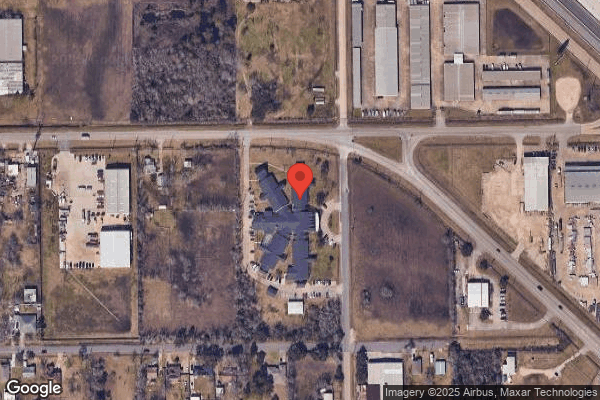
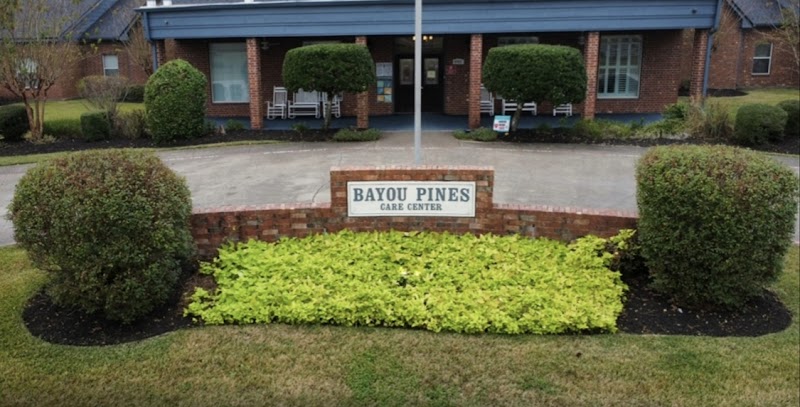
4905 Fleming Street, La Marque, TX 77568 (409) 938-8282
For profit - Limited Liability company 120 Beds Independent Data: November 2025 1 Immediate Jeopardy citation
Trust Grade
41/100
#426 of 1168 in TX
Last Inspection: August 2025

Inspected within the last 6 months. Data reflects current conditions.

Overview

Bayou Pines Care Center has a Trust Grade of D, indicating below-average performance with some concerning issues present. It ranks #426 out of 1,168 facilities in Texas, placing it in the top half, and #3 out of 12 in Galveston County, suggesting that only two local options are perceived as better. Unfortunately, the facility is worsening, with reported issues increasing from 5 in 2024 to 9 in 2025. Staffing is a significant concern, receiving a rating of 1 out of 5 stars and a high turnover rate of 74%, which is above the Texas average. There are serious incidents to be aware of, including a critical failure to administer necessary medication to a resident, leading to a seizure, and concerns about maintaining the confidentiality of personal medical records, which could risk HIPAA violations. While the health inspection rating is relatively good at 4 out of 5, the overall quality measures are below average at 2 out of 5, highlighting a need for improvement in personalized care plans and tailored health services.

Trust Score
D
41/100
In Texas
#426/1168
Top 36%
Safety Record
High Risk
Review needed
Inspections
Getting Worse
5 → 9 violations
Staff Stability
⚠ Watch
74% turnover. Very high, 26 points above average. Constant new faces learning your loved one's needs.
Penalties
⚠ Watch
$21,645 in fines. Higher than 78% of Texas facilities, suggesting repeated compliance issues.
Skilled Nurses
⚠ Watch
Each resident gets only 19 minutes of Registered Nurse (RN) attention daily — below average for Texas. Fewer RN minutes means fewer trained eyes watching for problems.
Violations
⚠ Watch
19 deficiencies on record. Higher than average. Multiple issues found across inspections.
★★★☆☆
3.0
Overall Rating
★☆☆☆☆
1.0
Staff Levels
★★☆☆☆
2.0
Care Quality
★★★★☆
4.0
Inspection Score
Stable
2024: 5 issues
2025: 9 issues

The Good

  • Full Sprinkler Coverage · Fire safety systems throughout facility
  • No fines on record

Facility shows strength in fire safety.

The Bad

3-Star Overall Rating

Near Texas average (2.8)

Meets federal standards, typical of most facilities

Staff Turnover: 74%

27pts above Texas avg (46%)

Frequent staff changes - ask about care continuity

Federal Fines: $21,645

Below median ($33,413)

Minor penalties assessed

Staff turnover is very high (74%)

26 points above Texas average of 48%

The Ugly 19 deficiencies on record

1 life-threatening
Sept 2025 2 deficiencies 1 IJ
CRITICAL (J) 📢 Someone Reported This

A family member, employee, or ombudsman was alarmed enough to file a formal complaint

Immediate Jeopardy (IJ) - the most serious Medicare violation

Pharmacy Services (Tag F0755)

Someone could have died · This affected 1 resident

**NOTE- TERMS IN BRACKETS HAVE BEEN EDITED TO PROTECT CONFIDENTIALITY** Based on observation, interview, and record review, the facility failed to provide pharmaceutical services (including procedures...

Read full inspector narrative →
**NOTE- TERMS IN BRACKETS HAVE BEEN EDITED TO PROTECT CONFIDENTIALITY** Based on observation, interview, and record review, the facility failed to provide pharmaceutical services (including procedures that assure the accurate acquiring, receiving, dispensing, and administering of all drugs and biologicals) to meet the needs of 1 (Resident #1) of 5 residents reviewed for pharmaceutical services. The facility failed to ensure Resident #1 received her Carbamazepine as prescribed due to her medication being placed in a bin for destruction instead of administered resulting in Resident #1 experiencing a seizure. The facility failed to ensure allegations of Resident #1's medications not being administered and being set aside or destruction were thoroughly investigated resulting in Resident #1's medication being destroyed instead of administered. The facility failed to ensure there was a system in place to document and track all medications being destroyed, including Resident #1 Carbamazepine. An IJ was identified on 9/15/25 at 1:48 pm. The IJ template was provided to the facility on 9/15/25 at 2:12 pm. While the IJ was removed on 9/16/25, the facility remained out of compliance at a scope of isolated and severity level of no actual harm with potential for more than minimal harm that is not IJ, due to the need for the facility to evaluate the effectiveness of the corrective action. This failure could place residents at risk for adverse side effects, illness, and possible hospitalization. Findings included: Record review of Resident#1's face sheet revealed a [AGE] year-old woman who was admitted to the skilled nursing facility on [DATE]. Her admitting diagnoses were cerebral palsy (brain damage that effects movement and posture), profound intellectual disabilities, and epilepsy (chronic neurological condition causing seizures). Record review of Resident #1's care plan disclosed that she utilized a feeding tube for meals and all medication was to be administered by way of g-tube (gastrostomy tube - a feeding tube that enters the stomach through a small opening in the abdomen to deliver nutrition, fluids, and medication). The care plan revealed that seizure medications should be administered as ordered. Record review of Resident #1's orders dated 11/07/2023 revealed she was to receive 1 Carbamazepine 200MG tablet (treated for epilepsy) via g-tube every 12 hours. Record review of Resident #1's TAR for August 2025 revealed that on 8/12/25 Carbamazepine 200 MG was marked given on the 7 pm- 7 am shift by LVN D and was marked given during the 7 pm- 7 am shift on 8/18/25 by LVN E. Record review of a progress note dated 8/9/25 at 7:11 am by LVN C revealed, Resident, non-verbal at baseline, history of seizures, observed to have two brief seizure episodes involving the upper extremities, each lasting approximately 10-15 seconds, during this shift. Resident returned to baseline alertness afterward, vitals stable. Attempted to Notify Provider at 7:10 am of observations and concern regarding possible sub-therapeutic seizure medication effect. Communicated with day shift (RN B) to Requested order for seizure medication therapeutic level lab draw for further evaluation will provider calls back. Record review of Resident #1's MDS (minimum data set) revealed that her baseline was at 0 and was severely impaired. There were functional limitations in her upper and lower extremities, she required the use of a wheelchair, and was dependent on staff for needs. Resident #1 also utilized a feeding tube and received anticonvulsant medication. In an interview on 8/21/25 at 11:52 am, RN A explained that Resident #1 had cerebral palsy, utilized a g-tube, was non-verbal, and was not alert and oriented. She explained that in the past, she would find medication packets of Carbamazepine 200 MG dated for the previous days that she was not on shift in the medication cart. She said she did not know why they were there, but she would take them out of the medication cart and place them in the cabinet inside of the locked medication room. She informed the DON in July 2025 regarding the found medication packets, and the DON responded, I'll deal with it. She stated that she had never seen Resident #1 have a seizure, but there was an issue with communication between the night shift and day shift at the facility. She stated the last time she found a medication packet was a week or 2 prior to 8/21/25. In an observation and interview on 8/21/25 at 12:28 pm, the DON showed the investigator a bucket of medication inside of a storage closet inside of her office. In the bucket, two packets of medication were found for Resident #1 that contained Carbamazepine 200 MG dated for 08/12/25 at 9:00 pm and 08/18/25 at 9:00 pm. The DON stated that those medication packets came from the facility's medication room and she collected and stored them in her storage room inside her office until the monthly destruction date (8/25/25). The DON explained that the facility utilized a pharmacy service that delivered pre-packaged medications daily, which included medication packets for up to 2 days in advance. The DON stated that for example, if the delivery was made today on 8/21/25, it would include medications for 8/22/25 and 8/23/25 as well. Each of the medication packets indicated the date and time the medication should be administered to each resident based off their physician's order. She could not explain why there were extra bags of medication for Resident #1 and stated that sometimes the pharmacy made mistakes and perhaps they sent extra. The DON stated that she was responsible for making sure meds were given and reviewing the MAR if there was anything missed. In an interview on 8/21/25 at 1:17 pm, LVN C stated that she had noticed unopened medication packets of Carbamazepine 200 MG for Resident #1 on several occasions during the month of July 2025 and August 2025. She explained that after a few times of noticing the medication packets, she confronted RN B about the packets. RN B stated that she may have grabbed the incorrect dated packet and administered it. LVN C also informed the DON about the unopened medication packets sometime in July (exact date unknown) and she stated that she would handle it. LVN C explained that there should be several unopened medication packets for Resident #1 and she felt confident that she was not receiving medications because she had an increase in seizures, which she documented on 8/9/25. She stated that some people only identified a seizure as a person flopping around, but Resident #1's eyes would get really big and she would get stuck. Another nurse was called to confirm (name unknown) if she was having a seizure and she agreed, but they did not send her out because she was care planned for them. In an interview on 8/21/25 at 3:17 pm with the Pharmacy's Corporate Nurse, she explained that pharmacy deliveries were made daily and they supplied the medication for up to two days in advance. She denied any request made by the facility for additional packs of medication and stated they only sent the medication that was prescribed, which was filled by a machine inside the pharmacy. Pharmacy Corporate Nurse stated that the pharmacy never sent extra packets of medication for Resident #1. In an observation and interview on 8/22/25 at 10:27 am with the DON, she was informed that 2 medication packs were found amongst her storage for discontinued/unused medications. One pack was dated for 8/12/25 at 9pm and filled on 8/10/25 and the other pack was dated 8/18/25 at 9pm and filled on 8/16/25. The DON stated that in July a nurse had bought it to her attention that RN B had not administered medication to Resident #1, evidenced by the unopened medication pack. She stated that RN B denied the allegation and because it was signed given in the MAR, she did nothing further. The DON believed that Resident #1 had received Carbamazepine and stated that I would know if she had not received her medication because she would have had a seizure, and she had not had a seizure in a while. The DON stated she was unaware that Resident #1 had a seizure on 8/9/25. In an interview on 8/22/25 at 9:23 am with RN B, she denied not administering medications to Resident #1. She stated she knew she was supposed to administer the medication as dated, but sometimes she would grab a medication packet with the correct medication in it, but it would be labeled with the wrong time/date and administer it. She could not answer why there were unopened packets of medication found. She had no knowledge of Resident #1's seizure episode on 8/9/25 and stated that she was getting older and only did the best she could. In an interview on 8/22/25 at 9:59 am, the NP explained that if a nurse wanted to request extra medication, they would do it through the pharmacy. She stated that it was important Resident #1 received her seizure medication as ordered because it helped to treat seizures and lowered the threshold of a seizure occurring. Without her seizure medication, it would put her at risk of an episode. She stated that she was unfamiliar of Resident #1 having a seizure on 8/9/25 and she did not receive a phone call from the nurse because it happened over the weekend, and she would have been unavailable because she worked Monday through Friday. The NP stated that she did not recall a seizure episode occurring from Resident #1 in a very long time. She explained that if the Carbamazepine medication was missed and a seizure occurred, she would have ordered a lab to check her therapeutic levels. The pharmacy usually would put in a standing order for Carbamazepine levels to be checked every 3-6 months or she would order one if there was a change in condition. An interview attempt was made to LVN E on 8/22/25 at 11:21 am and 8/28/25 at 2:48 pm. LVN E did not answer or return calls. Voicemail was left for callback. In an interview with LVN D on 8/28/25 at 2:39 pm, she stated that she worked from 7pm- 7am and was responsible for administering all nighttime medications. She stated that she had never noticed Resident #1 having a seizure, but she had noticed unopened packets of medications for Carbamazepine 200 MG and Pepcid 20 MG for different dates in the medication cart. When that occurred, she removed the packets and placed them in the medication room. She did not report the unused medication and she denied not administering medication to Resident #1. On 9/12/25 at 2:33pm, documentation was requested for non-controlled medications destroyed in July 2025. The DON stated she did not keep a list because the facility was no longer required to and she was not able to provide any documentation. Record review of the facility's policy titled Medication Errors dated 07/01/24 revealed: Medications are administered to residents according to all Federal and State requirements. The facility follows all acceptable standards of care to ensure that medication errors of five percent or greater do not occur. Procedures are established to assure that significant medication errors that cause the resident discomfort or jeopardize his/her health or safety do not occur. In addition to reviewing each resident's drug regimen a qualified pharmacist shall review medication administration procedures on a regular basis. Policy review titled Medication Disposal and Return effective 6/21/2027 documented nursing staff was responsible for removing discontinued medications from the medication cart and a full chain of custody should be documented to clearly indicate the removal of the medication. The ADM and DON were notified on 9/15/25 at 2:12 pm that an IJ had been identified and an IJ template was provided. The following POR was approved on 9/16/25 at 8:53 am: PLAN OF REMOVAL 9/16/2025- F755Issue identified by surveyor:The facility failed to provide pharmaceutical services (including procedures that ensure accurate acquiring, receiving, dispensing, and administering of all drugs and biologicals) to meet the needs of Resident #1 reviewed for pharmaceutical services. Corrective Actions: 1. The nurse (RN B) was terminated 8/29/25 and no longer employed at facility. 2. Medication Administration policy was reviewed by RN- Nurse Account Manager with Pharmacy on 9/15/25. No change to the policy was made. However, the practice of investigating extra medication was initiated. 3. On 9/15/25, COO educated Director of Nursing on investigating all unopened medication packets and completing a thorough investigation of concerns voiced regarding missing medication. Ex- interviewing residents/staff and notifying physician of concern. 4. By 9/15/25 licensed staff were interviewed to see if they had witnessed any seizure activity within the last 30 days. Completed 9/15/25. No activity has been noted. No one was found to have an issue. 5. By 9/15/25 DON (RN), ADON (LVN), and Social Services Director (LVN) in-serviced all Charge Nurses (LVN and RN) and Medication Aides on following physicians' orders regarding delivering medication and what to do if seizure activity is witnessed. In the event of a seizure, the physician will be informed and will follow physician recommendations. Documentation of calling MD and recommendations will be entered into medical records. Any new employee will be educated prior to start of shift. Staff will not be allowed to provide direct care until the training is completed. 6. On 9/15/2025 safe surveys were completed with residents by DON (RN), ADON (LVN), Social Services Director (LVN), and Administrator regarding receiving medications as ordered. No resident identified an issue with receiving or delivery. 7. As of 9/15/2025 Director of Nursing or Assistant DON will monitor unadministered medication prior to clinical meeting to determine why it was not administered (i.e. hospital, hospice, dc'd medication, extra). If it is determined it is extra, investigation will be initiated and pharmacy notified. A detailed list of any extra medication will be kept by the DON starting 9/15/25. This is a new practice that is not written in the Medication Administration Policy but will be an ongoing practice of the facility. 8. On 9/15/25, Medical Director declined to add new orders for Resident #1 to regularly monitor Carbamazepine level. 9. On 9/15/25 Ad Hoc QAPI was conducted with the Medical Director to review the plan of action and will be reviewed monitoring results will be reviewed monthly X 3 months in monthly QAPI. The Surveyor monitored the POR on 9/16/25 as followed: Review of an in-service titled Extra Medication conducted 8/22/25 documented that the COO educated the DON and ADON on investigating extra medication and conducting thorough investigations regarding all medication concerns. DON explained in an interview on 9/16/25 at 11:30 pm that she was to investigate where extra medications came from by investigating if the resident was on hospice, in the hospital, or discharged . She created a spreadsheet that she would update daily that included the date, resident name, medication, and reason missed. This would help her track and trend all medication concerns. Review of the in-service dated 9/15/25 educated all nursing staff and medication aids on what to do if they discovered additional medication packets on the medication cart. During interviews on 9/16/25 between 11:00 am- 2:00pm, Nurses (9 LVN's, 3 RN's, 2 medications aides) stated that they were to document the reason medication was not administered, write the reason why medication was not administered on all extra medication packets, and store those packets in the locked cabinet inside of medication room. On 9/15/25, an in-service dated 8/22/25 reflected that all nursing staff were educated seizure protocols and what do if a resident was having a seizure. During interviews on 9/16/25 from 11:00 am - 2:00 pm, nurses from the 7 am-7 pm and 7 pm-7 am shift were asked to review what was covered during their in-services. Nurses stated that if a resident was experiencing a seizure, they were to make sure the resident was safe, PRN medication was checked, and the NP or doctor was contacted on what recommendations to implement. Each seizure should be documented appropriately and additional notification should include the DON and family. Review of the Safety Rounds Checklist completed 9/12/25 with all cognizant residents concluded that residents felt safe at the facility and had no issues with receiving medications. An interview attempt was made on 9/16/25 with Medical Director but he could not be reached. Record review of POR and in-service dated 09/15/25 documented a signature of agreement from Medical Director. RN B was terminated on 8/29/25. Review of the Employee Counseling Disciplinary Report documented that the reason for termination was substandard care and falsifying documentation. The ADM and DON were notified on 9/16/25 2:18 pm that the IJ had been removed. While the IJ was removed, the facility remained at a level of no actual harm at a scope of isolated that is not immediate jeopardy due to the facility's need to evaluate the effectiveness of the corrective systems.
CONCERN (E) 📢 Someone Reported This

A family member, employee, or ombudsman was alarmed enough to file a formal complaint

Potential for Harm - no one hurt, but risky conditions existed

Deficiency F0583 (Tag F0583)

Could have caused harm · This affected multiple residents

Based on observation, interview, and record review the facility failed to ensure personal privacy and confidentiality of personal and medical records was maintained for 2 (Hall A and Hall B) of 4 hall...

Read full inspector narrative →
Based on observation, interview, and record review the facility failed to ensure personal privacy and confidentiality of personal and medical records was maintained for 2 (Hall A and Hall B) of 4 halls reviewed for privacy. LVN A and LVN B who worked Hall A and Hall B failed to hide the confidential health information of residents displayed on their work computers once they walked away. This failure could place residents at risk for HIPAA violations and experiencing a lack of privacy. Findings included:An observation on 8/21/25 at 10:31 am, revealed the nurse's station was in the middle of the facility surrounded by 4 hallways. At the nurse's station, thigh height desks were placed in a rectangular format and used to create a barrier from the walkway to the desk where the computer monitors were placed. Each computer monitor at the nurse's station faced outward towards the walkway and provided an open view of what was being inputted into the system by the nurses station. In between the nurse's station and Hall B, sat an unattended medication cart with the laptop screen opened on the MAR, with the screen slightly faced down. The screen was observed that way until 10:34 am. During that time, several guests were observed walking pass the screen. Visitors from a community camp were in the building, which included 3 adults and a small group of 8- 10 children. An observation on 8/21/25 at 2:53 pm, revealed the screen to a computer monitor at the nurse's station was left unattended and showed the MAR for 7 residents (names not captured). In plain view, the list of medications for those residents could be visibly read and a resident sat directly in front of the screen in a wheelchair. In an observation on 8/28/25 at 2:16 pm at the nurse's station, the screen to a computer monitor that faced Hall A was left unattended. On the screen was the MAR for 16 residents (names not captured), which included their picture, room number, and type of medications to be administered. Six residents were seated in wheelchairs around the nurse's station. During the investigation, the facility hosted an onsite event for staff and visitors. Once the event concluded, several staff and visitors mingled in the lobby and around the nurse's station before they headed to their destination. LVN A returned to the nurse's station and sat down at the unsecured computer screen. In an interview on 8/28/25 at 2:18 pm, LVN A stated that she had worked at the facility for 9 years and she worked from 7 am- 7 pm. She stated that the staff at the facility were not supposed to leave resident's private health information exposed and nurses should lock all screens before leaving them unattended. LVN A stated that she was supposed to lock the screen because of HIPAA to prevent disclosing any personal information. On 8/28/25 at 2:22 pm, the facility's HIPAA policy and personal health information was requested from the DON. In an interview on 8/28/25 at 3:45 pm, the DON stated that staff were supposed to lock the computer screen because of HIPAA. She explained that there were desks that surround the nurse's station that acted like a barrier, but information should not be left in plain view. In an interview on 8/28/25 at 4:00 pm, the ADM stated that they did not have a policy available and best practice should be followed. A HIPAA policy was not provided. In an interview on 8/28/25 at 4:07 pm, LVN B stated that on her nursing cart, she usually turned the computer screen facing downward and no one should be able to see her screen unless they were on the floor. She said the harm in leaving the screen up would be someone viewing another's personal information and residents should not be able to see the information either. She stated that sometimes she noticed nurses at the nurse's station would leave their computer screen unlocked, but they didn't realize that there was a screen they could click that would hide the information if they needed to walk away. The policy was to keep personal information hidden while you were not at your laptop or computer at the nurse's station.
Aug 2025 4 deficiencies
CONCERN (D)

Potential for Harm - no one hurt, but risky conditions existed

Resident Rights (Tag F0550)

Could have caused harm · This affected 1 resident

**NOTE- TERMS IN BRACKETS HAVE BEEN EDITED TO PROTECT CONFIDENTIALITY** Based on observation, interview and record review, the facility failed to ensure a resident who is unable to carry out activitie...

Read full inspector narrative →
**NOTE- TERMS IN BRACKETS HAVE BEEN EDITED TO PROTECT CONFIDENTIALITY** Based on observation, interview and record review, the facility failed to ensure a resident who is unable to carry out activities of daily living receives the necessary services to maintain good nutrition, grooming and personal and oral hygiene for 1 of 5 residents (Resident #9) reviewed for ADL care.The facility failed to provide Resident #9 assistance with timely incontinence care for at least 4 hours for the following time 7:30PM on day 6/12/2025. Resident #9 was incontinent of urine, required assistance with ADL's, and had redness to her buttocks. Resident #9's brief and sheets were saturated with urine and urine soaked through to her mattress. Resident #9 was provided continent care 6 hours later.The facility did not provide Resident #9 with incontinent care for 10 hours and Resident #9 wore soiled brief 10 hours.This failure could place the residents who are dependent on staff for toileting at risk for self worth, embarrassment, rash, skin breakdown, and infection. Findings Include: Record review on 7/29/2025 at 9:30 AM revealed Resident #9 is an [AGE] year-old female, who admitted to the facility on [DATE] with a primary diagnosis of acute on chronic systolic congestive heart failure (heart's lower left chambers cannot pump enough blood out to the body) major depressive disorder, recurrent, unspecified. Record review of Resident #9's admission MDS dated [DATE] revealed she had a BIMS score of 13 out of 15 indicating she was cognitively intact. Record Review on 7/29/2025 at 9:45 AM of Resident #9 progress notes and Kardex revealed Resident #9 had a change of condition on 6/17/2025; notes stated Resident #9 required assistance with transfers, limited mobility and assistance with ADL care. Resident #9's change of condition MDS date 6/24/2025 section GG area C noted Resident #9 as being dependent in toileting hygiene. Observation on 7/29/2025 at 11:00 AM. On 7/31/2025 at 9:25PM CNA A1 entered Resident#9's room, proceeded ask Resident #9 how she was doing and informed Resident #9 that she will return at 10:30PM to put her to bed. Resident #9 stated she wanted to sleep in her recliner. CNA A proceed to tell Resident #9 you know you cannot sleep in your chair, I have to put you in the bed so I can change you it is easy for me that way. Observation on 7/29/2025 at 12:00PM of picture presented by RP of Resident #9's revealed bed sheets were soiled with ring under Resident #9's brief, bed linen was on the floor.Interview with MDS nurse on 7/30/2025 at 2:00PM she stated Resident #9 when Resident #9 was admitted she was able to walk and then she got sick and went to hospital back in June and had a decline and a change of condition was done where she was changed to dependent for toileting and other ADL care. Telephone Interview with CNA B on 7/30/2025 at 3:34PM stated when she came on shift on 6/13/2025 at 7:10AM she found Resident #9 lying in bed with soiled bed sheets and Resident #9's brief was soaked. CNA B stated this failure could make Residents feel nasty, dirty and possibly sad. Interview with Resident #9's RP on 7/31/2025 at 11:30AM. She stated that on 7/30/2025 at 7:36PM she received an alert from Resident #9's camera which was a recording of CNA A introducing herself and asking Resident #9 how she was doing and if she needed anything. CNA A was seen going to dresser drawer to sign in sheet. Resident #9 is heard saying I would like to go to the bathroom. CNA A proceeds to tell Resident #9 you have a brief on you remember. Resident #9 RP stated she zoomed the camera in and she could see that Resident #9 had a wet ring on her on the sheets. Interview with facility DON on 7/31/2025 at 1:00PM she stated she was made aware of incident and saw video. The DON stated she called CNA A to discuss concern wrote CNA A up, and terminated CNA A due to several customer service complaints and employee was within her 90-day probation period. The DON stated this failure could make residents feel like they were neglected and sad from the lack of care provided. I have implemented a sign in out sheet for all nursing staff to note their daily task for this resident.Interview with facility Administrator on 7/31/2025 at 1:30PM he stated he was made aware of situation and was told by DON that CNA A was terminated due to multiple incidents. The Administrator stated this failure could result in overall poor care. Record review of facility policy and procedure for ADL care dated March 2018 stated the following: Appropriate care and services will be provided for residents who are unable to carry out ADL's independently, with the consent of the resident and in accordance with the plan of care, including appropriate support and assistance with bathing.
CONCERN (D)

Potential for Harm - no one hurt, but risky conditions existed

Deficiency F0655 (Tag F0655)

Could have caused harm · This affected 1 resident

**NOTE- TERMS IN BRACKETS HAVE BEEN EDITED TO PROTECT CONFIDENTIALITY** Based on interview and record review, the facility did not develop baseline care plans that included instructions to provide eff...

Read full inspector narrative →
**NOTE- TERMS IN BRACKETS HAVE BEEN EDITED TO PROTECT CONFIDENTIALITY** Based on interview and record review, the facility did not develop baseline care plans that included instructions to provide effective and person-centered care needs for 2 (CR #94, Resident #17) of 24 residents reviewed for baseline care plans. Baseline care plans were not developed for Resident # 17 and CR #94. These failures placed newly admitted residents at risk of not having their care needs addressed. Resident # 17 Record review of Resident #17s face sheet revealed admission date 6/10/25 with diagnoses including hypertension (high blood pressure), osteoarthritis (degenerative bone disease), acute kidney failure (inability of kidneys to filter blood), renal dialysis (artificial means of removing waste and excess fluid from the blood), transient cerebral ischemic attack (brief stroke-like attack), heart failure (inability of heart to pump blood efficiently), dementia (loss of cognitive functioning), and depression (persistent sadness, loss of interest, difficulty functioning in daily life). Record review of Resident #17s admission MDS dated [DATE] revealed BIMS 02, indicating severely impaired cognitive skills, moderate hearing difficulty, Dialysis, 02 therapy, OT started 6/11/25, PT started 6/14/25, and dependence on staff for all ADLs. Record review of completed assessments for Resident # 17 revealed no evidence of development of a baseline care plan. Interview with MDS nurse on 7/30/25 at 2pm revealed the floor nurse does the baseline care plan, from observations and interviews of residents, and the MDS does the comprehensive care plan. She said she did not know why the baseline care plan was not completed for Resident #17. She said the risk of not having a baseline care plan would be the resident would not receive adequate care. Interview with Corporate MDS on 7/30/25 at 2:30pm, he said the baseline care plan should be completed within 72 hours of admission to the facility, then it goes to MDS for the comprehensive care plan. He said he did not know why the baseline care plan for Resident # 17 was not done timely. Interview with the DON on 7/30/25 at 3pm revealed the baseline care plan should be created at least 48 hours after a resident's admission. She said if the baseline care plan was not done, the staff would not be informed of a resident's needs, and the resident would not receive proper care. CR #94 Record review of CR #94's face sheet dated 7/30/2025, revealed the resident was an [AGE] year-old male admitted to the facility on [DATE] with a diagnosis of Rhabdomyolysis (muscles break down and release toxins into your blood and kidneys). CR #94's discharge revealed 7/14/2025 at 0850. Record review of CR #94's MDS dated [DATE] revealed a BIMS (Brief Interview for Mental Status) score of an 8 mean moderate cognitive impairment (the individual may require additional support and monitoring for cognitive function). During interview on 7/30/2025 at 12:40 pm, the MDS Coordinator A said MDS is responsible for initiating and developing the comprehensive care plan to ensure the residents continuity of care. The MDS Coordinator A said she was responsible for all the care plans both baseline and comprehensive. The MDS Coordinator A said if the care plans are not complete or inaccurate it could impact the residents by nursing direct care staff missing out providing care to the residents. During interview on 7/31/2025 at 9:00 am, the DON said CR #94 look like someone tried to start the baseline care plan but when you open it nothing is in it. Record review of the facility policy Care Plans - Baseline, dated December 2016 revealed, in part.to assure the resident's immediate needs are met and maintained, a baseline care plan will be developed within 48 hours of admission.the baseline care plan will be used until staff can conduct a comprehensive assessment and develop an interdisciplinary person-centered care plan.
CONCERN (D)

Potential for Harm - no one hurt, but risky conditions existed

ADL Care (Tag F0677)

Could have caused harm · This affected 1 resident

**NOTE- TERMS IN BRACKETS HAVE BEEN EDITED TO PROTECT CONFIDENTIALITY** Based on observation, interview and record review, the facility failed to ensure a resident who is unable to carry out activitie...

Read full inspector narrative →
**NOTE- TERMS IN BRACKETS HAVE BEEN EDITED TO PROTECT CONFIDENTIALITY** Based on observation, interview and record review, the facility failed to ensure a resident who is unable to carry out activities of daily living receives the necessary services to maintain good nutrition, grooming and personal and oral hygiene for 1 of 5 residents (Resident #9) reviewed for ADL care.The facility failed to provide Resident #9 assistance with timely incontinence care for at least 4 hours for the following time 7:30PM on day 6/12/2025. Resident #9 was incontinent of urine, required assistance with ADL's, and had redness to her buttocks. Resident #9's brief and sheets were saturated with urine and urine soaked through to her mattress. Resident #9 was provided continent care 6 hours later.The facility did not provide Resident #9 with incontinent care for 10 hours and Resident #9 wore soiled brief 10 hours.This failure could place the residents who are dependent on staff for toileting at risk for self worth, embarrassment, rash, skin breakdown, and infection. Findings Include: Record review on 7/29/2025 at 9:30 AM revealed Resident #9 is an [AGE] year-old female, who admitted to the facility on [DATE] with a primary diagnosis of acute on chronic systolic congestive heart failure (heart's lower left chambers cannot pump enough blood out to the body) major depressive disorder, recurrent, unspecified. Record review of Resident #9's admission MDS dated [DATE] revealed she had a BIMS score of 13 out of 15 indicating she was cognitively intact. Record Review on 7/29/2025 at 9:45 AM of Resident #9 progress notes and Kardex revealed Resident #9 had a change of condition on 6/17/2025; notes stated Resident #9 required assistance with transfers, limited mobility and assistance with ADL care. Resident #9's change of condition MDS date 6/24/2025 section GG area C noted Resident #9 as being dependent in toileting hygiene. Observation on 7/29/2025 at 11:00 AM. On 7/31/2025 at 9:25PM CNA A1 entered Resident#9's room, proceeded ask Resident #9 how she was doing and informed Resident #9 that she will return at 10:30PM to put her to bed. Resident #9 stated she wanted to sleep in her recliner. CNA A proceed to tell Resident #9 you know you cannot sleep in your chair, I have to put you in the bed so I can change you it is easy for me that way. Observation on 7/29/2025 at 12:00PM of picture presented by RP of Resident #9's revealed bed sheets were soiled with ring under Resident #9's brief, bed linen was on the floor.Interview with MDS nurse on 7/30/2025 at 2:00PM she stated Resident #9 when Resident #9 was admitted she was able to walk and then she got sick and went to hospital back in June and had a decline and a change of condition was done where she was changed to dependent for toileting and other ADL care. Telephone Interview with CNA B on 7/30/2025 at 3:34PM stated when she came on shift on 6/13/2025 at 7:10AM she found Resident #9 lying in bed with soiled bed sheets and Resident #9's brief was soaked. CNA B stated this failure could make Residents feel nasty, dirty and possibly sad. Interview with Resident #9's RP on 7/31/2025 at 11:30AM. She stated that on 7/30/2025 at 7:36PM she received an alert from Resident #9's camera which was a recording of CNA A introducing herself and asking Resident #9 how she was doing and if she needed anything. CNA A was seen going to dresser drawer to sign in sheet. Resident #9 is heard saying I would like to go to the bathroom. CNA A proceeds to tell Resident #9 you have a brief on you remember. Resident #9 RP stated she zoomed the camera in and she could see that Resident #9 had a wet ring on her on the sheets. Interview with facility DON on 7/31/2025 at 1:00PM she stated she was made aware of incident and saw video. The DON stated she called CNA A to discuss concern wrote CNA A up, and terminated CNA A due to several customer service complaints and employee was within her 90-day probation period. The DON stated this failure could make residents feel like they were neglected and sad from the lack of care provided. I have implemented a sign in out sheet for all nursing staff to note their daily task for this resident.Interview with facility Administrator on 7/31/2025 at 1:30PM he stated he was made aware of situation and was told by DON that CNA A was terminated due to multiple incidents. The Administrator stated this failure could result in overall poor care. Record review of facility policy and procedure for ADL care dated March 2018 stated the following: Appropriate care and services will be provided for residents who are unable to carry out ADL's independently, with the consent of the resident and in accordance with the plan of care, including appropriate support and assistance with bathing.
CONCERN (E)

Potential for Harm - no one hurt, but risky conditions existed

Comprehensive Care Plan (Tag F0656)

Could have caused harm · This affected multiple residents

**NOTE- TERMS IN BRACKETS HAVE BEEN EDITED TO PROTECT CONFIDENTIALITY** Based on observation, interview and record review, the facility failed to develop and implement a comprehensive person-centered ...

Read full inspector narrative →
**NOTE- TERMS IN BRACKETS HAVE BEEN EDITED TO PROTECT CONFIDENTIALITY** Based on observation, interview and record review, the facility failed to develop and implement a comprehensive person-centered care plan for each resident, that includes measurable objective and time frames to meet resident's medical, nursing, mental and psychosocial needs for 3 (CR #94, Resident #17, Resident#10) of 24 residents reviewed for care plans. The facility failed to develop and implement CR #94, Resident #17, Resident #10's care plans in a manner that ensured person-centered care, with appropriate interventions aligned to meet the resident's identified goals and needs. The Facility failed to ensure Resident #10's indwelling urinary catheter was care planned. The facility failed to ensure Resident #10's Stage 4 sacral wound was care planned. The facility failed to ensure Resident #10's IV antibiotic was care planned. These failures could place residents at risk of not receiving care and services tailored to their identified needs, potentially preventing them from maintaining their highest physical, mental and psychosocial well-being. Findings included: CR #94 Record review of CR #94's face sheet dated 7/30/2025, revealed the resident was an [AGE] year-old male admitted to the facility on [DATE] with a diagnosis of Rhabdomyolysis (muscles break down and release toxins into your blood and kidneys). CR #94's discharge was revealed as 7/14/2025 at 0850. Record review of CR #94's MDS dated [DATE] revealed a BIMS (Brief Interview for Mental Status) score of an 8 meaning moderate cognitive impairment (the individual may require additional support and monitoring for cognitive function). Continued record review revealed in Section V care assessment area (CAA) cognitive loss/dementia dated 6/26/2025, ADL Functional/Rehabilitation potential dated 6/26/2025, Urinary Incontinence and Indwelling Catheter dated 6/26/2025, Falls dated 6/26/2025, pressure Ulcer 6/26/2025.During interview on 7/30/2025 at 12:40 pm, the MDS Coordinator A said MDS is responsible for initiating and developing the comprehensive care plan to ensure the residents continuity of care. MDS Coordinator A said she was responsible for all the care plans both baseline and comprehensive. MDS Coordinator A said if the care plans are not complete or inaccurate it could impact the residents by nursing direct care staff missing out providing care to the residents. Record review of CR #94's care plan printed and saved dated 7/31/2025 once opened revealed an empty screen. During interview on 7/31/2025 at 9:00 am, the DON said CR #94 does not have a care plan. Resident #17Record review of Resident #17s face sheet revealed admission date 6/10/25 with diagnoses including hypertension (high blood pressure), osteoarthritis (degenerative bone disease), acute kidney failure (inability of kidneys to filter blood), renal dialysis (artificial means of removing waste and excess fluid from the blood), transient cerebral ischemic attack (brief stroke-like attack), heart failure (inability of heart to pump blood efficiently), dementia (loss of cognitive functioning), and depression (persistent sadness, loss of interest, difficulty functioning in daily life). Record review of Resident #17s admission MDS dated [DATE] revealed BIMS 02, indicating severely impaired cognitive skills, moderate hearing difficulty, Dialysis, 02 therapy, OT started 6/11/25, PT started 6/14/25, and dependence on staff for ADLs including bathing, dressing, hygiene, toileting Record review of Resident # 17's completed comprehensive care plans revealed there was no evidence of development of a comprehensive care plan, with goals or interventions for ADL's. Resident #10Record review of Resident #10's admission Record revealed she was a [AGE] year old female who admitted to the facility on [DATE] with a diagnosis of lymphedema (a condition of swelling usually in an arm or leg that is caused by a lymphatic system blockage), type 2 diabetes mellitus (a long-term condition in which the body has trouble controlling blood sugar), hoarding disorder (a persistent difficulty in discarding or paring with possessions because of a perceived need to keep them), personality disorder (a group of mental health conditions characterized by inflexible and unhealthy patterns of behavior and thinking that differ from cultural norms), essential hypertension (high blood pressure), and pressure ulcer of sacral region, stage 4 (a wound caused by constant skin contact with a surface, related to prolonged pressure and tissue damage with full thickness tissue loss with exposed bone, tendon, or muscle). Record review of Resident #10's admission MDS dated [DATE] revealed she had a BIMS score of 15 out of 15 indicating her cognition was intact. Continued record review revealed she was coded in section H-Bladder and Bowel, as A. Indwelling catheter (including suprapubic catheter and nephrostomy tube), and in Section M-Skin Conditions- as D. Stage 4: Full thickness tissue loss, with exposed bone, tendon, or muscle.1. Number of stage 4 pressure ulcers and was coded with the number 1. Section V-Care Area Assessment (CAA) Summary revealed in part: 1. Check column A if care area is triggered. 2. For each triggered Care Area, indicate whether a new care plan, care plan revision, for continuation of current care plan is necessary to address the problem (s) identified in your assessment of the care area. The Care Planning Decision column (B) must be completed within 7 days of completing the RAI MDS and CAA's. Check column B if the triggered care area is addressed in the care plan. 06. Urinary Incontinence and Indwelling Catheter, and 16. Pressure Ulcer,' were both checked in columns A and B. Record review of Resident #10's comprehensive care plan dated 6/24/25 revealed 3 pages of care plans but no care plan for Resident #10's indwelling urinary catheter, Or stage 4 sacral wound. Record review of Resident #10's physician order summary report printed on 7/20/25 at 12:09pm revealed some of the following orders:- record foley output at the end of every shift and was dated as active with a start date of 7/1/25.- Ertapenem Sodium Injection Solution Reconstituted 1 GM use 1 gram intravenously at bedtime for wound infection for 21 days and was dated as active with a start date of 7/11/25.- Cleanse Stage 4 Sacral Wound with wound cleanser, pat dry, apply collagen powder to wound bed, pack with SNS moistened gauze, cover with ABD and secure with retention tape daily until resolved and was dated as active and started on 7/28/25. During interview on 7/30/2025 at 12:51 pm, the Regional MDS Consultant B said the baseline care plans should be completed within 72 hours. The Regional MDS Consultant B said if a resident did not have a complete and accurate MDS it could affect the care and services they are provided. Observation of Resident #10 wound and indwelling catheter care on 7/29/25 at 1:57 pm in her room with resident consent. The non-sterile procedure was performed by Treatment Nurse who was assisted by Executive Clinical Assistant. Resident #10's room had appropriate EBP signs posted with ample supplies of PPE readily available. Both staff members appropriately performed hand washing hygiene before, during and after the procedure and donned (put on) the appropriate PPE for the procedure. Resident #10 was assessed for pain and rated it 0 out of 10 indicating she had no pain at that time and repositioned on her left side for comfort and access to perform the wound care. Resident #10 was able to roll side to side and follow simple directions. Visualized a large wound to Resident #10's sacrum located near right side of buttock. The area was directly located above her rectum and anal opening. The dressing removed was dated 7/28/25 with a large amount of serosanguinous drainage (blood-tinged fluid) on it. There was no foul odor. The wound had deep tunneling (channels or passageways that extend from main wound bed into surrounding tissue) to the right side of the buttock and was packed. The wound had beefy red edges and a pink and grey center and appeared to be approximately 10X12X3 in size. Resident #10's wound care was completed as prescribed, and resident tolerated the procedure well. Observation of stat-lock and leg strap anchor to Resident #10's right thigh that was intact and there was no kinking of the indwelling urinary catheter tubing. There was cloudy yellow urine draining to bedside drainage and observed inside the unkinked tubing. Both staff members doffed (removed) PPE appropriately after the procedure. Interview with MDS Coordinator on 7/30/25 at 12:40 pm who said they did not know why Resident #10 had no care plan for her indwelling urinary catheter and said it should have been. MDS Coordinator said she thought she had care planned Resident #10's IV antibiotic use, her stage 4 sacral wound and indwelling urinary catheter. The MDS Coordinator said the nurses use the care plans for continuity of care and that if they are not complete or inaccurate it could impact the direct care provided to residents or may result in a resident missing care. The MDS Coordinator said she was responsible for all the care plans both baseline and comprehensive. The MDS Coordinator said she had been hospitalized in June 2025 for weeks and said there had been someone helping her prior to the hospitalization but they left. The MDS Coordinator said that usually facility clinical staff and department heads had IDT meetings weekly if not daily and she also checked the 24-hour report for resident changes. The MDS Coordinator said the facility just hired a new MDS nurse who just started on Monday 7/28/25. The MDS Coordinator said they were unsure who completed her job duties when she was hospitalized , but Corporate might know. Interview with Regional MDS Consultant on 7/30/25 at 12:51 pm who said that while the MDS Coordinator was absent there were 2 people who completed the MDS' for the facility remotely. He said he was not aware that Resident #10 did not have a comprehensive care plan for her indwelling urinary catheter, IV antibiotic use or stage 4 sacral wound . He said those things should have been care planned and did not know why they had not been done. He said that if a resident did not have a complete and accurate MDS or care plan it could affect the care and services they were provided by facility staff and could potentially mean that a resident could not be provided good care. Interview with DON on 7/30/25 at 4:16pm who said the MDS department were responsible for completing the resident care plans including baseline and comprehensive. The DON said the MDS Coordinator completes the baseline care plans because she was an RN. The DON said that she believed the MDS Coordinator was hospitalized back in June 2025 for a week or two and was not sure of who was completing her job duties in her absence. Record review of facility's policy Care Plans, Comprehensive Person-Centered, revised December 2016, reflected Policy Statement ‘A comprehensive, person-centered care plan that includes measurable objectives and timetables to meet the resident's physical, psychosocial and functional needs is developed and implemented for each resident'.
Jun 2025 2 deficiencies
CONCERN (D) 📢 Someone Reported This

A family member, employee, or ombudsman was alarmed enough to file a formal complaint

Potential for Harm - no one hurt, but risky conditions existed

ADL Care (Tag F0677)

Could have caused harm · This affected 1 resident

**NOTE- TERMS IN BRACKETS HAVE BEEN EDITED TO PROTECT CONFIDENTIALITY** Based on observation, interview and record review, the facility failed to ensure residents who were unable to carry out activiti...

Read full inspector narrative →
**NOTE- TERMS IN BRACKETS HAVE BEEN EDITED TO PROTECT CONFIDENTIALITY** Based on observation, interview and record review, the facility failed to ensure residents who were unable to carry out activities of daily living received necessary services to maintain personal hygiene for 1 (Resident #1) of 11 residents reviewed for ADLs. The facility failed to provide timely incontinent care for Resident #1. This failure can place residents at risk for embarrassment, rashes, infections, discomfort, and skin breakdown. Findings included: Record review of face sheet dated 08/04/2022 indicated Resident #1 was a [AGE] year-old female who was admitted on [DATE] and who was readmitted on [DATE]. Resident #1 diagnoses included dementia, muscle weakness, delirium cerebral infarctions , heart failure, A-Fib, depression, Poly osteoarthritis, viral hepatitis c, insomnia, history of UTI, and anxiety disorder. Record review of a Quarterly MDS dated [DATE] indicated Resident #1 had a BIMS of 99 indicating severely cognitively impaired. Record review of a care plan dated 08/19/2022, indicated Resident #1 had a communication problem r/t Expressive Aphasia. Date Initiated: 08/17/2022, OT/PT/Nurse to evaluate resident dexterity/ability to use communication board, writing, use computer or use of sign language as alternate communication to speech. Date Initiated: 08/17/2022, Revision on: 03/17/2025 OT PT. Review factors affecting underlying cause of communication deficit, recent onset, chronic or recurrent conditions, success of attempted remedial actions, ability to compensate with nonverbal strategies, understanding in particular situations etc. Date Initiated: 08/17/2022, Revision on: 03/17/2025. Record review continued of care plan dated 08/19/2022, indicated Resident #1 had an ADL Self Care Performance Deficits poor cognition and decreased independent mobility with muscle weakness and lack of coordination. Date Initiated: 04/05/2022. Resident #1 will improve current level of function in bed mobility, transfers, dressing, toilet use and personal hygiene by the next review date. Date Initiated: 04/05/2022, Target Date: 06/02/2025. TRANSFER: Resident #1, is now a gait belt transfer with 1 person assist. Date Initiated: 04/05/2022, Revision on: 03/17/2025, CNA/Nursing staff will assist with, bathing: Resident #1 requires) (X1) staff participation with bathing. Date Initiated: 04/05/2022, Revision on: 03/17/2025 CNA, TOILET USE: Resident #1 requires) (X1) staff participation to use toilet. Date Initiated: 04/05/2022, Revision on: 03/17/2025. Change clothing after incontinence episodes. CNA/ Nursing staff will assist with bed mobility: Resident #1 requires (X1) staff participation to reposition and turn in bed. Date Initiated: 04/05/2022, Revision on: 03/17/2025 CNA/Nursing staff will assist with, personal hygiene and oral care Resident #1 requires (X1) staff participation with personal hygiene and oral care. Date Initiated: 04/05/2022, Revision on: 03/17/2025 CNA/Nursing staff will provide dressing: Resident #1 requires (X1) staff participation to dress. Date Initiated: 04/05/2022 Revision on: 03/17/2025, EATING: Resident #1 requires (x1) staff participation to eat. Date Initiated: 04/05/2022, Revision on: 03/17/2025. Resident #1 was at risk of pressure ulcers r/t incontinent episodes and impaired independent mobility at times. Date Initiated: 04/05/2022. Interview with Resident #1 family member on 06/11/2025 at 10:30 a.m., she stated the facility did not provide Resident #1 with incontinent care for more than 4 hours on 5/10/2025. Resident #1 was incontinent of urine and bowel which required assistance with ADLs and had a rash on her buttocks and inner and back of thighs. Resident #1's brief and sheets were saturated with urine and feces. Resident #1's brief was soaked with feces that was in the vaginal area and between Resident #1's inner thighs. Resident #1's mattress sheets was soaked with urine and feces. The FM of Resident #1 was not provided showers as scheduled. FM said Resident #1 did not receive a bath or changing of briefs until family member arrived later that day. Interview on 06/11/2025 at 11:00 a.m. CNA A said we are to check on residents every two hour or more frequently if needed for incontinent episodes. She said she came in on her shift at 7:30 am and found Resident #1's brief was soaked and soiled, she said she changed her but her family member walked in while she was changing her so she saw all the stuff on Resident #1. She said she would notify charge nurse of Resident #1 having diarrhea and had some redness on her buttocks. She said this could lead to neglect and considered abuse. Interview on 06/11/2025 at 11:30 a.m. CNA B said she heard about the incident with Resident #1 and her family member was talking to the nurse and said she asked for Resident #1 to be changed more often because she was having diarrhea, and she was found with a soiled dress and her wheelchair had bowel in it also. She said she heard the charge nurse tell the aide Just go clean her up. She said not being able to provide resident with assistance could be considered neglect and abuse because they are not clean. Interview on 06/11/2025 at 12:35 p.m. Charge Nurse A, said she did not know Resident #1 was in bed with soiled brief, and linen. She assigned the bath schedule and could not see where Resident #1 had been bathed and staff are supposed to make rounds and change incontinent residents at least every two hours. If residents are not changed that could put them at risk for embarrassment, possible isolation and withdraw from their peers. Interview on 06/11/2025 at 1:00p.m. the DON said, she was made aware of the incident with Resident #1. DON said the daughter of Resident #1 showed me the picture of the soiled diapers and the gown that was soiled. She said she I apologized and provided in-services to all staff. She said since then to her knowledge, we have not had any more issues. She said not changing our residents could be considered neglect. Record review of the facility policy and procedure for Perineal care dated 08/19/2022 revealed The purpose of this procedure are to provide cleanliness and comfort to the resident, to prevent infections and skin irritation, and to observe the resident's skin condition.
CONCERN (E) 📢 Someone Reported This

A family member, employee, or ombudsman was alarmed enough to file a formal complaint

Potential for Harm - no one hurt, but risky conditions existed

Deficiency F0725 (Tag F0725)

Could have caused harm · This affected multiple residents

Based on observation, interview, and record review the facility failed to have sufficient nursing staff with the appropriate skills set to provide nursing and related services to assure resident safet...

Read full inspector narrative →
Based on observation, interview, and record review the facility failed to have sufficient nursing staff with the appropriate skills set to provide nursing and related services to assure resident safety and attain or maintain the highest practicable physical, mental and psychosocial well-being for residents. The facility failed to have sufficient staff on each of the four halls. Based on observation on 6/10/2025 at 8:45 a.m. Hall 100 had 1 CNA and 1 Nurse, Hall 200 had 1 CNA, Hall 300 had 2 CAN's and Hall 400 there were no CNA during rounds. This failure could place resident at risk of decrease quality of life and quality of care. During an interview on 6/11/2025 at 10:00a.m. Resident #1's family member stated, I don't think they have enough staff at night, they have a lot of call ins, and the residents are suffering because of it. She said she noticed that a lot of the staff that was here for a long time just quit after the new company took over. She said she come in the evening, and found Resident #1 in a dirty brief, and had to walk around to find someone to help. She said she just end up doing the incontinent care herself, it was never like this before. She said they say they are making changes, but I don't see it. I see 1 nurse and maybe 2 CNAs in the evening Interview with Resident #2, on 6/11/2025 at 10:45 a.m., said, at night he only see one person on his hall and when he wonders around, he only see 3 people in the building at night, that is a nurse and aids. He said he can do things for himself but his wife could not so he would press the call light and it would take them at least an hour to get to her. He said this type of stuff made him upset. Interview with Resident #3, on 6/11/2025 at 11:00a.m., she said she has had to wait for a while to get assistance to the bathroom or to get her roommate help at night, she said the daytime is so so. She said she a lot of patience but we just need the help if we can get it. A confidential interview, revealed they often work shorthanded at nights; this seems to be an ongoing thing staff having stay over sometimes because the person did not come in or was running late. A lot of the residents need assistance with their ADL's. A lot of people quit because of the pay and the new company and the Administrator. We have asked for help, but the DON said they just don't have the staff. They are supposed to come in, but they don't. If the staff don't come in this could lead to our residents not getting the care they need. A confidential interview, revealed they been working short staffed for a while, and it is not getting any better, they offered an incentive, but no one takes it because you may be the only one here that day. Interview with DON on 6/11/2025 at 1:30 p.m., said they have had a lot of call ins on 7p to 7a shift. They have offered sign on bonus and incentives. If we have call ins we try to fill the spot. We have had times where we were not able to fill the spot. If it's not enough staff, it can place the residents in harm, and they would not get the care they deserve. We have an on-call shifts now and a new ADON that will assist with filling in as needed the wound care nurse will assist as well. Interview with HR on 6/11/2025 at 1:45p.m., said they do not make the staffing schedule the DON does. HR said they process the applications and payroll. Interview with the ADON on 6/11/2025 at 2:00p.m., said they just started this is their first week, and is, aware of the on call but have not done it. The ADON said they are aware of staffing issues on the night shift and we are trying to fix it. The ADON said if it is not enough staff, it can jeopardize the care of the residents. Interview with the Administrator on 6/11/2025 at 2:30p.m., said they was told about staffing issues with the shifts, and we are working on trying to hire people. Observation on 6/10/2025 at 8:30p.m., the facility had 1 LVN and 2 CNAs. Staffing scheduled noted 1 RN, 2 LVNs and 5 CNA's for 7a to 7p shift. Observation on 6/11/2025 at 9:00a.m, the DON posted at door staffing 7a 7p 1 RN, 3, LVNs, 2 CMAs, 7 CNAs and 7p-7a shift was 1 RN, 2 LVNs, 5 CNAs. Observations made on the floor was as follows 0 RNs outside of the DON, 2 LVNs and each hall was 1 CNA (4halls in total). Restorative aide was assigned to help each hall. 1 CMA was passing medication on each hall. A confidential interview revealed at nights sometimes there was only 1 CNA for the entire building. No one person or 2 can provide the care these residents need with just 2 or 3 people at night . All of this can place the resident at risk for being neglected. A confidential interview revealed its just not enough people even in the daytime, it is short staffed and the management nurse just walks around. Interview with Administrator on 6/11/2025 at 2:00p.m., requested policy on staffing. Administrator stated there is no policy staffing as of now. The company is implementing new policy and procedures.
Apr 2025 1 deficiency
CONCERN (E) 📢 Someone Reported This

A family member, employee, or ombudsman was alarmed enough to file a formal complaint

Potential for Harm - no one hurt, but risky conditions existed

Comprehensive Care Plan (Tag F0656)

Could have caused harm · This affected multiple residents

**NOTE- TERMS IN BRACKETS HAVE BEEN EDITED TO PROTECT CONFIDENTIALITY** Based on observation, interview, and record review, the facility failed to develop and implement a comprehensive person-centered...

Read full inspector narrative →
**NOTE- TERMS IN BRACKETS HAVE BEEN EDITED TO PROTECT CONFIDENTIALITY** Based on observation, interview, and record review, the facility failed to develop and implement a comprehensive person-centered care plan for each resident that includes measurable objectives and timeframes to meet a resident's medical, nursing, and mental and psychosocial needs that are identified in the comprehensive assessment and services that are to be furnished to attain or maintain the resident's highest practicable physical, mental, and psychosocial well-being for 2 of 8 residents (CR #1 and Resident #2) reviewed for care plans. The facility failed to develop comprehensive care plans which addressed and included measurable objectives and timeframes related to CR #1 and Resident #2's recurrent UTI's (when a person experiences multiple UTI's [an infection of the urinary system] within a short period of time, typically defined as two or more infections within six months or three or more infections within one year). This failure placed residents who experience frequent UTI's at risk of worsening symptoms (urge to urinate, burning during urination, strong odor, pain) and possible sepsis (a life-threatening complication of an infection). Findings include: CR #1 Record review of CR #1's face sheet dated 04/01/2025 revealed he was a [AGE] year-old male who was admitted to the facility on [DATE]. He was diagnosed with metabolic encephalopathy (a condition where the brain's function is impaired due to an underlying metabolic disturbance), vascular dementia (brain damage caused by multiple strokes), chronic kidney disease (longstanding disease of the kidneys leading to renal failure), functional quadriplegia (complete immobility due to severe disability or frailty, stemming from a medical condition without brain or spinal cord injury), personal history of urinary tract infections, hemiplegia (muscle weakness or partial paralysis on one side of the body that can affect the arms, legs, and facial muscles) and hemiparesis (muscle weakness or partial paralysis on one side of the body that can affect the arms, legs, and facial muscles) following cerebral infarction (when blood flow to the brain is blocked, leading to brain tissue damage), personal history of transient ischemic attack (a brief stroke-like attack that, despite resolving within minutes to hours, still requires immediate medical attention to distinguish from an actual stroke), and neuromuscular dysfunction of bladder (neurogenic bladder is a condition where the bladder's ability to store and empty urine is impaired due to nerve damage or dysfunction, leading to symptoms like incontinence, urinary retention, and frequent urination). CR #1 was discharged to a local acute care hospital on [DATE]. Record review of CR #1's quarterly MDS dated [DATE] revealed he had a BIMS score of 13 (cognitively intact); CR #1 did not exhibit delusions or hallucinations; CR #1 did not exhibit behaviors related to rejection of care; CR #1 was wheelchair bound; CR #1 was dependent on staff for toileting hygiene, showers, dressing, and personal hygiene; CR #1 did not have a catheter; CR #1 was always incontinent of bowel and bladder; and CR #1 was diagnosed with neurogenic bladder (UTI - last 30 days was not checked). Record review of CR #1's care plan, revised 03/24/2025 revealed no care area to address his recurrent UTI's. Record review of the facility's infection control tracking for January 2025, February 2025, and March 2025 revealed CR #1 was diagnosed with UTI on 01/20/2025 (Symptoms: AMS (a change in a person's mental function). Culture results: Pseumonas aeruginosa, staph spp, and staph aureus [types of bacteria]) and 03/07/2025. Record review of CR #1's UTI Panel collected on 01/14/2025 revealed it was positive for pseudomonas aeruginosa, staphylococcus spp, and staphylococcus aureus. Record review of CR #1's UTI Panel collected on 01/29/2025 revealed it was positive for staphylococcus aureus and staphylococcus spp. Record review of CR #1's UTI Panel collected on 03/13/2025 revealed it was rejected due to incorrect tube/specimen received. Missing specimen. Record review of CR #1's MAR for January 2025 revealed: * Cipro Oral Tablet. Give 1 tablet by mouth two times a day for UTI for 5 days. Start date: 01/20/2025. This medication was administered for five days until 01/25/2025. * Cephalexin Oral Tablet 500 MG. Give 1 tablet by mouth every 6 hours for infection for 5 days. Start date: 01/30/2025. Record review of CR #1's MAR for March 2025 revealed: * Cefdinir Oral Capsule 300 MG. Give 1 capsule by mouth two times a day for UTI for 6 days. Start date: 03/07/2025. This medication was administered six days. * Ciprofloxacin HCL oral tablet 250 MG. Give one tablet by mouth one time a day for UTI suppressive for 90 administrations. Start date: 03/22/2025. This medication was administered from 03/22/2025 until 03/24/2025 when CR #1 was sent out to the hospital. It was administered again 03/28/2025 and 03/29/2025 until he was sent out to the hospital. Record review of CR #1's nursing progress notes for March 2025 revealed: * On 03/06/2025, at 3:00 a.m., an unidentified nurse wrote, RN at hospital phoned report on CR #1 who will be returning around 4:00 p.m. Resident was also found to have a UTI and was given IV antibiotics at the hospital which will NOT be continued upon discharge. His treatment is complete . Resident has improved and will return this evening. * On 03/14/2025, at 10:30 a.m., an unidentified nurse wrote, Resident's family watching through tablet at bedside, phones facility to request resident be sent to ER. This nurse checked resident's vital signs and family was on tablet watching. Family then asked that resident be sent out. Resident has had a decline since returning from ER a week ago. Temperature - 100.3 (degrees Fahrenheit), blood pressure - 116/65, pulse - 85, respirations - 16, oxygen saturation - 90% . * On 03/21/2025, at 3:25 p.m., an unidentified nurse wrote, Resident arrived back to the facility in stable condition . He is very confused and is A&Ox2. He has a midline (a small, thin tube inserted into a vein in the upper arm, used for intravenous access) to his right upper arm and will be receiving IV Cefepime (injection used to treat bacterial infections) x 8 doses for the treatment of a UTI . He will also be on Cipro (antibiotic used to treat infections) 250 mg x 90 days for UTI suppression . His g-tube (a small, flexible tube surgically inserted through the stomach wall to provide access for feeding, hydration, or medication) is only to be used at this time for 250 cc's of water flushed 5 x's daily for increased hydration in order to prevent further UTI's . Record review of CR #1's physician progress notes dated, 03/24/2025 revealed, . Encounter Reason/Date: Nursing staff request for post hospitalization follow-up and evaluation and management of pyelonephritis (the medical term for kidney infection) . History of Present Illness: . The gastrostomy tube was required for nutritional support, contributing to addressing recurrent UTI's through consistent hydration . Symptoms are suspect of ongoing issues with UTI's, coupled with complications in managing nutrition and comfort related to gastrostomy tube . Assessment and Plan: . There is discomfort associated with the gastrostomy tube and persistent concerns about nutrition and hydration adequacy, crucial for managing and preventing recurrent UTI's . Record review of CR #1's physician's orders for April 2025 revealed: * Perform bladder scan Q shift PRN urinating difficulties/retention every 8 hours as needed for urinary retention. Observation and interview with CR #1 at an acute care hospital on [DATE], at 8:40 a.m. revealed he was alert and oriented. He was observed drinking coffee from a Styrofoam cup. He had a g-tube. He said he lived at the nursing facility for almost ten years. He said the staff always made sure he was clean and dry. He said he had to tell staff when he needed incontinent care. He said the staff came quickly when he told them he needed to be changed. He said he got a lot of UTI's, and they just kept on coming. Resident #2 Record review of Resident #2's face sheet dated 04/01/2025 revealed she was an [AGE] year-old female who was admitted to the facility on [DATE]. She was diagnosed with UTI, psychotic disturbance (a mental health condition characterized by a loss of touch with reality, leading to abnormal thoughts, perceptions, and behaviors), mood disturbance (a group of psychiatric conditions that can cause intense and persistent changes in mood, energy, and behavior), anxiety (a mental health condition characterized by excessive worry, fear, and nervousness), chronic atrial fibrillation (a heart rhythm disorder characterized by the upper chambers of the heart beating irregularly and rapidly for more than 12 months), venous insufficiency (improper functioning of the vein valves in the leg, causing swelling and skin changes), and atherosclerotic heart disease (damage or disease in the heart's major blood vessels). Record review of Resident #2's quarterly MDS dated [DATE] revealed she had a BIMS score of 11 (moderate cognitive impairment); Resident #2 did not exhibit behaviors related to hallucinations, delusions, or rejection of care; Resident #1 was wheelchair bound; Resident #2 was dependent on staff for toileting hygiene, showers, dressing, and personal hygiene; Resident #2 did not have a catheter; Resident #2 was always incontinent of bowel and bladder; and Resident #2 was diagnosed with UTI within 30 days of the assessment. Record review of Resident #2's care plan revised on 02/05/2025 revealed no care areas to address her reoccurring UTI's. Record review of the facility's infection control tracking for January 2025, February 2025, and March 2025 revealed Resident #2 was diagnosed with UTI on 01/30/2025 (Symptoms: altered mental status. Culture Results: e. faecalis, e. coli, staph. spp [types of bacteria]) and 03/07/2025 (UTI Panel results included in report: gram-positive staphylococcus spp). Record review of Resident #2's UTI Panel collected on 01/30/2025 revealed she was positive for enterococcus faecalis, escheria coli, and staphylococcus spp. Record review of Resident #2's MAR for January 2025 revealed: * Cipro Oral Tablet 500 MG. Give 1 tablet by mouth two times a day related to urinary tract infection for 7 days. Start date: 01/31/2025. Record review of Resident #2's MAR for March 2025 revealed: % Cipro Oral Tablet 500 MG. Give 1 tablet by mouth every 12 hours for UTI for 7 days. Start day: 03/09/2025. This medication was administered 03/09/2025 and 03/10/2025 until she was transferred to an acute care hospital on [DATE]. Record review of Resident #2's nursing progress notes revealed: * On 03/14/2025, at 7:32 p.m., an unidentified nurse wrote, Resident returned at 6:50 p.m. via ambulance with two attendants. Resident seems confused and says she sees dust everywhere in the air . Diagnosed with septic shock with E. coli UTI . Observation and interview with Resident #2 on 04/01/2025 at 11:40 a.m. revealed she was alert but answered some questions inappropriately. She said staff sometimes missed cleaning her (incontinent care), but it was up to her to make sure she got clean. She said the staff always came timely when she let them know she needed to be cleaned. She said she had a UTI a couple of weeks ago and she thought she possibly had another one. She could not say why she thought she had another UTI. She said she did not get a lot of UTI's and the one she had a few weeks ago was the first one. In a telephone interview with LVN A on 04/01/2025, at 11:18 a.m., she stated she had only worked at the facility for three weeks, but other staff told her CR #1 got frequent UTI's. She said CR #1's family member wanted him to have a g-tube for hydration related to frequent UTI's. She said CR #1 did not drink a lot of fluids and drank coffee instead of water. She said for residents who got frequent UTI's, they monitored urine output and made sure they got plenty of fluids. She said the CNAs were very good about providing incontinent care and that was another aspect of keeping CR #1 from getting UTI's. In an interview with LVN B on 04/01/2025, at 12:10 p.m., she stated she worked at the facility eight years, and she had been taking care of CR #1 for a long time. She said CR #1 had a stroke which caused him to have a neurogenic bladder and resulted in frequent UTI's. She stated nurses had to make sure CR #1 did not hold urine and got enough water to drink. She stated CR #1 got a feeding tube about two weeks ago for hydration because he kept going to the hospital for UTI's. She said CR #1 had a chronic problem with UTI's. She said they encouraged fluids and ensured proper peri-care for residents who got frequent UTI's. She said she checked CR #1's incontinent briefs frequently and made sure he received incontinent care as needed. She stated if any resident exhibited symptoms of a UTI, including dysuria (painful urination), pain, fever, and AMS, they would follow infection protocol, monitor, and call the doctor. In an interview with the DON on 04/01/2025, at 12:27 p.m., she stated she was familiar with CR #1 because he lived in the facility a long time. She said CR #1 was not good with drinking water and if CR #1's name was on the infection control tracking multiple times, it was for a new infection with each entry. She said UTI infections usually resolved completely after an antibiotic regimen. She stated she had not looked at CR #1's care plan, so she did not know what was listed related to his frequent UTI's. She stated there should have been care areas on CR #1's care plan related to frequent UTI's. She said if there were no care areas for UTI on CR #1's care plan, they could have been resolved (removed) on the care plan after he was treated. In a follow-up interview with the DON on 04/01/2025, at 2:10 p.m., she stated she reviewed CR #1's care plan and she did not see any mention of his recurrent UTI's. She said it may not be on CR #1's care plan because he had been in and out of the hospital so much recently. An attempt was made to contact CR #1's NP by phone on 04/02/2025, at 11:40 a.m. A voicemail message was left but the call was not returned. In a telephone interview with Resident #2's NP on 04/02/2025, at 11:42 a.m., she stated she treated Resident #2 for more than three years and she (Resident #2) got recurrent UTI's at least 1-2 times per year. She said Resident #2 was recently sent out to the hospital and was diagnosed with sepsis from a UTI. She said Resident #2 started antibiotics for the UTI two days before she went to the hospital. She said she would expect the facility to address interventions on Resident #2's care plan and implement the interventions regularly. She said she would expect all facility staff to be ware of the interventions on Resident #2's care plan. She said not providing incontinent care or encouraging fluids could contribute to UTI. In an interview with the DON on 04/02/2025, at 12:17 p.m., she stated the MDS nurse would be responsible for updating residents' care plans. She stated the purpose of a care plan was the same as the purpose for physician's orders, to give orders on how to take care of the patients. She said the orders told staff what to do and so did the care plan. She said the orders and the care plan were one in the same. She said a care plan gave goals and interventions and was more of a long-term plan. She said UTI's should be on care plans to inform staff of interventions. She said when residents arrived from the hospital, the facility received clinical records and the nurses received report on resident needs every morning during the staff morning meeting, so the MDS nurse knew everything that was going on in the building. She said a benefit of having care areas listed on the care plan was that the care plans were linked to the [NAME]'s (a quick-reference system used by nurses to summarize key patient information, including medications, treatments, and care plans, for easy access and efficient patient care). She said the [NAME] contained resident orders, tasks, and care plans that all staff could see. She said the nurses would review a resident's orders before they saw the care plan, but the CNAs would see the care plans. She stated Resident #2 also experienced recurrent UTI's, but it was not listed on her care plan. She stated she did not know that there would be a negative effect for not listing recurrent UTI's on a care plan because they followed physician's orders. In an interview with MDS RN C and MDS LVN D on 04/02/2025, at 12:30 p.m., MDS LVN D said she was new to the building. MDS RN C said she was responsible for updating residents' care plans. MDS RN C said she received information about residents from morning meetings, the charge nurses, and from hospital discharge information. She stated she had not been updating resident care plans related to UTI's but that should be something she did, especially if they were on preventative medication. MDS LVN D said they should always update residents' care plans for recurrent UTI's. MDS RN C said they updated care plans to keep information current and up to date. MDS LVN D said they also updated residents' care plans so they could keep up with the level of function and level of care. MDS LVN D said the negative effect of not updating the care plan would be that the nurses would not know the resident had recurrent UTI's, they would not know the resident's history, and new staff would not know how to care for the resident. MDS RN C said updating the care plans also updated the [NAME], which all staff had access to. In an interview with LVN A on 04/02/2025, at 12:45 p.m., she stated nurses reviewed each resident's physician's orders and their care plan. She said if a resident had recurrent UTI's, the physician's orders detailed what the doctors wanted them to do. She said the nurses would also look at the care plan to see what interventions were in place for them and the CNAs. She said it was important for staff to look at both. She said she thought CR #1 did have interventions in place on his care plan related to UTI's. She said they pushed fluids, monitored for symptoms, and provided timely incontinent care for all of their residents. She said negative effects of not updating residents' care plans would be that the nurses and CNAs would not know how to treat the resident for a certain condition. In an interview with CNA E on 04/02/2025, at 1:15 p.m. she stated CNAs had access to resident [NAME]'s, which showed them resident care plans, but not physician's orders. She said they looked at care plans to see what condition residents had and their specific interventions. Record review of the facility's policy titled, Urinary Tract Infections/Bacteriuria - Clinical Protocol revised April 2018 revealed, Assessment and Recognition. 1. The physician and staff will identify individuals with a history of symptomatic urinary tract infections, and those who have risk factors for UTI's. 2. The staff and practitioner will identify individuals with possible signs and symptoms of a UTI . b. Nurses should observe, document, and report signs and symptoms in detail and avoid premature diagnostic conclusions . Monitoring . 2. When a resident has a persistent or recurrent urinary tract infection after treatment with antibiotics, the physician will review the situation carefully with the nursing staff and consider other additional issues before prescribing additional courses of antibiotics . Record review of the facility's policy titled, Care Planning - Interdisciplinary Team revised September 2013 revealed, Policy Statement. Our facility's Care Planning/Interdisciplinary Team is responsible for the development of an individualized comprehensive care plan for each resident .
Jul 2024 5 deficiencies
CONCERN (D)

Potential for Harm - no one hurt, but risky conditions existed

PASARR Coordination (Tag F0644)

Could have caused harm · This affected 1 resident

**NOTE- TERMS IN BRACKETS HAVE BEEN EDITED TO PROTECT CONFIDENTIALITY** Based on interview and record review the facility failed to refer 1 of 5 residents (Resident #34), reviewed for PASRR screening ...

Read full inspector narrative →
**NOTE- TERMS IN BRACKETS HAVE BEEN EDITED TO PROTECT CONFIDENTIALITY** Based on interview and record review the facility failed to refer 1 of 5 residents (Resident #34), reviewed for PASRR screening and evaluations, with a newly evident mental disorder or a related condition for a level II PASRR review, in that: Resident #34 was not referred to the state-designated authority for a PASRR evaluation upon evidence of new treatments for her diagnosis of bipolar disorder, unspecified dated 9/21/2017. This failure placed residents at risk of not receiving adequate services or care related to mental illnesses. Findings included: Record review of Resident #34's admission record, dated 07/31/2024, revealed a [AGE] year-old female, who originally admitted into the facility on [DATE] and readmitted to the facility on [DATE], with the following diagnoses: multiple sclerosis ( a disease in which the immune system eats away at the protective covering of nerves causing many different systems that can be severe and chronic or on-going), anxiety disorder ( a mental health disorder characterized by excessive feelings of worry, fear, dread and or uneasiness), post-traumatic stress disorder (PTSD) (an anxiety disorder that can develop after a person experiences or witnesses a traumatic event), major depressive disorder ( a mental health disorder characterized by a persistently depressed mood or loss of interest in activities, causing significant impairment in daily life), and bipolar disorder ( a mental health condition that causes extreme mood swings that include emotional highs or mania, and emotional lows, depressed mood). Record review of Resident #34's Annual MDS Assessment, dated 12/19/2023, revealed Resident #34 had a BIMS score of 15 out of 15, indicating the resident's cognition was not impaired. Continued record review of the same MDS revealed in Section I -Active Diagnoses, that Resident #34 was coded as having an active diagnosis of anxiety disorder, depression (other than bipolar), bipolar disorder and post-traumatic stress disorder (PTSD) (an anxiety disorder that can develop after a person experiences or witnesses a traumatic event). Section N - Medications of the same MDS, revealed Resident #34 was coded as having received an antidepressant medication. Record review of Resident #34's Quarterly MDS Assessment, dated 06/20/2024, revealed Resident #34 had a BIMS score of 15 out of 15, indicating the resident's cognition was not impaired. Continued record review of the same MDS revealed in Section I -Active Diagnoses, that Resident #34 was coded as having an active diagnosis of anxiety disorder, depression (other than bipolar), bipolar disorder and post-traumatic stress disorder (PTSD) (an anxiety disorder that can develop after a person experiences or witnesses a traumatic event). Section N - Medications of the same MDS, revealed Resident #34 was coded as having received an antipsychotic and an antidepressant medication and that the antipsychotic medication had been received on a routine basis. Record review of Resident #34's PASRR level 1 screening, dated 09/19/2017, revealed Resident #34 was coded No in Section C- CO100 for Mental Illness for the question, Is there evidence or an indicator this is an individual that has a Mental Illness? Continued record review revealed there was no PASRR level 1 evaluation or Form 1012 , Mental Illness/Dementia Resident Review , dated since Resident #34's readmission to the facility on [DATE]. Interview with MDS A on 07/31/2024 at 11:14 AM revealed Resident #34 had a PASRR level 1 upon her admission to the facility in 2015 or 2017 and had been coded as not having a mental illness, by an unknown previous MDS nurse at that time. MDS A said they had not worked at the facility in 2015 or 2017 when Resident #34 admitted . MDS A said that Resident #34's readmission to the facility on [DATE] did not require a new PASRR level 1 evaluation because Resident #34 had not been hospitalized for 30 days or more. MDS A said that Resident #34 was currently being treated for her active diagnosis of bipolar disorder and was regularly seen by Psychiatric Services Company A and received antipsychotic and antidepressant medications. MDS A said they did not know why Resident #34 had a diagnosis of PTSD and would have to check. MDS A said that they did not know why they had not submitted Form 1012-Mental Illness/Dementia Resident Review or an updated PASRR Level 1 to reflect Resident #34's mental illness. MDS A said that they would update the PASRR form and provide copy of new submission form. MDS A said that if a resident did not have a correct PASRR assessment, it could prevent the resident from receiving appropriate and or necessary services. MDS A said that the DON was their direct supervisor and oversight for their department. Record review of updated transmission form provided by MDS A on 07/31/2024 at 4:12 PM revealed MDS A submitted the following: PL1 .Effective 7/31/2024 .[for Resident #34] .with a Status Date of 7/31/2024 and a Status . Awaiting PE. Interview with DON on 7/31/24 at 4:38 PM revealed MDS A and MDS B were responsible for care plans and PASRR. The DON said she was not really familiar with PASRR and how, what or when forms had to be submitted. The DON said that there was no specific Corporate MDS oversight or supervisor. Record review of the facility's policy titled; PASRR admission Assessment Coordination dated Reviewed: 4/2024 revealed in part, . Requirements for the new rule effective July 7, 2015, are located in the Texas Administrative Code (TAC), Title 40, Part 1, Chapter 19, Subchapter BB, Nursing Facility Responsibilities for Preadmission Screening and Resident Review. It complies with Centers for Medicare & Medicaid Services requirements in the Code of Federal Regulations (CFR), Title 42 Chapter IV, Subchapter G, Part 483 (F285), Subpart C, Preadmission Screening and Annual Review of Mentally Ill and Mentally Retarded Individuals .Facility staff will coordinate with referring entities to ensure that any individual seeking admission to a Medicaid-certified facility receives a PASRR Level 1 screening for an intellectual disability (ID), developmental disability (DD) or mental illness (MI) before or upon admission .If the PASRR LEVEL 1 screening indicates the individual may have an ID, DD or MI, staff will .coordinate with the local mental health authority (LMHA) to ensure the individual receives a PASRR Level II evaluation.
CONCERN (D)

Potential for Harm - no one hurt, but risky conditions existed

Comprehensive Care Plan (Tag F0656)

Could have caused harm · This affected 1 resident

**NOTE- TERMS IN BRACKETS HAVE BEEN EDITED TO PROTECT CONFIDENTIALITY** Based on observation, interview and record review, the facility failed to develop and implement a comprehensive care plan that i...

Read full inspector narrative →
**NOTE- TERMS IN BRACKETS HAVE BEEN EDITED TO PROTECT CONFIDENTIALITY** Based on observation, interview and record review, the facility failed to develop and implement a comprehensive care plan that included measurable objectives and timetables to meet the resident's medical, nursing, and psychological needs that were identified in the comprehensive assessment for 1 of 19 residents reviewed for care plans (Resident #138), in that: Facility failed to have Resident #138's care plan for PTSD, with goals and interventions to address cognitive behavioral therapy. This failure placed residents at risk of not having accurate care plans to address psychological care. Findings include: Resident #138 Record review of Resident #138's clinical chart revealed admission date 6/25/24 with diagnoses including heart disease with congestive heart failure (reduction in ability of heart to pump blood), Diabetes (the body does not produce enough insulin, PTSD (mental health condition triggered by a traumatic event), Osteoarthritis (breakdown of joint tissues over time). Record review of Resident #138's MDS dated [DATE] revealed a BIMS score of 14, indicating no impairment of cognitive skills, ability to understand and be understood, assistance required for ADLs, and active diagnosis of PTSD. Record review of the physician's orders dated for July 2024 revealed Goal: manage PTSD symptoms to improve quality of life and maximize functioning; Plan: continue Citalopram 40 mg (to treat depression), Buspirone 15 mg (to treat anxiety disorders), Clonazepam 1mg (to treat panic disorders and anxiety), establish care with psychology for cognitive behavioral therapy. Record review of the undated care plan for Resident #138 revealed no care plan for PTSD, with goals or interventions for cognitive behavioral therapy. Observation of Resident #138 on 7/29/24 at 9:10am revealed she was in her room, dressed, standing by her bed with her walker, talking to her roommate. She said she was doing well here and has meetings with the therapist every week which helps her feel better. Record review of Resident #138's therapy provider Diagnostic assessment dated [DATE] revealed cognitive behavioral therapy sessions to be conducted 4 times a month for 4 months, for making and implementing a treatment plan to address coping strategies for anxiety, depression and nervousness/worried mood, and monitoring depression severity. Record review of Resident #138's therapy provider progress notes dated 7/15/24, revealed continued cognitive behavioral therapy sessions with emphasis on the treatment plan developed during the diagnostic assessment, including supportive interventions, discussion of coping skills related to adjustment to placement, participation in activities and therapy, and reinforced adaptive cognitive behaviors related to previous threats by family member. Record review of Resident #138's therapy provider progress note dated 7/25/24 revealed supportive interventions related to patient's concerns about anxiety, explored triggers and coping strategies including distraction, deep breathing, and exercise, and discussed adjustment to placement, positive relationships issues, participation in activities, and reinforced cognitive and behavioral techniques. Record review of Resident #138's therapy provider progress note dated 7/29/24 revealed supportive interventions related to care and facility issues, discussion of changes in medication and positive response to it, reviewed handling of different experiences and coping strategies, and reinforced adaptive cognitive and behavioral techniques. Record review of PASRR denial letter dated 7/2/24 revealed Resident #138 was not eligible for specialized services because of not having a qualified diagnosis of mental illness, intellectual disability, or developmental disability. In an interview with MDS A on 7/31/24 at 3:00 pm revealed Resident #138's care plan had not been updated for PTSD and cognitive behavioral therapy. She said she referred Resident #138 for PASRR Specialized Services due to the diagnosis of PTSD, but the facility received a PASRR denial letter on 7/2/24. She said all the staff had input into the care plans, and she documented the final care plan, and if the care plan was not accurate, it could affect the care of the resident. In an interview with the DON on 7/31/24 at 3:50 pm revealed the care plans needed to be accurate for the resident and if the care plan was not accurate, the resident would not get proper care. Record review of the facility policy Goals and Objectives, Care Plans, revised April 2011, revealed, in part: .care plans shall incorporate goals and objectives that lead to resident's highest obtainable level of independence .goals and objectives are on the care plan, so all disciplines have access .
CONCERN (D)

Potential for Harm - no one hurt, but risky conditions existed

Deficiency F0742 (Tag F0742)

Could have caused harm · This affected 1 resident

**NOTE- TERMS IN BRACKETS HAVE BEEN EDITED TO PROTECT CONFIDENTIALITY** Based on observation and record review, the facility failed to ensure a resident who displayed or diagnosis with a mental disord...

Read full inspector narrative →
**NOTE- TERMS IN BRACKETS HAVE BEEN EDITED TO PROTECT CONFIDENTIALITY** Based on observation and record review, the facility failed to ensure a resident who displayed or diagnosis with a mental disorder or psychosocial adjustment difficulty received appropriate treatment and services to correct the assessed problem or to attain the highest practicable mental and psychosocial well-being for 1 of 5 residents (Resident #42) reviewed for psychosocial concerns, in that: The facility failed to ensure Resident #42 received individualized behavioral health services addressed through a person-centered care plan. The facility failed to ensure that Resident #42 diagnosis of Anxiety was addressed and followed up on per care plan. The facility failed to update Resident #42s care plan to reflect psychological services declined by the responsible party. These failures could put residents at risk for not receiving behavioral health services and a decline in quality of life. The findings were: Record review of Resident #42's admission face sheet dated1/26/2017 indicated she was a [AGE] year-old female. Resident #42 was admitted with a diagnosis of Anxiety. record review Resident #42 Minimum Data Sheet (MDS) assessment dated [DATE] revealed Resident #42 had a BIMS 99 score along with diagnosis of severe impaired cognition, exhibited screaming out and aggressive behaviors towards other residents. Record review of Resident #42 comprehensive care plan last revised on dated 9/02/2018 for psychological consult as ordered by physician. Record review of Resident #42 revealed no physician order for psychological services was initiated by the physician or call into physician for order on behalf of resident #42 Record review of Resident #42 revealed no progress note regarding any notifications or coordination of psychiatric services. Record review of Resident #42 physician progress notes revealed no documentation of any referral to psychiatric services. There was no documentation of any physician or nurse practitioner notification for psychiatric related services. Interview the Director of Nursing stated she could not explain why the order was not carried out or followed up on. Interview MDS A stated she was aware of the care plan addressing Resident #42 goals and interventions was to be seen by psychological consult but did not know why she was not seen or followed up on. Record review of facility policy titled, Goals and Objectives, Care Plans, dated, April 2011, reflected in part, .Goals and objectives are reviewed and/or revised .at least quarterly .
CONCERN (D)

Potential for Harm - no one hurt, but risky conditions existed

Food Safety (Tag F0812)

Could have caused harm · This affected 1 resident

Based on observations, interviews, and record review, the facility failed to store, prepare, distribute, and serve food in accordance with professional standards for food service safety. The facility ...

Read full inspector narrative →
Based on observations, interviews, and record review, the facility failed to store, prepare, distribute, and serve food in accordance with professional standards for food service safety. The facility failed to ensure all expired food products and dented cans were not stored in the kitchen's dry goods shelves and removed from the kitchen. This failure placed residents at risk of foodborne illness. Findings included: Kitchen observation on 07/29/24 at 11:00 AM revealed 7 one-quart cartons of Med Plus with a manufactural date of use by April 21, 2024. Further observation revealed one dented 16oz can of tomato soup. The Dietary Manager removed the expired Med Plus products and the dented soup can off the dry goods shelf. During an interview with the Dietary Manager on 07/29/24 at 11:15AM, she said the Med plus was supplied as a substitute for food items, but the Med plus was not used. She said the kitchen would not use any food products from dented cans due to food poising. She did not answer any questions on using expired food products. In an interview with the facility Administrator on 07/30/21 at 11:00Am, he said dented cans and expired food products should not be in the kitchen. Record review of provided facility's policy on 07/31/24 dated 2005, titled Food Service Problem did not address expired food products and dented food cans in the kitchen.
CONCERN (E)

Potential for Harm - no one hurt, but risky conditions existed

Assessment Accuracy (Tag F0641)

Could have caused harm · This affected multiple residents

**NOTE- TERMS IN BRACKETS HAVE BEEN EDITED TO PROTECT CONFIDENTIALITY** Based on observations, interviews, and record review the facility failed to conduct initial and periodical and comprehensive, ac...

Read full inspector narrative →
**NOTE- TERMS IN BRACKETS HAVE BEEN EDITED TO PROTECT CONFIDENTIALITY** Based on observations, interviews, and record review the facility failed to conduct initial and periodical and comprehensive, accurate, standardized reproducible assessment of each resident's functional capacity for 3 (Residents #19, #85 and, #87) of 18 residents reviewed for accuracy of resident assessments. Residents #19, #87, and #85 were not assessed accurately on their annual comprehensive MDS assessments. These failures could place residents at risk of not receiving the care needed to maintain their highest, practicable, physical, social, and psychosocial level of well-being. Findings included: Resident #19 Record review of Resident #19's face sheet dated 07/31/24, revealed a [AGE] year-old female admitted to the facility on [DATE]. Her diagnoses included heart failure, hypertension (high blood pressure), Kidney diseases, Chronic Obstructive pulmonary diseases (inflammation and swelling cause the airways to become narrowed or blocked, making it harder to expel air from the lungs), bipolar disorder (A serious mental illness characterized by extreme mood swings). Record review of Resident #19's annual comprehensive MDS assessment dated [DATE] indicated Resident #19 had a BIMS score of 15 meaning she was cognitively intact. Record review of section L for Oral\Dental status revealed she was checked as having no problem on her oral cavity. Record review of Resident #19's clinical record revealed the resident was seen by the dentist on 06/27/24 and was identified as edentulous (a person who is completely toothless). Record review indicated loose upper and lower dentures. Condition of dentures worn and broken. Observation and interview on 07/29/24 at 1:00PM, revealed Resident #19 was in her wheelchair. She was alert and oriented. During an interview she said she had no natural teeth in her mouth. She said she had full dentures in her upper and lower cavity. She said her upper dentures were about 7 months old and her lower dentures were loose and did not fit very well but seeing the dentist for fitting and adjustment. She said she could not leave them on for a long time because they hurt. Resident #85 Record review of Resident #85's face sheet dated 07/30/24, revealed an [AGE] year-old female admitted to the facility on [DATE] and readmitted on [DATE]. Her diagnoses included heart failure, Chronic obstructive pulmonary diseases (a chronic inflammatory lung disease that causes obstructed airflow from the lungs), respiratory failure, dementia (general decline in cognitive abilities that affects a person's ability to perform everyday activities), anxiety, muscle spasm, and vascular diseases (a condition that affects the blood vessels and circulation). Record review of Resident #85's annual comprehensive MDS assessment dated 06/21/ 2024 indicated she had a BIMs score of 10 which indicated she was moderately impaired for cognition. Record review of section L for Oral\Dental status revealed she was checked as having no problem on her oral cavity. Observation on 07/29/24 at 12:45 pm, revealed she was in the dining room having her lunch which was mechanical altered regular diet. Corn on the cob was served with her lunch. Observation revealed she did not eat her corn on the cob. Observation revealed she had no teeth in her oral cavity. Resident #87 Record review of Resident #87's face sheet dated 07/30/24, revealed a [AGE] year-old female admitted to the facility on [DATE]. Her diagnoses included heart failure, Fracture of left Femur, Pain on her right hip, repeated falls, generalized osteo arthritis (general degenerative joint disease), Essential hypertension, Alzheimer's diseases (disease involves parts of the brain that control thought, memory, and language) and dementia. Record review of Resident #87's annual comprehensive MDS assessment dated 03/21/ 2024 indicated she had a BIMs score of 11 which indicated she was moderately impaired for cognition. Record review of section L for Oral\Dental status revealed she was checked as having no problem on her oral cavity. Observation on 07/29/24 at 12:45 pm, revealed Resident # 87 was in the dining room having her lunch which was a mechanical altered regular diet. Corn on the cob was served with her lunch. Observation revealed she did not eat her corn on the cob. Observation revealed she had no teeth in her oral cavity. During observation and interview on 07/30/24 at 8:30AM, revealed Resident #87 was in the dining room alert and oriented, she ate 90 % of served meal. Observation on 07/30/2024 at 12:30 PM, revealed Resident #87 was in the dining room for lunch, her meal was had regular texturized diet (a texture-modified diet, involves altering the texture of foods to make them easier and safer to eat & swallow), During an interview on 07/30/2024 at 1:50PM, Resident #87 said she had her dentures in her room in a cup. She said she did not wear them because they hurt her when she wore them. She said no one asked her and she did not tell anyone. During an interview with MDS A on 07/31/24 at 10:00AM, she said she would look at each identified resident. She acknowledged that Residents #19, 85, 58, had no natural teeth and had full dentures. She said she was responsible for ensuring that all assessments accurately reflected a resident's condition. She said the identified residents MDSs were done by a staff member that no longer worked at the facility. She said she would do an audit and correct all MDSs that needed corrections and re-submit them as an addendum. She said an inaccurate assessment may result in delay in providing needed services to maintain a healthy life. In an interview with the facility Administrator on 07/31/24 at 4:00PM, He said an accurate assessment was necessary to provide needed services timely as needed. Record review of facility's policy on MDS assessment dated 2001 updated 2010, titled Policy statement, Policy Interpretation and implementation read in part, .3 The purpose of assessment is to describe the resident's capacity to perform daily life functions and to identify significant impairment in functional ability .
Apr 2023 4 deficiencies
CONCERN (D)

Potential for Harm - no one hurt, but risky conditions existed

Deficiency F0698 (Tag F0698)

Could have caused harm · This affected 1 resident

**NOTE- TERMS IN BRACKETS HAVE BEEN EDITED TO PROTECT CONFIDENTIALITY** Based on observations, interviews, and record review the facility failed to ensure residents who require dialysis received such ...

Read full inspector narrative →
**NOTE- TERMS IN BRACKETS HAVE BEEN EDITED TO PROTECT CONFIDENTIALITY** Based on observations, interviews, and record review the facility failed to ensure residents who require dialysis received such services, consistent with professional standards of practice, the comprehensive person-centered care plan and the residents' goals and preferences for 1 of 1 resident (Resident # 243) reviewed for dialysis. The facility failed to ensure Resident #243 would not miss the 6:30AM dialysis appointment as physician ordered and as the resident preferred. This failure could place residents at risk for not receiving proper care or treatment, decline in health and not meeting their needs and preferences. Findings included: Record review of Resident #243's admission record dated 04/19/2023, revealed a [AGE] year-old female admitted to the facility on [DATE]. Her diagnoses included heart attack, narrowed arteries in the heart, blood clot in the lungs, heart failure, diabetes, dependent on renal dialysis, pulmonary embolism (blood clot in the lungs), depression, anemia, hypothyroidism (underactive thyroid gland), hyperlipidemia (too many lipids(fats) in the blood), elevated blood pressure, shortness of breath and presence of heart valve replacement. Record review of Resident #243's admission MDS dated [DATE] revealed she made herself understood and had the ability to understand others. Her BIMS score was 10 out of 15, indicating she had mild cognitive impairment. She had no evidence of inattention, disorganized thinking or altered level of consciousness. She required extensive one-to-two-person assistance with most ADLs. She required supervision of one person for eating. She was occasionally incontinent of urine and frequently incontinent of bowel. Section I, Active Diagnoses revealed she had debility due to cardiorespiratory (heart and lung) conditions. Section O, special treatments, procedures, and programs revealed she had dialysis and received oxygen therapy in the last 14 days. Record review of Resident #243's Order Summary Report revealed a physician order, read in part: .Dialysis .Transportation .pick up at 5:20AM to 6:00AM; chair time 6:30AM .every night shift, Monday, Wednesday and Friday for dialysis days. The phone order was dated 04/17/2023. Observation and interview on 04/19/2023 at 7:15AM, Resident #243 was in bed. Resident #243 said they did not wake her up. She stated dialysis will sometime cut her 3-hour run if she arrived late. She stated she called the dialysis center and told them she would be one hour late. She stated usually they wake her up at 5:45AM and get to dialysis around 6:00AM. She stated the bus was probably there and they will only wait 5 minutes. She stated she needed help to get her pants. She stated she had not had breakfast yet and they were getting a sack lunch ready to take with her to dialysis. In an interview on 04/19/2023 at 3:40PM, LVN C stated that Resident #243 was late for dialysis because of the night shift. She stated she was not in the building at the time, but night shift was short staffed. She stated the night shift was responsible to get her up and ready for dialysis. She said this was the second time they did not get her up and she missed the morning pickup. Observation and interview on 04/20/2023 at 7:45AM, Resident #243 was sitting up in a wheelchair watching tv in her room. Resident #243 stated she got back from dialysis late last night. She stated she did not like the late time. She stated she preferred the early time because she returned around 10:00AM and will have the rest of the day to do what she liked. She stated she did not like it when they did not wake her up early yesterday and this had happened twice already. In an interview on 04/20/2023 at 1:27PM, the Administrator stated he expected nursing staff to follow the orders as written by the physician and not deviate from the orders. The Administrator stated if changes needed to be made, the physician should be contacted first and then get an order for the change. In an interview on 04/19/2023 at 4:03PM, the DON stated Resident #243 wanted to use her bus company for pick up. The DON stated the facility had offered to get a different transportation company and a different dialysis time. The DON stated the resident wanted to keep using her regular transportation and did not want to lose her chair time. The DON stated the bus agreed to pick her up, but she had to be waiting on the street and the bus will not drive onto the property. The DON stated the facility could not leave her on the street to wait. The DON stated the night shift nursing staff were responsible for getting Resident #243 up and ready in the morning. The DON stated she did not know what happened on night shift and stated she would investigate and get back to the surveyor. The DON did not get back to the surveyor with an answer. In an interview on 4/20/2023 at 3:55PM, the Administrator stated when Resident #243 first arrived at the facility the resident missed the bus for dialysis, they did not pick her up because she was not on the street waiting. The Administrator stated the bus will not drive up the driveway. He stated that they could not leave her on the street by herself, so the facility driver drove her to dialysis, and she did not miss her chair time. The Administrator stated the second time she missed the transportation bus, she needed to be up, and no one was available to sit outside with her. The Administrator stated nothing could be done because the aides were changing and getting other people up. Record review of Resident #243's progress note dated 04/19/2023 at 9:24AM an written by LVN C, read: New chair time for today's dialysis appointment is 3:30PM. Transportation has been arranged and pick up time will be 8:00PM. Record review of the facility policy titled, Facility Policy on Residents Receiving Dialysis Services, reviewed by the Administrator on 1/2023, read in part: The facility must ensure that residents who require dialysis receive such services, consistent with professional standards of practice, the comprehensive person-centered care plan and the residents' goals and preferences . Record review of the facility's admission Packet revealed the policy titled, Your Rights and Protections as a Nursing Home Resident .As a nursing home resident, you have certain rights and protections under federal and state law that help ensure you get the care and services you need. You have the right to be informed, make your own decisions .
CONCERN (D)

Potential for Harm - no one hurt, but risky conditions existed

Pharmacy Services (Tag F0755)

Could have caused harm · This affected 1 resident

**NOTE- TERMS IN BRACKETS HAVE BEEN EDITED TO PROTECT CONFIDENTIALITY** Based on observation, interview, and record review the facility failed to provide pharmaceutical services, which included proced...

Read full inspector narrative →
**NOTE- TERMS IN BRACKETS HAVE BEEN EDITED TO PROTECT CONFIDENTIALITY** Based on observation, interview, and record review the facility failed to provide pharmaceutical services, which included procedures that assured the accurate acquiring, receiving, dispensing, and administering of all drugs and biologicals, to meet the needs of each resident for 2 of 8 residents (Residents #65 and #243) reviewed for pharmacy services. - The facility failed to administer Resident #65's Lidocaine Patch as ordered by leaving it on for 24 hours. -The facility failed to administer Resident #243's Sevelamer (a phosphate binder) as ordered by not administering with meals. These failures could place residents at risk of not receiving the therapeutic benefit of medications and/or adverse reactions to medications. Findings included: Resident #65 Record review of Resident #65's admission record dated 04/20/2023, revealed an [AGE] year-old female admitted to the facility on [DATE] and initially admitted on [DATE]. Her diagnoses included low blood sodium levels, anemia, acute kidney failure, diabetes, HTN (elevated blood pressure), presence of cardiac pacemaker, fatigue, muscle weakness, heart failure, headache, muscle paralysis affecting the right side of body following a stroke, malnutrition, dementia, depression, and chronic pain. Record review of Resident #65's quarterly MDS dated [DATE] revealed a BIMS score of 14 out of 15, indicating she was cognitively intact. She required limited assistance with most ADLs. She was always continent of bowel and bladder. She had no pain. Record review of Resident #65's Order Summary Report downloaded from the facility's electronic health records on 04/19/2023 at 3:23PM revealed an order for Aspercreme Lidocaine Patch 4% (Lidocaine). Apply to left shoulder topically one time a day for pain/sore joints and remove per schedule. The order date was 10/23/2022. Record review of Resident #65's April MAR, printed on 04/20/2023 at 10:23AM, revealed MAR reflected he physician orders to apply the Aspercreme Lidocaine Patch 4% to the left shoulder daily at 9:00AM and remove daily at 9:00PM. The removal of the Lidocaine Patch 4% at 9:00PM daily, was documented by check marks as completed. The removal on 04/18/2023 at 9:00PM was not observed. Record review of Resident #65's care plan revealed, Resident #65 had chronic pain, sore joints, Polyneuropathy (damage or disease affecting peripheral nerves). The resident was on Tylenol, Tylenol #3, Gabapentin, and Lidocaine patch. Date revised was 03/12/2023. Interventions included administer medication as per orders. Date revised was 11/01/2022. In an observation during medication pass on 04/19/2023 at 8:15AM, MA B removed the old patch on Resident #65's right shoulder. MA B asked the resident which shoulder she would like the new patch on. Resident #65 stated she would like it on the right shoulder. MA B applied the Lidocaine 4% patch on Resident #65's right shoulder. In an observation and interview on 04/19/2023 at 11:35AM, MA B stated the night shift put on the Lidocaine patch for Resident #65. MA B checked Resident #65's electronic record and stated the night shift was supposed to remove it and that the patch she removed in the morning must have been the one she put on yesterday (04/18/2023). MA B stated she will notify the nurse. In an interview on 04/19/2023 at 2:00PM, Resident #65 stated they put the Lidocaine patch mainly on the left shoulder, but it was the right shoulder that has pain. In an interview on 04/19/2023 at 3:00PM, the DON stated the risk of leaving the Lidocaine patch on longer than ordered would be redness to the skin and maybe swelling. She stated the med aide should notify the nurse that the patch was left on. The DON stated she would write a medication error report and notify the MD. The DON stated she would do education with MA B. In an interview on 04/20/2023 at 10:10AM, MA B did not know why she put the Lidocaine patch on Resident #65's right shoulder because she would have to look at the order again. MA B stated leaving the patch over the same area could cause damage to the skin. MA B stated she put the patch on the same area because she got nervous. In an interview on 04/20/2023 at 9:00AM, the DON stated she expected the medication aid to follow the medication pass policy and follow the 6 rights of medication administration. The DON stated it was the DON and the ADON who was responsible to ensure nursing staff were educated on medication pass. The DON stated the pharmacy consultant helped with medication pass checklists. Resident #243 Record review of Resident #243's admission record dated 04/19/2023, revealed a [AGE] year-old female admitted to the facility on [DATE]. Her diagnoses included heart attack, narrowed arteries in the heart, blood clot in the lungs, heart failure, diabetes, dependent on renal dialysis, pulmonary embolism (blood clot in the lungs), depression, anemia, hypothyroidism (underactive thyroid gland), hyperlipidemia (too many lipids(fats) in the blood), elevated blood pressure, shortness of breath and presence of heart valve replacement. Record review of Resident #243's admission MDS dated [DATE] revealed she made herself understood and had the ability to understand others. Her BIMS score was 10 out of 15, indicating she had mild cognitive impairment. She had no evidence of inattention, disorganized thinking or altered level of consciousness. She required extensive one-to-two-person assistance with most ADLs. She required supervision of one person for eating. She was occasionally incontinent of urine and frequently incontinent of bowel. Section I, Active Diagnoses revealed she had debility due to cardiorespiratory conditions. Section O, special treatments, procedures, and programs revealed she had dialysis and received oxygen therapy in the last 14 days. Record review of Resident #243's Order Summary Report dated 04/19/2023 at 4:12PM, revealed an active order for Sevelamer Carbonate 800mg tablet (medication to lower high blood phosphorus levels d/t severe kidney disease), give 2 tablets by mouth three times a day related to dependence on renal dialysis. Give two 800mg tabs equal to 160mg dose. Time changed for dialysis. Order date 04/10/2023. Record review Resident #243's hospital discharge medications list dated 04/05/2023 at 1:54PM, revealed an order for Sevelamer Carbonate (Renvela), 1600mg, oral, three times a day with meals. Record review of Resident #243's Baseline Care Plan, completed on 04/06/2023 revealed: section G. Physician Orders 1. See current MAR and TAR orders. Record review of Resident #243's April 2023 MAR, revealed Resident #243 received Sevelamer 800mg give 2 tablets by mouth three times a day, at 12:00PM, 4:00PM and 8:00PM, starting 04/11/2023. Further review of the MAR order did not include Sevelamer to be given with meals. Record review of Resident #243's undated care plan revealed Resident #243 was on dialysis r/t renal failure. The resident was on Sevelamer. Further review of the care plan revealed interventions did not include to administer Sevelamer with meals. In an observation and interview on 04/19/2023 at 8:30AM, Resident #243 was in her room and had just completed breakfast. She stated that she did not receive the medication Sevelamer to take with breakfast. In an interview on 04/20/2023 at 9:40AM, MA C, stated Resident #243, only received Midodrine (medication to increase blood pressure) in the morning and was not due to get any more medications until noon. In an interview on 04/20/2023 at 9:45AM, LVN C, stated she had never seen Resident #243 take any medications with meals, but was unsure because the medication aides were the ones who gave oral medications. LVN C stated she understood the medication Sevelamer (Renvela) was to be taken with meals but could not recall what the medication was for. LVN C stated she would have to look it up. In an interview on 04/20/2023 at 10:00AM, the ADON stated he was responsible for entering the medications for new admissions. He stated he was not too familiar with the medication Sevelamer. He stated when he changed the Sevelamer order to accommodate Resident #243's dialysis times, the instructions must have fallen off. He stated the instructions for Sevelamer to be given with meals was on the original order. The ADON showed the surveyor the original order from the computer. He stated this was the original order even though it was dated 04/20/2023. The ADON stated he was not familiar with the drug to know what the risks to the resident would be, if the Sevelamer were not given with meals. In an interview on 04/20/2023 at 12:15PM, the ADON stated he got the Sevelamer order for Resident #243 from the hospital discharge summary. He stated he then reviewed the orders with the NP. In a telephone interview on 04/20/2023 at 12:49PM, the NP stated Resident #243 was supposed to get 2 pills of Sevelamer by mouth with meals and the reason was to bind with the phosphorous in the food. The NP stated the Sevelamer would not be as effective if the resident did not get the binders and the phosphorous would be higher from not getting the binding power of the medication. In an interview on 04/20/2023 at 1:27PM, the Administrator stated he expected nursing staff to follow the orders as written by the physician and not deviate from the orders. The Administrator stated if changes needed to be made, the physician should be contacted first and then get an order for the change. Record review of the facility's policy and procedure for Administration Procedures for all Medications, Pharmacy Services for Nursing Facilities, 2006 American Society of Consultant Pharmacies and MED-PASS, Inc. (Revised January 2018) and effective date: February 2019 read in part: Policy, to administer medications in a safe and effective manner. Procedures: .C. Review 5 Rights (3) times: 1) .a. Check MAR/TAR for order .c. If unfamiliar with the medication, consult a drug reference, manufacturer package insert, or pharmacist for more information . Record review of the facility's policy and procedure for Transdermal Drug Delivery system (patch) Application, Pharmacy Services for Nursing Facilities, 2006 American Society of Consultant Pharmacies and MED-PASS, Inc. (Revised January 2018) and effective date: February 2019 read in part: Purpose: To administer medication through the skin through proper placement of the patch and care of the application site(s) .Equipment Required .E. Medication Administration Record (MAR) .Procedures: .B. Identify the location on the body for patch placement. Always rotate application sites to prevent irritation .
CONCERN (E)

Potential for Harm - no one hurt, but risky conditions existed

Deficiency F0725 (Tag F0725)

Could have caused harm · This affected multiple residents

**NOTE- TERMS IN BRACKETS HAVE BEEN EDITED TO PROTECT CONFIDENTIALITY** Based on observation, interview, and record review the facility failed to have sufficient nursing staff with the appropriate com...

Read full inspector narrative →
**NOTE- TERMS IN BRACKETS HAVE BEEN EDITED TO PROTECT CONFIDENTIALITY** Based on observation, interview, and record review the facility failed to have sufficient nursing staff with the appropriate competencies and skills sets to provide nursing and related services to assure resident safety and attain or maintain the highest practicable physical, mental, and psychosocial well-being of each resident, as determined by resident assessments and individual plans of care and considering the number, acuity and diagnoses of the facility's resident population in accordance with the facility assessment for 3 of 3 days reviewed for sufficient nursing staff. The facility failed to have sufficient nursing staff according to the Facility's Daily Sufficient Staffing Ratio on 4/18/2023, 4/19/2023, and 4/20/23 to esnure residents psychological, physiological, sociological, and safety needs were met. This failure could effect residents and place them at risk and diminish their quality of life and quality of care. Findings included: Record review of the Facility's Nursing Sign-in Sheet, dated 4/18/2023 revealed the following: - Morning shift 7:00 a.m. - 7:00 p.m. was 6 CNAs, 0 RNAs, 3 CMAs, 1 RN, and 1 LVN with a census of 91 residents. The Daily Sufficient Staffing Ratio was noted as 1 RN, 4 LVNs, 3 CMAs, and 10 CNAs. - Night shift - 7:00p.m. to 7:00a.m. was 1 RMAs, 2 CNAs, 1 CMA, 2 LVNS, and 1 RN. The Daily Sufficient Staffing Ratio on night shift was noted as 1 RN, 2 LVNs, 3 CMAs, and 6 CNAs. Record review of the Facility's Nursing Sign-in Sheet, dated 4/19/2023 revealed the following: -Morning shift 7:00 a.m - 7:00 p.m. was 3 RMAs, 8 CNAs, 3 LVNs, and 1 RN with a census of 91. The Daily Sufficient Staffing Ratio was noted as 1 RN, 4 LVNs, 3 CMAs, and 10 CNAs. NIght shift 7:00p.m. to 7:00 a.m., revealed 1 RNA, 6 CNAs, 1 CMA, 2 LVNs, and 1 RN. The Daily Sufficient Staffing Ratio on night shift was noted as 1 RN, 2 LVNs, 3 CMAs, and 6 CNAs. Record review of the Facility's Nursing Sign-in Sheet, dated 4/20/2023 revealed the following: -Morning shift 7:00 a.m. - 7:00 p.m. was 1 RNAs, 4 CNAs, 2 CMAs, 1 RN, and 1 LVN with a census of 91. The Daily Sufficient Staffing for morning shift was noted as 1 RN, 4 LVNs, 3 CMAs, and 10 CNAs. Record review of Resident #46 Face Sheet revealed she was an [AGE] year old female who admitted to the facility on [DATE]. Her diagnosis history was parkinson's disease, acute respiratory failure, type II diabetes, and mellitus with hyper-glaucemia. Record review of the Comprehensive MDS, dated [DATE] for Resident #46 revealed she had a BIMS of 15 which indicated she was cognitively intact. Section G: Fuctional Status revealed she was total dependent with 2 staff assistance for transfers; she was extensive assistance with 2 staff assistance with toileting; and she was extensitive assistance with 1 staff assistance for dressing. Record review of Resident #13 Face Sheet revealed she was an [AGE] year old female who admitted to the facility on [DATE]. Her diagnosis history was malignant neoplasm of colon, obesity, artrial fibrillation, and hyperlipidemia. Record review of the Comprehensive MDS, dated [DATE] for Resdient #13 revealed she had a BIMS of 15 which indicated she was cognitively intact. Section G: Functional Status revealed she was total dependent with 2 staff assistance for transfers; she was extensive assitance with 2 staff assistance with toileting; and she was extensive assitance with 2 staff assistance for dressing. During observation and interview on 4/18/2023 at 10:48 a.m. with Resident #46 revealed her lying in bed watching television. She said she had a problem with the shortage of staff. She said when you need a nurse you must wait a long time for them to assist with help. She said she has waited several hours to be assisted with care. She said she had called for the nurse, and they would come to her room, but would say they have to come back later when they were done with their lunch. She said she had a bed sore, but staff had been keeping it clean. She said she does not like lying in urine and feces for a long period of time. During observation and interview on 4/18/2023 with Resident #13 at 10:55 a.m. revealed her sitting up in her bed with a bed side table next to her bed and there was a basket of items sitting on the table. She was using a breathing machine. She said she had two concerns. She said the second issue is when she urinated on herself, she had to wait too long to be changed. She said if the CNA is giving showers to other residents, they will not assist you. She said if the light is on, they would tell her that they would get with her as soon as they can. She said it normally takes them one to two hours to get back with her. She said it happens sometimes, but not all the time, but it happens enough. She said she has told staff about her concerns. She said there was not enough staff to assist with care. During an Interview on 4/19/2023 at 10:22a.m. with CNA C, said she checks on each resident every hour or hour in a half. She said if she was with a resident, the other resident will have to wait till she gets there. She said it does not take a long time for her to get there because it was not a far walk. She said if they were short in the morning, the resident might have to wait till after she was done with another resident. She said the night shift finishes their last round at 4:00a.m., so the resident might have to wait three hours till she arrives for her morning shift. She said it only takes four hours for a breakdown of skin. She said if they were not moved, changed, or repositioned, then a breakdown can happen. During an Interview on 4//19/2023 at 10:29a.m. with LVN B, said her and the staff checked on the residents for a minimum of every two hours. She said if a resident pressed a call light, she tries to answer it as quickly as possible. She said there has not had any residents complain about waiting a long time to be assisted with care. She said staff were good about assisting the residents in a timely manner. She said she has been at the facility since October 2022. During observation and Interview on 4/19/2023 at 2:11p.m., with CNA A, said she checks on the residents every hour in a half or two hours. She said she has not noticed a smell on 400 halls, but she does notice a smell on 200 halls. She said it smells like urine. She said the smell can come from not changing the residents and leaving things in the trash can. She said she has noticed the smell since she started working at the facility six months ago. She said the smell happens at night. She said when she comes into the facility in the mornings, she notices the smell. She said she has not had any residents come to her complaining about not being changed on time. She said she believes they were short of staff. She said when she started working at the facility there were three aides per hall and now there were two. She said they just got three aides on her hall last week. She said she felt they were short of staff because a lot of staff put their two weeks' notice in last week. She said when they had only two aides, they teamwork the hall. She said on the other halls there wasn't a lot of teamwork. During observation and interview on 4/19/23 at 7:00p.m. with CNA D, said she has been working for this facility for approximately seven months. She said she has noticed a shortage at night on both matrixes. She said she worked the back of 100 halls, but sometimes she worked all the halls where the need is required. She said she noticed a urine smell. She said room [ROOM NUMBER]B was always smelling like urine. She said room [ROOM NUMBER]B usually smelled like urine. During an Interview on 4/20/2023 at 10:49a.m. with RN B, said she has worked at the facility for two years now. She said she was the RN for 100 halls. She said she provide creams, medication, and breathing treatment to the residents. She said she answer call lights and change and clean the residents. She said they can always use an extra person, but she does well with the CNA's she works with on her hall. She said you can never have enough staff. Record Review of the facility's policy titled Staffing revised on 10/2017 read in part . Our facility provides sufficient numbers of staff with the skills and competency necessary to provide care and services for all residents in accordance with resident care plans and the facility assessment. Licensed nurses and certified nursing assistants are available 24 hours a day to provide direct resident care services. Staffing numbers and the skill requirements of direct care staff are determined by the needs of the residents based on each resident's plan of care. Other support services (e.g., dietary, activities/recreational, social, therapy, environment, etc.) are also staffed to ensure the resident needs are met. Direct care staffing information per day (including agency and contract staff) is submitted to the CMS payroll-based journal system on the schedule specified by CMS, but no less than once a quater. Inquiries or concerns relative to our facility's staffing should be directed to the Administrator or his/her designee .
CONCERN (E)

Potential for Harm - no one hurt, but risky conditions existed

Safe Environment (Tag F0921)

Could have caused harm · This affected multiple residents

**NOTE- TERMS IN BRACKETS HAVE BEEN EDITED TO PROTECT CONFIDENTIALITY** Based on observation, interview, and record review the facility failed to provide a safe, functional, sanitary, and comfortable ...

Read full inspector narrative →
**NOTE- TERMS IN BRACKETS HAVE BEEN EDITED TO PROTECT CONFIDENTIALITY** Based on observation, interview, and record review the facility failed to provide a safe, functional, sanitary, and comfortable environment for residents, staff, and the public. The facility failed to provide a safe, functional, sanitary, and comfortable environment for residents, staff, and the public. This failure could diminish resident's quality of life. Findings included: Record review of Bayou Pines Care Center Sanitation Assurance Procedures and Process reveals, disinfecting contact surfaces, detail bathroom, tile faucets chrome using tub and tile, order removal using Enzap and [NAME]. Spray Enzap where an odor or bacterial will grow. Do not wipe. Spray [NAME] on AC duet and privacy curtains. Empty trash containers, and detail clean and remove heavy soils. During an observation on 4/18/2023 at 9:50a.m., staff noticed an odor that reeked of urine. The surveyor went inside the resident's room and noticed that some of the rooms and hallways smelled like urine. room [ROOM NUMBER]B where Resident #1 reside, smelled like urine and feces. The surveyor reported the smell to LVN A and LVN said the resident had just been changed. LVN sprayed disinfected spray into the room and hallways. Surveyor observed that the smell of urine was consistent throughout the building even at till the end of the shift. During an Interview on 4/19/2023 at 11:08a.m. with CNA B, said normally the smell comes from night shift not changing the residents like they are supposed to. She said she knows the smell comes from night shift because she arrives to work at 6:45a.m. and she does a room check. She said she will ask night shift to change the residents before they leave, and they will not do it. She said the smell can come from the diaper in a trash can, inside of the room. She said they are supposed to take the diaper and trash out of the rooms, but they will sometimes forget to take the trash out. She said night shift comes in is 7:00p.m. and leaves at 7:00a.m. She said the night shift supervisor would tell her to do rounds with the person on her hall, but she cannot find that person sometimes and she would have to do it her by herself. She said it will slow her down from getting the residents up in the morning. She said she works from 7:00a.m. to 7:00p.m. She said she wipes beds down. She said she cannot use pine sol or Lysol because a lot of people do not like the smell, so she uses a disinfect spray. She said sometimes they are short staffed. She said sometimes they will pull staff from another hall to help assist with care. Interview on 4/19/2023 at 11:17a.m. with the DON, said the policy is that they are to change the residents as needed or every three to four hours. She said the smell can come from the garbage, or from the linen not taken out of the shower room. She said there are residents with a colostomy in the building as well. She said they put the diapers in the trash, and they are supposed to bring everything out. She said she hasn't had any residents complain about not being changed in a timely manner, and they haven't complained about the smell. She said a resident can have a skin break down if they are sitting in their urine for a long period of time. During observation and Interview on 4/19/2023 at 2:11p.m. with CNA A, said she checks on the residents every hour in a half or two hours. She said she has not noticed a smell on 400 halls, but she does notice a smell on 200 halls. She said it smells like urine. She said the smell can come from not changing the residents and leaving things in the trash can. She said she has noticed the smell since she started working at the facility six months ago. She said the smell happens at night. She said when she comes into the facility in the mornings, she notices the smell. She said she has not had any residents come to her complaining about not being changed on time. She said she believes they are short of staff. She said when she started working at the facility there were three aides per hall and now there are two. She said they just got three aides on her hall last week. She said she feels they are short of staff because a lot of staff put their two weeks' notice in last week. She said when they have only two aides, they teamwork the hall. She said on the other halls there isn't a lot of teamwork. During an interview on 4/19/23 at 5:59pm CNA E, said she has been working at the facility since June, when [NAME] Park was transferred. She said she like working at this facility and she enjoys the residents. She said she work the 200 hallways. She reported she usually float in between 200, 300 and 400 hallways. She said on her matrix they are showing full staff. She said if another worker does not show up for their shift that is when it is required for the staff to float to other hallways, to provide the coverage. She said it just recently happened where coverage is needed in other areas. She said she has noticed a urine smell at the facility. She said there are certain rooms that carry a urine smell, like room [ROOM NUMBER]A and 209B. She said in room [ROOM NUMBER]B, Resident #81 tends to throw urine briefs in the trash can. She said they replace the trash can with a bedside toilet. She said the bedside toilet was placed on the side of his bed to keep him from urinating on the floor. She said room [ROOM NUMBER]B carpet was cleaned. She said the urine is not as strong, but they do not know if he is peeing somewhere else. She said in room [ROOM NUMBER]A, Resident #38 urine has a strong smell. She reported that Resident #38 likes to hide his diaper in the trash can and hide the diaper under the trash bags. She said she has washed the trash can and placed a lot of trash bags in the trash can to keep the resident from emptying the trash can. She said now the resident places his diaper in a bag. She said mainly you smell the 400 hallways after the CNAs have completed their rounds. She said rounds are completed every two hours. During an interview on 4/19/23 AT 6:25p.m. with interview with CMA P, said she has been working for this facility for a year. She reported its cleaner than any facility she has ever worked at. She reported she work number 100 hallways. She reported room [ROOM NUMBER]B does not want anyone to know she cannot hold her urine. She reported this resident like to put her briefs in bags to the side of her bed. She reported the resident does not like to shower especially in her bottom area. She reported they must call her daughter to assist in getting the resident to take a shower. She reported she hasn't not noticed any other displeasing odors in other hallways. She reported the call lights are answered during meals are when medication is being passed. She reported she have not witnessed any employees turning off the call light without answering or taking care of what the resident is requesting at that time. She reported as the medication is being passed and the resident briefs must be changed, she informs a CNA or a nurse. She said she has not worked at a facility where the residents did not complain about the food. She reported sometimes second shift may have a shortage because the staff is calling out. She reported she normally work only 100 hallways. During observation and interview on 4/19/23 at 7:00p.m. with CNA D, said she he has been working for this facility for approximately seven months. She said she changed shifts because she is going for her BSN in nursing. She said she enjoys working at night. She said she has noticed a shortage at night on both matrixes. She said she work the back of 100 halls, but sometimes she works all the halls where the need is required. She said she noticed a urine smell. She said room [ROOM NUMBER]B was always smelling like urine. She said room [ROOM NUMBER]B usually smell like urine. She said the resident does not like to get help and refuses care. She said the resident get their snacks around 8:00p.m. and sometimes snack is provided later if the nurse approved that Resident #58 can have more. She said the nurse would give them the names of the resident who should be up and ready for their transportation. She said she has not had a resident refuse to wake up and prepare for their appointment. During an interview on 4/20/2023 at 10:45a.m. with Housekeeping A said she has been working at the facility for a year. She said she is responsible for cleaning the resident's rooms. She said she cleans their tables, sweep, and mop the floors, vacuum and clean their bathrooms. She said she feel like there is enough staff to assist her with the job. Record Review of the facility's policy titled Physical Environment revised on 12/2022 read in part . The facility recognizes the individuality and autonomy of each resident. The facility provides a safe, clean, comfortable, and homelike environment and provides safety in treatment and support for a daily living in an environment that maximizes resident independence. Housekeeping and maintenance services necessary to maintain a sanitary, orderly and comfortable environment .
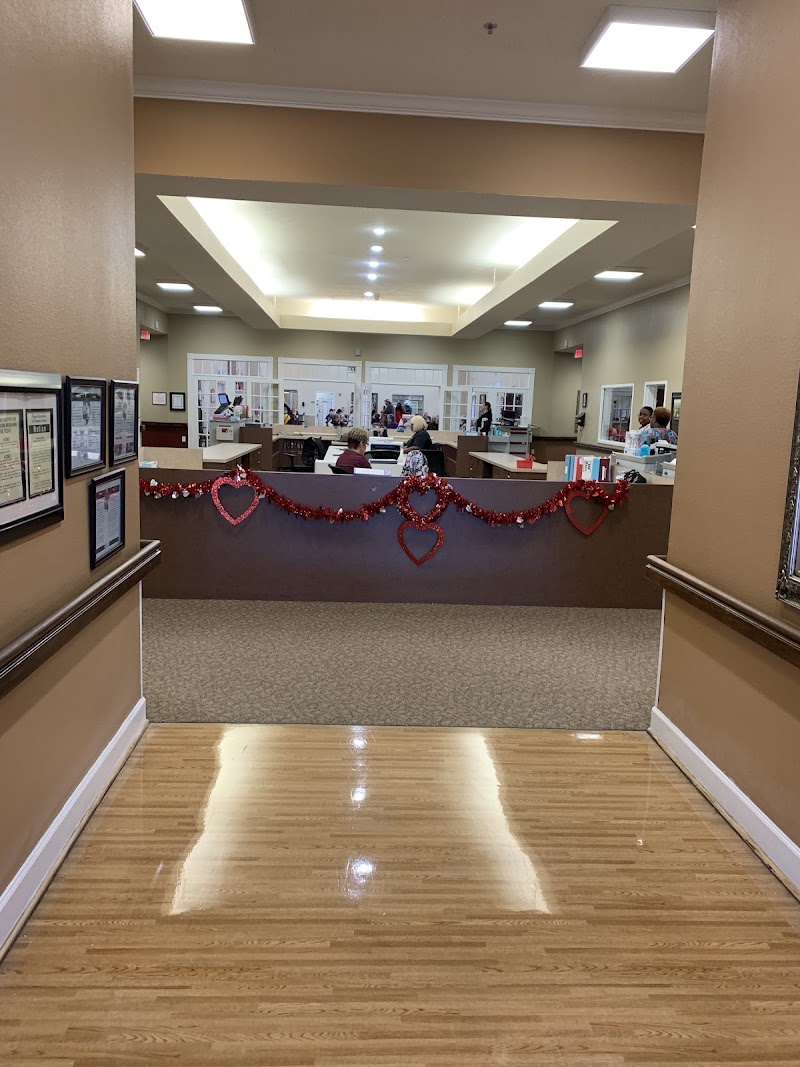
Apr 2023 1 deficiency
CONCERN (D) 📢 Someone Reported This

A family member, employee, or ombudsman was alarmed enough to file a formal complaint

Potential for Harm - no one hurt, but risky conditions existed

Infection Control (Tag F0880)

Could have caused harm · This affected 1 resident

**NOTE- TERMS IN BRACKETS HAVE BEEN EDITED TO PROTECT CONFIDENTIALITY** Based on interview and record review the facility failed to establish and maintain an infection prevention and control program d...

Read full inspector narrative →
**NOTE- TERMS IN BRACKETS HAVE BEEN EDITED TO PROTECT CONFIDENTIALITY** Based on interview and record review the facility failed to establish and maintain an infection prevention and control program designed to provide a safe, sanitary, and comfortable environment and to help prevent the development and transmission of communicable diseases and infections and failed to notify HHSC as part of their infection prevention and control program when # residents and # staff, tested positive for COVID-19 between 8/3/22 and 9/12/22 for 1 of 1 resident (Resident #1) and 5 of 5 staff (DA A, PTA, Transport, HK A, and Restorative Aide reviewed for infection control. - The facility failed to notify HHSC when 1 resident and 5 staff tested positive for COVID-19 between 8/3/22 and 9/12/22 after the facility approximately three weeks with no COVID-19 positive residents or staff (the last COVID-19 positive case was reported to HHSC on 5/16/22). This could place all COVID-19 negative residents at risk of being expose to the virus. Findings included Record review of TULIP on 4/12/23 at 10:00 a.m. revealed no self-reported incidents from the facility in August 2022 and none regarding new COVID-19 positive cases at the facility since 5/16/22. Record review of the facility's COVID-19 Positive Tracking and Staff-COVID-19 Positive tracking logs for August 2022 revealed the following: - On 8/4/22, Dietary Aide A tested positive for COVID-19. - On 8/8 /22, Physical Therapy Assistant tested positive for COVID-19. - On 8/17/22, Transport staff member tested positive for COVID-19. - On 8/21/22, Housekeeper A tested positive for COVID-19 - On 9/9/22, Restorative Aide tested positive for COVID-19 - On 9/12/22, Resident #1 tested positive for COVID-19. Record review of Resident #1's admission Record on 4/14/23 at 12:46 p.m. revealed she was a [AGE] year old female who admitted to the facility on [DATE] and readmitted to the facility on [DATE] with the following diagnoses chronic obstructive pulmonary disease ( a group of lung diseases that block airflow and make it difficult to breath), diabetes mellitus type II (Chronic condition that affects the way the body processes blood sugar (glucose), cough (expel air from the lungs with a sudden sharp sound), and asthma (a respiratory condition marked by spasms of the lungs causing difficulty in breathing). Record review of Resident #1's progress notes on 4/14/23 at 1:03 p.m. dated 9/11/2022 revealed in part: . Resident continues on contact isolation due to a positive covid rapid test . Interview with the DON on 4/14/23 at 12:22 p.m., who said that she was employed during this time and began employment in June of 2021. She stated the Former Administrator would be responsible for reporting COVID-19. She said that the cases were supposed to be reported if over 14-days, meaning they could not go more than 14 days without reporting but if the cases are in between the 14-day window they did not have to report them. The DON also said cases should have been reported within 24 hours of the first positive case. She said she was unaware that the COVID cases in August of 2022, had not been reported by the Former Administrator, because it was her job. The DON said it was not her job to report the COVID-19 cases. Interview with the Administrator on 4/14/23 at 12:34 p.m., he stated he became the Administrator on 8/8/22. He said that he thought the incident had already been reported to HHSC. He said the Former Administrator would have been responsible for reporting COVID-19 case/s and should have reported the case on 8/4/22 within 24 hours of the first positive case. He said he did not have a facility policy and procedure regarding infection control available. He said he did not have a specific policy and procedure regarding reporting, but he used the HHS provider letter for reference and guidance on reporting. Interview with the Infection Preventionist on 4/14/23 at 12:36 p.m., he stated he began employment on 6/25/12. He stated the Former Administrator would have been and was responsible for reporting COVID-19 cases and that it should have been reported within 24 hours of the first positive case. He said that he did not and had never been responsible for reporting COVID -19 cases for the facility. Record review of Long-Term Care Regulation Provider Letter with a Date Issued: Revised January 19, 2023. 1.0 Subject and Purpose This letter describes the information that a provider must include in an initial reportable incident report made to HHSC Complaint and Incident Intake .2.0 Policy Details & Provider Responsibilities .A provider must: report reportable incidents to CII .ensure a thorough investigation is conducted and documented in the PIR and submit the PIR to CII within the regulatory timeframe that applies to the provider type The provider must submit the PIR within the applicable required time frame as follows: 5 working days for an .NF or skilled NF
Understanding Severity Codes (click to expand)
Life-Threatening (Immediate Jeopardy)
J - Isolated K - Pattern L - Widespread
Actual Harm
G - Isolated H - Pattern I - Widespread
Potential for Harm
D - Isolated E - Pattern F - Widespread
No Harm (Minor)
A - Isolated B - Pattern C - Widespread

Questions to Ask on Your Visit

  • "What changes have you made since the serious inspection findings?"
  • "Why is there high staff turnover? How do you retain staff?"
  • "Can I speak with families of current residents?"
  • "What's your RN coverage like on weekends and overnight?"

Our Honest Assessment

Strengths
  • • Licensed and certified facility. Meets minimum state requirements.
Concerns
  • • Multiple safety concerns identified: 1 life-threatening violation(s). Review inspection reports carefully.
  • • 19 deficiencies on record, including 1 critical (life-threatening) violation. These warrant careful review before choosing this facility.
  • • $21,645 in fines. Higher than 94% of Texas facilities, suggesting repeated compliance issues.
  • • Grade D (41/100). Below average facility with significant concerns.
Bottom line: Trust Score of 41/100 indicates significant concerns. Thoroughly evaluate alternatives.

About This Facility

What is Bayou Pines Care Center's CMS Rating?

CMS assigns Bayou Pines Care Center an overall rating of 3 out of 5 stars, which is considered average nationally. Within Texas, this rating places the facility higher than 99% of the state's 100 nursing homes. This mid-range rating indicates the facility meets federal standards but may have areas for improvement.
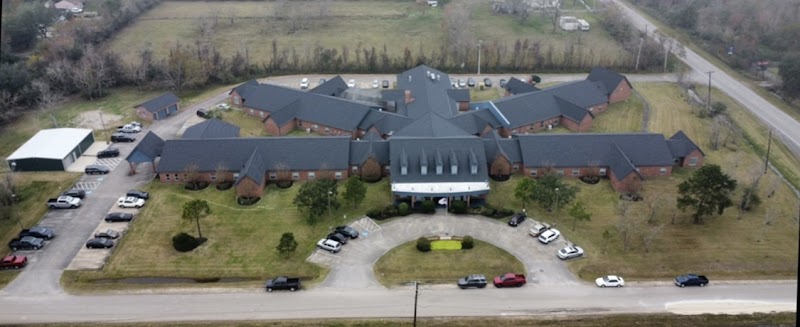
How is Bayou Pines Care Center Staffed?

CMS rates Bayou Pines Care Center's staffing level at 1 out of 5 stars, which is much below average compared to other nursing homes. Staff turnover is 74%, which is 27 percentage points above the Texas average of 46%. High turnover can affect care consistency as new staff learn residents' individual needs. RN turnover specifically is 83%, which is notably high. RNs provide skilled clinical oversight, so turnover in this role can affect medical care quality.

What Have Inspectors Found at Bayou Pines Care Center?

State health inspectors documented 19 deficiencies at Bayou Pines Care Center during 2023 to 2025. These included: 1 Immediate Jeopardy (the most serious level, indicating potential for serious harm or death) and 18 with potential for harm. Immediate Jeopardy findings are rare and represent the most serious regulatory concerns. They require immediate corrective action.

Who Owns and Operates Bayou Pines Care Center?

Bayou Pines Care Center is owned by a for-profit company. For-profit facilities operate as businesses with obligations to shareholders or private owners. The facility operates independently rather than as part of a larger chain. With 120 certified beds and approximately 89 residents (about 74% occupancy), it is a mid-sized facility located in La Marque, Texas.

How Does Bayou Pines Care Center Compare to Other Texas Nursing Homes?

Compared to the 100 nursing homes in Texas, Bayou Pines Care Center's overall rating (3 stars) is above the state average of 2.8, staff turnover (74%) is significantly higher than the state average of 46%, and health inspection rating (4 stars) is above the national benchmark.

What Should Families Ask When Visiting Bayou Pines Care Center?

Based on this facility's data, families visiting should ask: "What changes have been made since the serious inspection findings, and how are you preventing similar issues?" "How do you ensure continuity of care given staff turnover, and what is your staff retention strategy?" "Can you walk me through typical staffing levels on day, evening, and night shifts?" "Can I visit during a mealtime to observe dining assistance and food quality?" These questions are particularly relevant given the facility's Immediate Jeopardy citations, the facility's high staff turnover rate, and the below-average staffing rating.

Is Bayou Pines Care Center Safe?

Based on CMS inspection data, Bayou Pines Care Center has documented safety concerns. Inspectors have issued 1 Immediate Jeopardy citation (the most serious violation level indicating risk of serious injury or death). The facility has a 3-star overall rating and ranks #1 of 100 nursing homes in Texas. Families considering this facility should ask detailed questions about what corrective actions have been taken since these incidents.

Do Nurses at Bayou Pines Care Center Stick Around?

Staff turnover at Bayou Pines Care Center is high. At 74%, the facility is 27 percentage points above the Texas average of 46%. Registered Nurse turnover is particularly concerning at 83%. RNs handle complex medical decisions and coordinate care — frequent RN changes can directly impact care quality. High turnover means new staff may not know residents' individual needs, medications, or preferences. It can also be disorienting for residents, especially those with dementia who rely on familiar faces. Families should ask: What is causing the turnover? What retention programs are in place? How do you ensure care continuity during staff transitions?

Was Bayou Pines Care Center Ever Fined?

Bayou Pines Care Center has been fined $21,645 across 1 penalty action. This is below the Texas average of $33,295. While any fine indicates a compliance issue, fines under $50,000 are relatively common and typically reflect isolated problems that were subsequently corrected. Families should ask what specific issues led to these fines and confirm they've been resolved.

Is Bayou Pines Care Center on Any Federal Watch List?

Bayou Pines Care Center is not on any federal watch list. The most significant is the Special Focus Facility (SFF) program, which identifies the bottom 1% of nursing homes nationally based on persistent, serious quality problems. Not being on this list means the facility has avoided the pattern of deficiencies that triggers enhanced federal oversight. This is a positive indicator, though families should still review the facility's inspection history directly.