OAK VILLAGE HEALTHCARE
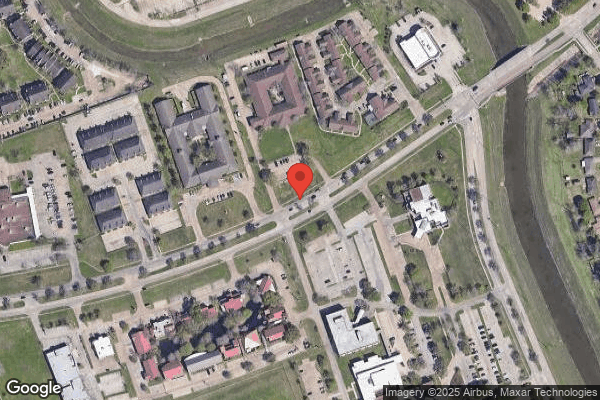
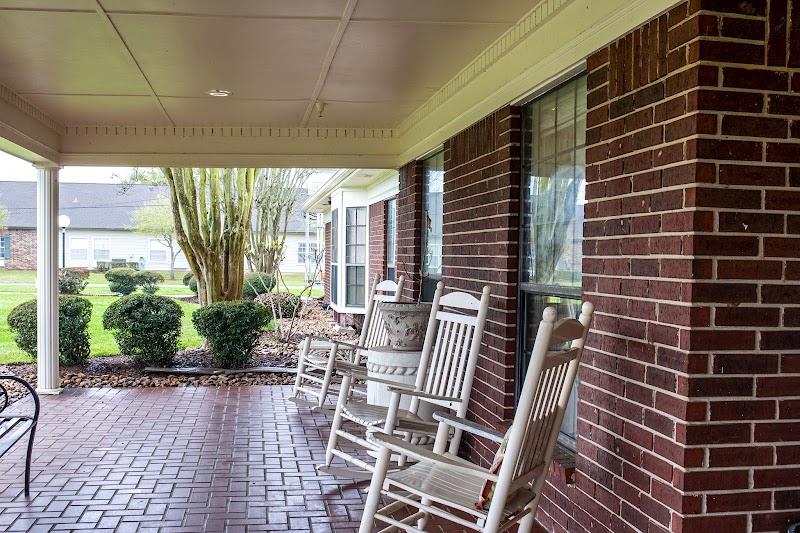
204 OAK DRIVE SOUTH, LAKE JACKSON, TX 77566 (979) 297-0425
For profit - Limited Liability company 74 Beds GULF COAST LTC PARTNERS Data: November 2025
Trust Grade
80/100
#300 of 1168 in TX
Last Inspection: April 2025

Within standard 12-15 month inspection cycle. Federal law requires annual inspections.

Overview

Oak Village Healthcare in Lake Jackson, Texas, has a Trust Grade of B+, indicating it is above average and recommended for potential residents. It ranks #300 out of 1168 facilities in Texas, placing it in the top half, and #4 out of 13 in Brazoria County, meaning only three other local options are better. However, the facility is experiencing a worsening trend, with issues increasing from 2 in 2024 to 3 in 2025. While the staffing rating is poor at 1 out of 5 stars, the turnover rate is at 49%, which is slightly below the Texas average of 50%. The facility has no fines on record, which is a positive sign. However, RN coverage is only average, which means that while some oversight is provided, it may not be as robust as in other facilities. Specific incidents noted by inspectors include inaccurate assessments for several residents, which could lead to inadequate care, and concerns about food safety practices in the kitchen, such as unkempt cooking areas and improper food storage. Overall, while Oak Village Healthcare has some strengths, particularly in its trust score and lack of fines, families should be aware of the staffing issues and specific concerns raised by inspectors.

Trust Score
B+
80/100
In Texas
#300/1168
Top 25%
Safety Record
Low Risk
No red flags
Inspections
Getting Worse
2 → 3 violations
Staff Stability
⚠ Watch
49% turnover. Above average. Higher turnover means staff may not know residents' routines.
Penalties
✓ Good
No fines on record. Clean compliance history, better than most Texas facilities.
Skilled Nurses
⚠ Watch
Each resident gets only 21 minutes of Registered Nurse (RN) attention daily — below average for Texas. Fewer RN minutes means fewer trained eyes watching for problems.
Violations
○ Average
6 deficiencies on record. Average for a facility this size. Mostly minor or procedural issues.
★★★★☆
4.0
Overall Rating
★☆☆☆☆
1.0
Staff Levels
★★★★☆
4.0
Care Quality
★★★★★
5.0
Inspection Score
Stable
2024: 2 issues
2025: 3 issues

The Good

  • 4-Star Quality Measures · Strong clinical quality outcomes
  • Full Sprinkler Coverage · Fire safety systems throughout facility
  • No fines on record

Facility shows strength in quality measures, fire safety.

The Bad

Staff Turnover: 49%

Near Texas avg (46%)

Higher turnover may affect care consistency

Chain: GULF COAST LTC PARTNERS

Part of a multi-facility chain

Ask about local staffing decisions and management

The Ugly 6 deficiencies on record

Apr 2025 3 deficiencies
CONCERN (D)

Potential for Harm - no one hurt, but risky conditions existed

Comprehensive Care Plan (Tag F0656)

Could have caused harm · This affected 1 resident

**NOTE- TERMS IN BRACKETS HAVE BEEN EDITED TO PROTECT CONFIDENTIALITY** Based on observations, interviews and record reviews, the facility failed to develop and implement comprehensive care plans with...

Read full inspector narrative →
**NOTE- TERMS IN BRACKETS HAVE BEEN EDITED TO PROTECT CONFIDENTIALITY** Based on observations, interviews and record reviews, the facility failed to develop and implement comprehensive care plans with measurable objectives and timetables to meet the resident's medical, nursing, and psychological needs identified in the comprehensive assessment for 2 of 20 residents reviewed for care plan accuracy. --The facility failed to develop care plans for cognition, ADL assistance, Dialysis, anticoagulane and insulin for Resident # 12. --the facility failed to develop a care plan for ADL assistance for Resident # 100. These failures placed residents at risk of receiving inadequate care due to incomplete care plans. Findings include: Record review of Resident # 12's face sheet revealed admission date 3/10/25 with diagnoses including end stage renal disease (loss of kidney function), Diabetes (body's inability to produce or use insulin), schizoaffective disorder (a combination of mood disorders), hypertension (high blood pressure), heart failure (inability of the heart to pump efficiently), peripheral vascular disease (reduced blood flow to limbs). Record review of Resident # 12's quarterly MDS dated [DATE] revealed BIMS of 09, indicating moderately impaired cognitive skills, assistance for ADL's including supervision for eating and total assistance for toileting, bathing, dressing and hygiene, Dialysis (while a resident), anticoagulant (taking while a resident), insulin (taking while a resident). Record review of Resident # 12's undated care plan revealed no care plan with appropriate interventions developed for conditions including cognition (moderately impaired cognitive skills), ADL assistance (supervision/total) , Dialysis while a resident, insulin and anticoagulant use while a resident. Observation of Resident # 12 on 4/28/25 revealed she was in bed, alert, clean and groomed. Interview at that time revealed she said she has Dialysis tomorrow and it was going well. She said she needed help to dress and get up out of bed and was waiting for someone to come help her soon, and the nurse gave her insulin shots. Record review of Resident # 100's face sheet revealed admission date 3/26/25 with diagnoses including cerebral infarction (stroke), dysphagia (difficulty swallowing food or liquids), hypertension (high blood pressure), coronary atherosclerosis (damage in the heart's major blood vessels), depression (low mood), fibromyalgia (widespread pain throughout the body), aphasia (inability to speak). Record review of Resident # 100's Significant Change MDS dated revealed no speech, rarely or never understood by others, understands others, inattention, moderately impaired cognition, feeding tube, substantial assistance required for bathing, dressing, hygiene, and total assistance for toileting. Record review of Resident # 100's undated care plan revealed no care plan developed with appropriate interventions for ADL assistance (substantial/total). Observation of resident # 100 on 4/28/25 at 9:40am revealed she was in bed, alert, dressed, with feeding tube infusing formula. Resident # 100 motioned to her throat to indicate she could not speak, but pointed to communication items on her bedside table with pictures and words printed on paper she could use to let staff know her needs. Interview with MDS nurse on 4/30/25 at 2:40 pm revealed she said she was working on the care plans currently. She said she completes the care plans with input from nurses and morning meetings, and after the care plans were complete, she will ask the nurses to check their areas for accuracy. She said the risk of having incomplete care plans would be staff would not know what to do for the residents because the care plan directed care. Interview with the DON on 4/30/25 revealed she was aware some of the care plans were not complete, and they will be having some care plan training in the facility. She said the risk of having incomplete care plans would affect the residents because they wouldn't receive the care they needed. Record review of facility undated Care Plan policy revealed, in part, every resident will have a specialized care plan for all ADL needs .every resident will have all needs/specialized services care planned such as PASRR, Hospice, and reviewed routinely .care plans will be revised as needed weekly and/or between routine reviews.
CONCERN (E)

Potential for Harm - no one hurt, but risky conditions existed

Assessment Accuracy (Tag F0641)

Could have caused harm · This affected multiple residents

**NOTE- TERMS IN BRACKETS HAVE BEEN EDITED TO PROTECT CONFIDENTIALITY** Based on interview and record review, the facility failed to accurately assess each resident's status for 3 (Resident #11, #35, ...

Read full inspector narrative →
**NOTE- TERMS IN BRACKETS HAVE BEEN EDITED TO PROTECT CONFIDENTIALITY** Based on interview and record review, the facility failed to accurately assess each resident's status for 3 (Resident #11, #35, and Resident #38) of 20 residents reviewed for accuracy of assessments. 1. The facility failed to ensure Resident # 11's annual MDS assessment, dated 02/09/25, did not reflect her hearing deficit, and her oral cavity. 2. The facility failed to ensure Resident #35's Quarterly MDS assessment dated [DATE] and Significant Change in Status MDS dated [DATE] accurately reflected the resident's antiplatelet medication use and incorrectly coded the resident for anticoagulant medication use. 3. The facility failed to ensure Resident # 38's annual MDS assessment dated [DATE]-reflected her hearing deficit. These failures could place residents at risk for inaccurate assessments, inaccurate plans of care, inadequate care, diminished quality of life and decline in health. Findings include: Resident #11 Record review of Resident #11's face sheet dated 04/29/25 revealed 87- year -old female admitted to the facility on [DATE]. her diagnoses included Essential hypertension (primary), complete traumatic amputation at level between right hip and knee, metabolic encephalopathy (change in how the brain works due to an underlying condition) muscle weakness, type 2 diabetes mellitus with diabetic nephropathy (refers to kidney damage due to diabetes) major depressive disorder, chronic obstructive pulmonary disease, and heart failure. Record review of Resident #11's annual MDS assessment dated [DATE] indicated she was coded 3 on her BIMS score; indicating her cognition was severely impacted. For hearing she was coded as Adequate - no difficulty in normal conversation, social interaction, and listening to TV. For oral/ dental status, she was coded as Z- no problem with her oral cavity. Record review of Resident # 11's care plan dated 02/14/24 with a revision date of 06/21/24 indicated Resident #11 was care planned for: -Having a hearing deficit. Date Initiated: 02/14/2024 Revision on: 06/21/2024. Goal: maintain the highest level of communication for this resident through the next review date Initiated: 02/14/2024 Revision on: 06/21/2024 Target Date: 07/21/2025 Intervention: Do not cut off or interject when [Resident #11] was speaking. o If resident has a device to assist them with hearing, encourage them to use it. o Maintain eye contact while speaking to resident. Monitor hearing ability and report any changes to the physician. -Having oral/dental health problems caries Date Initiated: 02/14/2024, Revision on: 06/21/2024. Goal: Resident #11 will comply with mouth care at least daily through review date. Initiated: 06/21/2024 Revision on: 06/21/2024 Target Date: 07/21/2025 Intervention-: Administer medications as ordered. Monitor/document for side effects and effectiveness. o Coordinate arrangements for dental care, transportation as needed/as ordered. o Monitor/document/report to MD PRN s/sx of oral/dental problems needing attention: Pain (gums, toothache, palate), Abscess, Debris in mouth, Lips cracked or bleeding, Teeth missing, loose, broken, eroded, decayed, Tongue (black, coated, inflamed, white, smooth), Ulcers in mouth, lesions. o OT screen for adaptive equipment PRN Date Initiated: 06/21/2024. o Provide mouth care as per ADL personal hygiene Observation on 04/28/25 at 10:00AM, revealed Resident #11 was sitting on her wheelchair alert and oriented. In an attempted interview, she said speak louder I cannot hear. Her roommate said Resident #11 was hard of hearing and they need to speak loud and very close to her ear. Resident #35 Record review of Resident #35's admission Record revealed she was a [AGE] year-old female who admitted to the facility on [DATE] and readmitted to the facility on [DATE] with diagnoses of hypertension (high blood pressure), dysphagia (difficulty or discomfort in swallowing), and chronic atrial fibrillation (an abnormal heartbeat where the two upper chambers of the heartbeat irregularly and quickly). Record review of Resident #35's Significant Change in Status MDS assessment dated [DATE] revealed in her BIMS score was 11 out of 15 indicating she had moderate cognitive impairment, and she was coded in Section N Medications as taking Anticoagulant medication. The column for Antiplatelet medication was blank. Section N was signed as completed by MDS Coordinator A on 4/25/25 and verified as completed by DON on 4/25/25. Record review of Resident #35's Q MDS dated [DATE] on 4/29/25 at 4:10pm revealed in Section N Medication Resident #35 was coded as follows: I. Antiplatelet . Is Taking .Section X. Correction revealed: Reasons for Modification .A .Transcription Error .B. Data Entry Error .Z. Other error requiring modification. Section Z Assessment Administration Signature of Persons Completing the Assessment of Entry/Death Reporting, was signed by MDS Coordinator A with Date Section Completed, 4/29/25. Record review of Resident #35's physician order summary report dated Active Orders As Of 04/01/2025 revealed Resident #35 had no order for any anticoagulant (medication that prevents or slows down the formation of blood clots). Resident #35 had the following order: Clopidogrel Oral Tablet 75 mg .Give 75 mg by mouth one time a day .Verbal Order .Order Status Active .01/30/2025 .Order Date .01/30/2025 . There was no end date. Resident #38 Record review of Resident #38's face sheet dated 04/29/25 revealed an 81- year -old female admitted to the facility on 0414/23. Her diagnoses included Essential hypertension (primary) diverticulitis of both small and large intestine without perforation or abscess (an inflammation or infection of the pouches formed in the colon), kidney failure, muscle weakness (generalized), chronic obstructive pulmonary disease with heart disease of native, liver disease. dementia, anxiety disorder, psychotic disturbance, and cognitive communication deficit. Record review of Resident #38's annual MDS assessment dated [DATE] revealed her BIMS score was 15 out of 15 indicated her cognition was intact. For hearing, she was coded as Adequate - no difficulty in normal conversation, social interaction, and listening to TV. Record review of Resident #38's care plan dated 12/26/23 with a revision date of 01/25/24 revealed Resident #38 had communication problem r/t . Goal- will maintain current level of communication function by (how, with what assistance. making sounds, using appropriate gestures, responding to yes/no questions, appropriately, using communication board, writing messages) through the review date Initiated: 12/26/2023 Revision on: 01/25/2024 Target Date: 07/28/2025. Intervention: Ensure availability and functioning of adaptive communication equipment message board, hearing aids, telephone amplifier, computer, pocket talker etc. Date Initiated: 12/26/2023, Revision on: 01/25/2024. CNA o Refer to Audiology for hearing consult as ordered. Observation and interview on 04/28/25 at 11:00AM, Resident #38 was in her room on her recliner. She was alert and oriented . In an attempted interview, she said, Speak louder. I cannot hear. Resident #38 said she had hearing aids and pointed to her hearing aids on her nightstand . She said she did not use them. During an interview with CNA J on 04/28/25 at 10:30AM, she said [Residents #11 and #38] are hard of hearing and you need to speak louder and close to Resident #11's her ear. She said Resident #38 did not have hearing aid. In an interview with LVN E on 04/28/05 at 1:00PM, she said both Residents #11 and # 38 were hard of hearing. She said Resident # 38 have hearing aid on her nightstand, but she chose not to use her them. She said Resident #11 does not have hearing aid. Record review and interview with the MDS Coordinator A on 4/29/25 at 2:42pm revealed Resident #35 was taking Plavix (Brand Name)/Clopidogrel. When asked if Plavix was an anticoagulant or an antiplatelet medication they replied, Oh. It's an anti-platelet. When asked what was coded on Resident #35's Q MDS dated [DATE] the MDS Coordinator said they coded for anticoagulant medication and again on the significant change MDS dated [DATE]. The MDS Coordinator A said it was an error on her part in coding the MDS' and they were incorrect. The MDS Coordinator A said they would correct the MDS assessments. The MDS Coordinator A said they worked as the MDS Coordinator A at the facility since 2023 and the MDS Consultant was the oversight person over the MDS Department. MDS Coordinator A said they had been trained by the MDS Consultant and the Regional MDS and used the RAI manual as the policy and procedure for MDS completion and accuracy. Interview with the DON on 4/29/25 at 4:33pm, revealed they signed the facility MDS' for completion and did their best to ensure accuracy. When asked if they knew if Resident #35 was taking an anticoagulant, the DON looked at her mobile device which had access to Resident #35's EMR and replied, He's taking Plavix. RDO and RNC were present, and both stated quietly, that Plavix was antiplatelet. The DON said, yes that was correct, that Plavix was an antiplatelet and not an anticoagulant. The DON was not 100 percent sure who trained MDS Coordinator A, but said both the MDS Consultant and the Regional MDS were oversight over the faility's MDS department. Telephone interview with the MDS Consultant on 4/30/25 at 3:47 pm revealed they did not train MDS Coordinator A, but was over the MDS department. The MDS Consultant said MDS Coordinator A would have been trained by the Regional MDS. The MDS Consultant said the MDS Coordinator A had continuing education that included webinars, meetings, and on-line trainings. When asked if the MDS Coordinator A had been trained on how to code an anticoagulant versus an antiplatelet medication, the MDS Consultant said Clopidogrel/Plavix was not an anticoagulant medication and she had discussed this and reinforced the information with MDS Coordinator A when the MDS Coordinator A called the MDS Consultant on 4/29/25. Attempted a telephone interview with Regional MDS on 4/30/35 at 4:04 pm. There was no answer and was unable to interview prior to facility exit. Record review of CMS's RAI Version 3.0 Manual dated October 2024, read in part . the assessment accurately reflects the resident's status.
CONCERN (E)

Potential for Harm - no one hurt, but risky conditions existed

Food Safety (Tag F0812)

Could have caused harm · This affected multiple residents

**NOTE- TERMS IN BRACKETS HAVE BEEN EDITED TO PROTECT CONFIDENTIALITY** Based on observation, interview, and record review, the facility failed to store, prepare, distribute, and serve food in accorda...

Read full inspector narrative →
**NOTE- TERMS IN BRACKETS HAVE BEEN EDITED TO PROTECT CONFIDENTIALITY** Based on observation, interview, and record review, the facility failed to store, prepare, distribute, and serve food in accordance with professional standards for food service safety for 1 of 1 kitchen, in that: 1. The Dietary Manager failed to wear hair net in the kitchen. 2. The facility failed to keep the cooking area clean and free of grease build up on the stove. 3. The facility failed to ensure the tabletop can opener blade and base were free of grime and debris. 4. The facility failed to ensure kitchen cooking equipment was cleaned. 5. The facility failed to label, and date left over food items in walk in refrigerator\freezer. 6. The facility failed to ensure that expired food products were not stored in the welkin- cooler and in the dry goods storage area. These failures could place residents at risk for food contamination and foodborne illness. Findings included: Observation and interview on 04/28/25 at 8:45AM revealed the following: -The DM was observed in the kitchen on 04/28/25 at 8:45AM without a hairnet on. She looked at herself and said she forgot to wear her hair net. There was grease and debris on the stove and around the cooking area. One conventional oven had a tray with dark brown substances on the tray inside the conventional oven. The DM looked at the tray and said it needed to be cleaned. She said the tray was in the oven to collect the grease. -The tabletop can opener had grime, debris, and a dark looking substances between the cutting blades. The DM took it off and said it need to be cleaned . -The walk cooler\freezer had half 64 oz apple thickener with a manufacturer use-by of 04/16/25. Left over chicken parmesan in a plastic container had no labeled and was dated 04/24/25. This was identified by the DM. She said all left over food products in the [NAME] cooler \freezer should be labeled with food product for identification, the date opened and a use by date. She said left over food was discarded after 3 days if not use. -The dry goods storage had three 46 oz bottle of sweetened tea dated use-by 04/09/25, three 46 oz bottles of thickened water dated use-by 04/09/25. The DM took them out and said she would discard them. During an interview at 9:00 AM on 04/28/25, the DM said serving expired food may cause food borne illness. She said she was new to the position, and was still learning and cleaning up. She said she was about 3 weeks in as the Dietary Manager. The DM said it was the responsibility of all staff to keep the kitchen clean. In an interview with the Administrator on 04/29/25 at 3:00PM, she said the DM was new and had been trying to clean up. She said the DM was still in training and the staff who was supposed to be training her was out sick. She said all food items out of original the container should be labeled and dated. She said all identified expired food products were trashed. Record review of facility's police dated 2001 revised April 2006 revealed - 1. Clean storage areas: Food Services, or other designated staff, will maintain clean food storage areas at all times. 2. Storage of Prepared Food: Prepared food stored in the refrigerator until service shall be dated with an expiration date. Such food will be tightly sealed with plastic wrap, foil, or a lid .
Mar 2024 2 deficiencies
CONCERN (D)

Potential for Harm - no one hurt, but risky conditions existed

Comprehensive Assessments (Tag F0636)

Could have caused harm · This affected 1 resident

**NOTE- TERMS IN BRACKETS HAVE BEEN EDITED TO PROTECT CONFIDENTIALITY** Based on observation, interview and record review, the facility failed to complete a comprehensive, accurate, standardized repro...

Read full inspector narrative →
**NOTE- TERMS IN BRACKETS HAVE BEEN EDITED TO PROTECT CONFIDENTIALITY** Based on observation, interview and record review, the facility failed to complete a comprehensive, accurate, standardized reproducible assessment for 2 (Resident #26 and #35) of 15 residents reviewed for comprehensive assessments. This failure could place the residents at risk of not having all medical needs assessed and met. Findings included: Resident #26 Review of Resident #26's electronic face sheet undated admission Record revealed an [AGE] year-old female admitted to the facility on [DATE]. Her diagnoses included Essential hypertension (high blood pressure), hypothyroidism (a condition where the thyroid gland does not produce enough thyroid hormone.) , vitamin B12 deficiency anemia, diverticulosis of large intestine (An inflammation or infection of the pouches formed in the colon), Renal failure, diabetes mellitus, muscle weakness (generalized), difficulty in walking, major depressive disorder, dementia, and anxiety, and cognitive communication deficit. Review of Resident #26's Significant change MDS assessment dated [DATE] revealed a BIMS score of 5, indicating her cognition was severely impaired. Her Functional Status indicated she required extensive assistance with her ADLs. Record review of section L of the MDS reflected she was checked none of above indicating no problem on an all section of oral dental health. Record review of Resident #26's care plan dated 02/13/20 revealed Resident #26 had oral/dental health problems r/t Poor oral hygiene. Date Initiated: 02/13/2020. No revision date. Interventions: Administer medications as ordered. Monitor/document for side effects and effectiveness. Date Initiated: 02/20/2020. Coordinate arrangements for dental care, transportation as needed/as ordered. Date Initiated: 02/20/2020. Monitor/document/report to MD PRN s/sx of oral/dental problems needing attention: Pain (gums, toothache, palate), Abscess, Debris in mouth, Lips cracked or bleeding, Teeth missing, loose, broken, eroded, decayed, Tongue (black, coated, inflamed, white, smooth), Ulcers in mouth, Lesions. Date Initiated: 02/20/2020. Provide mouth care as per ADL personal hygiene. Date Initiated: 02/20/2020. Record review of the social worker's notes dated 12/15/23 at 10:46 AM read in part family requested dental services for resident. Contracted local dental services. Resident is a private pay; information provided and will follow up. Observation and attempted interview on 03/05/23 at 12:40 PM, revealed Resident #26 was sitting on her wheelchair in her room. An attempt was made to have an interview with her but failed as she could only answer yes and no questions. Observation revealed she had two teeth on each side of her lower oral cavity. Observation revealed she ate 30% of served meal (puree regular diet) During an interview with facility's social worker on 03/05/24 at 4:00PM revealed Resident #26's family had requested for dental service in the past because Resident #26 had lost her dentures. She said she provided the information to the responsible party since Resident #26 was a private pay resident and the responsible party declined services at that time. The Social Worker said the resident's responsible party requested again and she would include resident on the next visit. Resident #35 Record review of Resident #35's electronic face sheet revealed an [AGE] year-old female admitted to the facility on [DATE]. Her diagnoses included displaced intertrochanteric fracture of right femur, dementia, mood disturbance, anxiety, muscle wasting and atrophy, malnutrition, anemia and muscle weakness, age-related osteoporosis, lack of coordination, cognitive communication deficit (lack of communication). Record review of Review of Resident #35 's admission MDS dated [DATE] revealed a BIMS score of 9, indicated she was moderately impaired on cognition. Her Functional Status indicated she required extensive assistance with her ADLs. Record review of section L of the MDS revealed section A-G were left blank. Section Z was checked none of the above indicated no concerns on all section of oral dental health. Observation and interview on 03/04/24 at 10:00AM revealed she was in bed. Her responsible party was with her. During an interview, resident responded that she was doing fine with her hand over her mouth. Resident #35 looked at her responsible party and did not speak. Her responsible party said he came in to assist Resident #35 with her meals sometimes. He said Resident #35 have hard time eating sometimes depending on what was served . He said Resident #35 lost her dentures at the hospital and the retainers that she had does not fits very well. He brought out the retainer from Resident's nightstand and gave them to her. He said he had not been asked about dentures or natural teeth. During an interview with the facility social worker on 03/05/23 at 4:00pm, she said Resident #35 was a new resident and she was not aware that she needs dental services. During an interview with the MDS Coordinator on 03/06/24 at 2:45 PM, she said she thought Resident #35 had her natural teeth and did not assess her for dental. She said acknowledged that Resident #26's had lost her dentures prior to being admitted to the facility and family had requested for oral denture services. She said she would follow up and update the MDS to reflect her oral denture status. Facility's policy on accuracy of MDS assessment on 03/06/24 at 4:00PM the facility's Administrator and the MDS Coordinator said the facility followed the RAI manual and no policy .
CONCERN (D)

Potential for Harm - no one hurt, but risky conditions existed

Assessment Accuracy (Tag F0641)

Could have caused harm · This affected 1 resident

**NOTE- TERMS IN BRACKETS HAVE BEEN EDITED TO PROTECT CONFIDENTIALITY** Based on observation, interview, and record review, the facility failed assure that each resident receives an accurate assessmen...

Read full inspector narrative →
**NOTE- TERMS IN BRACKETS HAVE BEEN EDITED TO PROTECT CONFIDENTIALITY** Based on observation, interview, and record review, the facility failed assure that each resident receives an accurate assessment, reflective of the resident's status at the time of the assessment for one (Resident #14) of 15 residents reviewed accuracy of assessment in that: The facility failed to accurately assess Resident #14 her fall and for use of catheter on her significant change MDS assessment dated [DATE]. This failure could place residents at risk of unnecessary medical expenses due to inaccurate records, and not receiving needed services to improve their health and psychosocial wellbeing. Findings included: Resident #14 Record review of Resident #14's electronic face sheet on 03/04/24 revealed a [AGE] year-old female admitted to the facility on [DATE] and readmitted on [DATE]/24 her diagnoses included Essential (primary) hypertension (high blood pressure), hypothyroidism (decreased production of thyroid hormones), dementia, repeated falls, back pain, bipolar disorder, psychotic disorder with delusions and hallucinations, and generalized anxiety disorder. Record review of Resident #14's significant change MDS dated [DATE] revealed her BIMS score was 3 indicated her cognition was severely impaired. Section H - (100) bowel and bladder were coded as having an indwelling catheter. Section H-300 urinary continence was coded as always incontinence. Record review of physician orders dated 01/25/24-03/06/24 revealed no others for urinary catheter. Record review of Facility's accident and incident log indicated Resident #14 had a fall on 12/11/23. Record review of facility accident and incident log from 09/04/23 through 03/04/24 revealed Resident # 14 had an unwitnessed fall on 12/11/23. Record review of Resident #14's accident and incident's fall assessment dated [DATE] read in part Nurse called by another resident to station, Resident #14 was by nurses' station between wheelchair and sofa chair resident #14 on her buttocks legs in front No injuries noted . Observation on 03/04/24 at 9:15 am, revealed Resident #14 was in her room sitting on her bed. Observation revealed no catheter. She was alert and oriented. Attempt was made to have an interview but could only answer yes and no questions . was with her. During an interview on 03/05/23 at 9:00AM, LVN B said Resident #14 did not have a catheter and (he/she) had not seen her with one. During an interview with CNA E on 03/05/23 at 11:00AM, she said she had not seen Resident #14 with catheter. During an interview with MDS Coordinator on 03/ 5/24 at 2:00 PM, she said Resident #14 did not have catheter. She looked at the MDS and said nothing. She looked at section J and said the fall was an overlook. She said Resident #14 should have been assessed for her fall on the MDS. She said not assessing resident accurately may prevent residents from getting needed services. Record review of facility's provided policy on accuracy of resident assessment dated 2001 revised November 1019 Redid not address accuracy of resident assessment.
Jan 2023 1 deficiency
CONCERN (D)

Potential for Harm - no one hurt, but risky conditions existed

Deficiency F0761 (Tag F0761)

Could have caused harm · This affected 1 resident

**NOTE- TERMS IN BRACKETS HAVE BEEN EDITED TO PROTECT CONFIDENTIALITY** Based on observation, interview and record review the facility failed to ensure in accordance with State and Federal laws, all d...

Read full inspector narrative →
**NOTE- TERMS IN BRACKETS HAVE BEEN EDITED TO PROTECT CONFIDENTIALITY** Based on observation, interview and record review the facility failed to ensure in accordance with State and Federal laws, all drugs and biologicals were stored in locked compartments under proper temperature controls, and permitted only authorized personnel to have access to the keys for one of two medication carts (Nurse Medication Cart Hall 300) reviewed for medication storage. 1. The facility failed to ensure the Nurse Medication Cart Hall 300 was locked when unattended. 2. The facility failed to ensure LVN A lock Insulin in the medication cart prior to leaving the medication cart unattended. The insulin was left sitting on top of the medication cart. These deficient practices could place residents at risk for loss of prescribed medications, resident's safety and drug diversion. Findings include: Observation on 01/11/2023 at 7:13 AM revealed LVN A parked the nurse medication cart for 300 hall in the hall at room [ROOM NUMBER]. LVN A gathered medications and walked into room [ROOM NUMBER], walked behind a wall to the resident's bedside to administer medications. The medication cart was unlocked and a vial of insulin was sitting on top of the medication cart. Observation on 01/11/2023 at 7:18AM revealed LVN A returned to nurse medication cart 300 hall. The cart was unlocked, and a vial of insulin was left on top. There was one housekeeper in the hall two rooms away there were no residents or visitors in hall. Inventory of nurse medication cart 300 hall accompanied by LVN A at this time: Drawer #1: Insulin vials and insulin injection pens, needles, syringes, heparin (anticoagulant) vials; Drawer #2: Resident individual medications, Liquid medications, locked narcotic box with medications for 8 residents. Drawer #3: Medication supplies; Drawer #4: Nutritional supplements. In an interview on 01/11/2023 at 7:22AM, LVN A stated she was responsible for making sure the medication cart was locked. LVN A stated she believed it happened because she was not thinking correctly. LVN A stated to make sure it did not occur again she would stop and make sure the cart was locked and no medications were left out on top before leaving. The risk was a resident could take some medications from the cart they should not have. In an interview on 01/11/2023 at 8:54 AM, the DON stated LVN A told her she forgot to lock the cart. The DON stated the nurse working the cart was the one responsible for making sure the cart was locked The risk was anyone could get into the cart. The DON stated she does random checks on medication carts during medication pass checking the medication carts were locked The DON stated the plan to prevent this in the future was to educate. In an interview on 01/11/2023 at 9:09 AM, the Administrator stated she expected the medication cart to be locked and all medications secured when it was left unattended. Record review of the facility's policy, Security of Medication Cart, revised April 2007, read in part Policy Statement: The medication cart shall be secured during medication passes. 1.The nurse must secure the medication cart during the medication pass to prevent unauthorized entry .4. Medication carts must be securely locked at all times when out of the nurse's view
Understanding Severity Codes (click to expand)
Life-Threatening (Immediate Jeopardy)
J - Isolated K - Pattern L - Widespread
Actual Harm
G - Isolated H - Pattern I - Widespread
Potential for Harm
D - Isolated E - Pattern F - Widespread
No Harm (Minor)
A - Isolated B - Pattern C - Widespread

Questions to Ask on Your Visit

  • "Can I speak with families of current residents?"
  • "What's your RN coverage like on weekends and overnight?"

Our Honest Assessment

Strengths
  • • Grade B+ (80/100). Above average facility, better than most options in Texas.
  • • No major safety red flags. No abuse findings, life-threatening violations, or SFF status.
  • • No fines on record. Clean compliance history, better than most Texas facilities.
Concerns
  • • No significant concerns identified. This facility shows no red flags across CMS ratings, staff turnover, or federal penalties.
Bottom line: Generally positive indicators. Standard due diligence and a personal visit recommended.

About This Facility

What is Oak Village Healthcare's CMS Rating?

CMS assigns OAK VILLAGE HEALTHCARE an overall rating of 4 out of 5 stars, which is considered above average nationally. Within Texas, this rating places the facility higher than 99% of the state's 100 nursing homes. This rating reflects solid performance across the metrics CMS uses to evaluate nursing home quality.
How is Oak Village Healthcare Staffed?

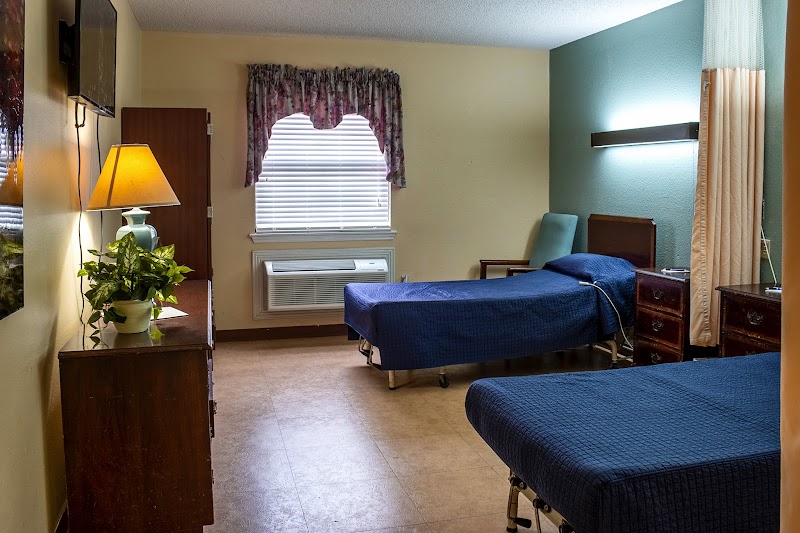
CMS rates OAK VILLAGE HEALTHCARE's staffing level at 1 out of 5 stars, which is much below average compared to other nursing homes. Staff turnover is 49%, compared to the Texas average of 46%.

What Have Inspectors Found at Oak Village Healthcare?

State health inspectors documented 6 deficiencies at OAK VILLAGE HEALTHCARE during 2023 to 2025. These included: 6 with potential for harm.
Who Owns and Operates Oak Village Healthcare?

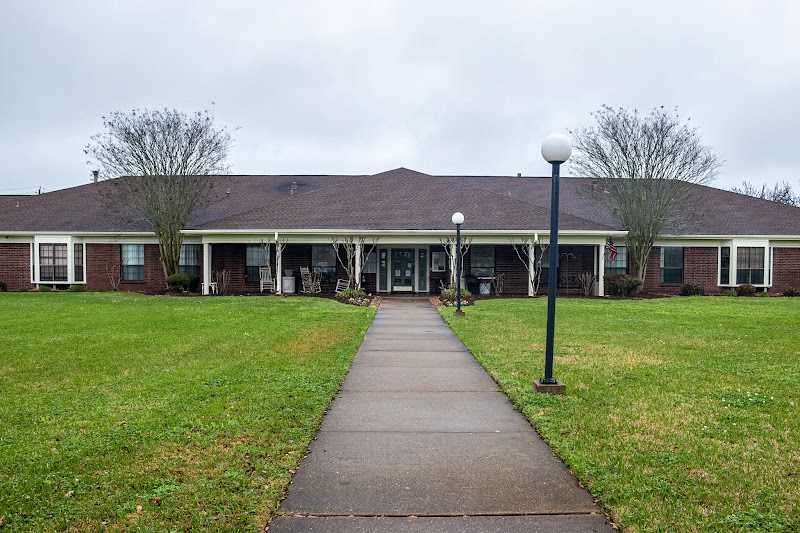
OAK VILLAGE HEALTHCARE is owned by a for-profit company. For-profit facilities operate as businesses with obligations to shareholders or private owners. The facility is operated by GULF COAST LTC PARTNERS, a chain that manages multiple nursing homes. With 74 certified beds and approximately 54 residents (about 73% occupancy), it is a smaller facility located in LAKE JACKSON, Texas.
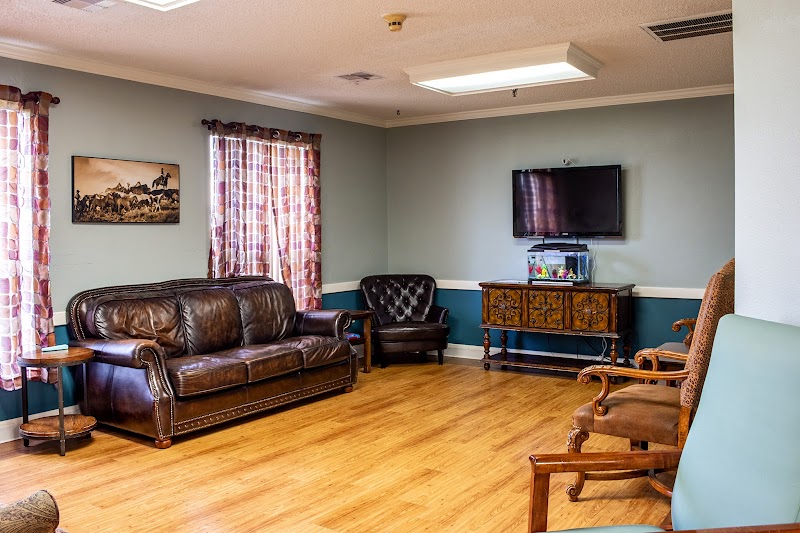
How Does Oak Village Healthcare Compare to Other Texas Nursing Homes?

Compared to the 100 nursing homes in Texas, OAK VILLAGE HEALTHCARE's overall rating (4 stars) is above the state average of 2.8, staff turnover (49%) is near the state average of 46%, and health inspection rating (5 stars) is much above the national benchmark.

What Should Families Ask When Visiting Oak Village Healthcare?

Based on this facility's data, families visiting should ask: "Can you walk me through typical staffing levels on day, evening, and night shifts?" "Can I visit during a mealtime to observe dining assistance and food quality?" "How do you handle medical emergencies, and what is your hospital transfer rate?" "Can I speak with family members of current residents about their experience?" These questions are particularly relevant given the below-average staffing rating.

Is Oak Village Healthcare Safe?

Based on CMS inspection data, OAK VILLAGE HEALTHCARE has a clean safety record: no substantiated abuse findings (meaning no confirmed cases of resident harm), no Immediate Jeopardy citations (the most serious violation level indicating risk of serious injury or death), and is not on the Special Focus Facility watch list (a federal program monitoring the lowest-performing 1% of nursing homes). The facility has a 4-star overall rating and ranks #1 of 100 nursing homes in Texas. While no facility is perfect, families should still ask about staff-to-resident ratios and recent inspection results during their visit.

Do Nurses at Oak Village Healthcare Stick Around?

OAK VILLAGE HEALTHCARE has a staff turnover rate of 49%, which is about average for Texas nursing homes (state average: 46%). Moderate turnover is common in nursing homes, but families should still ask about staff tenure and how the facility maintains care continuity when employees leave.

Was Oak Village Healthcare Ever Fined?

OAK VILLAGE HEALTHCARE has no federal fines on record. CMS issues fines when nursing homes fail to meet care standards or don't correct problems found during inspections. The absence of fines suggests the facility has either maintained compliance or corrected any issues before penalties were assessed. This is a positive indicator, though families should still review recent inspection reports for the full picture.

Is Oak Village Healthcare on Any Federal Watch List?

OAK VILLAGE HEALTHCARE is not on any federal watch list. The most significant is the Special Focus Facility (SFF) program, which identifies the bottom 1% of nursing homes nationally based on persistent, serious quality problems. Not being on this list means the facility has avoided the pattern of deficiencies that triggers enhanced federal oversight. This is a positive indicator, though families should still review the facility's inspection history directly.