LAKE LODGE NURSING & REHABILITATION
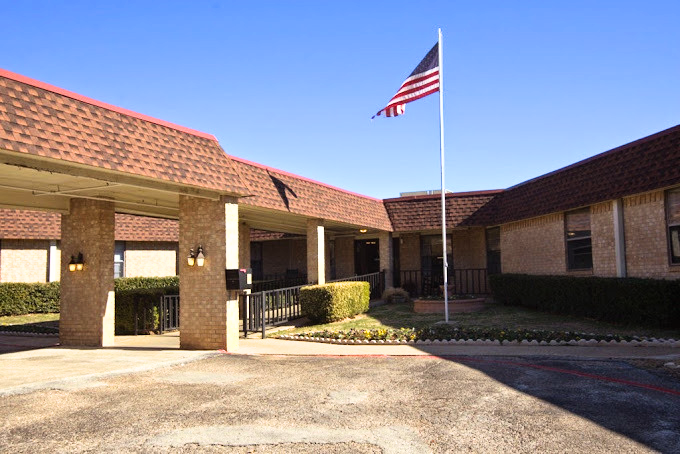
3800 MARINA DR, LAKE WORTH, TX 76135 (817) 237-7231
For profit - Corporation 140 Beds CREATIVE SOLUTIONS IN HEALTHCARE Data: November 2025 5 Immediate Jeopardy citations
Trust Grade
0/100
#748 of 1168 in TX
Last Inspection: October 2024

Within standard 12-15 month inspection cycle. Federal law requires annual inspections.

Overview

Lake Lodge Nursing & Rehabilitation has received a Trust Grade of F, indicating significant concerns about the quality of care provided. Ranked #748 out of 1168 facilities in Texas, they fall in the bottom half of state options, with a county ranking of #45 out of 69, suggesting limited local alternatives. While the facility is trending towards improvement, having reduced issues from 11 to 4 in the past year, it still faces serious problems, including critical incidents where residents did not receive timely care for serious medical conditions, such as a fracture that went untreated for too long. Staffing scores are average with a 2 out of 5 rating and a turnover rate of 47%, which is slightly better than the state average. However, the facility has concerning RN coverage, being below 85% of Texas facilities, which may impact the quality of care available. Overall, families should weigh these strengths against the serious issues identified in inspections.

Trust Score
F
0/100
In Texas
#748/1168
Bottom 36%
Safety Record
High Risk
Review needed
Inspections
Getting Better
11 → 4 violations
Staff Stability
⚠ Watch
47% turnover. Above average. Higher turnover means staff may not know residents' routines.
Penalties
✓ Good
$47,621 in fines. Lower than most Texas facilities. Relatively clean record.
Skilled Nurses
⚠ Watch
Each resident gets only 14 minutes of Registered Nurse (RN) attention daily — below average for Texas. Fewer RN minutes means fewer trained eyes watching for problems.
Violations
⚠ Watch
29 deficiencies on record. Higher than average. Multiple issues found across inspections.
★★☆☆☆
2.0
Overall Rating
★★☆☆☆
2.0
Staff Levels
★★★★☆
4.0
Care Quality
★★☆☆☆
2.0
Inspection Score
Stable
2024: 11 issues
2025: 4 issues

The Good

  • 4-Star Quality Measures · Strong clinical quality outcomes
  • Full Sprinkler Coverage · Fire safety systems throughout facility
  • No fines on record

Facility shows strength in quality measures, fire safety.

The Bad

2-Star Overall Rating

Below Texas average (2.8)

Below average - review inspection findings carefully

Staff Turnover: 47%

Near Texas avg (46%)

Higher turnover may affect care consistency

Federal Fines: $47,621

Above median ($33,413)

Moderate penalties - review what triggered them

Chain: CREATIVE SOLUTIONS IN HEALTHCARE

Part of a multi-facility chain

Ask about local staffing decisions and management

The Ugly 29 deficiencies on record

5 life-threatening
Sept 2025 1 deficiency
CONCERN (E) 📢 Someone Reported This

A family member, employee, or ombudsman was alarmed enough to file a formal complaint

Potential for Harm - no one hurt, but risky conditions existed

Deficiency F0583 (Tag F0583)

Could have caused harm · This affected multiple residents

Based on interviews and record reviews, the facility failed to protect residents' right to personal privacy and confidentiality of his or her personal and medical records for 10 of 74 residents (Resid...

Read full inspector narrative →
Based on interviews and record reviews, the facility failed to protect residents' right to personal privacy and confidentiality of his or her personal and medical records for 10 of 74 residents (Resident #1, Resident #2, Resident #3, Resident #4, Resident #5, Resident #6, Resident #7, Resident #8, Resident #9, Resident #10) reviewed for confidentiality of records. CNA A provided a list containing residents' names and medical appointment details to Resident #1. This failure could place residents at risk for psychosocial damage, emotional damage and potential fraudulent. Findings included:Record review of facility's incident investigation, dated 8/4/2025, revealed CNA A, who was the facility's transport person, gave a list of residents' names and their appointments to Resident #1. The list included the following information_Resident #2's Magnetic Resonance Imaging (MRI) appointment._Resident #3's orthopedic (bone & joint specialist) appointment._Resident #4's podiatry (foot specialist) appointment._Resident #5's orthopedic appointment._Resident #6's podiatry appointment._Resident #7's pain management appointment._Resident#8's pulmonary (lung specialist) appointment._Resident #9's urology (urinary specialist) appointment._Resident #10's nephrology (kidney specialist) appointment._Resident #1's dermatology (skin specialist) appointment. In an interview on 9/4/2025 at 9:35am, Resident #1 stated that CNA A gave him a list of resident's appointments that were missed because she was suspended by the facility pending investigation involving damage to facility's transport van. He stated that CNA A wanted him to give the list to the volunteer Ombudsman. Record review of Resident #1's MDS assessment, dated 8/2/2025, revealed his BIMS score was 15, indicating intact cognitive state. In an interview on 9/4/2025 at 11:15am, CNA A stated she gave the list to Resident #1 to give it to the volunteer Ombudsman. She stated that she understood that she breached residents' confidentiality by doing that. She stated that she felt Resident #1 was trustworthy and would not discuss other residents' information, so she gave him the list. In an interview on 9/5/2025 at 10:30am, the volunteer Ombudsman stated that he did not receive any list from CNA A. He stated that due to the suspension of CNA A, he went to the facility on 8/5/2025 to discuss alternative options with residents to ensure there was an alternative form of transportation to take them to their appointments. In an interview on 9/4/2025 at 12:50pm, the DON stated that on 8/4/2025, Resident #1 came to her to express his frustration that CNA A was suspended and presented the list to her. The DON advised Resident #1 that the information on the list was confidential and asked to take the list from him. He agreed. The DON stated that she expected her staff to follow the facility's protocol to protect residents' confidential information at all times and everywhere. She expected that staff keeps medication carts locked, computers locked and any discussion regarding residents' health information be done in private. CNA A was terminated as a result of her violation. The facility had a third party transportation service to transport residents to appointments in the meantime. In an interview on 9/4/2025 at 1:15pm, the Administrator stated that he expected his staff to respect resident right to their confidential information because violating their rights may result in frauds, emotional and psychological damage. Record review of CNA A's General Employee Orientation Training Inventory, dated 12/1/2020, revealed confidentiality of resident information (HIPAA) was included in the orientation checklist. Record review of CNA A's Privacy acknowledgement and non-disclosure agreement, employee scope of access to Resident Personal Health Information, signed and dated by CNA A on 12/2/2020, revealed that the employee agreed that he or she will not verbally or in any written form disclose confidential resident information to any unauthorized party. Record review of facility's Resident Rights policy, date unknown, revealed The resident has a right to personal privacy and confidentiality of his or her personal and medical records.1. Personal privacy includes accommodations, medical treatment, written and telephone communications, personal care, visits, and meetings of family and resident groups.
Apr 2025 1 deficiency
CONCERN (D) 📢 Someone Reported This

A family member, employee, or ombudsman was alarmed enough to file a formal complaint

Potential for Harm - no one hurt, but risky conditions existed

Infection Control (Tag F0880)

Could have caused harm · This affected 1 resident

**NOTE- TERMS IN BRACKETS HAVE BEEN EDITED TO PROTECT CONFIDENTIALITY** Based on observation, interview, and record review the facility failed to establish and maintain an Infection prevention and con...

Read full inspector narrative →
**NOTE- TERMS IN BRACKETS HAVE BEEN EDITED TO PROTECT CONFIDENTIALITY** Based on observation, interview, and record review the facility failed to establish and maintain an Infection prevention and control program designed to provide a safe, sanitary, and comfortable environment and to help prevent the development and transmission of communicable diseases and infections for 1 of 4 Residents (Resident #1) reviewed for infection control. 1. The facility failed to ensure CNA B used the required PPE for Resident #1, who was on enhanced barrier precautions due to her wound, and indwelling foley catheter, while assisting LVN A with Resident #1's wound care and getting Resident#1 dressed on 04/07/25. 2. The facility failed to ensure LVN A used the required PPE for Resident #1, who was on enhanced barrier precautions due to her wound, and indwelling foley catheter, while performing wound care for Resident #1on 04/07/25. 3. The facility failed to ensure LVN A performed hand hygiene between glove changes when she went from dirty to clean during incontinence care for Resident #1. 4. The facility failed to ensure LVN C used the required PPE for Resident #1, who was on enhanced barrier precautions due to her wound, and indwelling foley catheter, while assisting the resident with getting dressed and ready for the mechanical lift on 04/07/25. These failures could place residents at risk of cross-contamination and development of infection. Finding Include: Record review of Resident #1's quarterly MDS assessment, dated 03/14/25, reflected a [AGE] year-old female who was initially admitted to facility on 08/23/24 and readmitted on [DATE]. Resident #1 had a BIMS score of 08, which indicated she was moderately cognitively impaired. Resident #1 had diagnoses which included hypertension (elevated blood pressure), end stage renal disease (kidney failure) and cerebral vascular accident (type of ischemic stroke resulting from a blockage in the blood vessels supplying blood to the brain). Record review of Resident #1's comprehensive care plan, dated 01/13/25, reflected Focus. [Resident #1] is on Enhanced Barrier Precautions. Goal. There will not be any transmission of infection from or to the resident. Intervention. Gloves and gown should be donned if any of the following activities are to occur .transfer, dressing .incontinent care, bed mobility, wound care . other high contact activity. Record review of Resident#1's Physician Orders Report, dated 11/05/24, reflected Enhanced Barrier Precaution related to foley Catheter and wounds. Wear gloves and gown for all catheter care and wound care. In an observation on 04/07/25 at 9:05 AM, Resident #1's room was noted with a sign on her door which indicated she was on Enhanced Barrier Precautions, no PPE cart in front of the room. LVN A entered Resident #1's room to do wound care. Resident #1's wound was in the sacral area. LVN A washed her hands and put on gloves, but no gown. CNA B entered Resident #1's room to help LVN A with wound care. CNA B washed her hands and put on gloves, but no gown. LVN A uncovered Resident #1 and unfastened Resident #1's brief. Both staff helped Resident #1 turn to her left side. LVN A opened Resident #1's brief, the resident had a bowel movement. LVN A removed the old dressing, and cleaned Resident #1's buttocks area, folded the brief, and pushed it under the resident. LVN A changed gloves without performing any kind of hand hygiene. LVN A cleaned Resident #1's wound, applied Santyl ointment, alginate calcium and border dressing on the wound. CNA B got a clean brief from the drawer and put it under the resident. Both staff turned Resident #1 on to her back, CNA B cleaned Resident #1's front area. Both staff turned Resident #1 to her right side. CNA B removed the dirty brief and finished putting the clean brief on the resident. LVN A washed hands and exited the room. LVN C entered Resident #1's room to help CNA B dress Resident #1 and get her ready for the mechanical lift, in anticipation of a dialysis appointment. LVN C washed hands, put on gloves, and no gown. Both staff got Resident #1 dressed in a T-Shirt and pants and put a sling under her. Both staff covered Resident #1, removed gloves, and washed hands before exiting the room . Interview with LVN A on 04/07/25 at 09:26 AM revealed she knew she was supposed to wear a gown for the resident's wound care, but she forgot. She stated she was nervous. LVN A stated she was trained to wear a gown for high contact with residents in Enhanced Barrier precautions. LVN A stated she was required to change gloves and perform hand hygiene whenever she was going from dirty to clean task. She stated she realized she had not done hands hygiene She stated the risk of not following the proper infection control policy, like not wearing proper PPE in EBP room, and performing hand hygiene was the spread of germs and infections. In an interview with CNA B on 04/07/25 at 09:28 AM, she stated she did not put on a gown, because there was no PPE supplies cart in front of the room, as the other rooms for EBP in the Hall. She stated she would put a PPE supply cart in front of the room. She stated the risk to residents was cross contamination. Interview with LVN C on 04/07/25 at 09:32 AM revealed she knew she supposed to wear a gown for any high contact with the residents on EBP, but she forgot. She stated she was in serviced on EBP, but she could not recall how long ago. She stated the risk to residents was cross contamination and development of infections. In an interview with the DON on 04/07/25 at 11:59 AM, she stated staff were taught any resident who was on Enhanced Barrier Precautions required gloves and a gown when providing any contact with the resident. The DON stated the staff were trained on when to change their gloves and sanitize their hands. She stated staff needed to change their gloves when they went from dirty to clean. She stated the risk was an increased risk of infections. Record review of the facility's policy, dated 04/01/2024 and titled Enhanced Barrier Precaution, revealed Enhanced Barrier Precaution (EBP) refer to an infection control intervention designed to reduce transmission of multidrug-resistance organisms that employ targeted gown and glove use during high contact resident care activities. Record review of the facility's policy, updated 03/2024 and titled Infection Control Policy & Procedure Manual 2019, , reflected 1. Hands hygiene. Hand hygiene continues to be the primary means of preventing the transmission of infection. The following is a list of some situations that require hand hygiene . After removing gloves . Gloves. Wearing gloves does not replace the need for hand washing.
Mar 2025 1 deficiency
CONCERN (D) 📢 Someone Reported This

A family member, employee, or ombudsman was alarmed enough to file a formal complaint

Potential for Harm - no one hurt, but risky conditions existed

Report Alleged Abuse (Tag F0609)

Could have caused harm · This affected 1 resident

**NOTE- TERMS IN BRACKETS HAVE BEEN EDITED TO PROTECT CONFIDENTIALITY** Based on interview and record review the facility failed to report an alleged violation involving neglect, misappropriation of r...

Read full inspector narrative →
**NOTE- TERMS IN BRACKETS HAVE BEEN EDITED TO PROTECT CONFIDENTIALITY** Based on interview and record review the facility failed to report an alleged violation involving neglect, misappropriation of resident property, exploitation, or mistreatment, and does not result in serious bodily injury not later than 24 hours to the administrator of the facility and to other officials, including to the State survey and certification agency and adult protective services in accordance with State law for one (Resident #1) of four residents reviewed for misappropriation of resident's property and exploitation. The Housekeeper failed to report to the facility administrator who was the abuse coordinator that Resident #1 was missing money totaling $90 when Resident #1 first reported the missing money weeks prior to 03/11/25. This failure could place residents at risk of not receiving timely investigations and reporting of misappropriation of resident's property and exploitation. Findings included: Review of Resident #1's admission record dated 03/11/25 revealed a [AGE] year-old female with an initial admission date of 12/31/24. Her diagnosis included vascular dementia (this is brain damage that is caused by multiple strokes causes memory loss and or cognitive decline), hemiplegia and hemiparesis following cerebral infarction affecting right dominant side (this is paralysis after having a stroke affecting the right side of the body), Cerebral infraction (Stroke), acquired absence of other specified parts of digestive tract (missing part of digestive tract), and type 2 diabetes (uncontrolled blood sugar disorder). Resident #1 was her own responsible party. Review of Resident #1's quarterly MDS (this is a set of standardized assessments done on admission, quarterly, and with a significant change of condition, on each resident), dated 02/19/25 revealed a BIMS (this is a standardized assessment to measure long and short-term memory) score of 13 out of 15 indicating intact cognition. Further review of the MDS revealed Resident #1 was dependent for bed mobility, transfers, toileting, and personal hygiene. Review of Resident #1/s care plan initiated 12/31/24, revealed Resident #1 had impaired cognitive function/impaired thought process related to dementia. The interventions were to break down large or complex tasks into smaller, more manageable parts or segments to improve focus and short-term memory issues. In an interview with Resident #1 on 03/11/25 at 11:09 AM who stated, I have had money stolen here at the facility. She said the money was in her bedside table drawer [pointed to the side table by her bed]. She said it happened a month ago. She stated she had $60 first stolen then a few days later $30 was also stolen. She stated a total of $90 was stolen from her. Resident #1 said she could not remember the exact dates. Resident #1 said she did not have a lock box and that she did not ask for one. Resident #1 stated that she did not report the incident but everyone in the facility knew that there was someone going around robbing residents. Resident #1 said a CNA told her that information about the robberies, but she declined to name the staff members name, stating I don't want her to get in trouble. In an interview with the Housekeeper on 03/11/25 at 11:35 AM, revealed she was aware of Resident #1's missing money. She stated Resident #1 informed her a few weeks ago about the stolen money. The Housekeeper stated she had found some money ($30) laying around in Resident #1's room and Resident #1 asked her to help her secure it, so the Housekeeper went to the business office, got an envelope and placed the money inside the envelope then placed the sealed envelope inside a [book name] in Resident #1's drawer. She stated she could not remember the exact dates, a few weeks ago. The Housekeeper stated Resident #1 told her that she had reported the missing money and so she did not report it herself because it was already reported. The Housekeeper stated she did not even think of helping Resident #1 get a lock box for her money. She said Resident #1 was a holder and liked to carry her belongings with her, therefore she would not have agreed to a lock box. The Housekeeper stated she knew what misappropriation and exploitation meant in regard to Abuse and Neglect. She stated misappropriation and exploitation was not just money but any residents' personal belongings being taken or befriending the residents so that they can trust you with personal information and you misuse it. She stated misappropriation and exploitation should be reported to the administrator immediately. Interview with CNA A and CNA B on 03/11/25 at 11:40 AM revealed they did not know nor had heard of any robberies in the facility, and they did not know anything about any resident's money being stolen. Both CNA A and CNA B stated they had done in-services on ANE in the past month. They stated they would report missing money or any resident's property to the DON and Administrator immediately. In an interview with the Business Office on 03/11/25 at 1:46 PM she stated Resident #1 withdraw $30 on 1/14/25, $30 on 1/22/25, $30 on 02/10/25 and $30 on 02/25/25. The Business office said that no one had reported to her that Resident #1 was missing money. She stated Resident #1 wanted two small fridges for her drinks and butter and it was likely that Resident #1 had spent the money on the items. She stated if she had known about the money missing, she would have reported to the abuse coordinator right away. She stated misappropriation and exploitation are to be reported to the abuse coordinator, the administrator. Interview with ADM on 03/11/25 at 2:33 PM, revealed she was not aware of Resident #1 missing money. She stated she reported the incident after finding out today 3/11/25. She stated the expectation was that the housekeeper should have reported the incident to her. She said the risk was misappropriation and exploitation. In an interview with DON on 03/11/25 at 2:52 PM, revealed she was not aware of Resident #1's missing money until the ADM told her today. She stated the expectation was that the incident was reported immediately. DON stated the facility had lock boxes and the residents were aware and one could be provided if they wanted one. She stated she would rather have 11 people report the same incident than for them to say, someone already reported the incident. The DON stated she had in-served on ANE, and the expectation was that all staff follow the ANE policy and report incidents immediately. Review of Resident #1's statement titled Resident Statement Landscape reflected Resident #1 withdraw a cash on the following dates: $30 cash on 01/14/25, $30 cash on 01/22/25, $30 cash on 02/10/25, $30 cash on 02/25/25. Review of facility In-Service training attendance roster titled Abuse and Neglect lead by DON dated 02/28/25 was signed by Housekeeper, CNA A, CNA B, and 36 other staff members from nursing and other departments. Record review intake [number] reported on 03/11/25 by ADM allegation Exploitation/Misappropriation. Review of facility policy titled Abuse and Neglect, dated 09/09/24, reflected: The facility Reportable Incident Protocol, Facility employees must report all allegations of: abuse, neglect, exploitation, mistreatment of residents, misappropriation of resident property or injury of unknown source to the facility administrator. The facility administrator or designee will report to HHSC all incidents that meet the criteria of Provider Letter 2024-14 dated 8/29/24. a. If the allegations involve abuse or result in serious bodily injury, the report is to be made within 2 hours of the allegation. b. If the allegation does not involve abuse or serious bodily injury, the report must be made within 24 hours of the allegation.
Feb 2025 1 deficiency
CONCERN (E) 📢 Someone Reported This

A family member, employee, or ombudsman was alarmed enough to file a formal complaint

Potential for Harm - no one hurt, but risky conditions existed

Safe Environment (Tag F0584)

Could have caused harm · This affected multiple residents

**NOTE- TERMS IN BRACKETS HAVE BEEN EDITED TO PROTECT CONFIDENTIALITY** Based on observation, interview and record review the facility failed to ensure the resident had a safe, clean, comfortable and ...

Read full inspector narrative →
**NOTE- TERMS IN BRACKETS HAVE BEEN EDITED TO PROTECT CONFIDENTIALITY** Based on observation, interview and record review the facility failed to ensure the resident had a safe, clean, comfortable and homelike environment, including but not limited to receiving treatment and supports for daily living for three of 13 residents (Residents #1, #2 and #3) reviewed for environmental concerns. 1. The facility failed to ensure Resident #1's restroom was cleaned daily. 2. The facility failed to ensure Residents #1, #2 and #3's restroom had hot water. These failures could place residents at risk for a decreased quality of life. Findings include: 1. Record review of Resident #1's, undated, admission Record revealed a [AGE] year-old female who was admitted to the facility on [DATE]. Resident #1 had a primary diagnosis of Chronic obstructive Pulmonary Disease with (Acute) Exacerbation (is a sudden worsening of COPD symptoms, including shortness of breath, cough, and/or an increase in the volume and/or purulence of the sputum [A mixture of saliva and mucus produced by the lungs as a result of viral or bacterial Infections] produced). Record review of Resident #1's Care Plan, dated 12/20/2024, revealed Focus: the resident uses bedside commode related to Impaired Mobility and residence. Goal: the resident will be continent at all times through the review. Interventions: The resident prefers a bedside commode at the bedside, on the left side during the day and night while in bed, at night. Record review of Resident #1's most recent MDS State Assessment Quarterly report, dated 02/21/2025, revealed a BIMS score of 12, which indicated moderate cognitive impairment. Section G- Functional Status: I. Toilet use Limited assistance-resident highly involved in activity; staff provide guided maneuvering of limbs or other non-weight-bearing assistance. 2. Record review of Resident #2's, undated admission Record revealed a [AGE] year-old-female who was re-admitted to the facility on [DATE]. Resident #2 had a primary diagnosis which included Transient Cerebral Ischemic Attack (also known as a mini-stroke, is a temporary interruption of blood flow to the brain that causes stroke-like symptoms that resolve within 24 hours.) Record review of Resident #2's Care Plan, dated 01/27/2025, revealed Focus: ADL Self Care. Goal: Improve current level of function in Toilet Use and Personal Hygiene. Interventions: Toilet use: requires staff x1 for assistance. Record review of Resident #2's MDS Nursing Home Quarterly, dated 02/18/2025, revealed a BIMS score of 13, which indicated cognition was intact. Section G- Functional Status: I. Toilet use Limited assistance-resident highly involved in activity; staff provide guided maneuvering of limbs or other non-weight-bearing assistance. 3. Record review of Resident #3's, undated, admission Record revealed a [AGE] year-old-female who was admitted to the facility on [DATE]. Resident #3 had a primary diagnosis of Chronic Obstructive Pulmonary Disease (COPD is an on-going lung condition caused by damage to the lungs.) Record review of Resident #3's Care Plan, dated 01/27/2025, revealed Focus: ADL Self-care performance deficit. Goal: will maintain or improve current level of function in through the review date. Interventions: Assist with personal hygiene as required; hair, shaving, oral care as needed. Record review of Resident #3's MDS Nursing Home Quarterly, dated 02/03/2025, revealed a BIMS score of 13, which indicated cognition was intact. Section G- Functional Status I. Toilet use- Supervision - oversight, encouragement or cueing. Observation on 02/25/2025 at 9:40 AM revealed, upon attempting to access hot water in Resident #1's bathroom by turning on the faucet, it was observed the water supply was non-operational as no water flowed through the fixture. There was standing feces in the resident's toilet , the bathroom had a strong foul odor that could be smelled outside the restroom into the resident's room with the restroom door closed . Interview on 02/25/2025 at 9:42 AM with Resident #1 revealed she did not use the restroom, she used the bedside commode. She stated direct care staff emptied the commode into the resident's toilet and then they rinsed out the basin in the restroom sink. She stated she did not use the restroom because there was no hot water. She was unable to give a timeframe for how long the hot water water was not working. She stated she did not like it because everything smells like poop. Interview on 02/25/2025 at 10:19 AM with LVN A revealed there was no hot water on the 300 hall. She stated residents had not had hot water for a few days. The specific days or weeks were unknown. Interview on 02/25/2025 at 10:25 AM with the Maintenance Director revealed, he was informed on this date (02/25/2025) the hot water was not working on halls 100, 200 and 300. He stated there was a slab leak and the hot water pump for the listed halls were not functioning properly. He stated the facility experienced two slab leaks, they were repaired and another leak happen. He stated, it's an old building . Interview on 02/25/2025 at 10:21 AM with LVN B revealed, the resident's on hall 300 did not have hot water in their rooms and she couldn't remember how long the hot water was off but stated it was longer than a week . Interview on 02/25/2025 at 12:01 PM with CNA C revealed, he was caring for the residents on hall 400 and they did not have hot water. He stated the residents scheduled for showers were taken to the shower room on hall 500. Residents who were unable to ambulate to the shower, warm water was collected in a basin and transported to the resident's room for their use. He stated he could not recall how long residents were without hot water, but it was longer than one day . Interview on 02/25/2025 at 12:10 PM with Resident #1 revealed housekeeping came and cleaned her room but did not clean the restroom. Observation on 02/25/2025 at 12:10 PM revealed standing feces in the toilet and a foul odor coming from the restroom. Observation and interview on 02/25/2025 at 12:12 PM with LVN B revealed she was alerted to the restroom by the State Surveyor. She stated this was not her resident but would assist with needs. She stated the toilet appeared to be clogged. She flushed the toilet and the water rose up in the toilet basin but the feces did not go down the drain. She stated she would alert the CNA assigned to the resident . She stated the risk of the toilet not working properly was infection control. Interview on 02/25/2025 at 12:16 PM with Housekeeper D revealed she cleaned Resident's #1's room today and the room was cleaned and mopped daily. She stated she did not go into the restroom because the resident did not use the restroom and she was unaware of the feces in the toilet. Interview on 02/25/2025 at 12:18 PM with CNA E revealed she verbally informed housekeeping of the toilet in Resident #1's room . She stated she did not empty the bedside commode in the toilet but noticed the feces in the toilet when she rinsed out the bedside commode in the sink. She stated she always cleaned the bedside commode in the sink even though there was no hot water. She stated she used cold water and soap to clean the commode and returned it to the resident's bedside. She stated she deposed the contents of the commode in a liner and immediately took it outside to the dumpster . She stated there was no risk to the resident for not having hot water. Interview on 02/25/2025 at 2:50 PM with LVN A revealed she was not aware of the clogged toilet in Resident #1's restroom. She stated there was no risk to the residents for not having hot water in their rooms because there was hot water in the building that they had access to. Observation and interview on 02/25/2025 at 3:47 PM with Resident #2 revealed, she did not have access to hot water in her restroom. She stated she had to go to another hallway to wash her hands and she did not like it. She would rather wash her hands in her restroom . Observation and interview on 02/25/2025 at 3:48 PM with Resident #3 revealed, she did not have access to hot water in her restroom for a couple of days. Observation of her restroom revealed antibacterial wipes by the sink. She stated she used the wipes to clean her hands because there is no hot water. She stated she felt dirty and disgusting . Interview on 02/25/2025 at 4:40 PM with DON revealed the water was shut off today for maintenance. She stated the residents could receive hot showers on hall 500 and CNA's provided hot water to residents who were unable to ambulate to the 500 hall. She stated the risk to the residents for not having hot water in their restrooms could be cross contamination. Interview on 02/25/2025 at 5:00 PM with the Administrator revealed she was aware the hot water was turned off for multiple days because of maintenance issues. She stated maintenance was currently working to repair the issue and restore the hot water to all residents. She stated staff should report maintenance issues such as the clogged toilet on the maintenance log. There was a QR code on each hallway where staff could report the issue. She stated she reviewed the log and it did not reveal an order for Resident #1's toilet. Record review of the Water Temperature check log, dated 05/08/24-02/20/25, revealed, weekly temperature checks of the hot water should be at least 100 to 110 degrees Celsius . The Waterlog was a spreadsheet with Halls represented by columns 1-6 and a column labeled kitchen followed by a comment section. The rows represented dates the water temperature was checked. Log revealed the water temperature log was not consistently maintained on a weekly basis, as there was a deviation in the dates recorded. On 06/04/2024and the next entry was not until 09/02/2024, the next entry was not until 12/19/2024. The following notes were made in the comment section: -12/19/2024- no hot water 1,2,3 . No temperature recorded for halls 1, 2, or 3. -12/25/2024- No hot water 1,2,3. No temperature was recorded for halls 1, 2, or 3. -01/01/2025- No hot water 1,2,3. No temperature was recorded for halls 1, 2, or 3. -01/08/2025- No hot water 1,2,3. No temperature was recorded for halls 1, 2, or 3. -01/14/2025- No hot water 1,2,3. No temperature was recorded for halls 1, 2, or 3. 01/28/2025- No hot water 1, 2, 3. No temperature was recorded for halls 1, 2, or 3. 02/06/2025- Hall 1 (81.0), Hall 2 (82.0), Hall 3 (81.1) 02/13/2025- Shut 300 water heater off . No temperature recorded for halls 1, 2, or 3. 02/20/2025- No hot water 1, 2, 3. No temperature recorded for halls 1, 2, or 3 . Record review of the plumbing repair invoice, dated 12/16/2024, revealed repaired 2 leaks on 2' water main. Record review of the plumbing invoice, dated 02/05/2025, revealed access hole concrete access 5'x5' and tunnel & backfill 6 ft tunnel initially-could be more (open estimate on tunnel length) to investigate and repair hot water leak. Record review of the facility's, undated, policy titled Resident Rights revealed, Safe Environment- the resident has a right to a safe, comfortable and homelike environment, including but not limited to receiving treatment and supports for daily living safely. The facility must provide- 1. A safe, clean, comfortable, and homelike environment, allowing the resident to use his or her personal belongings to the extent possible. 2. Housekeeping and maintenance services necessary to maintain a sanitary, orderly, and comfortable interior. Record review of the facility's policy titled Hot Water Systems Environment of Care Policy & Procedure Manual 2003 revealed, 1. The hot water system will be checked daily for temperature variations. 2. The temperatures will be recorded on the water temperature log weekly and maintained by the Maintenance Supervisor. The facility will be responsible for maintaining at least twelve months of water temperature logs for review. 4. Water temperatures should be maintained at 100 degrees F at a minimum, and 110 degrees F at maximum. 14. The facility will make provisions to repair the hot water problem as soon as possible. Use to the areas affected by the malfunctioning unit will be restricted until repairs are complete.
Oct 2024 5 deficiencies
CONCERN (D)

Potential for Harm - no one hurt, but risky conditions existed

Pharmacy Services (Tag F0755)

Could have caused harm · This affected 1 resident

**NOTE- TERMS IN BRACKETS HAVE BEEN EDITED TO PROTECT CONFIDENTIALITY** Based on observation, interview, and record review the facility failed to provide pharmaceutical services (including procedures ...

Read full inspector narrative →
**NOTE- TERMS IN BRACKETS HAVE BEEN EDITED TO PROTECT CONFIDENTIALITY** Based on observation, interview, and record review the facility failed to provide pharmaceutical services (including procedures that assure the accurate acquiring, receiving, dispensing, and administering of all drugs and biologicals) to meet the needs of each resident for one (Resident #37) of nine residents reviewed for pharmacy services. The facility failed to ensure LVN C did not administer expired insulin to Resident #37 on [DATE] that had expired on [DATE]. These failures could place residents at risk for altered medications due to being expired and could result in residents not receiving the intended therapeutic effects of their medications causing a health decline. Findings included: Review of Resident #37's factsheet dated [DATE] revealed a [AGE] year-old female who was admitted to the facility on [DATE]. Her secondary diagnoses included type 2 diabetes mellitus with hyperglycemia (uncontrolled high blood sugars), and high blood pressure. Review of Resident #37's orders dated [DATE] reflected current orders for the following: *Insulin Glargine Solution 100 UNIT/ML Inject 5 unit subcutaneously one time a day for diabetes. Active order dated [DATE]. Started [DATE]. [long-acting insulin] *Humalog Kwik Pen Subcutaneous Solution Pen injector 100 UNIT/ML (Insulin Lispro) Inject as per sliding scale: if 151 - 200 = 3 units; 201 - 250 = 6 units; 251 - 300 = 9 units; 301 - 350 = 12 units; 351 - 450 = 16 units, subcutaneously before meals and at bedtime for dm. Active order dated [DATE]. Started [DATE]. [short-acting/ fast-acting insulin] Review of Resident #37's admission MDS dated [DATE], revealed a BIMS score of 99 indicating resident was unable to complete due to severe cognitive impairment. MDS indicated Resident #37 had long term and short-term memory problems and she had severe impaired cognitive skills for daily decision making. Observation of Medication pass and interview with LVN C on [DATE] at 8:12 AM revealed three insulin pens. Two of the insulin pens were named Humalog KwikPen with a resident's name written in black ink but no date when they were opened was written on them. The other insulin pen was Lantus with a pharmacy label dated [DATE]. LVN C stated all the insulins pens belonged to Resident #37. She took the Lantus and administered 5 units of the expired insulin pen to Resident #37. LVN C stated Resident #37 was a newly admitted resident, and she was the only one who received insulin in the secure unit. LVN C stated all 3 insulin pens were opened but she did not know when they were opened. She stated they were most likely opened on [DATE] when resident admitted . In an interview with LVN C on [DATE] at 8:22 AM, she sated she did not know who placed the office stationery items in the same basket as the insulins. She stated she did not know who had opened the three insulins, two of which were the same insulin with no date and all insulins should have residents' names on them. LVN C stated the insulins were still good because the resident had just admitted recently. She stated the long-acting insulin was good to be used for 42 days after opening and the short acting insulin was good for 28 days after opening. She stated she did not see any risk to the resident because the insulin was within the time frame since Resident #37 was newly admitted . LVN C stated the insulin was obtained from the facility's pharmacy when Resident#37 was admitted . LVN C stated insulin should be separated from office supplies because of cross contamination to the insulins. In an interview with the ADON on [DATE] at 12:20 PM, she stated all insulins should be dated with opening date and they should have the residents' names on them. She stated insulins should be kept in a clean container/basket free of pens, markers, rubber bands, paper clips and other stationary items. She stated the nurses were responsible for making sure that the insulin was dated when it was opened and not expired. The ADON stated herself and DON did random medication carts audits, however each nurse was ultimately responsible for their med carts. She stated not having the opening date on the insulin can cause confusion not knowing if the insulin was good. She stated the risk to the resident was insulin potency which could cause not achieving the desired medication outcome. In an interview with the DON on [DATE] at 2:36 PM, she stated she had already started to in-servicing on medication and the ADON had removed all the expired insulins out of the nurse med cart. She stated, she expected nursing staff to date the insulin at the time of opening them. She stated the ADON was responsible for weekly med cart audits, and she (DON) did monthly med cart audits, and the pharmacist did monthly medication cart audits upon request, so she was not sure how it was missed. She stated all insulins should be stored separate from stationery items due to contaminations and the risk to resident having expired insulin was insulin potency/strength. In an interview with the Administrator on [DATE] at 3:42 PM, she stated she expected nursing staff to follow medication storage policies. She stated all nurses were responsible for making sure medications were dated and labeled with resident's names. She stated the DON and ADON were responsible for monitoring medication policies were being adhered to by nursing staff. Review of facility policy tilted Pharmacy Policy & Procedure Manual revision date 7/2012 read in part . Medications that require an open date as directed by the manufacturer should be dated when opened in a manner that it is clear when the medication was opened. Below is a list of medications that require a date when opening and the recommended time frame the medication should be used. This is not an all-inclusive list and the manufacturer. recommendations will supersede this list. INSULINS (Vials, Cartridge, Pens) Humulin R, N, 70/30 and Mix Humalog and Humalog Mix Humalog FlexPen 75/25 and 50/50 pens expire 10 days after opening. Novolog and Novolog Mix Insulin Glargine (Lantus)
CONCERN (D)

Potential for Harm - no one hurt, but risky conditions existed

Unnecessary Medications (Tag F0759)

Could have caused harm · This affected 1 resident

**NOTE- TERMS IN BRACKETS HAVE BEEN EDITED TO PROTECT CONFIDENTIALITY** Based on observation and interview, and record review, the facility failed to ensure a medication error rate less than 5 percent...

Read full inspector narrative →
**NOTE- TERMS IN BRACKETS HAVE BEEN EDITED TO PROTECT CONFIDENTIALITY** Based on observation and interview, and record review, the facility failed to ensure a medication error rate less than 5 percent. There were 2 errors out of 26 opportunities which resulted in a 7 percent medication error rate for two (Resident #25, #30, and #37) of nine residents reviewed for medication errors. 1. CMA B administered medication Methocarbamol 500 MG belonging to Resident #30 to Resident #25. 2. LVN C did not follow manufacturer's recommendation for Lantus Insulin when she administered it to Resident #37. This failure could place residents at risk of not receiving the maximum benefit of the medication, decreases controlling conditions and overall well-being. Findings included: Error #1 During an observation of the medication pass on [DATE] at 8:12 AM revealed LVN C administered 5 units of Lantus insulin that was expired to Resident #37. Review of physician order dated [DATE] reflected a [AGE] year-old female who was admitted to the facility on [DATE] with diagnoses of diabetes with high blood sugars. The physician order reflected Insulin Glargine Solution 100 UNIT/ML Inject 5 unit subcutaneously one time a day for diabetes, which was ordered on [DATE] Observation of Medication pass and interview with LVN C on [DATE] at 8:12 AM revealed three insulin pens. Two of the insulin pens were named Humalog KwikPen with a resident's name written in black ink but no date when they were opened was written on them. The other insulin pen was Lantus with a pharmacy label dated [DATE]. LVN C stated all the insulins pens belonged to Resident #37. She took the Lantus and administered 5 units of the expired insulin pen to Resident #37. LVN C stated Resident #37 was a newly admitted resident, and she was the only one who received insulin in the secure unit. LVN C stated all 3 insulin pens were opened but she did not know when they were opened. She stated they were most likely opened on [DATE] when resident admitted During an interview on [DATE] at 08:22 AM, LVN C stated the insulins were still good because the resident had just admitted recently. She stated the long-acting insulin was good to be used for 42 days after opening and the short acting insulin was good for 28 days after opening. She stated she did not see any risk to the resident because the insulin was within the time frame since Resident #37 was newly admitted . Review of facility policy, Insulin Glargine (Lantus) revised 06/2023, revealed, .Expires 28 days after initial use regardless of product storage refrigerated or room temperature . Review of facility policy tilted Pharmacy Policy & Procedure Manual revision date 7/2012 read in part . Medications that require an open date as directed by the manufacturer should be dated when opened in a manner that it is clear when the medication was opened. Below is a list of medications that require a date when opening and the recommended time frame the medication should be used. This is not an all-inclusive list and the manufacturer. recommendations will supersede this list INSULINS (Vials, Cartridge, Pens) Insulin Glargine (Lantus) Insulin Glargine (Apidra) o Refrigerate until initial use o Expires 28 days after initial use regardless of product storage (refrigerated or room temperature). Review of manufacturers of Lantus SOLOSTAR Lantus.pdf revealed, read in part Lantus is a long-acting man-made insulin used to control blood sugars in adults and children with diabetes mellitus. 10 ml multiple dose vial in use (opened) 28 days refrigerated or room temperature. 3 ml single patient use Solostar prefilled pens, in use (opened) 28 days. Room temperature only . Error #2 During an observation of medication pass on [DATE] at 1:30 PM, CMA B took out and administered 2 tablet of Methocarbamol Oral Tablet 500 MG to Resident #25. Record review of Resident #25's Physician orders dated [DATE] indicated Resident #25 admitted [DATE], was [AGE] year-old female with diagnoses for chronic pain. The physician order revealed Robaxin-750 tablet (methocarbamol) give 2 tablets by mouth three times a day for pain related to other chronic pain. Record review of Resident #30's Physician order dated [DATE] indicated Resident #30 was a [AGE] year-old female admitted on [DATE], with diagnoses of falls and multiple fractures. The physician order revealed Methocarbamol Oral Tablet 500 MG Give 1 tablet by mouth every 8 hours for Spasms; give at least 1 hour apart from Oxycodone Hold for sleep/sedation. During an interview on [DATE] at 1:32 PM, CMA B stated she was nervous and did not realize that she took medication that belonged to Resident #25's roommate Resident #30. Interview on [DATE] at 2:36 PM with the DON revealed during medication pass, nurses were supposed to check the medication administration record, follow the 7 rights of medication administration , [right individual, right medication, right dose, right time, right route, right documentation and right response], and follow the medication administration record to make sure medication was not expired and it was the right dose and right person. She stated all insulins should be stored separate from stationery items due to contaminations and the risk to resident having expired insulin was insulin potency/strength. In an interview with the administrator on [DATE] at 3:42 PM, she stated she expected nursing staff to follow medication rights to administration (right patient, right name, right route, right time, right dose). She stated all nurses were responsible for making sure medications were dated and labeled with resident's names. She stated the DON and ADON were responsible for monitoring medication policies were being adhered to by nursing staff. Review of facility undated policy titled Liberalized Medication Policy, did not reflect medication errors.
CONCERN (D)

Potential for Harm - no one hurt, but risky conditions existed

Deficiency F0761 (Tag F0761)

Could have caused harm · This affected 1 resident

**NOTE- TERMS IN BRACKETS HAVE BEEN EDITED TO PROTECT CONFIDENTIALITY** Based on observation, interview, and record review the facility failed to ensure drugs and biologicals used in the facility were...

Read full inspector narrative →
**NOTE- TERMS IN BRACKETS HAVE BEEN EDITED TO PROTECT CONFIDENTIALITY** Based on observation, interview, and record review the facility failed to ensure drugs and biologicals used in the facility were stored in accordance with currently accepted professional principles, and included the appropriate accessory and cautionary instructions, and the expiration date when applicable for 1 of 4 medication carts (nurse med cart) reviewed for labeling and storage. 1.The facility failed to date and remove expired insulin from the nurse medication cart in the secure unit. 2. The facility failed to ensure that 3 insulin pens were stored separate from office stationery materials pens, markers, paper clips and rubber bands. These failures could place residents at risk for altered medications due to being expired, exposure to unsanitary storage conditions and could result in residents not receiving the intended therapeutic effects of their medications causing a health decline. Findings included: Review of Resident #37's factsheet dated [DATE] revealed a [AGE] year-old female who was admitted to the facility on [DATE]. Her secondary diagnoses included type 2 diabetes mellitus with hyperglycemia (uncontrolled high blood sugars), and high blood pressure. Review of Resident #37's orders dated [DATE] reflected current orders for the following: *Insulin Glargine Solution 100 UNIT/ML Inject 5 unit subcutaneously one time a day for diabetes. Active order dated [DATE]. Started [DATE]. [long-acting insulin] *Humalog Kwik Pen Subcutaneous Solution Pen injector 100 UNIT/ML (Insulin Lispro) Inject as per sliding scale: if 151 - 200 = 3 units; 201 - 250 = 6 units; 251 - 300 = 9 units; 301 - 350 = 12 units; 351 - 450 = 16 units, subcutaneously before meals and at bedtime for dm. Active order dated [DATE]. Started [DATE]. [short-acting/ fast-acting insulin] Review of Resident #37's admission MDS dated [DATE], revealed a BIMS score of 99 indicating resident was unable to complete due to severe cognitive impairment. MDS indicated Resident #37 had long term and short-term memory problems and she had severe impaired cognitive skills for daily decision making. Observation of Medication pass and interview on [DATE] at 8:12 AM revealed LVN C was passing medications and checking blood sugars using the nurse med cart. Blood sugar reading for Resident #37 was 127. LVN C stated she would administer 5 units of insulin to Resident #37. She opened the top drawer, and it revealed a 2X6 small white basket. Inside the small white basket were three insulin pens, 3 black permanent markers, 2 ink pens, 3 tan colored rubber bands and 2 paper clips all inside the same basket. LVN C started to remove the markers, pens, rubber bands, and paper clips from the basket with the insulins stating, these should not be in here. The 2 of the 3 insulin pens were undated. Two of the insulins' pens were named Humalog KwikPen with a resident's name written on them with no date when they were opened. The other insulin pen was Lantus with a pharmacy label dated [DATE]. LVN C stated all the pen insulins belonged to Resident #37. She took the Lantus and administered 5 units of the expired and contaminated insulin pen to Resident #37. LVN C stated Resident #37 was a newly admitted resident, and she was the only one who received insulin in the secure unit. LVN C stated all 3 insulin pens were opened but she did not know when they were opened. She stated they were most likely opened on [DATE] when resident admitted . In an interview with LVN C on [DATE] at 8:22 AM, she sated she did not know who placed the office stationery items in the same basket as the insulins. She stated she did not know who had opened the three insulins, two of which were the same insulin with no date and all insulins should have residents' names on them. LVN C stated the insulins were still good because the resident had just admitted recently. She stated the long-acting insulin was good to be used for 42 days after opening and the short acting insulin was good for 28 days after opening. She stated she did not see any risk to the resident because the insulin was within the time frame since Resident #37 was newly admitted . LVN C stated the insulin was obtained from the facility's pharmacy when Resident#37 was admitted . LVN C stated insulin should be separated from office supplies because of cross contamination to the insulins. In an interview with the ADON on [DATE] at 12:20 PM, she stated all insulins should be dated with opening date and they should have the residents' names on them. She stated insulins should be kept in a clean container/basket free of pens, markers, rubber bands, paper clips and other stationary items. She stated the nurses were responsibly for making sure that the insulin was dated when it was opened and not expired. The ADON stated herself and DON did random medication carts audits, however each nurse was ultimately responsible for their med carts. She stated not having the opening date on the insulin can cause confusion not knowing if the insulin was good. She stated the risk to the resident was insulin potency which could cause not achieving the desired medication outcome. In an interview with the DON on [DATE] at 2:36 PM, she stated she had already started to in-servicing on medication and the ADON had removed all the expired insulins out of the nurse med cart. She stated, she expected nursing staff to date the insulin at the time of opening them. She stated the ADON was responsible for weekly med cart audits, and she (DON) did monthly med cart audits, and the pharmacist did monthly medication cart audits upon request, so she was not sure how it was missed. She stated all insulins should be stored separate from stationery items due to contaminations and the risk to resident having expired insulin was insulin potency/strength. In an interview with the administrator on [DATE] at 3:42 PM, she stated she expected nursing staff to follow medication storage policies. She stated all nurses were responsible for making sure medications were dated and labeled with resident's names. She stated the DON and ADON were responsible for monitoring medication policies were being adhered to by nursing staff. Review of facility policy tilted Pharmacy Policy & Procedure Manual revision date 7/2012 read in part . Medications that require an open date as directed by the manufacturer should be dated when opened in a manner that it is clear when the medication was opened. Below is a list of medications that require a date when opening and the recommended time frame the medication should be used. This is not an all-inclusive list and the manufacturer. recommendations will supersede this list. INSULINS (Vials, Cartridge, Pens) Humulin R, N, 70/30 and Mix Humalog and Humalog Mix Humalog FlexPen 75/25 and 50/50 pens expire 10 days after opening. Novolog and Novolog Mix Insulin Glargine (Lantus) Insulin Glargine (Apidra) o Refrigerate until initial use o Expires 28 days after initial use regardless of product storage (refrigerated or room temperature).
CONCERN (E)

Potential for Harm - no one hurt, but risky conditions existed

Deficiency F0565 (Tag F0565)

Could have caused harm · This affected multiple residents

**NOTE- TERMS IN BRACKETS HAVE BEEN EDITED TO PROTECT CONFIDENTIALITY** FACILITY Resident Council 10/16/24 09:57 AM Omb TC: [NAME] Omb: [NAME] (volunteer) Residents in attendance: [NAME]- RC President...

Read full inspector narrative →
**NOTE- TERMS IN BRACKETS HAVE BEEN EDITED TO PROTECT CONFIDENTIALITY** FACILITY Resident Council 10/16/24 09:57 AM Omb TC: [NAME] Omb: [NAME] (volunteer) Residents in attendance: [NAME]- RC President [NAME] [NAME] [NAME] [NAME] [NAME] [NAME] [NAME] [NAME] [NAME] (late arrival) Res says staff have not responded to requests/recommendations from residents or council meetings/ same req each month; per Adm res have rights unless it conflicts with her; res state no reasons being given for not responding to , when res go back they are told someone has dropped the ball and start over from sq one Grievance Rep is ADM and she is not responding per residents (per Omb grievance process is supposed to be started with SW) wait times for care 30-45 mins on average; still issues with staff spending /focusing on personal conversations and on personal cell phones during time providing res care; staff still on phones/using ear buds when providing care to res res state not always getting snacks when asked for; feel staff pick and choose what res get snacks (mostly 6p-6a shift that are choosy who they will give a snack, mostly the off crew for tonight not all staff) res state staff will be dismissive when stating their res rights are being violated, some act as though they dont have to respect the res choices and rights-- mailny 6p-6a (today's on crew is very good, respectful, the others are not!) (Day shifts generally ok) key for mail not available on saturdays? states gets from admin and she is not here on weekends to provide key to box to retrieve? nurses getting loud on night shift at nurses station with the rowdy group; no response if addressed with DON/ADM as was interrupted [NAME] states the off shift for tonight is the less professional group of staff, different culture natively and they are bring it to the building and it doesnt fit well with them (the res) concerns with SW not following through in timely manner or at all (one called SW two faced) *Omb confirmed this is something that is being worked on* (third month in a row have expressed that issues ongoing concerns are about all mgmt staff of getting back at res for filing grievances- mgrs have daily mtg on weekdays, everyone in that meeting will decide how/what they will be responding to on the day **aide came in to shower room to talk to other aide while resident in middle of shower, undressed, and they stood with door open while they had personal conversation [NAME] states overall care is good, some individuals are lesser trained and less able to deal with the elderly than some. Feels state should be holding to higher standards and have more control over things like kitchen menu/staffing (kitchen mgr/chef)/state should not be coming in and disrupting their daily routines, stated surveyors are just roaches invading their space complaints about same food different name, tired of routine, too many carbs, no variety just new names to items **grievance started with SW and where problem lies 10:45am [NAME] and [NAME] [NAME]- ADm not enough time to eval effectively, gives appearance to be willing to work with ombs, seen has gotten to know residents and individuals [NAME]- adm good attitude, willing to listen; some items resolved some not as quickly as liked, ombs need to have res consent to bring issues to facility attention and they not always give, tries to make res council when can, bringing in mgmt staff to speak to res/answers ques, hear reviews; 1 dept mgr each month going forward [NAME]- SW has been inconsistent; i.e. one case started in march and still ongoing; ombs expressed issue with getting resident consent; saw same grievances being listed on res council notes, [NAME] explained in res council mtg grievance process but there seems to be a break in follow up/follow through rec recaps of last mtg to track and remind and look at trends and what he was told; recommend checking on/follow up empl entering and exiting when res council in session
CONCERN (E)

Potential for Harm - no one hurt, but risky conditions existed

Deficiency F0700 (Tag F0700)

Could have caused harm · This affected multiple residents

**NOTE- TERMS IN BRACKETS HAVE BEEN EDITED TO PROTECT CONFIDENTIALITY** Based on interviews and record reviews the facility failed to review the risks and benefits of bed rails and enabler/grab bars (...

Read full inspector narrative →
**NOTE- TERMS IN BRACKETS HAVE BEEN EDITED TO PROTECT CONFIDENTIALITY** Based on interviews and record reviews the facility failed to review the risks and benefits of bed rails and enabler/grab bars (smaller bars used by the person in bed to reposition themselves), with the resident or resident representative, conduct a safety assessment, and obtain informed consent prior to installation for two (Residents #3 and #63) of six residents observed for bed rails/enabler bars. The facility failed to have an informed consent, assessment of the resident for risk of entrapment, or care planning for the safe use of bed rails/enabler bars for Residents #3 and #63. This failure could affect residents who used bed rails/enabler bars at risk of the resident/responsible party not being aware of the risks, informed consent not being obtained from the resident or responsible party, and care plan not being properly documented. Findings included: Resident #3: Observation of Resident #3 on 10/15/2024 at 9:20 AM revealed the resident asleep in a bed that was pushed against the wall of the room along the left-hand side, both half bedrails were raised. Resident did not arouse to a knock on the door, or her name being announced. Resident was observed a second time in bed asleep with both half bedrails raised on 10/16/2024 at 2:48 PM. Resident was observed a third time in bed with half bedrails raised on /17/2024 at 2:35 PM awake and briefly interviewable. Record review of Resident #3's face sheet, dated 09/24/24, reflected a [AGE] year-old, female resident with an original admit date of 11/22/2022 and most recent admit date of 10/09/2023. Resident #3's diagnoses including: Unspecified Dementia, Moderate, with Mood Disturbance (a group of symptoms caused by disorders that affect the brain by personality changes and emotional disorders, impaired concentration, and loss of the ability to think, remember, learn, make decisions, and solve problems), Spinal Stenosis, Site Unspecified (narrowing of the spinal canal in an unspecified level of the spine), Muscle Wasting and Atrophy, Muscle Weakness (Generalized), Unspecified Lack of Coordination, History of Falling, and Cognitive Communication Deficit (difficulty with communication caused by a disruption in cognitive processes). Resident #3 was noted to receive care from a hospice agency. Resident #3 was listed to have a medical and financial power of attorney and was not her own responsible party. Record review of Resident #3's MDS, dated [DATE], reflected a Brief Interview for Mental Status assessment was not able to be completed. Resident #3's cognitive skills for daily decision making was moderately impaired and indicated to have memory problems. Resident #3's functional status reflected the resident utilized a manual wheelchair for mobility. Section P- Restraints and Alarms, reflected that no bed rail or other items were used in bed for Resident #3. Record review on 10/17/2024 of Resident #3's Care Plan updated 07/14/2024 reflected resident was a risk for falls related to dementia, muscle wasting and weakness, was at risk for wandering and at risk for alteration in comfort or pain. The Care Plan indicated a limited physical mobility related to spinal stenosis with a goal of the resident to demonstrate appropriate use of adaptive device(s) to increase mobility . Device: wheelchair. The Care Plan did not included use of bed rails/grab bars. Review of medical records from Resident #3's admission date of 10/09/23 to 10/17/24 for Resident #3 reflected no assessment for safe use of bilateral half bed rails nor Bed Rail Consent form for the bilateral half bed rails signed by the resident or resident's responsible party or noted to have verbal permission for the bilateral half bed rails was in documented in the clinical record. Interview with Resident #3 on 10/17/2024 at 2:35 PM revealed that the resident was glad the bedrails were there as she uses them for repositioning. Resident stated she did not mind that they were half rails and not grab bars, she did not remember if there had been an assessment for safety or if she gave consent for the bed rails. Resident #63: Observation on 10/15/2024 at 9:25AM revealed the resident asleep in a bed that was pushed into the corner of the room with the left-hand side pushed against the wall of the room, head of the bed against another wall, and right side with one half bed rail raised. There was a fall matt along the right-hand side of the bed. The call light was observed looped around the bed rail in reach of the resident. Resident was also observed on 10/16/2024 at 2:08 PM lying in bed that was pushed into the corner of the room with half bed rail along the right-hand side raised. Resident was conversing with a friend who was visiting in Spanish. Resident was dressed casually. Record review on 10/17/2024 of Resident #63's face sheet reflected a [AGE] year-old, female resident who originally admitted on [DATE] and most recently on 09/02/2024. Resident #63 was noted to have diagnoses including: Unspecified Dementia, Severe, with Agitation (a group of symptoms caused by disorders that affect the brain by personality changes and emotional disorders, impaired concentration, agitation, and loss of the ability to think, remember, learn, make decisions, and solve problems; agitation can be a symptom of physical changes in the brain caused by dementia), Muscle Weakness (Generalized), Unsteadiness on Feet, Repeated Falls,. Resident #63 was noted to receive care from a hospice agency. Record review on 10/17/2024 of Resident #63's Quarterly MDS, dated [DATE], reflected Resident #63 needed an interpreter to communicate with a doctor or healthcare staff. A Brief Interview for Mental Status assessment was not able to be completed for Resident #63. Resident #63's cognitive skills for daily living was indicated as moderately impaired and indicated to have memory problems. Section P- Restraints and Alarms, reflected that no bed rail or other items were used in bed for Resident #3. Record review on of Resident #63's Care Plan updated 08/06/2024 reflected resident was a risk for falls and a risk for wandering and elopement. The Care Plan had not included use of bed rails as an intervention for any risk. Review of medical records from Resident #63's admission date of 09/02/24 to 10/17/24 for Resident #63 reflected no assessment for safe use of bed rails completed not was there a Bed Rail Consent form for the half bed rail signed by the resident or resident's responsible party or noted to have verbal permission for the half bed rail. Interview with Visitor 1 (V1) for Resident #63 revealed that she and the resident had been close friends for over 25 years. V1 stated she comes to see the resident daily to make sure she was doing ok. V1 stated that the resident had had several falls since admitting to the facility. V1 stated Resident #63 was concerned about continuing to fall and that the resident felt more secure with the bedrails on the bed. V1 did not recall any assessment or the resident signing any consent for bed rails, and when V1 asked Resident #63 about an assessment or consent form the resident did not recall either having been completed with her since her admission. In an interview on 10/17/24 at 1:10 PM, the Maintenance Manager (MM) stated if a resident asked directly for bed rails the request would be forwarded to nursing and therapy for review and authorization, nursing and therapy also informed prior to a new resident being admitted if bed rails were requested. In an interview on 10/17/2024 at 1:50 PM CNA A stated bed rails/grab bars could pose a risk to a resident if the resident was not able to be safe with the bed rail/grab bar. In an interview on 10/17/2024 at 2:03 PM the ADON who stated that bed rails/grab bars were included in information in the residents' EHR for all direct care staff to see. The ADON shared that the [NAME] (a quick reference system that displays information such as Care Plans, Orders, and medications by resident) was checked by direct care staff for resident information such as orders and care plans and would reflect if bed rails/grab bars were needed and why. The ADON also stated that nurses could review assessments for a resident, which should be done quarterly for bed rails/grab bars, as well as for a signed consent form. The ADON stated that when filling in on the floor and a bed was seen with bed rails/grab bars that a brief audit of the resident's care plan and assessments was done to confirm all documents were in place. When asked if information for bed rails/grab bars should be in a care plan, the ADON responded when a prompt yes. The ADON did not address why Residents #3 and #63 did not have an assessment, consent, or care plan for bed rails. In an interview on 10/17/2024 at 2:18 PM with the DON revealed that bed rails/grab bars were only used for residents to reposition while in bed and assist with ADL or other care by direct care staff. The DON stated that a resident should have an assessment and signed consent form in the EHR for the bed rails/grab bars. The bed rails/grab bars should also be care planned and have orders. The DON stated that consent forms may need verbal consent if a responsible party was not able to come to the facility to sign, if a resident was their own responsible party, they will be asked to sign the consent form and if not able to sign will obtain verbal consent and notate on the form. The DON stated if the physician orders the bed rails/grab bars as part of the admission orders, the physician will sign orders as consent. The DON stated if a resident has had bed rails/grab bars on their bed and has been using them that was considered verbal consent. The DON stated that weekly audits are completed to endure all assessments and consents have been done and are in the system, i.e., for room changes and bed rails/grab bars. The DON stated that if a resident were on hospice care and can be assessed at admission to the facility then the assessment and consent was completed as for any other resident; if the assessment is not able to be completed then bed rails/grab bars are not placed on the bed. The ADON did not address why Residents #3 and #63 did not have an assessment, consent, or care plan for bed rails. In an interview on 10/17/2024 at 2:45 PM the ADM, stated clinical staff were responsible for assessments the resident for appropriateness for bed rails/grab bars. The ADM stated if a resident was appropriate, the clinical staff were to obtain a signed consent from the resident or responsible party and ensure the bed rails/grab bars were properly care planned. The ADM indicated residents could be at risk for injury if bed rails/grab bars were on beds of inappropriate residents. Record review of the facility's provided Bed Rail policy from Restraint Mini Manual, MM RE 4-00, November 8, 2016, reflected a Policy Statement of This facility will utilize bed rails for those residents that use them for bed mobility. Further review of the Policy reflected applicable information of: The facility will attempt to use appropriate alternatives prior to installing a side or bed rail. If a bed or side rail is used, the facility must ensure correct installation, use, and maintenance of bed rails, including but not limited to the following elements: o Assess the resident for risk of entrapment from bed rails prior to installation. o Review the risks and benefits of bed rails with the resident or resident representative and obtain informed consent prior to installation. o Ensure that the bed's dimensions are appropriate for the resident's size and weight. Assessment: o Prior to use of a bed rail the resident will be assessed to ensure the proper rail is utilized for the resident's need. o The facility will re-evaluate the use of the rail on a periodic basis o Based on the resident assessment, the interdisciplinary team (IDT) will make the determination for the plan of care as it relates to bed rails. Consent - The resident and/or resident representative will provide consent for the use of rails prior to installation.
Jun 2024 1 deficiency 1 IJ
CRITICAL (J) 📢 Someone Reported This

A family member, employee, or ombudsman was alarmed enough to file a formal complaint

Immediate Jeopardy (IJ) - the most serious Medicare violation

Deficiency F0777 (Tag F0777)

Someone could have died · This affected 1 resident

**NOTE- TERMS IN BRACKETS HAVE BEEN EDITED TO PROTECT CONFIDENTIALITY** Based on observations, interviews, and record review the facility failed to provide radiology or other diagnostic services to me...

Read full inspector narrative →
**NOTE- TERMS IN BRACKETS HAVE BEEN EDITED TO PROTECT CONFIDENTIALITY** Based on observations, interviews, and record review the facility failed to provide radiology or other diagnostic services to meet the needs of its residents in a timely manner for 1 (Resident #1) of 3 residents reviewed for radiology services. The facility failed to follow up on Resident #1's x-ray results in a timely manner. The facility failed to follow up on x-ray results that revealed a fracture of the right tibial plateau. Resident #1 was sent to hospital on [DATE] at 10:10 am. The noncompliance was identified at PNC. The Immediate Jeopardy (IJ) began on 05/12/2024 and ended on 05/15/2024. The facility had corrected the noncompliance before the survey began. These failures resulted in delayed diagnosis, medical treatment, and hospitalization. Findings included: Review of Resident #1's admission record, dated 06/05/2024, revealed a [AGE] year-old female who admitted to the facility on [DATE] with a diagnosis of Alzheimer's Disease. Review of Resident #1's quarterly MDS, dated [DATE], revealed a BIMS score of 3, indicating severe cognitive impairment. Review of Resident #1's care plan, dated 05/13/2024, revealed the resident was at risk for falls - aimlessly wandering. Interventions included anticipate and meet the resident's needs, ensure the resident was wearing appropriate footwear when ambulating or mobilizing in w/c, and keep needed items, water, etc. within reach. Review of Resident #1's nurse note dated 05/12/2024 at 1:15 pm, written by LVN A, reflected Resident c/o pain on right knee, upon assessment noted right knee slightly swollen and tender to touch, Clinician on call notified via phone call, assessment done via video call, new order received for right knee xray and ultrasound and both ordered. Awaiting on the xray and ultrasound. Review of Resident #1's nurse noted, dated 05/12/2024 at 4:55 pm, written by LVN A, reflected Xray of right knee done, RP notified via phone call. Review of Resident #1's nurse note dated 05/13/2024 at 10:42 am, written by the DON, reflected In the course of reviewing nursing documentation, the DON saw that the resident complained of right knee pain which was assessed and seen to be slightly swollen, MD notified, x-ray and ultrasound ordered. The xray results came in 5/13/24 indicating resident has a suspicious metadisphyseal longitudinal fracture of the medial tibial condyle extending into the intercondylar notch. This nurse notified the MD with the result and order received to sent the resident out to the hospital. Nurse administered Tylenol 650, notified RP, and Administrator of the fracture. Resident sent to the ER for evaluation and treatment related to suspicious fracture. Review of Resident #1's nurse note dated 05/13/2024 at 2:55 pm, written by LVN B, reflected Resident returned from Hospital with the Dx: of a closed fracture of the right tibial plateau. The Resident was transferred back into bed. The resident has a brace noted on the right leg. New Order to follow-up with an orthopedic MD given. The PCP aware of the resident's return. No medication changes at this time. Will continue with the plan of care. Review of facility's Provider Investigation report for Resident #1, dated 05/13/2024, revealed the following: Resident complained of pain to her right knee. Right knee swollen and slightly inflamed, no bruising. Physician notified, order for x-ray obtained. Nurse gave resident 2 tablets of Tylenol 325 mg for pain. No bruising around knee, slightly inflamed with some redness. X-ray showed fracture of the medial tibial condyle with extension into the intercondylar notch. When x-ray report was received resident sent to hospital. Hospital sent resident back with an immobilizer on her knee and an order to see orthopedic doctor. Nursing staff obtained orders from physician for pain medication, no weight bearing to right leg, pain assessment every shift, right leg to be in immobilizer at all times, and to keep leg elevated when in wheelchair. Physician, family, DON and Administrator notified of injury. Quality of Life Rounds done by Social Worker in the secure unit. [Resident #1] could not say how she received her fracture. Interviews with staff and residents on the secure unit did not reveal how resident obtained injury. Camera footage of the unit was reviewed for the unit and did not show how resident obtained her injury. Resident does not have a history of falls. In an interview on 06/05/2024 at 9:19 am, the DON stated Resident #1 complained of leg pain. They did an x-ray, the results were delayed, and when the results came in, she realized Resident #1 had a fracture. The DON stated the results were delayed probably 8 hours and she saw the results the next day around 9 am. When asked why the results were delayed, the DON stated communication with the x-ray company. She said they always fax results but did not this time. She said staff have access to the results (through a portal) but if they were critical, the x-ray company was supposed to fax, call, and if no answer from the facility they were supposed to call the DON's cell phone. In an interview on 06/05/2024 at 10:30 am, the DON stated she was in the process of getting a new imaging company after the incident with Resident #1. She stated in-services with the staff were completed on stat x-rays. She stated if the x-ray was not completed within 4-5 hours, the nurse was to notify the doctor who may send the resident out to the hospital. The DON stated the night nurse, RN F, did not call the x-ray company to follow up and communicated to follow up in the morning to the nurse. The DON stated she in-serviced RN F that she was supposed to call the x-ray company about the result or call the doctor to say she did not get any report. Observation on 06/05/2024 at 11:31 am in the secure unit revealed Resident #1 well groomed and dressed sitting up in her wheelchair in the hallway outside of her room. Resident #1's right leg had an immobilizer and was elevated. Resident #1 stated she was not in any pain and did not know how her knee was injured. In an interview on 06/05/2024 at 2:16 pm, the DON stated they did not have a written policy on x-ray services. She stated they follow the change of condition policy, and depending on what it was, if x-rays were needed, they followed the procedures based on the change of condition. Attempted interview on 06/05/2024 at 2:24 pm with RN F was unsuccessful, a voicemail was left. In an interview on 06/05/2024 at 2:53 pm, LVN B stated she was in-serviced on change of condition. She stated if a stat lab/x-ray was ordered, the time frame to check, and call them to follow up. She stated if a stat x-ray was ordered the company would usually come out in 1-4 hours and the results would be available within 1-2 hours. LVN B stated she was in-serviced because a resident on the secure unit had a fractured leg, and they did not know why the injury occurred. LVN B stated if x-rays were ordered on her shift and the x-ray company had not come out, or the x-ray was completed but no results were faxed or called in to the facility, she stated she would call the x-ray company to follow up and notify the MD and the DON. She stated especially if a resident continued to have a change of condition, they would be sent out. LVN B stated she had come in on Monday (05/13/2024) and was told that Resident #1's x-rays were done but results were not posted. She said the ADON had come back to the unit with the results around 9 am. LVN B said when she came in on Monday, Resident #1 just was not moving as much. She stated Resident #1 was normally very mobile, walked, bends over, and tried to clean things everywhere so it was weird for her to not move. She said Resident #1 was not able to verbalize her needs and was pretty depressed the first week or two [after the injury] but was perking back up now. In a telephone interview on 06/05/2024 at 3:34 pm, LVN C stated she was in-serviced on stat x-rays. She stated if they were not completed timely, she would call the x-ray company, let the next nurse know, and inform the doctor. LVN C stated if a resident's x-ray was completed on her shift she would check the fax, or the portal. She stated if results were not received timely, she would call the x-ray company to see what was going on, inform the DON, and let the doctor be aware. She stated the nurse on shift was responsible and the DON or anyone could follow up for the results. She stated the risk was the patient could have an injury. In an interview on 06/05/2024 at 3:49 pm, RN E stated if x-rays or labs were ordered on her shift and they were not done or no results were received she would contact her supervisor, and handover to the next shift. She stated if stat x-ray was done on a resident during her shift and no result was received, she would contact the doctor. RN E stated they could be in pain, or injury if not treated. In an interview on 06/05/2024 at 3:59 pm, LVN D stated she had been in-serviced on x-rays because someone that fell on the [secure] unit. LVN D stated she was in serviced on stat orders and said if it was an emergency like a suspected fracture, she would put in the order stat, and contact the x-ray company if they were not there timely. She stated she was supposed to contact the doctor if the stat x-ray was not done within 4 hours. LVN D stated the nurse checked the fax for results and notify the doctor if the x-ray was done on their shift. LVN D stated if the results were not received timely the resident could be in pain and it could delay treatment. In a telephone interview on 06/05/2024 at 4:49 pm, the Regional Director of Operations for the x-ray company stated the order came in for Resident #1 on 05/12/2024 at 1:08 pm as a routine study. She stated images were uploaded at 4:39 pm and results were read [by the radiologist] at 6:46 pm. She stated they did not get an answer when they called the facility that evening on 05/12/2024. She stated there was a timestamp on 05/13/2024 at 9:54 am where an agent spoke with a nurse (the ADON). She stated the results were faxed usually right when it was read by the radiologist. She stated the facility also had access to their database (where results can be retrieved). In an interview on 06/06/2024 at 9:43 am, LVN A stated she was in-serviced on stat x-rays and the timeframe to follow up. She stated if a stat x-ray was ordered, and the x-ray had not been done then contact the doctor and the DON. She said if the x-ray had been done and results were not received, she would call the x-ray company, and check the portal. LVN A stated if the resident had a broken bone, they would need to go to the hospital. She stated the nurse was responsible to check the results and all nurses have access to the portal. LVN A stated it there was an abnormal lab or x-ray, the company was supposed to call with a critical lab or critical anything. In an interview on 06/06/2024 at 10:08 am, when asked what the risk to the resident was, the DON stated Resident #1 was monitored and pain medicine was given. The DON stated pain was not severe like crying. When Resident #1 went to the hospital, she was not prescribed pain medicine, so they contacted the doctor after she returned, and Resident #1 was prescribed Tylenol 3 to manage pain for the injury. The DON stated nurses and herself were responsible but not one person it was the team. She said they had conversations of changing the x-ray company, and they already had a new lab company as of 06/03/2024. In an interview on 06/06/2024 at 10:08 am, the Regional Compliance Nurse stated they had put a plan in place and an issue could arise if not addressed. She stated they could have continued to have a timeliness issue and pain was not an issue since Resident #1's pain was addressed. She said they had to give a 30-day notice for the new x-ray company. Attempted interview on 06/06/2024 at 10:48 am with RN F was unsuccessful, a voicemail and text message were left. In a telephone interview on 06/06/2024 at 1:07 pm, RN F stated on her shift Resident #1's x-ray was already done, the result was pending, and she handed off to the oncoming nurse. She stated the x-ray company did not call her, and she was not informed of any results. She said the x-ray company was supposed to call if any problem. RN F stated LVN A already documented in [EHR name] and there was nothing new, so she did not document about the pending result, she just informed the oncoming nurse (LVN B). RN F stated she was in-serviced on 05/15/2024 on following up on x-ray and lab results. She stated if any abnormality the x-ray company was supposed to call her. She stated if she got the report that indicated a fracture, she was supposed to notify the MD, the DON, the RP and if any orders, to send to the hospital. RN F stated she knows to check the portal for any results and document the status in [EHR name]. Record review of in-services dated 05/13/2024, on the topic of Injuries of unknown origin imaging request reflected the following: All falls and injury related imaging request must be entered as STAT orders. Notify the MD if the stat orders have not been performed after 4 hrs and request if there can be a change of plan for example sending the resident to the hospital. Record review of in-services dated 05/13/2024, on the topic of Reviewing imaging and laboratory results reflected the following: Review imaging and laboratory results obtained during your shift and notify the MD, the DON, and the RP with the results. Follow up on labs and imaging ordered prior to your shift and during your shift for results and communicate with the next shift on all new orders received. Record review of in-services dated 05/13/2024, on the topic of Injuries of unknown origin and change of condition reflected the following: Notify the Administrator immediately if a resident is found with an injury of unknown origin. Notify the MD, the DON and the RPs of all injuries to a patient and any change of condition. Record review of in-service dated 05/13/2024, signed by RN F, on the topic of Following up and checking on imaging and labs results ordered reflected the following: Following up on imaging and labs results ordered during your shift and on the prior shift and notified the MD, the RP, and the DON of all abnormal results and document in [EHR Name]. Follow up on all new and prior laboratory imaging and medication orders and document in [EHR Name] the result status. Check the laboratory and imaging portal results that were performed prior to your shift and within your shift and notify the MD, the RP and the DON of the results and status documented in [EHR Name]. Notify the MD immediately and document recommendations in [EHR Name] of all abnormal results, during shift change always give report on the results or pending results, pending collection and those performed of all imaging laboratory orders to the oncoming nurse. Check the result tab in [EHR Name] for all residents within your shift and report abnormal results to the MD. Check the imaging portal for all outstanding results. Record review of policy titled Notifying the Physician of Change in Status revised March 11, 2023, reflected in part: The nurse should not hesitate to contact the physician at any time when an assessment and their professional judgment deem it necessary for immediate medical attention. This facility utilizes the INTERACT tool, Change in Condition - When to Notify the MD/NP/PA to review resident conditions and guide the nurse when to notify the physician. This tool informs the nurse if the resident condition requires immediate notification of the physician or non-immediate/Report on Next Workday notification of the physician. 1. The nurse will notify the physician immediately with significant change in status. The nurse will document signs and symptoms of significant change, time/date of call to physician, and interventions that were implemented in the resident's clinical record .9. Faxes should be following up by the end of the business day .11. Abnormal lab, x-ray and other diagnostic reports require physician notification.
May 2024 1 deficiency
CONCERN (D) 📢 Someone Reported This

A family member, employee, or ombudsman was alarmed enough to file a formal complaint

Potential for Harm - no one hurt, but risky conditions existed

Deficiency F0558 (Tag F0558)

Could have caused harm · This affected 1 resident

**NOTE- TERMS IN BRACKETS HAVE BEEN EDITED TO PROTECT CONFIDENTIALITY** Based on observation, interview, and record review, the facility failed to ensure the resident had the right to reside and recei...

Read full inspector narrative →
**NOTE- TERMS IN BRACKETS HAVE BEEN EDITED TO PROTECT CONFIDENTIALITY** Based on observation, interview, and record review, the facility failed to ensure the resident had the right to reside and receive services in the facility with reasonable accommodation of resident needs and preferences for one (Resident #1) of seven residents reviewed for call lights. The facility failed to ensure Resident #1's call button was placed within reach. This failure could place dependent residents at risk of injuries and unmet needs. The findings included: Record review of Resident #1's face sheet, dated 05/23/2024, reflected a [AGE] year-old male who initially admitted to the facility on [DATE] and readmitted on [DATE]. Diagnoses included, anoxic brain damage (lack of blood flow to brain tissue, results from poisoning such as drug overdose), disruption of traumatic injury wound repair, subsequent encounter (injury, poisoning and certain other consequences of external cause), hyperlipidemia (elevated level of lipids, like cholesterol in the blood), Tracheostomy status (the presence of a tracheostomy), and Type 2 diabetes (a problem in the way the body regulates and uses sugar as fuel). Record review of resident #1's quarterly MDS Assessment, dated 04/12/2024 reflected no record of Resident #1's BIMS. Cognitive patterns included memory problems and severely impaired cognitive skills for daily decision making. He was always incontinent of bowel and bladder and dependent for toileting, showers, and transfers. He had a feeding tube. Record review of Resident #1's care plan, dated 02/05/2021, reflected the following: Focus: [Resident #1] has a Tracheostomy and is at for altered respiratory status/Difficulty Breathing/Shortness of Breath. Intervention: Monitor/document level of consciousness, mental status, and lethargy PRN. Provide means of communication and procedural information. Reassure that help is available immediately. Focus: [Resident #1] requires supplemental oxygen via Tracheostomy r/t Ineffective gas exchange. Intervention: Provide reassurance and allay anxiety: Have an agreed-on method for the resident to call for assistance (e.g., call light, bell). Stay with the resident during episodes of respiratory distress. Focus: [Resident #1] is risk for falls. Intervention: Be sure the resident's call light is within reach and encourage the resident to use it for assistance as needed. The resident needs a safe environment with: (Specify: even floors free from spills and/or clutter; adequate, glare-free light; a working and reachable call light, the bed in low position at night; handrails on walls, personal items within reach) Focus: [Resident #1] has a communication problem r/t anoxic brain damage. Intervention: Ensure/provide a safe environment: Call light in reach . An observation and attempted interview on 05/23/2024 at 9:30 AM revealed Resident #1 in bed. Resident #1 had a tracheostomy, feeding tube, and oxygen. Resident #1's call button (pad) was on the dresser beside the bed and not accessible to him. Resident #1 did not answer questions this surveyor asked about the call button. In an interview on 05/23/2024 at 9:56 AM, LVN A stated Resident #1 did not speak but could move his hands. She said he did not use the call button, but it should be placed on the bed beside him, so he had access to it. She said he did not have access to the call button when it was on the dresser beside his bed. She said it was all staff's responsibility to ensure call lights were within reach for all residents. She said it was resident's right to be able to call for assistance when they required it. An interview on 05/23/2024 at 10:00 AM, with the DON and Administrator, the DON stated all residents should have access to their call light. She said although Resident #1 never used his call light, it should be placed where he had access to it. She said all staff were responsible to ensure resident's call lights were placed in their reach to ensure they could call for assistance if they needed to. The Administrator stated he expected staff to check for call light placement throughout the day to ensure residents could call for assistance. In an interview on 05/23/2024 at 10:57 AM, CNA B said she placed Resident #1's call pad on the dresser when she was providing care to him earlier in the morning. She said she forgot to place it beside him in bed when she left the room. She stated Resident #1 had a call pad and it should be placed beside him in bed because he could roll onto it to call for assistance as needed. She stated he rarely used the call pad but it was his right to have it accessible to him. She said all staff were responsible to ensure call lights were placed for all residents. In an interview on 05/23/2024 at 12:05 PM, the Corporate Compliance Nurse stated she expected call light to be accessible to all residents no matter their ability to use them. She said residents had a right to call for assistance if they felt they need it. She said all staff were responsible to ensure call lights were placed and accessible to residents. Record review of the facility's undated policy, titled, Resident Rights, reflected, The resident has a right to a dignified existence, self-determination, and communication with and access to persons and services inside and outside the facility, including those specified in this policy. Respect and Dignity: 3. The right to reside and receive services in the facility with reasonable accommodation of resident needs and preferences except when to do so would endanger the health or safety of the resident or other residents.
Feb 2024 4 deficiencies 2 IJ
CRITICAL (J) 📢 Someone Reported This

A family member, employee, or ombudsman was alarmed enough to file a formal complaint

Immediate Jeopardy (IJ) - the most serious Medicare violation

Free from Abuse/Neglect (Tag F0600)

Someone could have died · This affected 1 resident

**NOTE- TERMS IN BRACKETS HAVE BEEN EDITED TO PROTECT CONFIDENTIALITY** Based on observations, interviews, and record review the facility failed to ensure residents had the right to be free from abuse...

Read full inspector narrative →
**NOTE- TERMS IN BRACKETS HAVE BEEN EDITED TO PROTECT CONFIDENTIALITY** Based on observations, interviews, and record review the facility failed to ensure residents had the right to be free from abuse, neglect, misappropriation of resident property, and exploitation for 1 of 6 residents (Residents #1) reviewed for abuse. The facility failed to protect Residents #1 from neglect when they failed to provide the necessary care devices to prevent injury from a fall. Resident #1 had a history of subdural hemorrhage with brain injury and a previous order for a fall mat. The CNA was aware the fall mat was missing and Resident #1 experienced convulsions/seizures resulting in a fall. Resident #1 sustained a skin tear from the fall. These failures could place residents at risk of abuse and neglect, serious injury, serious harm, serious impairment, pain, mental anguish, or death. On 02/28/24 at 3:38 PM an Immediate Jeopardy (IJ) was identified. While the IJ was removed on 02/29/24 at 3:52 PM, the facility remained in compliance at a severity level of no harm and a scope of isolated due to the facility continuing to monitor the implementation and effectiveness of their Plan of Removal. Findings included: Record review of Resident #1's face sheet dated 02/27/24 reflected he was a [AGE] year-old male admitted initially on 06/23/23 and again on 02/23/24 DX included: Traumatic Subdural Hemorrhage with loss of consciousness (brain injury) of unspecified duration, HX of Subsequent Encounter Conversion Disorder with seizures or convulsions (conversion disorder is a condition in which you have physical symptoms but no injury or illness to explain seizures). Record review of Resident #1's quarterly MDS assessment dated [DATE] reflected a BIMS score of 0 indicating severely impaired cognition- nonverbal, Section K feeding Tube, Section M stage 4 wound documented and being treated with ointments and medication, including diet, Section N Anticoagulant (e.g., warfarin, heparin, or low-molecular weight heparin), Section O no treatments. Pain unable to answer. Record Review of Resident #1's Care plan dated 12/01/23 reflected he has a resident is at risk for falls r/t traumatic subdural hemorrhage neuromuscular dysfunction and chronic respiratory failure. Record Review of PN dated 2/25/2024 at 7:07 AM by LVN A reflected '[company name]'was notified '[Resident #1's fall and injuries]' and will send a nurse down to assess pt . Record review of Resident #1's PN dated 02/26/24 at 08:47 AM by the DON reflected X ray to the forehead and facial bones shows no obvious fracture. Nursing will continue to treat skin per standing orders. Record review of Resident #1's PN/MD BY MD O note dated 02/26/24 12:55 AM, reflected Date of Service: 02/26/2024 Visit Type: Follow Up Transition of Care: No transition occurred. Details: This is a copy of a signed encounter note documented in Chief Complaint / Nature of Presenting Problem: Review x-ray result .Neurology discussed MRI and EEG results with FM that since patient has not shown improvement clinically from a neurological standpoint. Patient will have to continue with current supportive care treatment .Reviewed. Nursing Staff: Reviewed x-ray result Patient: Limited by cognition. Patient had a fall over the weekend. X-ray reviewed and no fracture. Patient had a small skin tear. Wound care is already following. Observation of Resident #1 on 02/27/24 at 11:00 AM and 02/28/24 at 8:15 AM revealed resident to be lying in bed, head of bed raised, feeding tube operating, both bags were dated, eyes closed, and a fall mat on the floor. Resident was observed to have two healing stage skin injuries to the forehead. Resident was not interviewable. In an interview on 02/27/24 at 3:09 PM, with CNA J revealed on 02/25/24 at 6 PM she arrived to work and conducted rounds every 2 hours or less. CNA J stated that she sat adjacent to Resident #1's room due to his history of falls and seizures. CNA J stated she was familiar with Resident #1's care and knew he required bed in low position, call light near, and fall mat next to bed. CNA J stated she did not notify the head nurse that the fall mat was missing. CNA J had conducted rounds on resident 15 minutes prior him falling at 4:40 AM on 02/25/24. CNA J said at 5:00 AM she heard him hit the floor and entered immediately, called for nurse, and remained until nurse arrived. CNA J stated Resident #1 was bleeding from skin tears located on his bed. CNA J said Neglect of a Resident was failing to provide the Resident with care and identified and scheduled by MD. CNA J said the fall mat would have prevented the injuries that Resident #1 sustained from the fall. In an interview with the DON on 02/27/24 3:38 PM she stated that she was contacted by LVN A on 02/25/24 at 6:40 AM via video call to assess the resident. Reporting that Resident#1 fell out of the bed on the floor and had skin tears with blood on his forehead. The DON stated Resident #1 has fall prevention precautions in place to prevent falls, related to convulsing like seizures. The DON stated the cause of the fall was possibly due to him coughing and convulsing, like a seizure, resulting in falling on the floor and gaining injuries. She said the fall mat was not in place on the day of the incident. The DON said on 02/23/24 the day of re-entry, LVN I was working the 6 PM-6 AM shift and was not familiar with the resident's care and orders, and failed to ensure the fall mat was in place. The DON stated the rounding nurses and aides did not ensure the resident's fall mat was in place during shifts on 02/23/24, 02/24/24, and 02/25/24. The DON stated that the mat should have been in place, and she expects nursing to review MD orders, care plans, and assessments to ensure the residents are receiving care consistent with their needs and orders . DON said failing to provide Resident #1' fall mat per MD orders was neglect, and the staff working on that day confirmed observation of the missing fall mat, however, it was not implemented for his safety. In an interview on 02/28/24 at 9:33 AM RN J stated upon arriving and completing shift change reports on 02/25/24 at 6 AM she was notified by LVN E that Resident #1 had fallen and had injuries to the forehead. RN J said there were no other details provided. RN J proceeded to Resident #1's room and she observed injuries to his forehead. She then cleaned the blood off of his forehead, applied Tiple Antibiotic Ointment to his forehead, and took Resident #1's vital signs. RN J said the fall mat was not on the floor next to the bed. RN J called the MD, the DON, and his family to report the incident. RN J does not know the details of the fall, as it was not provided, and she did not ask additional questions. RN J said the DON arrived at the facility on 02/25/24 at 4:30 PM and the '[company name]'nurse arrived at 5:00 PM. Both assessed the resident and the DON ordered X-rays . RN J stated that she did not review Resident #1's orders the day of the incident. The DON and '[company name]' nurse placed a fall mat on the floor upon arrival. RN J said X-rays were negative for fractures. In an interview on 02/28/24 at 10:28 AM with LVN W revealed the readmission process included taking patient vital signs, skin assessment, review medications and orders to see if orders changed. Nurses should notify the MD and confirm resident orders upon readmission to assure notification of orders and to determine if there was a need to change or follow up on returned orders. In an interview with RN HN nurse on 02/28/24 at 10:55 AM revealed Resident #1 was admitted to '[company name]' at the hospital prior to discharge on [DATE]. RN HN stated that the facility nurse called '[company name]' on call line to report the incident, and the on-call nurse reported she would be out to assess. RN HN said the on-call report stated Resident #1's fall on 02/25/234 at 6:26 AM. LVN A called and stated he had fallen on the floor from his bed, sustaining injuries to his forehead, no discomfort or distress. RN HN said Resident # 1's first care encounter at the facility was on Monday (02/27/24). She ordered Bolster's (a long thick pillow that is placed under the pillow for support.) for his bed (when sitting up he aspirates/coughs during tube feeding and he moves forward.) She placed the fall mat on 02/25/24 after the fall. She was not aware of the fall mat orders prior to intake to '[company name]'. In an interview on 02/28/24 at 1:04 PM with LVN S, she stated that she arrived on 02/23/24 at 7:00 PM and Resident #1 had been readmitted . She conducted vital signs and completed a skin assessment. She was not familiar with his care. She reviewed his orders. However, she did not recall an order for a fall mat. LVN S stated the mat was present when she arrived, and Resident #1 had no injuries. LVN S said it was important to review orders and ensure the mat was down to prevent injuries from falls or lessen the injuries. LVN S was trained after the incident by the DON on admission assessment, orders, fall precautions, and reviewing of the MD orders. Record review of policy titled Abuse/Neglect dated 03/29/18 reflected The resident has the right to be free from abuse, neglect, misappropriation of resident property, and exploitation This includes but is not limited situations that may constitute abuse or neglect to any resident in the facility. Neglect: is the failure of the facility, its employees or service providers to provide goods and services to a resident that are necessary to avoid physical harm, pain, mental anguish, or emotional distress. The facility will train through orientation and on-going in-services on issues related to abuse/neglect prohibition practices regularly . Investigations will be reviewed by the facility administrator and/or Abuse Preventions within 24 hours of complaint. Appropriate notification to state and home office will be the responsibility of the administrator and per policy. The facility will designate an Abuse Preventions to monitor tracking and trending data and completion of investigations as needed. The facility will be responsible to identify, correct, and intervene in situations of possible abuse/neglect. The facility has in place a method to identify events such as suspicious bruising of residents, occurrences, patterns, and trends that may constitute abuse. All occurrences of potential abuse will be investigated by the Abuse Preventions and/or designee and a comprehensive investigations will be the responsibility of the administrator and/or Abuse Preventions All allegations of abuse, will be investigated. This was determined to be an Immediate Jeopardy (IJ) on 02/28/24 at 3:38 PM The ADM, DON, and CRN were notified. The ADM was provided with the IJ template on 02/28/24 at 3:43 PM. The following Plan of Removal submitted by the facility was accepted on 02/29/24 at 9:10 AM . Plan of Removal was accepted on 02/29/24 at 11:23 AM. Free from Neglect Statement: The facility failed to ensure Resident #1 was free from abuse and neglect in that: Resident #1 was found on the floor in his room on 2/25/24 at 6:47 am by CNA J. Interventions: 1. Resident # 1 was transferred to the hospital as of 2/28/24 for evaluation. 2. The Charge Nurse and CNA that cared for resident #1 on the shift he sustained the fall was in-serviced 1:1 by the DON and Regional Compliance Nurse on: a. Fall Prevention Strategies (ensuring fall mats are in use) b. Abuse and Neglect Policy to include ensuring safety devices are in place. c. [NAME]: how to use to determine if a fall mat is required for a resident. 3. An audit was performed by the Regional Compliance Nurse and the DON for all residents who require a fall mat on 2/28/24 to ensure that they are in place. 4. The medical director was notified of the immediate jeopardy citation on 2/28/24 by the Director of Nursing. 5. An ADHOC QAPI meeting was held on 2/28/24 with the IDT Team to include the medical director to discuss the immediate jeopardy and plan of removal. In-services: The following in-services were initiated by the Administrator, the DON, and Regional Compliance Nurse on 2/28/24 for all Charge Nurses. All Charge Nurses, not present on 2/28/24, will be in-serviced prior to the start of next shift. All new hires will be in-serviced during orientation. All agency staff will be in-serviced prior to the start of their shift. o Fall Prevention Strategies (ensuring fall mats are in use) o Abuse and Neglect Policy to include ensuring safety devices are in place. o [NAME]: how to use to determine if a fall mat is required for a resident. o Following MD orders (including the use of fall mats and ensuring bed in low in position). o Inservice provided on a list of residents that require a fall mat. Monitoring: The DON/ADON/Designee will review 3 residents per day x 5 days a week to ensure fall mats are in place x 4 weeks. Monitoring of the POR included the following: Record review of in-service titled Abuse and Neglect, by DON, CRN, and ADM dated 02/26/24, 02/27/24, 02/28/24, 02/29/24 reflected curriculum covered the facility's policy on abuse and neglect, fall precautions, interventions, [NAME] referencing, MD orders, and reporting abuse and neglect immediately to the Abuse Coordinator (the Administrator). Interviews were conducted on 02/29/24 starting at 1:01 PM and continued through 4:03 PM with the following staff from various shifts: CNA G (6 AM-6 PM), CNA J (6 PM-6 AM), CNA S (6 AM-6 PM), CNA D (6 AM-6 PM), CNA T (6 AM-6 PM), CNA P (6 AM-6 PM), CNA L (6 AM-6 AM), RN J (6 AM-6 PM) ), the CRN , the DM, the MD, the SW, the HKS, the DOR, the ADM, the DON, and the ADON were all able to communicate education attendance and knowledge of the in-service curriculum responding timely, reporting immediately, fall mats, [NAME] for care list, types of abuse, abuse coordinator, timing of reporting abuse and neglect, and identifying abuse and neglect. Observations and interviews on 02/29/24 from 1:00 PM to 3:30 PM with Residents#1, #3, #5, #21, #26, and #30 reflected all fall mats were in place, and their current care plans and assessments reflected that interventions were in place for effective and person-centered care. The Administrator and the DON were notified the IJ was removed on 02/29/24 at 4:30 PM. The facility remained out of compliance at a scope of isolated and at the severity level of no harm, due to the facility's need to evaluate the effectiveness of the corrective systems that were put in place. In an interview with the Administrator on 02/29/24 at 3:47 PM revealed his expectations of staff were to comply with facility policies and procedures, follow up with patients requiring specialized care, monitor and report to leadership (ADON, DON, and CRN) any inconsistencies, and compliance nursing services. He stated the DON will assign an overnight staff to follow through on the process in place such as following physician orders, accessing and reviewing [NAME] overnight system with aides to ensure familiarity with resident care. The ADM, the DON, and the ADON will monitor documentation of task off site electronically to ensure compliance. All staff will ensure the residents receive the best care possible. Expectation for nursing and aides to complete end of shift reports best practice expectations.
CRITICAL (J) 📢 Someone Reported This

A family member, employee, or ombudsman was alarmed enough to file a formal complaint

Immediate Jeopardy (IJ) - the most serious Medicare violation

Accident Prevention (Tag F0689)

Someone could have died · This affected 1 resident

**NOTE- TERMS IN BRACKETS HAVE BEEN EDITED TO PROTECT CONFIDENTIALITY** Based on interview and record review the facility failed to ensure the resident environment remained free of accidents hazards a...

Read full inspector narrative →
**NOTE- TERMS IN BRACKETS HAVE BEEN EDITED TO PROTECT CONFIDENTIALITY** Based on interview and record review the facility failed to ensure the resident environment remained free of accidents hazards and each resident received adequate supervision and assistance devices to prevent accidents for 1 (Resident #1) of 8 residents reviewed for accidents hazards. The facility failed to protect Residents #1 from accidents when they failed to provide the necessary care devices to prevent injury from a fall. Resident #1 had a history of subdural hemorrhage with brain injury and a previous order for a fall mat. The CNA was aware the fall mat was missing and Resident #1 experienced convulsions/seizures resulting in a fall. Resident #1 sustained a skin tear from the fall. This failure could affect 8 Residents at the facility that received fall precautions and interventions resulting in serious harm and injuries. On 02/28/24 at 3:38 PM an Immediate Jeopardy (IJ) was identified. While the IJ was removed on 02/29/24 at 3:52 PM, the facility remained in compliance at a severity level of no harm and a scope of' 'isolated due to the facility continuing to monitor the implementation and effectiveness of their Plan of Removal. Findings included: Record review of Resident #1's face sheet dated 02/27/24 reflected he was a [AGE] year-old male admitted initially on 06/23/23 and again on 02/23/24 DX included: Traumatic Subdural Hemorrhage with loss of consciousness (brain injury) of unspecified duration, HX of Subsequent Encounter Conversion Disorder with seizures or convulsions (conversion disorder is a condition in which you have physical symptoms but no injury or illness to explain seizures). Record review of Resident #1's quarterly MDS assessment dated [DATE] reflected a BIMS score of 0 indicating severely impaired cognition- nonverbal, Section K feeding Tube, Section M stage 4 wound documented and being treated with ointments and medication, including diet, Section N Anticoagulant (e.g., warfarin, heparin, or low-molecular weight heparin), Section O no treatments. Pain unable to answer. Record Review of Resident #1's Care plan dated 12/01/23 reflected he has a resident is at risk for falls r/t traumatic subdural hemorrhage neuromuscular dysfunction and chronic respiratory failure. Record review of PN dated 2/25/24 at 06:47 AM reflected Progress Note: Resident was found on the floor face down. Has a skin tear on the forehead. No neurological deficits noted at this time. wife called no response, unable to leave a voicemail because the mailbox was full. neuro check in progress. DON and Dr. Notified.To continue with the plan of care. BP 120/71 P 78 T 98.7 02 96. Record review of Resident #1's incident report dated 02/25/24 at 6:55 AM by LVN A reflected resident was found on the floor face down. Has a skin tear on the forehead. No neurological deficits noted at this time. Unable to speak. MD notified. Record review of Resident #1's fall nurse note dated 02/25/24 at 7:05 AM by RN J reflected no injury, no decline, no appearance of pain, and fall interventions; fall mat, low bed, bed assist handle, ¼ rail. Record Review of PN dated 2/25/2024 at 7:07 AM by LVN A reflected '[company name]' was notified '[Resident #1s fall and injuries]' and will send a nurse down to assess pt . Record review of PN dated 02/25/24 at 7:10 AM by RN-EC reflected, Resident admitted to [company name] '[company name]' with the diagnosis of Traumatic Subdural Hemorrhage (a type of bleeding in the brain from a blow to the head) with loss of consciousness (awareness). No directions specified for order. Record review of Resident #1's X-ray dated 02/25/24 (time unknown) reflected order given by MD NK, conducted by technician LO .reviewed by MD PS . procedures (facial bones, less than 3 views .findings no obvious fractures or other significant abnormality seen in visualized facial bones .Impression: normal study electronically signed by MD S 02/26/24 at 5:10 PM Record review of Resident #1's PN dated 02/26/24 at 08:47 AM by the DON reflected X ray to the forehead and facial bones shows no obvious fracture. Nursing will continue to treat skin per standing orders. Record review of Resident #1's PN dated 02/26/24 08:47 AM by the DON reflected X ray to the forehead and facial bones shows no obvious fracture. Nursing will continue to treat skin per standing orders. Record review of Resident #1's PN/MD BY MD O note dated 02/26/24 12:55 PM, reflected Date of Service: 02/26/2024 Visit Type: Follow Up Transition of Care: No transition occurred. Details: This is a copy of a signed encounter note documented in Chief Complaint / Nature of Presenting Problem: Review x-ray result .Neurology discussed MRI and EEG results with FM that since patient has not shown improvement clinically from a neurological standpoint. Patient will have to continue with current supportive care treatment .Reviewed. Nursing Staff: Reviewed x-ray result Patient: Limited by cognition. Patient had a fall over the weekend. X-ray reviewed and no fracture. Patient had a small skin tear. Wound care is already following. Record review of Resident #1's PN dated 02/26/24 at 2:47 PM by the DON reflected Resident admitted to '[company name]' with diagnosis of Traumatic Subdural Hemorrhage with loss of Consciousness .'[company name]' nurse in house to assess resident and new orders received for pain, anxiety, increased secretions and nausea and vomiting, scoop mattress, morphine sulfate Q 3 h for pain or SOB, Lorazepam for anxiety Q 6 h. Record review of Resident #1's PN dated 02/26/24 3:55 AM BY RN AR reflected bump noted on forehead. neuro checks continue to be done; no S/S of infection noted. nurses will continue with ordered wound treatment and monitor for any S/S of infection. LVN I. Record review of Resident #1's fall nursing note dated 02/27/24 at 12:24 AM by LVN DO reflect injury: skin tear forehead .size 8.8 cm X 0.1, 1.2 cm X 0.1, no S/S of infection, no decline since fall no appearance of pain, no changes that required MD notification, all interventions fall mat, low bed. Record review of Resident #1's fall nurse note dated 02/27/24 at 7:04 AM by LVN DO indicate no injury, fall mat and low bed. Fall note assessment dated [DATE] indicated skin tear or laceration on forehead 0.8cm x o.1, 1.2cm x o.1. Record review of neuro assessment dated [DATE] at 07:04 AM and 02/28/24 at 10:10 AM by RN J reflected Eyes were spontaneously opening, sounds only-moans/groans .abnormal flexion-stimulus causes abnormal flection of limbs (adduction of arm, internal rotation of shoulder, pronation of forearm, with flexion-decorticate posture no new observations. Observation of Resident #1 on 02/27/24 at 11:00 AM and 02/28/24 at 8:15 AM revealed resident to be lying in bed, head of bed raised, feeding tube operating, both bags were dated, eyes closed, and a fall mat on the floor. Resident was observed to have two healing stage skin injuries to the forehead. Resident was not interviewable. In an interview on 02/27/24 at 3:09 PM, with CNA J revealed on 02/25/24 at 6PM she arrived at her shift, and conducted rounds every 2 hours or less. CNA J stated she was familiar with Resident #1's care. CNA J stated Resident #1 was a fall risk and required his bed in low position and fall mat next to bed. CNA J heard Resident #1 fall on the floor, and she immediately responded and observed Resident #1 lying fac down on the floor, and bleeding skin tears to his forehead. CNA J, called for the nurse, and remained with Resident #1. CNA J said it was important to ensure fall prevention devices were applied for residents to prevent injurie. CNA J said Resident #1's fall mat was not applied next his bed, and he sustained injures. CNA J said the fall mat could have decreased impact and prevented Resident #1's injures from occurring. In an interview with the DON on 02/27/24 3:38 PM she stated that she was contacted by LVN A on 02/25/24 at 6:40 AM via video call to assess the resident. Reporting that Resident#1 fell out of the bed on the floor and had skin tears with blood on his forehead. The DON stated Resident #1 has fall prevention precautions were ordered to prevent resident injuries from accidents and falls. DON said she was notified immediately. DON stated resident was immediately assessed by nurses per facility protocol and notification to '[company name]', MD, and FM. DON stated the rounding nurses and aides did not ensure the resident's fall mat was in place during shifts on the day of the fall, 02/25/24. DON stated that she expects all nursing staff to ensure resident orders, preventions, and care needs are followed. She further expects the nursing staff to review residents' orders, implement as written, and monitor during rounds to prevent accidents from occurring. DON said she initiated in service with her nursing staff on MD orders, resident monitoring, and care needs, including but limited to fall mats, low beds, new and re-admission orders and precautions to prevent accidents. In an interview on 02/28/24 at 9:33 AM RN J stated upon arriving and completing shift change reports on 02/25/24 at 6AM she was notified by LVN E that Resident #1 had fallen and had injuries to the forehead. RN J notified the MD, the DON, and his family to report Resident #1's fall. RN J was not provided the details of the fall, nor did she did not ask additional questions. RN J said the DON and '[company name]' on call nursed arrived to assess Resident #1's incident, applied fall mat, and additional prevention devices for safety. RN J said failing to follow MD orders could result in resident's receiving injuries when falling. or prevention could prevent accidents from occurring. In an interview on 02/28/24 at 10:28 AM with LVN W revealed nurses are expected to review and follow MD orders, ensure fall prevention devices are implemented and monitored every shift to prevent injuries. Additional tasks include, monitoring devices, following up on orders, and reporting immediately any changes with the orders. LVN W stated that fall mats are a prevention device that can prevent accident injuries if a resident fall. In an interview with RN HN nurse on 02/28/24 at 10:55 AM revealed Resident #1 was admitted to '[company name]' at the hospital prior to discharge on [DATE]. RN HN stated that the facility nurse called '[company name]' on call line to report the incident, and the on-call nurse reported she would be out to assess. RN HN said the on-call report stated Resident #1's fall on 02/25/234 at 6:26 AM. LVN A called and stated he had fallen on the floor from his bed, sustaining injuries to his forehead, no discomfort or distress. RN HN said Resident # 1's first care encounter at the facility was on Monday (02/27/24). She ordered Bolster's (a long thick pillow that is placed under the pillow for support.) for his bed (when sitting up he aspirates/coughs during tube feeding and he moves forward.) She placed the fall mat on 02/25/24 after the fall. She was not aware of the fall mat orders prior to intake to '[company name]'. In an interview on 02/28/24 at 1:04 PM with LVN S, Resident #1 had been readmitted on [DATE], and she observed his fall mat positioned next to his bed during rounds. LVNS stated Resident #1 had no falls during her shift on 02/23/24 from 7P-6A. LVN S said it was important to review MD orders and ensure they are being followed so the resident does sustain injuries. Record review of the facility policy dated October 5, 2016, titled Preventive Strategies to Reduce Fall Risk reflected Policy: The goal of fall prevention strategies is to design interventions that minimize fall risk by eliminating or managing contributing factors while maintaining or improving the resident's mobility. Procedure: After risk is assessed, individualized nursing care plans will be implemented to prevent falls. Incident Reporting: Reported falls will be thoroughly investigated to assess fall risk factors and contributing factors in order to provide a safe environment for the resident(s). Environment: Keep bed in low position. This was determined to be an Immediate Jeopardy (IJ) on 02/28/24 at 3:38 PM]. The ADM, CRN and DON were notified. The ADM was provided with the IJ template on 02/28/24 at 3:52 AM The following Plan of Removal submitted by the facility was accepted on 02/29/24 at 11:23 AM Plan of Removal Free of Accidents Hazards/Supervision/Devices Statement: The facility failed to supervise Resident #1 and abuse and neglect in that: Resident #1 was found on the floor in his room on 2/25/24 at 6:47a by CNA. Interventions: 1. Resident # 1 was transferred to the hospital as of 2/28/24 for evaluation. 2. The Charge Nurse and CNA that cared for resident #1 on the shift he sustained the fall was in-serviced 1:1 by the DON and Regional Compliance Nurse on: a. Fall Prevention Strategies (ensuring fall mats are in use) b. Abuse and Neglect Policy to include ensuring safety devices are in place. c. [NAME]: how to use to determine if a fall mat is required for a resident. 3. An audit was performed by the Regional Compliance Nurse and DON for all residents who require a fall mat on 2/28/24 to ensure that they are in place. 4. The medical director was notified of the immediate jeopardy citation on 2/28/24 by the Director of Nursing. 5 An ADHOC QAPI meeting was held on 2/28/24 with the IDT Team to include the medical director to discuss the immediate eopardy and plan of removal. In-services: The following in-services were initiated by the Administrator, DON, and Regional Compliance Nurse on 2/28/24 for all direct care staff. All direct care staff not present on 2/28/24 will be in-serviced prior to the start of next shift. All new hires will in-serviced during orientation. All agency staff will in-serviced prior to the start of their shift.Fall Prevention Strategies (ensuring fall mats are in use); Abuse and Neglect Policy to include ensuring safety devices are in place; [NAME]: how to use to determine if a fall mat is required for a resident .Inservice provided on a list of residents that require Monitoring: The DON/ADON/Designee will review 3 residents per day x 5 days a week to ensure fall mats are in place x 4 weeks. Monitoring of the POR included the following: Record review of in-service titled Abuse and Neglect, by DON, CRN, and ADM dated 02/26/24, 02/27/24, 02/28/24, 02/29/24 reflected curriculum covered the facility's policy on abuse and neglect, fall precautions, interventions, [NAME] referencing, MD orders, intervention and reporting abuse neglect immediately to the Abuse Coordinator (Administrator). Interviews were conducted on 02/29/24 starting at 1:30 PM and continued through 4:30 PM with the following staff from various shifts: CNA A, CNA D, CNA L, CNA J, CNA S, CNA T, CNA P, LVN A, LVN C, LVN D, LVN P, LVN S, RN E, RN J, RN R, AD, DM, MAD, SW, HKS, DOR were interviewed and confirmed in-service trainings: Fall Prevention Strategies (ensuring fall mats are in use), Abuse and Neglect Policy to include ensuring safety devices are in place. [NAME]: how to use to determine if a fall mat is required for a resident. Following MD orders (including the use of fall mats and ensuring bed in low in position. Inservice provided on a list of residents that require a fall mat. Interviews with the following licensed nurses on 02/29/24 at 2:30 PM LVN A, LVN C, LVN D, LVN P, LVN S, RN E, RN J, RN R, were interviewed and confirmed attendance at in-services training on the types of abuse, Fall Prevention Strategies (ensuring fall mats are in use), Abuse and Neglect Policy to include ensuring safety devices are in place. [NAME]: how to use to determine if a fall mat is required for a resident. Following MD orders (including the use of fall mats and ensuring bed in low in position). Interviews with completed on 02/29/24 at 3:20 PM with ADON, DON, and CRN confirming additional in-service training and information for nurse managers to audit and monitor The Don/ADON/Designee will review 3 residents per day x 5 days a week to ensure fall mats are in place x 4 weeks. In an interview with the Administrator on 02/29/24 at 3:47 PM revealed his expectations of staff were to comply with facility policies and procedures, follow up with patients requiring specialized care, monitor and report to leadership (ADON, DON, and CRN) any inconsistencies, and compliance nursing services. He stated the DON will assign an overnight staff to follow through on the process in place such as following physician orders, accessing and reviewing [NAME] overnight system with aides to ensure familiarity with resident care. The ADM, the DON, and the ADON will monitor documentation of task off site electronically to ensure compliance. All staff will ensure the residents receive the best care possible. Expectation for nursing and aides to complete end of shift reports best practice expectations. The Administrator and the DON were notified the IJ was removed on 02/29/24 at 4:30 PM. The facility remained out of compliance at a scope of isolated and at the severity level of no harm, due to the facility's need to evaluate the effectiveness of the corrective systems that were put in place.
CONCERN (D) 📢 Someone Reported This

A family member, employee, or ombudsman was alarmed enough to file a formal complaint

Potential for Harm - no one hurt, but risky conditions existed

Abuse Prevention Policies (Tag F0607)

Could have caused harm · This affected 1 resident

**NOTE- TERMS IN BRACKETS HAVE BEEN EDITED TO PROTECT CONFIDENTIALITY** Based on interviews and record review, the facility failed to implement their written policies and procedures regarding allegati...

Read full inspector narrative →
**NOTE- TERMS IN BRACKETS HAVE BEEN EDITED TO PROTECT CONFIDENTIALITY** Based on interviews and record review, the facility failed to implement their written policies and procedures regarding allegations of neglect for 1 of 4 resident reviewed for abuse. (Resident #1) The facility failed to implement their policy on reporting neglect when Resident #1 fell out of bed and sustained 2 injuries to his forehead on 02/25/24. These deficient practices could place residents at risk for abuse, neglect, and not having their needs met. Findings included: Resident #1 Record review of Resident #1's face sheet dated 02/27/24 reflected he was a [AGE] year-old male admitted initially on 06/23/23 and again on 02/23/24. DX included: Traumatic Subdural Hemorrhage with loss of consciousness (brain injury) of unspecified duration, and Subsequent Encounter Conversion Disorder with seizures or convulsions (conversion disorder is a condition in which you have physical symptoms but no injury or illness to explain Seizures). Record review of Resident #1's quarterly MDS assessment dated [DATE] reflected 0 BIMS score indicating severely impaired cognition-nonverbal, Section K feeding Tube, Section M stage 4 wound documented and being treated with ointments and medication, including diet, Section N Anticoagulant (e.g., warfarin, heparin, or low-molecular weight heparin), and Section O no treatments. Pain unable to answer. Record Review of Resident #1's Care plan dated 12/01/23 reflected resident is at risk for falls r/t traumatic subdural hemorrhage neuromuscular dysfunction and chronic respiratory failure and date initiated 09/05/23. No additional information listed. Record review of Resident #1's PN/MD BY MD O note dated 02/26/24 12:55 PM, reflected Date of Service: 02/26/2024 Visit Type: Follow Up Transition of Care: No transition occurred. Details: This is a copy of a signed encounter note documented in Chief Complaint / Nature of Presenting Problem: Review x-ray result .Neurology discussed MRI and EEG results with FM that since patient has not shown improvement clinically from a neurological standpoint. Patient will have to continue with current supportive care treatment .Reviewed. Nursing Staff: Reviewed x-ray result Patient: Limited by cognition. Patient had a fall over the weekend. X-ray reviewed and no fracture. Patient had a small skin tear. Wound care is already following. Record review of Resident #1's MD orders dated 02/26/24 at 2:45 PM reflected Morphine Sulfate (Concentrate) Solution 20 MG/ML. Give 0.25 milliliter via NG-Tube (Nasogastric intubation NG Tube Management. A nasogastric (NG) tube is a thin, soft tube made of plastic or rubber that is passed through the nose) every 3 hours as needed for Pain or shortness of breath MD orders dated 10/06/23 at 6:00 PM by DON reflected Apply floor mat when resident is in bed every shift for Fall precaution .MD orders dated 02/27/24 at 6:00 PM by DON reflected Apply floor mat when resident is in bed every shift for Fall precaution Record review of Resident #1's fall nursing note dated 02/27/24 at 12:24 AM by LVN DO reflect injury: skin tear forehead .size 8.8 cm X 0.1, 1.2 cm X 0.1, no S/S of infection, no decline since fall no appearance of pain, no changes that required MD notification, all interventions fall mat, low bed. Record review of TMAR reflected May have floor mat when in bed on time a day for safety precautions may be off the floor during ADL's. Documentation revealed nurse initials for 02/24/24 and 02/25/24 by RN J, 6 AM to 6 PM, indicating this was check. In an interview on 02/27/24 at 9:20 AM, the Administrator reviewed the policy for the facility nursing staff failed to implement the protocol of following MD orders, fall precautions, and reporting reports of abuse and neglect. Administrator sated that nursing staff should have assured that MD orders and fall precautions were followed for Resident #1. The DON and ADON were responsible for monitoring TAR, treatment task, and MD orders to assure nursing practices for followed. DON and ADM reported that the incident was reported on 02/27/24 at 6:00 PM after entrance. Administrator stated that the resident did not sustains severe injuries, however failing to follow procedures led to Resident injuries and pain. Observation of Resident #1 on 02/27/24 at 11:00 AM and 02/28/24 at 8:15 AM revealed resident to be lying in bed, head of bed raised, feeding tube operating, both bags were dated, eyes closed, and a fall mat on the floor. Resident was observed to have two healing stage skin injuries to the forehead. Resident was not interviewable. In an interview on 02/27/24 at 3:09 PM, with CNA J revealed on 02/25/24 at 6 PM she arrived to work and conducted rounds every 2 hours or less. CNA J stated that she sat adjacent to Resident #1s room as h has a history of falls and seizures. CNA J stated she was familiar with Resident #1's care and knew he required bed in low position, call light near, and fall mat next to bed. CNA J stated she did not notify the head nurse that the fall mat was missing. CNA J had conducted rounds on resident 15 minutes prior him falling at 4:40 AM on 02/25/24. CNA J said at 5:00 AM she heard him hit the floor and entered immediately, called for nurse, and remained until nurse arrived. CNA J stated Resident #1 was bleeding from skin tears located on his bed. CNA J said Neglect of a Resident was failing to provide the Resident with care and identified and scheduled by MD. CNA J said the fall mat would have prevented the injuries that Resident #1 sustained from the fall. In an interview with the DON on 02/27/24 3:38 PM she stated that she was contacted by LVN A on 02/25/24 at 6:40 AM via video call to assess the resident. Reporting that Resident#1fell out of the bed on the floor and had skin tears with blood on his forehead. The DON stated Resident #1 has fall prevention precautions in place to prevent falls, related to convulsing like seizures. The DON stated the cause of the fall was possibly due to him coughing and convulsing, like a seizure, resulting in falling on the floor and gaining injuries. She said the fall mat was not in place on the day of the incident no when she arrived on 02/25/24 at 4:30 PM. The DON stated the rounding nurses and aides did not ensure the resident's fall mat was in place during shifts on 02/23/24, 02/24/24, and 02/25/24. The DON stated that the mat should have been in place, and she expects nursing to review MD orders, care plans, and assessments to ensure the residents are receiving care consistent with their needs and care. DON said failing to provide Resident #1' fall mat per MD orders was neglect, and the staff working on that day confirmed observation of the missing fall mat, however, it was not implemented for his safety. In an interview on 02/28/24 at 9:33 AM RN J stated LVN E reported that Resident #1 had fallen and had injuries to the forehead. RN J said there were no other details provided. RN J proceeded to Resident #1's room and she observed injuries to his forehead. She then cleaned the blood off of his forehead, applied Tiple Antibiotic Ointment to his forehead, and took Resident #1's vital signs. RN J said the fall mat was not on the floor next to the bed. RN J does not know the details of the fall, as it was not provided, and she did not ask additional questions. RN J said the DON and hospice nurse were contacted at prior shift and arrived at the facility on 02/25/24 at 4:30 PM and the hospice nurse arrived at 5:00 PM. Resident was further assessed by both RN J stated that she did not review Resident #1's orders the day of the incident, nor place the fall mat down after the injury. She stated that the DON and hospice nurse put the mat in placed upon their arrival that evening. RN J said the facility policy was to review orders and other care documents for implementing and monitoring resident care. RN J said Resident #1 she conducted rounds every two hours from 6 AM to 6 PM. RN J said failing to placed fall mat on the floor and following other procedures and precautions could lead to resident sustaining injuries. A record review of the facility's policy titled Abuse/Neglect dated 03/29/18 reflected, After receipt of the allegation the Abuse Preventions and administrator in conjunction with Risk Management will immediately evaluate the resident's situation using the criteria as stated in this policy. Determination will be made for required reporting to HHSC per reporting guidelines found in Provider letter 19-17. A report to the appropriate agency will include the following: The name and address of the suspected victim. The name and address of the suspected victim's care giver, if known. The nature and extent of any injuries resulting from the suspected abuse, neglect, exploitation, mistreatment of residents, misappropriation of resident property and injury of unknown source The nursing facility will make an addendum to any reportable incident in its report to HHSC if the resident subsequently experiences a negative outcome. g. Other pertinent information as available. The written report must be sent to HHSC no later than the fifth working day after the initial report. The facility will use the designated state reporting form. 4. With an allegation of abuse, neglect, exploitation, mistreatment of residents or misappropriation of resident property, the employee(s) will immediately be suspended pending an investigation.
CONCERN (D) 📢 Someone Reported This

A family member, employee, or ombudsman was alarmed enough to file a formal complaint

Potential for Harm - no one hurt, but risky conditions existed

Report Alleged Abuse (Tag F0609)

Could have caused harm · This affected 1 resident

**NOTE- TERMS IN BRACKETS HAVE BEEN EDITED TO PROTECT CONFIDENTIALITY** Based on observations, interview, and record review the facility failed to develop and implement written policies and procedures...

Read full inspector narrative →
**NOTE- TERMS IN BRACKETS HAVE BEEN EDITED TO PROTECT CONFIDENTIALITY** Based on observations, interview, and record review the facility failed to develop and implement written policies and procedures that prohibit and prevent abuse, neglect, and exploitation of residents and misappropriation of resident property for 1 of 4 residents (Resident #1) reviewed for neglect. The facility failed to implement their policy on reporting neglect when Resident #1 fell out of bed and sustained 2 injuries to his forehead on 02/25/24. These deficient practices could place residents at risk for abuse, neglect, and not having their needs met. Findings included: Resident #1 Record review of Resident #1's face sheet dated 02/27/24 reflected he was [AGE] year-old male admitted initially on 06/23/23 and again on 02/23/24 DX included: Traumatic Subdural Hemorrhage With Loss Of Consciousness (brain injury) Of Unspecified Duration, Subsequent Encounter Conversion Disorder With Seizures Or Convulsions, Conversion disorder is a condition in which you have physical symptoms but no injury or illness to explain Seizures, Chronic Respiratory Failure With Hypoxia (ineffective exchange of oxygen and gases by the respiratory system), Dysphagia (difficulty swallowing), Unspecified. Record review of Resident #1's quarterly MDS dated [DATE] reflected 0 BIMS severely impaired cognitively nonverbal, Section K feeding Tube, Section M stage 4 wound documented and being treated with ointments and medication, including diet, Section N Anticoagulant (e.g., warfarin, heparin, or low-molecular weight heparin), Section O no treatments. Pain unable to answer. Record Review of Resident #1's Care plan dated 12/01/23 reflected has an ADL Self Care Performance Deficit . is at risk for nutritional problems r/t G-Tube (tube used for feeding that's inserted directly in the stomach) Status he has a skin tear, laceration, or abrasion. Assess reason for skin injury occurrence. Notify staff of cause; determine measures to prevent further skin injuries . requires tube feeding r/t Dysphagia .is risk for falls r/t traumatic subdural hemorrhage, neuromuscular dysfunction and chronic respiratory failure .subdural hemorrhage, neuromuscular dysfunction and chronic respiratory failure .has Seizure Disorder. Review information on past falls and attempt to determine cause of falls. Record possible root causes. Alter remove any potential causes if possible. Educate resident/family/caregivers/IDT as to causes. Record review of Resident #1's MD orders dated 02/26/24 at 2:45 PM reflected Morphine Sulfate (Concentrate) Solution 20 MG/ML. Give 0.25 milliliter via NG-Tube (Nasogastric intubation NG Tube Management. A nasogastric (NG) tube is a thin, soft tube made of plastic or rubber that is passed through the nose) every 3 hours as needed for Pain or shortness of breath MD orders dated 10/06/23 at 6:00 PM by DON reflected Apply floor mat when resident is in bed every shift for Fall precaution .MD orders dated 02/27/24 at 6:00 PM by DON reflected Apply floor mat when resident is in bed every shift for Fall precaution In an interview on 02/27/24 at 9:20 AM, the Administrator stated the DON reported the incident to him on 02/25/24 immediately. However, the resident did not sustain any life-threatening injuries, so the Adm did not initially complete a report to the state. The Administrator stated he did investigate the situation by talking to all the staff who worked on shift and everyone she spoke to stated they did not witness anything physical. She stated she did not have any documentation of the investigation. On 02/27/24, the Adm reported the incident to HHS around 6:00 PM. In an interview on 02/27/24 at 9:25 AM with the DON revealed RN EC and LVN A reported the fall to her after all assessments were completed. The DON assessed Resident #1 with both nurses present a second time at 6:50 AM via video call. The DON notified ADM and CRN of the incident on 02/25/24 immediately. The DON stated that she nor the Administrator investigated the fall and injuries. In a phone interview on 02/27/24 at 1:54 PM, CNA J upon hearing the resident fall, she remained with the resident and reported the fall immediately to charge nurse RN EC. CNA J said she observed 2 bleeding injuries to Resident #1's forehead. RN EC was accompanied by LVN A, who reported to Resident #1's room, called for further assistance from LVN A, and assessed the resident and completed vital signs. RN EC and LVN A then transferred him back to the bed. She remained and communicated the fall at shift change with on coming CNA A. In an interview on 02/27/24 at 2:00 PM with RN J she stated upon arrival and completion of shift change reports on 02/25/24 at 6 AM, she was notified by RN EC that Resident #1 had fallen and had injuries to his forehead. RN J proceeded to Resident #1's room and she observed injuries to his forehead. RN J does not know the details of the fall, as it was not provided, and she did not ask additional questions. RN J notified the DON after completing his vital signs and assessment. In a phone interview with RN EC on 02/27/24 at 2:15 PM she reported that she was notified by the aide of the fall on 02/25/24. She notified the charge nurse on duty, LVN A. They both assessed the residents' vital signs and communicated to the oncoming shift about the fall. Resident #1 was observed to have two injuries to his forehead. LVN A notified the DON. Interviews were attempted on 02/27/24, 02/29/24, and 03/06 24 with LVN A, and she did not return the call. In an interview on 02/28/24 at 8:45 AM with the ADM he stated he reported the incident on 02/27/24 to HHS around 6:00 PM. The ADM said he was the abuse coordinator and expected staff to report incidents of abuse and neglect to him, so he could report it to the state. A record review of the facility's policy titled Abuse/Neglect dated 03/29/18 reflected, After receipt of the allegation the Abuse Preventions and administrator in conjunction with Risk Management will immediately evaluate the resident's situation using the criteria as stated in this policy. Determination will be made for required reporting to HHSC per reporting guidelines found in Provider letter 19-17. A report to the appropriate agency will include the following: The name and address of the suspected victim. The name and address of the suspected victim's care giver, if known. The nature and extent of any injuries resulting from the suspected abuse, neglect, exploitation, mistreatment of residents, misappropriation of resident property and injury of unknown source The nursing facility will make an addendum to any reportable incident in its report to HHSC if the resident subsequently experiences a negative outcome. g. Other pertinent information as available. The written report must be sent to HHSC no later than the fifth working day after the initial report. The facility will use the designated state reporting form. 4. With an allegation of abuse, neglect, exploitation, mistreatment of residents or misappropriation of resident property, the employee(s) will immediately be suspended pending an investigation.
Nov 2023 1 deficiency
CONCERN (D) 📢 Someone Reported This

A family member, employee, or ombudsman was alarmed enough to file a formal complaint

Potential for Harm - no one hurt, but risky conditions existed

Quality of Care (Tag F0684)

Could have caused harm · This affected 1 resident

**NOTE- TERMS IN BRACKETS HAVE BEEN EDITED TO PROTECT CONFIDENTIALITY** Based on interview, and record review the facility failed to ensure that residents receive treatment and care in accordance with...

Read full inspector narrative →
**NOTE- TERMS IN BRACKETS HAVE BEEN EDITED TO PROTECT CONFIDENTIALITY** Based on interview, and record review the facility failed to ensure that residents receive treatment and care in accordance with professional standards of practice, the comprehensive person-centered care plan, and the residents' choices for one (Resident #1) of six residents reviewed for accidents and hazards in that: CNA A failed to report that Resident #1 was involved in a car accident on 10/31/23, which resulted in resident having untreated stiffness and pain. This failure could place residents at risk of actual harm due to untimely interventions and treatment. Findings include: Review of Resident #1s face sheet, dated 11/15/23, reflected Resident #1 was a [AGE] year-old female, admitted on [DATE]. Her diagnoses included encephalopathy, anxiety disorder, long term (current) use anticoagulants (blood thinner Plavix), insomnia, atherosclerotic heart disease of native coronary artery, peripheral vascular disease, and chronic obstructive pulmonary disease (lung problem). Review of Resident #1's annual MDS, dated [DATE], reflected Resident #1 was able to speak clearly, was understood by others, and was able to understand others. The resident had a BIMS score of 13, indicating cognitive intact. The document reflected no behavioral issues or indicators of psychosis. The document reflected functionally Resident #1 used a wheelchair as needed (PRN) for distance and required minimal stand by assistance for bed mobility (moving herself around in her bed), transfer, dressing, and toilet use. She was able to feed herself. An interview on 11/15/23 at 10:50 AM with Resident #1 revealed that resident was involved in a car accident on her way to a doctor's appointment on 10/31/23. She reported a car hit the transport van she was in, from the back, in traffic congestion. She said that she did not fall out of the wheelchair, and she said she did not hit her head. She reported having seatbelt on. She reported no pain at the time. She said that she did not report the incident to the facility when she returned to the facility. She reported the accident to the social worker (LSW) the next day 11/01/23 due to body stiffness and more pain than her usual daily chronic pain. She reported the driver's exchanged information, and no police was notified. Resident #1 stated that van driver A asked her if she wanted to go to the hospital after the accident, but she refused. Resident revealed that she was going to see a pain specialist due to chronic pain and because she had fallen on 10/30/23 at 04:30 PM. Record reviewed reveal X-ray was obtained after the fall 10/30/23, no fractures. Resident # 1 sustained a skin tear on left wrist and left knee due to fall 10/30/23. Interview with the driver on 11/15/23 at 2:09 PM revealed that he was driving Resident #1 to a doctor's appointment on 10/31/23 at 12:00 PM. He was on highway 30 when he encountered construction traffic which made him stop and go at a low pace. He reported that a car behind him hit the van at a minimal impact. He said he asked Resident #1 if she was ok, in which she responded that she was. He got out and exchanged information with the other driver B. He reported no damage to the van and therefore, he did not see the need to call 911. He said that it was [NAME] and police do not usually respond. He said he asked resident again if she was hurt and wanted to go to the hospital, but she refused. He took her to her scheduled appointment. After dropping off Resident #1 to her appointment, he called the facility and reported the accident. He said that he reported it to the transport coordinator. When asked why he did not report to the administrator, he said that he only had the phone number of the transport coordinator because that was who made the transport arrangement with his company. After Resident #1 finished her appointment, he picked her up and dropped her off at the entrance. He did not report the incident to the nurse. He rang the bell to alert facility of resident arrival and drove away. Driver A was asked why he did not bring resident inside and report the accident and he said that he felt like he did not need to report again. Interview on 11/15/23 at 2:14 PM with the transport coordinator employed by facility, revealed, van driver A called her on 10/31/23, to let her know that him and Resident #1 were involved in an accident. She said that she did not remember what time driver A called her to report the accident, but it was the same day of accident on 10/31/23. She stated that she did not report the accident to the administrator or DON because no one was hurt and there was no damage to the van. She reported that she had been in-served in June about timely reporting and again on 11/01/23. An interview on 11/15/23 at 2:14 PM with Administrator revealed, on 11/01/2023 administrative staff discovered that resident #1 had been in a car accident 10/31/23 at 12:00 pm, resident #1 called the social worker on 11/01/23 to tell her that she was in pain due to car accident she was in on 10/31/23. Administrative staff immediately initiated a plan to correct, which included a self-report, skin and pain assessment, and re-training staff on timely reporting. One of the staff involved in the incidents were not working at the facility after the issue was discovered. The family was also informed. The Administrator discovered the incident with Resident #1's car accident from the LSW. He said they immediately put a Performance Improvement Plan (PIP) in place and started doing training with staff on related issues. He said they did skills checkoffs for all the nurses and CNAs and the drivers. He said at the time they discovered it, on 11/01/23, LVN A was not working at the facility and the transport coordinator was revoked of that role to CNA only. He stated that he in serviced transport driver A about timely reporting and to whom to report. An interview on 11/15/23 at 2:53 PM with the DON revealed she was not aware of the accident until the next day 11/01/23. She learned of the car accident from the social worker and Administrator. During facility investigation on 11/01/23 DON learned that Resident #1 had informed LVN A in a joking manner on 10/31/23 about being in a car accident. The DON reported doing a full body skin assessment on 11/01/23. DON reports no bruising, no deformities or discoloration on skin. Skin tear on wrist and knee noted from fall on 10/30/23. She told Resident #1 to report incidents immediately. She educated LVN A and transport coordinator reporting things that should have been reported. She said the transport coordinator should have reported the accident immediately regardless of the outcome. She immediately began to do a skin and pain assessment on Resident #1 and re-train the direct care staff. She said failure to report could make the injuries worse and could cause death. The facility did not provide a policy on accidents/hazards upon exit. Request sent to Administrator on 11/27/23 at 10:19 AM.
Oct 2023 3 deficiencies
CONCERN (E) 📢 Someone Reported This

A family member, employee, or ombudsman was alarmed enough to file a formal complaint

Potential for Harm - no one hurt, but risky conditions existed

ADL Care (Tag F0677)

Could have caused harm · This affected multiple residents

**NOTE- TERMS IN BRACKETS HAVE BEEN EDITED TO PROTECT CONFIDENTIALITY** Based on observation, interview, and record review the facility failed to ensure residents who were unable to carry out activiti...

Read full inspector narrative →
**NOTE- TERMS IN BRACKETS HAVE BEEN EDITED TO PROTECT CONFIDENTIALITY** Based on observation, interview, and record review the facility failed to ensure residents who were unable to carry out activities of daily living received necessary services to maintain grooming, and personal hygiene for 3 of 5 residents (Resident #2, Resident #3, and Resident #4) reviewed for ADLs. The facility failed to ensure Resident #2, and Resident #4 received timely incontinent care. The facility failed to provide Resident #2, Resident #3 and Resident #4 assistance with baths on a consistent basis. This failure could put residents at risk of poor personal hygiene, impaired skin integrity, and decreased feelings of self-worth and dignity. Findings Included: Resident #2 Record review of Resident #2's electronic Face Sheet, dated 10/16/23, reflected a [AGE] year-old female admitted to the facility on [DATE]. Resident #2 had diagnoses which included the following: encephalopathy (damage or disease that affects the brain), bladder disorder, dementia, unsteadiness on feet, repeated falls, muscle weakness, unspecified lack of coordination, cognitive communication deficit, and need for assistance with personal care, Record review of Resident #2's Quarterly MDS, dated [DATE], reflected a BIMS score of 9, which indicated Resident #2's cognition was moderately impaired. Further review reflected Resident #2 was always incontinent of urine and bowel, needed extensive assistance for toileting, and was total dependence for bathing. Record review of Resident #2's Care Plan, dated 09/17/23, reflected a focus of ADL self-care performance deficit and the interventions included Bathing: requires staff x1 (1 person) for assistance Toilet use: requires staff x1 for assistance. The Care Plan reflected a focus of bladder and bowel incontinence and the interventions included Incontinent care as needed and apply moisture barrier after each episode and Check resident every two hours and assist with toileting as needed. A record reviews of Resident #2's progress notes dated 09/16/23 to 10/16/23, reflected no documentation of resident refusing showers or incontinence care. A record review of Resident #2's bathing ADLs in her electronic record revealed from 10/01/23 to 10/16/23, reflected she only received a bath on 10/03/23. A record review of the facility's Resident Grievance, dated 07/12/23, reflected [FM] has a concern that from 6am to 9am [Resident #2] is not being changed. He states that the CNAs are not coming in to change her. [FM] states that the CNAs excuse is that they cannot change them during breakfast service. Resident #3 Record review of Resident #3's electronic Face Sheet, dated 10/16/23, reflected an [AGE] year-old male admitted to the facility on [DATE]. Resident #3 had diagnoses which included the following: dementia, unspecified fracture, acquired absence of other specified parts of digestive tract, acute kidney failure (when your kidneys suddenly become unable to filter waste products from your blood), unsteadiness on feet, repeated falls, muscle weakness, unspecified lack of coordination, and cognitive communication deficit. Record review of Resident #3's Comprehensive MDS, dated [DATE], reflected a BIMS score of 11, which indicated Resident #3's cognition was moderately impaired. Further review reflected Resident #3 required extensive with personal hygiene. The bathing section reflected a code of 8, which indicated the activity did not occur over the entire 7-day period. Record review of Resident #3's Care Plan, dated 08/07/23, reflected a focus of ADL self-care performance deficit and the interventions included Bathing: requires staff x1 (1 person) for assistance . Provide the resident with a sponge bath when a full bath or shower cannot be tolerated . A record review of Resident #3's progress notes dated 09/16/23 to 10/16/23, reflected no documentation of resident refusing showers. A record review of Resident #3's bathing ADLs in her electronic record revealed from 10/01/23 to 10/16/23, reflected she only received a bath on 10/04/23. A record review of the facility's Resident Grievance, dated 07/13/23, reflected [Resident #3] had not received shower since his return from the hospital. Resident #4 Record review of Resident #4's electronic Face Sheet, dated 10/16/23, revealed a [AGE] year-old female admitted to the facility on [DATE]. Resident #4 had diagnoses which included the following: dementia, overactive bladder, neuropathy (when nerve damage leads to pain, weakness, numbness or tingling in one or more parts of your body), muscle wasting and atrophy, history of falling, and unspecified lack of coordination. Record review of Resident #4's Quarterly MDS, dated [DATE], reflected a BIMS score of 10, which indicated Resident #4's cognition was moderately impaired. Further review reflected Resident #4 was always incontinent of urine and bowel, needed extensive assistance for toileting with 2 staff, and required physical help for bathing. Record review of Resident #4's Care Plan, dated 09/11/23, revealed a focus of ADL self-care performance deficit and interventions included Bathing: requires staff x1 staff assistance. Toilet Use: requires staff x1 for assistance. Further review reflected Resident #4 had a focus of bowel/bladder incontinence, with interventions that included Check resident as needed and assist with toileting as needed Provide [pericare] after each incontinent episode . A record reviews of Resident #4's progress notes dated 09/16/23 to 10/16/23, reflected no documentation of resident refusing showers or incontinence care. A record review of Resident #4's bathing ADLs in her electronic record revealed from 09/16/23 to 10/16/23, reflected she had not received a bath on 09/26/23. A record review of Resident #4's census in her electronic clinical record revealed she went to the hospital on [DATE] and returned on 10/09/23. A record review of the facility's Resident Grievance, dated 10/11/23, reflected [Resident #4} not cleaned or changed last night . A record review of the Resident Council Minutes, dated 08/01/23, reflected Resident concerns were not having enough staff and staff being on cell phones. A record review of the Resident Council Minutes, dated 09/05/23, reflected [Residents] concerns are not having enough CNA coverage to help out on the floor. A record review of the Resident Council Minutes, dated10/05/23, reflected [Residents] concerns are we don't have enough coverage. In an interview on 10/13/23 at 1:14 PM, Resident #2 stated there was a grievance filed and there were still issues in the facility with getting incontinence care and baths. Resident #2 stated she has not received a bath since last week. She stated her bath days were Tuesday, Thursday, and Saturday. She stated she had not received a bath Saturday (10/07/23), Tuesday (10/10/23) or Thursday (10/12/23). Resident #2 stated she believed she last received a bath Tuesday (10/03/23) of last week. She stated the CNAs did not offer a bath because it was not enough of them. Resident #2 stated there was only one person for a couple of halls. She stated the CNAs try their hardest, but there were not enough of them. Resident #2 stated she was incontinent. She stated it took a while to receive incontinence care because the CNAs were busy and there was not a lot of them. She stated she did wait several hours this morning for incontinence care because there was not a CNA for her hall. She stated in the evenings around dinner service she had to wait several hours before someone changed her. Resident #1 stated there were not enough of CNAs to do dinner service and then get residents changed right after. It took hours after dinner before someone could help. In an interview on 10/13/23 at 1:23 PM, CNA C stated she was assigned to Resident #2's hall. She stated always worked 100 and 200 hall. She stated she worked last weekend (10/07/23, 10/08/23), Wednesday (10/11/23), Thursday (10/12/23), and 10/13/23. CNA C stated she did not provide a bath to Resident #2 on those days because she did not have time. CNA C stated yesterday there were only two CNAs in the building, and it had been that way for the last few weeks, so there was not time to do baths. CNA C stated she did not know if Resident #2 had to wait for incontinence care this morning. She stated she arrived to work at about 11:30 AM, but she was told there was only one CNA in the building this morning until about 10 AM. CNA C stated there were times residents had to wait for incontinence care because of lack of staff. She stated she tried her hardest to get to everyone, but it was not enough staff. She stated Resident #2 had complained about waiting for incontinence care in the evenings after dinner. CNA C stated she had to help in the dining room, give trays on her halls, so she was pulled in many different directions, but she attempted to get to the residents as soon as she could after dinner. An observation and interview on 10/13/23 at 1:32 PM, revealed Resident #3 lying in bed and had brown stains around his mouth. Resident #3 was observed to have red and brown stains on his t-shirt. Resident #3 stated he had filed a grievance about baths and were still not receiving them. Resident #3 stated he was supposed to receive baths on Tuesday, Thursday, and Saturday. He stated he had not received a bath for a couple of weeks. Resident #3 stated he had asked for baths, and staff would tell him ok, but they never came back to give it to him. He stated staff told him that there was a staff shortage at the facility, and this was happening in every nursing home. Resident #3 stated he was not trying to get staff in trouble because they worked really hard, and he saw they were short staffed, but he would like to have a bath as soon as possible. He stated he did not feel clean. In an interview on 10/13/23 at 1:40 PM, CNA C stated she was assigned to Resident #3's hall and had not been able to provide him a bath the past week. She stated when she gave baths they were supposed to document in PCC (electronic clinical record) and if they refused, she was supposed to tell the nurse. In an interview on 10/13/23 at 1:44 PM, Resident #4 stated she had not received a bath since she returned from the hospital. She stated she did not know the exact date she returned but it had been about one week. She stated she was in the hospital for 5 days. Resident #4 stated even before she went to the hospital, she did not get a bath for a couple weeks. She stated she liked to receive sponge baths because her skin is thin. Resident #4 stated she would get a shower every now and then to wash her hair. She stated she was not even receiving sponge baths. Resident #4 stated when she returned for the hospital, she asked to get help for the sponge bath and the nurse told her that she was no longer in the hospital and don't start asking for a lot of things. She stated she does not remember the nurse's name. She stated since then she had been cleaning herself with wipes. Resident #4 stated she just stopped asking for help because there's no one available to help her. Resident #4 stated her [FM] complained to the facility about her not being changed. Resident #4 stated it took them hours to come change her, especially around mealtimes. She stated this morning (10/13/23) she was sitting for several hours waiting to be change because there was not a CNA for her hall. Resident #4 stated when she complained to staff, the aides were telling her they did not have enough staff. In an interview on 10/13/23 at 2:12 PM, CNA D stated she worked at the facility's sister facility and she and CNA E were asked to come to this facility, because they only had one CNA for the building. She stated today was her first time working in the facility. CNA D stated she and CNA E arrived at about 9:30 AM and there were a lot of wet residents. In an interview on 10/16/23 at 12:08 PM, the Transport Driver (TD), stated she also did the scheduling for staff. The TD stated on Friday 10/13/23, she arrived about 6 AM and found out one CNA who was scheduled to come in was not getting there until 10 AM and the other scheduled CNAs had called out. She stated CNA A was the only aide in the building and she was working in the secured unit. She stated it was very common for the CNAs to call out. The TD stated she had to cancel the transports for the day and work the floor because she was a certified aide as well. She stated she notified management. The TD stated they called in help from another facility, but they did not get there until about 10 AM. She stated there were only two nurses as well and they had to pass meds, but they were helping as much as possible. The TD stated she had to let the residents know she would be with as soon as she could. She stated she started on 100 hall and worked her way around until help arrived. Stated the resident had to wait to get changed and up for the day. The TD stated she had broken down and started crying. She stated she felt really overwhelmed. The TD stated they had frequent call outs or staff would show up late for their shift. She stated management was aware of this. The TD stated they had 3 CNAs who were family members and had been on vacation for about three weeks, so the last month staff had been really short. The TD stated when she was doing the schedule, she advised management before they left for vacation the concerns and they told her they would get people to fill in, but that was not done. In an interview on 10/16/23 at 10:58 AM, the DON stated she was not aware of issues with residents not receiving showers or timely incontinence care. The DON stated when she first started, she was made aware there were issues with resident's not receiving baths, but she was not aware this was a current issue. The DON stated she was told by the aides that a lot of the residents were refusing baths and the aides were not documenting this, so she had in-serviced staff to start filling out shower sheets when residents refused and give it to the nurses. She stated the nurses were supposed to confirm if they refused and then document in PCC. The DON stated she was not aware that staff were reporting they were not able to provide showers or timely incontinence care due to lack of staffing. She stated she would have helped to make sure these things were being done. She stated she will do in-services with staff about the issues. The DON stated not receiving showers or incontinence care can cause skin breakdown and/or infections. A record review of the facility's policy titled Bath, Tub/Shower, undated, reflected Bathing by tube bath or shower is done to remove soil, dead epithelial (layers of cells that line hollow organs and glands cells), microorganisms, from the skin, and body odor to promote comfort, cleanliness, circulation, and relaxation . The frequency and type of bathing depends on resident preference, skin condition, tolerance an energy level. Although a daily bath or shower is preferred and necessary for some, the aging skin can be maintained by bathing every two days or with partial bathing as needed . A record review of the facility's policy titled Perineal Care, dated 05/11/22, reflected .It is essential that residents using various devices, absorbent products, external collection devices, etc., be checked and (changed as needed) on a schedule based upon the resident's voiding pattern, professional standards of practice, and the manufacturer's recommendations . this procedure aims to maintain the resident dignity and self-worth and reduce embarrassment by providing cleanliness and comfort to the resident, preventing infections and skin irritation, and observing the resident's skin condition.
CONCERN (E) 📢 Someone Reported This

A family member, employee, or ombudsman was alarmed enough to file a formal complaint

Potential for Harm - no one hurt, but risky conditions existed

Deficiency F0725 (Tag F0725)

Could have caused harm · This affected multiple residents

**NOTE- TERMS IN BRACKETS HAVE BEEN EDITED TO PROTECT CONFIDENTIALITY** Based on observation, interview, and record review, the facility failed to have sufficient nursing staff to provide nursing and ...

Read full inspector narrative →
**NOTE- TERMS IN BRACKETS HAVE BEEN EDITED TO PROTECT CONFIDENTIALITY** Based on observation, interview, and record review, the facility failed to have sufficient nursing staff to provide nursing and related services to assure resident safety and attain or maintain the highest practicable physical, mental, and psychosocial well-being of each resident for 3 (Residents #2, #3, and #4) out 5 residents reviewed for sufficient staff. The facility failed to have sufficient staff to provide Resident #2, and Resident #4 received timely incontinent care. The facility failed to provide Resident #2, Resident #3 and Resident #4 assistance with baths on a consistent basis. This failure placed dependent residents at risk for poor hygiene, not receiving care in a timely manner, and decreased quality of life. Findings included: An observation and record review upon entering the facility on 10/13/23 at 8:45 AM revealed the facility had a census of 74 residents, which 19 of the 74 were in the secured unit. There were two nurses, one CNA, the Transport Driver (TD), who was also a certified Aide, and the DON providing care for the residents. There was one CNA and the DON in the secured unit. There was one CNA and two nurses for the remaining 55 residents. A review of the facility's Daily Nursing Assignment dated 10/13/23, revealed one CNA had signed in and the remaining had CI by their names, which indicated they had called in (CI). A record review of the facility's Employee Punch Report, dated 10/13/23, reflected from 6:00 AM to 8:45 AM there were 2 LVNs, 1 CNA, and the TD. Resident #2 Record review of Resident #2's electronic Face Sheet, dated 10/16/23, reflected a [AGE] year-old female admitted to the facility on [DATE]. Resident #2 had diagnoses which included the following: encephalopathy (damage or disease that affects the brain), bladder disorder, dementia, unsteadiness on feet, repeated falls, muscle weakness, unspecified lack of coordination, cognitive communication deficit, and need for assistance with personal care, Record review of Resident #2's Quarterly MDS, dated [DATE], reflected a BIMS score of 9, which indicated Resident #2's cognition was moderately impaired. Further review reflected Resident #2 was always incontinent of urine and bowel, needed extensive assistance for toileting, and was total dependence for bathing. Record review of Resident #2's Care Plan, dated 09/17/23, reflected a focus of ADL self-care performance deficit and the interventions included Bathing: requires staff x1 (1 person) for assistance Toilet use: requires staff x1 for assistance. The Care Plan reflected a focus of bladder and bowel incontinence and the interventions included Incontinent care as needed and apply moisture barrier after each episode and Check resident every two hours and assist with toileting as needed. A record review of Resident #2's progress notes, dated 09/16/23 to 10/16/23, reflected no documentation of resident refusing showers or incontinence care. A record review of Resident #2's bathing ADLs in her electronic record revealed from 10/01/23 to 10/16/23, reflected she only received a bath on 10/03/23. A record review of the facility's Resident Grievance, dated 07/12/23, reflected [FM] has a concern that from 6am to 9am [Resident #2] is not being changed. He states that the CNAs are not coming in to change her. [FM] states that the CNAs excuse is that they cannot change them during breakfast service. Resident #3 Record review of Resident #3's electronic Face Sheet, dated 10/16/23, reflected an [AGE] year-old male admitted to the facility on [DATE]. Resident #3 had diagnoses which included the following: dementia, unspecified fracture, acquired absence of other specified parts of digestive tract, acute kidney failure (when your kidneys suddenly become unable to filter waste products from your blood), unsteadiness on feet, repeated falls, muscle weakness, unspecified lack of coordination, and cognitive communication deficit. Record review of Resident #3's Comprehensive MDS, dated [DATE], reflected a BIMS score of 11, which indicated Resident #3's cognition was moderately impaired. Further review reflected Resident #3 required extensive with personal hygiene. The bathing section reflected a code of 8, which indicated the activity did not occur over the entire 7-day period. Record review of Resident #3's Care Plan, dated 08/07/23, reflected a focus of ADL self-care performance deficit and the interventions included Bathing: requires staff x1 (1 person) for assistance . Provide the resident with a sponge bath when a full bath or shower cannot be tolerated . A record reviews of Resident #3's progress notes, dated 09/16/23 to 10/16/23, reflected no documentation of resident refusing showers. A record review of Resident #3's bathing ADLs in her electronic record revealed from 10/01/23 to 10/16/23, reflected she only received a bath on 10/04/23. A record review of the facility's Resident Grievance, dated 07/13/23, reflected [Resident #3] had not received shower since his return from the hospital. Resident #4 Record review of Resident #4's electronic Face Sheet, dated 10/16/23, revealed a [AGE] year-old female admitted to the facility on [DATE]. Resident #4 had diagnoses which included the following: dementia, overactive bladder, neuropathy (when nerve damage leads to pain, weakness, numbness or tingling in one or more parts of your body), muscle wasting and atrophy, history of falling, and unspecified lack of coordination. Record review of Resident #4's Quarterly MDS, dated [DATE], reflected a BIMS score of 10, which indicated Resident #4's cognition was moderately impaired. Further review reflected Resident #4 was always incontinent of urine and bowel, needed extensive assistance for toileting with 2 staff, and required physical help for bathing. Record review of Resident #4's Care Plan, dated 09/11/23, revealed a focus of ADL self-care performance deficit and interventions included Bathing: requires staff x1 staff assistance. Toilet Use: requires staff x1 for assistance. Further review reflected Resident #4 had a focus of bowel/bladder incontinence, with interventions that included Check resident as needed and assist with toileting as needed Provide [pericare] after each incontinent episode . A record reviews of Resident #4's progress notes dated 09/16/23 to 10/16/23, reflected no documentation of resident refusing showers or incontinence care. A record review of Resident #4's bathing ADLs in her electronic record revealed from 09/16/23 to 10/16/23, reflected she had not received a bath on 09/26/23. A record review of Resident #4's census in her electronic clinical record revealed she went to the hospital on [DATE] and returned on 10/09/23. A record review of the facility's Resident Grievance, dated 10/11/23, reflected [Resident #4} not cleaned or changed last night . A record review of the Resident Council Minutes, dated 08/01/23, reflected Resident concerns were not having enough staff and staff being on cell phones. A record review of the Resident Council Minutes, dated 09/05/23, reflected [Residents] concerns are not having enough CNA coverage to help out on the floor. A record review of the Resident Council Minutes, dated10/05/23, reflected [Residents] concerns are we don't have enough coverage. In an interview on 10/13/23 at 10:55 AM, CNA A stated when she arrived to work at about 6:20 AM, she was the only CNA in the building. She stated she worked in the secured unit. CNA A stated they had to pull the TD, who was a certified aide to work the floor. She stated there were only two nurses, and the DON was filling in for nurse in the secured unit. In an interview on 10/13/23 at 1:14 PM, Resident #2 stated there was a grievance filed and there were still issues in the facility with getting incontinence care and baths. Resident #2 stated she has not received a bath since last week. She stated her bath days were Tuesday, Thursday, and Saturday. She stated she had not received a bath Saturday (10/07/23), Tuesday (10/10/23) or Thursday (10/12/23). Resident #2 stated she believed she last received a bath Tuesday (10/03/23) of last week. She stated the CNAs did not offer a bath because it was not enough of them. Resident #2 stated there was only one person for a couple of halls. She stated the CNAs try their hardest, but there were not enough of them. Resident #2 stated she was incontinent. She stated it took a while to receive incontinence care because the CNAs were busy and there was not a lot of them. She stated she did wait several hours this morning (10/13/23) for incontinence care because there was not a CNA for her hall. She stated in the evenings around dinner service she had to wait several hours before someone changed her. Resident #1 stated there were not enough of CNAs to do dinner service and then get residents changed right after. It took hours after dinner before someone could help. In an interview on 10/13/23 at 1:23 PM, CNA C stated she was assigned to Resident #2's hall. She stated always worked 100 and 200 hall. She stated she worked last weekend (10/07/23, 10/08/23), Wednesday (10/11/23), Thursday (10/12/23), and 10/13/23. CNA C stated she did not provide a bath to Resident #2 on those days because she did not have time. CNA C stated yesterday there were only two CNAs in the building, and it had been that way for the last few weeks, so there was not time to do baths. CNA C stated she did not know if Resident #2 had to wait for incontinence care this morning. She stated she arrived to work at about 11:30 AM, but she was told there was only one CNA in the building this morning until about 10 AM. CNA C stated there were times residents had to wait for incontinence care because of lack of staff. She stated she tried her hardest to get to everyone, but it was not enough staff. She stated Resident #2 had complained about waiting for incontinence care in the evenings after dinner. CNA C stated she had to help in the dining room, give trays on her halls, so she is pulled in many different directions, but she attempted to get to the residents as soon as she could after dinner. An observation and interview on 10/13/23 at 1:32 PM, revealed Resident #3 lying in bed and had brown stains around his mouth. Resident #3 was observed to have red and brown stains on his t-shirt. Resident #3 stated he had filed a grievance about baths and were still not receiving them. Resident #3 stated he was supposed to receive baths on Tuesday, Thursday, and Saturday. He stated he had not received a bath for a couple of weeks. Resident #3 stated he had asked for baths, and staff would tell him ok, but they never came back to give it to him. He stated staff told him that there was a staff shortage at the facility, and this was happening in every nursing home. Resident #3 stated he was not trying to get staff in trouble because they worked really hard, and he saw they were short staffed, but he would like to have a bath as soon as possible. He stated he did not feel clean. In an interview on 10/13/23 at 1:40 PM, CNA C stated she was assigned to Resident #3's hall and had not been able to provide him a bath the past week because she did not have time. She stated when she gave baths they were supposed to document in PCC (electronic clinical record) and if they refused, she was supposed to tell the nurse. In an interview on 10/13/23 at 1:44 PM, Resident #4 stated she had not received a bath since she returned from the hospital. She stated she did not know the exact date she returned but it had been about one week. She stated she was in the hospital for 5 days. Resident #4 stated even before she went to the hospital, she did not get a bath for a couple weeks. She stated she liked to receive sponge baths because her skin is thin. Resident #4 stated she would get a shower every now and then to wash her hair. She stated she was not even receiving sponge baths. Resident #4 stated when she returned for the hospital, she asked to get help for the sponge bath and the nurse told her that she was no longer in the hospital and don't start asking for a lot of things. She stated she does not remember the nurse's name. She stated since then she had been cleaning herself with wipes. Resident #4 stated she just stopped asking for help because there's no one available to help her. Resident #4 stated her [FM] complained to the facility about her not being changed. Resident #4 stated it took them hours to come change her, especially around mealtimes. She stated this morning (10/13/23) she was sitting for several hours waiting to be change because there was not a CNA for her hall. Resident #4 stated when she complained to staff, the aides were telling her they did not have enough staff. In an interview on 10/13/23 at 2:12 PM, CNA D stated she worked at the facility's sister facility and she and CNA E were asked to come to this facility, because they only had one CNA for the building. She stated today was her first time working in the facility. CNA D stated she and CNA E arrived at about 9:30 AM and there were a lot of wet residents. In an interview on 10/13/23 at 2:58 PM, LVN F stated recently there were staffing issues at the facility. LVN F stated this morning there was only one CNA, who was working in the secured unit, and two nurses. She stated they were using the TD, who is a certified aide, but she was the facility driver and she had to take a resident somewhere at 1:30. Stated they did not have a nurse for the secured unit, so the DON had to cover. LVN F stated they called CNAs from one of their other buildings. She stated they arrived later in the morning, about 10 AM, but at the beginning of shift at 6am, they did not have an aide. LVN F stated they did the best they could, but people did have to wait to be changed. LVN F stated in the past few weeks staffing had been an issue because they had a couple family members who were CNAs who took off for like 3 weeks, so they had been short. LVN F stated they had been working with like 2 CNAs per shift, but there were a few days when there was only like one CNA, so the nurses try to help as much as possible. She stated the CNAs were doing the best they could, but they have like 30 people at one time. In an interview on 10/16/23 at 12:08 PM, the Transport Driver (TD), stated she also did the scheduling for staff. The TD stated on Friday 10/13/23, she arrived about 6 AM and found out one CNA who was scheduled to come in was not getting there until 10 AM and the other scheduled CNAs had called out. She stated CNA A was the only aide in the building and she was working in the secured unit. She stated it was very common for the CNAs to call out. The TD stated she had to cancel the transports for the day and work the floor because she was a certified aide as well. She stated she notified management. The TD stated they called in help from another facility, but they did not get there until about 10 AM. She stated there were only two nurses as well and they had to pass meds, but they were helping as much as possible. The TD stated she had to let the residents know she would be with as soon as she could. She stated she started on 100 hall and worked her way around until help arrived. Stated the resident had to wait to get changed and up for the day. The TD stated she had broken down and started crying. She stated she felt really overwhelmed. The TD stated they had frequent call outs or staff would show up late for their shift. She stated management was aware of this. The TD stated they had 3 CNAs who were family members and had been on vacation for about three weeks, so the last month staff had been really short. The TD stated when she was doing the schedule, she advised management before they left for vacation the concerns and they told her they would get people to fill in, but that was not done. In an interview on 10/16/23 at 10:58 AM, the DON stated the facility was short staff because they had a lot of staff calling in and also, they had three aides who were all related and were out on vacation for a few weeks. The DON stated she, the ADON, and Wound Nurse had been helping on the floor. She stated was unaware there were any issues regarding baths or incontinence care due to staffing. In an interview on 10/16/23 at 11:53, the Administrator stated he did not feel staffing was an issue in the facility. He stated they had 3 CNAs, who were family members who were all out, but the DON and ADON had been filling in. He stated there was only one CNA on 10/13/23 because the other staff had called out. The DON stated they did have a contract with a staffing agency, which they only used in emergency situations, such as a COVID outbreak, but when they had a shortage, due to staff calling out, they contacted their sister facilities to get help. He stated he was unaware there were any complaints by residents, regarding them not receiving ADLs due to staff shortage. He stated the facility did not have a policy regarding staffing.
CONCERN (E) 📢 Someone Reported This

A family member, employee, or ombudsman was alarmed enough to file a formal complaint

Potential for Harm - no one hurt, but risky conditions existed

Infection Control (Tag F0880)

Could have caused harm · This affected multiple residents

**NOTE- TERMS IN BRACKETS HAVE BEEN EDITED TO PROTECT CONFIDENTIALITY** Based on interview and record review, the facility failed to establish and maintain an infection prevention and control program ...

Read full inspector narrative →
**NOTE- TERMS IN BRACKETS HAVE BEEN EDITED TO PROTECT CONFIDENTIALITY** Based on interview and record review, the facility failed to establish and maintain an infection prevention and control program designed to provide a safe, sanitary and comfortable environment and to help prevent the development and transmission of communicable diseases and infections for all 19 residents in the secured unit reviewed for infection control. The facility failed to accurately test CNA A and HK B, who worked in the facility's secured unit, during a COVID-19 (contagious respiratory disease) outbreak. This failure could place the residents at a risk for potentially exposing them to COVID-19. Findings Included: In an interview on 10/13/23 at 9:22 AM, the DON stated Resident #1, who was in the secured unit, had symptoms of COVID-19, so she was tested on [DATE] and was positive. The DON stated after Resident #1 tested positive on 10/09/23, the staff who had been working in the secured unit, were no longer allowed to work outside of the unit. The DON stated all residents in the secured unit, were tested on [DATE], 10/11/23, and 10/12/23. She stated staff were required to test prior to starting their shift. The DON stated since 10/09/23, there were 5 additional residents and 2 staff members who tested positive for COVID-19. The DON stated she did not keep a testing log and had no records of the testing. In an interview on 10/13/23 at 10:55 AM, CNA A stated she only worked in the secured unit. CNA A stated Resident #1 tested positive on Monday (10/09/23), and they had a total of six positive residents. She stated she worked this week on Tuesday (10/10/23), Thursday (10/12/23), and today (10/13/23). CNA A stated she was tested on Tuesday. She stated she was not tested Thursday or today, prior to her shift. CNA A stated there was only one staff for the secured unit today, but the DON had been coming in and out of the unit to help and pass medication. She stated HK B had been helping all week when there was only one CNA for the secured unit. In an interview on 10/16/23 at 9:16 AM, HK B stated she was assigned to work in the secured unit. HK B stated the facility had been short staffed, so she had been helping when there was only one CNA in the secured unit. She stated she worked last week Tuesday (10/10/23) through Friday (10/13/23). She stated she had only been tested on ce on 10/10/23. HK B stated she was tested this morning (10/16/23). In an interview on 10/16/23 at 8:58 AM, the DON stated she was not aware CNA A or HK B had not been tested other than 10/10/23. She stated staff had been informed they needed to test prior to starting their shift. The DON stated it was her responsibility to monitor testing, but she had not been making sure staff were testing. The DON stated she started keeping a testing log as of 10/14/23. The DON stated there was a risk because staff could be positive but asymptomatic, and if they were not tested and continued to work, they could put residents at risk for exposure. A record review of the facility's COVID-19 policy, undated, reflected . Responding to a newly identified SARS-COV-2 infected HCP (Healthcare Personnel) or resident: .The approach to an outbreak investigation could involve either contact tracing or a broad-based approach; however, a [NAME]-based (e.g., unit, floor, or other specific area(s) of the facility) approach is preferred if all potential contacts cannot be identified or managed with contact racing or if contact racing fails to halt transmission. Perform testing for all resident and HCP identified as close contact or on the affected unit(s) if using broad-based approach, regardless of vaccination status . with close contact with someone with SARS-COV-2 infection should have a series of three viral tests for SARS-COV-2 infection. Testing is recommended immediately (but not earlier than 24 hours after the exposure) and, if negative, again 48 hours after the first negative test, and if negative, again 48 hours after the second negative test. This will typically be at day 1 (where day of exposure is day 0), day 3, and day 5.
Sept 2023 6 deficiencies
CONCERN (D)

Potential for Harm - no one hurt, but risky conditions existed

Deficiency F0583 (Tag F0583)

Could have caused harm · This affected 1 resident

**NOTE- TERMS IN BRACKETS HAVE BEEN EDITED TO PROTECT CONFIDENTIALITY** Based on interviews, and record reviews the facility failed to protect the right to personal privacy and confidentiality of pers...

Read full inspector narrative →
**NOTE- TERMS IN BRACKETS HAVE BEEN EDITED TO PROTECT CONFIDENTIALITY** Based on interviews, and record reviews the facility failed to protect the right to personal privacy and confidentiality of personal and medical records of (Resident #41) 1 of 8 residents interviewed for care. The facility failed to protect the dignity and privacy of Resident #41's medical care by orally communicating with a family member her medical conditions and her refusal to take medications. This failure could place residents to experience humiliation and embarrassment. Findings included: Review of Resident #41's face sheet , dated 09/08/23, revealed the resident was a [AGE] year-old female who was admitted readmitted on [DATE]. The review revealed that Resident #41 was her own responsible party. During an interview on 09/06/23 at 11:48 A.M., Resident #41 stated someone from this facility told her family member about some medicines concerning her, and she was upset about it. She said it was none of her family member's business what type of medicine she was getting or her care here. Resident #41 stated this happened about two or three days ago. Resident #41 stated her family member yells at her because she doesn't want to take certain medications the facility tries to get her to take. Resident #41 said that the nurse should not have given her private information out to her family member as she did not want her family member contacted for anything. In an interview on 09/07/23 at 11:22 A.M., Resident #41 stated she heard a female nurse give her medical information to her family member in the hallway just two or three days ago. An interview was conducted on 09/07/23 at 12:12 P.M. with LVN B revealed residents had the right to refuse medications, showers, whether they want to get up out of bed, and choose what clothes to wear. LVN B stated she tries to have residents who refused to take medications that were physician ordered, understand the importance of taking them and let them know the consequences (as far as their health goes) that could happen if they refuse. The nurse stated she was currently dealing with a resident (#41), who was refusing to take medications. LVN B stated she has been contacting her family to see if they could get Resident #41 to understand that she needs to take her medicines. LVN B stated the physician told her verbally to contact Resident #41's family to try and persuade resident to take the medications. Review of Resident #41's progress notes , dated 09/06/23, revealed there was no documentation that the doctor gave the order for staff to speak with the family of Resident #41's refusal to take medications. Review of Resident #41's progress note, written by LVN B, dated 09/02/23 revealed Resident #41's family member was notified about her medicine refusal. The note stated the family member of Resident #41 came up for a visit and spoke with the resident about her medications and tried to convince her to take them. The note stated, I don't know if I got through to her, but please call me if she continues to refuse her meds. An interview was conducted on 09/07/23 at 12:45 p.m. with the Regional Compliance Nurse (RCN) and the Director of Nursing (DON). The RCN stated she and the DON spoke with Resident #41 on Monday (09/04/23) and she refused to take her medicines. (She refused lisinopril and Metformin, and Citalopram). The RCN stated the resident does take medicine for insulin though. The RCN stated she and the DON just spoke with Resident #41 a few minutes earlier and the resident refused to talk to them about taking her medicine. The DON said LVN B contacted Resident #41's family about her refusal to take doctor ordered medication, only after the doctor told her to do so. The DON said the contact to the family was made to have the resident's family persuade the resident to take the medicine she was refusing and to realize the seriousness of refusing them. The DON acknowledged LVN B did not get permission from the resident to contact her family. The RCN and DON said they will in-service the LVN and other staff on resident rights concerning, asking permission from residents on whether they can share a resident's medical information with a family member - without resident's permission. Facility staff were to document refusal and to notify responsible party and medical providers. On 09/07/23 at 3:30pm, the RCN brought a copy of a signed, in-service sheet, showing staff have been told not to contact family or other people about resident's health issues without asking the resident first. Review of the facility's policy Resident Rights, revised 11/28/16, revealed, .The resident has a right to personal privacy and confidentiality of his or her personal and medical records .
CONCERN (D) 📢 Someone Reported This

A family member, employee, or ombudsman was alarmed enough to file a formal complaint

Potential for Harm - no one hurt, but risky conditions existed

Assessment Accuracy (Tag F0641)

Could have caused harm · This affected 1 resident

**NOTE- TERMS IN BRACKETS HAVE BEEN EDITED TO PROTECT CONFIDENTIALITY** Based on interview, and record review the facility failed to ensure resident assessments accurately reflected the resident's sta...

Read full inspector narrative →
**NOTE- TERMS IN BRACKETS HAVE BEEN EDITED TO PROTECT CONFIDENTIALITY** Based on interview, and record review the facility failed to ensure resident assessments accurately reflected the resident's status for 1(Resident #11) of 5 residents reviewed for accuracy of assessments. The facility failed to ensure Resident #11's MDS accurately reflected the resident's functional status for showers/baths. This failure could affect residents by placing them at risk for inaccurate and incomplete MDS assessment which could result in residents not receiving correct care and services. Findings include: Review of Resident #11's face sheet, dated 09/08/2023, revealed the resident was a [AGE] year-old female admitted on [DATE]. Resident #11 had diagnoses of unsteadiness on feet, muscle weakness, and osteoporosis (brittle bones). Review of Resident #11's MDS, dated [DATE], revealed the activity of bathing/showering did not occur, which indicated the resident was not assessed for bathing/showering. Review of Resident #11's Care Plan, dated 09/08/2023, revealed the resident has an ADL deficit and required assistance with bathing. The care plan did not indicate the resident could bathe herself. Review of Resident #11's shower sheets that was started last week (Week of August 28th), revealed no documentation on showers given or refused. There was no documentation that indicated the resident could shower herself. Review of Resident #11's progress notes from 8/06/2023 to 9/07/2023, revealed no documentation of refusal of showers but did state she is independent with no help needed. Observation and interview on 09/06/23 at 10:30 AM with Resident #11 revealed she did not receive showers or baths from the facility. She stated she would shower herself but needed assistance for showers and had asked facility staff to help her shower on multiple occasions except no one ever followed-up with her. She stated the last time she received assistance in showers from the facility staff was December of last year. Resident did not appear unkempt. Interview on 09/06/23 at 11:16 AM with CNA A revealed Resident #11 refused a shower when he went into her room today to ask if she wanted a shower. He stated Resident #11 stated she would shower later instead. CNA A revealed the facility used shower sheets so whenever showers were completed for the shift, the shower sheet would be handed to the nurse. CNA revealed they had showered a lot of residents. Showers were divided by odd number and even-numbered rooms. He states he just remembers who he gives showers to, but the facility doesn't have a way of keeping track of residents needing showers or receiving showers. Interview on 9/08/23 at 10:15 AM with the regional compliance nurse revealed the nurse thought Resident #11 could shower by herself. She stated ever since she has worked there which has been years, she would walk to the shower room on her own at night. Her and her family member used to go in there together. She stated Resident #11 would use to get up and not call for assistance. The previous DON stated she wouldn't expect the staff to ask Resident #11 because they were all use to her doing it herself. She stated the risk factors of not asking could mean the resident doesn't get showers and could affect her personally. Interview on 09/08/23 at 10:07 AM with CNA B revealed Resident #11 needed assistance with showers now compared to before when she was able to shower herself. CNA B stated when they asked Resident #11 if she wanted a shower, the resident would state maybe later or that she didn't feel good enough to take a shower. CNA B stated they would sometimes tell the nurse if a resident refused but not all the time. CNA B stated they didn't always document and would tell the nurse verbally if the resident refused showers. CNA B stated if a resident refused a whole month of showers, facility staff would not know if the resident refused or not due to no documentation on shower sheets. CNA B revealed Resident #11 had told her she was out of breath going back and forth to the restroom before. Review of the facility's policy Comprehensive Care Planning undated, revealed, .When developing the comprehensive care plan, facility staff will, at a minimum, use the Minimum Data Set (MDS) to assess the resident's clinical condition, cognitive and functional status, and use of services. If a Care Area Assessment (CAA) is triggered, the facility will further assess the resident to determine whether the resident is at risk of developing, or currently has a weakness or need associated with that CAA, and how the risk, weakness or need affects the resident .
CONCERN (D) 📢 Someone Reported This

A family member, employee, or ombudsman was alarmed enough to file a formal complaint

Potential for Harm - no one hurt, but risky conditions existed

Comprehensive Care Plan (Tag F0656)

Could have caused harm · This affected 1 resident

**NOTE- TERMS IN BRACKETS HAVE BEEN EDITED TO PROTECT CONFIDENTIALITY** Based on interview, and record review, the facility failed to develop and implement a comprehensive person-centered care plan fo...

Read full inspector narrative →
**NOTE- TERMS IN BRACKETS HAVE BEEN EDITED TO PROTECT CONFIDENTIALITY** Based on interview, and record review, the facility failed to develop and implement a comprehensive person-centered care plan for each resident that included measurable objectives and time frames to meet the resident's medical, nursing, mental, and psychosocial needs, for 1 (Resident #11) of 5 residents reviewed for care plans. The facility failed to accurately reflect Resident #11's need for assistance for showers or follow Resident #11's care plan for showers. This failure could place residents at risk for not being provided necessary care and services. Findings include: Review of Resident #11's face sheet, dated 09/08/2023, revealed the resident was a [AGE] year-old female admitted on [DATE]. Resident #11 had diagnoses of unsteadiness on feet, muscle weakness, and osteoporosis (brittle bones). Review of Resident #11's MDS, dated [DATE], revealed the activity of bathing/showering did not occur, which indicated the resident was not assessed for bathing/showering. Review of Resident #11's Care Plan, dated 09/08/2023, revealed the resident has an ADL deficit and required assistance with bathing. The care plan did not indicate the resident could bathe herself. The care plan did not address showering. Review of Resident #11's shower sheets that was started last week (Week of August 28th), revealed no documentation on showers given or refused. There was no documentation that indicated the resident could shower herself. Review of Resident #11's progress notes from 8/06/2023 to 9/07/2023, revealed no documentation of refusal of showers but did state she is independent with no help needed. Observation and interview on 09/06/23 at 10:30 AM with Resident #11 revealed she did not receive showers or baths from the facility. She stated she would shower herself but needed assistance for showers and had asked facility staff to help her shower on multiple occasions except no one ever followed-up with her. She stated the last time she received assistance in showers from the facility staff was December of last year. Resident did not appear unkempt. Interview on 09/06/23 at 11:16 AM with CNA A revealed Resident #11 refused a shower when he went into her room today to ask if she wanted a shower. He stated Resident #11 stated she would shower later instead. CNA A revealed the facility used shower sheets so whenever showers were completed for the shift, the shower sheet would be handed to the nurse. CNA revealed they had showered a lot of residents. Showers were divided by odd number and even-numbered rooms. He states he just remembers who he gives showers to, but the facility doesn't have a way of keeping track of residents needing showers or receiving showers. Interview on 9/08/23 at 10:15 AM with the regional compliance nurse revealed the nurse thought Resident #11 could shower by herself. She stated ever since she has worked there which has been years, she would walk to the shower room on her own at night. Her and her family member used to go in there together. She stated Resident #11 would use to get up and not call for assistance. The previous DON stated she wouldn't expect the staff to ask Resident #11 because they were all use to her doing it herself. She stated the risk factors of not asking could mean the resident doesn't get showers and could affect her personally. Interview on 09/08/23 at 10:07 AM with CNA B revealed Resident #11 needed assistance with showers now compared to before when she was able to shower herself. CNA B stated when they asked Resident #11 if she wanted a shower, the resident would state maybe later or that she didn't feel good enough to take a shower. CNA B stated they would sometimes tell the nurse if a resident refused but not all the time. CNA B stated they didn't always document and would tell the nurse verbally if the resident refused showers. CNA B stated if a resident refused a whole month of showers, facility staff would not know if the resident refused or not due to no documentation on shower sheets. CNA B revealed Resident #11 had told her she was out of breath going back and forth to the restroom before. Review of the facility's policy Comprehensive Care Planning undated, revealed, .When developing the comprehensive care plan, facility staff will, at a minimum, use the Minimum Data Set (MDS) to assess the resident's clinical condition, cognitive and functional status, and use of services. If a Care Area Assessment (CAA) is triggered, the facility will further assess the resident to determine whether the resident is at risk of developing, or currently has a weakness or need associated with that CAA, and how the risk, weakness or need affects the resident . Review of the facility's Comprehensive Care Planning policy, undated, revealed, .Residents' preferences and goals may change throughout their stay, so facilities should have ongoing discussions with the resident and resident representative, if applicable, so that changes can be reflected in the comprehensive care plan .
CONCERN (D)

Potential for Harm - no one hurt, but risky conditions existed

ADL Care (Tag F0677)

Could have caused harm · This affected 1 resident

**NOTE- TERMS IN BRACKETS HAVE BEEN EDITED TO PROTECT CONFIDENTIALITY** Based on interview, and record review, the facility failed to provide the necessary services to maintain acceptable grooming and...

Read full inspector narrative →
**NOTE- TERMS IN BRACKETS HAVE BEEN EDITED TO PROTECT CONFIDENTIALITY** Based on interview, and record review, the facility failed to provide the necessary services to maintain acceptable grooming and personal hygiene for 1 (Resident #11) of 5 reviewed for ADLs. The facility failed to ensure Resident #11 received showers. This failure placed residents at risk for poor hygiene, dignity issues and decreased quality of life. Findings included: Review of Resident #11's face sheet, dated 09/08/2023, revealed the resident was a [AGE] year-old female admitted on [DATE]. Resident #11 had diagnoses of unsteadiness on feet, muscle weakness, and osteoporosis (brittle bones). Review of Resident #11's MDS, dated [DATE], revealed the activity of bathing/showering did not occur, which indicated the resident was not assessed for bathing/showering. Review of Resident #11's Care Plan, dated 09/08/2023, revealed the resident has an ADL deficit and required assistance with bathing. The care plan did not indicate the resident could bathe herself. Review of Resident #11's shower sheets that was started last week (Week of August 28th), revealed no documentation on showers given or refused. There was no documentation that indicated the resident could shower herself. Review of Resident #11's progress notes from 8/06/2023 to 9/07/2023, revealed no documentation of refusal of showers but did state she is independent with no help needed. Observation and interview on 09/06/23 at 10:30 AM with Resident #11 revealed she did not receive showers or baths from the facility. She stated she would shower herself but needed assistance for showers and had asked facility staff to help her shower on multiple occasions except no one ever followed-up with her. She stated the last time she received assistance in showers from the facility staff was December of last year. Resident did not appear unkempt. Interview on 09/06/23 at 11:16 AM with CNA A revealed Resident #11 refused a shower when he went into her room today to ask if she wanted a shower. He stated Resident #11 stated she would shower later instead. CNA A revealed the facility used shower sheets so whenever showers were completed for the shift, the shower sheet would be handed to the nurse. CNA revealed they had showered a lot of residents. Showers were divided by odd number and even-numbered rooms. He states he just remembers who he gives showers to, but the facility doesn't have a way of keeping track of residents needing showers or receiving showers. Interview on 9/08/23 at 10:15 AM with the regional compliance nurse revealed the nurse thought Resident #11 could shower by herself. She stated ever since she has worked there which has been years, she would walk to the shower room on her own at night. Her and her family member used to go in there together. She stated Resident #11 would use to get up and not call for assistance. The previous DON stated she wouldn't expect the staff to ask Resident #11 because they were all use to her doing it herself. She stated the risk factors of not asking could mean the resident doesn't get showers and could affect her personally. Interview on 09/08/23 at 10:07 AM with CNA B revealed Resident #11 needed assistance with showers now compared to before when she was able to shower herself. CNA B stated when they asked Resident #11 if she wanted a shower, the resident would state maybe later or that she didn't feel good enough to take a shower. CNA B stated they would sometimes tell the nurse if a resident refused but not all the time. CNA B stated they didn't always document and would tell the nurse verbally if the resident refused showers. CNA B stated if a resident refused a whole month of showers, facility staff would not know if the resident refused or not due to no documentation on shower sheets. CNA B revealed Resident #11 had told her she was out of breath going back and forth to the restroom before. Review of the facility's policy Comprehensive Care Planning undated, revealed, .When developing the comprehensive care plan, facility staff will, at a minimum, use the Minimum Data Set (MDS) to assess the resident's clinical condition, cognitive and functional status, and use of services. If a Care Area Assessment (CAA) is triggered, the facility will further assess the resident to determine whether the resident is at risk of developing, or currently has a weakness or need associated with that CAA, and how the risk, weakness or need affects the resident . Review of the facility's Bath, Tub/Shower policy, undated, revealed, .Become familiar with type and pattern of bathing, assistance or aids needed, skin condition, presence of dressing or casts .
CONCERN (D)

Potential for Harm - no one hurt, but risky conditions existed

Deficiency F0692 (Tag F0692)

Could have caused harm · This affected 1 resident

**NOTE- TERMS IN BRACKETS HAVE BEEN EDITED TO PROTECT CONFIDENTIALITY** Based on observation, interview and record review, the facility failed to ensure that a resident maintained acceptable parameter...

Read full inspector narrative →
**NOTE- TERMS IN BRACKETS HAVE BEEN EDITED TO PROTECT CONFIDENTIALITY** Based on observation, interview and record review, the facility failed to ensure that a resident maintained acceptable parameters of nutritional status, unless the residents clinical condition demonstrated that it was not possible or the residents' preferences indicated otherwise, based on a resident's comprehensive assessment for 1 (Resident # 62) of 5 residents reviewed for weight loss. The facility failed to ensure Resident # 62 was assessed for interventions after the resident had a 10% weight loss within 6 days. This failure placed residents at risk of not receiving the appropriate care and services to maintain their highest level of well-being. Findings included: Review of Resident # 62's face sheet , dated 09/08/23, revealed she was a [AGE] year-old resident admitted on [DATE]. Resident # 62 had the following diagnoses of hypertension (high blood pressure), dementia, unsteady gait, muscle weakness and depression. Record Review dated 7/21/23 revealed an order for weekly weights was put in place because Resident #62 had a significant weight gain over the last 30 days. Current weight was 239 with a BMI of 41. Review of Resident #62's weight vitals revealed she was 235 lbs. on 8/4/23, 214 lbs. on 8/10/23, which was a 10% weight loss. Observation of Resident #62 getting weighed on 9/6/23 at 2:17 PM revealed the resident weighed 210 lbs. Interview on 09/06/23 at 11:16 AM with the dietitian revealed for residents who experience significant weight loss, they would look into if the resident was on dialysis. Then she would look at the medications they were on and how they were eating. If residents with significant weight loss weren't eating well, they would be referred to speech therapy for a speech evaluation and consider what supplements may need to be provided. Nutritional assessments were conducted at admissions and annually or if the resident had a hospitalization greater than 14 days. If there was a significant weight loss, it was documented in progress notes. Resident # 62 did have some weight gain in July when the dietitian reviewed her. Nursing staff would tell her if there has been significant weight loss. The dietitian stated she noticed Resident #62 had some weight gain so weekly weights were ordered. For August, the resident would definitely trigger for weight loss this month if the resident continued losing weight. The dietitian stated staff had to notify her of any significant weight loss. The dietitian confirmed the significant weight loss for Resident #62 occurred within six days and she wasn't aware. She stated she wondered if the weights were correct. She stated the nursing staff did communicate with her about the resident's weight loss but there has been a change in the ADON position. She stated last ADON was pretty good at notifying her of changes to resident weights but Resident# 62's weight's weight loss, probably has just falling through the cracks. She then stated she did not know if the facility staff assumed she was looking at weekly weights because she could not go through every single resident's weight every single week. Observation and interview on 9/06/23 at 10:10 AM revealed Resident #62 eating in bed, fully dressed, groomed, clean with no odor. The meal consisted of beef lo mein, spring roll, margarine, strawberry sunshine cake, and iced tea. Observation on 9/06/23 at 10:10 AM of Resident # 62 revealed the resident consumed 75% of her lunch meal. Resident appeared to eat well. Observation on 09/07/23 at 12:55 PM of two lunch test trays (regular tray and alternate tray) revealed the tray consisted of beef lo mein, spring roll, margarine, strawberry sunshine cake, and iced tea. The alternate tray consisted of a pimento cheese sandwich. Food was warm and appetizing. There was no concern of nutritional quality. Interview on 09/07/23 at 12:12PM with the regional compliance nurse revealed the previous ADON was monitoring weight loss for residents but now she is monitored weights while training the new ADON who was the previous DON. The regional compliance nurse stated they had to catch up on a few things from the last couple of months when they lost the last ADON. She stated the dietitian pulled monthly weights and inputted them on her spreadsheet and had triggers for the facility to look at. If residents were indicated on weekly weights, they were triggered which prompted them to follow-up and follow protocols on resident weight loss. She stated she has been helping a lot because she was the previous DON, and they just hired a new DON that has only been there for a couple of days. The regional compliance nurse was not aware of Resident #62's weight loss. Review of the facility's Resident Weight policy, undated, revealed, . Weights shall be obtained and documented at admission, readmission, and monthly unless ordered otherwise by the physician, or unless dictated more frequently by the resident's condition Significant Weight LossThe facility review resident weights after monthly weights are obtained, to determine residents with significant weight changes. A significant weight change will be defined as 5% or greater in one month, 7.5% or greater in three months, or 10% or greater in six months. The weight change will be recorded on the appropriate weight watcher's form along with interventions, and follow-up will also be recorded in the designated location. The physician and family will be notified. In addition, an acute care plan for weight loss will be initiated and the clinical record reviewed for possible need of a significant change of condition MDS assessment .
CONCERN (D)

Potential for Harm - no one hurt, but risky conditions existed

Infection Control (Tag F0880)

Could have caused harm · This affected 1 resident

Based on observation, interview, and review, the facility failed to maintain an infection prevention and control program designed to provide a safe, sanitary, and comfortable environment and to preven...

Read full inspector narrative →
Based on observation, interview, and review, the facility failed to maintain an infection prevention and control program designed to provide a safe, sanitary, and comfortable environment and to prevent the development and transmission of communicable disease and infection for 4 (Residents #33, #59, #68, #328) of 19 residents that received oral medication. The facility failed to ensure LVN A performed standard hand hygiene after handling medications and water cups to Residents #33, #59, #68, #328. This failure could place resident at risk for infection and can have significant consequences on residents. Findings included: Observation on 09/07/23 at 12:57 PM during medication administration with LVN A revealed the LVN went up from her computer at the nurses' station to the medication cart (med cart). She took the keys from her pocket and unlocked the med cart. She proceeded to turn on the computer on the med cart to look at the Medication Administration Record (MAR). LVN A unlocked the controlled substance lock box inside the med cart and took out one bubble pack of medication. She counted the medication and charted the count in the drug book. LVN A proceeded to dispense one pill into a medications dose cup (med cup) without performing hand hygiene. She then took a small disposable cup and filled it with water from a pitcher on the med cart and handed it to Resident #33. When Resident # 33 was done taking her pills she handed LVN the soiled water cup and soiled med cup. LVN A took both soiled cups from Resident #33 and threw them in the trash can attached to the med cart. No hand hygiene was performed. LVN A proceeded to pulling out one of the med cart drawers and took out 3 medication bubble packs and dispensed the medications in the dose cup. LVN A was observed pouring some water into a small disposable cup from the water pitcher and handed it to Resident #68. Resident#68 took her medication and drank the water. Resident #68 handed LVN A her empty cups. LVN A took the soiled cups and threw them in the trash can attached to the med cart. No hand hygiene was performed. LVN A proceeded to pulling two more medication bubble packs and dispended the medications in the med cup. She took the water pitcher again and filled the small water cup and handed it to Resident #59. Resident #59 took the medication, drank it with the water and handed LVN A her empty cups. LVN A took the soiled cups and threw them in the trash can attached to the med cart. No hand hygiene was performed. LVN A proceeded again into the med cart, took out another medication bubble and dispensed the medication in a med cup. She poured water from the pitcher in a small disposable cup. LVN A took the medication bubble pack, made room in the med drawer by pushing other medication bubbles packs to make room and places the medication back in place into the med cart. LVN A then locked the med cart and went into the dining area and handed the medication and water to Resident # 328. Resident #328 took the medication, drank it with the water and handed LVN A her empty cups. LVN A took the soiled cups, walked back to the med cart, and threw the soiled cups in the trash can attached to the med cart. No hand hygiene performed. In an interview on 09/07/23 at 01:20pm with LVN A revealed she was supposed to wash her hands between passing medications to residents. She stated the risk of not washing her hands in between passing medications to residents was infection. LVN A stated she did not remember when she was last trained on hand hygiene when passing medications. She stated she was supposed to wash her hands after each resident. LVN A stated she didn't know why she didn't do it. She stated she forgot and that she had been telling CNAs not to forget to perform hand hygiene. In an interview on 09/07/23 at 1:35 PM with the RCN revealed her expectation of staff regarding infection control during medication pass was for staff to wash their hands, sanitize their hands, clean medical equipment, and keep their area cleaned. She stated the risk of not following proper infection control protocol during medication pass was spread of infection. She stated the last in-service for infection control was for a staff member who tested positive for COVID-19. In an interview on 09/07/23 at 3:19 PM with the DON revealed her expectation of staff during medication pass in relation to infection control was standard precautions such as use of alcohol, if hands were soiled to wash them, and hand hygiene before assisting another resident. She stated the risk of not performing hand hygiene between residents during medication pass was that germs could carry from one resident to another. The DON stated she would do a hand-hygiene in-service with the nurse. Review of the facility's Infection Control Plan: Overview, dated 2019, revealed, .The facility will require staff to wash their hands after each direct resident contact for which hand washing is indicated by accepted professional practice.
Jul 2023 4 deficiencies 2 IJ
CRITICAL (J) 📢 Someone Reported This

A family member, employee, or ombudsman was alarmed enough to file a formal complaint

Immediate Jeopardy (IJ) - the most serious Medicare violation

Quality of Care (Tag F0684)

Someone could have died · This affected 1 resident

**NOTE- TERMS IN BRACKETS HAVE BEEN EDITED TO PROTECT CONFIDENTIALITY** Based on observation, interview and record review the facility failed to ensure, based on the comprehensive assessment of a resi...

Read full inspector narrative →
**NOTE- TERMS IN BRACKETS HAVE BEEN EDITED TO PROTECT CONFIDENTIALITY** Based on observation, interview and record review the facility failed to ensure, based on the comprehensive assessment of a resident, that each resident received treatment and care in accordance professional standards of practice, the comprehensive person-centered care plan and the residents' choices for one (Resident #1) of five residents reviewed for quality of care. The facility failed to place an oxygen cannula and monitor the vital signs for Resident #1 while she waited for EMS to arrive, after she ingested an unknown combination of prescription pills. This deficient practice resulted in actual harm, when Resident #1's oxygen levels dropped, resulting in her carbon dioxide levels being very high when she arrived at the hospital. An Immediate Jeopardy (IJ) situation was identified on 07/20/23 at 1:06 PM. While the IJ was removed on 07/21/23, the facility remained out of compliance at a scope of isolated with a severity of actual harm, due to the facility's need to evaluate effectiveness of their corrective systems. This failure could place residents at risk for respiratory distress (potentially leading to cardiac arrest), sedation, or a drop in blood pressure. Findings included: Review of Resident #1's face sheet, dated 07/21/23, reflected she was a [AGE] year-old female who was admitted to the facility on [DATE] with a primary diagnosis of acute respiratory failure with hypoxia (a lack of sufficient oxygen in body tissues), and diagnoses of COPD (chronic obstructive pulmonary disease- a disease which causes breathing problems, leading to low oxygen levels in the blood), heart failure, and traumatic brain injury. Review of Resident #1's admission MDS, dated [DATE], reflected Resident #1 had impaired vision, was able to be understood, and understood others. Resident #1 had a BIMS score of 11, which indicated moderate cognitive impairment. She had no psychosis or behaviors. Resident #1 required limited assistance from one person to transfer and bathe, but was able to walk, locomote using her wheelchair, eat, and perform hygiene on her own. She required extensive assistance from one person to get dressed. She was noted to have debility and/or cardiorespiratory (affecting heart function and breathing) conditions, which included heart disease, high blood pressure, history of pneumonia, respiratory failure, and COPD. Resident #1 used oxygen therapy and bi-pap or c-pap (a machine to help with breathing while sleeping.) Review of Resident #1's physician orders for July 2023 revealed the order started on 06/04/23 and stated Resident #1 may use oxygen at 3L/m via nasal canula during the day one time related to COPD but was discontinued and changed on 7/20/23 once readmitted from the hospital to represent the correct order that sated Resident #1 may use oxygen at 2-4 L/m via nasal cannula for oxygen <92% every shift related to COPD. Review of Resident #1's care plans reflected a care plan for oxygen use, revised 06/20/23. [Resident #1] has Oxygen Therapy. Goal: [Resident #1] will have no s/sx of poor oxygen absorption through the review date. Date Initiated: 06/12/2023 Revision on: 06/20/2023 Target Date: 06/19/2023- For residents who should be ambulatory, provide extension tubing or portable oxygen apparatus. Date Initiated: 06/15/2023 Created by: [ADON] - Monitor for s/sx of respiratory distress and report to MD PRN : Respirations, Pulse oximetry, Increased heart rate (Tachycardia), restlessness, Diaphoresis [excessive sweating], Headaches, Lethargy, Confusion, Atelectasis [partial or complete collapse of a lung], Hemoptysis [coughing blood from lungs], Cough, Pleuritic pain, Accessory muscle usage, Skin color. Date Initiated: 06/15/2023 Created by: (ADON)- Oxygen per nasal canula as ordered Date Initiated: 06/05/2023 Created by: (ADON) Revision on: 06/12/2023 oxygen as ordered Date Initiated: 06/15/2023 Created by: (ADON) Revision on: 06/19/2023 - Promote lung expansion and improve air exchange by positioning with proper body alignment (if tolerated, head of bed at 45 degrees). Date Initiated: 06/15/2023 Created by: (ADON) Also reflected were careplans for asthma (revised 06/20/23), congestive heart failure (revised 06/20/23), shortness of breath (Revised 06/20/23), hypertension (revised 06/20/23), altered respiratory status/ difficulty breathing/ shortness of breath re: Bi-pap (revised 06/20/23). Review of the facility transfer progress note, effective 07/18/23 at 8:02 AM reflected Resident #1 was transferred to the hospital for a change in condition. Review of Resident #1's progress note dated 07/18/23 at 7:43 AM, written by LVN A reflected Note Text: Resident observed in lying in bed unable to get to get self up. noted something was wrong, resident speech unclear, stating ' I dont know what is wrong with me, but I'm sorry' Resident was noted to have pills in a bag with no prescription bottle with medications. Resident was so confused that it was unclear many pills she had taken. MD was in the facility, assessed resident, and gave order to send resident out to hospital for further evaluation. ADMN , DON notified. Review of Resident #1's Transfer Form, effective 07/18/23 at 8:02 AM, reflected Resident #1 was being sent to the hospital, and her oxygen was 98% via oxygen mask. Under treatments and devices currently required oxygen was not selected. Review of Resident #1's Physician Progress note, written by Physician E, dated 07/18/23 (did not include time of assessment) reflected Chief Complaint / Nature of Presenting Problem: Pill bag found in patient's room, patient not acting like herself . History Of Present Illness: [AGE] year-old lady admitted to [Facility Name] on 6/3/2023 for rehabilitation or status post hospitalization for acute on chronic respiratory failure with hypoxemia and COPD exacerbation The patient has a medical history significant for COPD, methamphetamine use, memory loss, acute respiratory failure with hypoxia traumatic brain injury in 1982. She presented to the hospital with shortness of breath .Patient: Patient seen and examined in room. Patient was not acting like herself. Unable to provide an answer for any question. Asked patient about the pill bag and she said her friend has brought it for her. And patient is build back following gabapentin 300 mg and 600 mg. Also found hydroxyzine 50 mg pills. Patient kept on repeating I am sorry I will not do this again. Patient unable to tell how many pills she has taken. Sending patient to ER . Physical Exam General .Excessive sedation. Unable to keep eyes open. Unable to have full conversation. Review of Resident #1's blood pressure readings from the facility EMR reflected her blood pressure on 07/18/23 at 7:35 AM (when LVN A found resident with a change in condition), and 8:22 AM (four minutes before EMS walked into the facility) the readings for both were 142/72. Review of Resident #1's oxygen readings from the facility EMR reflected her oxygen saturation on 07/18/23 at 8:23 AM (three minutes before EMS walked into the building) was 98% via oxygen mask. No data for her oxygen level was entered at the time the nurse found her with a change in condition. All oxygen readings from 07/08/23 to 07/18/23 t 7:35 AM reading reflected it to be the only reading for via oxygen mask. All other readings were for room air (six) or oxygen via nasal cannula (19). Review of the EMS company's patient care report, dated 07/18/23, stated the O2 sats on 7/18/23 between 8:34 AM and 9:28 AM ranged from 66-82 O2%. The report included notes which indicated Resident #1 did not have oxygen on when they arrived. During this the pt had been moved over to the cot, secured, and vitals obtained. Pt was then found to be severely hypoxic on room air and a nasal cannula was then noticed on the pt's wheelchair. Pt was asked if on O2 and the pt. said she was. Pt was promptly placed on O2 via nasal cannula and the pt's O2 saturations began to improve .Pt was then moved out to the MICU for further treatment of hypoxia. In the MICU pt O2 saturations showed to have stalled at approximately 83% on O2 via nasal cannula. Pt was then placed on a NRB mask and then transported to [hospital]. En route pt showed to become more altered and appeared sedated. Pt was able to aroused [sic] with gentle physical stimulation and was still able to answer questions but had a hard time staying awake. Pt report was called into the hospital to notify of the pt's condition and given an ETA. Pt continued to be monitored and no further interventions were made en route. Upon arrival at the hospital ( .) Pt's RN was made aware of the situation around the pt's condition and how the pt had not been on her o2 prior to EMS arrival for unknown reasons. Review of the Emergency Department admission Sheet, dated 07/20/23, reflected Resident #1 arrived at the hospital on 7/18/23 at 9:31 AM complaining of dyspnea (shortness of breath). Per EMS Resident #1 was sent by nursing home staff for acute hypoxia (absence of enough oxygen in blood tissues) related to accidental drug overdose (Seroquel, Gabapentin and hydroxyzine.) Her primary admitting diagnosis was respiratory failure. Per the history of present illness documentation Resident #1's oxygen saturation percentage was in the 20s when EMS found her. They then placed her on a non-rebreather and her oxygen level improved rapidly. The ( .) vitals taken on 7/18/23 at 9:50 AM were blood pressure 148/70 , pulse 79, respirations 18 breaths per minute and oxygen blood saturation 100% on non-rebreather mask. According to the Physical exam Resident #1's appearance was somnolent, attention diminished, awakened to sternal rub, and moved all four extremities. Lab work collected on 7/18/23 at 9:58 AM revealed Resident #1's blood carbon dioxide levels to be over 100 (the normal range being 35-45), and a blood test of her oxygen reflected a result of 37 (the normal range being 80-105.) According to the ED deposition, due to an extensive history, physical exam and cardiopulmonary workup, Resident #1's presentation was consistent with COPD (lung disease) exacerbation. Despite typical ED treatment the resident did not improve to the point that which she would be able to return to the nursing facility safely and was admitted to the hospital for further treatment. An interview on 07/21/23 at 12:43 PM with the Administrator revealed he had not reported the incident with Resident #1 taking outside medications, because she stable, in no distress, and talking to him and other staff while she was in the facility. He stated they had investigated the issue with the family member bringing medications in, and the family member stated she had brought them, and given them directly to the resident. Observation of video footage reflected: On 07/18/23 at 8:08 AM, CNA B wheeled Resident #1 to the nurses station, and placed her next to the front side of the nurses station. When enlarging the video on the State Surveyor's computer screen, Resident #1 did not appear to be wearing an oxygen cannula. No tubing was visible around her upper body/shoulders or on her face, and there was no indentation on her skin visible from the tubing. The back of her wheelchair was not visible due to the angle of the video, and the nurses station wall blocked the view. Resident #1's upper body was visible. She spoke and laughed with LVN A, who was inside the nurses station, already seated at the computer, and was on the phone. Other staff could be seen walking past the station, and into the nurses station, while the resident was seated next to it. LVN A could be seen turning her head frequently to look directly at Resident #1. The resident did not appear to be distressed, and sometimes appeared sleepy, but for a majority of the video was awake and looking around. At 8:13 AM, the Administrator entered the front door of the facility and approached Resident #1, greeted her, placed his hand on her shoulder and turned into the hall where his office was located. He immediately turned and walked back to the nurses' station, and talked with LVN A, and they both looked at Resident #1 while they talked. At 8:14 AM CNA B returned with a can of soda, inserted a straw, and handed the can to Resident #1. Resident #1 was able to hold the can, manipulate the straw, drink, and set the can down on the nurses' station counter, with no apparent problems. Also at 8:14 AM the Administrator approached the resident, and leaned on the counter to talk with her. The resident appeared to be speaking during most of this conversation, appeared alert, and did not appear distressed. During their conversation LVN A left her seat to use another computer at the nurses' station, and returned to her seat, and continued to use the computer and hold the phone to her ear. At 8:21 AM the Administrator pulled his phone out of his pocket and made a call. He ended the call approximately a minute and a half later. At 8:23 AM the Administrator walked away from the resident and entered the hall leading to his office. At the same time, LVN A exited the nurses' station, and followed him down the hall. At this time a woman in a white lab coat (identity unknown) briefly addressed Resident #1 and walked away, exiting the facility front door. Various other staff were present in the area of the nurses' station during the time LVN A was gone, but none appeared to address the resident, or directly observe her at this time. At 8:24 AM the last one of the staff (identify unknown by surveyor) who was near the nurses' station exited the facility front door, and LVN A returned to her computer near the resident. At 8:26 AM three EMS personnel could be seen entering the front door with a gurney. They approached LVN A and Resident #1. LVN D approached and had a conversation with them. LVN A was still on the phone and using the computer. EMS staff leaned on the counter and the gurney and conversed with Resident #1 while she drank her coke, and LVN D, walked away at 8:28 AM. At 8:28 AM a police officer entered the front door. EMS personnel addressed the officer, and gestured to Resident #1. At 8:30 AM the police officer approached Resident #1. LVN D addressed Resident #1, and they had a brief conversation, while EMS stood in the doorway of the lobby with their arms folded, watching. Resident #1 had a brief conversation with the police officer, and at 8:31 AM, EMS personnel lowered the gurney and removed bags from it (to make room for the resident.) At 8:32 AM Resident #1 unsteadily stood up, and placed herself on the gurney, while one EMS worker had his hand on her back, and held one of her hands. He assisted her getting her legs onto the gurney. The resident was lying on the gurney for approximately three minutes while EMS staff appeared to be arguing with LVN D and LVN A, two of the EMS personnel gestured emphatically with their hands as they spoke. One of them walked away from the conversation and applied the blood pressure cuff to Resident #1 at 8:33 AM. The LVN D left the video and returned shortly, and her facial expression appeared strained, and walked away again. At 8:36 AM one EMS worker placed an oxygen cannula on Resident #1's face. At this time the other two EMS turned their attention to the resident, and appeared to be having a conversation with her. They stood, as if waiting, until 8:38 AM, when one of the three EMS personnel entered the hallway to the Administrator's office. At 8:42 AM the EMS personnel walked toward the front door of the facility with Resident #1 on the gurney. The resident appeared to be awake and not in any distress when they rolled her away from the nurses' station. They stood at the door, and LVN A walked to the door and entered the code to exit at 8:43 AM. An interview with the complainant on 07/18/23 at 4:21 PM revealed Resident #1 went to the hospital after taking pills at the facility from a bag a family member provided her, and the resident was not wearing her oxygen when EMS arrived. The resident was placed on oxygen by the EMS personnel, and when they checked her O2 SATS (oxygen saturation levels), she was at 29%, which was an indication she had been off her oxygen for some time. The complainant stated the documentation showed the nurse had taken the resident's vitals just before EMS arrived, and her oxygen level was at a normal level, but the resident was hypoxic when they arrived, and could not have become so that quickly. The complainant stated the resident was pleasant and cooperative, and a little altered and sedated and had a TBI (traumatic brain injury) but was still able to talk to them. An interview on 07/19/23 at 1:15 AM with LVN A revealed when she was waiting for EMS to come get a resident , she would monitor all the vital signs, which included oxygen, and document the time of the assessment, at that time. She said she found Resident #1 in her room, in bed, when she would normally be up, and when she spoke, she did not sound right. She said she took Resident #1's blood pressure, and the resident was apologetic and said she wouldn't do it again. When she asked her what she did, she found pills in a bag. The physician came into the room, and the vitals recorded at 8:22 AM were the ones she took at an earlier time, when the physician saw the resident. They figured out that the pills were gabapentin and hydralazine. The physician told LVN A to send Resident #1 to the hospital to be assessed. She said Resident #1 had COPD and always wore oxygen and only took it off to go to the bathroom. She said she took the vitals right when the situation occurred, when she discovered the resident with a change in condition, but did not take them again before EMS arrived, because the times were close enough together that she did not need to. She said the resident was at risk of passing out, but she was right at the nurse station, asking for soda, and talking, and in no distress, and did not need to have her vital signs monitored. An interview on 07/19/23 at 1:25 PM with CNA B revealed he was a PRN CNA and had been the one to get Resident #1 dressed and ready to go to the hospital. He said she did not have oxygen on when he saw her. An interview on 07/20/23 at 9:14 AM with Resident #1's family member revealed Resident #1 had to be held at the hospital because of her oxygen levels, and she was requiring too much oxygen. She said they needed to get her back to a level where she would be safe at the facility. She said when she was in the hospital, her oxygen requirement was seven liters, and they had her down three, and would be discharging her soon. An interview on 07/20/23 at 9:09 AM with the DON revealed she felt LVN A did a good job monitoring Resident #1. She said she would expect visual monitoring was appropriate in this case, and she had the resident in her line of vision, so she could notice whether she showed any changes, and could reassess her. She said she was not aware Resident #1 was not wearing her oxygen, but she barely wore oxygen, and she definitely did not recall her being on oxygen all the time. She said the resident was often up, walking around the facility, and not wearing her oxygen. She said she thought the resident told EMS as they were leaving she had taken Seroquel and gabapentin from the bag of pills her sister brought. She said she was alert, and talking, and drinking her coke without fumbling, and did not seem to be in any sort of distress, and was just twitching a little, and groggy, from the medication. She said she did not have any residents with continuous oxygen orders, including Resident #1. An interview on 07/20/23 at 9:33 AM with CNA B revealed saw Resident #1 trying to get up and staggering when he was passing breakfast trays on 07/18/23, so he went in to help her. He said she had her oxygen on then, but he had to help her change clothes and get ready for EMS, so he was not sure if the oxygen was on her when he took her to the front. He said she mostly used the oxygen in her room, but he did not see her using it often when she left her room. He said he saw her several times while she waited for EMS, and she did not appear to be in any sort of distress. An interview and observation on 07/20/23 at 10:33 AM in the hospital with Resident #1 revealed her to be alert, sitting up in bed, with four liters of oxygen running. She said a family member brought her some pills from the pharmacy that she had been taking for a long time. She said she did not feel the nurse was giving her what she needed , so she asked her sister to pick them up from the pharmacy. She said she took some out of the bottles, and gave the rest to a nurse , and she should not have done that. She said she had taken Seroquel and hydralazine. She said she was always on oxygen, and only took it off to use the restroom. She said she felt great at the time of the interview, and it was not the pills that got her to the hospital, it was the oxygen. An interview on 07/20/23 at 10:14 AM with LVN C revealed if a resident with respiratory diagnoses was being sent out to the hospital, she would put their oxygen on them, and keep the monitor on their finger, and monitor their vitals. She said she would have oxygen on the resident, and would stay with them, or have someone else stay with them who could monitor their vital signs while she got the paperwork ready for EMS. She said Resident #1 often left her room without wearing oxygen, and it might have been ok to just visually monitor her , but she was not there when it happened, and was not sure of her condition when she was sent out. An interview on 07/20/23 at 11:02 AM with LVN D revealed the nurses had a class by a Respiratory Therapist a few months prior to this visit, because they were getting a resident who had a trach. She said they trained them on how to recognize respiratory distress, and what to do. She said if she was sending a resident out, who had COPD, she would monitor their oxygen by keeping the monitor on their finger, and keeping them by her, and checking their vitals every few minutes. She said she would not just use visual monitoring for oxygen , because you could not tell when someone's oxygen started to drop and by the time you saw signs it could already be very low. She said someone would need to be checking their vital signs, and keeping them on oxygen. LVN D said it did not make any difference whether the change in condition was due to their respiratory diagnoses, and they had those diagnoses all the time, and their respiratory status could be challenged by other issues, as well. An interview on 07/20/23 at 12:55 PM with the DON and Administrator revealed the DON did not know if Resident #1 was on oxygen when the physician saw her, but she was normally not when she saw her, and was at 97-98 percent on room air. She said they did not have anyone on orders for continuous oxygen, and that the orders in place (which had not included the parameters for O2 SATs) were a standard set of orders, and the nurses added how many liters. She said they had audited their O2 orders, and clarified them, and the nurses should clarify them when they received the physician orders. She said the physician and the ADON were responsible for making sure the orders entered were correct. She said one of the State Surveyors had said the resident was supposed to be on continuous oxygen, and they had called corporate to check, and there were notes where she was on room air, and was only on O2 in some of the notes. The Administrator said when the resident was waiting, she was stable, and was talking to him, and even got up to get on the gurney herself, and the EMS personnel took nine minutes to touch the resident, and it took them two minutes to leave with her because they were too busy arguing with his staff. He said the staff wanted them to take the resident to get checked out and were about to leave without taking the resident with them. An interview on 07/20/23 at 11:28 AM with Physician E revealed LVN A told her Resident #1 was not acting like herself, and was dizzy and sedated. She looked at the bag with the pills in it, the nurse found in the resident's room, and it had a lot of pills, hydralazine 300 mg and Neurontin 600 mg. She said Resident #1 did not look like herself, and started crying, and said she did not know what she took, because they did not know how much she took, of which pills, she told the nurse to send her to the hospital. When asked if she felt the resident needed to be monitored closely since one of the pills she might have taken (Seroquel) could cause respiratory distress, she answered EMS was there soon after and the resident was talking, so they were closely monitoring her. She said she was in the room with the resident around 7:30 AM to 7:45 AM. Physician E said the resident was on oxygen, but in the time between seeing Resident #1 and EMS arriving she saw other patients. She said Resident #1 was on continuous oxygen at her baseline and was always on continuous oxygen when she saw her, and was oxygen dependent. She said if someone who needed oxygen did not receive it for a long period, it could cause their CO2 to increase, and cause respiratory distress. She did not elaborate on what a long time meant. An interview on 07/20/23 at 3:54 PM with the Medical Director revealed Resident #1 was on oxygen the majority of the time due to her congestive heart failure diagnosis. She said Resident #1 was very non-compliant and had been refusing things, including her bi-pap. She said she was able to go to the restroom without her oxygen, but usually needed it. When asked by the surveyor if a nurse could tell a resident's vital signs by looking at them, she acknowledged that they could not. and stated Resident #1 should have had hers monitored during the situation, with an unknown amount of medication in her system. She said she had tried to instill in staff at the facility to assess, perform interventions appropriately, and notify her. When asked by the surveyor if being off oxygen could cause high carbon dioxide levels, she said it could. An interview with the DON on 07/21/23 at 1:50 PM revealed the was resident was stable, and being closely visually monitored by LVN A, the resident very often was non-compliant with her oxygen. She said the resident was observed by multiple staff, and the Administrator spoke with her for several minutes and she was not showing any signs of respiratory distress, and she even got up herself to get on the gurney. When asked by the surveyor if visual observation would allow someone to see a resident's vital signs, the DON acknowledged that it could not, and stated said that even so, visual observation was a crucial factor in monitoring conditions, and the nurses were educated to know signs of someone's oxygen levels dropping. She said Resident #1 returned on the previous evening (07/20/23), and she was doing well, and very happy to get back to the facility. An interview on 07/21/23 at 2:30 PM with the Administrator revealed EMS staff did not look concerned about Resident #1, and took a long time to arrive at the facility and a long time to get her to the hospital. He said he felt there was some retaliation going on against his staff, because the EMS staff had been argumentative with his staff, and not wanted to take Resident #1 because she initially said she did not want to go, and that one of them had probably called in a complaint. He said the documentation the EMS company provided them, and the numbers the State Surveyors had asked them about did not match up, and there were details in the documentation by the company that their camera footage showed to not be accurate, which included nowhere was her oxygen documented even close to the low percentages inquired about during this survey. He said they had set up a meeting with the company to discuss their concerns about the behavior of their company's staff, and he did not think this situation rose to the level of an IJ Record review of staff training records reflected the facility nursing staff attended a training given by a Respiratory therapist throughout the month of November in 2021. LVN A signed in and earned a certificate for the training on 11/10/21. The training was focused on patients with a trach and also appeared to cover general respiratory emergencies. LVN A attended the training and received a continuing education certificate. Record review of the facility policy for Notifying the Physician of Change in Status, revised 03/11/13, reflected The nurse will monitor and reassess the resident' s status and response to interventions. The facility failed to place an oxygen cannula and monitor the vital signs for Resident #1 while she waited for EMS to arrive, after she ingested an unknown combination of prescription pills. This deficient practice resulted in actual harm, when Resident #1's oxygen levels dropped, resulting in her carbon dioxide levels being very high when she arrived at the hospital. This was determined to be an Immediate Jeopardy (IJ) on 07/20/23 at 1:06 PM. The Administrator and the DON were notified. The Administrator and the DON were provided with the IJ template on 07/20/23 at 1:06 PM. The following Plan of Removal submitted by the facility was accepted on 07/21/23 at 8:57 AM. Plan of Removal: 07/20/23 Plan of Removal Problem: F684 Quality of Care All residents have the potential to be affected by this deficient practice. Interventions: o As of 7/20/23, the resident remains in the hospital for evaluation. o All residents in the facility were assessed for any change of condition by the DON, ADON and Charge Nurses as of 7/20/23. No additional issues were found. o All residents with orders for oxygen continuous and as needed had oxygen saturation levels obtained as of 7/20/23 by the DON/ADON. No additional issues were found. o On 7/20/2023, the DON obtained clarification orders from the physician to ensure that accurate orders were in place in PCC. o LVN A was immediately suspended pending investigation on 7/20/2023. o LVN A will not be permitted to provide care to residents until the following 1:1 in-services have been completed. o Providing care to residents who are experiencing a change in condition or respiratory distress. o Notification of change of condition to the physician immediately. o Monitoring a resident for a change of condition until emergency services arrive which include vital signs and the need for oxygen supplementation every 15 minutes or sooner if a further decline is noted. o Charge nurses to follow physician orders to include oxygen orders. o Staff will educate residents and families to give all medications to the charge nurse if it is found that family or resident bring outside medications. In-services: o All charge nurses will be in-serviced by 7/21/23 by the DON/ADON regarding the following and all nurses not in-serviced by 7/21/23 will not be allowed to work their assigned position until completion of these in-services: This will be ongoing. DON and ADON were in-serviced by Compliance Nurse. o Notification of change of condition to the physician immediately. o Monitoring a resident for a change of condition until emergency services arrive which include vital signs and the need for oxygen supplementation every 15 minutes or sooner if a further decline is noted. o Charge nurses to follow physician orders to include oxygen orders. o Staff will educate residents and families to give all medications to the charge nurse if it is found that family or resident bring outside medications. o [TRUNCATED]
CRITICAL (J) 📢 Someone Reported This

A family member, employee, or ombudsman was alarmed enough to file a formal complaint

Immediate Jeopardy (IJ) - the most serious Medicare violation

Respiratory Care (Tag F0695)

Someone could have died · This affected 1 resident

**NOTE- TERMS IN BRACKETS HAVE BEEN EDITED TO PROTECT CONFIDENTIALITY** Based on observation, interview and record review the facility failed to ensure a resident who needed respiratory care was provi...

Read full inspector narrative →
**NOTE- TERMS IN BRACKETS HAVE BEEN EDITED TO PROTECT CONFIDENTIALITY** Based on observation, interview and record review the facility failed to ensure a resident who needed respiratory care was provided such care, consistent with professional standards of practice, the comprehensive person-centered care plan, the residents' goals and preferences for one (Resident #1) of five residents reviewed for respiratory care. The facility failed to place an oxygen cannula for Resident #1 while she waited for EMS to arrive, after she ingested an unknown combination of prescription pills. This deficient practice resulted in actual harm, when Resident #1's oxygen levels dropped, resulting in her carbon dioxide levels being very high when she arrived at the hospital. In addition, oxygen orders for Resident #1 were incomplete, missing parameters for when oxygen was to be administered. An Immediate Jeopardy (IJ) situation was identified, regarding Resident #1 not having oxygen applied, on 07/20/23 at 1:06 PM. While the IJ was removed on 07/21/23, the facility remained out of compliance at a scope of isolated with a severity of actual harm, due to the facility's need to evaluate effectiveness of their corrective systems. This failure could place residents at risk for respiratory distress, which could potentially lead to cardiac arrest. Findings included: Review of Resident #1's face sheet, dated 07/21/23, reflected she was a [AGE] year-old female who was admitted to the facility on [DATE] with a primary diagnosis of acute respiratory failure with hypoxia (a lack of sufficient oxygen in body tissues), and diagnoses of COPD (chronic obstructive pulmonary disease- a disease which causes breathing problems, leading to low oxygen levels in the blood), heart failure, and traumatic brain injury. Review of Resident #1's admission MDS, dated [DATE], reflected Resident #1 had impaired vision, was able to be understood, and understood others. Resident #1 had a BIMS score of 11, which indicated moderate cognitive impairment. She had no psychosis or behaviors. Resident #1 required limited assistance from one person to transfer and bathe, but was able to walk, locomote using her wheelchair, eat, and perform hygiene on her own. She required extensive assistance from one person to get dressed. She was noted to have debility and/or cardiorespiratory (affecting heart function and breathing) conditions, which included heart disease, high blood pressure, history of pneumonia, respiratory failure, and COPD. Resident #1 used oxygen therapy and bi-pap or c-pap (a machine to help with breathing while sleeping.) Review of Resident #1's oxygen orders on 07/19/23 reflected an order with a start date of 06/04/23, May use oxygen @ 3 l/m via nasal canula during the day one time a day related to CHRONIC OBSTRUCTIVE PULMONARY DISEASE, UNSPECIFIED. Review of Resident #1's care plans reflected a care plan for oxygen use, revised 06/20/23. [Resident #1] has Oxygen Therapy. Goal: [Resident #1] will have no s/sx of poor oxygen absorption through the review date. Date Initiated: 06/12/2023 Revision on: 06/20/2023 Target Date: 06/19/2023- For residents who should be ambulatory, provide extension tubing or portable oxygen apparatus. Date Initiated: 06/15/2023 Created by: [ADON] - Monitor for s/sx of respiratory distress and report to MD PRN : Respirations, Pulse oximetry, Increased heart rate (Tachycardia), restlessness, Diaphoresis [excessive sweating], Headaches, Lethargy, Confusion, Atelectasis [partial or complete collapse of a lung], Hemoptysis [coughing blood from lungs], Cough, Pleuritic pain, Accessory muscle usage, Skin color. Date Initiated: 06/15/2023 Created by: (ADON)- Oxygen per nasal canula as ordered Date Initiated: 06/05/2023 Created by: (ADON) Revision on: 06/12/2023 oxygen as ordered Date Initiated: 06/15/2023 Created by: (ADON) Revision on: 06/19/2023 - Promote lung expansion and improve air exchange by positioning with proper body alignment (if tolerated, head of bed at 45 degrees). Date Initiated: 06/15/2023 Created by: (ADON) Also reflected were careplans for asthma (revised 06/20/23), congestive heart failure (revised 06/20/23), shortness of breath (Revised 06/20/23), hypertension (revised 06/20/23), altered respiratory status/ difficulty breathing/ shortness of breath re: Bi-pap (revised 06/20/23). Review of the facility transfer progress note, effective 07/18/23 at 8:02 AM reflected Resident #1 was transferred to the hospital for a change in condition. Review of Resident #1's progress note dated 07/18/23 at 7:43 AM, written by LVN A reflected Note Text: Resident observed in lying in bed unable to get to get self up. noted something was wrong, resident speech unclear, stating ' I dont know what is wrong with me, but I'm sorry' Resident was noted to have pills in a bag with no prescription bottle with medications. Resident was so confused that it was unclear many pills she had taken. MD was in the facility, assessed resident, and gave order to send resident out to hospital for further evaluation. ADMN , DON notified. Review of Resident #1's Transfer Form, effective 07/18/23 at 8:02 AM, reflected Resident #1 was being sent to the hospital, and her oxygen was 98% via oxygen mask. Under treatments and devices currently required oxygen was not selected. Review of Resident #1's Physician Progress note, written by Physician E, dated 07/18/23 (did not include time of assessment) reflected Chief Complaint / Nature of Presenting Problem: Pill bag found in patient's room, patient not acting like herself . History Of Present Illness: [AGE] year-old lady admitted to [Facility Name] on 6/3/2023 for rehabilitation or status post hospitalization for acute on chronic respiratory failure with hypoxemia and COPD exacerbation The patient has a medical history significant for COPD, methamphetamine use, memory loss, acute respiratory failure with hypoxia traumatic brain injury in 1982. She presented to the hospital with shortness of breath, Patient: Patient seen and examined in room. Patient was not acting like herself. Unable to provide an answer for any question. Asked patient about the pill bag and she said her friend has brought it for her. And patient is build back following gabapentin 300 mg and 600 mg. Also found hydroxyzine 50 mg pills. Patient kept on repeating I am sorry I will not do this again. Patient unable to tell how many pills she has taken. Sending patient to ER . Physical Exam General .Excessive sedation. Unable to keep eyes open. Unable to have full conversation. Review of Resident #1's blood pressure readings from the facility EMR reflected her blood pressure on 07/18/23 at 7:35 AM (when LVN A found resident with a change in condition), and 8:22 AM (four minutes before EMS walked into the facility) the readings for both were 142/72. Record review of Resident #1's oxygen readings from the facility EMR reflected her oxygen saturation on 07/18/23 at 8:23 AM (three minutes before EMS walked into the building) was 98% via oxygen mask. No data for her oxygen level was entered at the time the nurse found her with a change in condition. All oxygen readings from 07/08/23 to 07/18/23 t 7:35 AM reading reflected it to be the only reading for via oxygen mask. All other readings were for room air (six) or oxygen via nasal cannula (19). Record review of the EMS company's patient care report, dated 07/18/23, stated the O2 sats on 7/18/23 between 8:34 AM and 9:28 AM ranged from 66-82 O2%. The report included notes which indicated Resident #1 did not have oxygen on when they arrived. During this the pt had been moved over to the cot, secured, and vitals obtained. Pt was then found to be severely hypoxic on room air and a nasal cannula was then noticed on the pt's wheelchair. Pt was asked if on O2 and the pt. said she was. Pt was promptly placed on O2 via nasal cannula and the pt's O2 saturations began to improve .Pt was then moved out to the MICU for further treatment of hypoxia. In the MICU pt O2 saturations showed to have stalled at approximately 83% on O2 via nasal cannula. Pt was then placed on a NRB mask and then transported to [hospital]. En route pt showed to become more altered and appeared sedated. Pt was able to aroused [sic] with gentle physical stimulation and was still able to answer questions but had a hard time staying awake. Pt report was called into the hospital to notify of the pt's condition and given an ETA. Pt continued to be monitored and no further interventions were made en route. Upon arrival at the hospital ( .) Pt's RN was made aware of the situation around the pt's condition and how the pt had not been on her o2 prior to EMS arrival for unknown reasons. Review of the Emergency Department admission Sheet, dated 07/20/23, reflected Resident #1 arrived at the hospital on 7/18/23 at 9:31 AM complaining of dyspnea (shortness of breath). Per EMS Resident #1 was sent by nursing home staff for acute hypoxia (absence of enough oxygen in blood tissues) related to accidental drug overdose (Seroquel, Gabapentin and hydroxyzine.) Her primary admitting diagnosis was respiratory failure. Per the history of present illness documentation Resident #1's oxygen saturation percentage was in the 20s when EMS found her. They then placed her on a non-rebreather and her oxygen level improved rapidly. The ( .) vitals taken on 7/18/23 at 9:50 AM were blood pressure 148/70 , pulse 79, respirations 18 breaths per minute and oxygen blood saturation 100% on non-rebreather mask. According to the Physical exam Resident #1's appearance was somnolent, attention diminished, awakened to sternal rub, and moved all four extremities. Lab work collected on 7/18/23 at 9:58 AM revealed Resident #1's blood carbon dioxide levels to be over 100 (the normal range being 35-45), and a blood test of her oxygen reflected a result of 37 (the normal range being 80-105.) According to the ED deposition, due to an extensive history, physical exam and cardiopulmonary workup, Resident #1's presentation was consistent with COPD (lung disease) exacerbation. Despite typical ED treatment the resident did not improve to the point that which she would be able to return to the nursing facility safely and was admitted to the hospital for further treatment. An interview on 07/21/23 at 12:43 PM with the Administrator revealed he had not reported the incident with Resident #1 taking outside medications, because she stable, in no distress, and talking to him and other staff while she was in the facility. He stated they had investigated the issue with the family member bringing medications in, and the family member stated she had brought them, and given them directly to the resident. Observation of video sent to surveyor on 07/22/2023, by secure link, reviewed by surveyor on 07/24/2023 reflected: 07/18/23 at 8:08 AM, CNA B wheeled Resident #1 to nurses station, and placed her next to the front side of the station. When enlarging the video on the investigator's computer screen, Resident #1 did not appear to be wearing an oxygen cannula. No tubing was visible around her upper body/shoulders or on her face, and there was no indentation on her skin visible from the tubing. The back of her wheelchair was not visible due to the angle of the video, and the nurses station wall blocking the view. Resident #1's upper body was visible. She spoke and laughed with LVN A, who was inside the station, already seated at the computer, and was on the phone, the surveyor estimated a little more than arms-length away from the resident. LVN A could be seen turning her head frequently to look directly at Resident #1. The resident did not appear to be distressed, and sometimes appeared sleepy, but for a majority of the video was obviously awake and looking around. At 8:13 AM, the Administrator entered the front door of the facility and approached Resident #1, greeted her, placed his hand on her shoulder and turned into the hall where his office was located. He immediately turned and walked back to the station, and talked with LVN A, and they both looked at Resident #1 while they were talking. 8:14 AM CNA B returned with a can of soda, inserted a straw, and handed the can to Resident #1. Resident #1 was able to hold the can, manipulate the straw, drink, and set the can down on the station counter, with no apparent problems. Also at 8:14 AM the Administrator approached the resident, and leaned on the counter to talk with her. The resident appeared to be speaking during most of this conversation, appeared alert, and did not appear distressed. At 8:23 the Administrator walked away from the resident and entered the hall leading to his office. At 8:26 AM three EMS personnel could be seen entering the front door with a gurney. They approached LVN A and Resident #1. LVN D approached and had a conversation with them. LVN A was still on the phone and using the computer. EMS staff leaned on the counter and the gurney and conversed with Resident #1 while she drank her coke, and LVN D, walked away at 8:28 AM. At 8:32 Resident #1 unsteadily stood up, and placed herself on the gurney, while one EMS worker had his hand on her back, and held one of her hands. He assisted her getting her legs onto the gurney. The resident was lying on the gurney for approximately three minutes while EMS staff appeared to be arguing with LVN D and LVN A, two of the EMS personnel gestured emphatically with their hands as they spoke. One of them walked away from the conversation and applied the blood pressure cuff to Resident #1 at 8:33 AM. At 8:36 AM one EMS worker placed an oxygen cannula on Resident #1's face. At this time the other two EMS turned their attention to the resident, and appeared to be having a conversation with her. At 8:42 AM the EMS personnel walked toward the front door of the facility with Resident #1 on the gurney. The resident appeared to be awake and not in any distress when they rolled her away from the station. They stood at the door, and LVN A walked to the door and entered the code to exit at 8:43 AM. An interview with the complainant on 07/18/23 at 4:21 PM revealed Resident #1 went to the hospital after taking pills at the facility, from a bag a family member provided her, and the resident was not wearing her oxygen when EMS arrived. The resident was placed on oxygen by the EMS personnel, and when they checked her O2 SATS (oxygen saturation levels), she was at 29%, which was an indication she had been off her oxygen for some time. The complainant stated the documentation showed the nurse had taken the resident's vitals just before EMS arrived, and her oxygen level was at a normal level, but the resident was hypoxic when they arrived, and could not have become so that quickly. The complainant stated the resident was pleasant and cooperative, and a little altered and sedated and had a TBI (traumatic brain injury) but was still able to talk to them. An interview on 07/19/23 at 1:15 AM with LVN A revealed when she was waiting for EMS to come get a resident, she would monitor all the vital signs, which included oxygen, and document the time of the assessment, at that time. She said she found Resident #1 in her room, in bed, when she would normally be up, and when she spoke, she did not sound right. She said she took Resident #1's blood pressure, and the resident was apologetic and said she wouldn't do it again. When she asked her what she did, she found pills in a bag. The physician came into the room, and the vitals recorded at 8:22 AM were the ones she took at an earlier time, when the physician saw the resident. They figured out that the pills were gabapentin and hydralazine. The physician told LVN A to send Resident #1 to the hospital to be assessed. She said Resident #1 had COPD and always wore oxygen and only took it off to go to the bathroom. She said she took the vitals right when the situation occurred, when she discovered the resident with a change in condition, but did not take them again before EMS arrived, because the times were close enough together that she did not need to. She said the resident was at risk of passing out, but she was right at the nurse station, asking for soda, and talking, and in no distress, and did not need to have her vital signs monitored. An interview on 07/19/23 at 1:25 PM with CNA B revealed he was a PRN CNA and had been the one to get Resident #1 dressed and ready to go to the hospital. He said she did not have oxygen on when he saw her. An interview on 07/20/23 at 9:14 AM with Resident #1's family member revealed Resident #1 had to be held at the hospital because of her oxygen levels, and she was requiring too much oxygen. She said they needed to get her back to a level where she would be safe at the facility. She said when she was in the hospital, her oxygen requirement was seven liters, and they had her down three, and would be discharging her soon. An interview on 07/20/23 at 9:09 AM with the DON revealed she felt LVN A did a good job monitoring Resident #1. She said she would expect visual monitoring was appropriate in this case, and she had the resident in her line of vision, so she could notice whether she showed any changes, and could reassess her. She said she was not aware Resident #1 was not wearing her oxygen, but she barely wore oxygen, and she definitely did not recall her being on oxygen all the time. She said the resident was often up, walking around the facility, and not wearing her oxygen. She said she thought the resident told EMS as they were leaving she had taken Seroquel and gabapentin from the bag of pills her sister brought. She said she was alert, and talking, and drinking her coke without fumbling, and did not seem to be in any sort of distress, and was just twitching a little, and groggy, from the medication. She said she did not have any residents with continuous oxygen orders, including Resident #1. An interview on 07/20/23 at 9:33 AM with CNA B revealed saw Resident #1 trying to get up and staggering when he was passing breakfast trays on 07/18/23, so he went in to help her. He said she had her oxygen on then, but he had to help her change clothes and get ready for EMS, so he was not sure if the oxygen was on her when he took her to the front. He said she mostly used the oxygen in her room, but he did not see her using it often when she left her room. He said he saw her several times while she waited for EMS, and she did not appear to be in any sort of distress. An interview and observation on 07/20/23 at 10:33 AM in the hospital with Resident #1 revealed her to be alert, sitting up in bed, with four liters of oxygen running. She said she was always on oxygen, and only took it off to use the restroom. She said she felt great at the time of the interview, and it was not the pills that got her to the hospital, it was the oxygen. An interview on 07/20/23 at 10:14 AM with LVN C revealed if a resident with respiratory diagnoses was being sent out to the hospital, she would put their oxygen on them, and keep the monitor on their finger, and monitor their vitals. She said she would have oxygen on the resident, and would stay with them, or have someone else stay with them who could monitor their vital signs while she got the paperwork ready for EMS. She said Resident #1 often left her room without wearing oxygen, and it might have been ok to just visually monitor her , but she was not there when it happened, and was not sure of her condition when she was sent out. An interview on 07/20/23 at 11:02 AM with LVN D revealed the nurses had a class by a Respiratory Therapist a few months prior to this visit, because they were getting a resident who had a trach. She said they trained them on how to recognize respiratory distress, and what to do. She said if she was sending a resident out, who had COPD, she would monitor their oxygen by keeping the monitor on their finger, and keeping them by her, and checking their vitals every few minutes. She said she would not just use visual monitoring for oxygen , because you could not tell when someone's oxygen started to drop and by the time you saw signs it could already be very low. She said someone would need to be checking their vital signs, and keeping them on oxygen. LVN D said it did not make any difference whether the change in condition was due to their respiratory diagnoses, and they had those diagnoses all the time, and their respiratory status could be challenged by other issues, as well. An interview on 07/20/23 at 11:28 AM with Physician E revealed LVN A told her Resident #1 was not acting like herself, and was dizzy and sedated. She looked at the bag with the pills in it, the nurse found in the resident's room, and it had a lot of pills, hydralazine 300 mg and Neurontin 600 mg. She said Resident #1 did not look like herself, and started crying, and said she did not know what she took, because they did not know how much she took, of which pills, she told the nurse to send her to the hospital. When asked if she felt the resident needed to be monitored closely since one of the pills she might have taken (Seroquel) could cause respiratory distress, she answered EMS was there soon after and the resident was talking, so they were closely monitoring her. She said she was in the room with the resident around 7:30 AM to 7:45 AM. Physician E said the resident was on oxygen, but in the time between seeing Resident #1 and EMS arriving she saw other patients. She said Resident #1 was on continuous oxygen at her baseline and was always on continuous oxygen when she saw her, and was oxygen dependent. She said if someone who needed oxygen did not receive it for a long period, it could cause their CO2 to increase, and cause respiratory distress. She did not elaborate on what a long time meant. An interview on 07/20/23 at 12:51 PM with the DON and Administrator revealed the DON did not know if Resident #1 was on oxygen when the physician saw her, but she was normally not when she saw her, and was at 97-98 percent on room air. She said one of the State Surveyors said the resident was supposed to be on continuous oxygen, and they called corporate to check, and there were notes where she was on room air and was only on O2 in some of the notes. The Administrator said when the resident was waiting , she was stable, and was talking to him, and even got up to get on the gurney herself. The DON said orders were inputted by the nursing staff and sometimes the ADON would have to do it. The DON stated oxygen was a set order. She stated oxygen order set verbiage said something along the lines of 'may use oxygen via nasal cannula 2-3min/day.' The DON stated corporate was contacted to change the oxygen orders because the State Survey Agency questioned the facility about oxygen orders, so it made them go back and look at all the oxygen orders in the system since Resident #1's orders didn't specify continuous oxygen. She said the ADON was responsible for making sure the orders were correct in the system, but the former ADON was no longer with the facility about two weeks ago and now she only had one ADON. The administrator also stated the former ADON was the one responsible for making sure orders were inputted into the EMR correctly, since the residents' orders didn't display the correct orders. She explained since there was no one to fill the former ADON'S position no one had taken over the role of checking orders in the system to make sure they were correct. The Administrator stated he wasn't sure how often orders were assessed and monitored to know if a resident was on the correct medications, but he thought maybe every two months. An interview on 07/20/23 at 3:54 PM with the Medical Director revealed Resident #1 was on oxygen a majority of the time due to her congestive heart failure diagnosis. She said Resident #1 was very non-compliant and had been refusing things, including her bi-pap. She said she was able to go to the restroom without her oxygen, but usually needed it. She agreed that nurses could not tell what a resident's vital signs were by looking at them, and Resident #1 should have had hers monitored during the situation, with an unknown amount of medication in her system. She said she had tried to instill in staff at the facility to assess, perform interventions appropriately, and notify her. An interview with the DON on 07/21/23 at 1:50 PM revealed she did not believe the incident was an IJ, due to the resident being stable, and being closely visually monitored by LVN A, and because the resident very often was non-compliant with her oxygen. She said the resident was observed by multiple staff, and the Administrator spoke with her for several minutes and she was not showing any signs of respiratory distress, and she even got up herself to get on the gurney. She acknowledged during the interview that visual observation would not necessarily allow someone to see someone's vital signs, but said that visual observation was a crucial factor in monitoring condition, and that the nurses were educated to know signs of someone's oxygen levels dropping. She said that Resident #1 had returned on the previous evening (07/20/23), and she was doing well, and very happy to get back to the facility. An interview on 07/21/23 at 2:30 PM with the Administrator revealed he would share some additional information with the surveyors to consider, including the video footage, which showed the EMS staff arguing with his staff, and not assessing the resident immediately. He said they did not look concerned about her, and took a long time to arrive at the facility and a long time to get her to the hospital. He said he felt there was some retaliation going on, and that one of them had probably called in a complaint. He said the documentation the EMS company provided them, and the numbers the surveyors had asked them about did not match up, and there were details in the documentation by the company that their camera footage showed to not be accurate, including nowhere was her oxygen documented even close to the low percentages inquired about during this investigation. He said they had set up a meeting with the company to discuss their concerns about the behavior of their company's staff. Review of staff training records reflected the facility nursing staff attended a training given by a Respiratory therapist throughout the month of November in 2021. LVN signed in and earned a certificate for the training on 11/10/21. The training was focused on patients with a trach, but from the limited training materials available to the surveyor, also appeared to cover general respiratory emergencies. LVN A attended the training, and received a continuing education certificate. This was determined to be an Immediate Jeopardy (IJ) on 07/20/23 at 1:06 PM. The Administrator and the DON were notified. The Administrator and the DON were provided with the IJ template on 07/20/23 at 1:06 PM. An Immediate Jeopardy (IJ) situation was identified, regarding Resident #1 not having oxygen applied, on 07/20/23 at 1:06 PM. While the IJ was removed on 07/21/23, the facility remained out of compliance at a scope of isolated with a potential for actual harm, due to the facility's need to evaluate effectiveness of their corrective systems. The following Plan of Removal submitted by the facility was accepted on 07/21/23 at 8:57 AM: Problem: F689 Respiratory Care All residents have the potential to be affected by this deficient practice. Interventions: o As of 7/20/23, the resident remains in the hospital for evaluation. o All residents in the facility were assessed for any change of condition by the DON, ADON and Charge Nurses as of 7/20/23. No additional issues were found. o All residents with orders for oxygen continuous and as needed had oxygen saturation levels obtained as of 7/20/23 by the DON/ADON. No additional issues were found. o On 7/20/2023, the DON obtained clarification orders from the physician to ensure that accurate orders were in place in PCC, o LVN A was immediately suspended pending investigation on 7/20/2023. o LVN A will not be permitted to provide care to residents until the following 1:1 in-services have been completed. o Providing care to residents who are experiencing a change in condition or respiratory distress. o Notification of change of condition to the physician immediately. o Monitoring a resident for a change of condition until emergency services arrive which include vital signs and the need for oxygen supplementation every 15 minutes or sooner if a further decline is noted. o Charge nurses to follow physician orders to include oxygen orders. o Staff will educate residents and families to give all medications to the charge nurse if it is found that family or resident bring outside medications. In-services: o All charge nurses will be in-serviced by 7/21/23 by the DON/ADON regarding the following and all nurses not in-serviced by 7/21/23 will not be allowed to work their assigned position until completion of these in-services: This will be ongoing. DON and ADON were in-serviced by Compliance Nurse. o Notification of change of condition to the physician immediately. o Monitoring a resident for a change of condition until emergency services arrive which include vital signs and the need for oxygen supplementation every 15 minutes or sooner if a further decline is noted. o Charge nurses to follow physician orders to include oxygen orders. o Staff will educate residents and families to give all medications to the charge nurse if it is found that family or resident bring outside medications. o The medical director was notified by the administrator of this plan on 7/20/2023. An Ad Hoc QAPI meeting was held 7/20/2023. Monitoring: o Monitoring of this plan began on 7/20/2023 and will continue weekly x 4. o The DON and/or designee will monitor the vitals summary report from PCC at least 5 times per week to determine if vital signs including oxygen saturation remain within parameters and if not, the physician/NP will be notified. Monitoring began 7/20/2023 and will continue x 4 weeks. o The DON and/or designee will monitor Real Time clinical software and the PCC dashboard at least 5 times per week, indefinitely to ensure any new or worsened shortness of breath is communicated to the physician/NP and follow up as needed. Monitoring began 7/20/23 and will continue x 4 weeks. o DON and/or designee will review the order listing report in PCC and monitor accuracy of all orders for oxygen 5 x a week during morning meeting for 4 weeks. Monitoring began 7/20/23 and will continue x 4 weeks. Monitoring of POR included the following: Interviews on 07/20/23, and 07/21/23 with charge nurses covering all shifts (LVN A, LVN C, RN E, LVN F, LVN G, LVN H) revealed they had been trained on all aspects of the incident with Resident #1, which included placing oxygen on a resident while they waited for EMS, and checking the resident's vital signs at least every 15 minutes, and as needed. They also had been trained and were able to answer questions regarding procedures for entering orders into the EMR, including oxygen parameters. All nurses were able to state why it was crucial to monitor vitals and not only observe a resident visually when
CONCERN (D) 📢 Someone Reported This

A family member, employee, or ombudsman was alarmed enough to file a formal complaint

Potential for Harm - no one hurt, but risky conditions existed

Abuse Prevention Policies (Tag F0607)

Could have caused harm · This affected 1 resident

**NOTE- TERMS IN BRACKETS HAVE BEEN EDITED TO PROTECT CONFIDENTIALITY** Based on interview and record review the facility failed to implement written policies and procedures that prohibit and prevent ...

Read full inspector narrative →
**NOTE- TERMS IN BRACKETS HAVE BEEN EDITED TO PROTECT CONFIDENTIALITY** Based on interview and record review the facility failed to implement written policies and procedures that prohibit and prevent abuse, neglect, and exploitation of residents and misappropriation of resident property for one (Resident #1) of 15 residents reviewed for abuse and neglect. The facility failed to follow their policy to report to the State Survey Agency when Resident #1 was sent to the hospital for assessment after ingesting an unknown number of pills provided to her by a family member. This failure could place residents at risk of lack of timely reporting of incidents involving possible drug overdose. Findings include: Review of Resident #1's face sheet, dated 07/21/23, reflected a [AGE] year-old female, admitted to the facility on [DATE], with a primary diagnosis of acute respiratory failure with hypoxia (low levels of oxygen in body tissues), and diagnoses of COPD (chronic obstructive pulmonary disease- a disease which causes breathing problems, leading to low oxygen levels in the blood), heart failure, and traumatic brain injury. Review of Resident #1's admission MDS, dated [DATE], reflected Resident #1 had impaired vision, was able to be understood, and able to understand others. Resident #1 had a BIMS score of 11, which indicated moderate cognitive impairment. She had no psychosis or behaviors. Resident #1 required limited assistance from one person to transfer and bathe, but was able to walk, locomote using her wheelchair, eat, and perform hygiene on her own. She required extensive assistance from one person to get dressed. She was noted to have debility and/or cardiorespiratory (affecting heart function and breathing) conditions, which included heart disease, high blood pressure, history of pneumonia, respiratory failure, and COPD. Resident #1 used oxygen therapy and bi-pap or c-pap (a machine to help with breathing while sleeping.) Review of the facility transfer progress note, effective 07/18/23 at 8:02 AM, reflected Resident #1 was transferred to the hospital for a change in condition. Review of Resident #1's progress note, dated 07/18/23 at 7:43 AM, written by LVN A reflected Note Text: Resident observed in lying in bed unable to get to get self up. noted something was wrong, resident speech unclear, stating 'I dont know what is wrong with me, but I'm sorry' Resident was noted to have pills in a bag with no prescription bottle with medications. Resident was so confused that it was unclear many pills she had taken. MD was in the facility, assessed resident, and gave order to send resident out to hospital for further evaluation. ADMN, DON notified. Review of Resident #1's Transfer Form, effective 07/18/23 at 8:02 AM, reflected Resident #1 was being sent to the hospital related to a change in mental status. Review of Resident #1's Physician Progress note by Physician E, dated 07/18/23 (did not include time of assessment), reflected Chief Complaint / Nature of Presenting Problem: Pill bag found in patient's room, patient not acting like herself . History Of Present Illness: [AGE] year-old lady admitted to [Facility Name] on 6/3/2023 for rehabilitation or status post hospitalization for acute on chronic respiratory failure with hypoxemia and COPD exacerbation. The patient has a medical history significant for COPD, methamphetamine use, memory loss, acute respiratory failure with hypoxia traumatic brain injury in 1982. She presented to the hospital with shortness of breath . Patient: Patient seen and examined in room. Patient was not acting like herself. Unable to provide an answer for any question. Asked patient about the pill bag and she said her friend has brought it for her. And patient is build back following gabapentin 300 mg and 600 mg. Also found hydroxyzine 50 mg pills. Patient kept on repeating I am sorry I will not do this again. Patient unable to tell how many pills she has taken. Sending patient to ER . Physical Exam General . Excessive sedation. Unable to keep eyes open. Unable to have full conversation. Review of the Emergency Department admission Sheet, dated 07/20/23, reflected Resident #1 arrived at the hospital on 7/18/23 at 9:31 AM complaining of dyspnea (shortness of breath). Per EMS Resident #1 was sent by nursing home staff for acute hypoxia (absence of enough oxygen in blood tissues) related to accidental drug overdose (Seroquel, Gabapentin and hydroxyzine.) Her primary admitting diagnosis was respiratory failure. Per the history of present illness documentation Resident #1's oxygen saturation percentage was in the 20s when EMS found her. They then placed her on a non-rebreather and her oxygen level improved rapidly. The ( .) vitals taken on 7/18/23 at 9:50 AM were blood pressure 148/70 , pulse 79, respirations 18 breaths per minute and oxygen blood saturation 100% on non-rebreather mask. According to the Physical exam Resident #1's appearance was somnolent, attention diminished, awakened to sternal rub, and moved all four extremities. Lab work collected on 7/18/23 at 9:58 AM revealed Resident #1's blood carbon dioxide levels to be over 100 (the normal range being 35-45), and a blood test of her oxygen reflected a result of 37 (the normal range being 80-105.) According to the ED deposition, due to an extensive history, physical exam and cardiopulmonary workup, Resident #1's presentation was consistent with COPD (lung disease) exacerbation. Despite typical ED treatment the resident did not improve to the point that which she would be able to return to the nursing facility safely and was admitted to the hospital for further treatment. An interview on 07/21/23 at 12:43 PM with the Administrator revealed he had not reported the incident with Resident #1 taking outside medications, because she stable, in no distress, and talking to him and other staff while she was in the facility. He stated they had investigated the issue with the family member bringing medications in, and the family member stated she had brought them, and given them directly to the resident. Review of the facility abuse and neglect policy reflected: Definitions . 7. Neglect: is the failure of the facility, its employees or service providers to provide goods and services to a resident that are necessary to avoid physical harm, pain, mental anguish, or emotional distress .) Reporting: The facility administrator or designee will report to HHSC all incidents that meet the criteria of Provider Letter 19-17 dated 7/10/19 . b. If the allegation does not involve abuse or serious bodily injury, the report must be made.
CONCERN (D) 📢 Someone Reported This

A family member, employee, or ombudsman was alarmed enough to file a formal complaint

Potential for Harm - no one hurt, but risky conditions existed

Report Alleged Abuse (Tag F0609)

Could have caused harm · This affected 1 resident

**NOTE- TERMS IN BRACKETS HAVE BEEN EDITED TO PROTECT CONFIDENTIALITY** Based on interview and record review the facility failed to ensure that all alleged violations which involved abuse, neglect, ex...

Read full inspector narrative →
**NOTE- TERMS IN BRACKETS HAVE BEEN EDITED TO PROTECT CONFIDENTIALITY** Based on interview and record review the facility failed to ensure that all alleged violations which involved abuse, neglect, exploitation or mistreatment were reported within 24 hours to Health and Human Services for one (Resident #1) of 15 residents reviewed for abuse and neglect. The facility failed to report to the State Survey Agency within 24 hours of Resident #1 being sent to the hospital for assessment after ingesting an unknown number of pills provided to her by a family member. This failure could place residents at risk of lack of timely reporting of incidents involving possible drug overdose. Findings include: Review of Resident #1's face sheet, dated 07/21/23, reflected a [AGE] year-old female, admitted to the facility on [DATE], with a primary diagnosis of acute respiratory failure with hypoxia, and diagnoses of COPD (chronic obstructive pulmonary disease- a disease which causes breathing problems, leading to low oxygen levels in the blood), heart failure, and traumatic brain injury. Review of Resident #1's MDS, dated [DATE], reflected Resident #1 had impaired vision, was able to be understood, and able to understand others. Resident #1 had a BIMS score of 11, which indicated moderate cognitive impairment. She had no psychosis or behaviors. Resident #1 required limited assistance from one person to transfer and bathe, but was able to walk, locomote using her wheelchair, eat, and perform hygiene on her own. She required extensive assistance from one person to get dressed. She was noted to have debility and/or cardiorespiratory (affecting heart function and breathing) conditions, which included heart disease, high blood pressure, history of pneumonia, respiratory failure, and COPD. Resident #1 used oxygen therapy and bi-pap or c-pap (a machine to help with breathing while sleeping.) Review of the facility transfer progress note, effective 07/18/23 at 8:02 AM, reflected Resident #1 was transferred to the hospital for a change in condition. Review of Resident #1's progress note, dated 07/18/23 at 7:43 AM, written by LVN A reflected Note Text: Resident observed in lying in bed unable to get to get self up. noted something was wrong, resident speech unclear, stating 'I dont know what is wrong with me, but I'm sorry' Resident was noted to have pills in a bag with no prescription bottle with medications. Resident was so confused that it was unclear many pills she had taken. MD was in the facility, assessed resident, and gave order to send resident out to hospital for further evaluation. ADMN, DON notified. Review of Resident #1's Transfer Form, effective 07/18/23 at 8:02 AM, reflected Resident #1 was being sent to the hospital related to a change in mental status. Review of Resident #1's Physician Progress note by Physician E, dated 07/18/23 (did not include time of assessment), reflected Chief Complaint / Nature of Presenting Problem: Pill bag found in patient's room, patient not acting like herself . History Of Present Illness: [AGE] year-old lady admitted to [Facility Name] on 6/3/2023 for rehabilitation or status post hospitalization for acute on chronic respiratory failure with hypoxemia and COPD exacerbation. The patient has a medical history significant for COPD, methamphetamine use, memory loss, acute respiratory failure with hypoxia traumatic brain injury in 1982. She presented to the hospital with shortness of breath . Patient: Patient seen and examined in room. Patient was not acting like herself. Unable to provide an answer for any question. Asked patient about the pill bag and she said her friend has brought it for her. And patient is build back following gabapentin 300 mg and 600 mg. Also found hydroxyzine 50 mg pills. Patient kept on repeating I am sorry I will not do this again. Patient unable to tell how many pills she has taken. Sending patient to ER . Physical Exam General . Excessive sedation. Unable to keep eyes open. Unable to have full conversation. Review of the Emergency Department admission Sheet, dated 07/20/23, reflected Resident #1 arrived at the hospital on 7/18/23 at 9:31 AM complaining of dyspnea (shortness of breath). Per EMS Resident #1 was sent by nursing home staff for acute hypoxia (absence of enough oxygen in blood tissues) related to accidental drug overdose (Seroquel, Gabapentin and hydroxyzine.) Her primary admitting diagnosis was respiratory failure. Per the history of present illness documentation Resident #1's oxygen saturation percentage was in the 20s when EMS found her. They then placed her on a non-rebreather and her oxygen level improved rapidly. The ( .) vitals taken on 7/18/23 at 9:50 AM were blood pressure 148/70 , pulse 79, respirations 18 breaths per minute and oxygen blood saturation 100% on non-rebreather mask. According to the Physical exam Resident #1's appearance was somnolent, attention diminished, awakened to sternal rub, and moved all four extremities. Lab work collected on 7/18/23 at 9:58 AM revealed Resident #1's blood carbon dioxide levels to be over 100 (the normal range being 35-45), and a blood test of her oxygen reflected a result of 37 (the normal range being 80-105.) According to the ED deposition, due to an extensive history, physical exam and cardiopulmonary workup, Resident #1's presentation was consistent with COPD (lung disease) exacerbation. Despite typical ED treatment the resident did not improve to the point that which she would be able to return to the nursing facility safely and was admitted to the hospital for further treatment. An interview on 07/21/23 at 12:43 PM with the Administrator revealed he had not reported the incident with Resident #1 taking outside medications, because she stable, in no distress, and talking to him and other staff while she was in the facility. He stated they had investigated the issue with the family member bringing medications in, and the family member stated she had brought them, and given them directly to the resident. Review of the facility abuse and neglect policy reflected: Definitions . 7. Neglect: is the failure of the facility, its employees or service providers to provide goods and services to a resident that are necessary to avoid physical harm, pain, mental anguish, or emotional distress .) Reporting: The facility administrator or designee will report to HHSC all incidents that meet the criteria of Provider Letter 19-17 dated 7/10/19 . b. If the allegation does not involve abuse or serious bodily injury, the report must be made.
Understanding Severity Codes (click to expand)
Life-Threatening (Immediate Jeopardy)
J - Isolated K - Pattern L - Widespread
Actual Harm
G - Isolated H - Pattern I - Widespread
Potential for Harm
D - Isolated E - Pattern F - Widespread
No Harm (Minor)
A - Isolated B - Pattern C - Widespread

Questions to Ask on Your Visit

  • "What changes have you made since the serious inspection findings?"
  • "Can I speak with families of current residents?"
  • "What's your RN coverage like on weekends and overnight?"

Our Honest Assessment

Strengths
  • • Licensed and certified facility. Meets minimum state requirements.
Concerns
  • • Multiple safety concerns identified: 5 life-threatening violation(s), $47,621 in fines. Review inspection reports carefully.
  • • 29 deficiencies on record, including 5 critical (life-threatening) violations. These warrant careful review before choosing this facility.
  • • $47,621 in fines. Higher than 94% of Texas facilities, suggesting repeated compliance issues.
  • • Grade F (0/100). Below average facility with significant concerns.
Bottom line: This facility has 5 Immediate Jeopardy findings. Serious concerns require careful evaluation.

About This Facility

What is Lake Lodge Nursing & Rehabilitation's CMS Rating?

CMS assigns LAKE LODGE NURSING & REHABILITATION an overall rating of 2 out of 5 stars, which is considered below average nationally. Within Texas, this rating places the facility higher than 0% of the state's 100 nursing homes. A rating at this level reflects concerns identified through health inspections, staffing assessments, or quality measures that families should carefully consider.
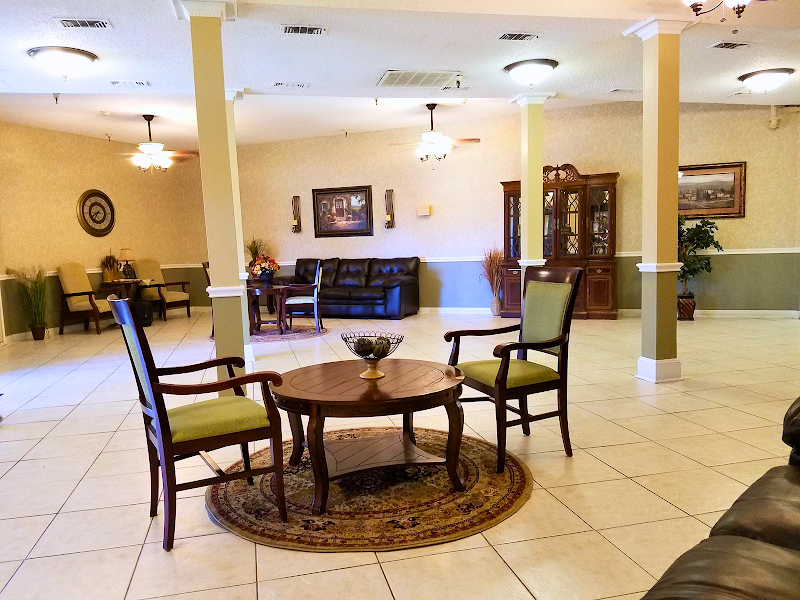
How is Lake Lodge Nursing & Rehabilitation Staffed?

CMS rates LAKE LODGE NURSING & REHABILITATION's staffing level at 2 out of 5 stars, which is below average compared to other nursing homes. Staff turnover is 47%, compared to the Texas average of 46%. RN turnover specifically is 67%, which is notably high. RNs provide skilled clinical oversight, so turnover in this role can affect medical care quality.

What Have Inspectors Found at Lake Lodge Nursing & Rehabilitation?

State health inspectors documented 29 deficiencies at LAKE LODGE NURSING & REHABILITATION during 2023 to 2025. These included: 5 Immediate Jeopardy (the most serious level, indicating potential for serious harm or death) and 24 with potential for harm. Immediate Jeopardy findings are rare and represent the most serious regulatory concerns. They require immediate corrective action.
Who Owns and Operates Lake Lodge Nursing & Rehabilitation?

LAKE LODGE NURSING & REHABILITATION is owned by a for-profit company. For-profit facilities operate as businesses with obligations to shareholders or private owners. The facility is operated by CREATIVE SOLUTIONS IN HEALTHCARE, a chain that manages multiple nursing homes. With 140 certified beds and approximately 73 residents (about 52% occupancy), it is a mid-sized facility located in LAKE WORTH, Texas.
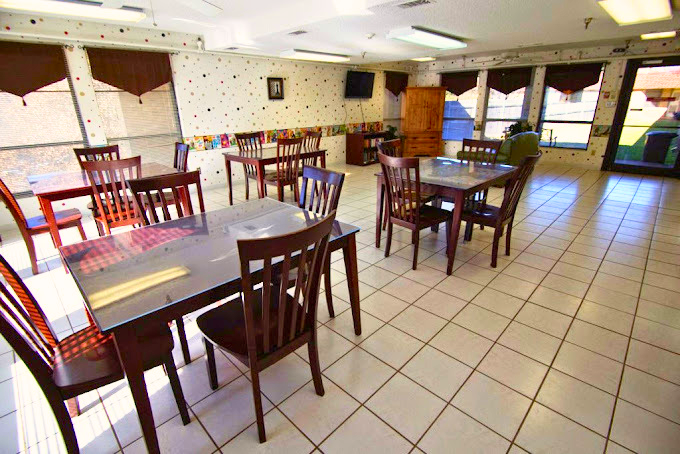
How Does Lake Lodge Nursing & Rehabilitation Compare to Other Texas Nursing Homes?

Compared to the 100 nursing homes in Texas, LAKE LODGE NURSING & REHABILITATION's overall rating (2 stars) is below the state average of 2.8, staff turnover (47%) is near the state average of 46%, and health inspection rating (2 stars) is below the national benchmark.

What Should Families Ask When Visiting Lake Lodge Nursing & Rehabilitation?

Based on this facility's data, families visiting should ask: "What changes have been made since the serious inspection findings, and how are you preventing similar issues?" "Can you walk me through typical staffing levels on day, evening, and night shifts?" "Can I visit during a mealtime to observe dining assistance and food quality?" "How do you handle medical emergencies, and what is your hospital transfer rate?" These questions are particularly relevant given the facility's Immediate Jeopardy citations and the below-average staffing rating.

Is Lake Lodge Nursing & Rehabilitation Safe?

Based on CMS inspection data, LAKE LODGE NURSING & REHABILITATION has documented safety concerns. Inspectors have issued 5 Immediate Jeopardy citations (the most serious violation level indicating risk of serious injury or death). The facility has a 2-star overall rating and ranks #100 of 100 nursing homes in Texas. Families considering this facility should ask detailed questions about what corrective actions have been taken since these incidents.

Do Nurses at Lake Lodge Nursing & Rehabilitation Stick Around?

LAKE LODGE NURSING & REHABILITATION has a staff turnover rate of 47%, which is about average for Texas nursing homes (state average: 46%). Moderate turnover is common in nursing homes, but families should still ask about staff tenure and how the facility maintains care continuity when employees leave.

Was Lake Lodge Nursing & Rehabilitation Ever Fined?

LAKE LODGE NURSING & REHABILITATION has been fined $47,621 across 3 penalty actions. The Texas average is $33,555. While any fine indicates a compliance issue, fines under $50,000 are relatively common and typically reflect isolated problems that were subsequently corrected. Families should ask what specific issues led to these fines and confirm they've been resolved.

Is Lake Lodge Nursing & Rehabilitation on Any Federal Watch List?

LAKE LODGE NURSING & REHABILITATION is not on any federal watch list. The most significant is the Special Focus Facility (SFF) program, which identifies the bottom 1% of nursing homes nationally based on persistent, serious quality problems. Not being on this list means the facility has avoided the pattern of deficiencies that triggers enhanced federal oversight. This is a positive indicator, though families should still review the facility's inspection history directly.