Lancaster LTC Partners, Inc.
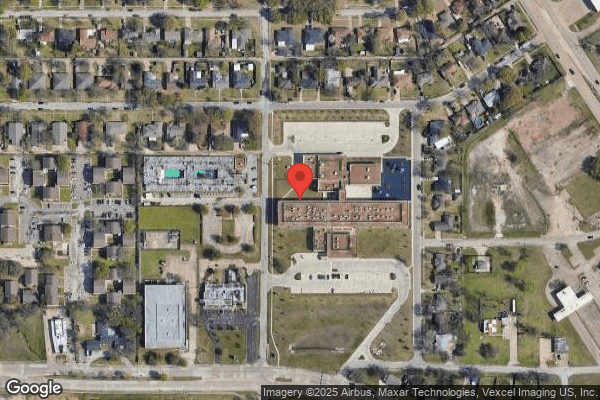
1515 N Elm St, Lancaster, TX 75134 (972) 227-6066
For profit - Limited Liability company 120 Beds CREATIVE SOLUTIONS IN HEALTHCARE Data: November 2025 3 Immediate Jeopardy citations
Trust Grade
0/100
#1032 of 1168 in TX
Last Inspection: October 2024

Within standard 12-15 month inspection cycle. Federal law requires annual inspections.

Overview

Lancaster LTC Partners, Inc. has received a Trust Grade of F, indicating significant concerns about the quality of care provided. With a state rank of #1032 out of 1168, they are in the bottom half of Texas facilities, and they rank #74 out of 83 in Dallas County, meaning there are many better options nearby. However, it's worth noting that the facility is improving, as the number of identified issues decreased from 18 in 2024 to just 4 in 2025. Staffing is average with a rating of 3 out of 5 stars and an impressive turnover rate of 0%, which means staff tend to stay long-term. Despite these strengths, there are serious weaknesses, including critical incidents where residents were not adequately supervised, resulting in one resident eloping and another attempting to handle broken glass. Additionally, the facility has incurred $71,124 in fines, which suggests ongoing compliance issues. Overall, families should carefully weigh the improvements against the significant past concerns when considering this facility.
Trust Score
F
0/100
In Texas
#1032/1168
Bottom 12%
Safety Record
High Risk
Review needed
Inspections
Getting Better
18 → 4 violations
Staff Stability
○ Average
Turnover data not reported for this facility.
Penalties
○ Average
$71,124 in fines. Higher than 51% of Texas facilities. Some compliance issues.
Skilled Nurses
✓ Good
Each resident gets 56 minutes of Registered Nurse (RN) attention daily — more than average for Texas. RNs are trained to catch health problems early.
Violations
⚠ Watch
36 deficiencies on record. Higher than average. Multiple issues found across inspections.
★☆☆☆☆
1.0
Overall Rating
★★★☆☆
3.0
Staff Levels
★★★☆☆
3.0
Care Quality
★☆☆☆☆
1.0
Inspection Score
Stable
2024: 18 issues
2025: 4 issues

The Good

  • Full Sprinkler Coverage · Fire safety systems throughout facility
  • No fines on record

Facility shows strength in fire safety.

The Bad

1-Star Overall Rating

Below Texas average (2.8)

Significant quality concerns identified by CMS

Federal Fines: $71,124

Well above median ($33,413)

Moderate penalties - review what triggered them

Chain: CREATIVE SOLUTIONS IN HEALTHCARE

Part of a multi-facility chain

Ask about local staffing decisions and management

The Ugly 36 deficiencies on record

3 life-threatening
Aug 2025 1 deficiency 1 IJ
CRITICAL (J) 📢 Someone Reported This

A family member, employee, or ombudsman was alarmed enough to file a formal complaint

Immediate Jeopardy (IJ) - the most serious Medicare violation

Accident Prevention (Tag F0689)

Someone could have died · This affected 1 resident

**NOTE- TERMS IN BRACKETS HAVE BEEN EDITED TO PROTECT CONFIDENTIALITY** Based on observation, interview, and record review, the facility failed to ensure the resident environment remained as free of a...

Read full inspector narrative →
**NOTE- TERMS IN BRACKETS HAVE BEEN EDITED TO PROTECT CONFIDENTIALITY** Based on observation, interview, and record review, the facility failed to ensure the resident environment remained as free of accident hazards as was possible and received adequate supervision 2 of 9 residents (Resident's #1 and #2) reviewed for accident hazards.1. The facility failed to immediately fix a broken window in the Memory Care Unit's dayroom. Resident #1 grabbed a shard of the glass and attempted to remove it. The Surveyor intervened to get the resident to stop grabbing it.An Immediate Jeopardy (IJ) was identified on 07/17/25. The IJ template was provided to the facility on [DATE] at 4:55 PM . While the IJ was removed on 07/18/25, the facility remained out of compliance at a scope of isolated and a severity level of no actual harm with potential for more than minimal harm due to the facility continuing to monitor the implementation and effectiveness of their Plan of Removal.2. The facility failed to ensure Resident #2 did not elope from the facility on 06/05/25. The resident was returned to the facility by the police on 06/05/25.An Immediate Jeopardy (IJ) was identified on 07/31/25. The IJ template was provided to the facility on [DATE] at 11:00 AM. While the IJ was removed on 08/01/25, the facility remained out of compliance at a scope of isolated and a severity level of no actual harm with potential for more than minimal harm due to the facility continuing to monitor the implementation and effectiveness of their Plan of Removal.These failures could place residents at risk for injury up to and including death due to the sharp glass and elopement.Based on observation, interview, and record review, the facility failed to ensure the resident environment remained as free of accident hazards as was possible and residents received adequate supervision for 2 of 9 residents (Residents #1 and #2) reviewed for accident hazards.1. The facility failed to immediately fix a broken window in the Memory Care Unit's dayroom. Resident #1 grabbed a shard of the glass and attempted to remove it. The Surveyor intervened to get the resident to stop grabbing it.An Immediate Jeopardy (IJ) was identified on 07/17/25. The IJ template was provided to the facility on [DATE] at 4:55 PM. While the IJ was removed on 07/18/25, the facility remained out of compliance at a scope of isolated and a severity level of no actual harm with potential for more than minimal harm due to the facility continuing to monitor the implementation and effectiveness of their Plan of Removal.2. The facility failed to ensure Resident #2 did not elope from the facility on 06/05/25. The resident was returned to the facility by the police on 06/05/25.An Immediate Jeopardy (IJ) was identified on 07/31/25. The IJ template was provided to the facility on [DATE] at 11:00 AM. While the IJ was removed on 08/01/25, the facility remained out of compliance at a scope of isolated and a severity level of no actual harm with potential for more than minimal harm due to the facility continuing to monitor the implementation and effectiveness of their Plan of Removal.These failures could place residents at risk for injury up to and including death due to the sharp glass and elopement.The findings included:1. Record review of Resident #1's quarterly MDS assessment, dated 06/17/25, revealed the resident was a [AGE] year-old male admitted on [DATE]. His BIMS score was 3 indicating his cognitive ability was severely impaired. His diagnoses included seizure disorder and schizophrenia (a serious mental health condition that affects how people think, feel and behave. It may result in a mix of hallucinations, delusions, and disorganized thinking and behavior.) The resident required set-up assistance for wheelchair mobility.Record review of Resident #1's Care Plan, dated 06/19/25, reflected:The resident was at risk for falls.Facility interventions included:The resident needed a safe environment with even floors free from spills and/or clutter; adequate, glare-free light; a working and reachable call light, the bed in low position at night; handrails on walls, and personal items within reach.An observation and interview on 07/17/25 at 10:50 AM revealed Resident #1 was in the Memory Care Unit dayroom with 2 other residents. Resident #1 was in his wheelchair sitting next to a table close to the exit door. The window next to the exit door was broken and had a large piece of triangle shaped glass sticking straight up. There were also multiple pieces of glass sticking up and there was one large piece of glass laying in the windowsill. Pictures of the window were taken. Resident #1 said the window had been broken for 2-3 days after an unknown resident in a wheelchair hit it. The resident said he had never cut himself on the window.An interview on 07/17/25 at 10:53 AM with LVN A in the Memory Care Unit revealed she did not know the window was broken. She was walking through the day room. LVN A left the Memory Care Unit.An observation and interview on 07/17/25 at 10:55 AM revealed CNA B entered the day room. She sat in a chair at the table that was blocking the window. She said she would be staying in the day room until maintenance came to fix the window. Resident #1 was in his wheelchair next to her. She said she did not know about the broken window. The Surveyor walked around the corner to the nurse station. An interview with RN C revealed the window was broken 2-3 days ago and she did not know how it happened. She said none of the residents had cuts or injuries. The Surveyor returned to the day room, but CNA B was not there. Resident #1 was next to the broken window and grabbed the largest piece of triangle shaped glass, separate from the other pieces of glass, easily reached by the resident, and tried to remove it. The Surveyor told him to stop. The resident grabbed it again and said he needed to remove it so no one would get hurt. The Surveyor said stop and CNA B returned to the dayroom and told him to stop also. The resident stopped after he was told Maintenance was coming to fix it. The Maintenance Director entered the day room and said the window had been broken for 2 days and he thought the broken glass was removed. He said two days prior the window did not look as bad, and he said it looked like someone hit the window again. The Maintenance Director removed the glass pieces and said he would cover it with a piece of cardboard. He left the room. CNA B had also left the room. The window had a gaping hole with sharp edges. The Surveyor stayed with the window and Resident #1 to make sure he did not touch the window again. The 2 other residents in the day room were still in their same spot.An observation and interview on 07/17/25 at 11:03 AM revealed the Maintenance Director returned. He said there were no cameras in the dayroom. The Maintenance director said he was told that there was just a crack in the window, and he did not know the hole had gotten so big. He placed cardboard over the window and said he had called the window company 2 days ago to fix it, but they had not arrived yet.An interview on 07/17/25 at 11:12 AM with the DON revealed she did not know about the broken window in the dayroom prior to 07/17/25. She said she did not know how it happened. She said the nurse was assessing the residents in Memory Care for cuts and injuries. She said it was everyone's responsibility to check windows and environment issues and report them to be fixed. She said a broken window put residents at risk for harm.An interview on 07/17/25at 12:42 PM with the Administrator revealed he did not know about the broken window and would contact the Maintenance Director. He said staff were supposed to notify him about the broken window.Review of the facility policy, Preventive Maintenance not dated, reflected:The facility will ensure that a comprehensive preventive maintenance program is in place for essential operating equipment. Preventive maintenance will be completed routinely and according to protocol by the Maintenance Supervisor or qualified designee. The facility will maintain documentation of all preventive maintenance.Review of the facility policy, Facility Assessment dated 08/08/24, reflected: The facility assessment addresses the following.A facility-based and community-based risk assessment, utilizing an all- hazards approach.This was determined to be an IJ on 07/17/25. The Administrator and the DON were notified. The Administrator was provided with the IJ template on 07/17/25 at 4:55 PM. The Plan of Removal was accepted at 8:35 AM on 07/18/25 and reflected the following:Interventions:The window referenced on the secure unit was repaired on 07/17/25 by the maintenance director.All windows in the facility and secure unit were inspected by the maintenance director. No additional windows needed repair. Completed 07/17/25.All residents in the secure unit were assessed for injuries by the DON and ADON on 07/17/25. No new injuries were noted.New Process: If there is a window or any area in the in facility that needs repair and presents as an accident/hazard, staff will ensure that someone remains at the site to protect residents from harm. The administrator, maintenance director, or ADON will be notified immediately. If repairs cannot be completed immediately, the administrator will contact the Area Director of Operations for guidance. The process will begin 07/17/25 and ongoing.The Maintenance Director, Administrator, or designee will inspect all windows in the facility weekly to ensure all windows are intact and functioning. Windows that need repair will be addressed immediately. Start date will be 07/17/25 and ongoing.The Administrator, DON, Maintenance Director and ADON were in-serviced 1:1 by the Regional Compliance Nurse and completed as of 07/17/25 on the following:New Process: If there is a window or any area in the in facility that needs repair and presents as an accident/hazard, the staff will ensure that someone remains at the site to protect residents from harm. The administrator, maintenance director, or ADON will be notified immediately. If repairs cannot be completed immediately, the administrator will contact the Area Director of Operations for further guidance in ensuring the safety of the residents.Abuse and Neglect failure to repair a broken window immediately could be considered neglect and be a potential hazard to staff and residents.The Medical Director was notified of the immediate jeopardy citation on 07/17/25 by the DON.An ADHOC QAPI meeting was conducted as of 07/17/25 to review the immediate jeopardy citations and subsequent plan of removal.In-services:The Regional Compliance Nurse, Administrator, DON, and ADON will in-service all staff on the following topics below. All staff not present for the in-services will not be allowed to work their next shift until the in-services are completed. All new hires will be in-serviced during orientation prior to working their shift. All agency staff will be in-serviced prior to assuming scheduled shift. In-servicing began on 7/17/25. Completion date will be 7/18/25.New Process: If there is a window or any area in the in facility that needs repair and presents as an accident/hazard, staff will ensure that someone remains at the site to protect residents from harm. The administrator, maintenance director, or ADON will be notified immediately. If repairs cannot be completed immediately, the administrator will contact the Area Director of Operations for guidance in ensuring the safety of the residents.Abuse and Neglect failure to repair a broken window immediately could be considered neglect and be a potential hazard to staff and residents.Monitoring of the facility's Plan of Removal included the following:Record reviews of the facility Plan of Removal In-services reflected:25 staff were in-serviced on: In Service Training Attendance Roster, dated May 2025, reflected: Service Training Topic:New Process: If there is a window or any area in the in facility that needs repair and presents as an accident/hazard, staff will ensure that someone remains at the site to protect residents from harm. The administrator, maintenance director, or DON will be notified immediately. If repairs cannot be completed immediately, the administrator will contact the Area Director of Operations for guidance in ensuring the safety of the residents.Abuse and Neglect failure to repair a broken window immediately could be considered neglect and be a potential hazard to staff and residents.Observations on 07/18/25 from 9:30 AM to 1:00 PM of the facility, including the Memory Care Unit revealed no broken windows or safety hazards. The broken window in the Memory Care Unit was fixed. Residents in the Memory Care Unit did not have visible cuts or scrapes.Interviews with staff from 07/18/25 at 10:00 AM to 07/18/25 at 1:00 PM were completed. 11 staff were interviewed in person/on the phone who worked all shifts at the facility. The interviewed staff were RN C, LVN A, Activity Director, Housekeeper D, LVN E, CNA F, CNA G, Maintenance Director, LVN H, DON, and the Administrator. The staff were able to verbalize they were in-serviced on the new process. If there was a window or any area in the facility that needed repair and presented as an accident/hazard, staff would ensure that someone remained at the site to protect residents from harm. The administrator, maintenance director, or DON would be notified immediately. Also, they were able to verbalize that failure to repair a broken window immediately could be considered neglect and be a potential hazard to staff and residents.An interview with the Maintenance Director on 07/18/25 at 12:46 PM revealed he was in-serviced regarding the POR for the broken window. The Maintenance Director said he inspected all windows on 07/17/25 and no additional windows needed repair. He said he was supposed to report to the Administrator and Supervisor and get it fixed ASAP if he found a broken window. He said he or staff had to stay with the resident until the window was fixed. He said he had to look everyday to make sure no windows were broken and failure to repair the window could be neglect and present a potential hazard to the residents.An interview with the DON on 07/18/25 at 12:25 pm revealed her role in the Plan of Removal was to ensure staff were in-serviced and assist with in-services. She said if a broken window was found, she would direct staff to stay with the residents until the window was fixed. She said if staff found a broken window, they were to stay with the residents and call the Administrator, DON, and Maintenance Director. She said staff were supposed to check daily for broken windows. The DON said failure to fix a broken window and stay with the resident posed a potential hazard and neglect.An interview on 07/18/25 at 12:10 PM with the Administrator revealed his role in the Plan of Removal was to supervise and make sure the facility stayed in compliance. The Administrator said he would contact the Area Director of Operations if a window was found broken and could not be fixed. He said he would monitor to ensure the Maintenance Director was checking for broken windows and fixing them immediately. The Administrator said if staff found a broken window, they were supposed to stay with the resident and notify the Maintenance Director, DON, and Administrator about the broken window. He said failure to stay with the resident and fix the broken window was a potential accident hazard and neglect. The Administrator said the issue was also discussed at the QAPI meeting held with facility administration.The Administrator and DON were informed the Immediate Jeopardy was removed on 07/18/25 at 2:15 PM. On 07/17/25 at 4:55 PM, an IJ was identified. While the IJ was removed on 07/18/25, the facility remained out of compliance at a scope of isolated and a severity level of no actual harm with potential for more than minimal harm due to the facility continuing to monitor the implementation and effectiveness of their Plan of Removal.2. Record review of Resident #2's admission MDS assessment, dated 06/16/25, revealed the resident was a [AGE] year-old male admitted on [DATE]. His BIMS score was 3 indicating his cognitive ability was severely impaired. His diagnoses included metabolic encephalopathy (brain dysfunction caused by underlying metabolic disturbances, leading to symptoms like confusion, memory loss, and altered consciousness) and delirium (a serious change in mental abilities. It results in confused thinking and a lack of awareness of someone's surroundings). The resident required set-up assistance for ambulating. Record review of Resident #2's Care Plan, not dated, reflected:The resident was at risk for wanderingFacility interventions included:If the resident is exit seeking, stay with the resident and notify the charge nurse by calling out, sending another staff member, call system, etc.Record review of Resident #2's elopement assessment, dated 06/06/25, reflected the resident was severely impaired and verbalized the desire to leave the facility after his elopement on 06/05/25. The resident ambulated independently and was a new admission to the facility. Record review of Resident #2's incident report, dated 06/05/25, and completed by the DON, reflected:Resident removed plexi-glass next to exit door at the back of the unit and left facility. Police saw the resident walk down the street near the facility and brought him back. The police said they spoke to the resident and assumed that he had psychiatric issues. The police returned him to the facility. The resident was unharmed and was immediately placed on 1:1 monitoring.Record review of Resident #2's Provider Investigation Report, dated 06/05/25, reflected: Resident left facility by pushing out a window next to the exit at the back of the building. Last seen in hallway at about 8:30 PM by charge nurse. Returned to facility at 9:45 PM.Skin, trauma, pain and elopement assessments were completed. Assessments were normal. No signs or symptoms of mental or physical distress.Resident put on 1:1 observation. Maintenance repaired window and put up braces so that window could not be pushed out again. Safe surveys obtained. Residents' family, Medical Director, Compliance Nurse, DON, and Administrator contacted.Safe surveys obtained. In-services on elopement, abuse and neglect, resident rights, trauma informed care, and behavior management were given to staff.An observation on 07/17/25 at 10:30 AM revealed Resident #2 was not at the facility. The memory care unit exit doors were locked and there were no windows visible next to the exit doors.An interview on 07/17/25 at 3:15 PM with RN I revealed he had worked at the facility for a year. He said the cameras in the memory Care Unit did not work. He said Resident #2 was admitted on [DATE] between 6:30 PM -7:00 PM. RN I said that he supervised the residents in the memory Care Unit and he saw the resident at about 8:30 PM wandering up and down the halls of the Memory Care Unit. RN I said at 9:15 PM the police arrived with Resident #2. RN I said he was not aware that the resident had eloped from the facility. He said the police told him Resident #2 was found wandering around the neighborhood. RN I said he did not realize that Resident #2 was going to elope. He said when the resident returned, RN I searched the Memory Care Unit to see how the resident eloped. He said he noticed the plexi-glass window next to the back exit door was pushed out. RN I said when the resident returned, they placed him on 1:1 monitoring and did a head count and followed the facility elopement policy. RN I said the resident discharged from the facility on 06/24/25 and was on 1:1 until he discharged . He said Resident #2 did not have any further elopements and no other residents had eloped. RN I said the facility covered the windows next to the exit door with walls.An interview on 07/31/25 at 1:55 PM with CNA K revealed Resident #2 was in the Memory Care Unit when she arrived to work at 6:00 PM on 06/05/25. She said she saw him walking around the unit at 9:15 PM and the police brought him back between 9:45 PM - 10:00 PM. She said the police asked if they were missing anyone. CNA K said she did a head count and realized Resident #2 was not in his room. CNA K stated RN I described him to the police and the police brought him back into the unit. CNA K said they started searching the unit to see how he got out. CNA K said she was checking everything to see how he got past her, and she saw the window next to the back exit door was pushed out. The window was not broken or anything. He just slid out through the opening. She said Resident #2 was being supervised by her and RN I and he was constantly walking around and looking out the windows. He was placed on 1:1 monitoring when he returned to the Memory Care Unit.An interview on 07/17/25 at 2:15 PM with the DON revealed there were no other elopements after Resident #2 on 06/05/25. She said at the time he eloped, he pushed out the plexi-glass window that was next to the exit door, but the staff did not realize he had eloped until the police brought him back. She said RN I saw the resident last at around 8:30 PM.Record Review of Resident #2's 1:1 monitoring from date of elopement to date of discharge revealed he remained on 1:1 observation.Record Review of Resident #2's updated care plan, not dated, reflected:At risk for elopement or has had an actual elopement due to metabolic encephalopathy, and delirium.Resident pushed out plexi-glass on wall and stepped through it.Facility interventions: Resident to remain on 1:1 services until further notice, or until resident discharges from the facility. Window was immediately repaired so others were not at risk for leaving.Review of the facility policy, Elopement Prevention not dated, reflected: Policy StatementEvery effort will be made to prevent elopement episodes while maintaining the least restrictive environment for residents who are at risk for elopement.The Elopement Risk Assessment will be completed upon admission. The assessment should be completed by reviewing the resident's medical history and social history. Information may be obtained by reviewing current medical records, if available, interview with resident/family, or conference with the interdisciplinary team member. The assessment tool should be completed, and interventions implemented as indicated. The Elopement Risk Assessment is to be completed at least quarterly and upon change of condition.All residents who are at risk for harm because of wandering (elopement) will be assessed by the interdisciplinary care planning team.The resident's current chart and assessments will be reviewed to determine what changes have occurred that would trigger elopement episodes.The resident's care plan will be modified to indicate the resident is at risk for elopement episodes.Interventions into elopement episodes will be entered onto the resident's care plan and medical record.Should an elopement episode occur, the contributing factors, as well as the interventions tried, will be documented on the nurses' notes. Director of Risk Management and\or Director of Nursing Services should be notified of elopement.If a resident is discovered to be missing, a search shall begin immediately. (See policy entitled Elopement Response.)Identify the cause of wanderingWandering may reflect the need to use the bathroom, relieve hunger, thirst, physical discomfort, or desire for exercise.Wandering may be an indication of worsening of confusion secondary to dehydration, infection, congestive heart failure, or medication side effects.Wandering may be in response to uncomfortable temperature, excess stimulation, sensory deprivation, or uncomfortable clothing.The wanderer may be seeking a fulfillment of unmet psychological needs by acting out a habitual routine.The wanderer may be a person who handles stress by being physically active.The wanderer may be simply unable to find his/her room or the bathroom.Intervention StrategiesReduce physical discomfort (e.g., analgesia to reduce pain, more comfortable seating, and scheduled toileting).Use personal items, family photos, or familiar objects to label resident's room clearly.Maintain familiar routines as much as possible.Schedule regular ambulation program or opportunity for exercise.Reduce excess sensory stimulation (sensory overload), decrease noise level and confusion.Use simple, clear language. Tell the resident what you want him/her to do, not what you don't want them to do. (e.g., come with me instead of don't go outside)Approach the resident in non-threatening manner.Do not confront or argue with the resident. Acknowledge the resident's concerns and gently redirect the resident.Follow the resident to see where he/she goes. If the destination is safe, consider use of volunteer companion or family member as a suitable escort.Give resident something to do that makes him/her feel useful (e.g., winding yarn or folding towels).Allow verbalization of feelings.Obtain information from family on pattern of physical activity, daily home routine, style of coping with stress, etc.Environmental ModificationAllow the resident to wander in a safe and secure setting (e.g., closed courtyard or hallway free from obstacles or stairs).Use large signs or pictures to help residents identify his/her room or bathroom.Use full-length mirrors, black doormats, or black tape grid pattern on floor to discourage demented residents from approaching doors.Use signs with large letter stating No/No Entry/Sorry, Door Closed.Use door locks that are out of reach/sight to prevent wanderers from opening doors.Use door alarms or monitoring devices to notify staff when residents try to leave the facility.Consider putting wandering residents on the same unit with a single exit near the nursing station.If applicable, consider the resident for a secured unitStress During AdmissionIdentify barriers to effective communication (e.g., hearing loss, aphasia, language barrier, dysarthria , etc.).Make sure the resident has all prescribed assistive devices (e.g., glasses, hearing aid, dentures, walking aids, etc.).Obtain information from family and friends on the resident's prior behavior, personal preferences, and routines.Determine the resident's need for assistance in mobility (transfers, gait, or wheelchair mobility) and the ability to follow and remember instructions.Consider teaming the new resident with another resident who is comfortable and oriented in the facility (i.e., the buddy system).Interventions to Reduce StressWhenever possible, maintain the resident's familiar routine.Adjust bedroom and bathroom to resident's functional capacity.Use personal items, photographs and familiar objects from home, to make the new environment less strange.Encourage visits by the family members and friends.Orient the resident to the daily routine.Allow the resident to participate as much as possible in daily decision making.Allow time for new information to be absorbed.Acclimate resident to the new environment.Provide reassurance and support. Physical PlantAll facility exits that residents have access to will have a device in place to alert staff of possible elopement attempts. Examples of these devices:Wanderguard System (locking or alarming)Placement of the residents' device to alarm the system will be verified each shift and documented on a treatment or other flow record.Function of the resident's device will be verified at least daily and documented on a treatment of other flow record.Function of the alarm system will be verified each week and documented in a maintenance log. Keypad exit magnetic locksKeyed AlarmsSecured UnitOr a combination of the aboveAll other exits not considered fire exits will be locked when not occupied by staff members.All exit devices will be maintained by the manufacturer's recommendations and function of each door device will be verified weekly and a log maintained.Staff TrainingStaff will receive training during their orientation process and then annually regarding: Elopement prevention Operation of all exit devices Actions to take if elopement occursThis was determined to be an IJ on 07/31/25. The Administrator and the DON were notified. The Administrator was provided with the IJ template on 07/31/25 at 11:55 AM.The Plan of Removal was accepted at 10:28 AM on 08/01/25 and reflected the following:Plan of RemovalProblem: Elopement InterventionsResident #2 was immediately assessed and placed on 1:1 supervision until discharged from the facility on 6/24/25.All windows on the secured unit were inspected and repaired by the maintenance director. Completed on 7/17/25All exit doors in the facility were checked by the Maintenance Director and Administrator for proper alarming and functioning. No issues were identified. Completed on 6/5/25.Elopement risk assessments for all residents in the facility were completed and reviewed by the DON/ADON/Regional Compliance Nurse on 6/6/25. Completed on 6/6/25.All residents that were determined high risk for elopement based on the assessments had their care plans reviewed and updated by DON, Regional Compliance Nurse and ADON for appropriate interventions to prevent elopement. Care plans will be reviewed and updated upon admission, quarterly, and as needed by the DON, ADON or MDS Nurse. Completed on 6/6/25.The Charge Nurse on shift will be responsible for completing elopement risk assessments on all residents upon admission, quarterly, and residents who demonstrate exit seeking behavior or verbally express the desire to elope from the facility. The resident will be placed on 1:1 supervision as delegated by the charge nurse. The charge nurse or designee will notify the administrator or DON immediately for further guidance on appropriate interventions to ensure the safety of the residents. The resident's care plan will be reviewed and updated with the appropriate interventions. Completed on 6/6/2025 and will continue indefinitely.Elopement Risk Assessments for all new admissions, quarterly assessments, and residents who demonstrate exit seeking behavior or verbally express the desire to elope from the facility will be reviewed by the Interdisciplinary Team daily during the morning clinical meeting to ensure that appropriate supervision and interventions were implemented. The administrator and DON will be responsible for ensuring that any late and/or incomplete assessments are completed immediately after the meeting. Completed on 6/6/2025 and will continue indefinitely.New Process: If there is a window or any area in the facility that needs repair and presents as an accident/hazard, staff will ensure that someone remains at the site to protect residents from harm. The administrator, maintenance director, DON or ADON will be notified immediately by the charge nurse or designee. If repairs cannot be completed immediately by the maintenance director, interventions specific to the hazard will be implemented to ensure the safety of the residents. The administrator will contact the Area Director of Operations to assist in hiring any third-party contractors to complete repairs immediately or as soon as possible. Completed on 7/17/25 and will continue indefinitelyThe Regional Compliance Nurse in-serviced the DON and Administrator 1:1 on the following policies below. Completed on 7/17/25.Abuse and Neglect: failure to repair a broken window immediately could result in a missing resident, neglect, and be a potential safety hazard to staff and residents.Elopement Prevention and Response Policies: to include properly functioning windows and doors to prevent residents from eloping or harm.Behavior Management Policy: a resident who is exit seeking or expressing a desire to elope will remain on 1:1 supervision until the Administrator or DON is notified to give further guidance to ensure the safety of the resident.New Process: If there is a window or any area in the facility that needs repair and presents as an accident/hazard, staff will ensure that someone remains at the site to protect residents from harm. The administrator, maintenance director, DON or ADON will be notified immediately by the charge nurse or designee. If repairs cannot be completed immediately by the maintenance director, interventions specific to the hazard will be implemented to ensure the safety of the residents. The administrator will contact the Area Director of Operations to assist in hiring any third-party contractors to complete repairs immediately or as soon as possible.The Medical Director was notified of the immediate jeopardy citation on 7/31/25 by
Mar 2025 1 deficiency
CONCERN (D) 📢 Someone Reported This

A family member, employee, or ombudsman was alarmed enough to file a formal complaint

Potential for Harm - no one hurt, but risky conditions existed

Transfer Requirements (Tag F0622)

Could have caused harm · This affected 1 resident

**NOTE- TERMS IN BRACKETS HAVE BEEN EDITED TO PROTECT CONFIDENTIALITY** Based on interview and record review, the facility failed to ensure the transfer or discharge is documented in the medical recor...

Read full inspector narrative →
**NOTE- TERMS IN BRACKETS HAVE BEEN EDITED TO PROTECT CONFIDENTIALITY** Based on interview and record review, the facility failed to ensure the transfer or discharge is documented in the medical record for one (Resident #1) of four residents reviewed for clinical records. The facility (RN A) failed to complete a Transfer/Discharge Form on 03/03/25 when he sent Resident #1 for evaluation to the Emergency Room. This failure could put residents at risk of arriving at the emergency room without information regarding their medical conditions or needs. Findings included: Record review of an undated Face Sheet revealed Resident #1 was a [AGE] year-old man admitted to the facility on [DATE]. Resident #1 diagnoses included Anemia (not enough healthy red blood cells to carry oxygen throughout the body), Hypotension (blood pressure is significantly lower than normal), End Stage Renal Disease (the kidneys have permanently lost most of their ability to function), Malignant Neoplasm of the Kidney (cancerous tumor that develops in the kidney), Ulcerative colitis (chronic inflammatory bowel disease that affects the large intestine), Cerebral Infarction (blood flow to the brain is interrupted), Type 2 Diabetes (does not produce enough insulin, resulting in high blood sugar levels), and Shortness of Breath. Record review of Resident #1's MDS assessment dated [DATE] revealed a BIMS (Brief Interview for Mental Status) of 15 meaning he was cognitively intact. Under Section G, Function Status revealed Resident #1 required extensive assistance with all ADL's, except eating where he only required setup. Under Section O, Special Treatments, Procedures, and Programs revealed Resident #1 required oxygen therapy. Record review of Resident #1's care plan revised on 1/06/2025 revealed he suffered from shortness of breath. Under goal revealed [Resident #1] will maintain normal breathing pattern as evidenced by eupnea (normal, good, healthy and unlabored breathing), normal skin color, and regular respiratory rate/pattern through the review date. Under interventions included monitor/document changes in orientation, increased restlessness, anxiety, and air hunger and notify the nurse if the resident is having trouble breathing. Record review of Resident #1's care plan revised on 7/17/2024 revealed [Resident #1] has hypotension r/t Medication use (Midodrine 15mg). Some of the interventions included: Give medications as ordered. Monitor for side effects and effectiveness. Monitor vital signs as ordered and record. Report significant abnormalities to MD. Monitor/document/report to MD PRN any s/sx of hypotension: dizziness, fainting, syncope (temporary loss of consciousness that occurs when the brain does not receive enough blood flow), blurred vision, lack of concentration, nausea, fatigue, cold clammy pale skin. Record review of Resident #1's Nursing Note by RN A dated 3/3/2025 at 10:45 pm revealed [Resident #1] sent to hospital on FM's request [Family Name]. [Resident #1] was at baseline that is consistent with steady decline and low blood pressure managed with Midodrine 15 mg. In an interview on 3/5/2025 FM A stated she was not sure if Resident #1 was supposed to be on oxygen all the time. FM A stated she lived in [City] and had not seen Resident #1 in almost one year. Resident #1 stated she communicated with Resident #1 over the phone. FM A stated she did not know if Resident #1's vitals had been taken, but when the staff member entered the room, he said he had just started his shift and had not taken Resident #1's vitals yet. In an interview on 3/5/2025 at 02:00 pm with the MD, he stated the facility notified him that FM A wanted Resident #1 sent out to the hospital. The MD stated Resident #1 was mostly bed-bound with many diagnoses including, hypotension, ESRD, shortness of breath, cardiac diagnosis, etc. The MD stated Resident #1 had a guarded prognosis because there are so many medical problems. The MD stated Resident #1 was high risk for rehospitalizations and high risk for complications just due to his frequent blood transfusions and frequent infections. The MD stated Resident #1 was a colonizer of resistant organisms as well. The MD stated Resident #1 was a very high risk individual for decompensation. The MD stated Resident #1 had anemia which they are trying to figure out because he had a history of gastrointestinal leaks, but he refused colonoscopies a couple of times while in the hospital. The MD stated the only concern with Resident #1's dialysis was due to his low BP. The MD stated sometimes they were not able to dialyze him due to his BP not holding, and he was on Midodrine 15 gms to help regulate it. The MD stated Resident #1's blood pressure was a big issue because he ran low blood pressure and was on medication to keep it up. In an interview on 3/5/2025 at 2:25 pm with the DON, she stated RN A called and informed her that FM A wanted Resident #1 sent out. The DON stated when RN A assessed Resident #1, his blood pressure was low and FM A insisted he be sent to the hospital. The DON stated RN A informed her that Resident #1 was alert and oriented x 1 at the time and he was normally alert and oriented x 4. The DON stated Resident #1's blood pressure was last checked at 12:53 PM with a reading of (83/53 mmHg). The DON stated Resident #1's oxygen was PRN and his O2 must remain above 92%. The DON stated Resident #1's O2 had never been less than 95%. The DON stated Resident #1's blood pressure ranged between 83/53 mmHg and 98/56 mmHg, and sometimes 101/52 mmHg depending on the days he went to dialysis. The DON stated if the top number were over 120 mmHg and the bottom number was over 80 mmHg, they would hold the medication. The DON stated anything under those numbers, Resident #1 was administered his Midodrine 15 mg medication. The DON stated anytime a resident was sent out to the hospital, the Nurse was required to complete an eTransfer form. The DON stated if the nurse failed to do so, they would not know the exact time, reason, nor who transported the Resident if it was not documented in the nurse's notes. The DON stated her expectation was for the nursing staff to adhere to policy and complete the eTransfer Form every time a resident was sent out to the hospital. The DON stated staff was supposed to complete and print the eTransfer Form and give it to the EMTs along with the resident's face sheet, the DNR form and a list of their diagnoses and orders. The DON stated starting today (3/5/2025), they were going to make sure the eTransfer Forms were completed entirely and properly. In an interview and record review on 3/5/2025 at 3:10 pm with RN A, he stated Resident #1's blood pressure reading was 97/57 mmHg. RN A stated whenever Resident #1's blood pressure decreased, he was administered 15mg of Midodrine which in turn elevated Resident #1's blood pressure within 30 minutes. RN A stated he called 911 due to the instruction of FM A. RN A stated he called the doctor and the DON. RN A stated the facility policy says, You are supposed to send an eTransfer and the SBAR forms to the hospital. RN A stated the only thing different he would have done was adhered to policy and completed the eTransfer form. In an interview and record review on 3/5/2025 at 5:05 pm with the ADM, he stated RN A was required to complete the eTransfer Form, the SBAR Form, print Resident #1's face sheet, a list of medications and diagnosis, so the hospital could determine quickly what needed to be done. The ADM stated RN A should have completed the eTransfer Form, especially if he were sending a resident to the hospital. The ADM stated if any resident needed to be sent out, the nursing staff should have all the correct paperwork available to hand over to EMS to take with the resident. Record Review of the facility's policy, Notifying the Physician of Change in Status with a revised date of 3/11/2013 revealed, . 10. If a resident is transferred to the hospital, complete a transfer form. Record Review of the facility's policy, Documentation with a revised date of May 2013 revealed, Documentation is the recording of all information, both objective and subjective, in the clinical record of an individual resident. Goal . 1. The facility will maintain complete and accurate documentation for each resident on all appropriate clinical record sheets. 2. The facility will ensure that information is comprehensive and timely and properly signed. Procedure . 6. Document completed assessments in a timely manner and per policy.
Feb 2025 2 deficiencies
CONCERN (D) 📢 Someone Reported This

A family member, employee, or ombudsman was alarmed enough to file a formal complaint

Potential for Harm - no one hurt, but risky conditions existed

ADL Care (Tag F0677)

Could have caused harm · This affected 1 resident

**NOTE- TERMS IN BRACKETS HAVE BEEN EDITED TO PROTECT CONFIDENTIALITY** Based on observation, interview, and record review, the facility failed to ensure residents who were unable to carry out activit...

Read full inspector narrative →
**NOTE- TERMS IN BRACKETS HAVE BEEN EDITED TO PROTECT CONFIDENTIALITY** Based on observation, interview, and record review, the facility failed to ensure residents who were unable to carry out activities of daily living received necessary services to maintain personal hygiene for one (Resident #1) of five residents reviewed for ADLs. The facility failed to provide showers or bed baths consistently for Resident #1 per the facility bathing schedule in February 2025. This failure placed residents who were dependent on staff for bathing at risk for poor personal hygiene, odors, and a decline in their quality of life. Findings include: Review of Resident #1's Face Sheet, dated 02/19/25, reflected she was a [AGE] year-old female, who most recently admitted to the facility on [DATE]. Resident #1 had diagnoses including hemiplegia and hemiparesis following cerebral infarction affecting left non-dominate side (when a person has experienced a stroke (cerebral infarction) which has resulted in paralysis (hemiplegia) or significant weakness (hemiparesis) on the left side of their body). Review of Resident #1's MDS Assessment, dated 01/15/25, reflected she had moderate cognitive impairment. Resident #1 was identified as being dependent upon staff for toileting, showering/bathing, and dressing her lower body. Review of Resident #1's Care Plan, dated 12/04/24, reflected Resident #1 had an ADL self-care deficit and required extensive assistance for bathing/showering three times per week, as well as on an as-needed basis. Review of Resident #1's Shower Sheets from 02/06/25 to 02/18/25 reflected no evidence that Resident #1 received her scheduled showers on 02/13/25 or 02/15/25. During an interview with Resident #1 on 02/19/25 at 11:30 AM, she stated she had been having issues with both call light response time and scheduled showers. Resident #1 stated that although she received her scheduled shower yesterday (02/18/25), facility staff had not been ensuring that she was receiving them regularly and as scheduled (three times per week on Tuesdays, Thursdays, and Saturdays). During an interview with the DON on 02/19/25 at 12:05 PM, she stated she was aware that Resident #1 reported not receiving her scheduled showers. She stated review of her shower sheets indicated no evidence that she received her scheduled showers on 02/13/25 or 02/15/25. The DON indicated she felt as though this was likely due to an underlying staffing issue within the facility. A telephone interview was attempted with CNA D, who was responsible for ensuring Resident #1 received her scheduled showers on 02/13/25 and 02/15/25, on 12/19/25 at 4:07 PM. The telephone call was not returned. A policy related to ADL care, including showers/bathing, was requested but was not received at the time of exit.
CONCERN (E) 📢 Someone Reported This

A family member, employee, or ombudsman was alarmed enough to file a formal complaint

Potential for Harm - no one hurt, but risky conditions existed

Deficiency F0725 (Tag F0725)

Could have caused harm · This affected multiple residents

**NOTE- TERMS IN BRACKETS HAVE BEEN EDITED TO PROTECT CONFIDENTIALITY** Based on interviews and record review, the facility failed the have sufficient nursing staff to provide nursing and related serv...

Read full inspector narrative →
**NOTE- TERMS IN BRACKETS HAVE BEEN EDITED TO PROTECT CONFIDENTIALITY** Based on interviews and record review, the facility failed the have sufficient nursing staff to provide nursing and related services to assure resident safety and attain or maintain the highest practicable physical, mental, and psychosocial well-being of each resident and determined by considering the number, acuity, and diagnoses of the facility's resident population for 2 (Resident #1 and Resident #2) of 5 residents reviewed for sufficient staffing. The facility failed to ensure the facility had sufficient staffing to meet the needs of Resident #1 and Resident #2. This failure could place the residents at risk of their needs, safety, and psychosocial well-being not being met. Findings include: 1.) Review of Resident #1's Face Sheet, dated 02/19/25, reflected she was a [AGE] year-old female, who most recently admitted to the facility on [DATE]. Resident #1 had diagnoses including hemiplegia and hemiparesis following cerebral infarction affecting left non-dominate side (when a person has experienced a stroke (cerebral infarction) which has resulted in paralysis (hemiplegia) or significant weakness (hemiparesis) on the left side of their body). Review of Resident #1's MDS Assessment, dated 01/15/25, reflected she had moderate cognitive impairment. Resident #1 was identified as being dependent upon staff for toileting, showering/bathing, and dressing her lower body. Review of Resident #1's Care Plan, dated 12/04/24, reflected Resident #1 had an ADL self-care deficit and required extensive assistance for bathing/showering three times per week, as well as on an as-needed basis. Review of Resident #1's Shower Sheets from 02/06/25 to 02/18/25 reflected no evidence that Resident #1 received her scheduled showers on 02/13/25 or 02/15/25. Review of a Resident Grievance form, dated 01/31/25, reflected Resident #1 reported her call light had not been answered in a timely manner and that she would like more showers. During an interview with Resident #1 on 02/19/25 at 11:30 AM, she stated she had been having issues with both call light response time and scheduled showers. Resident #1 stated there had been times recently in which she was having to wait for hours for her call light to be answered. Resident #1 also stated that although she received her scheduled shower yesterday (02/18/25), facility staff had not been ensuring that she was receiving them regularly and as scheduled. 2.) Review of Resident #2's Face Sheet, dated 02/19/25, reflected he was a [AGE] year-old male, who most recently admitted to the facility on [DATE]. Resident #2 had diagnoses including central pain syndrome (a chronic neurological condition that affects how you feel pain) and lack of coordination (the inability to move smoothly and control your body's movements). Review of Resident #2's MDS Assessment, dated 01/14/25, reflected he was cognitively intact. Resident #2 was identified as requiring either supervision or touching assistance by staff for toileting, showering/bathing, and for positioning from sitting to standing. Review of Resident #2's Care Plan, dated 10/31/24, reflected he had limited physical mobility due to chronic pain. During an interview with Resident #2 on 02/19/25 at 2:00 PM, he stated the facility recently cut back on the number of staff they assigned to work each shift. He stated because of this, he often had to wait a long time (upwards of one hour) for his call light to be answered. He had filed a grievance regarding this issue, but there had not yet been a resolution. Review of the facility's Resident Roster, provided by the Administrator in Training on 02/19/25, reflected a current census of 41 residents. A total of 10 of these residents required 2+ staff members for ADL assistance. Review of the facility's Nurse Staffing disclosure, provided by the Interim Administrator on 02/19/25 and identified as being the facility's current staffing pattern, reflected the facility scheduled 3 CNAs to work the 6:00AM-6:00PM shift, and 2 CNAs to work the 6:00PM-6:00AM shift. During an interview with the ADON on 02/19/25 at 11:40 AM, she stated the facility recently decreased the number of staff per shift due to budgetary reasons. Prior to the decrease, there were 4 CNAs assigned to work the 6:00AM-6:00PM shift, and 3 CNAs assigned to work the 6:00PM-6:00AM shift. The facility decreased the total number of CNAs per shift by one; meaning that there were now 3 CNAs assigned to work the 6:00AM-6:00PM shift, and 2 CNAs assigned to work the 6:00PM-6:00AM shift. She stated this change required one CNA to cover both the secured unit and part of the non-secured unit on the night shift. She stated since this decrease in staffing occurred, residents had complained of not receiving timely care and missing ADL care, such as showers. Staff had complained of not being able to provide timely care, as well. The ADON stated both she and the DON acted as the facility's Staffing Coordinators. She stated she felt as though the facility needed to increase the number of staffing to ensure residents received quality care. During an interview with the DON on 02/19/25 at 12:05 PM, she also stated the facility decreased the number of staff per shift due to budgetary reasons, which went into effect on 02/10/25. Prior to the decrease, there were 4 CNAs assigned to work the 6:00AM-6:00PM shift, and 3 CNAs assigned to work the 6:00PM-6:00AM shift. The facility decreased the total number of CNAs per shift by one; meaning that there were now 3 CNAs assigned to work the 6:00AM-6:00PM shift, and 2 CNAs assigned to work the 6:00PM-6:00AM shift. She stated since this decrease in staffing occurred, residents, families, and staff had complained about staff not being able to provide timely care. There had been multiple complaints regarding call light response time. The DON stated she provided in-servicing regarding call light response time, but without increased staffing, the issue was unlikely to resolve. The DON stated she was aware that Resident #1 reported not receiving her scheduled showers. She stated review of her shower sheets indicated no evidence that she received her scheduled showers on 02/13/25 or 02/15/25. During an interview with CNA A on 02/19/25 at 12:15 PM, he stated he had worked at the facility for approximately one year. He stated following the facility's annual survey in October of 2024, the facility increased staffing as a part of their Plan of Correction. However, CNA A stated the facility had been gradually decreasing the number of scheduled CNAs since that time. He stated currently, the facility only scheduled 3 CNAs to work the 6:00AM-6:00PM shift. CNA A stated he did not feel as though the facility maintained enough staff to meet resident needs. He stated a lot of the residents at the facility required an increased amount of care, and because of the decreased number of staff available, residents did not receive timely care. He stated it could take up to an hour for a resident's call light to be answered. CNA A stated both residents and families had complained about the timeliness and quality of care, since the number of assigned staff had decreased. During an interview with CNA B on 02/19/25 at 12:24 PM, she stated she had worked at the facility for approximately seven years. She stated she did not feel as though the facility maintained enough staff to meet resident needs. She explained that over the past few weeks, the facility had decreased the assigned number of scheduled CNAs per shift due to budgetary reasons. She stated because of this, residents were receiving less quality care than they were previously receiving. She stated there were several residents who required 2+ staff assist; these residents often had to wait a significant amount of time for assistance. She stated both residents and families had complained about the timeliness and quality of care, since the number of assigned staff had decreased. During an interview with CNA C on 02/19/25 at 12:35 PM, she stated she had worked at the facility for approximately one year. She stated she did not feel as though the facility maintained enough staff to meet resident needs. She said approximately two weeks ago, the facility decreased the scheduled number of CNAs per shift. She stated due to this, she was personally responsible for providing care on both the secured unit and the non-secured unit. She stated when she was working on the secured unit, she had no idea if her assigned residents on the non-secured unit had activated their call lights and/or if they needed assistance until she completed her resident rounds (a visual check on every assigned resident) every two hours. During an interview with the Administrator in Training (AIT) on 02/19/25 at 1:00 PM, she stated she had been employed by the facility for approximately 2.5 months. She stated when she first started working at the facility, the census was around 43-44 residents. She stated currently, the census was 42 residents. She stated the facility recently decreased the number of staff per shift due to the decrease in census (per the Administrator in Training, the decrease in census was a total of 1-2 residents). The Administrator in Training stated the risk of insufficient staffing included a lack of timely care. She said since the decrease in staffing took place, she had received complaints from residents regarding the timeliness of care. She stated she was not aware of any adverse effects toward residents. During an interview with the Interim Administrator on 02/19/25 at 2:15 PM, he stated he had worked at the facility for approximately one week. He stated the facility did not have a policy and procedure related to sufficient staffing.
Oct 2024 12 deficiencies
CONCERN (D) 📢 Someone Reported This

A family member, employee, or ombudsman was alarmed enough to file a formal complaint

Potential for Harm - no one hurt, but risky conditions existed

Safe Environment (Tag F0584)

Could have caused harm · This affected 1 resident

**NOTE- TERMS IN BRACKETS HAVE BEEN EDITED TO PROTECT CONFIDENTIALITY** Based on observations, interviews, and record review the facility failed to provide a safe, clean, comfortable, and homelike env...

Read full inspector narrative →
**NOTE- TERMS IN BRACKETS HAVE BEEN EDITED TO PROTECT CONFIDENTIALITY** Based on observations, interviews, and record review the facility failed to provide a safe, clean, comfortable, and homelike environment for 1 (Resident #21) of 8 resident rooms reviewed for cleanliness. The facility failed to ensure that Resident #21's room was thoroughly cleaned. This failure could place residents at risk of living in an unclean and unsanitary environment which could lead to a decreased quality of life. Findings included: Review of Resident #21's Face sheet, not dated, reflected he was a [AGE] year-old-male admitted to the facility on [DATE]. His diagnoses included dementia and diabetes. An observation on 10/08/24 at 8:48 AM revealed Resident #21 had a dirty bedside table across his bed. It looked like spilled food and drink. The resident was lying on a torn mattress. There was not a sheet on the mattress and it did not require a sheet because it was a bariatric specialty mattress. An observation and interview on 10/08/24 at 11:54 AM revealed Resident #21 was still lying in bed and was awake. He said the torn mattress with no sheet on it caused his skin to itch. He said he did not have any skin irritations. He said he did not like the bedside table being dirty and that staff did not clean it. He said he did not ask staff to clean it. An interview on 10/10/24 at 1:10 PM with the Housekeeping Director revealed he started working at the facility in August 2024 and Resident #21's mattress had been torn since he started employment, but he had not mentioned it to anyone. He said the staff were supposed to clean off his lap tray table daily. He said failure to clean the room could be an infection control issue for the resident. An interview on 10/10/24 at 3:55 PM with the DON revealed Resident #21's mattress was torn because the resident received bed baths in bed. She said the water damaged the mattress. The DON said they ordered a new mattress for the resident. The DON was asked to show the receipt for the new mattress at that time, but it was not received prior to exit. The DON said she would provide it, but never did. Record review of the facility's policy, Standard Operation Procedures For Housekeeping, reflected: Purpose: To keep facilities clean and odor free, while providing the residents, their families, and staff with the safest environment possible and projecting a positive image. Frequency: Perform all tasks daily. 2. Resident Room(s) o Each Room (including Closets)
CONCERN (D) 📢 Someone Reported This

A family member, employee, or ombudsman was alarmed enough to file a formal complaint

Potential for Harm - no one hurt, but risky conditions existed

Report Alleged Abuse (Tag F0609)

Could have caused harm · This affected 1 resident

**NOTE- TERMS IN BRACKETS HAVE BEEN EDITED TO PROTECT CONFIDENTIALITY** Based on observation, interview, and record review, the facility failed to ensure that all alleged violations involving abuse, n...

Read full inspector narrative →
**NOTE- TERMS IN BRACKETS HAVE BEEN EDITED TO PROTECT CONFIDENTIALITY** Based on observation, interview, and record review, the facility failed to ensure that all alleged violations involving abuse, neglect, exploitation or mistreatment, including injuries of unknown source and misappropriation of resident property, were reported immediately, but not later than 2 hours after the allegation was made, if the events that cause the allegation involve abuse or result in serious bodily injury, or not later than 24 hours if the events that cause the allegation do not involve abuse and do not result in serious bodily injury, to the administrator of the facility and to other officials (including to the State Survey Agency and adult protective services where state law provides for jurisdiction in long-term care facilities) in accordance with State law through established procedures for 1 of 3 residents (Resident #1) reviewed for neglect reporting. The facility failed to report an allegation of neglect to the State Agency when Resident #1 sustained a serious injury. This failure could place residents at risk for not having allegations of neglect reported which could lead to injury or worsening of condition. Findings included: 1. Review of Resident #1 MDS assessment, dated July 31, 2024, reflected he was a [AGE] year-old male admitted to the facility on [DATE]. The resident's cognitive status was severely impaired. His diagnoses included Alzheimer's Disease and Traumatic Brain Injury (TBI). Review of Resident #1's Care Plan, dated 08/07/24, reflected: o Resident has an ADL self-care performance deficit related to debility. o Resident is at moderate risk for falls related to gait/balance problems, psychoactive drug o Resident is a risk for falls, has had an actual fall with minor injury related to poor balance o Resident has laceration, 4 staples to head. Resident hit head on dresser near refrigerator in room. Review of Resident #1's Nurse Note , dated 08/09/2024 at 9:36 PM, reflected: The nurse found resident #1 in his room with head injury and bleeding noted. When asked how the incident happened, resident was unsure on how he hit his head. The note reflected the type of injury as laceration, located back of head, and 3 centimeters in size. The note reflected that resident was oriented and indicated no levels of pain. Vital signs taken. Blood pressure 105/65, temperature 97.7, pulse 89, respirations 18. Physician notified of incident. Review of Resident #1's Transfer Form, dated 08/09/2024 at 9:12 PM, reflected: Resident #1 was emergency transferred to the hospital at 8:50 PM due to head laceration. Review of Resident #1's Nurse Note , dated 8/10/2024 at 2:08 PM reflected: Resident returned from Hospital at 2:00 AM on a stretcher accompanied by two transport employees from the Ambulance service. Upon arrival resident's blood pressure was 112/69 pulse 102, respirations 18 and temperature 97.6. Oxygen saturation 92% on room air. Received report from Charge nurse at hospital, Resident had a superficial laceration on scalp with four staples, labs normal and new orders states that staples should be removed in 10 days. Resident denies pain and is up currently. An observation and interview on 10/10/24 at 10:39 AM with Resident #1 revealed Resident was playing Bingo in the dining room. Resident was observed to be well-groomed and in appropriate clean and fitting clothing. Resident was alert and willing to speak to surveyor. Surveyor asked resident if he could tell surveyor how he received staples to the back of his head. Resident said he hurt his head by falling down. He said his head hit the wall. Resident said he went to the doctor for it. An interview on 10/09/2024 at 12:40 PM with the DON revealed she was informed that Resident #1 hit his head on the dresser near his refrigerator. The DON said that there were no witnesses to the fall. She said she was not sure why this incident was not self-reported. The DON said it was determined Resident #1 fell and hit his head on the dresser because there was blood found on the dresser. An interview on 10/10/2024 at 1:00 PM with the Administrator revealed that the incident involving Resident #1 was not self-reported. He said if he had been the administrator during that time, he would have reported the incident. Review of the facility policy Reporting Events; Home Office and State, reflected: The following guidelines will be followed at this facility regarding reporting of incidents and variances that occur within the facility property. The home office, risk management and legal team will assist the facility with appropriate responses to the variance. The team approach and early intervention may prevent an event from becoming a liability for the facility. Reporting Guidelines to Home Office. The following variances will be reported immediately to the facility ADO, facility Compliance Nurse, VP of Clinical Services, VP of Risk Management, and the Chief Operations Officer. Report: 1. All hospitalizations resulting from an injury or an unusual occurrence.
CONCERN (D) 📢 Someone Reported This

A family member, employee, or ombudsman was alarmed enough to file a formal complaint

Potential for Harm - no one hurt, but risky conditions existed

Investigate Abuse (Tag F0610)

Could have caused harm · This affected 1 resident

**NOTE- TERMS IN BRACKETS HAVE BEEN EDITED TO PROTECT CONFIDENTIALITY** Based on observation, interview and record review, the facility failed to ensure that an alleged violation involving neglect was...

Read full inspector narrative →
**NOTE- TERMS IN BRACKETS HAVE BEEN EDITED TO PROTECT CONFIDENTIALITY** Based on observation, interview and record review, the facility failed to ensure that an alleged violation involving neglect was thoroughly investigated for 1 (Resident #13) of 8 residents reviewed. The facility failed to have evidence of a thorough investigation as there was no documented evidence provided of an investiation, when Resident #13 went to the hospital as a result of an injury of an unknown source that occured on 08/09/24. This failure could place residents at risk of abuse, neglect, and/or exploitation. Findings included: 1. Review of Resident #13's MDS assessment, dated July 31, 2024, reflected he was a [AGE] year-old male admitted to the facility on [DATE]. The resident's cognitive status was severely impaired. His diagnoses included Alzheimer's Disease and Traumatic Brain Injury (TBI). Review of Resident #13's Care Plan, dated 08/07/24, reflected: Resident had an ADL self-care performance deficit related to debility. Resident was at moderate risk for falls related to gait/balance problems, psychoactive drug Resident was at risk for falls and had an actual fall with minor injury related to poor balance Resident had a laceration, 4 staples to head. Resident hit head on dresser near refrigerator in room. Review of Resident #13's Nurse Note, dated 08/09/2024 at 9:36 PM, reflected: The nurse found resident #13 in his room with head injury and bleeding noted. When asked how the incident happened, resident was unsure on how he hit his head. The note reflected the type of injury as laceration, located back of head, and 3 centimeters in size. The note reflected that the resident was oriented and indicated no levels of pain. Vital signs taken. Blood pressure 105/65, temperature 97.7, pulse 89, respirations 18. Physician notified of incident. Review of Resident #13's Transfer Form, dated 08/09/2024 at 9:12 PM, reflected: Resident #13 was emergency transferred to the hospital at 8:50 PM due to head laceration. Review of Nurses' Note, dated 8/10/2024 at 2:08 PM reflected: Resident returned from Hospital at 2:00 AM on a stretcher accompanied by two transport employees from the Ambulance service. Upon arrival resident's blood pressure was 112/69, pulse 102, respirations 18, temperature 97.6, and 92% oxygen saturation on room air. Received report from charge nurse at hospital, Resident had a superficial laceration on scalp with four staples, labs normal and new orders states that staples should be removed in 10 days. Resident denies pain and is up currently. An interview on 10/10/24 at 10:39 AM with Resident #13 revealed: Resident was observed playing Bingo in the dining room. Resident was observed to be well-groomed and in appropriate clean and fitting clothing. Resident was alert and willing to speak to surveyor. Surveyor asked resident if he could tell surveyor how he received staples to the back of his head. Resident said he hurt his head by falling down. He said his head hit the wall. Resident said he went to the doctor for it. An interview on 10/09/2024 at 12:40 PM with the DON revealed she was informed that Resident #13 hit his head on the dresser near his refrigerator. The DON said that there were no witnesses to the fall. She said she was not sure why this incident was not self-reported. The DON said it was determined resident #13 fell and hit his head on the dresser was because there was blood found on the dresser. An interview on 10/10/2024 at 1:00 PM with the Administrator, the Surveyor asked the Administrator if an investigation was conducted for Resident #13's head injury. The Administrator said there were times when he could piece together what happened without conducting a full investigation. The Administrator said there was no actual investigation for the incident, only a risk management. The Administrator stated he reported the incident to the state on 10/09/2024 after the Surveyor brought the issue to his attention. Review of the facility policy Reporting Events; Home Office and State, reflected: The following guidelines will be followed at this facility regarding reporting of incidents and variances that occur within the facility property. The home office, risk management and legal team will assist the facility with appropriate responses to the variance. The team approach and early intervention may prevent an event from becoming a liability for the facility. Reporting Guidelines to Home Office. The following variances will be reported immediately to the facility ADO, facility Compliance Nurse, VP of Clinical Services, VP of Risk Management, and the Chief Operations Officer. #26. Complete a thorough investigation. Obtain witness statements if needed as soon as possible. Forward investigation results to the facility ADO, facility Compliance Nurse, VP of Clinical Services, VP of Risk Management and the Chief Operations Officer.
CONCERN (D) 📢 Someone Reported This

A family member, employee, or ombudsman was alarmed enough to file a formal complaint

Potential for Harm - no one hurt, but risky conditions existed

ADL Care (Tag F0677)

Could have caused harm · This affected 1 resident

**NOTE- TERMS IN BRACKETS HAVE BEEN EDITED TO PROTECT CONFIDENTIALITY** Based on observation, interview, and record review, the facility failed to ensure residents who were unable to carry out activit...

Read full inspector narrative →
**NOTE- TERMS IN BRACKETS HAVE BEEN EDITED TO PROTECT CONFIDENTIALITY** Based on observation, interview, and record review, the facility failed to ensure residents who were unable to carry out activities of daily living received necessary services to maintain personal hygiene for one (Resident #18) of four residents reviewed for ADLs. The facility failed to provide Resident #18 with his scheduled bathing/hygienic care on 10/08/24. This failure had the potential to affect residents who were dependent on staff for bathing by placing them at risk for poor personal hygiene, odors, embarrassment, low self-worth and a decline in their quality of life. Findings included: Review of Resident #18's Face Sheet, dated 10/10/24, reflected he was an [AGE] year-old male who admitted to the facility on [DATE], with diagnoses including Alzheimer's disease (a brain disorder that causes a gradual decline in memory, thinking, and other cognitive skills) and lack of coordination (a condition that occurs when a person has trouble controlling their muscles, resulting in jerky, unsteady movements). Review of Resident #18's MDS Assessment, dated 09/30/24, reflected his BIMS score was 1, indicating he had severe cognitive impairment. Resident #18 was identified as requiring supervision or touching assistance when showering/bathing (meaning the helper would provide verbal cues and/or touching/steadying and/or contact guard assistance as the resident showered/bathed, with assistance possibly being provided intermittently throughout the activity). Review of Resident #18's Care Plan, dated 10/03/24, reflected he had an ADL self-care deficit and required the assistance of one staff member for bathing. Review of Resident #18's Nurse's Notes, dated 10/08/24, reflected, .Resident refused care offered assistance with a shower and also asked to change resident clothing resident refused care continues . Observation of and interview with Resident #18 on 10/08/24 at 9:45AM revealed he was lying in his bed. He was wearing a white shirt which was soiled with numerous various colored stains. Resident #18 stated he wanted to take a shower. He was unable to disclose the last time he had a shower, or the last time his clothing was changed. Observation of and interview with Resident #18 on 10/09/24 at 9:25AM revealed he was sitting up in his bed. He was wearing the same shirt as the day prior (10/08/24) which was soiled with numerous various colored stains. Resident #18 stated he had not yet received a shower but wanted to have one. During an interview with CNA E on 10/09/24 at 9:33AM, she stated she attempted to assist Resident #18 with a scheduled shower the day prior (10/08/24), but he refused to take one or change his clothing. She then clarified that he told her to wait a minute and she assumed that meant he did not want a shower or his clothing changed. Observation of CNA E on 10/09/24 at 9:38AM revealed she went into Resident #18's room and offered to give him a shower. Resident #18 responded by saying, Wait a minute. CNA E provided no encouragement to Resident #18 but said to the surveyor, See, he [Resident #18] said wait a minute. The surveyor then pointed out that Resident #18 was in the process of using his bedside urinal. CNA E advised she would assist Resident #18 with a shower after he was finished using his bedside urinal. During an interview with the Director of Nursing on 10/09/24 at 9:55AM, she stated facility staff were expected to provide encouragement and alternate approaches, when necessary, to help ensure they participated in ADLs (such as showers). She said if a resident told a staff member to wait a minute when ADL care was offered, the staff member should not consider that a refusal of care. The Director of Nursing stated the risk of a resident not receiving ADL care, such as showers or regular clothing changes, included the possibility of skin breakdown. A policy related to ADLs, including showers, was requested from the Administrator on 10/10/24 at 4:02PM but was not received at the time of exit.
CONCERN (D) 📢 Someone Reported This

A family member, employee, or ombudsman was alarmed enough to file a formal complaint

Potential for Harm - no one hurt, but risky conditions existed

Pharmacy Services (Tag F0755)

Could have caused harm · This affected 1 resident

**NOTE- TERMS IN BRACKETS HAVE BEEN EDITED TO PROTECT CONFIDENTIALITY** Based on observation, interview, and record review the facility failed to provide pharmaceutical services including procedures t...

Read full inspector narrative →
**NOTE- TERMS IN BRACKETS HAVE BEEN EDITED TO PROTECT CONFIDENTIALITY** Based on observation, interview, and record review the facility failed to provide pharmaceutical services including procedures that assure the accurate acquiring, receiving, dispensing, and administering of all drugs and biologicals to meet the needs of each resident for one (Resident #18) of eight residents reviewed for pharmacy services. RN D failed to ensure Resident #18 swallowed his medication after she administered it. This failure placed residents at risk of choking on their medications. Findings included: Record review of Resident #18's quarterly MDS Assessment, dated 09/30/24, reflected he was an [AGE] year-old male admitted to the facility on [DATE], He had a BIMS score of 1 which indicated his cognition was severely impaired. His diagnoses included heart failure, Alzheimer's disease, and dysphagia (difficulty swallowing). Record review of Resident #18's Care Plan dated 05/18/23, reflected, He was on a regular 2-gram sodium mechanical soft diet with thin liquids. Record review of Resident #18's Order Summary Report dated 11/04/23 reflected: May crush meds or open capsules as needed unless contraindicated. An observation and interview on 10/08/24 at 10:09 AM revealed Resident #18 was sitting on the side of the bed, he was leaning back and could not sit himself up. He was not able to speak. The resident had a glass of water in his hand. His mouth was open, and he had three intact white pills in his mouth that he was trying to swallow. He could not swallow the pills. The Surveyor called for the nurse. The resident sat forward and swallowed the pills. RN D walked into the room immediately after the resident swallowed the pills. RN D said she administered his medications but did not know he still had pills in his mouth. She said she was supposed to watch the resident swallow the medications, but this time she did not. She said the risk to the resident was that he could choke if he was not watched to make sure he swallowed his medications. An interview on 10/10/24 at 2:04 PM with the DON revealed the nurse was supposed to watch the resident swallow medications and if they did not watch the resident, then the resident could choke. Record review of the facility's policy titled, Medication Administration Procedures, dated 2003 and revised on 10/25/17, reflected: 1. All medications are administered by licensed medical or nursing personnel . 5. After the resident has been identified, administer the medication and immediately chart doses administered on the medication administration record.
CONCERN (E) 📢 Someone Reported This

A family member, employee, or ombudsman was alarmed enough to file a formal complaint

Potential for Harm - no one hurt, but risky conditions existed

Grievances (Tag F0585)

Could have caused harm · This affected multiple residents

**NOTE- TERMS IN BRACKETS HAVE BEEN EDITED TO PROTECT CONFIDENTIALITY** Based on observations, interviews, and record review, the facility failed to notify residents or their representatives on how to...

Read full inspector narrative →
**NOTE- TERMS IN BRACKETS HAVE BEEN EDITED TO PROTECT CONFIDENTIALITY** Based on observations, interviews, and record review, the facility failed to notify residents or their representatives on how to file a grievance in an anonymous manner, and the information of who the facility named as the Grievance Official for 5 residents out of 5 residents interviewed for grievances. 1.The facility failed to notify Residents or their representatives either individually or through prominent postings throughout the facility on how to file a grievance or complaint in an anonymous manner. 2.The facility failed to follow their grievance policy by providing the correct information as to who the facility identified as the Grievance Official for 5 resident. These failures could affect resident's ability to file a grievance without the fear of discrimination, reprisal, retribution, and their right to request a written decision regarding the resolution of their grievance. Findings Included: Review of the document titled, [Facility Name] Grievance List, dated for 10/08/24 for the time frame of 7/1/24-8/10/24 with one resident listed as filing a grievance. Observation of entries to the facility on [DATE] at 9:25am revealed no grievance forms, or any type of container that held grievances. Interview with five residents during Resident Counsel on 10/10/2024 at 10:30 AM residents revealed they did not know how to file grievances and were unaware where any grievance forms were located. The residents stated that they did not know who to tell if they had a concern or who the grievance official was. Interview with LVN D on 10/10/24 at 11:24am revealed that she worked the 100 hall. LVN D revealed if a resident wanted to file a grievance, she would give them a form to fill out. LVN D did not have a response for what a resident would do if they wanted to fill out a grievance anonymously. LVN D could not locate any grievance forms in entry or the adjacent nursing station where she worked. Interview with the Social Worker on 10/10/24 at 1:30pm revealed if a resident or representative requested to file a grievance, the receiving staff member should document the grievance in the facility's electronic medical record system to alert the necessary department heads to follow-up or complete a facility grievance form. Interview with the DON on 10/10/24 at 1:00pm revealed the residents were told to tell someone their concern, then the staff documents the concern and gives it to the department head. The DON did not have an answer as to what a resident would do if a resident wanted to be anonymous in filing their grievance. DON stated she did not know who the grievance official was for the facility, she stated the facility did not have grievance log. In an interview with the facility's DON on 10/10/24 at 3:30pm revealed that there had been no concerns with residents being able to file a grievance or filing a grievance in an anonymous manner. Review of the facility's policy titled, Grievances dated November 2016 revealed that, the The resident has the right to voice grievances to the facility or other agency or entity that hears. grievances without discrimination or reprisal and without fear of discrimination or reprisal. Such grievances include those with respect to care and treatment which has been furnished as well as that which has not been furnished, the behavior of staff and of other residents; and other concerns regarding their LTC facility stay. The facility will notify residents on how to file a grievance orally, in writing, or anonymously, with postings in prominent locations. Review of the Resident's Rights subsection Grievances revealed. The resident has the right to voice grievances to the facility or other agency or entity that hears grievances without discrimination or reprisal and without fear of discrimination or reprisal. Such grievances include those with respect to care and treatment which has been furnished as well as that which has not been furnished, the behavior of staff and of other residents; and other concerns regarding their LTC facility stay. The facility must make information on how to file a grievance or complaint available to the resident.
CONCERN (E) 📢 Someone Reported This

A family member, employee, or ombudsman was alarmed enough to file a formal complaint

Potential for Harm - no one hurt, but risky conditions existed

Deficiency F0603 (Tag F0603)

Could have caused harm · This affected multiple residents

**NOTE- TERMS IN BRACKETS HAVE BEEN EDITED TO PROTECT CONFIDENTIALITY** Based on interviews record reviews the facility failed to ensure residents in the locked memory care unit were free from involun...

Read full inspector narrative →
**NOTE- TERMS IN BRACKETS HAVE BEEN EDITED TO PROTECT CONFIDENTIALITY** Based on interviews record reviews the facility failed to ensure residents in the locked memory care unit were free from involuntary seclusion for 1 (Resident #45) of 8 residents reviewed for involuntary seclusion. The facility failed to ensure Resident #45 was free from physical restraints. Facility staff placed Resident #45 in the secure unit for staff convenience. This failure could place residents at risk for a decreased quality of life, a decline in physical functioning, and injury. Findings included: Record review of Resident #45's quarterly MDS assessment dated [DATE] reflected Resident #45 was a [AGE] year-old female admitted to the facility on [DATE]. The MDS reflected Resident #45 had a BIMS score of 01 which indicated severe cognitive impairment. The resident had no behaviors. The resident's diagnoses included Alzheimer's disease and heart failure. The resident had no falls and physical restraints were not used. Record review of Resident #45's care plan , dated 04/15/24, reflected: The resident was at risk for falls. Facility interventions included: Anticipate and meet the resident's needs, keep the call light in reach and remind the resident to use it, educate the resident/family/caregivers about safety reminders and what to do if a fall occurs. The resident is at risk for malnutrition. Facility interventions included: Resident likes to eat in dining room in secure unit. The resident did not have a care plan to be in the secure unit. An observation and interview on 10/08/24 at 10:32 AM revealed Resident #45 was in the memory care unit. She was seated at a table in the day room/dining room. She was not eating. There were other residents scattered around the room. RN D said she was the nurse for the Memory Care Unit and Hall 200. RN D said she moved Resident #45 from Hall 200 to the memory care unit so that she could watch her more closely. RN D said the resident was at risk for falls. An observation on 10/08/24 at 12:04 PM revealed Resident #45 was still seated in the same place in the memory care unit. She was not eating. An observation and interview on 10/08/24 at 12:33 PM with Resident #45 revealed she was eating lunch and said she liked the memory care unit. She said staff was respectful to her. She said she would like to stay in her room on Hall 200, but it did not really matter to her. She said the staff took good care of her. An observation on 10/08/24 at 2:00 PM revealed Resident #45 was still seated in the same place in the memory care unit. The resident was not eating. An observation on 10/09/24 at 10:00 AM revealed Resident #45 was seated in the same chair and the same table as on 10/08/24. She was not eating. An interview on 10/09/24 at 4:37 PM with the family of Resident #45 revealed she did not know the resident was being kept on the memory care unit. The family member said the resident was supposed to be on Hall 200 and she did not want the resident kept in the memory care unit. An interview on 10/09/24 at 12:28 PM with the DON revealed Resident #45 was only supposed to go to the secure unit for meals. She said the resident was not at risk for elopement and keeping her in the secure unit was a physical restraint. She said the resident did not have an order for restraints. The DON said restraining a resident on the secure unit when they were not supposed to be there could lead to behavioral problems including acting out and becoming aggressive. Record review of the facility's Abuse/Neglect policy, dated 03/29/18 reflected: The resident has the right to be free from abuse, neglect, misappropriation of resident property, and exploitation as defined in this subpart. This includes but is not limited to freedom from corporal punishment, involuntary seclusion and any physical or chemical restraint not required to treat the resident's medical symptoms.
CONCERN (E)

Potential for Harm - no one hurt, but risky conditions existed

Deficiency F0679 (Tag F0679)

Could have caused harm · This affected multiple residents

**NOTE- TERMS IN BRACKETS HAVE BEEN EDITED TO PROTECT CONFIDENTIALITY** Based on observation, interview, and record review, the facility failed to provide activities based on the comprehensive assessm...

Read full inspector narrative →
**NOTE- TERMS IN BRACKETS HAVE BEEN EDITED TO PROTECT CONFIDENTIALITY** Based on observation, interview, and record review, the facility failed to provide activities based on the comprehensive assessment and care plan, designed to meet the interests of and support the physical, mental and psychosocial well-being of each resident for 2 (Resident #11 and Resident #38) of 4 residents on the secured unit who were reviewed for activities. The facility failed to consistently provide posted activities to Resident #11 and Resident #38 that were age/cognition appropriate, and the facility did not consistently provide encouragement and assistance to participate in any provided activities. These failures placed residents at risk of becoming apathetic (marked indifference to the environment), isolated from others, having a depressed mood, boredom, loneliness, and a decreased quality of life. Findings included: 1.) Review of Resident #11's Face Sheet, dated 10/10/24, reflected she was a [AGE] year-old female, who originally admitted to the facility on [DATE], with diagnoses including dementia (a group of symptoms that affect a person's ability to think, remember, and perform daily activities), senile degeneration of the brain (a progressive decline in cognitive function that occurs with age, often leading to memory loss and difficulty with daily activities), major depressive disorder (a serious mood disorder that affects how a person feels, thinks, and acts), and anxiety (intense, excessive, and persistent worry and fear about everyday situations). Review of Resident #11's MDS Assessment, dated 03/03/24, reflected she enjoyed listening to music, reading books, and keeping up with the news. Review of Resident #11's MDS Assessment, dated 09/27/24, reflected she had a BIMS score of 10, indicating she had moderate cognitive impairment. Review of Resident #11's Care Plan, dated 09/27/24, reflected she had little or no activity involvement due to disinterest. Goals included for Resident #11 to express satisfaction with the types of activities provided and her level of activity involvement. 2.) Review of Resident #38's Face Sheet, dated 10/10/24, reflected he was a [AGE] year-old male, who admitted to the facility on [DATE], with diagnoses including personal history of traumatic brain injury (a brain injury that is caused by an outside force). Review of Resident #38's MDS Assessment, dated 08/09/24, reflected he had a memory problem and severely impaired cognitive skills for daily decision making. Review of Resident #38's Care Plan, dated 09/25/24, reflected the following goal, .[Resident #38 will] not have feelings of isolation and will feel safe and secure in the care received while on the SecureCare Unit . Interventions for this goal included, .Engage resident in group activities and provide them with individualized meaningful projects that they will accomplish throughout the day . and .Involve resident in daily activities designed for SecureCare Unit . 3.) Review of the facility's activity calendar for the secured unit, dated October 2024, reflected the following scheduled activities for 10/08/24: 9:45AM - Music 10:15AM - Picture Art 11:00AM - Appetizer 2:15PM - Movie and Snack 3:30PM - Chit Chat Review of the facility's activity calendar for the secured unit, dated October 2024, reflected the following scheduled activities for 10/09/24: 9:45AM - Music 10:15AM - What Am I? 11:00AM - Appetizer 2:15PM - Picture Art 3:30PM - Chit Chat 4.) Observation of the secured unit on 10/08/24 from 9:20AM to 10:25AM revealed no structured activities were occurring. There were coloring sheets available for residents to utilize, but no instruction or encouragement was given to residents to participate. Resident #11 and Resident #38 were observed sitting quietly in the common area of the secured unit, not participating in any activity. During an interview with Resident #11 on 10/08/24 at 9:53AM, she stated she did not like to color. She said she liked participating in activities such as Bingo. Resident #11 did not provide any additional information about her activity preferences or participation. Observation of the secured unit on 10/08/24 from 11:00AM to 11:30AM revealed no structured activities were occurring. Observation of the secured unit on 10/08/24 from 1:30PM to 2:25PM revealed no structured activities were occurring. Resident #11 and Resident #38 were observed sitting quietly in the common area of the secured unit, not participating in any activity. Observation of the secured unit on 10/09/24 at 10:55AM revealed residents were given a coloring sheet and crayons. Resident #38 attempted to put a crayon in his mouth. CNA E told the resident to stop putting the crayon in his mouth and then took the coloring sheet and crayon from him. No alternate activities were provided for Resident #38. An interview was attempted with Resident #38 on 10/09/24 at 11:10AM; however, he was unable to participate in an interview due to cognitive impairment. 5.) During an interview with CNA E on 10/08/24 at 10:10AM, she stated activities provided to residents in the secured unit mainly consisted of coloring sheets. She said the Activity Director provided board games for staff to play with the residents as time allowed. CNA E indicated games were not often played with residents; coloring was residents' main form of activity. During an interview with the Activity Director on 10/08/24 at 2:25PM, she stated although she was responsible for creating the activity calendar for the secured unit, it was the responsibility of the nurses and aids who worked on the secured unit to provide activities for residents. The Activity Director stated she supplied secured unit staff with games and puzzles to complete with residents. She stated there were times in which she had parties for residents on the secured unit or took residents from the secured unit to Bingo on the non-secured side of the building, but for the most part, activities were supposed to be provided by secured unit staff. The Activity Director stated she previously allowed Resident #11 to participate in Bingo on the non-secured side of the building, but stopped because it was too hard of a transition for her to go back into the secured unit following the completion of the game. During an interview with the Director of Nursing on 10/10/24 at 3:29PM, she stated the expectation was for the Activity Director to provide structured activities for the residents on the secured unit. She stated prior to the survey occurring, she had not identified any issues with activities on the secured unit. The Director of Nursing stated the risk of residents not being provided individualized, structured activities included a decreased quality of life. 6.) Review of the facility's Activity Program Variety policy, dated 2019, reflected, .The Activity Director and staff will provide a variety of programs to meet the needs and interests of the residents . and The Activity Director assists the resident in maintaining, improving or stimulating his/her: 1. Physical capabilities through programs using body movement. i.e. exercise, movement to music, etc. 2. Cognitive capabilities through programs that promote the use of opinion, mental stimulation, and education. i.e. current events, trivia, discussion groups, etc. 3. Creative ability through programs of self expression, incorporating a variety of the arts. i.e. painting, drawing, crafts, drama, music, etc. 4. Social abilities and the pleasure of the company of others i.e. parties, socials, teas, etc. 5. Spiritual / Cultural interests through programs that promote practicing his/her religious and spiritual beliefs. i.e. rosary, Sunday mass, bible study, etc. 6. Hobby interests i.e. independent crafts, letter writing, etc. 7. Orientation level through current events, memory games etc. 8. Self-esteem and sense of well-being through validations, hug therapy, manicures, make-overs, back rubs, etc. 9. Community participation through local events, projects, voter registration etc .
CONCERN (E)

Potential for Harm - no one hurt, but risky conditions existed

Accident Prevention (Tag F0689)

Could have caused harm · This affected multiple residents

**NOTE- TERMS IN BRACKETS HAVE BEEN EDITED TO PROTECT CONFIDENTIALITY** Based on observation, interview, and record review, the facility failed to ensure each resident received adequate supervision an...

Read full inspector narrative →
**NOTE- TERMS IN BRACKETS HAVE BEEN EDITED TO PROTECT CONFIDENTIALITY** Based on observation, interview, and record review, the facility failed to ensure each resident received adequate supervision and assistive devices to prevent accidents, as well as that residents' environment remained as free of accident hazards as was possible, for 7 (Residents #5, #9, #11, #18, #20, #38, and #40) of 16 residents reviewed for accidents and supervision. 1.) The facility failed to ensure Resident #9 disposed of his cigarette in a safe manner on 10/08/24. Resident #9 disposed of his cigarette, which was still lit, in a regular trashcan that had other waste in it. The cigarette continued to smoke for approximately 10 minutes after it had been disposed of in the regular trashcan. 2.) The facility failed to have sufficient staff available to provide resident care and supervision for the secured unit on the 6:00AM to 2:00PM shift on 10/09/24. This failure could place residents at risk of being injured due to unsafe smoking practices. Findings included: 1.) Review of Resident #9's Face Sheet, dated 10/10/24, reflected he was a [AGE] year-old male who was admitted to the facility on [DATE], with diagnoses including dementia (a group of symptoms that affect a person's ability to think, remember, and perform daily activities), nicotine dependence (a state of substance dependence on nicotine), and lack of coordination (a condition that occurs when a person has trouble controlling their muscles, which can lead to jerky or unsteady movements). Review of Resident #9's MDS Assessment, dated 09/03/24, reflected his BIMS score was 6, indicating he had severe cognitive impairment. Review of Resident #9's Care Plan, dated 10/08/24, reflected he was identified as being a smoker. Resident #9's goals included .[Resident #9] will not suffer injury from unsafe smoking practices through the review date . Observation on 10/08/24 at 11:05AM revealed RN D took Resident #9 outside to the designated smoking area and supervised him while he smoked a cigarette. The smoking area was observed to have both a designated smoking receptacle and a regular, plastic trashcan available for use. Resident #9 was observed to smoke his cigarette without incident. When Resident #9 was finished smoking his cigarette at 11:10AM, he was observed to throw the cigarette butt in the regular, plastic trashcan that was outside. It was noted that the trashcan had other waste in it (including both paper and plastic), and the cigarette butt was still partially lit. There was smoke observed coming out of the plastic trashcan until approximately 11:20AM. During an interview with RN D on 10/08/24 at 11:17AM, she stated she was aware Resident #9 put his cigarette butt in the regular, plastic trashcan that was located outside. She stated the regular, plastic trashcan was an acceptable place for cigarette butts to be discarded. She observed the cigarette butt in the trashcan and noted that it had landed in a plastic cup (waste that had been previously thrown away) and was still smoking. RN D stated this was okay because the trashcan could not catch on fire, as it was made out of hard plastic. During an interview with the Maintenance Supervisor on 10/08/24 at 11:25AM, he stated cigarette butts were to be discarded in designated smoking receptacles. He stated these were located in the designated smoking areas and could be easily identified by being red in color. The Maintenance Supervisor stated it would not be appropriate for a cigarette butt to be discarded in any other manner, as there would be a risk of fire. The Maintenance Supervisor stated he had noted facility staff were not consistently requiring residents to discard their cigarette butts in designated smoking receptacles; he regularly spoke with staff regarding the importance of this. Review of the facility's Smoking Policy, dated 11/2017, reflected, .Ashtrays of noncombustible materials and safe design will be provided in all areas where smoking is permitted. Ashtrays will be a metal container with a self-closing cover device into which ash trays may be emptied. Ashtrays will be readily available in all areas where smoking is permitted . 2.) Observation of the facility's only secured unit on 10/08/24 reflected a total of 7 residents resided on the secured unit (Residents #5, #9, #11, #18, #20, #38, and #40). Observation of the facility's only secured unit on 10/09/24 at 11:40AM revealed there were no staff members present on the secured unit. There were five residents in the common area of the secured unit, sitting at tables but not participating in any structured activity. During an interview with CNA E on 10/09/24 at 12:07PM, she stated she was assigned to work on the secured unit during the 6:00AM to 2:00PM shift that day (10/09/24). She said she left her assigned station on the secured unit to assist a resident who did not reside on the secured unit with lunch. She stated she was advised to do this by another (unnamed) Charge Nurse; she assumed someone would have covered for her in the secured unit while she was gone. CNA E stated she was away from her assigned station on the secured unit for approximately 10-15 minutes. During an interview with the Administrator on 10/09/24 at 12:50PM, he stated he expected for a staff member to always be present on the secured unit. He said there was a lapse in communication amongst staff, which was what caused the secured unit to be temporarily without a staff member. The Administrator stated potential risks of the secured unit being improperly staffed included increased accidents, such as falls and/or resident-to-resident incidents. The Administrator stated the facility was implementing a new procedure in which a Department Head would be officed on the secured unit indefinitely, to provide a higher level of supervision on the unit. A policy related to staffing on the secured unit was requested from the Administrator on 10/10/24 at 4:02PM but was not received at the time of exit.
CONCERN (E) 📢 Someone Reported This

A family member, employee, or ombudsman was alarmed enough to file a formal complaint

Potential for Harm - no one hurt, but risky conditions existed

Medication Errors (Tag F0758)

Could have caused harm · This affected multiple residents

**NOTE- TERMS IN BRACKETS HAVE BEEN EDITED TO PROTECT CONFIDENTIALITY** Based on interview and record review, the facility failed to ensure that residents who have not used psychotropic drugs are not ...

Read full inspector narrative →
**NOTE- TERMS IN BRACKETS HAVE BEEN EDITED TO PROTECT CONFIDENTIALITY** Based on interview and record review, the facility failed to ensure that residents who have not used psychotropic drugs are not given these drugs unless the medication is necessary to treat a specific condition as diagnosed and documented in the clinical record for one (Resident #13) of eight residents reviewed for unnecessary medications. The facility failed to ensure Resident #13 was not prescribed to take Clonazepam and Lorazepam which are both in the same class of medication (benzodiazepines -medications that work in the central nervous system to treat various medical conditions) This failure could affect residents by placing them at risk for possible adverse side effects, a decreased quality of life and continued use of possible unnecessary medications. Findings included: Review of Resident #13's MDS assessment, dated July 31, 2024, reflected he was a [AGE] year-old male admitted to the facility on [DATE]. The resident's cognitive status was severely impaired. His diagnoses included Alzheimer's Disease and Traumatic Brain Injury (TBI) with loss of consciousness, Unspecified Intracranial Injury Without Loss of Consciousness, Essential (Primary) Hypertension, unsteadiness on feet, Dysphagia, Oropharyngeal Phase Cognitive Communication Deficit, Muscle Wasting and Atrophy; not elsewhere classified, Multiple Sites other lack of coordination, insomnia (unspecified), Candidiasis of skin and nail, Abnormalities of Gait and Mobility, need for assistance with personal care, Mild Protein-Calorie Malnutrition, Muscle Weakness (Generalized), Anxiety Disorder (Unspecified), Personal history of other mental and behavioral disorders, Anemia, Schizoaffective Disorder, Bipolar type unspecified psychosis not due to a substance or known physiological condition, functional intestinal disorder, hypotension (unspecified). Review of Resident #13's Physician Progress Note, with a date of service of September 4, 2024, reflected Resident #13's active medications: Klonopin Oral Tablet 0.5 MG Give 0.5 mg by mouth three times a day Lorazepam Oral Tablet 0.5 MG Give 1 tablet by mouth every 6 hours as needed. Lorazepam Oral Tablet 1 MG Give 1 mg by mouth two times a day. Record review of Resident #13's Psychotropic Medication Utilization Report/Pharmacist Summary, dated 08/30/2024 reflected: o Lorazepam 1 MG, 1 tablet by mouth two times a day ordered on 5/15/2024. o Clonazepam 0.5 MG, 1 tablet by mouth three times a day, ordered on 11/17/2022, last GDR on 4/7/2024, decreased in July 2024. Record review of Resident #13's Progress Note dated 9/10/2024 reflected that Resident #13 had new order to increase Lorazepam to three times a day. An interview with the Physician on 10/10/24 revealed Resident #13 was taking clonazepam for anxiety and aggression and the resident was also taking lorazepam which also treated anxiety. The Physician said he did not think the resident needed to be taking both medications and he would adjust the resident's orders. Record review of the facility policy titled, Consultant Pharmacist, reflected: The Mediation Regimen Review (MRR) is an important component of the overall management and monitoring of a resident's medication regimen. The pharmacist must review each resident's medication regimen at least once a month to identify irregularities and to identify clinically significant risks and/or actual or potential adverse consequences which may result from or be associated with medications. The pharmacist cannot delegate the medication regimen reviews to other staff that are not pharmacists. The pharmacist's findings are considered part of each resident's medical record and as such are available to the resident/representative upon request. If documentation of the findings is not in the active record, it is maintained within the facility and is readily available for review. Procedure: d. The use of a medication in an excessive dose (including duplicate therapy) or for excessive duration, thereby placing the resident at greater risk for adverse consequences or causing existing adverse consequences; and . 3. Unnecessary drug is defined as any drug used; a. In excessive dose (including duplicate drug therapy); or b. For excessive duration; or c. Without adequate monitoring; or d. Without adequate indications for its use; or e. In the presence of adverse consequences which indicate the dose should be reduced or f. discontinued .
CONCERN (E) 📢 Someone Reported This

A family member, employee, or ombudsman was alarmed enough to file a formal complaint

Potential for Harm - no one hurt, but risky conditions existed

Infection Control (Tag F0880)

Could have caused harm · This affected multiple residents

**NOTE- TERMS IN BRACKETS HAVE BEEN EDITED TO PROTECT CONFIDENTIALITY** Based on observations, interviews, and record review the facility failed to establish and maintain an infection prevention and c...

Read full inspector narrative →
**NOTE- TERMS IN BRACKETS HAVE BEEN EDITED TO PROTECT CONFIDENTIALITY** Based on observations, interviews, and record review the facility failed to establish and maintain an infection prevention and control program designed to provide a safe, sanitary, and comfortable environment and to help prevent the development and transmission of communicable diseases and infections for five (Resident #147, Resident #19, Resident #42, Resident #21, and Resident #30) of eight residents observed for infection control. 1. The facility failed to post proper signage and put out PPE for Resident #21 who was on enhanced barrier precautions. 2. LVN A failed to perform hand hygiene and clean the blood pressure cuff between uses for Resident #147 and Resident #19. 3. CNA B failed to perform hand hygiene while performing incontinence care for Resident #30. 4. LVN C failed to don the appropriate PPE prior to providing wound care to Resident #42 These failures could place residents at risk for healthcare associated cross contamination and infections. Findings included: 1. Record review of Resident #21's face sheet, not dated, reflected he was a [AGE] year-old male admitted to the facility on [DATE]. His diagnoses included stroke and diabetes. Record review of Resident #21's care plan, dated 08/12/24, reflected the resident was on enhanced barrier precautions because he had a Foley catheter. Facility interventions included: Gloves and gown should be donned if any of the following activities are to occur: linen change, resident hygiene, transfer, dressing, toileting/incontinent care, bed mobility, catheter care, bathing, or other high-contact activity. An observation on 10/08/24 at 8:48 AM of Resident #21 revealed the resident was asleep and laying in his bed. His door was open. The resident had a Foley catheter full of yellow urine. There was not a sign posted for enhanced barrier precautions and there was no PPE outside of the resident's door. 2. Record review of Resident #147's face sheet, not dated, reflected he was a [AGE] year-old male admitted to the facility on [DATE]. His diagnoses included end stage renal disease and diabetes. Record review of Resident #19's face sheet, not dated, reflected he was a [AGE] year-old male admitted to the facility on [DATE]. His diagnoses included congestive heart failure. An observation on 10/09/24 at 9:02 AM revealed LVN A was preparing to administer medications to Resident #147. LVN A put on gloves, removed the blood pressure cuff from the medication cart and took it into Resident #147's room. LVN A took the resident's blood pressure and returned the blood pressure cuff back to the medication cart. LVN A did not clean the blood pressure cuff. LVN A removed his gloves but did not perform hand hygiene. LVN A prepared and administered medications to Resident #147. LVN A did not perform hand hygiene. An observation on 10/09/24 at 9:28 AM revealed LVN A was preparing to give medications to Resident #19. LVN A put on gloves, took the blood pressure cuff off the medication cart, used it on the resident, and returned it back to the medication cart. LVN A did not clean the blood pressure cuff. LVN A removed his gloves but did not perform hand hygiene. LVN A then bagged up the trash from the medication cart and took it to the Housekeeper. LVN A did not put on gloves on perform hand hygiene. LVN A put a new trash liner in the trash can on the medication cart. LVN A then administered medication to Resident #19. After administering Resident #19's medications, LVN A washed his hands. An interview on 10/09/24 at 10:12 AM with LVN A revealed he was supposed to clean the blood pressure cuff between uses and perform hand hygiene before and after administering medications to a resident. LVN A said he thought he did perform hand hygiene when administering medications. He said cleaning equipment and performing hand hygiene was important to prevent the spread of infection. 3. Record review of Resident #30's face sheet, not dated, reflected she was a [AGE] year-old female admitted to the facility on [DATE]. Her diagnoses included Huntington's disease. An observation on 10/09/24 at 10:48 AM revealed CNA B was preparing to perform incontinence care for Resident #30. CNA B washed her hands and put on gloves. CNA B folded down the resident's brief, cleaned her peri-area, removed her gloves, went to find hand sanitizer, used the hand sanitizer, and put on clean gloves. CNA B positioned the resident and cleaned her buttocks which were soiled. CNA B folded the soiled brief underneath the resident. CNA B did not change her gloves or perform hand hygiene. CNA B used the same gloves to get new drawsheet and put down new brief. CNA B positioned the resident, removed the dirty brief with a brown-tan substance on it, and fastened the clean brief. CNA B removed the soiled linen with the same gloves and repositioned the resident's blanket back on her. An interview on 10/09/24 at 10:55 am with CNA B revealed she was supposed to change gloves and perform hand hygiene after cleaning the resident's buttocks and before putting on a clean brief. She said she did not this time, because she did not have hand sanitizer in the room. CNA B said hand hygiene was important because she was going from a dirty area to a clean area. 4. Record review of Resident #42's face sheet, not dated, reflected he was a [AGE] year-old male admitted to the facility on [DATE]. His diagnoses included stage IV pressure ulcer. An observation and interview on 10/10/24 at 3:13 PM revealed LVN C was preparing to perform wound care on Resident #42. The resident had signage on his door indicating PPE was required to provide care to the resident. PPE was available outside the door. LVN C entered the room without a gown. LVN C washed her hands and put on gloves. LVN C positioned the resident and removed the soiled dressings and cleaned the wounds. LVN C removed her gloves, washed her hands and left the room. LVN C re-entered the room wearing a gown. LVN C said she was supposed to have had a gown on prior to starting wound care for the resident to protect the resident from getting germs from her into his wound. She said he was on enhanced barrier precautions because he had a wound. An interview on 10/09/24 at 4:21 PM with the DON revealed staff had notified her regarding their infection control issues. The DON said Resident #21 should have had enhanced barrier protection signage posted and PPE available because he had a Foley catheter. She said she did not know why it was not posted and said maybe the signage fell. She said nursing staff was responsible for ensuring the signage was posted and the enhanced barrier protection was important to protect the resident from infection. She said staff were responsible for wearing the appropriate PPE prior to walking into a resident's room to provide care. The DON said hand hygiene was important to perform while administering medications and when going from a dirty area to a clean area while performing incontinence care. Record review of the facility policy, Infection Control Plan, dated 2024, reflected: Infection Control The facility will establish and maintain an Infection Control Program designed to provide a safe, sanitary and comfortable environment and to help prevent the development and transmission of disease and infection. The facility will establish an Infection Control Program under which it - Investigates, controls, and prevents infections in the facility. Decides what procedures, such as isolation, should be applied to an individual resident . Uses appropriate hand hygiene prior to and after all procedures . Ensures that reusable equipment is appropriately cleaned, disinfected, or reprocessed.
MINOR (C)

Minor Issue - procedural, no safety impact

Staffing Data (Tag F0851)

Minor procedural issue · This affected most or all residents

Based on interview and record review, the facility failed to electronically submit to CMS complete and accurate direct care staffing information, including information for agency and contract staff, b...

Read full inspector narrative →
Based on interview and record review, the facility failed to electronically submit to CMS complete and accurate direct care staffing information, including information for agency and contract staff, based on payroll and other verifiable and auditable data in a uniform format according to specifications established by CMS for 5 (CMS for FY Quarter 3 2023, FY Quarter 4 2023, FY Quarter 1 2024, FY Quarter 2 2024, and FY Quarter 3 2024) of 5 quarters reviewed for compliance. The facility failed to submit accurate staffing information to CMS for FY Quarter 3 2023 (April 1-June 30), FY Quarter 4 2023 (July 1-September 30), FY Quarter 1 2024 (October 1-December 31), FY Quarter 2 2024 (January 1-March 31), and FY Quarter 3 2024 (April 1-June 30). This failure could place residents at risk for personal needs not being identified and met, decreased quality of care, decline in health status, and decreased feelings of well-being within their living environment. Findings included: Review of the CMS PBJ report for CMS for FY Quarter 3 2023 (April 1-June 30) indicated the facility failed to submit RN coverage for the following dates: 04/04 (TU); 04/15 (SA); 05/13 (SA); 05/14 (SU); 05/20 (SA); 05/21 (SU); 05/29 (MO); 06/03 (SA); 06/04 (SU); 06/15 (TH). Review of the CMS PBJ report for CMS for FY Quarter 4 2023 (July 1-September 30) indicated the facility failed to submit RN coverage for the following dates: 07/04 (TU); 07/09 (SU); 08/05 (SA); 08/07 (MO); 08/25 (FR); 09/01 (FR); 09/02 (SA); 09/03 (SU); 09/17 (SU). Review of the CMS PBJ report for CMS for FY Quarter 1 2024 (October 1-December 31) indicated the facility failed to submit RN coverage for the following dates: 10/02 (MO); 10/03 (TU); 10/04 (WE); 10/05 (TH); 10/06 (FR); 10/14 (SA); 10/15 (SU); 10/21 (SA); 10/22 (SU); 10/28 (SA); 10/29 (SU); 11/04 (SA); 11/05 (SU); 11/11 (SA); 11/12 (SU); 11/19 (SU); 11/23 (TH); 12/25 (MO); 12/30 (SA). Review of the CMS PBJ report for CMS for FY Quarter 2 2024 (January 1-March 31) indicated the facility failed to submit RN coverage for the following dates: 01/27 (SA); 01/28 (SU); 02/10 (SA); 02/17 (SA); 03/09 (SA); 03/10 (SU); 03/23 (SA); 03/31 (SU). Review of the CMS PBJ report for CMS for FY Quarter 3 2024 (April 1-June 30) indicated the facility failed to submit RN coverage for the following dates: 04/13 (SA); 04/14 (SU); 04/22 (MO); 04/27 (SA); 05/18 (SA); 05/22 (WE); 05/23 (TH); 05/24 (FR); 05/25 (SA); 05/26 (SU); 05/27 (MO); 06/01 (SA); 06/02 (SU); 06/08 (SA); 06/09 (SU); 06/15 (SA); 06/19 (WE); 06/21 (FR); 06/22 (SA); 06/23 (SU); 06/28 (FR). During an interview with the Administrator on 10/10/24 at 4:10PM, he stated a new company took over managing the facility effective 07/01/24; prior to that date, a different Administrator was over the facility and was responsible for submitting the data for the PBJ report. The Administrator said he did not have access to evidence that accurate staffing information was submitted to CMS prior to the aquisition date of 07/01/24. A policy related to Payroll Based Journal submissions was requested from the Administrator on 10/10/24 at 4:02PM but was not received at the time of exit.
May 2024 2 deficiencies 2 IJ (2 affecting multiple)
CRITICAL (K) 📢 Someone Reported This

A family member, employee, or ombudsman was alarmed enough to file a formal complaint

Immediate Jeopardy (IJ) - the most serious Medicare violation

Accident Prevention (Tag F0689)

Someone could have died · This affected multiple residents

**NOTE- TERMS IN BRACKETS HAVE BEEN EDITED TO PROTECT CONFIDENTIALITY** Based on observations, interviews, and record review, the facility failed to ensure each resident received adequate supervision ...

Read full inspector narrative →
**NOTE- TERMS IN BRACKETS HAVE BEEN EDITED TO PROTECT CONFIDENTIALITY** Based on observations, interviews, and record review, the facility failed to ensure each resident received adequate supervision and that the resident's environment remained as free of accident hazards as possible for one (Resident #1) of five residents reviewed for elopement on the facility's secured unit. The facility failed to adequately supervise, monitor, and implement interventions to prevent Resident #1 (who was assessed with severe cognitive impairment and as being at risk for elopement) from eloping from the facility unsupervised on [DATE] where he remained unaccounted for overnight. The resident was located on [DATE], 2.6 miles from the facility. The facility failed to ensure the door to the secure unit was properly functioning as the door did not fully close and/or lock consistently. On [DATE] at 5:25 p.m. an Immediate Jeopardy was identified. While the Immediate Jeopardy was removed on [DATE], the facility remained out of compliance at a severity level of potential for more than minimal harm that is not immediate jeopardy and at a scope of pattern due to the facility continuing to monitor the implementation and effectiveness of their plan of removal. This failure could place residents at risk for injury and/or death from elopement-related harm, including vehicular accidents, falls, missing medications, and extreme weather exposure. Findings included: Review of Resident #1's active physician orders dated [DATE] revealed the resident was a [AGE] year-old male admitted to the facility on [DATE] and readmitted on [DATE]. Resident #1's diagnoses included cocaine abuse, intracerebral hemorrhage (type of stroke, interruption of blood flow to a part of the brain either by a blockage or rupture of a blood vessel) and encephalopathy (encephalopathy-a group of conditions that cause brain dysfunction. Brain dysfunction can appear as confusion, memory loss, personality changes, and/or coma in the most severe form). Review of Resident #1's quarterly MDS assessment, dated [DATE], revealed he was ambulatory without the use of a device, required supervision and/or physical assistance with hygiene, dressing, and toileting. The MDS assessment reflected the resident's BIMS score was a 3 indicating severe cognitive impairment. Review of Resident #1's care plan with a review date of [DATE] revealed the resident's risk for elopement due to poor safety awareness was addressed. Goals included the resident would not leave the facility or the property unattended. The only intervention was to house the resident on the secured unit for safety. The care plan addressed the resident's elopement on [DATE] but did not include any additional interventions. Review of Resident #1's current Elopement Risk Assessments dated [DATE] and [DATE] reflected the resident had been assessed to be at risk for elopement. Observation on [DATE] at 11:20 a.m. of the secured unit entrance door located on Hall 200 revealed no code was required for entry. Entrance only required pressing the crash bar on the door. A code was required to exit and there was no alarm on the door. In an interview on [DATE] at 2:45 p.m. the Administrator stated Resident #1 exited the secured unit and eloped from the facility on the evening of [DATE]. She stated she was notified at approximately 10:00 p.m. on [DATE] that the resident was missing. The police were notified, and staff searched inside, outside the facility, and the surrounding neighborhood. The search continued through the morning of [DATE] and the resident was located at approximately 11:00 a.m. on [DATE], 2.6 miles from the facility. Resident #1 was assessed and evaluated at the hospital without injury. The Administrator stated the resident possibly exited the secured unit as staff were entering or leaving the unit without closing the door. The Administrator stated the crash bar on the door to the secured unit that leads to Hall 200 had been previously checked and according to the installer the door was functioning properly. She further stated staff had to make sure the door closed and locked when exiting and entering the secured unit. In an interview on [DATE] at 3:30 p.m. LVN A stated he was the charge nurse on duty during the evening shift on [DATE] when Resident #1 eloped from the facility. He stated he last saw the resident at approximately 6:30 p.m. sitting in the secured unit dining room. LVN A stated he went to pass medications to residents residing outside the secured unit on Hall 200 at approximately 6:00 p.m. After he completed his medication pass, he went outside for a 15-minute break and returned to the unit. He stated at the time he took his break he could not say who remained on the secured unit to supervise the residents. He stated when he heard the alarm (unable to recall what time) he did not know what the sound was and was not going to leave the residents on the unit as the evening CNA (CNA G) was late and had not arrived yet. When the evening CNA arrived (unable to recall what time) she told him the alarm was a door alarm. He confirmed he did not go check to see what door was alarming but provided no explanation when asked why he did not go check. LVN A stated he noticed Resident #1 was missing sometime around 8:00 p.m. or 9:00 p.m. The staff searched the inside and outside of the facility. After staff were unable to locate Resident #1, he called the code for missing resident (code purple) and notified the DON. All staff began searching all areas in the facility. LVN A stated while he was providing care on Hall 200 outside the secured unit it was possible that someone could have entered and/or exited the unit and not ensured the door fully closed and locked. He further stated there was no issue with the secured unit door when exiting, but when entering the secured unit from Hall 200 there was a problem with the crash bar and the door did not always automatically close or lock. He stated everyone in the facility was aware of the problem with the door to include administrative staff. LVN A stated there should always be someone on the secured unit at all times, but he had to take care of residents on Hall 200. In an interview on [DATE] at 10:18 a.m. LVN B stated she had worked at the facility since 01/2024 and the door to the secured unit had always had problems of not closing and locking. She stated at times the door would close and lock and at times it would not. LVN A stated staff had to be sure to physically close the door and ensure it locked. LVN A stated two men had repaired the door earlier in the day. Observation on [DATE] at 10:26 a.m. a visitor entered the secured unit to speak with the charge nurse (LVN B). When the visitor exited the door, the door remained ajar and unlocked. The nurse immediately closed the door and the lock engaged. Observation revealed the door was still not functioning properly. Observation on [DATE] at 10:29 a.m. the DON entered the secured unit to speak with the charge nurse, LVN B. The DON left the unit without the nurse reporting that the door was still not functioning properly. In an interview on [DATE] at 10:33 a.m. LVN C was queried about how long the door to the secured unit had not been closing and locking. She stated the door had not closed and locked properly since it had been installed last year. She stated all staff were aware of the problem with the door and had reported the problem to the Administrator. LVN C further stated the Administrator told staff to always check to ensure the door closed and locked. In an interview on [DATE] at 10:38 a.m. LVN E, the charge nurse for Hall 100, stated she occasionally worked the secured unit. She was aware that sometimes the door to enter the secured unit from Hall 200 would not always fully close or lock. She stated she made sure to check the door when entering/exiting and pulled or pushed the door to ensure it closed all the way. She stated she never reported the problem with the door to the administrative staff but had informed the unit charge nurses in the past. LVN E was unable to recall when or what charge nurse she reported the problem to. In an interview on [DATE] at 10:45 a.m. CNA D stated she had worked at the facility for four days. She stated she was told by facility staff to check to ensure the door to the secured unit closed and locked. She stated she noticed the door would at times bounce back and not fully close or lock. She further stated she did not report the door because all staff seemed to be aware and had told her about the door. Review of staff training records dated [DATE] and [DATE] provided by the Administrator on [DATE]. The records reflected staff received training related to the facility's elopement policy/procedure to include what to do when a resident was missing, observed attempting to leave the facility, and what to do when a missing resident returned to the facility. The training addressed reporting, assessments, and care planning for elopement risk. Review of staff training records dated [DATE] and an undated training record revealed staff received training related to the secure unit doors remaining closed and locked at all times. Training records dated [DATE] reflected topics included the secured unit, but no information related to what was included in the training. Review of training records dated [DATE], [DATE], and [DATE] revealed the procedure for responding to door alarms was addressed. In an interview on [DATE] at 11:54 a.m. the Administrator stated she had no in-service training related to the secure unit door not closing or locking consistently. She stated she had not been informed of any problems with the door. She further stated the facility's contractor was last in the building [DATE] and he had checked several things in the facility including the door to the secured unit and it was Ok. When queried about why the contractor had checked the secured unit door, she stated the contractor was in the facility to conduct warranty checks and randomly checked other things in the facility. The Administrator stated she made rounds in the facility and had never seen any problems with the door. In an interview with the Environmental/Maintenance Supervisor on [DATE] at 12:04 p.m. revealed he had worked at the facility for approximately one month. He stated the facility's contractor visited the facility in [DATE], adjusted the latch and the tension of the closer on the secured unit door to help the door close and lock. He stated in the past several nurses and CNAs had reported to him that the door did not always close and lock properly. He stated he reported the issue to the Administrator, and the Administrator contacted the contractor. He stated there had been no other reports related to problems with the door and he had not seen any problems with the door. Review of current maintenance logs revealed they were dated from [DATE] to [DATE]. There was nothing listed in the logs related to the secured unit door. In an interview with the Environmental/Maintenance Supervisor on [DATE] at 12:28 p.m. revealed there were no additional maintenance logs other than what was provided ([DATE]-[DATE]). He stated he performed no routine checks of the secured unit doors. He only made note of issues when he saw an issue on the secured unit. In an interview on [DATE] at 12:32 p.m. CNA F stated she was on duty during the evening of [DATE] when Resident #1 eloped. She stated she was assigned to Hall 200 and arrived to work at approximately 6:30 p.m. When she entered the facility through the side door on Hall 100, she could hear an alarm sounding very low. When she entered the secured unit, the sound was louder but did not last long so she thought someone must had turned the alarm off. The charge nurse was at the desk (LVN A) on the secured unit, and she proceeded to take residents out to the patio for their 15-miunte smoke break. She stated alarms sounded in the facility often at random times. When queried about checking on the alarm she stated she thought the charge nurse (LVN A) would check on the alarm. She stated staff had reported to the charge nurses and to the Administrator multiple times that the door to the secured unit did not always close or lock and the door had been that way since she began working at the facility one year ago. CNA F further stated there were times when visitors and other residents entered the secured unit without checking to ensure the door closed and locked behind them. Observation rounds on the secured unit with Region 3 LSC Program Manager revealed the following: At 12:45 p.m. when the crash bar on the secured unit door was pushed the door opened, closed, and locked without difficulty. At 12:56 p.m. facility staff were entering and exiting the secured unit. Staff physically pushed and pulled with force to ensure the door closed and the lock engaged behind them. On [DATE] at 1:05 p.m. the LSC Program Manager informed the Administrator that the door to the secured unit should close and lock all the time and staff should not have to turn around and physically close the door. In an interview on [DATE] at 3:00 p.m. CNA G stated she worked the evening shift on [DATE] when Resident #1 eloped. She stated she had worked at the facility for one week and [DATE] was the first time she had worked on the secured unit. CNA G stated she arrived to work late at approximately 8:00 p.m. and was informed by staff that Resident #1 had possibly eloped. Staff searched all over the facility to include inside and outside. She stated some staff drove around in their cars searching for the resident. During the evening of [DATE] she saw one of the residents on the secured unit going towards the secured unit door and noticed the door was partially open. She stated she redirected the resident and closed the door. She stated she phoned the Maintenance Supervisor, told him about the door and he came to the facility. The Maintenance Director told her he had to contact the company that installed the door. She did not know how long the door had not been closing and locking. In an interview on [DATE] at 3:19 p.m. CNA H stated she had worked at the facility for three days and the only time she had worked on the secured unit was during the day shift (6:00 a.m. to 6:00 p.m.) on [DATE]. She stated she left the faciity on [DATE] at approximately 6:02 p.m. and Resident #1 was sitting in the day area. She further stated no one was on the unit with the residents when she left but as she was leaving the charge nurse (LVN A) was coming inside the facility through the front door. CNA H further stated the door to the secured unit did not always close and lock. She never reported the problem with the door to anyone because all staff were aware and had told her about the door. When queried about leaving the residents on the unit unsupervised, CNA H stated she did not feel comfortable but had to leave. She stated if she had not seen the nurse coming inside, she would have gone back to the unit. CNA H stated she did not know if the nurse went directly back to the unit. In an interview on [DATE] at 3:58 p.m. Staff I stated she was the OTA and had worked in the facility since February 2024. She stated she was working in the therapy gym on the evening of [DATE] when Resident #1 eloped. She stated she heard the door alarm sounding sometime after 6:30 p.m. but before 7:15 p.m. and the alarm had been sounding for approximately 15-20 minutes. She stated she was busy at the time but as soon as she could she went to the side door near the therapy gym where the door alarm was sounding but did not see anyone. Staff I stated she went outside, looked around but still did not see anyone. When she came inside, she saw Resident #2 in the hallway and the resident told her he saw a tall man leaving out of the side door and he believed it was a family member. She then went to the secured unit but did not see any staff. Staff I stated she did not call out to anyone but walked down the hall about halfway and did not see any staff on the unit. Staff I stated there had always been problems with the door to the secured unit closing well and she had noticed the door did not always close and lock. She never reported it because she felt administrative staff were aware as facility nurses told her about the door when she stared working at the facility in February 2024. In an interview on [DATE] at 4:15 p.m. Resident #2 stated his room was located on Hall 200 next to the side door where Resident #1 left the facility. He stated the therapy gym was also near the same door. He stated on the night of [DATE] at approximately 7:00 p.m. a tall Black man carrying a bag walked past his room and shortly after the door alarm sounded. He stated he thought the man was a visitor leaving through the wrong door by accident. Resident #2 stated a lady from therapy came out and asked if someone had gone through the door and he told her he thought it was a family member. He stated the alarm sounded for approximately 10-15 minutes before the lady from therapy turned it off. He stated he had been on the secured unit before because that was where his Hall 200 nurse was located. He had observed the door to the unit not always closing and locking. In an interview on [DATE] at 11:58 a.m. the DON stated she had worked at the facility since February 2024, and sometimes if the crash bar on the secured unit door was not hit hard enough it would not close or lock. She stated the problem with the door had existed for at least two months. The DON stated she thought she had reported the problem with the door to the Administrator sometime in [DATE]. The DON further stated the door installer had come out to check the door and he said the door was, Ok. The installer felt staff were not hitting the crash bar hard enough. She stated she had no further concerns related to the door. Staff were aware to check the door to make sure it closed and locked. In an interview on [DATE] at 12:56 p.m. the facility's Medical Director stated he was not familiar with the staffing patterns on the secured unit. When informed that the nurses and CNAs assigned to the secured unit were also assigned residents who resided outside of the unit, he stated it would be best to have one CNA designated for the unit. When queried why this would be better, he stated it would be better so that staff would not have to leave the unit to provide care. Observation on [DATE] at 1:25 p.m. revealed Resident #1 was ambulating on the secured unit speaking unintelligently to staff. In an interview on [DATE] at 1:43 p.m. medical records staff stated he was on duty and working on Hall 100 during the evening of [DATE] when Resident #1 eloped. He stated just before he heard the alarm, he saw two dietary staff going out of the side door on Hall 100 and thought they had caused the alarm to sound. He stated the alarm only sounded for a couple of minutes and someone had to have manually silenced it. In an interview on [DATE] at 6:00 p.m. The DON stated it was important that there were staff on the secured unit at all times. She stated residents on the secured unit did not have the mental capacity to make safe judgements and if no staff were on the unit to supervise the residents the residents would be at risk for harm. The DON stated it was important for the door on the secured unit to close and lock properly to prevent residents from leaving because the locked door was a safety measure put into place to maintain safety of the residents. The DON stated if the secured unit door did not close and lock properly residents could exit, get lost and be harmed. Review of the facility's policy/procedure entitled Wandering Residents/Secure Unit Resident revised [DATE] revealed every effort would be made to prevent wandering episodes while maintaining the least restrictive environment for residents who were at risk for elopement. Interventions would be entered onto the resident's care plan and medical record. The resident would be placed on the secure unit after receiving a physician's order and obtaining consent. The policy/procedure reflected if an elopement incident occurred, contributing factors would be investigated and remedied to prevent a reoccurrence. Review of the facility's policy/procedure entitled Safety and Supervision of Residents revised [DATE] revealed employees would be trained on potential accident hazards, demonstrate competency on how to identify/report accident hazards, and try to prevent avoidable accidents. Resident supervision was listed as the core component of the systems approach to safety. The type and frequency of resident supervision would be determined by the individual resident's assessed needs and identified hazards in the environment. Risk and environmental hazards included unsafe wandering. Review of the facility's undated procedure entitled Door Alarms revealed staff were to go outside and walk around the facility to check for a resident if an alarm sounded. If no resident was located outside, the charge nurse was to be notified that an alarm was going off and the outside had been checked. The charge nurse should complete a total head count of residents. This was determined to be an Immediate Jeopardy (IJ) on [DATE] at 5:25 p.m. The Administrator was informed of an IJ in the area of accidents/supervision and was provided with the IJ template via email on [DATE] at 5:28 p.m. The following Plan of Removal submitted by the facility was accepted on [DATE] at 1:25 p.m.: On [DATE] Elopement Risk Assessment completed for each resident in the facility, All residents identified to be at risk for elopement orders have been verified and secure unit placement confirmed. To remedy concerns regarding resident elopement at the facility implemented the following changes, 1. In-service for all staff initiated by the Administrator on [DATE] to educate staff on proper response to ensure resident safety when facility door alarm sounds. 2. Staff who have not signed in-service will be contacted and are not allowed to work until signatures and education is complete. 3. Administrator and Maintenance Supervisor met at facility on [DATE] after notification of missing resident. Each door was checked and worked as intended. 4. Facility implemented Policy and Procedure with specific staff instructions on guidance for Elopement Procedure if Alarm Sounds or it is identified we have a missing resident. 5. Administrator and RDO checked the following exit doors on [DATE] to ensure proper functioning of door alarm, mag lock, code alert or keypad, and push bar on Secure Unit Doors on 200, Hall Large Dining Room, and 200 Hall Secure Unit Entrance will be replaced. 6. Secure Unit Doors for 200 Hall Large Dining Room and 200 Hall Secure Unit will be continuously monitored by staff until push bars are replaced. The facility is anticipating arrival of new push bars on [DATE] in the late afternoon. Plan is to have the new push bars installed [DATE]. 7. The DON completed a head count of all secure unit residents on [DATE] at 5:40 and all residents were accounted for. 8. A new order was added [DATE] for all residents on the Secure Unit which will require visual checks along with documentation that every resident is present and accounted for on Secure Unit. The facility Medical Director was notified on [DATE]st of facility action plan and to offer any suggestions. This plan was implemented [DATE]. This action plan will be monitored through personal observation by the Administrator and verbal reports to the Regional Director of Operations. Review of in-service training material and logs dated [DATE] and [DATE] revealed education included the facility's elopement policy/procedure, maintenance logs, door alarm response procedures, and that there should be staff on the secured unit at all times. Staff were provided training related to visual checks of residents on the secured unit and new orders for all residents on the secure to document residents were present and accounted for each shift. Interviews were conducted with facility staff from various shifts on [DATE] from 5:00 p.m. to 5:45 p.m. Staff interviewed were LVN B, LVN C, CNA J, CNA K, LVN L, CNA M, LVN N, dietary aide O, and the Dietary Manager. Interviews with the staff revealed they verbalized comprehension of the in-service training. They stated they had been in-serviced on responding to all alarms to ensure resident safety, how to check the panel on the halls to determine what door alarm was sounding, conducting a resident head count, full searches inside/outside of the facility, and ensuring they searched each side of the building outside. Nurses were aware that all residents on the secured unit had new physician orders to check and ensure the residents were accounted for each shift. Staff verbalized understanding that both the CNA and nurse could not be off the secured unit at the same time under any circumstance to ensure residents were being supervised at all times. The Administrator was informed the Immediate Jeopardy was removed on [DATE] at 6:20 p.m. The facility remained out of compliance at the severity level of potential for more than minimal harm that is not immediate jeopardy and at a scope of pattern due to the facility's need to evaluate the effectiveness of the corrective systems that were put into place.
CRITICAL (K) 📢 Someone Reported This

A family member, employee, or ombudsman was alarmed enough to file a formal complaint

Immediate Jeopardy (IJ) - the most serious Medicare violation

Deficiency F0725 (Tag F0725)

Someone could have died · This affected multiple residents

**NOTE- TERMS IN BRACKETS HAVE BEEN EDITED TO PROTECT CONFIDENTIALITY** Based on observations, interviews, and record review, the facility failed to have sufficient nursing staff with the appropriate ...

Read full inspector narrative →
**NOTE- TERMS IN BRACKETS HAVE BEEN EDITED TO PROTECT CONFIDENTIALITY** Based on observations, interviews, and record review, the facility failed to have sufficient nursing staff with the appropriate competencies and skills sets to provide nursing and related services to assure resident safety and attain or maintain the highest practicable physical, mental, and psychosocial well-being of each resident, as determined by resident assessments and individual plans of care and considering the number, acuity and diagnoses of the facility's resident population in accordance with the facility assessment for 11 of 11 residents (Resident #1, Resident #3, Resident #4, Resident #5, Resident #6, Resident #7, Resident #8, Resident #9, Resident #10, Resident #11, and Resident #12) residing on the secured unit. 1. The facility failed to assign designated staff for the secured unit, frequently leaving Resident #1, Resident #3, Resident #4, Resident #5, Resident #6, Resident #7, Resident #8, Resident #9, Resident #10, Resident #11, and Resident #12 who were all cognitively impaired and at risk for elopement, unattended for indeterminate amounts of time when assigned staff provided care to residents in other parts of the building. 2. The facility failed to ensure staff was available to supervise residents on the secured unit when Resident #1 eloped from the facility on 04/30/24. On 05/02/24 at 10:51 a.m. an Immediate Jeopardy was identified. While the Immediate Jeopardy was removed on 05/02/24, the facility remained out of compliance at a severity level of potential for more than minimal harm that is not immediate jeopardy and at a scope of pattern due to the facility continuing to monitor the implementation and effectiveness of their plan of removal. These failures placed residents at risk of inadequate supervision, an unsafe environment, falls, serious harm, injury, abuse, and death. Findings included: 1. Review of Resident #1's active physician orders dated 05/2024 revealed the resident was a [AGE] year-old male admitted to the facility on [DATE] and readmitted on [DATE]. His diagnoses included cocaine abuse, intracerebral hemorrhage (type of stroke, interruption of blood flow to a part of the brain either by a blockage or rupture of a blood vessel), and encephalopathy (encephalopathy-a group of conditions that cause brain dysfunction. Brain dysfunction can appear as confusion, memory loss, personality changes and/or coma in the most severe form). Review of Resident #1's quarterly MDS assessment, dated 03/12/24, revealed the resident's BIMS score was 3 indicating severe cognitive impairment. Review of Resident #1's care plan dated reviewed 04/30/24 revealed the resident's risk for elopement due to poor safety awareness was addressed. Goals included the resident would not leave the facility or the property unattended. The only intervention was to house the resident on the secured unit for safety. The care plan addressed the resident's elopement on 04/29/24 but did not include any additional interventions. Review of Resident #1's current Elopement Risk Assessments dated 10/26/24 and 04/30/24 reflected the resident had been assessed to be at risk for elopement. Observation on 05/02/24 at 1:25 p.m. revealed Resident #1 was ambulating on the secured unit speaking unintelligently to staff. 2. Review of Resident #3's undated admission Record revealed the resident was an [AGE] year-old male with admission dates of 05/01/23 and 04/15/24. His diagnoses included Alzheimer's disease. Resident #3's current MDS assessment dated [DATE] reflected a BIMS score of 8 indicating moderately impaired cognition. Review of Resident #3's care plan revised 04/30/24 revealed the resident's risk for elopement was addressed. Goals included the resident not leaving the facility or the property unattended. The only intervention was to house the resident on the secured unit. Review of Resident #3's current Elopement Risk Assessments dated 04/30/24 revealed the resident had been assessed to be at risk for elopement. 3. Review of Resident #4's undated admission Record revealed the resident was a [AGE] year-old male with an admission date of 04/24/24. His diagnoses included dementia (a progressive or persistent loss of intellectual functioning). Resident #4's current MDS assessment dated [DATE] reflected a BIMS score of 2 indicating severe cognitive impairment. Review of Resident #4's care plan revised 04/30/24 revealed the resident's risk for elopement due to poor safety awareness was addressed. Goals included the resident not leaving the facility or the property unattended. The only intervention was to house the resident on the secured unit. Review of Resident #4's current Elopement Risk Assessments dated 04/30/24 revealed the resident had been assessed to be at risk for elopement. Observation on 05/02/24 at 2:06 p.m. Resident #4 was ambulating on the secured unit, assisted to the bathroom by CNA M, and much encouragement was required. The CNA stated the resident was incontinent at times. 4. Review of Resident #5's undated admission Record revealed the resident was a [AGE] year-old male admitted to the facility on [DATE]. His diagnoses included traumatic brain injury (happens when a sudden, external, physical assault damages the brain). Resident #5's current MDS assessment dated [DATE] reflected cognitive skills for daily decision making were severely impaired. Review of Resident 5's care plan revised 05/02/24 revealed the resident's risk for elopement due to poor safety awareness was addressed. Goals included maintaining the resident's safety and interventions included housing the resident on the secured unit. Review of Resident #5's current Elopement Risk Assessments dated 04/30/24 revealed the resident had been assessed to be at risk for elopement. Observation on 05/02/24 at 2:22 p.m. Resident #5 was resting in bed and noted to be incontinent of urine. 5. Review of Resident #6's undated admission Record revealed the resident was a [AGE] year-old female with admission dates of 02/13/24 and 02/21/24. Her diagnoses included Alzheimer's disease. Resident #6's current MDS assessment dated [DATE] reflected a BIMS score of 2 indicating severe cognitive impairment. Review of Resident 6's care plan revised 04/30/24 revealed the resident's risk for elopement due to poor safety awareness was addressed. Goals included the resident not leaving the facility or the property unattended. The only intervention was to house the resident on the secured unit. Review of Resident #6's current Elopement Risk Assessments dated 04/30/24 revealed the resident had been assessed to be at risk for elopement. Observation on 05/02/24 at 2:10 p.m. Resident #6 was ambulating on the secured unit. The resident had experienced an incontinent episode and was combative and resistant to care. 6. Review of Resident #7's undated admission Record revealed the resident was a [AGE] year-old male admitted to the facility on [DATE]. His diagnoses included dementia. Resident #7's MDS assessment dated [DATE] reflected the resident's cognitive skills for daily decision making were modified independence. Review of Resident 7's care plan revised 04/30/24 revealed the resident's risk for elopement was addressed. Goals included the resident not leaving the facility or property unattended. The only intervention was to house the resident on the secured unit. Review of Resident #7's current Elopement Risk Assessments dated 04/30/24 revealed the resident had been assessed to be at risk for elopement. 7. Review of Resident #8's undated admission Assessment revealed the resident was a [AGE] year-old male admitted to the facility on [DATE] and readmitted on [DATE]. His diagnoses included dementia. Resident #8's current MDS assessment, dated 03/08/24, reflected the resident's BIMS score was 1 indicating severe cognitive impairment. Review of Resident 8's care plan revised 04/30/24 revealed the resident's risk for elopement due to poor safety awareness was addressed. Goals included the resident not leaving the facility or the property unattended. Interventions included the resident was housed on the secured unit for safety. An intervention dated 05/02/24 was that the resident would be present and accounted for on the secured unit. Review of Resident #8's current Elopement Risk Assessments dated 04/30/24 revealed the resident had been assessed to be at risk for elopement. 8. Review of Resident #9's undated admission Record revealed the resident was an [AGE] year-old male with an admission date of 02/14/24. His diagnoses included dementia. Resident #9's current MDS assessment dated [DATE] reflected the resident's cognitive skills for daily decision making were moderately impaired. Review of Resident #9's care plan revised 03/12/24 revealed the resident's risk for elopement was addressed. The goal was that the resident would not leave the facility or property unattended. The only intervention was to house the resident on the secured unit. Review of Resident #9's current Elopement Risk Assessments dated 04/30/24 revealed the resident had been assessed to be at risk for elopement. 9. Review of Resident #10's undated admission Record revealed the resident was a [AGE] year-old male with admission dates of 11/10/23 and 02/07/24. His diagnoses included encephalopathy. Resident #10's current MDS assessment dated [DATE] reflected a BIMS score of 9 indicating moderately impaired cognition. Review of Resident #10's care plan revised 04/30/24 revealed the resident's risk for elopement was addressed. The goal was that the resident would not leave the facility or property unattended. The only intervention was to house the resident on the secured unit. Review of Resident #10's current Elopement Risk assessment dated [DATE] revealed the resident had been assessed to be at risk for elopement. 10. Review of Resident #11's undated admission Record revealed the resident was a [AGE] year-old male admitted to the facility on [DATE]. His diagnoses included Alzheimer's disease and dementia. Resident #11's current MDS assessment, dated 04/12/24, reflected the resident's BIMS score was 2 indicating severe cognitive impairment. Review of Resident #11's care plan revised 05/19/23 revealed the resident's risk for elopement due to poor safety awareness was addressed. Goals included the resident not leaving the facility or the property unattended. The only intervention was to house the resident on the secured unit for safety. Review of Resident #11's current Elopement Risk Assessments dated 04/30/24 revealed the resident had been assessed to be at risk for elopement. 11. Review of Resident #12's undated admission Record revealed the resident was a [AGE] year-old female with admission dates of 11/29/23 and 06/24/23. Her diagnoses included dementia. Resident #12's current MDS assessment dated [DATE] reflected a BIMS score of 2 indicating severe cognitive impairment. Review of Resident #12's care plan revised 04/30/24 revealed the resident's risk for elopement was addressed. Goals included the resident not leaving the facility or the property unattended. The only intervention was to house the resident on the secured unit. Review of Resident #12's current Elopement Risk Assessments dated 04/30/24 revealed the resident had been assessed to be at risk for elopement. Observation on 04/30/24 at 11:20 a.m. of the secured unit entrance door located on Hall 200 revealed no code was required for entry. Entrance only required pressing the crash bar on the door. A code was required to exit and there was no alarm on the door. There was one nurse and one CNA working on the unit. In an interview on 04/30/24 at 11:20 a.m. LVN B stated there was one nurse assigned to the secured unit and one CNA. She stated she was also assigned to Hall 200 directly outside the unit and the CNA was assigned to additional residents on Hall 100 outside the unit. LVN B further stated when she left the unit to provide care on Hall 200 the CNA stayed on the unit to monitor the residents. In an interview on 04/30/24 at 2:45 p.m. the Administrator stated Resident #1 exited the secured unit and eloped from the facility on the evening of 04/29/24. She stated she was notified at approximately 10:00 p.m. on 04/29/24 that the resident was missing. The police were notified, and staff searched inside, outside the facility, and the surrounding neighborhood. The search continued through the morning of 04/30/24 and the resident was located at approximately 11:00 a.m. on 04/30/24, 2.6 miles from the facility. Resident #1 was assessed and evaluated at the hospital without injury. In an interview on 04/30/24 at 3:30 p.m. LVN A stated he was the charge nurse on duty during the evening shift on 04/29/24 when Resident #1 eloped from the facility. He stated he last saw the resident at approximately 6:30 p.m. sitting in the secured unit dining room. LVN A stated he went to pass medications to residents residing outside the secured unit on Hall 200 at approximately 6:00 p.m. After he completed his medication pass, he went outside for a 15-minute break and returned to the unit. He stated at the time he took his break he could not say who remained on the secured unit to supervise the residents. LVN A stated he noticed Resident #1 was missing sometime around 8:00 p.m. or 9:00 p.m. The staff searched the inside and outside of the facility. After staff were unable to locate Resident #1, he called the code for missing resident (code purple) and notified the DON. All staff began searching all areas in the facility. LVN A stated while he was providing care on Hall 200 outside the secured unit it was possible that someone could have entered and/or exited the unit and not ensured the door fully closed and locked. LVN A stated there should always be someone on the secured unit at all times, but he had to take care of residents on Hall 200. He stated staffing on the secured unit was always one nurse and one CNA as it was on 04/29/24 . In an interview on 05/01/24 at 12:32 p.m. CNA F stated CNAs assigned to the secured unit were also assigned to provide care to residents residing outside the unit on Hall 100. She stated staff have been asking for an extra person so that the CNA assigned to the unit could remain on the secured unit. She stated, usually the nurse, or the CNA would stay on the unit while the other provided care for their assigned residents residing outside the unit. She stated it was not always possible for there to be at least one staff on the unit at all times. She stated the CNA that worked the secured unit also took care of residents on the bottom section of Hall 100. CNA F further stated after Resident #1's elopement on 04/29/24 the assignment had changed to one CNA assigned and designated to work only on the secured unit. In an interview on 05/01/24 at 3:19 p.m. CNA H stated she had worked at the facility for three days and the only time she had worked on the secured unit was during the day shift (6:00 a.m. to 6:00 p.m.) on 04/29/24. She stated she left the faciity on [DATE] at approximately 6:02 p.m. and Resident #1 was sitting in the day area. She further stated no one was on the unit with the residents when she left but as she was leaving the charge nurse (LVN A) was coming inside the facility through the front door. CNA H when queried about leaving the residents on the unit unsupervised, CNA H stated she did not feel comfortable, but she had to leave. She stated if she had not seen the nurse returning inside the facility, she would have gone back to the unit. CNA H stated she did not know if the nurse went directly back to the unit when she saw him entering the facility. In an interview on 05/01/24 at 3:35 p.m. the Administrator stated facility staffing patterns for all shifts on the secured unit were one nurse who was also the charge nurse for Hall 200. There was one CNA who worked the secured unit and the bottom half of Hall 100. She stated the staffing pattern for the secured unit had changed since Resident #1's elopement on 04/29/24. The new staffing pattern implemented for the secured unit was that one CNA assigned would be solely designated to the unit. The Administrator further stated during a staff meeting today (05/01/24) she had reiterated the importance of there being at least one staff on the secured unit at all times for resident safety . Training records dated 09/28/22 reflected topics included the secured unit, but no information related to what was included in the training. In an interview on 05/02/24 at 11:58 a.m. the DON stated her expectation was that there should be a staff member on the secured unit at all times. The staff on the secured unit should work as a team and cover for each other when one has to leave the unit. The DON further stated staff should make alternate rounds to ensure one staff was present on the unit at all times. Her expectations included nurses making walking rounds when they arrive to work and before they leave. The DON stated there was no documented evidence, but she had verbally informed all staff of her expectations. In an interview on 05/02/24 at 12:56 p.m. the facility's Medical Director stated he was not familiar with the staffing patterns on the secured unit. When informed that the nurses and CNAs assigned to the secured unit were also assigned residents who resided outside of the unit, he stated it would be best to have one CNA designated for the unit. When queried why this would be better, he stated it would be better so that staff would not have to leave the unit to provide care . In an interview on 05/02/24 at 6:00 p.m. the DON stated it was important that there was staff on the secured unit at all times. She stated residents on the secured unit did not have the mental capacity to make safe judgements and if no staff were on the unit to supervise the residents the residents would be at risk for harm. Review of the facility's Assessment Tool dated 06/19/23 revealed staffing on the secured unit was not listed. Review of the facility's policy/procedure entitled Staffing dated revised 10/2017, revealed the facility's policy statement reflected the facility would provide sufficient numbers of staff with the skills and competency necessary to provide care and services for all residents in accordance with resident care plans and the facility assessment. This was determined to be an Immediate Jeopardy (IJ) on 05/02/24 at 10:51 a.m. The Administrator was informed of an IJ in the area of sufficient staffing and the IJ template via email at 11:12 a.m. The following Plan of Removal submitted by the facility was accepted on 05/02/24 at 4:31 p.m. and reflected: On 5/2/24, the Administrator initiated in-service for all Nursing Staff that there must be a Nursing Employee (RN, LVN, or Aide) on the Secure Unit at all times. On 5/2/24 the DON changed aide assignments to ensure there is 1 Aide Staffed in the Unit at all times. On 5/2/24 the DON initiated in-service with all aides regarding new assignment that an aide must remain on Secure Unit at all times. To remedy concerns regarding Secure Unit Staffing at [facility name] the facility implemented the following changes, 1. Nursing staff who have not signed in-services will be contacted and are not allowed to work until completed 2. Administrator to monitor schedule on a daily basis during facility IDT (Interdisciplinary Team) Meeting to ensure aide is assigned at all times on Secure Unit. The facility Medical Director [physician name] was notified on May 2nd of facility action plan and to offer any suggestions. This plan was implemented May 2,2024. This action plan will be monitored through personal observation by the Administrator and verbal reports to the RDO. Review of in-service training material and logs dated 04/29/24 and 05/01/24 revealed education included the facility's elopement policy/procedure, dedicated staff assigned to the unit, coordination between the nurse and CNA to ensure there would be staff on the secured unit at all times to supervise residents. Interviews were conducted with facility staff on 05/02/24 from 5:00 p.m. to 5:45 p.m. Staff interviewed were LVN B, LVN C, CNA J, CNA K, LVN L, CNA M, LVN N, dietary aide O, and the Dietary Manager . Interviews with the staff revealed they verbalized comprehension of the in-service training. They stated they had been in-serviced on new physician orders to check and ensure and document residents on the secured unit were accounted for each shift. Staff verbalized understanding that both the CNA and nurse could not be off the secured unit at the same time under any circumstance to ensure residents were being supervised at all times. The Administrator was notified on 05/02/24 at 6:20 p.m. that the Immediate Jeopardy was removed. However, the facility remained out of compliance at the severity level of potential for more than minimal harm that is not immediate jeopardy and at a scope of pattern due to the facility continuing to monitor the implementation and effectiveness of their plan of removal.
Apr 2024 1 deficiency
CONCERN (D) 📢 Someone Reported This

A family member, employee, or ombudsman was alarmed enough to file a formal complaint

Potential for Harm - no one hurt, but risky conditions existed

Medical Records (Tag F0842)

Could have caused harm · This affected 1 resident

**NOTE- TERMS IN BRACKETS HAVE BEEN EDITED TO PROTECT CONFIDENTIALITY** Based on observations, interviews, and record review, the facility failed to maintain medical records, in accordance with accept...

Read full inspector narrative →
**NOTE- TERMS IN BRACKETS HAVE BEEN EDITED TO PROTECT CONFIDENTIALITY** Based on observations, interviews, and record review, the facility failed to maintain medical records, in accordance with accepted professional standards and practices, which were complete and accurately documented for 1 of 4 residents (Resident #1) reviewed for documentation. Resident #'1's electronic medical record did not reflect that an AED was used on Resident #1 when the resident coded. This failure could result in residents' records not accurately documenting life saving measure taken on the resident. Findings included: Review of Resident #1's electronic face sheet printed [DATE] revealed the resident was a [AGE] year-old female admitted to the facility [DATE] with diagnoses that included but not limited to fluid overload (a condition where you have too much fluid volume in your body), cerebral infarction (stroke), end stage renal disease (permanent loss of kidney function). Review of Resident #1's care plan initiated [DATE] revealed Resident#1 was full code. Review of Resident #1's nursing noted dated [DATE] at 6:38 AM authored by LVN A reflected: Upon rounding CNA notified nurse that patient wasn't breathing and no pulse. Nurse assessed and noted patient unresponsive. Code Blue initiated. Patient assisted to floor and CPR initiated with staff members, including nurses and CNA. 911 called, arrival within 5 minutes. Administrator, [Doctor] and family notified. Patient sent to [Hospital] ER via stretcher and 911 ambulance. Interview on [DATE] at 12:15 PM with CNA B revealed during rounds another CNA formed her that Resident #1 was not responsive. CNA B stated she informed LVN A that Resident #1 was not responsive and LVN A completed the assessment and CPR was began. CNA B stated there were several staff involved and one of the nurses did get the AED and it was used on Resident #1. Interview on [DATE] at 12:34 PM with LVN A revealed at the beginning of her shift on [DATE] she and the CNA were rounding, and she was alerted that Resident #1 was not responsive. LVN A stated she went to assess to the resident and determined she was not breathing. LVN A stated she checked Resident #1's code status which indicated she was full code and CPR was initiated. LVN A stated another nurse came in to help as well as other CNAs. LVN A stated the other nurse got the AED and they used it on Resident #1. LVN A stated the use of the AED should have been documented however everything had happened so fast and she forgot. Interview on [DATE] at 12:10 PM with the Director of Nursing revealed she worked with Resident #1 during the night shift of [DATE] and left during the morning shift of [DATE]. The Director of Nursing stated she last saw Resident #1 at 5:55 AM and she was on the phone and had been on the phone arguing the entire night. The Director of Nursing stated she left the facility around 6:10 AM and was called about an hour and 20 minutes and informed that Resident #1 had coded. The Director of Nursing stated she was not at the facility when live saving measures occurred however the AED should have been used and documented that it was used due to Resident #1 being full code. Interview on [DATE] at 2:30 PM with the Administrator revealed the AED was used when Resident #1 coded because the pads had to be replaced the next day and it was still beeping from being used. The Administrator stated the use of the AED should have been documented in resident records however she did not think there was a risk to the resident due to the use of the AED not being documented. Review of the facility policy Automatic External Defibrillator, Use and Care of, revised [DATE], reflected: Complete a Defibrillation Event Report within 24 hours of the event. If the victim is a resident of the facility, document details of the event in the resident's medical record .
Feb 2024 2 deficiencies
CONCERN (D) 📢 Someone Reported This

A family member, employee, or ombudsman was alarmed enough to file a formal complaint

Potential for Harm - no one hurt, but risky conditions existed

Comprehensive Care Plan (Tag F0656)

Could have caused harm · This affected 1 resident

**NOTE- TERMS IN BRACKETS HAVE BEEN EDITED TO PROTECT CONFIDENTIALITY** Based on observation, interview and record review the facility failed to ensure the comprehensive care plan described the servic...

Read full inspector narrative →
**NOTE- TERMS IN BRACKETS HAVE BEEN EDITED TO PROTECT CONFIDENTIALITY** Based on observation, interview and record review the facility failed to ensure the comprehensive care plan described the services that were to be furnished to attain or maintain the resident's highest practicable physical, mental, and psychosocial well-being for one (Resident #1) of four residents reviewed for comprehensive care plans. The facility failed to ensure Resident #1's care plan addressed Resident #1's family member measuring Resident #1's food using her own measuring cups. The facility failed to ensure Resident #1's care plan included Resident #1 received assistance by a family member without using the call button for staff assistance. This deficit practice could place residents at risk of not receiving the services they need, not having interventions in place, and a delay in response for assistance. Findings included: Review of Resident #1's quarterly MDS assessment dated [DATE] reflected Resident #1 was a [AGE] year-old male admitted to the facility on [DATE] with diagnoses of Huntington's disease , cognitive communication deficit, muscle wasting and atrophy disorder, generalized muscle weakness and dysphagia . Resident #1 had a BIMS of 4 indicating he was severely cognitively intact. Resident #1 was dependent with ADLs of eating, showering, personal hygiene, dressing and transferring with two or more staff assistance. Review of Resident #1's comprehensive care plan last updated 01/20/24 reflected the following: - [Resident #1] is (High) risk for falls r/t unsteady Gait/balance, Psychotropic medication use and progression of Huntington's Disease. Intervention included educated the resident on the importance of call-light use and the risk of serious injury when ambulating without staff assistance. - Resident #1 has an ADL Self Care Performance Deficit r/t Disease Process Huntington's Disease. Interventions included TOILET USE: The resident requires 1 staff participation to use toilet. and TRANSFER: The resident has requires x1 staff participation with transfers. - [Resident #1] has a diet order of Regular Mech Soft (Double Portions) with thin liquids (snacks in between meals) and is at risk for unplanned weight loss or gain. Review of Resident #1's Care Plan Conference dated 01/09/24 reflected Meeting help with Hospice nurse and family member in regards to resident having a two meal trays for double portions. Hospice sent order for resident to have double portions on separate trays. Residents current diet is double protein portions from October from 10/2022. resident has gained 16 pounds per weight over the last 6 months. resident [family member] brings her own measuring tools to measure food. and was informed our dietician monitors food portions for all residents. The care plan did not reflect Resident #1's family measuring Resident #1's food portions using her own measuring cups. Observation on 02/03/24 at 11:13 AM revealed Resident #1's family member asked Resident #1 if he needed to go the bathroom and he said yes. Resident #1's family member did not use call button and assisted Resident #1 to the bathroom on her own. Resident #1's family member stated He was heavy . Review of Resident #1's comprehensive care plan last updated 01/20/24 reflected the care plan did not reflect Resident #1's family not using the call button for staff assistance and assisting Resident #1 by herself. Interview on 02/03/24 at 11:18 AM with RN Weekend Supervisor revealed Resident #1's family member did weigh Resident #1's food prior to feeding Resident #1. She stated Resident #1's family member did assist Resident #1 with ADLs without asking for assistance from the facility staff. Observation on 02/03/24 at 12:08 PM revealed Resident #1 sitting in chair in his room. His lunch tray was sitting on the bedside table while his family member was measuring the spinach in a plastic measuring cup. Interview with the family member revealed she measured the food portions because he was not getting the correct food portions. His family member stated it was good so far and meat was 8 ounces as it was supposed to be. She had his meat on a coffee filter. She stated she would feed him once she was done with measuring his food portions. Interview on 02/03/24 at 2:22 PM with LVN A revealed Resident #1's family member did assist Resident #1 by herself without asking for facility staff for assistance or use the call button for assistance. She stated Resident #1's family member had been weighing Resident #1's food with her own measuring cups since September 2023. Interview on 02/03/24 at 2:32 PM with CNA B revealed Resident #1's family member assisted Resident #1 with feeding when at the facility and did not want the facility staff to feed Resident #1. CNA B stated Resident #1's family member did weigh Resident #1's food when she was at facility. She stated Resident #1's family member disagreed about the food portions being the right size. She stated Resident #1's family member would not use the call button to ask for assistance with ADLs. Interview on 02/03/24 at 2:58 PM with the Dietary Manager revealed Resident #1 had been receiving double portions at meals as ordered and if Resident #1 wanted more food he could ask for more food. She stated she became aware of Resident #1's family member weighing the food when Resident #1 received his meal tray using her own measuring cups about a month ago when she met with Resident #1's family member and hospice for a care plan meeting in January 2024. Interview on 02/03/24 at 3:10 PM with the MDS Coordinator revealed the facility had a care plan meeting with hospice and Resident #1's family member about her complaint of Resident #1 not receiving double portion meals as ordered. She stated at the care plan meeting the family member reported she was measuring the food portions with her own measuring cups. She stated this should be care planned to include interventions. She stated she was not aware of Resident #1's family member assisting Resident #1 on own without calling for assistance. She stated she would update Resident #1's care plan to address these issues. Interview on 02/03/24 at 3:56 PM with the DON revealed she was aware of Resident #1's family member was measuring Resident #1's food items with her own measuring cups this past week when Resident #1's family member talked to her in the facility parking lot. She stated her first day as the DON at the facility was 01/29/24. The DON stated she was unaware of Resident #1's family member assisting Resident #1 with ADLs without using the call button. She stated the MDS Coordinator should have care planned about Resident #1's family member measuring food portions if they were aware of it. She stated if facility staff were aware of Resident #1's family member providing care to Resident #1 without calling for assistance they should notify her or the MDS Coordinator so it could be added to resident's care plan. Review of facility's policy revised September 2013 Care Planning - Interdisciplinary Team reflected Our facility's Care Planning/Interdisciplinary Team is responsible for the development of an individualized comprehensive care plan for each resident.
CONCERN (D) 📢 Someone Reported This

A family member, employee, or ombudsman was alarmed enough to file a formal complaint

Potential for Harm - no one hurt, but risky conditions existed

Infection Control (Tag F0880)

Could have caused harm · This affected 1 resident

**NOTE- TERMS IN BRACKETS HAVE BEEN EDITED TO PROTECT CONFIDENTIALITY** Based on observation, interview and record review, the facility failed to maintain an infection prevention and control program d...

Read full inspector narrative →
**NOTE- TERMS IN BRACKETS HAVE BEEN EDITED TO PROTECT CONFIDENTIALITY** Based on observation, interview and record review, the facility failed to maintain an infection prevention and control program designated to provide a safe, sanitary, and comfortable environment and to help prevent the development and transmission of communicable disease and infection for 1 (Resident #2) of 3 residents reviewed for infection control. The facility failed to ensure Resident #2's sheets and privacy curtain were free of blood stains. These failures could place residents at-risk of cross contamination which could result in infections or illness. Findings included: Review of Resident #2's face sheet dated 02/03/24 reflected Resident #2 was a [AGE] year-old female admitted to the facility on [DATE] with diagnoses of cerebrovascular disease, Lupus (disease that occurs when your body's immune system attacks your own tissues and organs), End Stage Renal Disease and Heart Failure. Review of Resident #2's quarterly MDS assessment dated [DATE] reflected Resident #2 had a diagnosis of a contusion of the right middle finger with damage to nail. Resident #2 had a BIMS of 5 indicating she was severely cognitively impaired. Resident #1 required substantial/maximal assistance with hygiene, bathing, dressing and mobility in the bed. Resident #2 was on dialysis services. Observation on 02/03/24 at 11:16 AM revealed Resident #2's privacy curtain was pulled close to the door. The privacy curtain had a light tan with reddish stain on right side bottom of it measuring about 10 inches long and 7 inches wide. Resident #2 was lying in her bed with a pink/reddish stain of about 3 x 3 inches on the right bottom of fitted sheet. Interview on 02/03/24 at 11:18 AM with RN Weekend Supervisor revealed Resident #2 required her bed sheets to be changed daily due to Resident #2 biting on right middle finger and being on dialysis. She stated Resident #2 received dialysis at the facility and dialysis nurse from contract company came to the facility to provide dialysis treatment in her room. She stated the stain on the privacy curtain was a blood stain and when she had dialysis the blood may have gotten on the privacy curtain and the bed. She stated the sheets and privacy curtain needed to be changed. She stated the contract dialysis nurse did not communicate to them about Resident #2's bed and privacy curtain needing to be changed due to blood. Observation on 02/03/24 at 2:28 PM revealed Resident #2's privacy curtain had a blood stain on right side bottom of it measuring about 10 inches long and 7 inches wide. Interview with the RN Weekend Supervisor revealed the privacy curtain had not been changed and should have been changed. She stated Resident #2's bed sheet and the privacy curtain having blood on it was an infection control issue which should be addressed. RN Weekend Supervisor stated it should be changed when noticed by facility staff. Interview on 02/03/24 at 2:30 PM with LVN A revealed Resident #2 had received dialysis treatment this morning in her room by dialysis contract nurse. She stated Resident #2 did bite her middle finger and would have to bandage it. Interview on 02/03/24 at 3:35 PM and 3:59 PM with DON revealed Resident #2's privacy curtain looked like the blood stain was fresher. She stated the bed sheet and privacy curtain having blood stains on them was an infection control and cross contamination issue. She stated would follow up with the dialysis nurse to ensure communication with facility staff about the blood stains in the resident room when the dialysis treatment was completed for the resident. Review of facility's policy Infection Control revised October 2018 reflected facility's infection control policies and practices are intended to facilitate maintaining a safe, sanitary and comfortable environment and to help prevent and manage transmission of diseases and infections.
Jan 2024 1 deficiency
CONCERN (E) 📢 Someone Reported This

A family member, employee, or ombudsman was alarmed enough to file a formal complaint

Potential for Harm - no one hurt, but risky conditions existed

Deficiency F0558 (Tag F0558)

Could have caused harm · This affected multiple residents

**NOTE- TERMS IN BRACKETS HAVE BEEN EDITED TO PROTECT CONFIDENTIALITY** Based on observation, interview, and record review, the facility failed to ensure the resident had the right to reside and recei...

Read full inspector narrative →
**NOTE- TERMS IN BRACKETS HAVE BEEN EDITED TO PROTECT CONFIDENTIALITY** Based on observation, interview, and record review, the facility failed to ensure the resident had the right to reside and receive services in the facility with reasonable accommodation of resident needs and preferences for five (Residents #1, #2, #3, #4, and #5) of twelve residents reviewed for call lights. The facility failed to ensure Residents #1, #2, #3, #4, and #5's call light were placed within their reach on 01/29/2024. This failure could place dependent residents at risk of injuries and unmet needs. The findings included: Record review of Resident #1's face sheet, dated 01/29/2024, reflected he was an [AGE] year-old male who originally admitted to the facility on [DATE]. His diagnoses included dementia (a general term for loss of memory, language, problem-solving and other thinking abilities that are severe enough to interfere with daily life), Dysphasia (impairment in the production of speech resulting from brain disease or damage), unsteadiness on feet, and lack of coordination. Record review of Resident #1's care plan, dated 06/23/2023, reflected the following: Focus: [Resident #1] has an ADL Self Care Performance Deficit r/t Dementia, Impaired .Goal: Will maintain current level of function in (Specify Bed Mobility, Transfers, Eating, Dressing, Toilet Use and Personal Hygiene; ADL Score) .Interventions: Requires one person staff participation to use toilet, transfers, bed mobility, bathing, personal hygiene, and dressing. Encourage to use bell to call for assistance. Review of Resident #1's quarterly MDS Assessment, dated 11/01/2023, reflected he had a BIMS score of 08 indicating mild cognitive impairment. Record review of Resident #2's face sheet, dated 01/29/2024, reflected she was an [AGE] year-old female who originally admitted to the facility on [DATE]. Her diagnoses included syncope and collapse (also known as fainting), dementia (a general term for loss of memory, language, problem-solving and other thinking abilities that are severe enough to interfere with daily life), muscle wasting, Alzheimer's disease (type of dementia that affects memory, thinking and behavior. Symptoms eventually grow severe enough to interfere with daily tasks), difficulty walking, and repeat falls. Record review of Resident #2's care plan, dated 06/09/2023, reflected the following: Focus: [Resident #2] is at risk for falls with injury, impaired balance, muscle weakness, on cardiac and anti-depressant, Glaucoma, and poor safety awareness, dementia Goal: will be free of minor injury through the review date Interventions: Anticipate and meet the resident's needs . Monitor frequently for safety and keep area clean and clutter free r/t vision impairment. Review of Resident #2's quarterly MDS Assessment, dated 01/13/2024, reflected he had a BIMS score of 00 with short- and long-term memory problems. Functional abilities included assistance with toileting, transfers, and showers. Record review of Resident #3's face sheet, dated 01/29/2024, reflected she was a [AGE] year-old female who originally admitted to the facility on [DATE]. Her diagnoses included cerebral infarction (disrupted blood flow to the brain due to problems with the blood vessels that supply it), lack of coordination, cognitive communication deficit (difficult with thinking and how someone uses language), muscle wasting and atrophy (decrease in size and wasting of muscle tissue), and acute chronic obstructive pulmonary disease (sudden worsening in airway function and respiratory symptoms). Record review of Resident #3's care plan, dated 04/21/2023, reflected the following: Focus: [Resident #3] has a communication problem r/t Expressive Aphasia. Uses Google Translate, Family Communication, Expressions, Point and Show Goal: will be able to make basic needs known by gestures, Google Translate, Family Communication, Expressions, Point and Show on a daily basis through the review date .Interventions: Anticipate and meet needs, ensure/provide a safe environment: Call light in reach, Adequate low glare light, bed in lowest position and wheels locked, avoid isolation. Review of Resident #3's quarterly MDS Assessment, dated 11/05/2023, reflected he had a BIMS score of 00 with short- and long-term memory problems. Severely impaired cognitive and daily decision-making skills. Record review of Resident #4's face sheet, dated 01/29/2024, reflected he was a [AGE] year-old male who admitted to the facility on [DATE]. His diagnoses included dementia (a general term for loss of memory, language, problem-solving and other thinking abilities that are severe enough to interfere with daily life), muscle wasting, Hypotension (blood pressure is much lower than normal), end stage renal disease (where kidney function has declined to the point that the kidneys can no longer function on their own), and lack of coordination. Record review of Resident #4's care plan, dated 05/26/2023, reflected the following: Focus: [Resident #4] is at risk for falls r/t Psychoactive drug use .Goal: be free of minor injury through the review date .Interventions: Anticipate and meet the resident's needs, be sure the resident's call light is within reach and encourage the resident to use it for assistance as needed. Review of Resident #4's quarterly MDS Assessment, dated 01/03/2024, reflected he had a BIMS score of 07 indicating mile cognitive impairment. Record review of Resident #5's face sheet, dated 01/29/2024, reflected she was a [AGE] year-old female who originally admitted to the facility on [DATE]. Her diagnoses included Alzheimer's disease (type of dementia that affects memory, thinking and behavior. Symptoms eventually grow severe enough to interfere with daily tasks), muscle wasting and atrophy (decrease in size and wasting of muscle tissue), Communication deficit, and lack of coordination. Record review of Resident #5's care plan, dated 12/18/2023, reflected the following: Focus: [Resident #5] is at risk for falls r/t Gait/balance problems, Poor communication/comprehension, Psychoactive drug use, Vision/hearing problems Goal: will be free of falls through the review date .Interventions: Anticipate and meet the resident's needs, be sure the resident's call light is within reach and encourage the resident to use it for assistance as needed. Review of Resident #5's quarterly MDS Assessment, dated 12/21/2023, reflected she had a BIMS score of 00 indicating severely cognitively impaired. An observation and interview on 01/29/2024 between 9:50 AM and 10:10 AM, with CNA A revealed 5 residents (#1, #2, #3, #4, and #5) in five separate rooms. Residents #1 and #4 were observed in bed with their call button out of reach. Resident's #1 and #4's call button and cord were rolled up and hanging on the wall where it plugged into the call light system. Resident #2 was observed in bed and the call button was clipped to the room dividing curtain out of reach of Resident #2. Resident #3 was observed in bed and their call button was on the floor beside the bed. Resident #5 was observed in bed with her call button on the floor on the opposite side of the room behind the room dividing curtain. CNA A said she rounded continuously but was not sure how long the residents call buttons were not accessible to them. She said they should always be within the resident's reach to ensure to ensure residents were able to call for assistance when they needed it. She said all staff were responsible to ensure call buttons were placed in reach of every resident. She said the facility recently replaced the call light system which could be why some of the call buttons were still rolled up and hanging on the wall. An interview on 01/29/2024 at 9:52 AM with Resident #1 revealed he needed assistance to get up and move around. He said he was not sure where the call button was, but it would be useful if he needed to call for assistance. An interview on 01/29/2024 at 10:06 AM with Resident #4 revealed he did not get up on his own. He pointed out the call button hanging on the wall and said he did not like to use the call button, but is should be closer to him in case he needed to call for assistance. He said he did not recall when he used it last. An interview on 01/29/2024 at 10:06 AM with Resident #5 revealed she did not know where her call button was. She said she did use it to call for assistance and it was usually pinned to her bed. In an interview on 01/29/2024 at 10:42 AM, the Regional Director of Clinical Services stated he was not sure why the call buttons were not placed and accessible to residents. He said all residents should have access to their call button to ensure they can call for assistance when they need to. He stated residents had a right to be able to call for assistance and without access to a call button they were at risk of not getting their needs met. In an interview on 01/29/2024 at 11:03 AM, LVN B said call buttons needed to be placed for all residents to ensure their safety. She said if they do not have a means to call for assistance they could fall. She said she did not know why the buttons were not placed and accessible to residents, but all staff were responsible to ensure they were. In an interview on 01/29/2024 at 11:43 AM, CNA C stated she constantly monitored call lights. She said she did not know why some residents call buttons were not accessible to residents, but all staff were responsible to ensure they were. She said residents could get up without assistance and fall if they did not have access to their call button. In an interview on 01/29/2024 at 1:30 PM, the Ombudsman stated she had seen call lights inaccessible to residents during past visits. The Ombudsman stated the issue was brought to the Administrator's attention in the past. In an interview on 01/29/2024 at 1:40 PM, the DON stated she started working at the facility on 01/29/2024. She said she expected that call lights be answered timely and that call buttons be accessible to all residents to ensure they have a means to call for assistance when needed. In an interview on 01/29/2024 at 2:40 PM, The Administrator stated it was the facility policy to ensure call lights were placed where residents could access them. She said residents have a right to call for assistance when they want and if the call button was not accessible they were at risk of not having their needs met. Record review of the facility's policy titled, Answering the Call Light, revised March 2021 reflected, The purpose of this procedure is to ensure timely responses to the resident's requests and needs. General Guidelines: 1. Upon admission and periodically as needed, explain and demonstrate use of the call light to the resident. 3. Explain to the resident that a call system is also located in his/her bathroom. 4. Be sure that the call light is plugged in and functioning at all times. 5. When the resident is in bed or confined to a chair be sure the call light is within easy reach of the resident. 6. Some residents may not be able to use their call light. Be sure you check these residents frequently. 7. Report all defective call lights to the nurse supervisor promptly.
Dec 2023 1 deficiency
CONCERN (D) 📢 Someone Reported This

A family member, employee, or ombudsman was alarmed enough to file a formal complaint

Potential for Harm - no one hurt, but risky conditions existed

Infection Control (Tag F0880)

Could have caused harm · This affected 1 resident

Based on observation, interview and record review, the facility failed to establish and maintain an infection prevention and control program designed to provide a safe, sanitary, and comfortable envir...

Read full inspector narrative →
Based on observation, interview and record review, the facility failed to establish and maintain an infection prevention and control program designed to provide a safe, sanitary, and comfortable environment and to help prevent the development and transmission of communicable diseases and infections for one of five residents (Resident #1) reviewed for infection control. CNA A failed to perform hand hygiene while providing Resident #1 with incontinence care. This failures could place residents at risk for contamination and infection. Findings included: Observation on 12/06/23 at 10:30 AM revealed CNA A provided Resident #1 with incontinence care. CNA A entered the resident's room and donned gloves, and informed Resident #1 she was going to provide her with peri care. CNA A repositioned the resident, unfastened the residents brief, and cleaned the resident. After cleaning the resident, CNA A did not perform hand hygiene or change gloves. She proceeded to apply the clean brief. With the same gloves CNA A proceeded to position the resident with the bed remote and touching the resident's linens. In an interview on 12/06/23 at 10:48 AM with CNA A, she stated she forgot to complete hand hygiene and change gloves after cleaning the resident. CNA A stated she was supposed to complete hand hygiene and change gloves after cleaning the resident to prevent cross contamination after changing the resident and touching the resident's bed remote and clean linens with dirty gloves. In an interview on 12/06/23 at 2:30 PM with the Administrator she stated she had an LVN license and was one of the facility's infection preventionist. The Administrator stated CNA A was supposed to complete hand hygiene before care, after cleaning the resident, before applying a clean brief and after care. The Administrator stated CNA A was to complete hand hygiene and change gloves to prevent cross contamination and the spread of infection. The Administrator stated an infection control in-service was completed on 10/23/23. Record review of the facility's Hand Washing/Hand Hygiene policy, revised September 2005, reflected: This facility considers handwashing/hand hygiene as the primary means to prevent the spread of infections. 1. All personnel shall follow the handwashing/hand hygiene procedures to help prevent the spread of infections to other personnel, residents, and visitors. 2. Employees must wash their hands for ten (10) to fifteen (15) seconds using antimicrobial or non-antimicrobial soap and water under the following conditions: a. When hands are visibly dirty or soiled. b. After contact with blood, body fluids, secretions, mucous membranes, or non - intact skin; c. After handling items potentially contaminated with blood, body fluids, or secretions .
Sept 2023 2 deficiencies
CONCERN (E)

Potential for Harm - no one hurt, but risky conditions existed

Pharmacy Services (Tag F0755)

Could have caused harm · This affected multiple residents

Based on observation, interview and record review, the facility failed to provide pharmaceutical services to meet the needs of each resident for 1 (200 Hall) of 2 medication rooms (refrigerators) revi...

Read full inspector narrative →
Based on observation, interview and record review, the facility failed to provide pharmaceutical services to meet the needs of each resident for 1 (200 Hall) of 2 medication rooms (refrigerators) reviewed for medication storage. The facility failed to dispose of eight single-use vials of influenza vaccines. This failure placed residents at risk of receiving an expired vaccine and not receiving the intended therapeutic dose. Findings included: Observation of the 200 Hall Medication Room on 9/19/23 at 9:31 AM with LVN A revealed a box of influenza vaccines in the refrigerator. The manufacturer's expiration date reflected 06/30/23. There were eight single-use vials inside the box. Interview with LVN A on 9/19/23 at 9:31 AM revealed she was unaware the vaccines had expired. She stated she checked expiration dates as she administered her medications. She stated anything expired or discontinued should have been placed in the bin that was located in the Medication Room designated for medications that were to be destroyed. She stated she had not administered any influenza vaccines since last year. During an interview on 9/20/23 at 8:43 AM, the ADON stated all nursing staff were responsible for removing expired medication from the stock. She was unaware there were expired vaccines in the refrigerator. She stated no influenza vaccines had been administered since last year. The ADON explained vaccinations were given to all residents once a year at the same time and it usually occurred soon after their shipment arrived from the pharmacy. She stated residents receiving expired medications were at risk for adverse side-effects or ineffective doses. During an interview on 9/20/23 at 9:33 AM with the Regional Nurse Consultant revealed he was covering as the facility Director of Nurses until they were able to hire a new one. He stated he was unaware there were expired influenza vaccines stored in the refrigerator. He stated nursing management was responsible for ensuring any expired medications were removed from stock. He stated no one had received any vaccines since October 2022 when they held their last vaccine clinic and they had planned another vaccine clinic at the end of this month. The Regional Nurse Consultant stated receiving expired medications could lead to adverse effects including ineffective coverage of the vaccine. He stated he would run a vaccine administration report. Record review of the facility's Immunization Report dated 9/20/23 revealed a list of resident's influenza vaccinations administered between 9/1/2022 and 9/30/2023. The report revealed all consenting residents received their vaccines between 10/12/2022 and 11/28/2022. Record review of the facility's Policy and Procedure, Storage of Medications, dated 2001 (Revised November 2020) revealed the following: Policy heading: The facility stores all drugs and biologicals in a safe, secure, and orderly manner. Policy Interpretation and Guidance: .4. Drug containers that have missing, incomplete, improper, or incorrect labels are returned to the pharmacy for proper labeling before storing. Discontinued, outdated, or deteriorated drugs or biologicals are returned to the dispensing pharmacy or destroyed
CONCERN (E)

Potential for Harm - no one hurt, but risky conditions existed

Food Safety (Tag F0812)

Could have caused harm · This affected multiple residents

Based on observation, interview, and record review, the facility failed to store, prepare, distribute and serve food in accordance with professional standards for food service safety in the facility's...

Read full inspector narrative →
Based on observation, interview, and record review, the facility failed to store, prepare, distribute and serve food in accordance with professional standards for food service safety in the facility's only kitchen. 1. The facility failed to ensure foods in the refrigerator and in dry storage were properly labeled and dated. These failures could place residents at risk for food borne illness. Findings included: An observation of the facility's only kitchen on 09/18/23 beginning at 9:40AM revealed the following: -seven pieces of chocolate cake in the refrigerator, individually plated and wrapped, which were unlabeled (not identifying the food content) and undated (not identifying the expiration date or the date in which the food was received/opened) -one covered plastic container of corn mill in dry storage, which was unlabeled (not identifying the food content) and undated (not identifying the expiration date or the date in which the food was received/opened) -one covered plastic container of flour in dry storage, which was unlabeled (not identifying the food content) and undated (not identifying the expiration date or the date in which the food was received/opened) During an interview with the Dietary Manager on 09/18/23 at 9:45AM, she identified each item listed above and confirmed the items were not properly labeled or dated. She stated items should be labeled and dated by whomever last prepared and/or altered the food items. She stated the risk of foods not being properly labeled or dated included the potential for foodborne illness. Review of the facility's Dietary Services - Food Storage policy, dated 04/2006, reflected, .Prepared food stored in the refrigerator until service shall be dated with an expiration date . Review of the facility's Food Receiving and Storage policy, dated 10/2017, reflected, .Dry foods that are stored in bins will be removed from original packaging, labeled and dated (use by date) . The Food and Drug Administration Food Code dated 2017 reflected, .3-302.12 Food Storage Containers, Identified with Common Name of Food. Except for containers holding food that can be readily and unmistakably recognized such as dry pasta, working containers holding food or food ingredients that are removed from their original packages for use in the food establishment, such as cooking oils, flour, herbs, potato flakes, salt, spices, and sugar shall be identified with the common name of the food 3-305.11 Food Storage. (A) .food shall be protected from contamination by storing the food: (1) In a clean, dry location; (2) Where it is not exposed to splash, dust, or other contamination .(B) .refrigerated, ready-to eat time/temperature control for safety food prepared and packaged by a food processing plant shall be clearly marked, at the time the original container is opened in a food establishment and if the food is held for more than 24 hours, to indicate the date or day by which the food shall be consumed on the premises, sold, or discarded, based on the temperature and time combinations specified in (A) of this section and: (1) The day the original container is opened in the food establishment shall be counted as Day 1; and (2) The day or date marked by the food establishment may not exceed a manufacturer's use-by date if the manufacturer determined the use-by date based on food safety
Aug 2023 2 deficiencies
CONCERN (D) 📢 Someone Reported This

A family member, employee, or ombudsman was alarmed enough to file a formal complaint

Potential for Harm - no one hurt, but risky conditions existed

Safe Environment (Tag F0584)

Could have caused harm · This affected 1 resident

**NOTE- TERMS IN BRACKETS HAVE BEEN EDITED TO PROTECT CONFIDENTIALITY** Based on observation, interview, and record review, the facility failed to ensure residents were provided adequate and comfortab...

Read full inspector narrative →
**NOTE- TERMS IN BRACKETS HAVE BEEN EDITED TO PROTECT CONFIDENTIALITY** Based on observation, interview, and record review, the facility failed to ensure residents were provided adequate and comfortable lighting levels in all areas. Resident #4 had no functioning lighting on his side of the room. This failure placed the resident at risk for decreased quality of life and decreased quality of skin assessments. Findings included: Record review of Resident #4's Face Sheet dated 8/31/23 revealed he was a [AGE] year-old male admitted to the facility on [DATE] with diagnoses including chronic obstructive pulmonary disease, hypertensive heart disease with heart failure, retention of urine, pruritis (itching of the skin), folliculitis (infection of hair follicles), xerosis (dry skin), and other skin changes. Record review of Resident #4's Minimum Data Set (MDS) assessment dated [DATE] revealed his vision was impaired, his BIMS score was 11 indicating moderate impairment, he had frequent incontinence of bowel and bladder, and he required extensive assistance of two people for bed mobility, transfers, and toileting. Observation and interview on 8/31/23 at 10:40 AM in room [ROOM NUMBER] revealed Resident #4 was lying in the first bed in the room located just inside the door. He had a roommate on the far side of the room whose bed was near the window. Incontinent care was performed by CNA A. The privacy curtain was pulled between the beds which blocked any light coming from the window or his roommate's side of the room. There was a light above his bed but no light source on the ceiling. CNA A attempted to turn on his light, but it didn't work. The area was very dim and Resident #4 complained his light had been, out for three days and no one would get it fixed . His roommate stated this was true, he turned his own light on for him at night so he could see and he had heard him complain to staff several times. Resident #4's skin was very difficult to see during incontinent care so a flashlight had to be used. Resident #4 had a rash in his groin area extending to his upper thighs. CNA A stated she was aware of his light not working, she stated she reported it to a charge nurse 'the other day' but could not recall when or which nurse she spoke with. She stated there was a computer system they could use to report maintenance issues but she had not yet entered the information. When his care was complete, CNA E entered the room to assist with transferring Resident #4 to his wheelchair. The privacy curtain was pushed back allowing light from the window. CNA E stated she was not aware of his light not functioning. Interview on 8/31/23 at 11:55 AM with the maintenance supervisor revealed there was a maintenance log at every nurse's station the staff could utilize to communicate maintenance issues. He stated he reviewed the log every day when he arrived at work. Interview and record review with the Maintenance Supervisor on 8/31/23 at 12:25 PM revealed he produced the maintenance log from the 100 Hall nursing station and explained it's use. An entry dated 7/9/23 was noted reflecting the light above the bed in 107B was not working. There was no entry referring to room [ROOM NUMBER], Resident #4's room. The maintenance Director stated he was not informed of the lighting issues in room [ROOM NUMBER] and would take care of it. During an interview on 8/31/23 at 12:35 PM, LVN B stated she was Resident #4's charge nurse and had only been employed 3 days. She stated she was unaware his light was not working. She stated she was aware of his skin condition, he was seen by the wound care physician and had lab work sent out. She had not assessed his skin yet. She stated she did not know the procedure to report maintenance issues other than just calling maintenance. During an interview on 8/31/23 at 1:00 PM, the ADON stated any maintenance issues could be entered into the log book at the nurse's station, a facility computer system called Tels, or staff could just tell the Maintenance Supervisor if her was in the facility. She was not aware of the lighting issue in Resident #4's room but was aware of his skin issues and treatment plan. An interview with the Administrator on 8/31/23 at 1:15 PM revealed staff could enter any maintenance issues in the log book at the nurse's station or tell her and she would enter the information into Tels. She stated she discussed the process with staff a few months ago. She stated she was not aware of the issue with Resident #4's light not functioning. Record review of the TELS Work History Report provided by the Administrator for the past three months revealed the most recent entry was dated 8/5/2023. There was no entry referencing Resident #4's room lighting. Record review of the facility's policy/procedure Homelike Environment dated revised February 2021 revealed the following: Policy Statement: Residents are provided with a safe, clean, comfortable and homelike environment and encouraged to use their personal belongings to the extent possible. Policy Interpretation and Implementation: 1. Staff provides person-centered care that emphasizes the residents' comfort, independence and personal needs and preferences . 4. Comfortable and adequate lighting is provided in all areas of the facility to promote a safe, comfortable and homelike environment. The lighting design emphasizes: a. sufficient general lighting in resident-use areas; b. task lighting as needed .d. even light levels .f. night lighting to promote safety and independence .
CONCERN (E) 📢 Someone Reported This

A family member, employee, or ombudsman was alarmed enough to file a formal complaint

Potential for Harm - no one hurt, but risky conditions existed

Deficiency F0919 (Tag F0919)

Could have caused harm · This affected multiple residents

**NOTE- TERMS IN BRACKETS HAVE BEEN EDITED TO PROTECT CONFIDENTIALITY** Based on observation, interview, and record review the facility failed to ensure all residents had a means to call for staff ass...

Read full inspector narrative →
**NOTE- TERMS IN BRACKETS HAVE BEEN EDITED TO PROTECT CONFIDENTIALITY** Based on observation, interview, and record review the facility failed to ensure all residents had a means to call for staff assistance through a communication system which relays the call directly to a staff member or to a centralized staff work area for 3 (Residents #1, #2 and #3) out of 7 residents reviewed for resident call systems. Residents #1, #2, and #3, who resided on the East end of Hall 100, had non-functioning call light systems in their rooms. Facility staff had identified call system issues on the [NAME] end of Hall 100, repairs were in progress and cow bells had been distributed to affected residents. They were unaware the call lights were not functioning for Residents #1, #2 and #3. This failure could place residents at risk of not being able to notify staff when care was needed. Findings included: Observation during initial tour on 8/31/23 at 9:05 AM on the 100 Hall revealed there was an ongoing ringing sound coming from a small box located in the hallway on a wall near the ceiling. The ringing was almost continuous and would occasionally change tone. CNA A was observed passing ice and asked what the sound indicated. She stated it was an ongoing problem and maintenance was working on it. She felt it was connected to an older call system. Record review of Resident #1's face sheet dated 8/31/23 revealed she was a [AGE] year-old female readmitted to the facility on [DATE] with diagnoses including Parkinson's Disease, muscle wasting and atrophy, Hypertension, Hypoglycemia, right elbow contracture and lack of coordination. Record review of Resident #1's MDS assessment dated [DATE] revealed she had a Brief Interview for Mental Status (BIMS) score of 7 indicating she had severe cognitive impairment. She was totally dependent on 2 staff for transfers and required extensive assistance for bed mobility and toileting. Record review of resident #2's Face Sheet dated 8/31/23 revealed she was a [AGE] year-old readmitted to the facility 7/12/19 with diagnoses including hemiplegia and hemiparesis following cerebral infarction involving right dominant side (right-sided weakness and paralysis after a stroke), chronic pain, muscle wasting and atrophy, and unsteadiness on feet. Record review of Resident #2's MDS assessment dated [DATE] revealed she had a BIMS score of 5 indicating she had severe cognitive impairment. She required extensive assistance for bed mobility, transfers, and toileting. Observation and interview on 8/31/23 at 9:05 AM in room [ROOM NUMBER] revealed Resident #1 was sitting up in her bed watching television. Her call light was laying in her lap. Her bedside table was across her lap. No cow bell was observed on her table or nightstand. She stated staff were sometimes very slow to answer her call light so she would yell out from her bed when she saw someone passing by. She stated she was hoping someone would come by soon as she wanted to get out of bed. Her roommate, Resident #2, was out of the room at that time. Resident #2's call light cord was observed tied to the bedrail, there was no button on the end but exposed wires from the end of the cord. The button was not located when looking around and under the bed. No bell was observed in the vicinity of her bed. During the conversation, CNA A entered the room, heard what Resident #1 was saying and observed the broken light on the adjacent bed. She stated she was not aware the light was broken. She stated she would contact maintenance and left the room. Resident #1 was asked to check her call light and was observed pressing the button. The light above her door remained off. Resident #1 stated she did not recall anyone telling her the light was not working. Observation on 8/31/23 at 9:12 AM revealed a call box was seen at the nurse's station that had room numbers listed with small lights adjacent to them. No lights were on. The digital screen on the top of the box read no active calls. During an interview on 8/31/23 at 9:15 AM, LVN B stated it was her third day on the job and she was unaware of any issues with the call lights. She knew maintenance was working on the ringing issues but did to the not know call lights were malfunctioning. She stated she was up and down the halls all day and residents usually called out to her as she walked by. During an interview on 8/31/23 at 9:35 AM, LVN C stated she was unaware of call light issues and had not received complaints from residents. She stated they recently had issues on the further end of the hall and cow bells were provided while it was being repaired. She thought the issues had been addressed. She stated she knew maintenance was waiting for someone to come and address the ringing in the hallway. Observation and interview on 8/31/23 at 9:40 AM revealed the Maintenance Supervisor was carrying a new call light cord to Resident #2's room. He stated the ringing in the hall was due to a malfunction he was unable to fix. He stated he was waiting for a repairman who was supposed to arrive soon to repair the issue. He stated they recently tested the system and changed out several lights at the end of the hall found to be not functioning properly. He was not aware of the issues with Residents #1 and #2 until he was just told by CNA A. Observation and interview on 8/31/23 at 9:45 AM revealed the Administrator was in the hallway speaking to staff. She stated she just sent an email to corporate the day before about the call system. She stated they recently changed out the system on the 200 Hall and thought the issues on the 100 Hall were being addressed. She stated corporate was sending someone out to address the ringing noise and cow bells had been passed out to affected residents. She was unaware of the issues involving Residents #1 and #2 until she was just informed. She indicated the issues had previously been identified on the west end of the hall during system wide testing [Rooms 119 to 133]. Observation and interview on 8/31/23 at 10:20 AM revealed the Activity Director was on the 100 Hall carrying cow bells. She stated she was given a list of rooms to check to ensure they had bells if needed. She stated she was previously unaware there were still issues and had not received any complaints from residents. General hallway observations at that time revealed there were call lights illuminated above various resident's rooms indicating the call lights were functioning. Record review of Resident #3's Face Sheet dated 8/31/23 revealed he was [AGE] year-old male admitted to the facility on 8//11/23 with diagnoses including cerebral infarction, malignant melanoma of skin, leukemia, panic disorder, seizures, other disorders of the brain, and unstageable pressure ulcer. Record review of Resident #3's MDS assessment dated [DATE] revealed he had a BIMS score of 8 indicating moderately impaired cognition. He required extensive assistance for bed mobility and toileting. Observation and interview on 8/31/23 at 11:40 AM in room [ROOM NUMBER]A revealed Resident #3 was lying in bed watching television. His call light was within reach. There was no cow bell observed in his room. Resident #3 stated he just recently moved to his current room from down the hall. He stated he was not aware of issues with the call light in this room, he did not like to use it much and tried to wait for the staff to check on him. He stated it had been a little while since anyone had been in and he wanted to get changed before lunch because he felt wet. He was observed pressing his call light. The light above his door remained unlit. The nurse's station could be seen from his doorway. Observation and interview on 8/31/23 at 11:49 AM revealed CNA D was sitting at the desk and the call box was directly in front of her. When asked about the call lights, she stated if there was no light on above the door, it would light on the panel at the desk and motioned to the call box. No lights were illuminated on the box. CNA D was informed Resident #3 had pressed his call button but neither the light above his door nor the light on the call box was illuminated. CNA D looked into Resident #3's room and noted the light at the wall where his call light cord was connected was illuminated. She explained it should be working at the box and was not sure why it wasn't. Resident #3 stated he hoped they repaired it soon because the cow bell he used in his previous room drove me nuts. The Maintenance Supervisor walked by at that time and was asked by CNA D about Resident #3's call light. He stated they were still passing out bells but he thought this room looked good. He inspected the light and call box. He left and retrieved a new cord. When a new cord was attached, the call light functioned properly. During an interview on 8/31/23 at 1:00 PM, the ADON stated she knew some of the call lights were working and some were not. The problem had been going on for a week or two. She stated they had passed out cow bells to the affected residents and directed staff to round more often. She denied hearing complaints from residents regarding slow response times or malfunctioning call lights. Observation on 8/31/23 at 1:25 PM revealed Resident #2 was laying in her bed under the covers. Attempt to interview Resident #2 was unsuccessful due to poor cognition. A cow bell was observed on her bedside table and a new call light cord was attached to her wall. Record review of the facility's policy and procedure, Answering the Call Light dated revised March 2021 revealed the following: Purpose The purpose of this procedure is to ensure timely responses to the resident's requests and needs. General Guidelines 1. Upon admission and periodically as needed, explain and demonstrate use of the call light to the resident .4. Be sure that the call light is plugged in and functioning at all times .7. Report all defective call lights to the nurse supervisor promptly. Record review of the facility's policy and procedure, Call system, Resident dated September 2022 revealed the following: Policy Heading Residents are provided with a means to call staff for assistance through a communication system that directly calls a staff member or a centralized work station. Policy Interpretation and Implementation 1. Each resident is provided with a means to call staff directly for assistance from his/her bed, from toileting/bathing facilities and from the floor. 2. Call system communication may be audible or visual. The system may be wired or wireless. The resident call system remains functional at all times. If audible communication is used, the volume is maintained at an audible level that can be easily heard. If visual communication is used, the lights remain functional .5. The resident call system is routinely maintained and tested by the maintenance department.
Nov 2022 1 deficiency
CONCERN (D) 📢 Someone Reported This

A family member, employee, or ombudsman was alarmed enough to file a formal complaint

Potential for Harm - no one hurt, but risky conditions existed

Infection Control (Tag F0880)

Could have caused harm · This affected 1 resident

**NOTE- TERMS IN BRACKETS HAVE BEEN EDITED TO PROTECT CONFIDENTIALITY** Based on observation, interview and record review, the facility failed to maintain an infection control program designed to prev...

Read full inspector narrative →
**NOTE- TERMS IN BRACKETS HAVE BEEN EDITED TO PROTECT CONFIDENTIALITY** Based on observation, interview and record review, the facility failed to maintain an infection control program designed to prevent the development and transmission of infection for one of six residents (Resident #1) observed for infection control. CNA A failed to perform hand hygiene and change her soiled gloves before handling clean items while providing incontinence care to Resident #1. This failure placed the residents at risk for infection. Findings include: Record review of Resident #1's admission Record dated 11/18/22 reflected Resident #1 was a [AGE] year-old male who was admitted to the facility on [DATE]. Resident #1 had diagnoses of dementia, left elbow contracture, high blood pressure, psychotic disorder, and cognitive communication deficit. Record review of Resident #1's Annual MDS assessment dated [DATE] reflected Resident #1 had a BIMS score of 06 which indicated he had severe cognitive impairment. Resident #1 required extensive assistance with one person for toilet use. Resident #1 was always incontinent for his bladder and frequently incontinent for his bowel. Record review of Resident #1's care plan date initiated 11/13/19 reflected, Resident has an ADLs (Activity of Daily Livings) self-care performance deficit debility and deconditioning. There was no specific intervention for incontinent care included on his care plan. Observation of incontinent care on Resident #1 on 11/18/22 at 1:35 PM revealed Resident #1 was sitting in his wheelchair in his bathroom upon entering the resident's room. CNA A was observed standing at the back of Resident #1 and was wearing gloves. Resident #1 was advised to stand up by CNA A and the aide removed his soiled brief with urine while Resident #1 was standing up and holding the bathroom's bars. Then, CNA A wiped Resident #1's front and back peri area with a wipe, with a single stroke from front to back direction. After cleaning Resident #1's front and back peri areas, CNA A grabbed a clean brief for Resident #1 without performing hand hygiene or changing her gloves. CNA A continued to complete incontinence care to Resident #1. CNA A was observed touching Resident #1's personal clothing, holding Resident #1's wheelchair [handles - back of wheelchair], and assisted Resident #1 by pushing him (his wheelchair) out of the rest room. Then, CNA A was observed removing her soiled gloves and discarding them into the trash bag in the resident's room. CNA A removed the trash bag from the resident's room and placed it into the big trash can in the hallway and performed hand hygiene with hand sanitizer at the nurses' station. An interview on 11/18/22 at 1:47 PM, CNA A stated she worked at the facility for 22 years. CNA A stated she was assigned to take care of Resident #1 on 11/18/22. CNA A stated she used hand sanitizer prior to donning her gloves when she prepared to provide incontinence care to Resident #1 on 11/18/22. CNA A stated she normally changed her soiled gloves and performed hand hygiene during the incontinent care. CNA A stated she forgot, and she did not change her soiled gloves and perform hand hygiene during incontinent care to Resident #1 on 11/18/22 which she stated she had no excuses for . CNA A stated she should have brought more than one pair of gloves with her for incontinent care to Resident #1. CNA A stated the resident could get an infection from her not following infection control procedures which included changing gloves when going from dirty to clean areas and performing hand hygiene. CNA A stated Resident #1 had soiled with urine during observation. CNA A stated Resident #1 was able to stand up and went to the bathroom for his bowel and bladder. CNA A stated she had received infection control training on unrecalled date. An interview on 11/18/22 at 2:24 PM, the DON stated she expected all aides to change their gloves and perform hand hygiene during incontinence care when going from dirty to clean areas. The DON stated the residents could get an infection due to staff not changing their soiled gloves or not performing hand hygiene. The DON stated all aides were checked off on the procedure list including how to follow step by step incontinence care and hand hygiene. Record review of the check off for Pericare/Incontinent Care for CNA A dated 05/05/22 reflected CNA had performance satisfactory status. Record review of the facility's policy on Perineal Care dated February 2018 reflected, Purpose: The purposes of this procedure are to provide cleanliness and comfort to the resident, to prevent infections and skin irritation, and to observe the residents' skin condition . Steps in the procedure: 1. Place the equipment .2. Wash and dry your hands . 7. Put on gloves . 9. Discard disposable items into designated containers. 10. Remove gloves and discard . 11. Wash and dry your hands . 16. Wash and dry your hands Record review of the facility's policy on Handwashing/Hand Hygiene dated August 2019 reflected, This facility considers hand hygiene the primary means to prevent the spread of infections . 2. All personnel shall follow the handwashing/hand hygiene procedures to help prevent the spread of infections to other personnel, residents, and visitors. 6. Wash hands with soap and water . 1. When hands are visible soiled . 7. Use an alcohol-based hand rub . h. Before moving from a contaminated body site to a clean body site during resident care. j. After contact with blood or bodily fluids, .
Jul 2022 8 deficiencies
CONCERN (D)

Potential for Harm - no one hurt, but risky conditions existed

Comprehensive Assessments (Tag F0636)

Could have caused harm · This affected 1 resident

**NOTE- TERMS IN BRACKETS HAVE BEEN EDITED TO PROTECT CONFIDENTIALITY** Based on observation, interview and record review, the facility failed to ensure assessments accurately reflected a resident's s...

Read full inspector narrative →
**NOTE- TERMS IN BRACKETS HAVE BEEN EDITED TO PROTECT CONFIDENTIALITY** Based on observation, interview and record review, the facility failed to ensure assessments accurately reflected a resident's status for 1 of 4 residents (Resident #16) reviewed for accuracy of MDS assessments. The facility failed to accurately complete Resident #16's dental status on her Annual MDS assessment dated [DATE]. This failure could affect all residents by placing them at risk for inaccurate MDS assessment which could prevent residents from receiving necessary care and services. Findings included: Review of Resident #16's Face Sheet, undated, revealed she was an [AGE] year-old female admitted to the facility on [DATE] with diagnoses including atherosclerosis (a condition in which the wall of an artery develops lesions), hypertension (high blood pressure), dementia (a disorder of the brain presenting with symptoms of impairment in memory, thinking and behavior), glaucoma (an eye disease resulting in damage to the optic nerve and causing vision loss) and depression. Review of Resident #16's Annual MDS Assessment, dated 02/26/22, revealed under Section L, Oral/Dental Status, that resident had no dental issues. Resident's BIM score was documented as a 3, indicating severe cognitive impairment. Review of Resident #16's current care plan, last revision date noted as 07/08/22, revealed dental issues were not addressed. Interview and observation of Resident #16 on 07/27/22 at 11:40 a.m. revealed resident had no top teeth and few bottom teeth, with decay noted. Resident said she could eat, chew and swallow, and did not want dentures. She said she was [AGE] years old and felt good. Interview and observation on 0/27/22 at 1:50 p.m. with LVN B, as he observed Resident #16's teeth, revealed LVN's description of her dental status was resident had no top teeth and one jagged bottom tooth. Resident #16 reported to LVN B during this observation that all her teeth were gone, and she was [AGE] years old. Interview on 07/27/22 at 1:55 p.m. with MA D revealed she did not think Resident #16 had any teeth. Interview with the MDS nurse on 07/27/22 at 2:08 p.m. revealed she had been working at the facility since December. The MDS nurse said she had not seen Resident #16's mouth or teeth herself, and said she goes by the information in the nursing summaries. The MDS nurse said Resident #16's Annual MDS Assessment reflected that the resident had no dental issues. She said it was important for an MDS Assessment to be accurate because it painted the picture of the resident and was used for the care provided for the residents. The MDS nurse said a resident's care plan was based on the resident's MDS information and the care plan should tell someone a great amount of information about a resident. She said it was her responsibility to make sure the MDS Assessment was accurate. Interview on 07/27/22 at 3:55 p.m. with the DON revealed the MDS nurse was responsible for the MDS Assessment. She said it was important that the assessment was accurate because this information was how they drive a resident's care plan, and it shows the true, clear picture of a resident. She said the Annual MDS assessment was what triggered the areas that needed to be on a resident's care plan. The DON said the MDS assessment was tied to billing, and accuracy of the assessment was important for accurate payment. The DON said Resident #16 had broken teeth. She said the resident did not complain of pain, and her broken teeth did not stop her from eating. Review of the facility Resident Assessments policy, dated 11/2019, revealed .The Resident Assessment Coordinator is responsible for ensuring that the interdisciplinary Team conduct timely and appropriate resident assessments .The results of the assessments are used to develop, review and revise the resident's comprehensive care plan.
CONCERN (D)

Potential for Harm - no one hurt, but risky conditions existed

Deficiency F0657 (Tag F0657)

Could have caused harm · This affected 1 resident

**NOTE- TERMS IN BRACKETS HAVE BEEN EDITED TO PROTECT CONFIDENTIALITY** Based on observation, interview, and record review, the facility failed to develop and implement a comprehensive person-centered...

Read full inspector narrative →
**NOTE- TERMS IN BRACKETS HAVE BEEN EDITED TO PROTECT CONFIDENTIALITY** Based on observation, interview, and record review, the facility failed to develop and implement a comprehensive person-centered care plan for each resident that included measurable objectives and time frames to meet residents' medical needs for one (Resident #20) of six residents reviewed for care plans. The facility failed to develop a care plan with measurable objectives and timeframes to address Resident #20's preference to smoke. This failure could place residents at risk of receiving inadequate individualized care and services. Findings included: Review of Resident #20's MDS Assessment, dated 07/15/22, reflected he was a [AGE] year-old male who admitted to the facility on [DATE]. His diagnosis included: cancer, anemia, heart failure, hypertension, peripheral vascular disease, obstructive uropathy, diabetes mellitus, hyperlipidemia, cerebrovascular accident, malnutrition, and gastro-esophageal reflux disease without esophagitis. His MDS did not reflect smoking. Review of Resident #20's smoking assessments, dated 06/10/22 and 07/10/22, reflected the resident was a smoker. Review of Resident #39's Comprehensive Care Plan, undated, reflected the care plan did not address the resident's preference to smoke. Observation and interview with Resident#20 on 07/25/22 at 11:07 AM, revealed that he was smoking while being supervised. He stated he had been a smoker since he was admitted to the facility. In an interview on 07/27/22 at 2:08 PM with the MDS Nurse revealed, Resident #20 was a smoker. She stated smoking should have been included in his care plan. She stated updating his care plan to include smoking was her responsibility. The MDS Nurse stated corporate was responsible for overseeing her completion of care plans. She stated the resident care plans are periodically audited. She stated after MDS assessments were completed she reviewed care plans to see if there were any changes to be made. She stated the purpose of Resident #20's care plan was for his care needs to be known before providing care. She stated smoking included in Resident #20's care plan was important for his safety. She stated she did not know why his care plan had not been revised. Review of facility policy, Policy and Procedure Comprehensive Care Planning, undated, reflected, Purpose: ensure every resident has a comprehensive, complete, accurate, and all-inclusive specific care plan written timely to meet all requirements of the RAI and regulatory process to include input from all the IDT members.
CONCERN (D)

Potential for Harm - no one hurt, but risky conditions existed

Respiratory Care (Tag F0695)

Could have caused harm · This affected 1 resident

**NOTE- TERMS IN BRACKETS HAVE BEEN EDITED TO PROTECT CONFIDENTIALITY** Based on observation, interview, record review the facility failed to ensure that residents who needed respiratory care were pro...

Read full inspector narrative →
**NOTE- TERMS IN BRACKETS HAVE BEEN EDITED TO PROTECT CONFIDENTIALITY** Based on observation, interview, record review the facility failed to ensure that residents who needed respiratory care were provided such care, consistent with professional standards of practice for 1 (Residents #1) of 2 residents reviewed for oxygen orders. 1.The facility failed to put a date on the nasal cannula tubing. 2.The facility had the rate of delivery set higher than prescribed in the order. 3. The facility did not clean the intake vents on the oxygen concentrator. These failures could place residents at risk of receiving incorrect or inadequate oxygen support and could result in a decline in health. Findings include: Review of Resident #1's MDS Assessment, dated 07/21/22, revealed he was a [AGE] year-old male admitted to the facility on [DATE]. His diagnoses included: Hypertensive Heart Disease with Heart failure, Type 2 Diabetes with Unspecified Complications, Nicotine Dependence Cigarettes Uncomplicated, COPD, Acquired Absence of Right Leg Above the Knee, and Acquired Absence of Left Leg Below the Knee. Resident #1's MDS further reflected he was receiving oxygen therapy while a resident. Review of Resident #1's care plan, dated 05/27/2022, revealed Resident #1 has Oxygen Therapy related to COPD with goals of resident will have no signs or symptoms of poor oxygen absorption through the review date. With interventions of monitor resident for signs and symptoms of respiratory distress and report to Medical Doctor as needed: Respirations, Pulse oximetry, Increased heart rate (Tachycardia), Restlessness, Diaphoresis, Headaches, Lethargy, Confusion, Atelectasis, Hemoptysis, Cough, Pleuritic pain, Accessory muscle usage, Skin color. Oxygen at 3 liters per minute via Nasal Cannula. Review of Resident #1's consolidated physician orders for 12/14/2021 revealed that Oxygen at 3 liters via nasal cannula continuous. Observation of Resident #1 on 07/25/2022 at 11:06 AM revealed the nasal cannula was in place and Resident #1 was receiving oxygen at 5 liters per minute. The nasal cannula had no date marked on it and the intake vents on the oxygen condenser were occluded with thick dust. Review of Resident #1's oxygen saturation levels from 07/21/2022 through 07/26/2022 revealed: 7/26/2022 23:44 96.0 % Room Air 7/26/2022 22:38 96.0 % Room Air 7/25/2022 18:17 95.0 % Room Air 7/25/2022 02:02 96.0 % Oxygen via Nasal Cannula 7/24/2022 06:43 95.0 % Oxygen via Nasal Cannula 7/24/2022 01:44 94.0 % Oxygen via Nasal Cannula 7/23/2022 16:30 98.0 % Oxygen via Nasal Cannula 7/23/2022 09:52 97.0 % Oxygen via Nasal Cannula 7/23/2022 00:39 96.0 % Oxygen via Nasal Cannula 7/22/2022 00:58 95.0 % Room Air 7/21/2022 00:36 96.0 % Oxygen via Nasal Cannula Observation and interview with Resident #1 on 07/25/2022 at 11:06 AM revealed the nasal cannula was in place, the nasal cannula tubing did not have a date on it, the oxygen concentrator appeared to be set at and delivering oxygen at 5 liters per minute. Both intake vents appeared to be completely covered in a thick layer of what appeared to be dust. Resident #1 stated that they (staff) change his tubing every Sunday and that he does not adjust the amount of oxygen he receives himself, the nurses do that for him. Observation on 07/25/2022 at 9:52 AM revealed Resident #1's nasal cannula was in place and he was receiving oxygen. Observation of the tubing revealed that the tubing still did not have a date on it. Observation of the oxygen concentrator revealed that the concentrator was delivering oxygen at 5 liters per minute and the intake vents on the concentrator were occluded by what appeared to be a thick layer of dust. In an interview on 07/26/2022 at 10:09 AM, the Administrator stated that facility staff was responsible for cleaning the oxygen concentrators in the facility. In an interview on 07/26/2022 at 10:20 AM, the DON stated that facility nursing staff were responsible to put a date on the nasal cannula tubing indicating the date it was changed and that nasal cannula tubing was generally changed either Saturday nights or Sunday mornings. The DON acknowledged that there was no date visible on the tubing, and that she had been too busy lately to check. The DON could not explain why the oxygen concentrator was set at 5 liters per minute and proceeded to adjust the rate back down to 3 liters per minute in front of the investigator. The DON stated that the facility staff was responsible for keeping the intake vents of the oxygen concentrators clean and that the thick buildup of dust was due to construction in the building. The DON then proceeded to clean the intake vents of the oxygen concentrators in front of the investigator. The DON further stated that it was important to change the tubing at least weekly to ensure that oxygen delivered through the tubing did not become contaminated and that if the rate of delivery was too high then the resident could develop oxygen toxicity, and that that the intake vents of the oxygen concentrator should be kept clean to ensure the machine functioned as intended. In an interview on 07/26/2022 at 2:11 PM, LVN A stated that the staff was responsible for making sure that the oxygen concentrators were kept clean and that the water reservoir was kept full. She further stated that the nasal cannula tubing was changed out weekly by the nurses and that the nursing staff uses tape to put the date the nasal cannula tubing was changed and that they put their initial under the date. She further stated that the nursing staff was responsible to clean the intake vents weekly on the oxygen concentrators. She stated that it was important to keep the nasal cannula tubing changed and the vents clean and functioning to make sure the resident receives the right amount of oxygen and that the oxygen is humidified to keep the residents nares from drying out. Review of the facility's policy titled Oxygen Administration, revised October 2010, revealed, Preparation: 1. Verify that there is a physician's order for this procedure, review the physician's orders or facility protocol for oxygen administration Assessment: 3. Signs or symptoms of oxygen toxicity (i.e., tracheal irritation, difficulty breathing, or slow, shallow rate of breathing). Steps in the Procedure: 10. Adjust the oxygen delivery device so that it is comfortable for the resident and the proper flow of oxygen is being administered.
CONCERN (D)

Potential for Harm - no one hurt, but risky conditions existed

Deficiency F0727 (Tag F0727)

Could have caused harm · This affected 1 resident

Based on interview and record review, the facility failed to use the services of a Registered Nurse (RN) for at least eight consecutive hours a day, seven days a week in the facility for 4 (04/30/22, ...

Read full inspector narrative →
Based on interview and record review, the facility failed to use the services of a Registered Nurse (RN) for at least eight consecutive hours a day, seven days a week in the facility for 4 (04/30/22, 06/12/22, 07/23/22, and 07/24/22) of 90 days reviewed. The facility failed to maintain RN coverage of eight hours a day for four days out of 90 days. The facility did not have an RN scheduled for eight consecutive hours a day on 04/30/22, 06/12/22, 07/23/22, and 07/24/22. This failure could place residents at risk of not having their nursing and medical needs met and receiving improper care. Findings included: Record Review of time sheet for the DON on 04/30/22, 06/12/22, 07/23/22, and 07/24/22 revealed she was the only RN scheduled to work. She worked 5.78 hours on 04/30/22, 06/12/22, 07/23/22, and 07/24/22. Interview with the DON on 07/27/22 at 6:04 PM revealed the facility had two RNs scheduled to work eight consecutive hours on the weekends. She stated she worked eight consecutive hours on the weekend if there was not an RN available. She stated she worked eight consecutive hours on 04/30/22, 06/12/22, 07/23/22, and 07/24/22 but her time sheet reflected 5.78. She stated her timesheet reflected 5.78 hours worked every day to average a 40 hour work week. She stated eight consecutive hours of RN coverage was required to supervise nursing staff. She stated residents could be at risk of not receiving certain care if the facility did not have eight consecutive hours of RN coverage. She stated she always ensures the facility has eight consecutive hours of RN coverage every day by working days when there were no RNs scheduled. Review of facility policy, Staffing, undated, reflected, Our facility provides sufficient numbers of staff with the skills and competency necessary to provide care and services for all residents in accordance with resident care plans and the facility assessment. An RN is available for coverage 8 hours a day 7 days a week.
CONCERN (D)

Potential for Harm - no one hurt, but risky conditions existed

Unnecessary Medications (Tag F0759)

Could have caused harm · This affected 1 resident

**NOTE- TERMS IN BRACKETS HAVE BEEN EDITED TO PROTECT CONFIDENTIALITY** Based on observation, interview, and record review, the facility failed to ensure a medication error rate of less than 5 percent...

Read full inspector narrative →
**NOTE- TERMS IN BRACKETS HAVE BEEN EDITED TO PROTECT CONFIDENTIALITY** Based on observation, interview, and record review, the facility failed to ensure a medication error rate of less than 5 percent. Two staff were reviewed for medication administration; there were 3 errors out of 37 opportunities which resulted in an 8.11% error rate involving Resident #10. MA D administered double the amount of Vitamin C ordered by the physician to Resident #10. MA D did not administer ASA or Ocuvite Lutein as ordered by the physician to Resident #10. These failures could place all residents at risk for not receiving their medications as ordered and not receiving the intended therapeutic benefit of their medication. The findings included: Review of Resident #10's Face Sheet, undated, revealed he was a [AGE] year-old male admitted to the facility on [DATE] with diagnoses including anemia (a blood disorder in which the blood has a reduced ability to carry oxygen), diabetes (a disease resulting in too much sugar in the blood), Vitamin D deficiency, dysphagia (difficulty swallowing) and chronic kidney disease. Review of Resident #10's Medication Administration Record revealed an order for Ascorbic Acid Tablet 250 MG, 2 tablets by mouth two times a day, active 1/12/2021. An order for Ocuvite-Lutein Tablet (Multiple Vitamins-Minerals), 1 tablet by mouth in the morning, active 10/31/2021, and an order for Aspirin Tablet Chewable 81mg, 1 tablet by mouth in the morning, active 6/21/2018. During an observation of the medication pass on 07/26/22 at 7:55 a.m. MA D administered Vitamin C (Ascorbic Acid) 500mg tablets (2) to Resident #10. MA D did not administer Aspirin or Ocuvite-Lutein to Resident #10. MA D was observed to administer a total of 11 medications to Resident #10. Review of Resident #10's MAR revealed 13 medications signed out as administered during the morning medication pass on 07/26/22. 1.) Pregabalin 50mg capsule (1) 2.) Stool softener (1) 3.) Vitamin C 250mg (2) 4.) Multi-vitamin (1) 5.) Doxazosin 2mg tab (1) 6.) Amlodipine Besylate 10mg tab (1) 7.) Furosemide 20mg (1) 8.) Artificial Tears eye gtts (1 drop in each eye) 9.) Allopurinal 300mg tab (1) 10.) Tamsulosin HCL 0.4mg (1) 11.) Oxybutynin CL ER 10mg (1) 12.) Ocuvite Lutein tab (1) 13.) ASA tab (1) During an interview and observation on 07/26/22 at 10:00 a.m. with MA D regarding the medication pass to Resident #10, MA D nodded when this surveyor told her the amount of Vitamin C she had been observed to administer did not match the amount ordered. MA D said she thought Ocuvite Lutein and the multi-vitamin the resident had on his MAR were the same medication, and said she thought she had given the Aspirin. During an interview on 07/27/22 at 9:40 a.m. MA D said a potential problem with not receiving Aspirin could be that it could affect your heart, blood flow, and/or blood pressure. She said a potential problem with getting too much of a vitamin was that too much could be overly excessive. She said getting too much of a vitamin she did not see as life threatening. MA D said not receiving medications as ordered, such as vitamins, could result in a resident not getting the nutrients he or she needs. Interview on 07/27/22 at 3:55 p.m. with the DON revealed whoever was administering the medication to a resident was responsible to give the resident the correct medication. She said potential problems with a resident not getting medications as ordered depended on the medication. The DON said she had spoken to the medical director and was told the vitamin was not an issue. She said if the medication given in error was a blood pressure medication, you could have problems with your blood pressure, and it just depended on the medication. The DON said a seizure medication versus a vitamin given in error, for example, would have different consequences. She said the pharmacist does medication passes with the medication aide and the nurses at the facility monthly and will let her know if he has concerns or suggestions about areas that needed to be worked on, and he has not had any concerns the last few months. Review of the facility policy Medication Errors and Adverse Reactions, dated 01/01, revealed Medication errors and adverse drug reactions must be reported to the resident's attending physician .The medical director, director of nursing services, and consultant pharmacist must also be informed of all medication errors and adverse reactions . A facility policy regarding Medication Administration was not reviewed.
CONCERN (D)

Potential for Harm - no one hurt, but risky conditions existed

Deficiency F0810 (Tag F0810)

Could have caused harm · This affected 1 resident

**NOTE- TERMS IN BRACKETS HAVE BEEN EDITED TO PROTECT CONFIDENTIALITY** Based on observation, interview and record review, the facility did not provide special eating equipment and utensils for reside...

Read full inspector narrative →
**NOTE- TERMS IN BRACKETS HAVE BEEN EDITED TO PROTECT CONFIDENTIALITY** Based on observation, interview and record review, the facility did not provide special eating equipment and utensils for residents who need them for one (Resident #11) of three residents reviewed for feeding assistance. The facility failed to provide Resident #11 a divided plate to assist him with eating independently. This failure could place residents at risk for loss of self-worth and empowerment for independent eating, which could lead to unplanned weight loss. Findings included: Review of Resident #11's MDS assessment dated [DATE] revealed he was a [AGE] year-old male admitted to the facility on [DATE]. His diagnosis included hypertension, hyperlipidemia, Non-Alzheimer's Dementia, malnutrition, psychotic disorder, contracted left elbow, and xerosis cutis. His ADL functional status for eating revealed he required supervision for self-performance and one-person physical assist for support provided. Review of Resident #11's Care Plan dated 04/29/22, reflected he was at risk for unplanned/unexpected weight loss. He was on a regular mechanical soft diet. He required divided plates with all meals. Review of Resident #11's lunch meal ticket on 07/25/22 at 12:08 PM revealed divided plate for all meals. Review of Resident #11's physician orders dated 07/27/22 revealed he did not have an order for a divided plate. Observation and Interview with Resident #11 on 07/25/22 at 12:19PM revealed his lunch was not served on a divided plate. He was observed spilling his food on himself and the table. He stated he was supposed to have his meals served on a divided plate to help prevent food spillage while feeding self. Interview with Dietary Manager on 07/27/22 at 6:21 PM revealed there were residents that required divided plates with meals. He stated Resident #11 was supposed to receive all meals on divided plates. He stated he was responsible for ensuring residents received their divided plate. He stated Resident #11's meal ticket informs dietary staff a divided plate was needed. He stated Resident #11 used a divider plate to assist him with eating and prevent food spillage. He stated he was aware on 07/25/22 Resident #11's lunch was not served a divided plate. He stated the dietary staff must have forgotten to review Resident #11's meal ticket while plating his food. He stated Resident #11 was at risk of not consuming a full meal because he was not provided a divided plate. Review of the facility's policy, Accommodation of Needs, dated March 2021, reflected, Our facility's environment and staff behaviors are directed toward assisting the resident in maintaining and/or achieving safe independent functioning, dignity, and well-being. The resident's individual needs and preferences are accommodated to the extent possible, except when the health and safety of the individual or other residents would be endangered.
CONCERN (D)

Potential for Harm - no one hurt, but risky conditions existed

Infection Control (Tag F0880)

Could have caused harm · This affected 1 resident

**NOTE- TERMS IN BRACKETS HAVE BEEN EDITED TO PROTECT CONFIDENTIALITY** Based on observation, interview and record review, the facility failed to establish and maintain an infection prevention and con...

Read full inspector narrative →
**NOTE- TERMS IN BRACKETS HAVE BEEN EDITED TO PROTECT CONFIDENTIALITY** Based on observation, interview and record review, the facility failed to establish and maintain an infection prevention and control program designed to provide a safe, sanitary, and comfortable environment and to help prevent the development and transmission of communicable diseases and infections for 1 of 1 (Resident #9) resident observed for incontinent care and tracheostomy supplies. 1. Resident #9's sacral dressing presented with visible stool on top of, and underneath the edge of the dressing during incontinent care and was not changed. 2. Resident #9's bedside tracheostomy supplies included a bottle of Normal Saline (NS) dated as opened 07/8/22. These failures could result in wound and/or respiratory infection for Resident #10 and could place all 39 residents in the facility at risk for skin breakdown and possible infection. Findings included: Review of Resident #9's Face Sheet, undated, revealed she was a [AGE] year-old female admitted to the facility on [DATE] with diagnoses including chronic respiratory failure, gastro-esophageal reflux disease (a chronic condition in which stomach contents and acid rise up into the esophagus), stage 4 pressure ulcer of the sacral region, anxiety disorder, and seizures. Review of Resident #9's Quarterly MDS Assessment, dated 05/18/22, revealed resident was always incontinent of bladder and bowel, and required total dependence on staff with 2+persons physical assistance with bed mobility. The assessment revealed resident had one stage 4 pressure ulcer, and required oxygen, suctioning and tracheostomy care. The Staff Assessment for Mental Status indicated resident's cognitive skills for daily decision making were severely impaired. Review of Resident #9's comprehensive care plan, dated 6/23/22, revealed resident had a stage 4 sacral pressure ulcer, with interventions including clean sacrum with normal saline, pat dry, apply collagen, Anasept and dry dressing, daily and prn, until resolved. The care plan also revealed resident had urge bladder incontinence, and a tracheostomy with interventions including suction as necessary. Review of Resident #9's MD orders revealed an order for daily wound care and prn to resident's sacral wound, dated 7/26/22. Review of Resident #9's Assessments included a Weekly Ulcer Assessment, dated 7/21/22, which revealed a sacral Pressure Ulcer stage IV, measurements of length 1.0 cm, width 2.0 cm, depth 0.3 cm. Ulcer was documented as having been identified on 11/1/18. Review of Resident #9's Treatment Administration Record for July 2022 revealed an order for Tracheostomy Care every shift, and Suction Tracheostomy as needed for increased secretions every shift; documentation revealed completion by staff every shift. 1. Observation of peri-care provided by LVN B and MA D to Resident #9 on 07/26/22 at 12:35 p.m. revealed the resident was rolled from her left side to her back. Her brief was pulled down, and MA D washed resident's peri-area from front to back with a wet washcloth, folding the cloth after making one swipe. The resident was rolled to her left side, and her soiled and wet brief was removed. MA D cleaned resident's buttock area with wipes, from front to back. The dressing on resident's sacral area was observed to have stool on the bottom edge of the outer and inner flap of adhesive that was unattached to resident's skin, in an area approx. 1/2 across the bottom edge of the dressing at the area lying over the top of the residents buttock crease. The sacral dressing was dated 7/27. A smear of stool was also noted on the outside area of the dressing just above the loose flap of adhesive. The resident's sacral dressing was not changed by LVN B. A clean brief and draw sheet were placed and resident was repositioned onto her left side. Interview with LVN B on 07/26/22 at 2:00 p.m. revealed he had seen stool on the top of Resident #9's dressing and MA D had wiped it off. LVN B said the dressing was intact over the wound, and that the dressing could have been cut at the top. LNV B said the stool on the bandage could be a problem. Interview on 07/26/22 at 03:22 p.m. with the DON revealed she had looked at Resident #9's sacral dressing after the observed peri-care procedure on 7/26/22 at 12:35 p.m., prior to the interview. She said the dressing was moisture proof, vapor permeable and could be left on for 7 days. She said because of the type of dressing it was, nothing would get through it. The DON said the staff do wound care daily for Resident #9. She said she and her corporate nurse had looked at the dressing, and they both agreed they would not have changed her dressing. On 07/27/22 at 3:55 p.m. the DON said if there were stool on a dressing or a resident's skin, she would expect that it be cleaned off. She said if stool was left on skin, it would cause skin breakdown. The DON said stool would not have leaked through to the wound bed with the type of dressing used on Resident #9's sacral wound. 2. Observation on 07/27/22 at 9:30 a.m. revealed supplies observed on a bedside table near Resident #9's bed included 1 unopened sterile package of gloves and cannula for suctioning, an opened bottle of NS dated 7/8 and a suction machine. Interview with LVN B on 07/27/22 at 9:30 a.m. revealed he had provided tracheostomy care to Resident #9 at approximately 7:00 a.m. that included deep suctioning and had used the supplies that were observed on resident's bedside table. LVN B said he did not know the policy regarding how long sterile saline could be used once it was opened. He said a potential problem with using outdated saline for deep suctioning could be lost effectiveness and additional issues. LVN B said he was drawing a blank about what additional issues could be caused and said that deep suctioning was a sterile procedure. Interview with the DON on 07/27/22 at 9:45 a.m. revealed the NS at Resident #9's bedside was for device irrigation and was dated as opened on 7/8/22. She said the bottle was labeled with an expiration date of 5/12/23. She said she did not see a problem with using the NS, since it had not been 20 days since it had been opened and had not been open very long. Interview with the DON on 07/27/22 at 11:22 a.m. revealed the staff were using the NS to clean the suction catheter and were not using it directly in Resident #9's tracheostomy when suctioning. She said the staff were strictly using the saline to clean the suction cannula. The DON said she saw the facility policy stated the solution should be changed, and she would see a problem if staff were sticking the cannula into the actual bottle of NS, but not if they were pouring the NS into a cup. She said she had always observed the staff poured it into little graduated cups and had never seen staff put the suction cannula directly into the bottle of saline. The DON said it could be an infection control issue if the cannula was put directly into the bottle. Interview on 07/27/22 at 11:40 a.m. the DON said she had not realized that the policy was to keep the opened saline solution for only 24 hours. She said she had LVN B throw the NS at Resident #9's bedside out and had talked to her corporate nurse and they planned to order small bottles of saline to use for 24-hour periods. Interview on 07/27/22 at 3:55 p.m. with the DON revealed using saline solution for more than 24 hours after being opened could possibly be an infection control issue if staff dipped the suction cannula directly into the bottle, which she said they weren't doing. The DON said she would not know if all staff were poured the saline into cups or not, as she was not present every time staff had to suction Resident #9. The DON said keeping the opened bottle of saline had not been done according to facility policy. She said they have now ordered little bottles and bullets of NS. The DON said Resident #9 had not had any infections related to her tracheostomy. Review of the facility Perineal Care policy, dated 02/2018, revealed The purposes of this procedure are to provide cleanliness and comfort to the resident, to prevent infections and skin irritation, and to observe the resident's skin condition .Wash the rectal area thoroughly, wiping from the base of the labia towards and extending over the buttocks . Review of the facility Suctioning policy, dated 08/2014, revealed .Always date and initial multi-use bottles of sterile water used to flush suction catheters when opened, and discard them after twenty-four (24) hours .
CONCERN (E)

Potential for Harm - no one hurt, but risky conditions existed

Food Safety (Tag F0812)

Could have caused harm · This affected multiple residents

Based on observation, interviews, and record review, the facility failed to store, prepare, distribute, and serve food in accordance with professional standards for food service safety in 1 of 1 kitch...

Read full inspector narrative →
Based on observation, interviews, and record review, the facility failed to store, prepare, distribute, and serve food in accordance with professional standards for food service safety in 1 of 1 kitchen reviewed for kitchen sanitation. 1. The facility failed to ensure food was properly stored in the facility's kitchen. 2. The facility failed to ensure expired/spoiled foods were discarded. These failures could place residents at risk for food-borne illness. Findings Included: Observation of the facility's refrigerator on 07/25/22 at 9:12 AM revealed: - 3 tomatoes with white fuzzy spots. Observation of the facility's spice rack on 07/25/22 at 9:23 AM revealed: - 1 box of corn starch open and exposed to air. Observation of the main area in the kitchen under a prep table on 07/25/22 at 9:26 AM revealed: - 1 box of instant food thickener open and exposed to air. In an interview with the Dietary Manager on 07/27/22 at 6:21 PM revealed he completed walk throughs in the kitchen daily. He stated a daily walk through consisted of discarding spoiled and expired foods, foods were sealed and dated, and floors were well maintained. He stated the refrigerator, freezer, dry storage, and open kitchen areas are inspected. He stated he must have missed the spoiled tomatoes, open corn starch, and open thickener during his daily walk throughs. He stated he was responsible for food storage. He stated residents could be at risk of food borne illnesses. Review of the facility policy titled Food Storage, dated April 2006, revealed, Food storage areas shall be maintained in a clean, safe, and sanitary manner. Review of U.S Department of Health and Human Services Food Code, dated 2017, revealed, 3-202.15 Package Integrity reflected: Food packages shall be in good condition and protect the integrity of the contents so that the food is not exposed to adulteration or potential contaminants. Review of the Food and Drug Administration Food Code, dated 2017, reflected, .3-302.12 Food Storage Containers, Identified with Common Name of Food. Except for containers holding food that can be readily and unmistakably recognized such as dry pasta, working containers holding food or food ingredients that are removed from their original packages for use in the food establishment, such as cooking oils, flour, herbs, potato flakes, salt, spices, and sugar shall be identified with the common name of the food 3-305.11 Food Storage. (A) .food shall be protected from contamination by storing the food: (1) In a clean, dry location; (2) Where it is not exposed to splash, dust, or other contamination .(B) .refrigerated, ready-to eat time/temperature control for safety food prepared and packaged by a food processing plant shall be clearly marked, at the time the original container is opened in a food establishment and if the food is held for more than 24 hours, to indicate the date or day by which the food shall be consumed on the premises, sold, or discarded, based on the temperature and time combinations specified in (A) of this section and: (1) The day the original container is opened in the food establishment shall be counted as Day 1; and (2) The day or date marked by the food establishment may not exceed a manufacturer's use-by date if the manufacturer determined the use-by date based on food safety
Understanding Severity Codes (click to expand)
Life-Threatening (Immediate Jeopardy)
J - Isolated K - Pattern L - Widespread
Actual Harm
G - Isolated H - Pattern I - Widespread
Potential for Harm
D - Isolated E - Pattern F - Widespread
No Harm (Minor)
A - Isolated B - Pattern C - Widespread

Questions to Ask on Your Visit

  • "What changes have you made since the serious inspection findings?"
  • "Can I speak with families of current residents?"
  • "What's your RN coverage like on weekends and overnight?"

Our Honest Assessment

Strengths
  • • Licensed and certified facility. Meets minimum state requirements.
Concerns
  • • Multiple safety concerns identified: 3 life-threatening violation(s), $71,124 in fines. Review inspection reports carefully.
  • • 36 deficiencies on record, including 3 critical (life-threatening) violations. These warrant careful review before choosing this facility.
  • • $71,124 in fines. Extremely high, among the most fined facilities in Texas. Major compliance failures.
  • • Grade F (0/100). Below average facility with significant concerns.
Bottom line: This facility has 3 Immediate Jeopardy findings. Serious concerns require careful evaluation.

About This Facility

What is Lancaster Ltc Partners, Inc.'s CMS Rating?

CMS assigns Lancaster LTC Partners, Inc. an overall rating of 1 out of 5 stars, which is considered much below average nationally. Within Texas, this rating places the facility higher than 0% of the state's 100 nursing homes. A rating at this level reflects concerns identified through health inspections, staffing assessments, or quality measures that families should carefully consider.
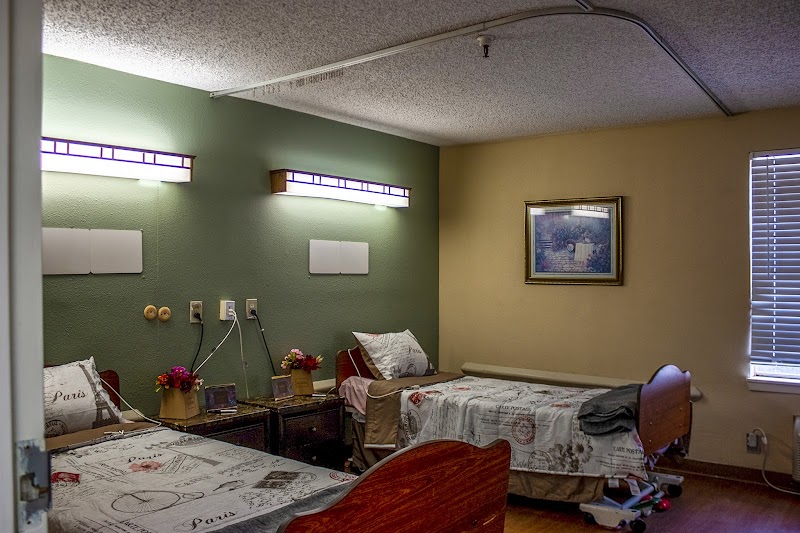
How is Lancaster Ltc Partners, Inc. Staffed?

CMS rates Lancaster LTC Partners, Inc.'s staffing level at 3 out of 5 stars, which is average compared to other nursing homes.

What Have Inspectors Found at Lancaster Ltc Partners, Inc.?

State health inspectors documented 36 deficiencies at Lancaster LTC Partners, Inc. during 2022 to 2025. These included: 3 Immediate Jeopardy (the most serious level, indicating potential for serious harm or death), 32 with potential for harm, and 1 minor or isolated issues. Immediate Jeopardy findings are rare and represent the most serious regulatory concerns. They require immediate corrective action.
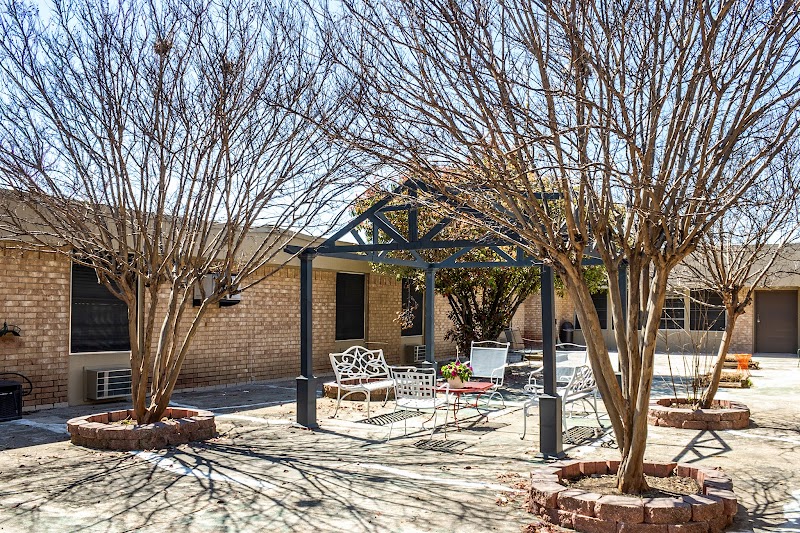
Who Owns and Operates Lancaster Ltc Partners, Inc.?

Lancaster LTC Partners, Inc. is owned by a for-profit company. For-profit facilities operate as businesses with obligations to shareholders or private owners. The facility is operated by CREATIVE SOLUTIONS IN HEALTHCARE, a chain that manages multiple nursing homes. With 120 certified beds and approximately 39 residents (about 32% occupancy), it is a mid-sized facility located in Lancaster, Texas.

How Does Lancaster Ltc Partners, Inc. Compare to Other Texas Nursing Homes?

Compared to the 100 nursing homes in Texas, Lancaster LTC Partners, Inc.'s overall rating (1 stars) is below the state average of 2.8 and health inspection rating (1 stars) is much below the national benchmark.

What Should Families Ask When Visiting Lancaster Ltc Partners, Inc.?

Based on this facility's data, families visiting should ask: "What changes have been made since the serious inspection findings, and how are you preventing similar issues?" "Can I visit during a mealtime to observe dining assistance and food quality?" "How do you handle medical emergencies, and what is your hospital transfer rate?" "Can I speak with family members of current residents about their experience?" These questions are particularly relevant given the facility's Immediate Jeopardy citations.

Is Lancaster Ltc Partners, Inc. Safe?

Based on CMS inspection data, Lancaster LTC Partners, Inc. has documented safety concerns. Inspectors have issued 3 Immediate Jeopardy citations (the most serious violation level indicating risk of serious injury or death). The facility has a 1-star overall rating and ranks #100 of 100 nursing homes in Texas. Families considering this facility should ask detailed questions about what corrective actions have been taken since these incidents.

Do Nurses at Lancaster Ltc Partners, Inc. Stick Around?

Lancaster LTC Partners, Inc. has not reported staff turnover data to CMS. Staff turnover matters because consistent caregivers learn residents' individual needs, medications, and preferences. When staff frequently change, this institutional knowledge is lost. Families should ask the facility directly about their staff retention rates and average employee tenure.

Was Lancaster Ltc Partners, Inc. Ever Fined?

Lancaster LTC Partners, Inc. has been fined $71,124 across 2 penalty actions. This is above the Texas average of $33,790. Fines in this range indicate compliance issues significant enough for CMS to impose meaningful financial consequences. Common causes include delayed correction of deficiencies, repeat violations, or care failures affecting resident safety. Families should ask facility leadership what changes have been made since these penalties.

Is Lancaster Ltc Partners, Inc. on Any Federal Watch List?

Lancaster LTC Partners, Inc. is not on any federal watch list. The most significant is the Special Focus Facility (SFF) program, which identifies the bottom 1% of nursing homes nationally based on persistent, serious quality problems. Not being on this list means the facility has avoided the pattern of deficiencies that triggers enhanced federal oversight. This is a positive indicator, though families should still review the facility's inspection history directly.