MILLBROOK HEALTHCARE AND REHABILITATION CENTER
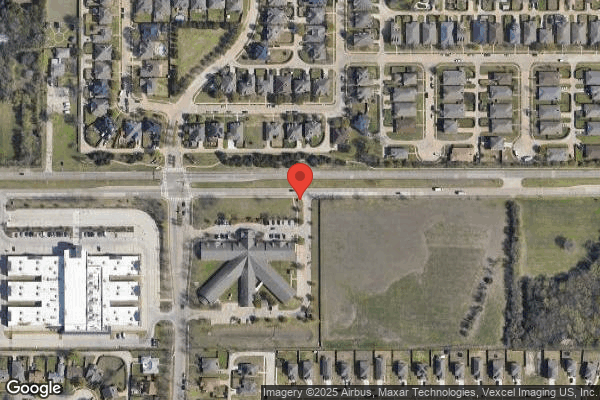
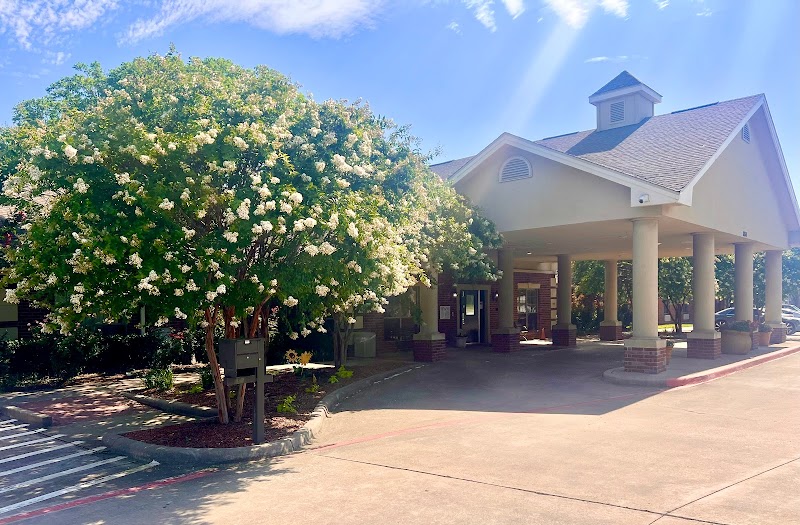
1850 W PLEASANT RUN RD, LANCASTER, TX 75146 (972) 275-1900
For profit - Limited Liability company 124 Beds THE ENSIGN GROUP Data: November 2025 3 Immediate Jeopardy citations
Trust Grade
0/100
#1043 of 1168 in TX
Last Inspection: February 2025

Within standard 12-15 month inspection cycle. Federal law requires annual inspections.

Overview

Millbrook Healthcare and Rehabilitation Center has received an F trust grade, indicating a poor quality of care with significant concerns. They rank #1043 out of 1168 facilities in Texas, placing them in the bottom half of nursing homes statewide, and #76 out of 83 in Dallas County, meaning there are very few local options that perform better. The facility is experiencing a worsening trend, with issues increasing from 3 in 2024 to 9 in 2025. Staffing is a major concern, with a low rating of 1 out of 5 stars and a turnover rate of 65%, significantly higher than the Texas average of 50%. Additionally, there are alarming incidents, including failures to follow infection control protocols for COVID-19, causing potential risks for residents, and a lack of timely physician communication when a resident experienced seizures, which could have serious consequences for patient safety. Overall, while there are some average quality measures, the facility has critical weaknesses that families should consider.

Trust Score
F
0/100
In Texas
#1043/1168
Bottom 11%
Safety Record
High Risk
Review needed
Inspections
Getting Worse
3 → 9 violations
Staff Stability
⚠ Watch
65% turnover. Above average. Higher turnover means staff may not know residents' routines.
Penalties
⚠ Watch
$49,665 in fines. Higher than 75% of Texas facilities, suggesting repeated compliance issues.
Skilled Nurses
⚠ Watch
Each resident gets only 10 minutes of Registered Nurse (RN) attention daily — below average for Texas. Fewer RN minutes means fewer trained eyes watching for problems.
Violations
⚠ Watch
19 deficiencies on record. Higher than average. Multiple issues found across inspections.
★☆☆☆☆
1.0
Overall Rating
★☆☆☆☆
1.0
Staff Levels
★★★☆☆
3.0
Care Quality
★★☆☆☆
2.0
Inspection Score
Stable
2024: 3 issues
2025: 9 issues

The Good

  • Full Sprinkler Coverage · Fire safety systems throughout facility
  • No fines on record

Facility shows strength in fire safety.

The Bad

1-Star Overall Rating

Below Texas average (2.8)

Significant quality concerns identified by CMS

Staff Turnover: 65%

19pts above Texas avg (46%)

Frequent staff changes - ask about care continuity

Federal Fines: $49,665

Above median ($33,413)

Moderate penalties - review what triggered them

Chain: THE ENSIGN GROUP

Part of a multi-facility chain

Ask about local staffing decisions and management

Staff turnover is elevated (65%)

17 points above Texas average of 48%

The Ugly 19 deficiencies on record

3 life-threatening
May 2025 3 deficiencies
CONCERN (D) 📢 Someone Reported This

A family member, employee, or ombudsman was alarmed enough to file a formal complaint

Potential for Harm - no one hurt, but risky conditions existed

Deficiency F0583 (Tag F0583)

Could have caused harm · This affected 1 resident

**NOTE- TERMS IN BRACKETS HAVE BEEN EDITED TO PROTECT CONFIDENTIALITY** Based on observation, interview, and record review, the facility failed to ensure the residents had secure and confidential pers...

Read full inspector narrative →
**NOTE- TERMS IN BRACKETS HAVE BEEN EDITED TO PROTECT CONFIDENTIALITY** Based on observation, interview, and record review, the facility failed to ensure the residents had secure and confidential personal and medical records.for one (Residents #1) of 7 residents reviewed for confidentiality of records. The facility failed to ensure LVN A did not leave Residents #1's medication blister cards on top of an unattended Medication cart on the 100 hall, while she was in Resident #2's room with the door closed. This failure could place all residents at risk of having their medical information disclosed to visitors and other residents, causing embarrassment, frustration, decreased privacy and psycho-social well-being. The findings included: Record review of Resident #1's admission MDS Assessment completed on 03/20/25 revealed a [AGE] year-old male who admitted [DATE] with a BIMS Score of 13 (No cognitive impairment), one sided upper and lower extremity impairments and he used a wheelchair. He was dependent (Helper did all the help) with ADLs, rolling from left to right and transfers. He was always incontinent to bowel and bladder and had medically complex conditions. He had active diagnoses of atrial fibrillation, hypertension, renal insufficiency, diabetes mellites, aphasia, CVA/TIA, hemiplegia, malnutrition, anxiety, gastronomy, cognitive communication deficit, muscle weakness and dysphagia. He received scheduled pain medications and had recent surgery requiring nursing Skilled Nursing home stay for the GI tract or abdominal contents. He had an application of surgical dressings other than feet, took anti-depressant, anti-psychotic, anti-platelet and anti-convulsant medications. Record review of Resident #1's Physician Order Report printed 05/07/25 revealed 8:00 am was the time these medications were ordered to be given: Buspirone Oral Tablets 5 MG: Give 1 tablet via G-Tube three times a day for ANXIETY AEB AGITATION/RESTLESSNESS related to ANXIETY DISORDER, Pantoprazole Sodium Oral Tablets Delayed Release 40 MG: Give 1 tablet via Gtube two times a day related to DYSPHAGIA, OROPHARYNGEAL PHASE, Gabapentin Capsules 100 MG Give 1 capsule via Gtube three times a day related to MUSCLE WASTING AND ATROPHY, Escitalopram Oxalate Oral Tablets 10 MG: Give 1 tablet via G-Tube one time a day for DEPRESSION AEB: SELF ISOLATION related to ADULT FAILURE TO THRIVE, Metoprolol Tartrate Oral Tablet Give 12.5 mg via G-Tube two times a day related to ESSENTIAL (PRIMARY) HYPERTENSION. Record review of Resident #1's MARs for May 2025 revealed an 8:00 am time to administer his medications and LVN A initialed on 05/07/25 giving this resident, Buspirone Oral Tablet 5 MG: Give 1 tablet via G-Tube three times a day for ANXIETY AEB: AGITATION/RESTLESSNESS related to ANXIETY DISORDER, UNSPECIFIED. Escitalopram Oxalate Oral Tablet 10 MG: Give 1 tablet via G-Tube one time a day for DEPRESSION AEB: SELF ISOLATION related to ADULT FAILURE TO THRIVE. Metoprolol Tartrate Oral Tablet: Give 12.5 mg via G-Tube two times a day related to ESSENTIAL (PRIMARY) HYPERTENSION. Pantoprazole Sodium Oral Tablet Delayed Release 40 MG: Give 1 tablet via G-Tube two times a day related to DYSPHAGIA, OROPHARYNGEAL. Gabapentin Capsule 100 MG Give 1 capsule via G-Tube three times a day related to MUSCLE WASTING AND ATROPHY. (Dantrolene Sodium Oral Capsule 25 MG: Give 1 capsule via G-Tube every evening shift for Severe Pain was on the unattended medication cart but was not initialed on the MAR as being given). Observation on the 100 hall on 05/07/25 at 10:35 am revealed, six of Resident #1's Medications on top of a Medication cart that was located in front of Resident #1's doorway. The medication cart was unattended for about one minute with Resident #1's name and his medications: Buspirone Oral Tablets 5 MG, Pantoprazole Sodium Oral Tablets Delayed Release 40 MG, Gabapentin Capsules 100 MG, Escitalopram Oxalate Oral Tablets 10 MG, Dantrolene Sodium Oral Capsule 25 MG, Metoprolol Tartrate Oral Tablet 12.5 mg. Observation and interview on 05/07/25 at 10:36 am revealed, LVN A opened the door of Resident #2's room and walked across the hallway to the medication cart in front of Resident #1's room. LVN A grabbed Resident #1's six medication cards and she was about to put them into the med cart. She stated she had just popped Resident #1's medications and gave them to him and heard Resident #2 yelling needing help. She stated she just ran over there to check on Resident #2 to adjust her O2 mask. She stated she should have put Resident #1's medication cards back into the medication cart to secure them before leaving the med cart. She stated she normally did not leave medications unattended on the medication carts but a resident was yelling. She stated leaving medications unattended could cause a HIPAA violation because the resident's names and medication names were on the medication cards. She stated the other residents would know what the resident's medications were or the residents could try to swallow the medications and they could get sick. She stated what each of the six medications were and reason why they were needed and said she mistakenly took out the Dantrolene Sodium medication but did not give to him because he only took that one at night. She stated once she adjusted Resident #2's O2 mask, she was fine. Interview on 05/07/25 at 1:12 pm, LVN B stated she never left the resident's medication cards on the med cart unattended because they had other people that walk around and the medications could end up ingesting the meds. She stated their medications were supposed to be locked up in the med cart, because it was a HIPAA violation. She stated the residents' names and personal information were on their medication cards. She stated they had a training today (05/07/25) about keeping the med carts locked and to not turn their back or step away from the med carts and not to leave the medication out. She stated they needed to prevent others from getting to the resident's medication because something could happen to the medications. She stated if they left medications out, it would fall on the nurses and medication aides. She stated medications left out could cause them to easily get grabbed by anyone. Interview on 05/07/25 at 2:41 pm, LVN C stated she had not ever left medications on top of the med cart because it could result in a medication error if a resident picked up the medications and took them. She stated a resident might pick the medications up thinking they were candy or an employee or visitor could take the medications. She stated leaving medications out, could lead to suspension, in-service trainings, counseling, or termination. She stated leaving medication unattended could be a HIPAA violation because anyone could see what types of medications the residents took. She stated the last HIPAA and medication administering trainings was earlier this year. Interview on 05/07/25 at 4:41 pm, the DON stated the facility had no issues with HIPAA violations but today they did, involving LVN A leaving a resident's medication on the medication cart unattended. She stated anyone could have passed by her med cart, and the residents or anyone could have taken them off of LVN A's med cart. She stated the nurses were responsible to ensure the medications administered were inside, and locked in the medication cart before they left their medication carts. Interview on 05/07/25 at 5:18 pm, Medical Records D stated they had no issues HIPAA violations of the residents records of which she was aware. She stated for any HIPAA violation issues she would notify the Administrator about it. She stated it was a part of her and the administrator's jobs to ensure the facility was HIPAA compliant. She stated it was a HIPPA violation if a resident's medications were left unattended on the med carts. She stated if she saw that she would stand next to the med cart until that nurse arrived back to it, then report it to the Administrator. She stated today (05/07/25) this morning she saw the medication cart on the 100 hall and saw LVN A coming out of a resident's room and walking to the medication cart. She stated she asked LVN A about getting a wheelchair for a resident and did not realize a resident's medication cards were on the med cart. She stated she saw the HHSC Surveyor standing on the other side of the med cart. She stated leaving medications unattended could cause someone to use the information on the medication card to open up another medication account. She stated the information on the medication cards could be used for personal benefit because the resident's name, date of birth , medication name and dosages were on them. Interview on 05/07/25 at 5:29 pm, the Administrator stated it was brought to her attention today (05/07/25) that LVN A was getting ready to give Resident #1 his medications and Resident #2 located across the hall needed assistance. She stated LVN A went to Resident #2's room and left Resident #1's medications on top of the med cart. She stated LVN A did not follow the facility's protocol because all medications needed to be secured at all times and locked in the med cart or being given to the resident. She stated today (05/07/25) they did an in-service training with all nursing staffing and medication aides. She stated they trained the staff not to leave medications on the medication carts and to put them in the med cart locked. She stated leaving medications out could lead to different things, a resident could get them or result in a drug diversion. She stated for HIPAA violations, she was responsible, nurse administration and nurses were responsible for ensuring they were HIPAA compliant. She stated not leaving medications unattended on medication carts was nursing school 101 and LVN A knew because it could cause a breach in a resident's identity. She stated she and the DON spoke to LVN A by doing a 1 on 1 meeting with her to never leave medications on top of the med carts. She stated LVN A said while administering Resident #1's medications, she went to see about Resident #2 and repositioned her. She stated when she returned back to her med cart the HHSC state lady was standing right next to it. She stated LVN A said she was not all the way down the hall or in the dining room She stated her expectation for HIPAA was for the staff to keep the resident's medications confidential. Record review of LVN A's Counseling Disciplinary Notice dated unsigned by LVN A or nurse management revealed, LVN A's Date of hire: 05/29/24, date of notice: 05/07/25. Type of action being taken: Final written/warning*. 2. Reason (s) why counseling/disciplinary action is necessary, including a complete explanation of the conduct constituting the violation. If additional space is required please see attach a separate sheet. Employee is expected to keep medications secured in nurses cart at all times. No exceptions. Record review of the Facility's Training dated 05/07/25 with nine signatures including LVN A's signature revealed, Medication must be locked in cart when cart is left unattended. Only licensed nurses and Certified Medication Aides may have access to medication cart. Cart should be clean and organized. If nurses are to step away from cart for any reason, med must be stored and cart must be locked. Record review of the Facility's Resident Right policy amended 07/13/17 revealed, Privacy and confidentiality: Secure and confidential personal and medical records. Record review of the Facility's Resident/Patient confidentiality policy undated revealed, Policy: All resident health information is confidential and protected by HIPAA law. HIPPA definition - The Health Insurance Portability and Accountability Act. HIPAA is a federal law that is designed to protect the privacy and security of patient health information. Privacy rule: The HIPAA privacy Rule establishes national standards to protect individuals' medical records and other personal health information .All staff, volunteers, and vendors must not disclose any medical information about a resident, either verbally, written or electronically.
CONCERN (D) 📢 Someone Reported This

A family member, employee, or ombudsman was alarmed enough to file a formal complaint

Potential for Harm - no one hurt, but risky conditions existed

Pharmacy Services (Tag F0755)

Could have caused harm · This affected 1 resident

**NOTE- TERMS IN BRACKETS HAVE BEEN EDITED TO PROTECT CONFIDENTIALITY** Based on observation, interview, and record review, the facility failed to provide pharmaceutical services to ensure the accurat...

Read full inspector narrative →
**NOTE- TERMS IN BRACKETS HAVE BEEN EDITED TO PROTECT CONFIDENTIALITY** Based on observation, interview, and record review, the facility failed to provide pharmaceutical services to ensure the accurate acquiring, receiving, dispensing, administering, and securing of medications for one resident (Resident #1) of 9 residents reviewed for pharmacy services. The facility failed to ensure Resident #1 received 5 of his routine doctor ordered medications between 7:00 am and 9:00 am on 05/07/25; subsequently they were not given to him until around 10:35 am. This failure placed residents at risk of not receiving the physician ordered medications on time, which could cause the residents to have a change of condition, resulting in a decreased quality of life and psychosocial well-being. Findings Included: Record review of Resident #1's admission MDS Assessment completed on 03/20/25 revealed a [AGE] year-old male who admitted [DATE] with a BIMS Score of 13 (No cognitive impairment), one sided upper and lower extremity impairments and he used a wheelchair. He was dependent (Helper did all the help) with ADLs, rolling from left to right and transfers. He was always incontinent to bowel and bladder and had medically complex conditions. He had active diagnoses of atrial fibrillation, hypertension, renal insufficiency, diabetes mellites, aphasia, CVA/TIA, hemiplegia, malnutrition, anxiety, gastronomy, cognitive communication deficit, muscle weakness and dysphagia. He received scheduled pain medications and had recent surgery requiring nursing Skilled Nursing home stay for the GI tract or abdominal contents. He had an application of surgical dressings other than feet, took anti-depressant, anti-psychotic, anti-platelet and anti-convulsant medications. Record review of Resident #1's Care Plan date initiated 11/24/25 revealed, He had a Cerebral vascular accident (stroke) related to embolism, hemiplegia/hemiparesis of left side related to stroke, hypertension related to CVA, nutritional problem related to acute kidney injury, type 2 diabetes mellitus and new peg tube, had an actual fall with no injury related to poor balance from right hemiplegia, acute/chronic pain, cardiovascular status related to arrhythmia, diabetes mellitus, ADL self-care deficit related to new admission and limited mobility, anti-anxiety related to anxiety disorder, at risk for a communication problem related to expressive aphasia, weak or absent voice. On 03/13/25 at risk for falls related to mobility deficits and impaired cognitive function or thought processes related to history of CVA. Record review of Resident #1's Physician Order Report printed 05/07/25 revealed 8:00 am was the time these medications were ordered to be given: Buspirone Oral Tablets 5 MG: Give 1 tablet via G-Tube three times a day for ANXIETY AEB AGITATION/RESTLESSNESS related to ANXIETY DISORDER, Pantoprazole Sodium Oral Tablets Delayed Release 40 MG: Give 1 tablet via Gtube two times a day related to DYSPHAGIA, OROPHARYNGEAL PHASE, Gabapentin Capsules 100 MG Give 1 capsule via Gtube three times a day related to MUSCLE WASTING AND ATROPHY, Escitalopram Oxalate Oral Tablets 10 MG: Give 1 tablet via G-Tube one time a day for DEPRESSION AEB: SELF ISOLATION related to ADULT FAILURE TO THRIVE, Metoprolol Tartrate Oral Tablet Give 12.5 mg via G-Tube two times a day related to ESSENTIAL (PRIMARY) HYPERTENSION. Record review of Resident #1's MARs for May 2025 revealed an 8:00 am time to administer his medications and LVN A initialed on 05/07/25 giving this resident, Buspirone Oral Tablet 5 MG: Give 1 tablet via G-Tube three times a day for ANXIETY AEB: AGITATION/RESTLESSNESS related to ANXIETY DISORDER, UNSPECIFIED. Escitalopram Oxalate Oral Tablet 10 MG: Give 1 tablet via G-Tube one time a day for DEPRESSION AEB: SELF ISOLATION related to ADULT FAILURE TO THRIVE. Metoprolol Tartrate Oral Tablet: Give 12.5 mg via G-Tube two times a day related to ESSENTIAL (PRIMARY) HYPERTENSION. Pantoprazole Sodium Oral Tablet Delayed Release 40 MG: Give 1 tablet via G-Tube two times a day related to DYSPHAGIA, OROPHARYNGEAL. Gabapentin Capsule 100 MG Give 1 capsule via G-Tube three times a day related to MUSCLE WASTING AND ATROPHY. (Dantrolene Sodium Oral Capsule 25 MG: Give 1 capsule via G-Tube every evening shift for Severe Pain was on the unattended medication cart but was not initialed on the MAR as being given). Observation and interview on the 100 hall on 05/07/25 at 10:36 am revealed, LVN A opened the door of Resident #2's room and walked across the hallway to the medication cart in front of Resident #1's room. LVN A grabbed Resident #1's six medication cards and she was about to put them into the med cart. She stated she had just popped Resident #1's medications and gave them to him. Interview on 05/07/25 at 1:12 pm, LVN B stated the timeframes for giving the residents' 8:00 am medications was an hour before or after the time they were Doctor ordered. She stated she was not sure what to do if medications were given outside of that timeframe because she had not had that issue and would have to ask the DON. Interview on 05/07/25 at 2:10 pm, LVN A stated Resident#1 had right sided weakness and needed assistance with all of his ADL's. She stated Resident #1 was verbally able to make his needs known but was not able to really move right now. She stated he was a resident who had a G-tube and the nurses had to monitor his fluid intake. She stated she gave Resident #1 his first dose of medications around 8:20 am this morning (05/07/25) then he received his second round of medications around 11:00 am). She stated the nurses had an hour before and 1 hour after to give the residents their medications. She stated Resident #1's medications were ordered to be given at 8:00 am and should have been given by 9:00 am. She stated she had 32 residents on her hall and she started administering medications at the far end of the hall and worked toward the nurses station. She stated she had four residents with G-tubes and sometimes the hospice nurses had to talk to her about the residents which was time consuming. She stated she had three oxygen dependent residents and the reason the medications were given late was just a timing issue. She stated the nurses had a training today (05/07/25) about administering the resident's medications within the 1 hour before or after it was ordered. She stated she was not sure of the exact time, but last year, the nurses had a medication administering training about the 5 Rights: right patient and right time. She stated she was not sure what to do if the resident's medications were given late and was not sure how that could affect the residents. She stated their pain may not be controlled effectively or the resident could have a change in condition. She stated she had a lot to do and her hall had 32 residents and one medication aide. She stated a lot of her residents took blood thinners and took medications for seizures, diabetes, and pain. Interview on 05/07/25 at 2:41 pm, LVN C stated the timeframes for giving the resident's their medications was an hour before and after it was ordered. She stated the resident's medications was prescribed based on their medical diagnoses. She stated if a resident was not given their medications on time depended on the situation. She stated she had not had a problem giving medications their medications outside of the parameters. She stated the Residents could have adverse reactions if medications were not given timely. She stated she had not had any trainings on what to do if the nurses got behind schedule. Interview on 05/07/25 at 4:41 pm, the DON stated the parameters for medication administering was an hour before or an hour after it was Doctor ordered. She stated they had no issues with the nurses not giving the residents their medications on time until today (05/07/25). She stated she was not sure if Resident #1 received his medications on time today. She stated it depended on the orders on how it could affect the residents if medications were given late. She stated if LVN A was busy, she should have reached out for the Doctor to see if it was okay to give the residents medications late. She stated not getting medications on time could cause anxiousness increase chances of the resident falling. She stated the resident could become anxious and fidget by moving around and have increased pain and undo stress. She stated the resident's blood pressure could get too high and they could have a heart attack resulting in a change of condition. She stated the nurses were responsible for ensuring the resident's medications were given on time but ultimately she was responsible. She stated she would expect the nurses and medication aides informed her if they were running behind with medication pass. Interview on 05/07/25 at 5:29 pm, the Administrator stated she was not aware LVN A gave Resident #1 his medications late. She stated she would have to talk to the DON and ADON about that, and that it was the nurses responsibility to give the residents their medications within the med pass parameters. She stated giving the residents their medications late depended on what the medication was taken for. She stated in Resident #1's case if his medications were given late, it could cause him to be more anxious. She stated each medication had different risks if they were not taken as Doctor ordered. She stated the expectation for medication administering was for the nursing staff to administer the resident's medications on time, and if they could not, they needed to let the DON ADON know. Record review of the facility's undated Med Pass times for 100 hall and 200 hall revealed, Daily 8 am. Record review of the facility's undated Med Pass times for G-Tube Meds Time Codes undated revealed, QD 8 am. Record review of the facility's Medication Administration policy revised 07/2020 revealed, Policy: It is the policy of this facility that medications shall be administered as prescribed by the attending physician. Procedures: 2. Medications must be administered in accordance with the written orders of the attending physician .5. Scheduled medications must be administered within the facility time frame .7. If a medication is withheld, refused, or given other than the scheduled time, the documentation will be reflected in the clinical record .The seven rights of medication administering are as follows in order to ensure safety and accuracy of administration .1. Right resident, 2. Right time, 3. Right medication, 4. Right dose, 5. Right route, 6. Right documentation, 7. Right diagnosis. Record review of the facility's Pharmacy Services/ Nursing Services: Physician Orders revised 07/2022 revealed, Policy: It is the policy of this facility that drugs shall be administered only upon the written order of a person duly licensed and authorized to prescribe such drugs. It is the policy of this facility to accurately implement orders in addition to medication orders (treatment procedures) only upon the written order of licensed and authorized to do in accordance with the resident's plan of care. Procedures: 2. All drug and biological orders shall be written, dated, and signed by the person lawfully authorized to give such an order. The signing of orders shall be by signature or a personal computer key.
CONCERN (D) 📢 Someone Reported This

A family member, employee, or ombudsman was alarmed enough to file a formal complaint

Potential for Harm - no one hurt, but risky conditions existed

Deficiency F0761 (Tag F0761)

Could have caused harm · This affected 1 resident

**NOTE- TERMS IN BRACKETS HAVE BEEN EDITED TO PROTECT CONFIDENTIALITY** Based on observation, interview, and record review, the facility failed to ensure all drugs and biologicals were in locked compa...

Read full inspector narrative →
**NOTE- TERMS IN BRACKETS HAVE BEEN EDITED TO PROTECT CONFIDENTIALITY** Based on observation, interview, and record review, the facility failed to ensure all drugs and biologicals were in locked compartments for 1 (Residents #1) of 7 residents reviewed for medication storage. The facility failed to ensure LVN A did not leave Residents #1's medication blister cards on top of an unattended Medication cart on the 100 hall, while she was in Resident #2's room with the door closed. This failure could place all residents at risk of having their medications taken or consumed by other residents, which could cause a shortage of their medications or cause a change in their medical condition resulting in a decline in their health and psycho-social well-being. The findings included: Record review of Resident #1's admission MDS Assessment completed on 03/20/25 revealed a [AGE] year-old male who admitted [DATE] with a BIMS Score of 13 (No cognitive impairment), one sided upper and lower extremity impairments and he used a wheelchair. He was dependent (Helper did all the help) with ADLs, rolling from left to right and transfers. He was always incontinent to bowel and bladder and had medically complex conditions. He had active diagnoses of atrial fibrillation, hypertension, renal insufficiency, diabetes mellites, aphasia, CVA/TIA, hemiplegia, malnutrition, anxiety, gastronomy, cognitive communication deficit, muscle weakness and dysphagia. He received scheduled pain medications and had recent surgery requiring nursing Skilled Nursing home stay for the GI tract or abdominal contents. He had an application of surgical dressings other than feet, took anti-depressant, anti-psychotic, anti-platelet and anti-convulsant medications. Record review of Resident #1's Physician Order Report printed 05/07/25 revealed 8:00 am was the time these medications were ordered to be given: Buspirone Oral Tablets 5 MG: Give 1 tablet via G-Tube three times a day for ANXIETY AEB AGITATION/RESTLESSNESS related to ANXIETY DISORDER, Pantoprazole Sodium Oral Tablets Delayed Release 40 MG: Give 1 tablet via Gtube two times a day related to DYSPHAGIA, OROPHARYNGEAL PHASE, Gabapentin Capsules 100 MG Give 1 capsule via Gtube three times a day related to MUSCLE WASTING AND ATROPHY, Escitalopram Oxalate Oral Tablets 10 MG: Give 1 tablet via G-Tube one time a day for DEPRESSION AEB: SELF ISOLATION related to ADULT FAILURE TO THRIVE, Metoprolol Tartrate Oral Tablet Give 12.5 mg via G-Tube two times a day related to ESSENTIAL (PRIMARY) HYPERTENSION. Record review of Resident #1's MARs for May 2025 revealed an 8:00 am time to administer his medications and LVN A initialed on 05/07/25 giving this resident, Buspirone Oral Tablet 5 MG: Give 1 tablet via G-Tube three times a day for ANXIETY AEB: AGITATION/RESTLESSNESS related to ANXIETY DISORDER, UNSPECIFIED. Escitalopram Oxalate Oral Tablet 10 MG: Give 1 tablet via G-Tube one time a day for DEPRESSION AEB: SELF ISOLATION related to ADULT FAILURE TO THRIVE. Metoprolol Tartrate Oral Tablet: Give 12.5 mg via G-Tube two times a day related to ESSENTIAL (PRIMARY) HYPERTENSION. Pantoprazole Sodium Oral Tablet Delayed Release 40 MG: Give 1 tablet via G-Tube two times a day related to DYSPHAGIA, OROPHARYNGEAL. Gabapentin Capsule 100 MG Give 1 capsule via G-Tube three times a day related to MUSCLE WASTING AND ATROPHY. (Dantrolene Sodium Oral Capsule 25 MG: Give 1 capsule via G-Tube every evening shift for Severe Pain was on the unattended medication cart but was not initialed on the MAR as being given). Observation on the 100 hall on 05/07/25 at 10:35 am revealed, six of Resident #1's Medications on top of a Medication cart that was located in front of Resident #1's doorway. The medication cart was unattended for about one minute with Resident #1's name and his medications: Buspirone Oral Tablets 5 MG, Pantoprazole Sodium Oral Tablets Delayed Release 40 MG, Gabapentin Capsules 100 MG, Escitalopram Oxalate Oral Tablets 10 MG, Dantrolene Sodium Oral Capsule 25 MG, Metoprolol Tartrate Oral Tablet 12.5 mg. Observation and interview on 05/07/25 at 10:36 am revealed, LVN A opened the door of Resident #2's room and walked across the hallway to the medication cart in front of Resident #1's room. LVN A grabbed Resident #1's six medication cards and she was about to put them into the med cart. She stated she had just popped Resident #1's medications and gave them to him and heard Resident #2 yelling needing help. She stated she just ran over there to check on Resident #2 to adjust her O2 mask. She stated she should have put Resident #1's medication cards back into the medication cart to secure them before leaving the med cart. She stated she normally did not leave medications unattended on the medication carts but a resident was yelling. She stated leaving medications unattended could cause other residents to know what the resident's medications were or the residents could try to swallow the medications and they could get sick. She stated what each of the six medications were and reason why they were needed and said she mistakenly took out the Dantrolene Sodium medication but did not give to him because he only took that one at night. She stated once she adjusted Resident #2's O2 mask, she was fine. Interview on 05/07/25 at 1:12 pm, LVN B stated she never left the resident's medication cards on the med cart unattended because they had other people that walk around and the medications could end up ingesting the meds. She stated their medications were supposed to be locked up in the med cart. She stated they had a training today (05/07/25) about keeping the med carts locked and to not turn their back or step away from the med carts and not to leave the medication out. She stated they needed to prevent others from getting to the resident's medication because something could happen to the medications. She stated if they left medications out, it would fall on the nurses and medication aides. She stated medications left out could cause them to easily get grabbed by anyone. Interview on 05/07/25 at 2:41 pm, LVN C stated she had not ever left medications on top of the med cart because it could result in a medication error if a resident picked up the medications and took them. She stated a resident might pick the medications up thinking they were candy or an employee or visitor could take the medications. She stated leaving medications out, could lead to suspension, in-service trainings, counseling, or termination. Interview on 05/07/25 at 4:41 pm, the DON stated today (05/07/25) LVN A left a resident's medication on the medication cart unattended. She stated anyone could have passed by her med cart, and the residents or anyone could have taken them off of LVN A's med cart. She stated the nurses were responsible to ensure the medications administered were inside, and locked in the medication cart before they left their medication carts. Interview on 05/07/25 at 5:18 pm, Medical Records D stated if a resident's medications were left unattended on the med carts. She stated if she saw that she would stand next to the med cart until that nurse arrived back to it, then report it to the Administrator. She stated today (05/07/25) this morning she saw the medication cart on the 100 hall and saw LVN A coming out of a resident's room and walking to the medication cart. She stated she asked LVN A about getting a wheelchair for a resident and did not realize a resident's medication cards were on the med cart. She stated she saw the HHSC Surveyor standing on the other side of the med cart. She stated leaving medications unattended could cause someone to use the information on the medication card to open up another medication account. She stated the information on the medication cards could be used for personal benefit because the resident's name, date of birth , medication name and dosages were on them. Interview on 05/07/25 at 5:29 pm, the Administrator stated it was brought to her attention today (05/07/25) that LVN A was getting ready to give Resident #1 his medications and Resident #2 located across the hall needed assistance. She stated LVN A went to Resident #2's room and left Resident #1's medications on top of the med cart. She stated LVN A did not follow the facility's protocol because all medications needed to be secured at all times and locked in the med cart or being given to the resident. She stated today (05/07/25) they did an in-service training with all nursing staffing and medication aides. She stated they trained the staff not to leave medications on the medication carts and to put them in the med cart locked. She stated leaving medications out could lead to different things, a resident could get them or result in a drug diversion. She stated not leaving medications unattended on medication carts was nursing school 101 and LVN A knew because it could cause a breach in a resident's identity. She stated she and the DON spoke to LVN A by doing a 1 on 1 meeting with her to never leave medications on top of the med carts. She stated LVN A said while administering Resident #1's medications, she went to see about Resident #2 and repositioned her. She stated when she returned back to her med cart the HHSC state lady was standing right next to it. She stated LVN A said she was not all the way down the hall or in the dining room. Record review of LVN A's Counseling Disciplinary Notice dated unsigned by LVN A or nurse management revealed, LVN A's Date of hire: 05/29/24, date of notice: 05/07/25. Type of action being taken: Final written/warning*. 2. Reason (s) why counseling/disciplinary action is necessary, including a complete explanation of the conduct constituting the violation. If additional space is required please see attach a separate sheet. Employee is expected to keep medications secured in nurses cart at all times. No exceptions. Record review of the Facility's Training dated 05/07/25 with nine signatures including LVN A's signature revealed, Medication must be locked in cart when cart is left unattended. Only licensed nurses and Certified Medication Aides may have access to medication cart. Cart should be clean and organized. If nurses are to step away from cart for any reason, med must be stored and cart must be locked. Record review of the Facility's Resident Right policy amended 07/13/17 revealed, Privacy and confidentiality: Secure and confidential personal and medical records. Recorde of the Facility's Medication Access and Storage/Destruction policy dated 7/2023 revealed, Policy: It is the policy of this facility to store all drugs and biologicals in locked compartments under proper temperature controls. The medication supply is assessible only to licensed nursing personnel, pharmacy personnel, or staff member authorized to administer medications: Procedures Only licensed nurses, consutltant pharmacist and those lawfully authorized to administer medications (e.g. medication aides) are allowed access to medications, medication rooms, carts, and medication supplies are locked or attended by persons with authorized access.
Feb 2025 6 deficiencies
CONCERN (D)

Potential for Harm - no one hurt, but risky conditions existed

Resident Rights (Tag F0550)

Could have caused harm · This affected 1 resident

**NOTE- TERMS IN BRACKETS HAVE BEEN EDITED TO PROTECT CONFIDENTIALITY** Based on observations, interviews, and record review the facility failed to care for each resident in a manner that promoted mai...

Read full inspector narrative →
**NOTE- TERMS IN BRACKETS HAVE BEEN EDITED TO PROTECT CONFIDENTIALITY** Based on observations, interviews, and record review the facility failed to care for each resident in a manner that promoted maintenance and enhancement of their quality of life for one (Resident #36) of 8 residents reviewed for privacy and dignity. The facility failed to ensure Resident #36 was afforded visual privacy when receiving incontinent care; her coccyx was left exposed to passers-by in the hallway. This failure could place residents at risk for diminished quality of life and loss of dignity and self-worth. Findings included: Review of Resident #36's Face Sheet, dated 02/11/25, reflected she was a [AGE] year-old female, who initially admitted to the facility on [DATE], with diagnoses including major depressive disorder (a mental health condition that can cause persistent feelings of sadness and hopelessness) and anxiety disorder (a mental health condition that involves excessive fear, worry, or dread). Review of Resident #36's MDS Assessment, dated 12/28/24, reflected she was always incontinent of bladder and bowel. Review of Resident #36's Care Plan, initiated on 01/31/24, reflected she was incontinent of bladder and bowel. Her Care Plan reflected she required the use of briefs and staff assistance for incontinent care. Observation of Resident #36 on 02/09/25 at 9:41AM revealed she was lying in bed. There were no concerning marks or bruises noted on her person. It was noted that Resident #36's call light had been activated. Resident #36 reported she had soiled herself and needed to be changed. Observation from the hallway on 02/09/25 at 9:55AM revealed Resident #36's door was open as CNA E was providing incontinent care. The privacy curtain was pulled closed for the majority of the time, but at one point CNA E opened the privacy curtain as she was throwing away trash. This left Resident #36's coccyx exposed to anyone who was walking in the hallway. During an interview with CNA E on 02/09/25 at 10:07AM, she stated she normally closed the door to resident rooms prior to providing care. She did not think to do it when providing care for Resident #36 because she was trying to get her assigned tasks completed. She stated the risk of not closing the door to resident rooms prior to providing care was that residents wouldn't be provided with dignity. During an interview with the Director of Nursing on 02/09/25 at 1:38PM, she stated the expectation was for facility staff to ensure resident privacy and dignity during care by pulling the privacy curtain closed and keeping the door shut. The Director of Nursing stated the risk of not ensuring a resident's visual privacy during care included decreased dignity. Review of the facility's Resident Rights - Dignity and Respect policy, dated 10/2015, reflected, .Residents shall be examined and treated in a manner that maintains the privacy of their bodies. A closed door or drawn curtain shields the Resident from passers-by .
CONCERN (D)

Potential for Harm - no one hurt, but risky conditions existed

Assessment Accuracy (Tag F0641)

Could have caused harm · This affected 1 resident

**NOTE- TERMS IN BRACKETS HAVE BEEN EDITED TO PROTECT CONFIDENTIALITY** Based on interviews and record review, the facility failed to ensure assessments accurately reflected the resident's status for ...

Read full inspector narrative →
**NOTE- TERMS IN BRACKETS HAVE BEEN EDITED TO PROTECT CONFIDENTIALITY** Based on interviews and record review, the facility failed to ensure assessments accurately reflected the resident's status for 2 of 4 residents (Resident #61 and Resident #34) reviewed for accuracy of assessments. The MDS Nurse failed to ensure Section C0200-C0500-Brief Interview for Mental Status (BIMS) was completed for Resident #61's Quarterly MDS assessment dated [DATE] and Resident #34's Quarterly MDS assessment dated [DATE] when she signed Section Z0400 indicating the sections had been completed. These failures could place residents at risk for not receiving care and services to meet their needs, diminished function of health, and regression in their overall health. Findings included: Resident #61 Record review of Resident #61's admission Record dated 2/11/25 reflected an [AGE] year-old female admitted to the facility on [DATE]. Record review of Resident #61's Quarterly MDS assessment dated [DATE] reflected she usually made herself understood and usually understood others. Section C0100 Should Brief Interview for Mental Status (C0200-C0500) be conducted? was coded 1 indicating Yes. Her BIMS interview, indicating cognitive level, was not completed, and was coded as a dash -. Section Z0400 Signature of Persons Completing the Assessment or Entry/Death Reporting reflected Section C of the assessment was signed as completed on 11/11/24 by the MDS Nurse. Record review of Resident #61's electronic medical record revealed a BIMS assessment dated [DATE] with a score of 5 indicating severe cognitive impairment. During an interview and record review on 2/11/25 at 12:30 PM, the MDS Nurse reviewed Resident #61's MDS assessment dated [DATE]. She stated she had entered dashes within the BIMS section because she did not have the interview information available during the lookback period. She stated she reviewed the information for the MDS Assessment after the ARD date. When asked why she signed section C as completed on the ARD date, she stated, that's the way the system does it. She stated the facility's Social Worker typically completed the BIMS and they had a new one start on 12/1/24. She stated the facility's Speech Therapist could also complete the BIMS, but she did not notice the interview had not been completed until she reviewed the information after the ARD dates. The MDS Nurse stated there was no risk to missing a BIMS score for Resident #61 because she had regular BIMS Assessments done. Resident #34 Record review of Resident #34's admission Record dated 2/9/25 reflected a [AGE] year-old female admitted to the facility on [DATE]. Record review of Resident #34's Quarterly MDS assessment dated [DATE] reflected she usually made herself understood and usually understood others. Section C0100 Should Brief Interview for Mental Status (C0200-C0500) be conducted? was coded 1 indicating Yes. Her BIMS interview, indicating cognitive level, was not completed, and was coded as a dash -. Section Z0400 Signature of Persons Completing the Assessment or Entry/Death Reporting reflected Section C of the assessment was signed as completed on 12/10/24 by the MDS Nurse. Record review of Resident #34's electronic medical record revealed her last BIMS assessment was conducted on 9/22/24. The assessment reflected a score of 14 which indicated she was cognitively intact. During an interview and record review on 2/11/25 at 12:40 PM, the MDS Nurse provided a copy of a page retrieved from the CMS RAI Manual, October 2024 Page C-2 and stated they were the instructions she followed, and she had entered dashes based on the instructions. She reviewed Resident #34's MDS assessment dated [DATE] which also included dashes entered for the BIMS assessment and reflected a Section C completion date of 12/10/24. She stated it was due to the same reason and she had reviewed the sections after the ARD date. She stated she had not noticed Resident #34 had not had a BIMS done since September 2024. During an interview on 2/11/25 at 2:14 PM, the Social Worker stated she started working for the facility on 12/1/25 and spent the first few weeks completing employee orientation courses. She stated she began completing BIMS for residents around her second or third week there. She stated she was still learning the process and may have overlooked some. She stated the facility's previous Social Worker still worked there when she started, and she did not know whether they had been doing them. She stated the BIMS were important to determine whether there were any changes in the resident's condition like a decline or progression. She stated the risk of not completing a BIMS score was they could miss a change of condition in the residents . Record review of the CMS RAI Manual, October 2024 Page C-2 reflected the following: Coding Tips: Attempt to conduct the interview with ALL residents. This interview is conducted during the look-back period of the Assessment Reference Date (ARD) and is not contingent upon item B0700, Makes Self Understood . If the resident interview was not conducted within the look-back period (preferably the day before or the day of) the ARD, item C0100 must be coded 1, Yes, and the standard no information code (a dash -) entered in the resident interview items. Record review of the CMS RAI Manual, October 2024 Pages Z-4 and Z-5 reflected: Item Rationale: To obtain the signature of all persons who completed any part of the MDS. Legally, it is an attestation of accuracy with the primary responsibility for its accuracy with the person selecting the MDS item response. Each person completing a section or portion of a section of the MDS is required to sign the Attestation Statement. Z0400: Signatures of Persons Completing the Assessment or Entry/Death Reporting The importance of accurately completing and submitting the MDS cannot be over- emphasized. The MDS is the basis for: -the development of an individualized care plan -the Medicare Prospective Payment System -Medicaid reimbursement programs -quality monitoring activities, such as the quality measure reports -the data-driven survey and certification process -the quality measures used for public reporting -research and policy development . Record review of the facility's policy, Resident Assessment and Associated Processes, dated Reviewed 12/2023 reflected: Policy It is the policy of this facility that resident's will be assessed, and the findings documented in their clinical health record. These will be comprehensive, accurate, standardized reproducible assessment of each resident and will be conducted initially and periodically as part of an ongoing process through which each resident's preferences and goals of care, functional and health status, and strengths and needs will be identified .7. Each individual who completes a portion of the assessment will electronically sign and certify the accuracy of that portion of the assessment, as well as the date the data was obtained .
CONCERN (D)

Potential for Harm - no one hurt, but risky conditions existed

ADL Care (Tag F0677)

Could have caused harm · This affected 1 resident

**NOTE- TERMS IN BRACKETS HAVE BEEN EDITED TO PROTECT CONFIDENTIALITY** Based on observations, interviews, and record review, the facility failed to ensure residents unable to carry out activities of ...

Read full inspector narrative →
**NOTE- TERMS IN BRACKETS HAVE BEEN EDITED TO PROTECT CONFIDENTIALITY** Based on observations, interviews, and record review, the facility failed to ensure residents unable to carry out activities of daily living received the necessary services to maintain good nutrition, grooming, and personal and oral hygiene for 1 of 6 residents (Residents #41) reviewed for ADL care. The facility failed to ensure Resident #41's fingernails were kept trimmed. These failures could place the residents at risk of infections or injuries. Findings included: Record review of Resident #41's admission Record dated 2/9/25 reflected a [AGE] year-old male admitted to the facility on [DATE]. Record review of Resident #41's Quarterly MDS assessment dated [DATE] reflected he had a BIMS score of 15 indicating he was cognitively intact. He required maximum assistance for bathing and personal hygiene. He had no behaviors exhibited related to rejection of care. His diagnoses included coronary artery disease, stroke, diabetes, and hemiplegia (muscle weakness or partial paralysis) on his left side following a stroke. Record review of Resident #41's Care Plan reflected the following entries: ADL Self Care Performance Deficit r/t new environment and mobility deficit. Interventions included: Staff will provide the level of physical assistance with ADLs as needed . During an observation and interview on 2/10/25 at 11:32 AM, Resident #41 was observed in bed in his room. Resident #41's fingernails were observed to be very long on all his fingers on both hands. Some were chipped and sharp on the corners on his left hand. There was a thick build up beneath his thumb nail on his right hand. The resident stated he needed them trimmed and could not recall the last time anyone trimmed them. LVN C entered the room and stated she was his Charge Nurse that day. She stated she had not noticed his fingernails that day and was unsure when they were last trimmed. She stated sometimes the CNAs trimmed resident's nails on shower days unless they were diabetic. She stated the risk to residents was skin damage. The Activity Director's name was observed on a sign outside Resident #41's room indicating she conducted his Angel rounds (daily rounds performed by management to assess and address the resident's needs). During an interview on 2/10/25 at 11:57 AM, RN B stated she was Resident #41's Charge Nurse over the weekend and had not noticed his fingernails. She stated she thought resident's nails were taken care of on shower days by the CNAs. She stated the risk to residents was injury from scratching. During an observation and interview on 2/10/25 at 12:00 PM, the Activity Director stated Angel Rounds were conducted daily, Monday through Friday. She stated they routinely checked things like oxygen tubing, ensuring the residents were clean and presentable, privacy bags on catheters, and tripping hazards in the rooms. The Activity Director stated she performed manicures for residents every other Monday and Resident #41 was due for one that day. She entered Resident #41's room and observed his hands. She stated she did not recall them looking that way the previous week or she would have moved up his time or reported it to nursing. She stated she had done manicures for him in the past. Resident #41 nodded, laughed, and stated he was ready. The Activity Director stated the risk to residents included bacteria growth under the nails, poking their eyes, or scratching themselves. During an interview on 2/10/25 at 1:09 PM, the DON stated she would imagine resident's nails were trimmed during shower days, three times a week. She stated she learned from the nurses that Resident #41 refused to have his nails trimmed. She stated she was not aware the Activity Director had trimmed his nails in the past. She stated the risk for untrimmed nails were residents could cut themselves or get infections. During an interview on 2/11/25 at 1:32 PM, CNA D stated he cared for Resident #41. He stated Resident #41 resisted getting out of bed at times but was compliant with showers and other tasks. He stated he had provided showers to Resident #41 the previous week but did not notice his fingernails getting too long. He stated, if residents were diabetic, he was only allowed to clean and file them. He stated the risk to residents if their fingernails were too long or rough was scratching themselves. Record review of the facility's policy, Quality of Care Subject: ADL, Services to carry out, dated Revised 07/2020, reflected: Policy: It is the policy of this facility that residents are given the appropriate treatment and services to attain or maintain the highest practicable physical, mental, and psychosocial well-being of each resident in accordance with a written plan of care. Procedures: .2. If a resident is unable to carry out activities of daily living, the necessary services to maintain good nutrition, grooming, and personal oral hygiene will be provided by qualified staff.
CONCERN (E)

Potential for Harm - no one hurt, but risky conditions existed

Deficiency F0558 (Tag F0558)

Could have caused harm · This affected multiple residents

**NOTE- TERMS IN BRACKETS HAVE BEEN EDITED TO PROTECT CONFIDENTIALITY** Based on observations, interviews, and record review, the facility failed to ensure each resident had the right to reside and re...

Read full inspector narrative →
**NOTE- TERMS IN BRACKETS HAVE BEEN EDITED TO PROTECT CONFIDENTIALITY** Based on observations, interviews, and record review, the facility failed to ensure each resident had the right to reside and receive services in the facility with reasonable accommodation of resident needs and preferences for 3 of 8 (Resident #16, Resident #61, and Resident #27) residents reviewed for call lights. 1. The facility failed to ensure Resident #16 had a call light device appropriate to her limited use of her hands. She was provided a button type call light when she was unable to bend her fingers. 2. The facility failed to ensure Resident #61 had a call light device appropriate to her limited use of her hands. She was provided a button type call light device when both her hands were contracted into fists. 3. The facility failed to ensure Resident #27's call button was within reach while Resident #27 was in her bed. Findings included: 1. Record review of Resident #16's admission Record dated 2/9/25 reflected a [AGE] year-old female originally admitted to the facility on [DATE]. Record review of Resident #16's Quarterly MDS assessment dated [DATE] reflected she had a BIMS score of 12 indicating moderately impaired cognition. Her diagnoses included stroke, aphasia (language disorder affecting speech); hemiparesis (muscle weakness or partial paralysis on one side); depression; gastrostomy (feeding tube); and muscle wasting and atrophy (loss of muscle mass and strength). She had limited range of motion in all limbs. She was usually understood and usually understood others. She was dependent on staff for all ADL s, was incontinent of bowel and bladder. Record review of Resident #16's Care plan reflected the following: At risk for falls r/t CVA with left sided weakness, incontinence, decreased mobility . Interventions included, Anticipate and meet needs.; Be sure the call light is within reach and encourage to use it to call for assistance as needed . Date initiated: 10/25/22. Has bowel/bladder incontinence r/t cognitive deficit secondary to history of CVA . Interventions included: Check as required for incontinence . Date initiated: 10/25/22. During an observation and interview on 2/9/25 at 9:21 AM Resident #16 was observed awake and sitting up in bed in her room. Her hands were observed to be extended in a flat manner. She had a button-type call light clipped to her blanket. Resident #16 stated she was unable to use that type of call light and stated she could not use her hands well since her stroke. She stated she was unable to bend her fingers in a way to press the button. She stated the staff were nice to her, but they were not in her room very often. During an observation on 2/9/25 at 12:20 PM, Resident #16 was observed in her room, sitting up in bed. She shook her head when greeted. She stated, I'm need help, I'm wet. She motioned with her hands and stated again that she was unable to use her call light. She asked this state surveyor to tell someone she was wet. There was a strong odor of urine and stool in the room. During an interview on 2/9/25 at 12:23 PM, the DON stated RN B was the charge nurse for Resident #16. She stated if a resident could not use their hands or could not talk, they should use the pad type of call light (round flat pad that activates with light touch ). During an observation and interview on 2/9/25 at 12:25 PM, RN B stated she had worked with Resident #16 and did not know if she had enough strength in her hands to use the push button type of call light. She stated the resident was able to use her TV remote by laying her hand on top of the remote to press the buttons. She stated, we check on her a lot and ask her if she needs to be changed, she'll let us know. She stated she would need to check with the DON to determine how residents were assessed for the call light type they needed. RN B was observed entering Resident #16's room and asked her if she needed to be changed and the resident nodded. RN B informed her she would be right back. CNA A entered the room carrying wipes. Incontinent care was provided by CNA A and RN B. CNA A stated Resident #16 was unable to use her call light, so staff checked on her a lot. 2. Record review of Resident #61's admission Record dated 2/11/25 reflected an [AGE] year-old female admitted to the facility on [DATE]. Record review of Resident #61's Quarterly MDS assessment dated [DATE] reflected she usually made herself understood and usually understood others, her vision was severely impaired, and she had moderate hearing difficulty. Her BIMS interview indicating cognitive level was not completed. She had limitations in both upper extremities. She was incontinent of bowel and bladder. Her diagnoses included non-Alzheimer's dementia; depression; muscle weakness; and cognitive communication deficit. Record review of Resident #61's BIMS assessment dated [DATE] reflected a score of 5 indicating severe cognitive impairment. Record review of Resident #61's Functional Performance Observation dated 2/6/25 reflected she was dependent on staff for eating, toileting, bathing, dressing, mobility, personal hygiene, and transfers. Record review of Resident #61's Care Plan reflected the following entries: At risk for communication problem r/t nonverbal. Interventions included: Anticipate and meet needs. Ensure/provide a safe environment: Call light within reach . Date initiated: 9/22/23. At risk for falls r/t new environment, dementia with Lupus [illness that occurs when the immune system attacks tissue and organs], Legal blindness. Interventions included: Be sure call light is within reach and encourage to use it to call for assistance as needed .Needs a safe environment .a working and reachable call light . Date initiated 9/15/23. During an observation on 2/9/25 at 9:27 AM, Resident #61 was observed in her room. Her bed was in a low position and a fall mat was on the floor alongside her bed. Her eyes were closed, and she did not respond to greeting. Her right hand appeared to be contracted and was in a fist. She had a button-type call light clipped to her blanket. During an observation and interview on 2/9/25 at 12:30 PM, Resident #61 was heard crying out. Both hands were observed clinched in fists. Her call light was clipped to her blanket near her hands. CNA A approached her and asked her what was wrong. When the resident continued to cry out, CNA A repositioned her and told her lunch was coming. Resident #61 calmed down and became quiet. CNA A stated Resident #61 was unable to use her call light. RN B was in the room and stated Resident #61 was unable to use her call light, so they checked on her often. She stated she was unsure whether the resident could utilize the pad type call light. She stated call light access was important because otherwise residents could not get help when needed and were at increased risk for falls. 3. Record review of Resident #27's admission Record dated 2/9/25 reflected she was an [AGE] year-old female admitted to the facility on [DATE]. Record review of Resident #27's Quarterly MDS assessment dated [DATE] reflected she had a BIMS score of 4 indicating severe cognitive impairment. She could make herself understood and understood others. She was dependent on staff for personal hygiene, dressing, and transfers. Her diagnoses included diabetes; seizure disorder; muscle weakness; dementia; and cognitive communication deficits. Record review of Resident #27's Care Plan reflected the following entries: Alteration in musculoskeletal status . Interventions included: Anticipate and meet needs. Be sure call light is within reach and respond promptly to all requests for assistance . Date initiated 9/13/22. ADL self care performance deficit . Interventions included: Encourage to use bell to call for assistance . Date initiated 9/13/22. At risk for falls r/t dementia . Interventions included: .Be sure the call light is within reach and encourage to use it to call for assistance as needed . Date initiated 7/7/22. During an observation on 2/9/25 at 9:30 AM, Resident #27 was observed sleeping in her bed. Her call light was observed on the floor beyond the foot of her bed. During an observation on 2/9/25 at 12:48 PM, Resident #27 was observed in bed sleeping. Her call light was clipped to her blanket and within reach. CNA A was in the room and stated Resident #27 was able to use her call light and did not know why it was on the floor earlier. During an interview on 2/9/25 at 12:55 PM, the DON stated Resident #16 previously had a pad type call light and she did not know if someone had changed it out. She stated the ADON checked on her regularly. The DON stated Resident #61 used to be in a different room and had a pad type call light there and it was possible the device did not move with her when she changed rooms. She was unsure when the room change occurred. The DON stated management staff performed Angel rounds daily, Monday through Friday, and that was one of the things that should be checked. The DON stated she was unaware Resident #27's call light was not within her reach and staff should be checking them anytime they were in the rooms. She stated the risk for not having access to a call light was not receiving timely care. An observation on 2/9/25 at 12:59 PM revealed the ADON's name was posted outside Resident #16 and Resident #61's door on a sign that reflected, Angel indicating she was responsible for the rooms during Angel rounds. During an interview on 2/9/25 at 1:00 PM, the ADON stated she was responsible for conducting daily rounds in Resident #16 and Resident #61's rooms. She stated Resident #16 always had a pad type of call light but was unsure when she last saw it. She stated it may have been 3 weeks or so ago and she hadn't noticed it was changed. The ADON stated Resident #61 had moved from a room down the same hall and she believed the resident had a pad type call light in her previous room. She stated she had not noticed the button type was being used. She stated they established the appropriate type of call light to be used during their initial assessment when admitted and with any change of condition. She stated the nurses should let them know if a different type of device was needed and should ensure the call lights were in reach. The ADON stated risks for the inability of a resident to use a call light was falls, choking, and a delay in care. During an interview on 2/9/25 at 2:17 PM, the Administrator stated Resident #16 usually had the flat type of call light and she had seen her with it. She stated the resident would call out to them as well when she saw them in the hall. She did not know when the call device was changed. The Administrator stated Resident #61 was blind and did not use her call light. She stated she had moved from another room down the hall, and she was certain she had the pad type there. She stated Resident #61 was up during the day a lot and had frequent visits from her family. She stated Resident #27's call light should have been placed within reach and any staff should look for that when entering the room. She stated the risk of not having access to a call light was needs may not be met in a timely fashion. The Administrator stated the type of call device should be determined on initial assessments. She stated any concerns can be brought to daily stand-up meetings and be addressed immediately. She stated management staff conducted daily Angel rounds to catch issues in the rooms and the charge nurses were responsible for addressing the issues as well. Record review of the facility's policy titled, Accommodation of Needs dated Reviewed 08/2023 reflected: Policy: It is the policy of this facility to assure that a resident has a right to reside and receive services in the facility with reasonable accommodation of individual needs and preferences . Definitions: Reasonable accommodations of individual needs and preferences means the facility's efforts to individualize the resident's physical environment including: Resident's bathroom and bedroom . Procedures: 1. The facility will evaluate the resident's unique needs and make environmental accommodations to the extent reasonable 6. Have call light within reach.
CONCERN (E)

Potential for Harm - no one hurt, but risky conditions existed

Food Safety (Tag F0812)

Could have caused harm · This affected multiple residents

Based on observations, interviews, and record review, the facility failed to store, prepare, distribute, and serve food in accordance with professional standards for food service safety in 1 of 1 kitc...

Read full inspector narrative →
Based on observations, interviews, and record review, the facility failed to store, prepare, distribute, and serve food in accordance with professional standards for food service safety in 1 of 1 kitchens reviewed for kitchen sanitation. The facility failed to ensure food was properly stored in the facility's kitchen. These failures could place residents at risk for food-borne illness. Findings Included: Observation of the facility's refrigerator on 02/09/25 beginning at 9:09 AM revealed unlabeled, undated, and uncovered food and beverage items: -3 trays of cups of dark liquid for a total of 18 cups of dark liquid; and -1 tray of cups of white liquid for a total of 11 cups of white liquid; and -3 trays with uncovered 12 slices of yellow cake on 3 trays for a total of 36 slices. Interview with the Dietary Manager on 2/10/25 at 11:30am revealed she reviews with staff ongoing about the importance of labeling and dating all food items including beverages and desserts. Dietary Manager revealed the importance of dating and labeling food to identify the food or beverage items along with to ensure the residents receive the correct food and beverages. Dietary Manager revealed she is responsible for ensuring dietary staff were storing food properly. She stated the beverages and food items were supposed to be dated and labeled. She stated improper food storage could cause harm to residents such as food borne illnesses. Interview with [NAME] A on 2/10/25 at 11:43am revealed labeling, dating, and covering beverages and food items are examples of food safety practices. [NAME] A revealed unlabeled, undated, and uncovered food could become contaminated and make the residents sick. Interview with Dietitian on 2/11/25 at 9:23am revealed unlabeled, undated, and uncovered food and beverage items could lead to food borne illness. Record review of the facility policy titled Infection Control Policy/Procedure Dietary Services, dated as revised 05/2007, revealed the policy statement, It is the policy of this facility to prevent contamination of food products and therefore prevent foodborne illness. Procedure revealed 1. Director of Food Service Responsibilities A. Provide safe food services for residents and employes. Under the Proper Food Handling section, letter K revealed Leftovers must be dated, labeled, covered, cooled and stored (within ½ hour) in refrigerator, not at room temperature. The Food and Drug Administration Food Code dated 2017 reflected, .3-302.12 Food Storage Containers, Identified with Common Name of Food. Except for containers holding food that can be readily and unmistakably recognized such as dry pasta, working containers holding food or food ingredients that are removed from their original packages for use in the food establishment, such as cooking oils, flour, herbs, potato flakes, salt, spices, and sugar shall be identified with the common name of the food 3-305.11 Food Storage. (A) .food shall be protected from contamination by storing the food: (1) In a clean, dry location; (2) Where it is not exposed to splash, dust, or other contamination .(B) .refrigerated, ready-to eat time/temperature control for safety food prepared and packaged by a food processing plant shall be clearly marked, at the time the original container is opened in a food establishment and if the food is held for more than 24 hours, to indicate the date or day by which the food shall be consumed on the premises, sold, or discarded, based on the temperature and time combinations specified in (A) of this section and: (1) The day the original container is opened in the food establishment shall be counted as Day 1; and (2) The day or date marked by the food establishment may not exceed a manufacturer's use-by date if the manufacturer determined the use-by date based on food safety
CONCERN (E)

Potential for Harm - no one hurt, but risky conditions existed

Infection Control (Tag F0880)

Could have caused harm · This affected multiple residents

**NOTE- TERMS IN BRACKETS HAVE BEEN EDITED TO PROTECT CONFIDENTIALITY** Based on observations, interviews, and record review the facility failed to establish and maintain an infection prevention and c...

Read full inspector narrative →
**NOTE- TERMS IN BRACKETS HAVE BEEN EDITED TO PROTECT CONFIDENTIALITY** Based on observations, interviews, and record review the facility failed to establish and maintain an infection prevention and control program designed to provide a safe, sanitary, and comfortable environment and to help prevent the development and transmission of communicable diseases and infections for 3 of 6 (Resident #34, Resident #16 and Resident #36) residents reviewed for infection control. 1. CNA A failed to perform hand hygiene while performing incontinent care for Resident #34. 2. CNA A failed to perform hand hygiene while performing incontinent care for Resident #16. 3. CNA E failed to perform hand hygiene while performing incontinent care for Resident #36. These failures could place residents at risk for infection through cross contamination of pathogens. Findings included: 1. Record review of Resident #34's admission Record dated 2/9/25 reflected a [AGE] year-old female admitted to the facility on [DATE]. Record review of Resident #34's Quarterly MDS assessment dated [DATE] reflected her BIMS assessment was not completed. She had functional limitation to both upper and lower extremities. She was dependent on staff for toileting, bathing, dressing, transfers, and personal hygiene. She was incontinent of bowel and bladder. Her diagnoses included kidney failure; septicemia (life-threatening infection that spread to bloodstream); acute cystitis with hematuria (bladder infection with blood in the urine); and quadriplegia (partial or complete paralysis up upper and lower limbs). She received dialysis. Record review of Resident #34's BIMS assessment dated [DATE] reflected a score of 14 which indicated she was cognitively intact. Record review of Resident #34's Care Plan reflected the following entry: Has bowel/bladder incontinence. Interventions included: Monitor/document for s/sx UTI : pain, burning, blood-tinged urine, deepening of urine color, increased pulse, increased temp . Date initiated 11/7/22. During an observation and interview on 2/9/25 at 10:05 AM, Resident #34 was awake and sitting up in bed. She stated the staff were coming soon to get her up to her chair because she slept in that morning. CNA A arrived, sanitized her hands, and gathered items needed for incontinent care. She donned gloves, lowered the resident's brief, and cleaned her perineal area appropriately. CNA A assisted Resident #34 to turn onto her side and cleaned her buttocks. The resident's skin was intact. CNA A then removed the soiled brief and placed a clean one without changing her gloves. She placed the soiled brief and wipes into the trash, removed her gloves, and sanitized her hands. She proceeded to assist Resident #34 with selecting items to wear. 2. Record review of Resident #16's admission Record dated 2/9/25 reflected a [AGE] year-old female originally admitted to the facility on [DATE]. Record review of Resident #16's Quarterly MDS assessment dated [DATE] reflected she had a BIMS score of 12 indicating moderately impaired cognition. Her diagnoses included stroke, aphasia (language disorder affecting speech); hemiparesis (muscle weakness or partial paralysis on one side); depression; gastrostomy (feeding tube); and muscle wasting and atrophy (loss of muscle mass and strength). She had limited range of motion in all limbs. She was usually understood and usually understood others. She was dependent on staff for all ADLs, was incontinent of bowel and bladder. Record review of Resident #16's Care plan reflected the following: Has bowel/bladder incontinence r/t cognitive deficit secondary to history of CVA . Interventions included: Check as required for incontinence. Wash, rinse, and dry perineum . Monitor/document for s/sx UTI: pain, burning, blood-tinged urine, deepening of urine color, increased pulse, increased temp . Date initiated 10/25/22. During an observation and interview on 2/9/25 at 12:25 PM, RN B was observed entering Resident #16's room and asked her if she needed to be changed and the resident nodded. RN B informed her she would be right back. CNA A entered the room carrying wipes. She washed her hands and donned a gown and gloves. She began incontinent care by cleaning Resident #16's perineal area from front to back. She assisted the resident to turn onto her left side and continued cleaning her. Resident #16 was observed to have had a large watery bowel movement, some of which was observed on the pad beneath her. CNA A removed the soiled brief and pad then placed a fresh brief beneath the resident without removing her gloves. Resident #16 began to have another bowel movement and CNA A told her she would give her a few minutes to let her finish. She bagged the soiled brief and pad and reached for a fresh brief while wearing the same gloves. RN B entered the room, washed her hands, donned a gown and gloves, and moved to the opposite side of the bed to assist the CNA. Resident #16 stated she thought she was finished, and CNA A began cleaning her again then replaced the soiled brief with a clean one. She placed a fresh pad beneath the resident and bagged the soiled brief and wipes, removed her gloves, sanitized her hands, and replaced her gloves. CNA A and RN B positioned Resident #16 for comfort. CNA A doffed her gown and gloves and washed her hands. CNA A stated she should change her gloves and sanitize her hands before and after providing care. When asked whether she should have changed her gloves between handling dirty and clean pads and briefs, she replied, No, I think I should have, it makes sense. She stated the risk of handling clean items with soiled gloves was the spread of infection. RN B stated they should change gloves and sanitize hands between handling dirty and clean items to prevent cross contamination. She stated she had not noticed that CNA A was using the same gloves. 3. Review of Resident #36's Face Sheet, dated 02/11/25, reflected she was a [AGE] year-old female, who initially admitted to the facility on [DATE], with diagnoses including major depressive disorder (a mental health condition that can cause persistent feelings of sadness and hopelessness) and anxiety disorder (a mental health condition that involves excessive fear, worry, or dread). Review of Resident #36's MDS Assessment, dated 12/28/24, reflected she was always incontinent of bladder and bowel. Review of Resident #36's Care Plan, initiated on 01/31/24, reflected she was incontinent of bladder and bowel. Her care plan reflected she required the use of briefs and staff assistance for incontinent care. Observation from the hallway on 02/09/25 at 9:55AM revealed Resident #36's door was open as CNA E was providing incontinent care. On 02/09/25 at 9:59AM, CNA E was observed to bring a bag of used incontinence supplies out of the room and throw it away. She then went through the clean linen cart to gather fresh linens. At no point after providing incontinent care did CNA E use hand washing or hand hygiene prior to accessing the linen cart. During an interview with CNA E on 02/09/25 at 10:07AM, she stated she normally performed hand washing and/or hand hygiene after completing incontinent care. She did not think to do so with Resident #36 because she was trying to get her assigned tasks completed. She stated the risk of not performing hand washing and/or hand hygiene was that infection could spread. During an interview with the Director of Nursing on 02/09/25 at 1:38PM, she stated the expectation was for the facility staff providing incontinent care to perform hand hygiene before starting care, when changing gloves (such as when the gloves were dirty), and after care (including after discarding supplies). The Director of Nursing stated the risk of not completing proper hand hygiene/hand washing was the spread of infection. Record review of the facility policy titled, Hand Washing, dated reviewed 07/2014 reflected: Policy: It is the policy of this facility to cleanse hands to prevent transmission of possible infectious material and to provide clean, healthy environment for residents and staff. Purpose: Hand washing/ hand hygiene is generally considered the most important single procedure for preventing the transmission of infection. Antiseptics control or kill microorganisms contaminating skin and other superficial tissues and are sometimes composed of the same chemicals that are used for disinfection of inanimate objects . Except for situations where hand washing is specifically required, antimicrobial agents such as alcohol-based hand rubs are also appropriate for cleaning hands and can be used for direct care . For specific handwashing and waterless hand hygiene procedures, this facility refers to CDC's most current guidelines. Review of the CDC website on 2/11/25 reflected https://www.cdc.gov/clean-hands/hcp/clinical-safety/index.html, Clinical Safety: Hand Hygiene for Healthcare Workers .Know when to wear and change gloves . When to wear gloves. When needed for Standard Precautions (when you anticipate that you will come in contact with blood or other infectious materials, mucous membranes, non-intact skin, potentially contaminated skin, or contaminated equipment) When to change gloves and clean hands . If gloves become damaged; If gloves become soiled with blood or body fluids after a task; If moving from work on a soiled body site to a clean body site on the same patient or if a clinical indication for hand hygiene occurs; If moving from care on one patient to another patient. If they look dirty or have blood or body fluids on them after completing a task; Before exiting a patient room.
Oct 2024 1 deficiency
CONCERN (D) 📢 Someone Reported This

A family member, employee, or ombudsman was alarmed enough to file a formal complaint

Potential for Harm - no one hurt, but risky conditions existed

Safe Environment (Tag F0584)

Could have caused harm · This affected 1 resident

**NOTE- TERMS IN BRACKETS HAVE BEEN EDITED TO PROTECT CONFIDENTIALITY** Based on observation, interview and record review the facility failed to ensure residents had a right to a safe, clean, comforta...

Read full inspector narrative →
**NOTE- TERMS IN BRACKETS HAVE BEEN EDITED TO PROTECT CONFIDENTIALITY** Based on observation, interview and record review the facility failed to ensure residents had a right to a safe, clean, comfortable and homelike environment, including but not limited to receiving treatment and supports for daily living safely for 1 of 6 residents (Resident #1) reviewed for a clean and comfortable environment. The facility staff failed to remove a soiled brief from the floor in Resident #1's room. This failure could place residents at risk of living in an unsanitary environment leading to a diminished quality of life. Findings include: Record review of Resident #1's admission Record, dated 10/11/24, reflected a [AGE] year-old male who was admitted to the facility on [DATE]. Resident #1 had diagnoses which included nontraumatic intracerebral hemorrhage in hemisphere (bleeding in the brain not caused by trauma); hydrocephalus (build-up of fluid in the brain); asthma; aphasia (disorder that causes inability to communicate); and gastrostomy (surgical opening in the stomach to allow feeding through a tube). Record review of Resident #1's electronic medical record reflected his initial MDS assessment was still in progress and was not completed. Record review of Resident #1's Functional Performance Observation, dated 10/08/24, reflected he was dependent on staff for all his ADLs which included oral hygiene, toileting, bathing, dressing and personal hygiene. Record review of Resident #1's Care Plan reflected the following entries: ADL Self Care Performance Deficit r/t CVA [stroke causing damage to the brain]. Date initiated 10/07/24. Goal: Staff will provide the level of physical assistance with ADLs as needed D/T Resident's self-ability may fluctuate throughout the day. Will maintain current level of function in Bed Mobility, Transfers, Eating, Dressing, Grooming, Toilet Use and Personal Hygiene During an observation on 10/10/24 at 11:00 AM, Resident #1 was observed in his room. He was sleeping in a specialized wheelchair. His right hand and forearm were observed to be in a splint. A pole was behind his chair with a container of tube feeding attached. There was an odor of urine in the room. A soiled brief was observed on the floor between the wheels of Resident #1's bed and his tube feeding pole. The soiled brief had been rolled up and the inside was not exposed. There were two small white pieces of paper near the brief. During an interview and observation on 10/10/24 at 11:26 AM, CNA A stated she last provided incontinent care to Resident #1 about an hour and a half earlier and he was due to be transferred back to bed and changed soon. She stated Resident #1 had not been at the facility very long, he was nonverbal and required a mechanical lift for transfers. The urine odor was still present in the room . The soiled brief was in the same area on the floor. CNA A returned with NA B, incontinent supplies and a mechanical lift. Both staff transferred Resident #1 to his bed using the lift. The brief he was wearing was placed in a bag along with the soiled wipes and tied up upon completion. He was positioned for comfort onto his left side. Both staff washed their hands and removed the bagged trash and mechanical lift from the room. The soiled brief remained on the floor after the staff left the room. An observation and interview on 10/10/24 at 12:53 PM revealed Resident #1 was sitting up in bed and was awake. He had a visitor in the room who identified himself as a friend and stated he was unaware of any concerns. The soiled brief was no longer on the floor, but pieces of paper remained. No odors were observed in the room. During an interview on 10/10/24 at 2:09 PM, LVN C identified herself as Resident #1's Charge Nurse. She stated she made regular rounds in resident rooms in the morning and during the day as did the CNAs. She stated she had not received any complaints from the residents about the conditions of their rooms. LVN C stated she was not aware there was a soiled brief on the floor in Resident #1's room and she thought it was possibly dropped during morning care. LVN C stated trash should be removed from the room after each incontinent care was provided. She stated the risks included infection control issues and causing the residents and families to be upset. She stated the residents had a right to a clean room. In an interview on 10/11/24 at 8:30 AM, the DON stated finding a soiled brief on the floor in a resident's room was not acceptable. She stated the rooms should be checked every time staff were in the room. She stated the risks of leaving soiled briefs on the floor included infection control issues, odors and no resident would want that. During an interview with Housekeeping Staff D on 10/11/24 at 10:11 AM, she stated the floors in the resident's rooms were swept and mopped every day and as needed. She stated the staff could let them know any time if additional cleaning was needed. She stated the floors in the resident rooms were to be checked every time they were in the room, but it was sometimes difficult to mop the whole floor depending on the resident's position or other equipment in the room at the time they cleaned it. Housekeeping Staff D stated, if they were unable to access an area of the floor, they should check back later in the day. She did not recall seeing a soiled brief in any room the previous day. Housekeeping Staff D stated keeping the residents' rooms clean was important to prevent infections and odors. In an interview on 10/11/24 at 11:59 AM, CNA E stated she worked on Resident #1's hall and floated to other halls as needed. She stated soiled briefs and wipes should be bagged and removed from a resident's room every time they were changed. She stated the risk for leaving the soiled items in the room included infection control and foul smells that could upset the resident. In an interview on 10/11/24 at 12:15 PM, RN F stated she conducted room rounds on her hall throughout her shift which included checking the residents' conditions as well as ensuring the room was in order. She stated it was never appropriate to leave soiled briefs in a residents' room after incontinent care was performed. She stated the items should have been bagged at the time care was provided and removed from the room after completion. RN F stated soiled linen should be removed at that time as well. She stated the risks of leaving soiled items in the room included infection control issues and embarrassment to the resident due to odors. In an interview on 10/11/24 at 12:55 PM, the DON stated the Housekeeping Supervisor was responsible for ensuring the resident rooms were clean. She stated the administrative staff performed Angel Rounds in all the resident's rooms every day. She stated the rounds ensured they checked on all the residents and addressed any concerns they had. They also assessed the conditions of the rooms and shared any information they received, such as complaints or maintenance issues, during their morning meetings. The DON stated, a soiled brief left on the floor was the responsibility of the nursing staff. She stated she did not know how it occurred unless they were using a trash can and missed. During an interview with CNA A on 10/11/24 at 1:08 PM, she stated she saw the soiled brief on the floor in Resident #1's room a little later after providing care for him and observed the day before. She stated she removed the brief and had no idea how it got there. CNA A stated she provided care for him earlier that morning and thought she possibly overlooked it as it was partially under the bed and his wheelchair was nearby. She stated the risk of having a soiled brief on the floor was it was not sanitary and could spread infection. She stated it could upset a resident having something like that on their floor and could cause odors in the room. In an interview on 10/11/24 at 1:18 PM, the MDS Nurse stated she conducted Angel Rounds in Resident #1's room on 10/10/24. She stated, during the rounds, she typically checked on the residents to address any concerns, checked the general condition of the rooms and bathrooms for cleanliness and maintenance issues, and ensured their call light and other necessary items were within reach. The MDS Nurse stated she did not recall noting any odors in the room or seeing a soiled brief on the floor. She stated, if she had, she would have removed the item and discussed it with the nursing staff. She stated the risks included a tripping hazard for some residents, infection control and a violation of a resident's right to have a clean room. During an interview with the Housekeeping Supervisor on 10/11/24 at 1:40 PM, she stated the housekeeping staff conducted rounds on every resident room daily. She stated the rounds including ensuring hand sanitizer and soap was available, refilling paper towels, cleaning the bathrooms, air vents and sweeping and mopping the floors every day. She stated the floors should be completely cleaned which included moving furniture when necessary. The Housekeeping Supervisor stated a soiled brief found on the floor would certainly be removed if found but was the responsibility of the nursing staff to prevent. She stated the risk included infection control, creating a tripping hazard, causing odors in the room, and violating the resident's rights if their rooms were not kept clean for them. Record review of the facility's policy titled; Safe Comfortable Homelike Environment, dated Revised/Reviewed 1/2022, reflected the following: Policy: Residents are provided with a safe, clean, comfortable and homelike environment and encouraged to use their personal belongings to the extent possible . 2. The facility staff and management shall maximize, to the extent possible, the characteristics of the facility that reflect a personalized, homelike setting. These characteristics include: a. Cleanliness and order
Jan 2024 2 deficiencies
CONCERN (D) 📢 Someone Reported This

A family member, employee, or ombudsman was alarmed enough to file a formal complaint

Potential for Harm - no one hurt, but risky conditions existed

Infection Control (Tag F0880)

Could have caused harm · This affected 1 resident

Based on observation, interview, and record review, the facility failed to establish and maintain an infection prevention and control program designed to provide a safe, sanitary, and comfortable envi...

Read full inspector narrative →
Based on observation, interview, and record review, the facility failed to establish and maintain an infection prevention and control program designed to provide a safe, sanitary, and comfortable environment and to help prevent the development and transmission of communicable diseases and infections for one of five residents (Resident #23) reviewed for infection control. MA A dropped medication on the medication cart and then picked the medications without gloves and administered to Resident #23 on 01/08/24. These failures could place residents at risk for contamination and infection. The findings included. Observation on 01/08/24 at 10:40 AM reflected MA A preparing the medications for Resident #23 and putting them in the medication cart. Then the MA A when reaching out knocked the medication cup leading to medication falling on the medication cart. MA A then without gloves picked up the medications off the medication cart and placed them back in the medication cart and then administered to Resident #23. In an interview on 01/08/24 at 10:45 AM with MA A she stated when the medications fell on the medication cart, she was not supposed to administer the medications to the resident. MA A stated the cart was considered dirty and she was supposed to use gloves when touching resident medications because her hands were not considered clean. MA A stated she was not to administer medications because the medications were not clean, and she was supposed to use gloves to prevent cross contamination. MA A stated she had been in-serviced about one month ago on infection control. In an interview on a01/10/2t 4 01:01 PM with ADON she stated the MA A was not supposed to pick medications off the cart without gloves and administer the medications to the resident because they were assumed not clean. ADON stated the MA A was supposed to discard the medications due to infection control. ADON stated MA A had been in-serviced on infection control last week. In an interview on 01/10/24 at 01:30 PM with the Operations Manager she stated MA A informed her on Monday that she had messed up. The MA A informed the Operations Manager she had touched the resident's medications without gloves. The Operational Manager stated the MA A was supposed to throw away the medications that fell on top of the medication cart and use gloves when handling resident's medications for infection control. Review of the facility policy revised 07/2014 and titled Hand Washing reflected, It is the policy of this facility to cleanse hands to prevent transmission of possible infectious material and to provide clean, healthy environment for residents and staff.Hand washing/ hand hygiene is generally considered the most important single procedure for preventing the transmission of infection.
CONCERN (E)

Potential for Harm - no one hurt, but risky conditions existed

Social Worker (Tag F0850)

Could have caused harm · This affected multiple residents

Based on record review and interview, the facility failed to employ a qualified social worker on a full-time basis, in that; The Social Service's Director was not supervised for a year which made her...

Read full inspector narrative →
Based on record review and interview, the facility failed to employ a qualified social worker on a full-time basis, in that; The Social Service's Director was not supervised for a year which made her not a qualified social worker. Operation Manager revealed, she was aware of the requirement to have a social worker however, she did not realize the capacity exceeded the number for a licensed social worker. This failure could affect residents of the facility by placing them at increased risk of psychosocial decline and poor-quality of life. Findings included: Record review of the facility's Social Service's Director Employee File revealed a hire date of 07/05/22. File did not indicate a college degree or license. In an interview on 01/10/24 at 1:15 PM at Social services Director revealed, she has been in the position for a year. The Social Services Director stated she graduated in 2014 from Texas A&M commerce with bachelor's in social work. Social services director revealed, she done collaboration with the other social workers at the sister facilities. The Social Service Director stated it is important to have a licensed to work in the facility to take on liability for protection for the residents. The Social services Director revealed, the social worker should be licensed to work in the facility, aware of the code of ethics and general knowledge, and to demonstrate that you are competent to be a social worker and provide services to the residents and their families. In an interview on 01/10/24 at 1:28 PM the Operation Manager revealed, she was aware of the requirement to have a social worker however, she did not realize the capacity exceeded the number for a licensed social worker. Social worker for the sister facility consulted with her and did orientation. Operation Manager revealed she did not believe it put the residents at risk by not having a licensed social worker. Operations Manager revealed they prefer the social worker to be licensed to make it better for residents and self-development. Operation Manager revealed Social Services Director will be taking her licensed exam in February. In an Interview on 01/10/24 at 2:00 pm with social worker from sister facility revealed, she did orientation with the Social Services Director. Social Worker from sister facility revealed she had gone over with the Social Services Director on how to assist residents and family. The Social Worker from sister facility revealed, she is not a supervisor but, she is available to assist her when she needs help. No policy was received for a social worker job description by operation Manager before exiting the facility.
Nov 2023 1 deficiency 1 IJ (1 affecting multiple)
CRITICAL (K) 📢 Someone Reported This

A family member, employee, or ombudsman was alarmed enough to file a formal complaint

Immediate Jeopardy (IJ) - the most serious Medicare violation

Infection Control (Tag F0880)

Someone could have died · This affected multiple residents

**NOTE- TERMS IN BRACKETS HAVE BEEN EDITED TO PROTECT CONFIDENTIALITY** Based on observation, interview, and record review, the facility failed to maintain an infection prevention and control program ...

Read full inspector narrative →
**NOTE- TERMS IN BRACKETS HAVE BEEN EDITED TO PROTECT CONFIDENTIALITY** Based on observation, interview, and record review, the facility failed to maintain an infection prevention and control program designed to provide a safe, sanitary, and comfortable environment and to help prevent the development and transmission of communicable diseases for five (LVN A, Medical Records Staff B, OTA C, OTA D, and OT E) out of ten staff reviewed for infection control practices and transmission-based precautions. 1. The facility failed to ensure LVN A wore an N95, or equivalent, mask over her mouth and nose at all times when in quarantined rooms with residents positive for COVID-19, including while suctioning a COVID-19 positive resident, according to the facility's policy. 2. The facility failed to ensure LVN A and Medical Records Staff B utilized PPE appropriately to prevent cross contamination at all times when in quarantined rooms with residents positive for COVID-19, according to the facility's policy. 3. The facility failed to ensure OTA C, OTA D and OT E wore a mask over their noses and mouths at all times when they were around residents, according to the facility's policy. An IJ was identified on 11/29/23. The IJ template was provided to the facility on [DATE] at 2:50 PM. While the IJ was removed on 11/29/23, the facility remained out of compliance at a scope of isolated and a severity level of no actual harm because all staff had not been trained on infection control and prevention. These failures placed residents at risk of exposure of COVID-19 virus which could result in serious illness, hospitalization, and/or death. Findings included: Observation of the facility's posted sign at the receptionist desk, dated 11/29/23, advised that masks were mandatory in the building. Record review of the facility's undated, untitled document stated Resident #1, Resident #2, Resident #3, and Resident #4 all tested positive for COVID-19 on 11/29/23. It also revealed Receptionist tested positive for COVID-19 on 11/2923. Record review of Resident #1's face sheet, dated 11/29/23, revealed a [AGE] year-old female, with a diagnoses of Schizophrenia (delusions and hallucinations), Asthma (chest tightness and breathing issues), Type 2 Diabetes (condition that affects the way the body processes sugar), Dementia (impaired ability to remember), and hyperlipidemia (high levels of fat in the blood). Record review of Resident #2's face sheet, dated 11/29/23, revealed an [AGE] year-old female, with a diagnoses of Asthma (chest tightness and breathing issues), Constipation (less frequent or no bowel movements), Heart Failure, Hypertension (high blood pressure), Dysphagia (difficulty swallowing), Metabolic Encephalopathy (brain issues caused by chemical imbalance), Type 2 Diabetes (condition that affects the way the body processes sugar), and Hyperlipidemia (high levels of fat in the blood). Observation and interview on 11/29/23 at 12:19 PM, revealed LVN A prepared to go into a quarantined room with Resident #1 and Resident #2, who were both positive for COVID-19. LVN A put on a gown and gloves. LVN A did not tie the gown around her body, and she did not put on a face shield. LVN A was observed as she entered the quarantined room with a surgical mask, which did not cover her nose. LVN A's nose was exposed while she was in the quarantined room with Resident #1 and Resident #2. LVN A was observed as she took Resident #2's vital signs. LVN A stated that Resident #2 needed oxygen, so LVN A disposed of her gown and gloves in the bathroom area of the quarantined room, washed her hands, then walked out of the room still wearing her surgical mask below her nose. LVN A was observed as she left the hot area (area where COVID-19 positive residents are housed) and into the main area near the main nurse's station and past a resident in a wheelchair. LVN A retrieved an oxygen tank and walked back passed the resident in the wheelchair and staff members at the nurse's station, back to the hot area. LVN A was observed as she put on a gown and gloves and returned to the quarantined room with her nose exposed from the surgical mask. Medical Records Staff B came to assist LVN A. Medical Records Staff B stated she was not a nurse, but she helped staff when they needed assistance. LVN A was observed as she walked toward the door of the quarantined room and passed a blood pressure wrist cuff to Medical Records Staff B. LVN A asked Medical Records Staff B to record the vitals that were on the blood pressure cuff. Medical Records Staff B took the blood pressure wrist cuff with no gloves on, sanitized the blood pressure cuff with a germicidal wipe, and did not sanitize her hands. Medical Records Staff B was later observed going into the quarantined room to assist LVN A. Medical Records Staff B was observed putting on a gown, gloves, as she entered the quarantined room. Medical Records Staff B had on an N95 mask, but the bottom strap was hanging below her chin. Medical Records Staff B was then observed she discarded her gown and gloves into the trash in the bathroom, which is where the staff stated they washed their hands, and left the quarantined room as she still wore the same N95 mask. Medical Records Staff B was observed as she walked back into the general area near the main nurse's station. LVN A was then observed stood in the doorway of the quarantined room. She spoke with Medical Records Staff B and DON. LVN A advised that she thought Resident #2 needed to go to the hospital. LVN A was observed as she went back into the quarantined room with the surgical mask pulled below her chin, not covering her nose or mouth. LVN A was observed as she pulled her cellphone out to call 911, while standing next to the COVID-19 positive resident. LVN A was also observed suctioning the mouth of the COVID-19 positive resident while wearing her surgical mask inappropriately. LVN A was observed discarding her gown and gloves into the bathroom, and as she came out the room. LVN A did not wash her hands or sanitize, before returning to her cart to put on lotion. LVN A was then observed as she returned to the quarantined room, to the bathroom, to wash her hands, with no PPE on. LVN A stated she was not only working in the 400, hot hall, but also working in the 200 hall during her shift. She stated she had been trained on how to properly wear her surgical mask to cover her nose and mouth. She stated she knew she should have had on the N95 mask when providing care to the COVID-19 positive residents. LVN A stated she felt it was an emergency and stated she knew the risks. She stated the risks of not wearing full PPE or her PPE correctly was passing COVID-19. In an interview on 11/29/23 at 12:51 PM, DON stated Resident #2 was not feeling well this morning, so that prompted them to test her for COVID-19. DON stated Resident #2 was normally up and in the dining hall, went to therapy, was in the resident council, and was usually all over the building. She stated they tested all residents and all staff. She stated there were four positive residents, and Receptionist was positive for COVID-19. She stated Receptionist was sent home to quarantine. Operations Manager stated the current policy was surgical masks in the general facility and with residents not positive with COVID-19, and N95 masks in the quarantined areas, around the positive residents. Operations Manager stated they notified their medical director and the local ombudsman this morning after the testing was completed. She stated they were in the process of doing a self-report to the state. DON stated they stated in-servicing the staff on PPE donning and doffing, current mask requirements, hand-washing, and overall infection control. DON stated LVN A and Medical Records Staff B should have worn all PPE or should have worn it correctly. In an interview on 11/29/23 at 1:20 PM, Medical Records Staff B stated a majority of the time she would assist the nurses, because she knew were all the supplies were in the building. She stated she was trained on how to properly wear a mask. She stated usually she would ensure she wore gloves, gown, mask, face shield, and shoe covers if they had shoe covers out in the quarantined areas. She stated she knew to discard the PPE before she left the quarantined area, and to wash her hands as well before she left the area. Medical Records Staff B stated she did not realize the bottom strap of her N95 mask was hanging under her chin. She stated she did not have a particular reason why she wore her mask with the strap hanging under her chin. Medical Records Staff B stated she did recall that she stepped into the quarantined room at one point with no gown on and stated she knew better. She stated she had not helped any other staff or residents prior to when she assisted LVN A. She stated the facility has plenty of PPE, and she had masks on her desk. She stated she did not think about moving her mask from her face when she left the quarantined area. Medical Records Staff B stated the Operations Manager had just mentioned to her that she should remove her N95 mask when she left the quarantined area. She stated she just took more N95 masks to the quarantined area. She stated the facility has a supply of face shields too, but she doe does not know why they were not available in the quarantined bins, or why she or LVN A did not wear a face shield. She stated the nurses were usually responsible for filling the quarantined bins, but the med techs and caregivers could do it as well. Medical Records Staff B stated the risk of her not wearing her N95 properly and not removing it when she left the quarantined area was a risk of passing COVID-19 to others or getting COVID-19 herself. Observation on 11/29/23 at 11:40 AM, revealed OTA C, OTA D, and OT E in the therapy gym, all not wearing a mask that covered their nose or mouths. There were 11 residents observed in the gym, and at least three within six feet of the three staff members. In an interview on 11/29/23 at 1:36 PM, OTA C stated she was finishing a shake at the time, and knew she was in close proximity to residents. She stated she was not sure if the staff were permitted to eat or drink around residents when COVID-19 was present in the building. She stated in the past she usually would not eat or drink in the room with residents when COVID-19 was in the building. OTA C stated the staff were informed at the beginning of their shift, around 8AM, that residents had tested positive for COVID-19, and the staff were told to wear masks. She stated the facility trained the staff on how to properly wear a mask, which was to go over your nose and to properly fit around your face. OTA C stated she knew the risk of not wearing a mask or wearing it properly was exposure to COVID-19. In an interview on 11/29/23 at 2:00 PM, OTA D stated he took his mask off in the gym, because he had trouble breathing. He stated he was aware there were residents in the room and behind him. He stated he was told today to start wearing masks again. He stated he was informed that if he was working with a COVID-19 positive residents, to wear an N95 mask, and if he was in the general area with residents, to wear a surgical mask. He stated he was told he had to wear full PPE if he went on the COVID-19 hall. OTA D stated he had COVID-19 at the beginning of this month, November 2023. He stated the proper way to wear a mask is to cover your nose and mouth and press it down to ensure it's sealed. He stated the risk of not wearing a mask or wearing it properly was he could get COVID-19 or give it to a patient. In an interview on 11/29/23 at 2:25 PM, OT E stated the facility trained her on the proper way to wear PPE. She stated the proper way to wear a mask was to ensure it covered your nose, ensure you could not feel any air around it, and to ensure it was properly fitted around your ears. She stated today the staff were advised to wear masks. OT E stated she was claustrophobic, so if she was not in direct contact with a resident, she did not wear her mask. She stated if she was around a resident that is positive for COVID-19, she would wear an N95, but if the resident was not positive, she would wear a surgical mask. She stated she was aware her nose was exposed. OT E stated the risk of not wearing your mask or not wearing it properly was to catch COVID-19 or give it to the next person. Record review of the facility's undated policy titled, Emerging Infectious Disease: Coronavirus Disease 2019 (COVID-19), revealed the following: It is the policy of this facility implement recommended appropriate infection control strategies, guidance and standards from the local, state and federal agencies, for an EID event. It is further the policy to include preparatory plans and actions to respond to the threat of the COVID-19, including but not limited to infection prevention and control practices in order to prevent transmission. Infection Prevention and Control for EID: Personal Protective Equipment and Supply: PPE may include facemasks, N-95 or higher-level respirators, gowns, gloves, and eye protection (i.e. face shield or goggles) Managing Residents with Suspected or Confirmed SARS-CoV-2 Infection Residents with suspected or confirmed SARS-CoV-2 do not need to be placed in an airborne infection isolation room but should be cared for using an N95 or higher-level respirator, eye protection (i.e. goggles or a face shield that covers the front and sides of the face.), gloves, and gown. Record review of the facilities posted sign, dated 11/29/23, advised that masks were mandatory in the building. The same sign was posted at the receptionist desk. Record review of the facilities In-Service, dated 11/29/23, and titled In-service Training Report, revealed the following: Department: Therapy Topic: Masks, Infection Control, Hand-washing Contents or summary of training: Masks need to be worn at all times over nose and mouth. Handwashing between residents must be performed. Staff cannot eat/drink with residents in the gym. Staff must utilize breakroom on 300 hall. The Administrator was notified on 11/29/23 at 2:35 PM that an Immediate Jeopardy was identified due to the above failures. The Administrator was provided the IJ template on 11/29/23 at 2:50 PM. The facility's plan of removal was accepted on 11/29/23 at 5:19 PM and included the following: [Facility Name] Plan of Removal Version 2 F880 Infection Control Per the information provided in the IJ Template given on 11/29/23, the facility failed to ensure all staff properly donned and doffed PPE when leaving and entering the COVID rooms. Currently there are 3 COVID rooms. Immediate Action 1. The Medical Director was notified of IJ on 11/29/23 at 3:00pm. 2. LVN, Medical Records Clerk, and Therapy Staff observed by surveyor were in-serviced immediately. The DON and Cluster Partner in-serviced these staff on masking, donning/doffing PPE, outbreak procedures, and handwashing. 3. Training and competency on donning and doffing PPE, handwashing, and outbreak procedures will be completed with all staff. This training was initiated on 11/29/2023 and will be completed by 11 / 30/ 2023. The training includes masking, donning/doffing PPE, procedures for outbreak and hand washing and will be provided by the DON, ADON, Clinical Resources, Cluster Partners, Rehab Director, and Operations Manager. Train the trainer in-service was given by the Clinical Resource and was completed with DON, ADONs, Cluster Partner, Rehab Director and Operations Manager. 4. This training will be completed in-person with all staff prior to the start of their next shift. A member of management will be at the facility at each change of shift to ensure all get trained prior to going to work on the floor. Staff will not be allowed to work unless they have completed the training and competency checks. This training will also be included in the new hire orientation and will be included for agency/PRN staff prior to starting work on the floor. These staff will not be allowed to work unless they have received their training and competency. 5. An ad hoc meeting regarding items in the IJ template will be completed on 11/29/2023. Attendees will include the DON, Medical Director, Infection Preventionist/ADON, Clinical Resource, Ops Manager, Clinical Resources and will include the plan of removal items and interventions. 6. The DON, ADON or Clinical Resource will verify staff competency with 10 staff weekly using the PPE and handwashing competency checklists. This will be completed weekly after the initial training and competency began on 11/29/23 and are completed by 11/30/2023. 7. COVID positive residents will be reviewed during the weekly clinical meeting and the Medical Director will be consulted for any recommendations or suggestions as necessary. Meetings attendees to include but not limited to the DON, ADON, Rehab Director and Ops Manager. The DON and Ops Manager will be responsible for ensuring this meeting is held weekly and COVID positive residents are reviewed. This meeting will begin 11/29/2023. 8. Summary of IJ and corrective action to be reviewed by QAPI Committee weekly x 4 weeks or until substantial compliance established and continue monthly for 90 days to ensure ongoing compliance. Monitoring: In an interview on 11/29/23 at 5:24 PM, Med Tech F stated she was told there was positive COVID-19 residents when she entered the facility for her shift this morning. She stated the receptionist told her to wear a mask. Med Tech F stated she was provided an N95 mask and was told to wear it for the entire shift. She stated she received an in-service over COVID-19, infection control, how to properly wear a mask, and received a COVID-19 test when she arrived. She stated the facility had enough PPE supplies. In an interview on 11/29/23 at 5:31 PM, Nurse G stated the facility had a good supply of PPE. Nurse G stated she was in-serviced today, when she arrived at 2 PM. She stated the in-service was over PPE, how to properly wear masks, handwashing, infection control, and COVID-19. In an observation on 11/29/23 at 5: 45 PM, Nurse G was observed as she donned gloves, gown, N95 mask, and face shield before she entered the quarantined room. She was observed as she assisted Resident #3. She was observed as she doffed all PPE, washed her hands, and exited the quarantined room. Nurse G was observed as she sanitized her hands after leaving the quarantined room and observed as she put on another mask. In an interview on 11/29/23 at 5:54 PM, Med Tech H stated the facility had plenty of PPE supplies. She stated the facility informed her today some residents tested positive for COVID-19, early this morning before or around 8 AM. She stated the staff were told to wear N95 masks. She stated they were told to wear N95 masks if they went into the COVID-19 rooms, and they could wear surgical masks if they were not in that area or around positive residents. She stated she received a COVID-19 test this morning, and it was negative. She stated she was in-serviced today on infection control, COVID-19, PPE donning and doffing, which PPE to wear around COVID-19 positive residents, which was masks, gloves, gown, face shield, and shoe covers if they had them. She stated she was trained on how to properly wear a mask, which was the mask was supposed to cover your nose and mouth. In an interview on 11/29/23 at 6:01 PM, ADON stated she had been the ADON and facility preventionist for 13 days. She stated she was one of the facilitators for the in-services completed today. She stated DON in-serviced her on infection control, donning and doffing PPE, COVID-19, handwashing, and how to properly wear a mask. She stated all positive residents would be moved to the COVID-19 hall. She stated they did not have dedicated staff for the COVID-19 positive residents, because there was a small amount of positive residents. She stated the staff cared for non-positive residents as well. ADON stated the facility will do follow-up COVID-19 tests on residents and staff on day 3 and day 5. She stated if people still tested positive for COVID-19, then the cycle would start over again. ADON stated the risk of not wearing the PPE appropriately would be infection control, staff could he get COVID-19, then the residents, or vice versa. She stated different residents had different health issues and catching COVID-19 could make those residents worse. In an interview on 11/29/23 at 6:15 PM, DON stated she had been DON since September 2023. She stated the facility in-serviced the staff that were present today. She stated she was in-serviced by the Clinical Resources Director. She stated the in-service went over donning and doffing PPE, masks, handwashing, N95 masks which should be worn around positive residents/surgical masks for the other residents, and infection control in general. DON stated the residents and one staff member just tested positive for COVID-19 today. She stated they did not have dedicated staff for the COVID-19 hall. DON stated the facility went over the risks during the in-service, and the main risk was getting COVID-19. DON stated you do not want to get infected or infect someone else. In an interview on 11/29/23 at 6:19 PM, Operations Manager stated she had been the Operations Manager since July 2023. She stated the facility's Administrator, was out on leave, and she covered his position. She stated in-services were completed on staff today, and she was in-serviced by DON. She stated the in-service covered donning and doffing PPE, how to properly wear a mask, hand hygiene, COVID-19, and infection control and prevention. She stated the facility's policy is to test staff and residents on day 1, 3, and 5. She stated all staff should keep masks on for 14 days. She stated if the facility had no positive cases on day 14, then on day 15 the mask requirement would be removed. Operations Manager stated if there were still positive cases on day 14, then the mask requirement would be extended another 14 days. She stated the risk of not wearing PPE appropriately was exposure to COVID-19. Record review on 11/29/23 of the following: In-Service dated 11/29/23, titled, In-service Training Report, and Subject was Infection Control, PPE, Masking, Outbreak, Testing. In-Service dated 11/29/23, titled, In-service Training Report, and Subject was, Donning/Doffing PPE. In-Service dated 11/29/23, titled, In-service Training Report, and Subject was, COVID-19 Positive/Symptoms, Resident and Staff Handwashing. Record review of COVID-19 Vaccination verification for Receptionist, LVN A, Medical Records Staff B, Resident #3, Resident #1, Resident #2, and Resident #4. All had received two COVID-19 vaccinations. Record review of Suspension document and in-service for LVN A, dated 11/29/23 On 11/29/23, Operations Manager was informed the IJ was removed; however, the facility remained out of compliance at no actual harm with the potential for more than minimal harm with a scope identified as isolated due to the facility's need to complete in-service training and evaluate the effectiveness of the corrective systems.
Feb 2023 2 deficiencies 2 IJ (2 affecting multiple)
CRITICAL (K) 📢 Someone Reported This

A family member, employee, or ombudsman was alarmed enough to file a formal complaint

Immediate Jeopardy (IJ) - the most serious Medicare violation

Notification of Changes (Tag F0580)

Someone could have died · This affected multiple residents

**NOTE- TERMS IN BRACKETS HAVE BEEN EDITED TO PROTECT CONFIDENTIALITY** Based on interview and record review, the facility failed to immediately consult with the resident's physician when there was a ...

Read full inspector narrative →
**NOTE- TERMS IN BRACKETS HAVE BEEN EDITED TO PROTECT CONFIDENTIALITY** Based on interview and record review, the facility failed to immediately consult with the resident's physician when there was a significant change in the resident's physical status and a need to alter treatment significantly for one (Resident #1) of 5 resident reviewed for changes in condition. The facility failed to notify the physician when the resident began having seizures and required hospitalizations on 12/03/22, 12/04/22 through 12/08/22, and 12/12/22 through 12/23/22 as evidence of the failure to monitor diagnostic lab work and to follow the pharmacy's recommendation to obtain orders for lab levels. This failure resulted in identification of Immediate Jeopardy (IJ) on 1/20/2023 at 4:40 p.m. The IJ was removed on 1/21/2023 at 3:50 P.M. While the IJ was removed on 01/21/23, the facility remained out of compliance at a scope of a pattern and actual harm with a potential for more than minimal harm, due to the facility's need to evaluate the effectiveness of the corrective systems. This failure could place residents at risk for not receiving adequate care and treatment, hospitalizations, and possible death. Findings included: Record review of Resident #1's Face Sheet dated 1/19/2023 indicated she was a [AGE] year-old female admitted to the facility on [DATE], with a recent readmission date of 12/23/2022. Resident #1's diagnoses included, unspecified convulsions, status epilepticus (seizure that lasts too long or when seizures occur close together and the person doesn't recover between seizures), diabetes, muscle weakness, reduced mobility, high blood pressure, heart disease, arthritis, and anemia (lack of enough healthy red blood cells to carry adequate oxygen to body's tissues). Record review of Resident #1's MDS dated [DATE] reflected a reentry date of 12/23/2022 from an acute (sudden) hospital stay. The MDS noted the date the episode for transfer to hospital began was on 12/08/2022. Resident #1's BIMS score was an 11 , which indicated moderate cognitive impairment per brief interview for mental status. Resident #1 required extensive physical assist with bed mobility, transfer between surfaces, dressing, toilet use, personal hygiene, locomotion on and off the unit using a wheelchair as a mobility device and only able to stabilize with staff assistance. Resident #1 had no behavioral symptoms during the MDS review period. Record review of Resident #1's Care Plan dated 12/28/2022 indicated she had a seizure disorder, and the goal was to help her remain free from injury related to seizure activity and reflected an additional goal to maintain lab values within a therapeutic range. Resident #1's care planned interventions indicated the following: -give the medications as ordered. Monitor and document for effectiveness and side effects. -monitor labs and report any sub therapeutic or toxic results to the MD. -obtain and monitor lab/diagnostic work as ordered. Report results to the MD as follow up as indicated. Interview on 1/19/23 at 10:00 am with Resident #1's family member, she said Resident #1 had not had any seizures for many years, and said she recently had three visits to the hospital in December 2022 after having seizures. She thinks the cause for the re occurrences of the seizures is due to facility nurses not giving Resident #1's antiseizure medications correctly and the resident told her the nurses were not giving her the medications as prescribed and skipping giving her doses. Resident #1's family member said that she was told by MDs at the hospital that the cause for the new onset seizure activity may have been due to labs not being drawn in a constant manner, and the medication not being provided as prescribed. Resident #1's family member said she was also told by the hospital MD's Resident #1's antiseizure medication levels were low and that is why she was having seizure, and that is the reason Resident #1's family member called the State Health and Human services to complain about the resident's care, and to have someone come out and investigate the facility. Interview on 1/19/23 at 10:15 am with Resident #1, the resident was in bed and revealed she was upset for the last three visits to the hospital emergency room because she started having seizure again. Resident #1 was teary and gloomy, saying she had lived in the facility for about 13 years and for many of those years she had not experienced seizures. Resident #1 said that maybe the seizures began because the nursing staff would take long bringing her morning and evening medications, and said she thought they did not give her some of the doses. Review of Resident #1's Clinical Physician's Orders, dated 12/01/2022 reflected the resident had orders for antiseizure medications as follows: -Carbamazepine tablet 200 mg, give 1 tablet by mouth before meals for seizures, order date was 6/29/2022 -Dilantin capsule, five 200 mg, give by mouth two times as day related to epilepsy, order date was 6/29/2022 -Levetiracetam tablet 1000 mg, give 1 tablet by mouth two times a day for seizures related to epilepsy, order date was 7/06/2022. -Resident #1's Clinical Physician Orders did not include instructions for antiseizure medication lab draws. Record review of Resident #1's Consultant Pharmacist's Medication Regimen Review document dated 7/01/2022 through 7/18/2022 reflected a pharmacist's recommendation to check Dilantin and Carbamazepine blood levels, suggested to ensure lab result levels were current in Resident #1's electronic medical record for review for AED medications Dilantin and Carbamazepine, the suggestion was signed off by the DON, she signed off by adding a notation completed. Record review of Resident #1's Consultant Pharmacist's Medication Regimen Review document dated 10/01/2022 through 10/17/2022 reflected a pharmacist's recommendation to check Dilantin and Carbamazepine blood levels, suggested to ensure lab result levels were current in Resident #1's electronic medical record for review for AED medications Dilantin and Carbamazepine, the suggestion was signed off by the DON. Record review of Resident #1's Consultant Pharmacist's Medication Regimen Review document dated 12/01/2022 through 12/12/2022 reflected a pharmacist's recommendation to check Dilantin and Carbamazepine blood levels, suggested to ensure lab result levels were current in Resident #1's electronic medical record for review for AED medications Dilantin and Carbamazepine, the suggestion was signed off by the DON and she added the labs were ordered but Resident #1 had been sent to the hospital. Record review of Resident #1s Progress Note written by ADON I dated 12/03/2022 at reflected Resident #1 was in bed and ADON I documented an observation of the resident having some confusion, complaining of headache, and did not note the resident having a seizure. ADON I documented Resident #1 stated she felt like she was going to have a seizure and called 911 per Resident #1's request. The note reflected the resident was transferred to the emergency room, and ADON I called and notified the NP. Record review of Resident #1's emergency room stay on 12/03/2022 reflected she was discharged back to the nursing facility on 12/03/22with seizure discharge instructions and to follow up with the hospital in 3 days if symptoms worsened. The record reflected for Resident #1 to follow up with a neurologist in 1 week, the name, phone number and address were provided on the discharge paperwork, and according to DON the neurologist appointment was not made because of Resident #1 until 12/27/22 due to Resident #1's numerous hospitalizations. The record reflected the reason for the emergency department visit was due to seizures. Record review of Resident #1's emergency room admission record dated 12/03/2022 titled Lab Tests Completed reflected in part some of the lab's levels that were during the visit included, Carbamazepine and Phenytoin. Record review of Resident #1's emergency room admission record dated 12/03/2022 titled Lab Results reflected Carbamazepine blood level final result was abnormal, it was 3.2, (*normal reference range is 4.0 - 12.0 ug/mL *) and Phenytoin level at 6.0 (*normal reference range is 10.2 - 20.0 ug/mL). Record review of Resident #1's emergency room admission record dated 12/03/2022 titled Medications given reflected the resident received AED medications and none of the doses had been changed. Record review of Resident #1's emergency room discharge instructions dated 12/03/2022 reflected there were no upcoming doctor appointments scheduled, and to continue with the same medication regimen she was currently taking at the NH. During an interview on 1/19/2023 at 12:48 p.m. with ADON I, she said Resident #1 came back after midnight on 12/4/2022. ADON I stated the NP had ordered AED labs to be drawn on 12/04/22 but had not been drawn due to Resident #1's request to be sent back to the emergency department on 12/04/22. ADON I denied knowing the recommendations by the pharmacy consultant for therapeutic lab values were drawn prior to the emergency room visit and said and said she had not reviewed the hospital discharge instructions and when a resident was readmitted to the facility after a hospital stay it was the nursing administration teams responsibility to go over the records and implement any appointments or new orders. Record review of Resident #1s Progress Note written by ADON I and dated 12/04/2022 reflected Resident #1's family member told her she wanted Resident #1 to be sent out to the hospital be reassessed for seizures. ADON I wrote she observed Resident #1 in her room having a seizure lasting about 60 seconds, and when the seizure became less intense and ended, the patient returned to normal. ADON I called EMS who came to transfer Resident #1 to the hospital, and ADON I documented that the resident was observed to continue being disoriented on exit. During an interview on 1/19/2023 at 1:35 p.m. with ADON I, she said Resident #1's family member was in the room dressing her on 12/03/22 when the family member called out to say Resident #1 got hot and began perspiring,, the ADON I came into the room, and Resident #1 had calmed down, but the resident was looking at the ADON with a blank stare and not moving. ADON I said she thought Resident #1 was having a seizure, and she said, Once she came out of it, she was confused and called 911 for transport to the hospital. ADON I said Resident #1's family member told her Resident #1 had not had a seizure for 30 years. The ADON stated the recent seizure activity was out of the norm for Resident #1. ADON I said she notified the resident's NP regarding the hospital transfer. Record review of Resident #1's emergency room admission record dated 12/04/2022 titled ED Provider Note, Date of Service 12/04/2022, Chief Complaint reflected the patient presented to the emergency room with altered mental status problems and weakness. The physician stated Resident #1 had symptoms of altered mental status and questioned whether it was related to a seizure, noted the resident was taking Keppra, Dilantin, Tegretol, and stated an emergency medical clinician had witnessed the resident had a seizure while in route to the hospital from the nursing home and had been given versed (an anticonvulsant medication) which helped to stop the seizures. The ED physician also noted Resident #1 had been seen at another hospital on [DATE] for a seizure. Record review of Resident #1's emergency room admission record dated 12/04/2022 titled ED Provider Note, Date of Service 12/04/2022, Chief Complaint reflected the patient presented to the emergency room with altered mental status problems and weakness. The physician stated Resident #1 had symptoms of altered mental status and questioned whether it was related to a seizure, noted the resident was taking Keppra, Dilantin, Tegretol, and stated an emergency medical clinician had witnessed the resident had a seizure while in route to the hospital from the nursing home and had been given versed (an anticonvulsant medication) which helped to stop the seizures. The ED physician also noted Resident #1 had been seen at another hospital on [DATE] for a seizure. Record review of Resident #1's emergency room admission record dated 12/04/2022 titled Physical Exam Review of Systems (review of systems is an inventory of the body systems that is obtained through a series of questions in order to identify signs and/or symptoms which the patient may be experiencing) referenced Resident #1 was unable to be reviewed because she had a mental status change that prevented her from answering medical questions. Record review of Resident #1's emergency department to hospital admission record dated 12/04/2022 titled Labs (list of abnormal value): ordered & reviewed reflected Phenytoin Level, Total - Abnormal; Notable for the following components: Phenytoin 6.7 (*normal reference range is 10.2 - 20.0 ug/mL). Record review of Resident #1's emergency department to hospital admission record dated 12/04/2022 titled Final Diagnoses reflected an admission diagnose of altered mental status, and stated, Patient left with a disposition of Admit. Record review of Resident #1's hospital admission record dated 12/05/2022 titled Hospital Medicine admission History and Physical: Resident #1 reflected a chief complaint of altered mental status and weakness symptoms, and review of systems were noted to have lack of energy, headache, and confusion. Record review of Resident #1's hospital admission record dated 12/05/2022 titled Assessment & Plan Active Problems: # Seizure disorder, Continue Keppra 1000 mg BID, Phenytoin 200 mg BID, Carbamazepine 200 mg TID, Neurology referral on discharge. Record review of Resident #1's hospital admission record dated 12/05/2022 titled Neurology Inpatient Consult, Reason for Consult: seizure an assessment note reflected the neurologist thoughts of Resident #1's seizure activity saying it was odd that she began having seizure lately after 37 years without having any and said he would adjust the carbamazepine medication dosage. Record review of Resident #1's hospital admission record dated 12/06/2022 titled HMD attending attestation #AMS #Breakthrough Seizure reflected the doctor said the resident was seen by a neurologist who attested that her primary diagnosis was refractory seizure (medications are not controlling seizure activity), and AEDs were adjusted. Record review of Resident #1's hospital admission record dated 12/06/2023 titled Labs reflected a lab value reading for Phenytoin Free level (the measurement of free phenytoin level is necessary to properly evaluate the phenytoin level than that calculated from total phenytoin level) was 0.6 ug/mL (*normal reference range is 1.0 - 2.5 ug/mL). Record review of Resident #1's hospital admission record dated 12/07/2022 titled Labs (list of abnormal value): ordered & reviewed reflected Phenytoin Level, Total - Abnormal; Notable for the following components: Phenytoin 6.0 (*normal reference range is 10.2 - 20.0 ug/mL). Record review of Resident #1's hospital admission record dated 12/08/2022 titled HMD attending attestation reflected the hospital doctor wrote the resident was stable enough for discharge and stated Resident #1's AEDs had been adjusted. Record review of Resident #1's hospital admission record dated 12/08/2022 titled HMD attending attestation, Reason for hospitalization reflected the hospital doctor wrote the resident had a seizure in route to the hospital on [DATE] that lasted 1 minute and was administered 5 g of versed (relaxant). Record review of Resident #1's hospital admission record dated 12/08/2022 titled HMD attending attestation, Hospital Course / Summary reflected the hospital doctor stated neurology had adjusted the resident's carbamazepine to carbamazepine extended release and would now be taking the medication twice a day instead of three times a day and increased the dose to 400 mg BID from the previous dose which was 200 mg TID. The doctor stated Resident #1 had expressed concerns about her medical care in the NH, she wrote in part, she does not feel she is being taken care of properly there and Patient is agreeable to return to it for now and give her daughter and son time to pick out an alternative option. Record review of Resident #1's hospital admission record dated 12/08/2022 titled Discharge Medications: Medication list, STOP taking these medications, reflected Carbamazepine 200 mg tablet, commonly known as: Tegretol, Replaced by: Carbamazepine 400 mg 12 hr tablet. Record review of Resident #1's hospital admission record dated 12/08/2022 titled Patient Instructions reflected the resident had been evaluated at the hospital for breakthrough seizure activity and listed instructions noting the change in carbamazepine dosage and to take as prescribed to prevent future seizure activity. Record review of Resident #1's progress note written by ADON I on 12/12/2022 at 1:53 p.m., reflected the resident was disoriented and not responding to questions, just mumbling, the NP was notified, and Resident #1's family member was also contacted. Record review of Resident #1's progress note dated 12/12/2022 at 3:10 p.m. described Resident #1's family member's concerns and requested for Resident #1's transfer to the emergency department for further evaluation and treatment. ADON I called 911, she described Resident #1 was talking incoherently and not answering questions appropriately and noted notifying the NP and DON. Record review of Resident #1's emergency room admission record dated 12/12/2022 titled ED Provider Note, Date of Service 12/12/22, Chief Complaint reflected the patient presented with seizures. The record states the resident had a recent admission to the hospital earlier this month, no date was given, for altered mental status, she was seen by Neurology who adjusted her antiepileptic drugs. Record review of Resident #1's emergency department to hospital admission record dated 12/12/2022titled Medical Decision Making, Mon [DATE] stated, Patient here with seizure today, phenytoin level subtherapeutic. Record review of Resident #1's emergency department to hospital admission record dated 12/12/2022 titled Final Diagnoses reflected Seizure, and stated, Patient left with a disposition of Admit. Record review of Resident #1's hospital admission record dated 12/12/2022 titled Assessment & Plan, Active Problems; Seizure noted AED levels for Phenytoin(7.7), Carbamazepine(3.2), and Levetiracetam(43.4). Record review of Resident #1's hospital admission record dated 12/12/2022 titled Labs (list of abnormal value): ordered & reviewed reflected Phenytoin Level, Total - Abnormal; Notable for the following components: Phenytoin 7.7 (*normal reference range is 10.2 - 20.0 ug/mL *). Record review of Resident #1's hospital admission record dated 12/12/2022 titled Hospital Medicine admission History and Physical: Resident #1 reflected a chief complaint of seizure- like activity. Record review of Resident #1's hospital admission record dated 12/12/2022 titled Assessment & Plan, Active Problems; Seizure and reflected admitted here 12/04-12/08 after breakthrough seizure on 12/03 due to medication non-compliance as patient lives in a NH and reports her medications are often not given as scheduled. The record states neurology increased carbamazepine dosing from 200 mg TID to ER 400 mg BID and added, Please consult neurology in AM. Record review of Resident #1's emergency department to hospital admission record dated 12/12/2022 titled Labs (list of abnormal value): ordered & reviewed reflected Carbamazepine blood level final result was abnormal, it was 3.2, (*normal reference range is 4.0 - 12.0 ug/mL *). Record review of Resident #1's hospital admission record dated 12/15/2022 titled Neurology Inpatient Consult, Reason for Consult: Recommendations for AED selection/dosing reflected Phenytoin level on 12/12/2022 was 7.7, Carbamazepine level on 12/12/2022 was 3.2, and Levetiracetam level on 12/12/2022 was 43.4. The document stated Resident #1's Home AEDs were Keppra 1000 mg BID, Carbamazepine XR, 400 mg BID, and Phenytoin ER 200 mg BID. Record review of Resident #1's hospital admission record dated 12/15/2022 under the Neurology Inpatient Consult titled Assessment & Plan, Impression reflected the neurologist concern for the recent presentation of Resident #1's breakthrough seizure activity, writing the likely cause for the occurrences could be due to medication non-adherence and recent check of AED levels that were low. Record review of Resident #1's emergency department to hospital admission record dated 12/12/2022 titled Labs (list of abnormal value): ordered & reviewed reflected Phenytoin Level, Total - Abnormal; Notable for the following components: Phenytoin 7.4 (*normal reference range is 10.2 - 20.0 ug/mL). Record review of Resident #1's hospital admission record dated 12/23/2022 titled Hospital Medicine Discharge Summary reflected a discharge diagnosis of active problems were seizures. The neurologist recommended continuation of Keppra 1000 mg BID, switched Carbamazepine XR 400 mg BID back to 200 mg TID, and said to continue Phenytoin ER 200 mg BID. Record review of Resident #1's hospital admission record dated 12/23/2022 titled Discharge Medications: CHANGE how you take these medications reflected the antiseizure medication Keppra's dosage had been changed from 1000 mg BID to 1500 mg BID. During an interview on 1/19/2023 at 2:00 p.m. with the DON, stated she contacted Resident #1's NP for the change in condition instead of her PCP because at times it was hard to get a hold of the PCP. She said the documentation entered by her on 12/0 The DON she was aware of Resident #1's altered mental state and was told by ADON I, Resident #1 was transferred to the hospital. The DON said she did not speak to Resident #1's PCP because the NP was providing the care. The DON said she did not consider consulting with the Medical Director because she felt the NP was caring for Resident #1's correctly, saying the situation did not warrant a consult for additional interventions for the care of the current significant change in Resident #1's condition. The DON stated it was not normal for Resident #1 to be sent out to the hospital 3 times in December 2022, and said the resident was sent out the first time was the only time it was for seizure activity. The DON said the other 2 hospital visits were not for epileptic seizures, and that Resident #1 was sent out due to satisfy Resident #1's family wishes. The DON said she did review all 3 hospital records but did not pursue trying to get Resident #1's lab values taken during the stays. The DON said the NP reviewed the hospital discharge instructions on 1/10/22, after a visit with Resident #1, and was told by the NP that there were no new orders, and to was told by the NP to continue observe the resident for seizure activity. During an interview on 1/19/2023 at 6:22 pm with Resident #1's NP revealed she was aware of the hospitalizations that occurred during December 2022 and stated she did not inform the PCP regarding the seizures, because she was an independent practitioner and could order treatments and medications for Resident #1 medical care. The NP said she was not aware there weren't any AES labs ordered to verify antiseizure medication levels for Resident #1, saying that she had cared for the resident for many years and knew there used to be an order for the lab draws in the past and admitted not checking the orders lately. She said the orders that were once place in paper health records could have been missed, dropped off and not carried over into the new electronic system currently in use. The NP said it was a team effort by nursing staff and practitioners to catch those types of mistakes, she relied on the nursing staff to keep her informed and ask for orders. The NP said the antiseizure medication levels should be monitored for therapeutic levels in the body to rule out toxicity side effects and could say why she had not reentered lab orders. She denied being informed of any abnormal antiseizure medication levels in the past, and said she ordered some labs to be drawn on 1/08/2022, checking the results when she came into the facility on 1/10/2022 for a visit with Resident #1, and reported the decision to nursing staff to continue with the current antiseizure medication regimen and not add any new orders. The NP stated she no longer would be in charge of Resident #1's health care and had stopped last week and could not say when the last day was before signing off as Resident #1's NP. The NP said the decision to sign off on the care was due to Resident #1's newly assigned PCP who had their own NP on board. Record review of Resident #1's clinical results electronic documentation dated from 7/11/2022 through 1/19/2023, reflected only one lab draw was ordered on 1/06/23 for therapeutic levels for Resident #1's antiseizure medications. Record review of Resident #1's laboratory results dated [DATE], reflected an abnormal level for antiseizure medication Carbamazepine, result read <2.0 L ug/mL, and a normal reference range of 4.0- 12.0. Another antiseizure medication laboratory report for Dilantin medication resulted at 4.0 ug/mL with a normal reference range of 10.0 -20.0 flagged as low. During an interview on 1/19/2022 at 6:30 p.m. with the DON, she was asked who was currently in charge of Resident #1's care, she said the NP, and was not aware the NP had discharged herself from taking care of Resident #1's health care. The DON said she was not aware of the change. She could not say who was currently overseeing Resident #1's health care. During an interview on 1/19/2022 at 7 p.m. with the Facility Medical Director, he said Resident #1's former PCP had been terminated from the care for the resident on 12/31/22, and he believed it was because the PCP was not coming to the facility to care for her patients. The Medical Director claimed he was unaware of Resident #1's December 2022 hospitalizations, and stated he was not familiar with the resident at all, saying that she was not his patient and therefore would not know of her or her recent seizure activity. He was asked what the protocol was for the care of residents who had a diagnosis of epilepsy that were admitted to the facility, and he said, initial labs need to be ordered to assess whether the residents are experiencing therapeutic levels of ordered antiseizure medications. Then he said, for normal levels, he stated ordering labs should be paced and drawn every 3 months. The Medical Director explained if the antiseizure medication level are abnormal, the practice is to order the labs to be drawn every week until the levels are therapeutic and then they are ordered once a month for 6 months, with instructions for close monitoring of seizure activity symptoms. The Medical Director stated he expects the nursing staff to observe for toxicity signs and symptoms, confusion, body jerking movements, and fainting, the nursing staff should alert the MD immediately for intervention orders. He said if a resident goes on having seizures and there are no interventions ordered, the residents could be affected with status epilepticus which is a common form of emergency situation that can occur with prolonged or repeated seizure activity, causing convulsions and possibly death. During an interview on 1/19/2022 at 7:15 p.m. with Resident #1's new PCP, she denied knowing Resident #1'shad been recently hospitalized three different times in December 2022 for new onset seizure activity. The new PCP mentioned t she had just been given the assignment to take over Resident #1 's care the week of 1/09/22and had not been to the facility to assess Resident #1 , adding she would be coming next week to perform a thorough history and physical. The new PCP said her process for care of an admitted epileptic resident taking antiseizure medications was to order the nursing staff to monitor for symptoms of seizures including toxicity, and notifying the MD with concerns, and abnormal lab values. She stated when she takes over the care of a new resident, she will order labs to find out the current base line of the medication levels. She stated if they are abnormal, she will change dosages to antiseizure medications and check blood levels in one week until the drugs reached the proper therapeutic level in a person. She stated after reaching the normal level she will order antiseizure medication levels once a month until she was assured the person medication blood levers were safe. The new PCP stated after that she orders the labs to be drawn every 6 months. The newly assigned PCP said she checks the labs each time she comes to visit the resident, once a week, and expects the nurses to call her any time with any changes. The new PCP said the outcome for residents not being properly monitored after having a new onset of seizures is that they can end up in unnecessarily the hospital with longer and stronger seizure activity. During an interview on 1/20/2022 at 1:20 p.m. with the Administrator revealed Resident #1's PCP had been, pulling away from the facility, and he was asked to clarify pulling away. He stated the PCP was not rounding with her residents as much as needed. The Administrator was asked if the PCP had been fired from caring for Resident #1, and he stated that was not true, and that he had not fired her. The Administrator was told the Medical Director had mentioned the facility had fired the PCP, and he said he did not know Resident #1, her situation of rehospitalizations because he said, she is not my patient. The Administrator stated that indeed the Medical Director knew Resident #1, and that he would advise the Medical Director the PCP had not been fired from Resident #1's care, he added that the reason the Medical Director had said he did not know the resident may have happened because The Medical Director did not directly provide care for Resident #1. The Administrator said, due to the prior PCP, pulling away from her residents, he decided to approach the PCP in November 2022 to ask her if she accepted help to lessen her resident load, by asking some of her current residents if they wanted a new MD, and said she agreed to release whoever requested another practitioner. The Administrator said a total of 5 residents agreed with the suggestion to receive care from a new MD. He said the last time the PCP saw Resident #1 was on 1/06/2023. The Administrator was asked if he was aware of the NP's allegation that she was no longer caring for Resident #1, stating she had resigned from Resident #1's care earlier that week, and denied knowing the NP had stopped care. He was asked who was currently in charge of Resident #1's care and he said, That is a good question and added, I will need to find out. The Administrator was asked whether nursing had notified him of a change of condition for Resident #1's health status and he said the DON did the first time the resident went out the hospital in December 2022. He stated that Resident #1's change in condition was brought up several times in December 2022, discussed by an interdisciplinary weekly resident meeting, and during the meeting it was deemed she had a significant change in condition from her normal state, stating he was informed the resident became confused, and had a seizure on 12/03/22. The Administrator said he leads the meetings, and he expects nursing staff to follow up with physicians to discuss health interventions, such as new orders, treatments, or labs to determine the cause for the [NAME][TRUNCATED]
CRITICAL (K) 📢 Someone Reported This

A family member, employee, or ombudsman was alarmed enough to file a formal complaint

Immediate Jeopardy (IJ) - the most serious Medicare violation

Deficiency F0757 (Tag F0757)

Someone could have died · This affected multiple residents

**NOTE- TERMS IN BRACKETS HAVE BEEN EDITED TO PROTECT CONFIDENTIALITY** Based on observation, interview and record review, the facility failed to ensure each resident's drug regimen was free from unne...

Read full inspector narrative →
**NOTE- TERMS IN BRACKETS HAVE BEEN EDITED TO PROTECT CONFIDENTIALITY** Based on observation, interview and record review, the facility failed to ensure each resident's drug regimen was free from unnecessary drugs and included adequate monitoring for high-risk medications for 1 (Resident #1) of 5 residents reviewed for antiseizure medications. The facility failed to Monitor Resident #1 antiseizure medications therapeutic blood levels. -Resident #1 was transferred to the hospital three different times in the month of December 2022 because the DON deemed the transfer to the emergency room was necessary due to unstable symptoms of altered mental status. The facility failed to follow up on the pharmacist consult recommended antiseizure medication interaction to ensure therapeutic medication labs were ordered and uploaded to Resident #1's medical record. The facility failed to inform the attending physician of antiseizure medication interventions recommended by the pharmacist to safely manage Resident #1's epileptic diagnosis. This failure resulted in identification of Immediate Jeopardy (IJ) on 1/20/2023 at 4:40 p.m. The IJ was removed on 1/21/2023 at 3:50 P.M. The facility remained out of compliance at a scope of a pattern and actual harm with a potential for more than minimal harm, due to the facility's need to evaluate the effectiveness of the corrective systems. This failure could place residents receiving psychotropic medications at risk for adverse side effects and consequences, including altered mental status, a decreased quality of life, a change in condition, and death. Findings included: Record review of Resident #1's Face Sheet dated 1/19/2023 indicated she was a [AGE] year-old female admitted to the facility on [DATE], with a recent readmission date of 12/23/2022. Resident #1's diagnoses included, unspecified convulsions, status epilepticus (seizure that lasts too long or when seizures occur close together and the person doesn't recover between seizures), diabetes, muscle weakness, reduced mobility, high blood pressure, heart disease, arthritis, and anemia (lack of enough healthy red blood cells to carry adequate oxygen to body's tissues). Record review of Resident #1's MDS dated [DATE] reflected a reentry date of 12/23/2022 from an acute (sudden) hospital stay. The MDS noted the date the episode for transfer to hospital began was on 12/08/2022. Resident #1's BIMS score was an 11 , which indicated moderate cognitive impairment per brief interview for mental status. Resident #1 required extensive physical assist with bed mobility, transfer between surfaces, dressing, toilet use, personal hygiene, locomotion on and off the unit using a wheelchair as a mobility device and only able to stabilize with staff assistance. Resident #1 had no behavioral symptoms during the MDS review period. Record review of Resident #1's Care Plan dated 12/28/2022 indicated she had a seizure disorder, and the goal was to help her remain free from injury related to seizure activity and reflected an additional goal to maintain lab values within a therapeutic range. Resident #1's care planned interventions indicated the following: -give the medications as ordered. Monitor and document for effectiveness and side effects. -monitor labs and report any sub therapeutic or toxic results to the MD. -obtain and monitor lab/diagnostic work as ordered. Report results to the MD as follow up as indicated. Interview on 1/19/23 at 10:00 am with Resident #1's family member, she said Resident #1 had not had any seizures for many years, and said she recently had three visits to the hospital in December 2022 after having seizures. She thinks the cause for the re occurrences of the seizures is due to facility nurses not giving Resident #1's antiseizure medications correctly and the resident told her the nurses were not giving her the medications as prescribed and skipping giving her doses. Resident #1's family member said that she was told by MDs at the hospital that the cause for the new onset seizure activity may have been due to labs not being drawn in a constant manner, and the medication not being provided as prescribed. Resident #1's family member said she was also told by the hospital MD's Resident #1's antiseizure medication levels were low and that is why she was having seizure, and that is the reason Resident #1's family member called the State Health and Human services to complain about the resident's care, and to have someone come out and investigate the facility. Interview on 1/19/23 at 10:15 am with Resident #1, the resident was in bed and revealed she was upset for the last three visits to the hospital emergency room because she started having seizure again. Resident #1 was teary and gloomy, saying she had lived in the facility for about 13 years and for many of those years she had not experienced seizures. Resident #1 said that maybe the seizures began because the nursing staff would take long bringing her morning and evening medications, and said she thought they did not give her some of the doses. Review of Resident #1's Clinical Physician's Orders, dated 12/01/2022 reflected the resident had orders for antiseizure medications as follows: -Carbamazepine tablet 200 mg, give 1 tablet by mouth before meals for seizures, order date was 6/29/2022 -Dilantin capsule, five 200 mg, give by mouth two times as day related to epilepsy, order date was 6/29/2022 -Levetiracetam tablet 1000 mg, give 1 tablet by mouth two times a day for seizures related to epilepsy, order date was 7/06/2022. -Resident #1's Clinical Physician Orders did not include instructions for antiseizure medication lab draws. Record review of Resident #1's Consultant Pharmacist's Medication Regimen Review document dated 7/01/2022 through 7/18/2022 reflected a pharmacist's recommendation to check Dilantin and Carbamazepine blood levels, suggested to ensure lab result levels were current in Resident #1's electronic medical record for review for AED medications Dilantin and Carbamazepine, the suggestion was signed off by the DON, she signed off by adding a notation completed. Record review of Resident #1's Consultant Pharmacist's Medication Regimen Review document dated 10/01/2022 through 10/17/2022 reflected a pharmacist's recommendation to check Dilantin and Carbamazepine blood levels, suggested to ensure lab result levels were current in Resident #1's electronic medical record for review for AED medications Dilantin and Carbamazepine, the suggestion was signed off by the DON. Record review of Resident #1's Consultant Pharmacist's Medication Regimen Review document dated 12/01/2022 through 12/12/2022 reflected a pharmacist's recommendation to check Dilantin and Carbamazepine blood levels, suggested to ensure lab result levels were current in Resident #1's electronic medical record for review for AED medications Dilantin and Carbamazepine, the suggestion was signed off by the DON and she added the labs were ordered but Resident #1 had been sent to the hospital. Record review of Resident #1s Progress Note written by ADON I dated 12/03/2022 at reflected Resident #1 was in bed and ADON I documented an observation of the resident having some confusion, complaining of headache, and did not note the resident having a seizure. ADON I documented Resident #1 stated she felt like she was going to have a seizure and called 911 per Resident #1's request. The note reflected the resident was transferred to the emergency room, and ADON I called and notified the NP. Record review of Resident #1's emergency room stay on 12/03/2022 reflected she was discharged back to the nursing facility on 12/03/22with seizure discharge instructions and to follow up with the hospital in 3 days if symptoms worsened. The record reflected for Resident #1 to follow up with a neurologist in 1 week, the name, phone number and address were provided on the discharge paperwork, and according to DON the neurologist appointment was not made because of Resident #1 until 12/27/22 due to Resident #1's numerous hospitalizations. The record reflected the reason for the emergency department visit was due to seizures. Record review of Resident #1's emergency room admission record dated 12/03/2022 titled Lab Tests Completed reflected in part some of the lab's levels that were during the visit included, Carbamazepine and Phenytoin. Record review of Resident #1's emergency room admission record dated 12/03/2022 titled Lab Results reflected Carbamazepine blood level final result was abnormal, it was 3.2, (*normal reference range is 4.0 - 12.0 ug/mL *) and Phenytoin level at 6.0 (*normal reference range is 10.2 - 20.0 ug/mL). Record review of Resident #1's emergency room admission record dated 12/03/2022 titled Medications given reflected the resident received AED medications and none of the doses had been changed. Record review of Resident #1's emergency room discharge instructions dated 12/03/2022 reflected there were no upcoming doctor appointments scheduled, and to continue with the same medication regimen she was currently taking at the NH. During an interview on 1/19/2023 at 12:48 p.m. with ADON I, she said Resident #1 came back after midnight on 12/4/2022. ADON I stated the NP had ordered AED labs to be drawn on 12/04/22 but had not been drawn due to Resident #1's request to be sent back to the emergency department on 12/04/22. ADON I denied knowing the recommendations by the pharmacy consultant for therapeutic lab values were drawn prior to the emergency room visit and said and said she had not reviewed the hospital discharge instructions and when a resident was readmitted to the facility after a hospital stay it was the nursing administration teams responsibility to go over the records and implement any appointments or new orders. Record review of Resident #1s Progress Note written by ADON I and dated 12/04/2022 reflected Resident #1's family member told her she wanted Resident #1 to be sent out to the hospital be reassessed for seizures. ADON I wrote she observed Resident #1 in her room having a seizure lasting about 60 seconds, and when the seizure became less intense and ended, the patient returned to normal. ADON I called EMS who came to transfer Resident #1 to the hospital, and ADON I documented that the resident was observed to continue being disoriented on exit. During an interview on 1/19/2023 at 1:35 p.m. with ADON I, she said Resident #1's family member was in the room dressing her on 12/03/22 when the family member called out to say Resident #1 got hot and began perspiring,, the ADON I came into the room, and Resident #1 had calmed down, but the resident was looking at the ADON with a blank stare and not moving. ADON I said she thought Resident #1 was having a seizure, and she said, Once she came out of it, she was confused and called 911 for transport to the hospital. ADON I said Resident #1's family member told her Resident #1 had not had a seizure for 30 years. The ADON stated the recent seizure activity was out of the norm for Resident #1. ADON I said she notified the resident's NP regarding the hospital transfer. Record review of Resident #1's emergency room admission record dated 12/04/2022 titled ED Provider Note, Date of Service 12/04/2022, Chief Complaint reflected the patient presented to the emergency room with altered mental status problems and weakness. The physician stated Resident #1 had symptoms of altered mental status and questioned whether it was related to a seizure, noted the resident was taking Keppra, Dilantin, Tegretol, and stated an emergency medical clinician had witnessed the resident had a seizure while in route to the hospital from the nursing home and had been given versed (an anticonvulsant medication) which helped to stop the seizures. The ED physician also noted Resident #1 had been seen at another hospital on [DATE] for a seizure. Record review of Resident #1's emergency room admission record dated 12/04/2022 titled ED Provider Note, Date of Service 12/04/2022, Chief Complaint reflected the patient presented to the emergency room with altered mental status problems and weakness. The physician stated Resident #1 had symptoms of altered mental status and questioned whether it was related to a seizure, noted the resident was taking Keppra, Dilantin, Tegretol, and stated an emergency medical clinician had witnessed the resident had a seizure while in route to the hospital from the nursing home and had been given versed (an anticonvulsant medication) which helped to stop the seizures. The ED physician also noted Resident #1 had been seen at another hospital on [DATE] for a seizure. Record review of Resident #1's emergency room admission record dated 12/04/2022 titled Physical Exam Review of Systems (review of systems is an inventory of the body systems that is obtained through a series of questions in order to identify signs and/or symptoms which the patient may be experiencing) referenced Resident #1 was unable to be reviewed because she had a mental status change that prevented her from answering medical questions. Record review of Resident #1's emergency department to hospital admission record dated 12/04/2022 titled Labs (list of abnormal value): ordered & reviewed reflected Phenytoin Level, Total - Abnormal; Notable for the following components: Phenytoin 6.7 (*normal reference range is 10.2 - 20.0 ug/mL). Record review of Resident #1's emergency department to hospital admission record dated 12/04/2022 titled Final Diagnoses reflected an admission diagnose of altered mental status, and stated, Patient left with a disposition of Admit. Record review of Resident #1's hospital admission record dated 12/05/2022 titled Hospital Medicine admission History and Physical: Resident #1 reflected a chief complaint of altered mental status and weakness symptoms, and review of systems were noted to have lack of energy, headache, and confusion. Record review of Resident #1's hospital admission record dated 12/05/2022 titled Assessment & Plan Active Problems: # Seizure disorder, Continue Keppra 1000 mg BID, Phenytoin 200 mg BID, Carbamazepine 200 mg TID, Neurology referral on discharge. Record review of Resident #1's hospital admission record dated 12/05/2022 titled Neurology Inpatient Consult, Reason for Consult: seizure an assessment note reflected the neurologist thoughts of Resident #1's seizure activity saying it was odd that she began having seizure lately after 37 years without having any and said he would adjust the carbamazepine medication dosage. Record review of Resident #1's hospital admission record dated 12/06/2022 titled HMD attending attestation #AMS #Breakthrough Seizure reflected the doctor said the resident was seen by a neurologist who attested that her primary diagnosis was refractory seizure (medications are not controlling seizure activity), and AEDs were adjusted. Record review of Resident #1's hospital admission record dated 12/06/2023 titled Labs reflected a lab value reading for Phenytoin Free level (the measurement of free phenytoin level is necessary to properly evaluate the phenytoin level than that calculated from total phenytoin level) was 0.6 ug/mL (*normal reference range is 1.0 - 2.5 ug/mL). Record review of Resident #1's hospital admission record dated 12/07/2022 titled Labs (list of abnormal value): ordered & reviewed reflected Phenytoin Level, Total - Abnormal; Notable for the following components: Phenytoin 6.0 (*normal reference range is 10.2 - 20.0 ug/mL). Record review of Resident #1's hospital admission record dated 12/08/2022 titled HMD attending attestation reflected the hospital doctor wrote the resident was stable enough for discharge and stated Resident #1's AEDs had been adjusted. Record review of Resident #1's hospital admission record dated 12/08/2022 titled HMD attending attestation, Reason for hospitalization reflected the hospital doctor wrote the resident had a seizure in route to the hospital on [DATE] that lasted 1 minute and was administered 5 g of versed (relaxant). Record review of Resident #1's hospital admission record dated 12/08/2022 titled HMD attending attestation, Hospital Course / Summary reflected the hospital doctor stated neurology had adjusted the resident's carbamazepine to carbamazepine extended release and would now be taking the medication twice a day instead of three times a day and increased the dose to 400 mg BID from the previous dose which was 200 mg TID. The doctor stated Resident #1 had expressed concerns about her medical care in the NH, she wrote in part, she does not feel she is being taken care of properly there and Patient is agreeable to return to it for now and give her daughter and son time to pick out an alternative option. Record review of Resident #1's hospital admission record dated 12/08/2022 titled Discharge Medications: Medication list, STOP taking these medications, reflected Carbamazepine 200 mg tablet, commonly known as: Tegretol, Replaced by: Carbamazepine 400 mg 12 hr tablet. Record review of Resident #1's hospital admission record dated 12/08/2022 titled Patient Instructions reflected the resident had been evaluated at the hospital for breakthrough seizure activity and listed instructions noting the change in carbamazepine dosage and to take as prescribed to prevent future seizure activity. Record review of Resident #1's progress note written by ADON I on 12/12/2022 at 1:53 p.m., reflected the resident was disoriented and not responding to questions, just mumbling, the NP was notified, and Resident #1's family member was also contacted. Record review of Resident #1's progress note dated 12/12/2022 at 3:10 p.m. described Resident #1's family member's concerns and requested for Resident #1's transfer to the emergency department for further evaluation and treatment. ADON I called 911, she described Resident #1 was talking incoherently and not answering questions appropriately and noted notifying the NP and DON. Record review of Resident #1's emergency room admission record dated 12/12/2022 titled ED Provider Note, Date of Service 12/12/22, Chief Complaint reflected the patient presented with seizures. The record states the resident had a recent admission to the hospital earlier this month, no date was given, for altered mental status, she was seen by Neurology who adjusted her antiepileptic drugs. Record review of Resident #1's emergency department to hospital admission record dated 12/12/2022titled Medical Decision Making, Mon [DATE] stated, Patient here with seizure today, phenytoin level subtherapeutic. Record review of Resident #1's emergency department to hospital admission record dated 12/12/2022 titled Final Diagnoses reflected Seizure, and stated, Patient left with a disposition of Admit. Record review of Resident #1's hospital admission record dated 12/12/2022 titled Assessment & Plan, Active Problems; Seizure noted AED levels for Phenytoin(7.7), Carbamazepine(3.2), and Levetiracetam(43.4). Record review of Resident #1's hospital admission record dated 12/12/2022 titled Labs (list of abnormal value): ordered & reviewed reflected Phenytoin Level, Total - Abnormal; Notable for the following components: Phenytoin 7.7 (*normal reference range is 10.2 - 20.0 ug/mL *). Record review of Resident #1's hospital admission record dated 12/12/2022 titled Hospital Medicine admission History and Physical: Resident #1 reflected a chief complaint of seizure- like activity. Record review of Resident #1's hospital admission record dated 12/12/2022 titled Assessment & Plan, Active Problems; Seizure and reflected admitted here 12/04-12/08 after breakthrough seizure on 12/03 due to medication non-compliance as patient lives in a NH and reports her medications are often not given as scheduled. The record states neurology increased carbamazepine dosing from 200 mg TID to ER 400 mg BID and added, Please consult neurology in AM. Record review of Resident #1's emergency department to hospital admission record dated 12/12/2022 titled Labs (list of abnormal value): ordered & reviewed reflected Carbamazepine blood level final result was abnormal, it was 3.2, (*normal reference range is 4.0 - 12.0 ug/mL *). Record review of Resident #1's hospital admission record dated 12/15/2022 titled Neurology Inpatient Consult, Reason for Consult: Recommendations for AED selection/dosing reflected Phenytoin level on 12/12/2022 was 7.7, Carbamazepine level on 12/12/2022 was 3.2, and Levetiracetam level on 12/12/2022 was 43.4. The document stated Resident #1's Home AEDs were Keppra 1000 mg BID, Carbamazepine XR, 400 mg BID, and Phenytoin ER 200 mg BID. Record review of Resident #1's hospital admission record dated 12/15/2022 under the Neurology Inpatient Consult titled Assessment & Plan, Impression reflected the neurologist concern for the recent presentation of Resident #1's breakthrough seizure activity, writing the likely cause for the occurrences could be due to medication non-adherence and recent check of AED levels that were low. Record review of Resident #1's emergency department to hospital admission record dated 12/12/2022 titled Labs (list of abnormal value): ordered & reviewed reflected Phenytoin Level, Total - Abnormal; Notable for the following components: Phenytoin 7.4 (*normal reference range is 10.2 - 20.0 ug/mL). Record review of Resident #1's hospital admission record dated 12/23/2022 titled Hospital Medicine Discharge Summary reflected a discharge diagnosis of active problems were seizures. The neurologist recommended continuation of Keppra 1000 mg BID, switched Carbamazepine XR 400 mg BID back to 200 mg TID, and said to continue Phenytoin ER 200 mg BID. Record review of Resident #1's hospital admission record dated 12/23/2022 titled Discharge Medications: CHANGE how you take these medications reflected the antiseizure medication Keppra's dosage had been changed from 1000 mg BID to 1500 mg BID. During an interview on 1/19/2023 at 2:00 p.m. with the DON, stated she contacted Resident #1's NP for the change in condition instead of her PCP because at times it was hard to get a hold of the PCP. She said the documentation entered by her on 12/0 The DON she was aware of Resident #1's altered mental state and was told by ADON I, Resident #1 was transferred to the hospital. The DON said she did not speak to Resident #1's PCP because the NP was providing the care. The DON said she did not consider consulting with the Medical Director because she felt the NP was caring for Resident #1's correctly, saying the situation did not warrant a consult for additional interventions for the care of the current significant change in Resident #1's condition. The DON stated it was not normal for Resident #1 to be sent out to the hospital 3 times in December 2022, and said the resident was sent out the first time was the only time it was for seizure activity. The DON said the other 2 hospital visits were not for epileptic seizures, and that Resident #1 was sent out due to satisfy Resident #1's family wishes. The DON said she did review all 3 hospital records but did not pursue trying to get Resident #1's lab values taken during the stays. The DON said the NP reviewed the hospital discharge instructions on 1/10/22, after a visit with Resident #1, and was told by the NP that there were no new orders, and to was told by the NP to continue observe the resident for seizure activity. During an interview on 1/19/2023 at 6:22 pm with Resident #1's NP revealed she was aware of the hospitalizations that occurred during December 2022 and stated she did not inform the PCP regarding the seizures, because she was an independent practitioner and could order treatments and medications for Resident #1 medical care. The NP said she was not aware there weren't any AES labs ordered to verify antiseizure medication levels for Resident #1, saying that she had cared for the resident for many years and knew there used to be an order for the lab draws in the past and admitted not checking the orders lately. She said the orders that were once place in paper health records could have been missed, dropped off and not carried over into the new electronic system currently in use. The NP said it was a team effort by nursing staff and practitioners to catch those types of mistakes, she relied on the nursing staff to keep her informed and ask for orders. The NP said the antiseizure medication levels should be monitored for therapeutic levels in the body to rule out toxicity side effects and could say why she had not reentered lab orders. She denied being informed of any abnormal antiseizure medication levels in the past, and said she ordered some labs to be drawn on 1/08/2022, checking the results when she came into the facility on 1/10/2022 for a visit with Resident #1, and reported the decision to nursing staff to continue with the current antiseizure medication regimen and not add any new orders. The NP stated she no longer would be in charge of Resident #1's health care and had stopped last week and could not say when the last day was before signing off as Resident #1's NP. The NP said the decision to sign off on the care was due to Resident #1's newly assigned PCP who had their own NP on board. Record review of Resident #1's clinical results electronic documentation dated from 7/11/2022 through 1/19/2023, reflected only one lab draw was ordered on 1/06/23 for therapeutic levels for Resident #1's antiseizure medications. Record review of Resident #1's laboratory results dated [DATE], reflected an abnormal level for antiseizure medication Carbamazepine, result read <2.0 L ug/mL, and a normal reference range of 4.0- 12.0. Another antiseizure medication laboratory report for Dilantin medication resulted at 4.0 ug/mL with a normal reference range of 10.0 -20.0 flagged as low. During an interview on 1/19/2022 at 6:30 p.m. with the DON, she was asked who was currently in charge of Resident #1's care, she said the NP, and was not aware the NP had discharged herself from taking care of Resident #1's health care. The DON said she was not aware of the change. She could not say who was currently overseeing Resident #1's health care. During an interview on 1/19/2022 at 7 p.m. with the Facility Medical Director, he said Resident #1's former PCP had been terminated from the care for the resident on 12/31/22, and he believed it was because the PCP was not coming to the facility to care for her patients. The Medical Director claimed he was unaware of Resident #1's December 2022 hospitalizations, and stated he was not familiar with the resident at all, saying that she was not his patient and therefore would not know of her or her recent seizure activity. He was asked what the protocol was for the care of residents who had a diagnosis of epilepsy that were admitted to the facility, and he said, initial labs need to be ordered to assess whether the residents are experiencing therapeutic levels of ordered antiseizure medications. Then he said, for normal levels, he stated ordering labs should be paced and drawn every 3 months. The Medical Director explained if the antiseizure medication level are abnormal, the practice is to order the labs to be drawn every week until the levels are therapeutic and then they are ordered once a month for 6 months, with instructions for close monitoring of seizure activity symptoms. The Medical Director stated he expects the nursing staff to observe for toxicity signs and symptoms, confusion, body jerking movements, and fainting, the nursing staff should alert the MD immediately for intervention orders. He said if a resident goes on having seizures and there are no interventions ordered, the residents could be affected with status epilepticus which is a common form of emergency situation that can occur with prolonged or repeated seizure activity, causing convulsions and possibly death. During an interview on 1/19/2022 at 7:15 p.m. with Resident #1's new PCP, she denied knowing Resident #1'shad been recently hospitalized three different times in December 2022 for new onset seizure activity. The new PCP mentioned t she had just been given the assignment to take over Resident #1 's care the week of 1/09/22and had not been to the facility to assess Resident #1 , adding she would be coming next week to perform a thorough history and physical. The new PCP said her process for care of an admitted epileptic resident taking antiseizure medications was to order the nursing staff to monitor for symptoms of seizures including toxicity, and notifying the MD with concerns, and abnormal lab values. She stated when she takes over the care of a new resident, she will order labs to find out the current base line of the medication levels. She stated if they are abnormal, she will change dosages to antiseizure medications and check blood levels in one week until the drugs reached the proper therapeutic level in a person. She stated after reaching the normal level she will order antiseizure medication levels once a month until she was assured the person medication blood levers were safe. The new PCP stated after that she orders the labs to be drawn every 6 months. The newly assigned PCP said she checks the labs each time she comes to visit the resident, once a week, and expects the nurses to call her any time with any changes. The new PCP said the outcome for residents not being properly monitored after having a new onset of seizures is that they can end up in unnecessarily the hospital with longer and stronger seizure activity. During an interview on 1/20/2022 at 1:20 p.m. with the Administrator revealed Resident #1's PCP had been, pulling away from the facility, and he was asked to clarify pulling away. He stated the PCP was not rounding with her residents as much as needed. The Administrator was asked if the PCP had been fired from caring for Resident #1, and he stated that was not true, and that he had not fired her. The Administrator was told the Medical Director had mentioned the facility had fired the PCP, and he said he did not know Resident #1, her situation of rehospitalizations because he said, she is not my patient. The Administrator stated that indeed the Medical Director knew Resident #1, and that he would advise the Medical Director the PCP had not been fired from Resident #1's care, he added that the reason the Medical Director had said he did not know the resident may have happened because The Medical Director did not directly provide care for Resident #1. The Administrator said, due to the prior PCP, pulling away from her residents, he decided to approach the PCP in November 2022 to ask her if she accepted help to lessen her resident load, by asking some of her current residents if they wanted a new MD, and said she agreed to release whoever requested another practitioner. The Administrator said a total of 5 residents agreed with the suggestion to receive care from a new MD. He said the last time the PCP saw Resident #1 was on 1/06/2023. The Administrator was asked if he was aware of the NP's allegation that she was no longer caring for Resident #1, stating she had resigned from Resident #1's care earlier that week, and denied knowing the NP had stopped care. He was asked who was currently in charge of Resident #1's care and he said, That is a good question and added, I will need to find out. The Administrator was asked whether nursing had notified him of a change of condition for Resident #1's health status and he said the DON did the first time the resident went out the hospital in December 2022. He stated that Resident #1's change in condition was brought up several times in December 2022, discussed by an interdisciplinary [TRUNCATED]
Oct 2022 4 deficiencies
CONCERN (D)

Potential for Harm - no one hurt, but risky conditions existed

Medical Records (Tag F0842)

Could have caused harm · This affected 1 resident

**NOTE- TERMS IN BRACKETS HAVE BEEN EDITED TO PROTECT CONFIDENTIALITY** Based on interview and record review, the facility failed to, in accordance with accepted professional standards and practices, ...

Read full inspector narrative →
**NOTE- TERMS IN BRACKETS HAVE BEEN EDITED TO PROTECT CONFIDENTIALITY** Based on interview and record review, the facility failed to, in accordance with accepted professional standards and practices, maintain medical records on each resident that were complete and accurately documented for one of five (Resident #59) residents reviewed for medical records. 1. The facility failed to have an effective communication process for obtaining Resident 59's medical records from his his outside Doctor's appointment. 2. The facility failed to obtain Resident #59's progress note after his 09/23/22 Nephrology (Kidney specialist) appointment. 3. The facility's nurses failed to document Resident #59's EMR Chart about his new orders and treatment plan after his Nephrology appointment on 09/23/22. These failures could place residents at risk of inadequate care and treatment which could result in acute illnesses, distress, decreased psycho-social well- being and quality of life. Findings included: Record review of Resident #59's face sheet revealed a [AGE] year-old male who admitted on [DATE] with diagnoses that included: with cerebral infarction (stroke), complex febrile convulsions (seizures), hypertension (high blood pressure), cerebrovascular disease (brain blood flow) and hypotension (low blood pressure). Record review of Resident #59's Quarterly MDS assessment dated [DATE] revealed, Section C1000. Cognitive skills for daily decision making, Staff assessment for mental status score was 2 (Moderately impaired cognition- some difficulty in new situations only) and frequently incontinent for bowel and bladder Record review of Resident #59's care plan dated 07/05/22 revealed, Cerebral vascular Accident (Stroke), HTN (High blood pressure), GERD (stomach acid), anemia (low iron), impaired cognitive/dementia Record review of Resident #59's Order Summary Report revealed, he had a Nephrology (kidney) consult due to the diagnoses of Chronic Kidney disease, hypertension, and stroke dated on 07/28/22. Record review of Resident #59's Nurses Note by DON, dated 10/19/22, revealed, Resident went to Nephrology appointment 09/23/22 and returned with the appointment card for 11/4/22, Nephrology office phoned for follow-up orders or progress notes related to the appointment. Nephrology office informed this nurse and [Transporter C] that resident was sent to the facility with an appointment card for 11/4/22, which will require labs. [Transporter C] requested a list of needed labs, Labs faxed at 1242 and received by nurse Record review of Resident #59's Nurses Note revealed, prior to 10/19/22, there were no nurses note documentation since 09/15/22, in the resident's EMR Chart records. Record review of Resident #59's Nephrology Progress Note, dated 09/23/22, revealed Active Problems: CKD (Chronic Kidney Disease), stage III .help with renal eval with a history of Hypertension, stroke with right side weakness and CAD (Coronary Artery Disease) .Plan/Medication Changes: ANA (antinuclear antibodies) with Reflex, follow-up visit in two months. Do not take NSAIDs (non-steroidal anti-inflammatory drug), ANCA (Antineutrophil Cytoplasmic Antibodies) Profile, Put on DASH (Dietary Approaches to Stop Hypertension) diet 2000 calories, lab work requested before next appointment. Record review of the Nurses' 24 hour/change in Condition Report log, dated 09/23/22, revealed, [Resident #59] - Dayshift: Appointment this morning, Evening Shift: Labs to be drawn before next appt. left on [SIC] .Night Shift: Appointment this morning Record review of the Communication Form, dated 07/28/22, by the Nursing department in Resident #59's EMR record revealed, the resident had an order for a nephrology consult for diagnoses Chronic kidney disease, hypertension, and stroke. In an interview on 10/19/22 at 9:35 am, Transporter C stated Resident #59 had a nephrology appointment on 09/23/22. In an interview on 10/19/22 at 10:12 am, the SW stated she was not aware of any issues with getting Resident #59's progress note for his nephrology visit on 09/23/22. She said she did not see the progress note in his EMR Chart and would go to medical records to see if it was there. She stated she was responsible for ensuring resident's dr appointments were scheduled and over saw what [Transporter C] did when scheduling appointments and notifying staff. In an interview on 10/19/22 at 10:30 am, the SW stated, for Resident #59, she did not see his 09/23/22 Nephrology progress notes, but had an appointment card for 11/04/22 and lab orders and then provided them for HHSC Surveyor to review. In an interview on 10/19/22 at 11:44 am, the DON stated she was not aware Resident #59 went to a nephrologist last month and was unaware of his missing nephrology progress note. She stated she could not find it in his EMR chart, and it had not been scanned because they did not have it. She stated she was sending for the progress note from the nephrologist at that time, and added [Transporter C] called to request it. She stated the NP went straight to [Transporter C] for doctor's appointments and not through the nurses to have known he had a nephrology appointment and stated she wanted to ensure there was no breakdown in communication with missed appointments or with nursing not being aware of appointments. She stated the SW would be over the doctor's appointments and oversee what Doctor appointments [Transporter C] scheduled. She stated [Transporter C] was usually good about bringing orders and progress notes back and was told by [Transporter C], the nephrology office just gave [Transporter C] Resident #59's appointment card and lab orders that were then given to the ADON and charge nurse. The DON stated LVN D worked 09/23/22 and should have documented in the nurse's notes about Resident #59's appointment and outcome of the appointment and stated the problem had been identified about the NP going straight to [Transporter C] and not to nursing. She stated they tried to mend the communication breakdown and measures to prevent any issues and spoke to the NP to go to nursing directly and not [Transporter C] for scheduling doctor appointments. She stated the NP no longer worked for the facility and was out of the country. In an interview on 10/19/22 at 12:15 pm, Transporter C stated Resident #59's nephrology appointment was given to her from the NP and not from the nurse. She stated after Resident #59's nephrology appointment, there was no progress note given to her and she only had an appointment card and lab order. She stated she spoke to Resident #59's Nephology office that day and they said they would fax the progress note. Transporter C stated she was not aware he needed a progress note and thought she received everything and said the Doctor's office usually gave her progress notes, but if they did not. She notated that for the nurse to call the Doctor's office to get them. She stated if she had known, he did not have his progress note, she would have obtained the progress note by now and stated the Corporate Representative talked to her about the paperwork from the doctor's office should have been given to her and told her for future reference, progress notes were things to ask for. She stated not having all records in a resident's chart meant the resident would not get the treatment plan from the consulting doctor and the resident could suffer. She stated when a doctor put an action plan for a treatment, and it was not done the resident could suffer. During an observation on 10/19/22 on 1:06 pm, the DON provided the HHSC Surveyor a copy of Resident #59's lab requisition and appointment card from the nephrology specialist, but not the progress note. In an interview on 10/19/22 at 1:57 pm, the Operation Manager stated he heard there was a follow-up visit for Resident #59's nephrology appointment. He stated Resident #59 went to the doctor's office but the documentation from that visit was not given to Transporter C after his appointment. He stated they were still looking for Resident #59's documentation from the nephrology appointment and added if records were not in the Residents EMR chart records, it could cause them to miss a change in condition to update the resident's care plan and their care could be affected. He stated the nurse's documentation was reviewed by the DON regularly and was not sure what happened in this case. He stated if a resident went to a doctor's appointment, the nurses should document that information in the residents' EMR chart. He stated his expectation was that any documentation received should have been included in the resident's files. He stated the SW managed the whole operation of appointment arrangements, to coordinate with Transporter C and post up so the nurses, CNAs, and therapy knew to have the resident ready and for Transporter C to communicate with the nurse about the dr visit. He stated they needed to have a better system to make sure they get all documents after a resident's doctor visit. Then the HHSC Surveyor provided the Operations Manager Resident #59's 09/23/22 nephrology progress note. In an interview on 10/19/22 at 2:44 pm, the DON stated she received Resident #59's nephrology progress notes about 10 minutes ago from the Operations Manager and added Transporter C requested the records today (10/19/22). Transporter C asked for progress notes and she was not sure why the nephrology office just faxed the lab requisition (order). She stated she was about to call back the nephrology office to get the progress notes, but she had them now. She added the SW was responsible for and oversaw the coordination of the residents' doctor appointments and with notifying family members and the nurses. She stated the nurses and ADON were responsible and followed-up with the doctor's documentation and lab and medications requested and Transporter C was in charge of the communication sheet getting to the nursing department. She stated once the resident's appointment was scheduled, Transporter C placed it into the appointment log at the nurses' station. She stated going forward Transporter C would not shred the appointment log sheets in case they were needing to follow-up with documentation. She stated the expectation for nurses was to call the Doctor's office for the progress notes once the resident returned if they did not see them. She stated she would be the one overseeing to ensure the nurses received the resident's records and stated if the resident's records were not in their charts, it could result in a delay in the resident's care. In an interview on 10/19/22 at 3:09 pm, the Administrator stated he was aware of the medical records concern that day, 10/19/22, and stated the medical records director was ultimately responsible for ensuring the medical records were accurately done and in the resident's chart records. He stated the SW was responsible for arranging the resident's doctor's appointments and oversaw the whole process with Transporter C's assistance. He stated he expected the resident's medical records to be uploaded timely and if they did not get them, the nurses needed to follow-up to get the medical records. He stated if a resident was missing records from their medical chart could be a bad adverse effect medically if labs and orders were not done. In an interview at 10/19/22 at 3:44 pm, Medical Records Director E stated there were no concerns brought up to her about medical records and she was not aware of any problems with Resident #59's missing progress note until that day, 10/19/22. She stated she was responsible for ensuring the resident's medical records were accurate and when a resident returned from a doctor's appointment, it went to the nurses to review, then to her to scan it into their EMR chart. She stated the SW asked her about Resident #59's nephrology progress note that morning, but there was only a card with his upcoming appointment with papers to bring to the surveyor. She stated Transporter C went with the residents to doctor appointments and usually had their progress notes. She stated she uploaded medical records within two days after she received them. She stated if a resident was missing medical records, it could really be vital to the resident's health and all appointments were always important. She stated they needed to find out where Resident #59's progress note was because it had not been uploaded into the EMR chart. She stated it was between the nurses and SW to call the doctor to get the resident's progress notes, then she could upload them into the resident's EMR Chart. In an interview on 10/19/22 at 3:55 pm, LVN D stated Resident #59 went to a Nephrology doctor's appointment last month and all they sent back was an appointment card and no progress note. She stated the doctor's office should have given Transporter C the progress notes. LVN D said she did not think she called to get it. She stated the facility staff still had not received Resident #59's progress notes and was not sure why. She stated the DON talked to her that day about every time a resident left the facility, the nurse had to document why they left, the reason for the doctor's office visit, and to ask Transporter C for the progress notes and orders. If not given, she needed to call the doctor's office immediately for them. Record review of the facility's Health Information Department Responsibilities/Functions undated revealed, Daily 1. Collect papers from the Medical Records basket at the nursing stations and discharge records from the previous day .5. Standup meeting .10. Scanning documents into EMR .Miscellaneous daily: Record requests .calling MD's for overdue resident visits .Weekly: 2. Reviews quarterly whole chart review/record thinning, following the quarterly care conferences schedule, filing thinning's . Monthly: A Meeting .Physician visit, H&P/or as needed Record review of Nursing Clinical Policy/Procedure revised 05/2007 revealed, Definition of record: The resident's clinical record is a concise account of treatment, care, response to care, signs, symptoms and progress of the resident's condition .Disciplines contributing to the record: Medicine, nursing, social service .Importance and use of the records: .To the resident is [SIC] saves time if needed at a future date .To the institution it reflects quality of care given to the resident .To the physician it guides him in his treatment, use and effects of drug and plan for care .in legal defense it serves as valid information .To the nurse it provides a multidisciplinary record of the physical and mental status of the resident .Rules for charting: Notes are to be written on all long-term residents by day, evening and night shifts; frequency is determined by the individual nursing service
CONCERN (D)

Potential for Harm - no one hurt, but risky conditions existed

Infection Control (Tag F0880)

Could have caused harm · This affected 1 resident

**NOTE- TERMS IN BRACKETS HAVE BEEN EDITED TO PROTECT CONFIDENTIALITY** Based on observation, interview, and record review, the facility failed to maintain an infection prevention and control program ...

Read full inspector narrative →
**NOTE- TERMS IN BRACKETS HAVE BEEN EDITED TO PROTECT CONFIDENTIALITY** Based on observation, interview, and record review, the facility failed to maintain an infection prevention and control program designated to provide a safe, sanitary, and comfortable environment and to help prevent the development and transmission of communicable disease and infection for three (Residents #45, #31, and #36) of eight residents reviewed for infection control, in that: The failed to ensure MA A disinfected the blood pressure cuff in between blood pressure checks for Residents #45, #31, and #36. This failure could place residents at-risk of cross contamination which could result in infections or illness. Findings included: Resident #45's Quarterly MDS assessment, dated 09/29/22, reflected he was a [AGE] year-old male admitted to the facility on [DATE], with diagnoses including cerebral accident (stroke), diabetes mellitus, and non-Alzheimer's dementia. He was moderately cognitively impaired. Record review of Resident #45's physician orders dated 10/01/22 - 10/31/22 reflected, an order for, amlodipine Besylate 10mg for elevated blood pressure - Special instruction: Hold for systolic blood pressure less than 100, diastolic blood pressure less than 60 and heart rate less than 60. Review of Resident #31's Quarterly MDS assessment, dated 09/15/22, revealed the resident was an [AGE] year-old male admitted to the facility on [DATE] with diagnoses including cancer, behavioral/emotional disorder, insomnia, and osteoarthritis. He was moderately cognitively impaired. Record review of Resident #31's physician orders dated 10/01/22 - 10/31/22 reflected, an order for, amlodipine Besylate 10mg for elevated blood pressure - Special instruction: Hold for systolic blood pressure less than 110 and diastolic blood pressure less than 60. Review of Resident #36's Quarterly MDS assessment, dated 09/08/20, revealed the resident was an [AGE] year-old male admitted to the facility on [DATE] with diagnoses including hypertension, diabetes mellitus, cerebrovascular accident (stroke), diarrhea, and abnormal posture. He was moderately cognitively impaired. Record review of Resident #36's physician orders dated 10/01/22 - 10/31/22 reflected, an order for, carvedilol 6.25 mg for elevated blood pressure - Special instruction: Hold for systolic blood pressure less than 110 and diastolic blood pressure less than 60. MA A was observed using the same blood pressure cuff and not sanitizing the cuff between each use for three residnets in the following observations: Observation on 10/18/22 at 7:45 AM revealed MA A performing morning medication pass, during which time she checked the blood pressures on Resident #45. MA A failed to sanitize the blood pressure cuff before or after using it on Resident #45. MA A then used the same blood pressure cuff on the next resident without sanitizing. Observation on 10/18/22 at 7:55 AM revealed MA A performing morning medication pass, during which time she checked the blood pressure on Resident #31. MA A failed to sanitize the blood pressure cuff before or after using it on Resident #31. MA A then used the same blood pressure cuff on the next resident without sanitizing. Observation on 10/18/22 at 8:05 AM revealed MA A performing morning medication pass, during which time she checked the blood pressure on Resident #36. MA A failed to sanitize the blood pressure cuff before or after using it on Resident #36. MA A then used the same blood pressure cuff on the next resident without sanitizing. In an interview on 10/18/22 at 8:25 PM, MA A revealed reusable equipment, like the blood pressure cuff, should have been sanitized with antibacterial wipes between each resident use in order to prevent transmitting an infection from one resident to another. She stated she did not have the antibacterial wipes at the time of the medication pass for the blood pressure cuff. While checking the bottom drawer of the medication cart at the same time, she was able to locate the antibacterial wipes. In an interview on 10/18/22 at 1:45 PM the DON, she stated her expectation was that staff would sanitize all reusable equipment between each resident use including the blood pressure cuff. She stated that not doing so placed residents at risk of cross contamination of infections from one resident to another. She said she was responsible for training staff on infection control and would implement an in-service on training on sanitizing of reusable resident care equipment to prevention cross contamination. Review of the facility's Infection Prevention and Control Program policy dated November 2012, reflected the following: . I. Policy Statement - It is the policy of _ [nursing facility] to implement infection control measures to prevent the spread of communicable disease and conditions. C. Environment and Equipment Protection - 2. Dedicated use of non-critical care equipment (example sphygmomanometer [blood pressure cuff], stethoscope and thermometer) .equipment should be disinfected after each use
CONCERN (E)

Potential for Harm - no one hurt, but risky conditions existed

Drug Regimen Review (Tag F0756)

Could have caused harm · This affected multiple residents

**NOTE- TERMS IN BRACKETS HAVE BEEN EDITED TO PROTECT CONFIDENTIALITY** Based on interviews and record reviews, the facility failed to act upon the recommendations of the pharmacist report of irregula...

Read full inspector narrative →
**NOTE- TERMS IN BRACKETS HAVE BEEN EDITED TO PROTECT CONFIDENTIALITY** Based on interviews and record reviews, the facility failed to act upon the recommendations of the pharmacist report of irregularities for two of five (Residents #30 and #57) residents reviewed for (DRR) Drug Regimen Review. 1. The facility failed to complete a psychotropic consent form for Resident #30 after the pharmacist recommended the form was needed on 09/15/22 for Duloxetine HCL (Cymbalta). 2. The facility failed to complete a 3713 (AP) Anti-psychotic consent form for Resident #57 after the pharmacist recommended the form was needed on 09/15/22 for Risperdal. These failures could cause residents to be at risk of not having informed consent and knowledge of the adverse reactions from the anti-psychotropic medications they took, which could result in medical, psycho-social decline and serious illness. Findings Included: 1)Record review of Resident #30's Face Sheet revealed a [AGE] year-old female who admitted [DATE] and was diagnosed with dementia (memory impairment), anxiety (persistent fear and worry), depression (mood disorder of sadness). Record review of Resident #30's quarterly MDS Assessment, dated 09/12/22, revealed a BIMS score of 3 (severely impaired cognition) and Resident #30 took anti-depressants for the past 7 days. Record review of Resident #30's Order Summary Report revealed, Anti-depressant Targeted behavior, Duloxetine (Cymbalta) HCL Capsule Delayed Release Particles 30 mg. for depression with an order dated 06/29/22. Record review of Resident #30's care plan for Anxiety, physically aggressive related to anger, dementia and poor impulse control, impaired cognitive function/dementia, anti-anxiety, depression, insomnia Record review of the facility's Consultant Pharmacist's Medication Regimen Review (MRR), dated 09/15/22, revealed for Resident #30 Category: consent (psychoactive) - Please be sure we have a psych consent form for Cymbalta (Duloxetine) Record review of Resident #30's EMR Chart was reviewed and a Verbal Consent for Duloxetine HCL (Cymbalta) was seen and on 10/19/22 at 4:29 PM the DON stated she would go to medical records to retrieve Resident #30's Verbal consent forms but she did not provide them to surveyor. 2)Record review of Resident #57's Face Sheet revealed a [AGE] year-old male who admitted [DATE] and re-admitted [DATE] was diagnosed with other brain disorders (disruption in brain function), psychosis (disconnect from reality), adjustment disorder (emotional reaction to change), paranoid schizophrenia (delusions hallucinations), Alzheimer's (memory loss), cognitive communication deficit (impaired memory and understanding response). Record review of Resident #57's significant change MDS Assessment, dated 09/14/22, revealed a staff assessment score was: 0 (severely impaired cognition), with verbal and behavioral symptoms directed towards others for the past 4-6 days and took antipsychotic medications for the past 5 days. Record review of Resident #57's Order Summary Report revealed, Anti-anxiety targeted behavior monitoring, Anti-psychotic targeted behavior monitoring dated 09/09/22 and Risperdal Tablet 0.5 mg. 1 tablet by mouth at bedtime related to Paranoid Schizophreniaorder dated 09/09/22 and 10/10/22 Record review of Resident #57's care plan revealed, Impaired cognitive function/dementia dated 09/13/22, behavior problem dated 09/20/22, psychotropic medications for behavior management dated 09/20/22 .has had actual fall with poor balance unsteady gait and went to the hospital dated 09/04/22 Record review of the facility's Consultant Pharmacist's Medication Regimen Review (MRR), dated 09/15/22, revealed for [Resident #57] .Category: consent (psychoactive) - Please be sure to update residents psych consent form to the new AP (Anti-Psychotic) form 3713 which is now required for the use of antipsychotic class medications Record review of Resident #57's Verbal Consent for Psychotropic Medications (not on a 3713 AP form) dated 10/19/22 revealed: Anti-psychotic Risperdal: expected benefits: to decrease signs/symptoms of psychosis .side effects were not checked .neither consent or refusal box was checked The consent form was dated and signed by the DON on 10/19/22 without a witness signature and the DON wrote a phone # in the space for the resident/RP's signature. In an interview on 10/19/22 at 4:29 pm, the DON stated she did a medication consent audit on 09/26/22 to ensure all residents medication consents were signed and up to date and stated she did Resident #30 and #57's psychotropic consents that day (10/19/22) because it was easier to call the RP's with a staff witness to fill out the consent forms than to go to medical records to get them and because the HHSC surveyor was waiting for them. She stated she requested the last three pharmacy consults yesterday because the HHSC Surveyors asked for them and stated she was responsible for reviewing consents and audited the orders within 24 hours of getting the pharmacy recommendations from the consultant. She stated Resident #57's psychotropic consent was not done because he was in the hospital on 9/26/22 but Resident #30 had a new order and she was able to get the consent that day (10/19/22). She stated she would go to the medical records department to get the consent forms for Residents #30 and #57. In an interview on 10/19/22 at 4:53 pm, the Operations Manager stated he was not aware the resident's psychotropic consent forms were not being completed and had not ever heard of a 3713 AP psychotropic consent form but stated he would get with the nursing department to further discuss with them. In an interview on 10/19/22 at 5:55 pm, the DON stated she was not aware of the 3713 AP psychotropic consent form needed for Resident #57 until that day when the Corporate Representative told her the form came out earlier that summer and that the resident's psychiatrist filled out the form and needed to have the resident/RP's signature. She stated she and the SW were responsible for ensuring the 3713 psychiatric consent forms were completed. She stated she called the resident's psychiatrist and left a message about the new form needing to be completed. Record review of the facility's Psychotropic Drug use policy Revised 08/2017 revealed, .7. If change in condition or initiation of a new order for psychoactive medications, a Licensed Nurses [SIC] shall obtain and complete the Verification of informed Consent. If resident is own RP, informed consent must be obtained from resident; if resident has RP, informed consent must be obtained physically or verbally (with witness)
CONCERN (E)

Potential for Harm - no one hurt, but risky conditions existed

Food Safety (Tag F0812)

Could have caused harm · This affected multiple residents

Based on observation, interview, and record review the facility failed to store, prepare, distribute and serve food in accordance with professional standards for food service safety in the facility's ...

Read full inspector narrative →
Based on observation, interview, and record review the facility failed to store, prepare, distribute and serve food in accordance with professional standards for food service safety in the facility's only kitchen. 1. The facility failed to ensure meats set to thaw were done so in a safe manner and ready to eat food are not stored next to or near thawing meats. 2. The facility failed to discard items stored in the refrigerator, freezer and storage room that were not properly sealed/secured, damaged or past the best by, use by, consume by or expiration dates. 3. The facility failed to separate canned goods with an compromised seal from canned goods with uncompromised seals. 4. The facility failed to ensure food items in the refrigerators (2), freezer, and dry storage room were labeled and stored in accordance with the professional standards for food service. 5. The facility failed to develop, implement and or provide a policy for Food Labeling and Procurement and holding leftovers in the refrigerator. 6. The facility failed to have opened containers of potentially hazardous foods or leftovers dated or used within 7 days or according to facility policy. These failures could place residents at risk for food-borne illness and cross contamination. Findings included: Observations of the Walk-in Refrigerator on 10/17/22 at 09:33 AM revealed the following: -On the bottom left-side shelf, 1 large metal pan of lettuce, covered with plastic wrap, dated 10/14. The plastic wrap had been lifted and left unsecured on the right side of the pan. The lettuce pan was sitting on top of thawing beef in a metal pan and next to thawing raw chicken. -2 large packages of thawing chicken pieces sitting on bottom shelf next to a metal pan with lettuce, there is no label of item description, no received by date, no pull date or consume by date. -1 package of white shredded cheese, previously opened and wrapped in plastic wrap, dated 01/11. There was no label of description of item, no consume by date or discard date. -On 2nd shelf on right hand side, 1 previously opened package of semi-sweet chocolate chips, wrapped in plastic wrap, no label of description, no open date, no consume by date or discard date. -3- 32 oz. cartons of Whipped Topping dated 9/30, no manufacturer's expiration date, no consume by date or discard date. -1-16 oz. jar of Culinary Secrets Ham Base dated 8/09, previously opened, with no manufacturer's expiration date, no consume by or discard date. -1-16 oz. jar of Culinary Secrets Ham Base, dated 8/19, previously opened with no manufacturer's expiration, no consume by or discard date. -6 small packages of small tortillas, dated 10/4, there was no label of item description, no consume by or discard date. -2 packs of turkey deli meat dated 10/4; there was no label of description, no consume by or discard date. -1 package of previously opened yellow cheese slices, dated 10/14, no label of item description, no consume by or discard date. -1 small metal pan with sliced red onions, dated 10/14, no consume by date or discard date. -1 large clear square container with cooked beef and read sauce, dated 10/11, listed use by date 10/13/22 remained in the refrigeration after its use by date. -1 small metal container of with pureed vegetables, dated 10/14, no consume by date or discard date. -1 large clear container of broccoli/ cauliflower mix, with lid, dated 10/14. There was no consume by or discard date. -1 medium metal pan with sausages in it, covered with plastic wrap, dated 10/17. There was no consume by or discard date reflected. -1 medium metal pan of cooked beans covered with plastic wrap, dated 10/17. There was no consume by or discard date. Observations of the Dry Storage Room on 10/17/22 at 10:03 AM revealed the following: -2- 5 lbs. bags of gingerbread mix, bag soaked from oils from ingredients inside, dated 7/19. Manufacturer's expiration date 01/01/21. -1 Bag of gingerbread mix had a small amount of yellow viscous liquid on top of it, as well as small brown specks and the body of a dead baby roach. - 1 extra-large stainless-steel bowl that had individually wrapped cheese on cheese crackers and 1 peanut butter on crackers. There was no received date, no pull date, no consume by date or use by date reflected on the bowl. -1- 24 oz bag of crispy fried onions, dated 2/19, manufacturer's expiration date is June 21, 2021. -1-5 lbs. bag of cornbread mix, dated 9/27, opened 10/14. Bag was unsecured closed, there was no consume by date or discard date. -2 large clear plastic bags of breadcrumbs, dated 9/30. There was no label of item description, no consume by date or discard date. -2-16 oz white bags of tortilla crispy round chips, dated 9/27, manufacturer's use by date 07/26/22. -1-6 lbs. 9 oz can of pickled sliced beets medium, no received by date. Manufacturer's expiration date 8/2025, the can was dented, sitting among the regular for-use cans. -1-6 lbs. 10 oz. can of U.S. Grade whole kernel corn, there was no received by date reflected. -1-7 lbs. 3 oz can of fancy tomato ketchup, dated 8/1, no manufacturer expiration date. The can was dented. -1-8 lbs. 1 oz can of grape jelly, dated 9/1, no expiration date. The can was dented. -6-7 lbs. 5 oz. can of baked beans, no received by date, manufacturer's best by date 7/2024. -1-5 lbs. bag of gingerbread mix, soaked with oil from the ingredients inside, dated 2/19. Manufacturer's expiration date 01/01/21, bag previously opened, unsecured closed, there was no consume by or discard date. -2-4.5 lbs. bags of chocolate frosting mix, soaked with oil from ingredients inside, dated 2/17. There was no use by date, no open date, bag was unsecured closed, manufacturer expiration 11/10/22. -3-5 lbs. bags of Western Buttermilk Biscuit dated 8/28, bag was soaked with oil from ingredients inside. Manufacturer's best by date was 06/12/20. -1 tray with 8 small bowls with plastic lids containing crispy rice cereal, there was only the letters RK on each lid. There was no pull dated, no consume by or discard date. Observations of Reach-in Refrigerator on 10/17/22 at 09:25 AM revealed the following: -On the top shelf on the right side: -4 limes in a clear plastic bag, no label of description, no received date, no consume by date or discard date. -1- 46 oz. carton of thickened lemon-flavored water, dated 10/15, manufacturer's expiration date 3/27/23, there was no open date. -1/2 onion wrapped in plastic wrap, there was no label of item description, no open date, no consume by date or discard date. -1 pitcher with teal lid with small amount of brown liquid inside, no label of item description, no consume by date or discard date. -On left side, 2 trays with 16 cups without lids containing brown colored liquid, no label of description, no pull by date, no consume by date or discard date. -1 large clear square container with lid containing a moderate amount of grape jelly, dated 9/26 with discard date of 9/29. -1 carafe each of apple juice, cranberry juice (red colored liquid), milk and orange Juice, no label of description, no pulled date, no consume by date or discard date. Also there were no lids or coverings for any of the carafes. Observations of the Freezer on 10/17/22 at 09:53 AM revealed the following: -1 plastic bottle with frozen clear liquid inside. There was no label of description, no open date or use by date. -1 large clear plastic bag of a small amount of garlic bread, previously opened, no received by date. There was no opened dated, no consume by or use by date. -1 large plastic clear plastic bag with a small amount of large medium-sized sausage links, no received by date. There was a large amount of ice crystals on the sausages and inside the bag. Two of the sausage links are discolored, lighter, pale and slightly dried in appearance. There was no label of description of item, no consume by date or use by date. -1 white paper rectangular container with hashbrown patties, covered in clear plastic that was previously opened. There was no label of description, no open date, no consume by date or use by date. -1 large clear plastic bag of chicken nuggets, previously opened, no received by date. There was no label of description of item, no open date, no consume by date or use by date. Observations of the Kitchen on 10/17/22 at 09:18 AM revealed the following: -1 wheeled dish holder with 3 rows of small bowls, 2 rows of medium bowls and 1 row of saucers, the top dish of each row had dust and dirt on the dish. The dish cart was uncovered. -Handwashing sink trash receptacle had items other than paper towels inside: gloves, small chip bag, and foam cups. During an observation in the kitchen on 10/19/22 at 12:23 PM during lunch service, 2 flies noted in the kitchen. In an interview on 10/17/22 at 10:39 AM, the Dietary Manager stated that for items in the refrigerator without a manufacturer's expiration date, they kept them for 30 days. He stated that items that were opened and in the refrigerator were held until next day; maybe up to 24 hours if they couldn't be used as puree or for dinner service for the next night. At the time there was no staff cleaning assignment sheet. The Dietary Manager stated that the Facility Operation's Manager was creating one for him. He said, we keep cans without expiration dates about 90 days. We use the First in, First Out method for rotating our inventory. Dented cans are kept in my office, but we do not have any currently. The Cooks and I do the labeling. When deliveries come in, I do the labeling and if I am not available, the cooks do the labeling. When produce comes in, we make sure it's fresh then put it away in fridge. In an interview on 10/17/22 at 02:34 PM, [NAME] F informed this surveyor that the Dietary Manager had gone home for the day. [NAME] F stated that inventory is done by the Dietary Manager. He was shown the cereal in bowls on a tray near the door and asked what it was. [NAME] F could not identify it with out lifting the lid and stated he did not know without looking. He stated that he could see there was no date and he could not tell when the cereal was placed in the bowls and could not be served because he did not know how long it had been sitting there. In an interview on 10/17/22 at 03:08 PM, the Dietary Manager via telephone, stated he did the inventory in the kitchen. He said, I look at the menu and see what is coming up for the next 3 days. I check to make sure we have them and ensure we have what is needed for the menu. Normally I have [NAME] F doing the inventory, but we are short a relief cook, so I assumed all those responsibilities of rotating stock. I have been acting as Dietary Manager and relief cook. Everything has fallen on me. The Facility Operations Manager told me to expect you guys tomorrow, so it was sort of a surprise when you showed up today. If I had known you were coming today, I would have gotten rid of all of that stuff. It was here when I got here, it's from Sysco and we do not use Sysco anymore. When he was informed of the findings regarding the bag with the oily looking yellow substance, the small brown stains and dead baby roach, he stated he was aware they had a pest problem and that was why they have the exterminator come out every Friday. He stated that Facility's Operation Manager was aware; he was the one to have the exterminator come out every week. He also stated that he noted an improvement in the pest problem from when he first started work at the facility on July 4, 2022, to then. He said, I will call [NAME] F and have him remove it all. He stated that it was the night cooks who set out nighttime snacks before they left. He stated they put it in a box and took it to the nurse's station. Observations of Dry Storage Room on 10/17/22 at 4:22 PM revealed [NAME] F was in the kitchen, the bowls of cereal remained, as did the bags of outdated and unfit to consume dry mixes. [NAME] F stated that the Dietary Manager had not called then when the statement was repeated, he said, oh yeah he called, telling me something about getting rid of something. So, this surveyor went with [NAME] F to the dry storage room and showed him what this surveyor was concerned with. When he saw the areas of concerns, he immediately grabbed the bags and started to take down the opened bags and the outdated bags. Observations of kitchen on 10/18/22 at 11:22 AM revealed the following: Upon entering the kitchen, the following day, the bags had all been cleared out. On 10/19/22 at 12:40 PM, The facility's Operations Manager did not provide a Food, Storage, Procurement and Labeling Policy. He informed us they did not have one.
Understanding Severity Codes (click to expand)
Life-Threatening (Immediate Jeopardy)
J - Isolated K - Pattern L - Widespread
Actual Harm
G - Isolated H - Pattern I - Widespread
Potential for Harm
D - Isolated E - Pattern F - Widespread
No Harm (Minor)
A - Isolated B - Pattern C - Widespread

Questions to Ask on Your Visit

  • "What changes have you made since the serious inspection findings?"
  • "Why is there high staff turnover? How do you retain staff?"
  • "Can I speak with families of current residents?"
  • "What's your RN coverage like on weekends and overnight?"

Our Honest Assessment

Strengths
  • • Licensed and certified facility. Meets minimum state requirements.
Concerns
  • • Multiple safety concerns identified: 3 life-threatening violation(s), $49,665 in fines. Review inspection reports carefully.
  • • 19 deficiencies on record, including 3 critical (life-threatening) violations. These warrant careful review before choosing this facility.
  • • $49,665 in fines. Higher than 94% of Texas facilities, suggesting repeated compliance issues.
  • • Grade F (0/100). Below average facility with significant concerns.
Bottom line: This facility has 3 Immediate Jeopardy findings. Serious concerns require careful evaluation.

About This Facility

What is Millbrook Healthcare And Rehabilitation Center's CMS Rating?

CMS assigns MILLBROOK HEALTHCARE AND REHABILITATION CENTER an overall rating of 1 out of 5 stars, which is considered much below average nationally. Within Texas, this rating places the facility higher than 0% of the state's 100 nursing homes. A rating at this level reflects concerns identified through health inspections, staffing assessments, or quality measures that families should carefully consider.
How is Millbrook Healthcare And Rehabilitation Center Staffed?

CMS rates MILLBROOK HEALTHCARE AND REHABILITATION CENTER's staffing level at 1 out of 5 stars, which is much below average compared to other nursing homes. Staff turnover is 65%, which is 19 percentage points above the Texas average of 46%. High turnover can affect care consistency as new staff learn residents' individual needs.

What Have Inspectors Found at Millbrook Healthcare And Rehabilitation Center?

State health inspectors documented 19 deficiencies at MILLBROOK HEALTHCARE AND REHABILITATION CENTER during 2022 to 2025. These included: 3 Immediate Jeopardy (the most serious level, indicating potential for serious harm or death) and 16 with potential for harm. Immediate Jeopardy findings are rare and represent the most serious regulatory concerns. They require immediate corrective action.
Who Owns and Operates Millbrook Healthcare And Rehabilitation Center?

MILLBROOK HEALTHCARE AND REHABILITATION CENTER is owned by a for-profit company. For-profit facilities operate as businesses with obligations to shareholders or private owners. The facility is operated by THE ENSIGN GROUP, a chain that manages multiple nursing homes. With 124 certified beds and approximately 71 residents (about 57% occupancy), it is a mid-sized facility located in LANCASTER, Texas.
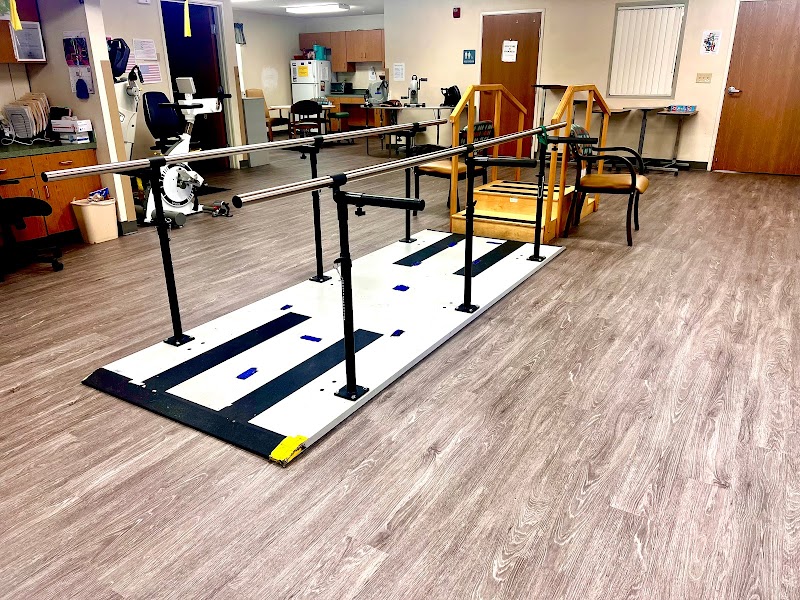
How Does Millbrook Healthcare And Rehabilitation Center Compare to Other Texas Nursing Homes?

Compared to the 100 nursing homes in Texas, MILLBROOK HEALTHCARE AND REHABILITATION CENTER's overall rating (1 stars) is below the state average of 2.8, staff turnover (65%) is significantly higher than the state average of 46%, and health inspection rating (2 stars) is below the national benchmark.

What Should Families Ask When Visiting Millbrook Healthcare And Rehabilitation Center?

Based on this facility's data, families visiting should ask: "What changes have been made since the serious inspection findings, and how are you preventing similar issues?" "How do you ensure continuity of care given staff turnover, and what is your staff retention strategy?" "Can you walk me through typical staffing levels on day, evening, and night shifts?" "Can I visit during a mealtime to observe dining assistance and food quality?" These questions are particularly relevant given the facility's Immediate Jeopardy citations, the facility's high staff turnover rate, and the below-average staffing rating.

Is Millbrook Healthcare And Rehabilitation Center Safe?

Based on CMS inspection data, MILLBROOK HEALTHCARE AND REHABILITATION CENTER has documented safety concerns. Inspectors have issued 3 Immediate Jeopardy citations (the most serious violation level indicating risk of serious injury or death). The facility has a 1-star overall rating and ranks #100 of 100 nursing homes in Texas. Families considering this facility should ask detailed questions about what corrective actions have been taken since these incidents.

Do Nurses at Millbrook Healthcare And Rehabilitation Center Stick Around?

Staff turnover at MILLBROOK HEALTHCARE AND REHABILITATION CENTER is high. At 65%, the facility is 19 percentage points above the Texas average of 46%. High turnover means new staff may not know residents' individual needs, medications, or preferences. It can also be disorienting for residents, especially those with dementia who rely on familiar faces. Families should ask: What is causing the turnover? What retention programs are in place? How do you ensure care continuity during staff transitions?

Was Millbrook Healthcare And Rehabilitation Center Ever Fined?

MILLBROOK HEALTHCARE AND REHABILITATION CENTER has been fined $49,665 across 2 penalty actions. The Texas average is $33,576. While any fine indicates a compliance issue, fines under $50,000 are relatively common and typically reflect isolated problems that were subsequently corrected. Families should ask what specific issues led to these fines and confirm they've been resolved.

Is Millbrook Healthcare And Rehabilitation Center on Any Federal Watch List?

MILLBROOK HEALTHCARE AND REHABILITATION CENTER is not on any federal watch list. The most significant is the Special Focus Facility (SFF) program, which identifies the bottom 1% of nursing homes nationally based on persistent, serious quality problems. Not being on this list means the facility has avoided the pattern of deficiencies that triggers enhanced federal oversight. This is a positive indicator, though families should still review the facility's inspection history directly.