Westridge Nursing and Rehabilitation
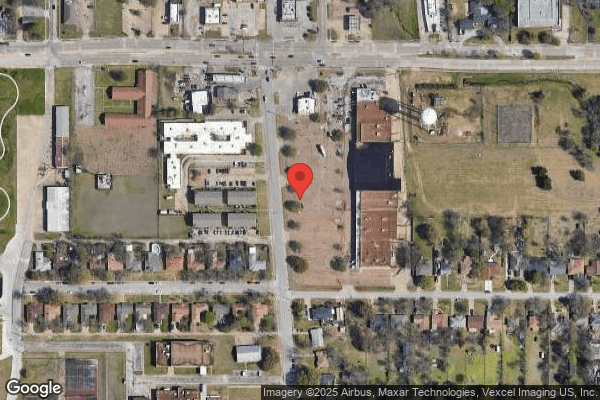

1241 Westridge Ave, Lancaster, TX 75146 (972) 227-5110
For profit - Corporation 110 Beds SLP OPERATIONS Data: November 2025 2 Immediate Jeopardy citations
Trust Grade
1/100
#903 of 1168 in TX
Last Inspection: October 2024

Within standard 12-15 month inspection cycle. Federal law requires annual inspections.

Overview

Westridge Nursing and Rehabilitation currently holds a Trust Grade of F, indicating significant concerns about the quality of care provided, which is poor compared to other facilities. They rank #903 out of 1168 in Texas, placing them in the bottom half, and #64 out of 83 in Dallas County, suggesting that there are many better options locally. The facility is showing signs of improvement, having reduced issues from 8 in 2024 to only 1 in 2025. Staffing is a mixed picture; while they have good RN coverage, more than 85% of Texas facilities, their overall staffing rating is 2 out of 5 stars, and staff turnover sits at 58%, which is around the Texas average. Recent inspector findings revealed serious issues, including a critical incident where a resident was not protected from abuse by another resident, as well as a failure to provide adequate supervision during transfers, raising concerns about safety and potential harm.
Trust Score
F
1/100
In Texas
#903/1168
Bottom 23%
Safety Record
High Risk
Review needed
Inspections
Getting Better
8 → 1 violations
Staff Stability
⚠ Watch
58% turnover. Above average. Higher turnover means staff may not know residents' routines.
Penalties
○ Average
$39,757 in fines. Higher than 51% of Texas facilities. Some compliance issues.
Skilled Nurses
○ Average
Each resident gets 31 minutes of Registered Nurse (RN) attention daily — about average for Texas. RNs are the most trained staff who monitor for health changes.
Violations
⚠ Watch
25 deficiencies on record. Higher than average. Multiple issues found across inspections.
★★☆☆☆
2.0
Overall Rating
★★☆☆☆
2.0
Staff Levels
★★★★☆
4.0
Care Quality
★★☆☆☆
2.0
Inspection Score
Stable
2024: 8 issues
2025: 1 issues

The Good

  • 4-Star Quality Measures · Strong clinical quality outcomes
  • Full Sprinkler Coverage · Fire safety systems throughout facility
  • No fines on record

Facility shows strength in quality measures, fire safety.

The Bad

2-Star Overall Rating

Below Texas average (2.8)

Below average - review inspection findings carefully

Staff Turnover: 58%

12pts above Texas avg (46%)

Frequent staff changes - ask about care continuity

Federal Fines: $39,757

Above median ($33,413)

Moderate penalties - review what triggered them

Chain: SLP OPERATIONS

Part of a multi-facility chain

Ask about local staffing decisions and management

Staff turnover is elevated (58%)

10 points above Texas average of 48%

The Ugly 25 deficiencies on record

2 life-threatening
Jun 2025 1 deficiency 1 IJ
CRITICAL (J) 📢 Someone Reported This

A family member, employee, or ombudsman was alarmed enough to file a formal complaint

Immediate Jeopardy (IJ) - the most serious Medicare violation

Free from Abuse/Neglect (Tag F0600)

Someone could have died · This affected 1 resident

**NOTE- TERMS IN BRACKETS HAVE BEEN EDITED TO PROTECT CONFIDENTIALITY** Based on observation, interview and record review the facility failed to ensure residents had the right to be free from abuse, n...

Read full inspector narrative →
**NOTE- TERMS IN BRACKETS HAVE BEEN EDITED TO PROTECT CONFIDENTIALITY** Based on observation, interview and record review the facility failed to ensure residents had the right to be free from abuse, neglect, misappropriation of resident property, and exploitation for one of six residents (Resident #1) reviewed for abuse. The facility failed to ensure Resident #1 had the right to be free from abuse when Resident #2 physically and allegedly sexually assaulted her on 06/18/25. An IJ was identified on 06/19/25. The IJ began on 06/18/25 and removed on 06/19/25. The facility took action to remove the IJ before the abbreviated survey began. While the IJ was removed on 06/19/25, the facility remained out of compliance at a scope of isolated and severity level of potential for more than minimal harm because all staff had not been trained on resident-to-resident abuse prevention. This failure could place residents at risk for abuse. Findings included: Record review of Resident #1's face sheet, dated 06/19/25, reflected Resident #1 was a [AGE] year-old female who originally admitted to the facility on [DATE] and readmitted on [DATE]. Record review of Resident #1's Quarterly MDS Assessment, dated 05/16/25, reflected a BIMs score was not calculated. Her active diagnoses included non-alzheimer's dementia (refers to any form of dementia other than Alzheimer's disease), anxiety disorder (characterized by excessive, persistent, and uncontrollable worry and fear about everyday situations), depression (a mood disorder that causes a persistent feeling of sadness and loss of interest), and schizophrenia (a serious mental health condition that affects how people think, feel, and behave). Record review of Resident #1's Progress Notes reflected the following: - 06/18/25 at 7:35 PM, LVN A wrote: This nurse was summoned by assigned aide, upon walking towards resident this nurse noted redness to residents neck area '[NAME]/Love Bite' This nurse [sic] asked resident how she sustained those redness [sic]. Resident states 'He [sic] was sucking on my neck' Asked resident to show this nurse who was sucking on her neck and she pointed resident [sic] '[Resident #2's initials]'. Notified Administrator, DON, ADON. [sic] Also informed NP C with [Dr. E's] services and NP D with [Psych ]. Order received to monitor and separate residents. Informed residents responsible party [Resident #1's RP]. - 06/18/25 at 8:23 PM, LVN A wrote: Called 911 Non-emergency service called to report the incident. - 06/18/25 at 8:43 PM, LVN A wrote: [City Name] Police here [Police Officer's Name] and this nurse informed him of situation. Police requested for both parties information which was given by this nurse. This nurse also gives her personal information to the cop, then escorted/assisted him to female resident room to question/investigate situation. This nurse informs resident that the police officer is her [sic] to question her about the redness on her neck. Per resident, and [sic] she states. 'He came into my room, in my bed before lunch and pulled up my dress touching down there, he played with my titties, he started to hold my neck down to kiss me and I called for help and he left. After dinner, watching [sic] television he choked my neck, wanting to kiss me I didn't let him, so he suck my neck [sic], He [sic] tried to touch me down there and I didn't let him. Resident also stated that male resident never took off his clothes only used his hands [sic], when asked by the police officer. Police report Service [sic] number [police report number] [Police officer's Name and badge number]. - 06/18/25 at 9:13 PM, LVN A wrote: Received order from [Dr. E/NP C] to transfer resident to [Hospital Name F], possible protocol for a rape kit test to be carried out if applicable. This nurse informs [sic] RP of transfer and she agreed to transfer. - 06/18/25 at 11:21 PM, LVN A wrote: Resident out of the facility to [Hospital Name G] per facility transport. - 06/19/25 at 9:00 AM, the DON wrote: Writer along with regional interviewed resident regarding incident from last night. Resident was asked what happened, resident stated 'he tried to kiss me, he tried to suck on my neck, he tried to choke me, he tried to screw me, he tried to pull my diaper to the side, she stated she fought him off by crossing legs [sic] and he left, When [sic] asked Resident [sic] cannot remember who it was, and stated 'I am okay and I am sleepy. [sic] - 06/19/25 at 12:08 PM, RN I wrote: Resident arrived back to facility @ 0900 with after care papers. Assisted resident into assigned bed .no pain reported by resident; resident stated 'No .I'm ok' when asked if she had any pain .bruises around neck; skin intact, no bleeding, reddish skin discoloration around neck .Hourly resident rounds by this nurse. - 06/19/25 at 12:22 PM, RN I wrote: Alterations in Skin Integrity. Note location of any noted areas. Enter measurements in box provided.: [sic] Bruise Bruise: Note location of any noted areas. Enter measurements in box provided.: [sic] Bruise 1 neck area, Bruise 2 right, lateral chin Record review of a Trauma Informed Care Assessment for Resident #1, dated 06/19/25, reflected the following: Have you ever experienced, witnessed, learned about a physical assault? Other- 'I fought him'. Unable to determine context .Have you ever experienced, witnessed, learned about a sexual assault? Other- 'I don't want to have sex'. Unable to determine context .Did any of these events bother you? Yes .Comment on events resident was bothered by: Unable to determine context. When prompted with, 'How did that make you feel?' she stated 'Violated.' Record review of Resident #1's Hospital Records, dated 06/19/25, reflected: Patient is a [AGE] year-old female with a past medical history of schizophrenia and dementia who presents from her skilled nursing facility/nursing home for evaluation of endorsed sexual assault. History is somewhat limited secondary to patient's cognitive decline, endorses that a male resident in her nursing facility 'tried to kiss my neck', states 'he tried to kiss my titties', states 'he tried to force my legs open but I kept them crossed'. Patient is unable to confirm if sexual or vaginal or anal penetration occurred, does not endorse oral penetration. Per nursing home staff (transportation staff), nursing home staff has been notified, patient is kept in a secure memory unit, nursing staff is investigating alleged perpetrator for any other information regarding the case .Skin: Superficial bruising of anterior neck .has superficial abrasions over the anterior neck Observation and interview on 06/19/25 at 5:44 PM revealed Resident #1 lying down in her bed. Resident #1 had multiple red marks and purplish/reddish bruises, about the size of quarters, to the right and left sides of her neck. Resident #1 was asked what happened to her neck. Resident #1 replied, He sucked my neck and choked me. Resident #1 said this happened in the TV Room and in her room. Resident #1 said he held her down because he tried to kiss her and she would not let him. Resident #1 said earlier in the day he tried to push her on the bed, he lifted up her dress and touched her breasts, so she hollered out and yelled and then he left. Resident #1 said she had not seen this person at the facility anymore. Resident #1 said she felt safe and was not in any pain. Interview on the phone on 06/19/25 at 1:12 PM with Resident #1's RP revealed she received a call from a nurse at the facility who told her the resident had [NAME]-like bruises to her neck. Resident #1's RP said she was told the facility was going to file a police report and sent the resident to the hospital for further evaluation. Resident #1's RP said she saw the resident had a bruise on her chin towards the right side of her face, a few scratches on her neck, and hickeys on her collar bone and neck area. Resident #1's RP said she did not notice any changes to the resident's behavior when she saw her earlier in the day. Record review of Resident #2's face sheet, dated 06/19/25, reflected Resident #2 was a [AGE] year-old male who originally admitted to the facility on [DATE], readmitted on [DATE], and was discharged on 06/19/25. Record review of Resident #2's Quarterly MDS Assessment, dated 06/09/25, reflected a BIMS score was not calculated. Further review reflected he had no behaviors of any kind towards anyone. His active diagnoses included non-alzheimer's dementia (refers to any form of dementia other than Alzheimer's disease) and cerebellar stroke syndrome (occurs when there's a disruption of blood flow to the cerebellum at the back of the brain). Record review of Resident #2's care plan, edited 06/13/25, reflected the following: Problem Start Date: 10/03/24, Category: Behavioral Symptoms, [Resident #2] display inappropriate sexual behavior toward another female resident. [Resident #2] has risk for inappropriate sexual behaviors towards others including staff, and fellow female residents .Approach: Encourage activity involvement to for [sic] pleasurable distractions. Please ensure activity is at level of understanding for the resident. New orders and medications adjustment review with changes. 15 minutes check for the next 24 hours and tele visit from Psych NP. Record review of Resident #2's progress notes reflected the following: - 10/03/24 - A Previous DON wrote: Charge nurse reported housekeeping witnessed resident grab a female resident and forcefully give her a kiss on the mouth. Residents were separated, resident was place on q 15 min checks, MD, psych NP and family were notified - 06/18/25 at 8:43 PM, LVN A wrote: This nurse was summoned by assigned aide, upon walking towards aide on hallway this nurse noted redness to [Resident #1], female residents neck area [NAME]/Love Bite. This nurse asked female resident [Resident #1's room number] how she sustained those redness [sic]. Resident states ' He [sic] was sucking on my neck' Pointing to this male resident. Female resident, [Resident #1's initials and room number] pointed at this male resident 3 times in the television room. After separating both parties, This [sic] nurse asked male resident of what happened between him and female resident but he denies every question and states, 'I don't know anything with both hands up in the air' [sic]. Notified Administrator, DON, ADON. Also informed [NP C] with [Dr. E's] services and [NP D] with [Pysch]. Call placed to [Resident #2's Main RP] Voice [sic] message left but spoke with [Resident #2's Alternate RP and phone number]. Order received to monitor this resident Q 15 minutes and separate both parties, This [sic] nurse moves resident from [Resident #2's original room number] to [Resident #2's new room number]. Head to assessment [sic] completed, noted redness to left lower lip skin intact but red. - 06/18/25 at 9:15 PM, LVN A wrote: [City Name Police] here, [Police officer's name] and this nurse informed him of situation. Police requested for residents information [sic] which was given by this nurse. This nurse also gives [sic] her personal information to the cop, then escorted/assisted him to male residents room [Resident #2's new room number]. The police officer questioned this resident regarding what happened earlier on but resident states 'Nothing happened' Police officer asked him if he was being inappropriate with a female resident? Resident states 'I don't know a female resident' Resident threw both hands in the air that he doesn't know anything and he don't' [sic] remember anything. Police officer asked him if he had breakfast, lunch or dinner he replies saying 'No I don't, no food here' This nurse reminds him that he requested for extra pasta today from this nurse during dinner and asked if he remembers that, resident states 'OKAY' [sic]. Resident unable to give any detail or account of situation that transpired. Per police officer, I could arrest him but due to his condition they won't keep him but advised he needs a male unit. Resident continues to be 1:1/Q 15 MINS Supervision [sic]. - 06/19/25 at 12:52 AM, LVN J wrote: Res remains in room with 1 on 1 assigned. Res in bed with eyes closed .No attempted to get OOB or leave room noted. No episodes of sexual inappropriateness, aggression or agitation noted. - 06/19/25 at 10:41 AM, RN I wrote: No unusual behavior. Q15 monitoring checks in progress during this shift .surveillance program for wandering residents in progress .One on one sitter in room [Resident #2's new room number]. - 06/19/25 at 11:28 AM, the SW wrote: The social worker contacted [Resident #2's RP] didn't answer and the social worker left a message for her to call the facility back. - 06/19/25 at 11:31 AM, the SW wrote: The social worker fax [sic] the resident clinicals to [a different NF] . - 06/19/25 at 1:32 PM, the DON wrote: The social worker contacted another family member for the resident to inform [them] that due to the incident that happened on yesterday the resident will be transferred to a sister facility. The resident has been approved and gave the family member the name and address to the moving facility. - 06/19/25 at 1:34 PM, RN I wrote: Q15 surveillance checks ongoing during this shift. One on One [sic] sitter at all times during this shift. Instructed by Admin and DON [the DON] to pack up resident's belongings. No unusual behaviors .cooperative during this shift. Spent shift in assigned bed .Hourly rounds by this nurse. - 06/19/25 at 2:05 PM, RN I wrote: Resident discharged Observation and interview on 06/19/25 at 11:45 AM revealed Resident #2 was in his room lying in bed. The ADON was standing in his doorway a few feet away from him. Resident #2 said he was doing good today and felt safe in the facility. Resident #2 said he had never tried to touch or kiss anyone at the facility. Resident #2 said he did not have any of those desires and had never tried to hurt anyone. Attempted interview on 06/19/25 on the phone at 1:28 PM with Resident #2's Main RP was unsuccessful as she did not answer. Attempted interview on 06/19/25 on the phone at 1:29 PM with Resident #2's Alternate RP was unsuccessful as she did not answer. Interview on 06/19/25 at 2:12 PM with LVN J revealed she worked the 10:00 PM to 6:00 AM shift overnight and was told by the previous shift that around dinner time in the TV room, Residents #1 and #2 were together and Resident #1 was found to have hickeys on her neck. LVN J said she was told Resident #1 told staff Resident #2 had sucked on her neck and tried to touch her down there. LVN J said staff called the police and that was when Resident #1 told staff before lunch there was an incident where she hollered for help and Resident #2 left her room because he was trying to touch her down there and played with her titties. LVN J said she never noticed any physical or sexual behaviors from Resident #2 towards anyone at the facility before this, so she was surprised to hear about it. LVN J said Resident #2 was placed on one-to-one observations and staff sat with him overnight after it happened to keep eyes on him. LVN J said she was in-serviced and knew what to do in regards to: identifying/reporting/stopping sexual or physical behaviors from residents towards others, supervising residents at all times but especially in common areas, and what the types and signs of abuse were, who and when to report abuse. Interview on 06/19/25 at 2:22 PM with RN I revealed she was at the facility when Resident #1 came back from the hospital this morning and did a skin assessment on her. RN I said when she asked Resident #1 if she was in pain the resident reported she was not. RN I said she had not observed any changes to Resident #1's behaviors so far during this shift. RN I said the skin assessment she completed revealed redness around Resident #1's neck area and a purple-ish bruise to the right side of her lower cheek. RN I said Resident #1 did not have those bruises yesterday morning when she cared for her. RN I said she never observed or knew about Resident #2 having any physical or sexual behaviors towards anyone at the facility. RN I said Resident #2 mostly stayed in his bed in his room during her shift. RN I said she did not observe any interactions between Residents #1 and #2 during her shift yesterday (06/18/25). RN I said she did not believe Resident #2 went to Resident #1's room at all near lunch time because not only was she working and an aide working, but the ADON and Administrator were also present as well. RN I said she was in-serviced and knew what to do in regards to: identifying/reporting/stopping sexual or physical behaviors from residents towards others, supervising residents at all times but especially in common areas, and what the types and signs of abuse were , who and when to report abuse . Interview on 06/19/25 at 1:36 PM with CNA M revealed she worked on the unit yesterday (06/18/25) during the 6:00 AM to 2:00 PM shift. CNA B said she knew nothing about the situation involving Residents #1 and #2. CNA M said normally both residents laid in their own beds in their own rooms during her shift. CNA M said she did notice Resident #1 had bruises to her neck when she saw her today that were not there yesterday. CNA M said Resident #2 never showed any sexual or physical behaviors towards anyone, but if he had she would have immediately reported it to her nurse and stopped it. CNA M said she was in-serviced and knew what to do in regards to: identifying/reporting/stopping sexual or physical behaviors from residents towards others, supervising residents at all times but especially in common areas, and what the types and signs of abuse were, who and when to report abuse. Attempted interview on the phone on 06/19/25 at 2:39 PM with CNA K who worked with both Residents #1 and #2 was unsuccessful as she did not answer or call back. Attempted interview on the phone on 06/19/25 at 2:40 PM with LVN L who worked with both Residents #1 and #2 was unsuccessful as she did not answer or call back. Interview on 06/19/25 at 2:56 PM with CNA B revealed she was working the 2:00 PM to 10:00 PM shift yesterday (06/18/25). CNA B said she took a few residents out for their smoke break around 6:30 PM and came back inside at 6:45 PM. CNA B said she was going to start her next set of rounds on residents and saw Resident #1, Resident #2 and Resident #3 sitting in the TV room together. CNA B said she noticed Resident #1 had bruises and redness that looked like two hickeys, scratches, and other marks to her neck that were not there before during her shift, so she alerted LVN A. CNA B said LVN A came over and asked Resident #1 what happened. CNA B said Resident #1 told LVN A what happened and pointed to Resident #2 saying he sucked on [her] neck and choked her. CNA B said Resident #2 was just sitting in the TV room like nothing had happened. CNA B said LVN A called the police and they came to talk to both residents. CNA B said LVN A told her Resident #2 was put on every 15-minute checks and then someone came to sit in his room with him the rest of the night. CNA B said it was normal for Residents #1, #2 and #3 to all be in the TV room sitting together watching TV after dinner. CNA B said Resident #1 was sent to the hospital and Resident #2 stayed in his room the rest of the shift. CNA B said she was in-serviced and knew what to do in regards to: identifying/reporting/stopping sexual or physical behaviors from residents towards others, supervising residents at all times but especially in common areas, and what the types and signs of abuse were, who and when to report abuse. Interview on 06/19/25 at 3:17 PM with LVN A revealed she worked the 2:00 PM to 10:00 PM shift yesterday (06/18/25). LVN A said after dinner Resident #1 wanted to go to the TV room to watch TV like she normally did every evening. LVN A said she saw Resident #1 sitting there in the chair like she always had. LVN A said she started to make her rounds on the residents and noticed Resident #2's TV was not working for some reason and would not turn on, so she asked if he instead wanted to watch TV in the TV room which he did. LVN A said later on in the shift she heard CNA B asking for her near the TV room, so she went to the area and saw Resident #1's neck was red. LVN A said she asked Resident #1 what happened because her neck was not like that a few minutes ago. LVN A said Resident #1 pointed to Resident #2 and said he sucked on her neck. LVN A said she took Resident #1 to her room to further assess her and asked her again what happened. LVN A said she had also asked CNA B to take Resident #2 to his room, although his room was right next door to Resident #1 so they moved him across the hall to be able to watch him better and so he would be in an empty room. LVN A said she assessed Resident #1 further and asked her what happened but Resident #1 appeared to be ashamed and shut down, not talking. LVN A said she called the Administrator who was the Abuse Coordinator for the facility and then was told to call the police. LVN A said the police came to the facility and she went into the room with Resident #1 to talk to the police officer. LVN A said Resident #1 told them Resident #2 came to her room before lunch and tried to touch her by pulling up her dress and touched her titties and kissed her and choked her. LVN A said the police officer asked Resident #1 if she ever lost consciousness and the resident said yes, and she had also screamed for help but then Resident #2 got up and ran out of the room. LVN A said Resident #1 continued by saying after dinner and in the TV room, Resident #2 came again and tried to pull her dress up again but she crossed her legs and did not let him go down there but he played with her titties again and tried to kiss her, but she fought him off. LVN A said Resident #1 explained Resident #2 began to suck on her neck and she pushed him away. LVN A said during the skin assessment she completed earlier there were no additional findings of an assault, physical or sexual that she could see. LVN A said Resident #1's neck had 4 places where there were bruises that looked like hickeys on one side of her neck and small circles on the other that were consistent with someone holding a person down. LVN A said Resident #1's story matched the injuries she sustained, and she had no history of making up stories. LVN A said she was not told about anything that happened during the previous shift around lunch time and since she was not there, she was not sure what happened. LVN A said she only knew of one other situation involving Resident #2 kissing a different female resident which was a long time ago. LVN A said after that situation happened, Resident #2 was put on every 15-minute checks until the psych provider could see him. LVN A said since then, Resident #2 never gave any indication he would do something like that again. LVN A said she was in-serviced and knew what to do in regard to identifying, reporting, stopping sexual or physical behaviors from residents towards others, supervising residents at all times but especially in common areas, and what the types and signs of abuse were , who and when to report abuse. Interview on 06/19/25 at 3:44 PM with the ADON revealed yesterday (06/18/25) evening, after dinner, CNA B noticed some bruising to Resident #1's neck and alerted LVN A. The ADON said LVN A assessed Resident #1 and after explaining what happened to her, the nurse alerted the Abuse Coordinator who was the Administrator. The ADON said Resident #1 told LVN A Resident #2 put his hands on her neck and sucked on her neck and was inappropriate with her. The ADON said Resident #2 was placed on every 15-minute checks and once they secured a staff member they sat with him one-on-one until he discharged from the facility. The ADON said Resident #2 was discharged today (06/19/25). The ADON said Resident #1 was sent to the hospital for an evaluation, both residents' families were notified, and the MD was also notified. The ADON said she herself saw Resident #1's injuries when she came back from the hospital today and noticed there were red dime-sized marks on her neck that were not there before. The ADON said she was not sure if the injuries were the result of Resident #2 sucking or choking on Resident #1's neck. The ADON said Resident #2 was involved in another incident with a different resident last year in either September or October where he kissed a resident. The ADON said after that happened, Resident #2 was placed on every 15-minute checks until the psych provider could see him. The ADON said the facility took the same approach with the situation that happened with Resident #1, except he was also placed on one-to-one until he discharged . The ADON said when she asked Resident #2 what happened, he could not recall anything but that was normal for him. The ADON said she did not have the opportunity to talk to Resident #1 about what happened. The ADON said the facility also in-serviced all staff regarding abuse/neglect, resident-to-resident altercations, and sexual behaviors. The ADON said she was on the unit yesterday (06/18/25) during the lunch meal service around 11:15 AM or 11:30 AM and never saw Resident #2 out of his room nor did she see Residents #1 and #2 together at any point. The ADON said Resident #2 was discharged to a sister facility that had an all-male secured unit and the family was agreeable to the move. Interview on 06/19/25 at 4:03 PM with the DON revealed she received a call yesterday from the Administrator saying LVN A reported CNA B went to get Resident #1 out of the TV room and noticed marks to her neck. The DON said LVN A asked Resident #1 who did that to her neck and the resident pointed to Resident #2. The DON said the staff on duty automatically separated the two residents and staff began arranging for Resident #2 to be placed on one-on-one. The DON said Resident #1 was sent to the hospital, but they could not conduct a rape kit because there was only evidence of a physical assault, not a sexual assault. The DON said Resident #1 told staff he grabbed her neck and touched her, he tried to kiss her on her neck, he sucked on her titties, he had tried to screw [her], he tried to pull her diaper to the side and get on top of her but the resident crossed her legs and he left out of the room. The DON said she asked Resident #1 what he looked like, and she said the man was white with grey hair and a beard which matched Resident #2's description. The DON said Resident #3 was also in the room, but he was not a reliable witness as he was not interviewable due to his condition. The DON said Resident #1's injuries were to both the right and left sides of her neck and on the front too. The DON said Resident #1's injuries looked like one side was where she was choked and the other was where she had been sucked on causing the hickeys. The DON said she was not sure if that was exactly what happened but that was what it sort of looked like. The DON said she always saw Resident #2 in his bed in his room and since she had only been there for about 4 months, she was not aware of the prior incident where he had kissed another resident months ago. The DON said she believed Resident #1 had her times mixed up as to when the lunch incident happened because the ADON, a housekeeper, and a therapist were there around the same time as the nurse and aide as well and none of the staff saw the residents interacting in any way. The DON said she thought the earlier incident happened before dinner, if it happened at all. The DON said Resident #2 had to be discharged because of the extent of him violating Resident #1's privacy and attacking her. The DON said the facility also in-serviced all staff regarding abuse/neglect, resident-to-resident altercations, and sexual behaviors. The DON said what Resident #2 did to Resident #1 was considered abuse. Interview on 06/19/25 at 4:43 PM with the Administrator revealed she was on her way home yesterday (06/18/25) when she got a call from LVN A saying CNA B came in from smoking the residents and started doing her rounds to get everyone cleaned up. The Administrator said CNA B took Resident #1 from the TV room and noticed she had bruising to her neck, so she called LVN A over to assess the resident. The Administrator said LVN A and CNA B took Resident #1 to the dining room and asked her what happened to which they were told Resident #2 sucked on her. The Administrator said Residents #1, #2 and #3 were in the TV room together which was normal for them to be in that room after dinner together as it's a common area. The Administrator said due to Resident #3's condition he was not able to be interviewed or recall anything that happened. The Administrator said after Resident #1 identified Resident #2 as the Alleged Perpetrator, the staff started him on every 15-minute checks while the ADON tried to find staff to sit with him one-on-one until he could be discharged . The Administrator said LVN A called the doctor to let them know what happened and sent Resident #1 to the hospital to be further evaluated. The Administrator said LVN A also called the police department, and an officer arrived at the facility. The Administrator said the police officer explained there was no signs of a sexual assault, only a physical assault. The Administrator said the hospital explained since there was no penetration they would not be able to complete a rape kit exam. The Administrator said Resident #1 returned to the facility this morning around 9 AM while the facility was working on transferring Resident #2 out of the facility. The Administrator said she was sent pictures by LVN A of Resident #1's injuries and saw it looked like she had hickeys on her neck. The Administrator said she believed Resident #1 had her times mixed up and the lunch incident did not happen at that time but might have happened before dinner instead. The Administrator said she was on the unit a lot yesterday (06/18/25) and never saw anything that seemed unusual between Residents #1 and #2. The Administrator said nothing else was reported to her about the 2:00 PM to 10:00 PM shift from yesterday. The Administrator said Resident #1 did not have a history of making up stories and Resident #2 did not have a history of any sexual or physical behaviors with anyone. The Administrator said there was only one incident where Resident #2 kissed another resident on the lips months ago which had already been reported and investigated. The Administrator said it was normal for the residents to be sitting in the TV area together and nothing had ever happened prior to this incident amongst any of them. The Administrator said the facility also in-serviced all staff regarding abuse/neglect, resident-to-resident altercations, and sexual behaviors. The Administrator said all residents had the right to be free from abuse, the facility was their home, and they deserved to be in a safe environment with quality of care and life. The Administrator said all staff were responsible for ensuring residents were free from abuse. The Administrator said if Resident #2's actions were intentional this situation would be considered a form of abuse. The Administrator said if residents were not free from abuse that could cause some type of harm to them either emotionally or physically. The Administrator said staff were constantly monitoring residents to ensure they were free from any abuse. The Administrator said all staff were trained to monitor residents at all times. Record review of resident safe surveys reflected 14 were completed with residents on 06/19/25 with no additional findings of any other abuse in the facility. Record review of an in-service, dated 06/19/25, reflected 35 staff were in-serviced regarding resident-to-resident altercations, sexual expression, and abuse and neglect. Record review of a post test completed by 35 staff reflected they understood the facility's policy and procedures regard[TRUNCATED]
Oct 2024 4 deficiencies
CONCERN (E) 📢 Someone Reported This

A family member, employee, or ombudsman was alarmed enough to file a formal complaint

Potential for Harm - no one hurt, but risky conditions existed

Deficiency F0576 (Tag F0576)

Could have caused harm · This affected multiple residents

Based on observation, interview, and record review the facility failed to ensure residents had the right to send and receive mail, and to receive letters, packages, and other materials delivered to th...

Read full inspector narrative →
Based on observation, interview, and record review the facility failed to ensure residents had the right to send and receive mail, and to receive letters, packages, and other materials delivered to the facility for the resident through the means other than a postal service for 7 of 55 residents reviewed for rights to forms of communication with privacy. The facility failed to deliver mail to the resident within twenty-four hours of delivery on premises or the facility's post office box according to their policy. This failure could place residents at risk of not receiving mail in a timely manner and could result in a decline in residents' psychosocial well-being and quality of life. Findings included: During a confidential group interview, 7 of 7 residents stated mail was not distributed at the facility, 6 of 7 residents stated mail was never distributed to them. Confidential resident stated mail was distributed to her only once since she's been at the facility. All 7 residents stated mail was not distributed on Saturday (10/26/2024) or any other day. The residents stated they were unaware who was responsible for distributing mail. In an interview on 10/29/2024 at 3:00 p.m. with the AD she stated she was responsible for distributing mail to residents. She stated there was no specific day when mail was delivered to residents, but residents received their mail once a week. She stated packages were delivered to residents as soon as the package was delivered to the facility. She stated the mail was kept in the business office manager's office. The AD did not explain why the mail was not delivered on the same day it was delivered. In an observation and interview on 10/29/2024 at 3:15 p.m. with the BOM she stated she was responsible for retrieving the mail upon delivery from the postal service. She stated once the mail was received from the postal service, her, and the AD sorted through the mail before the mail was distributed to residents. She stated there was no set day for mail to be delivered to residents, but mail was typically delivered to residents on Wednesdays. She stated because she did not work on weekends, mail delivered on Saturday was sorted on Monday. During an observation of a plastic storage tote, a pile of mail was observed in the bin that have not been distributed to residents. The BOM confirmed the mail in the tote was resident's mail that was delivered on Friday (10/25/2024). She stated the mail from Friday would be delivered to residents this week. The BOM did not explain why the mail was not delivered on the same day it was delivered. In an interview on 10/29/2024 at 3:54 p.m. with the ADM, she stated her expectations of residents receiving mail should take place often . She stated residents should be receiving mail at least once a week. She stated her expectations would be for the BOM or the SW to deliver mail to residents. She stated she was unsure of the current policy on residents receiving mail. She did not state how this could affect residents. Record review of the facility's Mail and Electronic Communication Policy dated revised May 2017, Policy Statement: Residents are allowed to communicate privately with the individuals of their choice and may send and receive personal mail, email, and other electronic forms of communication confidentially. 1. Mail and packages will be delivered to the resident within twenty-four hours of delivery on premises or the facility's post office box (including Saturday deliveries).
CONCERN (E) 📢 Someone Reported This

A family member, employee, or ombudsman was alarmed enough to file a formal complaint

Potential for Harm - no one hurt, but risky conditions existed

Safe Environment (Tag F0584)

Could have caused harm · This affected multiple residents

**NOTE- TERMS IN BRACKETS HAVE BEEN EDITED TO PROTECT CONFIDENTIALITY** Based on observation, interview and record review the facility failed to provide a safe, functional, sanitary, and comfortable e...

Read full inspector narrative →
**NOTE- TERMS IN BRACKETS HAVE BEEN EDITED TO PROTECT CONFIDENTIALITY** Based on observation, interview and record review the facility failed to provide a safe, functional, sanitary, and comfortable environment for residents, staff and the public in resident bathrooms for 2 of 4 halls (100 Hall south and 100 Hall south) reviewed for environment. The facility failed to ensure floors and walls were in good repair and clean for resident bathrooms #110, #111 and #150. This failure could place residents at risk for a diminished quality of life due to the lack of a well-kept environment. Findings include: An observation on 10/29/24 at 11:21 AM of the bathroom for Resident #49, room [ROOM NUMBER] revealed the floor was discolored around the perimeter of the floor with what appeared to be built up of grime or dirt . The wall to the right of the toilet was missing approximately 1.5 feet of the base board exposing a 1.5 inch gap between the floor and the bottom of the wall . The toilet was missing a seal between the floor and the bottom edge of the toilet left a 0.5 inch gap and a live roach was observed retreating to twice during several observations . Resident #49 was not interviewable. An observation on 10/29/24 at 11:42 AM of the bathroom of Resident #34, room [ROOM NUMBER] revealed a sticky brown substance seeping out between all of the tiles on the bathroom floor with hairs and other material stuck in the substance. Resident #34 was not in the facility at the time of the observations. An observation and interview on 10/29/24 at 11:48 AM with Resident #9 and Resident #47 (roommates) revealed both residents complained their shared bathroom was always dirty, there were holes in the walls and they saw roaches and other insects in their bathroom. An observation of room [ROOM NUMBER] revealed a dark discoloration around the perimeter of the floor and built-up of grime in all four corners of the bathroom. The wall to the right of the toilet had a very uneven surface where the wall appeared to have protruded out towards the interior of the bathroom by 2-3 inches, which revealed a large gap above the base board. A 3 X 2-inch hole was observed in the wall behind the toilet. In a confidential group meeting with 7 residents revealed the residents complained their personal bathrooms needed to be cleaner and were in need of physical repairs . An interview on 10/31/24 at 2:57 PM, the ADM revealed it was important to keep the facility clean and in good repair at all times as a dirty facility might decrease the quality of life for the residents . He stated that he bathrooms were in process of being refurbished, but that it was taking a while to complete. He stated that the housekeeping staff cleans all resident bathrooms at least twice daily. An interview on 10/31/24 at 4:11 PM, the Housekeeping Manager stated she tried to keep the facility as clean as possible, she stated in the course of cleaning the facility the other housekeepers and herself would report things might need repair to the Maintenance Supervisor. She stated if the facility was dirty or in disrepair it could affect the moods or feelings of the residents in a bad way. An interview on 10/31/24 at 4:23 PM with the Maintenance Supervisor, he stated staff generally told him if something needed to be fixed in the facility, and staff would also write down maintenance problems in the maintenance log book. He stated he was aware of the wall in the bathroom in room [ROOM NUMBER] and the floor in room [ROOM NUMBER]. He explained he just had not had the time to address the holes/damage to the walls in room [ROOM NUMBER] and the substance leaking between the tiles in room [ROOM NUMBER] was glue from replacing the tiles in that bathroom. He stated he was unaware of the missing baseboard in the bathroom for room [ROOM NUMBER] . Record review of the facility policy, Homelike Environment, revised February 2021, reflected: Policy Statement Residents are provided with a safe, clean, comfortable and homelike environment.
CONCERN (E) 📢 Someone Reported This

A family member, employee, or ombudsman was alarmed enough to file a formal complaint

Potential for Harm - no one hurt, but risky conditions existed

Food Safety (Tag F0812)

Could have caused harm · This affected multiple residents

Based on observation, interview and record review the facility failed to store, prepare, distribute, and serve food in accordance with professional standards for food service safety in the facility's ...

Read full inspector narrative →
Based on observation, interview and record review the facility failed to store, prepare, distribute, and serve food in accordance with professional standards for food service safety in the facility's only kitchen , reviewed for food safety. 1. The facility failed to thaw food under proper conditions (in cooking process, in cooler, under cold running water, microwave and immediately cook afterward); not at room temperature. 2. The facility failed to ensure food items in the refrigerators were labeled with the item description and preparation date, open date, or expiration date . 3. The facility failed to ensure raw meat was stored on the bottom shelf to prevent contamination of other foods. 4. The facility failed to discard open items stored in the refrigerator and freezers that were not sealed . 5. The facility failed to ensure clean dishware was not exposed to a contaminated item . 6. The facility failed to house dented cans in the separate area for dented cans . 7. The facility failed to ensure the ice machine was clean and free of lime and mildew. These failures could place residents at risk for food-borne illness and cross contamination. Findings included: Observation of the kitchen on 10/28/2024 at 7:30 p.m. revealed the following: -5 packaged lunch meat thawing in the kitchen sink at room temperature. - 1 used glove on a dish cart with clean plate covers. Observation of the reach in refrigerators on 10/29/2024 at 9:05 a.m. revealed the following: -Refrigerator #1- 1 32 fl oz 2.0 high calorie malnutritional drink was open with no open date or expiration date. -Refrigerator #2- 3 plastic cups of juice and milk on a serving tray had no item description or preparation date. -Refrigerator #2- 1 large zip top bag of sliced ham, approximatly an inch or more of juice/water was noted at the bottom of the bag, dated 10/25/2024, stored on the top shelf above the dairy products. -Refrigerator #2- 1 5lb bag of grated parmesan cheese was exposed to the air. Observation of the reach in freezers on 10/29/2024 at 9:10 a.m. revealed the following: -Freezer #1- 1 10lbs box of pork hotdogs were exposed to air. -Freezer # 2- 1 12.50lbs of bread sticks were exposed to air. Observation of the walk-in freezer on 10/29/2024 at 9:20 a.m. revealed the following: -Freezer #3- 1 16lb box of peanut butter cookie dough was exposed to the air. -Freezer #3- 1 14lb box of churros was exposed to the air. -Freezer #3- 1 10lb box of cheese and garlic biscuit dough was exposed to air. -Freezer #3- 1 10lb box of pie dough was exposed to the air. Observation of the dry storage on 10/29/2024 at 9:38 a.m. revealed the following: -1 6lb can of pinto beans was dented on the top left. -1 6lb can of cheddar cheese sauce was dented on the bottom left. Observation of the ice machine on 10/29/2024 at 9:47 a.m. revealed the following: The ice machine inner guard had pink and black build up along the top of the inner guard. In an interview with DA C on 10/28/2024 at 7:40 p.m., she stated the lunch meat was thawing in the sink to prepare snacks for the residents. She stated the lunch meat was put out to thaw today at approximately 3:00 p.m. The DA C stated when thawing food, the food should be placed in running water. She stated when the lunch meat was put in the sink to thaw by other kitchen staff it was put in running water . The DA C stated once the meat was thawed it should be placed in the refrigerator. DA C identified the designated area for clean dishes. She stated the plate covers were cleaned on the dish cart with the used glove . Interview with the DM on 10/29/2024 at 9:35 a.m., she stated when thawing food, staff was expected to place the food item in cold running water. She stated once the food item was thawed, it was cooked or packaged in a zip top bag, labeled, and placed in the refrigerator. She stated staff was expected to use the designated areas for clean and dirty dishes. She stated it was not okay for dirty items to be stored with clean dishes. Interview with the DM on 10/29/2024 at 9:50 a.m., she stated kitchen staff was responsible for wiping down the outside of the ice machine. She stated maintenance was responsible for cleaning the inside of the ice machine. She stated the ice machine was cleaned weekly but hasn't been cleaned this week. She stated she would let maintenance know to clean the ice machine today. She stated the proper sanitation of the ice machine and kitchen was important to prevent illnesses. Interview with [NAME] D on 10/29/2024 at 11:26 a.m., she stated when thawing food, staff should place the food in the sink with cold running water. She stated once the food was done thawing, the food should be cooked or placed in the refrigerator. She stated defrosted food should be cooked within 1-3 days . Record review of the facility's Nutrition & Foodservice Policy, dated October 1, 2018,: Revision June 1, 2019, reflected Policy Statement: To ensure that all food served by the facility is of good quality and safe for consumption, all food will be stored according to the state, federal, and US Food Codes and HACCP guidelines. Policy Interpretation and Implementation: 1. Date, label, and tightly seal all refrigerated foods using clean, nonabsorbent, covered containers that are approved for food storage. 2. Store raw meats and eggs on the bottom shelf to prevent contamination of other foods.To avoid cross-contamination, store raw uncooked food produce away from and below prepared or ready to eat food. 3. Food thawing under proper conditions (in cooking process, in cooler, under cold running water, microwave and immediately cook afterward); not at room temperature.4. Trays, dinnerware, cups, and utensils in good condition, stored properly to prevent contamination. 5. Ice machine clean with no lime, rust, or mildew. 6. Damaged cans stored in designated area for return to vendor, food purchased from vendors that meet federal, state, or local approval Record review of the U.S. FDA Food Code 2022 reflected: Chapter . section 3-501.13 Thawing (A). Under refrigeration that maintains the food temperature at 5c(41F) or less or (B) completely submerged under running water. Chapter 3 . section 3-201.11 Compliance and Food Law . C. Packaged Food shall be labeled as specified in LAW , including 21 CFR 101 Food Labeling [* .(b) A food which is subject to the requirements of section 403(k) of the act shall bear labeling, even though such food is not in package form. (c) A statement of artificial flavoring, artificial coloring, or chemical preservative shall be placed on the food or on its container or wrapper, or on any two or all three of these, as may be necessary to render such statement likely to be read by the ordinary person under customary conditions of purchase and use of such food. The specific artificial color used in a food shall be identified on the labeling when so required by regulation in part 74 of this chapter to assure safe conditions of use for the color additive.], 9 CFR 317 Labeling, [*(a) When, in an official establishment, any inspected and passed product is placed in any receptacle or covering constituting an immediate container, there shall be affixed to such container a label .Marking Devices, and Containers, and 9 CFR 381 Subpart N Labeling and Containers, and as specified under § 3-202.18. Section 3-302.12 Food Storage Containers, Identified with Common Name of Food: Except for containers holding FOOD that can be readily and unmistakably recognized such as dry pasta, working containers holding food or food ingredients that are removed from their original packages for use in the food establishment, such as cooking oils, flour, herbs, potato flakes, salt, spices, and sugar shall be identified with the common name of the food. Section 3-501.17 . Commercial processed food: Open and hold cold . B . 1. The day the original container is opened in the food establishment shall be counted as Day 1. 2. The day or date marked by the food establishment may not exceed a manufacturer's use-by date if the manufacturer determined the use-by date based on food safety . C. 2. Marking the date or day of preparation, with a procedure to discard the food on or before the last date or day by which the food must be consumed on the premises, sold, or discarded as specified under (A) of this section. 3. Marking the date or day the original container is opened in a food establishment, with a procedure to discard the food on or before the last date or day by which the food must be consumed on the premises, sold, or discarded as specified under (B) of this section. Definitions 3 . Food Receiving and Storage - When food, food products or beverages are delivered to the nursing home, facility staff must inspect these items for safe transport and quality upon receipt and ensure their proper storage, keeping track of when to discard perishable foods and covering, labeling, and dating all PHF/TCS foods stored in the refrigerator or freezer as indicated. 4-903.11 Equipment, Utensils, Linens, and Single-Service and Single-Use Articles. (A) Except as specified in (D) of this section, cleaned EQUIPMENT and UTENSILS, laundered LINENS, and SINGLE-SERVICE and SINGLE-USE ARTICLES shall be stored: (1) In a clean, dry location; (2) Where they are not exposed to splash, dust, or other contamination; and (3) At least 15 cm (6 inches) above the floor. www.fda.gov eCFR- Code of Federal Regulations are indicating within the text by an *- www.ecfr.gov
CONCERN (E) 📢 Someone Reported This

A family member, employee, or ombudsman was alarmed enough to file a formal complaint

Potential for Harm - no one hurt, but risky conditions existed

Deficiency F0925 (Tag F0925)

Could have caused harm · This affected multiple residents

**NOTE- TERMS IN BRACKETS HAVE BEEN EDITED TO PROTECT CONFIDENTIALITY** Based on observation, interview and record review the facility failed to maintain an effective pest control program so that the ...

Read full inspector narrative →
**NOTE- TERMS IN BRACKETS HAVE BEEN EDITED TO PROTECT CONFIDENTIALITY** Based on observation, interview and record review the facility failed to maintain an effective pest control program so that the facility was free of pests and rodents for 2 of 4 shower rooms (the North and South shower rooms) and 2 of 8 resident rooms (rooms #111 and #150) reviewed for the pest control program. 1. The facility failed to ensure live roaches were not in the South Shower room and room [ROOM NUMBER]. 2. The facility had live flies observed in the North Shower room. These failures could place residents at risk for the spread of infection, cross-contamination and decreased quality of life. Findings included: An observation on 10/29/24 at 11:21 AM revealed a live roach in the bathroom of Resident #49's, room [ROOM NUMBER]. Resident #49 was not interviewable. An observation on 10/30/24 at 11:18 AM of the South Shower Room revealed a small live roach was near the main shower drain of the shower room. An observation on 10/30/24 at 11:21 AM of room [ROOM NUMBER] revealed a live roach was observed running back underneath the toilet in the residents' bathroom. An observation on 10/30/24 at 11:23 AM of the North Shower Room revealed 14-16, live small flies gathered in the right hand corner of the room, on the wall directly above the main drain of the shower room. In a confidential group meeting with 7 residents revealed the residents observed live roaches and flies in their rooms, bathrooms and shower rooms. Residents stated they informed staff of roaches and flies in the facility . An interview on 10/29/24 at 11:38 AM with Resident #38 revealed she saw roaches in her room and her bathroom, and she told staff about the roaches a few times but could not remember which staff members she mentioned it to. Se stated that she did not like having roaches or flies in her room or in the facility, she stated that it was nasty. An interview on 10/29/24 at 11:44 AM with Resident #44 revealed he saw roaches in his bathroom, but had not reported it to anyone. An interview on 10/29/24 at 11:48 AM with Resident #47 revealed she saw roaches in her bathroom on a few occasions. She stated she told staff several times about the roaches she saw in her bathroom. An observation and interview on 10/30/24 at 11:38 AM of the North Shower Room with the ADON revealed 14-16 live flies on the walls above the drain. The ADON stated she had not noticed all of the flies in the shower room before, she stated no other staff reported the live flies in the shower room. She stated the staff did not use a pest sighting log , but generally informed the Maintenance Supervisor about any pests in the building, and she would inform the Maintenance Supervisor about the flies at that time. An interview on 10/31/24 at 2:57 PM with the ADM revealed staff were expected to log pest sightings in the maintenance log , or staff would call her or notify the Maintenance Supervisor in person. An interview on 10/31/24 at 3:08 PM with LVN A revealed she did not know what a pest sighting log was and if she saw a roach or a fly, she would notify housekeeping . An interview on 10/31/24 at 3:15 PM with CNA B revealed she saw live roaches in the facility. She further stated she was not aware of a pest sighting log, but she would notify housekeeping . An interview on 10/31/24 at 3:32 PM with the ADON, she revealed if pests were seen inside the facility, the staff were expected to put the sighting in the maintenance log so the Maintenance Supervisor could be notified to contact pest control. She stated live roaches or flies could cause cross-contamination and could make residents upset about where they live . She stated that she thought that pest control visited the facility at least once a month. An interview on 10/31/24 at 3:44 PM with the DON, she revealed pest sightings were supposed to be logged by staff in the maintenance log. She stated roaches or flies could cause cross contamination in resident's food and could cause mental anguish in residents that saw roaches or flies in their rooms or bathrooms. An interview on 10/31/24 at 4:11 PM with the Housekeeping Manager, she revealed residents and staff told her about roaches or flies in the facility and she then went and told the Maintenance Supervisor. She stated she did not write it down anywhere but told the Maintenance Supervisor if she saw any type of insects in the facility. An interview on 10/31/24 at 4:23 PM with the Maintenance Supervisor revealed he was usually told about pests inside the facility by staff or by residents. He stated sometimes the staff might write down pest sightings in the maintenance log and he checked the maintenance log every day. He stated he had not seen any reports recently in the maintenance log about pests in the facility . He stated that the contract with the pest control company was active and that pest control came to the facility at least once a month or more often if he call them in. Record review of the Maintenance Log for the facility reflected no entries related to insects, roaches or flies in the facility for the last three months found no entries related to insects sighted in the facility. Receipts for pest control visits were found up to 7/16/24, no other receipts could be found for any visits after that date. Review of the Grievance files x 3 months found no grievances related to pests in the facility. Record review of the facility's policy, revised July 2013, and titled Pest control, reflected Our facility shall maintain an effective pest control program . 1. This facility maintains an on-going pest control program for insects and rodents
Sept 2024 4 deficiencies 1 IJ
CRITICAL (J) 📢 Someone Reported This

A family member, employee, or ombudsman was alarmed enough to file a formal complaint

Immediate Jeopardy (IJ) - the most serious Medicare violation

Accident Prevention (Tag F0689)

Someone could have died · This affected 1 resident

**NOTE- TERMS IN BRACKETS HAVE BEEN EDITED TO PROTECT CONFIDENTIALITY** Based on record reviews, and interviews, the facility failed to ensure a resident's environment remained free of accidents or ha...

Read full inspector narrative →
**NOTE- TERMS IN BRACKETS HAVE BEEN EDITED TO PROTECT CONFIDENTIALITY** Based on record reviews, and interviews, the facility failed to ensure a resident's environment remained free of accidents or hazards and received adequate supervision and assistance devices to prevent accidents for 1 of 5 residents (Resident #22) reviewed for transfers in that: 1. The facility failed to ensure CNA O provided adequate supervision and transfer assistance for Resident #22 attempting to conduct a transfer without assistance or without an assistive device. 2. The facility failed to ensure that CNAs were knowledgeable about locating the resident's safe transfer status requirements for Resident #22. An immediate jeopardy existed from [DATE] - [DATE]. The IJ was determined to be at past noncompliance as the facility had implemented actions that corrected the noncompliance prior to the beginning of the investigation. This deficient practice placed residents at risk for falls, injuries, and hospitalization. Findings included: Review of Resident #22's Face sheet dated [DATE] reflected a [AGE] year-old female who was initially admitted to the facility on [DATE] with diagnosis that included Cerebral Infarction (stroke), Displaced fracture of the greater tuberosity of right humerus (fracture of the neck of the upper arm bone that did not break the skin), Pain, Muscle wasting and atrophy left thigh and left lower extremity, Adult failure to thrive, Hemiplegia and hemiparesis following Cerebral Infarction (paralyzation following a stroke). Review of Resident #22's Minimum Data Set (MDS) assessment dated [DATE] reflected in section GG titled Functional Abilities and Goals Resident #22 had limited range of motion and impairment on both sides of her body and required the use of a wheelchair. Resident #22 required substantial/maximal assistance to totally dependent in the following areas: Toileting hygiene, Shower/bathe, lower body dressing, and putting on/taking off footwear. Resident #22 required total dependent assistance (or the assistance of 2 or more helpers) to roll left or right, sit to lying, lying to sitting on edge of bed, sit to stand, chair/bed-to-chair transfer, toilet transfer, and tub/shower transfer. Review of Resident #22's Care Plan dated [DATE] reflected Problem/Category: ADL's Functional Status/Rehabilitation Potential Resident #22 had self-care deficits and is at risk for a decline in ADL function related to physical impairments due to Cerebral Vascular Accident with HP and UE Fx. Resident #22 may require more assistance some days more than others. Approach: Transfers: mechanical lift (2 person assist). Further review of Resident #22's care plan revealed a newer entry dated [DATE] regarding transfers . Problem/Category: ADL's Functional Status/Rehabilitation Potential [Resident #22] is unable to use mechanical lift sling with transfer. Requires 6 staff members to transfer using sheet to wheelchair from bed .Approach: Transfer to w/c using sheet with 6 staff for assistance. Review of the Incident Accident report dated [DATE] to [DATE] Revealed Resident #22 suffered a fracture on [DATE] as the result of an improper transfer. Record Review of a written statement dated [DATE] signed and dated by CNA O and RN S reflected that . [CNA O] entered [Resident #22's] room and began to transfer Resident #22. CNA O sat resident #22 on the side of the bed, wrapped arms around the resident, began to move from bed to wheelchair. Resident #22's chair began to move slightly backwards, CNA O began to lower Resident #22 and braced her with knee, when she heard a pop. Resident #22 was positioned in wheelchair and charge nurse [LVN P] was notified. CNA O states she was not assigned to that hallway and was unaware Resident #22 was a Hoyer lift. Review of Resident #22's nursing progress notes revealed that CNA O reported to LVN P that she had heard a pop when transferring Resident #22 from the resident's bed to the resident's wheelchair. LVN P and the RN S assessed the resident and notified the MD and ordered an x-ray. The x-ray revealed a displaced closed fracture of Resident #22's right humerus. An attempt at an interview on [DATE] at 11:00 AM revealed that CNA O's listed contact phone number was disconnected. In an interview and observation on [DATE] at 11:12 AM Resident #23 was observed being transferred via a mechanical lift. CNA K and CNA L were observed to apply mechanical lift sling to the supine resident for transfer from bed to wheelchair. Bed put in lowest pos, resident raised without incident by both staff members. Resident appeared to tolerate transfer well no signs of pain or mental duress. Resident stated she had never had a problem with being transferred by the mechanical lift, being lifted was scary the first couple of times but now she stated she was used to being lifted. She stated that she felt safe at the facility and had no complaints regarding her care or treatment at the facility. In an interview and observation on [DATE] at 1:08 PM Resident #24 was observed being transferred via a mechanical lift device from her wheelchair to her bed. CNA M and CNA L were observed performing the transfer. Sling placed on resident, bed to lowest pos, resident legs kept closed by CNA during transfer and steadying/guiding Resident #24 to the bed while the other CNA lifted and pushed the machine. Resident observed to have tolerated the transfer well. No signs of pain or mental duress. Resident stated she had been lifted many times at the facility and had never felt in danger, the CNA's knew how to do it. She stated she had no complaints about her care or treatment at the facility. In an interview and observation on [DATE] at 3:01 PM Resisdent #25 was observed being assisted with with a transfer by CNA N. Resident# 25 was able to assist with her transfer with assistance from CNA N. Resident's wheel chair was set with brake engaged next to bed. Resident #25's bed was observed to be lowered to level of wheel chair, resident assisted to edge of bed and steadied by CNA N, resident was able to stand with assistance and guided to a seated posistion in wheel chair without incident. Resident #25 stated that the staff knew her routine well and assisted her many times without incident to her wheel chair and back to bed. She stated that she had no complaints about her care or treatment at the facility. In an interview on [DATE] at 4:19 PM the Regional RN stated that all of the CNAs had had access to resident profiles that listed if a resident is mechanical lift, two person assist, or minimal assist. The Regional RN new CNAs were trained during orientation training to have ben able to access resident profiles to see what level of assistance residents required. The Regional RN stated that the the Former Administrator had been in charge at the time of the incident and the current Administrator had been at he facility for only 6 days. The incident had occurred nearly a month before the current Administrator came to the facility. In an interview on [DATE] at 4:24 PM, the DON stated that CNA O had been immediately suspended during the investigation, did not return to the facility or answer any phone calls from the facility, and had been terminated that evening. Review of CNA O's personnel file revealed that CNA O started work at the facility on [DATE], and was terminated as a result of the transfer incident on [DATE]. No other incidents or complaints were discovered in her employee file. In an interview on [DATE] at 11:24 AM, LVN P stated that CNA Q, the CNA that was on that hall the evening that CNA O had the incident with Resident #22 and had asked CNA O to help assist with changing Resident #22. He stated that CNA O had come and reported to him that she had heard a pop while transferring Resident #22. He stated that he and RN S had then gone and immediately assessed Resident #22. He stated that mechanical lift residents were posted behind he nurses stations and that CNA's had access to resident profiles in the facility computer system An interview on [DATE] at 11:27 AM with CNA Q revealed she had been the CNA on Resident #22's hallway that day and that Resident #22 requested to be changed by a different aide, so she had asked CNA O to come and assist her with changing Resident #22. Resident #22 must had indicated to CNA O that she wanted to be transferred to her wheelchair before she had been able to get to Resident #22's room. She stated that CNA O was just supposed to start setting up the equipment needed to change and clean Resident #22. She stated that Resident #22 had been a Hoyer lift for a long time and that there were lists of residents that required Hoyer lifts posted behind every nurse station. She further stated, after the incident, all of the staff had been trained on Hoyer lifts, where to look up resident profiles, she had been observed performing Hoyer lifts and other transfers, and she had taken and passed a competency test. Review of sign in sheets for the following in-service trainings between the dates of [DATE] to [DATE] revealed that 89 staff involved in patient care were in serviced on the following topics: Proper Hoyer Lift Procedure, Abuse and Neglect, Pain, Hoyer Transfers and Safety, Gait Belt Use, How to Access Transfer Code Care Assist and Care for Resident #22's Arm Sling. Review of Observation/Competency Checks for Hoyer Lifts Procedures, Transfer Safety, Accessing Patient Care Profiles, revealed 89 staff members involved in patient care were tested and observed for all for the above competencies. All Competency tests/observations were signed by the ADM, DON, ADON and Regional Nurse. The results showed that staff had been retrained successfully. Review of Safe Surveys of 52 residents, representing the entire resident population dated [DATE] to [DATE] Entitled Transfer Safety found no negative findings about transfers from the residents. Interviews were conducted with 8 RNs, 11 CNAs, and 1 MA were conducted on [DATE]. All staff interviewed were able to recount all In-Service topics, stated that they had a pre-test before the in-services and after the in-services. All interviewed staff stated that they had been observed conducting Hoyer and other transfers while being observed by the Regional RN, DON or ADON. All staff were able to identify where and how to access residents' profile information. Review of the facility Safe Resident Handling/ Transfers policy last revised 10/2023 revealed: .It is the policy of this community to ensure that patients/residents are handled and transferred safely to prevent or minimize risks for injury and provide and promote a safe, secure, and comfortable experience for the patient/resident while keeping the team members safe in accordance with current standards and guidelines . - All patients/residents require safe handling when transferred to prevent or minimize the risk for injury to themselves and the team members that assist them. The use of mechanical lifts is a safer alternative to manual lifting for patients, residents, and caregivers . Compliance Guidelines: - The interdisciplinary team or designee will evaluate and assess individual mobility needs, considering other factors as well, such as weight and cognitive status . - The mobility needs will be addressed on admission and reviewed quarterly, after a significant change in condition or based on direct care staff observations or recommendations . - Team members will be educated on the use of safe handling/transfer practices to include use of mechanical lift devices upon hire, annually and as the need arises or changes in equipment occur . - Team members are expected to maintain compliance with safe handling/transfer practices. Failure to maintain compliance may lead to disciplinary action up to and including termination of employment . - Lifting and transferring will be performed according to the individualized plan of care
CONCERN (E) 📢 Someone Reported This

A family member, employee, or ombudsman was alarmed enough to file a formal complaint

Potential for Harm - no one hurt, but risky conditions existed

Safe Environment (Tag F0584)

Could have caused harm · This affected multiple residents

**NOTE- TERMS IN BRACKETS HAVE BEEN EDITED TO PROTECT CONFIDENTIALITY** Based on observations, interviews, and record reviews, the facility failed to exercise reasonable care for the protection of the...

Read full inspector narrative →
**NOTE- TERMS IN BRACKETS HAVE BEEN EDITED TO PROTECT CONFIDENTIALITY** Based on observations, interviews, and record reviews, the facility failed to exercise reasonable care for the protection of the resident's property from loss or theft for 2 (Resident #13 and Resident #87) of 6 residents reviewed for resident rights. The facility failed to protect Resident #13's (2 pairs of Dickies pants, 3 pairs of Dickies coveralls, socks, and gray pant suit) and Resident #87's (2 pairs of shoes, a jacket, and a pair of shorts) clothes from being lost. This deficient practice could place residents receiving laundry services at risk of negatively impacting their quality of life and at risk for low self-esteem. Findings Included: 1. Record review of Resident #13's face sheet dated 9/18/24 revealed Resident #13 was [AGE] years old and was admitted to the facility on [DATE] with diagnoses of depression and mild intellectual disabilities. Record review of Resident #13's OSA MDS assessment dated [DATE] revealed a BIMS score of 10 (suggested resident's cognition was moderately impaired) and a diagnosis of diabetes. Record review of Resident #13's care plan updated on 9/10/24 revealed Resident #13 had impaired speech with a goal for the resident's needs or wants to be met at all times and revealed Resident #13 required assistance with dressing. Record review of Resident #13's admission packet, with a resident signature date of 1/02/24, on page 5 in section B stated, The Center shall make reasonable efforts to safeguard the Resident's property/valuables that the Resident chooses to keep in his or her possession and page 46 under resident rights stated, The Resident has a right to retain and use personal possessions, including some furnishings and appropriate clothing. The admission packet also revealed in attachment G on pages 48 and 49 You have a right .14) to keep and use personal property, secure from theft or loss. Resident #13 was not in the facility on 9/17/24 or 9/18/24 for interview or observation and attempts during that time to contact the family were unsuccessful. In an observation on 9/17/24 at 12:52 p.m., Resident #13's closet was empty except for 1 T-shirt with no name. 2. Record review of Resident #87's quarterly MDS dated [DATE] revealed Resident #87 was [AGE] years old, admitted on [DATE] with diagnoses of schizophrenia (a disorder that affects a person's ability to think, feel, and behave clearly) and dementia (memory loss), and a BIMS score of 8 (suggested resident's cognition was moderately impaired). Record review of Resident #87's care plan stated that resident should have proper fitting and appropriate foot attire. In an observation on 9/18/24 at 11:17 a.m., inside Resident #87's closet was 1 shirt with his name, 3 pairs of pants without a name, and 4 shirts without a name. Resident #87's admission packet was not available for record review. Record review of grievances dated 8/6/24 revealed a complaint made by the family of Resident #13 that stated Resident #13 was missing 2 pairs of pants, 3 overalls, 1 sweat pant suit, and 6 pairs of socks. The follow up section for the grievance was blank. There was no grievance log for August that showed any response to the grievance. In an interview on 9/17/24 at 10:18 a.m., Housekeeper A stated she did laundry 3 days a week and the laundry aide did laundry the rest of the week. She stated the residents' names were written inside of their clothes, so staff would know who they belonged to. Housekeeper A stated if the clothing did not have a name, then it would be hung up in the laundry room until it was claimed. Housekeeper A stated sometimes clothes were put in the wrong room, but then they were removed and given to the right resident. In an interview on 9/17/24 at 12:54 p.m., Laundry Aide A stated she found maybe 4 pairs of coveralls that morning that belonged to Resident #13. Laundry Aide A stated the Lead Housekeeper gave her a list of missing clothing, so she started looking for them that morning. Laundry Aide A stated they were found in a closet in room [ROOM NUMBER] and that there was not a name on the clothing found but it matched the list. In an interview on 9/17/24 at 1:39 p.m., the Lead Housekeeper stated 3 pairs of Dickies coveralls and 2 pairs of Dickies pants that belonged to Resident #13 had been found that day. The Lead Housekeeper stated they did not find any sweatpants or socks, and she had just received a list of the missing items on 9/15/24. The Lead Housekeeper reported that there were no names on the clothes, and Resident #13's family was upset that the clothes were missing. The Lead Housekeeper reported the clothes were taken to the ADM's office. In an observation on 9/17/24 at 1:42 p.m., a black trash bag in the ADM's office contained 3 pairs of Dickies coveralls and 2 pairs of Dickies pants. No labels or names were on the clothing. In an interview on 9/17/24 at 2:20 p.m., CNA D stated sometimes the laundry aide would put the clothes in the wrong closet. CNA D also stated the laundry had been put in random rooms and had to be returned to the laundry room or to the correct resident. CNA D stated sometimes the residents got mad and complained that they are missing clothes. In an interview on 9/17/24 at 2:30 p.m., CNA E reported sometimes the housekeeper would put the clothes in the wrong place, and CNA E would have to take them to the right spot. CNA E stated the resident's family sometimes would put the names in the clothing and sometimes the nursing staff did, so they knew who the clothes belonged to. In an interview on 9/17/24 at 3:19 p.m., the Housekeeping Team Leader stated the laundry aide was responsible for putting clothes up in the right spot. The Housekeeping Team Leader also stated if there was no name on the clothes, they could belong to anyone. The Housekeeping Team Leader stated it was never the duty of the laundry aide or housekeepers to label the clothing. In an interview on 9/17/24 at 3:35 p.m., the DON stated that residents should have their names on their clothes. The DON stated the nursing staff should have ensured names were in the clothes and put a name if it was missing. In an interview on 9/18/24 at 11:03 a.m., LVN F stated nurses or CNAs should label clothing upon admission and the laundry aide was responsible for returning the clothes to the residents. LVN F stated if a resident's clothes were missing, the residents could become upset. In an interview on 9/18/24 at 11:25 a.m., Laundry Aide A stated Resident #13's clothes had been missing for maybe a month, and she just thought to check the closet in room [ROOM NUMBER] on 9/17/24. Laundry Aide A stated that sometimes CNAs put extra clothes in that closet because it had extra room in it. In an interview on 9/18/24 at 11:36 a.m., Resident #87 reported he was still missing 2 pairs of shoes, a jacket, and a pair of shorts. When asked how this made him feel, Resident #87 stated he would like to have his clothes. In an interview on 9/18/24 at 11:48 a.m., the DON stated they became aware of Resident #87's missing clothes 2 weeks ago and that some of the clothes had been found in other resident's rooms. The DON stated the family had labeled all of Resident #87's clothing with a marker. The DON stated the charge nurses should ensure clothing was labeled by the CNAs and the risk to the residents was that their clothes could be misplaced or lost. In an interview on 9/18/24 at 1:17 p.m., the ADM stated she was not aware of the grievance for Resident #13 from 8/6/24 until 9/17/24. The ADM stated the interim ADM did not complete a grievance log for August. The ADM reported that she was responsible for reviewing the grievances until a full-time social worker could be hired. The ADM stated the laundry aides were expected to deliver clothes to the residents' rooms and the nursing staff was expected to write the residents' names in the clothes. The ADM stated the clothing was labeled so that staff would know who the clothes belonged to. The ADM did not state how this could affect the residents. In an interview on 9/18/24 at 1:46 p.m., a family member for Resident #87 stated they had replaced Resident #87's clothing 3 times in 5 months. The family reported when they came to visit on 8/27/24, Resident #87 was wandering down the hall wearing a hospital gown and no underwear. The family member stated that it definitely bothered Resident #87 to not have his clothes. The family member also stated they had bought the resident new clothes that included a jacket and 2 pairs of shoes. Review of the facility policy titled Admitting the Resident: Role of the Nursing Assistant, with a revision date of February 2022, revealed Steps in the Procedure . 11. Write the resident's name on appropriate articles (i.e., water pitcher, cup, urinal, denture cup, etc.). Review of the facility policy titled Personal Property, with a revision date of March 2021, revealed Residents are permitted to retain and use personal possessions, including furniture and clothing, and 3. Residents are encouraged to use personal belongings to maintain a homelike environment and foster independence.
CONCERN (E) 📢 Someone Reported This

A family member, employee, or ombudsman was alarmed enough to file a formal complaint

Potential for Harm - no one hurt, but risky conditions existed

Grievances (Tag F0585)

Could have caused harm · This affected multiple residents

**NOTE- TERMS IN BRACKETS HAVE BEEN EDITED TO PROTECT CONFIDENTIALITY** Based on interviews and record reviews, the facility failed to resolve grievances for 1 (Resident #13) of 10 residents reviewed ...

Read full inspector narrative →
**NOTE- TERMS IN BRACKETS HAVE BEEN EDITED TO PROTECT CONFIDENTIALITY** Based on interviews and record reviews, the facility failed to resolve grievances for 1 (Resident #13) of 10 residents reviewed for resident rights. The facility did not document efforts to resolve a grievance expressed by Resident #13's responsible party that stated Resident #13 was missing 2 pairs of pants, 3 overalls, 1 sweat pant suit, and 6 pairs of socks This failure could place residents at risk for feelings of worthlessness and for not receiving adequate care and services. Findings Included: Record review of Resident #13's face sheet dated 9/18/24 revealed Resident #13 was [AGE] years old and was admitted to the facility on [DATE] with diagnoses of depression and mild intellectual disabilities. Record review of Resident #13's OSA MDS assessment dated [DATE] revealed a BIMS score of 10 (suggested resident's cognition was moderately impaired) and a diagnosis of diabetes. Record review of Resident #13's care plan updated on 9/10/24 revealed Resident #13 has impaired speech with a goal for the resident's needs or wants to be met at all times and revealed Resident #13 required assistance with dressing. Record review of Resident #13's admission packet, with a resident signature date of 1/02/24, on page 45 under Resident Rights stated, The resident has a right to prompt efforts by the Center to resolve grievances. Record review of grievances dated 8/6/24 revealed a complaint made by the family of Resident #13 that stated Resident #13 was missing 2 pairs of pants, 3 overalls, 1 sweat pant suit, and 6 pairs of socks. The follow up section for the grievance was blank. There was not a grievance log for August that showed any response to the grievance. Resident #13 was not in the facility on 9/17/24 or 9/18/24 for interview or observation and attempts during that time to contact the family were unsuccessful. In an interview on 9/17/24 at 2:13 p.m., the ADM stated she was unable to answer how often the grievances were reviewed because she had just started working in the building 2 weeks ago. The ADM stated grievances needed to be addressed within 5 days and that she was going to follow up with the grievance concerning Resident #13 that day. In an interview on 9/18/24 at 1:17 p.m., the ADM stated she was not aware of the grievance for Resident #13 from 8/6/24 until 9/17/24 but had found some of Resident #13's clothes on 9/17/24. The ADM reported she contacted a family member of Resident #13 the previous day concerning the grievance, but had not contacted the family member that filed the grievance yet. The ADM stated the interim ADM did not complete a grievance log for August. The ADM reported that she was responsible for reviewing the grievances until a full-time social worker could be hired. The ADM stated the grievances should be reviewed so they could take care of any issues or concerns the residents or families had. The ADM did not state the effect this could have on the resident. Review of the facility policy titled Grievances, Recording and Investigating, with a revision date of 1/12/23, revealed 5. The Resident Grievance Form will be filed with the Administrator or designee and the resolution will be identified within three (3) working days of the concern.
CONCERN (E) 📢 Someone Reported This

A family member, employee, or ombudsman was alarmed enough to file a formal complaint

Potential for Harm - no one hurt, but risky conditions existed

Medical Records (Tag F0842)

Could have caused harm · This affected multiple residents

**NOTE- TERMS IN BRACKETS HAVE BEEN EDITED TO PROTECT CONFIDENTIALITY** Based on interviews, and record reviews, the facility failed to ensure resident medical records were complete and accurately doc...

Read full inspector narrative →
**NOTE- TERMS IN BRACKETS HAVE BEEN EDITED TO PROTECT CONFIDENTIALITY** Based on interviews, and record reviews, the facility failed to ensure resident medical records were complete and accurately documented according to accepted professional standards and practices for 1 (Resident #13) of 6 residents reviewed for medical records. The facility failed to complete Resident #13's inventory form. This failure could place residents at risk of negatively impacting their quality of life due to the loss of personal items. Findings Included: Record review of Resident #13's face sheet dated 9/18/24 revealed Resident #13 was [AGE] years old and was admitted to the facility on [DATE] with diagnoses of depression and mild intellectual disabilities. Record review of Resident #13's OSA MDS assessment dated [DATE] revealed a BIMS score of 10 (suggested resident's cognition was moderately impaired) and a diagnosis of diabetes. Record review of Resident #13's care plan updated on 9/10/24 revealed Resident #13 has impaired speech with a goal for the resident's needs or wants to be met at all times and revealed Resident #13 requires assistance with dressing. On 9/17/24 at 2:48 p.m., no inventory form was found in Resident #13's EMR. In an interview on 9/17/24 at 3:08 p.m., LVN H stated the inventory form was completed by the nurse upon admission of new residents and was located in the EMR. LVN H stated the inventory form was not updated after admission and that this form was a mandatory form on all admissions. In an interview on 9/17/24 at 3:28 p.m., the ADON stated that the resident's inventory was documented upon admission, and the inventory form should be updated with any clothes brought after the admission. The ADON stated she was unable to locate the inventory list for Resident #13. In an interview on 9/17/24 at 3:35 p.m., the DON reported that an inventory sheet should be completed when a resident was admitted and when new things were brought to the resident. In an interview on 9/17/24 at 3:58 p.m., the DON reported she was unable to locate an inventory sheet for Resident #13 and that the nurses were expected to complete an inventory sheet for every resident. In an interview on 9/18/24 at 11:09 a.m., LVN F stated an inventory was done with all new admissions and it would be updated if clothes were brought at a later date. LVN F stated that the CNA documented the resident's belongings on a piece of paper, and the nurse documented the information from the CNA's paper in the EMR. LVN F stated it was the nurse's responsibility to ensure the CNAs performed this duty. LVN F stated the inventory form was completed, so they knew what clothes the resident had. LVN F also stated that residents may become upset if their clothes were lost. In an interview on 9/18/24 at 11:48 a.m., the DON stated that the charge nurse should ensure the inventory list was done and clothes were labeled. The DON stated the risk to the residents was that their clothes could be misplaced or lost. Review of the facility policy titled Admitting the Resident: Role of the Nursing Assistant, with a revision date of February 2022, revealed Steps in the Procedure . 14. Assist with Inventorying the Resident's Personal Effects.
Sept 2023 6 deficiencies
CONCERN (D)

Potential for Harm - no one hurt, but risky conditions existed

Deficiency F0578 (Tag F0578)

Could have caused harm · This affected 1 resident

**NOTE- TERMS IN BRACKETS HAVE BEEN EDITED TO PROTECT CONFIDENTIALITY** Based on interview and record review, the facility failed to ensure the residents' right to formulate an advance directive for 1...

Read full inspector narrative →
**NOTE- TERMS IN BRACKETS HAVE BEEN EDITED TO PROTECT CONFIDENTIALITY** Based on interview and record review, the facility failed to ensure the residents' right to formulate an advance directive for 1 (Resident #205) of 6 residents reviewed for advanced directives. The facility failed to ensure Resident #205's code status was updated and documented in his physician's orders. This failure placed residents at risk of not having their end of life wishes honored. Findings included: Review of the electronic admission Record reflected Resident #205's POA was her friend [NAME]. Review of Resident #205's electronic admission Record, latest admission date of [DATE], reflected she was a [AGE] year-old female. Record reflected a medical diagnoses including Dementia-Dementia is the result of changes in certain brain regions that cause neurons (nerve cells) and their connections to stop in other diseases classified elsewhere, unspecified severity, with other behavioral disturbance(Primary, Admission), Pruritus- Pruritus is the medical term for itchy skin. Normally, itchy skin isn't serious, but it can make you uncomfortable. Sometimes, itchy skin is caused by a serious medical condition, unspecified, Local infection of the skin and subcutaneous tissue, unspecified, Pain, unspecified, Disorder of mineral metabolism-Mineral metabolism disorders are abnormal levels of minerals - either too much or too little - in the blood, unspecified, Polyneuropathy-Polyneuropathy is the most common form of peripheral neuropathy, a condition involving damage to the peripheral nerves - which are outside the brain and spinal cord - and the symptoms that result from that damage. In this form of neuropathy, multiple nerves are affected, and frequently, nerves throughout the body will be affected simultaneously, unspecified, wheezing- breathing with a whistling or rattling sound in the chest, Schizoaffective disorder-a mental disorder characterized by abnormal thought processes and an unstable mood, bipolar type, Depression-Depressive disorder (also known as depression) is a common mental disorder. It involves a depressed mood or loss of pleasure or interest in activities for long periods of time. Depression is different from regular mood changes and feelings about everyday life. It can affect all aspects of life, including relationships with family, friends, and community. It can result from or lead to problems at school and at work, unspecified, anxiety disorder-involves persistent and excessive worry that interferes with daily activities, unspecified, Acute hematogenous osteomyelitis- the diagnosis of bone infection within 4 weeks after the onset of clinical manifestations (symptoms or signs) in a previously uninfected bone, unspecified site. Review of Resident #205's care plan, dated with a start date of [DATE] reflected Do Not Resuscitate Review of Resident #205's Physician's Orders dated [DATE] reflected the following code status CPR (Cardiopulmonary Resuscitations)-Full Code. In an interview on [DATE] 03:59 PM with DON-revealed the resident's wishes are the reason to have a Code Status/Advanced Directive. DON revealed the code status pulls up on the matrix face sheet. DON revealed the facility does Advance Directive in-service with the staff. DON revealed If what shows up on matrix does not match what the order was then the staff checks the Advanced Directive binder that was kept at the nurse's station. DON revealed what was in an order and on matrix and in the Advance binder should all match. DON revealed in an emergency the staff looked in the Advanced Directive binder. DON revealed the code status for each resident was reviewed 2x a month during Standard of Care meetings. In an interview on [DATE] 04:18 PM with the facility Medical Director revealed ensuring the code status was entered in the electronic medical record was key to ensure continuity and accuracy. Review of Resident #205's Out of Hospital Do Not Resuscitate (OOH-DNR) Order form, dated [DATE], reflected Resident #205's POA (legally authorized person to represent or act on another's behalf ) completed the form. The form was signed by a notary, and it was signed by Resident #205's physician. Review of the facility's Advance directives Policy revised on [DATE], reflected, .10. plan of care for each resident will be consistent with his or her documented treatment preferences and/or advance directive
CONCERN (D)

Potential for Harm - no one hurt, but risky conditions existed

Safe Environment (Tag F0584)

Could have caused harm · This affected 1 resident

**NOTE- TERMS IN BRACKETS HAVE BEEN EDITED TO PROTECT CONFIDENTIALITY** Based on observation, interview, and record review the facility failed to ensure residents had the right to a safe, clean, comfo...

Read full inspector narrative →
**NOTE- TERMS IN BRACKETS HAVE BEEN EDITED TO PROTECT CONFIDENTIALITY** Based on observation, interview, and record review the facility failed to ensure residents had the right to a safe, clean, comfortable, and homelike environment, which included but not limited to receiving treatment and supports for daily living safely for one (Resident #17) of five residents reviewed for environment. The facility failed to ensure Resident #17's walls in her room were in good repair. This failure could place residents at risk for a diminished quality of life due to the lack of a homelike environment. Findings included: Record review of Resident #1's Quarterly MDS assessment, dated 08/19/23, revealed she was a [AGE] year-old female who was admitted to the facility on [DATE]. Her diagnoses included anemia, coronary artery disease, aphasia, seizure disorder, hypertension, diabetes, hyperlipidemia, schizophrenia, depression, asthma, and anxiety disorder. Her BIMS score was 0 out of 15, which revealed she was severely cognitively impaired. Observation on 09/18/23 at 11:21 AM of Resident #17's room revealed there was a hole in her wall above the base baseboard. The hole in her wall was approximately 1 ft long and 6 inches wide. Resident #17 appeared to be confused and did not answer surveyor's questions. Review of the monthly grievance log for March 2023 - September 2023, reflected there were no concerns regarding holes in residents' walls. Interview with the Maintenance Supervisor on 09/20/23 at 4:58 PM revealed he was responsible for facility repairs. He stated he made rounds in residents' rooms every day. He stated he was unaware the wall in her room needed repair. He stated he did not know how long the hole had been in the wall. He stated Resident #17 will be moved to a new room temporarily while he repairs the wall. He stated the hole in the wall did not create a home like environment for Resident #17. Interview with the Administrator on 09/20/23 at 5:15 PM revealed she was not aware there was a hole in the wall above the base board in Resident #17's room. She stated she makes rounds around the facility and informs the Maintenance Supervisor of needed repairs. She stated the Maintenance Supervisor makes daily rounds at the facility. She stated the Maintenance Supervisor informs her of needed repairs in the facility. She stated her expectation was for the Maintenance Supervisor to priorities repairs. She stated the wall in Resident #17's wall did not create a homelike environment. Record review of the facility policy titled Homelike Environment, dated February 2021, revealed Residents are provided with a safe, clean, comfortable and homelike environment and encouraged to use their personal belongings to the extent possible.
CONCERN (D)

Potential for Harm - no one hurt, but risky conditions existed

Deficiency F0692 (Tag F0692)

Could have caused harm · This affected 1 resident

**NOTE- TERMS IN BRACKETS HAVE BEEN EDITED TO PROTECT CONFIDENTIALITY** Based on observation, interview and record review the facility failed to maintain acceptable parameters of nutritional status, s...

Read full inspector narrative →
**NOTE- TERMS IN BRACKETS HAVE BEEN EDITED TO PROTECT CONFIDENTIALITY** Based on observation, interview and record review the facility failed to maintain acceptable parameters of nutritional status, such as usual body weight or desirable body weight range and electrolyte balance, unless the residents clinical condition demonstrated that it was not possible or the resident's preferences indicated otherwise for one of four residents (Resident #17) reviewed for weight loss and nutrition. The facility failed to ensure Resident #17 received bolus feedings as prescribed. These failures could place the residents at risk of health complication related to nutritional and hydration. Findings included: Record review of Resident #17's Quarterly MDS assessment, dated 08/19/23, revealed she was a [AGE] year-old female who was admitted to the facility on [DATE]. Her diagnoses included anemia, coronary artery disease, aphasia, seizure disorder, hypertension, diabetes, hyperlipidemia, schizophrenia, depression, asthma, and anxiety disorder. Her BIMS score was 0 out of 15, which revealed she was severely cognitively impaired. Her swallowing/nutritional status reflected her nutritional approach was a feeding tube. Her proportion of total calories received through parenteral, or tube feeding was 51% or more and the average fluid intake per day by tube feeding was 501 cc/day or more. Review of Resident #17's Care Plan, undated, revealed she required tube feeding. Her goal was to experience no complications. Her interventions were eternal stoma site care: clean with normal saline. Pat dry. Apply split qauze dressing. Elevate head of bed 30 degrees. Enteral feeding order. Nothing by mouth. Oral hygiene every shift. Review of Resident #17's physician order, dated 05/19/23, revealed enteral feeding bolus administration: Jevity 1.2, bolus 2 cans, 4 times a day (total 8 cans a day), every 6 hours (12:00 AM, 6:00 AM, 12:00 PM, and 6:00 PM). Her physician order, dated 09/15/23, revealed enteral feeding bolus administration: 1 can bolus Jevity 1.2, once a day (3:00 AM). Record review of Resident #17's weight, in her clinical chart, reflected the following entries: 04/05/23 - 193 lbs. 05/18/23 - 188 lbs. 06/05/23 - 188 lbs. 07/04/23 - 181 lbs. 08/02/23 - 179 lbs. 09/04/2022 - 174 lbs. Observation of Resident #17 on 09/19/23 at 12:00 PM revealed LVN A administered one can of Jevity 1.2 by bolus feeding. Interview with LVN A on 09/20/23 at 3:13 PM revealed he worked from 6:00 AM to 2:00 PM. He stated during his shift he administered one can of Jevity 1.2 in the morning and one can of Jevity 1.2 at 12:00 PM to Resident #17. He stated Resident #17 was supposed to receive two cans of Jevity 1.2 during each feeding time. He stated he did he administered one can because Resident #17 could not tolerate two cans. He stated he spoke to the MD regarding a swallow study. He stated he did not document Resident #17 could not tolerate two cans of Jevity 1.2 during feedings. He stated Resident #17 could not tolerate the feedings because she coughed. He stated Resident #17 was supposed to receive two cans of Jevity 1.2 during her 6:00 AM and 12:00 PM feedings due to weight loss. He stated the risk to Resident #17 not receiving Jevity 1.2 as prescribed were increased weakness and weight loss. Observation of Resident #17 on 09/20/23 at 3:51 PM revealed she was weighed by a hoyer scale. Her weight was 177.2 lbs. Interview with the DON on 09/20/23 at 3:59 PM revealed Resident #17 was supposed to receive feedings every 6 hours. He stated the Dietician added a bolus feeding ( one can of Jevity 1.2) at 3:00 AM to reduce her risk of weight loss. He stated Resident #17 received weekly weights. He stated she was supposed to receive two cans of Jevity 1.2 by bolus feeding at 12:00 AM, 6:00 AM, 12:00 PM, and 6:00 PM. He stated his expectation was for the nurses to follow Resident #17's physician's orders. He stated he was not informed Resident #17 was not tolerating two cans during her 6:00 AM and 12:00 PM bolus feedings. He stated Resident #17 had not shown signs of a change of condition or had projectile vomiting. He stated Resident #17 was at risk of weight loss due to receiving less formula during her bolus feeding. Interview with the MD on 09/20/23 at 4:10PM revealed Resident #17 received bolus feedings. He stated Resident #17 was supposed to receive one can of formula once a day and two cans of formula 4 times a day totaling 9 cans of Jevity 1.2 formula. He stated he was not aware Resident #17 received one can of Jevity 1.2 at her 12:00 PM. He stated Resident #17 was supposed to receive bolus feedings has prescribed to maintain weight and to receive nutrients. Attempted to interview the Dietician on 09/20/23 at 5:38 PM and a voicemail was left. Record review of the facility's policy titled, Nutrition (impaired)/Unplanned Weight loss, dated September 2017, reflected, .The staff will report to the physician significant weight gains or losses or abrupt or persistent change from baseline appetite or food intake.
CONCERN (D)

Potential for Harm - no one hurt, but risky conditions existed

Infection Control (Tag F0880)

Could have caused harm · This affected 1 resident

Based on observation, interview, and record review, the facility failed to maintain an infection prevention and control program designed to provide a safe, sanitary, and comfortable environment and to...

Read full inspector narrative →
Based on observation, interview, and record review, the facility failed to maintain an infection prevention and control program designed to provide a safe, sanitary, and comfortable environment and to help prevent the development and transmission of communicable diseases and infections for 1 (CNA B) of 5 staff observed for resident care. CNA B did not wash her hands or change gloves while performing incontinent care. This deficient practice has the potential to affect residents in the facility receiving incontinent care by exposing them to care that could lead to the spread of infections. Findings included: During an observation on 09/20/23 at 12:00 PM revealed CNA B assisting Resident #42 in the toilet. Resident #42 was in the toilet, and CNA B entered in the room and without any form of hand hygiene CNA B gloved and went to assist the resident. Resident #42 did not have clothes on and the CAN B assisted the resident to put on the blouse. While Resident #42 was sitting on the toilet seat, CNA B told the resident to pick her feet up to put on the pullup and pants, then CNA B told the resident to stand up. After Resident #42 stood the CNA B cleaned the resident bottom area with toilet paper, and without any form of hand hygiene the staff pulled up the brief and pants and zipped the pants. Then CNA B instructed Resident #42 to sit on the wheelchair and CNA B pushed the resident out of the toilet with the same gloves. Then CNA B pushed the resident's wheelchair to the sink area and with the same gloves CNA B opened the sink and touched the soap dispenser while trying to get the soap for the resident. CNA B then went back to the toilet flushed, cleaned the toilet sit and took off the gloves and then completed hand hygiene. In an interview on 09/20/23 at 01:08 PM with CNA B she stated she did not complete hand hygiene because she was in a hurry to take Resident #42 to the dining room. CNA B stated she was supposed to complete hand hygiene, before putting on gloves and after cleaning the resident to prevent the spread of infection. CNA B stated she completed infection control in-service about two weeks ago. In an interview on 09/20/23 at 03:47 PM with DON who was also an Infection Preventionist, stated the staff were in-serviced every month on infection control. DON stated he expected the staff to maintain infection control by following the facility policy on infection control. DON stated the staff was to maintain infection control to prevent the spread of infection. DON stated he expected the staff to complete hand hygiene before donning gloves and after providing resident care. Review of the facility policy undated and titled Handwashing/Hand Hygiene reflected, The facility considers hand hygiene the primary means to prevent the spread of infections.1. All personnel shall follow the handwashing/hand hygiene procedures to help prevent the spread of infections to other personnel, residents, and visitors.5. Hand hygiene must be performed prior to donning .
CONCERN (D)

Potential for Harm - no one hurt, but risky conditions existed

Safe Environment (Tag F0921)

Could have caused harm · This affected 1 resident

Based on observation, interview, and record review the facility failed to provide a safe, functional, sanitary, comfortable environment for residents in 1 of 1 facility reviewed for environment. The ...

Read full inspector narrative →
Based on observation, interview, and record review the facility failed to provide a safe, functional, sanitary, comfortable environment for residents in 1 of 1 facility reviewed for environment. The facility failed to ensure ceiling tiles were in good repair throughout the facility. These failures placed residents at risk of a decreased quality of life. Findings included: Observation on 09/18/23 at 11:21 AM revealed a ceiling tile in one of the facility hallways was swooping and discolored with a yellowish-brown spot. There was a ceiling tile in a different hallway at the facility unsecure from the ceiling. There were residents walking below the tiles on both hallways. Interview with the Maintenance Supervisor on 09/20/23 at 4:58 PM revealed he was responsible for facility repairs. He stated he made rounds at the facility every day. He stated he knew about the ceiling tiles needing repair since 09/15/23. He stated the swooping and discoloration on the ceiling tile was due to condensation from the air duct. He stated he was unaware a ceiling tile located in the facility hallway was not secured. He stated he will get a ladder and fix the ceiling tile immediately. He stated he was unable to leave the facility to buy materials to repair the ceiling tiles because HHSC State surveyors were at the facility. He stated the ceiling tiles at the facility did not create a safe and homelike environment for the residents. Interview with the Administrator on 09/20/23 at 5:15 PM revealed she was aware of the repairs needed to varies ceiling tiles throughout the facility. She stated she had a list of the needed repairs for the facility. She stated she makes rounds around the facility and informs the Maintenance Supervisor of needed repairs. She stated the Maintenance Supervisor makes daily rounds at the facility. She stated the Maintenance Supervisor informs her of needed repairs in the facility. She stated her expectation was for the Maintenance Supervisor to priorities repairs. Record review of the facility policy titled Homelike Environment, dated February 2021, revealed Residents are provided with a safe, clean, comfortable and homelike environment and encouraged to use their personal belongings to the extent possible.
CONCERN (F)

Potential for Harm - no one hurt, but risky conditions existed

Food Safety (Tag F0812)

Could have caused harm · This affected most or all residents

Based on observation, interviews, and record review, the facility failed to store, prepare, distribute, and serve food in accordance with professional standards for food service safety in 1 of 1 kitch...

Read full inspector narrative →
Based on observation, interviews, and record review, the facility failed to store, prepare, distribute, and serve food in accordance with professional standards for food service safety in 1 of 1 kitchen reviewed for kitchen sanitation. The facility failed to ensure food was properly stored in the facility's kitchen. This failure could place residents at risk for food-borne illness. Findings Included: Observation of the facility's refrigerator on 09/18/23 at 9:49 AM revealed: - 3 tomatoes withered with white spots; - 6 red bell peppers withered and 1 red bell pepper with a brownish-black spot in a box; and - 1 bag of turkey open and exposed to air. Observation of the facility's dry storage on 09/18/23 at 9:53 AM revealed: -1 bag of macaroni pasta open and exposed to air; and -1 box of fish fry product open and exposed to air. Observation of the facility's prep table on 09/18/23 at 9:56 AM revealed: -1 box of quick minute grits inside a bag open and exposed to air. Observation of the facility's outside freezer on 09/18/23 at 10:00 AM revealed: -1 roll on the floor; -1 ice cream cup on the floor; -1 box of frozen dough sheets open and exposed to air; -1 box of sweet roll dough open and exposed to air; -1 box of beef patties open and exposed to air; -1 bag of veggie blend open and exposed to air; and -1 box of fries open and exposed to air. In an interview with the Dietary Manager on 09/20/23 at 4:39 PM, revealed she checked the kitchen (refrigerator, freezer, dry storage, and prep tables) daily to ensure food was stored properly. She stated she and the dietary cooks were responsible for ensuring foods were not spoiled or unsealed and exposed to air. She stated food storage was important to ensure foods were properly stored. She stated improper food storage could cause residents to be exposed to food borne illnesses. Record review of the facility policy titled Food Storage, dated 2018, revealed To ensure that all food served by the facility is of good quality and safe for consumption, all food will be stored according to the state, federal and US Food Codes and HACCP guidelines. Review of the Food and Drug Administration Food Code, dated 2017, reflected, .3-305.11 Food Storage. (A) .food shall be protected from contamination by storing the food: (1) In a clean, dry location; (2) Where it is not exposed to splash, dust, or other contamination .
Sept 2023 1 deficiency
CONCERN (D) 📢 Someone Reported This

A family member, employee, or ombudsman was alarmed enough to file a formal complaint

Potential for Harm - no one hurt, but risky conditions existed

Pharmacy Services (Tag F0755)

Could have caused harm · This affected 1 resident

**NOTE- TERMS IN BRACKETS HAVE BEEN EDITED TO PROTECT CONFIDENTIALITY** Based on record review, and interview the facility failed to provide pharmaceutical services including procedures that assure th...

Read full inspector narrative →
**NOTE- TERMS IN BRACKETS HAVE BEEN EDITED TO PROTECT CONFIDENTIALITY** Based on record review, and interview the facility failed to provide pharmaceutical services including procedures that assure the accurate dispensing and administering of all drugs and biologicals to meet the needs of each resident for one (Resident #1) of five residents reviewed for pharmaceutical services, in that. RN A failed to administer Resident#1'sTylenol#3 (acetaminophen-codeine-schedule III ) as ordered by her physician on 08/19/2023 and 08/20/23. Resident#1 received a total of four Tylenol#3 tablets in the day, instead of three Tylenol#3 tablets. This failure placed residents, receiving medications, at risk of experiencing exacerbations of their medical conditions. The findings included: Review of Resident #1's face sheet, dated 09/07/23, indicated Resident #1 was a [AGE] year-old female, who was admitted to the facility on [DATE] and re-admitted on [DATE], with diagnoses that included: Type 2 diabetes mellitus, generalized anxiety, muscle weakness, insomnia, chronic pain, dementia (loss of intellectual functioning, especially with impairment of memory and abstract thinking, and often with personality change, resulting from organic disease of the brain). Review of Resident # 1's MDS assessment, dated 08/11/23, revealed Resident #1 had a BIMS score of 12, indicating moderate impaired cognition. Further review of MDS reveled Resident#1 received scheduled pain medication regimen. Review of Resident #1's physicians orders with a start date of 07/31/23, and still active to today date (09/07/23), indicated: acetaminophen-codeine - Schedule III tablet: 300-30 mg; amt: 2 tab: oral in the morning 08:00 am, and amt: 1 tab; oral at bedtime 08:00 pm. Review of Resident #1's MAR , dated 08/12/23 to 09/07/23, revealed on 08/19/23, and 08/20/23, RN A initialed 8:00 pm acetaminophen-codeine-schedule III medications, indicating Resident #1's medication had been administered according to physician's orders. Review of Resident#1 Narcotic log sheet for Tylenol#3 revealed RN A signed out 2 tablets on 08/19/23 and 08/20/23 at 08:00 pm. Interview with Resident #1 on 09/07/23 at 10:44 AM, revealed Resident #1 had been in the facility for 6 to 7 months. Resident#1 in her room watching TV. Resident stated took Tylenol#3 twice a day: two tablets in am, and one tablet in the evening scheduled for chronic pain. Resident#1 denied and could not remember taking two tablets of Tylenol#3 in the evening any time. Resident#1 stated the nurses gave her all the medications in a small cup and she took them at once. Interview on 09/07/23 at 1:44 pm with RN A reveled: RN A stated had been in the facility since 2008 working as weekend supervisor on double shift schedule. RN A stated Resident#1 supposed to get 2 tablets of Tylenol#3 in the morning and one tablet of Tylenol#3 in the evening, and unable to recall given Resident#1 two tablets of Tylenol#3 in the evening and requested to review the narcotic log sheet for resident#1 for the dates the error occurred. RN A looked at the record and acknowledge given two tablets of Tylenol#3 on the morning of dates (08/19/2023, 08/20/2023) and the evening of dates (08/19/23, 08/20/23) per his handwriting and signature in the narcotic log sheet for Resident#1. RN A stated he made a mistake, and he was a human being, and he should be more careful. RN A denied noticing any change on Resident#1 after receiving the double dose of Tylenol#3. RN A stated supposed to check the order, and double check the medications before given it to residents. RN A stated Resident#1 could have an adverse reaction to medication. RN A denied receiving any training on medication error and stated since he was a licensed nurse (RN) they (employer) expected him to know. Interview on 09/07/23 at 1:14 pm with ADON reveled: ADON reviewed residents' medications orders on admission and readmission. ADON stated whenever there was a new order, she review it to make sure it was entered properly in the system. ADON stated looked the narcotic count and make sure staff are counting the medication properly. She denied noticing the double dose given to Resident#1on the date (08/19/23, 08/20/23) in the narcotic log book the count was correct, but the entry clearly showed (2,2 for the two dates instead of 1, 2 ) for rest of the dates when Resident#1 received the correct dose of Tylenol#3 for the day . She stated did not catch that. ADON stated when there was medication error the nurses supposed to notify the doctor and ask the doctor how to proceed and monitor the resident. ADON stated the resident could get sick have nausea, the resident could have allergic reaction to medication, constipation. ADON stated since the order for Tylenol#3 was on schedule and not as needed the resident may run faster out of medication. ADON stated the in-service related to medication error had been done whenever there was issue with medication administration, and annually, the in service were done by the ADON. ADON stated expect the nurses to be following the medication administration rights and give medications as ordered by the doctor. Interview on 09/07/23 at 2:11 pm, the DON revealed he was not aware Resident #1 received double dose of Tylenole#3 on the dates of 08/19/23, and 08/20/23 as recorded in the narcotic Resident#1 log sheet instead of one dose as order by her provider. DON stated do not check much what was in the narcotic logbook and in the stock. He stated had other staff (ADON) to check the book and the stock. DON stated followed the narcotic medications destructions. DON stated residents receiving double dose of narcotic medication could become delirious and could have change of condition. DON stated nurses should notify the doctor, whenever there was a medication administration error, do head to toe assessment on the residents. DON stated the facility conducted incident report whenever there was a medication administration error. The DON stated he would in-service staff regarding medication administration to prevent any further medication errors. Review on 09/07/23 of Resident #1's nurse's notes, dated 08/19/23, and 08/20/23, revealed there was no documentation stating there was a change in Resident#1 tylenole#3 order, reflecting the double dose given to Resident#1. Review of the facility's Policy's titled Administrating Medications, revised April 2019 read in part: Policy statement: Medications are administered in a safe and timely manner, and as prescribed 4. Medications are administered in accordance with prescriber order, including any required time frame 10. The individual administering the medication checks the label THREE(3) times to verify the right resident, right medication, right dosage, right time .before giving the medication .
Dec 2022 3 deficiencies
CONCERN (D) 📢 Someone Reported This

A family member, employee, or ombudsman was alarmed enough to file a formal complaint

Potential for Harm - no one hurt, but risky conditions existed

ADL Care (Tag F0677)

Could have caused harm · This affected 1 resident

**NOTE- TERMS IN BRACKETS HAVE BEEN EDITED TO PROTECT CONFIDENTIALITY** Based on observation, interview, and record review the facility failed to provide the necessary services for residents who are u...

Read full inspector narrative →
**NOTE- TERMS IN BRACKETS HAVE BEEN EDITED TO PROTECT CONFIDENTIALITY** Based on observation, interview, and record review the facility failed to provide the necessary services for residents who are unable to carry out activities of daily living to maintain good grooming and personal hygiene for 2 (Resident #1, Resident #2) of 7 residents reviewed for ADLs. The facility failed to ensure: 1- Resident #1 had his fingernails trimmed and cleaned. 2- Resident #2 had his fingernails trimmed and cleaned. These failures could place residents who were dependent on staff for ADL care at risk for loss of dignity, risk for infections and a decreased quality of life. Findings include: 1- Record review of Resident #1's quarterly MDS assessment, dated 11/15/22, reflected Resident #1 was a [AGE] year-old male admitted to the facility on [DATE] with diagnoses of Parkinson's disease, depression, need for assistance with personal care. He had a BIMS of 14 indicating he was cognitively intact. Record review of Resident #1's Comprehensive Care Plan dated 12/02/22 reflected the following: The following task will be documented in Point of Care- Care Assist Goal: The Resident will perform the following task at their highest practicable level. Interventions: I prefer to take bath/shower on (Mon-Wed-Fri). My preferred time to bath/shower is (2pm-10pm). Nail care once a day on Mon, Wed, Fri; 2:00 PM-10:00 PM. Oral care twice a day; 6:00AM-2:00 PM, 2:00 PM-10:00PM An observation and interview on 12/14/22 at 10:10 AM revealed Resident #1 was sitting in the chair in the common area. The nails on both hands were approximately 0.5cm in length extending from the tip of his fingers. The nails were discolored tan and the underside had dark brown colored residue. Resident #1 said that he did not like his nails too long. Resident #1 stated that he told the aide about his nails. He said, she did not do it. 2- Record review of Resident #2's quarterly MDS assessment dated [DATE] reflected Resident #2 was a [AGE] year-old male admitted to the facility on [DATE] with diagnoses of seizures, cerebral infarction (disrupted blood flow to the brain due to problems with the blood vessels that supply it), hemiplegia (paralysis of one side of the body). He had a BIMS of 11 indicating he was moderately cognitively impaired. Need for assistance with personal care. Record review of Resident #2's Comprehensive Care Plan, dated 10/11\2/22, reflected the following: The following task will be documented in Point of Care- Care Assist Goal: The Resident will perform the following task at their highest practicable level. Interventions: I prefer to take bath/shower on (Tues-Thurs-Sat). My preferred time to bath/shower is (2pm-10pm). Nail care once a day on Tues, Thurs, Sat; 2:00 PM-10:00 PM. Oral care twice a day; 11:00AM-2:00 PM, 2:00 PM-10:00PM An observation and interview on 12/14/22 at 10:15 AM revealed Resident #2 was sitting in the wheelchair in his room. The nails on both hands were approximately 0.5cm in length extending from the tip of his fingers. The nails were discolored tan and the underside had dark brown colored residue. Resident #2 said that he did not like his nails too long. Resident #2 said I told one of the CNAs, she said nothing. Resident #2 said he needed to shave too. Resident #2 was observed with his beard unkempt. In an interview on 12/14/22 at 10:30 AM, CNA A said CNAs were allowed to cut the residents' nails if they were not diabetic. She said she would clean and trim Resident #1 and Resident #2's nails right then since, both residents are not diabetic. CNA A stated the risk of not keeping fingernails cleaned and trimmed would be transmission of infection from dirty nails. In an interview on 12/14/22 at 10:25 AM, LVN B said CNAs were responsible to clean and trim residents' nails during the showers. LVN B said only nurses cut residents' nails if they are diabetic. LVN B said no one notified her Resident #1's and Resident #2's nails were long and dirty, and she had not noticed the nails herself. In an interview on 12/14/22 at 2:23 PM, the DON said nail care should be done as needed and every time aides wash the residents' hands. The DON said nails should be observed once a week, at least. The DON said nurses were responsible for trimming the nails of residents who were diabetic, and CNAs could trim other residents' nails. The DON said she expected CNAs to offer to cut and clean nails if they were long and dirty. The DON said if the resident refused, she expected the CNAs to notify the nurse and family. The DON said residents having long and dirty could be an infection control issue. Review of the facility's policy titled Activities of Daily Living (ADLs), supporting, revised March 2018, reflected Policy statement - Residents who are unable to carry out activities of daily living independently will receive the services necessary to maintain good nutrition, grooming and personal and oral hygiene.
CONCERN (D) 📢 Someone Reported This

A family member, employee, or ombudsman was alarmed enough to file a formal complaint

Potential for Harm - no one hurt, but risky conditions existed

Accident Prevention (Tag F0689)

Could have caused harm · This affected 1 resident

**NOTE- TERMS IN BRACKETS HAVE BEEN EDITED TO PROTECT CONFIDENTIALITY** Based on observation, interview, and record review, the facility failed to provide adequate supervision for four Residents (Resi...

Read full inspector narrative →
**NOTE- TERMS IN BRACKETS HAVE BEEN EDITED TO PROTECT CONFIDENTIALITY** Based on observation, interview, and record review, the facility failed to provide adequate supervision for four Residents (Resident #3, Resident #4, Resident #5, Resident #6) of 17 residents whose records were reviewed for 24-hour supervision: LVN C and LVN D left the locked secure unit unattended for a total of 15 minutes This failure could place residents at risk for injuries. The findings were: In an observation on 12/15/22 at 5:45 AM Resident #3, Resident #4, Resident #5, Resident #6 were awake in the locked secure unit in the hallway. Resident#3, Resident#5 and Resident #6 were in the hallway talking. Resident#5 tried to get out of her wheelchair and seat on the ground. Observed Resident#4 walk up and down the hallway. Record review of Resident #3's quarterly MDS assessment, dated 11/25/22, reflected Resident #3 was a [AGE] year-old female admitted to the facility on [DATE] with diagnoses of adult failure to thrive, unspecified Dementia, psychotic disturbance, mood disturbance, and anxiety. She had a BIMS of 04 indicating she was severely impaired cognition. Record review of Resident #3's Comprehensive Care Plan dated 11/21/22 reflected the following: Elopement risk Interventions include: instruct resident on safety measures. Behavioral symptoms refusing food, medications, ADLs and exit seeking. Goal: resident will have fewer episodes of exit seeking behavior. Intervention included: Remove from public area when behavior is unacceptable. Record review of Resident #4's quarterly MDS assessment, dated 10/05/22, reflected Resident #4 was a [AGE] year-old male admitted to the facility on [DATE] with diagnoses of unspecified Dementia with behavioral disturbance, and Schizophrenia. He had a BIMS of 00 severely impaired cognition Record review of Resident #4's Comprehensive Care Plan dated 09/20/22 reflected the following: Resident exhibits wandering (moves with no purpose, seemingly oblivious to needs or safety) and is placed in secured unit for safety Interventions include follow familiar routines Remove resident from other resident's rooms and unsafe situations Goal.will wander safely within specified boundaries. Resident at risk for falling related to weakness unsteady gait. Interventions: Will remain free from injury Intervention Encourage resident to assume a standing position slowly. Observe frequently and place in supervised area when out of bed. Record review of Resident #5's quarterly MDS assessment, dated 11/10/22, reflected Resident #5 was an [AGE] year-old male admitted to the facility on [DATE] with diagnoses of unsteadiness on feet, cognitive communication deficit, restlessness, and agitation. He had a BIMS of 10 moderately impaired cognition. Record review of Resident #5's Comprehensive Care Plan dated 10/24/22 reflected the following: .is at risk for falls related to cognitive impairment and has had an actual fall. Resident#5 sits at edge of wheelchair and must be reminded and encouraged to set back in wheelchair. Interventions include observe resident frequently when out of bed due to wandering behaviors Goal: Resident# 5 will be free of falls. Falls/Safety/elopement risk Interventions: mobility alarm/wander alarm (Choose appropriate) Goal: Resident will remain free of injuries and falls Record review of Resident #6's quarterly MDS assessment, dated 11/22/22, reflected Resident #6 was a [AGE] year-old male admitted to the facility on [DATE] with diagnoses paranoid schizophrenia, Dementia in other diseases classified elsewhere with behavioral disturbance, Parkinson's disease, unsteadiness on feet, and Cognitive communication deficit. He had a BIMS 99. Resident #6 was unable to complete the interview. Record review of Resident #6's Comprehensive Care Plan dated 09/20/22 reflected the following: has a history of physical/verbal aggressive behaviors toward other's Goals: Resident will not physically abuse other residents, visitors and/or staff Interventions include Assess whether the behaviors endanger the resident and/or others. Intervene if necessary. Resident #6 kicks at outside exit door; attempts to go outdoors unsupervised. Goal: Resident #6 will follow/comply with schedule Interventions: .Encourage Resident to notify staff at all times when needing outdoor time Resident grabbed another resident's arm when she tried to take his plate of food. Goal: Resident will not harm another resident. Intervention: Staff to assist resident in maintaining arm's length from other residents. In an observation on 12/15/22 at 6:00 AM LVN C, was observed leaving out of the secure unit with no other staff in the secure unit. LVN C returned after 5 minutes to the secure unit. In an interview on 12/15/22 at 6:05 AM LVN C stated that she did not know her nurse aide had left already. Residents can fall or get hurt if staff are not in the secure unit with them. In an observation on 12/15/22 at 6:10 AM both LVN C and LVN D left out the secure unit to count the medication cart outside the unit. LVN C and LVN D returned to the secure unit after 2 minutes. In an observation on 12/15/22 at 7:00 AM LVN D, left from the secure unit and did not return until 8 minutes later. LVN D, stated she should not have left out of the unit. LVN D stated the residents could fall. In an interview on 12/15/22 at 1:00 PM with the DON, he stated the staff was nervous and sometimes they had to leave out of the unit. Some staff are running late because they have to get their kids off to school. The DON stated to show some grace because this is a hard job, and he is going to be fired. The DON did not answer any of the questions about supervision in the unit. The facility's CMS Roster/Sample Matrix, dated 12/13/22, indicated there were 17 residents in the secured Memory Care Unit. Record review of facility policy titled Secured Unit subtitled Staffing on the secure unit dated 05/13/2014 revealed: The Secure Unit should not be left unattended, a staff member is required to be present on the unit at all times
CONCERN (E) 📢 Someone Reported This

A family member, employee, or ombudsman was alarmed enough to file a formal complaint

Potential for Harm - no one hurt, but risky conditions existed

Infection Control (Tag F0880)

Could have caused harm · This affected multiple residents

Based on observation and interview, the facility failed to maintain an infection prevention and control program designated to provide a safe, sanitary, and comfortable environment and to help prevent ...

Read full inspector narrative →
Based on observation and interview, the facility failed to maintain an infection prevention and control program designated to provide a safe, sanitary, and comfortable environment and to help prevent the development and transmission of communicable disease and infection for seven (Residents #3, #4, #5, #6, #7, #8, #9) of eight residents reviewed for infection control. 1. LVN D failed to complete hand hygiene between passing out medications to Residents #3, #4, #5, #8, and #9. 2. LVN D failed to sterilize Resident #9's arm before injection insulin and finger when taking blood sugar 3. LVN D failed to disinfect the glucometer (blood sugar machine) between two using it on two Residents #7 and #9. These failures could place residents at-risk of cross contamination which could result in infections or illness. Findings included: In an observation on 12/15/22 between 6:30 AM till 7:45AM LVN D, was observed in the hallway with the medication cart. LVN D, pulled up Resident #5 MAR and popped out medications from the bubble pack and bottle into a clear medication cup and gave Resident#5 a small cup of water. LVN D continued the same process for Resident#3 and Resident#4 without doing proper hand hygiene care between residents. LVN D, stopped passing out medications and did not use proper hand hygiene care before she severed Resident #3, Resident#5 and Resident #6 each a cup of Coffee. LVN D gave Resident#5 tissue paper because she had a runny nose and disposed of her tissue paper. LVN D went into the medication cart room and washed her hands. LVN D, returned to the medication cart and continued to pass out medications to Resident #8 with no prroper hand hygiene. Observation on 12/15/22 at 7:31 AM revealed LVN D performed a bedside finger stick glucose check on Resident #9. LVN D failed to sanitize the glucometer before and after using it on Resident #9. Observed LVN D inject insulin medication in residents' arm without sterilizing the injection spot. LVN D did not complete proper hand hygiene care with Resident #9. Observation on 12/15/22 at 7:38 AM revealed LVN D performing a bedside finger stick glucose check on Resident #7. LVN D failed to sanitize the glucometer before and after using it on Resident #7.LVN D did not complete proper hand hygiene care with Resident #7 Interview on 12/15/22 at 7:45 AM LVN D stated reusable equipment, like a glucometer, should be sanitized with wipes between each resident use in order to prevent transmitting an infection from one resident to another. She stated that if she forgot to wipe the glucometer it was because the presence of the surveyor made her more nervous. LVN stated not washing her hands or using sanitizer between patients could cause an infection control problem. LVN D, stated she though she had her hand sanitizer on the medication cart with her. LVN D, stated she thought she used the alcohol swab on Resident #9. In an interview with DON on 12/15/22 at 1:00 pm he stated that the staff was nervous because she was being observed and may have made some mistakes. The DON stated, you must be understanding, and we are people to.DON failed to answer questions about cross contamination and infection control in the secure unit. Record review of the facility policy Infection Prevention and Control Program subtitled Prevention of Infection dated March 2022, revealed: 8) following established general and disease-specific guidelines such as those of the Centers for Disease Center (CDC).
Nov 2022 1 deficiency
CONCERN (D) 📢 Someone Reported This

A family member, employee, or ombudsman was alarmed enough to file a formal complaint

Potential for Harm - no one hurt, but risky conditions existed

Accident Prevention (Tag F0689)

Could have caused harm · This affected 1 resident

**NOTE- TERMS IN BRACKETS HAVE BEEN EDITED TO PROTECT CONFIDENTIALITY** Based on observation, interview, and record review, the facility failed to ensure residents received appropriate supervision and...

Read full inspector narrative →
**NOTE- TERMS IN BRACKETS HAVE BEEN EDITED TO PROTECT CONFIDENTIALITY** Based on observation, interview, and record review, the facility failed to ensure residents received appropriate supervision and assistance devices to prevent accidents for one (Resident #1) of five residents reviewed for incidents and accidents. The facility failed to ensure Resident #1's wheelchair was in good repair. This failure could place residents at risk for accidents and injuries. Findings included: Review of Resident #1's MDS assessment dated , 10/07/22, revealed the resident was a [AGE] year-old female who admitted to the facility on [DATE]. Her diagnoses included hypertension, hyperlipidemia, cerebrovascular accident, hemiplegia, anxiety disorder, depression, and dysphagia . Her functional status revealed her mobility device used was a wheelchair. Review of Resident #1's care plan, dated 10/18/22, did not reflect her use of a wheelchair. Observation and Interview with Resident #1 on 11/07/22 at 10:57 AM revealed she had been using the wheelchair located in her room near her bed. She stated the arm on her wheelchair was broken. She stated she leans to one side while in her wheelchair to prevent injury from the broken armrest. She stated staff was aware her wheelchair was broken because she requires staff assistance to transfer into her wheelchair. Observation of her wheelchair revealed the right armrest was broken and screws were exposed. Interview on 11/07/22 at 11:25 AM with LVN A revealed Resident #1 uses a wheelchair. She stated she did know the right armrest on her wheelchair was broken. She stated there were no staff assigned to ensuring resident's wheelchairs were in good repair. She stated if there was an issue with a resident's wheelchair the Maintenance Supervisor and Rehab Director would be informed of needed repair or replacement. She stated Resident #1's wheelchair should be kept in good repair to prevent her from getting hurt or falling. Interview on 11/07/22 at 11:54 AM with CNA B revealed Resident #1 uses a wheelchair. She stated she knew her wheelchair was broken. She stated staff continue to use the wheelchair with her because she did not have a replacement wheelchair. She stated the therapy department had been informed Resident #1 needed a new wheelchair because she leans to one side of the wheelchair. She stated the wheelchair was not safe for Resident #1 because she could hurt herself. Interview on 11/07/22 at 12:59 PM with the Rehab Director revealed she visits the facility once a month but works remotely. She stated the therapy department assessed residents for DME and the Maintenance Supervisor ensures the upkeep of the wheelchairs. She stated the therapy department was notified as needed regarding wheelchair repairs. She stated the therapy department was notified in August 2022 regarding residents at the facility in need of new wheelchairs and armrests. She stated Resident #1 was on the list and needed a new armrest on her wheelchair. She stated the DME and supplies were ordered in September 2022. She stated the Maintenance Supervisor was provided the DME and supplies during the first week of October 2022 She stated the Maintenance Supervisor informed her the armrests did not fit the wheelchairs. She stated she planned to visit the facility on 11/09/22 to inspect the new armrests. She stated the purpose of Resident #1 having an armrest was to provide positioning and comfort. She stated Resident #1 should not be using her wheelchair with a broken armrest because the wheelchair could harm her skin. Interview on 11/07/22 at 1:18 PM with the Maintenance Supervisor revealed he was responsible for repairing residents' wheelchairs. He stated if the wheelchair could not be fixed then the therapy department had to find a solution. He stated he did not have a schedule for inspecting residents' wheelchairs at the facility. He stated he did not know Resident #1's armrest on her wheelchair was broken. He stated the purpose of the wheelchair armrest was to provide support and comfort to the resident. He stated Resident #1 should not have been using a wheelchair with a broken armrest. He stated the Resident #1 was at risk of scratching herself with the wheelchair because the armrest was broken. Observation on 11/07/22 at 1:44 PM revealed Resident #1's broken wheelchair had been removed from her room and replaced with a wheelchair in good repair. Interview on 11/07/22 at 3:02 PM with the DON revealed Resident #1 used a wheelchair. He stated he was not aware there was an issue with her wheelchair. He stated all staff were responsible for checking residents' wheelchairs to ensure there were no issues with armrests or brakes. He stated the staff inform therapy and management of needed wheelchair repairs during the morning meeting. He stated if an armrest needed to be replaced the therapy department would order a replacement. He stated the purpose of the armrest was for the resident to rest their arm and to not be in the way while wheeling self in wheelchair. He stated inconvenience of not having an armrest in good repair was the risk. He stated the issue with Resident #1's wheelchair was resolved because a new armrest had been ordered. He stated she was provided a temporary wheelchair on 11/07/22. Review of the facility's policy titled, Assistive devices and Equipment, dated January 2020, reflected Our facility maintains and supervises the use of assistive devices and equipment for residents. The following factors are addressed to the extent possible to decrease the risk of avoidable accidents associated with devices and equipment. Device condition - devices and equipment are maintained on schedule and according to manufacturer's instructions. Defective or worn devices are discarded or repaired.
Jul 2022 5 deficiencies
CONCERN (D)

Potential for Harm - no one hurt, but risky conditions existed

Safe Environment (Tag F0584)

Could have caused harm · This affected 1 resident

Based on observation, interview, and record review, the facility failed to provide a safe, clean, comfortable and homelike environment for one (Resident #7) of 24 residents reviewed for environment. ...

Read full inspector narrative →
Based on observation, interview, and record review, the facility failed to provide a safe, clean, comfortable and homelike environment for one (Resident #7) of 24 residents reviewed for environment. The facility failed to ensure the windowsill, wall paneling, ceiling tile, and blinds in Resident#7's room were in good repair. This failure could place residents at risk of not having a comfortable environment. Findings included: Observation Resident #7's room on 07/18/22 at 10:14 AM revealed the ceiling tile above the head of her bed was drooping and a different ceiling tile appeared to have a brown circular discoloration. The windowsill was broken and there were two broken slats on the window blinds. The panel located by the right side of her window was peeling from the wall. Interview with Resident #7 on 07/18/22 at 10:20 AM revealed her blinds and windowsill were broken. She stated the paneling in her room was coming off. She stated she did not feel safe sleeping under a drooping ceiling tile. Resident #7 stated she informed the Maintenance Supervisor of the needed repairs in her room. She stated she did not remember when she informed the Maintenance Supervisor. She stated the Maintenance Supervisor has not made repairs to her room. Resident #7 stated her room did not have a home-like environment. Interview with Maintenance Supervisor on 07/20/22 at 6:45 PM revealed he was aware of the drooping ceiling tile in Resident #7's room. He stated there was a bar behind the ceiling tile and the tile was not going to fall. He stated the bar was structural and cannot be removed to fix the ceiling tile. He stated the brown circular discoloration on one of the ceiling tiles was a water stain. He stated the facility had a previous issue with the roof. He stated the roof had been repaired. He stated he had not checked the ceiling for possible mold. He stated he is currently working on repairs throughout the facility. He stated the windowsill in Resident #7's room had been broken since he began working at the facility five years ago. He stated he was not aware of the broken slats on the blinds or the panel peeling from the wall. He stated he would make repairs in Resident #7's room to prevent her from being harmed. He stated the broken windowsill, peeling wall paneling, drooping ceiling tile, discolored ceiling tile, and broken slats on blinds do not create a home like environment for the resident. Review of the facility's policy, Maintenance Service, dated November 2021, reflected, Maintenance service shall be provided to all areas of the building, grounds, and equipment.
CONCERN (D)

Potential for Harm - no one hurt, but risky conditions existed

Deficiency F0687 (Tag F0687)

Could have caused harm · This affected 1 resident

**NOTE- TERMS IN BRACKETS HAVE BEEN EDITED TO PROTECT CONFIDENTIALITY** Based on observation, interview, and record review, the facility failed to ensure a resident received proper treatment and care ...

Read full inspector narrative →
**NOTE- TERMS IN BRACKETS HAVE BEEN EDITED TO PROTECT CONFIDENTIALITY** Based on observation, interview, and record review, the facility failed to ensure a resident received proper treatment and care to maintain mobility and good foot health for one (Resident #46) of five residents reviewed for foot care. The facility failed to ensure Resident #46 received toenail care. This failure could place residents at risk of diminished quality of life by not receiving care and services to meet their needs. Findings included: Review of Resident #46's MDS quarterly assessment dated [DATE] revealed she was [AGE] year-old woman and admitted to the facility on [DATE]. Her diagnosis were hypertension, hyperlipidemia, and schizophrenia. Her functional status ADL self-performance revealed she needed supervision with personal hygiene and ADL support provided revealed she needed setup help only. Review of Resident #46's care plan, dated 06/27/22, did not reflect podiatry needs. Her care plan revealed her problem was adl function/rehabilitation, goal was achieve maximum functional mobility. Her approach was bathing/hygiene and dressing/grooming amount of assist was supervision. Review of Resident #46's physician orders revealed she had an order for a podiatry consult PRN dated 11/22/21 and a refer to podiatry order dated 04/15/22. Review of the podiatry recall report dated 07/20/22 revealed Resident #46 had not been seen by podiatry. Observation and interview on 07/18/22 at 10:14 AM revealed Resident #46's toenails on both feet were long and appeared to be discolored. She stated she wanted her toenails cut. She stated some of her toenails curled over the top of her toes. She stated she had not been seen by a podiatrist. She stated she did not remember the names of the staff she asked to cut her toenails. She stated staff refused to cut her toenails. Observation and interview on 07/20/22 at 4:18 PM with LVN G revealed she did not know the last time Resident #46 was seen by the podiatrist. She stated Resident #46 had a physician order for podiatry. She stated she had not seen her toenails. She stated the importance of podiatry was to examine a person's toenails and feet. LVN G stated she checks the resident's feet during their weekly skin assessments and during showers. She assessed Resident #46's toenails and feet. She stated Resident #46's toenails were too thick for staff to cute. Resident #46 informed LVN G she experienced pain when walking because her long toenails. LVN G stated she needed a podiatry consult. She stated the physician, ADON, and DON would be notified of Resident #46's podiatry need. She stated Resident #46 was at risk of pain and infection if not seen by a podiatrist. Interview on 07/20/22 at 4:33 PM with CNA F revealed Resident #46's toenails were long and needed to be seen by a podiatrist. She stated she noticed Resident #46's long toenails the week of 07/11/22 during her shower day. She stated when a resident had long toenails CNAs were supposed to inform the resident's nurse. CNA F stated she did not remember if she informed the nurse about Resident #46's toenails. She stated CNAs were able to cut residents' toenails if not diabetic. She stated she had never cut Resident #46's toenails. She stated Resident #46 was at risk of foot pain and abnormal gait. Interview on 07/20/22 at 6:56 PM with the DON revealed the facility had a contract with a podiatry company to treat residents. He stated the podiatry visits were conducted at the facility. He stated Resident #46 had a referral for podiatry in April 2022 but there was no follow up. He stated the facility SW was responsible for podiatry referrals. He stated the facility has not had a social worker since the beginning of June 2022. He stated everyone was assisting with the social worker's responsibilities. He stated he observed Resident #46's feet on 07/20/22. He stated her toenails appeared to have a fungus. He stated Resident #46's toenails were too thick for staff to cut. He stated a podiatry referral was sent for Resident #46 on 07/20/22 and she will be seen on 07/26/22. He provided the podiatrist contact information regarding referral. He stated Resident #46 was at risk of septicemia and infection leading to gangrene. Review of facility's policy, Activities of Daily Living (ADLs), Supporting, dated March 2018, reflected, Residents will be provided with care, treatment and services as appropriate to maintain or improve their ability to carry out activities of daily living (ADLs).
CONCERN (E)

Potential for Harm - no one hurt, but risky conditions existed

Deficiency F0679 (Tag F0679)

Could have caused harm · This affected multiple residents

**NOTE- TERMS IN BRACKETS HAVE BEEN EDITED TO PROTECT CONFIDENTIALITY** Based on observation, interview and record review, the facility failed to provide, based on the comprehensive assessment and car...

Read full inspector narrative →
**NOTE- TERMS IN BRACKETS HAVE BEEN EDITED TO PROTECT CONFIDENTIALITY** Based on observation, interview and record review, the facility failed to provide, based on the comprehensive assessment and care plan and the preferences of each resident, an ongoing program to support residents in their choice of activities designed to meet the interests of and support the physical, mental, and psychosocial well-being of each resident, for 3 residents (Residents #23, #25 and #42) of 3 residents reviewed for activities. Resident's #23, #25 and #42 resided on the secure unit. The activities provided consisted of a movie once a day during the week and ice cream of Friday. Residents were not provided group, individual or independent activities that met their interests. This failure could place residents residing on the secure unit at risk of decreased physical, mental, and psychosocial well-being. Findings included: Resident #23 Review of Resident #23's Face Sheet, undated, revealed resident was a 67- year-old female admitted to the facility on [DATE], with diagnoses including schizophrenia (a severe mental health condition that can involve delusions and paranoia), hypertension (high blood pressure), and unqualified visual loss. Review of resident's Quarterly MDS Assessment, dated 05/02/2022, revealed a BIMS score of 15. Review of Resident #23's Annual MDS Assessment, dated 07/30/2021, revealed a BIMS score of 15, suggesting resident had intact cognition. Section F, Preferences for Customary Routine and Activities, revealed it was very important for resident to do her favorite activities and to participate in religious services or practices while in the facility, and somewhat important for resident to listen to music she liked while in the facility. Review of Resident #23's most recent care plan, dated 02/10/2022, revealed activities were not addressed. Observation and interview with Resident #23 on 07/18/2022 at 11:51 a.m., revealed the resident sitting in a chair in her room on the secure unit. Resident #23 said she has lived at the facility for 11 years. When asked about activities provided on the unit, she said she sometimes watches TV in a room down the hall; she did not report any other activity. Observation and interview on 07/19/2022 at 12:00 p.m., Resident #23 greeted this surveyor by name and was observed sitting in a chair in her room. She said watching TV and occasionally, bingo, were the activities she was offered. She said TV was one hour every morning during the week, not on the weekends. She said nobody had asked her if she would like to do any other activities. She said she likes to sew, painting, coloring, reading books-especially the Bible, which she reads every day, and music. She said no one had offered to get books for her. Resident #23 said she would participate if these activities were offered. Observation and interview on 07/19/2022 at 3:20 p.m., Resident #23 was observed sitting in a chair in her room and greeted this surveyor by name. When asked how a lack of activities that interested her made her feel, she responded that it was boring not to have activities. Resident #25 Review of Resident #25's Face Sheet, undated, revealed she was a [AGE] year-old female admitted to the facility on [DATE] with diagnoses including schizophrenia, anxiety disorder, hypertension and depression. Review of resident's Quarterly MDS Assessment, dated 05/03/2022, revealed a BIMS score of 12. Review of Resident #25's Annual MDS Assessment, dated 03/03/2022, revealed a BIMS score of 12, suggesting resident had moderately impaired cognition. Section F, Preferences for Customary Routine and Activities, revealed it was very important to resident to have books, newspapers, and magazines to read, listen to music she liked, keep up with the news, do things with groups of people, go outside when the weather was good, do her favorite activities and participate in religious services or practices. Review of Resident #25's care plan, dated 05/26/2022, revealed a short-term goal of resident participating in 1 activity per week. The approach's listed included consulting with family/friends regarding resident's interests prior to admission, evaluating time awake and readiness for activity and introducing resident to activities offered. Observation and interview with Resident #25 on 07/18/2022 at 10:25 a.m. revealed resident sitting on the side of her bed on the secure unit. She reported she has lived at the facility for 5 months. When asked about activities, resident said she watched TV, and that was about all. Observation and interview on 07/19/2022 at 11:00 a.m., Resident #25 was observed lying in her bed. She said the only activity for her was to watch TV. She said she liked to watch television, and she liked to walk. Resident said she had been asked if there were other activities she would like, she said she told a lady this, but forgot her name. She said she sewed at home and sewing quilts was an example she offered. The resident shook her head negatively when asked if she had ever been offered a sewing activity at the facility. She said she would like a sewing activity if it were offered. Observation and interview on 07/19/2022 at 3:20 p.m., the resident was observed lying in her bed. When asked how a lack of activities that interested her made her feel, resident responded that she felt bored without activities. Resident #42 Review of Resident #42's Face Sheet, undated, revealed she was a [AGE] year-old female admitted to the facility on [DATE] with diagnoses including schizoaffective disorder (a mental disorder characterized by abnormal thought processes and an unstable mood), schizophrenia, and depression. Review of Resident #42's Annual MDS Assessment, dated 05/06/2022, revealed a BIMS score of 0, suggesting severe cognitive impairment. Section F, Preferences for Customary Routine and Activities, revealed it was somewhat important to resident to have books, newspapers, and magazines to read, to listen to music she liked, to keep up with the news, to do things with groups of people, to do her favorite activities, to go outside to get fresh air when the weather was good, and to participate in religious services or practices. Review of Resident #42's care plan, dated 02/17/2022, revealed a short-term goal was the resident participating in 1 activity per week. The approach's listed included consulting with family/friends regarding resident's interests prior to admission, evaluating time awake and readiness for activity and introducing resident to activities offered. Observation and interview with Resident #42 on 07/18/22 at 11:45 a.m. revealed the resident sitting on the side of her bed on the secure unit. Resident reported she had lived in the facility for 1 year and 2 months. On 07/19/2022 at 11:05 a.m. resident was observed sitting on the side of her bed and greeted this surveyor by name. When asked about activities on the unit for residents, she said they do a movie every day during the week. When asked about any other activities, she responded that was about it. She said sometimes the Activities Director will paint nails. She said they don't play Bingo or anything, and she might be interested in this. She said she has never been asked about what activities she was interested in. She said she likeds crafts, and the staff doesn't provide arts and crafts. She said this was probably one reason why people are so sick. She said she would be interested in arts and crafts if they were offered. Observation and interview on 07/19/2022 at 3:20 p.m. revealed resident Resident #42 was observed lying in her bed and greeted this surveyor by name. When asked about activities she said the human brain will [NAME] and die if not stimulated, and you have to have something to stimulate you . When asked how a lack of activities that interested her made her feel, resident responded that it made her feel tired. Observation on 07/18/2022 at 10:30 a.m. revealed no activities provided on the secure unit. Observation on 07/19/22 at 10:48 a.m. revealed a movie being shown on a large screen TV at the end of the main hallway of the secure unit. The Activities Director was observed sitting with 9 residents. The residents were observed in varying states of attentiveness; several appeared to be sleeping. Observation on 07/20/22 at 11:08 a.m. revealed a movie being shown on a large screen TV at the end of the main hallway of the secure unit. Eight residents were sitting in the hallway near the TV; 2 of these residents had their eyes closed and appeared to be sleeping. The Activities Director was not observed participating in the activity with the residents. Interview on 07/18/2022 at 10:30 a.m. with LVN A revealed that the Activities Director (AD) usually brought a large screen TV onto the secure unit in the morning, set it up at the end of the hall, got chairs out for the residents and provided snacks. She said this activity usually lasted an hour. Interview on 07/20/2022 at 9:08 a.m. with LVN A revealed when she started working on the secured unit, there were no activities. She said now at 10:30 a.m. the residents watch movies or a National Geographic program about animals or travel on the large screen TV. She said this lasted until about 11:30am. She said there were no other activities on the unit. LVN A said she thought a lack of engaging activities would make a resident feel depressed and/or caged in. She said Resident #12 had told her he felt like he was in jail. LVN A said she absolutely thought residents would participate if engaging activities were provided. Interview on 07/19/22 at 03:03 p.m. with LVN B revealed the AD will come to the secure unit with a coloring book or a puzzle type activity infrequently, maybe once a month. He comes with ice cream once a week. LVN B said that several times the unit aide has gone with a few of the residents from the unit to join a movie and eating activity in the main facility. She said the last time she recalled this occurring was a cook-out on Memorial Day. LVN B said she worked day shift last Thursday and Friday and the AD did a movie both days before lunch. She said she had seen the AD do nail care in the evenings, maybe once a week, and go to the store for a resident and buy what they want on scheduled days. She said she had not seen the AD do Arts and Crafts on the unit. She said she thought the residents on the unit would enjoy some different activities, and for these residents, you had to try and see what would hold their interest. LVN B said she did think the residents were bored. Interview on 07/20/2022 at 8:55 a.m. with CNA C, revealed there were no activities on the unit when she first started working at the facility. She said in the last 2 months, the AD had started bringing the TV at 10:30 a.m., and added that sometimes lunch came at 11-11:15 am, so they can't finish a full movie. CNA C said for a while the AD was showing programs the residents could not relate to. She said on resident's birthdays, the AD would bring cupcakes for all the residents. She said the staff doesn't have balls, puzzles, or anything to entertain the residents. She said Resident #12 liked to draw and had paper and pencils, but he was the only one who had these. She said Resident #12 might play dominoes if he was asked. CNA C said her nurse has done some activities herself. She said she thought the residents would enjoy more stimulation and didn't know how it made them feel to not be engaged in activities. CNA C said it was hard to say if the residents were bored, but probably so, as they do not have any stimulation. Interview with CNA D on 07/19/22 at 3:15 p.m. revealed that the activities she observed on the secure unit on the 2:00 p.m. to 10:00 p.m. shift were nail painting and a movie on the large screen, occurring maybe one week and then not the next week. CNA said she thought the residents would benefit from more organized activities and a variety of activities. She said a potential problem of not having activities that interest the residents was boredom, and the residents might act up and have behavior issues, acting out, if they have nothing to do. When asked if she had seen this happening, she said it's due to their sun-downing that she sees behaviors and having activities during this time would help. She said she and other staff who worked on the secured unit tried to entertain residents by interacting with them. An interview with CNA E on 07/19/2022 at 3:15 p.m. revealed staff will put on movies for the residents. She said she has never seen an organized activity on the unit. Interview on 07/19/2022 at 3:34 p.m. with the AD revealed he had worked at the facility for 4 months. He said he did not have previous experience in a social or recreational program in the past 5 years and was not a certified therapeutic recreation specialist . He said he was 95% done with a home study course which consisted of watching videos and doing paperwork. He said he then needs to take a test to be certified. The AD said he worked with all residents in the facility and communicated with them to find out what their interests were. The AD said the activities he provided on the non-secured units were on a 75 TV board on wheels that had pre-programmed activities on it, such as movies, interactional activities, therapy for PT and exercise. Besides movies, on the non-secured units he said he does bingo, arts and crafts, and takes residents out in a van. Last week he said he took residents to Walmart and they shopped for other residents. On the secure unit the AD said residents may put the chips for games in their mouths. On the secure unit, he said he uses the TV board with them for movies and entertainment. He said he does memory stuff on the TV board and gave the example of learning about or a country, or about prices. The AD said this was interesting to the residents on the secure unit because they learned a lot. He said 6-10 residents usually participate and it caps at 10 because some of the residents don't come out of their rooms. He said he doesn't force residents who don't want to participate because that was their right. He reported that he does the fingernails for some of the men and women. He said he tried to get them as a group. He said he had been on the unit, walked around and talked to them. The AD could not recall Resident #23's name but said she had told him she did not want to participate. He said Resident #23 knows his name and said good morning to him in the mornings. He said he had specifically asked her about her interests and was told she just wanted to be by herself. The AD said he had not documented any of his conversations with residents regarding their interests. When asked how often he was on the secured unit, the AD said in the mornings at 10:30 he does the TV board, and he does ice cream with them on Fridays. He said he walks through the unit in the morning and says hello to the residents. He said the last time he did a cognition-based activity on the TV board was last Friday (07/15/22), when he let the residents choose a traveling program or a movie. Regarding a calendar for scheduled activities on the secured unit, the AD said he did not separate the calendar for the different units this month, and this was the first month he had put the secured unit on the calendar. The AD said a potential problem for a resident not engaged in any activity day after day could be the resident might be withdrawn, a little depressed and/or sad. Interview on 07/20/2022 at 3:43 p.m. with the AD revealed he would speak with residents about their individual preferences for activities, and he would write their preferences on a sheet of paper, and then he would shred the paper because the residents' names were written on the paper [due to the AD believing this was a HIPAA violation]. He said after writing the residents' preferences down and shredding the paper, he just knew what to do for the residents. On the secure unit, he said he liked to sit down and just talk to them for a few minutes in the mornings if they asked him to talk to them. He said on the secure unit, he is just using the TV board for watching movies now, and said he is getting the residents into it. He said the TV board had a lot of history in it. When asked if he was doing any other activities on the secured unit, the AD responded that a lot of the residents did not want to be bothered, and a lot of them over there are not interested in anything except going out to smoke. He said a lot of the residents on the secure unit will eat the crayons and they put stuff in their mouths all of the time. On the secured unit, he said he does just the TV board and on Fridays he did ice cream. He said the facility got the TV board about a month ago. Before the TV board, he said he took bingo and games over to the secure unit, and that was when he realized a lot of the residents put things in their mouths. When asked to clarify this, the AD said 2 residents put stuff in their mouths, and 1 resident just took the chips and stacked them. Interview with the HR Director on 07/20/2022 at 5:34 p.m. revealed the AD was hired to perform the job listed in the facility AD job description. Interview on 07/20/2022 at 5:52 p.m. with the Administrator revealed the AD reported to him. He said residents get activities every day, even on the secure unit. The Administrator gave the examples of the AD taking the residents shopping, doing their nails, and playing bingo. The Administrator said it had never happened in his career that a resident was not offered activities that were of interest to him/her, so he did not know what effect this might have on a resident. Record review of the AD's hire date revealed a hire date of 02/14/2022, with a length of 5 months in the Activities Department. Record review of the facility's AD job description, dated 05/20/2021, revealed Under the supervision of the Administrator, the Activities Director develops, coordinates, and implements activity programs for the personal enjoyment and benefit of the residents in accordance with current federal, state, and local standards to ensure the spiritual, emotional, recreational, and social needs of residents are met on an individual basis. Review of the facility's policy Activities and Social Services, dated 11/2021, revealed .1. Residents are encouraged to choose the types of recreational, cultural, and religious activities and social events in which they prefer to participate. 2. The Interdisciplinary Care Team will evaluate the individual's personal history and preferences, and will consider his/her medical condition and prognosis in identifying relevant recreational and cultural activities. 3. When the Care Planning Team develops the resident's activity and social care plans, the resident will be given the opportunity to choose when, where, and how he or she will participate in activities and social events. As much as possible, the center will provide activities, social events, and schedules that are compatible with the resident's interests, physical and mental assessment, and overall plan of care . Review of the Daily Census Report, dated 07/18/2022, revealed 15 residents on the secure unit.
CONCERN (E)

Potential for Harm - no one hurt, but risky conditions existed

Deficiency F0680 (Tag F0680)

Could have caused harm · This affected multiple residents

Based on interviews and record review, the facility failed to ensure the Activity Program was directed by a qualified professional for one (Activity Director) of one activity-directing professional re...

Read full inspector narrative →
Based on interviews and record review, the facility failed to ensure the Activity Program was directed by a qualified professional for one (Activity Director) of one activity-directing professional reviewed for quality of life. The facility failed to ensure Activity Director (AD) was qualified to direct the activities program. This failure could place residents at risk for reduced quality of life due to lack of activities that were individualized to match the skills, abilities, and interests/preferences of each resident. Findings included: Review of the AD's personnel records reflected a hire date of 02/14/22. There was no evidence that the facility's AD had completed the required activity director course. Interview on 07/19/22 at 3:35PM with the AD revealed he had worked at the facility for approximately four months and was in the process of completing the required Activity Director course. He said he anticipated completing the paperwork for the course within the next week and would then be eligible to take the required certification test. He stated he was not eligible for certification as a therapeutic recreation specialist or as an activities professional by a recognized accrediting body; nor had 2 years of experience in a social or recreational program within the last 5 years, one of which was full-time in a therapeutic activities program; was not a qualified occupational therapist or occupational therapy assistant; and had not yet completed a training course approved by the State. Interview with the Administrator on 07/20/22 at 5:53PM revealed the AD was anticipated to complete the required AD course within the next couple of weeks. He stated since he was eligible to take the course, he was able to be hired as the AD, per company policy. The Administrator stated he did not know how to answer or identify the potential risks of the facility not having qualified activities personnel. Review of the facility's Activity Programs - Staffing policy and procedure, dated 08/2006, reflected, .Our activity programs are under the direct supervision of a qualified professional who: a. Is a qualified Therapeutic Recreation Specialist or an Activities Professional who: (1) Is licensed or registered, if applicable, by the state in which practicing; AND (2) Is eligible for certification as a Therapeutic Recreation Specialist or as an Activities Professional by a recognized accrediting body on or after October 1, 1990; OR b. Has two (2) years of experience in a social or recreational program within the last five (5) years, one (1) of which was full-time in a patient activities program in a health care setting; OR c. Is a qualified Occupational Therapist or Occupational Therapy Assistant; OR d. Has completed a training course approved by the state .
CONCERN (E)

Potential for Harm - no one hurt, but risky conditions existed

Food Safety (Tag F0812)

Could have caused harm · This affected multiple residents

Based on observation, interview, and record review, the facility failed to properly store food in accordance with the professional standards for food service safety in the facility's only kitchen revi...

Read full inspector narrative →
Based on observation, interview, and record review, the facility failed to properly store food in accordance with the professional standards for food service safety in the facility's only kitchen reviewed for food storage. The facility failed to ensure food items in the dry storage and walk-in freezer were sealed, labeled, dated appropriately and not spoiled. These failures could place residents at risk for food-borne illness and cross contamination. Findings included: 1.) Observation of the kitchen's only dry storage on 07/18/22 at 9:11AM revealed the following: -One bag of previously opened hot dog buns that had a green and white, mold-like substance on the buns remaining. 2.) Observation of the kitchen's only walk-in freezer on 07/18/22 at 9:14AM revealed the following: -One bag of previously opened hamburger patties that had not been labeled or dated with the date in which they were to be used or discarded. -One bag of previously opened breaded chicken patties that had not been re-sealed, labeled or dated. During an interview with the Dietary Manager on 07/18/22 at 9:25AM, he stated the observed hot dog buns were molded and should have been previously discarded. He also stated both the hamburger patties and breaded chicken patties were improperly stored; all foods should have been covered/sealed, labeled, and dated. He said the risk of having improperly stored foods included the potential for foodborne illness. Review of the facility's Food Storage policy and procedure, dated 2018, reflected, .Store frozen foods in moisture-proof wrap or containers that are labeled and dated . Review of the U.S. Public Health Service Food Code, dated 2017, reflected, 3-501.17 Food Establishment and if the Food is held for more than 24 hours, to indicate the date or day by which the Food shall be consumed on the premises, sold, or discarded, based on the temperature and time combinations specified in (A) of this section and:(1) The day the original container is opened in the Food establishment shall be counted as Day 1; and (2) The day or date marked by the Food establishment may not exceed a manufacturer's use-by date if the manufacturer determined the use-by date based on Food safety. 3) Marking the date or day the original container is opened in a Food establishment, with a procedure to discard the food on or before the last date or day by which the food must be consumed on the premises, sold, or discarded as specified under (B) of this section; or (4) Using calendar dates, days of the week, color-coded marks, or other effective marking methods, provided that the marking system is disclosed to the Regulatory Authority upon request.
Understanding Severity Codes (click to expand)
Life-Threatening (Immediate Jeopardy)
J - Isolated K - Pattern L - Widespread
Actual Harm
G - Isolated H - Pattern I - Widespread
Potential for Harm
D - Isolated E - Pattern F - Widespread
No Harm (Minor)
A - Isolated B - Pattern C - Widespread

Questions to Ask on Your Visit

  • "What changes have you made since the serious inspection findings?"
  • "What safeguards are in place to prevent abuse and neglect?"
  • "Why is there high staff turnover? How do you retain staff?"
  • "Can I speak with families of current residents?"
  • "What's your RN coverage like on weekends and overnight?"

Our Honest Assessment

Strengths
  • • Licensed and certified facility. Meets minimum state requirements.
Concerns
  • • Multiple safety concerns identified: Federal abuse finding, 2 life-threatening violation(s), $39,757 in fines. Review inspection reports carefully.
  • • 25 deficiencies on record, including 2 critical (life-threatening) violations. These warrant careful review before choosing this facility.
  • • $39,757 in fines. Higher than 94% of Texas facilities, suggesting repeated compliance issues.
  • • Grade F (1/100). Below average facility with significant concerns.
Bottom line: This facility has a substantiated abuse finding. Extreme caution advised. Explore alternatives.

About This Facility

What is Westridge Nursing And Rehabilitation's CMS Rating?

CMS assigns Westridge Nursing and Rehabilitation an overall rating of 2 out of 5 stars, which is considered below average nationally. Within Texas, this rating places the facility higher than 0% of the state's 100 nursing homes. A rating at this level reflects concerns identified through health inspections, staffing assessments, or quality measures that families should carefully consider.
How is Westridge Nursing And Rehabilitation Staffed?

CMS rates Westridge Nursing and Rehabilitation's staffing level at 2 out of 5 stars, which is below average compared to other nursing homes. Staff turnover is 58%, which is 12 percentage points above the Texas average of 46%. High turnover can affect care consistency as new staff learn residents' individual needs. RN turnover specifically is 60%, which is notably high. RNs provide skilled clinical oversight, so turnover in this role can affect medical care quality.

What Have Inspectors Found at Westridge Nursing And Rehabilitation?

State health inspectors documented 25 deficiencies at Westridge Nursing and Rehabilitation during 2022 to 2025. These included: 2 Immediate Jeopardy (the most serious level, indicating potential for serious harm or death) and 23 with potential for harm. Immediate Jeopardy findings are rare and represent the most serious regulatory concerns. They require immediate corrective action.
Who Owns and Operates Westridge Nursing And Rehabilitation?

Westridge Nursing and Rehabilitation is owned by a for-profit company. For-profit facilities operate as businesses with obligations to shareholders or private owners. The facility is operated by SLP OPERATIONS, a chain that manages multiple nursing homes. With 110 certified beds and approximately 54 residents (about 49% occupancy), it is a mid-sized facility located in Lancaster, Texas.

How Does Westridge Nursing And Rehabilitation Compare to Other Texas Nursing Homes?

Compared to the 100 nursing homes in Texas, Westridge Nursing and Rehabilitation's overall rating (2 stars) is below the state average of 2.8, staff turnover (58%) is significantly higher than the state average of 46%, and health inspection rating (2 stars) is below the national benchmark.

What Should Families Ask When Visiting Westridge Nursing And Rehabilitation?

Based on this facility's data, families visiting should ask: "What changes have been made since the serious inspection findings, and how are you preventing similar issues?" "What safeguards and monitoring systems are in place to protect residents from abuse or neglect?" "How do you ensure continuity of care given staff turnover, and what is your staff retention strategy?" "Can you walk me through typical staffing levels on day, evening, and night shifts?" These questions are particularly relevant given the facility's Immediate Jeopardy citations, the substantiated abuse finding on record, the facility's high staff turnover rate, and the below-average staffing rating.

Is Westridge Nursing And Rehabilitation Safe?

Based on CMS inspection data, Westridge Nursing and Rehabilitation has documented safety concerns. The facility has 1 substantiated abuse finding (meaning confirmed case of resident harm by staff or other residents). Inspectors have issued 2 Immediate Jeopardy citations (the most serious violation level indicating risk of serious injury or death). The facility has a 2-star overall rating and ranks #100 of 100 nursing homes in Texas. Families considering this facility should ask detailed questions about what corrective actions have been taken since these incidents.

Do Nurses at Westridge Nursing And Rehabilitation Stick Around?

Staff turnover at Westridge Nursing and Rehabilitation is high. At 58%, the facility is 12 percentage points above the Texas average of 46%. Registered Nurse turnover is particularly concerning at 60%. RNs handle complex medical decisions and coordinate care — frequent RN changes can directly impact care quality. High turnover means new staff may not know residents' individual needs, medications, or preferences. It can also be disorienting for residents, especially those with dementia who rely on familiar faces. Families should ask: What is causing the turnover? What retention programs are in place? How do you ensure care continuity during staff transitions?

Was Westridge Nursing And Rehabilitation Ever Fined?

Westridge Nursing and Rehabilitation has been fined $39,757 across 2 penalty actions. The Texas average is $33,476. While any fine indicates a compliance issue, fines under $50,000 are relatively common and typically reflect isolated problems that were subsequently corrected. Families should ask what specific issues led to these fines and confirm they've been resolved.

Is Westridge Nursing And Rehabilitation on Any Federal Watch List?

Westridge Nursing and Rehabilitation is not on any federal watch list. The most significant is the Special Focus Facility (SFF) program, which identifies the bottom 1% of nursing homes nationally based on persistent, serious quality problems. Not being on this list means the facility has avoided the pattern of deficiencies that triggers enhanced federal oversight. This is a positive indicator, though families should still review the facility's inspection history directly.