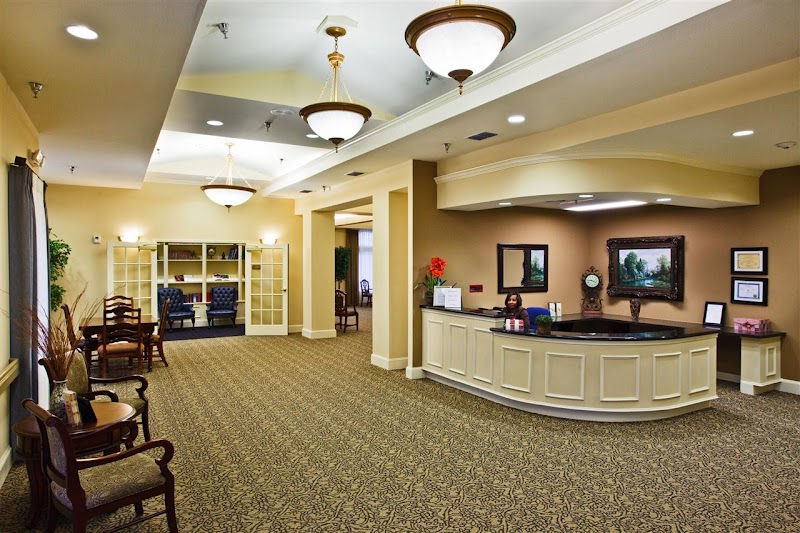
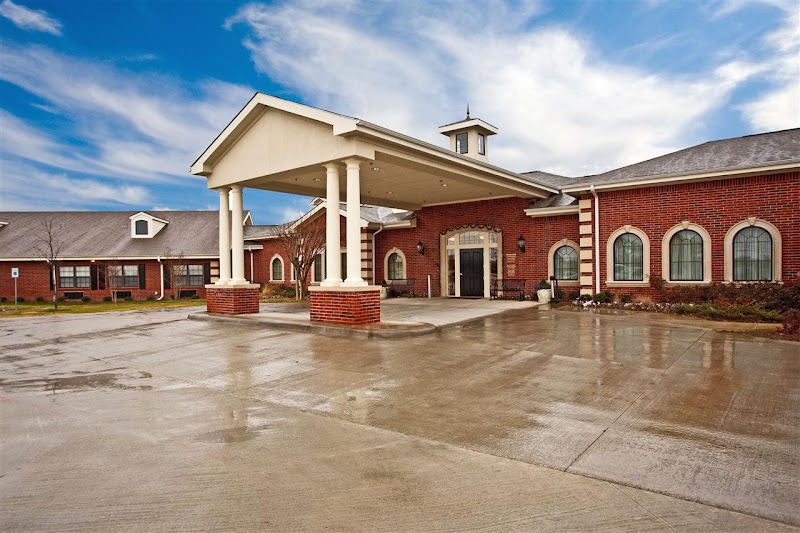
WINDSOR GARDENS

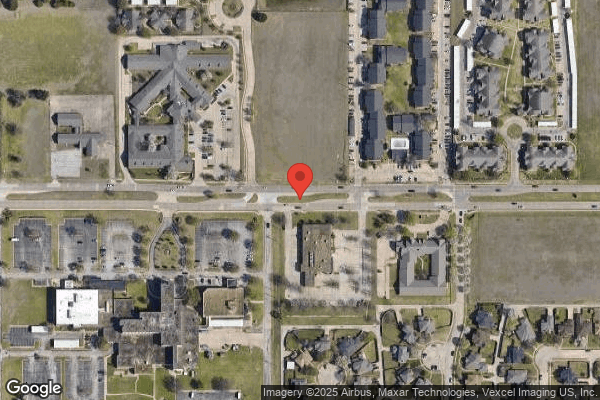
2535 W PLEASANT RUN, LANCASTER, TX 75146 (972) 228-8029
For profit - Corporation 150 Beds CANTEX CONTINUING CARE Data: November 2025 2 Immediate Jeopardy citations
Trust Grade
34/100
#618 of 1168 in TX
Last Inspection: November 2024

Within standard 12-15 month inspection cycle. Federal law requires annual inspections.

Overview

Windsor Gardens in Lancaster, Texas has received a Trust Grade of F, indicating significant concerns about the quality of care provided. With a state ranking of #618 out of 1168, they fall in the bottom half of Texas facilities, and #37 out of 83 in Dallas County, suggesting there are many better options nearby. However, the facility is showing signs of improvement, having reduced issues from 10 in 2024 to just 2 in 2025. Staffing is a notable weakness, as they have a rating of 1 out of 5 stars and a turnover rate of 56%, which is above the state average, indicating challenges in maintaining consistent care. Notably, there have been critical incidents, such as a resident falling and injuring themselves due to improper assistance during transfers, highlighting serious concerns about safety and adherence to care plans. While the quality measures rating is excellent, families should weigh these strengths against the significant weaknesses before making a decision.

Trust Score
F
34/100
In Texas
#618/1168
Bottom 48%
Safety Record
High Risk
Review needed
Inspections
Getting Better
10 → 2 violations
Staff Stability
⚠ Watch
56% turnover. Above average. Higher turnover means staff may not know residents' routines.
Penalties
✓ Good
$13,877 in fines. Lower than most Texas facilities. Relatively clean record.
Skilled Nurses
⚠ Watch
Each resident gets only 19 minutes of Registered Nurse (RN) attention daily — below average for Texas. Fewer RN minutes means fewer trained eyes watching for problems.
Violations
⚠ Watch
16 deficiencies on record. Higher than average. Multiple issues found across inspections.
★★★☆☆
3.0
Overall Rating
★☆☆☆☆
1.0
Staff Levels
★★★★★
5.0
Care Quality
★★★☆☆
3.0
Inspection Score
Stable
2024: 10 issues
2025: 2 issues

The Good

  • 5-Star Quality Measures · Strong clinical quality outcomes
  • Full Sprinkler Coverage · Fire safety systems throughout facility
  • No fines on record

Facility shows strength in quality measures, fire safety.

The Bad

3-Star Overall Rating

Near Texas average (2.8)

Meets federal standards, typical of most facilities

Staff Turnover: 56%

10pts above Texas avg (46%)

Frequent staff changes - ask about care continuity

Federal Fines: $13,877

Below median ($33,413)

Minor penalties assessed

Chain: CANTEX CONTINUING CARE

Part of a multi-facility chain

Ask about local staffing decisions and management

Staff turnover is elevated (56%)

8 points above Texas average of 48%

The Ugly 16 deficiencies on record

2 life-threatening
May 2025 2 deficiencies
CONCERN (D) 📢 Someone Reported This

A family member, employee, or ombudsman was alarmed enough to file a formal complaint

Potential for Harm - no one hurt, but risky conditions existed

Comprehensive Care Plan (Tag F0656)

Could have caused harm · This affected 1 resident

**NOTE- TERMS IN BRACKETS HAVE BEEN EDITED TO PROTECT CONFIDENTIALITY** Based on interviews and record reviews the facility failed to develop and implement a comprehensive person-centered care plan th...

Read full inspector narrative →
**NOTE- TERMS IN BRACKETS HAVE BEEN EDITED TO PROTECT CONFIDENTIALITY** Based on interviews and record reviews the facility failed to develop and implement a comprehensive person-centered care plan that includes measurable objectives and time frames to meet a resident's medical and nursing needs to be furnished to attain or maintain the resident's highest practicable physical, mental, and psychosocial well-being for one (Resident #1) of five residents reviewed for comprehensive person-centered care plans. The facility failed to ensure Resident #1 had a comprehensive person-centered care plan for Resident #1 during their stay from 2/23/2025 to 3/30/2025 (35 days ). This deficient practice could place residents at risk of not being provided with the necessary care or services to address their specific needs. Findings included: Review of face sheet dated 05/21/25 reflected Resident #1 admitted to the facility on [DATE] and dischaged from the facility on 03/30/25. Record review of Resident #1's Comprehensive MDS assessment dated [DATE] revealed Resident #1 was a [AGE] year-old [AGE] year-old male admitted to the facility on [DATE] with diagnoses of hypertension (high blood pressure), diabetes, seizure disorder, a bacterial infection and anxiety. The MDS also revealed a BIMs score of 13 (suggested cognition was intact). Section M revealed Resident #1 was receiving insulin (injectable medication for diabetes), anticonvulsants (seizure medication), an antibiotic (medication for infection), and an anticoagulant (a blood thinner). Section V of the MDS assessment revealed care areas triggered were ADL function/Rehab potential, urinary incontinence or indwelling catheter, nutritional status, and pressure ulcer. The MDS assessment was signed by LVN A and the DON. Review of Resident #1's care plan with effective date of 03.24.25 reflected Resident #1 did not have a comprehensive person-centered care plan. In an interview on 5/21/2025 at 2:01 p.m., MDS A stated there was not a comprehensive care plan for Resident #1, but MDS A stated he had just entered one into their charting system. MDS A stated MDS A was responsible for entering the comprehensive care plan for each resident. MDS A reported the comprehensive care plan was usually completed within 14 days. MDS A stated Resident #1 did not have a care plan while residing in the facility. MDS A stated all nursing staff was responsible for monitoring residents' care plans. MDS A stated if a resident did not have a care plan, then residents care needs, ADL assistance, medications, diets, dialysis, and many other needs would not be brought to the staff's attention. In an interview on 5/21/2025 at 3:06 p.m., the DON reported care plans were completed by unit managers, treatment nurse, the social worker, the MDS nurse, and the DON. The DON reported care plans were also monitored by the unit managers, treatment nurse, the social worker, and the DON. The DON stated if there was not a care plan for a resident then the risk was that there would be no paperwork. The DON stated her expectation for resident care plans was that they were updated and that all residents had a comprehensive care plan in place . A policy for care plans was not received prior to the time of exit on 5/21/2025.
CONCERN (E) 📢 Someone Reported This

A family member, employee, or ombudsman was alarmed enough to file a formal complaint

Potential for Harm - no one hurt, but risky conditions existed

Pressure Ulcer Prevention (Tag F0686)

Could have caused harm · This affected multiple residents

**NOTE- TERMS IN BRACKETS HAVE BEEN EDITED TO PROTECT CONFIDENTIALITY** Based on observation, interview, and record review, the facility failed to ensure that residents received the necessary treatmen...

Read full inspector narrative →
**NOTE- TERMS IN BRACKETS HAVE BEEN EDITED TO PROTECT CONFIDENTIALITY** Based on observation, interview, and record review, the facility failed to ensure that residents received the necessary treatment and services, to promote healing, prevent infection for two ( Resident #3, and Resident #4) of five residents reviewed for pressure ulcers. 1. The facility failed to ensure that Resident #3 had a dressing that covered the wound on Resident #3's lateral right ankle on 5/20/2025. 2. The facility failed to ensure that Resident #4 had a dressing that covered the wound on Resident #4's sacrum on 5/20/2025. These failures could place residents with wounds at risk for infection, a decline in health, and reduce wound healing. Findings included: 1. Record review of Resident #3's Comprehensive MDS assessment dated [DATE] revealed Resident #3 was a [AGE] year-old male admitted to the facility on [DATE] with diagnoses of unspecified intellectual disabilities, anemia (low levels of healthy red blood cells or hemoglobin), and hypertension (high blood pressure). Section C of the MDS assessment revealed a BIMs score of 15 (suggested cognition was intact). Section M of the MDS assessment revealed Resident #3 had one venous or arterial ulcer that required application of a dressing and ointment/medication. Record review of Resident #3's care plan updated 2/10/2025 revealed an intervention for skin concerns was to perform treatments as ordered by the doctor. Record review of Resident #3's printed physician orders dated 5/21/2025 revealed a physician's order for wound care on Resident #3's lateral right ankle dated 2/19/2025 that stated to cleanse the right lateral ankle with normal saline, pat dry, apply xeroform, and apply a dry protective dressing on Monday, Wednesday, and Friday. Record review of Resident #3's wound assessment dated [DATE] revealed the measurements for Resident #3's right lateral ankle wound was 0.5cm long, 0.4cm wide, and 0.2cm deep. Record review of Resident #3's wound assessment dated [DATE] revealed the measurements for Resident #3's right lateral ankle wound was 0.4cm long, 0.4cm wide, and 0.2cm deep. In an observation and interview on 5/20/2025 at 8:50 a.m., revealed Resident #3 reported he had a wound on his right ankle and a nurse used to put a dressing on it. Resident #3 stated they stopped doing it, but Resident #3 did not remember when. Resident #3 stated he wanted them to put a dressing on his wound because it was uncomfortable when it did not have a dressing. Observed an approximately quarter sized area on the lateral right ankle that was open (missing the top layer of skin). No dressing was present. In an observation and interview on 5/20/2025 at 8:58 a.m., revealed Treatment Nurse C entered Resident #3's room and confirmed Resident #3 did not have a dressing on his right lateral ankle. Treatment Nurse C stated Resident #3 was supposed to have a dressing on his right lateral ankle, but it may have fell off when Resident #3 was showered. Treatment Nurse C stated a nurse should have put another dressing over the wound. Treatment Nurse C stated that dressings were important because they promoted healing, and all staff were responsible for monitoring that dressings stayed on the residents. Treatment Nurse C stated the risks to the residents was that they could develop an infection. 23. Record review of Resident #4's Comprehensive MDS assessment revealed Resident #4 was a [AGE] year-old female admitted to the facility on [DATE] with diagnoses of pressure ulcer of the sacral region (lower back just above the buttocks), chronic kidney disease, and dysphagia (difficulty swallowing). Section C of the MDS assessment revealed Resident #4's BIMs score was 11 (indicated moderate cognitive impairment). Section M of the MDS assessment revealed Resident #4 had an area of moisture associated skin damage and received pressure ulcer/injury care. Record review of Resident #4's care plan with a print date of 5/21/2025 revealed Resident #4 was at risk for infection and staff should use sterile technique policy for any treatments or care where there was an actual/potential for loss of skin integrity. Record review of Resident #4's printed physician orders dated 5/21/2025 revealed a physician's order for wound care on Resident #4's sacrum that stated to cleanse the area with normal saline or skin cleanser, pat dry, apply gauze-soaked Dakin's Solution (topical antiseptic), and cover with a dry dressing. Record review of Resident #4's wound assessment dated [DATE] revealed Resident #4's sacral wound was 8.0cm long, 8.0cm wide, and 3.0cm deep. In an observation and interview on 5/20/2025 at 8:30 a.m., revealed CNA D turned Resident #4 revealing a large, uncovered wound to Resident #4's sacral area. CNA D stated there should have been a dressing and if there was not a dressing on a resident's wound then the nurse should be notified. CNA D stated the nurse would then apply a new dressing. CNA D stated she was not aware Resident #4's dressing was missing. In an observation and interview on 5/20/2025 at 9:14 a.m., revealed Treatment Nurse C checked Resident #4 for a dressing and confirmed the dressing was missing from the sacral region. Treatment Nurse C stated she had not made her way to Resident #4 yet this morning and was not notified that the dressing was missing. Treatment Nurse C stated the dressing may have fell off when the hospice aide bathed Resident #4 earlier that morning. Treatment Nurse C stated it was not typical for Resident #4 to not have a dressing and the nurse should have put a dressing on Resident #4 if they were aware it was missing. In an interview on 5/20/2025 at 9:39 a.m., LVN E stated no one notified her that Resident #4 did not have a dressing. LVN E stated if she had known Resident #4 did not have a dressing then she would have followed the physician's orders and applied a new one. LVN E stated she would have then notified Treatment Nurse C that a dressing had been applied. LVN E reported the risk to the residents if wounds did not have a dressing was that the wounds could get infected. In an interview on 5/20/2025 at 3:00 p.m., Doctor F reported she visited the facility every Monday to assess the residents' wounds. Doctor F reported that dressings were applied to wounds to protect the area from urine and stool. Doctor F also stated that the dressings optimized healing, and every time a dressing was removed that it took four hours to return to an optimal healing environment. Doctor F reported she expected the wound care nurse to do the treatments when in the building, and the nurses to change the dressings if they became dislodged or dirty. In an interview on 5/21/2025 at 3:06 p.m., the DON reported dressings were applied to wounds to promote healing, and she expected the nursing staff to follow the doctor's orders for wound care. The DON stated CNAs should notify the nurse if they see a dressing was missing or soiled. The DON stated dressing should have the correct date and initials on them. The DON stated the risks to the residents depended on their comorbidities and declined to be more specific. Record review of the facility policy titled Wound Management Policy, copyright dated 2023, revealed The care service ensures that wounds . are managed and dressed appropriately to minimise the distress that they cause and maximise healing.
Nov 2024 5 deficiencies
CONCERN (D) 📢 Someone Reported This

A family member, employee, or ombudsman was alarmed enough to file a formal complaint

Potential for Harm - no one hurt, but risky conditions existed

Resident Rights (Tag F0550)

Could have caused harm · This affected 1 resident

**NOTE- TERMS IN BRACKETS HAVE BEEN EDITED TO PROTECT CONFIDENTIALITY** Based on interview and record review the facility failed to ensure one (Resident #1) of six residents reviewed, received treatme...

Read full inspector narrative →
**NOTE- TERMS IN BRACKETS HAVE BEEN EDITED TO PROTECT CONFIDENTIALITY** Based on interview and record review the facility failed to ensure one (Resident #1) of six residents reviewed, received treatment with respect and dignity that promoted maintenance of his or her quality of life. The facility failed to ensure CNA H preserved Resident #1's dignity by not providing her with good customer service on 09/09/2024, evidenced by CNA H stating oh, I sure would like to hit you on that big old booty. This failure places the residents at risk for harm by not protecting and promoting their rights to be treated with respect and dignity and have good customer serviced rendered. Findings included: Review of Resident #1's face sheet on 11/07/24 revealed the resident was an [AGE] year-old female admitted to the facility on [DATE] with diagnoses of Unspecified Encephalopathy, Essential (Primary) Hypertension [High Blood Pressure]; Hyperlipidemia [High Cholesterol]; Type II Diabetes Mellitus; Malignant Neoplasm of Unspecified Female Breast [Breast Cancer]; Unspecified Dementia. Resident discharged later that night on 09/09/24. Resident #1's was not in facility long enough to have a MDS completed. Resident #1's was not in the facility long enough to have a Care Plan completed. Review of the discharge hospital medical records Progress notes (for 09/04/24 through 09/09/24) indicated the patient was able to transfer from sit to stand at the edge of the bed with walk, sit<>stand from commode with walker, and stand> sit in chair with walker at supervision level and continued to need step by step cues and instruction on how to complete all transfers safely and appropriately. Attempted to Interview CNA H, on 11/04/2024 at 04:11 PM and 11/05/2024 at 10:10 AM but she did not return the calls. Attempted to Interview Resident #1 or their husband on 11/06/2024 at 12:14 PM but did not receive a return call. Interview on 11/06/2024 at 01:42 PM with the Executive Director, she stated with the situation regarding Resident #1 (where CNA H exhibited poor customer service), while in the room the family laughed but later that evening, they lodged a complaint with the staff and the staff called the Executive Director. The family felt the comment was in poor taste not good customer service. She said, they (staff) called me around 11, 11-something at night (on 09/09/24) and said that the family member was upset and wanting to take Resident #1 home. I asked that she put me on speaker phone. The family member asked for my number and she called me from her phone and we talked. She explained she was taking Resident #1 to the car. The family member stated she believed that the CNA was gay because one of the CNA's (CNA H) used bad customer service by a comment she made. The family member B stated something about using a belt and the CNA's misread the room. The family member stated she did not feel comfortable with that. The two CNAs were gone off shift that day. The Executive Director stated she tried to get the family member to let Resident #1stay but Resident #1 & family member B were not sure about staying The Executive Director said, the family member stated the Resident #1 didn't want to be there anyway. I told the family member I would address her concerns, I explained we did not do that here. I called both CNAs that night, they both lied at the time. I told them they would have to come to do there I statements. I spoke to them separately, one (CNA G) admitted that the incident occurred while the other one (CNA H) did not. I spoke to CNA G and we did an in-service with her and her story was similar to the account of the family member. I talked to CNA H and let her know that CNA G had given me a statement that pretty much mirrored that of the daughter. I informed her of the family's concerns. She stated she did not hear any of that part of the conversations that I was talking about. I suspended both immediately. I called the family member again; her story was still the same. I called CNA H back again to see if she would be willing to tell me what really happened. She told me she had already told me what happened. So, we let her go since she would not admit to any wrongdoing. She was the one that it was stated was making the inconsiderate comments exhibiting the poor customer service, by the family member. The family member stated to me, that Resident #1 didn't want to come to a facility anyway, she wanted to be home, so we just took her back home. We, later in-serviced the whole staff on abuse, neglect and customer service. I did call family member B back to check on the patient, she was fine. My expectation is that staff would speak in a customer friendly manner to all of the families, speaking to them with dignity and respect and just do their jobs and not to get too personal with the families. The Executive Director stated they did in-services with the staff, safe surveys of the resident and do random questioning of staff on customer service and verbal abuse as a way of monitoring for understanding and compliance with good customer service. They also ask residents on how they are being treated. Interview on 11/06/2024 at 01:03 PM with the DON, she stated, now family member B, they (resident #1's family) were joking with the CNAs from the time they arrived but then later the family decided it was something different. Family member B meant the gait belt not a real belt. That was CNA G's first day over there on the short-term hall. She likes to try and build a rapport, but she should haven't said that. Sometimes people do not take things the way you mean if they do not understand you are not being mean or that you are being playful. The other one (CNA H), had to go because she would not admit to the situation occurring. Last in-service on abuse and neglect was probably last week. No further situation of this nature since this occurred. My expectations is for it not to happen. I set boundaries all the time, you know you are not to have those types of conversations like that even in a playing manner. If the family or resident is playing decline to join in on that in the correct manner, do your job. If you need clarification, ask, for example: like what kind of belt?. The DON stated what we did to monitor was that the residents had safe surveys done. We in-serviced staff on abuse/neglect and customer service. They do spot checks with the staff to follow up on customer service & abuse, neglect, exploitation, and customer service training. Interview on 11/07/2024 at 03:05 PM with CNA G she stated, the resident admitted to the facility that night for rehabilitation. The CNA assigned (CNA G) was trying to help the resident and her family settle in, the family member asked for sheets she wanted to make up the bed. CNA G asked CNA H to assist her with the resident. The resident was sitting on the side of the bed, the family member wanted to straighten out the sheets. The resident needed assistance to stand. Family member B made a comment about getting a belt after her. The Family and CNAs laughed but CNA G told Resident #1's family member B they do not do that there (at the facility). Then when the CNAs got on each side of the resident, CNA H made the comment about the size of the resident's butt, in what she perceived to be a joking manner. CNA H said, oh, I sure would like to hit you on that big ole booty. The CNAs and family members all laughed again. CAN G said, after this we left the room. Later that night I got a call from the Administrator asking did we make any inappropriate comments to resident #1. I told her what happened. She called me in the next day (09/10/2024) to come write a statement and informed me she would be investigating what happened. I was suspended that day for the whole work week (until that Friday). I had to take classes, paperwork I had to do for training. I was educated on customer service, abuse/neglect and one other thing, I can't remember right now. No issues since. I now do about I am supposed to do when it comes to customer service, resident and family members. CNA G stated she now understand why it was a problem-once her co-worker said what she said she should have asked her to exit the room regarding her remarks. CNA G stated due to watching the videos & in-services she understood why the family did not appreciate the remarks about their loved one. She said, now if I hear something inappropriate, I am going immediately to tell the Administrator. Most recent abuse & neglect in-service was approximately 2 weeks ago. I have not witnessed any other customer service issues. When the resident#1's family member B said belt, I did not think he meant a gait belt. At that time, I perceived CNA H was playing trying to make the family feel comfortable. Review of the facility's Residents Rights Policy & Procedures dated 2001: September 2022, reflected The resident has the right to be free from abuse, neglect, misappropriation of resident property, and exploitation as defined in the subpart . (a)The facility must- (1) Not use verbal, mental, sexual, or physical abuse, corporal punishment, or involuntary seclusion; .(3) Not employ or otherwise engage individuals who- (i) Have been found guilty of abuse, neglect, exploitation, misappropriation of property or mistreatment by a court of law; . (B)Each covered individual shall report immediately, but not later than 2 hours after forming the suspicion, if the events that cause the suspicion result in serious bodily injury, or not later than 24 hours if the event s that cause the suspicion do not result in serious bodily injury.(c) In response to allegations of abuse, neglect, exploitation, or mistreatment, the facility must: . (2) Have evidence that all alleged violations are thoroughly investigated. (30 Prevent further potential abuse, neglect, exploitation, or mistreatment while the investigation is in progress. (4) Report the results of all investigations to the administrator or his or her designated representative and to other officials in accordance with State law, including to the State Survey Agency, within 5 working days or the incident, and if the alleged violation is verified appropriate corrective action must be taken.
CONCERN (D)

Potential for Harm - no one hurt, but risky conditions existed

Safe Environment (Tag F0921)

Could have caused harm · This affected 1 resident

Based on observation, interview, and record review, the facility failed to provide a safe, functional, sanitary, and comfortable environment for residents for one (satellite kitchen on the rehabilitat...

Read full inspector narrative →
Based on observation, interview, and record review, the facility failed to provide a safe, functional, sanitary, and comfortable environment for residents for one (satellite kitchen on the rehabilitation halls) of one satellite kitchen observed for physical environment. The facility failed to ensure floors, cabinets, walls, sink, and refrigerator were clean, safe, and in good repair in the satellite kitchen on Halls 500, 600, 700, and 800, that were rehabilitation hallways. These failures could place residents at risk for diminished quality of life. Findings included: The sink in the satellite area had dried dark particles in the sink and the drain to the sink had a dark slime area surrounding the drain. The right bottom cabinet had dried dark gooey stains down the front door of the cabinet. There was a missing handle on this cabinet. The two upper cabinets above the refrigerator were missing handles. The area of decorative wood above the sink had the bottom of the wood chipped and missing. The wall next to the portable steam table had dried stains of fluid that was running down the walls. The floor in the kitchen was sticky. There was a dirty shelf from inside the refrigerator on the dirty floor in an open area of the cabinets. In an interview on 11/05/24 at 9:10 a.m. with the Director of Rehabilitation revealed that the therapy department did sometimes use the area to work with residents, but not very often. The area was not used often at all, sometimes families will visit, and the resident and families will eat over there, and sometimes the staff eats in there. An observation and interview on 11/06/2024 at 8:30 a.m. revealed no food in the refrigerator, the pitcher [OJ] was still in the refrigerator. Maintenance Man A was changing light bulbs in the room. He stated his main responsibilities in the facility were to fix the esthetics parts of the facility. Maintenance Man A stated that the cabinets would be something he would fix, he was not aware of the cabinets needing repair, the request had not been placed in the maintenance book at the nurse station. Maintenance man A stated the staff is supposed to write in the book items that need repair. Review of the maintenance logbook at the nurse's stations for Rehab hallway, had no documentation concerning repair to cabinets. In an interview on 11/06/2024 at 8:40 a.m. with Housekeeper B revealed she cleaned the area daily, when she was working. It was the housekeeping department's responsibility to clean the refrigerator and the sink and cabinets. Housekeeper B stated that was her food in the refrigerator yesterday, she always keeps her food there, after she eats she takes it home each day. The housekeeper stated she did not know what the [OJ] was doing in the refrigerator, she did not know who used it. She stated that she never saw there any residents in the dining room, she does eat her lunch in there, the residents eat their meals in their rooms. In an interview on 11/06/2024 at 8:50 a.m. with LVN D revealed he was not aware what the room was used for. LVN D stated that he never goes in there. He did not know there was refrigerator in the room. LVN stated he never saw anyone in the room when he walked by. LVN D stated that if something was broken, there was a book at the nurse's station to document in, if something required repair. The LVN stated he had not written anything in the maintenance book concerning the Rehab dining room. In an interview on 11/06/24 at 1:16 p.m. with the Administrator revealed the area should be cleaned daily and she should have been informed that this area required repair. The Administrator stated this was unacceptable, this area should be much cleaner, and the staff should not be leaving any food in the refrigerator. The Administrator stated the cabinet had no hands and she attempted to open one of the cabinets, the administrator did not want to touch the cabinet door due to the dried food on the cabinet. The Administrator stated that there had been consideration of doing away with the area, as it was never used. The Administrator left to go and find housekeeper to come and clean the area. In an interview on 11/07/2024 at 2:00 p.m. with the Medical Director revealed that he did not want the facility to take the rehabilitation dining room away, he felt the space could be used by the rehabilitation team to rehab the residents and it would be a positive move. The Medical Director stated the area should be kept clean and in good repair. In an interview on 11/07/24 at 10:32 a.m., the Housekeeper Supervisor revealed that it was the responsibility of the housekeeping department to clean the rehabilitation dining areas, including the satellite kitchen area. He stated it had not been used in a long time, but it should still be kept clan and in good repair. His staff was to clean the area daily and never keep food in the refrigerator. He stated he was unaware that the area required repair and the refrigerator required cleaning, none of his staff had not mentioned it to him. He stated that he did not follow-up on the area routinely, but he would now. Review of the Policy and Procedure Maintenance Services dated revised November 2022 reflected maintenance service shall be provided to all areas of the building, grounds, and equipment the Maintenance Director is responsible for developing and maintaining a schedule of maintenance service to assure that the buildings, grounds, and equipment are maintained in a safe and operable manner
CONCERN (E)

Potential for Harm - no one hurt, but risky conditions existed

Deficiency F0761 (Tag F0761)

Could have caused harm · This affected multiple residents

**NOTE- TERMS IN BRACKETS HAVE BEEN EDITED TO PROTECT CONFIDENTIALITY** Based on observation, interview, and record review the facility failed to ensure drugs and biologicals were labeled properly for...

Read full inspector narrative →
**NOTE- TERMS IN BRACKETS HAVE BEEN EDITED TO PROTECT CONFIDENTIALITY** Based on observation, interview, and record review the facility failed to ensure drugs and biologicals were labeled properly for one ([NAME] medication room) of three medication rooms and two (300 hall and 500hall) of five medication carts reviewed for medication storage and labeling. 1. The [NAME] medication room contained one open multi-dose vial of tuberculin without an open date. 2. The 300-hall cart contained seven open eye drop medications without an open date. 3. The 500-hall cart contained one open eye drop medication without an open date and one bottle of liquid protein without an open date. These failures could place residents at risk for not receiving the intended therapeutic benefit of their medications and having possible adverse effects. Findings included: In an observation and interview on 11/05/24 at 11:05 a.m., seven open eye drop medications without an open date were stored on the 300-hall medication cart. MA F stated she did not know when they were opened, and eye drops should have had open dates because they were only good for 30 days after being opened. MA F did not state what the effects to the residents were. In an interview on 11/05/24 at 11:13 a.m., ADON D stated it was important to have an open date on eye drops, so they would know when they were opened. ADON D also stated that the medication may not have the desired effect if used after it should have been discarded. In an observation and interview on 11/05/24 at 11:46 a.m., one multi-dose vial of tuberculin was found in the [NAME] medication room without an open date. ADON E stated she did not know when the vial was opened and removed the tuberculin from the refrigerator to be disposed. ADON E stated the vial should have had an open date. In an observation and interview on 11/05/24 at 2:46 p.m., the 500-hall cart contained one open eye drop medication without an open date and one bottle of liquid protein without an open date. ADON E stated the eye drops and liquid medications should have had open dates and that everyone that used the carts should have monitored for proper labeling of medications. ADON E stated it was primarily the responsibility of the MA or nurse who was administering medications. ADON E also stated that the pharmacy reviewed the carts monthly and this failure could have caused a medication error depending on the medication. In an interview on 11/06/24 at 3:14 p.m., the DON stated there should be an open date on eye drops, insulin vials, and liquid protein. The DON stated that the MA or nurse that opened the medication should have put an open date. The DON stated the unit managers were responsible for monitoring the medication rooms and carts. The DON also stated the pharmacy checked the medication rooms and carts once a month for appropriate medication storage and labeling. The DON stated improper labeling could lead to the medication not having the desired effect, but it depended on the medication. Record review of facility's policy titled Medication Labeling and Storage with a revision date of February 2023, stated Labeling of medications and biologicals dispensed by the pharmacy is consistent with applicable federal and state requirements and currently accepted pharmaceutical practices. It also stated multi-dose vials that have been opened or accessed are dated and discarded within 28 days unless the manufacturer specifies a shorter or longer date for the open vial.
CONCERN (E) 📢 Someone Reported This

A family member, employee, or ombudsman was alarmed enough to file a formal complaint

Potential for Harm - no one hurt, but risky conditions existed

Food Safety (Tag F0812)

Could have caused harm · This affected multiple residents

Based on observation, interview, and record review the facility failed to store, prepare, distribute, and serve food in accordance with professional standards for food service safety in the facility's...

Read full inspector narrative →
Based on observation, interview, and record review the facility failed to store, prepare, distribute, and serve food in accordance with professional standards for food service safety in the facility's main kitchen reviewed for food safety. 1. The facility failed to ensure the ice machine filters and vent was free from dirt and dust. 2.The facility failed to ensure food items in the refrigerator, freezer and dry storage room were labeled and stored in accordance with the professional standards for food service. 3. The facility failed to discard items stored in refrigerator, freezers or dry storage that were not past the 'best buy', consume by or expiration dates. 4. The facility failed to have Dietary staff wash hands or change gloves when they touched other surfaces while handling food or upon re-entering the kitchen. These failures could place residents at risk for food-borne illness and cross contamination. Findings included: Observation of the kitchen on 11/05/24 at 09:12 AM revealed the following: -Handwashing sink #1, there was no paper towels in the paper towel dispenser to the upper left side of the sink. - Handwashing sink #1's trash receptacle had trash other than paper towels inside. There was a milk carton, extra-large to-go- cup, a sandwich and an empty drink mix packaging. - Ice machine metal vent, located on the back, left and right sides of the machine, the vent grates and filters had dirty & dust on it. -The prep. table across from reach-in refrigerator, under the prep. table there was an extra-large square clear plastic container with a lid labeled cornmeal, dated 03/22/24, no discard by date. -The prep. table across from reach-in refrigerator, under the prep. table there was an extra-large square clear plastic container with a lid labeled sugar, dated 10/31/24, no discard by date. -Kitchen floor unclean, bits of debris noted along with stains on floor. -Large prep table next to extra-large stand mixer, beneath has 3 extra-large bins with lids: -One bin labeled [NAME] dated 07/04/24, there was no discard by date. -One bin labeled Flour dated 07/04/24 , no discard by date. -One bin labeled Thickener, there was no prep/opened date, no discard by date. -To the left of that prep table, on the floor in front of a large prep. table was a silver stainless steel scouring pad. Observations of Reach-in Refrigerator #2 on 11/05/24 at 09:34 AM revealed the following: -On the right sided-door: -1 Large zip top bag with approximately 11 boiled, peeled eggs, dated 11/04/24. Several of the eggs on top are still hot while others at the bottom of the bag are cold to touch, no discard by date. -Reach-in-Refrigerator #2 was in a separate area within the kitchen, the floor in that area had a slippery residue and the floor had small amounts of small bits of paper and small pieces of food debris on it. -On the left-sided door: -1 large zip top bag with yellow sliced cheese, previously opened, dated 10/26/24, no discard by date. -1 large box of cooked pork topping (crumbled /ground pork) dated 11/04, no opened date, packaged date was 10/19/24. -1- 5lbs. bag of cooked pork topping, open to air, no open date, no consume by or discard by date. Observations of Reach-in-Refrigerator #1 on 11/05/24 at 09:45 AM revealed the following: -On the right-sided door, 2nd shelf, a 2 qt. clear pitcher with light yellow colored drink dated 11/05/24, there was no label of item description, no discard by date. -Bottom shelf: -1 large pitcher of with lid dated 11/05/24 contained dark colored liquid, there was no label of item description, no discard by date. Observations of Walk-in Refrigerator on 11/05/24 at 09:57 AM revealed the following: -The floor of the walk-in is a little slick/slippery, there is a foul odor like old unclean mop water. There was also a soiled mop string on the floor. -The fan grates overhead in the walk-in unit were dusty. -Mobile metal rack in the middle of the floor: 5th row down from the top -1 large zip top bag with Turkey deli meat, previously opened, dated 11/04/24, no discard by date. -7th row down from top -a sheet pan with Turkey deli meat sandwiches (3) and chicken salad sandwiches (2), dated 11/04/24, no discard by date. -On the top shelf in the back of the walk-in unit: -1-16 oz. block of butter, dated 11/04/24, open to air. The packaging was left open, no discard by date. Observations of the Dry storage room on 11/05/24 at 10:10 AM revealed the following: -1 loaf of sliced white sandwich bread in a bin with other white sandwich bread, dated 11/04/24, manufacturer expiration date 10/25/24. -1-25 lbs. bag of coarse bread crumbs, previously opened, dated 02/29/24, no discard by date. The bag was also only rolled over to closed but not secured closed with a airtight closure. -1 Extra-large zip top bag with toasted oats dry cereal, previously opened, dated 10/25/24, no discard by date. -1 Extra-large zip top bag with approximately 12 large tortillas, previously opened dated 11/02/24, no discard by date. -1 large cardboard box, dated 10/19/24 containing 6 tortillas. There were 2- 28 oz. packages of large tortillas dated 07/08/24. The bags the large tortillas were in looked worn, some of the logo was smeared and one of the bags had a dime-sized hole in the bag in the back of package. -1 large zip top bag with yellow cake mix, previously opened, date 11/02/24, no discard by date. 1-6lbs. 9oz. can of diced peaches, dated 11/01/24, manufacturer's expiration 02/22/27 had dent at bottom of can. Observations of the main dining room on 11/05/24 at10:36 AM revealed the following: -On the counter: -1 extra-large clear drink dispenser with clear liquid and ice. There was no label of item description, no prep/open date and no discard by date. Observations of Kitchen on 11/06/24 at 02:10 PM revealed the following: -Handwashing sink #1's garbage receptacle had used gloves, product packaging as well as paper towels. Observation of Reach-in-refrigerator on 11/06/24 at 02:11 PM revealed the following: -Right-sided door: -1 large zip top bag of boiled eggs dated 11/04/24, previously had approximately 11 boiled eggs of hot and cold temperatures not had 30 boiled eggs., no discard by date. -1 small square clear container with lid with chicken salad dated 11/04/24, no discard by date. The green lid also had a crack in it, near one of the corners preventing a airtight seal. -1 small square clear container with lid contained mashed potatoes dated 11/04/24, no discard by date. There was a crack in the lid on the left side, preventing an airtight seal. Observation of the Kitchen on 11/07/24 at 12:05 PM revealed the following: -DM had gone out into the dining room earlier during service. She re-entered the kitchen from the dining room. She went over to the steam table, did not wash her hands then got a plate for a resident in the dining room and took it out to the resident. - Dietary Aide went out into the dining room, touched the door on her way out then place her hands on the wall next to the door as she leaned out of the door placing the resident's plate on aa nearby table. She returned to the kitchen but did not change gloves or wash her hands before getting another plate and taking it to another plate to the dining room. In an interview on 11/05/24 at 11:40 AM with the NSD, she stated when asked how long flour, rice and other dry good areas was placed in the large bins on the floor was kept after opening, the NSD stated they were kept 6-12 months, we go by the list (the storage guidelines). She stated there was a posted list for cleaning assignments and everyone has an assignment for cleaning. The NSD confirmed the storage guideline list was for unopened items since opening items shortens the shelf life of a lot of food items. The NSD stated canned goods without manufacturer's expiration dates were kept in their facility for 12 months. She stated cereals prepackaged in bowls that had no manufacturer's date were kept for 6 months. The NSD stated dry cereals that were opened are kept 4-5 days. She said, dust or surfaces that were not clean could cause harm to the residents by contaminating their food and causing illness. She stated the harm to using poor hand hygiene in the kitchen is cross contamination and illness. The NSD implied she did not know about the lids on the food in the refrigerator was cracked but she stated they should not be on there and moved to go look at the reach-in refrigerator. She stated that the cooks help with inventory Review of the facility's Nutrition Services Policy & Procedures Food Production & Food Safety dated March 2009: Revision March 2019, reflected Food Storage Policy: Sufficient storage facilities are provided to keep foods safe, wholesome, and appetizing. Food is stored, prepared, and transported at an appropriate temperature and by methods designed to prevent contamination. Procedure: . 4. All food items should be dated with the received date, unless labeled with a readable label from the food vendor. 5. Plastic containers with tight-fitting covers must be used for storing cereals, cereal products, flour, sugar, dried vegetables and broken lots of bulk foods. All containers must legible and accurately labeled, including the date the package was opened. 7. Scoops are to be washed and sanitized on a weekly bases, or as needed. 8. Hand s must be washed after unloading supplies and prior to handling food items. 9. All stock must be rotated with each new order received. Rotating stock is essential to ensure the freshness and highest quality of all foods. A. Old stock is always used fist (First in- First out method.) b. Supervision is necessary to make sure that the person designated to put stock away is rotating int properly. 13. Leftover food is stored in covered containers or wrapped carefully and securely. Each item is clearly labeled and dated before being refrigerated. Leftover food is used within 2-3 days or discarded. 15. Refrigeration .e. All foods should be covered, labeled and dated.16. Frozen Foods .c. Foods should be covered, labeled and dated. Review of the U.S. FDA Food Code 2022 reflected: Chapter 2 . section 2-301 Hands and Arms. 2-301.11 Clean Condition. Food Employees shall keep their hand and exposed portions of their arms clean. 2-301.12 Cleaning Procedure. (C). To avoid recontaminating their hands or surrogate prosthetic devices, food employees may use disposable paper towels or similar clean barriers when touching surfaces such as manually operated faucet handles on a Handwashing Sink or the handle of a restroom door. 2-201.14 When to Wash. Food Employees shall clean their hands and exposed portions of their arms as specified under section 2-301.12 immediately before engaging in food preparation including working with exposed food, clean equipment and utensils, and unwrapped single service and single-use articles. and: (A) After touching bare human body parts other than clean hands and clean, exposed portions of arms; (B) After using the toilet room; (C) After caring for or handling service animals or aquatic animals as specified in 2-403.11(B); (D) Except as specified in 2-401.11(B), after coughing, sneezing, using a handkerchief or disposable tissue, using tobacco products, eating, or drinking; (E) After handling soiled equipment or utensils; (F) During food preparation, as often as necessary to remove soil and contamination and to prevent cross contamination when changing tasks; (G) When switching between working with raw food and working with ready-to-eat food; (H) Before donning gloves to initiate a task that involves working with food; and (I) After engaging in other activities that contaminate the hands. Section 2-301.15 Where to Wash. Food Employees shall clean their hands in a Handwashing Sink or approved automatic handwashing facility and may not clean their hands in a sink used for food preparation or ware washing, or in a service sink or a curbed cleaning facility used for the disposal of mop water and similar liquid waste. Chapter 3 . section 3-201.11 Compliance and Food Law: . C. Packaged Food shall be labeled as specified in LAW, including 21 CFR 101 Food Labeling [* .(b) A food which is subject to the requirements of section 403(k) of the act shall bear labeling, even though such food is not in package form. (c) A statement of artificial flavoring, artificial coloring, or chemical preservative shall be placed on the food or on its container or wrapper, or on any two or all three of these, as may be necessary to render such statement likely to be read by the ordinary person under customary conditions of purchase and use of such food. The specific artificial color used in a food shall be identified on the labeling when so required by regulation in part 74 of this chapter to assure safe conditions of use for the color additive.], 9 CFR 317 Labeling, [*(a) When, in an official establishment, any inspected and passed product is placed in any receptacle or covering constituting an immediate container, there shall be affixed to such container a label .Marking Devices, and Containers, and 9 CFR 381 Subpart N Labeling and Containers, and as specified under § 3-202.18. Section 3-302.12 Food Storage Containers, Identified with Common Name of Food: Except for containers holding FOOD that can be readily and unmistakably recognized such as dry pasta, working containers holding food or food ingredients that are removed from their original packages for use in the food establishment, such as cooking oils, flour, herbs, potato flakes, salt, spices, and sugar shall be identified with the common name of the food. Section 3-501.17 . Commercial processed food: Open and hold cold . B. 1. The day the original container is opened in the food establishment shall be counted as Day 1. 2. The day or date marked by the food establishment may not exceed a manufacturer's use-by date if the manufacturer determined the use-by date based on food safety. C. 2. Marking the date or day of preparation, with a procedure to discard the food on or before the last date or day by which the food must be consumed on the premises, sold, or discarded as specified under (A) of this section. 3. Marking the date or day the original container is opened in a food establishment, with a procedure to discard the food on or before the last date or day by which the food must be consumed on the premises, sold, or discarded as specified under (B) of this section. Definitions 3. Food Receiving and Storage - When food, food products or beverages are delivered to the nursing home, facility staff must inspect these items for safe transport and quality upon receipt and ensure their proper storage, keeping track of when to discard perishable foods and covering, labeling, and dating all PHF/TCS foods stored in the refrigerator or freezer as indicated. www.fda.gov Review of the USDA website reflected: The United States Department of Agriculture's Food Safety and Inspection Service inspects only meat, poultry and egg products. The United States Food and Drug Administration inspects other foods. Yogurt can be stored in the refrigerator (40 ºF) one to two weeks or frozen (0 ºF) for one to two months. Soft cheeses such as cottage cheese, ricotta or Brie can be refrigerated one week but they don't freeze well. Hard cheeses such as cheddar, Swiss and Parmesan can be stored in the refrigerator six months before opening the package and three to four weeks after opening. It can also be frozen six months. Processed cheese slices don't freeze well but can be kept in the refrigerator one to two months. Milk can be refrigerated seven days; buttermilk, about two weeks. Milk or buttermilk may be frozen for about three months. Sour cream is safe in the refrigerator about one to three weeks but doesn't freeze well www.askusda.gov
CONCERN (E)

Potential for Harm - no one hurt, but risky conditions existed

Infection Control (Tag F0880)

Could have caused harm · This affected multiple residents

**NOTE- TERMS IN BRACKETS HAVE BEEN EDITED TO PROTECT CONFIDENTIALITY** Based on observation, interview, and record review the facility failed to establish and maintain an infection prevention and con...

Read full inspector narrative →
**NOTE- TERMS IN BRACKETS HAVE BEEN EDITED TO PROTECT CONFIDENTIALITY** Based on observation, interview, and record review the facility failed to establish and maintain an infection prevention and control program designed to provide a safe, sanitary, and comfortable environment and to help prevent the development and transmission of communicable diseases and infections for one of three (CNA C) staff members and nine of nine residents (Resident #16, #41, #50, #74, #104, #265, #266, #267, & #268) reviewed for infection control procedures. CNA C failed to perform hand hygiene after direct contact with residents #16, #41, #50, #74, #104, #265, #266, 267, and #268 while serving meals on the rehabilitation hallways. This failure could place residents at risk for healthcare associated cross contamination and infections. Findings included: Record review of Resident #16's admission MDS assessment, dated 10/01/24, revealed an [AGE] year-old female who was admitted to the facility on [DATE]. Resident #16 had diagnoses which included: anemia (low iron levels), hypertension (high blood pressure), and heart failure (heart does not pump blood like it should). Resident #11 was cognitive and able to make decisions and required assistance of one staff for activities of daily living. Record review of Resident #41's admission MDS Assessment, dated 10/25/24, revealed an [AGE] year-old female who was admitted to the facility on [DATE]. Resident #41 had diagnoses which included: heart failure (inability for the heart to work properly), renal insufficiency (kidneys are weak), and diabetes (high blood sugar). Resident #41's, was cognitive and able to make decisions and required one staff for assistance with activities of daily living. Record review of Resident #50's admission MDS Assessment, dated 11/01/24, revealed a [AGE] year-old female who was admitted to the facility on [DATE]. Resident #50 had diagnoses which included: renal insufficiency (weak kidneys), heart failure, hypertension (high blood pressure), and deep vein thrombosis (increased sugar levels). Resident #50 was cognitive and able to make decisions and required one staff for assistance with activities of daily living. Record review of Resident #74's admission MDS Assessment, dated 10/24/24, revealed an [AGE] year-old female who admitted to the facility on [DATE]. Resident #74 had diagnoses which included: Heart Failure (inability of the heart to work properly), sever protein-calorie malnutrition (skinny), and seizures (epilepsy). Resident #74 was moderately cognitively impaired and unable to make decisions and required assistance of one staff for activities of daily living. Record review of Resident #104's admission MDS Assessment, dated 10/25/24, revealed an [AGE] year-old female who admitted to the facility on [DATE]. Resident #104 had diagnoses which included: coronary artery disease (arteries are clogged), cirrhosis (liver disease), and hypertension (high blood pressure). Resident #104 was alert and oriented and able to make decisions and required assistance of one staff for activities of daily living. Record review of Resident #265's 5-day MDS Assessment, dated 11/07/24, revealed a [AGE] year-old female who admitted to the facility on [DATE]. Resident #265 had diagnoses which included: Heart failure (heart weak not working properly), hypertension (high blood pressure), and atrial fib (irregular heart rate). Resident #265 was cognitively able to make decisions and required assistance of one staff for activities of daily living. Record review of Resident #266's admission MDS Assessment, dated 11/06/24, revealed a [AGE] year-old female who admitted to the facility on [DATE]. Resident #266 had diagnoses which included: fracture of the neck of right femur (broken right hip), hypertension (high blood pressure), and hypothyroidism (thyroid slow to function). Resident #266 was moderately cognitively impaired able to make some decisions and required assistance of one staff for activities of daily living. Record review of Resident #267's 5-day MDS Assessment, dated 11/05/24, revealed a [AGE] year-old female who admitted to the facility on [DATE]. Resident #267 had diagnoses which included: Congestive obstructive pulmonary disease (short of breath), hypertension (high blood pressure), and anemia (low iron level). Resident #267 was cognitive able to make decisions and required assistance of one staff for activities of daily living. Record review of Resident #268's 5-day MDS Assessment, dated 11/07/24, revealed a [AGE] year-old female who admitted to the facility on [DATE]. Resident #268 had diagnoses which included: Congestive obstructive pulmonary disease (short of breath), hypertension (high blood pressure), and diabetes (high blood sugar). Resident #267 was cognitive able to make decisions and required assistance of one staff for activities of daily living. Observation on 11/05/24 beginning at 12:20 p.m., revealed CNA C had walked down the hallway, did not use hand sanitizer, and served a lunch tray to Resident #265, touched, and moved the overbed table in the resident's room, touched the hand and shoulder of Resident #265 and prepared the meal tray for the resident to eat her lunch. CNA C did not have on gloves. CNA C was observed to not wash his hands or use hand sanitizer, available in the hallway. Observation on 11/05/24 beginning at 12:22 p.m., CNA C was observed to enter Resident's #266, #267, and #50 rooms setting up the resident's lunch trays, adjusted the overbed table, and unwrapped the utensils, removed tops off drinks for each resident. She did not complete hand hygiene before going to the next resident. Observation on 11/05/24 beginning at 12:25 p.m., CNA C was observed to enter Resident's #104, #268, and #41 rooms setting up the resident's lunch trays, adjusted the overbed table, and unwrapped the utensils, removed tops off drinks for each resident. She did not complete hand hygiene before going to the next resident. Observation on 11/05/24 beginning at 12:27 p.m., revealed CNA C had walked down the hallway, did not use hand sanitizer, and served a lunch tray to Resident #16, and Resident #74. CNA C touched, and moved the overbed table in the resident's room, touched the hand and shoulder of Resident #16 and prepared the meal tray for the resident to eat her lunch. CNA C assisted Resident #74 to sit up straighter in the bed. CNA C did not have on gloves. CNA C was observed to not wash her hands or use hand sanitizer, available in the hallway. An interview on 11/06/24 at 1:20 p.m., CNA C stated she did not complete hand hygiene after having direct contact with residents. CNA C stated she was supposed to use the hand sanitizer in between serving each tray or wash her hands. CNA C said she had been educated on completing hand hygiene. CNA C stated she did not sanitize her hands, after the first meal tray that was served because she was nervous and trying to get the lunch trays served. CNA C stated she knew she could spread germs if she did not clean her hands. An interview with the DON on 11/07/24 at 11:30 a.m., revealed that all staff must complete hand hygiene after having contact with residents. She stated CNAs were trained to wash their hands with soap and water prior to tray service, then use hand sanitizer between each tray service. The DON stated if the CNAs do not use appropriate hygiene, they can spread germs to the residents and themselves. The DON was the infection control preventionist and she stated they do yearly competency training on the CNAs each year and new CNAs are trained on handwashing after they are hired and return demonstration. Record review of an in-service dated June 2024 log revealed CNA C received handwashing and hand sanitizing training, to prevent the spread of infection. Further review of in-service logs revealed an in-service conducted in June 2024 reflected: when passing trays in the hallways, sanitize after going in every room. Remember to wash your hands before starting meal service and use hand sanitizer between each tray served. Record review of the Facility's Policy titled Handwashing/Hand Hygiene revised August 2019 reflected: This facility considers hand hygiene the primary means to prevent the spread of infections . 1. All personnel shall be trained and regularly in-serviced on the importance of hand hygiene in preventing the transmission of healthcare-associated infections .2. All personnel shall follow the handwashing/hand hygiene procedure to help prevent the spread of infections to other personnel, residents, and visitors . 3. Hand hygiene products and supplies (sinks, soap, towels, alcohol-based hand rub etc.) shall be readily accessible and convenient for staff use to encourage compliance with hand hygiene policies .7. Use an alcohol-based hand rub containing at least 62% alcohol; or alternatively, soap (antimicrobial or non-antimicrobial) and water for the following situations: . b. before and after direct contact with residents; . p. before and after assisting a resident with meals
Aug 2024 1 deficiency
CONCERN (D) 📢 Someone Reported This

A family member, employee, or ombudsman was alarmed enough to file a formal complaint

Potential for Harm - no one hurt, but risky conditions existed

Medical Records (Tag F0842)

Could have caused harm · This affected 1 resident

**NOTE- TERMS IN BRACKETS HAVE BEEN EDITED TO PROTECT CONFIDENTIALITY** Based on interview and record review, the facility failed to ensure the medical record was complete and accurately documented fo...

Read full inspector narrative →
**NOTE- TERMS IN BRACKETS HAVE BEEN EDITED TO PROTECT CONFIDENTIALITY** Based on interview and record review, the facility failed to ensure the medical record was complete and accurately documented for 1 of 5 residents (Resident #3) reviewed for resident records. 1. The facility failed to ensure LVN A documented emergency medical services notification when Resident #3's family member requested Resident #3 be sent to the hospital because she had not responded to verbal stimuli and looked lethargic. 2. The facility failed to complete an assessment of the resident. 3. The facility failed to ensure physician orders for resident to go to the hospital were in electronic health record. This failure could place residents at risk for not receiving appropriate care due to incomplete/inaccurate information being documented. Findings included : Record review of Resident #3's electronic health record indicated there was no emergency medical service notification in the chart. Record review of Resident #3's electronic health record indicated there was no assessment in the chart Record review of Resident #3's electronic health record indicated there was no orders for the resident to go to the hospital in the chart Record review of Resident #3's face sheet, dated 08/28/2024, indicated Resident #3 was an [AGE] year-old female, admitted to the facility on [DATE] with diagnoses which included Dementia (a decline in cognitive abilities that can make it difficult to perform daily tasks), stage 3 chronic kidney disease (kidneys have mild to moderate damage and they are less able to filter waste and fluid out of your blood), Insomnia (sleep disorder), nontraumatic chronic subdual hemorrhage (rare condition that occurs when blood leaks into the brain without a traumatic cause), Anemia 9blood disorder that occurs when your body doesn't have enough red blood cells or if red blood cells are not functioning properly), urinary tract infection (when bacteria enter the urinary tract through the urethra and begin to spread in the bladder), vitamin d deficiency, ventricular tachycardia (potentially life-threatening heart rhythm that occurs when the lower chambers of the heart beat too fast), depression (mental health disorder), other symptoms and signs concerning food and fluid intake, and Atherosclerosis native arteries of extremities w rest pain, right leg (disease that causes the arteries that supply the legs and feet to narrow and harden). Record review of Resident #3's assessment and care screening MDS assessment dated [DATE] reflected she had a BIMS score of 5, which indicated severe cognitive impairment. Resident #3 did not have any mood issues, delirium, behavioral symptoms, or rejection of care issues. Resident #3 was totally dependent on staff for all her ADLs. Record review of the clinical note entry created by LVN A, dated 12/09/2023, indicated Resident #3's family members requested that [LVN A] call 911 to send Resident #3 to the hospital because she looked lethargic and not responding to verbal stimuli, vital signs 163/66 pulse 130, temperature 97.8 Resident #3 not swallowing her food and spitting her dentures out, swelling noted to left wrist, physician, DON and supervisor notified. Record review of Resident 3's electronic heath record revealed the following vital signs for 12/8/23 were as follows blood pressure1138/84, pulse 76, temperature 98, vital signs for 12/7/23 were as follows blood pressure 133/81, pulse 89, temperature 97.2, vital signs for 12/6/23 were as follows blood pressure 122/69, pulse 95, temperature 98, and vitals for 12/05/23 were as follows blood pressure 129/90, pulse 77, and temperature 97.6. Record review of Resident 3's electronic heath record revealed Resident #3 labs that were completed on 12/1/24 showed red blood cell were 3.26 normal range is 3.62, her hemoglobin was 9.1 and normal range is 10.9, her hematocrit was 28.3 normal range is 31.2, lymph percentage was 14.6 and normal range is 16. All other lab results for Resident #3 were in normal range. During an interview on 08/28/2024 at 3:00 p.m., LVN A stated he was the Nurse on the long-term care hall who worked with Resident #3. LVN A stated that he could not recall 12/09/23. He said it had been a long time ago, and he could not recall how Resident #3 looked or if she responded to verbal stimuli. LVN A stated that he could not recall what time 911 was called or what time the emergency medical services arrived. LVN A stated that nurses were required to chart the time 911 was called and what time emergency medical services came to get the resident. During an interview on 08/28/2024 at 4:46 p.m., LVN B stated that if a resident needed to go to the hospital and emergency medical services picked them up the nurses' note would contain time resident left, what they left for and what symptoms they had. During an interview on 08/28/2024 at 5:03 p.m., the ADON stated that his expectations of documentation were that the staff note assessment of resident, reason resident left, what time resident left and how the resident left the facility. The ADON stated that if there is no nurses note then there should be a SBAR. The ADON reviewed the nurses note and stated that the note was incomplete. The ADON stated that if you did not document you did not do it and it is unacceptable for staff not to complete the nurses note or SBAR. During an interview on 08/28/2024 at 5:15 p.m., the DON stated that her expectation of documentation for a resident who had a change in condition was for the nurses to put in either a nurses note, SBAR or a telehealth visit. The DON stated one of those three would need to be completed. The DON stated that if 911 were called nurses would not have time to complete an SBAR as that would be considered an emergent situation, but the call to 911 for the resident to be sent to the hospital would require physician orders . The DON stated that nurses if able should conduct an assessment, call physician, get orders, place vitals in nurses note. The DON stated that there were no SBAR, no physician orders and the nurse note created by LVN A was incomplete for Resident #3 as note required at least the time 911 came and took the resident. Record review of the facility's policy titled, Change in Resident's Condition of Status, revised on 02/2021 indicated, .2. Prior to notifying the physician or healthcare provider, the nurses will make detailed observations and gather relevant and pertinent information for the provider, including (for example) information promoted by the Interact SBAR Communication Form .6. The nurse will record in the resident's medical record information relative to changes in resident's medical/mental condition or status.
Aug 2024 1 deficiency
CONCERN (D) 📢 Someone Reported This

A family member, employee, or ombudsman was alarmed enough to file a formal complaint

Potential for Harm - no one hurt, but risky conditions existed

Tube Feeding (Tag F0693)

Could have caused harm · This affected 1 resident

**NOTE- TERMS IN BRACKETS HAVE BEEN EDITED TO PROTECT CONFIDENTIALITY** Based on observation, interview and record review, the facility failed to provide treatment and services to prevent complication...

Read full inspector narrative →
**NOTE- TERMS IN BRACKETS HAVE BEEN EDITED TO PROTECT CONFIDENTIALITY** Based on observation, interview and record review, the facility failed to provide treatment and services to prevent complications of enteral feeding for one of two residents (Residents #01) reviewed for feeding tubes. LVN A failed to monitor and addressed error message of FLOW ERROR: Clog in line downstream of pump for Resident #01 eternal feeding pump on 08/24/26 from 10:50 AM to 11:44 AM. LVN A used a plunger and pushed 10cc of air and 60cc of water in Resident #01 G-Tube without checking for placement. These failures could place residents at risk of tube obstruction and a decrease in hydration. Findings include: Record review of Resident #01's face sheet dated 08/26/24 reflected a [AGE] year-old female with and admission date of 07/12/21. Resident #01 diagnoses included contracture, legally blind, constipation, other chronic pain, polyneuropathy (multiple peripheral nerves are damaged), Vitamin D deficiency and gastrostomy status ( refers to the presence of a surgical opening in the stomach also known as a G-Tube). Record review of Resident #01's annual MDS assessment, dated 07/01/24, reflected Resident #01 had no BIMS completed because Resident#01 was rarely/never understood, which indicated she was severely cognitively impaired. Record review of Resident#01's care plan undated reflected: Problems: [Resident #01] was at risk for impaired nutritional status and complications due to eternal feeding. Tube feeding required r/t Dysphagia (difficulty swallowing). Goals: [Resident#01] maintain weight by next review date. Interventions: Provide water flushes as ordered, check placement of tube as ordered, and monitor for s/s of aspiration . Record review of Resident #01's physician's orders report dated 08/26/24 reflected, .Isosource 1.5cal@ 40cchr x 22hrs ordered on 10/23/23. Observation on 08/24/24 at 10:50 AM revealed Resident #01's G-tube machine was beeping and had an error message that read FLOW ERROR: Clog in line downstream of pump Observation on 08/24/24 at 10:55 AM revealed LVN A went into Resident #01's room and walked backed out. Observation on 08/24/24 at 11:44 AM revealed LVN A tried to reset the monitor, when that did not work, he pressed the hold button, and he clamped the hollow tube. Observed LVN A injected 10cc of air into the tubing and the substance did not move. LVN A turned the faucet on and put water into a cup. Observed LVN A filled the plunger with 60 CCs of water and pushed it into the hollow tube. Observed the substance flow into the G-Tube site. Observed LVN A unclamp the line and restart the monitor. Interview on 08/24/24 at 11:47 AM LVN A revealed he did not hear the machine beeping earlier when he went to check on the residents after the surveyor left out the room. LVN A revealed he checked on his residents every 2 hours and the tubing line would have been checked at that time. LVN A revealed he pushed 10cc of air in the tube to see if that would allow the fluid to start back flowing. LVN A revealed he added the 60cc of water to free the clog in the tubing. LVN A revealed that he forgot to check for placement before he added water and air to the tubing, and he was trained to do so before adding water to the tubing. LVN A revealed resident#01 did not get her formula when the system was down. LVN A revealed Resident #01 could had aspirated, and the placement of the G-tube could have been dislodged. Interview on 08/26/24 at 2:48 PM with LVN B revealed that he always kept his own personal stethoscope on him, and the facility stethoscopes were kept at the bottom of the medication cart. LVN B revealed placement of the G-tube should be checked to prevent aspiration. LVN B revealed the G-tube could be dislodged and food would go into a different cavity and could cause a major infection. LVN B revealed a clog in the meant the resident is not receiving the formula she needed. Interview on 08/26/24 at 3:00 PM with the DON revealed that LVN A did not need to add water to the G-tube because Resident #01 had a kink (bend in feeding tube) in the line and not a clog. The DON revealed not checking for G-tube placement could result in respiratory distress and not receiving nutrition. Interview on 08/26/24 at 3:05 PM with the Administrator revealed she expected nursing staff to follow policy and procedures for residents' safety. Record review of the operating manual, dated 03/2020, titled Kangaroo epump enteral feed and flush pump with pole clamp programmable revealed: Feed error (Medium Priority Alarm), the screen appears when the enteral formula is no longer being delivered because off a clog between the pump and the patient. The pump determines the presence of a clog by checking to see if fluid can be pumped away from the sensor below the feeding valve while the valve is closed. Check the to find the occlusion causing the blockage . Record review of in-service dated 06/24, titled Tube feeding reflected: 5. Potential problems and preventive actions: Module 3: H. Check feeding tube placement. Record review of facility policy, revised 03/19, title Restoring Patency of Feeding Tube reflected: purpose to dissolve coagulated formula that is occluding in tubing. Draw up to 20 -60 CC of warm water. Attach syringe to tube, alternately push in and pull back on the plunger to avoid continued excessive pressure.
Jun 2024 2 deficiencies 2 IJ
CRITICAL (J) 📢 Someone Reported This

A family member, employee, or ombudsman was alarmed enough to file a formal complaint

Immediate Jeopardy (IJ) - the most serious Medicare violation

Comprehensive Care Plan (Tag F0656)

Someone could have died · This affected 1 resident

**NOTE- TERMS IN BRACKETS HAVE BEEN EDITED TO PROTECT CONFIDENTIALITY** Based on observation, interview and record review, the facility failed to implement a comprehensive person-centered care plan fo...

Read full inspector narrative →
**NOTE- TERMS IN BRACKETS HAVE BEEN EDITED TO PROTECT CONFIDENTIALITY** Based on observation, interview and record review, the facility failed to implement a comprehensive person-centered care plan for each resident to meet a resident's medical, nursing, and mental and psychosocial needs in order attain or maintain the resident's highest practicable physical, mental, and psychosocial well-being for one (Resident #1) of eight residents reviewed for care plans. The facility failed to ensure CNA A followed Resident #1's comprehensive care plan to ensure safe mechanical lift transfers. The facility failed to ensure CNA A followed Resident #1's comprehensive care plan which required two-person shower assists, which caused Resident #1 to fall from the shower bed and sustained a frontal scalp hematoma and laceration on her forehead which required 3 stitches. An Immediate Jeopardy (IJ) and Substandard Quality of Care (SQC) was identified on 06/21/2024. While the IJ was removed on 06/22/2024 at 5:51 PM, the facility remained out of compliance at a scope of isolated and a severity level of no actual harm with potential for more than minimal harm that is not immediate jeopardy due to the facility continuing to monitor the implementation and effectiveness of their plan of removal. These failures could place residents at risk of unsafe transfers resulting in major injuries and / or death. Findings include: Record review of Resident #1's Face Sheet dated 06/21/2024, reflected a [AGE] year-old female who was admitted to the facility on [DATE]. Diagnoses included: quadriplegia (loss of muscle control, the brain cannot manage any automatic processes that rely on brain signaling), anoxic brain damage (caused be complete lack of oxygen to the brain), anxiety disorder (type of mental health condition), hypothyroidism (thyroid gland does not create and release enough thyroid hormone), tracheostomy status (a hole in the neck to provide oxygen to the lungs safely), gastrostomy status (an artificial entrance to the stomach), and dysphasia (difficulty swallowing). Record review of Resident #1's quarterly MDS Assessment, dated 06/13/2024, reflected no BIMS score, indicating it was not completed. She was in a persistent vegetative state. Had functional limitations on both sides for upper and lower extremities. Functional abilities included total dependence for hygiene, toileting, showers, dressing, and all transfers. Record review of Resident #1's Care Plan dated 04/15/2015 - Present, reflected, Problem: [Resident #1's] ADL functions: TOTAL DEPENDENCE STATUS: Intervention: Transfer with Hoyer lift and 2-person assist. Provide 2-person assist with showers. Problem: Transfers (to/from: bed chair wheelchair, standing position) - [Resident #1] is totally dependent on the staff. Intervention: transfer using the transfer board/lift device [mechanical lift] x 2-person. Problem: [Resident #1] has had a fall with injury: Laceration to RT Forehead [Resident #1] had a fall from shower bed while receiving a shower on 6/20/24. Intervention: Assess reason for fall. Provide 2-person assist when giving [Resident #1] a shower. Check shower bed to ensure that it is working properly and locked while giving a shower. Provide 2-person assist with the use of a [mechanical lift] to transfer [Resident #1] to shower bed. Problem: At Risk for Falls R/T impaired mobility, impaired cognition, use of wheelchair. Intervention: May use Hoyer lift x 2-person assist with transfers. Record review of the facility incident report, dated 06/20/2024 at 4:30 PM and signed by LVN D, reflected, [CNA A] called this nurse to shower room. Upon entering shower room noticed [Resident #1] laying on floor on back with legs straight. Open area noticed to mid right side of forehead, appears to be draining red blood. Applied pressure, sent [CNA A] to call other staff for assistance. Another nurse called 911 . Resident going out to Methodist [NAME]. After 911 EMT exited, notified Resident's husband. MD notified. ED notified. DON notified. ADON notified. Record review of the Facility's Investigation Report, dated 06/21/2024, reflected, On 06/20/2024 at 4:30 PM, Nurse Aide was giving the resident her shower on the shower bed. Aide advise she turn resident over to wash her back and the resident rolled off the shower bed. Nurse aide then called for the nurse and the nurse came and found the resident on the floor and she noted the laceration on the head and called 911. Resident #1 was assessed with laceration on forehead and sent to hospital. CNA A was suspended pending the investigation. The facility investigation was ongoing. A written statement from LVN D, dated 06/20/2024, reflected, CNA called this nurse to the shower room. Upon entering shower room noticed res lay on back [with] legs straight out. Open area to mid right side of forehead, appears to be draining red blood. Called for staff to assist STAT. Applied pressure to mid right side. Another nurse called 911. Once 911 exited the facility [with] resident, notified husband. Notified MD. Notified ED, ADON, and DON. A written statement from CNA A, dated 06/19/2024, reflected, I [CNA A] had [Resident #1] on the shower bed in the shower room I turned [Resident #1] over to wash her back and she slid face first on the shower room floor. I immediately notified the nurse. Record review of the Hospital Record, dated 06/20/2024 at 12:55 PM, reflected, [Patient] is a [AGE] year-old female PMHx of anoxic brain injury who presents via EMS with head injury post fall that occurred today. Patient has laceration at forehead. Plan: X-ray pelvis, chest x-ray, CT head, CT facial bones, CT cervical spine non-contrast. Will repair laceration with suture. Problems Addressed: Facial laceration, initial encounter: acute illness or injury. Fall, initial encounter: acute illness or injury Head injury, initial encounter: acute illness or injury. Positive for wound (head injury). Areolar (soft) tissue violated, Wound extent: no fascia violation noted, no foreign bodies/material noted, no muscle damage noted, no nerve damage noted, no tendon damage noted, no underlying fracture noted, and no vascular damage noted. Skin repair: Number of sutures: 3. Result Date: Head, Spine, Face 6/20/2024, IMPRESSION: 1. Severely motion degraded exam. 2. No CT evidence of acute intracranial abnormality. 3. Severe global atrophy. The ventricles are dilated greater than the degree of background atrophy. Communicating hydrocephalus is not excluded. 4. No acute fracture or dislocation of the facial bones. 5. Frontal scalp hematoma. 6. No acute fracture or dislocation of the cervical spine. Social Worker consulted: Per RN and Registration, It was told to SW that pt's family unhappy at current nursing home because they have dropped the pt in the shower room of the facility. They report pt was dropped at the facility and the aide doing pt's shower was crying and admitted it to the family. In an interview on 06/21/2024 at 10:01 AM, the Executive Director stated she was informed of the incident on 06/20/2024 about 5:30 PM. She said she was not able to respond to the facility and the DON was on leave. She said neither her nor the DON went to the facility for follow up with the investigation. She said she was told CNA A was showering Resident #1 and Resident #1 fell from the shower bed and had a laceration on her forehead. She said Resident #1 was sent to hospital. She stated that she learned that CNA A transferred Resident #1, using a mechanical lift, on her own. She said all resident transfers that required a mechanical lift needed to be with two staff for safety. She said CNA A also showered Resident #1 on her own when Resident #1 fell from the shower bed. She said Resident #1 was a two-person mechanical lift transfer and two-person assist for showers and all ADLs. She said she asked LVN D to in-services CNA A on transfers and CNA A was suspended and sent home after the incident occurred. She said CNA A will be terminated for not following the facility's policy. In an interview on 06/21/2024 at 10:15 AM, the DON stated she learned that CNA A use the mechanical lift to transfer Resident #1 from her bed to the shower bed, on her own. She said CNA A also showered Resident #1 on her own when Resident #1 fell from the shower bed. The DON stated Resident #1's care plan indicated two-person transfers using a mechanical lift and for showers. She stated CNA A should know this because all CNAs had access to the daily care guide, which indicated care needs for all residents. She stated She learned from LVN D that CNA A said Resident #1 fell over the top of the shower bed rail. The DON said Resident #1 was not able to move at all so she was not sure how she could fall over the rail. The DON said there should have been two people in the shower when showering Resident #1. She said staff were trained on fall precautions and equipment use at hire. Attempted telephone calls to CNA A on 06/21/2024 at 10:45 AM, 3:25 PM (from the DON's phone), and 06/22/2024 at 11:55 AM revealed no response to messages that requested a call back. In a telephone interview on 06/21/2024 at 11:04 AM, LVN D stated CNA A called her to the shower room because Resident #1 had fallen. She said when she went into the shower room, Resident #1 was on the floor, on her back, bleeding from her forehead. She said the shower bed was upright, but she did not notice if the rails were up of down. She said she assessed the resident and they called 911 to send her to the hospital. She said CNA A told her Resident #1 fell over the top of the shower bed rails when she turned her over. LVN D said she did not know what happened but though it was impossible for Resident #1 to fall from the shower bed unless the bed rail fell down or was not up. She said the shower beds had rails that attached with clips and if they were not fastened correctly they could have allowed the rail to come down. She said she did not notice anything wrong with the bed but did remove it from use as directed by the ED. She said Resident #1 was a two-person shower assist because she could not move on her own. She stated all nursing staff should know the care needs of all residents because they have access to the daily care guide. LVN D said CNAs could also ask the nurse if they were not sure of care needs. She said she did not know why CNA A used a mechanical lift and showered Resident #1 on her own rather than getting assistance from another staff. She stated when she called the ED and DON, they instructed her to get statements from CNA A and in-service her on safe transfers, then send her home pending the incident investigation. She said she did discuss with CNA A resident safety, fall prevention, and to ensure we followed protocol mechanical lift and care plan policy. LVN D said she was I the halls with CNAs but did not see CNA A get Resident #1 ready for a shower. She said she monitored CNAs by following up on rounding and letting them know they could come to her with any questions. An observation on 06/21/2024 at 12:03 PM, revealed Resident #1 in bed. She had multiple limb contractures, and her left side was propped up with pillows. The head of her bed was elevated, she had a trach and feeding tube. She had a bandage on her right forehead and slightly blackened right eye. She was not able to answer questions and did not make any kind of eye contact. Family Member R was present and did seem to get some reaction from Resident #1, when the family member spoke to Resident #1, she smiled. In an interview on 06/21/2024 at 12:05 PM, with Family Member R (in person) and Family Member S (on the telephone), they said Resident #1 was quadriplegic as a result of a heart attack / stroke which caused brain damage. They said Resident #1 did not move on her own. Family Member S said CNA A told her she dropped Resident #1 from the shower bed which caused the cut on Resident #1's forehead and three stitches. They stated Resident #1 should have two people to transfer and two people for showers. In an interview on 06/21/2024 at 12:15 PM, Resident #1's roommate stated she saw CNA A lift Resident #1 with the mechanical lift, on her own. She said CNA A placed Resident #1 onto the shower bed, in the room, but did not know what happened when they went into the shower room. She said she required a mechanical lift for transfer as well. She said staff often lifted her and Resident #1 on their own, with the mechanical lift. In an interview on 06/21/2024 at 12:58 PM, ADON B said LVN D called him on 06/20/2024 at about 5:00 PM to inform him that Resident #1 fell from the shower bed. ADON B said CNA A was showering Resident #1 on her own and without assistance when Resident #1 fell off the shower bed. He stated Resident #1 was total care and required a two-person shower assist. He said CNA A did not implement the care plan to meet Resident #1's needs safely. He said he had not been able to contact CNA A since she was suspended after the incident. He stated when he heard of the incident he recognized the immediacy to address fall prevention and resident care needs as noted in the care guide. He said LVN D was instructed to start in-services on 06/20/2024, which addressed fall prevention, two-person mechanical lifts and transfers. He said nursing staff know to call for assistance when they need it. He said if they need to get assistance from another hall they could do that as well. He said he did not feel CNA A was not able to get assistance but rather did not seek assistance. He said CNA A place Resident #1 in a hazardous situation and compromised Resident #1's safety which caused her injury. In an interview on 06/21/2024 at 4:26 PM, the MD stated he was made aware of Resident #1's fall. He stated Resident #1 was required two-person mechanical lift transfers and two-person assist for showers. He said these were care planed and he expected staff to follow the care plans for all residents. He said he was not sure why CNA A did not follow the care plan because the care guide was available to all staff to ensure resident needs were met safely. In an interview on 06/21/2024 at 5:42 PM, LVN Q stated she worked on another hall when the incident occurred. She said LVN D called her to call 911. She said she did look into the shower room and saw Resident #1 on the floor and LVN D assessing her. She stated she the shower bed was upright but did not notice if the siderails were up of down. She stated the only way Resident #1 could have fell from the shower bed was if the side rail was not up or secured properly because Resident #1 was a total asset and needed assistance to move. She stated CNA A should have known Resident #1 was a two person assist for mechanical lift / transfers and showers. In an interview on 06/21/2024 at 6:10 PM, the Staffing Coordinator stated the facility did not have any staffing issues. She stated shifts were all covered, and she had little or no issue with staffing call ins. She stated she provided some training to staff and said CNAs know all care needs for residents were found and accessible in the Daily Care Guide. She stated all mechanical lifts and transfers were to be completed by two staff. She said Resident #1 required two-person assist for showers because she was totally dependent. She said two people could ensure Resident #1's safety more easily. In an interview on 06/21/2024 at 6:17 PM, CNA O stated she worked on the same Hall as CNA A, when the incident occurred. She said she was in another resident's room when she heard CNA A calling for LVN D. She said she did not see anything that occurred and was not aware CNA A was showering Resident #1. She said CNA A did not ask her for assistance to transfer or shower Resident #1. She said the care needs for all residents were in the care guide, accessible to all nursing staff. She said Resident #1 required total care and was a two-person assist for transfers and showers. She said staff needed to communicate with each other when they required assistance to meet care needs for residents. She said all mechanical lift / transfers required two staff. She said there should have been two staff assisting with Resident #1's shower to ensure safety in case the rail did fall down. Record review of initial training for CNA A, dated 05/07/2024, reflected, trainings titled, Fall prevention, General staff guidelines - Gait belt policy, Safe patient / resident handling and movement program, and oral / written fall prevention competency test. All trainings were signed by CNA A on 05/07/2024. Record review https://opwdd.ny.gov/safty+guidlines+for+mechanical+lifts on 06/30/2024 reflected, Safe Mechanical Lift Operation: Before the initial and subsequent use of mechanical lift equipment, a safety check should be completed in accordance with the manufacturer's guidelines and/or agency protocol to ensure the equipment is in good working order. The number of staff required to perform a transfer is at the discretion of the practitioner who prescribed or recommended use of a mechanical lift device. However, it is always best practice to use mechanical lift equipment with a minimum of two staff. Record review of the facility's policy titled, Care Plans, Person Centered, revised March 2022, reflected, A comprehensive, person-centered care plan that includes measurable objectives and timetables to meet the resident's physical, psychosocial and functional needs is developed and implemented for each resident. Services provided for or arranged by the facility and outlined in the comprehensive care plan are, provided by qualified persons The Executive Director, and DON were notified of an Immediate Jeopardy (IJ) and Substandard Quality of Care (SQC) on 06/21/2024 at 4:14 PM, due to the above failures and the IJ template was provided. The facility's Plan of Removal was accepted on 06/22/2024 at 10:14 AM and included: How corrective action will be accomplished for those residents found to have been affected by the deficient practice: The resident sustained a left forehead laceration from the fall and was fully assessed and sent to the ER for further evaluation and treatment. The resident returned the same day, 06/20/2024, with sutures to the forehead, with no further injuries and returned back to their baseline. Immediate ins-services were started on the day of incidence, 06/20/2024, which included Abuse and Neglect and Mechanical Lift/ Transfer with 2 Person Assistance. All direct care staff remaining will be in-service by the DON and/or clinical designee prior to the start of their next shift until complete compliance is met. On 06/20/2024, the day and time of incidence, The C.N.A was interviewed and given a one-to-one in-service by her charge nurse prior to suspension, pending investigation. On the evening 06/20/2024 the questionable shower bed was taken out of rotation and usage and an audit of all other shower beds were examined for any deficits; none were found. The state was notified on 06/20/2024 (Intake #512683). The responsible party was notified immediately, as well as the attending physician. How the facility will identify other residents having the potential to be affected by the same deficient practice: Residents who require a two-person assistance with mechanical lifts were reviewed by the Director of Nursing (DON) on 06/21/2024 to determine if there were any other residents that experienced accidents as a result of this same practice. No other issues were found. Measures to be put into place or systemic changes made to ensure that the deficient practice will not recur: On 06/21/24, The DON and nurse mangers completed one-on-one education, in person, to Certified Nursing Assistants (CNA), licensed and registered nurses regarding requirement of two-person assistance with any mechanical lift. This was done to ensure understanding that all mechanical lifts and transfer require 2-person assistance. Abuse and neglect in-services were also continued; On 06/21/2024 the facility also added in-serving on Following Resident Care Plans. Direct care staff will be ongoing not in-serviced will be in-serviced prior to the start of their next shift until compliance is met, with a goal date of Monday June 24th,2024. Any employee that did not receive the education will be removed from the schedule until education is completed. All new nursing employees will be educated, during orientation and prior to taking an assignment the following in-services: 'Abuse and Neglect Prevention', 'Mechanical Lift Transfers with 2-Person Assistance' and 'Following the Residents Care Plan'. Residents that have a fall will be reviewed by the Nursing Administration and any deficiencies noted will be corrected by Unit Manager or designee and new interventions put in place as required. The staff involved will be provided with education or corrective action as necessary. Falls will be reviewed daily in the morning IDT Meeting and as they occur by nursing administration and the Licensed Administrator. The Maintenance Director has completed a safety audit of as of 06/21/2024, with no further findings and will complete safety checks audit all shower chairs shower beds and mechanical lifts on a weekly basis for maintenance and functionality. How the facility plans to monitor its performance to make sure that solutions are sustained: DON/designee will audit 5 falls a week beginning 06/24/24 to ensure interventions and Care Plans are completed weekly for four weeks then twice a month for two months and monthly for three months. The Nurse Managers will observe 5 direct care staff a week beginning 06/24/24, during care, of residents who require mechanical lifts, to ensure that staff are competent and knowledgeable of the 2- Person mandate and that they are following the individual residents Care Plan. This will be done for four weeks, and then 5 staff every two weeks for two months. The findings will be reviewed at the quarterly Quality Assurance/Performance Improvement (QAPI) meetings for 2 quarters. The Administrator is responsible for implementing the acceptable plan of correction. On 06/22/2024 at 12:00 PM the surveyor began monitoring the facility's Plan of Removal. In an interview on 06/22/2024 at 11:17 AM, with the Executive Director and DON, the DON stated, the Regional Director of Clinical Services in-serviced her and the Executive Director on the failures surrounding the IJ. She said those included abuse and neglect policy, mechanical lift processes, the care guide and how staff need to follow it, resident care plans, and ensuring all equipment was safe for use. She said she then in-serviced ADON B and RN C. She said they had been completing one-on-one in-servicing with staff since 06/21/2024. She stated staff were in-serviced in person and prior to starting their shift. The Executive Director said she estimated at least half their staff had completed in-services and this would be on-going until all staff had been in-serviced. She said her expectation was that the CNAs be trained, and the nurses trained to follow up to ensure everyone was following care plans and meeting resident's needs. She stated it was her expectation that staff followed the care guide and communicate care needs and any changes residents may have to ensure the facility staff meet resident's needs. All staff were expected to tell Administration about any issues - this was part of the abuse and neglect training. She stated staff were trained to report maintenance issues or issues with equipment to maintenance and record those issues in the logbook at the front desk. She said the DON or designee was responsible to monitor all of the plan of corrections put in place. She said the management team was responsible to assess all falls daily to identify issues related to resident care and safety. The DON said she planned to do random skills checkoffs for mechanical lift transfers and random checks to ensure aides were following resident care guides. She said this information would then be reviewed in QUPI and the Executive Director would follow up as needed. Interviews on 06/22/2024 between 12:00 PM and 2:53 PM with ADON B, RN C, Social Worker, Human Resources Director, Maintenance Director, Director of Business Development, CNAs E, F, G, H and I, Housekeepers J and K, and LVNs L, M, and N, represented staff who worked 1st, 2nd, 3rd shifts and all days of the week. Staff were able to convey appropriate knowledge of the POR Inservice's including mechanical lift protocol, where to document maintenance or equipment issues, who to report equipment issues to, policies regarding identifying and reporting abuse or neglect, following care plans and where to find resident care plan information. All staff stated the DON and nurse managers would monitor these actions. Observation on 06/22/2024 at 1:40 PM revealed CNAs E and F performed a mechanical lift transfer for Resident #2. Resident #2 did not communicate verbally. Facial expressions from Resident #2 appeared positive in response to verbal ques from CNAs E and F during the transfer. An observation and interview on 06/22/2024 at 1:55 PM revealed CNAs G and H performed a mechanical lift transfer for Resident #3. Resident #3 stated he felt safe when the CNAs transferred him with the mechanical lift. Record review of the facility's in-service record addressed to CNAs and Nurses, dated 06/21/2024, titled, Mechanical Lift, Falls, Transfers and Fall Prevention, and conducted by ADON B, included the following topics. The importance of following protocols and safety measures when using mechanical lifts. Ensure all staff are knowledgeable and competent to prevent further injury. Nursing staff must use the daily care guides to learn proper transfers for each resident and all lifts are to be used with 2 people, no exceptions! Total care x two assist for showers and [mechanical lift] transfers x two assist. This includes that all lifts are in mechanical working order. An Immediate Jeopardy (IJ) and Substandard Quality of Care (SQC) was identified on 06/21/2024. While the IJ was removed on 06/22/2024 at 5:51 PM, the facility remained out of compliance at a scope of isolated and a severity level of no actual harm with potential for more than minimal harm that is not immediate jeopardy due to the facility continuing to monitor the implementation and effectiveness of their plan of removal.
CRITICAL (J) 📢 Someone Reported This

A family member, employee, or ombudsman was alarmed enough to file a formal complaint

Immediate Jeopardy (IJ) - the most serious Medicare violation

Accident Prevention (Tag F0689)

Someone could have died · This affected 1 resident

**NOTE- TERMS IN BRACKETS HAVE BEEN EDITED TO PROTECT CONFIDENTIALITY** Based on observation, interview, and record review, the facility failed to ensure the resident environment remained as free of a...

Read full inspector narrative →
**NOTE- TERMS IN BRACKETS HAVE BEEN EDITED TO PROTECT CONFIDENTIALITY** Based on observation, interview, and record review, the facility failed to ensure the resident environment remained as free of accident hazards as is possible; and each resident received adequate supervision and assistance devices to prevent accidents for one (Resident #1) of eight residents reviewed for accidents and hazards. The facility failed to ensure Resident #1 was transferred by two people using a mechanical lift as indicated in the comprehensive care plan. The facility failed to ensure two people assisted Resident #1 during showers as indicated in the comprehensive care plan. Resident #1 fell from the shower bed and sustained a frontal scalp hematoma and laceration on her forehead which required 3 stitches. The facility failed to ensure they had a system in place to monitor equipment (shower beds) for safe working order and log audits on a regular basis. An Immediate Jeopardy (IJ) and Substandard Quality of Care (SQC) was identified on 06/21/2024. While the IJ was removed on 06/22/2024 at 5:51 PM, the facility remained out of compliance at a scope of isolated and a severity level of no actual harm with potential for more than minimal harm that is not immediate jeopardy due to the facility continuing to monitor the implementation and effectiveness of their plan of removal. These failures could place residents at risk of major injuries and / or death. Findings include: Record review of Resident #1's Face Sheet dated 06/21/2024, reflected a [AGE] year-old female who was admitted to the facility on [DATE]. Diagnoses included: quadriplegia (loss of muscle control, the brain cannot manage any automatic processes that rely on brain signaling), anoxic brain damage (caused be complete lack of oxygen to the brain), anxiety disorder (type of mental health condition), hypothyroidism (thyroid gland does not create and release enough thyroid hormone), tracheostomy status (a hole in the neck to provide oxygen to the lungs safely), gastrostomy status (an artificial entrance to the stomach), and dysphasia (difficulty swallowing). Record review of Resident #1's quarterly MDS Assessment, dated 06/13/2024, reflected no BIMS score, indicating it was not completed. She was in a persistent vegetative state. Had functional limitations on both sides for upper and lower extremities. Functional abilities included total dependence for hygiene, toileting, showers, dressing, and all transfers. Record review of Resident #1's Care Plan dated 04/15/2015 - Present, reflected, Problem: [Resident #1's] ADL functions: TOTAL DEPENDENCE STATUS: Intervention: Transfer with Hoyer lift and 2-person assist. Provide 2-person assist with showers. Problem: Transfers (to/from: bed chair wheelchair, standing position) - [Resident #1] is totally dependent on the staff. Intervention: transfer using the transfer board/lift device [mechanical lift] x 2-person. Problem: [Resident #1] has had a fall with injury: Laceration to RT Forehead [Resident #1] had a fall from shower bed while receiving a shower on 6/20/24. Intervention: Assess reason for fall. Provide 2-person assist when giving [Resident #1] a shower. Check shower bed to ensure that it is working properly and locked while giving a shower. Provide 2-person assist with the use of a [mechanical lift] to transfer [Resident #1] to shower bed. Problem: At Risk for Falls R/T impaired mobility, impaired cognition, use of wheelchair. Intervention: May use Hoyer lift x 2-person assist with transfers. Record review of the facility incident report, dated 06/20/2024 at 4:30 PM and signed by LVN D, reflected, [CNA A] called this nurse to shower room. Upon entering shower room noticed [Resident #1] laying on floor on back with legs straight. Open area noticed to mid right side of forehead, appears to be draining red blood. Applied pressure, sent [CNA A] to call other staff for assistance. Another nurse called 911 . Resident going out to [Hospital]. After 911 EMT exited, notified Resident's husband. MD notified. ED notified. DON notified. ADON notified. Record review of the Facility's Investigation Report, dated 06/21/2024, reflected, on 06/20/2024 at 4:30 PM, nurse Aide was giving the resident her shower on the shower bed. Aide advise she turn resident over to wash her back and the resident rolled off the shower bed. Nurse aide then called for the nurse and the nurse came and found the resident on the floor and she noted the laceration on the head and called 911. Resident #1 was assessed with laceration on forehead and sent to hospital. CNA A was suspended pending the investigation. The facility investigation was ongoing. A written statement from LVN D, dated 06/20/2024, reflected, CNA called this nurse to the shower room. Upon entering shower room noticed res lay on back [with] legs straight out. Open area to mid right side of forehead, appears to be draining red blood. Called for staff to assist STAT. Applied pressure to mid right side. Another nurse called 911. Once 911 exited the facility [with] resident, notified husband. Notified MD. Notified ED, ADON, and DON. A written statement from CNA A, dated 06/19/2024, reflected, I [CNA A] had [Resident #1] on the shower bed in the shower room I turned [Resident #1] over to wash her back and she slid face first on the shower room floor. I immediately notified the nurse. Record review of the Hospital Record, dated 06/20/2024 at 12:55 PM, reflected, [Patient] is a [AGE] year-old female PMHx of anoxic brain injury who presents via EMS with head injury post fall that occurred today. Patient has laceration at forehead. Plan: X-ray pelvis, chest x-ray, CT head, CT facial bones, CT cervical spine non-contrast. Will repair laceration with suture. Problems Addressed: Facial laceration, initial encounter: acute illness or injury. Fall, initial encounter: acute illness or injury Head injury, initial encounter: acute illness or injury. Positive for wound (head injury). Areolar (soft) tissue violated, Wound extent: no fascia violation noted, no foreign bodies/material noted, no muscle damage noted, no nerve damage noted, no tendon damage noted, no underlying fracture noted, and no vascular damage noted. Skin repair: Number of sutures: 3. Result Date: Head, Spine, Face 6/20/2024, IMPRESSION: 1. Severely motion degraded exam. 2. No CT evidence of acute intracranial abnormality. 3. Severe global atrophy. The ventricles are dilated greater than the degree of background atrophy. Communicating hydrocephalus is not excluded. 4. No acute fracture or dislocation of the facial bones. 5. Frontal scalp hematoma. 6. No acute fracture or dislocation of the cervical spine. Social Worker consulted: Per RN and Registration, It was told to SW that pt's family unhappy at current nursing home because they have dropped the pt in the shower room of the facility. They report pt was dropped at the facility and the aide doing pt's shower was crying and admitted it to the family. In an interview on 06/21/2024 at 10:01 AM, the Executive Director stated she was informed of the incident on 06/20/2024 about 5:30 PM. She said she was not able to respond to the facility and the DON was on leave. She said neither her nor the DON went to the facility for follow up with the investigation. She said she was told CNA A was showering Resident #1 and Resident #1 fell from the shower bed and had a laceration on her forehead. She said Resident #1 was sent to the hospital. She stated that she learned that CNA A transferred Resident #1, using a mechanical lift, on her own. She said all resident transfers that required a mechanical lift needed to be with two staff for safety. She said CNA A also showered Resident #1 on her own when Resident #1 fell from the shower bed. She said Resident #1 was a two-person mechanical lift transfer and two-person assist for showers and all ADLs. She stated she asked the nursing staff to check all the shower beds to ensure they were in good working condition. She said she asked LVN D to remove the shower bed used in the incident, until it could be checked by Maintenance, and make an entry in the Maintenance Logbook. She said the Maintenance Director checked the shower bed on 06/21/2024 and found no maintenance concerns. She said she did not know when the shower equipment was inspected last and was not sure if there was a record of the equipment inspections. She said she asked LVN D to in-service CNA A on transfers and CNA A was suspended and sent home after the incident occurred. She said CNA A will be terminated for not following the facility's policy. In an interview on 06/21/2024 at 10:15 AM, the DON stated she learned that CNA A use the mechanical lift to transfer Resident #1 from her bed to the shower bed, on her own. She said CNA A also showered Resident #1 on her own when Resident #1 fell from the shower bed. The DON stated Resident #1's care plan indicated two-person transfers using a mechanical lift and for showers. She stated CNA A should know this because all CNAs had access to the daily care guide, which indicated care needs for all residents. She stated She learned from LVN D that CNA A said Resident #1 fell over the top of the shower bed rail. The DON said Resident #1 was not able to move at all so she was not sure how she could fall over the rail. The DON said there should have been two people in the shower when showering Resident #1. She said staff were trained on fall precautions and equipment use at hire. She stated there was no formal training for staff to report maintenance issues, but staff have been verbally instructed to report and log any concerns with maintenance or equipment in the maintenance log at the front desk. Attempted telephone calls to CNA A on 06/21/2024 at 10:45 AM, 3:25 PM (from the DON's phone), and 06/22/2024 at 11:55 AM revealed no response to messages that requested a call back. In a telephone interview on 06/21/2024 at 11:04 AM, LVN D stated CNA A called her to the shower room because Resident #1 had fallen. She said when she went into the shower room, Resident #1 was on the floor, on her back, bleeding from her forehead. She said the shower bed was upright, but she did not notice if the rails were up of down. She said she assessed the resident and they called 911 to send her to the hospital. She said CNA A told her Resident #1 fell over the top of the shower bed rails when she turned her over. LVN D said she did not know what happened but thought it was impossible for Resident #1 to fall from the shower bed unless the bed rail fell down or was not up. She said the shower beds had rails that attached with clips and if they were not fastened correctly they could have allowed the rail to come down. She said she did not notice anything wrong with the bed but did remove it from use as directed by the ED. She said Resident #1 was a two-person shower assist because she could not move on her own. She stated all nursing staff should know the care needs of all residents because they have access to the daily care guide. LVN D said CNAs could also ask the nurse if they were not sure of care needs. She said she did not know why CNA A used a mechanical lift and showered Resident #1 on her own rather than getting assistance from another staff. She stated when she called the ED and DON, they instructed her to get statements from CNA A and in-service her on safe transfers, then send her home pending the incident investigation. She said she did discuss with CNA A resident safety, fall prevention, and to ensure we followed protocol mechanical lift and care plan policy. LVN D said she was rounding in the hall with CNAs but did not see CNA A get Resident #1 ready for a shower. She said she monitored CNAs by following up on rounding and letting them know they could come to her with any questions. An observation on 06/21/2024 at 12:03 PM, revealed Resident #1 in bed. She had multiple limb contractures, and her left side was propped up with pillows. The head of her bed was elevated, she had a trach and feeding tube. She had a bandage on her right forehead and slightly blackened right eye. She was not able to answer questions and did not make any kind of eye contact. Family Member R was present and did seem to get some reaction from Resident #1, when the family member spoke to Resident #1, she smiled. In an interview on 06/21/2024 at 12:05 PM, with Family Member R (in person) and Family Member S (on the telephone), they said Resident #1 was quadriplegic as a result of a heart attack / stroke which caused brain damage. They said Resident #1 did not move on her own. Family Member S said CNA A told her she dropped Resident #1 from the shower bed which caused the cut on Resident #1's forehead and three stitches. They stated Resident #1 should have two people to transfer and two people for showers. In an interview on 06/21/2024 at 12:15 PM, Resident #1's roommate stated she saw CNA A lift Resident #1 with the mechanical lift, on her own. She said CNA A placed Resident #1 onto the shower bed, in the room, but did not know what happened when they went into the shower room. She said she required a mechanical lift for transfer as well. She said staff often lifted her and Resident #1 on their own, with the mechanical lift. In an interview on 06/21/2024 at 12:58 PM, ADON B said LVN D called him on 06/20/2024 at about 5:00 PM to inform him that Resident #1 fell from the shower bed. ADON B said CNA A was showering Resident #1 on her own and without assistance when Resident #1 fell off the shower bed. He stated Resident #1 was total care and required a two-person shower assist. He said CNA A did not implement the care plan to meet Resident #1's needs safely. He said he had not been able to contact CNA A since she was suspended after the incident. He stated when he heard of the incident he recognized the immediacy to address fall prevention and resident care needs as noted in the care guide. He said LVN D was instructed to start in-services on 06/20/2024, which addressed fall prevention, two-person mechanical lifts and transfers. He said he did no come to the facility and did not resume in-services until 06/21/2024. He said the night shift staff were not in-serviced on 06/20/2024. He said nursing staff know to call for assistance when they need it. He said if they need to get assistance from another hall they could do that as well. He said he did not feel CNA A was not able to get assistance but rather did not seek assistance. He said CNA A placed Resident #1 in a hazardous situation and compromised Resident #1's safety which caused her injury. In an interview on 06/21/2024 at 4:26 PM, the MD stated he was made aware of Resident #1's fall. He stated he had been in the facility after Resident #1 was sent to hospital and witnessed staff explaining to Resident #1's family what happened. He stated Resident #1 was required two-person mechanical lift transfers and two-person assist for showers. He said these were care planed and he expected staff to follow the care plans for all residents. He said he was not sure why CNA A did not follow the care plan because the care guide was available to all staff to ensure resident needs were met safely. In an interview on 06/21/2024 at 5:02 PM, the Regional Director of Clinical Services stated when she was informed on the incident on 06/20/2024, she asked the ED to go to the facility and have all the shower equipment assessed for any maintenance issues. She said she asked that the shower bed be taken out of commission until it could be evaluated for defects. She stated she asked the ED to ensure they started in-services immediately to prevent additional incidents. She stated she realized that in-services were not completed timely, and the night shift was not in service. She stated someone from the management team should have come to the facility when the incident occurred to ensure task were completed to ensure the safety of all residents. In an interview on 06/21/2024 at 5:42 PM, LVN Q stated she worked on another hall when the incident occurred. She said LVN D called her to call 911. She said she did look into the shower room and saw Resident #1 on the floor and LVN D assessing her. She stated she the shower bed was upright but did not notice if the siderails were up of down. She stated the only way Resident #1 could have fell from the shower bed was if the side rail was not up or secured properly because Resident #1 was a total asset and needed assistance to move. She stated CNA A should have known Resident #1 was a two person assist for mechanical lift / transfers and showers. She stated if there were equipment issues, staff were required to log them in the Maintenance Logbook at the front desk for maintenance staff follow up. In an interview on 06/21/2024 at 5:54 PM, the Maintenance Director stated he was asked to follow up with an assessment to the shower bed involved in the incident. He said there were no maintenance concerns when he looked at it earlier today. He said the rails were held up with two pins that slid into the side and then clip to secure them. He said if the pins were not secured, they could fall out and the rail would fall down. He stated when he assessed the shower bed, he noticed one of the pins, on the left side of the shower bed, was not in the rail and the cable that attached it to the shower bed was hanging down the side of the bed. He said there was not a pin attached to the cable. He said he was not sure if someone removed the pin after the incident or if it was not there at the time of the incident. He said he replaced the pin this today. He said his Maintenance Log did not note a missing pin but did note, Shower bed rail broken, dated 06/20/2024. He said he did not have any documented evidence of maintenance checks on equipment but estimated he did checks at least monthly. He said staff were instructed to log any equipment issues in the Maintenance Logbook at the front desk and he reviewed the log daily for follow up. He said staff were not formally trained on documenting in the Logbook but rather verbally instructed to do so. He stated all mechanical lifts / transfers needed to be done by two staff to ensure resident safety. In an interview on 06/21/2024 at 6:10 PM, the Staffing Coordinator stated the facility did not have any staffing issues. She stated shifts were all covered, and she had little or no issue with staffing call ins. She stated she provided some training to staff and said CNAs know all care needs for residents were found and accessible in the Daily Care Guide. She stated all mechanical lifts and transfers were to be completed by two staff. She said Resident #1 required two-person assist for showers because she was totally dependent. She said two people could ensure Resident #1's safety more easily. In an interview on 06/21/2024 at 6:17 PM, CNA O stated she worked on the same Hall as CNA A, when the incident occurred. She said she was in another resident's room when she heard CNA A calling for LVN D. She said she did not see anything that occurred and was not aware CNA A was showering Resident #1. She said CNA A did not ask her for assistance to transfer or shower Resident #1. She said the care needs for all residents were in the care guide, accessible to all nursing staff. She said Resident #1 required total care and was a two-person assist for transfers and showers. She said staff needed to communicate with each other when they required assistance to meet care needs for residents. She said all mechanical lift / transfers required two staff. She said she used the shower bed in the past and knew the rail pins need to be clamped once they were put in place to ensure they stayed in place. She said there should have been two staff assisting with Resident #1's shower to ensure safety in case the rail did fall down. She said she had told a nurse about the missing pin, on the left side of the shower bed, for a few days. She said she did not recall which nurse. She said she did not log the missing pin in the Maintenance Logbook because it was at the front desk and far from the Hall where she worked. Record review of the facility's Maintenance Logbook, between 06/02/2024 and 06/20/2024, reflected one entry related to shower beds. The entry was on 06/20/2024 and stated, Shower bed rail broken - 100 Hall shower bed, entered by LVN D. Record review of initial training for CNA A, dated 05/07/2024, reflected, trainings titled, Fall prevention, General staff guidelines - Gait belt policy, Safe patient / resident handling and movement program, and oral / written fall prevention competency test. All trainings were signed by CNA A on 05/07/2024. Record review of the facility's policy titled, Resident Rights, dated November 2016, reflected, .i) Safe environment. The resident has a right to a safe, clean, comfortable, and homelike environment, including but not limited to receiving treatment and supports for daily living safely. The facility must provide: (1) A safe, clean, comfortable, and homelike environment . i) This includes ensuring that the resident can receive care and services safely and that the physical layout of the facility maximizes resident independence and does not pose a safety risk. Record review of the facility's policy, titled, Accidents and Hazards - Investigating and Reporting, revised July 2017, reflected, All accidents or incidents involving residents, employees, visitors, vendors, etc., occurring on our premises shall be investigated and reported to the administrator . 3. Facility is compliant with current rules and regulations governing accidents and/or incidents involving a medical device The facility's policy on accidents and hazards was requested on 06/22/2024 and a procedure guide was provided, titled, Accidents / Hazards, dated May 2016. The guide outlined the steps to be taken in the event of an accident and did not reflect the facility's role in preventing accidents or hazards. No other policy was received at the time of exit. Record review of the facility's, Safety Policy and Procedure Manual - safe patient handling and movement program, dated January 4, 2010, reflected, 3. Once the Care Plan has been developed, the Resident's Daily Care Guide should be updated to include instructions to staff on how to lift, transfer, reposition and move a Resident. 4. Staff will complete training initially, annually, and as needed for proper equipment use and understanding of safe Resident handling and movement using the Mechanical Lift Skills Competency Checklist. 8. Licensed Nurses, with the assistance of the director of Maintenance, shall ensure that mechanical lifting devices and other equipment/aids are maintained regularly and kept in proper working order. 3. Ensure that all staff is trained on Safe Patient Handling and Movement Practices. QUALITY ASSURANCE COMMITTEE and/or SAFETY COMMITTEE shall: 1. Implement this policy to identify, assess, and develop strategies to minimize risk of injury to Residents and direct-care staff associated with Resident lifting, transferring, repositioning, or movement. 2. Review and analyze the data gathered from the Resident Accident/Incident Reports and/or Employee Incident Reports related to the identification, assessment, and development of strategies to analyze and minimize risk of injury to Residents and direct-care staff associated with Resident lifting, transferring, repositioning, or movement. 3. At least annually, conduct an analysis of risk injury to Residents and direct-care staff posed by the Resident handling of needs of the population served by the Center and the physical environment in which handling, and movement occurs. Record review of the facility's policy, titled, Supplies and Equipment, Environmental Services, revised February 2009, reflected, .equipment shall be readily available so that department personnel can perform necessary tasks. Equipment must be ready for use at all times of the day and night to serve the residents' needs Record review https://opwdd.ny.gov/safty+guidlines+for+mechanical+lifts on 06/30/2024 reflected, Safe Mechanical Lift Operation: Before the initial and subsequent use of mechanical lift equipment, a safety check should be completed in accordance with the manufacturer's guidelines and/or agency protocol to ensure the equipment is in good working order. The number of staff required to perform a transfer is at the discretion of the practitioner who prescribed or recommended use of a mechanical lift device. However, it is always best practice to use mechanical lift equipment with a minimum of two staff. The Executive Director, and DON were notified of an Immediate Jeopardy (IJ) and Substandard Quality of Care (SQC) on 06/21/2024 at 4:14 PM, due to the above failures and the IJ template was provided. The facility's Plan of Removal was accepted on 06/22/2024 at 10:14 AM and included: How corrective action will be accomplished for those residents found to have been affected by the deficient practice: The resident sustained a left forehead laceration from the fall and was fully assessed and sent to the ER for further evaluation and treatment. The resident returned the same day, 06/20/2024, with sutures to the forehead, with no further injuries and returned back to their baseline. Immediate ins-services were started on the day of incidence, 06/20/2024, which included Abuse and Neglect and Mechanical Lift/ Transfer with 2 Person Assistance. All direct care staff remaining will be in-service by the DON and/or clinical designee prior to the start of their next shift until complete compliance is met. On 06/20/2024, the day and time of incidence, The C.N.A was interviewed and given a one-to-one in-service by her charge nurse prior to suspension, pending investigation. On the evening 06/20/2024 the questionable shower bed was taken out of rotation and usage and an audit of all other shower beds were examined for any deficits; none were found. The state was notified on 06/20/2024 (Intake #512683). The responsible party was notified immediately, as well as the attending physician. How the facility will identify other residents having the potential to be affected by the same deficient practice: Residents who require a two-person assistance with mechanical lifts were reviewed by the Director of Nursing (DON) on 06/21/2024 to determine if there were any other residents that experienced accidents as a result of this same practice. No other issues were found. Measures to be put into place or systemic changes made to ensure that the deficient practice will not recur: On 06/21/24, The DON and nurse mangers completed one-on-one education, in person, to Certified Nursing Assistants (CNA), licensed and registered nurses regarding requirement of two-person assistance with any mechanical lift. This was done to ensure understanding that all mechanical lifts and transfer require 2-person assistance. Abuse and neglect in-services were also continued; On 06/21/2024 the facility also added in-serving on Following Resident Care Plans. Direct care staff will be ongoing not in-serviced will be in-serviced prior to the start of their next shift until compliance is met, with a goal date of Monday June 24th,2024. Any employee that did not receive the education will be removed from the schedule until education is completed. All new nursing employees will be educated, during orientation and prior to taking an assignment the following in-services: 'Abuse and Neglect Prevention', 'Mechanical Lift Transfers with 2-Person Assistance' and 'Following the Residents Care Plan'. Residents that have a fall will be reviewed by the Nursing Administration and any deficiencies noted will be corrected by Unit Manager or designee and new interventions put in place as required. The staff involved will be provided with education or corrective action as necessary. Falls will be reviewed daily in the morning IDT Meeting and as they occur by nursing administration and the Licensed Administrator. The Maintenance Director has completed a safety audit of as of 06/21/2024, with no further findings and will complete safety checks audit all shower chairs shower beds and mechanical lifts on a weekly basis for maintenance and functionality. How the facility plans to monitor its performance to make sure that solutions are sustained: DON/designee will audit 5 falls a week beginning 06/24/24 to ensure interventions and Care Plans are completed weekly for four weeks then twice a month for two months and monthly for three months. The Nurse Managers will observe 5 direct care staff a week beginning 06/24/24, during care, of residents who require mechanical lifts, to ensure that staff are competent and knowledgeable of the 2- Person mandate and that they are following the individual residents Care Plan. This will be done for four weeks, and then 5 staff every two weeks for two months. The findings will be reviewed at the quarterly Quality Assurance/Performance Improvement (QAPI) meetings for 2 quarters. The Administrator is responsible for implementing the acceptable plan of correction. On 06/22/2024 at 12:00 PM the surveyor began monitoring the facility's Plan of Removal. In an interview on 06/22/2024 at 11:17 AM, with the Executive Director and DON, the DON stated, the Regional Director of Clinical Services in-serviced her and the Executive Director on the failures surrounding the IJ. She said those included abuse and neglect policy, mechanical lift processes, the care guide and how staff need to follow it, resident care plans, and ensuring all equipment was safe for use. She said she then in-serviced ADON B and RN C. She said they had been completing one-on-one in-servicing with staff since 06/21/2024. She stated staff were in-serviced in person and prior to starting their shift. The Executive Director said she estimated at least half their staff had completed in-services and this would be on-going until all staff had been in-serviced. She said her expectation was that the CNAs be trained, and the nurses trained to follow up to ensure everyone was following care plans and meeting resident's needs. She stated it was her expectation that staff followed the care guide and communicate care needs and any changes residents may have to ensure the facility staff meet resident's needs. All staff were expected to tell Administration about any issues - this was part of the abuse and neglect training. She stated staff were trained to report maintenance issues or issues with equipment to maintenance and record those issues in the logbook at the front desk. She said the DON or designee was responsible to monitor all of the plan of corrections put in place. She said the management team was responsible to assess all falls daily to identify issues related to resident care and safety. The DON said she planned to do random skills checkoffs for mechanical lift transfers and random checks to ensure aides were following resident care guides. She said this information would then be reviewed in QUPI and the Executive Director would follow up as needed. Interviews on 06/22/2024 between 12:00 PM and 2:53 PM with ADON B, RN C, Social Worker, Human Resources Director, Maintenance Director, Director of Business Development, CNAs E, F, G, H and I, Housekeepers J and K, and LVNs L, M, and N, represented staff who worked 1st, 2nd, 3rd shifts and all days of the week. Staff were able to convey appropriate knowledge of the POR Inservice's including mechanical lift protocol, where to document maintenance or equipment issues, who to report equipment issues to, policies regarding identifying and reporting abuse or neglect, following care plans and where to find resident care plan information. All staff stated the DON and nurse managers would monitor these actions. Observation on 06/22/2024 at 1:40 PM revealed CNAs E and F performed a mechanical lift transfer for Resident #2. Resident #2 did not communicate verbally. Facial expressions from Resident #2 appeared positive in response to verbal ques from CNAs E and F during the transfer. An observation and interview on 06/22/2024 at
Jun 2024 1 deficiency
CONCERN (D) 📢 Someone Reported This

A family member, employee, or ombudsman was alarmed enough to file a formal complaint

Potential for Harm - no one hurt, but risky conditions existed

Pharmacy Services (Tag F0755)

Could have caused harm · This affected 1 resident

**NOTE- TERMS IN BRACKETS HAVE BEEN EDITED TO PROTECT CONFIDENTIALITY** Based on interview and record review the facility failed to ensure residents were free of significant medication errors for 1 (R...

Read full inspector narrative →
**NOTE- TERMS IN BRACKETS HAVE BEEN EDITED TO PROTECT CONFIDENTIALITY** Based on interview and record review the facility failed to ensure residents were free of significant medication errors for 1 (Resident #33) of 9 residents reviewed for medication accuracy. The facility failed to discontinue hydrocodone (pain medication) after it was ordered to be discontinued by the physician on 5/29/24. This failure placed residents at risk for confusion, respiratory depression, kidney damage, and medication interactions. Findings included: Record review of the face sheet dated 6/11/24 for Resident #33 revealed a [AGE] year-old male was admitted to the facility on [DATE] with diagnoses of cellulitis of right lower limb (infection of right leg), and chronic kidney disease. The face sheet also revealed the resident was transferred out of the facility on 6/06/24. Record review of the care plan dated 5/29/24 for Resident #33 revealed pain medications should be assessed and monitored. Record review of Resident #33's physician orders revealed an order dated 5/22/24 for hydrocodone 5mg-acetaminophen 325mg 1 tablet every 6 hours as needed, and the order was discontinued on 5/29/24. Record review of Resident #33's hydrocodone 5mg-acetaminophen 325mg narcotic sheet revealed 1 tablet was signed out and administered on 5/27/24 at 2000 (8:00pm) followed by an entry that revealed 1 tablet was signed out and administered on 5/27/24 1 hour earlier at 1900 (7:00pm). The hydrocodone narcotic sheet also revealed 1 tablet signed out and administered after the discontinue order on 5/30/24 at 2000 (8:00pm) and 6/3/24 at 2000 (8:00pm). Record review of Resident #33's MAR for May 2024 and June 2024 revealed PRN medications administered were blank. In an interview on 6/11/24 at 12:44pm, the DON stated that PRN medication administrations no longer show on MAR reports after the resident has been discharged . In an interview on 6/11/24 at 1:25 pm, LVN A stated medication orders were checked before administering pain medications. In an interview on 6/11/24 at 3:42 pm, LVN C stated if a controlled medication discontinued, then the narcotic sheet moved to the back of the book, marked as discontinued, and the medication would have been given to the DON to destroy. In an interview on 6/11/24 at 3:44 pm, ADON A stated that when a medication was discontinued, then an order is entered into the computer, and there is no reason for a medication to be given after it had discontinued. In an interview on 6/11/24 at 4:31 pm, the DON revealed that nurses were expected to document pain medications in the computer and on the narcotic sheet. The DON reported that if a medication is discontinued, then it would not come up on the computer to administer. The DON reported that if a medication is administered after being discontinued then it is a medication error. The DON also stated it is important to give the medication as ordered to prevented over medicating the resident, and it is part of the 5 rights of medication. The DON stated the hydrocodone should not had been given since it was discontinued. Record review of policy titled Adverse Consequences and Medication Errors revised on April 2014, stated A medication error is defined as the preparation or administration of drugs or biological which is not in accordance with physician's orders. Record review of the policy also revealed an example of a medication error is Unauthorized drug- a drug is administered without a physician's order.
Oct 2023 1 deficiency
CONCERN (D) 📢 Someone Reported This

A family member, employee, or ombudsman was alarmed enough to file a formal complaint

Potential for Harm - no one hurt, but risky conditions existed

Food Safety (Tag F0812)

Could have caused harm · This affected 1 resident

Based on observation, interview, and record review the facility failed to store, prepare, distribute, and serve food in accordance with professional standards for food service safety in the facility's...

Read full inspector narrative →
Based on observation, interview, and record review the facility failed to store, prepare, distribute, and serve food in accordance with professional standards for food service safety in the facility's only kitchen reviewed for food safety. 1.The facility failed to ensure food items in the refrigerators (3), freezer and dry storage room were labeled and stored in accordance with the professional standards for food service. 2. The facility failed to discard items stored in the dry storage that were not properly labeled or past the 'best buy', consume by or expiration dates. 3. The facility failed to ensure the ice machine's vent/grate and outer surface were free from dirt and dust. 4. The facility failed to ensure handwashing sink #1's trash receptacle was in good repair with a secure fitting lid. 5. The facility failed to empty handwashing sink #1's trash receptacle once it was full. These failures could place residents at risk for food-borne illness and cross contamination. Findings included: Observation of the kitchen on 10/03/23 at 09:50 AM revealed the following: -Handwashing sink #1' trash receptacle was overflowing with garbage and the lid could not be closed. -Handwashing sink #1's trash receptacle had trash other than paper towels inside. There was gloves, plastic, non-food product packaging. -Ice machine plastic vent, located on the left side of the machine, the vent slats had dust on them. -In the right corner, across from reach-in refrigerator #1 there were 2 white plastic bins with 3 clear drawers each, which contained condiments in each drawer: -Bin #1 (left side), the top drawer contained non-dairy creamer, no received by date, no consume by or discard by date. -Bin #1, the middle drawer contained pepper packets, no received by date, consume by or discard by date. -Bin #1, the bottom drawer contained individual grape and strawberry reduced sugar jelly containers/packs, no received by date, no consume by or discard by date. Bin #2 (right side), the top drawer contained sugar substitute (pink packets) there was, no received by date, no consume by or discard by date. Bin #2, the middle drawer contained salt packets there was no label of item description, no received by date, no consume or discard by date. Bin #2, the bottom drawer contained individual containers/packs of grape and strawberry jam, no received by date, no consume by date or discard by date. -On top of the 2 bins was a gray multi-compartment tray with individual containers of pancake syrup, containers of grape, mixed fruit, reduced sugar strawberry jelly and containers of grape & strawberry jams, there was no label of item descriptions, no received by date, no consume by or discard by date. -The prep. table next to the white plastic bins, across from reach-in-refrigerator #1, under the prep. table there was an extra-large square clear plastic container with a lid labeled cornmeal, dated 03/17/23, no consume by date or discard by date. -On the right side of reach-in-refrigerator #1 was a microwave dirty on the outside with greasy residue smudges. Observations of Reach-in Refrigerator #1 on 10/02/23 at 09:57 AM revealed the following: -The right-side door needed to be cleaned, to be free of greasy residue smudges and stains. - Inside on Right side, top shelf there was an 8 oz. can of diet energy drink, had no received by date, no consume by or use by date. Observations of Reach-in-Refrigerator #2 on 10/02/23 at 10:21 AM revealed the following: -Reach-in-Refrigerator #2 was in a separate area, the floor in that area had a slippery residue and the floor had small amounts of small bits of paper and small pieces of food debris on it. -The right-side door: -1 large box of cooked pork topping (crumbled /ground pork) dated 10/02, no opened date, packaged date was 07/19/23. -1- 5lbs. bag of cooked pork topping, open to air, no open date, no consume by or discard by date. Observations of Walk-in Freezer #1 on 10/02/23 at 10:34 AM revealed the following: -The floor was sticky. -The right-side shelf: 2nd row (near door)-1 tray with 6-4 oz. cups with lids of red (3), orange (2) and light amber colored liquid (1) with a dish with individual packets of butter and a pitcher with yellowish liquid. There was a label that read Drinks lunch dated 10/03/23, no list of names of the types of liquids in the cups, no label on the butter, no label of item description on the pitcher, no opened date, no consume by or discard by date. -1- Large zip top bag with lettuce and shredded carrots dated 10/03/23, there was no label of item description, no consume by or discard by date. -1 Bunch of celery dated 10/01/23, no label of item description, no consume by or discard by date. -1 Extra-large bag of shredded lettuce dated 10/03/23, there was some browning on at least half of the lettuce in the bag, no consume by or discard by date. -1 Medium zip top bag with 6 individual small tubes of sour cream, bag dated 10/02/23, manufacturer's expiration date on tubes was 10/03/23. Observations of Walk-in Freezer #2 on 10/03/23 at 10:44 AM revealed the following: -1 Large bag dated 09/21/23 labeled chicken that had darkened, slightly dried (freezer burn) on the bottom portion of the contents of the bag, the top portion of the bag had a large amount of ice crystals. Observations of the dry storage room on 10/03/23 at 10:48 AM revealed the following: -2-36 oz. boxes of rice pilaf, no received by date, no manufacturer's best by or expiration date, no consume by or discard by date. -1 Large box labeled yellow cake mix, previously opened, with 6-5lbs. bags/pouches of cake mix, box dated 10/02/23. There was no open date, no consume by or discard by date. -1 Extra-large zip top bag of dry elbow noodles, previously opened, dated 09/25/23. There were 3 separate previously opened bags of elbow noodles inside the zip top bag, no label of item description, no open date for 2 of the 3 bags, no consume by or discard by date. -2-16 oz. bags of mini marshmallows dated 06/15/23, manufacturer's expiration date 06/21/23. Observations of the main dining room on 10/04/23 at11:10 AM revealed the following: -On the counter, there was a stainless steel & black plastic coffee dispenser. Beneath the spicket on the dispenser on the counter is a dried shiny coffee stain. The coffee dispenser had no label of item description, no pull/open date, no consume by or discard by date. -On the same counter was, a clear plastic liquid dispenser with a clear liquid, no label of item description, no pull/open date, no consume by or discard date. In an interview on 10/03/23 at 11:40 AM with the NSD, she stated condiments like jelly are rotated out at 12 months. The NSD said, the cooks do the inventory for the refrigerator & freezers. The dietary aides do inventory for pantry. She stated the cornmeal expires/ kept by the facility for 6-12 months. When asked how long was flour, rice and other dry good areas placed in the large bins on the floor was kept after opening, the NSD stated they are kept 6-12 months, we go by the list (the storage guidelines). She stated there is a posted list for cleaning assignments and everyone has an assignment for cleaning. The NSD confirmed the storage guideline list was for unopened items since opening items shortens the shelf life of a lot of food items. The NSD stated canned goods without manufacturer's expiration dates were kept in their facility for 12 months. She stated cereals prepackaged in bowls that had no manufacturer's date are kept for 6 months. The NSD stated dry cereals that are opened are kept 4-5 days. She said, dust or surfaces that were not clean could cause harm to the residents by contaminating their food and causing illness. Review of the facility's Nutrition Services Policy & Procedures Food Production & Food Safety dated March 2009: Revision March 2019, reflected Food Storage Policy: Sufficient storage facilities are provided to keep foods safe, wholesome, and appetizing. Food is stored, prepared, and transported at an appropriate temperature and by methods designed to prevent contamination. Procedure: . 4. All food items should be dated with the received date, unless labeled with a readable label from the food vendor. 5. Plastic containers with tight-fitting covers must be used for storing cereals, cereal products, flour, sugar, dried vegetables and broken lots of bulk foods. All containers must legible and accurately labeled, including the date the package was opened. 7. Scoops are to be washed and sanitized on a weekly bases, or as needed. 8. Hand s must be washed after unloading supplies and prior to handling food items. 9. All stock must be rotated with each new order received. Rotating stock is essential to ensure the freshness and highest quality of all foods. A. Old stock is always used fist (First in- First out method.) b. Supervision is necessary to make sure that the person designated to put stock away is rotating int properly. 13. Leftover food is stored in covered containers or wrapped carefully and securely. Each item is clearly labeled and dated before being refrigerated. Leftover food is used within 2-3 days or discarded. 15. Refrigeration .e. All foods should be covered, labeled and dated.16. Frozen Foods .c. Foods should be covered, labeled and dated. FDA Food Code 2022 reflected: 3-302.12 Food Storage Containers, Identified with Common Name of Food. Except for containers holding FOOD that can be readily and unmistakably recognized such as dry pasta, working containers holding FOOD or FOOD ingredients that are removed from their original packages for use in the FOOD ESTABLISHMENT, such as cooking oils, flour, herbs, potato flakes, salt, spices, and sugar shall be identified with the common name of the FOOD.
Jul 2023 1 deficiency
CONCERN (D) 📢 Someone Reported This

A family member, employee, or ombudsman was alarmed enough to file a formal complaint

Potential for Harm - no one hurt, but risky conditions existed

Deficiency F0655 (Tag F0655)

Could have caused harm · This affected 1 resident

**NOTE- TERMS IN BRACKETS HAVE BEEN EDITED TO PROTECT CONFIDENTIALITY** Based on record review and interview, the facility failed to provide the resident and their representative with a summary of the...

Read full inspector narrative →
**NOTE- TERMS IN BRACKETS HAVE BEEN EDITED TO PROTECT CONFIDENTIALITY** Based on record review and interview, the facility failed to provide the resident and their representative with a summary of the baseline care plan for one (Resident #1) of one resident or their representative. 1. The facility failed to provide a written summary of the baseline or comprehensive care plan to Resident #1 or to Resident #1's representative. These failures could place residents at risk of not receiving care and services to meet their needs. Findings included: Record review of Resident #1' facility summary sheet, dated 07/13/23, revealed a [AGE] year-old female with an admission date of 05/30/23, with a diagnoses of acute kidney failure, Cerebral infarction (stroke), Chronic obstructive pulmonary disease with lower respiratory infection (airflow blockage and breathing problems), Depression, Encephalopathy (decrease in oxygen or blood flow to the brain), obesity (excessive fat accumulation), secondary hypertension (high blood pressure), Type 2 Diabetes (blood sugar level issues), and Priritus (itchy skin). Record review of Resident #1's file revealed a Circle of Excellence Care Coordination Discharge Plan with a date of 07/13/23 and a signature date of 06/01/23 from Social Worker B, and a signature date of 07/13/23 by the Nurse/Unit Manager. There was no signature from Resident #1 or Resident #1's representative. Record review of Resident #1's file revealed a Care Plan Report dated 07/13/23 with an effective date of 06/12/23. There was no signature from Resident #1 or Resident #1's representative. In an interview on 07/13/23 at 10:50 AM, Resident #1 stated she was unhappy with her progress at the facility. She stated she was not sure how often she was supposed to go to therapy, but she did not think it was enough. She stated that she was not sure of her expected discharge date and she and her family had considered her transferring to a different facility. Resident #1 stated she did not recall any kind of meeting with staff that went over a plan of any sort regarding her care and goals. She stated she had not received any kind of document that covered any of that either. Resident #1's Family Member A and Family Member B were in the room at the time, and they both confirmed that the facility did not do any type of meeting to go over her care and goals. Resident #1's Family Member A called Family Member C during the interview with Surveyor, and Family Member A stated Family Member C did not recall any type of care plan meeting either. Family Member A stated neither of them received any kind of document that went over the care of their sister. In an interview on 07/14/23 at 11:50 AM, Administrator A stated that Social Worker B had completed the care plan and the care plan meeting with Resident #1. Social Worker B stated she remembered having the care plan meeting with Resident #1 and maybe two family members were present at the time. Social Worker B stated she did not get a signature or provide the summary of the care plan to Resident #1 or one of her family members. Social Worker B stated that one risk of not getting the signature, verification, or providing a copy of the care plan was the family could come back and say they did not have a care plan meeting. Social Worker B stated another risk was the resident saying they did not receive a service they thought they would receive while at the facility. DON C stated going forward they would ensure they completed those tasks regarding care plans. In a follow-up interview on 07/14/23 at 1:18 PM, Social Worker B stated she would usually try to meet the resident or their representative in the resident room to complete the care plan meetings. She stated there was a Circle of Excellence care plan, which is the baseline care plan, and they also had the regular, comprehensive care plan, which was the Care Plan Report. She stated she had not provided any hard copies to any residents or their representatives. She stated there would be no reason to if there were no concerns from the resident or their family. She stated the care plan was kept in the resident's medical records. She stated the resident or their representative could request a copy of their medical records. Social Worker B stated she was not aware she needed to provide a copy of the plan. She stated she did not recall Resident #1 or her family having concerns or questions about her care plan. Social Worker B stated she felt there was no risk to not providing the resident or the resident's representative with a copy of the care plan if they had no concerns or questions about the care plan. Record review of the facility's policy titled, Patient Care Management System 12, dated 11/17, revealed the following: 5. The facility must provide the patient and their representative with a summary of the baseline care plan that includes the initial goals of the patient, a summary of the patient's medications and dietary instructions, and services and treatments to be administered by the facility and personnel acting on behalf of the facility, and updated information based on the details of the comprehensive care plan as necessary. 6. Consultation with the patient and the patient's representative must include: 1. The patient's goals for admission and desired outcomes. 2. The patient's preference and potential future discharge. 3. Discharge plans in the comprehensive care plan. 7. The patient/resident has the right to participate in the planning process, including the right to identify individuals or roles to be included in the planning process, the right to request meetings and the right to request revisions to the person-centered plan of care.
Feb 2023 1 deficiency
CONCERN (D) 📢 Someone Reported This

A family member, employee, or ombudsman was alarmed enough to file a formal complaint

Potential for Harm - no one hurt, but risky conditions existed

Deficiency F0760 (Tag F0760)

Could have caused harm · This affected 1 resident

**NOTE- TERMS IN BRACKETS HAVE BEEN EDITED TO PROTECT CONFIDENTIALITY** Based on observations, interviews, and record review, the facility failed to ensure residents were free of significant medicatio...

Read full inspector narrative →
**NOTE- TERMS IN BRACKETS HAVE BEEN EDITED TO PROTECT CONFIDENTIALITY** Based on observations, interviews, and record review, the facility failed to ensure residents were free of significant medication errors for one (Resident #1) of 8 residents reviewed for significant medication errors. LVN B failed to ensure Resident #1 received her blood sugar check at 7:00 AM on 02/17/23. LVN B failed to ensure Resident #1 was administered Novolog insulin per sliding scale and Levemir insulin of 60 units per physician orders on 02/17/23 in the morning. This failure could place residents at risk of significant medication errors which could result in serious illness, decline in health, or hospitalization. Findings included: Review of Resident #1's face sheet dated 02/18/23 reflected Resident #1 was a [AGE] year-old female admitted to the facility on [DATE] with diagnoses of heart disease, right foot open wound and type 2 diabetes. Review of Resident #1's hospital discharge paperwork reflected Resident #1 was in the hospital and discharged on 02/16/23 at 17:10 (5:10 PM) to the facility. Resident #1 had diagnoses of diabetic wound of foot and type 2 diabetes with hyperglycemia (high blood sugar) with long-term current use of insulin. Review of Resident #1's admission assessment dated [DATE] completed by LVN A reflected Resident #1 was admitted from the hospital on [DATE] with primary diagnosis of type 2 diabetes with foot ulcer. Resident #1 was alert, oriented x4 (oriented to person, place, time and situation). Review of Resident #1's Hospital discharge medication list dated 02/17/23 at 12:36 AM reflected the following insulin medications: Insulin aspart U-100 100 unit/mL (3 mL) insulin pen commonly known as: Novolog inject 0.13 mL (13 units total) under the skin 3 times a day with meals. Last time this was given: 13 units on February 16, 2023 11:36 AM Insulin detemir U-100 100 unit/mL (3 mL) commonly known as: Levemir inject 0.6 mL (60 units total) under the skin every morning Last time this was given: 60 units on February 16, 2023 8:11 AM Review of Resident #1's physician orders reflected Resident #1 had physician orders dated 02/17/23 for the following: -Novolog U-100 insulin aspart 100 unit/mL subcutaneous solution four times daily starting 02/17/23 1:00, 7:00, 13:00 (1:00 PM) and 19:00 (7:00 PM) for type 2 diabetes .Check blood sugar and follow sliding scale: 61-150 = 0 units 151-200 = 2 units 201-250 = 4 units 251-300 = 6 units 301-350 = 8 units 351-400 =10 units 401 or greater = 12 units and Re-check blood sugar in 15 minutes. If blood sugar still 401 or greater. Call MD. RP aware. -Levemir FlexTouch U-100 insulin 100 unit/mL (3 mL) subcutaneous pen (60 units) insulin pen every morning starting 02/17/23 at 7:00 AM for type 2 diabetes Review of Resident #1's February 2023 MAR printed 02/18/23 reflected the following: - Resident #1 did not have her blood sugar checked at 7:00 AM on 02/17/23. - Resident #1's Novolog insulin was not administered for 7:00 AM on 02/17/23. - It reflected on 02/17/23 at 1:00 AM blood sugar was 138 with no Novolog insulin administered per sliding scale. - Resident #1's Levemir insulin of 60 units was not administered at 7:00 AM on 02/17/23. Review of Resident #1's ER hospital records dated 02/17/23 reflected Resident #1 was admitted to the hospital on [DATE] at 10:58 AM from the facility via ambulance. Resident #1 reported she was prescribed medication by the doctor but has not received any medication at facility. ER labs on 02/17/23 reflected Resident #1 had glucose of 227 (less than 140 is normal). Interviews on 02/18/23 at 1:41 PM and 02/21/23 at 2:20 PM with LVN B revealed on 02/17/23 she had not given Resident #1's any medications including insulin prior to Resident #1's discharge per family request. She stated she was aware of Resident #1's physician orders but had not gone to the emergency kit to see which of Resident #1's medications were available to be given. She stated Resident #1's medications had not been delivered to the facility yet on her shift. She stated she would have given Resident #1 her medications on 02/17/23 but Resident #1's family member arrived and had a verbal confrontation with her. She stated Resident #1 did eat breakfast on 02/17/23. She stated she was running late and had not given Resident #1 her morning medications including the insulin. Observation and interview on 02/21/23 at 2:35 PM with LVN B revealed Novolog insulin was in the emergency kit. LVN B was unable to find Levemir insulin in the emergency kit. She stated she had not had to look and use any medications from the emergency kit yet. Interview on 02/21/23 at 10:56 AM with Resident #1's Physician revealed he expected Resident #1's blood sugar to be checked in order to determine if Resident #1 required Novolog insulin per sliding scale. He expected Resident #1 to be administered her Levemir insulin, which he stated was long lasting insulin as ordered per hospital discharge orders. He stated Novolog insulin was usually ordered via sliding scale and based on resident's blood sugars to determine how many units to give. He stated LVN B should have checked Resident #1's blood sugar and administered insulin as ordered by a physician. He stated Resident #1 having a blood sugar of 227 in the ER revealed blood sugar was slightly elevated but stated there was no actual harm. Resident #1's physician stated Resident #1's blood sugar should have been checked and not getting her insulin medication potentially placed her at risk for hypoglycemia (low blood sugars) and hyperglycemia (elevated blood sugar levels). He stated Resident #1 having a blood sugar of 250 or above persistently would be concerning. He stated he had not had a chance to meet with Resident #1 prior to her discharging back to the hospital on [DATE]. Interviews on 02/21/23 at 11:12 AM and 1:45 PM with the DON stated the physician ordered resident medications and the nurse should follow physician orders. The DON stated Resident #1 was sent to the hospital on [DATE] per family member's request in the morning sometime after morning meeting and nurse's meeting after 9 am. She stated LVN B had told her she was going to get Resident #1's medications out of the emergency kit since the resident's medications had not arrived from the pharmacy. She stated resident medications should be given within an hour before or after of physician ordered medication times. She stated she was not aware Resident #1 did not receive her morning medications including insulin or blood sugar checks prior to Resident #1 being sent to the hospital per family request. She stated Resident #1's medications arrived to the facility on [DATE] after Resident #1 had discharged . The DON stated the emergency kit had NovoLog insulin and Levemir insulin. Review of facility's policy Assessments dated November 2016 reflected Upon admission (including readmission) the medication orders, to include allergies must be reviewed with the physician for verification. Review of facility's policy Medications dated November 2016 reflected Upon admission (including readmission) of each Patient/Resident, the physician's orders for the Patient/Resident must be reviewed by the Director of Nursing or his/her designee for accuracy.
Aug 2022 1 deficiency
CONCERN (D)

Potential for Harm - no one hurt, but risky conditions existed

Deficiency F0694 (Tag F0694)

Could have caused harm · This affected 1 resident

**NOTE- TERMS IN BRACKETS HAVE BEEN EDITED TO PROTECT CONFIDENTIALITY** Based on observation, interview, and record review, the facility failed to ensure parenteral fluids were administered consistent...

Read full inspector narrative →
**NOTE- TERMS IN BRACKETS HAVE BEEN EDITED TO PROTECT CONFIDENTIALITY** Based on observation, interview, and record review, the facility failed to ensure parenteral fluids were administered consistent with professional standards of practice for one (Resident #1) of one resident reviewed for intravenous fluids. The facility failed to change and maintain the integrity of the Peripherally inserted central catheter (PICC) line dressing for Resident #1 per professional standards. This failure could affect residents by placing them at risk for infections and cross-contamination. Findings included: Review of Resident #1 's MDS assessment, dated 07/14/22, revealed the resident's BIMS was 14 interpreted as a person having moderate cognitive impairment and was admitted to the facility on [DATE] with diagnoses of heart disease, stomach ulcers, , diabetes, high cholesterol and right heel stage 4 pressure ulcer. Record review of Resident #1's MDS revealed she was admitted for a right heel wound infection and was required to receive intravenous antibiotic Piperacillin-tazobactam 3.375 gran intravenous solution for 6 weeks through her PICC (peripherally inserted central catheter) line. Review of Resident #1's electronic physician orders dated 07/19/22, revealed there was an order to change PICC/Midline dressing using sterile technique every 7 days and as needed. Resident #1's plan of care also stated to Change PICC/Midline dressing using sterile technique every 7 days and as needed every day shift every 7 days for 5 weeks and to monitor for infection and infiltration. Review of Resident #1's Plan of care dated 07/22/22, revealed the resident did not have a plan of care for a Peripherally inserted central catheter or had planned interventions to change dressings using a sterile technique to prevent bacteria, viruses, and other microorganisms from infecting the PICC line. Review of Resident #1's nursing notes dated from 07/23/22 through 08/17/22, revealed the PICC line was noted as being present, but the dressing change was not documented. The DON remarked, The next date for the dressing change should have been performed approximately 4 weeks around 08/19/22. Observation on 08/15/22 at 11:01 AM, Resident #1's PICC line revealed a dressing, dated 07/26/22 (approximately 20 days since last dressing change) on his left upper arm. The PICC line insertion site was not open to air, but the dressing was curled up on all 4 sides and was not transparent looking and was cloudy and not clear and clean in appearance. Resident #1 was not aware that the dressing needed to be changed every 7 days, she said the nurses hook up the antibiotic and it runs for about an hour, and he said that is all he knows. Observation on 08/16/22 at 10:30 AM, Resident #1's PICC line revealed a dressing dated 07/26/22 (approximately 21 days since last dressing change) on his left upper arm. The PICC line insertion site was not open to air, the dressing was curled up on all sides and was opaque looking and not clear and clean in appearance. Interview on 08/16/22 at 1:20 PM, LVN A revealed the PICC line dressing change for Resident #1 should be done once a month, but said he was not really sure of the policy for changing the PICC line dressings. He stated PICC line dressings should be changed whenever it was necessary but did not think that the Resident #1's dressing should be changed now. He admitted that if they were not changed per policy that a person was susceptible to central line infections. LVN A stated he thought that an RN treatment nurse would change the PICC line dressing, so that is why he did not think of doing so. He stated that Resident #1's PICC line dressing looked well and did not think it needed to be changed. Record review of LVN A's PICC line dressing change education dated 02/03/2022 revealed he had the capacity to change the dressing, he had gone through training guided by the DON. In an interview with the Charge nurse LVN B on 08/16/22 at 2:02 p.m., she stated she looked through Resident #1s transfer documents and could not determine any specific documentation related to her intravenous access. The ADON stated it was typical for transfer documents to be missed, and that maybe the dressing changes for Resident #1's PICC line could have been missed by the nursing staff. Interview on 08/16/22 at 2:57 PM, the DON revealed the charge nurse had informed her the surveyor had observed Resident #1's PICC line dressing and asked about the dressing change order. The DON stated she also checked the resident's PICC line and noticed the date on the dressing was 07/26/22 and stated that it may have not been changed since the resident was admitted . The DON confirmed the dressing was not changed as per the order after reviewing Resident #1's physician orders. She stated after interview with LVN A that she found out that no nurses had taken care of checking the order and making sure the dressing was changed. The DON stated her expectation was the PICC line dressing should be done weekly by a Nurse and as needed if it was peeling away from the skin, she stated the resident's PICC line dressing should have been changed a week after 07/26/22. She stated failure to change the dressing as per the orders predisposes the resident to infection. She said that LVN A was trained to change a sterile dressing and that LVN's taking care of residents with PICC lines should note in their documentation the appearance of the dressing and insertion site, and if the dressing is compromised, she provided the surveyor with LVN A's current Intravenous competency skills. Record review of the facility's current Central Venous Catheter Dressing Changes policy and procedure, dated December 2021, reflected the purpose of this procedure was to prevent catheter-related infections that are associated with contaminated, loosened, soiled, or wet dressing. Change transparent semi-permeable membrane dressings at least every 5-7 days and as needed (when soiled, wet or not intact).
Understanding Severity Codes (click to expand)
Life-Threatening (Immediate Jeopardy)
J - Isolated K - Pattern L - Widespread
Actual Harm
G - Isolated H - Pattern I - Widespread
Potential for Harm
D - Isolated E - Pattern F - Widespread
No Harm (Minor)
A - Isolated B - Pattern C - Widespread

Questions to Ask on Your Visit

  • "What changes have you made since the serious inspection findings?"
  • "Why is there high staff turnover? How do you retain staff?"
  • "Can I speak with families of current residents?"
  • "What's your RN coverage like on weekends and overnight?"

Our Honest Assessment

Strengths
  • • Licensed and certified facility. Meets minimum state requirements.
Concerns
  • • Multiple safety concerns identified: 2 life-threatening violation(s). Review inspection reports carefully.
  • • 16 deficiencies on record, including 2 critical (life-threatening) violations. These warrant careful review before choosing this facility.
  • • $13,877 in fines. Above average for Texas. Some compliance problems on record.
  • • Grade F (34/100). Below average facility with significant concerns.
Bottom line: Trust Score of 34/100 indicates significant concerns. Thoroughly evaluate alternatives.

About This Facility

What is Windsor Gardens's CMS Rating?

CMS assigns WINDSOR GARDENS an overall rating of 3 out of 5 stars, which is considered average nationally. Within Texas, this rating places the facility higher than 99% of the state's 100 nursing homes. This mid-range rating indicates the facility meets federal standards but may have areas for improvement.

How is Windsor Gardens Staffed?

CMS rates WINDSOR GARDENS's staffing level at 1 out of 5 stars, which is much below average compared to other nursing homes. Staff turnover is 56%, which is 10 percentage points above the Texas average of 46%. High turnover can affect care consistency as new staff learn residents' individual needs. RN turnover specifically is 57%, which is notably high. RNs provide skilled clinical oversight, so turnover in this role can affect medical care quality.

What Have Inspectors Found at Windsor Gardens?

State health inspectors documented 16 deficiencies at WINDSOR GARDENS during 2022 to 2025. These included: 2 Immediate Jeopardy (the most serious level, indicating potential for serious harm or death) and 14 with potential for harm. Immediate Jeopardy findings are rare and represent the most serious regulatory concerns. They require immediate corrective action.

Who Owns and Operates Windsor Gardens?

WINDSOR GARDENS is owned by a for-profit company. For-profit facilities operate as businesses with obligations to shareholders or private owners. The facility is operated by CANTEX CONTINUING CARE, a chain that manages multiple nursing homes. With 150 certified beds and approximately 104 residents (about 69% occupancy), it is a mid-sized facility located in LANCASTER, Texas.

How Does Windsor Gardens Compare to Other Texas Nursing Homes?

Compared to the 100 nursing homes in Texas, WINDSOR GARDENS's overall rating (3 stars) is above the state average of 2.8, staff turnover (56%) is significantly higher than the state average of 46%, and health inspection rating (3 stars) is at the national benchmark.

What Should Families Ask When Visiting Windsor Gardens?

Based on this facility's data, families visiting should ask: "What changes have been made since the serious inspection findings, and how are you preventing similar issues?" "How do you ensure continuity of care given staff turnover, and what is your staff retention strategy?" "Can you walk me through typical staffing levels on day, evening, and night shifts?" "Can I visit during a mealtime to observe dining assistance and food quality?" These questions are particularly relevant given the facility's Immediate Jeopardy citations, the facility's high staff turnover rate, and the below-average staffing rating.

Is Windsor Gardens Safe?

Based on CMS inspection data, WINDSOR GARDENS has documented safety concerns. Inspectors have issued 2 Immediate Jeopardy citations (the most serious violation level indicating risk of serious injury or death). The facility has a 3-star overall rating and ranks #1 of 100 nursing homes in Texas. Families considering this facility should ask detailed questions about what corrective actions have been taken since these incidents.

Do Nurses at Windsor Gardens Stick Around?

Staff turnover at WINDSOR GARDENS is high. At 56%, the facility is 10 percentage points above the Texas average of 46%. Registered Nurse turnover is particularly concerning at 57%. RNs handle complex medical decisions and coordinate care — frequent RN changes can directly impact care quality. High turnover means new staff may not know residents' individual needs, medications, or preferences. It can also be disorienting for residents, especially those with dementia who rely on familiar faces. Families should ask: What is causing the turnover? What retention programs are in place? How do you ensure care continuity during staff transitions?

Was Windsor Gardens Ever Fined?

WINDSOR GARDENS has been fined $13,877 across 1 penalty action. This is below the Texas average of $33,218. While any fine indicates a compliance issue, fines under $50,000 are relatively common and typically reflect isolated problems that were subsequently corrected. Families should ask what specific issues led to these fines and confirm they've been resolved.

Is Windsor Gardens on Any Federal Watch List?

WINDSOR GARDENS is not on any federal watch list. The most significant is the Special Focus Facility (SFF) program, which identifies the bottom 1% of nursing homes nationally based on persistent, serious quality problems. Not being on this list means the facility has avoided the pattern of deficiencies that triggers enhanced federal oversight. This is a positive indicator, though families should still review the facility's inspection history directly.