Baywind Village Skilled Nuring & Rehab
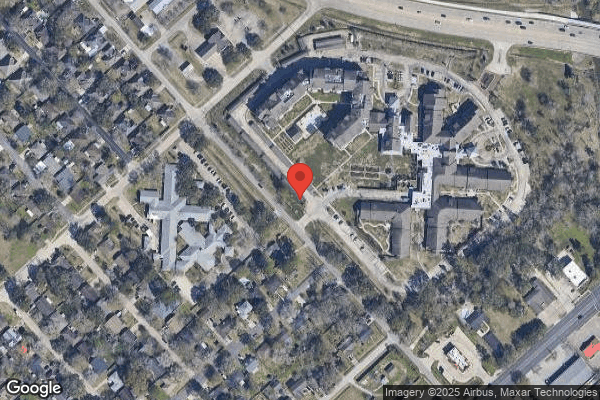

411 Alabama Ave, League City, TX 77573 (281) 332-9588
For profit - Individual 107 Beds CHAMBERS COUNTY PUBLIC HOSPITAL DISTRICT NO. 1 Data: November 2025
Trust Grade
28/100
#660 of 1168 in TX
Last Inspection: May 2025

Inspected within the last 6 months. Data reflects current conditions.

Overview

Baywind Village Skilled Nursing & Rehab has received a Trust Grade of F, indicating significant concerns regarding the quality of care provided. Ranking #660 out of 1168 facilities in Texas places it in the bottom half, and #6 out of 12 in Galveston County suggests that only a few local options are better. The facility is showing some improvement, with issues decreasing from 4 in 2024 to 3 in 2025. Staffing is a relative strength, rated 4 out of 5 stars, although turnover is concerning at 66%, higher than the Texas average of 50%. However, the facility has faced serious issues, including a recent incident where a CNA physically abused a resident, as well as failures to provide necessary colostomy care for two residents, which caused them discomfort and anxiety. Additionally, there were concerns about infection control practices, as staff did not wash their hands between assisting different residents, increasing the risk of infection. These incidents highlight the need for careful consideration despite some positive aspects like good RN coverage.

Trust Score
F
28/100
In Texas
#660/1168
Bottom 44%
Safety Record
High Risk
Review needed
Inspections
Getting Better
4 → 3 violations
Staff Stability
⚠ Watch
66% turnover. Above average. Higher turnover means staff may not know residents' routines.
Penalties
✓ Good
$8,278 in fines. Lower than most Texas facilities. Relatively clean record.
Skilled Nurses
✓ Good
Each resident gets 60 minutes of Registered Nurse (RN) attention daily — more than 97% of Texas nursing homes. RNs are the most trained staff who catch health problems before they become serious.
Violations
⚠ Watch
14 deficiencies on record. Higher than average. Multiple issues found across inspections.
★★☆☆☆
2.0
Overall Rating
★★★★☆
4.0
Staff Levels
★★★☆☆
3.0
Care Quality
★★☆☆☆
2.0
Inspection Score
Stable
2024: 4 issues
2025: 3 issues

The Good

  • 4-Star Staffing Rating · Above-average nurse staffing levels
  • Full Sprinkler Coverage · Fire safety systems throughout facility
  • No fines on record

Facility shows strength in staffing levels, fire safety.

The Bad

2-Star Overall Rating

Below Texas average (2.8)

Below average - review inspection findings carefully

Staff Turnover: 66%

20pts above Texas avg (46%)

Frequent staff changes - ask about care continuity

Federal Fines: $8,278

Below median ($33,413)

Minor penalties assessed

Chain: CHAMBERS COUNTY PUBLIC HOSPITAL DIS

Part of a multi-facility chain

Ask about local staffing decisions and management

Staff turnover is elevated (66%)

18 points above Texas average of 48%

The Ugly 14 deficiencies on record

1 actual harm
May 2025 2 deficiencies
CONCERN (D)

Potential for Harm - no one hurt, but risky conditions existed

Deficiency F0657 (Tag F0657)

Could have caused harm · This affected 1 resident

**NOTE- TERMS IN BRACKETS HAVE BEEN EDITED TO PROTECT CONFIDENTIALITY** Based on observations, interviews, and record review, the facility failed to ensure that the comprehensive care plan was reviewe...

Read full inspector narrative →
**NOTE- TERMS IN BRACKETS HAVE BEEN EDITED TO PROTECT CONFIDENTIALITY** Based on observations, interviews, and record review, the facility failed to ensure that the comprehensive care plan was reviewed and revised by an interdisciplinary team for 1(Resident # 64) of 18 residents reviewed for care plan. Resident #64's care plan was not revised to reflect her D\C use of catheter on 04/20/25. This failure could place residents at risk of not receiving needed services and care to improve their health. Findings Include: Resident #64: Record review or Resident #64's face sheet, dated 05/05/2025, revealed an [AGE] year-old female who was admitted to the facility on [DATE]. Her diagnoses included essential hypertension (high blood pressure), type 2 diabetes mellitus without complications, lack of coordination, and muscle weakness. Record review of Resident #64's MDS, dated [DATE], revealed Resident #64's BIMS score was blank 15 out of 15 which indicated she was cognitively intact. Review of section H Bladder and Bowel was checked as having an indwelling catheter. Record review of Resident #64's care plan dated 04/10/25 revealed the following -Focus-Resident #64 has (Indwelling) Catheter: Date Initiated: 04/10/2025 Revision: 04/10/2025. Goal -Resident #64 will be/remain free from catheter-related trauma through the review date. Date Initiated: 04/10/2025, o Resident #64 will show no s/sx of Urinary infection through the review date. Date Initiated: 04/10/2025, Revision: 04/24/2025. Interventions: o Catheter care Q shift .o Check tubing for kinks each shift. o Enhanced Barrier Precautions Q shift. Date Initiated: 04/10/2025, Revision on: 04/24/2025. Observation and interview on 05/05/25 at 10:00AM revealed Resident #64 was in her room, watching television. She said she was looking forward to her therapy session. Observation and interview on 05/06/25 at 1:00PM revealed Resident #64 sitting on her wheelchair. She said she was waiting for a family member for lunch. She said she had a catheter while in the hospital and was admitted with the catheter to the facility. She said she had the catheter for about 3 days at the facility and when it was taken out, she was unable to void urine on her own. She said another catheter was inserted to take out the urine. She said she has been voiding on her own and very happy, the catheter was out. She said she could not recall the date the catheter was removed. During an interview with MDS Coordinator A on 05/06/25 at 3:00PM she said Resident # 64 was admitted to the facility with a catheter, but it had been D\C'd. She looked at the care plan and said the care plan should have been revised to reflect that Resident #64 no longer had a catheter. She said the revision of the care plan was the responsibility of all the interdisciplinary team. She said the care plan was overlooked and she would revise the care plan to reflect Resident #64's status. She said updating the care plan was necessary to ensure that residents received needed care and services. In an interview with the DON on 05/07/25 at 4:30PM, she said all the care plans should reflect the resident's status and the care should have been revised when the catheter was discontinued. She said not updating the care plan may prevent nurse's from providing needed care to the residents. Record review of facility's policy on care plan dated 2001 revised March 2022 indicated title - Care Plans, Comprehensive Person-Centered- Policy Statement A comprehensive, person-centered care plan that includes measurable objectives and timetables to meet the resident's physical, psychosocial and functional needs is developed and implemented for each resident . 11. Assessments of residents are ongoing and care plans are revised as information about the residents and the residents' conditions change. 12. The interdisciplinary team reviews and updates the care plan: a. when there has been a significant change in the resident's condition; b. when the desired outcome is not met; c. when the resident has been readmitted to the facility from a hospital stay; and d. at least quarterly, in conjunction with the required quarterly MDS assessment .
CONCERN (E)

Potential for Harm - no one hurt, but risky conditions existed

Deficiency F0691 (Tag F0691)

Could have caused harm · This affected multiple residents

**NOTE- TERMS IN BRACKETS HAVE BEEN EDITED TO PROTECT CONFIDENTIALITY** Based on interviews and record review, the facility failed to ensure residents who needed colostomy care were provided such care...

Read full inspector narrative →
**NOTE- TERMS IN BRACKETS HAVE BEEN EDITED TO PROTECT CONFIDENTIALITY** Based on interviews and record review, the facility failed to ensure residents who needed colostomy care were provided such care, consistent with professional standards of practice for 2 of 4 (Resident #76 and Resident #293) residents reviewed for colostomies (surgical opening in which a piece of the colon was diverted to an artificial opening in the abdominal wall to bypass a damaged part of the colon). The facility failed to ensure training, care and documentation was consistent for Resident #76 and Resident #293 as bowel movements were not consistently documented, a colostomy was documented as an ileostomy/urostomy and colostomies were not consistently emptied. The failure could place residents at risk of complications related to a colostomy and emotional distress. Resident #76 and #293 experienced discomfort, anxiety, embarrassment and refused to take medications to prevent constipation as a result of the failure. Findings included: Record review of Resident #76's face sheet dated [DATE], revealed the resident was a [AGE] year-old female admitted to the facility on [DATE] with diagnoses including hemiplegia and hemiparesis following nontraumatic intracerebral hemorrhage (paralysis or weakness on one side of the body caused by non-traumatic bleeding in the brain) affecting left non-dominant side and colostomy status (having a surgical opening in which a piece of the colon was diverted to an artificial opening in the abdominal wall to bypass a damaged part of the colon). Record review of Resident #76's admission MDS dated [DATE] revealed a BIMS score of 15 that indicated cognition was intact. Record review of Resident #76's doctor's orders printed [DATE] revealed orders to Change Colostomy bag as needed and Colostomy care every shift with start dates of [DATE]. Record review of Resident #76's Care plan printed [DATE] revealed goal of Resident's dignity will be maintained, and the ostomy will remain patent and functional through the review date with intervention Provide ostomy care per order to prevent odors and keep ostomy patent. (Ostomy is an artificial opening in an organ of the body, created during an operation.) Record review of Resident #76's April and May MARs and TARs printed [DATE] revealed a section for Colostomy care every shift which was documented as being completed with first entry during 7 p.m./7 a.m. shift on [DATE] and then every shift through 7 a.m./7 p.m. shift on [DATE]. Record review also revealed section for Change Colostomy bag as needed starting [DATE] with no documentation for April and one documentation during May on [DATE]. Record review also revealed documentation for Senna (medication to treat constipation) Oral Tablet 8.6 mg with instructions to give 2 tablets by mouth at bedtime and Resident #76 refused the medication on [DATE], 4/21-[DATE], 4/28-[DATE], [DATE], and 5/3-[DATE]. Record review of Resident #76's nursing Progress Notes printed [DATE] revealed Resident #76's colostomy bag was changed on [DATE] at 2 a.m., 3 a.m., and 1:18 p.m. No other progress notes regarding colostomy noted back to [DATE]. Record review of Resident #293's face sheet dated [DATE], revealed the resident was a [AGE] year-old female admitted to the facility on [DATE] with diagnoses including multiple sclerosis (disorder where the protective cover around nerves are damaged which can cause muscle weakness, vision changes, numbness, and memory issues) and colostomy status (having a surgical opening in which a piece of the colon was diverted to an artificial opening in the abdominal wall to bypass a damaged part of the colon). Record review of Resident #293's admission MDS dated [DATE] revealed a BIMS score of 15 that indicated cognition was intact. Record review of Resident #293's doctor's orders printed [DATE] revealed orders to Change Colostomy bag as needed and Colostomy care every shift with start dates of [DATE]. Record review also revealed orders for Miralax (constipation medication) with instructions for 17 grams in the morning with order date of [DATE], KUB (abdominal x-ray) with order date of [DATE], Senna-Docusate 8.5-50 mg with instructions to give 2 tablets at bedtime for constipation with start date of [DATE] and Change Colostomy bag one time a day every 4 days with start date of [DATE]. Record review of Resident #293's Nursing admission Assessment - V2 dated [DATE] completed by RN G revealed no selection for colostomy and ileostomy/urostomy was selected. Record review of Resident #293's April MAR/TAR printed [DATE] revealed a section for Colostomy care every shift which was documented as being completed with first entry during 7 p.m./7 a.m. shift on [DATE] and then every shift through 7 p.m./7 a.m. shift on [DATE]. Record review also revealed section for Change Colostomy bag as needed with no documentation from 4/25-[DATE]. Record review of Resident #293's May TARs printed [DATE] revealed a section for Colostomy care every shift which was documented as being completed with first entry during 7 a.m./7 p.m. shift on [DATE] and then every shift through 7 a.m./7 p.m. shift on [DATE]. Record review also revealed section for Change Colostomy bag as needed with no documentation from 5/1-[DATE]. Record review of Resident #293's May TARs printed [DATE] revealed section for Change Colostomy bag as needed starting [DATE] with documentation that was added for [DATE] and [DATE] when compared to Resident #293's May TAR printed [DATE]. Also, section for Change Colostomy bag one time a day every 4 days with documentation being completed on [DATE] was also new when compared to Resident #293's May TAR printed [DATE]. Record review of Resident #293's May MAR printed [DATE] revealed documentation of administration of Miralax (medication to prevent constipation) 17 grams in the morning for constipation from 5/1-[DATE]. Senna-Docusate (medication to prevent constipation) 8.6-50 mg with instructions to give 2 tablets by mouth at bedtime was documented as being administered on [DATE]. Record review of Resident #293 B&B - Bowel and Bladder Elimination for range of 4/25-[DATE] revealed no bowel movements were documented from 4/28-[DATE]. Record review of Resident #293's nursing Progress Notes for date range 4/25-[DATE] revealed resident's colostomy bag was changed on [DATE] at 8:22 a.m. with duplicate note at 8:10 a.m. On [DATE] at 8:15 a.m. it was revealed Resident has not had a BM in 3 days. This alert is a result of incorrect documentation. This writer spoke with and re-trained cna on documenting colostomy output. On [DATE] at 5:49 p.m. it was documented a KUB was ordered as well as scheduled Senna at bedtime due to low colostomy output and hardened stool and Resident #293 had a conversation with the NP about intentionally constipating herself by eating a grilled cheese. On [DATE] at 5:35 p.m. it was revealed Change Colostomy bag as needed as needed for colostomy care. On [DATE] at 11:16 a.m. it was revealed Loose adhesive requiring changing of colostomy bag. No other progress noted regarding colostomy noted back to [DATE]. Record Review of Resident #293's Skilled Assessment & Progress Note - V3 dated [DATE] at 3:41 p.m. revealed colostomy bag was changed. Record Review of Resident #293's doctor's Progress Note dated [DATE] revealed she was trying to eat things that would constipate her rather than pass stool. Record review of Resident #293's Abdomen KUB (x-ray) dated [DATE] revealed Findings would support the clinical diagnosis of constipation. During interview and observation of Resident #293 on [DATE] at 10:35 a.m., Resident #293 said that she was given Miralax and had a blow out from the stool and had started leaking [DATE] but has not leaked since. Resident #293's caregiver at bedside said, it is like staff does not want to deal with the colostomy. Resident #293 stated she had asked an aide for help with the colostomy, but they were hesitant and got the nurse to assist. Observation of Resident #293's colostomy revealed the colostomy was intact and the colostomy bag was not full at this time. During interview on [DATE] at 8:15 a.m., the DON said the CNAs could empty ostomies (an artificial opening in an organ of the body, created during an operation) and the nurse assigned to the resident was responsible for ostomy care. During interview on [DATE] at 9:33 a.m., RN H said they change colostomy bags as needed and every three to four days. RN H said they check ostomies on rounds and as needed. During interview and observation of Resident #293 on [DATE] at 12:01 p.m., Resident #293 said her colostomy bag had been changed on [DATE] and [DATE] since her arriving to the facility on [DATE]. Resident #293 said she had gone almost a whole week with nothing in the colostomy and did not want to eat and take all of her Miralax (constipation medication) because she was afraid she would have a blow out again. Resident #293 said she did not feel like staff on the weekends knew how to change the colostomy. Observation revealed resident #293's colostomy was clean, dry, and intact with no stool noted in the bag. During interview on [DATE] at 12:40 p.m., RN G said colostomy care per the TAR meant she went around to the colostomy patients and made sure the colostomy did not need to be changed, replaced, emptied, or burped. RN G said depending on the assessment she would change or replace the colostomy if needed. RN G said she checked residents' ostomies like five times a day. RN G said everything on the ostomies were usually replaced no more than every 2-3 days. RN G said Resident #293's colostomy was replaced [DATE] and she had looked at Resident #293's colostomy today and it was good. RN G said she was not sure it was documented in Point Click Care when ostomies were replaced. RN G said she knew when the resident's colostomy was last changed by the 24-hour report which was verbal from the night nurse and written. RN G showed the state surveyor the current 24-hour report for Resident #293 and no date when her colostomy was last changed was listed. RN G said she changed Resident #76's colostomy today. During interview on [DATE] at 1:44 p.m., LVN C said ostomies should be changed every three to five days and as needed, because if you change the ostomies more often it could cause skin breakdown. LVN C said staff documented daily that colostomy care had been performed. LVN C said when the colostomy was changed it was documented in the change colostomy PRN order on the TAR. LVN C viewed Resident #76's May TAR with state surveyor and she confirmed no dates were documented so far in May in the change ostomy PRN order and said that means the colostomy was not changed or the colostomy was changed and was not documented. During an interview on [DATE] at 2:30 p.m., the Administrator said they did not have any training documentation regarding ostomy (an artificial opening in an organ of the body, created during an operation) care for staff and they would add ostomy care training moving forward for new hires and annually for staff. During interview on [DATE] at 2:30 p.m., the DON said staff would know how to care for ostomies due to their nursing education. The DON said she checked, and ostomy (an artificial opening in an organ of the body, created during an operation) care was not on the new hire or annual skills checklists for nurses. The DON said no one had come to her regarding not knowing how to perform ostomy care and it was a good idea to have trainings. During interview on [DATE] at 3:15 p.m., RN G said on the Nursing admission assessment dated [DATE] for Resident #293 the urostomy should have been charted as colostomy and she would fix the assessment. RN G said she did a head-to-toe assessment on Resident #293 on [DATE]. RN G said her training at the facility consisted of hands-on training. RN G said she had heard nothing during report regarding Resident #293's bag bursting. During interview on [DATE] at 3:15 p.m., the DON said colostomy care every shift from the TAR was monitoring the site, making sure the stoma looked like it should, was draining and making sure the wafer was sealed and did not need to be changed. The DON said she had heard nothing regarding Resident #293's bag bursting. The DON said colostomies should be changed every 2-3 days or as needed. The DON said the PRN colostomy change on the TAR was documented if the colostomy bag burst and regular changes, were documented in the colostomy care section, but was not differentiated from regular checks. The DON said how nurses knew when the colostomies were last changed was nurses did verbal report or documented in the Skilled Assessment and Progress Note or the Progress Notes. The DON said an error in the Nursing admission Assessment would not affect the resident's daily care. The DON said there should be some output every shift in the colostomy section and the CNAs were taught to document stool consistency for colostomies. During interview on [DATE] at 4:42 p.m., CNA D said she checked the ostomies every two hours, when she did her rounds. CNA D said if a resident was not having output in the colostomy at her two-hour checks, then she would let the nurse know. CNA D said she normally charted the consistency for a colostomy and when she emptied by putting in a new alert so the nurse could see it. CNA D denied any problems with either Resident #76 or Resident #293's colostomy's bursting. CNA D said she was trained by the nurses regarding colostomy care. CNA D said Resident #293 had not had a bowel movement today. CNA D said she had not notified the nurse yet and said she usually told the nurse at the end of the shift. During interview on [DATE] at 4:42 p.m., the DON said the KUB (abdominal x-ray) was ordered for Resident #293 due to low output from the colostomy. During interview and observation of Resident #76 on [DATE] at 9:00 a.m., it was revealed Resident #76's colostomy bag was very full of brown stool that was slightly formed and air. Resident #76 said she felt the stool in the colostomy bag, and it felt very hard. Resident #76 said the last time everything was changed for her colostomy was [DATE] and the colostomy bag had not been emptied since everything was changed on [DATE]. Resident #76 said her colostomy bag had burst three times since arriving at the facility due to it needing to be emptied. Regarding the colostomy change on [DATE], Resident #76 said she did not feel like the nurse had any idea what she was doing. Resident #76 said it took the nurse from 1:30-3:30 a.m. to change the colostomy and she could not participate in therapy the next morning because she was tired and worried/stressed. Resident #76 said she had spoken to RN I this morning and she said she would be back in 30 minutes to empty the colostomy. Resident #76 said she also had spoken to an aide early this morning before rounds regarding emptying the colostomy and they had said they would be back when they got settled. Resident #76 said when the bag was full she got stomachaches. Resident #76 said LVN C had changed the colostomy yesterday morning and knew what she was doing, and RN I had changed the colostomy and had done a good job. During interview and observation of Resident #293 on [DATE] at 9:21 a.m., Resident #293 said her colostomy bag was emptied about 8 a.m. this morning as there was a chunk that fell out and was stuck on top. Observation revealed Resident #293's colostomy was clean, dry, and intact and no stool in the bag. During interview and observation of Resident #293 and RN I on [DATE] at 9:25 a.m., RN I said she was comfortable providing colostomy care. RN I was observed emptying Resident #293's colostomy bag of stool and no concerns noted. Resident #293 said she did not eat a lot, so they don't have to empty the colostomy bag as often. During interview on [DATE] at 9:30 a.m., LVN C said she changed Resident #76's colostomy on [DATE] as it was leaking on the side. During interview on [DATE] at 9:35 a.m., RN I said the aides could empty the colostomies if she was busy, but she told the aides to come get her if the colostomies needed to be emptied. RN I said CNA E told her Resident 76's colostomy needed to be emptied about 30 minutes ago, but she needed to check the residents' blood sugars and give insulin at that time. RN I said she changed Resident #293's colostomy on [DATE] because it was leaking. RN I said she had asked for colostomy training at the facility since she had not done colostomy care since nursing school. RN I said for colostomy training she was provided after requesting, she watched another nurse on the front hall provide colostomy care and she had an observation check off by nurse LVN C when she changed Resident 76's colostomy for the first time. RN I said she had asked for colostomy training at the facility since she had not done colostomy care since nursing school. During interview on [DATE] at 9:38 a.m., CNA E said Resident #76 told her around 8 a.m. her colostomy bag needed to be emptied and she had told RN I. CNA E said she could see Resident #76's colostomy bag was full, and Resident #76 had felt the stool inside the bag. CNA E said she could burp and empty the colostomy bags but not change the bags. CNA E said she had training regarding ostomies at another facility but had not had any training at the current facility. CNA E said she documented regarding output when she emptied the colostomy bag. CNA E said last week Resident #76 had a decreased amount of stool in her colostomy bag and Resident #76 was worried as the stool was liquid when she first arrived at the facility. CNA E said she reported to the nurse if residents have not had a bowel movement or changes and puts in a new alert in the EMR. On [DATE] at 10:05 a.m., the state surveyor received from the administrator a copy of a facility action plan, Nurses New Hire Skills Checks and Skill: Colostomy Care for the Certified Nursing Assistant. Record review of the facility action plan revealed a problem identified of Lack of documentation on when colostomy bags are changed. An order was added to the facility's batch orders and a new task was added to the TAR to change colostomy bags every 4 days and PRN. An in-service was also initiated on [DATE] to introduce the new orders. Record review of the Nurses New Hire Skills Checks revealed a checklist that included colostomy care. Record Review of Skill: Colostomy Care for the Certified Nursing Assistant revealed steps regarding colostomy care for CNAs. During interview on [DATE] at 12:43 p.m., MD A said he had not had any complaints regarding colostomies. MD A said he had spoken to the DON regarding using the CPR dummy for hands on training regarding colostomy care. MD A said the biggest concern for a new ostomy was [NAME] for the resident. MD A said he did not consider constipation a complication from having a colostomy and constipation would be a systemic issue . During interviews on [DATE] at 4:33 p.m., the DON said if a colostomy was not being emptied then there would come a point the colostomy would burst, then feces could get on the resident's skin and the skin could get excoriated, and there would be a risk of infection. The Administrator and Assistant Administrator agreed with this statement. The DON said if staff don't have a clear understanding of something then most staff know who to ask. The DON said if colostomy care was not done correctly by the nurse, then the colostomy could be put on wrong or the stoma (opening in the abdomen for the colostomy) could get covered. The DON said CNAs should know they could empty the colostomy bags. The DON said she did not see any harm to the resident from a CNA not knowing how to empty the colostomy bag correctly. The Administrator and Assistant Administrator said they did not have anything to add to the DON's statements. During interview on [DATE] at 4:45 p.m., the ADON said she spoke with a resident this morning and she had concerns with her hands being able to perform colostomy care but that was all the concerns she was aware of. The ADON said new nurses and the CNAs at the facility shadow another staff member and should have opportunity for training regarding colostomy care. The ADON said colostomy care training was observing and hands on training. The ADON said initial hires have a skilled check off for procedures and annually, ostomy care had not been part of the check off list but was being added. The ADON said she did not have any knowledge of any of the ostomy resident's bags bursting but had heard of the colostomy bags occasionally leaking. The ADON said on all the residents there was a general batch order that had colostomy care. The ADON said how staff was to document when the colostomy bag was changed was to write a note or document on the TAR for ostomy bag change as needed . During an interview on [DATE] at 4:54 p.m., CNA F said they could burp and empty colostomies, but the nurse had to change the colostomy. During interview on [DATE] at 4:57 p.m., CNA G said they could burp and empty colostomies, but the nurse had to change the colostomy. CNA G she had not had ostomy care at the current facility but had training at a previous facility. On [DATE], after a policy was requested from the facility regarding colostomy care and received, record review of Colostomy/Ileostomy Care with revision date [DATE] revealed information regarding the purpose of this procedure is to provide guidelines that will aide in preventing exposure of the resident's skin to fecal matter. The document outlined the steps for colostomy/ileostomy care but did not specify who was responsible for such care, did not address emptying colostomy/ileostomy bags, or how often colostomy/ileostomy bags should be changed. Record review of American Cancer Society's Colostomy Guide revealed ostomy pouches should be emptied when it is about 1/3 to ½ full to keep it from bulging and leaking. Record review also revealed it is best to have a regular changing schedule for the pouch but can vary from changing every three days to changing every week depending on the type of pouch used. Record review of facility's undated policy Colostomy/Ileostomy Policy revealed Ostomy bags are to be changed every 3-4 days or as needed for leakage an/or soiling, Ostomy bags are to be changed every 3-4 days or as needed for leakage and/or soiling, and CNAS may expel air or empty a colostomy bag as needed.
Apr 2025 1 deficiency 1 Harm
SERIOUS (G) 📢 Someone Reported This

A family member, employee, or ombudsman was alarmed enough to file a formal complaint

Actual Harm - a resident was hurt due to facility failures

Free from Abuse/Neglect (Tag F0600)

A resident was harmed · This affected 1 resident

**NOTE- TERMS IN BRACKETS HAVE BEEN EDITED TO PROTECT CONFIDENTIALITY** Based on interview, and record reviews the facility failed to ensure the residents had the right to be free from abuse for 1 of ...

Read full inspector narrative →
**NOTE- TERMS IN BRACKETS HAVE BEEN EDITED TO PROTECT CONFIDENTIALITY** Based on interview, and record reviews the facility failed to ensure the residents had the right to be free from abuse for 1 of 6 residents (CR#1) reviewed for abuse. The facility failed to ensure CR#1 was free from abuse when CNA A physically abused CR #1 on 04/24/24 and threatened CR #1's roommate. The noncompliance was identified as PNC. The noncompliance began on 04/24/24 and ended on 04/24/24. The facility had corrected the noncompliance before the survey began. This failure could place residents at risk of being abused. Findings included: Record review of CR #1's admission record dated 04/15/25 revealed a-95-year- old female admitted to the facility admitted to the facility on [DATE] with diagnoses that included Essential hypertension (High blood pressure), chronic kidney disease, heart failure, chronic obstructive pulmonary disease, anxiety disorder, dementia, without behavioral disturbance, psychotic disturbance, mood disturbance, and anxiety. Record review of CR #1's comprehensive care plan dated 03/17/23 with a revision date of 02/24/24 indicated she had no history of physical aggression and depended on staff for ADL care, meeting her emotional, Intellectual, physical, and social needs. Record review of CR #1's quarterly MDS assessment dated [DATE] reflected a BIMS score of 00, which indicated she had severely impaired cognition. Record review of intake incident dated 04/24/24 revealed resident's roommate called out for the nurse and reported that CR #1 had been abused by the CNA A. She stated the curtain was closed, but she could hear the abuse. Record review of a Nurse's notes dated 04/24/24 revealed in part Resident's roommate called this nurse into the room and stated that resident had just been abused. Resident was noted to be holding her wrist. When nurse moved her hand away, there was a significant amount of bruising to front and back of wrist. Roommate reports she didn't see what happened, but she could hear it. She stated she could hear the CNA hurting the resident. She states she threatened her as well, telling her not to use her call light again. Resident Unable to give description of event. In an interview with the DON on 04/15/24 at 3:00 PM, she said the incident happened almost a year ago. She said CNA A was an agency staff and as soon as the incident was reported by resident's roommate, CNA A was walked out of the facility and was placed on a do not returned list and was never allowed to work at the facility. She said the contract agency was immediately informed and the local police was called. She said the DON immediately had in-service with all staff and encouraged all resident to report any form of abuse to the facility Administrator. She said CNA A denied the allegation and stated that she did not abuse CR #1. During an interview with CR#1's RP on 04/16/25 at12:20PM, she said she was called by the DON and told her that CNA A had abused her family member and when she filed charges, she was told by the DA office that there was not enough evidence for the case. She said the DA's office dismissed the case for lack of evidence. In an interview with the Assistant Administrator and the Administrator on 04/16/25 at 4:45PM, the Assistant Administrator said the facility did all that they were expected to do at the time of the incident. She said the local police department was notified, Resident's responsible party was notified, and the employee was immediately terminated. The noncompliance began on 04/24/24 and ended on 4/24/24. The facility had corrected the noncompliance before the investigation began. The surveyor confirmed PNC had been implemented sufficiently to remove the deficiency by: Facility notification of abuse incident to responsible party, MD, Ombudsman, local law authority and HHSC. Completion of in-services on abuse. The facility had conducted a safety survey with all residents on the hall that CNA A was assigned. Staff and management recognized the steps to report abuse and neglect. Termination of confirmed perpetrator. Record review of facility's abuse prohibition policy undated page 23-24 revealed, RESIDENT ABUSE/NEGLECT REPORTING It is the policy of this facility that all personnel promptly report any incidents or any suspected incidents of resident abuse/neglect, including injuries of an unknown source. Upon a report of an allegation of resident abuse/neglect, the facility will investigate each instance as to determine if the allegation did occur. The facility will report and notify the Texas Department of Human Services as outlined in the State Operations Manual. Any facility staff member who has cause to believe that the physical or mental health or welfare of a resident has been or may be adversely affected by abuse, neglect or exploitation caused by another person must report the abuse, neglect, or exploitation, which includes conduct or conditions resulting in serious accidental injury to resident or hospitalization of residents. Conduct or conditions means a facility practice, actions/inactions by staff or circumstances within a facility resulting in: 1. Serious accidental injury to residents: or 2. Hospitalization of residents. The person (observing an incident of resident abuse or suspecting resident abuse must immediately rep01t such incidents to the Director of Nursing or Administrator. If both the Director of Nursing and Administrator are unavailable the report should be made to the charge nurse: the charge nurse will be responsible for contacting the Director of Nursing or Administrator. As applied in this policy; the following words have the following meaning: Abuse -Any act, failure to act, or incitement to act done willfully, knowingly, or recklessly through words or physical action which causes or could cause mental or physical injury or harm or death to a resident. This includes verbal, sexual, mental, psychological, physical abuse (including corporal punishment, involuntary seclusion, or any other mistreatment within this definition.
Jul 2024 1 deficiency
CONCERN (D) 📢 Someone Reported This

A family member, employee, or ombudsman was alarmed enough to file a formal complaint

Potential for Harm - no one hurt, but risky conditions existed

Deficiency F0552 (Tag F0552)

Could have caused harm · This affected 1 resident

Deficiency Text Not Available

Read full inspector narrative →
Deficiency Text Not Available
May 2024 2 deficiencies
CONCERN (D) 📢 Someone Reported This

A family member, employee, or ombudsman was alarmed enough to file a formal complaint

Potential for Harm - no one hurt, but risky conditions existed

Notification of Changes (Tag F0580)

Could have caused harm · This affected 1 resident

**NOTE- TERMS IN BRACKETS HAVE BEEN EDITED TO PROTECT CONFIDENTIALITY** Based on interview and record review, the facility failed to notify the resident representative when the resident experienced a ...

Read full inspector narrative →
**NOTE- TERMS IN BRACKETS HAVE BEEN EDITED TO PROTECT CONFIDENTIALITY** Based on interview and record review, the facility failed to notify the resident representative when the resident experienced a significant change in condition for 1 (CR #1) of 5 residents reviewed for resident rights. The facility failed to notify CR #1's Responsible Party when she had a hypotensive event and refused to go to the hospital. This failure could result in the resident representative not being aware of conditions that may require them to make medical decisions. Findings included: Record review of CR #'1s face sheet revealed an [AGE] year-old female admitted to the facility on [DATE]. Her diagnoses included: fracture of unspecified carpal bone right wrist, hypo-osmolality and hyponatremia (a condition where the body retains water and sodium levels in blood are lower than normal), and hypertension. The family member was listed as the Responsible Party and Power of Attorney-care, care conference person, and HIPPA for CR #1. Record review of CR #1's initial MDS assessment dated [DATE] revealed CR #1 had a BIMS of 15 indicating she was cognitively intact and could make her own decisions. Record review of CR #1's care plan revised on 4/29/24, read: CR #1 had an ADL self-care performance deficit r/t right wrist fracture, she required assistance with bathing, bed mobility, eating, toileting, and transfers. CR #1 was on Montelukast Sodium r/t allergies, the intervention for this medication was listed as a black box warning which meant it could cause serious life-threatening risks, disability, and result in hospitalization or death. CR #1 had potential fluid deficit r/t diuretic use, at moderate risk for falls, and on diuretic therapy (Lasix) r/t edema. Record review of CR #1's progress notes dated 4/28/24 at 12:46 am created by RN A read: patient attempted to get up to go to the restroom and face appeared pale, patient complained of feeling nauseated, patient was slow to awake, took a set of vital signs and they were all within normal limits except BP (blood pressure) 71/54 and HR (heart rate) 109. CNAs assisted patient in a laying position in bed. A cool, damp towel was applied to forehead and neck of patient. Hydration was offered and given. On-call voicemail left for MD (medical doctor) regarding event. Patient educated on using the call light if needed to leave her bed and assistance with ADLs. MD wants patient sent to ER for further evaluation; 1:42 am, Called Priority Care Transport 3 times, no answer. Left a voicemail for pickup of patient as MD asked that she be sent out to further evaluation due to hypotensive event. Unable to print patient document due to printer system currently offline; 1:50 am, 911 called for patient to be taken to hospital as no return call from transport service has been received; 2:15 am, Patient refused to leave with 911 transportation, they took 12-lead EKG (electrocardiogram) and vital signs, they were all within normal limits. Suggested she keeps taking fluids to combat possible dehydration s/s. Educated patient on risks of not going to hospital to be checked out. Patient still refused to leave with 911 transport. Patient stated, 'I feel fine I just need to drink some more water'. MD made aware; 6:26 am, Patient BP and HR is now stable and within normal limits . Record review of CR #1's progress notes dated 4/28/24 at 9:18 am created by RN B read: Resident was using the bathroom with CNA around 8:05 am this morning. Resident started to feel lightheaded, and the CNA brought the wheelchair for the resident to sit in. Upon sitting, resident was noted to start salivating and had seizure-like activity witnessed by CNA. Vitals were taken. BP 72/52, HR 128, 99% O2 (Oxygen) saturation, 179 blood glucose. MD on call was called around 08:15 am and notified of resident's status. Resident was sent to local hospital via emergency transportation. Family was also notified of resident status, as well as departure time from the facility. Resident alert and oriented x4. No complains of pain. Departure around 9:10 am in stable condition. Interview on 5/4/24 at 12:24 pm with CR #1's Responsible Party, she said no one notified her of CR #1's condition Saturday night (4/27/24), nor Sunday morning (4/28/24). She said CR #1's phone was across the room, and she was unable to reach her phone. She said CR #1's roommate assisted her with her phone so she could call her family. She said when CR #1 was on the phone with her, she heard someone in the background say, are you aware the patient had a seizure. The RP said that was how she found out about CR #1s condition. She said when CR #1 was at the hospital, her hemoglobin had dropped down to 3 and was given 11 blood transfusions. She said CR #1 had multiple stomach ulcers that ruptured. She said CR #1 had a breathing tube in place and on Tuesday, 4/30/24, the family made the decision to take the breathing tube out. She said if she was notified the night (4/27/24) when CR #1 refused to go to the hospital, she might have lived. She said she and the family lost time with her because they were not notified right away. Interview on 5/4/24 at 12:44 pm with the Administrator, he said RN A got an order to send CR #1 to the hospital. He said CR #1 refused to go to the hospital and stated she needed water. He said staff failed to notify the family that night of the change in condition. He said CR #1 called her family the next morning about 6 to 8 hours after she refused to go to the hospital. Interview on 5/4/24 at 2:38 pm with the DON, she said if a change in condition occurred with a patient, the RP would need to be notified. She said the expectation was to notify the RP. She said notifying the RP was a courtesy. The DON said RN A was counseled on 4/30/24 to notify the RP when a change in condition occurred with a resident and an in-service was conducted on 4/28/24 for staff on notifying the RP. Interview on 5/8/24 at 4:01 pm with RN A, she said she had been working at the facility for a month. She said on 4/28/24 CNA A reported to her that she tried to sit CR #1 up in the bed, but she fell back in the supine position. RN A said she performed a neuro check and conducted vitals. She said she notified the on-call physician. She said the on-call physician told her CR #1 was having a hypotensive event and wanted CR #1 to go to the ER. She said she called their emergency transport service 3 to 4 times, and they never answered or called back. She said she called 911. She said she let CR #1 know she called 911 and CR #1 told her she did not want to go to the hospital because she would be going home in a few days. She said when the 911 paramedics arrived, they performed an EKG, assessment, and took vitals. She said all resident's vitals were normal. She said CR #1 refused to go to the hospital, so the paramedics left. She said she checked on CR #1's vitals every 1 to 2 hours and made sure she stayed hydrated. She said she left between 7am to 7:30 am and CR #1 was in the facility at that time. She said she did not notify the RP because she was not trained to do that. She said because CR #1 had a high BIMS (15) score, and she did not think she had to notify anyone. She said going forward she knew to notify the RP. Interview with the ADON on 5/24/24 at 9:07 am, she said when there is a change in condition with the resident, the resident needed to be assessed, get vitals, notify the physician, follow physician orders, and notify the resident's family. The ADON said the risk to the resident if any of these steps are missed in this process would be detrimental to the resident. The ADON said it if important to contact family if the resident refused to go to the hospital because, the family can tell the resident in a different way than staff and can change the reaction of the resident to go to the hospital, the family can offer comfort to the resident. If a resident still refused, she would notify the physician. Record review of the Change in a Resident's Condition/Status Policy dated February 2021 read in part . our facility promptly notifies the resident, his or her attending physician, and the resident representative of changes in the resident's medical/mental condition and/or status . unless otherwise instructed by the resident, a nurse will notify the resident's representative when there is a significant change in the resident's physical, mental, or psychosocial status .
CONCERN (D) 📢 Someone Reported This

A family member, employee, or ombudsman was alarmed enough to file a formal complaint

Potential for Harm - no one hurt, but risky conditions existed

Deficiency F0624 (Tag F0624)

Could have caused harm · This affected 1 resident

**NOTE- TERMS IN BRACKETS HAVE BEEN EDITED TO PROTECT CONFIDENTIALITY** Based on interview and record review, the facility failed to provide and document adequate preparation to residents to ensure sa...

Read full inspector narrative →
**NOTE- TERMS IN BRACKETS HAVE BEEN EDITED TO PROTECT CONFIDENTIALITY** Based on interview and record review, the facility failed to provide and document adequate preparation to residents to ensure safe and orderly transfer or discharge from the facility, for 1 (CR #2) of 3 residents reviewed for transfer/discharge. The facility failed to ensure CR #2 was discharged with Home Health Services in place. This failure could place residents at risk of being discharged without preparation, causing a disruption in their care and services. Findings included: Record review of CR #2's face sheet revealed a [AGE] year-old male admitted to the facility on [DATE]. His diagnoses included: asthma with acute exacerbation, sepsis, hyperlipidemia, local infection of the skin and subcutaneous tissue, xerosis cutis (abnormally dry skin), Stage 4 pressure ulcer of sacral region, chronic gout, muscle weakness, neuromuscular dysfunction of bladder (when a person lacks bladder control due to brain, spinal cord or nerve problems), urinary tract infection, cognitive communication deficit, anxiety disorder, multiple sclerosis, aphasia (loss or ability to understand or express speech), and transient ischemic attack (a brief stroke-like attack). Record review of CR #2's care plan dated 4/4/24 revealed CR#2 was care planned for the following: 2-person assist for turning and repositioning in bed, supervision when eating, 2-person assist to move between surfaces as necessary, stage 4 pressure ulcer, indwelling catheter and colostomy bag. Record review of the Discharge summary dated [DATE] read in part . skilled nursing facility patient seen today for follow-up to discharge home with home health services for continued rehab and wound care today, no new acute complaints . Record review of CR #2's progress notes dated 4/25/24 at 4:31 pm entered by DON revealed: resident discharged home via transportation provided by facility. Bed and wheelchair ordered for home use. Resident stable and in good spirits upon discharge. Medications called in to pharmacy. Record review of CR #2's progress notes dated 4/29/24 at 3:57 pm entered by Discharge Planner Assistant revealed: patient's family member called to check on his home health care coming out to see him today. Discharge Planner called home health agency to confirm the admission, they let her know the patient was not admitted due to his plan only covering 50% off the services he needs, they also sent his referral to other companies who also returned with the same response. Patient's family member then replied, 'This is what I meant by him being prepared to go home.' Discharge planner advised her that she would need to change his plan to receive full coverage benefits. It is unclear if she understood what was being explained because she then replied 'So, I would have to find a home health company myself and have ya'll give me an old order so they can take him?' Discharge planner reiterated the sentiment again and let her know we are waiting on one last company to respond. Interview with CR #2's family member on 5/9/24 at 6:10 pm, she said the facility did not plan the discharge for CR #2. She was told by the Discharge Planner Assistant on Monday, 4/22/24 that CR #2's insurance will stop paying for his care and he would be discharged on Thursday, 4/25/24. She said the facility started looking for a home health the day of his discharge. She said CR #2 was brought to her home in a car. She said the person that dropped him off left him at the door and did not assist her family members to bring CR #2 in the house. The family member said her relatives were providing care for CR #2 until a home health agency took over. She said her relatives knew how to care for CR #2 because he used to be on hospice and the hospice agency taught them how to provide care for CR #2. The family member said she was the one that found a home health agency for CR #2 and CR #2's home health services started on 5/8/24. Interview with the Discharge Planner on 5/10/24 at 11:27 am, she said she had worked at the facility for 7 years. She said CR#2 discharged on 4/25/24. She said she offered the family member to appeal but the family member told her 'I'm not going to appeal as long as the facility has everything in place for his home healthcare'. The Discharge Planner said her assistant was initially assisting the family member, but she had to step in. She said one of CR #2's family member spoke to the Admissions Assistant to take care of the supplies that he needed. She said the Admissions Assistant was not in charge of this process, she oversaw the admission paperwork. CR #2's family member did not want to tell the Discharge Planner what supplies were needed so the Discharge Planner guessed at what type of supplies CR #2 needed. The Discharge Planner said the home health agency contacted her the day after CR #2 discharged and told her they could not take him because his insurance only covered 50%. She said every home health she called the coverage had to be at least 80%. She said a different home health agency was the only one that was able to take care of him. She said CR#2 did not have transportation benefits either, the facility paid for his transportation to get home. The family member did not want to change the plan level of coverage for the insurance. She told the family member she could get CR#2 started on home health but they would need to pay for the other half that the insurance did not cover. Interview on 5/10/24 at 12:13 pm with an admission agent from the home health agency, she said they could not accept CR #2 because they did not service his area. She said the orders for CR#2 were faxed over to her on 4/26/24. Interview on 5/10/24 at 12:27 pm with an admission agent from the home health agency that accepted CR #2, she said the initial orders for CR #2 came in on 4/29/24 and his services started on 5/8/24. Interview with the Discharge Planner on 5/10/24 at 2:15 pm, she said CR #2s insurance owns the home health agency that CR #2 was rejected from. She said any patient who had the same Insurance as CR #2, she would refer them the home health agency and never had any issues in the past. She said the orders for CR #2 were dated for 4/23/24 and was not sure why the fax did not go through until 4/26/24. She said this was the first time that she heard CR#2 did not have home health. Interview with the Assistant Administrator on 5/10/24 at 2:41 pm, she said discharge planning should start the day of admission. She said in the past the facility has held discharges for patients because home health was not in place. She said the Discharge Planner should have come to her or the Administrator to let them know there was no confirmation of home health. She said the failure happened with the Discharge Planner not getting the confirmation with home health and re-education needed to be done. She said the risk to the resident would be they would not have the supplies or the care they need. Record review of the Transfer or Discharge Policy dated December 2016 read in part . residents will be prepared in advance for discharge . a post-discharge plan is developed for each resident prior to his or her transfer or discharge . this plan will be reviewed with the resident, and/or his or her family, at least twenty-four hours before the resident's discharge or transfer from the facility .
Mar 2024 1 deficiency
CONCERN (D) 📢 Someone Reported This

A family member, employee, or ombudsman was alarmed enough to file a formal complaint

Potential for Harm - no one hurt, but risky conditions existed

Deficiency F0552 (Tag F0552)

Could have caused harm · This affected 1 resident

**NOTE- TERMS IN BRACKETS HAVE BEEN EDITED TO PROTECT CONFIDENTIALITY** Based on interviews and record reviews the facility failed to ensure the resident's had the right to be informed of the risks, a...

Read full inspector narrative →
**NOTE- TERMS IN BRACKETS HAVE BEEN EDITED TO PROTECT CONFIDENTIALITY** Based on interviews and record reviews the facility failed to ensure the resident's had the right to be informed of the risks, and participate in, his or her treatment which included the right to be informed in advance, by the physician or other practitioner or professional, of the risks and benefits of proposed care, of treatment and treatment alternatives or treatment options and to choose the alternative or option he or she preferred, for 1 of 18 residents (CR #1) reviewed for resident rights. The facility failed to obtain informed consent based on information of the benefits, risks, and options available from CR #1 prior to administering Zoloft, an antidepressant used to treat depression. This failure could place residents at risk of receiving medications without their prior knowledge or consent, or that of their responsible party. Findings include : Record review of CR #1's electronic face sheet revealed an [AGE] year-old male, admitted to the facility on [DATE]. His diagnoses included adjustment disorder with mixed anxiety and depressed mood, essential hypertension, type 2 diabetes, Respiratory failure, heart failure, and benign prostrate hyperplasia (A condition in which an overgrowth of prostate tissue pushes against the urethra and the bladder, blocking the flow of urine). Record review of CR #1's admission packet revealed he was his own responsible party. Record review of CR #1's admission MDS dated [DATE] revealed a BIMS score of 15, which indicated he was cognitively intact . Record review of physician's orders dated 10/23/23 revealed an order for a referral to a local psychological service for depression. Record review of psychiatric evaluation dated 10/29/23 reflected in part Patient endorses current symptoms of sad moods and denies symptoms of loss of interest, fatigue, guilt, feelings of worthlessness, psychomotor agitation, psychomotor slowing, decreased concentration and suicidal ideation/intent/plan and appetite change. Patient endorses history of sad moods and denies a history of loss of interest, fatigue, guilt, feelings of worthlessness, psychomotor agitation . Recommended medication change Sertraline 25 milligram daily. Adjustment disorder with mixed anxiety and depressed mood will be treated with Sertraline 1 Tablet 25mg DAILY if accepted. Patient requested medications to manage current health condition, transition to new facility, and making multiple decisions. Record review of CR #1's clinical records revealed no evidence of signed consent for the use of psychotropic\antidepressant medication. CR #1 was discharged from the facility three days later on 10/30/23. In an interview on 03/18/24 at 11:00AM, CR#1's family member said CR #1 was prescribed an antidepressant medication, Zoloft (sertraline) without consent from the family. She said CR#1 had an allergic reaction to the medication (Zoloft). Interview on 03/19/24 at t 11:35 AM, the DON stated CR #1 was his own responsible party and requested to see a psychiatric . She said CR #1 had signed inform consent and requested the antidepressant medication. She said CR #1 received the medication 3 days before being discharge home. She looked at CR #1's clinical record and said CR #1 did not sign any other consent. She further explained that, under normal circumstance, all residents were required to sign consent for psychotropic\antidepressant medication. During an interview on 03/20/24 at 4:00PM, with the psychiatric NP that prescribed the antidepressant medication to CR #1, she said she does not have access to the CR#1's clinical record. She said she had to request the medical records from their office before commenting. She said normally after evaluating residents for signs and symptoms of depression, she would prescribe medication as required. She said she explained side effects of the medication to residents before prescribing and the nurses are encouraged to explain side effects of medications to residents and follow the facility's policy. The facility's policy on antipsychotic\antidepressant medication was requested prior to exit on 03/20/24 at 4:00PM. Provided policy dated 2001 revised 2016 did not address the use of antidepressant medication.
Oct 2023 2 deficiencies
CONCERN (D) 📢 Someone Reported This

A family member, employee, or ombudsman was alarmed enough to file a formal complaint

Potential for Harm - no one hurt, but risky conditions existed

Deficiency F0557 (Tag F0557)

Could have caused harm · This affected 1 resident

**NOTE- TERMS IN BRACKETS HAVE BEEN EDITED TO PROTECT CONFIDENTIALITY** Based on observation, interview, and record review, the facility failed to provide dignity and respect for 1 of 9 (Resident #1) ...

Read full inspector narrative →
**NOTE- TERMS IN BRACKETS HAVE BEEN EDITED TO PROTECT CONFIDENTIALITY** Based on observation, interview, and record review, the facility failed to provide dignity and respect for 1 of 9 (Resident #1) residents observed for dignity in that: -The facility failed to have a privacy curtain in Resident #1's room during wound dressing change. This failure could affect resident (s) that required assistance with care at risk for embarrassment and lower self-esteem. Findings: Record review of Resident #1's face sheet revealed an 83year old male admitted to the NF on 04/25/2023 with the following diagnoses: acute cystitis (inflammation of the bladder) without hematuria (blood in urine), obesity, hypertension (high blood pressure), atherosclerosis (build up cholesterol/fat in the artery causing obstruction of blood), coronary artery bypass, pneumonia (infection in the lung), gastro-esophageal reflux disease (acid from the stomach that backs up in the throat), and low back pain. Record review of Resident #1's MDS dated [DATE] revealed the resident had a BIMS score of 13 indicating cognition level intact. Further review revealed that resident required extensive assistance with bed mobility, dressing, and toileting. Further review revealed that Resident #1 had 1 unhealed pressure ulcer. Record review of Resident #'s Physician Orders -dated 04/26/2023, indicated Venelex external ointment (alsam [NAME]-castor oil) apply to sacrum topically everyday shift for wound healing cleanse stage 2 to sacrum with NS (normal saline) or WC (wound cleanser). Pat dry, apply venelex and cover with a foam dressing. Change daily and PRN soiling. Record review of Resident #1's Care Plan dated 04/26/2023 revealed that resident was being care planned for stage 2 pressure ulcer of the sacrum. Observation on 05/06/2023 at 1:03p.m. Resident #1 was resting in bed on a regular mattress. Resident #1 was alert and oriented wearing oxygen via nasal cannula. Resident #1 bed was by the door. Resident #1's roommate was resting quietly in bed with eyes closed. LVN A entered room with dressing change supplies. Further observation was made of Resident #1 not having a privacy curtain. LVN A proceeded to change Resident #1's dressing to the sacral region with the assistance of CNA B. Both LVN A and CNA B repositioned Resident #1 in bed and began to change resident soiled linen on his bed. Resident #1 was wearing a brief. LVN A removed the old dressing to Resident #1's sacral wound. LVN A began to clean the sacral wound bed that was observed with redness but no drainage. LVN A cleanse the wound bed with normal saline and proceeded to pat dry the wound bed and then applied ointment followed with a border dressing. Interview on 05/06/2023 at 1:10p.m. LVN A said the privacy curtain needed to be pulled to provide privacy as well as dignity for the resident. LVN A said when she worked last week the privacy curtain was there and asked what was she supposed to have done after seeing that resident did not have a privacy curtain, stop, and get another privacy curtain before changing resident dressing? Interview on 05/06/2023 at 2:00p.m. the Administrator said Resident #1 privacy curtain was washed on last week and had not been hung back up in Resident #1's room. The Administrator said he could not say why the privacy curtain was not hung. Interview on 05/06/2023 at 2:05p.m. the Maintenance Director said he was not aware that Resident #1 did not have a privacy curtain in his room. The Maintenance Director said the only explanation he had for the surveyor was that housekeeping took the privacy curtain down to wash it. The Maintenance Director said he would reach out to one of the staff members in his department to take care of the situation. Record review of the NF Policy on Dignity revise February 2021 revealed in part: .Each resident shall be cared for in a manner that promotes and enhances his or her sense of well-being, level of satisfaction with life, and feelings of self-worth and self-esteem. Residents are always treated with dignity and respect .Staff promote, maintain and protect resident privacy, including bodily privacy during assistance with personal care and during treatment procedures .
CONCERN (D) 📢 Someone Reported This

A family member, employee, or ombudsman was alarmed enough to file a formal complaint

Potential for Harm - no one hurt, but risky conditions existed

Infection Control (Tag F0880)

Could have caused harm · This affected 1 resident

**NOTE- TERMS IN BRACKETS HAVE BEEN EDITED TO PROTECT CONFIDENTIALITY** Based on observation, interview, and record review, the facility failed to maintain an infection prevention and control program ...

Read full inspector narrative →
**NOTE- TERMS IN BRACKETS HAVE BEEN EDITED TO PROTECT CONFIDENTIALITY** Based on observation, interview, and record review, the facility failed to maintain an infection prevention and control program designed to help prevent the development and transmission of communicable disease and infections for 1 of 9 (Resident #1) residents reviewed for infection control in that: -LVN A failed to practice infection control when changing Resident #1's dressing to the sacrum. This failure placed resident at risk for cross contamination and spread of infections and hospitalization. Findings : Record review of Resident #1's face sheet revealed an 83year old male admitted to the NF on 04/25/2023 with the following diagnoses: acute cystitis (inflammation of the bladder) without hematuria (blood in urine), obesity, hypertension (high blood pressure), atherosclerosis (build up cholesterol/fat in the artery causing obstruction of blood), coronary artery bypass, pneumonia (infection in the lung), gastro-esophageal reflux disease (acid from the stomach that backs up in the throat), and low back pain. Record review of Resident #1's MDS dated [DATE] revealed that resident had a BIMS score of 13 indicating cognition level intact. Further review revealed that resident required extensive assistance with bed mobility, dressing, and toileting. Further review revealed that Resident #1 had 1 unhealed pressure ulcer. Record review of Resident #'s Physician Orders revealed as follows: -dated 04/26/2023, indicated Venelex external ointment (alsam [NAME]-castor oil) apply to sacrum topically everyday shift for wound healing cleanse stage 2 to sacrum with NS (normal saline) or WC (wound cleanser). Pat dry, apply venelex and cover with a foam dressing. Change daily and PRN soiling. Record review of Resident #1's TAR for May 2023 revealed that the NF was changing dressing as order by the physician. Record review of Resident #1's Care Plan dated 04/26/2023 revealed that resident was being care planned for stage 2 pressure ulcer of the sacrum. Observation on 05/06/2023 at 1:03p.m. Resident #1 resting in bed on a regular mattress. Resident #1 was alert and oriented wearing oxygen via nasal cannula. Resident said it was okay for the surveyor to observe dressing change to his sacrum. LVN A entered Resident #1's room with gloves on and wound supplies in her hand. LVN A placed the dressing change supplies on resident bedside table without sanitizing her workspace and began to assist the CNA B with repositioning resident in bed and changing resident soiled linen on his bed. After assisting CNA B, LVN A began to wipe down resident mattress with a disposable wipe. LVN A then removed gloves and put on a new set of clean gloves not washing her hands and began to remove Resident #1's old dressing to his sacrum. LVN A began to clean the sacral wound bed that was observed to be red in color with no drainage. LVN A clean the wound bed with normal saline one wipe at a time disposing of all soiled materials inside of a brown box line with a clear plastic bag. LVN A proceeded to pat dry the wound bed then applied ointment to the wound bed followed with a border dressing. When LVN A was done changing Resident #1's wound to the sacrum, LVN A instead of removing gloves and washing her hands began to touch Resident #1's personal items on resident bedside table. LVN A then removed her gloves and went to the bathroom to wash her hands. Interview on 05/06/2023 at 1:10p.m. LVN A said she had on her gloves when she entered the room because she was carrying resident supplies. LVN A said should have done the following: sanitize her workspace before changing Resident #1's dressing to his sacrum, washed her hands, changed her gloves during dressing change going from dirty to clean as well as placing soiled material inside of a red biohazard bag to prevent cross contamination for infection control purposes. LVN A said she was taught to perform these steps when doing a dressing change to prevent the spread of infections. LVN A said she must have gotten nervous. Record review of the NF Policy on Hand washing/Hand Hygiene revised December 2006 revealed in part: .This facility considers handwashing/hand hygiene as the primary means to prevent the spread of infection .
Jan 2023 5 deficiencies
CONCERN (D) 📢 Someone Reported This

A family member, employee, or ombudsman was alarmed enough to file a formal complaint

Potential for Harm - no one hurt, but risky conditions existed

Pharmacy Services (Tag F0755)

Could have caused harm · This affected 1 resident

**NOTE- TERMS IN BRACKETS HAVE BEEN EDITED TO PROTECT CONFIDENTIALITY** Based on observation, interview, and record review the facility failed to ensure that the facility provided pharmaceutical servi...

Read full inspector narrative →
**NOTE- TERMS IN BRACKETS HAVE BEEN EDITED TO PROTECT CONFIDENTIALITY** Based on observation, interview, and record review the facility failed to ensure that the facility provided pharmaceutical services (including procedures that ensure the accurate acquiring, receiving, dispensing, and administering of all drugs and biologicals) to meet the needs of each resident for 1 out of 5 residents (Resident #127) reviewed for pharmacy services. -The facility failed to ensure that Resident #127's Retacrit injection, a medication used to treat anemia caused by chronic kidney disease, was received from the pharmacy. -The facility failed to ensure that Resident #127's Retacrit injection, a medication use to treat anemia caused by chronic kidney disease, was administered per physician order. These failures could place residents whose medications were supervised by the facility at risk of experiencing serious side effects and or adverse reactions from possible interruptions to their medication regimen. Findings Included: Record review of Resident #127's admission record revealed she was a [AGE] year-old female who was admitted to the facility on [DATE]. She was diagnosed with end stage renal (kidney) disease (a condition in which a person's kidneys cease functioning on a permanent basis leading to the need for regular long-term dialysis or kidney transplant to maintain life), dialysis (a procedure to remove waste products and excessive fluid from the blood when the kidneys stop working), type II diabetes mellitus (a chronic condition that affects the way the body processes blood sugar), peripheral vascular disease, (a circulatory condition in which narrowed blood vessels reduce blood flow to the limbs), edema (swelling), heart failure (a chronic condition in which the heart does not pump blood well), epilepsy (a disorder in which nerve cell activity in the brain is disturbed, causing seizures) and open wound of abdominal wall (condition that can be caused by trauma or surgery). Record review of Resident #127's electronic medical record revealed only an entry MDS dated [DATE] which did not include a BIMS/SAMS assessment or ADL function assessment. As part of the facility annual survey entrance on 01/10/2023, Resident #127's EMR was reviewed at 11:48 am, as she was a new admission (admission within 30 days). Continued record review revealed concerns in Resident #127's medication orders, administration records and progress notes. Record review of Resident #127's TAR dated 1/1/2023-1/31/2023 on1/10/23 at 1:00 pm revealed the following entries: .Retacrit Injection Solution 4000 UNIT/ML (Epoetin Alfa-epbx) Inject 4000 unit subcutaneously at bedtime every Mon, Wed, Fri related to END STAGE RENAL DISEASE .-D/C Date-01/10/2023 2:19. The administration time of 9:00 pm had the number 9 and unknown initials documented on 1/6/23, 1/8/23 and 1/9/23. Per TAR chart codes, the number 9=Other/See Progress Notes. There were no corresponding progress notes regarding Retacrit Injection Solution 4000 UNIT/ML on 1/6/23, 1/8/23 or 1/9/23. Further record review of Resident #127's TAR revealed that on 1/7/23 for the administration time of 9:00 pm the number 15 and unknown initials were documented and per the TAR chart codes, the number 15=Med Hold. Interview with the DON on 01/10/2023 at 1:12 pm regarding Resident #127's TAR and missing documentation regarding whether Resident #127's Retacrit Injection Solution 4000 UNIT/ML had been given. When asked why the TAR had the number 9 and initials on 1/6/23, 1/8/23 and 1/9/23, she said she did not know. When asked why there were no progress notes regarding the administration of Resident #127's Retacrit Injection Solution 4000 UNIT/ML, she said she did not know. When asked why Resident #127's TAR had the number 15 and unknown initials on 1/7/23, she said she did not know. The DON said she was not sure of what was going on with Resident #127's Retacrit medication and did not know what had happened. The DON said that she would try to find out if Resident #127 ever received the medication as ordered and try to clarify the actual physician order for the medication. Record review of Resident #127's Physician Order Summary Report for January 2023 revealed the following: . Retacrit Injection Solution 4000 UNIT/ML (Epoetin Alfa-epbx) Inject 4000 unit subcutaneously at bedtime related to END STAGE RENAL DISEASE . Communication Method .Prescriber Written . Order Status .Active . Order Date .01/05/2023 . Start Date 01/06/2023. Further record review of Resident #127's Physician Order Summary Report for January, 2023 continued with the following orders: .Retacrit Injection Solution 4000 UNIT/ML (Epoetin Alfa-epbx) Inject 4000 unit subcutaneously at bedtime every Mon, Wed, Fri related to END STAGE RENAL DISEASE .give if hemaglobin is below ten otherwise hold .Communication Method .Phone .Order Status .Active .Order Date 01/10/2023 .Start Date .01/11/2023. Observation and interview with RN B on 1/10/23 at 1:22 pm at the medication cart for Resident #127 who said that Resident #127's Retacrit medication was not on the cart or in the refrigerator. RN B said that the DON had just come by and checked the cart and refrigerator. RN B said that she had received a call from the pharmacy yesterday, (1/9/23), asking for clarification of the Retacrit Injection Solution 4000 UNIT/ML because it had originally been ordered to be given daily at bedtime. RN B said that the order had been clarified now and the order changed to every Monday, Wednesday and Friday which were also Resident #127's outpatient dialysis days. When asked if she documented any of this information, RN B said that the DON had just instructed her to complete a late entry note. When asked if Resident #127 had ever received the medication since her admission on [DATE], she said she did not know because the medication was ordered for bedtime and would have been given on the evening shift, but that it did not look like she had, because the medication was not in the facility. She also said that if a medication was a high cost, it would require authorization from the DON. She said she did not know if there had been any such authorization. In a follow up interview with the DON on 1/10/23 at 1:32 pm the DON said that RN B would be completing a late entry progress note/documentation clarifying the new order as of today (1/10/23) for Resident #127's Retacrit Injection Solution 4000 UNIT/ML every M, W and F. The DON said that the order had been clarified yesterday and that RN B had not documented for some reason. The DON said that the information should have been documented at the time of the order. The DON also said that the clinical staff found out yesterday (1/9/23) that the Dialysis center wanted the facility to give the Retacrit instead of the Dialysis center giving it. The DON said that the Reatcrit was part of Resident #127's admission orders and that as far as she could tell, the resident had not received the medication since admission. The DON said that in speaking with Resident #127's Physician A, the resident had lab work completed on 1/6/23 and was not anemic, and therefore, had not suffered any acute harm as a result of not receiving the medication since admission. The DON said that new admission orders should be reconciled at the time of admission by the nurse admitting the resident. Record review of Resident #127's Progress Notes revealed the following entry by RN B: Effective Date: 01/10/2023 1:04 pm Type: General Nurses Note Note Text: Late entry for yesterday 1/9/23. (sic) Sn called MD to clarify order for retacrit per pharmacy request. Per MD give retacrit on dialysis days Monday, Wednesday Friday. (sic) SN updated order and called dialysis center to ensure patient would not get double doses (sic) of this medication. Per dialysis nurse facility (sic) SN to administer Retacrit per MD order. Record review of Resident #127's Progress Notes revealed the following entry by DON: Effective Date: 01/10/2023 1:20 pm Type Alert Note Note Text: Call placed to pharmacy to inquire why Retacrit prescription has not been filled and delivered. Pharmacist shared dispensed on 1/9/23. Pharmacist shared medication would be delivered if Hgb greater than 10. Hgb on 1/6/23 was 11.1 therefore pharmacy did not send medication. Physician A notified and clarification orders received for medication along with lab orders. Record review of Resident #127's lab results revealed resident had blood work completed on 1/5/23 that revealed a Hemoglobin (Hgb) result of 11.1. Normal Hemoglobin range is 12.1 to 15.1 for females. Requested a copy of facility policy and procedure on medication administration from the DON on 1/10/23 at 4:33 pm and again on 1/12/23 at 10:50 am and did not receive prior to survey exit. Record review of untitled and undated facility document read in part: .Once you receive the medication list, you will have to verify the medications with our admitting physician .Remember these medications will have to be verified by second nurse once they are entered .that is the only way they can be released. Record review of facility policy and procedure Charting and Documentation, Revised July 2017 revealed in part .All services provided to the resident, progress toward the care plan goals, or any changes in the resident's medical, physical, functional, or psychosocial condition, shall be documented in the resident's medical record. The medical record should facilitate communication between the interdisciplinary team regarding the resident's condition and response.2. The following information is to be documented in the resident medical record: e. Events, incidents, or accidents involving the resident .3. Documentation in the medical record will be objective .complete and accurate .7. Documentation of procedures and treatments will include care-specific details, including c. the assessment data and/or any unusual findings .f. notification of family, physician, or other staff . .
CONCERN (D) 📢 Someone Reported This

A family member, employee, or ombudsman was alarmed enough to file a formal complaint

Potential for Harm - no one hurt, but risky conditions existed

Food Safety (Tag F0812)

Could have caused harm · This affected 1 resident

Based on observation, interview and record review, the facility failed to store, prepare, distribute, and serve food in accordance with professional standards for food service safety in one of one kit...

Read full inspector narrative →
Based on observation, interview and record review, the facility failed to store, prepare, distribute, and serve food in accordance with professional standards for food service safety in one of one kitchen reviewed for food service safety, in that: -1 plastic container of expired food was present in the refrigerator. This failure could place residents at risk for cross-contamination and foodborne illnesses. Findings include: Observation of the kitchen on 01/11/2023 at 9:25am, revealed 1 turkey wrap in a clear plastic container dated 01/07/2023 with a use by date of 01/10/2023 in refrigerator. Interview and observation on 01/11/2023 at 9:37am with Dietary Aid A, she stated she had been employed at the facility for 6 years. She stated that the turkey wrap was made on 01/07/2023, and it she should have been thrown out after the use by date on 01/10/2023. She stated that staff check for expired food in the refrigerator twice daily before breakfast meal service and after dinner service. She stated that that the turkey wrap should have been thrown out on 01/10/23 after the dinner service, and she did not know why it had not been thrown out. She stated that the risk to residents of not removing expired food is foodborne illnesses. She was observed to remove the expired food from the refrigerator. Interview on 01/11/2023 at 9:49am with Dietitian/Dietary Manger, she stated that she was made aware that expired food was observed in the refrigerator. She stated that staff check for expired food in the refrigerator twice daily before breakfast meal service and after dinner service. She stated that the turkey wrap should have been thrown out. She stated that staff had been in-serviced on the topic. She agreed to provide a copy of the last in-service and the policy for discarding expired food items. Interview on 01/12/2023 at 10:44am with Dietitian/Dietary Manger, she stated that staff should be checking for outdated food and it should be thrown out. She stated that she did not know why staff did not check on 01/10/2023. She stated that the risk to residents of staff not checking for expired food items is food borne illness. She stated that there is not a policy that specifically detailed discarding expired food items, but staff have been trained on the procedure. She stated that the last in-service was on 09/12/2022-09/13/2022, and she provided a copy. Record review of the facilities Dietary In-Service dated 09/12/2022-09/13/2022 read in part, . make sure to check frig for items that are outdated and throw away or freeze to avoid waste. .
CONCERN (D) 📢 Someone Reported This

A family member, employee, or ombudsman was alarmed enough to file a formal complaint

Potential for Harm - no one hurt, but risky conditions existed

Garbage Disposal (Tag F0814)

Could have caused harm · This affected 1 resident

Based on observation, interview and record review the facility failed to dispose of garbage and refuse properly for 1 of 1 dumpster reviewed for garbage disposal. -The facility failed to ensure the du...

Read full inspector narrative →
Based on observation, interview and record review the facility failed to dispose of garbage and refuse properly for 1 of 1 dumpster reviewed for garbage disposal. -The facility failed to ensure the dumpster lids and doors were secured. This failure could result in providing harborage and breeding areas for insects, rodents and other pests which could infest the facility. Findings include: An observation on 1/11/23 at 9:26 am., revealed the facility's dumpster area, which was in the lot behind the dietary department had a commercial-sized dumpster with garbage inside of it. There were 2 lids on the dumpster, the right lid was open. Interview and observation on 1/11/23 at 9:26 am, with Dietary Aide A, she said that she did not know that the dumpster lids must always be closed, she said that she thought the regulation to do so would be to avoid infestation of pest. Interview on 1/11/23 at 9:50 am with the Dietary Manager/Dietician she said that the dumpsters outside are to be kept closed to prevent rodents, pests, and insects out of the dumpster and from entering the facility. She acknowledged that the dumpster lids must have been left opened by the last staff who used the dumpster. She stated it was the responsibility of all staff to ensure the lids were closed after using the dumpster. Record review of the facility policy and procedure entitled Food-Related Garbage and Rubbish Disposal. dated revised April 2006 read in part .all garbage and rubbish containers shall be provided with tight-fitting lids or covers and must be kept covered when stored or not in continuous use .garbage and rubbish containing food wastes will be stored in a manner what is inaccessible to vermin. .
CONCERN (D) 📢 Someone Reported This

A family member, employee, or ombudsman was alarmed enough to file a formal complaint

Potential for Harm - no one hurt, but risky conditions existed

Medical Records (Tag F0842)

Could have caused harm · This affected 1 resident

**NOTE- TERMS IN BRACKETS HAVE BEEN EDITED TO PROTECT CONFIDENTIALITY** Based on observation, interview and record review, the facility failed to maintain clinical records in accordance with accepted ...

Read full inspector narrative →
**NOTE- TERMS IN BRACKETS HAVE BEEN EDITED TO PROTECT CONFIDENTIALITY** Based on observation, interview and record review, the facility failed to maintain clinical records in accordance with accepted professional standards and practices that are complete and accurately documented for 1 of 5 residents (Resident #127) reviewed for resident records, in that: -Resident #127's progress notes were not complete or accurate regarding her Retacrit medication. This deficient practice placed residents who receive medications from facility staff at risk for less than therapeutic benefits and/or not receiving ordered medications due to incomplete documentation. Findings include: Record review of Resident #127's admission record revealed she was a [AGE] year-old female who was admitted to the facility on [DATE]. She was diagnosed with end stage renal (kidney) disease (a condition in which a person's kidneys cease functioning on a permanent basis leading to the need for regular long-term dialysis or kidney transplant to maintain life), dialysis (a procedure to remove waste products and excessive fluid from the blood when the kidneys stop working), type II diabetes mellitus (a chronic condition that affects the way the body processes blood sugar), peripheral vascular disease, (a circulatory condition in which narrowed blood vessels reduce blood flow to the limbs), edema (swelling), heart failure (a chronic condition in which the heart does not pump blood well), epilepsy (a disorder in which nerve cell activity in the brain is disturbed, causing seizures) and open wound of abdominal wall (condition that can be caused by trauma or surgery). Record review of Resident #127's electronic medical record revealed only an entry MDS dated [DATE] which did not include a BIMS/SAMS assessment or ADL function assessment. Record review of Resident #127's TAR dated 1/1/2023-1/31/2023 on1/10/23 at 1:00 pm revealed the following entries: .Retacrit Injection Solution 4000 UNIT/ML (Epoetin Alfa-epbx) Inject 4000 unit subcutaneously at bedtime every Mon, Wed, Fri related to END STAGE RENAL DISEASE .-D/C Date-01/10/2023 2:19. The administration time of 9:00 pm had the number 9 and unknown initials documented on 1/6/23, 1/8/23 and 1/9/23. Per TAR chart codes, the number 9=Other/See Progress Notes. There were no corresponding progress notes regarding Retacrit Injection Solution 4000 UNIT/ML on 1/6/23, 1/8/23 or 1/9/23. Interview with the DON on 01/10/2023 at 1:12 pm regarding Resident #127's TAR and missing documentation regarding whether Resident #127's Retacrit Injection Solution 4000 UNIT/ML had been given. When asked why the TAR had the number 9=Other/See Progress Notes and unknown initials on 1/6/23, 1/8/23 and 1/9/23, she said she did not know. When asked why there were no progress notes regarding the administration of Resident #127's Retacrit Injection Solution 4000 UNIT/ML, she said she did not know. Observation and interview with RN B on 1/10/23 at 1:22 pm at the medication cart for Resident #127 who said that Resident #127's Retacrit medication was not on the cart or in the refrigerator. RN B said that the DON had just come by and checked the cart and refrigerator. RN B said that she had received a call from the pharmacy yesterday, (1/9/23), asking for clarification of the Retacrit Injection Solution 4000 UNIT/ML because it had originally been ordered to be given daily at bedtime. RN B said that the order had been clarified now and the order changed to every Monday, Wednesday and Friday which was also Resident #127's outpatient dialysis days. When asked if she documented any of this information, RN B said that the DON had just instructed her to complete a late entry note. In a follow up interview with the DON on 1/10/23 at 1:32 pm the DON said that RN B would be completing a late entry progress note/documentation clarifying the new order as of today (1/10/23) for Resident #127's Retacrit Injection Solution 4000 UNIT/ML every M, W and F. The DON said that the order had been clarified yesterday and that RN B had not documented for some reason. The DON said that the information should have been documented at the time of the order. Record review of Resident #127's Progress Notes revealed the following entry by RN B: Effective Date: 01/10/2023 1:04 pm Type: General Nurses Note Note Text: Late entry for yesterday 1/9/23. (sic) Sn called MD to clarify order for retacrit per pharmacy request. Per MD give retacrit on dialysis days Monday, Wednesday Friday. (sic) SN updated order and called dialysis center to ensure patient would not get double doses (sic) of this medication. Per dialysis nurse facility (sic) SN to administer Retacrit per MD order. Record review of Resident #127's Progress Notes revealed the following entry by DON: Effective Date: 01/10/2023 1:20 pm Type Alert Note Note Text: Call placed to pharmacy to inquire why Retacrit prescription has not been filled and delivered. Pharmacist shared dispensed on 1/9/23. Pharmacist shared medication would be delivered if Hgb greater than 10. Hgb on 1/6/23 was 11.1 therefore pharmacy did not send medication. Physician A notified and clarification orders received for medication along with lab orders. Record review of untitled and undated facility document read in part: .Once you receive the medication list, you will have to verify the medications with our admitting physician .Remember these mediations will have to be verified by second nurse once they are entered .that is the only way they can be released. Record review of facility policy and procedure Charting ad Documentation, Revised July 2017 revealed in part .All services provided to the resident, progress toward the care plan goals, or any changes in the resident's medical, physical, functional, or psychosocial condition, shall be documented in the resident's medical record. The medical record should facilitate communication between the interdisciplinary team regarding the resident's condition and response.2. The following information is to be documented in the resident medical record: e. Events, incidents, or accidents involving the resident .3. Documentation in the medical record will be objective .complete and accurate .7. Documentation of procedures and treatments will include care-specific details, including c. the assessment data and/or any unusual findings .f. notification of family, physician, or other staff . .
CONCERN (E) 📢 Someone Reported This

A family member, employee, or ombudsman was alarmed enough to file a formal complaint

Potential for Harm - no one hurt, but risky conditions existed

Infection Control (Tag F0880)

Could have caused harm · This affected multiple residents

Based on observation, interview, and record review, the facility did not maintain an infection prevention program designed to provide a safe, sanitary and comfortable environment and to help prevent t...

Read full inspector narrative →
Based on observation, interview, and record review, the facility did not maintain an infection prevention program designed to provide a safe, sanitary and comfortable environment and to help prevent the development and transmission of communicable diseases and infections for 2 (Residents #1 and #3) of 3 residents reviewed for infection control. -CNA-A did not wash or sanitize her hands in between assisting multiple residents with feeding. This failure could place residents who required feeding assistance with cross contamination and infection. Findings include: Observation on 01/13/2023 at 12:39pm of CNA-A in the dining area assisting residents with feeding. CNA-A was observed moving from one resident's table to another resident's table to assist with feeding. CNA-A was not observed washing or sanitizing her hands in between assisting residents. Interview on 01/13/2023 with CNA-A at 2:27pm, she stated she has been employed at the facility for about 3-4 months and she was still in training. CNA-A stated hand hygiene was supposed to be performed before entering a resident's room and prior to assisting a resident with feeding. She stated hand hygiene was also supposed to be performed after providing resident care and before moving to another resident. She stated the staff were able to sanitize their hands 3 times before washing them with soap and water. She stated she did not perform hand hygiene in between assisting residents because she was busy, and she was just trying to get things done. She stated the risk of not completing hand hygiene could cause COVID, mixing germs and possible infections. Interview om 01/13/2023 with the DON at 2:44pm, she stated the staff are trained to wash their hands or use hand sanitizer in between providing resident care. She stated the staff are able to sanitize their hands 3 times in between washes before having to wash their hands again. She stated she was responsible for ensuring the staff completed hand hygiene and infection control. She stated the risk of not completing proper hand hygiene could cause infections and outbreaks. Record review of the facilities Handwashing/ Hand Hygiene policy dated April 2020 stated, Employees must wash their hands for at least fifteen (15) seconds using antimicrobial or non-antimicrobial soap and water under the following conditions: Before and after assisting a resident with meals. .
Understanding Severity Codes (click to expand)
Life-Threatening (Immediate Jeopardy)
J - Isolated K - Pattern L - Widespread
Actual Harm
G - Isolated H - Pattern I - Widespread
Potential for Harm
D - Isolated E - Pattern F - Widespread
No Harm (Minor)
A - Isolated B - Pattern C - Widespread

Questions to Ask on Your Visit

  • "What safeguards are in place to prevent abuse and neglect?"
  • "Why is there high staff turnover? How do you retain staff?"
  • "Can I speak with families of current residents?"
  • "What's your RN coverage like on weekends and overnight?"

Our Honest Assessment

Strengths
  • • Licensed and certified facility. Meets minimum state requirements.
Concerns
  • • Multiple safety concerns identified: Federal abuse finding, 1 harm violation(s). Review inspection reports carefully.
  • • 14 deficiencies on record, including 1 serious (caused harm) violation. Ask about corrective actions taken.
  • • Grade F (28/100). Below average facility with significant concerns.
  • • 66% turnover. Above average. Higher turnover means staff may not know residents' routines.
Bottom line: This facility has a substantiated abuse finding. Extreme caution advised. Explore alternatives.

About This Facility

What is Baywind Village Skilled Nuring & Rehab's CMS Rating?

CMS assigns Baywind Village Skilled Nuring & Rehab an overall rating of 2 out of 5 stars, which is considered below average nationally. Within Texas, this rating places the facility higher than 0% of the state's 100 nursing homes. A rating at this level reflects concerns identified through health inspections, staffing assessments, or quality measures that families should carefully consider.

How is Baywind Village Skilled Nuring & Rehab Staffed?

CMS rates Baywind Village Skilled Nuring & Rehab's staffing level at 4 out of 5 stars, which is above average compared to other nursing homes. Staff turnover is 66%, which is 20 percentage points above the Texas average of 46%. High turnover can affect care consistency as new staff learn residents' individual needs. RN turnover specifically is 69%, which is notably high. RNs provide skilled clinical oversight, so turnover in this role can affect medical care quality.

What Have Inspectors Found at Baywind Village Skilled Nuring & Rehab?

State health inspectors documented 14 deficiencies at Baywind Village Skilled Nuring & Rehab during 2023 to 2025. These included: 1 that caused actual resident harm and 13 with potential for harm. Deficiencies causing actual harm indicate documented cases where residents experienced negative health consequences.
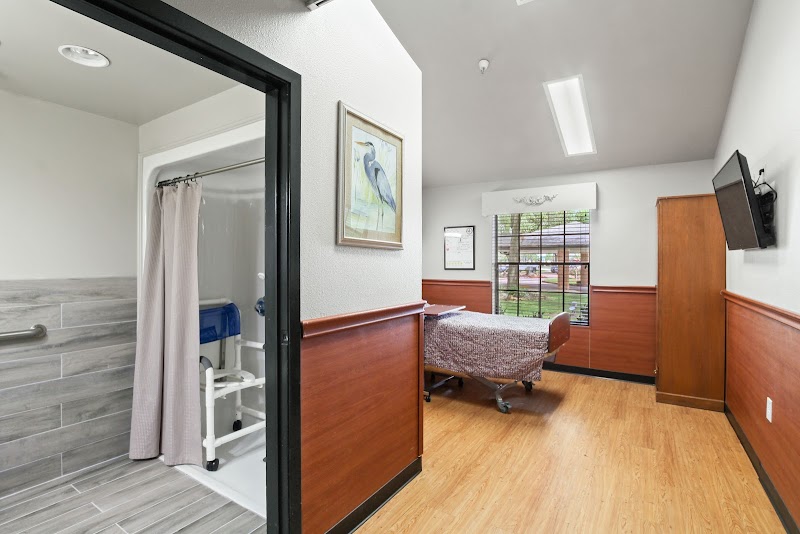
Who Owns and Operates Baywind Village Skilled Nuring & Rehab?

Baywind Village Skilled Nuring & Rehab is owned by a for-profit company. For-profit facilities operate as businesses with obligations to shareholders or private owners. The facility is operated by CHAMBERS COUNTY PUBLIC HOSPITAL DISTRICT NO. 1, a chain that manages multiple nursing homes. With 107 certified beds and approximately 100 residents (about 93% occupancy), it is a mid-sized facility located in League City, Texas.

How Does Baywind Village Skilled Nuring & Rehab Compare to Other Texas Nursing Homes?

Compared to the 100 nursing homes in Texas, Baywind Village Skilled Nuring & Rehab's overall rating (2 stars) is below the state average of 2.8, staff turnover (66%) is significantly higher than the state average of 46%, and health inspection rating (2 stars) is below the national benchmark.

What Should Families Ask When Visiting Baywind Village Skilled Nuring & Rehab?

Based on this facility's data, families visiting should ask: "What safeguards and monitoring systems are in place to protect residents from abuse or neglect?" "How do you ensure continuity of care given staff turnover, and what is your staff retention strategy?" "Can I visit during a mealtime to observe dining assistance and food quality?" "How do you handle medical emergencies, and what is your hospital transfer rate?" These questions are particularly relevant given the substantiated abuse finding on record and the facility's high staff turnover rate.

Is Baywind Village Skilled Nuring & Rehab Safe?

Based on CMS inspection data, Baywind Village Skilled Nuring & Rehab has documented safety concerns. The facility has 1 substantiated abuse finding (meaning confirmed case of resident harm by staff or other residents). The facility has a 2-star overall rating and ranks #100 of 100 nursing homes in Texas. Families considering this facility should ask detailed questions about what corrective actions have been taken since these incidents.

Do Nurses at Baywind Village Skilled Nuring & Rehab Stick Around?

Staff turnover at Baywind Village Skilled Nuring & Rehab is high. At 66%, the facility is 20 percentage points above the Texas average of 46%. Registered Nurse turnover is particularly concerning at 69%. RNs handle complex medical decisions and coordinate care — frequent RN changes can directly impact care quality. High turnover means new staff may not know residents' individual needs, medications, or preferences. It can also be disorienting for residents, especially those with dementia who rely on familiar faces. Families should ask: What is causing the turnover? What retention programs are in place? How do you ensure care continuity during staff transitions?

Was Baywind Village Skilled Nuring & Rehab Ever Fined?

Baywind Village Skilled Nuring & Rehab has been fined $8,278 across 1 penalty action. This is below the Texas average of $33,162. While any fine indicates a compliance issue, fines under $50,000 are relatively common and typically reflect isolated problems that were subsequently corrected. Families should ask what specific issues led to these fines and confirm they've been resolved.

Is Baywind Village Skilled Nuring & Rehab on Any Federal Watch List?

Baywind Village Skilled Nuring & Rehab is not on any federal watch list. The most significant is the Special Focus Facility (SFF) program, which identifies the bottom 1% of nursing homes nationally based on persistent, serious quality problems. Not being on this list means the facility has avoided the pattern of deficiencies that triggers enhanced federal oversight. This is a positive indicator, though families should still review the facility's inspection history directly.