The Heights of League City
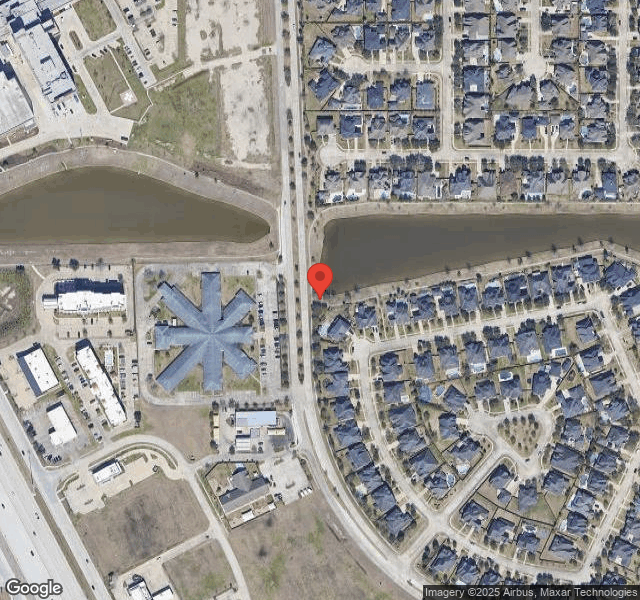
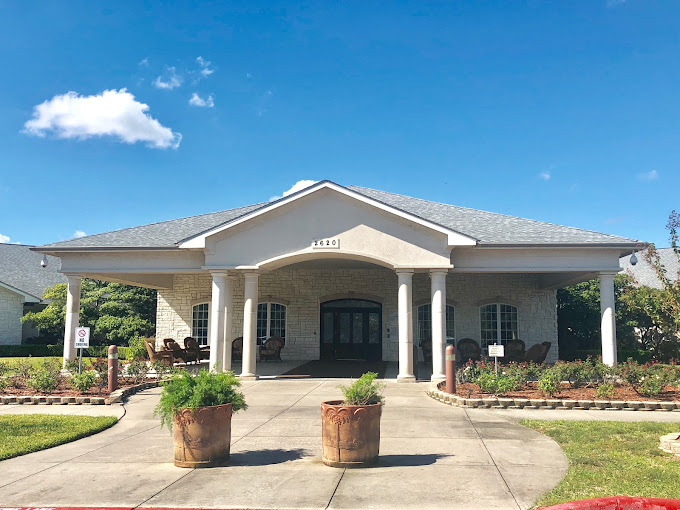
2620 W Walker, League City, TX 77573 (281) 309-5400
For profit - Corporation 194 Beds TOUCHSTONE COMMUNITIES Data: November 2025 6 Immediate Jeopardy citations
Trust Grade
0/100
#1136 of 1168 in TX
Last Inspection: August 2024

Within standard 12-15 month inspection cycle. Federal law requires annual inspections.

Overview

The Heights of League City has received a Trust Grade of F, indicating significant concerns about its operations and care quality. Ranking #1136 out of 1168 facilities in Texas places it in the bottom half, and it's the lowest-ranked in Galveston County at #12 of 12. Although the facility's trend is improving, with issues decreasing from 10 to 6, it still has alarming metrics, including a high staff turnover rate of 64%, which is above the Texas average. The facility also faces substantial fines totaling $118,971, indicating serious compliance problems. Specific incidents include failing to consult a physician when a resident showed signs of respiratory distress and not providing necessary respiratory care, which could have severe consequences for residents. While there are some positive aspects, such as average quality measures, the overall picture raises significant red flags for families considering this nursing home.
Trust Score
F
0/100
In Texas
#1136/1168
Bottom 3%
Safety Record
High Risk
Review needed
Inspections
Getting Better
10 → 6 violations
Staff Stability
⚠ Watch
64% turnover. Above average. Higher turnover means staff may not know residents' routines.
Penalties
○ Average
$118,971 in fines. Higher than 73% of Texas facilities. Some compliance issues.
Skilled Nurses
⚠ Watch
Each resident gets only 11 minutes of Registered Nurse (RN) attention daily — below average for Texas. Fewer RN minutes means fewer trained eyes watching for problems.
Violations
⚠ Watch
30 deficiencies on record. Higher than average. Multiple issues found across inspections.
★☆☆☆☆
1.0
Overall Rating
★☆☆☆☆
1.0
Staff Levels
★★★☆☆
3.0
Care Quality
★☆☆☆☆
1.0
Inspection Score
Stable
2024: 10 issues
2025: 6 issues

The Good

  • Full Sprinkler Coverage · Fire safety systems throughout facility
  • No fines on record

Facility shows strength in fire safety.

The Bad

1-Star Overall Rating

Below Texas average (2.8)

Significant quality concerns identified by CMS

Staff Turnover: 64%

18pts above Texas avg (46%)

Frequent staff changes - ask about care continuity

Federal Fines: $118,971

Well above median ($33,413)

Significant penalties indicating serious issues

Chain: TOUCHSTONE COMMUNITIES

Part of a multi-facility chain

Ask about local staffing decisions and management

Staff turnover is elevated (64%)

16 points above Texas average of 48%

The Ugly 30 deficiencies on record

6 life-threatening 1 actual harm
Jul 2025 1 deficiency 1 IJ
CRITICAL (J) 📢 Someone Reported This

A family member, employee, or ombudsman was alarmed enough to file a formal complaint

Immediate Jeopardy (IJ) - the most serious Medicare violation

Accident Prevention (Tag F0689)

Someone could have died · This affected 1 resident

**NOTE- TERMS IN BRACKETS HAVE BEEN EDITED TO PROTECT CONFIDENTIALITY** Based on observation, interview, and record review the facility failed to ensure the resident environment remained as free of ac...

Read full inspector narrative →
**NOTE- TERMS IN BRACKETS HAVE BEEN EDITED TO PROTECT CONFIDENTIALITY** Based on observation, interview, and record review the facility failed to ensure the resident environment remained as free of accident hazards as possible and that each resident received adequate supervision and assistance devices to prevent accidents for 1 out of 1 resident (CR #1) reviewed for adequate supervision. The facility failed to provide adequate supervision to residents and adequate training of the staff regarding monitoring and documenting resident whereabouts (location) to mitigate accidents such as elopement when CR#1 eloped on 01/02/2025 and was found to have laceration to nose that required 3 sutures, a closed fracture to left wrist with splint in place, and a closed fracture to nasal bone. This noncompliance was identified as Past Non-Compliant Immediate Jeopardy (PNC IJ) was identified on 07/09/2025. The noncompliance began on 01/02/2025 and ended 01/31/2025. The facility corrected the noncompliance before the investigation began. The IJ began on 07/09/2025 and ended on 07/09/2025. The facility corrected the noncompliance by providing in-servicing and hands-on training regarding elopement for facility staff prior to surveyor entrance. This deficiency failure exposed residents living in the facility to safety hazards.Findings included: Review of face sheet dated 08/04/2022 reflected CR #1 was an [AGE] year-old female who admitted to the facility on [DATE] and discharged to a secure facility on 01/08/2025. Record review of CR #1 was admitted with the following diagnosis Alzheimer disease, Major Depressive Disorder, Anxiety disorder, Psychotic disorders with delusions due to known physiological condition, Osteoarthritis, Dysphagia, Ataxic gait, Generalized anxiety disorder, Insomnia, Dementia mild with psychotic disturbance, Deficiency of specified B group vitamins, Unspecified abnormalities of Gait and Mobility, Pain. Review of CR #1's initial nursing evaluation indicated she was alert to person, displayed some cognitive and communication deficits RT DX Alzheimer Dementia. A BIMS score was conducted upon admission on [DATE]. The results were 6 out of 15 and on 11/14/2024 another BIMS score was conducted which indicated a 5 out of 15 which indicated severe cognitive impairment. CR #1 was ambulatory. Her initial wandering evaluation conducted on 08/04/2022 indicated she was not a wandering risk. Record review of closed chart for CR #1 on 12/21/2024 at 12:26 PM indicated CR# 1 had a change of condition reported Altered Mental Status suspected UTI. On 01/01/2025 indicated Urinalysis results were negative. Review of exit seeking tool on 1/2/2025 reflected it was completed indicating CR #1 was wondering and exit seeking behaviors and on 1 or more occasions attempted to exit or has exited the facility to wander away, whether intentionally or due to confusion. Record review of CR #1's nursing note dated 01/02/25 indicated during shift Resident was seen walking around nurses' station with a bag stating that she was looking for her mom. shortly after resident walked to front desk looking for her mother and was redirected back to her room x2. At 2:15PM I was notified that resident was down the street past the daycare. Another resident's family member came into the facility and ask the front desk if we had a resident by the name of CR#1, front desk agreed. witness stated that CR#1 was down the street past the daycare in the middle of the street on the ground. Front desk quickly rushed to scene with phone in had calling administrator. By the time she made it to scene EMS and ADNS was on site. She then returned to facility and notified Nurse of what had happened. Activity Director stated that while working front desk a lot of family and new hires were there and she did not see resident go out the door, after redirecting her x2. Resident was transported to ER for further evaluation. MD and RP were notified. Record review of progress notes of CR #1 dated 1/3/2025, nurse notes indicated CR #1 returned to facility via EMS on 01/02/25 at 7:21PM. RP, NP, and DON notified of return. Resident has no new orders. Resident vitals 130/79, 73, 94% O2, 18, 97.5. Resident has laceration to nose with 3 sutures, closed fracture to left wrist with splint in place, and closed fracture to nasal bone. Resident has no complaints of pain or discomfort at this time. Resident was put on 1:1 with CNA at CR #1 bedside and as CR #1 walked around facility. Record review of CR #1's nurses notes dated 1/3/2025 at 12:19AM indicated CR #1 Resident continues 1:1 service. Resident currently walking around facility with sitter. Resident states she is waiting on her mom to pick her up. Resident redirected to bed. Record review of nurse progress notes CR#1 revealed CR#1 was on 1:1 until discharge date of 01/08/2025. Interview on 07/08/2025 at 2:45PM with Activity Director who said around 1:30PM on 01/02/2025 CR #1 went out the front door like she does all the time to sit on the front porch, it was very busy that day there was new hires and trainings going on. CR #1 usually just sits in the front and then comes back into the building. That day a unidentified person came into the facility and reported that it was a lady sitting in the median that look like she was from the nursing home I went outside to check and it was CR #1 in the median and she was sitting on the ground. I came and got the charge nurse, and the administrator was called also, and the EMS was already there when we all arrived. CR #1 look like she had a cut on her forehead, and she was put into the ambulance. I know I saw CR #1 in the dining room when she had just come back from the therapy. If a resident was exit seeking and got out, they could get hurt or be lost and be in danger. Interview on 07/08/2025 at 4:30PM with the Unit manager who stated CR #1 had a history of looking for her mom. She would always have a bag with her stating she was looking for mom she would sit on the front porch all the time but would come back. Along with the receptionist and nursing staff it was our responsibility to check on all residents all the time while they are sitting outside in the front or the back of the facility. The receptionist should always call and ask if a resident was able to be outside by themselves. If a resident gets out it could be serious. Interview on 07/08/2025 at 5:30PM with previous Assistant Director of Nursing who said that day of 1/2/2025. I was working, and she was on the porch but was found at the car wash next door. When I got there the EMS was there and CR #1 was being accessed by the paramedics and was transported to the hospital for further evaluations. CR #1 had a laceration to her head, it had blood on it, and she was alert. When CR#1 came back that night, I called her FM who said she was received a call earlier. On 1/3/2025 (CR # 1) was put on a 1;1. She said the Activity Director, or the receptionist should have asked a nurse prior to letting CR #1 out of the building. It's something major if a resident that get out the building with memory issues because they can get hurt or worse. Interview on 07/08/2025 at 5:45PM with CNA A who said she saw CR #1 sitting outside around 11:30 am and tried to convince her to come inside because it was cold, and CR #1 resisted to return into the facility. CNA A said she tried to get another CNA to help to bring CR #1 to the facility, but she started to become aggressive. So, I let the front desk lady know, and I returned to the floor. Interview on 07/09/2025 at 11:30 AM with the regional nurse who stated that the facility conducted in-services on a quarterly basis prior to incident with CR #1 and after incident with CR #1 in-services were done monthly along with elopement drills which was done on 1/31/2025 with another drill planned for 7/31/2025. Elopement drills are done every 6 months per company policy. Record review of facility's Elopement policy dated Revised May 2024 revealed the Following: Review of the facilities meeting documentation reflected they completed an AD HOC QAPI on 01/03/25 which was attended by the Administrator, DON, and Medical Director. The following was discussed:1. Elopement wandering/leaving the facility training.2. Abuse/neglect training,3. Resident right rights training4. Updated the elopement book Performance improvement plan with immediate intervention which included: 1. Head count, 2. Resident returned to facility at 9:20 PM on the same day from the hospital ER3. Medical Director/RP notified.4. Head to assessment completed.5. Exit Seeking Tool was completed.6. Audit on all residents to identify residents at risk for elopement. 7. CR #1 was transferred to a secure facility.8. Elopement binder reviewed and updated.9. Residents' BIMS updated in binder. Review of Components of the PIP/QAPI dated 01/03/2025 were reviewed by the survey team. The QAPI recommendations were completed and included the following: The front door and all side/back doors are locked 24 hours a day. Residents are closely monitored that are seating in front porch area every 15 minutes by the receptionist. Facility is in the process of hiring hospitality aide to assist with the facility concierge program. Inservice was done the day of incident and every month after incident. Any residents that are at risk for elopement are evaluated upon admission and if necessary, will be placed on 1:1. Facility conducted elopement drill on 1/31/2025. Per company policy elopement drills are recurrence every 6 months. Record review of facility's elopement policy dated 01/03/2025 Record review of facility's grievance log did not reveal any concerns for potential elopement. Record review on 07/08/2025 of all elopement in-services and drills were conducted on 1/3/2025 and thereafter every 3 months. Completed with no concerns. Record review of incident and accidents did reveal resident with a potential to elope, resident was placed on 1:1 until discharged . Record review of facility's Reporting incidents and accidents in-service acknowledgement dated 05/24/2024 revealed nursing staff including RN and LVN's, MA's, and CNA's received training for how to investigate and follow up on incidents and accidents and completing incident and accident documentation. Record review of facility's Ensuring doors are locked behind staff entering and exiting facility in-service acknowledgement dated 7/31/2024 revealed nursing staff/nursing administration received education on alarms sounds and doors security. The signature page included Administration, DON, all nursing staff who was assigned for duty the afternoon of the elopement and thereafter education was provided for current and new staff. Record review of facility's Abuse and Neglect in-service acknowledgement dated 1/3/2025 revealed nursing staff received education on being expected to follow federal guidelines for ANE, prevention of ANE, reporting of ANE, and investigating allegations of ANE. The signature page included ADON, the nurse who was assigned to CR #1 on 1/31/2025 the afternoon of the elopement. On 07/09/2025 at 3:18 pm, facility administrator was notified of past noncompliance IJ. A plan of removal was not requested. An IJ template was provided to the administrator via email with signature requested. The noncompliance began on 01/02/2025 and ended on 01/31/2025. The facility corrected the noncompliance before the investigation began.
Mar 2025 1 deficiency 1 IJ
CRITICAL (J) 📢 Someone Reported This

A family member, employee, or ombudsman was alarmed enough to file a formal complaint

Immediate Jeopardy (IJ) - the most serious Medicare violation

Deficiency F0678 (Tag F0678)

Someone could have died · This affected 1 resident

**NOTE- TERMS IN BRACKETS HAVE BEEN EDITED TO PROTECT CONFIDENTIALITY** Based on observations, interviews, and record review, the facility failed to ensure personnel provided basic life support, inclu...

Read full inspector narrative →
**NOTE- TERMS IN BRACKETS HAVE BEEN EDITED TO PROTECT CONFIDENTIALITY** Based on observations, interviews, and record review, the facility failed to ensure personnel provided basic life support, including CPR, to a resident requiring such emergency care prior to the arrival of emergency medical personnel for 1 of 77 residents (CR #1) reviewed for CPR. LVN A failed to call out a change in condition and obtain assistance from available staff when CR #1 was found unresponsive. This led to a delay of approximately 3 minutes before CPR was started on CR #1 on [DATE]. LVN B failed to enter CR #1's DNR code status at the time of admission which resulted in LVN A making multiple phone calls to determine code status prior to initiating CPR. An IJ was identified on [DATE]. The IJ template was provided to the facility on [DATE] at 12:16 p.m. While the IJ was removed on [DATE], the facility remained out of compliance at a scope of isolated with the severity level of potential harm that was not immediate jeopardy because all staff had not been trained on [DATE]. These failures placed residents at risk of experiencing worsening of condition, extended pain, and death from possible delays in the initiation of an emergency response and improper implementation of CPR. Findings included: Record review of CR #1's face sheet dated [DATE] revealed she was an [AGE] year-old female who was admitted to the facility originally on [DATE] and readmitted on [DATE] at 2:00 p.m. CR #1's diagnoses included Urinary tract infection, severe obesity, hypertension (high blood pressure), and diabetes (high blood sugar levels). Record review of CR #1's Entry MDS dated [DATE] was not completed and did not reveal a BIMS. Attempted record review of CR #1's care plan revealed it was not completed on [DATE]. Record review of CR #1's DNR code status reflected Resident #1 had a DNR dated [DATE]. Record review of progress notes dated [DATE] by LVN A revealed the following in part: Note Text: 3.00am: [CR #1] found unresponsive during rounds, no breath sounds or respirations, skin slightly warm to touch. Resident re admitted yesterday, no new code status entered in the system and no DNR in the folder noted. Progress notes states that resident was admitted under [Hospice]. Called [Hospice] and spoke to the [Hospice Nurse], notified her of change of condition and enquired on code status. They stated that resident was pending on their side, and they had no code status. Attempted to call [RP A] but call went to voicemail. Called the [ADMIN] and call went to voicemail. CPR started and 911 called. EMTs arrived to find CPR in progress, continued CPR and this nurse attempted to call [RP B] and he picked up, spoke to EMT who stated [RP B] requested to stop CPR and that they had signed a DNR at [Hospital]. CPR ceased and resident pronounced at 3.34am. 4.18am: [Hospice] nurse in the facility residents time of death is 3:34 a.m. Record review of advance directives for the facility census of 123 residents revealed there was 77 Full Code residents and 50 DNR residents. Interview on [DATE] at 2:41 p.m., the ADMIN and Reg. RN said the facility did not have a CPR policy. Reg. RN said the facility had a change in condition policy. Interview on [DATE] at 3:40 p.m., DON said she was notified on [DATE] (early morning hours) by voicemail that CR #1 had a change in condition and 911 was called. The DON said the facility did not have a CPR policy but had a CPR process. She said they did not have a documented policy of the CPR process. She said the CPR process should have been a team effort. The DON said she was told CNA A found CR #1 and notified LVN A. She said she later was informed LVN A left CR #1 after an initial pulse check, which CR #1 did not have a pulse, went to the nurses' station to check the code status. She said because LVN B had not put in CR #1's code status at admission ([DATE]), LVN A had to two separate locations, in the electronic record and a code status binder located at the nurses' station, before the attempted code status verification. Interview on [DATE] at 3:55 p.m., LVN B said she did not put in the code status for CR #1 at admission. She said when LVN A looked for the code status, it was not in the electronic health record or binder for hall 200. She said she was not working when CR #1 was found unresponsive. She said when the code status was unknown, the nurse should verify the code status and start CPR. She said she would leave the resident to check the code status and then tell the team (facility staff) to assist with calling 911 and assist with getting the crash cart. She said she was not trained by the facility staff on how to respond to an unresponsive resident but used her nursing school knowledge. She said she was not sure if there a risk to the resident if staff left an unresponsive resident to check the code status, rather than yell out, alerted staff for help with calling 911, getting the crash cart, and other staff verify the code status. Interview on [DATE] at 4:30 p.m., with LVN A said she was notified by CNA A, CR #1 was unresponsive. LVN A said she went to CR #1's room, attempted to arouse her and checked her pulse. She said CR #1 did not have a pulse. LVN A said she left CR #1 and went to the nurse's station to check CR #1's code status in the electronic health record. She said she told LVN C and LVN D that CR #1 did not have pulse. She said both, LVN A and LVN D looked in the binder and said there was not an advance directive for CR #1 and she should be treated as full code. LVN A said LVN D got the crash cart on the way to CR #1's room along with LVN C. LVN A said she stayed at the nurses' station and called hospice and the hospice representative said the code status was pending. LVN A said called the CR #1's RP and the ADMIN and the calls went to voicemail. LVN A called 911. LVN A said she after she left CR #1's room, looked for the code status, told LVN C and LVN D, and made the phone calls took approximately three minutes. She said she saw LVN C and LVN D perform CPR and EMS arrived in approximately 5-7 minutes after she called. She said EMS took over CPR. She said while EMS performed CPR for approximately 15 minutes, CR #1's RP was contacted and advised EMS to discontinue CPR because an out of hospital DNR was signed LVN A said she was not trained by the facility on how to respond to an unresponsive resident when CPR or 911 had to be called. LVN A said she responded as a prudent [acting with or showing care and thought for the future] nurse would do. She said she did not think there was a risk to CR #1 with her response to leave CR #1 and check for the code status herself. She said as a licensed nurse, she had to verify the CR #1's code status. She said she did not consider calling out for assistance. Interview on [DATE] at 4:49 p.m., with LVN C said he was near the nurses' station. LVN C said he saw LVN A at the nurses' station and she said CR #1 did not have a pulse. He said LVN A checked the electronic health record for CR #1's code status. He said LVN A did not find once in the electronic record and then looked in code status binder and there was not one. He said LVN A called multiple people to verify CR #1's code status unsuccessfully. He said LVN D and CNA (agency unknown) got the crash cart and went to CR #1's room. He said after LVN A found a code status for CR #1 from her February 2025 admission, which stated CR #1 was a full code. He said he went to CR #1's room. He said CNA (agency unknown) was holding the ambu bag (medical device that forces air into the lungs) and LVN D was in the process of connecting the oxygen. He said he started chest compressions. He said he was not able to recall how long he provided CPR before EMS arrived and they took over. He said he left out of the room immediately after EMS took over. He said he remembered LVN A was in the room with EMS. He said the CNA (agency unknown) and LVN D left out of the room after him too. He said the facility had not trained him on a code or protocol to follow when a resident was found unresponsive. He said he used his nurse knowledge on how to respond. He said there could have been a delay in responding to the resident when the code status was being verified in various ways before the CPR process was started. Interview on [DATE] at 1:36 p.m. with RN A said she was the weekend supervisor and duties included reviewing admissions and ensured they were accurate. She said the admissions process protocol was a checklist that included verification of code status. She said the facility had not trained her on the process after a resident was found unresponsive. Interview on [DATE] at 6:23 p.m. with CNA A said she went into CR #1's room, observed her and attempted to find a pulse. She said she left the room at a fast pace and notified LVN A that CR #1 was unresponsive. CNA A (agency staff) said LVN A went to CR #1's room and came back to the nurses' station to check CR #1's code status. She said when LVN A returned to the station she told another nurse (name unknown to CNA A) about CR #1. CNA A said both of the nurses looked through papers and tried to find the code status for CR #1. She said there was a male nurse at the nurses' station (name unknown to CNA A). She said LVN A told her to go and clean CR #1's face with CNA B. She said she went back to the room. She said LVN C and LVN D came into the room. She said she could not remember how long it was. She said CNA B assisted with the ambu bag. She said the male nurse (LVN C) did chest compressions and LVN D connected the oxygen. She said she did not assist. She said she had not been trained by the facility on how to assist with an unresponsive resident who needed CPR. Interview on [DATE] at 7:31 p.m. with LVN D said she was at the nurse's station and LVN A told her CR #1 was not breathing. LVN D said she flipped through the code status binder and did not see anything for [CR #1]. She said LVN A checked the electronic health record for CR #1 and did not see a code status for the resident. LVN D said she and LVN C went to the room where there was two cnas (CNA A and CNA B). LVN D said LVN C came to the room and assisted with chest compressions. LVN D said she connected the oxygen to the ambu bag that was help by CNA B. She said the event occurred at approximately between 3:00 a.m. and 3:30 a.m. She said she had been trained to check the code status books. She said there was one binder for each hall. She said the new company took over the facility and she had not been trained on a code or the protocol when a resident was found unresponsive. She said everything happened fast and she did not think there was a risk to the resident. Interview on [DATE]at 8:34 a.m. with CNA B said she saw LVN D get the crash cart and she followed her into CR #1's room. She said LVN C came in and assisted with chest compressions. She said she held the ambu bag. She said she was not able to recall how long CPR was performed. She said left after CNA A took over the ambu bag and she went back to her assigned hall. She said she was not trained on the CPR protocol. Record review of American Heart Association dated [DATE] (https://cpr.heart.org/en/resources/what-is-cpr) revealed the following in part: Check for responsiveness. Shout for nearby help Activate emergency response (via mobile device - if appropriate) Get AED and emergency equipment (send someone to do so) . Record review of the facility policy for Changes in Resident Condition (date implemented 5/2017 and revised 1/2023) revealed the policy did not address what steps the facility staff should take when a resident is found unresponsive. Record review of the facility policy for Advanced Directive (date implemented 2/2017 and revised 1/2023) revealed in part the following: .The medical record and resident plan of care should reflect the resident's wishes as well as the physician orders in order to meet the directives described . it is the community's responsibility. to ensure that it has current copies of all advance directives. Record review of facility in-service for Admissions/Re-Admissions dated [DATE] revealed the following in part: .Full-Code will be applied to all resident without a completed and signed OOH DNR . An IJ was identified on [DATE]. The IJ template was provided to the ADMIN on [DATE] at 12:16 p.m. The following Plan of Removal submitted by the facility was accepted on [DATE] at 7:32 a.m.: Allegation: The facility failed to ensure that a resident received CPR in accordance with professional standards of practice. F678 CPR IJ Plan of Removal for F678 [DATE] [Facility Name]o f Removal F678 Cardiopulmonary Resuscitation Immediate Response: Corporate nurse educated the Administrator/Director of Nursing/Assistant Director of Nursing/Social Worker on the expected practice of confirming all new admissions have advance directives elections indicated within the medical record. o 1. All residents should have a code status election physician's order in place upon admission. o 2. Any resident who has an advance directive election change should have the election documented and a physician's order should be obtained at the time the election has been voiced. DNR elections will be honored upon the resident/representative having voiced the advanced directive care election and if DNR the OOH-DNR form will be initiated and completed timely, then uploaded into the electronic health record. o 3. Licensed Nurses both on-coming, and off-going nurses will review/audit the code status designation for any new admission, re-admission and new order or changes to code status during the 24-hour report. Any identified discrepancies or absence of code status will be reported to the attending MD, DNS and/or ADMIN. Should there not be an election of advanced directives or code status, will result in the individual being full code until otherwise directed. o 4.The Administrator/Director of Nursing/Assistant Director of Nursing/Social Worker will conduct an initial review of the admission/readmission orders to validate that the advanced directive election for code status is in place. This audit will take place the next business day during the morning meeting and the RN Supervisor on duty will conduct the audit on the weekends. In the absence of the RN Supervisor on duty, the Director of Nursing or Assistant Director of Nursing will be responsible for conducting the audit to validate code status election orders are in place. Any discrepancies will be immediately clarified with the resident, authorized representative and the appropriate order will be obtained by the attending physician. Date completed: [DATE] Corporate nurse educated the Administrator/Director of Nursing/Assistant Director of Nursing on response times when performing immediate assessments/interventions for residents with changes in condition. Anytime a resident experiences a change in condition and it appears the heart has stopped, pulseless or not breathing, with a Full Code Order or No code status, you must immediately initiate the CPR process, until the code status is validated. The other present licensed nurses in the community must assist with the change in condition by immediately verifying code status, calling 911, notifying MD and RP. As well as assisting with the required paperwork for a hospital transfer. Date completed: [DATE] The Administrator/Director of Nursing/Assistant Director of Nursing conduct re-education with the identified nurses as well as all other licensed nurses regarding the expected practice of confirming all new admissions, re-admissions have advance directives elections indicated within the medical record. o 1. All residents should have a code status election physician's order in place upon admission or re-admission. All licensed nurses will receive the education regarding the process of reconciling physician orders into the electronic health record accurately and timely to include but not limited to code status upon admission, re-admission and any changes in code status election/advanced directives. No nurse will be allowed to work until the in-service training has been completed. o 2. Any resident who has an advance directive election change should have the election documented and a physician's order should be obtained at the time the election has been voiced. o DNR elections will be honored upon the resident/representative having voiced the advanced directive care election and if DNR the OOH-DNR form will be initiated and completed with physician's signatures timely (next business day, not to exceed 3 business days), then uploaded into the electronic health record. o Nurses are expected to validate the code status election within the electronic health record orders to determine code status ordered, upon identifying that a resident presents with altered signs of life, i.e. absence of detectable vital signs, no s/s of life. Nurse should immediately validate code status order in order to confirm advance directive/code status election prior to initiating CPR. After code status has been swiftly confirmed, the nurse should adhere to the code status election (Full Code = swiftly initiating CPR accordingly or DNR-do not resuscitate the nurse would swift proceed with notifications of no s/s of life to the physician and representative. If full code: The available licensed nurses within the community should assist with the code status response by swiftly verifying the code status order, implementing CPR according to the physician's order, calling 911, and notification to MD and RP, as well as assisting with the required paperwork for a hospital transfer. If you find a resident is found unresponsive, the nurse must yell for help, and then proceed to validate the code status, if the cart with the computer is at the door of the room. In the event the cart is not at the door of the room, the charge nurse must also yell for a team member to bring the computer, the crash cart, and the AED machine. Nurses are expected to immediately review the code status orders within the electronic health record in order to identify the resident's code status. This should be immediately with the closest nurse's station computer or closest laptop available. The nurse should respond with urgency, immediately confirming code status and implementing resuscitative measures accordingly. o Nurses are expected to document findings, interventions/response and notifications within the medical record. o Nurses are expected to notify the Administrator and/or Director of Nurses for all emergent events, deaths within the facility, significant changes in condition and any concerns regarding CPR emergent response as well as any resident without an identified code status election order. Date Completed: [DATE] The Administrator/Director of Nursing/Assistant Director of Nursing conduct re-education with the identified nurses initially then re-education is provided to all licensed nurses regarding on response times when performing immediate assessments/interventions for residents with changes in condition. Anytime a resident experiences a change in condition and it appears the heart has stopped, pulseless or not breathing, with a Full Code Order or No code status, you must immediately initiate CPR until the code status is validated. The other present licensed nurses in the community must assist with the change in condition by immediately verifying code status, calling 911, notifying MD and RP. As well as assisting with the required paperwork for a hospital transfer. Date completed: [DATE] Director of Nursing/Assistant Director of Nursing conducted an audit to validate all orders have been entered into [facility electronic record system] accurately and timely from [DATE]-[DATE]. Outcome: 1 of 123 residents did not have designated advanced directive/code status orders in place. Issue was resolved, physician provided orders as per resident/representative's code status election. Date completed: [DATE] The Administrator/Director of Nursing/Assistant Director of Nursing out of an abundance of caution, provided re-education to all team members on Abuse /Neglect and Residents Rights. Date completed:[DATE] Going forward the identified trainings above will also be conducted with new hires accordingly. Community will ensure all staff on leave/agency/PRN staff are in serviced prior to working their shift. Community will ensure administrative nursing staff in the community to provide in-service/education prior team members working their assigned shift. These trainings will also be conducted with new hires. Risk: All residents who currently admit or re-admit to the community have the potential to be affected by this practice. Community will ensure all staff on leave/agency/PRN staff are in serviced prior to working their shift. Community will ensure administrative nursing staff in the community to provide in-service/education prior team members working their assigned shift. These trainings will also be conducted with new hires. Systemic Response: Director of Nursing/Assistant Director of Nursing conducted 100% re-education was extended to all nurses regarding the expected practice of confirming all new admissions have advance directives elections indicated within the medical record. The Administrator/Director of Nursing/Assistant Director of Nursing conduct re-education with the identified nurses as well as all other licensed nurses regarding the expected practice of confirming all new admissions, re-admissions have advance directives elections indicated within the medical record. o All residents should have a code status election physician's order in place upon admission or re-admission. All licensed nurses educated regarding the process of reconciling physician orders into the electronic health record accurately and timely to include but not limited to code status upon admission, re-admission and any changes in code status election/advanced directives. o Any resident who has an advance directive election change should have the election documented and a physician's order should be obtained at the time the election has been voiced. o DNR elections will be honored upon the resident/representative having voiced the advanced directive care election and if DNR the OOH-DNR form will be initiated and completed with physician's signatures timely (next business day, not to exceed 3 business days), then uploaded into the electronic health record. o Code Status Response: Upon a resident being identified with an acute change of condition; thus, presenting with no signs of life, the absence of vital signs the nurse will: Nurses are expected to validate the code status election prior to initiating CPR by revieing the code status order within the electronic health record. The nurse should immediately alert staff for assistance and all available nursing staff should immediately respond to that location. The nurse will alert staff by utilizing the call light system, phone and /or verbally calling for emergency response assistance to that location. Upon identifying the code status election via the physician's order, the nurse should then proceed with initiating CPR. If the person is designated as Full Code as per the code status order. The available nurses within the community should assist with the code status response by swiftly verifying the code status order, implementing CPR according to the physician's order, calling 911, and/or conducting proper notification to MD and RP, as well as assisting with the required paperwork for a hospital transfer. Should the resident be designated as DNR-do not resuscitate per physician's order and as per the resident's/representative's wishes, the nurse/nurses would proceed with conducting the proper notifications of no s/s of life to the physician and representative. In the event there is no identified code status / advanced directives CPR should be initiated. Resuscitative measures should then only be ceased upon the resident's representative's instruction to stop CPR, confirm the person wished to be DNR and as instructed by physician and/or EMS-medical response team. Director of Nurses/Assistant Director of Nurses will conduct training for licensed nurses, aids and medication aids regarding the process for confirming and implementing CPR. Nursing team members will not work until in-service training has been received. Mock Code Drills: Director of Nurses/Assistant Director of Nurses will conduct monthly mock code response of both full code and DNR on various shifts. The DNS/ADNS will determine competency by evaluating the mock emergency drill. Mock code conducted on [DATE]. It was done correctly. All team members followed the Code Status Process with the Mock Code. Will conduct another mock code on [DATE] the day shift. This will be ongoing and monthly. Date to be completed: [DATE]. o Nurses are expected to document findings, interventions/response and notifications within the medical record. o Licensed Nurses both on-coming, and off-going nurses will review/audit the code status designation for any new admission, re-admission and new order or changes to code status during the 24-hour report. Any identified discrepancies or absence of code status will be reported to the attending MD, DNS and/or ADMIN. Should there not be an election of advanced directives or code status, will result in the individual being full code until otherwise directed. o Nurses are expected to notify the Administrator and/or Director of Nurses for all emergent events, deaths within the facility, significant changes in condition and any concerns regarding CPR emergent response as well as any resident without an identified code status election order. o All Staff: Any staff member should immediately respond to a code status response with the Crash Cart along with the AED to the bedside of identified resident accordingly. Date Completed: [DATE] The Administrator/Director of Nursing/Assistant Director of Nursing out of an abundance of caution, provided re-education to all team members on Abuse /Neglect and Residents Rights. Date completed:[DATE] Going forward the identified trainings above will also be conducted with new hires accordingly. Community will ensure all staff on leave/agency/PRN staff are in serviced prior to working their shift. Community will ensure administrative nursing staff in the community to provide in-service/education prior team members working their assigned shift. These trainings will also be conducted with new hires. Going forward the identified trainings above will also be conducted with new hires accordingly. Monitoring: The Administrator/Director of Nursing/Assistant Director of Nursing/Social Worker will make weekly random audits validating the electronic health record for accurate code status orders as well as appropriate OOH-DNR form within the medical record. This audit will be conducted 1-7 days a week for the next 2 months. The findings will be reviewed and reported to the QAPI committee, to validate compliance or to identify additional training needs. The Director of nurses/Assistant Director of Nurses will conduct weekly skills validations of order entry as well as interview nurses to review the expected practice of validating code status upon admission, validating code status order entry as well as expected process for an emergent response when a significant change in condition (absence of signs of life, no detectable vital signs) has been identified, as well as general interviews with all staff regarding expected response of responding with the crash cart to the designated room accordingly. This expected validation observations and interviews will take place 1-7 days a week for the next 2 months. Mock Code Drills: Director of Nurses/Assistant Director of Nurses will conduct monthly mock code response of both full code and DNR on various shifts at least once a month for the next 2 months. Director of Nurses/Assistant Director of Nurses will review all admission/re-admission orders daily in the clinical meeting to validate orders are transcribed as per required code status admission orders and will review all orders daily in the clinical meeting to validate compliance of code status election has the appropriate code status election physician's order in place. This expected validation observations and interviews will take place 1-7 days a week for the next 2 months. HR/Director of Nurses will conduct CPR certification audit at least once a month for the next 2 months. This corrective action plan will remain in place for the next 2 months to ensure compliance or to identify any further training needs. Findings of those observations will be reported to the QAPI committee during monthly meeting for the next 2 months to establish compliance or identify additional trainings and oversight is required. All audits will be placed in a binder and kept for review by HHSC for the revisit to validate to compliance. The Administrator/Director of Nursing and Medical Director conducted a Ad Hoc QAPI meeting to review this situation, and the immediate corrective action plan implemented. Date of ADHOC : Monitoring of the plan of removal included the following: Record review of In-Service for Administrative Nurses on Advance Directives dated [DATE] revealed DON, ADON A, ADON B, MDS A, MDS B, MDS C, were provided education by Reg. RN regarding Advance Directives and CPR process. Record review of In-Service for Administrative Nurses on "[TRUNCATED]
Jan 2025 4 deficiencies 3 IJ (2 affecting multiple)
CRITICAL (J) 📢 Someone Reported This

A family member, employee, or ombudsman was alarmed enough to file a formal complaint

Immediate Jeopardy (IJ) - the most serious Medicare violation

Accident Prevention (Tag F0689)

Someone could have died · This affected 1 resident

**NOTE- TERMS IN BRACKETS HAVE BEEN EDITED TO PROTECT CONFIDENTIALITY** Based on observations, interviews, and record review the facility failed to ensure each resident received adequate supervision a...

Read full inspector narrative →
**NOTE- TERMS IN BRACKETS HAVE BEEN EDITED TO PROTECT CONFIDENTIALITY** Based on observations, interviews, and record review the facility failed to ensure each resident received adequate supervision and assistance devices to prevent accidents for one (CR #1) of four residents reviewed for accidents, hazards, and supervision. -The facility failed to ensure CNA C followed CR#1's care plan when transferring CR#1 who required two staff for transfers. CR#1 slide out of shower chair onto the floor and became unresponsive and later died. -The facility failed to ensure CNA C followed CR#1's care plan when during ambulation. CR#1 ambulated with a walker instead of wheelchair as care planned. CR#1 slide out of shower chair onto the floor and became unresponsive and later died. These failures can place residents at risk of injury due to not being supervised properly. An IJ was identified on [DATE]. The IJ template was provided to the facility Administrator on [DATE] at 7:11 p.m. While the facility Administrator was informed that the IJ was removed on [DATE] at 2:58 PM, the facility remained out of compliance at a severity of no actual harm with potential for more than minimal harm that is not an immediate jeopardy and a scope of isolated because all staff trained on how to pull up resident's care information from the [NAME], notifying the nurse regarding resident care and change in condition. Findings included: Record review of CR #1's face sheet dated [DATE]revealed a [AGE] year-old male was admitted to the facility on [DATE]. CR #1 had diagnoses included: heart failure (heart cannot pulp enough blood and oxygen to the body's organ), morbid obesity (body mass index greater than 35 combined with other health issues), diabetes mellites (body does not manage blood sugar properly), and atrial fibrillation (irregular heartbeat). Record review of CR #1's admission MDS assessment dated [DATE] revealed CR #1 had BIMS score of 15 out of 15 which indicated intact cognition. Further review revealed CR #1 needed moderate assistance with mobility. Record review of Resident #1's care plan dated [DATE] revealed CR#1 revealed resident had a self-care deficit. Interventions: mobility: I use a wheelchair, transfer: gait belt X2 team member CR#1 resident was at risk for shortness of breath. Intervention: alert my nurse for concentrator and/oxygen tank needs to be changed, provide oxygen as ordered by physician. During a telephone interview on [DATE] at 4:15 p.m., LVN T said CNA C called her to the shower room, he saw CR #1 was lying on his back, and CR #1 told him to call the fire department to come and pick him up off the floor. LVN T said he told CNA C to call LVN M, and he went across the hall and brought CR #1's concentrator into the shower room and applied the oxygen to CR #1. LVN T said CR #1 was unresponsive, and his lips and fingertips were blue. LVN T said he could get CR #1's pulse at first, and it was 92, and then there was no pulse. LVN T said all the nurses came and started CPR before the paramedics arrived, and when the paramedic came, they took over but CR #1 expired. During an interview on [DATE] at 4:37 p.m., CNA C said the day CR #1 fell in the shower room was her first time working with him. CNA C said she did not know how CR#1 ambulated or transferred, and she asked CR #1, and he said he walked with a walker. CNA C said CR #1 got up from the bed, took off his oxygen, and walked with his walker to the shower room from his room. CNA C said when CR#1 walked past the door, from the hallway to the shower room to the door in the shower room before the shower stall. CR #1 asked her to turn the shower chair to face him, while she went to turn the shower chair, CR #1 started to slide down and fell before, she could get to him. CNA C said CR #1 fell on his bottom, but he did not hit his head on floor. CNA C said she told CR #1 not to move because she was going to call LVN T. CNA C said she went and called LVN T, and both came back to the bathroom, and CR #1 was still sitting on his buttocks. Then, CNA C said that when she came back with LVN T, CR #1 asked LVN T to go and get his oxygen because he was short of breath. Then LVN T told her to call LVN M. CNA C said some minutes later, CR #1 became unresponsive. CNA C said she would not have ambulated CR #1 with a walker if she knew he was supposed to ambulate with a wheelchair or tried to transfer him by herself to the shower chair if she knew CR #1 was supposed to be transferred by two staff and a gait belt. CNA C said CR #1 would not have fallen if two staff had assisted with the transfer. CNA C said she did not know where to check for how many staff needed to provide care for CR #1. CNA C did not respond when asked about the [NAME] or asking a nurse about care needs for CR#1 During a telephone interview on 01//02/25 at 9:21 a.m., LVN M said CNA C told him to go to the shower room, and when he got to the shower room, CR #1 was lying on his back on the floor, and he was still alive. LVN T went to the CR#1's room, brought the oxygen concentrator to the shower room, and applied the oxygen to CR #1, but CR #1 became unresponsive. LVN M said he called EMS, and a CODE was called. LVN M said other nurses came with a crash cart, and CPR was started. EMS came and took over CPR, but CR #1 expired. LVN M said CNA C should talk to the nurse or look through the [NAME] to find out how CR #1 should be transferred or ambulate. If it was recommended for two staff, then two staff should have transferred CR #1, and maybe CR #1 would not have fallen. CR #1 said the nurse monitored the aides when the nurse made rounds, and the ADON monitored the nurses during random rounds. During an interview on [DATE] at 9:58 a.m., the OT said CR#1 could walk to the restroom and shower room, but he would need his oxygen. The OT said CR#1 kept his oxygen on with any activity, but he could take it off for a little while during the shower. The OT said CR #1 was a fall risk and should ambulate with a wheelchair and be assisted by staff when he ambulates with a walker. The OT said she did not tell the nursing staff to make any changes to CR #1's care plan. During an interview on [DATE] at 10:57 a.m., the ADON said CR #1 should be transferred by two staff and a gait belt because he weighed 554 LB. The ADON said CR #1 could have fallen and been injured if one staff member had transferred the resident. ADON said, one of the nurses called a code blue after the resident fell in the shower room and became unresponsive, but the staff and EMS could not revive CR #1, and he expired. The ADON and the therapist (OT), were responsible for telling the aides how many staff members were needed for transfer. The ADON said the charge nurse monitors the aides and staffing coordinator, and everybody monitors nurses because nursing was a revolving door. The ADON said CNA C should check the [NAME](a system nurses use to access resident care information) to see how CR #1 should be transferred if she had not previously worked with CR #1 or ask the nurse how to care for CR #1. During an interview on [DATE] at 1:31 p.m., the MDS nurse said any change in CR #1's condition would be changed in the care plan and during the quarterly assessment. The MDS nurse said the floor nurse and the DON initiated the care plan for CR#1 upon admission, and when there was a change, she would change the care plan. The MDS nurse said she had not changed CR #1's care plan. The MDS nurse said the therapist (OT), or nursing had not notified her that there were any changes in mobility and transfer for CR#1. The MDS nurse said if CNA C assisted CR #1 from walking to a shower chair, then it was an assisted transfer, and if CR #1 was supposed to be assisted by two staff, then two staff should have assisted. MDS nurse said if CR #1 was not transferred according to the plan of care, the resident could fall and sustain an injury or die. During an interview on [DATE] at 2:47 p.m., LVN T said CNA C could find out what type of care and how many staff were needed to provide care to CR #1 in the POC. LVN T said if CR #1 required two persons' assistance and CNA C transferred CR #1, then the resident could fall, which happened to CR #1. LVN T said the nurses monitored the aides, and the ADON and the DON monitored the nurses during random rounds. LVN T said he had an in-service on admission, transfer, oxygen, and supervision. During an interview on [DATE] at 3:09 p.m., the Administrator said if CR #1 was a two-person transfer, and if CNA C transferred CR #1 by herself, then CR #1 could fall and hurt himself. The Administrator said the nurse monitored the aides during rounds, and the ADON and the DON monitored the nurses during random rounds. During a telephone interview on [DATE] at4:37 p.m., the Physician said he gave intermitter oxygen order and he could not remember how many liters of oxygen he gave, but the nurse could titrate the liter for CR #1 to be comfortable. He said the resident used oxygen intermittently said CR #1 refused to use oxygen sometimes and he had experienced hypoxia and he was still comfortable. The physician said normal order for oxygen was between 2 to 3 liters. The Physician said the nursing or therapy did not communicate to him that CR #1 still has shortness of breath during activities even with oxygen. Record review of the facility accident prevention dated February 2017, Revised [DATE] read in part . adequate supervision and assistance devices to prevent accident .assessment and care plans are used to develop and implement procedures to prevent accidents . The Administrator was informed the following Plan of Removal was accepted on [DATE] at 12:30 PM, PLAN OF REMOVAL: Abatement Plan [DATE] at 7:11pm Immediate Response: o The identified resident expired on [DATE]. o Director of Nursing Services/Assistant Director of Nursing Services identified all residents in the community (12) on continuous oxygen and verified accurate orders were in the electronic health record. All residents with supplemental oxygen (7) have orders in place in the electronic health record. There were no other residents identified in the community who require continuous/supplemental oxygen. Date completed: [DATE]. o Director of Nursing Services/Assistant Director of Nursing Services provided immediate education to all licensed nurses for the process of reconciliation of physician orders from the discharging facility. The charge nurse will then notify the md/np of the admission and review the hospital discharge orders. After this is completed with the md/np, the charge nurse will then enter orders into the electronic health record in PCC for the resident. The Director of Nursing Services/Assistant Director of Nursing will supervise this process and monitor 1-7 days a week for the next 2 months. Date completed:[DATE]. o Director of Nursing Services/Assistant Director of Nursing services will conduct skills validations for all licensed nurses to validate competency for inputting physician orders. Date completed: [DATE]. o Rehabilitation Director will be present in the morning meeting. Director of Nursing Services/Assistant Director of Nursing Services will review all residents who are on oxygen. In addition, the Audit Listing Report for residents on oxygen will we be printed, and a copy given to therapy. This process will be monitored 1-7 days a week for the next 2 months by the Director of Nursing Services/Assistant Director of Nursing Services. Date of completed: [DATE]. o Director of Nursing/Assistant Director of Nursing will provide 100% education to all team members in therapy on notification of changes on condition to the Charge nurse/Assistant Director of Nursing/Director of Nursing. This process will be monitored 1-7 days a week for the next 2 months by the Director of Nursing Services/Assistant Director of Nursing Services. Date of completed: [DATE]. o Director of Nursing/Assistant Director of Nursing will provide education to all direct care staff on notification of changes in condition to report to the charge nurse/Assistant Director of Nursing/Director of Nursing Services. This process will be monitored 1-7 days a week for the next 2 months by the Director of Nursing Services/Assistant Director of Nursing Services. Date of completion: [DATE] o Director of Nursing/Assistant Director provided 100% education to all licensed nurses in regard to resident's changes in condition (shortness of breath, low oxygen saturations and all changes in condition). The nurse will immediately assess the resident and document in the electronic health record, notify the physician and responsible party. The charge nurse will proceed with any new orders from the physician. Date of completion: [DATE] o Director of Nursing/Assistant Director provided 100% education to all direct care team members on use and access of the [NAME] to be informed of the residents needs with activities of daily living prior to providing care of the resident. Date of completion: [DATE] o Director of Clinical Operations provided education to the Director of Nursing Services and Assistant Director of Nursing Services on process and expectation of reconciliation of physician orders from the discharging facility. The charge nurse will then notify the md/np of the admission and review the hospital discharge orders. After this is completed with the md/np, the charge nurse will then enter orders into the electronic health record in PCC for the resident. Director of Nursing Services/Assistant Director of Nursing Services will conduct chart audits the next day of all admissions/readmissions to validate accurate orders were entered into the Electronic Health Record using the hospital discharge summary in collaboration with the admitting physician in the community. The RN supervisor will monitor this process on weekends, holidays, and when the Director of Nursing Services or Assistant Director of Nursing Services is not present in the community. Date completed: [DATE]. Community will ensure all staff on leave/agency/PRN staff are in serviced prior to working their shift. Community will ensure administrative nursing staff in the community to provide in-service/education prior team members working their assigned shift. The community will ensure all residents who require respiratory care are provided such care. Risk Response: All new admissions/readmissions have the potential to be affected by the deficient practice. Systemic Response: o Director of Nursing Services/Assistant Director of Nursing Services identified all residents in the community (12) on continuous oxygen and verified accurate orders were in the electronic health record. All residents with supplemental oxygen (7) have orders in place in the electronic health record. There were no other residents identified in the community who require continuous/supplemental oxygen. Date completed: [DATE]. o Director of Nursing Services/Assistant Director of Nursing Services provided immediate education to all licensed nurses for the process of reconciliation of physician orders from the discharging facility. The charge nurse will then notify the md/np of the admission and review the hospital discharge orders. After this is completed with the md/np, the charge nurse will then enter orders into the electronic health record in PCC for the resident. Date completed:[DATE]. o Director of Nursing Services/Assistant Director of Nursing services will conduct skills validations for all licensed nurses to validate competency for inputting physician orders. Date completed:[DATE]. o Rehabilitation Director will be present in the morning meeting. Director of Nursing Services/Assistant Director of Nursing Services will review all residents who are on oxygen. In addition, the Audit Listing Report for residents on oxygen will we be printed, and a copy given to therapy. This process will be monitored 1-7 days a week for the next 2 months by the Director of Nursing Services/Assistant Director of Nursing Services. Date of completed: [DATE]. o Director of Nursing/Assistant Director of Nursing will provide 100% education to all team members in therapy on notification of changes on condition to the Charge nurse/Assistant Director of Nursing/Director of Nursing. This process will be monitored 1-7 days a week for the next 2 months by the Director of Nursing Services/Assistant Director of Nursing Services. Date of completed: [DATE]. o Director of Nursing/Assistant Director of Nursing will provide education to all direct care staff on notification of changes in condition to report to the charge nurse/Assistant Director of Nursing/Director of Nursing Services. This process will be monitored 1-7 days a week for the next 2 months by the Director of Nursing Services/Assistant Director of Nursing Services. Date of completion: [DATE] o Director of Nursing/Assistant Director provided 100% education to all licensed nurses in regard to resident's changes in condition (shortness of breath, low oxygen saturations and all changes in condition). The nurse will immediately assess the resident and document in the electronic health record, notify the physician and responsible party. The charge nurse will proceed with any new orders from the physician. Date of completion: [DATE] o Director of Nursing/Assistant Director provided 100% education to all direct care team members on use and access of the [NAME] to be informed of the residents needs with activities of daily living prior to providing care of the resident. o Date of completion: [DATE] o Director of Clinical Operations provided education to the Director of Nursing Services and Assistant Director of Nursing Services on process and expectation of reconciliation of physician orders from the discharging facility. The charge nurse will then notify the md/np of the admission and review the hospital discharge orders. After this is completed with the md/np, the charge nurse will then enter orders into the electronic health record in PCC for the resident. Director of Nursing Services/Assistant Director of Nursing Services will conduct chart audits the next day of all admissions/readmissions to validate accurate orders were entered into the Electronic Health Record using the hospital discharge summary in collaboration with the admitting physician in the community. Date completed: [DATE]. Community will ensure all staff on leave/agency/PRN staff are in serviced prior to working their shift. Community will ensure administrative nursing staff in the community to provide in-service/education prior team members working their assigned shift. The community will ensure all residents who require respiratory care are provided such care. Monitoring Response: o The Director of Nurses/Assistant Director of Nurses will conduct weekly skills validations of order entry for 2-3 nurses, 1-7 days a week for 2 months. o Director of Nurses/Assistant Director of Nurses will review all admission/re-admission orders daily in the clinical meeting to validate orders are transcribed per discharge orders for the reconciliation process for 1-7 days a week for 2 months. o Director of Nursing Services/Assistant Director of Nursing Services will review all residents who are on oxygen in the morning meeting. A review of residents who are on oxygen will be reviewed with the rehabilitation representative. In addition, the Audit Listing Report for residents on oxygen will we be printed, and a copy given to therapy. This process will be monitored 1-7 days a week for the next 2 months by the Director of Nursing Services/Assistant Director of Nursing Services. o Director of Nursing/Assistant Director of Nursing will validate the process of reporting changes in condition with 1-3 random therapy team member 1-7 days a week for the next 2 months by the Director of Nursing Services/Assistant Director of Nursing Services. o Director of Nursing/Assistant Director of Nursing will validate the process of reporting changes in condition with 1-3 random therapy team member 1-7 days a week for the next 2 months by the Director of Nursing Services/Assistant Director of Nursing Services. o Director of Nursing Services/Assistant Director of Nursing Services will validate the proper process of use/access of the [NAME] by 1-3 direct care staff 1-7 days a week for 2 months. o Director of Nursing Services/Assistant Director of Nursing Services will validate the process to implement with the notification of a change in condition from 1-3 random licensed nurses 1-7 days a week for 2 months. o All the monitoring will be monitored by the Director of Nursing/Assistant Director of Nursing. This plan will remain in place for the next 2 months to ensure compliance or to identify any further training needs. Findings of those observations will be reported to the QAPI committee during monthly meeting for the next 2 months. Medical Director notified of the Immediate Jeopardy on [DATE] @ 7:22pm per Director of Nursing Services. Surveyor monitored the plan of removal for effectiveness as follows: Observation and interviews starting from [DATE] to [DATE] revealed no concerns with oxygen therapy for Resident #2, Resident #3, Resident #4, Resident #5, and Resident #6. There were no signs of shortness of breath or labored breathing, each resident received oxygen therapy within the parameters of their physician order. Record review of physician orders and care plans for Resident #2, Resident #3, Resident #4, Resident #5, and Resident #6 revealed no concerns, each resident had physician orders and were care planned for oxygen therapy. Record review of [DATE] to [DATE] oxygen saturations and MAR/TAR's for Resident #2, Resident #3, Resident #4, Resident #5, and Resident #6 revealed each resident was being monitored for oxygen therapy. Record review of the facility plan or removal training, skills check-off, and in-service revealed the facility had 12 residents on oxygen, and the DON reviewed and completed their clinical records on [DATE]. Record review of the facility training revealed that the corporate nurse trained the DON, nurse managers, and administrator on physician follow-up chart checks, completed on [DATE]. Record review of the facility training for the nurses on medication reconciliation with the physician from discharged facility order summary report with MD/NP and entering the medication in the PCC. The nurse validated how to enter medication into PCC, completed on [DATE]. A record review of the facility's training revealed that the DON sent all staff training via Care Feed(electronic training system via telephone) on [DATE]. Record review of the facility's oxygen monitoring log revealed that the DON started monitoring on [DATE] and would be monitored 1 - 7 days/week for 1 - 2 months. Record review of the facility's clinical meeting dated [DATE] revealed daily oxygen review for nurse managers, administrators, and physical therapists would be present during morning meetings, residents on oxygen would be reviewed daily. A copy of this report will be given to the therapy representative at this time. Record review of the facility training dated from [DATE] - [DATE] on [NAME]( quick reference to resident care) for all the nursing team revealed how to assess the care provided to the resident, how many staff, and equipment needed during care. Record review of the facility plan of removal training dated from [DATE] - [DATE] revealed the nurses had skills check off on change in condition for oxygen, and any general change in condition. Record review of the facility plan of removal revealed the facility had started monitoring on [DATE]. During interviews conducted on [DATE] between 9:31 a.m. and 2:31 p.m., with staff on shifts (4 CNAs: CNA A, CNA B, CNA D, and CNA E from 6:00 a.m. -to 2:00 p.m. and 4 LVN: LVN C, LVN D, LVN M, and LVN T from 6:00 a.m. -6:00 p.m.) to verify the in-services were conducted and to validate the staff understanding of the information presented to them. No concerns were found regarding the knowledge of verification of admission medication from the discharged facility with the physician. They said any order given by the physician should be entered into the computer, and the nurse managers would follow up with chart checks and clarification of any discrepancies. The LVNs and CNAs said the DON conducted in-service on any change in condition would be reported immediately, and the staff should transport residents on oxygen with their concentrator or oxygen tank. The LVNs and CNAs said they had a skills check-off on [NAME] on how to assess how much staff and equipment are needed for resident care when providing care to any resident. During a telephone interview on [DATE] between 10:48 a.m. and 11:28 a.m., OT and PTA said the DON texted in service on change in condition of any resident during physical therapy. The OT or PTA would fill out stop and watch and sign the form, then give a copy to the nurse and the second copy to the DON. They said the DON called them on the phone and conducted the in-service. She said the physical therapist must report any change in condition, including the resident on oxygen, and the physical director had to attend morning meetings. During interviews conducted on [DATE] between 7:45 a.m., and 8:43 p.m., with staff on shifts (4 CNAs: CNAF, CNA G, CNA H, and CNA I from 2:00 p.m. -10:00 p.m., 3 CNAs: CNA J, CNA K, and CNA L from 6:00 p.m. - 6: 00a.m., and 3 LVN: LVN E, LVN F, and LVN G from 6:00p.m. -6 :00 a.m.) to verify the in-services were conducted and to validate the staff understanding of the information presented to them. No concerns were found regarding the knowledge of verification of admission medication from the discharged facility with the physician. They said any order given by the physician should be entered into the computer, and the nurse managers would follow up with chart checks and clarification of any discrepancies. The LVNs and CNAs said the DON conducted in-service on any change in condition would be reported immediately, and the staff should transport residents on oxygen with their concentrator or oxygen tank. The LVNs and CNAs said they had a skills check-off on [NAME] on how to assess how much staff and equipment are needed for resident care when providing care to any resident. During an interview on [DATE] at 1:45 p.m., ADON L said the corporate nurse did an in-service for the nurse manager and the administrator. ADON L said the in-service and skills checkoff included change in condition, care plans, medication verification, and chart check after admission; [NAME] and oxygen were part of the change in condition. During an interview on [DATE] at 1:57 p.m., the DON, corporate, and administrator were in the room. The DON said she had training from the corporate nurse on change in condition, oxygen, admission process, and the physical therapy director would come to the meetings. The DON said she would monitor the skills check-off and in-service progress for 1 to 7 days for 2 months. During an interview on [DATE] at 2:0 p.m., the Corporate Nurse said she conducted an in-service for the nurse managers, which included the administrator on verification of new resident medication with the physician, and any new order given by the physician would be entered into the computer by the admitting nurse. The Corporate Nurse said the nurse manager would verify the orders in the computer, cross-check them with the admitting orders, and verify from the nurse whether the physician gave an additional order on admission and if the nurse entered the order in the computer. The Corporate Nurse said residents on oxygen were transferred with portable oxygen when they were not in the room. The Corporate Nurse said staff should report immediately when there was any change in condition, including shortness of breath. The Corporate Nurse said she validated the aide's competencies on [NAME]. She also said she reviewed the removal plan with the administrator, DON, and the [NAME] President of operation. During an interview on [DATE] at 2:03 p.m., the Administrator said the Corporate Nurse trained her and the nurse managers on verification of order from the discharged summary report from the transferring facility. The Administrator said the admitting nurse should verify the order with the physician upon admission and enter the order accurately into the computer. She also said if the nurse received any order, such as an oxygen order, the nurse should enter the order accurately in the computer. The Administrator said the next nurse would also check the order, and the ADON would do a chart check and ensure the admitting nurse entered all the orders correctly into the computer. The Administrator said she was also trained on [NAME] and change in condition. The Administrator said the DON would give the names of residents on oxygen to the therapy director so that they could communicate if any of those residents had shortness of breath to the floor nurse and the DON. The Administrator said the nurse manager would monitor the progress of the training for the next two months. During an interview on [DATE] at 2:10 p.m., the Administrator said the error in the system happened when the physician gave an oxygen order for CR #1 and LVN H did not put the order in the computer. The Administrator said that ADON J did not completely check the chart because she did not realize CR #1 was supposed to be on oxygen. During an interview on [DATE] at 2:13 p.m., the DON said the system broke when the LVN H missed entering the oxygen order in the computer, and ADON J, who did the chart check, did not realize LVN H did not enter the oxygen order in the computer. An IJ was identified on [DATE]. The IJ template was provided to the facility Administrator on [DATE] at 7:11 p.m. While the facility Administrator was informed that the IJ was removed on [DATE] at 2:58 PM, the facility remained out of compliance at a severity of no actual harm with potential for more than minimal harm that is not an immediate jeopardy and a scope of isolated because all staff trained on how to pull up resident's care information from the [NAME], notifying the nurse regarding resident care and change in condition.
CRITICAL (K) 📢 Someone Reported This

A family member, employee, or ombudsman was alarmed enough to file a formal complaint

Immediate Jeopardy (IJ) - the most serious Medicare violation

Notification of Changes (Tag F0580)

Someone could have died · This affected multiple residents

**NOTE- TERMS IN BRACKETS HAVE BEEN EDITED TO PROTECT CONFIDENTIALITY** Based on interviews, and record review the facility failed to immediately consult with the resident's physician when there is a ...

Read full inspector narrative →
**NOTE- TERMS IN BRACKETS HAVE BEEN EDITED TO PROTECT CONFIDENTIALITY** Based on interviews, and record review the facility failed to immediately consult with the resident's physician when there is a significant change in the resident's physical status for 1 of 4 residents (CR #1) reviewed for notification of changes. The facility failed to ensure CR #1's physician was consulted when he was short of breath while receiving oxygen treatment. This failure could place residents at risk of respiratory distress or significant decline in physical or mental functioning. An IJ was identified on [DATE]. The IJ template was provided to the facility on [DATE] at 7:11 p.m. While the IJ was removed on [DATE], the facility remained out of compliance at a severity of no actual harm with potential for more than minimal harm that was not an immediate jeopardy and a scope of pattern because all staff had not been trained on notification of changes to the physician. The findings included: Record review of Resident #1's face sheet dated [DATE] revealed a [AGE] year-old male was admitted to the facility on [DATE]. Resident #1 had diagnoses included: heart failure, (heart cannot pulp enough blood and oxygen to the body's organ), morbid obesity (body mass index greater than 35 combined with other health issues), diabetes mellites (body does not manage blood sugar properly), and atrial fibrillation (irregular heartbeat). Record review of CR#1's admission MDS assessment dated [DATE] revealed Resident #1 had a BIMS score of 15 out of 15 which indicated intact cognition. Further review revealed Resident #1 needed moderate assistance with mobility. Record review of CR#1's care plan dated [DATE] revealed Resident #1 resident was at risk for shortness of breath. Intervention: alert my nurse for concentrator and/oxygen tank needs to be changed, provide oxygen as ordered by physician. Record review of CR#1's order summary report did not reveal that the resident had an order for oxygen administration. Record review of CR#1's NEMAR for [DATE] revealed there was no order found for Respiratory(oxygen). Record review of CR#1 progress notes from 11/27/ 24 to [DATE] revealed there was no documentation that CR #1 was in any distress. Record review of CR #1 hospital discharge record printed [DATE] did not reveal any order for oxygen. During an interview on [DATE] at 2:07 p.m., RN G said CR #1 was on PRN oxygen. RN G said CR #1 would feel winded when he stood up for her during wound care and he would put his oxygen on. RN G said she was unsure if CR #1 had an order for oxygen. RN G said oxygen should be administered with a physician's order to ensure CR #1 received the appropriate liters of oxygen. RN G said if CR #1 did not receive adequate oxygen, he could go into respiratory distress. RN G said nurse managers monitored the nurses when they made random rounds. During a telephone interview on [DATE] at 4:15 p.m., LVN T said CR #1 had oxygen in his room and believed CR #1 had an order for oxygen. LVN T said CR #1 had an order for oxygen; the nurses would document it on the NEMAR. LVN T said CR #1 must have an order before oxygen would be administered because if CR #1 did not have an order, CR #1 may not receive the required liters of oxygen to prevent respiratory complications such as shortness of breath or a crisis. LVN T said she had an in-service on oxygen administration, and the nurse managers monitored the nurses during random rounds. During an interview on [DATE] at 5:27 p.m., LVN H said she verified the admission orders with the physician, and the physician gave an order for oxygen. LVN H was supposed to put the oxygen order in but did not know she did not put the oxygen order in the computer, and she could not remember how many liters of oxygen the physician prescribed for CR #1. LVN H said oxygen was a medication, and she should have put the order in the computer. LVN H also said if CR #1 did not get the prescribed liters of oxygen, CR #1 could have respiratory distress. LVN H said she had a skill- check off on the admission process, and the nurse manager should have checked the paperwork the day after admission. During an interview on [DATE] at 9:58 a.m., the OT said CR#1 could walk to the restroom and shower room, but he would need his oxygen. The OT said CR#1 kept his oxygen on with any activity, but he could take it off for a little while during the shower. During an interview on [DATE] at 10:38 a.m., PTA said she had worked with CR #1 during therapy and he wore an oxygen tank. She said they worked with him at his pace because of his size, he was mobility obese. She said he wore his oxygen at all times during therapy and he runs out of breath (SOB) and she would let him rest and continued again. She said that when the resident was able to walk to the bathroom in his room, and they told the resident he would have to have staff with him if he wants to walk past the bathroom in his room. During an interview on [DATE] at 10:57 a.m., the ADON said CR #1 did not have an order for oxygen from the hospital. The ADON said the nurse managers should have done chart checks and checked the orders to ensure CR #1's medication was correct the next day. The ADON said LVN H should have put in a PRN order because CR #1 had oxygen, but LVN H did not transcribe the oxygen order. The ADON said CR #1 should not have oxygen on without an order. The ADON said CR #1 could go into respiratory distress if he did not get adequate liters of oxygen, and if CR #1 got more than required, it could cause CR #1 to depend on oxygen. During an observation and interview on [DATE] at 1:55 p.m., the State Surveyor and the MDS Nurse reviewed CR #1's physician orders, and the MDS nurse said she did not see the order for oxygen. The MDS nurse said CR#1 should have an order for oxygen before the nurses could administer oxygen to him. The MDS nurse said it was a medication error because LVN H had to enter the physician's orders before nurses could administer oxygen to CR #1. The MDS nurse said there could be a negative effect on CR #1 if the nurse's administered oxygen to CR#1 without an order. The MDS nurse said the negative effect could cause CR #1 to depend on oxygen or could have an adverse respiratory crisis if he did not receive the recommended liters of oxygen. The MDS nurse said CR #1 was care planned by LVN H, not her. During an interview on [DATE] at 3:02 p.m., the Administrator said that for a resident to be on oxygen, the resident should have an order for oxygen. The Administrator said she was sure there could be some side effects, but she did not think it would be dangerous. The Administrator said the DON monitored the nurses to ensure the nurses transcribed the orders correctly. During an interview on [DATE] at 4:16 PM 4: 16 p.m., the DON said CR #l 's 02 was RPN the nurse would make the decision if the resident could take off the oxygen. The DON said the therapy dept did not tell her that CR#1 got winded during activity even with oxygen. During a telephone interview on [DATE] at4:37 p.m., the Physician said he gave intermitter oxygen order and he could not remember how many liters of oxygen he gave, but the nurse could titrate the liter for CR #1 to be comfortable. He said the resident used oxygen intermittently said CR #1 refused to use oxygen sometimes and he had experienced hypoxia and he was still comfortable. The physician said normal order for oxygen was between 2 to 3 liters. The Physician said the nursing or therapy did not communicate to him that CR #1 still has shortness of breath during activities even with oxygen. He said maybe the nursing staff spoke to the NP about the resident having SOB with oxygen during activity. He said it was his understanding that the resident was on oxygen while he was in the facility. During a telephone interview on [DATE] at 4:58 p.m., the NP refused to answer questions regarding CR #1. Record review of the facility oxygen administration dated [DATE], Revised [DATE] read in part . a resident receives oxygen therapy when there is an order by a physician. The resident's disease, physical condition, and age will help determine the most appropriate method of administration and should be reflected in the physician . The following Plan of Removal was accepted on [DATE] at 12:30 PM, PLAN OF REMOVAL: Abatement Plan Immediate Response: o The identified resident expired on [DATE]. o Director of Nursing Services/Assistant Director of Nursing Services identified all residents in the community (12) on continuous oxygen and verified accurate orders were in the electronic health record. All residents with supplemental oxygen (7) have orders in place in the electronic health record. There were no other residents identified in the community who require continuous/supplemental oxygen. Date completed: [DATE] . o Director of Nursing Services/Assistant Director of Nursing services will conduct skills validations for all licensed nurses to validate competency for inputting physician orders. Date completed: [DATE]. o Rehabilitation Director will be present in the morning meeting. Director of Nursing Services/Assistant Director of Nursing Services will review all residents who are on oxygen. In addition, the Audit Listing Report for residents on oxygen will we be printed, and a copy given to therapy. This process will be monitored 1-7 days a week for the next 2 months by the Director of Nursing Services/Assistant Director of Nursing Services. Date of completed: [DATE]. o Director of Nursing/Assistant Director of Nursing will provide 100% education to all team members in therapy on notification of changes on condition to the Charge nurse/Assistant Director of Nursing/Director of Nursing. This process will be monitored 1-7 days a week for the next 2 months by the Director of Nursing Services/Assistant Director of Nursing Services. Date of completed: [DATE]. o Director of Nursing/Assistant Director of Nursing will provide education to all direct care staff on notification of changes in condition to report to the charge nurse/Assistant Director of Nursing/Director of Nursing Services. This process will be monitored 1-7 days a week for the next 2 months by the Director of Nursing Services/Assistant Director of Nursing Services. Date of completion: [DATE] o Director of Nursing/Assistant Director provided 100% education to all licensed nurses in regard to resident's changes in condition (shortness of breath, low oxygen saturations and all changes in condition). The nurse will immediately assess the resident and document in the electronic health record, notify the physician and responsible party. The charge nurse will proceed with any new orders from the physician. Date of completion: [DATE] . Community will ensure all staff on leave/agency/PRN staff are in serviced prior to working their shift. Community will ensure administrative nursing staff in the community to provide in-service/education prior team members working their assigned shift. The community will ensure all residents who require respiratory care are provided such care. Risk Response: All new admissions/readmissions have the potential to be affected by the deficient practice. Systemic Response: o Director of Nursing Services/Assistant Director of Nursing Services identified all residents in the community (12) on continuous oxygen and verified accurate orders were in the electronic health record. All residents with supplemental oxygen (7) have orders in place in the electronic health record. There were no other residents identified in the community who require continuous/supplemental oxygen. Date completed: [DATE] . o Director of Nursing Services/Assistant Director of Nursing services will conduct skills validations for all licensed nurses to validate competency for inputting physician orders. Date completed:[DATE]. o Rehabilitation Director will be present in the morning meeting. Director of Nursing Services/Assistant Director of Nursing Services will review all residents who are on oxygen. In addition, the Audit Listing Report for residents on oxygen will we be printed, and a copy given to therapy. This process will be monitored 1-7 days a week for the next 2 months by the Director of Nursing Services/Assistant Director of Nursing Services. Date of completed: [DATE]. o Director of Nursing/Assistant Director of Nursing will provide 100% education to all team members in therapy on notification of changes on condition to the Charge nurse/Assistant Director of Nursing/Director of Nursing. This process will be monitored 1-7 days a week for the next 2 months by the Director of Nursing Services/Assistant Director of Nursing Services. Date of completed: [DATE]. o Director of Nursing/Assistant Director of Nursing will provide education to all direct care staff on notification of changes in condition to report to the charge nurse/Assistant Director of Nursing/Director of Nursing Services. This process will be monitored 1-7 days a week for the next 2 months by the Director of Nursing Services/Assistant Director of Nursing Services. Date of completion: [DATE] o Director of Nursing/Assistant Director provided 100% education to all licensed nurses in regard to resident's changes in condition (shortness of breath, low oxygen saturations and all changes in condition). The nurse will immediately assess the resident and document in the electronic health record, notify the physician and responsible party. The charge nurse will proceed with any new orders from the physician. Date of completion: [DATE] . Community will ensure all staff on leave/agency/PRN staff are in serviced prior to working their shift. Community will ensure administrative nursing staff in the community to provide in-service/education prior team members working their assigned shift. The community will ensure all residents who require respiratory care are provided such care. Monitoring Response: o The Director of Nurses/Assistant Director of Nurses will conduct weekly skills validations of order entry for 2-3 nurses, 1-7 days a week for 2 months. o Director of Nurses/Assistant Director of Nurses will review all admission/re-admission orders daily in the clinical meeting to validate orders are transcribed per discharge orders for the reconciliation process for 1-7 days a week for 2 months. o Director of Nursing Services/Assistant Director of Nursing Services will review all residents who are on oxygen in the morning meeting. A review of residents who are on oxygen will be reviewed with the rehabilitation representative. In addition, the Audit Listing Report for residents on oxygen will we be printed, and a copy given to therapy. This process will be monitored 1-7 days a week for the next 2 months by the Director of Nursing Services/Assistant Director of Nursing Services. o Director of Nursing/Assistant Director of Nursing will validate the process of reporting changes in condition with 1-3 random therapy team member 1-7 days a week for the next 2 months by the Director of Nursing Services/Assistant Director of Nursing Services. o Director of Nursing/Assistant Director of Nursing will validate the process of reporting changes in condition with 1-3 random therapy team member 1-7 days a week for the next 2 months by the Director of Nursing Services/Assistant Director of Nursing Services . o Director of Nursing Services/Assistant Director of Nursing Services will validate the process to implement with the notification of a change in condition from 1-3 random licensed nurses 1-7 days a week for 2 months. o All the monitoring will be monitored by the Director of Nursing/Assistant Director of Nursing. This plan will remain in place for the next 2 months to ensure compliance or to identify any further training needs. Findings of those observations will be reported to the QAPI committee during monthly meeting for the next 2 months. Medical Director notified of the Immediate Jeopardy on [DATE] @ 7:22pm per Director of Nursing Services. Surveyor monitored the plan of removal for effectiveness as follows: Observation and interviews starting from [DATE] to [DATE] revealed no concerns with oxygen therapy for Resident #2, Resident #3, Resident #4, Resident #5, and Resident #6. There were no signs of shortness of breath or labored breathing, each resident received oxygen therapy within the parameters of their physician order. Record review of physician orders and care plans for Resident #2, Resident #3, Resident #4, Resident #5, and Resident #6 revealed no concerns, each resident had physician orders and were care planned for oxygen therapy. Record review of [DATE] to [DATE] oxygen saturations and MAR/TAR's for Resident #2, Resident #3, Resident #4, Resident #5, and Resident #6 revealed each resident was being monitored for oxygen therapy. Record review of the facility plan or removal training, skills check-off, and in-service revealed the facility had 12 residents on oxygen, and the DON reviewed and completed their clinical records on [DATE]. Record review of the facility training revealed that the corporate nurse trained the DON, nurse managers, and administrator on physician follow-up chart checks, completed on [DATE]. Record review of the facility training for the nurses on changes of condition and notifications to physicians completed on [DATE]. A record review of the facility's training revealed that the DON sent all staff training via Care Feed(electronic training system via telephone) on [DATE]. Record review of the facility's oxygen monitoring log revealed that the DON started monitoring on [DATE] and would be monitored 1 - 7 days/week for 1 - 2 months. Record review of the facility's clinical meeting dated [DATE] revealed daily oxygen review for nurse managers, administrators, and physical therapists would be present during morning meetings, residents on oxygen would be reviewed daily. A copy of this report will be given to the therapy representative at this time. Record review of the facility training dated from [DATE] - [DATE] on [NAME]( quick reference to resident care) for all the nursing team revealed how to assess the care provided to the resident, how many staff, and equipment needed during care. Record review of the facility plan of removal training dated from [DATE] - [DATE] revealed the nurses had skills check off on change in condition for oxygen, and any general change in condition. Record review of the facility plan of removal revealed the facility had started monitoring on [DATE]. During interviews conducted on [DATE] between 9:31 a.m. and 2:31 p.m., with staff on shifts (4 CNAs: CNA A, CNA B, CNA D, and CNA E from 6:00 a.m. -to 2:00 p.m. and 4 LVN: LVN C, LVN D, LVN M, and LVN T from 6:00 a.m. -6:00 p.m.) to verify the in-services were conducted and to validate the staff understanding of the information presented to them. No concerns were found regarding the knowledge of verification of admission medication from the discharged facility with the physician. They said any order given by the physician should be entered into the computer, and the nurse managers would follow up with chart checks and clarification of any discrepancies. The LVNs and CNAs said the DON conducted in-service on any change in condition would be reported immediately, and the staff should transport residents on oxygen with their concentrator or oxygen tank. The LVNs and CNAs said they had a skills check-off on [NAME] on how to assess how much staff and equipment are needed for resident care when providing care to any resident. During a telephone interview on [DATE] between 10:48 a.m. and 11:28 a.m., OT and PTA said the DON texted in service on change in condition of any resident during physical therapy. The OT or PTA would fill out stop and watch and sign the form, then give a copy to the nurse and the second copy to the DON. They said the DON called them on the phone and conducted the in-service. She said the physical therapist must report any change in condition, including the resident on oxygen, and the physical director had to attend morning meetings. During interviews conducted on [DATE] between 7:45 a.m., and 8:43 p.m., with staff on shifts (4 CNAs: CNAF, CNA G, CNA H, and CNA I from 2:00 p.m. -10:00 p.m., 3 CNAs: CNA J, CNA K, and CNA L from 6:00 p.m. - 6: 00a.m., and 3 LVN: LVN E, LVN F, and LVN G from 6:00p.m. -6 :00 a.m.) to verify the in-services were conducted and to validate the staff understanding of the information presented to them. No concerns were found regarding the knowledge of verification of admission medication from the discharged facility with the physician. They said any order given by the physician should be entered into the computer, and the nurse managers would follow up with chart checks and clarification of any discrepancies. The LVNs and CNAs said the DON conducted in-service on any change in condition would be reported immediately, and the staff should transport residents on oxygen with their concentrator or oxygen tank. The LVNs and CNAs said they had a skills check-off on [NAME] on how to assess how much staff and equipment are needed for resident care when providing care to any resident. During an interview on [DATE] at 1:45 p.m., ADON L said the corporate nurse did an in-service for the nurse manager and the administrator. ADON L said the in-service and skills checkoff included change in condition, care plans, medication verification, and chart check after admission; [NAME] and oxygen were part of the change in condition. During an interview on [DATE] at 1:57 p.m., the DON, corporate, and administrator were in the room. The DON said she had training from the corporate nurse on change in condition, oxygen, admission process, and the physical therapy director would come to the meetings. The DON said she would monitor the skills check-off and in-service progress for 1 to 7 days for 2 months. During an interview on [DATE] at 2:0 p.m., The Corporate Nurse said staff should report immediately when there was any change in condition, including shortness of breath. The Corporate Nurse said she validated the aide's competencies on [NAME]. She also said she reviewed the removal plan with the administrator, DON, and the [NAME] President of operation. During an interview on [DATE] at 2:03 p.m., the Administrator said the Corporate Nurse trained her and the nurse managers on [NAME] and change in condition. The Administrator said the DON would give the names of residents on oxygen to the therapy director so that they could communicate if any of those residents had shortness of breath to the floor nurse and the DON. The Administrator said the nurse manager would monitor the progress of the training for the next two months. During an interview on [DATE] at 2:13 p.m., the DON said the system broke when the LVN H missed entering the oxygen order in the computer, and ADON J, who did the chart check, did not realize LVN H did not enter the oxygen order in the computer. An IJ was identified on [DATE]. The IJ template was provided to the facility on [DATE] at 7:11 p.m. While the IJ was removed on [DATE], the facility remained out of compliance at a severity of no actual harm with potential for more than minimal harm that is not an immediate jeopardy and a scope of isolated because all staff had not been trained on consulting the physician during a change of condition.
CRITICAL (K) 📢 Someone Reported This

A family member, employee, or ombudsman was alarmed enough to file a formal complaint

Immediate Jeopardy (IJ) - the most serious Medicare violation

Respiratory Care (Tag F0695)

Someone could have died · This affected multiple residents

**NOTE- TERMS IN BRACKETS HAVE BEEN EDITED TO PROTECT CONFIDENTIALITY** Based on interviews, and record review the facility failed to ensure that a resident who needed respiratory care and services, i...

Read full inspector narrative →
**NOTE- TERMS IN BRACKETS HAVE BEEN EDITED TO PROTECT CONFIDENTIALITY** Based on interviews, and record review the facility failed to ensure that a resident who needed respiratory care and services, including oxygen administration was provided such care, consistent with professional standards of practice for 1 of 4 residents (CR #1) reviewed for respiratory therapy. The facility failed to ensure CR #1 was provided with repiratory services to meet his needs. CR #1 ambulated with a walker approximately 30 feet without oxygen, slid out of a shower chair onto the floor and became unresponsive and later died. The facility failed to ensure CR #1 who was admitted with a verbal order for oxygen administration was documented, verified, and communicated to staff for proper implementation. This failure could place residents at risk of respiratory distress or dependency. An IJ was identified on [DATE]. The IJ template was provided to the facility on [DATE] at 7:11 p.m. While the IJ was removed on [DATE], the facility remained out of compliance at a severity of no actual harm with potential for more than minimal harm that was not an immediate jeopardy and a scope of pattern because all staff had not been trained on the process of medication reconciliation from the discharged facility with the physician during admission. The admitting nurse would enter the orders in PCC, and the nurse manager would conduct chart audits to validate accurate orders were entered into the computer using the discharge summary in collaboration with the admitting physician in the community. All staff trained on how to pull up residents care information from the Kardex, and change in condition. The findings included: Record review of Resident #1's face sheet dated [DATE] revealed a [AGE] year-old male was admitted to the facility on [DATE]. Resident #1 had diagnoses included: heart failure, (heart cannot pulp enough blood and oxygen to the body's organ), morbid obesity (body mass index greater than 35 combined with other health issues), diabetes mellites (body does not manage blood sugar properly), and atrial fibrillation (irregular heartbeat). Record review of CR#1's admission MDS assessment dated [DATE] revealed Resident #1 had a BIMS score of 15 out of 15 which indicated intact cognition. Further review revealed Resident #1 needed moderate assistance with mobility. Record review of CR#1's care plan dated [DATE] revealed Resident #1 resident was at risk for shortness of breath. Intervention: alert my nurse for concentrator and/oxygen tank needs to be changed, provide oxygen as ordered by physician. Record review of CR#1's order summary report did not reveal that the resident had an order for oxygen administration. Record review of CR#1's NEMAR for [DATE] revealed there was no order found for Respiratory(oxygen). Record review of CR#1 progress notes from 11/27/ 24 to [DATE] revealed there was no documentation that CR #1 was in any distress. Record review of CR #1 hospital discharge record printed [DATE] did not reveal any order for oxygen. Record review of CR #1's Nurse Practitioner visit note dated [DATE] read, review of systems : Chief Complaint :seen today for admission visit .respiratory : chronically 02 dependent at 2L. Record review of CR #1's nursing progress note dated [DATE] at 5:45pm read in part, Around 3:40 p.m (CNA C) was in shower room with patient, as he was transfering to the shower chair he began sliding down, C.N.A assisted res to the floor. C.N.A notified this nurse of situation, this nurse observed res laying on bathroom/shower room floor supine. Res was alert and oriented, denied pain and discomfort at this time. Res skin color was within normal limits. Res stated to this nurse that we would need to call the fire department to get him up and that he needed oxygen. Res did not diplay any (signs or symptoms) of distress at this time. This nurse went across hallway to get res O2 concentrator. 45 seconds after returning to res with supplemental 02, res was unresponsive. lips where a purple coloration, unable to get readable (vital signs). Code blue was called, 911 was called and arrived on scene .Res was pronounced at (4:13pm). During an interview on [DATE] at 2:07 p.m., RN G said CR #1 was on PRN oxygen. RN G said CR #1 would feel winded when he stood up for her during wound care and he would put his oxygen on. RN G said she was unsure if CR #1 had an order for oxygen. RN G said oxygen should be administered with a physician's order to ensure CR #1 received the appropriate liters of oxygen. RN G said if CR #1 did not receive adequate oxygen, he could go into respiratory distress. RN G said nurse managers monitored the nurses when they made random rounds. During an interview on [DATE] at 2:45 p.m., the DON reviewed the discharge report from the hospital with the State Surveyor, and the DON said there was no oxygen order from the discharge summary hospital report. The DON said CR #1 was on oxygen PRN but could not see any order from the facility physician. The DON said CR #1 must have an order for oxygen to ensure the resident received the required liters of oxygen to prevent any respiratory distress for CR #1. During a telephone interview on [DATE] at 4:15 p.m., LVN T said CR #1 had oxygen in his room and believed CR #1 had an order for oxygen. LVN T said CR #1 had an order for oxygen; the nurses would document it on the NEMAR. LVN T said CR #1 must have an order before oxygen would be administered because if CR #1 did not have an order, CR #1 may not receive the required liters of oxygen to prevent respiratory complications such as shortness of breath or a crisis. LVN T said she had an in-service on oxygen administration, and the nurse managers monitored the nurses during random rounds. During an interview on [DATE] at 5:27 p.m., LVN H said she verified the admission orders with the physician, and the physician gave an order for oxygen. LVN H was supposed to put the oxygen order in but did not know she did not put the oxygen order in the computer, and she could not remember how many liters of oxygen the physician prescribed for CR #1. LVN H said oxygen was a medication, and she should have put the order in the computer. LVN H also said if CR #1 did not get the prescribed liters of oxygen, CR #1 could have respiratory distress. LVN H said she had a skill- check off on the admission process, and the nurse manager should have checked the paperwork the day after admission. During an interview on [DATE] at 9:58 a.m., the OT said CR#1 could walk to the restroom and shower room, but he would need his oxygen. The OT said CR#1 kept his oxygen on with any activity, but he could take it off for a little while during the shower. During an interview on [DATE] at 10:38 a.m., PTA said she had worked with CR #1 during therapy and he wore an oxygen tank. She said they worked with him at his pace because of his size, he was mobility obese. She said he wore his oxygen at all times during therapy and he runs out of breath (SOB) and she would let him rest and continued again. She said that when the resident was able to walk to the bathroom in his room, and they told the resident he would have to have staff with him if he wants to walk past the bathroom in his room. During an interview on [DATE] at 10:57 a.m., the ADON said CR #1 did not have an order for oxygen from the hospital. The ADON said the nurse managers should have done chart checks and checked the orders to ensure CR #1's medication was correct the next day. The ADON said LVN H should have put in a PRN order because CR #1 had oxygen, but LVN H did not transcribe the oxygen order. The ADON said CR #1 should not have oxygen on without an order. The ADON said CR #1 could go into respiratory distress if he did not get adequate liters of oxygen, and if CR #1 got more than required, it could cause CR #1 to depend on oxygen. During an observation and interview on [DATE] at 1:55 p.m., the State Surveyor and the MDS Nurse reviewed CR #1's physician orders, and the MDS nurse said she did not see the order for oxygen. The MDS nurse said CR#1 should have an order for oxygen before the nurses could administer oxygen to him. The MDS nurse said it was a medication error because LVN H had to enter the physician's orders before nurses could administer oxygen to CR #1. The MDS nurse said there could be a negative effect on CR #1 if the nurse's administered oxygen to CR#1 without an order. The MDS nurse said the negative effect could cause CR #1 to depend on oxygen or could have an adverse respiratory crisis if he did not receive the recommended liters of oxygen. The MDS nurse said CR #1 was care planned by LVN H, not her. During an interview on [DATE] at 3:02 p.m., the Administrator said that for a resident to be on oxygen, the resident should have an order for oxygen. The Administrator said she was sure there could be some side effects, but she did not think it would be dangerous. The Administrator said the DON monitored the nurses to ensure the nurses transcribed the orders correctly. During an interview on [DATE] at 4:16 PM 4: 16 p.m., the DON said CR #l 's 02 was RPN the nurse would make the decision if the resident could take off the oxygen. The DON said the therapy dept did not tell her that CR#1 got winded during activity even with oxygen. During a telephone interview on [DATE] at4:37 p.m., the Physician said he gave intermitter oxygen order and he could not remember how many liters of oxygen he gave, but the nurse could titrate the liter for CR #1 to be comfortable. He said the resident used oxygen intermittently said CR #1 refused to use oxygen sometimes and he had experienced hypoxia and he was still comfortable. The physician said normal order for oxygen was between 2 to 3 liters. The Physician said the nursing or therapy did not communicate to him that CR #1 still has shortness of breath during activities even with oxygen. Record review of the facility oxygen administration dated [DATE], Revised [DATE] read in part . a resident receives oxygen therapy when there is an order by a physician. The resident's disease, physical condition, and age will help determine the most appropriate method of administration and should be reflected in the physician . The following Plan of Removal was accepted on [DATE] at 12:30 PM, PLAN OF REMOVAL: Abatement Plan F695 Respiratory/Tracheostomy Care and Suctioning [DATE] at 7:11pm Immediate Response: o The identified resident expired on [DATE]. o Director of Nursing Services/Assistant Director of Nursing Services identified all residents in the community (12) on continuous oxygen and verified accurate orders were in the electronic health record. All residents with supplemental oxygen (7) have orders in place in the electronic health record. There were no other residents identified in the community who require continuous/supplemental oxygen. Date completed: [DATE]. o Director of Nursing Services/Assistant Director of Nursing Services provided immediate education to all licensed nurses for the process of reconciliation of physician orders from the discharging facility. The charge nurse will then notify the md/np of the admission and review the hospital discharge orders. After this is completed with the md/np, the charge nurse will then enter orders into the electronic health record in PCC for the resident. The Director of Nursing Services/Assistant Director of Nursing will supervise this process and monitor 1-7 days a week for the next 2 months. Date completed:[DATE]. o Director of Nursing Services/Assistant Director of Nursing services will conduct skills validations for all licensed nurses to validate competency for inputting physician orders. Date completed: [DATE]. o Rehabilitation Director will be present in the morning meeting. Director of Nursing Services/Assistant Director of Nursing Services will review all residents who are on oxygen. In addition, the Audit Listing Report for residents on oxygen will we be printed, and a copy given to therapy. This process will be monitored 1-7 days a week for the next 2 months by the Director of Nursing Services/Assistant Director of Nursing Services. Date of completed: [DATE]. o Director of Nursing/Assistant Director of Nursing will provide 100% education to all team members in therapy on notification of changes on condition to the Charge nurse/Assistant Director of Nursing/Director of Nursing. This process will be monitored 1-7 days a week for the next 2 months by the Director of Nursing Services/Assistant Director of Nursing Services. Date of completed: [DATE]. o Director of Nursing/Assistant Director of Nursing will provide education to all direct care staff on notification of changes in condition to report to the charge nurse/Assistant Director of Nursing/Director of Nursing Services. This process will be monitored 1-7 days a week for the next 2 months by the Director of Nursing Services/Assistant Director of Nursing Services. Date of completion: [DATE] o Director of Nursing/Assistant Director provided 100% education to all licensed nurses in regard to resident's changes in condition (shortness of breath, low oxygen saturations and all changes in condition). The nurse will immediately assess the resident and document in the electronic health record, notify the physician and responsible party. The charge nurse will proceed with any new orders from the physician. Date of completion: [DATE] o Director of Nursing/Assistant Director provided 100% education to all direct care team members on use and access of the Kardex to be informed of the residents needs with activities of daily living prior to providing care of the resident. Date of completion: [DATE] o Director of Clinical Operations provided education to the Director of Nursing Services and Assistant Director of Nursing Services on process and expectation of reconciliation of physician orders from the discharging facility. The charge nurse will then notify the md/np of the admission and review the hospital discharge orders. After this is completed with the md/np, the charge nurse will then enter orders into the electronic health record in PCC for the resident. Director of Nursing Services/Assistant Director of Nursing Services will conduct chart audits the next day of all admissions/readmissions to validate accurate orders were entered into the Electronic Health Record using the hospital discharge summary in collaboration with the admitting physician in the community. The RN supervisor will monitor this process on weekends, holidays, and when the Director of Nursing Services or Assistant Director of Nursing Services is not present in the community. Date completed: [DATE]. Community will ensure all staff on leave/agency/PRN staff are in serviced prior to working their shift. Community will ensure administrative nursing staff in the community to provide in-service/education prior team members working their assigned shift. The community will ensure all residents who require respiratory care are provided such care. Risk Response: All new admissions/readmissions have the potential to be affected by the deficient practice. Systemic Response: o Director of Nursing Services/Assistant Director of Nursing Services identified all residents in the community (12) on continuous oxygen and verified accurate orders were in the electronic health record. All residents with supplemental oxygen (7) have orders in place in the electronic health record. There were no other residents identified in the community who require continuous/supplemental oxygen. Date completed: [DATE]. o Director of Nursing Services/Assistant Director of Nursing Services provided immediate education to all licensed nurses for the process of reconciliation of physician orders from the discharging facility. The charge nurse will then notify the md/np of the admission and review the hospital discharge orders. After this is completed with the md/np, the charge nurse will then enter orders into the electronic health record in PCC for the resident. Date completed:[DATE]. o Director of Nursing Services/Assistant Director of Nursing services will conduct skills validations for all licensed nurses to validate competency for inputting physician orders. Date completed:[DATE]. o Rehabilitation Director will be present in the morning meeting. Director of Nursing Services/Assistant Director of Nursing Services will review all residents who are on oxygen. In addition, the Audit Listing Report for residents on oxygen will we be printed, and a copy given to therapy. This process will be monitored 1-7 days a week for the next 2 months by the Director of Nursing Services/Assistant Director of Nursing Services. Date of completed: [DATE]. o Director of Nursing/Assistant Director of Nursing will provide 100% education to all team members in therapy on notification of changes on condition to the Charge nurse/Assistant Director of Nursing/Director of Nursing. This process will be monitored 1-7 days a week for the next 2 months by the Director of Nursing Services/Assistant Director of Nursing Services. Date of completed: [DATE]. o Director of Nursing/Assistant Director of Nursing will provide education to all direct care staff on notification of changes in condition to report to the charge nurse/Assistant Director of Nursing/Director of Nursing Services. This process will be monitored 1-7 days a week for the next 2 months by the Director of Nursing Services/Assistant Director of Nursing Services. Date of completion: [DATE] o Director of Nursing/Assistant Director provided 100% education to all licensed nurses in regard to resident's changes in condition (shortness of breath, low oxygen saturations and all changes in condition). The nurse will immediately assess the resident and document in the electronic health record, notify the physician and responsible party. The charge nurse will proceed with any new orders from the physician. Date of completion: [DATE] o Director of Nursing/Assistant Director provided 100% education to all direct care team members on use and access of the Kardex to be informed of the residents needs with activities of daily living prior to providing care of the resident. o Date of completion: [DATE] o Director of Clinical Operations provided education to the Director of Nursing Services and Assistant Director of Nursing Services on process and expectation of reconciliation of physician orders from the discharging facility. The charge nurse will then notify the md/np of the admission and review the hospital discharge orders. After this is completed with the md/np, the charge nurse will then enter orders into the electronic health record in PCC for the resident. Director of Nursing Services/Assistant Director of Nursing Services will conduct chart audits the next day of all admissions/readmissions to validate accurate orders were entered into the Electronic Health Record using the hospital discharge summary in collaboration with the admitting physician in the community. Date completed: [DATE]. Community will ensure all staff on leave/agency/PRN staff are in serviced prior to working their shift. Community will ensure administrative nursing staff in the community to provide in-service/education prior team members working their assigned shift. The community will ensure all residents who require respiratory care are provided such care. Monitoring Response: o The Director of Nurses/Assistant Director of Nurses will conduct weekly skills validations of order entry for 2-3 nurses, 1-7 days a week for 2 months. o Director of Nurses/Assistant Director of Nurses will review all admission/re-admission orders daily in the clinical meeting to validate orders are transcribed per discharge orders for the reconciliation process for 1-7 days a week for 2 months. o Director of Nursing Services/Assistant Director of Nursing Services will review all residents who are on oxygen in the morning meeting. A review of residents who are on oxygen will be reviewed with the rehabilitation representative. In addition, the Audit Listing Report for residents on oxygen will we be printed, and a copy given to therapy. This process will be monitored 1-7 days a week for the next 2 months by the Director of Nursing Services/Assistant Director of Nursing Services. o Director of Nursing/Assistant Director of Nursing will validate the process of reporting changes in condition with 1-3 random therapy team member 1-7 days a week for the next 2 months by the Director of Nursing Services/Assistant Director of Nursing Services. o Director of Nursing/Assistant Director of Nursing will validate the process of reporting changes in condition with 1-3 random therapy team member 1-7 days a week for the next 2 months by the Director of Nursing Services/Assistant Director of Nursing Services. o Director of Nursing Services/Assistant Director of Nursing Services will validate the proper process of use/access of the Kardex by 1-3 direct care staff 1-7 days a week for 2 months. o Director of Nursing Services/Assistant Director of Nursing Services will validate the process to implement with the notification of a change in condition from 1-3 random licensed nurses 1-7 days a week for 2 months. o All the monitoring will be monitored by the Director of Nursing/Assistant Director of Nursing. This plan will remain in place for the next 2 months to ensure compliance or to identify any further training needs. Findings of those observations will be reported to the QAPI committee during monthly meeting for the next 2 months. Medical Director notified of the Immediate Jeopardy on [DATE] @ 7:22pm per Director of Nursing Services. Surveyor monitored the plan of removal for effectiveness as follows: Observation and interviews starting from [DATE] to [DATE] revealed no concerns with oxygen therapy for Resident #2, Resident #3, Resident #4, Resident #5, and Resident #6. There were no signs of shortness of breath or labored breathing, each resident received oxygen therapy within the parameters of their physician order. Record review of physician orders and care plans for Resident #2, Resident #3, Resident #4, Resident #5, and Resident #6 revealed no concerns, each resident had physician orders and were care planned for oxygen therapy. Record review of [DATE] to [DATE] oxygen saturations and MAR/TAR's for Resident #2, Resident #3, Resident #4, Resident #5, and Resident #6 revealed each resident was being monitored for oxygen therapy. Record review of the facility plan or removal training, skills check-off, and in-service revealed the facility had 12 residents on oxygen, and the DON reviewed and completed their clinical records on [DATE]. Record review of the facility training revealed that the corporate nurse trained the DON, nurse managers, and administrator on physician follow-up chart checks, completed on [DATE]. Record review of the facility training for the nurses on medication reconciliation with the physician from discharged facility order summary report with MD/NP and entering the medication in the PCC. The nurse validated how to enter medication into PCC, completed on [DATE]. A record review of the facility's training revealed that the DON sent all staff training via Care Feed(electronic training system via telephone) on [DATE]. Record review of the facility's oxygen monitoring log revealed that the DON started monitoring on [DATE] and would be monitored 1 - 7 days/week for 1 - 2 months. Record review of the facility's clinical meeting dated [DATE] revealed daily oxygen review for nurse managers, administrators, and physical therapists would be present during morning meetings, residents on oxygen would be reviewed daily. A copy of this report will be given to the therapy representative at this time. Record review of the facility training dated from [DATE] - [DATE] on Kardex( quick reference to resident care) for all the nursing team revealed how to assess the care provided to the resident, how many staff, and equipment needed during care. Record review of the facility plan of removal training dated from [DATE] - [DATE] revealed the nurses had skills check off on change in condition for oxygen, and any general change in condition. Record review of the facility plan of removal revealed the facility had started monitoring on [DATE]. During interviews conducted on [DATE] between 9:31 a.m. and 2:31 p.m., with staff on shifts (4 CNAs: CNA A, CNA B, CNA D, and CNA E from 6:00 a.m. -to 2:00 p.m. and 4 LVN: LVN C, LVN D, LVN M, and LVN T from 6:00 a.m. -6:00 p.m.) to verify the in-services were conducted and to validate the staff understanding of the information presented to them. No concerns were found regarding the knowledge of verification of admission medication from the discharged facility with the physician. They said any order given by the physician should be entered into the computer, and the nurse managers would follow up with chart checks and clarification of any discrepancies. The LVNs and CNAs said the DON conducted in-service on any change in condition would be reported immediately, and the staff should transport residents on oxygen with their concentrator or oxygen tank. The LVNs and CNAs said they had a skills check-off on Kardex on how to assess how much staff and equipment are needed for resident care when providing care to any resident. During a telephone interview on [DATE] between 10:48 a.m. and 11:28 a.m., OT and PTA said the DON texted in service on change in condition of any resident during physical therapy. The OT or PTA would fill out stop and watch and sign the form, then give a copy to the nurse and the second copy to the DON. They said the DON called them on the phone and conducted the in-service. She said the physical therapist must report any change in condition, including the resident on oxygen, and the physical director had to attend morning meetings. During interviews conducted on [DATE] between 7:45 a.m., and 8:43 p.m., with staff on shifts (4 CNAs: CNAF, CNA G, CNA H, and CNA I from 2:00 p.m. -10:00 p.m., 3 CNAs: CNA J, CNA K, and CNA L from 6:00 p.m. - 6: 00a.m., and 3 LVN: LVN E, LVN F, and LVN G from 6:00p.m. -6 :00 a.m.) to verify the in-services were conducted and to validate the staff understanding of the information presented to them. No concerns were found regarding the knowledge of verification of admission medication from the discharged facility with the physician. They said any order given by the physician should be entered into the computer, and the nurse managers would follow up with chart checks and clarification of any discrepancies. The LVNs and CNAs said the DON conducted in-service on any change in condition would be reported immediately, and the staff should transport residents on oxygen with their concentrator or oxygen tank. The LVNs and CNAs said they had a skills check-off on Kardex on how to assess how much staff and equipment are needed for resident care when providing care to any resident. During an interview on [DATE] at 1:45 p.m., ADON L said the corporate nurse did an in-service for the nurse manager and the administrator. ADON L said the in-service and skills checkoff included change in condition, care plans, medication verification, and chart check after admission; Kardex and oxygen were part of the change in condition. During an interview on [DATE] at 1:57 p.m., the DON, corporate, and administrator were in the room. The DON said she had training from the corporate nurse on change in condition, oxygen, admission process, and the physical therapy director would come to the meetings. The DON said she would monitor the skills check-off and in-service progress for 1 to 7 days for 2 months. During an interview on [DATE] at 2:0 p.m., the Corporate Nurse said she conducted an in-service for the nurse managers, which included the administrator on verification of new resident medication with the physician, and any new order given by the physician would be entered into the computer by the admitting nurse. The Corporate Nurse said the nurse manager would verify the orders in the computer, cross-check them with the admitting orders, and verify from the nurse whether the physician gave an additional order on admission and if the nurse entered the order in the computer. The Corporate Nurse said residents on oxygen were transferred with portable oxygen when they were not in the room. The Corporate Nurse said staff should report immediately when there was any change in condition, including shortness of breath. The Corporate Nurse said she validated the aide's competencies on Kardex. She also said she reviewed the removal plan with the administrator, DON, and the [NAME] President of operation. During an interview on [DATE] at 2:03 p.m., the Administrator said the Corporate Nurse trained her and the nurse managers on verification of order from the discharged summary report from the transferring facility. The Administrator said the admitting nurse should verify the order with the physician upon admission and enter the order accurately into the computer. She also said if the nurse received any order, such as an oxygen order, the nurse should enter the order accurately in the computer. The Administrator said the next nurse would also check the order, and the ADON would do a chart check and ensure the admitting nurse entered all the orders correctly into the computer. The Administrator said she was also trained on Kardex and change in condition. The Administrator said the DON would give the names of residents on oxygen to the therapy director so that they could communicate if any of those residents had shortness of breath to the floor nurse and the DON. The Administrator said the nurse manager would monitor the progress of the training for the next two months. During an interview on [DATE] at 2:10 p.m., the Administrator said the error in the system happened when the physician gave an oxygen order for CR #1 and LVN H did not put the order in the computer. The Administrator said that ADON J did not completely check the chart because she did not realize CR #1 was supposed to be on oxygen. During an interview on [DATE] at 2:13 p.m., the DON said the system broke when the LVN H missed entering the oxygen order in the computer, and ADON J, who did the chart check, did not realize LVN H did not enter the oxygen order in the computer. An IJ was identified on [DATE]. The IJ template was provided to the facility on [DATE] at 7:11 p.m. While the IJ was removed on [DATE], the facility remained out of compliance at a severity of no actual harm with potential for more than min[TRUNCATED]
CONCERN (D) 📢 Someone Reported This

A family member, employee, or ombudsman was alarmed enough to file a formal complaint

Potential for Harm - no one hurt, but risky conditions existed

Deficiency F0808 (Tag F0808)

Could have caused harm · This affected 1 resident

**NOTE- TERMS IN BRACKETS HAVE BEEN EDITED TO PROTECT CONFIDENTIALITY** Based on interviews and record review, the facility failed to ensure a therapeutic diet was prescribed by the attending physicia...

Read full inspector narrative →
**NOTE- TERMS IN BRACKETS HAVE BEEN EDITED TO PROTECT CONFIDENTIALITY** Based on interviews and record review, the facility failed to ensure a therapeutic diet was prescribed by the attending physician for one of 5 residents (CR #1) reviewed for food and nutrition services. The facility failed to ensure CR#1's diet order was transcribed and administered as ordered by the physician for a cardiac (2 GM sodium, low fat, low cholesterol) diet. This failure put residents at risk for health complications related to nonadherence to diet order. Findings included: Record review of CR#1's face sheet dated 12/07/24revealed a [AGE] year-old male was admitted to the facility on [DATE]. CR#1 had diagnoses included: heart failure, (heart cannot pulp enough blood and oxygen to the body's organ), morbid obesity (body mass index greater than 35 combined with other health issues) diabetes mellites (body does not manage blood sugar properly), and atrial fibrillation (irregular heartbeat). Record review of CR #1's admission MDS assessment dated [DATE] revealed CR #1 had BIMS score of 15 out of 15 which indicated intact cognition. Further review revealed CR #1 needed moderate assistance with mobility. Record review of CR #1's care plan dated 11/28/24 revealed CR #1 resident was at risk for shortness of breath. Intervention: alert my nurse for concentrator and/oxygen tank needs to be changed, provide oxygen as ordered by physician, further review revealed resident had a self-care deficit. Interventions: mobility: I use a wheelchair, transfer: gait belt X2 team member. It also revealed admission/readmission care plan: I may be at risk for nutritional/hydration concerns. Interventions: nutrition/hydration within prescribed diet. Record review of CR #1's order summary report dated December 2024 read in part . regular diet texture, thin/regular related to acute on chronic heart failure . Record review of diet order on the communication slip dated 11/27/24 revealed no added salt, cardiac with regular texture. Record review of CR#1's discharge summary report from the hospital dated 11/27/24 read diet instructions: cardiac (2 GM sodium, low fat, low cholesterol) diet texture: regular. During an interview on 12/07/24 at 1:40 p.m., the DON said CR #1 was on a regular diet, and she spoke to the Dietary manager. The DON said she transcribed the order in the kitchen computer as regular because that was what she saw in CR #1's order. The DON said LVN H wrote the diet order on the communication slip and could not remember if she had clarified the order with the physician. The DON said LVN H wrote no sodium, cardiac diet, and regular texture from the discharge summary report from the hospital. The DON said the Dietary Manager should have verified the order with her since she had a diet communication slip that read cardiac, no sodium, cardiac diet. The DON said she would have verified with CR #1 physician. During an interview on 12/07/24 at 5:27 p.m., LVN H said she wrote on CR #1 the diet communication slip: No sodium cardiac diet with regular texture. LVN H said she sent the communication slip to the kitchen but transcribed it incorrectly in the computer because she input a regular diet. LVN H said if CR #1 was not provided with the cardiac diet, it could cause CR #1's health condition to worsen. LVN H said she had a skill check-off on the new admission process, and the nurse managers should have checked the new admission paperwork the day after admission. During an interview on 01/02/24 at 10:57 a.m., the ADON said LVN H did not transcribe the correct order in the computer for CR #1. The ADON said CR #1 was given the wrong diet until he expired in the facility. The ADON said administering a different diet from what the physician said could cause life-threatening emergencies or death for CR #1. The ADON said LVN H, who admitted CR #1, should have verified the order with the physician and entered the correct order in the computer. Then, the nurse managers should have verified the CR #1's the next day, but the mistake was not caught in time. The ADON said she was not sure if the nursing staff were provided any in-service on the admission process after this incident, but the nursing staff was provided an in-service on the admission process before the incident. During an interview on 01/02/25 at 1:05 p.m., the Dietary Manager said nursing staff would write a diet communication form and send it to the kitchen. The Dietary Manager said she would cross-check the order on the slip with the physician's order on the computer. The Dietary Manager said she input a regular diet for the meal ticket because the physician's order on the computer was regular. The Dietary Manager said she could not remember what the diet communication read. The Dietary Manager said a regular diet could affect CR #1's medical health because he was not provided with a 2gm sodium cardiac diet. The Dietary Manager said she made a mistake, but now she takes the meal communication slip to the morning meeting and checks the order with the DON. The Dietary Manager said, if there were any differences, then the DON would call the physician for clarification. During an interview on 01/02/24 at 2:58 p.m., the Administrator said LVN H should have gone through the discharge order from the hospital for CR #1, written the diet order on the communication sheet, and given the slip to the kitchen. The Administrator said the Dietary Manager should also check the order on the computer. The Administrator said the dietary manager should have consulted with the nursing staff to see if there was a discrepancy when she checked the order. The Administrator CR #1 health would be at risk if CR #1 were given the wrong diet. Record review of the facility undated policy on therapeutic diets read in part . residents receive and consume foods and fluids in the appropriate form and appropriate nutritive content as prescribed .
Aug 2024 8 deficiencies
CONCERN (D)

Potential for Harm - no one hurt, but risky conditions existed

MDS Data Transmission (Tag F0640)

Could have caused harm · This affected 1 resident

**NOTE- TERMS IN BRACKETS HAVE BEEN EDITED TO PROTECT CONFIDENTIALITY** Based on record review and interviews, the facility failed to electronically transmit within 14 days after the facility complete...

Read full inspector narrative →
**NOTE- TERMS IN BRACKETS HAVE BEEN EDITED TO PROTECT CONFIDENTIALITY** Based on record review and interviews, the facility failed to electronically transmit within 14 days after the facility completed a resident's assessment, encoded MDS data including a subset of items upon a resident's transfer, reentry, discharge, and death for 3 of 3 residents (CR #16, 44, and #114) reviewed for electronic transmission of MDS data to the CMS system. The facility failed to complete and transmit discharge MDS data to the CMS system for (CR #16, 44, and #114 residents within 14 days of Residents discharge from the facility. These failures could place residents at risk for not having their assessments transmitted timely and or having their long-term care nursing facility Medicaid payments and or services interrupted. Findings Include: CR #16 Record review of CR #16's Face Sheet dated 08/21/24 revealed a [AGE] year-old male admitted to the facility on [DATE] and readmitted on [DATE] with a diagnosis of restlessness and agitation, respiratory failure, chronic kidney disease (long standing disease of the kidneys leading to kidney failure), pain, type 2 diabetes, and generalized anxiety. Record review of CR #16's nurses notes dated 4/2/2024 at 02:51read in part- Around 12:45am I was giving resident nebulizer treatment and his O2 saturation was 84% with O2 at 2L via n/c. Respiration 28 and labored, BP 143/93, HR 103 and temp 100.3. After 20min nebulizer treatment his respiratory rate continue to decline. While neb treatment going the 200 hall nurse gave me his x-ray result's from off the fax. Impression show subtle patchy opacity (appears as cloudy patches grey area) is seen in both lungs, new, this is likely secondary to pulmonary edema, and atelectasis. Resident O2 sat decline between 80-81 and I called 911. On shift report I was informed resident was having resp distress with hypoxia, hyperglycemia and was to be a direct admit to the hospital (waiting on a bed) to have surgery on his right lower leg distal tibia/fibula fracture. Residents remain hyperglycemic and blood sugar was 424. I called Resident's Physician on call staff and spoke to NP to report his change in condition and he sent 911 . sending him to ER. Record review of CR #16's clinical records revealed the last MDS assessment on his clinical record was dated 12/21/23 and coded as 5 days assessment. Record review revealed no discharge MDS assessment. CR #44 Record review of Resident #44's Face Sheet dated 08/21/24 revealed a [AGE] year-old male admitted to the facility on [DATE] with a diagnoses of chronic kidney disease (longstanding disease of the kidneys leading to kidney failure), muscle weakness, muscle wasting, sepsis (Sepsis is a life-threatening medical emergency caused by your body's overwhelming response to an infection), Record review of CR # 44's clinical records revealed no evidence of discharge MDS. The only MDS on CR #44's clinical record was an admission MDS dated [DATE]. Record review of Physician's Discharge summary dated [DATE] revealed CR #44 was discharged home in stable condition. Record review of Nurse's note dated 03/29/24 read in part- CR 44's assessment :D\C from facility on 3/29/2024 06:11 . 3/28/2024 6p-6a: Patient was receiving skilled services due to renal failure. The patient was discharged today and left the facility around 0730. He was assisted by his family. He reviewed his inventory and verbally stated that he had all of his belongings. He was informed about his DME that was ordered along with the name and number to the facility to follow up. There were no c/o pain or discomfort when he left. He was escorted out by his wife, and his daughters returned the wheelchair that was used. CR #114 Record review of Resident #114's Face Sheet dated 08/21/24 revealed a [AGE] year-old male admitted to the facility on [DATE] and discharge on [DATE] with diagnoses of lack of communication, lack of coordination, muscle weakness, muscle wasting, and age-related cognitive decline. Record review of Physician discharge orders dated 03/29/24 revealed CR #114 was admitted to the facility on [DATE] and discharged from the facility on 03/28/24 in stable condition. Record review of CR #114' clinical records revealed the last MDS on his clinical record was dated 03/08/24 coded 01-admission 5 days. The MDS was not completed. Record review revealed no further information on CR #114 clinical records. In an interview on 08/21/24 at 2:51PM, MDS coordinator A looked at CR #4, #16 and #114's clinical records and said the MDS were not done. She did not give any answer why they were not done. She said she would close out the three identified clinical records and submit them to CMS as required. She said those three close records were overlooked. She said not closing out discharge resident's records may give false census. During an interview with the facility's DON and Administrator on 08/21/24 at 4:00PM, both the Administrator and the DON said they expect all discharged residents to have their records closed out as expected by regulation. The DON said not closing out the MDS may affect their staffing rating on PBJ report by not providing accurate census. Record review of CMS's RAI version 3.0 Manual dated October 2019 revealed the following: The MDS completion date (item Z0500B) must be no later than 14 days after the ARD (ARD + 14 calendar days). Record review of undated facility's policy and procedure titled Resident Assessment Instrument revealed no information on completing and encoding resident's information into CMS system.
CONCERN (D) 📢 Someone Reported This

A family member, employee, or ombudsman was alarmed enough to file a formal complaint

Potential for Harm - no one hurt, but risky conditions existed

Deficiency F0688 (Tag F0688)

Could have caused harm · This affected 1 resident

**NOTE- TERMS IN BRACKETS HAVE BEEN EDITED TO PROTECT CONFIDENTIALITY** Based on observation, interview, and record review the facility failed to ensure residents with limited range of motion received...

Read full inspector narrative →
**NOTE- TERMS IN BRACKETS HAVE BEEN EDITED TO PROTECT CONFIDENTIALITY** Based on observation, interview, and record review the facility failed to ensure residents with limited range of motion received appropriate treatment and services to prevent a decline in range of motion for 1 (Resident #10) of 17 residents. The facility failed to ensure Resident #10 had interventions in place for her left side foot drop (difficulty lifting the front part of the foot) using the brace/splint to foot can help hold the foot in a normal position. This deficient practice placed residents at risk for decrease in mobility, range of motion, and could contribute to worsening of foot drop. Findings Include: Record review of Resident #10's annual MDS assessment, dated 07/06/24, reflected a [AGE] year-old female with an admission date of 10/16/18 and was re-admitted [DATE]. Her diagnoses included acute cystitis without hematuria (sudden inflammation of the bladder caused by a bacterial infection, also known as a urinary tract infection), cerebrovascular disease ( stroke, brain aneurysms and cerebral arteriovenous/blood clots) and lack of coordination due hemiplegia ( one-sided muscle paralysis or weakness). Record review of Resident #10's consolidated physician orders for 4/4/24 Brace/Splint: Apply to the Left foot on during the day and off @ HS (hour of sleep) for diagnosis left side foot drop QD ( every day). Chart refusals every morning and at bedtime related to Hemiplegia, affecting left dominant side. Record review of Resident #10's annual MDS dated [DATE] revealed she had a BIMS score of 11/15 (moderately cognitively intact) and diagnosis of hemiplegia. Record review of Resident #10's Care Plan dated 4/11/2024 revealed apply brace/splint to the left foot as ordered. She required extensive assistance of one-to-two-persons with all ADLs. Record review of Resident #10's recommendation from the Physical therapy Nursing Restorative Care Program dated 4/2/24 approaches and frequency. RNA ( Restorative Nurse Aide) to provide bilateral upper extremities exercises with TheraBand or exercise bike for 10-15 minutes . Left PROM exercises as needed. Observation on 8/20/24 at 9:29 AM, 11:00 AM, 2:00 PM, 4:00 PM Resident #10 did not have Brace/Splint to left side foot drop, she was lying in bed and there was no brace/splint at bedside. Interview on 8/20/24 at 4:00 PM with Resident #10 said she had not had any brace/splint on Observation on 8/21/24 at 10:39AM, 11:00 AM, 2:00 PM, 4:00 PM Resident #10 did not have Brace/Splint to left side foot drop. Interview on 8/21/24 at 2:00PM with Resident #10, she said she had never had any brace/splint on. Interview on 8/21/2024 at 1:55 PM with the RNA (Restorative Nurse Aide) she said works with Resident #10 on the bike exercise and TheraBand and Resident #10 always refuse brace/splint and the licensed nurse place the splint. Record review of Resident #10's Resident #10's RNA and TARs no documentation of Brace/Splint to left side foot drop refusal and restorative care was initiated since 4/2/24. In an interview with LVN KK on 08/21/24 at 2:00 PM regarding Resident #10's Brace/Splint to left side foot drop not on resident, she said Resident #10 did not have the brace /splint on her bedside. LVN KK said she did not receive any report about resident #10 using Brace/Splint to be left side foot drop and she had not worked with the resident for a while. Interview on 8/21/2024 at 4:30 PM with the DON, she stated she was not aware residents were getting Brace/Splint to left side foot drop. The DON expected the staff to follow physician order and care plan. DON said Resident #10 always refused the Brace/Splint to left side foot drop. In an interview on 08/21/24 at 5:15 PM the DON stated the facility did not have a policy specifically for drop foot management. DON did not have policy for following physician's order.
CONCERN (D)

Potential for Harm - no one hurt, but risky conditions existed

Incontinence Care (Tag F0690)

Could have caused harm · This affected 1 resident

**NOTE- TERMS IN BRACKETS HAVE BEEN EDITED TO PROTECT CONFIDENTIALITY** Based on observation, interview, and record review the facility failed to ensure a resident who was incontinent of bladder recei...

Read full inspector narrative →
**NOTE- TERMS IN BRACKETS HAVE BEEN EDITED TO PROTECT CONFIDENTIALITY** Based on observation, interview, and record review the facility failed to ensure a resident who was incontinent of bladder received appropriate treatment and services to prevent urinary tract infections and to restore continence to the extent possible for one (Resident #10) of two residents reviewed for incontinence care. -The facility failed to ensure CNA BB provided appropriate perineal care for Resident #10 after an incontinent episode when she failed to open and clean the labia. -The facility failed to ensure CNA BB cleaned and wiped around the resident's buttocks after an incontinent episode . These failures could place residents at risk for the development and/or worsening of urinary tract infections and skin breakdown. Findings include: Record review of Resident #10's annual MDS assessment, dated 07/06/24, reflected a [AGE] year-old female with an admission date of 10/16/18 and was re-admitted [DATE]. Her diagnoses included acute cystitis without hematuria (sudden inflammation of the bladder caused by a bacterial infection, also known as a urinary tract infection), cerebrovascular disease ( stroke, brain aneurysms and cerebral arteriovenous/blood clots), muscle wasting and atrophy, not elsewhere, right lower leg, bacteremia, adult failure to thrive, acute candidiasis ( fungal/yeast)of vulva and vagina, sepsis, non-pressure chronic ulcer of skin of other sites with fat layer exposed, pressure ulcer of right buttock, stage 4, type 2 , mellitus (a chronic disease that occurs when the body doesn't produce enough insulin or can't use insulin properly, causing blood sugar levels to rise) without complications, age-related nuclear cataract, bilateral, heart failure, lack of coordination due hemiplegia ( one-sided muscle paralysis or weakness). Resident #10 had a BIMS of 11, which indicated she was moderately cognitively impaired. She required extensive assistance of one-to-two-persons with all ADLs and was always incontinent of bowel and bladder. Record review of Resident #10's care plan, dated 3/31/24, reflected, . The resident has an ADL self-care deficit .Interventions .Personal hygiene and Toilet use- Resident is totally dependent An observation on 08/20/24 at 09:29 a.m. revealed CNA BB entered Resident #10's room preparing to provide incontinence care. CNA BB washed her hands and put on double gloves and unfastened Resident #10's brief soiled with urine and had large bowel movement. CNA BB took a peri-wipe and cleaned residents' perineal area; she did not open the labia to wipe. CNA BB assisted the resident to roll on her left side. CNA BB took a peri-wipe and wiped in-between residents' rectal area and did not wipe around the buttocks. With the same gloves, CNA BB applied barrier cream to a chafed area on the residents' right buttocks and then removed the soiled brief and placed a clean brief under the resident and assisted her to roll back onto her back and fastened the brief. CNA BB removed her gloves and washed her hands. Review of CNA BB's skill checks dated 07/29/24 reflected she was competent in performing peri-care and hand hygiene. In an interview with CNA BB on 08/20/24 at 10:15 a.m. she stated she was supposed to wash her hands before and after performing incontinent care and change her gloves when she finished. She stated she was supposed to open the labia to clean and around the buttocks. She stated she knew the importance of properly cleaning a resident and by not doing so, placed them a risk of infections. In an interview with the DON on 08/21/24 at 02:00 p.m., she stated staff were to open labia and clean around residents' buttocks. She stated by not following proper peri care it placed residents at risk of urinary tract infections. Record review of the facility's policy titled, Perineal care, revised October 2010, reflected, .Wash and dry hands thoroughly .put on gloves .wash perineal are, wiping from front to back .Separate labia and wash area downward from front to back . Assist the resident to turn on her side .Wash the rectal area thoroughly, wiping from the base of the labia towards and extending over the buttocks .Rinse and dry thoroughly
CONCERN (D) 📢 Someone Reported This

A family member, employee, or ombudsman was alarmed enough to file a formal complaint

Potential for Harm - no one hurt, but risky conditions existed

Unnecessary Medications (Tag F0759)

Could have caused harm · This affected 1 resident

**NOTE- TERMS IN BRACKETS HAVE BEEN EDITED TO PROTECT CONFIDENTIALITY** Based on observation, interview, and record review, the facility failed to ensure that the medication error rate was not five pe...

Read full inspector narrative →
**NOTE- TERMS IN BRACKETS HAVE BEEN EDITED TO PROTECT CONFIDENTIALITY** Based on observation, interview, and record review, the facility failed to ensure that the medication error rate was not five percent (5%) or greater. The facility had a medication error rate of 14.28%, based on 4 errors out of 28 opportunities, which involved 1 of 4 residents (Resident #93), and 1 of 4 staff (Medication Aide DD) reviewed for medication errors. -Medication Aide DD failed to administer 4 medications Ferrous Sulfate Tab EC 325 MG (iron supplement used to treat or prevent low blood levels of iron), Cholecalciferol Tab 50 MCG (2000 Unit) (a fat-soluble vitamin that helps your body absorb calcium and phosphorus), Gabapentin Cap 100 MG (used to treat epilepsy. It's also taken for nerve pain, which can be caused by different conditions) and Carbamazepine Tab 200 MG (an anticonvulsant. It works by decreasing nerve impulses that cause seizures and nerve pain, such as trigeminal neuralgia and diabetic neuropathy) to Resident #93 according to physician orders. This failure could place residents at risk for not receiving therapeutic effects of their prescribed medications and possible adverse reactions. Finding include: Record review of the admission Sheet (undated) for Resident #93reflected he was a [AGE] year-old male who admitted to the facility on [DATE] and re-admitted on [DATE]. Resident #93 diagnosis included dysphagia (difficulty swallowing foods or liquids, arising from the throat or esophagus, ranging from mild difficulty to complete and painful blockage), epilepsy (a disorder in which nerve cell activity in the brain is disturbed, causing seizures) and dementia (a group of thinking and social symptoms that interferes with daily functioning). Record review of Resident #93's Quarterly MDS, dated [DATE] reflected a BIMS score 09 out of 15 indicating moderately impaired cognition. Resident #93 was dependent on staff for personal hygiene, putting on/taking off footwear, shower/bathe self and toileting hygiene. Record review of Resident #93's Care Plan initiated 11/16/2022 and revised on 10/20/2023 reflected the following: Category: Seizures Goal: Will minimize risk for seizure activity daily and ongoing over the next 90 days. Intervention: levetiracetam, lacosamide and carbamazepine as ordered. Observation on 08/19/24 beginning 7:45am during med pass revealed MA DD prepared, dispensed, and administered 13 medications to Resident #93. The medications observed were: - Aspirin Tab Delayed Release 81MG Give 1 tablet orally one time a day related to Unspecified sequelae of cerebral infarction (I69.30) Give 1 tablet orally one time a day. -Lactulose (Encephalopathy)Solution 10 GM/15ML Give 30 ml by mouth one time a day related to epilepsy, unspecified, not intractable, without status epilepticus (G40.909) Give 30 ml by mouth one time a day. -Lisinopril Tab 5 MG Give 1 tablet orally one time a day related to Essential (primary) hypertension (I10) Give 1 tablet orally one time a day, (hold for sbp<110 or dbp<60) -Polyethylene Glycol 3350 Oral Powder 17 GM/SCOOP (Polyethylene Glycol 3350) Give 2 scoop orally one time a day related to Chronic idiopathic constipation (K59.04) Give 2 scoop orally one time a day. -Carbamazepine Tab 200 MG Give 2 tablet orally two times a day related to Epilepsy, unsp, notintractable, without statusepilepticus (G40.909) Give 2 tablet orally two times a day -Famotidine Tab 20 MG Give 1 tablet orally two times a day related to Unsp fx shaft of humerus, left arm, subs for fx w routn heal (S42.302D) Give 1 tablet orally two times a day -Levetiracetam Tab 1000 MG Give 1 tablet by mouth two times a day related to Other seizures (G40.89) Give 1 tablet by mouth two times a day. -Levetiracetam Tab 500 MG Give 1 tablet by mouth two times a day related to Other seizures (G40.89) Give 1 tablet by mouth two times daily -Magnesium Oxide Oral Tablet 250MG (Magnesium Oxide) Give 1 tablet by mouth two times a day related to Hypomagnesemia (E83.42) Give 1 tablet by mouth two times a day. -Memantine HCl Tab 5 MG Give 1 tablet by mouth two times a day related to gastroesophageal reflux disease without esophagitis (K21.9) Give 1 tablet by mouth two times a day. -Sertraline HCl Tab 50 MG Give 1 tablet orally one time a day related to Major depressive disorder, recurrent, mild (F33.0) Give 1 tablet orally one time a day. -Baclofen Tab 20 MG Give 1 tablet orally four times a day related to Epilepsy, unsp, not intractable, without status epilepticus (G40.909) Give 1 tablet orally four times a day. -Pantoprazole Sodium EC Tab 40 MG (Base Equiv) Give 1 tablet orally every 12 hours related to Nausea with vomiting, unspecified (R11.2) Give 1 tablet orally every 12 hours. Once MA DD indicated to Surveyor, she had completed Resident #93's medication administration for the scheduled 8am medications, further observation reflected MA DD failed to administer 4 prescribed medications as ordered. 1) Ferrous Sulfate Tab EC 325 MG (65 MG Fe Equivalent) Give 1 tablet orally one time a day related to Epilepsy, unsp, not intractable, without status epilepticus (G40.909) Give 1 tablet orally one time a day. 2) Cholecalciferol Tab 50 MCG (2000 Unit) Give 1 tablet orally one time a day related to Epilepsy, unsp, not intractable, without status epilepticus (G40.909) Give 1 tablet orally one time a day. 3) Gabapentin Cap 100 MG Give 1 tablet orally three times a day related to Unsp fx shaft of humerus, left arm, subs for fx w routn heal (S42.302D) Give 1 tablet orally three times a day. 4) Carbamazepine Tab 200 MG Give 2 tablet orally two times a day related to Epilepsy, unsp, notintractable, without status epilepticus (G40.909) Give 2 tablet orally two times a day. Administered 1 tablet instead of 2 tablets as ordered. Record review of Resident #93's MAR for August 19, 2024 revealed MA DD documented that Resident #93 was administered the following medications: Ferrous Sulfate Tab EC 325 MG (65 MG Fe Equivalent) Give 1 tablet orally one time a day related to Epilepsy, unsp, not intractable, without status epilepticus (G40.909) Give 1 tablet orally one time a day. Cholecalciferol Tab 50 MCG (2000 Unit) Give 1 tablet orally one time a day related to Epilepsy, unsp, not intractable, without status epilepticus (G40.909) Give 1 tablet orally one time a day. Gabapentin Cap 100 MG Give 1 tablet orally three times a day related to Unsp fx shaft of humerus, left arm, subs for fx w routn heal (S42.302D) Give 1 tablet orally three times a day. These medications were not observed being administered during med pass 8/19/24 beginning at 7:45a.m. Record review of Resident #93's nurse's notes for August 2024, reflected no documented evidence found that the doctor was notified of the missed doses on August 19, 2024 for the medications prescribed. In an interview on 8/19/24 at 10:37a.m., MA DD stated the medications were scheduled to be administered at 8 AM and she could have a grace of 1 hour prior and 1 hour post 8 AM to administer medications safely. MA DD stated she went down the list and documented that she administered the medications without looking at the name of the medication today (8/19/24) before moving to next resident for med pass. The surveyor reviewed med pass observation from earlier 8/19/24 beginning at 7:45 am and reviewed Resident #93's MAR with MA DD. MA DD stated, I forgot to give iron and D3 both were over the counter. MA DD stated Gabapentin Cap 100 MG was not available on the cart or in the overflow. She stated she faxed to the pharmacy for it to be delivered today. MA DD stated she remembered giving Carbamazepine Tab 200 MG it was a big white pill but I gave 1 instead of 2. When asked what could happened if resident missed dose of prescribed medication. MA DD stated, nothing would happen if missed one day. In an interview on 8/19/24 at 1:22p.m., the DON and the Administrator, the DON stated the expectation was for medications to be administered as ordered by the physician and standards of practice. The DON stated the risk to residents could have been a possible reduction in therapeutic efficacy of the medications. The DON stated iron could affect hemoglobin., D3 was supplement and gabapentin was to treat pain. She stated Medication Aide had their competency check off upon hire and annually. The DON stated gabapentin was in pyxis (an automated medication dispensing system). The DON stated MA DD did not have access to pyxis but she could let the nurse know to pull and administer. In an interview on 8/19/24 at 3:16p.m., with LVN E, she stated gabapentin 100mg and 300mg were available in the pyxis. She stated MA DD did not notify her of Resident#93 missed medications. Record review of facility's Competency Assessment Administering Oral Medications (not dated) revealed read in part: .A) Purpose: The purpose of this procedure is to provide guidelines for the safe administration of oral medications. E) Steps in the Procedure: 6. Check 1he label on the medication and confirm 1he medication name and dose with the MAR. 8. Check the medication dose, Re-check to confirm the proper dose . Record review of facility's Administering Medications policy (not dated) revealed read in part: . Policy Statement: Medications shall be administered in a safe and timely manner, and as prescribed. Verifying/Identifying Resident/Medication: 6. The individual administering the medication must check the label THREE (3) times to verify the right medication, right dosage, right time and right method of administration before giving the medication. Documentation of Medication: 12. The individual administering the medication must initial the resident's MAR on the appropriate line after giving each medication and before administering the next ones .
CONCERN (D)

Potential for Harm - no one hurt, but risky conditions existed

Infection Control (Tag F0880)

Could have caused harm · This affected 1 resident

**NOTE- TERMS IN BRACKETS HAVE BEEN EDITED TO PROTECT CONFIDENTIALITY** Based on observation, interview, and record review, the facility did not maintain an infection prevention program designed to pr...

Read full inspector narrative →
**NOTE- TERMS IN BRACKETS HAVE BEEN EDITED TO PROTECT CONFIDENTIALITY** Based on observation, interview, and record review, the facility did not maintain an infection prevention program designed to provide a safe, sanitary, and comfortable environment to help prevent the development and transmission of communicable diseases and infections for 1 of 4 Staff (CNA BB) reviewed for infection control. The facility failed to ensure CNA BB followed proper hand hygiene during incontinent. These deficient practices could affect residents and place them at risk for infection, and reinfection. Findings include: Record review of Resident #10''s annual MDS assessment, dated 07/06/24, reflected a [AGE] year-old female with an admission date of 10/16/18 and was re-admitted on [DATE]. Her diagnoses included acute cystitis without hematuria (sudden inflammation of the bladder caused by a bacterial infection, also known as a urinary tract infection), cerebrovascular disease ( stroke, brain aneurysms and cerebral arteriovenous/blood clots) and lack of coordination due hemiplegia ( one-sided muscle paralysis or weakness). Record review of Resident #10's annual MDS dated [DATE] revealed she had a BIMS score of 11/15 (moderately cognitively intact). She required extensive assistance of one-to-two-persons with all ADLs and was always incontinent of bowel and bladder. Record review of Resident #10's care plan, dated 3/31/24, reflected, . The resident has an ADL self-care deficit .Interventions .Personal hygiene and Toilet use- Resident is totally dependent An observation on 08/20/24 at 09:29 a.m. revealed CNA BB entered Resident #10's room preparing to provide incontinence care. CNA BB washed her hands and put on double gloves, she picked up Kleenex from the floor and discarded it in the trash, did not change gloves, using the same gloved hands, picked up the clean wipes from the container on the bedside table and unfastened Resident #10's brief soiled with urine and had large bowel movement, CNA BB assisted the resident to roll on her left side. CNA BB took a peri-wipe and wiped in-between residents' rectal area and did not wipe around the buttocks. With the same gloves, CNA BB applied barrier cream to a chafed area on the resident buttocks and then removed the soiled brief and placed a clean brief under the resident and assisted her to roll back onto her back and fastened the brief. CNA BB removed her gloves and washed her hands. Review of CNA BB's skill checks dated 07/29/24 reflected she was competent in performing peri-care and hand hygiene. In an interview with CNA BB on 08/20/24 at 10:15 a.m. she stated she was supposed to wash her hands before and after performing incontinent care and change her gloves when she finished. She stated she knew the importance of properly cleaning a resident and by not doing so, placed them a risk of infections. In an interview with DON on 08/21/24 at 02:00 p.m., the DON said CNA BB should wash or sanitize her hands when soiled and she should not use double gloves. The DON said CNA BB would be retrained before working with incontinent residents. Record review of the facility's policy titled Handwashing/Hand Hygiene (revised October of 2010) revealed: Policy Statement: This facility considers hand hygiene the primary means to prevent the spread of infections. Policy Interpretation and Implementation: 2. All personnel shall follow the hand washing/hand hygiene procedures to help prevent the spread of infections to other personnel, residents, and visitors. 7. Use an alcohol-based hand rub containing at least 62% alcohol; Or, alternatively, soap (antimicrobial or non-antimicrobial) and water for the following situations: b. Before and after direct contact with residents; h. Before moving from a contaminated body site to a clean body site during resident care; i. After contact with a residence intact skin; m. After removing gloves; 8. Hand hygiene is the final step after removing and disposing of personal protective equipment. 9. The use of gloves does not replace hand washing/hand hygiene. Integration of glove use along with routine hand hygiene is recognized as the best practice for preventing healthcare associated infections.
CONCERN (E)

Potential for Harm - no one hurt, but risky conditions existed

Assessment Accuracy (Tag F0641)

Could have caused harm · This affected multiple residents

**NOTE- TERMS IN BRACKETS HAVE BEEN EDITED TO PROTECT CONFIDENTIALITY** Based on observations, interviews, and record review the facility failed to conduct initial and periodical and comprehensive, ac...

Read full inspector narrative →
**NOTE- TERMS IN BRACKETS HAVE BEEN EDITED TO PROTECT CONFIDENTIALITY** Based on observations, interviews, and record review the facility failed to conduct initial and periodical and comprehensive, accurate, standardized reproducible assessment of each resident's functional capacity for 4 (Residents #4, #7, #34, & #97) of 16 residents reviewed for accuracy of resident assessments. -Residents #4 was not assessed for her mental diagnoses condition on her admission MDS dated [DATE] MDS. -Resident # 4 was not accurately assessed for her hearing difficulty on her comprehensive MDS dated [DATE] and on her Quarterly MDS dated [DATE]. -Residents #7 was not assessed for her mental illness and her oral cavity on her annual comprehensive MDS assessment dated [DATE]. -Resident #34 was not assessed for her mental diagnoses. -Resident # 97 was not accurately assessed for he her oral cavity on her annual comprehensive assessment dated [DATE] These failures could place residents at risk of not receiving the care needed to maintain their highest, practicable, physical, social, and psychosocial level of well-being. Findings included: Resident # 4 Record review of Resident #4's electronic face sheet dated 08/19/24 revealed [AGE] year-old female admitted on [DATE] and re-admitted on [DATE]. Her diagnoses included bipolar disorder, muscle weakness, unspecific dementia, muscle weakness, lack of coordination, difficulty in walking, anxiety disorder, major depressive disorders. Record review of Resident #4's comprehensive admission MDS assessment dated [DATE] revealed Resident #4 had a BIMs score of 11 indicated she was moderately impaired on cognition. Review of section on hearing, she was assessed as adequate with no difficulty in normal conversation. Section on PASRR evaluation was coded as 0, serious mental illness condition was left blank. Section on hearing, was coded she was assessed as adequate. Record review of active diagnoses indicated she was as checked for bipolar disorder. Record review of Resident #4's quarterly MDS assessment dated [DATE] section on hearing was coded as adequate on hearing no difficulty in normal conversation. Record review of Resident # 4's PASRR assessment screening dated 03/13/24 indicated that Resident #4 was positive for mental illness. Record review of Nurse's note dated 8/12/2024 10:58 read in part Audiology appointment on 8/16/24 @ 1:45pm for hearing test @ ENT Appointment @ 4:15pm in same building and location. Transportation pick up has been set up with local EMS @ 12:45 pm in wheelchair r/p notified Observation and interview on 08/18/24 at 10:30 AM indicated Resident #4 was in bed alert and oriented. In an interview Resident # 4 started saying she could not hear. A pen and paper were used for communication. She said her ears are blocked and was told that she had ear wax that prevent her from hearing. She said she was supposed to see an audiologist, but her appointment was canceled and re-scheduled. She said she has this problem from time to time and would have her ears cleaned out. She said it had been for a while. In an interview with CNA L on 08/21/24 at 2:00PM, she said Resident # 4 has difficulty hearing. She said she had to speak very loud for her to hear. She said it has been going on for a while. In an interview with LVN E on 08/19/24 at 12:00PM, she said Resident #4 had difficulty hearing. She said Resident #4 had an audiology appointment but was canceled and rescheduled for the week of 08/22/24. She said does not know why the first appointment was cancelled. Resident # 7 Record review of Resident #7's electronic face sheet dated 08/19/24 revealed [AGE] year-old female admitted on [DATE] and re-admitted on [DATE]. Her diagnoses included neoplasm of colon (colon cancer) chronic pain, bipolar disorder, mood disorder, schizoaffective disorder, (a mental health condition that is marked symptoms, such as hallucinations and delusions, and mood disorder. Hallucinations involve seeing things or hearing voices that others don't observe. delusions involve believing things that are not real or not true) major depressive disorder, essential hypertension, and anxiety disorder. Record review of Resident #7's annual MDS dated [DATE] revealed she was coded as having a BIMS score of 10 which indicated she was moderately impaired on cognition section on mental illness serious mental illness was left blank. Record review of section L Dental was marked as none of the above which indicated no problem on her oral cavity. Record review of Resident # 7's PASRR assessment screening dated 04/17/2023 indicated that Resident #7 was positive for mental illness. She was evaluated for services on 05/04/23 and did not qualify for PASRR services. Observation and interview on 08/18/24 at 1:15 AM, revealed resident #7 was in bed alert and oriented. Observation revealed she was having her lunch. She said her lunch was alright, but she had pain in her gum from her teeth, and she can only eat soft food. She said 4 of her teeth had been pulled and she need to see a dentist. She said the facility was aware and the social worker had to schedule the appointment. During an interview with the facility's social worker on 08/19/24 at 2:00 pm, she said she does not do section L of the MDS, but she would refer resident's for needed services. She said Resident #7 was schedule for dental appointment on the next visit. During an interview with MDS coordinator B on 08/20/24 at 2:00 PM, she looked at the MDS and said she was new to the MDS and was still learning the process. Resident # 34 Record review of Resident #34's electronic face sheet dated 08/19/24 revealed [AGE] year-old female admitted on [DATE]. Her diagnoses included chronic respiratory failure, bipolar disorder, depression, anxiety disorder, mood disorder, Huntington's disease, lack of coordination, difficulty in walking. Record review of Resident #34's comprehensive annual MDS assessment dated [DATE] revealed Resident #34 had a BIMS score of 3 indicated she was severely impaired on cognition. Review of section on active diagnoses indicated she was checked for Huntington disease; bipolar disorder was left blank. Section on PASRR evaluation was coded as 0, serious mental illness condition was left blank. Record review of Resident # 34's diagnoses, indicated she was diagnosed with bipolar disorder on 02/11/2014. Observation on 08/18/24 at 11:00am revealed she was in bed, awake, alert. Attempt was made to communicate but she did not answer; She looked at surveyor. Resident was noncommunicative. She was on tube feeding at 60cc per hour jeverty 1.5, water flush 50cc per hour. During an interview with MDS coordinator A on 08/20/21 at 10:00AM, she looked at the MDS and said she did not do Resident #34's annual MDS assessment. Resident #34 was denied for PASRR services, but the MDS should have identified her mental diagnoses of mental illness. She said not identifying her condition may delay services. Resident # 97 Record review of Resident #97's electronic face sheet dated 08/19/24- revealed [AGE] year-old female admitted on [DATE]. Her diagnoses included disturbance in tooth formation, major depressive disorder, dementia, difficulty walking, lack of coordination, difficulty in walking. Record review of Resident #97's comprehensive annual MDS assessment dated [DATE] revealed Resident #97 had a BIMS score of 10 indicated she was moderately impaired on cognition. Review of section L oral dental indicated she had no problem on her oral cavity. Section was coded O. Observation and interview on 08/18/24 at 10:45AM, revealed Resident # 97 was in bed, alert and oriented. In an interview, she said she was worried about her dentures. She said she left them in the bathroom because they don't fit and cannot use them. She said she has been waiting for a call from the dentist but never got the call. She said the dentist had worked on them before. She said she does not remember how long ago. Observation revealed her dentures were in a cup in the bathroom. Observation and interview on 08/19/24 at 1:20PM, revealed Resident # 97 was served hamburger meat patty, mash potatoes and steamed\cooked cabbage. Resident #97 did not eat the served meal. In an interview she said she cannot eat the meat. LVN G asked resident #97 if she would like an alternative. Resident #97 requested for cottage cheese and fruits. During an interview with the facility's social worker on 08/19/24 at 2:00 pm, she said she does not do section L of the MDS, but she would refer all residents for needed services. She said Resident #7 was schedule for dental appointment on the next visit. She said Resident #97 was seen by the dentist and her dentures are being adjusted and she would follow up. Record review of Resident #97's clinical records revealed resident # 97 was seen by the dentist on 03/13/24, 04/10/24 and the last visit was 05/01/24. During an interview with the facility's Administrator and the DON on 08/21/24 at 5:00PM, both said the MDS staff are responsible for ensuring that all assessments reflected Resident's condition. The DON said inaccurate assessment may delay needed services and care. Record review of facility's provided undated policy on resident assessment read in part: Resident Assessment Instrument: Policy Statement A comprehensive assessment of a resident's needs shall be made within fourteen (14) days of the resident's admission. Policy Interpretation and Implementation 1. The Assessment Coordinator is responsible for ensuring that the Interdisciplinary Assessment Team conduct timely resident assessments and reviews according to the following schedule: a. Within fourteen (14) days of the resident's admission to the facility; b. When there has been a significant change in the resident's condition; c. At least quarterly; and d. Once every twelve (12) months. 3 The purpose of the assessment is to describe the resident's capability to perform daily life functions and to identify significant impairments in functional capacity. 4 Information derived from the comprehensive assessment helps the staff to plan care that allows the resident to reach his/her highest practicable level of functioning.
CONCERN (E) 📢 Someone Reported This

A family member, employee, or ombudsman was alarmed enough to file a formal complaint

Potential for Harm - no one hurt, but risky conditions existed

Comprehensive Care Plan (Tag F0656)

Could have caused harm · This affected multiple residents

**NOTE- TERMS IN BRACKETS HAVE BEEN EDITED TO PROTECT CONFIDENTIALITY** Based on observation, interview and record review, the facility failed to ensure comprehensive resident centered care plans were...

Read full inspector narrative →
**NOTE- TERMS IN BRACKETS HAVE BEEN EDITED TO PROTECT CONFIDENTIALITY** Based on observation, interview and record review, the facility failed to ensure comprehensive resident centered care plans were reviewed and revised by the interdisciplinary team after each assessment for 7 residents reviewed for care plan accuracy (Residents #4, # 7, #10, #13, #48, #53, #70). -The facility failed to revise and update Resident #4's care plan to include her cognitive loss, dementia, mental illness of bipolar disorder, communication, and dental care that were triggered on her admission MDS assessment dated [DATE]. - Resident #7 care plan was not updated for cognitive function, visual Function, Psychosocial well-being and activities that were triggered on her annual MDS dated [DATE] -Resident #7's care plan was not updated to include her oral\dental care. --Resident #48's care plan was not updated to reflect DNR status. --Resident #13's care plan was not updated to reflect level of ADL care required. --Resident #48's care plan was not updated to reflect level of ADL care required. --Resident #53's care plan was not updated to reflect level of ADL care required. --Resident #10 order for brace/splint on in morning and removed at night in her record was not implemented. These failures placed residents at risk of not having their needs met and not receiving appropriate individualized care. Findings include: Resident # 4 Record review of Resident #4's electronic face sheet dated 08/19/24 revealed [AGE] year-old fe02/10 and re-admitted on [DATE]. Her diagnoses included bipolar disorder, muscle weakness, unspecific dementia, muscle weakness and lack of coordination, anxiety disorder. Major depressive disorders, lack of coordination and difficulty in walking. Record review of Resident #4's comprehensive admission MDS assessment revealed assessment revealed Resident #4 had a BIMs score of 11 indicated she was moderately impaired on cognition. Record review of Resident # 4's care plan dated 07/12/24 revealed her care plan did not include her cognitive loss, dementia, communication, and dental care. Observation and interview on 08/18/24 at 10:30 AM indicated Resident #4 was in bed alert and oriented. In an interview Resident # 4 started saying she could not hear. A pen and paper were used for communication. She said her ears are blocked and was told that she had ear wax that prevent her from hearing. She said she was supposed to see an audiologist, but her appointment was canceled and re-scheduled. She said she has this problem from time to time and would have her ears cleaned out. She said it had been for a while. Resident # 7 Record review of Resident #7's electronic face sheet dated 08/19/24 revealed [AGE] year-old female admitted on [DATE] and re-admitted on [DATE]. Her diagnoses included neoplasm of colon (colon cancer) chronic pain, bipolar disorder, mood disorder, schizoaffective disorder, (a mental health condition that is marked symptoms, such as hallucinations and delusions, and mood disorder. Hallucinations involve seeing things or hearing voices that others don't observe. delusions involve believing things that are not real or not true) major depressive disorder, essential hypertension, and anxiety disorder. Record review of Resident #7's annual MDS dated [DATE] revealed she was coded having a BIMs score of 10 which indicated she was moderately impaired on cognition. Record review of section V CAAs revealed the following area were triggered, Cognitive function, Visual Function, Psychosocial well-being and activities. Record review of Resident # 7's care plan updated 07/29/24 reveal no evidence of care plan for Cognitive function, Visual Function, dental and falls. Observation and interview on 08/18/24 at 1:15 PM, revealed resident #7 was in bed alert and oriented. Observation revealed she was having her lunch. She said her lunch was alright, but she had pain in her gum from her teeth, and she can only eat soft food. She said 4 of her teeth had been pulled and she needed to see a dentist. She said the facility was aware and the social worker had to schedule the appointment. Resident #48 Record review of Resident #48's face sheet revealed admission date 10/12/16, with diagnoses including Alzheimer's disease (progressive disease that affects memory, thinking, behaviors), psychosis (mental disorder causing disconnection from reality), major depressive disorder (mood disturbance with delusions or hallucinations), chronic obstructive pulmonary disease (lung disease causing breathing problems), hypertension (high blood pressure), liver disease. Advanced Directives on the face sheet stated DNR. Record review of Resident #48's MDS dated [DATE] revealed Resident #48 was rarely or never understood, understands sometimes; has memory problems and moderately impaired cognitive skills; displays inattention and disorganized thinking; and is dependent on staff assistance for all ADLs. Observation of Resident #48 on 8/18/24 at 9:30 am revealed she was in her room, sitting in an easy chair inside her doorway. She appeared confused and not able to follow or answer questions. Interview with RN H on 8/18/24 at 9:45 am revealed Resident #48 was usually confused, and they helped her with cleaning her up, changing her briefs, showers and dressing, and bring her tray to her in her room so she could eat. She said they check on her about every 2 hours to see if she needed to be changed. Record review of Resident #48's progress note dated 7/24/24 revealed DNR was signed on that date. Record review of Resident #48's undated care plan revealed Resident is Full Code Status with start date of 7/13/24. Interventions included attempt to resuscitate should arrest occur. Resident # 13 Record review of Resident #13's face sheet revealed admission date 6/14/24 with diagnoses including acute kidney failure (inability of kidneys to filter waste), Diabetes (high blood glucose), cerebral infarction (blockage of blood flow to the brain), hypertension (high blood pressure). Record review of Resident # 13's MDS dated [DATE] revealed a BIMS score of 14, indicating no impairment of cognitive skills; physical impairment of upper and lower extremities on 1 side; dependent on staff assistance for toileting; maximum staff assistance for shower/bathing and dressing; and supervision by staff for hygiene. Observation of Resident #13 on 8/18/24 at 10:20 am revealed she was in bed, talking to her roommate. She said the staff will come help her when she pushes the call light, but sometimes she has to wait until they are finished with someone else. Record review of undated care plan for Resident #13 revealed will receive assistance as needed with ADL's daily. The interventions included assess for barriers to progress, encourage frequent rest periods, but did not include the level of assistance needed for ADL's. Resident #53 Record review of Resident #53's face sheet revealed admission date 1/9/24 with diagnoses including Dementia ((loss of cognitive functioning), diabetes (increased blood glucose), spinal stenosis (narrowing of the space around spinal cord), muscle wasting and atrophy (loss of skeletal muscle mass). Observation of resident #53 on 8/18/24 at 9:55 am revealed he was in bed and said the staff would come help him when he pushed the call light, and he said they were fast to answer the light and help with whatever he needed. Record review of Resident #53's MDS dated [DATE] revealed BIMS score of 11, indicating moderately impaired cognitive skills, dependent on staff assistance with ADL's (total assistance needed). Record review of Resident #53's undated care plan revealed Requires assistance with all ADL's. Interventions included assess barriers to progress, give verbal cues to help prompt, break tasks into smaller steps, but interventions did not include level of assistance required. Resident #74 Record review of Resident #74's face sheet revealed admission date 1/13/23 with diagnoses including Parkinsonism (brain condition causing slow movements, stiffness and tremors), hypertension (high blood pressure), Dementia (loss of cognitive functioning), psychotic disorder (mental disorder causing disconnection from reality), history of falling. In an interview with MDS Coordinator A on 8/20/24 at 12:40 pm, she said the ADL assistance levels should be on the care plan, and if it was not there, it was missed. She said she would update the care plans as needed with information from the team. She said the risk of not having accurate care plans would affect the resident by the CNA not knowing the proper care for the residents. In an interview with the Administrator and DON on 8/21/24 at 5:30 pm, they said the care plans should be accurate for the resident's care, and the risk of not having an accurate care plan would be the residents would not receive proper care. Resident#10 Record review of Resident #10's annual MDS assessment, dated 07/06/24, reflected a [AGE] year-old female with an admission date of 10/16/18 and was re-admitted on [DATE]. Her diagnoses included acute cystitis without hematuria (sudden inflammation of the bladder caused by a bacterial infection, also known as a urinary tract infection), cerebrovascular disease ( stroke, brain aneurysms and cerebral arteriovenous/blood clots) and lack of coordination due hemiplegia ( one-sided muscle paralysis or weakness). Record review of Resident #10's consolidated physician orders for 4/4/24 Brace/Splint: Apply to the Left foot on during the day and off @ HS ( Hour of sleep) for diagnosis left side foot drop QD ( every day). Chart refusals every morning and at bedtime related to Hemiplegia, affecting left dominant side. Record review of Resident #10's annual MDS dated [DATE] revealed she had a BIMS score of 11/15 (moderately cognitively intact) and diagnosis of hemiplegia. Record review of Resident #10's Care Plan dated 4/11/2024 revealed she had applied brace/splint to the left foot as ordered. She required extensive assistance of one-to-two-persons with all ADLs. Record review of Resident #10's medication administration record (MAR) dated 08/01/24 had nurses initialed as done for Brace/splint: Apply to the Left foot on during the day (at 9:00 AM) and off @ HS ( Hour of sleep at 9:00 PM) for diagnosis left side foot drop QD ( every day). Chart refusals every morning and at bedtime related to Hemiplegia, affecting left dominant side. There was no document reflecting resident #10's refusal of brace/splint to left foot. Observation on 8/20/24 at 9:29 AM, 11:00 AM, 2:00 PM, 4:00 PM Resident #10 did not have Brace/Splint to left side foot drop, she was lying in bed and there was no brace/splint at bedside. Interview on 8/20/24 at 4:00 PM with Resident #10 said she had not had any brace/splint on. Observation on 8/21/24 at 10:39AM, 11:00 AM, 2:00 PM, 4:00 PM, Resident #10 did not have Brace/Splint to left side foot drop. Interview on 8/21/24 at 2:00PM with Resident #10, she said she had never had any brace/splint on. In an interview with LVN KK on 08/21/24 at 2:00 PM regarding Resident #10's Brace/Splint to left side foot drop not being on the resident, she said Resident #10 did not have the brace /splint on her bedside. LVN KK said she did not receive any report about resident #10 using Brace/Splint to left side foot drop and she had not worked with the resident for a while. Interview on 8/21/2024 at 4:30 PM with the DON, she stated she was not aware residents were getting Brace/Splint to left side foot drop. The DON expected the staff to follow physician orders and care plans. The DON said Resident #10 always refused the Brace/Splint to left side foot drop. In an interview on 08/21/24 at 5:15 PM the DON stated the facility did not have a policy specifically for drop foot management. The DON did not have policy for following physician's order. Record review of the facility policy Care Plans - Comprehensive, undated, revealed, in part: . assessments of residents are ongoing and care plans are revised as information about the residents and the resident's condition change .the Care Planning/Interdisciplinary team is responsible for the review and updating of care plans .
CONCERN (E) 📢 Someone Reported This

A family member, employee, or ombudsman was alarmed enough to file a formal complaint

Potential for Harm - no one hurt, but risky conditions existed

Pharmacy Services (Tag F0755)

Could have caused harm · This affected multiple residents

Based on observation, interview, and record review the facility failed to ensure expired drugs were removed from the medication room used to store drugs and biologicals in accordance with currently ac...

Read full inspector narrative →
Based on observation, interview, and record review the facility failed to ensure expired drugs were removed from the medication room used to store drugs and biologicals in accordance with currently accepted professional principles when applicable for 1 of 1 medication room, 4 of 7 medication carts observed for labeling and storage of drugs and biologicals. The facility failed to ensure expired medications stored in the medication storage room were removed and disposed according to facility procedures for drug destruction and drugs open were dated. This deficient practice could place residents who receive medications from the medication room at risk for receiving outdated medications and could result in residents not getting the intended therapeutic effects of their medications and worsening of residents' symptoms. Findings include: During observation on 08/20/24 at 1:30 PM, the following expired medications were found in the medication room with RN EE: 1. Meclizine Chewable 7 bottles 100 tablets expired 06/24 2. Prenatal for women before, during and after pregnancy 100 tablet multivitamin and mineral dietary supplement expired 6/24. 3. Optimum vitamin A 3,000 mcg 100 soft gel 3 bottles expired 4/24 4. Calcium 600 +D 5mcg 60 tablets 1 bottle expired 11/23. 5. Calcium 600 +D 5mcg 60 tablets 8 bottles expired 4/24 6. Enema saline laxative 1 4.5 Fl.oz expired 3/24 7. Sore throat spray ( Cherry Flavor) 6 Fl.oz expired 5/24 8. Docusate Calcium ( Stool softener) 100 softgels 240 mg each 7 bottles expired 4/24 Interview with RN EE on 8/20/24 at 1:55 PM, she said she was not sure who checks the medication room and she think it might be supply stock person. 600 Hall Medication cart. During observation on 08/20/24 at 2:05 PM, the following expired medications were found in the 600 Hall medication cart and medication open not dated with RN EE 1. Earache drops open not dated 2.Haloperidol con 2 mg /ml pen not dated 3 Lantus Solostar pen (3ml) open not dated 4. Famotidine tab 20 mg expired 4/24 5. Ammonium Lactate lotion 12% open not dated 6. Ammonium Lactate lotion 12% open not dated Interview with RN EE on 8/20/24 at 2:05 PM she was asked how often she checks the cart for expired medications. She said she just came back to work, she was off duty for1 month. Observation at 2:14 PM on 8/20/24 after showing RN EE the above expired medication and some opened not dated medications, RN EE said medication opened should be dated. 400 Hall Medication cart. During observation on 08/20/24 at 2:30 PM, the following expired medication were found in the 400 Hall medication cart with LVN AA 1. Triple antibiotic ointment 1oz expired 10/23. Interview with on 08/20/24 at 2:30 PM with LVN AA, she said she checks her medication cart whenever she works and she started working with the facility in 1/24. 100 Hall Medication cart During observation on 08/20/24 at 2:34 PM, the following nasal spray medication open and not dated were found in the 100 Hall medication cart with MA H 1. Fluticasone Propionate 50 mcg per spray open not dated 2. Fluticasone Propionate 50 mcg per spray for open not dated. 200 hall Medication cart. Levetiracetam oral solution 473ml open not dated Antacid Calcium Carbonate 750 mg 96 chewable tablets expired 2/2024 Interview with MA AA on 8/20/24 at 2:34 PM she said she works 2:00 pm to 10:00 pm and she checks her medication cart weekly or every 2 weeks. The following medication were taken in the morning and should have been dated when opened. During interview on 8/21/2024 at 11:27 PM, with the DON and the unit Managers, the DON stated the expired medications were supposed to be removed and kept in the designated area for expired drugs to be destroyed and the nurses were responsible for checking their medication cart. The DON stated this deficient practice could affect residents because the expired drugs could be mistakenly given to resident and would not be treating the symptoms it was supposed to treat. Residents could have GI (gastrointestinal) problem if they ingest expired drug. Interview with Administrator and DON, RN on 8/21/24 at 11:27 AM they both said, the nurses were responsible for checking the medication carts for expired medication. The pharmacist checks medication cart also, and was in the facility a couple of weeks ago. The managers were assigned to each medication carts weekly. They said central supply clerk checks the medication room., The DON said the central supply clerk was newly hired and was on vacation. Their expectation was managers were over medication carts and they did 100% audit on all medication on 8/20/24. The Nurse Managers will be checking medication cart weekly.
May 2024 1 deficiency 1 IJ (1 affecting multiple)
CRITICAL (K) 📢 Someone Reported This

A family member, employee, or ombudsman was alarmed enough to file a formal complaint

Immediate Jeopardy (IJ) - the most serious Medicare violation

Pharmacy Services (Tag F0755)

Someone could have died · This affected multiple residents

**NOTE- TERMS IN BRACKETS HAVE BEEN EDITED TO PROTECT CONFIDENTIALITY** Based on interview and record review, the facility failed to provide pharmaceutical services, including procedures that assured ...

Read full inspector narrative →
**NOTE- TERMS IN BRACKETS HAVE BEEN EDITED TO PROTECT CONFIDENTIALITY** Based on interview and record review, the facility failed to provide pharmaceutical services, including procedures that assured the accurate acquiring, receiving, dispensing, and administering of all drugs and biologicals to meet the needs of each resident for one resident (CR #1) of five residents (CR #1) reviewed for pharmacy services. 1. The facility failed to ensure CR #1's discharge orders from a transferring hospital were transcribed to the facility orders. 2. The facility failed to ensure CR #1's two anti-rejection medications were obtained by the facility. 3. The facility failed to ensure CR #1 received daily anti-rejection medications as ordered by the hospital from [DATE] to 05/23/24, when she was re-hospitalized and admitted to the ICU. 4. The facility failed to ensure CR #1, who had a liver transplant, was provided with two anti-rejection medications. An Immediate Jeopardy (IJ) situation was identified on 05/29/24. While the IJ was removed on 05/30/24 at 5:13 p.m., the facility remained out of compliance at a scope of pattern and a severity of no actual harm with potential for more than minimal harm that was not immediate jeopardy, due to the facility's need to evaluate the effective of the corrective systems. The deficient practice resulted in CR #1 exhibiting a change of condition that resulted in hospitalization. Findings include: Record review of CR #1's face sheet reflected a 73- year old female who was admitted to the facility on [DATE]. CR #1 had diagnoses which included, but were not limited to, unspecified cirrhosis of the liver, unspecified liver disease, and liver transplant status (July 2022). Record review of CR #1's admission MDS assessment, dated 04/11/2024, reflected CR #1 had moderately impaired cognition. CR #1 had a feeding tube for nutrition and medications . Record review of the hospital discharge instructions, dated [DATE] , for CR #1 reflected the resident was to receive, in addition to her other medications, the following two anti-rejection medications related to her liver transplant: 1. Tactrolimus (Prograf) 0.5 mg/ml oral suspension, 2 ml (1mg) two times daily for 30 days. The Instructions read, in part, .This medication is very important: It prevents organ rejection. 2. Mycophenolate (Cellcept) 200mg/ml suspension, 2.5 ml (500 mg) two times daily for 360 days. The Instructions read, in part, .This medication is very important: It prevents organ rejection. Record review of CR #1's Physician's Order List (facility) reflected the two anti-rejection medications were not on the list. Record review of a Progress Note, dated 05/22/24 at 12:50 p.m., reflected CR #1 appeared jaundiced. The NP was notified and CBC, BMP, and Ammonia level labs were ordered . Record review of a Progress Note, dated 05/22/24 at 11:02 p.m., reflected the NP called the facility and ordered CR #1 be sent to the hospital due to elevated Ammonia level of 159 micromols per liter. Record review of a Progress Note, dated 05/23/24 at 3:24 a.m., reflected CR #1 was sent to the hospital via ambulance. In an interview on 05/24/24 at 5:10 p.m. the DON said she was notified this morning that CR #1 was sent to the hospital. She said the hospital asked if CR #1 received her anti-rejection medications. The DON said the anti-rejection medications were not entered into the facility order system when the resident was admitted on [DATE]. The DON said when CR #1 was admitted , her payor source was private pay. She said LVN A notified a family member that he needed to bring CR #1's anti-rejection medications. The medications never arrived at the facility. The resident was sent to the hospital yesterday (05/23/24) due to abnormal labs (high Ammonia level), and she appeared jaundiced. She was transferred to the hospital. There were no other residents in the facility that were status-post transplant. The DON said the admission nurse (LVN A) and the Unit Manager (RN B) were both suspended. She said LVN A informed RN B she had difficulty entering CR #1's orders. She said she has begun in-servicing nurses regarding family members bringing or not bringing medications. In an interview via telephone on 05/29/24 at 9:08 a.m., CR #1's family member said CR #1 was still in the hospital. He said the resident was going to have a biopsy conducted to see if the transplanted liver was still being rejected. He said CR #1 had the transplant in July of 2022. He said she was taking the anti-rejection medications prior to going to this facility. He said she was transferred from a hospital to the facility. The family never had the anti-rejection medications. He said he, nor any other family members received a call from the facility asking for medications. She was at a different facility prior to going to that hospital. In an interview via telephone on 05/29/24 at 12:00 p.m. the family member said CR #1 was transferred from the ICU to the transplant unit at the hospital . In an interview via telephone on 05/29/24 at 12:40 p.m. RN B said the protocol for new admissions at the facility was for the Charge Nurse (in this case it would be LVN A) to process the admission. She said the next day the ADON (RN B) would conduct a 'chart check.' RN B said when she conducted the chart check for CR #1 she noticed a couple of medications were not entered into the system . She said she informed the DON, and the DON said to see if the family could bring the medicine in. RN B said she called the family but could not recall whom she spoke with. She said she did not document the conversation with the DON or family member. She said she waited for the family to bring the medications in, but they did not. She said there was no additional follow-up regarding the medications. In an interview on 05/29/24 at 3:19 p.m., LVN A said she did not verify CR #1's admission orders with the physician or NP. She said she thought RN B had done that. LVN A said she had difficulty entering two medication orders. She said she called the family member and was told another family member had recently passed, and he (the family member) would 'figure it out.' She said she told RN B about the two medications . In an interview via telephone on 05/29/24 at 3:55 p.m. the NP said she was not aware CR #1 was not receiving the two anti-rejection medications. She said not administering the anti-rejection medications for a long period of time could cause organ failure . This was determined to be an Immediate Jeopardy (IJ) on 05/29/24 at 4:00 p.m. The Administrator was notified. The Administrator was provided with the IJ template on 05/29/24 at 4:00 p.m. The following Plan of Removal submitted by the facility and was accepted on 05/30/26 at 2:00 p.m.: PLAN OF REMOVAL Name of facility: _____ [Facility] ID # _____ Date: 5/29/24 Immediate action: F-755 Pharmacy Services 5/24/24 Medication Error report was completed This was completed by _____ [DON] 5/24/24 5/24/24 Charge nurse _____ [LVN A] and ADON _____ [RN B] received disciplinary notice and suspended pending investigation. This was completed by _____ [DON] 5/24/24 5/24/24 Patient was assessed by charge nurse on 5/23/23 patient was noted to have jaundiced eyes and abdomen. Patient lab returned with abnormal values related to liver. MD was notified and was sent to _____ [Hospital] ER. This was completed by _____ [RN B], ADON 5/23/24 Facilities Plan to ensure compliance quickly 5/24/24 Facility reviewed the admission policy/ procedures. No changes were required. This was completed by _____ Administrator, _____DON 5/24/24 5/29/24 _____ [Medical Director] our medical director and _____ [Pharmacist], _____ [Pharmacy], _____ [Consultant Pharmacist 1], were notified about the plan of removal. This was completed by _____ DON 5/29/24 5/29/24 All licensed nurses will receive in-service on Reconciliations of medications to include faxing the hospital discharge medication list to pharmacy consultant (company name: _____ [Consultant Pharmacist 2], medication transcription on admission, home medication process, 24-hour chart check and follow-up routine. No nurse will report to duty until in-serviced. All new admissions will be reviewed in clinical meeting by ADON/Unit managers for medication reconciliation and availability utilizing the admission audit tool that includes admissions orders completed and verified. (check for transcription errors), medication availability, and fax medication regimen review to _____ [Consultant Pharmacist 1] (our consultant company) for review. DON will spot check admission audit tool & Review _____ [Consultant Pharmacist 1] Review Report for Recommendations. All new admissions will be reviewed by the Department head nursing on call for holidays and weekends utilizing a charge nurse in facility as the second person. This was completed by _____ DON 5/30/24 5/29/24 A root cause analysis was completed by IDT team This was completed by IDT 5/29/24 5/29/24 An audit will be completed on all admissions in the last 30 days for medication reconciliation accuracy. No other discrepancies were identified. This was completed by _____ DON 5/29/24 5/30/24 All new admissions will be reviewed in clinical meeting by ADON/Unit managers for medication reconciliation and availability utilizing the admission audit tool that includes admissions orders completed and verified (check for transcription errors), medication availability, and fax medication regimen review to _____ [Consultant Pharmacist 1] (our consultant company) for review. ADON/Unit Manager in clinical meeting will completed medication reconciliation together (one will read off the hospital discharge orders and the other with review orders in the AHT system.) All new admissions will be reviewed by the Department head nursing on call for holidays and weekends utilizing a charge nurse in facility as the second person. DON will spot check admission audit tool & Review _____ [Consultant Pharmacist 1] Review Report for Recommendations. Ongoing Monitoring of the Plan of Removal included the following: In an interview on 05/30/24 at 2:30 p.m. with the DON revealed she conducted a medication order audit for all of the facility admissions of the past 30 days. She said a Root Cause Analysis was completed. In an interview on 05/30/24 at 3:10 p.m. with LVN C revealed she received the in-service. She said the in-service was to introduce the new admissions packet that included new processes regarding medications. She said the medications were to be verified by the doctor and a copy of the list was to be faxed to the pharmacy. She said if the resident's family had the medications but did not provide them, order them from the pharmacy. In an interview on 05/30/24 at 3:15 p.m. LVN D said the in-service was about admissions. She said the orders were to be verified by the physician, then faxed to the pharmacy. She said if a family member had the medications, ask them to bring them. If they did not, call the DON and order from the pharmacy. For transplant medications she would call the transplant doctor's office to see where they were to be obtained. In an interview on 05/30/24 at 3:20 p.m., LVN E said the in-service was about admissions. She said the orders were to be verified with the physician and then faxed to the pharmacy. She said if a resident's family had the medications at home but did not provide them, call the pharmacy and order them. In an interview on 05/30/24 at 3:30 p.m., LVN A said there was a new form for medications upon admission. She said the other facility discharge orders were to be verified and faxed to the pharmacy. She said if medications were with the family, she was to call them, and follow-up to make sure the medications arrived. Call the pharmacy if not. In an interview on 05/30/24 at 3:40 p.m., LVN F said after the medication list was verified with the physician it was to be faxed to the pharmacy. If the family had the medications, call them. If the family did not bring them, call the DON and order from the pharmacy. In an interview on 05/30/24 at 4:20 p.m. RN B said the orders were to be faxed to the pharmacy after they were verified with the physician. She said if the family did not bring in home medications, she was to check the Pyxis and call the DON, then order from the pharmacy. She said she was re-training with the DON today and will be training at another facility next week. In an interview on 05/30/24 at 4:25 p.m. LVN G said after the medication orders were verified with the physician, the list was to be faxed to the pharmacy. If the family did not bring the medications, she would call the DON and order from the pharmacy. In an interview on 05/30/24 at 4:30 p.m., LVN H said after the orders were verified with the physician they were to be faxed to the pharmacy. If the family did not bring medications, call the DON, the Unit Manager, and let the incoming nurse know. Record review of Resident #2's admission orders, dated 04/26/24, and May 2024 MAR reflected no discrepancies. Record review of Resident #3's admission orders, dated 05/24/24, and May 2024 MAR reflected no discrepancies. Record review of Resident #4's admission orders, dated 05/14/24, and May 2024 MAR reflected no discrepancies. Record review of Resident #5's admission Audit Tool reflected it was completed with no errors noted. Record review of Resident #6's admission Audit Tool reflected it was completed with no errors noted. Record review of the Medication Error Report, dated 05/23/24, reflected it was completed. Record review of the Disciplinary Notices for LVN A and RN B was conducted . Record review of the facility's policy and procedures for new admissions was reviewed. Record review provided verification that the Medical Director and Pharmacist were notified. Record review of the in-services reflected all of the nurses onof the facility-provided staff list had been provided education . The facility implemented a medication reconciliation list of the hospital discharge medication orders form that was to be faxed to the pharmacy. Record review of the admission Audit Tool did not reflect any concerns. The Administrator and the DON were informed the Immediate Jeopardy was removed on 05/03/24 at 5:13 p.m. The facility remained out of compliance at a severity level of no actual harm with potential for more than minimal harm that was not immediate jeopardy and a scope of isolated due to the facility's need to evaluate the effectiveness of the corrective systems that were put into place.
May 2024 1 deficiency
CONCERN (D) 📢 Someone Reported This

A family member, employee, or ombudsman was alarmed enough to file a formal complaint

Potential for Harm - no one hurt, but risky conditions existed

PASARR Coordination (Tag F0644)

Could have caused harm · This affected 1 resident

**NOTE- TERMS IN BRACKETS HAVE BEEN EDITED TO PROTECT CONFIDENTIALITY** Based on interview and record review, the facility failed to ensure recommendations from PASARR evaluation were incorporated for...

Read full inspector narrative →
**NOTE- TERMS IN BRACKETS HAVE BEEN EDITED TO PROTECT CONFIDENTIALITY** Based on interview and record review, the facility failed to ensure recommendations from PASARR evaluation were incorporated for 1 of 9 residents reviewed for coordination of PASARR services. (Resident #1). Facility failed to provide specialized services for PASARR positive residents as agreed to during Resident #1's meeting by the required timeframe. This failure could place residents at risk of not receiving specialized services that would enhance their highest level of functioning. Findings included: Record review of a face sheet dated 5/9/24 indicated Resident #1 was a [AGE] year-old female who admitted to the facility on [DATE] and readmitted on [DATE]. Her diagnoses included dysphagia (difficulty or discomfort swallowing foods or liquids that arises from the throat or esophagus, ranging from mild difficulty to complete and painful blockage), hyperlipidemia (a condition in which there are high levels of fat particles (lipids) are in the blood), esophageal varices (abnormal veins in the lower part of the tube running from the throat to the stomach), autoimmune hepatitis (inflammation in the liver that occurs when the immune system attacks the liver) and cerebral palsy (a progressive disorder of movement, muscle tone or posture that is usually due to abnormal brain development before birth). Record review of Resident #1's Quarterly 5-day MDS dated [DATE] revealed she had a BIMS score of 9 out of 15 indicating she had moderate cognitive impairment. She was coded as having an upper extremity impairment on one side and required substantial, maximum assistance for toileting, showering and personal hygiene. Further record review revealed she had an active diagnosis of cerebral palsy. In the portal on the PCSP form. (This would need to be completed if the individual's Medicaid is not active, if the PASRR specialized services are no longer needed or the resident is refusing services) Record review and interview with the DON and MDS Coordinator B on 5/9/23 at 2:00 p.m., revealed no NFSS or updated PCSP forms had been submitted for Resident #1 by the required submission date. The DON and MDS Coordinator B said they could not find any of the required forms in the TMHP portal for Resident #1. Record review of facility provided Active Residents with PASRR Positive PE (PASRR Evaluation) revealed Resident #1 was listed as having a positive PE TMHP PASRR eligibility status, was marked as No for MI, Yes for ID, and Yes for DD and Yes for specialized services. Record review on 5/9/24 at 2:12 p.m., of PASRR Comprehensive Service Plan (PCSP) Form dated 03/22/23 indicated Resident #1 would be receiving Specialized Assessment PT (physical therapy), coded as 2=New, Day habilitation, coded as 2=New, Habilitation Coordinating coded as 2=New, and Independent Living Skills Training, coded as 2=New. The form was signed as attended by Resident #1, MDS Coordinator A and LA-IDD, on 03/22/23. Record review on 5/9/24 at 2:33 p.m., of facility provided email dated 8/16/24 at 11:12 a.m. that MDS Coordinator A sent to PASRR compliance unit revealed the following: Subject: Re: Follow up to compliance phone call PASRR information, MDS Coordinator A said that the PCSP dated 3/22/23 had some incorrect services listed and for the PASRR compliance unit to advise her on what to do. Observation and interview on 5/8/24 at 10:43 a.m., revealed Resident #1 seated in her specialized wheelchair and easily arousable to verbal stimuli. Resident #1 had a slower speech pattern and spastic movements or tremors of arms and legs. Resident #1 said that she had no care concerns and that she received all services she wanted but could not articulate what those services were. Resident #1 said she received her medications but did not know what specific medications she had been taking. Interview with DON on 5/9/24 at 11:10 a.m., said that MDS Coordinator A was no longer worked as the MDS Coordinator and that MDS Coordinator A never told anyone about the email she had received from PASRR Compliance. The DON said that she had read the email after IT was able to access MDS Coordinator A's emails. The DON said that MDS Coordinator A was the person responsible for ensuring any PASRR related forms or documents were submitted accurately and timely. The DON said that MDS Coordinator A was no longer working at the facility as an MDS Coordinator and was now a charge nurse. The DON said that not having the appropriate PASRR forms completed accurately and timely could result in the resident not receiving the necessary PASRR services. Interview with MDS Coordinator B on 5/9/24 at 3:23 p.m., said that she had worked as an MDS Coordinator during the time MDS Coordinator A worked at the facility as an MDS Coordinator. MDS Coordinator B said that MDS Coordinator A never told her about the communication emails, telephone calls or contact she had received from the PASRR Compliance Unit. MDS Coordinator B said that she would have helped MDS Coordinator A submit the appropriate documents on time, if MDS Coordinator A had told her about the issue. MDS Coordinator B said that each MDS Coordinator had their own assignments, and that Resident #1 was not one of her residents to complete assessments on at that time. Telephone interview on 5/9/24 at 5:41 p.m., MDS Coordinator A said that although she did not remember specific dates and times, she had received the email from the PASRR Compliance Unit. MDS Coordinator A said that she told the DON, Former Administrator and MDS Coordinator B about the communication and forms request from the PASRR Compliance Unit regarding Resident #1. MDS Coordinator A said she could not remember when and then said they all should have known about it because they discussed it in their daily facility IDT morning meetings. MDS Coordinator A said that she was fairly certain she had completed whatever PASRR forms Resident #1 needed within the required timeframe and then said that she remembered not being sure what to do because the original form was incorrectly marked and that she had sent an email to the PASRR people asking what to do and never heard back from them. MDS Coordinator A said that she thought she completed the forms because Resident #1 received all her services. MDS Coordinator A said she completed the forms, then said she thought she completed the forms and then said she was not sure which forms she was supposed to submit for Resident #1. MDS Coordinator A said that she had been trained to perform her job duties as an MDS Coordinator prior to performing her job duties and said she could have asked MDS Coordinator B for help if she were confused or unsure of what to do and could not remember if she had. Record review of the facility's Preadmission Screening (PASRR) policy and procedure dated 11/2017 revealed in part: 10. Initiate delivery of specialized services within 20 business days of the IDT meeting date.
Sept 2023 3 deficiencies 1 Harm
SERIOUS (G) 📢 Someone Reported This

A family member, employee, or ombudsman was alarmed enough to file a formal complaint

Actual Harm - a resident was hurt due to facility failures

Accident Prevention (Tag F0689)

A resident was harmed · This affected 1 resident

**NOTE- TERMS IN BRACKETS HAVE BEEN EDITED TO PROTECT CONFIDENTIALITY** Based on observations, interview and record review, the facility failed to ensure the environment remained free of accident haza...

Read full inspector narrative →
**NOTE- TERMS IN BRACKETS HAVE BEEN EDITED TO PROTECT CONFIDENTIALITY** Based on observations, interview and record review, the facility failed to ensure the environment remained free of accident hazards and each resident received adequate supervision and assistance to prevent accidents for 1 of 6 residents (Resident#1) reviewed for accidents and hazards. The facility failed to ensure hot coffee was maintained at a temperature that prevented Resident #1 from sustaining a second-degree burn to his left groin. This failure could place residents at risk of second degree burns and a decline in quality of life. Findings Included Resident #1 Record review of Resident #1's admission face sheet, dated 8/25/2023, revealed an [AGE] year-old male who was admitted to the facility on [DATE] and readmitted [DATE]. His diagnoses included right eye cataract (blurry vision), dysphagia (difficulty swallowing), retinal hemorrhage left eye (bleeding from the blood vessel in the retina), sepsis (infection), dementia (memory loss), anxiety disorder (feeling of fear, dread and uneasiness), abnormalities of gait and mobility (unusual walking pattern and hypertension (high blood pressure). Record review of Resident #1's quarterly MDS dated [DATE] revealed a BIMS score of 7 indicating that the resident has cognitive issues. For Section B1000: Vision: Resident was coded as a 2 indicating the resident was moderately impaired- that is limited vision. For Functional Status G0110: Activities of Daily Living (ADL)assistance the resident was coded for Transfer and Toilet use as 2/2 indicating he was limited assistance with one-person physical assist. For bed mobility, dressing and personal hygiene the resident was coded 3/2 indicating he was extensive assistance with one-person physical assist. For eating he was coded as 1/1 indicating he needed supervision with set up only. For bowel he was coded as occasionally incontinent and for bladder he was coded as frequently incontinent. Record review of Resident #1's care plan dated 8/8/2023 revealed the care plan goal was to maintain adequate nutritional status and good oral hygiene daily and ongoing over the next 90 days. Interventions are to Monitor assistance needed with nutritional intake and notify the physician of changes and assist resident as needed. Record review of the incident report for Resident # 1 dated 8/23/2023 revealed CNA reported that patient stated to her that he had his coffee in his personal cup brought from home. He had the cup sitting in his lap and it spilled over into lap causing a burn 11/2 abrasion to upper left thigh and redness around the area. Record review of Resident #1's nurse's notes and the 24-hour report dated 8/22/2023 revealed no documentation of Resident #1's burn. Record review of the Bath Assignment Sheet (shower sheet) dated 8/22/2023 revealed When giving Resident #1 a shower, I asked about an open area. He told me his coffee spilled and burn him, but he did not tell anyone about it (upper left thigh). This sheet was sign by CNA B and Charge Nurse LVN A. During an interview with Resident #1 on 8/25/2023 at 10:30 a.m., he said he went to the dining room to get himself a cup of coffee in his coffee cup brought from home and was going outside to read the paper. He said, as habit he put the cup in his lap and did not realize the lid was not closed all the way. He then realized the coffee was burning him. He said he did not tell anyone about the burn because he did not think it was serious. Interview with the Dietary Manager on 8/25/2023 at 10:00 a.m., she said sometimes Resident #1 got his coffee by himself. She said she was not aware of the burn until 8/23/2023. She said when she heard about the burn, she checked the coffee machine, and the internal temperature on the thermometer was 170 degrees F and the actual coffee temperature in the cup was 149 degrees F. She said they did not know what the coffee temperature was when the resident got burned, because they never took coffee temperature, prior to the incident . Observation on 8/25/2023 at 10:00 a.m. revealed the internal temperature of the coffee machine was 140 degrees F and the coffee temperature in the cup was 135 degrees F. In an interview with Resident #1 on 08/25/2023 at 10:30 a.m., he said he went to the dining room to get himself a cup of coffee in his coffee cup and was going outside to read the paper. He said, as habit he put the cup in his lap and did not realize the lid was not closed all the way. Then the next thing he realized the coffee was burning him. He said he did not tell anyone about the burn because he did not think it was serious . During an interview with the DON on 8/25/2023 at 11:00 a.m., she said CNA B asked her on 8/23/2023 about 3:30 p.m. what they were doing about Resident #1's burn and she told her she was not aware of Resident #1 having a burn. She said the CNA told herwhen she was giving Resident #1 a shower on 8/22/2023 around 7:00 p.m. she noticed the area on his groin and asked him what happened and he told her he had his coffee cup in his lap with coffee he got from the coffee machine last night (8/21/2022) and he forgot to close the opening on the lid, and it spilled over and burned him and he did not tell anyone. She said the CNA B told her she reported it to the charge nurse and documented the burn on the shower sheet. The DON said she assessed the resident and notified the physician and an order was given for treatment. Further interview with the DON revealed the resident sustained a second degree burn to the left groin area. Interview with CNA B on 8/25/2023 at 1:30 p.m. via telephone, she said she was giving Resident #1 a shower on 8/22/2023 around 7:00p.m. and noticed the area on Resident #1's left groin and asked him what happened. CNA B said, Resident #1 told her last night (8/21/2023) that he had his coffee cup in his lap, and he forgot to close the opening on the lid of the cup, and it spilled over and burned him, and he did not report it to anyone. She said he told her he just went back to his room and changed his clothes. She said she reported it LVN A and documented it on the shower sheet. She said she did not report it to the DON because she reported it to LVN A. Observation on 8/28/2023 at 11:45 a.m. the internal temperature of the coffee was 145 degrees F, and the actual coffee temperature in the cup was 135 degrees F. During an interview on 8/28/2023 at 11:45 a.m. with the Dietary Manager, she said she was going to have the company who in-serviced the coffee machine adjust the internal temperature coffee machine to 140 degrees F. She said she was going to ensure it won't get higher than 140 degrees Fahrenheit and residents would get their coffee at a safe temperature level. Observation on 08/30/2023 at 4:15 pm. of the internal temperature of the coffee machine revealed it was set at 140 degrees F. and the temperature of the coffee was 138 degrees F. In an interview with the Dietary Manager on 8/30/2023 at 4:15 p.m., she said they were dispensing coffee from the coffee machine to the Eco Air pot where they could monitor the coffee temperature better. She said staff were supposed to take the temperature of the coffee before it was sent to the dining room and document on the temperature log. Record review of facility policy and procedure on Safety of Hot Liquids, dated 06/2017, read in part . Maintaining hot liquid serving temperature of not more than 140 degrees Fahrenheit'.
CONCERN (D) 📢 Someone Reported This

A family member, employee, or ombudsman was alarmed enough to file a formal complaint

Potential for Harm - no one hurt, but risky conditions existed

Notification of Changes (Tag F0580)

Could have caused harm · This affected 1 resident

**NOTE- TERMS IN BRACKETS HAVE BEEN EDITED TO PROTECT CONFIDENTIALITY** Based on interview and record review, the facility failed to immediately inform the resident consult with the resident's physici...

Read full inspector narrative →
**NOTE- TERMS IN BRACKETS HAVE BEEN EDITED TO PROTECT CONFIDENTIALITY** Based on interview and record review, the facility failed to immediately inform the resident consult with the resident's physician and notify the resident representative when there was an accident involving the resident which resulted in injury and had the potential for requiring physician intervention for 1 of 6 residents (Resident #1) reviewed for notification of changes. Licensed Vocational Nurse A failed to notify the physician in a timely manner when Resident #1 sustained a 2nd degree burn to the left groin. This failure could place residents at risk of second degree burn and decline in quality of life. Findings included: Resident #1 Record review of Resident #1's admission face sheet, dated 8/25/2023, revealed an [AGE] year-old male who was admitted to the facility on [DATE] and readmitted [DATE]. His diagnoses included right eye cataract (blurry vision), dysphagia (difficulty swallowing), retinal hemorrhage left eye (bleeding from the blood vessel in the retina), sepsis (infection), dementia (memory loss), anxiety disorder (feeling of fear, dread and uneasiness), abnormalities of gait and mobility (unusual walking pattern and hypertension (high blood pressure). Record review of Resident #1's quarterly MDS, dated [DATE], revealed a BIMS score of 7, which indicated the resident had cognitive issues. For Section B1000: Vision: Resident was coded as a 2, which indicated, the resident was moderately impaired- that iwas limited vision. For Functional Status G0110: Activities of Daily Living (ADL) assistance the resident was coded for Transfer and Toilet use as 2/2 which indicated he was limited assistance with one-person physical assist. For bed mobility, dressing and personal hygiene the resident was coded 3/2 which indicated he was extensive assistance with one-person physical assist. For eating he was coded as 1/1 which indicated he needed supervision with set up only. For bowel he was coded as occasionally incontinent and for bladder he was coded as frequently incontinent. Record review of Resident #1's care plan, dated 8/08/2023, revealed the care plan goal was to maintain adequate nutritional status and good oral hygiene daily and ongoing over the next 90 days. Interventions were to Monitor assistance needed with nutritional intake and notify the physician of changes and assist the resident as needed. Record review of the incident report for Resident # 1, dated 8/23/2023, revealed CNA reported that patient stated to her that he had his coffee in his personal cup brought from home. He had the cup sitting in his lap and it spilled over into lap causing a burn 11/2 abrasion to upper left thigh and redness around the area. Record review of Wound assessment done by the Wound Care Nurse on 8/24/2023 revealed: Length: 4:00 cm, Width 1.00 cm Depth 0.50. Burn Depth: Superficial partial thickness Burn Description: Reddened, Edematous. Record review of Resident #1's nurse's notes and the 24-hour report, dated 8/22/2023, revealed no documentation of Resident #1's burn. Record review of the Bath Assignment Sheet (shower sheet), dated 8/22/2023, revealed When giving Resident #1 a shower, I asked about an open area. He told me his coffee spilled and burn him, but he did not tell anyone about it (upper left thigh). This sheet was sign by CNA B and Charge Nurse LVN A. During an interview with Resident #1 on 8/25/2023 at 10:30 a.m., he said he went to the dining room to get himself a cup of coffee in his coffee cup and was going outside to read the paper. He said, as habit he put the cup in his lap and did not realize the lid was not closed all the way. Then he realized the coffee was burning him. He said he did not tell anyone about the burn because he did not think it was serious. During an interview with the DON on 8/25/2023 at 11:00 a.m. she said CNA B asked her on 8/23/2023 at about 3:30 p.m. what they were doing about Resident #1's burn and she told her she was not aware of Resident #1 having a burn. She said the CNA told her when she was giving Resident #1 a shower on 8/22/2023 around 7:00 p.m. she noticed the area on his groin, and asked him what happened and he told her he had his coffee cup in his lap with coffee he got from the coffee machine last night (8/21/2022) and he forgot to close the opening on the lid, and it spilled over and burned him and he did not tell anyone. She said CNA B told her she reported it to the charge nurse LVN A and documented the burn on the shower sheet. The DON said she assessed the resident on 8/23/2023 and notified the physician and an order was given for treatment. Further interview with the DON revealed the resident sustained a second degree burn to the left groin area. Interview with CNA B on 8/25/2023 at 1:30 p.m. via telephone, she said she was giving Resident #1 a shower on Tuesday evening, 8/22/2023, around 7:00 p.m. and noticed the area on Resident #1's left groin and asked him what happened, and he told her last night (8/21/2023) he had his coffee cup in his lap, and he forgot to close the opening on the lid, and it spilled over and burned him and he did not report it to anyone. She said Resident #1 told her he just went back to his room and changed his clothes. CNA B said she reported the incident to the Charge Nurse LVN A immediately and documented it on the shower sheet (Bath Assignment Sheet). CNA B said she did not report it to the DON because she reported it to the charge nurse. Further interview with CNA B, she said the burn looked fresh it could have happened that morning, as Resident #1 could sometimes get a little confused. She said the top area was removed with redness around the area opened (the top layer of the skin was off). She said she had never had any burn issues with Resident #1 before. She said the resident usually got his coffee and water by himself and he never generally asked anyone for help. In an interview with LVN A via telephone on 8/28/2023 at 10:32 a.m., she said CNA B reported to her on 08/22/2023 during her shift sometimes after 7:00 p.m. that Resident #1 had a burn to his groin area. She said she assessed the burn to the groin area, and it was red and had a small, opened area. She said she asked Resident #1 what happened, and he told her about 2 days ago he had his coffee cup in his lap and the opening to the lid was not closed and it spilled and burned him, and he did not tell it to anyone. She said she should have called the doctor, but she got busy and did not remember to document or call the doctor. She said, she knew the protocol was to assess, call the doctor, the DON and family. Document in the nurse's progress notes, the 24-hour report and write an incident report. She said normally she would have documented the incident, but she forgot . Observation on 8/28/2023 at 11:00 a.m. revealed LVN J removed the dressing from Resident #1's left groin; A 4x4 foam dressing was over the left groin area, dated 08/28; the dressing had a yellow patch adhered to it. LVN J stated the treatment was, probably Calcium Alginate; and the white substance on wound may be Silvadene cream. The wound was approximately 4 inch long. Clustered wounds were along the crease of the left groin, large, long patch with cream/white colored center, another area had scabs, another area was a dark maroon color (like a superficial scrape); the skin surrounding the entire area was red. No swelling or drainage noted. In an interview on 8/28/2023 at 11:15 a.m. with Resident #1, he said he used the toilet on his own, he said they have asked him to call someone before he goes but sometimes, he needs to go quickly so he does it by himself. He said he had a coffee cup holder on his chair but removed it because it got in his way, and he ended up knocking it off. He had a red cup with a lid, and he demonstrated how it worked. He said he had a habit of forgetting to close the lid, when he carried it around and that was how the coffee spilled on his lap. He did not tell anyone because it was just hot for 3-4 mins and he cleaned it up with paper towel, changed his brief and pants. Interview with the Wound Care Nurse on 8/28/2023 at 12:30 a.m., she said prior to the morning meeting she usually reviewed the nurse's notes and the 24-hour report and shower sheet (Bath Assignment Sheet) for any changes in residents' condition and then discussed them at the morning meeting. She said she reviewed the progress notes and the 24-hour report and there was no documentation regarding Resident #1's burn. She said she reviewed the shower sheet and did not see any check marks on the full body picture on the shower sheet. She said she did not read the documentation at the bottom of the shower sheet for Resident #1 and that was why she missed it. She said everyone was supposed to be checked once a week, document in the electronic health records. She said the nurses had a list (schedule of skin inspections) for their assigned rooms, if wounds were identified, on Mondays when the MD did wound rounds, he would evaluate the wounds. In an interview with LVN F on 08/28/2023 at 5:00 p.m., she said she got the physician's order on 8/23/2023 at 4:15 p.m. for Resident #1's treatment but did not send it to the pharmacy immediately because she was busy. Record review of the physician's order, dated 8/23/2023 at 4.15 p.m., Reflected Silvadene 1% applied topically and covered with nonstick dressing until healed has been entered. Record review of the nurse's notes revealed Resident #1's first treatment was done on 8/23/2023 at 8:59pm. In an interview with the NP A was attempted on 9/01/2023 at 5:00 p.m. and she said she was with a patient and the surveyor should call the office. The office was called, and a message was left, and the call was not returned. Record review of the facility's policy and procedure, dated March 2023, on Acute Condition Changes - Clinical Protocol read in part . 6. Before contacting the physician about someone with an acute change in condition, the nursing staff will make a detailed observations and collect pertinent information to report to the physician. a. Phone calls to attending or on call physician should be made by an adequately prepared nurse who has collected and organized pertinent information including the resident current symptoms and status
CONCERN (D) 📢 Someone Reported This

A family member, employee, or ombudsman was alarmed enough to file a formal complaint

Potential for Harm - no one hurt, but risky conditions existed

Quality of Care (Tag F0684)

Could have caused harm · This affected 1 resident

**NOTE- TERMS IN BRACKETS HAVE BEEN EDITED TO PROTECT CONFIDENTIALITY** Based on observation, interview and record review the facility failed to ensure, based on the comprehensive assessment of a resi...

Read full inspector narrative →
**NOTE- TERMS IN BRACKETS HAVE BEEN EDITED TO PROTECT CONFIDENTIALITY** Based on observation, interview and record review the facility failed to ensure, based on the comprehensive assessment of a resident, that residents received treatment and care in accordance with professional standards of practice, the comprehensive person-centered care plan and the residents' choices for one of 6 residents (Resident #1) reviewed for quality of care. 1.The facility failed to ensure that hot coffee was maintained at a temperature that could prevent Resident #1 from sustaining a second-degree burn to his left groin. 2. The facility failed to assess and treat Resident #1 in a timely manner after LVN A was notified of a new wound on 8/22/2023 to his groin. 3. The facility's wound care nurse failed to thoroughly review Resident #1's shower sheets which identified a new wound to the left groin This failure could place residents at risk of second degree burn and decline in quality of life. Findings included: Resident #1 Record review of Resident #1's admission face sheet, dated 8/25/2023, revealed an [AGE] year-old male who was admitted to the facility on [DATE] and readmitted [DATE]. His diagnoses included right eye cataract (blurry vision), dysphagia (difficulty swallowing), retinal hemorrhage left eye (bleeding from the blood vessel in the retina), sepsis (infection), dementia (memory loss), anxiety disorder (feeling of fear, dread and uneasiness), abnormalities of gait and mobility (unusual walking pattern and hypertension (high blood pressure). Record review of Resident #1's quarterly MDS dated [DATE] revealed a BIMS score of 7 indicating that the resident has cognitive issues. For Section B1000: Vision: Resident was coded as a 2 indicating the resident was moderately impaired- that is limited vision. For Functional Status G0110: Activities of Daily Living (ADL)assistance the resident was coded for Transfer and Toilet use as 2/2 indicating he was limited assistance with one-person physical assist. For bed mobility, dressing and personal hygiene the resident was coded 3/2 indicating he was extensive assistance with one-person physical assist. For eating he was coded as 1/1 indicating he needed supervision with set up only. For bowel he was coded as occasionally incontinent and for bladder he was coded as frequently incontinent. Record review of Resident #1's care plan dated 8/8/2023 revealed the care plan goal was to maintain adequate nutritional status and good oral hygiene daily and ongoing over the next 90 days. Interventions are to Monitor assistance needed with nutritional intake and notify the physician of changes and assist resident as needed. Record review of the incident report for Resident # 1 dated 8/23/2023 revealed CNA reported that patient stated to her that he had his coffee in his personal cup brought from home. He had the cup sitting in his lap and it spilled over into lap causing a burn 11/2 abrasion to upper left thigh and redness around the area. During an interview with Resident #1 on 8/25/2023 at 10:30 a.m., he said he went to the dining room to get himself a cup of coffee in his coffee cup and was going outside to read the paper. He said, as habit he put the cup in his lap and did not realize the lid was not closed all the way. Then he realized the coffee was burning him. He said he did not tell anyone about the burn because he did not think it was serious. During an interview with the DON on 8/25/2023 at 11:00 a.m. she said CNA B asked her on 8/23/2023 at about 3:30 p.m. what they were doing about Resident #1's burn and she told her she was not aware of Resident #1 having a burn. She said the CNA B told her when she was giving Resident #1 a shower on 8/22/2023 around 7:00 p.m. she noticed the area on his groin, and asked him what happened and he told her he had his coffee cup in his lap with coffee he got from the coffee machine last night (8/21/2022) and he forgot to close the opening on the lid, and it spilled over and burned him and he did not tell anyone. She said CNA B told her she reported it to Charge Nurse LVN A and documented the burn on the shower sheet. The DON said she assessed the resident on 8/23/2023 and notified the physician and an order was given for treatment. Further interview with the DON revealed the resident sustained a second degree burn to the left groin area. Interview with CNA B on 8/25/2023 at 1:30 p.m. via telephone, she said she was giving Resident #1 a shower on Tuesday evening, 8/22/2023, around 7:00 p.m. and noticed the area on Resident #1's left groin and asked him what happened, and he told her last night (8/21/2023) he had his coffee cup in his lap, and he forgot to close the opening on the lid, and it spilled over and burned him and he did not report it to anyone. She said Resident #1 told her he just went back to his room and changed his clothes. CNA B said she reported the incident to the Charge Nurse LVN A immediately and documented it on the shower sheet (Bath Assignment Sheet). CNA B said she did not report it to the DON because she reported it to the charge nurse. Further interview with CNA B, she said the burn looked fresh it could have happened that morning, as Resident #1 could sometimes get a little confused. She said the top area was removed with redness around the area opened (the top layer of the skin was off). She said she had never had any burn issues with Resident #1 before. She said the resident usually got his coffee and water by himself and he never generally asked anyone for help. Record review of Resident #1's nurse's notes and the 24-hour report dated 8/22/2023 revealed no documentation of Resident #1's burn. Record review of the Bath Assignment Sheet (shower sheet) dated 8/22/2023 revealed When giving Resident #1 a shower, I asked about an open area. He told me his coffee spilled and burn him, but he did not tell anyone about it (upper left thigh). This sheet was sign by CNA B and Charge Nurse LVN A. Record review of NP A notes dated 08/24/2023: Staff called yesterday, reported patient spill coffee on himself with burn to his left thigh. Photo reviewed. Partial thickness, open blister with grandulation tissue noted some DTI: Silvadene Cream and non stick dressing was ordered until healed. Wound care consult if any worsening. Record review of Wound assessment done by the Wound Care Nurse on 8/24/2023 revealed: Length: 4:00 cm, Width 1.00 cm Depth 0.50. Burn Depth: Superficial partial thickness Burn Description: Reddened, Edematous. Interview with LVN A via telephone on 8/28/2023 at 10:32 a.m. she said CNA B reported to her on 08/22/2023 after 7:00 p.m. during her shift that Resident #1 has a burn to his groin area. She said she assessed the burn to the groin area, and it was red and had a small open area. She said she asked the resident what happened, and he told her about 2 days ago he had his coffee cup in his lap and the opening to the lid was not closed and it spilled and burn him, and he said did not tell it to anyone. She said she should have called the doctor, but she got busy and did not remember to document in the progress or the 24-hour report or call the doctor. She said, she knew the protocol was to assess the resident, call the doctor, DON and family. Document in the nurse's progress notes, the 24-hour report and write an incident report. She said normally she would have documented the incident and write an incident report. Interview with the Wound Care Nurse on 8/28/2023 at 12:30 a.m., she said prior to the morning meeting she usually reviewed the nurse's notes and the 24-hour report and shower sheet (Bath Assignment Sheet) for any changes in residents' condition and then discussed them at the morning meeting. She said she reviewed the progress notes and the 24-hour report and there was no documentation regarding Resident #1's burn. She said she reviewed the shower sheet and did not see any check marks on the full body picture on the shower sheet. She said she did not read the documentation at the bottom of the shower sheet for Resident #1 and that was why she missed it. She said everyone was supposed to be checked once a week, document in the electronic health records. She said the nurses had a list (schedule of skin inspections) for their assigned rooms, if wounds were identified, on Mondays when the MD did wound rounds, he would evaluate the wounds. Interview with LVN F on 8/28/2023 at 5:00 p.m. she said she got the order on 8/23/2023 at 4:15 p.m. for Resident #1's treatment but did not send it to the pharmacy immediately because she was busy. She said treatment order should be sent off in a timely manner and if the treatment order was for an emergency, they usually send it off immediately. Record review of the physician's order, dated 8/23/2023 at 4.15 p.m., Reflected Silvadene 1% applied topically and covered with nonstick dressing until healed has been entered. Record review of the nurse's notes revealed Resident #1's first treatment was done on 8/23/2023 at 8:59pm. Record review of Wound care assessment done by Wound Care Doctor 8/28/2023 revealed There is no indication of pain, Burn wound of the Left Groin Full Thickness. Wound (L) 6 x (W) 1.3 x (D) 0.3 Surface area 7.80 cm open ulceration and area of 5.46 cm Exudate: Light serous. Wound detail: Coffee spilt burn Dressing treatment: Primary dressing. Silver Sulfadiazine apply once daily for 30 days. Xeroform gauze apply once daily for 30 days. An interview with the NP A was attempted on 9/01/2023 at 5:00 p.m. and she said she was with a patient and the surveyor should call the office. The office was called, and a message was left, and the call was not returned. Observation on 8/25/2023 at 10:00 a.m. the internal temperature of the coffee machine was 140 degrees F and the coffee temperature in the cup was 135 degrees F. On 8/28/2023 at 11:30 a.m. the internal temperature was 145 degrees F, and the actual coffee temperature in the cup was 135 degrees F. Record review of the facility's policy and procedure, dated March 2023, on Acute Condition Changes - Clinical Protocol read in part .2. Nurses shall assess and document/report the following baseline information: a. Vital signs b. Neurological status c. Current level of pain, and any recent changes in pain level. 3. Direct care staff, including Nursing Assistants will be trained in recognizing subtle but significant changes in the resident (for example changes in skin color or condition) and how to communicate these changes to the nurse. 6. Before contacting the physician about someone with an acute change in condition, the nursing staff will make a detailed observations and collect pertinent information to report to the physician. a. Phone calls to attending or on call physician should be made by an adequately prepared nurse who has collected and organized pertinent information including the resident current symptoms and status. b. Nursing staff are encouraged to use SBAR communication form and progress notes. Treatment Management 1. The physician will help identify and authorize appropriated treatment. Monitoring and Follow-Up 1. The staff will monitor and document the resident's progress and responses to treatment, and the physician will adjust treatment accordingly
May 2023 5 deficiencies
CONCERN (D) 📢 Someone Reported This

A family member, employee, or ombudsman was alarmed enough to file a formal complaint

Potential for Harm - no one hurt, but risky conditions existed

MDS Data Transmission (Tag F0640)

Could have caused harm · This affected 1 resident

**NOTE- TERMS IN BRACKETS HAVE BEEN EDITED TO PROTECT CONFIDENTIALITY** Based on interview and record review, the facility failed to transmit resident assessments within the required time frame for 1 ...

Read full inspector narrative →
**NOTE- TERMS IN BRACKETS HAVE BEEN EDITED TO PROTECT CONFIDENTIALITY** Based on interview and record review, the facility failed to transmit resident assessments within the required time frame for 1 of 11 residents (Resident #2) reviewed for data transmission in that: -- Resident #2's Discharge return anticipated assessment with an ARD of 1/2/23 was not completed or transmitted until 5/2/423. These failures could place residents at risk for not having their assessments transmitted timely and or having their long-term care nursing facility Medicaid payments and or services interrupted. Findings Include: Record review of Resident #2's Face Sheet dated 5/24/23 revealed she was an [AGE] year old female who admitted to the facility on [DATE] and readmitted to the facility on [DATE] with a diagnoses of chronic kidney disease (longstanding disease of the kidneys leading to kidney failure), hearing loss, anxiety disorder, dementia (condition characterized by progressive or persistent loss of intellectual functioning/impairment of memory), bradycardia (abnormally low heart rate) and Parkinson's disease, (a progressive disease of the nervous system marked by tremor, muscle rigidity and slow imprecise movement). Record review of Resident#2's Discharge MDS assessment with an ARD dated 1/2/23 revealed she was assessed to be discharged to the hospital and return to the facility. Section Z of the MDS, Z0400, Signature of Persons Completing the Assessment or Entry/Death Reporting, revealed sections A, B, C, D, E, G, GG, H, I, J, K, M, N, O, P, Q had been signed as completed by MDS A and sections X and Z signed as completed by DON on 5/24/23. With section Z0500. Signature of RN Assessment Coordinator Verifying Assessment Completion signed as completed by the DON on 5/24/23. The MDS could not have bee transmitted before the completion date on 5/24/23. Interview with MDS A on 5/24/23 at 10:39 am she said she must have overlooked Resident #2's discharge MDS and that she could complete it within the next 15 minutes. She said that the Discharge MDS for Resident #2 should have been completed at the time of her discharge from the facility back in January 2023 and that it should have been completed and transmitted within 7-14 days. MDS A said she was responsible for ensuring resident assessments were transmitted timely. MDS A she used the RAI manual as her policy and procedure and guidance in completing discharge MDS assessments. Interview with the MDS Coordinator on 5/24/23 at 1:18 pm revealed the resident assessments for Resident #2 was open and past the 14-day window allowed to complete, close, and transmit the assessments. She said she would work with MDS A to catch up and complete them. She said that MDS A must have fallen behind in her work and that she did not know that those assessments had been opened, but not completed or transmitted. The MDS Coordinator said MDS A was responsible for the incomplete, not transmitted assessments for Residents #2. Interview with MDS A on 5/25/23 at 9:54 am who said that she fell behind on her work because the facility computer system had been down. She said she did her best to complete and update the MDS assessment calendar in the facility's computer-based program, but the schedule frequently changed. She said the facility's computer-based system did have the capability of sending warning alerts when assessments had been left open, incomplete, or not transmitted, but said that she did not recall if she had received any alerts for Resident #2. She said there could be a lot of different undesirable outcomes for residents if their assessments are not completed, and or transmitted in a timely manner, but would not say specifically what those undesirable outcomes were. Interview with the MDS Coordinator on 5/25/23 at 10:12 am revealed the consequences for not completing, closing, or transmitting resident assessments would not be good consequences. She did not specify what those consequences were. She said completing and transmitting the resident assessments on time and in a timely manner was important. Record review of CMS's RAI version 3.0 Manual dated October 2019 revealed the following: The MDS completion date (item Z0500B) must be no later than 14 days after the ARD (ARD + 14 calendar days). Record review of undated facility policy and procedure titled Resident Assessment Instrument revealed in part: 1. The Assessment Coordinator is responsible for ensuring that the Interdisciplinary Assessment Team conduct timely resident assessments and reviews .
CONCERN (D) 📢 Someone Reported This

A family member, employee, or ombudsman was alarmed enough to file a formal complaint

Potential for Harm - no one hurt, but risky conditions existed

Deficiency F0655 (Tag F0655)

Could have caused harm · This affected 1 resident

**NOTE- TERMS IN BRACKETS HAVE BEEN EDITED TO PROTECT CONFIDENTIALITY** Based on interview and record review, the facility failed to develop and implement a baseline care plan for each resident that i...

Read full inspector narrative →
**NOTE- TERMS IN BRACKETS HAVE BEEN EDITED TO PROTECT CONFIDENTIALITY** Based on interview and record review, the facility failed to develop and implement a baseline care plan for each resident that includes the instructions needed to provide effective and person-centered care of the resident that meet professional standards of quality care for 1 of 6 residents (Resident #7). - The facility did not develop a base line care plan for Resident #7 that addressed Resident #7's change of condition after returning to the facility from the hospital. This failure could affect residents who require a change in care, and assessments, and could place them at risk for physical harm, pain, mental anguish, or emotional distress. Findings included: Record review of Resident #7's face sheet revealed he was a [AGE] year-old male who was admitted to the facility on [DATE] and readmitted on [DATE]. His diagnosis included Alzheimer's (a progressive disease that destroys memory and other important mental functions), dementia (a group of thinking and social symptoms that interfere with daily functioning), and hypokalemia (a blood level that is below normal in potassium, an important body chemical). Record review of CR #229's Comprehensive MDS dated [DATE] revealed CR #7 had a BIMs score of 9 out of 15 which indicated he was moderately cognitively impaired. He required extensive assistance with one person's physical assist with bed mobility. He required extensive assistance and one-person physical assistance for dressing, extensive assistance and one person's assistance for toilet use, limited assistance, and one-person physical assist for eating, and extensive assistance and one person's assistance for transfer. He also required extensive assistance and one-person assistance for personal hygiene. Record review of Resident #7's Comprehensive MDS revealed Resident #7 was a readmitted to the facility on [DATE]. Observation and interview on 5/24/2023 at 4:15p.m., revealed the DON searching the EHR system where most of the residents at the facility, medical information is stored, and could not find the baseline care plan for Resident #7. She searched the paper charts that were supposed to be in Resident #7's binder, and there was no updated comprehensive care plan, and the baseline care plan was not present. She said she would come into work every morning and conducted meetings with staff and they pulled up different resident's information that would tell her what is going on with the resident. She said the therapist was present and social services was present. She said they are using care plans and other paperwork electronically, and the new assessments are in the computer. She said she has been the DON at the facility for 9 months. She said she always documents information about the resident in the 24-hour nurse's report. Interview on 5/24/2023 at 4:30p.m., Medical Records said she did not see a base line care plan in the system for Resident #7. She said she looked in all the correct tabs for Resident #7's baseline care plan and it was not present. She said it was not in the medical records folder. In a follow-up interview on 5/24/2023 at 4:55p.m., the DON said she looked again in the binders for the Resident #7's baseline plan of care and only found a comprehensive care plan that was completed in 2018. She said she did not find an updated baseline care plan for Resident #7 in the binder or in the system. Interview on 5/25/2023 at 10:11a.m., the MDS Coordinator said she would have to call corporate to get the completed care plan because it is no longer in the system. She said a baseline care plan was not in the computer, but Resident #7 does have a comprehensive care plan. Follow ed-up interview on 5/25/2023 at 10:46a.m., the MDS Coordinator said a completed care plan was not stored into the system after a resident re-admits back into the facility. She said they go into the system to continue their care plan so that it can start from the day they come back from the hospital, and they update it from there, but she does not see where that was done for Resident #7. Follow ed-up interview on 5/25/2023 at 11:03 a.m., the MDS Coordinator said the purpose of the baseline care plan is so that staff she can know what kind of care to provide to the resident. She said the care plan lists information about the residents, such as, what kind of medication they are taking, what kind of activities they like, and their goals. She said the care plan will list everything about the resident. She said a 48-hour care plan will list if the resident is full code or DNR. She said it will list if a resident suffers from depression, or if they are on dialysis. She said it also lists the level of care and how to transfer a resident. She said the residents' diets are also on the 48-hour care plan and it will show if they are going to be discharged home or stay the facility. She said the CMS guideline first impression is on how to care for a resident and tell family what kind care they will receive. Record Review of the facility's policy titled Care Plans-Baseline, (revised 12/2016) reflected in part . A baseline plan of care to meet the resident's immediate needs shall be developed for each resident within forty-eight (48) hours of admission. The baseline care plan will be used until staff can conduct the comprehensive assessment and develop an interdisciplinary person-centered care plan.
CONCERN (D)

Potential for Harm - no one hurt, but risky conditions existed

Comprehensive Care Plan (Tag F0656)

Could have caused harm · This affected 1 resident

**NOTE- TERMS IN BRACKETS HAVE BEEN EDITED TO PROTECT CONFIDENTIALITY** Based on observation, interview, and record review, the facility failed to develop and implement person-centered care plans for ...

Read full inspector narrative →
**NOTE- TERMS IN BRACKETS HAVE BEEN EDITED TO PROTECT CONFIDENTIALITY** Based on observation, interview, and record review, the facility failed to develop and implement person-centered care plans for each resident's services furnished to attain or maintain the resident's highest practicable physical, mental, and psychosocial well-being for 1 of 24 residents (Resident #33) reviewed for the develop and implement comphrehensive care plans. - The facility failed to ensure Resident #33's comprehensive care plan included the care for his schizophrenia diagnosis. This deficient practice could place residents at risk of not being provided with the necessary care or services and having personalized plans developed to address their specific needs. Findings included : Record review of Resident #33's face sheet undated revealed a [AGE] year-old male who admitted into the facility originally on 02/22/2012 and readmitted on [DATE]. The resident was diagnosed with schizophrenia (a disorder that affects a person's ability to think, feel and behave clearly), pressure ulcers (injury to the skin and underlying tissue resulting from prolonged pressure on the skin), and respiratory failure (a condition that makes it difficult to breath on your own. The lungs cannot get enough oxygen). Record review of Resident #33's Psychiatric Subsequent assessment dated [DATE] reflected in part diagnosis treated Schizophrenia. Record review of Resident #33's quarterly MDS dated [DATE], revealed the resident rarely/never made self-understood. Resident #33 sometimes understood others. Resident #33's BIMS Brief Interview for Mental Status) was not scored. The resident's cognitive skills for daily decision making were moderately impaired meaning the resident's decision making was poor and required cues and supervision. Resident #33's active diagnoses included schizophrenia. Record review of Resident #33's care plans dated 04/06/2023 revealed no care plan for the diagnosis of schizophrenia. Record review of Resident #33's physician's order dated May 2023 revealed Risperdone 0.5 mg at bedtime for schizophrenia order dated 04/06/2023. Record review of Resident #33's MAR dated May 2023 revealed Risperdone 0.5mg for schizophrenia was administered at bedtime from 05/01/2023-05/23/2023. Observation on 05/24/2023 at 2:32 PM revealed Resident #33 was in bed in isolation. Resident #33 yelled inappropriate words. Resident #33 was unable to be interviewed. In an interview on 05/25/2023 at 1:03 PM MDS A stated the purpose of the resident's care plan was to provide the staff with the knowledge of how best to care for the resident. MDS A stated the comprehensive care plan was supposed to include everything involved in the care of the resident. MDS A stated the resident's diagnosis of schizophrenia needed to be care planned for the staff to provide the needed resident care. MDS A stated there was not a care plan for Resident #33's schizophrenia diagnosis. MDS A stated the risk of the care plan not being accurate to include resident's diagnosis could cause the resident not to receive the needed care, it could cause harm to the resident. MDS A stated the MDS team and corporate office monitored the care plans to ensure they are complete and accurate. In an interview on 05/25/2023 at 1:20 PM the DON stated the purpose of the care plan was to detail the care of the resident. The DON stated schizophrenia needed to be care planned. The DON stated Resident #33 was on medications for schizophrenia. The DON stated the risk of Resident #33's schizophrenia not being care planned was the resident may not receive the needed care for his diagnosis. In an interview on 05/25/2023 at 1:38 PM the Administrator stated the purpose of the care plan was to provide structure, guidance, and direction for the care of the resident based on the diagnosis and care needed for the resident. The Administrator stated the care plan should address the resident's mental health and behaviors of the resident. The Administrator stated schizophrenia should have been care planned. The Administrator stated the risk of the resident's schizophrenia not being care planned was the resident would not receive the needed care. Record review of the facility's policy titled Care Plans- Comprehensive, undated, reflected in part, Policy Statement An individualized comprehensive care plan that includes measurable objectives and timetables to meet the resident's medical, nursing, mental and psychological needs is developed for each resident . Policy Interpretation and Implementation 1. Our facility's Care Planning/Interdisciplinary Team, in coordination with the resident, his/her family or representative (sponsor), develops and maintains a comprehensive care plan for each resident that identifies the highest level of functioning the resident may be expected to attain 7. The resident's comprehensive care plan is developed within seven (7) days of the completion of the resident's comprehensive assessment(MDS)
CONCERN (E)

Potential for Harm - no one hurt, but risky conditions existed

Deficiency F0638 (Tag F0638)

Could have caused harm · This affected multiple residents

**NOTE- TERMS IN BRACKETS HAVE BEEN EDITED TO PROTECT CONFIDENTIALITY** Based on interview and record review, the facility failed to complete a resident assessment within the required time frame for 7...

Read full inspector narrative →
**NOTE- TERMS IN BRACKETS HAVE BEEN EDITED TO PROTECT CONFIDENTIALITY** Based on interview and record review, the facility failed to complete a resident assessment within the required time frame for 7 of 11 residents (Resident #11, Resident #16, Resident#28, Resident #44, Resident #56, Resident #69 and Resdient #72) reviewed for quarterly assessments in that: --Resident's #11, #16, #28, #44, #56, #69, and #72 Quarterly MDS' with ARDs in April of 2023, were not completed and transmitted until 5/24/23 and 5/25/23. These failures placed residents at risk of not having their assessments completed timely which could result in not having their individually assessed needs met. Record review of Resident #11's Face Sheet dated 5/25/23 revealed she was a [AGE] year old female who admitted to the facility on [DATE] with a diagnoses of seizures (sudden uncontrolled body movements and changes in behavior that occur because of abnormal electrical activity in the brain), hyperlipidemia (high cholesterol), dementia (condition characterized by progressive or persistent loss of intellectual functioning/impairment of memory), heart failure and type II diabetes mellitus (a chronic condition that affects the way the body processes blood sugar (glucose) ). Record review of Resident #11's Quarterly MDS with an ARD of 4/3/23 revealed in section Z of the MDS, Z0400, Signature of Persons Completing the Assessment or Entry/Death Reporting, revealed sections B, C, D, E, Q were signed by Social Worker A on 4/4/23, but sections A, G, GG, H, I, J, K, L, M, N, O and P had been signed as completed by MDS A on 5/24/23. Sections X and Z were documented as signed as completed by the DON on 5/25/23. With section Z0500. Signature of RN Assessment Coordinator Verifying Assessment Completion signed as completed by DON on 5/25/23. The MDS could not have been transmitted before the completion date of 5/25/23. Record review of Resident #16's Face Sheet dated 5/25/23 revealed he was a [AGE] year old male who admitted to the facility on [DATE] with a diagnoses of dementia (condition characterized by progressive or persistent loss of intellectual functioning/impairment of memory), atrial flutter (condition in which the heart's upper chambers or atria, beat too quickly), and myalgia (pain in a muscle or group of muscles). Record review of Resident #16's Quarterly MDS with and ARD of 4/4/23 revealed in section Z of the MDS, Z0400, Signature of Persons Completing the Assessment or Entry/Death Reporting, revealed sections B, C, D, E were signed as completed by Social Worker B on 4/4/23, but sections A, G, GG, H, I, J, K, L, M, N, O, P, Q had been signed as completed by MDS A on 5/24/25. Sections X and Z were documented as signed as completed by the DON on 5/25/23. With section Z0500. Signature of RN Assessment Coordinator Verifying Assessment Completion signed as completed by the DON on 5/25/23. The MDS could not have been transmitted before the completion date of 5/25/23. Record review of Resident #28's Face Sheet dated 5/25/23 revealed she was an [AGE] year old female who admitted to the facility on [DATE] with a diagnoses of major depressive disorder (mental condition characterized by a persistent depressed mood), asthma (respiratory condition marked by spasms in the bronchi of the lungs), COVID-19 (an acute disease in humans caused by a coronavirus originally identified in 2019), and amnesia (partial or total memory loss). Record review of Resident #28's Quarterly MDS with an ARD of 4/5/23 revealed in section Z of the MDS, Z0400, Signature of Persons Completing the Assessment or Entry/Death Reporting, revealed sections B, C, D, E, Q were signed as completed by Social Worker A on 4/5/23, but sections A, G, GG, H, I, J, K, L, M, N, O, P had been signed as completed by MDS A on 5/24/25. Sections X and Z were documented as signed as completed by the DON on 5/25/23. With section Z0500. Signature of RN Assessment Coordinator Verifying Assessment Completion signed as completed by DON on 5/25/23. The MDS assessment could not have been transmitted prior to the completion date of 5/25/23. Record review of Resident #44's Face Sheet dated 5/25/23 revealed he was a [AGE] year old male who admitted to the facility on [DATE] with a diagnoses of cerebral palsy, (condition marked by impaired muscle coordination and or other disabilities, typically caused by damage to the brain before or after childbirth), hyperlipidemia, (abnormally high concentration of fats or lipids in the blood), and history of falling. Record review of Resident #44's Quarterly MDS with and ARD of 4/4/23 revealed in section Z of the MDS, Z0400, Signature of Persons Completing the Assessment or Entry/Death Reporting, revealed sections B, C, D, E, Q were signed as completed by Social Worker B on 4/4/23, but sections A, G, GG, H, I, J, K, L, M, N, O, P had been signed as completed by MDS A on 5/24/25. Sections X and Z were documented as signed as completed by the DON on 5/25/23. With section Z0500. Signature of RN Assessment Coordinator Verifying Assessment Completion signed as completed by DON on 5/25/23. The MDS assessment could not have been transmitted prior to the completion date of 5/25/23. Record review of Resident #56's Face Sheet dated 5/25/23 revealed she was a [AGE] year old female who admitted to the facility on [DATE] and a diagnoses of major depressive disorder (mental condition characterized by a persistent depressed mood), dementia (condition characterized by progressive or persistent loss of intellectual functioning/impairment of memory), asthma (respiratory condition marked by spasms in the bronchi of the lungs), and chronic kidney disease (longstanding disease of the kidneys leading to kidney failure). Record review of Resident #56's Quarterly MDS with an ARD of 4/12/23 on 5/25/23 at 8:13 am revealed in section Z of the MDS, Z0400, Signature of Persons Completing the Assessment or Entry/Death Reporting, revealed sections B, C, D, E, Q were signed as completed by Social Worker B on 4/12/23, but sections A, G, GG, H, I, J, K, L, M, N, O, P had been signed as completed by MDS A on 5/24/25. Sections X and Z were documented as signed as completed by the DON on 5/25/23. With section Z0500. Signature of RN Assessment Coordinator Verifying Assessment Completion signed as completed by DON on 5/25/23. The MDS could have only been transmitted after the completion date of 5/25/23. Record review of Resident #69's Face Sheet dated 5/25/23 revealed he was a [AGE] year old male who admitted to the facility on [DATE] with a diagnosis of COVID-19 (an acute disease in humans caused by a coronavirus originally identified in 2019), underweight, and Alzheimer's dementia (a brain disorder that slowly destroys memory and thinking skills and eventually the ability to carry out the simplest tasks). Record review of Resident #69's Quarterly MDS with an ARD of 4/7/23 revealed in section Z of the MDS, Z0400, Signature of Persons Completing the Assessment or Entry/Death Reporting, revealed sections A, B, C, D, E, G, GG, H, I, J, K, L, M, N, O, P and Q had been signed as completed by MDS A on 5/25/25. Sections X and Z were documented as signed as completed by the DON on 5/25/23. With section Z0500. Signature of RN Assessment Coordinator Verifying Assessment Completion signed as completed by DON on 5/25/23. The MDS could only have been transmitted after the completion date of 5/25/23. The MDS assessment could not have been transmitted prior to the completion date of 5/25/23. Record review of Resident #72's Face Sheet dated 5/25/23 revealed she was a [AGE] year old female who admitted to the facility on [DATE] with a diagnosis of COVID-19 (an acute disease in humans caused by a coronavirus originally identified in 2019), major depressive disorder (mental condition characterized by a persistent depressed mood), and dementia (condition characterized by progressive or persistent loss of intellectual functioning/impairment of memory). Record review of Resident #72's Quarterly MDS with an ARD of 4/10/23 revealed in section Z of the MDS, Z0400, Signature of Persons Completing the Assessment or Entry/Death Reporting, revealed sections A, B, C, D, E, G, GG, H, I, J, K, L, M, N, O, P and Q had been signed as completed by MDS A on 5/24/25. Sections X and Z were documented as signed as completed by the DON on 5/25/23. With section Z0500. Signature of RN Assessment Coordinator Verifying Assessment Completion signed as completed by DON on 5/25/23. The MDS can could only be transmitted after the completion date of 5/25/23. Interview with MDS A on 5/24/23 at 10:39 am she said she must have overlooked Resident #2's discharge MDS and that she could complete it within the next 15 minutes. She said that the Discharge MDS for Resident #2 should have been completed at the time of her discharge from the facility back in January 2023 and that it should have been completed and transmitted within 7-14 days. MDS A said she was responsible for ensuring resident assessments were transmitted timely. MDS A she used the RAI manual as her policy and procedure and guidance in completing discharge MDS assessments. Interview with the MDS Coordinator on 5/24/23 at 1:18 pm revealed the resident assessments for Residents #2, #11, #16, #28, #44, #56, #69 and #72 were all open and past the 14-day window allowed to complete, close, and transmit the assessments. She said she would work with MDS A to catch up and complete them. She said that MDS A must have fallen behind in her work and that she did not know that those assessments had been opened, but not completed or transmitted. The MDS Coordinator said MDS A was responsible for the incomplete, not transmitted assessments for Residents #2, #11, #16, ## 44, # #69 and #72. Interview with MDS A on 5/25/23 at 9:54 am who said that she fell behind on her work because the facility computer system had been down. She said she did her best to complete and update the MDS assessment calendar in the facility's computer-based program, but the schedule frequently changed. She said the facility's computer-based system did have the capability of sending warning alerts when assessments had been left open, incomplete, or not transmitted, but said that she did not recall if she had received any alerts for Residents #2, #11, #16, #28, #44, #56, #69 or #72. She said there could be a lot of different undesirable outcomes for residents if their assessments are not completed, and or transmitted in a timely manner, but would not say specifically what those undesirable outcomes were. Interview with the MDS Coordinator on 5/25/23 at 10:12 am revealed the consequences for not completing, closing, or transmitting resident assessments would not be good consequences. She did not specify what those consequences were. She said completing and transmitting the resident assessments on time and in a timely manner was important. Record review of CMS's RAI version 3.0 Manual dated October 2019 revealed the following: The MDS completion date (item Z0500B) must be no later than 14 days after the ARD (ARD + 14 calendar days). Record review of undated facility policy and procedure titled Resident Assessment Instrument revealed in part: 1. The Assessment Coordinator is responsible for ensuring that the Interdisciplinary Assessment Team conduct timely resident assessments and reviews .
MINOR (C) 📢 Someone Reported This

A family member, employee, or ombudsman was alarmed enough to file a formal complaint

Minor Issue - procedural, no safety impact

Garbage Disposal (Tag F0814)

Minor procedural issue · This affected most or all residents

Based on observation, interview and record review, the facility failed to ensure waste were properly contained in 2 dumpsters and covered in that . -On 5-23-2023 at 9:37 am the facility lid on one dum...

Read full inspector narrative →
Based on observation, interview and record review, the facility failed to ensure waste were properly contained in 2 dumpsters and covered in that . -On 5-23-2023 at 9:37 am the facility lid on one dumpster was open and there were 2 large cardboard boxes sitting on the side of one dumpster. This failure has the potential to affect residents in the facility, staff, and visitors placing them at risk for infection and a decreased quality of life due to having an exterior environment which could attract pests, rodents, and other animals. Findings include: On 5-23-2023 at 9:37 am, the surveyor and Dietary Manager observed the facility dumpster area, in the lot behind the dietary department. There were 2 commercial -sized dumpsters. The lid on the left side was open, not full and there were 2 large, collapsed cardboard boxes folded against the right-side dumpster. Observation and Interview on 5/23/2023 at 9:38 am, the Dietary Manager stated that the dumpster lids have to be closed at all times due to garbage spreading everywhere, to avoid smells and to keep pests, rodents and insects out of the area. The Dietary Manager closed the left-side dumpster lid and placed the 2 collapsed cardboard boxes into the right dumpster. Record review of facility's policy and procedure entitled Waste Disposal, Solid dated (revised May 2022) read in part .trash containers have lids that will remain closed when not in use .if material is left next to or around a dumpster that is not overflowing, the Waste Management company should be contacted.
Feb 2023 1 deficiency
CONCERN (D) 📢 Someone Reported This

A family member, employee, or ombudsman was alarmed enough to file a formal complaint

Potential for Harm - no one hurt, but risky conditions existed

Medical Records (Tag F0842)

Could have caused harm · This affected 1 resident

**NOTE- TERMS IN BRACKETS HAVE BEEN EDITED TO PROTECT CONFIDENTIALITY** Based on interview and record review the facility failed to maintain medical records on each resident that were complete and acc...

Read full inspector narrative →
**NOTE- TERMS IN BRACKETS HAVE BEEN EDITED TO PROTECT CONFIDENTIALITY** Based on interview and record review the facility failed to maintain medical records on each resident that were complete and accurately documented, in accordance with accepted professional standards and practices, for 1 (Resident #1) of 4 residents whose records were reviewed for accuracy and completeness. 1. The facility failed to maintain accurate documenation in the MAR for [DATE] for Resident #1. This deficient practice could place residents at risk of having incomplete or inaccurate records and inadequate care. Findings: Record review of Resident #1's Face Sheet dated 01/20/2022 revealed a [AGE] year-old female who was admitted to the facility on [DATE]. Her diagnoses were Epilepsy (sudden recurrent episodes of sensory disturbance, loss of consciousness, or convulsions) and Acute pain (Pain that comes on quickly, can be severe, but lasts a relatively short time). Record review of Resident #1's Entry MDS dated [DATE] revealed blanks on the residents BIMS score. Resident #1 was noted as total dependent with two-person assist with bed mobility, dressing, toilet use, transfers, and one-person assist with locomotion on and off unit. She required extensive assistance with personal hygiene. Record review of Resident #1's Physician's Orders dated 12/14/22 reflected . Thiamine 100 Mg Tablet 1 Tab related to Epilepsy and recurrent seizures . Record review of Resident #1's Physician's Orders dated 12/21/22 reflected Midodrine Hcl 5 Mg Tablet Give 2 Tablets related to Acute pain . Record review of Resident #1's Physician's Orders dated 12/15/22 reflected . monitor Resident for pain q shift. Ask Resident if he/she is having pain. Do not wake on 3rd shift if Resident is asleep. Ask Resident to rate pain on scale 0-10. Unable to verbalize pain, monitor Resident for non-verbal pain indicators . Record review of Resident #1's Physician's Orders dated 12/14/22 reflected . Keppra 100 Mg/Ml Oral Solution 5ml Via Peg Tube Q 12 Hours related to Epilepsy and recurrent seizures . Record review of Resident #1's MAR dated [DATE] revealed blanks in the MAR for Thiamine 100 Mg Tablet 1 Tab Via Peg Tube Daily for 12/17/2022 indicating Resident #1 did not received medications. Record review of Resident #1's MAR dated [DATE] revealed blanks in the MAR for Midodrine Hcl 5 Mg Tablet Give 2 Tablets Via G-Tube Every 8 Hours for 12/24/2022 at 12AM and 4PM indicating Resident #1 did not received medications. Record review of Resident #1's MAR dated [DATE] revealed blanks in the MAR for Keppra 100 Mg/Ml Oral Solution 5ml Via Peg Tube Q 12 Hours MAR for 12/17/2022for 12/24/2022 at 8AM, 12AM, and 4PM indicating Resident #1 did not received medications. Record review of Resident #1's MAR dated [DATE] revealed blanks in the MAR to monitor Resident #1 for pain; monitor Resident for non-verbal pain indicators for 12/16/2022; Day, 12/17/2022; Day and Eve, and 12/19/2022; Day, and 12/24/2022 Day. Interview on 12/30/2022 at 3:58PM with LVN A, she said some of the medications Resident #1 was taking were folic acid for a supplement, Keppra 100mg/ml 5ml every 12 hours for seizures, nitrogen for hypotension, Tylenol PRN for pain, vitamin C for vitamin deficiency, Vitamin B12 for vitamin deficiency, multivitamin sup, Zofran PRN for nausea, Zinc sulfate- for vitamin deficiency. LVN A said Resident #1 was administered Keppra and her other medications. LVN A said that on 12/30/2022 it looked like it wasn't signed off. She said it looked like the day and evening nurses didn't sign off. She said it did not say the medications were administered. She said there was a not administered option where nurses can add the reason why a medication was not administered. She said a red N would be placed on the MAR if it was not administered. Interview on 02/10/2023 at 2:06PM with RN A, she said she worked hall 600 where Resident #1 lived. She said Med aids, LVNs, RNs and charge nurses on the floor like herself administered medications to residents. She said she had not seen or heard of residents not getting medications. She said sometimes if the pharmacy or the passport system were backlogged or shut down then residents might miss their medications. She said some residents had medications on the carts, but if their medications are from Passport which was a system/company that provided the facility with resident's medications and if the system was down, it would cause residents to miss their medications. She said when she worked with Resident #1, she never missed her medications. She could not say when she last worked with Resident #1. She said she had worked at the facility for six months. She said her role was unit charge nurse. She said she worked the day shift from 6AM-2PM, and the new shift 6AM-6PM. She said routinely she made sure Resident #1's head was up because she had a G-tube feeding. She said she cleaned her up, repositioned her, cleaned her face after waking up. She rinsed/wiped Resident #1's teeth. She assessed her and listened for bowel sounds before administering medications. She said the Policy for administering medications was all seven Rights, right patient, right drug, right dose, right time, right route, right reason, and right documentation. She said she was last in-serviced on medication administration in early [DATE]. She said the charge nurse and managers and DON were responsible for ensuring that residents got their medications. She said they check the system and MAR to ensure the resident received their medication. She said the risk to residents not receiving their medications is they can get sick and not get the treatment they need. She said the worst thing a resident not getting their medication is death. RN A reviewed the [DATE] Mar and said it was not evident that Resident #1 received her medications on 12/17/2022 because of the blanks. In a phone interview on 02/10/2023 at 2:35PM with the DON said she had worked at the facility since [DATE]. Her role at the facility was the Director of Nursing. She was responsible for all halls within the facility. She worked the day shift. She said she was familiar with Resident #1. She said for Resident #1 and other residents she oversaw all care in the facility and random audits incidents/accidents customer service issues, charted, and ensured unit managers processed orders correctly. She said the policy for medication administration was to follow the physician's orders and administer it within an hour before or within an hour after the designated time. She said she couldn't say from memory which medications Resident #1 took. She said she checked on the resident daily. She said if something was wrong in the facility then she would fix it. She said she was last in-serviced on medication administration in the last meeting on 02/08/2022. She said she led the training on medication administration. She said the risk to the resident of not getting their medications could cause the resident to become worse. She said the worst thing for a resident not getting medications was they could become septic or die. She reviewed the [DATE] Mar and said that the medications were not administered. She then said there is a paper MAR because the system went down. She said that Medical Records should have the paper MAR for that day. Interview on 02/10/2023 at 3PM with LVN B Medical Records. This surveyor asked her for the paper MAR for Resident #1 for [DATE]. She said that there were paper MAR's when the system goes down, and there was no paper MAR for Resident #1 in [DATE]. In a phone interview on 02/10/2023 at 3:25PM with CNA A said she administered medications to residents. She said she recalled Resident #1, but she did not administer medications to her because of her G-tube. She said the nurse administered medications to the Resident #1. Interview/Record review on 02/10/2023 at 3:45PM with LVN B, she said there was some confusion about a paper MAR for Resident #1 after not being able to locate Surveyor's initial request to review paper MAR for Resident #1. LVN B at 4:15PM provided a [DATE] MAR for Resident #1 which showed no blanks, which alleged that medications had been administered for Resident #1's medications. Record review of Progress notes for [DATE] revealed Resident #1 had no supply issues regarding Resident #1's medications. Interview/Record review on 02/10/2023 at 5:15PM with the DON and a picture of Resident #1's MAR she sent to this surveyor for one medication which was not shown, had a note which stated, other Documentation on paper. The DON said that statement meant there was a paper MAR for Resident #1, but they could not locate said paper MAR. Record review of the facility's policy titled, Nursing Services: Policy and Procedure Manual for Long-term Care Medications: Administering medications through an Enteral Tube, not dated reflected . The following information should be recorded in the resident's medical record: the date and time of the administration set change. The signature and title of the person recording the data. Reporting: Notify physician, supervisor and oncoming shift of resident refusal of procedure or any complications .
Mar 2022 5 deficiencies
CONCERN (D)

Potential for Harm - no one hurt, but risky conditions existed

MDS Data Transmission (Tag F0640)

Could have caused harm · This affected 1 resident

**NOTE- TERMS IN BRACKETS HAVE BEEN EDITED TO PROTECT CONFIDENTIALITY** Based on interview and record review, the facility failed to transmit ensure an MDS was completed and electronically transmitted...

Read full inspector narrative →
**NOTE- TERMS IN BRACKETS HAVE BEEN EDITED TO PROTECT CONFIDENTIALITY** Based on interview and record review, the facility failed to transmit ensure an MDS was completed and electronically transmitted to the CMS System for 14 days after completion resident assessment within the required time frame for 1 of 3 CR's (CR #2,) reviewed for data transmission in that: The facility failed to complete and transmit CR #2's discharge MDS was completed This failure could place residents at risk of not having their assessments transmitted timely and an incomplete record. Findings Include: Record review of Resident #2's face sheet dated 03/25/22 revealed CR #2 was a -88- years old admitted to the facility on [DATE] and discharged on 11/10/21. Record review of CR #2's discharge MDS assessment revealed the MDS was not completed. Record review of Nurse's noted dated 11/10/21 1014AM resident was sent to the hospital from dialysis due to low blood pressure. During an interview on 03/25/22 at 2:00PM, Clinical Consultant said the MDS should have been complected and the staff that was responsible was no longer at the facility. He said not complecting and transmitting the data, could hold the facility accountable for the resident's well fair. A Policy on Resident assessment was requested on 03/25/22 at 2:00PM. The clinical supervisor said the facility followed CMS guidelines which is within 14 days after discharge from the facility
CONCERN (D)

Potential for Harm - no one hurt, but risky conditions existed

Deficiency F0645 (Tag F0645)

Could have caused harm · This affected 1 resident

**NOTE- TERMS IN BRACKETS HAVE BEEN EDITED TO PROTECT CONFIDENTIALITY** Based on interview, and record review, the facility failed to coordinate with the appropriate, State-designated authority, to en...

Read full inspector narrative →
**NOTE- TERMS IN BRACKETS HAVE BEEN EDITED TO PROTECT CONFIDENTIALITY** Based on interview, and record review, the facility failed to coordinate with the appropriate, State-designated authority, to ensure that individuals with a mental disorder, intellectual disability or a related condition receives care and services in the most integrated setting appropriate to their needs for 2 of 5 (Residents #92 & #94) residents reviewed for PASRR assessment. The facility did not coordinate a new PASARR review for Resident #92 when she finished her Skilled nursing days. The facility did not conduct an accurate PASRR level 1 screening for Resident #94. This failure put residents admitted with intellectual disability disorders at risk of not being assessed for eligibility to receive specialized services to meet their needs. Findings included: Resident #92 Review of Resident #92's Face Sheet dated 03/25/22 revealed a [AGE] year-old female admitted to the facility on [DATE]. Her diagnoses included: Cerebral Palsy (disorders that affect a person's ability to move and maintain balance and posture) abnormalities of gait and mobility, and unspecified lack of coordination. Review of Resident #92's admission MDS dated [DATE] revealed she had a BIMS of 7 which indicates he had severely impaired cognition. Resident #92 had active diagnosis of Cerebral Palsy. Record review of the PASRR 1 Screening dated 02/01/22 revealed Resident #92 was positive for Developmental Disability. Record review of Resident #92's individual service plan dated 02/23/22 revealed a note from the local authority indicating that Resident #92 was to discharge from Medicare part A services on 02/25/22 and .PASRR services will be revisited when the resident's Medicaid becomes active. Resident # 94 Review of Resident #94's Face Sheet dated 03/25/22 revealed a [AGE] year-old male admitted to the facility on [DATE] and readmitted on [DATE]. His diagnoses included: overactive bladder, low potassium. Record review of provided PASRR level 1 Screening revealed it was dated 03/07/22 after admission to the facility.The screening was completed by the marketing director after admission. The PASRR level 1 screening revealed section C mental illness, intellectual disability and developmental disability were checked as no. Record review of Resident #94's assessment dated [DATE] revealed type of assessment was 99. Entry from -Resident was admitted from the community. During an interview with MDS Coordinator on 03/24/22 at 10:30PM, she said normally the PASRR would be done by the sending facility she but could not explain what happened. During an interview with facility's MDS Coordinator A on 03/24/22 at 2:30PM, she said Resident # 92 was on skilled services and did not meet PASRR requirement. Payer source was requested on 03/24/22. She said she had to find out from the Resident's responsible party. No information was provided prior to exit on 03/25/22. In an interview with the DON on 03/25/22 at 1:00PM, she said Resident #92 refuses services because resident was still on part A at the time of the evaluation. She said the MDS staffs are responsible for accuracy of MDS assessment was off for the day, but the clinical supervisor was around to answer all questions. She said Resident #94 was admitted to the facility on [DATE] but was sent to behavior hospital on [DATE] and was discharge back on 03/23/22. During an interview with the Clinical Consultant on 03/25/22 at 1:00PM. He said the MDS was coded wrong. He said Resident #94 was admitted from behavioral hospital. He said the PASRR should have been requested from the behavior hospital. Facility's policy on PASRR services was requested - Provided policy title - Preadmission Screening (PASRR) undated and unnumbered read in part our facility will ensure that all new admission are appropriately screened prior to admission to determine that the individual requires nursing facility level of care and to identify any specialized services that may be necessary.
CONCERN (E)

Potential for Harm - no one hurt, but risky conditions existed

Comprehensive Care Plan (Tag F0656)

Could have caused harm · This affected multiple residents

**NOTE- TERMS IN BRACKETS HAVE BEEN EDITED TO PROTECT CONFIDENTIALITY** Based on observation, interview and record review, the facility failed to develop, implement, and revise comprehensive care plan...

Read full inspector narrative →
**NOTE- TERMS IN BRACKETS HAVE BEEN EDITED TO PROTECT CONFIDENTIALITY** Based on observation, interview and record review, the facility failed to develop, implement, and revise comprehensive care plans with measurable objectives and timetables to meet the resident's medical, nursing, and psychological needs that were identified in the comprehensive assessment for 4 of 26 (#53, #77, #12 and #92) residents reviewed for care plan accuracy. --Resident # 53 was care planned for a catheter that has been discontinued --Resident #77 was care planned for a monitoring device which she does not have --Resident #12 was care planned for supervision or minimal assistance with ADL's, but he requires extensive ADL assistance ---Resident # 92's care plan was not individualized for her PASSR services. These failures placed residents at risk of not having their needs identified or addressed and not receiving required services. Findings include: Resident #53 Record review of Resident # 53's face sheet revealed a [AGE] year-old female with admission date of 10/31/18 and diagnoses including Diabetes, hypertension, cerebral infarction (stroke), hemiplegia (paralysis) of dominant side, lack of coordination and need for assistance with personal care. Observation of Resident # 53 on 3/22/22 at 9:45 am revealed she was in her room, in bed, alert and awake. A wheelchair was beside her bed, and there was no catheter bag noted at bedside. Record review of Resident # 53's care plan dated 10/21/21 revealed an indwelling catheter required due to dysfunction of the bladder. Record review of the MDS dated [DATE] revealed an indwelling catheter was present. In an interview on 3/23/22 at 1:30PM, the DON stated Resident #53 does not have a catheter: she said the catheter was removed on 2/8/22 and she now received incontinent care by the CNA's. Resident #77 Record review of Resident # 77's face sheet revealed an [AGE] year-old female with admission date of 11/9/21 and diagnoses including Dementia without behavioral disturbance, anxiety disorder, hypertension, heart failure, cognitive decline, and wandering. Record review of Resident #77's care plan for wandering dated 11/10/21 revealed interventions including placing a monitoring device on the resident that sounds an alarm when the resident leaves the building. Observation and interview on 3/23/22 at 2:15 PM, revealed Resident #77 was in her room, dressed and sitting on the side of her bed. She wass aware and alert to her sourrounding. she said she did not have any kind of monitoring device, and none was visible. In an interview on 3/23/22 at 2:40 PM, the DON stated Resident #77 does not have a wander guard. She said the system stopped working last year. DON stated Resident #77 talks about leaving and she would sometimes had her bags in her hand, but she has never left the facility. Record review of progress notes dated 1/13/22, 1/22/22, 1/24/22, 2/8/22 and 2/15/22 revealed Resident # 77 was wandering in the hall, trying to leave, or going into other resident's rooms but was re-directed. Progress note dated 2/8/22 revealed resident's daughter agreed to finding a facility with a secure unit. Resident #12 Record review of Resident # 12's face sheet revealed an [AGE] year-old male with admission date of 7/23/21 and diagnoses including Malignant melanoma (skin cancer that has spread to other parts of the body) of lower limb, Diabetes, chronic kidney disease, acute kidney failure, hypertension, major depressive disorder, and Osteomyelitis (infection of the bone). Record review of Resident #12's MDS dated [DATE] revealed extensive assistance required with staff providing weight bearing support for bed mobility, transfers, dressing and hygiene, and total dependence of staff for toileting. Supervision was required only for eating. Record review of Resident #12's ADL care plan dated 8/11/21 revealed supervision or moderate assistance required by 1 staff for all ADL's. Observation and interview of Resident # 12 on 3/22/22 at 9:35AM., revealed he was in bed, alert and oriented. Catheter drainage bag was observed at his bedside. Resident #12 said staff help him with what he needs, and he feels weak often, so he needs a lot of help. Observation of catheter care for Resident # 12 on 3/24/22 at 3:35PM, revealed 2 staff members were providing care. Resident # 12 needed staff assistance in bed mobility. In an interview on 3/24/22 at 3:45 p.m., CNA H stated Resident # 12 needs extensive assistance with all his ADL's. Resident #92 Review of Resident #92's Face Sheet dated 03/25/22 revealed a [AGE] year-old female admitted to the facility on [DATE]. Her diagnoses included: Cerebral Palsy (disorders that affect a person's ability to move and maintain balance and posture) abnormalities of gait and mobility, and unspecified lack of coordination. Review of Resident #92's admission MDS dated [DATE] revealed she had a BIMS of 7 which indicated he had severely impaired cognition. Resident #92 had active diagnosis of Cerebral Palsy. Record review of Resident #92's service plan dated 02/01/22 revealed I am PASRR positive diagnosed of cerebral Palsy Intervention IDT meeting per protocol Resident #94 is enrolled with Local authority for specialized service. Habitation coordination, rehabilitative services. Record review of the PASRR level 1 Screening dated 02/01/22 revealed Resident #92 was positive for Developmental Disability. Record review of Resident #92's individual service plan dated 02/23/22 revealed a note from local authority indicating that Resident wsa to discharge from Medicare part A services on 02/25/2 and PASRR services will be revisited when the resident's Medicaid becomes active. Observation and interview on03/25/22 at 1:00PM revealed Resident #94 was in her room alert and oriented. She was observed watching television. During an interview, she said she would like to keep herself busy but all she does was watch television. During an interview with the facility's MDS coordinator on 03/24/22 at 2:30pm, she said Resident # 92 was on skilled services and did not meet PASRR requirement. Payer source was requested on 03/24/22. She said she had to find out from Resident's responsible party. No information was provided prior to exit on 03/25/22. In an interview with the DON on 03/25/22 at 1:00PM, she said resident 92 refuses services because resident was still on part A at the time of the evaluation. She said the MDS staff are responsible for accuracy of MDS assessment was off for the day, but the clinical supervisor was around to answer all questions.
CONCERN (E)

Potential for Harm - no one hurt, but risky conditions existed

Deficiency F0761 (Tag F0761)

Could have caused harm · This affected multiple residents

**NOTE- TERMS IN BRACKETS HAVE BEEN EDITED TO PROTECT CONFIDENTIALITY** Based on observation, interview, and record review the facility failed to ensure expired drugs were removed from the medication ...

Read full inspector narrative →
**NOTE- TERMS IN BRACKETS HAVE BEEN EDITED TO PROTECT CONFIDENTIALITY** Based on observation, interview, and record review the facility failed to ensure expired drugs were removed from the medication room used to store drugs and biologicals in accordance with currently accepted professional principles when applicable for 1 (Passport room) of 2 medication rooms observed for labeling and storage of drugs and biologicals. The facility failed to ensure expired medications stored in the medication storage room (Passport room) were removed and disposed according to facility procedures for drug destruction. This deficient practice could place residents who receive medications from the medication room at risk for receiving outdated medications and could result in residents not getting the intended therapeutic effects of their medications and worsening of residents' symptoms. Findings include: During observation on 3/23/2022 at 3:30 PM, the following expired medications were found in the Passport medication room: 1. 7 bottles of Docusate Calcium stool softener 100 soft gels, 240 mg each. Expired 1/22. 2. 3 bottles of Cherry flavor Sore Throat Spray. Expired 1/22. 3. Ipratropium Bromide and Albuterol Sulfate, inhalation solution, 0.5 mg & 3 mg*/3ml, belong to resident in room [ROOM NUMBER]A - Expired 1/22/2021. 4. Atropine 1% oral solution, belonged to resident in room [ROOM NUMBER]B - Expired 01/18/2022. 5. 2 Pivot (Nutritional Supplement) 1.5 cal. Expired 1 [DATE]. During interview on 3/23/2022 at 3:40 PM, the DON said there was no specific person assigned with the duty to handle expired medications, she said generally everybody knows how to handle expired medication. She said basically she would say she was the one responsible because she was the Director of Nursing. During interview on 3/24/2022 at 3:08 PM, with the DON and the unit Managers, the DON stated the expired medications were supposed to be removed and kept in the designated area for expired drugs to be destroyed. DON stated this deficient practice could affect residents because the expired drugs could be mistakenly given to resident and would not be treating the symptoms it was supposed to treat. Unit manager A and B said residents could have GI (gastrointestinal) problem if they ingest expired drug. Record review of policy titled 'Storage of Medications' number 4 showed The facility shall not use a discontinued, outdated or deteriorated drugs or biologicals. All such drugs shall be returned to the dispensing pharmacy or destroyed.
CONCERN (F)

Potential for Harm - no one hurt, but risky conditions existed

Food Safety (Tag F0812)

Could have caused harm · This affected most or all residents

**NOTE- TERMS IN BRACKETS HAVE BEEN EDITED TO PROTECT CONFIDENTIALITY** Based on observation, interview, and record review, the facility failed to store, prepare, distribute, and serve food under sani...

Read full inspector narrative →
**NOTE- TERMS IN BRACKETS HAVE BEEN EDITED TO PROTECT CONFIDENTIALITY** Based on observation, interview, and record review, the facility failed to store, prepare, distribute, and serve food under sanitary conditions in 1 of 1 kitchen in the facility - - There was a pan of cold cooked spaghetti stored in the oven. - the facility failed to ensure that the dish washer was operating as specified in the manual. -The facility failed to ensure that Residents were served with clean unbroken dishes. These deficient practices could place residents at risk for food borne illness. Findings included: Observation and interview with the Dietary Manager(DM) on 03/22/22 at 11:15AM, revealed the following: - one of two stoves in the kitchen was dirty, grease on the door and around the stove. Inside the stove was a full pan of cooked spaghetti. The DM said there was not supposed to be anything in the oven. He said he would trash the pan of cooked spaghetti. He said spaghetti was not on the menue. Observation and interview on 03/22/21 at 1:00PM, revealed three broken dishes out of 15 serving dishes observed from the dining table. The Dietary Manager said those dishes should be in the trash. He placed them in the trash can Observation of the dish washing machine revealed the dishes out of the dish washer had food particles. [NAME] K said the dishes had always come out of the dishwashing machine leaving food particles on the dishes. She said she had told the former and management was aware of the problem. She said she had been working at the facility since December of 2021. The Dietary Manager said he was not aware that the dishes were not been cleaned properly. He said he had a low temperature machine that uses chemical sanitizer. PPM for the [NAME] was requested. Observation revealed there was no PPM reading from the dishwasher. The dietary manager said he would call for service. Observation on 03/22/22 at 4:00PM, revealed the dishwashing machine was beiinng worked on. the Dietary mnager said he would use disposable dished for supper. In an interview with Administrator on 3/23/22 at 3:45 PM regarding food storage and dietary equipment not working properly, she said the food service department was one of the problems identified by the QA committee and the facility was in the process of revamping the food services department. Facility policy and procedure for Dish Machine, dated 2016 read in part, 5. Scrape, rinse or soak items before washing. Pre-soak silverware and items w/ dried on food, in a sink filled w/ proper concentration of soaking solution . Facility policy on food storage and food storage equipment was requested from the dietary Manager but was not provided prior to exit on 03/25/22.
Understanding Severity Codes (click to expand)
Life-Threatening (Immediate Jeopardy)
J - Isolated K - Pattern L - Widespread
Actual Harm
G - Isolated H - Pattern I - Widespread
Potential for Harm
D - Isolated E - Pattern F - Widespread
No Harm (Minor)
A - Isolated B - Pattern C - Widespread

Questions to Ask on Your Visit

  • "What changes have you made since the serious inspection findings?"
  • "Why is there high staff turnover? How do you retain staff?"
  • "Can I speak with families of current residents?"
  • "What's your RN coverage like on weekends and overnight?"

Our Honest Assessment

Strengths
  • • Licensed and certified facility. Meets minimum state requirements.
Concerns
  • • Multiple safety concerns identified: 6 life-threatening violation(s), 1 harm violation(s), $118,971 in fines. Review inspection reports carefully.
  • • 30 deficiencies on record, including 6 critical (life-threatening) violations. These warrant careful review before choosing this facility.
  • • $118,971 in fines. Extremely high, among the most fined facilities in Texas. Major compliance failures.
  • • Grade F (0/100). Below average facility with significant concerns.
Bottom line: This facility has 6 Immediate Jeopardy findings. Serious concerns require careful evaluation.

About This Facility

What is The Heights Of League City's CMS Rating?

CMS assigns The Heights of League City an overall rating of 1 out of 5 stars, which is considered much below average nationally. Within Texas, this rating places the facility higher than 0% of the state's 100 nursing homes. A rating at this level reflects concerns identified through health inspections, staffing assessments, or quality measures that families should carefully consider.

How is The Heights Of League City Staffed?

CMS rates The Heights of League City's staffing level at 1 out of 5 stars, which is much below average compared to other nursing homes. Staff turnover is 64%, which is 18 percentage points above the Texas average of 46%. High turnover can affect care consistency as new staff learn residents' individual needs. RN turnover specifically is 70%, which is notably high. RNs provide skilled clinical oversight, so turnover in this role can affect medical care quality.

What Have Inspectors Found at The Heights Of League City?

State health inspectors documented 30 deficiencies at The Heights of League City during 2022 to 2025. These included: 6 Immediate Jeopardy (the most serious level, indicating potential for serious harm or death), 1 that caused actual resident harm, 22 with potential for harm, and 1 minor or isolated issues. Immediate Jeopardy findings are rare and represent the most serious regulatory concerns. They require immediate corrective action.

Who Owns and Operates The Heights Of League City?

The Heights of League City is owned by a for-profit company. For-profit facilities operate as businesses with obligations to shareholders or private owners. The facility is operated by TOUCHSTONE COMMUNITIES, a chain that manages multiple nursing homes. With 194 certified beds and approximately 123 residents (about 63% occupancy), it is a mid-sized facility located in League City, Texas.

How Does The Heights Of League City Compare to Other Texas Nursing Homes?

Compared to the 100 nursing homes in Texas, The Heights of League City's overall rating (1 stars) is below the state average of 2.8, staff turnover (64%) is significantly higher than the state average of 46%, and health inspection rating (1 stars) is much below the national benchmark.

What Should Families Ask When Visiting The Heights Of League City?

Based on this facility's data, families visiting should ask: "What changes have been made since the serious inspection findings, and how are you preventing similar issues?" "How do you ensure continuity of care given staff turnover, and what is your staff retention strategy?" "Can you walk me through typical staffing levels on day, evening, and night shifts?" "Can I visit during a mealtime to observe dining assistance and food quality?" These questions are particularly relevant given the facility's Immediate Jeopardy citations, the facility's high staff turnover rate, and the below-average staffing rating.

Is The Heights Of League City Safe?

Based on CMS inspection data, The Heights of League City has documented safety concerns. Inspectors have issued 6 Immediate Jeopardy citations (the most serious violation level indicating risk of serious injury or death). The facility has a 1-star overall rating and ranks #100 of 100 nursing homes in Texas. Families considering this facility should ask detailed questions about what corrective actions have been taken since these incidents.

Do Nurses at The Heights Of League City Stick Around?

Staff turnover at The Heights of League City is high. At 64%, the facility is 18 percentage points above the Texas average of 46%. Registered Nurse turnover is particularly concerning at 70%. RNs handle complex medical decisions and coordinate care — frequent RN changes can directly impact care quality. High turnover means new staff may not know residents' individual needs, medications, or preferences. It can also be disorienting for residents, especially those with dementia who rely on familiar faces. Families should ask: What is causing the turnover? What retention programs are in place? How do you ensure care continuity during staff transitions?

Was The Heights Of League City Ever Fined?

The Heights of League City has been fined $118,971 across 4 penalty actions. This is 3.5x the Texas average of $34,269. Fines at this level are uncommon and typically indicate a pattern of serious deficiencies, repeated violations, or failure to correct problems promptly. CMS reserves penalties of this magnitude for facilities that pose significant, documented risk to resident health or safety. Families should request specific documentation of what issues led to these fines and what systemic changes have been implemented.

Is The Heights Of League City on Any Federal Watch List?

The Heights of League City is not on any federal watch list. The most significant is the Special Focus Facility (SFF) program, which identifies the bottom 1% of nursing homes nationally based on persistent, serious quality problems. Not being on this list means the facility has avoided the pattern of deficiencies that triggers enhanced federal oversight. This is a positive indicator, though families should still review the facility's inspection history directly.