ADVANCED REHABILITATION & HEALTHCARE OF LIVE OAK
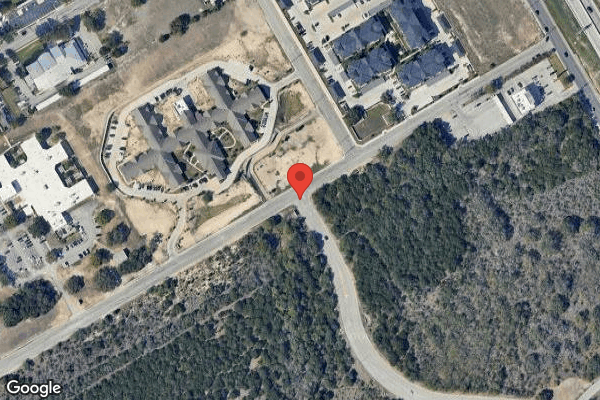

8221 PALISADES DRIVE, LIVE OAK, TX 78233 (210) 600-3700
For profit - Corporation 123 Beds RUBY HEALTHCARE Data: November 2025 1 Immediate Jeopardy citation
Trust Grade
31/100
#388 of 1168 in TX
Last Inspection: May 2025

Inspected within the last 6 months. Data reflects current conditions.

Overview

Advanced Rehabilitation & Healthcare of Live Oak has received a Trust Grade of F, indicating significant concerns about the quality of care provided. Ranked #388 out of 1,168 facilities in Texas, they fall in the top half, but this does not offset the serious issues reported. The facility is showing an improving trend, with the number of identified problems decreasing from 15 in 2024 to 14 in 2025. Staffing ratings are below average, with a turnover rate of 53%, which is similar to the state average, indicating some inconsistency in care. Serious incidents have been reported, including a staff member hitting a resident and multiple food safety violations that could pose health risks to residents. While there is good RN coverage, it is important to weigh these strengths against significant weaknesses when considering this facility for a loved one.

Trust Score
F
31/100
In Texas
#388/1168
Top 33%
Safety Record
High Risk
Review needed
Inspections
Getting Better
15 → 14 violations
Staff Stability
⚠ Watch
53% turnover. Above average. Higher turnover means staff may not know residents' routines.
Penalties
✓ Good
$22,935 in fines. Lower than most Texas facilities. Relatively clean record.
Skilled Nurses
○ Average
Each resident gets 31 minutes of Registered Nurse (RN) attention daily — about average for Texas. RNs are the most trained staff who monitor for health changes.
Violations
⚠ Watch
40 deficiencies on record. Higher than average. Multiple issues found across inspections.
★★★☆☆
3.0
Overall Rating
★★☆☆☆
2.0
Staff Levels
★★★★★
5.0
Care Quality
★★☆☆☆
2.0
Inspection Score
Stable
2024: 15 issues
2025: 14 issues

The Good

  • 5-Star Quality Measures · Strong clinical quality outcomes
  • Full Sprinkler Coverage · Fire safety systems throughout facility
  • No fines on record

Facility shows strength in quality measures, fire safety.

The Bad

3-Star Overall Rating

Near Texas average (2.8)

Meets federal standards, typical of most facilities

Staff Turnover: 53%

Near Texas avg (46%)

Higher turnover may affect care consistency

Federal Fines: $22,935

Below median ($33,413)

Minor penalties assessed

Chain: RUBY HEALTHCARE

Part of a multi-facility chain

Ask about local staffing decisions and management

The Ugly 40 deficiencies on record

1 life-threatening
May 2025 7 deficiencies
CONCERN (D)

Potential for Harm - no one hurt, but risky conditions existed

Comprehensive Care Plan (Tag F0656)

Could have caused harm · This affected 1 resident

**NOTE- TERMS IN BRACKETS HAVE BEEN EDITED TO PROTECT CONFIDENTIALITY** Based on observations, interviews, and record reviews, the facility failed to develop and implement a comprehensive person-cente...

Read full inspector narrative →
**NOTE- TERMS IN BRACKETS HAVE BEEN EDITED TO PROTECT CONFIDENTIALITY** Based on observations, interviews, and record reviews, the facility failed to develop and implement a comprehensive person-centered care plan for each resident, consistent with resident rights, that included measurable objectives and time frames to meet a resident's medical, nursing, mental, and psychosocial needs that were identified in the comprehensive assessment for 1 (Residents #32) of 8 residents reviewed for care plans. The facility failed to implement Resident #32 care plan to have his lateral supporting positioning device in order to assist with his upright posture to eat. This failure could place residents at risk of not receiving care and services related to their identified needs to maintain or reach their highest practicable physical, mental, and psychosocial wellbeing. The findings included: Record review of Resident #32's admission record, accessed 05/20/25, reflected Resident #32 was a [AGE] year-old male admitted to the facility on [DATE] with diagnoses to include adult failure to thrive (decline seen in elderly individuals), protein-calorie malnutrition, dementia (group of symptoms affecting memory, thinking, and social abilities), lack of coordination, and major depressive disorder. Record review of Resident #32's quarterly MDS assessment, dated 02/12/25, reflected Resident #32 had a BIMS score of 10 out of 15, indicating moderate cognitive impairment. It reflected no weight changes in the past 6 months. Record review of Resident #32's comprehensive care plan reflected At times, [Resident #32] allows the staff to put a wedge on the right side of his chair to prevent him from leaning when eating his meal .[Resident #32] has lateral supporting positioning device attached to regular chair for meals to assist with upright posture while eating., revised 04/08/25. Dining observation for 05/20/25 lunch meal service started on 05/20/25 at 12PM. Interview and observation on 05/20/25 at 12:37 PM, Resident #32 was leaning to the right side of his wheelchair and had not touched his lunch meal. He revealed he was unable to sit upright to eat his lunch meal. He revealed he had a cushion for his chair to help him sit correctly. Interview and observation on 05/20/25 at 12:39 PM, Human Resources (HR) revealed she helped with meal service, but not all the time. She revealed she was not aware if Resident #32 needed a cushion while he was sitting down to eat. She revealed she would have to ask therapy. She proceeded to ask therapy person present at lunch meal service and this therapy person had to ask the director of therapy. Interview and observation on 05/20/25 at 12:45 PM, Resident #70 revealed Resident #32 always had a cushion in his chair so he can sit up right at meals. She revealed it was important for him to have it so he can complete his meals. She revealed Resident #32 might get tired from leaning and trying to eat. Resident #70 revealed she was aware of this because she used to sit with Resident #32 all the time. Interview on 05/20/25 at 12:47 PM, ST N revealed Resident #32 typically did have cushion on his chair while eating to sit upright. Observation on 05/20/25 at 12:49PM, COTA O brought a cushion for Resident #32 and repositioned him at his table. Observation on 05/22/25 at 12PM revealed Resident #32 had a cushion on his chair and was sitting upright for lunch. Interview on 05/23/25 at 11:31 AM, CNA G revealed Resident #32 sat in his wheelchair and would slant to his side. She revealed he had a cushion that he used during meals because he leaned over and could not eat food properly. She revealed it was the therapy department's responsibility to communicate this with the staff. Interview on 05/23/25 at 12:58PM, the DOR revealed Resident #32 did need a cushion while eating because it helped him sit properly while eating. She revealed sometimes he did not need the cushion. She revealed this should be reflected in the care plan so the nurses knew how to care for resident. Interview on 05/23/25 at 01:55PM, the DON revealed she was not sure if cushion should be in the care plan, but nurses used the care plans in order to know how to care for resident. During exit conference on 05/23/25 at 05:00PM, the ADM revealed it was care planned for Resident #32 to use his cushion as needed and not all the time. Record review of facility's policy Comprehensive Care Plans, dated 02/10/2021, reflected It is the policy of this facility to develop and implement a comprehensive person-centered care plan for each resident, consistent with residents rights, that includes measurable objectives and timeframes to meet a resident's medical, nursing, and mental and psychosocial needs that are identified in the resident's comprehensive assessment.
CONCERN (D)

Potential for Harm - no one hurt, but risky conditions existed

Incontinence Care (Tag F0690)

Could have caused harm · This affected 1 resident

**NOTE- TERMS IN BRACKETS HAVE BEEN EDITED TO PROTECT CONFIDENTIALITY** Based on observation, interview, and record review, the facility failed to ensure a resident who was incontinent of bladder and ...

Read full inspector narrative →
**NOTE- TERMS IN BRACKETS HAVE BEEN EDITED TO PROTECT CONFIDENTIALITY** Based on observation, interview, and record review, the facility failed to ensure a resident who was incontinent of bladder and bowel received appropriate treatment and services to prevent urinary tract infections for 1 of 5 residents (Resident #66) reviewed for incontinent care: The facility failed to ensure CNA K provided incontinent care to Resident #66 in the order of cleanest to dirtiest, performed hand hygiene between glove changes, and CNA L changed her gloves and performed hand hygiene after touching soiled linen. This deficient practice could place residents at-risk for infection and skin break down due to improper care practices. Findings Included: Record review of Resident #66 admission record, dated 5/23/25, revealed an [AGE] year-old female resident admitted on [DATE] with diagnoses including dementia, enterocolitis due to clostridium difficile (a highly contagious bacterium that causes diarrhea), bacteremia (bacteria in bloodstream), and stage 3 chronic kidney disease (mild to moderate damage to the kidneys causing them to filter less waste and fluid from the body) . Record review of Resident #66's quarterly MDS assessment, dated 4/16/25, revealed the resident cognition was severely impaired for daily decision making. Section H revealed the resident was always incontinent of bladder and bowel. Record review of Resident #66's care plan, revised 3/27/25, revealed a care area for Resident #66 was incontinent of bowel/bladder related to limited mobility with an intervention to check frequently for wetness and soiling, and changing as needed. During an observation on 5/22/25 at 3:17 p.m. CNA K and CNA L provided incontinent care to Resident #66. CNA K and CNA L washed their hands and put on gloves. CNA K cleaned the resident's vaginal area, removed her gloves, did not sanitize her hands, and put on new gloves. CNA K and CNA L then turned Resident #66 to her side and CNA K cleaned her buttocks area. CNA K removed the brief from under resident #66 and threw it away. CNA K then removed her gloves, did not sanitize her hands, and put on new gloves. Resident #66 began to have a bowel movement and CNA K wiped her buttocks area again while rolling a pad up under her. CNA K then removed her gloves, did not sanitize her hands, and put on new gloves. CNA K then opened a new brief and put in on the resident. CNA K then applied barrier cream to the resident's buttocks. CNA K then removed her gloves, did not sanitize her hands, and put on new gloves. Both aides then turned the resident to her other side and CNA L then removed the soiled pad out from under the resident. CNA K then applied barrier cream to the resident's vaginal area. CNA K then removed her gloves, did not sanitize her hands, and put on new gloves. CNA L was wearing the same gloves from the start of the care then touches and fastens the new clean brief on Resident #66. During a joint interview on 5/22/25 at 3:27 p.m. CNA K and CNA L stated they perform hand hygiene by washing their hands prior to starting incontinent care and after it is complete. Both aides stated if their gloves become soiled or torn then they would need to perform hand hygiene. CNA K and CNA L stated to their knowledge they do not need to perform hand hygiene in between glove changes and never had training to sanitize their hands between glove changes. CNA L stated she did not think she needed to change her gloves after touching the soiled pad because her gloves were not visibly soiled. They both stated they had training for incontinent care as recent as two weeks prior. During an interview on 5/22/25 at 3:31 p.m. the Nursing Supervisor stated he was one of the staff responsible for training aides on incontinent care. The Nursing Supervisor stated staff had training to perform hand hygiene prior to providing care, after care, anytime hands are visibly soiled, or between glove changes. The Nursing Supervisor stated staff had little bottles of hand sanitizer they could take into the room with them during care. The Nursing Supervisor stated staff should clean the resident from cleanest to dirtiest and apply creams to the vaginal area first and then the buttocks to prevent infection. During an interview on 5/23/25 at 1:49 p.m. the DON stated staff should sanitize their hands between glove changes to prevent infection to the resident. The DON stated staff should have changed their gloves and performed hand hygiene after touching soiled items or wash with soap and water when hands were visibly soiled. Nurse aide competencies or training for incontinent care for CNA K and CNA L were request from the DON on 5/23/25 and not provided prior to exit. Record review of the facility's policy titled Incontinence Care, dated 4/17/14, reviewed last 2/14/20, stated Purpose: To outline a procedure for cleansing the perineum and buttocks after an incontinence episode . Procedure . 4. Wash hands 5. Put on non-sterile, latex-free gloves 6. Place linen or underpad beneath hips 7. Position on side turned away from caregiver 8. If feces present, remove with toilet paper or disposable wipe by wiping from front of perineum toward rectum. Discard soiled materials and gloves. Wash hands. 9. Put on non-sterile, latex-free gloves .
CONCERN (E)

Potential for Harm - no one hurt, but risky conditions existed

Deficiency F0576 (Tag F0576)

Could have caused harm · This affected multiple residents

Based on interview and record review, the facility failed to ensure residents had the right to send and receive mail, and to receive letters, package and other materials delivered to the facility or t...

Read full inspector narrative →
Based on interview and record review, the facility failed to ensure residents had the right to send and receive mail, and to receive letters, package and other materials delivered to the facility or the resident through a means other than a postal service, including the right to privacy of such communications for 9 of 9 residents (confidential residents) reviewed for resident rights. The facility failed to ensure staff distributed mail received on Saturdays to the residents. This deficient practice could result in residents not receiving mail in a timely manner and a diminished quality of life. The findings were: During a confidential resident group meeting 9 of 9 members in the group stated they never received mail on Saturdays because the Business Office didn't work on Saturdays but they did have a receptionist. During an interview on 05/23/25 at 10:12 am, with the Receptionist and Business Office Manager, the Receptionist stated he worked for the facility Monday to Friday as well as weekends. The Receptionist stated the Business Office Manager ensures mail is delivered to the residents daily from Monday to Friday. The Receptionist stated that mail delivery is inconsistent but if a package arrives, he makes sure to deliver it to the resident that day. If there are letters delivered, he puts it in the Business Office to sort out. During the interview on 05/23/25 at 10:12 a.m., the BOM stated mail delivered on a Saturday should be distributed on Saturday and told the Receptionist to go ahead and distribute any mail that had the resident's name on it.
CONCERN (E)

Potential for Harm - no one hurt, but risky conditions existed

Accident Prevention (Tag F0689)

Could have caused harm · This affected multiple residents

**NOTE- TERMS IN BRACKETS HAVE BEEN EDITED TO PROTECT CONFIDENTIALITY** Based on observation, interview, and record review, the facility failed to ensure the resident environment remained as free of a...

Read full inspector narrative →
**NOTE- TERMS IN BRACKETS HAVE BEEN EDITED TO PROTECT CONFIDENTIALITY** Based on observation, interview, and record review, the facility failed to ensure the resident environment remained as free of accident hazards as was possible for 3 of 22 residents (Resident #11, Resident #92, and Resident #30) reviewed for accidents and hazards: 1. The facility failed to ensure Resident #11 did not have a large pair of nail clippers, and a pair of tweezers in her room. 2. The facility failed to ensure Resident #92 did not have a pair of sharp scissors and a disposable razor on her bedside table. 3. The facility failed to ensure Resident #30 did not have all-purpose cleaner in her restroom. These failures could place residents at risk of harm or injury and contribute to avoidable accidents and a decline in health. The findings included: 1. Record review of Resident #11's face sheet dated 5/21/25 revealed a [AGE] year old female admitted to the facility on [DATE] with diagnoses that included lack of coordination, dementia (a decline in cognitive function that interferes with a person's daily life and activities) with behavioral disturbance, age-related nuclear cataract (a type of cataract that develops in the center of the eye's lens making it harder to see clearly, especially in low light or when facing bright lights), and chronic pain. Record review of Resident #11's most recent quarterly MDS assessment dated [DATE] revealed the resident was able to see in adequate light, used corrective lenses, and was cognitively intact for daily decision-making skills. Record review of Resident #11's comprehensive care plan with revision date 3/5/25 revealed the resident had an ADL self-care performance deficit and was at risk for not having their needs met in a timely manner with interventions that included for supervision with personal hygiene and to provide shower, shave, oral care, hair care, and nail care per schedule and when needed. During an observation and interview on 5/20/25 at 10:15 a.m., Resident #11 had a large pair of nail clippers and a pair of tweezers on the resident's bedside table next to her recliner on the right. Resident #11 stated she trimmed her own nails but did not or would not indicate if staff were aware she was in possession of the items. Observation on 5/21/25 at 8:32 a.m. revealed Resident #11 sitting up in her recliner with a large nail clippers and tweezers on the bedside table to the right of the resident's recliner. Observation on 5/22/25 at 8:28 a.m. revealed Resident #11 sitting up in her recliner with a large nail clippers and tweezers on the bedside table to the right of the resident's recliner. During an observation and interview on 5/22/25 at 11:21 a.m., CNA E acknowledged there were no residents in the facility she was aware of that could trim their own nails. CNA E stated she was very familiar with Resident #11 and she was stable enough to cut her own nails but would prefer to observe the resident cutting her nails. CNA E further stated the facility did not use tweezers. CNA E observed a large pair of nail clippers and a pair of tweezers on Resident #11's bedside table to the right of the resident's recliner. CNA E stated, she would question a resident having a pair of nail clippers, and if she was not sure they weren't supposed to have them would then notify the nurse. CNA E could not or would not directly acknowledge if Resident #11 could have the large pair of nail clippers or the tweezers in her possession. During an observation and interview on 5/22/25 at 11:34 a.m., RN F acknowledged the facility CNAs were responsible for providing ADL supervision such as shaving, showering, peri-care and nail care. RN F stated, unless the resident was a diabetic, then only the nursing staff could provide the residents with nail care. RN F stated she was not aware of any resident who was allowed to cut their nails or shave without supervision. RN F stated, Resident #11 was stable to do most of this stuff but would prefer to supervise the resident if she wanted to cut her nails. RN F stated the facility did not use tweezers. RN F observed a large pair of nail clippers and a pair of tweezers on Resident #11's bedside table to the right of the resident's recliner and stated the items observed needed to be removed. During an observation and interview on 5/22/25 at 11:40 a.m., ADON B, after seeing the State Surveyor and RN F in Resident #11's room stated to Resident #11 she could keep the tweezers as it was the resident's right to keep them but told the resident the nail clippers needed to be removed and would be stored away for her. During an interview on 5/22/25 at 11:41 a.m., ADON B stated, Resident #11 had a high BIMS score and was alert and oriented and could therefore keep the nail clippers. ADON B further stated, in this resident's case (Resident #11), she is alert and oriented and she could manage it. ADON B stated she did not know what the facility policy was for having the items in the resident's room, including tweezers and nail clippers. During an interview on 5/22/25 at 12:09 p.m., CNA G stated, nobody here can cut their own nails. I don't even cut a resident's nails; I always refer them to the nurse. CNA G further stated residents were not allowed to have nail clippers and the facility did not use tweezers. CNA G stated, those items could cause a resident to cut themselves. During an interview on 5/22/25 at 12:23 p.m., the DON stated, a resident's possession of scissors, nail clippers, tweezers, or disposable razors depended on the resident's BIMS score. The DON further stated she would refer a resident to the podiatrist if the resident were a diabetic. The DON stated it was a resident's right to have those items in their room. The DON then stated the facility had Ambassadors assigned to resident rooms who were supposed to check every morning and were supposed to be looking for those items. During an interview on 5/22/25 at 2:53 p.m., the DOR acknowledged she was assigned as a Quality of Life Specialist (Ambassador) and had been tasked with making rounds of resident rooms, including Resident #11. The DOR stated, part of the assigned rounds was to check for broken items, trash, and prohibited items, such as disposable razors. The DOR stated she was not aware of residents who were allowed to have disposable razors, scissors, or nail clippers. The DOR stated, those items were not safe for the residents to use on their own and would need help to use those items. The DOR stated, somebody else could wander in the room and have access to them (nail clippers, razors, scissors) and it was a potential for an accident. The DOR stated she had made rounds in Resident #11's room and did not recall seeing the large nail clippers or the tweezers, and further stated, I did not even think about it, but one of the things I do look for is disposable razors. The disposable razors should not be in the rooms, they should be disposed of in a sharp's container for safety reasons. Somebody who did not know how to use it could hurt themselves or cut themselves with it. 2. Record review of Resident #92's face sheet, dated 5/21/25, revealed a [AGE] year-old female admitted to the facility on [DATE] with diagnoses that included lack of coordination, contracture of muscle, and muscle weakness. Record review of Resident #92's most recent quarterly MDS assessment, dated 3/2/25, revealed the resident cognition was moderately impaired for daily decision making. Section GG revealed she required partial/moderate assistance with personal hygiene. Record review of Resident #92's comprehensive care plan with revision date 3/27/25 revealed the resident had an ADL self-care performance deficit and was at risk for not having their needs met in a timely manner. Performance deficit is related to fracture of sacrum (break of the bone at the back of the pelvis between the hip bones) pain, neuropathy, cauda equina syndrome (a medical emergency that happens when an injury or herniated disk compresses nerve roots at the bottom of your spinal cord. The cauda equina nerves communicate with your legs and bladder. It causes back pain, weakness, and incontinence), unilateral inguinal hernia (occurs when tissue, such as part of the intestine, protrudes through a weak spot in the abdominal muscles), history of falling, muscle weakness, loss of coordination with interventions that included extensive assistance with personal hygiene. Record review of Resident #92's comprehensive care plan with revision date. 3/27/25, revealed resident has a behavior problem as evidenced by: Resident was angry that she can no longer perform ADLs without assistance and will last out at staff and her friend that comes to visit with an intervention to Approach resident in a calm manner, call by name, speak slowly, and maintain eye contact. Talk while providing cares, allow time for a response, and do not rush. During an observation and interview on 5/20/25 at 1:10 p.m., Resident #92 had a small pair of sharp scissors on her bedside table and a disposable razor. Resident #92 stated she used the scissors to cut candy because I can't eat it directly and eat it with scissors. Resident #92 stated she could not think of what she wanted to say because her memory was not good. During a follow up observation and interview on 5/22/25 at 10:17 a.m. revealed Resident #92 was lying in bed. Her items on her bedside table had been rearranged and straightened up. The pair of scissors and disposable razor were still on the bedside table. Resident #92 stated she could use the razor to shave but could only use one had to shave because the other hand was crunched up. During an interview on 5/22/25 at 10:19 a.m. the Staffing Coordinator stated all staff can check resident rooms for items they should not have. The Staffing Coordinator stated Resident #92 does not shave herself. The Staffing Coordinator stated the resident should not have the razor at her bedside table, an aide should have been assisting the resident with shaving, and then dispose of the razor in the sharp's container located in the residents in room bathroom. The Staffing Coordinator stated he was unsure where the scissors came from and picked them up and removed them from the room. The Staffing Coordinator stated he thought the razor and scissors came from family because the razor was not the same color as the razors the facility used. The Staffing Coordinator stated he would call to inform the family that the resident was not allowed to have those items. 3. Record review of Resident #30's admission record, accessed 05/20/25, reflected Resident #30 was a [AGE] year old female admitted to the facility on [DATE] with diagnoses to include lack of coordination, major depressive disorder, mild cognitive impairment, altered mental status, and age-related nuclear cataract (a type of cataract that develops in the center of the eye's lens making it harder to see clearly, especially in low light or when facing bright lights). Record review of Resident #30's quarterly MDS assessment, dated 02/14/25, reflected Resident #30 had a BIMS score of 15 out of 15, indicating intact cognition. able to see in adequate light and used corrective lenses. Record review of Resident #30's comprehensive care plan reflected [Resident #30] has impaired cognition and is at risk for further decline in cognitive and functional abilities related to: altered mental status ., revised 02/28/24, with interventions to include, Monitor for changes in cognitive function, specifically changes in: decision making ability, memory, recall and general awareness . Interview and observation on 05/20/25 at 11:19 AM, Resident #30 had an all-purpose cleaner on the lower shelf of an open faced cabinet in her restroom. Resident #30 revealed she had seen the cleaner in her restroom and believed it was left there by housekeeping. Interview and observation on 05/20/25 at 11:22 AM, Housekeeper H confirmed there was an all-purpose cleaner in Resident #30's bathroom, but it did not belong to housekeeping because they clean with different sprays and put them back on her cart so that the residents don't hurt themselves. Interview and observation on 05/20/25 at 11:26 AM, the Housekeeping Supervisor revealed the all-purpose cleaner observed in Resident #30's restroom was the resident's property so housekeeping did not touch this cleaner. Interview and observation on 05/20/25 at 11:32 AM, LVN I revealed chemicals were not allowed in residents' rooms. She revealed sometimes family brought items in for Resident #30, but Resident #30 did not have any visitors today. LVN I revealed she expected her CNA to tell her about this. LVN I proceeded to take the all-purpose cleaner out of Resident #30's room and would inform family this was not allowed. Interview on 05/22/25 at 12:25 PM, the DON revealed no resident should have chemicals like all-purpose cleaner. She revealed every staff member oversaw seeing any prohibited items and taking them out of the residents' rooms as needed, even if families bring the items in the facility. Interview on 05/23/25 at 11:31 AM, CNA G revealed residents were not allowed to have all-purpose cleaner in their room and if she saw this, she would take it away for resident safety. She revealed she would report to nurse so the nurse could educate family if it was family that brought it in. Record review of the facility policy and procedure titled, Nail Care, revision date 1/1/25 revealed in part, .Purpose: To provide for personal hygiene needs and prevent infection .13. Return equipment to designated area and clean/dispose as indicated . Record review of the facility policy and procedure titled, Resident Rights, review date 2/20/21 revealed in part, .Policy: The facility will inform the resident both orally and in writing in language that the resident understands of his or her rights and all rules and regulations governing resident conduct and responsibilities during the stay in the facility,,,Safe environment .The resident has a right to a safe, clean, comfortable and homelike environment, including but not limited to receiving treatment and supports for daily living safely .
CONCERN (E)

Potential for Harm - no one hurt, but risky conditions existed

Deficiency F0698 (Tag F0698)

Could have caused harm · This affected multiple residents

**NOTE- TERMS IN BRACKETS HAVE BEEN EDITED TO PROTECT CONFIDENTIALITY** Based on observation, interview and record review, the facility failed to ensure that residents who required dialysis received s...

Read full inspector narrative →
**NOTE- TERMS IN BRACKETS HAVE BEEN EDITED TO PROTECT CONFIDENTIALITY** Based on observation, interview and record review, the facility failed to ensure that residents who required dialysis received such services, consistent with professional standards of practice for 2 of 2 residents (Resident #89 and #53) reviewed for dialysis: The facility did not maintain communication, coordination, and collaboration with the dialysis facility for Resident #89 and Resident #53. This failure could affect residents who received dialysis treatments and place them at risk for complications and not receiving proper care and treatment to meet their needs. The findings included: 1. Record review of Resident #89's face sheet dated 5/23/25 revealed an [AGE] year-old male admitted to the facility on [DATE] and re-admitted on [DATE] with diagnoses that included end stage renal disease (occurs when the kidneys can no longer function well enough to meet the body's needs) traumatic amputation of left foot, anemia in chronic kidney disease (an abnormal reduction in red blood cells due to impaired kidney function), and pain. Record review of Resident #89's most recent comprehensive MDS assessment dated [DATE] revealed the resident was severely cognitively impaired for daily decision-making skills and received dialysis treatments. Record review of Resident #89's Medication Administration Record, dated 5/21/25 revealed the following: - Check the shunt site for bleeding. If bleeding is present, apply pressure and notify the physician; every shift for monitor with start dated 4/27/25 and no stop date. - Do not take blood pressure on Left upper extremity with the shunt; every shift for Dialysis, with order dated 4/27/25 and no stop date. Record review of Resident #89's comprehensive care plan with revision date 5/7/25 revealed the resident received dialysis related to renal failure and was at risk for the potential complications of dialysis, with interventions that included to encourage the resident to attend scheduled dialysis appointment, monitor dialysis dressing and change as ordered, report abnormal bleeding to the physician, and monitor/document/report any signs or symptoms of infection to the access site such as redness, swelling, warmth, pain, or purulent drainage. Further review of Resident #89's comprehensive care plan revealed the resident attended dialysis treatments outside of the facility on Monday, Wednesday, and Friday. Record review of Resident #89's Hemodialysis Communication Records revealed the following: - 3/26/25: the dialysis center section was incomplete, and the post dialysis section was not signed or dated by the facility nurse. - 3/28/25: the post dialysis section was not completed by the facility nurse. - 4/2/25: the post dialysis section was not signed or dated by the facility nurse. - 4/7/25: the pre-treatment section and post-treatment section was not signed or dated by the facility nurse. - 4/9/25: the Hemodialysis Communication Record was not provided by the facility. - 4/11/25: the post dialysis section was not signed or dated by the facility nurse. - 4/14/25: the dialysis center section was not signed or dated, and the post dialysis section was not completed by the facility nurse. - 4/18/25: the Hemodialysis Communication Record was not provided by the facility. - 5/2/25: the Hemodialysis Communication Record was not provided by the facility. - 5/5/25: the Hemodialysis Communication Record was not provided by the facility. - 5/7/25: the Hemodialysis Communication Record was not provided by the facility. - 5/9/25: the Hemodialysis Communication Record was not provided by the facility. - 5/12/25: the Hemodialysis Communication Record was not provided by the facility. - 5/14/25: the Hemodialysis Communication Record was not provided by the facility. - 5/16/25: the Hemodialysis Communication Record was not provided by the facility. - 5/19/25: the Hemodialysis Communication Record was not provided by the facility. - 5/21/25: the dialysis center section was incomplete, and the post dialysis section was blank. During an observation and interview on 5/22/25 at 10:50 a.m., Resident #89 acknowledged he was getting dialysis treatments outside of the facility every Monday, Wednesday, and Friday. Resident #89 stated he was not aware of any paperwork given while at the dialysis center. Resident #89 raised his sleeve to expose his left upper arm and stated the area exposed was where the dialysis shunt was located. During an interview on 5/22/25 at 4:25 p.m., CNA C stated she was aware of at least two residents who received dialysis treatments and believed Resident #89 was one of them. CNA C stated the day shift nurses were responsible for ensuring the resident went to dialysis treatments and Resident #89 was usually in bed when she came on shift which was from 2:00 p.m. to 10:00 p.m. During an observation and interview on 5/22/25 at 4:29 p.m., ADON A acknowledged Resident #89 went to dialysis treatments on Monday, Wednesday, and Friday. ADON A stated, the nursing staff were responsible for providing the dialysis clinic with the Hemodialysis Communication Record which they gave to the driver who was taking the resident to the dialysis clinic. ADON A further stated, the Hemodialysis Communication Record was turned into the facility nursing staff by the driver after the resident returned from the dialysis clinic. ADON A stated, we get the information and it's filed and uploaded into the medical chart. Not sure of the process. ADON A further stated, the Hemodialysis Communication Records were audited by the ADON or DON. ADON A reviewed the Hemodialysis Communication Record for Resident #89, dated 5/21/25 and acknowledged the form was incomplete and was missing the dialysis clinic information and the post-dialysis information by the receiving facility nurse was blank. ADON A stated LVN D accidentally documented Resident #89's post dialysis vital signs in the wrong section of the Hemodialysis Communication Record dated 5/21/25. During an interview on 5/22/25 at 4:38 p.m., LVN D acknowledged Resident #89's Hemodialysis Communication Record, dated 5/21/25 was missing information from the dialysis clinic and the nurses were responsible for notifying the dialysis clinic to obtain that information. LVN D stated she called the dialysis clinic but they put me on hold for 10 minutes, twice, and did not get a call back, and then filed the sheet in the resident's dialysis binder. LVN D stated, we cannot accept it (Hemodialysis Communication Record) because we have to know of any changes while at dialysis or how he (Resident #89) tolerated the dialysis treatment. I guess I should have communicated that to the DON or ADON. During a joint interview on 5/22/25 at 4:43 p.m., the DON and ADON B acknowledged, the Hemodialysis Communication Records were supposed to be completed and if there was any missing information from the dialysis clinic, the facility nurse was responsible for calling the dialysis clinic to obtain that information. The DON and ADON B acknowledged, the Hemodialysis Communication Record was not supposed to be filed until all of the information required was obtained. The DON stated, we need to know baseline while here and baseline results when they come back. The DON and ADON B acknowledged nobody was really auditing the Hemodialysis Communication Records to ensure they were completed. During a follow-up interview on 5/23/25 at 2:11 p.m., the DON acknowledged there was no process in place for keeping track of the Hemodialysis Communication Records. 2. Record review of Resident #53's admission Record dated 05/23/25 documented an [AGE] year old male admitted to the facility 10/23/20 and readmitted [DATE] with diagnoses that included severe sepsis with septic shock (a life-threatening condition where the body's response to an infection causes wide-spread inflammation and organ damage), acute kidney failure, dependence on renal dialysis, atelectasis (whole or partially collapsed lung) and dementia in other diseases classified elsewhere, unspecified severity, without behavioral disturbance, psychotic disturbance, mood disturbance, and anxiety (indicates the dementia is a result of another underlying medical condition and doesn't specify whether the dementia is mild, moderate, or severe). Record review of Resident #53's Quarterly MDS dated [DATE] revealed a BIMS score of 15 indicating he is cognitively intact. The MDS also noted that he is on dialysis and uses a bipap for sleep apnea (a sleep disorder in which breathing repeatedly starts and stops). Record review of Resident #53's May 2025 Physician's Orders revealed he was on oxygen as needed and goes to dialysis 3 times per week on Tuesday, Thursday and Saturday. Orders also include checking the central line to ensure the dressing is dry and intact, and if not, reinforce with an occlusive dressing. Additionally, check the clamp to ensure closure every shift. Review of the dialysis communication sheets for Resident #53 revealed the following deficient areas: 4/24/25: The Hemodialysis Communication Record was not signed by the dialysis facility nurse or the facility nurse upon return after taking the vital signs. No other information concerning observation of the shunt was documented by either nurse. 4/26/25: The Hemodialysis Communication Record was not signed by the dialysis facility nurse after taking vital signs. 4/29/25: The Hemodialysis Communication Record had no observation of shunt following the return to facility. 5/1/25: The Hemodialysis Communication Record was not signed by the dialysis facility nurse who completed the vital signs. 5/6/25: The Hemodialysis Communication Record was not signed by the dialysis facility nurse who completed the vital signs. None of The Hemodialysis Communication Record forms had the resident's name, ID #, Room # or Physician' Name completed at the bottom of the form. During an interview with the DON on 5/23/24 at 4:00 pm, the DON stated the resident's name was not completed on the forms since they were placed in a binder with his name on it and then uploaded into their EMR. During an interview on 5/23/25 at 4:10 p.m., the Regional Nurse stated the facility did not have a policy in place for the dialysis communication records.
CONCERN (E)

Potential for Harm - no one hurt, but risky conditions existed

Food Safety (Tag F0812)

Could have caused harm · This affected multiple residents

Based on observation, interview, and record review, the facility failed to store, prepare, distribute, and serve food in accordance with professional standards for food service safety for 1 of 1 kitch...

Read full inspector narrative →
Based on observation, interview, and record review, the facility failed to store, prepare, distribute, and serve food in accordance with professional standards for food service safety for 1 of 1 kitchen. 1. The facility failed to not store chemicals on the bottom shelf of a refrigerator. 2. The facility failed to document freezer temperatures for May 14th closing temperature and May 15-19, and May 20th opening temperature. 3. The facility failed to not store personal beverages in the food preparation area. 4. The facility failed to ensure lettuce was stored in a closed container in the walk-in refrigerator. 5. The facility failed to take temperatures of pureed foods and cold foods from 05/18/25 to 05/22/25. The facility failed to take food temperature for 05/21/25 dinner. These failures could place residents at risk for food borne illness. The findings included: 1. Observation and interview on 05/20/25 at 09:53 AM, during initial kitchen tour, revealed there was a cleaning spray on the bottom shelf of a refrigerator and the same cleaning spray was placed near foods and left there while staff was prepping a meal. The CDM revealed the cleaning spray was not supposed to be in the refrigerator or near foods and staff were trained on this. She revealed the staff could have moved the cleaning spray away from the food preparation area while staff was prepping for meal. Observation and interview on 05/22/25 at 11:42AM, the CDM revealed there should not be a cleaning spray in the refrigerator to prevent cross contamination and for food safety. Record review of facility's policy Storage-Chemicals, revised October 2019, reflected It is the center policy to ensure all chemicals will be properly stored for safety and to prevent cross contamination with food . 1. The Dining Services Director ensures that all chemicals are stored in separate/secured area. 2. Record review and interview on 05/20/25 at 09:35AM, during initial kitchen tour, of Freezer Temperature Log for Non-24-Hour Operation for May reflected freezer temperatures were not written for May 14th closing temperature and May 15-19, and May 20th opening temperature. The CDM revealed she was not aware of why this was not filled out and she oversaw the temperature log being filled out appropriately. Interview on 05/22/25 at 11:42AM, the CDM revealed it was important to keep up with freezer temperatures for food safety, but the freezer was very cold, so she has not suspected the freezer had not been at appropriate temperature. Record review of the facility's policy, Food Storage: Cold, revised October 2019, reflected 3. The Dining Services Direct/Cook(s) monitors that all frozen foods will be stored at temperature to maintain frozen state, target temperature is 10 (degrees F) or below. 3. Observation and interview on 05/20/25 at 09:35AM, during initial kitchen tour, revealed there were 2 personal beverages on the top shelf, above the food preparation area while a staff member was prepping food. Observation and interview on 05/22/25 at 11:42AM, the CDM revealed there should not be personal beverages in the kitchen or cleaning spray near food preparation areas to prevent cross contamination and for food safety. She revealed the staff members who had their beverages and prepared food near a cleaning spray were new and she re-educated them. Review of the Food Code, U.S. Public Health Service, U.S. FDA, 2022, U.S. Department of H&HS, revealed, 3-305.11, Food Storage, (A) Food shall be protected from contamination by storing the food: (1) in a clean, dry location; (2) Where it is not exposited to splash, dust, or other contamination. 4. Observation and interview on 05/20/25 at 09:35AM, during initial kitchen tour, revealed lettuce that was uncovered in the walk-in refrigerator. The CDM revealed they did not cover the lettuce because they did not have a container to fit the lettuce in with a cover. The CDM revealed this did not affect the quality of the lettuce and it was okay to keep it uncovered with only a paper towel on top of it. Observation and interview on 05/22/25 at 11:42AM, the CDM revealed lettuce was in a closed container today, because she had washed it and it was now ready to be served. She revealed she did not think this lettuce needed to be covered prior to this. Record review of the facility's policy, Food Storage: Cold, revised October 2019, reflected 5. The Dining Services Director/Cook(s) ensures that all food items are stored properly in covered containers, labeled, and dated and arranged in a manner to prevent cross contamination. Review of the Food Code, U.S. Public Health Service, U.S. FDA, 2022, U.S. Department of H&HS, revealed, 3-305.11, Food Storage, (A) Food shall be protected from contamination by storing the food: (1) in a clean, dry location; (2) Where it is not exposited to splash, dust, or other contamination. 5. Observation and interview on 05/22/25 at 11:42AM, the cook (unidentified) did not take temperatures for the pureed foods. The CDM revealed they did not have to take temperatures for pureed foods because they took the temperature when they prepared the pureed foods, and they also take temperatures of the regular foods which were in the same steam table. The CDM was not able to show any records of taking pureed foods' temperatures for 05/18-05/22/2025. The CDM further revealed if the foods for the regular diet were at the proper temperature, they did not need to take temperatures of the pureed foods. The CDM revealed they did not have to take temperatures for cold milk because they get the milk straight from the refrigerator when it's time for meal service. She also revealed they did not take temperatures of the milk because they would have to open the milk container to put the thermometer inside the milk liquid. Record review of Final Cooking/Reheating Time & Temperature Log, dated 05/18-22, were reviewed 05/22/25 lunch meal service. The log reflected no temperatures taken for pureed foods and no temperatures taken for cold items. Record review of the facility's week 2 menu reflected Sunday (05/18/25) breakfast was scrambled eggs, sausage patty, wheat toast, and hot cereal; lunch was rosemary pork loin, Italian green beans, buttered pasta, and cherry pie; dinner was baked chicken thigh, roasted potatoes, cucumber salad, dinner roll, and mandarin oranges. Record review of Final Cooking/Reheating Time & Temperature Log, dated 05/18, reflected breakfast had 3 food items with temperatures documented: oatmeal, sausage, eggs; lunch had 3 food items with temperatures documented: pork loin, veggies, soup; dinner had 3 food items with temperatures documented: sandwich, veggies, soup. Record review of the facility's week 2 menu reflected Monday (05/19/25) breakfast was cheese egg bake, sausage patty, English muffin, and hot cereal; lunch was roast beef, broccoli, white rice, and lemon bar; dinner was chicken spaghetti, fried okra, dinner roll, ice cream. Record review of Final Cooking/Reheating Time & Temperature Log, dated 05/19, reflected breakfast had 3 food items with temperatures documented: french toast, sausage, eggs; lunch had 3 food items with temperatures documented: roast beef, rice, broccoli; dinner had 3 food items with temperatures documented: soup, chicken spaghetti, fried okra. Record review of the facility's week 2 menu reflected Tuesday (05/20/25) breakfast was French toast, sausage patty, and hot cereal; lunch was crabcake, mashed potatoes, dinner roll, spinach, and sugar cookie; dinner was polish sausage, egg noodles, carrots, cornbread, and apple crisp. Record review of Final Cooking/Reheating Time & Temperature Log, dated 05/20, reflected breakfast had 3 food items with temperatures documented: eggs, sausage, oatmeal, gravy; lunch had 4 food items with temperatures documented: crab patties, mashed potatoes, spinach, gravy; dinner had 3 food items with temperatures documented: soup, sausage, pasta. Record review of the facility's week 2 menu reflected Wednesday (05/21/25) breakfast was cheese omelet, sausage, and hot cereal; lunch was beef stew, rice pilaf, green beans, dinner rolls, and orange sherbet; dinner was BBQ pulled pork on a bun, tossed salad, baked potato, and tropical fruit cup. Record review of Final Cooking/Reheating Time & Temperature Log, dated 05/21, reflected breakfast had 3 food items with temperatures documented: eggs, sausage, oatmeal, gravy; lunch had 4 food items with temperatures documented: rice, soup, green beans, beef stew; dinner had 0 food items documented. Record review reflected there were no food temperatures take for 05/21/25 dinner. Record review of the facility's week 2 menu reflected Thursday (05/22/25) breakfast was scrambled eggs, sausage patty, wheat toast, and hot cereal; lunch was fried chicken, carrots with parsley, dinner roll, buttered noodles, and white pineapple upside down cake. Record review of Final Cooking/Reheating Time & Temperature Log, dated 05/22, reflected breakfast had 4 food items with temperatures documented: eggs, sausage, oatmeal, gravy; lunch had 6 food items with temperatures documented: noodles, chicken, gravy, soup, mash, carrots. Interview on 05/23/25 at 01:30PM, the RD revealed the cleaning spray should not been in the fridge and personal beverages should not be in food preparation areas as it can cause cross contamination. The RD revealed every item should have their temperature taken, prior to meal service. With other questions, the RD further revealed she would have to refer to the policies to answer questions and the policies trumped anything she had to say. Interview on 05/23/25 at 01:55PM, the DON revealed it was important to make sure temperatures for the fridge and freezer, that contained food products, were taken so they could ensure food didn't go bad. She further revealed food temperatures needed to be checked, prior to service, to make sure they were at proper temperature. to make sure food was cooked properly, and to prevent food borne illness. Record review of facility's policy Food: Quality and Palatability, dated October 2019, reflected The Cook(s) prepare food in a sanitary manner utilizing the principles of Hazard Analysis Critical Control Point and time and temperature guidelines as outlined in the Federal Food Code. Record review of the principles of Hazard Analysis Critical Control Point did not reflect any specifics to time and temperature recommendations. Record review of the FDA Food Code 2022 reflected, 3-501.16 Time/Temperature Control for Safety Food, Hot and Cold Holding. (A) Except during preparation, cooking, or cooling, or when time is used as the public health control as specified under §3-501.19, and except as specified under (B) and in (C) of this section, TIME/TEMPERATURE CONTROL FOR SAFETY FOOD shall be maintained: (1) At 57°C (135°F) or above, except that roasts cooked to a temperature and for a time specified in 3-401.11(B) or reheated as specified in 3- 403.11(E) may be held at a temperature of 54°C (130°F) or above; or (2) At 5°C (41°F) or less.
CONCERN (E)

Potential for Harm - no one hurt, but risky conditions existed

Infection Control (Tag F0880)

Could have caused harm · This affected multiple residents

**NOTE- TERMS IN BRACKETS HAVE BEEN EDITED TO PROTECT CONFIDENTIALITY** Based on observation, interview, and record review, the facility failed to establish and maintain an infection control program d...

Read full inspector narrative →
**NOTE- TERMS IN BRACKETS HAVE BEEN EDITED TO PROTECT CONFIDENTIALITY** Based on observation, interview, and record review, the facility failed to establish and maintain an infection control program designed to provide a safe, sanitary, and comfortable environment and to help prevent the development of communicable diseases and infections for 3 of 8 residents (Resident #30, Residents #33, and Resident #66) reviewed for infection control. 1. The facility failed to ensure, during medication pass, MA M sanitized the blood pressure cuff between Resident #44, and Resident #30. 2. The facility failed to ensure LVN J wore a PPE gown while administering medication to Resident #33 via PEG tube ((an endoscopic medical procedure in which a tube is passed into a patient's stomach through the abdominal wall, most commonly to provide a means of feeding when oral intake is not adequate). 3. The facility failed to ensure CNA K and CNA L sanitized their hands between glove changes and changed their gloves after during incontinent care for Resident #66. These failures could place residents at risk for cross contamination and infection. The finding included: 1. Record review of Resident #30's admission Record, dated 5/23/25, revealed she was a [AGE] year-old woman admitted on [DATE] with diagnoses including heart failure, rash and other nonspecific skin eruption, seborrheic dermatitis (is a common skin condition that mainly affects your scalp. It causes scaly patches, inflamed skin, and stubborn dandruff.), and pneumonia (an infection that inflames the air sacs in one or both lungs). Record review of Resident #30's Quarterly MDS Assessment, dated 02/14/25, revealed the resident's cognition was fully intact for daily decision making. Record review of Resident #30's Care Plan, revised 5/18/25, revealed a care area for Resident #30 had an ADL self-care performance deficit and was at risk for not having their needs met in a timely manner. Performance deficits were related to cognitive impairment, functional limitations in range of motion or decrease mobility, activity intolerance, impaired imbalance coordination, and pain. Interventions included personal hygiene limited x1 assistance and report changes in ADLS of self-performance to nurse. During observations on 5/22/25 between 9:12 a.m. and 9:32 a.m. MA M took resident #44 blood pressure. MA A returned the blood pressure cuff to the cart. MA M then switched medication carts. MA M took the blood pressure cuff off the 400-hall cart and placed it on the 300-hall cart. MA M then took Resident #30's blood pressure without sanitizing the cuff prior. During an interview on 5/22/25 at 9:32 a.m. MA A stated she thought she had sanitized the blood pressure cuff but forgot. MA A stated she should sanitize the blood pressure cuff between residents to prevent cross contamination. 2. Record review of Resident #33's admission record, dated 5/23/25, revealed an [AGE] year-old male resident was admitted to the facility on [DATE] and readmitted on [DATE] with diagnoses including encephalopathy, methicillin resistant staphylococcus aureus infections as the cause of disease classified elsewhere. Record review of Resident #33's quarterly MDS assessment, dated 4/22/25, revealed the resident cognition was intact for daily decision making. Record review of Resident #33's care plan, revised 3/27/25, revealed a care area for Resident #33 was on enhanced barrier precautions due to feeding tube and foley with interventions to ensure PPE was available for use on the resident. Record review of Resident #33's physician order summary, dated 4/16/25, revealed an order for enhanced barrier precautions every shift related to PEG tube/catheter, with a start date of 4/16/25, and no end date. During an observation on 5/22/25 at 3:49 p.m. LVN J administered a medication to Resident #33 through his PEG tube. LVN J wore gloves during the administration and did not wear a PPE gown. 3. Record review of Resident #66 admission record, dated 5/23/25, revealed an [AGE] year-old female resident admitted on [DATE] with diagnoses including dementia, enterocolitis due to clostridium difficile, bacteremia (bacteria in bloodstream), and stage 3 chronic kidney disease. Record review of Resident #66's quarterly MDS assessment, dated 4/16/25, revealed the resident cognition was severely impaired for daily decision making. Section H revealed the resident was always incontinent of bladder and bowel. Record review of Resident #66's care plan, revised 3/27/25, revealed a care area for Resident #66 was incontinent of bowel/bladder related to limited mobility with an intervention to check frequently for wetness and soiling, and changing as needed. During an observation on 5/22/25 at 3:17 p.m. CNA K and CNA L provided incontinent care to Resident #66. CNA K and CNA L washed their hands and put on gloves. CNA K cleaned the residents vaginal area, removed her gloves, did not sanitize her hands, and put on new gloves. CNA K and CNA L then turned Resident #66 to her side and CNA K cleaned her buttocks area. CNA K removed the brief from under resident #66 and threw it away. CNA K then removed her gloves, did not sanitize her hands, and put on new gloves. Resident #66 began to have a bowel movement and CNA K wiped her buttocks area again while rolling a pad up under her. CNA K then removed her gloves, did not sanitize her hands, and put on new gloves. CNA K then opened a new brief and put in on the resident. CNA K then applied barrier cream to the resident's buttocks. CNA K then removed her gloves, did not sanitize her hands, and put on new gloves. Both aides then turned the resident to her other side and CNA L then removed the soiled pad out from under the resident. CNA K then applied barrier cream to the resident's vaginal area. CNA K then removed her gloves, did not sanitize her hands, and put on new gloves. CNA L was wearing the same gloves from the start of the care then touches and fastens the new clean brief on Resident #66. During a joint interview on 5/22/25 at 3:27 p.m. CNA K and CNA L stated they perform hand hygiene by washing their hands prior to starting incontinent care and after it is complete. Both aides stated if their gloves became soiled or torn then they would need to perform hand hygiene. CNA K and CNA L stated to their knowledge they do not need to perform hand hygiene in between glove changes and never had training to sanitize their hands between glove changes. They both stated they had training for incontinent care as recent as two weeks prior. During an interview on 5/22/25 at 3:31 p.m. the Nursing Supervisor stated he was one of the staff responsible for training aides on incontinent care. The Nursing Supervisor stated staff had training to perform hand hygiene prior to providing care, after care, anytime hands are visibly soiled, or between glove changes. The Nursing Supervisor stated staff had little bottles of hand sanitizer they could take into the room with them during care. During an interview on 5/23/25 at 1:49 p.m. the DON stated staff should sanitize their hands between glove changes to prevent infection to the resident. A facility policy for Enhanced Barrier Precautions was request on 5/23/25 at 1:55 p.m. At 3:51 p.m. the Administrator provided the QSO from CMS for EBP, dated March 20, 2024. The facility's policy for, infection control prevention and control program, was updated last on 10/27/2022. The policy did not mention or include information for EBP. The QSO, titled Enhanced Barrier Precautions in Nursing Homes stated .Regulations and Guidance: F880 .Infection Control The facility must establish and maintain an infection prevention and control program designed to provide a safe, sanitary, and comfortable environment and to help prevent the development and transmission of communicable diseases and infections . Infection prevention and control program. The facility must establish an infection prevention and control program (IPCP) that must include, at a minimum, the following elements .)(1) A system for preventing, identifying, reporting, investigating, and controlling infections and communicable diseases for all residents, staff, volunteers, visitors, and other individuals providing services under a contractual arrangement based upon the facility assessment conducted according to .(e) and following accepted national standards; .Enhanced Barrier Precautions (EBP) refer to an infection control intervention designed to reduce transmission of multidrug-resistant organisms that employs targeted gown and glove use during high contact resident care activities. EBP are used in conjunction with standard precautions and expand the use of PPE to donning of gown and gloves during high-contact resident care activities that provide opportunities for transfer of MDROs to staff hands and clothing . EBP are indicated for residents with any of the following: Infection or colonization with a CDC-targeted MDRO when Contact Precautions do not otherwise apply; or Wounds and/or indwelling medical devices even if the resident is not known to be infected or colonized with a MDRO .Indwelling medical device examples include central lines, urinary catheters, feeding tubes, and tracheostomies . Record review of the facility's policy titled Hand Hygiene, dated 11/12/2017, stated Policy: Staff involved in direct resident contact will perform proper hand hygiene procedures to prevent the spread of infection to other personnel, residents, and visitors. Policy Explanation and Compliance Guidelines: 1. Hand hygiene is a general term that applies to either handwashing or the use of an antiseptic hand rub, also known as alcohol-based hand rub (ABHR). 2. Staff will perform hand hygiene when indicated, using proper technique consistent with accepted standards of practice. 3. Hand hygiene is indicated and will be performed under the conditions listed in, but not limited to, the attached hand hygiene table . Hand Hygiene Table . Condition . Before applying and after removing personal protective equipment (PPE), including gloves .
Apr 2025 3 deficiencies
CONCERN (D) 📢 Someone Reported This

A family member, employee, or ombudsman was alarmed enough to file a formal complaint

Potential for Harm - no one hurt, but risky conditions existed

Grievances (Tag F0585)

Could have caused harm · This affected 1 resident

Based on record review and interview, the facility failed to ensure all written grievance decisions included the date the grievance was received, a summary statement of the resident's grievance, the s...

Read full inspector narrative →
Based on record review and interview, the facility failed to ensure all written grievance decisions included the date the grievance was received, a summary statement of the resident's grievance, the steps taken to investigate the grievance, a summary of the pertinent findings or conclusions regarding the resident's concerns(s), a statement as to whether the grievance was confirmed or not confirmed, any corrective action taken or to be taken by the facility as a result of the grievance, and the date the written decision was issued and to maintain evidence demonstrating the result of all grievances for a period of no less than 3 years from the issuance of the grievance decision for 1 of 30 residents (Resident #1) reviewed for grievances in that: Resident #1 verbally complained about his food being discarded, and a grievance form was not filled out on 02/12/2025. This could affect all residents at the facility who could voice grievances by preventing their concerns from being addressed and resolved. The findings were: Record review of Resident #1's facesheet, dated 04/17/25, revealed he was originally admitted to the facility on with diagnoses of Cerebrovascular Disease, Dysphagia Oropharyngeal Phase (difficulty controlling the mouth or throat for swallowing), Aphasia (inability to use spoken language), Depression and Generalized Anxiety Disorder. Record review of Resident #1's most recent MDS assessment, revealed he had a BIMS of 13 (indicating cognition is intact). Record review of Resident #1's care plan, dated 03/27/25, revealed that he chose not to eat what was served in the dining room, ordered in food/went grocery shopping often, had a refrigerator in his room, and used the microwave in the center. During an interview with the SW at 4:35 pm on 4/15/25, she said that Resident #1 didn't eat the food at the facility and did his own grocery shopping when he went on pass. The SW said that Resident #1 had his own refrigerator and had to sign a fridge policy. She said that Resident #1 was sometimes resistant if staff said something had to be thrown out. She said there was an issue with him using the big freezer when he wasn't labeling in the past During an interview with Resident #1 at 9:00 am on 4/17/25, he said he had put his name and day on food he bought and placed it in the refrigerator near the nurses' station on 2/12/25 and it was discarded. Resident #1 stated, I only eat one meal a day and I half it. After I eat half, I store the remaining in the refrigerator near the nurses' station. Resident #1 said that he learned his food was missing when he asked staff for it. During an interview with LVN A at 9:36 am on 4/17/25, she said that she was Resident #1's charge nurse. LVN A said Resident #1 did not like to eat food from the facility kitchen and preferred to buy his own groceries and snacks. When asked if Resident #1 had ever voiced to her that his food was missing or discarded, she stated He has come to me with food that has been discarded. To my knowledge, there was no way to identify - no name or date/expiration date on the food. All food that is stored in the nurses' station clean utility room refrigerator requires proper labeling. LVN A said that Resident #1 had come to her with this complaint about 2 months ago. She said that he was upset and that she verbally elevated his grievance to her ADON at the time (currently the DON). LVN A said that upper management followed up on it. Staff is responsible for completing a grievance form, once a resident brings a concern to their attention or provide the resident with a copy of a grievance form to complete and submit. Staff then turns the grievance form in to the Administrator (grievance officer). Record review of the grievance log from 01/17/2025 - 04/17/2025 revealed no reports pertaining to Resident #1. During an interview with the DON at 12:35 pm on 4/17/25, when asked if she'd ever received a verbal grievance from a charge nurse regarding Resident #1 being upset that his food was missing, she stated I didn't receive it, but I heard about it. The DON said he had properly labeled food containers with his name and the date. When the surveyor mentioned that, in speaking with the charge nurse, LVN A recalled an instance when Resident #1's food was discarded because there was no identifying information on it and said that she verbally reported it to her for follow-up. The DON stated If a team member reported, it probably went to (the administrator) because he has had an ongoing issue with his food missing from the fridge. The DON confirmed that a grievance form should have been completed for that. She said that staff should not have accepted food items to store that were not labeled and should have taken a marker and wrote the date and time on the food items. The DON said that items were discarded if found in the stored area unlabeled. The DON stated that the process if a resident stored something that came up missing was A grievance is filed and investigated then compensate the resident if needed. The DON said anyone, including staff, could start the grievance form. During an interview with the administrator at 3:00 pm on 4/17/25, she said that Resident #1's food was discarded because there was no identifying information on it. The administrator stated This incident did happen a couple of years ago, every time the state comes in, he states that it happens all the time. We spoke with the resident and the food that was discarded was over the 7 days, per our policy. The administrator said it had been over a year since she heard any complaint pertaining to Resident #1. She said that, if staff had received a complaint from him, they should have brought it to her. Record of the facility's grievance policy, dated 05/1997 with latest revision dated 07/22/23, revealed residents and their families have the right to file a grievance without fear of reprisal. The designated grievance officer is the Administrator. Resident concerns should be taken seriously and that the ability to voice a grievance is an important right and protection for residents.
CONCERN (D) 📢 Someone Reported This

A family member, employee, or ombudsman was alarmed enough to file a formal complaint

Potential for Harm - no one hurt, but risky conditions existed

Report Alleged Abuse (Tag F0609)

Could have caused harm · This affected 1 resident

**NOTE- TERMS IN BRACKETS HAVE BEEN EDITED TO PROTECT CONFIDENTIALITY** Based on interviews and record review, the facility failed to ensure that all alleged violations involving abuse, neglect, explo...

Read full inspector narrative →
**NOTE- TERMS IN BRACKETS HAVE BEEN EDITED TO PROTECT CONFIDENTIALITY** Based on interviews and record review, the facility failed to ensure that all alleged violations involving abuse, neglect, exploitation or mistreatment, including injuries of unknown source and misappropriation of resident property, were reported immediately, but not later than 2 hours if the alleged violation involved abuse or neglect and resulted in bodily injury, to other officials (including the State Agency) and the Abuse Coordinator for 1 (Resident #2) of 3 residents reviewed for exploitation. The facility failed to report to the state agency when Resident #2 alleged her ID card, social security card, bank cards were stolen from her wallet. Resident #2 also alleged her monthly social security check was moved to another account with out her knowledge. This failure could place residents at risk of Exploitation/Misappropriation of Property and financial distress. Findings include: Record review of Resident #2's admission record, dated 4/16/25, revealed a [AGE] year-old female resident was admitted on [DATE] with diagnosis that included cerebral atherosclerosis (disease that occurs when the arteries in the brain become hard, thick, and narrow due to the buildup of plaque (fatty deposits) inside the artery walls) and morbid obesity due to excess calories. Record review of Resident #2's quarterly MDS assessment, dated 3/18/25, revealed her cognition was moderately impaired for daily decision making. Record review of a grievance report, dated 1/9/25, revealed the SW completed the form for Resident #2. The grievance was cards missing from wallet after family visited. SS check money was moved to another acct or card w/out resident knowledge. Actions taken APS called and Police called. Resolution was APS report made against family that have taken her cards and cont to debit money out of her acct. The document was signed by the administrator on 1/10/25. Record review of Resident #2's nursing progress notes, dated 4/16/25, revealed a note written on 1/9/25 by the SW that stated SW was notified by residents [family] that residents ID, social security card and bank card were taken from her wallet. [family] stated that the residents [family] has the items. SW also discovered residents bank account is now overdrawn $195. SW contacted [Police Department] PD to fill police report and will make APS report as well. Another note on 1/10/25 written by the SW stated Resident was interviewed today by law enforcement and APS re: misappropriation of funds. Resident stated she does want to pursue criminal charges. During an interview on 4/15/25 at 2:49 p.m. Resident #2 stated two family members came to visit her and after that her bank card, ID card, and social security card were missing. The Resident stated she had let the issue go and did not want to pursue criminal charges or discuss the details any further. The Resident stated those family members no longer visited her. During an interview on 4/15/25 at 4:23 p.m. the SW stated she was made aware by a family member of Resident #2 that another family member had Resident #1's driver's license. The SW stated the family was trying to use Resident #1's ID to do something without Resident #1's permission. The SW stated she then confirmed with Resident #2 that her family had come to visit her just prior and now bank cards, social security card, and ID card were missing from her wallet. The SW stated she contacted the police and APS. The SW stated in the past there were issues with the family taking her monthly social security check and prior reports had been made to APS about the resident and family. The SW stated they set up for the social security check to go directly to the facility since and closed her bank account. The SW stated she helped the resident open a new bank account with just her name on it. The SW stated she held the Resident's cards in her office now. The SW stated she was unaware allegations of misappropriation of property needed to be reported to the stated agency. The SW stated the training she had for reporting was to make the Administrator aware and the Administrator usually does all the reporting. The SW stated the Administrator signed off on the grievance and was aware of the allegations. The SW stated the Administrator was responsible for reporting allegations to the state agency. During an interview on 4/15/25 at 4:40 p.m. The Administrator stated she was aware of the allegations on the grievance from Resident #2 on 1/9/25 and a report was made to the police and APS. The Administrator stated she did not report it to the state agency because it only involved cards and no actual money. The Administrator stated she did not have access to the Resident money or cards to know if any money was stolen. The Administrator stated she was not familiar with the facility's reporting policy and would need to review it for reporting requirements. Record review of the facility policy titled Policy and Procedures: Abuse, Neglect, and Exploitation, stated It is the policy of this facility to provide protections for the health, welfare and rights of each resident by developing and implementing written policies and procedures that prohibit and prevent abuse, neglect, exploitation and misappropriation of resident property . Misappropriation of Resident Property means the deliberate misplacement, exploitation, or wrongful, temporary or permanent, use of a resident's belongings or money without the resident's consent .VII. Reporting/Response A. The facility reports The facility reports abuse and abuse allegations that include: 1. Reporting allegations involving .misappropriation of resident property exploitation, and mistreatment. 2. Reporting of all alleged violations to the Administrator, state agency, adult protective services and to all other required agencies (e.g., law enforcement when applicable) within specified timeframes . C. Not later than 24 hours after the incident occurs or is suspected. An incident that does not result in serious bodily injury but that involves any of the following . Misappropriation of resident property 3. The facility does not have to report: a. an injury that is not suspicious or of unknown source b. an injury that is not related to abuse, neglect, exploitation, or other mistreatment c. emergency situations that do not pose a threat to resident health and safety secondary to proper management through facility emergency preparedness d. deaths that do not occur under unusual circumstances e. communicable disease situations that do no pose a threat to resident health .
CONCERN (E) 📢 Someone Reported This

A family member, employee, or ombudsman was alarmed enough to file a formal complaint

Potential for Harm - no one hurt, but risky conditions existed

Medical Records (Tag F0842)

Could have caused harm · This affected multiple residents

**NOTE- TERMS IN BRACKETS HAVE BEEN EDITED TO PROTECT CONFIDENTIALITY** Based on interviews and record review, the facility failed to maintain clinical records in accordance with accepted professional...

Read full inspector narrative →
**NOTE- TERMS IN BRACKETS HAVE BEEN EDITED TO PROTECT CONFIDENTIALITY** Based on interviews and record review, the facility failed to maintain clinical records in accordance with accepted professional standards and practices that were complete and accurately documented for 1 of 3 residents (Resident #3) reviewed for accuracy of records, in that: The facility failed to ensure RN B and LVN C documented when they contacted the physician for Resident #3's high blood glucose levels (continuously over 200) for 5 days (1/25/25, 1/26/25, 1/27/25, 1/28/25, 1/29/25) and the physician's recommendations for Resident #3 who was not prescribed any insulin. This failure could put residents at risk due to inaccurate documentation and lead to missed or delayed diagnosis and treatment. The findings were: Record review of Resident #3's admission Record (face sheet), dated 4/15/25, revealed a [AGE] year-old female resident was admitted to the facility on [DATE] and discharged on 1/30/25 to a hospital with diagnosis which included sepsis unspecified organism (refers to a serious medical condition characterized by the body's extreme response to an infection, where the specific organism causing the infection is not identified. It involves the presence of pathogenic microorganisms or their toxins in the bloodstream, leading to a systemic reaction that can result in shock and organ failure), hypoglycemia (reading below 70 milligrams per deciliter (mg/dL) is generally considered too low and indicates hypoglycemia, which can lead to symptoms like shakiness, confusion, and sweating), narcolepsy with cataplexy (is a chronic neurological disorder that affects the brain's ability to control sleep-wake cycles. It can cause excessive daytime sleepiness, cataplexy (sudden muscle weakness), sleep paralysis, and other symptoms.), atherosclerotic heart disease of native coronary artery without angina pectoris (the build up of plaque in the arteries would limit the blood flow to the heart but severely impairs it to no extent for causing pain, which is angina), type 2 diabetes mellitus with ketoacidosis without coma (a person with type 2 diabetes has high levels of ketones (Ketones are produce when body burns fat for energy instead of glucose) in the blood but does not lose consciousness. This can lead to a serious complication if not treated.), and metabolic encephalopathy (a range of neurological disturbances that result from systemic metabolic dysfunction in the body. This condition can arise from various underlying causes, including liver failure, kidney dysfunction, infections, electrolyte imbalances, and endocrine disorders. In metabolic encephalopathy, the brain's normal functioning is compromised due to the buildup of toxins or deficiencies in essential nutrients, which can lead to symptoms such as confusion, altered consciousness, cognitive impairment, seizures, and even coma in severe cases). Record review of Resident #3's Discharge MDS assessment, dated 1/30/25, revealed the Resident #3 had moderately impaired cognition for daily decision making. Record review of Resident #3's care plan, dated 1/23/25, revealed the resident had a diagnosis of diabetes and was at risk for unstable blood sugars and abnormal lab results with interventions to Administer diabetic medications as ordered by the physician, monitor for adverse reactions and report abnormals [sic] as detected and monitor for signs and symptoms of hyperglycemia such as: Reduced appetite, increased thirst, urinary frequency, weight loss, fatigue, nausea, vomiting, dry skin, muscle cramps, Kussmaul breathing (an abnormal breathing pattern characterized by rapid, deep breathing at a consistent pace. It ' s a sign of a medical emergency - usually diabetes-related ketoacidosis (DKA)), acetone breath (smells fruity), stupor, and coma. Document and report to the physician as needed. Record review of Resident #3's physician orders, dated 4/17/25, revealed an order for sitagliptin phosphate (antidiabetic medication used to treat type 2 diabetes) give 1 tablet via PEG tube in the morning related to type 2 diabetes with ketoacidosis without coma, with a start date of 1/22/25 and no end date. Record review of Resident #3's physician orders, dated 4/17/25, revealed an order for blood glucose check for 7 days with a start date of 1/23/25 and an end date of 1/30/25. Record review of Resident #3's glucose readings were as follows: 1/29/2025 08:24 288.0 mg/dL RN B (Manual) 1/28/2025 08:28 245.0 mg/dL LVN C (Manual) 1/27/2025 08:42 219.0 mg/dL LVN C (Manual) 1/26/2025 08:55 337.0 mg/dL RN B (Manual) 1/25/2025 08:06 225.0 mg/dL RN B (Manual) 1/24/2025 08:46 269.0 mg/dL RN B (Manual) 1/23/2025 08:11 169.0 mg/dL LVN C (Manual) Record review of Resident #3's nursing progress notes, dated 4/17/25, revealed no nursing notes in refence to high blood glucose levels. Progress noted dated 1/30/25 at 8:14 p.m. written by RN D stated family called 911 due to change in condition. Notified family of chest x-ray ordered, family called 911. Vitals assessed BP: 103/80, O2 NC 3L 93%. No facial grimacing. Wheezing heard upon exhalation. HOB elevated to semi-Fowler_position. Blood sugar level 503. EMS arrived and tending to patient. Wound vac removed. Dressing applied to right hip. RP in room with patient and EMS. EMS transferring patient to [Hospital] via stretcher. Notified ADON, DON, and Administrator. Notified MD. During an interview on 4/17/25 at 9:43 a.m. LVN E stated she would notify the MD if a Resident blood glucose was over 300. During an interview on 4/17/25 at 10:54 a.m. RN B stated if a residents blood glucose is over 400 and they prescribed insulin they would administer the insulin and notify the doctor. RN B stated if the resident had a high glucose reading she would take it twice and then call the provider and let them know the resident does not take insulin and only takes an oral medication daily. RN B stated she did not recall if she notified the provider about the blood glucose reading of 337 on 1/26/25 or what interventions were provided. RN B stated she should document what happened. RN B stated the provider did rounds at the facility often and she most likely notified him in person and forgot to write a note. During an interview on 4/17/25 at 12:22 p.m. the DON stated staff should contact the provider if a resident is only on oral medication for blood glucose management and is regularly having glucose readings over 200. The DON stated they should contact the doctor and document. The DON stated best practice would be to write a note. The DON stated however the provider was there often and the staff mostly likely was updating him in person. During an interview on 4/17/25 at 2:23 p.m. The Doctor stated staff always notified him when Resident #3 had high blood glucose readings. The Doctor stated he recalled the family was more concerned with pain medication for the resident and never stated they thought the blood glucose was an issue. The Doctor stated he knew the Resident's family had called 911 and the resident went to the hospital, but he did not know anything else about her status after he discharged . Record review of the facility's policy titled Following Physician Orders, dated 9/28/21, stated Policy: The policy provided guidance on receiving and following physician orders .3. For consulting physician/practitioner orders received via telephone, the nurse will: a. Document the order on the physician order form, notating the time, date, name and title of the person providing the order, and the signature and title of the person receiving the order. b. Follow facility procedures for verbal or telephone orders including noting the order, submitting to pharmacy, and transcribing to medication or treatment administration record. c. Carry out and implement physician orders d. Document resident response to physician order in the medical record as indicated .
Feb 2025 3 deficiencies
CONCERN (D) 📢 Someone Reported This

A family member, employee, or ombudsman was alarmed enough to file a formal complaint

Potential for Harm - no one hurt, but risky conditions existed

Accident Prevention (Tag F0689)

Could have caused harm · This affected 1 resident

**NOTE- TERMS IN BRACKETS HAVE BEEN EDITED TO PROTECT CONFIDENTIALITY** Based on interview and record review, the facility failed to ensure the resident environment remained as free of accident hazard...

Read full inspector narrative →
**NOTE- TERMS IN BRACKETS HAVE BEEN EDITED TO PROTECT CONFIDENTIALITY** Based on interview and record review, the facility failed to ensure the resident environment remained as free of accident hazards as was possible and each resident received adequate supervision and assistance devices to prevent accidents for 1 of 1 (Resident #1) resident reviewed for accidents and hazards. The facility failed to provide a two-person mechanical lift transfer for Resident #1 on 2/11/2025. This failure placed residents at risk for falls and injury. The findings included: Record review of Resident #1's face sheet dated 2/11/2025 revealed an [AGE] year-old female with admission date of 07/01/2021 and readmission [DATE] with diagnoses which included: Alzheimer's disease, vascular dementia with behavioral disturbance and anxiety disorder. Record review of Resident #1's quarterly MDS dated [DATE] revealed a BIMs score of 3 which indicated a severe cognitive impairment. The MDS indicated Resident #1 function ability for moving from lying to sitting and sit to stand and for chair transfers was complete dependence on staff where the staff provided all the effort and assistance of 2 or more helpers. Record review of Resident #1's Physical Therapy Evaluation and Plan of Therapy dated 10/08/2024 revealed on page 4 of the assessment for functional ability: the resident was totally dependent on staff without attempts to initiate with bed mobility and total dependence on staff without attempts to initiate via Hoyer lift. Record review of a Nursing Functional scoring assessment completed on 2/06/2025 and signed by LVN B revealed her transfer assessment revealed she was dependent on helpers for all of the effort and the resident does none of the effort to complete the activity. The assessment indicated the assistance of 2 or more helpers was required for the resident to complete the transfer activity. Record review of Resident #1's care plan last revised on 2/11/2025 (date of surveyor entrance and observation of transfer) revealed Resident #1 had an ADL self-care deficit that listed transfers of 2 person transfers. Prior to the edit on 2/11/2025 a revision history listed transfers as total assistance x 2 mechanical lift. An edit history revealed the care plan edit on 2/11/2025 was made by the Administrator. Record review of Resident #1's quarterly MDS dated [DATE] revealed a BIMs score of 3 which indicated a severe cognitive impairment. The MDS indicated Resident #1 function ability for moving from lying to sitting and sit to stand and for chair transfers was complete dependence on staff where the staff provided all the effort and assistance of 2 or more helpers. During an observation on 2/11/2025 at 3:07 p.m., CNA D approached CNA A and requested assistance with a transfer of Resident #1. Resident #1 was seated in the hallway in her wheelchair. Resident #1 gave permission for the surveyor to observe. CNA A and CNA D placed a gait belt around Resident #1's waist, positioned her wheelchair near her bed, and locked the wheelchair wheels. CNA A and CNA D had a brief discussion about how to transfer Resident #1 with CNA D suggesting they each take a side. CNA A stated no, he would do the lift and positioned himself directly in front of Resident #1. CNA D did not attempt to stop CNA A. CNA A rocked Resident #1 back and forth a couple of times and then abruptly lifted her to a standing position by grasping her gait belt in the back in a bear-hug position. Upon rising a Hoyer sling was clearly visible under the resident. Resident #1's feet were touching the floor during the lift, but she did not appear to bear any weight. CNA A then immediately placed the resident on the bed. Resident #1 made grunting noises and said ouch when picked up and placed on the bed. CNA D did not assist with the transfer until the resident was already on the bed and then she assisted with positioning on the bed. Resident #1 became emotional after the transfer and CNA D reassured the resident that she was okay, and the transfer was over. Resident #1 denied pain. Upon exiting the room, a third staff member (unidentified) brought a Hoyer lift to the door to use. CNA D stated they had already transferred the resident. During an interview on 2/11/2025 at 3:15 p.m., CNA A stated Resident #1 was normally transferred with the use of a sling and Hoyer lift. He stated the Hoyer's were being worked on and were not available so they had used a gait-belt to transfer Resident #1. CNA A stated acknowledgement that the transfer was done with only one person. During an interview on 2/11/2025 at 3:18 p.m., CNA D stated the facility had two Hoyer lifts on their side of the building and neither of them were in working condition when Resident #1 needed to be transferred from her wheelchair to bed. CNA D stated Resident #1 had been up in her wheelchair since approximately 11:30 a.m. and needed to lay down. She stated the plan of care for Resident #1 indicated a Hoyer lift was needed for transfers. When CNA D was asked if she had notified maintenance or anyone else that the Hoyer's were not functioning, she stated the batteries were dead because staff did not plug them in. She stated both of the batteries were dead and stated staff needed to keep the lifts plugged in. CNA D stated she did not go to the other side of the building to see if a Hoyer was available. CNA D stated CNA A performed a one person transfer instead of providing two-person transfer because if they had attempted a two-person transfer without the Hoyer, Resident #1 would have tried to grab them and hold on. CNA D stated she knew two people were required to transfer Resident #1. During an interview on 2/12/2025 at 1:11 p.m., LVN B stated Resident #1 had progressive dementia. She stated Resident #1 had lower back pain and arthritis. LVN B stated whenever they moved Resident #1, she would briefly cry out but when they were done, she was fine. She stated whenever staff moved her, she would get scared because she scared easily. She stated when staff was done, she was always thankful and loving. LVN B stated Resident #1 required a Hoyer transfer with two staff. She stated if her care plan said Hoyer transfer was needed then a Hoyer should be used for her safety. She stated the Hoyer batteries should always be charged. LVN B stated CNA A should not have performed a one-person transfer. She stated if LVN D was not able to assist, they should have come and asked for help. She stated the CNAs knew Resident #1 required two people for her safety. During an interview on 2/12/2025 at 2:01 p.m., the DON stated Resident #1's care plan should be accurate to reflect her transfers. She stated Resident #1 should have been a two-person transfer. She stated her expectation was for staff to notify her if the Hoyer's were not working so they could get one from the other side of the building and so they could get the Hoyer looked at and repaired. The DON stated if it was a batter issue, it needed to get charged. The DON stated it was important for staff to utilize what was in the care plan for the safety of the resident. During an interview on 2/12/2025 at 2:49 p.m., the DOR (Director of Rehabilitation) stated an assessment had not been completed on 2/11/2025 prior to her transfer to see if she was safe to downgrade with transfers. She stated her last assessment was approximately two months ago and Resident #1 was total dependent for transfers. The DOR stated Resident #1 was not safe for a one-person transfer. The DOR stated typically a two-person transfer required the resident to be able to bear weight and pivot. She stated the resident did not have to have the ability to stand and pivot, they could squat and pivot where they are hovering but their feet should still touch the floor. The DOR stated it was important to have adequate staff for transfers for resident safety. During an interview on 2/12/2025 at 4:53 p.m., the Administrator stated she edited Resident #1's care plan from transfers with two-person mechanical lift to two-person transfer on 2/11/2025. She stated she made the edit because the Hoyer lift was down, and Resident #1 needed to be transferred. The Administrator stated she met with the IDT team meeting which included herself, LVN B and an ADON. She stated she did not include physical therapy in the decision-making meeting. She stated they discussed it as a team and after discussing it she made the change to the care plan. The Administrator stated she did not know if the plan was to keep Resident #1's care plan at 2-person transfer as opposed to Hoyer lift transfer because it was not discussed. She stated Resident #1 had behaviors that needed to be discussed before a decision was made. She stated those behaviors included touching peoples, a tendency to yell out and behaviors of trying to feed other residents. When asked how those behaviors affected her transfer status, the Administrator stated all behaviors affected all areas of her life. She stated the IDT team discussed how the transfer best met the needs of the resident. She stated she made the decision to change her care plan and transfer status because at the time she did not think about getting another Hoyer from another part of the building. She stated after the transfer was made; a member of management did go get a Hoyer from the other part of the building. She stated the IDT team decided Resident #1 was safe for a two-person transfer. The Administrator stated she was not aware until today (2/12/2025) that the transfer was done with only one staff member. She stated she was able to confirm with staff today that a two-person transfer was not done. She stated she stated she did not have feelings about the staff not doing a two-person transfer, but would have a conversation with the CNA involved. Record review of a facility policy titled Transfer: Bed-Chair/Wheelchair dated 2/05/2015 revealed: One person-Stand-pivot: 8. Instruct /assist resident to push down on arms on bed and into floor with feet 9. Stand first, then pivot feet to reach chair/wheelchair. The policy did not address assessment for transfers. Record review of a facility policy titled Transfers of Residents dated 5/2012 revealed: Transfers are defined as the act of moving a resident from one surface such as a bed to the wheelchair or from the wheelchair to the toilet. The goal is to ensure the safety of the resident when moving from one place to another, to prevent injuries to the resident, to prevent injuries to staff member assisting the resident, and to enable the resident to as independent during the transfer as possible. The policy did not address how a resident was assessed for safe transfer. Record review of a facility policy titled Mechanical Lift dated 4/24/2014 revealed: Purpose: to move immobile or obese patients for whom manual transfer poses potential for a resident injury. The policy did not address any other transfer or assessment for transfers. Record review of a facility policy titled Activities of Daily Living last revised 1/01/2024 revealed the policy discussed dressing of the resident and did not address resident assistance with transfers or assessment of ADL skills.
CONCERN (D) 📢 Someone Reported This

A family member, employee, or ombudsman was alarmed enough to file a formal complaint

Potential for Harm - no one hurt, but risky conditions existed

Deficiency F0805 (Tag F0805)

Could have caused harm · This affected 1 resident

**NOTE- TERMS IN BRACKETS HAVE BEEN EDITED TO PROTECT CONFIDENTIALITY** Based on observation, interview, and record review, the facility failed to ensure food was prepared in a form designed to meet i...

Read full inspector narrative →
**NOTE- TERMS IN BRACKETS HAVE BEEN EDITED TO PROTECT CONFIDENTIALITY** Based on observation, interview, and record review, the facility failed to ensure food was prepared in a form designed to meet individual needs for 1 of 8 residents (Resident #2) reviewed for dietary services. The facility failed to ensure Resident #2 received their prescribed diet (mechanical soft with pureed meat texture) for evening meal service on 2/11/2025. This deficient practice could place residents, who were provided a mechanically altered diet, at risk of choking, aspiration (inhaling food,) and diminished quality of life. The findings included: Record review of Resident #2's face sheet dated 2/11/2025 revealed a [AGE] year-old female with an admission date of 6/20/2023 with diagnoses which included: cerebral infarction due to thrombosis of left cerebellar artery (stroke caused by a blockage of an artery leading to the brain), dementia with anxiety, dysphagia oropharyngeal phase (impairment in the ability to swallow which included difficulty with the mouth and throat). Record review of Resident #2's quarterly MDS dated [DATE] revealed a BIMs score of 4 (scale of 0-15) which indicated a severe cognitive impairment. The MDS indicated Resident #2 required supervision or touching assistance with eating. Record review of Resident #2's care plan last revised on 1/06/2025 revealed a diet of mechanical soft with puree meat due to dysphagia with interventions which included: provide, serve diet as ordered. Record review of Resident #2's physician orders revealed a diet order with a start date of 10/28/2024 for mechanical soft with pureed meat texture. Record review of Resident #2's meal tray ticket for evening meal service on 2/11/2025 revealed: ticket printed on: 2/10/2025 .mechanical altered/ground nectar with pureed meats and a handwritten note at the bottom of the ticket which read: pureed meats. The individual food items that were on the tray were not listed, just the diet orders. During an observation on 2/11/2025 at 6:13 p.m., Resident #2 was observed in her room seated on the edge of her bed with her evening meal. The meal tray consisted of a grilled ham and cheese sandwich which had been cut in half along with onion rings and diced beets. The ham on the sandwich was a whole piece and was not pureed. During an interview on 2/11/2025 at 6:13 p.m., CNA A stated Resident #1's meal did not contain pureed meat as noted on the resident meal ticket. CNA stated the whomever passed out the tray was responsible for checking for accuracy. She stated she did not know who passed out the tray but would tell the nurse. During an observation and interview on 2/11/2025 at 6:16 p.m., LVN B entered Resident #2's room and looked at the meal tray. LVN B stated confirmation that Resident #2's meal did not contain pureed meat. She stated she needed to clarify with the kitchen because Resident #2 had difficulty swallowing. LVN B stated whoever passed the trays was responsible for ensuring the accuracy of the diet. She stated that fell mostly on the CNA staff. LVN B stated the nursing staff did not check the meals for accuracy unless they were the ones assisting with passing out the trays. She stated she was assigned to Resident #2 and had not checked the trays. LVN B stated the CNA staff knew the halls and knew their residents and if there was an error, the CNA should take the tray back to dietary to correct. LVN B removed the tray from the room. During an observation and interview on 2/11/2025 at 6:22 p.m., the DM (Dietary Manager) entered Resident #2's room with a meal tray for Resident #2. The DM placed the tray in from of Resident #2 which contained pureed sandwich, pureed beets, and pureed onion rings. The DM stated she ran out of the other diet and only had pureed items left. She stated that was why she delivered the meal tray herself to see if Resident #2 was okay with eating a pureed meal (as opposed to just pureed meats). Resident #2 was not able to answer interview questions due to cognitive status and did not seem to understand the questions about her diet. Resident #2 stated it was okay and began to eat the meal. The DM stated she had two DA's (dietary aides) and the cook working and preparing meals in the kitchen. She stated the first aide places the meal ticket on the tray and into the hall cart. She stated the cook does not check meal tickets and only fulfills request such as how many chopped, pureed, etc. to prepare. She stated the second DA ensured the meal accuracy before the trays left the kitchen. The DM stated every resident meal and diet was audited every Monday in PCC for accuracy. The DM stated none of the meal tickets contained a list of meal items that should be on the tray such as beets, onion rings, ham and cheese sandwich. She stated the tray tickets only included diet orders to avoid confusion if she had to substitute meal items. During an interview on 2/12/2025 at 2:01 p.m., the DON stated Resident #2's ham/meat should have been separated from the sandwich, pureed, and served separately and she should have received a diet as ordered by her physician. She stated the nurses were responsible for checking the meal trays for accuracy before the trays go the CNAs to pass out. The DON stated the nurses should be looking at the ticket and looking at the meal before handing off the trays to the CNAs. The DON stated it was important, so the residents were getting diet as ordered by a physician. Record review of a facility policy titled Diets, Nutrition and Hydration last revised 8/2023 revealed: Each meal will be provided according to physician orders, Facility Diet Manual, and menu spread sheet. Diet Order: A diet order is a prescription written by the attending physician, practitioner or registered dietitian to change a resident's diet or establish a diet for a new admission.
CONCERN (E) 📢 Someone Reported This

A family member, employee, or ombudsman was alarmed enough to file a formal complaint

Potential for Harm - no one hurt, but risky conditions existed

Deficiency F0807 (Tag F0807)

Could have caused harm · This affected multiple residents

**NOTE- TERMS IN BRACKETS HAVE BEEN EDITED TO PROTECT CONFIDENTIALITY** Based on observation, interview, and record review, the facility failed to provide drinks, including water and other liquids con...

Read full inspector narrative →
**NOTE- TERMS IN BRACKETS HAVE BEEN EDITED TO PROTECT CONFIDENTIALITY** Based on observation, interview, and record review, the facility failed to provide drinks, including water and other liquids consistent with resident needs and preferences and sufficient to maintain resident hydration for 6 of 8 residents (Resident #1, #2, #5, #6, #7 and #8) reviewed for hydration, in that: The facility failed to ensure Residents #1, #2, #5, #6, #7 and #8 had access to water and/or beverages in their rooms between meals and failed to ensure 16 ounces of fluid was offered with meals. These deficient practices could affect resident's hydration and lead to discomfort, dehydration, and/or a diminished quality of life. The findings included: 1. Record review of Resident #1's face sheet dated 2/11/2025 revealed an [AGE] year-old with an admission date of 07/01/2021 and readmission [DATE] with diagnoses which included: Alzheimer's disease, vascular dementia with behavioral disturbance and anxiety disorder. Record review of Resident #1's quarterly MDS dated [DATE] revealed a BIMs score of 3 which indicated a severe cognitive impairment The MDS indicated Resident #1 required total assistance for bed movement and transfers and supervision or touch assistance for eating. Record review of Resident #1's care plan last revised on 1/06/2025 revealed she was at risk for dehydration related to impaired cognition and history of weight loss with interventions which included: nursing to offer hydration cart in between meals, as well as beverage served with meals. During an observation on 2/11/2025 at 11:18 a.m., Resident #1's room did not have any water, beverages, or water pitcher at bedside. During an observation on 2/11/2025 at 2:45 p.m., a staff member (unidentified) was observed with a cart containing multiple empty water pitchers going room to room on the 100 hallways. The cart was not observed on the 200/300 or 400 hallways with residents. During an observation and interview on 2/11/2025 at 3:07 p.m., Resident #1 was observed in bed, awake and alert. There was no water or beverages in the room. There was an empty disposable water cup on a bedside table not in reach of the resident pushed away from the bed. An empty water pitcher was observed in the bathroom. Resident #1 was not able to answer interview questions due to her cognitive status. During an interview on 2/11/2025 at 3:18 p.m., CNA D stated Resident #1 was impaired and did not ask for water. During an interview on 2/12/2025 at 1:11 p.m., LVN B described Resident #1 as exhibiting symptoms of progressive dementia and stated she was reliant on staff. 2. Record review of Resident #2's face sheet dated 2/11/2025 revealed a [AGE] year-old with an admission date of 6/20/2023 with diagnoses which included: cerebral infarction due to thrombosis of left cerebellar artery (stroke caused by a blockage of an artery leading to the brain), dementia with anxiety, dysphagia oropharyngeal phase (impairment in the ability to swallow which included difficulty with the mouth and throat). Record review of Resident #2's physician orders revealed a diet order with a start date of 10/28/2024 for nectar thick fluids. Record review of Resident #2's quarterly MDS dated [DATE] revealed a BIMs score of 4 (scale of 0-15) which indicated severe cognitive impairment. The MDS revealed Resident #2 required supervision or touch assistance for for bed mobility and transfers and supervision or touch assistance for eating. Record review of Resident #2's care plan last revised on 1/06/2025 revealed the resident had impaired communication related to cognitive communication deficit with interventions which included anticipate and meet needs. During an observation and interview on 2/11/2025 at 11:56 a.m., Resident #2 was observed lying in bed awake. There was no water, drinks, or water pitcher in the room. Resident #2 answered yes when asked if she had enough to drink but was unable to answer any of the other interview questions and appeared confused. During an observation on 2/11/2025 at 4:48 p.m., Resident #2 did not have water or beverages in her room. During an observation on 2/11/2025 at 6:13 p.m., of Resident #2's evening meal served in her room revealed she received one 6-ounce cup of tea and one 6-ounce cup of water that was thickened. During an interview on 2/12/2025 at 1:11 p.m., LVN B described Resident #2 as having symptoms of progressive dementia. She stated Resident #2 was confused. She stated her dementia prevented her from knowing what was going on around her. LVN B stated Resident #2 would forget she had eaten and was overall very forgetful. 3. Record review of Resident #5's face sheet dated 2/11/2025 revealed a [AGE] year-old admitted on [DATE] with diagnoses which included: profound intellectual disabilities, cognitive communication deficit (consequence of brain injury that affects a person's ability to communicate effectively) and Down Syndrome (genetic disorder caused by the presence of a third copy of chromosome 21 with associated developmental delays, intellectual disability and characteristic physical features). Record review of Resident #5's quarterly MDS dated [DATE] revealed a BIMs score of 9 which indicated moderate cognitive impairment. The MDS revealed Resident #5 required substantial/maximal assistance with bed mobility and transfers and set up assistance with eating. Record review of Resident #5's care plan last revised on 1/06/2025 revealed the resident was PASRR positive due to Down syndrome and profound intellectual disabilities. The care plan indicated Resident #5 had profound communication deficit with interventions which included anticipate and meet needs. During an observation and interview on 2/11/2025 at 3:23 p.m., Resident #5 was observed in her room, awake and sitting in bed holding a stuffed toy. There was no water, beverages, or water pitcher in the room. Resident #5 was unable to answer interview questions due to her cognitive status. CNA D stated confirmation that there was no access to water in Resident #5's room. CNA D stated Resident #5 mostly gets water with her meal trays. CNA D stated Resident #5 was unable to ask for water due to her mental condition. CNA D stated Resident #5 had the ability to ask but did not. She stated Resident #5 mostly asked for sweets. CNA D stated they did not leave water for Resident #5. During an observation on 2/11/2025 at 4:48 p.m., Resident #5 did not have water or beverages in her room. During an observation on 2/12/2025 at 10:54 a.m., Resident #5 was not in her room. There was no water pitcher, water, or beverages in the room. During an interview on 2/12/2025 at 1:11 p.m., LVN B described Resident #5 was able to tell staff when she needed something but was intellectually impaired. 4. Record review of Resident #6's face sheet dated 2/11/2025 revealed a [AGE] year-old admitted on [DATE] with diagnoses which included: dementia with anxiety, dementia with behavior disturbance and neurofibromatosis type 1 (genetic disease affecting the nervous system resulting in tumor growth of the nervous system and affecting the brain). Record review of Resident #6's quarterly MDS dated [DATE] revealed a BIMs score of 5 which indicated a severe cognitive impairment. Record review of Resident #6's care plan last revised on 1/06/2025 revealed she was a hydration risk related to malnutrition with interventions which included monitor intake. The MDS for Resident #6 revealed substantial/maximal assistance with bed mobility and transfers and partial/moderate assistance with eating. During an observation and interview on 2/11/2025 at 2:59 p.m., Resident #6's room was observed with CNA C. Resident #6 was in her bed which was a low bed mattress on the floor and a floor mat beside the mattress. There was an empty plastic disposable cup and a second disposable cup with approx. 1 cm of water in the bottom of the cup on a bedside table on the other side of the room and not within reach of the resident. CNA C stated he kept the water out of the reach of the resident because she would spill it and if she wanted water, she would have to ask for it. During an interview on 2/11/2025 at 3:00 p.m., Resident #6 stated she had enough to drink for now. She stated staff did not bring her water unless she asked for it but if she did ask, they would bring it. Resident #6 stated she was able to lift the cup and the water pitcher on her own. She stated she was able to drink water by herself as long as she had a straw. Resident #6 stated she would like to have access to water with a straw without having to ask for it. During an interview on 2/12/2025 at 1:11 p.m., LVN B described Resident #6 as having symptoms of sundowners (a person with dementia who becomes increasingly irritable or difficult as the day progresses) with cussing behaviors and was also on hospice but was improving. She stated Resident #6 was able to advocate for herself and did not want to be at the facility. She stated Resident #6 could request water if she wanted it and often left her room. 5. Record review of Resident #7's face sheet dated 2/12/2025 revealed a [AGE] year-old admitted on [DATE] and readmitted on [DATE] with diagnoses which included: cerebral infarction, type 2 diabetes mellitus with hyperglycemia (elevated blood glucose levels) and circulatory complications, and hepatic encephalopathy (a neurologic disorder that occurs with liver disease). Record review of Resident #7's care plan last revised on 1/06/2025 revealed he had a cognitive impairment related to Parkinson's disease and dementia. The care plan revealed Resident #7 had impaired communication as evidenced by not always understanding which placed him at risk for not having his needs met. The care plan also indicated Resident #7 was a dehydration risk. Record review of Resident #7's significant change MDS dated [DATE] revealed a BIMs of 10 which indicated a moderate cognitive impairment. The MDS for Resident #7 revealed supervision or touch assistance required for bed mobility and transfers and set up assistance with eating. During an observation and interview on 2/11/2025 at 2:54 p.m., Resident #7's room was observed with CNA C. Resident #7 was not in the room. There was no water or beverages in the room. There was an empty water pitcher on the bedside table. CNA C stated confirmation that Resident #7's room did not have any water or beverages. CNA C stated Resident #7 came and went in and out of the room all day and wandered around the facility. CNA C stated Resident #7 could ask for water if he wanted it. During an observation on 2/11/2025 at 4:50 p.m., Resident #7 did not have water or beverages in his room. An observation of Resident #7's personal refrigerator in the room revealed it contained only condiments and there were no drinks. During an interview on 2/12/2025 at 1:11 p.m., LVN B described Resident #7 as having dementia which had increased. She stated he also had Parkinson's disease and the symptoms from that had also increased. She stated he was able to advocate for himself but was forgetful. She stated Resident #7 had a personal refrigerator in his room and was always in and out of his room. She stated he was capable getting what he needed. During an interview on 2/12/2025 at 12:55 p.m., Resident #7 stated he gets enough to drink but he had to ask for it. He stated they would not give him water unless he asked. He stated the facility used to provide water pitchers with water in his room. He stated they were not doing that anymore and he did not know why. He stated he wished they would provide the water in the pitchers again. 6. Record review of Resident #8's face sheet dated 2/11/2025 revealed a [AGE] year-old admitted on [DATE] and readmitted on [DATE] with diagnoses which included: cerebral palsy (permanent neurologic disorder that affects movement and posture resulting from damage to the brain), chronic kidney disease stage 3, dementia with behavioral disturbance. Record review of Resident #8's annual MDS dated [DATE] revealed a BIMs score could not be obtained because the resident was rarely or never understood and had both long- and short-term memory problems. The MDS revealed Resident #8 was dependent on staff for bed moviligy, required substantial/maximal assistance with transfers and required partial/moderate assistance with eating. Record review of Resident #8's care plan last revised 1/06/2025 revealed the resident was PASRR positive for intellectual disability. The care plan also revealed Resident #8 was non-verbal with interventions which included anticipate and meet needs. The care plan revealed Resident #8 was a hydration risk and at risk for hydration with interventions to encourage the resident to drink fluids of choice. During an observation/interview on 2/11/2025 at 11:27 a.m., Resident #8 was observed in her room lying in bed. The resident was awake and alert but unable to answer any interview questions due to cognitive status. Resident #8 did not have any water, drinks, or water pitcher in the room. During an observation and interview on 2/11/2025 at 3:21 p.m., Resident #8 was in bed awake. Upon entering the room along with CNA D, Resident #8 said water Momma. CNA D acknowledged Resident #8 said water and stated she called everyone Momma, although it was unclear if she was repeating the word or if she was asking for water. CNA D stated she did not leave water in the room for Resident #8 because she would drink it constantly. She stated Resident #8 liked water and was a really good drinker. When asked if it would cause harm to the resident for her to have access to water during the day, CNA D said no. During an interview on 2/11/2025 at 3:18 p.m., CNA D stated Resident #8 was mentally impaired and staff had to provide water to her. During an observation on 2/11/2025 at 4:48 p.m., Resident #8 did not have water or beverages in her room. During an observation of lunch meal service in the dining room on 2/11/2025 at 12:20 p.m., revealed staff provided residents with a beverage of choice (lemonade or tea), served in a variety of cups including personal cups and mugs. Water was not served unless a resident requested it. During an observation of lunch meal service on 2/11/2025 on the 200/300/400 hallway revealed residents were served tea in a small juice size cup (6-ounce cup) and water in a small juice sized cup (6-ounce cup). During an observation of evening meal service in the dining room on 2/11/2025 from 5:30 pm to 6:10 pm revealed staff served approximately 14 residents. Residents in the dining room were served a beverage of choice. Water was not routinely serviced and only 1 of 14 residents in the dining room were observed with water. During an observation on 2/11/2024 at 6:13 p.m., a test tray was requested. The tray contained one 6-ounce cup of water and one 6-ounce cup of unsweetened tea and along with the meal. During an interview on 2/12/2025 at 1:11 p.m., LVN B described Resident #8 as having a syndrome. She stated Resident #8 was unable to tell staff what was wrong, and the staff had to pay attention to her. LVN B stated Resident #8 was always drinking and if they left water for her, she would pour it on herself. She stated she also worried that Resident #8 would choke and had instructed staff not to leave water for her. During an interview on 2/11/2025 at 3:03 p.m. CNA C acknowledged many residents did not have water, water pitcher or drinks in their rooms. He stated in the mornings all residents receive coffee with their breakfast. He stated for both lunch and dinner the residents received a beverage of choice. He listed punch, lemonade, tea, and water as choices. He stated they provided residents the beverage they asked for at meals. He stated if residents required thickened liquids, those drinks had to come from the kitchen. CNA A stated for residents who could not ask for water, they were provided water with their meals. He stated he did not provide water to residents between meals unless they asked because the residents were provided water or beverages with each meal. He stated he did not utilize the water pitchers that some of the other resident's had in their rooms because most of the residents did not have the strength to pick them up. During an interview on 2/11/2025 at 3:18 p.m., CNA D acknowledged there was not water or beverages available in the resident rooms. She stated none of the residents on the hallway had water, but she would bring it if they asked. She stated staff had to provide it. She stated on a typical day Hospitality Services would pass out water, but she had not seen them today. She stated without Hospitality Services the CNAs would have to provide water at the beside. CNA D stated water was provided on the meal trays. She stated Resident #1 was impaired and did not ask for water. CNA D stated Resident #8 was mentally impaired, and staff had to provide water to her. During an interview on 2/11/2025 at 4:57 p.m., the DM (Dietary Manager) stated residents who were served in the dining room for meal service received one 8 once glass of water with their meal and once 6 once glasses of the beverage of their choice. She stated the residents who had trays delivered to their hallways had one 6 ounce glass of water and one 6 once glass of water. She stated only residents in the dining room were served soup with their meals as an appetizer. She stated the residents who had meal trays did not receive soup unless they had specifically requested it. She stated the facility had a dietitian who came to the facility two times a month to review. During an interview on 2/12/2025 at 12:25 p.m., ADON F stated he was new to the facility and still on orientation. He stated, that's a good question when asked about the facilities policy on water at the bedside. He stated he was still learning how the facility worked and did not have the answer to the question. He stated in other facilities he had worked with, they had water at the bedside at all times. He stated he was big on pushing fluids for the geriatric community because they don't remember. During an interview on 2/12/2025 at 1:11 p.m., LVN B stated the facility had a hospitality aide that passed water to the residents. She stated the hospitality aide should be making rounds in the morning after breakfast and after lunch and should be leaving water in the resident rooms. She stated the water should be left in water pitchers or plastic or foam cups of water. She stated on 2/11/2025 HA (hospitality aide) E had been at the facility. She stated if the hospitality aide was unavailable the CNAs should have done it. She stated most of the residents could ask for water, but a few could not. LVN B She stated she had communicated the importance of drinking with the staff. During an interview on 2/12/2025 at 1:47 p.m., HA E stated he was a hospitality aide and his duties included passing out water on all hallways. He stated he also passed out juices. He stated he leaves a water pitcher in the rooms if the resident does not have one or he fills their personal thermos/cups. He stated on 2/11/2025 he provided water to all rooms. When asked why the residents on the 300/400 hallway did not have water or water pitchers on 2/11/2025 or today 2/12/2025, he stated it was possible he got distracted and never got to some of the residents. During an interview on 2/12/2025 at 2:01 p.m., the DON stated the facility ensured residents were hydrated by having a hospitality aide go room-to-room at 10 a.m. and again at 2 p.m., to ensure residents had water and snacks. The DON stated the hospitality aide had a cart with water and juice on them. She stated they provided thermos (pitchers) and cups and some of the residents had their own cups. She stated if a resident did not have a thermos for whatever reason, it should be replaced. The DON stated the nurses and ADON should monitor the staff to ensure this was done. The DON stated all residents should have access to hydration because every cell in the body needed water. She stated water should be in every resident room. During an interview on 2/12/2025 at 2:20 p.m., the RD (Registered Dietitian) stated the nursing staff was responsible for ensuring adequate water intake. She stated each resident should receive one beverage and one water with each meal for a total of 16 ounces of fluid per meal or at least that was what should be offered. She stated the nursing staff made sure the resident get ice with water and water and beverage of choice at meals and she felt like they did a fairly good job of it. She stated the residents should also have a water jug at bedside. The RD stated beverages were available on the hallways and from the kitchen. The RD stated nursing staff should encourage dementia residents to drink. She stated those jugs (thermos/pitchers) the residents get should be filled because dementia causes brain deterioration, and they might not feel as hungry or thirsty. She stated staff should also encourage fluids with meals. The RD stated staff should go by every hour for fluids and nursing staff should be encouraging large drinking cups. The RD stated hydration was important to maintain hydration. She stated water works with everything: blood, brain, and electrolyte health. The RD stated she was last at the facility last week. She stated she sees residents on a quarterly basis for hydration needs, not necessarily the entire resident population. She stated she had not seen or discussed any hydration deficits with the facility. During an observation/interview on 2/12/2025 at 4:25 p.m., HA G was observed in the main dining room near the kitchen talking with other staff. He stated he did not work on 2/11/2025. He stated he just arrived to work for the evening shift. He stated when he passed fluids in the evenings, he used disposable cups and showed a small 6-ounce Styrofoam cup. He stated he also used the thermos which held 9 ounces of fluid for water or juice depending on resident preference. He stated he was trained to provide beverages to all residents except those with NPO status and those with feeding tubes. He stated the facility beverage station was in the main hallway immediately outside the dining area and showed surveyor the set up. HA G showed surveyor a water fountain and water bottle re-fill dispenser in the hallway. HA G stated that was the only hydration station except for the carts that he pushed around the halls. Record review of a facility policy, titled Diets, Nutrition and Hydration last revised on 8/2023 revealed: Each resident should receive at least two to three 8 oz to 12 oz beverages with each meal, including residents who have orders for thickened liquids, unless contraindicated by diet or fluid orders. Each resident will be offered and have access to beverages between meals. Hydration: 1. Fluid should be available for residents between meals for additional hydration. Fluids will be delivered and/or refreshed a. prior to each meal b. between meals during snack/hydration times (e.g. 10 am, 2 pm and 8 pm) c. hydration cart d. hydration or beverage station (s) .2. Facility hydration should include more than one beverage and should be offered to each resident unless contraindicated by fluid intake orders. 4. Residents on thicken liquids will have at least 1 8 oz thickened beverage sent out with nourishment .Hydration stations will be: attractive and inviting, use of clear glass or plastic beverage dispensers, use of cut fruit or other water infusions such as cucumbers, lemons, limes, and table clothes to dress up old carts or tables.
Jan 2025 1 deficiency 1 IJ
CRITICAL (J) 📢 Someone Reported This

A family member, employee, or ombudsman was alarmed enough to file a formal complaint

Immediate Jeopardy (IJ) - the most serious Medicare violation

Free from Abuse/Neglect (Tag F0600)

Someone could have died · This affected 1 resident

**NOTE- TERMS IN BRACKETS HAVE BEEN EDITED TO PROTECT CONFIDENTIALITY** Based on interviews, observations and record reviews, the facility failed to ensure the residents had the right to be free from ...

Read full inspector narrative →
**NOTE- TERMS IN BRACKETS HAVE BEEN EDITED TO PROTECT CONFIDENTIALITY** Based on interviews, observations and record reviews, the facility failed to ensure the residents had the right to be free from physical abuse for 1 of 6 residents (Resident #1) reviewed for abuse. The facility failed to ensure CNA B did not hit Resident #1 on her head while trying to get her undressed to take a shower on 11/13/24. The noncompliance was identified as PNC IJ. The noncompliance began on 11/13/2024 and ended on 11/13/2024. The facility had corrected the noncompliance before the survey began. This failure could place residents at risk for harm and continued abuse. The findings included: Record review of Resident #1's admission record reflected a [AGE] year-old resident with an admission date of 02/27/2023 and diagnoses of cerebral palsy (a group of disorders that affect movement, balance, and posture) and aphasia (a language disorder that affects a person's ability to communicate effectively). Resident #1's Annual MDS with a completion date of 12/23/2024 reflected that she was not understood and was severely impaired cognitively. Resident #1 also require extensive assistance with all Activities of Daily Living. Record review of Resident #1's Care Plan revealed she was PASRR positive and received habilitative PT/OT/ST services due to mild intellectual disability; had a mood problem related to schizophrenia, depression, anxiety; and she is resistant to care and at risk for injury, a decline in functional abilities, and not having her needs met in a timely manner. Interventions included PT/OT/ST 3 times per week; anticipate and meet needs; and monitor/document for physical/nonverbal indications of discomfort or distress, and follow up as needed. Review of Provider Incident Report dated 11/13/24 revealed CNA A and CNA B were preparing Resident #1 for a shower on 11/13/24. While CNA B was getting Resident #1 undressed, resident was hitting out. CNA A stated Resident #1 was hit by CNA B on her hands and feet. Then CNA A stated she witnessed CNA B hit Resident #1 with her fist in the forehead. Resident #1 had a visible knot to the right side of her forehead. Observation of Resident #1 on 01/15/25 at 3:18 pm revealed a petite woman in the bed. Upon seeing surveyor, she appeared to get upset, was pointing and babbling and was unable to communicate. Resident #1 then calmed down after surveyor talked softly and calmly to her. Resident #1's bed was pushed against the wall on one side and she had a fall mat on the open side of the bed. There were no obvious signs of bruising or trauma to her head since these areas had healed prior to surveyor's entry. An attempted telephone interview on 01/15/25 at 3:18 pm was made to CNA B but the phone number was no longer in service. Interview with CNA A on 1/15/25 at 4:13 pm revealed while CNA B was getting Resident #1 undressed, she went to get some gloves. Upon her return she heard Resident #1 screaming, which she frequently does when she does not know someone. Resident #1 was also swinging her hands and feet at CNA B at which time CNA B used her fist and hit Resident #1 in the head and left the resident's room. CNA A then said she finished the shower and put Resident #1 in bed. CNA A began brushing Resident #1's hair and noted a knot on her head. CNA A said she reported the incident to Med Aide C who reported the incident to LVN D. Interview with Med Aide C on 01/16/25 at 11:00 am revealed she had been advised by CNA A about the incident. Med Aide C said she told CNA A that she needed to report it but CNA A expressed fear of CNA B. Med Aide C then reported to LVN D who reported it to the DON. Med Aide C stated CNA B seemed a little rough with residents but felt it was because she was a big girl and did not believe she would actually hurt a resident. Med Aide C stated the staff was given an inservice on the abuse policy immediately following the incident and she has also watched an online class on abuse as part of their annual training. Interview with LVN D via telephone on 01/15/25 at 1:59 pm revealed Resident #1 was in bed and had had a fall the week prior to this incident. Resident #1 was noted to have slight injuries to her face from the fall. LVN D stated she had pictures of Resident #1's injuries from that fall and the knot on the head following this incident was not present after her fall. LVN D stated she had worked with CNA B and some residents had complained about her attitude, but she had not been known to be physically aggressive toward residents. LVN D stated she reported the incident to the DON who then reported it to the Administrator. Interview with the DON on 1/15/25 at 1:38 pm revealed CNA B had told her she was just trying to assist CNA A and denied going in the shower. When the DON talked with CNA B, she denied she had hit Resident #1. The DON stated she asked CNA A to demonstrate how hard CNA B hit resident by having her hit a water bottle. The DON stated it was a substantial hit which she demonstrated for the surveyor. A loud pop could be heard as the fist hit the bottle. The DON also stated the Treatment Nurse had assessed the resident and found a 1 inch diameter mark on the resident's right eyebrow. Record review of CNA B's employee file revealed she was a Certified Nurse Aide hired on 07/15/24 and was employable. There were no disciplinary actions in her file prior to this incident. Record review of the facility Policy and Procedures: Abuse, Neglect and Exploitation dated 10/24/22 and Revised 09/06/24 stated: It is the policy of this facility to provide protections for the health, welfare and rights of each resident by developing and implementing written policies and procedures that prohibit and prevent abuse, neglect, exploitation and misappropriation of property. Components of the facility abuse prohibition plan included: 3. Prevention of Abuse, Neglect and Exploitation including establishing a safe environment, Identifying, correcting, and intervening in situations in which abuse is suspected .and providing residents, representatives, and staff information on how and to whom they may report concerns, incidents and grievances without the fear of retribution; and providing feedback regarding the concerns that have been expressed. 4. Identification of Abuse, Neglect and Exploitation including possible indicators of abuse . 5. Investigation of Alleged Abuse, Neglect and Exploitation that included An immediate thorough investigation is warranted when suspicion of abuse, neglect or exploitation, or reports of abuse, neglect or exploitation occur. 7. Reporting/Response included reporting all alleged violations to the Administrator, state agency, adult protective services and to all other required agencies (e.g. law enforcement when applicable) within specified timeframes. The Administrator was notified on 01/17/25 at 1:40 p.m., that a past non-compliance IJ situation had been identified due to the above failures and was presented with a PNC IJ Template. It was determined these failures placed Residents #1 in an IJ situation on 11/13/24. During an interview with the Administrator on 1/16/25 at 2:22 pm, she stated the facility took the following measures after the incident: 1) The Administrator began an immediate investigation into the incident. 2) A police report was made and the physician and guardian were notified. 3) Both of the CNAs were suspended pending the outcome of the investigation. 4) CNA B was terminated, and the Administrator stated she tried to report her to the EMR but was told she could not do so. 5) CNA A was suspended for a couple of days due to not reporting the incident immediately and not intervening to prevent the aggression from CNA B. CNA A finished the shower and was brushing Resident #1's hair when she noted the knot on her head before she reported it. CNA A was then brought back to work after a 1:1 counseling about the abuse policy. 6) All facility staff were in-serviced on the Abuse and Neglect policy and the requirement to intervene to prevent injury to the resident. All new hires are also in-serviced as part of the new hire onboarding process. 7) The facility reported the incident to the state. Interviews from 01/16/25 at 3:15 pm through 01/17/25 at 10:30 am with 116 staff members from all shifts (MA C, LVN D, DON, MDS E, CNA F, RN G, RN, H, CNA I, Central Supply, Rehab Tech J, RN K, CNA L, HR, RN M, RN N, CNA N, LPN O, ADON P, CNA Q, CNA R, Nursing Staff S, CNA T, CNA U, LPN V, CNA W, RN X, Rehab Tech Y, ST Z, Director of Rehab, OTA AA, PTA BB, PTA CC, PTA EE, OTA FF, Social Services Director, RN GG, Receptionist, HH, OTA KK, Receptionist II, CNA JJ, Driver KK, RN LL, LPN MM, LPN NN, BOM, CNA OO, Maintenance Director, CNA PP, LVN QQ, MA SS, LPN TT, CNA UU, CNA VV, Nursing Staff WW, LPN XX, CNA YY, CNA ZZ, OTA AAA, CNA BBB, LPN CCC, CNA DDD, Business Development, CNA EEE, CNA FFF, RN GGG, PT HHH, Activities Director, CNA III, Maintenance JJJ, PT KKK, LPN LLL, LPN MMM, CNA NNN, CNA OOO, CNA PPP, CNA QQQ, CNA RRR, ST SSS, OT TTT, LPN UUU, PTA VVV, CNA WWW, LPN XXX, LPN YYY, LPN ZZZ, MA AAAA, LPN BBBB, RN CCCC, CNA DDDD, CNA EEEE, RN FFFF, CNA GGGG, CNA HHHH, Food Service Supervisor, Dietary Aide, JJJJ, Dietary Aide KKKK, Dietary Aide LLLL, Dietary Aide MMMM, Dietary Aide NNNN, Dietary Aide OOOO, Dietary Aide PPPP, Dietary Aide QQQQ, Dietary Aide RRRR, Dietary Aide SSSS, Dietary Aide UUUU, Housekeeping VVVV, Housekeeping WWWW, Housekeeping XXXX, Housekeeping YYYY, Housekeeping, ZZZZ, Housekeeping AAAAA, Housekeeping BBBBB, Housekeeping CCCCC and the Administrator) were able to describe the inservice conducted immediately following this incident and were able to explain they were supposed to intervene in an abusive situation immediately. Interview on 01/16/25 at 7:25 pm indicated one unidentified staff member who had been recently hired stated the Abuse Policy was part of her orientation. The noncompliance was identified as PNC. The IJ began on 11/13/2024 and ended on 11/13/2024. The facility had corrected the noncompliance before the survey began.
Sept 2024 1 deficiency
CONCERN (D) 📢 Someone Reported This

A family member, employee, or ombudsman was alarmed enough to file a formal complaint

Potential for Harm - no one hurt, but risky conditions existed

Assessment Accuracy (Tag F0641)

Could have caused harm · This affected 1 resident

**NOTE- TERMS IN BRACKETS HAVE BEEN EDITED TO PROTECT CONFIDENTIALITY** Based on interview, and record review the facility failed to ensure the assessment accurately reflected the resident's status fo...

Read full inspector narrative →
**NOTE- TERMS IN BRACKETS HAVE BEEN EDITED TO PROTECT CONFIDENTIALITY** Based on interview, and record review the facility failed to ensure the assessment accurately reflected the resident's status for 1 (Resident #1) of 4 residents reviewed for accuracy of assessments. The facility failed to ensure Resident #1 was coded on her Quarterly MDS for two falls without injury that occurred on 04/13/2024 and 04/22/2024. This failure could place residents at risk of improper or incorrect care and services necessary for their physical, mental, and psychosocial well-being. The findings included: Record review of Resident #1's admission Record, dated 09/12/2024, reflected Resident #1 was admitted on [DATE] and was [AGE] years old. Resident #1 was noted to be on hospice services. Record review of Resident #1's Diagnosis Report, dated 09/12/2024, reflected Resident #1 was diagnosed with diffuse follicle center lymphoma (a widely spread type of cancer that develops inside the lymph nodes), had a history of falling, muscle weakness, and shortness of breath. Record review of facility report, Incidents By Incident Type, date range 04/06/2024 to 04/30/2024 reflected Resident #1 had unwitnessed fall incidents on 04/13/2024 at 09:00 a.m. and on 04/22/2024 at 07:00 a.m. Record review of Resident #1's Nursing Note, dated 04/13/2024, reflected Resident #1 was found sitting on the floor by a facility housekeeper. Resident #1 stated she was trying to get up from her big couch and her legs couldn't hold her and she slid to the floor. Resident #1 stated she felt fine and didn't hit her head or body but needed to get up to use the toilet. The nursing note reflected Resident #1 was assessed and found to have no apparent injuries. Record review of Resident #1's Nursing Note, dated 04/22/2024, reflected Resident #1 was found lying on the floor, laughing and awake, by the nurse. Resident #1 was able to indicate that she was fine. The nursing note reflected Resident #1 was assessed, neuro checks were started, and no apparent injuries were found. Record review of Resident #1's admission MDS, dated [DATE] reflected Resident #1 had a BIMS score of 13 indicating she was cognitively intact, and she required setup or clean-up assistance for her self-care and mobility needs, and supervision or touching assistance when walking. She used a walker. Her fall history on Admission/Entry or Reentry was noted as unable to determine with her having not had a fall in the last 2-6 months prior to admission/entry or reentry and no falls since admission/entry or reentry. Record review of Resident #1's State Optional MDS, dated [DATE] did not include a section on Resident #1's fall history. Record review of Resident #1's Quarterly MDS, dated [DATE] reflected Resident #1 had a BIMS score of 12 indicating she had mild cognitive impairment, and she required setup or clean-up assistance for her self-care and mobility needs, and supervision or touching assistance when walking. She used a walker. Her fall history indicated she had not had any falls since admission/entry or reentry or the prior assessment. Resident #1's Quarterly MDS was signed as completed by the MDS Nurse on 06/17/2024 and Section J of the Quarterly MDS, which includes fall history, was signed as completed by the MDS Nurse on 06/14/2024. Record review of Resident #1's State Optional MDS, dated [DATE] did not include a section on Resident #1's fall history. During an interview on 09/12/2024 at 02:40 p.m., the MDS Nurse stated the facility employee that completed the MDS assessment and the regional nurse that oversaw the MDS assessments were responsible for the accuracy of the MDS assessments. The MDS Nurse stated that per the RAI (Resident Assessment Instrument) manual, the facility had to document a fall that occurred within the look back period. The MDS Nurse stated the look back period for falls ranges back to the last assessment. The MDS Nurse stated for Resident #1, she would have looked back to capture all of Resident #1's falls but falls are almost hardly ever missed when completing the assessments. The MDS Nurse stated she could not say why the information was not on the MDS assessment dated [DATE]. The MDS Nurse stated MDS assessment coding did not impact patient care because the facility nurses do not look at the MDS assessments. She stated falls with major injuries could impact facility scores for quality measures. During an interview on 09/12/2024 at 03:21 p.m., the ADMIN stated the MDS Nurse was responsible in ensuring the MDS Assessments were accurate. The ADMIN stated MDS Assessments affect the triggering of care needs for starting a care plan. She stated an incorrect MDS Assessment could affect the amount of care a resident receives because the care plan would be impacted. Record review of facility policy, MDS Completion, dated as reviewed 02/10/2021, revealed Residents are assessed, using a comprehensive assessment process, in order to identify care needs and to develop an interdisciplinary plan .e. Quarterly Assessment- completed using an ARD [Assessment Reference Date] no > [greater than] 92 days from the most recent prior quarterly or comprehensive assessment . h. Significant Correction of a Prior Quarterly Assessment- completed when the resident's overall clinical status was not accurately represented (i.e., miscoded) on the erroneous quarterly assessment and the error has not been corrected via submission of a more recent assessment.
Jun 2024 1 deficiency
CONCERN (D) 📢 Someone Reported This

A family member, employee, or ombudsman was alarmed enough to file a formal complaint

Potential for Harm - no one hurt, but risky conditions existed

Transfer Requirements (Tag F0622)

Could have caused harm · This affected 1 resident

**NOTE- TERMS IN BRACKETS HAVE BEEN EDITED TO PROTECT CONFIDENTIALITY** Based on interview and record review the facility failed to ensure the Facility requirements, The facility must permit each resi...

Read full inspector narrative →
**NOTE- TERMS IN BRACKETS HAVE BEEN EDITED TO PROTECT CONFIDENTIALITY** Based on interview and record review the facility failed to ensure the Facility requirements, The facility must permit each resident to remain in the facility, and not transfer or discharge the resident from the facility unless When the facility transfers or discharges a resident under any of the circumstance, the facility must ensure that the transfer or discharge is documented in the resident's medical record and appropriate information is communicated to the receiving health care institution or provider. All other necessary information, and including a copy of the resident's discharge summary, for 1 of 2 (#1) resident that was discharged in that: Resident #1 was discharged from the facility, after not coming back from leave within 72 hours. Resident #1 notified the facility that she would be late due to having car issues, Resident was back in the facility the morning after. Resident #1 was told by ADM she was discharged and had her belongings packed and out of her room. Resident #1 was not allowed to re-enter the facility or given the right to pay privately. Resident #1 was not given a documented discharge and the right to appeal the discharge. This could affect all residents and could result in residents not having the opportunity to appeal the discharge from the facility. The findings were: Record review of Resident #1's admission Record dated 5/31/2024 revealed she was admitted on [DATE], re-admitted on [DATE] she was [AGE] years old. Record review of Resident #1's admission Record included diagnosis of history of falling, chronic pain, lack of coordination, muscle weakness, osteoarthritis (a degenerative joint disease, in which the tissues in the joint break down over time), artificial knee joint, anemia, dementia (the loss of cognitive functioning - thinking, remembering, and reasoning - to such an extent that it interferes with a person's daily life and activities), cognitive communication deficit, major depressive disorder (a mental health condition that causes a persistently low or depressed mood and a loss of interest in activities that once brought joy), and psychosis (when people lose some contact with reality). The admission Record for Resident #1 revealed she was dually certified for Medicare and Medicaid services. Record review of Resident #1's discharge MDS was dated 5/24/2024 and was signed by MDS on 5/28/2024. The discharge MDS revealed Resident #1 was discharged on 5/24/2024, no BIMS score and was modified independence with cognition, she required assistance with walking (supervision or touching), Record review of Resident #1's care plan dated revision/canceled date was 5/28/2024 revealed she had impaired poor safety awareness, behavior to include noted to talk other resident times and refusal to make appointments for her, trying to tell resident where to sit in dining room, complaints that she was not able to receive her trust fund money, and states he was in so much pain that no one can touch her then had to stay in wheelchair, then can be seeing walking fast. The care plan revealed she was at risk for cognitive decline and functional abilities related to chronic pain, mild neurocognitive disorder(mild neurocognitive disorder due to known physiological condition with behavioral disturbance). Care plan stated Resident #1 had impaired communication related to cognitive impairment secondary to dementia as evidenced by sometimes not being understood by staff and sometimes not understanding staff which places her at risk for not having her needs met in a timely manner. Dx of Cognitive communicative deficit. Care plan stated Resident #1 has ADL Self Care Performance Deficits and is at risk for not having her needs met in a timely manner and Performance deficit is related to: Cognitive impairment, Functional limitations in range of motion and decreased mobility, Activity intolerance, Impaired balance/impaired coordination, Chronic Pain, and poor safety awareness. Care plan for Resident #1 stated has a psychosocial well-being problem (actual or potential) r/t general anxiety, unspecified behavioral syndromes associated with physiological disturbances and physical factors, insomnia, major depressive disorder, unspecified psychosis. Care Plan for Resident #1 stated she had behaviors to include verbal behavior towards the staff and resist care at times. Care plan for Resident #1 stated she had a potential for falls due to poor posture, lack of coordination, convulsions, pain, and osteoarthritis. Care Plan for Resident #1 Discharge Plans is in the facility for long-term care placement as a result of a continued need for the services of skilled nursing staff as evidenced by an inability to provide selfcare and discharge planning is not needed. Record review of Resident #1's out on pass record for 5/24/2024 revealed she signed herself out on 5/24/2024 at 3:30 PM. (Resident #1 was supposed to return to facility on 5/27/2024 by 3:30 PM.) Record review of the resident list by rooms dated 5/28/2024 revealed on the long-term side Resident #1's room was given to a existing female resident that was on the skilled side of the facility. Record of resident list revealed there was 1 female room, and 1 male room available. Record review of the skilled beds available were 11 beds. Record review of the resident list by rooms dated 5/30/2024 revealed on the long-term side Resident #1's room was given to a existing female resident that was on the skilled side of the facility. Record of resident list revealed there was 1 female room, and 2 male rooms available. Record review of the skilled beds available were 14 beds. Record review of Trial balance dated 5/31/2024 revealed Resident #1's trust fund was closed on 5/29/2024. Record review of Resident #1's complaint Concerns with discharge from facility. On 05/24/2024 at 3:30PM signed herself out for Memorial Day Weekend to stay with a friend. At 6:30 pm picked up by friend & on 5/26/2024 on the way back to the facility, vehicle broke down and spoke to RN A about delayed return. On 5/27/2024, resident returned & was informed she was gone more than 72 hrs & Medicaid was lost. Facility had packed up her room & informed her that she was not longer a resident. Told she could sit in the lobby until someone picked her up. *Desired outcome is for facility to be investigated for unsafe (discharge) and failure to provide 30-day notice. Interview on 5/24/2024 at 3:30PM with Resident #1 stated she went out on a 3-day pass. I didn't leave until 6:30pm but the front desk receptionist said to sign out at 3:30p.m. since they were leaving. Resident #1 went out to the front and sat outside until she was picked up. Resident #1 stated she went to the coast and when heading back on Memorial Day, we broke down on the highway. We had a flat tire on one vehicle and a broken axle on the other. I called the nursing home 3 times to let them know where I was and two times they didn't answer. I called the night nurse, my personal night nurse, and told her what happened and I would not make it back until my curfew, 3-day pass. She didn't imply that my being late would be a problem. When I got back, they told me that I no longer lived there. They had already put a new individual in my room, 408. I asked what I should do because I didn't have any place to go. I don't have family. She told me that you can sit on the couch for a few minutes but then you can go home with your friend. Resident #1 explained that we had an accident, but staff said they didn't care we had an accident and it does not matter. They never gave me documentation of Medicare being discontinued or discussed appeal process. Resident #1 stated, no, I did not appeal the discharge yet because I don't have any paperwork to show that I had been discharged , but we did call the Ombudsman and told her what happened. The Ombudsman said she called and got a case number. There was no 30-day notice or NOMNC Interview on 5/31/2024 at 3:44 PM with ADM regarding Resident #1, she went out on pass, she offered bed hold, she said she would be back on time, she had a bed hold policy in the past. ADM stated she called Resident #1, she called 3 times on Monday, at 5pm -she does have personal phone, text her with no response, ADM stated she was notified by RN A Resident #1 would be back the next day had had car trouble. The ADM stated Resident #1 did not come back within 72 hours and she filled her Medicaid bed. The ADM stated she did not issue Resident #1 a 30-day notice. ADM stated she did not have a Medicaid bed available for a female resident, the 1 room that was available had a air conditioner (A/C) that was not working, and had stated she had ordered a new ac unit the day she was notified. Interview on 5/31/2024 at 4:10 PM with the Business Office Manager (BOM) stated she over head from her office in front of facility, Resident #1 came back to facility on Tuesday (5/28/2024) before lunch she could hear her in lobby. BOM heard ADM and DON was talking with Resident #1. BOM stated Resident #1 came to pick up her trust fund check and had zero balance. Interview on 5/31/2024 at 5:21 PM with DON regarding Resident #1 stated she did not see her leave the facility, but on the out on pass record was documented she left on Friday (5/24/2024) at 3:30 PM. DON stated Resident #1 came back on Tuesday (5/28/2024) after 11 AM approximately. Interview on 6/1/2024 at 11:11 AM with RN A stated she worked the nights, regarding Resident #1 she was not there to go out on pass, Resident #1 said she went out on pass on Friday. RN A stated Resident #1 called her on Monday at 6:45-7:00 PM, because had issues with car, asked her what time she left, she stated she left Friday evening. RN A stated she was not supposed to stay out for more than 72 hours. RN A stated Resident #1 stated she knew when was supposed to come in, but had issues with care, she made management aware, notified the ADM. RN A stated to ADM Resident #1 would be here the following morning. ADM stated she would call the resident #1. ADM stated if she was not here by Monday at 11:59 PM, she will be discharged . RN A did let ADM know Resident #1 was having car trouble. The ADM said she would follow up with resident #1. RN A did the discharge progress note that night, when Resident #1 was not here at 11:59pm on Monday (5/27/2024). RN A stated on Tuesday (5/28/2024) at 6pm and had not seen Resident #1 in her room and the room was clean with no personal belongings, no resident was in that room, that Resident #1 lived. RN A stated she did not expect a resident in Resident #1's room that night. Interview on 6/1/2024 at 5:00 PM with ADM stated she did not offer Resident #1 a private room. ADM stated Resident #1 came back to the facility on Tuesday, 5/28/2024 at 11:30-45 AM. ADM stated the 1 available room on the long-term side, the AC was down in that room. ADM stated the A/C was broken on 5/27/2024. ADM stated she order a new A/C unit on 5/27/2024. ADM stated they follow the TAC for resident discharges. Interview on 6/1/2024 at 5:13 PM with LVN B stated he provided Resident #1 all her medications when she left on leave on 5/24/2024. Record review of TAC 554.503 Admission, Transfer, and Discharge rights in Medicaid Certified facilities, (b) Bed-hold notice upon transfer. At the time of transfer of a resident to a hospital or for therapeutic leave, a nursing facility must provide to the resident and resident representative, written notice which specifies the duration of the bed-hold policy described in subsection (a) of this section. (I) The policy must provide that a resident whose hospitalization or therapeutic leave exceeds the bed-hold period under the State Plan returns to the facility and to the resident's previous room if available or returns to the facility immediately upon the first availability of a bed in a semi-private room if the resident: (A) requires the services provided by the facility; and (B) is eligible for Medicare skilled nursing facility services or Medicaid nursing facility services. (2) If the facility that determines that a resident who was transferred with an expectation of returning to the facility cannot return to the facility, the facility must comply with the requirements of §19.502 of this subchapter. (d) readmission to a composite distinct part. When the facility to which a resident return is a composite distinct part, as defined by 42 CFR §483.5, the resident must be permitted to return to an available bed in t particular location of the composite distinct part in which the resident resided previously. If the bed is not available in that location at the time of readmission, the resident must be given the option to return to that location upon the first availability of a bed.
Apr 2024 13 deficiencies
CONCERN (D)

Potential for Harm - no one hurt, but risky conditions existed

Deficiency F0582 (Tag F0582)

Could have caused harm · This affected 1 resident

**NOTE- TERMS IN BRACKETS HAVE BEEN EDITED TO PROTECT CONFIDENTIALITY** Based on observation, interview, and record review, the facility failed to inform each resident periodically during the resident...

Read full inspector narrative →
**NOTE- TERMS IN BRACKETS HAVE BEEN EDITED TO PROTECT CONFIDENTIALITY** Based on observation, interview, and record review, the facility failed to inform each resident periodically during the resident's stay, where changes in coverage are made to items and services covered by Medicare and/or by the Medicaid State plan, the facility must provide notice to residents of the change as soon as is reasonably possible for 1 of (Resident #70) of 8 residents reviewed for coverage notice. The facility failed to develop, implement, and practice appropriate billing practices, subsequently Resident #70's resident liability changed from $0 to $1,395.90 for 11/01/2023-12/31/2023, $1,427.70 for 01/01/2024-02/29/2024, and to $1,262.80 03/01/2024-Ongoing. The facility failed to notify Resident #70 in a timely manner about the change in Resident liability when they received a notice, dated 02/02/2024, from Texas Health and Human Service Commission about the new liability amount Resident #70 would be responsible for and resulted in a $8,502.60 bill on 04/01/2024. These failures could place residents at risk of being unaware to changes to financial charges during their facility stay. Findings Included: Record review of Resident #70's admission Record revealed a [AGE] year-old male with an initial admission date of 09/15/2020 and a readmission date of 08/13/2021. The payer information revealed primary payer was Medicaid, secondary was Resident Liability, third Managed Care therapies and fourth Medicare B coins from Medicaid. The Resident had diagnosis that included other sequelae following unspecified cerebrovascular disease (lingering effects or complications that arise as a direct result of a cerebrovascular condition-stroke). Record review of Resident #70's MDS, dated [DATE], indicated resident had a moderate impairment for cognition. During an interview on 04/02/24 at 11:03 a.m. Resident #70 stated the day before the Business Office Manager (BOM) came and the business office manager came to bring him a bill and stated he owed the facility $8,000. The Resident stated he was in contact with another facility to transfer to but felt he could not leave at this time. The Resident stated he was told if he cannot pay he cannot leave. The Resident stated he received money monthly which he used to eat. The Resident stated he refused to eat the facility food and he was worried how he would have money to eat now. The Resident stated he made a payment when they gave him the bill. The Resident stated he was stressed about the bill. During an observation and interview on 04/04/24 at 2:02 p.m. the BOM stated she helped Resident #70 reapply for Medicaid a few months back. The BOM stated they did not notify the resident of the letter they received from Texas Health and Human Services in February because it was not official. The BOM stated she was waiting for everything to update with Medicaid and for it to show up in a program the facility used to become official. The BOM stated it updated and became official in Mid-March and she went to notify Resident #70 then. The BOM manager stated she did not have a copy of the bill and notification she provided the Resident in March. The BOM manager stated the bill she gave him is a manual one she made, and it did not save. The BOM provided another original letter from a box in her office from Texas Health and Human Services, dated 03/20/24, addressed to Resident #70 and C/O to the BOM. The BOM said she gave Resident #70 a copy of this notice that came in the mail for Resident #70. During a follow up interview on 04/04/24 at 3:46 p.m. Resident #70 stated he was never given any mail from Texas Health and Human Services dated 03/20/24 addressed to Resident #70 and to the BOM. Resident #70 stated the first bill he received from the BOM was on April 1st, 2024. The resident stated he had received no mail from Texas HHSC since the summer of 2023. During an interview on 04/05/24 at 5:55 p.m. the Administrator stated they wait for a program to update before they will bill residents. The Administrator stated she does not know of why Medicaid notices would have the BOM name on them and they should not be addressed to the BOM. The Administrator stated if a letter was addressed to a Resident, and they did not receive the letter they would lack the information that came to them, and it could be a dignity issue and lack of knowledge of what is going on. Record review of a statement, dated 04/01/24, stated the bill was due upon receipt. The amount due was $8,502.60. Resident #70 was listed, and a statement of charges were: 01/01/2024 $1.427.70 Resident Liability Due [DATE]-31 2024 02/01/2024 $1,427.70 Resident Liability Due [DATE]-29 2024 03/01/2024 $1,427.70 Resident Liability Due [DATE]-31 2024 04/01/2024 $1,427.70 Resident Liability Due April 01-30 2024 11/01/2023 $1,395.90 Resident Liability Due [DATE]-[DATE] 12/01/2023 $1,395.90 Resident Liability Due [DATE]-31 2023 Balance Due: $8,502.60 Record review of a letter from HHSC, dated 02/02/2024, revealed it was addressed to the facility. It stated Resident #70, Medicaid for Nursing Facility Resident, would need to pay $1,395.90 for 11/01/2023-12/31/2023, $1,427.70 for 01/01/2024-02/29/2024, and $1,262.80 03/01/2024-Ongoing. Record review of a letter from HHSC, dated 03/20/2024, revealed it was addressed to Resident #70 and C/O [BOM]. It stated Resident #70, Medicaid for Nursing Facility Resident, would need to pay $1,427.70 for 05/01/2024-Ongoing. It stated his unearned income was RSDI (Retirement, Survivors, Disability Insurance) in the amount of $1,502.70. Record review of the facility's policy titled Billing, dated 04/07, stated Policy, The methods presented in this chapter are the most commonly used billing controls, payment controls, and Medicaid pending controls. The company policy requires each facility to have this system in place to control billing, payment, and pending Medicaid. For each resident, the facility staff must: Determine the correct RESIDENT TYPE Enter the necessary accounts receivable information into the automated system to insure the prompt and timely billing of all charges. Submit billing to the proper agent or agency for payment .WHO DOES WHAT Administrator, DNS/Facility Controller: Determines Resident Type based on medical and financial information. Facility Controller, Or Designee: Enters information into the Accounts Receivable system: Resident Data/Billing, Ancillary, Cash, Facility Controller Generates and mails:, Private statements, Medicare A/B billing, Medicaid billing, Ins-HMO, Hospice, Veterans. Facility Controller, Administrator Follows up on unpaid or incorrectly paid charges .Medicaid/Medicaid CO-A: Medicaid is a state-funded program for residents requiring nursing home care who do not have the financial means to pay privately for these services. In order to be approved for Medicaid, an application must be filed with the state ' s social services or welfare department. When the application is approved, Medicaid: Determines the resident ' s monthly income, Requires that the resident pay this monthly income, less allowable deductions. NOTE: The amount the resident must pay to the nursing home is referred to as the resident liability or applied income. Medicaid Pays the nursing home for the remaining cost of the resident ' s care. Payment: Medicaid pays an all-inclusive daily rate. This means that both room and board and ancillary services are included in the rate. However, Certain ancillaries may be approved for additional payment, Preferred Personal need items may be charged to the resident in addition to the Private Portion. Levels of Care: The daily rate that is paid to the Nursing Facility is based on the residents ' level of care. The level of care is based on the resident ' s medical condition. The following briefly outlines the procedure for billing Medicaid and documenting payments. A. Enter information daily into the A/R system to generate room and board and ancillary charges. B. Complete Medicaid billing according to state instructions, insuring that billed days, agree with census days. C. Weekly [NAME] are submitted every Friday as a template in the state Medicaid [NAME] software. Individual Claims are submitted daily as needed. D. Every Monday (or 1st business day of the week) from the Medicaid [NAME] system, retrieve Medicaid Remittance Advice, and post the payments into the Accounts Receivable System. E. Follow up immediately on rejected or incorrectly paid claims. F. Use date on remittance advice for deposit date. G. File remittance advices in date order in a 3 ringbinder .Documentation All claim forms; as well as all payments received must be retained in the appropriate binder or financial file.
CONCERN (D)

Potential for Harm - no one hurt, but risky conditions existed

Deficiency F0761 (Tag F0761)

Could have caused harm · This affected 1 resident

**NOTE- TERMS IN BRACKETS HAVE BEEN EDITED TO PROTECT CONFIDENTIALITY** Based on observations, interviews, and record review the facility failed to ensure the drugs and biologicals used in the facilit...

Read full inspector narrative →
**NOTE- TERMS IN BRACKETS HAVE BEEN EDITED TO PROTECT CONFIDENTIALITY** Based on observations, interviews, and record review the facility failed to ensure the drugs and biologicals used in the facility must be labeled and stored in accordance with currently accepted professional principles, and include the appropriate accessory and cautionary instructions and the expiration date when applicable for 1 of 22 resident rooms (Resident #51's room): The facility failed to ensure Resident #51's medications were stored properly in the facility. This deficient practice could affect residents who received medications for treatments and could result in less potent or an adverse effects and drug diversion. The findings included: Record review of Resident #51's face sheet, dated 4/2/24, revealed an [AGE] year-old male admitted to the facility on [DATE] with diagnoses that included atherosclerosis (disease of the arteries characterized by plaque deposit of fatty material on their inner walls) of bypass graft of bilateral legs, diabetes with neuropathy (chronic, long lasting condition that affects how the body turns food into energy with nerve damage), hyperlipidemia (elevated cholesterol), glaucoma (increased pressure within the eyeball causing gradual loss of sight), atrial fibrillation (irregular, rapid heart rate commonly caused by poor blood flow), end stage renal disease (condition in which the kidneys cease functioning on a permanent basis), and long term use of anticoagulants (blood thinners). Record review of Resident #51's most recent MDS admission assessment, dated 3/19/24, revealed the resident was moderately cognitively impaired for daily decision-making skills. During an observation and interview on 4/2/24 at 11:55 a.m., Resident #51 was observed with the following: - 3 vials of eye drops - one package of over-the-counter allergy gel capsules - two tubes of anti-fungal cream - one tube of hydrocortisone cream (used to treat a variety of skin conditions, such as a rash) - one bottle with a pharmacy label for Sevelamer Carbonate 800 mg tablets (prescribed to control phosphorus levels) Resident #51 stated, those are mine, referring to the medications, and further stated, the pharmacy at the VA hospital approved the medications. Resident #51 stated, maybe two nurses knew about the medications but could not identify them. Resident #51 further stated, every time the nurses need more eye drops, he would take a vial out of the chest of drawers and give it to the nurse. Resident #51 revealed he had applied the eye drops himself, but I put too much. During an observation and interview on 4/5/24 at 12:13 p.m., ADON B stated, Resident #51 was new to the facility and was not allowed to self-administer his own medications. ADON B stated, nursing staff were in charge of administering Resident #51's medications. ADON B revealed, Resident #51, administering his own medications, could cause the resident to take too much of a medication and could result in an adverse effect. During an interview on 4/5/24 at 2:15 p.m., the DON stated, Resident #51 should not have had any medications in his room and further stated, the facility did not allow residents to self-administer medications. The DON stated, if Resident #51 was truly self-administering medications, it should not be happening, but Resident #51 is alert and oriented and he would be ok. Record review of the facility policy and procedure, titled Medication Storage, dated 1/20/21, revealed in part, .It is the policy of this facility to ensure all medications housed on our premises will be stored, dated and labeled according to the manufacturer's recommendations and sufficient to ensure proper sanitation, temperature, light, ventilation, moisture control, segregation, and security .All drugs and biologicals will be stored in locked compartments (i.e., medication carts .medication rooms) .Only authorized personnel will have access to the keys to locked compartments .
CONCERN (D)

Potential for Harm - no one hurt, but risky conditions existed

Infection Control (Tag F0880)

Could have caused harm · This affected 1 resident

**NOTE- TERMS IN BRACKETS HAVE BEEN EDITED TO PROTECT CONFIDENTIALITY** Based on observation, interview, and record review the facility failed to maintain an infection prevention and control program d...

Read full inspector narrative →
**NOTE- TERMS IN BRACKETS HAVE BEEN EDITED TO PROTECT CONFIDENTIALITY** Based on observation, interview, and record review the facility failed to maintain an infection prevention and control program designed to provide a safe, sanitary, and comfortable environment and to help prevent the development and transmission of communicable diseases and infections for 1 of 3 Residents (Residents #62) reviewed for infection control. The facility failed to ensure LVN E used appropriate hand hygiene and did not wear a gown when providing medications through a feeding tube to Resident #62 who was on enhanced barrier precautions. This deficient practice could place residents at risk of infection for transmission of communicable diseases and a decline in health. The findings included: Record review of Resident #62's face sheet, dated 4/5/24, revealed a [AGE] year-old female, admitted to the facility on [DATE], with diagnoses that included protein-calorie malnutrition, chronic kidney disease, shortness of breath, dysphagia (difficulty or discomfort swallowing), heart failure and gastrostomy (feeding tube) status. Record review of Resident #62's most recent quarterly MDS assessment, dated 1/24/24 revealed the resident was severely cognitively impaired for daily decision-making skills and had a feeding tube. Record review of Resident #62's comprehensive care plan, revision date 3/14/23 revealed the resident had a feeding tube related to dysphagia, risk for aspiration, weight loss and aspiration. Observation on 4/5/24 at 7:37 a.m., revealed Resident #62 had a sign on the resident's entry indicating the resident was on Enhanced Barrier Precautions and Providers and Staff Must Also: Wear gloves and gown for the following High-Contact Resident Care Activities .feeding tube . During an observation on 4/5/24 at 7:37 a.m., during the medication pass, LVN E did not initially wear a gown when providing medications via a feeding tube to Resident #62 who was on Enhanced Barrier Precaution. LVN E had difficulty passing the medications through Resident #62's feeding tube and left the bedside to obtain a tool to unclog the feeding tube. LVN E then returned to the medication cart, took a gown from the bottom drawer of the medication cart, put the gown on and put on a pair of gloves without using appropriate hand hygiene. LVN E returned to Resident #62's bedside and applied eye drops to the resident while she continued to use the same gloves. LVN E then removed her gloves, sanitized her hands and put on a new pair of gloves. LVN then placed her right hand into her scrub pocket and pulled out a pulse oximeter. LVN E obtained Resident #62's oxygen saturation and placed the pulse oximeter back into her scrub pocket. LVN E used the same gloves she had placed in her scrub pocket, did not use appropriate hand hygiene, and continued with medication administration. During an interview on 4/5/24 at 9:31 a.m., LVN E revealed, Resident #62 was on enhanced barrier precaution and realized she was not wearing a gown during the medication pass. LVN E stated, not wearing the gown was considered an infection control issue and the barrier was necessary for residents who had feeding tubes to prevent spread of infection. LVN E stated she was not aware she had not been using appropriate hand hygiene but confirmed she had placed her gloved hand in her scrub pocket and should not have done that because it was an infection control issue. During an interview on 4/5/24 at 1:53 p.m., the DON stated, wearing a gown for a resident on enhanced barrier precaution was to provide an extra barrier for the resident and the staff because the resident had a higher susceptibility for infection. The DON stated, it's for the resident's protection. The DON further revealed, it was her expectation the nurse should practice appropriate hand hygiene by changing her gloves when LVN E put her gloved hand in her scrub pocket because it was considered cross contamination. The DON revealed, hands should be washed or sanitized before and after glove changes. Record review of the facility policy and procedure, titled Infection Prevention and Control Program, revision date 10/27/22 revealed in part, .This facility has established and maintains an infection prevention and control program designed to provide a safe, sanitary and comfortable environment and to help prevent the development and transmission of communicable diseases and infections as per accepted national standards and guidelines .All staff shall assume that all residents are potentially infected or colonized with an organism that could be transmitted during the course of providing resident care services .hand hygiene shall be performed in accordance with our facility's established hand hygiene procedures .
CONCERN (E) 📢 Someone Reported This

A family member, employee, or ombudsman was alarmed enough to file a formal complaint

Potential for Harm - no one hurt, but risky conditions existed

Resident Rights (Tag F0550)

Could have caused harm · This affected multiple residents

Based on interview and record review, the facility failed to treat each resident with respect and dignity and care in a manner and in an environment that promoted maintenance or enhancement of his or ...

Read full inspector narrative →
Based on interview and record review, the facility failed to treat each resident with respect and dignity and care in a manner and in an environment that promoted maintenance or enhancement of his or her quality of life, for five of nine anonymous residents reviewed for resident rights. Facility residents were not offered the right to vote in the March 5th election and did not have a plan in place to enable residents to vote in the May 28th or November 5th election. This deficient practice could place residents needing assistance at risk for diminished quality of life, loss of dignity, and self-worth. The findings included: Group interview on 04/03/2024 at 1:20 PM, five residents in a confidential resident group interview stated they have made concerns to the facility Social Worker and Administrator related to the ability to vote either by being transported to a polling site or by receiving mail-in ballots during the last election on March 5th. The resident group stated historically, the elections were coordinated by the Activity Director however as there had been a transition from a former Activity Director to a new one in the last few weeks, no one reached out to them about voting in the March 5th election. The resident group stated they made verbal and written concerns to the Social Worker and Administrator related to the elections but did not receive a resolution back. The resident group stated the paper grievance process included completing a paper grievance form and dropping it into one of the grievances boxed located by the Administrators and Social Worker's offices. The resident group stated they have observed administrative staff such as the Administrator remove the paper grievances from the grievance box and dispose of them in the garbage before reviewing them. The resident group stated they had made complaints to the state regarding this alleged grievance disposal, but no resolution or correction occurred. Interview on 04/04/2024 at 11:52 AM, the Social Worker stated she had been at the facility since February of 2022 as the facility Social Worker. The Social Worker stated since she had been at the facility, she never had the responsibility of coordinating resident voting during local, state, or federal elections. The Social Worker stated the elections coordination was completed by the Activity Director in the past elections by providing transportation to the closest polling site. The Social Worker stated she completed resident wellness rounds daily of which each resident was observed and interviewed at least on a biweekly basis. The Social Worker stated during the instances or within the paper grievance process there was not a concern for resident voting in elections and denied receiving any verbal grievances by residents within the resident council. The Social Worker stated she had never observed a paper grievance be disposed of before it was reviewed. Phone interview on 04/04/2024 at 6:01 PM, the former Activity Director stated she left the facility voluntarily out of concern for the residents not receiving sufficient care planning or advocacy due to her not being permitted to attend the care plan meetings while at the facility. The former Activity Director stated she expressed these concerns to her administration, but no corrective action came about, even after submitting complaints to the state. The former Activity Director stated while she was at the facility, the elections were a part of her role responsibility, however when she left the position in March of 2024, she only remained at the facility to brief her replacement for a single day and could not describe the elections component as she was having her replacement shadow her for a day. Interview on 04/04/2024 at 6:22 PM, the current Activity Director stated she began working at the facility on 03/13/2024 where her first days included completing onboarding and shadowing the former Activity Director. The current Activity Director stated she was never informed or described when she was hired or by the former Activity Director that she would be responsible for coordinating transportation to election polling sites or procuring mail-in ballots to the residents. The current Activity Director stated her hiring and onboarding was very fast paced as the former Activity Director was only present for a single day as she was leaving to a different facility. The Activity Director stated she had no plans to coordinate elections for the facility as she was not instructed to, but stated based on investigation she would begin acting immediately to coordinate the next election for the residents. Interview on 04/05/2024 at 6:05 PM, the Administrator stated she was not aware of resident not having been assisted in voting for the March 5th, 2024 election and stated the responsibility of coordinating transport to and from polling sites was a role for the Activity Director and not the Social Worker. The Administrator stated she is not certain why the last election was not coordinated and stated it was her understanding the next election would be planned by the Activity Director. The Administrator stated she did not see any risk associated with not assisting residents of the facility to exercise their constitutional right to vote and left no further comment. The Administrator stated all paper grievances submitted in the grievance box were reviewed and followed-up for resolution and denied any allegation of grievances being disposed of prior to review. Record review of resident council grievances, dated October of 2023 through March of 2024, provided by the Administrator on 04/02/2024, reflected a total of eighteen grievances recorded of which none reflected concerns for voting coordination or eligibility. Record review of facility policy titled Resident Rights, dated review 02/20/2021, reflected 1. Exercise of rights. The resident has the right to exercise his or her rights as a resident of the facility and as a citizen or resident of the United States. a. The resident has the right to be free of interference, coercion, discrimination, and reprisal from the facility in exercising his or her rights and to be supported by the facility in the exercise of his or her rights.
CONCERN (E) 📢 Someone Reported This

A family member, employee, or ombudsman was alarmed enough to file a formal complaint

Potential for Harm - no one hurt, but risky conditions existed

Deficiency F0565 (Tag F0565)

Could have caused harm · This affected multiple residents

Based on interview and record review, the facility failed to consider the views of a resident or family group and act promptly upon the grievances and recommendations of such groups concerning issues ...

Read full inspector narrative →
Based on interview and record review, the facility failed to consider the views of a resident or family group and act promptly upon the grievances and recommendations of such groups concerning issues of resident care and life in the facility for 7 of 9 anonymouse resident council residents. The facility failed to return resident's clothes after laundry service for at least six months after receiving individual and resident council grievances. This deficient practice could place residents needing assistance at risk for diminished quality of life, loss of dignity, and self-worth. The findings included: Record review of resident council minutes, dated October 18, 2023, reflected four council members experiencing lost clothes from the previous month (September 2023). Record review of resident council minutes, dated December 12, 2023, reflected four council members having a current concern of lost clothes. Record review of resident council minutes, dated January 9, 2024, reflecting a single council member having a current concern of lost clothes. Record review of resident council minutes, dated February 13, 2024, reflected a single council member having a current concern of lost clothes. Record review of resident council minutes, dated March 12, 2024, reflected two council members having a current concern of lost clothes. Record review of resident grievances, dated 12/12/2023, reflected a concern by Resident #115 that [she was] missing dark green stretch pants with yellow corgi dog/present on them with the resolution that the EVS Manager would investigate their whereabouts. Record review of resident grievances, dated 12/12/2023, reflected a concern by Resident #35 that [he was] missing 1 pair plaid red/black/white pajama pants with the resolution and outcome that the EVS manager would investigate their whereabouts but found them on 12/19/2023. Record review of resident grievances, dated 03/26/2024, reflected a concern by Resident #114 that [family member] wishes to have driver take [Resident #114's] clothing to him since [family member] is out of the country. Phone interview on 04/01/2024 at 12:00 PM, Resident #114's family member stated Resident #114 was at the facility for a total of two weeks from 02/28/2024 through 03/15/2024 and during that time, clothes were purchased for Resident #114 by Resident #114's family member. Notification to the facility of the new clothes was made on 03/13/2024, two days before discharge (on 03/15/2024), with the request that the clothes be cleaned and provided with Resident #114 upon discharge as they were new clothes. Resident #114's family member stated she never received the clothes back and neither did Resident #114 and was told by the Administrator that the clothes take 2-3 full days to clean and process and that they were lost in the laundry prior to admission. Resident #114's family member stated as of 04/01/2024 Resident #114 still had not received the clothing and the response by the facility was that they could not coordinate with Resident #114's new facility to drop off the recently found clothing. Group interview on 04/03/2024 at 1:20 PM, seven residents in a confidential resident group interview stated they have made concerns related to missing clothes after the clothes were taken to the laundry. The resident group stated they made verbal and written concerns to the Social Worker and Administrator related to the missing clothes but did not receive a resolution back apart from one instance. The resident group stated the paper grievance process included completing a paper grievance form and dropping it into one of the grievances boxed located by the Administrators and Social Worker's offices. The resident group stated they have observed administrative staff such as the Administrator remove the paper grievances from the grievance box and dispose of them in the garbage before reviewing them. The resident group stated they had made complaints to the state regarding this alleged grievance disposal, but no resolution or correction occurred. Interview on 04/04/2024 at 11:52 AM, the Social Worker stated she had been at the facility since February of 2022 as the facility Social Worker. The Social Worker stated she had been present for the most recent resident council meeting in March of 2024 but did not recall concerns for missing clothes and had personally not received any concerns of missing clothes. The Social Worker stated she reviewed the grievances and stated she had not identified a systemic concern for lost resident's clothes and confirmed receiving grievances related to lost clothes prior to March. The Social Worker stated she had never observed a paper grievance be disposed of before it was reviewed. Interview on 04/05/2024 at 11:18 AM, the EVS Manager stated he was the contracted manager for the housekeeping department and the laundry department and his direct manager was within his company and not to the facility Administrator. The EVS Manager stated he had been at the facility for the last 7-8 months in his current role and stated the process for completing laundry would be that the CNAs would bring the dirty linens after either the resident or the aides would write the room number and last name on the collar or pant waist in order to identify the article of clothing afterwards. The EVS Manager stated he directly assisted his laundry aides often and would often observe resident clothing without sufficient identification in order to return the clothing to the appropriate resident. The EVS Manager stated the primary reason the clothes were not arriving with sufficient identification were that nursing staff were not adding the room number or last name and only placing initials or at times nothing at all resulting in unidentifiable clothing items. The EVS Manager stated when he arrived at the conclusion of nursing department being chiefly responsible for dependent residents not receiving their clothing back, he consulted with the facility Administrator, of which The Administrator responded they would investigate. The EVS Manager stated this problem has occurred for the last few months. Interview on 04/05/2024 at 6:05 PM, the Administrator stated she was aware of residents not receiving their clothing back and stated the primary reason was that individual residents would not appropriately mark their clothes with their names to have them returned but denied staff not supporting dependent residents in marking clothing. The Administrator stated she did not see any risk associated or affect on residents not receiving their clothing returned to them after laundry service. The Administrator stated all paper grievances submitted in the grievance box were reviewed and followed-up for resolution and denied any allegation of grievances being disposed of prior to review. Record review of facility policy titled Resident Rights, dated review 02/20/2021, reflected 4. Respect and dignity. The resident has a right to be treated with respect and dignity, including: . b. The right to retain and use personal possessions, including furnishings, and clothing, as space permits, unless to do so would infringe upon the rights or health and safety of other residents
CONCERN (E)

Potential for Harm - no one hurt, but risky conditions existed

Deficiency F0576 (Tag F0576)

Could have caused harm · This affected multiple residents

Based on interview and record review the facility failed to ensure that the residents had the right to have reasonable access to mail for four of nine anonymous residents reviewed for forms of communi...

Read full inspector narrative →
Based on interview and record review the facility failed to ensure that the residents had the right to have reasonable access to mail for four of nine anonymous residents reviewed for forms of communication. The facility did not provide residents with their Saturday mail, and instead it was provided on Monday. This deficient practice could affect any resident and result in access to communication being denied. The findings included: Group interview on 04/03/2024 at 1:20 PM, four residents in a confidential resident group interview stated they have made concerns in the last several months related to receiving their mail on Saturdays. The resident group stated they made verbal and written concerns to the Social Worker and Administrator related to the undelivered mail on Saturday but did not receive a resolution back. The resident group stated the paper grievance process included completing a paper grievance form and dropping it into one of the grievances boxed located by the Administrators and Social Worker's offices. The resident group stated they have observed administrative staff such as the Administrator remove the paper grievances from the grievance box and dispose of them in the garbage before reviewing them. The resident group stated they had made complaints to the state regarding this alleged grievance disposal, but no resolution or correction occurred. Interview on 04/04/2024 at 4:11 PM, the BOM stated she had been at the facility for six years as the BOM. The BOM stated the typical process for receiving mail at the facility included the mail being delivered Monday through Friday by the USPS and hand delivered to the receptionist. The BOM stated the receptionist would provide the mail to the BOM to be sorted. The BOM stated after receiving the mail, the BOM would provide all of the mail addressed to resident's directly to the Activity Director who would then distribute it during her daily rounds. The BOM stated mail has not been delivered by the USPS on Saturday for the last several months since at least last Summer (August of 2023) and stated the facility was informed by the USPS they could not deliver on Saturday due to there not being a safe location for mail to be delivered to. The BOM stated at the time the USPS stopped delivering on Saturday, there was not a weekend receptionist to receive the mail and no one was in the front of the building to receive the mail from the postal worker. The BOM stated since the USPS stopped delivering, a weekend receptionist has started but no one has reached out to the local post office to resume Saturday delivery. The BOM stated she is uncertain who would have that role responsibility to contact the local post office but that she herself had not been tasked with doing so and had not done so on her own. Interview on 04/04/2024 at 6:22 PM, the current Activity Director stated she began working at the facility on 03/13/2024 where her first days included completing onboarding and shadowing the former Activity Director. The current Activity Director stated she does not work on Saturday and stated she was not certain who received the mail or distributed it on the weekend but stated she did receive mail on Monday that was received before the mail carrier delivered on Monday. Interview on 04/05/2024 at 6:05 PM, the Administrator stated she was aware of residents not receiving mail on Saturday and stated that was due to the local post office not delivering on Saturday since there was no receptionist on the weekend until recently but denied receiving concerns about residents not receiving their mail until Monday. The Administrator stated no one had reached out to the local post office to resume delivery on Saturday. The Administrator stated she did not see any risk associated with residents not receiving their mail on Saturday. The Administrator stated all paper grievances submitted in the grievance box were reviewed and followed-up for resolution and denied any allegation of grievances being disposed of prior to review. Record review of facility policy titled Resident Rights, dated review 02/20/2021, reflected Information and communication. The resident has the right to be informed of his or her rights and of all rules and regulations governing resident conduct and responsibilities during his or her stay in the facility . The resident has the right to send and receive mail, and to receive letters, packages and other materials delivered to the facility for the resident through a means other than a postal service, including the right to: i. Privacy of such communications consistent with this section; and ii. Access to stationary, postage, and writing implements at the resident's own expense.
CONCERN (E)

Potential for Harm - no one hurt, but risky conditions existed

Safe Environment (Tag F0584)

Could have caused harm · This affected multiple residents

**NOTE- TERMS IN BRACKETS HAVE BEEN EDITED TO PROTECT CONFIDENTIALITY** Based on observations, interview, and record review, the facility failed to ensure the residents' right to a safe, clean, comfor...

Read full inspector narrative →
**NOTE- TERMS IN BRACKETS HAVE BEEN EDITED TO PROTECT CONFIDENTIALITY** Based on observations, interview, and record review, the facility failed to ensure the residents' right to a safe, clean, comfortable, and homelike environment for 21 (room [ROOM NUMBER], #314, #315, #316, #401, #403, #404, #405, #406, #407, #408, #409, #410, #411, #412, #413, #414, #415, #416, #417, #418) of 23 rooms reviewed for homelike environment: The facility failed to ensure resident bathrooms had hot water maintained at a comfortable temperature which was at least 100 degrees F. These failures could place residents at risk for living in an uncomfortable, and unhomelike environment which could cause a diminished quality of life. The findings included: Observations on 04/02/24 beginning at 10:12 a.m. revealed the following hand sinks had one handle. To turn the sink on you would raise the handle up and turn it to the left or right. The following temperatures were taken in both positions and read the same temperature by this surveyor. The bathroom sinks in the following resident rooms had temperatures of: Room # 314 (Resident #94) 71.2 degrees F room [ROOM NUMBER] (Resident #33) 70.0 degrees F room [ROOM NUMBER] (Resident #55) 71.6 degrees F Room # 407 (Resident #92) 71.1 degrees F Room # 408 (Resident #39) 70.6 degrees F room [ROOM NUMBER] (Resident #87 and #95) 72.0 degrees F Room # 410 (Resident #71 and #77) 70.3 degrees F Room # 416 (Resident #82) 71.0 degrees F room [ROOM NUMBER] (Resident #70) 71.6 degrees F room [ROOM NUMBER] (Resident #22) 70.2 degrees F During an interview on 04/02/2024 at 9:13 a.m. Resident #94 stated the water in her room was ice cold. Resident #94 stated she used the shower in her room to shower and it had been cold every time she used it for the past couple of weeks. During an observation and interview on 04/02/2024 at 9:35 a.m. Resident #55 was laying in bed. Resident #55 hair appeared greasy. Resident #55 stated she wanted to take a real bath. Resident #55 stated the staff would only give her a bed bath and she kept asking them to give her a bath in a shower. Resident #55 stated staff just did not want to let her shower and did not know if the water in her bathroom was hot or not because she could not get to the bathroom without staff helping her. Resident #55 stated staff told her she could only have a bed bath. During an interview on 04/02/2024 at 9:38 a.m. Resident #92 stated the facility had not had hot water for 3 weeks. Resident #92 stated staff only offered her bed baths. During an observation on 04/02/24 at 10:03 a.m. Resident #87 was in his room. Resident #87's hair appeared greasy. During an interview on 04/02/24 at 10:15 a.m. CNA G stated the resident on the whole south side (200, 300, and 400 hallways) of the building and some of the 100 hallway residents did not have hot water in their rooms. CNA G stated he had just returned that week and was unsure of exactly when the hot water went out on the south side. CNA G stated he worked the week prior and the water was out then. CNA G thought the hot water had been out for about 1 week. CNA G stated staff was giving everyone bed baths and a good wipe down due to there being no hot water. During an interview on 04/02/2024 at 10:19 a.m. Resident #71 stated there had been no hot water to shower in his room for about a week. Resident #71 stated he showered on the other side of the building in an empty room. During an interview on 04/02/24 at 10:47 a.m. Resident #82 stated he could only receive bed baths and was not able to ambulate to shower in the bathroom. Resident #82 stated he had not had a bed bath since the week prior. A follow up interview on with Resident #82 on 04/04/24 at 5:00 p.m. Resident #82 stated he asked to file a grievance that day and after he was given a bed bath the same day. During an observation and interview on 04/02/24 at 10:49 a.m. Resident #22's hair appeared greasy. Resident #22 stated there had been no hot water in her room for over a week. Resident #22 stated she showered once, but it was too cold for her to wash her hair. Resident #22 stated she was told they were waiting on a part to fix the hot water in the building. Resident #22 was asked by this surveyor if staff had offered her to shower on the other side of the building in an empty room. Resident #22 stated no one had asked her if she wanted to shower in an empty room with hot water. Resident #22 stated she did not know that was an option. Resident #22 asked if other residents had been offered to shower in a room with hot water. Resident #22 stated she was upset that no one had offered her to shower in a room with hot water. During an interview on 04/02/2024 at 10:54 a.m. Resident #70 stated there was no hot water in his room for two weeks. Resident #70 stated he had to go to another hallway on the other side of the building to shower. During an observation and interview on 04/03/2024 at 10:47 a.m. Resident #33 had a foul smell and his hair appeared greasy. Resident #33 stated he had not showered in about a week because his room had no hot water and it was cold. Resident #33 said he did not want to use cold water to shower because he felt he could get sick. Resident #33 stated staff offered him to go to the other side of the building to shower but he did not want to shower in another room. During an interview on 04/05/24 at 10:36 a.m. the Maintenance Director stated the hot water had not been working for about 1.5 to 2 weeks. He stated there were two hot water heaters supplying the hot water on the south side of the building and both were not working. The Maintenance Director stated I try to go room by room to make sure there is not hot water there, I turn on the hot water side and there can't be water on two sides, or the water heater is not working. I wrote zeros on the log because there is no temperature there. One water heater went out and then 2 days later the other one went out and we needed to replace them as soon as possible for patient care. The Maintenance Director stated he went to tell the Administrator in person that the water heaters were down in person verbally. The Maintenance Director was unsure of the exact day the water heater first went out and the day he notified the Administrator. During an interview on 04/05/24 at 5:40 p.m. The Administrator stated the Maintenance Supervisor notified her on 03/26/23 that one hot water heater flooded and shorted out the other hot water heater. The Administrator stated during that time they were instructed all staff there were 2 rooms available on the north side of the building for residents to use to shower. The Administrator stated it was an inconvenience for everyone and some residents were fine with showering on the other side of the building. The Administrator stated herself, the DON, and the ADON on the south side of the building went up and down the hallways to notify residents they were able to shower in two rooms located on the northside of the building. The Administrator stated she was not aware of any residents who wanted a regular shower but were only provided a bed bath. The Administrator stated she discussed the hot water issue with cooperate and from what they could read there was no reason to make a report to the state. Record review of a document titled LogBook Documentation, dated 04/04/24, revealed temperatures taken for rooms 101, 108, 201, 211, 300, 306, 316, 401, 408, 417 had temperature of 0 degrees F on 03/25/24. A second date of 04/01/24 showed the following temperatures: room [ROOM NUMBER] 108 degrees F room [ROOM NUMBER] 109 degrees F room [ROOM NUMBER] 108 degrees F room [ROOM NUMBER] 108 degrees F Record review of the facility's policy titled Resident Rights, dated reviewed 02/20/21, stated Policy: The facility will inform the resident both orally and in writing in a language that the residents understand of his or her rights and all rules and regulations governing resident conduct and responsibilities during the stay in the facility. The facility will also provide the resident with prompt notice (if any) of changes in any State or Federal laws relating to resident rights or facility rules during the resident's stay in the facility. Receipt of any such information must be acknowledged in writing .Resident Rights .8. Safe environment. The residents has a right to a safe, clean, comfortable and homelike environment, including but not limited to receiving treatment and supports for daily living safely .
CONCERN (E) 📢 Someone Reported This

A family member, employee, or ombudsman was alarmed enough to file a formal complaint

Potential for Harm - no one hurt, but risky conditions existed

Report Alleged Abuse (Tag F0609)

Could have caused harm · This affected multiple residents

Based on interviews and record reviews the facility failed to ensure all alleged violations involving abuse, neglect, exploitation or mistreatment, including injuries of unknown source and misappropri...

Read full inspector narrative →
Based on interviews and record reviews the facility failed to ensure all alleged violations involving abuse, neglect, exploitation or mistreatment, including injuries of unknown source and misappropriation of resident property, are reported immediately, but not later than 2 hours after the allegation is made, if the events that cause the allegation involve abuse or result in serious bodily injury, or not later than 24 hours if the events that cause the allegation do not involve abuse and do not result in serious bodily injury, to the administrator of the facility and to other officials, including to the State Survey Agency, for 8 of (Resident #17, #22, #33, #55, #70, #71, #87, and #92) 54 residents reviewed for allegations of abuse, neglect, exploitation, and mistreatment, in that: 1. The Administrator did not report to the state agency Resident #17's incident in December 2023, when it was reported she had missing rings. 2. The Administrator did not report to the state agency residents did not have access to hot water for an indetermined amount of time from at least 03/26/24 to 04/04/24. This failure could place residents at risk for abuse, neglect, exploitation, and/ or mistreatment. Findings included: 1. On 4/4/24 at 11:17 am interview with LVN ADON B - She stated resident #17's POA told her about missing rings. Stated POA told her the rings were not the same rings she was admitted with. She stated that she informed the DON and Administrator. She stated that the facility did an investigation. Stated the prior activity director had observed a visitor with the resident when the resident was at the beauty salon. Unknown who the visitor was. She stated she is unsure if it was reported to the state. On 4/4/24 at 11:59 am interview with the DON - she stated she was made aware of the allegation of missing ring. She stated she spoke to the administrator and an internal investigation was completed. She stated she is not sure if there was any documentation done regarding the investigation. She stated she would collaborate with the administrator and the administrator would make the report to the state. On 4/5/24 at 6:00 pm interview with staff Administrator - stated the incident was between September and October of last year. There was internal investigation done, stated spoke to all the staff members that had seen her hands. The activity director at the time, saw a lady was in the beauty shop with the resident and that person had the rings. She stated she spoke to the POA about that and that the POA stated that person is a neighbor and that she had not spoken to that person. Stated the resident had the rings on that Thursday while at the beauty shop. Stated POA told her that there was a different ring on the resident's hand. Stated she encouraged her to report it to the police. Was this reported? No, because the rings are not lost. How does facility staff ensure resident personal property is kept safe from loss or theft? At this point, with jewelry we will take a picture of it. We do the inventory on admission or the first couple of days. Record review of facility admission Agreement booklet showed, It is the policy of the facility that all personal items need to be inventoried and labeled for identification prior to being placed in the room. There was no facility record to review as the facility did not report the incident. 2.During an interview on 04/02/2024 at 9:13 a.m. Resident #94 stated the water in her room was ice cold. Resident #94 stated she used the shower in her room to shower and it had been cold every time she used it for the past couple of weeks. During an observation and interview on 04/02/2024 at 9:35 a.m. Resident #55 was laying in bed. Resident #55 hair appeared greasy. Resident #55 stated she wanted to take a real bath. Resident #55 stated the staff would only give her a bed bath and she kept asking them to give her a bath in a shower. Resident #55 stated staff just did not want to let her shower and did not know if the water in her bathroom was hot or not because she could not get to the bathroom without staff helping her. Resident #55 stated staff told her she could only have a bed bath. During an interview on 04/02/2024 at 9:38 a.m. Resident #92 stated the facility had not had hot water for 3 weeks. Resident #92 stated staff only offered her bed baths. During an observation on 04/02/24 at 10:03 a.m. Resident #87 was in his room. Resident #87's hair appeared greasy. During an interview on 04/02/24 at 10:15 a.m. CNA G stated the resident on the whole south side (200, 300, and 400 hallways) of the building and some of the 100 hallway residents did not have hot water in their rooms. CNA G stated he had just returned that week and was unsure of exactly when the hot water went out on the south side. CNA G stated he worked the week prior and the water was out then. CNA G thought the hot water had been out for about 1 week. CNA G stated staff was giving everyone bed baths and a good wipe down due to there being no hot water. During an interview on 04/02/2024 at 10:19 a.m. Resident #71 stated there had been no hot water to shower in his room for about a week. Resident #71 stated he showered on the other side of the building in an empty room. During an interview on 04/02/24 at 10:47 a.m. Resident #82 stated he could only receive bed baths and was not able to ambulate to shower in the bathroom. Resident #82 stated he had not had a bed bath since the week prior. A follow up interview on with Resident #82 on 04/04/24 at 5:00 p.m. Resident #82 stated he asked to file a grievance that day and after he was given a bed bath the same day. During an observation and interview on 04/02/24 at 10:49 a.m. Resident #22's hair appeared greasy. Resident #22 stated there had been no hot water in her room for over a week. Resident #22 stated she showered once, but it was too cold for her to wash her hair. Resident #22 stated she was told they were waiting on a part to fix the hot water in the building. Resident #22 was asked by this surveyor if staff had offered her to shower on the other side of the building in an empty room. Resident #22 stated no one had asked her if she wanted to shower in an empty room with hot water. Resident #22 stated she did not know that was an option. Resident #22 asked if other residents had been offered to shower in a room with hot water. Resident #22 stated she was upset that no one had offered her to shower in a room with hot water. During an interview on 04/02/2024 at 10:54 a.m. Resident #70 stated there was no hot water in his room for two weeks. Resident #70 stated he had to go to another hallway on the other side of the building to shower. During an observation and interview on 04/03/2024 at 10:47 a.m. Resident #33 had a foul smell and his hair appeared greasy. Resident #33 stated he had not showered in about a week because his room had no hot water and it was cold. Resident #33 said he did not want to use cold water to shower because he felt he could get sick. Resident #33 stated staff offered him to go to the other side of the building to shower but he did not want to shower in another room. During an interview on 04/05/24 at 10:36 a.m. the Maintenance Director stated the hot water had not been working for about 1.5 to 2 weeks. He stated there were two hot water heaters supplying the hot water on the south side of the building and both were not working. The Maintenance Director stated I try to go room by room to make sure there is not hot water there, I turn on the hot water side and there can't be water on two sides, or the water heater is not working. I wrote zeros on the log because there is no temperature there. One water heater went out and then 2 days later the other one went out and we needed to replace them as soon as possible for patient care. The Maintenance Director stated he went to tell the Administrator in person that the water heaters were down in person verbally. The Maintenance Director was unsure of the exact day the water heater first went out and they day he notified the Administrator. During an interview on 04/05/24 at 5:40 p.m. The Administrator stated the Maintenance Supervisor notified her on 03/26/23 that one hot water heater flooded and shorted out the other hot water heater. The Administrator stated during that time they instructed all staff there were 2 rooms available on the north side of the building for residents to use to shower. The Administrator stated it was an inconvenience for everyone and some residents were fine with showering on the other side of the building. The Administrator stated herself, the DON, and the ADON on the south side of the building went up and down the hallways to notify residents they were able to shower in two rooms located on the northside of the building. The Administrator stated she was not aware of any residents who wanted a regular shower but were only provided a bed bath. The Administrator stated she discussed the hot water issue with cooperate and from what they could read there was no reason to make a report to the state.
CONCERN (E)

Potential for Harm - no one hurt, but risky conditions existed

Quality of Care (Tag F0684)

Could have caused harm · This affected multiple residents

**NOTE- TERMS IN BRACKETS HAVE BEEN EDITED TO PROTECT CONFIDENTIALITY** Based on observation, interview, and record review, the facility failed to provide treatment and care in accordance with the com...

Read full inspector narrative →
**NOTE- TERMS IN BRACKETS HAVE BEEN EDITED TO PROTECT CONFIDENTIALITY** Based on observation, interview, and record review, the facility failed to provide treatment and care in accordance with the comprehensive person-centered care plan and in accordance with professional standards of practice for 2 of 21 Residents (Resident #65 and Resident #47) reviewed for quality of care. 1. The facility failed to obtain medical information needed to monitor the parameters of the cardiac pacemaker for Resident #65. 2. The facility failed to obtain a physician's order for Resident #47 to treat diarrhea after twenty-three instances of loose bowel movements in the last thirty days. This failure could place residents at risk for not having care and services provided to meet their needs. The findings included: 1. Record review of Resident #65's face sheet, dated 04/05/2024 revealed a [AGE] year old male admitted to the facility on [DATE] and re-admitted on [DATE] with diagnoses that included Alzheimer's disease (a progressive disease that destroys memory and other important mental functions), diabetes (a chronic, long-lasting health condition that affects how your body turns food into energy), hyperlipidemia (elevated cholesterol), dementia (impaired ability to remember, think, or make decisions that interferes with doing everyday activities), mood disturbance and anxiety, shortness of breath, presence of cardiac pacemaker (an electronic device that is implanted in the body to monitor heart rate and rhythm; stimulates the heart with electrical impulses to maintain or restore a normal heartbeat), and lack of coordination. Record review of Resident #65's most recent significant change MDS assessment, dated 03/22/2024 revealed the resident was severely cognitively impaired for daily decision-making skills. Record review of Resident #65's comprehensive care plan, with revision date 03/14/2024 revealed the resident had a cardiac pacemaker related to cardiac dysrhythmia and was at risk for activity intolerance and pacemaker failure. It revealed interventions that included to monitor/document/report to physician any signs or symptoms of altered cardiac output or pacemaker malfunction such as dizziness, syncope, difficulty breathing, pulse rate lower than programmed rate, or blood pressure lower than baseline and pulse rate at least monthly to verify it is not below the minimum rate settings. Record review of Resident #65's Order Summary Report dated 04/05/2024 revealed there was no order to monitor the parameters of the cardiac pacemaker and no documentation identifying normal pacemaker pulse limits/parameters. Record review of Resident #65's temporary Implanted Device Identification Card revealed the resident's cardiac pacemaker was implanted on 03/04/2022. During an observation and interview on 04/05/2024 at 4:41 p.m., Resident #65 revealed he had a cardiac pacemaker implanted a long time ago and pointed to the left upper chest. Resident #65 could not elaborate on monitoring or maintenance and stated he had no problems with the pacemaker. During an interview on 04/05/2024 at 4:43 p.m., RN C revealed Resident #65 had a cardiac pacemaker and it was located on the resident's left upper chest. RN C stated, Resident #65's cardiac pacemaker was checked maybe every 6 months, so for us we can't check it. RN C further revealed, Resident #65 did not have parameter orders but was not sure if the family refused. RN C stated, we should be checking for parameters and that would determine if it (the cardiac pacemaker) was functioning as it should. 2. Record review of Resident #47's face sheet, dated 04/05/2024, reflected a [AGE] year-old male with an admission date of 07/04/2019 and a primary diagnosis of major depressive disorder (clinical depression). Record review of Resident #47's Quarterly MDS, dated [DATE], reflected Resident #47 was cognitively intact and no gastrointestinal concerns remarked. Record review of Resident #47's Order Summary, dated 04/05/2024, reflected no active orders for antidiarrheals or other medications used to treat loose bowel movements. Record review of Resident #47's EHR POC, dated 04/05/2024, reflected in the last thirty days, Resident #47 had a total of thirty-two bowel movements, of which twenty-three were described as loose or unformed. Interview on 04/02/2024 at 10:03 AM, Resident #47 stated he had been experiencing loose bowel movements for the last few weeks. Resident #47 stated he had reported the instances of loose bowel movements to his nurse (name unknown) but has not received any changes to help relieve the diarrhea. Resident #47 stated he received continence assistance by the facility aides and that they see him having loose bowel movements based on his brief changes. Resident #47 stated he was receiving plenty of fluids and does not feel dehydrated but wished the diarrhea would end. Interview on 04/05/2024 at 1:42 PM, LVN E stated she has been at the facility for the last four years but stated she has generally worked PRN and worked more frequently recently. LVN E stated she had cared for Resident #47 about three total shifts and stated she had not been informed by the aides or by Resident #47 that he had concerns with loose bowel movements. LVN E stated she did not see Resident #47 on any medication used to treat loose bowel movements. She stated that was typically completed by the charge nurse if they were informed by the aides that the resident was experiencing loose bowels. LVN E stated she generally received good communication from the aides. LVN E stated that in the morning meetings they will discuss changes reflected in the POC that trigger significant changes such as a trend of loose bowel movements. During an interview on 04/05/2024 at 5:10 p.m., the DON revealed Resident #65 had a cardiac pacemaker and stated, I know there is a little machine, and a cardiologist follows up. The DON revealed nursing judgement was used for a resident change in condition and to notify the physician. The DON stated, I will ask the Administrator about that aspect. Nurses should be using their nursing judgement. The DON additionally stated she was unaware of Resident #47's loose bowel movements. She stated the expectation was for aides to inform the charge nurse of changes in resident's bowel movements if they have a trend of being loose so contact can be made with the physician to get an order for an antidiarrheal. The DON stated during the morning meetings they discuss changes in a resident's condition and that a resident having prolonged diarrhea could lead to dehydration. A policy and procedure for cardiac pacemakers was not provided by the Administrator when requested on 04/05/2024 at 5:14 p.m. Record review of provided facility policy regarding quality of care, titled Clinical Practice Guidelines ADL Care, dated 01/23/2016, reflected Residents participate in and receive the following person centered care . Toileting/Continence: toileting or receiving assistance with toileting or receiving incontinence care
CONCERN (E)

Potential for Harm - no one hurt, but risky conditions existed

Accident Prevention (Tag F0689)

Could have caused harm · This affected multiple residents

**NOTE- TERMS IN BRACKETS HAVE BEEN EDITED TO PROTECT CONFIDENTIALITY** Based on observations, interviews, and record review, the facility failed to ensure the resident environment remained as free of...

Read full inspector narrative →
**NOTE- TERMS IN BRACKETS HAVE BEEN EDITED TO PROTECT CONFIDENTIALITY** Based on observations, interviews, and record review, the facility failed to ensure the resident environment remained as free of accident hazards as was possible for 4 of 21 residents (Resident #51, Resident #33, Resident #70 and Resident #71) reviewed for accidents and hazards in that: 1. The facility failed to ensure Resident #51 did not have a pair of scissors in his room. 2. The facility failed to ensure Resident #33, Resident #70, and Resident #71 did not have disposable razors left on their bathroom counters. This failure could place residents at risk of harm or injury and contribute to avoidable accidents. The findings included: 1. Record review of Resident #51's face sheet, dated 4/2/24, revealed an [AGE] year-old male admitted to the facility on [DATE] with diagnoses that included atherosclerosis (disease of the arteries characterized by plaque deposit of fatty material on their inner walls) of bypass graft of bilateral legs, diabetes with neuropathy (chronic, long lasting condition that affects how the body turns food into energy with nerve damage), hyperlipidemia (elevated cholesterol), glaucoma (increased pressure within the eyeball causing gradual loss of sight), atrial fibrillation (irregular, rapid heart rate commonly caused by poor blood flow), end stage renal disease (condition in which the kidneys cease functioning on a permanent basis), and long term use of anticoagulants (blood thinners). Record review of Resident #51's most recent MDS admission assessment, dated 3/19/24, revealed the resident was moderately cognitively impaired for daily decision-making skills. Record review of Resident #51's comprehensive care plan, revision date 3/19/24 revealed the resident had an ADL self-care performance deficit and was at risk for not having needs met in a timely manner, with interventions that included to provide shower, shave, oral care, hair care and nail care per schedule and when needed. Further review of Resident #51's comprehensive care plan revealed the resident had impaired visual function and was at risk for injury and a decline in functional ability with interventions that included to anticipate needs and meet as able. During an observation and interview on 4/2/24 at 11:55 a.m., Resident #51 was observed with a large pair of scissors on the resident's bedside table on the right side of the bed. Resident #51 stated he used the scissors to cut open packets of hand warmers. During an observation and interview on 4/4/24 at 10:29 a.m., Resident #51 was observed with a large pair of scissors on the resident's bedside table on the right side of the bed. Resident #51 stated he used the scissors to cut things, like my hot patches, to open them and used the scissors to trim his beard. During an observation and interview on 4/5/24 at 12:13 p.m., ADON B observed the large pair of scissors on Resident #51's bedside table on the right side of the bed, and stated, there's no rule for the resident not to have the scissors unless there was a reason, but Resident #51 was capable of using the scissors. ADON B would not elaborate any further. 2. Record review of Resident #33's face sheet, dated 4/5/24, revealed a [AGE] year-old male admitted to the facility on [DATE] with diagnoses that included dementia (disease that affects memory), major depressive disorder, contracture of the right and left hand (permanent tightening of muscle, tendons, ligaments, or skin which cause joints to shorten and become stiff), abnormal gait and mobility, and need for assistance with personal care. Record review of Resident #33's most recent MDS admission assessment, dated 3/27/24, revealed the resident cognition was intact. Record review of Resident #33's comprehensive care plan, revision date 3/15/24 revealed the resident had cognitive impairment related to a diagnosis of dementia which placed him at risk for a further decline in cognitive and functional abilities. Diagnosis of mild neurocognitive disorder, dementia with interventions to provide opportunities for the resident to make simple choices with ADL care. Encourage participation. Resident has an ADL self-care performance deficit and was at risk for not having needs met in a timely manner, with interventions that included to provide shower, shave, oral care, hair care and nail care per schedule and when needed. Further review of Resident #51's comprehensive care plan revealed the resident had impaired visual function and was at risk for injury and a decline in functional ability with interventions that included to anticipate needs and meet as able. The resident had impaired vision as evidenced by only being able to see headline print in a well illuminated environment related to cortical age-related cataracts, blepharitis of eyelid, dry eye syndrome with interventions to Anticipate needs and meet them as able. Keep call light in reach when in room or bathroom. Resident #33 had fragile skin related to the aging process and was at risk for bruising easily and skin tears, diagnosis of seborrheic dermatitis, psoriasis vulgaris, xerosis cutis with interventions to keep skin clean and dry. Use lotion on dry scaly skin as needed and weekly skin checks to monitor for redness, circulatory problems, pressure sores, open areas, and other changes in skin integrity. Report new conditions to the physician. Resident #33 required the weight bearing assistance of staff to complete his activities of daily living related to functional limitations in range of motion secondary to polio and paraplegia which placed him at risk for not having his needs met in a timely manner with interventions for personal hygiene, extensive assist x1 person, hard to hold things in hand and bathing total assist x1 person provide shower, save, oral care, hair care, and nails care per schedule and when needed. During an observation on 4/3/24 at 10:53 a.m., Resident #33 was observed with two disposable razors on his bathroom counter. Record review of Resident #70's admission Record, dated 04/05/24, revealed a [AGE] year-old male with an initial admission date of 09/15/2020 and a readmission date of 08/13/2021. The Resident had diagnoses that included other sequelae following unspecified cerebrovascular disease (lingering effects or complications that arise as a direct result of a cerebrovascular condition-stroke) and muscle weakness. Record review of Resident #70's Quarterly MDS, dated [DATE], indicated resident had a moderate impairment for cognition. Record review of Resident #70's comprehensive care plan, revision date 3/15/24 revealed the resident had an ADL self-care performance deficit and was at risk for not having needs met in a timely manner, Performance deficit was related to: Impaired balance/impaired coordination , Pain, aphasia (A disorder that affects how you communicate. It can impact your speech, as well as the way you write and understand both spoken and written language. Aphasia usually occurs suddenly after a stroke or a head injury.), neuropathy, leg pain ,back pain herniated skin L2, S1, muscle wasting , pain with interventions that included Personal Hygiene: Supervision with set up and bathing set up to provide shower, shave, oral care, hair care, and nail care per schedule and when needed. During an observation on 4/2/24 at 10:54 a.m., Resident #70 was observed with two disposable razors on his bathroom counter. Record review of Resident #71's admission Record, dated 04/05/24, revealed a [AGE] year-old male with an initial admission date of 10/30/20. The Resident had diagnosis that included nontraumatic subarachnoid hemorrhage from unspecified intracranial artery (Bleeding within the subarachnoid space, which is the area between the brain and the tissue covering the brain. It causes sudden, severe headache, nausea, vomiting and loss of consciousness), facial weakness, major depressive disorder, and muscle weakness. Record review of Resident #71's Quarterly MDS, dated [DATE], indicated resident had a moderate impairment for cognition. Record review of Resident #71's comprehensive care plan, revision date 3/14/24 revealed the resident had an ADL self-care performance deficit and was at risk for not having needs met in a timely manner, Performance deficit was related to: Hemiplegia/Hemiparesis (Weakness of one entire side of the body) secondary to a stroke, interventions included personal hygiene: required supervision and bathing required extensive assistance. During an observation and interview on 4/2/24 at 12:21 p.m., Resident #71 was observed with three disposable razors on his bathroom counter. Resident #71 stated the razors were his and he shaved on his own. During an interview on 04/05/24 at 2:17 p.m. the DON stated some residents like to shower independently and staff was still expected to supervise residents for safety. The DON stated she was not aware of residents who shaved on their own. The DON stated residents would not be alone and staff would be there with them and place the razor in the sharps container after use. The DON stated if a resident wanted to shave on their own she would need to see if it was allowed. During an interview on 04/05/24 at 6:14 p.m. the Administrator stated staff does rounds to look for items that were not allowed and if they find something they will call family to pick it up or lock it up. The Administrator stated residents were allowed to shave on their own, so they did not take their independence. The Administrator stated they educate the resident to discard the disposable razor into the sharp's container located in each resident restroom. The Administrator stated the resident had a right to have the razor and they could possibly cut themselves if they were not paying attention. A policy for shaving and resident hygiene was requested and not provided.
CONCERN (E)

Potential for Harm - no one hurt, but risky conditions existed

Deficiency F0698 (Tag F0698)

Could have caused harm · This affected multiple residents

**NOTE- TERMS IN BRACKETS HAVE BEEN EDITED TO PROTECT CONFIDENTIALITY** Based on observations, interviews and record review, the facility failed to ensure that residents who required dialysis receive...

Read full inspector narrative →
**NOTE- TERMS IN BRACKETS HAVE BEEN EDITED TO PROTECT CONFIDENTIALITY** Based on observations, interviews and record review, the facility failed to ensure that residents who required dialysis received such services, consistent with professional standards of practice for 2 of 2 residents (Resident #51, and Resident #82) reviewed for dialysis in that: The facility did not maintain communication, coordination, and collaboration with the dialysis facility for Resident #51 and Resident #82. This deficient practice could affect residents who received dialysis treatments and place them at risk for complications and not receiving proper care and treatment to meet their needs. The findings included: 1. Record review of Resident #51's face sheet, dated 4/2/24, revealed an [AGE] year-old male admitted to the facility on [DATE] with diagnoses that included atherosclerosis (disease of the arteries characterized by plaque deposit of fatty material on their inner walls) of bypass graft of bilateral legs, diabetes with neuropathy (chronic, long lasting condition that affects how the body turns food into energy with nerve damage), hyperlipidemia (elevated cholesterol), glaucoma (increased pressure within the eyeball causing gradual loss of sight), atrial fibrillation (irregular, rapid heart rate commonly caused by poor blood flow), end stage renal disease (condition in which the kidneys cease functioning on a permanent basis), and long term use of anticoagulants (blood thinners). Record review of Resident #51's most recent MDS admission assessment, dated 3/19/24, revealed the resident was moderately cognitively impaired for daily decision-making skills and required dialysis treatments. Record review of Resident #51's comprehensive care plan, with revision date 2/18/24 revealed the resident received dialysis related to renal failure and was at risk for potential complications from dialysis, with interventions that included to auscultate shunt site, monitor dialysis dressing, change as ordered, and to report abnormal bleeding to the physician. Record review of Resident #51's Order Summary Report, dated 4/2/24 revealed the following: - Check the AV shunt (site (area accessed for dialysis treatment) site to left arm for bleeding. If bleeding was present, apply pressure and notify the physician. Every shift, with order date 3/28/24 and no end date. -Hemodialysis treatments to be performed via shunt to left arm at dialysis clinic as indicated on the following days of the week: M/W/F with a chair time of 10:20 a.m., with order date 3/28/24 and no end date. -Observe the resident upon return from dialysis. Notify the physician of any abnormal findings. Every shift for Dialysis, with order date 3/15/24 and no end date. -Check dialysis shunt for thrill and bruit (an abnormal sound that can be heard through an artery caused by turbulent blood flow due to narrowing of the artery, a blood clot or aneurysm. Thrill is an abnormal feeling that can be felt when palpating an artery) to left arm every shift for hemodialysis, with order date 3/28/24 and no end date. -Shunt site left arm was not to be accessed for any reason other than dialysis unless specified by the nephrologist, every shift, with order date 3/28/24 and no end date. Record review of Resident #51's Dialysis Communications Record revealed the following: - the 3/20/24 record revealed the Post-Treatment Facility Nurse Evaluation, Patient Status section, and the Facility Nurse Signature pre and post dialysis were blank. - the 3/22/24 record revealed the Post-Treatment Facility Nurse Evaluation and Post Facility Nurse Signature were blank and the Dialysis Staff Pre-Treatment and Post-Treatment weight and vital signs and Dialysis Staff signature were blank. - the 3/25/24 record revealed the Post-Treatment Facility Nurse evaluation, the post dialysis Facility Nurse Signature, and the Dialysis Staff Post-Treatment weight section were blank. - the Dialysis Communication Record for 3/27/24 was missing - the 3/29/24 record revealed the Facility Nurse Signature for pre and post dialysis was blank, and the Dialysis Staff Post-Treatment Section was missing the resident's weight. - the 4/1/24 record revealed the Post-Treatment Facility Nurse Evaluation, Patient Status section and the Facility Nurse Signature for pre and post dialysis were blank. - the 4/3/24 record revealed the Post-Treatment Facility Nurse Evaluation, Patient Status section and the Facility Nurse Signature for pre and post dialysis were blank. During an observation and interview on 4/4/24 at 10:23 a.m., Resident #51 revealed he went to dialysis treatments on Monday, Wednesday, and Friday. Resident #51 pointed to his left upper arm and revealed the location of the dialysis port. Resident #51 stated he was given a notebook by the facility nursing staff and instructed to give the notebook to the dialysis center staff and upon return he gave the notebook back to the facility nursing staff. Resident #51 stated, that's every time I go to dialysis. Resident #51 revealed he did not have any issues or concerns with dialysis treatments. 2. Record review of Resident #82's face sheet, dated 04/04/24, revealed an initial admission date of 01/15/23 and a readmission date of 03/20/24 with diagnoses that included type 2 diabetes and end stage renal disease. Record review of Resident #82's most recent MDS admission assessment, dated 3/26/24, revealed the resident cognition was intact for daily decision-making skills and required dialysis treatments. Record review of Resident #82's comprehensive care plan, with revision date 3/14/24 revealed the resident received dialysis related to renal failure and was at risk for potential complications of dialysis. Resident had an AV fistula, with interventions that included to Encourage resident to attend scheduled dialysis appointments Monitor/document/report to physician any signs or symptoms of infection at the access site such as redness, swelling, warmth, pain, or purulent drainage. Record review of Resident #82's Order Summary Report, dated 4/2/24 revealed the following: Dialysis Monday-Wednesday-Friday .with an order date of 02/05/2024 and no end date. There were no orders to monitor the shunt to take vitals before or after dialysis. During an interview on 4/4/24 at 10:55 a.m., ADON A revealed, Resident #82's dialysis binder was lost when the resident went to the hospital and was never recovered. ADON A revealed the facility had been having trouble getting the dialysis binders back from the dialysis center and when it occurred the facility nursing staff were supposed to call the dialysis center to get the Dialysis Communications Record back. ADON A revealed Resident #82 had been to the dialysis clinic on 4/3/24 but could not locate the Dialysis Communications Record for the visit from the day before. During an interview on 4/4/24 at 11:24 a.m., ADON B revealed, the facility used to input the pre and post dialysis assessments directly into the electronic record, but that feature had since been taken away, a couple of months ago. ADON B further stated, all the Dialysis Communications Record sheets were placed in a binder that was given to the resident when they went to dialysis and then returned to the facility. ADON B revealed, when the binder got full, the sheets were emptied out and sent to medical records to be uploaded. ADON B revealed, facility nursing staff were responsible for ensuring the dialysis clinic staff completed their portion of the record. If they were not, they were supposed to contact the dialysis clinic for the information. ADON B revealed, we focus more on the weight and if there are new orders from the dialysis clinic. ADON B revealed, the facility nurse typically did not sign the Dialysis Communications Record, as indicated on the sheet, and stated, don't know why, it hadn't been implemented. ADON B stated, completing the Dialysis Communication Record sheets was important because it showed what type of condition the resident was in before leaving the facility and after coming back from dialysis. During an interview on 4/4/24 at 5:49 p.m., the DON revealed, the facility nursing staff completed a pre and post dialysis assessment and the ADON's were responsible for ensuring the Dialysis Communications Record sheets were completed before they were sent to medical records. The DON further revealed, if the dialysis clinic did not complete their portion of the Dialysis Communications Record, facility nursing staff were supposed to call the dialysis clinic to get the missing information. The DON would not elaborate on how there would be a negative effect for not completing the Dialysis Communications Record and stated, any abnormality found would be reported to the doctor. During an interview on 4/4/24 at 7:02 p.m., the Administrator revealed, there needed to be a better process with the Dialysis Communications Records because the record was a communication tool and if not completed there could be a break in communication. Record review of the policy an procedure document titled, Hemodialysis Communication Form, review date 2/14/20, revealed in part, .Care coordination of pertinent patient information between center staff and dialysis provider in a consistent manner .The care facility documents the patient's condition/status prior to dialysis treatment on the upper half of the form and sends the form to the dialysis center with the patient .The dialysis center documents the patient's condition/status after the dialysis treatment on the lower half of the form or sends post dialysis notes and returns it to the care facility with the patient .The licensed nurse completes post dialysis evaluation and documents on the Hemodialysis Communication Form .File and maintain the completed dialysis treatment reports and/or dialysis communication forms in a center specified area/clinical record .
CONCERN (E)

Potential for Harm - no one hurt, but risky conditions existed

Unnecessary Medications (Tag F0759)

Could have caused harm · This affected multiple residents

**NOTE- TERMS IN BRACKETS HAVE BEEN EDITED TO PROTECT CONFIDENTIALITY** Based on observations, interviews, and record review the facility failed to ensure that it was free of medication error rate of ...

Read full inspector narrative →
**NOTE- TERMS IN BRACKETS HAVE BEEN EDITED TO PROTECT CONFIDENTIALITY** Based on observations, interviews, and record review the facility failed to ensure that it was free of medication error rate of 5% percent or greater. The facility had a medication error rate of 32% based on 8 out of 25 opportunities, which involved 1 of 3 Residents (Residents #70) reviewed for medication administration, in that: The facility failed to ensure MA D administered 8 medications within acceptable parameters for safe medication administration to resident #70. This failure could place residents at risk for not receiving the intended therapeutic effects of their medications and could contribute to possible adverse reactions. The findings included: Record review of Resident #70's face sheet, dated 4/5/24 revealed a [AGE] year old female admitted to the facility on [DATE] and re-admitted on [DATE] with diagnoses that included cerebrovascular disease (occurs as a result of disrupted blood flow to the brain due to problems with the blood vessels that supply it), dysarthria (difficult or unclear articulation of speech) and anarthria (loss of speech), cognitive communication deficit, memory deficit, diabetes (chronic, long lasting health condition that affects how your body turns food into energy), pain, bipolar disorder (a disorder associated with episodes of mood swings ranging from depressive lows to manic highs), hypertension (elevated blood pressure), chronic kidney disease (longstanding disease of the kidney leading to kidney failure), hyperlipidemia (elevated cholesterol), and lack of coordination. Record review of Resident #70's most recent quarterly MDS assessment, dated 3/6/24 revealed the resident was moderately cognitively impaired for daily decision-making skills. Record review of Resident #70's Order Summary Report, dated 4/5/24 revealed the following: - Amlodipine 10 mg, give 1 tablet by mouth in the morning for hypertension, hold for systolic blood pressure less than 110, with order date 5/9/22 and no end date - Aspirin 81 mg, give 1 tablet by mouth in the morning with order date 8/3/23 and no end date - Lisinopril 20 mg, give 1 tablet by mouth two times a day related to hypertension, hold if systolic blood pressure is less than 110, with order date 12/8/23 and no end date - Carvedilol 12.5 mg, give 1 tablet by mouth every morning and at bedtime related to hypertension, hold for systolic blood pressure below 110 or pulse below 60; give with food, with order date 3/15/22 and no end date - Cilostazol 100 mg, give 1 tablet by mouth every 12 hours for intermittent claudication, with order date 10/25/22 and no end date - Jardiance 25 mg daily, give 1 tablet by mouth in the morning for diabetes, with order date 10/27/21 and no end date - Vitamin D 50 mcg/2000 IU, give 1 tablet by mouth in the morning related to muscle weakness, with order date 11/27/23 and no end date - Pregabalin 75 mg, give 1 capsule by mouth two times a day related to neuropathy, with order date 3/1/23 and no end date Record review of Resident #70's Medication Administration Record (MAR) for April 2024, revealed Amlodipine 10 mg, Aspirin 81 mg, Jardiance 25 mg, Carvedilol 12.5 mg, Cilostazol 100 mg, Lisinopril 20 mg and Pregabalin 75 mg were scheduled for administration at 8:00 a.m., and Vitamin D 50 mcg/2000 IU was scheduled for administration at 9:00 a.m. Observation during the medication pass on 4/5/24 revealed MA D administered the aforementioned medications to Resident #70 beginning at 10:31 a.m. and ending at 10:39 a.m. During an interview on 4/5/24 at 10:39 a.m., MA D revealed, Resident #70's medications were administered late because the keys to the medication cart were lost. MA D revealed, the keys were recovered and provided to her just as the State Surveyor observed the medication pass. MA D revealed, the DON and ADON A instructed her to administer medications to Resident #70 and was told they would adjust the times. MA D stated, I'm assuming they are going to call the doctor? MA D revealed, the medications administered to Resident #70 were medications scheduled for 8:00 a.m. medication pass. During an interview on 4/5/24 at 1:35 p.m., the DON revealed, medications given late were considered a medication error. A policy and procedure for medication error was not provided by the Administrator when requested on 04/05/2024 at 5:14 p.m.
CONCERN (F)

Potential for Harm - no one hurt, but risky conditions existed

Food Safety (Tag F0812)

Could have caused harm · This affected most or all residents

Based on observation, interview, and record review, the facility failed to store, prepare, distribute, and serve food in accordance with professional standards for food service safety for 1 of 1 kitch...

Read full inspector narrative →
Based on observation, interview, and record review, the facility failed to store, prepare, distribute, and serve food in accordance with professional standards for food service safety for 1 of 1 kitchen. 1. There were two plastic storage containers of food in the dry storage room that was not properly sealed. 2. There was a dented can of pineapples stored in the dry storage room. 3. There was a bag of brownie mix that expired on 3/20/24 stored in the dry storage room. 4. There was a container of disinfectant wipes on top of the ice dispenser. 5. The microwave was dirty and had old food particles inside. These failures could place residents who received meals and/or snacks from the kitchen at risk for food borne illness. The findings included: Observation on 04/02/2024 at 8:56 AM in the dry storage room revealed two clear 10-gallon food storage containers on a rack. The lids on the storage containers were not properly sealed onto the container, exposing the contents to the ambient air in the dry storage room and potential contamination by pathogens, bacteria and pests. There was a 107 oz can of pineapples that was dented. There was an bag of brownie mix that expired on 3/20/24. There was a container of disinfectant wipes on top of the ice dispenser and the microwave was soiled and had food particles inside. During an interview on 04/02/2024 at 9:12 AM with the Dietary Manager she acknowledged the microwave was dirty, the can of pineapples was dented, the disinfectant wipes were on top of the ice machine, and the lids were not tightly sealed onto the containers, and the contents inside the container were exposed to the ambient air in the dry storage room and potential bacterial and pest and cross contamination. Record review of the facility's policy titled, Preventing Food Contamination From the Premises, undated, revealed: (a) Food Storage. (1) Food shall be protected from contamination by storing the food: (B) where it is not exposed to splash, dust or other contamination. Record review of the Food Code, U.S. Public Health Service, U.S. FDA, 2022, U.S. Department of H&HS, revealed 3-501.17 Ready-to-Eat/Time Temperature Control for Safety Food, Date Marking. (B) Except as specified in (E) -(G) of this section, refrigerated, ready-to-eat, time/temperature control for safety food prepared and packaged by a food processing plant shall be clearly marked, at the time the original container is opened in a food establishment and if the food is held for more than 24 hours, to indicate the date or day by which the food shall be consumed on the premises, sold, or discarded, based on the temperature and time combinations specified in (A) of this section and: (1) The day the original container is opened in the food establishment shall be counted as Day 1; and (2) The day or date marked by the food establishment may not exceed a manufacturer's use-by date if the manufacturer determined the use-by date based on food safety. Record review of the Food Code, U.S. Public Health Service, U.S. FDA, 2022, U.S. Department of H&HS, 3-305.11, revealed: Preventing Contamination from the Premises - Food Storage. (A) Except as specified in (B) and (C) of this section, FOOD shall be protected from contamination by storing the FOOD: (1) In a clean, dry location; (2) Where it is not exposed to splash, dust, or other contamination.
Aug 2023 1 deficiency
CONCERN (D) 📢 Someone Reported This

A family member, employee, or ombudsman was alarmed enough to file a formal complaint

Potential for Harm - no one hurt, but risky conditions existed

Deficiency F0919 (Tag F0919)

Could have caused harm · This affected 1 resident

**NOTE- TERMS IN BRACKETS HAVE BEEN EDITED TO PROTECT CONFIDENTIALITY** Based on observation, interview, and record review, the facility failed to maintain a functioning resident call system for one (...

Read full inspector narrative →
**NOTE- TERMS IN BRACKETS HAVE BEEN EDITED TO PROTECT CONFIDENTIALITY** Based on observation, interview, and record review, the facility failed to maintain a functioning resident call system for one (Resident #1) of one resident in that: There was a non-functioning resident on-call system in room [ROOM NUMBER] in which Resident #1 resided. This failure could result in staff not being made aware of the resident's care needs. Record review of the face sheet dated 8/16/23 for Resident #1 revealed diagnoses including chronic kidney disease (a longstanding disease in which the kidneys fail to function properly), type 2 diabetes (a chronic condition that affects how the body processes blood sugar), and peripheral vascular disease ( a circulatory condition in which narrowed blood vessels reduce blood flow to the limbs). Record review of the quarterly MDS assessment completed on 8/5/23 for Resident #1 revealed a BIMS score of 14 (a mental status test showing person is cognitively intact). Interview with Resident #1 on 8/15/23 at 1:40 p.m., stated that he had put his room call light on in the am before lunch because of incontinence and the nursing staff did not respond to his room. Interview with RN-B and C.N.A.-C on 8/15/23 at 2:00pm both staff stated that Resident #1's call light was not operating in the am to alert them to any care needs. Observation on 8/15/23 at 2:10pm at the nurses station revealed that Resident #1's call light for room [ROOM NUMBER]. Interview with Maintenance Director on 08/15/23 at 2:15 p.m., at the nurse station revealed that the room [ROOM NUMBER] call light for Resident #1 was not ringing at the Nurses station whenever it was activated in the room. Interview with the DON on 8/16/23 at 10:10 a.m., revealed that individual call bells were dispensed to the residents for their use on the previous evening due to the resident call system not functioning properly. Interview with the Maintenance Director on 8/16/23 at 11:15 a.m., revealed that the resident call system vendor came to the facility to fix the resident call system. He stated he was advised that there was a wiring problem with the system. Record review of the facility maintenance log for the months of March 2023 through June 2023 revealed the Maintenance Director was notified several times of problems with resident call lights which were addressed. Record review of the service report for the resident call light vendor dated 8/16/23 revealed that the system had a wiring problem which was repaired.
Mar 2023 1 deficiency
MINOR (C) 📢 Someone Reported This

A family member, employee, or ombudsman was alarmed enough to file a formal complaint

Minor Issue - procedural, no safety impact

Staffing Information (Tag F0732)

Minor procedural issue · This affected most or all residents

Based on observation and interview the facility failed to ensure Nurse Staffing Information was posted daily, including the current date and the total number and the actual hours worked by nursing sta...

Read full inspector narrative →
Based on observation and interview the facility failed to ensure Nurse Staffing Information was posted daily, including the current date and the total number and the actual hours worked by nursing staff responsible for resident care per shift, and maintained for a minimum of 18 months for 1 of 1 building in that: The nurse staffing posting had the wrong date for 1 day. This failure could result in residents not being aware of the date and how many nursing staff are working on that date. The findings include: Observation on 03/25/2023 (Saturday) at 3:26 p.m. located in the front lobby hallway, the nurse staffing posting was dated 03/23/2023 instead of 03/25/2023. Interview on 03/28/2023 at 11:45 a.m. with the Administrator stated the nurse staffing posting was posted by the Payroll Manager and on the weekends the Manager-On-Duty (MOD) was responsible for posting the nurse staffing posting. Further interview on 03/28/2023 at 1:20 p.m. with the Administrator, she stated the MOD would print the nurse staffing posting and provide it to the receptionist to post. The Administrator stated the receptionist who worked on 03/25/2023, was new and did not know to post it. The Administrator stated there would be no risk or harm to residents or visitors, they just would not have the information of the daily nurse staffing. A policy on the daily nurse staffing posting was requested at this time and no policy was provided by the time of exit.
Feb 2023 9 deficiencies
CONCERN (D)

Potential for Harm - no one hurt, but risky conditions existed

Deficiency F0578 (Tag F0578)

Could have caused harm · This affected 1 resident

**NOTE- TERMS IN BRACKETS HAVE BEEN EDITED TO PROTECT CONFIDENTIALITY** Based on interview and record review, the facility failed to ensure residents have the right to formulate an advance directive f...

Read full inspector narrative →
**NOTE- TERMS IN BRACKETS HAVE BEEN EDITED TO PROTECT CONFIDENTIALITY** Based on interview and record review, the facility failed to ensure residents have the right to formulate an advance directive for 1 of 22 residents (Resident #50) reviewed for advanced directives in that: Resident #50's OOHDNR order did not contain a printed physicians name, the physician's license number, and date which made the advance directive invalid. This deficient practice could place residents at risk of not having their wishes known, which could affect whether they receive emergency medical treatment. Findings included: Record review of Resident #50's admission record, dated [DATE], reveled an admission date of [DATE], with diagnosis of fracture (broken bone) and pain. Record review of Resident #50's MDS, dated [DATE], revealed severe cognitive impairment. Record review of Resident #50's order summary, dated [DATE], revealed an order for DNR with an order date of [DATE] and no end date. Review of Resident #50's clinical record revealed an OOHDNR form signed by Resident #50's Representative, two witnesses on [DATE], and a Notary. The form was signed by a Physician but did not contain the Physician's printed name or license number. During an interview on [DATE] at 5:39 p.m. the DON stated Resident #50's OOHDNR did not contain the complete information and was not valid. The DON stated they would need to change the Resident to full code (if a person's heart stopped beating and/or they stopped breathing, all resuscitation procedures will be provided to keep them alive) until the document was fixed and this would not be following the Resident's wishes. Record review of the Facility's Policy titled Cardiopulmonary Resuscitation-Advance Directives, dated [DATE], stated Policy: it is the policy of this facility to have well defined guidelines for processing the patient's rights and choices regarding cardiopulmonary resuscitation . Procedure: 1. patient with no advance directive or full code status: when a patient is found to be without a heartbeat or respirations by any staff member the patient's medical record must be checked to ensure that the patient's wishes are followed. If there are no advanced directives or a full code status the license staff will start CPR, and send another staff member to notify/call EMS for additional assistance. CPR will continue until EMS arrives which time the CPR will be turned over to EMS personnel. 2. patient with a do not resuscitate order (DNR) if a patient has a DNR order and after assessment by the licensed nurse there is no palpable pulse, no evidence of respirations, no evidence of heartbeat CPR should not be initiated. The RN and the facility will make a pronouncement of death. The physician and family should be notified of the patient's death.
CONCERN (D)

Potential for Harm - no one hurt, but risky conditions existed

Assessment Accuracy (Tag F0641)

Could have caused harm · This affected 1 resident

**NOTE- TERMS IN BRACKETS HAVE BEEN EDITED TO PROTECT CONFIDENTIALITY** Based on interview and record review, the facility failed to ensure the MDS assessments accurately reflected the resident's stat...

Read full inspector narrative →
**NOTE- TERMS IN BRACKETS HAVE BEEN EDITED TO PROTECT CONFIDENTIALITY** Based on interview and record review, the facility failed to ensure the MDS assessments accurately reflected the resident's status for one of 23 residents (Resident #11) reviewed for accuracy of assessments. The facility failed to ensure the Quarterly MDS dated [DATE] reflected a fall. This deficient practice could place the residents at risk of not receiving the necessary care and services. The findings included: A. Review of Resident #11's admission record revealed an admission date of 01/08/22 with a principal diagnosis of Unspecified fracture of shaft of right tibia (a break of the larger lower leg bone below the knee joint). Review of Resident #11's quarterly MDS dated [DATE] revealed a BIMS score of 12 (score indicated moderate cognitive impairment). Review of the Incidents by Incidents Type report print date 02/14/23 revealed Resident #11 had an unwitnessed fall on 11/12/22. Further review of Resident #11's quarterly MDS dated [DATE] revealed in part, J.1800. Any falls since admission/entry or reentry or prior assessment, whichever is more recent: no. During an interview and record review on 02/16/23 at 3:11 p.m., Regional Reimbursement Consultant #A verified the quarterly MDS dated [DATE] did not include Resident #11's fall and stated the MDS Nurse should always look at every note. He stated the MDS nurse may have missed it and was no longer working at the facility. Regional Reimbursement Consultant #A stated the expectation is that the nurse must review the notes prior to completing the MDS assessment and the risk from not coding the fall would be that the care plan may not have been updated.
CONCERN (D)

Potential for Harm - no one hurt, but risky conditions existed

Comprehensive Care Plan (Tag F0656)

Could have caused harm · This affected 1 resident

**NOTE- TERMS IN BRACKETS HAVE BEEN EDITED TO PROTECT CONFIDENTIALITY** Based on observation, record review and interview, the facility failed to develop and implement a comprehensive person-centered ...

Read full inspector narrative →
**NOTE- TERMS IN BRACKETS HAVE BEEN EDITED TO PROTECT CONFIDENTIALITY** Based on observation, record review and interview, the facility failed to develop and implement a comprehensive person-centered care plan for 2 of 22 residents (Resident #6 and #82) reviewed for comprehensive person-centered care plans in that: 1. Resident #6's comprehensive care plan did not reflect the resident's use of oxygen therapy. 2. Facility failed to reflect Resident #82's choice to change her own oxygen rate. These deficient practices could affect residents who require care at the facility and result in missed or inadequate care. The findings were: 1. Record review of Resident #6's face sheet, dated 2/15/23 revealed an [AGE] year old female admitted on [DATE] and re-admitted on [DATE] with diagnoses that included COVID-19, morbid obesity due to excess calories, muscle weakness, lack of coordination, hypothyroidism (abnormally low activity of the thyroid gland resulting in slowing of metabolic changes in adults), dementia, cough, shortness of breath and hypertension (high blood pressure). Record review of Resident #6's most recent quarterly MDS assessment, dated 12/6/22 revealed the resident was severely cognitively impaired for daily decision-making skills. Record review of Resident #6's order summary report, dated 2/16/23 revealed an order for continuous oxygen at 2 liters via nasal canula, with start date 1/16/23 and no end date. Record review of Resident #6's comprehensive care plan, with most recent revision date 2/7/23 did not reflect the resident's use of oxygen therapy. Observations on 2/14/23 at 11:05 a.m., 2/15/23 at 8:54 a.m. and 2/16/23 at 12:58 p.m. revealed Resident #6 with the oxygen concentrator operating via nasal canula. During an interview on 2/16/23 at 1:45 p.m., LVN/ADON B stated Resident #6 required continuous oxygen per physician's orders. During an interview on 2/17/23 at 12:44 p.m., Regional Reimbursement Consultant A stated, revision of the comprehensive care plan was IDT driven and therefore not one person was responsible for revising the care plan. Regional Reimbursement Consultant A stated the IDT discussed care plans during the morning meeting and if a resident had something acute happen, such as with Resident #6 now using oxygen, the IDT would have incorporated it into the care plan. Regional Reimbursement Consultant A stated there was an order for Resident #6 to receive continuous oxygen but was not care planned and should have been because the comprehensive care plan was used to give a clear picture of the resident and the resident's care. During an interview on 2/17/23 at 1:03 p.m., the DON stated, Resident #6 required continuous oxygen therapy after hospitalization for COVID-19. The DON stated, Resident #6's comprehensive care plan should have been updated to include the use of oxygen therapy. The DON stated the IDT was responsible for revising the care plan and not tasked to one person. The DON stated revision of the comprehensive care plan was important because it would show the resident had a change in condition and the need for monitoring due to oxygen use. 2. Review of Resident #82's admission record revealed an admission date of 10/30/2020 with secondary diagnoses of Shortness of breath and COPD. Review of Resident #82's quarterly MDS dated [DATE] revealed a BIMS score of 14 (A score of 13 to 15 indicated the patient was cognitively intact). Review of Resident #82's physician orders dated 01/02/23 revealed an order for oxygen at 2 lpm via NC to maintain oxygen saturation above 90%. Observation on 02/14/23 at 9:48 a.m., revealed Resident #82 was on oxygen at 3 lpm via NC. Observation on 02/15/23 at 01:54 p.m., revealed Resident #82 was on oxygen at 3 lpm via NC. During an observation and interview on 02/15/23 at 8:51 a.m., with LVN/ADON B revealed Resident #82 was on oxygen at 3 lpm via NC and Resident #82 stated she changed the oxygen rate herself because she felt she wasn't getting enough oxygen. LVN/ADON #B changed the oxygen to 2 lpm and stated the resident changes the oxygen herself, that it should be in the care plan, and would call the physician. Review of Resident #82's care plans last revised 10/12/22 revealed no documentation that the resident would change the oxygen rate herself. During an interview and record review on 02/16/23 at 11:00 a.m., Regional Reimbursement Consultant #A stated someone updated the care plan on 02/16/23 that the resident changes the oxygen setting. He stated the care plan should have been personalized from the moment the staff knew Resident #82 was changing her oxygen setting and did not know why it had not been updated before. Review of the policy titled Comprehensive Care Plans revised 2/10/21 revealed in part, It is the policy of the facility to develop and implement a comprehensive person-centered care plan for each resident, consistent with resident rights, that includes measurable objectives and timeframes to meet a residents' medical, nursing, and mental and psychosocial needs that are identified in the resident's comprehensive assessment .Other factors identified by the interdisciplinary team, or in accordance with the resident's preferences, will also be addressed in the plan of care .The comprehensive care plan will describe, at a minimum, the following: The services that are to be furnished to attain or maintain the resident's highest practicable physical, mental, and psychosocial well-being .
CONCERN (D)

Potential for Harm - no one hurt, but risky conditions existed

Accident Prevention (Tag F0689)

Could have caused harm · This affected 1 resident

**NOTE- TERMS IN BRACKETS HAVE BEEN EDITED TO PROTECT CONFIDENTIALITY** Based on observation, interview, and record review, the facility failed to ensure each resident's environment remains as free of...

Read full inspector narrative →
**NOTE- TERMS IN BRACKETS HAVE BEEN EDITED TO PROTECT CONFIDENTIALITY** Based on observation, interview, and record review, the facility failed to ensure each resident's environment remains as free of accident hazards as is possible for 1 of 22 residents (Resident #6) whose care was reviewed for accidents and hazards, in that: Resident #6's fall mat (used to prevent injury from fall) was not used while the resident was in the bed. This deficient practice could place residents who were at risk for falls at risk for avoidable accidents and could result in a decline in physical condition. The findings were: Record review of Resident #6's face sheet, dated 2/15/23 revealed an [AGE] year old female admitted on [DATE] and re-admitted on [DATE] with diagnoses that included COVID-19, morbid obesity due to excess calories, muscle weakness, lack of coordination, hypothyroidism (abnormally low activity of the thyroid gland resulting in slowing of metabolic changes in adults), dementia, cough, shortness of breath and hypertension (high blood pressure). Record review of Resident #6's most recent quarterly MDS assessment, dated 12/6/22 revealed the resident was severely cognitively impaired for daily decision-making skills and required 2-person physical assist with bed mobility and transfers. Record review of Resident #6's comprehensive care plan, revision date 8/3/22, revealed the resident was at risk for falls related to history of falling out of bed with interventions that included the use of a fall mat. Observations on 2/14/23 at 11:07 a.m., 2/15/23 at 8:57 a.m. and 2/16/23 at 12:58 p.m. revealed Resident #6 in bed with the fall mat propped up against the wall behind a chair and an oxygen tank. Observation and interview on 2/16/23 at 1:09 p.m., CNA E stated, Resident #6 was not a fall risk and if she was then the resident would most likely need the bed in a low position and a fall mat. CNA E stated, we depend on the charge nurse to tell us about special instructions. We don't look at a care plan, wouldn't even know where to look. CNA E observed the fall mat propped up against the wall behind the chair and oxygen tank and stated, we have never paid attention to the fall mat, didn't even know it was there. CNA E stated rounds were made every 2 to 2 ½ hours or as needed. During an interview on 2/16/23 at 1:45 p.m., LVN/ADON B stated, Resident #6 was unable to get out of bed without assistance. LVN/ADON B stated Resident #6 was considered a fall risk and fall mats were supposed to be in place. LVN/ADON B stated it was the responsibility of the CNA and nursing staff to ensure the fall mats were being implemented. LVN/ADON B stated, all staff were expected to make rounds frequently but could not explain why the fall mat was propped up against the wall. LVN/ADON B stated it was important to utilize the fall mat because it would protect Resident #6 from injury from fall. During an interview on 2/16/23 at 5:22 p.m., the DON stated, Resident #6 was considered a fall risk and interventions would be considered based on history of falls and the level of assistance in order to determine if interventions needed to be in place. The DON stated Resident #6 was supposed to have a fall mat and it was the responsibility of everybody to ensure it was being utilized. Record review of the facility polity and procedure titled Fall Management System, revision date 1/3/17 and review date 2/19/21 revealed in part, .It is the policy of this facility that each resident will be assessed to determine his/her risk for falls, and a plan of care implemented based on the resident's assessed needs .3. A care plan is implemented for residents at risk for falls .2. The identifying factors will be provided to staff, and the individualized resident care plan will be developed with appropriate goals and interventions utilizing the Fall Management .4. Resident's level of risk may be identified and communicated on tools like care plans and assignment sheets .5. Preventative interventions are reviewed, evaluated and implemented to reduce the reoccurrence of falls .
CONCERN (D)

Potential for Harm - no one hurt, but risky conditions existed

Respiratory Care (Tag F0695)

Could have caused harm · This affected 1 resident

**NOTE- TERMS IN BRACKETS HAVE BEEN EDITED TO PROTECT CONFIDENTIALITY** Based on observation, interview, and record review the facility failed to ensure that a resident who needed respiratory care and...

Read full inspector narrative →
**NOTE- TERMS IN BRACKETS HAVE BEEN EDITED TO PROTECT CONFIDENTIALITY** Based on observation, interview, and record review the facility failed to ensure that a resident who needed respiratory care and services, including oxygen administration was provided such care, consistent with professional standards of practice for 1 of 2 residents (Resident #6) reviewed for respiratory therapy in that: The facility failed to ensure Resident #6 was receiving oxygen in a manner prescribed by a physician and the filter on the oxygen concentrator was covered with a white substance. These deficient practices could affect residents who received respiratory therapy and put them at risk for inadequate or inappropriate amounts of oxygen delivery. The findings were: Record review of Resident #6's face sheet, dated 2/15/23 revealed an [AGE] year old female admitted on [DATE] and re-admitted on [DATE] with diagnoses that included COVID-19, morbid obesity due to excess calories, muscle weakness, lack of coordination, hypothyroidism (abnormally low activity of the thyroid gland resulting in slowing of metabolic changes in adults), dementia, cough, shortness of breath and hypertension (high blood pressure). Record review of Resident #6's most recent quarterly MDS assessment, dated 12/6/22 revealed the resident was severely cognitively impaired for daily decision-making skills. Record review of Resident #6's order summary report, dated 2/16/23 revealed an order for continuous oxygen at 2 liters via nasal canula, with start date 1/16/23 and no end date. Further review of the order summary report revealed an order to clean filter (to oxygen concentrator) with water every night shift every Wednesday, with order date 2/14/23 and no end date. Observation on 2/14/23 at 11:05 a.m. revealed Resident #6 with the oxygen concentrator operating via nasal canula at 1.5 liters and the filter on the back of the oxygen concentrator was covered in a white substance. Observation on 2/15/23 at 8:54 a.m. revealed Resident #6 with the oxygen concentrator operating via nasal canula at 1.5 liters and the filter on the back of the oxygen concentrator was covered in a white substance. Observation on 2/16/23 at 12:58 p.m. revealed Resident #6 with the oxygen concentrator operating via nasal canula at 1.5 liters and the filter on the back of the oxygen concentrator was covered in a white substance. Observation and interview on 2/16/23 at 1:45 p.m., LVN/ADON B stated she was the charge nurse on duty and had cared for Resident #6. LVN/ADON B stated Resident #6 was supposed to be on continuous oxygen at 2 liters and not at 1.5 liters as was observed on the oxygen concentrator. LVN/ADON B stated Resident #6 was unable to get out of bed and therefore would not be capable of changing the setting on the oxygen concentrator. LVN/ADON B stated the oxygen filter on the oxygen concentrator appeared to be covered in dust and lint. LVN/ADON B stated the floor nurses should be checking to ensure the oxygen concentrator was at the right setting per the physician's orders to ensure the resident was getting the right amount of oxygen or it could cause the resident to become short of breath. LVN/ADON B stated the oxygen filter needed to be clean to ensure the oxygen concentrator was working properly and the dirty filter was considered an infection control issue. During an interview on 2/16/23 at 5:29 p.m., the DON stated, Resident #6 would not be able to change the setting on the oxygen concentrator from the bed. The DON stated it was the expectation of the nursing staff to ensure the oxygen concentrator was on the correct setting per the physician's order and the oxygen filter needed to be clean. The DON stated, if Resident #6 was receiving oxygen below the ordered dose it could result in the oxygen saturation to drop. The DON stated it was best practice to ensure the oxygen filter was clean otherwise it could cause problems with the water filter or the tubing to clog. The DON further stated she was not sure if the quality of oxygen would affect the resident but something dirty or not sanitized could cause a problem. Record review of the facility policy and procedure titled, Oxygen Safety, date implemented 2/11/2022 revealed in part, .It is the policy of this facility to provide a safe environment for residents, staff, and the public. This policy addresses the use and storage of oxygen and oxygen equipment .Licensed staff using oxygen equipment will be trained in its operation, safety precautions, and manufacturer's instructions for using the equipment . Record review of the facility policy and procedure titled, Respiratory: Oxygen Administration, review date 2/10/20 revealed in part, .Procedure: 1. Verify Physician's order .3. IF USING CONCENTRATOR-Clean filter weekly: a. Remove filter from back of concentrator, b. Rinse filter with water, c. Shake off excess water. Replace filter .Completion of procedure .Date and time oxygen initiated, condition necessitating oxygen use, respiratory status related to oxygen use, type of delivery, devise used and flow rate of oxygen .
CONCERN (D)

Potential for Harm - no one hurt, but risky conditions existed

Deficiency F0800 (Tag F0800)

Could have caused harm · This affected 1 resident

**NOTE- TERMS IN BRACKETS HAVE BEEN EDITED TO PROTECT CONFIDENTIALITY** Based on observation, interview, and record review the facility failed to provide each resident with a nourishing, palatable, we...

Read full inspector narrative →
**NOTE- TERMS IN BRACKETS HAVE BEEN EDITED TO PROTECT CONFIDENTIALITY** Based on observation, interview, and record review the facility failed to provide each resident with a nourishing, palatable, well-balanced diet that meets his or her daily nutritional and special dietary needs, taking into consideration the preferences of each resident in 1 of 1 kitchen and 1 (Resident #310) of 22 Residents. Resident #310 was not served a breakfast tray. These failures could place residents who eat foods prepared in the kitchen at risk of cross contamination, food-borne illnesses, no food intake, weight loss, and not having their nutritional needs met. Findings include: Record review of Resident #310's admission record, dated 02/17/23, revealed diagnosis to include critical illness myopathy (muscle weakness occurring in critically ill patients and involving all extremities and the diaphragm [muscle involved in breathing]) and severe protein calorie malnutrition (condition where the body lacks enough protein and energy to function properly). Record review of Resident #310's care plan, dated 02/13/23, reveled nutritional status, resident is on a renal diet with regular texture, thin liquids, and nutritional and hydration risk due to diet restrictions. Also, a diagnosis of malnutrition. Interventions included provide, serve diet as ordered. Monitor intake and record q meal and provide and serve supplements as ordered. Record review of Resident #310's order summary, dated 02/17/23, revealed an order for renal diet regular texture, thin liquid consistency with a start date of 02/09/23 and no end date. During an observation on 02/14/23 at 10:17 a.m. Resident #310 was sitting in bed watching TV. The bedside table was in front of him, and the resident was eating from a small bowl of cereal. The Resident stated they had forgotten his breakfast tray that morning. He stated he asked staff twice for breakfast and the 2nd time an aide brought him a bowl of cereal and some coffee. He stated he was told the trays had already been passed out that morning. He stated this was the 2nd time since admission on [DATE] that they had forgotten a meal tray for him. He stated it was too close to lunch time to get a tray and he was ok with the cereal he was given in the meantime. During an interview on 02/14/23 at 10:33 a.m. Hospitality Aide C stated she was assigned to the hall and another aide was helping her pass breakfast trays. She stated she was not aware that the Resident did not get a breakfast tray. She stated the kitchen forgot to put his tray on the cart, so he did not get one. She stated she could get one for him, but the resident had declined. She stated sometimes new admissions meals trays are forgotten. She stated they ask all Residents what they want for lunch and dinner but not breakfast. During an interview on 02/15/23 at 10:35 a.m. the DM stated they print out papers for every resident to place on a tray. The paper contained the residents' information and dietary preferences or needs. The DM stated that morning they had a mishap and some of the Residents did not get trays. The DM stated staff had request trays for Residents who were missing breakfast trays. The DM stated some of the papers were printed on the back of other residents' papers and were missed. The DM stated they threw out off the papers and started over for the next meal. The DM stated she goes to each new Resident and discussed meal preferences and documented her notes in a spiral and later added them to the computer.
CONCERN (D)

Potential for Harm - no one hurt, but risky conditions existed

Infection Control (Tag F0880)

Could have caused harm · This affected 1 resident

**NOTE- TERMS IN BRACKETS HAVE BEEN EDITED TO PROTECT CONFIDENTIALITY** Based on observation, interview, and record review, the facility failed to establish and maintain an infection prevention and co...

Read full inspector narrative →
**NOTE- TERMS IN BRACKETS HAVE BEEN EDITED TO PROTECT CONFIDENTIALITY** Based on observation, interview, and record review, the facility failed to establish and maintain an infection prevention and control program designed to provide a safe, sanitary and comfortable environment and to help prevent the development and transmission of communicable diseases and infections for 1 of 2 residents (Resident #6) reviewed for infection control practices in that: LVN Treatment Nurse J failed to utilize appropriate infection control practices during wound care to Resident #6. This failure could place residents with wounds at risk for infection, slow wound healing and or a decline in health. The findings were: Record review of Resident #6's face sheet, dated 2/15/23 revealed an [AGE] year old female admitted on [DATE] and re-admitted on [DATE] with diagnoses that included COVID-19, morbid obesity due to excess calories, muscle weakness, lack of coordination, hypothyroidism (abnormally low activity of the thyroid gland resulting in slowing of metabolic changes in adults), dementia, cough, shortness of breath and hypertension (high blood pressure). Record review of Resident #6's most recent quarterly MDS assessment, dated 12/6/22 revealed the resident was severely cognitively impaired for daily decision-making skills, was at a high risk for pressure ulcers and was identified as having an unstageable pressure ulcer with suspected deep tissue injury in evolution requiring pressure ulcer care and was always incontinent of bowel and bladder. Record review of Resident #6's comprehensive care plan, revision date 12/9/22 revealed the resident had a pressure ulcer and was at risk for infection, pain and a decline in functional abilities. Resident #6 was identified as having an unstageable pressure ulcer to the sacrum due to comorbidities with interventions that included to provide wound care per physician's orders. Record review of Resident #6's Order Summary Report for February 2023 revealed an order for pain assessment post wound care every day shift for wound care with order date 12/19/22 and no end date. Observation on 2/17/23 at 7:55 a.m., during wound care treatment, Resident #6 was observed with a small open area, approximately the size of a walnut, to the left buttock. Resident #6 was assisted onto her right side by CNA E and CNA A while Resident #6 attempted to hold herself with the bedrail. CNA E and CNA A then left the room. LVN Treatment Nurse J, while providing Resident #6 with wound care left the bedside to retrieve wound care supplies from the medication cart just outside of Resident #6's room. Resident #6 was unable to keep herself from rolling onto her buttocks and the open area LVN Treatment Nurse J had treated was touching the resident's linens. LVN Treatment Nurse J returned to the bedside with wound care supplies, attempted to assist Resident #6 back onto her right side and instead of starting over and cleaning the wound, LVN Treatment Nurse J covered the open wound with an adhesive bandage. During an interview on 2/17/23 at 8:13 a.m., LVN Treatment Nurse J stated she should have started over when she left the room to get a bandage because Resident #6 had rolled back and the open area to the buttock that had been treated had touched the bed sheets. LVN Treatment Nurse J stated, the open area touching the resident's bed linens was considered an infection control issue because the wound was exposed to the environment and was cross contamination. LVN Treatment Nurse J stated, Resident #6's open wound touching the bed linens could cause an infection. LVN Treatment Nurse J stated she had been in-serviced often on infection control and focused on the prevention of cross contamination. During an interview on 2/17/23 at 10:47 a.m., the DON stated, once Resident #6's wound touched the bed linens, the wound should have been cleaned again and LVN Treatment Nurse J should have started over because it was considered cross contamination and the resident could develop an infection and become septic. The policies and procedures for infection control was requested at this time. At the time of exit, policies for infection control had not been received from the DON.
CONCERN (E)

Potential for Harm - no one hurt, but risky conditions existed

Pharmacy Services (Tag F0755)

Could have caused harm · This affected multiple residents

**NOTE- TERMS IN BRACKETS HAVE BEEN EDITED TO PROTECT CONFIDENTIALITY** Based on observation, interview and record review the facility failed to provide pharmaceutical services (including procedures t...

Read full inspector narrative →
**NOTE- TERMS IN BRACKETS HAVE BEEN EDITED TO PROTECT CONFIDENTIALITY** Based on observation, interview and record review the facility failed to provide pharmaceutical services (including procedures that assure the accurate acquiring, receiving, dispensing, and administering of all drugs and biologicals) to meet the needs of each resident, for 3 of 5 Residents (Resident #19, #61 and #311) reviewed for medication administration in that: 1. Resident #19 was observed with at least 9 pills in a medication cup at the bedside. 2. Resident #61 was observed with a jar of prescription ointment at the bedside. 3. LVN F administered Aspart (insulin) to Resident #311 without cleaning the rubber stopper and without priming the insulin pen (removing air bubbles from the needle) prior to administering. These deficient practices could affect residents who received medication and place them at risk of not receiving the appropriate amount of medication and could result in an adverse reaction or a decline in health. The findings were: 1. Record review of Resident #19's face sheet, dated 2/15/23 revealed a [AGE] year old female admitted on [DATE] with diagnoses that included bilateral primary osteoarthritis of knee (when the protective cartilage that cushions the ends of the bones wears down over time), chronic pain, long term use of anticoagulants (blood thinners), anxiety disorder, paranoid schizophrenia (a disorder that affects a person's ability to think, feel and behave clearly including delusions and hallucinations), dementia, panic disorder and muscle weakness. Record review of Resident #19's most recent quarterly MDS assessment, dated 1/4/23 revealed the resident was cognitively intact for daily decision-making skills, received pain medications as needed, antianxiety, antidepressant and opioid medications. Record review of Resident #19's comprehensive care plan, revision date 12/1/22 revealed the resident had a behavioral problem that included, Resident #19 has not been taking her meds and is experiencing delusions. Record review of Resident #19's Order Summary Report, dated 2/15/23 revealed the following: - Aspirin tablet chewable 81 mg give 1 tablet by mouth in the morning related to long term use of aspirin with order date 1/12/23 and no end date - Cyanocobalamin tablet 1000 mcg give 1 tablet by mouth in the morning related to Vitamin B12 deficiency anemia with start date 1/12/23 and no end date - Enalapril Maleate tablet 10 mg give 1 tablet by mouth in the morning related to hypertension with order date 1/12/23 and no end date - Escitalopram Oxalate tablet 20 mg give 1 tablet by mouth in the morning related to major depressive disorder with order date 7/21/22 and no end date - Oxybutynin Chloride ER (extended release) tablet 5 mg give 1 tablet by mouth in the morning related to overactive bladder with order date 12/12/22 and no end date - Zyprexa tablet 10 mg give 1 tablet by mouth in the morning related to schizoid personality disorder with order date 7/22/22 and no end date - Buspirone tablet 5 mg give 1 tablet by mouth two times a day related to generalized anxiety disorder with order date 1/10/23 and no end date - Gabapentin tablet 600 mg give 1 tablet by mouth every morning and at bedtime related to hereditary and idiopathic neuropathy with order date 1/12/23 and no end date - Cyclobenzaprine tablet 10 mg give 1 tablet by mouth every 24 hours as needed for muscle spasm with order dated 6/7/22 and no end date - Acetaminophen with codeine #4 tablet, 300-600 mg give 1 tablet by mouth every 6 hours as needed for pain with order date 1/12/23 and no end date Record review of Resident #19's MAR for February 2023 revealed RN F had administered the following medications scheduled on the morning of 2/14/2023: - Aspirin tablet chewable 81 mg in the morning related to long term use of aspirin, administered at 8:00 a.m. - Cyanocobalamin tablet 1000 mcg in the morning related to Vitamin B12 deficiency anemia, administered at 8:00 a.m. - Enalapril Maleate tablet 10 mg in the morning related to hypertension, administered at 8:00 a.m. - Escitalopram Oxalate tablet 20 mg in the morning related to major depressive disorder, administered at 8:00 a.m. - Oxybutynin Chloride ER tablet 5 mg in the morning related to overactive bladder, administered at 8:00 a.m. - Zyprexa tablet 10 mg in the morning related to schizoid personality disorder, administered at 9:00 a.m. - Buspirone tablet 5 mg two times a day related to generalized anxiety disorder, administered at 9:00 a.m. - Gabapentin tablet 600 mg every morning and at bedtime related to hereditary and idiopathic neuropathy, administered at 8:00 a.m. - Cyclobenzaprine tablet 10 mg as needed every 24 hours for muscle spasm, administered at 8:30 a.m. - Acetaminophen with codeine #4 tablet, 300-600 mg every 6 hours as needed, administered at 8:30 a.m. During an observation and interview on 2/14/23 at 9:35 a.m., Resident #19 was sitting up in bed and a medication cup with approximately 9 pills were observed on the resident's nightstand on the left of the bed. Resident #19 stated, nobody here takes their own medication. Resident #19 stated she was holding off on taking her medications this morning because she was waiting to have a bowel movement. Resident #19 then attempted to reach over to take the medications from the medication cup but was asked by the state surveyor to wait until a nurse could be summoned to come to the resident's room. Resident #19 stated she did not want to get the nurse in trouble and further stated, they are nice here, I don't want to leave, it's my fault. Resident #19 then took the medication cup with the pills and poured them into her mouth. Resident #19 dropped one of the pills, picked it up off the floor and swallowed it. Resident #19 stated, I can get it myself, see. Resident #19 again requested of the state surveyor not to say anything because she did not want to get the nurse in trouble. Resident #19 would not divulge what nurse had left the medications at the bedside. During an interview on 2/14/23 at 9:46 a.m., RN F stated she was working as the charge nurse on the same hall where Resident #19 resided. RN F stated she had provided Resident #19 with morning medications and watched the resident take the medications. RN F stated, I saw Resident #19 take her medications in front of me. I didn't leave anything at the bedside. 2. Record review of Resident #61's face sheet, dated 2/15/23 revealed an [AGE] year old female admitted on [DATE] with diagnoses that included wedge compression fracture of lumbar vertebrae (small breaks or cracks in the vertebrae, the bones making up the spinal column, causing the spine to collapse and curve over), pain, anxiety disorder, chronic kidney disease, abnormal posture and diabetes. Record review of Resident #61's most recent quarterly MDS assessment, dated 11/23/22 revealed the resident was cognitively intact for daily decision-making skills, required 1-person physical assist with bed mobility and transfers, had skin tears and was at risk for pressure wounds. Record review of Resident #61's comprehensive care plan, revision date 9/20/22 revealed the resident was as risk for pressure ulcers with interventions that included frequent skin checks to monitor for redness, circulatory problems, pressure sores, open areas and other changes in skin integrity. Record review of Resident #61's Order Summary Report for February 2023 revealed the resident did not have a physician's order for a topical ointment. Observation on 2/15/23 at 9:38 a.m. during the medication pass revealed Resident #61 sitting up in bed while Medication Aide G was administering medications. Resident #61 was observed with a 16 ounce jar of Triamcinolone Acetonide Ointment 0.1% on a small table on the left side of the bed. The Triamcinolone Acetonide ointment had a pharmacy label on the lid with Resident #61's name on it. The prescription label read, Apply to the affected area on body twice daily for 2 weeks at a time as needed for itching and dated 9/13/22. During an interview on 2/15/23 at 9:57 a.m., Resident #61 stated she had never been told she could give herself her own medications but did not mind as long as I can do it. Resident #61 stated, that's why I'm here because I was forgetting to take my medication. Resident #61 stated, the dermatologist had prescribed the ointment observed on the resident's small table, because she had psoriasis (a skin disease that causes a rash with itchy, scaly patches). During an observation and interview on 2/15/23 at 10:01 a.m., Medication Aide G stated, Resident #61 was not supposed to have the medication jar of Triamcinolone Acetonide Ointment 0.1% at the bedside and further stated, Resident #61 just said she was here because she forgot to take her medications. During an interview on 2/15/23 at 10:08 a.m., LVN H stated, none of the residents on the 300 hall, where Resident #61 resided, were able to self-medicate and had to administer whatever medication was prescribed and noted on the MAR in the computer. LVN H stated, medications cannot be left at the bedside because a resident could overdose and other residents could wander into the resident's room and take the medication. LVN H stated, Resident #61's 16 ounce jar of Triamcinolone Acetonide Ointment 0.1% was not a medication that the facility used and the pharmacy label on the lid of the jar was from a pharmacy the facility did not use. During an interview on 2/16/23 at 8:08 a.m., the DON stated there were no residents in the facility who could self-medicate. The DON stated it was the expectation and best nursing practice not to leave a resident's room until the resident is seen taking their medication. The DON stated, if the resident was not observed taking the medication it would not be known if the resident took their medication or the resident could be storing the medication and could double medicate causing an overdose. The DON stated, a topical medication would have to be administered by the treatment nurse if prescribed. The DON stated department heads made room rounds every morning, then the nurses and then the nurse aides. Record review of the facility policy and procedure titled, Medication Administration General Guidelines, undated, revealed in part, .Medications are administered as prescribed in accordance with good nursing principles and practices and only by persons legally authorized to do so .Medications are prepared only by licensed nursing, medical, pharmacy or other personnel characterized by state laws and regulations to prepare and administer medications .16. The resident is always observed after administration to ensure that the dose was completely ingested . 3. Record review of Resident #311's face sheet, dated 2/16/23 revealed a [AGE] year old male admitted on [DATE] with diagnoses that included fusion of spine, cervical region (surgery that joins two or more of the vertebrae to the neck making it more stable), neuromuscular dysfunction of bladder (lack of bladder control due to brain, spinal cord or nerve problems), anxiety disorder, shortness of breath, diabetes, hypertension (high blood pressure) and chronic kidney disease. Record review of Resident #311's Order Summary Report for February 2023 revealed an order for Insulin Aspart FlexPen Subcutaneous Solution Pen-Injector 100 units/milliliters, inject as per sliding scale, with order date 2/9/23 and no end date. Observation on 2/15/23 at 4:18 p.m. during the medication pass revealed RN I placed an injection needle on the Aspart insulin pen without cleaning the rubber stopper and then set the dial on the insulin pen at 2 units and administered the insulin to Resident #311 without priming the insulin pen. During an interview on 2/15/23 at 4:25 p.m., RN I stated she had not been trained to clean the rubber stopper on the Aspart insulin pen and did not know she had to. RN I stated, she did not prime the Aspart insulin pen prior to injecting the insulin to Resident #311 because she had forgotten. RN I stated it was necessary to prime the insulin pen because it would ensure the needle attached to the pen was in working order and to ensure the resident received the full prescribed dose. RN I stated, if Resident #311 did not receive the full prescribed dose he could become hyperglycemic (an excess of glucose in the bloodstream). During an interview on 2/16/23 at 8:01 a.m., the DON stated it was best nursing practice to sanitize the rubber stopper on the insulin pen because it was important to prevent infection. The DON stated the reason the insulin pen needed to be primed was to get the air out of the line and to ensure the resident was getting the right dose. The DON stated, if Resident #311 did not get the right dose it could cause him to become hyperglycemic. Record review of RN I's Licensed Nurse Skills Review, dated 1/9/23 revealed RN I had satisfied the requirement for administering insulin from an insulin injection pen. Further review of the Licensed Nurse Skills Review, under performance criteria for the use of an insulin injection pen revealed in part, .Check the flow of delivery device (air shot) .2 unit PRIME every time . Record review of the prescribing manufacturer's information insert for Insulin Aspart, revision date 12/2012 revealed in part, .Always use a new needle for each injection to prevent contamination .Preparing your .FlexPen .Wipe the rubber stopper with an alcohol swab .
CONCERN (F)

Potential for Harm - no one hurt, but risky conditions existed

Food Safety (Tag F0812)

Could have caused harm · This affected most or all residents

**NOTE- TERMS IN BRACKETS HAVE BEEN EDITED TO PROTECT CONFIDENTIALITY** Based on observation, interview, and record review, the facility failed to store, prepare, distribute, and serve food in accorda...

Read full inspector narrative →
**NOTE- TERMS IN BRACKETS HAVE BEEN EDITED TO PROTECT CONFIDENTIALITY** Based on observation, interview, and record review, the facility failed to store, prepare, distribute, and serve food in accordance with professional standards for food service safety for 1 of 1 kitchen, in that: 1. The walk-in fridge had boxes of food stored on the floor. 2. The dry food storage area had boxes of food on the floor. 3. The dry food storage had containers of food with no lids. 4. The ice machine had a black residue inside above the ice. 5. The sanitizer test strip record was missing recordings. 6. 1 dishwasher sanitizer test strip bottle was expired. 7. A bag of squash had black spots on it and no label. A container of onions had black spots on them and no label. 8. A rack of food was left out from the night before. It had numerous gnats around it. 9. Food temperature was not taken to ensure meat entrée reached a safe temperature. Hot foods were not held at 135 degrees or higher at steam table. These deficient practices could place residents who ate food from the kitchen at risk for foodborne illness. The findings were: During on observation on 02/14/23 at 9:49 a.m. various boxes of food were observed on the floor in the walk-in fridge and in the dry storage. Gnats were seen flying around the kitchen. A package of ham and pork were stored above lettuce, squash, and lemons in the walk-in fridge. The squash had no date it and had black, fuzzy gray, and brown spots on it. A box of celery had a red color liquid on the box and celery. The floor was sticky with various liquid brown color stains on the floor near the boxes of food and under them. A container of onions was stored under a prep table. A plastic cup lid with a dried red liquid was spilled on the lid and on the container of onions. The onions had black spots on them and no label. A container of flour had the lid off it. Gnats were flying around it. The ice machine had black spots inside above the ice and the outside filter contained a thick layer of dust. A food portable rack was observed near the dish area. It had salad plates and bread covered in plastic wrap, and orange slices in containers that were opened and spilled on the trays. Gnats were flying around the food. A container of sanitizer strips was expired on 12/2022. Record review of a document for a sanitizer log, dated 02/2023, revealed the last recorded date was on 02/08/2023. The dates for 02/09/23-02/14/23 were missing recordings. Record review of a document titled Dishwashing Machine Form, dated 02/23, revealed areas to record the temperatures and sanitizer for breakfast, lunch, and dinner. There were no recordings for dinner and the dates 02/09/23-02/14/23 had no recordings. During an interview on 02/15/23 at 3:16 p.m. the Dietary Manager stated the boxes of food were on the floor because they had received a food delivery during the dinner service on 02/13/23 and it was not put away until 02/14/23. The DM stated they should have put the food away and it should not be stored on the floor. The DM stated the vegetables on the rack below the meats were there because she planned to discard them. The DM stated the lids should not be off the dry storage containers because bugs or debris could get into them. The DM stated some of the lids were being washed. The DM stated everything needed to be labeled and dated so they could tell when to discard it. The DM stated they do have regular pest control. The DM stated staff is expected to clean up after a meal service and food should not be left out overnight. The DM stated if food was left out overnight the staff could accidentally use the old items. She stated it was not acceptable for staff to leave and not have the kitchen clean for the next shift. The DM stated the black substance in the ice machine was mold and it was since cleaned. The DM stated the mold could be bacteria and could get the resident's sick. The DM stated staff is expected to log the temperature and test the sanitizer on the dishwashers daily. The DM stated the log keeps track that the sanitizer level is correct and if not checked someone could get sick. The DM stated they had ordered more strips and someone from another facility planned to bring some strips for them to use in the meantime. During an interview on 02/15/23 at 3:49 p.m. the Administrator stated the food was stored on the floor in the kitchen because they got a late delivery the day prior. The Administrator stated it was policy for the food to be put away in a timely manner. The Administrator stated after each meal service the kitchen should be cleaned up. The Administrator stated the ice machine should be cleaned and maintained by the dietary department and they could ask maintenance for help if they were not able to reach the areas that needed to be cleaned. The Administrator stated she supposed the dishwasher should be tested regularly but she would need to check her policy to be certain. The Administrator stated not testing the sanitizer levels for the dishwasher was unclean and unsanitary. During an observation and interview on 02/15/23 at 12:00 p.m. [NAME] D took temperatures for food items on the steam table. When [NAME] D took the temperature of the porkchops it read 133 degrees Fahrenheit. [NAME] D then looked at a chart hanging on the door in the kitchen and stated the pork needed to be cooked to 145 degrees Fahrenheit. [NAME] D then resumed taking temperatures for other items on the steam table. At 12:21 p.m. [NAME] D plated the pork chop on to a plate and this surveyor stopped [NAME] D from serving the pork. [NAME] D stated they did not check the temperature after it cooked to make sure it reached 145 degrees Fahrenheit. [NAME] D stated they started taking temperature but stopped because they were told to wait for the state surveyors to watch. [NAME] D then reheated the porkchops in the oven until they reached 148 degrees Fahrenheit. During an interview on 02/15/23 at 12:24 p.m. the DM stated the porkchops should reach 145 degrees Fahrenheit to make sure it is cooked all the way. The DM stated someone could get sick if the porkchops were not cooked all the way. During an interview on 02/15/23 at 3:49 p.m. the Administrator stated she would need to look at the policy to know what the proper heating temperatures were for food. She stated the cooperate office was in route to come visit due to all the issues in the kitchen. Record review of the Facility's Policy titled Equipment Cleaning Procedures, dated 12/13/2017, stated power the policy of this facility that all dietary equipment and the environment are clean and sanitized in a manner that meets local state and federal regulations. fundamental information cleaning will be practice on a regular basis in order to keep all dietary equipment and the environment sanitary and in compliance with state and federal regulations . recommended concentration are: . 50 to 100 PPM with a minimum 10 second contact time for chlorine solutions. 150 to 400 PPM for quaternary hearing solutions and contact time per manufacturers instruction. strip should be utilized to check concentrations of sanitizer. make sure to have the correct test strips for the type of chemical sanitizer in use . maintaining kitchen and storage area: freezer slash refrigerator gaskets must be free of mold and in repair and fans and guards must be free of dust and dirt at all times . Record review of the Facility's Policy titled Dry Food and Supplies Storage, dated 11/15/2017, stated storage may be in a room or area designated for the storage of dry goods, and package or containerized bulk food that is not PHF/TCS (potentially hazardous food/ time temperature control for safety) the focus of projection for a dry storage is to keep non refrigerated foods, disposable dishware, and napkins in a clean area, dry area, which is free from contaminants. Controlling temperature, humidity, and rodent and insect infestation helps prevent deterioration or contaminating of the food. dry food and goods should be handled and stored in a manner that contains the integrity of the packaging until they are ready to use. It is recommended that the foods be stored in bins (e.g., flour sugar) we remove from their original packaging. Food and food products should always be kept off the floor and clear of feeling sprinklers, sewer/waste, disposable pipes, and vents to maintain food quality and prevent contamination. Desirable practices include managing the receipt and storage of dry food, removing foods that are not safe for consumption, and keeping dry food products in a closed container, and rotating supplies . all bulk food items (i.e. flour, sugar) that are removed from the original containers into food grade containers must have eight tight fitting legs, and must be properly labeled with the common name of the product. Procedure .9. all open products must be resealed effectively and properly labeled, dated and rotated for use. This may require the storage in an improved NSF container or food grade storage bag. 10. used by, Best Buy and sell by dates should routinely be checked to ensure that the item which have expired are discarded appropriately. Record review of the Facility's Policy titled Frozen and Refrigerated Foods Storage, dated 12/05/2017, stated .procedure 5. All raw meat, poultry, fish and eggs must be stored below cooked, ready to eat foods and produce to prevent cross contamination. Raw meat, poultry and fish should be stored separate from other foods. If stacked on the same shelf, The food with the highest cooking temperature should be stored on the bottom (i.e. chicken below beef below fish). also place meats on a tray, or other container that will catch any drips . Record review of the Facility's Policy titled Food safety and sanitation plan, dated 11/28/17, stated it is the policy of the facility to follow an effective, proactive food safety program that is based on preventing food safety hazards before they occur. The hazard analysis critical control point plan is an example of such a program. This facility obtains food for residents' consumption from sources approved or considered satisfactory by federal, state or local authorities this facility will follow proper sanitation and food handling practices to prevent the outbreak of foodborne illnesses. Safe food handling for the prevention of foodborne illness begins when the food is received from the vendor and continues throughout the facility's food handling process and ensures food safety is maintained when implementing various culture change initiatives such as when serving buffets style from a portable steam table, or during a potluck . Proper cooking: potentially hazardous food must be brought to a safe internal temperature before serving internal cooking temperatures are listed below (these temperatures must be no less than 15 seconds) . 145 degrees Fahrenheit meet, fish, pork and unpasteurized shell eggs . proper hot holding: all foods kept in a hot holding unit (steam table, [NAME], soup warmer, etc.) Must be kept at 135 degrees or above .
Understanding Severity Codes (click to expand)
Life-Threatening (Immediate Jeopardy)
J - Isolated K - Pattern L - Widespread
Actual Harm
G - Isolated H - Pattern I - Widespread
Potential for Harm
D - Isolated E - Pattern F - Widespread
No Harm (Minor)
A - Isolated B - Pattern C - Widespread

Questions to Ask on Your Visit

  • "What changes have you made since the serious inspection findings?"
  • "What safeguards are in place to prevent abuse and neglect?"
  • "Can I speak with families of current residents?"
  • "What's your RN coverage like on weekends and overnight?"

Our Honest Assessment

Strengths
  • • Licensed and certified facility. Meets minimum state requirements.
Concerns
  • • Multiple safety concerns identified: Federal abuse finding, 1 life-threatening violation(s). Review inspection reports carefully.
  • • 40 deficiencies on record, including 1 critical (life-threatening) violation. These warrant careful review before choosing this facility.
  • • $22,935 in fines. Higher than 94% of Texas facilities, suggesting repeated compliance issues.
  • • Grade F (31/100). Below average facility with significant concerns.
Bottom line: This facility has a substantiated abuse finding. Extreme caution advised. Explore alternatives.

About This Facility

What is Advanced Rehabilitation & Healthcare Of Live Oak's CMS Rating?

CMS assigns ADVANCED REHABILITATION & HEALTHCARE OF LIVE OAK an overall rating of 3 out of 5 stars, which is considered average nationally. Within Texas, this rating places the facility higher than 99% of the state's 100 nursing homes. This mid-range rating indicates the facility meets federal standards but may have areas for improvement.
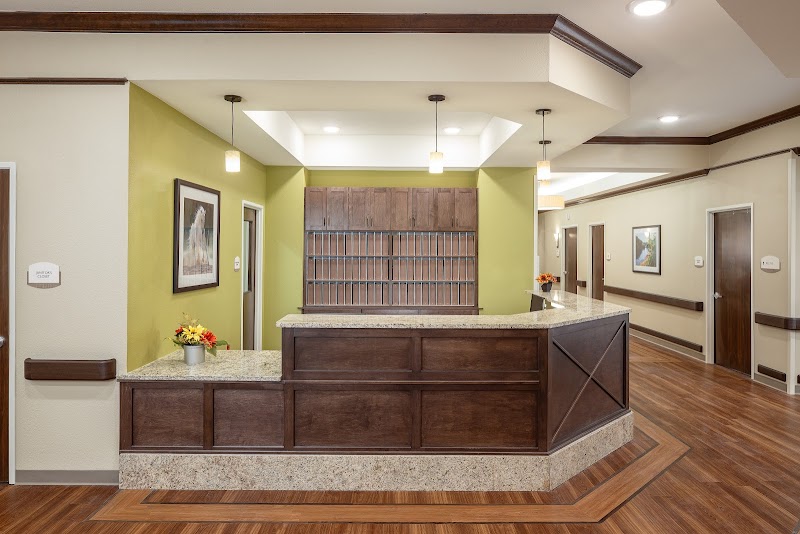
How is Advanced Rehabilitation & Healthcare Of Live Oak Staffed?

CMS rates ADVANCED REHABILITATION & HEALTHCARE OF LIVE OAK's staffing level at 2 out of 5 stars, which is below average compared to other nursing homes. Staff turnover is 53%, compared to the Texas average of 46%. RN turnover specifically is 59%, which is notably high. RNs provide skilled clinical oversight, so turnover in this role can affect medical care quality.

What Have Inspectors Found at Advanced Rehabilitation & Healthcare Of Live Oak?

State health inspectors documented 40 deficiencies at ADVANCED REHABILITATION & HEALTHCARE OF LIVE OAK during 2023 to 2025. These included: 1 Immediate Jeopardy (the most serious level, indicating potential for serious harm or death), 38 with potential for harm, and 1 minor or isolated issues. Immediate Jeopardy findings are rare and represent the most serious regulatory concerns. They require immediate corrective action.
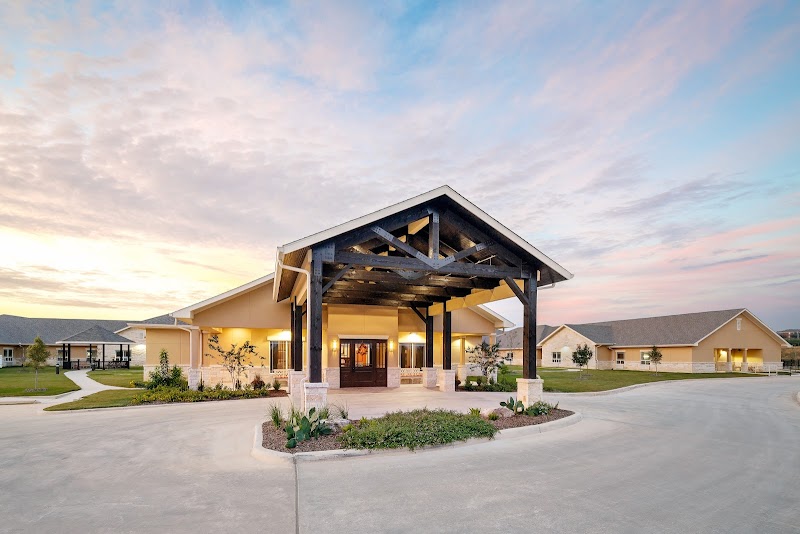
Who Owns and Operates Advanced Rehabilitation & Healthcare Of Live Oak?

ADVANCED REHABILITATION & HEALTHCARE OF LIVE OAK is owned by a for-profit company. For-profit facilities operate as businesses with obligations to shareholders or private owners. The facility is operated by RUBY HEALTHCARE, a chain that manages multiple nursing homes. With 123 certified beds and approximately 109 residents (about 89% occupancy), it is a mid-sized facility located in LIVE OAK, Texas.
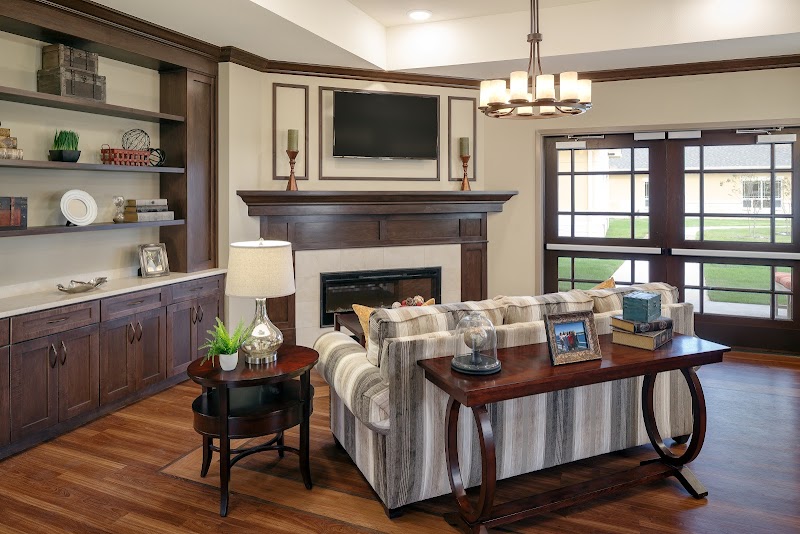
How Does Advanced Rehabilitation & Healthcare Of Live Oak Compare to Other Texas Nursing Homes?

Compared to the 100 nursing homes in Texas, ADVANCED REHABILITATION & HEALTHCARE OF LIVE OAK's overall rating (3 stars) is above the state average of 2.8, staff turnover (53%) is near the state average of 46%, and health inspection rating (2 stars) is below the national benchmark.

What Should Families Ask When Visiting Advanced Rehabilitation & Healthcare Of Live Oak?

Based on this facility's data, families visiting should ask: "What changes have been made since the serious inspection findings, and how are you preventing similar issues?" "What safeguards and monitoring systems are in place to protect residents from abuse or neglect?" "Can you walk me through typical staffing levels on day, evening, and night shifts?" "Can I visit during a mealtime to observe dining assistance and food quality?" These questions are particularly relevant given the facility's Immediate Jeopardy citations, the substantiated abuse finding on record, and the below-average staffing rating.

Is Advanced Rehabilitation & Healthcare Of Live Oak Safe?

Based on CMS inspection data, ADVANCED REHABILITATION & HEALTHCARE OF LIVE OAK has documented safety concerns. The facility has 1 substantiated abuse finding (meaning confirmed case of resident harm by staff or other residents). Inspectors have issued 1 Immediate Jeopardy citation (the most serious violation level indicating risk of serious injury or death). The facility has a 3-star overall rating and ranks #1 of 100 nursing homes in Texas. Families considering this facility should ask detailed questions about what corrective actions have been taken since these incidents.

Do Nurses at Advanced Rehabilitation & Healthcare Of Live Oak Stick Around?

ADVANCED REHABILITATION & HEALTHCARE OF LIVE OAK has a staff turnover rate of 53%, which is 7 percentage points above the Texas average of 46%. Moderate turnover is common in nursing homes, but families should still ask about staff tenure and how the facility maintains care continuity when employees leave.

Was Advanced Rehabilitation & Healthcare Of Live Oak Ever Fined?

ADVANCED REHABILITATION & HEALTHCARE OF LIVE OAK has been fined $22,935 across 3 penalty actions. This is below the Texas average of $33,308. While any fine indicates a compliance issue, fines under $50,000 are relatively common and typically reflect isolated problems that were subsequently corrected. Families should ask what specific issues led to these fines and confirm they've been resolved.

Is Advanced Rehabilitation & Healthcare Of Live Oak on Any Federal Watch List?

ADVANCED REHABILITATION & HEALTHCARE OF LIVE OAK is not on any federal watch list. The most significant is the Special Focus Facility (SFF) program, which identifies the bottom 1% of nursing homes nationally based on persistent, serious quality problems. Not being on this list means the facility has avoided the pattern of deficiencies that triggers enhanced federal oversight. This is a positive indicator, though families should still review the facility's inspection history directly.