MANSFIELD MEDICAL LODGE

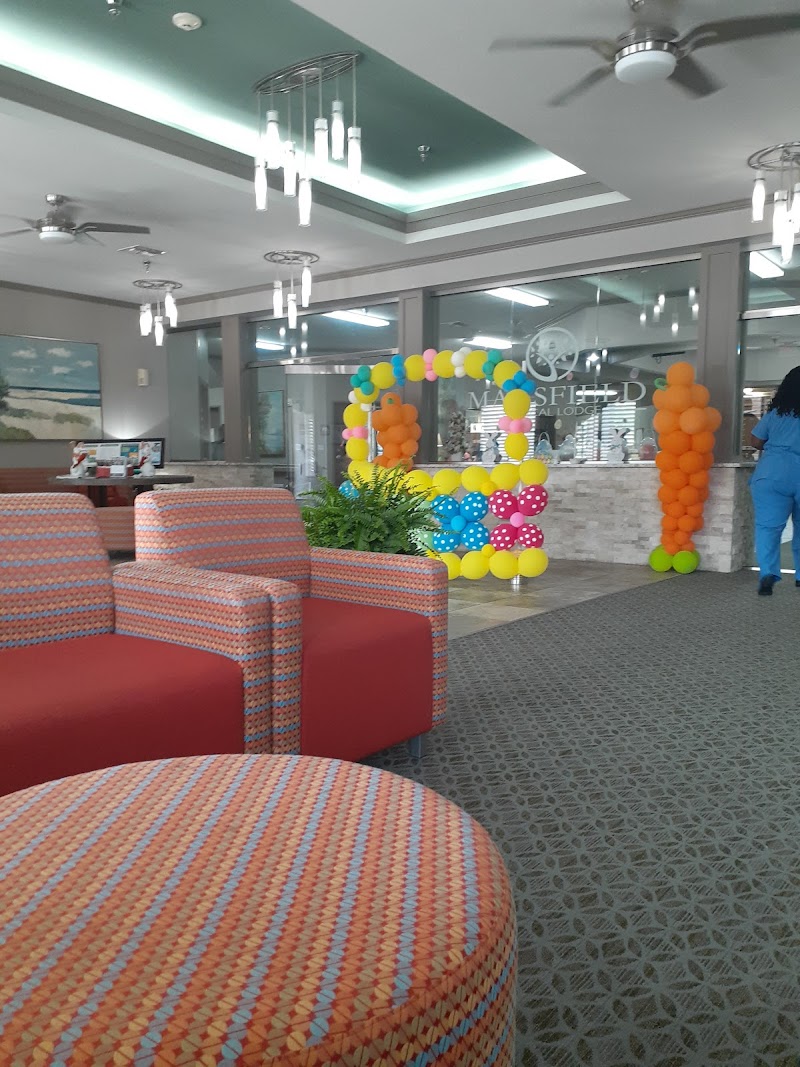
301 N MILLER RD, MANSFIELD, TX 76063 (817) 276-4800
For profit - Limited Liability company 118 Beds PRIORITY MANAGEMENT Data: November 2025 2 Immediate Jeopardy citations
Trust Grade
34/100
#517 of 1168 in TX
Last Inspection: August 2024

Within standard 12-15 month inspection cycle. Federal law requires annual inspections.

Overview

Mansfield Medical Lodge received a Trust Grade of F, indicating significant concerns about the quality of care provided. With a state ranking of #517 out of 1168, they are in the top half of Texas facilities, but their county rank of #24 out of 69 suggests that there are better local options. The facility is improving, having reduced issues from 4 in 2024 to 2 in 2025, but the staffing situation is alarming with a rating of 1 out of 5 stars and a turnover rate of 66%, much higher than the Texas average. While RN coverage is good, exceeding that of 87% of Texas facilities, there have been critical incidents, such as failing to notify a physician about a resident's deteriorating condition and improper feeding practices that led to hospitalization. Additionally, food safety practices have raised concerns, with findings of moldy and improperly stored food, which could pose health risks to residents.

Trust Score
F
34/100
In Texas
#517/1168
Top 44%
Safety Record
High Risk
Review needed
Inspections
Getting Better
4 → 2 violations
Staff Stability
⚠ Watch
66% turnover. Above average. Higher turnover means staff may not know residents' routines.
Penalties
○ Average
$6,032 in fines. Higher than 72% of Texas facilities. Some compliance issues.
Skilled Nurses
○ Average
Each resident gets 33 minutes of Registered Nurse (RN) attention daily — about average for Texas. RNs are the most trained staff who monitor for health changes.
Violations
⚠ Watch
14 deficiencies on record. Higher than average. Multiple issues found across inspections.
★★★☆☆
3.0
Overall Rating
★☆☆☆☆
1.0
Staff Levels
★★★☆☆
3.0
Care Quality
★★★★☆
4.0
Inspection Score
Stable
2024: 4 issues
2025: 2 issues

The Good

  • Full Sprinkler Coverage · Fire safety systems throughout facility
  • No fines on record

Facility shows strength in fire safety.

The Bad

3-Star Overall Rating

Near Texas average (2.8)

Meets federal standards, typical of most facilities

Staff Turnover: 66%

20pts above Texas avg (46%)

Frequent staff changes - ask about care continuity

Federal Fines: $6,032

Below median ($33,413)

Minor penalties assessed

Chain: PRIORITY MANAGEMENT

Part of a multi-facility chain

Ask about local staffing decisions and management

Staff turnover is elevated (66%)

18 points above Texas average of 48%

The Ugly 14 deficiencies on record

2 life-threatening
Jun 2025 2 deficiencies
CONCERN (D) 📢 Someone Reported This

A family member, employee, or ombudsman was alarmed enough to file a formal complaint

Potential for Harm - no one hurt, but risky conditions existed

Comprehensive Care Plan (Tag F0656)

Could have caused harm · This affected 1 resident

**NOTE- TERMS IN BRACKETS HAVE BEEN EDITED TO PROTECT CONFIDENTIALITY** Based on interview and record review, the facility failed to develop and implement a comprehensive person-centered care plan for...

Read full inspector narrative →
**NOTE- TERMS IN BRACKETS HAVE BEEN EDITED TO PROTECT CONFIDENTIALITY** Based on interview and record review, the facility failed to develop and implement a comprehensive person-centered care plan for each resident that included measurable objectives and timeframes to meet a resident's medical, nursing, and mental and psychosocial needs that were identified in the comprehensive assessment for one (Resident #2) of five residents reviewed for care plans. The facility failed to ensure Resident #1's comprehensive care plan addressed a stage three sacral wound and pacemaker interventions. This failure could place residents at risk of receiving inadequate interventions not individualized to their health care needs. Findings included: Record review of Resident #2's Face Sheet dated 06/04/25 reflected the resident was an [AGE] year-old female who admitted to the facility on [DATE]. Resident #2's active diagnoses included mechanical complication of internal right knee prosthesis, dysphagia (difficulty swallowing), morbid obesity, neuropathy (nerve damage that can lead to pain, weakness, numbness, or tingling in one or more parts of the body), spinal stenosis (a condition where the spaces within the spinal column narrow, potentially compressing the spinal cord or nerve roots), fibromyalgia (a chronic condition causing widespread pain, fatigue, and other symptoms like sleep disturbances and cognitive difficulties), chronic kidney disease (a progressive condition where the kidneys gradually lose their ability to filter waste and excess fluid from the blood, leading to a buildup of these substances in the body), presence of pacemaker and presence of artificial knee joint. Resident #1's face sheet did not include any presence of skin problems or pressure ulcers. Record review of Resident #2's admission MDS assessment dated [DATE] reflected a BIMS score of 15, which indicated no cognitive impairment. Resident #2 had no signs/symptoms of delirium, no potential indicators of psychosis and no rejection of care issues. Resident #2 required staff assistance for ADL's and was frequently incontinent of bowel and bladder. Resident #2 was at risk of developing pressure ulcers/injuries and had a stage 3 pressure wound upon admission (A stage 3 pressure wound is characterized by full thickness loss of skin where the wound has broken through the top two layers of skin and extends into the fatty tissue below, resembling a hole or crater), surgical wounds, required a pressure reducing device for bed, nutrition or hydration interventions to manage skin problems, pressure ulcer/injury care, surgical wound care and applications of ointments/medications. Resident #2's care plan initiated 05/11/25 and last revised 05/23/25 revealed it did not address her sacral (triangular bone at the base of the spine) wound or any other skin integrity issues. For her pacemaker, the care plan identified it as a care area on 05/12/25, however, under the interventions section, it was incomplete and reflected, The resident's Pacemaker information: Manufacturer:(SPECIFY) Model: (SPECIFY) Serial #: (SPECIFY) Date implanted: (SPECIFY) Name of cardiologist: (SPECIFY). Record review of Resident #2's order summary dated 06/04/25 reflected the following treatment orders: -Cleanse pressure injury to sacrum with normal saline, pat dry, apply collagen and cover with a dry dressing daily and as needed for soilage or dislodgement as needed for wound care and everyday shift for wound care (start date 05/20/25). Additionally, record review of Resident #2's order summary did not include a order for a pacemaker or pacemaker monitoring. It only reflected under the diagnoses section, Presence of cardiac pacemaker. Record review of Resident #2's nursing progress note dated 05/09/25 reflected, Patient was admitted with right knee surgical repair enclosed by brace and ace wrap, right buttock skin breakdown, left buttock skin breakdown and bruises to bilateral (both sides) arms and right thigh, treatment order is in place. Record review of Resident #2's May 2025 TAR reflected no documented evidence that wound care was provided to her sacrum as ordered on the weekend of 05/24/25, 05/25/25 and 05/31/25. On those dates, the TAR was blank with no initial or check mark. Record review of Resident #2's initial wound evaluation dated 05/12/25 by MD B reflected she had one stage three pressure wound on her sacrum that measured 1.5 cm x 0.6 cm x 0.3 cm with a surface area of 0.9 cm2, a wound base with 90% granulation (the appearance of new tissue during wound healing) , 10% slough (dead tissue that needs to be removed from a wound to promote healing), light serosanguineous (clear fluid that leaks out of wounds) and no signs of infection. Resident #2 was noted to be at high risk of wound incidence due to impaired mobility, co-morbid conditions and incontinence. MD B's recommendations included, Implement pressure relieving measures and offloading as tolerated; Low air loss mattress-alternating pressure (group 2 mattress) - verify appropriate function and setting as per manufacturer guidelines; Continue to reposition the patient regardless of the support surface in use; Implement pressure relieving measures, offloading and repositioning as tolerated; Establish turning frequency based on the characteristics of the support surface and the patient's response. An interview with ADON C on 06/03/25 at 3:54 PM revealed she was currently standing in as the wound care nurse for the past three weeks. She stated that care planning wounds was the responsibility of the MDS nurses, which included new wounds acquired in the facility as well as residents who admitted with wounds. ADON C stated it was important to care plan wounds because the care plan tells you about the patient. An interview and observation with Resident #2 on 06/04/25 at 9:55 AM revealed she was in bed in her room, but she did not have a low air loss mattress on her bed. Resident #2 stated she used to have one but a couple weeks ago a staff member accidentally dislodged the control unit at the foot of the bed and after that, it would not work so the staff removed it from her bed. Resident #2 stated she could not feel the difference in her comfort leave and was not in any pain because the wound on her sacrum was almost healed. Resident #2 felt her wound was still healing after the low air loss mattress was removed so she was okay with it. Resident #2 was asked if she had received wound care the past two weekends and she said she could not remember for sure, but on the weekends, there is not much of any care happening. Resident #2 assumed she did not get wound care the past two weekends and said every now and then she would get physical therapy on a Saturday, but that was it. Resident #2 stated she was not tended to as well on the weekends and felt the staff provided much less care than during the weekdays. An interview with MDS LVN G on 06/04/25 at 10:32 AM revealed when a resident admitted to the facility with wounds, the admitting nurse was responsible for care planning the wound(s) and each department was responsible for care planning their focus areas. She stated since wounds fell under the nursing department's responsibility, the ADONs as well as the MDS nurses could also care plan wounds if they had the wound care doctor's notes to reference. MDS LVN G stated care planning a resident's wounds was very important as it helped show the guidelines for maintaining the skin's integrity and was a plan that was created for the resident to have a good outcome. With pacemakers, MDS LVN G stated the MDS nurse could care plan those when they did the comprehensive care plans but the baseline care plan which covered the resident's first 14 days at the facility but could be done by anyone in the nursing department. MDS LVN G stated when care planning issues that were generated by a CAA, she tried to ensure it was checked off and care planned, but no system is perfect. MDS LVN G stated when the management had daily clinical staff meetings, they discussed skin integrity changes and any new wounds. If there was a new wound identified, the nursing staff could care plan the wound at that time on the care plan meeting if the DON requested it. Review of the facility's policy titled, Comprehensive Care Plans, revised January 2025 reflected, Policy Statement: A comprehensive, person-centered care plan that includes measurable objectives and timetables to meet the resident's physical, psychosocial and functional needs is developed and implemented for each resident.7. The comprehensive, person-centered care plan: a. includes measurable objectives and timeframes; b. describes the services that are to be furnished to attain or maintain the resident's highest practicable physical, mental, and psychosocial well-being, . (3) which professional services are responsible for each element of care; c. includes the resident's stated goals upon admission and desired outcomes; d. builds on the resident's strengths; and e. reflects currently recognized standards of practice for problem areas and conditions. Review of the facility's policy titled, Baseline Care Plans, revised 11/13/23 reflected, .2. The Interdisciplinary Team will review the healthcare practitioner's orders (e.g., dietary needs, medications, routine treatments, etc.) and implement a baseline care plan to meet the resident's immediate care needs including but not limited to: a. Initial goals based on admission orders; b. Physician orders; c. Dietary orders; d. Therapy services; e. Social services; and f. PASARR recommendation, if applicable.
CONCERN (E) 📢 Someone Reported This

A family member, employee, or ombudsman was alarmed enough to file a formal complaint

Potential for Harm - no one hurt, but risky conditions existed

Pressure Ulcer Prevention (Tag F0686)

Could have caused harm · This affected multiple residents

**NOTE- TERMS IN BRACKETS HAVE BEEN EDITED TO PROTECT CONFIDENTIALITY** Based on observations, interviews and records review, the facility failed to ensure residents with pressure ulcers received nece...

Read full inspector narrative →
**NOTE- TERMS IN BRACKETS HAVE BEEN EDITED TO PROTECT CONFIDENTIALITY** Based on observations, interviews and records review, the facility failed to ensure residents with pressure ulcers received necessary treatment and services, consistent with professional standards of practice, to promote healing, prevent infection and prevent new ulcers from developing for two (Resident #1 and Resident #2) of five residents reviewed for quality of care. 1. The facility failed to follow physician's order to cover Resident #1's wound with a dry dressing as needed for dislodgement of dressing on 06/03/25. 2. The facility failed to ensure Resident #1's had a low air loss mattress pump with the correct settings for appropriate pressure redistribution on 06/03/25. 3. The facility failed to provide wound care to Resident #2's sacral wound on 05/24/25, 05/25/25, 05/31/25 and 06/01/25. 4. The facility failed to ensure Resident #2 had a functioning low air loss mattress available to use to promote healing of her sacral wound on 06/03/25 and 06/04/25. These failures placed residents at risk of developing new or worsening pressure ulcers. Findings included: 1. Record review of Resident #1's Face Sheet dated 06/04/25 reflected she was an [AGE] year-old female who admitted to the facility on [DATE]. Resident #1's active diagnoses included memory deficit following cerebral infarction, dysphagia (difficulty swallowing), aphasia (loss of ability to understand speech), heart failure, kidney disease, Parkinson's disease (a progressive movement disorder of the nervous system) and overactive bladder. Resident #1 did not admit with any pressure ulcers. Record review of Resident #1's quarterly MDS assessment dated [DATE] reflected a BIMS score of 03 which indicated severe cognitive impairment. Resident #1 had no signs or symptoms of delirium, no negative mood issues, no potential indicators of psychosis and no rejection of care. Resident #1 used a wheelchair for mobility, had no range of motion impairment, required staff assistance for all ADLs and was occasionally incontinent of bowel and bladder. Resident #1 weighed 111 pounds and was five foot four inches tall. Resident #1 was at risk of developing pressure ulcers/injuries and one stage four pressure ulcer which the assessment reflected was present upon admission to the facility. Resident #1 had a pressure reducing device for bed, nutrition or hydration interventions to manage skin problems and pressure ulcer/injury care. Record review of Resident #1's care plan dated 07/02/24 and last revised 03/28/25 reflected no specific discussion of her sacral (triangular bone at the base of the spine ) wound. The care plan reflected only that she was at risk potential/actual impairment to skin integrity related fragile skin and she was at risk for enhanced barrier precautions related to wound/wound care and increased risk of multi-drug resistant organism acquisition. The care plan did not reflect her current wound identification or treatment needs. The care plan also did not reflect Resident #1 was receiving hospice services. Record review of Resident #1's Order Summary Report dated 06/03/25 did not include any orders for a low air loss mattress and reflected: -Cleanse pressure injury to sacrum with normal saline or wound cleaner, pat dry, apply [brand name-wound dressing impregnated with sodium chloride specifically designed for heavily draining and discharging wounds], cover with dry dressing daily and as needed for soilage or dislodgement for wound care (start date 05/20/25) -Enhanced Barrier Precautions for the following: Wounds every shift (start date 05/14/25) Record review of Resident #1's June 2025 TAR revealed the orders were implemented as written for daily care as evidenced by a checkmark and LVN A's initial on 06/03/25 (no time was indicated). The PRN TAR did not reflect any PRN wound care was done on 06/03/25 (6A-2P shift) when Resident #1's dressing was removed or became dislodged. Record review of Resident #1's online e-chart reflected no weights recorded under the vitals section for the past 90 days. Record review of Resident #1's most recent nutrition progress note dated 05/27/25 reflected a weight of 111 pounds and indicated her stage 4 sacral wound was improving (Stage 4 is the most severe and deepest stage of pressure ulcers. It is characterized by extensive tissue damage that extends beyond the skin, exposing muscle, tendon, or bone). The assessment stated, Resident continues on hospice care, no recent weight available. Wound noted as improving. Goal for comfort care. Record review of Resident #1's most recent wound care visit dated 06/02/25 reflected it was an evaluation of the wound on her Sacro coccyx (an injury or ulceration in the sacral (lower back) or coccygeal (tailbone) region) The wound measurements at that time were 2.0 cm x 1.3 cm x 0.7 cm with a surface area of 2.6 cm. There was tunnelling (a type of wound where a narrow channel extends from the main wound site into deeper tissues, forming a passageway under the skin) at 12 o'clock of 1.5 cm. The wound was noted to be acquired on 06/27/24 and was improving. There was 90% granulation (the process of new tissue and blood vessel formation within a wound during healing) and 10% slough . Resident #1's sacral wound required a daily dry dressing. An observation and interview on 06/03/25 at 10:39 AM of Resident #1 along with the charge nurse LVN A was conducted to check placement of her dressing and check for the date and initial of the staff who last changed it. Resident #1 was not interviewable or responsive to investigator questions. Resident #1's low air loss mattress was present with a control unit placed at the foot of the bed. The pump's power button was lit up and in the ON position and the weight setting pressure adjust knob was pointed between 280-300 pounds. When LVN A turned Resident #1 to look at the dressing, the sacral wound was exposed without a dressing on it. There was an open wound bed with a small piece of rolled up wound dressing gauze inside the wound. There was no drainage observed coming from the wound, it appeared clean with no redness or inflammation observed. LVN A stated she did not know the dressing was off and no one had told her it had come off on her shift that morning. LVN A stated there was no wound care nurse at the facility and they were in-between hiring a new one. She stated presently, ADON C did the wound care on the weekdays and weekends and the charge nurses who worked the floors did wound care as needed. An interview with the DON on 06/03/25 at 12:40 PM revealed Resident #1 was on hospice services and they probably came out and gave her a bath and the dressing came off and they did not tell the nurse. With missing treatment not documented as being provided on the TAR, the DON stated she would look into it and see what happened. An interview with ADON C on 06/03/25 at 3:54 PM revealed she was standing in as the wound care nurse since their wound care nurse quit three weeks ago. ADON C stated, The main thing is to make sure the wound care gets done and nothing gets infected. Regarding Resident #1, ADON C stated when a dressing was not on a resident, there was a PRN order to change it and put a new one on. She said the charge nurse on duty could do it and did not need to wait for herself or ADON D to change it. ADON C stated it was important to do a dressing change when it came off or was dislodged because the resident would be at risk for infection, you don't know what kind of microbes she was sitting on. When a dressing is not on a resident, it is a matter of reporting it, whoever sees it should report it to the charge nurse if they know it is not on. With Resident #1, ADON C stated the nurse was capable of looking in the resident chart to see what their current weight was to ensure the low air loss mattress was at the correct setting. ADON C stated when she rounded, she looked to see if the low air loss mattresses were set correctly. She said she did not do it every day, but she did glance at them. She stated once a resident was on hospice, they no longer got routinely weighed. ADON C stated if Resident #1's pressure was offset too much, meaning her weight was set too high for her body, it made the mattress firmer versus where it needed to be for optimized healing. ADON C stated she did not do wound care for residents on the weekends and that was the responsibility of the weekend charge nurses on duty. An interview with ADON D on 06/04/25 at 10:17 AM revealed she did not do wound care for Resident #1 the day prior on 06/03/25 but wanted to find out why there was no dressing on her sacrum during the investigator's observation at that time. ADON D stated she talked to the overnight CNA who told her the dressing was on Resident #1's sacrum when she did her last peri care on 06/03/25 before her shift was over at 6:00 AM. Then the 6A-2P CNA told ADON D that Resident #1's dressing was off when she saw it in the morning (time unknown). ADON D stated she then called Resident #1's hospice provider and they verified it was the hospice aide who removed the dressing because it was soiled when she came for her routine visit the early morning of 06/03/25. ADON D stated the hospice aide apparently left the dressing off because she was used to ADON C being at the facility every morning who would come in an do wound care after the hospice aide bathed Resident #1, so she left it off thinking ADON C would be coming in to dress imminently. However, ADON D said ADON C did not come into the facility that morning and was offsite. ADON D stated the hospice aide did not notify the charge nurse (LVN A) that the dressing was off, again, assuming [ADON C] was going to do it soon. So the charge nurse did not know the dressing was off, or she would have done it. A follow up observation of Resident #1 on 06/04/25 at 10:33 AM (after investigator intervention) revealed she was in bed awake but not responsive to questions. Her low air loss mattress setting had been changed to a weight of 120 pounds. 2. Record review of Resident #2's Face Sheet dated 06/04/25 reflected was an [AGE] year-old female who admitted to the facility on [DATE]. Resident #2's active diagnoses included mechanical complication of internal right knee prosthesis, dysphagia (difficulty swallowing), morbid obesity, neuropathy (nerve damage that can lead to pain, weakness, numbness, or tingling in one or more parts of the body), spinal stenosis (a condition where the spaces within the spinal column narrow, potentially compressing the spinal cord or nerve roots), fibromyalgia (a chronic condition causing widespread pain, fatigue, and other symptoms like sleep disturbances and cognitive difficulties), chronic kidney disease (a progressive condition where the kidneys gradually lose their ability to filter waste and excess fluid from the blood, leading to a buildup of these substances in the body), presence of pacemaker and presence of artificial knee joint. Resident #1's face sheet did not include any presence of skin problems or pressure ulcers. Record review of Resident #2's admission MDS assessment dated [DATE] reflected a BIMS score of 15, which indicated no cognitive impairment. Resident #2 required staff assistance for ADLs and was frequently incontinent of bowel and bladder. Resident #2 weighed 254 pounds and was five foot six inches tall . Resident #2 was at risk of developing pressure ulcers/injuries and had one stage three pressure ulcer that was noted to be present upon admission. Resident #2's MDS also noted that she had surgical wounds, required a pressure reducing device for bed, nutrition or hydration interventions to manage skin problems, pressure ulcer/injury care, surgical wound care and applications of ointments/medications. Resident #2's care plan initiated 05/11/25 and last revised 05/23/25 revealed it did not address her sacral wound or any other skin integrity issues. Record review of Resident #2's order summary dated 06/04/25 reflected the following treatment orders: -Cleanse pressure injury to sacrum with normal saline, pat dry, apply collagen and cover with a dry dressing daily and as needed for soilage or dislodgement as needed for wound care and everyday shift for wound care (start date 05/20/25) -Turn and reposition per policy or as appropriate, monitor every shift related to decreased mobility, incontinence, High Risk breakdown and skin integrity (start date 05/09/25) -May have pressure reducing mattress unless otherwise indicated (start date 05/09/25). Record review of Resident #2's nursing progress note dated 05/09/25 reflected, Patient was admitted with right knee surgical repair enclosed by brace and ace wrap, right buttock skin breakdown, left buttock skin breakdown and bruises to bilateral (affecting both sides) arms and right thigh, treatment order is in place. Record review of Resident #2's May 2025 TAR reflected no documented evidence that wound care was provided to her sacrum as ordered on the weekends of 05/24/25, 05/25/25 and 05/31/25 . On those dates, the TAR was blank with no initials or check marks. Record review of Resident #2's initial wound evaluation dated 05/12/25 by MD B reflected she had one stage three pressure wound on her sacrum that measured 1.5 cm x 0.6 cm x 0.3 cm with a surface area of 0.9 cm2, a wound base with 90% granulation , 10% slough, light serosanguineous ( a type of wound drainage that is thin, watery, and pale red or pink in color) and no signs of infection. Resident #2 was noted to be at high risk of wound incidence due to impaired mobility, co-morbid conditions and incontinence. MD B's recommendations included, Implement pressure relieving measures and offloading as tolerated; Low air loss mattress-alternating pressure (group 2 mattress) - verify appropriate function and setting as per manufacturer guidelines; Continue to reposition the patient regardless of the support surface in use; Implement pressure relieving measures, offloading and repositioning as tolerated; Establish turning frequency based on the characteristics of the support surface and the patient's response. Record review of Resident #2's subsequent wound care visits by MD B on 05/19/25, 05/26/25 and 06/02/25 revealed her wound was improving at each visit. MD B continued to recommend that Resident #2 have a pressure relieving low air loss mattress at each visit. Record review of Resident #2's June 2025 TAR reflected no documented evidence that wound care was provided to her sacrum as ordered on Sunday 06/01/25 . On that date, the TAR was blank with no initial or check mark. An interview and observation with Resident #2 on 06/04/25 at 9:55 AM revealed she was in bed in her room but she did not have a low air loss mattress on her bed. Resident #2 stated she used to have one but a couple weeks ago a staff member accidentally dislodged the control unit at the foot of the bed and after that, it would not work so the staff removed it from her bed. Resident #2 stated she could not feel the difference in her comfort leave and was not in any pain because the wound on her sacrum was almost healed. Resident #2 felt her wound was still healing after the low air loss mattress was removed so she was okay with it. Resident #2 was asked if she had received wound care the past two weekends and she said she could not remember for sure, But on the weekends, there is not much of any care happening. Resident #2 assumed she did not get wound care the past two weekends and said every now and then she will get physical therapy on a Saturday, but that was it. Resident #2 stated she was not tended to as well on the weekends and felt the staff provided much less can that during the weekdays. 3. An interview with LVN E on 06/04/25 at 10:13 AM revealed ADON C currently did all wound care in the facility, unless a dressing was soiled or dislodged, then the charge nurses could do it as needed, but everything else, the wound care nurse completes. An interview with central supply staff (CS F) on 06/04/25 at 10:49 AM revealed she was responsible for ordering a resident's low air loss mattress and had a company she rented them from who could usually supply them to the facility on the same day once ordered. CS F stated Resident #2's low air loss mattress pump got dislodged and the facility had ordered her another one but claimed Resident #1 did not want it and said it was uncomfortable. CS F stated, With the mattress, they [residents in general] don't like that they can't have all the extra bedding on it. With setting a low air loss mattress to the correct setting, CS F stated that was determined by the weight of the resident and the nurse was the one who usually set it. CS F stated, I can do it, but most of the time I go plug them up and then the nurse or treatment nurse will adjust it to the correct setting. A follow up interview with the DON on 06/04/25 at 11:36 AM revealed for Resident #2, the missing TAR documentation of wound care being provided was part of the reason why the previous wound care nurse had to go. The DON stated the previous wound care nurse was clicking and signing off on the pain section of the TAR which was right above the box to indicate wound care was provided. She said the previous wound care nurse was clicking that she was assessing the resident's pain but was not going back into the TAR to indicate that she completed the wound care. The DON stated on the weekends, usually there was a nurse weekend supervisor who did the wounds, but that nurse had taken time off due to a family issue, so the charge nurses were having to complete it. She said, We make sure they do it because we check the dressings to see that they are dated with a signature since they did not click it off [chart on e-TAR]. We do run audits in [e-chart] and I address it with the nurses and med aides every morning. The DON stated she was always in the facility halls rounding and did not stay in her office a lot. She stated in the mornings, she checked her documentation at home to see what was not done as the e-charts had a system in place to audit missed medications/treatments. She stated on the weekends, I call up to the facility and check in on them. The DON stated for the past four days, ADON C (who currently does wound care) had been out of the facility because she was currently in school and was off on the mornings. With low air loss mattresses, the DON stated the charge nurses needed to know settings as well as the wound care nurse, they need to check to make sure because family members come around and fiddle with it. The DON stated the purpose of a low air loss mattress was to give the resident support and that whatever they were lying on was not preventing blood flow to boney areas. The DON stated she knew about Resident #2 not wanting a low air loss mattress and said her wound was still healing. The DON stated if a resident did not want a low air loss mattress, the protocol was to let the family member know and then educate the resident and family to let them know the risks and benefits of not using one. The DON stated, I am sure they told the [family member] but you know these days, if people don't want it, that's okay, but we explain why they need it. 4. Record review of the facility's policy titled, Wound Care, last revised November 2017 reflected, Steps in the Procedure- . 11. Remove dry gauze. Apply treatments as indicated; 12. Dress wound. Pick up sponge and apply directly to area. [NAME] tape with initials, time, and date and apply to dressing.Documentation-The following information should be recorded in the resident's medical record: 1) The type of wound care given; 2)The date and time the wound care was given; 3) The name and title of the individual performing the wound care; 4) Any change in the resident's condition; 5) All assessment data (i.e., wound bed color, size, drainage, etc.) obtained when inspecting the wound; 6) Any problems or complaints made by the resident related to the procedure; 7) If the resident refused the treatment and the reason(s) why; 8) The signature and title of the person recording the data.
Sept 2024 2 deficiencies
CONCERN (D) 📢 Someone Reported This

A family member, employee, or ombudsman was alarmed enough to file a formal complaint

Potential for Harm - no one hurt, but risky conditions existed

Transfer Requirements (Tag F0622)

Could have caused harm · This affected 1 resident

**NOTE- TERMS IN BRACKETS HAVE BEEN EDITED TO PROTECT CONFIDENTIALITY** Based on interview and record review the facility failed to permit each resident to remain in the facility, and not transfer or ...

Read full inspector narrative →
**NOTE- TERMS IN BRACKETS HAVE BEEN EDITED TO PROTECT CONFIDENTIALITY** Based on interview and record review the facility failed to permit each resident to remain in the facility, and not transfer or discharge the resident from the facility unless the resident failed, after reasonable and appropriate notice, to pay for a stay at the facility for 1 of 6 residents (Resident #1) reviewed for transfer and discharged rights. The BOM failed to submit Resident #1's Long Term (Medicaid) application and provided bank statements when she and her family expressed interest in applying for Medicaid prior to her discharge from the facility on 09/12/24. This deficient practice could place residents at risk of not being able to remain at the facility, resulting in violation of their rights. The findings include: Record review of Resident #1's, undated, face sheet reflected a [AGE] year-old female who was admitted to the facility on [DATE], Resident #1 had diagnoses which included muscle wasting and atrophy, cognitive communication deficit, dysphagia, type 2 diabetes mellitus with hypoglycemia, congestive heart failure, unspecified dementia, other viral pneumonia, chronic kidney disease, and essential hypertension. Record review of Resident #1's care plan, initiated on 08/16/24, reflected the following: Focus: Admit to SNF D/T self-care deficit: Resident requires 24-hour nursing care and has no plans to discharge at this time. Resident will remain long term for nursing services. Record review of the physician order tab of Resident #1's electronic health record reflected the following physician order created on 09/11/24: May discharge home with all medications and personal belongings. Home Health to eval and treat for PT OT ST and nursing. DME as indicated Record review of the progress notes tab of Resident #1's electronic health record reflected the following note, created on 09/19/24 by the SSA: D/C home 9/12/24, transported by [the facility].; [home health agency and contact information]. Wheelchair and 3-1 commode from [DME Company and contact information]. Family will make follow up appt (per clinic request). D/C all meds and personal belongings. Record review of the financial notes tab of Resident #1's electronic health record reflected the following notes made by the BOMA: - a note dated 08/23/24, Spoke with [family member] over MCP if they are wanting LTC, stated [the family member] needed to speak with [family members] to discuss if it will be the right decision. I told [family member] we are on a time crunch to see if she would meet eligibility as we still have not seen any financials and since we have a CC on file she will continue to make the weekly payments for 150 for the copays she is in. [The family member] stated they understood and hopefully by next week and will have a decision. - a note on 09/09/24, spoke with [family member] again over LTC and BO hasn't received any financials to determine eligibility. [Family Member] stated they weren't followed up with by the BO still wanting financials. I told him was he not seeking LTC for [Resident #1] as discussed and [family member] stated yes. I told him we have yet to receive any financial information and BO is needing ASAP, as [Resident #1] will be receiving a NOMNC this week and will have to be DC. [Family member] was upset and stated they would try to get everything in by the end of the week. In an interview on 09/20/24 at 8:26 AM, Resident #1's family member stated Resident #1 was discharged abruptly from the facility on 09/12/24. The family member stated they had been in communication with the facility regarding Resident #1's stay. The family member stated they received a call on 09/09/24 or 09/10/24 from the BOMA stating Resident #1's stay at the facility would no longer be covered. The family member stated they discussed payment options for Resident #1's copays and applying for long term Medicaid. The family member stated after speaking with the family, it was decided to apply for Medicaid for Resident #1. The family member stated they provided the application and bank statements to the facility's business office. The family member stated he received a call from the facility and was told Resident #1 should be seen by her physician before her Medicaid application was processed, as it could help her eligibility. The family member stated they could not recall who they spoke to. The family member stated roughly a week after that call, they received an additional call requesting additional financial information regarding property, life insurance policies and vehicles. The family member stated they notified the facility they would try to get the additional information in and gave verbal payout amounts for the life insurance policy. The family member stated the facility advised him Resident #1 would not qualify for Medicaid and her discharge would continue as planned. In an interview on 09/20/24 at 3:09 PM, the BOM stated when the facility received a NOMNC for a resident, the resident and their representative and notified of their right of an appeal. The BOM stated if the resident was seeking long term care, they would assist in the application process. The BOM stated if financials were not provided to accompany the Medicaid application, the facility would continue with the discharge especially if the resident was given a NOMNC. The BOM stated if a Medicaid application was filed, the resident could not be discharged until a decision was made. The BOM stated a 30-day notice would be required to discharge a resident after a Medicaid application was submitted. The BOM stated Resident #1 was issued a NOMNC on 09/09/24, with the last covered service date being 09/12/24. The BOM stated Resident #1 appealed the NOMNC and lost the appeal on 09/10/24. The BOM stated Resident #1 and her family were notified they could request a 2nd level appeal, which would take roughly 2 weeks and they would have to pay out of pocket until an appeal decision was made. The BOM stated the family was unable to afford the required payments but did express interest in applying for Medicaid. The BOM stated the family submitted the resident bank statements and she was found to have a few properties, life insurance policies and vehicles in her name. The BOM stated she received a verbal payout figure of the life insurance policy from Resident #1's family member and advised the family member Resident #1 would not qualify after referencing the Medicaid income and resource limits. The BOM stated she had not submitted the Medicaid application because she generally did not submit Medicaid applications she did not believe they would qualify. In an interview on 09/25/24 at 12:10 PM, the BOMA stated discharges were planned at admission. The BOMA stated when residents were issued a NOMNC, they were told of their right to appeal, the facility's payment policies and if the resident wanted to apply for Medicaid, they were assisted. The BOMA stated she believed Resident #1 did not get approved for Medicaid due to the properties in her name and life insurance policies. The BOMA stated the facility would submit Medicaid applications with all supporting documents to determine their eligibility. The BOMA stated they would submit the application to the case worker and if additional documentation was received. The BOMA stated if additional documentation was needed the case worker would let the facility know and give the resident 10 days or so to submit the documentation. The BOMA stated she was uncertain if Resident #1's application was submitted but she could recall the resident had a life insurance policy that was over the resource limit and had properties in her name. In an interview on 09/25/24 at 4:30 PM, the ADMIN stated Medicaid applications were handled by the facility on a case-by-case basis. He stated the facility went by Medicaid guidelines to determine eligibility. The ADMIN stated if the resident did not provide all required documentation, the resident would become a private pay resident. The ADMIN stated the responsibility to submit Medicaid applications fell on the resident and their families, so he was not aware Resident #1's Medicaid application was not submitted, and he believed the BOM misspoke when she stated Medicaid applications were not submitted if they believed they would not be approved. The ADMIN stated he believed the facility did all they could do to assist Resident #1 in applying for Medicaid but the family failed to provide the required documentation to the business office. The ADMIN could not recall when the financial documentation was requested from Resident #1's family. When asked if the BOM should have submitted Resident #1's Medicaid application, the ADMIN stated nursing facilities were a business first and he did not believe Medicaid applications that they know would not be approved should be submitted by the facility. The ADMIN stated when their business office manager and lawyers review the documentation and they find the resident would not qualify, the resident was discharged and referred to independent lawyers to help residents apply for Medicaid. The ADMIN stated he would speak with the BOM about the submission of Medicaid applications in the future. A related facility policy was requested from BOM and ADMIN on 09/20/24 at 3:09 pm and on 09/25/24 at 4:30 pm but was not provided upon exit.
CONCERN (D) 📢 Someone Reported This

A family member, employee, or ombudsman was alarmed enough to file a formal complaint

Potential for Harm - no one hurt, but risky conditions existed

Transfer Notice (Tag F0623)

Could have caused harm · This affected 1 resident

**NOTE- TERMS IN BRACKETS HAVE BEEN EDITED TO PROTECT CONFIDENTIALITY** Based on interview and record review the facility failed to notify the resident and the resident's representative (s) of the tra...

Read full inspector narrative →
**NOTE- TERMS IN BRACKETS HAVE BEEN EDITED TO PROTECT CONFIDENTIALITY** Based on interview and record review the facility failed to notify the resident and the resident's representative (s) of the transfer or discharge and the reasons for the move in writing and in a language and manner they understood and failed to send a copy of the notice to a representative of the Office of the State Long-Term Care Ombudsman for one of four residents (Resident #1) and one of one month (August 2024) reviewed for transfer and discharge. 1. The facility failed to send a transfer or discharge notice in writing to the facility's Ombudsman as soon as practicable when Resident #1 was discharged home on [DATE]. 2. The facility failed to ensure the facility's Ombudsman was notified, at least 30 days in advance of the discharge, or as soon as practicable before transfer or discharge for all discharges during the month of August 2024. These failures could place residents at risk of being discharged and not having access to available advocacy services, discharge/transfer options, and the appeal processes. The findings include: Record review of Resident #1's, undated, face sheet reflected a [AGE] year-old female who admitted to the facility on [DATE]. Resident #1 had diagnoses which included muscle wasting and atrophy, cognitive communication deficit, dysphagia, type 2 diabetes mellitus with hypoglycemia, congestive heart failure, unspecified dementia, other viral pneumonia, chronic kidney disease, and essential hypertension. Record review of Resident #1's care plan, initiated on 08/16/24, reflected the following: Focus: Admit to SNF D/T self-care deficit: Resident requires 24-hour nursing care and has no plans to discharge at this time. Resident will remain long term for nursing services. Record review of the physician order tab of Resident #1's electronic health record reflected the following physician order created on 09/11/24: May discharge home with all medications and personal belongings. Home health to eval and treat for PT OT ST and nursing. DME as indicated Record review of the progress notes tab of Resident #1's electronic health record reflected the following note, created on 09/19/24 by the SSA: D/C home 9/12/24, transported by[the facility].; [home health agency and contact information]. Wheelchair and 3-1 commode from [DME Company and contact information]. Family will make follow up appt (per clinic request). D/C all meds and personal belongings. Record review of the facility's discharge logs from 06/01/24 to 09/20/24, indicated there were 24 residents who discharged from the facility in the month of August 2024. In a telephone interview on 09/25/24 at 10:02 AM, the Ombudsman stated she typically received notification of the facility's discharges by email. The Ombudsman stated she would receive monthly emails which listed the residents who were discharged from the facility. The Ombudsman stated she had no report of Resident #1's discharge and she believed she was last notified of discharges in July 2024. In an interview on 09/25/24 at 11:56 AM, the DON stated the facility hired a new social worker in July 2024. The DON stated the previous social worker did not notify the Ombudsman of the facility's discharges for the Month of August and neither did the facility's current social worker. The DON stated she attempted to call the Ombudsman to confirm the last month of discharges she was notified, but her call was unsuccessful. The DON stated the current social worker would email Augusts discharged to the Ombudsman immediately. In an interview on 09/25/24 at 12:52 PM, the SW stated she had been the facility's social worker for roughly 8 weeks. The SW stated she was still learning the facility's procedures and she did not know she had to notify the Ombudsman of the facility's discharges, but she would notify the Ombudsman of the facility's discharges. In an interview on 09/25/24 at 4:30 PM, the ADMIN stated he was not aware the Ombudsman was not notified of resident discharges since July 2024. The ADMIN stated the SW was solely responsible for notifying the Ombudsman of the facility's discharges. The ADMIN stated discharges should be reported to the Ombudsman monthly, unless a 30-day notice was issued, and a copy of the notice was sent to the Ombudsman the same day the notice was provided to the resident. The ADMIN stated he was unsure of what the Ombudsman did with the discharge notifications, so he was uncertain of how not receiving a discharge notification could affect the residents being discharged . The ADMIN stated he would in-service the SW and monitor discharge notifications to ensure the Ombudsman was notified appropriately in the future. A related policy was requested from the DON and ADMIN on 09/25/24 at 11:56 am and 4:30 pm but was not provided upon exit. t.
Aug 2024 2 deficiencies
CONCERN (D) 📢 Someone Reported This

A family member, employee, or ombudsman was alarmed enough to file a formal complaint

Potential for Harm - no one hurt, but risky conditions existed

Pharmacy Services (Tag F0755)

Could have caused harm · This affected 1 resident

**NOTE- TERMS IN BRACKETS HAVE BEEN EDITED TO PROTECT CONFIDENTIALITY** Based on observation, interview, and record review, the facility failed to provide pharmaceutical services (including procedures...

Read full inspector narrative →
**NOTE- TERMS IN BRACKETS HAVE BEEN EDITED TO PROTECT CONFIDENTIALITY** Based on observation, interview, and record review, the facility failed to provide pharmaceutical services (including procedures that assure the accurate acquiring, receiving, dispensing, and administering of all drugs and biologicals) to meet the needs of each resident for 1 of 4 nurses' medication carts (medication cart on 200 hall) reviewed for pharmacy services. The facility failed to discard expired glucometer control solution (used to test and calibrate the glucometer machines) from 200 hall medication cart. This failure placed the residents at risk of incorrect labeling of drugs and biologicals. Findings included. During an observation and interview on [DATE] at 10:15 AM, RN B identified the 200 hall nurse's medication cart. The cart contained a box of control solutions used to calibrate two glucometers which were also stored in the cart. No other control solutions were found within the cart. The box of control solutions reflected an expiration date of [DATE]. No open date was noted on the box. RN B stated he was unaware of the expired control solutions and it was the responsibility of the 10 pm to 6 AM nurse to use the solutions to calibrate the glucometers daily. RN B stated the risk for using expired control solutions included decreased efficacy of the solutions could make the calibration inaccurate which could lead to inaccurate results when testing resident's glucose levels. RN B provided the control logs completed by the 10 PM to 6 AM nurse. During an interview on [DATE] at 10:51 AM, the DON stated the 10:00 PM to 6:00 AM nurses were responsible for calibrating the glucometers on their carts. She stated she, the charge nurses, and the ADON were responsible for ensuring the calibrations were completed and items in the medication carts were up to date. She stated she was surprised to hear about the expired control solution and stated the pharmacy consultant also checked the carts. The DON checked the cart with RN B who showed her the expired solution. He had marked the box as DO NOT USE. The DON instructed RN B to retrieve new test strips and control solutions, re-calibrate the glucometers, and re-test the residents. She stated the risk of using expired solutions for calibration was inaccurate glucose readings when testing residents. On [DATE] at 2:51 PM, attempt to conduct a telephone interview with LVN C , who worked the 10:00 PM to 6:00 AM shift and signed the Glucometer Daily Quality Control Record on [DATE] through [DATE] and [DATE] through [DATE] was unsuccessful. During an interview on [DATE] at 2:52 PM, LVN D stated she began working at the facility in [DATE] and had performed glucometer calibrations while working the 10:00 PM to 6:00 AM shift on the 200 Hall. She stated she had been trained in performing the calibration tests and the solutions were used to test the machines for high and low readings. LVN D stated she recalled using the control solutions but did not recall checking for an expiration date on the box. In a telephone interview on [DATE] at 3:10 PM, ADON A stated it was her responsibility to ensure the glucometer calibrations were completed properly. She stated the nurses had been trained and should have known to check the expiration dates on the strips and control solutions prior to using them. She stated she routinely checked the medication carts for expired items as did the pharmacy consultant. ADON A stated she was not sure what had happened or if one of the nurses possibly grabbed a box of solution from somewhere else. She stated the risk of using expired solution was it could be ineffective for calibration and could cause incorrect glucose readings for the residents. Record review of the facility's policy titled, Obtaining a Fingerstick Glucose Level dated, revised [DATE] reflected: Purpose: The purpose of this procedure is to obtain a blood sample to determine the resident's blood glucose level. Preparation- .3. Assemble equipment and supplies needed. 4. Ensure that the equipment and devices are working properly by performing any calibrations or checks as instructed by the manufacturer or this facility . Record review of the glucometer manufacturer documentation for their control solution dated Revised 3/2011 reflected: [Company name] Glucose Control Solutions .Intended Use- The purpose of the control solution test is to validate the performance of the [Company Name] Blood Glucose Monitoring System using a testing solution with a known range of glucose. A control test that falls within the acceptable range indicates the user's technique is appropriate and the test strip and meter are functioning properly .Summary- The [Company Name] Control are solutions containing a measured amount of glucose. The solutions are used with your [Company Name] Blood Glucose Test Strips to confirm the acceptance performance of the test strips and the meter .Warnings and Precautions .Always check the expiration date. DO NOT use control solutions if they have expired .
CONCERN (F)

Potential for Harm - no one hurt, but risky conditions existed

Food Safety (Tag F0812)

Could have caused harm · This affected most or all residents

Based on observations, interviews, and record review, the facility failed to store, prepare, distribute, and serve food in accordance with professional standards for food service safety in 1 of 1 kitc...

Read full inspector narrative →
Based on observations, interviews, and record review, the facility failed to store, prepare, distribute, and serve food in accordance with professional standards for food service safety in 1 of 1 kitchen reviewed for kitchen sanitation. The facility failed to ensure food was properly stored (moldy food in the fridge, food exposed to air, food on the floor) in the facility's kitchen. This failure could place residents at risk for food-borne illness. Findings Included: Observation of the facility's refrigerator on 08/06/24 beginning at 8:55 AM revealed: - 1 tomato with a black spot and 1 withered tomato; - 7 withered strawberries and 1 strawberry with a brownish green spots; - 5 green bell peppers with black spots; - 1 sweet potato with fuzzy green and white spots; and - 1 frozen bag of mixed berries thawing on top of a box on the second shelf from the top. Observation of the facility's dry storage on 08/06/24 beginning at 9:18 AM revealed: -1 container of ground cinnamon open and exposed to air; - 1 container of onion powder with the expiration date of May 9th (year was missing); and - white powder substance on the floor. Observation of the facility's open area in the kitchen on 08/06/24 beginning at 9:27 AM revealed: -1 unclean container under a prep table next to two hot plate covers; - 1 deep fryer with residue on the exterior of the machine; and - the floor under the juice machine had black residue. Observation of the facility's freezer on 08/06/24 beginning at 9:38 AM revealed: -1 box of cookie dough open and exposed to air; - 1 box of homestyle yeast rolls open and exposed to air; - 1 box of sugar cookie dough open and exposed to air; and - 4 cups of ice cream on the floor. In an interview with the Dietary Supervisor on 08/08/24 at 1:26 PM, revealed the refrigerator was cleaned weekly and spills were cleaned immediately. She stated when produce came in, she would check them to make sure there was no mold. She stated all kitchen staff were responsible for ensuring produce was fresh. She stated food was supposed to be thawed on the bottom shelf on a pan. She stated dietary staff had been in-serviced monthly and as needed. She stated everyone maintained the dry storage. She stated she ensured items were dated, closed, and the floor was swept on a weekly basis. She stated the deep fryer was cleaned once a week and sometimes more when used back-to-back to fry different foods. She stated the unclean bucket was the grease bucket used for the deep fryer. She stated the grease bucket should have been cleaned before it was placed back underneath the table. She stated the floor in the kitchen was cleaned twice a day, once during each shift. She stated she ensured the floors were being cleaned. She stated she checked the floor after the first shift and the cooks checked the floor after the second shift. She stated items in the freezer were supposed to be sealed so no air could get to it. She stated twice a week she made rounds and checked the freezer during inventory. She stated improper food storage could cause harm to residents such as contamination and food borne illnesses. Record review of the facility policy titled Food Receiving and Storage, dated July 2014, revealed Foods shall be received and stored in a manner that complies with safe food handling practices. Review of the Food and Drug Administration Food Code, dated 2017, reflected, .3-305.11 Food Storage. (A) .food shall be protected from contamination by storing the food: (1) In a clean, dry location; (2) Where it is not exposed to splash, dust, or other contamination .
May 2023 4 deficiencies
CONCERN (D)

Potential for Harm - no one hurt, but risky conditions existed

Transfer Requirements (Tag F0622)

Could have caused harm · This affected 1 resident

Deficiency Text Not Available

Read full inspector narrative →
Deficiency Text Not Available
CONCERN (D)

Potential for Harm - no one hurt, but risky conditions existed

Tube Feeding (Tag F0693)

Could have caused harm · This affected 1 resident

**NOTE- TERMS IN BRACKETS HAVE BEEN EDITED TO PROTECT CONFIDENTIALITY** Based on observation, interview, and record review, the facility failed to ensure residents fed by enteral means received the ap...

Read full inspector narrative →
**NOTE- TERMS IN BRACKETS HAVE BEEN EDITED TO PROTECT CONFIDENTIALITY** Based on observation, interview, and record review, the facility failed to ensure residents fed by enteral means received the appropriate treatment and services to prevent complications of enteral feedings for one (Resident #14) of eight residents reviewed for enteral nutrition, in that: The facility failed to schedule a gastroenterologist consult for removal of g-tube (feeding method to deliver formula through feeding tube) for Resident #14 according to physician orders. This failure could place residents at risk for adverse reactions, health complications, and a decreased quality of life. Findings included: Record review of Resident #14's Face Sheet, dated 05/19/23, revealed the resident was a [AGE] year-old female who admitted to the facility on [DATE]. The resident had diagnoses that included dysphagia (swallowing difficulties) following cerebral infarction (stroke). Record review of Resident #14's Quarterly MDS assessment, dated 05/01/23, revealed a BIMS score of 14 which indicated the resident's cognition was intact. The assessment reflected Resident #14 nutritional approach was therapeutic diet. The MDS had no indication of feeding tube being used. Record review of Resident #14's care plan, revised 06/21/22, reflected the following: *Problem: RESOLVED NOTHING BY MOUTH I have difficulty swallowing. Goal: I will not suffer any complications of dysphagia, aspiration pneumonia. Achieved: 08/09/22 Approaches: Nothing to eat or drink by mouth. Refer me to speech therapy for a bedside [swallowing] evaluation. *Problem: Resident is on a regular diet but has a history of protein malnutrition and had a g-tube. Goal: Resident will have stable weights and labs and will have no serious side effects. Approaches: Notify MD as needed. Monitor for serious side effects. Administer medications as ordered. Monitor weights and labs as ordered. 04/18/23 Dietician spoke with patient and family about loss and recommendations. Continue to offer enhance meals to meet nutritional needs. Monitor meal intake and record every meal. Diet as ordered. *Resident has a PEG tube due to dysphagia and is at risk for aspiration. Resident does not allow staff to flush or use tube for feeding. Goal: Resident will have stable weights and labs and will have no s/s of aspiration 08/02/23. Approaches: Keep head of bed elevated during feeding. Monthly weights, Site care qd, notify MD as needed Review of Resident #14's physician order summary reflected: TF: Diabetisource calorie liquid 60 ml per hour times 22 hours via pump was discontinued 10/21/2022. Resident #14's medications were discontinued via g-tube on 01/23/23. Review of Resident #14's physician chart order for 04/04/23 revealed a physician order to obtain a GI consult for removal of the resident's g-tube. Observation and interview on 05/18/23 at 9:35 AM revealed Resident #14 was lying in bed. Resident #14 stated she had a g-tube; however, she no longer needed it. Resident #14 stated she could eat by mouth. She stated she had been able to eat by mouth for months now. She stated she could take her medications by mouth and drank fluids by mouth. She stated she had requested for her g-tube to be removed but did not know the status of her request. Resident #14's g-tube appeared to be intact. Resident #14 stated she did not like looking at the g-tube, and she wanted it taken out. Resident #14 stated she had told the nurses; however, she could not recall which nurse she had told or how long it had been since she mentioned it to a nurse. Interview on 05/19/23 at 11:38 AM with the RD revealed she acquired the facility November 2022. The RD stated Resident #14 had been non-compliant with her g-tube. She stated Resident #14's g-tube had not been in use, and the resident took everything by mouth. The RD stated Resident #14's weight was stable. The RD stated back in November 2022 Resident #14 was eating 75%-100% of her meals and was only receiving water flushes and medications via g-tube. The RD stated Resident #14's feedings were stopped prior to November 2022. She stated Resident #14's flushes were discontinued 03/27/23, due to the resident refusing the flushes. The RD stated Resident #14 had informed her several times she no longer wanted the g-tube. The RD stated she was not aware Resident #14 still had her g-tube. The RD stated once flushes were discontinued the plan was to remove the g-tube. The RD stated she recommended for the g-tube to be removed back in March 2023. The RD stated the risk for the resident to continue to have the g-tube was that it could affect her quality of life. The resident did not need the g-tube if she was able to eat and drink by mouth. Interview on 05/19/23 at 12:06 PM with LVN B revealed Resident #14's g-tube was not in use. She stated Resident #14 could eat, drink, and take medications by mouth. LVN B stated she could not recall how long Resident #14's g-tube was not in use. LVN B stated she was not sure if they had a referral for a GI consult. LVN B stated it was the ADON's responsibility to follow-up with referrals and scheduling appointments. LVN B stated there was no risk to the resident to still have a g-tube. Interview on 05/19/23 at 12:12 PM with the ADON revealed she was responsible for residents on the 100 Hall. She stated Resident #14 still had a g-tube; however, the g-tube was not being used. The ADON stated Resident #14 had been able to eat by mouth for about four months. The ADON stated Resident #14 had been refusing flushes, and the flushes had been discontinued for over a month. The ADON stated she had not seen Resident #14 recently and was not aware that Resident #14 wanted her g-tube removed. The ADON stated Resident #14 did have a referral for a GI consult but was unsure when it was provided. She stated she contacted a GI doctor; however Resident #14 was denied because the doctor was not accepting new patients. The ADON stated she had not scheduled an appointment yet due to her still gathering paperwork. When asked what paperwork was she referring to, the ADON stated insurance. She stated the facility was still looking for a GI doctor. The ADON stated she was not sure when the referral was provided; however, she stated she would look for the referral and would provide it to surveyor. Follow-up interview on 05/19/23 at 3:05 PM with the ADON revealed she reviewed Resident #14's clinical record, and she had located the written referral which was provided 04/04/23. The ADON stated as of 01/06/23 Resident #14's medications via g-tube were discontinued and the flushes were discontinued in March 2023 per the Dietitian. The ADON stated she was responsible for following up with referrals. She stated she did not have any documentation regarding her contacting the GI doctor when the referral was first written. Since Resident #14 was denied, she had not followed up with the referral. The ADON stated since there was no immediacy for the g-tube to be removed there was no risk to the resident. The ADON left the office and returned stating Resident #14 was seen by the MD today and was sent to the hospital to get the g-tube removed. The ADON stated Resident #14 requested her g-tube be removed. Interview on 05/19/23 at 4:17 PM with the MD revealed he was aware Resident #14's g-tube was not being used. The MD stated Resident #14 could eat, drink, and take medications by mouth. The MD stated he had provided a referral on 04/04/23 for a GI consult; however, the facility was having problems with finding a GI doctor. The MD stated he visited Resident #14 today and ordered for resident to go to the ER to remove the g-tube. Interview on 05/19/23 at 4:54 PM with the DON revealed according to staff documentation Resident #14 had been refusing water flushes, and the water flushes were discontinued 03/27/23. The DON stated Resident #14 was able to eat and take medication by mouth for months now. The DON stated it was mentioned today (05/19/23) that Resident #14 wanted her g-tube removed; however, prior to today there was a GI consult referral. The DON stated she was only aware that the ADON was working on the referral but was having issues scheduling the appointment. The DON stated it was the ADON's responsibility to follow-up with referrals; however, she was unsure what happened on this situation. The DON stated her expectation was to follow-up with the referral and if the resident was denied the ADON needed to continue to try different providers. She stated it was her responsibility to check on the status of the referrals. The DON stated the risk of not following up with referrals was that it could cause a delay in service. A facility policy regarding referrals was requested; however, it was not provided prior to exit.
CONCERN (D)

Potential for Harm - no one hurt, but risky conditions existed

Pharmacy Services (Tag F0755)

Could have caused harm · This affected 1 resident

**NOTE- TERMS IN BRACKETS HAVE BEEN EDITED TO PROTECT CONFIDENTIALITY** Based on observation, interview, and record review, the facility failed to provide pharmaceutical services including procedures ...

Read full inspector narrative →
**NOTE- TERMS IN BRACKETS HAVE BEEN EDITED TO PROTECT CONFIDENTIALITY** Based on observation, interview, and record review, the facility failed to provide pharmaceutical services including procedures that assure the accurate dispensing and administering of all drugs and biologicals to meet the needs of each resident for 1 (Resident #71) of 4 residents reviewed for pharmaceutical services. RN A failed to follow the facility policy for administering medication through gravity when administering medications via Resident #71's g-tube. These failures could put residents who received medications via g-tube at risk for aspiration. Findings included: Review of Resident #71's MDS assessment, dated 03/26/23, revealed the resident was a [AGE] year-old male admitted to the facility on [DATE]. The assessment reflected Resident #71 had severely impaired cognition and had diagnoses which included unspecified severe protein-calorie malnutrition and on peg tube for nutritional approach. Review of Resident #71's May 2023 Physician Orders reflected there were no orders for medication administration method. Observation on 05/18/23 at 8:13 AM revealed RN A pulled the following medications and placed them in a separate cup: - Aspirin 81 mg, 1 tablet daily by g-tube (blood pressure) - Acidophilus 1 capsule, daily by g-tube (supplement) - Amiodarone 200 mg, 1 tablet daily by g-tube (low blood pressure) - Coreg 25 mg, 1 tablet daily by g-tube (blood pressure) - Diltiazem 90 mg, 1 tablet daily by g-tube (blood pressure) - Gabapentin 100 mg, 1 capsule three times by g-tube (neuropathy) - Hydralazine 10 mg, 1 tablet daily by g-tube (blood pressure) - Keppra 500 mg, 1 tablet daily by g-tube (seizure) - Lisinopril 20 mg, 1 tablet daily by g-tube (blood pressure) - Prostat 60 ml, daily by g-tube (supplement) - Sertraline 25 mg, daily by g-tube (depression) - Lasix 40 mg, daily by g-tube (edema) - Simethicone 80 mg, daily by g-tube (gastrointestinal) - Loratadine 10 mg daily by g-tube (allergy); and - Tramadol 50 mg daily by g-tube (pain). RN A crushed all the medications together and mixed with 60 ml water. RN A had orders to cocktail the medications. RN A went to Resident 71's room, positioned Resident #71, checked for the g-tube placement and residual, and flushed the g-tube with 15 ml of water. RN A was observed administering medication by pushing through the g-tube with a plunger than allowing the mixed medication to flow by gravity. She then flushed the g-tube with 15 ml water by plunging with a syringe. Interview on 05/18/23 at 8:36 AM with RN A revealed she was aware there was no order to administer medication through g-tube by gravity for Resident #71, but she did not call the doctor or notify the DON. She stated she knew she was supposed to go through the orders before medication administration and verify the route of administration. She stated she had been pushing the medication with a plunger because administering by gravity was slow. She stated it was her responsibility and best nursing standard of practice to check the orders before administration of any medication. RN A stated failure to check orders and administering medication through plunging could lead to aspiration. She stated she had done training on medication administration via gastrostomy tube. Interview on 05/18/23 at 9:10 AM with the DON revealed her expectation was for the nurses to follow the physician orders and check the orders before medication administration. The DON stated RN A was not supposed to use a plunger without a physician order. She stated she was not sure what their policy stated. The DON stated the resident did not have orders for either to administer through gravity or push. She stated RN A reported it to her, and they contacted the doctor since Resident #71 did not have orders. She stated they were issued orders reflecting they could push the medications. The DON stated it was the nurses' responsibility to clarify orders before they administered medications, and RN A failed to clarify. She stated she had trained the nurses on medication administration via g-tube. The DON stated the risk of plunging the medication was that it could cause Resident #71 to experience distress and aspiration. Review of the facility's current policy entitled Administering Medication Through Enteral Tube, dated March 2015 reflected the following: .1. Verify that there is physician's medication order for this procedure. .11. confirm placement of feeding tube. .17. Reattach syringe (without plunger) to the end of the tubing. 18. Administer medication by gravity flow . a. Pour diluted medication into the barrel of the syringe while holding the tubing slightly above the level of insertion. b. Open the clam and deliver medication slowly. c. Clamp tubing (or begin flush) before the tubing drains completely .
CONCERN (D)

Potential for Harm - no one hurt, but risky conditions existed

Deficiency F0761 (Tag F0761)

Could have caused harm · This affected 1 resident

Based on observation, record review, and interview, the facility failed to provide pharmaceutical services, including procedures that assure the accurate acquiring, receiving, dispensing, and administ...

Read full inspector narrative →
Based on observation, record review, and interview, the facility failed to provide pharmaceutical services, including procedures that assure the accurate acquiring, receiving, dispensing, and administering of all drugs and biologicals, to meet the needs of each resident for three (Hall 100, 200 and 400 Medication Cart) of four medication carts and one refrigerator reviewed for pharmacy services. 1. The facility failed to ensure expired medications in nurse medication carts for Hall 100, 200, 400 and refrigerator were removed and destroyed. 2. The facility failed to ensure insulin were dated with opening dates. The failure placed residents at risk of receiving medications that were ineffective due to having expired medications on the cart, in the refrigerator and due to not putting opening date on insulin pens/vials. Findings included: 1. Observation on 05/18/23 at 4:22 PM of the nurse's medication cart used for the 100 Hall with LVN C revealed two insulin vials of glargine 100 unit/ml with an opening date of 03/30/23 and 03/23/23 that were opened and partially used. Interview on 05/18/23 at 4:35 PM with LVN C revealed it was all nurses' responsibility to check the carts for expired medications every shift and put them in the destruction boxes. She stated she did not check the cart after it being handed over to her because she forgot. She stated the insulins were good for 28 days after being opened. She stated the side effects of giving expired medication would be that it was not effective. She stated she had completed training on labeling and storage of medications. 2. Observation on 05/18/23 at 4:40 PM of the nurse's medication cart used for the 200 Hall with LVN D revealed, one insulin pen of Levemir was open, partially used, and without an opening date. 3. Observation on 05/18/23 at 4:46 PM of the nurse's medication cart used for the 400 Hall with LVN E revealed, one insulin aspart flex pen opened and partially used with no open date and one Lispro insulin pen with open date of 04/14/23 that was opened and partially used. Interview on 05/18/23 at 4:51 PM with LVN D revealed it was all nurses' responsibility to put an opening date on insulin vial/pen after removing from the refrigerator. She stated she was supposed to check her cart at the beginning of the shift, but she did not check, she forgot. She stated the insulins are good for 28 days after being opened. She stated the effects of not putting opening date on insulin vials/pen they would not be sure when it expired. She stated she had completed training on labeling and storage of insulin. Interview on 05/19/23 at 11:19 AM with the DON revealed her expectation was that all nurses checked their carts for expired medications every shift. The DON stated it was all nurses' responsibility to ensure insulin had an open date when they removed it from the refrigerator. She stated the insulins were good for 28 days after opening. She stated the insulins that did not have open dates and those that were expired were destroyed, and they ordered more from pharmacy. The DON stated failure to put an open date on insulins would result in staff not being able to tell when the insulin expired. The failure to remove the expired insulin from the cart was that if they were administered to residents then they would not be effective. The blood sugars would not be controlled appropriately. She stated ADONs were supposed to check the carts and the refrigerator once a week for expired medications and dates and labeling. 4. Observation on 05/19/23 at 11:55 AM of the facility only refrigerator revealed two Tylenol 650 mg suppository, with use by date 04/26/23. with instruction to discard 04/17/23. Interview on 05/19/23 at 12:00 PM with LVN B revealed it was all nurses' and managers' responsibility to check and ensure medications were labeled and not expired. She stated the side effects of giving expired medication was they would not work and would not be effective. She stated all expired medications were supposed to be removed from the refrigerator and carts and put in destruction boxes for the Pharmacist to destroy. She stated she had done training on storage and labelling of medications. Interview on 05/19/23 at 12:34 PM with the DON revealed her expectation was for all nurses to check the refrigerator for expired medications and the ADONs to follow -up. The DON stated she checked the refrigerator and verified the temperature logs, but she did not go through each medication in the refrigerator because she expected the nurse and the ADON to check each medication for expiry dates. She stated if staff were not checking the refrigerator for expired medications and medications were administered to residents, they would not be effective. She stated she had done training on refrigerator monitoring with staff on 09/06/22. Interview on 05/19/23 at 12:47 PM with ADON G, who was responsible for monitoring the 300 and 400 halls, revealed it was her responsibility to go behind the nurses to check whether they are removing the expired medications on carts and refrigerators and to ensure the insulins have open dates. ADON G stated she had checked the carts and refrigerator, but she did not check on expiry dates. She stated she only checked whether they were clean and organized because she was busy with other duties. ADON G stated failure to check for the expired medication and put open dates on insulin could result in the staff not knowing whether the medications were still potent for resident use. Interview on 05/19/23 at 3:20 PM with ADON F, who was responsible for monitoring the medication carts on 100 and 200 Hall, revealed it was her responsibility to check the nurses' carts for expired medications and open dates for the insulins. ADON F stated it was her expectation that nurses checked their carts and the refrigerator every shift and before they administered any medication. She stated failure to check the carts and refrigerator for expired medications could result in the medications being ineffective. ADON F stated insulin were good for 28 days. She stated she had not done training on expired medications. Record review of the facility's current Storage of Medication policy, revised April 2019, reflected the following: .5. Discontinued, outdated, or deteriorated drugs or biologicals are returned to the dispensing pharmacy or destroyed .
Jan 2023 1 deficiency
CONCERN (F) 📢 Someone Reported This

A family member, employee, or ombudsman was alarmed enough to file a formal complaint

Potential for Harm - no one hurt, but risky conditions existed

Deficiency F0886 (Tag F0886)

Could have caused harm · This affected most or all residents

**NOTE- TERMS IN BRACKETS HAVE BEEN EDITED TO PROTECT CONFIDENTIALITY** Based on interview and record review the facility failed to conduct COVID-19 testing of residents and facility staff based on pa...

Read full inspector narrative →
**NOTE- TERMS IN BRACKETS HAVE BEEN EDITED TO PROTECT CONFIDENTIALITY** Based on interview and record review the facility failed to conduct COVID-19 testing of residents and facility staff based on parameters set forth by the Secretary, including but not limited to testing conducted in a manner that was consistent with current standards of practice for conducting COVID-19 testing for 7 (Residents #1, #2, #3, #4, #5, #6, and #7) 7 of residents reviewed for COVID-19 testing. The facility failed to perform followup outbreak testing for residents and staff after Housekeeper A tested positive for COVID-19. The facility failed to document in the clinical record that COVID-19 tests were offered, completed and the results for Residents #1, #2, #3, #4, #5, #6, and #7. This deficient practice could place residents at-risk for exposure to the COVID-19 virus which could result in serious illness or hospitalization. Findings included: An interview with the Administrator and DON on 01/05/2023 at 8:40 AM revealed no residents were positive for COVID-19 in the facility. They stated Housekeeper A tested positive for COVID-19 on 12/28/2022 and last worked on 12/26/2022 when she tested negative and showed no signs or symptoms for COVID-19. The DON said Housekeeper A began to show symptoms of COVID-19 on 12/27/2022 and called the Maintenance Director to inform him of her symptoms. The DON said Housekeeper A had not worked in the facility on 12/27/2022 then came to the facility on [DATE] to test and was positive for COVID-19 and sent home. She said she felt there was no need for outbreak testing because Housekeeper A was not in the facility when she tested positive for COVID-19. The Administrator stated the facility did test staff and residents for COVID-19 on 12/28/2022 and 12/29/2022. He said there were no additional positive COVID-19 residents or staff at that time and thought there was no need for further testing. The administrator and DON said they did not have a record of staff or residents testing as they used rapid tests and threw them away. The said they did not think they needed to track COVID-19 testing. An interview with the DON on 01/05/2023 at 1:39 PM revealed Housekeeper A had not been in the facility when she tested positive for COVID-19 and therefore the facility was not in outbreak testing. She stated Housekeeper A worked on 400 hall and wore a mask when she worked on 12/26/2022. The DON said she consulted with the Quality Improvement Nurse, and they concluded since there were no other staff or residents who tested positive on 12/28/2022 and 12/29/2022, contact tracing revealed Housekeeper A was exposed and contracted COVID-19 outside the facility. The DON stated contact tracing was sufficient and testing once with no new positives did not require follow-up testing. She stated there was no documentation of resident testing or results in the clinical record for testing on 12/28/2022, 12/29/2022 or any day after. She said she did not feel the need to record testing since they were not in outbreak. When asked how COVID-19 was tracked, she stated only positive test results would be recorded in the clinical record. In an interview on 01/05/2023 at 2:37 PM the Administrator stated he did not feel the facility needed to engage in outbreak testing because Housekeeper A was not in the facility when she tested positive for COVID-19. He said as a housekeeper, she did not have direct contact with any residents. When asked if she entered resident's rooms and interacted with other staff in the facility, he said she did. He said Housekeeper A could have been exposed in the facility or could have exposed anyone working or living in the facility when she worked on 12/26/2022. He said not following through with further testing placed residents at risk of contracting COVID-19 because there was no sure way to know where Housekeeper A contracted COVID-19. When asked about documenting COVID-19 testing and results, he said they would document a positive result but not a negative one. An interview on 01/05/2023 at 2:55 PM with the Quality Improvement Nurse revealed she did not recall discussing Housekeeper A's positive COVID-19 test with the DON or Administrator. She said she was informed the facility had not followed up with outbreak testing when she arrived at the facility in the morning on 01/05/2023. She stated the facility followed CMS and CDC guidance and a single resident or staff's positive COVID-19 test triggered an outbreak investigation. She said although Housekeeper A started to show signs and symptoms on 12/27/2022, her day off, she did work on 12/26/2022 and could have exposed facility residents and/or staff. She said follow-up testing was important to catch any additional positives stemmed from the initial positive. She stated the facility should have followed up with testing 48 hours after the initial testing they completed on 12/28/2022 and 12/29/2022, spurred from Housekeeper A's positive test. She said she expected a record of testing and test results for residents and staff because that was the facility's policy. An interview with the Maintenance Director on 01/05/2023 at 4:00 PM revealed he performed the COVID-19 test on Housekeeper A on 12/28/2022 and confirmed the test was positive. He said Housekeeper A returned to work on 01/02/2023. An interview with Housekeeper A on 01/05/2023 at 4:12 PM revealed she worked on 12/26/2022. She said she worked cleaning rooms in the 400 hall and then whet to assist laundry staff with folding and stocking linens. She said she began to have COVID-19 symptoms in the morning on 12/27/2022 and called the facility to inform them. She stated she went to the facility on [DATE] and tested positive for COVID-19. She said two household members also tested positive on the same day. She stated she could have contracted COVID-19 while shopping but was not sure. She said she returned to work on 01/02/2023 without any symptoms and was not tested prior to returning. Record review of the clinical record for Residents #1, #2, #3, #4, #5, #6, and #7 revealed no documentation that COVID-19 test results. There was no documentation that tests were offered or administered. Record review of CDC Guidance dated 09/17/2020 and revised 09/23/2022 revealed ,An outbreak investigation is initiated when a single new case of COVID-19 occurs among residents or staff to determine if others have been exposed. To swiftly detect cases, we remind facilities to adhere to CMS regulations and guidance for COVID-19 testing, including routine staff testing, testing of individuals with symptoms, and outbreak testing. When a new case of COVID-19 among residents or staff is identified, a facility should immediately (but not earlier than 24 hours after the exposure, if known) begin outbreak testing in accordance with CMS and CDC guidelines. Record review of the facility's Outbreak Testing Policy revised 09/29/2022 revealed an outbreak investigation is initiated when a single new case of COVID-19 occurs among residents or staff to determine if others have been exposed. If the facility is unable to identify all close contacts, they should investigate the outbreak at the facility level. Perform testing for all residents and staff immediately but not sooner than 24 hours, and, if negative, again 48 hours after the first negative test, and, if negative, again after 48 hours of the second negative test. Testing should be repeated every 7 days until no new cases are identified for at least 14 days.
Mar 2022 3 deficiencies 2 IJ (2 affecting multiple)
CRITICAL (K)

Immediate Jeopardy (IJ) - the most serious Medicare violation

Notification of Changes (Tag F0580)

Someone could have died · This affected multiple residents

**NOTE- TERMS IN BRACKETS HAVE BEEN EDITED TO PROTECT CONFIDENTIALITY** Based on observation, interview and record review, the facility failed to consult with the resident's physician when there was a...

Read full inspector narrative →
**NOTE- TERMS IN BRACKETS HAVE BEEN EDITED TO PROTECT CONFIDENTIALITY** Based on observation, interview and record review, the facility failed to consult with the resident's physician when there was a significant change in the resident's physical status for one (Resident #52) of five residents reviewed for notification of changes. The facility failed to notify Resident #52's physician of a significant change in condition for Resident #52, when she continued to not tolerate her bolus feedings after she was sent to the hospital for aspiration pneumonia on 01/17/22. An Immediate Jeopardy was identified on 03/10/22. While the Immediate Jeopardy was removed on 03/11/22, the facility remained out of compliance at a scope of pattern and a severity level of actual harm that is not Immediate Jeopardy, due to the facility's continuation of in-servicing and monitoring the plan of removal. These failures could place residents at risk for a delay in treatment or diagnosis of new symptoms, a decline in the resident's condition, the need for hospitalization or death. Findings included: Review of Resident #52's MDS assessment dated [DATE] reflected the resident was an [AGE] year-old female admitted to the facility on [DATE] with the following diagnoses: aphasia (loss of ability to understand or express speech), CVA, dementia, hemiplegia (paralysis of one side of the body), malnutrition, and other speech/language deficits following CVA. The assessment further reflected Resident #52 usually understands-misses some part/intent of message but comprehends most conversation. She required total dependence on feeding/staff perform every time during entire 7-day period. The assessment also reflected the resident had a feeding tube seven days for proper calories. Review of Resident #52's care plan reflected the she had a peg tube as was at risk for aspiration with an onset of 03/09/20. Approaches included to monitor for s/s of aspiration, fever, cough, rales/rhonchi, wheezing, and altered mental status. The approaches also included notifying the MD as needed. Review of Resident #52's Nurse Medication Administration Record dated March 2022 reflected the following: TF Isosource 1.5 calorie liquid formula bolus give two cartons (500ml) via g-tube twice daily 8A, 3A, and one carton (250ml) once a day at 11P with a start date of 01/24/22. Observation of Resident #52's bolus feeding on 03/08/22 at 3:00 PM given by Agency Nurse A revealed the resident tolerated the first 250 ml carton of formula and began to tap her hand on the feeding syringe half way through the second carton. At that time Agency Nurse A stopped the feeding and asked the resident if she was feeling ok and Resident #52 nodded her head no. The agency nurse asked the resident if she was feeling uncomfortable and full and the resident nodded her head yes. Resident #52 then began to grimace and gag and appeared as though she was going to vomit. Agency Nurse A stated she was going to call the doctor and document the incident as this was the first time working with the resident. Review of Resident #52's nurses notes dated 01/17/22 documented by RN B revealed the following: Late entry 01/16/22 at 16:30 [4:30 PM] while administering bolus via gtube half way through second carton resident reached up to stop me but right as she touched me she began to vomit severely. Emesis appeared to be all tube feeding. Continued to monitor resident frequently and noted resident covered in emesis on her neck and chest around 9 PM. Resident continued to nod her head when asked if [NAME] as not feeling well. RN held evening meds and 11 PM bolus due to continued vomiting and nausea. 01/17/2022 4:10 AM RN continued making frequent round to monitor this resident due to n/v with gtube and inability to verbalize help along with answering questions as well as before v/s: 185/108 89% on room air O2 applied at 2 lpm via n/c Lung sounds clear to bilateral upper lobes but completely diminished through lower lobes daughter notified and requested to have resident transferred to the ER Review of Resident #52's hospital records revealed she was admitted to the hospital on [DATE] with the diagnosis of pneumonia secondary to likely aspiration where she was treated with antibiotics. The resident was discharged and transferred back to the facility on [DATE]. Review of the unsigned 24-hour report on the following dates for Resident #52 revealed: 02/06/22 - not tolerating 2 cartons of gtube bolus, becomes congested, coughs, asks you to stop. etc. dietary referral for higher calorie, less volume feeding? 02/07/22 - not tolerating 2 cartons of gtube bolus, becomes congested, coughs, asks you to stop, etc. dietary referral for higher calorie, less volume feeding? 02/08/22 - not tolerating 2 cartons of feeding becomes congested coughs. Dietary referral for increased calorie decreased volume. Interview on 03/09/22 at 1:46 PM with RN B revealed she was the nurse who sent Resident #52 to the hospital. During her 3:00 PM bolus feeding, the resident put her hand up and told her to stop her feeding during her second formula carton (250 ml) so she stopped. Resident #52 began to vomit right away and there had been times the resident was not able tolerate the 2 cartons (500 ml) of formula and the resident always let her know when she was full. After Resident #52 vomited, she cleaned her up, and she and the aides began to monitor her more frequently and she called the NP about an hour after the incident and she was not able to get in touch with him. She further stated she should have tried contacting the medical director if she was not able to get in touch with the NP. Later that night around 9:00 PM, RN B found Resident #52 with emesis again and she did not appear well and did not know long it had been since the resident had vomited as the last time she remember checking on her was around 8:00 PM. At that time RN B called Resident #52's family and they asked the resident be sent out to the hospital. RN B further stated she should have tried to contact the resident's physician after she was not able to get in touch with the NP but had let ADON C know about the incident. RN B said she wrote the vomit incident in the 24 hour report for the resident to have higher calories and less volume and she thought the communication would make to dietary. She also said LVN E had continued the communication form and put an entry to reduce the volume of Resident #52 was receiving. RN B also said resident ran the risk of aspiration if they were not able to tolerate a bolus feeding. RN B had not let anyone else know the resident was not tolerating her feeding because it had only happened to her once or twice before. Interview on 03/11/22 at 8:45 AM with LVN D revealed she cared for Resident #52 and administered her bolus feedings and never had a problem giving them to her. She further stated she was not aware the resident was not tolerating the volume of her bolus feedings or she would have contacted the physician. Interview on 03/10/22 at 2:30 PM with ADON D revealed she took the position of ADON mid-January 2022. She stated she had cared for Resident #52 and administered her bolus feedings a few times and the resident was able to let staff know when she was full by putting her hand up but she never vomited or gagged during her feedings and this would occurred halfway through the second carton formula. ADON D stated she was aware Resident #52 had been sent out to the hospital in January after vomiting and she had returned with no new feeding orders. ADON D further stated the 24-hour reports were taken to the staff morning meetings and reviewed but she did not recall seeing/reading the entries of Resident #52, asking for a decreased volume due to not tolerating the feedings and does not know why they were missed but should not have been. If they would have seen the entries they would have called the doctor to let him know. Interview on 03/10/22 at 3:46 PM with the Interim DON revealed she took over as interim DON on 02/15/22 and she was not aware Resident #52 was not tolerating her bolus feedings. If Resident #52 was not tolerating her feedings, the doctor or RD should have been contacted to adjust her feedings. She further stated the 24 hour reports were taken to the morning meetings daily and the nursing staff or the ADON would review it for any changes. The Interim DON further stated risk of residents not tolerating a feeding or fluid overload could lead to weight loss, aspiration pneumonia, and weight loss. Interview on 03/09/22 at 12:00 PM with the RD revealed she was just notified today, 03/09/22, Resident #52 was not tolerating her feedings due to fluid overload. He said if this occurrence was happening more than once would have needed to know so he could assess and adjust the feedings because there was a risk of becoming overloaded with fluid. The RD further stated risk of fluid overload could cause diarrhea and emesis and if the resident was vomiting that could lead to aspiration. He also stated if he would have been made aware of Resident #52's first incident in January 2022, when the resident was sent out to the hospital, he would have made changes at that time. Interview on 03/10/22 at 10:27 AM with the NP revealed he was made aware two days prio on 03/08/22 that Resident #52 was not tolerating two cartons of formula during her bolus feedings. He stated he would have expected to have been called if the resident was vomiting due to the risk of aspiration pneumonia because it the pneumonia was not treated it could be fatal. Interview on 03/10/22 at 9:33 AM with the Physician revealed he had never seen a resident receive 500 ml for one feeding and he would normally suggest 250 ml to 360 ml in one feeding, but he usually left that decision to the RD. He stated he or the NP should have been called if Resident #52 was not tolerating her feeding more than once so changes could have been made to lower her fluid volume due to the risk of getting pneumonia from aspirating. Review of the facility's policy and procedure entitled, Acute Condition Changes - Clinical Protocol revised March 2018 reflected the following: 1. The Physician and/or Nurse Practitioner will help identify individuals with a significant risk of having acute changes of condition during their stay 3. Direct care staff will be trained in recognizing subtle but significant changes in the resident and how to communicate these changes 8. The nursing staff will contact the physician based on the urgency of the situation they will call and page the physician and request prompt response An Immediate Jeopardy/Immediate Threat was identified on 03/10/22. The Administrator and Interim DON were notified of the Immediate Jeopardy on 03/10/22 at 1:45 PM. The facility was asked to provide a Plan of Removal to address the Immediate Jeopardy. The Facility's Plan of Removal for Immediate Jeopardy was accepted on 08/04/20 at 3:16 PM and reflected the following: The Registered Dietitian will educate licensed nursing staff on the following procedure for notification of the RD on 03/10/22. For emergent request the RD should be consulted via phone for assistance. If the RD does not respond to the message/voicemail within one hour, the facility should contact the Nutritional Life Styles (NLS) office for assistance. NLS has a senior manager on call every day. The facility can also reach out to their corporate RD account manager for assistance. Staff should contact their RD withing 24 hours of admission on an enteral feeding for review The Director of Nursing or designee will review 24 hour reports and nurses notes the following day to ensure notification had been completed. All Registered Dietitian referrals will be place on the consultant referral form and kept in the NLS binder. Licensed nurses will be in-serviced by Regional Quality Improvement Nurse on Acute Change in Condition and related to tube feeding intolerance on 03/10/22. The Director of Nursing or designee will review 24 hour reports and nurses noted daily to ensure Physician notification has occurred timely. In-servicing will be completed by 03/10/22. Education will consist of the following procedure: Stop the tube feeding Assess the resident Notify the Physician Notify the Registered Dietitian Notify the on-call nurse (ADON D and Interim DON) New agency nurses will be educated through Agency Orientation Checklist All non-present nurses will be in-serviced prior to next scheduled shift or via phone The Registered Dietitian will review current tube feeding residents by 03/10/22 then monitor clinical records nurse's notes bi-weekly times three months then monthly on-going. The Director of Nursing or designee with oversight from the Administrator will monitor the above listed processes daily times two then weekly times six. Discrepancies will be addressed immediately and QAPI will be updated and addressed. Monitoring of the facility's Plan of Removal included the following: Interviews were conducted on 03/11/22 starting at 8:45 AM and continued through 1:56 PM with ten staff members from various shifts regarding in-services which included bolus g-tube proficiency, assessment, physician notification, and Registered Dietitian when a resident is not tolerating a bolus feeding. The staff members were able to: Assess the resident during and after bolus feeding. What to do if resident has an emergent tube feeding change in condition. Who to notify in case a resident is not tolerating a feeding. When the RD should be contacted when a resident admits. What to do if a resident need a general referral. Where and what to document the incident if a resident does not tolerate a feeding. Interviewed staff members from various shifts were: LVNs C, E, G, K, L, H and RNs B, F, I, J ADON D and Interim DON were provided in-service training on how often the 24-hour reports were to be reviewed and monitored. The Administrator was notified on 03/11/22 at 3:30 PM, the Immediate Jeopardy was removed. While the immediacy was removed on 03/11/22, the facility remained out of compliance at a scope of pattern and a severity level of actual harm that is not Immediate Jeopardy, due to the facility continuing in-servicing and monitoring the Plan of Removal.
CRITICAL (K)

Immediate Jeopardy (IJ) - the most serious Medicare violation

Tube Feeding (Tag F0693)

Someone could have died · This affected multiple residents

**NOTE- TERMS IN BRACKETS HAVE BEEN EDITED TO PROTECT CONFIDENTIALITY** Based on observation, interview and record review, the facility failed to ensure that a resident who was fed by enteral feeding ...

Read full inspector narrative →
**NOTE- TERMS IN BRACKETS HAVE BEEN EDITED TO PROTECT CONFIDENTIALITY** Based on observation, interview and record review, the facility failed to ensure that a resident who was fed by enteral feeding received the appropriate treatment and services to prevent complications for one (Residents #52) of five residents reviewed for tube feedings. The facility failed to notify Resident #52's Physician and the Dietitian when she was not tolerating her 3:00 PM 500 ml bolus feeding. The resident was seen gagging during her feeding and tapping on the feeding syringe, alerting staff to stop her feeding. Resident #52 was admitted to the hospital on [DATE] with pneumonia possibly from aspiration when she was found in vomit about five hours after her 3:00 PM bolus feeding. An Immediate Jeopardy was identified on 03/10/22. While the Immediate Jeopardy was removed on 03/11/22, the facility remained out of compliance at a scope of pattern and a severity level of actual harm that is not Immediate Jeopardy, due to the facility's continuation of in-servicing and monitoring the plan of removal. These failures placed residents at risk if aspiration pneumonia due to fluid overload or even death. Findings included: Review of Resident #52's MDS assessment dated [DATE] reflected the resident was an [AGE] year-old female admitted to the facility on [DATE] with the following diagnoses: aphasia (loss of ability to understand or express speech), CVA, dementia, hemiplegia (paralysis of one side of the body), malnutrition, and other speech/language deficits following CVA. The assessment further reflected Resident #52 usually understands-misses some part/intent of message but comprehends most conversation. She required total dependence on feeding/staff perform every time during entire 7-day period. The assessment also reflected the resident had a feeding tube seven days for proper calories. Review of Resident #52's care plan reflected she had a peg tube and was at risk for aspiration with an onset of 03/09/20. Approaches included to monitor for s/s of aspiration, fever, cough, rales/rhonchi, wheezing, and altered mental status. The approaches also included notifying the MD as needed. Review of Resident #52's Nurse Medication Administration Record dated March 2022 reflected the following: TF Isosource 1.5 calorie liquid formula bolus give two cartons (500ml) via g-tube twice daily 8A, 3A, and one carton (250ml) once a day at 11P with a start date of 01/24/22. Review of Resident #52's nurses notes dated 01/17/22 documented by RN B revealed the following: Late entry 01/16/22 at 16:30 [4:30 PM] while administering bolus via gtube half way through second carton resident reached up to stop me but right as she touched me she began to vomit severely. Emesis (vomit) appeared to be all tube feeding. Continued to monitor resident frequently and noted resident covered in emesis on her neck and chest around 9 PM. Resident continued to nod her head when asked if she was not feeling well. RN held evening meds and 11 PM bolus due to continued vomiting and nausea. 01/17/2022 4:10 AM RN continued making frequent round to monitor this resident due to n/v with gtube and inability to verbalize help along with answering questions as well as before v/s: 185/108 89% on room air O2 applied at 2 lpm via n/c Lung sounds clear to bilateral upper lobes but completely diminished through lower lobes family member notified and requested to have resident transferred to the ER Review of Resident #52's hospital records revealed she was admitted to the hospital on [DATE] with the diagnosis of pneumonia secondary to likely aspiration where she was treated with antibiotics. The resident was discharged and transferred back to the facility on [DATE]. Review of the unsigned 24-hour report on the following dates for Resident #52 revealed: 02/06/22 - not tolerating 2 cartons of gtube bolus, becomes congested, coughs, asks you to stop. etc. dietary referral for higher calorie, less volume feeding? 02/07/22 - not tolerating 2 cartons of gtube bolus, becomes congested, coughs, asks you to stop, etc. dietary referral for higher calorie, less volume feeding? 02/08/22 - not tolerating 2 cartons of feeding becomes congested coughs. Dietary referral for increased calorie decreased volume. Observation and interview of Resident #52's bolus feeding on 03/08/22 at 3:00 PM given by Agency Nurse A revealed the resident tolerated the first 250 ml carton of formula and began to tap her hand on the feeding syringe halfway through the second carton. At that time Agency Nurse A stopped the feeding and asked the resident if she was feeling ok and Resident #52 nodded her head indicating no. The agency nurse asked the resident if she was feeling uncomfortable and full and the resident nodded her head indicating yes. Resident #52 then began to grimace and gag and appeared as though she was going to vomit. Agency Nurse A stated she was going to call the doctor and document the incident as this was the first time working with the resident. Interview on 03/09/22 at 9:30 AM with LVN C revealed she cared for Resident #52 during the 6:00 AM to 2:00 PM shift and she never had any concerns with the resident's gtube feeding during her shift. She stated she heard about a month ago, the weekend staff were saying Resident #52 was not tolerating her feeding but did not get more information to the time of the feeding or the staff caring for the resident. Interview on 03/09/22 at 1:46 PM with RN B revealed, she was the nurse who sent Resident #52 to the hospital on [DATE]. She said during her 3:00 PM bolus feeding the resident put her hand up and told her to stop her feeding during her second formula carton (250 ml) so she stopped. Resident #52 began to vomit right away and there had been times the resident was not able tolerate the 2 cartons (500 ml) of formula and the resident always let her know when she was full. After Resident #52 vomited, she cleaned her up, and she and the aides began to monitor her more frequently and she called the NP about an hour after the incident, and she was not able to get in touch with him. Later that night around 9:00 PM, RN B found Resident #52 with emesis again and she did not appear well and did not know long it had been since the resident had vomited as the last time she remembered checking on her was around 8:00 PM. At that time, RN B called Resident #52's family and they asked the resident be sent out to the hospital. RN B further stated she should have tried to contact the resident's physician after she was not able to get in touch with the NP but had let ADON C know about the incident. RN B said she wrote the vomit incident in the 24-hour report for the resident to have higher calories and less volume and she thought the communication would make to dietary. She also said LVN E had continued the communication form and put an entry to reduce the volume of Resident #52 was receiving. RN B also said resident ran the risk of aspiration if they were not able to tolerate a bolus feeding. RN B had not let anyone else know the resident was not tolerating her feeding because it had only happened to her once or twice before. Interview on 03/11/22 at 8:45 AM with LVN D revealed she cared for Resident #52 and administered her bolus feedings and never had a problem giving them to her. She further stated she was not aware the resident was not tolerating the volume of her bolus feedings. Interview on 03/10/22 at 2:30 PM with ADON D revealed she took the position of ADON mid-January 2022. She stated she had cared for Resident #52 and administered her bolus feedings a few times and the resident was able to let staff know when she was full by putting her hand up but she never vomited or gagged during her feedings and this would occurred halfway through the second carton formula. ADON D stated she was aware Resident #52 had been sent out to the hospital in January after vomiting and she had returned with no new feeding orders. ADON D further stated the 24-hour reports were taken to the staff morning meetings and reviewed but she did not recall seeing/reading the entries of Resident #52, asking for a decreased volume due to not tolerating the feedings and does not know why they were missed but should not have been. She said if they would have seen the entries they would have called the doctor to let him know. Interview on 03/10/22 at 3:46 PM with the Interim DON revealed she took over as interim DON on 02/15/22 and she was not aware Resident #52 was not tolerating her bolus feedings. She said if Resident #52 was not tolerating her feedings, the doctor or RD should have been contacted to adjust her feedings. She further stated the 24-hour reports were taken to the morning meetings daily and the nursing staff or the ADON would review it for any changes. The Interim DON further stated risk of residents not tolerating a feeding or fluid overload could lead to weight loss and aspiration pneumonia. Interview on 03/09/22 at 12:00 PM with the RD revealed she was just notified today, 03/09/22, that Resident #52 was not tolerating her feedings due to fluid overload. He said if this occurrence was happening more than once, he would have needed to know so he could assess and adjust the feedings because there was a risk of becoming overloaded with fluid. The RD further stated risk of fluid overload could cause diarrhea and emesis and if the resident was vomiting that could lead to aspiration. He also stated if he would have been made aware of Resident #52's first incident in January 2022, when the resident was sent out to the hospital, he would have made changes at that time. Interview on 03/10/22 at 10:27 AM with the NP revealed he was made aware two days prior on 03/08/22 that Resident #52 was not tolerating two cartons of formula during her bolus feedings. He stated he would have expected to have been called if the resident was vomiting due to the risk of aspiration pneumonia because it the pneumonia was not treated it could be fatal. Interview on 03/10/22 at 9:33 AM with the Physician revealed he had never seen a resident receive 500 ml for one feeding. He stated he would normally suggest 250 ml to 360 ml in one feeding, but he usually left that decision to the RD. He stated he or the NP should have been called if Resident #52 was not tolerating her feeding more than once so changes could have been made to lower her fluid volume due to the risk of getting pneumonia from aspirating. Review of facility's policy and procedure entitled Enteral Tube Feeding via Syringe (Bolus) revised November 2018 reflected the following: Purpose The purpose of this procedure is to provide nutritional support to residents unable to obtain nourishment orally Reporting 1. Report complications promptly to the supervisor and the Attending Physician. An Immediate Jeopardy/Immediate Threat was identified on 03/10/22. The Administrator and Interim DON were notified of the Immediate Jeopardy on 03/10/22 at 1:45 PM. The facility was asked to provide a Plan of Removal to address the Immediate Jeopardy. The Facility's Plan of Removal for Immediate Jeopardy was accepted on 08/04/22 at 3:16 PM and reflected the following: The Registered Dietitian will educate licensed nursing staff on the following procedure for notification of the RD on 03/10/22. For emergent request the RD should be consulted via phone for assistance. If the RD does not respond to the message/voicemail within one hour, the facility should contact the Nutritional Life Styles (NLS) office for assistance. NLS has a senior manager on call every day. The facility can also reach out to their corporate RD account manager for assistance. Staff should contact their RD withing 24 hours of admission on an enteral feeding for review The Director of Nursing or designee will review 24 hour reports and nurses notes the following day to ensure notification had been completed. All Registered Dietitian referrals will be place on the consultant referral form and kept in the NLS binder. Licensed nurses will be in-serviced by Regional Quality Improvement Nurse on Acute Change in Condition and related to tube feeding intolerance on 03/10/22. The Director of Nursing or designee will review 24 hour reports and nurses noted daily to ensure Physician notification has occurred timely. In-servicing will be completed by 03/10/22. Education will consist of the following procedure: Stop the tube feeding Assess the resident Notify the Physician Notify the Registered Dietitian Notify the on-call nurse (ADON D and Interim DON) New agency nurses will be educated through Agency Orientation Checklist All non-present nurses will be in-serviced prior to next scheduled shift or via phone The Registered Dietitian will review current tube feeding residents by 03/10/22 then monitor clinical records nurse's notes bi-weekly times three months then monthly on-going. The Director of Nursing or designee with oversight from the Administrator will monitor the above listed processes daily times two then weekly times six. Discrepancies will be addressed immediately and QAPI will be updated and addressed. Monitoring of the facility's Plan of Removal included the following: Interviews were conducted on 03/11/22 starting at 8:45 AM and continued through 1:56 PM with 10 staff members from various shifts regarding in-services which included bolus g-tube proficiency, assessment, physician notification, and Registered Dietitian when a resident is not tolerating a bolus feeding. The staff members were able to: Assess the resident during and after bolus feeding. What to do if resident has an emergent tube feeding change in condition. Who to notify in case a resident is not tolerating a feeding. When the RD should be contacted when a resident admits. What to do if a resident needed a general referral. Where and what to document the incident if a resident does not tolerate a feeding. Interviewed staff members from various shifts were: LVNs C, E, G, K, L, H and RNs B, F, I, J ADON D and Interim DON were provided in-service training on how often the 24-hour reports are to be reviewed and monitored. The Administrator was notified on 03/11/22 at 3:30 PM, the Immediate Jeopardy was removed. While the immediacy was removed on 03/11/22, the facility remained out of compliance at a scope of pattern and a severity level of actual harm that is not Immediate Jeopardy, due to the facility continuing in-servicing and monitoring the plan of removal.
CONCERN (E)

Potential for Harm - no one hurt, but risky conditions existed

Infection Control (Tag F0880)

Could have caused harm · This affected multiple residents

Based on observation, interview and record review, the facility failed to maintain an infection prevention and control program designated to provide a safe, sanitary, and comfortable environment and t...

Read full inspector narrative →
Based on observation, interview and record review, the facility failed to maintain an infection prevention and control program designated to provide a safe, sanitary, and comfortable environment and to help prevent the development and transmission of communicable disease and infection for three (Residents #2, #16, and #66) of three residents reviewed for infection control. MA M failed to disinfect the blood pressure cuff in between blood pressure checks for Residents #2, #16, and #66. These failures could place residents at-risk of cross contamination which could result in infections or illness. Findings included: Observation on 03/09/22 at 8:27 AM of MA M revealed she failed to disinfect the reusable blood pressure cuff with a disinfecting wipe between blood pressure readings on Residents #2, #16, and #66. Interview on 03/09/22 at 10:02 AM with MA M revealed she was aware of the requirement to disinfect the blood pressure cuff between residents, but the presence of the surveyor made her nervous. She revealed that not disinfecting equipment between residents can cause infections to be passed from one to another. Interview on 03/09/22 at 10:15 AM with the DON revealed the expectation was that staff would disinfect all reusable medical equipment between each resident use, to avois cross contamination. The DON stated staff had disinfecting wipes available to them, and they were usually stocked on the stand holding the blood pressure monitor. She revealed she completed a staff in-service training in February of 2022 on disinfection of reusable medical equipment. Review of facility in-service sign in sheet for Disinfection of Reusable Medical Resources, dated February 2022, revealed MA M had signed the sign-in sheet. Review of facility's undated policy on Disinfection of Reusable Patient Equipment revealed that all reusable medical equipment is required to be disinfected between each resident use, using EPA approved disinfectant. Review of disinfecting wipes stocked on the stand holding the blood pressure cuff revealed they are effective against SARS COVID-19, with a 1-minute dwell time, according to the Environmental Protection Agency registration number when it was checked against the EPA website.
Understanding Severity Codes (click to expand)
Life-Threatening (Immediate Jeopardy)
J - Isolated K - Pattern L - Widespread
Actual Harm
G - Isolated H - Pattern I - Widespread
Potential for Harm
D - Isolated E - Pattern F - Widespread
No Harm (Minor)
A - Isolated B - Pattern C - Widespread

Questions to Ask on Your Visit

  • "What changes have you made since the serious inspection findings?"
  • "Why is there high staff turnover? How do you retain staff?"
  • "Can I speak with families of current residents?"
  • "What's your RN coverage like on weekends and overnight?"

Our Honest Assessment

Strengths
  • • Licensed and certified facility. Meets minimum state requirements.
Concerns
  • • Multiple safety concerns identified: 2 life-threatening violation(s). Review inspection reports carefully.
  • • 14 deficiencies on record, including 2 critical (life-threatening) violations. These warrant careful review before choosing this facility.
  • • Grade F (34/100). Below average facility with significant concerns.
  • • 66% turnover. Above average. Higher turnover means staff may not know residents' routines.
Bottom line: Trust Score of 34/100 indicates significant concerns. Thoroughly evaluate alternatives.

About This Facility

What is Mansfield Medical Lodge's CMS Rating?

CMS assigns MANSFIELD MEDICAL LODGE an overall rating of 3 out of 5 stars, which is considered average nationally. Within Texas, this rating places the facility higher than 99% of the state's 100 nursing homes. This mid-range rating indicates the facility meets federal standards but may have areas for improvement.
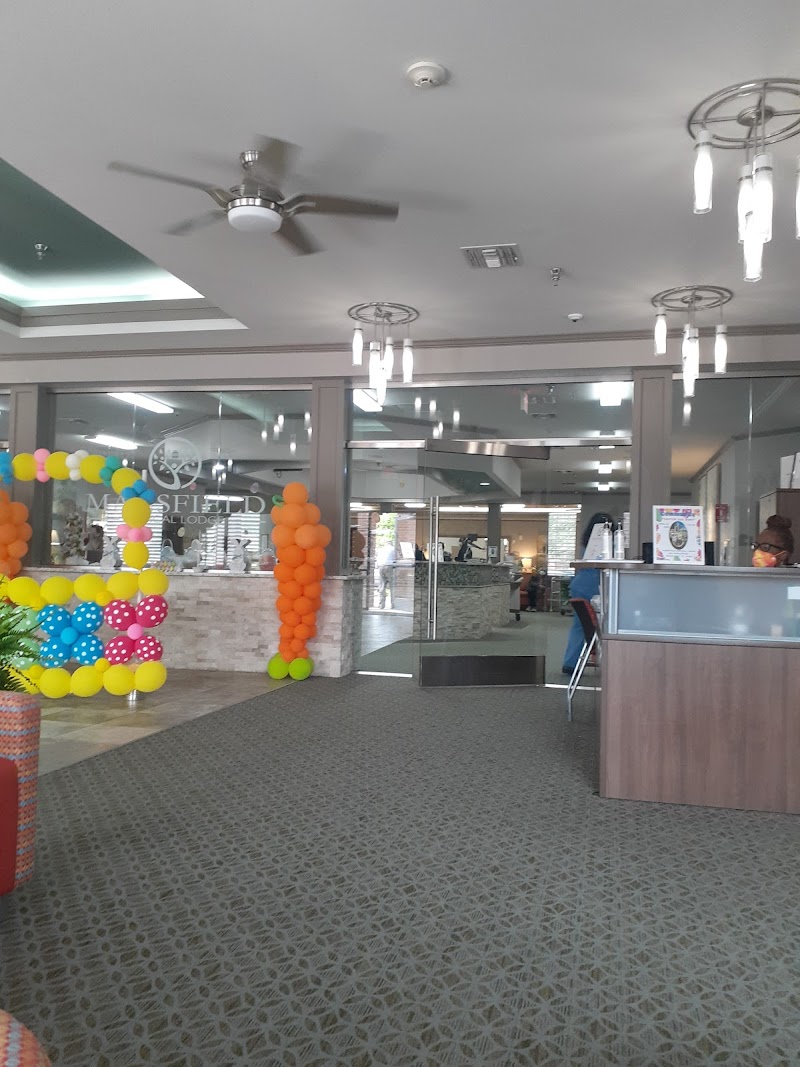
How is Mansfield Medical Lodge Staffed?

CMS rates MANSFIELD MEDICAL LODGE's staffing level at 1 out of 5 stars, which is much below average compared to other nursing homes. Staff turnover is 66%, which is 20 percentage points above the Texas average of 46%. High turnover can affect care consistency as new staff learn residents' individual needs.

What Have Inspectors Found at Mansfield Medical Lodge?

State health inspectors documented 14 deficiencies at MANSFIELD MEDICAL LODGE during 2022 to 2025. These included: 2 Immediate Jeopardy (the most serious level, indicating potential for serious harm or death) and 12 with potential for harm. Immediate Jeopardy findings are rare and represent the most serious regulatory concerns. They require immediate corrective action.
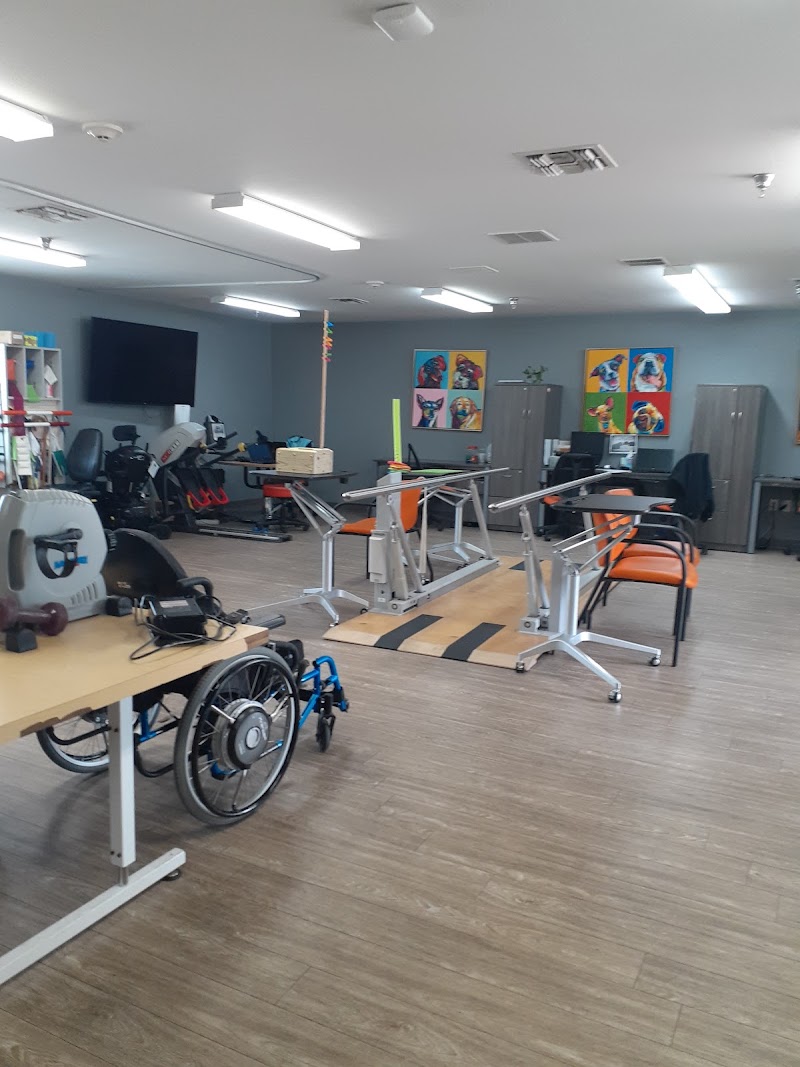
Who Owns and Operates Mansfield Medical Lodge?

MANSFIELD MEDICAL LODGE is owned by a for-profit company. For-profit facilities operate as businesses with obligations to shareholders or private owners. The facility is operated by PRIORITY MANAGEMENT, a chain that manages multiple nursing homes. With 118 certified beds and approximately 94 residents (about 80% occupancy), it is a mid-sized facility located in MANSFIELD, Texas.
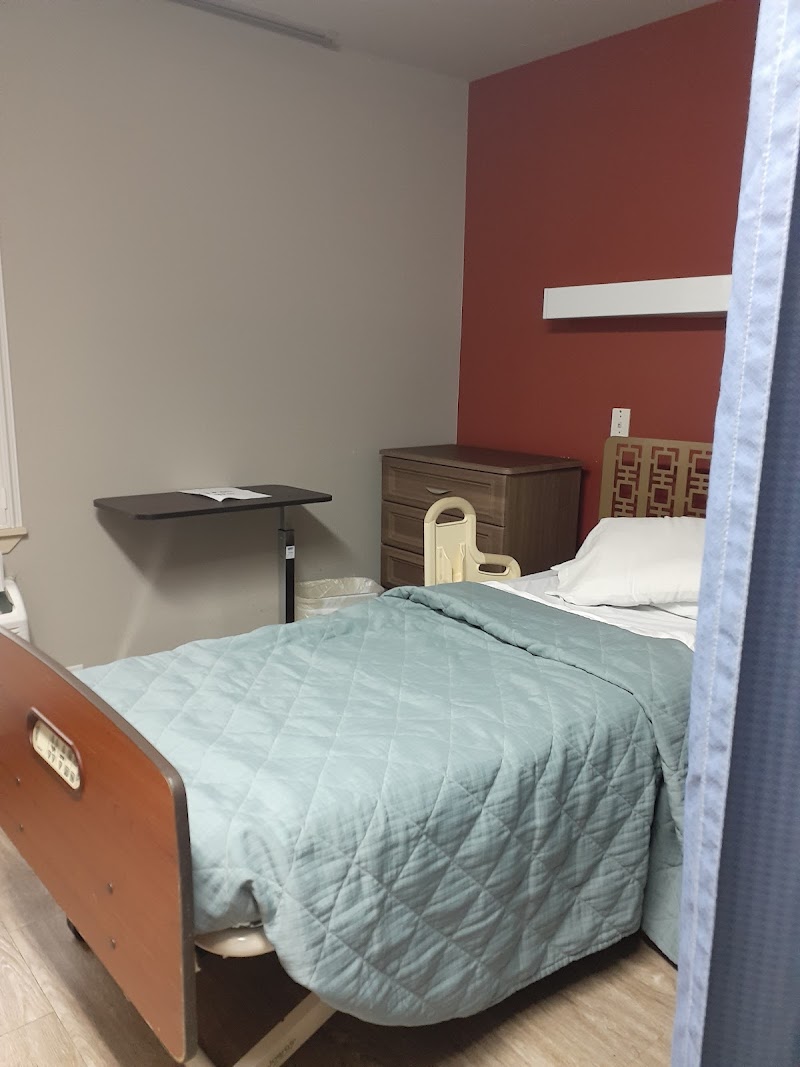
How Does Mansfield Medical Lodge Compare to Other Texas Nursing Homes?

Compared to the 100 nursing homes in Texas, MANSFIELD MEDICAL LODGE's overall rating (3 stars) is above the state average of 2.8, staff turnover (66%) is significantly higher than the state average of 46%, and health inspection rating (4 stars) is above the national benchmark.

What Should Families Ask When Visiting Mansfield Medical Lodge?

Based on this facility's data, families visiting should ask: "What changes have been made since the serious inspection findings, and how are you preventing similar issues?" "How do you ensure continuity of care given staff turnover, and what is your staff retention strategy?" "Can you walk me through typical staffing levels on day, evening, and night shifts?" "Can I visit during a mealtime to observe dining assistance and food quality?" These questions are particularly relevant given the facility's Immediate Jeopardy citations, the facility's high staff turnover rate, and the below-average staffing rating.

Is Mansfield Medical Lodge Safe?

Based on CMS inspection data, MANSFIELD MEDICAL LODGE has documented safety concerns. Inspectors have issued 2 Immediate Jeopardy citations (the most serious violation level indicating risk of serious injury or death). The facility has a 3-star overall rating and ranks #1 of 100 nursing homes in Texas. Families considering this facility should ask detailed questions about what corrective actions have been taken since these incidents.

Do Nurses at Mansfield Medical Lodge Stick Around?

Staff turnover at MANSFIELD MEDICAL LODGE is high. At 66%, the facility is 20 percentage points above the Texas average of 46%. High turnover means new staff may not know residents' individual needs, medications, or preferences. It can also be disorienting for residents, especially those with dementia who rely on familiar faces. Families should ask: What is causing the turnover? What retention programs are in place? How do you ensure care continuity during staff transitions?

Was Mansfield Medical Lodge Ever Fined?

MANSFIELD MEDICAL LODGE has been fined $6,032 across 1 penalty action. This is below the Texas average of $33,139. While any fine indicates a compliance issue, fines under $50,000 are relatively common and typically reflect isolated problems that were subsequently corrected. Families should ask what specific issues led to these fines and confirm they've been resolved.

Is Mansfield Medical Lodge on Any Federal Watch List?

MANSFIELD MEDICAL LODGE is not on any federal watch list. The most significant is the Special Focus Facility (SFF) program, which identifies the bottom 1% of nursing homes nationally based on persistent, serious quality problems. Not being on this list means the facility has avoided the pattern of deficiencies that triggers enhanced federal oversight. This is a positive indicator, though families should still review the facility's inspection history directly.