MANSFIELD NURSING & REHABILITATION CENTER
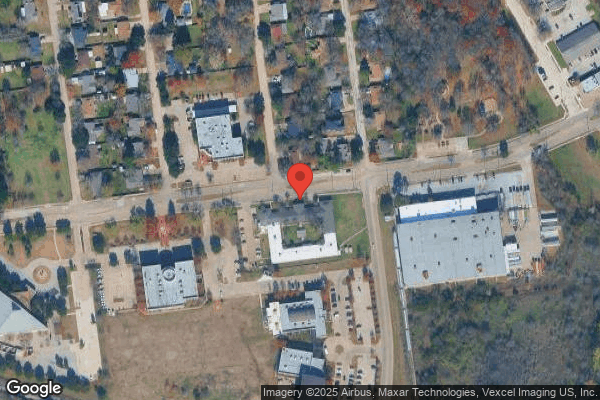

1402 E BROAD ST, MANSFIELD, TX 76063 (979) 639-1515
For profit - Corporation 127 Beds SLP OPERATIONS Data: November 2025 5 Immediate Jeopardy citations
Trust Grade
0/100
#768 of 1168 in TX
Last Inspection: June 2025

Inspected within the last 6 months. Data reflects current conditions.

Overview

Mansfield Nursing & Rehabilitation Center has received a Trust Grade of F, indicating significant concerns about the quality of care provided. Ranking #768 out of 1,168 facilities in Texas places it in the bottom half, while its county rank of #47 out of 69 shows that only a few local options are better. Although the facility is reportedly improving, with issues decreasing from 17 in 2024 to 6 in 2025, it still has critical concerns. Staffing is a weakness here, with a poor rating of 1 out of 5 and concerning RN coverage lower than 77% of Texas facilities, meaning residents may not receive adequate medical attention. Specific incidents, such as failing to notify a physician when a resident suffered heat exhaustion and was found unresponsive, highlight serious neglect issues. Overall, while there are some signs of improvement, the facility has significant weaknesses that families should consider.

Trust Score
F
0/100
In Texas
#768/1168
Bottom 35%
Safety Record
High Risk
Review needed
Inspections
Getting Better
17 → 6 violations
Staff Stability
⚠ Watch
51% turnover. Above average. Higher turnover means staff may not know residents' routines.
Penalties
✓ Good
$81,477 in fines. Lower than most Texas facilities. Relatively clean record.
Skilled Nurses
⚠ Watch
Each resident gets only 15 minutes of Registered Nurse (RN) attention daily — below average for Texas. Fewer RN minutes means fewer trained eyes watching for problems.
Violations
⚠ Watch
48 deficiencies on record. Higher than average. Multiple issues found across inspections.
★★☆☆☆
2.0
Overall Rating
★☆☆☆☆
1.0
Staff Levels
★★★★★
5.0
Care Quality
★☆☆☆☆
1.0
Inspection Score
Stable
2024: 17 issues
2025: 6 issues

The Good

  • 5-Star Quality Measures · Strong clinical quality outcomes
  • Full Sprinkler Coverage · Fire safety systems throughout facility
  • No fines on record

Facility shows strength in quality measures, fire safety.

The Bad

2-Star Overall Rating

Below Texas average (2.8)

Below average - review inspection findings carefully

Staff Turnover: 51%

Near Texas avg (46%)

Higher turnover may affect care consistency

Federal Fines: $81,477

Well above median ($33,413)

Moderate penalties - review what triggered them

Chain: SLP OPERATIONS

Part of a multi-facility chain

Ask about local staffing decisions and management

The Ugly 48 deficiencies on record

5 life-threatening 1 actual harm
Jun 2025 5 deficiencies
CONCERN (D)

Potential for Harm - no one hurt, but risky conditions existed

Deficiency F0561 (Tag F0561)

Could have caused harm · This affected 1 resident

**NOTE- TERMS IN BRACKETS HAVE BEEN EDITED TO PROTECT CONFIDENTIALITY** Based on observations, interviews, and record reviews, the facility failed to promote and facilitate resident self-determination...

Read full inspector narrative →
**NOTE- TERMS IN BRACKETS HAVE BEEN EDITED TO PROTECT CONFIDENTIALITY** Based on observations, interviews, and record reviews, the facility failed to promote and facilitate resident self-determination through support of resident choice for 1 resident (Resident #23) of 24 residents reviewed for resident rights, as evidenced by: The facility failed to ensure Resident #23's right to participate in walking activities were consistent with his interest and choices about aspects of his life in the facility that are significant to the resident. This failure could place residents at risk of limiting the resident's opportunity to exercise their autonomy regarding those things that are important, including interests and preferences. Findings included: Record Review of Resident #23's face sheet, dated 06/04/2025, reflected that the resident was a [AGE] year-old male, admitted on [DATE] with primary diagnosis of other epilepsy, not intractable, with status epilepticus, and other diagnoses of hemiplegia (affecting right dominant side), generalized anxiety disorder, cognitive communication deficit, other abnormalities of gait and mobility, Muscle weakness (generalized), Other lack of coordination, major depressive disorder (recurrent, moderate), expressive language disorder, dementia (in other diseases classified elsewhere), severe, with mood disturbance. Record Review of Resident #23's MDS assessment, dated 03/17/2025, reflected a BIMS of 11 which indicated Resident #23 was cognitively intact. Resident #23 completed all ADLs with supervision and one-person physical assist for bed mobility. Record Review of Resident #23's Physical Therapy Discharge summary dated [DATE] reflected: discharge recommendations: recommend 24 hour supervision.pt has all necessary equipment at this time. Record Review of Resident #23's Psychological Evaluation/Management note dated 05/29/2025 reflected: Nonpharmacologic Interventions: Provide a calm milieu, supportive care, encourage psychotherapy, and social interactions. Record Review of Resident #23's Care Plan dated 03/26/2025 reflected: (Resident) benefits from daily programming based on personal history, interests, and current abilities due to a diagnosis of dementia and other comorbidities, with the goal that the resident will verbalize satisfaction with person centered programming over the next 90 days. Approach/interventions included: He spends much of his time walking around the facility. Understand that behaviors result from changes in the brain and difficulty with communication. I am on an antidepressant due to depression, with the goal that the resident will experience limit episodes of depression over the next 90 days. Approach/interventions included: Encourage resident to attend activities of choice. Observation and interview with Resident #23 on 06/03/2025 at 10:18AM revealed Resident #23 walking down the hallway and into his room. Resident #23 discussed with the surveyor that he did not participate in therapy provided by the facility. He stated he did his own exercise therapy to stay strong. Resident #23 had a goal of walking 100 laps around the facility each day. Observation and interview with Resident #23 on 06/03/2025 at 10:51AM revealed Resident #23 walking a lap in the hallway. During the resident's walk, he showed the surveyor the 2 sets of weights velcro wrapped around his wrists. Resident #23 stated he used wrist weights as a part of his exercise activity to stay strong. The resident discussed wanting to be discharged to go to an assisted living facility. Observation and interview with Resident #23 on 06/03/2025 at 11:03AM revealed Resident #23 approached surveyor visibly upset, indicated by his facial expression. The resident said the gym (the occupational therapy and physical therapy room) took away the wrist weights he was wearing because state was here and pointed to the surveyor. To confirm what the resident communicated, the resident was asked if he normally wears the weights around his wrists while he walks his laps, but because state surveyors are in the facility, they took them away. The resident confirmed this by stating yes and shaking his head. Interview on 06/03/2025 at 1:47PM with PTA revealed she worked with Resident #23 when he was on the physical therapy caseload. The resident discharged himself from therapy because he did not think he needed it. The PTA stated Resident #23 took charge of his physical activity and he had been given permission to use the therapy gym's equipment. She further stated Resident #23 knew he was not supposed to take the (wrist) weights out of the gym and had to be reminded not to take gym equipment. The PTA stated she recently talked with the DOR about alternatives options for the resident to prevent him from taking wrist weights out of the gym. Interview on 06/03/2025 at 1:56PM with the DOR revealed Resident #23 had a medical condition (impairment) due to frontal lobe involvement and it was hard to regulate the resident's agitation. The resident was periodically on therapy's caseload; he would stick with therapy for a couple weeks and then discharge from the therapy plan. The DOR stated the resident liked to come into the therapy gym and it was always open for him to come in and work out if staff were present. The DOR stated Resident #23 liked to be as independent as much as possible, and in the past, the resident wanted to use equipment outside of the gym, but it had to be stopped. She further stated with or without survey, he would have been stopped; therapy did not want the resident to lose the wrist weights. The DOR stated she planned to look into having the resident purchase his own set of wrist weights. Other alternatives include having him participate in group activities. The DOR stated staff have to be very mindful of resident switching gear or having agitation (when interacting with resident and trying to redirect him). Observation and interview on 06/04/2025 at 11:52AM with Resident #23 revealed the resident walking around the facility while not wearing the wrist weights. Resident appeared to still be upset about the wrist weights being taken away. He stated he had not used them since because state was in the facility. At this time, the resident approached LVN 2. The surveyor asked LVN 2 if Resident #23 normally wears wrist weights when walking laps in the facility, she stated he did. LVN 2 stated the resident using the wrist weights has never been a problem. Interview on 06/05/2025 at 11:38 PM with LVN 3 revealed she provided care to Resident #23, and he was independent, unless he was not feeling well or asked staff for something. She explained the resident walked all day and sometimes took breaks, he walked to stay strong. LVN 3 recalled Resident #23 wearing weights on his wrist on 06/03/2025. She said she questioned the resident on why he was wearing the wrist weights and that he became mad. She said that he made many laps around the facility, and she asked him to take a break from the weights; the resident said no and continued walking. LVN 3 explained that when the resident does something he wants to do, you cannot tell him no; he can get upset quickly, and walking helps with the resident's mood. LVN 3 stated the resident had used a wheelchair in the past, but once he was walking, he felt like he was gaining independence. Interview with the DOR on 06/05/25 at 12:18 PM revealed Resident #23 had used the wrist weights while on caseload for therapy exercises like bicep curls. The DOR explained that it was preferred if the resident came into the therapy gym when it was not busy so they can keep an eye on him. She said the PTA said the gym was busy at the time of when Resident #23 had taken the wrist weights on 6/3/2025. The DOR stated that on 6/3/2025, Resident #23 was seen with multiple (2) sets of wrist weights on his wrist and wanted to walk laps around the facility; the resident was asked to leave the weights in the gym. She said that if the resident was walking around and no one needs the weights, he can walk with them. She emphasized him coming back and utilizing the weights at another time, if the gym was busy. The DOR described Resident #23 as goal driven did not follow a specific schedule, but she will talk with the resident about making more of a schedule to avoid types of conversations that would upset him. The DOR stated therapy wanted to provide patient centered care 100%. It's important to give him tools (equipment) to utilize safely, because the equipment was important to him. Interview with the DON on 06/05/2025 at 2:58PM revealed therapy (staff) and the DOR have told the DON that Resident #23 had to be supervised when using the wrist weights and they are to be kept in the therapy gym, so they were not lost or stolen. She further stated she has not seen Resident #23 wearing the wrist weights. The DON stated she had no problem care planning the wrist weights and it had never been an issue before since the resident has not been upset before. It was never a concern to have to come up with an intervention. She stated that it was resident's right to have independence, and if that (using the wrist weights) was what makes him feel better. Interview with the ADM on 06/05/2025 at 4:08PM revealed that the ADM was told the reason therapy wanted Resident #23 to stay in the gym with the wrist weights was for safety; she understood it as he was being monitored. The ADM stated the resident's independence was at risk if he was not able to have access to his wrist weights; it could have an issue with the resident being able to go home, since he wanted to discharge from the facility, and (not allowing the resident to walk with weights) could keep him from improving (his mobility and strength, in which is essential for performing ADL tasks independently). The ADM explained that the resident had a goal in his mind and it was his right to walk laps around the building. The ADM stated interventions to meet Resident #23 needs include providing him with his own wrist weights, to care plan use of wrist weights, and his preference to use in his room or the facility. Record review of the facility's Resident Rights Policy Statement revised February 2021 reflected: Employees shall treat all residents with kindness, respect, and dignity . 1. Federal and state laws guarantee certain basic rights to all residents of this facility. These rights include the resident's right to: . e. self-determination; . p. be informed of, and participate in, his or her care planning and treatment .
CONCERN (D)

Potential for Harm - no one hurt, but risky conditions existed

Deficiency F0849 (Tag F0849)

Could have caused harm · This affected 1 resident

**NOTE- TERMS IN BRACKETS HAVE BEEN EDITED TO PROTECT CONFIDENTIALITY** Based on observation, interview, and record review the facility failed to designate a member of the facility's interdisciplinary...

Read full inspector narrative →
**NOTE- TERMS IN BRACKETS HAVE BEEN EDITED TO PROTECT CONFIDENTIALITY** Based on observation, interview, and record review the facility failed to designate a member of the facility's interdisciplinary team who is responsible for working with hospice representatives to coordinate care to the resident The designated interdisciplinary team member is responsible for the following: ii) Communicating with hospice representatives and other healthcare providers participating in the provision of care for the terminal illness, related conditions, and other conditions, to ensure quality of care for the patient and family. (iii) Ensuring that the LTC facility communicates with the hospice medical director, the patient's attending physician, and other practitioners participating in the provision of care to the patient as needed to coordinate the hospice care with the medical care provided by other physicians for two (resident #22 and Resident #44) of four residents reviewed for hospice services. 1.The facility did not designate a member of the facility to obtain Resident #22's current hospice recertification, most current hospice orders, and most recent plan of care since hospice benefits expired on [DATE]. 2.The facility did not have the same physician determination of terminal illness as hospice company did. The facility had a COPD as the primary hospice admission diagnosis while in the hospice binder, the primary hospice admission was Metabolic Encephalopathy (this is a fluid disorder that causes brain alteration and brain function) and vascular dementia (this is a brain condition that progressively destroys memory and other important mental functions) for Resident #22 3.The facility did not designate a member of the facility to obtain Resident #44's current recertification records from hospice, most recent hospice plan of care, most recent hospice physician orders, and most current hospice nursing documentation since benefit period ended on [DATE]. 4.The facility did not designate a member of the facility to verify signing in for hospice RN for Resident #44 since [DATE]. These failures could affect residents by placing them at risk for services and treatments not being coordinated for end-of-life care. Findings included: Resident #22 Record review of Resident #22 admission record dated [DATE], revealed an [AGE] year-old female who was readmitted to the facility on [DATE] with an initial admission of [DATE]. Her primary diagnosis was metabolic encephalopathy (this is a fluid disorder that causes brain alteration and brain function). Her secondary diagnoses included chronic obstructive pulmonary diseases (a lung disease that blocks airflow and makes it difficult to breathe), hypo-osmolality and hyponatremia (low levels of sodium due to fluid imbalance), wheezing (high pitch sound when breathing caused by inflammation of airways in lungs), coughing and plural effusion (this is a buildup of excessive fluid in the spaces between the lungs and chest walls). Resident was her own RP, and she was on hospice. Record review of Resident #22's quarterly MDS assessment, dated [DATE] reflected a BIMS score of 8 which indicated moderative impairment. Resident #22 required substantial/maximum assistance of staff for all ADLs and was always incontinent of bladder and bowel. Resident #22 received hospice services while in the facility, she did not have a left expectancy of less than six months. Further review of MDS did not reflect active diagnoses of dementia. Record review of Resident #22's active physician orders for [DATE] reflected, Resident #22 admitted to hospice on [DATE] with a primary diagnosis of COPD. Her level of hospice care: routine in-patient. Record review of Resident #22's care plan, revision date [DATE] , revealed Resident #22 was admitted to hospice with a primary diagnosis of COPD. Her goal was comfort and dignity to be provided while on hospice through the next review date. Her interventions were to follow hospice orders as written, to inform hospice if any significant changes in residents' status including signs and symptoms of discomfort and will be addressed accordingly. Record review of Resident #22's hospice binder on [DATE] revealed a hospice initial plan of care and physician orders for benefit period [DATE] to [DATE]. Resident #22's terminal hospice admission diagnosis was revealed as ICD-10-CM code G93.41- Metabolic Encephalopathy (this code is used to classify a transient or permanent impairment of brain function resulting from abnormal metabolic process) and vascular dementia. Record review and interview with Resident #22 on [DATE] at 09:44 AM, revealed she was not interviewable. She was her own RP and no other family on her chart. In a phone interview with the hospice RN B on [DATE] at 10:16 AM, revealed he was Resident #22 hospice nurse, and he evaluated her, monitored her paperwork, and assessed her needs weekly. He said Resident #22 also had a hospice aide that came to perform personal hygiene and assist with ADLs, 5 days a week, and as needed. RN B said that he made sure that he communicated with the facility nurses for any changes, and he inquired with the facility nurses for a change in condition and if they needed any new orders or supplies. RN B stated he was sure that Resident #22 had a current and updated hospice care plan and orders because the hospice IDT team just met to do the recertification for Resident #22. He said the IDT was made up of RN's, Social workers, chaplain, and physician. He said he would fax to the facility the current benefit period, hospice plan of care, and orders. He said it was his responsibility to make sure that all hospice documentation in the hospice binder was current as these forms were pertinent to ensuring coordination of care. He stated not having accurate documentation would cause the resident not to have Continuity of care. He said not having accurate diagnoses for services causes a risk of being unable to verify that residents received scheduled care. During an interview with LVN E on [DATE] at 1:43 PM, LVN E said she worked the morning shift Monday to Friday and hospice RN B always verbally communicated with her when he came to see Resident #22 and she would sign his tablet to verify that he came to see the resident. She said she expected the hospice providers to keep resident hospice records current. LVN E said it was especially important to ensure coordination of care with medications and comfort and that the facility had corresponding orders, diagnoses, and plans of care as the hospice for continuation of care. She said it was important for the facility to have current orders for coordination of care. She said she did not know who was assigned by the facility for monitoring the hospice binders and documentation. LVN E said she uses the hospice binder to verify orders and to see if the aide came in to provide care if she did not see her. Resident #44 Record review of Resident #44 face sheet dated [DATE], revealed a [AGE] year-old female who was readmitted to the facility on [DATE] with an initial admission on [DATE]. Her diagnosis includes acute on chronic systolic congestive heart failure (this is a sudden worsening of symptoms in a person with pre-existing heart failure), malignant neoplasm of unspecifies site of left female breast (breast cancer), breast cancer surgery, high blood pressure, and chronic pain. Resident#44 was on hospice. Record review of Resident #44's quarterly MDS assessment, dated [DATE], reflected a BIMS of 13 which indicated Resident #44 was cognitively intact. Resident #44 was occasionally incontinent, and she completed all ADL's independently with no assistance. Resident #44 received hospice services while in the facility; she did not have a left expectancy of less than six months. Record review of Resident #44's active physician orders for [DATE], reflected Resident # 44 was readmitted to hospice on [DATE] with diagnosis of Metastatic breast cancer (cancer that has spread). Her hospice level of hospice care: routine in-patient. Record review of Resident #44's care plan, revised [DATE], revealed Resident #44 was admitted to hospice with a primary diagnosis of Metastatic breast cancer. Her goal was to have an optimal quality of life. The intervention was to notify the hospice of a change in condition. A record review of Resident #44's hospice binder on [DATE] revealed a comprehensive hospice assessment and plan of care updated report that ended on [DATE]. The frequency of skilled nursing visits was once a week. The hospice binder had no evidence of an updated hospice comprehensive assessment and plan of care report to reflect current recertification period, most recent hospice plan of care, and most recent hospice physician orders since [DATE]. The hospice binder also had no evidence to reflect current RN hospice nursing progress notes documentation since [DATE]. Further review of the hospice binder revealed RN last sign in was dated [DATE]. In an interview with Resident #44 on [DATE] at 08:58 AM, she said she was on hospice for breast cancer. She said she had been in hospice since 2023. She said that she did not have an aide in her plan of care as she did not need one. She said that her hospice nurse came weekly to see her, and the hospice case worker came to see her too although she could not recall which date. Resident #44 said she had no concerns with her hospice care. During a phone interview with hospice RN C on [DATE] at 11:04 AM, he said he forgot the updated documentation for Resident #44 when he was in the facility last week. He said he does not look at the hospice book because all documentation, evaluations and medication orders are on his tablet. He said he was responsible for monitoring and updating hospice B's documents so that they were current for all residents admitted to his hospice company. He said the risk of not having current hospice documentation lacked continuation of care between the facility and hospice. In an interview on [DATE] at 11:46 AM with LVN D, it revealed RN C came weekly, and RN C asked for his signature on his tablet for verification of visit. LVN D said he never looked at the hospice binder except when he handed it to the hospice providers. He said the hospice providers always communicate with him if there are changes. He said hospice RNC was especially good because he always asked if they needed to reorder any medications for Resident #44. He said it was important to have a current plan of care because when it was care planned, it was expected to be done. In an interview on [DATE] at 10:58 AM with SW, it was revealed that her responsibility with hospice was to give residents and family information for the different hospice companies that the facility had contracts with. She said after the family chooses the hospice of their choice then she reached out to nursing for the face sheets, diagnosis, and order and sends it to the hospice company. SW said she was not the designated coordinator to make sure that all hospice documentation was the same as the facilities. She said she expected the hospice providers to keep resident hospice records current to ensure coordination of care. During an interview on [DATE] at 03:01 PM, with DON, she said the hospice provider should supply all the admission paperwork when the resident admitted to hospice. DON said the facility had its own orders, and their own plan of care. DON said no one had been assigned as a hospice designated coordinator. She said moving forward they will meet and assign someone who will be responsible for ensuring and monitoring the hospice provider updated the clinical records of each hospice resident. She said not having current and accurate documentation prevents continuity of care. During an interview on the Administrator [DATE] at 4:28 PM, it was revealed she expected the hospice to provide all the required documents at the time of admission to ensure an accurate hand off care ensuring the coordination of care. The Administrator said the nurse completing the admission was responsible for ensuring the documentation was available. The Administrator said the process will be reviewed in the daily meetings to review the admissions, and then again in the weekly standards of care meetings. Review of Hospice A and Hospice B updated documents sent via fax on [DATE] at 12:22 PM for Resident #22 and Resident #44 revealed updated care plans, orders, and current recertification periods. Review of the facility's policy titled, Hospice Program, revised [DATE], did not reflect a designated coordinator. It reflected as follows: .12. Our facility has designated [blank/no name] to coordinate care provided to the resident by our facility staff and the hospice staff. He or she is responsible for the following: b. Communicating with hospice representatives and other healthcare providers participating in the provision of care for the terminal illness, related conditions, and other conditions, to ensure quality of care for the terminal illness .; d. Obtaining the following information from hospice: .(2) Hospice election form, (3) Physician certification and recertification of the terminal illness specific to each resident .; e. Ensure that our facility staff provide orientation on the policies and procedures of the facility, including resident rights, appropriate forms, and record keeping requirements to hospice staff furnishing care to the residents. 13. Coordinated care plans for residents receiving hospice services will include the most recent hospice plan of care as well as the care and services provided by our facility (including the responsible provider and discipline assigned to specific tasks) in order to maintain the resident's highest practicable physical, mental and psychosocial well-being.
CONCERN (E)

Potential for Harm - no one hurt, but risky conditions existed

Deficiency F0565 (Tag F0565)

Could have caused harm · This affected multiple residents

**NOTE- TERMS IN BRACKETS HAVE BEEN EDITED TO PROTECT CONFIDENTIALITY** Based on observation, interview, and record review the facility failed to provide a resident or family group, if one exists, wit...

Read full inspector narrative →
**NOTE- TERMS IN BRACKETS HAVE BEEN EDITED TO PROTECT CONFIDENTIALITY** Based on observation, interview, and record review the facility failed to provide a resident or family group, if one exists, with private space; and take reasonable steps, with the approval of the group, to make residents and family members aware of upcoming meetings in a timely manner for 1 of 1 reviewed for resident council meeting. The facility failed to provide a private space for resident council meetings. This failure could place residents, who attended resident council meetings, at risk of not being able to voice concerns [NAME] to lack of privacy. Findings included: Interview on 06/03/2025 at 1:00 PM with Activity Director revealed monthly resident council meetings were held in the facility's dining room because of space needed to accommodate the residents. She stated meetings should be conducted in a private area to allow the residents to express their concerns freely and openly. Observation and interview on 06/04/2025 at 10:00 AM during a confidential resident group meeting with 13 residents revealed the meetings were held in the dining room. The dining room was an open space where staff members would come into the dining room during resident council to get ice. Residents voiced concern for privacy but felt noting was being done. During survey, resident council meeting was held in the facilities therapy gym however due to limited space all residents who wanted to attend were unable to attend. Record review of resident council minutes for 3/2025, 4/2025 and 5/2025 addressed concerns with call light response time and meal portions. No location of resident council meetings. 3/2025 meeting minutes revealed 9 residents attended; 04/2025 meeting minutes revealed 9 residents attended; 05/2025 meeting minutes revealed 10 residents attended. Review of policy titled Resident Council revised February 2021 reflected, The resident council group is provided with space, privacy and support to conduct meetings.
CONCERN (E)

Potential for Harm - no one hurt, but risky conditions existed

Safe Environment (Tag F0584)

Could have caused harm · This affected multiple residents

**NOTE- TERMS IN BRACKETS HAVE BEEN EDITED TO PROTECT CONFIDENTIALITY** Based on observations, interviews and record reviews, the facility failed to provide a clean and functional environment for 3 of...

Read full inspector narrative →
**NOTE- TERMS IN BRACKETS HAVE BEEN EDITED TO PROTECT CONFIDENTIALITY** Based on observations, interviews and record reviews, the facility failed to provide a clean and functional environment for 3 of 14 rooms (Residents #5, Resident #36, Resident #1, and Resident #14) reviewed for a sanitary, functional, and homelike environment, as evidenced by: 1. Resident #5's room had an unrepaired wall and noticeably hanging loose paint particles by the head of his bed. 2. The facility failed to ensure Resident #36, Resident #1 and Resident #14's restroom flooring and tiles were repaired, and faucets had both hot and cold running water in the sink. 3. The facility failed to ensure Resident #1 and Resident #14's room did not have a strong urine odor. These failures could place residents at risk for a decreased quality of life. 1. Resident #5 Record review of Resident #5 face sheet dated 06/05/25, revealed an [AGE] year-old male who was admitted to the facility on [DATE]. His diagnoses included hemiplegia and hemiparesis following cerebrovascular disease affecting the left side (Partial paralysis of left side due to stroke), major depressive disorder a mental health disorder characterized by persistently depressed mood and loss of interest in activities), wheezing (high pitch sound when breathing caused by inflammation of airways in lungs), dermatitis (itchy inflamed skin), and speech and language problem, and generalized anxiety disorder (this is a mental condition characterized by feeling worried, anxiety, or fear that is strong enough to interfere with one's daily activities. Record review of Resident #5's quarterly MDS assessment, dated 05/24/25, revealed a BIMS score of 9 which indicated moderative impairment. Resident #5 has a range of motion impairment on the left side of her upper and lower extremities and uses a wheelchair for mobility. Resident #5 required substantial/maximum assistance of staff for all ADLs and was always incontinent of bladder and bowel. Observation and interview on 06/03/25 at 11:26 AM revealed the bed for Resident #5 had been moved from the wall a few inches and revealed wall paint that had peeled off and some paint was hanging off the wall and uneven, bumpy texture of wall behind Resident #5's headboard. Resident #5 stated that because the damaged wall was hidden from his viewpoint, it did not bother him. In an interview with Housekeeper H on 06/04/25 at 1:02 PM, she stated she was not aware of the condition of Resident #5's wall prior to observing it today. She said it appeared as if someone had been pushing the bed too close to the wall and the up and down movement of the head of the bed had peeled the pain off the wall. She said that housekeeping would clean the area if it was dirty. She stated everyone was responsible for reporting an item that was broken, including walls that needed fixing. Housekeeper H stated she would report Resident #5's wall to her manager immediately. She said maintenance was responsible for monitoring the conditions of the building, however it was everyone's responsibility to report any maintenance issues. She said the risk to the resident was that the loose and hanging paint could fall on his food or it could fall in his eyes. In an interview with LVN E on 06/05/25 at 1:43 PM, it was revealed she had verbally reported Resident #5's wall condition to the previous maintenance several times. She said they had a lot of maintenance turnover and that could be why it was not fixed. She said the risk to the resident was that it was not a homelike environment. 2. Resident #36 Record review of Resident #36's face sheet, dated 06/05/2025, revealed a [AGE] year-old male who admitted to the facility on [DATE] with an original admission date of 03/05/2021. Resident #36's primary diagnosis was cerebral infarction (stroke). Record review of Resident #36's Quarterly MDS, dated [DATE], revealed a BIMS score of 12, indicating moderate cognitive impairment. Observation on 06/03/2025 at 10:10 am revealed Resident #36's bathroom entry had approximately 5 floor tiles missing, and the faucet had no water when the cold handle was turned. 3. Resident #1 Record review of Resident #1's face sheet, dated 06/05/2025, revealed a [AGE] year-old male who admitted to the facility on [DATE]. Resident #1's primary diagnosis was epileptic seizures (a brain condition that causes recurring seizures) related to external causes. Record review of Resident #1's Quarterly MDS, dated [DATE], revealed a BIMS score of 9, indicating moderate cognitive impairment. Resident #14 Record review of Resident #14's face sheet, dated 06/05/2025, revealed a [AGE] year-old man who admitted to the facility on [DATE]. Resident #14's primary diagnosis was dysthymic disorder (a form of depression). Record review of Resident #14's Quarterly MDS, dated [DATE], revealed a BIMS score of 8, indicating moderate cognitive impairment. Observation on 06/03/2025 at 10:07 am revealed Resident #1 and Resident #14 were not in the room. The room smelled like urine and the bathroom had approximately 2 missing floor panels underneath the sink. Observation on 06/03/2025 at 1:29 pm revealed Resident #1 and Resident #14's room had a strong urine odor. Observation on 06/04/2025 at 1:21 pm revealed Resident #1 and Resident #14 room had a strong urine odor. The bathroom sink had no running water when the hot handle was turned on. Interview on 06/05/2025 at 10:37 am, Housekeeper G stated she did notice an odor in Resident #1 and #14's room. She stated she mopped the floor with disinfectant and wringed out the mop. She stated there was not much they could use for the smell. She stated when she noticed something that needed to be repaired in a resident room she would tell her boss, the Maintenance Man or front office. She stated it was important for rooms to be clean and functioning for the residents' sake because it was their home. Interview on 06/05/2025 at 10:47 am, The Housekeeping Supervisor stated Resident #1 and #14's room was pretty hard to clean. She stated they did the best they could and mopped the floor 3-4 times a day. She stated they used the chemicals provided and sometimes the resident would urinate on the floor. Interview on 06/05/2025 at 11:01 am, CNA A stated Resident #1 urinates on his pants, removes his clothes, and puts them in the closet. CNA A stated Resident #1 does not wear briefs and was independent. She stated she noticed an odor in his room in the morning, but after staff picked up the clothes and housekeeping cleaned the room there was no odor. CNA A said she did not notice the bathroom flooring missing or that there was no hot water on in the sink. She stated if something needed repairs she would tell maintenance. CNA A stated it was important for residents to have a clean and functioning environment for their health and comfort. Interview on 06/05/2025 at 11:32 AM, LVN 3 stated she could not deny there was an odor in Residents #1and #14's room. She stated if she noticed a strong urine odor, she would let the doctor know in case the resident had an infection and let housekeeping know to clean the room. LVN 3 stated she did not notice the missing flooring or no hot water in the bathroom. She said if something was not working, she was supposed to let Maintenance know. She stated it was important to make sure residents had a clean environment to prevent infection and because it was their home. Interview on 06/05/2025 at 3:00 pm, the DON stated she was aware of the odor in Resident #1's room. She said staff worked on it nonstop to make sure Resident #1 was clean and dry, linens were clean and dry, and to make sure nothing on the floor was clean. The DON stated Housekeeping was responsible for cleaning the room and nursing was responsible for changing clothing. The DON stated she was not aware of any water issues in Resident #1, #14 and # 36's rooms. The DON stated water was a basic need and residents needed to be able to wash their hands or wash up and staff needed to be able to wash their hands. She stated she expected staff to report any issues to maintenance through TELS, and to tell him verbally if it was urgent. She stated they monitor the environment by making rounds Monday through Friday, and anything noticed they would bring to the morning meeting and notify Maintenance or Housekeeping. Observation and interview on 06/05/2025 at 3:46 pm, the Maintenance Director stated he put a brand new faucet in Resident #1 and #14's room today. The hot and cold water was observed to be working. He stated he did not notice the flooring in that room. Surveyor and Maintenance Director went to Resident #36's room and the Maintenance Director stated there was tile missing on the floor and there was no hot water when he turned on the faucet. He stated he was not aware of the water or missing tiles. He said staff were supposed to call or text him if something needed to be fixed. He stated he had access to TELS work order system on his phone. He said it would not be a homelike, safe, or clean environment resident rooms were not working or needed to be repaired. He stated it was important to have working faucets so residents could wash themselves and for staff to wash their hands. Interview on 06/05/2025 at 4:18 pm, the Administrator stated staff were supposed to put in a work order to let Maintenance know, as well as go tell him if something needed to be repaired. She stated if they could not find him, they were to let someone in management know. She stated Resident #1 would sometimes go to the restroom, but it was hit and miss. She stated the risks would be UTI, dignity, comfort, and depression. Record review of facility work orders, dated 03/01/2025 through 05/31/2025, revealed no work orders for rooms of Residents #5, #36, #1 or #14. Review of the facility policy Homelike Environment, revised February 2021, reflected: Homelike Environment Policy Statement: Residents are provided with a safe, clean, comfortable, and homelike environment ( .) Policy Interpretation and Implementation: 1. Staff provides person-centered care that emphasizes the residents' comfort, independence and personal needs and preferences. 2. The facility staff and management maximize, to the extent possible, the characteristics of the facility that reflect a personalized, homelike setting. These characteristics include: a. clean, sanitary and orderly environment; ( .) c. inviting colors and décor; d. personalized furniture and room arrangements; e. clean bed and bath linens that are in good condition; f. pleasant, neutral scents; ( .)
CONCERN (E)

Potential for Harm - no one hurt, but risky conditions existed

Accident Prevention (Tag F0689)

Could have caused harm · This affected multiple residents

**NOTE- TERMS IN BRACKETS HAVE BEEN EDITED TO PROTECT CONFIDENTIALITY** Based on observations, interview and record review, the facility failed to ensure that one of one resident (#31) removed oxygen ...

Read full inspector narrative →
**NOTE- TERMS IN BRACKETS HAVE BEEN EDITED TO PROTECT CONFIDENTIALITY** Based on observations, interview and record review, the facility failed to ensure that one of one resident (#31) removed oxygen tubing and tank before entering smoking area and smokers extinguish cigarette in designated areas. Staff failed to ensure smoking residents extinguished cigarettes in a safe manner. Staff failed to remove Resident #31's oxygen tubing and tank before entering smoking area. This failure could affect residents by placing them at risk for burns and injuries. Findings included: 1.Review of current, undated admission Record for Resident #31 revealed she was a [AGE] year-old female, re-admitted on [DATE] with diagnosis including acute and chronic respiratory failure with hypoxia, chronic obstructive pulmonary disease, encounter for adjustment and management of vascular access device, acute bronchitis and nicotine dependence, cigarettes. Review of Resident #31's Care Plan dated 04/15/2025 revealed the following focus areas: *Problem; Non-compliant with smoking policy r/t hiding leftover cigarette and hides in room. Approach: instructed resident cigarettes must be disposed of appropriately during smoke break and cannot be kept, cannot be saved. Smoking policy has been provided to resident and resident has signed and agreed to policy. *Problem: Resident has oxygen saturation disturbance symptoms related to emphysema/COPD. Approach: administer oxygen as ordered. Observe oxygen precautions. *Problem: I am a smoker, and I must be supervised when smoking. Patient may go to smoke with no oxygen in use in smoking area. Review of Resident #31's Minimum Data Set Interim Payment Assessment Item Set dated 05/28/2025 revealed; BIMs score 11 (moderate impairment). Review of Resident #31's active orders reveal; nasal cannula 9continuous): O2 @ 4l/Min every shift. Review of Resident #31's Safe Smoking Evaluation dated 06/03/2025 revealed, Supervised smoker. Additional comments: Resident removes her oxygen before smoking. Observation on 06/04/2025 at 10:35 AM revealed, Resident # 31 sitting in her wheelchair outside (Nurse station one) exit door smoking a cigarette accompanied by male staff. Observation of resident flicking her ashes onto the ground. Interview on 06/04/2025 at 10:39 am with resident #31 revealed she that was the only place she can smoke, outside the door because she cannot be around people that smoke per her doctor's orders. She stated staff will push her outside and she will take a few puffs from her cigarette and come back inside because she cannot be off her oxygen for too long. Observation and interview on 06/04/2025 at 1:58 pm revealed; CNA I with resident 31 outside in the courtyard. CNA I was observed with O2 tubing in her hand wrapping it up. She then removed the Oxygen tank from the back of the resident's wheelchair. Resident was observed with a cigarette that was not lit. Resident smoked the cigarette and extinguished it on the bottom of her shoe. Resident #31 revealed she told CNA I to take off the tank when they were inside. She stated they (staff) always take it off, but she did not normally take me out. Interview on 06/04/2025 at 2:00 pm with CNA I revealed she takes resident #31 out to smoke at 9, 11, 2pm. She stated she does not know why the resident smoked outside the door she thought she went to an appointment one time, and they told her not to be around others. She stated she knew to take the oxygen tank off the back of the wheelchair before the resident goes outside but the resident was calling her stupid and saying she did not need to take it off. She stated the resident wanted to go outside and get it over with. She said the resident continued to call her stupid. She stated the risk of not removing the oxygen could cause the resident to burn herself. She stated she should have taken the resident back to her room and told the nurse. Interview on 06/05/2025 at 1:43 pm with LVN E revealed; staff know they are supposed to take Resident #31 to smoke, but the tank should not go outside the door. Leave the tank and tubing inside (right inside the door). They know the risk with oxygen you can blow up; it can blow all of us up. LVN E stated she had them take her out more because the resident takes two or three puffs because she cannot breathe. The oxygen tank was right there (by the door) because when she comes back in, she needs the oxygen. Interview on 06/05/2025 at 3:00 pm with DON revealed; staff are educated often to remove oxygen tank before they go outside. We in-service them at least weekly about the risk. The risk was it could catch on fire. She stated she was not aware that the area where Resident # 31 was smoking did not have an ashtray to extinguish the cigarette safely. 2.Observation on 06/03/2025 at 1:04 PM revealed at least 100 cigarette butts scattered around the courtyard's grassy area outside less than 2 feet from kitchen zone 3 exit door and at least 100 cigarette butts and a metal chair located outside the door of nurse station one to the courtyard. No ashtrays were observed by each exit doors. Observation of No Smoking signs posted on each door. Interview on 06/03/2025 at 1:15 PM with Activity Director revealed, residents are not supposed to smoke by the doors only under the covered patio area and extinguish their cigarettes in ashtrays. She stated staff members are assigned to monitor residents during smoke breaks. Interview on 06/03/2025 at 1:25 PM with Maintenance Director revealed, his duties include maintaining the facility grounds. He stated he did not notice the cigarette butts on the ground. Interview on 06/05/2025 at 4:17 pm with Administrator revealed; oxygen should come off the resident before exiting the door. If the resident did not allow the removal of the tank and tubing, then the CNA I should have alerted the nurse. The risk was a fire hazard. She stated there was a designated smoking area for residents to smoke. She stated maintenance was responsible for cleaning the smoking area. Policy review of Resident Smoking Policy dated 2024 revealed; 1. Smoking is prohibited in all areas except the designated smoking area. A Designated Smoking Area Sign will be prominently posted. 4. No smoking signs will be maintained on doors or gates where oxygen is used or stored. 15. All smoking material will be maintained by nursing staff and at no time are to be kept on stored in a resident's room.
Apr 2025 1 deficiency
CONCERN (D) 📢 Someone Reported This

A family member, employee, or ombudsman was alarmed enough to file a formal complaint

Potential for Harm - no one hurt, but risky conditions existed

Deficiency F0805 (Tag F0805)

Could have caused harm · This affected 1 resident

**NOTE- TERMS IN BRACKETS HAVE BEEN EDITED TO PROTECT CONFIDENTIALITY** Based on observation, interview, and record review, the facility failed to ensure food was prepared in a form designed to meet i...

Read full inspector narrative →
**NOTE- TERMS IN BRACKETS HAVE BEEN EDITED TO PROTECT CONFIDENTIALITY** Based on observation, interview, and record review, the facility failed to ensure food was prepared in a form designed to meet individual needs for 1 of 3 residents (Resident #1) reviewed for dietary services. The facility failed to ensure Resident #1 received their prescribed diet special instructions finger foods for the lunch meal on 04/09/2025. This failure could place residents at risk for loss of independence and a decreased quality of life. Findings included: Record review of Resident #1's face sheet, dated 04/09/2025, revealed a [AGE] year-old female who originally admitted to the facility on [DATE] and re-admitted on [DATE] with diagnoses that included cerebral infarction (stroke), dysphagia (difficulty swallowing), and hemiplegia (paralysis on one side of the body) and hemiparesis (weakness on one side of the body) following unspecified cerebrovascular disease (conditions that affect blood flow to the brain) affecting left dominant side. Record review of Resident #1's Annual MDS assessment, dated 02/07/2025, revealed a BIMS score of 8, indicating moderate cognitive impairment. Review of Section K - Swallowing/Nutritional status of the MDS, revealed Resident #1 had coughing or choking during meals or when swallowing medications. Resident #1 did not have weight loss or gain. Resident #1 required a mechanically altered diet and therapeutic diet while a resident. Record review of Resident #1's care plan, dated 02/27/2025 and edited 03/03/2025, revealed Resident #1 was on a regular diet with thin liquids, with low concentrated sweets and Resident #1 will like to have finger good with all meals. Record review of Resident #1's Physician order, start date 04/02/2025, revealed diet type: LCS Diet consistency: Regular; Fluid Consistency: thin liquids Special Instructions: finger foods. Record review of the menu on 04/09/2025 at 11:59 AM revealed the lunch menu was meatballs with spaghetti sauce, spaghetti noodles, capri vegetables, herb butter roll, cheesecake bar. Observation on 04/09/2025 at 12:33 pm, revealed Resident #1 sitting in the dining room in her wheelchair. Resident #1 had a regular tray with spaghetti sauce and meatballs on top of spaghetti noodles, and vegetables next to the noodles. Resident #1 was not feeding herself. Observation on 04/09/2025 at 12:45 pm, revealed Resident #1 not feeding herself and the meal ticked read finger foods. RN A then began to feed Resident #1. Observation and interview on 04/09/2025 at 1:10 pm, RN A stated Resident #1 had eaten 80% of the spaghetti, 100% of the dessert and juice. RN A stated Resident #1 tried to feed herself but if she observed Resident #1 not eating, she would help Resident #1 to eat. When asked what finger foods meant, RN A stated like French Fries, or one she can just pick up and eat. Interview on 04/09/2025 at 1:14 pm, the Dining Services Manager stated Resident #1 was the only resident on the finger foods diet. He stated Resident #1 could eat by herself and staff would cut her food so she could eat with her hand. He said the diet was not a different type of food from the regular diet, but the way it was served so she could feed herself. He said Resident #1 had been on the finger foods diet for about 2.5 to 3 months and would not eat when she was on the mechanical soft diet prior. Interview on 04/09/2025 at 3:39 pm, the DON stated the finger foods diet was something where Resident #1 could pick up and put in her mouth herself easily and gave an example of a sandwich cut up into pieces. The DON stated today's regular lunch meal would not be considered finger food unless the noodles and sauce were separated. She said the kitchen was responsible to follow the diets, and the nurses were responsible to check the diet against the food on the tray. The DON stated the risk was a dignity issue and not a swallowing issue. She stated they did inservice staff on finger foods. Surveyor requested policy and inservice. Interview on 04/09/2025 at 4:10 pm, the DON provided an inservice on diet types and said it was completed on 03/04/2025. Interview on 04/09/2025 at 4:15 pm, [NAME] D stated only Resident #1 was on finger foods and it meant that the food was cut into little pieces so she could eat with her fingers. She stated the meatballs would be considered finger foods and they should have been separated. [NAME] D stated she was inserviced on diet types. Interview on 04/09/2025 at 4:20 pm, the Dining Services Manager stated if the items for lunch were served individually that would be considered finger foods. He stated the kitchen was responsible to cut up her food and they usually always cut up her food but today was an oversight. Interview on 04/09/2025 at 5:24 pm, the Administrator stated there was no risk for any type of choking hazards, but it would be an issue with her independence if Resident #1 was not able to pick up food. She stated her expectation was for staff to follow the diet order. She stated the kitchen would be responsible to ensure the correct diet was served and the nurse would check the tray to match what the tray card said before it was served. Record review of Therapeutic Diet In-Service, undated, revealed in part: The Finger Foods Diet is used to promote self-feeding for those residents who have difficulty using utensils due to cognitive or physical issues. Foods offered are typically in bite size pieces or offered as sandwiches. Soups are pureed and pureed into a cup for drinking. All fruits and vegetables should be bite-sized and drained, ice cream & pudding can be served in ice cream cones, on cookies & graham crackers.
Nov 2024 1 deficiency
CONCERN (D) 📢 Someone Reported This

A family member, employee, or ombudsman was alarmed enough to file a formal complaint

Potential for Harm - no one hurt, but risky conditions existed

Pressure Ulcer Prevention (Tag F0686)

Could have caused harm · This affected 1 resident

**NOTE- TERMS IN BRACKETS HAVE BEEN EDITED TO PROTECT CONFIDENTIALITY** Based on observation, interview, and record review, the facility failed to ensure residents with pressure ulcers receives necess...

Read full inspector narrative →
**NOTE- TERMS IN BRACKETS HAVE BEEN EDITED TO PROTECT CONFIDENTIALITY** Based on observation, interview, and record review, the facility failed to ensure residents with pressure ulcers receives necessary treatment and services, consistent with professional standards of practice, to promote healing, prevent infection and prevent new ulcers from developing for one (Resident #1) of three residents reviewed for pressure ulcers. 1. The facility failed to ensure there were PRN wound care orders for Resident #1's Stage 4 sacral pressure ulcer per professional standards of care. 2. The facility failed to ensure Resident #1's dressing was replaced when it became dislodged, allowing the wound to become contaminated with feces. This failure could place residents at risk of developing infections to wounds. Findings included: Record review of Resident #1's undated face sheet reflected the resident was a [AGE] year-old male admitted to the facility on [DATE] with a diagnosis of Stage 4 pressure ulcer of sacrum. Record review of Resident #1's quarterly MDS, dated [DATE], reflected his BIMS score was not calculated due to his medical condition. His Functional Status assessment indicated he required total assistance from staff for all of his ADLs. His Skin Conditions did not reflect any pressure ulcers. Record review of Resident #1's care plan, dated 09/27/24, indicated he had a Stage 4 pressure ulcer to his coccyx that was being treated by the wound care physician. Record review of Resident #1's physicians orders reflected an order, dated 11/19/24, which reflected: Wound Treatment Order: Location: (sacrum and right buttock) Clean with Normal Saline/Wound Cleanser. Apply:(Dilute 1/4 of Dakins solution onto kerlix). Cover with Primary Dressing:(optiform/bordered dressing). Once A Day 06:00 AM - 06:00 PM Observation on 11/23/24 at 11:00 AM of Resident #1 revealed he was on his back in bed, tracheostomy in place, feeding tube in place with feeding infusing, and a urinary catheter draining amber colored urine. The resident was not responsive to verbal stimulation. Observation and interview on 11/23/24 at 11:40 AM with LVN A revealed Resident #1's pressure ulcer did not have dressing in place. The dressing was not present in the resident's brief, and the pressure ulcer was covered with loose bowel movement. LVN A stated she did not know when the dressing had come off. She stated this was her first assessment of the resident this shift. Observation and interview on 11/23/24 at 12:00 PM with the ADON revealed she agreed the dressing for Resident #1's pressure ulcer was not present in the resident's brief. The ADON stated if the dressing had been removed while providing care because it was soiled or dislodged. She stated the nurse should have been notified immediately, so the dressing could be replaced. Interview on 11/23/24 at 12:05 PM with CNA B revealed she had changed Resident #1's brief, with CNA C assisting, between 7:30 AM and 8:00 AM. CNA B stated the dressing was in place at that time. CNA B stated the resident's brief was only wet, not soiled when she changed it. When CNA B was asked if she had reported the wetness to the nurse, since the resident had a urinary catheter, she stated she did not notify LVN A. She stated LVN A had been assisting her with Resident #1. Interview on 11/23/24 at 12:15 PM with CNA C revealed he had not helped CNA B change Resident #1. Follow-up interview on 11/23/24 at 12:18 PM with LVN A revealed she had not assisted CNA B with changing Resident #1. Observation on 11/23/24 at 12:24 PM with LVN A revealed Resident #1's pressure ulcer had been cleansed of bowel movement. The resident's skin did not appear red or irritated, and the wound measured 10 cm x 15 cm x 4.5 cm. LVN A provided Resident #1 with wound care per the physician order. Telephone interview on 11/23/24 at 1:40 PM with the Wound Care Nurse revealed Resident #1 had returned to the facility from an LTAC facility in September 2024. The Wound Care Nurse stated he had gone to the LTAC after having his tracheostomy placed, with the wound to his coccyx. Prior to his hospital admission and treatment at the LTAC, Resident #1 had no wounds. The Wound Care Nurse stated the Wound Physician thought the wound was healing slowly due to the resident's medical conditions. The Wound Care Nurse stated the nurses knew they were responsible for wound care when she was not present in the facility, and they knew to follow the physician's order for the procedure. Record review of the facility's Wound Care policy, dated June 2022, reflected the policy did not address what to do when the dressing had been dislodged or if the wound had been contaminated with bodily fluids.
Aug 2024 3 deficiencies
CONCERN (D) 📢 Someone Reported This

A family member, employee, or ombudsman was alarmed enough to file a formal complaint

Potential for Harm - no one hurt, but risky conditions existed

Respiratory Care (Tag F0695)

Could have caused harm · This affected 1 resident

**NOTE- TERMS IN BRACKETS HAVE BEEN EDITED TO PROTECT CONFIDENTIALITY** Based on observations, interviews, and record review, the facility failed to ensure that respiratory care was provided consisten...

Read full inspector narrative →
**NOTE- TERMS IN BRACKETS HAVE BEEN EDITED TO PROTECT CONFIDENTIALITY** Based on observations, interviews, and record review, the facility failed to ensure that respiratory care was provided consistent with professional standards of practice for one (Resident #1 and #7) of 3 resident reviewed for respiratory therapy. 1. The facility failed to ensure Resident #1's NC was stored in a clean bag and dated (bag was spotted with liquid white and brown substance). 2. The facility failed to ensure Resident #7's oxygen concentrator filter was clean and free of dust, crumbs, and white particles, and the humidifier water bottle was not dated. These failures could lead to respiratory infections, poor air quality, and not having their respiratory requirements met. Findings included: Resident #1 Record review of Resident #1's face sheet, dated 08/16/24, revealed the resident was a [AGE] year-old male with an initial admission date of 09/28/22 and a re-admission date of 08/15/24. The resident's diagnoses included metabolic Encephalopathy (disease of the brain) COPD, emphysema (chronic lung disease that causes SOB), wheezing, (course whistling sound produced in respiratory airways during breathing), shortness of breath (not being able to breath), acute and chronic respiratory failure with hypoxia (inadequate gas exchange by respiratory system.). Record review of Resident #1's quarterly MDS dated [DATE] reflected a BIMS score of 10 indicating he was moderately impaired. The MDS reflected the resident was on oxygen. Record review of Resident #1's Care plan dated 05/15/24 reflected a medical diagnosis of COPD exacerbation (worsening of disease) Edited: 08/15/2024 interventions: assist the client to assume a position of comfort (elevate the head of the bed) as needed auscultate (listen to lung sounds) and breath sounds. Note adventitious breath sounds (wheezes, crackles) .Resident requires oxygen therapy R/T COPD. Edited: 08/15/2024 interventions, administer oxygen at 2-4 L via nasal cannula. Monitor and report signs of hypoxia (cyanosis, tachypnea (breathing rate), SOB, confusion, restlessness, nasal flaring, elevated blood pressure, increased respirations, increased pulse). Monitor/document respiratory status every shift. Observe oxygen precautions. Record review of Resident #1's physician orders dated 08/16/24 reflected nasal canula (continuous): O2 at 3-4 L/min every shift. Record review of Resident #1's progress note dated 08/15/24 at 3:17 PM, by LVN B, reflected Resident is post readmit day 1 today with primary DX: Acute Chronic Respiratory Failure with Hypoxia (area deprived of oxygen and Hypercapnia (abnormal elevated levels of carbon dioxide in the blood.) Resident is alert and oriented x 2 with confusion. Respiration noted even, resident is left BKA. Resident remains on oxygen@4 L via nasal cannula. Record review of Resident #1's August 2024 MAR/TAR dated 08/16/24 reflected Monitor oxygen humidification bottle every shift, Replace or refill as required every shift .change oxygen tubing, canula/Mask once a week. Once a day on Sunday, dated 08/16/24-Open ended) .oxygen concentrator filter: clean concentrator filter weekly. Wash with mild soap and water, dry with towel and replace once a day on Sunday. The TAR from August 2024 did not reflect documentation that the nursing staff had performed these medical tasks ordered by the MD. Observation on 08/16/24 at 10:36 AM revealed Resident #1's NC mask was stored in a plastic bag hanging on the wall with a camouflage hat stored inside. The outside of the bag was spotted with brown dried drippings. The bag was not dated. Observation and interview on 08/16/24 at 10:36 AM with Resident #1 revealed he had his oxygen nasal cannula on at 3 liters. Resident #1 stated he had returned from the hospital on [DATE]. Resident #1 said staff were entering and checking on him often. Resident #1 said he used the NC mask overnight, and the overnight nurse removed the mask this morning. Observation and interview with the ADON on 08/16/24 at 10:47 AM revealed Resident #1's oxygen mask was located in the soiled plastic that was not dated. The ADON opened the bag and found a camouflage hat inside. The ADON said she would have the nurse change the NC mask, place in plastic bag, and date the bag . The ADON stated the risk of not dating and changing out the tubing, could cause an infection . The ADON said it was the responsibility of the charge nurses to clean oxygen concentrator filters as needed to prevent inadequate oxygen consumption to the resident. Observation and interview with LVN I on 08/16/24 at 10:55 AM revealed Resident #1 received oxygen by NC tubing and mask continuously. LVN I stated he had checked on Resident #1 upon arrival for his shift at 6:00 AM, and every 2 hours thereafter, and the tubing was bagged and dated. He said he did not see the nasal cannula mask, soiled bag, and no date until this observation. He stated he knew he was supposed to check on the resident's oxygen flow rate, tubing flow and date, and storage of tubing. He stated the tubing was not to be in a used plastic bag to prevent environment exposure that could lead to infection. LVN I said he would change the tubing, and store in a dated plastic bag. Observation and interview with LVN I at 11:30 AM revealed the plastic bag undated in the same location with the contents emptied. LVN I observed the soiled bag, and said he forgot to discard the bag. LVN I removed the bag and discarded properly. Resident #7's Record review of Resident #7's face sheet, dated 08/16/24, revealed the resident was a [AGE] year-old female with an initial admission date of 04/07/24. The resident's diagnoses included Metabolic Encephalopathy (disease of the brain) COPD, and acute and chronic respiratory failure with hypoxia (inadequate gas exchange by respiratory system.) Record review of resident #7's quarterly MDS dated [DATE] reflected a BIMS score of 12 indicating she was moderately impaired. The MDS reflected the resident was on oxygen. Record review of resident #7's Care plan dated 05/15/24 reflected resident requires oxygen therapy r/t COPD edited 07/3024. Interventions included Resident will not exhibit signs of hypoxia (cyanosis, tachypnea, dyspnea, confusion, restlessness, nasal flaring, elevated blood pressure, increased respirations, increased pulse). Approach Start Date: 12/29/2023 Administer oxygen at 4 L via NC. Observe oxygen precautions. Edited: 12/29/2023 Approach Start Date: 12/29/2023 Monitor and report signs of hypoxia (cyanosis, tachypnea, dyspnea, confusion, restlessness, nasal flaring, elevated blood pressure, increased respirations, increased pulse). Approach Monitor lung sounds every shift. Monitor oxygen saturation via pulse oximetry every shift. Record review of Resident #1's physician orders dated 01/10/24 Monitor resident's oxygen saturation every shift. Notify MD with O2 sat less than 90% and transfer to ER . Every Shift Open Ended Treatments; Nasal Cannula (Continuous): O2 @ 4 L/Min Every Shift; Change Nebulizer Mask and tubing weekly .Once A Day on Sunday 10:00 PM - 06:00 AM .Oxygen Concentrator Filter: Clean concentrator filter weekly. Wash with mild soap and water, dry with towel and replace. Once A Day on Sunday 10:00 PM - 06:00 AM. Record review of Resident #7's Progress note dated 08/09/2024 03:02 AM reflected, Resident in bed with no s/s respiratory distress noted. Receiving continuous O2 @ 4 lpm via N/C with 96% O2 sat remains on Lactulose 30 cc PO Q 6 hrs. day 2/3 with no adverse reaction. Record review of Resident #7's August 2024 MAR/TAR dated 01/10/24 reflected Monitor oxygen humidification bottle every shift, Replace or refill as required every shift .change oxygen tubing, canula/Mask once a week. Once a day on Sunday, dated 01/10/24 Open ended .oxygen concentrator filter: clean concentrator filter weekly. Wash with mild soap and water, dry with towel and replace once a day on Sunday 01/10/24 The August 2020 TAR, dated 8/16/24 did not reflect documentation that the nursing staff had performed these medical tasks ordered by the MD. In an observation on 08/16/24 at 11:00 AM, Resident 7's oxygen concentrator filter was filled with gray particles and dust throughout the machine. The machine as powered on and the humidifier water bottle was empty and not dated. In an interview with the DON on 08/16/24 at 4:25 PM revealed her expectation was once the doctor submitted an order for oxygen, the nurse should ensure physician orders were followed. She expected the nursing staff to conduct rounds checking oxygen levels, oxygen flow, tubing dated, and stored in a plastic dated bag when not in use. The DON stated she and the ADON were responsible for monitoring to ensure the orders were followed. The DON stated the tubing and humidifiers on the oxygen concentrators were scheduled to be changed every Sunday night by the night nurse. She stated the nursing staff should be checking for this. The DON stated the empty humidifier could cause the resident some irritation in the nose and the tubing causing dryness, when not being changed. In an interview with LVN L on 08/16/24 at 4:30 PM she stated she was not the nurse for Resident #1, but she was the wound and infection prevention nurse at the facility. She stated the tubing, and humidifiers on the oxygen concentrator were scheduled to be changed every Sunday night by the night nurse. She stated the nursing staff should be checking for this every time they round on the patient. She stated staff were to date the tubing every time it was changed, and the humidifier should be checked frequently to ensure fluids were in it in order to avoid any irritation to the resident's nose. She stated the risk of not changing out the tubing, could cause an infection . In an interview on 08/16/24 at 5:15 PM, the Administrator stated that it was her expectation for staff to monitor and clean resident oxygen machines as needed, date all equipment to prevent potential infections. She expects the ADON and DON to monitor and ensure all clinical tasks were completed as requested and scheduled by the MD. Record review of facility policy titled Oxygen Administration dated October 2010 reflected Steps in the Procedure 12 Check the mask, tank, humidifying jar, etc., to be sure they are in good working order and are securely fastened. Be sure there is water in the humidifying jar and that the water level is high enough that the water bubbles as oxygen flows through .13. Observe the resident upon setup and periodically thereafter to be sure oxygen is being tolerated (see Assessment) .14. Periodically re-check water level in humidifying jar .15. Discard used supplies into designated containers .16. Discard personal protective equipment in designated receptacles. Wash and dry your hands .thoroughly .17. Reposition the bed covers. Make the resident comfortable. Documentation: Documentation: After completing the oxygen setup or adjustment, the following information should be recorded in the resident's medical record: 1. The date and time that the procedure was performed. 2. The name and title of the individual who performed the procedure. 6. All assessment data obtained before, during, and after the procedure .7. How the resident tolerated the procedure Reporting: .2. Report other information in accordance with facility policy and professional standards of practice.
CONCERN (E) 📢 Someone Reported This

A family member, employee, or ombudsman was alarmed enough to file a formal complaint

Potential for Harm - no one hurt, but risky conditions existed

Safe Environment (Tag F0584)

Could have caused harm · This affected multiple residents

**NOTE- TERMS IN BRACKETS HAVE BEEN EDITED TO PROTECT CONFIDENTIALITY** Based on observations, interviews, and record review the facility failed to provide a safe, clean, comfortable, and homelike env...

Read full inspector narrative →
**NOTE- TERMS IN BRACKETS HAVE BEEN EDITED TO PROTECT CONFIDENTIALITY** Based on observations, interviews, and record review the facility failed to provide a safe, clean, comfortable, and homelike environment for 6 (Resident's #7, #8, #9, #10, #11, and #12) of 8 residents reviewed for environment sanitation and safety. The facility failed to ensure Resident #7's portable toilet was emptied after use and soiled briefs and wipes were discarded after completing incontinent care. The facility failed to ensure trash was discarded from the adjoined restroom for Resident's #8, #9, #10, and #11 to a biohazard waste location upon incontinent care. The facility failed to ensure hardware from a dis-assembled nightstand draw (exposing loose boards, screws, and metal frame) was removed from Resident's #12's environment. This deficient practice could result infections due to unsanitary environment, injuries, and/or accidents while propelling and ambulating independently in the facility. Findings included: Record review of Resident #7's face sheet, dated 08/16/24, revealed the resident was a [AGE] year-old female with an initial admission date of 04/07/24. Diagnoses included COPD, hypo-osmolality (low concentration of sodium in the blood), hyponatremia (low concentration of sodium in the blood), functional dyspepsia (reoccurring stomach symptoms), major depression disorder, cough, neuralgia (pain in the nerve) , and neuritis (nerve pain) nausea, anemia (water retention), pain, insomnia, and acute and chronic respiratory failure with hypoxia (inadequate gas exchange by respiratory system.) Record review of resident #7's Quarterly MDS dated [DATE] reflected a BIMS score of 12 indicating she was moderately impaired. Resident required staff assistance for hygiene, toileting, and bathing. The MDS reflected the resident was on oxygen. Record review of resident 7's Care plan dated 05/15/24 reflected resident requires dressing/grooming amount of assist:1 Resident care as per facility protocol . Toileting amount of assist: 1. Record review of Resident #8's face sheet, dated 08/15/24, revealed the resident was a [AGE] year-old male with an initial admission date of 09/03/21. Diagnoses included Cerebral Palsy (group movement disorder), Cerebellar ataxia (lack of voluntary coordination of muscle), Psoriasis (long lasting non-contagious autoimmune disease), and Intellectual Disability Disorder ( learning disabled) Record review of Resident # 8's quarterly MDS dated [DATE] reflected a BIMS score of 6, indicating he was impaired severely cognitively, required total assistance for ADL, incontinent care. MDS addressed diagnosis. Record review of Resident # 8's quarterly care plan 05/23/24 reflected he was PASSR positive and has a diagnosis of Severe intellectual disability with expected decline in cognitive impairment over a period of time. He has impaired communication, Record review of Resident #9's face sheet, dated 08/16/24, revealed the resident was a [AGE] year-old male with an initial admission date of 08/13/24. Diagnoses included Polyneuropathy (damaged nerves in two areas), DM 2(unstable blood sugar levels). Record review of Resident # 9's Entry MDS dated [DATE] reflected a BIMS score of 9, indicating he was impaired moderately cognitively, required supervision and touching assistance for toileting. The resident's MDS addressed diagnosis. Record review of Resident # 9's base line care plan 08/14/24 reflected resident observation for needed additional care needs, monitor blood sugars every meal, and offer stacks between meals. Record review of Resident #10's face sheet, dated 08/15/24, revealed the resident was a [AGE] year-old male with an initial admission date of 07/27/23. Diagnoses included Cerebral infarction (stroke) History of falling, Depression (mood) and Encephalopathy (disease of the brain). Record review of Resident # 10's Entry MDS dated [DATE] reflected a BIMS score of 10, indicating he was impaired moderately cognitively, required total assistance for ADL and hygiene care, incontinent care. MDS addressed diagnosis. Record review of Resident # 10's initial care plan 07/28/24 reflected he was at risk of falling, infections, anti-depressant medication monitoring. Record review of Resident #11's face sheet, dated 08/15/24, revealed the resident was an [AGE] year-old male with an initial admission date of 06/01/24. Diagnoses included Acute Kidney Failure, Cerebral Infarction (stroke), Major Depressive Disorder (mood). Record review of Resident # 11's Entry MDS dated [DATE] reflected a BIMS score of 9, indicating he was impaired moderately cognitively, required substantial to maximal assistance with toileting. Record review of Resident # 11's initial care plan 07/28/24 reflected he was at risk of falling with last fall on 05/10/24, interventions in place to educate resident to use call light and wait for help. infections, anti-depressant medication monitoring. Record review of Resident #12's face sheet, dated 08/16/24, revealed the resident was a [AGE] year-old male with an initial admission date of 03/06/24. Diagnoses included Hemiplegia and hemiparesis (paralysis) affecting his left side, Vascular Dementia(dementia caused by a series of strokes), Cognitive communication deficit (difficulty communicating.) Record review of resident #12's MDS dated [DATE] reflected a BIMS score of 9 indicating he was moderately impaired cognitively. Resident required substantial assistance from staff for hygiene, toileting, and bathing. The MDS reflected the resident was on oxygen. Record review of resident 12's Care plan dated 05/15/24 reflected resident has weight loss, in the last 30 days. He has a history of falling, at risk of elopement and wanders due to diagnosis of vascular dementia. He wears a roam alert bracelet. In an observation on 08/15/24 at 10:35 AM of Resident #7's room, there was a portable toilet filled with a liquid yellow substance with the lid raised up. Observed a small trashcan next to the portable toilet, which was filled with soiled incontinent supplies (tissue, wipes, brief, and incontinent pad). No ordor was present in the room. In an observation on 08/15/24 at 2:45 PM, the adjoined bathroom for Residents #8, #9, #10, and #11 the trashcan was observed with soiled incontinent supplies (brief, wipes, and incontinent pad ). No odor was presen in the restroom. In an observation of Resident #8 on 08/15/24 at 10:50 AM revealed he was not interviewable due to a communication deficit. In an interview and observation of Resident #10 on 08/15/24 at 10:55 AM revealed resident lying in bed, and the staff were assisting him with incontinent care. In an interview and observation of Resident #9 on 08/15/24 at 10:58 AM revealed resident walking with a walker, stated the staff does assist him with incontinent care and clean the restroom afterwards. Observed and interviewed Resident #11 on 08/16/24 at 11:30 AM in the dining room engaged with other residents. He confirms that the staff assist with incontinent care. In an observation of Resident's #12's room on 08/16/24 at 10:00 AM and 4:30 PM, there was a nightstand drawer, which was unassembled with sharp metal hardware components (exposing loose boards, screws, and metal frame) left on Resident's #12's bedside table. In an observation and interview with Resident #12, on 08/15/24 at 11:55 AM, revealed him sitting outside his room door in this wheelchair. An interview was attempted; however, he did not respond to detailed questions. He stated he was treated well. In an interview with LVN O on 08/15/24 at 2:55 PM revealed that he did not know that the restroom trashcan was filled with soiled incontinent supplies. LVN O said he monitored the environment and care tasks for CNA's during his shift. He completed rounds every 2 hours and expected the aide to as well. He said that during his rounds he did not check the restroom. In an interview with CNA Z on 08/16/24 at 10:40 AM stated that residents were expected to be assisted by staff during incontinent care. CNA Z said that the portable toilet should be cleaned and emptied immediately after completing the incontinent task to prevent infections. CNA Z said that all of the soiled supplies should be discarded in a plastic bag and removed from the room. She stated that the nurse should be informed that maintenance equipment was left out and accessible to residents. CNA Z stated that residents could injure themselves by interacting with the equipment left behind. CNA Z said she did not observe the items when entering the room during the rounds. CNA Z said all nursing staff were responsible for resident safety and reporting environment hazards to prevent falls, injuries, cuts, abrasion, and resident tapering with sharp materials. She did not observed the drawer in the room. In an interview with CNA R on 08/16/24 at 11:00 AM, she said she was assigned to the room. She did not check the bathroom for sanitation. She conducts frequent patient rounds and assist residents with incontinent care. She stated all supplies should be discarded in a plastic bag and discard in the BW (feces, bowel, urine, manure .) location to prevent cross contamination. She had not assisted a resident during her shift with incontinent care. In an interview with the DON on 08/16/24 at 4:25 PM revealed that she expected all nursing staff to conduct regular environment and patient rounds, and to assess the environment for sanitation and hazards to residents. The staff would be expected to report environmental and maintenance concerns immediately to maintenance and submit work orders. The DON stated she expected the nursing staff to immediately disinfect, sanitize equipment before and after toilet use, assist the resident with hygiene to wash hands, doff gloves, place all biohazard waste, soiled incontinent supplies in a plastic bag, close bag tightly, discard gloves and bag in the biohazard location. The DON stated that the charge nurse, the ADON, and the DON were responsible for monitoring the ADL and toileting environment and sanitation task efficiently to prevent infections and injury hazards to residents and staff. The staff are responsible for conducting resident care and environment rounds. All safety hazards should be reported to the Maintenance Director immediately to prevent injuries to wandering residents. She expects the leadership to be checking, and will be conducting in-services to address the concerns. In an interview with LVN L on 08/16/24 at 4:30 PM, she stated that all nursing staff were responsible for reporting environmental concerns, such as sanitation, hazards, and potential hazards to residents and staff. Incontinent care should be completed immediately after the resident was clean and safe, and discarding in the BW (feces, bowel, urine, manure .) room to prevent infection. The staff are responsible for conducting resident care and environment rounds. All safety hazards should be reported to the Maintenance Director immediately to prevent injuries to wandering residents. LVN did not observed the metal parts on the night stand during rounds. In an interview with Maintenance Director (MD) on 08/16/24 at 5:07 PM, revealed the hardware of the drawer located on Resident #12's bed side table must have been left by the manufacturer or whoever moved the resident out. He agreed that the materials left out were a hazard and he would remove them immediately. He said during staff nursing rounds when hardware and other safety hazards were observed he should be notified immediately and submit a work order. Record review of facility policy dated February 2018 titled bedside commode, offering/removing. The purpose of this procedure is to assist the resident with using a bedside commode. Assemble the equipment and supplies needed. Equipment and Supplies The following equipment and supplies will be necessary when performing this procedure: Portable bedside commode; Bedpan; Disposable bedpan cover or paper towel; Toilet tissue; Wash basin; Soap; Towel; Wash cloth; and Personal protective equipment (e.g., gowns, gloves, mask, etc., as needed). Steps in the Procedure .When the resident calls that he or she has finished, return to the room. Wash your hands. Put on gloves. Fill the wash basin one-half (1/2) full of warm water. Place the wash basin on the bedside stand within easy reach. This water will be used to wash the resident's hands. Help the resident clean him or herself with toilet tissue or warm water and a washcloth Remove gloves and wash your hands. Close the cover on the commode. Apply gloves. Allow the resident to wash his or her hands. (Use wash basin or clean wash cloth. Be sure water in basin is clean.) Take the bedpan into the bathroom. Check the feces or urine for unusual appearance. Measure and record output. Collect specimens as instructed. Empty and clean the bedpan. Wipe down the portable commode. Store it in its designated storage area. Remove gloves. Wash and dry your hands. Clean wash basin and return to designated storage area. Wash and dry your hands.
CONCERN (E) 📢 Someone Reported This

A family member, employee, or ombudsman was alarmed enough to file a formal complaint

Potential for Harm - no one hurt, but risky conditions existed

Food Safety (Tag F0812)

Could have caused harm · This affected multiple residents

Based on observations, interviews, and record review, the facility failed to store, prepare, distribute, and serve food in accordance with professional standards for food service safety in 1 of 1 kitc...

Read full inspector narrative →
Based on observations, interviews, and record review, the facility failed to store, prepare, distribute, and serve food in accordance with professional standards for food service safety in 1 of 1 kitchen reviewed for kitchen sanitation. The facility failed to ensure the food preparation tables were clean, food was covered and all utensils were removed during meal prep, the lid was on the kitchen trashcan near food prep table and fish, fish was properly thawed, and dry storage containers were cleaned and free of dried food particles. This failure could place residents at risk for food-borne illness. Findings Included: In an observation of the facility's only kitchen on 08/16/24 beginning at 11:30 AM revealed: 1) 1- Large stainless-steel pan of apple cobbler on the prep table uncovered. 2) 1-Large stainless-steel pan of apple cobbler on the prep table uncovered and serving spoon inside the container. 3) 1-8 oz. carton of thickener under the prep table with the cap removed and lying on the bottom shelf. 4) 3-5-gallon clear dry unclean containers under a prep table (dried red, white, brown smudges) next to two hot plate covers. 5) 1-Prep table containing dropped food substance, brown spots, and rust. 6) 1 tall gray kitchen trash can with no lid, placed next to fish which was being thawed in a clear container with water, uncovered on the prep table. In an interview on 08/16/24 at 11:35 AM with the facilities DM revealed that he forgot to place the cap back on the puree food thickener. The DM said he was prepping the cobbler and forgot to cover the pans and remove the spoon when he walked away. The DM said someone returned the trashcan lid after discarding the food. He said the dry storage containers and prep tables should be cleaned when he observed the prep table with food and crumbs. The Dietary Manager stated all prepared foods should be covered when not being prepped by a person and caps returned and stored in a clean area. The Dietary Manager stated all dietary staff were responsible for ensuring foods were cleaned, stored, and prepared correctly and all trashcan lids returned to prevent cross contamination to food being prepped. The Dietary Manager stated not doing these things could cause foodborne illnesses. The Dietary Manager stated it was his responsibility to ensure that safe food and storage practices were completed. It is his expectation for kitchen staff to cover the food when not preparing, clean canisters daily as need, ensure trash can was covered and fish defrosted and covered consistent with food standards. he would begin to in-service dietary staff on food storage, cleaning, and sanitation in the kitchen. He said the failures could result in cross contamination and residents having food borne illnesses from bacteria and environment exposure. In an interview on 08/16/24 at 5:15 PM, the Administrator stated it was the facility's expectation that all foods stored in the kitchen be prepared, stored, and protected from the environment. The ADM said the food serving utensils should not be left in food pans. The ADM said all trash can lids should be covered with a lid to prevent cross contamination. All food prep materials and containers should be cleaned daily and as needed. The Administrator stated she expected the DM to monitor and educate kitchen staff on the safety of preparing, cleaning, and storing food. The Administrator stated not doing these things could cause food related illnesses. The Administrator stated dietary staff would be in-serviced and the Dietary Manager would conduct weekly audits for food storage and temperature logs. In a record review of the facility policy titled Food Preparation and Handling dated 2018 reflected the, Policy: To ensure that all food served by the facility is of good quality and safe for consumption, all food will be prepared and handled according to the state and US Food Codes and HACCP guidelines. Thawing Foods: Thaw meat, poultry, and fish in a refrigerator at 41ºF or less. Treat all raw products as though they are contaminated and handle with methods to reduce existing contamination or prevent cross-contamination.
Apr 2024 9 deficiencies
CONCERN (D)

Potential for Harm - no one hurt, but risky conditions existed

Deficiency F0558 (Tag F0558)

Could have caused harm · This affected 1 resident

**NOTE- TERMS IN BRACKETS HAVE BEEN EDITED TO PROTECT CONFIDENTIALITY** Based on observations, interviews, and record review, the facility failed to provide residents with reasonable accommodation of ...

Read full inspector narrative →
**NOTE- TERMS IN BRACKETS HAVE BEEN EDITED TO PROTECT CONFIDENTIALITY** Based on observations, interviews, and record review, the facility failed to provide residents with reasonable accommodation of resident needs and preferences except when to do so would endanger the health or safety of the resident or other residents for one (Resident #44) of 24 residents reviewed for call lights. The facility failed to ensure Resident #44's call light was within reach of the resident. This failure could place the residents at risk of falling, injury, and feelings of low self-worth due to not being able to call for help. Findings included: Review of Resident #44's face sheet, dated 04/25/24, reflected the resident was a [AGE] year-old male, admitted on [DATE]. His diagnoses included cerebral palsy (a condition affecting motor control), other lack of coordination, and severe intellectual disabilities. Review of Resident #44's quarterly MDS assessment, dated 01/27/24, revealed he had unclear speech, was sometimes understood by others, and sometimes understood others. He had a BIMS score of seven, indicating severe cognitive impairment. Resident #44 was dependent on staff for most ADLs but was able to feed himself with supervision/ touching assistance. He was noted to use a wheelchair and have no impairment to his range of motion on either side, upper or lower body. Review of Resident #44's care plans dated 09/16/21 reflected a behavioral problem of rolling off his bed onto the floor and rolling on the floor. The care plans also reflected the resident had impaired visual function, was incontinent of bowel and bladder, had risk for skin breakdown, and falls. An interview and observation on 04/23/25 at 9:35 AM revealed Resident #44 in his wheelchair, sitting next to his bed. The call button was on his bed, to his left, and just behind the back of his wheelchair. When asked if he could reach his call light, he attempted to reach out with his left hand, and was not able to reach far. He said he could not reach it. An interview and observation on 04/25/25 at 9:38 AM revealed CNA E went into Resident #44's room and when the state surveyor said he could not reach his call light she moved it to clip it to his blanket at his right hand. She said most of the time the resident was in his bed, and they put it closer to him. As soon as the CNA and the state surveyor left the room, he put his call light on. An interview and observation on 04/25/25 at 3:23 PM revealed Resident #44 was in his bed, and his call button was not visible on his bed. When the state surveyor asked him where it was, he pointed and said, over there and it was clipped to the privacy curtain in the middle of the room. An interview and observation on 04/25/24 at 3:26 PM revealed CNA F and another staff member were transporting a resident to the shower room on the shower bed, but she paused to tell the state surveyor that she and CNA G had transferred Resident #44 to his bed earlier. She did not have time to be interviewed at that time. An interview on o4/25/24 at 2:28 PM with CNA G revealed she and CNA F had transferred Resident #44 to his bed earlier, after she weighed him, but she left CNA F at that point, so she could change him by herself. She said the call button was normally clipped to the resident or his bed, and she did not know why it was not. She said that it was important to keep the call buttons within reach so the resident could call for help if they needed anything. She said the call lights were everyone's job, even if she was not that resident's CNA and was just assisting his CNA. She said she felt responsible for the residents and normally when she was done changing someone, she would put the call light were they could reach it. An interview and observation on 04/25/23 at 3:33 PM revealed LVN H said the call lights were for the residents to draw attention to themselves if they needed anything. He said it was everyone's responsibility to make sure they were in place where the resident could reach them, but especially the nurses and CNAs. He said the CNAs must have transferred the resident and forgotten to put it back when they were done. He then went to Resident #44 and placed his call light where he could reach it and apologized to the resident. CNA G also entered the room to check on the resident. An interview on 04/25/24 at 6:13 PM with the Administrator revealed the call lights were always supposed to be within reach of the residents, so they could call for assistance if needed. He stated not having them in place could contribute to residents not getting care when they needed it. Review of the facility policy for answering call lights, revised March 2021, reflected: Purpose: The purpose of this procedure is to ensure timely responses to the resident's requests and needs. General Guidelines: ( .) 4. When the resident is in bed or confined to a chair be sure the call light is within easy reach of the resident.
CONCERN (D)

Potential for Harm - no one hurt, but risky conditions existed

Comprehensive Care Plan (Tag F0656)

Could have caused harm · This affected 1 resident

**NOTE- TERMS IN BRACKETS HAVE BEEN EDITED TO PROTECT CONFIDENTIALITY** Based on interviews and record review, the facility failed to implement a comprehensive person-centered care plan for each resid...

Read full inspector narrative →
**NOTE- TERMS IN BRACKETS HAVE BEEN EDITED TO PROTECT CONFIDENTIALITY** Based on interviews and record review, the facility failed to implement a comprehensive person-centered care plan for each resident to meet a resident's medical, nursing, and mental and psychosocial needs in order attain or maintain the resident's highest practicable physical, mental, and psychosocial well-being for one resident (Resident #34) of 24 residents reviewed for care plans. The facility failed to create a care plan addressing Resident #34's PTSD and colostomy. This failure could affect residents by placing them at risk for not receiving care and services to meet their needs. Findings included: Review of Resident #34's face sheet, dated 04/25/25, reflected she was a [AGE] year-old female, admitted on [DATE], with diagnoses of paraplegia (lower body paralysis), colostomy, pressure ulcers, mood disorder, bi-polar disorder, post-traumatic stress disorder, anti-social personality disorder, and seizures. Review of Resident #34's Quarterly MDS, dated [DATE], revealed she could understand others, and be understood by others. She had a BIMS score of 14, indicating intact cognition. Resident #34 had impaired range of motion of her lower body, on both sides, and used a wheelchair to move around in the facility. She was dependent on staff for some ADLS but was able to feed herself and do her own oral hygiene. An interview and observation on 04/23/24 at 10:53 AM with Resident #34 revealed her to be fully alert and oriented, and lying in her bed. She said she was trying to get the approval to get a surgery to fix a large hernia, which was making her very uncomfortable. She stated the surgery would be more involved because they would have to move her colostomy to the other side in order to perform it. An interview on 04/25/24 at 6:02 PM with CCM revealed she shared the responsibility for the care plans with the DON and the SW. She said they would normally tag the colostomy in the baseline care plan, and it would carry over to the comprehensive care plan, and the (former) DON would have been the one to do that. She did not remember when the DON left, and she did not know why the care plans did not get done. She said the care plans were to track progress, were based on the individual resident, and should have been done. She said they were reviewed when it was time for the MDS . An interview on 04/25/24 at 6:13 PM with the Administrator and the DON revealed the DON had only been at the facility for a very short time and was trying to assess and address a lot of issues. The Administrator said the care plans were typically done by the IDT . She said nursing put in the acute care plans, and the MDS was responsible for quarterly, comprehensive, and significant change updates to the care plans. She said the admitting RN would put the baseline care plan in, and when things got added would depend on when the diagnosis that was made. She stated it would normally be put in by the Administrator, or the ADON. When Resident #34 was admitted , there was a different DON, and she should have done her initial care plan. The MDS would have identified the diagnosis from there, and updated the comprehensive care plan . Review of Resident #34's admission progress note, dated 01/10/24, indicated she was admitted from another facility, and ostomy care was done. Review of Resident #34's care plans reflected no care plans for her colostomy or her diagnosis of PTSD. Review of the facility policy Comprehensive Care Plans, revised 01/26/24, reflected: Policy: It is the policy of this facility to develop and implement a comprehensive person-centered care plan for each resident, consistent with resident rights, that includes measurable objectives and timeframes to meet a resident's medical, nursing, mental and psychosocial needs that are identified in the resident's comprehensive assessment. Policy Explanation and Compliance Guidelines: 1. The care planning process will include an assessment of the resident's strengths and needs and will incorporate the resident's personal and cultural preferences in developing goals of care. Services provided or arranged by the facility, as outlined by the comprehensive care plan, shall be culturally competent and trauma informed. 2. The comprehensive care plan will be developed within 7 days after the completion of the comprehensive MDS assessment and by Day 21 of the patient's stay. All Care Assessment Areas (CAAs) triggered by the MDS will be considered in developing the care plan. Other factors identified by the interdisciplinary team, or in accordance with the resident's preferences, will also be addressed in the care plan. The facility's rationale for deciding whether to proceed with care planning will be evidenced in the clinical record. 3. The comprehensive care plan will describe, at a minimum, the following: a. The services that are to be furnished to attain or maintain the resident's highest practicable physical, mental, and psychosocial well-being. b. Any services that would otherwise be furnished but are not provided due to the resident's exercise of his or her right to refuse treatment. ( .) f. Resident specific interventions that reflect the resident's needs and preferences and align with the resident's cultural identity, as indicated. ( .) g. Individualized interventions for trauma survivors that recognizes the interrelation between trauma and symptoms of trauma, as indicated. Trigger-specific interventions will be used to identify ways to decrease the resident's exposure to triggers which re-traumatize the resident, as well as identify ways to mitigate or decrease the effect of the trigger on the resident.
CONCERN (D)

Potential for Harm - no one hurt, but risky conditions existed

Deficiency F0919 (Tag F0919)

Could have caused harm · This affected 1 resident

**NOTE- TERMS IN BRACKETS HAVE BEEN EDITED TO PROTECT CONFIDENTIALITY** Based on observations, interviews, and record review, the facility failed to be adequately equipped to allow residents to call f...

Read full inspector narrative →
**NOTE- TERMS IN BRACKETS HAVE BEEN EDITED TO PROTECT CONFIDENTIALITY** Based on observations, interviews, and record review, the facility failed to be adequately equipped to allow residents to call for staff assistance through a communication system which relayed the call directly to a centralized staff work area, for two of two nursing stations reviewed for call lights. The facility failed to ensure the call system was working properly for the nursing stations in zone 1 and zone 2. On two hallways, causing the call system to sound when no call light was on, and no light for call buttons appearing on the panel. In addition, the call light of one resident (Resident #34, near station #2) would not turn off properly when used. This failure could cause residents who relied on the call light system to have a delayed response or no way to contact staff to meet their needs. Findings included: An observation on 04/23/24 at 11:08 AM revealed Resident #34's call light would shut off. Multiple staff were observed to go in and out of the room, heard to be trying to figure out how to turn off the call light, and the call light stayed on. At 11:28 AM DOR entered the room, exited the room, entered the room, exited the room, and again entered the room in a fairly quick succession, and the call light went off. An observation on 4/23/2024 at 11:15 AM revealed a loud siren sound coming from nurse's station #1. An observation on 4/23/2024 at 11:17 AM revealed the call light system at nurse's station #1 was not lighting up (this would indicate to employees which room was calling for assistance). The call light panel showed no signs of an alarm going off and staff were attempting to figure out where the noise was coming from. An interview with the DON on 4/23/2024 at 11:30 AM revealed she had never heard the alarm sound that way. She stated that she knew it could not be a fire alarm or a door alarm and that none of the residents had bed alarms. She said the sound was weird when asked if it was a call light. She stated it wasn't a residents call light, because it would have lit up at the nursing station. An interview on 04/23/24 at 11:35 AM revealed Maintenance attempting to figure out what the alarm sound was by opening the alarmed exit door near station #1. Staff were attempting to tell him it was the call system, but he continued to focus on the exit door. An interview with CNA S, on 4/23/2024 at 12:15 PM revealed the call light system at Station #1 had a problem. He did not provide any information about how long the problem had been going on, but explained that it was an old building, and the system was outdated. He said he had been in other facilities, and it was easy to see this system was different. He said sometimes nobody would put on their light, but the siren would go off for hours. He stated he went from room to room to see if anyone needed something, they would all deny pushing their button, and everyone would be confused about why it was going off. An observation on 4/23/2024 at 12:30 PM revealed a staff member calling for maintenance to come repair the call system. CNA S and the DON were observed going from rooms 40-58, pulling each call light out of the wall to see where the system was being triggered from. An interview with LVN G on 4/23/2024 at 12:35 PM revealed she did not recognize the sound of the alarm and could not find a reason for the alarm. She said if it was a call light, it would have been showing at the nurse's station. An observation on 4/23/24 at 12:40 PM revealed the DON, Maintenance, and CNA S going into room [ROOM NUMBER], and when they checked the call light on the unoccupied side of the room the alarm sound stopped. Maintenance promptly replaced the call light at that bed . An interview on 04/23/2024 at 2:33 PM with CNA D revealed she always answered call lights. She said she had heard the call light alarm before, but it was due to the button on a resident call light being stuck. She stated sometimes they had to pull the button out, or it would still be showing like someone was calling, even after you helped the resident. She had never seen it not light up at the station and alarm like it was that day. An observation on 4/25/24 at 4:50 PM revealed the same alarm sounding on zone 1 as on 04/23/24. The admin, and LVN G walked from room to room to figure out which call light was causing the siren to sound. They were seen pulling the call lights out of the walls in rooms 40-58. The call light system at the nurse's station did not indicate which room had the call light malfunction. When LVN G pulled the call light out of the wall in room [ROOM NUMBER] the siren stopped. An interview with the DON on 4/25/2024 at 5:15 PM revealed she had called the corporate office due to the maintenance person at the facility leaving without warning, to see if an electrician could come out to check the call light system. She said she had never heard that sound before and that due to this being an old building it could be an electrical issue. She said the corporate office scheduled to send someone out that night to look at the system on all the halls to ensure this didn't happen again. Review of the facility policy for answering call lights, revised March 2021, reflected: Purpose: The purpose of this procedure is to ensure timely responses to the resident's requests and needs. General Guidelines: ( .) 4. Be sure that the call light is plugged in and functioning at all times. The policy did not address the maintenance of the call system. Review of the facility policy Maintenance Service, revised November 2021, reflected: Policy Statement: Maintenance service shall be provided to all areas of the building, grounds, and equipment. Policy Interpretation and Implementation: 1. The Maintenance Department is responsible for maintaining the buildings, grounds, and equipment in a safe and operable manner at all times. 2. Functions of maintenance personnel include but are not limited to: a. Maintaining the building in compliance with current federal, state, and local laws, regulations, and guidelines. b. Maintaining the building in good repair and free from hazards. ( .) c. Maintaining the heat/cooling system, plumbing fixtures, wiring, etc., in good working order. ( .) f. Establishing priorities in providing repair service. g. Maintaining the paging system in good working order. ( .) 3. The Maintenance Director is responsible for developing and maintaining a schedule of maintenance service to assure that the buildings, grounds, and equipment are maintained in a safe and operable manner.
CONCERN (E)

Potential for Harm - no one hurt, but risky conditions existed

Deficiency F0553 (Tag F0553)

Could have caused harm · This affected multiple residents

**NOTE- TERMS IN BRACKETS HAVE BEEN EDITED TO PROTECT CONFIDENTIALITY** Based on interviews and record review, the facility failed to ensure care plans were developed in consultation with the resident...

Read full inspector narrative →
**NOTE- TERMS IN BRACKETS HAVE BEEN EDITED TO PROTECT CONFIDENTIALITY** Based on interviews and record review, the facility failed to ensure care plans were developed in consultation with the resident and the resident's representative for 4 of 4 residents (Resident #20, Resident #24, Resident #42, Resident #167) reviewed for Comprehensive Care Plan. The facility failed to ensure Resident #20, Resident#24, Resident #42, and Resident 167, and/or the resident's representative were invited to participate in the comprehensive care plan meeting per resident rights guidelines that residents have the right to participate in their planning of care. This failure affected 4 residents and placed 62 residents at risk for a loss of independence, psychosocial well-being, and the opportunity for them to participate in their planning of care. Findings included: Record review of Resident #20's face sheet dated 04/25/2024, revealed a [AGE] year-old female readmitted to the facility on [DATE] with an initial admission to facility on 02/01/2013. Her diagnoses included Aphasia following unspecified cerebrovascular disease (impairment of language caused by stroke), cerebral palsy, unspecified (a congenital disorder of movement, muscle tone, or posture), and other intellectual disabilities (mental retardation). Record review of Resident #20's file revealed documentation that care plan conferences were held with resident's sister the responsible party on the following dates, 04/28/2021, 05/26/2021, 07/21/2021, 10/15/2021, 01/18/2022, 09/21/2022, 09/21/2022, 05/10/2023, 07/19/2023, and the last meeting held on 09/18/2023. There were no further documented care plan conferences held with resident's sister after 09/18/2023. Record review of Resident #24's face sheet dated 04/25/2024, revealed a [AGE] year-old male re-admitted to facility on 02/06/2022 with an initial admission to facility on 03/04/2021. His diagnoses included major depressive disorder, recurrent, moderate (feelings of worthlessness, appetite, other disturbances), carcinoma inside of the esophagus (Cancer of the throat)., and other dysphagia (most common symptom of esophageal cancer that prevents food from passing normally through esophagus). Record review of Resident #24's file revealed that care plan conferences were held with the resident and daughter on 09/03/2021, 06/23/2022, 04/19/2023, 07/20/23, and the last meeting held on 09/13/2023. There were no further documented care plan conferences held with the resident and daughter after 09/13/2023. Record review of Resident #42's face sheet dated 04/25/2024, revealed a [AGE] year-old female re-admitted to facility on 04/07/2024 with an initial admission to facility on 08/24/2023. Her diagnoses included chronic obstructive pulmonary disease, unspecified (lung disease), essential (primary) hypertension (force of the blood against the artery walls is too high), and generalized anxiety disorder (Mental disorder). Record review of Resident #42's file revealed the initial admission care plan meeting held with the resident and spouse on 08/24/2023. There were no further documented care plan conferences held with the resident and spouse after 08/24/2023. Record review of Resident #167's face sheet dated 04/25/2024, revealed a [AGE] year-old male re-admitted to facility on 04/19/2024 with an initial admission to facility on 09/28/2022. His diagnoses included metabolic encephalopathy (chemical imbalance in the blood), neuromuscular dysfunction of bladder, unspecified (bladder that does not fill or empty correctly), and essential (primary) hypertension (force of the blood against the artery walls is too high). Record review of Resident #167's file revealed quarterly care plan meetings with the resident on 04/19/2023, 06/22/2023, and the last held on 08/23/2023. There were no further documented care plan conferences held with the resident after 08/23/2023. Interview on 03/24/2024 at 3:40 PM with the Social Worker stated that the facility has been without a consistent Social Worker on staff. The new Social Worker started in December 2023. The SW was working on setting up the care plan meetings to coincide with the MDS (Minimum Data Set) schedules. The SW invited residents and family members and/or representatives to the care plan meetings that are scheduled quarterly. The care plan meeting provides information related to the daily care of the resident in the facility and focuses on the problems, goals, and interventions to assist the resident in meeting their needs. The care plan summarizes a person's health conditions, specific care needs, and current treatments. Expectations are to invite residents and their family members and/or responsible parties quarterly to the meetings and have them be a part of goals set for the resident. The SW is setting up the calendar to invite the residents and family and/or responsible party to coincide with the quarterly MDS (Minimum Data Set) schedule. On 04/25/2024 at 4:00 PM, requested a policy related to Care Plans. Administrator provided policy. Facility's policy for Resident Participation - Assessment/Care Plans revealed: The resident and his or her representative were encouraged to participate in the resident's assessment and in the development and implementation of the resident's care plan. 1. The resident and his or her legal representative are encouraged to attend and participate in the resident's assessment and in the development of the resident's person-centered care plan.
CONCERN (E)

Potential for Harm - no one hurt, but risky conditions existed

Safe Environment (Tag F0584)

Could have caused harm · This affected multiple residents

**NOTE- TERMS IN BRACKETS HAVE BEEN EDITED TO PROTECT CONFIDENTIALITY** Based on observations and interviews the facility failed to provide a clean and functional environment for six (Residents #34, #...

Read full inspector narrative →
**NOTE- TERMS IN BRACKETS HAVE BEEN EDITED TO PROTECT CONFIDENTIALITY** Based on observations and interviews the facility failed to provide a clean and functional environment for six (Residents #34, #54, #16, #59, #36, and #7) out of 24 residents reviewed for a sanitary, functional, and homelike environment, as evidenced by: 1. Resident #34's room had grimy, stained, dusty floors, a badly scraped chest with missing wood veneer and handle, and grimy, stained floor, and a bent privacy curtain runner. The bathroom, which was shared with Resident #54 in the room next-door had a non-working sink and toilet, and a damaged and badly repaired wall in the bathroom. The bathroom floor was also grimy, stained, and was repaired with noticeably mismatched tiles. Resident #34's door would not close completely, due to the placement of a bed next to the door. 2. Resident #16''s room had gnats, and the unmade bed was saturated with urine. 3. Resident #59's room had a cracked, flaking, translucent film over part of the window, and damaged windowsill and wall below the window. 4. Resident #36's room was only partially painted, having walls with different colors of paint. In addition, the room had damage to the baseboard and walls, and the bathroom was grimy, stained, and had unrepaired damage to the wall under the sink, cracked and peeling caulking, and missing tiles. 5. Resident #7's room had a dusty, grimy, stained floor with cracked tiles, and damaged walls (including damaged and stained areas around her window), areas of different colored paint, and a damaged dresser with a hinged padlock which was unscrewed from one side. These failures could place residents at risk for infection, for feelings of low self-worth due to living in an unclean, visually unappealing, and non-functional environment. Findings: 1. Residents #34 and #54: Review of Resident #34's face sheet, dated 04/25/25, reflected she was a [AGE] year-old female, admitted on [DATE], with diagnoses of paraplegia (lower body paralysis), colostomy, pressure ulcers, mood disorder, bi-polar disorder, post-traumatic stress disorder, anti-social personality disorder, and seizures. Review of Resident #34's Quarterly MDS, dated [DATE], revealed she could understand others, and be understood by others. She had a BIMS score of 14, indicating intact cognition. Resident #34 had impaired range of motion of her lower body, on both sides, and used a wheelchair to move around in the facility. She was dependent on staff for some ADLs but was able to feed herself and do her own oral hygiene. An interview and observation on 04/23/24 at 10:53 AM with Resident #34 revealed her to be fully alert and oriented, and lying in her bed. The floor appeared stained and grimy around the edges, especially near the doorways. She said she was not happy at the facility, and while going over her concerns with the state surveyor, directed the state surveyor to the bathroom. She said that when it rained a lot, the bathroom floor flooded, water came in, and it was disgusting. The state surveyor went in the bathroom and observed that the floor was dark and grimy, with stained tiles overall, but build-up of grime around the edges. The floor had been repaired around the toilet, and the newer tiles highlighted how dirty and stained the older, unmatching tiles were. The door and doorway had staining, and paint chipped off. The walls near the sink were dirty and stained, and had been repaired poorly in the past, leaving the surface uneven, with cracks discoloration, and peeling around the lumpy repaired area. The wall appeared chipped around the edges of the mounted sink. The state surveyor asked the resident about the water in the sink, and the resident said it never drained properly. The state surveyor waited four minutes to see if the sink drained, and no change was visible in the level of the water. The toilet had urine and toilet paper in it, and the resident said it did not flush properly, and sometimes overflowed. She told the state surveyor you have to hold the handle down the whole time, so the state surveyor flushed the toilet, holding the handle down the entire time. The contents swirled, and only about half of the contents flushed, very slowly. The resident said that she was not able to use the bathroom, but her mother visited often, and was disgusted by the bathroom. She said she and her mother had complained numerous times.She said the toilet had overflowed sometimes when her mother used it, and it has poop and stuff in it and was gross. Resident #34 said pointed out that she had no privacy curtain, and said she had not had one since she moved in. The railing for the privacy curtain was bent downward about 1/3 of the length from the end, which she said prevented them from being able to replace it. She said they were supposed to fix it, and she had asked about it before, but it was still broken. The door would not close all the way (opening was approximately 12 as measured by the floor tiles). Resident #34 said when her roommate moved out, they moved the longer bed into the room, and it got in the way of the door closing. An interview and observation on 04/24/24 at 4:33 PM with Resident #34 revealed the bed that had been keeping the door from closing had been moved out. The bedside dresser table had been moved to the corner, and the state surveyor could see it was badly scraped, and had areas of veneer missing, and was missing the handle on the top drawer. The floor where the bed was removed was stained with brown-ish orange areas, and purple stains, as well as a significant amount of dust and debris, which was heavier around and under the bedside dresser table. Resident #34 said the housekeeping typically came into the room and swept or mopped a little, but did not bother to sweep very well. She said, they just pushed the dresser into the dirt. Review of a grievance form, dated 03/21/24, filed by Resident #34's family member, reflected the sink and toilet in Resident #34's (and 54's) room was clogged, and Maintenance unclogged it the same date. Review of Resident #54's Face sheet, dated 04/25/24, reflected she was a [AGE] year-old female, admitted on [DATE], with diagnoses of congestive heart failure, breast cancer, rheumatoid arthritis, depression, chronic pain, and colitis (chronic inflammation of the inner lining of the colon.) Resident #34 was a hospice patient. Review of Resident #54's quarterly MDS, dated [DATE], reflected she could understand others, and be understood by others. She had a BIMS score of 13, indicating she was cognitively intact. She was able to walk independently and required little to no assistance from staff with ADLs. An interview and observation on 04/23/24 at 11:42 AM with Resident #54 revealed the jack-and-[NAME] bathroom she shared with Resident #34 did not work, and the toilet overflowed, which made her afraid to flush it. She said sometimes she could not wash her hands because the sink did not drain , and she did not like it. She wanted them to fix it. 2. Resident #16 Review of Resident #16's face sheet, dated 04/25/24, reflected he was an [AGE] year-old male, admitted on [DATE], with diagnoses of one-sided weakness following stroke, major depressive disorder, kidney failure, and Parkinson's disease (a nervous system disorder). Review of Resident #16's quarterly MDS assessment, dated 02/07/24, reflected he could be understood by others, and was able to understand others. He had a BIMS score of 11, indicating moderate cognitive impairment. He had impaired mobility on both sides of his lower body and used a wheelchair. Review on 04/24/24 at 1:18 PM revealed the windowsill by his bed was broken, with bare, splintered wood exposed for the length of the windowsill. The wall under the windowsill was damaged, with the drywall peeling off between the window and the baseboard for approximately one-third of the length of the window. His window was partially covered with a cracked, peeling, and cloudy film. Interview and Observation on 04/24/24 at 1:30 PM of Resident #16 revealed he was in the dining area in his wheelchair, watching TV. The state surveyor was unable to understand the resident's speech clearly, but he nodded that he was fine, and did not have problems with his room. 3. Resident #59 Review of Resident #59's face sheet, dated 04/25/24 revealed he was a [AGE] year-old man, admitted on [DATE], with diagnoses of stroke and residual effects of stroke, major depressive disorder, and encephalopathy (a condition causing brain dysfunction). Review of Resident #59's quarterly MDS, dated [DATE], reflected he was able to understand others, and be understood by others. He had a BIMS score of nine, indicating moderate cognitive impairment. Observation on 04/24/24 at 1:16 PM of Resident #16's room revealed his bed was unmade and saturated with urine. There were several gnats resting on his bed, which started flying and landing on the bed and other furniture when the state surveyors got near the bed. An observation and interview on 04/24/25 at 2:00 PM with Resident #59 revealed him to be seated in his wheelchair in the dining area, wearing stained, but dry clothing. He said he was fine, and he was dry, and he did not have any problems. He had not noticed any gnats. 3. Resident #36 Review of Resident #36's face sheet dated 02/25/24, revealed a [AGE] year-old female admitted to facility on 12/20/23. Her diagnoses included end stage kidney disease on dialysis Monday, Wednesday, Friday, nasal congestion, seasonal allergies, heart diseases, and unspecific lump in the left breast. Review of Resident #36's quarterly MDS assessment dated [DATE] revealed a BIMS score of 12, indicating moderate cognitive impairment. Resident #36 could be understood by others, and she could understand others. Activities of daily living revealed resident required supervision or touching assistance from the facility staff for toileting. Resident #36 was always continent and on dialysis. Observation and interview with Resident #36 in her room on 04/25/24 at 09:00 AM, revealed grimy greyish and black floors in the room, floor tiles were broken along the edge of the room. Black colored baseboards were loose and gapping from the wall exposing holes in the drywall. The bathroom mirror was not broken but had a missing tile on the right side of the mirror. The sink had a brown/orange stain inside it. The bathroom tiles above the sink and below the sink were missing. A white floor fan was observed connected and on an electric socket that was broken by B bed. The walls in the room were partially painted and unfinished in a grey color on two walls and a tan/gold color by the window wall and an eggshell/cream color by on the fourth wall by A bed. Cracks were observed around the left side of the window seal. Resident said she had been reporting and had filed grievances on her room's state. She said she had been complaining since being admitted to the facility in December 2023. She showed the state surveyor the copies of filed grievances and she said the facility had not resolved her grievance. She said the previous maintenance man started to work on her bathroom and replaced the broken mirror at the time, but he never replaced the tiles around the mirror. She said that she was frustrated by the state of her room and had put it on herself to place some boxes with her personal belongings to block the view of the holes in the walls. She said that she was also frustrated because she has been asking someone to help her put her dresser together for about a month. She said the maintenance persons don't really follow through and will tell her they will come back and fix something, but they never do. Review of grievances reflected a grievance filed on 04/04/24 by Resident #36, regarding a sewage smell coming from the bathroom, bathroom tiles and the mirror coming off the wall, the commode loose and rocking, and the room only half painted. The date the grievance occurred reflected on-going since January (2024). The Grievance Official Follow-Up reflected Over the next two weeks I will get all things fixed. [sic] 4. Resident #7 Record review of resident #7 face-sheet reviewed on 4/23/2024 revealed admission to the facility on 7/24/2007 she was an [AGE] year-old female who admitted with diagnoses of chronic kidney disease, dementia, type 1 diabetes, and end stage renal failure. Record review of Resident #7's MDS reviewed on 4/24/2024 revealed that resident diagnoses included major depressive disorders and cognitive communication deficit. BIMS (Brief interview for Mental Status) score of a 9 indicating that the resident had severe cognitive impairment. Review of functional abilities and goals indicate that the resident requires assistance with day-to-day function ability. Record review of Resident #7 Care Plan dated 2/21/2024 revealed Resident #7 required dialysis r/t Renal failure. Resident received Dialysis three times a week and was at risk for increased SOB , chest pains, blood pressure, itchy skin, nausea/vomiting, and infected access site Observation of Resident #7's room on 4/23/2024 revealed the room had a dusty, grimy, stained floor with cracked tiles, and small bits of black debris near the corners. The wall beneath the window was damaged, with brownish-yellow staining, concentrated near the baseboard. The room was painted incompletely and with different colored paint on the walls. The edges and other parts of walls had not been painted, and in some areas the a paint roller or brush were used visible, as though the paint had been started, and left undone. The wall behind and beside the bed was damaged with badly scraped and stained drywall. The built-in wardrobe was badly scraped, and doors were uneven. The bedside dresser table was badly scraped, with missing veneer, and a hinged padlock which was unscrewed from one side, but still had a lock. The room had a strong urine smell. There were visible holes in the baseboard near the door. Observation of Resident #7 on 04/23/2024 at 2:23 PM revealed she was too tired to be interviewed and said she just wanted to sleep. Observation of Resident #7 on 04/25/24 at 2:23 PM revealed she was sleeping . An interview on 04/25/24 at 3:42 PM with the Environmental Service Director revealed he helped to patchwork when the problems happened. He said he was aware the floors were bad but there was only so much he could do with cleaning them. He said his housekeeping staff and himself deep clean, mop, and dust the residents' rooms . An interview with the maintenance director could not be completed because he left the building without notice on 04/24/24. An interview on 04/25/24 at 6:13 PM with the Administrator revealed the Administrator thought the maintenance man (prior to the one who just left) had not worked in long term care before and did not realize how much upkeep there was. She said she felt that he was more focused on the regulatory aspects than getting things done. She said she started in February of 2024, and some staff blamed her for him leaving because she was asking him to fix things. She said the building was very old, and some of the problems, like the call light system, was due to age. She said the corporation was supportive about making improvements and they had talked about new flooring, but she did not know when that was planned. She said the condition and cleanliness of the building was an infection control and quality of life issue. She said the environment should be homelike and it could affect people clinically. She said that on the first day of the survey (04/23/24) she smelled urine when she walked in the door, but it was not normally that bad, and they had addressed it. She said there were certain rooms where the housekeepers would be sent to clean when she smelled urine, but the building as a whole was not bad. She was not aware of issues with gnats until the surveyors brought it to her attention, but they did have regular pest control, and they normally stopped to check in with her to see if there were issues. She also was not aware of the problem with the privacy curtain in Resident #34's room, and that would have been something maintenance should have addressed. Review of the facility policy Homelike Environment, revised February 2021, reflected: Homelike Environment Policy Statement: Residents are provided with a safe, clean, comfortable, and homelike environment ( .) Policy Interpretation and Implementation: 1. Staff provides person-centered care that emphasizes the residents' comfort, independence and personal needs and preferences. 2. The facility staff and management maximize, to the extent possible, the characteristics of the facility that reflect a personalized, homelike setting. These characteristics include: a. clean, sanitary and orderly environment; ( .) c. inviting colors and décor; d. personalized furniture and room arrangements; e. clean bed and bath linens that are in good condition; f. pleasant, neutral scents; ( .) Review of the facility policy Maintenance Service, revised November 2021, reflected: Policy Statement: Maintenance service shall be provided to all areas of the building, grounds, and equipment. Policy Interpretation and Implementation: 1. The Maintenance Department is responsible for maintaining the buildings, grounds, and equipment in a safe and operable manner at all times. 2. Functions of maintenance personnel include but are not limited to: a. Maintaining the building in compliance with current federal, state, and local laws, regulations, and guidelines. b. Maintaining the building in good repair and free from hazards. ( .) c. Maintaining the heat/cooling system, plumbing fixtures, wiring, etc., in good working order. ( .) f. Establishing priorities in providing repair service. g. Maintaining the paging system in good working order. ( .) 3. The Maintenance Director is responsible for developing and maintaining a schedule of maintenance service to assure that the buildings, grounds, and equipment are maintained in a safe and operable manner.
CONCERN (E)

Potential for Harm - no one hurt, but risky conditions existed

Deficiency F0804 (Tag F0804)

Could have caused harm · This affected multiple residents

Based on observations, interviews, and record review, the facility failed to ensure each resident received and the facility provided food that was palatable and attractive for two of two meals (lunch ...

Read full inspector narrative →
Based on observations, interviews, and record review, the facility failed to ensure each resident received and the facility provided food that was palatable and attractive for two of two meals (lunch meals on 04/23/24 and 04/25/24) reviewed for food and nutrition services. The facility failed to deliver food with an appetizing taste for the lunch meals on 04/23/24 and 04/25/24. The deficient practice could place residents at risk of poor intake of nutrition, weight loss, and a decreased quality of life. Findings included: An interview on 04/23/24 at 10:53 AM with Resident #34 revealed she thought the food had gone downhill in quality since the new DM started, about a month and a half ago, and it was terrible. She also felt the current dietary manager was not very nice and was not accommodating. She told the state surveyor if there was any doubt about the food, to ask the other residents, because everyone hates it. She said they talked about food at every resident council meeting, and everyone she knew was unhappy with it. In an anonymous group interview on 04/24/24 at 1:00 PM six of six residents agreed the food in the facility was of poor quality and flavor, and they did not like it. Observation on 04/23/24 at 12:59 PM revealed the lunch test tray of regular and pureed diets were tasted by four state surveyors. The regular chicken enchiladas, which came with one packet of sour cream, did not have any sauce on them, and the corn tortillas were dry, and leathery, especially on the edges. They were also cracked and broken and unappealing in appearance. They contained diced chicken in a cheese sauce and had very little flavor. The rice had very little flavor. The beans tasted saltier than the other dishes but had very little other discernable flavor. The pureed diet tasted the same as the regular diet. Observation on 04/25/24 at 1:00 PM revealed the lunch test tray for a regular diet was tasted by four state surveyors. The barbequed chicken thigh was acceptable, and the state surveyors felt the potato salad was good. The green beans were overcooked and mushy, had little flavor, were noticeably oily, and had a slimy mouthfeel when chewed. The cake was dry and had a stale flavor. An interview on 04/25/24 at 10:31 AM with the Dietician revealed she had only been contracted with the facility since February 2024. She said she did meet with new residents to check with them about dietary preferences and needs, and residents who triggered for weight loss. She stated she had not spoken with all of the residents yet and had not been made aware of food complaints. She said she had heard the residents were saying the food had improved, but it depended on who she talked to. She said the menu was pre-programmed, and they used standardized recipes which were low in sodium, but they still should have some kind of flavor. She said the Dietary Manager was brand new at the facility and walked into a lot of disorganization and was having a hard time getting acclimated. She said if someone did not like the food, and there were no alternates they liked, there could be a risk of weight loss. An interview on 04/25/24 at 5:02 PM with the Administrator revealed they did not have a policy regarding food palatability. An interview on 04/25/24 at 5:33 PM with the Dietary Manager revealed she had been working at the facility for about two months. She said when she started, she talked to the residents, and they did not like the food. She said the previous cooks were not using recipes. She said it had been hard to get them to try the food since she started, because they did not like it before. She stated she was getting more of them to try it, and they were liking it. She said the enchiladas served on 04/23/24 were premade, from the company they ordered their food from. The box did not come with sauce, and they gave everyone sour cream. She said when they cooked them, they broke up. She said she was not very happy with the way they looked either, and thought it would probably be better to just make them from scratch. She did not know how the cake could taste stale, because they mad it in the kitchen, from a mix from the same company the rest of the food came from. She said she was working with a lot of new dietary staff, training them, and some of them did not know how to follow recipes. She was working on teaching them how to follow recipes, and that they could not just substitute things all the time, that they had to do their jobs even when she was not there. She said she was also telling them to taste the food they cooked, and when she cooked, she tasted it. She said the meals were the only thing some people looked forward to in a nursing home, so they should get some things they liked. She said that some of the things the residents complained about, she could not change, because they had to order from the same company. She said some of the items were not even available for her to order, because of the food plan the facility was on with the food supplier. She said she had asked and was told they had to order what was open for her to order, because they had to get what was in their budget. She said there were also problems with the food order not all coming in, and the guy who supplied the food had come in twice. She said when she placed the order, things were getting kicked out of her list and not coming in. She said they need the items, so she had to go back every time and check to make sure everything on her order went through. She wanted to get food the residents liked, so she said that she asked him what they could get that was better eating, because the residents would not eat some of it. He told her they could only get what showed up for when she placed her orders. She said the last place she worked prepared the food from scratch, and she would like to do that, but they did not have enough staff to do that. She said they did have cases of running out of some alternates, because the residents order them so much. She said the only time they were allowed to change the menu cycle was if they were out of something and had to serve a substitute, so she was not able to make any big changes. She said one problem was that she was not able to get residents to try some of the foods. She said they would argue with her and cuss her out. She had talked with the Administrator about raising the budget, but because the census was low, they could not do that . An interview on 04/25/24 at 6:13 PM with the Administrator revealed the new Dietary Manager had put in her notice. When informed of the state surveyors' impression of the meals, she said she was not aware that the food served during the survey was not good, and that they were always trying to work with the residents on meals and dietary preferences .
CONCERN (E)

Potential for Harm - no one hurt, but risky conditions existed

Food Safety (Tag F0812)

Could have caused harm · This affected multiple residents

Based on observations, interviews, and record review, the facility failed to store, prepare, distribute, and serve food under sanitary conditions in their only 1 of 1 kitchen. The grease in the deep f...

Read full inspector narrative →
Based on observations, interviews, and record review, the facility failed to store, prepare, distribute, and serve food under sanitary conditions in their only 1 of 1 kitchen. The grease in the deep fryer was dirty with blackened grease and food particles around edges. The stove surface under the metal grates had a build-up of blackened food debris. This failure could place 62 residents who consumed food prepared in the kitchen at risk of food-borne illness. Findings included: During an observation on 04/24/2024 at 9:10 am, the edge of the deep fryer had a thick build-up of brown and black grease with food particles around the inside edges. There was grease that had run off the edges and down the sides of the deep fryer. Deep fryer was stationed beside the stove in the kitchen. Stove had been used to cook breakfast and the staff were in the process of cleaning the stove. During an interview on 04/24/2024 at 9:10 am, the dietary manager acknowledged the deep fryer had old grease in it. The DM revealed the deep fryer was cleaned one time a month. The used grease was used to fry foods throughout the month. The dietary staff is responsible for cleaning the deep fryer. On 04/24/2024 at 11:00 am the policy was requested a for cleaning dietary equipment related to the deep fryer from the Administrator. The Administrator did not have a specific policy r/t cleaning the deep fryer. An interview on 04/25/24 at 10:31 AM with the Dietitian concerning the grease left in the deep fryer for a month. The Dietitian revealed she had only been contracted by the facility since February of 2024, so she had limited knowledge of them, but that a month was too long to use the same fryer grease. She said she looked at overall cleanliness when she came to the facility, two to three times a month, and had mentioned at some point that they needed to clean the fryer. She said they had not scored low enough to require a performance improvement plan for anything on the checklist she used when doing the monthly quality monitoring. The policy titled Nutrition Services dated 10/2017 indicated All kitchen equipment will be cleaned on a regular scheduled basis. The Food and Drug Administration Codes October 2022, 4-601.11 Equipment, Food-Contact Surfaces, Nonfood-Contact Surfaces, cleanable, properly designed, constructed, and used: 47. Proper installation and location of equipment in the food establishment are important factors to consider for ease of cleaning in preventing accumulating of debris and attractants for insects and rodents.
CONCERN (E)

Potential for Harm - no one hurt, but risky conditions existed

Safe Environment (Tag F0921)

Could have caused harm · This affected multiple residents

Based on observations, interviews, and record review, the facility failed to provide a safe, functional, sanitary, and comfortable environment for three hallways (front hall (Administrative offices an...

Read full inspector narrative →
Based on observations, interviews, and record review, the facility failed to provide a safe, functional, sanitary, and comfortable environment for three hallways (front hall (Administrative offices and kitchen hallway), hall 16-39, and hall 40-54) of four halls reviewed for physical environment. 1. The facility failed to ensure the facility was free from pervasive urine odors and dirt and grime (most notably around doorways) on hallway floors. These failures could affect all residents, resulting infections, and low feelings of self-worth. Findings included: Observation on 04/23/24 at 8:35 AM revealed when the state surveyors initially entered the building, the smell of urine was very strong upon entering the facility through the front door. Observation beginning on 04/23/24 at 9:20 AM, at the start of the initial tour of the facility, and throughout the survey period (through 04/25/24 at approximately 4:30 PM), observations were made by all state surveyors noting urine odors in the halls, with the odor being strongest in the halls near rooms 40-58 and 12-24 but could be smelled throughout the building. Floors throughout the front hall (where administrative offices were located), the hall where resident rooms 40-54 were located, and the hall where resident rooms 16-39 were located had a buildup of staining and grime along the edges of the halls. It was concentrated around doorways, along with doorways having the appearance of dusty accumulation at the bottoms of many doorframes. The doorway and the hallway leading to the kitchen was grimy and stained. Urine odors were noted to decrease in intensity in the facility throughout, but remained during the entire survey period, and continued to be more concentrated near rooms 40-58 and 12-24. Observation on 4/23/24 at 11:00am on zone 1 hallway (rooms 40- 58) revealed a strong smell of urine observed throughout the hallway. Observation revealed no housekeeping staff on the hall at this time. Observation on 04/23/24 at 12:14 PM revealed a strong smell of urine in the area near rooms 40-58. Observations at the following times near rooms 12-24 revealed a stronger intensity of pervasive urine odor than other areas of the hall, though the entire hall did have a urine odor: - 04/23/24 at 9:44 AM -04/23/24 at 11:08 AM -04/23/24 at 3:23 PM -04/24/24 at 1:16 PM -04/24/24 at 4:30 PM An interview on 04/24/24 at 12:07 PM with the Administrator revealed the Maintenance Director, who had left the building with no communication shortly after the Life Safety Code state surveyor had arrived, had not worked in the facility very long, and had been terminated . An interview on 4/24/2024 at 12:14 PM with resident #45's family member revealed one of her biggest concerns about her loved one being at this facility was that the environment the residents were forced to live in. She stated that there was always such a strong odor of urine and feces, and the facility was filthy, including Resident #45's room. She asked the state surveyor if the surveyor would want to live there, and wanted to know if the state surveyor would expect their loved one to get better in that kind of environment. She said she did not bring Resident #45's children to see him, because she was afraid, they might catch something. She said she kept her mask on during her visits, because she had the same fear for herself. She said she had noticed the other side of the building seemed to be cleaner and brighter than the side Resident #45 was on, and wondered if it was because the residents on that side talked less , and wouldn't complain as much. An observation on 04/25/2024 at 1:22pm the hallway near Station #1 revealed a pervasive urine odor while walking the hall, which was consistent through the hallway. The floors were noted at this time to still have a buildup of grime around the edges and doorways . An interview on 04/25/24 at 3:42 PM with the Environmental Service Director revealed he started at the facility as the floor tech in 2022, and he thought they were without a floor tech for two years before he started. He said the floors were very old, and had a buildup of negligence, which prevented them from ever really getting them clean. He said, when you walk in the building, you notice the floors, and the smell and that if they would fix the floors, it would give the facility a different attitude. He said the corporation had talked about replacing the floors, and they had in some of the rooms, and at a sister facility, but not in this whole facility yet . An interview on 04/25/24 at 6:13 PM with the Administrator revealed the building was very old, and some of the problems were due to age. She said the corporation was supportive about making improvements and they had talked about new flooring, but she did not know when that was planned. She said the condition and cleanliness of the building was an infection control and quality of life issue. She said the environment should be homelike and it could affect people clinically. She said that on the first day of the survey (04/23/24) she smelled urine when she walked in the door, but it was not normally that bad, and they had addressed it, and she felt it improved after that. She said there were certain rooms where the housekeepers would be sent to clean when she smelled urine, but the building as a whole was usually not bad . Review of the facility policy Homelike Environment, revised February 2021, reflected: Homelike Environment Policy Statement: Residents are provided with a safe, clean, comfortable, and homelike environment ( .) Policy Interpretation and Implementation: 1. Staff provides person-centered care that emphasizes the residents' comfort, independence and personal needs and preferences. 2. The facility staff and management maximize, to the extent possible, the characteristics of the facility that reflect a personalized, homelike setting. These characteristics include a. clean, sanitary and orderly environment; ( .) Review of the facility policy Maintenance Service, revised November 2021, reflected: Policy Statement: Maintenance service shall be provided to all areas of the building, grounds, and equipment. Policy Interpretation and Implementation: 1. The Maintenance Department is responsible for maintaining the buildings, grounds, and equipment in a safe and operable manner at all times. 2. Functions of maintenance personnel include but are not limited to: a. Maintaining the building in compliance with current federal, state, and local laws, regulations, and guidelines. b. Maintaining the building in good repair and free from hazards. ( .) c. Maintaining the heat/cooling system, plumbing fixtures, wiring, etc., in good working order. ( .) f. Establishing priorities in providing repair service. g. Maintaining the paging system in good working order. ( .) 3. The Maintenance Director is responsible for developing and maintaining a schedule of maintenance service to assure that the buildings, grounds, and equipment are maintained in a safe and operable manner.
CONCERN (F)

Potential for Harm - no one hurt, but risky conditions existed

Infection Control (Tag F0880)

Could have caused harm · This affected most or all residents

**NOTE- TERMS IN BRACKETS HAVE BEEN EDITED TO PROTECT CONFIDENTIALITY** Based on observations, interviews, and record review, the facility failed to maintain an Infection Prevention and Control Progra...

Read full inspector narrative →
**NOTE- TERMS IN BRACKETS HAVE BEEN EDITED TO PROTECT CONFIDENTIALITY** Based on observations, interviews, and record review, the facility failed to maintain an Infection Prevention and Control Program designed to provide a safe, sanitary, and comfortable environment and to help prevent the development and transmission of communicable diseases and infections for1 of 1 laundry room and 1 of 6 residents (Resident # 13) reviewed for infection control. The facility failed to handle, store, and process linens and residents clothing to prevent the spread of infection by not preventing cross contamination of staff belongings and resident personal clothing when staff placed their purses, in the same laundry cart with residents personal clothing. The facility failed to have in place a barrier between the clean and dirty areas of the laundry room to prevent the spread of infection. The facility failed to implement appropriate measures for sorting and folding resident laundry on a table that was free of staff personal keys and water cups to prevent cross contamination. The facility failed to ensure MA J wore gloves and performed hand hygiene when opening Resident #13's capsule medication and mixing it into apple sauce. These failures could place residents at risk for infections and cross contamination. The findings included: Record review of Resident #13's face sheet on 04/23/24 reflected a [AGE] year-old man that was admitted to the facility on [DATE]. His diagnoses included disorder of circulation, hip fracture, urinary tract infection, restless, agitation, disorientation, local infection of the skin, heart failure, and dementia (this is a memory problem in making decisions, reasoning, judgment and thought process. Review of Resident #13's orders on 04/23/24 revealed medication; Depakote Sprinkles (divalproex) capsule, delayed release sprinkle; 125 milligrams; amount: 1 capsule; by mouth for [DX: Restlessness and agitation] Three Times A Day; 08:00 AM, 02:00 PM, 08:00 PM. Start date 04/12/24- open ended date. Order description reflected may crush crushable medication, open capsules, and mix with food or jelly. Observation and interview on 04/23/24 at 10:30 AM, revealed MA J took a medication from the medication cart, she took 1 capsule out of the medication bubble card from a medication card, opened it with her bare fingers, and sprinkled the medication in apple sauce. MA J was asked by the state surveyor to look at the medication card which reflected Divalproex Sodium 125 MG Capsule Delayed Release Sprinkle. Pharmacy Directions: Give 1 capsule by mouth three times daily. MA J said that Resident #13 could not take pills whole. She said that she was supposed to wear gloves when opening medications to prevent cross contamination. MA J said she was employed at the facility for 1 month. She stated she forgot to wear gloves, which was a risk of infection to the resident. She said that hand hygiene was important and should be done before and after medication administration. Interview with the DON on 04/25/24 at 6:13 pm, revealed that she expected all staff to perform hand hygiene during the medication pass. She said she expected staff to use hand sanitizer prior to providing medications and in between, before popping the pill, before giving it, and after giving it. She said the facility performs weekly training for QIPP . They do PPE and hand hygiene, and competency checks every week. She said the QIPP program was associated with the hospital. She said they get extra funding for certain areas like infection control for doing a good job, they have monthly meetings, and they go over everything to show improvement. They have been involved in it since maybe 2020. She said the risk of poor hand hygiene was spread of infection . She said gloves should be worn when touching medication to prevent contamination and she expected staff to perform hand hygiene before medication administration and after medication administration. Observation and interview with Laundry Aide A and Laundry Aide B on 04/24/24 at 2:03 PM in the laundry room revealed there were two doors to the area. One door was an exterior door on the left where the dirty laundry was brought into the laundry room for processing. The clean, dry laundry exited the laundry room through a right-side exterior door in clear plastic bags in the large laundry cart with a cover to return to the main facility building. Further observation revealed there was no barrier separating the clean and dirty areas of the laundry room, and the areas were instead defined by a partial wall extending in from the exterior wall and ceiling with pass-through area that was approximately 6 feet wide. A white floor fan was placed near the dryers and chemicals for the washing machines. Observation of laundry room revealed staff members cellphones, personal car keys, water bottles, a red handbag, and a black handbag on a black table that was approximately 20 x 60 inches. Laundry Aide A stated the table was used as a folding table for linens and residents' personal items. One large laundry cart with a blue cover partially opened was observed with clothing on hangers and some in plastic bags. A smaller cart without a cover on it was close to the door near the exit door of the clean area with clothing hanging on hangers and some folded inside the basket of the cart. Laundry Aide B then took the red handbag from the sorting/folding table and placed it inside the laundry cart basket on top of the folded clean resident's items. Laundry Aide A said Laundry Aide B could not understand English therefore she could not answer the questions. Laundry Aide A said that they were expected to put their personal belongings on the floor under the folding table or in the break room. They said they enter with the dirty items on the left and exit with clean items on the right of the laundry room. Laundry Aide A and Laundry Aide B did not state the risk to the residents. During an interview with Laundry Aide C on 04/25/24 at 09:26 AM, it was revealed that Laundry Aide C has been employed at the facility for 1 year. She said she had never seen in place a barrier between the clean and dirty areas of the laundry room. She said the laundry room got hot due to the small space and they used the floor fan to blow cool air into the room. She said she understood after the in-service, that morning, that they were spreading germs between the clean and dirty by using the fan. She stated she had been in-serviced this morning about employees' personal belongings not being in the work areas or placed in the laundry carts to prevent the spread of germs to the residents. She said separating the clean and dirty was important for infection control. Interview and observation with the Housekeeping Supervisor on 04/24 at 02:06 PM and 04/25/24 at 09:04 AM, revealed he was employed at the facility since 2022 but in his current role as Environmental manager for 1 year. He was observed removing the red handbag from a small laundry cart and placing it under the black folding table. He stated that he had told his staff not to put their personal belongings with residents' items because that was a risk for cross contamination. He said that no one had ever informed him about having a barrier between the clean and dirty areas of the laundry room. He said he just followed what the previous laundry manager did. He said he had never looked at the laundry policy. He said all staff should prevent the spread of infection and should follow policy for infection control. He said he expected staff to enter to the left with dirty items and exit to the right with clean items. He said he expected his staff to place their personal belongings in the breakroom or on the floor under the folding table. Interview with the administrator on 04/25/24 at 6:13 PM, revealed she was not aware of the laundry room situation. A policy for laundry rooms and the separation of the clean and dirty areas was requested, but the facility did not provide it before exit 04/25/24. Review of facility policy titled Medication Administration-General Guidelines revision date December 2019 reflected . If breaking tablets is ultimately necessary to administer the proper dose, hands are washed with soap and water or alcohol gel [and examination gloves worn] prior to handling tablets, and examination gloves must be worn to prevent touching of tablets during the process .
Mar 2024 2 deficiencies
CONCERN (D) 📢 Someone Reported This

A family member, employee, or ombudsman was alarmed enough to file a formal complaint

Potential for Harm - no one hurt, but risky conditions existed

Food Safety (Tag F0812)

Could have caused harm · This affected 1 resident

Based on observation, interview, and record review, the facility failed to store, prepare, distribute, and serve food in accordance with professional standards for food service safety for 1 of 1 kitch...

Read full inspector narrative →
Based on observation, interview, and record review, the facility failed to store, prepare, distribute, and serve food in accordance with professional standards for food service safety for 1 of 1 kitchen, in that: 1. The facility failed to ensure foods stored in the walk-in cooler were properly labeled and dated. 2. The facility failed to ensure leftover food was discarded prior to the use by date. 3. The facility failed to ensure cooler temperatures were monitored and recorded since 02/12/24. These failures could place residents who received meals and/or snacks from the kitchen at risk for food borne illness. The findings included: Observations on 03/05/24 at 11:05 a.m., accompanied by the Dietary Manager, of the facility's walk in cooler revealed the following: - The temperature log near the door of the facility's cooler had the last recorded temperature dated 02/12/24. - a Ziploc bag of prepared meat, labeled taco meat and dated 02/24/24. - a covered bowl of fruit that was not labeled or dated In an interview on 03/05/24 at 11:11 a.m., [NAME] A stated he did not realize the prepared meat was in the cooler since 02/24/24 or how long the bowl of unlabeled fruit was in the cooler. [NAME] A stated prepared foods should be discarded after 3 days. [NAME] A stated all dietary staff who prepare food and place them in the facility's cooler or freezer should be sealed, labeled and dated. In an interview on 03/05/24 at 2:22 p.m., the Dietary Manager stated she had been the facility's dietary manager for two days. The Dietary Manager stated the expectation was for all food items stored in the facility's kitchen should be labeled, dated and sealed. The Dietary Manager stated all prepared foods had a shelf life of 3 days and the cooler and freezers temperature should be monitored and recorded on each shift. The Dietary Manager stated all dietary staff were responsible ensuring foods are stored correctly and temperature logs were completed according to policy. The Dietary Manager stated not doing these things could cause foodborne illnesses. The Dietary Manager stated she would begin to Inservice dietary staff on food storage and cooer temperature log responsibility, and she would conduct food storage checks to ensure items are stored properly. In an interview on 03/05/24 at 7:07 p.m., the Administrator stated it was the facility's expectation that all foods stored in the kitchen be labeled, dated and discarded by their use by date. The Administrator stated it was also the facility's expectation that the cooler and freezer temperatures were monitored and recorded daily. The Administrator stated not doing these things could cause food related illnesses. The Administrator stated dietary staff would be in serviced and the Dietary Manager would conduct weekly audits for food storage and temperature logs. Record review of the facility's policy, dated 2018 and entitled Food Storage, read in part: Policy: To ensure that all food served by the facility is of good quality and safe for consumption, all food will be stored according to the state, federal and US Codes and guidelines. Procedure: . d. date, label, and tightly seal all refrigerated foods using clean, nonabsorbent, covered containers that are approved for food storage. e. use all leftovers within 72 hours. Discard items that are over 72 hours old . h . check the temperature of all refrigerators using the internal thermometer to make sure the temperature stays at 41 degrees or below. Temperatures should be checked each morning when the kitchen is opened, once during the day and in the evening when the kitchen is closed. Record the temperature on a log that is kept near the refrigerator. Record review of the Food Code, U.S. Public Health Service, U.S. FDA, 2022, U.S. Department of Health & Human Services, read in part: .3-501.17 Ready-to-Eat/Time Temperature Control for Safety Food, Date Marking. (B) Except as specified in (E) -(G) of this section, refrigerated, ready-to-eat, time/temperature control for safety food prepared and packaged by a food processing plant shall be clearly marked, at the time the original container is opened in a food establishment and if the food is held for more than 24 hours, to indicate the date or day by which the food shall be consumed on the premises, sold, or discarded, based on the temperature and time combinations specified in (A) of this section and: (1) The day the original container is opened in the food establishment shall be counted as Day 1; and (2) The day or date marked by the food establishment may not exceed a manufacturer's use-by date if the manufacturer determined the use-by date based on food safety .
CONCERN (E) 📢 Someone Reported This

A family member, employee, or ombudsman was alarmed enough to file a formal complaint

Potential for Harm - no one hurt, but risky conditions existed

Safe Environment (Tag F0584)

Could have caused harm · This affected multiple residents

Based on observation, interviews, and record reviews, the facility failed to provide a safe, clean, comfortable and homelike environment for residents, staff, and the public on 2 of 4 halls (Zones 4 a...

Read full inspector narrative →
Based on observation, interviews, and record reviews, the facility failed to provide a safe, clean, comfortable and homelike environment for residents, staff, and the public on 2 of 4 halls (Zones 4 and 6), Four bedrooms (Rooms#11, #13, #18, and #35) and the 1 of 1 dining room reviewed for environmental conditions. 1. The facility failed to ensure ceiling tiles in its Zone 4, 6, and dining room were free of brown dried substances. 2. The facility failed to ensure the air condition vent covers in Rooms #11, #13, #18, and #35 were free of damage and debris. These failures could place residents at risk of living in an unsafe, unsanitary, and uncomfortable environment. The findings included: Observation on 03/05/24 from 2:05 p.m. to 2:20 p.m., revealed the following: - Occupied Rooms #11, #13, #18, and #35's air conditioner vent covers were observed to be damaged and covered in black, green and white substances. - three ceiling tiles in the facility's Zone 6 had dried brown rings on them - two ceiling tiles near the station 2 nurses' station had dried brown rings on them - three ceiling tiles in the facility's Zone 4 had dries brown rings on them - the ceiling in the facility's dining room ceiling had several dried brown rings. In an interview on 03/05/24 at 3:17 p.m., the Maintenance Director stated he was hired as the maintenance director three days prior to the investigation. The Maintenance Director stated he was aware that ceiling tiles needed to be replaced, but he had not had a chance to walk the building to see exactly how man ceiling tiles needed to be replaced. The Maintenance Director stated he was not aware of the condition of Rooms #11, #13, #18, and #35's air conditioner vent covers. The Maintenance Director stated he was solely responsible to ensure the facility's upkeep was completed as needed. The Maintenance Director stated he would walk check the ceiling tiles in the facility and air conditioner vent covers and replace them as needed. The Maintenance Director stated residents who have debris covered air conditioner vents could create breathing problems. In an interview on 03/05/24 at 7:07 p.m., the Administrator stated it was the facility's expectation that ceiling tiles and air conditioner vent covers be cleaned or replaced, as needed. The Administrator stated if the air conditioner vent cover and ceiling tiles were not changed as needed, resident could breathe in particles and become ill. The Administrator stated facility management and the Maintenance Director would conduct room rounds and report all maintenance issues for the Maintenance Director to repair. The Administrator stated she would monitor to ensure all maintenance needs were completed as needed. Record review of the facility's policy entitled Homelike Environment, revised February 2021, read in part: Policy Statement: Residents are provided with a safe, clean, comfortable and homelike environment and encouraged to use their personal belongings to the extent possible . 2. The facility staff and management maximizes, to the extent possible, the characteristics of the facility that reflect a personalized, homelike setting. These characteristics include a. clean, sanitary and environment .
Jan 2024 2 deficiencies
CONCERN (D) 📢 Someone Reported This

A family member, employee, or ombudsman was alarmed enough to file a formal complaint

Potential for Harm - no one hurt, but risky conditions existed

Deficiency F0558 (Tag F0558)

Could have caused harm · This affected 1 resident

**NOTE- TERMS IN BRACKETS HAVE BEEN EDITED TO PROTECT CONFIDENTIALITY** Based on observation, interview, and record review, the facility failed to ensure the resident resided and received services i...

Read full inspector narrative →
**NOTE- TERMS IN BRACKETS HAVE BEEN EDITED TO PROTECT CONFIDENTIALITY** Based on observation, interview, and record review, the facility failed to ensure the resident resided and received services in the facility with reasonable accommodation of resident needs and preferences for 2 (Resident #1 and Resident #2) of 10 residents reviewed for call lights. Staff failed to ensure Resident #1 and Resident #2's, call buttons were within reach. This failure could affect 2 residents who resided on Station 1 at risk for decreased quality of life, self-worth, and dignity. Findings included: Review of Resident #1's face sheet dated 01/11/2024 reflected a [AGE] year-old female admitted to the facility on 01/09/2024 with diagnoses of Chronic Respiratory Failure with Hypercapnia (May occur either acutely, insidiously, or acutely upon chronic carbon dioxide retention); Unspecified sequelae of cerebral infarction (Residual effects or conditions produced after the acute phase of an illness or injury has ended); Dementia in other diseases classified elsewhere, unspecified severity, without behavioral disturbance, psychotic disturbance, mood disturbance, and anxiety (Mild cognitive impairment has yet to be diagnosed as a specific type of dementia. Multiple types of mental and physical conditions are present). Review of Resident #1's Comprehensive Care Plan revised 12/23/23 reflected Resident #1 was at risk for falls related to cognitive impairment and physical impairment. Review of Resident #1's Quarterly MDS Assessment (Minimum Data Set) dated 01/11/2024 revealed Resident #1 to be severely cognitively impaired. Resident's BIMS (Brief Interview for Mental Status) Score was: 07/15. Observation on 01/11/2024 at 1:30 pm revealed Resident #1 was in her bed and her call light was attached to the privacy curtain across from her bed. Resident #1 could not reach the call light if she needed to push the button. On 01/11/2024 at 1:30 pm an interview with Resident #1 revealed that the call light was always attached to the privacy curtain. Resident #1 revealed that she can't reach it from her bed. Review of Resident #2's face sheet dated 01/11/2024 reflected an [AGE] year-old female admitted to the facility on [DATE] with diagnoses of acute respiratory failure with hypoxia (When the respiratory system cannot adequately provide oxygen to the body); Chronic diastolic (congestive) heart failure (A chronic condition in which the heart doesn't pump blood as well as it should); Unspecified dementia, unspecified severity, without behavioral disturbance, psychotic disturbance, mood disturbance, and anxiety(a person is presenting signs and symptoms of a dementia diagnosis, but they lack any symptoms of behavioral disturbances). Review of Resident #2's Comprehensive Care Plan revised 11/02/2023 reflected Resident #2 had a history of falling related to impaired mobility and unsteady gait. She had poor safety awareness and was very impulsive. Review of Resident #2's Quarterly MDS (Minimum Data Set) assessment dated [DATE] reflected the resident was severely cognitively impaired. Resident's BIMS (Brief Interview for Mental Status) Score was: 04/15. Observation on 01/10/2024 at 12:45 PM revealed Resident #2 was in her bed and her call light was in her nightstand drawer beside her bed. Interview with Resident #2 revealed that she was doing fine and did not need anything. Resident was not aware her call cord was in her drawer and out of reach. She tried to reach for it but could not grab it. Resident #2 made no comment related to the call light out of reach. IIn an interview on 01/11/2024 at 1:30 PM with the ADM revealed, he was not aware the call lights were not within reach of the residents. The ADM stated that if the call light was not within reach the resident may try and get up and fall. In an interview on 01/11/2024 at 1:45 PM with CNA A revealed that she did not know the call lights were not within reach for Resident #1 or Resident #2. CNA A revealed that Resident #1 does get up and walk around. CNA A revealed resident could try and get up and fall, may be sick and need assistance, or may just need water. CNA A revealed she would make sure all call lights were within reach. Adm provided policy for Answering Call Light. The purpose of the procedure is to ensure timely response to the resident's request and needs. One specific guideline indicates when the resident is in bed or confined to a chair be sure the call light is within easy reach of the resident. Policy revised March 2021.
CONCERN (E) 📢 Someone Reported This

A family member, employee, or ombudsman was alarmed enough to file a formal complaint

Potential for Harm - no one hurt, but risky conditions existed

Deficiency F0700 (Tag F0700)

Could have caused harm · This affected multiple residents

**NOTE- TERMS IN BRACKETS HAVE BEEN EDITED TO PROTECT CONFIDENTIALITY** Based on observations, interviews, and record reviews the facility failed to review the risks and benefits of bed rails and enab...

Read full inspector narrative →
**NOTE- TERMS IN BRACKETS HAVE BEEN EDITED TO PROTECT CONFIDENTIALITY** Based on observations, interviews, and record reviews the facility failed to review the risks and benefits of bed rails and enabler bars with the resident or resident representative and obtain informed consent prior to installation for three (Residents #1, #3, #4) of 3 resident rooms observed and reviewed for bed rails/enabler bars. The facility failed to have consents signed for the quarter bed rails/enabler bars for Residents #1, #3, and #4. This failure could affect residents who used bed rails/enabler bars at risk of the resident/responsible party not being aware of the risk. Findings included: 1. Record review of Resident #1's face sheet, dated 01/11/2024 revealed resident was originally admitted on [DATE] and current admit on 01/09/2024 with diagnoses of chronic respiratory failure with hypercapnia (high levels of carbon dioxide in the blood), Unspecified sequelae of cerebral infarction (unknown complication or condition that results from a pre-existing ischemic stroke; a result of disrupted blood flow to the brain due to problems with the blood vessels that supply it), Type 2 diabetes mellitus without complications (adult onset; condition that happens because of a problem in the way the body regulates and uses sugar as a fuel), Essential (primary) hypertension (abnormally high blood pressure that's not the result of a medical condition), Vitamin D deficiency, unspecified, Atherosclerotic heart disease of native coronary artery with unspecified angina pectoris (thickening or hardening of the coronary artery without recurrent chest pain or discomfort), Gout, unspecified, Anxiety disorder, unspecified, Fever, unspecified, Long term (current) use of anticoagulants (blood clot preventative), Acute myocardial infarction (heart attack; decreased coronary blood flow, leading to insufficient oxygen supply to the heart), unspecified, Changes in skin texture, Scabies (infestation of the skin by the human itch mite), Local infection of the skin and subcutaneous tissue, unspecified, Other conduct disorders, Major depressive disorder, recurrent, moderate, Generalized anxiety disorder, Rash and other nonspecific skin eruption, Hereditary and idiopathic neuropathy (unknown cause of nerve damage), unspecified, Contact with and (suspected) exposure to COVID-19, Shortness of breath, Other lack of coordination, Failure to thrive in newborn, Adult failure to thrive, Dysphagia (difficulty swallowing), unspecified, Cognitive communication deficit (difficulty with thinking and how someone uses language), Other sexual disorders, Pneumonia due to other specified infectious organisms, Urinary tract infection, site not specified, Xerosis cutis (dry skin that's more severe than typical), Hypokalemia (lower than normal potassium in the bloodstream), Edema (swelling caused by too much fluid), unspecified, Nutritional deficiency, unspecified, Other sites of candidiasis (fungal infection caused by a yeast), Dementia in other diseases classified elsewhere, unspecified severity, without behavioral disturbance, psychotic disturbance, mood disturbance, and anxiety, Other idiopathic peripheral autonomic neuropathy(disorders affecting the peripheral nerves that automatically (without conscious effort) regulate body processes), Cough, Idiopathic gout, unspecified site, Deficiency of other vitamins, Hyperlipidemia (elevated level of lipids - like cholesterol and triglycerides - in your blood), unspecified, Tinea pedis (Athlete's foot), Sebaceous cyst (harmless, slow-growing bumps under the skin), Intermittent explosive disorder, Other insomnia, Muscle weakness (generalized), Dysphasia following cerebral infarction (difficulty swallowing after a stroke), Gastro-esophageal reflux disease without esophagitis, Other constipation, and Pain, unspecified. Per the face sheet, Resident #1's responsible party was a family member. Review of Resident #1's MDS assessment (discharge with return anticipated), dated 01/02/2024, and signed by DON as RN assessment coordinator verifying assessment completion, revealed the resident had issues with short term memory, cognitive skills were severely impaired with resident rarely having daily decision making. Resident was indicated with needed assistance with oral hygiene, set up, and clean up assistance with meals. Resident needed substantial assistance with rolling right and left in bed. Resident was indicated to not have bed rails used. Resident used a wheelchair for mobility. Record review of Resident #1's Care Plan, dated 10/30/2023, revealed no indication of bed rail or enabler bar discussion of risks and benefits with Resident or responsible party. Resident #1's Care Plan has no reference to an assessment that was completed for bed rails or enabler bars. Review of Medical record of Resident #1 revealed no written Physician Order for quarter bed rails/enabler bars for mobility and positioning. No assessment for use of enabler bars or bed rails was located in the medical record for Resident #1. Review of Medical Record of Resident #1 revealed no Physical Device Acknowledgement form (bed rail/enabler bar consent) for the quarter bed rails/enabler bars signed by the resident's responsible party. Observation on 01/11/2024 at 2:07 PM revealed Resident #1's room had the resident's bed with quarter bed rails/enabler bars raised on both sides of bed with call light in resident's hand in lap. 2. Record review of Resident #3's face sheet dated 01/11/2024 revealed resident's current admit date of 05/10/2023, initial admit date of 10/15/2018, with diagnosis of mild cognitive impairment of uncertain or unknown etiology, Wheezing, Disorder of gingiva and edentulous alveolar ridge (gums and bony ridge that holds the sockets of the teeth but lacking teeth), unspecified, Vitamin deficiency, unspecified, Scabies (infestation of the skin by the human itch mite), Intestinal helminthiasis (infestation with one or more intestinal parasitic roundworms), unspecified, Local infection of the skin and subcutaneous tissue, unspecified, Tinea pedis (Athlete's foot), Follicular disorder (Diseases of the skin and subcutaneous tissue), unspecified, Major depressive disorder, recurrent, mild, Generalized anxiety disorder, Other chronic pain, Restless legs syndrome, Atopic dermatitis (eczema) is a condition that causes dry, itchy and inflamed skin), unspecified, Ventral hernia without obstruction or gangrene, Unspecified abdominal hernia without obstruction or gangrene, Nausea, Migraine with aura, not intractable, with status migrainosus (a headache that doesn't respond to usual treatment or lasts longer than 72 hours), Headache, unspecified, Unspecified traumatic cataract, right eye, Adult failure to thrive, Unspecified fall, initial encounter, Type 2 diabetes mellitus (adult onset; condition that happens because of a problem in the way the body regulates and uses sugar as a fuel) with diabetic cataract, Other disorders of the left eye following cataract surgery, Other specified hypothyroidism (when the thyroid gland doesn't make enough thyroid hormones to meet your body's needs), Other irritable bowel syndrome, Nutritional deficiency, unspecified, Gastro-esophageal reflux disease without esophagitis, Acute upper respiratory infection, unspecified, Bacterial infection, unspecified, Unspecified open-angle glaucoma, stage unspecified, Urinary tract infection, site not specified, Other insomnia, Hypokalemia ((lower than normal potassium in the bloodstream), Edema (swelling caused by too much fluid), unspecified, Angina pectoris (chest pain or discomfort that keeps coming back), unspecified, Constipation, unspecified, Primary insomnia, Cough, Bipolar disorder, unspecified, Unspecified intellectual disabilities, Other psychotic disorder not due to a substance or known physiological condition, Pruritus (itching), unspecified, Other seasonal allergic rhinitis, Chronic obstructive pulmonary disease, unspecified, Other peripheral vertigo (a problem in the part of the inner ear that controls balance), unspecified ear, essential (primary) hypertension (abnormally high blood pressure that's not the result of a medical condition), Hyperlipidemia (elevated level of lipids - like cholesterol and triglycerides - in your blood), unspecified, Type 2 diabetes mellitus without complications, Other muscle spasm, Family history of osteoporosis, and Pain, unspecified. Per face sheet, the responsible party was a family member. Brief interview with Resident #3 revealed that the resident was not aware of the bedrails/grab bars as she has been here over six years. Resident #3 was only able to hold a brief conversation before confusion set in when asked questions related to past events or circumstances. Record review of Resident #3's Care Plan, dated 10/23/2023, revealed resident was a fall risk and had a history of falls, had impaired vision due to cataracts, and utilized a walker for ambulation assistance. Record review of Resident #3's Physician Orders revealed twice daily psychotropic medication for anxiety and twice daily narcotic pain medication. Record review of Resident #3's Care Plan, dated 10/23/2023, revealed no indication of bed rail or enabler bar assessment or discussion of risks and benefits with Resident or responsible party. Review of Medical record of Resident #3 revealed no written Physician Order for quarter bed rails (enabler bars) for mobility and positioning. Review of Medical record of Resident #3 revealed no Physical Device Acknowledgement form (bed rail/enabler bar consent) for the quarter bed rails signed by the resident's responsible party. Observation on 01/11/2024 at 09:35 AM revealed Resident #3 sitting in a recliner at bedside eating lunch. Resident #3's bed was equipped with quarter bed rails/enabler bars that were raised. Resident's call light was wrapped around the enabler bar and laying on the bed in reach. 3. Record review of Resident #4's face sheet dated 01/11/2024 revealed resident was admitted on [DATE], with a current admit date of 11/17/2023, with diagnosis of Sepsis due to Methicillin resistant Staphylococcus aureus(Primary) (condition in which the body responds improperly to an infection caused by a type of staph bacteria that's become resistant to many of the antibiotics), Respiratory failure, unspecified, unspecified whether with hypoxia (oxygen is not available in sufficient amounts at the tissue level to maintain adequate homeostasis) or hypercapnia (high levels of carbon dioxide in your blood) (Admission), Cellulitis (common bacterial skin infection that causes redness, swelling, and pain in the infected area of the skin) of right lower limb, Bacterial infection, unspecified, Acquired absence of right leg below knee, Urinary tract infection, site not specified, Erythematous condition (exhibiting abnormal redness of the skin or mucous membranes due to the accumulation of blood in dilated capillaries (as in inflammation)), unspecified, Local infection of the skin and subcutaneous tissue, unspecified, Scabies (infestation of the skin by the human itch mite), Bacterial infection, unspecified, Insomnia, unspecified, Functional urinary incontinence, Neuralgia (pain in the nerve pathway) and neuritis (inflammation of a nerve or nerves secondary to injury or infection of viral or bacterial origins), unspecified, Post-traumatic stress disorder, unspecified, Other muscle spasm, Unspecified abnormal findings in urine, Anxiety disorder, unspecified, Unspecified disorder of adult personality and behavior, Type 2 diabetes mellitus (adult onset; condition that happens because of a problem in the way the body regulates and uses sugar as a fuel) with unspecified complications, Cellulitis, unspecified, Major depressive disorder, recurrent, moderate, Hyperglycemia (high blood glucose (blood sugar)), unspecified, Vitamin D deficiency, unspecified, Chronic pain due to trauma, Other chronic pain, Essential (primary) hypertension, Gastro-esophageal reflux disease without esophagitis, Constipation, unspecified, Neuralgia and neuritis, unspecified, Pressure ulcer of right ankle, unspecified stage, Muscle weakness (generalized), Tremor, unspecified, Other lack of coordination, Morbid (severe) obesity due to excess calories, Anxiety disorder due to known physiological condition, Major depressive disorder, recurrent, mild, Type 2 diabetes mellitus without complications, Generalized anxiety disorder, Restless legs syndrome, Obstructive sleep apnea (adult) (pediatric), Encounter for other orthopedic aftercare, Long term (current) use of anticoagulants (blood clot preventative), Dislocation of right ankle joint, subsequent encounter, Pain, unspecified, Pure hypercholesterolemia (high cholesterol), unspecified, and Depression, unspecified. Per the face sheet, the responsible party was the resident. Interview with Resident #4 revealed she was alert to person and place. Resident #4 was easily distracted and changed/embellished recollections of prior events when asked for what she remembered. Resident #4 did not answer all asked questions instead giving information on events and circumstances that she wanted to speak about. Review of Resident #4 Care Plan dated 11/10/2023 revealed resident was assessed as a fall risk and had impaired vision. Review of Medical Record of Resident #4's Care Plan, dated 11/10/2023, revealed there was no care plan addressing the use of bilateral quarter bedrails or enabler bars on resident's bed. Review of Resident #4's Nursing Home Medicare Part A Prospective Payment System Discharge (for change in payor source without a discharge from the facility) revealed no assessment or mention of bedrails or enabler bars. Review of Medical record of Resident #4 revealed no written Physician Order for half bed rails (pivot assist bars) for mobility and positioning. Review of Medical record for Resident #4 revealed Physician orders for narcotic pain reliever as needed, opioid pain reliever every 6 hours as needed, and psychotropic drug. Review of Medical record of Resident #4 reveals no Physical Device Acknowledgement form (bed rail/enabler bars consent) for the enabler bars signed by the resident. Observation on 01/11/2024 at 1:41 PM revealed Resident #4 sitting in a manual wheelchair at bedside. Resident bed had both quarter bedrails/enabler bars raised. Call light was wrapped on the bed rail/enabler bar and within reach. In an interview with the ADM on 01/11/2024 at 4:17 PM, it was expressed that the facility has used the halo enabler bars on beds in the facility. He stated he was unsure how residents were determined appropriate for the enabler bars, he did not know how the residents were evaluated for the use of the enabler bars, or how often the residents were evaluated for the ability to use the enabler bars safely. The ADM stated during the interview that he did know that the bed rails and halo bars need to be care planned for each resident they were used for. The ADM stated he was not familiar with the facility policy on bed rails and enabler bars as he had only been with this facility and company for 30 days and he has not had a chance to review it. In an interview on 01/11/2024 at 4:23 PM, the DON reviewed facility process for bed rail and grab/enabler bar use. The DON stated the bed rails and grab/enabler bars were used for residents for positioning and comfort. The DON stated that on admission the resident or responsible party were informed about the use and evaluated for the extent of need for bed rails and grab/enabler bars. The residents were also reviewed quarterly by therapy department or a nurse for continued safety and use of the bad rails and enabler bars. The DON stated that consent was obtained verbally from the resident or responsible party for the use of bed rails or enabler bars. The DON stated that electronic health records should be updated with the resident evaluations for safe use of bed rails and grab/enabler bars and that staff should be reviewing and familiar with resident status in their care areas. Interview with LVN C on 1/11/2024 at 12:52 PM was completed about bed rail or grab bar use in the facility. LVN C stated that residents should have been evaluated at admission to facility for use of bed rails or enabler bars and put on bed. LVN C stated he thought that reevaluation for safe use was done by the MDS nurse when they did assessments and annually. LVN C stated that bed rails can be a hazard as a resident could be hurt by having limb caught in the open spaces of the bar resulting in fractures or injury. Interview with RN D on 1/11/2024 at 2:10 PM was completed about bed rail or grab bar/enabler bar use in the facility. RN D stated he thinks if a resident wants them therapy department should evaluate at admission to the facility or when a resident asks for the bars then maintenance will put what therapy says to on the bed. RN D stated that bed rails or grab/enabler bars can be dangerous due to the potential of injury to a resident. RN D stated he was not sure who or how often a resident would be reevaluated as he was PRN. Record review of the facility's provided Proper Use of Side Rails, ©2001 (Revised December 2016), revealed the purpose To ensure the safe use of side rails as resident mobility aids and to prohibit the use of side rails as restraints unless necessary to treat a resident's medical symptoms. General Guideline item #2 states Side rails are only permissible if they are used to treat a resident's medical symptoms or to assist with mobility and transfer of residents. General Guideline #3 states An assessment will be made to determine the resident's symptoms, risk of entrapment, and reason for using side rails. When used for mobility or transfer, an assessment will include a review of the resident's: a. Bed mobility; b. Ability to change positions, transfer to and from bed or chair, and to stand and toilet; c. Risk of entrapment from the use of side rails; and d. That the bed's dimensions are appropriate for the resident's size and weight. General Guideline #4 states The use of side rails as an assistive device will be addressed in the resident care plan. General Guideline #5 states Consent for using restrictive devices will be obtained from resident or legal representative per facility protocol. General Guideline #7 states Documentation will indicate if less restrictive approaches are not successful, prior to considering the use of side rails. General Guideline #11 states The resident will be checked periodically for safety relative to side rail use. General Guideline #15 states Facility staff, in conjunction with the Attending Physician, will assess and document the resident's risk for injury due to neurological disorders or other medical conditions. No General Guideline item indicated need for a physician order before side rails or grab/enabler bars can be used or installed.
Aug 2023 1 deficiency
CONCERN (D) 📢 Someone Reported This

A family member, employee, or ombudsman was alarmed enough to file a formal complaint

Potential for Harm - no one hurt, but risky conditions existed

ADL Care (Tag F0677)

Could have caused harm · This affected 1 resident

**NOTE- TERMS IN BRACKETS HAVE BEEN EDITED TO PROTECT CONFIDENTIALITY** Based on observation, interview and record review the facility failed to ensure a resident who was unable to carry out activitie...

Read full inspector narrative →
**NOTE- TERMS IN BRACKETS HAVE BEEN EDITED TO PROTECT CONFIDENTIALITY** Based on observation, interview and record review the facility failed to ensure a resident who was unable to carry out activities of daily living received the necessary services to maintain good nutrition, grooming, and personal and oral hygiene for two of four residents (Resident #1 and #2) reviewed for ADLs. 1. The facility failed to provide timely incontinent care to Resident #1 who was observed on 08/31/23 wearing a saturated incontinent brief and laying on a bedsheet stained with a large dried brown ring. 2. The facility failed to provide timely incontinent care to Resident #2 who was observed on 08/31/23 wearing a saturated incontinent brief and laying on a draw sheet that covered a bedsheet stained with a large dried brown ring. These failures could place residents at risk of not receiving necessary services to maintain good personal hygiene, decreased self-esteem, lack of dignity and risk for skin breakdown. Findings include: 1. Record review of Resident #1's physician orders, dated 08/2023, revealed the resident was a [AGE] year-old female with an admission date of 06/03/20. Resident #1 had diagnoses which included type 2 diabetes mellitus (condition that happens because of a problem in the way the body regulates and uses sugar as a fuel). Record review of Resident #1's quarterly MDS assessment, dated 05/24/23, revealed a BIMS of 7, which indicated severely impaired cognition. The assessment reflected the resident was always incontinent of bowel/bladder, used a wheelchair for mobility, was totally dependent on two people for transfers, required extensive physical assistance of two people for bed mobility, dressing and extensive physical assistance of one person for personal hygiene. Record review of Resident #1's care plan, dated 06/21/23, revealed Resident #1 had urinary/bowel incontinence and the risk for pressure ulcers were addressed. Interventions included keeping the resident as clean and dry as possible, minimizing skin exposure to moisture, monitoring for incontinence every two hours, as needed, and changing the resident promptly. Record review of Resident #1's Braden scale for predicting pressure ulcer risk, dated 06/08/23, revealed the degree to which the resident's skin was exposed to moisture was a risk factor for pressure ulcer development. Observation and interview on 08/31/23 at 9:48 a.m. revealed Resident #1 lying in bed and a strong odor of urine was noted in the resident's room. The resident complained of back pain and stated she needed assistance with repositioning. Resident #1 stated staff were helpful but at times she had to wait a long time for staff to change her soiled incontinent brief. She stated the wait could be for up to an hour or more and could occur at any time of day or night. The resident stated she did not like to lay in wet urine for long periods of time and she was currently wet. Observation on 08/31/23 at 9:55 a.m. revealed CNA A and CNA B provided incontinent care and linen change for Resident #1. The resident was wearing an adult incontinent brief that was heavily saturated with urine, and also soiled with feces. The resident's buttock was slightly red, and she was lying on a bedsheet that had a large dried brown ring. 2. Record review of Resident #2's physician's orders, dated 08/2023, revealed the resident was a [AGE] year-old female with an admission date of 11/05/22. Resident #2 had diagnoses which included dysuria (discomfort during urination). Record review of Resident #2's annual MDS assessment, dated 05/24/23, revealed a BIMS of 14, which indicated intact cognition. The assessment reflected the resident was always incontinent of bowel/bladder, used a wheelchair for mobility, was totally dependent on two people for transfers, required extensive physical assistance of two people for bed mobility, dressing and extensive physical assistance of one person for personal hygiene. Record review of Resident #2's care plan, dated 06/22/23, revealed the risk for pressure ulcers, history of urinary tract infection, urinary and bowel incontinence were addressed. Interventions included keeping the perineal (the area extending from the anus to the vulva in the female and to the scrotum in the male), area dry, keeping the resident as clean/dry as possible, minimizing skin exposure to moisture, keeping linens clean/dry, monitoring for incontinence every two hours, as needed, and changing the resident promptly. Record review of Resident #2's Braden scale for predicting pressure ulcer risk, dated 04/30/23, revealed the degree to which the resident's skin was exposed to moisture was a risk factor for pressure ulcer development. Observation and interview of Resident #2 on 08/31/23 at 9:50 a.m. revealed the resident lying in bed and a strong odor of urine was noted in the resident's room. The resident stated she knew staff were busy and were doing the best they could, so she just waited for her turn to have her incontinent brief changed. She stated there were times she had to remain wet with urine for long periods and she was currently wet. Resident #2 stated she had not had her incontinent brief changed or incontinent care provided since 5:00 a.m. on the morning of 08/31/23. Interview on 08/31/23 at 10:28 a.m. CNA A and CNA B stated they were sisters and arrived at work on 08/31/23 at approximately 6:30 a.m. or 6:45 a.m. They stated they were not able to provide residents with timely incontinent care since they arrived. They both stated it was difficult to provide incontinent care every two hours and they would be lucky to make one round during their 8-hour shift due to having heavier care residents on their hall and needing more help. CNA A stated she often found residents with dark brown rings on their linen when she arrived at work. CNA B stated clean linen were often found covering urine-soaked bedsheets. They both stated they reported the issue to the DON but continued to find residents in the same conditions. Interview on 08/31/23 at 3:00 p.m., the DON stated she was currently working on a change in scheduling that would place Medication Aides on the floor to provide resident care. The DON stated her expectations were for staff to provide incontinent care for dependent residents at least every two hours and as needed. Record review of the facility's policy/procedure entitled Perineal Care, revised 01/20/23, reflected the policy statement was a definition of perineal care and the purpose as follows: Perineal Care is providing cleanliness and comfort to the resident, to prevent infections, skin irritation, and to observe the resident's skin condition. The policy/procedure did not address providing incontinent care to include how often dependent residents should receive incontinent care.
Aug 2023 3 deficiencies
CONCERN (D) 📢 Someone Reported This

A family member, employee, or ombudsman was alarmed enough to file a formal complaint

Potential for Harm - no one hurt, but risky conditions existed

ADL Care (Tag F0677)

Could have caused harm · This affected 1 resident

**NOTE- TERMS IN BRACKETS HAVE BEEN EDITED TO PROTECT CONFIDENTIALITY** Based on observation, interview, and record review, the facility failed to ensure a resident who was unable to carry out activit...

Read full inspector narrative →
**NOTE- TERMS IN BRACKETS HAVE BEEN EDITED TO PROTECT CONFIDENTIALITY** Based on observation, interview, and record review, the facility failed to ensure a resident who was unable to carry out activities of daily living received the necessary services to maintain good personal hygiene for 1 (Resident #1) of 7 residents reviewed for hygiene. The facility failed to maintain Resident #1's fingernails and prevent them from digging into the palm of her hand. This failure placed the resident at risk of decreased feelings of self-worth, and potential infections. Findings included: Review of Resident #1's face sheet revealed the resident was a [AGE] year-old female admitted to the facility on [DATE] with diagnoses that included morbid obesity, emphysema (lung disease), high blood pressure, stroke, and heart failure. Review of Resident #1's MDS, dated [DATE], revealed her BIMS score was calculated at 15, indicating intact cognition. Her Functional Status revealed she required extensive assistance with all of her ADLs. Review of Resident #1's care plan, dated 07/14/23, revealed she was at risk of decreased psychosocial well-being, pressure ulcers, and increased ADL dependence. Interview and observation on 08/16/23 at 9:50 AM with Resident #1 revealed she received bed baths due to her size making it difficult to move her to the shower room. She stated the CNAs did a good job of bathing her. Resident #1 stated her nails had to be done by a nurse since she was diabetic and had decreased sensation to her left side from a stroke. Resident #1 stated her fingernails on her left hand had not been trimmed since the surveyor was at the facility last (March 2023). Observation of Resident #1's left hand revealed it was contracted and the fingernails were causing indentations to the palm of her left hand. The resident's fingernails on her left hand were very long when compared to her right hand. Interview on 08/16/23 at 11:47 AM with LVN B revealed he was not aware Resident #1's fingernails needed to be trimmed. He stated the CNA had not made him aware from bathing her. He stated he did not notice the resident's fingernails when performing his weekly assessment of her. Interview on 08/16/23 at 3:00 PM with the DON revealed her expectation for her nursing staff was to adequately assess the residents, make note of any issues, and notify the appropriate person or take appropriate action. Review of the facility's Activities' of Daily Living, Supporting policy, dated March 2018, reflected: Residents who are unable to carry out activities of daily living independently will receive the services necessary to maintain good nutrition, grooming and personal and oral hygiene.
CONCERN (D) 📢 Someone Reported This

A family member, employee, or ombudsman was alarmed enough to file a formal complaint

Potential for Harm - no one hurt, but risky conditions existed

Accident Prevention (Tag F0689)

Could have caused harm · This affected 1 resident

Based on observation, interview, and record review, the facility failed to ensure the resident environment remained as free of accident hazards as possible for 1 of 6 sharps boxes reviewed for acciden...

Read full inspector narrative →
Based on observation, interview, and record review, the facility failed to ensure the resident environment remained as free of accident hazards as possible for 1 of 6 sharps boxes reviewed for accident hazards. The facility failed to maintain a sharps container in the shower room of 2nd Hall and prevent it from being over filled. This failure placed residents at risk of being exposed to used sharps and potential bloodborne pathogens. Findings included: Observation on 08/16/23 at 9:15 AM of the shower room for 2nd Hall revealed the sharps container, used to dispose of sharp medical instruments, was past the fill line and had one razor protruding out of the opening. Interview on 08/16/23 at 11:47 AM with LVN B revealed the nurses were responsible for monitoring the sharps boxes and changing them out when needed. He stated the nurses rarely went into the shower rooms so they relied on the CNAs to tell them when a sharps box in the shower rooms needed to be changed. Review of the facility's Infection Prevention and Control Committee policy revealed it did not address sharps boxes specifically. Review of OSHA standards on osha.gov, accessed on 08/16/23 revealed: .1910.1030(c)(1)(i) Each employer having employees with occupational exposure to bloodborne pathogens shall establish an Exposure Control Plan designed to eliminate or minimize employee exposure .1910.1030(d)(1) General Universal precautions shall be observed to prevent contact with blood or other potentially infectious material. .1910.1030(d)(2)(i) Engineering and work practice controls shall be used to eliminate of minimize employee exposure to bloodborne pathogens .1910.1030(d)(2)(viii) Immediately, or as soon as possible after use, contaminated sharps shall be placed in appropriate containers. These containers shall be: . Puncture resistant . Labeled or color-coded . Leakproof .1910.1030(d)(4)(iii)(A)(2) During use containers for sharps shall be: . Easily accessible to personnel . Maintained upright throughout use . Replaced routinely and not be allowed to overfill . Containers should be closed immediately to prevent spillage or protrusions of contents during handling, storage, transport, or shipping.
CONCERN (E) 📢 Someone Reported This

A family member, employee, or ombudsman was alarmed enough to file a formal complaint

Potential for Harm - no one hurt, but risky conditions existed

Safe Environment (Tag F0584)

Could have caused harm · This affected multiple residents

Based on observations, record reviews, and interviews the facility failed to provide housekeeping and maintenance services necessary to maintain a sanitary, orderly, and comfortable interior and faile...

Read full inspector narrative →
Based on observations, record reviews, and interviews the facility failed to provide housekeeping and maintenance services necessary to maintain a sanitary, orderly, and comfortable interior and failed to provide clean bed linens that were in good conditions for 7 (Residents #1, #2, #3, #4, #5, #6 and #7) of 7 residents reviewed for safe environment. The facility failed to maintain a clean environment for Residents #1, #2, #3, #4, #5, #6 and #7. This failure placed residents at risk of decreased feelings of self-worth, and possible infections. Findings included: Observation on 08/16/23 at 9:40 AM of Resident #2's room revealed her floor had the paper wrapped for silverware lying in the middle of the room, her bathroom had a dead cricket on the floor and the toilet contained urine that had not been flushed. Interview on 08/16/23 at 9:40 AM with Resident #2 revealed the wrapper had been on the floor since the previous afternoon. She stated she had her urinary catheter removed this morning; she can now use a bedside commode. Resident stated she never used her bathroom because it was too small for her to fit in with her wheelchair. Staff used it to empty her urinary bag. Resident #2 stated her room does not get mopped unless she asks housekeeping to do it. Observation on 08/16/23 at 9:50 AM of Resident #1's room revealed the floor area behind the head of her bed was covered with trash and debris of various items. Her floor is missing two tiles. Resident #1's fitted sheet had six medium to large holes in it. Interview on 08/16/23 at 9:50 AM with Resident #1 revealed her room was cleaned daily by housekeeping, but her bed is never moved so they can clean behind it. She stated maintenance was aware of the missing tiles, but it would require her to be moved to another room so it could be replaced, and she did not want to do that. Observation on 08/16/23 at 9:57 AM of Resident #3 and #4's room revealed a strong odor of urine, residents were not present, floor did not appear to have been mopped due to a dried large red stain on the floor caused by a red liquid. Interview on 08/16/23 at 9:57 AM with Resident #2 revealed the red stain on the floor of Resident #3 and #4's room was from cranberry juice served for breakfast the previous morning. Resident #2 stated they were told about it by Resident #4. Observation on 08/16/23 at 10:00 AM of Resident #5's room revealed she was lying on her bed, and her fitted sheet had 10 medium to large holes in it. The area under the resident's buttocks had a large yellow colored stain. Interview on 08/16/23 at 10:00 AM with Resident #5 revealed her bed had not been changed since two days ago, and the holes were present at that time. The resident stated her brief had been changed about an hour prior, but her linen was not. Observation on 08/16/23 at 10:07 AM of Resident #6's room revealed the fitted sheet on the bed had multiple stains of various colors. Observation on 08/16/23 at 10:17 AM of Resident #7's room revealed multiple large gouges on the walls at the head of her bed and beside her bed from the bed being raised and lowered, the head being raised and lowered. The sheet rock around her window had a 3-inch by 2-inch chunk missing. The floor at the head of the bed was covered with dust and debris. Interview on 08/16/23 at 11:35 AM with Resident #6 revealed her bedding had not been changed in three days. She stated the stains were from various meals she had eaten in her room. Interview on 08/16/23 at 1:47 PM with Housekeeper A revealed resident rooms were cleaned once a day and as needed. Cleaning involved emptying the trash, sweeping the floor, cleaning the bathroom, and mopping the floors. She stated she did not usually move beds to sweep and mop, just the areas she could reach. Interview on 08/16/23 at 2:00 PM with the Maintenance Director revealed he had been aware of rooms in need of repairs, with the exception of Resident #5's room and had been performing repairs as the rooms were empty. He stated flooring issues were supposed to be resolved when the flooring was replaced. He stated the corporate offices had the facility's floors scheduled to be replaced sometime this year. Until then he was patching the floors the best he could. He stated he had spoken with Resident #1 about repairing the floor, painting the walls, and all the other items that needed to be addressed in her room, but she was hesitant to be moved from her room while that happened. Interview on 08/16/23 at 2:25 PM with the Interim Administrator revealed she had been at the facility a few weeks and was aware the entire facility was in need of a lot of attention and updating. She stated she had several requests filed for the items and was waiting to see what would be granted. She stated maintenance was focusing on critical issues for now. Review of the facility's Homelike Environment policy, dated February 2021, reflected: Residents are provided with a safe, clean, comfortable and homelike environment and encouraged to use their personal belongings to the extent possible.
Jul 2023 1 deficiency 1 Harm
SERIOUS (H) 📢 Someone Reported This

A family member, employee, or ombudsman was alarmed enough to file a formal complaint

Actual Harm - a resident was hurt due to facility failures

Quality of Care (Tag F0684)

A resident was harmed · This affected multiple residents

**NOTE- TERMS IN BRACKETS HAVE BEEN EDITED TO PROTECT CONFIDENTIALITY** Based on interview and record review, the facility failed to ensure that residents receive treatment and care in accordance with...

Read full inspector narrative →
**NOTE- TERMS IN BRACKETS HAVE BEEN EDITED TO PROTECT CONFIDENTIALITY** Based on interview and record review, the facility failed to ensure that residents receive treatment and care in accordance with professional standards of practice, the comprehensive person-centered care plan, and the residents' choices for one (Resident #1) of five residents reviewed for quality of care in that: The facility failed to ensure nurses across multiple shifts monitored and notified the physician of Resident #1's episodes of hypotension, fever, reduced urine output, and urinary catheter for changes in condition, recognize, and address such changes that required further action. Resident #1 was hospitalized on [DATE] for acute cystitis (inflammation of the bladder) with hematuria (blood in urine): acute illness or injury; generalized weakness; and Sepsis (body ' s extreme response to an infection. It is a life-threatening medical emergency. Sepsis happens when an infection you already have triggers a chain reaction throughout your body. Infections that lead to sepsis most often start in the lung, urinary tract, skin, or gastrointestinal tract. Without timely treatment, sepsis can rapidly lead to tissue damage, organ failure, and death). Resident #1 remained hospitalized during investigation. This failure placed residents with indwelling catheters and changes in conditon at risk of potential CAUTI's and developing complications such as injury to the urinary tract and resulted in Resident #1's admission to the hospital. Findings included: A record review of Resident #1's Quarterly MDS assessment dated [DATE] revealed a 62 y.o. male admitted on [DATE]; most recent reentry into the SNF was 04/20/23. Resident #1 had diagnoses of wound infection (other than foot), DM, and paraplegia {paralysis of the legs and lower body, typically caused by spinal injury or disease}. Resident #1's BIMS score was 09, which suggested moderately impaired cognition. Resident #1 rejected evaluation or care that is necessary to achieve the goals for health and well-being 1 to 3 days during the Quarterly MDS review period. Resident #1 required two+ persons physical assist with bed mobility, transfer between surfaces using a mechanical lift, dressing and toilet use. Resident #1 had a functional limitation in range of motion on both sides of lower extremities. Resident #1 admitted with an indwelling catheter and colostomy. Resident #1 was hospitalized on [DATE] for recurrent cystitis (inflammation of the bladder)/CAUTI (a urinary tract infection associated with urinary catheter use) with hematuria (blood in urine). Record Review of Resident #1's physician orders revealed: Start date 06/13/23 [open-ended]: Promethazine tablet; 12.5 mg; 1 tab; Oral. Every 4 hours - PRN Start date 06/18/23 [End Date: 06/18/23]: Basic Metabolic Panel; CBC; Urinalysis; STAT Start date 07/26/22 [open-ended]: Foley Catheter: May obtain urine sample via Foley Catheter Port as needed when a Urine Analysis is ordered. (If Foley Catheter has been in place greater than 14 days, change Foley Catheter before obtaining urine.) As Needed Review of Resident #1's comprehensive care plan last reviewed/revised: 04/27/23, revealed care plan details: PROBLEM (Start date: 01/02/23): Category: Indwelling Catheter; Catheter Care, Edited: 04/27/23 SHORT TERM GOAL (Target date: 11/27/23), Resident will establish an individual bowel and bladder routine Edited: 04/27/23 APPROACH (Start date: 01/02/23): Catheter care per policy, Edited: 01/02/23 Intake and outputs, Edited: 01/02/23 PROBLEM (Start date: 01/02/23): Category: ADLs Functional Status/Rehabilitation Potential; ADL Function/Rehab Potential, Edited: 04/27/23 SHORT TERM GOAL (Target date: 11/27/23), Resident will achieve maximum functional mobility, Edited: 04/27/23 APPROACH (Start date: 01/02/23): Toileting amount of assist total foley and colostomy, Edited: 01/02/23 Record review of Resident #1's June 2023 MAR/TAR reflected the following orders: Foley catheter: Output every shift. Every Shift. [Start date 07/26/22 - Open Ended], revealed the following over a 3-day lookback: 06/15/23 - Shift 1 6:00 AM - 2:00 PM 1100 cc output - Shift 2 2:00 PM - 10:00 PM 800 cc output - Shift 3 10:00 PM - 6:00 AM 600 cc output 06/16/23 - Shift 1 6:00 AM - 2:00 PM 800 cc output - Shift 2 2:00 PM - 10:00 PM 800 cc output - Shift 3 10:00 PM - 6:00 AM 700 cc output 06/17/23 - Shift 1 6:00 AM - 2:00 PM 500 cc output - Shift 2 2:00 PM - 10:00 PM 450 cc output - Shift 3 10:00 PM - 6:00 AM 400 cc output 06/18/23 - Shift 1 6:00 AM - 2:00 PM 450 cc output Review of Resident #1's Vitals Taken During Last 30 Days in the EMR entered by staff, included temperature, pulse, respirations, blood pressure, pain, and urine output. The measurements over a 3-day lookback reflected: Wednesday, 06/14/23: - Shift 1 6:00 AM - 2:00 PM (LVN B) o Temperature: No measurement documented o Pulse (7:45 AM): 76 bpm; (12:33 PM): 70 bpm o Respirations: No measurement documented o Blood Pressure (7:45 AM): 120/66 mmHg; (12:33 PM): 116/68 mmHg o Pain (6:54 AM): 0 of 10; (8:48 AM): 0 of 10 o Urine (1:40 PM): 900 mL - Shift 2 2:00 PM - 10:00 PM (RN D) o Temperature (8:07 PM): 97.4 F o Pulse (8:05 PM): 72 per minute o Respirations (8:07 PM): 17 per minute o Blood Pressure (8:05 PM): 100/56 mmHg o Pain (8:06 PM): 2 of 10 o Urine (7:59 PM): 800 mL - Shift 3 10:00 PM - 6:00 AM (LVN C) o Temperature: No measurement documented o Pulse: No measurement documented o Respirations: No measurement documented o Blood Pressure: No measurement documented o Pain (06/15/23 at 12:23 AM): 0 of 10 o Urine (06/15/23 at 4:31 AM): 700 mL Thursday, 06/15/23: - Shift 1 6:00 AM - 2:00 PM (LVN B) o Temperature: No measurement documented o Pulse (8:57 AM): 71 bpm; (11:24 AM): 66 bpm o Respirations: No measurement documented o Blood Pressure (8:57 AM): 118/73 mmHg; (11:24 AM): 132/63 mmHg o Pain (6:15 AM): 0 of 10; (8:56 AM): 0 of 10 o Urine (1:53 PM): 1100 mL - Shift 2 2:00 PM - 10:00 PM (LVN E) o Temperature (5:56 PM): 97.6 F o Pulse (5:56 PM): 73 bpm; (8:08 PM): 70 bpm o Respirations (5:56 PM): 18 per minute o Blood Pressure (5:56 PM): 122/69 mmHg; (8:08 PM): 116/77 mmHg o Pain (5:54 PM): 0 of 10 o Urine (8:25 PM): 800 mL - Shift 3 10:00 PM - 6:00 AM (LVN C) o Temperature: No measurement documented o Pulse: No measurement documented o Respirations: No measurement documented o Blood Pressure: No measurement documented o Pain (06/16/23 at 12:47 AM): 0 of 10 o Urine (06/16/23 at 4:35 AM): 600 mL Friday, 06/16/23: - Shift 1 6:00 AM - 2:00 PM (LVN B) o Temperature: No measurement documented o Pulse (8:29 AM): 70 bpm; (12:29 PM): 68 bpm o Respirations: No measurement documented o Blood Pressure (8:29 AM): 100/65 mmHg; (12:29 PM): 120/66 mmHg o Pain (06:39 AM): 0 of 10; (8:29 AM): 0 of 10 o Urine (1:41 PM): 800 mL - Shift 2 2:00 PM - 10:00 PM (LVN E) o Temperature (8:34 PM): 97.8 F o Pulse (8:33 PM): 71 per minute o Respirations (8:34 PM): 18 per minute o Blood Pressure (8:33 PM): 114/68 mmHg o Pain (8:31 PM): 0 of 10 o Urine (8:31 PM): 800 mL - Shift 3 10:00 PM - 6:00 AM (LVN C) o Temperature: No measurement documented o Pulse: No measurement documented o Respirations: No measurement documented o Blood Pressure: No measurement documented o Pain (06/17/23 at 12:11 AM): 0 of 10 o Urine (06/17/23 at 4:05 AM): 700 mL Saturday, 06/17/23: - Shift 1 6:00 AM - 2:00 PM (RN D) o Temperature: No measurement documented o Pulse (8:03 AM): 71 bpm; (12:09 PM): 74 bpm o Respirations: No measurement documented o Blood Pressure (8:03 AM): 114/58 mmHg; (12:09 PM): 116/57 mmHg o Pain (8:02 AM): 2 of 10; (8:07 AM): 2 of 10 o Urine (12:11 PM): 500 mL - Shift 2 2:00 PM - 10:00 PM (RN D) o Temperature (8:45 PM): 97.3 F o Pulse (8:45 PM): 76 per minute o Respirations (8:45 PM): 17 per minute o Blood Pressure (8:44 PM): 140/69 mmHg o Pain (8:44 PM): 0 of 10 o Urine (8:46 PM): 450 mL - Shift 3 10:00 PM - 6:00 AM (RN H) o Temperature: No measurement documented o Pulse: No measurement documented o Respirations: No measurement documented o Blood Pressure: No measurement documented o Pain (06/18/23 at 2:07 AM): 0 of 10 o Urine (06/18/23 at 6:42 AM): 400 mL Sunday, 06/18/23: - Shift 1 6:00 AM - 2:00 PM (RN D) o Temperature: No measurement documented o Pulse (9:06 AM): 85 bpm; (12:15 PM): 88 bpm o Respirations: No measurement documented o Blood Pressure (9:06 AM): 121/75 mmHg; (12:15 PM): 107/56 mmHg o Pain (12:14 PM): 0 of 10 o Urine (12:14 PM): 450 mL Record review of progress notes for Resident #1 indicated: - 6/13/23 at 2:12 PM, LVN B entered: Resident c/o feeling nauseated, [NP] notified; new order received as needed for Nausea . - 6/14/23 - 6/16/23: There were no nursing notes entered. - 06/17/23 9:03 PM, RN D entered, Resident running fever of 101 PRN PO Motrin 200 mg, 2 tablets administered and tolerated well. Will evaluate after 45 minutes. Will continue to monitor any change patient condition. - 06/17/23 9:51 PM, RN D entered, Resident fever reduced to 98.5. CN paged Dr's answering personnel and stated [NP] is on call will give a call back. Awaits for the call. - 06/18/23 12:00 AM, RN H entered, Resident resting quietly .V/S [BP] 121/63, [P] 69, [R] 16, [T] 98.2 . no pain or discomfort voiced, PO fluids offered and encouraged but resident refused . - 06/18/23 4:30 AM, RN H entered, V/S [BP] 104/55, [P] 67, [R] 18, [T] 97.9 . no call back from NP yet. - 06/18/23 9:30 AM, RN D entered, Resident received in bed weak looking, took breakfast 25% of meal. Paged on call Dr.'s answering personnel and stated [NP] on call will give a call back. - 06/18/23 9:41 AM, RN D entered, [NP] called back, and new orders received; STAT chest x-ray, U/A, CBC, and BMP. Called . scheduled orders . - 06/18/23 11:27 AM, RN D entered, Blood sample . collected. U/A to be collected tomorrow 06/19/23 at 5 AM. - 06/18/23 3:02 PM, RN D entered, Lab results received [NP] notified and new orders received . DON and RP notified. - 06/18/23 4:11 PM, RN D entered, Resident family in the facility . requested resident to be taken to the hospital despite of receiving orders to start [NAME] from [NP] . The writer [RN D] called 911. Resident taken to [hospital] . A record review of hospital medical records for admission date 04/13/23 - 04/20/23 indicated Resident #1]presented to the ED from SNF on 04/13/23 and was admitted for primary diagnosis of acute sepsis, septic shock, acute cystitis/CAUTI, Complicated UTI-ruled out, chronic foley; hx recurrent cystitis, and sacral pressure ulcer, stage 4, Osteomyelitis of coccyx-diagnosed prior admission. Resident #1 discharged back to SNF on 04/20/23 with orders to continue IV abx for resolving sepsis, osteomyelitis of coccyx, right foot osteomyelitis, and NPWT. A record review of medical records for a recent hospitalization, admission date 06/18/23 indicated Resident #1 presented to the ED on 06/18/23 at 4:24 PM by EMS with primary complaint of generalized pain . has foley catheter in place upon arrival with thick, milky, red urine draining . Review of Resident #1 vital signs measured in the ED: 06/18/23 at 4:35 PM: BP-91/52; Pulse-81; Resp-18; Temp-98.3 F 06/18/23 at 5:30 PM: BP-105/50; Pulse-89; Resp-16 06/18/23 at 5:45 PM: BP-106/49 Review of Resident #1 hospital sepsis workup (labs) in the ED indicated {*critical lab values}: WBC 22.0 (high, indicative of infection, Normal Range: 4.5 - 11) RBC 2.53 (low, indicative of blood loss or abnormal kidney function, Normal Range: 4.0 - 5.9) Hgb 8.4 (low, indicative of blood loss or abnormal kidney function, Normal Range: 13.8 - 17.2) Hct 24.7 (low, indicative of blood loss or abnormal kidney function, Normal Range: 41% - 50%) UA with Reflex Culture Color - Dark Red (indicative of blood in urine) Appearance - Turbid (cloudy, opaque, or thick with suspended matter) Blood - Large Leukocyte - Large (white blood cells in the urine - may have UTI) A review of the ED physician notes dated 06/18/23 at 4:56 PM indicated Resident #1 was admitted for acute cystitis (inflammation of the bladder) with hematuria (blood in urine): acute illness or injury; generalized weakness; and Sepsis, due to unspecified organism. Treatment plan indicated replacement of FC, IV antibiotics, and ID consultation in the morning. Resident #1 remained hospitalized during investigation. During an interview on 06/23/23 at 2:31 PM, RP indicated they requested Resident #1 be sent to the hospital on [DATE] because, . his foley bag was full of urine mixed with blood. He barely was conscious, and he could not speak. The RP could not describe in measurements how full the drainage bag was of urine or how much blood was noted mixed with the urine. The RP described barely conscious and could not speak as not fully awake or able to hold a conversation. During an interview on 06/23/23 at 4:02 PM, LVN E stated she was familiar with Resident #1 and last worked with Resident #1 on 06/16/23. LVN E described Resident #1 as bedbound, had a FC, colostomy, wound vac, could make needs known, and had recurring infections. LVN E said a change in condition would be a change from the resident's day to day baseline vital signs or behavior - acting confused. LVN E stated early signs of sepsis include a fever, high heart rate, and a low blood pressure. LVN E said that she provided direct care to Resident #1 but did not recall a change in condition, behavior, or vital signs that caused concern. LVN E stated whenever she provided catheter care to a resident she checked the entry site, to ensure it was free from pus, discharge, and drainage and that the tubing was not clogged and drained clear yellow urine. LVN E said CNAs were typically responsible for emptying the FC drainage bag, measured urine, and were to inform the charge nurse of the color, any odor, and the amount. LVN E said that she was not present when Resident #1 went to the hospital on [DATE]. During an interview on 06/23/23 at 5:31 PM, the DON described Resident #1 as liked to stay in room, was bedbound, had a wound vac to coccyx wound, was admitted with a foley and a colostomy. [Resident #1] was on/off abx for recurring infections and completed IV abx the end of May [2023] and there were no concerns. The DON said that she was informed via phone by staff on Sunday, June 18th that Resident #1 had a fever, labs were drawn that resulted with a high WBC, the MD/NP was notified, and the RP requested to send Resident #1 to ED. The DON stated she was unaware of blood mixed with the urine, the nurse did not inform of concerns about catheter or urine output. The DON said that it is expected when a resident has a change in condition, the nurse assess, notify the DON, call MD/NP, carry out any orders given, and document. The DON said that vital signs should be measured every shift that include temperature, pulse, respirations, blood pressure, pain, and urine output. When asked, the DON could not justify why Resident #1's temperature and respirations were not always checked when vital signs were measured. The DON stated not measuring a resident's temperature or providing appropriate catheter and peri care could lead to or miss early signs of an UTI. The DON stated CNAs and nurses are observed for competency skills during new hire orientation and annually (sometimes sooner if needed). The DON stated it is especially important to monitor the FC urine output because if a resident had little output or no output it could be indicative of a UTI. The DON said that there are batch orders to change FC every 30 days, change drainage bag every 14 days, and provide catheter care. The NP reported on 06/26/23 at 2:42 PM that Resident #1 was seen on 06/16/23 for monthly visit. The NP reported Resident #1 had a history of chronic osteomyelitis (serious infection to the bone) and recurrent sepsis. The NP siad on 06/16/23, Resident #1 appeared chronically ill, foley drained straw-colored urine - that did not present abnormal, was lethargic, slow to respond, and confused. The NP indicated the nurse staff did not report any concerns or a change in condition. The NP reported labs and UA were ordered after a message was received about Resident #1 having a fever . The NP stated when preliminary lab results were recevied, antibiotics were ordered on or about 06/18/23 . The NP said they gave an order to send to hospital per family request on 06/18/23. During an interview on 06/26/23 at 4:53 PM, the ADON stated nurses should assess the catheter and urine output when assessing the resident during their shift. The ADON stated signs and symptoms of a UTI include fever, dark yellow urine, and foul smell. The ADON said that Resident #1 complained of pain to abdomen a day or two before sent to hospital, but that happened whenever experienced complications with TIPS (Transjugular Intrahepatic Portosystemic Shunt - relieves the pressure of blood flowing through the diseased liver and can help stop bleeding and fluid back up) and did not think the discomfort related to an UTI. The ADON stated she worked the day Resident #1 went to ED. The ADON stated preliminary results were received that showed an elevated white blood count . the NP ordered antibiotics . there was cloudy urine with blood noted when the resident was transported to the hospital. During an interview on 06/26/23 at 5:28 PM, RN D said that Resident #1 spiked a fever on Saturday [06/17/23], gave Motrin, was effective, but placed call to MD/NP's answering service to notify them of the fever and left message. RN D said that he placed an outbound call to MD/NP on 06/18/23 around 9:30 AM to follow up on call placed on 6/17/23 and received orders for STAT labs and UA. RN D said that the CNA (could not recall which CNA])emptied the drainage bag when providing peri-care and reported the amount - was not notified if the urine had an odor or was dark in color. RN D said that if a CNA reported abnormal characteristics of urine, it could be a possible UTI. RN D said that a behavior change, confusion, or not making sense were potential symptoms for a UTI, with or without a catheter, and should be reported to the nurse. RN D said that he noticed a little blood in the drainage bag when he went to attempt to obtain the STAT UA on 06/18/23. The CNAs scheduled 06/17/23 - 06/18/23 were unavailable for an interview and calls were not returned. Record review of the facility's Catheter Care, Urinary, revised December 2010, policy and procedure reflected, the purpose is to prevent catheter-associated urinary tract infections. General guidelines indicate observing the resident's urine level for noticeable increases or decreases, maintaining unobstructed urine flow, infection control, observe for complications, and obstruction management.
Jun 2023 4 deficiencies 4 IJ (3 affecting multiple)
CRITICAL (J) 📢 Someone Reported This

A family member, employee, or ombudsman was alarmed enough to file a formal complaint

Immediate Jeopardy (IJ) - the most serious Medicare violation

Accident Prevention (Tag F0689)

Someone could have died · This affected 1 resident

**NOTE- TERMS IN BRACKETS HAVE BEEN EDITED TO PROTECT CONFIDENTIALITY** Based on observation, interview and record review, the facility failed to ensure that each resident received adequate supervisio...

Read full inspector narrative →
**NOTE- TERMS IN BRACKETS HAVE BEEN EDITED TO PROTECT CONFIDENTIALITY** Based on observation, interview and record review, the facility failed to ensure that each resident received adequate supervision to prevent heat exhaustion while outside in the courtyard for 1 (Resident #1) of eleven residents reviewed for accident hazards and supervision. The facility failed to provide necessary supervision to prevent accidents by failing to have measures in place to ensure residents who went outside on high heat days was provided with supervision, this failure resulted in Resident #1 being found in the courtyard unresponsive due to extreme heat exposure. An IJ was identified on 06/15/23, and while the IJ was removed on 06/17/23, the facility remained out of compliance at a scope of pattern and a severity level of actual harm because all staff had not been trained on change in condition, physician notification, and resident neglect and following facility policy. This failure placed residents at risk of not having proper supervision, dehydration and extreme heat exposure. Findings included: Record review of Resident #1's face sheet dated 06/17/23 revealed Resident #1 was a [AGE] year-old male admitted to the facility on [DATE] with diagnoses that included nontraumatic subdural hemorrhage (complication of head trauma), history of falling, nausea with vomiting, adult failure to thrive, altered mental status, unsteadiness on feet, hypertension (high blood pressure), Type 2 diabetes mellitus, hyperlipidemia (high cholesterol), and vascular dementia. Record review of Resident #1's admission MDS assessment, dated 06/02/23 revealed his BIMS score was 07 indicating severe cognitive impairment. His Functional Status for activities of daily living indicated he required limited assistance with one person assist with dressing and toileting. Resident #1 uses a wander/elopement alarm daily. Supervision for personal hygiene. Independent with bed mobility, transfers, walking in and out of the room, walking on and off the unit, and with eating. Record review of Resident #1's care plan, last care conference 05/24/23, revealed care areas 1-3 were revised on 06/16/23: 1. Resident #1 at risk for dehydration (problem started 06/02/23) due to complaints of frequently being cold and dresses in winter like attire. Goal: Resident will be free of signs and symptoms of dehydration/over-exposure to the sun, brought on by heat exposure while dressed in winter like attire. Approach: Encourage Resident #1 to drink cool fluids at least hourly while outside. Explain potential negative outcomes related to wearing winter like clothing while outside in warm weather. Allow him time and opportunity to process this information, ask questions and voice concerns or consent/refusal. If dehydration or over-exposure to the sun, notify the DON, Administrator and Medical Director/Nurse Practitioner. If noted for dehydration, remove Resident #1 from sun exposure, remove outer wear, apply cool towels, take vital signs, and encourage fluids. If Resident #1 is noted as being dressed in winterlike attire and wants to go out for sun exposure, offer alternate attire. Monitor Resident #1 for signs and symptoms of dehydration (dry mouth, extreme thirst, fatigue, dizziness, extreme sweating, or confusion). 2. Resident #1 at risk for wandering/attempting elopement (problem started 06/02/23) related to impaired memory/dementia as evidenced by resident wandering throughout the building often asking where he can go outside. Goal: Resident will remain inside long term care facility. Approach: Resident to have wander guard on at all times. Staff to redirect resident as needed. Staff will check functionality of wander guard daily. Staff will check to ensure wander guard is in place every shift. 3. Resident #1 has impaired cognition (problem started 06/02/23) with expected decline in cognitive impairment over a period of time as a natural progression of the disease process. Goal: Resident will be safe in his environment over the next 90 days. Approach: Reorient resident to person, place and time as needed when confusion is noted. Monitor resident whereabouts in the facility to ensure safe environment. Record review of Resident #1's progress notes dated 06/10/23 at 8:42 PM written by LVN B reflected, At about 1PM while the lunch was been served, resident was found in the courtyard sitting on a chair under the triple digit heat of the sun unresponsive, the attention of the nurses was called by the medication aide who noticed him while she was about to give him his medication his was sweating profusely under his thick jacket, his temp at this time was 106 degrees [Fahrenheit], he was rushed into the building while cold water was been poured on him continuously, he will not open his eyes and both temperature and blood pressure been taking at intervals of 5 mins until when these assessments record was at 97.8 [degrees Fahrenheit] and 133/78 [blood pressure] respectively, he was giving cold water and juice to drink, fed with food tray, then he started responding and talking as he used to, resident was praising God continually, saying God is good repeatedly, Resident Responsible Party cannot be reached as the phone number was declining . Record review of Resident #1's progress notes dated 06/11/23 at 5:50 AM written by LVN C reflected, Resident stayed up for some time refusing to stay in bed. Very weak to walk by himself. Dragging feet and would get frozen nearly falling. Put in wheelchair but is not able to propel self. Incontinent in the hallway times two - trying to sit down in his pee. Resident very upset when this nurse tried to redirect him stating that you think I don't think. Resident cleaned up and given incontinent brief. Eventually fell asleep. Has been sleeping since then. Bed in low position. Vitals taken 97.8 86 18 147/74 97% RA. Record review of Resident #1's progress notes dated 06/12/23 at 2:06 AM written by LVN C reflected, Resident in bed but keeps on getting up. He is kind of confused and has been asking for French Fries. Resident not able to walk with steady gait, has been using wheelchair if he agrees to. Continues using incontinence products. Resident a feeder at the moment, is not able to steadily hold silverware when eating and would need cueing. Staff continue keeping constant checks on resident to maintain safety. Bed in low position and call light within reach. Will continue to monitor. Record review of Resident #1's progress notes dated 06/12/23 at 11:31 AM written by LVN D reflected: Resident alert and oriented to name and present situation. Resident has been ambulatory, with un-steady gait resident was then placed in wheelchair for safety. Neurochecks done within normal limits. Resident extensively assisted with all activities of daily living and transfers. Resident's wander guard in place and functional. Fluids by mouth offered and encouraged. Able to make needs known responds appropriately when spoken to in conversation. Record review of Resident #1's progress notes dated 06/12/23 at 11:49 AM written by LVN D documented Notified Nurse Practitioner in regard to recent heat exposure. New orders received as follows: 1) STAT CBC, BMP (urgent overall blood lab test gives an overall view of your health, lab test that show how well your kidneys work) 2) UA C&S (test that checks for bacteria in urine). Unable to reach Resident's Responsible Party message left on answering machine to return call back to facility when available. Nursing to follow. Record review of Resident #1's progress notes dated 06/12/23 at 1:15 PM written by LVN D reflected, Reported to Director of Nursing of new orders given via Nurse Practitioner, Director of Nursing stated to call emergency medical transportation and send resident out to the emergency room for further evaluation and treatment. Nurse Practitioner made aware of resident's transfer to hospital. 12:10 PM emergency medical services arrives via stretcher accompanied by 2 attendants to transport resident to hospital. 12:20 PM [LVN D] was able to reach [family members] to update her on resident's care and transfer to emergency room. Record review of accident and incident reports dated 03/14/23 - 06/14/23 did not indicate Resident #1 was found unresponsive on 06/10/23 or went to the hospital on [DATE]. Attempts were made to contact Resident #1's family members by phone on 06/15/23 at 9:16 AM; however, the attempts were not successful. Review of weather temperatures for the city in which the facility was located for 06/10/23 retrieved at www.accuweather.com and https://www.timeanddate.com/weather/usa/[NAME]/historic reflected the high for 06/10/23 was 95 degrees Fahrenheit (35 degrees Celsius). During an interview on 06/15/23 at 9:34 AM with the Nurse Practitioner revealed she was not on-call on 06/10/23, however, was she on-call on Monday 06/12/23. The Nurse Practitioner stated LVN D notified her on 06/12/23 at 10:57 AM that Resident #1 was going to the hospital, he was found outside, on the ground unresponsive. The Nurse Practitioner stated she was not aware of the situation or a significant change of condition until Monday, 06/12/23, according to the weekend notes, the on-call phone was not contacted about Resident #1's situation. The Nurse Practitioner stated had she been on call or notified about the situation she would have sent Resident #1 to the hospital for further evaluation and or treatment. Being exposed to heat could cause a range of reactions for example Resident #1 was found unresponsive. The Nurse Practitioner stated not sending Resident #1 to the hospital immediately could prevent medical treatment. During an interview on 06/15/23 at 9:52 AM with the Administrator revealed Resident #1 ambulated around the facility without assistance, did wear a wander guard, liked to dress with shoes, socks, pants, long-sleeved shirt, and a hoodie. The Administrator stated although residents are welcome to go outside at any time, majority are outside during smoking times (9AM, 11AM, 2PM, 4 PM, 6:30 PM, 8:30 PM) when there was staff outside. The Administrator stated staff were not monitoring residents for heat exhaustion prior to the incident with Resident #1, however this is something staff should notice while outside monitoring residents for smoking. The Administrator stated on Monday June 12, 2023, she was reading through progress notes, and it was noted that on Saturday, June 10, 2023, Resident #1 was found unresponsive outside. The Administrator stated LVN A and Medication Aide E brought him inside to cool him down. The Administrator stated Resident #1 had a change of condition so the protocol should have been followed. The Administrator stated the charge nurse on the floor should have competed an assessment, notified the physician or nurse practitioner and 911 to send the resident out to the hospital. The Administrator stated not following protocol could result in residents having a delay in treatment. The Administrator stated it was the responsibility of the nursing staff to contact the physician, director of nursing, and family to alert them of any situation affecting residents as they have been trained to do. The Administrator stated The Director of Nursing is very through and firm with staff to follow protocol. During an interview on 06/15/23 at 10:018 AM with LVN A revealed Resident #1 was usually observed in his room, sitting at the nursing station, or walking around the building. LVN A stated she was sitting at the nursing station documenting, about 1:25 PM when she heard Medication Aide E saying something and walking fast. She stated Medication Aide E then grabbed a wheelchair and headed towards the courtyard and LVN A followed. LVN A stated once the doors opened, she saw Resident #1 sitting in a chair, and she could not tell if Resident #1 was sleeping or not. LVN A stated she could not tell how long Resident #1 had been outside. LVN A stated he was leaned back, head arched back, face towards the sky, and his arms were open branched out to his sides. LVN A stated she knew it was hot outside and noted he had on a big bubble coat and pants. She stated the first thing she did was unzip his coat. LVN A stated Resident #1 did not have on a shirt and was sweating a lot under the coat. LVN A stated LVN B came out behind her, and she then stated she needed a thermometer, cold towels and to get him inside the building. LVN A stated Resident #1 was really hot, his skin was hot, and his face started to turn red, and he was very weak. LVN A stated once back inside the facility at Resident #1's room she removed wool socks, shoes, pants, his briefs and administered cold towels to his face and body. LVN A stated chest rubs were being done. She stated Resident #1's eye were closed, he was not moving much because he was very weak, and he was trying to respond but could not. LVN A stated she kept applying fresh wet towels and rubbing his sternum for at least 30 minutes until he finally started to come to. LVN A stated there was several attempts at checking his temperature; once he was alert his temperature reading was 102 degrees Fahrenheit. Resident #1's head of bed was lifted slowly, and they began giving him something to drink (ice water, Gatorade, and juice). Medication Aide E checked his blood pressure to read 157/98, LVN A rechecked his temperature to read 98.3 degrees Fahrenheit, LVN B was saying that was good. According to LVN A she responded No, we are not done, let me check his hands and feet (which were still warm), it took a while before his legs were coming to a reasonable temperature. LVN A stated it was the end of the shift, Resident #1 was drinking more, continued to check his vitals which his temperature was 99.4 degrees Fahrenheit, and his blood pressure was 136/80. LVN A stated she told LVN B you may want to call the physician and see if they want to send him out for further evaluation. LVN A stated Resident #1 was not her resident, however she is aware of the facility policy and have been trained on what to do when there was a change of condition with residents, so she left his care in LVN B's hands, and she was not sure if he contacted the doctor. LVN A stated it was the responsibility of the charge nurse to contact the physician, Director of Nursing, Administrator, and the family, and not doing so would be harmful to resident care. According to LVN A Resident #1 should have been sent out to the hospital for further evaluation. LVN A stated she had been trained and was aware to complete rounds, have eyes on residents, and address resident care needs at all times. LVN A stated The Administrator was the Abuse Coordinator and she had been trained on abuse and neglect policy. LVN A stated prior to the incident she would walk through the courtyard to as a short cut before and after lunch, LVN A stated she would see residents in the courtyard at that time and would have noted if a resident required assistance however, she would not have made it a point to walk to the courtyard and check on residents for heat exhaustion. LVN A stated staff were always present during smoke breaks. An attempted phone call interview on 06/15/23 at 11:20 AM with Medication Aide E was unsuccessful. During an interview on 06/15/23 at 11:27 AM with LVN B revealed Resident #1 was ambulatory, liked to walk around the facility, he had a wander guard and was usually sat in front of the nursing station. LVN B stated Resident #1 required redirection, always asking for the restroom. LVN B stated he was the charge nurse for Resident #1 on June 10, 2023. LVN B stated it was a very terrible day for him because he had both nursing and certified nursing aide responsibilities and could not recall when Resident #1 went outside or how long he had been outside. LVN B stated around 1:00 PM Medication Aide E stated she was looking for Resident #1 to administer his medication. LVN B stated Medication Aide E ran into the facility stating Resident #1 was sitting out in the courtyard sweating, and another nurse ran out behind her. LVN B stated he assisted with getting Resident #1 inside to his room, he was observed sweating, skin was hot, and his temperature was high, around 106 degrees Fahrenheit or something like that. According to LVN B staff immediately began interventions with cold water, bed baths and checking vitals every 5 minutes. LVN B stated Resident #1's temperature came down to between 101 - 97.8 degrees Fahrenheit and his blood pressure reading was 133/77. According to LVN B after 15 minutes or so Resident #1 was fine. LVN B stated Resident #1 was administered orange juice to drink and completed his lunch tray. LVN B stated Resident #1 started praising God which was something he would usually do. LVN B stated after an hour Resident #1 got up from bed and requested to go outside and see the sun. LVN B stated, [Resident #1] did not go to the hospital at that time because I just felt he was back to normal, he was fine, and he was his normal self. LVN B stated he did not contact the physician, Director of Nursing, or the Administrator, however attempted to contact [Resident #1's] responsible party and family but had not spoken with anyone. LVN B stated he was so happy that [Resident #1] was ok and was at his baseline. I just entered the progress note. I did not find it necessary to contact the physician or the Director of Nursing. LVN B stated the protocol was to immediately complete an assessment, call the physician if I need, most of the time I don't want to take a chance to call the physician or emergency medical services because they are busy or may take long to call me back. LVN B stated, In this case I should have checked the vitals, called 911, and documented. LVN B stated I should have notified the physician, Director of Nursing, and the Administrator along with the family. According to LVN B it was his responsibility to follow facility policy and alert the medical team of the resident's change of condition. LVN B stated not doing so put [Resident #1] at risk of not having proper medical treatment. LVN B stated he was aware to complete rounds to check on residents and has aides to assist him, LVN B stated this day he was very busy and was not aware that Resident #1 had went outside so he could not say how long Resident #1 was outside. LVN B stated he recalled last seeing Resident #1 around 7:30 AM on June 10, 2023. LVN B stated he did not monitor the courtyard before this day for heat exhaustion, several residents smoke and would visit the courtyard to smoke with staff and return inside the building, never staying outside for long periods of time. During an interview on 06/15/23 at 12:02 PM with LVN D revealed Resident #1 was pleasant, disoriented, required redirection, and usually sat at the nursing station. LVN D stated she encouraged the resident to sit at the nursing station to have eyes on him because he liked to go to the restroom, and he is with unsteady gait and now required assistance. He is usually dressed in sweat pants, jeans, hoodies, and jackets because he was cold natured. LVN D stated she never saw Resident #1 go outside during her shift, so the it was odd to hear he was outside. LVN D stated she was informed by LVN C in the morning upon her shift beginning at 6:00 AM, on June 12, 2023 that Resident #1 was found outside with an elevated temperature on Saturday, June 10, 2023. Nursing staff brought Resident #1 inside to cool him down with cold compress towels and hydrated him with fluids. LVN D stated she was told by LVN C during the weekend that Resident #1 required assistance with incontinent care and feeding during meals. LVN D stated LVN C also stated Resident #1 was not sent out to the hospital, that she may want to contact the physician. According to LVN D she observed Resident #1 to have signs of weakness, which was a change in condition from the last time she saw him (Friday, June 09, 2023) and considering what happened over the weekend, she needed to notify the physician. LVN D stated she contacted the doctor on June 12, 2023 about 11:30AM, followed up with the Director of Nursing and it was discussed to send him out to the hospital. LVN D stated not sending Resident #1 to the hospital in a timely manner prevented a quicker turn around for care. LVN D stated it was the responsibility of the charge nurse to make the proper calls to the physician and the Director of Nursing when residents have a change of condition. LVN D stated she had been trained on recognizing the signs and symptoms of a change in condition. LVN D stated residents had access to the courtyard at any time of the day, there are designated smoking times that residents are outside with staff at that time for supervision. LVN D stated she had not gone to the courtyard to monitor residents for heat exhaustion, however due to this incident she had been inserviced to make rounds to the courtyard hourly to look for signs of dehydration and heat exhaustion. During an interview on 06/15/23 at 12:24 PM with Administrator revealed the facility was continuing to complete the investigation and in-services that started on Monday June 12, 2023, on abuse and neglect, accidents, hazards, and supervision regarding heat illnesses, and staying hydrated during high temperatures and reporting changes. The Administrator stated the facility was continuing to educate residents to come inside when temperatures were high. The Administrator stated staff had been trained to monitor for proper clothing, staying hydrated, and the use of the water cooler on the patio. The facility would also provide Gatorade. The Administrator stated she, and the Director of Nursing are doing frequent checks along with staff outside during smoking times throughout the day to ensure resident are not showing signs and symptoms of heat exhaustion. During an interview on 06/15/23 at 12:40 PM with LVN C revealed when she entered for her shift on June 10, 2023 at 2:30 PM, she observed staff working with Resident #1 after he was found outside; she saw staff trying to give him drinks and food. LVN C stated Medication Aide E explained Resident #1 was found sitting outside in the sun, not under the shade and could not open his eyes. Staff brought him inside for cold water because his temperature was 106 degrees Fahrenheit. According to LVN C when she worked with him later that night, he was very weak and confused. LVN C stated Resident #1 urinated twice on the floor and wanted to sit in it, and he would get upset when he attempted to redirect him. LVN C stated she had to watch him closely because he would try walking but was not steady and unbalanced, he was very weak. LVN C stated at that point she provided him with briefs so that he did not have to attempt going to the restroom and risk falling. LVN C stated he would usually be up walking very slow or sitting at the nursing station however at that time he was too weak. LVN C stated on Sunday, June 11, 2023, Resident #1 was the same, not strong, and was too weak to walk. LVN C stated she monitored him and had frequent vital checks which were within normal limits. LVN C stated she questioned if his temperature read 106 degrees Fahrenheit why wouldn't they send him out to the hospital, and stated if it was me, I would have sent him out as this was the policy. LVN C stated on Sunday his vitals were ok, the only difference with him was that he was weak, briefs was placed on him so he would not attempt to toilet alone. According to LVN C it was the nurse's responsibility to make the call to contact the physician and the Director of Nursing and inform what is going on. LVN C stated she was not sure if that happened but thought when she had seen staff working with him in his room with the wet bed, feeding him and giving him drinks that the physician had been contacted and the nurses were following physician's orders. LVN C stated she usually did not frequent the courtyard to monitor residents for heat exhaustion, during smoking breaks there was always staff outside with residents. LVN C stated during her shifts she monitors her residents closely those that have had an incident, injury or fall. During an interview on 06/15/23 at 1:36 PM from the hospital case worker revealed Resident #1 was brought in by emergency medical services on June 12, 2023, for evaluation. Resident #1 was usually alert times 2 (Resident #1 was aware of his name and surroundings), however was showing signs of confusion and alert times 1(Resident #1 was aware of his name). Resident #1 presented with warm, dry skin, able to transfer, no fever, no wounds and would be discharged on this day. Case Worker stated Resident #1 was presented with fluids due to acute kidney injury on 06/13/23 until his discharge on [DATE]. During an interview on 06/15/23 at 2:05 PM with the Director of Nursing revealed when she entered the facility on Monday, June 12, 2023, she was notified during a clinical meeting that Resident #1 had an incident. The Director of Nursing stated she was reviewing the notes from the weekend, she started asking questions and it was told to her that Resident #1 was outside, and staff had to bring him inside to get his body temperature down. The Director of Nursing stated, No one had informed her of the incident. The Director of Nursing stated she had the charge nurse contact the physician while she contacted their regional consultant. According to the Director of Nursing it was decided by corporate to send Resident #1 to the hospital. The Director of Nursing stated staff followed up with the hospital later that day and it was revealed there were no critical findings and they were waiting on the doctor to complete an evaluation and then he would discharge. The Director or Nursing stated her expectations were to have immediately notify the physician and have contacted her about Resident #1 having heat exhaustion and found unresponsive. The Director of Nursing stated she would have had the nurse to send Resident #1 out immediately to the hospital for further evaluation. The Director of Nursing stated she started in-services on Monday June 12, 2023, on heat exposure and what to do, signs and symptoms of heat exposure along with a quiz for understanding. The Director of Nursing stated it was the responsibility of the nursing staff to act quickly to notify the physician and then The Director of Nursing if there is a change of condition with residents. The Director of Nursing stated not notifying the physician or The Director of Nursing of the incident could have caused delayed treatment for the resident. The Director of Nursing stated during her investigation with LVN B he stated he did not alert the physician or the Director of Nursing because the resident was brought back inside and got him back to his baseline and he was fine. The Director of Nursing stated LVN B was placed on suspension during the investigation. According to Director of Nursing, the staff had been trained and is aware of how she liked the floor to operate, which was by policy and procedures, and to notify her of any change of condition. The Director of Nursing revealed there was not a plan in place to monitor residents on the courtyard for heat exhaustion. A request for facility policy on 06/15/23 4:00 PM accident, hazards and supervision was made however the Administrator stated they did not have a policy to present at this time, and one was not provided prior to exit. On 06/15/23 at 4:00 PM the Administrator was notified of Immediate Jeopardy, Immediate Threat, and Substandard Quality of Care in the areas of Quality of Care, Resident Rights, and Resident Neglect and not following facility policy. The facilities Plan of Removal was accepted on 06/16/23 at 9:51 AM. The Plan of Removal reflected the following: .Charge Nurse assigned to [Resident #1] member [sic] identified in the alleged deficient practice was suspended pending investigation. Education: In-services was conducted on the following policies: 1. Abuse/Neglect. (All Staff) 2. Heat and dehydration Signs and symptoms. Accidents, hazards and supervisions. (All Staff) 3. Hydration during warm weather. (All Staff) 4. Reporting to include when to notify the administrator and DON of reportable incidents or other serious incidents. (All Staff) 5. Assess for change of condition, physician/family/POA notification, significant change of condition is a major decline in the resident's status that will not normally resolve itself without intervention by staff or by implementing standard clinical interventions (is not self-limiting) will result in a call to emergency services. Change in Condition will be documented in the progress notes in the electronic medical record. All residents with new progress notes will be reviewed in clinical meeting, daily, x5 days by Director of Nursing and or designee. (Charge Nurses) All current staff will be in-serviced prior to working their next shift, all new staff will be in-serviced regarding the above information prior to working their first shift. Completed by Director of Nurses, Assistant Director of Nurses, and/or designee. Review and identify residents who wander and have an increased risk of exposure to elements. Monitor: 1. Staff assigned to Monitor Courtyard hourly. (staff are aware of their assignment through education, staff responsible for monitoring will vary.) Staff will monitor courtyard for residents who wander; wandering residents have been identified through audit and will be communicated to staff for monitoring. Administrator and or designee will provide oversight of monitoring. This will include the log audit for completion. Administrator and/or designee has created a schedule for courtyard monitoring. The courtyard monitoring log will be reviewed/audited, daily, x5 days. Any concerns noted on the log will result in education and up to disciplinary action for staff assigned/responsible. 2. Staff responsible for monitoring will offer hydration during their assigned monitoring time and as needed. 3. DON/designee to correct any noted concerns and report to the Administrator. 4. Administrator will report, in summary, noted concerns to QAA Committee. Out of Cycle QAPI meeting to discuss concerns and approaches to correct. During observation and interview on 06/16/23 at 10:13 AM with Resident #1 revealed Resident #1 in bed under a blanket. The head of the bed was elevated, and Resident #1 was slumped over leaning to the right side. Resident #1 has his knees bent. According to Resident #1 he did not recall going to the hospital. He stated he did not have breakfast but would like to have some juice. Resident #1 stated he was having some pain in the right hand and right knee. Resident #1 requested pain medication. Further monitoring on 06/16/23 during re-interviews and interviews consisting of both day and night shifts revealed the following: Interviews on 06/16/23 from 1:00 PM through 06/17/23 10:30 AM with the Business Office Manager, LVN A, LVN B, LVN C, LVN D, Medication Aide E, Medication Aide F, LVN G, LVN H, LVN I, RN J, RN K , CNA L, CNA M, CNA N, CNA O, CNA P, who worked the shifts of 6:00 AM-2:00 PM, 2:00 PM-10:00 PM and 6:00 PM-6:00 AM were able to verify education was provided to them; nursing staff were able to accurately summarize abuse and neglect policy, definitions and examples of change of condition and how, who, and when to report changes. The nursing staff revealed signs and symptoms of heat illnesses and what to look for and do if heat exhaustion is identified. The nursing staff expressed understanding of the importance of accidents, hazards, and supervision and how that plays in part to resident safety. During observations on 06/16/23-06/17/23 between 8:00 AM-5:00 PM revealed staff walking outside hourly to monitor residents in the courtyard. Staff were observed engaging with residents, offering water, and completing education about heat exhaustion and wearing proper attire when outside. Record review of the facility plan of correction monitoring tool form revised October 2022 titled Courtyard & Hydration Monito[TRUNCATED]
CRITICAL (K) 📢 Someone Reported This

A family member, employee, or ombudsman was alarmed enough to file a formal complaint

Immediate Jeopardy (IJ) - the most serious Medicare violation

Notification of Changes (Tag F0580)

Someone could have died · This affected multiple residents

**NOTE- TERMS IN BRACKETS HAVE BEEN EDITED TO PROTECT CONFIDENTIALITY** Based on observation, interview, and record review, the facility failed to immediately inform the physician and the resident's r...

Read full inspector narrative →
**NOTE- TERMS IN BRACKETS HAVE BEEN EDITED TO PROTECT CONFIDENTIALITY** Based on observation, interview, and record review, the facility failed to immediately inform the physician and the resident's representative when there was a significant change in the resident's physical, mental, or psychosocial status (deterioration in health in either life-threatening conditions) for one (Resident #1) of eleven residents reviewed for physician notification. The facility failed to ensure LVN B notified the physician on 06/10/23 when Resident #1 suffered from heat exhaustion when the temperature reached 95 degrees Fahrenheit. Resident #1 was found unresponsive outside by the patio, which resulted in the resident having a change of condition. LVN A, LVN B, and LVN C were aware that Resident #1 was found outside in the heat and his temperature reached 106 degrees [Fahrenheit], reporting a change of condition from 06/10/23 - 06/12/23. Once the Immediate Jerporady was removed, the facility remained out of complaince at a scope of pattern and severity of actual harm. An IJ was identified on 06/15/23, and while the IJ was removed on 06/17/23, the facility remained out of compliance at a scope of pattern and a severity level of actual harm because all staff had not been trained on change in condition, physician notification, and resident neglect and following facility policy. This failure placed residents at risk of a delay in treatment, and a worsening of their condition or could result in death. Findings included: Record review of Resident #1's face sheet dated 06/17/23 revealed Resident #1 was a [AGE] year-old male admitted to the facility on [DATE] with diagnoses that included nontraumatic subdural hemorrhage (complication of head trauma), history of falling, nausea with vomiting, adult failure to thrive, altered mental status, unsteadiness on feet, hypertension (high blood pressure), Type 2 diabetes mellitus, hyperlipidemia (high cholesterol), and vascular dementia. Record review of Resident #1's admission MDS assessment, dated 06/02/23 revealed his BIMS score was 07 indicating severe cognitive impairment. His Functional Status for activities of daily living indicated he required limited assistance with one person assist with dressing and toileting. Resident #1 uses a wander/elopement alarm daily. Supervision for personal hygiene. Independent with bed mobility, transfers, walking in and out of the room, walking on and off the unit, and with eating. Record review of Resident #1's care plan, last care conference 05/24/23, revealed care areas 1-3 were revised on 06/16/23: 1. Resident #1 at risk for dehydration (problem started 06/02/23) due to complaints of frequently being cold and dresses in winter like attire. Goal: Resident will be free of signs and symptoms of dehydration/over-exposure to the sun, brought on by heat exposure while dressed in winter like attire. Approach: Encourage Resident #1 to drink cool fluids at least hourly while outside. Explain potential negative outcomes related to wearing winter like clothing while outside in warm weather. Allow him time and opportunity to process this information, ask questions and voice concerns or consent/refusal. If dehydration or over-exposure to the sun, notify the DON, Administrator and Medical Director/Nurse Practitioner. If noted for dehydration, remove Resident #1 from sun exposure, remove outer wear, apply cool towels, take vital signs, and encourage fluids. If Resident #1 is noted as being dressed in winterlike attire and wants to go out for sun exposure, offer alternate attire. Monitor Resident #1 for signs and symptoms of dehydration (dry mouth, extreme thirst, fatigue, dizziness, extreme sweating, or confusion). 2. Resident #1 at risk for wandering/attempting elopement (problem started 06/02/23) related to impaired memory/dementia as evidenced by resident wandering throughout the building often asking where he can go outside. Goal: Resident will remain inside long term care facility. Approach: Resident to have wander guard on at all times. Staff to redirect resident as needed. Staff will check functionality of wander guard daily. Staff will check to ensure wander guard is in place every shift. 3. Resident #1 has impaired cognition (problem started 06/02/23) with expected decline in cognitive impairment over a period of time as a natural progression of the disease process. Goal: Resident will be safe in his environment over the next 90 days. Approach: Reorient resident to person, place and time as needed when confusion is noted. Monitor resident whereabouts in the facility to ensure safe environment. Record review of Resident #1's progress notes dated 06/10/23 at 8:42 PM written by LVN B reflected, At about 1PM while the lunch was been served, resident was found in the courtyard sitting on a chair under the triple digit heat of the sun unresponsive, the attention of the nurses was called by the medication aide who noticed him while she was about to give him his medication his was sweating profusely under his thick jacket, his temp at this time was 106 degrees [Fahrenheit], he was rushed into the building while cold water was been poured on him continuously, he will not open his eyes and both temperature and blood pressure been taking at intervals of 5 mins until when these assessments record was at 97.8 [degrees Fahrenheit] and 133/78 [blood pressure] respectively, he was giving cold water and juice to drink, fed with food tray, then he started responding and talking as he used to, resident was praising God continually, saying God is good repeatedly, Resident Responsible Party cannot be reached as the phone number was declining. Record review of Resident #1's progress notes dated 06/11/23 at 5:50 AM written by LVN C reflected, Resident stayed up for some time refusing to stay in bed. Very weak to walk by himself. Dragging feet and would get frozen nearly falling. Put in wheelchair but is not able to propel self. Incontinent in the hallway times two - trying to sit down in his pee. Resident very upset when this nurse tried to redirect him stating that you think I don't think. Resident cleaned up and given incontinent brief. Eventually fell asleep. Has been sleeping since then. Bed in low position. Vitals taken 97.8 86 18 147/74 97% RA. Record review of Resident #1's progress notes dated 06/12/23 at 2:06 AM written by LVN C reflected, Resident in bed but keeps on getting up. He is kind of confused and has been asking for French Fries. Resident not able to walk with steady gait, has been using wheelchair if he agrees to. Continues using incontinence products. Resident a feeder at the moment, is not able to steadily hold silverware when eating and would need cueing. Staff continue keeping constant checks on resident to maintain safety. Bed in low position and call light within reach. Will continue to monitor. Record review of Resident #1's progress notes dated 06/12/23 at 11:31 AM written by LVN D reflected, Resident alert and oriented to name and present situation. Resident has been ambulatory, with un-steady gait resident was then placed in wheelchair for safety. Neurochecks done within normal limits. Resident extensively assisted with all activities of daily living and transfers. Resident's wander guard in place and functional. Fluids by mouth offered and encouraged. Able to make needs known responds appropriately when spoken to in conversation. Record review of Resident #1's progress notes dated 06/12/23 at 11:49 AM written by LVN D documented Notified Nurse Practitioner in regard to recent heat exposure. New orders received as follows: 1) STAT CBC, BMP (urgent overall blood lab test gives an overall view of your health, lab test that show how well your kidneys work) 2) UA C&S (test that checks for bacteria in urine). Unable to reach Resident's Responsible Party message left on answering machine to return call back to facility when available. Nursing to follow. Record review of Resident #1's progress notes dated 06/12/23 at 1:15 PM written by LVN D reflected, Reported to Director of Nursing of new orders given via Nurse Practitioner, Director of Nursing stated to call emergency medical transportation and send resident out to the emergency room for further evaluation and treatment. Nurse Practitioner made aware of resident's transfer to hospital. 12:10 PM emergency medical services arrives via stretcher accompanied by 2 attendants to transport resident to hospital. 12:20 PM [LVN D] was able to reach [family members] to update her on resident's care and transfer to emergency room. Record review of accident and incident reports dated 03/14/23 - 06/14/23 did not indicate Resident #1 was found unresponsive on 06/10/23 or went to the hospital on [DATE]. Attempts were made to contact Resident #1's family members by phone on 06/15/23 at 9:16 AM; however, the attempts were not successful. Review of weather temperatures for the city in which the facility was located for 06/10/23 retrieved at www.accuweather.com and https://www.timeanddate.com/weather/usa/[NAME]/historic reflected the high for 06/10/23 was 95 degrees Fahrenheit (35 degrees Celsius). During an interview on 06/15/23 at 9:34 AM with the Nurse Practitioner revealed she was not on-call on June 10, 2023, however, was she on-call on Monday June 12,, 2023. The Nurse Practitioner stated LVN D notified her on 06/12/23 at 10:57 AM that Resident #1 was going to the hospital, he was found outside, on the ground unresponsive. The Nurse Practitioner stated she was not aware of the situation or a significant change of condition until Monday, June 12, 2023, according to the weekend notes, the on-call phone was not contacted about Resident #1's situation. The Nurse Practitioner stated had she been on call or notified about the situation she would have sent Resident #1 to the hospital for further evaluation and or treatment. Being exposed to heat could cause a range of reactions for example Resident #1 was found unresponsive. The Nurse Practitioner stated not sending Resident #1 to the hospital immediately could prevent medical treatment. During an interview on 06/15/23 at 9:52 AM with the Administrator revealed Resident #1 ambulated around the facility without assistance, did wear a wander guard, liked to dress with shoes, socks, pants, long-sleeved shirt, and a hoodie. The Administrator stated on Monday 06/12/23, she was reading through progress notes, and it was noted that on Saturday, 06/10/23, Resident #1 was found unresponsive outside. The Administrator stated LVN A and Medication Aide E brought him inside to cool him down. The Administrator stated Resident #1 had a change of condition so the protocol should have been followed. The Administrator stated the charge nurse on the floor should have competed an assessment, notified the physician or nurse practitioner and 911 to send the resident out to the hospital. The Administrator stated not following protocol could result in residents having a delay in treatment. The Administrator stated it was the responsibility of the nursing staff to contact the physician, director of nursing, and family to alert them of any situation affecting residents. During an interview on 06/15/23 at 10:18 AM with LVN A revealed Resident #1 was usually observed in his room, sitting at the nursing station, or walking around the building. LVN A stated she was sitting at the nursing station documenting, about 1:25 PM when she heard Medication Aide E saying something and walking fast. She stated Medication Aide E then grabbed a wheelchair and headed towards the courtyard and LVN A followed. LVN A stated once the doors opened, she saw Resident #1 sitting in a chair, and she could not tell if Resident #1 was sleeping or not. LVN A stated she could not tell how long Resident #1 had been outside. LVN A stated he was leaned back, head arched back, face towards the sky, and his arms were open branched out to his sides. LVN A stated she knew it was hot outside and noted he had on a big bubble coat and pants. She stated the first thing she did was unzip his coat. LVN A stated Resident #1 did not have on a shirt, and was sweating a lot under the coat. LVN A stated LVN B came out behind her, and she then stated she needed a thermometer, cold towels and to get him inside the building. LVN A stated Resident #1 was really hot, his skin was hot, and his face started to turn red, and he was very weak. LVN A stated once back inside the facility at Resident #1's room she removed wool socks, shoes, joggers, his briefs and administered cold towels to his face and body. LVN A stated chest rubs were being done. She stated Resident #1's eye were closed, he was not moving much because he was very weak, and he was trying to respond but could not. LVN A stated she kept applying fresh wet towels and rubbing his sternum for at least 30 minutes until he finally started to come to. LVN A stated there was several attempts at checking his temperature; once he was alert his temperature reading was 102 degrees Fahrenheit. Resident #1's head of bed was lifted slowly, and they began giving him something to drink (ice water, Gatorade, and juice). Medication Aide E checked his blood pressure to read 157/98, LVN A rechecked his temperature to read 98.3 degrees Fahrenheit, LVN B was saying it was good time to end the cold towels. According to LVN A she said. No, we are not done, let me check his hands and feet (which were still warm), it took a while before his legs were coming to a reasonable temperature. LVN A stated it was the end of the shift, Resident #1 was drinking more, continued to check his vitals which his temperature was 99.4 degrees Fahrenheit and his blood pressure was 136/80. LVN A stated she told LVN B you may want to call the physician and see if they want to send him out for further evaluation. LVN A stated Resident #1 was not her resident, so she left his care in LVN B's hands, and she was not sure if he contacted the doctor. LVN A stated she gave report to the nurse that was replacing her for the next shift. LVN A stated from what she could see at the time he was back at his baseline. LVN A stated it was the responsibility of the charge nurse to contact the physician, Director of Nursing, Administrator, and the family, and not doing so would be harmful to resident care. According to LVN A Resident #1 should have been sent out to the hospital for further evaluation. An attempted phone call interview on 06/15/23 at 11:20 AM with Medication Aide E was unsuccessful. During an interview on 06/15/23 at 11:27 AM with LVN B revealed Resident #1 was ambulatory, liked to walk around the facility and was usually sitting in front of the nursing station. LVN B stated he was the charge nurse for Resident #1 on June 10, 2023. LVN B stated it was a very terrible day for him because he had both nursing and certified nursing aide responsibilities and could not recall when Resident #1 went outside or how long he had been outside. LVN B stated around 1:00 PM Medication Aide E stated she was looking for Resident #1 to administer his medication. LVN B stated Medication Aide E ran into the facility stating Resident #1 was sitting out in the courtyard sweating, and another nurse ran out behind her. LVN B stated he assisted with getting Resident #1 inside to his room, he was observed sweating, skin was hot, and his temperature was high, around 106 degrees Fahrenheit or something like that. According to LVN B staff immediately began interventions with cold water, bed baths and checking vitals every 5 minutes. LVN B stated Resident #1's temperature came down to between 101 - 97.8 degrees Fahrenheit and his blood pressure reading was 133/77. According to LVN B after 15 minutes or so Resident #1 was fine. LVN B stated Resident #1 was administered orange juice to drink and completed his lunch tray. LVN B stated Resident #1 started praising God which was something he would usually do. LVN B stated after an hour Resident #1 got up from bed and requested to go outside and see the sun. LVN B stated, [Resident #1] did not go to the hospital at that time because I just felt he was back to normal, he was fine, and he was his normal self. LVN B stated he did not contact the physician, Director of Nursing, or the Administrator, however attempted to contact [Resident #1's] responsible party and family but had not spoken with anyone. LVN B stated he was so happy that [Resident #1] was ok and was at his baseline. I just entered the progress note. I did not find it necessary to contact the physician or the Director of Nursing. LVN B stated the protocol was to immediately complete an assessment, call the physician if I need, most of the time I don't want to take a chance to call the physician or emergency medical services because they are busy or may take long to call me back. LVN B stated, In this case I should have checked the vitals, called 911, and documented. LVN B stated I should have notified the physician, Director of Nursing, and the Administrator along with the family. According to LVN B it was his responsibility to follow facility policy and alert the medical team of the resident's change of condition. LVN B stated not doing so put [Resident #1] at risk of not having proper medical treatment. During an interview on 06/15/23 at 12:02 PM with LVN D revealed Resident #1 was pleasant, disoriented, required redirection, and usually sat at the nursing station. LVN D stated she encouraged the resident to sit at the nursing station to have eyes on him because he liked to go to the restroom, and he is with unsteady gait and now required assistance. He is usually dressed in sweats, jeans, hoodies, and jackets because he is cold natured. LVN D stated she never saw Resident #1 go outside during her shift, so the it was odd to hear he was outside. LVN D stated she was informed by LVN C in the morning upon her shift beginning at 6:00 AM, on June 12, 2023 that Resident #1 was found outside with an elevated temperature on Saturday, June 10, 2023. Nursing staff brought Resident #1 inside to cool him down with cold compress towels and hydrated him with fluids. LVN D stated she was told by LVN C during the weekend that Resident #1 required assistance with incontinent care and feeding during meals. LVN D stated LVN C also stated Resident #1 was not sent out to the hospital, that she may want to contact the physician. According to LVN D she observed Resident #1 to have signs of weakness, which was a change in condition from the last time she saw him (Friday, June 09, 2023) and considering what happened over the weekend, she needed to notify the physician. LVN D stated she contacted the doctor on June 12, 2023 about 11:30AM, followed up with the Director of Nursing and it was discussed to send him out to the hospital. LVN D stated not sending Resident #1 to the hospital in a timely manner prevented a quicker turn around for care. LVN D stated it was the responsibility of the charge nurse to make the proper calls to the physician and the Director of Nursing. During an interview on 06/15/23 at 12:24 PM with Administrator revealed the facility was continuing to complete the investigation and in-services that started on Monday June 12, 2023, on abuse and neglect, accidents, hazards, and supervision regarding heat illnesses, and staying hydrated during high temperatures and reporting changes. The Administrator stated the facility was continuing to educate residents to come inside when temperatures were high. The Administrator stated staff had been trained to monitor for proper clothing, staying hydrated, and the use of the water cooler on the patio. The facility would also provide Gatorade. The Administrator stated she, and the Director of Nursing are doing frequent checks along with staff outside during smoking times throughout the day to ensure resident are not showing signs and symptoms of heat exhaustion. During an interview on 06/15/23 at 12:40 PM with LVN C revealed when she entered for her shift on June 10, 2023 at 2:30 PM, she observed staff working with Resident #1 after he was found outside; she saw staff trying to give him drinks and food. LVN C stated Medication Aide E explained Resident #1 was found sitting outside in the sun, not under the shade and could not open his eyes. Staff brought him inside for cold water because his temperature was 106 degrees Fahrenheit. According to LVN C when she worked with him later that night, he was very weak and confused. LVN C stated Resident #1 urinated twice on the floor and wanted to sit in it, and he would get upset when he attempted to redirect him. LVN C stated she had to watch him closely because he would try walking but was not steady and unbalanced, he was very weak. LVN C stated at that point she provided him with briefs so that he did not have to attempt going to the restroom and risk falling. LVN C stated he would usually be up walking very slow or sitting at the nursing station however at that time he was too weak. LVN C stated on Sunday, June 11, 2023, Resident #1 was the same, not strong, and was too weak to walk. LVN C stated she monitored him and had frequent vital checks which were within normal limits. LVN C stated she questioned if his temperature read 106 degrees Fahrenheit why wouldn't they send him out to the hospital, and stated if it was me, I would have sent him out. LVN C stated on Sunday his vitals were ok, the only difference with him was that he was weak, briefs was placed on him so he would not attempt to toilet alone. According to LVN C it was the nurse's responsibility to make the call to contact the physician and the Director of Nursing and inform what is going on. LVN C stated she was not sure if that happened but thought when she had seen staff working with him in his room with the wet bed, feeding him and giving him drinks that the physician had been contacted and the nurses were following physician's orders. During an interview on 06/15/23 at 1:36 PM from the hospital case worker revealed Resident #1 was brought in by emergency medical services on June 12, 2023, for evaluation. Resident #1 was usually alert times 2 (Resident #1 was aware of his name and surroundings), however was showing signs of confusion and alert times 1(Resident #1 was aware of his name). Resident #1 presented with warm, dry skin, able to transfer, no fever, no wounds and would be discharged on this day. Case Worker stated Resident #1 was presented with fluids due to acute kidney injury on 06/13/23 until his discharge on [DATE]. During an interview on 06/15/23 at 2:05 PM with the Director of Nursing revealed when she entered the facility on Monday, 06/12/23, she was notified during a clinical meeting that Resident #1 had an incident. The Director of Nursing stated she was reviewing the notes from the weekend, she started asking questions and it was told to her that Resident #1 was outside, and staff had to bring him inside to get his body temperature down. The Director of Nursing stated, No one had informed her of the incident. The Director of Nursing stated she had the charge nurse contact the physician while she contacted their regional consultant. According to the Director of Nursing it was decided by corporate to send Resident #1 to the hospital. The Director of Nursing stated staff followed up with the hospital later that day and it was revealed there were no critical findings and they were waiting on the doctor to complete an evaluation and then he would discharge. The Director or Nursing stated her expectations were to have immediately notify the physician and have contacted her about Resident #1 having heat exhaustion and found unresponsive. The Director of Nursing stated she would have had the nurse to send Resident #1 out immediately to the hospital for further evaluation. The Director of Nursing stated she started in-services on Monday June 12, 2023, on heat exposure and what to do, signs and symptoms of heat exposure along with a quiz for understanding. The Director of Nursing stated it was the responsibility of the nursing staff to act quickly to notify the physician and then The Director of Nursing if there is a change of condition with residents. The Director of Nursing stated not notifying the physician or The Director of Nursing of the incident could have caused delayed treatment for the resident. The Director of Nursing stated during her investigation with LVN B he stated he did not alert the physician or the Director of Nursing because the resident was brought back inside and got him back to his baseline and he was fine. The Director of Nursing stated LVN B was placed on suspension during the investigation. According to Director of Nursing, the staff has been trained and is aware of how she liked the floor to operate, which was by policy and procedures, and to notify her of any change of condtion. Review of facility policy revised 04/20/23 titled Change in a Resident's Condition or Status reflected: Our facility promptly notified the resident, his or her attending physician, health care provider and the resident representative of changes in the resident's medical/mental condition and/or status (e.g., changes in level of care, billing/payments, resident rights, etc.) The nurse will notify the resident's attending physician, health care provider or physician on call when there has been a(an): Accident or incident involving the resident. .D. significant change in the resident's physical/emotional/mental condition. .G. Need to transfer the resident to a hospital/treatment center. A significant change of condition is a major decline or improvement in the resident's status that: A. will not normally resolve itself without intervention by staff . B. impacts more than one area of the president's health status. C. requires interdisciplinary review and/or revision to the care plan; and D. ultimately is based on the judgement of the clinical staff and the guidelines outlined in the Resident Assessment Instrument. On 06/15/23 at 4:00 PM the Administrator was notified of an Immediate Threat had been identified. The facility's Plan of Removal was accepted on 06/16/23 at 9:51 AM. The Plan of Removal reflected the following: .Charge Nurse assigned to [Resident #1] member [sic] identified in the alleged deficient practice was suspended pending investigation. Education: In-services was conducted on the following policies: 1. Abuse/Neglect. (All Staff) 2. Heat and dehydration Signs and symptoms. Accidents, hazards and supervisions. (All Staff) 3. Hydration during warm weather. (All Staff) 4. Reporting to include when to notify the administrator and DON of reportable incidents or other serious incidents. (All Staff) 5. Assess for change of condition, physician/family/POA notification, significant change of condition is a major decline in the resident's status that will not normally resolve itself without intervention by staff or by implementing standard clinical interventions (is not self-limiting) will result in a call to emergency services. Change in Condition will be documented in the progress notes in the electronic medical record. All residents with new progress notes will be reviewed in clinical meeting, daily, x5 days by Director of Nursing and or designee. (Charge Nurses) All current staff will be in-serviced prior to working their next shift, all new staff will be in-serviced regarding the above information prior to working their first shift. Completed by Director of Nurses, Assistant Director of Nurses, and/or designee. Review and identify residents who wander and have an increased risk of exposure to elements. Monitor: 1. Staff assigned to Monitor Courtyard hourly. (staff are aware of their assignment through education, staff responsible for monitoring will vary.) Staff will monitor courtyard for residents who wander; wandering residents have been identified through audit and will be communicated to staff for monitoring. Administrator and or designee will provide oversight of monitoring. This will include the log audit for completion. Administrator and/or designee has created a schedule for courtyard monitoring. The courtyard monitoring log will be reviewed/audited, daily, x5 days. Any concerns noted on the log will result in education and up to disciplinary action for staff assigned/responsible. 2. Staff responsible for monitoring will offer hydration during their assigned monitoring time and as needed. 3. DON/designee to correct any noted concerns and report to the Administrator. 4. Administrator will report, in summary, noted concerns to QAA Committee. Out of Cycle QAPI meeting to discuss concerns and approaches to correct. During observation and interview on 06/16/23 at 10:13 AM with Resident #1 revealed Resident #1 in bed under a blanket. The head of the bed was elevated, and Resident #1 was slumped over leaning to the right side. Resident #1 has his knees bent. According to Resident #1 he did not recall going to the hospital. Resident #1 stated he was having some pain in the right hand and right knee. Resident #1 requested pain medication. Further monitoring on 06/16/23 during re-interviews and interviews consisting of both day and night shifts revealed the following: Interviews on 06/16/23 from 1:00 PM through 06/17/23 10:30 AM with the Business Office Manager, LVN A, LVN B, LVN C, LVN D, Medication Aide E, Medication Aide F, LVN G, LVN H, LVN I, RN J, RN K , CNA L, CNA M, CNA N, CNA O, CNA P, who worked the shifts of 6:00 AM-2:00 PM, 2:00 PM-10:00PM and 6:00 PM-6:00 AM were able to verify education was provided to them; nursing staff were able to accurately summarize abuse and neglect policy, definitions and examples of change of condition and how, who, and when to report changes. The nursing staff revealed signs and symptoms of heat illnesses and what to look for and do if heat exhaustion is identified. The nursing staff expressed understanding of the importance of accidents, hazards, and supervision and how that plays in part to resident safety. During observations on 06/16/23-06/17/23 between 8:00 AM-5:00 PM revealed staff walking outside hourly to monitor residents in the courtyard. Staff were observed engaging with residents, offering water, and completing education about heat exhaustion and wearing proper attire when outside. Record review of the facility plan of correction monitoring tool form revised October 2022 titled Courtyard & Hydration Monitor indicated log started on 06/16/23 at 8:00 AM with slots for signatures, concerns, action taken, date, and a yes (Y) or no (N) for hydration. While the IJ was removed on 06/17/23, the facility remained out of compliance at a scope of pattern and a severity level of actual harm because all staff had not been trained on change in condition, physician notification, and resident neglect and following facility policy.
CRITICAL (K) 📢 Someone Reported This

A family member, employee, or ombudsman was alarmed enough to file a formal complaint

Immediate Jeopardy (IJ) - the most serious Medicare violation

Free from Abuse/Neglect (Tag F0600)

Someone could have died · This affected multiple residents

**NOTE- TERMS IN BRACKETS HAVE BEEN EDITED TO PROTECT CONFIDENTIALITY** Based on observation, interview, and record review, the facility failed to ensure the right to be free from neglect was provided...

Read full inspector narrative →
**NOTE- TERMS IN BRACKETS HAVE BEEN EDITED TO PROTECT CONFIDENTIALITY** Based on observation, interview, and record review, the facility failed to ensure the right to be free from neglect was provided for one (Resident #1) of eleven residents reviewed for neglect. The facility failed to ensure Resident #1 was free from neglect when the facility failed to notify the physician when Resident #1 was unresponsive after extreme heat exposure and failed to provide Resident #1 with timely hospitalization following the incident. An IJ was identified on 06/15/23, and while the IJ was removed on 06/17/23, the facility remained out of compliance at a scope of pattern and a severity level of actual harm because all staff had not been trained on change in condition, physician notification, and resident neglect and following facility policy. This failure placed residents at risk of not having supervision or their needs adequately met. Findings included: Record review of Resident #1's face sheet dated 06/17/23 revealed Resident #1 was a [AGE] year-old male admitted to the facility on [DATE] with diagnoses that included nontraumatic subdural hemorrhage (complication of head trauma), history of falling, nausea with vomiting, adult failure to thrive, altered mental status, unsteadiness on feet, hypertension (high blood pressure), Type 2 diabetes mellitus, hyperlipidemia (high cholesterol), and vascular dementia. Record review of Resident #1's admission MDS assessment, dated 06/02/23 revealed his BIMS score was 07 indicating severe cognitive impairment. His Functional Status for activities of daily living indicated he required limited assistance with one person assist with dressing and toileting. Resident #1 uses a wander/elopement alarm daily. Supervision for personal hygiene. Independent with bed mobility, transfers, walking in and out of the room, walking on and off the unit, and with eating. Record review of Resident #1's care plan, last care conference 05/24/23, revealed care areas 1-3 were revised on 06/16/23 reflected: 1. Resident #1 at risk for dehydration (problem started 06/02/23) due to complaints of frequently being cold and dresses in winter like attire. Goal: Resident will be free of signs and symptoms of dehydration/over-exposure to the sun, brought on by heat exposure while dressed in winter like attire. Approach: Encourage Resident #1 to drink cool fluids at least hourly while outside. Explain potential negative outcomes related to wearing winter like clothing while outside in warm weather. Allow him time and opportunity to process this information, ask questions and voice concerns or consent/refusal. If dehydration or over-exposure to the sun, notify the DON, Administrator and Medical Director/Nurse Practitioner. If noted for dehydration, remove Resident #1 from sun exposure, remove outer wear, apply cool towels, take vital signs, and encourage fluids. If Resident #1 is noted as being dressed in winter-like attire and wants to go out for sun exposure, offer alternate attire. Monitor Resident #1 for signs and symptoms of dehydration (dry mouth, extreme thirst, fatigue, dizziness, extreme sweating, or confusion). 2. Resident #1 at risk for wandering/attempting elopement (problem started 06/02/23) related to impaired memory/dementia as evidenced by resident wandering throughout the building often asking where he can go outside. Goal: Resident will remain inside long term care facility. Approach: Resident to have wander guard on at all times. Staff to redirect resident as needed. Staff will check functionality of wander guard daily. Staff will check to ensure wander guard is in place every shift. 3. Resident #1 has impaired cognition (problem started 06/02/23) with expected decline in cognitive impairment over a period of time as a natural progression of the disease process. Goal: Resident will be safe in his environment over the next 90 days. Approach: Reorient resident to person, place and time as needed when confusion is noted. Monitor resident whereabouts in the facility to ensure safe environment. Record review of Resident #1's progress notes dated 06/10/23 at 8:42 PM written by LVN B reflected, At about 1PM while the lunch was been served, resident was found in the courtyard sitting on a chair under the triple digit heat of the sun unresponsive, the attention of the nurses was called by the medication aide who noticed him while she was about to give him his medication his was sweating profusely under his thick jacket, his temp at this time was 106 degrees [Fahrenheit], he was rushed into the building while cold water was been poured on him continuously, he will not open his eyes and both temperature and blood pressure been taking at intervals of 5 mins until when these assessments record was at 97.8 [degrees Fahrenheit] and 133/78 [blood pressure] respectively, he was giving cold water and juice to drink, fed with food tray, then he started responding and talking as he used to, resident was praising God continually, saying God is good repeatedly, Resident Responsible Party cannot be reached as the phone number was declining. Record review of Resident #1's progress notes dated 06/11/23 at 5:50 AM written by LVN C reflected, Resident stayed up for some time refusing to stay in bed. Very weak to walk by himself. Dragging feet and would get frozen nearly falling. Put in wheelchair but is not able to propel self. Incontinent in the hallway times two - trying to sit down in his pee. Resident very upset when this nurse tried to redirect him stating that you think I don't think. Resident cleaned up and given incontinent brief. Eventually fell asleep. Has been sleeping since then. Bed in low position. Vitals taken 97.8 86 18 147/74 97% RA. Record review of Resident #1's progress notes dated 06/12/23 at 2:06 AM written by LVN C reflected, Resident in bed but keeps on getting up. He is kind of confused and has been asking for French Fries. Resident not able to walk with steady gait, has been using wheelchair if he agrees to. Continues using incontinence products. Resident a feeder at the moment, is not able to steadily hold silverware when eating and would need cueing. Staff continue keeping constant checks on resident to maintain safety. Bed in low position and call light within reach. Will continue to monitor. Record review of Resident #1's progress notes dated 06/12/23 at 11:31 AM written by LVN D reflected, Resident alert and oriented to name and present situation. Resident has been ambulatory, with un-steady gait resident was then placed in wheelchair for safety. Neurochecks done within normal limits. Resident extensively assisted with all activities of daily living and transfers. Resident's wander guard in place and functional. Fluids by mouth offered and encouraged. Able to make needs known responds appropriately when spoken to in conversation. Record review of Resident #1's progress notes dated 06/12/23 at 11:49 AM written by LVN D documented Notified Nurse Practitioner in regard to recent heat exposure. New orders received as follows: 1) STAT CBC, BMP (urgent overall blood lab test gives an overall view of your health, lab test that show how well your kidneys work) 2) UA C&S (test that checks for bacteria in urine). Unable to reach Resident's Responsible Party message left on answering machine to return call back to facility when available. Nursing to follow. Record review of Resident #1's progress notes dated 06/12/23 at 1:15 PM written by LVN D reflected, Reported to Director of Nursing of new orders given via Nurse Practitioner, Director of Nursing stated to call emergency medical transportation and send resident out to the emergency room for further evaluation and treatment. Nurse Practitioner made aware of resident's transfer to hospital. 12:10 PM emergency medical services arrives via stretcher accompanied by 2 attendants to transport resident to hospital. 12:20 PM [LVN D] was able to reach [family members] to update her on resident's care and transfer to emergency room. Record review of accident and incident reports dated 03/14/23 - 06/14/23 did not indicate Resident #1 was found unresponsive on 06/10/23 or went to the hospital on [DATE]. Attempts were made to contact Resident #1's family members by phone on 06/15/23 at 9:16 AM; however, the attempts were not successful. Review of weather temperatures for the city in which the facility was located for 06/10/23 retrieved at www.accuweather.com and https://www.timeanddate.com/weather/usa/[NAME]/historic reflected the high for 06/10/23 was 95 degrees Fahrenheit (35 degrees Celsius). During an interview on 06/15/23 at 9:34 AM with the Nurse Practitioner revealed she was not on-call on 06/10/23; however, she was on-call on Monday, 06/12/23. The Nurse Practitioner stated LVN D notified her on 06/12/23 at 10:57 AM that Resident #1 was going to the hospital, he was found outside, on the ground unresponsive. The Nurse Practitioner stated she was not aware of the situation or a significant change of condition until Monday, 06/12/23, according to the weekend notes, the on-call phone was not contacted about Resident #1's situation. The Nurse Practitioner stated had she been on call or notified about the situation she would have sent Resident #1 to the hospital for further evaluation and or treatment. Being exposed to heat could cause a range of reactions for example Resident #1 was found unresponsive. The Nurse Practitioner stated not sending Resident #1 to the hospital immediately could prevent medical treatment. During an interview on 06/15/23 at 10:18 AM with the Administrator revealed Resident #1 ambulated around the facility without assistance, did wear a wander guard, liked to dress with shoes, socks, pants, long-sleeved shirt, and a sweatshirts. The Administrator stated on Monday 06/12/23, she was reading through progress notes, and it was noted that on Saturday, 06/10/23, Resident #1 was found unresponsive outside. The Administrator stated LVN A and Medication Aide E brought him inside to cool him down, it was unknown how long Resident #1 had been outside or when the last time he had been seen by his nurse. The Administrator stated Resident #1 had a change of condition due to neglect so the protocol should have been followed. The Administrator stated the charge nurse on the floor should have competed an assessment, notified the physician or nurse practitioner and 911 to send the resident out to the hospital. The Administrator stated not following protocol could result in residents having a delay in treatment. The Administrator stated it was the responsibility of the nursing staff to contact the physician, director of nursing, The Administrator and family, to alert them of any situation affecting residents. The Administrator stated all staff had been trained to recognize neglect and change of conditions so she was surprised to hear the ball had been dropped. During an interview on 06/15/23 at 10:18 AM with LVN A revealed Resident #1 was usually observed in his room, sitting at the nursing station, or walking around the building. LVN A stated she was sitting at the nursing station documenting, about 1:25 PM when she heard Medication Aide E saying something and walking fast. She stated Medication Aide E then grabbed a wheelchair and headed towards the courtyard and LVN A followed. LVN A stated once the doors opened, she saw Resident #1 sitting in a chair, and she could not tell if Resident #1 was sleeping or not. LVN A stated she could not tell how long Resident #1 had been outside. LVN A stated he was leaned back, head arched back, face towards the sky, and his arms were open branched out to his sides. LVN A stated she knew it was hot outside and noted he had on a big bubble coat and pants. She stated the first thing she did was unzip his coat. LVN A stated Resident #1 did not have on a shirt, and was sweating a lot under the coat. LVN A stated LVN B came out behind her, and she then stated she needed a thermometer, cold towels and to get him inside the building. LVN A stated Resident #1 was really hot, his skin was hot, and his face started to turn red, and he was very weak. LVN A stated once back inside the facility at Resident #1's room she removed wool socks, shoes, joggers, his briefs and administered cold towels to his face and body. LVN A stated chest rubs were being done. She stated Resident #1's eye were closed, he was not moving much because he was very weak, and he was trying to respond but could not. LVN A stated she kept applying fresh wet towels and rubbing his sternum for at least 30 minutes until he finally started to come to. LVN A stated there was several attempts at checking his temperature; once he was alert his temperature reading was 102 degrees Fahrenheit. Resident #1's head of bed was lifted slowly, and they began giving him something to drink (ice water, Gatorade, and juice). Medication Aide E checked his blood pressure to read 157/98, LVN A rechecked his temperature to read 98.3 degrees Fahrenheit, LVN B was saying that was a good place to stop. According to LVN A she said. No, we are not done, let me check his hands and feet (which were still warm), it took a while before his legs were coming to a reasonable temperature. LVN A stated it was the end of the shift, Resident #1 was drinking more, continued to check his vitals which his temperature was 99.4 degrees Fahrenheit and his blood pressure was 136/80. LVN A stated she told LVN B you may want to call the physician and see if they want to send him out for further evaluation. LVN A stated Resident #1 was not her resident, so she left his care in LVN B's hands, and she was not sure if he contacted the doctor. LVN A stated she gave report to the nurse that was replacing her for the next shift. LVN A stated from what she could see at the time he was back at his baseline. LVN A stated it was the responsibility of the charge nurse to contact the physician, Director of Nursing, Administrator, and the family, and not doing so would be harmful to resident care. According to LVN A Resident #1 should have been sent out to the hospital for further evaluation. An attempted phone call interview on 06/15/23 at 11:20 AM with Medication Aide E was unsuccessful. During an interview on 06/15/23 at 11:27 AM with LVN B revealed Resident #1 was ambulatory, liked to walk around the facility and was usually sitting in front of the nursing station. LVN B stated he was the charge nurse for Resident #1 on June 10, 2023. LVN B stated it was a very terrible day for him because he had both nursing and certified nursing aide responsibilities and could not recall when Resident #1 went outside or how long he had been outside, he stated he last recalled seeing Resident #1 around 7:30 AM that morning during medication pass. LVN B stated around 1:00 PM Medication Aide E stated she was looking for Resident #1 to administer his medication. LVN B stated Medication Aide E ran into the facility stating Resident #1 was sitting out in the courtyard sweating, and another nurse ran out behind her. LVN B stated he assisted with getting Resident #1 inside to his room, he was observed sweating, skin was hot, and his temperature was high, around 106 degrees Fahrenheit or something like that. According to LVN B staff immediately began interventions with cold water, bed baths and checking vitals every 5 minutes. LVN B stated Resident #1's temperature came down to between 101 - 97.8 degrees Fahrenheit and his blood pressure reading was 133/77. According to LVN B after 15 minutes or so Resident #1 was fine. LVN B stated Resident #1 was administered orange juice to drink and completed his lunch tray. LVN B stated Resident #1 started praising God which was something he would usually do. LVN B stated after an hour Resident #1 got up from bed and requested to go outside and see the sun. LVN B stated, [Resident #1] did not go to the hospital at that time because I just felt he was back to normal, he was fine, and he was his normal self. LVN B stated he did not contact the physician, Director of Nursing, or the Administrator, however attempted to contact [Resident #1's] family members but had not spoken with anyone. LVN B stated he was so happy that [Resident #1] was ok and was at his baseline that he just entered the progress note. I did not find it necessary to contact the physician or the Director of Nursing. LVN B stated the protocol was to immediately complete an assessment, call the physician if I need, most of the time I don't want to take a chance to call the physician or emergency medical services because they are busy or may take long to call me back. LVN B stated, In this case I should have checked the vitals, called 911, and documented. LVN B stated I should have notified the physician, Director of Nursing, and the Administrator along with the family. According to LVN B it was his responsibility to follow facility policy and alert the medical team of the resident's change of condition. LVN B stated he has had several trainings and inservices on neglect, LVN B stated many times he had made the call to send residents out to the hospital and just followed up with the physician, but did not feel this was one of those times to send Resident #1 out. LVN B stated not following protocol put [Resident #1] at risk of not having proper medical treatment. LVN B stated he was aware of abuse and neglect policy and was able to recognize signs and symptoms of neglect. LVN B stated The Administrator was the Abuse and Neglect Coordinator and he should have alerted her immediately. LVN B stated not being able to place eyes on your resident at all times is harmful to the residents, especially in this case, however LVN B stated he had many task going on during the lunch hour and he was only one person that could not be everywhere at the same time. During an interview on 06/15/23 at 12:02 PM with LVN D revealed Resident #1 was pleasant, disoriented, required redirection, and usually sat at the nursing station. LVN D stated she encouraged the resident to sit at the nursing station at all times to have eyes on him because he liked to go to the restroom, and he was with an unsteady gait and now required assistance. He is usually dressed in sweats, jeans, hoodies, and jackets because he was cold natured. LVN D stated she never saw Resident #1 go outside during her shift, so it was odd to hear he was outside. LVN D stated she was informed by LVN C the morning upon arrival of her shift beginning at 6:00 AM, on June 12, 2023 that Resident #1 was found outside with an elevated temperature on Saturday, June 10, 2023. Nursing staff brought Resident #1 inside to cool him down with cold compress towels and hydrated him with fluids. LVN D stated she was told by LVN C during the weekend that Resident #1 required assistance with incontinent care and feeding during meals. LVN D stated LVN C also said Resident #1 was not sent out to the hospital, that she may want to contact the physician. According to LVN D she observed Resident #1 to have signs of weakness, which was a change in condition from the last time she saw him (Friday, June 09, 2023) and considering what happened over the weekend, she needed to notify the physician. LVN D stated she contacted the doctor on June 12, 2023 about 11:30AM, followed up with the Director of Nursing and it was discussed to send him out to the hospital. LVN D stated not sending Resident #1 to the hospital in a timely manner prevented a quicker turn around for care. LVN D stated it was the responsibility of the charge nurse to make the proper calls to the physician and the Director of Nursing. LVN D stated she had been trained on neglect, and was aware she needed to notify the Administrator immediately. LVN D stated she was able to recognize signs and symptoms of neglect, and in this situation knew that Resident #1 needed to be under further evaluation so she contacted the physician for further instructions. During an interview on 06/15/23 at 12:24 PM with Administrator revealed the facility was continuing to complete the investigation and in-services that started on Monday June 12, 2023, on abuse and neglect, accidents, hazards, and supervision regarding heat illnesses, and staying hydrated during high temperatures and reporting changes. The Administrator stated the facility was continuing to educate residents to come inside when temperatures were high. The Administrator stated staff had been trained to monitor for proper clothing, staying hydrated, and the use of the water cooler on the patio. The facility would also provide Gatorade. The Administrator stated she, and the Director of Nursing are doing frequent checks along with staff outside during smoking times throughout the day to ensure resident are not showing signs and symptoms of heat exhaustion. During an interview on 06/15/23 at 12:40 PM with LVN C revealed when she entered for her shift on June 10, 2023 at 2:30 PM, she observed staff working with Resident #1 after he was found outside; she saw staff trying to give him drinks and food. LVN C stated Medication Aide E explained Resident #1 was found sitting outside in the sun, not under the shade and could not open his eyes. Staff brought him inside for cold water because his temperature was 106 degrees Fahrenheit. According to LVN C when she worked with him later that night, he was very weak and confused. LVN C stated Resident #1 urinated twice on the floor and wanted to sit in it, and he would get upset when he attempted to redirect him. LVN C stated she had to watch him closely because he would try walking but was not steady and unbalanced, he was very weak. LVN C stated at that point she provided him with briefs so that he did not have to attempt going to the restroom and risk falling. LVN C stated he would usually be up walking very slow or sitting at the nursing station however at that time he was too weak. LVN C stated on Sunday, June 11, 2023, Resident #1 was the same, not strong, and was too weak to walk. LVN C stated she monitored him and had frequent vital checks which were within normal limits. LVN C stated she questioned if his temperature read 106 degrees Fahrenheit why wouldn't they send him out to the hospital, and stated if it was me, I would have sent him out. LVN C stated on Sunday his vitals were ok, the only difference with him was that he was weak, briefs was placed on him so he would not attempt to toilet alone. According to LVN C it was the nurse's responsibility to make the call to contact the physician and the Director of Nursing and inform what is going on. LVN C stated she was not sure if that happened but thought when she had seen staff working with him in his room with the wet bed, feeding him and giving him drinks that the physician had been contacted and the nurses were following physician's orders. During an interview on 06/15/23 at 1:36 PM from the hospital case worker revealed Resident #1 was brought in by emergency medical services on June 12, 2023, for evaluation. Resident #1 was usually alert times 2 (Resident #1 was aware of his name and surroundings), however was showing signs of confusion and alert times 1(Resident #1 was aware of his name). Resident #1 presented with warm, dry skin, able to transfer, no fever, no wounds and would be discharged on this day. Case Worker stated Resident #1 was presented with fluids due to acute kidney injury on 06/13/23 until his discharge on [DATE]. During an interview on 06/15/23 at 2:05 PM with the Director of Nursing revealed when she entered the facility on Monday, June 12, 2023, she was notified during a clinical meeting that Resident #1 had an incident. The Director of Nursing stated she was reviewing the notes from the weekend, she started asking questions and it was told to her that Resident #1 was outside, and staff had to bring him inside to get his body temperature down. The Director of Nursing stated, No one had informed her of the incident. The Director of Nursing stated she had the charge nurse contact the physician while she contacted their regional consultant. According to the Director of Nursing it was decided by corporate to send Resident #1 to the hospital. The Director of Nursing stated staff followed up with the hospital later that day and it was revealed there were no critical findings and they were waiting on the doctor to complete an evaluation and then he would discharge. The Director or Nursing stated her expectations were to have immediately notify the physician and have contacted her about Resident #1 having heat exhaustion and found unresponsive. The Director of Nursing stated she would have had the nurse to send Resident #1 out immediately to the hospital for further evaluation. The Director of Nursing stated she started in-services on Monday June 12, 2023, on heat exposure and what to do, signs and symptoms of heat exposure along with a quiz for understanding. The Director of Nursing stated it was the responsibility of the nursing staff to act quickly to notify the physician and then The Director of Nursing if there is a change of condition with residents. The Director of Nursing stated not notifying the physician or The Director of Nursing of the incident could have caused delayed treatment for the resident. The Director of Nursing stated during her investigation with LVN B he stated he did not alert the physician or the Director of Nursing because the resident was brought back inside and got him back to his baseline and he was fine. The Director of Nursing stated LVN B was placed on suspension during the investigation. According to Director of Nursing, the staff has been trained and is aware of how she liked the floor to operate, which was by policy and procedures, and to notify her of any change of condtion. Record review of facility policy revised 01/09/23 titled Abuse Prevention Program stated The Administrator is responsible for the overall coordination and implementation of our Center's prevention program policies and procedures. Our residents have the right to be free form abuse, neglect, misappropriation of resident property and exploitation. Our Center will implement and permanently maintain an effective training program for all staff, which includes, at a minimum training on neglect. As part of the resident abuse program, the administration will ensure that any further neglect is prevented. All allegged violations of neglect will be reported by the Administrator. All alleged violations of neglect will be reported to the Administrator. CMS defines Neglect as the failure of the facility, its employees or service providers to provide goods and services to a resident that are necessary to avoid physical harm, mental anguish, or emotional distress. All violations involving neglect will be reported by the Center Administrator and the resident's Attending Physician and/or Medical Director immediately. Review of facility policy revised 04/20/23 titled Change in a Resident's Condition or Status stated Our facility promptly notified the resident, his or her attending physician, health care provider and the resident representative of changes in the resident's medical/mental condition and/or status (e.g., changes in level of care, billing/payments, resident rights, etc.) The nurse will notify the resident's attending physician, health care provider or physician on call when there has been a(an): Accident or incident involving the resident. D. significant change in the resident's physical/emotional/mental condition. G. Need to transfer the resident to a hospital/treatment center. A significant change of condition is a major decline or improvement in the resident's status that: A. will not normally resolve itself without intervention by staff . B. impacts more than one area of the president's health status. C. requires interdisciplinary review and/or revision to the care plan; and D. ultimately is based on the judgement of the clinical staff and the guidelines outlined in the Resident Assessment Instrument. On 06/15/23 at 4:00 PM the Administrator was notified of an Immediate Threat had been identified. The facility's Plan of Removal was accepted on 06/16/23 at 9:51 AM. The Plan of Removal reflected the following: .Charge Nurse assigned to [Resident #1] member [sic] identified in the alleged deficient practice was suspended pending investigation. Education: In-services was conducted on the following policies: 1. Abuse/Neglect. (All Staff) 2. Heat and dehydration Signs and symptoms. Accidents, hazards and supervisions. (All Staff) 3. Hydration during warm weather. (All Staff) 4. Reporting to include when to notify the administrator and DON of reportable incidents or other serious incidents. (All Staff) 5. Assess for change of condition, physician/family/POA notification, significant change of condition is a major decline in the resident's status that will not normally resolve itself without intervention by staff or by implementing standard clinical interventions (is not self-limiting) will result in a call to emergency services. Change in Condition will be documented in the progress notes in the electronic medical record. All residents with new progress notes will be reviewed in clinical meeting, daily, x5 days by Director of Nursing and or designee. (Charge Nurses) All current staff will be in-serviced prior to working their next shift, all new staff will be in-serviced regarding the above information prior to working their first shift. Completed by Director of Nurses, Assistant Director of Nurses, and/or designee. Review and identify residents who wander and have an increased risk of exposure to elements. Monitor: 1. Staff assigned to Monitor Courtyard hourly. (staff are aware of their assignment through education, staff responsible for monitoring will vary.) Staff will monitor courtyard for residents who wander; wandering residents have been identified through audit and will be communicated to staff for monitoring. Administrator and or designee will provide oversight of monitoring. This will include the log audit for completion. Administrator and/or designee has created a schedule for courtyard monitoring. The courtyard monitoring log will be reviewed/audited, daily, x5 days. Any concerns noted on the log will result in education and up to disciplinary action for staff assigned/responsible. 2. Staff responsible for monitoring will offer hydration during their assigned monitoring time and as needed. 3. DON/designee to correct any noted concerns and report to the Administrator. 4. Administrator will report, in summary, noted concerns to QAA Committee. Out of Cycle QAPI meeting to discuss concerns and approaches to correct. During observation and interview on 06/16/23 at 10:13 AM with Resident #1 revealed Resident #1 in bed under a blanket. The head of the bed was elevated, and Resident #1 was slumped over leaning to the right side. Resident #1 has his knees bent. According to Resident #1 he did not recall going to the hospital. He stated he did not have breakfast but would like to have some juice. Resident #1 stated he was having some pain in the right hand and right knee. Resident #1 requested pain medication. Further monitoring on 06/16/23 during re-interviews and interviews consisting of both day and night shifts revealed the following: Interviews on 06/16/23 from 1:00 PM through 06/17/23 10:30 AM with the Business Office Manager, LVN A, LVN B, LVN C, LVN D, Medication Aide E, Medication Aide F, LVN G, LVN H, LVN I, RN J, RN K , CNA L, CNA M, CNA N, CNA O, CNA P, who worked the shifts of 6:00 AM-2:00 PM, 2:00 PM-10:00PM and 6:00 PM-6:00 AM were able to verify education was provided to them; nursing staff were able to accurately summarize abuse and neglect policy, definitions and examples of change of condition and how, who, and when to report changes. The nursing staff revealed signs and symptoms of heat illn[TRUNCATED]
CRITICAL (K) 📢 Someone Reported This

A family member, employee, or ombudsman was alarmed enough to file a formal complaint

Immediate Jeopardy (IJ) - the most serious Medicare violation

Abuse Prevention Policies (Tag F0607)

Someone could have died · This affected multiple residents

**NOTE- TERMS IN BRACKETS HAVE BEEN EDITED TO PROTECT CONFIDENTIALITY** Based on observation, interview, and record review, the facility failed to implement written policies and procedures that prohib...

Read full inspector narrative →
**NOTE- TERMS IN BRACKETS HAVE BEEN EDITED TO PROTECT CONFIDENTIALITY** Based on observation, interview, and record review, the facility failed to implement written policies and procedures that prohibit neglect for one (Resident #1) of eleven residents reviewed for incidents. The facility failed to implement their abuse and neglect policy by failing to ensure Resident #1 was free from neglect. Over several days, multiple staff did not provide goods and services of proper care. The facility failed to ensure LVN B did not neglect Resident #1 when she failed to notify the physician on 06/10/23 when Resident #1 suffered from heat exhaustion when the temperature reached 95 degrees Fahrenheit. Resident #1 was found unresponsive outside by the patio, which resulted in the resident having a change of condition. Once the Immediate Jeporady was removed, the facility remained out of complaince at a scope of pattern and severity of actual harm. An IJ was identified on 06/15/23, and while the IJ was removed on 06/17/23, the facility remained out of compliance at a scope of pattern and a severity level of actual harm because all staff had not been trained on change in condition, physician notification, and resident neglect and following facility policy. This failure placed residents at risk of a delay in treatment, and a worsening of their condition or could result in death Findings included: Record review of Resident #1's face sheet dated 06/17/23 revealed Resident #1 was a [AGE] year-old male admitted to the facility on [DATE] with diagnoses that included nontraumatic subdural hemorrhage (complication of head trauma), history of falling, nausea with vomiting, adult failure to thrive, altered mental status, unsteadiness on feet, hypertension (high blood pressure), Type 2 diabetes mellitus, hyperlipidemia (high cholesterol), and vascular dementia. Record review of Resident #1's admission MDS assessment, dated 06/02/23 revealed his BIMS score was 07 indicating severe cognitive impairment. His Functional Status for activities of daily living indicated he required limited assistance with one person assist with dressing and toileting. Resident #1 uses a wander/elopement alarm daily. Supervision for personal hygiene. Independent with bed mobility, transfers, walking in and out of the room, walking on and off the unit, and with eating. Record review of Resident #1's care plan, last care conference 05/24/23, revealed care areas 1-3 were revised on 06/16/23, 1. Resident #1 at risk for dehydration (problem started 06/02/23) due to complaints of frequently being cold and dresses in winter like attire. Goal: Resident will be free of signs and symptoms of dehydration/over-exposure to the sun, brought on by heat exposure while dressed in winter like attire. Approach: Encourage Resident #1 to drink cool fluids at least hourly while outside. Explain potential negative outcomes related to wearing winter like clothing while outside in warm weather. Allow him time and opportunity to process this information, ask questions and voice concerns or consent/refusal. If dehydration or over-exposure to the sun, notify the DON, Administrator and Medical Director/Nurse Practitioner. If noted for dehydration, remove Resident #1 from sun exposure, remove outer wear, apply cool towels, take vital signs, and encourage fluids. If Resident #1 is noted as being dressed in winterlike attire and wants to go out for sun exposure, offer alternate attire. Monitor Resident #1 for signs and symptoms of dehydration (dry mouth, extreme thirst, fatigue, dizziness, extreme sweating, or confusion). 2. Resident #1 at risk for wandering/attempting elopement (problem started 06/02/23) related to impaired memory/dementia as evidenced by resident wandering throughout the building often asking where he can go outside. Goal: Resident will remain inside long term care facility. Approach: Resident to have wander guard on at all times. Staff to redirect resident as needed. Staff will check functionality of wander guard daily. Staff will check to ensure wander guard is in place every shift. 3. Resident #1 has impaired cognition (problem started 06/02/23) with expected decline in cognitive impairment over a period of time as a natural progression of the disease process. Goal: Resident will be safe in his environment over the next 90 days. Approach: Reorient resident to person, place and time as needed when confusion is noted. Monitor resident whereabouts in the facility to ensure safe environment. Record review of Resident #1's progress notes dated 06/10/23 at 8:42 PM written by LVN B reflected, At about 1PM while the lunch was been served, resident was found in the courtyard sitting on a chair under the triple digit heat of the sun unresponsive, the attention of the nurses was called by the medication aide who noticed him while she was about to give him his medication his was sweating profusely under his thick jacket, his temp at this time was 106 degrees [Fahrenheit], he was rushed into the building while cold water was been poured on him continuously, he will not open his eyes and both temperature and blood pressure been taking at intervals of 5 mins until when these assessments record was at 97.8 [degrees Fahrenheit] and 133/78 [blood pressure] respectively, he was giving cold water and juice to drink, fed with food tray, then he started responding and talking as he used to, resident was praising God continually, saying God is good repeatedly, Resident Responsible Party cannot be reached as the phone number was declining. Record review of Resident #1's progress notes dated 06/11/23 at 5:50 AM written by LVN C reflected, Resident stayed up for some time refusing to stay in bed. Very weak to walk by himself. Dragging feet and would get frozen nearly falling. Put in wheelchair but is not able to propel self. Incontinent in the hallway times two - trying to sit down in his pee. Resident very upset when this nurse tried to redirect him stating that you think I don't think. Resident cleaned up and given incontinent brief. Eventually fell asleep. Has been sleeping since then. Bed in low position. Vitals taken 97.8 86 18 147/74 97% RA. Record review of Resident #1's progress notes dated 06/12/23 at 2:06 AM written by LVN C reflected, Resident in bed but keeps on getting up. He is kind of confused and has been asking for French Fries. Resident not able to walk with steady gait, has been using wheelchair if he agrees to. Continues using incontinence products. Resident a feeder at the moment, is not able to steadily hold silverware when eating and would need cueing. Staff continue keeping constant checks on resident to maintain safety. Bed in low position and call light within reach. Will continue to monitor. Record review of Resident #1's progress notes dated 06/12/23 at 11:31 AM written by LVN D reflected, Resident alert and oriented to name and present situation. Resident has been ambulatory, with un-steady gait resident was then placed in wheelchair for safety. Neurochecks done within normal limits. Resident extensively assisted with all activities of daily living and transfers. Resident's wander guard in place and functional. Fluids by mouth offered and encouraged. Able to make needs known responds appropriately when spoken to in conversation. Record review of Resident #1's progress notes dated 06/12/23 at 11:49 AM written by LVN D documented Notified Nurse Practitioner in regard to recent heat exposure. New orders received as follows: 1) STAT CBC, BMP (urgent overall blood lab test gives an overall view of your health, lab test that show how well your kidneys work) 2) UA C&S (test that checks for bacteria in urine). Unable to reach Resident's Responsible Party message left on answering machine to return call back to facility when available. Nursing to follow. Record review of Resident #1's progress notes dated 06/12/23 at 1:15 PM written by LVN D reflected, Reported to Director of Nursing of new orders given via Nurse Practitioner, Director of Nursing stated to call emergency medical transportation and send resident out to the emergency room for further evaluation and treatment. Nurse Practitioner made aware of resident's transfer to hospital. 12:10 PM emergency medical services arrives via stretcher accompanied by 2 attendants to transport resident to hospital. 12:20 PM [LVN D] was able to reach ex-wife or son to update her on resident's care and transfer to emergency room. Record review of accident and incident reports dated 03/14/23 - 06/14/23 did not indicate Resident #1 was found unresponsive on 06/10/23 or went to the hospital on [DATE]. Attempts were made to contact Resident #1's family members by phone on 06/15/23 at 9:16 AM; however, the attempts were not successful. Review of weather temperatures for the city in which the facility was located for 06/10/23 retrieved at www.accuweather.com and https://www.timeanddate.com/weather/usa/[NAME]/historic reflected the high for 06/10/23 was 95 degrees Fahrenheit (35 degrees Celsius). During an interview on 06/15/23 at 9:34 AM with the Nurse Practitioner revealed she was not on-call on June 10, 2023, however, was she on-call on Monday June 12,, 2023. The Nurse Practitioner stated LVN D notified her on 06/12/23 at 10:57 AM that Resident #1 was going to the hospital, he was found outside, on the ground unresponsive. The Nurse Practitioner stated she was not aware of the situation or a significant change of condition until Monday, June 12, 2023, according to the weekend notes, the on-call phone was not contacted about Resident #1's situation. The Nurse Practitioner stated had she been on call or notified about the situation she would have sent Resident #1 to the hospital for further evaluation and or treatment. Being exposed to heat could cause a range of reactions for example Resident #1 was found unresponsive. The Nurse Practitioner stated not sending Resident #1 to the hospital immediately could prevent medical treatment. During an interview on 06/15/23 at 9:52 AM with the Administrator revealed Resident #1 ambulated around the facility without assistance, did wear a wander guard, liked to dress with shoes, socks, pants, long-sleeved shirt, and a hoodie. The Administrator stated on Monday June 12, 2023, she was reading through progress notes, and it was noted that on Saturday, June 10, 2023, Resident #1 was found unresponsive outside. The Administrator stated LVN A and Medication Aide E brought him inside to cool him down. The Administrator stated Resident #1 had a change of condition so the protocol should have been followed. The Administrator stated the charge nurse on the floor should have competed an assessment, notified the physician or nurse practitioner and 911 to send the resident out to the hospital. The Administrator stated not following protocol could result in residents having a delay in treatment. The Administrator stated it was the responsibility of the nursing staff to contact the physician, director of nursing, and family to alert them of any situation affecting residents. During an interview on 06/15/23 at 9:52 AM with LVN A revealed Resident #1 was usually observed in his room, sitting at the nursing station, or walking around the building. LVN A stated she was sitting at the nursing station documenting, about 1:25 PM when she heard Medication Aide E saying something and walking fast. She stated Medication Aide E then grabbed a wheelchair and headed towards the courtyard and LVN A followed. LVN A stated once the doors opened, she saw Resident #1 sitting in a chair, and she could not tell if Resident #1 was sleeping or not. LVN A stated she could not tell how long Resident #1 had been outside. LVN A stated he was leaned back, head arched back, face towards the sky, and his arms were open branched out to his sides. LVN A stated she knew it was hot outside and noted he had on a big bubble coat and pants. She stated the first thing she did was unzip his coat. LVN A stated Resident #1 did not have on a shirt, and was sweating a lot under the coat. LVN A stated LVN B came out behind her, and she then stated she needed a thermometer, cold towels and to get him inside the building. LVN A stated Resident #1 was really hot, his skin was hot, and his face started to turn red, and he was very weak. LVN A stated once back inside the facility at Resident #1's room she removed wool socks, shoes, joggers, his briefs and administered cold towels to his face and body. LVN A stated chest rubs were being done. She stated Resident #1's eye were closed, he was not moving much because he was very weak, and he was trying to respond but could not. LVN A stated she kept applying fresh wet towels and rubbing his sternum for at least 30 minutes until he finally started to come to. LVN A stated there was several attempts at checking his temperature; once he was alert his temperature reading was 102 degrees Fahrenheit. Resident #1's head of bed was lifted slowly, and they began giving him something to drink (ice water, Gatorade, and juice). Medication Aide E checked his blood pressure to read 157/98, LVN A rechecked his temperature to read 98.3 degrees Fahrenheit, LVN B was saying it was good time to end the cold towels. According to LVN A she said. No, we are not done, let me check his hands and feet (which were still warm), it took a while before his legs were coming to a reasonable temperature. LVN A stated it was the end of the shift, Resident #1 was drinking more, continued to check his vitals which his temperature was 99.4 degrees Fahrenheit and his blood pressure was 136/80. LVN A stated she told LVN B you may want to call the physician and see if they want to send him out for further evaluation. LVN A stated Resident #1 was not her resident, so she left his care in LVN B's hands, and she was not sure if he contacted the doctor. LVN A stated she gave report to the nurse that was replacing her for the next shift. LVN A stated from what she could see at the time he was back at his baseline. LVN A stated it was the responsibility of the charge nurse to contact the physician, Director of Nursing, Administrator, and the family, and not doing so would be harmful to resident care. According to LVN A Resident #1 should have been sent out to the hospital for further evaluation. An attempted phone call interview on 06/15/23 at 11:20 AM with Medication Aide E was unsuccessful. During an interview on 06/15/23 at 11:27 AM with LVN B revealed Resident #1 was ambulatory, liked to walk around the facility and was usually sitting in front of the nursing station. LVN B stated he was the charge nurse for Resident #1 on June 10, 2023. LVN B stated it was a very terrible day for him because he had both nursing and certified nursing aide responsibilities and could not recall when Resident #1 went outside or how long he had been outside. LVN B stated around 1:00 PM Medication Aide E stated she was looking for Resident #1 to administer his medication. LVN B stated Medication Aide E ran into the facility stating Resident #1 was sitting out in the courtyard sweating, and another nurse ran out behind her. LVN B stated he assisted with getting Resident #1 inside to his room, he was observed sweating, skin was hot, and his temperature was high, around 106 degrees Fahrenheit or something like that. According to LVN B staff immediately began interventions with cold water, bed baths and checking vitals every 5 minutes. LVN B stated Resident #1's temperature came down to between 101 - 97.8 degrees Fahrenheit and his blood pressure reading was 133/77. According to LVN B after 15 minutes or so Resident #1 was fine. LVN B stated Resident #1 was administered orange juice to drink and completed his lunch tray. LVN B stated Resident #1 started praising God which was something he would usually do. LVN B stated after an hour Resident #1 got up from bed and requested to go outside and see the sun. LVN B stated, [Resident #1] did not go to the hospital at that time because I just felt he was back to normal, he was fine, and he was his normal self. LVN B stated he did not contact the physician, Director of Nursing, or the Administrator, however attempted to contact [Resident #1's] responsible party and family but had not spoken with anyone. LVN B stated he was so happy that [Resident #1] was ok and was at his baseline. I just entered the progress note. I did not find it necessary to contact the physician or the Director of Nursing. LVN B stated the protocol was to immediately complete an assessment, call the physician if I need, most of the time I don't want to take a chance to call the physician or emergency medical services because they are busy or may take long to call me back. LVN B stated, In this case I should have checked the vitals, called 911, and documented. LVN B stated I should have notified the physician, Director of Nursing, and the Administrator along with the family. According to LVN B it was his responsibility to follow facility policy and alert the medical team of the resident's change of condition. LVN B stated not doing so put [Resident #1] at risk of not having proper medical treatment. During an interview on 06/15/23 at 12:02 PM with LVN D revealed Resident #1 was pleasant, disoriented, required redirection, and usually sat at the nursing station. LVN D stated she encouraged the resident to sit at the nursing station to have eyes on him because he liked to go to the restroom, and he is with unsteady gait and now required assistance. He is usually dressed in sweats, jeans, hoodies, and jackets because he is cold natured. LVN D stated she never saw Resident #1 go outside during her shift, so the it was odd to hear he was outside. LVN D stated she was informed by LVN C in the morning upon her shift beginning at 6:00 AM, on June 12, 2023 that Resident #1 was found outside with an elevated temperature on Saturday, June 10, 2023. Nursing staff brought Resident #1 inside to cool him down with cold compress towels and hydrated him with fluids. LVN D stated she was told by LVN C during the weekend that Resident #1 required assistance with incontinent care and feeding during meals. LVN D stated LVN C also stated Resident #1 was not sent out to the hospital, that she may want to contact the physician. According to LVN D she observed Resident #1 to have signs of weakness, which was a change in condition from the last time she saw him (Friday, June 09, 2023) and considering what happened over the weekend, she needed to notify the physician. LVN D stated she contacted the doctor on June 12, 2023 about 11:30AM, followed up with the Director of Nursing and it was discussed to send him out to the hospital. LVN D stated not sending Resident #1 to the hospital in a timely manner prevented a quicker turn around for care. LVN D stated it was the responsibility of the charge nurse to make the proper calls to the physician and the Director of Nursing. During an interview on 06/15/23 at 12:24 PM with Administrator revealed the facility was continuing to complete the investigation and in-services that started on Monday June 12, 2023, on abuse and neglect, accidents, hazards, and supervision regarding heat illnesses, and staying hydrated during high temperatures and reporting changes. The Administrator stated the facility was continuing to educate residents to come inside when temperatures were high. The Administrator stated staff had been trained to monitor for proper clothing, staying hydrated, and the use of the water cooler on the patio. The facility would also provide Gatorade. The Administrator stated she, and the Director of Nursing are doing frequent checks along with staff outside during smoking times throughout the day to ensure resident are not showing signs and symptoms of heat exhaustion. During an interview on 06/15/23 at 12:40 PM with LVN C revealed when she entered for her shift on June 10, 2023 at 2:30 PM, she observed staff working with Resident #1 after he was found outside; she saw staff trying to give him drinks and food. LVN C stated Medication Aide E explained Resident #1 was found sitting outside in the sun, not under the shade and could not open his eyes. Staff brought him inside for cold water because his temperature was 106 degrees Fahrenheit. According to LVN C when she worked with him later that night, he was very weak and confused. LVN C stated Resident #1 urinated twice on the floor and wanted to sit in it, and he would get upset when he attempted to redirect him. LVN C stated she had to watch him closely because he would try walking but was not steady and unbalanced, he was very weak. LVN C stated at that point she provided him with briefs so that he did not have to attempt going to the restroom and risk falling. LVN C stated he would usually be up walking very slow or sitting at the nursing station however at that time he was too weak. LVN C stated on Sunday, June 11, 2023, Resident #1 was the same, not strong, and was too weak to walk. LVN C stated she monitored him and had frequent vital checks which were within normal limits. LVN C stated she questioned if his temperature read 106 degrees Fahrenheit why wouldn't they send him out to the hospital, and stated if it was me, I would have sent him out. LVN C stated on Sunday his vitals were ok, the only difference with him was that he was weak, briefs was placed on him so he would not attempt to toilet alone. According to LVN C it was the nurse's responsibility to make the call to contact the physician and the Director of Nursing and inform what is going on. LVN C stated she was not sure if that happened but thought when she had seen staff working with him in his room with the wet bed, feeding him and giving him drinks that the physician had been contacted and the nurses were following physician's orders. During an interview on 06/15/23 at 1:36 PM from the hospital case worker revealed Resident #1 was brought in by emergency medical services on June 12, 2023, for evaluation. Resident #1 was usually alert times 2 (Resident #1 was aware of his name and surroundings), however was showing signs of confusion and alert times 1(Resident #1 was aware of his name). Resident #1 presented with warm, dry skin, able to transfer, no fever, no wounds and would be discharged on this day. Case Worker stated Resident #1 was presented with fluids due to acute kidney injury on 06/13/23 until his discharge on [DATE]. During an interview on 06/15/23 at 2:05 PM with the Director of Nursing revealed when she entered the facility on Monday, June 12, 2023, she was notified during a clinical meeting that Resident #1 had an incident. The Director of Nursing stated she was reviewing the notes from the weekend, she started asking questions and it was told to her that Resident #1 was outside, and staff had to bring him inside to get his body temperature down. The Director of Nursing stated, No one had informed her of the incident. The Director of Nursing stated she had the charge nurse contact the physician while she contacted their regional consultant. According to the Director of Nursing it was decided by corporate to send Resident #1 to the hospital. The Director of Nursing stated staff followed up with the hospital later that day and it was revealed there were no critical findings and they were waiting on the doctor to complete an evaluation and then he would discharge. The Director or Nursing stated her expectations were to have immediately notify the physician and have contacted her about Resident #1 having heat exhaustion and found unresponsive. The Director of Nursing stated she would have had the nurse to send Resident #1 out immediately to the hospital for further evaluation. The Director of Nursing stated she started in-services on Monday June 12, 2023, on heat exposure and what to do, signs and symptoms of heat exposure along with a quiz for understanding. The Director of Nursing stated it was the responsibility of the nursing staff to act quickly to notify the physician and then The Director of Nursing if there is a change of condition with residents. The Director of Nursing stated not notifying the physician or The Director of Nursing of the incident could have caused delayed treatment for the resident. The Director of Nursing stated during her investigation with LVN B he stated he did not alert the physician or the Director of Nursing because the resident was brought back inside and got him back to his baseline and he was fine. The Director of Nursing stated LVN B was placed on suspension during the investigation. According to Director of Nursing, the staff has been trained and is aware of how she liked the floor to operate, which was by policy and procedures, and to notify her of any change of condtion. Record review of facility policy revised 01/09/23 titled Abuse Prevention Program stated The Administrator is responsible for the overall coordination and implementation of our Center's prevention program policies and procedures. Our residents have the right to be free form abuse, neglect, misappropriation of resident property and exploitation. Our Center will implement and permanently maintain an effective training program for all staff, which includes, at a minimum training on neglect. As part of the resident abuse program, the administration will ensure that any further neglect is prevented. All allegged violations of neglect will be reported by the Administrator. All alleged violations of neglect will be reported to the Administrator. CMS defines Neglect as the failure of the facility, its employees or service providers to provide goods and services to a resident that are necessary to avoid physical harm, mental anguish, or emotional distress. All violations involving neglect will be reported by the Center Administrator and the resident's Attending Physician and/or Medical Director immediately. Review of facility policy revised 04/20/23 titled Change in a Resident's Condition or Status stated Our facility promptly notified the resident, his or her attending physician, health care provider and the resident representative of changes in the resident's medical/mental condition and/or status (e.g., changes in level of care, billing/payments, resident rights, etc.) The nurse will notify the resident's attending physician, health care provider or physician on call when there has been a(an): Accident or incident involving the resident. D. significant change in the resident's physical/emotional/mental condition. G. Need to transfer the resident to a hospital/treatment center. A significant change of condition is a major decline or improvement in the resident's status that: A. will not normally resolve itself without intervention by staff . B. impacts more than one area of the president's health status. C. requires interdisciplinary review and/or revision to the care plan; and D. ultimately is based on the judgement of the clinical staff and the guidelines outlined in the Resident Assessment Instrument. On 06/15/23 at 4:00 PM the Administrator was notified of an Immediate Threat had been identified. The facility's Plan of Removal was accepted on 06/16/23 at 9:51 AM. The Plan of Removal reflected the following: .Charge Nurse assigned to [Resident #1] member [sic] identified in the alleged deficient practice was suspended pending investigation. Education: In-services was conducted on the following policies: 1. Abuse/Neglect. (All Staff) 2. Heat and dehydration Signs and symptoms. Accidents, hazards and supervisions. (All Staff) 3. Hydration during warm weather. (All Staff) 4. Reporting to include when to notify the administrator and DON of reportable incidents or other serious incidents. (All Staff) 5. Assess for change of condition, physician/family/POA notification, significant change of condition is a major decline in the resident's status that will not normally resolve itself without intervention by staff or by implementing standard clinical interventions (is not self-limiting) will result in a call to emergency services. Change in Condition will be documented in the progress notes in the electronic medical record. All residents with new progress notes will be reviewed in clinical meeting, daily, x5 days by Director of Nursing and or designee. (Charge Nurses) All current staff will be in-serviced prior to working their next shift, all new staff will be in-serviced regarding the above information prior to working their first shift. Completed by Director of Nurses, Assistant Director of Nurses, and/or designee. Review and identify residents who wander and have an increased risk of exposure to elements. Monitor: 1. Staff assigned to Monitor Courtyard hourly. (staff are aware of their assignment through education, staff responsible for monitoring will vary.) Staff will monitor courtyard for residents who wander; wandering residents have been identified through audit and will be communicated to staff for monitoring. Administrator and or designee will provide oversight of monitoring. This will include the log audit for completion. Administrator and/or designee has created a schedule for courtyard monitoring. The courtyard monitoring log will be reviewed/audited, daily, x5 days. Any concerns noted on the log will result in education and up to disciplinary action for staff assigned/responsible. 2. Staff responsible for monitoring will offer hydration during their assigned monitoring time and as needed. 3. DON/designee to correct any noted concerns and report to the Administrator. 4. Administrator will report, in summary, noted concerns to QAA Committee. Out of Cycle QAPI meeting to discuss concerns and approaches to correct. During observation and interview on 06/16/23 at 10:13 AM with Resident #1 revealed Resident #1 in bed under a blanket. The head of the bed was elevated, and Resident #1 was slumped over leaning to the right side. Resident #1 has his knees bent. According to Resident #1 he did not recall going to the hospital. He stated he did not have breakfast but would like to have some juice. Resident #1 stated he was having some pain in the right hand and right knee. Resident #1 requested pain medication. Further monitoring on 06/16/23 during re-interviews and interviews consisting of both day and night shifts revealed the following: Interviews on 06/16/23 from 1:00 PM through 06/17/23 10:30 AM with the Business Office Manager, LVN A, LVN B, LVN C, LVN D, Medication Aide E, Medication Aide F, LVN G, LVN H, LVN I, RN J, RN K , CNA L, CNA M, CNA N, CNA O, CNA P, who worked the shifts of 6:00 AM-2:00 PM, 2:00 PM-10:00PM and 6:00 PM-6:00 AM were able to verify education was provided to them; nursing staff were able to accurately summarize abuse and neglect policy, definitions and examples of change of condition and how, who, and when to report changes. The nursing staff revealed signs and symptoms of heat illnesses and what to look for and do if heat exhaustion is identified. The nursing staff expressed understanding of the importance of accidents, hazards, and supervision and how that plays in part to resident safety. During observations on 06/16/23-06/17/23 between 8:00 AM-5:00 PM revealed staff walking outside hourly to monitor residents in the courtyard. Staff were observed engaging with residents, offering water, and completing education about heat exhaustion and wearing proper attire when outside. Record review of the facility plan of correction monitoring tool form revised 10/2022 titled Courtyard & Hydration Monitor indicated log started on 06/16/23 at 8:00 AM with slots for signatures, concerns, action taken, date, Y/N to Hydration . While the IJ was removed on 06/17/23, the facility remained out of compliance at a scope of pattern and a severity level of actual harm because all staff had not been trained on change in condition, physician notification, and resident neglect and follow[TRUNCATED]
Apr 2023 1 deficiency
CONCERN (D) 📢 Someone Reported This

A family member, employee, or ombudsman was alarmed enough to file a formal complaint

Potential for Harm - no one hurt, but risky conditions existed

Deficiency F0687 (Tag F0687)

Could have caused harm · This affected 1 resident

**NOTE- TERMS IN BRACKETS HAVE BEEN EDITED TO PROTECT CONFIDENTIALITY** Based on observation, interview, and record review, the facility failed to ensure that residents receive proper treatment and ca...

Read full inspector narrative →
**NOTE- TERMS IN BRACKETS HAVE BEEN EDITED TO PROTECT CONFIDENTIALITY** Based on observation, interview, and record review, the facility failed to ensure that residents receive proper treatment and care to maintain good foot health for three (Resident #1, Residents #2, and Resident#3) of three residents reviewed for foot care. The facility failed to provide foot care and treatment in accordance with professional standards of practice to prevent complications from diabetes, for Resident#1, Resident #2 and Resident#3, whose toenails were very long. These failures could place residents at risk for not receiving foot care which is consistent with professional standards of practice. Findings included: 1. Record review of Resident #1's undated face sheet revealed the Resident #1 was a [AGE] year-old male who was admitted to the facility on [DATE] with diagnoses of Type 1 diabetes (having excessive glucose in blood), essential hypertension (high blood pressure), and cellulitis (a spreading bacterial infection just below the skin surface) of the bilateral lower extremities. Record review of Resident #1's MDS, dated [DATE], revealed the resident had moderately impaired cognition with a BIMS score of 12. Review of Resident #1's care plan dated 10/07/22 revealed a care plan addressing Resident #1's cellulitis on his bilateral legs. A care plan approach included nail care once a day Tuesday, Thursday, and Saturday. The care plan was not specific as to whether this was for his fingernails or toenails. Record review of Resident #1 podiatrist notes, dated 12/04/22, revealed the last time the podiatrist visited and saw the resident was on 12/14/22. The podiatrist notes reflected the following: during that visit [Resident #1] complains were painful, thickened nails bilateral and callus x 2 months. Patient relieved when nails and callus are debrided. Patient received treatment more than 2 months ago, no antifungal was prescribed to the patient due to vascular disease and concern for skin breakdown and potential drug interactions with patients' current medications. Interview on 04/18/23 at 10:20 AM with the Social Worker revealed he just started working at the facility two weeks ago. He stated he was not sure when was the last time a Podiatrist had visited the facility. The Social Worker stated he had contacted the podiatry office last week; however, he was informed that the employee who scheduled the appointments was off for a week and was asked to call back within a week to schedule an appointment. The Social Worker stated he would be calling the podiatrist office again tomorrow to schedule the appointment. Observation and interview on 04/18/23 at 3:04 PM with Resident #1 revealed he had long toenails on both of his feet. Resident #1 removed his socks and toenails were observed to be approximately 2 cm long. Resident #1 stated the last time the Podiatrist visited was in December 2022. He stated he had been requesting to see the Podiatrist because his toenails were bothering him when he put on socks. Resident #1 stated he had medication for cellulitis, and he would appreciate if the issue regarding the Podiatrist coming to the facility could be addressed. He stated this was the first time he had gone this long without nail care. He then mentioned he had paid 20 dollars to get nail care at a private institution, but he could not afford to do this every two months. Resident #1 was not able to provide the name of the staff to whom he had reported wanting his toenails trimmed. 2. Record review of Resident #2's undated face sheet revealed the resident was an [AGE] year-old female who was admitted to the facility on [DATE] with diagnoses of Type 2 diabetes, essential hypertension, atopic dermatitis (chronic or recurrent inflammation of the skin) and cellulitis. Record review of Resident #2's quarterly MDS, dated [DATE], revealed the resident had a BIMS score of 00 indicating the resident cognition was severely impaired. Review of Resident #2's care plan, dated 12/25/22, revealed Resident#2 had diabetes mellitus with an approach of observing for poor skin turgor. Record review of Resident #2's podiatrist notes, dated 12/15/22, revealed the last time the podiatrist visited and saw the resident was on 12/15/22. Observation and interview on 04/18/23 at 3:08 PM with Resident #2 revealed the resident had long toenails on both of her feet, toenails were observed to be approximately 2 cm long. The resident was not able to answer when asked about her long toenails. 3. Record review of Resident #3's undated face sheet revealed the resident was a [AGE] year-old male who was re-admitted to the facility on [DATE] with diagnoses of Type 2 diabetes, essential hypertension, and anemia (blood disorder). Resident #3 had no noted foot problems. Record review of Resident #3's admission MDS, dated [DATE], revealed the resident had a BIMS score of 11 indicating the resident's cognition was moderately impaired. Resident #3 had no noted foot problems. Record review of Resident #3's care plan dated 01/25/23 did not address the nail care. Record review of Resident #3's podiatrist notes revealed the resident had not been seen by a podiatrist during his stay in the facility. The last time the Podiatrist had visited the facility was on 12/15/22, 12/16/22 and 12/17/22, which was prior to the resident's admission to the facility. Observation and interview on 04/18/23 at 3:15 PM with Resident #3 revealed the toenails on both of the resident's feet were long, approximately 2-3 cm long, and there was overgrown skin along the side of toenails. Resident #3 was not able to provide an answer when asked if his toenails hurt when being dressed in socks. Interview on 04/18/23 at 4:44 PM with the DON revealed the CNAs were allowed to trim toenails for residents who were not diabetic. For residents with diabetes, the nurses trimmed their fingernails, and their toenails were supposed to be trimmed by the Podiatrist. The DON stated she had been employed at the facility since January 2023, and she had not seen Podiatrist in the facility since being at the facility. She stated none of her staff had reported any need for a podiatrist. She stated it was the Social Worker's responsibility to plan for the podiatry visits. The DON stated when the Podiatrist came to the facility, he/she was supposed to see all the residents in the facility. She stated she had received one resident request to see the Podiatrist, and she told the resident she would notify the Social Worker. The DON stated the possible risks for residents, especially the diabetic residents, missing podiatric visits was: they may get fungal infections; if their toenails were long and left long, they may become ingrown and cut into the skin; and they could get wounds that were difficult to heal. Interview on 04/18/23 at 5:10 PM with the Administrator revealed the last time residents were seen by the Podiatrist was in December 2022 as per the available notes. She stated it was the Social Worker's responsibility to plan for the Podiatrist visit with the provider. Since she did not have a Social Worker, the Administrator stated she was the one that was responsible to keep up with appointments and visits. She stated the Corporate Social Worker was helping, but they were not able to schedule for the visit when they called the Podiatrist office on 03/29/23 after a resident came to her office asking when the Podiatrist would be in the facility. She stated Resident #3 was not seen in December 2022, since he was admitted in January 2023, but Resident #1 and Resident #2 were seen in December 2022. She stated she did not have reason why the residents were not seen as it was supposed to be every 90 days and as needed. She stated she did not have any documentation to show she tried to contact the Podiatrist. Interview on 04/18/23 at 5:33 PM with the Administrator revealed the facility did not have any policy on foot care.
Feb 2023 8 deficiencies 1 IJ
CRITICAL (J) 📢 Someone Reported This

A family member, employee, or ombudsman was alarmed enough to file a formal complaint

Immediate Jeopardy (IJ) - the most serious Medicare violation

Accident Prevention (Tag F0689)

Someone could have died · This affected 1 resident

**NOTE- TERMS IN BRACKETS HAVE BEEN EDITED TO PROTECT CONFIDENTIALITY** Based on observation, interview, and record review, the facility failed to ensure the resident environment remained as free of a...

Read full inspector narrative →
**NOTE- TERMS IN BRACKETS HAVE BEEN EDITED TO PROTECT CONFIDENTIALITY** Based on observation, interview, and record review, the facility failed to ensure the resident environment remained as free of accident hazards as is possible and each resident received adequate supervision to prevent accidents for 1 (Resident # 67) of 18 residents reviewed for smoking. CNA D failed to comply with the facility's smoking policy, when she failed to provide continuous direct supervision to residents during their smoke break, which resulted in Resident #67's hair and scalp being burned. Another resident had to pat out the burning hair, and Resident #67 sustained a superficial burn (affecting the top layer of skin) to her scalp. An Immediate Jeopardy (IJ) was identified to have existed from 01/18/23 through 01/25/23. The IJ was determined to be at past noncompliance as the facility had implemented actions that corrected the noncompliance prior to the beginning of the survey. This failure placed residents at risk of harm and/or serious injury. Findings included: Record review of Resident #67's face sheet revealed the resident was a [AGE] year-old female admitted to the facility 06/15/22 with diagnoses to include depression (mental health disorder), insomnia (lack of sleep), gastro-esophageal reflux disease, schizophrenia (a disorder that affects a person ability to think, feel and behave clearly), hypertension, and cerebral infarction (damage to tissues in the brain due to loss of oxygen to the area). Record review of Resident #67's quarterly MDS assessment, dated 12/22/22, revealed the resident's cognitive skills for daily decision making were intact. Resident #67's BIMS score was 15. Record review of Resident #67's care plan revised 01/13/23 revealed the resident was a smoker. She was supposed to smoke in the designated area at designated times with staff supervision and remain free of injuries. Record review of Resident #67's Smoking Risk Assessment, dated 12/23/22, revealed the resident had a score of 3 indicating she was a safe smoker and needed to follow the facility's smoking policy. Resident #67's Smoking Risk Assessments, dated 08/18/22 and 01/18/23, revealed the resident had a score of 10 indicating she was a potentially unsafe smoker and needed to follow the facility's smoking policy. Review of Resident #67's incident report, dated 01/18/23, reflected the resident was out smoking in the designated smoking area when a gust of wind blew her hair into her face. She attempted to remove the hair from her face using the hand in which she held a cigarette, which caused the resident's hair to burn. The incident report reflected the resident had gone to a beauty shop with her son earlier in the day and her hair was held in place with hair spray which had a potential to accelerate combustion. The resident was assessed by the nurse, and she had a superficial burn to the scalp. The resident was referred to the emergency room for further management. Review of Resident #67's hospital records revealed the resident presented to the ER on [DATE] after her hair caught fire while smoking a cigarette. She was noted to have singed hair to the front left side of her head that extended to the back of her head. The resident sustained a superficial burn to her scalp, and she was discharged back to the facility with orders for silver sulfadiazine 1% cream to be applied topically for 7 days to the burn. Interview with the Administrator on 02/23/23 at 2:08 PM revealed CNA D was suspended because of Resident #67's hair catching fire while she was under the supervision of CNA D. Just before Resident #67's hair caught fire on 01/18/23, CNA D was assigned to supervise residents during the smoking break. CNA D left the residents alone during the smoking area, and she went back inside the facility to use the bathroom. CNA D did not ask other staff to watch over the residents. The Administrator stated CNA D failed to supervise the resident as directed by the facility policy. CNA D was not available for interview as she was not a regular staff and only worked as needed. The Administrator stated it was important for facility staff to follow the facility's smoking policy regarding supervision and safety to prevent accidents and resident injury. She stated CNA D was suspended and later reinstated. She stated assessments were done for all residents and those who were safe smokers were put on a liberalized smoking schedule and those who needed supervision were identified. She stated all residents smoked at the same time and there was always staff supervising. She stated they did some modifications to the smoking shade to block the wind in the smoking area, and they had a blanket and fire extinguisher readily available in the smoking area. She stated she did one-on-one training with CNA D and all other staff regarding safe smoking, fire safety, liberalized smoking, and abuse and neglect. Interview with the DON on 02/23/23 at 2:39 PM revealed she was new when the incident happened. She stated when they reviewed the document all smoking residents had a smoking assessment. She stated they did another assessment, and they identified the residents who were safe smokers and did not need supervision and those who needed supervision. She stated they all went to the smoking area at the same time with supervision. She stated when they got the information a resident was screaming, they ran out to the smoking area and Resident #67 stated she was smoking when her hair caught fire. The DON stated when she got out CNA D was not there, and the residents were left alone. She stated CNA D was away less than 5 minutes. The Administrator and the DON called the doctor, and they received an order to send the resident to the emergency room. She stated they have since educated the staff and the residents on smoking safety and on the smoking policy. Observation of residents while smoking during the smoking breaks on 02/22/23 at 9:07 AM, 02/23/23 at 9:30 AM and 02/23/23 at 4:04 PM revealed staff were supervising the residents. Some residents that needed assistance with smoking were observed wearing smoking aprons. An Immediate Jeopardy (IJ) was identified to have existed from 01/18/23 through 01/25/23. The IJ was determined to be at past noncompliance as the facility had implemented actions that corrected the noncompliance prior to the beginning of the survey. The facility took the following actions to correct the non-compliance prior to the investigation: Review of in-service records dated 01/19/23 through 01/25/23 revealed all nursing staff including CNA D were educated on safe smoking, liberalized smoking, abuse and neglect, and fire safety. In case of fire the facility had implemented fire safety items located in the designated smoking area including a fire blanket, fire extinguisher and smoking aprons. The in-service reflected in case of fire staff should PASS: Pull. Aim Squeeze, Sweep with a fire extinguisher, and smoke blankets should be used to smolder fires immediately. The center had adopted a liberalized smoking policy for residents. Residents were now allowed to smoke during non-designated times. Interviews were conducted with four CNAs and four LVNs on 02/23/23 from 6:00 AM-2:00 PM and 2:00 PM-10:00 PM shifts. The nursing staff were able to accurately summarize the smoking safety and fire safety training they received, and the facility's no leaving smoking residents unattended policy. The records revealed a plan of action had been initiated to include supervision prior to entry on 02/21/23. Review of the following reflected the facility was in compliance on 02/23/23. Review of the facility's policy entitled Smoking Policy-Residents dated August 2019 revealed in part: .9. All resident shall have the direct supervision of a staff member while smoking. 11. All residents smoking paraphernalia (equipment's, apparatus used for the activity of smoking.) must be checked in with the nurse.
CONCERN (D)

Potential for Harm - no one hurt, but risky conditions existed

Tube Feeding (Tag F0693)

Could have caused harm · This affected 1 resident

**NOTE- TERMS IN BRACKETS HAVE BEEN EDITED TO PROTECT CONFIDENTIALITY** Based on observation, interview, and record review, the facility failed to ensure residents fed by enteral means received the ap...

Read full inspector narrative →
**NOTE- TERMS IN BRACKETS HAVE BEEN EDITED TO PROTECT CONFIDENTIALITY** Based on observation, interview, and record review, the facility failed to ensure residents fed by enteral means received the appropriate treatment and services to prevent complications of enteral feedings for 1 of 6 residents (Resident #24) reviewed for tube feeding. LVN A failed to flush Resident #24's g-tube prior to initiating a bolus feeding (feeding method using a syringe to deliver formula through feeding tube). LVN A failed to follow physician orders regarding Resident #24's bolus feeding by adding water to the formula. This deficient practice could place residents who require enteral feedings at risk for weight loss, dehydration, metabolic abnormalities, and hospitalizations. Findings included: Record review of Resident #24's Face Sheet, dated 02/23/23, revealed Resident #24 was a [AGE] year-old male who initially admitted to the facility on [DATE] and readmitted on [DATE] with a diagnoses of gastrostomy status (surgical opening into the stomach), gastro-esophageal reflux disease without esophagitis (stomach acid), and vitamin deficiency. Record review of Resident #24's MDS Assessment, dated 02/10/23, revealed Resident #24's had a BIMS score of 9, which indicated the resident's cognition was moderately impaired. Resident #24's MDS Assessment Section K revealed nutritional approach was feeding tube. Record review of Resident #24's Care Plan, dated 11/30/22, reflected the following: I have a feeding tube. I have potential for aspiration. Goal: Resident will not have injury related to aspiration. Lungs clear, no signs and symptoms of aspiration. Approach: Assess feeding tube placement patency, and residual every shift and before and after administration of any fluids or medications. Monitor lungs for congestion every shift. Monitor for coughing, shortness of breath, choking, labored respirations. Increase tube feeding gradually for rate changes. Flush tube as ordered. Monitor intake and output every shift. Resident is on a therapeutic regular diet, may chop meats up on tray, think liquids, ***all meals out of bed and supervised, no rice, ***receives enteral feeding: Two Cal HN Bolus (6X/Day) to provide 1422 ML/2844 KCAL Goal: Resident will have adequate nutrition and fluid intake over the next 90 days. Record review of Resident #24's physician order dated 02/20/23 revealed an order for: Enteral Free Water Flush before and after bolus feeding: Administer 100 ml of water 5 times per day. Record review of Resident #24's physician order dated 02/21/23 revealed an order for: Enteral Feeding Bolus Administration: Jevity 1.2, Bolus 237 ML 6 times per day via gravity Observation and interview on 02/21/23 at 2:26 PM revealed Resident #24 in his wheelchair. Resident #24 stated he had a g-tube but could also eat by mouth. Resident #24 denied any discomfort or pain due to his g-tube. Observed Resident #24's g-tube to be intact, with no drainage or signs of infection. Observation and interview on 02/22/23 at 11:35 AM revealed LVN A preparing to provide Resident #24 his bolus feeding. LVN A took the formula bottle and two 7 oz (210 ml) cups, one cup had water approximately 185 ml and the other cup was empty. LVN A checked Resident #24's g-tube placement and aspirated. LVN A then added approximately 30 ml of water to the empty cup and then added the formula. LVN A stated he added water to the formula because the formula was too thick. LVN A added an additional 30 ml of water to the formula and provided Resident #24's formula via gravity. The water cup still had about 125 ml of water left. LVN A then flushed water via gravity. The water cup still had about 30 ml of water left, and LVN A used that water to clean the syringe. Interview on 02/22/23 at 12:02 PM with LVN A revealed he was the nurse for Resident #24. He stated he reviewed Resident #24's orders prior to entering Resident #24's room. He stated Resident #24 had an order for 1.2 Jevity and flush 100 ml of water. The surveyor provided LVN A with Resident #24's printed MAR, and LVN A reviewed it. He stated he forgot to flush prior to administering the bolus feeding. LVN A was asked if it was acceptable to mix water with the formula, and he stated, Like I told you. I added water because the formula is too thick. LVN A then stated he needed a physician order to do that. LVN A was asked if he provided Resident #24 with his flush of 100 ml of water after the formula, and LVN A stated he provided the water flush but could not confirm it if was 100 ml. LVN A stated he was informed the surveyor would be observing him which meant he needed to conduct the feeding quicker so that other residents did not get their medications late. LVN A stated the risk of not following physician orders was that it could cause residents to have digestion problems. Interview on 02/23/23 at 2:34 PM with the DON revealed her expectations were that nurses followed physician orders. The DON stated the process for bolus feeding would be to check for placement, flush, feed, and then flush again. The DON stated LVN A informed her that he forgot to flush Resident #24's g-tube prior to his bolus feeding. The DON stated she was unaware LVN A had mixed formula with water and stated LVN A should have not done that. The DON stated the risk of not following physician orders was that it could cause dehydration, hunger, and aspiration. Interview on 02/23/23 at 3:47 PM with the RDN revealed she had worked with the facility since November 2022. The RDN stated her expectation was for all nurses to follow physician orders and to administer flushes before and after each feeding. The RDN stated nurses should not be mixing water with the formula because it could cause complications, the tube could clog, and the volume of the formula went down. Record review of the facility's current Enteral Tube Feeding via Syringe (Bolus) policy, revised date March 2015, reflected the following: Steps in the Procedure: .11. If acceptable GRV has been verified, flush tubing with at least 30 mL warm water (or prescribed amount). Initiate Feeding: 1. Attach sixty (60) mL syringe (with transition adapter if necessary) to the tube and unclamp the tube. 2. Fill the syringe with prescribed amount of enteral feeding to be given. Unclamp the tube and allow feeding to flow by gravity .4. Unless otherwise ordered, follow the feeding with 30-60 mL of warm water.
CONCERN (D)

Potential for Harm - no one hurt, but risky conditions existed

Respiratory Care (Tag F0695)

Could have caused harm · This affected 1 resident

**NOTE- TERMS IN BRACKETS HAVE BEEN EDITED TO PROTECT CONFIDENTIALITY** Based on observation, interview, and record review, the facility failed to ensure that respiratory care was provided consistent ...

Read full inspector narrative →
**NOTE- TERMS IN BRACKETS HAVE BEEN EDITED TO PROTECT CONFIDENTIALITY** Based on observation, interview, and record review, the facility failed to ensure that respiratory care was provided consistent with professional standards of practice for one (Resident #44) of two residents reviewed for respiratory therapy. The facility failed to ensure Resident #44 had an order prescribed by a physician to receive oxygen. Resident #44 was receiving oxygen without any physician orders from 02/02/23 - 02/23/23. This failure placed residents who received oxygen therapy at risk for inadequate or inappropriate amounts of oxygen delivery and ineffective treatment. Findings included: Record review of Resident #44's face sheet, dated 02/23/23, revealed the resident was a [AGE] year-old female with an initial admission date of 08/04/22 and re-admission date of 12/26/22. The resident's diagnoses included: acute respiratory failure with hypercapnia (build-up of carbon dioxide in bloodstream), obesity, hypertension, and congestive heart failure. Record review of Resident #44's MDS assessment, dated 12/29/22, revealed she had a BIMS score of 15, which indicated the resident's cognition was intact. The MDS reflected the resident was on oxygen. Record review of Resident #44's care plans, dated 02/07/23, revealed Resident #44's needed oxygen for respiratory distress. It reflected the resident would not experience respiratory distress for the next 90 days. The care plan approaches included giving oxygen as ordered by the physician and monitoring for difficulty breathing and decreased perfusion Record review of Resident #44's February 2023 physician orders revealed the as needed oxygen order was discontinued on 02/02/23. Record review of Resident #44's January 2023 MAR revealed oxygen as needed at 2 liters/min for shortness of breath or SPO2 (is a measure of the amount of oxygen-carrying hemoglobin in the blood relative to the amount of hemoglobin not carrying oxygen) below 90% every 1 hour as needed. Observation on 02/21/23 at 12:36 PM revealed Resident #44 was receiving 3 liters of oxygen via nasal cannula. Observation and interview on 02/22/23 at 10:32 AM with Resident #44 revealed she had her oxygen nasal cannula on at 3 liters. Resident #44 stated she thought she was on 2-3 liters, and she had been on oxygen since 2022. Resident #44 stated she did not have shortness of breath, and she did not know whether she needed to be on oxygen. Observation with LVN C on 02/23/23 at 9:57 AM of Resident #44's oxygen flow rate it was revealed Resident #44 was on 3 liters of oxygen. Interview with LVN C on 02/23/23 at 10:02 AM revealed Resident #44 was supposed to be on 2 liters of oxygen continuously. LVN C stated she could not remember the last time she had checked on Resident #44's oxygen flow rate. She stated the last time she had checked on the resident she was on 2 liters. She was asked to provide Resident #44's oxygen orders. LVN C revealed she could not locate physician orders, and she did not know when the orders were discontinued. LVN C later checked on her computer, and she showed the surveyor an order for Resident #44 that was discontinued on 02/02/23. She stated she knew she was supposed to check on the resident's oxygen flow rate and physician orders every shift. She stated the resident was not supposed to be on oxygen, and it meant she was getting too much oxygen, but she did not know the risks. Interview with the DON on 02/23/23 at 11:09 AM revealed her expectation was once the doctor discontinued an order the nurse should discontinue the orders on the resident's MAR. The DON stated she and the ADON were responsible monitoring to ensure the orders were discontinued. The DON stated if the staff were not following the doctors' orders the resident would accumulate more oxygen leading to excessive accumulation of carbon in the blood stream and the resident may become toxic. She stated the risk of residents receiving excessive oxygen was shock which can lead to death. Record review of the facility's policy on Oxygen Administration dated October 2010 reflected the following: The purpose of this procedure is to provide guidelines for safe oxygen administration. 1. Verify that there is a physician order for this procedure. Review the physician orders or facility protocol for oxygen administration. 10. Adjust the oxygen delivery device so that it is comfortable for the resident and the proper flow of oxygen is being administered 13. Observe the resident upon set up and periodically thereafter to be sure oxygen is being tolerated.
CONCERN (D)

Potential for Harm - no one hurt, but risky conditions existed

Pharmacy Services (Tag F0755)

Could have caused harm · This affected 1 resident

**NOTE- TERMS IN BRACKETS HAVE BEEN EDITED TO PROTECT CONFIDENTIALITY** Based on observation, interview, and record review, the facility failed to provide pharmaceutical services including procedures ...

Read full inspector narrative →
**NOTE- TERMS IN BRACKETS HAVE BEEN EDITED TO PROTECT CONFIDENTIALITY** Based on observation, interview, and record review, the facility failed to provide pharmaceutical services including procedures that assure the accurate dispensing and administering of all drugs and biologicals to meet the needs of each resident for 1 (Resident #41) of 4 residents reviewed for pharmaceutical services. LVN C failed to follow the facility policy for flushing Resident #41's gastrostomy tube with 15 mL (or prescribed amount) of water before, between, and after medications, when she administered Aspirin 81 mg, Vitamin D 25 mg, Omega 3 capsule, Thiamin Vitamin B-1, FeSo4 (ferrous sulphate) 10 ml, and Keppra 2.5 ml to the resident. These failures could put residents who received medications via gastrostomy tube at risk for overload and aspiration. Findings included: Review of Resident #41's MDS (a standardized tool that measures health status in nursing home residents), dated 01/17/23, revealed the resident was a [AGE] year-old male admitted to the facility on [DATE] and re-admission on [DATE]. The assessment reflected Resident's #41 had severely impaired cognition and had diagnoses which included gastrostomy status, gastrostomy complications and obstructive and reflex uropathy (a blockage in urinary tract). Review of Resident #41's February 2023 Physician Orders reflected there were no orders for flushing before, between and after medication administration. Observation on 02/22/23 at 7:44 AM revealed LVN C prepared Aspirin 81 mg, Vitamin D 25 mg, Omega 3 capsule, Thiamin Vitamin B-1, FeSo4 (ferrous sulphate) 10 ml and Keppra 2.5 ml and put the medication in different cups. LVN C went to Resident 41's room, and LVN C positioned Resident #41. LVN C administered medication one at a time, and she flushed the gastrostomy tube with 20 ml of water before, between, and after medication administration. Interview with LVN C on 02/22/23 at 1:39 PM revealed she was aware of the order to administer medication through gastrostomy tube for Resident #41, but she was not sure of what the order was to flush the gastrostomy tube before, between. and after medication administration. She stated she knew she was supposed to use 20 ml before, after, and between medication administration and that was what she had been using, but she was not sure of the orders. She stated it was her responsibility and best nursing standard of practice to check the orders before administration of any medication. LVN C stated failure to check orders could lead to giving too much water and that could lead to fluid overload. She stated she had received training on medication administration via gastrostomy tube. Interview with the DON on 02/23/23 at 8:51 AM revealed her expectation was for the nurses to flush the gastrostomy tube before, between, and after each medication administration as per the doctor's orders and follow the facility policy. She stated failure to check orders to flush the gastrostomy tube may lead to resident getting a lot of fluids in the body. She stated that could lead to residents having a lot of residual leading to staff holding the feeding and that would affect the nutritional status of the resident and also could cause aspiration. She stated LVN C reported it to her, and they contacted the doctor since Resident #41 did not have flushing orders and they were issued orders to flush with 10 ml before, between, and after medication administrations. The DON stated she had not trained the nurses on medication administration via gastrostomy tubes because she was new to the facility, but she was planning to start training when the surveyor team showed up. Review of the facility's current policy entitled Administering Medication Through Enteral Tube, dated March 2015 reflected the following: .1. Verify that there is physician's medication order for this procedure. 3. Place the medication administration record within easy viewing distance . .18. confirm placement of feeding tube. .26. If administering more than one medication, flush with 15mls (or prescribed amount) warm sterile water or between medications
CONCERN (D)

Potential for Harm - no one hurt, but risky conditions existed

Deficiency F0761 (Tag F0761)

Could have caused harm · This affected 1 resident

Based on observation, interview, and record review, the facility failed to ensure all drugs and biologicals were labeled in accordance with currently accepted professional principles for two (Station ...

Read full inspector narrative →
Based on observation, interview, and record review, the facility failed to ensure all drugs and biologicals were labeled in accordance with currently accepted professional principles for two (Station 1 front medication cart and Station 1 back medication cart) of four medication carts reviewed for labeling and storage. 1. The facility failed to ensure insulin vials were dated after they were opened. 2. The facility failed to ensure expired insulins were removed from the cart. The failure could place residents at risk of receiving medications that were ineffective due to not labeling with opening dates and removing the expired medications. Findings included: Observation on 02/22/23 at 12:15 PM of the Station 1 front Medication Cart with LVN B revealed two insulin pens, Insulin Aspart and 1 lispro were opened, partially used, with the open date of 01/13/23 and 01/20/23. Interview on 02/22/23 at 12:25 PM with LVN B, who was the Station 1 front Charge Nurse, revealed she knew insulin pens and vials for short acting were good for only 28 days. She stated she knew it was her and all nurse's responsibility to check the cart each shift for expired medications, but she did not check that morning, because she checks the cart twice per week. She stated the risks of not checking the cart and removing expired medications was the insulin will not be effective and the blood sugars will not be controlled, and the resident can go into coma due to high blood sugars. Observation on 02/22/23 at 12:32 PM of the Station 1 back Medication Cart with LVN C revealed one insulin pen, Novolin 70/30 opened, partially used, and not labeled with the open date. Interviewed on 02/22/23 at 12:33 PM with LVN C, who was the Station 1 back Charge Nurse, revealed she knew insulin pens were supposed to be dated once they were opened or after they were removed from the refrigerator and placed on the cart. She stated she knew she was supposed to check her cart to ensure insulins were labeled and dated, but she did not check that morning because she forgot. She stated the risks of not putting the opening date was that a nurse would not know when the insulins expired, and the insulins might not be effective leading to residents having high blood sugar readings. She stated she was trained on labeling and dating medications, and it was all nurses' responsibility to check the carts to ensure medications and insulins were labeled and had an opening date before administering. Interview with the DON on 02/23/23 at 09:06 AM revealed it was her expectation that staff date the insulin pens once they pulled them from the refrigerator. She stated if the staff were not putting the opening dates on the insulin pens and vials that required an open date it placed residents at risk of receiving expired medication, having reactions, and the medication being ineffective leading to high blood sugar levels. She stated it was the responsibility of the DON to monitor the carts for the expired insulins and labeling once a week, but since she is new to the facility she has not done so. She stated she has not trained the nurses and she is planning on training and doing check off with the nurses. She stated she had given each nurse a list of medications with shortened expirations dates. Review of the facility's Insulin Administration policy, dated September 2014, reflected: .4.check expiration date if drawing from an opened multi dose vial. If opening new vial, record expiration date, and time on the vial (follow the manufacturers recommendations for expiration after opening).
CONCERN (E)

Potential for Harm - no one hurt, but risky conditions existed

Safe Environment (Tag F0584)

Could have caused harm · This affected multiple residents

**NOTE- TERMS IN BRACKETS HAVE BEEN EDITED TO PROTECT CONFIDENTIALITY** Based on observation, interview and record review, the facility failed to provide a safe, clean, comfortable, and homelike envir...

Read full inspector narrative →
**NOTE- TERMS IN BRACKETS HAVE BEEN EDITED TO PROTECT CONFIDENTIALITY** Based on observation, interview and record review, the facility failed to provide a safe, clean, comfortable, and homelike environment for three shared restrooms and 1 of 3 shower rooms checked for hot water temperature in the [NAME] side of the facility. The facility failed to provide hot water for the [NAME] side of the facility restrooms and shower room. This failure could affect residents who take showers on the [NAME] side of the facility by placing them at risk for uncomfortable environment, low self-esteem, and a diminished quality of life. Findings included: Observation during facility initial tour on 02/21/23 between the times of 10:45 AM - 11:50 AM of shared restrooms for room [ROOM NUMBER], room [ROOM NUMBER] and #11, Rooms #13 and #15 revealed the restroom sink water upon touch did not get warm or hot. Interview during a confidential group meeting on 02/22/23 at 2:30 PM, five out of ten residents revealed the facility had been without hot water in Station 2 (West side) shower room. Residents stated they had been showering in station 1. Residents stated rooms in the [NAME] side of the facility also did not have hot water, they stated facility staff are aware of the issue but nothing has been done. Interview and observation on 02/22/23 at 9:48 AM with the Maintenance Director revealed he had been employed by the facility since end of May 2022. The Maintenance Director stated residents located in the [NAME] side of the facility have complained of water being cold. The Maintenance Director stated he had informed his supervisor (corporate) about 2-3 months ago regarding the concern of cold water; however, he had not received a response back. He stated two weeks ago he had messed around with the water valves and water temperatures would range between 85 -105 degrees F. The Maintenance Director stated plumbers have been at the facility before to check on the water heater; however, nothing has been done. When asked when the last time plumbing had been at the facility, the Maintenance Director stated the plumbing company came out before he was hired and no one had been at the facility since he had been employed. Observed room [ROOM NUMBER] restroom water sink reached 75 degrees F, shared restroom between room [ROOM NUMBER] and #11 sink water reached 85 degrees F, and shared restroom between room [ROOM NUMBER] and #15 temperature reached 77 degrees F. Observed Station 2 shower room, water reached 94 degrees F and the sink water temperature reached 90 degrees F. The Maintenance Director stated residents had been showering on Station 1 because the water was hot. The Maintenance Director stated rooms starting from room [ROOM NUMBER]-16 had their own water heater. The Maintenance Director stated his plan was to have residents shower on Station 1 until Station 2's water heater was fixed. Review of the plumbing company's estimate invoice, dated 04/24/21, reflected: Description - Estimate to provide a dynastic and hydro static test on both the hot and cold-water lines that serve the 10 rooms with hot water problems .Notes After the dynastic test are completed an estimate will follow. Review of the plumbing company's estimate invoice, dated 05/12/21, reflected: Description - Estimate for the back boiler room. (Nothing in this boiler room works.). There was nothing documented reflecting the boiler had been repaired or replaced. Interview on 02/23/23 at 1:31 PM with LVN A revealed he had been employed at the facility for almost a year. He stated he mainly worked on Station 2 (West side). He stated CNAs were responsible for providing residents their showers. LVN A stated he had not had any residents complain about the water temperature. He stated residents were mainly showered on Station 1. LVN A stated no one had informed him about Station 2 not having hot water. Interview on 02/23/23 at 1:42 PM with CNA E revealed he had been employed at the facility for two years. He stated he provided residents their showers in the morning or in the afternoons. He stated residents had complained about the lack of hot water on Station 2. Due to the hot water not getting hot, he stated they had been using the shower room on Station 1 back hall East side. He stated the facility had four shower rooms. CNA E stated he had not had any complaints from residents regarding the water at the sinks in their room restrooms not being hot. CNA E stated he had mentioned the cold water on Station 2 [NAME] side shower to other staff; however, he did not recall the staff names or when he informed them. Interview on 02/23/23 at 2:43 PM with the Administrator revealed she had been employed at the facility since October 2022. She stated she was not aware the Station 2 shower room and some of the residents' room restrooms were without hot water. The Administrator stated residents would continue to shower in the Station 1 shower room, and she would follow-up with corporate to have plumbing come out to check on the plumbing and the boiler. The Administrator stated they did not have a policy regarding water temperatures.
CONCERN (E)

Potential for Harm - no one hurt, but risky conditions existed

Deficiency F0804 (Tag F0804)

Could have caused harm · This affected multiple residents

Based on observation, interview, and record review the facility failed to provide food prepared by methods, which conserved nutritive value, flavor, and appearance for one (lunch meal) of one meal ser...

Read full inspector narrative →
Based on observation, interview, and record review the facility failed to provide food prepared by methods, which conserved nutritive value, flavor, and appearance for one (lunch meal) of one meal services reviewed. The facility failed to ensure the Dietary Manager prepared the pureed lunch meal in a manner to conserve nutrition, flavor, and palatability on 02/22/23. Tap water was used to obtain an appropriate consistency. The failure could place residents, who were on a pureed diet, at risk for a decrease in nutritive status, loss of appetite, decreased intake and unwanted weight loss. Findings included: Observation of the Dietary Manager preparing pureed lunches on 02/22/23 at 11:16 AM revealed he used tap water to thin and smooth out green vegetables, pork tips, and white rice. All food items appeared to be slightly too thin and did not have a pudding-like consistency. Interview on 02/22/23 at 11:25 AM with the Dietary Manager revealed that all kitchen staff, including himself, knew to follow a recipe when preparing pureed foods; however, he had not gotten a chance to update the recipe binder to have them available for staff. The Dietary Manger stated it was fine to use tap water to ensure that the food items were smooth enough for the residents to swallow. He stated that broth could also be used. The Dietary Manager stated it was his responsibility to ensure that all kitchen staff were trained and following the menus and recipes as approved by the RDN. The Dietary Manager stated he had in-serviced all kitchen staff on following menus and recipes but was unable to provide a copy of the in-services and sign-in sheets. The Dietary Manager stated the residents could be at risk for choking if pureed foods were not the appropriate consistency, and the food would lack flavor if it was too watered down, which could result in the residents not wanting to eat. The Dietary Manger revealed there were currently 12 residents on a pureed diet at the facility. Interview on 02/23/23 at 2:02 PM with [NAME] J revealed she had worked at the facility since October 2022. She stated she had not been trained on how to properly prepare pureed foods, but she knew the proper way based on previous experience. [NAME] J stated she used either boxed broth or juice from the cooked meat or vegetables to get the appropriate consistency of pureed foods. She stated other kitchen staff used tap water to thin out pureed foods and she had brought it up as a concern to the Dietary Manager. [NAME] J stated the risk of using tap water in pureed foods was watering down the taste. [NAME] J stated that residents had complained to her about not liking the food and they enjoyed when she was at work because they knew that the food would taste good. Interview on 02/23/23 at 2:13 PM with the Administrator revealed it was her expectation for the Dietary Manager and Dietician to work together to ensure that menus and recipes were being followed to provide appropriate nutrition and satisfaction to residents on a pureed diet. She stated she was unsure how often the kitchen staff were trained on following recipes; however, it was the responsibility of the Dietary Manager to ensure that it was being done. Interview on 02/23/23 at 3:47 PM with the RDN revealed she had worked with the facility since November 2022. The RDN stated her expectation was for all kitchen staff to follow a recipe when preparing purred foods to achieve the proper texture, taste, and calories. The RDN stated she in-serviced kitchen staff in December 2022 on how to properly puree foods and informed them to use broth to maintain the nutrients. The RDN was unable to provide proof of the in-service. The RDN stated the risk of using tap water to thin out pureed foods was that it could deplete the flavor and nutritive value, which could cause decreased dignity, quality of life, and unwanted weight loss of residents due to loss of calories and displeasure in food. The RDN also stated the residents would be placed at risk of choking if the purred foods were not the appropriate consistency. Record review of the facility's recipe for country pork tips (pureed), white rice (pureed), and broccoli florets (pureed) revealed the following: 1. To get the actual serving size, puree the number or portions needed, adding adequate liquid needed to achieve the desired consistency as appropriate for resident . -Wash hands before beginning preparation. -Sanitize all surfaces and equipment. -Place prepared recipe portion (s) into a blender or food processor. Blend until smooth adding liquid/thickener needed to obtain a pudding-like consistency. Note: broth or other suitable liquid may be used when pureeing this food. Review of the facility's policy titled Diet and Nutrition Care Manual, dated 2019, revealed in part the following: Dysphagia Puree (Level 1) Diet This diet is only used for people who have severe chewing and/or swallowing problems. All foods are pureed to simulate a soft food bolus, eliminating the whole chewing phase To achieve optimal intakes, diets should be planned with the individual's preferences and cultural norms in mind Provide adequate nutrients as recommended by the Dietary Guidelines and National Research Council by using these guidelines to provide three balanced meals and up to three snacks daily: .Follow menus/recipes approved by your RDN. A policy on standardized recipes was requested from the corporate nurse on 02/23/23 and was not provided at the time of exit. The corporate nurse stated the facility did not have a specific policy on following recipes.
CONCERN (E)

Potential for Harm - no one hurt, but risky conditions existed

Food Safety (Tag F0812)

Could have caused harm · This affected multiple residents

Based on observation, interview, and record review the facility failed to store, prepare, distribute, and serve food in accordance with professional standards for food safety in the facility's only ki...

Read full inspector narrative →
Based on observation, interview, and record review the facility failed to store, prepare, distribute, and serve food in accordance with professional standards for food safety in the facility's only kitchen. -The Facility failed to ensure food items were properly labeled, dated, and thawed in accordance with professional standards. These failures could place all residents, who receive food from the kitchen, at risk for food contamination and food-borne illness. Findings included: An observation on 02/21/23 at 9:45 AM revealed the following: In refrigerator: -Raw ground beef thawing on a top shelf, above cooked/prepared foods. -Large metal pan of Jell-O uncovered. -Uncooked French fries, outside of original package, in plastic bag, unlabeled and undated. -Gravy in a metal pan, undated and unlabeled. -Meat patties in a metal pan, undated and unlabeled. -Cooked rice in a metal pan, undated and unlabeled. -Cooked beans in a metal pan, undated and unlabeled. Interview on 02/21/23 at 9:58 AM with [NAME] I revealed he had worked at the facility since July 2022. He stated he had been trained in the past on how to properly store and thaw food items but could not recall when the trainings were provided. [NAME] I stated he knew that raw meat was supposed to be thawed on a bottom shelf and that all stored foods had to be labeled, dated, and sealed. [NAME] I stated it was the responsibility of all kitchen staff to properly store food items. He denied placing the raw ground beef on the top shelf and improperly storing all other food items. [NAME] I stated the risk of not storing and thawing food items properly could be cross-contamination which could cause the residents to become ill. Interview on 02/21/23 at 3:30 PM with the Dietary Manager revealed that all kitchen staff had been in-serviced on properly storing and thawing food items. He was unable to provide proof of the training. The Dietary Manager stated it was his responsibility to ensure that staff knew how to store food items and ensure it was being done. He was unaware that the food items were not stored properly. He stated he had been too busy to check and assumed that all staff knew better. He stated the risk of not properly storing and thawing food items could be cross-contamination and food spoiling, which could lead to residents getting food-borne illnesses. An interview on 02/23/23 at 2:15 PM with the Administrator revealed it was her expectation for kitchen staff to follow the facility's policy on properly storing foods. She stated it was the Dietary Manager's responsibility to ensure this was being done. She stated all food items should be labeled, dated, and stored appropriately to prevent cross-contamination and the risk of food borne illnesses for the residents. A record review of the facility's policy titled Food storage, dated 2018, revealed in part the following: Policy: To ensure that all food served by the facility is of good quality and safe for consumption, all food will be stored according to the state, federal, and US Food Codes and HACCP guidelines. Procedures: . Refrigerators -Date, label, and tightly seal all refrigerated foods using clean, nonabsorbent, covered containers that are approved for food storage. . -Store raw meats and eggs on the bottom shelf to prevent contamination of other foods. To avoid cross-contamination, store raw or uncooked food and produce away from and below prepared or ready-to-eat foods. A record review on 02/23/23 at 4:00 PM of Federal Drug Administration Food Code dated 2017 section 3-305.11 Food Storage. (A) Except as specified in (B) of this section, FOOD shall be protected from contamination by storing the FOOD: (1) In a clean, dry location; (2) Where it is not exposed to splash, dust, or other contamination; and (3) At least 15 cm (6 inches) above the floor. (B) FOOD in packages and working containers may be stored less than 15 cm (6 inches) above the floor on case lot handling EQUIPMENT as specified under § 4-204.122. 3-305.14 Food Preparation. During preparation, UNPACKAGED FOOD shall be protected from environmental sources of contamination. 3-307.11 Miscellaneous Sources of Contamination. FOOD shall be protected from contamination that may result from a factor or source not specified under Subparts 3-301 - 3-306. 3-602.11 Food Labels. (A) FOOD PACKAGED in a FOOD ESTABLISHMENT, shall be labeled as specified in LAW, including 21 CFR 101 - Food labeling, and 9 CFR 317 Labeling, marking devices, and containers. 92 3-501.13 revealed Thawing: TIME/TEMPERATURE CONTROL FOR SAFETY FOOD shall be thawed: (A) Under refrigeration that maintains the FOOD temperature at .(41 [degrees] F) or less; or (B) Completely submerged under running water: (1) At a water temperature of . (70 [degrees] F) or below, (2) With sufficient water velocity to agitate and float off loose particles in an overflow.
Jan 2023 1 deficiency
CONCERN (D) 📢 Someone Reported This

A family member, employee, or ombudsman was alarmed enough to file a formal complaint

Potential for Harm - no one hurt, but risky conditions existed

Quality of Care (Tag F0684)

Could have caused harm · This affected 1 resident

**NOTE- TERMS IN BRACKETS HAVE BEEN EDITED TO PROTECT CONFIDENTIALITY** Based on observation, interview, and record review, the facility failed to ensure that residents received treatment and care in ...

Read full inspector narrative →
**NOTE- TERMS IN BRACKETS HAVE BEEN EDITED TO PROTECT CONFIDENTIALITY** Based on observation, interview, and record review, the facility failed to ensure that residents received treatment and care in accordance with professional standards of practice for one resident (Resident #1) of five residents reviewed for physician orders. The facility failed to schedule a neurology consult for Resident #1 according to Physician Orders. This failure could place all residents at risk of not being provided adequate care and treatment. Findings included: Review of Resident #1's Facesheet, dated 01/02/23, revealed the resident was a 46-year-female who was admitted to the facility on [DATE] and readmitted on [DATE]. Resident #1's diagnoses included seizures, disruptive mood dysregulation disorder, genetic related intellectual disability, autistic order, and essential hypertension (high blood pressure). Review of Resident #1's Care Plan, dated 12/09/2022, revealed Problem: Resident #1 had alteration in neurological status related to seizure disorder/epilepsy. Goal: Resident #1 will not injure self-secondary to seizure disorder. Approach: assess characteristics before, during, and after seizure. Problem: Resident #1 has alteration in neurological status related to seizure disorder. Goal: Resident #1 will not injure self-secondary to seizure disorder. Approach: Administer medications, assess characteristics before, during and after seizure, keep call light in reach. Review of Resident #1 MDS quarterly assessment, dated 12/01/22, revealed Resident #1 had severe cognitive impairment with a BIMS score of 0. The assessment reflected Resident #1 was rarely/never understood. Section I - Active Diagnoses reflected Resident #1 had a neurological condition which included aphasia and seizure disorder or epilepsy. Review on 01/02/23 of Resident #1's Physician Orders, dated 09/06/22, revealed Resident #1 had an order for Neurology Consult dx: Seizure disorder. Observation on 01/02/23 at 9:40 AM revealed Resident #1 self-propelling herself in a wheelchair throughout the facility. An attempt was made to interview Resident #1; however, Resident #1 was unable to answer any questions. Interview on 01/02/23 at 12:24 PM with the ADON revealed she had been employed at the facility for two years. The ADON stated the protocol, for any new orders that required an appointment, was for the nurse who put the order in the system to inform the Social Worker. It was the Social Worker's responsibility to schedule the appointment. The ADON stated during the stand-up meeting they would follow-up and make sure the appointment had been made. The ADON stated she was not aware Resident #1 had an order from 09/06/22 for a neurology consult. The ADON stated she could not recall Resident #1 having any appointment with neurology since being admitted . The ADON stated she was going to contact the Social Worker to get more information. An attempt was made by State Surveyor to interview Resident #1's Neurologist on 01/02/23 at 12:37 PM by phone; however, the attempt was unsuccessful. Follow-up interview on 01/02/23 at 12:45 PM with the ADON revealed she contacted the Social Worker and was informed the Social Worker had been trying to make an appointment for Resident #1. She stated the Social Worker was trying to find a place for Resident #1 to get an MRI done. The ADON stated the neurology consult appointment should have been made when the order was placed in 09/06/22. The ADON stated her expectation was if they received an order for an appointment the Social Worker was expected to schedule the appointment. The ADON stated not following-up on doctor's orders in a timely manner could place the residents at risk of not getting the proper care or receiving the proper medications. Interview on 01/02/23 at 12:45 PM with the Social Worker revealed she had been employed at the facility for six years. The Social Worker stated it was her responsibility to coordinate and schedule resident referrals and follow-up appointments with specialists. The Social Worker stated the protocol was for nursing to inform her of any new orders that required a referral appointment by providing her a hard copy of the order and/or by communicating it to her during the morning meetings, no later than the next day after order was given. The Social Worker stated she was informed in December by the previous DON that Resident #1 needed a neurology consult. The Social Worker stated she attempted to make the appointment on 12/09/22; however, she was informed that prior to making the appointment Resident #1 needed to have an MRI or a CT in the last six months. The Social Workers stated she was reviewing Resident #1's records to determine if an MRI had been completed in the past. The Social Worker stated she was not made aware Resident #1's had an order from 09/06/22 for a neurology consult. Interview on 01/02/23 at 3:28 PM with LVN A revealed she had been employed at the facility for five years. LVN A stated she worked the 2:00 PM - 10:00 PM shift. LVN A stated she recalled admitting Resident #1 on 09/06/22. She stated Resident #1 was sent out to the hospital on [DATE] due to having a seizure. LVN A stated Resident #1 returned to the facility the same day 09/06/22, and Resident #1 had an order for a neurology consult. LVN A stated she placed the order in the system and in the 24-hour report. LVN A stated she provided the Social Worker with the order. LVN A stated she could not recall if Resident #1 has had a neurology consult since being admitted . Record review of the facility's 24-Hour Report/Change of Condition report dated 09/06/22 reflected the following entries: [Resident #1] was sent to the ER at 1010 [10:10 AM] for seizure & hypertension. [Resident #1] was admitted during the (2 pm-10 pm) shift with orders of Depakote, Neuro Consult dx Seizures. Interview on 01/02/23 at 3:51 PM with the Administrator revealed the previous DON no longer worked for the facility. The Administrator stated it was the responsibility of the Social Worker and the nurses to schedule appointments. The Administrator stated her expectation was for the nurses to collaborate with the Social Worker on making sure the appointments were being made. The Administrator stated not following-up on referral orders in a timely manner could place the resident at risk of missing critical needs. Review of facility's current Referrals, Social Services policy, revised December 2008, reflected the following: Policy Statement: Social services personnel shall coordinate most referrals with outside agencies. 1. Social services shall coordinate most resident referral. Exceptions might include emergency or specialized services that are arranged directly by a physician or the nursing staff. 2. Referrals for medical services must be based on physician evaluation of resident need and a related physician order. 3. Social services will collaborate with the nursing staff or other pertinent disciplines to arrange for services that have been ordered by the physician. 4. Social Services will document the referral in the resident's medical record. 5. Social serviced and administration will maintain a listing of referral agencies that may provide assistance or therapy to residents with special problems and/or needs. 6. Social services will help arrange transportation to outside agencies, clinic appointments, etc., as appropriate.
Dec 2022 1 deficiency
CONCERN (E) 📢 Someone Reported This

A family member, employee, or ombudsman was alarmed enough to file a formal complaint

Potential for Harm - no one hurt, but risky conditions existed

Deficiency F0761 (Tag F0761)

Could have caused harm · This affected multiple residents

Based on observation, interview and record review, the facility failed to store all drugs and biologicals in locked compartments and permit only authorized personnel to have access to keys for three o...

Read full inspector narrative →
Based on observation, interview and record review, the facility failed to store all drugs and biologicals in locked compartments and permit only authorized personnel to have access to keys for three of three Station 1 Nurse and MA Medication carts reviewed for storage of biologicals. 1. LVN A failed to ensure the Nurse cart and MA medication cart was locked and secured while unattended. 2. LVN B failed to ensure the Nurse medication cart was locked and secured while unattended. This failure placed residents at risk for possible drug diversion. Findings included: An observation on 12/06/2022 at 9:38 AM revealed Station 1's Nurse medication cart unlocked with the keys in the lock. The cart was positioned against the wall at the intersection of two halls, with the lock and keys facing into the hall. No staff was observed on either hall at this time. One resident was observed in a wheelchair beside the cart and multiple residents were observed walking and/or ambulating in their wheelchairs past the unlocked cart. An observation on 12/06/2022 at 9:41 AM revealed MA D walked past the unlocked cart with the keys in the lock. An observation on 12/06/2022 at 9:50 AM revealed CNA E walked past the unlocked cart with the keys in the lock. An observation and interview on 12/06/2022 at 9:54 AM revealed LVN C locked the cart and took the keys out of the lock. She stated LVN A was responsible for the nurse medication cart. She said she did not know where LVN A was as she was working on Station 2 and noticed the unlocked cart as she walked past. She said medication carts should never be left unlock or with the keys in the lock. She stated residents could be harmed if they got get into the medications in the cart. She said the facility had a lot of residents who wander the halls and could get into the cart. An interview on 12/06/2022 at 9:58 AM with LVN A stated she was responsible for the nurses' cart and the MA cart today. She said she should not have left the nurses cart unlock with the keys in it. She said residents were at risk of harm if they got into the cart and consume medications not prescribed to them. She stated there was also a risk of drug diversion. She said she was trained on medication cart security but did not recall when. An interview on 12/06/2022 at 1:46 PM with LVN A she stated she was not sure why it was not locked. She said she could not see the cart from where she was sitting, and anyone who passed by could have gotten into the medications in the cart. An observation on 12/06/2022 at 11:15 AM revealed LVN B's Nurse medication cart unlocked. The cart was at the nurses' station facing the hall. No staff were observed in the hall at the time. The ADON was observed locating LVN B in a resident's room. An interview on 12/06/2022 at 11:22 AM with LVN B revealed her medication cart was unlocked and unsupervised. She said she was assisting a resident in their room and thought she had locked the cart, but the lock must not have closed. She said there were a lot of residents who pass through Station 1 and could be at risk of harm if they got into medications contained in the cart. An interview on 12/06/2022 at 11:25 AM with the ADON revealed her expectation was that medication carts be locked at all times when not in use. She said the facility had residents who wander through the halls and were at risk of harm if they took any of the medication from the cart. She stated there were narcotics in all the carts and leaving the keys in the cart placed residents at further risk of harm. An observation on 12/06/2022 at 1:45 PM revealed LVN A and LVN B sat at the nurses' station. The MA medication cart was facing the hall around the corner from the station and unlocked. An interview on 12/06/2022 at 1:48 PM with the DON revealed there were four nurses and two MA medication carts in the facility. She said they all have narcotics in them. She said medication carts should never be left unlocked and the keys should be secured at all times. She said the facility had many residents who wander through the halls and could be at risk of harm if they got into the medications in the unlocked carts. Review of the facility's policy entitled, Security of Medication Cart dated April 2007 reflected: The nurse must secure the medication cart during the medication pass to prevent unauthorized entry. Medication carts must be securely locked at all times when out of the nurse's view. When the medication cart is not being used, it must be parked at the nurses' station or inside the medication room.
Nov 2022 5 deficiencies
CONCERN (D) 📢 Someone Reported This

A family member, employee, or ombudsman was alarmed enough to file a formal complaint

Potential for Harm - no one hurt, but risky conditions existed

Deficiency F0552 (Tag F0552)

Could have caused harm · This affected 1 resident

**NOTE- TERMS IN BRACKETS HAVE BEEN EDITED TO PROTECT CONFIDENTIALITY** Based on observation, interview and record review, the facility failed to ensure the resident has the right to be informed in ad...

Read full inspector narrative →
**NOTE- TERMS IN BRACKETS HAVE BEEN EDITED TO PROTECT CONFIDENTIALITY** Based on observation, interview and record review, the facility failed to ensure the resident has the right to be informed in advance, by the physician or other practitioner or other professional of the risks and benefits of proposed care, treatment and treatment alternatives for one (Resident #1) of three residents reviewed for consent of psychoactive medications. Resident #1's RP did not consent for the use of Risperdal (antipsychotic). The medication was administered for three days . This failure could place residents prescribed antipsychotic medications at risk of receiving a medication without consent, which could cause duplicate therapy, sedation, side-effects and uncomfortable emotional changes. Findings included: Review of Resident #1's admission MDS assessment dated [DATE] revealed she was a [AGE] year-old female admitted to the facility on [DATE]. Her active diagnoses included autistic disorder, intellectual disability, seizure disorder and anxiety disorder. She had no speech clarity, was rarely/never understood by others or was able to understand others. She had short and long-term memory problems and could only recall staff's names and faces. She was severely impaired in cognitive skills for decision making. Her MDS reflected no signs of delirium, no mood issues, and no psychosis. She had physical behavioral symptoms directed towards others and behaviors not directed towards others that significantly interfered with her participation in activities or social interactions. She did not have any rejection of care issues. Resident #1 received an antipsychotic on a routine basis during the assessment period. She was not documented as receiving an anti-anxiety medication on her MDS. Review of Resident #2's care plan initiated on 09/06/22 reflected, Resident does not adjust easily to changes in routines related to psychological trauma, Resident is at risk for adverse consequences related to receiving antipsychotic medication for treatment of behaviors. Review of a psychiatric progress note dated 10/01/22 from the NP reflected Resident #1 was seen for agitation, anxiety, developmental and intellectual disabilities and for the management of psychotropic medications. Resident #1 was noted by staff to yell and make primitive vocalizations which disturbed other residents. She was not able to articulate words or self-report on feelings and emotions. Resident #1's psychotropic medications were reviewed which include Seroquel, Ativan and Depakote. The Seroquel was noted to be ineffective by the NP. The NP added an order for Risperdal 0.5mg twice a day to plateau taper/switch. The NP noted to continue the other antipsychotic medication Seroquel for now until the efficacy of Risperdal was seen and then switch the resident to that one only. Review of Resident #1's clinical chart revealed no consent for the psychotropic medication Risperdal. Review of Resident #1's nursing progress note by LVN G dated 10/04/2022 reflected the NP had entered orders for Risperidone 0.5mg 1 tab PO BID for Disruptive mood dysregulation disorder. LVN G then documented, This nurse contacted resident's mother, [name] for required signature for consent. [Name] refused risperidone stating, Tell the psych lady that [Resident #1] don't need new meds. Review of Resident #1's October 2022 MAR reflected she was administered Risperdal at 8PM on 10/04, 10/05 and 10/06. An interview with LVN H on 10/24/22 at 1:52 p.m., revealed consents for psychotropic medications were important because the family/resident representative needed to be informed and you just can't administer meds to a resident without discussing the benefits and risks of the medications. You have to see if they are in agreement. She said if a family/resident representative did not consent to a psychotropic medication, the nurse would have to let the DON know and the doctor know. LVN H said, We don't force. We cannot give a med before consent is given. When asked about Resident #1 receiving Risperdal without her RP's consent, LVN H said, Communication is number one, shift report should have caught that. An interview with the DON on 10/24/22 at 2:35 p.m., revealed someone from the State had come out twice and educated the facility since she had been employed there (seven months), because the facility did not have psychotropic consents completed for the residents. She said the facility re-did them for all residents on psyche medications and now consents should be getting completed prior to the initiation of the first dose. The DON said she had not checked the consent for Risperdal for Resident #1 but said the NP came this past Friday (10/21/22) and tried again to write another order for it. The DON saw it earlier on the this shift (10/24/22) and asked the staff if there was a consent and the staff said no and that a first dose had not been given. She said, We called the mom and she still said no. The DON confirmed Resident #1 should not have received the three days of Risperdal administration on 10/04/22, 10/05/22 and 10/06/22. Review of the facility's Antipsychotic Medication Use Policy revised January 2020, reflected, .The facility's medication management supports and promotes: Involvement of the resident, his or her family, and/or the resident representative in the medication management process; .Resident Choice-If a resident declines treatment, the facility staff and physician should inform the resident about the risks related to the lack of the medication, and discuss appropriate alternatives such as offering the medications at another time or in another dosage form, or offer an alternative medication or non-pharmacological approach.
CONCERN (D) 📢 Someone Reported This

A family member, employee, or ombudsman was alarmed enough to file a formal complaint

Potential for Harm - no one hurt, but risky conditions existed

Medication Errors (Tag F0758)

Could have caused harm · This affected 1 resident

**NOTE- TERMS IN BRACKETS HAVE BEEN EDITED TO PROTECT CONFIDENTIALITY** Based on observation, interview and record review, the facility failed to ensure PRN orders for psychotropic medications did not...

Read full inspector narrative →
**NOTE- TERMS IN BRACKETS HAVE BEEN EDITED TO PROTECT CONFIDENTIALITY** Based on observation, interview and record review, the facility failed to ensure PRN orders for psychotropic medications did not extend beyond 14 days without a documented rationale by the prescribing physician in the medical record for one (Resident #1) of six residents reviewed for PRN psychotropic medications. The facility failed to ensure Resident #1's PRN orders for Ativan did not extend beyond 14 days without a documented rationale by the prescribing physician in her clinical record. This failure could place residents receiving psychotropic medications at risk for adverse side effects and consequences, including sedation, a decreased quality of life, and possible drug dependence. Findings included: Review of Resident #1's admission MDS assessment dated [DATE] revealed she was a [AGE] year-old female admitted to the facility on [DATE]. Her active diagnoses included autistic disorder, intellectual disability, seizure disorder and anxiety disorder. She had no speech clarity, was rarely/never understood by others or was able to understand others. She had short and long-term memory problems and could only recall staff's names and faces. She was severely impaired in cognitive skills for decision making. Her MDS reflected no signs of delirium, no mood issues, and no psychosis. She had physical behavioral symptoms directed towards others and behaviors not directed towards others that significantly interfered with her participation in activities or social interactions. She did not have any rejection of care issues. Resident #1 received an antipsychotic on a routine basis during the assessment period. She was not documented as receiving an anti-anxiety medication on her MDS. Review of Resident #1's care plan initiated on 09/06/22 reflected, Resident does not adjust easily to changes in routines related to psychological trauma. The care plan did not specifically address the use of need of Ativan as an anti-anxiety medication or the associated behaviors. Review of Resident #1's physician's orders reflected an order for Ativan (lorazepam) 0.5 mg tablet every 4 Hours as needed and to give it 30 minutes after the routine dose if needed for anxiety disorder (start date 09/08/22-open ended). Resident #1 also had an order for routine Ativan 1mg three times a day for restlessness and agitation. Review of Resident #1's September 2022 and October 2022 MAR reflected she was last administered PRN Ativan on 09/30/22. An interview with ADON A on 10/24/22 at 12:55 PM, revealed PRN orders for psychotropic medications such as Ativan should only be for 14 days and the nurses know this, we have told them before. She said she was not sure why the PRN orders were supposed to be for 14 days, maybe so that they could do a re-evaluation of the resident to see if the medication was successful or not. An interview with LVN G on 10//24/22 at 1:24 PM, revealed PRN order for psychotropic medications were supposed to be for 14 days and the stop date was an option to click on in the system when the order was put in. She said if a nurse did not put in a stop date when the order was entered, it would stay open ended and continue to be administered as needed. An interview with the DON on 10/24/22 at 2:35 PM, revealed PRN psychotropic medications were supposed to be reviewed every 14 days and generally the nurse should catch it, but a lot of times I see the doctor will give a psyche consult to follow those meds, so it should be the nurses and the psychiatric NP who oversee that. The DON said the facility management had not been monitoring the PRN psych meds for compliance through their internal QA process. Review of the facility's policy titled, Medication Management revised January 2022, reflected, .PRN Orders for psychotropic medications, excluding antipsychotics-Time Limitation-14 days, Exceptions-Order may be extended beyond 14 days if the attending physician or prescribing practitioner believes it is appropriate to extend the order; Required Actions-Attending physician or prescribing practitioner should document the rationale for the extended time period in the medical record and indicate a specific duration.
CONCERN (D) 📢 Someone Reported This

A family member, employee, or ombudsman was alarmed enough to file a formal complaint

Potential for Harm - no one hurt, but risky conditions existed

Laboratory Services (Tag F0770)

Could have caused harm · This affected 1 resident

**NOTE- TERMS IN BRACKETS HAVE BEEN EDITED TO PROTECT CONFIDENTIALITY** Based on interview and record review, the facility failed to provide laboratory services to meet the needs of one (Resident #6) ...

Read full inspector narrative →
**NOTE- TERMS IN BRACKETS HAVE BEEN EDITED TO PROTECT CONFIDENTIALITY** Based on interview and record review, the facility failed to provide laboratory services to meet the needs of one (Resident #6) of six residents reviewed for laboratory services. The facility failed to ensure Resident #6's labs for ammonia, TSH and B12 were completed as ordered. The failure placed residents at risk for delays in the provision of treatment for laboratory abnormalities and acute exacerbation of clinical conditions. Findings included: Review of Resident #6's quarterly MDS dated [DATE] reflected he was a [AGE] year old male admitted to the facility on [DATE]. His active diagnoses included hypertension, diabetes, hemiplegia and hyperlipidemia. Resident #6 had clear speech, was understood by others and his BIMS score was 11, which indicated moderate cognitive impairment. He had no identified mood issues and no indicators of psychosis, delirium, behavioral issues or rejection of care. Review of a physician's order dated 10/13/22 for Resident #6 reflected an order for an Ammonia lab (Measures the level of ammonia in the blood; if the body cannot process or eliminate ammonia, it builds up in the bloodstream. High ammonia levels in the blood can lead to serious health problems, including brain damage, coma, and even death), TSH lab (a blood test that measures the thyroid stimulating hormone. TSH levels that are too high or too low may be a sign of a thyroid problem) and B12 lab (A vitamin B-12 level test checks the amount of vitamin B-12 in the blood or urine to gauge the body's overall vitamin B-12 stores. Vitamin B-12 is necessary for several bodily processes, including nerve function and the production of DNA and red blood cells). Review of Resident #6's nursing progress note dated 10/13/22 reflected the MD's nurse practitioner called to follow up on stat labs and the condition of the resident with STAT UA C&S pending. Additional orders were received from the nurse to include Ammonia , TSH and B12 lab due to altered mental status and for an antibiotic to be initiated for 14 days, and to notify psyche services for behavioral disturbance. Review of Resident #6's nursing progress note dated 10/14/22 reflected CBC BMP TSH AND AMMONIA level still pending.He was sent out and returned with no new orders. An interview with ADON A on 10/24/22 at 12:55 PM, revealed the nurses were the ones who usually received doctor's orders for lab and would submit them. She said the nurses could go into the online lab portal and print out the labs that need to be done on their shifts. She said the nurses got tons of orders on Tuesdays and Thursdays because that was the day the nurse practitioner usually came for visits and wrote orders. She said when the order was written, the nurse puts it in the system and then the system will indicate when a technician from the lab company has been assigned to come draw the lab, when it was drawn, when it was read and so forth. ADON A said lab was important because, Our bodies are changing every day, especially with the geriatric residents and we need to know if they are having a significant decline in their illness or disease process. It is important to keep track of that. An interview with LVN H on 10/24/22 at 1:52 PM, revealed the nurses were responsible for ensuring labs were completed and there was not just one shift designated to do it. She said if a nurse received an order for a lab, that nurse should enter it into the online system and then give report to the oncoming nurse to follow up and document it. LVN H said a lab was important because, It lets us know basically if there is any health decline in the resident, the values of the labs are being monitored a to see if there is any increase or decrease in values and if any new illnesses are forming. An interview with the DON on 10/24/22 at 2:35 PM, revealed she could not locate the Ammonia, TSH or B12 lab for Resident #6 and that she saw a note in the system saying the nurse was awaiting an ammonia level. The DON said she did not see the Ammonia level order written in the lab requisition book but she saw the physician's order in the system saying it was needed. She said Resident #6 ended up being sent out on 10/14/22 to the hospital for suicidal ideation and he had said he wanted to die and had drank some cologne or aftershave, she was not sure. The DON said when a lab was ordered, the results were faxed to the facility by the lab company and then the nurse sent the results to the physician, charted it in a progress note on whether there were any new orders as a result. Review of the facility's policy titled, Laboratory Guidelines (undated), reflected, Purpose: To enable prompt communication between the laboratory, facility staff and physician on all laboratory work drawn on residents in the facility, and to ensure residents receive appropriate interventions as justified by any abnormal lab values; .Procedure: When lab orders are taken by licensed staff, a T.O. will be written and transcribed in the Lab Tracking Book, the resident/Responsible Party will be informed of the order and proper documentation will be in the medical records; the Lab Tracking Book will be checked daily for any missing initials or missed lab draws by the DON/designee; .the DON/designee will monitor the process; Daily and routine tracking forms will be utilized.
CONCERN (E) 📢 Someone Reported This

A family member, employee, or ombudsman was alarmed enough to file a formal complaint

Potential for Harm - no one hurt, but risky conditions existed

ADL Care (Tag F0677)

Could have caused harm · This affected multiple residents

**NOTE- TERMS IN BRACKETS HAVE BEEN EDITED TO PROTECT CONFIDENTIALITY** Based on observation, interview and record review, the facility failed to ensure residents who were unable to carry out activiti...

Read full inspector narrative →
**NOTE- TERMS IN BRACKETS HAVE BEEN EDITED TO PROTECT CONFIDENTIALITY** Based on observation, interview and record review, the facility failed to ensure residents who were unable to carry out activities of daily living received necessary services to maintain personal hygiene for four (Residents #1, #2, #3 and #4) of five residents reviewed for ADLs. The facility failed to provide showers or bed baths consistently for Residents #1, #2, #3 and #4 per the facility shower schedule. This failure had the potential to affect residents who were dependent on staff for bathing by placing them at risk for poor personal hygiene, odors, embarrassment, low self-worth and a decline in their quality of life. Findings included: 1. Review of Resident #1's admission MDS assessment dated [DATE] revealed she was a [AGE] year-old female admitted to the facility on [DATE]. Her active diagnoses included autistic disorder, intellectual disability, seizure disorder, anxiety disorder, chronic systolic (congestive) heart failure, thyroid disorder and anemia. She had no speech clarity, was rarely/never understood by others or was able to understand others. She had short and long-term memory problems and could only recall staff's names and faces. She was severely impaired in cognitive skills for decision making. Her MDS reflected no signs of delirium, no mood issues, and no psychosis. She had physical behavioral symptoms directed towards others and behaviors not directed towards others that significantly interfered with her participation in activities or social interactions. She did not have any rejection of care issues. Resident #1 required extensive assistance of two staff for transfers and was totally dependent on one staff for physical assistance with bathing. Resident #1 had range of motion impairments on her both sides of her lower extremities and used a wheelchair for ambulation. She was always incontinent of bowel and bladder and was dependent on staff for toileting hygiene. Review of Resident #1's care plan initiated on 09/06/22 revealed a problem area under the category ADL Functional / Rehabilitation and needed bathing/hygiene assistance of one staff. Her care plan also reflected that she resisted care such as taking medications/injections, ADL assistance, or eating. Interventions were to Assess resident's resistance to care (e.g., resident's expectations, resident's cognitive status, attitude, motivation, lack of understanding, pain/intolerance, fear of financial burdens, etc.), Encourage the resident to express concerns about care, Clarify misunderstandings; and Reiterate the purpose and advantages of treatment for the resident. Review of the facility's online charting system/Point of Care completed by the staff when ADLs were performed reflected from 10/01/22 through 10/23/22, Resident #1 was not bathed. All entries during October 2022 reflected, [date] How did the resident bathe? Activity did not occur-8 [staff name] with multiple staff including CNAs and nurses being the person who completed the entries. The last documented shower given to Resident #1 was on 09/25/22. The last documented bed bath given to Resident #1 was on 09/27/22. Observation of the shower schedule (undated) posted at nurse station 1 reflected Resident #1 was to receive a shower on Mondays, Wednesdays and Fridays on the 2pm-10pm shift. An observation of Resident #1 on 10/19/22 at 11:15 AM, revealed she was in front of the nurses' station screaming out while in a Geri-chair. Her screaming continued for about ten minutes straight and was loud and piercing. ADON A was with her, swatting flies away from her. Resident #1 was observed to be unclean with multiple flies buzzing around her. Her hair was very nappy and did not look washed or brushed. She was not interviewable. 2. Review of Resident #2's quarterly MDS assessment dated [DATE] revealed she was a [AGE] year-old female admitted to the facility on [DATE]. Her active diagnoses included gastrointestinal disease, anxiety disorder and hypertension. Resident #2 had clear speech, was understood and her BIMS score was a 13, which indicated she was cognitively intact. Her MDS reflected no signs of delirium, no mood issues, and no psychosis. Resident #2 had no physical or verbal behavioral symptoms and no rejection of care issues. Resident #2 was totally dependent on physical assistance of staff for transfers and bathing. Resident #2 had range of motion impairments on her both sides of her lower extremities and used a wheelchair for ambulation. She was always incontinent of bowel and bladder. She was always incontinent of bladder and frequently incontinent of bowel and was dependent on staff for toileting hygiene. Review of Resident #2's care plan dated 09/06/22 reflected, The following Tasks will be documented in POC Care Assist- I prefer to take my Bath/Shower on T_TH_SAT; My preferred time to Bath/Shower is 6-2. Her care plan also reflected she was prone to rashes/yeast under her skin folds and her ADL function was that she needed total assistance in bathing and showering. Review of the facility's online charting system/Point of Care completed by the staff when ADLs were performed reflected from 10/01/22 through 10/23/22, Resident #2 received a shower on 10/20/22, 10/08/22 and 10/01/22. She received a bed bath on 10/12/22. An interview with Resident #2 on 10/24/22 at 3:00 PM reflected she was the resident council president. She was asked if she had been receiving her showers according to the shower schedule and she replied, You don't want me to answer that. I have been here four years and I have not been showered on a regular basis. Resident #2 said one time she went six weeks without any type of bath or shower at the facility. She said a few weeks ago, she had enough and called a meeting with the management about it because she was to the point where she was ready to discharge from the facility over it. She said at the meeting, there were several staff, including the DON and ADON and she threw a fit about the shower issue. Resident #2 said the agreement going forward would be that she would get showered on Mondays and Fridays of each week. She said last week she got showered and this morning she got showered. She said, I guess I am too heavy, I want three times a week, but I will settle for twice a week. She said there was often one to two staff out each shift and there were not enough staff working to take care of everyone. She said it was always something that prevented them from giving a shower. She said, I told the nurse either I get a shower or I raise hell. I'd had it. They promise but they don't deliver. She said she had never been offered a bed bath when a shower wasn't possible and had not had one that she could remember in the past three months. She said to not be showered made her feel bad about herself. Resident #2 said, I hate telling this to State, but the issues with showers are the worst. Observation of the shower schedule (undated) posted at nurse station 2 reflected Resident #2 was to receive a shower on Mondays, Wednesdays and Fridays on the 2pm-10pm shift. 3. Review of Resident #3's quarterly MDS assessment dated [DATE] reflected she was a [AGE] year-old female admitted to the facility on [DATE]. Her active diagnoses included morbid (severe) obesity, COPD, dementia, stroke, depression and anxiety. Resident #3 had clear speech, was understood and her BIMS score was a 15, which indicated no cognitive impairment. Her MDS reflected no signs of delirium, no mood issues, and no psychosis. Resident #3 had no physical or verbal behavioral symptoms and no rejection of care issues. Resident #3 required physical assistance of staff for bathing and used a wheelchair and walker for ambulation. She was occasionally incontinent of bowel and bladder and required extensive physical assistance of staff for personal hygiene. Review of Resident #3's care plan dated 10/19/22 reflected she was at risk for skin breakdown due to incontinence and limited bed mobility, and she was unable to perform daily ADLs due to weakness and limited range of motion. Interventions were to provide bathing and hygiene assistance of one staff. Review of the facility's online charting system/Point of Care completed by the staff when ADLs were performed reflected from 10/01/22 through 10/23/22, Resident #3 did not receive a shower. She received a partial bed bath on 10/06/22. There was no documentation to reflect she received a shower or bed bath in the past two weeks. Observation and interview with Resident #3 on 10/22/22 at 6:15 PM, revealed she had not been getting a shower and had complained about it numerous times to the staff and management. She said ADON A would get onto the CNAs about it but they still would not give the showers consistently. She said it made her feel bad to be unclean. Resident #3 said she could not remember ever getting a bed bath as an alternative. She said she did not understand why getting a shower was so hard because she was not a person who required a Hoyer lift, she just needed help in the bathing process. Resident #3 could not remember anymore what her designated shower days were. Observation of the shower schedule (undated) posted at nurse station 1 reflected Resident #3 was to receive a shower on Mondays, Wednesdays and Fridays on the 6am-2pm shift. 4. Review of Resident #4's admission MDS assessment dated [DATE] revealed she was a [AGE] year-old female admitted to the facility on [DATE] with active diagnoses of morbid (severe) obesity, gout, diabetes, heart failure and hypertension. Resident #4 had clear speech, was understood and her BIMS score was a 15, which indicated no cognitive impairment. Her MDS reflected no signs of delirium, no mood issues, and no psychosis. Resident #4 had no physical or verbal behavioral symptoms and no rejection of care issues. Resident #4 was totally dependent on the physical assistance of staff for bathing, personal hygiene and toileting. She had range of motion impairment on one side of her lower extremity. and used a wheelchair and walker for ambulation. She was always incontinent of bowel and bladder. Review of Resident #4's care plan dated 09/22/22 reflected, The following Tasks will be documented in POC Care Assist- I prefer to take my Bath/Shower on M_W_F; My preferred time to Bath/Shower is 2-10. Observation of the shower schedule (undated) posted at nurse station 2 reflected Resident #4 was to receive a shower on Mondays, Wednesdays and Fridays on the 2pm-10pm shift. An interview with Resident #4 on 10/22/22 at 5:40 PM, revealed she was not bathed the day before (Friday) and no one told her why or asked her if she wanted a shower. Resident #4 said that she had only had one shower since she had admitted to the facility and she could not remember the last time she was offered and given a bed bath. She said that it took three staff to transfer her out of bed with a Hoyer lift (including one male staff). She said she wanted to be showered because she felt like she smelled spoiled and rotten. Resident #4 said she had asked one of the CNAs the day before (Friday) if she would at least give her a bed bath on Monday of the following week because she had a doctor's appointment to go to on Tuesday and did not want to smell. She said the CNA agreed to do it but the resident did not know if it would actually happen. Resident #4 said that the staff don't even come and ask her if she wants to be showered and at this point, she did not even know what her shower days were and the shift they were supposed to be given on. Review of the facility's online charting system/Point of Care completed by the staff when ADLs were performed reflected from 10/01/22 through 10/23/22, Resident #4 received a complete bed bath on 10/13/22 and 10/06/22. She was documented as receiving a shower on 10/05/22 and 10/03/22. There was no documentation to reflect she had received a shower in the past ten days. Review of the facility's Resident Council Meeting Minutes from 08/18/22 revealed a concern the staff were not offering resident showers. The resolution noted by the facility was shower schedules would be posted at the nursing stations. A confidential interview with a staff member on 10/22/22 at 5:56 PM, revealed showers had not yet been started for the residents on the 2-10 pm shift. The staff member said there was not enough time or staff to get it done with everything else they had to do. The staff member said the CNAs still had until 10pm to complete their showers but they did not think that everyone scheduled would be able to get one that evening. The staff member said on their hall, there were two CNAs and a nurse. An interview with LVN B on 10/22/22 at 6:20 PM, revealed as nurses, they are supposed to check the staffing schedule at the beginning of the shift to see who was going to be working and then they checked the shower schedule and told the CNAs which residents needed a shower on their shift. He said, Sometimes they don't know because they are PRN so we have to tell them. The issue is a lot of residents don't want to be showered and will refuse. LVN B said if a resident refused, the CNA was supposed to tell the nurse. Then the nurse went and tried to beg and plead with the resident to take a shower. If they still said no, then the CNA documented it in the POC online charting that it was refused. He said the facility did not use paper shower sheets. A confidential interview with a facility staff member on 10/24/22 revealed there were some CNAs who just did not want to do their job, such as showering residents and completing incontinent care, even when asked and they were lazy. The facility staff member said the showers are spread out through the week and the shifts, but the 2-10pm CNAs tended to not complete their showers per the schedule which would cause the morning shift the next day to have to try and squeeze them in or just skip them because they already had a list to of residents of their own to shower in the mornings. The facility staff member said these concerns have been brought up to management by different people and nothing seems to be getting better. The facility staff fears the facility will lose good staff who are having to make up the work of others who do not want to do their job. An interview with CNA C on 10/24/22 at 12:20 PM, revealed she worked the whole building and did not know of any residents who have refused showers. She said if a resident had a smell, she knew they would need to be showered and the CNA can also look in the POC system online to see when the last shower for a resident was given. She said, I don't want them to go days without showering. CNA C said she had not worked with Resident #3. She said with Resident #4, she had not showered her, but the resident would be able to tell staff when she wanted one. She said with Resident #1, she had not worked with her, but had helped out with her and had not seen her showered because she was scheduled for them on the 2-10 pm shift. An interview with CNA D on 10/24/22 at 12:31 PM, revealed that she felt on her shift, she could give upwards of 10 resident showers a day and she did not like to give bed baths, I would rather get them in the shower. She said she felt she had enough time to complete all her CNA tasks. An interview with CNA E on 10/24/22 at 12:39 PM, revealed that she had 13 residents to care for on the current shift and the shower schedule was posted at the nurses' station and every shower was supposed to be documented in the POC online charting system. CNA E said she felt she could only give about three showers per shift because her hall was the heavy care residents. She said it could be a challenge in the mornings on the 6am-2pm shift to shower everyone. CNA E said if she was working on a shift with people who were being a team, CNA tasks such as showering could get done, but some of the staff will say they are too busy to help. CNA E said for her, a shower for one resident took about one hour from start to finish to complete. An interview with CNA F on 10/24/22 at 1:15 PM, revealed she worked on the 6am-2pm shift and was responsible for about 16 residents on an average day, she would do about five showers if she started right when her shift began. An interview with CNA I on 10/24/22 at 2:06 PM, revealed she knew who needed to be showered on her shifts because there was a shower schedule list posted at the nurses' station. She said she was supposed to complete about five resident showers per shift, but it would depend each day on if they got done. She said in the morning shift, there were two resident meals-breakfast and lunch, plus charting which had to get completed by 2pm before it switched over to the next shift, plus checking for incontinent episodes and doing peri care, getting some of the residents up and dressed and transferred into their wheelchairs; all of those tasks made it hard to get the showers done. CNA I said she could do a maximum of four showers per shift depending on the day. If she could not complete a shower, she said she would talk to the nurse and let the resident know she would try to complete it the next day, even if it was not their scheduled time. CNA I said she worked a double on 10/22/22 and Resident #4 did not want a shower and preferred bed baths. She said on the current shift (10/24/22), she told Resident #4 to ask the 2-10 pm shift to give her a bed bath because she had voiced she wanted to be bathed. An interview with LVN G on 10/24/22 at 1:24 PM, revealed she felt a CNA could give about six residents a shower per shift. She said with Resident #1, she required two staff to give her a shower depending on her mood. LVN G said she knew Resident #1 had been showered before because she saw her get one once from CNA E. An interview with LVN H on 10/24/22 at 1:52 PM, revealed she made sure the residents were showered by looking at the CNA documentation in the POC online charting system. She said the shower schedules were posted and also as the CNAs did their charting online, the task for bathing would pop up on their shift if one was required. If a CNA could not complete a shower, they were supposed to let the nurses know and the nurse would speak with the oncoming nurse for the next shift and let them know. LVN H felt a CNA could reasonably give about three showers per shift if it was going to be a quality shower. An interview with ADON A on 10/24/22 at 12:55 PM, revealed it was her job responsibility to oversee the nursing staff, complete the scheduling and run internal reports and complete quality assurance checks. Regarding resident showers, ADON A said the nurses were supposed to print the report online at the start of their shifts which showed which residents needed what tasks to be completed that shift. That print out was supposed to be given to the CNAs when they were coming into work and the shower schedule was also printed out at the two nurses' stations. She said on a good day, a CNA could give about six showers per shift. ADON A said no staff had made known any concerns that showers were not able to get done in their shift, except for one staff, but she typically stayed after her shift on those days to complete her showers. ADON A said the staff can come to her and let her know if showers cannot get done because she can help them. She said each nurse on the floor was responsible to ensure their residents' showers were getting completed. ADON A said she ran a POC daily report because she was responsible for ensuring all the staff were charting per policy, but she had not seen any residents who had a scheduled shower who did not get one. An interview with the DON on 10/24/22 at 2:35 PM, revealed she had been employed at the facility for about seven months and she knew the nurses were supposed to oversee the resident showers but the management also ran a report that showed POC documentation, but only that a staff member charted was what they were looking for, not that a task was done or not. She said the management will need to look into that. Review of the facility's policy titled, Activities of Daily Living (ADLs), Supporting revised March 2018 reflected, Residents who are unable to carry out activities of daily living independently will receive the services necessary to maintain good nutrition, grooming and personal and oral hygiene; .2. Appropriate care and services will eb provided for residents who are unable to carry out ADLs independently, with the consent of the resident and in accordance with the plan of care, including appropriate support and assistance with: a. Hygiene (bathing, dressing, grooming, and oral care) .
CONCERN (E) 📢 Someone Reported This

A family member, employee, or ombudsman was alarmed enough to file a formal complaint

Potential for Harm - no one hurt, but risky conditions existed

Medical Records (Tag F0842)

Could have caused harm · This affected multiple residents

**NOTE- TERMS IN BRACKETS HAVE BEEN EDITED TO PROTECT CONFIDENTIALITY** Based on observation, interview and record review, the facility failed to maintain medical records on each resident that are com...

Read full inspector narrative →
**NOTE- TERMS IN BRACKETS HAVE BEEN EDITED TO PROTECT CONFIDENTIALITY** Based on observation, interview and record review, the facility failed to maintain medical records on each resident that are complete, accurately documented and readily accessible and contain the results of any preadmission screening and resident review evaluations, physician's progress notes for three of five residents reviewed for medical records. (Resident #1, #3 and #5) 1. The facility did not have any physician visit/progress notes available for Resident #1 since her admission to the facility in August 2022. 2. The facility did not have any consents for Resident #3's use of the psychotropic medications Ativan (benzodiazepine), Buspirone (anxiolytic), Cymbalta (Antidepressant) and Trazadone (Antidepressant). 3. The facility did not have any physician visit/progress notes available for Resident #5 for 2022. Findings included: 1. Review of Resident #1's admission MDS assessment dated [DATE] revealed she was a [AGE] year-old female admitted to the facility on [DATE]. Her active diagnoses included autistic disorder, intellectual disability, seizure disorder, anxiety disorder, chronic systolic (congestive) heart failure, thyroid disorder and anemia. She had no speech clarity, was rarely/never understood by others or was able to understand others. She had short and long-term memory problems and could only recall staff's names and faces. She was severely impaired in cognitive skills for decision making. Her MDS reflected no signs of delirium, no mood issues, and no psychosis. She had physical behavioral symptoms directed towards others and behaviors not directed towards others that significantly interfered with her participation in activities or social interactions. She did not have any rejection of care issues. Resident #1 required extensive assistance of two staff for transfers and was totally dependent on one staff for physical assistance with bathing. Resident #1 had range of motion impairments on her both sides of her lower extremities and used a wheelchair for ambulation. She was always incontinent of bowel and bladder and was dependent on staff for toileting hygiene. Review of Resident #1's clinical record (including physician orders and face sheet) reflected her attending physician was MD. Review of Resident #1's clinical records reflected no evidence of an initial physician visit since her admission to the facility. All visits made were by the MD's nurse practitioner. The NP visited Resident #1 on 08/30/22, 09/01/22, 09/06/22, 09/06/22 and 09/22/22-NP. 2. Review of Resident #3's quarterly MDS assessment dated [DATE] reflected she was a [AGE] year-old female admitted to the facility on [DATE]. Her active diagnoses included morbid (severe) obesity, COPD, dementia, stroke, schizophrenia, depression and anxiety. Resident #3 had clear speech, was understood and her BIMS score was a 15, which indicated no cognitive impairment. Her MDS reflected no signs of delirium, no mood issues, and no psychosis. Resident #3 had no physical or verbal behavioral symptoms and no rejection of care issues. Resident #3 required physical assistance of staff for bathing and used a wheelchair and walker for ambulation. She was occasionally incontinent of bowel and bladder and required extensive physical assistance of staff for personal hygiene. Resident #3 received antipsychotic, antianxiety and opioid medications. Review of Resident #3's current physician's orders reflected she was prescribed the following psychotropic medications: Ativan (lorazepam) 0.5 mg- three times a day for anxiety-start date 09/30/2022; and Ativan 0.5mg four times a day PRN for anxiety; Buspirone 5 mg three times a day for schizoaffective disorder/bipolar-start date 09/17/2021; Cymbalta 30 mg once at bedtime for depression-start date 05/31/2022; and Trazodone 100 mg once at bedtime for insomnia- start date 03/11/2022. Review of Resident #'s September 2022 and October 2022 MAR reflected she received Ativan, Buspirone, Cymbalta and Trazadone as ordered. Review of Resident #3's clinical records reflected no evidence of a consent for the psychotropic medications completed prior to initiation of the medications. An interview and observation of Resident #3 on 10/22/22 at 6:15 PM, revealed she had been in and out of the hospital recently for various medical issues. She said the psychiatrist visited her at the facility and managed her psyche meds and she wanted all of them but did not remember signing a consent for them but she felt like she knew what each one was for. 3. Review of Resident #5's quarterly MDS assessment dated [DATE] reflected she was a [AGE] year old female admitted to the facility on [DATE]. Her active diagnosis included Parkinson's disease, multiple sclerosis, quadriplegia, anxiety and depression. Resident #5 had clear speech, was understood and her BIMS score was a 15, which indicated no cognitive impairment. Her MDS reflected no signs of delirium, no mood issues, and no psychosis. Resident #5 had no physical or verbal behavioral symptoms and no rejection of care issues. Resident #5 required was fully dependent on physical assistance of staff for all ADL's and ambulation. Review of Resident #5's clinical records did not reveal evidence of a PASARR screening. Review of Resident #5's clinical records (including physician's orders and face sheet) reflected her attending physician was MD. Review of Resident #5's clinical records reflected no evidence of a physician visit for January 2022-October 24th, 2022. The last documented physician's visit was by a previously assigned doctor in September 2021. All visits in her clinical record were by the MD's nurse practitioner since then. The NP visited Resident #5 on 01/15/22, 03/2022, 04/21/22, 05/23/22, 06/21/22, 07/26/22, 08/02/22, and 10/06/22. An interview with ADON A on 10/24/22 at 12:55 PM, revealed the medical director came in once a week to the facility and she had seen him the week prior. She said the MD usually entered his progress notes into the e-charting system during or directly after his visits with residents and he had access to the system at all times. She said he charted directly into it and was really proficient. ADON A said it was important for the MD to see the residents because, If you have something going on with a resident an you don't know or something happens, and if you aren't making visits, we cannot write orders. She said she did not know how often the MD was supposed to visits residents. Regarding consent for psychotropic medications, ADON A said there was no specific person designated to monitor if psychotropic consents have been completed. She said usually the psychiatric nurse practitioner would email the DON and ADON and let them know a new order has been written. An interview with the DON on 10/24/22 at 2:35 PM, revealed she could not locate Resident #5's PASARR. She said Resident #5 came to the facility in 2017 before she was employed as the DON. She said some of the management staff told her that when the current company bought the building, they put everything in offsite storage and she did not know where that storage was located. She said the facility had everything from 2018 forward onsite, so anything prior to that, was not available. The DON said she would have to figure out what to do with the missing PASARR for Resident #5 because the facility had paper charts until 2021 and her chart was thinned so it was not in any closed records either. Regarding doctor visit progress notes, the DON said she could not locate any for Residents #1 and #5. She said she called him a few moments earlier to ask for them but he sent the NP visits only, not his visits. She said the MD came to the facility once a week and saw about ten residents each time and anyone else that had an acute issue. The DON said, Regulatory wise, I think the doctor needs to see the residents every other visits. The DON said it was important for the MD to see the residents along with the NP visits, because he had more education and oversight. With consent for psychotropic medications, the DON said someone from HHSC had come in and educated the facility on the protocol because the facility had not been doing their consents. She said they re-did all of the consents for anti-psychotic medications but did not know that consents for the other classes of psyche medications needed to be done. She said the person form HHSC that talked to them about it did not mention those were required, but she may have misunderstood him. The DON said the facility had started using a new form provided by HHSC to get consents and would go back and look at the ones that still needed to be completed. Correspondence with the ADM on 10/26/22 and review of documentation provided via email reflected she was able to obtain a copy of Resident #1's MD visit/progress note dated 8/31/2022 and an MD visit/progress note for Resident #5 for 03/21/22 and 10/12/22. An interview and record review with the ADM on 11/08/22 at 10:30 AM revealed she provided a PASARR Level 1 assessmment completed for Resident #5 that was located offsite, however, the PASARR triggerred Resident #5 for mental illness and the subsequent PASARR Evaluation that was supposed to have been completed by the LIDDA was not available for review. Review of the facility's policy titled, Charting and Documentation, revised July 2017, reflected, All services provided to the resident, progress toward the care plan goals, or any changes in the resident's medical, physical, functional or psychosocial condition, shall be documented in the resident's medical record. The medical record should facilitate communication between the interdisciplinary team regarding the resident's condition and response to care.
Understanding Severity Codes (click to expand)
Life-Threatening (Immediate Jeopardy)
J - Isolated K - Pattern L - Widespread
Actual Harm
G - Isolated H - Pattern I - Widespread
Potential for Harm
D - Isolated E - Pattern F - Widespread
No Harm (Minor)
A - Isolated B - Pattern C - Widespread

Questions to Ask on Your Visit

  • "What changes have you made since the serious inspection findings?"
  • "Can I speak with families of current residents?"
  • "What's your RN coverage like on weekends and overnight?"

Our Honest Assessment

Strengths
  • • Licensed and certified facility. Meets minimum state requirements.
Concerns
  • • Multiple safety concerns identified: 5 life-threatening violation(s), 1 harm violation(s), $81,477 in fines. Review inspection reports carefully.
  • • 48 deficiencies on record, including 5 critical (life-threatening) violations. These warrant careful review before choosing this facility.
  • • $81,477 in fines. Extremely high, among the most fined facilities in Texas. Major compliance failures.
  • • Grade F (0/100). Below average facility with significant concerns.
Bottom line: This facility has 5 Immediate Jeopardy findings. Serious concerns require careful evaluation.

About This Facility

What is Mansfield Nursing & Rehabilitation Center's CMS Rating?

CMS assigns MANSFIELD NURSING & REHABILITATION CENTER an overall rating of 2 out of 5 stars, which is considered below average nationally. Within Texas, this rating places the facility higher than 0% of the state's 100 nursing homes. A rating at this level reflects concerns identified through health inspections, staffing assessments, or quality measures that families should carefully consider.
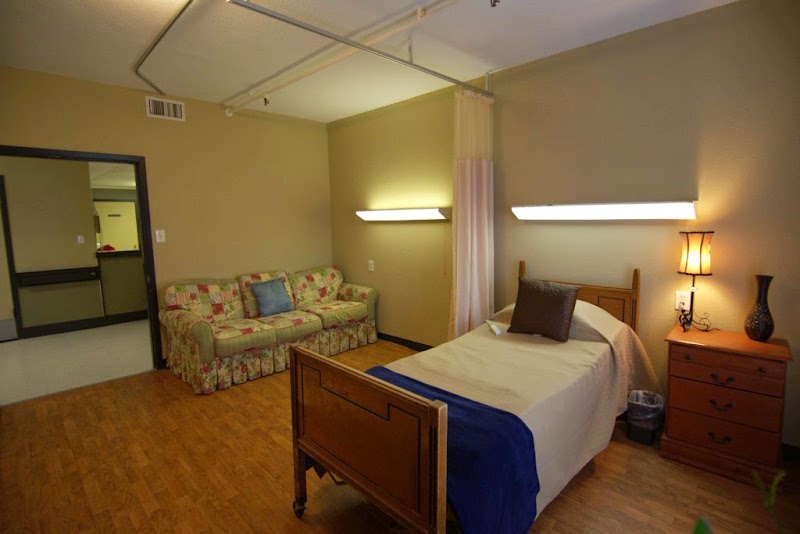
How is Mansfield Nursing & Rehabilitation Center Staffed?

CMS rates MANSFIELD NURSING & REHABILITATION CENTER's staffing level at 1 out of 5 stars, which is much below average compared to other nursing homes. Staff turnover is 51%, compared to the Texas average of 46%. RN turnover specifically is 67%, which is notably high. RNs provide skilled clinical oversight, so turnover in this role can affect medical care quality.

What Have Inspectors Found at Mansfield Nursing & Rehabilitation Center?

State health inspectors documented 48 deficiencies at MANSFIELD NURSING & REHABILITATION CENTER during 2022 to 2025. These included: 5 Immediate Jeopardy (the most serious level, indicating potential for serious harm or death), 1 that caused actual resident harm, and 42 with potential for harm. Immediate Jeopardy findings are rare and represent the most serious regulatory concerns. They require immediate corrective action.
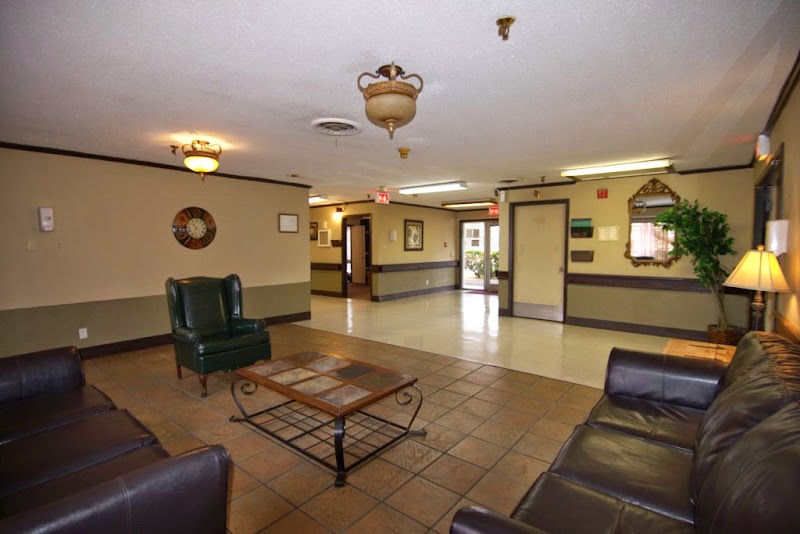
Who Owns and Operates Mansfield Nursing & Rehabilitation Center?

MANSFIELD NURSING & REHABILITATION CENTER is owned by a for-profit company. For-profit facilities operate as businesses with obligations to shareholders or private owners. The facility is operated by SLP OPERATIONS, a chain that manages multiple nursing homes. With 127 certified beds and approximately 63 residents (about 50% occupancy), it is a mid-sized facility located in MANSFIELD, Texas.
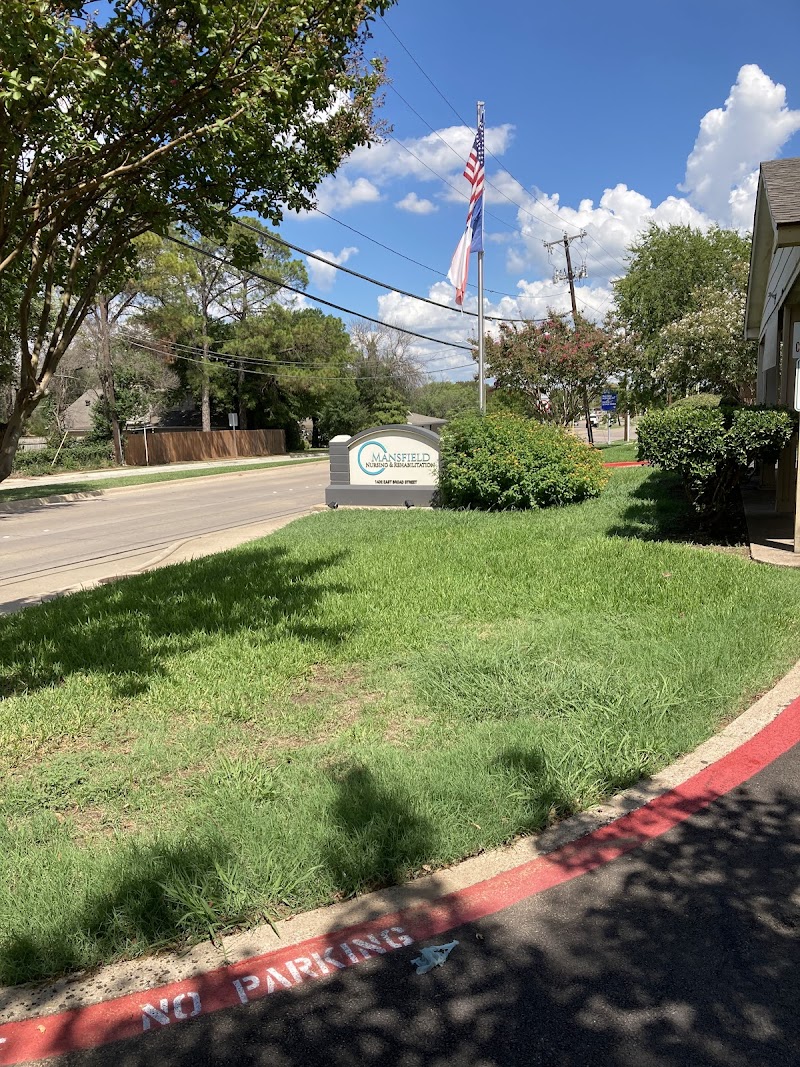
How Does Mansfield Nursing & Rehabilitation Center Compare to Other Texas Nursing Homes?

Compared to the 100 nursing homes in Texas, MANSFIELD NURSING & REHABILITATION CENTER's overall rating (2 stars) is below the state average of 2.8, staff turnover (51%) is near the state average of 46%, and health inspection rating (1 stars) is much below the national benchmark.

What Should Families Ask When Visiting Mansfield Nursing & Rehabilitation Center?

Based on this facility's data, families visiting should ask: "What changes have been made since the serious inspection findings, and how are you preventing similar issues?" "Can you walk me through typical staffing levels on day, evening, and night shifts?" "Can I visit during a mealtime to observe dining assistance and food quality?" "How do you handle medical emergencies, and what is your hospital transfer rate?" These questions are particularly relevant given the facility's Immediate Jeopardy citations and the below-average staffing rating.

Is Mansfield Nursing & Rehabilitation Center Safe?

Based on CMS inspection data, MANSFIELD NURSING & REHABILITATION CENTER has documented safety concerns. Inspectors have issued 5 Immediate Jeopardy citations (the most serious violation level indicating risk of serious injury or death). The facility has a 2-star overall rating and ranks #100 of 100 nursing homes in Texas. Families considering this facility should ask detailed questions about what corrective actions have been taken since these incidents.

Do Nurses at Mansfield Nursing & Rehabilitation Center Stick Around?

MANSFIELD NURSING & REHABILITATION CENTER has a staff turnover rate of 51%, which is about average for Texas nursing homes (state average: 46%). Moderate turnover is common in nursing homes, but families should still ask about staff tenure and how the facility maintains care continuity when employees leave.

Was Mansfield Nursing & Rehabilitation Center Ever Fined?

MANSFIELD NURSING & REHABILITATION CENTER has been fined $81,477 across 3 penalty actions. This is above the Texas average of $33,894. Fines in this range indicate compliance issues significant enough for CMS to impose meaningful financial consequences. Common causes include delayed correction of deficiencies, repeat violations, or care failures affecting resident safety. Families should ask facility leadership what changes have been made since these penalties.

Is Mansfield Nursing & Rehabilitation Center on Any Federal Watch List?

MANSFIELD NURSING & REHABILITATION CENTER is not on any federal watch list. The most significant is the Special Focus Facility (SFF) program, which identifies the bottom 1% of nursing homes nationally based on persistent, serious quality problems. Not being on this list means the facility has avoided the pattern of deficiencies that triggers enhanced federal oversight. This is a positive indicator, though families should still review the facility's inspection history directly.