THE PAVILION AT CREEKWOOD
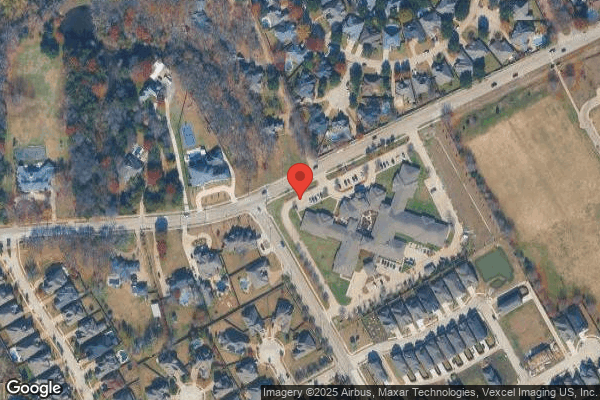
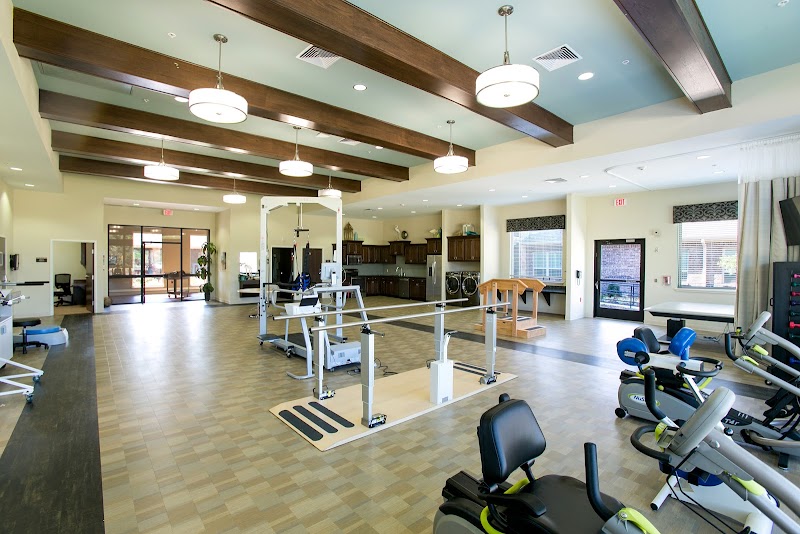
2100 CANNON DR, MANSFIELD, TX 76063 (817) 779-6500
For profit - Limited Liability company 126 Beds FUNDAMENTAL HEALTHCARE Data: November 2025 4 Immediate Jeopardy citations
Trust Grade
0/100
#858 of 1168 in TX
Last Inspection: February 2025

Within standard 12-15 month inspection cycle. Federal law requires annual inspections.

Overview

The Pavilion at Creekwood has received a Trust Grade of F, indicating poor quality and significant concerns about care. It ranks #858 out of 1168 nursing homes in Texas, placing it in the bottom half of facilities statewide, and #51 out of 69 in Tarrant County, meaning only a few local options are better. The facility is worsening, with issues increasing from 5 in 2024 to 9 in 2025, and it has a troubling history of critical incidents, including a resident who fell in the bathroom and suffered a clavicle fracture due to inadequate care. Staffing is rated poorly, with a turnover rate of 50%, and while RN coverage is average, the facility faces $49,424 in fines, which indicates compliance issues. Specific incidents include a resident falling out of a shower chair due to lack of supervision and another resident not receiving appropriate treatment for self-harm, both of which highlight serious risks to resident safety. Overall, while there are strengths in some quality measures, the weaknesses in care and supervision are concerning for families considering this facility.

Trust Score
F
0/100
In Texas
#858/1168
Bottom 27%
Safety Record
High Risk
Review needed
Inspections
Getting Worse
5 → 9 violations
Staff Stability
⚠ Watch
50% turnover. Above average. Higher turnover means staff may not know residents' routines.
Penalties
⚠ Watch
$49,424 in fines. Higher than 90% of Texas facilities, suggesting repeated compliance issues.
Skilled Nurses
⚠ Watch
Each resident gets only 17 minutes of Registered Nurse (RN) attention daily — below average for Texas. Fewer RN minutes means fewer trained eyes watching for problems.
Violations
⚠ Watch
24 deficiencies on record. Higher than average. Multiple issues found across inspections.
★★☆☆☆
2.0
Overall Rating
★☆☆☆☆
1.0
Staff Levels
★★★★★
5.0
Care Quality
★☆☆☆☆
1.0
Inspection Score
Stable
2024: 5 issues
2025: 9 issues

The Good

  • 5-Star Quality Measures · Strong clinical quality outcomes
  • Full Sprinkler Coverage · Fire safety systems throughout facility
  • No fines on record

Facility shows strength in quality measures, fire safety.

The Bad

2-Star Overall Rating

Below Texas average (2.8)

Below average - review inspection findings carefully

Staff Turnover: 50%

Near Texas avg (46%)

Higher turnover may affect care consistency

Federal Fines: $49,424

Above median ($33,413)

Moderate penalties - review what triggered them

Chain: FUNDAMENTAL HEALTHCARE

Part of a multi-facility chain

Ask about local staffing decisions and management

The Ugly 24 deficiencies on record

4 life-threatening
Aug 2025 2 deficiencies
CONCERN (D) 📢 Someone Reported This

A family member, employee, or ombudsman was alarmed enough to file a formal complaint

Potential for Harm - no one hurt, but risky conditions existed

Quality of Care (Tag F0684)

Could have caused harm · This affected 1 resident

**NOTE- TERMS IN BRACKETS HAVE BEEN EDITED TO PROTECT CONFIDENTIALITY** Based on interview and record, the facility failed to provide treatment and care in accordance with professional standards of pr...

Read full inspector narrative →
**NOTE- TERMS IN BRACKETS HAVE BEEN EDITED TO PROTECT CONFIDENTIALITY** Based on interview and record, the facility failed to provide treatment and care in accordance with professional standards of practice, the comprehensive resident-centered care plan for one (Residents #1) of five residents reviewed for quality of care. The facility failed to apply a dressing to cover Resident #1's recently infected wound (non-pressure related) on her left foot, when she was observed with it exposed to air on 08/05/25. |This failure could place residents with wounds at risk of a decline in their healing progression as well as at risk for infection and discomfort. Findings included:Record review of Resident #1's Face Sheet dated 08/06/25 reflected she was a [AGE] year-old female who admitted to the facility on [DATE]. Resident #1's diagnoses included dementia (a general term for a decline in mental ability severe enough to interfere with daily life), fracture of right femur (upper leg/thigh), malnutrition, atherosclerotic heart disease (plaque buildup in the arterial walls of the heart), peripheral vascular disease (a circulation disorder that affects blood vessels outside of the heart and brain), local infection of the skin and subcutaneous tissue (the deepest layer of skin, primarily composed of fat and connective tissue), muscle wasting and atrophy (the wasting or thinning of muscle tissue)-multiple sites, dysphagia (difficulty swallowing) and pain.Record review of Resident #1's quarterly MDS assessment dated [DATE] reflected a BIMS score of 15 and no sign/symptoms of delirium, psychosis or rejection of care issues. Resident #1 had no range of motion issues and used a wheelchair for mobility. Resident #1 required substantial/maximal assistance for transfers and moderate assistance for bed mobility. Resident #1 had occasional pain which occasionally interfered with sleep and therapy activities with an intensity during the assessment period of three (out of ten). Resident #1 was at risk of developing pressure ulcers but had none at the time of the assessment. She had no other skin conditions and had applications of ointments/medications other than to feet.Record review of Resident #1's care plan initiated 06/20/25 and last updated 07/30/25 reflected Problem start date 07/21/25: [Resident #1] has a non-pressure ulcer on left foot between great toe and 2nd toe. Interventions included, Wound care as ordered. See treatment record.Record review of Resident #1's nursing progress noted dated 07/18/2025 and written by LVN A reflected, Resident noted with an open area on the left foot between the big toe and the second biggest. Area inflamed and small amount of exudate noted. MD notified new order to start Bactrim 800mg 1 tab BID x 10 days and wound care consult. Order noted, MAR updated initial dose given from E-Kit.Record review of Resident #1's Initial Wound Evaluation and Management Summary dated 07/20/25 reflected she had a non-pressure wound of the left, first toe-full thickness due to trauma/injury by footwear and was over ten days in duration and was noted to be present upon admission per staff. The healing potential was fair with an estimation of one to two months to heal. The care goal was to decrease necrosis (death of tissue within a wound) and ulcer area by offloading, optimizing moist wound healing, education and counseling and serial debridement. The wound was 2x2x0.1cm with a surface area of 4.00 cm, exudate was light serous with 30% thick adherent devitalized necrotic tissue. There was 10% slough and 60% granulation tissue with no signs of infection. A surgical debridement (a wound care approach where dead or damaged tissue is removed repeatedly over time to promote healing) procedure was completed to remove necrotic tissue and establish the margins of viable tissue. As a result of this procedure, the nonviable tissue in the wound bed decreased from 40 percent to 10 percent. A second visit from the wound doctor occurred on 08/06/25 where Resident #1's wound had decreased in size and was 1.8 x 1.5 x 0.1 cm with a surface area of 2.70 cm and wound progress was noted to be improved as evidenced by decreased surface area with no pain and no signs of infection. The Dressing Treatment Plan reflected: Primary Dressing- 1) Add Collagen Powder once daily and as needed if saturated, soiled, or dislodged for 30 days; 2) Sodium Hypochlorite Gel (Anasept) once daily for 30 days and as needed: if saturated, soiled or dislodged for 30 days; Secondary Dressing: 1) Add Gauze Island w/ bdr once daily and as needed: if saturated, soiled, or dislodged for 30 days.Record review of Resident #1's physician order dated 07/30/25 reflected, Dressing Treatment Plan: Primary Dressing-Collagen powder apply once daily and as needed: if saturated, soiled, or dislodged. For 30 days; Sodium hypochlorite gel (anasept) apply once daily and as needed: if saturated, soiled, or dislodged for 30 days. Secondary Dressing- Gauze island w/ bdr apply once daily and as needed: if saturated, soiled, or dislodged for 30 days.An observation of Resident #1 on 08/05/25 at 12:14 PM, revealed she was in the facility's courtyard with a family member being pushed in a wheelchair. Her feet were observed to not have any socks or shoes on either foot. Resident #1's left foot had an open wound about a quarter in size next to her great big toe and second toe. An interview with LVN A on 08/05/25 at 2:30 PM, revealed she was the charge nurse for Resident #1 from 6A-2P and was responsible for completing any wound care on her hall, since the wound care nurse was not at the facility that day. LVN A stated there was no dressing on Resident #1's wound on her foot because when she went to round on the resident earlier in the morning, she was indicating her foot was in pain so she took the dressing off her wound and gave her a pain pill. LVN A stated she decided to keep the dressing off and leave the wound open to air while the pain medication worked. LVN A stated, But then it got very busy and I was running back and forth. She stated Resident #1's family member then arrived for a visit and wanted to take the resident around the facility and outside. When the family left, LVN A stated that was when she covered Resident #1's wound with a dressing. LVN A stated Resident #1 had gangrene on her foot and the wound was supposed to always be covered, but she thought that since the resident was in pain earlier, leaving it off for a while would be okay. LVN A stated she should have tried to apply a dressing, however, when she initially removed it. LVN A stated having an open gangrene wound not covered with a dressing could place Resident #1 at risk for infection. She stated Resident #1 had just finished a round of antibiotics for an infection in that area. A record review of Resident #1's MAR reflected no pain medication was administered to her on the 6a-2p shift on 08/05/25, however, there was a follow up pain assessment by LVN A initialed at 9:30 AM from an earlier pain medication administration by the overnight nurse at 5:27 AM indicating it had been effective and her pain was controlled. A follow up interview with LVN A on 08/06/25 at 1:45 PM, revealed on 08/05/25, what had actually happened was when she got to work, she got her report from the overnight nurse and then around 6:30 am, one of her residents became unresponsive and she had to assess her and send her out to the hospital. LVN A also stated the facility was down one CNA for the halls she covered, so they had four instead of five, for 70 residents. While she was dealing with the other resident's emergency, she was walking down the hall and could hear Resident #1 crying so she went in to check on her. She said Resident #1 was saying leg my leg.my leg. LVN A said the dressing on her foot looked too tight so she took it off but then had to deal with the crisis related to the other resident on the hall and she was rushing to call 911. Then after that, another resident's family member came to visit and had an issue that LVN A had to deal with so we don't have any complaints, and then Resident #1's family member arrived for a visit. LVN A stated the family member about the dressing being off because she wanted to wheel her around the facility and go outside. LVN A stated, I said just tell me when you come back.Yesterday was so frustrating, usually when we work with four aides only, we have to help them feed, transfer and yesterday with two families present, I had to make sure those residents were okay. I didn't leave [Resident #1's] on purpose. LVN A confirmed the antibiotic that Resident #1 had just finished was for the infected wound on her foot and it was to be covered because, Anything in the air can get into the wound and infect it. An interview with the wound care nurse (WC-LVN D) on 08/06/25 at 1:15 PM, revealed Resident #1's wound started as a scratch between her toes and it was not gangrene, however, she did not know what the wound care doctor was considering it. She stated it was a split between the toes that occurred and due to the resident's poor circulation it worsened. WC LVN D stated her expectation was that LVN A should have provided Resident #1 pain medication if needed and redressed the wound immediately. Review of the facility's policy titled, Wound Care-Performing a Dressing Change revised June 2015 reflected, Policy- A dressing change will follow specific manufacturer's guidelines and general infection control principles; Procedures: .4. Assess the wound .6. Apply a cover dressing-date and initial cover dressing, place time reference on it.
CONCERN (E) 📢 Someone Reported This

A family member, employee, or ombudsman was alarmed enough to file a formal complaint

Potential for Harm - no one hurt, but risky conditions existed

Pressure Ulcer Prevention (Tag F0686)

Could have caused harm · This affected multiple residents

**NOTE- TERMS IN BRACKETS HAVE BEEN EDITED TO PROTECT CONFIDENTIALITY** Based on observations, interviews and record review, the facility failed to ensure residents with pressure ulcers and at risk fo...

Read full inspector narrative →
**NOTE- TERMS IN BRACKETS HAVE BEEN EDITED TO PROTECT CONFIDENTIALITY** Based on observations, interviews and record review, the facility failed to ensure residents with pressure ulcers and at risk for pressure ulcers received necessary treatment and services, consistent with professional standards of practice, to promote healing, prevent infection and prevent new ulcers from developing for three (Residents #2, #3 and #4) of six residents reviewed for treatment/services for pressure ulcers.1. The facility failed to ensure pressure was offloaded from Resident #2's unstageable deep tissue injury on his left heel on 08/05/25. 2. The facility failed to ensure Resident #3's right heel air boot was in place to relieve and reduce pressure to a healing wound on 08/05/25.3. The facility failed to ensure pressure was offloaded on Resident #4's healing surgical incision site on her lower leg on 08/05/25.This failure placed residents at risk of worsening pressure and delayed healing, as well as discomfort and pain. Findings included:1. Record review of Resident #2's Face Sheet dated 08/06/25 reflected he was a [AGE] year-old male who admitted to the facility on [DATE]. Resident #2's diagnoses included metabolic encephalopathy (a condition where brain dysfunction arises from a chemical imbalance in the blood caused by an underlying medical condition or illness), diabetes mellitus (a chronic condition where the body doesn't produce enough insulin or can't properly use the insulin it produces, leading to high blood sugar levels), atherosclerotic heart disease (plaque buildup in the arterial walls of the heart), muscle wasting and atrophy (loss of muscle mass and strength).Record review of Resident #2's admission MDS dated [DATE] reflected a BIMS score of 13, which indicated moderate cognitive impairment. He had no psychosis, delirium or rejection of care issues. Resident #2 had range of motion impairment on both sides of his lower extremities. Resident #2 was dependent on the physical assistance of staff for transfer and substantial/maximal assistance for bed mobility. Resident #2 was at risk of developing pressure ulcers and he had one unhealed and unstageable pressure injury presenting as a deep tissue injury upon admission. Resident #2 required pressure ulcer/injury care and applications of ointments/dressings. Record review of Resident #2's care plan dated 07/25/25 reflected, [Resident #2] has a DTI to his left heel related to immobility; At risk for Pressure Injury related to: impaired mobility, incontinence, diabetes, kidney failure, heart failure and fragile skin. Approaches included, Use pillows, pads, or other pressure-reduction devices to offset pressure from bony prominences.Record review of Resident #2's initial wound care visit dated 07/20/25 reflected he had an unstageable deep tissue injury of the left heel of undetermined thickness with a two-to-four-month time frame for healing, a goal to decrease the ulcer area, with approaches that included offloading. Resident #2's wound size was 7cmx10cmx not determinable, 70 cm in surface area, no exudate, skin with purple/maroon discoloration, blood filled blister, no pain and no signs/symptoms of infection. Recommendations included to float heels in bed, reposition per facility protocol and off-load wounds. A second visit was completed on 08/06/25 and the wound care doctor noted the resident's wound measurement were the same as the week prior and the wound progress was not at goal due to need more time. There was no pain or signs of infection on the second visit. Record review of Resident #2's physician order dated 07/25/2025 reflected, Elevate/Float Heels while in bed; Right plantar DTI- apply skin prep to area daily.Record review of Resident #2's nursing progress note dated 07/30/2025 reflected, Left heel DTI measuring 7cm x10cm- skin intact with purple/ maroon discoloration (blood filled blister), current wound care order continues. Resident continues wearing air boots in air boots as prescribed.An observation of Resident #2 on 08/05/25 at 2:08 PM, revealed Resident #2's feet were not offloaded and his heels were placed directly on a pillow at the foot of his bed. An interview with the DON on 08/05/25 at 2:09 PM, revealed she observed Resident #2 and he did not have his feet properly offloaded. An interview with LVN E on 08/05/25 at 2:12 PM, revealed he was the charge nurse from 6a-2p for Resident #2. He stated he had not touched Resident #2's feet that shift so he did not know who placed his feet and heels directly on a pillow. LVN E stated he was the one who had completed wound care on Resident #2's heel that shift, but he was not sure if he required air boots and he was only there to provide the wound care and did not check to see if they were offloaded properly. He checked Resident #2's chart and verified air boots were ordered to be in use. Record review of new physician's order dated 08/05/25 (after investigator intervention), reflected, Z-flex boots to offload heels while in bed, Frequency: Every Shift.Record review of Resident #2's revised care plan (completed after investigator intervention), reflected the care plan was updated by the facility and reflected he was resistant to care. The care plan update on 08/06/25 reflected, Problem Start Date: 08/06/2025-[Resident #2] has behaviors AEB: resident unsafely puts himself into bed and doesn't apply boots to protect his heels- Approach: Document non-compliance in clinical record.Record review of Resident #2's nursing progress notes since his admission on [DATE], reflected no entries related to him being non-compliant with wearing any heel protectors/air boots. 2. Record review of Resident #3's Face Sheet dated 08/06/25 reflected she was a [AGE] year-old female who admitted to the facility on [DATE]. Resident #3's diagnoses included metabolic encephalopathy (a condition where brain dysfunction arises from a chemical imbalance in the blood caused by an underlying medical condition or illness), muscle wasting and atrophy (loss of muscle mass and strength) and vascular dementia (a decline in thinking skills caused by conditions that block or reduce blood flow to the brain, leading to damage to brain cells). Record review of Resident #3's admission MDS dated [DATE] reflected a BIMS score of 08, which indicated moderate cognitive impairment. Resident #3 had no psychosis, delirium or rejection of care issues. She was dependent on the physical assistance of staff for transfer and substantial/maximal assistance for bed mobility. Resident #3 was at risk of developing pressure ulcers/injuries but had no pressure ulcers documented as being present at the time of the assessment, as well as no venous or stasis ulcers. Resident #3 also had no other ulcers, wounds or skin problems indicated. Record review of Resident #3's care plan dated 07/07/25 reflected, 1) [Resident #3] is at risk for Pressure Injury related to: impaired mobility, incontinence, decreased cognition, kidney failure and fragile skin, 2) [Resident #3] has a current wound/disruption of skin surface: blood filled, blister Skin tear to RLL. Approaches included, Use pillows, pads, or other pressure-reduction devices to offset pressure from bony prominences.Record review of Resident #3's physician orders reflected, Offload right heel when resident is in bed every shift (start date 07/03/2025 -open ended).Record review of Resident #3's nursing progress note dated 07/16/25 reflected, Wound update- blister to right heel dry with blister surface continuing to slough off, application of betadine continues to area daily and offloading of heels. Wound surface area decreasing in size.An observation of Resident #3 on 08/05/25 at 1:50 PM, revealed she was in bed asleep. Resident #3's feet were observed to have no heel protectors or air boot on. All wound dressings were observed to be in place and was dated 08/05/25. An interview and observation on 08/05/25 at 2:03 PM, with LVN B revealed Resident #3 should have air boots on her feet and went to the resident's room to find them. She located the air boots on the floor in the closet and then placed them onto Resident #3's feet. She stated she looked in the chart and verified there was a physician's order to place air boots on the resident's right foot while in bed. She stated she had done the wound care earlier and had offloaded one foot one a pillow. LVN B stated even though Resident #3's heel was floated on a pillow; she still should have had her air boots on because there was an order to wear them to prevent skin breakdown. She said the air boots helped keep Resident #3's heel lifted off the mattress and have no pressure placed on it. LVN B said the resident's heel was not mushy, it was drying out. LVN B stated a mushy heel was a concern in that it could turn into a wound quickly in a couple hours if there was pressure on it. LVN B stated even with the use of Betadine to dry the heel out, if it was left on the mattress or pillow, then skin would start to go backwards in healing and get soft again. An observation of Resident #3 on 08/06/25 at 12:00 PM, (after investigator intervention) revealed she had two air boots one on her right and left feet. An interview with Resident #3's family member on 08/06/25 at 12:00 PM, revealed the resident got the wound on her right heel because she had neuropathy and was rubbing her heel skin on the mattress most likely because it felt good to itch it. The family member stated the wound did not appear to be getting better because the resident would indicate through grimacing at time during visits that it was hurting. The family member stated the air boots that were presently on Resident #3's feet she had never seen before and noted the roommate [Resident #4] was currently wearing the heel protectors she was used to Resident #3 wearing. She did not know why those were now being used for her roommate. 3. Record review of Resident #4's Face Sheet dated 08/06/25 reflected she was a [AGE] year-old female who admitted to the facility on [DATE] with diagnoses which included acute osteomyelitis- left ankle and foot (a bone infection, usually bacterial, that develops over a short period, often within two weeks), pain, peripheral vascular disease (a circulation disorder that affects blood vessels outside of the heart and brain), muscle wasting and atrophy (loss of muscle mass and strength), methicillin resistant staphylococcus aureus infection (a type of staph that can be resistant to several antibiotic), diabetes mellitus (a chronic condition where the body doesn't produce enough insulin or can't properly use the insulin it produces, leading to high blood sugar levels), neuropathic arthropathy (a condition where a joint breaks down due to nerve damage) and dementia (a decline in mental ability severe enough to interfere with daily life).Record review of Resident #4's admission MDS dated [DATE] reflected a BIMS score of 03, which indicated severe cognitive impairment. She had no signs or symptoms of psychosis, delirium, or rejection of care. Resident #4 had range of motion limitations on both sides of her lower extremities. Resident #4 was dependent on staff for all transfers and needed substantial/maximal assistance for bed mobility. Resident #4 was at risk of developing pressure ulcers/injuries and had one Stage 2 pressure ulcers that was present upon admission. She also had other ulcers, wounds and skin problems which included an infection of the foot. Resident #4 required pressure ulcer/injury care, applications of ointments/medications other than to feet and application of dressings to feet (with or without topical medications).Record review of Resident #4's care plan dated 07/15/25 reflected, [Resident #4] has a surgical incision s/p I&D to left plantar surface. Interventions did not include a discussion of offloading her feet/legs. Record review of Resident #4's physician wound care orders reflected, 1) Left plantar: Cleanse with NS, Pat dry, Apply calcium alginate with silver to wound bed cover with dry dressing daily (start date 07/25/2025-open ended), 2) Elevate/Float Heels while in bed Every Shift (start date 07/28/2025-open ended).Record review of Resident #4's initial H&P completed by the attending physician on 07/15/25, reflected, Patient on IV antibiotic for underlying left foot osteomyelitis with MRSA positive. An observation and interview of Resident #4 on 08/05/25 at 10:51 AM, revealed she said her left foot was where the wound was. The wound was observed to be wrapped and under a sock and her foot was not offloaded from the bed. Resident #4 stated she was not in any pain and did not know how the wound on her foot occurred. Her ability to articulate her thoughts was limited due to cognition. An interview with CNA C on 08/05/25 at 2:06 PM, revealed she was the CNA for Resident #3 and Resident #4 and they had just moved to the hall about a week prior. She stated both residents had wounds on their feet and their heels should be offloaded as a result. She stated she did not know about any air boots that were used for Resident #3. An interview with the wound care nurse (WC LVN D) on 08/06/25 at 1:15 PM, revealed she felt all residents' feet should be offloaded when they were in bed. She stated heel protectors such as air boots were used, Because we are trying to relieve pressure or residents' at risk for pressure, I want one on them because we don't want breakdown, pillows move when we offloaded, but it you put those boots on, they are not going anywhere. WC LVN D stated the charge nurses should be monitoring to ensure these interventions were in place and they were supposed to check it off on the MAR/TAR as being observed. WC LVN D stated, Therapy is notorious for not putting the air boots back on. An interview with LVN A on 08/06/25 at 1:45 PM, revealed air boots and heel protectors were important to reduce the friction a resident has with their skin on the bed. She stated if an offloading device was not in place and missing, the CNA should tell the charge nurse who would come and put it on. LVN A stated, however, that the nurses should be rounding too and should check to see that their assigned residents' feet were being offloaded. She stated if a resident's foot was not offloaded, they would develop a deep tissue injury on their heel, and that is when we get wounds, which we don't want.An interview with the DON on 08/06/25 at 2:20 PM, revealed monitoring for heel protectors such as air boots was the responsibility of the wound care nurse, and if the wound care nurse was not there, then it was to be done by the charge nurses.Review of the facility's policy titled, Wound Care Policies and Procedures-Pressure Ulcers in Adults revised 06/01/15 reflected, .5. Mechanical Loading and Support Surface Guideline.Use devices that relive or reduce pressure on the heels.
Feb 2025 4 deficiencies
CONCERN (D)

Potential for Harm - no one hurt, but risky conditions existed

Grievances (Tag F0585)

Could have caused harm · This affected 1 resident

**NOTE- TERMS IN BRACKETS HAVE BEEN EDITED TO PROTECT CONFIDENTIALITY** Based on interview and record review, the facility failed to ensure prompt efforts were made to resolve grievances residents had...

Read full inspector narrative →
**NOTE- TERMS IN BRACKETS HAVE BEEN EDITED TO PROTECT CONFIDENTIALITY** Based on interview and record review, the facility failed to ensure prompt efforts were made to resolve grievances residents had and ensure that all written grievance decisions include the date the grievance was received, a summary statement of the resident's grievance, the steps taken to investigate the grievance, a summary of the pertinent findings or conclusions regarding the resident's concerns(s), a statement as to whether the grievance was confirmed or not confirmed, any corrective action taken or to be taken by the facility as a result of the grievance, and the date the written decision was issued for one (Resident #99) of five residents reviewed for grievances. The facility failed to document any attempts to resolve Resident #99's grievance when she expressed concern that CNA G refused to provide incontinent care. This failure could place residents at risk of a diminished quality of life and unmet care needs. Findings included: Review of Resident #99's Face Sheet, dated 02/26/25, reflected she was a [AGE] year-old female who admitted to the facility on [DATE], with diagnoses including diverticulitis of large intestine with perforation and abscess with bleeding (a serious condition that can occur when a small pouch in the colon wall becomes inflamed and/or infected) and anxiety disorder (a mental health condition that involves excessive fear, worry, or dread). Review of Resident #99's MDS Assessment, dated 12/23/24, reflected she was cognitively intact. Resident #99 was identified as being occasionally incontinent of bladder and frequently incontinent of bowel. Review of Resident #99's Care Plan, dated 12/26/24, reflected she was identified as being incontinent of bladder and bowel. A documented approach for this care area was for staff to assist with toilet use and provide incontinent care as indicated. Review of Grievance Reports from 01/01/25 to 02/24/25 reflected no evidence that a grievance related to the allegation made by Resident #99 had been filed. During an interview with Resident #99 on 02/24/25 at 2:00PM, she stated within the past several weeks, there was a singular instance when CNA G, who worked the night shift, refused to change her brief. Resident #99 stated she told ADON E about the issue, and ADON E stated she would take care of it. During a telephone interview with ADON E on 02/24/25 at 2:53PM, she stated Resident #99 did tell her about an instance in which CNA G refused to change her brief on an overnight shift. She stated Resident #99 felt as though this was a customer service issue; she did not report feeling as though she had been abused or neglected. ADON E stated she spoke with CNA G regarding this customer service issue and the need to provide timely incontinent care, but she did not file a formal grievance. ADON E stated looking back, she should have filed a grievance on behalf of the resident. During an interview with the Administrator on 02/24/25 at 3:30PM, he stated prior to today (02/24/25), he had not been made aware of the incident in which CNA G allegedly refused to provide incontinent care for Resident #99. The Administrator stated once ADON E became aware of the alleged incident, she should have filed a grievance form on behalf of Resident #99. The Administrator stated the risk of a grievance not being filed included the facility not being able to investigate and resolve resident concerns/complaints. The surveyor attempted to contact CNA G via telephone on 02/24/25 at 4:22PM. The surveyor left a voice message requesting a return telephone call. Review of the facility's Complaints/Grievances Process policy, dated 11/06/23, reflected, .Procedures: 1. Grievances/Complaints are accepted by the following, but not limited to: A. Administrator B. Department manger or his/her designee C. Supervisors D. Unit Managers E. Ombudsman 2. Upon receipt of the grievance the receiver completes all appropriate sections of electronic Grievance form under Portal Links or a paper form .
CONCERN (D)

Potential for Harm - no one hurt, but risky conditions existed

Deficiency F0655 (Tag F0655)

Could have caused harm · This affected 1 resident

**NOTE- TERMS IN BRACKETS HAVE BEEN EDITED TO PROTECT CONFIDENTIALITY** Based on interview and record review, the facility failed to develop and implement a baseline care plan for each resident that i...

Read full inspector narrative →
**NOTE- TERMS IN BRACKETS HAVE BEEN EDITED TO PROTECT CONFIDENTIALITY** Based on interview and record review, the facility failed to develop and implement a baseline care plan for each resident that included instructions needed to provide effective and person-centered care for the resident that met professional standards of care within 48 hours of the resident's admission for one (Resident #99) of five residents reviewed for baseline care plans. The facility failed to complete a baseline care plan for Resident #99. This failure could place newly admitted residents at risk of not receiving effective and person-centered care and services. Findings included: Review of Resident #99's Face Sheet, dated 02/26/25, reflected she was a [AGE] year-old female who admitted to the facility on [DATE], with diagnoses including diverticulitis of large intestine with perforation and abscess with bleeding (a serious condition that can occur when a small pouch in the colon wall becomes inflamed and/or infected) and anxiety disorder (a mental health condition that involves excessive fear, worry, or dread). Review of Resident #99's MDS Assessment, dated 12/23/24, reflected she was cognitively intact. Review of Resident #99's electronic medical records on 02/25/25 reflected no evidence that a baseline Care Plan had been completed. During an interview with MDS Coordinator F on 02/26/25 at 10:10AM, she stated she was responsible for completing baseline Care Plans for residents within 48 hours of their admission to the facility. She confirmed there was no evidence to suggest that a baseline Care Plan for Resident #99 had been completed following her admission. MDS Coordinator F stated the risk of not completing a baseline Care Plan for a resident within the required timeframe was that the facility would receive a citation from the State. Review of the facility's Care Plan Process, Person-Centered Care policy, dated 05/05/23, reflected, .Procedures: .1: Develop and implement the baseline person-centered care plan within 48 hours of a resident's admission .
CONCERN (D)

Potential for Harm - no one hurt, but risky conditions existed

Pharmacy Services (Tag F0755)

Could have caused harm · This affected 1 resident

**NOTE- TERMS IN BRACKETS HAVE BEEN EDITED TO PROTECT CONFIDENTIALITY** Based on interview, and record review, the facility failed to provide pharmaceutical services (including procedures that assure ...

Read full inspector narrative →
**NOTE- TERMS IN BRACKETS HAVE BEEN EDITED TO PROTECT CONFIDENTIALITY** Based on interview, and record review, the facility failed to provide pharmaceutical services (including procedures that assure the accurate acquiring, receiving, dispensing, and administering of all drugs and biologicals) to meet the needs of each resident for 1 (Resident #99) of 40 resident reviewed for pharmacy services. The facility failed to ensure the 400 Hall nurses' medication cart had an accurate narcotic count for Resident #99. This failure could place residents at risk for medication errors, drug diversion, and delays in medication administration. Findings included: Record review of Resident# 99's face sheet dated 02/26/25 reflected the resident was a [AGE] year-old female admitted to the facility on [DATE]. Admitting diagnoses included diverticulitis of large intestine with perforation and abscess with bleeding, cough, depressive episodes, allergy, GERD, without bleeding, nausea with vomiting, sepsis (a life-threatening condition that occurs when the body's immune system overreacts to an infection ), anemia, unspecified and HT Record review of Resident #99's admission MDS Assessment, dated 12/23/24, reflected the resident BIMS score of 15 indicating no cognitive impairment. Record review of Resident #99's care plan did not indicate the resident was taking pain medications. Record review of Resident #99's physician's orders dated February 2025, reflected an order for the resident to receive Hydrocodone-Acetaminophen Oral Tablet 10-325 MG. Give 1 tablet by mouth every 6 hours as needed for pain. Acetaminophen with codeine #3 (Tylenol with codeine #3). Give 1 tablet by mouth every 4 hours as needed for pain. Record review of Resident #99's medication administration record reflected, Hydrocodone-Acetaminophen Oral Tablet 10-325 MG was last administered on 01/22/25 and Acetaminophen with codeine #3 was last administered on 2/15/25. Review of the narcotic log for Resident #99 reflected the count sheet for Acetaminophen with codeine was 19 and the medication card contained 20 tablets and the narcotic sheet for Hydrocodone-Acetaminophen 10-325 MG was 20 and the card contained 19 tablets. In an interview on 02/26/25 at 10:35 AM with LVN C, she stated she had not administered any pain medication to Resident #99. LVN C stated she was switched to work on the hall after the start of the shift and ADON D was the one who completed the narcotics count with the night nurse. LVN C stated she did not complete a narcotic count after taking over the cart from the ADON D. LVN C stated she would inquire from the ADON if she administered the pain medication. LVN C stated she last worked on the hall on 02/24/25 and she did not realize the count was wrong. LVN C stated she was supposed to make sure the name of the resident, the medication and the count all matched. LVN C stated with any narcotics discrepancies, she was expected to report immediately to the DON. In an interview on 02/26/25 at 10:42 AM with ADON D, she stated she had not administered any pain medication to Resident #99. ADON D stated when she completed the count during the change of shift, the count was correct, but per the records, did not reveal to be correct. Then the ADON stated she would inform the DON of the discrepancy. The ADON stated during narcotic count she was supposed to check and make sure the medication and number of the narcotics in the narcotic sheet were a match. In an interview on 02/26/25 at 10:56 AM with Resident #99, she stated she was not in pain, and she had not taken any pain medication on 02/26/25. Resident #99 stated she took a hydrocodone-Acetaminophen 10-325 mg tablet about two weeks ago due to pain from surgery, and since then she had not taken any pain medication. An interview on 02/26/25 at 2:35 PM with the DON revealed she had been made aware of the narcotic discrepancy on hall 400 nurse medication cart, and she was already in the process of in-servicing the staff. The DON stated she talked with Resident #99, and the resident stated she had taken Norco and not Tylenol #3 when she had requested for a pain medication about two weeks ago. The DON stated when she talked with the nurse on duty, the nurse had given the resident the Norco and signed in the wrong narcotic sheet. The DON stated the charge nurse had failed to realize the inconsistency and get it corrected timely. The DON stated she expected the charge nurse to make sure the medication, the resident name and narcotic count matched when they completed narcotic count during shift change to prevent narcotics discrepancy. Review of the facility's policy undated and titled medication management program reflected, . Security and Safety Guidelines . 9. Controlled substances are accounted for each patient/resident on a Controlled Substance Record . A. Substances are counted by authorized staff members at each change of shift. B. Drug count discrepancies are reported immediately for the Director of Nursing or designee.
CONCERN (E)

Potential for Harm - no one hurt, but risky conditions existed

Unnecessary Medications (Tag F0759)

Could have caused harm · This affected multiple residents

**NOTE- TERMS IN BRACKETS HAVE BEEN EDITED TO PROTECT CONFIDENTIALITY** Based on observations, interviews, and record reviews, the facility failed to ensure a medication error rate below 5%, for 45 me...

Read full inspector narrative →
**NOTE- TERMS IN BRACKETS HAVE BEEN EDITED TO PROTECT CONFIDENTIALITY** Based on observations, interviews, and record reviews, the facility failed to ensure a medication error rate below 5%, for 45 medication administration opportunities with 11 errors resulting in a 24% medication error rate, for 2 of 6 residents (Residents #52 and #65) reviewed for medication administration. 1. The facility failed to ensure MA A administered a medication as ordered to Resident #52 by crushing Nifedipine ER (used to treat hypertension (high blood pressure) and angina (chest pain)); a medication that should not be crushed. 2. The facility failed to ensure MA B administered Resident #65 medication per physician orders, medications scheduled at 7 am were administered at 11:18 am This deficient practice placed residents at risk for not receiving therapeutic effects of their medications and possible adverse reactions. The findings included: Record review of Resident #52's admission record dated 02/26/2025 revealed an admission date of 11/05/22 with diagnoses which included Muscle wasting and atrophy, Dysphagia, HTN, hypertensive heart disease without heart failure, schizophrenia, and Type 2 diabetes mellitus. Record review of Resident #52's quarterly assessment MDS dated [DATE] revealed Resident #52 had a BIMS score of 05, indicating severe cognitive impairment. Record review of Resident #52's care plan edited on 12/26/24 revealed, resident had hypertension, goal will not experience any complications r/t blood pressure through next review period, approach, Administer medications as ordered. Record review of Resident #52's physicians orders dated February 2025 revealed the physician prescribed for Resident #52 to receive the following medications: Famotidine 10 mg 2 tablets Divalproex sprinkle 125 mg 2 capsules Benztropine 1 mg 1 tablet Atenolol 50 mg 1 tablet Clopidogrel 75 mg 1 tablet Glimepiride 2 mg 1 tablet Nifedipine ER 60 mg 1 tablet, NOT TO CRUSH Observation on 02/26/25 at 11:01 AM, revealed MA A crushed and administered the following medications to Resident #52: Famotidine 10 mg 2 tablets Divalproex sprinkle 125 mg 2 capsules Benztropine 1 mg 1 tablet Atenolol 50 mg 1 tablet Clopidogrel 75 mg 1 tablet Glimepiride 2 mg 1 tablet Nifedipine ER 60 mg 1 tablet In an interview with MA A on 12/24/25 at 11:04 am, MA A stated the resident always took crushed medications and he had been taking Nifedipine ER crushed. MA A stated per the medication instructions, the medication was not supposed to be crushed. She stated the medication was extended-release meaning required to be released gradually, and if it was crushed the medication could be absorbed at once which could lead to medication overdose or side effects. MA A stated she would inform the charge nurse to get the medication switched. Record review of Resident #65's admission record dated 02/26/25 revealed an admission date of 01/06/25 with diagnoses which included, Cognitive communication deficit, chronic kidney disease stage 3, dementia, psychotic disturbance, mood disturbance, and anxiety, osteoarthritis, vitamin deficiency, hyperlipidemia, HTN acute on chronic diastolic (congestive) heart failure, pain, personal history of malignant neoplasm of prostate (cancer of the prostate gland) and Type 2 diabetes mellitus. Record review of Resident #65's quarterly assessment MDS dated [DATE] revealed Resident #65 had a BIMS score of 07 indicating severe cognitive. Record review of Resident #65's physicians orders dated February 2025 revealed the physician prescribed Resident #65 to receive the following medications: Amlodipine 5 mg at scheduled to be administered at 7am Isosorbide mono ER 30 mg scheduled to be administered at 7am Finasteride 5 mg scheduled to be administered at 7am Memantine 10 mg scheduled to be administered at 7am Montelukast 10 mg scheduled to be administered at 7am Nebivolol 5 mg scheduled to be administered at 7am Pantoprazole 40 mg scheduled to be administered at 7am Tamsulosin 0.4 mg scheduled to be administered at 7am Clopidogrel 75 mg scheduled to be administered at 7am Aspirin 81 mg scheduled to be administered at 7am Observation on 02/24/25 at 11:18 AM revealed MA B administered the following medications to Resident #65. Amlodipine 5 mg 1 tablet Isosorbide mono ER 30 mg 1 tablet Finasteride 5 mg 1 tablet Memantine 10 mg 1 tablet Montelukast 10 mg 1 tablet Nebivolol 5 mg 1 tablet Pantoprazole 40 mg 1 tablet Tamsulosin 0.4 mg 1 tablet Clopidogrel 75 mg 1 tablet Aspirin 81 mg 1 tablet In an interview on 02/26/25 at 11:05 AM with MA B, she stated she did administer the medications late mainly because there was a lot of residents to administer medications to who were scheduled at the same time. MA A stated she was supposed to follow the five rights of medication administration; that was the right medication, time, dosage, patient, and route. MA A stated she had informed the DON not getting the medication completed on time, and so far, nothing had been done. MA A stated Resident #65 was on blood pressure medications thus requiring the medications to be administered on time to prevent increase in blood pressure. MA A stated last month, the staff was in-serviced on making sure the medications were administered on time. In an interview on 02/26/25 at 02:22 PM with the DON, she stated MA B had informed her regarding the medications being late and the issue will be addressed in the management meeting. The DON stated she expected the staff to follow the medication administration protocol of administering medications one hour before and one hour after the scheduled time, and following the physician orders. The DON stated MA A was not supposed to crush extended-release medications because it would alter the potency of the medications. The DON stated the staff were in-serviced on medication administration on 2/21/25. Review of the facility's policy undated, titled management medication program, reflected The facility implements the management medication program to meet the pharmaceutical needs of the patients and residents, according to the established standards of practice and regulatory requirements.Preparing for medication pass.7. Medications are administered not more than one (1) hour before to one (1) hour after the designated medication pass time. Administering the medication pass.F. Crush oral medications in accordance to the facility policy.
Jan 2025 3 deficiencies 3 IJ
CRITICAL (J) 📢 Someone Reported This

A family member, employee, or ombudsman was alarmed enough to file a formal complaint

Immediate Jeopardy (IJ) - the most serious Medicare violation

Quality of Care (Tag F0684)

Someone could have died · This affected 1 resident

**NOTE- TERMS IN BRACKETS HAVE BEEN EDITED TO PROTECT CONFIDENTIALITY** Based on interviews and record reviews, the facility failed to ensure that a resident received treatment and care in accordance ...

Read full inspector narrative →
**NOTE- TERMS IN BRACKETS HAVE BEEN EDITED TO PROTECT CONFIDENTIALITY** Based on interviews and record reviews, the facility failed to ensure that a resident received treatment and care in accordance with professional standards of practice, the comprehensive person-centered care plan, and the resident's choices for 1 (Resident #2) of 3 residents reviewed for quality of care. RN C failed to assess and notify the physician when Resident #2 fell in the bathroom on 10/05/24. The resident required hospitalization and suffered a clavicle fracture. On 01/03/25 at 1:40 PM, an Immediate Jeopardy (IJ) was identified. While the IJ was removed on 01/05/25, the facility remained out of compliance at a scope of isolated and a severity level of potential for more than minimal harm due to the facility continuing to monitor the implementation and effectiveness of their Plan of Removal. This failure could place residents who require assistance and supervision at risk for injuries, hospitalization, and death. The findings were: Record review of Resident #2's admission MDS dated [DATE] reflected the resident was a [AGE] year-old female admitted to the facility on [DATE]. Her diagnoses included arthritis, osteoporosis, and seizure disorder. Resident #2 had a BIMS score of 14 meaning her cognition was intact. The MDS further reflected Resident #2 required moderate assistance (Helper does less than half the effort) for toileting and ambulating. The resident used a walker. Record review of Resident #2's Progress notes reflected: 10/06/24 2:48 PM Late Entry Note 10/5/24 at 9:35 PM Floor CNA notified this nurse that resident stated, she fell but right now resident is on the toilet. Upon entering resident's bathroom, resident was noted sitting up on the toilet. This nurse asked resident what happened. Resident stated she slid and fell, but she got herself up. When I asked how she got herself up from the floor, Resident was not able to account for how she got herself up from the floor. Resident denied pain. Pain meds was given 5 minutes before the incident happened. Resident awake, alert, oriented, ambulatory, and able to make needs known. Education provided to the resident on the importance of call light usage and waiting for help before ambulation. Resident was on the toilet she was told to call when she was finished. Call light within reach. Written by RN C 10/06/24 1:09 AM Resident called the husband that she was in excruciating pain. The husband called the facility and said he was coming to take the wife to the hospital. Resident was encouraged to take pain medication which she declined. Vital signs were obtained, Blood Pressure 122/78, Pulse 72, Temperature 97.8, Oxygen Saturation 97% Room Air, Respirations 18. Husband arrived to the facility and requested that the wife be sent to the ER. Patient was sent to the hospital. DON and physician was notified. Written by LVN D Record review of Resident #2's Care Plans, dated 10/01/24, reflected: Resident is at risk for falling related to impaired mobility, muscle weakness, and incontinence. Facility interventions included: Encourage resident to use environmental devices such as hand grips, hand rails, etc. Keep call light in reach at all times. Provide an environment free of clutter. Review of Resident #2's Hospital Records, dated 10/06/24 reflected: Resident was a [AGE] year-old female who presented to the emergency department with a fall. Patient was in an inpatient rehabilitation facility. She was ambulating to the bathroom with her walker when she lost balance and fell to the floor. She did not remember specific(s) of the fall but was assisted back to bed by staff. She began experiencing progressive pain and was subsequently transported to our facility. CT scan revealed the resident had a right clavicle fracture. Record review of the facility Provider Investigation Report for Resident #2, dated 10/07/24 reflected: 10/05/24 9:35 PM Family member reported that Resident #2 was left on the toilet for hours in pain after she fell self-transferring to toilet. MD and family notified, assessed for pain and injury, sent to hospital for treatment, staff interviews. Allegation: Unconfirmed Investigation Summary for Resident for 10/05/24: CNA reports that resident called around 9:45 PM, and she was in the bathroom on the commode. Resident reported that she had had a fall when she ambulated to the bathroom with her walker. Resident reported that she was able to get herself up and to the bathroom. CNA reported the fall to the RN who went in to see the resident. Resident had taken a pain pill shortly before she reported the fall. She denied pain to the RN. Resident was not finished using the restroom, so the RN instructed her to call for assistance when she was done. CNA reported that the emergency light came on shortly after 10:00 PM, and she answered the light. She assisted the resident to the wheelchair and back to bed. CNA reported that resident did not complain of pain during the transfer to the wheelchair or to the bed. CNA stated she was making rounds a little before midnight and resident asked her to hand her the cell phone. Resident used her cell phone to call her husband. CNA heard resident tell her husband about the fall. Resident told the CNA that her husband was coming to the facility. Family arrived around 15-20 minutes later. Family visited with his wife and then asked the charge nurse to send her to the ER to be evaluated. Family told the charge nurse that the resident was complaining of pain to her shoulder. LVN went in see the resident. The resident refused pain medication. The LVN called the physician and prepared the paperwork and to send the resident to the ER. Resident was transferred to the ER via EMS around 1:00 AM. Written by the DON Interview conducted with RN C: RN reported that around 9:45 PM the CNA reported that resident was in the bathroom and reported that she had fallen while taking herself to the bathroom. RN went into the room to find resident on the commode. Resident told her she fell earlier while ambulating to the bathroom. Resident told her she was able to get herself up and continue to the bathroom. RN states she had medicated the resident with Tylenol #3 around 9:30 PM. Resident denies pain at that time. RN states she instructed the resident to use the call light when she was finished in the bathroom, and a staff member would assist her back to bed. Interview conducted with CNA R who worked the 2:00 - 10:00 PM shift on 10/05/24. CNA R reported that around 9:45 PM, she responded to the emergency light for the resident, and she was sitting on the commode. Resident reported to the CNA that she had fallen while she was ambulating to the bathroom. CNA R asked her who got you up?, resident stated I got up by myself and came into the bathroom. CNA R stated she immediately went to get the RN, who came right into the room. Interview conducted with CNA E: CNA E was the aide assigned to the resident on the 10:00 PM - 6:00 AM shift on 10/05/24. CNA E stated she answered the light shortly after 10:00 PM and the resident was in the bathroom. She assisted the resident to the wheelchair and back to bed. The resident did not complain of any pain and had no changes in her transfer. She checked on her around 2 hours later and the resident asked for her cell phone to call her husband. CNA E stated she overheard the resident tell her husband that she had had a fall. CNA E stated the resident told her that her husband was on his way up to the building. CNA E stated in about 15 minutes the family was here and rang the bell. CNA E let him in. The family spoke to his wife and reported to the charge nurse that she was in pain. CNA E stated the charge nurse went into the room. The husband was upset and wanting her sent to the ER. Interview conducted with LVN D: LVN D was working 10:00 PM - 6:00 AM with the resident. LVN D reported that around 12:30 PM, the family was in the facility to see his wife. He reported to the nurse that she was in excruciating pain to her shoulder. LVN D went in to see the resident, who refused pain medication. Family stated he just wanted her to go to the hospital to be evaluated. LVN D notified the Physician and prepared the paperwork. EMS arrived around 1:00 AM and resident was transferred to the ER. Facility staff was in-serviced on abuse and neglect. Review of a facility in-service for RN C, dated 10/06/24, revealed RN C was in-serviced on ensuring a resident who had a fall was assessed and the physician was notified. An interview on 01/02/25 at 9:55 AM with the family of Resident #2 revealed the resident never returned back to the facility after being sent to the hospital. He said the facility did not call him when she fell. He said the resident did not call for help to go to the restroom. She used her wheelchair to take herself to the bathroom. She said she went to the restroom and fell. She pressed the emergency light and it took a while for them to answer. The family member said when he got to the facility the resident was in pain. The family member said the nurse did not ask the resident if she wanted to go to the hospital. An interview on 01/02/25 at 2:30 PM with RN C revealed on 10/05/24 Resident #2 would always call for help to transfer. RN C said the resident could barely walk. RN C said she gave the resident pain medicine 30 minutes before the fall. When she interviewed the resident, RN C said the resident told her she fell but was able to get back on the toilet. RN C said the resident did not tell her she was hurting. RN C also said the resident could not tell her how she fell. RN C said she could not establish for sure that the resident actually fell so she just gave the resident education about using her call light. RN C said she did not assess the resident. RN C said she only did a head-to-toe assessment if the resident was on the floor. RN C said it was necessary to assess a resident after a fall in case there was a fracture. A follow-up interview on 01/03/25 at 11:00 am with RN C revealed she did not call the physician after the reported fall because the physician would have asked her about the fall, and she did not have those answers. An interview on 01/03/25 at 3:00 PM with CNA E revealed she worked with Resident #2 on the 10:00 PM-6:00 AM shift on 10/05/24. CNA E said she did her rounds with the resident between 10:00 PM - 10:15 PM and assisted the resident to bed. CNA E said Resident #2 complained of pain in her shoulder and she told LVN F. An interview on 01/03/25 at 3:05 PM with LVN D revealed when she came on shift at 10:00 PM, she saw Resident #2 in bed. Her family member called LVN D at 11:00 PM and said she was in pain. LVN D said she went to the resident's room and assessed her. Resident #2 complained of pain so she went to get pain medicine for her. She said she did not see the resident fall. LVN D said the resident refused pain medicine and that she only wanted to go to the hospital. LVN D said the resident did not have swelling or bruising on her shoulder and she sent her to the hospital. An interview was attempted with CNA R for 2:00 PM-10:00 PM shift, but she did not return the call of the Surveyor. An interview on 01/02/25 at 4:10 PM with the DON revealed if a resident fell, the nurse was to do a full assessment. The assessment would include full range of motion, pain assessment, and to assess for bruises and fractures. The nurse was also supposed to check to see if the resident hit their head. The DON said she did not know RN C did not assess Resident #2 after she fell. The DON said the resident could not be assessed for injuries if an assessment was not be completed. The DON said she thought maybe RN C was not aware that the resident fell. The DON said if an incident was not thoroughly investigated then staff would not be educated, and it could happen again. A follow-up interview on 01/03/25 at 9:55 AM with the DON revealed she thought RN C notified the physician after the fall. The DON also said staff were in-serviced on completing and assessment and notifying the physician after a fall. Review of the facility policy, Fall Management, dated 05/05/23, reflected: Definitions: Fall refers to the unintentionally coming to rest on the ground, floor, or other lower level, but not because of an overwhelming external force (e.g., resident pushes another resident). An episode where a resident lost his/her balance and would have fallen, if not for another person or if he or she had not caught him/herself, is considered a fall. A fall without injury is still a fall. Unless there is evidence suggesting otherwise, when a resident is found on the floor, a fall is considered to have occurred . 5. Qualified staff evaluates patient/resident for injury from a fall, identify and treat for pain related to fall, and determine contributing causes, including ascertaining what the resident was trying to do before he or she fell, addresses the risk factors for the fall such as the resident's medical conditions(s), facility environment issues, or staffing issue; and determines interventions to prevent future falls and completes a Fall Investigation Worksheet . 7. Neurological evaluations will be performed for a resident who sustains an unwitnessed fall, regardless of the resident's cognitive status at the time of the incident. 8. The physician and family are promptly notified, and an incident report is completed . This was determined to be an IJ on 01/03/25 at 1:40 PM. The Administrator and the DON were notified. The Administrator was provided with the IJ template on 01/03/25 at 2:45 PM. The following Plan of Removal was submitted by the facility and was accepted on 01/05/25 at 08:27 AM and reflected the following: Identified resident was no longer at the facility. Residents who had a fall in the last 14 days would have a medical record review by the Director of Nursing/Designee by 01/03/25 to validate assessments were completed and physician was notified. Residents identified without an assessment would have one completed by the Director of Nursing/ Designee by 01/03/25. Residents identified without physician notification would have notification completed by 01/03/25. All staff would be re-educated by the Director of Nursing/Designee by 01/04/25 on the fall management policy, which included: Qualified staff evaluated patient/resident for injury from a witnessed or unwitnessed fall and identify and treat for pain related to fall by conducting and documenting a head-to-toe assessment. Neurological evaluations would be performed for a resident who sustained an unwitnessed fall, regardless of the resident's cognitive status at the time of the incident. The physician and family would be promptly notified, and an incident report would be completed. Any staff not present would be in-serviced prior to their next scheduled shift. The Director of Nursing/Designee would review the 24-hour report and the Facility Activity Report beginning 01/04/25 to identify any documentation regarding a fall and validate that the resident had been assessed, physician notified, responsible party notified, and orders implemented. This would be completed in the Clinical Meeting Monday thru Friday. Ad Hoc QAPI was held on 01/03/25. The Medical Director was notified of the Immediate Jeopardy on 01/03/25. Monitoring of the facility's Plan of Removal included the following: Record review of Resident #2's clinical records revealed the resident did not return to the facility after her fall. Interviews were conducted on 01/05/25 from 1:10 PM to 4:57 PM with staff from various shifts. The staff included CNA A, LVN G, CNA H, CNA I, RN J, LVN K, LVN L, LVN M, CNA N, LVN O, and LVN P. RN C was not available for interview. RN C was in-serviced per in-service review. All staff were able to identify: The nurse was responsible for assessing a resident after a fall. The nurse was to complete a head-to-toe assessment and range of motion assessment. Neurological assessments were to be completed for falls where a resident hit their head or for an unwitnessed fall. Nurses knew to assess residents even if they did not know for sure if a resident had a fall. The nurse knew to notify the doctor, DON, ADON and family member for all resident falls. An interview on 01/05/25 at 4:34 PM with the DON revealed her roles in the facility plan of removal included: She reviewed residents who had had a fall in the last 14 days to ensure assessments were completed and the physician was notified. She said there were no issues identified with her review. She said she all would review the 24-hour report and the Facility Activity Report to identify any documentation regarding a fall and validate that the resident had been assessed, physician notified, responsible party notified and orders implemented. This would be completed in the Clinical Meeting Monday through Friday. The DON said she did a 1:1 in-service with RN C regarding doing full assessments. An interview on 01/05/25 at 4:57 PM with the Administrator revealed he knew the definition of neglect. He said his role in the Plan of Removal was to ensure all steps were completed and that the monitoring was on-going. An interview was attempted on 01/05/25 at 4:26 PM with the Medical Director. The Medical Director did not return the call of the Surveyor. The Administrator and DON were informed the Immediate Jeopardy was removed on 01/05/25 at 5:30 PM. On 01/03/25 at 1:40 PM, an IJ was identified. While the IJ was removed on 01/05/25, the facility remained out of compliance at a scope of isolated and a severity level of potential for more than minimal harm due to the facility continuing to monitor the implementation and effectiveness of their Plan of Removal.
CRITICAL (J) 📢 Someone Reported This

A family member, employee, or ombudsman was alarmed enough to file a formal complaint

Immediate Jeopardy (IJ) - the most serious Medicare violation

Accident Prevention (Tag F0689)

Someone could have died · This affected 1 resident

**NOTE- TERMS IN BRACKETS HAVE BEEN EDITED TO PROTECT CONFIDENTIALITY** Based on interview and record review, the facility failed to provide adequate supervision and assistance to prevent accidents an...

Read full inspector narrative →
**NOTE- TERMS IN BRACKETS HAVE BEEN EDITED TO PROTECT CONFIDENTIALITY** Based on interview and record review, the facility failed to provide adequate supervision and assistance to prevent accidents and injury for 1 of 3 residents (Resident #3) reviewed for accidents and supervision. CNA A and RN B failed to ensure that Resident #3 was not left alone in the shower chair in his room. As a result, Resident #3 fell out of the shower chair, obtaining a hematoma to his head and being sent to the hospital. On 01/03/25 at 5:00 PM, an Immediate Jeopardy (IJ) was identified. While the IJ was removed on 01/05/25, the facility remained out of compliance at a scope of isolated and a severity level of potential for more than minimal harm due to the facility continuing to monitor the implementation and effectiveness of their Plan of Removal. This failure could place residents at risk of, neglect, serious injury, and death. Findings included: Record review of Resident #3's admission MDS dated [DATE] reflected the resident was a [AGE] year-old male admitted to the facility on [DATE]. His diagnoses included stroke, hemiplegia (paralysis on one-side of the body) or hemiparesis (weakness on one side of the body), and aphasia (condition that affects the ability to verbally communicate). Resident #3 had a BIMS score of 11 meaning his cognition was moderately impaired. The MDS further reflected Resident #3 was dependent (Helper does all of the effort. Resident does none of the effort to complete the activity or the assistance of 2 or more helpers was required for the resident to complete the activity) on staff for tub/shower transfers. Record review of Resident #3's Progress notes dated 11/04/24 reflected: 11/04/24 at 9:46 PM At 7:17 PM RN B was verbally notified by CNA A that resident had an unwitnessed fall. She briefly stated she had just given him a shower; she then used the rolling shower chair to move patient from the bathroom closer to the bed. She stated she needed assistance and left the resident unattended for no greater than 5 minutes to get assistance to aid in transferring resident back to bed. Resident was then found lying on the floor face down. Resident was observed by RN conscious with a noticeable medium sized, swollen bump on the left side of his forehead. Resident was manually transferred to bed with the assistance of two CNA staff members. Vital signs were obtained Blood Pressure: 156/78 Heart Rate: 102 Respirations: 20, Oxygen level:96% Room Air. A head-to-toe assessment was completed with no visible new injuries other than the swollen forehead. Resident denied feeling any pain or discomfort but stated he did not remember just having a fall. ADON, Physician, and family notified. EMS was called for assistance, ambulance services arrived, report was given; and resident was transferred to the hospital for further observation. Written by RN B. Record review of Resident #3's care plan dated 10/14/24 and revised on 11/05/24 reflected he was at risk for falls due to impaired mobility on the left side, diabetes, incontinence, and decreased cognition. Facility interventions included: 11/05/24 - Staff education 10/14/24 - Encourage resident to use environmental devices such as hand grips, handrails, etc. Keep call light in reach at all times. Keep personal items and frequently used items within reach. Orient to changes in environment such as new furniture, room changes, etc. Provide an environment free of clutter. Provide proper, well-maintained, slip resistant footwear. 10/14/24 Resident requires assistance with activities of daily living. Facility interventions included: Transfers - Assist of 1-2 Bathing - Assist of 1 The care plan did not address fall risks related to showers chairs. Record review of the facility's Provider Investigation Report dated 11/11/24, for Resident #3 reflected: 11/04/24 7:15 PM Resident had a fall from his shower chair to the floor. The resident had a hematoma on the left side of his head. The resident was given a shower in a shower chair by CNA A. When the shower was over, CNA A dried off the resident and wrapped him up in towels and wheeled him to the side of his bed. She locked the wheels to the shower chair and then CNA A left the room to get another CNA to help transfer. When CNA A got back to the room, the resident had fallen out of the shower chair to the floor. Family and physician notified, resident assessed for pain and injury and sent to hospital for treatment. Staff were interviewed, and CNA A was suspended pending investigation. Resident fall risk assessment was updated, care plan updated. Staff in-serviced over abuse and neglect. Employee corrective action. Nursing staff was re-educated on fall management and not leaving residents unattended. 11/5/24 Interview with CNA A CNA A said on Monday night 11/04/24 she and another CNA used the hoyer lift to transfer the resident into the shower chair. The other CNA left, and CNA A gave the resident a shower. When CNA A finished the shower, she dried him off. CNA A said she placed three towels around the resident and then wheeled him (in the shower chair) to the side of his bed. She said she locked the wheels and told the resident she was going to get a CNA to help transfer him. CNA A said when she got back in the room a couple minutes later, the resident had fallen to the floor, and she left the room and went and got the nurse. Review of an in-service, Fall Prevention and Major Injuries, dated 11/05/24 reflected: Do not leave resident by themselves unsupervised in shower chair .Ensure to see the falling star on the door that is to let you know the resident is at risk for falls. Check POC (plan of care) for how the resident is transferred. 30 nursing staff were in-serviced. CNA A was not in-serviced. RN B was in-serviced. Review of an in-service, Abuse and Neglect, dated 11/05/24 reflected 32 staff were in-serviced. CNA A and RN B were not in-serviced. The findings of the investigation were unconfirmed. Record Review of the Corrective Action Form for CNA A, dated 11/08/24, reflected CNA A was in-serviced regarding not leaving a resident unassisted and fall risk. There was no documentation provided to show CNA A was in-serviced on neglect prior to 01/03/25. The facility provided their Mitigation Plan for the incident following the calling of the Immediate Jeopardy. The Mitigation Plan dated 11/05/24 reflected: What corrective action(s) will be accomplished for those residents found to have been affected by the alleged deficient practice: Practice issue is to be free of accident/hazards/Supervision and devices. Resident was sent to hospital 11/4/24 at approximately 7:17 PM for evaluation and returned to the facility on [DATE] at approximately 8:00 PM with a diagnosis of hematoma. Resident's fall risk assessment was updated to reflect current status and fall interventions were in place per the care plan. Residents' physician was notified for medication evaluation and a follow up appointment was made per ER discharge recommendations. Nursing staff was re-educated on the fall management policy and to not leave residents unattended. Staff involved was suspended pending investigation and incident was reported to HHSC. How other residents who have the potential to be affected by the alleged deficient practice are identified: Residents who require assistance with showering had the potential to be affected. Residents who had a fall in the past 14 days were to be reviewed by DON and/or designee to validate root cause had been identified and appropriate intervention was implemented. This was to be completed by 11/06/24. How the corrective action would be monitored to ensure the deficient practice would not recur: Licensed nurses would be re-educated on Root Cause Analysis, how to conduct a thorough investigation for a resident who falls to determine the root cause of the fall and implementation of an appropriate intervention to prevent further falls with care plan and profile updates to reflect new interventions. This education would be presented by the Director of Nursing and/or Designee and would be completed by 11/06/24. Re-education was provided on Abuse and Neglect and completed on 11/05/24. Facility Administrator would be responsible for the overall implementation and validation of this plan. Facility Medical Director will be informed of this plan and given progress updates. What quality assurance program will be put into place: Fall Incident reports would be reviewed monthly for trends by the Director of Nursing/designee. Leadership would conduct random rounds 3 times a week to validate fall risk interventions were in place and that residents were not left unattended during bathing. These reviews would be presented to the Quality Assurance and Performance Improvement Committee for review and recommendations for 3 months. Any discrepancies would be addressed at time of discovery. An interview on 01/02/25 at 11:07 AM with the family of Resident #3 revealed the resident had been discharged . The family member said she was notified by the facility that the resident had a fall after being left on the shower chair because the staff was not able to transfer him without help. The family member said they did not understand why the resident was left unattended. An interview on 01/03/25 at 12:30 PM with CNA A revealed on 11/04/24 she gave Resident #3 a shower in a shower chair. She said she needed to put him to bed, but no one was there to help her, and no one was answering the call light. CNA A said she left the resident in the shower chair and went to look for help to get him to bed. She said while she was gone (maybe two minutes) he fell out of the shower chair onto the floor. CNA A said she did not see the resident fall. She said she did not know if the resident usually had problems sitting in a shower chair because she did not usually take care of him. CNA A said the resident was not wobbly in the shower chair. CNA A said neglect was leaving a resident unattended and that she neglected Resident #3 when she left him in the shower chair unattended. CNA A said she was in a hurry and had another resident waiting on her. She said she had an in-service on neglect at the end of December 2024. She said she was not sure if she had received an in-service about leaving residents unattended but thought maybe she did. She said she did receive in-services after the incident, and she had not left any other residents unattended in a shower chair. An interview on 01/03/25 at 12:15 PM with RN B revealed she was working on 11/04/24 when Resident #3 fell. She said she was in a room and overheard 2 CNAs talking and she heard the word fall. The CNAs told her that Resident #3 fell out of the shower chair. RN B said CNA A had stepped away for a few minutes to get help to transfer him and he fell. RN B said the resident had a hematoma on his head and she sent him out to the hospital. RN B said Resident #3's left side was flaccid and he had muscle spasms. She said he had no control over the left side of his body and had a history of sliding out of a low bed because he was not able to use the left side of his body. She said staff had to stay with Resident #3 while he was in a chair because he would lean to his left side. RN B said neglect was a staff not doing something for a resident that they were supposed to do and it caused harm. She said she did not know when her last in-service for neglect was and that she had been at the facility for 3 months. RN B said Resident #3 was not neglected when he was left unattended because CNA A was trying to get help for him. RN B said she had not received any in-services about not leaving resident unattended in a shower chair. She said leaving a resident unattended could result in falls and harm. She said she did not remember receiving any in-services after the incident. An interview on 01/03/25 at 1:30 PM with the DON regarding Resident #3 revealed she was on vacation when the resident fell. She said she was told that he fell in the shower room. She said Resident #3 did not have problems sitting in a chair. She said neglect was failure to provide basic needs to the resident. The DON said CNA A neglected the resident when she stepped away and left Resident #3 alone. The DON said in-services on neglect and not leaving residents unattended had been completed with staff. She said a resident left unattended placed them at risk for falls and injuries. An interview on 01/03/25 at 1:35 PM with the Administrator regarding Resident #3 revealed CNA A gave the resident a shower, wheeled him to bed, locked the wheels, and left to go get help, (instead of using the call light) because the resident was a two person assist. The Administrator said neglect was not doing something you know you are supposed to do and in-services on neglect were provided to staff about every week. He said in this instance, CNA A did not neglect Resident #3 because she locked the wheels, covered him with towels. She was trying to get assistance with the resident. The Administrator said CNA A did not use the correct intervention. The Administrator said residents left unattended were at risk for falls and injuries. He said he had completed in-services with staff about not leaving residents unattended. An follow-up interview at 01/04/25 at 10:25 AM with the DON revealed CNA A was not listed on the facility in-services because she was provided a 1:1 in-service. The DON said that the care plan for Resident #3 did not include information regarding not being left alone in a shower chair because staff were in-serviced that no resident could be left alone in a shower chair. The DON said leadership was conducting random rounds three times a week to validate that residents are not left unattended during bathing. Record review of the facility's Abuse, Neglect, Exploitation, or Mistreatment policy, not dated, reflected: POLICY: 1. The facility's Leadership prohibits neglect . 6. Neglect is the failure of the facility, its employees or service providers to provide goods and services to a resident that are necessary to avoid physical harm, pain, mental anguish, or emotional distress. This was determined to be an IJ on 01/03/25 at 5:00 PM. The Administrator and the DON were notified. The Administrator was provided with the IJ template on 11/04/24 at 5:09 PM and a Plan of Removal was requested. The following Plan of Removal was submitted by the facility and was accepted on 01/05/25 at 08:27 AM and reflected the following: Resident #3 was sent to the ER for assessment and treatment on 11/4/24 and returned the same day with new orders. Resident #3's fall risk assessment was updated upon return and new interventions implemented and care planned. CNA A received disciplinary action and 1:1 education by the Director of Nursing on fall management including not leaving residents unattended during bathing by 11/06/24. A review of fall risk evaluations will be completed by the Director of Nursing/Designee on current residents to validate the assessments are accurate. Identified residents without a current fall risk evaluation will have one completed by 01/04/25 with appropriate interventions implemented, care planned and placed in the resident profile. A review of the falls from the previous 14 days to assess root cause and appropriate interventions was completed by the Director of Nursing/Designee by 11/06/24. Nursing Staff were re-educated by the Director of Nursing/Designee on 11/5/24 on Fall Management Policy and not leaving residents unattended during bathing including: Fall risk evaluations are completed by the licensed nurse at admission, readmission, quarterly and with significant change in condition. Fall interventions are updated as needed with fall risk evaluation update, care planned and placed in resident profile for nursing staff reference. Resident care needs are updated with change and documented in care plans and resident profiles for nursing staff reference. Administrator and Director of Nursing were reeducated on Abuse and Neglect by the Clinical Consultant on 01/04/25. Nursing Staff were reeducated on Abuse & Neglect by the Director of Nursing/designee by 01/04/25. Nursing Staff and new hires not receiving this education by 11/06/24 will receive it prior to their next scheduled shift. The Director of Nursing/Designee will review fall risk evaluations for new admissions and readmissions in clinical morning meeting Monday - Friday, to validate accuracy and thoroughness and validate care plans and resident profiles have been updated as appropriate. This will be completed by the weekend supervisor on the weekends. The Director of Nursing/Designee will review fall risk evaluations weekly following the MDS calendar to validate accuracy and thoroughness and validate care plans and resident profiles have been updated as appropriate. The Director of Nursing/Designee will validate resident care needs have been care planned and documented in resident profiles following the MDS calendar weekly. The Director of Nursing/designee continued to complete rounds 3 times a week to verify appropriate fall interventions are in place and residents are not being left unattended during bathing. An Ad Hoc QAPI was held on 11/06/24. The Medical Director was notified of the contents of this plan on 11/05/24 and Immediate Jeopardy on 01/03/25. Monitoring of the facility's Plan of Removal included the following: Record review of Resident #3's clinical records revealed the resident had been assessed by nursing after the incident on 11/04/24 and was transferred to the hospital for treatment. Interviews were conducted on 01/05/25 from 1:10 PM to 4:57 PM with staff from various shifts. The staff included CNA A, LVN G, CNA H, CNA I, RN J, LVN K, LVN L, LVN M, CNA N, LVN O, and LVN P. All staff were able to identify: What neglect was and different types of neglect. The staff understood that a resident could not be left unattended in a shower chair ever. Staff knew how to identify if a resident was at risk for falls. Staff said if they needed assistance to transfer a resident from a shower chair they would wait for help and not leave the resident alone. Observations and interviews with residents on 01/05/25 from 1:10 PM to 4:57 PM revealed they were not left alone in the shower chair. An interview on 01/05/25 at 4:34 PM with the DON revealed her roles in the facility plan of removal included: Review fall risk evaluations for new admissions and readmissions in clinical morning meeting Monday - Friday, to validate accuracy and thoroughness and validate care plans and resident profiles have been updated as appropriate. Continue to complete rounds 3 times a week to verify appropriate fall interventions are in place and residents are not being left unattended during bathing. An interview on 01/05/25 at 4:57 PM with the Administrator revealed he knew the definition of neglect. He said his role in the Plan of Removal was to ensure all steps were completed and that the monitoring was on-going. An interview was attempted on 01/05/25 at 4:26 PM with the Medical Director. The Medical Director did not return the call of the Surveyor prior to exit. The Administrator and DON were informed the Immediate Jeopardy was removed on 01/05/25 at 5:30 PM. On 01/03/25 at 5:00 PM, an IJ was identified. While the IJ was removed on 01/05/25, the facility remained out of compliance at a scope of isolated and a severity level of potential for more than minimal harm due to the facility continuing to monitor the implementation and effectiveness of their Plan of Removal.
CRITICAL (J) 📢 Someone Reported This

A family member, employee, or ombudsman was alarmed enough to file a formal complaint

Immediate Jeopardy (IJ) - the most serious Medicare violation

Deficiency F0742 (Tag F0742)

Someone could have died · This affected 1 resident

**NOTE- TERMS IN BRACKETS HAVE BEEN EDITED TO PROTECT CONFIDENTIALITY** Based on observations, record reviews, and interviews the facility failed to ensure that a resident who was diagnosed with a men...

Read full inspector narrative →
**NOTE- TERMS IN BRACKETS HAVE BEEN EDITED TO PROTECT CONFIDENTIALITY** Based on observations, record reviews, and interviews the facility failed to ensure that a resident who was diagnosed with a mental illness or psychosocial adjustment difficulty received appropriate treatment and services to correct the assessed problem or to attain the highest practicable mental and psychosocial well-being for one (Resident #1) of 5 residents reviewed for services for mental/psychosocial concerns, in that: LVN O failed to follow the facility's suicide policy when Resident #1 made an outcry of self-harm on 01/01/25. An IJ was identified on 01/03/25. The IJ template was provided to the facility on [DATE] at 5:09 PM. While the IJ was removed on 01/05/25, the facility remained out of compliance at a scope of isolated and a severity level of no actual harm with the potential for more than minimal harm and a scope of isolated due to the facility's need to evaluate the effectiveness of the corrective systems that were put into place. This deficient practice placed residents with suicidal ideations at risk for not being monitored effectively and could affect other residents with psychiatric diagnoses in the nursing facility. Findings included: Review of Resident #1's Quarterly MDS assessment dated [DATE] revealed she was [AGE] year-old female who admitted to the facility on [DATE]. Her diagnoses included: stroke, Alzheimer's disease, CVA/TIA/Stroke, depression cognitive communication deficit. Her BIMS was a 05 indicating sever cognitive impairment. Section E indicated that Resident #1's had no potential indicators of psychosis. Section N indicated that Resident #1 was taking antidepressants. Review of Resident1's Care Plan, with an edited date of 12/07/24 reflected the following: - Focus section: [Resident Name] is taking Psychotropic Drug and is at risk for adverse consequences R/T receiving psychotropic medication for the treatment of: Use Problem Start Date: 01/09/2024 diagnosis of DEPRESSION. - Focus section: Resident has impaired cognition with expected decline in cognitive impairment over a period of time as a natural progression of the disease process Goal Target Date: 03/08/2025. Review of Resident #1's Physician Orders for December 2024 reflected the following orders: - Fluoxetine 20mg MG, - Remeron Tablet 7.5 MG (Mirtazapine), - Depakote Tablet delayed release 125MG (Divalproex Sodium), - Donepezil 10 mg, and Psych evaluation and TX as indicated (active order since 01/06/2024). Review of Resident #1's nurses' note from 12/01/24 through 01/05/25 reflected the following: 01/01/2025 [Recorded as Late Entry on 01/01/2025 08:55 PM] [LVN O]. This nurse found patient sitting in wheelchair beside her bed screaming Help me. Nurse asked patient what the problem was, and patient stated she wanted to get the hell out of here. Nurse explained to patient that she cannot go anywhere without the doctor's consent. Patient stated she wanted to kill herself so she would be sent to the hospital. Nurse explained that I would not allow her to do anything to hurt herself. Patient stated she feels she is being held here against her will. Nurse advised that she would need to talk with the doctor about her going home. Patient is refusing her pain med, her regular meds and the clonazepam. [MD] notified of above, no new orders at this time. Will continue to monitor patient closely. 01/01/2025 [Recorded as Late Entry on 01/02/2025 03:45 PM] [LVN O] This nurse notified patient's [FM/RP] of patients status and the fact that she wants to kill herself. states that she cannot handle her and that she gets physically sick when dealing with her. Nurse advised [FM/RP] that we are watching her closely and will notify her of any changes. [FM/RP] stated understanding. An observation on 01/02/25 at 12:20 PM revealed that Resident#1 was observed repositioning herself from right to left and adjusting covers and her pillow. Resident #1 did not respond when HHSC Surveyor attempted to speak to her. An observation and interview on 01/03/25 at 10:30 AM revealed Resident #1 was observed laying her in her bed, the resident stated she felt better but wanted to sleep. In an interview on 01/02/25 at 2:06 PM Resident #1's FM/RP stated on the evening of 01/01/25 the facility notified her that the resident was screaming. FM stated, for my personal health I could not deal with her so I asked the facility could they not sedate her?. The FM stated that about two weeks ago the resident medication dosage was lowered and whenever there were changes in residents' medication the resident got more agitated. The FM stated that happened while she was at the assisted living, they lowered her medication, and the resident was screaming about several hours she calmed the resident over the phone. She stated that she was aware the resident slept a lot, but the resident had always been sleepy even before transferring to the facility. In an interview on 01/03/25 at 1:17 PM with CNA H (works 6AM-2PM Monday - Friday) revealed she knew Resident #1 and knew she screamed often and always wanted to go back to bed as soon as staff got her out bed for meals or activities. CNA H stated she was not aware that Resident #1 had mentioned she wanted to kill herself the other day (01/01/25) and was notified the day after . CNA H stated that if a resident mentioned they wanted to harm themselves, she would report it immediately to the nurse. CNA H stated that failing to monitor a resident with suicidal ideation could result in the resident hurting themselves. In an interview on 01/02/25 at 3:17 PM LVN S stated that during her shift change, it was not reported to her from LVN T that Resident #1 had stated she was going to kill herself . LVN S stated that she was notified Resident #1 had made suicide outcry to LVN O by the DON during her shift. LVN S stated that when she came in for her shift, staff got the resident up for breakfast and on the resident request staff put her back to bed and the resident had remained in bed for most of her shift. LVN S stated that if a resident made statements to hurt themselves, she would assign a CNA to monitor the resident, the call doctor who would send to the emergency room or have psych come assess the resident. LVN S stated she would also notify DON, ADON, Administrator and family. LVN S stated that items that residents could use to hurt themselves included call light chords, bedside tables and telephone cords. LVN S stated that failing to monitor a resident with suicidal ideation could result in the resident hurting themselves. In an interview on 01/02/25 at 3:50 PM LVN T stated when he received report from LVN O, he was not told that Resident #1 had mentioned she wanted to kill herself but that she had a new order for Clonazepam. LVN T stated that when he started his shift, Resident #1 was already asleep and remained asleep during his shift. LVN T stated that if a patient had suicidal ideation, he would immediately notify the DON, physician, Administrator, and family. LVN T stated that he would implement interventions per physician orders. LVN T stated that staff would complete 15 mins checks and monitor residents for up to three days. LVN T stated he did not monitor the resident for suicide ideation because he did not know that the resident had said she wanted to kill herself. LVN T stated if patient is not monitored the risk remains, they can kill themselves. In an interview on 01/02/25 at 2:40 PM with LVN O, revealed that on 01/01/25 during the evening shift, Resident #1 had said a lot of things. LVN O stated that Resident #1 had stated she wanted to get the hell out of here and wanted to kill herself. LVN O stated that Resident #1 had wanted to go to the hospital and wanted her (LVN O) to give her (Resident #1) medication to sleep so she would not wake up. LVN O stated that the Resident #1 wanted to get out of bed and to kill herself. LVN O stated she called Resident #1's daughter who said she could not deal with the resident and did not want to talk to her. LVN O stated that she was not able to get ahold of Resident #1's husband and Resident #1 felt that her husband had abandoned her. LVN O stated that she stayed with the resident the whole time during her shift. LVN O stated when she went to another resident, she left the resident with nurse LVN T. LVN O stated she did not notify the DON or the Administrator because she was more concerned with making sure Resident #1 did not hurt herself. LVN O stated she texted the MD about what the resident said, and he responded okay and gave her orders to renew clonazepam. When asked about the facility's suicide policy, LVN O did not say anything. In an interview on 01/02/25 at 4:33 PM, the Social Worker revealed she was notified about Resident #1's statement of wanting to kill herself, after psych services had assessed Resident #1. Social Worker stated she went to assess Resident #1 but Resident #1 did not want to talk . Social did not state who contacted psych services. Social Worker stated that if a resident verbalized the intent to harm themselves, she would have called the psych service provider to have the resident assessed, to ensure the was safe to remain in the building and if not, the resident would be transferred to the hospital. Social Worker stated that she believed the policy was to have the resident on 15-minute checks until the resident was seen by psych services. Social worker stated that her understanding was the staff reached out to the doctor. Social worker stated that if the residents was not properly assessed it can be serious that resident could hurt themselves. In an interview of 01/02/25 at 1:13 PM the DON stated she was not notified by LVN O that Resident #1 stated she wanted to kill herself. The DON stated HHSC Surveyor had made her ware of Resident #1's claim. The DON stated that her expectation was that LVN O followed policy which was to put the resident on 15-minute checks. The DON stated if LVN O would have called her (DON) then DON would have walked LVN O through on what to do. In an interview on 01/02/25 at 3:34 PM, the MD stated he received a message from LVN O stating that Resident #1 had refused medication and wanted to kill herself so she could go to the hospital. The MD stated that he told LVN O okay. HHSC Surveyor asked MD what he meant by okay and he stated he meant okay to send the resident to the hospital, because the resident had refused to take medication, and threatened to kill herself. The MD stated that the facility had a policy that if a resident verbalized, they wanted to hurt themselves, the resident would be sent to the hospital to be evaluated unless psych was available to evaluate the resident. The MD stated that he did not have knowledge of Resident #1 wanting to her hurt herself in the past. The MD stated he was aware that Resident #1 had a family issue that was causing the resident to become agitated. Review of policy Suicide Prevention and precaution management dated 05/2023 reflected the following: Policy Statement: The Facility will provide and/or arrange for transfer to the safest, practicable living environment for all patients/residents who voice suicidal thoughts, attempt suicide, or cause self-injury. The highest level of emotional and physical well-being of the patients/residents will be promoted using all available resources including but not limited to Physicians, Psychologists, Social Service Directors, Counselors, Psychiatrists, Inpatient psychiatric therapy, and family meetings. The Facility will complete a brief suicide ideation assessment on new admissions with a history of suicidal ideations that includes the following: Brief Suicide Intent Scale: A. On a scale of 1 to 10 how strong is your desire to kill or harm yourself? B. Have you thought about how you would kill or harm yourself? C. Have you ever tried to kill or harm yourself in the past? D. Does the individual have the means available to kill or harm themselves or others? 2. The above will be documented in the clinical record. Should the brief assessment scale reveal concerns related to the mental stability of the resident/patient, the staff will immediately notify the primary physician. The staff will also immediately notify the Administrator, DON, and Social Service Director who will visit with the patient/resident to determine if adequate safety can be provided by the facility. 3. If a patient/resident, who is voicing suicidal thoughts or attempts suicide, is a danger to self or others, additional interventions will be initiated including: A. Physician, Psychiatrist/Counselor/Psychologist and family are notified immediately. If the patient/resident doesn't have a psychiatrist, then a referral is made at this time. B. Suicide precautions are implemented immediately if a resident is deemed to be a threat to themselves or others to preserve the well-being of the patient/resident. to address the risk factors presented by the resident/patient. 5. Suicide precautions include the following: A. The resident/patient will eat on the unit without sharp utensils The Physician should be notified immediately of suicide ideations and for further orders. C. If it is determined that the facility cannot provide a safe environment due to the suicidal ideations of the resident/patient will be transported to an acute care setting for evaluation and treatment. 4. Suicide precautions will be implemented immediately for any resident/patient that presents with a significant level of depression or suicidal preoccupation and will be used Until evaluation or transfer can occur, certain items such as belts, drawstring pants, shoes with laces, sheets, etc. may be prohibited if they present a potential danger for the resident/patient. C. Call light cord is removed from patient/resident room. If available, a bell or other signaling device is given to replace the call light. D. Medication nurse observes patient/resident swallowing all medications and checks oral cavity to establish that patient/resident has swallowed all medications. E. If available, a wander device is placed on the patient's/resident's wrist or ankle. F. Patient's/Resident's door remains open when staff is not providing direct bedside care. Curtains are not drawn so as to obstruct immediate observation of the patient/resident from the hallway. G. A minimum of two staff members is assigned to escort patient/resident to any appointment/ activity outside of the facility. H. A licensed nurse will assess the resident/patient at least every four hours and document the assessment in the medical record. I. Family or responsible party will be notified of the suicide precautions. 6. For residents requiring one-to-one supervision: A. The resident/patient will be assigned a one-to-one staff member who will remain within six (6) feet of the resident/patient and always maintain constant visual contact with the resident/patient. B. During waking hours, the resident/patient will reside in a designated area. C. During sleeping hours, the resident/patient will sleep in an area where close observation can be maintained in accordance with 6.a. above. D. The employee assigned to the patient will document every fifteen (15) minutes the observation of the resident/patient. 7. A physician order is required to discontinue suicide precautions. 8. Follow-up interventions: A. Develop behavioral interventions for Care Plan. B. Provide ongoing support and reassurance by all staff. C. The patient/resident continues to attend psychiatric/counselor/psychological appointments until formally discharged . 9. Documentation guidelines: A. When a physician orders suicide precautions, documentation is completed at least every fifteen (15) minutes and more often if needed. B. Documentation includes date, time, the reason the patient/resident is placed on suicide precautions, patient/resident responses and behaviors, additional safeguards and supervision of patient/resident, the search for and removal of items that may be used in a suicide attempt and time family was contacted. C. Date, time and reasons suicide precautions were discontinued, and signature. 10. Record that the Patient/Resident was checked every fifteen minutes for suicide precautions. Staff documents this by signing their initials in the column for their shift. This was determined to be an IJ on 01/03/25 at 5:09PM. The Administrator was notified and provided with the IJ template. A Plan of Removal was requested. The facility's plan of removal was accepted on 01/05/25 at 8:27 AM and included the following: [Facility Name] Plan of Removal F742 1/3/25 Resident #[1] was assessed by psychiatry services on 1/2/25 and resident was not deemed a threat to herself, per psychiatry provider transfer to hospital not appropriate at this time and resident agreed. Social Services Director completed a suicide ideation assessment on 1/3/25 and resident was not deemed a threat to herself. Resident #[1] will continue to follow up with psychiatry while remaining in the facility A review of the facility activity report and the 24hour reports from 1/1/25 were reviewed by the Director of Nursing/Designee to identify additional residents that have voiced suicidal ideation. None were identified. Licensed Nurses and Social Services Director will be re-educated by the Director of Nursing/Designee by 1/4/25 on suicidal precaution management including : If a resident voices or indicates in some manner suicidal ideations the licensed nurse will implement 1:1 supervision immediately and notify the social Services Director. If a safe environment cannot be maintained with 1:1 supervision, the resident will be transported to an acute care setting for evaluation and treatment. The Social Services Director will complete the Columbia Suicide Severity Rating Scale in the medical record Should the assessment reveal concerns, the Social Services Director will immediately notify the administrator, DON and primary physician for further orders. Licensed Nurses not receiving this education by 1/4/25 will receive it prior to their next scheduled shift. The Director of Nursing/designee will review the 24hour report and facility activity report in clinical morning meeting Monday - Friday beginning 1/5/25 to identify residents who have voiced or are indicating in some manner suicidal ideations and validate assessments and notifications were completed. This will be completed by the weekend supervisor on the weekends. Ad Hoc QAPI was held on 1/3/25. The Medical Director was notified of the Immediate Jeopardy and contents of this plan on 1/3/25. The facility's implementation of the IJ Plan of Removal was verified on 01/05/25 through the following: Review of Resident #1's Psychiatric Subsequent Assessment dated 01/02/2025 reflected the following: Staff reported current symptoms of loss of interest and psychomotor agitation. Patient stated I'm fine. When asked about current/recent sx of depression patient reported to have made statement regarding self-harm the night prior to exam, at this time patient denies any current suicide ideation, thoughts of self-harm or thought of believing she would be better dead. Primary treating dx. Anxiety, secondary dx. Major depressive disorder recurrent. Review of the Suicide Ideation Assessment completed by the Social Worker, dated 01/03/25 reflected that Resident #1 was not deemed a threat to herself. Resident #1 will continue to follow up with psychiatry while remaining in the facility. An observation on 01/04/25 at 2:30 PM revealed Resident #1 was sleeping in bed. Review of the facility's inservice titled Suicide Prevention and Precaution Management dated 01/02/25, presented by the DON reflected: review policy, including who to notify interventions needed If a resident voices or indicates in some manner suicidal ideations the licensed nurse will implement 1:1 supervision immediately and notify the social Services Director. If a safe environment cannot be maintained with 1:1 supervision, the resident will be transported to an acute care setting for evaluation and treatment. The Social Services Director will complete the Columbia Suicide Severity Rating Scale in the medical record Should the assessment reveal concerns, the Social Services Director will immediately notify the administrator, DON and primary physician for further orders. 63 staff (16 LVNs, 24 CAN, 8 RN, MD, Activity Director, Housekeeping Supervisor, 5 Med Aides, Social Worker Assistant, ADON, 2 MDS Nurses and the Social) had signed the inservice. Interviews were conducted on 01/05/25 from 1:10 PM to 4:57 PM with staff from various shifts. The staff included CNA A, LVN G, CNA H, CNA I, RN J, LVN K, LVN L, LVN M, CNA N, LVN O, and LVN P. All staff were able to verbalize policy, including who to notify and interventions needed If a resident voices or indicates in some manner suicidal ideations the licensed nurse will implement 1:1 supervision immediately and notify the social Services Director. If a safe environment cannot be maintained with 1:1 supervision, the resident will be transported to an acute care setting for evaluation and treatment. In an interview on 01/05/25 at 4:45 PM with the DON revealed she had reviewed the facility activity report and the 24hour reports from 1/1/25. The DON stated the purpose of the review was to identify additional residents that have voiced suicidal ideation. The DON stated no new residents were identified. The DON stated she would be responsible for reviewing the 24hour report and facility activity report in clinical morning meeting Monday - Friday beginning 01/05/25, the purpose was to identify residents who have voiced or are indicating in some manner suicidal ideations and validate assessments and notifications were completed. The DON stated that during the weekend, will be completed by the weekend supervisor on the weekends An interview was attempted on 01/05/25 at 4:26 PM with the Medical Director. The Medical Director did not return the call of the Surveyor. An IJ was identified on 01/03/25. The IJ template was provided to the facility on [DATE] at 5:09 PM. While the IJ was removed on 01/05/25, the facility remained out of compliance at a scope of isolated and a severity level of no actual harm with the potential for more than minimal harm and a scope of isolated due to the facility's need to evaluate the effectiveness of the corrective systems that were put into place.
Aug 2024 1 deficiency 1 IJ
CRITICAL (J) 📢 Someone Reported This

A family member, employee, or ombudsman was alarmed enough to file a formal complaint

Immediate Jeopardy (IJ) - the most serious Medicare violation

Deficiency F0578 (Tag F0578)

Someone could have died · This affected 1 resident

**NOTE- TERMS IN BRACKETS HAVE BEEN EDITED TO PROTECT CONFIDENTIALITY** Based on observation, interview, and record review, the facility failed to protect the residents right to request, refuse, and/o...

Read full inspector narrative →
**NOTE- TERMS IN BRACKETS HAVE BEEN EDITED TO PROTECT CONFIDENTIALITY** Based on observation, interview, and record review, the facility failed to protect the residents right to request, refuse, and/or discontinue treatment for one (Resident #1) out of six residents reviewed for advanced directives, in that: The facility failed to honor the rights of Resident #1's wishes to die a dignified death by failing to honor a signed OOH DNR order on 8/21/2024 at 07:42 pm when LVN A failed to inform EMS of Resident #1's DNR status and a full code was initiated to include CPR for approximately 43 minutes when Resident #1 became unresponsive. An Immediate Jeopardy (IJ) was identified on 08/26/24 at 03:25 PM. The IJ template was provided to the facility on [DATE] at 03:41 PM and signed by the Administrator. While the IJ was removed on 08/27/24 at 1:25 PM, the facility remained out of compliance at a severity level of no actual harm with the potential for more than minimal harm and a scope of isolated due to the facility still monitoring the effectiveness of their Plan of Removal. This facility failure placed residents at risk of not having their rights honored, to include pain, fractures, psychological and physical harm. The findings included: Record review of Resident #1's undated electronic face sheet reflected she was a [AGE] year-old female that admitted to the facility on [DATE]. Her diagnoses included: anxiety disorder (intense, excessive, and persistent worry and fear), cognitive communication deficit (difficulty with thinking and how someone uses language), dysphagia, oropharyngeal phase (swallowing problems occurring in the mouth and/or the throat), cerebral infarction (disrupted blood flow to the brain), chronic obstructive pulmonary disease (damage to the lungs that block airflow that makes it difficult to breathe), gastro-esophageal reflux disease (stomach acid repeatedly flows back up into the tube connecting the mouth and stomach). Resident #1's electronic face sheet also reflected she had a directive for Do Not Resuscitate (DNR) status. Further review revealed Resident #1 expired on 08/21/2024. Record review of Resident #1's MDS assessment dated [DATE] reflected she scored a 9/15 on her BIMS (brief Interview for mental status) which signified she was mildly impaired related to her diagnosis of dementia. She had a reduced ability to understand others and to be understood. She required one-person physical assistance with her ADL's. Record review of Resident #1's comprehensive care plan revised on 07/23/2024 reflected Problem: Resident request code status of DNR, Goal: Status will be maintained over the next 90 days, Approach: Inform staff of code status. Monitor for decrease in change of condition, report to MD and responsible party. Record review of Resident #1's Physician Order Details dated 04/15/2024 reflected Code Status: DNR. Record review of Resident #1's OOHDNR revealed it was signed on 04/11/2024 by Resident #1, FAM A, the SW and the MD. Record review of Resident #1's progress notes written by the SW dated 07/18/2024 at 03:50 PM, reflected SW, ADON, Activities Director, and Dietary met with [FAM A] to complete a care plan meeting. Code status is a DNR. Record review of Resident #1's progress notes written by LVN A dated 08/21/2024 at 09:03 PM, reflected Summoned to [Resident #1] room, [Resident #1]'s eyes were bulging, and she was wheezing and yelling help me help me. [CNA A] reported that [Resident #1] had food stuck in her throat and was choking. [LVN A] told [Resident #1] to cough so as to let the food out, but [Resident #1] couldn't. [LVN A] gave [Resident #1] back blow and suctioning but no respite. [Resident #1] stop responding and was turning blue, [Resident #1] was placed on O2 running @3LNC then [LVN A] started the Heimlich maneuver and called Code Blue. The paramedics was called, and [Resident #1] was sent to the ER. Vitals taken: 98.0 F (temperature), 20 (respiratory rate), 92% (pulse oximetry), 155/78 (blood pressure), 89 (pulse). MD, RP, DON notified. Record review of Resident #1's progress notes written by LVN A dated 08/21/2024 at 09:03 PM, reflected [LVN A] received a call from the [Company] police department and wanted to know what happened to [Resident #1]. [LVN A] explained what transpired and was informed that [Resident #1] had passed away. The MD was notified, and a voice message was left for the DON. Record review of [Company's] Patient Care Record Summary dated 08/21/2024, revealed, Medic three arrived on the scene to find a [AGE] year-old female sitting upright on the side of the bed with nursing home staff attempting the Heimlich maneuver. [Resident #1] was apneic (a temporary cease of breathing) and pulseless, and staff deny [Resident #1] having a DNR, so [Resident #1] was moved to the EMS stretcher and chest compressions began. [Resident #1]'s airway presents with food and vomit present. The food was removed, and the vomit was suctioned prior to beginning ventilation via BVM. An IO (process of injecting medication, fluids, or blood products directly into the bone marrow) was established in [Resident #1]'s right leg with total of three epinephrine being administered. [Resident #1] was intubated with a 7.0 ET tube (provides oxygen and inhaled gases to the lungs and protects them from contamination) placed at 21 centimeters at the teeth. Initial rhythm was asystole (heart stopped pumping) with no change. [Resident #1] was transported to [Company] Hospital for further evaluation. Upon arrival hospital, staff resumed compressions from EMS and effort were terminated via physician prior to EMS departure. Record review of Resident #1's hospital paperwork dated 08/21/2024 and an arrival time of 08:04 PM under Chief Complaint revealed, Chief Complaint: Cardiac Arrest.72 yo female presents to the ED via EMS in cardiac arrest. EMS reports [Resident #1] is coming from a living facility and staff reports [Resident #1] was eating and began choking and went unresponsive. Arrest was witnessed by staff, and they attempted the Heimlich maneuver but were unsuccessful. On arrival EMS states [Resident #1] was unresponsive with an initial rhythm of asystole. CPR was initiated and an obstruction was noted in [Resident #1]'s airway, which was removed, and [Resident #1] was intubated. EMS gave 3 rounds of epi but only got a PEA rhythm prior to arrival. EMS states [Resident #1] had been down for 25-30 minutes. Record review of Resident #1's hospital paperwork dated 08/21/2024 revealed the ED Course/Rechecks as: Progress: 8:06 PM: CPR paused for pulse check. No pulse palpated. Asystole on bedside monitor. CPR resumed. 8:06 PM: 1 of epi given 8:07 PM 1 of bicarb given 8:08 PM: CPR paused for pulse check. No pulse palpated. Asystole on bedside monitor. CPR resumed. 8:09 PM: 1 of epi given 8:10 PM: CPR paused for pulse check. No pulse palpated. Asystole on bedside monitor. CPR resumed. 8:12 PM: 1 of epi given 8:12 PM: CPR paused for pulse check. No pulse palpated. Asystole on bedside monitor. CPR resumed. 8:14 PM: CPR paused for pulse check. No pulse palpated. Asystole on bedside monitor. CPR resumed. 8:15 PM: 1 of bicarb given. 8:15 PM: 1 of epi given. 8:16 PM: CPR paused for pulse check. No pulse palpated (method of feeling with the fingers or hands during a physical examination). Asystole on bedside monitor. CPR resumed. 8:19 PM: 1 of epi given 8:20 PM: CPR paused for pulse check. No pulse palpated. Asystole on bedside monitor. 8:20 PM: Time of death called. Interview on 08/23/2024 at 02:44 PM with FAM A, she stated it was Resident #1's decision to be a DNR and they had discussed it at every care plan meeting. FAM A stated protocol was not followed as Resident #1's decision had not been respected. Interview on 08/23/2024 at 03:32 PM with LVN A, she stated, EMS intubated Resident #1 and started CPR on her. LVN A stated, she left Resident #1's room and grabbed the paperwork from LVN B and when she returned to Resident #1's room, EMS had already started CPR. LVN A stated everything was chaotic. LVN A paused and then stated she did not tell EMS Resident #1 was a DNR because it was hectic; she just gave them the face sheet after she returned back to Resident #1's room. LVN A stated the policy was that if a resident was a DNR, they must not resuscitate them. LVN A stated normally nursing staff informed EMS if the resident was a DNR or not. LVN A stated not respecting Resident #1's code status could have made her feel not respected as her decision had no value. Interview on 08/23/2024 at 04:20 PM with CNA B, he stated if a resident had a DNR, they were not supposed to receive CPR. CNA B stated they could administer other life-saving measures, just not resuscitate them. CNA B stated when EMS arrived, staff must tell EMS the status of the resident to avoid them providing CPR. CNA B stated staff could find a resident's code status in their electronic file, and they also had copies of the code statuses already printed out and placed in a binder at the nurse's station and on the crash cart. Interview on 08/26/24 at 11:52 PM with the ADM, he stated, EMS would be provided a copy of the resident's face sheet and be informed of the resident's code status. The ADM stated information regarding DNR's could be found in the discharge policy. The ADM stated staff should have paperwork printed to hand over with that information available when EMS arrived at the facility. Interview on 08/26/24 at 12:08 PM with CNA A, she stated she was not aware Resident #1 was a DNR. CNA A stated she had not left the room as LVN A was walking by and she told LVN A she needed her because something was wrong with Resident #1. CNA A stated LVN A asked Resident #1 what was wrong, and Resident #1 just kept repeating, Help Me. CNA A stated then LVN B entered the room and asked if Resident #1 had swallowed something and then called a Code Blue. CNA A stated she left the room when the Heimlich maneuver was started and escorted the EMTs to Resident #1's room. CNA A stated she never re-entered Resident #1's room and proceeded to assist with getting other residents ready for bed. CNA A stated as she walked past Resident #1's room, she observed the EMTs putting the CPR machine on Resident #1's chest. Interview on 08/27/24 at 02:34 PM with LVN B, she stated she stepped out of Resident #1's room to call 911. LVN B stated she called a code blue for more assistance. LVN B stated EMS arrived and she and CNA A escorted EMS to Resident #1's room. LVN B stated she and CNA B did not re-enter the room. LVN B stated she printed the paperwork but did not get the paperwork off the printer. LVN B stated she did not see Resident #1 when she was transported out of the facility. LVN B stated the chain of events happened so fast, she did not remember anything. Record review of the facility policy and procedure titled, Do Not Resuscitate (DNR) (May 5, 2023) reflected: Facility staff will follow the resident's Advance Directives in accordance with applicable law and regulation as well as the applicable Facility Policies and Procedures. It further reflected: 2. At the time of admission and/or readmission to the Facility, Social Services or a Nursing Designee will meet with the resident and/or his/her legal representative (in the order and manner prescribed by State-specific regulations) to thoroughly review the State and the Facility protocols for advanced directives, including the resident's right to determine whether or not he/she wishes to be resuscitated in the event he/she suffers cardiac or respiratory arrest. Record review of the facility policy and procedure titled, Discharge/Transfer (Email Revision: 10/23/2019) reflected: B. Emergency: 2) Send the patient's/resident's face sheet, Advance Directives, bed-hold policy, physician orders, MAR and TAR, and any state specific records in accordance with state regulations with the patient/resident. If unable to complete the information, verbally communicate the necessary information and fax when complete. Record review of the facility policy and procedure titled Cardiopulmonary Resuscitation, Emergency Code Blue (Revised: May 5, 2023) reflected: The Facility implements policies and procedures for the provision of cardiopulmonary resuscitation (CPR) by staff, safely and according to current Basic Life Support guidance. 1. Code Blue will be announced to notify the appropriate team members to participate in a systematic, organized procedure during a potential life-threatening situation. 2. This policy only applies to residents who are full code. 3. This policy does not apply to residents who have elected DNR status. The policy further reflected under Definitions: 5. Do Not Resuscitate (DNR) Order: Medical order issued by a physician or other authorized non-physician practitioner that directs healthcare providers not to administer CPR in the event of cardiac or respiratory arrest. Existence of an advance directive does not imply that a resident has a DNR order. The medical record should show evidence of documented discussions leading to a DNR. The Administrator was notified of an Immediate Jeopardy (IJ) on 08/26/24 at 03:41 pm and given a copy of the IJ template and a Plan of Removal (POR) was requested. The facility's Plan of Removal was accepted on 08/27/24 at 1:25 pm and reflected: Resident #1 no longer resides at the facility. Residents in the facility have the potential to be affected by this alleged deficient practice. The Director of Nursing and Administrator were reeducated by the Clinical Consultants on 8/26/24 on Resident Rights including When a resident is going to be transferred out of the facility via Emergency Medical Services a verbal communication to the technicians regarding the resident's code status will occur upon Emergency Services entrance along with a copy of the Out of Hospital Do Not Resuscitate paperwork A notebook can be found with the crash cart with Advance Directives including code status Licensed Nurses will be re-educated by the Director of Nursing/designee beginning 8/26/24 on Resident Rights including: When a resident is going to be transferred out of the facility via Emergency Medical Services a verbal communication to the technicians regarding the resident's code status will occur upon Emergency Services entrance along with a copy of the Out of Hospital Do Not Resuscitate paperwork A notebook can be found with the crash cart with Advance Directives including code status This re-education will be completed by 8/27/24, by Director of Nursing/designee Any Licensed Nurse not receiving this education by this date will be educated prior to next scheduled shift. This information will be presented in new hire orientation. Licensed nurses will be interviewed daily for 5 days on each shift then weekly for 2 weeks by members of nursing management to validate that the transfer of learning regarding the expectation that verbal communication to Emergency Services on a resident's requested code status will happen upon Emergency Services entrance. Interviews will begin on 8/27/24 An Ad Hoc QAPI was held 8/26/24. The Medical Director was notified of the Immediate Jeopardy on 8/26/24 and will be updated with any changes. Verification of the POR: -Review of the facility's Ad Hoc QAPI meeting notes, dated 08/26/2024, reflected there was discussion of the system for resident code status and the importance of following resident's wishes at end of. -Review of the facility's in-services revealed, the CSD conducted an in-service on 08/26/2024 with the ADM and the DON (with signatures) regarding Resident Rights, Verbal Communication to EMS regarding Code Status and locations of the binder for Code Statuses. The details of the in-service revealed: 1) When a resident is going to be transferred out of the facility via Emergency Medical Services a verbal communication to the technicians regarding the resident's code status will occur upon Emergency Services entrance along with a copy of the Out of Hospital Do Not Resuscitate paperwork. 2) A notebook can be found with the Crash Cart and at both nursing stations with Advance Directives including code status. -Review of an in-service conducted on 08/26/2024 by the DON titled, Advanced Directives DNR/Full Code Status and Giving Report to EMS, reflected staff (with signatures) had been educated on the facility's Resident Code Status Order Policy and the following: 1) Check for resident code status 2) When resident transferred out give verbal report to EMS of being full code or DNR 3) Have OOHDNR ready once EMS is called to transfer the resident 4) If the resident is DNR ensure that the paperwork is sent out with the resident 5) There will be a notebook at the nurses' station with Advanced Directives including code status Observation on 08/27/2024 at 01:35 PM revealed the Advanced Directives binders were at the two nurses' station and on the crash cart. On 08/27/2024 interviews with multiple staff members across various departments and shifts revealed the staff members were recently in-serviced properly on DNR Election Form Policy and Procedure. Each staff member was aware of the steps of completion of the DNR Election Form. No concerns were noted from these interviews. Interview on 08/27/2024 at 01:40 PM with the ASW, she stated the SW left the Advanced Directives in a folder and she filed them. The ASW stated she assisted with scanning the forms as needed. The ASW stated family and/or the resident chose the DNR status. The ASW stated after the decision was made, it stood. The ASW stated the SW advised nursing staff and management, and a copy was left at the nursing station and also uploaded into the residents' EMARs. Interview on 08/27/2024 at 01:51 PM with the CM, she stated she met with new residents and completed the assessments checklist. The CM stated she confirmed the residents code status at this time. The CM stated if the resident was already a DNR, she verified it with the family and the doctor to make sure there was an order for a DNR. The CM stated she made copies and placed the copies in the binders (5 copies for easy retrieval if a resident was sent out) at the nursing station. The CM stated she uploaded a copy into the EMAR under the documentation tab and made sure the face sheet was updated with the DNR status. The CM stated as a nurse, she notified EMS when they entered the facility and gave them a quick assessment. The CM stated she or someone else had printed the transfer paperwork and given it to the EMTs. The CM stated she was in-serviced on Monday (8/26/2024) by the Education Staff Development (ESD) on DNR's, where they were kept, and properly notifying the EMTs if the resident was DNR or full-code. The CM stated today, Tuesday (8/27/2024) the DON completed an in-service with her on where the DNR binder was located. The CM stated the binders were located at the nursing stations and also on the crash cart. Interview on 08/27/24 at 02:05 PM with LVN C, she stated prior to EMS arriving, she would have already checked a resident's code status. LVN C stated when EMS arrived, she would inform the status immediately and hand them the paperwork. LVN C stated she would remain with her resident and had a different nurse print the paperwork so she could stay with EMS from the beginning to the end. LVN C stated that way she would be in the room if EMS attempted CPR and the resident was a DNR. LVN C stated she was in-serviced on remaining with the resident. LVN C stated nursing staff should know where the code status binder was located. LVN C stated the binder was located at the nursing station. LVN C stated they had two binders (one for the DNR status and the other binder had all residents with DNR and full code). LVN C stated the binder for all residents was on the crash cart and it was updated every night. LVN C stated she learned to prepare herself as a nurse in any type of situation. LVN C stated staff should act fast when things happened and complete the total assessment. LVN C stated paperwork should be ready prior to EMS' arrival. LVN C stated if staff needed help from a co-worker, call for assistance immediately so they could help with paperwork, etc. LVN C stated the code status should had been checked and provided to EMS upon their arrival. LVN C stated in addition to Resident #1 expiring, she could had received broken bones of her ribs, bruising, dislocations, and hematomas (pool of mostly clotted blood that forms in an organ, tissue, or body space). Interview on 08/27/24 at 02:20 PM with the ADON, she stated she arrived to work last night at 9:45 PM and educated the night nurses and interviewed them. The ADON stated she educated staff on what to do if a resident was going to the hospital or any emergency. The ADON stated she instructed the night nurses to check the code status first and upon entrance EMS was to be provided a verbal report as well as paperwork if they are transferring the resident out. The ADON stated they also discussed where to locate the Code Status/Advance Directive binders which were kept at each nursing station and on the crash cart. The ADON stated no one had any questions. The ADON stated management would discuss any changes to the binders during the morning meetings and the binders would be updated accordingly. The ADON stated she learned how important it was for EMS to have the printed directive in their hand and to receive a verbal confirmation. The ADON stated her expectations were for the nursing staff to follow directions and protocols. The ADON stated if staff had any questions to not hold off, especially if it needs to be addressed immediately. The ADON stated the nurses should had double-checked the status code and not panicked. Interview on 08/27/24 at 02:34 PM with LVN B, she stated she had been in-serviced several times on Monday (8/26/2024) by the ADON on what to do when EMS was called. LVN B stated they were to verbally inform EMS of the code status, provide a printout of the code status, the face sheet, and the medication sheet. LVN B stated she was also in-serviced today (8/2/20247) by the DON on the same material regarding the code status, verbal status, to print directives, the face sheet, and the medication list. LVN B stated the DON also quizzed her about where to locate the code status. LVN B stated if a resident was a DNR, staff must ensure the resident's paperwork was printed and sent out with the resident. LVN B stated also, she was quizzed on where to locate the advanced directives (electronic and paper form). LVN B stated the DON made sure she knew where to locate all the information. LVN B stated she did not learn anything new; it was more of a refresher. Interview on 08/27/24 at 02:47 PM with the CSD, she stated she re-educated the ADM, the DON, and all licensed nurses on when a resident was going to be transferred by EMS, they must provide a verbal report and a printed copy of the code status when EMTs entered the building and a printed copy of the OOH DNR. The CSD stated she interviewed the nursing staff and ensured the information was understood. The CSD stated the nursing staff would also be quizzed for 5 days on the in-service to ensure the information was retained. The CSD stated on 08/26/2024, they had an Ad Hoc QAPI meeting via phone with one of their MDs. The CSD stated the Advanced Directive binders were located on the crash cart and at each nursing station. The CSD stated they had not made any changes to their policy. The CSD stated during morning meetings, they discussed any changes and updated the binders throughout the day. The CSD stated her expectation was for the staff to inform the EMTs of the resident's name, code status and give an assessment of the situation. Interview on 08/27/2024 at 03:00 PM with the DON, she stated she started education yesterday (8/26/2024) with the nursing staff on checking code status and giving verbal reports to EMS. The DON stated the ADON came to the facility last night (8/26/2024) at 10:00 PM to continue in-servicing the night staff. The DON stated she arrived at the facility at 5:00 AM (8/27/2024) to complete in-services with the morning crew. The DON stated they were in-servicing and conducting questionnaires for 5 days on EMS, code status, and proper paperwork. The DON stated she wanted the facility to start conducting code drills monthly, currently they do annual competencies and the next one is in September 2024. The DON stated for now they would start conducting code drills monthly and monitor. The DON stated she just wanted everyone to not panic. The DON stated staff should never leave EMS alone in the room. The DON stated even though staff provided EMS paperwork, staff should verbally give EMS a report to include the reason staff called, the baseline, vital signs, labs, and have the fracture information ready in case the resident must go into surgery. The DON stated staff must be as accurate as possible. Interview on 08/27/24 at 03:16 PM with the ADM, he stated they completed in-services with the nursing staff on where to find the code status and how to present the information to EMS. The ADM stated the information should be given verbally and a printout should also be provided to EMS. The ADM stated the binder with the advanced directives were located on the crash cart and at each nursing station to remain readily available to provide a printed copy to EMS. The ADM stated the nursing staff would be quizzed daily for 5 days, then once a week for 2 weeks, etc. The ADM stated they would not allow any nurse to start their shift until they were in-serviced. The ADM stated whenever EMS entered the facility, they would be handed a printout and the information would be verbally communicated. The ADM stated an Ad Hoc QAPI meeting was held with the MD on 08/26/2024. The ADM stated the policy said to hand EMS the information, and they would be changing it to say do both (verbally and printed). The Administrator was notified the IJ was removed on 08/27/24 at 1:25 PM, however the facility remained out of compliance at a severity level of no actual harm with the potential for more than minimal harm and a scope of isolated due to the facility still monitoring the effectiveness of their Plan of Removal.
May 2024 2 deficiencies
CONCERN (D) 📢 Someone Reported This

A family member, employee, or ombudsman was alarmed enough to file a formal complaint

Potential for Harm - no one hurt, but risky conditions existed

Deficiency F0757 (Tag F0757)

Could have caused harm · This affected 1 resident

**NOTE- TERMS IN BRACKETS HAVE BEEN EDITED TO PROTECT CONFIDENTIALITY** Based on interview and record review, the facility failed to ensure that each resident's drug regimen must be free from unnecess...

Read full inspector narrative →
**NOTE- TERMS IN BRACKETS HAVE BEEN EDITED TO PROTECT CONFIDENTIALITY** Based on interview and record review, the facility failed to ensure that each resident's drug regimen must be free from unnecessary drugs, without adequate indications for its use for one (Resident #4) of three residents reviewed for psychotropic medications. The facility failed to ensure Resident #4 was prescribed Seroquel (quetiapine fumarate) without adequate indications for its use. The failure could affect residents by placing them at risk for possible adverse side effects, a decreased quality of life and continued use of possible unnecessary medications. Findings included: Record review of Resident #4's Face Sheet (not dated) reflected she was a [AGE] year old female admitted to the facility on [DATE] at 7:31 PM. Resident #4's active diagnoses included metabolic encephalopathy (problems with the metabolism cause brain dysfunction), essential hypertension (occurs when you have abnormally high blood pressure that's not the result of a medical condition), asthma (a condition in which a person's airways become inflamed, narrow and swell, and produce extra mucus, which makes it difficult to breathe), gastro-esophageal reflux disease (when stomach contents move up into the esophagus), constipation (difficult time passing stool), osteoarthritis (degenerative joint disease), acute kidney failure (When the kidneys become unable to filter waster from the blood), pain, hypertensive urgency (marked elevation in blood pressure), hypothyroidism (when the thyroid does not create and release enough thyroid hormone into your bloodstream) and hyperlipidemia (An elevated level of lipids/fats in the blood). Resident #4 did not have a clinical diagnoses for a mental health disorder. Record review of Resident #4's admission MDS dated [DATE] reflected it was still in progress and being finalized. Review of Resident #4's May 2024 Physician orders reflected Quetiapine Fumarate/Seroquel 25mg once a day for metabolic encephalopathy (start date 05/09/24). Record review of Resident #4's admitting nursing progress note dated 05/09/24 reflected the resident came from the hospital at 7:45 pm and had a marked increase in delirium and was very confused with ESBL so she was on contact isolation and aspiration precautions. Record review of Resident #4's initial care plan dated 05/11/24 and completed by the MDS Coordinator (LVN H) reflected, Approach Start Date: 05/11/2024- Review and confirm admitting orders with attending. Obtain diagnoses for all medications. The care plan did not address Resident #4's use of the antipsychotic medication Seroquel. Record review of Resident #4's May 2024 MAR reflected she was administered Seroquel daily after admission from 05/11/24 through 05/17/24. Record review of Resident #4's hospital transfer orders dated 05/09/24 reflected Seroquel was started while she was at the hospital, however, no diagnosis was listed on the hospital transfer orders for the indication of the medication's use. Hospital records indicated that Resident #4 admitted on [DATE] for altered mental status and had become more confused the week prior to admission. Resident #4's medications listed prior to hospital admission did not include the antipsychotic Seroquel. Her diagnosis given in the hospital for the reason for admission was acute metabolic encephalopathy due to a UTI and she was placed on an antibiotic. Record review of Resident #4's Consent for Psychoactive Medications dated 05/09/24 reflected she was prescribed Seroquel for the diagnosis of anti-depression [sic] and the specific condition to be treated was delusions and prolonged treatment was indicated as needed. An interview with LVN F on 05/20/24 at 1:03 PM revealed when a resident admitted to the facility with an antipsychotic, the charge nurse was responsible to find a diagnosis from the face sheet and figure out the reason why a doctor would prescribe it. LVN F stated, I usually pick a pre-existing diagnosis. She stated there were three new nurses working at the facility and not every nurse could determine which diagnosis was best for a medication, which could explain why some diagnoses for medications were not appropriate. LVN F stated the charge nurse had to use a diagnosis for a medication already listed on the face sheet, they could not create a new diagnosis, even if they knew what the medication was being used to treat. LVN F stated metabolic encephalopathy was not an appropriate diagnosis for antipsychotic medication. LVN F stated, Again, it is not an excuse, we have three just out of school nurses. Doing the proper training is a challenge, they only give three shift for training of the new nurses for such a fast-paced environment. She then stated, If I do not see an appropriate diagnosis, I have to use a dumb one, but what can I do if I am not allowed to use the right one? I can request the doctor or NP to fix the diagnosis and they will coordinate with the ADON and DON. An interview with ADON C on 05/20/24 at 1:40 PM revealed the psyche doctor usually saw residents after admission and would determine what the diagnosis for an antipsychotic was for, Because sometimes we have the diagnosis, sometimes we don't. If they (residents) don't have a diagnosis, our job it to get the consent from the family and let them know and sometimes the doctor will discontinue it if they think the hospital was using it for sleeping, if not, then they will approve and refer to psyche. ADON C stated when the charge nurse went into the system, they could see the diagnosis from the hospital, but she did not know who actually put the diagnoses into the facility's e-charting system to begin with. She said if there was no appropriate diagnosis for a medication, the nurse just chose one and then the physician could go back in and correct it as well as the MDS Coordinator Nurse. ADON C stated, Some come with the right diagnosis, some don't. She said there was also a stand up meeting that had just been resumed with the arrival of the new DON and they had just had their third one since and they covered all new admission and psyche medications, as well as a number of other areas. An interview with the MDS Coordinator LVN H on 05/17/24 at 2:03 PM revealed she was new to the position and the wrong diagnosis listed for an antipsychotic by the facility was probably one by the charge nurse who did the admission. LVN H stated, For us (MDS coordinators), we do the care plans, we look through the chart to see what it (medication) is used for, that is where we get a diagnosis used for the patient, that is how we know what it is being used for. We try to beat the patient here from the hospital, admissions sends over information and we get all their diagnosis in so when the admitting nurses are putting the medications in, they can put in the appropriate diagnosis. LVN H stated MDS coordinators inherited that task during admissions and she felt some of the charge nurses needed more education to know which diagnoses were correct and the ones to choose for antipsychotic medications. Record review of the facility policy titled, Pharmacy Services Policies and Procedures-Use of Psychotropic Drugs, revised 04/17/24, reflected in part, Policy: 2. Based on comprehensive assessment of a resident, the facility will ensure that- A. Residents who have not used psychotropic drugs are not given these drugs unless the medication is necessary to treat a specific condition as diagnosed in the clinical record .Procedures: .3. The facility will not use diagnoses alone to warrant the use of an anti-psychotic medication; .5. For a resident admitted to the facility already on a psychotropic medication, the medical record must show documentation of the diagnosed condition for which a medication is prescribed if know, and .C. The attending physician in collaboration with the consultant pharmacist will re-evaluate the use of the psychotropic medication and consider whether the medication can be reduced or discontinued.
CONCERN (E) 📢 Someone Reported This

A family member, employee, or ombudsman was alarmed enough to file a formal complaint

Potential for Harm - no one hurt, but risky conditions existed

Pharmacy Services (Tag F0755)

Could have caused harm · This affected multiple residents

**NOTE- TERMS IN BRACKETS HAVE BEEN EDITED TO PROTECT CONFIDENTIALITY** Based on interviews and record review, the facility failed to provide pharmaceutical services (including procedures that assure ...

Read full inspector narrative →
**NOTE- TERMS IN BRACKETS HAVE BEEN EDITED TO PROTECT CONFIDENTIALITY** Based on interviews and record review, the facility failed to provide pharmaceutical services (including procedures that assure the accurate acquiring, receiving, dispensing, and administering of all drugs and biologicals) to meet the needs of each resident for five (Residents #1, #2, #3, #4, and #5) of five residents reviewed for pharmacy services related to new admissions. 1. The facility failed to follow physician orders and provide Resident #1 with Clozapine, an antipsychotic medication to treat her schizoaffective disorder for two weeks (03/04/24 through 03/17/24). 2. The facility failed to follow physician orders, acquire, and administer Resident #2 with Buspirone, Gabapentin, Oxybutynin Chloride, Trazadone, Venlafaxine, and Hydroxyzine on 05/03/24, the day after she admitted to the facility. 3. The facility failed to follow physician orders, acquire, and administer Resident #3 with Calcitriol, Calcium Acetate, Cholestyramine Light Power, Creon, Culturelle, Donepezil, Eliquis, Latanoprost, and Budesonide on 05/09/24, the day after she admitted to the facility. 4. The facility failed to follow physician orders, acquire, and administer Resident #4 with Docusate Sodium, Ezetimibe, Isosorbide Mononitrate, Losartan, Premarin, Symbicort, Baclofen, Quetiapine Fumarate/Seroquel, Carvedilol, Culturelle, and Rosuvastatin on 05/10/24, the day after she admitted to the facility. 5. The facility failed to follow physician orders and provide Resident #5 with daily Flonase allergy spray since her admission (approximately two months). The failures could place residents at risk for exacerbation of health conditions, worsening of conditions, and physical/emotional discomfort. Findings included: 1. Record review of Resident #1's Face Sheet (not dated) reflected she was a [AGE] year old female who admitted to the facility on [DATE] with diagnoses that included depression (a depressed mood or loss of pleasure or interest in activities for long periods of time), schizoaffective disorder (a chronic mental health condition characterized primarily by symptoms of schizophrenia, such as hallucinations, or delusions, and symptoms of a mood disorder, such as mania and depression), extrapyramidal and movement disorder (drug induced movement disorder), and neurocognitive disorder with Lewy bodies (a type of progressive dementia that leads to a decline in thinking, reasoning, and independent function). Resident #1 was noted to have discharged from the facility on 04/03/24. Record review of Resident #1's admission MDS assessment dated [DATE] reflected her BIMS score was 05, which indicated severe cognitive impairment. Resident #1 had an additional diagnosis of non-Alzheimer's dementia. Resident #1 had no signs or symptoms of delirium, no negative mood issues, and no behavioral symptoms. Resident #1 was dependent on assistance from staff for her ADLs, had no range of motion limitations, and used a walker to ambulate. Resident #1 had no previous falls for six months prior to admission to the facility or during the admission assessment period. Resident #1 received anti-psychotic and anti-depressant medication. The MDS indicated Resident #1's antipsychotic medication was not received since admission. Record review of Resident #1's care plan initiated on 02/16/24 and last revised on 03/28/24 did not address her need for antipsychotic medication, related behaviors, and interventions specific to her needs. Record review of Resident #1's March 2024 physician orders reflected she was prescribed the antipsychotic, Clozapine 200 mg two tablets once a day (Clozapine is an atypical antipsychotic indicated for the treatment of severely ill patients with schizophrenia who fail to respond adequately to standard antipsychotic treatment for schizoaffective disorder). The diagnosis listed for Resident #1's Clozapine was schizoaffective disorder (a chronic mental health condition characterized primarily by symptoms of schizophrenia, such as hallucinations or delusions, and symptoms of a mood disorder, such as mania and depression), start date 02/19/24-open ended. Record review of Resident #1's February 2024 MAR reflected she received Clozapine from 02/19/24 through 02/29/24. Resident #1's March 2024 MAR reflected she did not receive Clozapine from 03/04/24 through 03/17/24, for approximately two weeks. Under each entry it reflected, Not administered: Drug/Item not available, waiting on pharmacy. There was no order in Resident #1's clinical chart to discontinue the medication. The medication administration resumed on 03/18/24 through the end of her stay at the facility on 04/02/24. Record review of nursing progress notes related to Resident #1's Clozapine and lack of administration and availability reflected: -[Recorded as Late Entry on 03/07/2024] This nurse has interacted several times with [MD A] and [MD B] via text messages regarding the medication clozapine. The pharmacy will not dispensed until MD fills out a REM's form on line to update her status, lab with WBC's was sent as well to MD. [Physician A] responded that PSYCH should get involved in doing so. I addressed this matter with the ADON. The SW will contact PSYCH to eval and treat. -03/17/2024 -STAT labs results sent to MD and pharmacy to have Clozapine re-filled. This nurse called [Pharmacy name]'s pharmacist to ensure the medication delivery, however the pharmacist stated that the psychiatrist has to sign a consent on line in order for [Pharmacy name] to fill and deliver the medication. -03/18/2024-Resident remained on skilled services, AOX2 with mild confusion, refused food but will drink juice, still waiting for clozapine from pharmacy. -03/18/2024 -Patient medication Clozapine taken care of by Psych Dr Pharmacy stat medication out. Drug was given to patient will monitor for adverse behaviors. Record review of Resident #1's Psychiatric Subsequent assessment dated [DATE] reflected she was being seen for psychosis, paranoia, hallucinations, resistance to ADL/medications, and paranoia. The assessment reflected, Staff reports recent delays in receiving patient's ordered clozapine. Following, increased negative symptoms of psychosis were reported to occur. Once this provider was contacted by the facility, a verbal order was given for collection of CBC with Differential. Following results, Clozapine REMS website was updated with results on 3/17, and clozapine was restarted. Prior to initiation of the exam, staff reports continued, but [sic] decreased symptoms of psychosis (patient has received Clozapine X 3 days at this time). Staff reports patient has been 'more talkative and appetite had overall improved .Psychosis: Staff reports RECENT increased symptoms of delusional thoughts, catatonia, and negative symptoms of psychosis. Patient exhibited disorganized thought progress and reported visual hallucinations during exam. Per staff, sx are ongoing, but have decreased once Clozapine restarted. (Note: Clozaril/Clozapine: Discontinuing Treatment-For abrupt treatment discontinuation .Monitor all patients carefully for the recurrence of psychotic symptoms and symptoms related to cholinergic rebound such as profuse sweating, headache, nausea, vomiting, and diarrhea. Re-Initiation of Treatment: When restarting clozapine in patients who have discontinued clozapine (i.e., 2 days or more since the last dose), re-initiate with 12.5-mg once daily or twice daily. This is necessary to minimize the risk of hypotension [low blood pressure], bradycardia [slower than normal heart rate], and syncope [fainting]. If that dose is well tolerated, the dose may be increased to the previously therapeutic dose more quickly than recommended for initial treatment; https://clozaril.com/important-safety-information/- retrieved 05/23/24) Record review of a facility grievance dated 03/17/24 from Resident #1's RP and communicated to the DON reflected a concern with the resident's medication Clozapine not being dispensed. The DON and ADON C were assigned responsibility for the investigation and the findings determined the medication required a REMS form to be completed on the medication database. MD A had been unable to complete it and requested psyche to complete it. Psyche services were notified and stated they had been working on it. The result was new stat labs were ordered due to the labs being out of date range for the medication and had to be less than a week old for the medication to be approved through the pharmacy. The medication was noted as being received on 03/18/24 and given as ordered. An interview with the DON on 05/17/24 at 3:15 PM revealed it was her first week of employment when Resident #1 admitted to the facility. The DON stated that one night (date unknown), someone in the therapy department contacted her because during one of the therapy sessions earlier that day, Resident #1's RP called and said she was out of her Clozapine. The DON did not know how the RP knew the resident was out of her Clozapine but was able to verify it was true. The DON stated that with Clozapine, she found out that there was a national database where the physician had to go into the database and update the patient's information and ensure labs were completed within seven days of the prescription being filled. The DON stated MD A tried to get the order filled but could not log into the database and he thought MHMR was working on it because that was who had seen her prior to admission. The DON stated, So by the time he [MD A] told me, we thought maybe psyche services could help up. I called the NP and got stat labs done. The labs prior had been too far gone. The DON said she was not aware of the situation for about four days after the issue had been brought up from the RP, but she did an investigation on the issue and communicated with the RP. The DON stated going forward, At new admission, it is going to be a flagged and have a plan in place before we admit [a resident with a restricted medication]. An interview with the ADM on 05/17/24 at 3:29 PM revealed he had worked the grievance related to Resident #1 and the unavailability of her antipsychotic medication Clozapine. The ADM stated that prior to her admission, Resident #1 was in a rehab hospital where they decreased her dose. The RP was upset and disagreed, and felt it was impeding her therapy progress as a result. However, the rehab hospital had concerns that the dose was too high and felt she was more stable on a lower dose and at less risk for falls. The ADM stated when Resident #1 admitted to the facility, the medication Clozapine was not on her transfer orders so the RP tried to bring the medication from home and that was what the facility used until it ran out. The ADM stated ADON C was the person who would know more because she was the one trying to get in touch with the rehab hospital to see if they every administered Clozapine during her stay and why it was not on the transfer orders. The ADM stated, I do know when she was on the medication, she seemed to have more falls but her [RP] was certain it was holding her back by not getting it. An interview with ADON C on 05/17/24 at 9:45 AM revealed when Resident #1 admitted to the facility, she had a bottle of Clozapine but there was no order for it on the transfer orders from the rehab hospital. ADON C stated the facility did not inventory medications that residents admitted with because most of them are on cards/sheets and not loose in bottles so she did not know how many pills of Clozapine Resident #1 admitted with. She stated the day after admission, Resident #1's RP came to her office and said the medication was not listed on Resident #1's MAR. She contacted the rehab hospital who verified Resident #1 was supposed to be on it. Then ADON C added it to the MAR and put the sheet of Clozapine the RP had for Resident #1 on the medication cart to be administered, which was done until she ran out. ADON C stated when Resident #1 got down to her last pill of Clozapine, the charge nurse called the pharmacy for a refill, but they denied it because the resident did not have a current CBC lab with diff nor did she have an REMS form completed (a federally required risk management strategy document that can include one or more elements to ensure that the benefits of a drug outweigh its risks). ADON C stated she did not know what the REMS form was, Just something they [a doctor] have to do online. Then ADON C stated the charge nurse reached back out to MD A to see what he could do but he was not able to access the REMS form online. When ADON C left for vacation during that time frame, she said she returned back to work and the medication for Resident #1 was available and present in the facility. She was not sure, but thought the psychiatrist completed the form to get it filled. ADON C stated, We had to do a stat CBC with diff and then send it in. She was out [of Clozapine] quite a few days, over a week I believe. With that med, there could be a danger to suddenly stopping it like a change in state of mind or something. ADON C stated that while at the facility, Resident #1 had a lot of falls but she did not know when they started and felt she had done better without the Clozapine when it was not available as she was able to participate in more therapy. She did not feel like going without the medication did any harm to Resident #1. However, if she could have done things differently, the facility would have liked to know that medication required the REMS form and the current labs before the pharmacy would fill it. 2. Record review of Resident #2's Face Sheet (not dated) reflected she was an [AGE] year old female who admitted to the facility on [DATE] at 9:49 PM. Resident #2's active diagnoses included sepsis (a serious condition in which the body responds improperly to an infection), hypertension (when the pressure in your blood vessels were too high, congestive heart failure (a complex clinical syndrome characterized by inefficient myocardial performance, resulting in compromised blood supply to the body), cellulitis of left lower limb (a deep bacterial infection of the skin), acute kidney failure (when your kidneys suddenly become unable to filter waste products from your blood), pain, enterocolitis (an inflammation that occurs throughout your intestines) due to clostridium difficile, and depression (a depressed mood or loss of pleasure or interest in activities for long periods of time). Record review of Resident #2's admission MDS dated [DATE] reflected her BIMS score was 12, which indicated mild cognitive impairment. Resident #2 received antibiotic, antidepressant, diuretic, and opioid medications. Record review of Resident #2's May 2024 Physician orders reflected all medications were ordered by MD G on the date of admission [DATE]) and included Buspirone 10 mg two tablets three times a day for depression, Gabapentin 300 mg three times a day for pain, Oxybutynin Chloride 5 mg three times a day for pain, Trazadone 150 mg once a day for depression, Venlafaxine 37.5 mg once a day for depression, and Hydroxyzine 25 mg three times a day on 05/03/24. Review of Resident #2's May 2024 MAR reflected she did not receive the following medications on 05/03/24 because they were documented as unavailable, the day after admission by MA D: -Buspirone (PM and HS doses) -Gabapentin (evening dose) -Oxybutynin Chloride (PM and HS dose) -Trazadone (daily dose) -Venlafaxine (daily dose) -Hydroxyzine (PM and HS dose) Record review of Resident #2's nursing progress notes at the time of admission on [DATE] through 05/03/24 reflected no documentation in the clinical chart to indicate the medications were not available and what follow up was being done by the facility. 3. Record review of Resident #3's Face Sheet (not dated) reflected she was a [AGE] year old female who admitted to the facility on [DATE] at 5:12 PM. Resident #3's active diagnoses included pleural effusion (a buildup of fluid between the layers of tissue that line the lungs and chest cavity), pneumonia (an infection in the lungs caused by bacteria, viruses, or fungi), acute respiratory failure with hypoxia (a condition where there was not enough oxygen in the tissues of the body), chronic pancreatitis (prolonged abdominal pain with intermittent pain-free periods, weight loss, and relief of abdominal pain when leaning forward), end stage renal disease (kidneys cease functioning on a permanent basis), pain, depression (a depressed mood or loss of pleasure or interest in activities for long periods of time), anxiety (a feeling of fear, dread, and uneasiness), atrial fibrillation (a type of arrhythmia, or abnormal heartbeat), and hypertension (when the pressure in your blood vessels is too high). Record review of Resident #3's admission MDS dated [DATE] reflected a BIMS score of 10, which indicated moderate cognitive impairment. Resident #3's MDS reflected she did not take any high-risk medications. Record review of Resident #3's May 2024 Physician orders reflected all medications were ordered by MD G on the date of admission [DATE]) and included Calcitriol, Calcium Acetate, Cholestyramine Light powder 4 gram three times a day for chronic pancreatitis, Creon (lipase-protease-amylase) capsule delayed release one capsule orally three times a day for chronic pancreatitis, Culturelle one capsule once a day for chronic pancreatitis, Donepezil 5mg once a day for anxiety, Eliquis 2.5 mg twice a day for atrial fibrillation, Latanoprost one drop once a day for lack of coordination, and Budesonide suspension for nebulization 0.5 mg/2 mL one tab inhalation once a day for pneumonia. Review of Resident #3's May 2024 MAR reflected she did not receive the following medications because they were documented as unavailable on 05/10/24, the day after admission: -Calcitriol (daily dose) -Calcium Acetate (AM, PM, and HS dose) -Cholestyramine Light powder (AM and PM dose) -Creon (AM, PM, and HS dose) -Culturelle (daily dose) -Donepezil (daily dose) -Eliquis (PM dose) -Latanoprost (daily dose) -Budesonide suspension for nebulization (daily dose) Record review of Resident #3's admitting nursing progress note dated 05/09/24 reflected the resident came from the hospital and admitted with a diagnosis of shortness of breath related to pneumonia and medications were verified. There was no documentation in the clinical chart to indicate the medications were not available and what follow up was being done by the facility. 4. Record review of Resident #4's Face Sheet (not dated) reflected she was a [AGE] year old female admitted to the facility on [DATE] at 7:31 PM. Resident #4's active diagnoses included metabolic encephalopathy (problems with the metabolism cause brain dysfunction), essential hypertension (occurs when you have abnormally high blood pressure that's not the result of a medical condition), asthma (a condition in which a person's airways become inflamed, narrow and swell, and produce extra mucus, which makes it difficult to breathe), gastro-esophageal reflux disease (when stomach contents move up into the esophagus), constipation (difficult time passing stool), osteoarthritis (degenerative joint disease), acute kidney failure (when the kidneys become unable to filter waster from the blood), pain, hypertensive urgency (marked elevation in blood pressure), hypothyroidism (when the thyroid does not create and release enough thyroid hormone into your bloodstream), and hyperlipidemia (an elevated level of lipids/fats in the blood). Record review of Resident #4's admission MDS dated [DATE] reflected it was still in progress and being finalized. Review of Resident #4's May 2024 Physician orders reflected the following medications were ordered by MD B on the date of admission [DATE]) and included Carvedilol 25 mg twice a day for hypertensive urgency, Culturelle one capsule once a day for GERD, docusate sodium [OTC] capsule 100 mg twice a day for constipation, Ezetimibe 10 mg once a day for hypertensive urgency, Isosorbide mononitrate extended release 30 mg once a day for hypertensive urgency; Losartan 100 mg once a day for hypertensive urgency, Montelukast 10 mg once a day for asthma, Quetiapine Fumarate/Seroquel 25mg once a day for metabolic encephalopathy, Rosuvastatin 20 mg once a day for hyperlipidemia, Premarin (conjugated estrogens) 0.5 gram once a day for kidney failure, Symbicort 2 puffs inhalation twice a day for morbid obesity. Review of Resident #4's May 2024 MAR reflected she did not receive the following medications because they were documented as unavailable on 05/10/24, the day after admission: -Carvedilol (PM dose) -Culturelle (daily dose) -Docusate sodium (PM dose) -Ezetimibe (daily dose) -Isosorbide mononitrate (daily dose) -Losartan (daily dose) -Montelukast (daily dose) -Quetiapine Fumarate/Seroquel (daily dose) -Rosuvastatin (daily dose) -Premarin (daily dose) -Symbicort (AM and PM dose) Record review of Resident #4's admitting nursing progress note dated 05/09/24 reflected the resident came from the hospital at 7:45 pm and had a marked increase in delirium and was very confused with ESBL so she was on contact isolation and aspiration precautions. There was no documentation in the clinical chart to indicate the medications were not available and what follow up was being done by the facility. 5. Record review of Resident #5's Face Sheet (undated) reflected was an [AGE] year old female admitted to the facility on [DATE] at 9:11 PM with active diagnoses that included pneumonia (an infection in your lungs caused by bacteria, viruses or fungi), respiratory failure with hypoxia (when there is not enough oxygen in the blood), bronchitis (inflammation of the lining of bronchial tubes, which carry air to and from the lung)and allergic rhinitis (stuffy nose). Record review of Resident #5's admission MDS assessment dated [DATE] reflected her BIMS score was 10 which reflected moderate cognitive impairment. Resident #5 did not have any special respiratory treatments or procedures prior to or during the assessment period. Record review of Resident #5's current physician's orders for May 2024 reflected a prescription for Flonase Allergy Relief OTC spray/suspension; 50 mcg/actuation one spray each nare once a day for allergic rhinitis (start date 03/25/24 open ended). Record review of Resident #5's March, April and May 2024 MARs reflected that since the day after admission on [DATE] through 05/17/24, her medication Flonase was not given per physician's orders. The statement documented on the MAR entries for those administrations were, Not Administered: Drug/Item unavailable-Comment: Waiting on Pharmacy C/N Notified. Record review of Resident #5's nursing notes from date from 03/26/24 through 05/17/24 reflected no documentation that Flonase was not available and what follow up was being done by the facility. 6. An interview with the DON on 05/17/24 at 3:15 PM revealed when a resident admitted to the facility, the medication transfer orders came from the hospital and the accepting charge nurse at the facility notified the facility physician that had been assigned to the resident. Then the charge nurse would notify the pharmacy to get the medications delivered. The pharmacy delivered medications to the facility once a day in the afternoon, but the DON was not sure. She stated the pharmacy would also do stat deliveries which was four hours 24/7. The DON stated she had never had any issues with the pharmacy delivering medications on time for the residents. The DON stated there was in E-kit as well if there was going to be delay in pharmacy delivery for certain medications such as pain medications. If that occurred, the charge nurse had to call the pharmacy, get a code and then could retrieve the medication from the E-kit. If a resident admitted to the facility and the pharmacy had already come out for the day and the medication was not available in the E-kit, the DON stated, We would just call and notify them [pharmacy] and arrange for them to deliver or we can call [local drug store pharmacy] to get them delivered. The DON stated the ADONs were supposed to check the residents' MARs in the mornings and they should be looking for medications that were not administered late and address it. She said the medication aides or nurses were supposed to contact the pharmacy for a refill when a resident was down to their last five or seven doses. The DON stated if a medication was not able to be filled, the charge nurse was supposed to contact the physician to either put a hold on the medication or find out what an alternative was. An interview with ADON C on 05/20/24 at 9:45 AM revealed many of the medications not available to be administer were for the residents who were new admissions. ADON C stated, They come in at 6:00PM and the nurses put orders in at 8:00 PM for bedtime, but don't always start it until the next day. She said the pharmacy came at midnight and medications for those new admissions were usually available the next morning. ADON C stated the pharmacy made routine deliveries twice a day, one around six in the evening and another after midnight. She stated whatever was ordered after 2 pm, came with the overnight delivery around midnight and were able to be given the following day. ADON C stated there were no morning or afternoon pharmacy deliveries to the pharmacy. With the medication aides, ADON C stated if the medication was not available during their med pass, they were supposed to tell the charge nurse and then document it was not available. Then the charge nurse was supposed to go to the E-kit to see if the medication was available. If that medication was not available in the E-kit, the nurse had to call the pharmacy and have them send out the prescription as soon as possible. ADON C stated the fasted time frame the pharmacy could deliver was for a stat request which was two to four hours turnaround time. ADON C stated for the new admissions, a lot of times the DON or the MDS Coordinator would look at the new admissions pending and send clinicals out to the nursing management team, but ADON C said she did not always look at them. She said the facility did not order medications until the residents actually admitted because the orders could change. ADON C stated the facility got the transfer orders when the resident arrived and the charge nurse contacted the assigned physician to get clarification and then entered the orders into the system on the MAR. An interview with the C-RN on 05/20/24 at 10:00 AM revealed once the charge nurse entered in an order in the system on the MAR, they system automatically sent it to the pharmacy. If it was after hours and had to be stat delivered, the charge nurse just had to call the pharmacy and tell them to deliver it stat. An interview with the ADM on 05/20/24 at 10:05 AM revealed after investigator intervention, the facility had in-serviced all the medication aides and nurses on medication administration and pharmacy procedures. He stated they went over the five rights of medications, E-kits and how to access it, and talked to the medication aides about what to do when a medication was not available and to notify the nurse, and for nurses to contact the pharmacy and how to get over the counter medications when they were not available. The ADM for OTC meds, there was a central supply staff who had a list of needed OTC meds (such as Resident #5's Flonase) and all the nurse or med aide had to do was write the medication on the list and he could go out and purchase it immediately. An interview with MA D on 05/17/24 at 12:13 PM revealed the medication aides were responsible for ensuring the residents medications did not run out. MA D stated, We want to pay attention to how many pills are left and how many sheets (blister packs) and there was a re-supply order button on the e-MAR and then you report it to the nurse. MA D stated when medications ran low, she tried to notify the charge nurse a day or two before it ran out and the med aide could reorder it via the e-MAR as long as there was a prescription rx number. If there was no rx number available, the charge nurse had to handle the refill or the ADON. MA D stated if a medication continued to not be available, the med aide was supposed to keep following up with the charge nurse and if necessary, get the ADON involved. MA D stated the potential harm of a resident not having medication available, Could be that what the medication is for is not going to be effective. MA D stated for new admission, what she had learned was the charge nurse was supposed to give the initial dose, not the medication aide. With over the counter medications not available, MA D stated the charge nurse was supposed to contact the physician and see if he could write/change the order to one they had as a house stock (already in house) because certain medications were usually expensive for one person when you can use the house stock and it is the same. For example, MA D stated for Resident #3's order for Culturelle which was a probiotic, the facility did not usually supply it because it was so expensive and the house stock medication that did the same thing was called Acidophilus and that was why did not have it initially available to give to her. MA D stated she thought they got that figure out and she was getting the medication now. With the new admission of Resident #2, MA D stated the charge nurse should have checked the E-kit if the medications were not available from the pharmacy in time, and then if they were not there, the charge nurse should notify the ADON. MA D stated, But the nurse really should have handled it. It is all on the nurse, if I was a nurse, I would have written a note and asked for help. An interview with MA E on 05/17/24 at 12:46 PM revealed the medication aides were responsible for re-ordering medications on already existing prescriptions if they were a scheduled dose, but there were some medications the system would not let them order. When that happened, the medication aide was supposed to notify the charge nurse who would re-order it. MA E stated the potential harm of a resident running out of or not having medications available could be that they may get agitated. MA E stated medications were supposed to be re-filled when a resident got down to their fourth pill. If a resident needed an OTC medication that was not available on admission, there were other options to use from the house stock from central supply, so the med aide just had to let the charge nurse know and they would get authorization from the physician. MA E stated the charge nurse was supposed to give the first dose of all medications for new admissions, so if the medication was not available, the charge nurse would know and would be responsible to handle it. An interview on 05/17/24 at 1:03 PM with LVN F revealed the charge nurse was supposed to handle all new admissions and the latest to put in a new order for pharmacy delivery same day was by 5 PM. After 5 PM the pharmacy would not send it out until the following day anywhere from 10 PM to one in the morning (over 24 hours wait time), It is a long wait. LVN F stated there were no morning pharmacy deliveries so if the medication did not come in during the night from 10pm-2am, then they would have to wait until the next overnight delivery. She stated stat meds, however, could be requested and delivered with two to four hours any time of the day and a stat med was determined by the ADONs and DON. For OTC meds not available, LVN F stated the nurse would have to get an order from the physician to change it to an in-house stock supply. LVN F stated the potential harm to a resident of not having prescription medications available were, Plenty in rehab section, so many surgeries so there are blood clots, also pain, seizures and heart attacks if we don't give it and unnecessary suffering because some patients are so aware of their medications and they suffer emotionally feeling like we are
Jan 2024 2 deficiencies
CONCERN (D)

Potential for Harm - no one hurt, but risky conditions existed

Deficiency F0558 (Tag F0558)

Could have caused harm · This affected 1 resident

**NOTE- TERMS IN BRACKETS HAVE BEEN EDITED TO PROTECT CONFIDENTIALITY** Based on observation, interview, and record review the facility failed to ensure residents had the right to reside and receive s...

Read full inspector narrative →
**NOTE- TERMS IN BRACKETS HAVE BEEN EDITED TO PROTECT CONFIDENTIALITY** Based on observation, interview, and record review the facility failed to ensure residents had the right to reside and receive services in the facility with reasonable accommodation of resident needs and preferences for one of five residents (Resident #15) reviewed for reasonable accommodations. The facility failed to provide assistance to Resident #15 after answering her call light. This failure could place residents at risk of not being able to contact staff and their needs not being met. Findings included: Record review of Resident #15's quarterly MDS Assessment, dated 11/14/23, reflected an [AGE] year-old female who was admitted to the facility on [DATE]. Her diagnoses included: heart failure, hypertension, renal insufficiency, septicemia, diabetes, hyperlipidemia, cerebrovascular accident, Non-Alzheimer's dementia, anxiety disorder, and depression. Her BIMS score was 7 out of 15, which revealed she was severely cognitively impaired. Record review of Resident #15's care plan, undated, reflected resident was at risk of dehydration. Interventions included assist with fluids as needed, encourage oral rehydration, and offer fluids between meals and with medications. Observation of Resident #15's room on 01/24/24 at 11:00 AM revealed she was on isolation precautions for COVID-19. Her door was open, and she was observed laying in her bed. Her call light was on. LVNA and CNA B asked the state surveyor to answer Resident #15's call light. LVN A walked to Resident #15's door and did not come inside. LVN A asked the state surveyor to answer Resident #15's call light. LVN A informed the state surveyor a CNA would come inside the room to check on Resident #15. CNA B walked to Resident #15's door and did not come inside. CNA B asked the state surveyor to answer Resident #15's call light. CNA B waited approximately two minutes then came inside Resident #15's room to answer the call light. After leaving Resident #15's room, CNA B informed LVN A she was going on a break. Interview with Resident #15 on 01/24/25 at 11:06 am revealed she was on isolation precautions for COVID-19. She stated she turned her call light on to request hot tea to help soothe her sore throat. She stated CNA B came inside her room to answer her call light. She stated CNA B asked her what assistance was needed. Interview with Resident #15 on 01/25/24 at 2:35 pm revealed she did not receive the hot tea she requested on 01/24/24. She stated she requested hot tea because she had sore throat. She stated she did not receive anything to drink until her lunch tray was delivered. She stated she felt ignored by staff because she did not receive hot tea. Interview with LVN A on 01/25/24 at 2:39 pm revealed she did not answer Resident #15's call light because she was in the middle of another task. She stated she looked around the facility for help. She stated she informed CNA B to answer Resident #15's call light. She stated she observed CNA B enter Resident #15's room. She stated she was unaware CNA B asked the state surveyor to assist Resident #15. She stated she was unaware CNA B did not provide Resident #15 with hot tea. She stated she did not follow up with Resident #15 because she was not assigned as her nurse. She stated facility staff were supposed to respond to Resident #15's call light and provide assistance. She stated Resident #15 was at risk of not having her needs met because her request was not made. Interview with the DON on 01/25/24 at 3:53 PM revealed the purpose of a call light was for the resident to call for assistance. She stated her expectation was for staff to answer call lights or to find someone that could. She stated any staff at the facility could answer a resident's call light. She stated CNA B was supposed to answer Resident #15's call light. She stated if Resident #15 requested hot tea, then CNA B should have provided hot tea. She stated CNA B should not have gone on break before providing Resident #15 with hot tea. She stated she was unaware Resident #15 requested hot tea for her sore throat. She stated she was unaware Resident #15 did not receive anything to drink until her lunch tray arrived. She stated once Resident #15's call light was on, the goal was to fulfill her needs. She stated unanswered call lights could put residents at risk of not receiving assistance. Interview with CNA B on 01/25/24 at 5:01 pm revealed she went into Resident #15's room to check on her during rounds. She stated LVN B informed her Resident #15's call light was on. She stated once inside the room, Resident #15 did not make any requests. She stated she turned the call light off. She stated she did not want to answer any more questions from the state surveyor, then hung up the phone. Record review of the facility policy titled Call Lights, Responding To, dated 05/05/23, revealed The staff will respond to call lights or other requests for assistance to meet the patient's/resident's needs.
CONCERN (F)

Potential for Harm - no one hurt, but risky conditions existed

Food Safety (Tag F0812)

Could have caused harm · This affected most or all residents

Based on observations, interviews, and record review, the facility failed to store, prepare, distribute, and serve food in accordance with professional standards for food service safety in 1 of 1 kitc...

Read full inspector narrative →
Based on observations, interviews, and record review, the facility failed to store, prepare, distribute, and serve food in accordance with professional standards for food service safety in 1 of 1 kitchen reviewed for kitchen sanitation. The facility failed to ensure food was properly stored in the refrigerator and freezer located in the kitchen. This failure could place residents at risk for food-borne illness. Findings Included: Observation of the facility's refrigerator on 01/23/24 at 8:30 AM revealed: - 1 box of homestyle ring donuts open and exposed to air; and - 1 box of turkey bacon open and exposed to air. Observation of the facility's freezer storage on 01/23/24 at 9:37 AM revealed: -1 box of sweet yeast steakhouse roll dough open and exposed to air; - 1 cup of unidentified green colored food on the floor; and - a piece of clear tape on the floor. In an interview with the Dietary Supervisor on 01/25/24 at 1:45 PM, revealed she completed a walk-through of the kitchen daily. She stated she checked the kitchen (refrigerator and freezer) daily to ensure food was stored properly. She stated she checked the freezer floor weekly and daily to ensure there was no food on the floor or spills. She stated she completed weekly sanitation audits to ensure the floor in the freezer was cleaned. She stated items in the refrigerator and freezer were supposed to be sealed to prevent spoilage, spills, or freezer burn. She stated improper food storage could cause residents to be exposed to food borne illnesses. Record review of the facility policy titled Food Safety in Receiving and Storage, dated 06/20/23, revealed Food will be received and stored by methods to minimize contamination and bacterial growth. Review of the Food and Drug Administration Food Code, dated 2017, reflected, .3-305.11 Food Storage. (A) .food shall be protected from contamination by storing the food: (1) In a clean, dry location; (2) Where it is not exposed to splash, dust, or other contamination .
Dec 2023 1 deficiency
CONCERN (D) 📢 Someone Reported This

A family member, employee, or ombudsman was alarmed enough to file a formal complaint

Potential for Harm - no one hurt, but risky conditions existed

Respiratory Care (Tag F0695)

Could have caused harm · This affected 1 resident

**NOTE- TERMS IN BRACKETS HAVE BEEN EDITED TO PROTECT CONFIDENTIALITY** Based on observation, interview and record review, the facility failed to ensure residents who needs respiratory care was provid...

Read full inspector narrative →
**NOTE- TERMS IN BRACKETS HAVE BEEN EDITED TO PROTECT CONFIDENTIALITY** Based on observation, interview and record review, the facility failed to ensure residents who needs respiratory care was provided such care consistent with professional standards of practice, the comprehensive person-centered care plan and the residents' goals and preferences for 1 (Resident #1) of 4 residents reviewed for respiratory services. Facility staff failed to ensure Resident #1's CPAP (continuous positive airway machine used to keep airway open while sleeping) was offered and applied while she was sleeping or napping as ordered. This failure could place residents at risk of not having their respiratory needs met. Findings included: Record review of Resident #1's MDS assessment dated [DATE] revealed the resident was an [AGE] year-old female admitted to the facility on [DATE] and was readmitted on [DATE] with diagnoses including obstructive sleep apnea (complete or partial collapse of the airway while sleeping with a decrease in oxygen absorption), transient cerebral ischemic attack (brief stroke-like attack), legal blindness, headaches, high blood pressure and diabetes. She had a BIMS score of 15 indicating she was cognitively intact. Record review of Resident #1's current care plan, last reviewed/revised: 11/25/23 reflected the following entry: Problem start date: 10/10/23. -Category: Respiratory Resident requires a CPAP QHS and when napping -Goal: Resident will not experience respiratory distress for the next 90 days. -Approach: Apply CPAP as ordered . -Discipline: Nursing Record review of Resident #1's current orders retrieved on 12/12/23 revealed the following entry: AutoSet PAP [positive airway pressure] device ordered at a setting of 5-15 cm at QHS. Special Instructions: Machine to be used at night and whenever napping. Nurse to apply mask, remember to add distilled water (distilled water in room) Once a day 22:30 [10:30 PM] Order start date: 11/17/23. Record review of Resident #1's TAR dated 12/1/23 to 12/12/23 revealed the following entry: -Order: AutoSet PAP device ordered at a setting of 5-15 cm at QHS. -Frequency: Once a day -Special Instructions: Machine to be used at night and whenever napping. Nurse to apply mask, remember to add distilled water (distilled water in room) -Diagnosis: Obstructive Sleep Apnea -Start/End date: 11/17/23-open ended The TAR entry reflected an administration time of 10:30 PM and did not reflect any other areas available to document CPAP use while napping. The entry was initialed as completed every day from 12/1/23 through 12/12/23. The entries dated 12/2/23, 12/4/23, 12/6/23, and 12/7/23 had asterisks next to the initials indicating a note was attached Review of the Administration Notes area of the TAR immediately beneath the order revealed the following: 12/2/23: Charted Date: 12/2/23 11:40 PM. Reasons/Comments: Late Administration: Charted Late. Created by LVN A. 12/4/23: Charted Date: 1:47 AM. Late Administration: Charted Late. Comment: Administered on time, chart late. Created By LVN B. 12/6/23: Charted Date: 11:33 PM. Late Administration: Charted Late. Comment: Administered on time, chart late. Created By LVN B. 12/8/23: Charted Date 3:46 AM. Late Administration: Charted Late. Comment: Administered on time, chart late. Created By LVN B. Record review of Resident #1's nursing progress notes dated 10/10/23 through 12/12/23 revealed there were no entries reflecting Resident #1 was using her CPAP machine while napping. An observation on 12/12/23 at 5:00 AM revealed Resident #1 was in her bed and appeared to be sleeping. She had a CPAP mask attached to her face and her machine was on. A camera was observed on her nightstand. An interview on 12/12/23 at 5:10 AM with LVN B revealed she typically worked the 10:00 PM to 6:00 AM shift and cared for Resident #1. She stated Resident #1 used her CPAP machine every night at bedtime. She stated her mask was usually on her when she arrived for her shift but she had worked a double shift and placed the mask herself around 9:00 PM the evening before (12/11/23). She stated, on occasion, Resident #1 was not ready to go to sleep or was having a snack so it would be placed later, and she sometimes wanted it earlier. LVN B denied ever hearing any complaints from the resident or her family related to her CPAP machine. An observation and interview with Resident #1 on 12/12/23 at 8:10 AM revealed she was sitting on the side of her bed eating breakfast. She stated she had to wear her CPAP every night and it helped her sleep. She stated, They say I stop breathing if I don't wear it. Resident #1 stated the staff never forgot to put it on but sometimes it was late at night, and she had already fallen asleep . She stated she was unable to put her CPAP on by herself, and the staff placed it on for her. She stated she only wore her CPAP at night and not while she was napping. In an interview with the DON on 12/12/23 at 10:15 AM, she stated she was aware of Resident #1's order for her CPAP machine. She stated Resident #1 had a camera in her room and she had received a complaint from a family member alleging facility staff were failing to place her CPAP on at night. She stated she checked with the staff who told her sometimes Resident #1 was not ready for it and they could not force her to wear it. She stated the nurses should make rounds and ensure she is wearing it while sleeping. The DON stated they had recently received another complaint from the family so she completed an in-service training about her CPAP. She stated she was not aware of any further issues. During a telephone interview on 12/12/23 at 10:38 AM, Resident #1's family member stated she was angry because she had to call many times at night to remind the staff to place Resident #1's CPAP. She stated it was as recently as two days ago. She stated Resident #1 had a sleep study and they learned she stopped breathing at times while she was sleeping. She stated she had already complained to the DON but it kept happening. She stated it recently happened again just last week. She stated she understood Resident #1 may not be ready to go to sleep and could refuse but her calls to the facility were usually between 11:00 PM and 1:00 AM and she could tell by the camera she was asleep. During the conversation, Resident #1's family member stated she was looking at the camera while we were speaking and Resident #1 appeared to be sleeping . She stated she knew the order was for her to wear it while napping as well and she could see she wasn't wearing it. The family member stated she could not go to sleep at night unless she knew Resident #1 was wearing her mask and she did not feel like she could trust them to place it on her timely. She stated she understood Resident #1 never complained about it because she did not know her family was calling to remind the nurses to put it on. During another observation of Resident #1 on 12/12/23 at 11:06 AM, revealed she was in her bed, lying on her left side under the blankets. She was wearing headphones. She was not wearing her CPAP device and her mask and tubing could be seen on her nightstand. Her eyes were closed, she did not respond to voice and appeared to be asleep. She was positioned with her back toward the camera. During an interview on 12/12/23 at 11:08 AM, CNA D was asked if Resident #1 was sleeping, she replied, Yeah, that's what she does. She stated, You try to talk to her, she has those noise cancelling headphones on. She stated she was not aware of a need to tell the nurse when she was napping and had never seen her wear her CPAP during the day shift. In an interview and observation on 12/12/23 at 11:10 AM, LVN C stated she had cared for Resident #1 since about January, 2023. She stated she occasionally worked a double shift and would apply her CPAP at bedtime for her. She stated she knew Resident #1 had a sleep study done and that was when it was prescribed. LVN C stated CPAP machines were important because they helped with breathing, if you don't put it on while sleeping, death can occur, you can get short of breath while sleeping and apnea. LVN C stated the order for Resident #1 was to wear it at night. She stated Resident #1 did occasionally nap during the day or listened to her music, if you call her name, she'll answer you. LVN C stated she had never placed Resident #1's CPAP during the day. She pulled up the order on her computer and was asked about the instructions regarding napping. She stated, During the day, she doesn't put it on. She stated, If I see her napping, I can ask her and she'll tell me if she wants her CPAP. She stated she had never offered to place her CPAP for her during the day shift. LVN C walked to Resident #1's room and called her name. Resident #1 opened her eyes and sat up. She stated she was listening to her stories. LVN C asked her if she would like her to put her CPAP on and Resident #1 declined stating she only wore it at night. During another interview with CNA D on 12/12/23 at 12:57 PM, she stated she had worked at the facility for about a year and a half, mainly day shift and occasionally on nights. She stated she knew Resident #1 got her CPAP machine a few months ago. She stated Resident #1 napped on and off during the day and liked listening to her headphones. She got herself up and down to the bathroom. She stated Resident #1's family let her know she needed to have it on around 9:30 PM but sometimes Resident #1 was not ready for it. She stated she knew to remind the nurses in the evening if Resident #1 was ready to go to sleep because sometimes Resident #1 wanted to have a snack and would forget to hit her button. In another interview with LVN C on 12/12/23 at 1:05 PM, she pointed out on her computer the order was timed for 10:30 PM and would pop-up during the evening shift. When asked if she ever tried to offer it to Resident #1 during the day for her naps or encourage her to use it, she replied, No. In a follow-up interview with the DON on 12/12/23 at 1:12 PM, she stated she knew Resident #1's family had previously complained about her not wearing her CPAP. She asked the nurses and was told sometimes Resident #1 did not want it on and asked to wait . She stated, last week, her family called again and complained the machine was not on when she was checking her camera around midnight. The DON stated she did an in-service with all her nurses reminding them to ensure her CPAP was on at bedtime and while napping. She stated, to her knowledge, everything was fine. Resident #1's TAR was reviewed with the DON and she was asked about the late entries. She stated it was appropriate for the nurses to chart that way because sometimes they were out on rounds when placing her mask on and may not be near a computer. When asked where she expected the nurses to chart and CPAP use while the resident was napping, as there was no area on the TAR designated for PRN use, the DON stated they could use the nurses' notes at any time. The DON stated she expected the nurses to conduct rounds and, if Resident #1 was napping, offer to place her CPAP for her. Record review of an In-Service Summary and Attendance dated 12/4/23 revealed: Subject: CPAP/BIPAP. Type of Meeting: In-Service Individual Education/Inservice. Content: -Machine to be used at night and whenever napping -Nurse to apply Mask, remember to add distilled water -Ensure Documentation is Present if resident refuses -Order must be present in [computer software] with settings present The attached attendance record dated 12/4/23 reflected the signatures of 28 nursing staff members and included LVN B, LVN C and CNA D. Record review of the facility's policy and procedure, Subject: Respiratory Treatment, Care and Services Program, revised 05/05/23, revealed the following: Policy: The Facility ensures the safe, appropriate and effective provision of respiratory treatment, care and services in accordance with professional standards of practice, the resident's plan of care and personal choice. Scope of Services: The Facility, in the presence of sufficient numbers oof qualified and competent staff and with resident population needs, may offer some or all of the following respiratory services: 1. Oxygen therapy 2. Non-invasive Ventilatory Support Modalities (BiPAP or CPAP) Procedures: .7. Documentation for Respiratory Care, Treatment and Services: Depending on the type of respiratory services received, licensed independent practitioner orders and the individualized plan of care, documentation includes the following, as appropriate and necessary: . I. Instructions for residents on how to participate or assist in respiratory care, treatment, and services, if applicable .8. Respiratory Care Plan Elements . B. Non-invasive Ventilatory Support: BiPAP/CPAP 1) Type of equipment and settings 2) When to administer, and 3) Identified risks and monitoring for complications
Nov 2023 2 deficiencies
CONCERN (D) 📢 Someone Reported This

A family member, employee, or ombudsman was alarmed enough to file a formal complaint

Potential for Harm - no one hurt, but risky conditions existed

Deficiency F0919 (Tag F0919)

Could have caused harm · This affected 1 resident

Based on observation, interview and record review, the facility failed to allow residents to call for staff assistance through a communication system which relayed the call directly to a staff member ...

Read full inspector narrative →
Based on observation, interview and record review, the facility failed to allow residents to call for staff assistance through a communication system which relayed the call directly to a staff member or to a centralized staff work area for one of thirteen residents reviewed for (Resident #1) environment. The facility failed to ensure Resident #1 had a working call light. This failure could place residents at risk of not being able to get staff assistance when they needed it. Findings included: An observation and interview on 11/21/2023 at 9:45 AM revealed Resident #1 in her wheelchair, beside her bed, in her room. Resident #1 requested the surveyor's assistance to be placed into bed. The surveyor asked Resident #1 to press her call button while the surveyor waited with her for nursing assistance. Resident #1 pressed her call light, but there was no light on the call light indicator in the resident's room or outside Resident #1's room. Resident #1 stated she used her call light to request assistance, and she was not sure how long it had not been working. An observation and interview on 11/21/2023 at 9:50 AM revealed LVN A coming down the hall from the nurses' station. The surveyor asked her if she knew the call light for Resident #1's room was not working, and the light in the hall had not come on when Resident #1 pressed her call light for assistance. LVN A said she was not aware the call light was not working and went into Resident #1's room and pressed the call button. LVN A and the surveyor observed the light on the wall, in the room, and the light in the hall did not come on. She said residents needed to have a working call light to call for assistance or they may get up on their own and could fall, injuring themselves. LVN A said she would notify the Maintenance Director. An observation and interview on 11/21/2023 at 9:54 AM with LVN B, at the nurses' station revealed no indication Resident #1's call light was ringing. LVN B said call lights rang at the nurses' station, and a light came on outside the resident's door when call buttons were pushed. She stated if the call light did not work, residents may not get assistance when they needed it. An observation and interview on 11/21/2023 at 9:57 AM revealed the Social Worker checked call lights on Resident #1's hall. The Social Worker stated when call lights did not work, residents were at risk of falls because they may get up on their own when they required assistance. In an interview on 11/21/2023 at 10:10 AM, the Maintenance Director said he changed out the call button because it was sticking, and it did not work. He said something must have spilled on it. He stated he did random checks of the call lights daily but did not record the rooms he had checked recently. He stated he did record call light checks monthly but only recorded halls, not rooms he checked. He said he was required to check at least 1/3 of the call lights per month, checking emergency stations, call cords and bulbs. He said staff let him know if there was a call light issue via phone call or text. He said he had not received notification that Resident #1's call light was not working until a few minutes ago. In an interview on 11/21/2023 at 2:30 PM, the Administrator stated the Maintenance Director did random call light checks monthly and daily but did not log the rooms checked. He said he expected nursing staff to notify the Maintenance Director when there was a call light issue. He said Resident #1 needed a working call light to request assistance when required. He said that was a right and a safety concern. In an interview on 11/21/2023 at 2:39 PM, the DON stated residents should expect call lights to work when they called for assistance. She said the call light system was a way for the facility to accommodate resident's needs. Record review of the facility's Call light monitoring log procedure reflected, 1. Systematically inspect and log 1/3 of nurse call pull stations per month. 2. Check emergency stations, call cords, and bulbs - replace as needed. 3. Verify that buzzers and alarm bells work. 4. Location example: 100 wing, rooms 101-150. The log reflected once monthly entries noting the date, time, and initials of call light checks. The last entry was dated 11/3/2023 at 12:00 PM. There was no record of which rooms were checked, only 100, 200, 300, 400 Halls. Record review of the facility's policy titled, Nursing Policy and Procedures, Responding to Call Lights, revised 05/05/2023, reflected The staff will respond to call lights or other requests for assistance to meet the patient's/resident's needs.
CONCERN (E) 📢 Someone Reported This

A family member, employee, or ombudsman was alarmed enough to file a formal complaint

Potential for Harm - no one hurt, but risky conditions existed

Infection Control (Tag F0880)

Could have caused harm · This affected multiple residents

Based observation, interview, and record review, the facility failed to maintain an Infection Prevention and Control Program designed to provide a safe, sanitary, and comfortable environment and to he...

Read full inspector narrative →
Based observation, interview, and record review, the facility failed to maintain an Infection Prevention and Control Program designed to provide a safe, sanitary, and comfortable environment and to help prevent the development and transmission of communicable diseases and infections for four of four clean linen closets (100, 200, 300, 400 Halls) reviewed for infection control. The facility failed to ensure clean linen closets were kept sanitary. This failure could place residents at risk of cross-contamination resulting in infections. Findings included: Observation and interview on 11/21/2023 between 12:30 PM and 12:45 PM with the Housekeeping / Laundry Supervisor revealed the clean linen closet on 200 Hall had a fitted sheet and a box containing gowns stored on the floor. The gowns in the box were overflowing and touching the floor. Used rubber gloves, a container of zinc oxide, and trash were on the floor. An observation in the clean linen closet on 100 hall revealed gowns, used gloves, wipes, and candy wrappers on the floor. Cobwebs were observed around the baseboards. A laundry basket containing lift slings were also on the floor. The slings were hanging off the side of the basket and touched the floor. An observation in the clean linen closet on 400 hall revealed pillows, blankets, trash, and an empty toilet paper roll on the floor. Also, gait belts, tissues, personal care items, an insert for a bed-side commode, and unopened medical supplies were on the top shelf on top of the clean linen. Observations in the clean linen closet on the 300 Hall revealed a gown on the floor and pillows piled on the floor between the wall and shelves that contained clean linen. The Housekeeping / Laundry Supervisor said laundry staff were responsible for keeping the clean linen closets clean but could not control what the nursing staff placed in the closets. She said only clean linen should be in the closets to prevent contamination of the clean linens. She stated laundry staff stock the closets 2 -3 times a day and checked the closets each time. She said none of the clean linen closets appeared to be cleaned recently. In an interview on 11/21/2023 at 12:45 PM, on the 400 Hall clean linen closet, CNA D stated she did not know why pillows, blankets, trash, and an empty toilet paper roll were on the floor. She said gait belts, tissues, personal care items, an insert for a bed-side commode, and unopened Foley catheter kit should not be stored on clean linen or in the clean linen closet. She said she did not know who was responsible for keeping the closets clean, but they should only have clean linen in them to prevent any cross-contamination. In a follow up interview on 11/21/2023 at 2:15 PM, the Housekeeping / Laundry Supervisor said she spoke to the facility's District Manager who confirmed Housekeeping / Laundry staff were responsible for keeping the clean linen closets sanitary. She said she did not know why the rooms were not clean. She said her staff checked the closets daily when they delivered clean linen to the closets and were supposed to ensure the linen closets were clean. She said she had not provided any in-servicing to her staff prior to 11/21/2023. In an interview on 11/21/2023 at 2:20 PM, the Administrator stated Housekeeping / Laundry staff were responsible for ensuring clean linen closets were kept clean. He said they should be checking them throughout the day, but ultimately all staff were responsible for ensuring the cleanliness of the closets to prevent any cross-contamination of the linen. In an interview on 11/21/2023 at 3:00 PM, LVN D stated the linen closets should only contain linen. She said all staff should ensure they were kept clean, and supplies should not be stored in the closets. In an interview on 11/21/2023 at 2:20 PM, the DON said staff were in-serviced on infection control which included the handling of linens. She said the clean linen closets should only contain clean linen and should be kept sanitary to prevent any cross-contamination. Record review of an in-service titled, Linen Closets, dated 11/21/2023, reflected, Laundry Aide will deliver clean linen to closets. Make sure no linen on floor, make sure floors are mopped, no debris on floor. If it is dirty notify management. The in-service was administered by the Housekeeping / Laundry Supervisor. Record review of the facility's policy titled, Infection prevention and control policy and procedure, revised 05/15/2023, reflected, .Linen Handling: 1. Clean and soiled linen is handled in accord with the facility policies and procedures. A. Clean Linen is: 1) Appropriately stored and covered 5) Not placed on the floor, on top of soiled laundry hampers, on trash containers, or any other soiled area
Mar 2023 1 deficiency
CONCERN (D) 📢 Someone Reported This

A family member, employee, or ombudsman was alarmed enough to file a formal complaint

Potential for Harm - no one hurt, but risky conditions existed

Deficiency F0761 (Tag F0761)

Could have caused harm · This affected 1 resident

**NOTE- TERMS IN BRACKETS HAVE BEEN EDITED TO PROTECT CONFIDENTIALITY** Based on observation, interview, and record review the facility failed to ensure, in accordance with State and Federal laws, all...

Read full inspector narrative →
**NOTE- TERMS IN BRACKETS HAVE BEEN EDITED TO PROTECT CONFIDENTIALITY** Based on observation, interview, and record review the facility failed to ensure, in accordance with State and Federal laws, all drugs and biologicals were stored in locked compartments for one of five residents (Resident #1) reviewed for storage of medication in that: Resident #1 had one bottle of nasal spray and three antacid (Tums) pills stored at the resident's bedside table not locked in a lock box or secured in the medication cart or medication room. This failure could place residents at risk of consuming unsafe medications. Findings included: Record review of Resident #1's face sheet, dated 03/21/23, revealed the resident was a [AGE] year-old female with an admission date of 03/06/23. Resident #1 had diagnoses which included acute pancreatitis without necrosis or infection, malignant neoplasm of left kidney, and hyperlipidemia. Record review of Resident #1's MDS Quarterly Assessment, dated 03/13/23, revealed the resident was cognitively intact with a BIMS score of 15. Record review of Resident #1's care plan dated 03/07/23, reflected: Resident is a new admission. admitted from [hospital] status post-acute pancreatitis. Goal: Services and treatment to be administered by the facility will be identified. Approach: Services and treatments to be provided by facility .Medical Management, Skilled Nursing Services. Record review of Resident #1's physician order, dated 03/06/23, revealed she had an order for fluticasone propionate - spray, suspension; 50 mcg/actuation; Amount to Administer: 1 spray; nasal, Frequency: once a day. Observation and interview on 03/21/23 at 10:26 AM revealed Resident #1 in her room, sitting in her wheelchair. There was a bottle of nasal spray - fluticasone propionate nasal spray and three Tums pills in a medication cup on the bedside table. Resident #1 stated a nurse provided her with five Tums pills a few nights ago due to her stomach hurting. Resident #1 could not recall the name of the nurse who gave her the pills in the medication cup. Resident #1 stated she has had the nasal spray since admission. She stated she brought it from the hospital and had always kept it on her bedside table. Resident #1 stated she used the nasal spray once a day. She stated nurses did come to her room to provide her with the nasal spray, but she let them know that she had one in her room and that she would use it. Resident #1 stated no one had ever questioned her nasal spray being in her room. Resident #1 stated she was not aware of any assessment being completed on her regarding being able to self-administer medications. Interview and observation on 03/21/23 at 10:33 AM with LVN A revealed she was the nurse for Resident #1 this morning. She stated she did not have any residents on her hall who self-administered medications which included nasal spray. LVN A observed Resident #1's nasal spray medication and Tums pills on the resident's bedside table. LVN A stated she was not aware the resident had them. LVN A stated Resident #1's nasal spray bottle appeared to be provided from the hospital. LVN A stated she was not the one who provided the Tums to the resident. LVN A stated MA B was the one who provided the resident's medications today. LVN A stated residents should have a physician order to self-administer and an assessment needed to be completed. LVN A stated Resident #1 did not have an assessment nor physician order. She stated the risks of leaving medication unattended was that another resident might take the medications or the resident overdosing. Interview and observation on 03/21/23 at 10:49 AM with MA B revealed she was the medication aide for Resident #1. She stated she did not have residents who were able to self-administer medication. When asked about Resident #1's nasal spray, MA B stated she kept Resident #1's nasal spray in her medication cart. MA B opened her medication cart and observed Resident #1's unopened nasal spray bottle. MA B stated she had an over-the-counter nasal spray bottle which she threw away today because it was empty. MA B stated she was not aware Resident #1 had a nasal spray bottle in her room. MA B stated she had always provided her with her nasal spray medication, and Resident #1 had never refused. MA B stated she had not provided Resident #1 with Tums pills. She stated Resident #1 did not have an order for Tums. She stated the risk of leaving medication unattended was that another resident might take the medications. Interview on 03/21/23 at 1:54 PM with the DON revealed she was not aware Resident #1 had a nasal spray bottle medication in her room until she was informed about it today by her staff. The DON stated Resident #1 did have an order for her nasal spray; however, it appeared the nasal spray bottle came from the hospital. The DON stated they did not inform her about the Tums in her room, and she was unaware if she had an order for the Tums. The DON stated her expectation was for staff to stay with the residents and observe them take all their medications. The DON stated prior to being informed she did not have any knowledge of residents who could self-administer medication or had medications being left in their rooms. She stated the risk of leaving medication in rooms was that it could lead to another resident taking the medication and having an adverse effect or the resident not taking the medication. Follow-up interview on 03/21/23 at 3:24 PM with the DON revealed she contacted the physician, and the physician informed her that they had standing orders for Tums. Record review of the facility's Medication Management Program policy, revised date 07/13/21, reflected: .Medications are dispensed at the time of administration. Pre-pouring or dispensing for a later administration time is not permitted Record review of the facility's Medication .Self-Administration of policy, revised 10/03/17, reflected: .Document approval for self-administration of medication(s) or revocation of the right to self-medicate and record in the patient's/resident's plan of care
Feb 2023 2 deficiencies
CONCERN (D) 📢 Someone Reported This

A family member, employee, or ombudsman was alarmed enough to file a formal complaint

Potential for Harm - no one hurt, but risky conditions existed

Notification of Changes (Tag F0580)

Could have caused harm · This affected 1 resident

**NOTE- TERMS IN BRACKETS HAVE BEEN EDITED TO PROTECT CONFIDENTIALITY** Based on interview and record review, the facility failed to immediately notify the resident representative regarding a signific...

Read full inspector narrative →
**NOTE- TERMS IN BRACKETS HAVE BEEN EDITED TO PROTECT CONFIDENTIALITY** Based on interview and record review, the facility failed to immediately notify the resident representative regarding a significant change in the resident's medical condition, for one Resident (#2) of 11 residents reviewed for changes in condition. The facility failed to notify Resident #2's responsible party when the resident developed new wounds on 02/13/23. This failure could place all the residents residing in the facility at risk of not having their responsible parties notified of changes in their condition and deny them the right to participate in the care and treatment of the resident. Findings included: Record Review of Resident #2's Face Sheet dated 02/16/23 indicated the [AGE] year-old female resident was admitted to the facility on [DATE] with diagnoses which included Parkinson's disease, dementia, debility, muscle wasting and need for assistance with personal care. Record Review of Resident #2's quarterly MDS dated [DATE] indicated the resident was severely cognitively impaired with a BIMS score of 3 (a score of 0-7 indicated severe impairment). She required extensive assistance for bed mobility, transfers, and toilet use. The resident was totally dependent on one staff for bathing. She was frequently incontinent of urine and always continent of bowel. She had no indication of pain. The resident was at risk of developing pressure ulcers, but had no pressure ulcers, at the time of the assessment. Record Review of Resident #2's Care Plan dated 01/13/23 indicated the resident was at risk for skin breakdown related to impaired mobility and incontinence. The goal was for the resident to have interventions to prevent skin breakdown. The interventions included: to assess the resident's skin daily during bathing especially over bony prominences. The Licensed nurse to do weekly skin checks. Record Review of Resident #2's Shower Sheet dated 02/13/23 indicated CNA E documented the resident had a small area to her inner buttock and the nurse (ADON F) was notified. ADON F signed the shower sheet. Record Review of Resident #2's Skin Assessments and Nursing Progress Notes from 02/13/23 - 02/15/23, indicated no documentation regarding the new wound observed on 02/13/21 or notification of the resident's responsible party. Record Review of Resident #2' Physician Order dated 02/13/23 indicated barrier cream to perineum after each incontinent episode. In a telephone interview on 02/15/23 at 12:49 PM, Resident #2's Responsible Party said the facility did not notify her the resident had wounds. She said she was the resident's responsible party, and she expected the facility to contact her with any changes in the resident's condition. Record Review of Resident #2's Nursing Progress Note dated 02/15/23 at 2:19 PM indicated a weekly skin assessment was completed, a 0.3 cm x 0.3 cm x 0.1 com and 0.2 cm x 0.1 cm open skin areas to the right buttock near the gluteal fold was noted, barrier cream was applied. There was no documentation the resident's responsible party was notified of the new wounds. In an interview on 02/16/23 at 10:40 AM ADON F said on 02/13/23 she was covering for Resident #2's regular nurse, and CNA E let her know Resident #2 had an area to her bottom, she looked at it and it was so very small. She said she called Resident #2's physician and got an order to apply barrier cream to the wound. She said she did not contact the resident's responsible party regarding the wound. In an interview on 02/16/23 at 2:58 PM, LVN D said on 02/15/23 she observed and assessed Resident #2's skin. She said the resident had two open areas to her buttock that were very superficial and not bleeding. She said the resident denied any pain. She did not contact the resident's responsible party regarding the wounds. In an interview on 02/16/23 at 3:09 PM, the DON said it was important for the nurses to conduct and document the weekly skin assessment to know if there was any kind of skin issues in order to begin immediate treatment. She said for continuity of care, it was important for the nurses to assess and document any new skin conditions. Record Review of the facility's Wound Care Policies and Procedures dated 06/01/15 regarding Licensed Nurse Skin Checks, indicated any significant abnormal findings, in the skin checks, are reported to the resident's contact person. She said it was the nurses' responsibility to contact the residents' responsible parties of any new wounds. The nurses were to document the actions taken in the Nurses Note along with a summary of all persons who were notified and their responses.
CONCERN (E) 📢 Someone Reported This

A family member, employee, or ombudsman was alarmed enough to file a formal complaint

Potential for Harm - no one hurt, but risky conditions existed

Pressure Ulcer Prevention (Tag F0686)

Could have caused harm · This affected multiple residents

**NOTE- TERMS IN BRACKETS HAVE BEEN EDITED TO PROTECT CONFIDENTIALITY** Based on observation, interview and record review the facility failed to ensure necessary treatment and services to promote heal...

Read full inspector narrative →
**NOTE- TERMS IN BRACKETS HAVE BEEN EDITED TO PROTECT CONFIDENTIALITY** Based on observation, interview and record review the facility failed to ensure necessary treatment and services to promote healing for three of five residents (Residents #5, #7, and #2) reviewed for wounds. 1. The facility failed to ensure Residents #5's and #7's wound treatments were completed per treatment orders on 02/15/23. 2. The facility failed to conduct Resident #2's weekly skin assessments, as ordered by her physician. The facility failed to assess Resident #2's skin when she developed a new wound on 02/13/23. This failure could place residents at risk of severe pain, and lead to systemic infections causing harm for residents that have or are at risk for pressure injury. Findings included: 1. Record review of Resident #5's Face Sheet dated 02/16/23 reflected Resident #5 was an [AGE] year-old male, and he was admitted to the facility on [DATE]. Resident #5 had diagnoses of left side paralysis (loss of ability to move), chronic kidney disease (long term kidney failure), difficulty swallowing, and diabetes. Record review of Resident #5's Significant change in status MDS assessment dated [DATE] reflected Resident #5 had clear speech and understood others. Resident #5 also had a BIMS score of 9 which indicated Resident #5 had moderate cognitive impairment. He was required to have extensive assistance with one to two persons for his activities of daily livings. Resident #5 was incontinent for both bowel and bladder. The MDS assessment indicated Resident #5 had stage 4 pressure ulcers and treatment included pressure reducing device for bed, nutrition or hydration intervention, and pressure ulcer/injury care. Record review of Resident #5's Care Plan dated 02/16/23 reflected Resident #5 had stage 4 pressure ulcer to left hip with a problem start date of 11/28/22. The intervention included, Monitor areas for increase breakdown, s/s (sign and symptoms) of infection, report abnormal findings to MD (Medical Doctor). Perform treatments as ordered. Observation of Resident #5's wound dressing on 02/16/23 at 9:43 AM revealed Resident #5's left hip wound dressing was intact, but the dressing was dated as 02/14/23 and initialed by LVN C. Interview with Resident #5 on 02/16/23 at 9:45 AM stated, No one came and changed the dressing yesterday. It was supposed to get change daily. Record review of Weekly Wound Tracking Worksheet dated 02/09/23 reflected Resident #5 had stage 4 pressure wound on his left hip with an onset date of 11/28/22 with a measurement of 1.8 cm x 3.5 cm x 0.7 cm (length x width x depth). Record review of Resident #5's Wound evaluation and management summary dated 02/15/23 reflected Resident #5 had stage 4 pressure wound of the left hip with healing with wound size of 1.8 cm x 3.4 cm x 0.5 cm (length x width x depth). Resident #5 was ordered to receive alginate calcium with silver, collagen powder and dry dressing once daily for nine days. Wound evaluation was completed, however, there was no evidence of treatment was completed on 02/15/23. Record review of Resident #5's Wound Care Administration History from 02/01/23 to 02/16/23 reflected Resident #5 was ordered to receive daily wound treatment which included cleanse with normal saline, pat dry, apply silver alginate and collagen powder, cover with a dry dressing every day for his left hip. The treatment was scheduled from 6 AM to 2 PM. However, Resident #5 did not receive wound care treatment on 02/15/23. There was RN B's initial with a date of 02/15/23 with a star mark on it [a start mark was documented as exception and see additional notes]. Further review indicated there was no additional notes were recorded. 2. Record review of Resident #7's Face Sheet dated 02/16/23 reflected Resident #7 was an [AGE] year-old female, and she was admitted to the facility on [DATE]. Resident #7 had diagnoses of skin infection on her left lower leg, chronic kidney disease (long term kidney failure), high blood pressure, and heart disease. Record review of Resident #7's admission MDS assessment dated [DATE] reflected Resident #7 had clear speech and was able to understand others. Resident #7 also had a BIMS score of 12 which indicated Resident #7 had moderate cognitive impairment. She was required to have extensive assistance with one person for her activities of daily living. Resident #7 was incontinent for both bowel and bladder. The MDS assessment indicated Resident #7 had unstageable pressure injuries and treatment included pressure reducing device for bed, pressure ulcer/injury care, application of nonsurgical dressings, application of ointments/medications. Record review of Resident #7's Care Plan dated 02/10/23 reflected Resident #7 had stage 4 pressure ulcer to right heel with a problem start date of 01/09/23. The intervention included, Wound care as ordered. See treatment record. Wound team to evaluate wound (s), treatments, and healing weekly. Observation of Resident #7's wound dressing on 02/16/23 at 10:15 am revealed Resident #7 was lying flat at an isolation room. There was no wound dressing intact (dressing was missing) observed for her right heel wound and her right foot was offloaded with pillow observed. Observation revealed there was no drainage nor sign of infection noted. Interview with Resident #7 on 02/16/23 at 10:16 am stated, No one came and changed the dressing yesterday. Resident #7 stated she was not sure how long the dressing had been missing and she stated the dressing might got off when she was rubbing it. Resident #7 stated she felt sore sensation on her right heel wound. Observation revealed there was no drainage or sign of wound infection noted. Record review of Weekly Wound Tracking Worksheet date 02/09/23 reflected Resident #7 had stage 4 right heel pressure wound admitted with a measurement of 1 cm x 1.5 cm x 0.1 cm (length x width x depth). Record review of Resident #7's Wound evaluation and management summary dated 02/08/23 reflected Resident #7 had stage 4 pressure wound of the right heel with a wound size of 1.0 cm x 1.5 cm x 0.1 cm (length x width x depth). Resident #7 was ordered to receive Xeroform and dry dressing once daily for nine days. Record review of Resident #7's Wound progress note dated 02/15/23 reflected Resident #7's wound visit was rescheduled due to Resident #7's COVID 19 positive status. Record review of Resident #7's Wound Care Administration History from 02/01/23 to 02/16/23 reflected Resident #7 was ordered to receive daily wound treatment which included cleanse with normal saline, pat dry, apply Xeroform, cover with a dry dressing every day for her right heel. The treatment was scheduled from 6 AM to 2 PM. The record reflected that Resident #7 did not receive wound care treatment on 02/15/23. There was RN B's initial with a date of 02/15/23 with a star mark on it [a start mark was documented as exception and see additional notes]. Further review indicated there was no additional notes were recorded. An interview with LVN A on 02/16/23 at 10:30 AM revealed LVN A stated Resident #5 and Resident #7 were scheduled to receive wound care at the evening shift since the facility had no wound care nurse available on 02/15/23. LVN A stated she had provided wound care for rooms with even numbers and rooms with odd numbers [Residents #5 and #7] were assigned at the evening shift. LVN A stated she also wrote on the 24 Hours report [wound care done for even number # and wound care needed for room numbers of Residents #5 and #7] and reported to RN B who was oncoming nurse for second shift yesterday (02/15/23) to provide wound care for Residents #5 and #7. LVN A stated she was not aware of Resident #5 and Resident #7 did not receive wound care yesterday and there was no report about it. LVN A stated Residents' wounds could get worse and infected from not providing wound care treatment per order. LVN A stated she also noticed that Resident #5's wound dressing was dated 02/14/23 and initialed by LVN C and dressing was missing on Resident #7. LVN A stated she would go ahead and provide wound care to Resident #5 and Resident #7 after the interview. LVN A stated she could not recall treatment orders for Residents #5 and #7. An interview with the DON on 02/16/23 at 11:52 AM revealed she expected the charge nurses were responsible to provide wound care per treatment orders if there was no wound care nurse available. The DON stated she had notified all nurses on the floor that LVN C who was a wound care nurse was not available to provide wound care on 02/15/23 and all charge nurses were assigned to provide wound care. The DON stated LVN C tested positive for COVID 19 and went home on [DATE] morning. The DON stated Residents' wounds could get infection, worsen and have delay in healing if they did not receive wound care treatment per treatment order. The DON stated she was not aware of Residents #5 and #7 did not receive wound care yesterday (02/15/23) and she was informed by LVN A today (02/16/23) after inquiry. An interview with RN B on 02/16/23 at 2:11 PM revealed RN B stated she was assigned to take care of Residents #5 and #7 yesterday (02/15/23). However, RN B stated she did not provide wound care to Residents #5 and #7 nor did she assess the wounds or dressings since she believed LVN A from first shift nurse had already provided wound care to Residents #5 and #7 and she did not have any wound care on her shift [second shift from 2 pm to 10 pm on 02/15/23]. RN B stated she did not see a reminder to provide wound care on her computer system during her shift, so she did not know she was supposed to provide wound care to Residents #5 and #7 yesterday (02/15/23). RN B stated all wounds could get infection and worsen if they did not receive wound care per treatment order. RN B stated she could not recall treatment orders for Residents #5 and #7. According to RN B, a star mark was recorded as wound care completed in the morning shift of 02/15/23 without her wound care dressing assessment on Resident #5 and verified of wound care had been provided in the morning shift of 02/15/23 for Residents #5 and #7. Record review of 24-Hour Report dated 02/15/23 reflected Resident #5 and Resident #7 required wound care treatment during second shift (2 PM to 10 PM). 3. Record review of Resident #2's Face Sheet dated 02/16/23 indicated the [AGE] year-old female resident was admitted to the facility on [DATE] with diagnoses which included Parkinson's disease, dementia, debility, muscle wasting and need for assistance with personal care. Record review of Resident #2's quarterly MDS dated [DATE] indicated the resident was severely cognitively impaired with a BIMS score of 3 (a score of 0-7 indicated severe impairment). She required extensive assistance for bed mobility, transfers, and toilet use. The resident was totally dependent on one staff for bathing. She was frequently incontinent of urine and always continent of bowel. She had no indication of pain. The resident was at risk of developing pressure ulcers, but had no pressure ulcers, at the time of the assessment. Record review of Resident #2's Care Plan dated 01/13/23 indicated the resident was at risk for skin breakdown related to impaired mobility and incontinence. The goal was for the resident to have interventions to prevent skin breakdown. The interventions included: to assess the resident's skin daily during bathing especially over bony prominences. The Licensed nurse to do weekly skin checks. Record review of Resident #2's physician order dated 07/22/22 indicated a weekly skin check was to be conducted by the nurse. Record review of Resident #2's Treatments Administration History dated 02/01/23 - 02/15/23 indicated LVN G initialed the weekly skin assessment was conducted on 02/09/23. Record review of Resident #2's Skin Assessments and Nursing Progress Notes, indicated no documentation a skin assessment was conducted on 02/09/23. Record review of Resident #2's Shower Sheet dated 02/10/23 indicated CNA E documented the resident did not have any skin issues. Record review of Resident #2's Shower Sheet dated 02/13/23 indicated CNA E documented the resident had a small area to her inner buttock and the nurse (ADON F) was notified. ADON F signed the shower sheet. Record review of Resident #2's Skin Assessments and Nursing Progress Notes from 02/13/23 - 02/15/23, indicated no documentation regarding the new wound observed on 02/13/23. Record review of Resident #2's Physician Order dated 02/13/23 indicated (apply) barrier cream to perineum after each incontinent episode. In an interview and observation on 02/15/23 at 2:00 PM, LVN D said she was Resident #2's nurse today (02/15/23). She said she was not aware of any skin issues, but she would check in the electronic record. LVN D looked at the shower sheet for Resident #2 dated today (02/15/23) and said CNA E had documented a wound on the sheet. She looked in the resident's electronic medical record and said the last skin assessment for the resident was conducted on 02/02/23 and the resident had no skin issues. She said there was no documentation in the clinical record of Resident #2's wound. She said the nurses were supposed to go and assess the resident's skin when any change was reported and document the assessment in the clinical record. She said she would conduct a skin assessment of Resident #2, now. Record review of Resident #2's Nursing Progress Note dated 02/15/23 at 2:19 PM indicated a weekly skin assessment was completed, a 0.3 cm x 0.3 cm x 0.1 cm and 0.2 cm x 0.1 cm open skin areas to the right buttock near the gluteal fold was noted, barrier cream was applied. In an interview on 02/15/23 at 2:23 PM, CNA E said on 02/13/23 she started wiping Resident #2's buttocks, as part of her incontinent care, and she saw blood from the resident's bottom on the wipe. She said it was a small amount, so she notified the nurse (ADON F) and put barrier cream on it. She said the area was small, a little less than the size of a pencil eraser. She said the sore was located near the resident's inner thigh under the resident's buttock on the right side. She told ADON F, who was covering as the nurse for Resident #2 on 02/13/23. She said she performed incontinent care on the resident a little earlier today, 02/15/23, and noticed there was a little bleeding from the area. In an observation and interview on 02/15/23 at 4:26 PM, Resident #2 was in her room, sitting in her wheelchair. The resident said the sore to her bottom came up this week. She said she was not having any pain related to the sore. In an interview on 02/16/23 at 10:19 AM, the DON said Resident #2's last weekly skin assessment was on 02/02/23. She said a weekly skin assessment should have been documented, on the skin assessment form, in the resident's clinical record on 02/08/23. She said she did not know why the weekly skin assessment documentation was not completed. She said the skin assessments are to be done weekly. She said on 02/13/23, when the new skin area was found the nurse should have done a skin assessment and documented it in the clinical record. In an interview on 02/16/23 at 10:40 AM ADON F said on 02/13/23 she was covering for Resident #2's regular nurse, and CNA E let her know Resident #2 had an area to her bottom, she looked at it and it was so very small. She said she called Resident #2's physician and got an order to apply barrier cream to the wound. She said she did not do a skin assessment, she just looked at the wound. She said Resident #2 went out on pass with her family for the weekend today, 02/16/23, and was not available now for observations. In an interview on 02/16/23 at 2:54 PM, LVN G said she initialed on Resident #2's Treatment Administration History a weekly skin assessment was conducted on 02/09/23, but she failed to document the assessment in the clinical record. She said she was supposed to document the assessment. She said Resident #2 did not have any skin issues on 02/09/23. In an interview on 02/16/23 at 2:58 PM, LVN D said on 02/15/23 she observed and assessed Resident #2's skin. She said the resident had two open areas to her buttock that were very superficial and not bleeding. She said the resident denied any pain. In an interview on 02/16/23 at 3:09 PM, the DON said it was important for the nurses to conduct and document the weekly skin assessment to know if there was any kind of skin issues in order to begin immediate treatment. She said for continuity of care, it was important for the nurses to assess and document any new skin conditions. Record review of the facility's Wound care policies and procedures dated 06/01/15 reflected, A dressing change will follow specific manufacture's guidelines and general infection control principles. 9. Follow manufacturer's guidelines . and physician orders when using any wound care product. Record review of the facility's Wound care policies and procedures dated 03/23/17 reflected, Pressure ulcers will be evaluated and treated in accordance with professional standards of practice to heal and prevent pressure ulcers unless clinically unavoidable. 7. If the treatment plan is not changed, documentation should be provided as to why current treatment plan is being maintained. Record review of the facility's Wound Care Policies and Procedures dated 06/01/15 regarding Licensed Nurse Skin Checks, indicated all resident will have a thorough weekly performed by a Licensed Nurse. Abnormal findings to be documented in the Nurse's Note. Document the actions taken in the Nurses Notes.
Nov 2022 4 deficiencies
CONCERN (D)

Potential for Harm - no one hurt, but risky conditions existed

Deficiency F0558 (Tag F0558)

Could have caused harm · This affected 1 resident

**NOTE- TERMS IN BRACKETS HAVE BEEN EDITED TO PROTECT CONFIDENTIALITY** Based on observations and interviews the facility failed to provide for the right to reside and receive services in the facility...

Read full inspector narrative →
**NOTE- TERMS IN BRACKETS HAVE BEEN EDITED TO PROTECT CONFIDENTIALITY** Based on observations and interviews the facility failed to provide for the right to reside and receive services in the facility with reasonable accommodation of resident needs and preferences except when to do so would endanger the health or safety of the resident or other residents for one (Resident #77) of six residents reviewed for call lights. The facility failed to ensure Resident #77's call light was accessible. This failure placed the resident at risk of falling, further injury, and unnecessary pain from not being able to call for help. Findings included: Review of Resident #77's EHR revealed the resident was a [AGE] year-old female admitted to the facility on [DATE] with diagnoses that included metabolic encephalopathy (disorder in the brain caused by chemical imbalances in the blood caused by illness or organ failure), pain, reflux, diabetes, morbid obesity, and abnormalities of gait and mobility. Review of Resident #77's MDS, dated [DATE], revealed a BIMS score of 3 indicating severe cognitive impairment. Her Functional Status indicated she required the assistance of two staff for transfers and all other ADLs except eating. Review of Resident #77's care plan, dated 10/19/22, revealed she was at risk of falling related to impaired mobility, Observation on 11/28/22 at 10:45 AM of Resident #77 revealed she was sitting in her wheelchair, yelling for help and crying. Resident #77's feet were not on the foot rests, feet were dangling. The residents' call light was secured to the bed rail on the opposite side of the bed from her. Interview on 11/28/22 at 10:45 AM revealed Resident #77 crying and stating her legs hurt from sitting in the wheelchair. She stated she was yelling for help because she wanted to get back to bed, and she could not reach her call light. She stated therapy had put her in the wheelchair about an hour prior, and her legs were now hurting. Interview on 11/29/22 at 1:30 PM with PTA D stated she and OTA F had transferred Resident #77 to her wheelchair using a slide board. They were teaching the resident how to help transfer herself. PTA D stated she was sure she had left the call light within the resident's reach. She stated it was important so the resident could call for help if needed. If the resident tried to get herself up and back to bed on her own, PTA D stated the resident would have most likely fallen. Interview on 11/30/22 at 9:35 AM the DON revealed call lights should always be placed within reach of the resident and secured in a manner to prevent them from falling out of reach. Call lights were important so residents could call for help when needed. The facility did not have a policy on call light placement specifically per the DON.
CONCERN (D)

Potential for Harm - no one hurt, but risky conditions existed

Comprehensive Care Plan (Tag F0656)

Could have caused harm · This affected 1 resident

**NOTE- TERMS IN BRACKETS HAVE BEEN EDITED TO PROTECT CONFIDENTIALITY** Based on interview, observation, and record review, the facility failed to develop and implement a comprehensive person-centered...

Read full inspector narrative →
**NOTE- TERMS IN BRACKETS HAVE BEEN EDITED TO PROTECT CONFIDENTIALITY** Based on interview, observation, and record review, the facility failed to develop and implement a comprehensive person-centered care plan for each resident, consistent with the resident rights set forth, that includes measurable objectives and timeframes to meet a resident's medical, nursing, and mental and psychosocial needs that are identified in the comprehensive assessment for two (Residents #65 and #77) of six residents reviewed for comprehensive assessments 1. The facility failed to ensure Residents #65 had a care plan to address her use of oxygen use 2. The facility failed to ensure Resident #77 had a care plan to address pain and pain control. This failure could affect residents by placing them at risk for incomplete assessments which could cause residents to receive incorrect care and services. Findings included: 1. Reviiew of Resident #65's EHR revealed the resident was a [AGE] year-old female admitted to the facility on [DATE] with diagnosis including fracture of left leg, muscle wasting, and end-stage dementia. The resident was placed on hospice with care and comfort measures only. Review of Resident #65's MDS, dated [DATE], revealed a BIMS score was not completed related to her medical condition. Her Functional Status revealed she required total care for her ADLs. Review of Resident #65's care plan, dated 11/04/22, revealed she was not care planned for oxygen. Observation on 11/28/22 at 10:40 AM of Resident #65 revealed a frail female in bed, eyes closed and not responsive to verbal questions. The resident had an oxygen concentrator delivering humidified oxygen via nasal canula at bedside. The nasal canula was on the floor beside the bed and was undated. The resident appeared to be recently bathed and groomed. Interview on 11/28/22 at 10:42 AM, LVN A stated Resident #65 was placed on oxygen by her hospice company and was supposed to be on continuous oxygen. She stated the resident was minimally responsive and would not be able to remove her nasal canula. She stated it may have been removed by the Hospice CNA during cares. LVN A replaced the canula on the resident and checked her oxygen level, which was 91%. 2. Review of Resident #77's EHR revealed the resident was a [AGE] year-old female admitted to the facility on [DATE] with diagnoses that included metabolic encephalopathy (disorder in the brain caused by chemical imbalances in the blood caused by illness or organ failure), pain, reflux, diabetes, morbid obesity, and abnormalities of gait and mobility. Review of Resident #77's MDS, dated [DATE], revealed a BIMS score of 3 indicating severe mental impairment. Her Functional Status indicated she required the assistance of two staff for transfers and all other ADLs except eating. Review of Resident #77's care plan, dated 10/19/22, revealed she was not care planned for pain management. Observation and interview on 11/28/22 at 10:45 AM of Resident #77 revealed she was sitting in her wheelchair, yelling for help and crying. Resident's feet were not on the foot pedals, feet were dangling. Resident #77 stated she was crying because her legs hurt from sitting in the wheelchair. She stated she was calling for help because she wanted to get back to bed, therapy had transferred her to the wheelchair about an hour prior, and her legs were now hurting. Observation on 11/28/22 at 11:20 AM revealed CNA B and CNA C transferred the resident from the wheelchair to her bed using a lifting device. Interview on 11/29/22 at 2:00 PM with Resident #77 revealed her pain had greatly improved after she had been put back to bed and had been medicated later for pain when she asked the nurse. She stated dangling her legs caused them to hurt. Record review on 11/28/22 at 4:00 PM of Resident #77's MAR revealed the resident had been medicated for pain with Tramadol 50 mg at 3:49 PM on 11/28/22. Interview on 11/30/22 at 2:30 PM, the DON stated the MDS Coordinator was responsible for updating care plans. During daily meetings, she was updated on resident changes, and she then adjusted care plans as needed. She did not know why Residents #65 and #77 were not updated to reflect their changes. Interview on 1130/22 at 2:50 PM, the MDS Coordinator stated she received updates on changes that need to be made to resident care plans during morning meetings with all the department heads. She did not recall why Residents #65 and #77 were not updated; she may not have received the information during the meeting or nursing staff did not pass the changes on to the DON or ADONs. She stated the nurses could also update care plans if they found something that was missed. Review of facility's Person Centered Care Plan Process policy revised 07/01/16, reflected: The facility will develop and implement a baseline and comprehensive care plan for each resident that includes the instructions needed to provide effective and person-centered care of the resident that meets professional standards of quality care. .3. Following RAI Guidelines develop and implement a comprehensive care plan that includes measurable objectives and timeframes to meet a resident's medical, nursing, and mental and psychosocial needs that are identified in the comprehensive assessment. .10. Through ongoing assessment the facility will initiate care plans when the resident's clinical status or change of condition dictates the need.
CONCERN (E)

Potential for Harm - no one hurt, but risky conditions existed

Deficiency F0730 (Tag F0730)

Could have caused harm · This affected multiple residents

Based on interview and record review, the facility failed to conduct a performance review of nurse aides at least once every 12 months and provide regular in-service education based on the outcome of ...

Read full inspector narrative →
Based on interview and record review, the facility failed to conduct a performance review of nurse aides at least once every 12 months and provide regular in-service education based on the outcome of these reviews for three of three CNAs (CNA G, CNA H, and CNA I) reviewed for performance reviews. The facility failed to conduct performance reviews at least every 12 months for CNA G, CNA H, and CNA I. This deficient practice could result in residents not receiving the necessary care and services due to nurse aides not receiving training based on the resident's identified needs. Findings included: A review of the personnel file for CNA G (hired 11/02/18) had no documented evidence a performance review was completed since hire. A review of the personnel file for CNA H (hired 05/23/19) revealed no documented evidence performance reviews were conducted for 2022. A review of the personnel file for CNA I (hired 03/14/03) revealed no documented evidence performance reviews were conducted for 2022. An interview on 11/30/22 at 8:40 AM with the Human Resources Director revealed annual reviews for nursing staff should be completed by the DON or the ADONs. She said she was not sure why they had not been completed but knew they should be done at least every 12 months. She said she sends an email to the department managers identifying staff review dates and they were responsible to follow-up. An interview on 11/30/22 at 10:05 AM with ADON J revealed she was not sure who was responsible for completing the annual performance reviews. She said the information from the reviews was provided to the DON who addressed any concerns through training. She said annual reviews were important to ensure nurse aides had the basic knowledge to perform their duties. An interview on 11/30/22 at 11:02 AM with the DON revealed she did not know why the performance review of nurse aides had not been completed. She said the Human Resources Director sent an email to her and the other department managers listing staff who needed a performance review but could not recall when. She said she was responsible for completing the nurse aides' reviews at least once every 12 months. She said she had not followed up and needs to do better. She said nurse aide reviews are important because they are a tool to identify training needs to ensure residents received the appropriate care. An interview on 11/30/22 at 12:10 PM with the Administrator revealed the DON was responsible for ensuring the nurse aide reviews were completed at least once every 12 months. He said the annual reviews were needed to administer raises to staff but since COVID-19 the facility had been giving raises and bonuses more frequently to retain staff. He said he understood the performance reviews were required to ensure staff received required and adequate training to do their job. Interview on 11/30/22 at 3:50 PM with the DON revealed the facility did not have a policy regarding annual performance reviews. She provided the facility's Employee Handbook dated 2018, Performance and Compensation Reviews. A review of the facility's Employee Handbook dated 2018, Performance and Compensation Reviews revealed The facility will review employee's performance on a continual basis and will provide feedback both positive and constructive as appropriate.
CONCERN (E) 📢 Someone Reported This

A family member, employee, or ombudsman was alarmed enough to file a formal complaint

Potential for Harm - no one hurt, but risky conditions existed

Infection Control (Tag F0880)

Could have caused harm · This affected multiple residents

**NOTE- TERMS IN BRACKETS HAVE BEEN EDITED TO PROTECT CONFIDENTIALITY** Based on observation, interview and record review, the facility failed to maintain an infection prevention and control program d...

Read full inspector narrative →
**NOTE- TERMS IN BRACKETS HAVE BEEN EDITED TO PROTECT CONFIDENTIALITY** Based on observation, interview and record review, the facility failed to maintain an infection prevention and control program designated to provide a safe, sanitary, and comfortable environment and to help prevent the development and transmission of communicable disease and infection. The facility failed to ensure staff and residents followed establised infection control practices for 20 of 88 residents reviewed for infection control. 1. CNA B, CNA L, and CNA K failed to don and/or doff PPE appropriately between multiple designated Hot and Warm resident rooms. 2. LVN A and CNA B failed to properly sanitize equipment between resident uses. 3. Staff failed to prevent residents from accessing communal ice chests located in the hallways. 4. The facility failed to ensure the disposable sharps containers for medication carts on 100, 300 and 400 Halls were safe and secure. Sharps containers were not in place or were over-filled. 5. The facility failed to ensure PPE was disposed of properly. These failures placed residents at risk for contracting illnesses from, or transmitting illnessess to, other residents of the facility. Findings included: Observation on 11/28/22 at 11:02 AM, CNA B exited room [ROOM NUMBER] wearing an isolation gown to fill the resident's drink cup with ice from the community ice chest for Hall 100. The resident in the room was under Enhanced Barrier Precautions. Observation on 11/28/22 at 11:12 AM, while surveyor was exiting room [ROOM NUMBER], there were no disposal containers to doff used PPE available in the room. A used PPE gown was observed rolled in a ball and tied with the strings lying on the floor inside the room. Interview on 11/28/22 at 11:15 AM, CNA B stated he did not know why there were no containers in room [ROOM NUMBER]. Both residents were on Enhanced Barrier Precautions. He stated the gown on the floor was not properly disposed of and retrieved a disposal box for room [ROOM NUMBER]. He stated he should have doffed his gown when leaving room [ROOM NUMBER], but he was in a hurry because there were multiple tasks he needed to do, and he simply forgot. Observation on 11/28/22 at 11:20 AM, CNA B moved a lifting device from (warm) room [ROOM NUMBER], a room under Droplet Isolation Precautions, to room [ROOM NUMBER] without sanitizing it between resident use. CNA B also entered room [ROOM NUMBER] with no gown or face shield. Interview on 11/28/22 at 11:20 AM, CNA B stated he went into (warm) room [ROOM NUMBER] to retrieve the lifting device that was needed in room [ROOM NUMBER]. He said he did not don a gown, face shield, or gloves because he was in a hurry. He stated the resident, Resident #1, was not positive for COVID-19 but was on Droplet Isolation Precautions, and he should have donned proper PPE prior to entering the room. He said he did not sanitize the Hoyer lift prior to using it on Resident # 77. He said by not donning proper PPE when entering rooms on droplet precautions and not sanitizing equipment between use on residents placed them at risk of the spread of COVID-19 and other infections. He said he was trained in infection control about two weeks ago. He stated he did not realize the lifting device needed to be sanitized between residents, he stated it did not directly touch them, so he never thought about it. He did acknowledge that it attached to their sling which then touched the resident and could be contaminated. Interview on 11/28/22 at 11:24 AM with the DON and ADON J revealed all the rooms on 200 Hall were on Droplet Isolation Precautions; regardless, if the resident was COVID-19 positive or not. They stated all equipment should always be sanitized between use of each resident. The DON said staff were in-serviced regularly on infection control and she and the ADONs monitor the staff by rounding. She said CNA B should not have entered Resident #1's room without donning full PPE and should have sanitized the lifting device when leaving the room with it. They stated not doing this placed residents at risk of the spread of COVID-19 and other infections. Observation on 11/28/22 at 11:32 AM, Resident #21 was observed filling her drink cup with ice from the community ice chest for 100 Hall. Observation and interview on 11/28/22 at 11:58 AM with CNA L revealed she exited Resident #83's room to the hall with a gown, face mask and face shield holding unbagged soiled linen in her ungloved hand. A Droplet Precaution sign was observed on Resident #83's door. She was observed walking down the hall looking for a soiled linen bin. When asked about the uncontained linen and leaving Resident #83's room with PPE on, she said she forgot and knew she should have doffed the PPE prior to exiting the room. She said all soiled linen should be contained in a bag before leaving the resident's room. She said not doffing PPE risked the spread of infection to residents. Observation on 11/28/22 at 12:05 AM revealed CNA K passing lunch trays to each room on the 300-hall. Rooms 301-315 were designated isolation rooms with signs for Droplet Precautions. There were bins with PPE located in the hallway outside of isolation rooms. CNA K was observed entering each room wearing only a N95 mask and a face shield. She was observed entering the room, placing the tray on a bedside table, adjusting the bedside table if needed, and assisting the resident with setup by removing the lid of the tray and arranging the silverware as needed. Interview on 11/28/22 at 12:15 PM with CNA K revealed she had been employed at the facility for over a year. CNA K stated she was told by management that she only needed to wear a N95 mask and face shield when passing trays. CNA K stated she only wore full PPE when providing direct care to the residents. She described full PPE as a N95 mask, face shield, gown, and gloves. CNA K stated that she was trained on infection control at least monthly and in-serviced as needed, so she was aware of the different types of transmission-based precautions and which PPE was required. Observation on 11/28/22 at 12:42 PM revealed CNA B enter Residents #5 and #8 shared room with lunch trays. Both Residents #5 and #8 were positive for COVID-19. CNA B donned only a gown, glove, and face mask. CNB B adjusted Resident #8's bed and stood beside her [NAME] he set up her lunch tray. He then stood in front of Resident #5 while she sat in her wheelchair and set up her lunch tray. CNA B then doffed his gown and gloves before leaving the room. He donned a gown and gloves and entered Resident #32's room with her lunch tray. He stood beside her while she was in bed and set up her utensils and removed her plate cover. He doffed his gloves and gown upon exiting the room. CNA B then repeated this process while he delivered food trays to Resident #70 and #75's room; Resident #56's room; and Resident #44 and #33's room. CNA B did not wear a face shield throughout this observation. Residents #32, #70, #75, #56, #44, and #33 were not positive for COVID-19 but were on droplet precautions. Interview on 11/28/22 at 12:57 PM with CNA B revealed he did not wear a face shield when he entered Resident #5 and #8's room. He stated they were positive for COVID-19. He said not wearing a face while in a resident's room who was COVID-19 positive and then having close contact with other residents placed them at risk of the spread to COVID-19. Interview on 11/28/2022 at 1:34 PM with Infection Preventionist revealed that staff must wear full PPE when entering rooms designated as Hot or Warm Zones with droplet precautions for any reason, not only when providing direct care. The Infection Preventionist stated that rooms on enhanced barrier precautions alone are the only rooms that do not require full PPE if staff are not providing direct care. Observation on 11/29/22 at 9:00AM LVN A was observed to use the same blood pressure cuff on Residents #15 and #39 without sanitizing it between resident use. Interview on 11/29/22 at 9:20 AM, LVN A stated she forgot to sanitize the blood pressure cuff between uses because she was hurrying to catch up on her medication passing. Sanitizing cloths were present on the medication cart for this purpose. Observation on 11/29/22 at 10:15 AM revealed medication cart for 100 Hall had a disposable sharps container that was filled passed the fill line. Medication carts on 300 and 400 Halls have sharps boxes with no disposable sharps containers in them. Interview on 11/29/22 at 4:08 PM, the Infection Preventionist stated all sharps boxes should have disposable sharps containers in them, and the containers should be changed out when they reach the fill line. Not doing so would place staff or residents at risk of being stuck with a used needle when disposing of another sharps, or by having to removed sharps from the sharps boxes without the disposable containers in them. She stated the disposal of the used gown on the floor was not an approved method of doffing PPE, and doing so exposed staff or residents to any infectious matter that may be on the gown. She stated residents were not allowed to help themselves to ice from the community ice chest, it had the potential to spread infections. She stated all re-useable equipment should be properly sanitized between resident uses, regardless of the resident's isolation status. Review of facility's training logs revealed the facility performed the following staff in-services: 11/17/22 - Transmission Based Precautions 11/21/22 - Infection Control 10/26/22 - Infection Control and Patient Supplies 09/15/22 - Disinfecting Sanitizing Equipment between each use 09/16/22 - COVID-19 Precautions and Quarantine Protocols 09/26/22 - Infection Control 09/30/22 - COVID-19 Testing, Precautions and Personal Protective Equipment use Review of facility's Infection Prevention and Control Policies and Procedures, revised 09/29/22, reflected: The facility will implement precautions and practices to protect and maintain the health and well-being of residents, families, and staff within the facility. The facility will implement processes to mitigate the occurrence of infectious diseases by providing PPE to those employees, contracted employees and consultants entering the facility as appropriate. 1. Care equipment will be maintained and kept sanitized or disinfected in accord with established practices. .3. The facility will validate appropriate PPE is donned for the employee, contracted staff, and consultants. 4. A. All individuals that enter a resident's room that is in transmission-based precausions due to illness will wear the appropriate PPE for illness.transmission-based precausions.
Understanding Severity Codes (click to expand)
Life-Threatening (Immediate Jeopardy)
J - Isolated K - Pattern L - Widespread
Actual Harm
G - Isolated H - Pattern I - Widespread
Potential for Harm
D - Isolated E - Pattern F - Widespread
No Harm (Minor)
A - Isolated B - Pattern C - Widespread

Questions to Ask on Your Visit

  • "What changes have you made since the serious inspection findings?"
  • "Can I speak with families of current residents?"
  • "What's your RN coverage like on weekends and overnight?"

Our Honest Assessment

Strengths
  • • Licensed and certified facility. Meets minimum state requirements.
Concerns
  • • Multiple safety concerns identified: 4 life-threatening violation(s), $49,424 in fines. Review inspection reports carefully.
  • • 24 deficiencies on record, including 4 critical (life-threatening) violations. These warrant careful review before choosing this facility.
  • • $49,424 in fines. Higher than 94% of Texas facilities, suggesting repeated compliance issues.
  • • Grade F (0/100). Below average facility with significant concerns.
Bottom line: This facility has 4 Immediate Jeopardy findings. Serious concerns require careful evaluation.

About This Facility

What is The Pavilion At Creekwood's CMS Rating?

CMS assigns THE PAVILION AT CREEKWOOD an overall rating of 2 out of 5 stars, which is considered below average nationally. Within Texas, this rating places the facility higher than 0% of the state's 100 nursing homes. A rating at this level reflects concerns identified through health inspections, staffing assessments, or quality measures that families should carefully consider.

How is The Pavilion At Creekwood Staffed?

CMS rates THE PAVILION AT CREEKWOOD's staffing level at 1 out of 5 stars, which is much below average compared to other nursing homes. Staff turnover is 50%, compared to the Texas average of 46%. RN turnover specifically is 62%, which is notably high. RNs provide skilled clinical oversight, so turnover in this role can affect medical care quality.

What Have Inspectors Found at The Pavilion At Creekwood?

State health inspectors documented 24 deficiencies at THE PAVILION AT CREEKWOOD during 2022 to 2025. These included: 4 Immediate Jeopardy (the most serious level, indicating potential for serious harm or death) and 20 with potential for harm. Immediate Jeopardy findings are rare and represent the most serious regulatory concerns. They require immediate corrective action.

Who Owns and Operates The Pavilion At Creekwood?

THE PAVILION AT CREEKWOOD is owned by a for-profit company. For-profit facilities operate as businesses with obligations to shareholders or private owners. The facility is operated by FUNDAMENTAL HEALTHCARE, a chain that manages multiple nursing homes. With 126 certified beds and approximately 95 residents (about 75% occupancy), it is a mid-sized facility located in MANSFIELD, Texas.

How Does The Pavilion At Creekwood Compare to Other Texas Nursing Homes?

Compared to the 100 nursing homes in Texas, THE PAVILION AT CREEKWOOD's overall rating (2 stars) is below the state average of 2.8, staff turnover (50%) is near the state average of 46%, and health inspection rating (1 stars) is much below the national benchmark.

What Should Families Ask When Visiting The Pavilion At Creekwood?

Based on this facility's data, families visiting should ask: "What changes have been made since the serious inspection findings, and how are you preventing similar issues?" "Can you walk me through typical staffing levels on day, evening, and night shifts?" "Can I visit during a mealtime to observe dining assistance and food quality?" "How do you handle medical emergencies, and what is your hospital transfer rate?" These questions are particularly relevant given the facility's Immediate Jeopardy citations and the below-average staffing rating.

Is The Pavilion At Creekwood Safe?

Based on CMS inspection data, THE PAVILION AT CREEKWOOD has documented safety concerns. Inspectors have issued 4 Immediate Jeopardy citations (the most serious violation level indicating risk of serious injury or death). The facility has a 2-star overall rating and ranks #100 of 100 nursing homes in Texas. Families considering this facility should ask detailed questions about what corrective actions have been taken since these incidents.

Do Nurses at The Pavilion At Creekwood Stick Around?

THE PAVILION AT CREEKWOOD has a staff turnover rate of 50%, which is about average for Texas nursing homes (state average: 46%). Moderate turnover is common in nursing homes, but families should still ask about staff tenure and how the facility maintains care continuity when employees leave.

Was The Pavilion At Creekwood Ever Fined?

THE PAVILION AT CREEKWOOD has been fined $49,424 across 4 penalty actions. The Texas average is $33,573. While any fine indicates a compliance issue, fines under $50,000 are relatively common and typically reflect isolated problems that were subsequently corrected. Families should ask what specific issues led to these fines and confirm they've been resolved.

Is The Pavilion At Creekwood on Any Federal Watch List?

THE PAVILION AT CREEKWOOD is not on any federal watch list. The most significant is the Special Focus Facility (SFF) program, which identifies the bottom 1% of nursing homes nationally based on persistent, serious quality problems. Not being on this list means the facility has avoided the pattern of deficiencies that triggers enhanced federal oversight. This is a positive indicator, though families should still review the facility's inspection history directly.