GRANITE MESA HEALTH CENTER
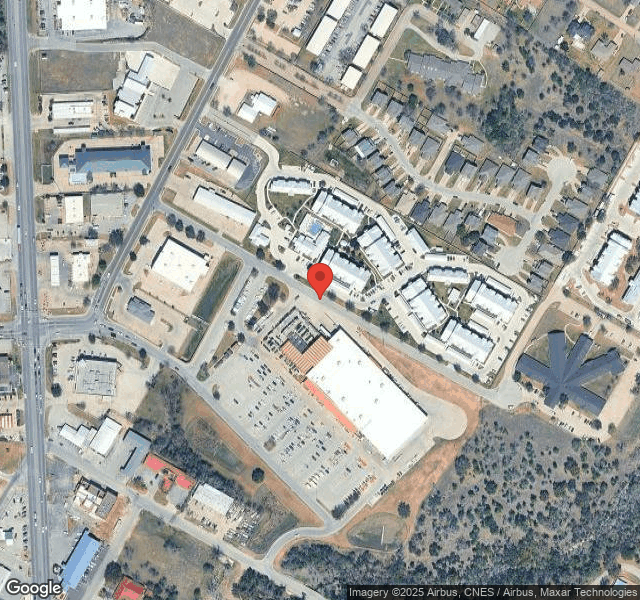
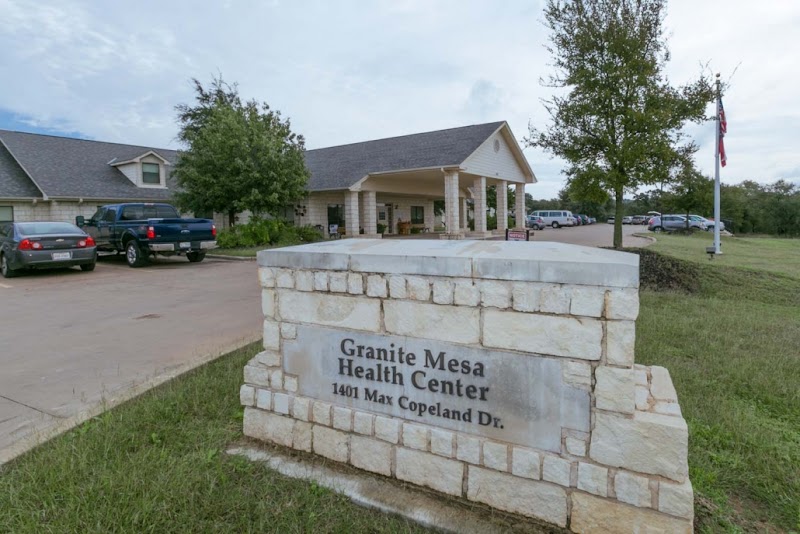
1401 MAX COPELAND DR, MARBLE FALLS, TX 78654 (830) 693-0022
For profit - Individual 124 Beds THE ENSIGN GROUP Data: November 2025 1 Immediate Jeopardy citation
Trust Grade
8/100
#993 of 1168 in TX
Last Inspection: October 2024

Within standard 12-15 month inspection cycle. Federal law requires annual inspections.

Overview

Granite Mesa Health Center has received a Trust Grade of F, indicating significant concerns about the facility’s quality and care. Ranking #993 out of 1168 in Texas places it in the bottom half of nursing homes in the state, and it is the lowest-ranked option out of four facilities in Burnet County. The facility shows an improving trend, reducing issues from eight in 2024 to two in 2025, but it still faces serious challenges, including a critical finding where a resident was subjected to abuse by staff. Staffing is a concern, with a low rating of 1 out of 5 stars and incidents of not having registered nurses available for critical hours, which could lead to missed care for residents. Despite a high turnover rate of 44%, which is below the Texas average, the facility has accrued fines totaling $56,485, suggesting ongoing compliance issues that families should carefully consider.

Trust Score
F
8/100
In Texas
#993/1168
Bottom 15%
Safety Record
High Risk
Review needed
Inspections
Getting Better
8 → 2 violations
Staff Stability
○ Average
44% turnover. Near Texas's 48% average. Typical for the industry.
Penalties
⚠ Watch
$56,485 in fines. Higher than 77% of Texas facilities, suggesting repeated compliance issues.
Skilled Nurses
⚠ Watch
Each resident gets only 19 minutes of Registered Nurse (RN) attention daily — below average for Texas. Fewer RN minutes means fewer trained eyes watching for problems.
Violations
⚠ Watch
17 deficiencies on record. Higher than average. Multiple issues found across inspections.
★☆☆☆☆
1.0
Overall Rating
★☆☆☆☆
1.0
Staff Levels
★★☆☆☆
2.0
Care Quality
★★☆☆☆
2.0
Inspection Score
Stable
2024: 8 issues
2025: 2 issues

The Good

  • Full Sprinkler Coverage · Fire safety systems throughout facility
  • No fines on record
  • Staff turnover below average (44%)

    4 points below Texas average of 48%

Facility shows strength in fire safety.

The Bad

1-Star Overall Rating

Below Texas average (2.8)

Significant quality concerns identified by CMS

Staff Turnover: 44%

Near Texas avg (46%)

Typical for the industry

Federal Fines: $56,485

Above median ($33,413)

Moderate penalties - review what triggered them

Chain: THE ENSIGN GROUP

Part of a multi-facility chain

Ask about local staffing decisions and management

The Ugly 17 deficiencies on record

1 life-threatening
Apr 2025 1 deficiency
CONCERN (D) 📢 Someone Reported This

A family member, employee, or ombudsman was alarmed enough to file a formal complaint

Potential for Harm - no one hurt, but risky conditions existed

Respiratory Care (Tag F0695)

Could have caused harm · This affected 1 resident

**NOTE- TERMS IN BRACKETS HAVE BEEN EDITED TO PROTECT CONFIDENTIALITY** Based on interviews and record review, the facility failed to ensure that residents who needed respiratory care were provided wi...

Read full inspector narrative →
**NOTE- TERMS IN BRACKETS HAVE BEEN EDITED TO PROTECT CONFIDENTIALITY** Based on interviews and record review, the facility failed to ensure that residents who needed respiratory care were provided with such care, consistent with professional standards of practice for one (Resident #1) of three residents reviewed for respiratory care. The facility failed to ensure RN A documented Resident #1's response to oxygen therapy after she administered a nebulizer treatment on 04/03/25. This deficient practice could place residents that receive oxygen therapy at risk for inadequate care and respiratory distress. Findings included: Review of Resident #1's undated face sheet reflected a [AGE] year-old male who was admitted to the facility on [DATE] with diagnoses including cerebral infarction (stroke), dysphagia (difficulty in swallowing), and muscle wasting and atrophy (wasting away). Review of Resident #1's admission MDS assessment, dated 03/06/25, reflected a BIMS was not conducted due to him rarely/never being understood. Section O (Special Treatments, Procedures, and Programs) reflected he did not require respiratory treatments. Review of Resident #1's admission care plan, dated 03/10/25, reflected he had a cerebral vascular accident with an intervention of taking vital signs and documenting them as ordered. Review of Resident #1's physician order, dated 03/15/25, reflected an order for Ipratropium-Albuterol Inhalation Solution 0.5-2.5 (3) MG/3ML - 1 vial inhale orally three times a day for SOB. Review of Resident #1's MAR, dated April 2025, reflected he last received his nebulizer treatment on 04/03/25 at 9:14 PM. Review of Resident #1's progress notes in his EMR, on 04/09/25, reflected no documentation by RN A after the nebulizer treatment on 04/03/25 at 9:14 PM. Review of Resident #1's vitals in his EMR, on 04/09/25, reflected no vitals were taken after 3:37 PM on 04/03/25. During an interview on 04/09/25 at 10:53 AM, Resident #1's NP stated she would expect nurses to assess all residents within an hour after nebulizer treatments to ensure they were responsive to the treatment. She stated a negative outcome of not assessing after a treatment could be hypoxia (low levels of oxygen in body tissues) or an increased pulse rate. During an interview on 04/09/25 at 12:40 PM, the DON stated if there was an acute change with a resident's vitals, such as low oxygen saturation or a high temperature, she would expect the nurses to continue to follow-up, monitor, and document their vitals throughout their shift or follow the orders from the NP. She stated a resident's vitals should be monitored after receiving oxygen therapy of any kind. She stated documentation was part of continuity of care and without it, the reader (of their EMR) could not get the whole view of the resident. She stated the resident could go without the care they needed, or their health could deteriorate. She stated she definitely had some education to do with the nurses after being informed of the lack of documentation/assessments by RN A after administering a nebulizer treatment to Resident #1. During an interview on 04/09/25 at 12:58 PM, RN A stated she did not follow up with Resident #1 after she administered the nebulizer treatment. She stated she should have assessed him 30 minutes after, and she must have forgotten. She stated it was important to assess after a nebulizer treatment to ensure the resident responded well to it and their heart rate had not increased significantly. Review of the facility's Documenting and Charting Policy, revised 07/2023, reflected the following: It is the policy of this facility to provide a complete account of the resident's care, treatment, response to the care, signs, symptoms, etc., as well as the progress of the resident's care. Review of the facility's Aerosol Drug Delivery Policy, revised 12/2023, reflected the following: Check pulse before and after procedure. If deviated from resident's baseline pulse, delay treatment and notify physician.
Jan 2025 1 deficiency 1 IJ
CRITICAL (J) 📢 Someone Reported This

A family member, employee, or ombudsman was alarmed enough to file a formal complaint

Immediate Jeopardy (IJ) - the most serious Medicare violation

Free from Abuse/Neglect (Tag F0600)

Someone could have died · This affected 1 resident

**NOTE- TERMS IN BRACKETS HAVE BEEN EDITED TO PROTECT CONFIDENTIALITY** Based on interview and record review, the facility failed to ensure all residents were free from abuse for one (Resident #1) of ...

Read full inspector narrative →
**NOTE- TERMS IN BRACKETS HAVE BEEN EDITED TO PROTECT CONFIDENTIALITY** Based on interview and record review, the facility failed to ensure all residents were free from abuse for one (Resident #1) of four residents reviewed for abuse. The facility failed to keep Resident #1 safe from being yelled at, humiliated, and being denied care by CNA B. This failure resulted in an identification of an Immediate Jeopardy (IJ) on 01/24/2025 at 5:42 PM . While the IJ was removed on 01/25/2025 at 2:45 PM, the facility remained out of compliance at a level 2 of no actual harm at a scope of isolated that was no immediate jeopardy due to the facility's need to evaluate the effectiveness of the corrective systems. This deficient practice could place residents at risk of abuse, injury and psychosocial harm. Findings included: Review of Resident #1's face sheet revealed a [AGE] year-old female admitted on [DATE] with diagnoses of multiple sclerosis (a chronic autoimmune disease that affects the central nervous system, which includes the brain and spinal cord), muscle wasting and atrophy (loss of muscle mass and strength), other reduced mobility (a situation where someone has difficulty moving around due to a condition), anxiety disorder (a group of mental health conditions characterized by excessive and persistent worry, fear, and nervousness that can significantly interfere with daily life), and unspecified lack of coordination (difficulty with movement coordination where the exact cause is not identified). Review of Resident #1's quarterly MDS assessment dated [DATE] revealed Resident #1 required partial/moderate assistance (staff does less than half the effort, holds supports trunk or limbs) with shower/bathing, upper body dressing, lower body dressing, putting on/taking off footwear and personal hygiene. Further review reflected Resident #1 usually required partial/moderate assistance with chair to bed/bed to chair transfers, toilet transfers, sit to stand and lying to sitting on edge of bed. Review of quarterly MDS reflected no BIMS was conducted. Review of Resident #1's care plan dated 07/22/2023 revealed resident had multiple sclerosis. Her goals included: resident will maintain optimal status and quality of life within limitations imposed by disease processed. Resident #1 had an ADL self-care performance deficit related to multiple sclerosis and weakness, interventions included that toilet use and transfers required staff participation. Further review of Resident #1's care plan revealed Resident #1 was a risk for falls related to weakness and interventions included: encourage use of call light for assistance as needed. During an interview on 01/24/2025 at 12:15 PM, Resident #1 stated that she had a grievance with CNA B last month. She stated she still had issues with CNA B. Resident #1 stated that CNA B worked nights and yelled at her. She stated that it made her really uncomfortable when she had to wait and see if CNA B was going to be on shift for the evening. Resident #1 stated that usually she was able to do most transfers by herself but by the evening she got tired and needed help. Resident #1 stated that CNA B came into her room and yelled at her and told Resident #1 you can do it (transfer) yourself, you do not need help. Resident #1 started a few weeks ago and CNA B refused to help her go to the bathroom. Resident #1 stated that she ended up having an accident in her brief and that CNA B did not transfer her to the toilet. Resident #1 stated that another time CNA B yelled over her while she was laying in bed to another CNA that Resident #1 did not need help and could do it herself. Resident #1 stated that she told the ED about her concerns a few weeks ago. Resident #1 stated that she told ED that CNA B yelled at her, but she was unsure what the outcome was. Resident #1 stated that ED told her he had to do his due diligence regarding the concerns. Resident #1 stated she was not sure what due diligence meant. Resident #1 stated she did not think she should continue getting yelled at. Resident #1 stated she recently told ED again about her continued issues with CNA B still bullying her, and she asked him if he had done his due diligence and , she felt the ED brushed her off and laughed after she spoke with him. Resident #1 stated that CNA B made her feel bad about herself because she could not do everything by herself and needed help. Resident #1 stated that CNA B made her feel bad about her diagnoses. Resident #1 stated she should be able to do things by herself, but she could not all the time and gets tired. Resident #1 stated that she liked to try to be independent. Resident #1 stated she got nervous when CNA B worked because she knew she would have to strain herself by transferring herself without help. During an interview on 01/24/2025 at 1:22 PM, Resident #1 stated that she also told CNA C that CNA B yelled at her, and CNA C told Resident #1 that was not right. Resident #1 stated she told ED time was up and asked if he had done his due diligence, and it was not right for her to continue to get bullied. Resident #1 stated she also told CNA C her concerns the other day and he told her that no residents on the hall like CNA B. During an interview on 01/24/2025 at 12:40 PM, SW stated that she did not follow up with Resident #1 after her grievance in December, and that she probably should have made sure everything was okay. SW stated she had not received any additional complaints regarding CNA B. During an interview on 01/24/2025 at 1:22 PM, Resident #1's FM stated that she did not believe Resident #1 should have had to put up with being bullied in her own home and wanted the issues with CNA B to be addressed. During an interview on 01/24/2025 at 1:25 PM, RN A stated that she had witnessed CNA B talking down to residents multiple times. RN A stated that she talked with ED about her concerns and she felt CNA B retaliated and refused to talk with RN A for the rest of the shift or help with resident care. RN A stated that she received complaints at least every shift about CNA B. RN A stated CNA B refused to assist Resident #1, and Resident #1 could perform that care herself. RN A stated that Resident #1 often felt talked down to because she could not always transfer t on her own. RN A stated that generally CNA B would tell residents with dementia you do not have a clue what is going on. RN A stated CNA B also yelled down the hall for staff not to help another resident because she did not do anything by herself. RN A stated that she also was not able to find CNA B during their shift, and CNA B would often be on her phone during her shift. During an interview on 01/24/2025 at 2:00 PM, ED stated that he did not remember the day or time regarding Resident #1's grievance. ED stated that Resident #1's grievance was that CNA B's interactions were less courteous than Resident #1 liked. ED stated that he did customer service training with CNA B and reminded her of his expectations to be courteous and answer call lights timely. ED stated CNA B was surprised and stated all the residents love me, I will be more courteous. ED stated Resident #1 had an additional concern this month (January 2025) that Resident #1 had continued customer services concerns. ED stated Resident #1 had concerns that CNA B was not very polite and did no answer call light as quickly as Resident #1 had liked. ED stated that Resident #1 did not tell him that CNA B yelled at her or refused to provide care for her. ED stated RN A did bring up concerns to him regarding CNA B on 1/15/2025. ED stated that RN A was concerned that she could not find CNA B while she was on her shift and that CNA B was on her phone. ED stated that RN A did not let him know CNA B talked down to residents or refusing to provide care to Resident #1. ED stated he provided additional customer service training and reminded her again of expectations of interactions and customer service. During an interview on 01/24/2025 at 2:10 PM, CNA C stated that Resident #1 did not like CNA B. CNA C stated that when he worked with both, CNA B and Resident #1, he provided the care for Resident #1 because CNA B and Resident #1 did not get along. CNA C stated that he believed Resident #1 and CNA B had personality differences. CNA C denied Resident #1 telling him that CNA B yelled at her. During an interview on 01/24/2025 at 2:53 PM, CNA D stated that Resident #1 may need more assistance with transfers after exercise or bathing, but other than that she could usually do transfers herself. CNA D stated some tasks made Resident #1 more tired and then she may ask for her help. During an interview on 01/24/2025 at 3:05 PM, DOR stated that Resident #1 sometimes needed increased assistance and when that occurred it was usually in the afternoon, but it was inconsistent. DOR stated that therapy educated Resident #1 to ask for assistance when she was more fatigued. During an interview on 01/24/2025 at 4:33 PM, CNA B stated she was familiar with Resident #1. She stated she usually went into Resident #1's room with another staff because Resident #1 made an allegation about her. CNA B stated that Resident #1 had stated CNA B was mean and that she did not like handicapped people. CNA B denied having ever raised her voice to Resident #1 or denying her care. CNA B denied telling Resident #1 she could transfer herself and that Resident #1 usually only wanted assistance with pulling up her brief or having it changed. CNA B stated she was not abusive to Resident #1, During an interview on 01/24/2025 at 4:38 PM, Resident #1 stated she felt CNA B's behavior toward her was abusive. Resident #1 appeared worried and asked if CNA B would be returning to the facility over the weekend. During an interview on 01/24/2025 at 5:35 PM, ED stated that CNA B was scheduled to work 01/26/2025 in the morning. Review of facility in-service dated 01/16/2025 reflected that all staff were in-serviced on Abuse and Neglect. Review of facility policy titled Abuse: Prevention of and Prohibition Against with revision date of 12/2023 reflected the following; Each resident has the right to be free from abuse, neglect and misappropriation of resident property, exploitation and mistreatment. Abuse is the willful infliction of intimidation or mental anguish and includes deprivation by a caretaker of goods or services that are necessary to attain or maintain physical, mental and psychosocial well-being. Mental abuse includes, but is not limited to humiliation, harassment and threats or punishment or deprivation. Facility staff with knowledge of an actual or potential violation of this policy must report the violation to his or her supervisor or facility administrator immediately. Some cases of abuse are not directly observed, understanding resident outcomes of abuse can assist in identifying whether abuse is occurring or has occurred; possible indicators could include sudden or unexplained changes in behavior or activities (fear of a person or place, feels of guilt or shame). The ED and DON were notified on 01/24/2025 at 5:42 PM that an IJ had been identified and an IJ template was provided and a POR was requested. The following POR was approved on 01/25/2024 at 11:57 AM and indicated: Plan of Removal Immediate Jeopardy On 1/24/25 an abbreviated survey was initiated at [facility]. On 1/24/25 the surveyor provided an Immediate Jeopardy (IJ) Template notification that the Regulatory Services has determined that the condition at the facility constitutes an immediate threat to resident health and safety. The notification of Immediate Threat states as follows: The facility needs to take immediate action in order to prevent psychosocial harm to other residents. Action: CNA B terminated. Start Date: 1/24/25 Completion Date: 1/24/25 Responsible: ED Action: Medical Director notified of IJ Start Date: 1/24/25 Completion Date: 1/24/25 Responsible: DON, ED Action: Train the trainer in-service given to ED and DON on Abuse. Start Date: 1/24/25 Completion Date: 1/24/25 Responsible: Clinical Resource Action: Safe surveys will be completed on all residents with a BIMS score 12 and higher. Start Date: 1/24/25 End Date: 1/24/25 Responsible: ED/DON/Designee Action: Training and knowledge skill checks completed with all staff regarding abuse/neglect who are at facility currently. Prior to any other staff working the floor they will be in-serviced on abuse/neglect. All staff will not be allowed to work until completing the training and knowledge checks. The training will also be included in new hire orientation. Staff training on abuse and neglect was completed by ED/ DON or designee by 1/25/25. Knowledge check completed. Start Date: 1/24/25 End Date: 1/25/25 Responsible: ED/DON/Designee Action: An Ad hoc QA meeting will be completed. Attendees will include ED, DON, ADON, Clinical Resource, and Medical Director. Meeting will include the Plan of Removal and interventions. Start Date: 1/24/25 End Date: 1/24/25 Responsible: ED/DON Action: ED or Designee will verify staff knowledge on abuse prevention with 10 staff weekly using the abuse and neglect knowledge checks. This will be completed weekly following the initial training and knowledge checks. Start Date: 1/26/25 End Date: 4/26/25 Responsible: ED/Designee Action: Summary of IJ and corrective action to be reviewed by QAPI Committee weekly x 4 weeks beginning 1/24/25 or until substantial compliance established and continue monthly for 90 days to ensure ongoing compliance. Start Date: 1/24/25 End Date: 5/26/2025 Responsible: ED/DON Action: Resident #1 Licensed Social Worker reassessed resident. Resident feels safe and does not feel anxious. Start Date: 1/24/24 End Date: 1/24/25 @21:20 Responsible: SW Action: Ombudsman will be notified of the IJ. Start Date: 1/25/25 End Date: 1/25/25 @9:45am Responsible: ED Surveyor monitored the POR on 01/25/2025 as followed: During an interview on 01/25/2025 at 11:45 AM, ED stated that he sent all the recommended changes to the PM that morning. ED stated Ombudsman was contacted 01/25/2025 at 9:45 AM about the incident. CNA B was terminated on 1-24-2025 by phone. ED stated SW reassessed Resident #1 on 01/24/2025 and 01/25/2025 and Resident #1 stated she felt safe. All staff that were in the building on 01/25/2025 have been trained on abuse and neglect. Staff were reached by phone and would have training prior to the start of their shift. New hires would be trained in orientation. No new policies were implemented, and no changes were made to existing polices. ED stated safe surveys were completed on 01/24/2025 for all residents with BIMS over 12 and this was conducted by DON. Clinical Resource provided training to ED and DON on abuse and neglect on 01/24/2025. ED, DON and assigned designee conducted trainings. AD Hoc QA meeting was completed on 01/24/2025 and will be done weekly until substantial compliance and continued monthly for 90 days. ED stated 10 staff weekly will be tested on their knowledge of abuse and neglect. Review of Alleged Perpetrator Termination notice reflected date of 01/24/2025. Review of abuse/neglect in-service conducted on 01/24/2025 and 01/25/2025 reflected all staff were in-serviced who were present at work and prior to beginning their shift. Review of resident safe surveys dated 01/24/2025 reflected no concerns with residents. Review of ad hoc QAPI sign-in sheet reflected meeting was completed 01/24/2025. During an interview on 01/25/2025 at 12:20 PM, Resident #1 appeared neat and well-groomed sitting in bed eating her lunch. The resident stated she was safe and very pleased that CNA B was no longer working in facility. Resident #1 stated she was very relieved and so was her FM that CNA B was no longer at the facility. Resident #1 stated that all the other staff were wonderful, and she did not have any issues or concerns, and she was very thankful that the situation had been resolved. During interviews on 01/25/2025 between 12:20 PM and 2;40 PM, 5 CNAs, 1 MA, 1 NA, 1 LVN, 1 RN, DON, HSK, and DA stated they were aware of who to report any alleged abuse, to report immediately and provided examples of potential abuse. The ED was notified on 01/25/2025 at 2:45 PM that the IJ had been removed. While the IJ was removed, the facility remained out of compliance at a level of no actual harm that is not immediate jeopardy at a scope of isolated due to the facility's need to evaluate the effectiveness of the corrective systems.
Oct 2024 4 deficiencies
CONCERN (E)

Potential for Harm - no one hurt, but risky conditions existed

Resident Rights (Tag F0550)

Could have caused harm · This affected multiple residents

**NOTE- TERMS IN BRACKETS HAVE BEEN EDITED TO PROTECT CONFIDENTIALITY** Based on observation, interview, and record review, the facility failed to ensure each resident was treated with respect, dignit...

Read full inspector narrative →
**NOTE- TERMS IN BRACKETS HAVE BEEN EDITED TO PROTECT CONFIDENTIALITY** Based on observation, interview, and record review, the facility failed to ensure each resident was treated with respect, dignity and cared for in a manner and in an environment that promoted maintenance or enhancement of his or her quality of life for 4 (Resident #46, Resident #56, Resident #76, and Resident #78) of 18 residents reviewed for resident rights. The facility failed to ensure Resident #46 was changed after food was spilled on her clothes after meal service. This failure placed residents at risk for diminished quality of life and at risk for decreased feelings of self-worth and dignity. 1. Review of Resident #56's Face Sheet dated 10/02/2024 revealed she was a [AGE] year-old female who was admitted to the facility on [DATE]. Resident #56's diagnoses included heart failure, severe protein-calorie malnutrition, sleep apnea (breathing pauses while sleeping), hypertension (high blood pressure), atrial fibrillation (irregular heartbeat), hyperlipidemia (high cholesterol), cardiac defibrillator (detects and stops irregular heartbeats), muscle wasting and lack of coordination. Record review of Resident #56's Quarterly MDS dated [DATE] revealed Resident #56 had a BIMS score of 15 indicating resident was intact cognitively. 2. Review of Resident #76's Face Sheet dated 10/02/2024 revealed she was a [AGE] year-old female who was admitted to the facility on [DATE]. Resident #76's diagnoses included displaced fracture of coronoid process of left ulna (traumatic elbow fracture), atrial fibrillation (irregular heartbeat), cerebral infraction (stroke), hyperlipidemia (high cholesterol), hypertension (high blood pressure), gastroesophageal reflux disease without esophagitis (reflux), hemiplegia and hemiparesis following cerebral infraction affecting right dominant side (paralysis and weakness on right side after stroke), muscle wasting, muscle weakness, lack of coordination and need for assistance with personal care. Record review of Resident #76's Quarterly MDS dated [DATE] revealed Resident #78 had a BIMS score of 15 indicating resident was intact cognitively. 3. Review of Resident #78's Face Sheet dated 10/02/2024 revealed he was a [AGE] year-old male who was admitted to the facility on [DATE]. Resident #78's diagnoses included surgery on the digestive system, intestinal obstruction, large intestine abscess, atrial fibrillation (irregular heartbeat), muscle wasting, muscle weakness, lack of coordination, cognitive communication deficit (problems with communication), and need for assistance with personal care. 4. Record review of Resident #78's Quarterly MDS dated [DATE] revealed Resident #76 had a BIMS score of 15 indicating resident was intact cognitively. 5. Review of Resident #46's face sheet dated 10/02/2024 revealed a [AGE] year-old female admitted on [DATE] and had diagnoses of unspecified dementia (condition that causes a decline in cognitive abilities), Parkinson's disease (chronic brain disorder that causes movement problems), cognitive communication deficit (difficulty with communication cause by disruption to cognition) and major depressive disorder (serious mental disorder that affects how a person, feels, thinks and functions). 6. Review of Resident #46's quarterly MDS dated [DATE] revealed a BIMS score of 2 which indicated severe cognitive impairment. Resident #46 required substantial/maximum assistance (more than half the effort) by staff for upper and lower body dressing and personal hygiene. Observation on 09/30/2024 at 1:28 PM, Resident #46 was observed sitting in hallway with food on her pants. Observation on 09/30/2024 at 1:55 PM, Resident #46 was observed sitting in hallway with food on her pants. Observation on 09/30/2024 at 2:12 PM, revealed staff ask Resident #46 if she wanted to lay down. Staff did not ask Resident if she wanted to change her clothes. Observation on 09/30/2024 at 2:24 PM, revealed Resident #46 sat in hallway in her wheelchair and observed with food on her pants. Observation on 09/30/2024 at 3:24 PM, revealed Resident #46 sat in hallway in her wheelchair and observed with food on her pants. Observation on 10/01/2024 at 1:31 PM, revealed Resident #46 sat in hallway in her wheelchair with food on her pants and shirt. Observation of hall trays being passed on 09/30/2024 at 12:33 p.m., revealed that MR C did not knock on Resident #76's door before entering. Observation of hall trays being passed on 09/30/2024 at 12:37 p.m., revealed that LVN D did not knock on Resident #56 and Resident #78's door before entering. An interview with Resident #56 on 10/02/2024 at 9:22 a.m., revealed that staff do not always knock on her door before entering. She said that staff do not knock at least twice a day and that it was usually when her door was open. She said she does not get upset when staff do not knock. She said she would like staff to knock all the time unless she sees the staff and staff see her then it would be silly to knock. An interview with Resident #78 on 10/02/2024 at 9:27 a.m., revealed that staff usually knock before coming into his room. He stated that staff only come into his room without knocking when he pushes the call light. He said they do not come in unauthorized. He said he would like staff to knock all the time unless he has already called them. An interview with Resident #76 on 10/02/2024 at 9:21a.m., revealed that she thought staff always knocked. She said she had not paid much attention to staff knocking before coming in she said now that she had a roommate, she would like staff to knock because there are men and women working at the facility and she was able to close her door and keep staff out with the bathroom door open. She said now she had a roommate and cannot do that and did not want staff to expose her while in the bathroom. She said she would like staff to knock all the time. An interview with MR C on 10/02/2024 at 9:37 a.m., revealed she had been trained on resident rights. She stated the policy was to knock on the resident's door, announce yourself and tell the resident what you are there to do. She said staff were supposed to knock on the resident's door all the time. She said if staff did not knock on the resident door before entering it might surprise them. she stated that she had her hands full and said knock, knock after she entered. She also said she should have said knock, knock and waited for the resident to tell her to come in. An interview with the DON on 10/02/2024 at 9:45 a.m., revealed that she was trained on resident rights. She stated staff were to knock on the resident's door when they are going into the room. She said staff were to knock all the time. She said if staff do not knock on the resident's door the resident may get upset depending on the resident. She also said that even if the resident did not mind it staff do not knock the staff need to give the resident the courtesy of knocking. She stated staff may not have been knocking because they got too comfortable and that they are used to the residents. She said they still needed to knock. An interview with the ADM on 10/02/2024 at 9:53 a.m., revealed staff had been trained on resident rights. He stated that staff should be knocking on the resident's door before entering the room. He stated it was the resident's right to privacy. He stated all staff were to knock before entering a resident's room. He said if staff do not knock the resident may feel embarrassed. He stated that all of management was responsible for monitoring staff were knocking on the residents door. He stated that management monitors it by doing observation rounds. He stated he thought staff were not knocking because they were familiar with the residents. Observation on 10/01/2024 at 2:23 PM, revealed Resident #46 laid in bed with her same clothes with food on her pants and shirt. During an interview on 10/02/2024 at 10:36 AM, SC A stated that after meals residents are supposed to have their clothes changed if they get food on them. She stated that Resident #46 usually spilled food on her clothes. SC A stated she was not sure why Resident #46 was not changed after lunch. During an interview on 10/02/2024 at 10:52 AM, LVN B stated that usually after meals Resident #46 did have food on her clothes. She stated that she would get changed. LVN B stated that residents should not sit with food on their clothes for hours after meals. During an interview on 10/02/2024 at 11:02 PM, LBSW stated that she expected residents not to have food on their clothes after meals and stated that should have been cleaned up and stated that she would want to be cleaned up. She stated that even if resident was not aware of it, it was not right. During an interview on 10/02/2024 at 12:18 PM, LVN G stated that residents are changed after meal services if that had food on their clothes. She stated that she changed residents as soon as she saw that they had food or would ask other staff to help change the resident. She stated that residents should not sit in the hall for hours with food from lunch on their clothes. During an interview on 10/02/2024 at 1:04 PM, the DON stated that she expected that if residents had food on their clothes that they would be changed. She stated that if staff saw at it, they should change the resident. She stated that the resident could be embarrassed. During an interview on 10/02/2024 at 1:04 PM, the ADM stated that he expected that if residents had food on their clothes after they completed their meal that their clothes be cleaned, or they be changed. He stated that he expected this to happen timely. The ADM stated that this could make the resident feel dirty or sloppy. Record review of Resident Rights dated October 4, 2016, revealed residents have the right to be treated with dignity and respect. The resident also has the right to personal privacy. Review of facility policy titled Resident Rights and Responsibilities, notice of with revision date of 12/2023 revealed resident had the right to a dignified existence.
CONCERN (E)

Potential for Harm - no one hurt, but risky conditions existed

Assessment Accuracy (Tag F0641)

Could have caused harm · This affected multiple residents

**NOTE- TERMS IN BRACKETS HAVE BEEN EDITED TO PROTECT CONFIDENTIALITY** Based on interview and record review the facility failed to ensure the assessment accurately reflected the resident's status for...

Read full inspector narrative →
**NOTE- TERMS IN BRACKETS HAVE BEEN EDITED TO PROTECT CONFIDENTIALITY** Based on interview and record review the facility failed to ensure the assessment accurately reflected the resident's status for 4 (Resident #33, Resident #46 and Resident #69,and Resident #433 ) of 18 residents reviewed for accuracy of assessments. 1. The facility failed to ensure Resident #33's quarterly MDS dated [DATE] accurately reflected her psychiatric/mood disorder. 2. The facility failed to ensure Resident #46's quarterly MDS date 07/21/2024 accurately reflected her psychiatric/mood disorder. 3. The facility failed to ensure Resident #69's quarterly MDS dated [DATE] accurately reflected his psychiatric/mood disorder. 4. The facility failed to ensure Resident #433's admission MDS dated [DATE] accurately reflected her psychiatric/mood disorder. This failure could result in inadequate care due to an inaccurate assessment of psychiatric and mood disorders. Findings include: 1. Review of Resident #33's face sheet dated 10/02/2024 revealed a [AGE] year-old female was admitted on [DATE] and had diagnoses of major depressive disorder (serious mental disorder that affects how a person feels, thinks, and functions in daily life), unspecified macular degeneration (age-related degeneration of vision), and cognitive communication deficit (difficulty with communication that's caused by a disruption in cognition). Review of Resident #33's physician orders dated 08/22/2023 to 09/26/2024 revealed Resident #33 had an order for Venlafaxine indicated for major depressive disorder with a start date of 12/12/2023. Review revealed an order for psych to eval and treat dx: Anxiety with a start date of 08/28/2023. Further review revealed an order for Xanax indicated for anxiety two times a day with a start date of 08/28/2023 and an additional order of Xanax as needed indicate for anxiety with a start date of 09/29/2024 and end date of 10/13/2024. Review of Resident #33's quarterly MDS dated [DATE] revealed depression was selected as an active diagnosis in the last 7 days for Resident #33. Further review revealed anxiety disorder was not selected. Review of Resident #33 psychiatric progress note dated 11/2/2023 reflected major diagnoses as major depressive disorder and GAD (generalized anxiety disorder). Review of Resident #33 psychiatric progress note dated 07/29/2024 revealed major diagnoses as major depressive disorder and GAD (generalized anxiety disorder) with an anxious mood during the session. Review of Resident #33 care plan dated 08/29/2023 revealed resident #33 received an anti-anxiety medication related to anxiety disorder. 2. Review of Resident #46's face sheet dated 10/02/2024 revealed a [AGE] year-old female admitted on [DATE] and had diagnoses of unspecified dementia (condition that causes a decline in cognitive abilities), Parkinson's disease (chronic brain disorder that causes movement problems), cognitive communication deficit (difficulty with communication cause by disruption to cognition) and major depressive disorder (serious mental disorder that affects how a person, feels, thinks and functions). Review of Resident #46's physician orders 02/12/2022 to 09/20/2024 revealed Resident #46 had an order for Alprazolam indicated for anxiety with a start date of 04/24/2024. Review revealed an order for citalopram indicate for depressive disorder and anxiety with a start date of 10/03/2023. Review of Resident #46's quarterly MDS dated [DATE] revealed depression was selected as an active diagnosis in the last 7 days. Further review revealed that anxiety disorder was not selected. Review of Resident #46's psychiatric progress note dated 07/19/2024 revealed resident's current psychiatric medications were citalopram and alprazolam. Review of Resident #46's care plan dated 05/26/2023 revealed resident was taking an anti-anxiety medication related to anxiety disorder. 3. Review of Resident #69's face sheet revealed a [AGE] year-old man admitted on [DATE] and had diagnoses of unspecified sequela of cerebral infarction various symptoms after a stroke), type 2 diabetes (chronic condition that occurs when the body does not properly use insulin to process blood sugar), dysphagia (difficulty swallowing), and cognitive communication deficit (difficulty with communication cause by disruption to cognition). Review of Resident #69's physician orders dated 02/06/2024 to 09/10/2024 revealed Resident #46 had an order for alprazolam indicated for anxiety with a start date of 09/01/2024 and an order for citalopram indicated for anxiety with a start date of 02/11/2024. Review of Resident #69's quarterly MDS dated [DATE] revealed there were no psychiatric/mood disorders selected under active diagnoses for the last 7 days. Review of Resident #69's psychiatric progress note dated 06/18/2024 revealed resident's major diagnoses was anxiety and vascular dementia. Review of Resident #69's care plan dated 08/21/2024 revealed resident was taking anti-anxiety medication related to anxiety disorder. Further review revealed Resident #69 was taking an anti-depressant related to depression. 4. Review of Resident #433 face sheet revealed a [AGE] year-old female admitted on [DATE] and had diagnoses of anoxic brain damage (occurs is when brain is deprived of oxygen), post-traumatic stress disorder (mental condition that can develop after a person experiences or witnesses a traumatic event), and bipolar disorder (a mental illness that causes extreme shifts in mood, energy and activity levels). Review of Resident #433's physician orders dated 09/16/2023 to 09/27/2024 reveled and order for buspirone indicated for anxiety with a start date of 09/16/2024, an order for clonazepam (as needed) indicated for anxiety with a start date of 09/27/2024 and end date of 10/11/2024, an order for divalproex indicated for anxiety with a start date of 09/30/2024, and an order of l-methyl folate indicated for depressive disorder with a start date of 09/22/2024. Review of Resident #433's hospital discharge orders date 09/16/2024 revealed resident admitted to facility with orders for buspirone, clonazepam, and divalproex. Review of Resident #433's admission MDS dated [DATE] revealed bipolar disorder and post-traumatic stress disorder selected under active psychiatric/mood disorder diagnoses. Further review depression and anxiety were not selected. Review of Resident #433's care plan date 09/17/2024 revealed resident received an anti-anxiety medication related to anxiety disorder. Further review revealed resident was at risk for depression with interventions to administer medications as ordered. Review of Resident #433's initial psychiatric evaluation dated 09/19/2024 revealed resident's mood during assessment was depressed and anxious. Further review revealed diagnoses of depression. Review of Resident #433's admission history and physical physician note dated 09/18/2024 revealed Resident #433 had diagnoses for mixed anxiety and depressive disorder and a diagnosis for other specified anxiety disorder. During an interview on 10/02/2024 at 11:02 AM, LBSW stated that Resident #46 was prescribed citalopram for depressive disorder and anxiety. LBSW stated that resident has restlessness and agitation. LBSW stated that did not see mixed anxiety on Resident #46's diagnoses list. LBSW stated that she was not sure who was responsible to add information to a resident's diagnosis list. LBSW stated that she was not sure who was responsible to ensure psychiatric diagnoses were added to the MDS. During an interview on 10/02/2024 at 12:18 PM, LVN G stated that when a new admission or order was received, she would check to see that there was a corresponding diagnosis for that order. She stated that if a resident had an order indicated for anxiety, they should have a diagnosis of anxiety. She stated that she would get updates about diagnosis from the admissions nurse, MDS or DON. During an interview on 10/02/2024 at 12:24 PM with MDSN H, she stated that the resident should have a corresponding diagnosis on their diagnoses list if they have an order indicated for those diagnoses. She stated that diagnoses could come from the hospital or provider's progress notes. MDSN H stated she was responsible for adding diagnoses to a resident's diagnoses list. She stated that if a resident received a medication for anxiety or depression it should be on the MDS. MDSN H stated that Resident #46's alprazolam was indicated for anxiety, and she did not have an anxiety diagnosis listed and it was not on her MDS under psychiatric and mood disorders. MDSN H stated that there was not any additional staff who review the MDS to ensure all diagnoses were added and it was only her. She stated that it is important that all diagnoses be on the MDS for accuracy. MDSN H stated that she reviewed progress notes from providers for any updated diagnoses or information. During an interview on 10/02/2024 at 10/02/2024 at 1:01 PM, the DON stated that MDSN H was responsible for ensuring diagnoses were added to a resident's diagnoses list, but that the NP or MD would also add diagnosis. She stated that she expected a resident to have a corresponding diagnosis on their diagnosis list if they received a medication indicated for that diagnosis. The DON stated that she also expected that diagnoses to be listed on the resident's MDS. She stated that the IDT care planned information, and she expected the MDS and care plan to match. During an interview on 10/02/2024 at 1:14 PM, the ADM stated that the nurse was responsible to ensure the diagnosis was added to the diagnosis list. He stated that the DON, ADON audit the diagnosis list. The ADM stated that he expected the information on the care plan and MDS to match. He stated that he would expect that if a resident had an order for a medication indicated for depression or anxiety that they have an associated diagnosis. The Team Coordination on 10/02/2024 at 11:20am asked ADM for the policy related to accuracy of assessments. The policy was not provided.
CONCERN (E)

Potential for Harm - no one hurt, but risky conditions existed

Deficiency F0679 (Tag F0679)

Could have caused harm · This affected multiple residents

**NOTE- TERMS IN BRACKETS HAVE BEEN EDITED TO PROTECT CONFIDENTIALITY** Based on observation, interview and record review, the facility failed to provide an ongoing program of activities based on the ...

Read full inspector narrative →
**NOTE- TERMS IN BRACKETS HAVE BEEN EDITED TO PROTECT CONFIDENTIALITY** Based on observation, interview and record review, the facility failed to provide an ongoing program of activities based on the comprehensive assessment, care plan and the preferences of each resident to meet the interests of and support the physical, mental, and psychosocial well-being for 2 of 5 (Resident #46 and #71) reviewed for activities . The facility failed to develop an ongoing activity program for Resident #46 and Resident #71. This failure placed residents at risk of not having their recreational and social needs met. Findings included: 1. Review of Resident #46's face sheet dated 10/02/2024 revealed a [AGE] year-old female admitted on [DATE] and had diagnoses of unspecified dementia (condition that causes a decline in cognitive abilities), Parkinson's disease (chronic brain disorder that causes movement problems), cognitive communication deficit (difficulty with communication cause by disruption to cognition) and major depressive disorder (serious mental disorder that affects how a person, feels, thinks and functions). Review of Resident #46's physician orders 02/12/2022 to 09/20/2024 revealed Resident #46 had an order that she may participate in social activities as tolerated. Review of Resident #46's quarterly MDS dated [DATE] revealed a BIMS score of 2 which indicated severe cognitive impairment. Review of Resident #46's care plan dated 06/08/2023 revealed Resident #46 was dependent on staff for activities, cognitive stimulation, social interaction related to cognitive deficits. Interventions included for staff to invite to scheduled activities. Resident #46's care plan revealed that she required assistance or escort to activity functions. Further review revealed Resident #46 was taking an antidepressant related to depression and an antianxiety medication related to anxiety disorder and interventions included to take to activities. Review of Resident #46's activity admission assessment dated [DATE] revealed resident #46 enjoyed listening to music and church and bible study. Additional comments included that resident should be invited and reminded and assisted to activities. Review of Resident #46 quarterly evaluation dated 08/21/2024 revealed Resident #46 will attend if brought to activities and watches. Review of Resident #46's individual resident daily participation record for 08/2024 revealed resident did not participate in any activities from 08/22/2024 to 08/31/2024. Review of resident daily participation record of 09/2024 revealed resident attended religious services on 09/30/2024 and did not attend any additional activities on 09/30. 2. Review of Resident #71's face sheet revealed a [AGE] year-old woman admitted on [DATE] and had diagnoses of unspecified dementia (condition that causes a decline in cognitive abilities), generalized anxiety disorder (a mental disorder that causes people to experience excessive, persistent, and uncontrollable worry) and cognitive communication deficit (difficulty with communication that's caused by a disruption in cognition). Review of physician orders for Resident #71 dated 07/29/2024 to 09/27/2024 revealed an order that Resident #71 may participate in social activities as tolerated. Review of Resident #71's quarterly MDS dated [DATE] revealed a BIMS score of 3, which indicate severe cognitive impairment. Review of Resident #71's care plan dated 07/30/2024 revealed Resident #71 was taking an antidepressant related to depression and an antianxiety medication related to anxiety disorder and interventions included to take to activities. Review of Resident #71's admission activity evaluation dated 06/05/2024 revealed resident had interest in crafts, music, singing, watching TV and movies, with assessed needs that included to offer activities to keep her occupied. Resident #71 did not have individual resident daily participation record for the past two months (August 2024 and September 2024). Review of September 2024 activity calendar revealed 09/30/2024 activities as mail run, bib study/music group, bingo and activities. Review of October 2024 activity calendar revealed 10/01/2024 activities as mail run, drum team, nails in room, movie, and TV. 10/02/2024 activities were listed as mail run, front lobby games, and bingo. Observation on 09/30/2024 at 9:53 AM, revealed Resident #71 attempted to stand in hallway and walk away from her wheelchair. Observation on 09/03/2024 at 10:38 AM, revealed Resident #46 sat in the hallway in her wheelchair. Resident was observed attempting to talk to individuals and staff that walked by. Observation on 09/30/2024 at 1:26 PM, revealed Resident #71 sat in her wheelchair in hallway. Observation on 09/30/2024 at 1:28 PM, revealed Resident #46 sat in her wheelchair in the hallway. Resident held a baby doll. Observation on 09/30/2024 at 1:55 PM, revealed Resident #46 and Resident #71 sat in hallway in their wheelchairs. Observation on 09/30/2024 at 2:10 PM, revealed Resident #71 attempted to stand up from her wheelchair. Observation 09/30/2024 at 2:24 PM, revealed Resident #46 sat in hallway in her wheelchair with her baby doll and Resident #71 sat in her wheelchair. Observation 09/30/2024 at 3:26 PM, revealed Resident #46 sat in hallway in her wheelchair. Observation on 09/30/2024 at 3:27 PM, revealed Resident #71 sat in the hallway in her wheelchair. Observation on 10/01/2024 at 9:51 AM, revealed Resident #71 asleep in her room. Observation on 10/01/2024 at 10:39 AM, revealed Resident #46 sat in hallway in her wheelchair with her baby doll. Observation on 10/01/2024 at 11:44 AM, revealed Resident #46 and Resident #71 sat in hallway in their wheelchairs. Observation on 10/01/2024 at 1:31 PM, revealed Resident #46 and Resident #71 sat in hallway in their wheelchairs. Observation on 10/01/2024 at 1:33 PM, revealed AD F say there was activities in the dining room and encouraged resident is near nurses station to attend. AD F did not walk down the hallway and ask Resident #71 or Resident #46 if they wanted to attend. Observation on 10/01/2024 at 2:23 PM, revealed Resident #46 and Resident #71 sat in hallway in their wheelchairs. Observation on 10/02/2024 at 10:33 AM, revealed Resident #46 sat in hallway in her wheelchair with her baby doll. Observation on 10/02/2024 at 10:35 AM, revealed Resident #71 sat in hallway in her wheelchair. During an interview on 10/01/2024 at 10:11 PM, Resident #71's FM stated that the facility had games if people were interested in them and stated that Resident #71 was much for playing games. He stated that Resident #71 used to enjoy housework such as cooking and watched certain TV shows in the afternoon. FM stated that he was unsure what activities Resident #71 participated in or attended. During an interview on 10/02/2024 at 10:32 AM, SC A stated that the facility has bingo, painting, things to do in the dining room and church music. She stated that Resident #46 was taken to the dining room if there was a music activity. SC A stated that Resident #46 usually watches activities. SC A stated that Resident #46 liked to sing, and she did not participate in any activities yesterday. SC A stated that when Resident #46 sat in the hall she usually just held her baby doll. SC A was not aware of any staff playing music for Resident #46 in hall or in her room. During an interview on 10/02/2024 at 10:34 AM, SC A stated that resident goes to therapy and walks with therapy as what she usually does day to day. SC A stated that she may go to church and stated that the church/music is once a week. SC A stated that Resident #71's FM visits. SC A stated that when Resident #71 is in the hallway she screams at people and sits and watches the staff most of the day when she's in the hallway. SC A stated she was not sure why Resident #71 was in the hallway. During an interview on 10/02/2024 at 10:44 AM, CNA E stated that there were activities for residents to do such a drumming group, music and bingo. She stated that CNA would help residents get to the activity and bring them back after there were finished. She stated that if a resident were sitting in the hallway she would ask if there was something they wanted to do or offer them something to do. During an interview on 10/02/2024 at 10:52 AM, LVN B stated that the facility had activities such as bingo, church, singing and one on one visits with AD F. She stated that Resident #46 attended church services as activities she attended, and she was unsure how often Resident #46 was offered to attend activities. LVN B stated that when Resident #46 sat in the hallway she is offered fluids, asked about her needs and talked with. LVN A stated that Resident #46 does not like to be by herself. LVN B stated that it was important to residents to engage in activities for socialization, mental health and physical health. LVN B stated that Resident #71 liked to attend bingo and church. She stated that she had a puzzle for her to do that staff put out for her. LVN B stated that Resident #71 did not have the puzzle right now. LVN B stated that Resident #71 does not like to be in her room by herself and likes to be around people. During an interview on 10/02/2024 at 11:02 AM, LBSW stated that she was not sure what Resident #71 liked to do that she did not do a whole lot. LBSW stated that she was not sure what Resident #71 did when she says in the hallway or why she was sitting in the hallway. LBSW stated that she was not sure what Resident #46 liked to do and why she sat in the hallway. LBSW stated that Resident #46 say in the hallway and watched the world go by. She stated that she thought Resident #46 attended music activities and parties. LBSW stated that it was important for residents to participate in activities because it gave them socialization and helped with mood and depression. During an interview on 10/02/2024 at 11:18 AM, AD F stated that she has been the activity director for about 6 months. She stated that Resident #46 loved music, liked to sing and attend church music service on Mondays. She stated that Resident #46 also liked to color and her baby doll. She stated that Resident #46 was confused, and a fall risk and that staff needed to keep an eye on her and that was why she sat in her wheelchair with her baby doll. AD F stated that Resident #46 liked to talk with everyone and is social. AD F stated that Resident #71 was not able to sit and stay focused but liked to watched bingo and liked to talk. She stated that Resident #71 liked to color and listen to music. She stated that she tried to bring Resident #71 into activities. AD F stated that when Resident #71 was in the hallway she tried to stand up. AD F stated that there were activity pages for Resident #71 to do when she sat in the hall. AD F stated that the nurse would put soothing music on. AD F stated that the activity pages were in her office and not on the hallway. She stated that Resident #71 like magazines as well. AD F stated that she recently started to keep a log of activities residents attended. She stated that it was important to residents to participate in activities for cognition, mobility socialization, and all-around well-being. AD F stated that participation in activities kept residents active and well. During an interview on 10/02/2024 at 1:04 PM, the DON stated that usually Resident #71 participated in bingo or did coloring page and was encouraged to stay in communal areas due to a history of falls. She stated that Resident #46 did not like to be alone and has been a social person. The DON stated that she expected residents to be offered to go to activities or encouraged to go. During an interview on 10/02/2024 at 1:12 PM, the ADM stated that he expected AD F maintained activities that were engaging and that they enjoyed. He stated that activities and preferences were discussed during resident council meetings. ADM stated that if residents were unable to participate in group activities, he expected that they be provided with coloring or word searches. The ADM stated that he expected residents who sat in the hallway were offered activities that interested them. Review of facility policy titled Activities Programming with revision date 12/2023 revealed it is the policy of this facility to ensure that activities are available to meet resident needs and interests that support the physical, mental, and psychological well-being of the resident. Activities are defined as any endeavor, other than routine ADLs, in which a resident participates that is intended to enhance her/his sense of well-being and to promote or enhance physical, cognitive, and emotional health.
CONCERN (F)

Potential for Harm - no one hurt, but risky conditions existed

Deficiency F0727 (Tag F0727)

Could have caused harm · This affected most or all residents

Based on interviews, observations, and record review, the facility failed to use the services of a registered nurse for at least 8 consecutive hours a day, 7 days a week for 19 of 94 days reviewed for...

Read full inspector narrative →
Based on interviews, observations, and record review, the facility failed to use the services of a registered nurse for at least 8 consecutive hours a day, 7 days a week for 19 of 94 days reviewed for RN coverage. The facility failed to ensure they had an RN scheduled on duty for 19 days (07/04/2024, 07/08/2024, 07/09/2024, 07/14/2024, 07/22/2024, 08/05/2024, 08/19/2024, 08/30/2024, 09/03/2024, 09/04/2024, 09/10/2024, 09/16/2024, 09/17/2024, 09/18/2024, 09/24/2024, 09/25/2024, 09/26/2024, 10/01/2024, and 10/02/2024) and failed to ensure the DON was not acting as the charge nurse when the facility had an average daily occupancy of more than 60 residents. This failure placed residents at risk of missed nursing assessments, interventions, care, and treatment. Findings included: Review of the daily staffing for July 1, 2024, through October 2, 2024, reflected zero hours worked by an RN on the following days: -07/04/2024, -07/08/2024, -07/09/2024, -07/14/2024, -07/22/2024, -08/05/2024, -08/19/2024, -08/30/2024, -09/03/2024, -09/04/2024, -09/10/2024, -09/16/2024, -09/17/2024, -09/18/2024, -09/24/2024, -09/25/2024, -09/26/2024, -10/01/2024, and -10/02/2024. During an observation on 10/01/2024 and 10/02/2024, the staffing schedule posted at the nursing station revealed 12-hour shifts for nursing staff. There was no RN listed on the schedule for 10/01/2024 and 10/02/2024. During an interview on 10/01/2024 at 02:09 PM, LVN B stated RNs worked 12-hour shifts and a RN was available at least 8 consecutive hours in the day. When the regular RNs were not available, the DON served as the nurse for that day. LVN B was not aware of any residents going without their needs being met due to a RN not being scheduled because the DON was available to meet those needs. During an interview on 10/01/2024 at 02:16 PM, SC A stated she made the schedule for the facility. There were two RNs that worked 12-hour shifts and if they were not available, then the DON worked as the RN for that shift when available. SC A sent a What's Up chat to let staff know when there was not a RN available in the facility. When a RN was not at the facility, she called the DON to cover the shift. SC A had never known a time when a resident needed care or services by a RN and did not receive care because the facility called an agency RN through a service called Dynamic access that provided resident care in the absence of a scheduled RN. During an interview on 10/02/2024 at 08:39 AM, the DON stated they do not have a facility policy for RN coverage. They used the regulation language in Appendix PP, which stated, the facility must use the services of a registered nurse for at least 8 consecutive hours a day, 7 days a week. The director of nursing may serve as a charge nurse only when the facility has an average daily occupancy of 60 or fewer residents. The DON stated there are two full time RNs and one RN that worked PRN. The DON stated that she worked as the RN on shift when there was not a RN available for the 8 consecutive hours each day as often as she could, but she was not always available. DON stated she was aware there was supposed to be 8 hours of RN coverage every day in the facility, which was why she worked to cover those hours. The DON stated she had interpreted the policy differently and did not know her 8 hours could not count as the required RN 8 hours since the facility census was over 60. The DON stated the current census was 86 and the average census was around 80 for the past three months. The DON did not believe she was working as the charge nurse when she was working in the facility as the only RN. The DON did not believe the charge nurse needed to be a RN. The DON stated there was not a potential negative outcome to residents for not having a RN scheduled because her LVNs were very well trained. The DON stated that it was difficult to hire an RN to work at the facility. The DON reviewed the staffing schedule for 07/01/2024, through 10/02/2024 and agreed there was not a scheduled RN on 19 days. The DON stated she did not work on 07/04/2024 when no RN was scheduled that day. The DON stated she wanted to consider a waiver for RN coverage. During an interview on 10/02/2024 at 09:22 AM, the ADM stated they do not have a facility policy for RN coverage. They used the regulation language provided by CMS, which stated, the facility must use the services of a registered nurse for at least 8 consecutive hours a day, 7 days a week. The director of nursing may serve as a charge nurse only when the facility has an average daily occupancy of 60 or fewer residents. The ADM stated he was aware there was supposed to be 8 hours of RN coverage every day in the facility, which was why the DON worked to cover those hours, when a RN was not scheduled. The ADM stated he had interpreted the policy differently and did not know the DON's hours could not count as the required RN 8 hours. The ADM stated that the DON tried to cover the shifts when the usual two full time RNs were not available for the 8 hours. For the last three months, there were 17 days when there was not a RN on schedule and the DON covered most of those days. The ADM stated he did not think of the DON as the charge nurse and did not think the charge nurse had to be an RN. The ADM stated potential adverse outcome to residents for not having RN on shift was decrease in the quality of care. The ADM stated their census was over 80 and he agreed that there was no RN on the schedule for 17 days during July-September and no RN on schedule 10/01/2024 and 10/02/2024. The ADM stated he had been trying to hire an RN for the last several months with no success. He had an ad on Indeed and one person accepted the job, but then took a different job offer before starting. The ADM stated he wanted to consider a waiver for RN coverage.
Sept 2024 2 deficiencies
CONCERN (E) 📢 Someone Reported This

A family member, employee, or ombudsman was alarmed enough to file a formal complaint

Potential for Harm - no one hurt, but risky conditions existed

Deficiency F0602 (Tag F0602)

Could have caused harm · This affected multiple residents

**NOTE- TERMS IN BRACKETS HAVE BEEN EDITED TO PROTECT CONFIDENTIALITY** Based on interview and record review, the facility failed to ensure each resident had the right to be free from misappropriation...

Read full inspector narrative →
**NOTE- TERMS IN BRACKETS HAVE BEEN EDITED TO PROTECT CONFIDENTIALITY** Based on interview and record review, the facility failed to ensure each resident had the right to be free from misappropriation of property for 3 of 6 residents (Resident #1, Resident #2 and Resident #3) reviewed for misappropriation of property. The facility failed to prevent the misappropriation of Residents #1, #2, and #3's hydrocodone/APAP tablets (a schedule II controlled opioid medication used to treat pain). This failure placed residents at risk for not receiving prescribed medications. Findings included: 1. Record review of Resident #1's AR, dated 5/4/2022, reflected a [AGE] year-old female, who was admitted to the facility on [DATE]. She was diagnosed with Dementia (the loss of cognitive functioning), cognitive communication deficit (disorder that could cause trouble reasoning and making decisions while communicating) and muscle weakness. Record review of Resident #1's Quarterly MDS assessment, dated 09/16/2024, reflected based on Section C: Cognitive Patterns, the resident had no cognitive impairment. Based on Section J: Health Conditions, the resident received scheduled pain medication regimen. Based on Section N: Medications, the resident received antidepressant and opioid medications. Record review of Resident #1's CP reflected a Focused area, initiated on 3/29/2023, evidenced for chronic pain. The goal initiated on 3/29/2023, was that the resident would be free of any discomfort or adverse side effects from pain or medication through the review date. The Intervention, initiated 3/29/2023, was that staff was supposed to administer medications as ordered. Record review of Resident #1's Order Summary Report, viewed on 9/26/2024, reflected the resident was ordered 1 hydrocodone-acetaminophen tablet, 5-325 mg by mouth three times a day, for pain; Ordered 07/10/2024. 2. Record review of Resident #2's AR, dated 9/26/2024, reflected an [AGE] year-old male, who was admitted to the facility on [DATE]. He was diagnosed with disturbance, unilateral primary osteoarthritis left arm (joint condition that primarily affects one side of the body), and Muscle Wasting and Atrophy (which was a condition that caused muscle decrease in size and ability). Record review of Resident #2's Quarterly MDS, dated [DATE] reflected Section C., Cognitive Patterns: Resident had a BIMS Score of 06. A BIMS score of 06 indicated the resident had moderate cognitive impairment. Section N., Medications: Resident received antidepressants and opioid medications. Record review of Resident #2's CP reflected a [Focused] area, initiated on 12/31/2023 evidenced resident was on pain medication therapy. The [Goal,] initiated on 12/31/2023, was that resident will be free of any discomfort or adverse side effects from pain medication through the review date. The [Intervention,] initiated 12/31/2023, was to administer medications as ordered. Record review of Resident #2's Order Summary Report, viewed 09/26/2024, reflected the resident was ordered 2 (two) hydrocodone-acetaminophen 10-325 mg tablet by mouth every 6 hours as needed; ordered 07/05/2024. 3. Record review of Resident #3's AR, dated 09/26/2024, reflected a [AGE] year-old female, who was admitted to the facility on [DATE]. She was diagnosed with surgical aftercare, osteoporosis (a condition in which bones become weak and brittle), and chronic obstructive pulmonary disease (common lung disease causing restricted airflow and breathing problems). Record review of Resident #3's Quarterly MDS, dated [DATE] reflected Section C., Cognitive Patterns: Resident had a BIMS Score of 07. A BIMS score of 07 indicated the resident had moderate cognitive impairment. Section N., Medications: Resident received antidepressants and opioid medications. Record review of Resident #3's CP reflected [Focused] area, initiated on 09/17/2022 evidenced resident has chronic pain. The [Goal] initiated on 09/17/2022 was that the resident will not have an interruption in normal activities due to pain through the review date. Record review of Resident #3's Order Summary Report, viewed 09/26/2024, reflected the resident was ordered 2 (two) hydrocodone-acetaminophen 10-325 mg tablet by mouth every 6 hours; ordered 06/17/2024. Record review of the facility's PIR, dated 07/25/2024, indicated an allegation of drug diversion occurred on 07/24/2024; reported to the state offices on 07/24/2024. The alleged victims were Resident #1, Resident #2 and Resident #3 who all allegedly had hydrocodone-acetaminophen misappropriated. There was no alleged perpetrator listed on the PIR. RR of packing slip proof for Resident #1 revealed that hydrocodone-acetaminophen 5-325 mg 90 tablets was delivered to the facility on [DATE]. RR of packing slip proof for Resident #2 revealed that hydrocodone-acetaminophen 10-325 mg 172 tablets was delivered to the facility on [DATE]. RR of packing slip proof for Resident #3 revealed that hydrocodone-acetaminophen 5-325 mg 176 tablets was delivered to the facility on [DATE]. RR of medication administration log inside the PIR for Resident #1 revealed that on 07/11/2024 at 1:00 PM, the resident had 6 hydrocodone-acetaminophen 5-325 mg tablets left. This document was folded up and found in the locked shred bin. Another log for this same medication revealed on 07/11/2024 at 1PM, the top of the log specified there were 27 tablets. RR of medication administration log for Resident #2 revealed that on 07/22/2024 at 11PM the resident had zero hydrocodone-acetaminophen 10-325 mg tablets left for one blister pack. RR of medication administration log for Resident #3 revealed that on 07/11/2024 at 6AM, the resident had 8 hydrocodone-acetaminophen 10-325 mg tablets left. This document was folded up and found in the locked shred bin. RR of MT A's employee file revealed that MT A's date of hire was 03/30/2012 and her employment was terminated on 07/26/2024. MT A had received training on Abuse, Neglect and Exploitation on 09/03/2023. MT A had also received training on Medication Administration 04/28/2019, Avoiding Medication Related Problems 03/19/2022, Drug Diversion 09/11/2023, Drug Diversion in Healthcare 10/11/2021, and Protecting Resident's Right in Nursing Facilities 08/14/2020. MT A's employee file also revealed criminal background checks and the national registry had been checked which had no results. RR of MT A's schedule dated Thursday 07/11/2024 revealed that MT A was scheduled to work on the 100 hall. MT A's signature matched with the signature on the medication administration sheet for Resident #1, Resident #2 and Resident #3. An interview with the DON on 09/26/2024 at 3:30 PM revealed that the DON had initiated a drug diversion investigation that was discovered on 07/24/2024. The DON stated that they were alerted that Resident #2 needed a new order for his hydrocodone-acetaminophen 10-325 mg. The DON stated that they reached out to, the resident's physician who stated that the resident should have had plenty of that medication left. The DON stated this opened an investigation. The DON stated that they found the tops of the medication blister packs in the trash but could not locate the medication administration chart log. The DON had an outside source unlock the shred bin to check for the documents. The DON stated that she had found two resident medication administration chart logs folded up inside the shred bin. The DON stated this was unusual as the documents should be provided to records for proper discarding of resident information. The DON stated she found which staff member had access to these medications, as the medication administration charts showed numbers of medications still being left on the blister pack. Resident #2 was missing two more medication administration logs. The DON stated she had narrowed down who was working on the hall with Resident #1, Resident #2 and Resident #3. She stated all resided on the 100 hall and was being provided medications by one staff member. The DON stated she found new medication administration logs started for each resident in the medication cart. The DON stated during her investigation she asked MT A why the documents were in the shred bin and where the missing medication was. The DON stated that MT A said that based off of evidence presented to her, it looked like MT A had taken the medication. When the DON asked MT A if she had taken the medications, MT A did not respond. The DON stated MT A was placed on suspension pending the investigation, which resulted in MT A's employment at the facility being terminated. An interview was completed with the ADM on 09/26/2024 at 05:30 PM revealed that he had expectations for staff to follow the policy regarding medication administration otherwise disciplinary action would occur. ADM reported that the DON would be notified of a possible drug diversion due to ADM not being a nurse. ADM reported that the facility provided trainings for resident rights and misappropriation of property, over Relias. ADM reported that a possible negative outcome of a resident not being provided their medication was that it could be life threatening. He stated if the medicine was for pain, it could result in the resident being in constant pain. Interview with RP on 09/26/2024 at 06:15 PM over the telephone. RP reported that he was a geriatric doctor who has provided diagnoses and dosage of medications to residents at the facility. RP reported that he was informed of the drug diversion investigation. He stated the facility had called him and let him know that Resident #2 needed more hydrocodone-acetaminophen 10-325 mg tablets. He stated that he told the facility that he would not refill the medication as the facility should have had enough. He stated that he told the facility to investigate for a possible diversion. He said that the facility suspended the employee and kept him informed about what was going on in the investigation. Interview was attempted with MT A on 09/26/2024 at 06:40 PM over the telephone. MT A did not answer the phone call. Record review of the facility's policy Abuse Prevention of and Prohibition Against, dated 11/2017, revealed misappropriation of property meant the deliberate misplacement, exploitation or wrongful, temporary or permanent use of a resident's belongings or money without the resident's consent. According to the document, the steps that are to be taken for potential misappropriation of property is to: 1. Interview the person who is reporting the incident 2. Interview the residents 3. Interview with any witnesses to the incident, including the alleged perpetrator, as appropriate 4. A review of the resident's medical record 5. An interview with staff members on all shifts who may have information regarding the alleged incident. The facility would complete the following regarding reporting/response: 1. All allegations of abuse, neglect, misappropriation of resident's property or exploitation will be reported immediately to the administrator. 2. Allegations of abuse, neglect, misappropriation of resident property, or exploitation will be reported outside the facility and to the appropriate state or federal agencies in the applicable timeframes, as per this policy and applicable regulations. 3. The facility will ensure that all individuals who are involved in the reporting or investigation process are free from retaliation or reprisal. 4. Post a conspicuous notice of employee rights, including the right to file a complaint with the State Survey Agency if they believe the facility has retaliated against an employee or individual who reported a suspected crime and how to file such a complaint. 5. At the conclusion of the investigation, the facility will take action, as necessary in light of the information gathered, which may include but is not limited to - If the allegations are substantiated, analyzing the occurrence to determine why abuse, neglect, misappropriation of resident's property, or exploitation occurred, and determining what changes are needed to prevent further occurrences - Defining how care provision will be changed and/or improved to protect residents receiving services if appropriate. - Training all staff on changes made and demonstration of staff competency after training was implemented - Identifying staff responsible for the implementation of corrective action - The expected date for implementation and - Identifying staff responsible for monitoring the implementation of the plan 6. A summary of investigative findings will be reported to the Quality Assessment and Assurance Committee for coordination with the Quality Assurance and Performance Improvement Program.
CONCERN (E) 📢 Someone Reported This

A family member, employee, or ombudsman was alarmed enough to file a formal complaint

Potential for Harm - no one hurt, but risky conditions existed

Pharmacy Services (Tag F0755)

Could have caused harm · This affected multiple residents

**NOTE- TERMS IN BRACKETS HAVE BEEN EDITED TO PROTECT CONFIDENTIALITY** Based on observations, interviews, and record review, the facility failed to ensure each resident had the right to be free from ...

Read full inspector narrative →
**NOTE- TERMS IN BRACKETS HAVE BEEN EDITED TO PROTECT CONFIDENTIALITY** Based on observations, interviews, and record review, the facility failed to ensure each resident had the right to be free from misappropriation of property for 3 of 6 residents (Resident #1, Resident #2 and Resident #3) reviewed for pharmacy services. The facility failed to follow their procedures that prevent drug diversions. This failure placed residents at risk for not receiving prescribed medications. Findings included: Record review of Resident #1's AR, dated 5/4/2022, reflected a [AGE] year-old female, who was admitted to the facility on [DATE]. She was diagnosed with Dementia (the loss of cognitive functioning), cognitive communication deficit (disorder that could cause trouble reasoning and making decisions while communicating) and muscle weakness. Record review of Resident #1's Quarterly MDS, dated [DATE], reflected Section C., Cognitive Patterns: Resident had no cognitive impairment. Section J: Health Condition; Resident received scheduled pain medication regimen. Section N., Medications: Resident received antidepressant and opioid medications. Record review of Resident #1's CP reflected a focused area, initiated on 3/29/2023, evidenced for chronic pain. The goal initiated on 3/29/2023, was that resident will be free of any discomfort or adverse side effects from pain or medication through the review date. The Intervention initiated 3/29/2023, was that staff was supposed to administer medications as ordered. Record review of Resident #1's Order Summary Report, viewed on 9/26/2024, reflected the resident was ordered 1 (one) hydrocodone-acetaminophen tablet, 5-325 mg by mouth three times a day, for pain; Ordered 07/10/2024. Record review of Resident #2's AR, dated 9/26/2024, reflected an [AGE] year-old male, who was admitted to the facility on [DATE]. He was diagnosed with disturbance, unilateral primary osteoarthritis left arm (joint condition that primarily affects one side of the body), and Muscle Wasting and Atrophy (which was a condition that caused muscle decrease in size and ability). Record review of Resident #2's Quarterly MDS, dated [DATE] reflected Section C., Cognitive Patterns: Resident had a BIMS Score of 06. A BIMS score of 06 indicated the resident had moderate cognitive impairment. Section N., Medications: Resident received antidepressants and opioid medications. Record review of Resident #2's CP reflected a focused area, initiated on 12/31/2023 evidenced resident was on pain medication therapy. The goal initiated on 12/31/2023, was that resident will be free of any discomfort or adverse side effects from pain medication through the review date. The Intervention initiated 12/31/2023, was to administer medications as ordered. Record review of Resident #2's Order Summary Report, viewed 09/26/2024, reflected the resident was ordered 2 (two) hydrocodone-acetaminophen 10-325 mg tablet by mouth every 6 hours as needed; ordered 07/05/2024. Record review of Resident #3's AR, dated 09/26/2024, reflected a [AGE] year-old female, who was admitted to the facility on [DATE]. She was diagnosed with surgical aftercare, osteoporosis (a condition in which bones become weak and brittle), and chronic obstructive pulmonary disease (common lung disease causing restricted airflow and breathing problems). Record review of Resident #3's Quarterly MDS, dated [DATE] reflected Section C., Cognitive Patterns: Resident had a BIMS Score of 07. A BIMS score of 07 indicated the resident had moderate cognitive impairment. Section N., Medications: Resident received antidepressants and opioid medications. Record review of Resident #3's CP reflected focused area, initiated on 09/17/2022 evidenced resident has chronic pain. The goal initiated on 09/17/2022 was that the resident will not have an interruption in normal activities due to pain through the review date. Record review of Resident #3's Order Summary Report, viewed 09/26/2024, reflected the resident was ordered 2 (two) hydrocodone-acetaminophen 10-325 mg tablet by mouth every 6 hours; ordered 06/17/2024. Record review of the facility's PIR, dated 07/25/2024, indicated an allegation of drug diversion occurred on 07/24/2024; reported to the state offices on 07/24/2024. The alleged victims were Resident #1, Resident #2 and Resident #3 who all allegedly had hydrocodone-acetaminophen misappropriated. There was no alleged perpetrator listed on the PIR. RR of packing slip proof for Resident #1 revealed that hydrocodone-acetaminophen 5-325 mg 90 tablets was delivered to the facility on [DATE]. RR of packing slip proof for Resident #2 revealed that hydrocodone-acetaminophen 10-325 mg 172 tablets was delivered to the facility on [DATE]. RR of packing slip proof for Resident #3 revealed that hydrocodone-acetaminophen 5-325 mg 176 tablets was delivered to the facility on [DATE]. RR of medication administration log for Resident #1 revealed that on 07/11/2024 at 1PM the resident had 6 hydrocodone-acetaminophen 5-325 mg tablets left. This document was folded up and found in the locked shred bin. Another log for this same medication revealed on 07/11/2024 at 1PM the top of the log revealed there were 27 tablets. RR of medication administration log for Resident #2 revealed that on 07/22/2024 at 11PM the resident had zero hydrocodone-acetaminophen 10-325 mg tablets left for one blister pack. Resident #2 was missing two more medication administration logs. RR of medication administration log for Resident #3 revealed that on 07/11/2024 at 6AM the resident had 8 hydrocodone-acetaminophen 10-325 mg tablets left. This document was folded up and found in the locked shred bin. RR of MT A's employee file revealed that MT A's date of hire was 03/30/2012 and her employment was terminated on 07/26/2024. had received training on Abuse, Neglect and Exploitation on 09/03/2023. MT A had also received training on Medication Administration 04/28/2019, Avoiding Medication Related Problems 03/19/2022, Drug Diversion 09/11/2023, Drug Diversion in Healthcare 10/11/2021, and Protecting Resident's Right in Nursing Facilities 08/14/2020. These trainings were completed by MT A. MT A's employee file also revealed criminal background checks and the national registry had been checked which had no results. RR of employee schedule dated Thursday 07/11/2024 it revealed that MT A was scheduled to work on the 100 hall, which also revealed MT A's signature matched with the medication administration sheet. Interview on 09/26/2024 at 02:20PM with LVN A revealed at shift change, the two workers assigned to the medication cart will do a drug count and confirm with each other. Interview on 09/26/2024 at 3:00PM with LVN B revealed during shift change the oncoming nurse would typically stand at the medication in the cart and the off going nurse would be at the book and they will confirm he numbers in the cart and the book. During an interview with the DON on 09/26/2024 at 3:30PM revealed that DON had initiated a drug diversion investigation that was discovered on 07/24/2024. The DON stated that they were alerted of Resident #2 needed a new order for his hydrocodone-acetaminophen 10-325 mg. The DON stated that they reached out to, the resident provider, who stated that the resident should have plenty of that medication left. The DON stated this opened an investigation. The DON stated that they found the tops of the medication blister packs in the trash but could not locate the medication administration chart log. The DON had an outside source unlock the shred bin to check for the documents. The DON stated that she had found two resident medication administration chart logs folded up inside the shred bin. The DON stated this was unusual as the documents should be provided to records for proper discarding of resident information. The DON stated she found which staff member had access to these medications, as the medication administration charts showed numbers of medications still being left on the blister pack. The DON stated she had narrowed down who was working on the hall as Resident #1, Resident #2 and Resident #3 all resided on the 100 hall and was being provided medications by one staff member. The DON stated she found new medication administration charts started for each resident in the medication cart. The DON stated during her investigation she asked MT A why the documents were in the shred bin and where the missing medication was. The DON stated that MT A stated it looked like MT A had taken the medication. When the DON asked MT A if she had taken the medications in which MT A did not respond. The DON stated MT A was placed on suspension pending the investigation, which resulted in MT A's employment at the facility being terminated. The DON stated that staff are no longer able to remove medications from the carts, even if the blister pack is empty. An interview was completed with ADM on 09/26/2024 at 05:30PM. ADM revealed that he had expectations for staff to follow the policy regarding medication administration otherwise disciplinary action would occur. ADM reported that the DON would be notified of a possible drug diversion due to ADM not being a nurse. ADM reported that the facility has provided trainings over Relias. ADM reported that a possible negative outcome of a resident did not provide their medication was that it could be life threatening, if the medicine was for a pain medication it could result in the resident being in constant pain. Interview completed with Consultant Pharmacist on 09/26/2024 at 6:00PM over the telephone. reported that the facility had reported to her about the drug diversion investigation the last time she entered the facility. She stated that she ensured that the processes were followed as far as corrective actions that were made. She stated that the facility notified her of the drug diversion that had been investigated. She stated that the facility's process was reviewed and found no discrepancies. Interview with RP on 09/26/2024 at 06:15PM over the telephone. RP reported that he was a geriatric doctor who has provided diagnosis and dosage to residents at the facility. RP reported that he was informed of the drug diversion investigation. He stated the facility had called him and let him know that Resident #2 needed more hydrocodone-acetaminophen 10-325 mg tablets. He stated that he told the facility that he would not refill the medication as the facility should have had enough. He stated that he told the facility to investigate for a possible diversion. He said that the facility suspended the employee and kept him informed about what was going on in the investigation. Interview was attempted with MT A on 09/26/2024 at 06:40PM over the telephone. MT A did not answer the phone call.
Apr 2024 2 deficiencies
CONCERN (D) 📢 Someone Reported This

A family member, employee, or ombudsman was alarmed enough to file a formal complaint

Potential for Harm - no one hurt, but risky conditions existed

Safe Environment (Tag F0584)

Could have caused harm · This affected 1 resident

**NOTE- TERMS IN BRACKETS HAVE BEEN EDITED TO PROTECT CONFIDENTIALITY** Based on observation, interview, and record review, the facility failed to ensure a resident who was unable to conduct activitie...

Read full inspector narrative →
**NOTE- TERMS IN BRACKETS HAVE BEEN EDITED TO PROTECT CONFIDENTIALITY** Based on observation, interview, and record review, the facility failed to ensure a resident who was unable to conduct activities of daily living received the necessary services to maintain grooming and personal hygiene were provided for 1 of 6 residents reviewed for ADLs (Resident# 6) The facility did not provide Resident #6 clean sheets or gown when blood got on this sheet and gown. These failures could place residents at risk of not receiving services/care and decreased quality of life. Findings Included: Record review of Resident #6's face sheet dated 04/16/2024 revealed resident was admitted to the facility on [DATE]. Resident #6 was an [AGE] year-old male. His diagnoses included Dementia, protein-calorie malnutrition, difficulty with thinking and how someone uses language, heart failure, muscle wasting, edema, lack of coordination, iron deficiency anemia, high levels of fat particles in the blood, difficulty swallowing, high blood pressure, heart disease, reflux, altered mental status, long term use of anticoagulants, pacemaker, heart bypass and irregular heartbeat. Record review of Resident #6's MDS dated [DATE] indicated Resident #6 could not understand others and make himself understood. The MDS indicated Resident #6 was with a BIMS score of 1. Resident #6 cognitive pattern is severely impaired. The MDS indicated resident was dependent on personal hygiene. Record review of Resident #6's comprehensive care plan dated 04/16/2024 indicated Resident #6 had an ADL self-care performance deficit related to a recent impaired mobility weakness. The care plan indicated Resident #6 required 1 person assistance with dressing and personal hygiene. Observation of Resident #6 on 04/16/2024 at 2:15pm revealed that dried blood was on his sheet and gown, there was a round amount of blood about a golf ball size. The blood on the sheet was a long rectangle strip about 4 inches long and 1 ½ inches across Resident #6 was noninterviewable. An interview with LVN H on 04/16/2024 at 2:49pm revealed that staff took out Resident # 6's IV at approximately 12:45pm and that was how the blood got on the resident's sheet and gown. She stated that staff would change the sheets and gown when she got done writing an incident report on another resident. The nurse stated her, and the CNA was going to clean it up. An interview with CNA F on 04/16/2024 at 3:32pm revealed she did not know why staff did not change Resident #6's sheets and gown when blood got on it. She stated that the resident could have skin breakdown or get an infection from not having a shower or not changing the sheets and gown. An interview with the Administrator on 04/16/2024 at 3:40pm revealed the nurses, and the aides were responsible for changing the resident's gown and sheets when needed. He stated it was important because the residents would be at risk of infections by not having a shower and changing sheets. He also stated that it was a dignity issue for the resident to not have help with his ADLs Record Review of the Restorative Nursing Assistant Job Description dated 12/17/2021 revealed that an essential duties and responsibility was for the Nursing Assistant to change bed linens, assist residents with bath functions (bed bath, tub, or shower bath) and keep the resident dry (change gown, clothing, and linen). Record Review of the Policy/Procedure- Nursing Administration Nursing Services- ADLs dated 05/2007 revealed that nursing service staff are to care for residents in a manner and in an environment that promotes maintenance or enhancement of each residents' quality of life and promotes care for residents in a manner and in an environment that maintains or enhances each resident's dignity and respect in full recognition of his or her individuality. Record Review of the Policy/Procedure- Nursing Administration Nursing Services- ADLs dated 05/2007 also revealed that each resident receive assistance as needed to manage their physical needs which includes personal hygiene grooming, toileting, transferring, ambulating, and eating. Each resident receives or provided the necessary care and services enabling him/her to attain or maintain the highest practicable physical, mental, or psychosocial well-being, in accordance with the comprehension assessment and plan of care. Based on observation, interview, and record review, the facility failed to ensure a resident who was unable to conduct activities of daily living received the necessary services to maintain grooming and personal hygiene were provided for 1 of 6 residents reviewed for ADLs (Resident# 6) The facility did not provide Resident #6 clean sheets or gown when blood got on this sheet and gown. These failures could place residents at risk of not receiving services/care and decreased quality of life. Findings Included: Record review of Resident #6's face sheet dated 04/16/2024 revealed resident was admitted to the facility on [DATE]. Resident #6 was an [AGE] year-old male. His diagnoses included Dementia, protein-calorie malnutrition, difficulty with thinking and how someone uses language, heart failure, muscle wasting, edema, lack of coordination, iron deficiency anemia, high levels of fat particles in the blood, difficulty swallowing, high blood pressure, heart disease, reflux, altered mental status, long term use of anticoagulants, pacemaker, heart bypass and irregular heartbeat. Record review of Resident #6's MDS dated [DATE] indicated Resident #6 could not understand others and make himself understood. The MDS indicated Resident #6 was with a BIMS score of 1. Resident #6 cognitive pattern is severely impaired. The MDS indicated resident was dependent on personal hygiene. Record review of Resident #6's comprehensive care plan dated 04/16/2024 indicated Resident #6 had an ADL self-care performance deficit related to a recent impaired mobility weakness. The care plan indicated Resident #6 required 1 person assistance with dressing and personal hygiene. Observation of Resident #6 on 04/16/2024 at 2:15pm revealed that dried blood was on his sheet and gown, there was a round amount of blood about a golf ball size. The blood on the sheet was a long rectangle strip about 4 inches long and 1 ½ inches across Resident #6 was noninterviewable. An interview with LVN H on 04/16/2024 at 2:49pm revealed that staff took out Resident # 6's IV at approximately 12:45pm and that was how the blood got on the resident's sheet and gown. She stated that staff would change the sheets and gown when she got done writing an incident report on another resident. The nurse stated her, and the CNA was going to clean it up. An interview with CNA C on 04/16/2024 at 3:04pm revealed that Resident #3 was on the shower list for Monday, Wednesday, and Friday. She stated that she did not know why Resident #3 did not get a shower or a bed bath. She stated that Resident #3 did not ask for anything unless staff were already in the room. She stated that by the resident not getting her shower it could cause the resident to get an infection from not being clean. An interview with the Administrator on 04/16/2024 at 3:40pm revealed the nurses, and the aides were responsible for changing the resident's gown and sheets when needed. He stated it was important because the residents would be at risk of infections by not having a shower and changing sheets. He also stated that it was a dignity issue for the resident to not have help with his ADLs Record Review of the Restorative Nursing Assistant Job Description dated 12/17/2021 revealed that an essential duties and responsibility was for the Nursing Assistant to change bed linens, assist residents with bath functions (bed bath, tub, or shower bath) and keep the resident dry (change gown, clothing, and linen). Record Review of the Policy/Procedure- Nursing Administration Nursing Services- ADLs dated 05/2007 revealed that nursing service staff are to care for residents in a manner and in an environment that promotes maintenance or enhancement of each residents' quality of life and promotes care for residents in a manner and in an environment that maintains or enhances each resident's dignity and respect in full recognition of his or her individuality. Record Review of the Policy/Procedure- Nursing Administration Nursing Services- ADLs dated 05/2007 also revealed that each resident receive assistance as needed to manage their physical needs which includes personal hygiene grooming, toileting, transferring, ambulating, and eating. Each resident receives or provided the necessary care and services enabling him/her to attain or maintain the highest practicable physical, mental, or psychosocial well-being, in accordance with the comprehension assessment and plan of care.
CONCERN (D) 📢 Someone Reported This

A family member, employee, or ombudsman was alarmed enough to file a formal complaint

Potential for Harm - no one hurt, but risky conditions existed

ADL Care (Tag F0677)

Could have caused harm · This affected 1 resident

**NOTE- TERMS IN BRACKETS HAVE BEEN EDITED TO PROTECT CONFIDENTIALITY** Based on observation, interview, and record review, the facility failed to ensure residents who were unable to conduct activitie...

Read full inspector narrative →
**NOTE- TERMS IN BRACKETS HAVE BEEN EDITED TO PROTECT CONFIDENTIALITY** Based on observation, interview, and record review, the facility failed to ensure residents who were unable to conduct activities of daily living received necessary services to maintain personal hygiene for 2 of 6 residents reviewed for ADLs. (Resident #3, and Resident #5) The facility did not provide scheduled showers for Resident #3. The facility did not assist Resident #5 close his gown causing him to expose his butt to the female across the hall from him on at least two occasions. This failure could place all residents who were dependent on staff for ADLs at risk for embarrassment, rashes, infections, discomfort, and skin break down. Findings Include: Record review of Resident #2's face sheet dated 04/16/2024 revealed Resident #2 was admitted to the facility on [DATE]. Resident #2 was a [AGE] year-old female. Her diagnoses included faster than normal heartbeat, diabetes, protein-calorie malnutrition, urinary tract infection, muscle wasting, lack of coordination, elevated levels of fat particles in the blood, high blood pressure, sleep apnea, difficulty communicating, heart flutter, reflux, and kidney infection. Record review of Resident #2's MDS dated [DATE] indicated Resident #2 understood others and made herself understood. The MDS indicated Resident #2 was cognitively intact with a BIMS score of 14. Record review of Resident #2's comprehensive care plan dated 03/11/2024 indicated Resident #2 had an ADL self-care performance deficit related to weakness and deconditioning following recent hospitalization. The care plan indicated Resident #2 required staff participation to use the bathroom and staff assistance with dressing upper and lower body. Record review of Resident #5's face sheet revealed the resident admitted to the facility on [DATE] dated 04/16/2024. Resident #5 was a [AGE] year-old male. His diagnoses included irregular heartbeat, stroke, paralysis of the left side, muscle wasting, lack of coordination, need for assistance with personal care, heart disease, elevated levels of fat particles in the blood, high blood pressure and colon cancer. Record review of Resident #5's MDS dated [DATE] indicated Resident #5 understood others and made himself understood. The MDS indicated Resident #5 was cognitively intact with a BIMS score of 14. Resident #5 MDS revealed he needed partial/moderate assistance with dressing. Record review of Resident #5's comprehensive care plan dated 03/18/2024 indicated Resident #5 had an ADL self-care performance deficit related to a recent stroke with left sided deficits. The care plan indicated Resident #5 required staff participation to use the bathroom and staff assistance with dressing upper and lower body. Record review of Resident #3's face sheet dated 04/16/2024 revealed Resident #3 was a [AGE] year-old female admitted to facility on 04/11/2024. Her diagnoses included broken hip, aftercare following joint replacement surgery, high blood pressure, Protein-calorie malnutrition, weight loss surgery, and elevated levels of fat particles in the blood. Record review of Resident #3's MDS dated [DATE] indicated Resident #3 understood others and made herself understood. The MDS indicated Resident #3 was cognitively intact with a BIMS score of 15. The MDS was still in progress. Record review of Resident #3's comprehensive care plan dated 04/11/2024 indicated Resident #3 had an ADL self-care performance deficit related to a recent right hip fracture. The care plan indicated Resident #3 required staff participation when bathing and dressing upper and lower body, putting on and taking off footwear. An interview with Resident #2 on 04/16/2024 at 11:04am revealed that Resident #5 exposed his butt to Resident #2 when he came out the bathroom on at least two occasions. Resident #2 stated Resident #5 would wear a hospital gown and no under pants. She stated that he had come out of the bathroom two times and his butt was not covered and she had seen it. She stated she did not inform the staff because she did not want to embarrass Resident #5. An interview with Resident #3 on 04/16/2024 at 1:04pm and again at 2:35pm revealed that she had been admitted to the facility on [DATE]. Resident #3 revealed that she had not had a shower since she was admitted to the facility. She stated that she has had the same socks on since she got to the facility. She stated that when she was admitted she could not get her incision wet, and staff told her she would need to do a bed bath. She stated that staff had not offered her a shower or a bed bath. Record Review of Resident Shower log box for 04/11/2024 to 04/16/2024 revealed that Resident #3 had not had a shower since she had been at the facility. An interview with LVN E on 04/16/2024 at 1:18pm revealed residents were given clean socks after the resident had their shower. She stated that most of the socks the facility had were yellow and the resident may not have realized she had clean socks on. She stated when she would come, and a resident had a night gown or hospital gown she would try to encourage the resident to change. She stated she had just met Resident # 3 and that she did not know if the resident had changed socks. She also stated she did not know anything about Resident #5 exposing his butt to other residents. An interview with CNA G on 04/16/2024 at 1:40pm revealed that each resident had their shower days and if the resident did not have socks the facility provided socks for the resident. She stated that the main socks in the facility were yellow. She stated that Resident #5 wore a gown and did not fasten it in the back but did not hear of him exposing his butt to any residents. She stated that she never mentioned to him to close the back so he would not be exposed. She stated that he had difficulty putting on his clothes and pulling them up, so he wore the gowns because they were easier. She stated that they must assist the resident with all ADLs. An interview with LVN F on 04/16/2024 at 1:54pm revealed that she did not know if Resident #3 had gotten a shower or changed her socks since she had been at the facility. She stated the facility had a shower list that staff would check off the residents that they gave a shower to. She stated that she had not known about Resident #5 exposing his butt to other residents. She stated he liked to wear the gown because he had trouble putting on his pants. An interview with Resident #5 on 04/16/2024 at 2:03pm revealed that he wore hospital gowns because he had trouble getting his clothes on and off and had accidents. He stated that he did not know that his butt was exposed, and other residents saw it. Resident #5 stated that he will push the button to get help and staff would not come, so he just started to wear the gown so he would not have an accident on himself. He stated that he had a tough time closing the gown in the back. He stated he did not want to expose his butt to anyone. An interview with CNA G on 04/16/2024 at 3:23pm revealed that if a resident was out due to a medical appointment and the resident missed their shower, then the resident would not get one until their next shower day. She stated she did not know why Resident #3 did not get a shower. She stated the shower aide was out the day after the resident was admitted . She also stated that Resident #3 was at a doctor's appointment on the previous Monday and she that could have been why she did not get a shower. CNA G stated that the resident could have skin breakdown from not getting a shower. She also stated she did not know why Resident #6 had not had his bed changed after staff took out his IV. An interview with CNA F on 04/16/2024 at 3:32pm regarding Resident #3 revealed that the shower aide was out the day after the resident was admitted and that the shower aide was not at the facility all day . She stated that she would try to get the resident in the shower when they were admitted since the staff had to do a skin assessment. An interview with the Administrator on 04/16/2024 at 3:40pm revealed that there was no reason for a resident to not get a shower. He stated staff should offer the resident a shower if they miss their shower due to being at a doctor's appointment. The administrator stated that staff should have changed the sheets and gown on the resident as soon as the staff took the IV out. He stated he did not know why Resident #5 did not get assistance to help him close his gown. He also stated he does not know why Resident # 3 did not get a shower because he normally checks the shower log. Record Review of the Restorative Nursing Assistant Job Description dated 12/17/2021 revealed that an essential duties and responsibility was for the Nursing Assistant to change bed linens, assist residents with bath functions (bed bath, tub, or shower bath) and keep the resident dry (change gown, clothing, and linen). Record Review of the Policy/Procedure- Nursing Administration Nursing Services- ADLs dated 05/2007 revealed that nursing service staff are to care for residents in a manner and in an environment that promotes maintenance or enhancement of each residents' quality of life and promotes care for residents in a manner and in an environment that maintains or enhances each resident's dignity and respect in full recognition of his or her individuality. Record Review of the Policy/Procedure- Nursing Administration Nursing Services- ADLs dated 05/2007 also revealed that each resident receive assistance as needed to manage their physical needs which includes personal hygiene grooming, toileting, transferring, ambulating, and eating. Each resident receives or provided the necessary care and services enabling him/her to attain or maintain the highest practicable physical, mental, or psychosocial well-being, in accordance with the comprehension assessment and plan of care.
Aug 2023 5 deficiencies
CONCERN (D)

Potential for Harm - no one hurt, but risky conditions existed

Deficiency F0645 (Tag F0645)

Could have caused harm · This affected 1 resident

**NOTE- TERMS IN BRACKETS HAVE BEEN EDITED TO PROTECT CONFIDENTIALITY** Based on observation, record review and interviews, the facility failed to ensure they completed a PASRR evaluation on newly adm...

Read full inspector narrative →
**NOTE- TERMS IN BRACKETS HAVE BEEN EDITED TO PROTECT CONFIDENTIALITY** Based on observation, record review and interviews, the facility failed to ensure they completed a PASRR evaluation on newly admitted residents prior to admission and after admission for one of three residents reviewed for PASRR screenings (Resident #50). The facility failed to ensure Resident #50's PASRR Level 1 screening indicated his was positive for mental illness. This failure placed residents at risk of not receiving or benefiting from specialized therapy and equipment services they may require. Findings included: Review of Resident #50's Face Sheet dated 08/02/2023 reflected a [AGE] year old male admitted to the facility on [DATE] with the following diagnoses bipolar disorder (A serious mental illness characterized by extreme mood swings. They can include extreme excitement episodes or extreme depressive feelings.), and schizoaffective disorder, bipolar type (A mental disorder in which a person experiences a combination of symptoms of schizophrenia and mood disorder.) Review of Resident #50 Quarterly MDS dated [DATE] reflected Resident #50 was assessed to have a BIMS score of 2 indicating severe cognitive impairment. Resident #50 was assessed to not have behavior during the assessment period. Resident #50 was assessed to require extensive assist with ADLs. Resident #50 was assessed to have bipolar disorder and schizophrenia. Review of Resident #50 comprehensive care plan with a focus area dated 08/24/2022 Resident #50 receives psychotropic medications related (ETOH (alcohol) Bipolar) behavior management. Review of Resident #50 physician progress note dated 07/28/2023 reflected a list of active medical problems to include bipolar disorder. Review of Resident #50's PASSR Level 1 screening dated 04/29/2020 reflected Resident #50 was assessed to not have a mental illness. Observation and Interview on 07/31/2023 at 11:00 AM revealed Resident #50 up in chair sitting in the doorway of his room. Resident #50 was alert but not interviewable. In an interview on 08/02/2023 at 9:20 AM the MDS Coordinator stated that Resident #50 did have a qualifying diagnosis for mental illness and should have had a positive PASRR level one. She stated she had only been at the facility for six months and was not there when Resident #50's PASRR was done. She stated she would submit a new positive PASRR level one for Resident #50. Review of the facility's Policy and Procedure PASRR dated 01/2022 reflected The facility will designate an individual to follow up on all residents have received a PASRR level I screening. If the facility serves a resident with a positive PASRR level I screening, the facility must have obtained a PASRR level II evaluation .nursing individual must .coordinate with local intellectual/ development disability and/ or local mental health authority to ensure a PASRR level II evaluations conducted when an individual's PASRR level I screening indicate the individual may have an ID, DD, or MI.
CONCERN (D)

Potential for Harm - no one hurt, but risky conditions existed

ADL Care (Tag F0677)

Could have caused harm · This affected 1 resident

**NOTE- TERMS IN BRACKETS HAVE BEEN EDITED TO PROTECT CONFIDENTIALITY** Based on observation, interview, and record review the facility failed to ensure residents unable to conduct activities of daily...

Read full inspector narrative →
**NOTE- TERMS IN BRACKETS HAVE BEEN EDITED TO PROTECT CONFIDENTIALITY** Based on observation, interview, and record review the facility failed to ensure residents unable to conduct activities of daily living (ADLs) received the necessary services to maintain good grooming and personal hygiene for two of 15 residents (Resident #60 and #7) reviewed for quality of life. A) The facility failed to provide facial grooming and bathing assistance to Resident #60. B) The facility failed to ensure Resident#7's fingernails were trimmed and cleaned. These failures could place residents at risk for poor hygiene, dignity issues and decreased quality of life. Findings included: A) Review of Resident #60's undated face sheet reflected a [AGE] year-old female admitted on [DATE] with diagnoses of unspecified dementia, dysphagia (difficulty swallowing), anxiety disorder, hyperlipidemia (high cholesterol), and hypertension (high blood pressure). Review of Resident #60's MDS assessment dated [DATE] reflected a BIMS score of 7, which indicated moderately impaired cognition. Review of Resident #60's care plan last revised on 5/29/2023 reflected she had an ADL self-care performance deficit and required assistance from staff with bathing and personal hygiene. Observation and interview on 7/31/2023 at 12:15 PM revealed Resident #60 with chin hair. Resident #60 stated she had heavy hair on her chin, she used to get it trimmed, and it bothered her to have chin hair. Resident #60 stated she had not had a bath in a while because of quarantine but staff used to trim her hair before she got a shower. Resident #60 stated it had been 7-8 days since she had a shower or bath and she hates it when she did not get a shower when she wanted one. Resident #60 was shaky and crying. Observation on 08/01/2023 at 8:59 AM revealed Resident #60 still had chin hair. In an interview on 08/01/2023 at 1:28 PM the Staffing Coordinator stated she sometimes worked as a CNA and was working as CNA on the hall that day where Resident #60 resided. The Staffing Coordinator stated she had not seen Resident #60's beard and had not been asked to trim it but stated staff usually offered to trim it before her showers. Observation on 08/01/20203 at 3:41 PM revealed Resident #60 had untrimmed facial hair on her chin. In an interview on 08/01/2023 at 3:55 PM the DON stated CNA B was the facility's only full-time shower aide, but other CNAs helped with showers as well. In an interview on 8/01/2023 at 3:37 PM the HR stated she had not provided any showers to residents and was not sure how her name was used to document a shower given to Resident #60 on 08/01/2023. In an interview on 08/01/2023 at 3:55 PM the Staffing Coordinator stated she documented in Resident #60's chart that she had received a shower on 7/27/2023 because she observed CNA B taking the resident to the shower room on that day (07/27/2023). The Staffing Coordinator stated she thought CNA B kept a book of shower sheets but did not think CNA B turned them in to nurses but stated [NAME] would let the nurses know if residents refused showers. In an interview on 08/01/2023 at 3:46 PM CNA C stated she could not remember which days Resident #60 got showers, stated she did not provide showers and said shower aides provided showers. In an observation and interview on 8/02/2023 at 8:45 AM Resident #60 stated she used to trim her facial hair herself when she was at home and stated she was really hairy. Resident #60 stated she got a shower the day prior (08/01/2023) and staff had trimmed her facial hair. Observed Resident #60's facial hair to be trimmed and the resident was smiling. In an interview on 08/02/2023 at 9:17 AM CNA B stated she was the facility's only shower aide and was not sure which days Resident #60 received showers but I know it's been a little bit since she got a shower because she had just gone out on leave, Resident #60 had broken her leg, and there had not been a lot of help. CNA B stated she did not think there were enough staff to give showers to all the residents on their scheduled shower days and said the facility needed more than one shower aide. CNA B stated it was going on a week since Resident #60 had received a shower. CNA B stated she did not document showers given in the electronic medical records system but documented on shower sheets which she discarded in the trash daily. CNA B stated Resident #60 did not typically refuse showers. CNA B stated Resident #60's facial hair grew fast and the last time it was shaved would have been the last time the resident received a shower which CNA B could not recall. In an interview on 08/02/2023 at 9:24 AM CNA D stated one of the head aides, the Staffing Coordinator, had asked her to shower Resident #60's the day prior on 08/01/2023 so CNA D trimmed and showered Resident #60 on the 6 pm - 6 am shift. CNA D stated she did not typically work during the day, so she did not know when Resident #60 had last received a shower. In an interview on 08/02/2023 at 10:41 AM the DON stated Resident #60's shower days were Mondays, Wednesdays and Fridays and female residents should be offered a shave when they had a shower. The DON stated the facility had one full time shower aide, but other CNAs helped give showers too because one person could not give 37 showers. The DON stated any CNA or nurse could give a resident a shower. The DON stated after the facility's nursing staff were questioned about showers the day prior on 08/01/2023, she started working on a quality improvement tool for shower documentation. The DON stated showers were all done in the mornings and the 2-10 p.m. staff did not give showers. The DON stated the facility was trying to hire another shower aide after their other shower aide quit about a month prior. The DON stated Resident #60 was grouchy and sometimes refused showers but stated grouchiness was not a reason not to give a shower. The DON stated she would need to talk to Resident #60 to ask her what a potential negative outcome would be if she did not receive a shower and have her facial hair shaved as often as she wanted. The DON stated if staff on the 2-10 PM shift saw Resident #60's beard they may not have offered to trim it because they knew the shower aides did it on residents' shower days but if residents wanted to be shaved daily, they could do that. B) Review of Resident #7's Face Sheet dated 08/01/2023 reflected a [AGE] year-old female admitted to the facility on [DATE] with the following diagnoses Diabetes Mellitus Type II, Hypertension, and legal blindness. Review of Resident #7's admission MDS dated [DATE] reflected Resident #7 was assessed to not have a BIMS score assessment conducted indicating severe cognitive impairment. Resident #7 was assessed to require limited to extensive assist with ADLs. Resident #7 was assessed to have an indwelling catheter. Review of Resident #7's Comprehensive Care Plan reflected a focus are with the start date of 04/01/2023 Resident has an ADL self-care performance deficit related to weakness and deconditioning. Interventions included Personal Hygiene/oral care requires staff participation with personal hygiene and oral care. Observation and interview on 07/31/2023 at 10:00 AM revealed Resident #7 in bed alert. Resident #7's fingernails were long and had a brown substance under her nails. Resident #7 stated her nails were long. When asked if she would like them trimmed, she stated yes, she would. Observation and interview on 08/01/2023 at 1:10 PM revealed the ADON in Resident #7's room to provide care. The ADON stated Resident #7's fingernails were long and should be trimmed. She stated since Resident #7 was a diabetic and she would need a nurse to provide her nail care and it was the nurses responsibility to trim Resident #7 fingernails. In an interview on 08/02/2023 at 9:31 AM the DON stated she expected all resident's nails to be trimmed if the resident wants them trimmed but they should always be cleaned. Review of the facility's policy ADL Services (not dated) reflected It is the policy of this facility that residents are given the appropriate treatment and services to maintain or improve his/her abilities. Residents who are unable to carry out activities of daily living (ADL) will receive necessary services to maintain .Grooming, personal hygiene .
CONCERN (D)

Potential for Harm - no one hurt, but risky conditions existed

Incontinence Care (Tag F0690)

Could have caused harm · This affected 1 resident

**NOTE- TERMS IN BRACKETS HAVE BEEN EDITED TO PROTECT CONFIDENTIALITY** Based on observation, interview, and record review the facility failed to ensure residents who are incontinent of bladder receiv...

Read full inspector narrative →
**NOTE- TERMS IN BRACKETS HAVE BEEN EDITED TO PROTECT CONFIDENTIALITY** Based on observation, interview, and record review the facility failed to ensure residents who are incontinent of bladder receive appropriate treatment and services to prevent urinary tract infections for one three residents reviewed for catheters (Resident #7). The facility failed to ensure Resident #7's received care to prevent Urinary Tract Infections when they stored her catheter bag on the floor and did not ensure the catheter bag and tubing was positioned below the level of the bladder. These failures could place residents with foley catheters at risk for urinary tract infections and change of condition. Findings included: Review of Resident #7's Face Sheet dated 08/01/2023 reflected a [AGE] year-old female admitted to the facility on [DATE] with the following diagnoses Diabetes Mellitus Type II, Hypertension, and legal blindness. Review of Resident #7's admission MDS dated [DATE] reflected Resident #7 was assessed to not have a BIMS score assessment conducted indicating severe cognitive impairment. Resident #7 was assessed to require limited to extensive assist with ADLs. Resident #7 was assessed to have an indwelling catheter. Review of Resident #7's Comprehensive Care Plan reflected a focus are with the start date of 07/31/2023 Resident has indwelling catheter . Interventions included Position catheter bag and tubing below the level of the bladder and away from the entrance room door . Review of Resident #7's Physician orders reflected an order for Catheter type French #16 ML 10 to closed urinary drainage system. Observation on 07/31/2023 at 10:00 AM revealed Resident #7 in room in bed. Resident #7's indwelling catheter was lying flat on the floor next to her bed. Observation and interview on 08/01/2023 at 1:10 PM revealed Resident #7 in bed. Her indwelling catheter was resting on the floor and not hanging properly from her bed frame with the bag being almost level to the resident's bladder. The ADON stated Resident #7's indwelling catheter bag should not be touching the floor and should be hung to ensure her catheter is draining properly. In an interview on 08/02/2023 at 2:00 PM the DON stated it was the facility's policy that indwelling catheter bags are not to be on the floor for infection control reasons. Review of the facility's policy Catheter Drainage Bag dated 01/2022 reflected It is the policy of the facility to maintain continuously closed urinary drainage system whenever possible .position the drainage bag below the level of the resident's bladder . The facility's policy did not address the catheter bag being on the floor.
CONCERN (D)

Potential for Harm - no one hurt, but risky conditions existed

Respiratory Care (Tag F0695)

Could have caused harm · This affected 1 resident

**NOTE- TERMS IN BRACKETS HAVE BEEN EDITED TO PROTECT CONFIDENTIALITY** Based on observation, interview and record review, the facility failed to ensure all residents received respiratory care consist...

Read full inspector narrative →
**NOTE- TERMS IN BRACKETS HAVE BEEN EDITED TO PROTECT CONFIDENTIALITY** Based on observation, interview and record review, the facility failed to ensure all residents received respiratory care consistent with professional standards of practice and resident preferences for one (Resident #41) of eight residents reviewed for respiratory care. The facility failed to ensure Resident #41 had an order for oxygen which should have specified the L/m required. The facility failed to ensure a licensed nurse adjusted Resident #41's oxygen. These failures placed Resident #41 at risk of respiratory distress. Findings included: A record review of Resident #41's face sheet reflected a [AGE] year-old female admitted on [DATE] with diagnoses of heart failure, Parkinson's disease (progressive disease of the nervous system), chronic respiratory failure, atrial fibrillation (irregular heartbeat), hypertension (high blood pressure), pneumonia, and major depressive disorder (depression). A record review of Resident #41's MDS assessment dated [DATE] reflected a BIMS score of 14, which reflected minimal cognitive impairment. A record review of Resident #41's care plan last revised on 8/01/2023 reflected she was on oxygen therapy related to heart failure. A record review of Resident #41's physician order dated 7/29/2023 reflected Attempt to wean off supplemental oxygen. Keep Sats >92. The order did not specify how many L/m Resident #41 needed. During an observation and interview on 7/31/2023 at 9:34 a.m., Resident #41 was observed sitting in her wheelchair with a nasal cannula on providing oxygen. Resident #41 stated she had been in and out of long-term facilities both as a worker and a resident for 30 years. During an observation and interview on 8/01/2023 at 10:08 a.m., Resident #41 was observed sitting in a wheelchair in her room. Resident #41's oxygen tank was running at 6 L/m. MA G stated Resident #41's oxygen was set to 6 L/m, she was not sure what it was supposed to be set at and said, that's high. Resident #41 stated her oxygen was supposed to be set to 2 L/m. Observed Resident #41's oxygen tubing and humidifier to be dated 8/1/23. Observed Resident #41 turn on her call button. During an observation and interview on 8/01/2023 at 10:11 a.m., LVN E stated 6 L/m oxygen was way too high for Resident #41 and he did not know why anyone would set it up that high. Observed Resident #41's tank was then set at 1.5 L/m. LVN E stated the nurse on the 10 pm - 6 am shift set the oxygen level on Resident #41's tank when they changed the tubing and humidifier. LVN E stated the oxygen being set that high would have a negative impact on Resident #41 because it would take their breath away and make it hard to breath if the setting was that high. During an interview on 8/01/2023 at 10:19 a.m., Resident #41 stated CNA A turned down her oxygen level after HHSC surveyors alerted her that her oxygen was on too high of a setting. Resident #41 stated she could breathe better after CNA A turned down her oxygen. During an interview on 8/01/2023 at 10:20 a.m., CNA A stated she adjusted Resident #41's oxygen level because Resident #41 asked her to. CNA A stated she knew she was not supposed to adjust the level, but she adjusted it to 2 L/m because Resident #41 insisted and she said since her father-in-law used to have an oxygen tank she knew how to do it. During an interview on 8/01/2023 at 10:22 a.m., LVN E stated anyone could check the oxygen level, but nurses were responsible for checking it. LVN E stated he usually checked Resident #41's oxygen level every three hours but he had not checked her oxygen since 7:00 a.m. that morning because the humidifier and tubing had just been changed. LVN E stated an agency nurse named LVN F had changed Resident #41's oxygen tubing and humidifier tank earlier that morning. During an observation on 8/01/2023 at 10:32 a.m., LVN E measured Resident #41's oxygen saturation to be about 95-96%. During an interview on 8/01/2023 at 11:45 am, LVN F stated she had worked the hallway where Resident #41 resided on 10 pm - 6 am the night of 7/31/2023-8/01/2023. LVN F stated since Resident #41 had an order to be weaned off oxygen, she took off her oxygen to check her oxygen saturation but Resident #41 would not let her. LVN F stated Resident #41's oxygen saturation was normal and she did not adjust the L/m setting. LVN F stated when she last saw Resident #41's oxygen level, it was set at 3 L/m. During an interview on 8/01/2023 at 11:21 a.m., CNA A stated the facility had not trained her how to adjust oxygen levels but she had been trained by a provider through her family's home health. During an interview on 8/01/2023 at 1:16 p.m., CNA A stated she changed Resident #41's oxygen tubing and humidifier tank but did not adjust the oxygen level or pay attention to what it was set at. During an interview on 8/02/2023 at 10:41 a.m., the DON stated nurses typically administered residents' oxygen. The DON stated the level of oxygen Resident #41 should have been in the order and staff checked oxygen levels during their shift. The DON stated she did not think Resident #41's oxygen being set to 6 L/m would cause any harm or have a negative effect on Resident #41 and if Resident #41 needed 6 L/m, it would be okay. The DON stated CNAs were trained not to adjust oxygen levels, she was not sure whether that was within their scope, and that CNAs may have adjusted Resident #41's oxygen tubing. A record review of the facility's policy on oxygen administration dated May 2007 reflected the following: Section: Licensed Nurse Procedures Subject: Oxygen Administration POLICY: It is the policy of this facility that oxygen therapy is administered, as ordered by the physician or as an emergency measure until the order can be obtained. PURPOSE: The purpose of the oxygen therapy is to provide sufficient oxygen to the blood stream and tissues.
CONCERN (D)

Potential for Harm - no one hurt, but risky conditions existed

Medication Errors (Tag F0758)

Could have caused harm · This affected 1 resident

**NOTE- TERMS IN BRACKETS HAVE BEEN EDITED TO PROTECT CONFIDENTIALITY** Based on interview and record reviews the facility failed to ensure PRN orders for psychotropic drugs were limited to 14 days, e...

Read full inspector narrative →
**NOTE- TERMS IN BRACKETS HAVE BEEN EDITED TO PROTECT CONFIDENTIALITY** Based on interview and record reviews the facility failed to ensure PRN orders for psychotropic drugs were limited to 14 days, except if the attending physician or prescribing practitioner believes that it is appropriate for the PRN order to be extended beyond 14 days, for two of five residents reviewed for unnecessary medications. (Residents #38 and #181) A) The facility failed to ensure a PRN order for Lorazepam (anti-anxiety) dated 07/07/2023 had a stop date to ensure the medication did not extend beyond 14 days for Resident #38. B) The facility failed to ensure a PRN order for Lorazepam (anti-anxiety) dated 07/27/2023 had a stop date to ensure the medication did not extend beyond 14 days for Resident #181. This deficient practice placed residents with PRN psychotropic drugs at risk for side effects of psychotropic drugs which include nausea, drowsiness, dizziness, confusion, constipation, diarrhea, and delirium and placed residents at risk for receiving unnecessary medications. Findings included: A) Review of Resident #38's Face sheet dated 08/0/2023 reflected a [AGE] year-old female admitted to the facility on [DATE] and readmitted on [DATE] with the following diagnoses aftercare following joint replacement surgery, and Dementia. Review of Resident #38 Quarterly MDS assessment dated [DATE] reflected Resident #38 was assessed to have a BIMS score of 00 indicating severe cognitive impairment. Resident #38 was assessed to require extensive assist with ADLs. Resident #38 was further assessed to not have behaviors. Review of Resident #38's comprehensive care plan reflected a focus area with the start date 02/28/2023 reflected Resident #38 has the potential to demonstrate physical behaviors (hitting, pushing and biting) related to dementia, and poor impulse control. Resident #38's care plan did not address use of antianxiety medication. Review of Resident #38's consolidated physician orders reflected an order for Ativan oral tablet 0.5mg one tablet by mouth every 6 hours as needed for anxiety dated 07/07/2023 (no stop date.) Review of Resident #38's MAR dated July 2023 reflected Lorazepam 0.5mg PRN was administered five times on 07/07/2023, 07/15/2023, 07/16/2023, 07/18/2023 and 07/22/2023. B) Record review of Resident #181's face sheet dated 08/01/2023 reflected a [AGE] year-old female admitted on [DATE] with diagnoses of multiple sclerosis (progressive nerve disease), chronic pain syndrome, intermittent asthma, and dysarthria (slurred speech). Record review of Resident #181's MDS assessment dated [DATE] reflected a BIMS of 15, which indicated no cognitive impairment. Record review of Resident #181's care plan last revised on 07/27/2023 reflected she received anti-anxiety medication. Record review of Resident #181's physician order dated 07/27/2023 reflected she was prescribed PRN Ativan (anti-anxiety agent) with an indefinite end date. In an observation and interview on 07/31/2023 at 2:46 PM revealed Resident #181 was lying in bed conversing with family. In an interview on 08/02/2023 at 9:40 AM the Pharmacy Consultant stated ideally all Ativan PRN orders should be written with a stop date. Resident #181's order was new and when it was written should have included a stop date. Resident #38's new order for Ativan should also have been written with a stop date and the NP should be notified if the order needs to be renewed past the 14 days. In an interview on 08/02/2023 the ADON stated she was in charge of doing the pharmacy recommendations. She stated yes, it was the facility's policy that all PRN Ativan have a stop dates. She stated she had done in-servicing, but nurses should catch it when orders are received and contact the MD or NP to get the stop date. A facility policy for PRN psychotropic drugs was requested. No policy was provided prior to exit.
May 2022 2 deficiencies
CONCERN (E)

Potential for Harm - no one hurt, but risky conditions existed

Menu Adequacy (Tag F0803)

Could have caused harm · This affected multiple residents

**NOTE- TERMS IN BRACKETS HAVE BEEN EDITED TO PROTECT CONFIDENTIALITY** Based on observation, interview, and record review, the facility failed to follow their menu for six (Residents #1, #2, #3, #4, ...

Read full inspector narrative →
**NOTE- TERMS IN BRACKETS HAVE BEEN EDITED TO PROTECT CONFIDENTIALITY** Based on observation, interview, and record review, the facility failed to follow their menu for six (Residents #1, #2, #3, #4, #5, and #6) of 89 residents reviewed for tray line accuracy. Resident #1, Resident #2, Resident #3, Resident #4, Resident #5, and Resident #6 did not receive pureed bread or a substitute. Resident #1, Resident #2, Resident #3, Resident #4, Resident #5, and Resident #6 did not receive correct portion sizes of menu items. This failure placed residents at risk of malnutrition and weight loss. Findings included: A record review of Resident #1's Face Sheet reflected an [AGE] year-old female admitted on [DATE] with diagnoses of type two diabetes, altered mental status, muscle wasting and atrophy (muscle breakdown), and generalized muscle weakness. A review of Resident #1's quarterly MDS assessment dated [DATE] reflected a BIMS score of 99 and an active diagnosis of dysphagia (difficulty swallowing) following cerebral infarction (stroke). A review of Resident #1's physician orders reflected a pureed texture diet. A review of Resident #1's care plan dated 5/9/2022 reflected a nutritional problem or potential nutritional problem related to medical co-morbidities and a history of weight loss from November 2021-January 2022. A record review of Resident #2's Face Sheet reflected a [AGE] year-old female admitted on [DATE] with diagnoses of dysphagia (difficulty swallowing), muscle wasting and atrophy (muscle breakdown), and generalized muscle weakness. A review of Resident #2's MDS assessment dated [DATE] reflected a BIMS score of 11. A review of Resident #2's physician orders reflected a pureed texture diet. A review of Resident #2's care plan dated 5/21/2022 reflected a nutritional problem or potential nutritional problem. A review of the facility's monthly weight report dated 5/22/2022 reflected Resident #2's body weight decreased 1.1% in the last 90 days, which was not a significant loss. A record review of Resident #3's Face Sheet reflected a [AGE] year-old female admitted on [DATE] with diagnoses of muscle wasting and atrophy (muscle breakdown) and Alzheimer's Disease. A review of Resident #3's MDS assessmen t dated 4/28/2022 reflected a BMIS score of 00 and an active diagnosis of malnutrition or risk of malnutrition. A review of Resident #3's physician orders reflected a pureed texture diet. A review of Resident #3's care plan dated 5/9/2022 reflected a nutritional problem or potential nutritional problem. A record review of Resident #4's Face Sheet reflected an [AGE] year-old male admitted on [DATE] with diagnoses of mild protein-calorie malnutrition and muscle wasting and atrophy (muscle breakdown). A review of Resident #4's MDS assessment dated [DATE] reflected a BIMS score of 6 and active diagnoses of dysphagia (difficulty swallowing) and malnutrition or risk of malnutrition. A review of Resident #4's physician orders reflected a pureed texture diet. A review of Resident #4's care plan dated 3/23/2022 reflected a nutritional problem related to cognitive decline. A record review of Resident #5's Face Sheet reflected a [AGE] year-old female admitted on [DATE] with diagnoses of dementia, muscle wasting and atrophy (muscle breakdown), muscle weakness, and mild protein-calorie malnutrition. A review of Resident #5' MDS assessment dated [DATE] reflected a BIMS score of 00 and an active diagnosis of malnutrition or risk of malnutrition. A review of Resident #5's physician orders reflected a pureed texture diet. A review of Resident #5's care plan dated 4/29/2022 reflected a nutritional problem or potential nutritional problem related to poor intake at times. A review of the facility's monthly weight report dated 5/22/2022 reflected Resident #5's body weight decreased 9.6% in the last 90 days, which was a significant loss. A record review of Resident #6's Face Sheet reflected a [AGE] year-old male admitted on [DATE] with diagnoses of muscle wasting and atrophy (muscle breakdown) and Alzheimer's Disease. A review of Resident #6's MDS assessment dated [DATE] reflected a BIMS score of 00 and active diagnoses of anemia and malnutrition or risk of malnutrition. A review of Resident #6's physician orders reflected a pureed texture diet. An observation of the dry storage room on 5/23/2022 at 11:40 a.m. revealed signage posted on the wall of serving scoops and their corresponding measurements as follows: Size/Numbers 8, 10, 12, 16, and 20 had a level measure of ½ cup, 3/8 cup, 1/3 cup, ¼ cup, and 3 1/3 Tbsp respectively. During observations of lunch meal service on 5/23/2022 from 11:15 a.m.-12:15 p.m., the following were noted: At 11:15 a.m. [NAME] 2 placed three #16 (1/4 cup) serving scoops in three different steam pans containing pureed broccoli, pureed buttered pasta, and pureed Swedish meatballs. At 11:20 a.m., [NAME] 2 served pureed broccoli using a #16 (1/4 cup) scoop, pureed buttered pasta using a #16 (1/4 cup) scoop, and pureed Swedish meatballs using a #16 (1/4 cup) scoop. From 11:20 a.m.-12:15 p.m., [NAME] 2 served lunch trays to Residents #1, #2, #3, #4, #5, and #6. Observations of residents' trays on 5/23/2022 from 12:15 p.m.-1:00 p.m. revealed the following: At 12:15 p.m., Resident #2's food tray was missing pureed bread. At 12:22 p.m., Resident #1's food tray was missing pureed bread. At 12:30 p.m., Resident #3's food tray was missing pureed bread. At 12:50 p.m., Resident #5's food tray was missing pureed bread. At 12:55 p.m., Resident #6's food tray was missing pureed bread. At 1:00 p.m., Resident #4's food tray was missing pureed bread. During an observation of lunch meal service on 5/24/2022 at 12:01 p.m., [NAME] 2 served pureed chicken fried steak using a #12 (1/3 cup) serving scoop to Residents #1, #2, #3, #4, #5, and #6. In an interview on 5/23/2022 at 10:45 a.m., when asked how he knew which size scoops to use for pureed food items, [NAME] 2 stated it's the blue #16 (1/4 cup) scoop because it's four ounces. When asked what kind of training he had received on which scoop size to use for pureed food items, [NAME] 2 stated I have worked here for two years so I know. A record review of the facility's Diet Spreadsheet titled Spring Summer Menu 2022 reflected the following: On day 16 of the cycle menu, Monday 5/23, residents on a pureed diet were to receive the following menu items for lunch: a #10 (3/8 cup) size scoop of Swedish meatballs, a #12 (1/3 cup) size scoop of buttered pasta, a #12 (1/3 cup) size scoop of broccoli florets, and a #20 (3 1/3 Tbsp) size scoop of pureed dinner roll with margarine. On day 17 of the cycle menu, Tuesday 5/24, residents on a pureed diet were to receive a #8 (1/2 cup) size scoop of chicken fried steak. In an interview on 5/24/2022 at 12:28 p.m., the Dietitian stated kitchen staff should be following the diet spreadsheet for the pureed menu and they should use the correct scoop size listed . The Dietitian stated the Dietary Supervisor was responsible for training employees on which scoop sizes to use and how to follow the diet spreadsheet . The Dietitian stated she provided a monthly sanitation audit for the kitchen to let the Dietary Supervisor know if anything was out of place and if corrective action was needed. The Dietitian stated it was the Dietary Supervisor's role to monitor the kitchen and ensure compliance of tray line service. When asked what kind of potential negative outcome could occur if menus were not followed and residents did not receive the correct portion sizes, the Dietitian stated it could cause a change of condition, residents might not receive adequate calories, protein and fluid per their needs, and residents could lose weight. In an interview on 5/24/2022 at 1:10 p.m., the DON stated as far as she knew, residents on a pureed diet received the same food items unless they were allergic. The DON stated the Dietary Supervisor was responsible for training kitchen employees on which scoop sizes to use and on how to follow the diet spreadsheet. When asked who was responsible for monitoring the kitchen and ensuring compliance of menu accuracy, the DON stated the Dietary Supervisor was the one who did education with kitchen employees, and they also had a Dietitian and the Dietary Resource who assisted in monitoring the kitchen and ensuring compliance of menu accuracy. The DON stated if menus were not followed and residents did not receive correct portion sizes, it could cause weight loss. The DON stated she did not see any negative outcome from what was shared with her about residents not receiving correct portions, stating one resident had lost weight, one had gained, and the other four had no weight fluctuation. In an interview on 5/24/2022 at 1:40 p.m., the Administrator stated menus should be followed. The Administrator stated the Dietitian reviewed menus, completed one on one assessments with patients, and reviewed their concerns to ensure preferences were followed. The Administrator stated that was the Dietitian's realm to make sure that was happening. The Administrator stated it was the Dietary Supervisor's responsibility to train kitchen employees on which scoop sizes to use and how to follow the diet spreadsheet. The Administrator stated the Dietary Resource would come in and complete audits of the kitchen. The Administrator stated monitoring of the kitchen and ensuring compliance was achieved through the Dietary Resource, who would provide a list of findings for the both the Administrator and the Dietary Supervisor to follow up on. When asked what a potential consequence could be of not adhering to the diet spreadsheet, the Administrator stated, I would talk to the Dietitian-if there were concerns, we would work with the Dietitian on a case-by-case basis. A record review of the facility's Diet Spreadsheet titled Spring Summer Menu 2022 reflected the following: On day 16 of the cycle menu, Monday 5/23, residents on a pureed diet were to receive the following menu items for lunch: a #10 (3/8 cup) size scoop of Swedish meatballs, a #12 (1/3 cup) size scoop of buttered pasta, a #12 (1/3 cup) size scoop of broccoli florets, and a #20 (3 1/3 Tbsp) size scoop of pureed dinner roll with margarine. On day 17 of the cycle menu, Tuesday 5/24, residents on a pureed diet were to receive a #8 (1/2 cup) size scoop of chicken fried steak.
CONCERN (E)

Potential for Harm - no one hurt, but risky conditions existed

Food Safety (Tag F0812)

Could have caused harm · This affected multiple residents

Based on observation, interview, and record review, the facility failed to store food in accordance with professional standards for food service safety for one of one kitchens reviewed for sanitation....

Read full inspector narrative →
Based on observation, interview, and record review, the facility failed to store food in accordance with professional standards for food service safety for one of one kitchens reviewed for sanitation. The facility failed to ensure all food items in the kitchen were labeled and dated, and that leftovers were discarded within seven days. This failure placed residents at risk of food-borne illness. Findings included: During observations of the kitchen on 5/22/2022 from 8:00 a.m.-8:20 a.m., the following were noted: At 8:00 a.m., the reach in refrigerator contained the following unlabeled and undated items: a metal container holding 22 portioned out beverages, a squirt bottle of ranch dressing, two pitchers of ranch dressing, soup, a container of chopped lettuce, a bag of beans and corn, a plastic container of unidentifiable substance, and a container of cream gravy. In addition, the reach in refrigerator contained a storage container of sliced ham dated 5/14/22. At 8:20 a.m., the milk cooler contained 18 gallons of milk stored adjacent to two plastic containers of unlabeled and undated raw chicken. In an interview on 5/22/2022 at 8:25 a.m., [NAME] 1 stated all refrigerated items should be labeled and dated, and the sliced ham dated 5/14/22 should have been discarded after seven days. In an interview on 5/23/2022 at 11:49 a.m., the Dietary Supervisor stated the facility used the TFER for labeling and dating and food storage guidelines. In an interview on 5/24/2022 at 10:49 a.m., the Dietary Resource stated the facility referred to the TFER for labeling and dating and food storage guidelines. The Dietary Resource stated she was aware the TFER had adopted the Food Code and stated the facility followed all regulations contained within the Food Code. In an interview on 5/24/2022 at 12:28 p.m., the Dietitian stated every food item needed a label and date and foods should be discarded within an appropriate time frame according to the item's discard date. The Dietitian stated raw chicken should be stored separate from ready to eat food items to prevent cross-contamination. When asked who was responsible for training employees, monitoring the kitchen, and ensuring compliance of these policies, The Dietitian stated, that would be the Dietary Supervisor. The Dietitian stated if food items were not properly labeled, dated, and stored, it could result in foodborne illness. In an interview on 5/24/2022 at 1:10 p.m., the DON stated she was not sure what the kitchen's policy was on food storage, but she knew everything was usually labeled. DON stated it was the Dietary Supervisor, Dietary Resource, and Dietitian's responsibility to train employees, monitor the kitchen, and ensure compliance of this policy. DON stated if items were not properly stored, staff may not know how old food items were. In an interview on 5/24/2022 at 1:40 p.m., the Administrator stated he was not sure what the specific parameters were of the facility's policies on labeling and dating and food storage. The Administrator stated it was the Dietary Supervisor's responsibility to train employees, monitor the kitchen, and ensure compliance of these policies. The Administrator stated he was not sure what a potential consequence of failing to follow these policies might include, just that there were a million different scenarios. A record review of the FDA's 2017 Food Code reflected the following: Based on a predictive growth curve modeling program for Listeria monocytogenes, ready-to-eat, time/temperature control for safety food may be kept at 5oC (41oF) a total of 7 days. Food which is prepared and held, or prepared, frozen, and thawed must be controlled by date marking to ensure its safety based on the total amount of time it was held at refrigeration temperature, and the opportunity for Listeria monocytogenes to multiply, before freezing and after thawing. Time/temperature control for safety refrigerated foods must be consumed, sold or discarded by the expiration date. Date marking is the mechanism by which the Food Code requires active managerial control of the temperature and time combinations for cold holding. Industry must implement a system of identifying the date or day by which the food must be consumed, sold, or discarded. Date marking requirements apply to containers of processed food that have been opened and to food prepared by a food establishment, in both cases if held for more than 24 hours, and while the food is under the control of the food establishment. Cross-contamination must be prevented by properly storing ready-to-eat food away from raw animal foods and soiled equipment and utensils.
Understanding Severity Codes (click to expand)
Life-Threatening (Immediate Jeopardy)
J - Isolated K - Pattern L - Widespread
Actual Harm
G - Isolated H - Pattern I - Widespread
Potential for Harm
D - Isolated E - Pattern F - Widespread
No Harm (Minor)
A - Isolated B - Pattern C - Widespread

Questions to Ask on Your Visit

  • "What changes have you made since the serious inspection findings?"
  • "What safeguards are in place to prevent abuse and neglect?"
  • "Can I speak with families of current residents?"
  • "What's your RN coverage like on weekends and overnight?"

Our Honest Assessment

Strengths
  • • 44% turnover. Below Texas's 48% average. Good staff retention means consistent care.
Concerns
  • • Multiple safety concerns identified: Federal abuse finding, 1 life-threatening violation(s), $56,485 in fines. Review inspection reports carefully.
  • • 17 deficiencies on record, including 1 critical (life-threatening) violation. These warrant careful review before choosing this facility.
  • • $56,485 in fines. Extremely high, among the most fined facilities in Texas. Major compliance failures.
  • • Grade F (8/100). Below average facility with significant concerns.
Bottom line: This facility has a substantiated abuse finding. Extreme caution advised. Explore alternatives.

About This Facility

What is Granite Mesa's CMS Rating?

CMS assigns GRANITE MESA HEALTH CENTER an overall rating of 1 out of 5 stars, which is considered much below average nationally. Within Texas, this rating places the facility higher than 0% of the state's 100 nursing homes. A rating at this level reflects concerns identified through health inspections, staffing assessments, or quality measures that families should carefully consider.
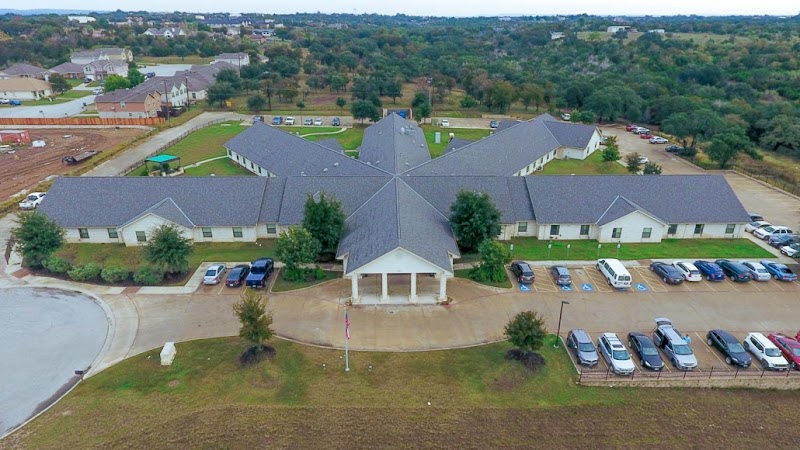
How is Granite Mesa Staffed?

CMS rates GRANITE MESA HEALTH CENTER's staffing level at 1 out of 5 stars, which is much below average compared to other nursing homes. Staff turnover is 44%, compared to the Texas average of 46%. This relatively stable workforce can support continuity of care.

What Have Inspectors Found at Granite Mesa?

State health inspectors documented 17 deficiencies at GRANITE MESA HEALTH CENTER during 2022 to 2025. These included: 1 Immediate Jeopardy (the most serious level, indicating potential for serious harm or death) and 16 with potential for harm. Immediate Jeopardy findings are rare and represent the most serious regulatory concerns. They require immediate corrective action.
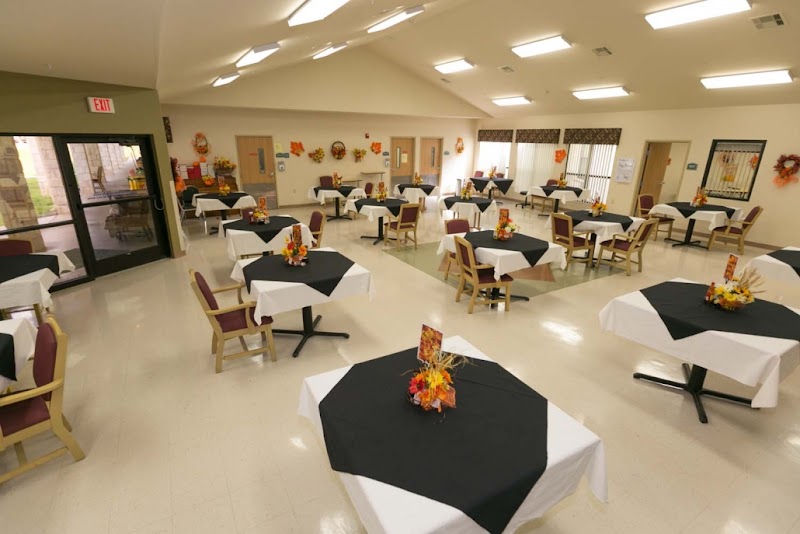
Who Owns and Operates Granite Mesa?

GRANITE MESA HEALTH CENTER is owned by a for-profit company. For-profit facilities operate as businesses with obligations to shareholders or private owners. The facility is operated by THE ENSIGN GROUP, a chain that manages multiple nursing homes. With 124 certified beds and approximately 89 residents (about 72% occupancy), it is a mid-sized facility located in MARBLE FALLS, Texas.
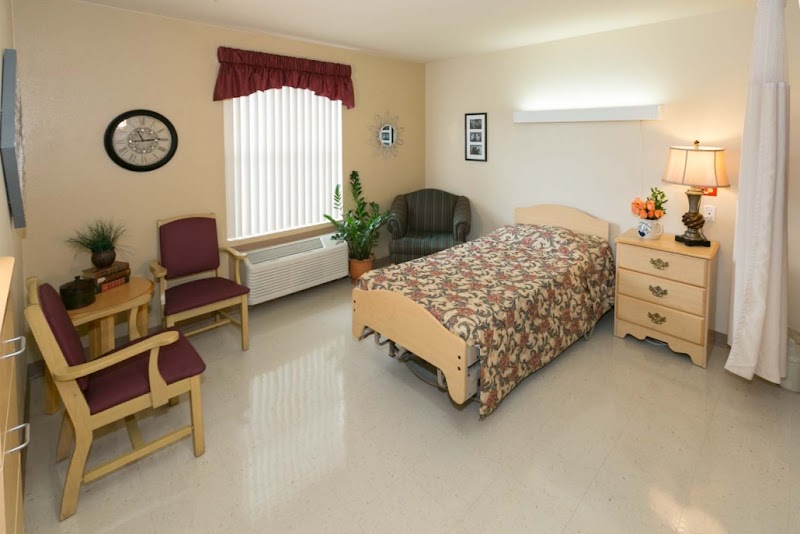
How Does Granite Mesa Compare to Other Texas Nursing Homes?

Compared to the 100 nursing homes in Texas, GRANITE MESA HEALTH CENTER's overall rating (1 stars) is below the state average of 2.8, staff turnover (44%) is near the state average of 46%, and health inspection rating (2 stars) is below the national benchmark.

What Should Families Ask When Visiting Granite Mesa?

Based on this facility's data, families visiting should ask: "What changes have been made since the serious inspection findings, and how are you preventing similar issues?" "What safeguards and monitoring systems are in place to protect residents from abuse or neglect?" "Can you walk me through typical staffing levels on day, evening, and night shifts?" "Can I visit during a mealtime to observe dining assistance and food quality?" These questions are particularly relevant given the facility's Immediate Jeopardy citations, the substantiated abuse finding on record, and the below-average staffing rating.

Is Granite Mesa Safe?

Based on CMS inspection data, GRANITE MESA HEALTH CENTER has documented safety concerns. The facility has 1 substantiated abuse finding (meaning confirmed case of resident harm by staff or other residents). Inspectors have issued 1 Immediate Jeopardy citation (the most serious violation level indicating risk of serious injury or death). The facility has a 1-star overall rating and ranks #100 of 100 nursing homes in Texas. Families considering this facility should ask detailed questions about what corrective actions have been taken since these incidents.

Do Nurses at Granite Mesa Stick Around?

GRANITE MESA HEALTH CENTER has a staff turnover rate of 44%, which is about average for Texas nursing homes (state average: 46%). Moderate turnover is common in nursing homes, but families should still ask about staff tenure and how the facility maintains care continuity when employees leave.

Was Granite Mesa Ever Fined?

GRANITE MESA HEALTH CENTER has been fined $56,485 across 1 penalty action. This is above the Texas average of $33,644. Fines in this range indicate compliance issues significant enough for CMS to impose meaningful financial consequences. Common causes include delayed correction of deficiencies, repeat violations, or care failures affecting resident safety. Families should ask facility leadership what changes have been made since these penalties.

Is Granite Mesa on Any Federal Watch List?

GRANITE MESA HEALTH CENTER is not on any federal watch list. The most significant is the Special Focus Facility (SFF) program, which identifies the bottom 1% of nursing homes nationally based on persistent, serious quality problems. Not being on this list means the facility has avoided the pattern of deficiencies that triggers enhanced federal oversight. This is a positive indicator, though families should still review the facility's inspection history directly.