GRAND TERRACE REHABILITATION AND HEALTHCARE
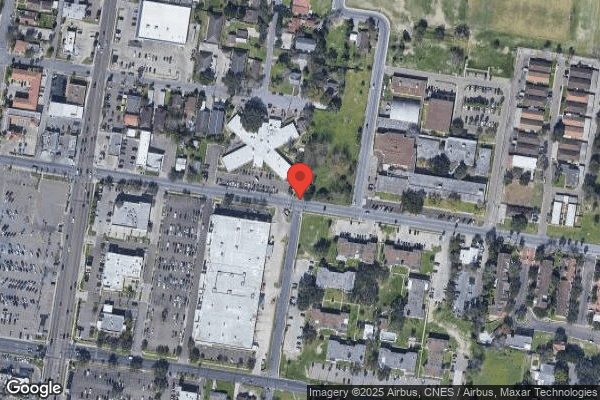
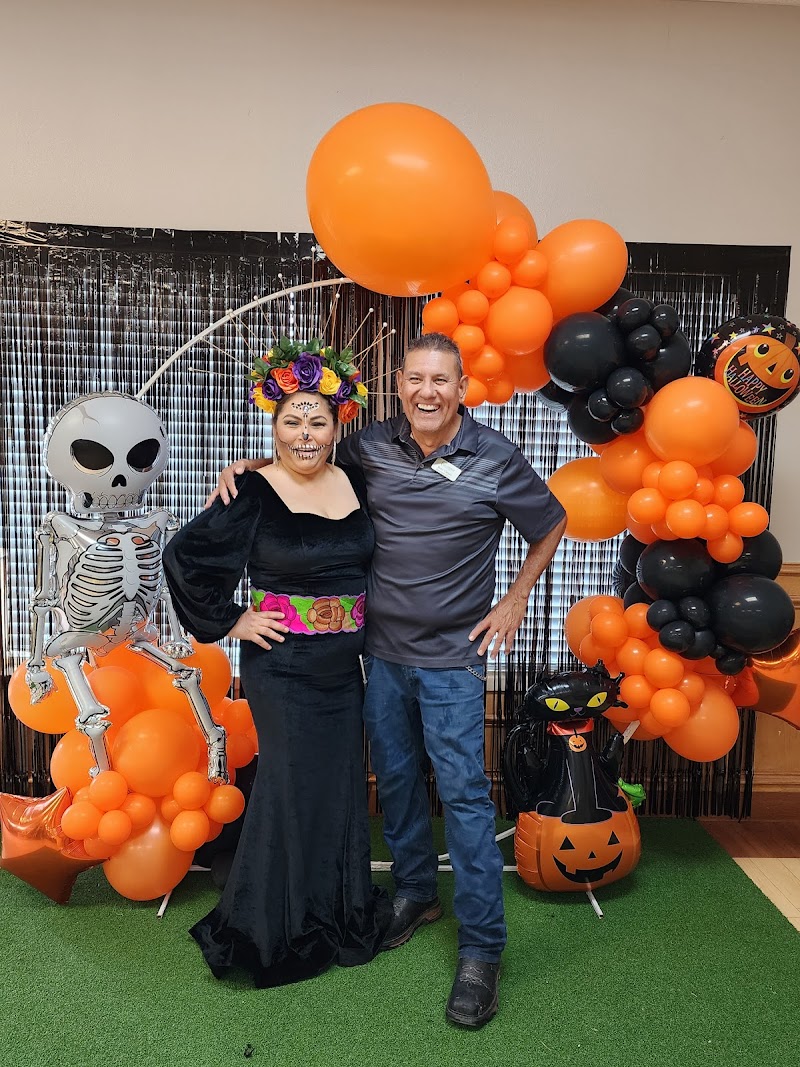
812 W HOUSTON AVE, MCALLEN, TX 78501 (956) 682-6331
Government - Hospital district 93 Beds THE ENSIGN GROUP Data: November 2025
Trust Grade
90/100
#56 of 1168 in TX
Last Inspection: November 2024

Within standard 12-15 month inspection cycle. Federal law requires annual inspections.

Overview

Grand Terrace Rehabilitation and Healthcare in McAllen, Texas has received a Trust Grade of A, indicating it is highly recommended and performs excellently compared to other facilities. It ranks #56 out of 1,168 nursing homes in Texas, placing it in the top half, and #2 out of 22 in Hidalgo County, meaning only one local facility is rated higher. The facility is showing improvement, with issues decreasing from six in 2023 to just two in 2024. However, staffing is a concern, earning a rating of 2 out of 5 stars, with a turnover rate of 44%, which is slightly better than the state average. While there have been no fines reported, the inspector found that residents did not receive necessary personal care services on occasion, which could lead to discomfort and dignity issues. Additionally, a comprehensive care plan for one resident was not developed adequately, and there were maintenance issues that affected the environment's safety and comfort. Overall, while there are strengths in the facility's ratings and improvement trends, families should be aware of the staffing challenges and specific care concerns.

Trust Score
A
90/100
In Texas
#56/1168
Top 4%
Safety Record
Low Risk
No red flags
Inspections
Getting Better
6 → 2 violations
Staff Stability
○ Average
44% turnover. Near Texas's 48% average. Typical for the industry.
Penalties
✓ Good
No fines on record. Clean compliance history, better than most Texas facilities.
Skilled Nurses
○ Average
Each resident gets 36 minutes of Registered Nurse (RN) attention daily — about average for Texas. RNs are the most trained staff who monitor for health changes.
Violations
○ Average
9 deficiencies on record. Average for a facility this size. Mostly minor or procedural issues.
★★★★★
5.0
Overall Rating
★★☆☆☆
2.0
Staff Levels
★★★☆☆
3.0
Care Quality
★★★★★
5.0
Inspection Score
Stable
2023: 6 issues
2024: 2 issues

The Good

  • Full Sprinkler Coverage · Fire safety systems throughout facility
  • No fines on record
  • Staff turnover below average (44%)

    4 points below Texas average of 48%

Facility shows strength in fire safety.

The Bad

Staff Turnover: 44%

Near Texas avg (46%)

Typical for the industry

Chain: THE ENSIGN GROUP

Part of a multi-facility chain

Ask about local staffing decisions and management

The Ugly 9 deficiencies on record

Nov 2024 1 deficiency
CONCERN (D) 📢 Someone Reported This

A family member, employee, or ombudsman was alarmed enough to file a formal complaint

Potential for Harm - no one hurt, but risky conditions existed

Comprehensive Care Plan (Tag F0656)

Could have caused harm · This affected 1 resident

**NOTE- TERMS IN BRACKETS HAVE BEEN EDITED TO PROTECT CONFIDENTIALITY** Based on observations, interviews, and record review the facility failed develop a comprehensive person-centered care plan for e...

Read full inspector narrative →
**NOTE- TERMS IN BRACKETS HAVE BEEN EDITED TO PROTECT CONFIDENTIALITY** Based on observations, interviews, and record review the facility failed develop a comprehensive person-centered care plan for each resident, consistent with resident needs, that included measurable objectives and time frames to meet residents' physical needs for 1(Resident #66) of 6 residents reviewed for care plans. The facility failed to develop a comprehensive person-centered care plan for Resident #66. The comprehensive care plan failed to address the antibiotic medication ordered by the physician. This failure could place the residents at risk of not receiving appropriate interventions to meet their current needs. Findings included: 1. Record review of Resident #66's electronic facility face sheet dated 11/19/24, revealed she was an [AGE] year-old female admitted to the facility on [DATE], original admission date of 07/04/2024 with diagnoses of pneumonia, end stage renal disease (final stage of kidney disease), type 2 diabetes mellitus, pleural effusion (excess fluid buildup in the space between the lung and chest), and acute on chronic diastolic congestive heart failure (heart failure in the left ventricle muscle). Record review of Resident #66's quarterly MDS assessment dated [DATE] revealed she scored a 13 on the BIMS assessment which indicated he was cognitively intact. Record review of Resident #66's physician order summary revealed order date 11/16/24 for Azithromycin tablet 250mg by mouth at bedtime for pneumonia for 4 days with an end date of 11/20/24. During an interview on 11/19/24 at 03:11 p.m. with MDS A, she stated she was not the only one responsible for care planning. She stated that the nurses, the ADON, and the DON were also responsible for care planning. She stated that if she sees that the order was not care planned then she will care plan it at that time. MDS A stated that the antibiotic order came in on Saturday and that she did not work on Saturdays or Sundays. She stated that the antibiotic order got overlooked. MDS A stated that it was important for the antibiotics to be care planned because that was how the nurses knew what signs and symptoms to monitor. The care plan will also have information stating when to contact the doctor if the antibiotic was not working, and also if labs needed to be drawn. During an interview on 11/19/24 at 03:18 p.m. with ADON, she stated that the MDS was responsible for care planning. Then she said they should check it in the morning meetings. She stated that they put out the list of antibiotics to review at the time. The ADON stated that maybe the antibiotic order was missed or overlooked since it came in over the weekend. She stated the antibiotics should be care planned so all of the staff can be on the same page as far as care management. During an interview on 11/19/24 at 03:27 p.m. with the DON, stated the MDS and nursing were responsible for care planning. They audit the physician orders as frequent as possible. He stated they have their morning meetings weekly and they look at the physician orders from the previous week. He stated that he was training the ADON to help him with the stewardship and surveillance. He stated Resident #66 was being treated empirically, then was switched. They audit as a team, and they have clinical resources that do remote audits. He stated that the MDS check physician orders on Monday that came in on Friday that will need to be care planned. The MDS then check the physician orders on Tuesday that came in on Monday. The DON stated that the plan of care for the residents were important for the clinical team to have access to follow the care plan interventions. Record review of Comprehensive Person-Centered Care Planning Policy Revision/Review dated on 01/2022, revealed the following: Policy: It is the policy of this facility that the interdisciplinary team shall develop a comprehensive person-centered care plan for each resident that includes measurable objectives and timeframes to meet a residents medical, nursing, mental, and psychosocial needs that are identified in the comprehensive assessment .
Nov 2024 1 deficiency
CONCERN (D) 📢 Someone Reported This

A family member, employee, or ombudsman was alarmed enough to file a formal complaint

Potential for Harm - no one hurt, but risky conditions existed

Safe Environment (Tag F0921)

Could have caused harm · This affected 1 resident

**NOTE- TERMS IN BRACKETS HAVE BEEN EDITED TO PROTECT CONFIDENTIALITY** Based on observations, interviews, and record review, the facility failed to provide a safe, functional, sanitary, and comfortab...

Read full inspector narrative →
**NOTE- TERMS IN BRACKETS HAVE BEEN EDITED TO PROTECT CONFIDENTIALITY** Based on observations, interviews, and record review, the facility failed to provide a safe, functional, sanitary, and comfortable environment for residents, staff, and the public for 1 (room [ROOM NUMBER]) of 5 rooms reviewed for environment. The facility failed to ensure the facility was in good repair as the facility did not repair gaps/holes on the restroom door frame in room [ROOM NUMBER]. This failure could affect all residents, staff, and the public by placing them at risk for diminished quality of life due to the lack of a well-kept environment. The findings included: Observation on 11/01/24 at 10:35 AM revealed room [ROOM NUMBER] in hall 3 had 2 holes on the door frame for the restroom. There was a gap/hole on the outer part of the door frame about 5 inches wide x 4 inches long x 4 inches deep and another gap/hole on the inner part of the door frame about 5 inches wide x 4 inches long x 4 inches deep. The holes were not connected and not able to see to the inside of the restroom through the holes. Observation on 11/08/24 at 10:50 AM revealed room [ROOM NUMBER] still had the holes on the restroom door frame. There were fragments of wood/materials in both holes. The door frame was tapped/hit and nothing came out of the holes. Interview with MN C on 11/08/24 at 11:20 AM revealed MN C said if the staff saw something that they needed to fix, the staff told the maintenance staff or wrote it in the maintenance binder at the nurse's station. MN C said MN D checked the binder daily and if it was something they could not fix, MN D called the contracted companies to fix the issue. MN C said he was not informed of a hole needed to be fixed in room [ROOM NUMBER]. Interview with MN D on 11/08/24 at 12:00 PM revealed MN D said the staff told him of anything that needed to get fixed. MN D said they tried to fix the issue that same day and if it was something he could not fix, he called the companies the facility used. MN D said the staff told him verbally and if not documented the issue on the binder at the nurse's station. MN D said he checked the binder daily. MN D said he had not been informed about anything needed to get fixed in room [ROOM NUMBER]. MN D said it was important to keep the building safe and functional in order to ensure the residents were safe. MN D said they tried to maintain the facility as best as they could to provide a nice, odor free, home environment for the residents, family, and staff, but most importantly for the residents, because the facility was their home. Interview with CNA A on 11/08/24 at 12:15 PM revealed CNA A said if she noticed something wrong with the room or something was broken, not working correctly, she let maintenance know. CNA A said she also documented on the binder at the nurse's station if maintenances staff were not available, but she usually saw maintenance staff walking around, so she let them know and they fixed it. Interview with HK B on 11/08/24 at 2:05 PM revealed HK B said if there was anything that needed to get fixed, like a crack on the wall, or something was broken, she told the maintenance staff. HK B said she documented on the maintenance log, but she usually told the maintenance staff verbally because they were always available. HK B said she cleaned halls 3 and 4. HK B said she had seen the gap/hole at the bottom of the restroom doorway in room [ROOM NUMBER] in hall 3. HK B said she reported the issue to MN D a long time ago, but she did not remember how long ago or when. HK B said she was not sure if she documented in the binder or told MN D verbally. HK B said the holes had been like that for some time but she was not sure how long. HK B said the maintenance staff were good about fixing things, but she was not sure why the holes had not been fixed. Observation on 11/08/24 at 2:20 PM revealed MN C fixed the gaps/holes on the restroom door frame of room [ROOM NUMBER]. MN C used joint compound and a putty knife to repair the holes. Interview with RN F on 11/08/24 at 4:00 PM revealed RN F said if she saw anything wrong with the room, if something was broken, toilet was not working, sink was not working properly, etc., she told the maintenance staff. RN F said she also documented in the binder in the nurse's station. RN F said the maintenance staff followed up and tried to fix the issue. RN F said she did not notice any holes or issues that needed to be fixed in room [ROOM NUMBER] and she did not report anything to maintenance staff for room [ROOM NUMBER]. Interview with the ADM on 11/08/24 at 5:15 PM revealed the ADM said when the staff saw something that needed to be fixed, the staff knew to document in the binder for maintenance or tell the maintenance staff. The ADM said they also had morning meetings, which included all department heads such as the maintenance director, MN D. The ADM said MN D had worked here for almost 30 years and was very good at keeping the building in good shape despite the building being built since 1950. The ADM said he did not know there was an issue in room [ROOM NUMBER] until it was brought up today. The ADM said no one had voiced that there were gaps/holes in that room, as far as he was aware. The ADM said it was important to maintain the building in good repair for the safety of the residents and to provide better service to the residents. Record review of the Maintenance Log binder reflected from 06/01/24-11/08/24 there was no service documented for room [ROOM NUMBER] or the gaps/holes on the doorframe. Record review of the Physical Environment/Facility Maintenance Policy date revised 05/2007 reflected Policy: It is the policy of this facility to establish procedures for routine and non-routine care of the facility/building to ensure that the facility remains in good working order for resident and staff safety. Work orders: 1. Work request must be in form of work orders or verbal.
Aug 2023 5 deficiencies
CONCERN (D)

Potential for Harm - no one hurt, but risky conditions existed

Comprehensive Care Plan (Tag F0656)

Could have caused harm · This affected 1 resident

**NOTE- TERMS IN BRACKETS HAVE BEEN EDITED TO PROTECT CONFIDENTIALITY** Based on observation, interview, and record review, the facility failed develop and implement a comprehensive person-centered ca...

Read full inspector narrative →
**NOTE- TERMS IN BRACKETS HAVE BEEN EDITED TO PROTECT CONFIDENTIALITY** Based on observation, interview, and record review, the facility failed develop and implement a comprehensive person-centered care plan for each resident, consistent with resident rights, that included measurable objectives and time frames to meet residents' mental and psychosocial needs; and services that were to be furnished to attain or maintain the residents highest practicable physical, mental, and psychosocial well-being for one (Resident #54) of eight residents reviewed for care plans. The facility failed to develop a care plan for slurred speech for Resident # 54. This failure could place residents at risk for not receiving necessary care and services. Findings included: Record review of the admission record dated 8/31/23 for Resident #54 reflected Resident #54 was re-admitted to the facility on [DATE] and was a [AGE] year-old female with diagnosis that included schizophrenia (mental disorder characterized by continuous or relapsing episodes of psychosis) and dysphagia (difficulty in swallowing). Record review of Resident #54's quarterly MDS dated [DATE] reflected Resident # 54 -was cognitive independent -had unclear speech (slurred or mumbled words). Record review of Resident #54's care plans reflected Resident #54 had a focus area indicating resident was dependent on staff for social interaction related to cognitive deficits, date initiated, 06/23/23. Interventions included to engage in simple, structured activities such as (Socialization and watch TV), date initiated 06/23/23. Resident # #54's care plans did not address the resident's slurred speech. Observation and interview on 08/28/23 at 11:40 am with Resident #54 revealed Resident #54 in bed and speech not understood, unclear and mumbled. Interview on 08/29/23 at 2:21 pm with LVN/MDS F revealed Resident #54 did have slurred speech as per her most recent assessment. LVN/MDS F said she had overlooked developing a care plan for this communication area of concern. LVN/MDS F said Resident #54 communicated very well, but this area of care should have been care planned. New staff or visitors might not be able to understand her speech and could cause misinformed communication with Resident #54. Interview on 08/29/23 at 2:25 pm with CNA G and CNA H revealed Resident #54 did have slurred and unclear speech but they were able to understand her because they had assisted her with care for a long time and they understood her when she verbalized her needs to them. CNA G and CNA H said if they didn't understand sometimes, they would ask her to repeat her words. Both CNA G and CNA H staff said that if a new staff would come and provide her with care, they might not be able to understand her. Sometimes other staff from other halls would come to replace them if they were out for some reason. Interview on 08/29/23 at 2:30 pm with LVN E revealed the CNAs that worked regularly with the resident understood Resident #54 better than anyone. LVN E said Resident #54 did have slurred speech and was difficult to understand what she was saying. If a new staff came to assist Resident #54, they would have trouble understanding her slurred speech. The care plans are developed to provide interventions to address the concern. Interview on 08/31/23 at 9:57 am with the DON revealed care plans needed to be developed and interventions implemented to address areas of care concerns. The DON said not developing care plans with interventions for focused areas of concern would place residents at risk of not receiving the necessary care for their individual needs. The IDT team would meet to address areas of concerns as assessed by their MDS assessment. It was his responsibility to ensure the care plans needed to be developed and implemented as needed based on the assessments. The DON said he did not know why the care plan for Resident'#54's focus area of slurred speech had not been developed. Record review of the facility policy titled Comprehensive Person-Centered Care Planning dated January 2022 reflected The facility IDT will develop and implement a comprehensive person-centered care plan for each resident within seven (7) days of completion of the Resident Minimum Data Set (MDS) and will include resident's needs identified in the comprehensive assessment, any specialized services as a result of PASARR recommendation, and residents goals and desired outcomes, preferences for future discharge and discharge plans. The resident's comprehensive plan of care will be reviewed and/or revised by the IDT after each assessment, including both the comprehensive and quarterly review assessments.
CONCERN (D)

Potential for Harm - no one hurt, but risky conditions existed

Accident Prevention (Tag F0689)

Could have caused harm · This affected 1 resident

**NOTE- TERMS IN BRACKETS HAVE BEEN EDITED TO PROTECT CONFIDENTIALITY** Based on observation, interview and record review, the facility failed to ensure that each resident received adequate supervisio...

Read full inspector narrative →
**NOTE- TERMS IN BRACKETS HAVE BEEN EDITED TO PROTECT CONFIDENTIALITY** Based on observation, interview and record review, the facility failed to ensure that each resident received adequate supervision for one Resident (Resident #218) of three residents reviewed for supervision. The facility failed to ensure Resident #218 received two-person assist when providing incontinent care. This failure could place residents at risk for accidents and injury. The findings were: Record review of Resident #218's face sheet dated 8/30/23 revealed a [AGE] year-old female with an admission date of 7/31/23 and diagnoses which included: Stroke, peripheral vascular angioplasty status (a procedure to help blood flow better), and chronic kidney disease (longstanding disease of the kidneys leading to renal failure). Record review of Resident #218's admission MDS assessment dated [DATE] revealed she required extensive assistance/two person physical assistance for bed mobility, dressing, and toilet use. Resident #218 was always incontinent of bowel and bladder. Record review of Resident #218's Care Plan dated 08/21/23 revealed she required assistance extensive to: wash hands, adjust clothing, clean self, transfer onto toilet, transfer off toilet, to use toilet. Resident #218 required 1-2 staff participation to reposition and turn in bed. Observation on 08/28/23 at 10:10 a.m., revealed Resident #218 requested to be changed. CNA B came in to change the resident. In an interview on 08/30/23 at 08:55 a.m., Resident #218 stated 2 people would get her up to put her in her wheelchair. Resident #218 stated sometimes two people would come in to change her and sometimes only one person would come in to change her. Resident #218 stated she needed changed at this time, and pressed her call light (09:07 AM). Observation on 08/30/23 at 09:07 a.m., revealed CNA A answered Resident #218's call light and Resident #218 told CNA A she needed changed (her brief was soiled). CNA A left Resident #218's room to gathered the supplies needed to change the resident. Observation on 08/30/23 at 09:09 a.m., revealed CNA A entered Resident #218's room to change Resident #218. Resident #218 asked surveyor to leave the room so she had privacy during incontinent care. Observation on 08/30/23 at 09:14 a.m., revealed CNA B entered Resident #218's room where CNA A was changing Resident #218's brief. Observation on 08/30/23 at 09:18 a.m., revealed CNA A and CNA B left Resident #218's room. In an interview on 08/30/23 at 09:20 a.m., CNA B stated one person could change Resident #218. CNA B stated on Monday (August 28, 2023) when the surveyor was talking with Resident #218 and Resident #218 had asked CNA B to change her soiled brief, CNA B stated she changed her by herself. CNA B stated Resident #218 can move so she (CNA B) can change Resident #218 by herself. CNA B stated the CNAs can find in Tracker (CNAs computer system where they check for care and document care) how many persons had to assist a resident for changing. Surveyor observed Tracker as showing 2 person assistance required for toileting Resident #218. CNA B stated she just went into Resident #218's room to help CNA A pull Resident #218 up in the bed, but CNA A was the one who changed Resident #218. CNA B stated if a resident was a 2 person assist for changing and 1 person only changed a resident, either the CNA or the resident could get hurt. In an interview on 08/31/23 at 12:43 p.m., CNA A stated yesterday (08/30/23), she changed Resident #218 by herself, and CNA B had come to help at the end of the care. CNA A stated if a resident was dirty she would clean them and not leave them dirty. CNA A said lots of times she was on the hall by herself and would not have help. CNA A stated she sometimes will call for someone to help her if she sees them in the hall. CNA A stated if a resident was a two person assist and only one person assisted, either the CNA or the resident could get hurt. CNA A stated Resident #218 was able to move in the bed, so she (CNA A) had changed Resident #218 by herself. In an interview on 08/31/23 at 02:04 p.m., LVN E stated when a CNA would come to say they need help, LVN E stated if he was not in the middle of something, his cart was locked, and everything was good, he would go with the CNA to assist with whatever they needed. LVN E stated for mornings, like today (08/31/23), there were eight CNAs and one CNA in training working on the floor. LVN E stated he thought that was enough staff to be working at that time. In an interview on 08/31/23 at 02:50 p.m., the DON stated CNAs would come ask him for help if they needed it and he would go assist them. The DON stated he told CNAs to ask for help if they would have a heavy resident. The DON stated CNAs could also go to their kiosk or POC (computer used by the CNAs) to check how many people would be needed to assist the resident. The DON said nurses would look first at the MDS for how much assist a resident needed for ADLs. The DON stated they would then check the resident's care plan, but the first check would be MDS. DON stated the negative outcome for a CNA or resident using a one person assist on a resident instead of two person assist could be improper care, falls or injury. Review of facility's policy titled Nursing Services Quality of Care, revised 07/2015, revealed: Policy: It is the policy of this facility that residents are given the appropriate treatment and services to attain or maintain the highest practicable physical, mental, and psychosocial well-being of each resident in accordance with a written plan of care. Procedures: 1. Maintenance and restorative programs will be provided to residents in accordance with the resident's comprehensive assessment 6. ADL care, including personal hygiene, oral care, transfers, grooming, dressing, mobility, ambulation, etc. provided according to resident's assessed needs and level of support.
CONCERN (D)

Potential for Harm - no one hurt, but risky conditions existed

Tube Feeding (Tag F0693)

Could have caused harm · This affected 1 resident

**NOTE- TERMS IN BRACKETS HAVE BEEN EDITED TO PROTECT CONFIDENTIALITY** Based on observation, interview, and record review, the facility failed to ensure residents fed by enteral means received the ap...

Read full inspector narrative →
**NOTE- TERMS IN BRACKETS HAVE BEEN EDITED TO PROTECT CONFIDENTIALITY** Based on observation, interview, and record review, the facility failed to ensure residents fed by enteral means received the appropriate treatment and services to prevent complications of enteral feedings for 1 (Resident #267) of 6 residents reviewed for enteral nutrition, in that: The facility failed to appropriately label the formula bag for Resident #267 per the facility's policy. This failure could affect residents receiving enteral nutrition/hydration and place them at risk of health complications and decline in health. Findings included: Record review of Resident #267's face sheet revealed the resident was [AGE] year-old female admitted on [DATE] with a diagnosis that including unspecified sequelae of cerebral infarction, heart failure, and gastrostomy status. Record review of Resident #267's quarterly MDS dated [DATE], revealed a BIMS at not able to conduct interview. The assessment reflected Resident #267's required total dependence with eating, and is bed bound. Resident #267's the resident's nutritional approach was feeding tube. Record review of Resident #267's care plan revised dated 08/27/2023 revealed requires tube feeding r/t dysphagia aphasia. Goal: Will be free of s/sx of infection through the review date. Care plan created 08/22/2023 revealed potential nutritional problem r/t gastrostomy status. Goal: Will maintain adequate nutritional status as evidenced by maintaining weight with no s/sx of malnutrition through review date. Record review of Resident #267's physician's order revealed Jevity 1.5 @ 50ml/hr and H2O 150ml every 6 hrs. Observation 08/28/23 at 2:28 PM revealed Resident #267 was asleep, lying-in bed. Observed a feeding pump next to Resident #267. The feeding pump was infusing at 50ml/hr and flush is set at 150ml every 6 hrs. A bag of enteral feeding was hanging from the pole with no formula name, time, date, and initials of who administered the feeding. The surveyor observed the formula bag had about less than half left inside. A bag of water was hanging on the other side of the pole with a label. Interview on 08/28/23 at 2:35 PM with LVN I, he stated he was the nurse for Resident #267. LVN I was informed the formula bag had no formula name, time, date, or initials. LVN I was unaware Resident #267's formula bag was not labeled. LVN I stated he had just came on shift 45 minutes ago. He stated LVN J was the previous nurse. LVN I stated they did bedside report during shift change. LVN I stated he did not go into Resident #267 room today, 08/28/23. Interview on 08/28/23 at 2:50 PM with LVN J, he stated he was nurse for Resident #267. LVN J was informed the formula bag had no formula name, time, date, or initials. LVN J stated she had clarified with the DON and ADON, that since bags came together as a dual bag with only one label then it was okay to put label only on one bag. LVN , stated that one label would have both information for water and feeding. Observation on 08/28/23 at 02:58 PM revealed LVN I held the completed label up which included, formula name, date, and initials. He showed it to LVN J and LVN I proceeded to walk into Resident #267's room to apply label on formula bag. Interview on 08/30/23 at 02:00 PM the DON stated the formula bag and water bag should be labeled individually. The DON stated formula bags were labeled as a precaution. The DON stated the double bags also needed to be labeled individually. Interview on 08/31/23 at 11:50 AM ADON L stated she had been working at the facility for 14 years. ADON L stated she monitors staff every morning. She also does the annual skill checks on nurses. ADON L stated she does rounds with new hires. She stated the feeding formula bags come with one sticker but are now encouraging nursing staff to label both the formula bag and water bag individually. The surveyor asked when did the facility start to encourage this, and the ADON stated she was not sure of when it was initiated. Record review of the Enteral Feeding Administration Pump facility policy revised 05/2007 revealed #2 Label bag with formula, residents name, amount, date, time and initials.
CONCERN (D)

Potential for Harm - no one hurt, but risky conditions existed

Infection Control (Tag F0880)

Could have caused harm · This affected 1 resident

**NOTE- TERMS IN BRACKETS HAVE BEEN EDITED TO PROTECT CONFIDENTIALITY** Based on observation, interview and record review the facility failed to establish and maintain an infection prevention and cont...

Read full inspector narrative →
**NOTE- TERMS IN BRACKETS HAVE BEEN EDITED TO PROTECT CONFIDENTIALITY** Based on observation, interview and record review the facility failed to establish and maintain an infection prevention and control program, designed to provide a safe, sanitary, and comfortable environment and to help prevent the development and transmission of communicable diseases and infections, for one resident (Resident #126) observed for incontinent care, in that: CNA C did not use one wipe per swipe on the perineal and buttock area during incontinent care on Resident #126. CNA C did not change her gloves during incontinent care for Resident #126. CNA C did not wash her hands before leaving Resident #126's room after performing incontinent care. These failures could place residents at risk for infections and cross contamination. The findings included: Record review of Resident #126's Face Sheet dated 08/31/23, reflected a [AGE] year old male admitted to the facility on [DATE], with diagnoses that included local infection of the skin and subcutaneous tissue (layer of tissue that underlies the skin), Extended Spectrum Beta Lactamase (ESBL) Resistance (enzymes that are resistant to most beta-lactam antibiotics including penicillin, cephalosporins, and the monobactam aztreonam), resistance to vancomycin (vancomycin is an antibiotic used for abscesses, wounds, or peritonitis), sacral stage 4 pressure ulcer (full thickness skin loss with extensive destruction; tissue death); or damage to muscle, bone, or supporting structure such as tendon, or joint capsule below the lumbar spine and above the tailbone), right hip stage 4 pressure ulcer, and left hip stage 4 pressure ulcer, feeding tube, colostomy (a surgical operation in which a piece of the colon is diverted to an artificial opening in the abdominal wall so as to bypass a damaged part of the colon), tracheostomy (an opening surgically created through the neck into the windpipe to allow air to fill the lungs). Record review of Resident #126's Quarterly MDS dated [DATE], revealed Resident #126's cognitive status was severely impaired, he was totally dependent with two-person assistance for bed mobility, dressing, and toilet use, was totally dependent on one person assistance for eating and personal hygiene. Record review of Resident #126's Care Plan dated 08/13/23, revealed Resident #126 had ADL (Activities of Daily Living) self-care performance deficit related to totally dependent on staff secondary to anoxic brain injury (caused by a complete lack of oxygen to the brain, which resulted in the death of brain cells after approximately four minutes of oxygen deprivation). Resident #126 was totally dependent on 1 -2 staff for personal hygiene and oral care. Resident #126 was on hospice. Record review of Resident #126's Weekly Skin assessment dated [DATE] revealed Sacral Stage 4 Pressure Ulcer measurements: 13cm (L) x 11cm (W) 30% slough 30% red skin to bone. Right hip Stage 4 pressure ulcer measurements: 6cm (L) x 8 cm (W) x 1.5cm (D) 70% red 30% yellow, undermining 2.5 cm. Left hip Stage 4 Pressure Ulcer measurements: 7cm (L) x 6.5cm (W) x 2cm (D) undermining 2cm. Observation on 08/31/23 at 03:46 p.m., during incontinent care on Resident #126, revealed CNA C washed her hands for 45 seconds when she entered the resident's room and put on gloves. During incontinent care CNA C used one wipe, wiping twice on the area between Resident #126's scrotum and left leg. CNA C then used one wipe, wiping four times on Resident #126's left buttock area wiping over the dressing of the left hip pressure ulcer. CNA C used one pair of gloves for incontinent care, not changing her gloves. CNA C removed her gloves after performing incontinent care on Resident #126 and left the room. CNA C did not wash her hands before leaving Resident #126's room. In an interview on 08/31/23 at 04:30 p.m., CNA C stated one wipe should be used for one swipe. CNA C stated she used new gloves two times, when she went in the room and when she left Resident #126's room for incontinent care. CNA C stated she was supposed to change her gloves because if she did not change her gloves during pericare, she could contaminate more. CNA C stated she was supposed to wash her hands when she entered the room and when she left the room. CNA C stated she washed her hands in another room after she left the resident's room. In an interview on 08/31/23 at 04:36 p.m., CNA D stated one wipe for each swipe should be used during incontinent care. CNA D stated when one removed their gloves, one should use hand sanitizer, and then put new gloves on. CNA D stated when gloves are soiled one should wash their hands and one should wash their hands when entering the room, if gloves are visibly soiled, and before one exits the room. CNA D stated if one did not do those things, one could cause cross contamination. In an interview on 08/31/23 at 06:00 p.m., the DON stated when performing incontinent care one wipe was to be used for each swipe. The DON stated gloves are to be removed when dirty or visibly soiled and hands are to be washed when entering the room, when gloves/hands are visibly soiled, and before leaving the room. The DON stated when that was not done, there was a risk for infection or cross contamination. When surveyor asked DON for policies on incontinent care and hand hygiene, surveyor was given the following policy: Review of the facility's policy/procedure - Nursing Clinical Routine Procedures Incontinent Care (not dated) revealed: Procedure: 4.D. Cleanse perennial/rectal area and doff gloves. E. Wash hands/perform hand hygiene, don gloves and then apply a new brief. F. Remove gloves and perform hand hygiene.
CONCERN (E)

Potential for Harm - no one hurt, but risky conditions existed

ADL Care (Tag F0677)

Could have caused harm · This affected multiple residents

**NOTE- TERMS IN BRACKETS HAVE BEEN EDITED TO PROTECT CONFIDENTIALITY** Based on observation, interview, and record review the facility failed to ensure a resident who was unable to carry out activiti...

Read full inspector narrative →
**NOTE- TERMS IN BRACKETS HAVE BEEN EDITED TO PROTECT CONFIDENTIALITY** Based on observation, interview, and record review the facility failed to ensure a resident who was unable to carry out activities of daily living (ADLs) received the necessary services to maintain nutrition, grooming and personal and oral hygiene for 2 of 8 residents (Resident #54 and Resident #11) reviewed for ADLs. 1. The facility failed to ensure Resident # 54 was provided a shower as scheduled. 2. The facility failed to ensure Resident #11 was provided shower or bed bath as scheduled. These failures could place residents at risk for discomfort, and dignity issues. Findings included: 1.Record review of Resident #54's admission record dated 8/31/23 reflected Resident #54 was re-admitted to the facility on [DATE] and was a [AGE] year-old female with diagnosis that included schizophrenia (mental disorder characterized by continuous or relapsing episodes of psychosis) and dysphagia (difficulty in swallowing). Record review of Resident #54's quarterly MDS dated [DATE] reflected Resident # 54 -was cognitive independent -required total dependence on two persons for bathing. -required total dependence on two persons for transfers. -required extensive assistance by two persons for dressing, and toilet use. Interview on 8/28/23 at 2:33 pm with CNA K revealed Resident #54 was bathed on Thursdays and per the schedule. CNA K said she would document the task provided in the computerized ADLs tasks. Interview and observation on 08/28/23 at 2:33 pm with Resident #54 revealed Resident #54 in her bed. Resident #54 stated she had not been showered since last Thursday (08/24/23). Resident #54 was dressed in her gown, clean and hair combed. On 08/29/23 at 2:48 pm CNA G and CNA H said they showered the residents in their hall during their shift at 6:00 am to 2:00 pm on rooms 1 to 7 on Monday, Wednesdays, and Fridays. The second shift from 2:00 pm to 10:00 pm showered the rest of the rooms. Resident #54' s room was in this same hall but on their shift. Record review of the shower schedule (undated) reflected Resident #54's bathing schedule was Monday, Wednesdays, and Fridays in the afternoon shift, 2:00 pm to 10:00 pm. Record review of the computerized ADL tasks dated 08/18/23 to 08/31/23 reflected Resident #54 had not received a shower on Friday, 08/18/23, Monday 08/21/23 and Friday, 08/25/23 and Wednesday 08/08/23 as scheduled. 2. Record review of admission record for Resident #11 reflected Resident #11 had been re-admitted to the facility on [DATE], was an [AGE] year-old female with diagnosis that included need for assistance with personal care and cognitive communication deficit (difficulties with thinking.) Record review of the quarterly MDS dated [DATE] for Resident #11 reflected -was cognitively impaired -required total dependence on two persons for bathing. Record review of the care plans for Resident #11 reflected Resident #11 had impairment to skin integrity r/t rash to upper back and all affected areas, date initiated, 08/18/23. Interview on 08/30/23 at 1:35 pm revealed Resident #11's RP L was visibly upset that no one had bathed Resident #11 since the previous week. Resident #11's RP L said she had told a staff member that she wanted Resident #11 to be bathed in the morning and not in the afternoon as she had been scheduled previously. Interview on 08/30/23 at 1:32 pm with CNA A revealed she worked from 6:00 am to 2:00 pm. CNA A said no one had told her to bathe Resident #11 in the mornings. Resident #11 was a Hoyer lift for transfers and had to be assisted by two persons. CNA A said if she was working by herself, she had to find another staff from another hall to assist with showers. CNA A said she might have not provided baths to Resident #11 and when she did, she would document in the computerized ADL tasks. Record review of the shower schedule for Resident #11 reflected Resident #11 was to be bathed on Mondays, Wednesdays, and Fridays in the afternoon shift, from 2:00 pm to 10:00 pm. Record review of the computerized ADL tasks for Resident #11 from 08/17/23 to 08/30/23 reflected Resident #11 had not been provided with a bath on Friday 08/18/23, Wednesday 08/23/23, Friday 08/25/23 and Wednesday 08/30/23 as of 08/30/23 at 3:04 pm as scheduled. Resident #11 had received a sponge bath on Monday 08/28/23. Record review of Grievance Resolution Forms for Resident #11 reflected three grievances had been completed by Resident #11's RP L. -grievance form dated 03/14/23 reflected RP concerned resident had not been showered. Resolution reflected the shower days would be moved to morning shift, signed by the facility Administrator. -grievance form dated 05/09/23 reflected RP L concerned that resident was not being showered. Resolution reflected the resident showered. The grievance form was signed by the facility Administrator. -grievance form dated 06/12/23 reflected RP L concerned resident not showered and questioned the cream application. Resolution reflected a shower aide program initiated, resident showered, shower schedule moved to mornings as requested by RP. The grievance form was signed by facility Administrator. Interview on 08/31/23 at 9:57 am with the DON revealed he had several conversations with Resident #11's RP L about the resident not getting any showers. The DON said he implemented a shower aides' program that was not effective in that shower aides quit recently, and the program had been discontinued. The DON said as of 08/09/23, the CNAs on the floor were responsible to provide showers to the residents in their halls according to the shower schedule. The CNAs should document on the computerized ADLs tasks when they provide showers or residents refuse. The DON said the charge nurses were responsible to ensure CNAs provided showers to residents as scheduled. The DON said that Resident #11's RP L had requested to provide showers to Resident #11 and had not been scheduled as she requested. The DON said he was responsible to ensure the charge nurses checked to see if residents were getting their scheduled showers. Record review of the facility policy titled Quality of Care dated July 2017 reflected It is the policy of this facility that residents are given the appropriate treatment and services to attain or maintain the highest practicable physical, mental, and psychosocial well-being of each resident in accordance with a written plan of care. If a resident is unable to carry out activities of daily living, the necessary services to maintain good nutrition, grooming, toileting, and personal oral hygiene will be provided by qualified staff.
Jan 2023 1 deficiency
CONCERN (D) 📢 Someone Reported This

A family member, employee, or ombudsman was alarmed enough to file a formal complaint

Potential for Harm - no one hurt, but risky conditions existed

Report Alleged Abuse (Tag F0609)

Could have caused harm · This affected 1 resident

**NOTE- TERMS IN BRACKETS HAVE BEEN EDITED TO PROTECT CONFIDENTIALITY** Based on interview and record review, the facility failed to ensure that all alleged violations involving abuse, neglect, or mis...

Read full inspector narrative →
**NOTE- TERMS IN BRACKETS HAVE BEEN EDITED TO PROTECT CONFIDENTIALITY** Based on interview and record review, the facility failed to ensure that all alleged violations involving abuse, neglect, or mistreatment, were reported immediately to the State Survey Agency, within two hours, for 2 residents (Resident #1 and Resident #2) of 2 residents reviewed for abuse/neglect, in that: The facility did not report the allegation of resident abuse to the State Survey Agency within the allotted time frame for Resident #1 and Resident #2 who had a resident to resident altercation. This failure could place all residents at risk for injuries, abuse, and/or neglect. Record review of Resident #1's admission Record, dated 01/12/23, revealed Resident #1 was a [AGE] year-old male, who was admitted to the facility on [DATE]. Diagnoses included: Type 2 Diabetes Mellitus, hypertension (high blood pressure), Bipolar Disorder (a mental illness that causes unusual shifts in mood, energy, activity levels, concentration, and the ability to carry out day-to-day tasks), dementia (condition characterized by progressive or persistent loss of intellectual functioning, especially with impairment of memory and abstract thinking, and often with personality change, resulting from organic disease of the brain), psychotic disturbance (people lose contact with reality and experience a range of extreme symptoms that usually includes: hallucinations - hearing or seeing things that are not real, such as voices. Delusions - believing things that are not true), mood disturbance (can be feelings of distress, sadness or symptoms of depression, and anxiety), anxiety disorder, heart failure. Record review of Resident #1's Quarterly MDS, dated [DATE], revealed Resident #1: -had clear speech -was able to make himself understood -was able to understand others -had a BIMS of 04 (severely impaired cognition) -required extensive assistance on two staff for bed mobility, transfers, dressing, and personal hygiene -required limited assistance by one staff for toileting -required supervision with setup help only for eating. Record review of Resident #1's Nurse's Progress Note dated 08/04/22 at 05:30 p.m., written by LVN E, revealed, notified by CMA resident punched resident (#2) (room #) in the face. resident (#2) (room #) was passing through looking for room, resident (#1) upset and punched (room # of Resident #2) in the face. both resident were separated by CMA (MA) (unknown CMA)(MA). resident redirected and explained that resident (room # of Resident #2) is HOH (hard of hearing) and needs the assistant of handle bars along the hallway. SN placed call to NP, new order for UA, Ammonia level and Psych evaluation. order carried out. unable to contact RP, will forward to incoming SN. Record review of Resident #1's Care Plan updated 08/05/22 to address Potential for a behavior problem r/t verbal aggression towards other residents 8/4/22 - resident had physical agresssion towards another resident (punched). Goals and interventions/tasks applied. Record review of Resident #1's Section 28 dated 08/05/22 revealed Section 28 was signed by judge on 08/05/22. Record review of Resident #2's admission Record, dated 01/12/23, revealed Resident #2 was a [AGE] year-old male, who was admitted to the facility on [DATE]. Diagnoses included: Dementia (condition characterized by progressive or persistent loss of intellectual functioning, especially with impairment of memory and abstract thinking, and often with personality change, resulting from organic disease of the brain), muscle weakness, and lack of coordination. Record review of Resident #2's Quarterly MDS, dated [DATE], revealed Resident #2: -had moderate difficulty hearing -had clear speech -was usually able to make himself understood -was usually able to understand others -had a BIMS of 02 (severely impaired cognition) -required extensive assistance on two staff for bed mobility, transfers, dressing, and toileting -required extensive assistance with one staff assisting -required supervision with one staff for assisting -required supervision with setup help only for locomotion on unit. Record review of Resident #2's Nurse's Progress Note dated 08/04/22 at 05:30 p.m., written by LVN E, revealed, notified by CMA (MA)(unknown CMA) resident (#2) was passing through looking for room, resident (#1) (Resident #1's room #) upset and punched [Resident #2] in the face. both resident were separated by CMA (MA). SN explained to resident (#1) that resident (#2) in room (Resident #1's room #) did not like the way he was talking to him. pain medication given a prescribed by MD. SN placed call to [Doctor] new order for X-Ray to facial cranial bones, psych evaluation, orders carried out, RP aware. Record review of Resident #2's x-ray results dated 08/05/22 revealed negative results of facial bones. Record review of Resident #2's Care Plan updated 08/05/22 to address reported to staff physical behaviors by striking another resident unwitnessed. 08/05/22 resident noted being physically aggressive towards staff 8/11/22 aggressive/physical behavior during ADL care. Goals and interventions/tasks applied. Record review of Resident #2's Section 28 dated 08/05/22 revealed for signed by judge on 08/05/22. In an interview on 01/11/23 at 03:43 p.m., LVN E stated when two residents are arguing/fighting she will try to figure out what is going on and separate them right away. LVN E would try to redirect the residents and then tell the DON right away. LVN E would notify the doctor, DON, and get orders from the doctor, and also notify the RP. If the residents get into a physical altercation, residents are assessed. LVN E stated also there is the documentation they do. LVN E stated if she witnessed or was reported abuse allegations, she would tell the DON and Administrator right away. She stated that (Administrator) was the Abuse Coordinator. In an interview on 01/12/23 at 08:57 a.m., DON was asked the resident's name in (Room #) who Resident #1 struck in the face on 08/04/22. DON stated there was no incident report filed on the incident that occurred on 08/04/22. DON stated she did not know who was in (Room #) at that time and was not aware another resident was struck. DON stated she would find out and let surveyor know. In an interview on 01/12/23 at 01:05 p.m., MA A stated she was crossing the hallway and heard Resident #1 and Resident #2 were yelling and cussing at each other. MA A stated she did not see anyone hit anyone. MA A removed Resident #2 from the area (08/02/22 altercation). MA A stated she reported it to ADON. MA A had not seen that ADON in a while and did not think he worked at the facility any longer. MA A stated she did not witness another altercation between Resident #1 and Resident #2 (08/04/22). MA A stated the other MA (MA B) for 2 - 10 shift may have witnessed the other altercation. MA A stated when there was a resident to resident altercation, they try to separate the residents and remove them (from the area). She stated they try to figure out what was going on, try to calm them (the residents) down, and report it (the altercation) to the nurse and ADON. In an interview on 01/12/23 at 01:27 p.m., LVN D stated she could not remember the incident (Resident #1 to Resident #2 altercation on 08/04/22) that occurred five months ago. She stated she could not remember who Resident #1 was. She stated that if she documented it, it had to have happened, but she could not remember. LVN D stated if there were a resident to resident altercation, LVN D would separate, assess, notify doctor, family, ADON, DON, Administrator (Abuse Coordinator), and document. In an interview on 01/12/23 at 01:46 p.m., SW stated there were several altercations with Resident #1 so they (Administrator, former DON, and SW) talked to the son and they decided to transfer Resident #1 to another facility. SW filed a Section 28 on both Resident #1 and Resident #2. SW stated Behavior stated they were full and if they had an opening, they would call SW. So far, they have not called. SW stated she would call a nurse or CNA to separate the residents in a resident to resident altercation. In an interview on 01/12/23 at 02:00 p.m., Administrator stated he does not remember there being another altercation between Resident #1 and Resident #2 (two altercations - one altercation on 08/02/22 and the other on 08/04/22). He said he did not know why it was not reported. Administrator acknowledged concern of not reporting second resident to resident altercation. Administrator stated the staff or even families were to report allegations of abuse to him immediately. Administrator stated he is the Abuse Coordinator for the facility. He said he is the one who reports to State. In an interview on 01/12/23 at 02:33 p.m., MA B stated she did not witness an altercation between Resident #1 and Resident #2 in August (08/04/22). In an interview on 01/12/23 at 02: 39 p.m., MA C stated she did not witness an altercation between Resident #1 and Resident #2 in August (08/04/22). MA C stated when there is an allegation of abuse or abuse witnessed, she notifies the nurse, and also, the Abuse Coordinator, (Administrator) immediately. Record review of facility's Abuse/Neglect policy Centers for Medicare and Medicaid Services. (2017). State operations manual appendix PP - Guidance to surveyors for long term care facilities. (https://www.cms.gov/medicare/provider-enrollment-and-certification/guidanceforlawsandregulations/downloads/appendix-pp-state-operations-manual.pdf ) Abuse: Prevention of and Prohibition Against ROP Section: 483.12 Freedon From Abuse,Neglect,& Exploitatation Original Date: 11.2017 Revision/Review Date(s) 4.2019; 1.2021; 1.2022 Policy It is the policy of this Facility that each resident has the right to be free from abuse, neglect, misappropriation of resident property, and exploitation. Facility staff are prohibited from taking, keeping, using or distributing photographs or video recordings of Facility residents in any manner that would demean or humiliate a resident, regardless of whether the resident provided consent and regardless of the resident's cognitive status. This includes using any type of equipment (e.g., cameras, smart phones, or other electronic devices) to take, keep, or distribute inappropriate photographs or recordings on social media. The Facility will provide oversight and monitoring to ensure that its staff, who are agents of the Facility, deliver care and services in a way that promotes and respects the rights of the residents to be from abuse, neglect, misappropriation of resident property, and exploitation. This policy applies to all Facility staff including, but not limited to, employees, consultants, contractors, volunteers, students, and other caregivers who provide care and services to residents on behalf of the Facility. Purpose: Residents also have the right to be free from verbal, sexual, physical, and mental abuse, corporal punishment, and involuntary seclusion. Nursing home residents have a right to personal privacy and confidentiality of their physical body and personal space, including accommodations and personal care. The purpose of this policy is to ensure that nursing Facility staff do not violate these resident rights and to ensure Facility staff are not taking, keeping, using or distributing photographs or video recordings that would demean or humiliate Facility residents, including by sharing such images through social media. Definitions: To assist the Facility's staff members in recognizing incidents of possible abuse, neglect, misappropriation of resident property, or exploitation, the following definitions are provided: Abuse is willful infliction of injury, unreasonable confinement, intimidation, or punishment with resulting physical harm, pain, or mental anguish. This includes the deprivation by an individual, including a caretaker, of goods or services that are necessary to attain or maintain physical, mental and psychosocial well-being. Instances of abuse of all residents, irrespective of any mental or physical condition, cause physical harm, pain or mental anguish. It includes verbal abuse, sexual abuse, physical abuse, and mental abuse including abuse facilitated or enabled through the use of technology. Willful, as used in this definition of abuse, means the individual must have acted deliberately, not that the individual must have intended to inflict injury or harm. Physical Abuse includes but is not limited to hitting, slapping, pinching, and kicking. It also includes controlling behavior through corporal punishment. E. Identification 1. Facility staff with knowledge of an actual or potential violation of this policy must report the violation to his or her supervisor or the Facility administrator immediately. The Facility will assist staff in identifying abuse, neglect, and exploitation of residents, and misappropriation of resident property. This includes identifying the different types of abuse-mental/verbal abuse, sexual abuse, physical abuse, and the deprivation by an individual of goods and services. H. Reporting / Response 1. All allegations of abuse, neglect, misappropriation of resident property, or exploitation should be reported immediately to the Administrator. 2. Allegations of abuse, neglect, misappropriation of resident property, or exploitation will be reported outside the Facility and to the appropriate State or Federal agencies in the applicable timeframes, as per this policy and applicable regulations.
Jun 2022 1 deficiency
CONCERN (D)

Potential for Harm - no one hurt, but risky conditions existed

Comprehensive Care Plan (Tag F0656)

Could have caused harm · This affected 1 resident

**NOTE- TERMS IN BRACKETS HAVE BEEN EDITED TO PROTECT CONFIDENTIALITY** Based on observation, interview, and record review, the facility failed to provide services as outlined by the comprehensive car...

Read full inspector narrative →
**NOTE- TERMS IN BRACKETS HAVE BEEN EDITED TO PROTECT CONFIDENTIALITY** Based on observation, interview, and record review, the facility failed to provide services as outlined by the comprehensive care plan that meet professional standards of quality for 1 of 5 residents reviewed for professional standards. (Resident #47) The facility failed to a splint to the fourth finger on Resident #47's right hand as ordered by the physician. This deficient practice could place residents at-risk of a delay in necessary medical treatment. The findings were: Record review of Resident #47's Physician Order Summary report dated 06/07/2022 revealed Resident #47 was a [AGE] year-old male who was admitted to facility on 07/31/2020 with diagnoses that included: Diabetes (A metabolic disorder in which the body has high sugar levels for prolonged periods of time), Dementia (A group of symptoms that affects memory, thinking and interferes with daily life) and Difficulty Walking, Resident #47's orders included Splint to right hand forth digit to be in place until seen by Ortho, order date 06/03/22. Record review of Resident #47's Quarterly MDS dated [DATE] revealed the resident had a score of 3 (severely impaired) out of 15 for brief interview of mental status and required total assistance for activities of daily living. Record review of Resident #47's comprehensive care plan initiated 06/06/2022 revealed: Resident #47 had a Fracture to 4th digit right hand. Interventions: splint to right hand 4th digit. Record review of Resident #47's x-ray dated 06/02/22 revealed: the views of the hand show a nondisplaced fracture of the tuft and nondisplaced vertical fracture of the mid and distal portions of the distal phalanx of the fourth digit. This does not appear to be a pathological fracture Record review of Resident #47's progress notes dated 06/02/22 at 08:45 p.m., revealed: [Resident had a fall this a.m., hematoma to left side of forehead. Injury to right hand fourth digit. Dressing was in place multiple times due to resident taking off dressing. Later splint was placed to digit.] In an observation on 06/06/22 at 10:32 a.m., Resident #47 was in bed with his eyes closed. Resident #47 had a white dressing covering one of his fingers on his left hand. It was observed that Resident #47's right hand finger had no splint. In an observation on 06/06/22 at 11:52 a.m., Resident #47 was in bed, with his eyes closed. It was observed that there was no splint on his right hand fourth digit. In on observation on 06/06/22 at 12:37 p.m., Resident #47 was in bed. Resident #47 and was positioned to eat in bed. It was observed that Resident #47 had no splint on his right hand fourth digit In an observation and interview on 06/06/22 at 12:43 p.m., Resident #47 nodded that he did not remember how he fractured his finger. It was observed that there was no split on his fourth finger right hand. In an observation on 06/06/22 at 2:43 p.m., Resident #47 was in bed with his eyes closed, his fourth finger was only covered with a gauze, no split was observed on his right hand. In an interview on 06/06/22 at 03:09 p.m., LVN A said she observed Resident #47 and he had only a dressing on his fourth finger and no splint. She said she was aware Resident #47's doctor had ordered a splint for his finger. She said was not sure the reason why Resident #47 had no splint. She said a possibility was that Resident #47 had taken it off. She said she was Resident #47's charge nurse, however had not noticed he was missing the splint. In an interview on 06/06/22 at 03:12 p.m., LVN C who was the treatment nurse said, Resident #47 had orders for a splint to his right hand fourth finger. He said he went to provide treatment to finger because he also had a skin tear on the fractured finger. He said he provided skin treatment and he noticed Resident #47 had no splint. He said after he provided treatment to Resident #47 he was busy with other residents and forgot to mentioned to his supervisor that Resident #47 had no splint. He said he was trained to inform his supervisors about any new situations with residents, however he had not informed his supervisor that Resident #47 did not have the splint. In an interview on 06/06/22 at 3:14 p.m., LVN A said Resident #47 had a dressing that could keep the fourth digit in place. In an interview on 6/07/22 at 01:32 p.m., LVN B said he had worked over the morning shift weekend and provide treatment care to Resident #47. He said he remembered that Resident #47 had the splint on his finger. He said splint order for Resident #47 was not recorded in the Medication Administration Record or the Treatment Administration Record. He said however he was aware that he needed to have a splint on. LVN B said he had worked over the morning shift weekend on 06/04/22 and 06/05/22 and provide treatment care to Resident #47. He said he remembered that Resident #47 had the splint on his finger. He said the splint order for Resident #47 was not recorded in the Medication Administration Record or the Treatment Administration Record. He said however he was aware that Resident #47 needed to have the splint on. He said not following the orders for a splint could cause more injury, or not a proper healing. In an interview on 06/07/22 at 02:04 p.m., LVN D said she worked the afternoon shift over the weekend of 06/04/22 to 06/05/22. LVN D said he/she was aware Resident #47 needed a splint on his finger. She/he said Resident #47 had no splint on Saturday or Sunday during his shift. She said was aware that she needed to report it to a nursing manager, however she did not do it. She said not having the split as order could delay his recovery. In an interview on 06/07/22 at 02:21 p.m., the DON said she was aware Resident #47 required a splint for his fourth digit. She said on 06/03/22 Resident #47 had the splint on his finger. She said the splint would assist with keeping Resident #47's finger immobilized so it could properly heal. She said not having the splint could prevent healing. In an interview on 06/08/22 at 09:11 a.m., the DON said nurses should have informed her or someone in administration that Resident #47 did not have the splint for his fourth digit. She said nurses were trained to inform the DON or administrator of any change in condition, or if a resident was pending or missing a treatment. DON said there was no policy for following physician orders. In an interview on 06/08/22 at 9:13 a.m., the RN consultant said there was no single nurse staff that had the responsibility to oversee if physician orders were followed up by the charge nurses. The RN consultant said it was the responsibility of all the nursing department to carry out and implement physician orders. Record review of facility's LVN job description not dated revealed: [Prepare and administer medications as ordered by the physician.]
Understanding Severity Codes (click to expand)
Life-Threatening (Immediate Jeopardy)
J - Isolated K - Pattern L - Widespread
Actual Harm
G - Isolated H - Pattern I - Widespread
Potential for Harm
D - Isolated E - Pattern F - Widespread
No Harm (Minor)
A - Isolated B - Pattern C - Widespread

Questions to Ask on Your Visit

  • "Can I speak with families of current residents?"
  • "What's your RN coverage like on weekends and overnight?"

Our Honest Assessment

Strengths
  • • Grade A (90/100). Above average facility, better than most options in Texas.
  • • No major safety red flags. No abuse findings, life-threatening violations, or SFF status.
  • • No fines on record. Clean compliance history, better than most Texas facilities.
  • • 44% turnover. Below Texas's 48% average. Good staff retention means consistent care.
Concerns
  • • No significant concerns identified. This facility shows no red flags across CMS ratings, staff turnover, or federal penalties.
Bottom line: Generally positive indicators. Standard due diligence and a personal visit recommended.

About This Facility

What is Grand Terrace Rehabilitation And Healthcare's CMS Rating?

CMS assigns GRAND TERRACE REHABILITATION AND HEALTHCARE an overall rating of 5 out of 5 stars, which is considered much above average nationally. Within Texas, this rating places the facility higher than 99% of the state's 100 nursing homes. This rating reflects solid performance across the metrics CMS uses to evaluate nursing home quality.
How is Grand Terrace Rehabilitation And Healthcare Staffed?

CMS rates GRAND TERRACE REHABILITATION AND HEALTHCARE's staffing level at 2 out of 5 stars, which is below average compared to other nursing homes. Staff turnover is 44%, compared to the Texas average of 46%. This relatively stable workforce can support continuity of care.

What Have Inspectors Found at Grand Terrace Rehabilitation And Healthcare?

State health inspectors documented 9 deficiencies at GRAND TERRACE REHABILITATION AND HEALTHCARE during 2022 to 2024. These included: 9 with potential for harm.

Who Owns and Operates Grand Terrace Rehabilitation And Healthcare?

GRAND TERRACE REHABILITATION AND HEALTHCARE is owned by a government entity. Government-operated facilities are typically run by state, county, or municipal agencies. The facility is operated by THE ENSIGN GROUP, a chain that manages multiple nursing homes. With 93 certified beds and approximately 80 residents (about 86% occupancy), it is a smaller facility located in MCALLEN, Texas.
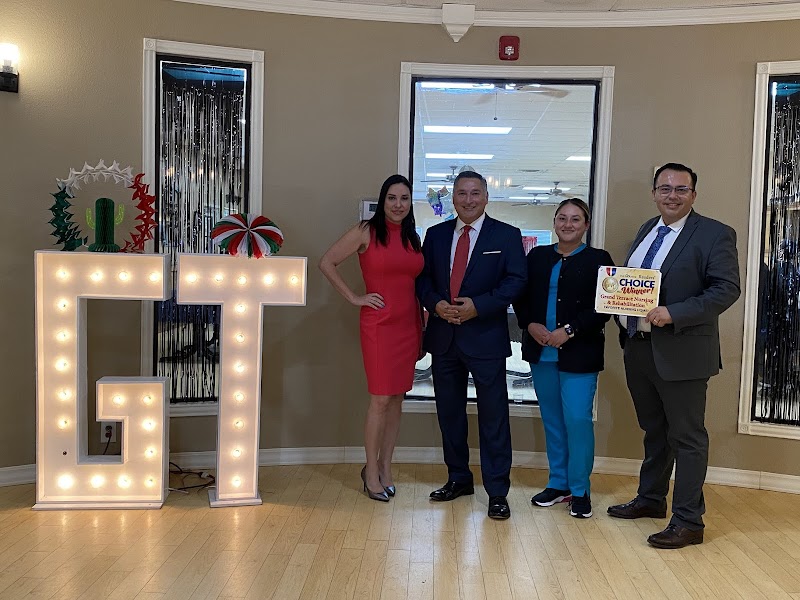
How Does Grand Terrace Rehabilitation And Healthcare Compare to Other Texas Nursing Homes?

Compared to the 100 nursing homes in Texas, GRAND TERRACE REHABILITATION AND HEALTHCARE's overall rating (5 stars) is above the state average of 2.8, staff turnover (44%) is near the state average of 46%, and health inspection rating (5 stars) is much above the national benchmark.

What Should Families Ask When Visiting Grand Terrace Rehabilitation And Healthcare?

Based on this facility's data, families visiting should ask: "Can you walk me through typical staffing levels on day, evening, and night shifts?" "Can I visit during a mealtime to observe dining assistance and food quality?" "How do you handle medical emergencies, and what is your hospital transfer rate?" "Can I speak with family members of current residents about their experience?" These questions are particularly relevant given the below-average staffing rating.

Is Grand Terrace Rehabilitation And Healthcare Safe?

Based on CMS inspection data, GRAND TERRACE REHABILITATION AND HEALTHCARE has a clean safety record: no substantiated abuse findings (meaning no confirmed cases of resident harm), no Immediate Jeopardy citations (the most serious violation level indicating risk of serious injury or death), and is not on the Special Focus Facility watch list (a federal program monitoring the lowest-performing 1% of nursing homes). The facility has a 5-star overall rating and ranks #1 of 100 nursing homes in Texas. While no facility is perfect, families should still ask about staff-to-resident ratios and recent inspection results during their visit.

Do Nurses at Grand Terrace Rehabilitation And Healthcare Stick Around?

GRAND TERRACE REHABILITATION AND HEALTHCARE has a staff turnover rate of 44%, which is about average for Texas nursing homes (state average: 46%). Moderate turnover is common in nursing homes, but families should still ask about staff tenure and how the facility maintains care continuity when employees leave.

Was Grand Terrace Rehabilitation And Healthcare Ever Fined?

GRAND TERRACE REHABILITATION AND HEALTHCARE has no federal fines on record. CMS issues fines when nursing homes fail to meet care standards or don't correct problems found during inspections. The absence of fines suggests the facility has either maintained compliance or corrected any issues before penalties were assessed. This is a positive indicator, though families should still review recent inspection reports for the full picture.

Is Grand Terrace Rehabilitation And Healthcare on Any Federal Watch List?

GRAND TERRACE REHABILITATION AND HEALTHCARE is not on any federal watch list. The most significant is the Special Focus Facility (SFF) program, which identifies the bottom 1% of nursing homes nationally based on persistent, serious quality problems. Not being on this list means the facility has avoided the pattern of deficiencies that triggers enhanced federal oversight. This is a positive indicator, though families should still review the facility's inspection history directly.