BAYBROOKE VILLAGE CARE AND REHAB CENTER
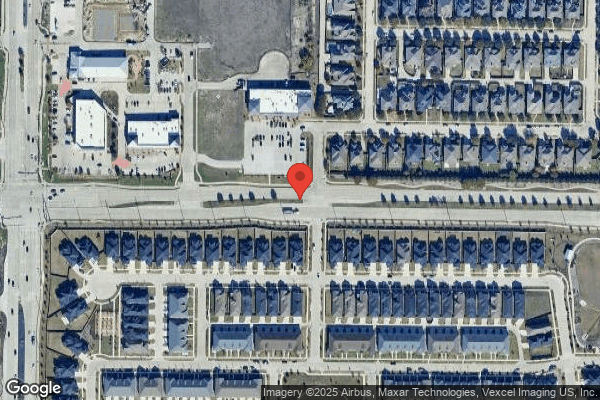
8300 ELDORADO PARKWAY WEST, MCKINNEY, TX 75070 (972) 548-9339
For profit - Limited Liability company 128 Beds STONEGATE SENIOR LIVING Data: November 2025 3 Immediate Jeopardy citations
Trust Grade
27/100
#192 of 1168 in TX
Last Inspection: January 2025

Within standard 12-15 month inspection cycle. Federal law requires annual inspections.

Overview

BayBrooke Village Care and Rehab Center has received a Trust Grade of F, indicating significant concerns about the quality of care provided. It ranks #192 out of 1168 facilities in Texas, placing it in the top half, but the low trust grade raises red flags. The facility is experiencing a worsening trend, with the number of issues rising from 4 to 8 over the past year. Staffing is below average with a 2-star rating and a turnover rate of 55%, which is close to the state average. While RN coverage is average, there have been serious incidents, including failures in pain management for residents and a critical case of sexual abuse that exposed a resident to harm. Overall, while there are some strengths, such as good quality measures, the significant issues present a concerning picture for families considering this home.

Trust Score
F
27/100
In Texas
#192/1168
Top 16%
Safety Record
High Risk
Review needed
Inspections
Getting Worse
4 → 8 violations
Staff Stability
⚠ Watch
55% turnover. Above average. Higher turnover means staff may not know residents' routines.
Penalties
○ Average
$15,642 in fines. Higher than 69% of Texas facilities. Some compliance issues.
Skilled Nurses
⚠ Watch
Each resident gets only 27 minutes of Registered Nurse (RN) attention daily — below average for Texas. Fewer RN minutes means fewer trained eyes watching for problems.
Violations
⚠ Watch
29 deficiencies on record. Higher than average. Multiple issues found across inspections.
★★★★☆
4.0
Overall Rating
★★☆☆☆
2.0
Staff Levels
★★★★★
5.0
Care Quality
★★★☆☆
3.0
Inspection Score
Stable
2024: 4 issues
2025: 8 issues

The Good

  • 5-Star Quality Measures · Strong clinical quality outcomes
  • Full Sprinkler Coverage · Fire safety systems throughout facility
  • No fines on record

Facility shows strength in quality measures, fire safety.

The Bad

Staff Turnover: 55%

Near Texas avg (46%)

Frequent staff changes - ask about care continuity

Federal Fines: $15,642

Below median ($33,413)

Minor penalties assessed

Chain: STONEGATE SENIOR LIVING

Part of a multi-facility chain

Ask about local staffing decisions and management

Staff turnover is elevated (55%)

7 points above Texas average of 48%

The Ugly 29 deficiencies on record

3 life-threatening
Apr 2025 2 deficiencies
CONCERN (D) 📢 Someone Reported This

A family member, employee, or ombudsman was alarmed enough to file a formal complaint

Potential for Harm - no one hurt, but risky conditions existed

Respiratory Care (Tag F0695)

Could have caused harm · This affected 1 resident

**NOTE- TERMS IN BRACKETS HAVE BEEN EDITED TO PROTECT CONFIDENTIALITY** Based on observation, interview, and record review, the facility failed to ensure that a resident who needed respiratory care, i...

Read full inspector narrative →
**NOTE- TERMS IN BRACKETS HAVE BEEN EDITED TO PROTECT CONFIDENTIALITY** Based on observation, interview, and record review, the facility failed to ensure that a resident who needed respiratory care, including tracheostomy care and tracheal suctioning, was provided such care, consistent with professional standards of practice, the comprehensive person-centered care plan, and the residents' goals and preferences for 1 (Resident #1) of two residents reviewed for Respiratory Care. The facility failed to ensure Resident #1's breathing mask for his nebulizer (a medical device that turns liquid medicine into mist that could be inhaled through a face mask) was properly stored when not in use on 04/23/2025. This failure could place residents at risk for respiratory infection and not having their respiratory needs met. Findings include: Record review of Resident #1's Face Sheet, dated 04/23/2025, reflected a [AGE] year-old female admitted to the facility on [DATE]. The resident was diagnosed with cough and anemia (low red blood cell). Record review of Resident #1's Quarterly MDS Assessment, dated 03/20/2025, reflected the resident was cognitively intact with a BIMS score of 13 (suggests the resident was capable of normal cognition). The Quarterly MDS Assessment indicated that the resident had anemia. Record review of Resident #1's Comprehensive Care Plan, dated 03/06/2025, reflected breathing pattern as one of the problem areas and one of the interventions was to administer medications and respiratory treatments as ordered. Record review of Resident #1's Physician Order, dated 01/07/2025, reflected ipratropium 0.5 mg-albuterol 3 mg (2.5 mg base)/3 mL nebulization soln (IPRATROPIUM BROSULFATE) 1 Solution for Nebulization Inhalation 2 times per day NEBULIZATION Dx : Cough. Observation and interview on 04/23/2025 at 8:56 AM revealed Resident #1 was in her bed, awake. A breathing mask was stored on top of the resident's right-side table. She said she had not received her morning breathing treatment because she preferred to have it after she was done with breakfast. She said the nurse would come to administer the breathing treatment and would come back to check if the treatment was done. She said if the treatment was done, the nurse would take it off. She said she was not aware where the nurse put it after taking it off. Observation on 04/23/2025 at 9:39 AM revealed Resident #1's breathing mask was inside a plastic bag. In an interview on 04/23/2025 at 11:19 AM, ADON A stated the breathing mask was supposed to be in a bag when the resident was not using it to prevent cross contamination and worsening of any respiratory issues. She said the expectation was for the staff to be mindful and make sure the breathing was bagged after administering the breathing treatment. She said it did not matter if the order was daily or as needed, the breathing mask must be in a plastic bag to keep it clean. She said he would conduct an in-service about respiratory care specifically about bagging; not just the breathing mask but also the nasal cannula, yankauer, and CPAP masks. In an interview on 04/23/2025 at 12:35 PM, the Administrator stated everything the residents were using should be kept clean to prevent infection. He said he would coordinate with the ADON to educate and re-educate the nursing staff to bag the breathing mask if not in use. In an interview on 04/23/2025 at 12:18 PM, LVN C stated she was the one providing Resident #1's breathing treatment. She said she had not given the resident's breathing treatment for the day because the resident was done with her breakfast. She said she saw the breathing mask during her round, but it did not occur to her to bag it or change it. She said, most probably, she forgot to bag the breathing mask when she took it off the day prior. She said the breathing mask should be in a bag when the resident was not using it to prevent infection. She said she changed the breathing mask before administering the resident's breathing treatment and placed it in a bag after the treatment was done. Record review of the facility's policy, Oxygen Therapy - Discontinuation clinical operations revised January 12, 2020 revealed Procedures: 6. Remove cannula prong or mask from humidifier or regulator. (Discard if oxygen is not to be given again; or place in plastic bag if oxygen is to be administered on a PRN basis. Label and date.).
CONCERN (D) 📢 Someone Reported This

A family member, employee, or ombudsman was alarmed enough to file a formal complaint

Potential for Harm - no one hurt, but risky conditions existed

Infection Control (Tag F0880)

Could have caused harm · This affected 1 resident

**NOTE- TERMS IN BRACKETS HAVE BEEN EDITED TO PROTECT CONFIDENTIALITY** Based observation, interview, and record review, the facility failed to establish and maintain an infection prevention and contr...

Read full inspector narrative →
**NOTE- TERMS IN BRACKETS HAVE BEEN EDITED TO PROTECT CONFIDENTIALITY** Based observation, interview, and record review, the facility failed to establish and maintain an infection prevention and control program designed to provide a safe, sanitary, and comfortable environment and to help prevent the development and transmission of communicable diseases and infections for one (Resident #2) of 2 residents reviewed for Infection Control. The facility failed to ensure CNA B performed hand hygiene and changed her gloves while providing incontinent care to Resident #2 on 04/23/2025. This failure could place residents at risk of cross-contamination and development of infections. Findings included: Record review of Resident #2's Face Sheet, dated 04/23/2025, reflected a [AGE] year-old male who was admitted to the facility on [DATE]. The resident was diagnosed with urinary tract infection. Record review of Resident #2 Quarterly MDS Assessment, dated 01/23/2025, reflected the resident was cognitively intact with a BIMS score of 14. The Quarterly MDS Assessment indicated the resident was dependent on staff for toilet hygiene. Record review of Resident #2's Comprehensive Care Plan, dated 02/05/2025, reflected the resident was at risk for problems with elimination and one of the goals was to assist the resident with incontinence. Observation on 04/24/2025 at 10:31 AM revealed CNA B was about to transfer Resident #2 to his wheelchair. She said she would do incontinent care first before the transfer. CNA B washed her hands, put on a pair of gloves and a gown. She unfastened the resident's brief and pushed it between the resident's legs. CNA B then went at the foot of the bed and took the trash can and placed it beside her. She proceeded to clean the resident's perineal area (area between the legs). After cleaning the perineal area, she went to the resident's closet and took a brief. After taking the brief from the closet, she opened it and put it beside the resident. She did not change her gloves after touching the trash can, before cleaning the resident's perineal area, and before touching the new brief. She rolled the resident and cleaned the resident's bottom. After cleaning the resident's bottom, she pulled the soiled brief, and threw it on the trash can. She then took the new brief from the resident's side, put it under the resident, and fixed it. She did not change her gloves and sanitized her hands after cleaning the bottom and before touching the new brief. After fixing the brief, she took off her gloves, and washed her hands. In an interview on 04/23/2025 at 11:01 AM, CNA B stated she should have changed her gloves after touching the trash can because the trash can was obviously dirty. She said she also should have changed her gloves after cleaning the perineal area and before opening the new brief. She also said she also should have changed her gloves after cleaning the resident's bottom and before touching the new brief again. She said she did not do any hand hygiene all throughout incontinent care. She said she would be mindful to change her gloves after touching something dirty and do hand hygiene. In an interview on 04/23/2025 at 11:19 AM, ADON A stated CNA B told her she did not change her gloves during Resident #2's incontinent care. She said she reminded CNA B to change her gloves after touching something dirty or presumed dirty to prevent cross contamination and urinary tract infection. She said she also reminded CNA B to do hand hygiene during incontinent care. She said the expectation was for the staff to change their gloves form dirty to clean and to do hand hygiene as appropriate. She said she would do a one-on-one in-service with CNA B and then would also do an in-service for all the staff. In an interview on 04/23/2025 at 12:35 PM, the Administrator stated not changing the gloves when going from soiled to clean, could contribute to cross contamination and infection. He said the expectation was for the staff to follow the policy and procedures pertaining to infection control. He said the ADON already did a one-on-one in-service for CNA B and would also in-service all the staff about infection control. Record review of the facility's policy, Hand Hygiene for Staff and Residents Infection Control revised February 2025 revealed Purpose: To reduce the spread of infection with proper hand hygiene . Policy: Proper hand hygiene technique is completed whenever hand hygiene is indicated . Procedure: . After . A. contact with soiled or contaminated articles, such as articles that are contaminated with body fluids . C. contact with a contaminated object or source where there is a concentration of microorganisms . H. removal of medical/surgical or utility gloves.
Jan 2025 6 deficiencies
CONCERN (D)

Potential for Harm - no one hurt, but risky conditions existed

Accident Prevention (Tag F0689)

Could have caused harm · This affected 1 resident

**NOTE- TERMS IN BRACKETS HAVE BEEN EDITED TO PROTECT CONFIDENTIALITY** Based on observation, interview, and record review the facility failed to ensure residents receive adequate supervision and assi...

Read full inspector narrative →
**NOTE- TERMS IN BRACKETS HAVE BEEN EDITED TO PROTECT CONFIDENTIALITY** Based on observation, interview, and record review the facility failed to ensure residents receive adequate supervision and assistance devices to prevent accidents for one of two residents (Resident #38) reviewed for quality of care The facility failed to ensure LVN F and CNA J used a gait belt when transferring Resident #38 from her wheelchair to bed on 01/28/25. These failures could place residents at risk for discomfort, pain, falls, injuries, and skin tears. Findings included: Record review of Resident #38's quarterly MDS assessment, dated 01/14/25 reflected an [AGE] year-old male admitted to the facility on [DATE]. Resident #38 was severe cognitively impaired with a BIMs of 06. He had limited range of motion of both lower extremities, required total assistance with transfer from chair to bed/bed to chair. stroke, non-traumatic brain dysfunction, progressive Neurological Conditions, neurological Conditions, amputation, hip and knee replacement and fractures and multiple traumas. Review of Resident #38's care plan revised on 10/23/24 reflected, Resident #38 at risk for fall related to actual fall, history of Parkinson disease and fall risk score of 7-18. Goal, Resident at Risk for Falls resident safety will be maintained over the next 90 days, intervention, Assess for potential fall-related injury prevention, looking at circumstances, location, medication, new or worsening medical problems . make sure that staff members are aware that resident is at high risk for falls . Review of Resident #38's activities of daily living care on 01/28/25 reflected the resident required a gait belt during transfer. In an observation on 01/28/25 at 10:37 AM, revealed Resident #38 was in the wheelchair and a sling on the chair. Resident stated he wanted to be assisted to get to bed, he stated he had been waiting for a while to get in bed. LVN F was on the hallway and was made aware the resident wanted to go to bed. In an observation on 01/28/25 at 10:42 AM, revealed LVN F and CNA enter Resident #38's room. Upon entering the room, CNA J was observed placing Resident #38 in bed without use of a gait belt or Hoyer lift. In an interview on 01/28/25 at 10:47 AM, LVN F stated if there were two females assisting the resident to bed they will use the Hoyer lift, but if there was a male staff, they were able to transfer the resident without the Hoyer lift. LVN F then stated they were supposed to use the gait belt if they did not use the Hoyer, but they did not have a gait belt with them at the time of the transfer. LVN F stated CNA J picked the resident up from the chair and placed him in bed. LVN F stated the transfer was not appropriate because can J was supposed to use a gait belt and two persons during the transfer. LVN F stated failure to use a gait belt during transfer placed the resident at risk for fall, discomfort and fracture. In an interview on 01/28/25 at 10:52 AM, CNA J stated the resident was able to hold onto him and he was able to transfer the resident and he did not use the gait belt or the Hoyer lift. CNA J stated he was supposed to use the gait belt, but he did not have the gait belt at the time of the transfer. CNA J stated there were gait belts in the storage that he could have used to transfer. CNA J stated failure to use the gait belt during transfer placed a resident at risk for fall. In an interview on 01/30/25 at 11:52 AM, the DON stated Resident #38 used a gait belt with transfer because of the contracture he was not able to use the Hoyer lift. The DON stated she expected the staff to use the gait belt per the care plan during transfer. The DON stated failure of the staff to use the gait belt during transfer placed the resident at risk for fall or if handled under his arms could cause dislocation. Review of the facility policy revised 06/19/2023, titled ADL Care - Transfer Techniques reflected, Staff will provide safe and effective transfer techniques for residents in accordance to standard practice guidelines.
CONCERN (D)

Potential for Harm - no one hurt, but risky conditions existed

Tube Feeding (Tag F0693)

Could have caused harm · This affected 1 resident

**NOTE- TERMS IN BRACKETS HAVE BEEN EDITED TO PROTECT CONFIDENTIALITY** Based on observation, interview and record review, the facility failed to provide treatment and services to prevent complication...

Read full inspector narrative →
**NOTE- TERMS IN BRACKETS HAVE BEEN EDITED TO PROTECT CONFIDENTIALITY** Based on observation, interview and record review, the facility failed to provide treatment and services to prevent complications of enteral feeding for one of two residents (Resident #39) reviewed for feeding tubes. 1. The facility failed to ensure LVN F flushed Resident #39's feeding tube by gravity and not by pushing water by the plunger during medication administration. 2. The facility failed to ensure LVN F checked Resident #39's feeding tube placement and residual when starting a feeding. These failures could affect residents by placing them at risk of abdominal discomfort and obstruction of the G-tube. Findings included: Review of Resident #39's face sheet dated 01/29/25 revealed, the resident was a 69- year old female, admitted to the facility on [DATE]. Her diagnoses include chronic obstructive pulmonary disease, type 2 diabetes, anemia, and stage 4 pressure ulcer to the sacrum. Review of Resident #39's quarterly MDS assessment dated [DATE] reflected the resident had a BIMS score of 04 indicating severe cognitive impairment. Resident required assistance with activities of daily living. Resident #39 had a feeding tube and received 25 -50% of total calories. Review of Resident #39's care plan revised 01/15/25 reflected, altered nutritional status, goal, resident will have no sign and symptoms of aspiration, intervention, monitor tolerance of tube feeding. Observation on 01/28/25 at 01:45 PM, revealed Resident #39 was in the wheelchair. LVN F entered the resident's room with a bottle of feeding and stated she was going to re-start the resident's feeding. LVN F then proceeded to connect the feeding tube and started the feeding without checking placement or residual. In an interview on 01/28/25 at 01:52 PM, LVN F stated she was supposed to check for placement and residual, but she forgot. LVN F stated she was supposed to check for placement and residual to make sure the feeding tube was at the right place and check for residual to make sure the resident did not have too much in her stomach. LVN F stated failure to check placement and residual could have negative effects on the resident like aspiration. In an observation on 01/29/25 at 11:05 AM, revealed LVN F entered Resident #39's and positioned the resident and then paused the feeding tube. LVN F then proceeded to flush the feeding tube by pushing the water with the plunger. LVN F then administered the medication with gravity and flushed after medication administration. In an interview on 01/29/25 at 11:18 AM, LVN F stated she was supposed to let water flow by gravity, but she forgot. LVN F stated she was not supposed to push the water with the plunger. LVN F stated she was supposed to let water flow by gravity to prevent discomfort. In an interview on 01/30/25 at 11:44 AM, the DON stated the staff was supposed to follow the physician orders. The DON stated LVN F was not supposed to push water through the g-tube, she was supposed to administer the water flow by gravity because it would cause discomfort and could cause nausea to the resident. The DON stated she expected LVN F to check the feeding tube placement and residual before starting the feeding to make sure the resident was digesting well, and she was not retaining the feeding in the stomach which could lead to aspiration . Review of the facility policy dated 05/19/23, titled enteral nutrition for closed system nasogastric, nasointestinal, jejunal and gastric feeding tubes, reflected, Enteral nutrition therapy will be performed in a safe manner by qualified licensed nurses according to standard practice guidelines.6. Verify placement by aspiration of the stomach contents, except jejuna and nasointestinal feeding tubes. 7. Check for bowel sounds and gastric residual amount.
CONCERN (D)

Potential for Harm - no one hurt, but risky conditions existed

Unnecessary Medications (Tag F0759)

Could have caused harm · This affected 1 resident

**NOTE- TERMS IN BRACKETS HAVE BEEN EDITED TO PROTECT CONFIDENTIALITY** Based on observations, interviews, and record reviews, the facility failed to ensure a medication error rate below 5%, for 39 me...

Read full inspector narrative →
**NOTE- TERMS IN BRACKETS HAVE BEEN EDITED TO PROTECT CONFIDENTIALITY** Based on observations, interviews, and record reviews, the facility failed to ensure a medication error rate below 5%, for 39 medication administration opportunities with 6 errors resulting in a 15% medication error rate, for 3 of 6 residents (Residents #66, #42, & #00) reviewed for medication administration. 1. RN G failed to administerAcetaminophen 500 mg per physician order, medication was administered at 09:30 and the medication was scheduled at to be administered at 12 pm. 2. RN G failed to administer Resident #42 Olmesartan during medication administration that was scheduled at 8 am. 3. RN G failed to administer Resident #00 medication per physician orders, medications scheduled at 8 am was administered at 11:15 am This deficient practice placed residents at risk for not receiving therapeutic effects of their medications and possible adverse reactions. The findings included: Record review of Resident #66's admission record dated 1/30/2025 revealed an admission date of 08/26/22 with diagnoses which included fracture of shaft of left femur, chronic obstructive pulmonary disease, acute respiratory failure with hypoxia, Muscle weakness (generalized), abnormalities of gait and mobility and disorders of muscle. Record review of Resident #66's quarterly assessment MDS dated [DATE] revealed Resident #66 had a BIMS score of 11, indicating mild cognitive impairment. Record review of Resident #66's care plan dated 11/07/24 revealed, acute pain, goal, Resident will report or demonstrate relief of pain every day over the next 90 days, intervention, Administer pain medications as ordered. Record review of Resident #66's physicians orders dated January 2024 revealed the physician prescribed for Resident #66 to receive the following medications : MiraLAX 17 gm by mouth 1 time a day, at 8am Tylenol extra strength 500 mg every 6 hours, at 6am, 12p, 6p Sucralfate 1 gm 1 tablet, at 6:30am, 11:30am, 4:30pm, 8pm, 12am Buspirone 15 mg 1 tablet, at 8am Gabapentin 600 mg 1 tablet, Metoprolol 50 mg, at 8am and 8pm Nifedipine 90 mg, at 8am Prilosec 20 mg, at 7 am Observation on 01/28/25 at 09:30 AM, revealed RN G administered the following medications to Resident #66; Gabapentin 600 mg 1 tablet. Sucralfate 1 gm 1 tablet Buspirone HCL 15 mg 1 tablet Acetaminophen 500 mg 1 tablet MiraLAX 17 gm Metoprolol and Nifedipine - Held due to low blood pressure. Prilosec 20 mg - not available Review of Resident #66's medication administration record dated 01/30/25 reflected Acetaminophen 500 mg was scheduled to be administered at 12pm. 2. Record review of Resident #42's admission record dated 01/30/25 revealed an admission date of 05/03/18 with diagnoses which included fracture of left lower leg, subsequent encounter for closed fracture with routine healing, hypothyroidism, gastro-esophageal reflux disease without esophagitis, vitamin deficiency, depression, unspecified, abnormalities of gait and mobility, unsteadiness on feet and weakness. Record review of Resident #42's annual assessment MDS dated [DATE] revealed Resident #42 had a BIMS score not filled ((resident was unable to complete Brief Interview for Mental Status). Record review of Resident #42's physicians orders dated January 2024 revealed the physician prescribed Resident #42 to receive the following medications : Escitalopram 10 mg (take with 7.5 mg) one time, at 8am Metoprolol ER 100 mg (Do not crush) one time, at 8am Vitamin C 500 mg two times daily, 8am and 8pm Tramadol 50 mg one time daily, at 8am Optimum (eye support) two times daily, at 8am and 8pm AZO cranberry 1 capsule two times daily, at 8am and 8pm Vitamin D 25 mcg (1000 iu) 2 tabs Vitamin B-12 500 mcg one time, at 8am Daily multi-vitamin one time, at 8am Potassium chloride 10 milliequivalent, at 8am Olmesartan 40 mg one time, 8am Observation on 01/28/25 at 09:59 AM revealed RN G administered the following medications to Resident #42. Escitalopram 10 mg 1 tablet Metoprolol ER 100 mg (Do not crush) 1 tablet. Vitamin C 500 mg 1 tablet Tramadol 50 mg 1 tablet Optimum (eye support) 1 tablet AZO cranberry 1 capsule Vitamin D 25 mcg (1000 iu) 2 tablet Vitamin B-12 500 mcg 1 tablet Daily multi-vitamin 1 tablet Escitalopram 5 mg 1 tablet Potassium chloride not available Review of Resident #42's medication administration record dated 01/30/25 reflected RN G failed to administer Olmesartan 40mg that was scheduled at 8am. Record review of Resident #00's admission record dated 01/29/25 revealed an admission date of 01/27/25 with diagnoses which included abnormalities of gait and mobility, presence of left artificial hip joint, hyperlipidemia, chronic obstructive pulmonary disease, major depressive disorder, Type 2 diabetes mellitus, hypertension, and muscle spasm of back. Record review of Resident #00 dated 01/27/25 reflected it was not completed because Resident #00 was recently admitted to the facility. Record review of Resident #00's physician order review dated January 2024 revealed physician prescribed the following medications : Baclofen 10 mg 1 1/2 tablets three times daily, at 8am, 12pm, 8pm Lisinopril 10 mg 1 tablet, at 8am Gabapentin 400 mg 1 capsule three times daily, at 8am, 12pm, 8pm Meloxicam 15 mg 1 tablet, at 8am Observation on 01/28/25 at 11:15 AM revealed RN G administered the following medication to Resident #00: Baclofen 10 mg - 1 1/2 tablets. Lisinopril 10 mg 1 tablet Gabapentin 400 mg 1 capsule Meloxicam 15 mg 1 tablet Record review of Resident #00 medication administration record dated 01/30/25 reflected medications, Baclofen 10 mg - 11/2 tablet, Lisinopril 10 mg 1 tablet, Gabapentin 400 mg 1 capsule and Meloxicam 15 mg 1 tablet were scheduled to be administered at 8am. In an interview on 01/30/25 at 10:25 AM, with RN G she confirmed she administered the medications late and she did not follow the medication guidelines of one hour before and one after. RN G stated she was late to administer medications because she had a lot of residents to administer medications to . RN G stated she was supposed to follow the 5 rights of medication administration: dose, patient, time, dose and route. RN G stated medications administered not at the right time could be ineffective and if there was another dose scheduled at noon could lead to an overdose to the residents. RN G stated she was supposed to follow the physician orders and administer all medications . In an interview on 01/30/25 at 11:59 AM, the DON stated RN G was supposed to be given medication within the time frame which is one hour before and one hour after. The DON stated the residents were to be administered all the scheduled medications, and if not available the staff were to notify the resident's primary care provider. The DON stated the risk for the resident for being given medications late could cause negative effects to the resident like the medications being ineffective. The DON stated the facility completed in-service on June, 2024 on medication administration . Review of the facility policy dated 2007 and titled Medication Administration reflected, Medications are administered as prescribed in accordance with manufacturers' specifications, good nursing principles and practices and only by persons legally authorized to do so.14. Medications are administered within 60 minutes of scheduled time, except before or after meal orders, which are administered based on mealtimes. Unless otherwise specified by the prescriber, routine medications are administered according to the established medication administration schedule for the nursing care center.
CONCERN (E)

Potential for Harm - no one hurt, but risky conditions existed

Deficiency F0806 (Tag F0806)

Could have caused harm · This affected multiple residents

**NOTE- TERMS IN BRACKETS HAVE BEEN EDITED TO PROTECT CONFIDENTIALITY** Based on observation, interview and record review, the facility failed to ensure each resident received food that accommodated t...

Read full inspector narrative →
**NOTE- TERMS IN BRACKETS HAVE BEEN EDITED TO PROTECT CONFIDENTIALITY** Based on observation, interview and record review, the facility failed to ensure each resident received food that accommodated their preferences for 3 (Resident #40, Confidential #1 and #2) of 8 residents reviewed for dietary services . 1. The facility failed to honor Resident #40's preferences and recommendations as indicated on his menu . 2. The facility failed to honor the preferences of Confidential Resident #1 as indicated on their menu selections. 3. The facility failed to honor Confidential Resident #2's wishes and continued to send the wrong food items on their tray. This failure could place residents at risk for not having their choices and food preferences accommodated, possible weight loss and a diminished quality of life. Findings included: 1. Record review of Resident #40's Face Sheet dated 1/29/25 indicated he was a [AGE] year-old male admitted to the facility on [DATE]. Record review of Resident #40's Annual MDS assessment dated [DATE] reflected he had a BIMS score of 13 indicatedhe was cognitively intact. His diagnoses included coronary artery disease, diabetes mellitus, stroke, paraplegia, anxiety, and depression. He had venous and arterial ulcers present. Record review of Resident #40's Consolidated Orders dated 1/30/25 reflected: DIET: thin liquids; RCS; Large Portions only protein (Meat/eggs). During an observation and interview on 1/28/25 at 10:40 AM, Resident #40 was observed in his room, in bed. He had a small refrigerator and multiple food items and snacks on his bedside table, nightstand and dresser. When discussing meals served at the facility, he stated no one reads the meal tickets, I circle what I want and get something else. The ticket will say 'pork chop' and a hamburger comes. He stated he had spoken with someone in the kitchen twice about it and they will say they don't have this or that. He stated he stopped complaining about it and his family brought him food from a nearby grocery store. Resident #40 stated the kitchen provided menu tickets so they could circle the items they wanted but it usually did not do any good. During an observation and interview on 01/28/25 at 1:14 PM, Resident #40 was observed in bed with his lunch tray on his bedside table. The ticket on his tray reflected he had circled the following items as his choices: Baked pork chop, German potato salad, tossed salad, crispy rice dessert bar and tea. Notes: Large portion protein (meat/eggs) only. He pointed at his plate which had only a bone from one pork chop on it. He stated he didn't know what happened to the potato salad. The rest of the plate was clean. He had a small, tossed salad in a separate bowl and a krispy rice dessert. He stated he was supposed to get double protein and only got one pork chop. No potato salad was provided. A bowl of ravioli was observed next to his tray. Resident #40 stated it was not uncommon and happened a lot. He stated he did not bother complaining about it anymore unless he was really hungry for it. He stated he had asked a staff member to heat up some ravioli from his personal stock for him and they did. 2. During an observation and interview on 1/28/25, Confidential Resident #1 was observed sitting up in bed, was awake and alert. A lunch tray was delivered, and the resident stated they did not like the food very much. They stated the meal tickets did not always match the meal provided or have what they had circled as a preference. Their tray ticket reflected they had selected a pork chop, German potato salad, dinner role, crispy rice dessert, soup of the day and a shake. Dislikes: pasta, rice, salad . There was no potato salad on the plate and there was a side salad on the tray. Confidential Resident #1 stated they had complained before felt the staff did not understand so they dropped it. Another observation and interview with Confidential Resident #1 on 1/29/25 revealed they were sitting up in bed with the lunch tray situated in front of them The selections on the tray ticket reflected they had circled Creamy mushroom chicken, squash medley, peach cobbler, and dinner roll. The ticket still reflected, Dislikes: Pasta, rice, salad. Observation of the meal revealed a chicken breast with gravy, squash, pasta, and cobbler. The resident stated they had already eaten the dinner roll but did not have an appetite for anything else. During an interview on 1/30/25 at 8:10 AM, ADON A stated the hall meal tickets and trays were checked first in the kitchen then again on the halls by the charge nurses and CNAs. She stated the charge nurses were responsible for ensuring the residents received the correct meal. 3. During an observation and interview on 1/30/25, Confidential Resident #2 was observed sitting up in bed. Their breakfast tray was delivered and set up in front of them. They stated the food was ok and breakfast was correct, but sometimes got different food than what they ordered. They stated they complained about it a few times but did not say much about it anymore. Confidential Resident #2 stated the food was beginning to taste better and they were still getting the wrong trays and hoped that would improve soon. During an interview on 1/30/25 at 8:58 AM, LVN H stated the charge nurses and CNAs were responsible for checking the meal trays to their tickets and they were sometimes incorrect. She stated the main focus was to ensure they received the correct texture and liquid type such as mechanical soft and thin liquids. She stated she could not recall hearing anyone complain about their meals. LVN H stated she did not recall noticing no trays had potatoes on 1/28/25 or that Resident #40 had not received his extra protein. She stated the risk to residents was they may not get what they requested and not eat. During an interview on 1/30/25 at 9:00 AM, CNA B stated she had not noticed Resident #40 was missing his potatoes and extra meat on 1/28/25. She stated sometimes the kitchen got the orders wrong and she would go and tell them. She stated they were sometimes rude to her and would not would not always fix it. I've gone several times and they have been rude, I told [DON]. Go ask Resident #40, his is wrong a lot. Sometimes I heat his food for him if he does not want his tray. Yesterday he sent his tray back, it was ok, but he just did not want it and wanted his own food. She stated the risk was upsetting the residents. During an interview on 1/30/25 at 9:10 AM, LVN F stated the nurses checked the trays for accuracy when they come to the hall. She stated a lot of times, residents write in special requests and the kitchen may not have those things available. LVN F stated, We definitely focus on textures, but sometimes preferences are missed. She stated she did not recall hearing complaints from residents, and they could go to the kitchen if they did. She denied having experienced kitchen staff being rude to her. She stated the risk was making residents unhappy. During an interview on 1/30/25 at 10:26 AM, the DON stated the kitchen staff were required to check the meal tickets before they left the kitchen, and the nurses were responsible for checking the trays before passing them to the rooms. She stated they were to check to ensure the diet was the correct texture, correct order and followed the resident's preferences. The DON stated CNAs had previously reported to her that kitchen staff were rude to them if they went to request corrections. She was uncertain when she had received the report. She stated she had discussed the matter to the Dietary Manager, but he was out today. She stated she would follow-up with him when he returned. The DON stated the risks to residents included weight loss due to not eating, not receiving benefits of special diets, and experiencing feelings of not being heard. During an observation and interviews on 1/30/25 at 12:17 PM, kitchen staff were observed preparing trays in the kitchen. They were reading resident tickets and plating food. The Regional Dietary Consultant was monitoring the staff and stated she was helping that day because the Dietary Manager was out. The Regional Dietary Consultant stated she was generally at the building 1 to 2 times a week and was there on 1/28/25. She stated she was unaware of any issues with the lunch meal on 1/28/25. She stated she had just learned that week there had been complaints from the residents about the trays. She stated she had never heard anything about the staff being rude to nursing staff. When the Regional Dietary Consultant was informed about the lack of potatoes and extra protein portions for Resident #40, she retrieved his ticket and located the note reflecting Large Portion Protein (Meat/eggs) only was located at the bottom of the ticket. She stated it was possible the staff had overlooked it. The Regional Dietary Consultant stated the kitchen staff and nursing staff were responsible for checking the meal tickets to the trays. She stated, ideally, if something was missing, they would come and let them know. She stated the risk to residents receiving the wrong food or not having their preferences honored was it could make them sad and feel not heard and some residents could experience weight loss. [NAME] I joined the conversation and stated she had been there all week. She stated she had made the decision to replace the German potato salad on 1/28/24 with macaroni salad because she had a lot of left over macaroni and did not want it to go to waste. She stated she was allowed to make occasional substitutions and the information was usually communicated to the nursing staff so they could let the residents know. She could not recall whether the information had been communicated that day. She stated she was unsure why Resident #40's tray had no macaroni or extra protein. [NAME] I denied ever hearing the kitchen staff being rude to nursing staff. She stated they believed the residents were sometimes confused filling out their tickets and she believed they needed assistance. She stated some residents would circle everything on the ticket leading to a lot of food waste and she believed there were communication issues. The Regional Dietary Consultant reviewed a stack of menu tickets and stated she believed they could improve the layout to make it easier for the residents and staff to read. She stated there had been ongoing efforts to improve the dietary service and communication between staff and residents. Record review of the facility's undated policy, Selective Menus, reflected: Selective menus will be provided to all residents in accordance with their prescribed diet. Procedure: l. Selective menus are provided to all residents who choose to make their own menu selections. Assistance from family or staff is encouraged for those residents who cannot select their own menus. 2. The select menu will identify the resident's name, room number, allergies, and diet. 3. Facility staff may assist in the delivery of menus and in the menu selection process as deemed necessary. 4. Facility staff will guide/counsel residents, if needed, on appropriate choices for their therapeutic diets and will document accordingly in the medical record. 5. If a resident does not make menu selections, the default menu will be the standard facility menu. Known preferences and allergies will be honored during the process.
CONCERN (E)

Potential for Harm - no one hurt, but risky conditions existed

Food Safety (Tag F0812)

Could have caused harm · This affected multiple residents

**NOTE- TERMS IN BRACKETS HAVE BEEN EDITED TO PROTECT CONFIDENTIALITY** Based on observations, interviews, and record review, the facility failed to store, prepare, distribute, and serve food in accor...

Read full inspector narrative →
**NOTE- TERMS IN BRACKETS HAVE BEEN EDITED TO PROTECT CONFIDENTIALITY** Based on observations, interviews, and record review, the facility failed to store, prepare, distribute, and serve food in accordance with professional standards for food service safety for 1 of 1 kitchen reviewed for kitchen safety. 1. The facility failed to ensure food in the facility's dry storage, refrigerator, and freezer areas were labeled and dated according to guidelines. 2. The facility failed to seal open items in plastic bags in the dry storage pantry, refrigerator, and freezer areas. 3. The facility failed to ensure that expired items in the dry storage pantry, refrigerator and freezer areas were removed. These deficient practices could affect residents who received meals and/or snacks from the main kitchen and place them at risk for cross contamination and other air-borne illnesses. Findings Included: Observation of the kitchen during the brief initial tour of the kitchen on 01/28/2025 at 9:15 AM, revealed the following: Dry storage area *One open clear container with 4 bags of vanilla wafers with an expiration date, 12/31/24, *Nine unopened packages of La Banderita Flour Tortillas with an expiration date of 01/22/25, *One Ziplock bag with opened tortillas labeled with expiration date 12/26, *One box labeled Block & Barrel with an unsealed blue bag inside with pretzel sticks, *One bag of Sysco Instant Vanilla Pudding Mix; ¼ of the package remained tied in a knot in an unsealed bag, *One Hershey Cocoa Mix unlabeled in a plastic white bag enclosed by Ziploc bag that has a hole in the bag, *One clear container with red lid labeled Cocoa partially open, *One Brownie mix opened with a plastic tie knot, *One 28oz dented can of [NAME] Red Pimentos Diced on the shelf with 5 other undented cans, * One dented can of Musselman's Sliced Apples on the shelf with undented cans, *One 6.6lb dented can of La [NAME] Enchilada Sauce on the shelf with undented cans, * One 6lb dented can of Sysco Spaghetti Sauce on the shelf with undented cans, *One 6.6lb dented can of [NAME] Monte Lite Dices Pears on the shelf with 2 undented cans in a pallet, *One 50oz dented can of Campbell's Vegetable Stock Soup on the shelf, *One 5 lb. jar of Sysco creamy peanut butter that was unsealed, and * Black & Barrel Potato Chips not labeled in a sealed Ziploc bag. Refrigerator area *One Ziploc bag of shredded cheese not dated, * One unsealed clear plastic container of Grape jelly, *One pan labeled Mac Salad unsealed with a spoon in it, *One bag of opened unsealed carrots, * One gallon of 2 % milk with an expiration date of 1/28/25, opened and not sealed with milk spoiled around the cap in a black crate with 3 unopened gallons of 2 % milk, *One 5 gallon container of Best Maid Hamburger Sliced Pickles unsealed, *One 5lb [NAME] Deli Salad unsealed, and *One 25lb Chef Grade Hard Cooked Peeled Eggs in an unsealed container. Prep Area: *One clear container with a blue lid labeled brown sugar dated 12/18 unsealed. The containers of loose sugar, rice and flour had lids that were not labeled: - The white container with the rice had a scoop inside of the container. - The white container with the flour had a scoop inside of the container. - The white container with the loose sugar had a scoop inside of the container. In an interview with the Regional Dietary Manager on 1/28/25 at 10:45 AM, stated all staff are responsible for ensuring items in the kitchen's dry pantry, refrigerator, and freezer areas are not expired and unsealed. She stated she would audit everything in the kitchen to ensure there were not any unopened and expired items in the dry pantry, refrigerator and freezer areas. She stated she would throw away all expired items in the kitchen and the unsealed items as well. She stated her expectation was for staff to throw away any items that are expired or opened in the kitchen's dry pantry, refrigerator and freezer areas and notify herself or the Dietary Aide of what they found. She stated staff have received several in-services relating to food preparation, store, labeling and immediately removing expired items. She stated staff have been trained and educated when they are restocking to place the items already on the shelf in the front and the new items behind the items that were already shelved. She stated she would throw away the expired items in the kitchen and retrain and reeducate the staff via in-service trainings. In an interview with [NAME] B on 12/03/24 at 11:30 AM, she stated that she had been employed at the facility for 5 years. She stated that she was unaware that there were expired and unsealed items in the dry storage, refrigerator, and freezer areas. She stated that all the staff were responsible for storing the items on the shelf and checking the expiration dates on everything in the kitchen. She stated that she had taken in-service trainings on food preparation and storage and her last in-service training was two weeks ago. She stated that if a staff member sees an item(s) that are expired, the staff member was to throw the item away in the trash can and then inform the Dietary Manager or Dietary Aide what they threw away. She stated that everything in the dry storage, freezer and refrigerator should be labeled and dated. [NAME] B stated that if someone ingested food that had been cross-contaminated, there was a risk that someone could get an airborne illness and potentially cause harm and sickness. She stated that with food in the dry pantry, refrigerator and freezer areas being unsealed and expired items can cause anyone who ingests the food to have an airborne illness an become sick and cause them harm. In an interview with the Dietary Aide on 1/28/25 at 11:48 PM, she stated that she had been employed at the facility for 9 months. She stated that she was unaware that there were expired and unsealed items in the dry storage and freezer areas. She advised that all the staff were responsible for storing the items on the shelf and checking the expiration dates on everything in the kitchen. She stated that her expectations for all staff in the kitchen is to use the First In, First Out Method, which means that kitchen staff should label the food with the dates they store them, and when staff are restocking the shelves, they are to put the older foods in front or on top so they can be used first. She stated that this system allowed the kitchen staff to find the food quickly and use it more efficiently. She stated the Dietary Manager In-Services staff on food storage, labeling and dating and removing expired items from the shelves in the dry pantry, freezer, and refrigerator areas. She stated that there are risks of airborne illness anytime someone that ingest food items from the kitchen any items that have not been label and stored properly. Record review of the facility's policy titled Food Storage dated, 2018 reflected, Sufficient storage facilities are provided to keep foods safe, wholesome, and appetizing. Food is stored, prepared, and transported at an appropriate temperature and by methods designed to prevent contamination, Procedure: 1. Storeroom: The storeroom is well-ventilated and well lit. Air-tight containers or bags are used for all opened packages of food. All containers are accurately labeled with the item and date opened. Chemicals are stored in an area away from food. Scoops and storage bins are routinely washed and sanitized. All stock is rotated with each new order received using a First In, First Out system. Food is stored a minimum of 6 inches above the floor and 18 inches from the ceiling on clean racks or shelves, and is protected from splash, overhead pipes, or other contamination. Emergency supplies of food and disposables are stored in a designated area of the storeroom. 2. Refrigerator: Every refrigerator is equipped with an internal thermometer. Temperatures for refrigerators are at or below 40 degrees Fahrenheit. Temperatures are checked at least twice daily. (See Refrigerator/Freezer Temperature Log). All perishable food is refrigerated immediately to ensure nutritive value and quality. All foods are stored to allow air circulation. Opened containers of thickened liquids are stored in the refrigerator with both open and discard dates. Each nursing unit with a refrigerator/freezer unit is checked daily for appropriate temperatures. Ready to eat foods are stored above raw meat, poultry, seafood, and eggs. All foods are covered, labeled and dated. Defrosting meat, eggs and milk shakes are labeled with date pulled for thawing. All foods are stored off the floor. 3. Freezer: Every freezer is equipped with an internal thermometer. Temperatures are checked and logged at least twice daily. Frozen items are thawed in a refrigerator for 24 to 72 hours. Foods are covered, labeled and dated. Any item out of the original case must be properly secured and labeled. All foods are stored to allow air circulation. All foods are stored off the floor. Record review of the U.S. Food and Drug Administration (FDA) Code (2022) revealed, PACKAGED FOOD shall be labeled as specified in LAW, including 21 CFR 101 FOOD Labeling, 9 CFR 317 Labeling, Marking Devices, and Containers, and 9 CFR 381 Subpart N Labeling and Containers, and as specified under § 3-202.18. FOOD shall be protected from contamination that may result from a factor or source not specified under Subparts 3-301 - 3-306.
CONCERN (E)

Potential for Harm - no one hurt, but risky conditions existed

Infection Control (Tag F0880)

Could have caused harm · This affected multiple residents

**NOTE- TERMS IN BRACKETS HAVE BEEN EDITED TO PROTECT CONFIDENTIALITY** Based on observation, interviews, and record review the facility failed to establish and maintain an infection prevention and co...

Read full inspector narrative →
**NOTE- TERMS IN BRACKETS HAVE BEEN EDITED TO PROTECT CONFIDENTIALITY** Based on observation, interviews, and record review the facility failed to establish and maintain an infection prevention and control program designed to provide a safe, sanitary, and comfortable environment and to help prevent the development and transmission of communicable diseases and infections for four (Resident #39, Resident #40, Resident #34, and Resident #52) of nine residents observed for infection control. 1. ADON A failed to perform hand hygiene between cleaning Resident #39's wounds and applying the clean dressings. 2. ADON A failed to perform hand hygiene and change her gloves when moving between wound sites during wound care for Resident #40. 3. CNA B failed to implement enhanced barrier precautions and don a gown while providing incontinent care to Resident #34. 4. CNA C and CNA D failed to implement enhanced barrier precautions and don a gown while transferring and providing incontinent care to Resident #52. These failures placed residents at risk for healthcare associated cross contamination and infections. Findings included: 1. Review of Resident #39's face sheet dated 01/29/25 revealed, the resident was a 69- years old female. She was admitted to the facility on [DATE]. She was admitted with, chronic obstructive pulmonary disease, type 2 diabetes, anemia, and stage 4 pressure ulcer to the sacrum. Review of Resident #39's quarterly MDS assessment dated [DATE] reflected the resident had a BIMS score of 04 indicating severe cognitive impairment. Resident required assistance with activities of daily living. Resident #39 had a pressure ulcer. Review of Resident #39's care plan revised 01/15/25 reflected, Resident #39 was at risk/actual skin breakdown as evidence by pressure ulcer. Goal, Measures will be taken to prevent skin breakdown over the next 90 days and Open area will be healed over the next 90 days. Intervention, Position resident properly; use pressure-reducing or pressure-relieving devices (e.g., pillows, positioning wedges, and alternating pressure mattress). Treatments and dressings as ordered per physician. Observation on 01/29/25 at 11:20 AM, revealed ADON A completing wound care to Resident #39. ADON A gathered the supplies and positioned the resident on the side. ADON A then took off the dirty dressing and took off the gloves and completed hand hygiene. ADON A gloved and cleaned Resident #39's wound with gauze and normal saline and then proceeded to applying the clean dressing, labelled, and dated. In an interview on 01/29/25 at 02:33 PM, ADON A stated she missed to complete hand hygiene and change gloves after cleaning the resident's wounds. ADON A stated she was supposed to complete hand hygiene and change gloves after cleaning the resident's wound and not touching the clean dressing with the dirty gloves she used to clean the resident's wound. ADON A stated she was supposed to complete hand hygiene due to infection control. 2. Record review of Resident #40's Face Sheet dated 1/29/25 a [AGE] year-old male admitted to the facility on [DATE]. Record review of Resident #40's Annual MDS assessment dated [DATE] reflected he had a BIMS score of 13 indicating he was cognitively intact. His diagnoses included coronary artery disease, diabetes mellitus, stroke, paraplegia, anxiety, and depression. He had venous and arterial ulcers present. Record review of Resident #40's Care Plan reflected: An entry dated 1/15/25 At risk for/actual skin breakdown related to: history of rash/dermatitis. Interventions included, treatments and dressings as ordered per physician. Record review of Resident #40's Consolidated Orders dated 1/30/25 reflected: Cleanse bilateral lower legs with NS, pat dry, apply triamcinolone 0.1% cream (steroid) to entire legs and feet, apply calcium alginate, apply ABD pads and wrap with kerlix (gauze wrap) and ace wrap. During an observation and interview on 1/29/25 at 11:20 AM, Resident #40 was observed in bed. His dressings had been removed from both his legs. His lower legs were swollen and pink. There were scattered open areas and scabbed areas on both. His left upper leg was swollen with large pink areas. ADON A and CNA B entered to provide care. Both staff washed their hands and donned gloves and gowns. ADON A and Resident #40 discussed the history of his wounds stating he had developed swelling and bleeding and was diagnosed with venous insufficiency. Resident #40 stated he was told he had decreased blood flow from his legs to his heart. He had an ablation procedure (using heat or chemicals to close damaged veins) then developed large blisters on both legs afterward. The blisters had since resolved leaving the wounds on his legs. ADON A proceeded to clean both legs using normal saline soaked gauze. She replaced her gloves and sanitized her hands between the legs and after cleaning. She then applied the triamcinolone cream and calcium alginate to both legs using the same gloves as she switched between legs. She changed her gloves and sanitized her hands then placed the clean dressings to both legs, again using the same gloves on both legs. ADON A secured the trash, both staff doffed their PPE. During an interview on 1/29/25 at 2:30 PM, ADON A stated she should have treated Resident #40's legs separately, changed her gloves and sanitized her hands between the sites. She stated the risk was spread of infection. 3. Record review of Resident #34's Face Sheet dated 1/30/25 reflected he was an [AGE] year-old male re-admitted to the facility on [DATE]. Record review of Resident #34's Quarterly MDS assessment dated [DATE] reflected he had a BIMS score of 11 indicating moderately impaired cognition. His diagnoses included, obstructive uropathy (condition where urine cannot pass through the urinary tract); diabetes mellitus, anxiety disorder, and depression. He had an indwelling catheter (tube inserted into the bladder to drain urine) and was receiving IV medications. Record review of Resident #34's Care Plan reflected: An entry dated 12/18/24: Infection Control: Enhanced Barrier Precautions. Goal: Prevent Spread of Multidrug resistant Organisms. Interventions: Enhanced Barrier Precautions: gown and glove use during high-contact resident care activities such as dressing, bathing/showering, transferring, providing hygiene, changing linens, changing briefs, assisting with toileting, wound care, and any skin opening requiring a dressing. Record review of Resident #34's progress notes reflected a note from an Infectious Disease specialist dated 1/23/25. The note reflected he was referred to the specialist by his attending physician for diagnoses including UTI ESBL (a type of infection resistant to antibiotics), and Flu type A. The assessment/plan reflected Resident #34 had chronic urinary tract infections and he was to receive IV antibiotics and isolation for ESBL. Record review of Resident #34's Consolidated Orders dated 1/30/25 reflected: An order dated 12/18/24 for Enhances Barrier Precautions, reason: Foley (indwelling urinary catheter). An order dated 1/17/25 for Meropenem (antibiotic) 500 mg intravenous solution every 8 hours for 14 days. 500 mg/100 ml 0.9% sodium chloride intravenous. Dx: urinary tract infection. During an observation and interview on 1/29/25 at 11:10 AM, Resident #34 was observed lying in bed. There was a container of PPE including gowns and gloves located outside his room. He had a sign on his door indicating he was on contact precautions. He had a catheter in place draining urine and was receiving an IV infusion via a midline intravenous line on his left upper arm. CNA B was observed providing incontinent care to Resident #34. She was wearing a mask and gloves but was not wearing a gown. After providing care, she was observed draining his urinary catheter into a urinal which she then flushed into the toilet. She rinsed the urinal and washed her hands and exited the room. When asked about the PPE outside his room, CNA B explained Resident #34's name tag was blue indicating he was on enhanced barrier precautions. She stated she realized she should have donned a gown for his care. She stated she had just gone in to check him and noticed he had had a bowel movement. She stated she wanted to get him cleaned up quickly and had failed to don a gown. CNA B stated he was also on contact precautions due to a urinary tract infection. She stated the risk to the resident included the spread of infection. 4. Record review of Resident #52's Face Sheet dated 1/28/25 reflected a [AGE] year-old female admitted to the facility on [DATE]. Record review of Resident #52's Quarterly MDS Assessment dates 12/11/24 reflected she did not speak and was rarely/never understood. She had severely impaired cognition. She was totally dependent on staff for all ADLs. Her diagnoses included hypertension (high blood pressure), peripheral vascular disease, diabetes mellitus, aphasia following stroke (inability to speak), stroke and seizure disorder. She was fed and provided hydration via feeding tube. Record review of Resident #52's Care Plan reflected: An entry dated 11/26/24: Infection Control: Enhanced Barrier Precautions evidence by enteral feeding and indwelling medical device. Goal: Prevent Spread of Multidrug resistant Organisms. Interventions: Enhanced Barrier Precautions: gown and glove use during high-contact resident care activities such as dressing, bathing/showering, transferring, providing hygiene, changing linens, changing briefs, assisting with toileting, wound care, and any skin opening requiring a dressing. An observation and interview on 1/29/25 at 1:57 PM, revealed Resident #52 was observed in her room. Her name tag on her door was blue, indicating she was on Enhanced Barrier Precautions and there was a container with PPE outside her door. She was sitting in her room, in a geri-chair (recliner type chair with wheels), she was awake and did not respond verbally to greeting. Her tube feeding had been disconnected and was hanging on a pole in the corner of her room. CNA C and CNA D entered the room with a mechanical lift. Both washed their hands and donned gloves, neither donned a gown. CNA C and CNA D transferred Resident #52 to bed using the mechanical lift. Both CNAs changed gloves and sanitized their hands. Neither CNA donned a gown. The CNAs provided incontinent care to Resident #52 and changed gloves appropriately during care. Both CNAs washed their hands after care. Once outside the room, the CNAs were asked about Resident #52's blue name tag. CNA D pointed to the PPE and stated, it means to wear that, I should have worn a gown, I blanked out. CNA C stated, I blanked out too, I should have worn a gown. She has a g-tube and is at risk for spread of infection. During an interview on 1/29/25 at 3:00 PM, ADON E stated she had been the Infection Preventionist for the facility for 4 years. She stated she provided infection control in-services for facility staff upon orientation and has monthly trainings related to hand-hygiene, enhanced barrier precautions, and PPE. She stated she expected staff to follow enhanced barrier precautions anytime their scrubs may come into contact with a resident including transfers, emptying catheters, providing incontinent care. She stated residents with indwelling tubes, IV lines, and wounds. ADON E stated they had just had in-service training on 1/27/25 as well as additional training that morning. She stated staff should treat wounds individually and perform hand hygiene when moving between soiled and clean dressings and when moving between wound sites to prevent the spread of infection. She stated using enhanced barrier precautions and wearing gowns provided an extra layer of protection for the residents and staff and the risk of failing to follow enhanced barrier precautions and hand hygiene was the spread of infections between residents. ADON E stated staff were monitored by herself, ADON A, and the DON by training during staff meetings, providing skills fairs and performing staff audits. She stated she regularly performed random observations of staff providing care on all shifts and her goal was to watch 10% of the staff every month. During an interview on 1/30/25 at 10:26 AM, the DON stated she had been informed of the infection control concerns from the ADONs. She stated ADON A should have sanitized her hands and changes gloves during wound care between contact with soiled and clean dressings and when changing wound sites to prevent the spread of infection. She stated the staff should have followed enhanced barrier precautions and worn gowns during care due to the risk of cross contamination. The DON stated ADON E trained the staff all the time including this week and they knew better. Record review of the facility's policy, Hand Hygiene for Staff and Residents, dated revised August 2018 reflected: Purpose: To reduce the spread of infection with proper hand hygiene. Policy: Proper hand hygiene technique is completed whenever hand hygiene is indicated. Note: Hand Hygiene is the most important component for preventing the spread of infection. Maintaining clean hands is important for residents/visitors as well as staff .Procedures: 1. Hand hygiene is done: Before: A. Resident contact .G. taking part in a medical or surgical procedure. After: A. Contact with soiled or contaminated articles, such as articles that are contaminated with body fluids. B Resident contact. C. contact with contaminated object or source where there is a concentration of microorganisms, such as, mucous membranes, non-intact skin, body fluids or wounds . Record review of the facility's policy, Enhanced Barrier Precautions, dated April 1, 2024 reflected: Policy: Many residents in nursing homes are at increased risk of becoming colonized and developing infections with multi-drug resistant organisms (MDROs). This facility utilizes Enhanced Barrier Precautions (EBP) as a strategy to decrease transmission of CDC-targeted and epidemiologically important MDROs when Contact Precautions do not apply. Procedure: A. Indications: .2. Wounds and/or indwelling medical devices even if the resident is not known to be infected or colonized with an MDRO .b. Chronic wounds include, but are not limited to, pressure ulcers, diabetic foot ulcers, unhealed surgical wounds, and venous stasis ulcers. c. Indwelling medical devices include central lines .urinary catheters, feeding tubes, and tracheostomies .3. High Contact Resident Care Activities: .c. Transferring. d. Providing Hygiene .f. Changing briefs or assisting with toileting. g. Device care or use: Central line, Urinary catheter, feeding tube, tracheostomy .Definitions: .Enhanced Barrier Precautions: An infection control intervention designed to reduce transmission of multidrug-resistant organisms that employs targeted gown and glove use during high contact resident care activities. EBP are used in conjunction with standard precautions and expand the use of PPE to donning of gown and gloves during high contact care activities that provide opportunities for transfer of MDROs to staff hands and clothing .
Sept 2024 2 deficiencies
CONCERN (D) 📢 Someone Reported This

A family member, employee, or ombudsman was alarmed enough to file a formal complaint

Potential for Harm - no one hurt, but risky conditions existed

Deficiency F0761 (Tag F0761)

Could have caused harm · This affected 1 resident

**NOTE- TERMS IN BRACKETS HAVE BEEN EDITED TO PROTECT CONFIDENTIALITY** Based on observations, interviews, and record review, the facility failed to ensure all drugs and biologicals were stored secure...

Read full inspector narrative →
**NOTE- TERMS IN BRACKETS HAVE BEEN EDITED TO PROTECT CONFIDENTIALITY** Based on observations, interviews, and record review, the facility failed to ensure all drugs and biologicals were stored securely for one (Resident #1) of five residents reviewed for storage of medications. The facility failed to ensure a bottle of Nystatin topical powder was not left inside Resident #1's room. This failure could place the residents at risk of not receiving medications as ordered by the physician, accidental overdose, or misuse of medications. Findings included: Review of Resident #1's Face Sheet, dated 09/11/2024, reflected that resident was an [AGE] year-old male admitted on [DATE]. Resident #1 was diagnosed with gastro-esophageal reflux disease (stomach acid repeatedly flows back into the tube connecting your mouth and stomach) without esophagitis( inflammation of the esophagus). Review of Resident #1's Comprehensive MDS Assessment, dated 08/23/2024, reflected the resident was cognitively intact with a BIMS score of 15. The Comprehensive MDS Assessment also indicated Resident #1 had gastro-esophageal reflux disease without esophagitis. Review of Resident #1's Comprehensive Care Plan, dated 08/20/2024, reflected the resident was at risk for skin breakdown related to history of rash and the goal was the resident would maintain clean and intact skin. Review of Resident #1's Physician Order dated 08/27/2024, reflected nystatin 100,000 unit/gram topical powder (NYSTATIN) 1 Powder topically (medication applied to the skin) 2 times a day 10 days. APPLY GROIN AND PERIAREA (region between the thighs). The order had a start date of 08/27/2024 and an end date of 09/06/2024. Observation and interview with Resident #1 on 09/10/2024 at 11:39 AM revealed the resident was sitting on his wheelchair and was eating some snacks. In front of the resident was his overbed table where the resident placed a plastic bag for his trash. Beside the plastic bag for trash was a bottle of nystatin powder. Resident #1 stated the medication was for his rashes on his groin. He said the medication was already discontinued and he was not using it anymore. He said he did not know who placed the medication on his table and said he never touched it. Observation and interview with LVN C on 09/10/2024 at 11:46 AM, LVN C stated she administered Resident #1's breathing treatment that morning but did not notice that there was a medication inside the room. LVN C went inside the resident's room and saw the bottle of nystatin power on Resident #1's table. LVN C told the resident she was going to put the medication back to the medication cart. LVN C said there should not be medication inside any residents' room. She said all the medications should be in the cart and the nurses or the medication aides would be the one administering it. She said after the administration of the medication, it should be returned to the medication cart. She said leaving the medication inside the resident's room could result to the medication not being taken by the resident or if the medication being misused. She said she did not leave the medication and did not know who left it inside the room. She said she was just covering for the charge nurse of that hall. In an interview with LVN D on 09/10/2024 at 12:48 PM, LVN D stated she was made aware by LVN C about the medication that was left inside the room. She said she do not have any idea who left the medication inside the room. She said she the order for Resident #1's medication and said it was already discontinued. She said even though the medication was already discontinued, it should not be inside the room because it could result to a lot of unfavorable things. She continued that someone might accidently ingest it. she said the medication was a topical medication and when ingested could result to nausea, vomiting, or abdominal pain. She said the ADON already made a sweep on the rooms of the residents to make sure there were no medications left inside the rooms. In an interview with the DON on 09/11/2024 at 9:37 AM, the DON stated all the medications should be inside the medication carts. She stated the nurses and the medications aide were the one administering the medications. She said Resident #1 did not have an order and a care plan for self-administration of medications. She said she was told the medication was already discontinued. She said she told them the issue was not whether the medications were discontinued or not but why it was inside the resident's room. She said if the resident or a visitor ingested it, there could be adverse reactions. She said nobody could tell her who left the medication inside the room. She said the expectation was no medication would be left inside the room. She said she already did an in-service about medication administration and making sure no medications were left inside the room. In an interview with ADON A on 09/11/2024 at 3:14 PM, ADON A stated the DON instructed her the day before to check all the rooms of the residents if there were medications left inside the room. She said medications, whether oral, nasal, eye drops of topical should be in the medication carts. Those medications were given by the nurses or the medication aide. If a medication was left inside the room, various harmful outcomes could happen. She said the DON already did an in-service about the matter. She said the expectation was for the staff to be mindful and put the medication back to the medication cart where they were securely stored. Record review of facility policy, Storage of Medication Nursing care Center Pharmacy Policy & Procedure Manual revised 05/2016 revealed Policy: Medications and biologicals are stored properly . to support safe effective drug administration.
CONCERN (E) 📢 Someone Reported This

A family member, employee, or ombudsman was alarmed enough to file a formal complaint

Potential for Harm - no one hurt, but risky conditions existed

Infection Control (Tag F0880)

Could have caused harm · This affected multiple residents

**NOTE- TERMS IN BRACKETS HAVE BEEN EDITED TO PROTECT CONFIDENTIALITY** Based observations, interviews, and record review, the facility failed to maintain an Infection Prevention and Control Program d...

Read full inspector narrative →
**NOTE- TERMS IN BRACKETS HAVE BEEN EDITED TO PROTECT CONFIDENTIALITY** Based observations, interviews, and record review, the facility failed to maintain an Infection Prevention and Control Program designed to provide a safe, sanitary, and comfortable environment and to help prevent the development and transmission of communicable diseases and infections for six (Resident #2, Resident #3, Resident #4, Resident #5, Resident # 6, and Resident #7) of eighteen residents observed for Infection Control. 1. The facility failed to ensure RN B performed hand hygiene during Resident #2 and Resident #3's wound care. 2. The facility failed to ensure MA E sanitized the blood pressure cuff between use for Resident #4, Resident #5, and Resident #6. 3. The facility failed to ensure CNA F changed her gloves and performed hand hygiene while providing incontinent care to Resident #7. These failures could place the residents at risk of cross-contamination and development of infections. Findings included: 1.Review of Resident #2's Face Sheet, dated 09/11/2024, reflected the resident was a [AGE] year-old male admitted on [DATE]. Relevant diagnoses included muscle weakness and diabetes mellitus (body has higher sugar level) without complication. Review of Resident #2 Comprehensive MDS Assessment, dated 08/25/2024, reflected Resident #2 had a moderate impairment in cognition with a BIMS score of 09. The Comprehensive MDS Assessment indicated that Resident #2 was at risk of developing pressure ulcer. Review of Resident #2's Comprehensive Care Plan, dated 08/20/2024, reflected the resident was at risk for/actual skin breakdown and one of the interventions was to do treatments and dressing as ordered per physician. Review of Resident #2's Physician Order, dated 09/05/2024, reflected Cleanse Wound every am shift (6am-2pm) on coccyx (tailbone) with NS. Pat dry. Apply collagen powder and cover with dry dressing. Observation on 09/10/2024 at 12:54 PM revealed RN B washed her hands and put on a gown and gloves. RN B positioned herself on the right side of the resident. RN B placed the resident's overbed table on her right her. On the table were wound cleanser, gauze, border dressings, collagen powder, and some gloves. There was no hand sanitizer on the table. RN B removed the old dressing dated 09/09/2024, threw it in the trash can, and took off her gloves. RN B put on a new pair of gloves. She did not sanitize her hands before putting on the new pair of gloves. RN sprayed wound cleanser into a couple of gauze and started to clean the wound from inside to outside. She did it twice. After cleaning the wound with a wound cleanser, she pat dried the wound, applied the collagen powder, and covered it with a border dressing. RN B cleaned-up the table and then washed her hands. 2. Review of Resident #3's Face Sheet, dated 09/11/2024, reflected the resident was a [AGE] year-old female admitted on [DATE]. Resident #3's relevant diagnoses included weakness and transient cerebral ischemic attack (insufficient amount of blood flow to the brain). Review of Resident #3's Comprehensive MDS Assessment, dated 07/03/2024, reflected Resident #3 had a severe impairment in cognition with a BIMS score of 05. The Comprehensive MDS Assessment indicated Resident #3 was at risk of developing pressure ulcer. Review of Resident #3's Comprehensive Care Plan, dated 08/28/2024, reflected the resident was at risk for/actual skin breakdown related to history of cardiovascular (relating to the heart and blood vessels) disease and one of the interventions was to do treatments and dressing as ordered per physician. Review of Resident #3's Physician Order, dated 07/01/2024, reflected Cleanse Wound every am shift (6am-2pm) cleanse wound to back w/ns, apply Santyl, calcium alginate, cover with border gauze. daily. Observation on 09/11/2024 at 8:51 AM revealed RN B washed her hands and put on a gown and gloves. RN B positioned herself on the right side of the resident. RN B placed the resident's overbed table on her right her. On the table were wound cleanser, gauze, border dressings, Santyl ointment, cotton tip applicator, calcium alginate, and some gloves. There was no hand sanitizer on the table. RN B removed the old dressing dated 09/09/2024, threw it in the trash can, and took off her gloves. RN B put on a new pair of gloves. She did not sanitize her hands before putting on the new pair of gloves. RN B sprayed wound cleanser into a couple of gauze and started to clean the wound from inside to outside. She did it twice. After cleaning the wound with a wound cleanser, she patted dry the wound, applied the Santyl ointment using a cotton tip applicator, applied the calcium alginate, and covered it with a border dressing. RN B cleaned-up the table and then washed her hands. In an interview on 09/11/2024 at 9:26 AM, RN B stated she did change her gloves but did not do hand hygiene in between changing of gloves while doing the wound care. She said she should have sanitized her hands before putting on a new pair of gloves or when changing the gloves to prevent the spread of germs from the hands to the new pair of gloves. She said she would include hand sanitizer on her wound care treatment list to make sure the sanitizer would be on the wound care treatment table every time she would do wound care. 3.Review of Resident #4's Face Sheet, dated 09/11/2024, reflected that the resident was a [AGE] year-old female admitted on [DATE]. Resident #4 was diagnosed with hypertension. Review of Resident #4's Comprehensive MDS Assessment, dated 08/26/2024, reflected that the resident had moderate impairment in cognition with a BIMS score of 10. The Quarterly MDS Assessment indicated hypertension as one of Resident #4's active diagnosis. Review of Resident #4's Comprehensive Care Plan, dated 08/22/2024, reflected that the resident had hypertension and interventions were administer medication as ordered and monitor BP every shift. Review of Resident #4's Physician's Order for amlodipine, dated 08/22/2024, reflected losartan 50 mg tablet (LOSARTAN POTASSIUM) 1 tablet by mouth 1 time per day As Needed HIGH BP. Observation on 09/11/2024 at 8:02 AM revealed MA E was preparing Resident #4's medication. MA E sanitized her hands and when her hands were already dry, she picked up the blood pressure cuff from the medication cart and went inside the resident's room and placed the blood pressure cuff on Resident #4's arm. After the blood pressure reading was completed, MA E placed the blood pressure cuff on top of the medication cart, prepared the medications, and gave the medications to Residents #4. She sanitized her hands after giving the medications but did not sanitize the blood pressure cuff after using it. A container of disinfectant wipes was observed on top of the medication cart beside a laptop. MA E then pushed her medication cart and said she would give Resident #5's medication next. 4.Review of Resident 5's Face Sheet, dated 09/11/2024, reflected the resident was a [AGE] year-old female admitted on [DATE]. Resident #5 was diagnosed with hypertension. Review of Resident #5's Comprehensive MDS Assessment, dated 09/11/2024, reflected resident had moderate impairment in cognition with a BIMS score of 09. The Quarterly MDS Assessment indicated hypertension as one of Resident #5's active diagnosis. Review of Resident #5's Comprehensive Care Plan, dated 08/29/2024, reflected resident had hypertension and one of the interventions was administer medication as ordered. Review of Resident #5's Physician's Order for amlodipine, dated 09/04/2023, reflected amlodipine 10 mg tablet (AMLODIPINE BESYLATE) 1 tablet by mouth every morning Hold if Systolic BP Less than 110 Hold if Diastolic BP Less than 60 Hold if Pulse Less than 60. Review of Resident #5's Physician's Order for carvedilol, dated 08/29/2024, reflected carvedilol 6.25 mg tablet (CARVEDILOL) 1 tablet by mouth 2 times per day Hold if Systolic BP Greater than 110 Hold if Diastolic BP Greater than 60 Hold if Pulse Greater than 60. Observation on 09/11/2024 at 8:15 AM revealed MA E started to prepare Resident #5's medication. She said she would check first the resident's blood pressure. She picked up the blood pressure cuff from the medication cart, went inside the resident's room, and placed the blood pressure cuff on Resident #5's arm. After the blood pressure reading was completed, MA E placed the blood pressure cuff on top of the medication cart, prepared the medications, and gave the medications to Residents #5. She sanitized her hands but did not sanitize the blood pressure cuff after using it. MA E then pushed her medication cart and said she would give Resident #6's medication next. 5.Review of Resident 6's Face Sheet, dated 09/11/2024, reflected the resident was an [AGE] year-old female admitted on [DATE]. Resident #6 was diagnosed with hypertension. Review of Resident #6's Comprehensive MDS Assessment, dated 09/09/2024, reflected resident had severe impairment in cognition with a BIMS score of 00. The Quarterly MDS Assessment indicated hypertension as one of Resident #6's active diagnosis. Review of Resident #6's Comprehensive Care Plan, dated 08/29/2024, reflected resident had hypertension and one of the interventions was administer medication as ordered. Review of Resident #6's Physician's Order for lisinopril, dated 09/09/2024, reflected lisinopril 10 mg tablet (LISINOPRIL) 1 tablet by mouth 1 time per day Hold if Systolic BP Less than 110 Hold if HR Less than 60. Observation and interview on 09/11/2024 at 8:29 AM revealed MA E started to prepare Resident #6's medication. She said she would check first the resident's blood pressure. She picked up the blood pressure cuff from the medication cart, went inside the resident's room, and placed the blood pressure cuff on Resident #6's arm. After the blood pressure reading was completed, MA E placed the blood pressure cuff on top of the medication cart, prepared the medications, and gave the medications to Residents #5. She sanitized her hands after giving the medications but did not sanitize the blood pressure cuff after using it. MA E stated she must wash her hands or sanitize her hands before and after administering medications. MA E said hand hygiene was the most effective way to prevent transfer of contamination. MA E said the blood pressure cuff should be sanitized as well after every use for the same reason. She said there was a disinfecting wipe on her medication cart but did not use it to disinfect the wipes after every use. 6.Review of Resident #7's Face Sheet, dated 09/11/2024, reflected that the resident was a [AGE] year-old female admitted on [DATE]. Resident #7 diagnosed with cerebral infarction( blockage in the blood vessels of the brain) and muscle weakness. Review of Resident #7's Comprehensive MDS Assessment, dated 08/04/2024, reflected Resident #7 had a severe impairment in cognition with a BIMS score of 03. The Comprehensive MDS Assessment indicated Resident #7 was always incontinent for bladder and bowel. Review of Resident #7's Comprehensive Care Plan, dated 07/03/2024, reflected that the resident had self-care deficit and one of the interventions was provide assistance with self-care. Observation and interview on 09/11/2024 at 9:13 AM revealed CNA F washed her hands and put on a pair of gloves. CNA F pulled down the blanket then unfastened the tape on both sides of the brief, rolled the front half of the brief, and pushed it between the resident's thighs. CNA F cleaned the front part of Resident #7. CNA F instructed and assisted the resident to roll to her left side. CNA F then proceeded to clean the bottom of the resident. After wiping down the resident, CNA F rolled the rest of the brief, pulled it, and threw it in the trash can. CNA F then got hold of a new brief, opened it, and placed it at the bottom of the resident. CNA F did not change her gloves nor did hand hygiene before touching the new brief. The resident was instructed to roll back. CNA F then fixed the brief, fastened the tape on both sides, fixed the resident's hospital gown, and pulled back the blanket. CNA F stated it was important to wash the hands before and after doing any care for the resident. She stated she did not change her gloves after cleaning the residents' bottom. She said it was important to change gloves after touching soiled items and before touching the clean items to prevent cross contamination. She said she had in-services and check-off about hand hygiene. In an interview on 09/11/2024 at 9:37 AM, the DON stated all the staff should know that hand hygiene was the most effective way to prevent cross contamination and infection. She said, first, the gloves should be changed after touching any soiled items. She said for this case, the gloves should have been changed after cleaning the resident's bottom and after pulling the soiled brief. She stated every time staff changed their gloves, they should do hand hygiene before putting on a new pair of gloves. She said there could be instances that while they were providing care, the staff did not notice the gloves were torn, and the germs could enter the torn gloves and soil the hands. She said, the staff should sanitize the blood pressure cuff after every use. She said not changing the gloves from dirty to clean, not sanitizing the hands in between changing of gloves, and not sanitizing the blood pressure cuff could cause cross contamination. She said the expectation was for the staff to do hand hygiene before and after any care, to change their gloves from dirty to clean, to do hand hygiene in between changing of gloves, and to sanitize the blood pressure cuff after every use. She said she will do an in-service about infection control and hand hygiene immediately after the interview. In an interview with ADON A on 09/11/2024 at 3:14 PM, ADON A stated hand hygiene was included in all the procedures of any care. She said the staff should be mindful in taking care of the residents. She said gloves should be changed after touching the soiled brief, the hands should be washed or sanitized before putting on a new pair of gloves, and the blood pressure should be sanitized after using it. She said all the issues discussed could cause spread of germs and development of infections. She said the expectation was for the staff to do hand hygiene before putting on new gloves, to change their gloves after contact with soiled items, and to sanitize any equipment after using it. ADON A said she would coordinate with the DON on how to go forward with infection control. Review of facility policy, Hand Hygiene for Staff and Residents Infection Control revised August 2018 revealed Purpose: To reduce the spread of infection with proper hand hygiene . Note: Hand hygiene/handwashing is the most important component for preventing the spread of infection . Procedures: 1. Hand hygiene/handwashing is done . Before . A. Before patient/resident contact . After . A. After contact with soiled or contaminated articles such as articles that are contaminated with body fluids . B. After patient/resident contact . H. After removal of medical/surgical or utility gloves . I. Contact with a patient's/resident's intact skin (e.g. taking the pulse or blood pressure . Contact with environmental surfaces in the immediate vicinity of patient/resident. Review of facility policy, Cleaning, Disinfecting, and Sterilizing Resident Care Equipment Infection Control revised August 2018 revealed Policy: Equipment will be maintained and kept sanitized . The rationale for cleaning, sterilizing, and disinfecting resident care equipment is determined by the level of risk of infection . blood pressure cuff and other medical accessories.
Jul 2024 1 deficiency
CONCERN (D) 📢 Someone Reported This

A family member, employee, or ombudsman was alarmed enough to file a formal complaint

Potential for Harm - no one hurt, but risky conditions existed

Respiratory Care (Tag F0695)

Could have caused harm · This affected 1 resident

**NOTE- TERMS IN BRACKETS HAVE BEEN EDITED TO PROTECT CONFIDENTIALITY** Based on observation, interviews, and record review, the facility failed to ensure that a resident who needed respiratory care w...

Read full inspector narrative →
**NOTE- TERMS IN BRACKETS HAVE BEEN EDITED TO PROTECT CONFIDENTIALITY** Based on observation, interviews, and record review, the facility failed to ensure that a resident who needed respiratory care was provided such care consistent with professional standards of practice, the comprehensive person-centered care plan, and the residents' goals and preferences for one (Resident #1) of three residents reviewed for respiratory care. The facility failed to ensure Resident #1's nasal cannula was properly stored when not in use. The facility failed to ensure Resident #1's humidifier bottle had water in it. These failures could place residents at risk for respiratory infection and not having their respiratory needs met. Findings included: Review of Resident #1's Face Sheet, dated 07/02/2024, reflected resident was an [AGE] year-old female admitted on [DATE]. Relevant diagnoses included anxiety and chronic pain. Review of Resident #1's Quarterly MDS Assessment, dated 04/07/2024, reflected the resident had a moderate impairment in cognition with a BIMS score of 09. The Quarterly MDS Assessment indicated Resident #1 was on oxygen therapy while a resident of the facility. Review of Resident #1's Comprehensive Care Plan, dated 07/02/2024, reflected resident had an altered breathing pattern and one of the interventions was administer medications, respiratory treatments, and oxygen as ordered. Review of Resident #1's Physician Order, dated 01/05/2024, reflected Oxygen 2 liters per minute inhalation every shift via nasal cannula for anxiety disorder. Observation and interview on 07/02/2024 at 10:15 AM, revealed Resident #1 was on her bed, resting. The resident said she just came back from the activity area. The resident was noted on oxygen supplement at 2 liters per minute via nasal cannula. The nasal cannula was connected to a humidifier. The humidifier bottle did not have water in it. She said she was not aware her humidifier did not have any water. It was also noted the resident had a nasal cannula on her wheelchair connected to a portable oxygen tank. The nasal cannula was hanging on the backrest of the wheelchair. The nasal cannula was not bagged and almost touching the wheel of the wheelchair. The resident said she did not know who transferred her but did remember the staff took off her nasal cannula that she used when she was on the wheelchair and was replaced it with the nasal cannula attached to the big oxygen container. Observation and interview with LVN A on 07/02/2024 at 10:36 AM, LVN A said the purpose of the humidifier was to prevent nasal and throat irritation. She said the water in the humidifier moistened the nasal passage that facilitated ease of breathing. LVN A saw the nasal cannula hanging on the wheelchair's backrest and said the nasal cannula should be bagged when not in use to prevent it from dropping on the floor or touching anything unclean. She said if the nasal cannula was not bagged, it could catch bacteria or microorganism that could eventually cause infection. LVN A said she would get a new pre-filled humidifier bottle and a new nasal cannula and would replace them. LVN A went out of the room and came back with a new nasal cannula and a pre-filled humidifier. In an interview on 07/02/2024 at 1:22 PM, CNA B stated she was the CNA assigned to Resident #1. She said she was not sure where to put the nasal cannula when the resident was using it. She said she would usually hang it on the wheelchair when she took it off from the resident. She said she did not notice that there was a plastic bag at the back of the wheelchair. She said she had been with the facility for a couple of weeks and was not sure what to be done. She said she would ask the charge nurse where to put the nasal cannula when not in use. She said she did not transfer the resident but the charge nurse did. In an interview with LVN A on 07/02/2024 at 1:30 PM, LVN A stated she did transfer the resident. She said she also took off the nasal cannula connected to the portable oxygen tank and replaced it with the nasal cannula connected to the oxygen concentrator. She said she overlooked putting it on the plastic bag. She also said the night nurse was the one changing the humidifier but said she should have checked if there was still water in it. Interview with the ADON on 07/02/2024 at 1:43 PM, the ADON stated the nasal cannula connected to the portable oxygen should be in a bag when the resident was not using it. The ADON said if the nasal cannula was not bagged, it could cause respiratory infections that would be detrimental to the health of the residents. The ADON said the humidifier should always have water to prevent any irritation on the respiratory passageway. She said this was to prevent irritation to the nose and throat. She said the nurses were responsible in ensuring the humidifier had water in it. She said the nurses and the CNAs were responsible in bagging the nasal cannula when not in use. She added the DON and the ADON were responsible in ensuring the nurses were doing the best practice regarding respiratory care. The ADON said her expectation was for the staff would be watchful in monitoring if there was water in the humidifier and if the nasal cannula was bagged when not in use. The ADON said she would do an in-service and educate the CNA about respiratory care. Interview with DON on 07/02/2024 at 2:04 PM, the DON stated the humidifier should always have water in it to prevent irritation and dryness to the lining of the nose and throat. The DON said the staff should had make sure there was water on the humidifier so the breathing of the residents would not be compromised. The DON also stated the nasal cannula should not be left hanging on the backrest of the wheelchair to prevent respiratory infections and exacerbations of respiratory issues for those residents that already had respiratory challenges. The DON said the expectation was for the staff to monitor if the humidifier had water and if the nasal cannula were bagged. She said she do an in-service about bagging the nasal cannula and would monitor their adherence to the policy. Review of facility policy, Oxygen Therapy - Discontinuation Clinical Operations revised January 12, 2020 revealed Procedures . 6. Remove nasal cannula prong or mask . place in a plastic bag if oxygen is to be administered on a PRN basis. Review of facility policy, Oxygen Therapy, Liquid - Initiation Clinical Operations revised January 12, 2020 revealed Procedures . 5 . fill humidifier bottle with distilled water to proper line or attached disposable humidifier.
Feb 2024 1 deficiency 1 IJ
CRITICAL (J) 📢 Someone Reported This

A family member, employee, or ombudsman was alarmed enough to file a formal complaint

Immediate Jeopardy (IJ) - the most serious Medicare violation

Free from Abuse/Neglect (Tag F0600)

Someone could have died · This affected 1 resident

**NOTE- TERMS IN BRACKETS HAVE BEEN EDITED TO PROTECT CONFIDENTIALITY** Based on observation, interview, and record review, the facility failed to protect a resident's right to be free from abuse for ...

Read full inspector narrative →
**NOTE- TERMS IN BRACKETS HAVE BEEN EDITED TO PROTECT CONFIDENTIALITY** Based on observation, interview, and record review, the facility failed to protect a resident's right to be free from abuse for 1 (Resident #1) of five residents reviewed for abuse. The facility failed to supervise and protect Resident #1, who did not have the ability to consent, from sexual abuse. CNA A was observed, on a camera video footage, engaging in an inappropriate, sexual oriented activity with Resident #1 on 02/02/24. The noncompliance was identified as PNC. The IJ began on 02/02/24 and ended on 02/04/24. The facility had corrected the noncompliance before the survey began on 02/05/24. This failure placed residents at risk for serious injuries, abuse, and serious psychosocial harm. Findings included: Record Review of Resident #1's Comprehensive MDS, dated [DATE], reflected she was an [AGE] year-old female admitted to the facility on [DATE]. Her diagnoses included unspecified dementia, unspecified severity, without behavioral disturbance, psychotic disturbance, mood disturbance and anxiety [a group of symptoms affecting memory, thinking and social abilities severely enough to interfere with daily life], elevated blood pressure, and muscle weakness. Her BIMS score not assessed related to Resident #1 never understood. Functional status reflected Resident #1 was totally dependent and required assistance of 1 to 2 staff for toileting hygiene, shower, and personal hygiene. Bladder and bowel assessment reflected Resident #1 was always incontinent of bladder and bowel. Record review of Resident #1's Care Plan reflected the following: -Resident #1 had dementia evidenced by severe cognitive impairment and inability to communicate. Interventions: Offer resident two simple choices to reduce the stress of decision making and increase resident's sense of autonomy. Initiated on 08/17/21 and last revised on 02/05/24. -Resident #1 at risk for problems with elimination (bladder and bowel). Interventions: check resident every 2 hours and assist with toileting as needed, provide peri-care after each incontinent episode. Initiated on 8/17/21 and last revised on 02/05/24. Record review of Resident #1's Order Summary for February 2024 revealed: -Transfer to the hospital for evaluation and SANE exam with an order date of 02/03/2024. -Memantine tablet 5 mg, give 1 tablet by mouth two times a day for dementia with an order date of 08/17/2021. Review of the facility's Provider Investigation Report involving Resident #1 dated 02/04/24 reflected, .Incident date 02/02/24 at 6:50 PM revealed local PD reported that family member of roommate to Resident #1 had made an allegation of possible sexual abuse to resident #1 based on camera footage. Local PD came to the facility. Investigation initiated by PD and facility. Employee suspended. MD notified, Resident #1's family notified and came to the facility. DON assessed Resident #1 with RP present at the bedside. No destress or change in behavior noted upon assessment. Resident #1 was sent to the hospital for SANE exam, and she returned back to the facility with no new orders. Every shift observation put in place to monitor for any behavioral, cognitive changes. Resident #1 was seen by MD and Psychiatric with no new orders. Police initial request was to hold off on staff interviews until further directive. On 2/5/24 detectives arrived in the facility to continue investigation. At this time, permission was given to interview staff but advised we could not contact the accused. On 2/6/24, the PD disclosed to the Administrator that the Alleged Perpetrator had been arrested in connection with this allegation. Provider response included in-service on abuse/neglect completed, QAPI was held on 2/6/24, and resident safe survey was completed. The Investigation Summary revealed after reviewing the findings, it is summarized that the facility has confirmed that abuse occurred. Record review of a camera video footage, dated 02/02/2024 not timed, reflected CNA A removed Resident #1 brief. He moved Resident #1 to the edge of the middle of the bed. Resident #1 was lying on her back with legs extended in an upright position. CNA A was facing the resident in a standing position between the legs. CNA A was observed putting his hands on the shoulders of the resident to pull her closer to him. CNA A moved in a repetitive forward motion and the resident moving with the motion. The resident was heard making unintelligible sounds on the video. CNA A then placed the brief on the resident, repositioned her in the bed and left the room. Record review of Resident #1's nurses note dated 02/04/24 electronically signed at 08:52 AM revealed on 02/03/24 at 11:20 PM DON went to Resident #1 room with RP at the bed side. The DON did head to toe skin assessment with no open areas or concerns noted. Record review of Resident #1's pain risk assessment dated [DATE] reflected pain intensity of 0 Record review of Resident #1 medical record reflected Resident #1 was sent to the hospital on [DATE] at 11:45 PM Record review of Resident #1's emergency room Hospital Records, dated 02/04/24, reflected the following: [AGE] year-old female with past medical history of dementia presented to the emergency department for SANE exam. Visit Diagnosis: Abrasion of labia. Record review of Resident #1's hospital records dated 02/04/24 reflected the following: RN assisted SANE nursing in cleaning and changing Resident #1, rash visible around groin and genital area. Resident #1 seen scratching multiple times throughout process. Record review of Resident #1's hospital records dated 02/04/24 reflected Resident #1 was discharged from the hospital, on 02/04/24, back to the facility. In an interview on 02/05/24 at 10:15 AM, the Administrator stated the DON got the call from RN E on 02/03/24 at 9:50 PM, police officer in the facility. Around 9:30 to 10 PM he was in the building. The officer told him on the phone he had evidence of sexual potential assault. By the time Administrator got to the facility CNA A had already left. The officer would not share the video with the facility. The facility requested the video from Resident #1's roommate's family member. The facility notified Resident #1's RP. They were in the facility 15 - 20 min later. The DON went with the RP to Resident#1's room. Assessment reflected redness could be from the brief. Resident#1 transferred to Baylor [NAME] & with Medical Center. The facility talked to the RP on Sunday 02/03/24, she said at the hospital they did the exam at 4:00 AM on Sunday. Resident came back the same morning. The facility received the video on 02/04/24 at 12:56 PM In an interview on 02/05/24 at 11:21 AM, Resident #1's roommate's family member stated Resident #2 called her on the phone on 02/03/24 and told her she heard, last evening, sexual comments between Resident #1 and a CNA. The family member stated she looked at the camera, she observed inappropriate act from the CNA. She stated she took the camera footage to the police station. The officer watched the camera footage with other officers, and they went to the facility. In an interview on 02/05/24 at 12:46 PM, Detective C assigned to the case requested to hold off on staff interviews until further directive. On 2/5/24 at 2:35 PM, Detective C arrived in the facility to continue investigation. At this time, permission was given to interview staff, but he advised not to contact CNA A. On 02/05/24 at 2:40 PM, attempted to interview Resident #1, she responded illogically to most questions asked of her or did not respond at all. When attempted to discuss the recent sexual abuse allegation Resident #1 responded with unmeaningful words. On 02/05/24 at 2:45 PM, RN E stated he worked on 02/03/24 from 2 PM to 10 PM. RN E stated around 9:50 PM a police officer approached him and asked him about the manager. RN E called the DON. RN E did not know why the police where in the facility, he stated couple minutes later the DON, and the Administrator came to the facility. RN E stated he was not assigned to Resident #1. In an interview on 02/07/24 at 9:00 AM, Administrator stated, on an interview on 02/06/24, Detective C told him CNA A admitted he attempted to sexually assault Resident #1. He told him CNA A was arrested on 02/05/24. On 02/07/24 at 11:06 AM attempted to call Detective C; left message. Observation on 02/07/24 at 11:25 AM with CNA F who performed incontinent care for Resident #1 revealed redness to the left inner thigh at brief lining area. In an interview on 02/07/24 at 1:12 PM, Resident #1' RP stated the police department called her and informed her CNA A was arrested on 02/05/24 because he confessed to the sexual act. Review of CNA A's timesheets reflected he worked on 02/02/24 from 1:54 PM to 10:09 PM. Record review of Resident #1 psychiatric services note dated 02/06/24 revealed Resident #1 was seen for trauma/stressor related disorders, issues with trauma. The report stated Resident #1 was the recent victim of possible sexual assault. The report indicated Resident #1 was very confused with severe cognitive impairment. The document was signed by PA B Review CNA A's personal file reflected no barrier for employment: - Criminal history conviction name search on 12/19/22 - No search results found. - Nurse aide: NA certification status: Active. Certification number: NA0008319536. Issue date: 4/27/2005. Expiration: 6/12/2025 - Texas HHS Employability status check search results date 12/19/2022: Unemployable? NO. NAR status: Active. NAR active unemployable: NO. MAR status: Active. Incident on the EMR: NO - No result found for CNA A. Annual checklist: - Office of inspector general: 11/22/23 - DADS Employability status: 11/22/23 - DPS CCH Verification: 11/22/23 - Performance Evaluation: 11/20/23 - Compliance Code of Conduct Certification: 11/20/23 In-Services: Abuse - 10/13/23, Abuse - 12/20/22, Abuse - 12/1/23, Abuse - 1/26/24. In an interview on 02/07/24 at 1:17 PM, the Administrator revealed CNA A was suspended on 02/03/24 and terminated on 02/04/24. In an Interview on 02/07/24 at 1:25 PM, the DON stated she never got any complaint about CNA A. She stated some family members requested him to assist there loved one. She stated she watched the video, and it was disturbing. She stated all staff had been in serviced on abuse neglect before they start their shift. Review grievance log for last 3 months reflected no grievance about CNA A. An impromptu Quality Assurance and Performance Improvement was completed on 02/06/24 with the MD, Psych, Psychology, Administrator, DON, and Social Worker. Review of facility's in-services to nursing staff dated 02/03/24 to 02/05/24 reflected eleven nurses and twelve CNAs were in-serviced on Abuse and neglect reporting and prevention. Individual interviews with LVNs, RNs, CNAs, and MA from different shifts (LVN G, LVNH, LVN I, RN J, RN E, RN K, CNA L, CNA F, CNA M, CNA N, CNA O, CNA P, CNA Q, CNA R, and MA S) on 02/05/24 and 02/07/24 revealed they had received in-service training on abuse and neglect. All staff were able to verbalize understanding of in-service training regarding abuse and sexual abuse. Review of the facility's policy titled Abuse, Neglect and Exploitation and Misappropriation of Resident Property, dated 06/23/2017 and reviewed 02/12/2020 reflected, .1. Each resident has the right to be free from abuse, neglect, exploitation, misappropriation of resident's property, corporal punishment, and involuntary seclusion. Residents must not be subjected to abuse, neglect, exploitation, misappropriation of resident's property by anyone, including, but not limited to, facility staff, other residents, consultants, volunteers, staff of other agencies serving the resident, family members Definition of abuse: The willful infliction of injury, unreasonable confinement, intimidation, or punishment with resulting physical harm, pain or mental anguish . Sexual abuse: Includes, but is not limited to, sexual harassment, sexual coercion, or sexual assault. On 02/07/24 at 4:40 PM the Administrator was informed an Immediate Jeopardy was determined to have existed from 02/02/24 to 02/04/24. The IJ was determined to have been removed on 02/04/22 due to the facility's implemented actions that corrected the non-compliance prior to the beginning of the investigation on 02/05/24. On 02/08/24 at 2:30 PM, Detective D stated she was calling from Detective C's office. She stated they arrested CNA A on 02/25/24, and he was in jail. She stated, he admitted it. The detective was very short on the information she provided.
Dec 2023 7 deficiencies
CONCERN (D)

Potential for Harm - no one hurt, but risky conditions existed

Deficiency F0657 (Tag F0657)

Could have caused harm · This affected 1 resident

**NOTE- TERMS IN BRACKETS HAVE BEEN EDITED TO PROTECT CONFIDENTIALITY** Based on interview and record review the facility failed to ensure the comprehensive care plans were prepared by an IDT that inc...

Read full inspector narrative →
**NOTE- TERMS IN BRACKETS HAVE BEEN EDITED TO PROTECT CONFIDENTIALITY** Based on interview and record review the facility failed to ensure the comprehensive care plans were prepared by an IDT that included the attending physician and a nurse aide with responsibility for the resident, and a member of food and nutrition services staff for one of 8 residents (Resident #54) reviewed for care plans. The facility failed to ensure the attending physician, a CNA, and dietary staff participated in the care plan conference for Resident #54. This failure could place residents at risk for not receiving adequate or individualized care. Findings include: Record review of Resident #54's admission MDS assessment, dated 11/29/23, reflected Resident #54 was a [AGE] year-old female who was admitted to the facility on [DATE]. Resident #54 had diagnoses which included cellulitis of right upper limb, aphasia (language disorder caused by damage in a specific area of the brain that controls language expression and comprehension) and seizure disorder . Resident #54 had a BIMS of 1, which indicated she was severely cognitively impaired and required substantial to maximal assistance with ADLs. Record review of Resident #54's Care Plan Conference, dated 11/29/23, reflected members who participated were Resident #54, Resident #54's representative, social services, nursing and therapy/rehab. It did not reflect the attending physician, CNA or a member of dietary services attended Resident #54's care plan meeting. Interview on 12/07/23 at 10:03 AM with Resident #54's representative revealed she was contacted by the Social Worker about Resident #54's care plan meeting and this was the first and only time the facility staff discussed with her about Resident #54's care and discharge planning. She stated they had difficulty getting ahold of Resident #54's responsible party who was another family member so she was invited. Interview on 12/07/23 at 11:52 AM with the Social Worker revealed she coordinated the resident care plan meetings which included inviting Resident #54's representative to the care plan meeting the day before. She stated in Resident #54's care plan meeting on 11/29/23 she participated along with ADON B and the Director of Rehab. She stated Resident #54 was a short-term resident so the Activities Director was not invited to resident care plan meetings. She stated the resident's physician and CNA did not participate in resident care plan meetings. She was not aware a CNA and the attending physician were to be involved in care plan meetings . She stated she invited facility staff to the resident care plan meetings. Interview on 12/07/23 at 1:15 PM with ADON B revealed she participated in short term care plan meetings with the Social Worker and Director of Rehab. She stated in the meetings she reviewed medication, ADL needs of the resident and any medically relevant information. She stated the Social Worker coordinated the resident care plan meetings and sent an email usually the day of the care plan meeting invitations to include which resident care plan meetings would be held. She stated she could not recall Resident #54's care plan meeting on 11/29/23 and did not think she attended. She stated the resident and/or resident representative would be invited by the Social Worker and attended the meeting if they wanted. She stated she was aware the CNA and Dietary Manger should attend the care plan meeting. She stated she was not aware the resident's attending physician and/or representative of the attending physician should be at resident care plan meetings. She stated the Dietary Manager and attending physician did not attend the resident care plan meetings for residents . Interview on 12/07/23 at 1:24 PM with ADON A revealed she participated in the long-term care residents' care plan meetings and did not participate in Resident #54's care plan meeting. She stated in long term care resident meetings only facility staff in the meetings were the Social Worker and her along with the resident and/or resident representative if they wanted to attend. She stated the Social Worker was responsible for inviting the attendees which included facility staff, resident and resident representative to the care plan meetings. She stated she was not aware of the resident's attending physician being involved in meetings and the Dietary Manager. Follow up interview on 12/07/23 at 1:31 PM with ADON B revealed she did participate in Resident #54's initial care plan meeting on 11/29/23 and recalled discussing discharge planning for Resident #54 but could not recall anything else that was discussed. She stated the Social Worker was responsible for documenting about the care plan conference. She stated Dietary Services and the physician had not participated in the resident care plan meetings. Interview on 12/07/23 at 2:25 PM with the DON revealed the Social Worker was responsible for coordinating resident's care plan meeting and the ADON and Director of Rehab attended the care plan meetings for residents. She stated the resident's attending physician and CNA did not attend the care plan meetings. Record review of ADON B's Email, dated 11/29/23, reflected the Social Worker sent an email to the Rehab Director, the DON and the ADON on 11/29/23 about a care plan meeting which included Resident #54. Record review of the facility's policy Care Plan - Process, last revised 02/12/20 and reviewed 03/27/23, reflected The interdisciplinary team will coordinate with the resident and their legal representative an appropriate care plan for the resident's needs or wishes based on the assessment .3. The Interdisciplinary Team identifies members' responsibilities. Suggested team members included: .Medical Providers and Nursing (including Nurse Assistants). The care plan policy did not address the required members to participate in the care plan process.
CONCERN (D)

Potential for Harm - no one hurt, but risky conditions existed

Quality of Care (Tag F0684)

Could have caused harm · This affected 1 resident

Based on observation, interview and record review the facility failed to ensure, based on the comprehensive assessment of a resident, the residents received treatment and care in accordance with profe...

Read full inspector narrative →
Based on observation, interview and record review the facility failed to ensure, based on the comprehensive assessment of a resident, the residents received treatment and care in accordance with professional standards of practice, the comprehensive person-centered care plan and the residents' choices for one of eight residents (Resident #35) reviewed for quality of care. The facility failed to ensure facility staff reported a wound on Resident #35's right upper arm which was first observed on 12/05/23 which in a delay of treatment until 12/06/23. This failure could place residents at risk of not receiving the care and treatment needed to their needs. Findings include: Record review of Resident #35's admission MDS assessment, dated 11/14/23, reflected a BIMS of 10, which indicated the resident was mildly cognitively impaired. Resident #35 required moderate assistance with toileting and upper body hygiene and was dependent on putting on/taking off footwear. Resident #35 was occasionally incontinent of bowel and bladder. Resident #35 had active diagnoses which included Diabetes Mellitus (inappropriately elevated blood glucose levels ), Non-Alzheimer's Dementia (repetitive movements, compulsive ritualistic behaviors, and repetitive use of verbal phrases), Anxiety (a feeling of fear, dread, and uneasiness), Depression (a common and serious medical illness that negatively affects how you feel, the way you think and how you act.), was at risk of developing pressure ulcers/injuries. Resident #35 had no unhealed pressure ulcers or wounds at the time of the assessment. Record review of Resident #35's care plan, initiated on 11/07/23, reflected the need to have 2 staff assistance for bathing, intervention plan to inspect skin daily with care and bathing. Skin Breakdown: At risk for /actual . inspect skin complete body head to toe every week and document results. Record review of Resident #35's Resident Consolidate Order report, printed on 12/07/23, reflected .Cleanse wound every AM shift, Cleanse abrasion to right upper arm W/NS, apply Xeroform, cover with border gauze. Change daily . with a start date 12/06/23. Record review of Resident #35's skin assessment, dated 11/06/23, reflected a wound (pressure, diabetic or stasis), skin tear located on the sacrum. There was no documentation of any skin issues on her right upper arm. Record review of Resident #35's skin assessment, dated 11/13/23, reflected no wound (pressure, diabetic or stasis), skin tear or abrasions. Staff documented a bruise to right upper arm. Record review of Resident #35's skin assessment, dated 11/27/23, reflected no wound (pressure, diabetic or stasis), skin tear or abrasions. Staff documented a scar to the right upper arm. Record review of Resident #35's last skin assessment, dated 12/04/23, reflected no wound (pressure, diabetic or stasis), skin tear or abrasions. Record review of Resident #35's Medication Administration Record for December 2023, reflected .Cleanse wound every AM shift, Cleanse abrasion to right upper arm W/NS, apply Xeroform, cover with border gauze. Change daily . with a start date 12/06/23. Observation and interview on 12/05/23 at 10:12 AM revealed Resident #35 lying on her bed. Resident #35 had two open areas approximately the size of a quarter on the right upper arm that was bright red and bleeding. The resident stated she was picking at the wound and she was treating it with Vaseline. Resident #35 stated she was not getting any treatment from the facility for this wound. Interview with LVN C on 12/06/23 at 02:10 PM revealed the resident did not have any open wounds on her currently. LVN C along with the State Surveyor went to the resident's room. The State Surveyor showed the wound on the resident's right upper arm, between the elbow and shoulder. LVN C stated the resident had this wound when she was admitted and it healed. She stated the resident scratched and picked on the healed wound. LVN C stated she was not aware of this current wound, nobody including the CNA who gave showers to the resident had not reported this wound to her. LVN C stated the doctor should have been notified if someone had observed/reported this wound to her. LVN C stated the resident was diagnosed with diabetes, was obese and was not getting any treatment for this open wound at this time. LVN C stated the resident could develop an infection if the wound was not treated. Interview with CNA G on 12/06/23 at 02:34 PM revealed she worked at the facility for 5 months, currently on shift 2-10 PM. CNA G stated she provided care to Resident #35 the previous week, and she had not observed an open wound on the resident at that time. CNA G stated she would notify the Charge Nurse if she saw a new wound on a resident. Interview with CNA H on 12/06/23 at 02:38 PM revealed he worked shift 2-10 PM and provided services to residents currently. CNA H stated he did not notice a wound on Resident #35's upper right arm. Interview with the DON on 12/06/23 at 03:10 PM revealed she was not aware of Resident #35's wound until today. The DON stated the CNA and the charge nurse who provided services to Resident #35 did not report the wound. The DON stated the charge nurse did weekly skin assessments and if it was not treated, the wound could get infected. The DON stated she had the nurse do an assessment on Resident #35 today as soon as she came to know about the wound and they would immediately notify the doctor and start the treatment. Interview with CNA E on 12/07/2023 at 11:04 AM revealed she worked at the facility for 8 years. CNA E stated she gave a bath to Resident #35 on Wednesday 12/06/23 . CNA E stated she did not notice any open wounds on resident. CNA E along with CNA F gave a bed bath to the resident on 12/05/23 and she did not notice any open wound on resident's upper arm. CNA E stated she would report to the Charge Nurse if she saw a wound and Resident #35 could have an infection if the wound was not treated. Interview with CNA F on 12/07/23 at 11:09 AM revealed she worked at the facility for 5-6 months. CNA F stated she gave a bed bath to Resident #35 on 11/30/23 and noticed a scar on the resident's upper arm and she reported that to Charge nurse, LVN C. CNA F stated the resident did not have a wound on her upper arm on 11/30/23. CNA F stated she along with CNA E gave a bed bath to Resident #35 on 12/06/23, she did not notice a wound on the resident's upper arm. Interview with the Wound Care Nurse on 12/07/23 at 01:35 PM revealed CNAs were supposed to observe and notify the nurse if they saw any skin issues. She stated when the staff failed to notify her of skin problems, it caused a delay in treatment which could lead to further skin breakdown and infections. The Wound Care Nurse stated nobody reported the wound on Resident #35 to her. Record review of the facility's Policy and procedure titled Skin Data Collection: Licenses nurses, revised July 2018, reflected, . a licensed nurse will collect data during weekly skin evaluations The licensed nurse should pay attention to redness (check for blanching and document blanchable, or non-blanchable redness), rashes, discolorations, open areas, blisters, dry/flaking skin, edema .Any significant abnormal findings are reported to the patient's /resident's physician and resident or responsible party Record review of the facility's policy titled Change of conditions, revised February 13, 2023, reflected, . The primary goal of identifying acute changes of condition is to enable staff to evaluate and manage a patient at the community and avoid transfer to a hospital or emergency room. To achieve this goal, the community's staff and practitioners must recognize an ACOC and identify its nature .new or worsening symptoms that does not meet the criteria .As part of the interdisciplinary team, Certified Nursing Assistants and Certified Medication Technician are expected to report findings that might represent an Acute Change Of Conditions. This should be communicated in the form of the stop and watch tool . Definitions: An acute change of condition ACOC is a sudden, clinically important deviation from a patient's baseline in physical, cognitive, behavioral, or functional domains. Clinically important means a deviation that, without intervention, may result in complications.
CONCERN (D)

Potential for Harm - no one hurt, but risky conditions existed

Accident Prevention (Tag F0689)

Could have caused harm · This affected 1 resident

**NOTE- TERMS IN BRACKETS HAVE BEEN EDITED TO PROTECT CONFIDENTIALITY** Based on observation, interview and record review the facility failed to ensure each resident received adequate supervision and ...

Read full inspector narrative →
**NOTE- TERMS IN BRACKETS HAVE BEEN EDITED TO PROTECT CONFIDENTIALITY** Based on observation, interview and record review the facility failed to ensure each resident received adequate supervision and assistance devices to prevent accidents for two of eight residents (Resident #10, Resident #12) reviewed for accident hazards and supervision. The facility failed to properly maintain wheelchairs for Residents #10 and #12. This failure could place residents at risk for discomfort, pain, and injuries. Findings include: 1.Record review of Resident #10's quarterly MDS assessment, dated 12/01/23, reflected an [AGE] year-old female with an admission date of 10/26/21. Resident #10 had a BIMS score of 9, which indicated she was mildly cognitively impaired. Resident #10 required moderate one-person assistance with transfers, and she had limited range of motion to both lower and upper extremities on one side. The resident was occasionally incontinent of urine and bowel. The resident's active diagnoses included cerebrovascular accident (stroke) Diabetes Mellitus. Record review of Resident #10's care plan, initiated on 10/26/21, reflected . [Resident #10] at risk for skin breakdown. Interventions will be taken to prevent skin breakdown .keep skin clean, dry and free of irritants. An Observation and interview with Resident #10 on 12/05/2023 at 10:49 AM revealed Resident #10 was sitting in her wheelchair in her room, the left arm rest of the wheelchair was wrapped in white cloth and the black leather had come off. No scratch marks were observed on resident's arm. An interview with Resident #10 revealed the wheelchair arm rest was bothering her and it was scratching on her arm. Resident #10 stated she has not told any staff about the wheelchair hand rest scratching her arm. 2. Record review of Resident #12's quarterly MDS assessment, dated 10/26/23, reflected a [AGE] year-old female with an admission date of 01/11/2020. Resident #12 had a BIMS score of 06, which indicated the resident was moderately cognitively impaired. Resident #12 was dependent on caregivers for shower and personal hygiene, required substantial 1 person assistance with transfers. The resident was frequently incontinent of urine and bowel (uncontrolled bowl and bladder movements). The resident's active diagnosis included non-Alzheimer's dementia (repetitive movements, compulsive ritualistic behaviors, and repetitive use of verbal phrases), Peripheral Vascular Disease (Reduced Blood flow to the limbs). Record review of Resident #12's care plan, initiated on 01/11/2020, reflected . [Resident #12] was at risk of skin breakdown . interventions will be taken to prevent skin breakdown . keep skin clean, dry, and free of irritants. Record review of the Maintenance log flected no maintenance request related to Residents #10 and #12 were requested related to wheelchair, from 08/04/23 to 12/06/23. Observation and interview on 12/05/23 at 10:17 AM revealed Resident #12 in the Television hall. Resident #12 was sitting in her wheelchair and the resident's wheelchair left arm rest's black leather cover had come off and the resident had her blanket kept in between her arm and armrest to prevent scratches. Resident #12 stated she was not comfortable using the wheelchair due to the damage to the wheelchair arm rest. Interview with the Maintenance Director on 12/06/23 at 11:16 AM revealed he was responsible for maintaining the wheelchairs when a concern was reported to him or recorded in the maintenance log available in each nurse's station. He stated staff would often tell him about a problem, but not place in the log. He stated he was unaware of any concerns with Residents #10 and #12's wheelchairs. Interview with CNA E on 12/06/23 at 03:04 PM revealed she was not aware of the wheelchair arm rest damage to Residents #10 and #12 wheelchairs. The CNA stated the damaged arm rest could cause discomfort, pain and injury to the resident. Interview with LVN C on 12/07/23 at 09:20 AM revealed she was not aware of Residents #10 and #12 wheelchair arm rest damage. The LVN stated the CNA working on the hallway were supposed to notify the charge nurse about the damage, but it did not happen. LVN C stated the damaged arm rest could cause discomfort, pain and injury to the resident. Interview with CNA F on 12/07/23 at 11:10 AM revealed she had observed Resident #12's wheelchair damage to the arm rest and she notified the charge nurse and the maintenance director. LVN C, a week ago. CNA F stated she did not see the damage to Resident #10. CNA F stated the damaged arm rest could cause discomfort, pain and injury to the resident. Interview with the DON on 12/07/23 at 11:14 AM revealed she was not aware of the damage to Residents #10 and #12 wheelchair. The DON stated when a wheelchair or any type of resident equipment needed repair, staff were to write it in the maintenance request work log located at the nurse's station so the Maintenance Director could address the concern and resolve it. The DON stated the damaged arm rest could cause discomfort, pain and injury to the resident. Record review of the facility's, undated, policy titled, Equipment Maintenance, reflected, .Facility equipment was maintained according to manufacturer recommendations to ensure that the building and equipment were maintained in a safe and operable manner. The procedure stated, the maintenance director was responsible for . equipment are maintained in a safe and operable manner
CONCERN (E)

Potential for Harm - no one hurt, but risky conditions existed

ADL Care (Tag F0677)

Could have caused harm · This affected multiple residents

**NOTE- TERMS IN BRACKETS HAVE BEEN EDITED TO PROTECT CONFIDENTIALITY** Based on observation, interview and record review the facility failed to ensure a resident who was unable to carry out activitie...

Read full inspector narrative →
**NOTE- TERMS IN BRACKETS HAVE BEEN EDITED TO PROTECT CONFIDENTIALITY** Based on observation, interview and record review the facility failed to ensure a resident who was unable to carry out activities of daily living received the necessary services to maintain good nutrition, grooming, and personal and oral hygiene for two of eight residents (Residents #52 and Resident #14) reviewed for ADL care. The facility failed to ensure staff provided consistent showers/baths and grooming for Resident #52 and Resident #14. This failure could place residents at risk of not receiving needed hygiene care which could cause skin breakdown, a loss of dignity and self-worth. Findings include: 1. Record review of Resident #52's Significant Change MDS assessment, dated 10/23/23, reflected an [AGE] year-old male who was admitted to the facility on [DATE]. He had a BIMS of 8, which indicated he was moderately cognitively impaired. He had not rejected care and he indicated his daily preferences for choosing between a shower and sponge bath were very important to him. He was totally dependent for bathing with 2-person assistance and required maximum assistance of one for personal hygiene. His active diagnoses included a hip fracture and Alzheimer's disease. Record review of Resident #52's care plan, reviewed on 10/30/23, reflected, .Self-care deficit .Related to limited joint mobility .Supervision or touching assistance with personal hygiene .Partial/moderate assistance with Shower/Bathe .Interventions .Provide assistance with self-care as needed Record review of hall 400 shower schedule, dated 11/28/23, reflected Resident #52 was scheduled for a shower on Tuesday's, Thursday's, and Saturdays on the 6 a.m. to 6 p.m. shift. Record review of Resident #52's ADL flow record history report for November 2023 through December 07, 2023, reflected no showers on scheduled days for 11/02/23, 11/11/23. 11/28/23, 12/01/23 and 12/07/23. Shaving was not a separate entry. In an observation and interview with Resident #52 on 12/05/23 at 10:05 a.m. revealed Resident #52 lying in bed. He had approximately a 1/4 inch of facial hair on his chin and upper lip. Resident #52 stated he had received his showers or been shaved. He stated he had not been showered or shaved in over three weeks and stated he wanted to be shaved and showered. Observation of Resident #52 on 12/07/23 at 8:35 a.m. revealed the resident was up in the dining room finishing his breakfast. The resident was still not shaved. In an interview with CNA E on 12/07/22 at 8:45 a.m. revealed she was assigned to Resident #52 on 12/05/23 and today. She stated she showered Resident #52 on 12/05/23 but had not shaved him, nor had she asked him if he wanted a shave. She stated she was not sure if he wanted to have a beard or if he had wanted a shave. She stated she had not asked him or the charge nurse about his grooming preference. In an observation and interview in conjunction with the DON on 12/07/23 at 8:50 a.m. revealed Resident #52 in his room sitting on his bedside. The DON asked the resident if he received his showers and if he wanted to be shaved. Resident #52 stated, he had not been showered or shaved in the last three weeks and stated yes he wanted to be shaved. The DON asked the resident if he was certain he had not gotten a shower on 12/05/23 prior to his doctor's appointment and he stated no he had not received a shower. The DON told the resident he would be getting a shower and shaved today (12/07/23) for certain. In a follow up interview with the DON on 12/07/23 at 8:55 a.m., she stated the CNAs were supposed to inform the charge nurse anytime a resident refused a shower. She stated grooming, such as shaving, nail care and hair care was to be done on the shower days, and if the resident refused, they were to notify the charge nurse as well and they were to document it in the electronic record. She stated Resident #52 was forgetful, but he was restating the same thing two days in a row about not receiving care and he had obviously not been shaved in several days. She stated when the staff did not report or document refusal then they could not follow up on the next shift or next day to see if the resident might be willing to take their shower at another time. She stated lack of personnel hygiene could lead to skin problems and overall dignity. In an interview with CNA F on 12/07/23 at 9:10 a.m., she stated she worked last Thursday (11/30/23) and she showered Resident #52, but stated he refused to let her shave him. She stated she did not document in the record, because there was not a place to document it. She stated all the personnel care items were all lumped into one category, so if they did one form of personnel care they checked it as being completed. She stated she reported to LVN C about Resident #52's refusal of shaving. In an interview with LVN C on 12/07/23 at 9:25 a.m., she stated they were responsible for ensuring the resident's showers and ADL care were performed. She stated the CNAs were supposed to let them know if a resident refused ADL care or if they were unable to give the scheduled shower or bath. She stated she had not been notified by any of the CNAs that Resident #52 refused to be shaved or any of his showers had been missed. 2. Record review of Resident #14's MDS assessment, dated 10/26/2023, reflected a [AGE] year-old male who was admitted to the facility on [DATE]. He had a BIMS of 13, which indicated he was cognitively intact. His active diagnoses included Hemiplegia or hemiparesis (unilateral paresis, is weakness of one entire side of the body), hypertension (high blood pressure), chronic obstructive pulmonary disease (a type of progressive lung disease characterized by long term respiratory symptom and airflow limitation), and rheumatoid arthritis (an inflammatory form of arthritis that cause joint pain, swelling and damage). He was totally dependent of all ADLs with the assistance of two except for eating which only required set up assistance. Record review of Resident #14's care plan, dated 11/06/2023, reflected . History of stroke. History of Hemiplegia Resident Prefers Bath in AM .limited joints mobility interferes with dressing Limited joints mobility interferes with Hygiene Goal .Resident will assistance with bathing and hygiene daily. Interventions: Provide assistance with self-care as needed Record review of the Hall 500 shower schedule, dated 11/28/2023, reflected Resident #14 was scheduled for a shower on Monday's, Wednesday's, and Fridays on the 6 a.m. to 2 p.m. shift. Record review of Resident #14's ADLs Coding report, for December 2023, reflected no showers on scheduled days for 12/01/23, 12/06/2023, and for November 2023 reflected no showers on scheduled days for 11/29/23, no record for the November 1st to November 6th, 2023, and for October 23 reflected no showers on scheduled days for 10/13/2023 and 10/20/2023. In an observation and interview with Resident #14 on 12/06/2023 at 12:00 PM revealed Resident #14 was up in his motorized wheelchair in his room. Resident #14 stated he did not get a shower today (12/06/2023) in the morning as scheduled, and last week he got one shower on Monday (11/27/2023). Resident #14 stated he was scheduled for a shower on Mondays, Wednesdays, and Fridays in the morning before breakfast. Resident #14 stated he had been getting his showers on Monday's, and missed his showers sometimes on Wednesday and Friday he hardly ever got a shower. In an interview with CNA I on 12/06/2023 at 12:15 pm. revealed she had worked at the facility for about three months. She stated her regular shift time was 6:00 AM to 2:00 PM, Monday through Thursday. She stated she had a shower schedule that indicated who required showers on her shift 6:00 AM to 2:00 PM. She stated Resident #14 was on the schedule to be showered today (12/06/2023), but she started her shift at 9:00 AM, and she did not know he missed his shower this morning (12/06/2023). She stated Resident #14 reported to her a couple of times on Monday's that he missed his shower on Friday's, and she had not notified anyone. She stated Resident #14 never refused to take a shower with her. She stated if a resident refused to take a shower she would report it to the charge nurse, and document it. In an interview with the charge nurse, LVN D, on 12/06/23 at 12:32 PM revealed she had worked at the facility for two years as a charge nurse for Hall 500 Monday through Friday 6:00 AM to 2:00 PM shift. She stated she was aware of the resident's shower schedule and the CNAs were to notify her if a resident refused a shower. She stated she was not made aware he had not received his shower on 10/13/23, 10/20/23, 11/29/23, 12/01/23, and 12/06/23. She stated she would ensure he received his shower today. In an interview with ADON A on 12/07/23 at 10:17 AM, she stated Resident #14 may prefer, the person working on Monday and Wednesday, to give him his shower. She stated the nurse would document the refusal and asked the resident if he/she would like to take a shower 3 times and offer him/her another time. ADON A stated it was the responsibility of the charge nurses to make sure the residents got their shower. Charge nurse, ADON, and DON were unable to give documents indicating resident refused to take shower. In an interview with the DON on 12/07/23 at 1:25 PM, the DON stated Resident #14 was supposed to get showers according to his scheduled update and posted monthly, and it was the responsibility of the CNAs and the charge nurse to make sure residents got their showers, and if the resident refused to take a shower it should be documented. The DON stated the risk to Resident #14 not getting his shower for four days in row was he may become stinky, sweaty, and just not feeling good. Record review of the facility's policy titled, Hair Care-Combing and Shaving, dated January 2023 reflected, Hair care, combing and shaving will be proved for residents in accordance with standard practice guidelines .Record the procedure in the record Record review of the facility's policy titled, Bathing (Not Partial or Completed Bed Bath), dated January 2023, reflected, .Staff will provide bathing services for resident withing standard practice guidelines .In the event of refusal or behaviors associated with bathing, refer to the Pathways Memory Care Manual and Behavior Management for methods to assist with behaviors .Ask for assistance from other staff as needed .If the resident refuses to independently or allow staff to assist with bathing, document the refusal in the record. Multiple refusals of bathing needs shall be discussed with the resident and responsible party during car plan meeting with the interdisciplinary team in order to identify and implement proper hygiene habits and promote resident rights and dignity
CONCERN (E)

Potential for Harm - no one hurt, but risky conditions existed

Pharmacy Services (Tag F0755)

Could have caused harm · This affected multiple residents

**NOTE- TERMS IN BRACKETS HAVE BEEN EDITED TO PROTECT CONFIDENTIALITY** Based on interview and record review the facility failed to provide pharmaceutical services, including procedures that assured t...

Read full inspector narrative →
**NOTE- TERMS IN BRACKETS HAVE BEEN EDITED TO PROTECT CONFIDENTIALITY** Based on interview and record review the facility failed to provide pharmaceutical services, including procedures that assured the accurate acquiring, receiving, dispensing and administering of all drugs and biologicals, to meet the needs of each resident for three of six residents (Residents #63, # 35 and #33) reviewed for pharmacy services. 1. LVN C failed to follow the manufacturer's instructions to [NAME] the Novolin R Insulin (Hormone) Pen prior to dialing in the required amount of Insulin to be administered to Resident #63. 2. LVN C failed to follow the manufacturer's instructions to [NAME] the Admelog Insulin (Hormone) Pen prior to dialing in the required amount of Insulin to be administered to Resident #35. 3. LVN D failed to follow the manufacturer's instructions to [NAME] the Humalog Insulin (Hormone) Pen prior to dialing in the required amount of Insulin to be administered to Resident #33. These failures could place residents at risk of not receiving the full dosage of medication. Findings include: 1. Record review of Resident #63's Quarterly MDS, dated [DATE], reflected an [AGE] year-old female who was admitted to the facility on [DATE]. The resident had a BIMs of 9, which indicated she was moderately cognitively impaired. Resident #63's active diagnoses included diabetes mellitus . Record review of Resident #63's Physicians consolidated Orders Report, dated 12/06/23, reflected .Novolin R Flexpen 100 unit/mL (3 mL) subcutaneous insulin pen . Units Per Sliding Scale Subcutaneous . with a start date of 12/05/23. An observation on 12/05/23 at 11:00 a.m. of the medication pass revealed LVN C checked Resident #63's FSBS and obtained a reading of 437. LVN C returned to the medication cart, looked at the MAR and determined the resident would need insulin according to a sliding scale and would need to notify the doctor to determine if additional insulin would be required. LVN C left a message with Resident #63's physician. LVN C stated she was going to proceed with the ordered sliding scale and opened the medication cart and retrieved Resident #63's Novolin R Flex Pen. LVN C placed a needle on the insulin pen and dialed 10 units without priming the pen first. LVN C then administered the Insulin to Resident #63. 2. Record review of Resident #35's admission MDS, dated [DATE], reflected a [AGE] year-old female who was admitted to the facility on [DATE]. The resident had a BIMs of 10, which indicated she was moderately cognitively impaired. Resident #35's active diagnoses included diabetes mellitus . Record review of Resident #35's Physicians consolidated Orders Report, dated 12/06/23, reflected .Admelog SoloStar U-100 Insulin lispro 100 unit/mL subcutaneous pen (INSULIN LISPRO) Units Per Sliding Scale Subcutaneous .with a start date of 11/07/23. An observation on 12/05/23 at 11:05 a.m. of the medication pass revealed LVN C checked Resident #35's FSBS and obtained a reading of 267. LVN C returned to the medication cart, looked at the MAR and determined the resident would need insulin according to sliding scale and opened the medication cart and retrieved Resident #35's Admelog insulin pen. LVN C placed a needle on the insulin pen and dialed 6 units without priming the pen first. LVN C then administered the Insulin to Resident #35. In an interview with LVN C on 12/05/23 at 11:10 a.m., she stated she was unaware the Insulin Pen had to be primed before administering the required dose . Record review of LVN C's Competency Evaluation, dated 05/04/22, reflected she was competent in Insulin administration. 3. Record review of Resident #33's admission MDS, dated [DATE], reflected an [AGE] year-old male who was admitted to the facility on [DATE]. Resident #33 had a BIMs of 9, which indicated he was moderately cognitively impaired. Resident #33's active diagnoses included diabetes. Record review of Resident #33's Physicians consolidated Orders Report, dated 12/06/23, reflected .insulin lispro (Humalog) (U -100) 100 unit/mL subcutaneous pen (INSULIN LISPRO) Units Per Sliding Scale Subcutaneous .with a start date of 08/29/23. An observation on 12/05/23 at 11:05 a.m. of the medication pass revealed LVN D checked Resident #33's FSBS and obtained a reading of 199. LVN D returned to the medication cart, looked at the MAR and determined the resident would need insulin according to a sliding scale and opened the medication cart and retrieved Resident #33's Humalog (lispro) insulin pen. LVN D placed a needle on the insulin pen and dialed 2 units without priming the pen first. LVN D then administered the Insulin to Resident #33. In an interview with LVN D on 12/05/23 at 11:30 a.m., she stated was unaware the Insulin Pen had to be primed each time before administering the required dose. She stated the reason for priming the pen was to make sure all the air was expelled and to ensure the proper dose of insulin was administered. She stated it made sense to do it each time . In an interview with the DON on 12/06/23 at 10:45 a.m., she stated staff were to prime the Insulin pens first to ensure they removed the air and ensure the resident received the required amount of Insulin. She stated failing to follow procedures could result in residents not receiving the full amount of medication ordered. Record review of LVN Ds Competency Evaluation, dated 05/04/22, reflected she was competent in Insulin administration. Record review of the facility's procedure titled, Medication Administration Subcutaneous Insulin) dated 2007, reflected, .always perform the safety test before each injection. Performing the safety test ensures that you get an accurate dose by ensuring that pen and needle work properly. Removing air bubbles .Select the dose (2) of units by turning the dosage selector .Hold the pen with needle pointing upwards .Tap the Insulin reservoir so that any air bubbles rise up towards the needle .Press the injection button all the way in. Check if insulin comes out of the needle tip .You may have to perform the safety test several times before insulin is seen
CONCERN (E) 📢 Someone Reported This

A family member, employee, or ombudsman was alarmed enough to file a formal complaint

Potential for Harm - no one hurt, but risky conditions existed

Infection Control (Tag F0880)

Could have caused harm · This affected multiple residents

**NOTE- TERMS IN BRACKETS HAVE BEEN EDITED TO PROTECT CONFIDENTIALITY** Based on observation, interview and record review the facility failed to establish and maintain an infection prevention and cont...

Read full inspector narrative →
**NOTE- TERMS IN BRACKETS HAVE BEEN EDITED TO PROTECT CONFIDENTIALITY** Based on observation, interview and record review the facility failed to establish and maintain an infection prevention and control program designed to provide a safe, sanitary, and comfortable environment and to help prevent the development and transmission of communicable diseases and infections for three of eight residents (Residents #63, #35 and #33) reviewed for infection control. 1. LVN C failed to perform hand hygiene after performing FSBS on Resident # 63. 2. LVN C failed to perform hand hygiene after performing insulin injection on Resident #63. 3. LVN C failed to perform hand hygiene after cleaning the soiled glucometer and prior to administering Resident #35's pain medication. 4. LVN D failed to perform hand hygiene after cleaning the soiled glucometer and prior to drawing up Resident #33's insulin. Theses failure could place residents at risk for cross contamination and the development and transmission of communicable diseases and infections. Findings include: 1. Record review of Resident #63's Quarterly MDS, dated [DATE], reflected an [AGE] year-old female who was admitted to the facility on [DATE]. The resident had a BIMs of 9, which indicated she was moderately cognitively impaired. Resident #63's active diagnoses included diabetes mellitus . An observation on 12/05/23 at 11:00 a.m. of the medication pass revealed LVN C performed hand hygiene and entered Resident #63's room to perform a FSBS. Blood sugar reading was obtained and LVN C returned to the medication cart, placed the soiled glucometer on the cart next to a clean glucometer, disposed of the lancet and test strip and removed her gloves. Without performing hand hygiene, LVN C checked the computer determined the resident would need insulin according to a sliding scale and she would need to notify the doctor to determine if additional insulin would be required. LVN C left a message with Resident #63's physician and opened the medication cart to retrieve the resident's insulin. LVN C determined she would need to go to the medication room to retrieve an insulin pen for the resident. LVN C walked to the medication room, searched for the insulin, and then returned to the desk and retrieved the insulin pen. LVN C dialed 10 units of insulin on the insulin pen, performed hand hygiene and put on gloves and entered Resident #63's room and administered the insulin. LVN C returned to the cart, removed her gloves and without performing hand hygiene placed the insulin pen back into the medication cart and proceeded to the next resident's room. 2. Record review of Resident #35's admission MDS, dated [DATE], reflected a [AGE] year-old female who was admitted to the facility on [DATE]. The resident had a BIMs of 10, which indicated she was moderately cognitively impaired. Resident #35's active diagnoses included diabetes mellitus. An observation on 12/05/23 at 11:05 a.m. of the medication pass revealed LVN C entered Resident #35's room and performed hand hygiene and then returned to the medication cart. LVN C put on gloves and retrieved a germicidal wipe and cleaned the soiled glucometer and removed her gloves. LVN C re-gloved without performing hand hygiene and entered Resident #35's room and obtained a FSBS. LVN C returned to the medication cart, disposed of the lancet and test strip, and removed her gloves and did not perform hand hygiene before checking the computer to determine the amount of Insulin required. LVN C determined the resident would need insulin according to a sliding scale. LVN C then performed hand hygiene and opened the medication cart and retrieved Resident #35's insulin pen. LVN C placed a needle on the insulin pen and dialed 6 units of Insulin and entered Resident #35's room and administered the Insulin. Resident #35 asked for some Tylenol. LVN C returned to the medication cart, removed her gloves and without performing hand hygiene, logged into the computer. LVN C then picked up the soiled glucometer to obtain the blood sugar reading and logged it into the computer. LVN C then opened the medication drawer and pulled out a bottle of Tylenol 325 mg ( analgesic) and poured 2 tablets into a medication cup. LVN C then re-entered Resident #35's room and administered the Tylenol. LVN C then returned to the medication cart and performed hand hygiene. In an interview with LVN C on 12/05/23 at 11:10 a.m., she stated was supposed to perform hand hygiene before and after each procedure. She stated she thought she had, but then realized she had missed some steps and stated she should have performed hand hygiene as soon as she had removed her gloves each time. She stated failure to do hand hygiene could risk spread of germs and cross contamination. Record review of LVN C's Competency Evaluation, dated 05/04/22, reflected she was competent in Insulin administration, which included when to perform hand hygiene. 3. Record review of Resident #33's admission MDS, dated [DATE], reflected an [AGE] year-old male who was admitted to the facility on [DATE]. The resident had a BIMs of 9, which indicated he was moderately cognitively impaired. Resident #33's active diagnoses included diabetes mellitus. An observation on 12/05/23 at 11:05 a.m. of the medication pass revealed LVN D placed a glucometer, test strips and lancet on a piece of wax paper on top of the medication cart. LVN performed hand hygiene and entered Resident #33's room and obtained a FSBS. LVN D returned to the medication cart, placed the soiled glucometer on the wax paper, disposed of the lancet and test strip and removed her gloves. LVN D re-gloved without performing hand hygiene and pulled out a germicidal wipe and cleaned the soiled glucometer. LVN D then removed her gloves and without performing hand hygiene looked at the MAR and determined the resident would need insulin according to a sliding scale and opened the medication cart and retrieved Resident #33's Humalog (lispro) insulin pen. LVN D placed a needle on the insulin pen and dialed 2 units. LVN D then performed hand hygiene and put on clean gloves and administered the Insulin to Resident #33. LVN D then removed her gloves and performed hand hygiene. In an interview with LVN D on 12/05/23 at 11:30 a.m., she stated she was supposed to perform hand hygiene before and after the FSBS and before and after the insulin administration. She stated she missed the step of performing hand hygiene after cleaning the glucometer. She stated failing to perform hand hygiene could risk exposing residents to infections and cause cross-contamination. In an interview with the DON on 12/06/23 at 10:45 a.m., she stated staff were always supposed to perform hand hygiene before and after each procedure, the FSBS, cleaning the glucometer and administering insulin. She stated they were instructed to sanitize their hands as soon as they removed their gloves. She stated failure to follow the correct procedures could lead to infections and cross contamination. Record review of LVN D's Competency Evaluation, dated 05/04/22, reflected she was competent in insulin administration which included when to perform hand hygiene. Record review of the CDC guidelines obtained on 01/27/23 from https://www.cdc.gov/cliac/docs/addenda/cliac0313/07B_CLIAC_2013March_Glucose_Monitoring.pdf, reflected, .The Centers for Disease Control and Prevention (CDC) has become increasingly concerned about the risks for transmitting hepatitis B virus (HBV ) and other infectious diseases during assisted blood glucose ( blood sugar) monitoring and insulin administration .Unsafe practices during assisted monitoring of blood glucose and insulin administration that have contributed to transmission of HBV or have put person at risk for infection include .Failing to change gloves and perform hand hygiene between fingerstick procedures .A simple rule for safe care .Blood glucose Meters .disinfected after every use .General .unused supplies and medications should be maintained in clean areas separate from used supplies and equipment .Do not carry supplies and medications in pockets .Hand hygiene .Perform hand hygiene immediately after removal of gloves and before touching other medical supplies intended for use on other person's Record review of the facility's policy titled, Hand hygiene for Staff and Residents, revised in August 2018, reflected, Purpose To reduce the spread of infection with proper hand hygiene .Proper hand hygiene technique is completed whenever hand hygiene is indicated . Hand hygiene is done before .resident contact .taking part in a medical .procedure .After contact with soiled or contaminated articles, such as articles that are contaminated with body fluids .resident contact .removal of medical/surgical gloves .Contact with environment surfaces in the immediate vicinity of resident
CONCERN (F)

Potential for Harm - no one hurt, but risky conditions existed

Food Safety (Tag F0812)

Could have caused harm · This affected most or all residents

Based on observation, interview and record review the facility failed to store, prepare, distribute and serve food in accordance with professional standards for food service safety in the facility's o...

Read full inspector narrative →
Based on observation, interview and record review the facility failed to store, prepare, distribute and serve food in accordance with professional standards for food service safety in the facility's only kitchen. 1. The facility failed to ensure trash cans were covered and wiped down. 2. The facility failed to ensure 2 of 2 ovens were cleaned. 3. The facility failed to ensure the fryer was clean on the front and sides. 4. The facility failed to ensure the thickener container was sealed and the sugar plastic container wiped down, in the dry storage area. These failures place residents at risk for food-borne illness and food contamination. Findings include: 1. Observation on 12/05/23 at 9:48 AM revealed 3 of 4 kitchen trash cans, which had food debris, did not have full covered lids. There were food debris and particles on the trash can lid which had a 3-inch round hole in middle. One of four trash cans did not have a lid which had boxes and food debris in it between the food preparation area and dish area. One kitchen trash can lid had a crack on it from the hole to the side of the lid. Observation on 12/06/23 at 10:45 AM revealed three kitchen trash can lids had a 3-inch round hole in the center and had food debris on the lids of 2 of 2 kitchen trash cans. Interview on 12/05/23 at 10:12 AM, Dietary [NAME] K stated the trash can lids had a hole in the center since he was at facility. He was not aware the trash cans needed to be fully covered. He stated the facility had not discussed with him about trash cans needing to be covered in kitchen . Interview on 12/05/23 at 10:14 AM, Dietary Aide M stated he was not aware of trash can needing to be completely covered. He stated he had been at the facility for the last 3 months and worked at the facility before. He stated the kitchen had only trash can lids having a hole in them. He stated the trash can without a lid was down on the shelf. He stated the Dietary Manager recently quit. Interview on 12/06/23 at 10:56 AM with Dietitian revealed she was not aware kitchen trash cans had to fully covered and thought the trash can lid with a hole in center was acceptable. She stated she did expect the kitchen trash can lids to be cleaned when visibly dirty and would ensure they were cleaned. Interview on 12/06/23 at 11:25 AM with Maintenance Director revealed trash cans in the kitchen should be covered and can help keep pests out of the kitchen. Record review of the facility's policy Waste disposal, dated 08/01/2018, reflected Each container is thoroughly cleaned weekly or more often as needed throughout the day. 2. Observation on 12/05/23 at 9:53 AM and 12/06/23 at 10:46 AM revealed on top of 1 of 2 oven doors was a blackish colored grease buildup which covered the top of 1 of 2 oven doors. Two of two oven doors, on the inside, had a dark blackish buildup and grease. The 2nd oven had blackish and whitish buildup and stains on inside door and on the bottom of the oven. Observation on 12/05/23 at 9:56 AM revealed the AM cook cleaning schedule which was displayed on the kitchen wall revealed for ovens to wipe spills daily polish front and sides and clean with oven cleaner on Saturdays . Interview on 12/05/23 at 9:54 AM with Dietary [NAME] K revealed he was a new hire and had been at the facility about 2 weeks. He did not know how often the oven was cleaned or the last time it was cleaned. He stated the Dietary Manager recently quit. Interview on 12/06/23 at 10:50 AM with the Corp Dietary Manager revealed the ovens should be cleaned daily or as needed. She stated the facility had the kitchen cleaning list on kitchen wall . 3. Observation on 12/05/23 at 9:55 AM revealed the deep fryer had brownish particles and substances all over front and sides. Observation on 12/05/23 at 9:56 AM revealed the PM cook cleaning schedule which was displayed on the kitchen wall revealed deep fat fryer to wipe off after each use with degreaser. Observation on 12/06/23 at 10:49 AM revealed the deep fryer had a brownish substances on both sides of fryer. Interview on 12/05/23 at 9:57 AM with Dietary [NAME] K revealed he was about to use the fryer for lunch. He was not sure how often it was cleaned or the last time it was cleaned . Interview on 12/06/23 at 10:52 AM with the Corp Dietary Manager revealed the fryer should be cleaned on the outside of it at least weekly and/or as needed after use by dietary staff. 4. Observation on 12/05/23 at 10:05 AM of the dry storage area revealed a plastic container labeled thickener which was opened about 2 inches with white powder on floor in front of the container. Observations of the dry storage room on 12/05/23 at 10:06 AM and 12/06/23 at 10:54 AM revealed a plastic container with sugar which had a whitish powder and substances on the top of the lid. Observation on 12/05/23 at 9:56 AM revealed the AM cook cleaning schedule which was displayed on the kitchen wall revealed the spices and thickener bin to wipe shelving and bottles and wipe bin daily. Interview on 12/05/23 at 10:05 AM with Dietary Aide L revealed Dietary [NAME] K used the thickener this morning for breakfast when he made puree and must have left it open. She stated it should be closed . Interview on 12/05/23 at 10:07 AM with Dietary [NAME] K stated he used thickener this morning for puree and forgot to close it. He stated he was trained for 4 days when he started and had his food handlers license . Interview on 12/06/23 at 10:59 AM with the Corp Dietary Manager revealed she and the Dietitian both were covering until the facility had a Dietary Manager. She stated the containers in dry storage should be sealed to prevent food contamination . Interview on 12/06/23 at 11:02 AM with the Dietitian revealed the sugar containers should be wiped off when noticed and when the dietary staff refilled them. She stated she visited the facility at least twice weekly. She stated the facility did not have a current Dietary Manager for about 2 weeks. Record review of the facility's, undated, kitchen daily cleaning list reflected ovens were to be cleaned outside daily and clean inside spills daily, food bins cleaned daily. It did not specify about cleaning for the fryer. Record review of the facility's policy Food Storage, dated 08/01/2018, reflected Food is stored, prepared, and transported .and by methods designed to prevent contamination. Under procedure in storeroom it reflected, Air-tight containers or bags are used for all opened packages of food .Food is protected from splash .or other contamination.
Sept 2023 2 deficiencies
CONCERN (E) 📢 Someone Reported This

A family member, employee, or ombudsman was alarmed enough to file a formal complaint

Potential for Harm - no one hurt, but risky conditions existed

Safe Environment (Tag F0584)

Could have caused harm · This affected multiple residents

Based on observations, interviews and record reviews the facility failed to provide a safe, clean, comfortable, and homelike environment for areas in the facility (handrails) observed for a clean envi...

Read full inspector narrative →
Based on observations, interviews and record reviews the facility failed to provide a safe, clean, comfortable, and homelike environment for areas in the facility (handrails) observed for a clean environment. The facility failed to ensure the handrails throughout the facility were cleaned daily, and in accordance with the facility's policy on Environmental Services. This deficient practice could negatively impact the facility's ability in preventing the spread of disease-causing organisms in residents' living areas and does not present a Clean Homelike Environment. Findings include: Observations on 09/19/2023 at 10:45 AM of the facility high traffic areas, such as the handrails, revealed the handrails throughout the facility had dirt particles. The handrails with dirt stains and spills on the handrails. The inside layer of the handrails contained trash wedged in the corners, built up dirtparticles and dust, and a dead fly was observed. Interview with Housekeeping R on 09/19/23 at 10:50 AM revealed, the housekeeping staff are required to clean the high traffic areas at least once a day. She stated that they are to spray the handrails with a disinfectant and clean them. She was shown the handrails and did not reply. She stated the risk of not cleaning them thoroughly could result in the spread of germs and residents getting sick. Interview with Housekeeping Supervisor on 09/19/23 at 11:20 AM revealed that she had been at the facility a total of 13 years and the supervisor for 18 months. She stated high touch areas should be cleaned every day, which included the handrails but sometimes they clean the handrails once a week. She was shown the handrails and stated she checked for cleanliness once a week, but she had not checked this week yet. She stated she trained her staff on what to clean but they did not use a checklist. She stated the risk of the high traffic areas not being cleaned thoroughly cleaned could result in the spreading of germs and residents getting an infection Interview with Administrator on 09/19/23 at 12:30 PM revealed he stated Housekeeping cleaned the high touch areas at least once a day. He advised he was unsure why the handrails were in that condition and thought it was partly because people stuff trash in them, but he was not sure why it was overlooked. He advised he would address the concerns with his Housekeeping Supervisor. He advised he expected his facility not to be in that type of condition. He advised this was not considered a clean and homelike environment and could make residents ill if not clean and sanitary. Review of the facility's Environmental Services dated 1/2021, revealed Clean and disinfect all handrails, doorknobs window glass, and frames, fire/smoke doors, and hardware.
CONCERN (E) 📢 Someone Reported This

A family member, employee, or ombudsman was alarmed enough to file a formal complaint

Potential for Harm - no one hurt, but risky conditions existed

Food Safety (Tag F0812)

Could have caused harm · This affected multiple residents

Based on observation, interviews and record reviews the facility failed to ensure food was stored, prepared, distributed and served in accordance with professional standards for food service safety fo...

Read full inspector narrative →
Based on observation, interviews and record reviews the facility failed to ensure food was stored, prepared, distributed and served in accordance with professional standards for food service safety for the facility's only kitchen reviewed for kitchen sanitation. The facility failed to ensure foods in the facility's dry storage area, refrigerator, and freezer were stored according to guidelines. The facility failed to ensure the Ice Scooper Holder, located in the facility's only kitchen, was clean and sanitary. The facility failed to ensure the Iced Tea dispenser, prepared for residents, was covered, and sealed from air-borne diseases once prepared. The facility failed to ensure kitchen equipment was clean and sanitary. These failures could place residents at risk for cross contamination and other food-borne illnesses. Findings observed on 09/19/23 at 09:00 AM in the facility's only kitchen include the following: Ice Machine Scoop Holder had dirt particles on the outside and inside, with a lot of dirt particles dried up on the bottom of the Ice holder. The Ice Machine was had dirt particles on the inside and outside. The white portion above the ice had dirt particles on it. An Iced Tea dispenser filled with tea, did not have a top on it and it was exposed for over 30 minutes. One large Ziploc bag of undated dinner rolls sitting under a preparation table next to a bucket of cleaning solvent. One large white bin containing oatmeal, located in the dry storage area, was dirty on the outside of the container, along the inside opening, and inside the container. One large box of onions and one large box of bananas sitting under a preparation table next to a bucket with cleaning solvent. Interview with Dietary Aide M on 09/19/23 at 09:00 AM revealed, she had made the iced Tea that morning around 08:30 AM. She stated she forgot to put the top back on the dispenser once it was done. She stated the risk of not covering the dispenser once the tea was done could result in something falling into the tea and contaminating it, which could make residents sick. Interview with [NAME] F and [NAME] T on 09/19/23 at 09:10 AM revealed they asked about the large bag of dinner roll, and large boxes of onions and bananas stored under a cooking preparation table next to a bucket of cleaning solvent. They advised that they were unsure why the dinner rolls were placed there, and [NAME] T proceeded to remove the bag. They advised that they kept the onions and bananas stored there for food preparation. They were asked the risk of storing the food in the kitchen area and next to cleaning solvent and [NAME] T advised that it could result in cross contamination. Interview with Regional Dietitian on 09/19/23 at 10:55 AM revealed she was the Regional Dietitian for the facility, and she worked closely with the Dietary Manager, who was out dealing with a family emergency. She was advised of the concerns observed in the kitchen area and she advised she would have the concerns corrected. She stated the risk of the concerns observed not being addressed could result in airborne illnesses for residents. Interview with Administrator on 09/19/23 at 2:30 PM revealed he was shown the pictures of the concerns discovered in the facility's only kitchen. He advised the Dietary Manager had notified him of some of the concerns but not all. He advised he did not want to see the concerns observed. He advised he would meet with the Dietary Manager to address her plan to correct the concerns observed. He advised the risk of the concerns identified could result in food contamination, and residents getting ill. Record Review of the Facility's policy on Food Storage and Kitchen Sanitation dated 08/01/18, revealed All foods will be stored according to Federal and State guideline. Scoops and storage bins are routinely washed and sanitized. All perishable foods are refrigerated immediately to ensure nutritive value and quality. Review of the U.S. Food and Drug Administration (FDA) Code (2022) revealed, Except for containers holding FOOD that can be readily and unmistakably recognized such as dry pasta, working containers holding FOOD or FOOD ingredients that are removed from their original packages for use in the FOOD ESTABLISHMENT, such as cooking oils, flour, herbs, potato flakes, salt, spices, and sugar shall be identified with the common name of the FOOD. All equipment and utensils must be cleaned and sanitized.
May 2023 1 deficiency
CONCERN (D) 📢 Someone Reported This

A family member, employee, or ombudsman was alarmed enough to file a formal complaint

Potential for Harm - no one hurt, but risky conditions existed

Safe Transfer (Tag F0626)

Could have caused harm · This affected 1 resident

**NOTE- TERMS IN BRACKETS HAVE BEEN EDITED TO PROTECT CONFIDENTIALITY** Based on observation, interview and record review, the facility failed to follow written policies on permitting residents to ret...

Read full inspector narrative →
**NOTE- TERMS IN BRACKETS HAVE BEEN EDITED TO PROTECT CONFIDENTIALITY** Based on observation, interview and record review, the facility failed to follow written policies on permitting residents to return to the facility after they were hospitalized or placed on therapeutic leave for 1 of 1 resident (Residents #1) reviewed for return to the facility. 1. The facility failed to readmit Resident #1 after he was hospitalized and requested to return to the facility. These failures could place residents, who transfer to the hospital, at risk of being denied readmission to the facility and could result in a decreased quality of life and resident rights violations. Findings include: Observation of the facility on 05/03/23 at 9:15 a.m. revealed Resident #1 was not in the facility. In a telephone interview on 05/03/23 at 9:28 a.m. with the (PA) patient advocate, revealed that the facility provided some potential placements to contact for Resident #1's placement a few weeks back. The PA said the information listed on the discharge summary from the facility was preventing acceptance at other facilities despite referrals from the facility. The PA met with Resident #1 and informed him that returning to his current placement would be the best choice. The PA said initially he said no, then during a second visit he agreed to return to the facility. She contacted the administrator to inform him that Resident #1 wanted to return to the facility. She said the administrator told her that he was not taking Resident #1 back in the facility due to aggression behaviors and fear of how other vulnerable residents would be affected and harmed from throwing items in the main area (dining room) unplugging nursing station computers and trying to push them off the desk. She told the administrator that it was his responsibility to readmit Resident #1 now that he was cleared by psych services at the acute care facility of not being a harm to himself or others. She said the resident was placed at another nursing facility approximately 2 weeks ago. In an interview with the Administrator and the DON on 05/03/23 at 9:38 a.m. revealed Resident #1 had not been allowed to return to the facility because the facility could not manage his behaviors, keep him safe, and other vulnerable residents living at the facility. He said the Resident was referred to therapy and rehab services and refused participation. The administrator said he was aware of Resident #1s behaviors prior to admissions, however he felt that with the collaborative services, psych services, and other professional services providers, Resident #1s could be successful at the facility and thrive. The administrator said Resident #1 refused psychological therapy after initial assessment, rehabilitation services, and compliance with medication administration, nurse assessments, and ADL care. He said Resident #1 was (PASSR) pre-admission screening and resident review negative at the time of admissions (a negative results identifies that a residents does not meet criteria for services with outside agencies.). He said the responsible party, Ombudsman, and MD were notified of the Resident #1's behaviors that include refusing medication, vital checks, verbal aggressions, increased episodes of anger outburst, and request to go to the acute care facility and not return. The administrator said the HA contacted him and said the resident wanted to return to the facility. The administrator said he told the HA that he was not taking the resident back, and he said Resident #1 wants to return to the facility because he had been rejected by other placements due to his behaviors. In a phone interview with the MD on 05/03/23 at 2:00 p.m. revealed that the DON and nursing staff of Resident #1 contacted her reporting that Resident #1 agitation had increased as well as, behaviors of verbal aggression and throwing objects when angry. She directed the DON and administrator to send the resident out to an acute care facility and have him assessed by psychological and psychiatric providers. She said the resident's behaviors were not appropriate at the time of discharge posing a risk to him and other residents. An attempted interview with the RN on 05/03/23 at 2:10 p.m. revealed she was not available at the time. In an interview on 05/03/23 at 3:47 p.m. with the Administrator he said the facility provided some placements to aide in locating a placement fore Resident #1. The administrator said once he was contacted by the PA for re-admission of Resident #1. At that time, the Administrator and the DON contacted other facilities and supplied a list for to seek placement. The administrator said at the time that Resident #1 was admitted to his facility no one would accept him due to chronic aggressive behaviors toward staff and others. He said Resident #1 was referred for psychiatric services after behaviors toward nursing, roommate, and CNA's. Administrator said on the day of incident (03-29-23), he and DON attempted to meet with resident and communicate how they could aid him at the facility. Resident #1 told the administrator and DON to leave his room. Administrator reported on 03/29/23 Resident #1 demanded to be taken to the hospital, so the DON asked what symptoms was he having to feel he needed to call 911, and Resident #1 responded it's none of your damn business and stop wasting time. Record review of Resident #1's face sheet revealed a [AGE] year-old male admitted to the facility on [DATE] and discharged to an acute care acute care facility on 03/29/23. His diagnoses included: anxiety disorder, unspecified (fear worry), schizoaffective disorder (paranoid mood disorder), and bipolar disorder, (mood disorder), CHF congestive heart failure (heart failure), morbid obesity (overweight). Patient was an immediate discharge to [hospital] due to swinging his cane and water picture (sic) at the staff. Review of nursing notes dated 03/29/23 8:04 a.m. reflected This nurse went into room to answer call light and resident said that call light had been on for 2 hours. This nurse told resident that rounds were made at 5:45 a.m. and that his light was not on at that time. Resident got extremely upset and started yelling at this nurse. Resident started yelling obscenities at this nurse. This nurse left room. CNA went into room and this nurse followed and resident said, you stupid bitch, you need to get out! because you lied and said I was on phone, and I don't have my phone! This nurse apologized for saying he was on phone. This nurse tried to verbally re-direct resident unsuccessfully. Will continue to monitor. Electronically signed by LVN A. Record review of the facility nursing note dated 03/29/23 at 8:35 a.m. reflected This nurse knocked on door to see resident. This nurse asked if vital signs could be taken and medicines be given and resident said, You don't even know what the date is today, you are not to come back to my room anymore. This nurse replied, thank you and walked out of room. Reported behaviors to ADON. Electronically signed by LVN-A .nursing note dated 03/29/23 at 1:37 P.M. reflected Resident noted with water and pitcher on floor where resident had attempted to throw his water pitcher on the administrator. It was also reported by administrator that resident had swung his cane at him. Electronically signed by DON at 1:37 p.m.nursing note dated 03/29/23 at 2:08 p.m. Resident being sent to [hospital] per request. [Physician] and Family notified. Transport set up with [transportation company] for 5 p.m. Resident currently in room. Electronically Signed by DON .nursing note dated 03/29/23 revealed [ambulance company] pickup for 3:15 p.m. to take pt. to [the hospital]. Bariatric stretcher will be present. Electronically Signed by (RN) 03/29/2023 02:58 P.M. A review of physician orders dated 02/01/23 revealed an order to admit to skilled nursing facility. On 02/06/23 an order and diagnosis of bipolar disorder, and psychological service provider. A review of PMD Progress notes dated 03/28/23 reflected Resident #1 was assessed for current mood and anxiety symptoms to ascertain current emotional functioning .he was taught skills to deal with the stress of decreased mobility, feeling overwhelmed, frustration, and rejection of care. A review of discharge letter dated 03/31/23 to Resident #1 and responsible party reflected under State Regulation 40 TAC Section 19.502 that Resident #1 will be discharged on an emergency basis for the following reasons: .The transfer or discharge is necessary for the resident's welfare and/or the resident's needs cannot be met in the facility 2) the safety of individuals in the facility is endangers; .3) and/or the health of other individuals in the facility would be otherwise endangered Resident #1 has repeatedly engaged in inappropriate physical and verbal behavior directed toward other residents and staff members, engaging in multiple outburst of foul language during his stay while refusing care. On 3/16/23 Resident #1 was verbally aggressive and refused medication .on 03/18/23 Resident #1 cursed and threw a water pitcher at a nurse .On 03/29/23 Resident #1 was yelling abusively toward other residents and staff members in the dining room, threw a water pitcher at the facility administrator and tried to strike the administrator with his cane you have the right to appeal this decision name and address was provided for appeal services. Record review of the facility's Admission, Transfer, discharge date d 03/29/23 revealed Resident # 1 was not readmitted to the facility, after discharging to acute care, based on increased behaviors of verbal and physical aggression toward Administrator and staff on 03/29/23. The administrator and DON were asked for Resident #1s MDS and discharge policy at 3:00 P.M. on 05/03/23, yet they were not provided at the time of exit.
Jan 2023 1 deficiency
CONCERN (D) 📢 Someone Reported This

A family member, employee, or ombudsman was alarmed enough to file a formal complaint

Potential for Harm - no one hurt, but risky conditions existed

Respiratory Care (Tag F0695)

Could have caused harm · This affected 1 resident

**NOTE- TERMS IN BRACKETS HAVE BEEN EDITED TO PROTECT CONFIDENTIALITY** Based on observation, interview, and record review the facility failed to ensure residents who needed respiratory care were prov...

Read full inspector narrative →
**NOTE- TERMS IN BRACKETS HAVE BEEN EDITED TO PROTECT CONFIDENTIALITY** Based on observation, interview, and record review the facility failed to ensure residents who needed respiratory care were provided such care, consistent with professional standards of practice for 1 of 3 residents (Resident #5) reviewed for respiratory care in that: The facility failed to: Ensure Resident #5's oxygen tubing and humidifier bottler were dated. These deficient practices could place residents that receive oxygen therapy at risk for inadequate care and respiratory distress and serious infections. The findings were: Review of Resident #5's clinical physician orders dated 01/24/23, revealed Ipratropium 0.5 mg-albuterol 3mg (2.5mg base) 3mL nebulization solution (Ipratropium Bromide/Albuterol Sulfate) inhalation every 6 hours Nebulization. Oxygen 2 liter per minute every shift by NC, to maintain 02 saturation at 92% and above. Review of Resident # 5's quarterly MDS dated [DATE] revealed the resident's BIMS was 11 indicating she was moderately cognitively impaired. The MDS indicated the resident required total assistance during mobility in bed and transferring but required the assistance of two person while performing activities of daily living (dressing, eating, and toileting). Oxygen was not addressed on the MDS, due to Resident #5 readmission from hospital on [DATE]. Review of Resident #5's care plans dated 01/26/23, reflected Resident #5 had a care plan initiated on 01/20/23 which reflected Resident #5 had breathing problems with an onset of 1/20/23, Resident #5 required oxygen at 2 LPM via nasal cannula every shift, Ipratropium 0.5 mg-albuterol 3mg (2.5 mg base)/3mL nebulization solution 1 vial inhalation every 6 hours. Suction as needed 2 times per day as needed for congestion. Resident #5s care plan Goal was to demonstrate an effective respiratory rate, depth, and pattern over the next 90 days. Interventions were noted to be- adjust head of bed and body positioning to assist ease respirations. Administer medications, respiratory treatments, and oxygen as ordered. Administer Nebulizer treatments as ordered, monitor lung sounds,, pallor, cough, and character sputum. Monitor respiratory rate, depth, and effort. Notify MD and family of any change of condition. Record Review of Resident #5s face sheet dated 01/26/23 revealed she was a [AGE] year-old female admitted on [DATE]and readmission on [DATE]. Her diagnoses included pneumonia (infection of the lungs) , unspecified organism, and muscle weakness generalized. In an observation and interview on 01/26/23 at 12:00 PM Resident #5 was lying in bed with her head of bed elevated. She was on oxygen via N/C which was properly positioned per MD orders. The N/C was connected to an oxygen concentrator, and it was set to deliver 2 LPM. The N/C and the humidifier bottler were undated. Resident #5 was not interviewable as she was asleep. In an interview on 01/26/23 at 12:03 PM, with Resident #5's family member who was in the room, stated they did not know when the tubing was last changed. The family member reported that on Friday 1/20/23 the initial oxygen concentrator was not working, so the staff changed out the machines. In an interview on 01/26/23 at 12:30 PM, the DON said it was the 10pm to 6am nurse's job to replace and date oxygen tubing weekly on Sundays. She stated she would change the tubing and humidifier bottle and date them immediately. The DON stated it was her expectation for the night nurse to change and date the oxygen tubing weekly. The DON stated Resident #5 returned from the hospital on Friday 1/20/23 with an order from the MD for oxygen due to a diagnosis of pneumonia. The DON stated each shift nurse was responsible for checking patient oxygen tubing during patient rounds. The DON stated she and the ADON were responsible for reviewing, auditing, and monitoring treatment task. In interview on 01/26/23 at 12:50 PM, with LVN A revealed that she does work overnight and have changed Resident's tubing that receive oxygen. LVN A said another nurse was scheduled to complete treatment on 1/22/23. LVN A stated that once the tubing was changed it should be dated, and documented in the patient's treatment records. LVN A said undated tubing could lead to overuse of the tubing, increased bacteria, and respiratory complications. LVN A said she checked resident tubing during rounds and replaced them when not dated. Record Review of Resident #5's treatment records on 01/266/2023 revealed treatment administered per the MD orders. An interview was attempted with the ADON on 1/26/23 at 2:30 PM, and she did not answer the phone, nor did she return the surveyors call. Review of the facility's policy titled Oxygen Therapy, Concentrator-Initiation Effective January 12, 2018, and revised January 12, 22020. Standard practice: The licensed staff will provide the prescribed amount of oxygen therapy to the residents as prescribed by physician and according to practice guidelines. Procedures #7 Fill the humidifier bottle with distilled water to proper line. Date and label. #16. The humidifier bottle is changed weekly unless disposable.
Oct 2022 6 deficiencies 2 IJ (1 affecting multiple)
CRITICAL (J)

Immediate Jeopardy (IJ) - the most serious Medicare violation

Notification of Changes (Tag F0580)

Someone could have died · This affected 1 resident

**NOTE- TERMS IN BRACKETS HAVE BEEN EDITED TO PROTECT CONFIDENTIALITY** Based on observation, interview and record review the facility failed to immediately inform the resident, consult with the resid...

Read full inspector narrative →
**NOTE- TERMS IN BRACKETS HAVE BEEN EDITED TO PROTECT CONFIDENTIALITY** Based on observation, interview and record review the facility failed to immediately inform the resident, consult with the resident's physician, and notify, consistent with his or her authority, the resident representatives when there was a significant change in the resident's physical, mental, or psychosocial status and a need for 1 (Resident #63) of 5 residents reviewed for physician notification. The facility failed to immediately notify Resident #63's attending physician when she had significant pain which was unrelieved by ordered Tylenol. An immediate Jeopardy (IJ) situation was identified on 10/05/22 at 5:40 PM. The DON and the ADM were notified, the IJ template was provided, and a POR was requested. While the IJ was removed on 10/07/22 at 6:19 PM, the facility remained out of compliance at a scope of pattern with actual harm that is not immediate jeopardy due to the facility's need to evaluate the effectiveness of the corrective systems. This failure led to one resident experiencing significant pain and placed residents who had a significant change and a need to alter treatment significantly at risk for not receiving appropriate, timely treatment. Findings include: Record review of Resident #63's quarterly MDS, dated [DATE], reflected a [AGE] year-old female admitted to the facility on [DATE]. Her diagnoses included non-Alzheimer's dementia, anxiety disorder, depression, and schizophrenia. Section B reflected she had minimal difficulty hearing, unclear speech, rarely made herself understood, rarely understood others, and had moderately impaired vision. Her BIMS score was 0, which indicated a severe cognitive impairment. Her behavior assessment reflected she did not have hallucinations, delusions, or any other behavioral symptoms. The assessment of her functional status reflected she was totally dependent on one-person physical assistance for bed mobility, transfers, dressing, eating, toilet use, and personal hygiene. Resident #63 had an indwelling catheter and was always incontinent of bowel. Review of the pain management assessment reflected Resident #63 was unable to answer questions and in the previous 5 days the staff had not observed nor documented indicators of pain or possible pain. Review of Section M reflected Resident #62 was at risk for the development of pressure ulcers and had one or more unhealed pressure ulcers. Further review reflected Resident #63 had five stage 4 pressure ulcers and three were present on admission or re-entry. Record review of the facility's wound report, dated 10/05/22, reflected Resident #63 had Stage 4 pressure wounds to her back, sacrum, and right toe. She had an unstageable pressure wound to her left toe, and trauma from a medical device to her right elbow and her left toe. Record review of Resident #63's order report, dated 10/05/22, reflected the following orders: 1. 03/09/22- Pain scale every shift. 2. 08/04/22- Tylenol 650 mg every 4 hours PRN for pain/temperature. 3. 10/05/22- Norco 5 mg/325 mg 1 tablet 1 time per day. 4. 10/05/22- Norco 5 mg/325 mg 1 tablet every 8 hours PRN for pain. Her diagnosis listed on the order report were metabolic encephalopathy (impaired brain function), Stage 4 sacral pressure ulcer (area is severely damaged and a large wound is present. Muscles, tendons, bones, and joints can be involved. Infection is a significant risk at this stage), dehydration, dementia, legal blindness, restlessness, insomnia, depressive episodes, pain, generalized anxiety disorder, and schizophrenia. Record review of Resident #63's care plans, dated 10/05/22, reflected Resident #63 had a severe cognitive impairment related to dementia, a hearing deficit, a speech deficit, and a visual impairment. A care plan for pain with onset date of 03/09/22 was updated on 10/05/22 at 1:22 PM and reflected Resident #63 had chronic pain and the PAINAD scale would be used due to the resident's cognitive impairment. Interventions included: 1. Administer pain medications as ordered. 2. Analyze and document factors that precipitate pain and what may reduce it. 3. Non-pharmacological comfort measures: relaxation and repositioning. 4. Notify the physician of any changes in level or frequency of pain, any increase in use of PRN pain medications, and any noted side effects of pain medications. 5. Observe resident for signs of pain with care and interactions. 6. Provide rest periods to facilitate comfort, sleep, and relaxation. 7. Re-assess interventions with any changes in response to pain or pain medications and with every assessment. A care plan for behavioral changes was updated on 10/05/22 at 12:53 PM by RN F due the resident's previous living situation of known elderly abuse and the following goals and interventions were added on 10/05/22: 1. Receive culturally competent trauma-informed care to reduce triggers that may re-traumatize. 2. Analyze key times, places, circumstances, triggers, and was de-escalates behavior. 3. Complete residence life story in order to know the resident. 4. Cue the resident prior to care delivery. Use one step directions and a slow pace. 5. Decreased stimulation. 6. Remain non-judgmental. Be alert to changes in behavior. 7. Be aware of your proximity, ask before touching or hugging. 8. Focus on creating an atmosphere of trust. 9. Maintain respectful physical and emotional boundaries. Prior to 10/05/22, the interventions for trauma-informed care were promoting independence and personal choices and providing a pleasant and home-like environment. Record review of Resident #63's MARs from 06/01/22 to 10/05/22 reflected the following: 1. Order for Norco 5 mg/325 mg 1 tablet PRN every 6 hours of pain was ordered from 03/09/22 to 09/03/22 and administered for generalized pain on: 06/01/22, 06/03/22, 06/04/22, 06/07/22, 06/09/22, 06/13/22, 06/14/22, 06/15/22, 06/16/22, 06/17/22, 06/21/22, 06/22/22, 06/23/22, 06/24/22, 06/27/22, 06/28/22, 06/29/22, 06/30/22, 07/01/22, 07/04/22, 07/06/22, 07/08/22, 07/11/22, 07/12/22, 07/17/22, 07/19/22, 07/20/22, and 07/21/22. 2. Order for Tylenol 650 mg every 4 hours PRN Pain was started on 08/04/22 and administered on: 08/04/22, 08/08/22, 08/09/22, 09/25/22, 09/27/22, and 10/05/22. Record review of Resident #63's pain assessments from 06/01/22 to 10/05/22 reflected 4 pain assessments were documented during that time frame: 1. On 06/07/22 at 11:15 AM, LVN D documented Resident #63 had pain 6 of 10 using PAINAD scale (moderate pain). Resident #63 had normal breathing, repeated trouble calling out, loud moaning/groaning, crying, facial grimacing, tense body language, and was distracted or reassured by voice or touch. Resident #63 had a Stage 4 pressure ulcer which was likely to cause pain and the pain was made worse with positioning and movement. LVN C documented she administered PRN Norco for pain. The pain was affective the resident's quality of life with ADLs, activities, ambulation and mobility. 2. On 09/05/22 at 1:05 PM, LVN C documented Resident #63 had pain 4 of 10 using PAINAD scale (moderate pain). Resident #63 had normal breathing, repeated trouble calling out, loud moaning/groaning, crying, facial grimacing, relaxed body language, and there was no need to console. Activities and movement made the pain worse. LVN C documented she administered PRN Tylenol for pain. LVN C documented the pain was not affecting the resident's quality of life. 3. On 10/07/22 at 10:15 AM, the Wound Care Nurse documented a late entry from 10/05/22. He documented Resident #63 had pain 4 of 10 using PAINAD scale (moderate pain). Resident #63 had normal breathing, occasional moaning/groaning, was smiling or inexpressive, her body language was rigid, and she was distracted or reassured by voice or touch. Resident #63 had a Stage 4 pressure ulcer which was likely to cause pain and the pain was made worse with movement. The Wound Care Nurse documented the pain was affecting the resident's quality of life with depression. 4. On 10/05/22 at 8:34 PM, LVN E documented Resident #63 had pain 4 of 10 using the PAINAD scale (moderate pain). Resident #63 had normal breathing, occasional moaning/groaning, was smiling or inexpressive, her body language was rigid, and she was distracted or reassured by voice or touch. Resident #63 had a Stage 4 pressure ulcer which was likely to cause pain. LVN E documented the pain was not affecting the resident's quality of life. Record review of Resident #63 Daily Wound TARs from 06/01/22 to 10/04/22 documented signs of pain during wound care on 06/06/22 (4 of 10), 06/11/22 (5 of 10), and 06/12/22 (6 of 10) (interpretation of the scores is: 1-3=mild pain; 4-6=moderate pain; 7-10=severe pain). An observation and interview on 10/05/22 at 9:45 AM revealed the Wound Care Nurse and the Staffing Nurse completed wound care on a Resident #63. Prior to the wound care, Resident #63 was smiling and said, Good morning. Resident #63 had four pressure wounds which required a wound treatment, three of which were stage 4 wounds and one which was an unstageable deep tissue injury (DTI). The Staffing Nurse and the Wound Care Nurse turned the resident onto her right side and the resident cried out, That hurts! The Wound Care Nurse proceeded to complete the wound care to the resident's sacrum and during the wound care the resident cried out twice, saying That hurts! That hurts! Both times, the Wound Care Nurse told her he was sorry and would try to be gentle but continued with the wound care. In addition to her verbal communication of pain, Resident #63 also displayed facial grimacing, intermittent rapid breathing when the Wound Care Nurse touched the wound to her sacrum and was tense and rigid. The Wound Care Nurse also asked Resident #63 if she was OK twice during the sacral wound care, and she did not give a verbal response. Once the Wound Care Nurse completed the wound care to Resident #63's sacrum, the Staffing Nurse turned the resident onto her back and the resident cried out, Oh no! Oh no! That hurts! The Wound Care Nurse told the Staffing Nurse he would need to turn Resident #63 onto her back to complete the wound care to her lower back. The State Surveyor intervened and asked the Wound Care Nurse if Resident #63 had been medicated for pain prior to wound care. The Wound Care Nurse stated he had assessed Resident #63 for pain prior to the wound care and the resident had complained of pain at a level of 4 out of 10. He said he notified Resident #63's nurse, LVN D, and asked her to give Resident #63 a medication for pain. The Wound Care Nurse stated he believed LVN D gave Resident #63 Tylenol 10 to 15 minutes ago (10/05/22 at 9:30 AM). The Staffing Nurse said Resident #63 would cry out every time she was turned. The State Surveyor asked the Staffing Nurse to check what Resident #63 had received for pain. The Staffing Nurse left the room. In an interview on 10/05/22 at 10:00 AM, the Staffing Nurse stated Resident #63 received Tylenol for pain 30 minutes ago, 10/05/22 at 9:30 AM. The Staffing Nurse said Resident #63 did not have anything else ordered for pain, and the State Surveyor intervened and asked if the doctor could be notified since it appeared the Tylenol was not effective in managing Resident #63's pain. The Staffing Nurse stated he would have LVN D call Resident #63's doctor. In an interview on 10/05/22 at 10:15 AM, Resident #63 was notified by the State Surveyor the nurse would call the doctor since she was still experiencing pain. Resident #63 stated, Please do. It's hurting. Resident #63 indicated she experienced pain to her back but was unable to provide a numerical level of pain on a scale of 1 to 10. In an interview with the DON on 10/05/22 at 1:00 PM, the DON said Resident #63 had a history of abuse and when touched she would moan. The DON said nurses were expected to differentiate between Resident #63's trauma response and pain by assessing their vital signs and body language. The DON stated signs of pain could include facial grimacing. The DON said if Resident #63 said That hurts, she would expect the nurse to give a medication for pain and if a pain medication was already given, the nurse should call the doctor. The DON said if Resident #63 said That hurt, during wound care, the nurse should have stopped and that was what the Wound Care Nurse told her he did that day (10/05/22). In a telephone interview with MD G on 10/05/22 at 1:10 PM, MD G said she was Resident #63's attending physician. MD G said she was not aware of Resident #63 experiencing pain that was not relieved by the ordered Tylenol. MD G said if she was notified of pain for a resident, she would typically order a consult for pain management with MD H. MD G said at times, the nurses would contact MD H directly to get a medication for pain ordered. MD G said because the wound care was important for Resident #63, it would be important that Resident #63 had a PRN medication for pain ordered so the wound care could be completed, and nurses were expected to call her or MD H to ask for a stronger pain medication if the ordered medication was not affective. In a telephone interview on 10/05/22 at 1:23 PM, MD H stated she was a physiatrist (medical doctor that specializes in the field of physical medicine and rehabilitation), and she also handled the pain management at the facility. MD H said she received a call on 10/05/22 from a facility nurse and stated she was told Resident #63's wound care could not proceed due to her pain. MD H said she re-ordered the Norco routinely to be given prior to wound care and told the nurse they needed to coordinate with the Wound Care Nurse to ensure the Norco was given in the morning prior to wound care. MD H said prior to 10/05/22 she had not been contacted about Resident #63's pain. MD H said when she visited Resident #63 in the past, she never complained of pain, was pleasantly confused, and would hold her hand and smile. MD H said she was also unaware of Resident #63 displaying signs of pain with movement. MD H said as Resident #63's wounds began to heal, the nerves could start to regenerate, and she could experience more pain and if she had been notified of the pain with wound care, she would have ordered Norco with wound care like she did when she was notified on 10/05/22. MD H said she had not followed Resident #63 since May 2022. In a telephone interview on 10/05/22 at 1:38 PM, MD I said she was the facility's wound physician. MD I said he observed Resident #63's wounds weekly and would perform wound care for Resident #63 with the Wound Care Nurse. MD I said the last time he observed Resident #63 was on 10/03/22. MD I said, one out of every few times, Resident #63 would moan during wound care, and said she was largely non-verbal. MD I said rarely would he need to take a break during the wound care for Resident #63 due to her signs of pain, and one or two times he had to stop wound care for Resident #63 due to her pain. MD I said the Wound Care Nurse was present when he stopped the wound care for Resident #63 due to her pain. MD I said aside from stopping the wound care, he would defer to the pain management physician as to what a nurse should do if a resident displayed signs of pain during wound care. In an interview on 10/05/22 at 4:10 PM, the Wound Care Nurse said he heard Resident #63 say Oh! Oh! I hurt! when he touched her backside during her sacral wound care on 10/05/22. He said his plan was to finish up the wound care. The Wound Care Nurse said Resident #63 hardly ever displayed signs of pain during wound care and she was, totally fine the majority of the time. The Wound Care Nurse said today, 10/05/22 was the first time in a while, Resident #63 displayed signs of pain during wound care. He said the last time Resident #63 displayed signs of pain during wound care was maybe in the summertime when her wounds were bad (Summer 2022). The Wound Care Nurse said Resident #63's wounds had started healing and were starting to granulate so her nerve endings may be starting to come back, and she may be in more pain than normal. The Wound Care Nurse said the signs of pain Resident #63 displayed while he was performing her sacral wound care on 10/05/22 he would not necessarily say were signs she was in pain, rather her displaying signs of past trauma. The Wound Care Nurse said he last received training on pain management, which included the different types of pain assessments, in August 2022. The Wound Care Nurse said he would have rated Resident #63's pain during the sacral wound care at a level 3 or 4 out of 10. The Wound Care Nurse said if Resident #63 had kept hollering, he would have rated her pain at maybe a 6 or 7 out of 10. The Wound Care Nurse said if Resident #63 would have screamed the roof off he would rate her pain at a level of 10 out of 10. The Wound Care Nurse said indicators of pain included yelling, grimacing, clutching, grabbing, holding, not wanting to turn, rubbing a specific area, or crying out. The Wound Care Nurse said if a resident displayed these signs of pain, he would assess the pain by asking the resident questions such as if the pain was sharp or how long they had it. The Wound Care Nurse said he would then tell the resident's nurse about the pain. The Wound Care Nurse said if a resident displayed signs of pain during wound care, he would not want to leave the wound open, so he would first finish the wound care. The Wound Care Nurse said he should not continue wound care, until the resident received pain medication and the resident was re-assessed for pain. The Wound Care Nurse said the signs Resident #63 displayed during the sacral wound care he performed on 10/05/22 were not signs of pain, he said they were signs of trauma from her past. The Wound Care Nurse said he could differentiate between Resident #63's pain and trauma symptoms because when it was trauma, she would say things like, I'm scared, or, daddy. The Wound Care Nurse said if given a chance to repeat the wound care he performed for Resident #63's sacral wound on 10/05/22 he would give her more time for the pain medication to kick in. The Wound Care Nurse said he should have waited and hour or so for the Tylenol to take effect. The Wound Care Nurse said MD I worked at the facility for 2 months and he was present when MD I assessed Resident #63's wounds. The Wound Care Nurse denied being present when the wound care for Resident #63 was stopped by MD I due to her pain. In an interview on 10/05/22 at 4:31 PM, the Staffing Nurse said he did not know what happened in Resident #63's past life because when she was turning onto her side she would cry out Oh, you're hurting me. The Staffing Nurse said he would be able to know if Resident #63 had pain based on her facial expressions and if she continued to cry out. The Staffing Nurse said Resident #63's pain should be assessed using the PAINAD scale. The Staffing Nurse said Resident #63 had pain during wound care on 10/05/22 and she said she was hurting. The Staffing Nurse said he would have rated her pain a 5 of 10 during sacral wound care on 10/05/22. The Staffing Nurse said if a resident showed signs of pain during care, staff should stop what they were doing and check orders for pain medications. The Staffing Nurse said if the resident was medicated for pain prior to care, that meant the medication was not working and the nurse needed to call the doctor. In a follow-up interview on 10/07/22 at 12:06 PM, the Staffing Nurse said Resident #63 would always cry out saying Ouch, don't hurt me. The Staffing Nurse said he did not work with Resident #63 often but noted, on at least 3 occasions, her crying when she was repositioned and she said, Don't hurt me. I'm hurting. The Staffing Nurse could not provide dates of the incidents and stated based on his nursing judgement he determined Resident #63 was not in pain. The Staffing Nurse said he never completed a PAINAD or any pain assessment for Resident #63, but he should have completed and documented a pain assessment if Resident #63 complained of hurting. In an interview on 10/05/22 at 4:37 PM, CNA J said she regularly worked with Resident #63. She said Resident #63 would cry, but she did not think Resident #63 was in pain. CNA J said she believe crying was a reaction to someone touching her or being moved. CNA J said she thought Resident #63 had some discomfort with her contractures, and, normally cries out when she's being moved. Record review of the facility's policy titled, Change if Condition (Acute), dated 02/12/20, reflected: The nurse assigned to the resident or supervising the care of the resident is responsible for notification of and communication with the medical staff regarding significant changes or significant deterioration in the resident's condition and for assuring that there is a physician response. The practitioner needs a detailed description of the patient's condition to determine whether a symptom is problematic or simply a normal or expected variant . Care-giving staff should describe and document the nature, extent, and severity of symptoms, abnormalities, and condition changes clearly and in sufficient detail to help practitioners their potential causes and consequences . Immediate Notification: Any symptom, sign or apparent discomfort that is: Acute or Sudden in onset, and: a marked change (i.e. more severe) in relation to usual symptoms or signs, or unrelieved by measures already prescribed . As part of the interdisciplinary team, Certified Nursing Assistants (C.N.A.'s) . are expected to report findings that might represent ACOC's . The nurse notifies the responsible physician utilizing the appropriate channels and chain of command. Notify the physicians in the following order unless otherwise indicated by physician order, by routine service, or as indicated by patient condition: a) Attending Physician b) Advanced Practice Registered Nurse (APRN) or c) As necessary, notify the nursing supervisor . d) The nursing supervisor (in hours) and nursing administrator (on call) will determine the need to initiate the following steps: a. Notification of the Medical Director . Document in the medical record the date, time and name of each physician notified, actions taken and/or patient's response to treatment . Review of the facility's policy titled Pain Management and Basic Comfort Measures, dated 01/12/20, reflected, . Staff will evaluate pain and provide basic comfort measures in accordance with standard practice guidelines . Procedure: Identify the resident. Ask the resident if he or she is in pain. Perform hand hygiene if appropriate. Examine the site of the patient's pain, which may include subjective and objective data collection measures. Evaluate the resident's medical history . Provide pain medication as prescribed . Evaluate for analgesic [pain medication] side effects and pharmacological/ non-pharmacological effectiveness . Observe for unresolved pain and address per physician's orders. Record pain management techniques in the record . The policy did not address pain assessments in residents who were non-verbal or had a cognitive impairment. This was determined to be an Immediate Jeopardy (IJ) on 10/05/22 at 5:40 PM. The ADM and the DON were notified. The ADM and the DON were provided with the IJ template on 10/05/22 at 5:40 PM. The following Plan of Removal submitted by the facility was accepted on 10/06/22 at 4:40 PM and reflected: Date: 10/05/2022 PLAN OF REMOVAL FOR IMMEDIATE JEOPARDY For F697 To Whom it may concern, Summary of Details which lead to outcomes On 10/5/2022, during annual survey initiated at [Facility Name/Address]. A surveyor provided an IJ Template notification that the Survey Agency has determined that the conditions at the center constitute immediate jeopardy to resident health. F697 The notification of the alleged immediate jeopardy states as follows: The facility failed to assess, provide effective pain treatment, and address pain promptly for two residents with significant pain, Resident #63 and Resident #188. What corrective action will be taken for those residents found to have been affected by the deficient practice: [Resident #63] was immediately assessed by 6-2 LVN charge nurse for any concerns of unrelieved pain or distress following wound care. Clinical staff were educated regarding pain at 6:30 PM. Follow up pain assessment in advanced dementia (PAINAD) was conducted at 8 PM by MDS Nurse Manager. Tylenol 325 mg tablets, 2 tablets by mouth every 4 hours as needed prn for pain or [temperature) Original order date 8/4/22 and remains a current order An additional order for hydrocodone 5/325 was received and given to the resident prior to completion of remainder of her wound care. Pain Management MD notified at 10:08 AM of potential pain during wound care for [Resident #63] with new order received for hydrocodone 5/325mg given on 10/5/2022. Pain was reassessed as being effective on 10/5/22 at 11:10 AM by 6-2 LVN. 'Resident sleeping with eyes closed. No signs of distress noted.' [Resident #63] showed no further signs of pain post wound care upon assessment by ADON on 10/5/2022. [Resident # 188] was immediately assessed for any unrelieved pain with no further complaints upon assessment by ADON on 10/5/2022. Physician notified of residents 5/10 pain after Tylenol administered. Voltren Gel 1% three times a day (T.I.D.) to right shoulder. was ordered 10/6/22, and a telemedicine visit was conducted by primary physician to discuss residents' treatment plan. How other residents with the potential to be affected by the same deficient practice will be identified; Residents experiencing pain have the potential to be affected What measures will be put into place or what systemic changes will be made to ensure that the deficient practice does not recur; The Administrator/Director of Nursing/Assistant Director of Nursing have received Training by the Regional Nurse Consultant on 10/5/2022 on: Policy and Procedure on Pain Management including approach to Pain Management InterAct 4.5 Change of Condition (acute) InterAct 4.5 Stop and Watch Early Warning System, Policy on how to review pain management and physician notification in Facility Daily Clinical Morning meeting. Policy on how to review pain management and physician notification in the Weekly Interdisciplinary Team Meeting Wound Care nurse and LVN A In-service was conducted by DON/Designee on 10/05/2022 on Integrative Approaches for pain management with post-test to include proper notifications to MD with documentation including any follow up post medication administration. Policy and Procedure on Pain Management including approach to Pain Management InterAct 4.5 Stop and Watch Early Warning System InterAct 4.5 Change of Condition (acute) To include signs and symptoms of pain. Subjectivity of pain for residents able to verbalize pain. Objectivity of pain for residents who are unable to verbalize pain by use of Pain in Advanced Dementia patients (PAINAD). Residents tolerable pain level Assure pain medication, if ordered, has been administered prior to treatment Immediately stop if resident has any complaint of pain. Notification to physician if additional pain medication is needed. Participation and Policy on how to review pain management and physician notification in Facility Daily Clinical Morning meeting. Participation and Policy on how to review pain management and physician notification in the Weekly Interdisciplinary Team Meeting Wound Nurse will be educated on documenting pain level pre-procedure, during procedure, and post procedure to assure pain is being assessed and managed. Wound nurse will monitor subjective and objective signs and symptoms of pain during wound dressing changes and if objective or subjective pain identified will assess patient using P.A.I.N.D. scale of pain for cognitively impaired, and pain scale of 1-10 for alert residents. Results will be documented in resident Medical Record. Wound nurse will note residents tolerable pain level per most recent pain assessment for those residents who are able to verbalize pain level. The PAINAD will be utilized for those residents not able to verbalize pain. The PAINAD assess breathing, negative vocalization, facial expression, body language, and consolability, providing an objective level of pain by score system. Wound Nurse and nurses' notes will be reviewed daily Monday-Friday for any indication of pain to assure pain was managed and physician notified if needed. Nursing staff (full time, PRN, and those who are on vacation/leave) are being in-serviced by DON/Designee on proper notifications to MD with documentation including follow up assessment for pain. This in-service was started on 10/05/2022 by the DON/designee. PRN staff and those staff on PTO will be identified and staffing coordinator will flag to assure in-service is completed prior to working. This in-service was started on 10/5/2022 by the DON/designee and will continue until all staff has been in serviced. If staff was not present at the in-service, they will not be able to work until in-service has been completed. PRN staff and those staff on PTO will be identified and staffing coordinator will flag to assure in-service is completed prior to working. All new licensed clinical nursing staff will receive education on All clinical nursing staff including PRN staff and those staff on PTO or leave will receive education on Pain assessment for all residents in facility completed on 10/5/2022 with no significant findings. All new licensed clinical nursing staff including PRN staff and those staff on PTO or leave will be identified and staffing coordinator will flag to assure in-service is completed prior to working. Review of pain assessment scores were reviewed and follow up of unrelieved pain. Physician will be notified for alternate treatment plans. The Interdisciplinary team will monitor effectiveness of pain management weekly in Standards of Care Committee to assure current treatment plans are adequate and covering pain. Physician will be notified if treatment plan found not to be effective per Interdisciplinary Team review for any new orders to treatment plan. How the corrective action(s) will be monitored to ensure the deficient practice is being corrected and will not recur (i.e., what program will be put into place to monitor the continued effectiveness of the system changes); and DON or designee will audit proper notifications for complaints of pain per review of TAR and nurses' notes M-F in clinical morning meetings. Administrator will be responsible for ensuring audit completion DON or designee will audit pain medication administration for completion of follow-up and effectiveness of pain medication in daily clinical[TRUNCATED]
CRITICAL (K)

Immediate Jeopardy (IJ) - the most serious Medicare violation

Deficiency F0697 (Tag F0697)

Someone could have died · This affected multiple residents

**NOTE- TERMS IN BRACKETS HAVE BEEN EDITED TO PROTECT CONFIDENTIALITY** Based on observation, interview and record review the facility failed to ensure that pain management was provided to residents w...

Read full inspector narrative →
**NOTE- TERMS IN BRACKETS HAVE BEEN EDITED TO PROTECT CONFIDENTIALITY** Based on observation, interview and record review the facility failed to ensure that pain management was provided to residents who required such services, consistent with professional standards of practice, the comprehensive person-centered care plan, and the residents' goals and preferences for 2 of 24 residents (Residents #63 and #188) reviewed for pain management. 1. The facility failed to assess, provide effective pain treatment, and address pain promptly for Resident #63 when she showed signs and symptoms of significant pain which was unrelieved by ordered Tylenol during wound care for her Stage 4 pressure wounds on 10/05/22. 2. The facility failed to assess, provide effective pain treatment, and address pain promptly for Resident #188 when she complained of significant pain that woke her from sleep on 10/05/22. An immediate Jeopardy (IJ) situation was identified on 10/05/22. While the IJ was removed on 10/07/22 at 6:19 PM, the facility remained out of compliance at a scope of pattern with actual harm that is not immediate jeopardy due to the facility's need to evaluate the effectiveness of the corrective systems. These failures led to two residents experiencing significant pain and placed resident who require pain management at risk for significant pain. Findings include: 1. Record review of Resident #63's quarterly MDS, dated [DATE], reflected a [AGE] year-old female admitted to the facility on [DATE]. Her diagnoses included non-Alzheimer's dementia, anxiety disorder, depression, and schizophrenia. Section B reflected she had minimal difficulty hearing, unclear speech, rarely made herself understood, rarely understood others, and had moderately impaired vision. Her BIMS score was 0, which indicated a severe cognitive impairment. Her behavior assessment reflected she did not have hallucinations, delusions, or any other behavioral symptoms. The assessment of her functional status reflected she was totally dependent on one-person physical assistance for bed mobility, transfers, dressing, eating, toilet use, and personal hygiene. Resident #63 had an indwelling catheter and was always incontinent of bowel. Review of the pain management assessment reflected Resident #63 was unable to answer questions and in the previous 5 days the staff had not observed nor documented indicators of pain or possible pain. Review of Section M reflected Resident #62 was at risk for the development of pressure ulcers and had one or more unhealed pressure ulcers. Further review reflected Resident #63 had five stage 4 pressure ulcers and three were present on admission or re-entry. Record review of the facility's wound report, dated 10/05/22, reflected Resident #63 had Stage 4 pressure wounds to her back, sacrum, and right toe. She had an unstageable pressure wound to her left toe, and trauma from a medical device to her right elbow and her left toe. Record review of Resident #63's order report, dated 10/05/22, reflected the following orders: 1. 03/09/22- Pain scale every shift. 2. 08/04/22- Tylenol 650 mg every 4 hours PRN for pain/temperature. 3. 10/05/22- Norco 5 mg/325 mg 1 tablet 1 time per day. 4. 10/05/22- Norco 5 mg/325 mg 1 tablet every 8 hours PRN for pain. Her diagnosis listed on the order report were metabolic encephalopathy (impaired brain function), Stage 4 sacral pressure ulcer (area is severely damaged and a large wound is present. Muscles, tendons, bones, and joints can be involved. Infection is a significant risk at this stage), dehydration, dementia, legal blindness, restlessness, insomnia, depressive episodes, pain, generalized anxiety disorder, and schizophrenia. Record review of Resident #63's care plans, dated 10/05/22, reflected Resident #63 had a severe cognitive impairment related to dementia, a hearing deficit, a speech deficit, and a visual impairment. A care plan for pain with onset date of 03/09/22 was updated on 10/05/22 at 1:22 PM and reflected Resident #63 had chronic pain and the PAINAD scale would be used due to the resident's cognitive impairment. Interventions included: 1. Administer pain medications as ordered. 2. Analyze and document factors that precipitate pain and what may reduce it. 3. Non-pharmacological comfort measures: relaxation and repositioning. 4. Notify the physician of any changes in level or frequency of pain, any increase in use of PRN pain medications, and any noted side effects of pain medications. 5. Observe resident for signs of pain with care and interactions. 6. Provide rest periods to facilitate comfort, sleep, and relaxation. 7. Re-assess interventions with any changes in response to pain or pain medications and with every assessment. A care plan for behavioral changes was updated on 10/05/22 at 12:53 PM by RN F due the resident's previous living situation of known elderly abuse and the following goals and interventions were added on 10/05/22: 1. Receive culturally competent trauma-informed care to reduce triggers that may re-traumatize. 2. Analyze key times, places, circumstances, triggers, and was de-escalates behavior. 3. Complete residence life story in order to know the resident. 4. Cue the resident prior to care delivery. Use one step directions and a slow pace. 5. Decreased stimulation. 6. Remain non-judgmental. Be alert to changes in behavior. 7. Be aware of your proximity, ask before touching or hugging. 8. Focus on creating an atmosphere of trust. 9. Maintain respectful physical and emotional boundaries. Prior to 10/05/22, the interventions for trauma-informed care were promoting independence and personal choices and providing a pleasant and home-like environment. Record review of Resident #63's MARs from 06/01/22 to 10/05/22 reflected the following: 1. Order for Norco 5 mg/325 mg 1 tablet PRN every 6 hours of pain was ordered from 03/09/22 to 09/03/22 and administered for generalized pain on: 06/01/22, 06/03/22, 06/04/22, 06/07/22, 06/09/22, 06/13/22, 06/14/22, 06/15/22, 06/16/22, 06/17/22, 06/21/22, 06/22/22, 06/23/22, 06/24/22, 06/27/22, 06/28/22, 06/29/22, 06/30/22, 07/01/22, 07/04/22, 07/06/22, 07/08/22, 07/11/22, 07/12/22, 07/17/22, 07/19/22, 07/20/22, and 07/21/22. 2. Order for Tylenol 650 mg every 4 hours PRN Pain was started on 08/04/22 and administered on: 08/04/22, 08/08/22, 08/09/22, 09/25/22, 09/27/22, and 10/05/22. Record review of Resident #63's pain assessments from 06/01/22 to 10/05/22 reflected 4 pain assessments were documented during that time frame: 1. On 06/07/22 at 11:15 AM, LVN D documented Resident #63 had pain 6 of 10 using PAINAD scale (moderate pain). Resident #63 had normal breathing, repeated trouble calling out, loud moaning/groaning, crying, facial grimacing, tense body language, and was distracted or reassured by voice or touch. Resident #63 had a Stage 4 pressure ulcer which was likely to cause pain and the pain was made worse with positioning and movement. LVN C documented she administered PRN Norco for pain. The pain was affective the resident's quality of life with ADLs, activities, ambulation and mobility. 2. On 09/05/22 at 1:05 PM, LVN C documented Resident #63 had pain 4 of 10 using PAINAD scale (moderate pain). Resident #63 had normal breathing, repeated trouble calling out, loud moaning/groaning, crying, facial grimacing, relaxed body language, and there was no need to console. Activities and movement made the pain worse. LVN C documented she administered PRN Tylenol for pain. LVN C documented the pain was not affecting the resident's quality of life. 3. On 10/07/22 at 10:15 AM, the Wound Care Nurse documented a late entry from 10/05/22. He documented Resident #63 had pain 4 of 10 using PAINAD scale (moderate pain). Resident #63 had normal breathing, occasional moaning/groaning, was smiling or inexpressive, her body language was rigid, and she was distracted or reassured by voice or touch. Resident #63 had a Stage 4 pressure ulcer which was likely to cause pain and the pain was made worse with movement. The Wound Care Nurse documented the pain was affecting the resident's quality of life with depression. 4. On 10/05/22 at 8:34 PM, LVN E documented Resident #63 had pain 4 of 10 using the PAINAD scale (moderate pain). Resident #63 had normal breathing, occasional moaning/groaning, was smiling or inexpressive, her body language was rigid, and she was distracted or reassured by voice or touch. Resident #63 had a Stage 4 pressure ulcer which was likely to cause pain. LVN E documented the pain was not affecting the resident's quality of life. Record review of Resident #63 Daily Wound TARs from 06/01/22 to 10/04/22 documented signs of pain during wound care on 06/06/22 (4 of 10), 06/11/22 (5 of 10), and 06/12/22 (6 of 10) (interpretation of the scores is: 1-3=mild pain; 4-6=moderate pain; 7-10=severe pain). An observation and interview on 10/05/22 at 9:45 AM revealed the Wound Care Nurse and the Staffing Nurse completed wound care on a Resident #63. Prior to the wound care, Resident #63 was smiling and said, Good morning. Resident #63 had four pressure wounds which required a wound treatment, three of which were stage 4 wounds and one which was an unstageable deep tissue injury (DTI). The Staffing Nurse and the Wound Care Nurse turned the resident onto her right side and the resident cried out, That hurts! The Wound Care Nurse proceeded to complete the wound care to the resident's sacrum and during the wound care the resident cried out twice, saying That hurts! That hurts! Both times, the Wound Care Nurse told her he was sorry and would try to be gentle but continued with the wound care. In addition to her verbal communication of pain, Resident #63 also displayed facial grimacing, intermittent rapid breathing when the Wound Care Nurse touched the wound to her sacrum and was tense and rigid. The Wound Care Nurse also asked Resident #63 if she was OK twice during the sacral wound care, and she did not give a verbal response. Once the Wound Care Nurse completed the wound care to Resident #63's sacrum, the Staffing Nurse turned the resident onto her back and the resident cried out, Oh no! Oh no! That hurts! The Wound Care Nurse told the Staffing Nurse he would need to turn Resident #63 onto her back to complete the wound care to her lower back. The State Surveyor intervened and asked the Wound Care Nurse if Resident #63 had been medicated for pain prior to wound care. The Wound Care Nurse stated he had assessed Resident #63 for pain prior to the wound care and the resident had complained of pain at a level of 4 out of 10. He said he notified Resident #63's nurse, LVN D, and asked her to give Resident #63 a medication for pain. The Wound Care Nurse stated he believed LVN D gave Resident #63 Tylenol 10 to 15 minutes ago (10/05/22 at 9:30 AM). The Staffing Nurse said Resident #63 would cry out every time she was turned. The State Surveyor asked the Staffing Nurse to check what Resident #63 had received for pain. The Staffing Nurse left the room. In an interview on 10/05/22 at 10:00 AM, the Staffing Nurse stated Resident #63 received Tylenol for pain 30 minutes ago, 10/05/22 at 9:30 AM. The Staffing Nurse said Resident #63 did not have anything else ordered for pain, and the State Surveyor intervened and asked if the doctor could be notified since it appeared the Tylenol was not effective in managing Resident #63's pain. The Staffing Nurse stated he would have LVN D call Resident #63's doctor. In an interview on 10/05/22 at 10:15 AM, Resident #63 was notified by the State Surveyor the nurse would call the doctor since she was still experiencing pain. Resident #63 stated, Please do. It's hurting. Resident #63 indicated she experienced pain to her back but was unable to provide a numerical level of pain on a scale of 1 to 10. In an interview with the DON on 10/05/22 at 1:00 PM, the DON said Resident #63 had a history of abuse and when touched she would moan. The DON said nurses were expected to differentiate between Resident #63's trauma response and pain by assessing their vital signs and body language. The DON stated signs of pain could include facial grimacing. The DON said if Resident #63 said That hurts, she would expect the nurse to give a medication for pain and if a pain medication was already given, the nurse should call the doctor. The DON said if Resident #63 said That hurt, during wound care, the nurse should have stopped and that was what the Wound Care Nurse told her he did that day (10/05/22). In a telephone interview with MD G on 10/05/22 at 1:10 PM, MD G said she was Resident #63's attending physician. MD G said she was not aware of Resident #63 experiencing pain that was not relieved by the ordered Tylenol. MD G said if she was notified of pain for a resident, she would typically order a consult for pain management with MD H. MD G said at times, the nurses would contact MD H directly to get a medication for pain ordered. MD G said because the wound care was important for Resident #63, it would be important that Resident #63 had a PRN medication for pain ordered so the wound care could be completed, and nurses were expected to call her or MD H to ask for a stronger pain medication if the ordered medication was not affective. In a telephone interview on 10/05/22 at 1:23 PM, MD H stated she was a physiatrist (medical doctor that specializes in the field of physical medicine and rehabilitation), and she also handled the pain management at the facility. MD H said she received a call on 10/05/22 from a facility nurse and stated she was told Resident #63's wound care could not proceed due to her pain. MD H said she re-ordered the Norco routinely to be given prior to wound care and told the nurse they needed to coordinate with the Wound Care Nurse to ensure the Norco was given in the morning prior to wound care. MD H said prior to 10/05/22 she had not been contacted about Resident #63's pain. MD H said when she visited Resident #63 in the past, she never complained of pain, was pleasantly confused, and would hold her hand and smile. MD H said she was also unaware of Resident #63 displaying signs of pain with movement. MD H said as Resident #63's wounds began to heal, the nerves could start to regenerate, and she could experience more pain and if she had been notified of the pain with wound care, she would have ordered Norco with wound care like she did when she was notified on 10/05/22. MD H said she had not followed Resident #63 since May 2022. In a telephone interview on 10/05/22 at 1:38 PM, MD I said she was the facility's wound physician. MD I said he observed Resident #63's wounds weekly and would perform wound care for Resident #63 with the Wound Care Nurse. MD I said the last time he observed Resident #63 was on 10/03/22. MD I said, one out of every few times, Resident #63 would moan during wound care, and said she was largely non-verbal. MD I said rarely would he need to take a break during the wound care for Resident #63 due to her signs of pain, and one or two times he had to stop wound care for Resident #63 due to her pain. MD I said the Wound Care Nurse was present when he stopped the wound care for Resident #63 due to her pain. MD I said aside from stopping the wound care, he would defer to the pain management physician as to what a nurse should do if a resident displayed signs of pain during wound care. In an interview on 10/05/22 at 4:10 PM, the Wound Care Nurse said he heard Resident #63 say Oh! Oh! I hurt! when he touched her backside during her sacral wound care on 10/05/22. He said his plan was to finish up the wound care. The Wound Care Nurse said Resident #63 hardly ever displayed signs of pain during wound care and she was, totally fine the majority of the time. The Wound Care Nurse said today, 10/05/22 was the first time in a while, Resident #63 displayed signs of pain during wound care. He said the last time Resident #63 displayed signs of pain during wound care was maybe in the summertime when her wounds were bad (Summer 2022). The Wound Care Nurse said Resident #63's wounds had started healing and were starting to granulate so her nerve endings may be starting to come back, and she may be in more pain than normal. The Wound Care Nurse said the signs of pain Resident #63 displayed while he was performing her sacral wound care on 10/05/22 he would not necessarily say were signs she was in pain, rather her displaying signs of past trauma. The Wound Care Nurse said he last received training on pain management, which included the different types of pain assessments, in August 2022. The Wound Care Nurse said he would have rated Resident #63's pain during the sacral wound care at a level 3 or 4 out of 10. The Wound Care Nurse said if Resident #63 had kept hollering, he would have rated her pain at maybe a 6 or 7 out of 10. The Wound Care Nurse said if Resident #63 would have screamed the roof off he would rate her pain at a level of 10 out of 10. The Wound Care Nurse said indicators of pain included yelling, grimacing, clutching, grabbing, holding, not wanting to turn, rubbing a specific area, or crying out. The Wound Care Nurse said if a resident displayed these signs of pain, he would assess the pain by asking the resident questions such as if the pain was sharp or how long they had it. The Wound Care Nurse said he would then tell the resident's nurse about the pain. The Wound Care Nurse said if a resident displayed signs of pain during wound care, he would not want to leave the wound open, so he would first finish the wound care. The Wound Care Nurse said he should not continue wound care, until the resident received pain medication and the resident was re-assessed for pain. The Wound Care Nurse said the signs Resident #63 displayed during the sacral wound care he performed on 10/05/22 were not signs of pain, he said they were signs of trauma from her past. The Wound Care Nurse said he could differentiate between Resident #63's pain and trauma symptoms because when it was trauma, she would say things like, I'm scared, or, daddy. The Wound Care Nurse said if given a chance to repeat the wound care he performed for Resident #63's sacral wound on 10/05/22 he would give her more time for the pain medication to kick in. The Wound Care Nurse said he should have waited and hour or so for the Tylenol to take effect. The Wound Care Nurse said MD I worked at the facility for 2 months and he was present when MD I assessed Resident #63's wounds. The Wound Care Nurse denied being present when the wound care for Resident #63 was stopped by MD I due to her pain. In an interview on 10/05/22 at 4:31 PM, the Staffing Nurse said he did not know what happened in Resident #63's past life because when she was turning onto her side she would cry out Oh, you're hurting me. The Staffing Nurse said he would be able to know if Resident #63 had pain based on her facial expressions and if she continued to cry out. The Staffing Nurse said Resident #63's pain should be assessed using the PAINAD scale. The Staffing Nurse said Resident #63 had pain during wound care on 10/05/22 and she said she was hurting. The Staffing Nurse said he would have rated her pain a 5 of 10 during sacral wound care on 10/05/22. The Staffing Nurse said if a resident showed signs of pain during care, staff should stop what they were doing and check orders for pain medications. The Staffing Nurse said if the resident was medicated for pain prior to care, that meant the medication was not working and the nurse needed to call the doctor. In a follow-up interview on 10/07/22 at 12:06 PM, the Staffing Nurse said Resident #63 would always cry out saying Ouch, don't hurt me. The Staffing Nurse said he did not work with Resident #63 often but noted, on at least 3 occasions, her crying when she was repositioned and she said, Don't hurt me. I'm hurting. The Staffing Nurse could not provide dates of the incidents and stated based on his nursing judgement he determined Resident #63 was not in pain. The Staffing Nurse said he never completed a PAINAD or any pain assessment for Resident #63, but he should have completed and documented a pain assessment if Resident #63 complained of hurting. In an interview and observation on 10/07/22 at 8:53 AM, LVN D said on 10/05/22, after her morning medication pass, the Wound Care Nurse asked her if she had already given Resident #63 pain medication and she told him, No. She said the Wound Care Nurse told her Resident #63 had complained of pain and she told him she would give Resident #63 Tylenol. LVN D said she had never been asked to give Resident #63 pain medications before wound care. LVN D said she had never observed wound care or incontinent care for Resident #63. LVN D said, in the past, Resident #63 had PRN Norco ordered and she would receive it every morning for pain. LVN D said she would assess Resident #63 for pain using the PAINAD scale when Resident #63 was moaning/groaning and had facial grimacing. LVN D said recently, Resident #63 complained of a headache, and she had given her Tylenol. LVN D said she did not know when or why the order for Resident #63's PRN Norco for pain was discontinued. LVN D said she had never been notified by the aides that Resident #63 had signs of pain. In an interview on 10/05/22 at 4:37 PM, CNA J said she regularly worked with Resident #63. She said Resident #63 would cry, but she did not think Resident #63 was in pain. CNA J said she believe crying was a reaction to someone touching her or being moved. CNA J said she thought Resident #63 had some discomfort with her contractures, and, normally cries out when she's being moved. 2. Record review of Resident #188's admission Assessment, dated 09/27/22, reflected a female resident who was admitted to the facility on [DATE] at 6:20 PM from an acute care hospital. Resident #188 was alert and oriented to person, place, time, year, and month. She had a diagnosis which included acute and chronic pain. She wore hearing aids, her speech was clear, and she made herself understood. Resident #188's had diagnoses which included a history of falling, edema (swelling) , diabetes, and chronic kidney disease. The resident was able to report pain and denied pain. Resident #188's tolerable/acceptable pain level was 0 (0-10 scale). Record review of Resident #188's orders, dated 10/07/22, reflected she was an [AGE] year-old female. Her orders included: 1. 09/27/22- Pain scale every shift. 2. 10/05/22- Tylenol 650 mg every 6 hours PRN for moderate pain (4-6). 3. 10/06/22- Voltren Arthritis Pain gel 1%, 1 gel topically 3 times per day. Record review of Resident #188's MARs from 09/27/22 through 10/06/22, reflected she received PRN Tylenol for pain on: 09/29/22, 09/30/33, 10/01/22, 10/05/22, and 10/06/22. Record review of Resident #188's care plan, dated 10/07/22, reflected a care plan for pain initiated on 09/27/22. Interventions included: administering pain medications as ordered, analyzing and reducing factors that precipitated pain, assessing characteristics of pain, encouraging the resident to attend activities and exercise, giving pain medications before the pain became severe, non-pharmacological pain measures of relaxation/rest, notifying the physician of any changes in level or frequency of pain or any increase in use of PRN pain medications, observing the resident for signs of pain with care and interactions. Record review of Resident #188's PT evaluation on 09/28/22 reflected she was assessed for pain and verbalized a pain level of 8/10 (severe pain) to her left lower extremity at rest and with movement. Her pain caused a decrease in activity tolerance and participation. Prolonged activity worsened the pain and remaining still relieved the pain. Record review of Resident #188's PT notes from 09/28/22 to 10/06/22 reflected on 09/28/22 and 10/04/22 Resident #188 had pain. A numerical pain level was not documented. In an interview and observation on 10/05/22 at 6:52 AM, revealed Resident #188 told LVN A she had pain in her right shoulder. She stated she told the overnight nurse at 3:30 AM but the night nurse had not done anything and walked out of her room. Resident #188 rated her pain an 8 to 9 out of 10. LVN A gave Resident #188 Tylenol 650 mg for her pain. In interview and observation on 10/05/22 at 2:50 PM, revealed Resident #188 was lying in bed, awake and alert. She said she had pain which woke her up on 10/05/22 at 3:30 AM, pressed her call light, and told the nurse about her pain. She said the nurse did not do anything and walked out of the room. The resident could not identify the nurse. Resident #188 said the Tylenol she received from LVN A that morning (10/05/22 at 6:52 AM) was somewhat effective and rated the pain to her shoulder a 5 or 6 out of 10. Resident #188 said LVN A did not re-assess her pain after he administered the Tylenol. Resident #188 said she had bursitis (painful condition that affects the small, fluid-filled sacs - called bursae (bur-SEE) - that cushion the bones, tendons and muscles near your joints. Bursitis occurs when bursae become inflamed) to her right shoulder which caused her pain. She said it made working with therapy at the facility difficult. A telephone interview with LVN R who worked overnight on 10/04/22 into 10/05/22 was attempted on 10/07/22 1:04 PM and 3:21 PM, but contact was unsuccessful. A telephone interview with LVN S who worked overnight on 10/04/22 into 10/05/22 was attempted on 10/07/22 at 1:11 PM and 3:24 PM, but contact was unsuccessful. Record review of the facility's policy titled Treatment of Wounds: Dressing Changes, dated 07/2018, reflected the policy did not address pain management during wound dressing changes. Record review of the facility's policy titled Pain Management and Basic Comfort Measures, dated 01/12/20, reflected, . Staff will evaluate pain and provide basic comfort measures in accordance with standard practice guidelines . Procedure: Identify the resident. Ask the resident if he or she is in pain. Perform hand hygiene if appropriate. Examine the site of the patient's pain, which may include subjective and objective data collection measures. Evaluate the resident's medical history . Provide pain medication as prescribed . Evaluate for analgesic [pain medication] side effects and pharmacological/ non-pharmacological effectiveness . Observe for unresolved pain and address per physician's orders. Record pain management techniques in the record . The policy did not address pain assessments in residents who were non-verbal or had a cognitive impairment. Record review of the Pain Assessment in Advanced Dementia (PAINAD) pain scale on 10/12/22 at https://geriatricpain.org/sites/geriatricpain.org/files/2020-06/PAINAD.pdf reflected the assessment for pain was based on the following factors: breathing, negative vocalizations (moan, groaning, calling out, crying), facial expressions (smiling, inexpressive, sad, frowning, facial grimacing), body language (relaxed, tense, rigid, pulling or pushing away), and consolability (no need to console, distracted or reassured by voice or touch, or unable to console, distract or reassure). The total scores ranged from 0 to 10 (based on a scale of 0 to 2 for five items), with a higher score indicating more severe pain. Instructions included: Observe the older person both at rest and during activity/with movement. For each of the items included in the PAINAD, select the score (0, 1, or 2) that reflects the current state of the person's behavior. Add the score for each item to achieve a total score. Monitor changes in the total score over time and in response to treatment to determine changes in pain. Higher scores suggest greater pain severity. Note: Behavior observation scores should be considered in conjunction with knowledge of existing painful conditions and report from an individual knowledgeable of the person and their pain behaviors. Remember that some individuals may not demonstrate obvious pain behaviors or cues. This was determined to be an Immediate Jeopardy (IJ) on 10/05/22 at 5:40 PM. The ADM and the DON were notified. The ADM and the DON were provided with the IJ template on 10/05/22 at 5:40 PM. The following Plan of Removal submitted by the facility was accepted on 10/06/22 at 4:40 PM and reflected: Date: 10/05/2022 PLAN OF REMOVAL FOR IMMEDIATE JEOPARDY For F697 To Whom it may concern, Summary of Details which lead to outcomes On 10/5/2022, during annual survey initiated at [Facility Name/Address]. A surveyor provided an IJ Template notification that the Survey Agency has determined that the conditions at the center constitute immediate jeopardy to resident health. F697 The notification of the alleged immediate jeopardy states as follows: The facility failed to assess, provide effective pain treatment, and address pain promptly for two residents with significant pain, Resident #63 and Resident #188. What corrective action will be taken for those residents found to have been affected by the deficient practice: [Resident #63] was immediately assessed by 6-2 LVN charge nurse for any concerns of unrelieved pain or distress following wound care. Clinical staff were educated regarding pain at 6:30 PM. Follow up pain assessment in advanced dementia (PAINAD) was conducted at 8 PM by MDS Nurse Manager. Tylenol 325 mg tablets, 2 tablets by mouth every 4 hours as needed prn for pain or [temperature) Original order date 8/4/22 and remains a current order An additional order for hydrocodone 5/325 was received and given to the resident prior to completion of remainder of her wound care. Pain Management MD notified at 10:08 AM of potential pain during wound care for [Resident #63] with new order received for hydrocodone 5/325mg given on 10/5/2022. Pain was reassessed as being effective on 10/5/22 at 11:10 AM by 6-2 LVN. 'Resident sleeping with eyes closed. No signs of distress noted.' [Resident #63] showed no further signs of pain post wound care upon assessment by ADON on 10/5/2022. [Resident # 188] was immediately assessed for any unrelieved pain with no further complaints upon assessment by ADON on 10/5/2022. Physician notified of residents 5/10 pain after Tylenol administered. Voltren Gel 1% three times a day (T.I.D.) to right shoulder. was ordered 10/6/22, and a telemedicine visit was conducted by primary physician to discuss residents' treatment plan. How other residents with the potential to be affected by the same deficient practice will be identified; Residents experiencing pain have the potential to be affected What measures will be put into place or what systemic changes will be made to ensure that the deficient practice[TRUNCATED]
CONCERN (D)

Potential for Harm - no one hurt, but risky conditions existed

ADL Care (Tag F0677)

Could have caused harm · This affected 1 resident

**NOTE- TERMS IN BRACKETS HAVE BEEN EDITED TO PROTECT CONFIDENTIALITY** Based on observation, interview and record review the facility failed to ensure a resident who was unable to carry out activitie...

Read full inspector narrative →
**NOTE- TERMS IN BRACKETS HAVE BEEN EDITED TO PROTECT CONFIDENTIALITY** Based on observation, interview and record review the facility failed to ensure a resident who was unable to carry out activities of daily living received the necessary services to maintain good nutrition, grooming and personal and oral hygiene for 1 of 24 residents (Resident #53) reviewed for ADLs. The facility failed to ensure Resident #53 had his fingernails trimmed and cleaned. This failure could place residents at risk for loss of dignity, risk for infections and a decreased quality of life. Findings include: Record review of Resident #53's face sheet reflected a [AGE] year-old male admitted to the facility on [DATE]. His diagnoses included stroke, aphasia (loss of ability to understand or express speech, caused by brain damage), left sided paralysis, and dysarthria (difficulty speaking caused by brain damage). Record review of Resident #53's quarterly MDS, dated [DATE], reflected a BIMS score 13, which indicated he was cognitively intact. Review of his functional status assessment reflected he required extensive 2-person physical assistance with dressing, transfers, toilet use, bed mobility, and personal hygiene. Record review of Resident #53's care plan reflected a care plan for a self-care deficit. Interventions included inspecting his skin daily with care and bathing, providing assistance with self-care as needed and he required extensive assistance. Staff were to anticipate his needs and ask simple yes or no questions. The care plan did not address nail care. An observation on 10/04/22 at 10:49 AM revealed Resident #53 was sitting in a Geri-chair (large, padded, reclining chair with wheels) in the common area. His nails were 0.5 cm to 1 cm in length past the end of his fingertip on all fingers on both hands. There was a thick, dark brown substance under all the nails on his right hand. Resident #53 said he it bothered him that his nails were long and dirty. An observation on 10/06/22 at 11:15 AM revealed Resident #53 was sitting in a Geri-chair (large, padded, reclining chair with wheels) in the common area. His nails were 0.5 cm to 1 cm in length past end of his fingertips on all fingers on both hands. There was a thick, dark brown substance under all the nails on his right hands. Resident #53 said none of the staff cut his nails and nobody asked him if he wanted his nails cut or cleaned. Resident #53 said he had not asked anyone to perform nail care but could not verbalize the reason why he did not ask a staff to cut his nails. In an interview on 10/06/22 at 11:18 AM, CNA B said she was the aide assigned to Resident #53. CNA B said nail care was routinely completed for residents who were not diabetic once a week every Friday. CNA B said she had cut Resident #53's nails last Friday, 09/30/22. CNA B said Resident #53's nails should be cleaned every other day when he took a shower on Monday, Wednesday and Friday evenings. CNA B said Resident #53 sometimes got food under his nails when he ate with his right hand. CNA B said aides should also look at the residents' nails every time they completed peri-care. CNA B said she would complete nail care on Resident #53 at that moment. In an interview on 10/06/22 at 11:23 AM, LVN C said she was the nurse assigned to Resident #53. She said Resident #53 was not diabetic and aides should perform nail care on him with every shower. In an interview with the DON on 10/07/22 at 11:10 AM, the DON said nail care was usually performed after showers if needed and as needed. She said residents would get their hands washed after meals. The DON said there was not a specific day or time for nail care to be performed. The DON said nail care was provided to residents to ensure they had nice, clean nails and dignity. The DON said if residents had long and dirty nails they could scratch themselves or someone else, they could put dirty nails in their mouth and that would be nasty. Record review of the facility's policy titled Bathing, dated 02/12/20, reflected the procedure for bathing a resident included performing hand hygiene and nail care.
CONCERN (D)

Potential for Harm - no one hurt, but risky conditions existed

Unnecessary Medications (Tag F0759)

Could have caused harm · This affected 1 resident

**NOTE- TERMS IN BRACKETS HAVE BEEN EDITED TO PROTECT CONFIDENTIALITY** Based on observation, interview and record review the facility failed to maintain a medication error rate that was not to 5% or ...

Read full inspector narrative →
**NOTE- TERMS IN BRACKETS HAVE BEEN EDITED TO PROTECT CONFIDENTIALITY** Based on observation, interview and record review the facility failed to maintain a medication error rate that was not to 5% or greater. The medication error rate was 10.71% with 3 errors in 28 opportunities for 2 of 3 residents (Resident #45 and #188) reviewed for medication administration. 1. The facility failed to ensure Resident #45 received her ordered medications when LVN A administered chewable aspirin instead of the ordered enteric coated/delayed release aspirin. 2. The facility failed to ensure Resident #45 received the correct dose of Vitamin B12 when she received 500 mcg instead of the ordered 500 mg of Vitamin B12. 3. The facility failed to ensure Resident #188 received the correct dose of MiraLAX for constipation. These failures could place residents at risk of not receiving their medications as prescribed according to physician's orders and facility policy and procedures, and potentially cause harm to a resident by receiving the incorrect medication or wrong dose . Findings Include: 1. Record review of Resident #45's face sheet reflected a [AGE] year-old female admitted to the facility on [DATE]. Her diagnoses included weakness, anemia (low red blood cells), and stroke. Record review of Resident #45's 5-day MDS, dated [DATE], reflected she had a BIMS score of 14, which indicated she was cognitively intact. Record review of Resident #45's active orders dated 10/05/22 reflected orders for aspirin 81 mg tablet, delayed release/enteric coated by mouth every morning and Vitamin B-12 500 mg tablet by mouth every morning. An observation of medication pass on 10/05/22 at 6:52 AM with LVN A reflected he administered Resident #45 an 81 mg chewable tablet of aspirin and a 500 mcg tablet of Vitamin B12. 2. Record review of Resident #188's orders dated 10/05/22 reflected an order for MiraLAX once per day but did not include a dosage. Record review of Resident #188's updated physician orders, dated 10/07/22, reflected the clarified order for MiraLAX was for 17 grams one time per day. Record review of the MiraLAX dosing instructions on 10/12/22 found at https://www.miralax.com/faqs reflected Use the MiraLAX® bottle top to measure 17g by filling to the indicated line in the cap. An observation and interview on 10/05/22 at 6:52 AM revealed LVN A prepared Resident #188's medications. When preparing the MiraLAX for Resident #188, LVN A said the order for Resident #188's MiraLAX was not clear and did not include a dose. He said he would normally administer 25 mL-30 mL of the powdered MiraLAX if the order was not clear. LVN A then poured the powdered MiraLAX to fill a medication cup to the 25 mL line. LVN A administered the MiraLAX to Resident #188. In an interview and observation with LVN A on 10/07/22 at 10:07 AM revealed LVN A went to the medication cart, for which he used to administer Resident #188's and #45's medications on 10/05/22. He initially stated he recalled he gave Resident #45 the ordered B12 of 500 mg. Once LVN A looked through his medication cart and observed he did not have a bottle of B12 500 mg available, he stated he had given Resident #45 B12 500 mcg and said he had overlooked the dose unit. LVN A said it was important to review the right medication and dose was given to avoid medication errors. LVN A said initially he believed aspirin chewable and delayed release were interchangeable. He said when the State Surveyor asked him about it, he realized they were not the same medication and if a delayed release was ordered, that was what should be given, not the chewable table. LVN A said a side-effect of aspirin was bleeding. LVN A said he should have called the physician prior to administering Resident #188's MiraLAX since it did not include a dose. LVN A said administering a medication that did not include a dose in the order could result in a medication error. In an interview on 10/05/22 at 9:30 AM, the DON stated she would call the doctor to get the order for Resident #188's MiraLAX clarified. In an interview on 10/07/22 at 11:10 AM, the DON said the process for administering medications included to: pull up the e-MAR, select a resident, the e-MAR would tell the nurse what medications to administer, look at the medication cards, verify what they were giving to make sure it was correct, popping pills into a medication cup, giving the medications to the resident, and letting the resident know what they were getting. Record review of the facility's policy titled, Physician Orders, dated 01/12/20, reflected a licensed nursing staff will provide residents with medications and treatments as ordered by his/her physician. Record review of the NIH's Nursing Rights of Medication Administration accessed on 10/06/22 at https://www.ncbi.nlm.nih.gov/books/NBK560654/, reflected Nurses have a unique role and responsibility in medication administration, in that they are frequently the final person to check to see that the medication is correctly prescribed and dispensed before administration.[1] It is standard during nursing education to receive instruction on a guide to clinical medication administration and upholding patient safety known as the 'five rights' or 'five R's' of medication administration The five traditional rights in the traditional sequence include: . Right drug . Ensuring that the medication to be administered is identical to the drug name that was prescribed. Right dose . Incorrect dosage, conversion of units, and incorrect substance concentration are prevalent modalities of medication administration error. This error type stems from nurses giving a patient an incorrect dose of medications, even if it is the correct medication . Additionally, nurses should not merely follow prescriber orders blindly. They should always seek answers from either pharmacy or the prescriber if there are any questions related to the interpretation of the order, the medication itself, or the dose .
CONCERN (E)

Potential for Harm - no one hurt, but risky conditions existed

Accident Prevention (Tag F0689)

Could have caused harm · This affected multiple residents

**NOTE- TERMS IN BRACKETS HAVE BEEN EDITED TO PROTECT CONFIDENTIALITY** Based on observation, interview and record review the facility failed to ensure the resident environment remained as free of acc...

Read full inspector narrative →
**NOTE- TERMS IN BRACKETS HAVE BEEN EDITED TO PROTECT CONFIDENTIALITY** Based on observation, interview and record review the facility failed to ensure the resident environment remained as free of accident hazards as possible and the facility failed to ensure each resident received adequate supervision and assistance devices to prevent accidents for three of four residents (Residents #59, #80 and #245) reviewed for accidents and supervision. The facility failed to ensure Resident #59, #80, and #245 had their fall mats placed alongside their bed nor were their bed placed in the lowest position, while the residents were in bed as noted in their care plans. These failures could place residents at risk of falls and sustaining injuries, which could manifest into health complications. Findings include: 1. Record review of Resident #59's Minimum Data Set (MDS) revealed an [AGE] year-old female admitted to the facility on [DATE], with diagnoses which included Parkinson's disease (disease of nervous system), Neurocognitive disorder (decreased mental function), other seizures (uncontrolled electric disturbance in the brain), Depression (low mood), Hypothyroidism (underactive thyroid) , Urinary tract infection (bladder infection), and Pain. Record review of Resident #59's Comprehensive Care Plan (reviewed and completed on 07/18/2022) indicated the resident was a fall risk and physical interventions included the resident's bed being placed in its lowest position and a floor mat placed alongside the bed. Record Review of the facility's incident reports for August 2022 and September 2022 indicated Resident #59 had falls on 08/19/22, 08/24/22, 08/27/22, and 09/16/22, which none of them resulted in injury. An observation and interview on 10/04/22 at 12:12 PM revealed Resident #59 was sitting in her chair and her bed was observed to be in the lowest position; however, no fall mats were observed on both sides of the resident's bed nor was any floor mat observed in the resident's room. Resident #59 was interviewed, and she stated she fell because she was clumsy when getting out of her bed and often fell. Resident #59 stated she never had a fall mat placed near her bed. An observation on 10/07/22 at 09:15 AM reveled Resident #59 in bed sleeping and no floor mats were observed on either side of her bed. Interview and observation with LVN A on 10/07/22 09:20 AM revealed Resident #59 lying in bed with no floor mats near her bed and no floor mats in her room. LVN stated Resident #59 had a recent fall on 09/16/22. LVN A stated interventions for Resident #59 was the resident must have her bed placed in the lowest position. LVN A reviewed the care plan for Resident #59, LVN A stated he would get a fall mat placed near the residents to assist in fall prevention. LVN A stated the risk of the resident not having the proper interventions in place could result in her falling and possibly breaking her hip. 2. Record review of Resident #80's MDS revealed an [AGE] year-old male admitted to the facility on [DATE], with diagnoses which included Urinary tract infection (bladder infection), fall on same level (slips and trips), unspecified severe protein-calorie malnutrition (undernutrition), other abnormalities of gait and mobility (abnormal walk), pain, rash, and Cognitive communication deficit (speech impairment). Record review of Resident #80's Comprehensive Care Plan (onset 09/09/22; revised 09/15/2022) indicated the resident was a fall risk and physical interventions included the resident's bed being placed in its lowest position and a floor mat placed alongside the bed. Record review of the facility's incident report for August 2022 and September 2022 indicated Resident #80 had falls on 09/07/22, 09/19/22, 09/20/22, and 09/24/22, which none of them resulted in injury. An observation on 10/05/22 at 03:25 PM revealed Resident #80 laying in his bed, and it was not placed at its lowest position and there were no fall mats placed alongside the bed. Interview with LVN C on 10/07/22 at 10:40 AM revealed Resident #80 had a history of falls and had interventions in place to assist in fall prevention, such as a fall mat and bed lowered to the lowest position. LVN C stated she always checked to ensure the resident's bed was in the lowest position and checked that fall mats were in place during her shift, she stated that this resident was not assigned to her during this shift because she was working an extra shift to help out. LVN C stated staff should check rooms every two hours and she stated the resident played with the bed remote and often raised his bed. She stated the resident required assistance getting in and out of bed and staff were supposed to ensure the resident's bed was lowered and floor mats were in place. She stated the risk of not ensuring the resident's bed lowered and floor mats not being in place was the resident could fall and injure herself. 3. Record review of Resident #245's MDS revealed an [AGE] year-old male admitted to the facility on [DATE], with diagnoses which included Syncope and collapse (fainting), sepsis (Infection), Parkinson's disease (disease of nervous system), hypertension (high blood pressure), repeated falls, unspecified dementia (memory loss), psychotic disturbance (hallucination and delusions), and anxiety. Record review of Resident #245's Comprehensive Care Plan (onset 09/22/2022) indicated the resident was a fall risk and physical interventions included the resident's bed being placed in its lowest position and a floor mat placed alongside the bed. Record Review of the facility's incident report for August 2022 and September 2022 indicated Resident #245 had a fall on 09/22/22, which resulted in the resident sustaining a skin tear. An observation on 10/06/22 at 11:31 AM revealed Resident #245 laid in his bed and a chair was observed placed near the right side of the resident's bed, where his fall mats should be, and the fall mat was observed leaning against the wall. Interview and observation on 10/07/22 at 9:43 AM with LVN J revealed Resident #245 was lying in bed with the floor mat leaning against the wall. LVN J stated the resident had a history of falls. LVN J stated the interventions for Resident #245 was the resident's bed must be in the lowest position. LVN J stated the resident should also have the floor mat against his bed for fall prevention. LVN J took the floor mat leaning against the wall and placed it alongside the resident's bed. LVN J stated the risk of the resident not having his fall mat in place could result in him getting injured. LVN J stated whoever returned the resident to his room failed to place his floor mat next to his bed. She stated staff should make rounds at least every two hours, and one of the checks for Resident #245 was to ensure there were no hazards for the resident. Interview with the Administrator and the DON on 10/07/22 at 11:45 AM revealed staff were supposed to ensure residents with history of falls were supposed to have the proper fall interventions in place to assist in the fall prevention of the resident, such as the usage of a fall mat and lowering the resident's bed to its lowest postion. They stated they had a weekly fall assessment meeting and discussed any falls that occurred in the past 7 days. They stated they would conduct retraining with staff to ensure residents with a history of falls had the appropriate interventions in place while they were in their bed, especially ensuring their environment was free of any hazards, the bed was lowered to its lowest position, and fall mats were in place. They stated the risk to the resident not having the proper fall prevention in place, could result in the resident being injured. Record review of the facility's policy and procedure for Fall Management, effective 01/12/18 and revised 01/12/22, revealed The Community will identify each resident who is at risk for falls and will plan care and implement interventions to manage falls. The Community will manage falls by providing an environment that is free from potential hazards.
CONCERN (E)

Potential for Harm - no one hurt, but risky conditions existed

Pharmacy Services (Tag F0755)

Could have caused harm · This affected multiple residents

Based on interviews and records reviews, the facility failed to provide pharmaceutical services, which included procedures that assured the accurate acquiring, receiving, dispensing, and administering...

Read full inspector narrative →
Based on interviews and records reviews, the facility failed to provide pharmaceutical services, which included procedures that assured the accurate acquiring, receiving, dispensing, and administering of all drugs and biologicals, to meet the needs of each resident for 2 of 8 residents (Residents #45 and #188) reviewed for pharmaceutical services. The facility failed to ensure all of Residents #45 and #188's medication orders were complete and included the dose of the medication. This failure could place residents at risk of not receiving their medications at a correct dosage. Findings include: Record review of Resident #45's orders reflected an order for fluticasone propionate (steroid medication used to treat allergies) nasal spray was for 2 sprays each morning. The order did not indicate if this was 2 sprays total or 2 sprays into each nostril. Resident #45 had an order for MiraLAX (powdered laxative) as needed 2 times per day but the order did not include a dosage. Record review of Resident #188's orders reflected an order for MiraLAX once per day but did not include a dosage. In an interview on 10/05/22 at 9:30 AM, the DON stated she would call the doctor to get the orders clarified. In an interview on 10/05/22 at 10:30 AM, the DON said she found a problem with their EHR system which did not allow for the instructions to each nostril or the dosage on powdered medications to be entered directly but instead had to be added as a comment. The DON said she received clarification from the provider for Resident #45 and the dose was corrected and added to state 2 sprays into each nostril. The DON stated she also got clarification on the ordered MiraLAX for Residents #45 and #188 for the dose of 17 grams. The DON stated she would run a report for all residents in the facility who were prescribed MiraLAX and nasal sprays to add the dosage on any orders which did not already include it. In a follow-up interview with the DON on 10/07/22 at 11:10 AM, the DON said the components of a physician's order were the medication name, amount or dose, route, time to be given, how often it should be given, and what it was for. The DON said if a nurse received or saw an order that was missing one of the order components, they should call the physician and get an order clarification and input the missing component manually if needed. The DON said it was important for nurses to obtain order clarifications prior to administering a medication so there were no mistakes. In an interview on 10/07/22 at 10:07 AM, LVN A said he should have called the physician prior to administering Resident #188's MiraLAX since it did not include a dose. LVN A said administering a medication that did not include a dose in the order could result in a medication error. Record review of the facility's policy titled, Physician Orders, dated 01/12/20, reflected licensed nurses should clarify and reconcile all orders that may lead to an administration error. The policy did not reflect the components a physician order must include. Record review of the NIH's Nursing Rights of Medication Administration accessed on 10/06/22 at https://www.ncbi.nlm.nih.gov/books/NBK560654/, reflected Nurses have a unique role and responsibility in medication administration, in that they are frequently the final person to check to see that the medication is correctly prescribed and dispensed before administration.[1] It is standard during nursing education to receive instruction on a guide to clinical medication administration and upholding patient safety known as the 'five rights' or 'five R's' of medication administration The five traditional rights in the traditional sequence include: . Right drug . Ensuring that the medication to be administered is identical to the drug name that was prescribed. Right dose . Incorrect dosage, conversion of units, and incorrect substance concentration are prevalent modalities of medication administration error. This error type stems from nurses giving a patient an incorrect dose of medications, even if it is the correct medication . Additionally, nurses should not merely follow prescriber orders 'blindly.' They should always seek answers from either pharmacy or the prescriber if there are any questions related to the interpretation of the order, the medication itself, or the dose .
Understanding Severity Codes (click to expand)
Life-Threatening (Immediate Jeopardy)
J - Isolated K - Pattern L - Widespread
Actual Harm
G - Isolated H - Pattern I - Widespread
Potential for Harm
D - Isolated E - Pattern F - Widespread
No Harm (Minor)
A - Isolated B - Pattern C - Widespread

Questions to Ask on Your Visit

  • "What changes have you made since the serious inspection findings?"
  • "Why is there high staff turnover? How do you retain staff?"
  • "Can I speak with families of current residents?"
  • "What's your RN coverage like on weekends and overnight?"

Our Honest Assessment

Strengths
  • • Licensed and certified facility. Meets minimum state requirements.
Concerns
  • • Multiple safety concerns identified: 3 life-threatening violation(s). Review inspection reports carefully.
  • • 29 deficiencies on record, including 3 critical (life-threatening) violations. These warrant careful review before choosing this facility.
  • • $15,642 in fines. Above average for Texas. Some compliance problems on record.
  • • Grade F (27/100). Below average facility with significant concerns.
Bottom line: This facility has 3 Immediate Jeopardy findings. Serious concerns require careful evaluation.

About This Facility

What is Baybrooke Village Care And Rehab Center's CMS Rating?

CMS assigns BAYBROOKE VILLAGE CARE AND REHAB CENTER an overall rating of 4 out of 5 stars, which is considered above average nationally. Within Texas, this rating places the facility higher than 99% of the state's 100 nursing homes. This rating reflects solid performance across the metrics CMS uses to evaluate nursing home quality.

How is Baybrooke Village Care And Rehab Center Staffed?

CMS rates BAYBROOKE VILLAGE CARE AND REHAB CENTER's staffing level at 2 out of 5 stars, which is below average compared to other nursing homes. Staff turnover is 55%, which is 9 percentage points above the Texas average of 46%. High turnover can affect care consistency as new staff learn residents' individual needs. RN turnover specifically is 67%, which is notably high. RNs provide skilled clinical oversight, so turnover in this role can affect medical care quality.

What Have Inspectors Found at Baybrooke Village Care And Rehab Center?

State health inspectors documented 29 deficiencies at BAYBROOKE VILLAGE CARE AND REHAB CENTER during 2022 to 2025. These included: 3 Immediate Jeopardy (the most serious level, indicating potential for serious harm or death) and 26 with potential for harm. Immediate Jeopardy findings are rare and represent the most serious regulatory concerns. They require immediate corrective action.

Who Owns and Operates Baybrooke Village Care And Rehab Center?

BAYBROOKE VILLAGE CARE AND REHAB CENTER is owned by a for-profit company. For-profit facilities operate as businesses with obligations to shareholders or private owners. The facility is operated by STONEGATE SENIOR LIVING, a chain that manages multiple nursing homes. With 128 certified beds and approximately 94 residents (about 73% occupancy), it is a mid-sized facility located in MCKINNEY, Texas.

How Does Baybrooke Village Care And Rehab Center Compare to Other Texas Nursing Homes?

Compared to the 100 nursing homes in Texas, BAYBROOKE VILLAGE CARE AND REHAB CENTER's overall rating (4 stars) is above the state average of 2.8, staff turnover (55%) is near the state average of 46%, and health inspection rating (3 stars) is at the national benchmark.

What Should Families Ask When Visiting Baybrooke Village Care And Rehab Center?

Based on this facility's data, families visiting should ask: "What changes have been made since the serious inspection findings, and how are you preventing similar issues?" "How do you ensure continuity of care given staff turnover, and what is your staff retention strategy?" "Can you walk me through typical staffing levels on day, evening, and night shifts?" "Can I visit during a mealtime to observe dining assistance and food quality?" These questions are particularly relevant given the facility's Immediate Jeopardy citations, the facility's high staff turnover rate, and the below-average staffing rating.

Is Baybrooke Village Care And Rehab Center Safe?

Based on CMS inspection data, BAYBROOKE VILLAGE CARE AND REHAB CENTER has documented safety concerns. Inspectors have issued 3 Immediate Jeopardy citations (the most serious violation level indicating risk of serious injury or death). The facility has a 4-star overall rating and ranks #1 of 100 nursing homes in Texas. Families considering this facility should ask detailed questions about what corrective actions have been taken since these incidents.

Do Nurses at Baybrooke Village Care And Rehab Center Stick Around?

Staff turnover at BAYBROOKE VILLAGE CARE AND REHAB CENTER is high. At 55%, the facility is 9 percentage points above the Texas average of 46%. Registered Nurse turnover is particularly concerning at 67%. RNs handle complex medical decisions and coordinate care — frequent RN changes can directly impact care quality. High turnover means new staff may not know residents' individual needs, medications, or preferences. It can also be disorienting for residents, especially those with dementia who rely on familiar faces. Families should ask: What is causing the turnover? What retention programs are in place? How do you ensure care continuity during staff transitions?

Was Baybrooke Village Care And Rehab Center Ever Fined?

BAYBROOKE VILLAGE CARE AND REHAB CENTER has been fined $15,642 across 1 penalty action. This is below the Texas average of $33,235. While any fine indicates a compliance issue, fines under $50,000 are relatively common and typically reflect isolated problems that were subsequently corrected. Families should ask what specific issues led to these fines and confirm they've been resolved.

Is Baybrooke Village Care And Rehab Center on Any Federal Watch List?

BAYBROOKE VILLAGE CARE AND REHAB CENTER is not on any federal watch list. The most significant is the Special Focus Facility (SFF) program, which identifies the bottom 1% of nursing homes nationally based on persistent, serious quality problems. Not being on this list means the facility has avoided the pattern of deficiencies that triggers enhanced federal oversight. This is a positive indicator, though families should still review the facility's inspection history directly.