BELTERRA HEALTH & REHAB
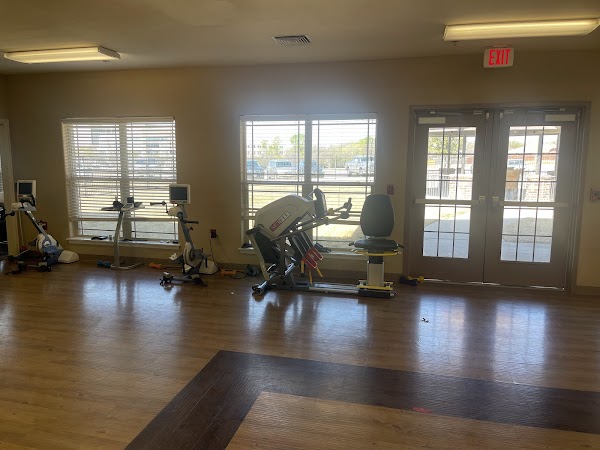
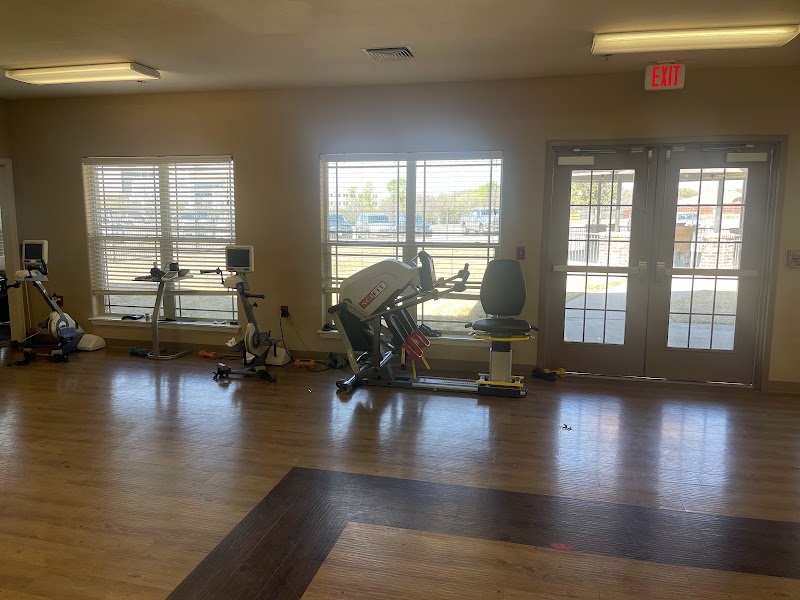
2170 NORTH LAKE FOREST DRIVE, MCKINNEY, TX 75071 (972) 542-5500
For profit - Individual 103 Beds PRIORITY MANAGEMENT Data: November 2025
Trust Grade
90/100
#16 of 1168 in TX
Last Inspection: February 2025

Within standard 12-15 month inspection cycle. Federal law requires annual inspections.

Overview

Belterra Health & Rehab in McKinney, Texas, has an excellent Trust Grade of A, indicating it is highly recommended and performs well compared to other facilities. It ranks #16 out of 1,168 nursing homes in Texas, placing it in the top half, and is the top facility among 22 in Collin County. The facility's trend is stable, having reported five issues consistently over the past two years. However, its staffing rating is below average at 2 out of 5 stars, with a turnover rate of 45%, which is slightly better than the state average. While there have been no fines reported, indicating good compliance, recent inspections revealed concerning incidents such as expired medication supplies in a medication room and significant medication errors for a resident who did not receive essential medication for over five months, highlighting areas that need improvement.

Trust Score
A
90/100
In Texas
#16/1168
Top 1%
Safety Record
Low Risk
No red flags
Inspections
Holding Steady
5 → 5 violations
Staff Stability
⚠ Watch
45% turnover. Above average. Higher turnover means staff may not know residents' routines.
Penalties
✓ Good
No fines on record. Clean compliance history, better than most Texas facilities.
Skilled Nurses
○ Average
Each resident gets 34 minutes of Registered Nurse (RN) attention daily — about average for Texas. RNs are the most trained staff who monitor for health changes.
Violations
⚠ Watch
11 deficiencies on record. Higher than average. Multiple issues found across inspections.
★★★★★
5.0
Overall Rating
★★☆☆☆
2.0
Staff Levels
★★★★★
5.0
Care Quality
★★★★☆
4.0
Inspection Score
Stable
2024: 5 issues
2025: 5 issues

The Good

  • 5-Star Quality Measures · Strong clinical quality outcomes
  • Full Sprinkler Coverage · Fire safety systems throughout facility
  • No fines on record

Facility shows strength in quality measures, fire safety.

The Bad

Staff Turnover: 45%

Near Texas avg (46%)

Higher turnover may affect care consistency

Chain: PRIORITY MANAGEMENT

Part of a multi-facility chain

Ask about local staffing decisions and management

The Ugly 11 deficiencies on record

Feb 2025 5 deficiencies
CONCERN (D)

Potential for Harm - no one hurt, but risky conditions existed

Infection Control (Tag F0880)

Could have caused harm · This affected 1 resident

**NOTE- TERMS IN BRACKETS HAVE BEEN EDITED TO PROTECT CONFIDENTIALITY** Based on observation, interview, and record reviews, the facility failed to establish and maintain an Infection Control Program ...

Read full inspector narrative →
**NOTE- TERMS IN BRACKETS HAVE BEEN EDITED TO PROTECT CONFIDENTIALITY** Based on observation, interview, and record reviews, the facility failed to establish and maintain an Infection Control Program designed to help prevent the development and transmission of disease and infection for one (Resident #85) of three residents reviewed for infection control. The facility failed to ensure RN D used proper infection control precautions when entering the room of Resident #85 who was on droplet precautions due to testing positive for COVID. This failure could place residents at risk for infections. Findings included: Record review of Resident #85's admission MDS assessment dated [DATE] revealed Resident #85 was a [AGE] year-old female admitted to the facility on [DATE] with diagnoses of diabetes, morbid obesity, and gangrene (dead tissue caused by bacteria or lack of blood flow). The MDS also revealed a BIMS score of 15 (suggested no cognitive impairment). Record review of Resident #85's care plan with a revision date of 2/04/2025 revealed Resident #85 was on strict contact isolation related to COVID and interventions included providing proper protective equipment. Record review of Resident #85's order summary revealed strict (contact/droplet) Isolation; Transmission Based Precaution for (Covid +) was ordered on 2/04/2025. In an observation and interview on 2/11/2025 at 1:28 p.m., RN D was preparing to administer medications to Resident #85. A droplet isolation sign was observed on Resident #85's door and isolation supplies were located outside the door in drawers. RN D put on a N95 mask and stated she did not have to wear a gown as long as she did not touch the resident or provide direct care. RN D entered Resident #85's room wearing an N95 mask and no gown, gloves, or face shield. RN D exited the room less than one minute later and placed a medicine cup with a pill in it on top of the medication cart before reentering Resident #85's room. RN D then exited Resident #85's room with a tray and sat the tray on a short table in the center of the hallway. RN D then discarded her mask and cleansed her hands with hand sanitizer. Resident #85 did not cough or appear to have shortness of breath during this time. In an interview on 2/12/2025 at 12:34 p.m., ADON B reported that staff entering a room with a resident on isolation for COVID, should wear a N95 mask, face shield, gown, and gloves. ADON B stated all PPE should be worn even if not providing direct care. ADON B stated the risk was that COVID could be spread. ADON B also stated that trays should not be removed from isolation rooms and placed on a table in the hallway. ADON B reported that the ADONs monitored infection control and the DON performed in-services with staff. ADON B reported there was also training that was done on the computer for isolation precautions and one was assigned to staff recently. Record review of progress note dated 2/12/2025 at 3:02 p.m., entered by ADON B, revealed Resident #85 had been asymptomatic (no symptoms) and could be removed from isolation at that time. In an interview on 2/12/2025 at 4:04 p.m., the DON reported everyone was responsible for monitoring infection control. The DON stated all staff should always wear N95, gown, gloves, and face shield when entering a room with COVID. The DON stated the risk for not wearing appropriate PPE was that the person entering the room could get COVID or spread COVID. Record review of facility's undated policy titled COVID-19 Outbreak-Cheat Sheet, revealed Staff caring for COVID+ patients must wear N95, gown, gloves, and eye protection. All PPE must be discarded and re-applied each time entering COVID room.
CONCERN (E)

Potential for Harm - no one hurt, but risky conditions existed

Pharmacy Services (Tag F0755)

Could have caused harm · This affected multiple residents

**NOTE- TERMS IN BRACKETS HAVE BEEN EDITED TO PROTECT CONFIDENTIALITY** Based on observations, interviews, and record reviews, the facility failed to provide pharmaceutical services (including procedu...

Read full inspector narrative →
**NOTE- TERMS IN BRACKETS HAVE BEEN EDITED TO PROTECT CONFIDENTIALITY** Based on observations, interviews, and record reviews, the facility failed to provide pharmaceutical services (including procedures that ensured drugs and biologicals were accurately acquired, received, dispensed, and administered) to meet the needs of each resident for one (east side medication room) of two medication rooms reviewed for pharmacy services. The facility failed to ensure expired medication administration supplies were removed from the east side medication room. These failures could place residents at risk for infection and having possible adverse effects. Findings included: In an observation and interview on [DATE] at 9:16 a.m., expired supplies were found stored on shelves in the east side medication room. Expired supplies observed included: two boxes of 100 count syringes with needles expired on [DATE], two boxes of 100 count syringes with needles expired on [DATE], one box of 100 count syringes with needles expired on [DATE], and four boxes of 100 count syringes without needles expired on [DATE]. LVN A was present during the observation and stated that she thought central supply checked the dates on supplies. However, LVN A stated she was not sure because she was still in training. When asked what the risks were if expired supplies were used, LVN A just stated expired supplies should never be used, and she had not used any of these items found. In an interview on [DATE] at 9:36 a.m., the DON stated the ADONs monitored the medication rooms for expired supplies. The DON reported the ADONs checked the dates on supplies on Mondays and Thursdays. The DON also reported a pharmacy consultant checked the medication room monthly, and Central Supply checked on Wednesdays. When asked what the risks were if expired supplies were used, the DON stated it was best practice not to use expired supplies. In an interview on [DATE] at 10:21 a.m., ADON B stated supplies should be checked for an expiration date by everyone before using it. ADON B stated if supplies were expired, it could affect the integrity and should not be used. ADON B stated central supply should have rotated supply stock and checked the dates. ADON B did not state and was not asked if she checked the dates on supplies. In an interview on [DATE] at 12:30 p.m., Central Supply stated the ADONs were responsible for checking supplies for expiration dates, but one of them was currently sick with COVID. Central Supply stated the pharmacy consultant checked some things, and that he checked the dates on over-the-counter medications stored in the medication rooms. Central Supply stated he did not check the dates on the supplies. Record review of the facility's policy titled Storage of Medications, with a revision date of [DATE], revealed The nursing staff is responsible for maintaining medication storage and preparation areas in a clean, safe, and sanitary manner and discontinued, outdated, or deteriorated drugs or biologicals are returned to the dispensing pharmacy or destroyed.
CONCERN (E)

Potential for Harm - no one hurt, but risky conditions existed

Deficiency F0760 (Tag F0760)

Could have caused harm · This affected multiple residents

**NOTE- TERMS IN BRACKETS HAVE BEEN EDITED TO PROTECT CONFIDENTIALITY** Based on observation, interview, and record review, the facility failed to ensure residents were free of any significant medicat...

Read full inspector narrative →
**NOTE- TERMS IN BRACKETS HAVE BEEN EDITED TO PROTECT CONFIDENTIALITY** Based on observation, interview, and record review, the facility failed to ensure residents were free of any significant medication errors for one (Resident #29) of 19 residents reviewed for medication errors. The facility failed to ensure Clonazepam (a drug used to control seizures and/or anxiety) was administered to Resident #29 as ordered from 9/10/2024 until 2/12/2025 (155 days). This failure could place residents at risk for not receiving medications as ordered by their physician and not receiving the intended therapeutic benefit of the medications. Findings included: Record review of Resident #29's Annual MDS assessment dated [DATE] revealed Resident #29 was a [AGE] year-old male admitted to the facility on [DATE] with diagnoses of anxiety disorder and seizure disorder. The MDS also revealed a BIMS score of 13 (it suggested cognition was intact). Record review of Resident #29's care plan revised on 1/24/2025 revealed Resident #29 had a seizure disorder and interventions were to give seizure medications as ordered by the doctor. The care plan also revealed Resident #29 had an anxiety disorder and interventions included administering anti-anxiety medications as ordered by the physician. Record review of Resident #29's physician order summary revealed on 8/12/2024 a new order for clonazepam was entered as clonazepam 0.5 mg with directions to give 0.5 tablet by mouth three times a day and included in directions give ½ tablet to equal 0.25 mg. Record review of Resident #29's Narcotic Record logs from 8/11/2024 to 9/09/2024 revealed clonazepam 0.5 mg ½ tablet was signed out and marked as given. Record review of Resident #29's Narcotic Record logs from 9/10/2024 until 01/12/25, revealed clonazepam 0.5 mg one tablet was signed out and marked as given. Record review of Resident #29's MARs from 09/10/24, until 01/12/25 revealed clonazepam was administered three times a day by 15 different staff members over a total of 155 days. In an observation on 2/11/2025 at 1:40 p.m., MA C administered one tablet of clonazepam 0.5 mg to Resident #29. Resident #29 was sitting up in his chair and answered MA C's questions appropriately. Resident #29 swallowed the medication and MA C left the room. In an interview and observation on 2/12/2025 at 11:29 a.m., MA C removed Resident #29's clonazepam from the medication cart and stated she administered one whole tablet when she gave the medication. MA C pointed to the directions on the medication card itself which revealed directions to give 0.5 mg one tablet three times a day. MA C opened Resident #29's MAR on her computer screen and read the directions listed for clonazepam which were to give 0.5 tablet. MA C stated that the whole tablet was 0.5 mg and the MAR said to give 0.5 mg. MA C replaced the medication on the locked cart and left to retrieve the ADON to review the medication. In an interview and observation on 2/12/2025 at 11:33 a.m., ADON B reviewed the clonazepam medication located on the cart and stated the directions were to administer one 0.5 mg tablet three times a day. ADON B then reviewed Resident #29's MAR and stated the directions were to administer ½ tablet to equal 0.25mg. ADON B then explained to MA C that the 0.5 tablet meant ½ tablet and not 0.5 mg. ADON B also demonstrated on the computer screen how to expand the directions for the medication which then revealed to give ½ tablet to equal 0.25 mg. ADON B stated staff should have been administering ½ tablet, but the medication was delivered wrong by the pharmacy. ADON B stated staff should have checked the dose before administering the medication. ADON B stated the risks to the residents if not receiving the ordered dose depended on the medications, but it could cause sedation. In an interview on 2/12/2025 at 3:20 p.m., the DON stated Resident #29's clonazepam was increased in September due to a transcription error. The DON reported that the nurse that entered the order was not available for interview and was currently off work. The DON stated everyone that administered medications should have followed the five rights of medication administration and monitored the order and dose. The DON stated the pharmacy consultant was also responsible for monitoring medications because she checked the MARs and medications monthly for any concerns. The DON reported staff received training for medication administration upon hire and annually. The DON also stated the risk to the residents if the incorrect dose of medication was given depended on the medication but could be sedation or altered mental status. In an interview on 2/13/2025 at 11:43 a.m., NP D stated she gave an order to increase the clonazepam from 0.25 mg to 0.5 mg, but there must have been a transcription error. NP D stated she did not have any issues or concerns with the facility following orders. NP D also stated there was no risk to the resident because the resident received the intended dose. Review of the facility's policy titled Administering Medications, with a revision date of April 2019, revealed The Director of Nursing Services supervises and directs all personnel who administer medications, and Medications are administered in accordance with prescriber orders.
CONCERN (E)

Potential for Harm - no one hurt, but risky conditions existed

Deficiency F0761 (Tag F0761)

Could have caused harm · This affected multiple residents

Based on observation, interview, and record review the facility failed to ensure all drugs and biologicals were labeled in accordance with currently accepted professional principles and secured proper...

Read full inspector narrative →
Based on observation, interview, and record review the facility failed to ensure all drugs and biologicals were labeled in accordance with currently accepted professional principles and secured properly for two (500 hall medication cart and 200 hall medication cart) of four medication carts reviewed for medication labeling and storage. 1. The facility failed to ensure eye drops stored on the 500-hall medication cart were labeled with open dates for two bottles of timolol eye drops, one bottle of dorzolamide eye drops, one bottle of brimonidine eye drops, and one bottle of latanoprost eye drops. 2. The facility failed to ensure medications were secured or attended by authorized staff when the medication cart in hall 200 was left unlocked and unattended in the hallway with a pill in a medicine cup on top of the cart. These failures could place residents at risk of misappropriation of medications or harm due to accidental ingestion of unprescribed mediations and of not receiving the intended therapeutic effects of prescribed medicine. Findings included: 1. In an interview and observation on 2/11/2025 at 9:46 a.m., the 500-hall medication cart contained two bottles of timolol eye drops, one bottle of dorzolamide eye drops, one bottle of brimonidine eye drops, and one bottle of latanoprost eye drops that were open and did not have open dates. MA C reported eye drops needed an open date because they were good for 30 or 45 days after being opened. MA C stated the MAs monitored the dates on the medications and wrote open dates on the bottles when they opened them. When asked what the risks were if open dates were not on eye drops, MA C responded they just had to have an open date. In an interview on 2/11/2025 at 10:21 a.m., ADON B stated staff administering medications were supposed to put open dates on eye drops because they were only good for so many days. ADON B stated the risk would be that they would not know how long the medication had been open, and it would depend on the manufacturer as to what side effects occurred. ADON B stated the staff administering the medications should have monitored the dates, and she spot checked the carts two to three times a month. In an interview on 2/12/2025 at 3:20 p.m., the DON stated eye drops needed an open date, so they would know when they were opened. The DON stated she expected the staff to use the manufacturer's expiration date but was not sure at that time. The DON stated the pharmacy consultant was responsible for monitoring the dates on medications in the medication carts, and all staff that administered medications should have checked the dates. The DON stated she expected staff to dispose of expired medications, and that the risk of using expired medications would just depend on the medication. The DON did not state the risk for using expired eye drops or for eye drops not having an open date. In an interview on 2/12/2025 at 3:40 p.m., the DON stated she spoke with her pharmacy consultant, and they did not have to date eye drops. The DON reported they would use the manufacturer's expiration date. In an interview on 2/12/2025 at 3:48 p.m., the pharmacy consultant reported that there were no specific guidelines for artificial eye drops, and they did not require an open date. The pharmacy consultant reported that the length of time other eye drops were good depended on the manufacturer's expiration date or their guidelines. In an interview on 2/12/2025 at 4:04 p.m., the DON stated they would use the manufacturer's expiration date for all eye drops except for Xalatan (latanoprost) because they were only good for a certain number of days after opening. The DON did not state how many days. In an interview on 2/12/2025 at 4:15 p.m., MA E stated prescription eye drops are good for six weeks, and pharmacy consultant told him to throw them away after six weeks. MA E stated he did not know what the risk would be if the eye drops did not have an open date or were used longer that six weeks. MA E stated they put the open dates on the eye drops so that did not happen. MA E also stated that everyone that passed medications was responsible for monitoring the dates on medications in the carts. In an interview and observation on 2/12/2025 at 4:28 p.m., LVN F stated eye drops had open dates, but (HE/SHE) was not sure how long they were good for. Observed LVN F ask LVN G, and LVN G stated eye drops were good for 30 days after opening. In an interview and record review on 2/12/2025 at 4:30 p.m., MA H reported some eye drops were good for 30 days and some were good for 45 days. MA H stated he did not always remember, so he used the information sheet located in the narcotic binder on the medication cart. MA H opened a binder on his medication cart and revealed a sheet titled Medications with Shortened Expiration Dates. This sheet listed several different eye drops and the amount of days the medication could be used after opening. Eye drops that were listed on this sheet included latanoprost and he stated those eye drops were good for 42 days after being opened or removed from the refrigerator. The informational sheet did not specify how many days timolol, dorzolamide, or Brimonidine were good after opening if not mixed with another medication. In an interview on 2/12/2025 at 5:41 p.m., the DON stated they use the information sheet located on the medication cart for prescription eye drops. The DON stated they did not need an open date for over-the-counter eye drops. 2. In an observation on 2/11/2025 at 1:35 p.m., RN D entered a resident's room to administer medications. The medication cart was left approximately three feet in front of the resident's door, unlocked, and had a medicine cup sitting on top of the cart with a pill in it. RN D entered the resident's bathroom inside their room and washed her hands with the door closed. The medication cart was not visible from inside the bathroom. RN D then exited the bathroom and walked next to the resident's bed. The medication cart remained out of view until RN D returned to the cart at 1:39 p.m. (4 minutes later). No residents or visitors were observed in the area of the medication cart while it was unlocked. In an interview on 2/11/2025 at 1:39 p.m., RN D stated she should have locked the cart or pulled it all the way up to the door. RN D stated she also should not have left medication on the top of the cart. RN D stated the risks were that someone could have taken the medication from inside the cart or the pill on top of the cart. In an interview on 2/12/2025 at 5:50 p.m., the DON stated medication carts should always be locked and medications should not be left unattended. The DON stated the carts can be unlocked while passing medications if they were all the way against the resident's door. The DON stated the risks were that medications could go missing, and the staff administering medications should be monitoring that the carts were locked. The DON also stated all staff should help monitor and ensure carts were locked. Record review of the facility's policy titled Administering Medications, with a revision date of April 2019, revealed when opening a multi dose container, a date will be put on the container, and during the administration of medications, the medication cart is kept closed and locked when out of sight of the medication nurse or aide. Record review of the facility's policy titled Storage of Medications, with a revision date of April 2019, revealed Unlocked medication carts are not left unattended.
CONCERN (E)

Potential for Harm - no one hurt, but risky conditions existed

Food Safety (Tag F0812)

Could have caused harm · This affected multiple residents

Based on observation, interview, and record review the facility failed to store, prepare, distribute, and serve food in accordance with professional standards for food service safety in the facility's...

Read full inspector narrative →
Based on observation, interview, and record review the facility failed to store, prepare, distribute, and serve food in accordance with professional standards for food service safety in the facility's main kitchen reviewed for food safety. 1. The facility failed to ensure food items in the refrigerator and dry storage room were labeled and stored in accordance with the professional standards for food service. 2. The facility failed to discard items stored in refrigerator or dry storage that were not properly labeled or past the 'best buy', discard by or expiration dates. 3. The facility failed to have dietary staff wash hands or change gloves when they touched other surfaces while handling food or upon re-entering the kitchen. 4. The facility failed to have the handwashing sink trash receptacles function properly. These failures could place residents at risk for food-borne illness and cross contamination. Findings Included: Observation of the Kitchen on 02/11/25 at 10:00 AM revealed the following: -Handwashing sink #1's (next to ice machine) trash receptacle did not function properly. When the foot pedal was pressed the small metal cylindrical trash receptacle leaned forward, coming off of the floor and the lid did not open fully. Observations of Reach-in refrigerator on 02/11/25 at 10:07 AM revealed the following: -Left side: -1-64 oz plastic container of Prune juice dated 12/7/24, previously opened on 01/28/25 there was no discard by date. Observations of Walk-in refrigerator on 02/11/25 at 10:12 AM revealed the following: -Left side, first shelf, 2nd row from the top: -1 small zip top bag with a half of a tomato and approximately a quarter of a red onion (both previously opened), dated 2/7/25 and under the used by label on the bag, dated 2/8/25. There was no label of item descriptions, no clear discard by date and unclear if a date was for each item when placed in the bag. -2 extra-large bags of coleslaw salad mix, dated 01/26/25. Manufacturer's 'best by' date 02/07/25. -1 extra-large bag had a half dollar sized brown spot at the top of the product on the back side of the bag. -1 large zip top bag containing a previously opened 5 lbs. bag of salad blend, opened 02/06/25 and discard by date 02/09/25. -Third row from the top:-1 extra-large gray plastic bin filled with red onions had two labels one dated 10/10/24 and the other dated 12/30/24. There was no item of label description and no discard by date. -Bottom row: -1 extra-large clear plastic bin with approximately 13 heads of cabbage dated 01/02/25. There were 4 heads of cabbage that had dried, withered, darkened areas and or yellowed areas on the outer leaves. There was no label of item description, no discard by date. -Left side, second shelf, 2nd row from the top: -1 extra-large zip top bag with 10 plus beef hot dogs in a box labeled beef hot dogs dated 01/26/25, opened 02/10/25, with no discard by date. Second shelf, 3rd row from the top: approximately ¾ of a loaf of a deli meat ham, previously cut, dated 02/06/25, opened 02/10/25. There was no discard by date. -1- 5 lbs. bag of ground pork dated 02/10/25, there was no label of item description, no manufacturer's 'best by' date, or discard by date. - 1 large zip top bag of sliced lunch meat (1 bologna and approximately 10 chopped ham), dated 02/04/25 and 02/07/25 remained in refrigerator. There was no label of item description. -Bottom shelf: -1 extra-large box of skinless boneless chicken on a tray, dated 02/06/25. There was no discard by date. Right side, first shelf, 3rd row from the top: 1- extra-large zip top bag of grated cheese dated opened 02/03/25, discard by dated 02/28/25. There was no label of item description. -1 extra-large bag of shredded light-yellow cheese dated opened 02/04/25, discard by date 03/04/25. No label of item description. -2 -48 oz (3 lbs.) white plastic containers of Ricotta cheese dated 01/20/25. Manufacturer's used by date 02/01/25. -3rd row from the top: -1 small square plastic container with lid of salad dressing, previously opened dated 02/10/25. There was no label of item description and no discard by date. -1 large square plastic container with lid of ranch dressing, previously opened, dated 02/11/25. There was no label of item description and no discard by date. -1 medium square metal container of ranch dressing, previously opened, dated 02/10/25. There was no label of item description and no discard by date. -4th row from the top: -1 large cylindrical clean plastic container, without a lid, dated 01/25/25, of approximately 42 boiled eggs. There were 3 sealed clear plastic bags containing 12 eggs each and no discard by date; 1 bag previously opened. The opened bag was open to air, containing 6 eggs. There was no opened date and no discard by date. -Second shelf, 3rd row from the top: -1 large zip top bag of approximately 25 pecan halves, previously opened, dated 1/30/25. There was no label of item description and no discard by date. Observations of Dry Storage Room on 02/11/25 at 10:55 AM revealed the following: -Left side, shelf near door, 2nd row: -1 large clear square plastic bin with lid of dry oat circular cereals, previously opened, dated 02/10/2025. There was not label of item description, no discard by date. -1 large clear square plastic bin with lid of dry corn flake cereal, previously opened, dated 02/10/25. There was not label of item description, no discard by date. -1 large zip top bag with a 4 lbs. bag of cheese cake dry mix, previously opened, dated 10/30/24. There was no discard by date. - 1 large zip top bag with a 24 oz. bag of crispy fried onions, previously opened, dated 12/02/24. There was no discard by date. -1 large zip top bag with a 5 lbs, bag of cornbread mix, previously opened, dated 02/10/25. There was no discard by date. -1 large zip top bag with a 13.75 oz box of mashed potato flakes, previously opened, dated 02/11/25, no discard by date. Observations of the Kitchen on 02/13/25 at 11:56 AM revealed the following: -AIT wearing a hairnet walked in the kitchen and did not wash his hands. He went to the Reach-in refrigerator and opened it. He then walked across the area between the steam table and stove to the other side of the kitchen. He left out of the kitchen through a door (with a handle) into the receiving side of the line. He looked at some of the tickets on a stack of trays near the door then came back into the main kitchen space. He did not wash his hands, sanitize his hands, or don gloves. -At 12:09 PM, the [NAME] walked off the line (serving side of the steam table), wearing gloves. She went to get a bowl of fruit from the walk-in refrigerator. Then she walked off the line again to get a spoon and tongs but did not change into new gloves after either departure and return to serving line. -At 12:19 P, the ADM wearing a hairnet, walked into the kitchen (receiving side) then through the 2nd door into the main kitchen space. He walked through the area between the serving side of the steam table and the stove over to the stack of 8 oz cups with handles. He too the cup back across the kitchen to the coffee machine, got some coffee then left out of the kitchen. He did not wash his hands upon entering the kitchen or don gloves. In an interview on 02/11/25 at 10:27 AM with the DM, she stated the ground meat that was in the refrigerator was ground pork, and they put the date on box it came in, but the box was usually kept in the freezer except for when the ground pork was being used for a dish. The one in the refrigerator had been set out to be used for baked ziti. She stated that is why [NAME] B put it there. In an interview on 2/13/25 at 01:56 PM with the DM, she stated previously opened liquids in the refrigerator were kept until the date (manufacturer's best by date) on the bottle or box. She stated if it is mixed like nectar thick liquids then it kept for 7 days. For premade salad mixes/blends, she stated they kept it until the 'best by' date but opened salad mixed are kept for 7 days from opened date. She stated the beef hot dogs, since opened, are kept 7 days from opened date but 1-2 months if kept in the freezer. The DM sated if the ground pork is kept 7 days in the refrigerator, but if it had been opened then kept for 3 days. She stated the bag with the tomato & onion should not have been labeled like that, with no clear date the harm is it could cause a resident to get sick since you do not know the clear date opened or discard by. For the skinless boneless chicken, the DM stated if she is going to use it within the week then she does not freeze the chicken, so the date that was seen on the box was the date it came in. For dairy and other items with a manufacturer's date she stated they usually go by the expiration date on the container but if it is opened, then 3 days. For items previously opened and left opened to air, the DM stated that can lead to foodborne illness and residents getting sick. She mentioned they have a food guideline sheet they use to know how long to keep items in the kitchen. When she was told about the observations of staff hand hygiene concerns, she stated that is something she talks about a lot and it can result in making the residents sick. In an interview on 02/13/25 at 03:46 PM with the ADM, when he came to the conference room to ask about concerns in the kitchen, he stated his dietician came in every Monday. He stated as a favor to him, she inspects the kitchen. He said, the kitchen, I can't believe it. He stated he was just thinking the citation was just for unlabeled cheese. The surveyor mentioned other items specifically found in the kitchen. The ADM sated he understood it could cause harm to the residents. Review of the facility's Nutrition Services Policy dated 2001: Revision July 2014, reflected Food Storage Policy: Foods shall be received and stored in a manner that complies with safe food handling practices. Policy Interpretation and Implementation: 1. Food Services, or other designated staff, will maintain clean food storage areas at all times. 6. 6. Dry foods that are stored in bins will be removed from original packaging, labeled and dated (use by date). Such foods will be rotated using a first in-first out system. 7. 7. All foods stored in the refrigerator or freezer will be covered, labeled and dated (''use by date). 13. d. Beverages must be dated when opened and discarded after twenty-four (24) hours. e. Other opened containers must be dated and sealed or covered during storage. Review of the U.S. FDA Food Code 2022 reflected: Chapter 2 . section 2-301 Hands and Arms. 2-301.11 Clean Condition. Food Employees shall keep their hand and exposed portions of their arms clean. 2-301.12 Cleaning Procedure. (C). To avoid recontaminating their hands or surrogate prosthetic devices, food employees may use disposable paper towels or similar clean barriers when touching surfaces such as manually operated faucet handles on a Handwashing Sink or the handle of a restroom door. 2-201.14 When to Wash. Food Employees shall clean their hands and exposed portions of their arms as specified under section 2-301.12 immediately before engaging in food preparation including working with exposed food, clean equipment and utensils, and unwrapped single service and single-use articles. and: . (E) After handling soiled equipment or utensils; (F) During food preparation, as often as necessary to remove soil and contamination and to prevent cross contamination when changing tasks; . (H) Before donning gloves to initiate a task that involves working with food; and (I) After engaging in other activities that contaminate the hands. Section 2-301.15 Where to Wash. Food Employees shall clean their hands in a Handwashing Sink or approved automatic handwashing facility and may not clean their hands in a sink used for food preparation or warewashing, or in a service sink or a curbed cleaning facility used for the disposal of mop water and similar liquid waste. Chapter 3 . section 3-201.11 Compliance and Food Law: . C. Packaged Food shall be labeled as specified in LAW, including 21 CFR 101 Food Labeling [* .(b) A food which is subject to the requirements of section 403(k) of the act shall bear labeling, even though such food is not in package form. (c) A statement of artificial flavoring, artificial coloring, or chemical preservative shall be placed on the food or on its container or wrapper, or on any two or all three of these, as may be necessary to render such statement likely to be read by the ordinary person under customary conditions of purchase and use of such food. The specific artificial color used in a food shall be identified on the labeling when so required by regulation in part 74 of this chapter to assure safe conditions of use for the color additive.], 9 CFR 317 Labeling, [*(a) When, in an official establishment, any inspected and passed product is placed in any receptacle or covering constituting an immediate container, there shall be affixed to such container a label .Marking Devices, and Containers, and 9 CFR 381 Subpart N Labeling and Containers, and as specified under § 3-202.18. Section 3-302.12 Food Storage Containers, Identified with Common Name of Food: Except for containers holding FOOD that can be readily and unmistakably recognized such as dry pasta, working containers holding food or food ingredients that are removed from their original packages for use in the food establishment, such as cooking oils, flour, herbs, potato flakes, salt, spices, and sugar shall be identified with the common name of the food. Section 3-501.17 . Commercial processed food: Open and hold cold . B. 1. The day the original container is opened in the food establishment shall be counted as Day 1. 2. The day or date marked by the food establishment may not exceed a manufacturer's use-by date if the manufacturer determined the use-by date based on food safety. C. 2. Marking the date or day of preparation, with a procedure to discard the food on or before the last date or day by which the food must be consumed on the premises, sold, or discarded as specified under (A) of this section. 3. Marking the date or day the original container is opened in a food establishment, with a procedure to discard the food on or before the last date or day by which the food must be consumed on the premises, sold, or discarded as specified under (B) of this section. Definitions 3. Food Receiving and Storage - When food, food products or beverages are delivered to the nursing home, facility staff must inspect these items for safe transport and quality upon receipt and ensure their proper storage, keeping track of when to discard perishable foods and covering, labeling, and dating all PHF/TCS foods stored in the refrigerator or freezer as indicated. Chapter 5 . Section 5-205.11 Using a Handwashing Sink (A) A Handwashing Sink shall be maintained so that it is accessible at all times for Employee use. Section 5-501.16 Storage Areas, Rooms, and Receptacles, Capacity and Availability . (B) A receptacle shall be provided in each area of the Food establishment or premises where refuse is generated or commonly discarded, or where recyclables or returnables are placed. Section 5-501.113 Covering Receptacles. Receptacles and waste handling units for refuse, recyclables, and returnables shall be kept covered: . www.fda.gov eCFR- Code of Federal Regulations are indicating within the text by an *- www.ecfr.gov
Jan 2024 5 deficiencies
CONCERN (D)

Potential for Harm - no one hurt, but risky conditions existed

Deficiency F0558 (Tag F0558)

Could have caused harm · This affected 1 resident

**NOTE- TERMS IN BRACKETS HAVE BEEN EDITED TO PROTECT CONFIDENTIALITY** Based on observation, interview and record review the facility failed to ensure residents had the right to reside and receive se...

Read full inspector narrative →
**NOTE- TERMS IN BRACKETS HAVE BEEN EDITED TO PROTECT CONFIDENTIALITY** Based on observation, interview and record review the facility failed to ensure residents had the right to reside and receive services with reasonable accommodation of resident needs and preferences except when to do so would endanger the health or safety of the resident or other residents for two of ten residents (Resident #59 and Resident #77) reviewed for reasonable accommodation of needs. The facility failed to ensure the call light system in Residents #59 and #77's rooms were in a position that was accessible to the residents. This failure could place residents at risk of being unable to obtain assistance when needed and help in the event of an emergency. Findings include: 1. Record review of Resident #59's face sheet, dated 01/10/2023, reflected a [AGE] year-old female who was admitted to the facility on [DATE]. Resident #59 had relevant diagnoses which included hemiplegia (paralysis of one side of the body) and hemiparesis (weakness on one side of the body) following cerebral infarction (insufficient oxygen in the brain causing stroke) affecting the left non-dominant side, muscle weakness, and muscle wasting (loss of muscle mass due to weakness) and atrophy (decrease in size of muscle). Record review of Resident #59's quarterly MDS assessment, dated 12/19/2023, reflected the resident was cognitively intact with a BIMS score of 14. Resident #59 required one-person physical assist for bed mobility, transfer, eating, and toilet use. Record review of Resident #59's Comprehensive Care Plan, dated 01/02/2024, reflected the resident had an ADL self-care performance deficit related to disease process and one of the interventions was to encourage the resident to use bell to call for assistance. Observation on 01/09/2024 at 9:12 AM revealed Resident #59 was in her bed, resting. Resident #59's call light was on the floor between the bed and the left side table. A trash can half-filled was near the call light on the floor. Observation on 01/09/2024 at 1:23 PM revealed Resident #59 was in her bed, resting. Resident #59's call light was still on the floor between the bed and the left side table. The trash can beside the call light on the floor was empty. Observation and interview with Resident #59 on 01/10/2024 at 07:36 AM revealed the resident was in her bed, awake. Resident #59 stated to call for assistance she used the call light. Resident #59 searched for the call light at the left side of her bed but did not find it. Resident #59 said she could not find it. Resident #59 added she would wait for somebody to come to ask her if she needed something. Observation and interview with CNA G on 01/10/2024 at 7:36 AM, CNA G stated the call lights should always be within the reach of the residents. CNA G said the call lights were very important for the residents because the call lights were used by the residents to call the staff if they needed something or if they needed assistance. CNA G said if the residents did not have their call lights, the residents might fall trying to reach for the call light. Without the call lights, the needs of the residents would not be addressed. CNA G went back inside Resident #59's room and picked up the call light and clipped it near the resident. CNA G said all staff were responsible in ensuring call light were within reach of the residents. Interview with RN J on 01/10/2024 at 7:45 AM, RN J stated the residents used their call lights to let the staff know they needed assistance. RN J said without the call lights, the staff would not know if the residents needed the staff or were in need of something. She said the needs could be wanting to go to the bathroom or wanting to go out of the room. RN J added the residents might fall trying to get up to get the call light or trying to get somebody to help them. RN J added she would make a round to make sure the call lights were within the reach of the residents. RN J added all staff should monitor if the call light was with the residents. 2. Record review of Resident #77's face sheet, dated 01/04/2023, reflected a [AGE] year-old male who was admitted to the facility on [DATE]. Resident #77 had relevant diagnoses which included difficulty in walking, other abnormalities of gait and mobility, and muscle wasting. Record review of Resident #77's Quarterly MDS Assessment, dated 12/11/2023, reflected the resident was cognitively intact with had a BIMS score of 13. Resident #77 required one-person physical assist for bed mobility, transfer, eating, and toilet use. Record review of Resident #77's comprehensive care plan, dated 12/24/2023, reflected the resident had an ADL self-deficit performance deficit related to disease process and one of the interventions was to encourage the resident to use bell to call for assistance. Record review of Resident #77's Comprehensive Care Plan, dated 10/14/2023, reflected the resident had a high risk for fall related to impaired cognition, communication deficit, and actual fall. One of the interventions listed was to ensure resident's call light was within reach and encourage the resident to use the call light for assistance. Record review of Resident #77's Fall Risk Assessment, dated 12/09/2023, reflected the resident had a high risk for fall with a score of 8.0. Observation and interview with Resident #77 on 01/10/2024 at 9:15 AM revealed the resident was sitting on his recliner located on the right side of the bed. Resident #77's call light was hanging on the left side of the bed. Resident #77 said he was already old and walking a short distance could make him tired. The resident stated if he needed assistance from staff there was a cord with a red push button at the end. Resident #77 started to look for his call light on the bed and said the staff forgot to put it on top of the bed. Resident #77 added he would just wait for a staff to give him his call light. Observation and interview with CNA A on 01/10/2024 at 9:38 AM, CNA A stated the call lights were very important for the residents. She said residents used their call lights to call the staff if they needed some assistance or if they needed the nurse because they were not feeling well. CNA A added if the residents did not have their call lights, the residents might be frustrated or mad because they could not tell somebody they needed something. CNA A further said the residents could fall in the process of getting the call light or getting the things they needed. CNA A went inside Resident #77's room pulled the call light from the right side of the bed, and placed the call light on top of the bed where the resident could reach it. In an interview with LVN P on 01/10/2024 at 10:39 AM, LVN P stated he did not notice the call light was far from the resident when he checked on Resident #77. LVN P said the call lights must be within the reach of the residents at all times. LVN P said the call lights were used by the residents to call the attention of the staff if they needed something or if they needed help. LVN P said without the call lights, the staff would not know if the residents needed something, wanted to go to the bathroom, or had any discomfort. LVN P added the residents might fall trying to get the call light or trying to get somebody to help them. LVN P said he would go check on Resident #77 and see if the resident's call light was within his reach. In an interview with the DON on 01/10/2024 at 1:41 PM, the DON stated the call lights must be within reach of the residents at all times. The DON said the residents used the call lights as a means of communication with the staff. The DON added the residents used the call lights if they needed help or to alert the staff they were not feeling well. The DON stated a lot of things could happen if the call lights were not with the residents. The residents might try to get up on their own and fall on the process. The staff would not be able to attend to the resident's needs during emergencies. The DON said all the staff were responsible in placing the call lights within reach. The DON said all the staff must zoom in on every detail inside the room. The DON said monitoring call light placement should be done during department heads, during nurses' rounds, and during CNAs rounds. The DON said the expectation was for the staff to make sure the call lights were within the reach of the residents. The DON said she would make an in-service about the call lights and would ensure staff adherence to placing the call lights within the reach of the residents. Interview with the Administrator on 01/10/2024 at 1:55 PM, the Administrator stated the call lights should always be within the reach of the residents at all times because the call lights were their form of communication. The Administrator said there must be conscious efforts from the staff in making sure the call lights were with the residents so the needs of the residents were met. He said the expectation was call lights be with the residents at all times. Record review of the facility's policy Resident Call Light System, revised 6/2023, reflected Purpose: The purpose of this procedure is to respond to the resident's request and needs . General Guidelines . 4. Ensure that the call light is easily reachable by the resident.
CONCERN (D)

Potential for Harm - no one hurt, but risky conditions existed

Incontinence Care (Tag F0690)

Could have caused harm · This affected 1 resident

**NOTE- TERMS IN BRACKETS HAVE BEEN EDITED TO PROTECT CONFIDENTIALITY** Based on observation, interview, and record review the facility failed to ensure a resident who was incontinent of bladder recei...

Read full inspector narrative →
**NOTE- TERMS IN BRACKETS HAVE BEEN EDITED TO PROTECT CONFIDENTIALITY** Based on observation, interview, and record review the facility failed to ensure a resident who was incontinent of bladder received appropriate treatment and services to prevent urinary tract infections and to restore continence to the extent possible for one (Resident #102) of two residents reviewed for incontinence care. The facility failed to ensure CNA B provided appropriate perineal care for Resident #102 after an incontinent episode when she failed to wipe from the base of the labia towards and extending over the resident's buttocks. This failure could place residents at risk for the development and/or worsening of urinary tract infections and skin breakdown. Findings include: Record review of Resident #102's 5-day MDS assessment, dated 12/24/23, reflected a [AGE] year-old female with an admission date of 12/21/23. Resident #102 had a BIMs of 11, which indicated she was moderately cognitively impaired. She required extensive assistance of one-to-two-persons with all ADLs and was always incontinent of bowel and bladder. Her diagnoses included diabetes and malignant neoplasm (cancer) of the right lung. Record review of Resident #102's care plan, dated 12/21/23, reflected, . The resident has an ADL self-care deficit .Interventions .Personal hygiene and Toilet use- Resident is totally dependent An observation on 01/10/27 at 01:30 p.m. revealed CNA B entered Resident #102's room preparing to provide incontinence care. CNA B washed her hands and put on gloves and unfastened Resident #105's brief to reveal the resident was incontinent of urine. CNA B took a peri-wipe and cleaned residents' perineal area, wiping from front to back and assisted the resident to roll on her side. CNA B took a peri-wipe and wiped each of the residents' buttocks from her lower back down toward the resident's labia. CNA B did not wipe the resident's rectal area, only her buttocks. With the same gloves, CNA B applied barrier cream to a chafed area on the residents' right buttocks and then removed the soiled brief and placed a clean brief under the resident and assisted her to roll back onto her back and fastened the brief. CNA B removed her gloves and washed her hands. Review of CNA B's skill checks dated 10/15/23 reflected she was competent in performing peri-care and hand hygiene. In an interview with CNA B on 03/01/23 at 10:15 a.m. she stated she was supposed to wash her hands before and after performing incontinent care and change her gloves when she finished. She stated she was supposed to clean the resident from front to back and then on her buttocks she was to clean from back to front. CNA B then stated she should have cleaned the resident's rectal area opposite of what she had done after she thought about it. She stated she knew the importance of properly cleaning a resident and by not doing so, placed them a risk of infections. In an interview with DON on 01/10/24 at 02:00 p.m., she stated staff were to clean residents from front to back during incontinence care. She stated by not following proper peri care it placed residents at risk of urinary tract infections. Record review of the facility's policy titled, Perineal care, revised October 2010, reflected, .Wash and dry hands thoroughly .put on gloves .wash perineal are, wiping from front to back .Separate labia and wash area downward from front to back . Assist the resident to turn on her side .Wash the rectal area thoroughly, wiping from the base of the labia towards and extending over the buttocks .Rinse and dry thoroughly
CONCERN (D)

Potential for Harm - no one hurt, but risky conditions existed

Respiratory Care (Tag F0695)

Could have caused harm · This affected 1 resident

**NOTE- TERMS IN BRACKETS HAVE BEEN EDITED TO PROTECT CONFIDENTIALITY** Immediate Supervisor: [NAME] Alfafara Based on observation, interview, and record review, the facility failed to ensure that a r...

Read full inspector narrative →
**NOTE- TERMS IN BRACKETS HAVE BEEN EDITED TO PROTECT CONFIDENTIALITY** Immediate Supervisor: [NAME] Alfafara Based on observation, interview, and record review, the facility failed to ensure that a resident, who needed respiratory care, was provided such care consistent with professional standards of practice, the comprehensive person-centered care plan, and the residents' goals and preferences for one of three residents (Resident #72) reviewed for respiratory care. The facility failed to ensure Resident #72's nebulizer tubing was changed weekly as scheduled. This failure could place the resident at risk for respiratory infection and not having their respiratory needs met. Findings include: Record review of Resident #72's face sheet, dated 01/10/24, reflected an [AGE] year-old female who was admitted to the facility on [DATE]. Resident #72's relevant diagnoses which included atrial fibrillation (slow heartbeat) and chronic obstructive pulmonary disease (lung disease). Record review of Resident #72's Comprehensive MDS Assessment, dated 10/31/2023, reflected Resident #72's BIMS score was 13, which indicated the resident was cognitively intact. Resident #72's primary medical conditions were COPD and an unspecified cough. Record review of Resident #72's Care Plan, dated 11/05/2023, reflected the resident was care planned for COPD and one of the interventions was Give aerosol or bronchodilators as ordered. Monitor/document any side effects and effectiveness. Record review of Resident #72's physician order, dated 01/15/2024, reflected, Ipratropium-Albuterol Inhalation Solution 0.5-2.5 (3) MG/3ML inhale orally every 6 hours as needed for SOB or Wheezing related to chronic obstructive pulmonary disease. In an observation on 01/09/24 at 10:49 AM of Resident #72's Nebulizer near her bed, revealed the tubing on the machine was dated 1-1-24. In an interview and observation on 01/09/24 at 01:15 PM with RN J in Resident #72's room. She was shown the tubing connected to Resident #72's Nebulizer, dated 1-1-24, and she stated the tubing should have been changed on 01/07/24 by the night nurse. She stated all tubing for respiratory machines were scheduled for changing every Sunday evening by the night nurse. She stated she was unsure why it was not done and not doing so could result in the resident getting an infection. RN J was observed changing out the tubing. In an interview on 01/11/24 at 10:30 AM with ADON H, she stated she was advised by RN J of Resident #72's tubing was not changed when scheduled, and she stated the tubing should have been changed on 01/07/24 by the Sunday night nurse. She stated all tubing for respiratory machines were changed out weekly on Sunday nights by the night nurse. She stated not changing the tubing as scheduled could result in the resident getting a respiratory infection. In an interview on 01/11/24 at 10:50 AM with the DON, she stated she was advised by ADON H of Resident #72's tubing not changed this past Sunday. She stated the tubing should have been changed on 01/07/24 by the Sunday night nurse. She stated that all tubing for respiratory machines were scheduled to be changed out weekly on Sunday nights by the night nurse. She stated she had already met with the ADON to in-service the weekend nurses of all scheduled required services for the residents, which included respiratory machine services. She stated not changing the tubing as scheduled could result in the resident getting a respiratory infection. Record review of the facility's Oxygen Administration, Policy/Procedure - Nursing Services, rev. 07/2022, reflected Policy: It is the policy of this facility that oxygen therapy is administered by licensed nurse as ordered by the physician . PURPOSE: The purpose of the oxygen therapy is to provide sufficient oxygen . will include: 1. That oxygen is to be administered; 2. When and how often oxygen is to be administered; 3. The type of oxygen device to use (i.e., mask, nasal). Oxygen concentrators should be cleaned according to manufacturer recommendations. Change or clean oxygen concentrator filters according to manufactures' recommendations.
CONCERN (E)

Potential for Harm - no one hurt, but risky conditions existed

Food Safety (Tag F0812)

Could have caused harm · This affected multiple residents

Based on observation, interviews and record reviews the facility failed to ensure food was stored, prepared, distributed, and served in accordance with professional standards for food service safety f...

Read full inspector narrative →
Based on observation, interviews and record reviews the facility failed to ensure food was stored, prepared, distributed, and served in accordance with professional standards for food service safety for the facility's kitchen, reviewed for kitchen sanitation. The facility failed to ensure food in the facility's walk-in refrigerator was covered. The facility failed to ensure the ice machine was clean and sanitized. The facility failed to ensure the tea was covered with a lid. These failures could place residents at risk for cross contamination and other air-borne illnesses. Findings included: Observation on 01/09/2023 from 9:05 AM to 09:20 AM in the facility's kitchen revealed: 1. Two tea dispensers inside the kitchen with tea were not covered. 2. The ice machine inside the kitchen had a brown residue on the side wall. 3. The walk-in refrigerator had mandarin orange slices in a tray without any coverings. An interview with the Dietary Manager on 01/11/2024 at 12:46 PM, she stated the expectation of the kitchen staff was to make the tea an hour before the meal service and the tea dispenser was supposed to be covered during and after the brewing process. She stated the tea was prepared by her staff that day around 7:30 AM which was earlier than expected and both tea dispensers were not covered. She stated she was responsible to ensure the tea dispensers were covered. She stated preparing the tea early would lose its freshness, not covering the tea dispenser may cause cross contamination and could lead to sickness among residents. The Dietary manager stated she expected the ice machine to be clean, free of residue and her staff were to wipe it down daily. She stated an unclean ice machine may cause contamination and make a resident sick . She stated she was responsible to ensure the ice machine was cleaned. The Dietary Manager stated all the food items stored in the refrigerator ready for serving should be covered. She stated the mandarins in the tray were not covered and that may cause contamination and make a resident sick . She stated she was responsible to ensure all food were covered. The Dietary Manager stated she was responsible for the tea dispenser, ice machine and walk-in refrigerator in the kitchen. Interview with the Administrator on 01/11/2023 at 01:18 PM, he stated the expectation was to cover the tea during and after the brewing process. The Administrator stated he did not know the risk for residents because the tea was not covered . The Administrator stated he expected the ice machine to be clean and sanitary at all times. He stated he did not know of any health risk the brown residue inside the ice machine may cause to a resident . The Administrator stated he did not think the sliced mandarin oranges stored inside the walk-in refrigerator in a tray needed to be covered since it was going to be served that afternoon. He did not think uncovered sliced oranges could cause any health risk to the residents . Record review of the facility policy, dated July 2014, reflected food shall be received and stored in a manner that complies with safe food handling practices. Food services or other designated staff will maintain clean food storage areas at all times. All food stored in refrigerator and freezer will be covered, labelled and dated.
CONCERN (E)

Potential for Harm - no one hurt, but risky conditions existed

Infection Control (Tag F0880)

Could have caused harm · This affected multiple residents

**NOTE- TERMS IN BRACKETS HAVE BEEN EDITED TO PROTECT CONFIDENTIALITY** Based on observation, interview and record review the facility failed to maintain an infection prevention and control program de...

Read full inspector narrative →
**NOTE- TERMS IN BRACKETS HAVE BEEN EDITED TO PROTECT CONFIDENTIALITY** Based on observation, interview and record review the facility failed to maintain an infection prevention and control program designed to provide a safe, sanitary, and comfortable environment and to help prevent the development and transmission of communicable diseases and infections for five (Resident #310, Resident #102, Resident #21, Resident #83, and Resident #68) of eight residents reviewed for infection control. 1. RN C failed to prevent cross contamination of Resident #310's Insulin pen when he placed a soiled glucometer next to the pen and then administered insulin to the resident with the soiled pen. 2. CNA B failed to perform hand hygiene during incontinence care for Resident #102. 3. The facility failed to prevent Resident #21's catheter bag, that was connected to her urostomy (an opening in the belly to redirect urine flow from the urinary system to the outside of the body), from contact with the floor. 4. MA D failed to sanitize the blood pressure cuff between uses on Resident # 83 and Resident # 68. Theses failures could place residents at risk for infection and cross contamination. Findings include: 1. Record review of Resident #310's face sheet, dated 01/24/24, reflected a [AGE] year-old female who was admitted to the facility on [DATE]. Resident #310 had a diagnosis which included type 2 diabetes mellitus. Observation during medication pass on 01/10/24 at 11:00 a.m. revealed RN C placed a whole bottle of test strips, 2 lancets, 2 needles, 2 glucometers, and Residents #310's Novolog insulin Pen on a tray. RN C entered Resident #310's room and placed the tray of supplies on the resident's bedside table. RN C performed hand hygiene and put on gloves and performed a fingerstick blood sugar check. RN C then placed the soiled glucometer with the test strip still in place, next to the insulin pen on the tray. RN C removed his soiled gloves, performed hand hygiene, and left the room to go to the medication cart and determined the amount of insulin the resident required. RN C returned to the room performed hand hygiene and re-gloved. RN C picked up the insulin pen, that was still next to the soiled glucometer, and primed the pen and then dialed in 6 units of insulin and administered the insulin to Resident #310. RN C gathered the supplies and disposed of the lancet and needle in the sharp's container located in the resident's bathroom, and returned to the medication cart where he removed his gloves and performed hand hygiene, re-gloved and pulled out a germicidal wipe and wiped down the bottle of test strips, the insulin pen and both glucometers. In an interview with RN C on 01/14/24 at 11:20 a.m., he stated he carried in 2 glucometers and the whole bottle of strips in case one glucometer did not work or if he needed more test strips. He stated he should not have taken in the insulin pen and by placing the dirty glucometer next to the pen had potentially cross contaminated which could cause the risk of infection to the resident. He stated he should have only taken in the necessary supplies he needed to perform the fingerstick blood sugar test. Record review of RN C's competency checks, dated 12/19/23, reflected he was competent in administering subcutaneous injections and blood glucose monitoring. In an interview with the DON on 01/10/24 at 11:35 a.m., she stated performing fingerstick blood sugars and administering insulin was a two-step process. She stated staff were not following the facility procedure if they were carrying in multiple supplies to check a resident's blood sugars. She stated they were only to carry in the necessary supplies needed to check a blood sugar, then perform hand hygiene and retrieve the required insulin and perform hand hygiene before and after giving the insulin. She stated taking in the whole bottle of test strips which was used for multiple residents was not acceptable and by taking in the insulin pen and placing the used glucometer next to it cross contaminated the pen. She stated the staff were to complete the fingerstick monitoring and then proceed with the insulin administration if needed. She stated failing to follow the correct procedure placed residents at risk of cross contamination and infections. Record review of the facility's policy, Obtaining a Fingerstick Glucose level, dated October 2011, reflected .Assemble equipment and supplies needed .Obtain blood sample .Dispose of the lancet in the sharps disposal container .discard disposable supplies in the designated containers .Clean and disinfect reusable equipment between uses according to the manufacturer's instructions and current infection control standards of practice .remove gloves and discard into designated container .Wash hands Record review of the facility's policy, Insulin Administration, dated September 2014, reflected .Wash hands .Check blood glucose per physician order or facility protocol .Remove Insulin vial from storage point .Select an injection site .Depress the plunger and remove the needle .dispose of the needle in a designated container .Wash hands 2. Record review of Resident #102's 5-day MDS assessment, dated 12/24/23, reflected a [AGE] year-old female with an admission date of 12/21/23. Resident #102 had a BIMs of 11, which indicated she was moderately cognitively impaired. She required extensive assistance of one-to-two-persons with all ADLs and was always incontinent of bowel and bladder. Her diagnoses included diabetes and malignant neoplasm (cancer) of the right lung. Record review of Resident #102's care plan, dated 12/21/23, reflected . The resident has an ADL self-care deficit .Interventions .Personal hygiene and Toilet use- Resident is totally dependent . An observation on 01/10/27 at 01:30 p.m. revealed CNA B entered Resident #102's room preparing to provide incontinence care. CNA B washed her hands, put on gloves, and unfastened Resident #105's brief to reveal the resident had been incontinent of urine. CNA B took a peri- wipe and cleaned the resident's perineal area, wiping from front to back and assisted the resident to roll on her side. CNA B took a peri-wipe and wiped each of the resident's buttocks from her lower back down toward the resident's labia. With the same gloves, CNA B applied barrier cream to a chafed area on the resident's right buttocks and then removed the soiled brief and placed a clean brief under the resident and rolled her back onto her back and fastened the brief. CNA B removed her gloves and washed her hands. In an interview with CNA B on 01/10/27 at 01:45 p.m., she stated she was supposed to wash her hands before and after performing incontinent care and change her gloves when she finished. She stated she should have changed her gloves after she cleaned the resident, before applying the barrier cream and clean brief. She stated failure to perform hand hygiene placed the resident at risk of infections. Record review of CNA B's skill checks dated 10/15/23 reflected she was competent in performing peri-care and hand hygiene. In an interview with the DON on 01/10/24 at 02:00 p.m., she stated staff were to change their gloves and perform hand hygiene after they performed incontinence care, before applying the barrier cream and clean brief. She stated by not following proper hand hygiene it placed residents at risk of urinary tract infections. Record review of the facility's policy titled, Infection Control Guidelines for All Nursing Procedures, dated August 2013, reflected, .Employees must wash their hands .when hands are visibly dirty or soiled with blood or other body fluids .after removing gloves .before moving from a contaminated body site to a clean body site during resident care .after removing gloves 3. Record review of Resident #21's face sheet, dated 01/11/2024, reflected a [AGE] year-old female who was admitted to the facility on [DATE]. Resident #21's relevant diagnoses included flaccid neuropathic bladder (the muscles of the bladder lose the ability to contract), obstructive and reflux uropathy (inability of the urine to flow causing the urine to flow back to the blader), and pyuria (pus in the urine). Record review of Resident #21's Quarterly MDS Assessment, dated 11/03/2023, reflected Resident #21 was cognitively intact with a BIMS score of 15. The Quarterly MDS Assessment also indicated the resident had an urostomy. Record review of Resident #21's Comprehensive Care Plan, dated 11/07/2023, reflected the resident had a urostomy bag (a pouch attached to the opening in the belly to collect the urine) related to neuromuscular dysfunction of bladder, flaccid neuropathic bladder, and obstructive and reflux uropathy. The interventions were to ensure the urinary catheter tubing was anchored and secure . the catheter bag related to when the resident moved around in the bed at times causing the catheter bag to dislodge or fall onto floor. Record review of Resident #21's Physician Order dated 08/25/2023 indicated, Urinary catheter ensure tubing anchor and privacy bag is intact and secure. Observation and interview with Resident #21 on 01/10/2024 at 9:07 a.m. revealed Resident #21 was on her bed, awake. Resident #21 had a catheter bag connected to her urostomy. The catheter bag was noted on the floor. Resident #21 stated she had a urostomy bag that was connected to a catheter bag. She said she had the urostomy and catheter bag set-up since the last quarter of the year. Resident #21 was advised her catheter bag was on the floor. Resident #21 stated the CNAs usually hooked the catheter bag on the side lowest part of the bed or on the knob of the last drawer of the right-side table. Observation and interview with LVN P on 01/10/2024 starting at 10:01 a.m., LVN E stated the proper care of the catheter was making sure it was off the floor. LVN P said the catheter bag should be off the floor because it would cause infection. LVN P added he would check Resident #21's catheter if it was still on the floor. LVN P went inside Resident #21's room and hooked the catheter bag on the railings below the bed. Interview with ADON H on 01/10/2024 at 12:25 p.m., ADON H stated the catheter bag should be off the floor. She said the catheter bag should be below the bladder but not on the floor. ADON H said it could cause infection especially for individuals who were immuno-compromised. ADON H said the expectation was for the staff to make sure the catheter bag was off the floor when the resident was on the bed or in the wheelchair. Interview with the DON on 01/10/2024 at 1:41 p.m., the DON stated the catheter bag should not be on the floor. The DON said it was an infection concern when the catheter bag was on the floor. The DON said if the catheter was on the floor, the catheter bag should be changed and hooked below the bladder. The DON said the nurses were responsible to ensure the catheter was off the floor. The DON added the nurse should start monitoring the catheter bag and should start reminding the staff that every time they would empty the catheter bag, they should hook it and make sure the catheter bag was off the floor. The DON said the expectation was the catheter bags would be off the floor to prevent infection and the staff would ensure they followed the best practice for catheter care. The DON concluded she would do an in-service regarding catheter bags not being on the floor and monitor the staff were doing a routine catheter care per shift. Interview with the Administrator on 01/10/2024 at 1:55 p.m., the Administrator stated the staff should have a conscious effort in preventing infection. The Administrator said the catheter bag should be off the floor to prevent a potential contamination. The Administrator said the expectation was for the staff to ensure the catheter was off the floor and the staff to monitor the catheter bag at the beginning of every shift and throughout their shift. Record review of the facility policy, Catheter Care, Urinary, revised January 3, 2023, reflected Purpose: The purpose of this procedure is to prevent catheter-associated urinary tract infections . Infection Control . 1. Use standard precautions when handling or manipulating the drainage system. 4. Record review of Resident #83's face sheet, dated 01/11/24, reflected an [AGE] year-old female who was admitted to the facility on [DATE]. Resident #83 had diagnoses which included dementia and diabetes. Record review of Resident #68's face sheet, dated 01/11/24, reflected an [AGE] year-old female who was admitted to the facility on [DATE]. Resident #68 had a diagnosis which included dementia. Observation during medication pass on 01/10/24 at 08:45 a.m. revealed MA D entered Resident #83's room to obtain her blood pressure. After performing the blood pressure reading MA D returned to the medication cart and obtained the resident's morning medications and administered them. MA D returned to the cart and walked to the next hall with the un-sanitized blood pressure cuff. MA D entered Resident #68's room and obtained her blood pressure without sanitizing the blood pressure cuff. MA D returned to the medication cart and obtained the resident's morning medications and administered them. MA D performed hand hygiene but did not sanitize the blood pressure cuff. In an interview with MA D on 01/10/24 at 9:20 a.m., she stated she was supposed to clean the blood pressure cuff with a germicidal wipe after each use. She stated she knew she was supposed to clean all the equipment between residents to prevent the spread of infection, she just forgot. In an interview with the DON on 01/10/24 at 11:20 a.m., she stated the staff were required to clean the equipment used after each use before using it on another resident. She stated failure to do this could potentially spread germs. Record review of the facility's policy titled, Cleaning, Disinfection of Resident-Care equipment, dated October 2018, reflected Resident-care equipment, including reusable items and durable medical equipment will be cleaned and disinfected according to current CDC recommendations .non-critical items are those that come in contact with intact skin but not mucous membranes .items include .blood pressure cuffs .Reusable resident care equipment will be decontaminated between residents according to manufacturer's' instructions
Dec 2022 1 deficiency
CONCERN (E) 📢 Someone Reported This

A family member, employee, or ombudsman was alarmed enough to file a formal complaint

Potential for Harm - no one hurt, but risky conditions existed

Incontinence Care (Tag F0690)

Could have caused harm · This affected multiple residents

**NOTE- TERMS IN BRACKETS HAVE BEEN EDITED TO PROTECT CONFIDENTIALITY** Based on observation, interview and record review the facility failed to ensure the resident who was incontinent of bladder and ...

Read full inspector narrative →
**NOTE- TERMS IN BRACKETS HAVE BEEN EDITED TO PROTECT CONFIDENTIALITY** Based on observation, interview and record review the facility failed to ensure the resident who was incontinent of bladder and bowel received appropriate treatment and services to prevent infections and help to get normal bladder control for two of five residents (Residents #1 and #2) reviewed for incontinent care. The facility staff failed to implement incontinence care techniques that assist in preventing skin breakdown and contributing to urinary tract infections. The staff used double briefs use on Residents #1 and #2 during incontinent care on 12/12/22 and 12/13/22. This failure could affect the residents by placing them at risk for urinary tract infection and skin breakdown. Findings included: Record review of Resident #1's face sheet dated 12/13/22 reflected she was a [AGE] year-old female who was admitted to the facility on [DATE]. Her diagnoses included recent urinary tract infection, difficulty swallowing, long term kidney failure, high blood pressure, heart disease, and anxiety disorder. Record review of Resident #1's admission MDS assessment, completed on 11/15/22, revealed Resident #1 had a BIMS score of 11 which indicated the resident had mild cognitive impairment. The MDS assessment reflected that Resident #1 had Always incontinent for bowel and Frequently incontinent for bladder. Record review of Resident #1's care plan, dated 11/23/22, reflected, Resident has a self-care deficit due to inability to perform ADLs independently related impaired mobility, cognition, impaired balance. Her care plan goal included Resident will be clean, dry and odor free, well-groomed and attractively dressed daily. The intervention included she was required to get assistance for all ADLs as needed. Further review reflected there was no double brief required or requested included on her care plan. Record review of Resident #1's wound care progress notes, dated 12/08/22, reflected Resident #1 had stage 2 left coccyx wound with a measurement of 7x2x0.1 cm (length x width x depth) and stage 2 right coccyx wound with a measurement of 5x2x0.1 cm (length x width x depth). Record review of Resident #1's physician orders date December 2022 reflected Resident #1 was ordered wound care: left coccyx, cleanse wound and mix miconazole/zinc and apply to wound bed with a start date of 12/01/22 and wound care: sacrum, apply Calazime (Barrier cream) every shift daily with a start date of 11/22/22. Wound care observation and incontinent care for Resident #1 on 12/13/22 at 12:07 PM by LVN A and CNA B revealed Resident #1 had double briefs (blue and red colors). Resident #1 was lying her right side on her bed with no distress. LVN A prepared wound care supplies, performed hand hygiene, and wore her clean gloves. While CNA B was holding Resident #1, LVN A was unfastening Resident #1's brief to prepare providing wound care on her back. After unfastening Resident #1's brief, Resident #1 had double briefs on visible soiled with urine and feces. Then, LVN A and CNA B provided incontinent care and then LVN A completed wound care on Resident #1. After finishing wound care and incontinent care to Resident #1, LVN A and CNA B performed hand hygiene and left Resident #1's room. Interview with LVN A on 12/13/22 at 12:20 PM revealed she confirmed that Resident #1 had double brief and LVN A stated there should not be double briefs on Resident #1 and the facility had no double brief policy. LVN A stated if the resident had required or requested, there should be individualized care plan for double briefing for her/his incontinent. LVN A stated the resident will have skin breakdown and urinary tract infection risk when the staff applied double briefing on them and the resident with wounds including Resident #1 on sacral areas or back areas could have worsening of their wound from double briefing. Interview with Resident #1 on 12/13/22 at 2:00 PM revealed Resident #1 stated she was not aware of double briefing, and she could not request to have double briefs for her incontinent care. Interview with CNA B on 12/13/22 at 2:12 PM revealed she worked at the facility for three weeks and she was not assigned to take care of Resident #1 on 12/13/22 and she saw double briefs on Resident #1 while she was assisting LVN A during wound care and incontinent care observations on 12/13/22. CNA B stated she knew the facility do not allow double briefing on the incontinent residents and she did not encounter the residents on her halls on 12/13/22. CNA B stated the residents would have skin breakdown and infection risk from double briefing. Interview with CNA C on 12/13/22 at 2:30 PM revealed she was assigned to take care of Resident #1 on 12/13/22 from 6 AM to 2 PM. CNA C stated she was very busy with the evacuation for tornado this morning and she did not have a chance to provide incontinent care to Resident #1. CNA C stated the residents would have skin breakdown and infection risk when using of double briefs on the incontinent residents and the facility policy was no double brief. Record review of Resident #2's face sheet dated 12/13/22 reflected she was a [AGE] year-old female who was admitted to the facility on [DATE]. Her diagnoses included heart failure, generalized muscle weakness, long term respiratory failure, high blood pressure, shortness of breath, and diabetes. Record review of Resident #2's admission MDS assessment, completed on 09/08/22, revealed Resident #2 had a BIMS score of 15 which indicated the resident had cognitive intact. The MDS assessment reflected that Resident #2 had Always incontinent for bowel and Frequently incontinent for bladder. Record review of Resident #2's care plan, dated 09/06/22, reflected, Resident has bowel/bladder incontinence: related disease process: irritable bowel syndrome, and impaired physical mobility. The intervention included the resident remain free from skin breakdown due to incontinence/brief use, discomfort, communications, or sign/symptom related to bowel/bladder incontinence through review date. Further review reflected there was no double brief required or requested included on her care plan. Record review of Resident #2's Skin Inspection Report, dated 12/07/22, reflected Resident #2's skin was intact. Interview with CNA D on 12/13/22 at 3:00 PM revealed he worked at the facility on 12/12/22 from 10 PM to 6 AM and he was assigned to take care of Resident #1 and Resident #2. CNA D stated both Resident #1 and Resident #2 were alert. CNA D stated he went and checked on Resident #1 two times (12:00 AM and around 3:00 AM) during his shift and Resident #1 told him she was clean and not need to get change. CNA D stated he did not physically pull off her brief and he was not aware of Resident #1 had double brief. CNA D stated he provided incontinent care to other residents including Resident #2 during his shift. He found that Resident #2 had double brief before he changed her during incontinent care, however, he did not report to the nurse since he did not see the nurse when he was taking off from his shift on the morning of 12/13/22. CNA D stated he knew the facility policy was that the resident should not have double briefs. He stated the residents would have skin breakdown and risk for infection when providing double brief. Observation of Resident #2's skin assessment on 12/13/22 at 3:40 PM by LVN A revealed Resident #2 had no skin breakdown on her back including front and back peri areas. Interview with Resident #2 on 12/13/22 at 3:45 PM revealed Resident #2 stated she was not aware of the direct care staff used double briefs on her. Resident #2 stated she did not request to put on double brief. Interview with the DON on 12/13/22 at 4:19 PM revealed she worked at the facility for over one years. The DON stated she expected all aides not to apply double briefing for all incontinent residents. The DON stated she was not aware of Resident #1 was on double briefing until LVN A reported to her today after wound care and inquiry. The DON stated she found out CAN E was the one who used double briefs on Residents #1 and #2. CNA E was agency staff and she was assigned to take care of Resident #1 from 2 PM to 10 PM on 12/12/22. The DON stated she reported the agency through the computer application system that CNA E was not allowed to work at the facility starting from today (12/13/22). The DON stated she did not know CNA D did not report to the charge nurse when CNA D who worked from 10 PM to 6 PM on (12/12/22) saw double brief on Resident #2 when providing incontinent care during his shift. The DON stated she expected all aides to report to the charge nurse when they identified the residents had double briefs. The DON stated double briefing for incontinent residents could cause skin irritation/breakdown, worsening and infection to the wounds for the residents who had already developed wounds such as Resident #1 who had stage 2 pressure injury and treatment order was no dressing required. The DON stated she would provide in-service to all direct care staffs including agency staff for no double briefing unless special request and care planned. The DON stated the facility had no double briefing policy available when requested. Review of the facility's policy on Perineal Care dated October 2010 reflected, The purposes of this procedure are to provide cleanliness and comfort to the resident, to prevent infections and skin irritation, and to observe the residents' skin condition.
Understanding Severity Codes (click to expand)
Life-Threatening (Immediate Jeopardy)
J - Isolated K - Pattern L - Widespread
Actual Harm
G - Isolated H - Pattern I - Widespread
Potential for Harm
D - Isolated E - Pattern F - Widespread
No Harm (Minor)
A - Isolated B - Pattern C - Widespread

Questions to Ask on Your Visit

  • "Can I speak with families of current residents?"
  • "What's your RN coverage like on weekends and overnight?"

Our Honest Assessment

Strengths
  • • Grade A (90/100). Above average facility, better than most options in Texas.
  • • No major safety red flags. No abuse findings, life-threatening violations, or SFF status.
  • • No fines on record. Clean compliance history, better than most Texas facilities.
Concerns
  • • 11 deficiencies on record. Higher than average. Multiple issues found across inspections.
Bottom line: Generally positive indicators. Standard due diligence and a personal visit recommended.

About This Facility

What is Belterra Health & Rehab's CMS Rating?

CMS assigns BELTERRA HEALTH & REHAB an overall rating of 5 out of 5 stars, which is considered much above average nationally. Within Texas, this rating places the facility higher than 99% of the state's 100 nursing homes. This rating reflects solid performance across the metrics CMS uses to evaluate nursing home quality.

How is Belterra Health & Rehab Staffed?

CMS rates BELTERRA HEALTH & REHAB's staffing level at 2 out of 5 stars, which is below average compared to other nursing homes. Staff turnover is 45%, compared to the Texas average of 46%. This relatively stable workforce can support continuity of care.

What Have Inspectors Found at Belterra Health & Rehab?

State health inspectors documented 11 deficiencies at BELTERRA HEALTH & REHAB during 2022 to 2025. These included: 11 with potential for harm.
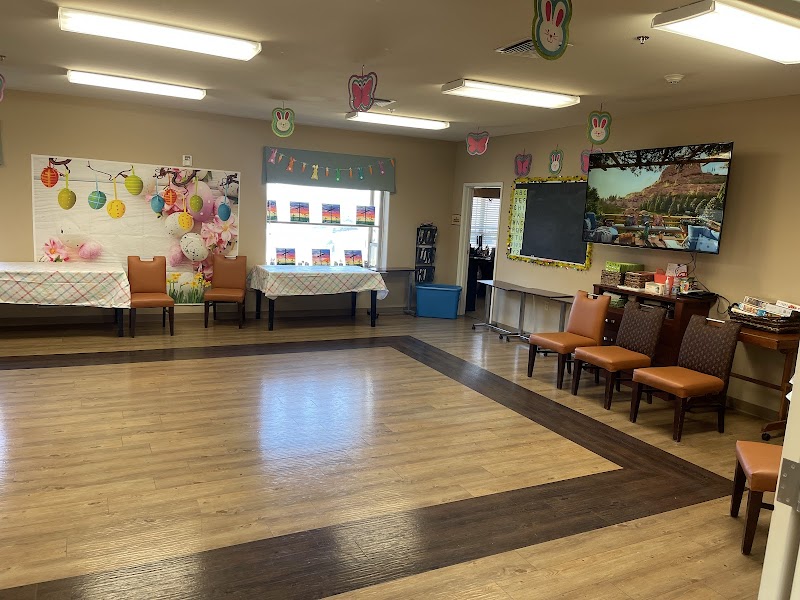
Who Owns and Operates Belterra Health & Rehab?

BELTERRA HEALTH & REHAB is owned by a for-profit company. For-profit facilities operate as businesses with obligations to shareholders or private owners. The facility is operated by PRIORITY MANAGEMENT, a chain that manages multiple nursing homes. With 103 certified beds and approximately 115 residents (about 112% occupancy), it is a mid-sized facility located in MCKINNEY, Texas.
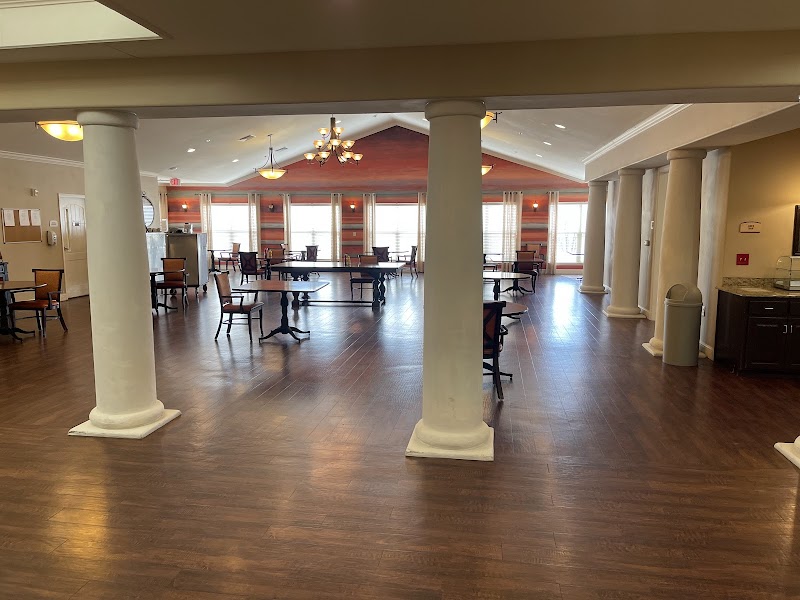
How Does Belterra Health & Rehab Compare to Other Texas Nursing Homes?

Compared to the 100 nursing homes in Texas, BELTERRA HEALTH & REHAB's overall rating (5 stars) is above the state average of 2.8, staff turnover (45%) is near the state average of 46%, and health inspection rating (4 stars) is above the national benchmark.

What Should Families Ask When Visiting Belterra Health & Rehab?

Based on this facility's data, families visiting should ask: "Can you walk me through typical staffing levels on day, evening, and night shifts?" "Can I visit during a mealtime to observe dining assistance and food quality?" "How do you handle medical emergencies, and what is your hospital transfer rate?" "Can I speak with family members of current residents about their experience?" These questions are particularly relevant given the below-average staffing rating.

Is Belterra Health & Rehab Safe?

Based on CMS inspection data, BELTERRA HEALTH & REHAB has a clean safety record: no substantiated abuse findings (meaning no confirmed cases of resident harm), no Immediate Jeopardy citations (the most serious violation level indicating risk of serious injury or death), and is not on the Special Focus Facility watch list (a federal program monitoring the lowest-performing 1% of nursing homes). The facility has a 5-star overall rating and ranks #1 of 100 nursing homes in Texas. While no facility is perfect, families should still ask about staff-to-resident ratios and recent inspection results during their visit.

Do Nurses at Belterra Health & Rehab Stick Around?

BELTERRA HEALTH & REHAB has a staff turnover rate of 45%, which is about average for Texas nursing homes (state average: 46%). Moderate turnover is common in nursing homes, but families should still ask about staff tenure and how the facility maintains care continuity when employees leave.

Was Belterra Health & Rehab Ever Fined?

BELTERRA HEALTH & REHAB has no federal fines on record. CMS issues fines when nursing homes fail to meet care standards or don't correct problems found during inspections. The absence of fines suggests the facility has either maintained compliance or corrected any issues before penalties were assessed. This is a positive indicator, though families should still review recent inspection reports for the full picture.

Is Belterra Health & Rehab on Any Federal Watch List?

BELTERRA HEALTH & REHAB is not on any federal watch list. The most significant is the Special Focus Facility (SFF) program, which identifies the bottom 1% of nursing homes nationally based on persistent, serious quality problems. Not being on this list means the facility has avoided the pattern of deficiencies that triggers enhanced federal oversight. This is a positive indicator, though families should still review the facility's inspection history directly.