NORTH PARK HEALTH AND REHABILITATION CENTER
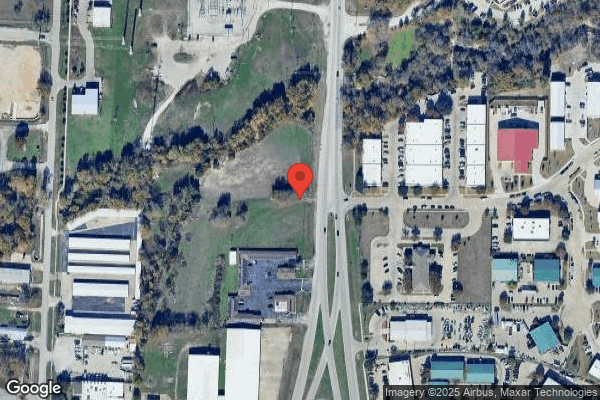
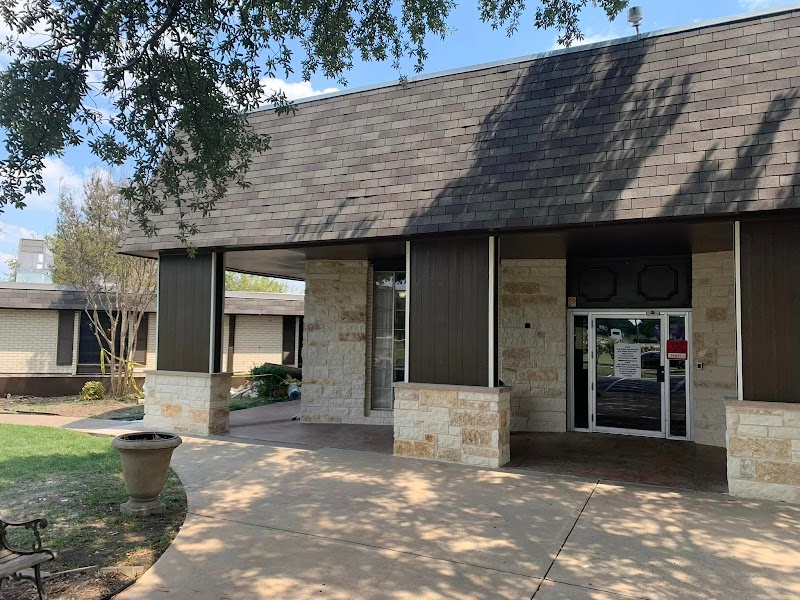
1720 N MCDONALD, MCKINNEY, TX 75069 (972) 562-7969
For profit - Corporation 140 Beds CREATIVE SOLUTIONS IN HEALTHCARE Data: November 2025
Trust Grade
75/100
#295 of 1168 in TX
Last Inspection: June 2025

Inspected within the last 6 months. Data reflects current conditions.

Overview

North Park Health and Rehabilitation Center has a Trust Grade of B, indicating it is a good option for families seeking care, although it is not the highest-rated facility. It ranks #295 out of 1,168 nursing homes in Texas, placing it in the top half of facilities statewide, and #10 out of 22 in Collin County, meaning there are only nine better local options. The facility is improving, having reduced its issues from four in 2024 to none in 2025. Staffing is a moderate strength, with a 3/5 star rating and a turnover rate of 46%, which is slightly below the state average. While there were no fines recorded, there were concerns identified in the inspector's findings, including failure to provide a safe environment, such as unkempt walls and bathrooms, and issues with food safety in the kitchen, which could pose risks to residents. Overall, North Park has strengths in its rating and improvement trend, but families should be aware of the specific concerns raised during inspections.

Trust Score
B
75/100
In Texas
#295/1168
Top 25%
Safety Record
Low Risk
No red flags
Inspections
Getting Better
4 → 0 violations
Staff Stability
⚠ Watch
46% turnover. Above average. Higher turnover means staff may not know residents' routines.
Penalties
✓ Good
No fines on record. Clean compliance history, better than most Texas facilities.
Skilled Nurses
⚠ Watch
Each resident gets only 24 minutes of Registered Nurse (RN) attention daily — below average for Texas. Fewer RN minutes means fewer trained eyes watching for problems.
Violations
⚠ Watch
14 deficiencies on record. Higher than average. Multiple issues found across inspections.
★★★★☆
4.0
Overall Rating
★★★☆☆
3.0
Staff Levels
★☆☆☆☆
1.0
Care Quality
★★★★★
5.0
Inspection Score
Stable
2024: 4 issues
2025: 0 issues

The Good

  • Full Sprinkler Coverage · Fire safety systems throughout facility
  • No fines on record

Facility shows strength in fire safety.

The Bad

Staff Turnover: 46%

Near Texas avg (46%)

Higher turnover may affect care consistency

Chain: CREATIVE SOLUTIONS IN HEALTHCARE

Part of a multi-facility chain

Ask about local staffing decisions and management

The Ugly 14 deficiencies on record

Apr 2024 4 deficiencies
CONCERN (D)

Potential for Harm - no one hurt, but risky conditions existed

Assessment Accuracy (Tag F0641)

Could have caused harm · This affected 1 resident

**NOTE- TERMS IN BRACKETS HAVE BEEN EDITED TO PROTECT CONFIDENTIALITY** Based on observation, interview, and record review the facility failed to ensure assessments accurately reflected a resident's s...

Read full inspector narrative →
**NOTE- TERMS IN BRACKETS HAVE BEEN EDITED TO PROTECT CONFIDENTIALITY** Based on observation, interview, and record review the facility failed to ensure assessments accurately reflected a resident's status for one of eighteen residents (Resident #4) reviewed for accuracy of assessments. The facility failed to ensure Resident #4's MDS Assessment accurately reflected their urinary status. This failure could place residents at risk of not having their needs identified and not receiving necessary care. Findings include: Review of Resident #4's Face Sheet, dated 04/26/24, reflected he was a [AGE] year-old male who initially admitted to the facility on [DATE]. Review of Resident #4's MDS Assessment, dated 03/08/24, reflected Resident #4 had diagnoses including parkinsonism (a disorder of the central nervous system that affects movement, often including tremors), diabetes mellitus (a group of diseases that result in too much sugar in the blood), and dysphagia (difficulty swallowing). The MDS Assessment reflected Resident #4 utilized an indwelling urinary catheter (a catheter that is left in the bladder and that collects urine by attaching to a drainage bag). Review of Resident #4's MDS Assessment (State Optional), dated 03/08/24, did not address whether or not Resident #4 utilized a urinary catheter. Review of Resident #4's Physician's Orders, dated 04/26/24, reflected Resident #4 previously had a urinary catheter that was discontinued on 01/12/21. Review of Resident #4's Care Plan, dated 02/23/24, reflected he had bladder incontinence. Identified goals included for Resident #4 to remain free from skin breakdown due to incontinence and the use of adult briefs. Interventions included staff cleaning Resident #4's peri-area with each incontinent episode. Observation of Resident #4 on 04/24/24 at 12:33PM revealed he was clean, well-groomed, and appropriately dressed. He was free from any odors. He displayed no obvious signs or symptoms of distress. Resident #4 was not observed to utilize a catheter. An interview with Resident #4 was attempted on 04/24/24 at 12:33PM; however, Resident #4 was unable to participate in an interview due to his cognitive status. During an interview with LVN E on 04/26/24 at 1:09PM, she stated she had worked at the facility for a couple of years and provided regular care for Resident #4. LVN E stated to her knowledge, Resident #4 had never utilized a urinary catheter. During an interview with the MDS Nurse G on 04/26/24 at 1:44PM, she stated Resident #4 did not utilize a urinary catheter. She stated there was a documentation error on the MDS Assessment that was completed on 03/08/24. MDS Nurse G said she thought she had rectified the documentation error when she completed an updated MDS Assessment (the State Optional assessment); however, it did not appear as though the error had been corrected. MDS Nurse G said the risk of inaccurate MDS Assessments included potential funding discrepancies and inaccurate quality measures. Review of the facility's Minimum Data Set (MDS) Policy for MDS Assessment Data Accuracy, dated 02/2021, reflected, .Federal regulations at 42 CFR 483.20 (b)(1)(xviii), (g), and (h) require that: 1. The assessment accurately reflects the resident's status .
CONCERN (D) 📢 Someone Reported This

A family member, employee, or ombudsman was alarmed enough to file a formal complaint

Potential for Harm - no one hurt, but risky conditions existed

Deficiency F0645 (Tag F0645)

Could have caused harm · This affected 1 resident

**NOTE- TERMS IN BRACKETS HAVE BEEN EDITED TO PROTECT CONFIDENTIALITY** Based on record review and interviews, the facility failed to complete an accurate PASARR evaluation on residents prior to admis...

Read full inspector narrative →
**NOTE- TERMS IN BRACKETS HAVE BEEN EDITED TO PROTECT CONFIDENTIALITY** Based on record review and interviews, the facility failed to complete an accurate PASARR evaluation on residents prior to admission and after admission for 1 of 7 residents reviewed for PASARR screenings (Resident #19). The facility did not correctly identify Resident #19 has having mental illness diagnoses and failed to correct his PASARR Level 1 screen to reflect the information. This failure placed residents at risk of not receiving or benefiting from specialized therapy and equipment services they may require. Findings included: Record review of resident #19's admission Record revealed he was a [AGE] year-old male admitted to the facility on [DATE] from another nursing facility. Record review of Resident #19's admission MDS assessment dated [DATE] revealed he had moderately impaired cognition and active diagnoses including traumatic brain injury (brain damage caused by an outside force such as a blow to the head during an accident) , depression, bipolar disorder, and post-traumatic stress disorder (PTSD). Record review of Resident #19's Quarterly MDS assessment dated [DATE] also revealed he had moderately impaired cognition and active diagnoses including traumatic brain injury, depression, bipolar disorder, and post-traumatic stress disorder. Record review of resident #19's History and Physical dated 3/1/24 reflected his diagnoses included bipolar disorder, PTSD, and traumatic brain injury. Record review of Resident #19's PASRR Level 1 Screening dated 1/12/24 reflected he had no indicators for mental illness. An observation of Resident #19 on 4/24/24 at 11:10 AM revealed he was dressed and sleeping in his bed. He did not respond to a knock on his door. In another observation and interview on 4/25/24 at 11:54 AM revealed Resident #19 was lying in bed, he was dressed appeared disheveled. He denied complaints and stated he was sleepy because he had stayed up late watching movies. During an interview on 4/25/24 at 12:05 PM, LVN B stated Resident #19 refused care and showers at times. She stated the CNA's made attempts to talk him into care but they did not press him because he would become agitated. During an interview on 4/26/24 at 9:13 AM, MDS Nurse A stated she submitted PASARR forms for the facility. She stated she had received Resident #19's PASRR Level 1 Screening form from his transferring facility. She stated she did not recall noticing he had no indicators for Mental Illness on the form and should have verified it. During a follow-up interview with MDS Nurse A on 4/26/24 at 11:42 AM, she stated she had just submitted a correction form to the State. She stated the risk for inaccurate PASARR forms was a resident could miss out on potential services that may be available for them. During an interview with the Administrator on 4/26/24 at 2:05 PM, she stated she had been made aware of the inaccurate PASARR screen. The Administrator stated failing to have Level 2 screenings completed placed residents at risk for not being provided proper services. Record review of the facility's policy and procedure titled, PASRR Level 1 Screen Policy and Procedure, dated Revised 3/6/19 reflected: Policy: It is the policy of Creative Solutions in Healthcare facilities to obtain a PL1 screening form from the RE (referring entity) prior to admission to the NF. The PL1 will be submitted via [computer portal] timely per PASRR Regulatory timeframes. PASRR is a federally mandated program requiring all states to pre-screen all individuals seeking admission to a Medicaid-certified nursing facility, regardless of payor source or age. The PASRR Program is important because it provides options for individuals to choose where they live, who they live with and the training and therapy they need to live as independently as possible Procedure: 1. The Facility Admissions process will ensure a PL1 Screening Form is obtained from the RE on day of admission or prior to admission. A PL1 is obtained for every individual, regardless of payment type, seeking admission to a Medicaid-certified NF. 2. The PL1 Screening Form is completed by the RE (referring entity) using the paper copy of the PL1 Screening Form. 3. The Facility will review the PL1 Screening Form for completion and correctness prior to admission and submit the PL1 form per regulations. The Type of admission is reviewed for correctness. Ensure the Name, SS number, Medicare/Medicaid numbers and DOB is correct. The Date of the PL1 is correct (i.e. correct day, month and year) and review each item on the PL1 to ensure accuracy and prevent a regulatory problem
CONCERN (D) 📢 Someone Reported This

A family member, employee, or ombudsman was alarmed enough to file a formal complaint

Potential for Harm - no one hurt, but risky conditions existed

Accident Prevention (Tag F0689)

Could have caused harm · This affected 1 resident

Based on observation, interview, and record review, the facility failed to ensure residents were free of accident hazards and received adequate supervision to prevent elopement for 1 of 6 residents (R...

Read full inspector narrative →
Based on observation, interview, and record review, the facility failed to ensure residents were free of accident hazards and received adequate supervision to prevent elopement for 1 of 6 residents (Resident #20) reviewed for accidents and hazards. The facility failed to ensure that after hours when there was not a front entry receptionist that the front door was secure before Resident #20 successfully eloped on 04/21/24 to the front patio. This failure placed residents at risk of elopements. The findings were: Record Review Resident #20 with admission date of 2/20/2024 care plan that was implemented on 03/07/24 reflected problem.Resident#20 is at risk for wandering., with interventions of Identify pattern of wandering: Is wandering purposeful, aimless, or escapist? Is resident looking for something? Does it indicate the need for more exercise. Record review of elopement assessments for 02/01/24 through 04/25/24 revealed the following: - 02/20/24 revealed the resident scored a 7. - 03/06/24 revealed the resident scored a 21. - 04/22/24 revealed the resident scored a score of 24. An elopement assessment score of 10 or greater indicate the resident is considered an elopement risk. Record review of progress note dated 04/21/2024 at 10:06pm revealed, with resident diagnoses: Cognitive communication deficit, need for assistance with personal care, unspecified, vascular dementia, and unspecified severity, with agitation. Author: LVN F wrote, Resident found out of the facility propelling wheelchair herself, staff found her by the facility parking way. Resident on 15min check, RP notified, will continue monitoring. Record review of psychological assessment completed on 4/2/24 reveal the resident's history of present illness of declining cognition and wandering out of her RP's house while living with the RP in November and December of 2023. Record review of the BIMS (Brief Interview for Mental Status) a mandatory tool used to screen and identify the cognitive condition of residents upon admission into a long-term care facility. BIMS was completed on 4/16/24 with a score of 7 indicating severe cognition impairment. BIMS revealed resident used a manual wheelchair for mobility. An observation on 04/24/24 at 10:00am revealed Resident #20 on 4/24/2024 on the secure unit sitting up in a recliner in her room, without a wander guard. Observations throughout the investigation 04/24/24 to 04/26/24 revealed a busy street the front entrance of the facility. Interview on 04/25/24 at 09:10 AM with LVN D indicated she had worked at the facility since 2017 but for the past 2 years was an as needed worker. LVN D was working on the 300hall/secure unit. LVN D showed surveyor each of the doors in the 300 hall/unit; there were a total of 3 doors and 2 gates. LVN D revealed she did not have the code to open the gates. LVN D was unable to identify which residents on the 300 hall/secure unit had the wander guards and was unfamiliar if there were a list. LVN D said there was no routine for checking the doors and locks. Nurses and aids interact with the residents ongoing throughout their shift along with routinely, no more than every 2 hours check on residents that are in their room. Interview on 04/26/24 at 09:43 AM Aide A that worked on the secure 300 hall/unit said one way to prevent residents for elopement risk was to watch the residents closely especially on 300 hall/secure unit. Interview on 4/25/24 at 10:00am with the Administrator clarified resident #20 was on the 500 hall when she eloped and after the elopement was moved with her RP's consent to the 300 hall/secure unit. The Administrator discussed which doors in the entire facility had the wander guard alarm, there were a total of 3. 1-the front door, 2-patio door where the resident's go to smoke, 2-door to laundry. The Administrator revealed the 2 gates on the 300hall/secure unit patio have a keypad but no alarms. The Administrator revealed the exterior door leading to the patio does not sound but had a keypad. The Administrator revealed resident#20 did not have a wander guard because she is on the 300hall/secure unit. Resident had wander guard when she was on the 500 hall. The Administrator revealed the staff on the 500 hall had completed personal care with the resident at 9:45/9:50pm on the night resident #20 eloped. Aides check on the residents at minimum every 2 hours, when they ring their call light and as needed. Interview on 4/25/24 at 10:30am with LVN C, who works on the 500 hall, on 4/25/24 at 10:25am who works on the 500 hall but did not work the night of the elopement on 4/21/24 at 1:52pm LVN C revealed resident#20 would wander/wheel around the facility, but he never saw resident #20 pushing on a door trying to leave. Supervision described as closely watching the residents and at minimum make compliance checks every 2 hours when the resident is in their room. During a telephone interview at 10:45am on 4/25/24 with Aide B stated she had moved her car from the back of the building to the front of the building. Aide B revealed she saw the patient sitting in her wheelchair out front of the facility alone. Aide B assisted the resident back into the building. Aide B reported another Aide was inside the building approaching the front door. Aide B reported the door alarm was not going off. Interview on 4/25/24 at 12:49pm RP acknowledged Resident #20 had a wander guard while on the 500 hall but did not have a wander guard now due to being on the secure 300 hall/unit. Interview 4/25/24 with Aide C said she was familiar with resident #20 stating she knew resident #20 wandered the halls but never saw her try to exit the building. Interview on 4/25/24 at 1:15am with DON said he would have to investigate why the nurse checked off on the Q15 (every 15 minute) minute check list if the LVN E nurse said the resident did not have a wander guard. 4/26/24 at 1:15pm I worked with the various nursing staff on each hall to test each resident's wander guard using the wand for the one resident that did not want to get out of bed. The other 4 were taken to the front door to test the wander guard. As each resident approached the front door a beeping sound began to go off. When staff put in the door code and opened the door as the resident was at the door a loud alarm went off requiring the nurse to put in the code to cancel the alarm. Interview on 04/26/24 at 10:04 AM LVN E last in-service on Abuse Neglect and Exploitation was weekly. Elopement training is often and last week was last time. She said ways to help prevent elopement are to keep completing 15min checks, know resident needs and habits, keep busy with activities, do rounds. Interview on 4/26/24 at 10:30am with Maintenance Specialist indicated there are 3 doors that trigger the wander guards- the front door, the door that leads to the smoking patio, and the door that leads to the laundry building. The door that leads to the smoking patio and the door that leads to the laundry building were tested by Maintenance Specialist using the wander guard pocket Tag reader device; both doors tested positive meaning the alarm sounded as it should if someone is going out of the door. Maintenance Specialist revealed doors are tested monthly and he keeps a log. If doors are not working properly the residents could get out of the building without staff knowing. The resident getting out without staff could be harmful if a resident falls, is out in extreme weather of rain, sleet, heat, or cold. If the resident may not be able to get back into the building if they get out without the alarm going off or if staff do not assist them outside. Record Review of facility's policy Elopement Prevention , dated January 2023, reflected the following: Policy Statement Every effort will be made to prevent elopement episodes while maintaining the least restrictive environment for residents who are at risk for elopement. 1. The Elopement Risk Assessment 2. Identify the cause of wandering. 3. Intervention Strategies 4. Environmental Modification Physical Plant 1. All facility exits that residents have access to will have a device in place to alert staff of elopement attempts. i. Examples of these devices: ii. Wanderguard System (locking or alarming) 1. Placement of the residents' device to alarm the system will be verified each shift and documented on a treatment or other flow record. 2. Function of the resident's device will be verified at least daily and documented on a treatment of other flow record. 3. Function of the alarm system will be verified each week and documented in a maintenance log. o Keypad exit magnetic locks. o Keyed Alarms o Secured Unit Fire exit doors on the secure unit will meet the following criteria: The lock must be electro-magnetic. The lock must release when any one of the following occurs: The fire alarm or sprinkler system are activated. Power failure to the facility Activation of a switch or button located at the monitoring station and the main nurse's station. o A keypad or buttons may be located at the control door for routine use by staff. o A manual fire pull must be located within five feet of each exit door with a sign stating, Pull to release door in an emergency. o Staff must be trained in the methods of releasing the door device. Or a combination of the above 2. All other exits not considered fire exits will be locked when not occupied by staff members. 3. All exit devices will be maintained by the manufacture's recommendations and function of each device will be verified weekly, and a log maintained.
CONCERN (E) 📢 Someone Reported This

A family member, employee, or ombudsman was alarmed enough to file a formal complaint

Potential for Harm - no one hurt, but risky conditions existed

Safe Environment (Tag F0921)

Could have caused harm · This affected multiple residents

**NOTE- TERMS IN BRACKETS HAVE BEEN EDITED TO PROTECT CONFIDENTIALITY** Based on observation, interview, and record review, the facility failed to provide a safe, functional, sanitary, and comfortable...

Read full inspector narrative →
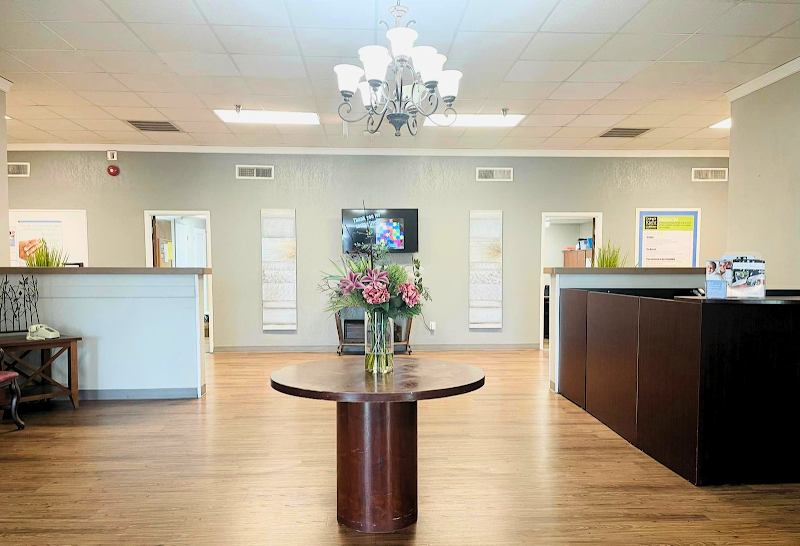
**NOTE- TERMS IN BRACKETS HAVE BEEN EDITED TO PROTECT CONFIDENTIALITY** Based on observation, interview, and record review, the facility failed to provide a safe, functional, sanitary, and comfortable environment for residents, staff and the public for 2 (500 and 600 Halls) of 6 halls reviewed for environment. The facility failed to ensure the walls, floors, and bathrooms were in good repair for rooms 505, 507, 605, 607, 608, and 610. This failure places residents at risk for diminished quality of life due to the lack of a well-kept environment. Findings included: Observation on 4/24/24 at 11:14 AM in room [ROOM NUMBER]A revealed there were multiple scratches in the paint on the walls alongside the bed. Observation on 4/24/24 at 11:16 AM in room [ROOM NUMBER] B revealed the walls alongside and behind his bed had large scrapes in the paint. The scrapes alongside hid bed formed an arc that appeared to have been caused when the head of his bed was raised and lowered. Observation on 4/25/24 at 11:35 AM in the bathroom shared by rooms [ROOM NUMBERS] revealed there was chipped paint along both the door trims. There was a large area beneath the sink approximately 2 feet in diameter with a thick white substance where, it appeared, repairs had been made. An Observation on 4/25/24 at 12:49 PM in the bathroom shared between rooms [ROOM NUMBERS] revealed the base of the door jamb leading to room [ROOM NUMBER] was completely rotted away along the bottom, approximately 3 inch section, exposing rotted wood and debris inside. The white paint above the rotted area was scraped and chipped exposing approximately 12 inches of wood beneath. The linoleum was separated and bubbling along that area. The linoleum extended up the walls inside the bathroom and was peeling away from the wall all along the back wall behind the toilet and the side wall leading to the door that connected the bathroom to room [ROOM NUMBER]. The linoleum was beige in color but had a large black/gray stain that extended from the left side of toilet to the left side wall of the bathroom. An Observation on 4/25/24 at 12:54 PM in the bathroom shared by rooms [ROOM NUMBERS] revealed the area surrounding the plumbing beneath the sink appeared as though a portion of the wall had been cut away then placed back leaving open holes and gaps in the wall. The area extending beneath the opening and the floor had, what appeared to be, a thick layer of uneven plaster covering the area from beneath the sink to the adjacent wall on the left side. The linoleum was bubbled up near the door jamb for room [ROOM NUMBER]. The door jamb on room [ROOM NUMBER]'s side of the bathroom had damaged areas in the wood at the bottom, scrapes and missing paint exposing the wood beneath. There was a hole in the door leading to room [ROOM NUMBER] that was approximately 2 inches by 3 inches along the edge of the door between the middle and bottom hinges . During an interview on 4/25/24 at 1:00 PM, LVN B, 600 Hall Charge Nurse, stated the facility used an app to report any maintenance issues found or maintenance complaints from the residents. She stated she had used the app to report issues such as light bulbs needing replacement or toilets not functioning. She stated she did not recall reporting any cosmetic issues using the app and had not thought to do so. She stated she had seen previously seen maintenance staff making rounds and doing touch up work and thought they monitored it. She stated she was not aware of the issues in resident's bathrooms. During an interview with the Administrator on 4/25/24 at 4:30 PM, she stated the facility utilized an app to report any issues related to maintenance that were found in the facility and all nursing staff were trained on it's use . A request was made for maintenance logs. In another interview with the Administrator on 4/26/25 at 7:40 AM, she stated daily rounds were conducted by management staff and all issues found were documented on work orders and they had plans in place. The Administrator stated the building was older one and they major projects going on at that time that required the maintenance staff's attention. In an interview on 4/26/24 at 9:48 AM, the DON stated he would expect the nursing staff to report any maintenance or environmental issues. He stated they could log into the maintenance and report anything. The DON stated the risk of having scratch and chipped paint, rotted wood, and rooms in disrepair were that it was not clean and could make the residents feel like no one cared about them. During an interview on 4/26/24 at 10:25 AM, LVN C, 500 Hall Charge Nurse, stated he was aware there were some maintenance issues in the facility as it was an old building. He stated they had an app and were able to enter any issues there and he felt like the maintenance department did a good job at addressing things like lights, bed issues, and plumbing problems very quickly. He stated he had not reported any cosmetic issues recently because he believed there were already work orders placed for them. He stated he frequently saw maintenance staff touching up paint and performing repairs. He stated risks included residents may not feel good about looking at it and the bathrooms could be unsanitary. During an interview and observations with the Maintenance Director on 4/26/24 at 11:23 AM, he explained he had only been at the facility a few weeks. He stated he had a list of items to address but had to start with the high priority items and they had had some major work done on the facility recently. The Maintenance Director stated they utilized an app so that staff could enter any issues they found which would generate a work order. He stated he and his assistant also entered any issues they found while working in the vicinity. When shown the walls in rooms [ROOM NUMBERS], he stated he was aware there were issues like this and they worked to touch-up paint whenever they could. He stated he had asked the CNAs to take care when moving the beds so they were not directly against the walls causing the scratches. When shown the issues in the bathroom shared by rooms [ROOM NUMBERS], the Maintenance Director stated it appeared some plumbing work was done and they still needed to complete the work on the walls. He stated wall repairs were challenging because there was usually sanding involved and that meant coordinating moving a resident from the area because of the dust generated and possible respiratory concerns. When shown the rotted wood and flooring concerns in the bathroom between rooms [ROOM NUMBERS], the Maintenance Director stated he had not previously seen the issues and did not recall being informed about it. The Maintenance Director stated the risks to residents may be concerned for their safety or feel embarrassment if having guests visit. In another interview with the Administrator on 4/26/24 at 2:05 PM, she stated she was aware of the concern areas found during the survey and stated they were working to correct all the issues. She stated they were handling larger life-safety issues first and had lots of items to address. She stated the risks for residents included overall safety from possibly tripping on flooring, hygiene, and cleanliness. She stated residents should feel they were in a comfortable homelike environment. Record review of facility maintenance logs dated 4/26/24 revealed the following entries: Entry dated 4/04/24 at 12:32 PM: Floor in bathroom is coming up. Notes: put floor threshold back, used floor adhesive to secure. Entry dated 4/25/24 at 5:21 PM: room [ROOM NUMBER]. Bathroom flooring needs to be replaced. Entry dated 4/25/24 at 5:16 PM: room [ROOM NUMBER]. Paint touch up needed in the room. Entry dated 4/25/24 at 5:16 PM: room [ROOM NUMBER]: A,B, and bathroom paint needs to be re-painted. Record review of the facility's undated policy titled, Resident Rights provided by the Administrator reflected the following: .Safe environment - The resident has a right to a safe, clean, comfortable and homelike environment, including but not limited to receiving treatment and supports for daily living safely. The facility must provide-1. A safe, clean, comfortable, and homelike environment, allowing the resident to use his or her personal belongings to the extent possible. a. This includes ensuring the resident can receive care and services safely and that the physical layout of the facility maximizes resident independence and does not pose a safety risk .2. Housekeeping and maintenance services necessary to maintain a sanitary, orderly, and comfortable interior
Jul 2023 1 deficiency
CONCERN (D) 📢 Someone Reported This

A family member, employee, or ombudsman was alarmed enough to file a formal complaint

Potential for Harm - no one hurt, but risky conditions existed

Deficiency F0552 (Tag F0552)

Could have caused harm · This affected 1 resident

**NOTE- TERMS IN BRACKETS HAVE BEEN EDITED TO PROTECT CONFIDENTIALITY** Based on record review and interview, the facility failed to inform resident in advance, of the risks and benefits of proposed c...

Read full inspector narrative →
**NOTE- TERMS IN BRACKETS HAVE BEEN EDITED TO PROTECT CONFIDENTIALITY** Based on record review and interview, the facility failed to inform resident in advance, of the risks and benefits of proposed care, of treatment and treatment alternatives or treatment options and to choose the alternative or option for 1 (Resident #1) of 5 residents reviewed for resident rights in that: LVN A failed to obtain a signed consent prior to Resident #1 receiving psychoactive medication Sertraline HCl (a class of antidepressants called selective serotonin reuptake inhibitors (SSRIs) used to manage and treat the major depressive disorder, obsessive-compulsive disorder, panic disorder, post-traumatic stress disorder, premenstrual dysphoric disorder, and social anxiety disorder) on admission. This failure could affect all residents receiving antidepressant medications potentially voiding their opportunity to make choices about their care. Findings include: Record review of Resident #1's face sheet dated 05/26/23 revealed a [AGE] year-old male admitted to the facility. His diagnoses included dementia with agitation, Alzheimer's, anxiety disorder, impulse disorder, and depression. Record Review of Resident #1's Quarterly MDS dated [DATE] indicated antidepressant medication to be prescribed by physician and revealed a BIMS score of 1 indicating the resident is severely impaired for cognition. Record Review of Resident #1's care plan dated 07/07/23 indicated antidepressant medication as prescribed by physician. The care plan reflected facility staff would educate the resident/family/caregivers about risks, benefits, and the side effects. Record review of Resident #1's Physician orders dated 05/27/23 revealed orders for: Sertraline HCl Oral Tablet 25 mg, Give 1 tablet by mouth in the morning related to depression. Record review of Resident #1's MAR revealed he received Sertraline HCl Oral Tablet 25 mg from 05/27/23 through 07/20/23. Review of Resident #1's EMR on 07/25/23 revealed no consent documented for Sertraline HCl. Record review of the facility copy of Resident #1's durable POA dated 04/20/23 reflected he had a designated RP to make health care decisions. In an interview on 07/26/23 at 11:06 AM, LVN A stated she admitted Resident #1 on 05/26/23. LVN A stated as admitting nurse she was responsible for obtaining Resident #1's consent for Sertraline HCl, however the DON also obtains consents and monitors nursing records. LVN A stated she knew residents' consents were to be documented in EMR. LVN A stated should a resident not be alert to provide consent she would contact RP receive their consent and document it in the residents' EMR. LVN A stated she forgot to obtain consent for Resident #1's Sertraline HCl. She stated she spoke with Resident #1's RP at admission about his psychotropic medications. She stated the RP was aware of Resident #1's psychotropic medications because he took them at his previous facility. LVN A stated the risk of not obtaining consent for medications should anything happen; the family could state they did not know or agree with the treatment. In an interview on 07/26/23 at 1:45 PM, the DON stated before administering psychotropic medications a consent should be obtained by an alert resident or RP. The DON stated LVN A should have received consent for Resident #1's Sertraline HCl from his RP. The DON stated LVN A should have entered the consent into Resident #1's EMR. The DON stated he entered consents into Resident #1's EMR for two other psychotropic medications. The DON reviewed Resident #1's EMR and stated there was no consent for Sertraline HCl, and it was his oversight. The DON stated he understood the risks of not obtaining consent for psychotropic medications as they could be considered restraints. The DON stated the consent indicates the reasons for the medication and discloses the side effects. The DON stated the facility should not administer a medication without the family being notified. The DON stated he reviewed all medications with Resident #1's RP. In a phone interview on 07/26/23 at 2:58 PM, the RP for Resident #1 stated the facility called twice to change Resident #1's psychotropic medication. The RP stated he was not sure what facility Resident #1 started Sertraline HCl but he knew Resident #1 had been taking the medication for at least one year. The RP stated he had provided consent for other psychotropic medications for Resident #1 but did not remember if he had provided consent for Sertraline HCL. Record review of the facility policy titled, Psychotropic Drugs, dated 10/25/17 reflected . Consent A psychotropic consent form explains the risks and benefits of psychotropic medication. The resident or their representative must provide document consent prior to administration of a newly ordered psychotropic medication. Consent for antipsychotics must be in a written form. Phone or verbal consent is not allowed. Permission given by or a request made by the resident and/or representative does not serve as a sole justification for the medication itself.
Jul 2023 2 deficiencies
CONCERN (D) 📢 Someone Reported This

A family member, employee, or ombudsman was alarmed enough to file a formal complaint

Potential for Harm - no one hurt, but risky conditions existed

ADL Care (Tag F0677)

Could have caused harm · This affected 1 resident

**NOTE- TERMS IN BRACKETS HAVE BEEN EDITED TO PROTECT CONFIDENTIALITY** Based on observation, interview, and record review the facility failed to provide the necessary services for residents who are u...

Read full inspector narrative →
**NOTE- TERMS IN BRACKETS HAVE BEEN EDITED TO PROTECT CONFIDENTIALITY** Based on observation, interview, and record review the facility failed to provide the necessary services for residents who are unable to carry out activities of daily living to maintain good grooming and personal hygiene for 1 (Resident #1) of 4 residents reviewed for ADLs. The facility failed to ensure Resident#1 had his fingernails cleaned and trimmed. This failure could place residents who were dependent on staff for ADL care at risk for loss of dignity, risk for infections, and a decreased quality of life. Findings include: A record review of Resident #1's Quarterly MDS assessment dated [DATE] reflected Resident #1 was a [AGE] year-old male admitted to the facility on [DATE] with diagnoses included Alzheimer's disease (the most common type of dementia), and dementia (a progressive loss of intellectual functioning, especially with impairment of memory and abstract thinking, and often with personality change, resulting from organic disease of the brain), type 2 diabetes Miletus. Resident #1 required extensive assistance of one-person with personal hygiene. A record review of Resident #1's Comprehensive Care Plan, revised 06/08/23, reflected Focus: [Resident #1] has an ADL self-care performance deficit related to Confusion, Disease Process, impaired balance. Goal: Resident will improve current level of function in SPECIFY ADLs through the review date. Interventions: PERSONAL HYGIENE/ORAL CARE: The Resident is totally dependent on (1) staff for personal hygiene and oral care. An observation on 07/07/23 at 09:59 am revealed Resident #1 was laying in his bed. His nails on both hands were approximately 0.3 centimeter in length extending from the tip of his fingers. The nails underside had a dark brown colored residue. Resident #1 was confused and unable to answer questions. Interview on 07/07/2023 at 10:43 AM, CNA K stated residents' fingernails care was provided by CNAs during the resident's' shower days. For Resident#1 shower days were Monday's, Wednesday's, Friday's, and he was due for shower today in the afternoon. She further stated Resident#1 likes to eat food with his fingers. Interview on 07/07/2023 at 10:58 AM, LVN N stated residents' nails care was provided regularly by LVNs, and CNAs during resident's' shower days or on daily basis. LVN N acknowledged Resident #1's fingernails were sharp looking, and dirty. LVN N stated she would clean and trim Resident #1's fingernails. Interview on 07/07/2023 at 12:50 PM, the ADON stated Resident #1 was very confused, unable to verbalize or report his needs, unless he was hungry. The ADON stated nail care should be completed by CNAs, and nurses at least weekly on residents' shower days, and as needed. The ADON stated residents having long and dirty nails could be an infection control issue, and residents could get sick. Review of the facility's policy titled, Nail Care dated 2003, reflected, . Goals: 1. Nail care will be performed regularly and safely. 2. Resident will be free from infection. 3. Use a soft brush if necessary to cleans under and around the nails. 4. Remove debris from under the nails with an orange stick while soaking. 14. When performed at bath time, the nail care can be done following the procedure or as a separate procedure when needed at the convenience of the resident.
CONCERN (D) 📢 Someone Reported This

A family member, employee, or ombudsman was alarmed enough to file a formal complaint

Potential for Harm - no one hurt, but risky conditions existed

Safe Environment (Tag F0921)

Could have caused harm · This affected 1 resident

Based on observation, interview, and record review, the facility failed to provide a safe, functional, sanitary, and comfortable environment for one (400 hall) of four halls reviewed for environment. ...

Read full inspector narrative →
Based on observation, interview, and record review, the facility failed to provide a safe, functional, sanitary, and comfortable environment for one (400 hall) of four halls reviewed for environment. The facility failed to ensure one dirty breakfast tray was removed from on top of a treatment cart. The facility failed to ensure thickened orange juice, applesauce, and pudding were covered while on top of a medication cart. These failure could place residents at risk of not having a sanitary environment. Findings included: An observation of the 400 hall on 07/07/23 at 10:20 AM revealed a dirty breakfast tray was left on the treatment cart. An observation of the 400 hall on 07/07/23 at 10:26 AM revealed a container of applesauce and pudding open and exposed to air on top of the medication cart. An observation of the 400 hall on 07/07/23 at 10:45 AM revealed a container of thickened orange juice open and exposed to air on top of the medication cart. An interview with CNA A on 07/07/23 at 11:32 AM revealed she helped remove dirty breakfast trays from residents' rooms on the 400 hall. She stated dirty breakfast trays were removed from residents rooms before lunch trays arrived. She stated dirty trays were supposed to be placed on the meal cart. She stated dirty breakfast trays were not supposed to be left on top of the treatment cart. She stated she did not know how long the dirty breakfast tray was left on top of the treatment cart. She stated there was one CNA to twenty-one residents on the 400 hall. She stated sometimes dirty breakfast trays were not placed in the appropriate area because she had other tasks to complete. She stated there were no infection control risks because the dirty breakfast tray was not returning to a resident's room. An interview with LVN B on 07/07/23 at 2:10 PM revealed any facility staff could remove dirty breakfast trays from residents' rooms on the 400 hall. She stated the dirty breakfast tray was supposed to be placed on the meal cart and returned to the kitchen. She stated the dirty breakfast tray was not supposed to be left on top of the treatment cart. She stated sometimes facility staff was distracted and placed dirty trays anywhere. She stated she did not notice the dirty breakfast tray on top of the treatment cart. She stated there was an infection control issue because the resident's germs from the dirty breakfast tray could spread to the treatment cart. She stated the containers of applesauce, pudding, and thickened orange juice on top of the medication cart was not supposed to be open and exposed to air. She stated the container of applesauce and pudding had been left open and exposed to air since the previous shift (10:00 PM - 6:00 AM). She stated she should have disposed of the container of applesauce and pudding at the beginning of her shift (6:00 AM) on 07/07/23. She stated she forgot to cover the thickened orange juice while passing medication. She stated she should have disposed of the container of applesauce, pudding, and thickened orange juice because of infection control issues. She stated residents were at risk of getting sick if the containers of applesauce, pudding, and thickened orange juice was consumed. An interview with the ADON on 07/07/23 at 12:29 PM revealed dirty breakfast trays were not supposed to be left on top of the treatment cart for infection control issues. She stated the dirty breakfast trays were supposed to be placed on the meal cart. She stated the residents were at risk of cross contamination because the dirty breakfast tray was left on top of the treatment cart. She stated the containers of applesauce, pudding, and thickened orange juice were not supposed to be open and exposed to air on top of the medication cart. She stated applesauce, pudding, and thickened orange juice was used with crushed medications during medication pass. She stated she was unaware the containers of applesauce and pudding were left on the medication cart from the previous shift (10:00 PM - 6:00 AM). She stated the containers of applesauce and pudding were removed from the top of the medication cart. She stated the residents were at risk of becoming sick if consumed. Review of facility policy, Infection Control Plan: Overview, dated 2019, reflected: The facility will establish and maintain an infection control program designed to provide a safe, sanitary and comfortable environment and to help prevent the development and transmission of disease and infection.
Feb 2023 6 deficiencies
CONCERN (D)

Potential for Harm - no one hurt, but risky conditions existed

Resident Rights (Tag F0550)

Could have caused harm · This affected 1 resident

**NOTE- TERMS IN BRACKETS HAVE BEEN EDITED TO PROTECT CONFIDENTIALITY** Based on observation, interview, and record review, the facility failed to treat each resident with respect and dignity and care...

Read full inspector narrative →
**NOTE- TERMS IN BRACKETS HAVE BEEN EDITED TO PROTECT CONFIDENTIALITY** Based on observation, interview, and record review, the facility failed to treat each resident with respect and dignity and care for each resident in a manner and in an environment that promotes maintenance or enhancement of his or her quality of life, recognizing each resident's individuality for one (Resident #38) of four residents reviewed for resident rights. The facility failed to place a privacy bag over Resident #38's catheter bag while he was outside of his room. This failure could place residents at risk for decreased dignity and privacy. Findings included: Review of Resident #38's Quarterly MDS assessment dated [DATE] revealed he was a [AGE] year-old male who was admitted to the facility 08/25/21. His diagnoses included: heart failure, hypertension, peripheral vascular disease, obstructive uropathy, anxiety disorder, and chronic obstructive pulmonary disease. He was understood, understood others, and had clear speech. His BIMS score (15) revealed he was cognitively intact. There was no evidence of delirium or psychotic behaviors. He had an indwelling catheter. Review of Resident #38's physician orders dated 02/25/23 reflected, Foley catheter #18/10 to straight drainage due to obstructive uropathy. Catheter care every shift. Catheter tubing to be free of kinks and properly secured to prevent trauma and assure proper function. Cover drainage bag with privacy cover. Measure output and observe for signs and symptoms of infection every shift. In an observation and interview with Resident #38 on 02/14/23 at 3:54 PM revealed his catheter bag was hooked with a clip to the arm of his wheelchair without a privacy cover. Resident #38 was in the hall with his catheter bag visible to others. He stated he wanted a privacy cover for his catheter bag. He stated he was once provided a privacy bag but did not recall how long ago. He stated a privacy cover would prevent others from seeing his catheter bag. He stated his dignity was affected without a privacy cover on his catheter bag. Interview with LVN D on 02/14/23 at 4:00 PM revealed Resident #38 did not have a privacy cover for his catheter bag. She stated the facility did not have any privacy covers. She stated management was informed about the need to order more privacy covers for catheter bags. She stated the purpose of privacy bags was to conceal a resident's catheter bag. She stated residents did not want their urine visible to others. She stated privacy bags were to be used when a resident was outside of their room. She stated Resident #38's dignity could be affected due to not having a privacy cover for his catheter bag. Interview with the DON on 02/15/23 at 12:45 PM revealed Resident #38 was supposed to have a privacy cover on his catheter bag while outside of his room. He stated his expectation was for all staff to ensure residents had a privacy cover on their catheter bags while outside of his room. He stated the facility was not out of privacy bags. He stated Resident #38's dignity was affected by not having a privacy cover on his catheter bag. Interview with the Administrator on 02/15/23 revealed the facility did not have a policy regarding privacy covers for catheter bags.
CONCERN (D)

Potential for Harm - no one hurt, but risky conditions existed

Incontinence Care (Tag F0690)

Could have caused harm · This affected 1 resident

**NOTE- TERMS IN BRACKETS HAVE BEEN EDITED TO PROTECT CONFIDENTIALITY** Based on observation, interview, and record review, the facility failed to ensure a resident received appropriate treatment and ...

Read full inspector narrative →
**NOTE- TERMS IN BRACKETS HAVE BEEN EDITED TO PROTECT CONFIDENTIALITY** Based on observation, interview, and record review, the facility failed to ensure a resident received appropriate treatment and services to prevent urinary tract infections for one (Resident #66) of four residents observed for indwelling urinary catheters. The facility failed ensure Resident #66's drainage urine bag was below his bladder to prevent urine from flowing back into the bladder. These failures could place residents with urinary catheters at risk for urethral tears, dislodging of the catheter, and urinary tract infections. Findings included: Review of Resident #66's Quarterly MDS assessment dated [DATE] revealed he was a [AGE] year-old male who was admitted to the facility 11/22/22. His diagnoses included: hypertension, neurogenic bladder, obstructive uropathy, diabetes mellitus, hyperlipidemia, cerebrovascular accident, Non-Alzheimer's Dementia, seizure disorder, malnutrition, depression, and dysphagia. He was usually understood, usually understood others, and had unclear speech. His BIMS score (6) revealed he was severely cognitively impaired. There was no evidence of delirium or psychotic behaviors. He had an indwelling catheter. Review of Resident #66's Care Plan, undated, revealed he had an indwelling catheter due to neurogenic bladder. His goals were to show no signs and symptoms of urinary infection through review date. He was to also be/remain free from catheter related trauma through review date. His interventions were to have a 16fr and 10cc foley catheter. His catheter bag and tubing were to be positioned below the bladder level. In an observation and interview with Resident #66 on 02/14/23 at 3:14 PM, revealed his catheter bag was lying beside him in bed. His catheter bag contained an output of 350 ml of urine. His catheter tubing appeared to be cloudy. His urine appeared to be amber colored. Resident #66 did not respond to questions regarding his catheter bag. Interview with LVN D on 02/14/23 at 3:20 PM, revealed she did not know why Resident #66 had his catheter bag laying beside him in bed. She stated his catheter bag was supposed to be clipped to the bed and hung below his bladder. She stated the catheter bag was supposed to be hung below the bladder to prevent urine from flowing back to the bladder. She stated Resident #66 could be at risk of an infection due to the catheter bag not being hung below his bladder. Interview with CNA E on 02/15/23 at 1:40 PM revealed Resident #66's catheter bag was not supposed to be laying beside him in bed. She stated his catheter bag was supposed to be hung on the side of his bed and below his bladder. She stated she provided care to Resident #66 and forgot to replace his catheter bag. She stated he was at risk for bladder issues due to his catheter bag not being hung below the bladder for easy flow of urine. Interview with the DON on 02/15/23 at 12:57 PM revealed all resident catheter bags were to be kept below their bladder. He stated nursing staff were responsible for ensuring Resident #66's catheter bag was hung below his bladder. He stated Resident #66's catheter bag was not supposed to be lying next to him in bed. He stated he was at risk of an infection due to urine going back up the tube. Review of the facility policy titled, Catheter Care, dated 02/13/07, revealed The bag must be held lower than the bladder at all times to prevent the urine in the tubing and drainage bag from flowing back into the urinary bladder.
CONCERN (D)

Potential for Harm - no one hurt, but risky conditions existed

Deficiency F0761 (Tag F0761)

Could have caused harm · This affected 1 resident

**NOTE- TERMS IN BRACKETS HAVE BEEN EDITED TO PROTECT CONFIDENTIALITY** Based on observations, interview, and record review, the facility failed to, in accordance with State and Federal laws, ensure a...

Read full inspector narrative →
**NOTE- TERMS IN BRACKETS HAVE BEEN EDITED TO PROTECT CONFIDENTIALITY** Based on observations, interview, and record review, the facility failed to, in accordance with State and Federal laws, ensure all drugs were stored in locked compartments under proper temperature controls, and permit only authorized personnel to have access to these drugs, to meet the needs of each resident, for one (Resident #9) of six residents reviewed for medication storage. The facility failed to ensure Resident #9 did not have prescription pills and unsecured medication in his room on 02/13/23. This failure could place residents at risk of not being monitored for their medications, adverse reactions, and drug diversion. Findings included: Review of Resident #9's MDS assessment dated [DATE] revealed he was a [AGE] year-old male who was admitted to the facility 07/06/22. His diagnosis included: hypotension, diabetes mellitus, hyperlipidemia, cerebrovascular accident, Dementia, hemiplegia, seizure disorder, and depression. He was understood, understood others, and had clear speech. His BIMS score (8) revealed he had moderate cognitive impairment. There was no evidence of delirium or psychotic behaviors. Review of Resident #9's physician orders dated 02/15/23 reflected the following medications: - Allopurinol tablet 300 mg give 1 tablet by mouth in the morning for inflammation. - Apixaban tablet 2.5 mg give 1 tablet by mouth two times a day for anticoagulant related to unspecified atrial fibrillation - Calcium 600+D tablet 600-400 mg unit give 1 tablet by mouth in the morning for supplements - FerrouSul tablet 325 mg give 1 tablet by mouth in the morning for supplement. - Levetiracetam tablet 500 mg give 1 tablet by mouth two times a day related to unspecified convulsions - Metformin HCl tablet 500 mg give 1 tablet by mouth two times a day related to type 2 diabetes mellitus without complications There were no physician orders for Ascorbic acid tablet 500 mg or Zinc tablet 50 mg. Review of Resident #9's MAR dated 01/01/23 to 01/31/23 reflected the resident was given the following medication by LVN F: - Allopurinol tablet 300 mg scheduled for 7:00 AM - Ascorbic acid tablet 500 mg scheduled for 8:00 AM - Calcium 600+D tablet 600-400 mg scheduled for 7:00 AM - FerrouSul tablet 325 mg scheduled for 7:00 AM - Zinc tablet 50 mg scheduled for 8:00 AM - Apixaban tablet 2.5 mg scheduled for 7:00 AM - Levetiracetam tablet 500 mg scheduled for 7:00 AM - Metformin HCl tablet 500 mg scheduled for 7:00 AM In an observation on 02/13/23 between 10:58 AM and 11:15 AM revealed there were 6 different pills in a plastic medication cup on Resident #9's beside table. Resident #9 was observed sleeping in his bed. In an interview with Resident #9 on 02/13/23 at 11:32 AM revealed he had taken his medication that was left on his bedside table. He stated he did not want to answer any more questions and wanted to be left alone. Interview with LVN F on 02/13/23 at 12:19 PM revealed she left Resident #9's morning medications on his bedside table and left the room to take other residents' vitals. She stated she later returned to his room and supervised him taking his medications. She stated she was never supposed to leave his medications unsupervised on his bedside table. She stated Resident #9 was not supposed to self-administer his own medication. She stated she did not know what medications she administered to him but could check his MAR. She stated Resident #9 was at risk of not taking his medications or some else could have come in his room and taken his medication. Interview with the DON on 02/15/23 at 1:00 PM, revealed Resident #9's medications were not to be left on his bedside table. He stated LVN F was supposed to administer medications and supervise Resident #9. He stated Resident #9 was at risk of not taking medication or another resident could have gone into his room and taken the medications. Interview with Administrator on 02/15/23 revealed the facility did not provide a policy regarding medication storage.
CONCERN (D)

Potential for Harm - no one hurt, but risky conditions existed

Infection Control (Tag F0880)

Could have caused harm · This affected 1 resident

**NOTE- TERMS IN BRACKETS HAVE BEEN EDITED TO PROTECT CONFIDENTIALITY** Based on observation, interview, and record review, the facility failed to maintain an Infection Prevention and Control Program ...

Read full inspector narrative →
**NOTE- TERMS IN BRACKETS HAVE BEEN EDITED TO PROTECT CONFIDENTIALITY** Based on observation, interview, and record review, the facility failed to maintain an Infection Prevention and Control Program designed to provide a safe, sanitary, and comfortable environment and to help prevent the development and transmission of communicable diseases and infections for one (Resident #2) of six residents observed for infection control in that: 1. CNA B failed to perform hand hygiene during incontinent care for Resident #2. Findings included: 1. Review of Resident #2's Face Sheet 2/15/23 reflected a [AGE] year-old male with an admission date of 3/14/14. Primary diagnoses included anxiety, lack of coordination, bipolar and muscle wasting and atrophy. Review of Resident #2's Care Plan revised 11/11/19 reflected, . [Resident #2] has an ADL self-care performance deficit r/t Bipolar Disorder .Interventions .Toilet use .requires up to limited assist x 1 staff for toileting. Observation on 2/14/23 at 12: 45 PM revealed CNA B providing incontinent care to Resident #2. CNA B gloved, Resident #2 was resting in bed and CNA B informed the resident she was going to provide him with incontinent care. CNA B gloved and took off the resident's dirty brief, the resident was moderately soiled with urine. CNA B cleaned the resident with wipes, after cleaning the resident she proceeded to applying the resident's clean brief without any form of hand hygiene. With the same dirty gloves CNA B assisted the resident to put on his pants. When CNA B was done assisting the resident, she got the trash and left the room without any form of hand hygiene. In an interview on 02/14/23 at 1:22 PM with CNA B she said she realized she did not change the gloves between care. CNA B stated she was supposed to change gloves after taking the resident's dirty brief off. Asked about completing hand hygiene she stated she was supposed to wash hands after cleaning the resident to prevent the spread of infections. She stated she had been in-serviced on infection control a few weeks ago In an interview on 02/15/23 at 10:54 AM with the DON he said when providing incontinent care the staff was supposed to complete hand hygiene before, in between care after the staff was done cleaning the resident and before applying the clean brief and after completing the resident care. The DON stated the staff was supposed to complete hand hygiene during incontinent care to prevent the spread of infection. The DON stated the facility completed in-service on infection control in January. Review of the facility policy, not dated and titled Fundamentals of Infection Control Precautions, reflected, .Hand Hygiene. Hand hygiene continues to be the primary means of preventing the transmission of infection. The following is a list of some situations that require hand hygiene: .When hands are visibly soiled (hand washing with soap and water); Before and after the resident direct contact (for which hand hygiene is indicated by acceptable professional practice)
CONCERN (E)

Potential for Harm - no one hurt, but risky conditions existed

Accident Prevention (Tag F0689)

Could have caused harm · This affected multiple residents

**NOTE- TERMS IN BRACKETS HAVE BEEN EDITED TO PROTECT CONFIDENTIALITY** Based on observation, interview, and record review the facility failed to ensure each resident received adequate supervision and...

Read full inspector narrative →
**NOTE- TERMS IN BRACKETS HAVE BEEN EDITED TO PROTECT CONFIDENTIALITY** Based on observation, interview, and record review the facility failed to ensure each resident received adequate supervision and assistance devices to prevent accidents for 2 of 2 residents (Resident #10 and #46) reviewed for transfers. The facility failed to ensure Resident #10 and #46 were transferred appropriately per the resident's plan of care. This failure could place residents at risk of not receiving adequate supervision and assistive devices to prevent injury. Findings included: Review of Resident #10's face sheet dated 2/15/23 reflected he was a [AGE] year-old male, and he was admitted to the facility on [DATE]. Admitting diagnoses included depressive disorder, pain, stiffness of unspecified knee, weakness, muscle weakness and atrophy, contracture of left knee, abnormal posture, and aged related osteoporosis without current pathological fracture. Review of the Quarterly MDS (Minimum Data Set) assessment, dated 12/23/22 reflected Resident #10 had severe cognitive impairment, he required extensive assistance with transfers and had functional limitation in range of motion to bilateral lower extremities. Review of the comprehensive care plan, revised 4/13/22, reflected Resident #10 had an activities of daily living self-care performance deficit related to cerebrovascular disease. Intervention was for the resident to be transferred by a mechanical lift with two staff assistance. Observation on 2/14/23 at 11:33 AM, revealed LVN A and the restorative aide transferring Resident #10 from the bed to the wheelchair. Both staff positioned the resident on the side of the bed and each staff placed their hands underneath the resident's shoulder and picked the resident from the bed to the chair. The restorative aide had a gait belt around her waist. In an interview on 2/14/23 at 1:30 PM, LVN A stated when transferring the resident alone the staff was supposed to use the gait belt but when transferring a resident with two staff, they did not need a gait belt. LVN A stated they could transfer the resident lifting the resident by the pants. LVN A changed his statement and stated they needed a gait belt to transfer the resident. LVN A stated they were supposed to use the gait belt to prevent harming the resident or causing a shoulder dislocation. LVN A also stated the staff were supposed to use the required transfer per the plan of care. In an interview on 2/15/23 on 1:50 PM, the restorative aide she stated she assisted in the therapy department and assisted with transfers in the facility. She also stated she trained the aides on the proper ways transfer with Hoyer lift, use of gait belt, and sit to stand transfers. The restorative aide stated the staff were to use the gait belt on the resident, but she had a large gait belt, and the small gait belt was in the gym area, and it was far, and the resident was ready to be transferred. The Restorative aide stated the staff were to use the required transfer per the plan of care. She stated the staff were to use the gait belt for every transfer to prevent resident harm or shoulder dislocation. Review of Resident #46's face sheet dated 2/15/23 reflected the resident was admitted on [DATE]. Her admitting diagnoses included dementia, history of falling, major depression and anxiety disorder. Review of the quarterly MDS assessment dated [DATE] reflected Resident #46 was severely impaired with cognitive skills for daily decision making, needed extensive assistance with transfer, and during transitions and walking she was not steady, only able to stabilize with staff assistance. Review of Resident #46's care plan revised 8/23/21 reflected the resident had activities of daily living deficit related to dementia. Intervention on transfer reflected the resident required extensive assistance of one staff for transferring. Observation on 2/14/23 at 1:10 PM revealed CNA B and ADON C transferring Resident #46 from the wheelchair to bed. Both staff gloved and ADON C was behind the resident holding the wheelchair and CNA B was in front of Resident #46 and placed her hands underneath the resident ' s arms and picked the resident from the wheelchair to the bed. Then they both assisted the resident to reposition in bed. In an interview on 2/14/23 at 1:22 PM with CNA B said Resident #46 required one staff for transfer and that was why she transferred her by herself. When asked if she was supposed to use any assistive device to transfer the resident, she stated she was supposed to use the gait belt to transfer the resident, but she did not have one with her, but she was able to access the gait belt. CNA B stated she was supposed to use a gait belt to prevent harming the resident or the resident falling. CNA B stated she had been in-serviced on transfers using the gait belt. In an interview on 2/14/23 at 1:34 PM, ADON C stated she asked CNA B to get the gait belt, but CNA B did not, surveyor was in the room and never heard ADON C telling CNA B to go get the gait belt. ADON C stated she could have stopped CNA B from transferring the resident until she had the gait belt for the transfer. ADON C stated transfer was to be completed with a gait belt to prevent resident injury from shoulder dislocation or fall. In an interview on 2/15/23 at 10:47 AM with the DON he stated the facility had completed in-service on transfer upon hire, yearly and when the facility had incident of fall. The DON stated the facility completed transfer Inservice in January and on 2/14/23 after it was reported on the improper transfers. The DON stated the residents were supposed to be transferred per each resident's plan of care. The DON stated the staff were not supposed to pick the residents underneath their arms because it could cause injury like shoulder dislocation. The DON stated he was responsible to make sure the transfers were, completed properly and most of the time he would randomly observe the staff transferring the residents. Provided the transfer in-services completed on 2/14/22 and they were reviewed. Review of the facility policy dated 2003 and titled Moving a Resident, bed to chair/chair to bed reflected, .The purpose is to allow the resident to be out of his or her bed as much as possible and to provide for safe transferring of the resident 9. If moving a resident from bed to chair; .h. Position a gait belt around the resident ' s waist and clasp it. Make sure it is tight enough that only a slight hand movement will guide the resident, but not so tight that you cannot firmly grasp the belt without making the patient comfortable.10. If moving a resident from chair to bed. e. Position a gait belt around the resident ' s waist and clasp it. Make sure it is tight enough that only a slight hand movement will guide the resident, but not so tight that you cannot firmly grasp the belt without making the patient comfortable.
CONCERN (E)

Potential for Harm - no one hurt, but risky conditions existed

Food Safety (Tag F0812)

Could have caused harm · This affected multiple residents

Based on observation, interviews, and record review, the facility failed to store, prepare, distribute, and serve food in accordance with professional standards for food service safety in 1 of 1 kitch...

Read full inspector narrative →
Based on observation, interviews, and record review, the facility failed to store, prepare, distribute, and serve food in accordance with professional standards for food service safety in 1 of 1 kitchen reviewed for kitchen sanitation. The facility failed to ensure food was properly stored in the facility's kitchen. This failure could place residents at risk for food-borne illness. Findings Included: Observation of the facility's freezer on 02/13/23 at 9:50 AM revealed: - 1 cup of orange sherbet open and exposed to air; - 1 box of double chocolate cookie dough open and exposed to air; and - 1 box of frozen pie dough sheets. Observation of the facility's dry storage on 02/13/23 at 9:54 AM revealed: -1 bag of long grain parboiled rice open and exposed to air; and - 1 bag of large lima beans open and exposed to air. Observation of the facility's freezer located in the dining room on 02/13/23 at 9:58 AM revealed: - 1 box of swai fillets open and exposed to air. In an interview with the Dietary Manager on 02/15/23 at 3:15 PM, revealed he checked the freezers and dry storage Monday through Friday. He stated the weekend dietary staff were responsible for checking the freezers and dry storage on the weekends. He stated he did not know why items in the freezers and dry storage were unsealed. He stated improper food storage could cause residents to get sick. Review of the facility policy titled Food Storage and Supplies, dated 2012, revealed, All facility storage areas will be maintained in an orderly manner that preserves the condition of food and supplies. Review of U.S Department of Health and Human Services Food Code, dated 2017, revealed, 3-202.15 Package Integrity reflected: Food packages shall be in good condition and protect the integrity of the contents so that the food is not exposed to adulteration or potential contaminants. Review of the Food and Drug Administration Food Code, dated 2017, reflected, .3-302.12 Food Storage Containers, Identified with Common Name of Food. Except for containers holding food that can be readily and unmistakably recognized such as dry pasta, working containers holding food or food ingredients that are removed from their original packages for use in the food establishment, such as cooking oils, flour, herbs, potato flakes, salt, spices, and sugar shall be identified with the common name of the food 3-305.11 Food Storage. (A) .food shall be protected from contamination by storing the food: (1) In a clean, dry location; (2) Where it is not exposed to splash, dust, or other contamination .(B) .refrigerated, ready-to eat time/temperature control for safety food prepared and packaged by a food processing plant shall be clearly marked, at the time the original container is opened in a food establishment and if the food is held for more than 24 hours, to indicate the date or day by which the food shall be consumed on the premises, sold, or discarded, based on the temperature and time combinations specified in (A) of this section and: (1) The day the original container is opened in the food establishment shall be counted as Day 1; and (2) The day or date marked by the food establishment may not exceed a manufacturer's use-by date if the manufacturer determined the use-by date based on food safety
Nov 2022 1 deficiency
CONCERN (D) 📢 Someone Reported This

A family member, employee, or ombudsman was alarmed enough to file a formal complaint

Potential for Harm - no one hurt, but risky conditions existed

Incontinence Care (Tag F0690)

Could have caused harm · This affected 1 resident

**NOTE- TERMS IN BRACKETS HAVE BEEN EDITED TO PROTECT CONFIDENTIALITY** Based on interview and record review the facility failed to ensure that one (Resident #29) of three residents reviewed for urina...

Read full inspector narrative →
**NOTE- TERMS IN BRACKETS HAVE BEEN EDITED TO PROTECT CONFIDENTIALITY** Based on interview and record review the facility failed to ensure that one (Resident #29) of three residents reviewed for urinary catheters received appropriate treatment and services to prevent urinary tract infections and to restore continence to the extent possible. The facility failed to ensure Resident #29 had a foley catheter inserted as ordered by the physician. This failure could place residents at risk for infection and not receiving services as needed. The findings were: Record review of Resident #29' s face sheet dated 11/21/22, revealed an 83- year-old female admitted to the facility on [DATE] and discharged on 10/13/22. Her diagnoses included pneumonia, Atrial fibrillation, and Pressure Ulcer of the Sacral region. Review of Resident #29's MDS dated [DATE] revealed the resident had one stage 4 pressure ulcer. The pressure ulcer was present before admission. The resident had a BIMS, indicating she was unable to complete the assessment. The resident was incontinent of bladder. Record review of Resident #29's care plan dated 10/04/22 revealed she had a stage 4 pressure ulcer to the sacral. The facility would ensure Resident #29's pressure ulcer would show signs of healing and remain free of infection. The facility would follow the physicians order and administered medication as ordered. The resident had issues with communication. Resident #29's care plan revealed she was bladder incontinence, the facility would monitor for signs and symptoms of an UTI(urinary Tract Infection) and pain. Record review of Resident # 29's Order Summary Report dated 11/21/22 revealed Insert: Indwelling urinary Catheter (16FR/5-10cc balloon size) due to stage 4 pressure ulcer to sacral with closed drainage system, every shift for wound care. The start date of the order was 10/10/22. Review of Resident #29's progress notes for the following dated revealed the following: 10/10/22 at 11:02: Resident #29's seen by the wound doctor for the sacral area. Continue with current treatment. Wound care doctor spoke with Resident #29's family member. Also, an order received to insert foley catheter for wound healing. Completed by LVN B 10/10/22 at 11:26 pm: This nurse was unsuccessful in inserting a foley catheter, incoming nurse notified. Completed by LVN C 10/11/22 at 02:44 am and 02:45 am: foley not inserted at this time. Supplies not on hand at this time. Completed by LVN D 10/12/22 at 03:24 am: No foley at this time yet, supplies not available. Completed by LVN D 10/13/22 at 12:10 am , no catheter at this time. 10/13/22 10:18: Resident # 29 was transferred to a hospital related to lethargic and low oxygen. Record review of the progress notes for Resident #29 from 10/10/22 to 10/13/22 revealed no evidence the physician had been notified the Catheter had not been inserted as order by the physician. Review of the Treatment Administration Record for Resident #29 for October 2022 revealed LVN C had marked on 10/10/22, 10/11/22 and 10/12/22 the catheter had been inserted. An interview with RN B on 11/21/22 at 1:29 pm revealed she was the wound care nurse. She completed wound care rounds with the physician and received the order for the foley catheter to be inserted for Resident #29. LVN C was instructed to insert the catheter. She stated the catheter for Resident #29 had not been inserted before she discharged from the facility. An interview with LVN C on 11/21/22 at 2:09 pm revealed he documented the catheter had been inserted on 10/10/22, 10/11/22 and 10/12/22 on the resident Treatment Administration Record . He documented the catheter was inserted by mistake, he misread the order. He stated the catheter had not been inserted because the supplies the facility had, did not fit the requirement for the resident. He documented on the progress notes correctly that the catheter had not inserted. He did not contact the physician to inform the physician he had not inserted the catheter. An interview with the DON on 11/21/22 at 2:31 pm revealed Resident #29 had an order for insertion of a catheter. The DON stated the facility did not have the proper catheter to fit Resident #29. Once the correct supplies were obtained on 10/13/22 the resident had discharged to the hospital. He stated the nurse should have contacted the physician once the catheter was not inserted as ordered. An interview with the Physician on 11/21/22 at 2:43 pm revealed she did not recall being notified the catheter was not inserted as ordered for Resident #29. She stated the resident was sent to the hospital unrelated to catheter insertion. Review of the facility;s Physician Orders policy dated 2015, the facility would ensure the accuracy and completeness of the medication orders and treatment orders.
Understanding Severity Codes (click to expand)
Life-Threatening (Immediate Jeopardy)
J - Isolated K - Pattern L - Widespread
Actual Harm
G - Isolated H - Pattern I - Widespread
Potential for Harm
D - Isolated E - Pattern F - Widespread
No Harm (Minor)
A - Isolated B - Pattern C - Widespread

Questions to Ask on Your Visit

  • "Can I speak with families of current residents?"
  • "What's your RN coverage like on weekends and overnight?"

Our Honest Assessment

Strengths
  • • No major safety red flags. No abuse findings, life-threatening violations, or SFF status.
  • • No fines on record. Clean compliance history, better than most Texas facilities.
Concerns
  • • 14 deficiencies on record. Higher than average. Multiple issues found across inspections.
Bottom line: Generally positive indicators. Standard due diligence and a personal visit recommended.

About This Facility

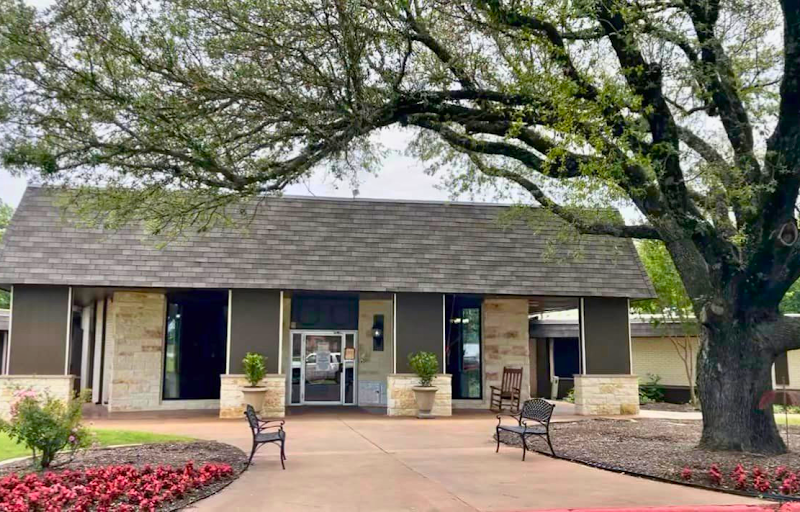
What is North Park Center's CMS Rating?

CMS assigns NORTH PARK HEALTH AND REHABILITATION CENTER an overall rating of 4 out of 5 stars, which is considered above average nationally. Within Texas, this rating places the facility higher than 99% of the state's 100 nursing homes. This rating reflects solid performance across the metrics CMS uses to evaluate nursing home quality.
How is North Park Center Staffed?

CMS rates NORTH PARK HEALTH AND REHABILITATION CENTER's staffing level at 3 out of 5 stars, which is average compared to other nursing homes. Staff turnover is 46%, compared to the Texas average of 46%.

What Have Inspectors Found at North Park Center?

State health inspectors documented 14 deficiencies at NORTH PARK HEALTH AND REHABILITATION CENTER during 2022 to 2024. These included: 14 with potential for harm.
Who Owns and Operates North Park Center?

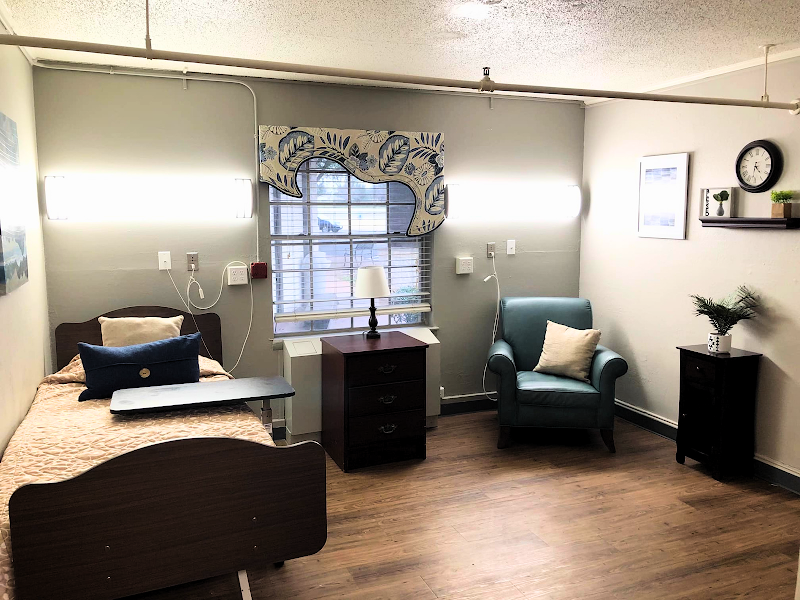
NORTH PARK HEALTH AND REHABILITATION CENTER is owned by a for-profit company. For-profit facilities operate as businesses with obligations to shareholders or private owners. The facility is operated by CREATIVE SOLUTIONS IN HEALTHCARE, a chain that manages multiple nursing homes. With 140 certified beds and approximately 93 residents (about 66% occupancy), it is a mid-sized facility located in MCKINNEY, Texas.
How Does North Park Center Compare to Other Texas Nursing Homes?

Compared to the 100 nursing homes in Texas, NORTH PARK HEALTH AND REHABILITATION CENTER's overall rating (4 stars) is above the state average of 2.8, staff turnover (46%) is near the state average of 46%, and health inspection rating (5 stars) is much above the national benchmark.

What Should Families Ask When Visiting North Park Center?

Based on this facility's data, families visiting should ask: "Can I visit during a mealtime to observe dining assistance and food quality?" "How do you handle medical emergencies, and what is your hospital transfer rate?" "Can I speak with family members of current residents about their experience?"

Is North Park Center Safe?

Based on CMS inspection data, NORTH PARK HEALTH AND REHABILITATION CENTER has a clean safety record: no substantiated abuse findings (meaning no confirmed cases of resident harm), no Immediate Jeopardy citations (the most serious violation level indicating risk of serious injury or death), and is not on the Special Focus Facility watch list (a federal program monitoring the lowest-performing 1% of nursing homes). The facility has a 4-star overall rating and ranks #1 of 100 nursing homes in Texas. While no facility is perfect, families should still ask about staff-to-resident ratios and recent inspection results during their visit.

Do Nurses at North Park Center Stick Around?

NORTH PARK HEALTH AND REHABILITATION CENTER has a staff turnover rate of 46%, which is about average for Texas nursing homes (state average: 46%). Moderate turnover is common in nursing homes, but families should still ask about staff tenure and how the facility maintains care continuity when employees leave.

Was North Park Center Ever Fined?

NORTH PARK HEALTH AND REHABILITATION CENTER has no federal fines on record. CMS issues fines when nursing homes fail to meet care standards or don't correct problems found during inspections. The absence of fines suggests the facility has either maintained compliance or corrected any issues before penalties were assessed. This is a positive indicator, though families should still review recent inspection reports for the full picture.

Is North Park Center on Any Federal Watch List?

NORTH PARK HEALTH AND REHABILITATION CENTER is not on any federal watch list. The most significant is the Special Focus Facility (SFF) program, which identifies the bottom 1% of nursing homes nationally based on persistent, serious quality problems. Not being on this list means the facility has avoided the pattern of deficiencies that triggers enhanced federal oversight. This is a positive indicator, though families should still review the facility's inspection history directly.