CHEYENNE MEDICAL LODGE
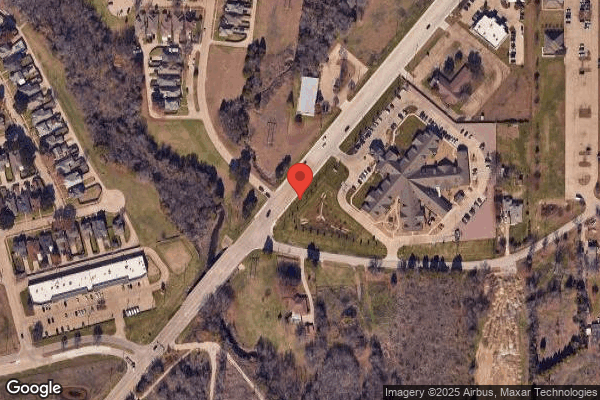

750 HIGHWAY 352, MESQUITE, TX 75149 (972) 788-8900
Government - Hospital district 139 Beds FOURSQUARE HEALTHCARE Data: November 2025 2 Immediate Jeopardy citations
Trust Grade
24/100
#671 of 1168 in TX
Last Inspection: May 2025

Inspected within the last 6 months. Data reflects current conditions.

Overview

Cheyenne Medical Lodge has received a Trust Grade of F, indicating significant concerns about the facility's quality and care. Ranked #671 out of 1168 in Texas, they are in the bottom half of nursing homes in the state, and #42 out of 83 in Dallas County means there are only a handful of better local options. The facility is worsening, with issues increasing from 2 in 2024 to 8 in 2025. Staffing ratings are poor at 1 out of 5 stars, although their turnover rate of 48% is slightly below the Texas average. There have been troubling incidents, including a failure to respond to a resident's repeated requests for emergency medical assistance, which led to a critical situation where the resident was found unresponsive, and the lack of comprehensive care plans for several residents, risking their necessary medical care. Overall, while there are some strengths, the numerous concerns and critical incidents raise significant red flags for families considering this facility for their loved ones.

Trust Score
F
24/100
In Texas
#671/1168
Bottom 43%
Safety Record
High Risk
Review needed
Inspections
Getting Worse
2 → 8 violations
Staff Stability
⚠ Watch
48% turnover. Above average. Higher turnover means staff may not know residents' routines.
Penalties
⚠ Watch
$9,750 in fines. Higher than 96% of Texas facilities. Major compliance failures.
Skilled Nurses
⚠ Watch
Each resident gets only 20 minutes of Registered Nurse (RN) attention daily — below average for Texas. Fewer RN minutes means fewer trained eyes watching for problems.
Violations
⚠ Watch
25 deficiencies on record. Higher than average. Multiple issues found across inspections.
★★☆☆☆
2.0
Overall Rating
★☆☆☆☆
1.0
Staff Levels
★★★★☆
4.0
Care Quality
★★★☆☆
3.0
Inspection Score
Stable
2024: 2 issues
2025: 8 issues

The Good

  • 4-Star Quality Measures · Strong clinical quality outcomes
  • Full Sprinkler Coverage · Fire safety systems throughout facility
  • No fines on record

Facility shows strength in quality measures, fire safety.

The Bad

2-Star Overall Rating

Below Texas average (2.8)

Below average - review inspection findings carefully

Staff Turnover: 48%

Near Texas avg (46%)

Higher turnover may affect care consistency

Federal Fines: $9,750

Below median ($33,413)

Minor penalties assessed

Chain: FOURSQUARE HEALTHCARE

Part of a multi-facility chain

Ask about local staffing decisions and management

The Ugly 25 deficiencies on record

2 life-threatening
May 2025 8 deficiencies
CONCERN (D) 📢 Someone Reported This

A family member, employee, or ombudsman was alarmed enough to file a formal complaint

Potential for Harm - no one hurt, but risky conditions existed

Deficiency F0557 (Tag F0557)

Could have caused harm · This affected 1 resident

**NOTE- TERMS IN BRACKETS HAVE BEEN EDITED TO PROTECT CONFIDENTIALITY** Based on observation, interview and record review the facility failed to ensure the resident had the right to be treated with re...

Read full inspector narrative →
**NOTE- TERMS IN BRACKETS HAVE BEEN EDITED TO PROTECT CONFIDENTIALITY** Based on observation, interview and record review the facility failed to ensure the resident had the right to be treated with respect and dignity for 1 of 4 residents (Resident #67) reviewed for dignity. The facility failed to ensure staff properly fed Resident #1 breakfast, while he was in bed. This deficient practice could place the resident at risk of not feeling as if they were being treated with dignity and respect. Findings include: Record review of Resident #67's face sheet, dated 05/05/25, revealed a 38 -year-old male who was admitted to the facility on [DATE]. Resident #67's relevant diagnoses included Multiple Sclerosis (nerve deterioration), and Idiopathic Peripheral Autonomic Neuropathy (nerve damage). Record review of Resident #67's Minimum Data Set, dated [DATE] revealed he had a BIMS score of 9 (severe cognitive impairment) and for ADL care it stated, Helper does all of the effort. Resident does none of the effort to complete the activity. Record review of Resident #67's Care plan, dated 12/30/24, revealed Provide and serve diet as ordered. In an interview and observation on 05/05/25 at 8:15 AM, CNA M was observed feeding Resident #67 breakfast while she was standing over the resident as he was in bed. She stated they were required to be sitting down at eye level with the resident while feeding them. She stated the reason for doing so was a dignity concern. In an interview on 05/05/25 at 8:20 AM, RN T stated she was the hall nurse for Resident #67. She stated staff was required to be sitting at eye level while feeding residents. She stated the reason for doing so was to ensure the resident was not eating too quicky and you could observe if the resident was choking. She stated it was also a dignity concern. In an interview on 05/06/25 at 8:53 AM, the DON stated she had been at the facility more than 4 years. She stated she was made aware of staff feeding Resident #67 while standing over him. She stated she expected the staff to provide general care to the resident and ensure they got the nutrition and hydration they needed in a private setting. She stated policy stated staff should provide one on one interaction at eye level. She stated the risk of not following protocol when feeding residents could impact the engagement of the resident. Review of the facility's policy on Feeding the Resident, undated, revealed Staff member should position themselves so that the resident is at eye level with the staff member for better communication with the resident and to provide feeding in a dignified manner.
CONCERN (D) 📢 Someone Reported This

A family member, employee, or ombudsman was alarmed enough to file a formal complaint

Potential for Harm - no one hurt, but risky conditions existed

Deficiency F0558 (Tag F0558)

Could have caused harm · This affected 1 resident

**NOTE- TERMS IN BRACKETS HAVE BEEN EDITED TO PROTECT CONFIDENTIALITY** Based on observations, interviews, and record review, the facility failed to ensure the right to reside and receive services in ...

Read full inspector narrative →
**NOTE- TERMS IN BRACKETS HAVE BEEN EDITED TO PROTECT CONFIDENTIALITY** Based on observations, interviews, and record review, the facility failed to ensure the right to reside and receive services in the facility with reasonable accommodation of resident needs and preferences for two (Resident #42 and Resident #93 ) of eighteen residents reviewed for Reasonable Accommodation of Needs. The facility failed to ensure the call light system in Resident #42 and #93's rooms were in a position that was accessible to the resident on 05/04/2025. This failure could place the residents at risk of being unable to obtain assistance when needed and help in the event of an emergency. Findings included: Resident #42 Record review of Resident #42's Face Sheet, dated 05/04/2025, reflected a [AGE] year-old male admitted to the facility on [DATE]. The resident was diagnosed with lack of coordination and gait abnormalities. Record review of Resident #42's Quarterly MDS Assessment, dated 03/26/2025, reflected the resident had a moderate impairment in cognition with a BIMS score of 11 (resident may need additional support and monitoring). The Quarterly MDS Assessment indicated the resident required extensive assistance for bed mobility and transfer. Record review of Resident #42's Comprehensive Care Plan, dated 04/18/2025, reflected the resident had a history of falling and one of the interventions was to be sure the resident's call light was within reach. In an interview and observation on 05/04/2025 at 9:22 AM revealed Resident #42 was sitting in his wheelchair inside his room. It was observed that the resident's call light was between the mattress and the bed frame. When asked where his call light was, the resident just shrugged his shoulders and shook his head. In an observation and interview on 05/04/2025 at 9:49 AM, CNA D stated call lights should be with the residents so they could call the staff if they needed something. She said if the residents were already in their wheelchairs, the call lights should be on top of the bed, or secured on the repositioning bar, or anywhere that could be easily accessed by the residents. CNA D went inside Resident #42's room and observed that the resident's call light was between the mattress and the bed frame. She tried to pull the call light and then said she needed to raise the mattress so she could pull the call light. She raised the mattress, pulled the call light, and placed it on top of the bed. She said staff should make sure the call lights were within reach of the residents before they leave the room so that the needs of the residents could be addressed and also to prevent falls. In an interview on 05/05/2025 at 12:19 PM, ADON A stated the call lights should always be with the residents in case they needed assistance with something like a refill of water or the resident needed a pain medication. She said when a resident was already in the wheelchair, the call light should be on top of the bed so the resident could still call the staff if needed. She said the staff should make sure that the call lights were with the residents before they left the room. She said she would coordinate with the DON to do an in-service about call light placement. In an interview on 05/05/2025 at 2:20 PM, the DON stated call lights were inside the residents' rooms so they can call the staff for assistance, for pain medication, or because they wanted to get up. The DON said if the call lights were not within reach, their needs would not be met and the residents might get upset because there was no way to call the staff. The DON said all the staff were responsible for the call lights. The DON said the expectation was for the staff to scan the residents' room when they did their rounds and ensure the call lights were within reach of the residents before they leave the room. The DON said she would educate the staff about the importance of call lights for the residents. In an interview on 05/06/2025 at 8:52 AM, the Administrator stated call lights should be with the residents all the time in case they need help. He said the call lights were for all the residents whether dependent or independent. He said the aides where primarily responsible for the call lights but everybody was responsible in making sure the call lights were with the residents to prevent any falls. He said he would coordinate with the DON about the issue regarding call lights. Resident #93 Record review of Resident #93's Face Sheet, dated 05/05/2025, reflected the resident was an [AGE] year-old female who was admitted to the facility on [DATE]. Resident #93's diagnoses included history of falling, need for assistance with personal care, and dementia (loss of cognitive function that interferes with daily life and activities). Record review of Resident #93's Quarterly MDS (assessment used to determine functional capabilities and health needs) Assessment, dated 02/25/2025, reflected severe cognitive impairment with a BIMS (screening tool to assess cognition) score of 04. Section GG (functional abilities) indicated Resident #93 used a walker to ambulate and required supervision or touch assistance with transfers and walking. Record review of Resident #93's Comprehensive Care Plan, dated 04/24/2025, reflected Resident has a history of falling or other identified risk factors that result in increased risk of falling. One intervention was Be sure the resident's call light is within reach and encourage resident to use it for assistance as needed. During an observation and interview on 05/04/2025 at 11:15 AM, Resident #93 was lying in bed awake. Resident #93's call light was on the floor by the resident's bed. When Resident #93 was asked about her call light, she did not answer. She pointed at her roommate sleeping and then at the door, indicating for the surveyor to leave the room. During an observation and interview on 05/04/25 at 11:29 AM, CNA I stated Resident used the call light at times. She stated it was important to ensure the resident's call light was in reach so staff could be notified when she needed assistance. She stated there were many reasons a resident might need to use their call light. She stated residents needed a way to notify staff in case something happened, or if the resident needed water, pain medication, or needed to go to the restroom. CNA I went to the Resident #93's room and placed the call light on the bed next to the resident and told her to call if she needed anything. During an interview on 05/05/25 at 10:15 AM, ADON J stated the residents' call lights should always be in reach. She stated the call light cord had a clip on it to secure it. She stated whether the resident was in bed or sitting up in a chair, the call light should be placed within reach of the resident. She stated it was important that residents always have access to their call light and be able to reach staff when they need assistance. During an interview on 05/05/25 at 07:50 AM, the DON stated the expectation was to ensure call lights were in reach for residents who were not very mobile. She stated all staff members should ensure the call light is in reach before leaving a resident's room. She stated the call light cords had a clip attached to ensure the call lights were secured and stayed within the resident's reach. She stated it was important for the resident to be able to call staff for assistance. Record review of the facility's policy Resident Call System undated, revealed The nurses' station is equipped to receive resident calls through a communication system from resident rooms at each resident's bedside and at toilet, shower and bathing facilities. The call system shall be accessible to a resident lying on the floor. The call system in resident rooms will be accessible to alert, confined residents and confused residents and the residents will be instructed as to its' availability and location.
CONCERN (D) 📢 Someone Reported This

A family member, employee, or ombudsman was alarmed enough to file a formal complaint

Potential for Harm - no one hurt, but risky conditions existed

Pharmacy Services (Tag F0755)

Could have caused harm · This affected 1 resident

**NOTE- TERMS IN BRACKETS HAVE BEEN EDITED TO PROTECT CONFIDENTIALITY** Based observation, interview, and record review the facility failed to provide pharmaceutical services, including procedures tha...

Read full inspector narrative →
**NOTE- TERMS IN BRACKETS HAVE BEEN EDITED TO PROTECT CONFIDENTIALITY** Based observation, interview, and record review the facility failed to provide pharmaceutical services, including procedures that assured the accurate acquiring, receiving, dispensing, and administering of all drugs and biologicals for one (Resident #1) of five residents reviewed for Pharmaceutical Services. The facility failed to ensure RN F disposed of Resident #1's Lorazepam (medication for anxiety) properly on 05/04/2025. This failure could place residents at risk of not receiving medications as ordered by the physician. Findings included: Record review of Resident #1's Face Sheet, dated 05/04/2025, reflected a [AGE] year-old male who was admitted to the facility on [DATE]. The resident was diagnosed with encephalopathy, respiratory failure, chronic kidney disease, and cerebrovascular disease. Record review of Resident #1's Quarterly MDS Assessment, dated 04/17/2025, reflected the resident had severe impairment in cognition with a BIMS score of 07 (resident required significant assistance and support in daily life). The Quarterly MDS Assessment indicated the resident was receiving hospice care. Record review of Resident #1's Comprehensive Care Plan, dated 04/18/2025, reflected the resident did not have a care plan for hospice care. Record review of Resident #1's Physician Order, dated 05/04/2025, reflected Lorazepam Oral Tablet 0.5 MG (Lorazepam) *Controlled Drug* Give 1 tablet via G Tube (gastrostomy feeding tube: a tube that is surgically inserted through the skin of the belly and into the stomach) every 2 hours as needed for Anxiety for 14 Days. In an interview and observation on 05/04/2025 at 10:36 AM revealed RN F was receiving orders from Hospice Nurse M and one of them was to administer Lorazepam via g-tube. She said she would put the order in the system and then would give the medication because the Resident #1 was observed being restless. After transcribing the order, she placed one tablet of Lorazepam 0.5 mg in a small plastic cup but eventually the tablet fell on the floor. She said she would prepare another one and would dispose the one that fell. She placed another Lorazepam 0.5 mg tablet in a small plastic cup, crushed it, and returned it to the small plastic cup. She then prepared the water that she needed to flush the g-tube and to incorporate on the crushed medication. She went inside the room, took the resident's overbed table, sanitized it, placed the things she prepared for medication administration, and rolled it back beside the resident's bed. She sanitized her hands and the bell of the stethoscope, put on a gown and a pair of gloves, and pull the privacy curtain. The Lorazepam tablet was still on the floor and was now not within her sight because of the pulled privacy curtain. RN F proceeded to administer Resident #1 medication. After medication administration, she gathered the things used for medication administration and threw them in the trash can. She tied the plastic bag on the trash can, exited the room, and went to the utility room to throw the trash bag. The utility room was approximately five rooms away from Resident #1's room. The Lorazepam tablet was still on the floor when she went to the utility room. She went back to her cart and called ADON A to witness her dispose it and co-sign it. She picked up the tablet and put it in a pill tablet crusher. ADON A crushed it, threw it in the sharp container, and then co-signed the narcotic sheet for the resident's Lorazepam. In an interview on 05/04/2025 at 10:58 AM, RN F stated she dropped the Lorazepam on the floor when she was preparing the medication. She said she should had picked it up immediately and disposed it. She said she should have not left it on the floor because a resident might pick it up and consume it. She said the resident might be allergic to the medication, choke on it, or might have a bad stomach for consuming something from the floor. In an interview on 05/05/2025 at 12:19 PM, ADON A stated the staff should have picked it up when it fell on the floor and should not be left unattended because a resident might picked it up and ingest it. She said a resident might choke on it. She said RN F called her to assist her with the disposal but did not know that the medication was left unattended on the floor for a period of time. She said the expectation was to dispose any narcotics immediately and not leave it on the floor. She said she would coordinate with the DON to do an in-service regarding proper disposal of narcotics. In an interview on 05/05/2025 at 2:20 PM, the DON stated the Lorazepam is a narcotics and should not be left unattended on the floor. She said the staff should had picked-it up, dispose or secure it if she was in a hurry. She said the tablet should have been dispose at once and not left on the floor unattended because somebody might pick it up, swallow it, and choke. She said somebody might overdose as well. She said the narcotics were placed in a locked box inside the carts so nobody unauthorized could access them. She said the same principle applied in disposing of the narcotics. She said the expectation was for the staff to know that narcotics should be disposed immediately. She said she would educate the staff about proper and immediate disposal of narcotics. In an interview on 05/06/2025 at 8:52 AM, the Administrator stated narcotics should not be left unattended on the floor where residents could pick it up and swallow it. He said the resident might be allergic to it or might choke on it. He said the expectation was for staff to dispose of the narcotics immediately and not left unattended. He said he would coordinate with the DON to do an in-service about disposal of narcotics. Record review of the facility's policy, Medication - Wasting Controlled Substances undated, revealed Purpose: 1. To dispose of controlled substances that has been refused or contaminated during medication pass.
CONCERN (D) 📢 Someone Reported This

A family member, employee, or ombudsman was alarmed enough to file a formal complaint

Potential for Harm - no one hurt, but risky conditions existed

Deficiency F0761 (Tag F0761)

Could have caused harm · This affected 1 resident

**NOTE- TERMS IN BRACKETS HAVE BEEN EDITED TO PROTECT CONFIDENTIALITY** Based on observations, interviews, and record review, the facility failed to ensure the medication for one (Resident #5) of fift...

Read full inspector narrative →
**NOTE- TERMS IN BRACKETS HAVE BEEN EDITED TO PROTECT CONFIDENTIALITY** Based on observations, interviews, and record review, the facility failed to ensure the medication for one (Resident #5) of fifteen residents stored in locked compartments and only authorized personnel had access. The facility failed to ensure Resident 5's zinc oxide (cream used to treat skin irritations, diaper rash, and other skin conditions) was not left on top of the resident's left side table on 05/04/2024. This failure could place the residents at risk of not receiving medications, accidental overdose, or misuse of medications. Findings included: Record review of Resident #5's Face Sheet, dated 05/04/2025, reflected a [AGE] year-old female admitted to the facility on [DATE]. The resident was diagnosed with delusional disorder (brain disorder were an individual have delusional thoughts), depression (a mood disorder that cause a feeling of sadness and loss of interest), and Alzheimer's disease (a brain disorder that slowly destroys memory and thinking skills). Record review of Resident #5's Comprehensive MDS Assessment, dated 04/26/2025, reflected the resident had a moderate impairment in cognition with a BIMS score of 10 (resident may need additional support and monitoring). The Comprehensive MDS Assessment indicated the resident had Alzheimer's, depression, and psychotic disorder. The resident was also incontinent for both bladder and bowel. Record review of Resident #5's Comprehensive Care Plan, dated 05/04/2025, reflected the resident used antidepressant, hypnotic medication, had an impaired cognitive function, and required assistance for incontinent care. Record review of Resident #5's Progress Notes on 05/04/2025 did have any documentation that the resident wanted the barrier cream on top of her table. Observation on 05/04/2025 at 9:13 AM revealed Resident #5 was in her bed with eyes closed. A container of zinc oxide was observed on top of the resident's right side table. In an interview and observation on 05/04/2025 at 9:59 AM, CNA C stated she used zinc oxide after every incontinent care to prevent redness of the bottom. She said after she used it, she should not left on the side table because the resident might be confused and mistakenly swallow the cream. CNA C went inside Resident #5's room and put the zinc oxide inside the resident's drawer. She said the resident might ingest it and might be allergic to it. In an interview on 05/05/2025 at 12:19 PM, ADON A stated zinc oxide should be not within reach of a resident because the resident might ingest it. She said zinc oxide had chemicals that could be toxic when ingested by confused residents. she said the expectation was for the staff to put the zinc oxide where the resident could not reach it. She said she would coordinate with the DON about making sure there were no treatment cream within reach of the residents. In an interview on 05/05/2025 at 2:20 PM, the DON stated the zinc oxide, used during incontinent care, should be placed inside the drawer of the side tables after using it. She said if the resident or a visitor ingested it, there could be adverse reactions especially if somebody who accidentally ingested the medications were allergic to the medications. She said the expectation was the treatment cream used for incontinent care be placed inside the drawer to secure it. She said she would do an in-service making sure no treatment creams were accessible to the residents. In an interview on 05/05/2025 at 2:43 PM, Resident #5 said nobody told her that the zinc oxide should not be on top of the table. She said she would not mind if the barrier cream was placed inside her drawer. In an interview on 05/06/2025 at 8:52 AM, the Administrator stated the barrier cream should not be within reach of the residents because they might ingest it. He said if it was not for ingestion and was ingested, it might cause adverse reactions like allergy. He said he would coordinate with the DON to educate the staff about the matter. Record review of the facility policy, Storage of Drugs, Operational/Resident Care Policies, undated revealed, All drugs and biologicals are stored . Drug Security . All drugs used externally will be stored separately.
CONCERN (E) 📢 Someone Reported This

A family member, employee, or ombudsman was alarmed enough to file a formal complaint

Potential for Harm - no one hurt, but risky conditions existed

Comprehensive Care Plan (Tag F0656)

Could have caused harm · This affected multiple residents

**NOTE- TERMS IN BRACKETS HAVE BEEN EDITED TO PROTECT CONFIDENTIALITY** Based on observations, interviews, and record review, the facility failed to develop and implement a comprehensive person-center...

Read full inspector narrative →
**NOTE- TERMS IN BRACKETS HAVE BEEN EDITED TO PROTECT CONFIDENTIALITY** Based on observations, interviews, and record review, the facility failed to develop and implement a comprehensive person-centered care plan for each resident, consistent with the resident rights set forth that included measurable objectives and timeframes to meet a resident's medical, nursing, and mental and psychosocial needs that were identified in the comprehensive assessment for a resident for three (Resident #1, Resident #11, and Resident #42) of eight residents reviewed for Care Plans. 1. The facility failed to ensure Resident #1 was care planned for hospice on 05/04/2025. 2. The facility failed to ensure Resident #11's was care planned for Parkinson's Disease (a movement disorder). 3. The facility failed to ensure Resident #42's was care planned for Parkinson's Disease. These failures could place the residents at risk of not receiving the necessary care and services needed. Findings included: 1. Record review of Resident #1's Face Sheet, dated 05/04/2025, reflected a [AGE] year-old male who was admitted to the facility on [DATE]. The resident was diagnosed with encephalopathy (a condition that caused brain dysfunction), respiratory failure, kidney disease, and cerebrovascular disease (stroke). Record review of Resident #1's Quarterly MDS Assessment, dated 04/17/2025, reflected the resident had severe impairment in cognition with a BIMS score of 07 (resident required significant assistance and support in daily life). The Quarterly MDS Assessment indicated the resident was receiving hospice care. Record review of Resident #1's Comprehensive Care Plan, dated 04/18/2025, reflected the resident did not have a care plan for hospice care. Record review of Resident #1's Physician Order, dated 04/07/2025, reflected HOSPICE - ADMIT . HOSPICE for DX: Sequalae (complications resulting from previous disease or injury) of unspecified cerebrovascular disease. In an interview and observation on 05/04/2025 at 9:17 AM revealed the resident was in his bed with eyes closed. A family member was at bedside and said she was notified that Resident #1 had a change of condition and was declining. In an interview on 05/04/2025 at 10:42, Hospice Nurse M stated Resident #1 was actively dying and she was there to give additional orders to keep the resident comfortable. She said she already gave RN F the new orders. 2. Record review of Resident #11's Face Sheet, dated 05/04/2025, reflected a [AGE] year-old female who was admitted to the facility on [DATE]. The resident was diagnosed with Parkinson's Disease (movement disorder). Record review of Resident #11's Quarterly MDS Assessment, dated 04/03/2025, reflected the resident was unable to complete the interview to determine the BIMS score. The Quarterly MDS Assessment indicated that Parkinson's disease was one of the resident's primary medical conditions. Record review of Resident #11's Comprehensive Care Plan, dated 03/23/2025, reflected the resident did not have a care plan for Parkinson's disease. Record review of Resident #11's Physician Order, dated 01/30/2025, reflected Carbidopa-Levodopa Oral Tablet 25-100 MG (Carbidopa-Levodopa) Give 1 tablet by mouth three times a day related to PARKINSON'S DISEASE WITHOUT DYSKINESIA (difficulty in controlling movements), WITHOUT MENTION OF FLUCTUATIONS (changes in the ability to move). 3. Record review of Resident #42's Face Sheet, dated 05/04/2025, reflected a [AGE] year-old male who was admitted to the facility on [DATE]. The resident was diagnosed with Parkinson's Disease. Record review of Resident #42's Quarterly MDS Assessment, dated 03/26/2025, reflected the resident had moderate impairment in cognition with a BIMS score of 11 (resident may need additional support and monitoring). The Quarterly MDS Assessment indicated that Parkinson's disease was one of the resident's primary medical conditions. Record review of Resident #42's Comprehensive Care Plan, dated 04/18/2025, reflected the resident did not have a care plan for Parkinson's disease. Record review of Resident #42's Physician Order, dated 01/01/2025, reflected Carbidopa-Levodopa Oral Tablet 25-100 MG (Carbidopa-Levodopa) Give 1 tablet by mouth three times a day related to PARKINSONISM. In an interview and observation on 05/05/2025 at 10:55 AM, the MDS Nurse stated a care plan is a reflection of a resident's care and services being provided by the staff. She said it indicated the observations done by the staff to be able to provide the best care possible. She said if there was no care plan, the staff might miss something and the residents' needs will not be addressed. She said if a resident was admitted in hospice, there should be a care plan for hospice to make sure the resident was comfortable and given a proper end of life care. She said if a resident had a diagnosis of Parkinson's, there should be a care plan for Parkinson's just like there was a care plan for hypertension, diabetes, and heart failure. She logged on to her computer and saw that Resident #1 was on hospice, had an order for hospice admission, and was coded for hospice. She said she missed it and started adding the care plan for hospice. She then checked Resident #11 and Resident #42's profile and saw both residents had Parkinson's disease as a diagnosis, were taking carbidopa, and were coded for Parkinson's as one of their primary medical conditions. She said she would also add a care plan for Parkinson's for Residents #11 and #42. She said she would also check the MDS of the other residents to check if she missed something. She said care plan were done quarterly, annually, and when there was a change in condition. In an interview on 05/05/2025 at 12:19 PM, ADON A stated everything about the resident should be care planned to make sure the residents were being taken care for and so that the staff were in sync with the care being provided to the residents. She said without the care plan, needed interventions might not be provided. She said the expectation was all the issues of the residents were care planned. She said she would coordinate with the DON and the MDS Nurse on how to make sure the residents were care planned accordingly. In an interview on 05/05/2025 at 2:20 PM, the DON stated every resident needed a comprehensive care plan to ensure the residents received the care needed and appropriate to their current conditions and functionality. She said the care plans reflect the resident's problem lists, the goals, and the interventions. She said care plans should be in place so all the staff providing care would be on the same page. She said without the care plan, there could be confusion with the care needed by the residents. she said if a resident had a change in condition and was admitted to hospice, the care plan for hospice should be added. She said if residents had Parkinson's, then there should be a care plan for their Parkinson's disease. She said the expectation was every resident had detailed care plans and they should be reflected on their profile. She said she would coordinate with the MDS Nurse to audit the care plans of the residents. In an interview on 05/06/2025 at 8:52 AM, the Administrator stated all the care, services, and treatment done for the residents should be reflected in their care plans to make sure the staff would not know and understand what kind of care to provide. He said he was not a clinician and would let the DON take the lead in making sure the residents had their care plans in place. Record review of the facility's policy, Comprehensive Person-Centered Resident Care Planning, undated, Operational/Resident Care Policies revealed A comprehensive person-centered care plan is developed and implemented for each resident . will incorporate resident-centered goals . to meet a resident's medical, nursing, and mental and psychosocial needs.
CONCERN (E) 📢 Someone Reported This

A family member, employee, or ombudsman was alarmed enough to file a formal complaint

Potential for Harm - no one hurt, but risky conditions existed

Accident Prevention (Tag F0689)

Could have caused harm · This affected multiple residents

**NOTE- TERMS IN BRACKETS HAVE BEEN EDITED TO PROTECT CONFIDENTIALITY** Based on observations, interviews, and record reviews, the facility failed to ensure that residents' environment remained free o...

Read full inspector narrative →
**NOTE- TERMS IN BRACKETS HAVE BEEN EDITED TO PROTECT CONFIDENTIALITY** Based on observations, interviews, and record reviews, the facility failed to ensure that residents' environment remained free of accident hazards as was possible for 3 of 8 residents (Residents #49, #55, and #61) reviewed for accident prevention. 1. The facility failed to ensure Resident #49, #55, and #61 had physician orders for the for the scoop mattress on their bed. 2. The facility failed to ensure CNA E used a gait belt when transferring Resident #55 from bed to wheelchair on 05/05/2025. These failures could prevent the residents from having an environment that was free and clear of accidents and hazards. Findings include: 1. Record review of Resident #49's Face Sheet, dated 05/04/25, reflected she was a [AGE] year-old female admitted on [DATE]. Relevant diagnoses included history of falls and need for assistance of personal care. Record review of Resident #49's Quarterly Minimum Data Set (MDS) assessment, dated 04/15/25, reflected she had a BIMS score of 7 (severe cognitive impairment). For ADL care, it reflected the resident required extensive assistance. For active diagnosis, it reflected unstadiness on his feet. Record review of Resident #49's Comprehensive Care Plan, dated 04/07/25, revealed the resident had a history of fall and there was no mentioning of using a scoop mattress as an intervention. Record review of Resident #49's physician orders, dated 05/04/25, reflected no physician orders for the scoop mattress. An Observation on 05/04/25 at 11:58 AM, revealed Resident #49 had a scoop mattress on her bed. Record review of Resident #55's Face Sheet, dated 05/05/2025, reflected a [AGE] year-old female admitted to the facility on [DATE]. The resident was diagnosed with multiple fracture of the pelvis, and unsteadiness on her feet. Record review of Resident #55's Quarterly MDS Assessment, dated 04/01/2025, reflected resident had a severe impairment in cognition with a BIMS score of 07. The Quarterly MDS Assessment also indicated the resident needed substantial assistance for transfer. For active diagnosis, it reflected unstadiness on his feet. Record review of Resident #55's Comprehensive Care Plan, dated 03/20/2025, reflected the resident required assistance with activities of daily living and one of the interventions was to provide assistance with transfers, and she had a history of falls. Review of Resident #55's Progress Notes, dated 05/04/2025, reflected the resident was dependent for transfer. Record review of Resident #55's physician orders, dated 04/16/25, reflected no physician orders for a scoop mattress. An observation on 05/04/25 at 12:56 PM, revealed Resident #55 had a scoop mattress on her bed. Record review of Resident #61's Face Sheet, dated 05/04/25, reflected she was a [AGE] year-old female admitted on [DATE]. Relevant diagnoses included history of falls and lack of coordination. Record review of Resident #61's Quarterly Minimum Data Set (MDS) assessment, dated 04/27/25, reflected she had a BIMS score of 3 (severe cognitive impairment). For ADL care, it reflected the resident required extensive assistance. For active diagnosis, it reflected unspecified fall. Record review of Resident #61's physician orders, dated 05/04/25, reflected no physician orders for the scoop mattress. An Observation on 05/04/25 at 12:35 PM, revealed Resident #61 had a scoop mattress on her bed. In an interview on 05/05/25 at 11:20 AM, ADON A stated Resident #61 was care planned for the scoop mattress, but she did not have physician orders for it. He stated the resident had a history of fall, which was why she was provided the scoop mattress, but he was unaware physician orders were required. He stated the risk of not having physician orders for the resident could result in the resident having an accident as a result of the scoop mattress. In an interview on 05/05/25 at 11:23 AM, ADON K stated Resident #49 did not have physician orders for usage of the scoop mattress. She stated the resident had a history of falls, which was why she was provided the scoop mattress, and she was unsure why the resident had no physician orders. She stated the risk of not having physician orders for the resident could result in the resident having an accident as as result of the scoop mattress and physician orders were required for all specialty equipment. In an interview and observation on 05/05/25 at 12:00 PM, LVN G stated she was the hall nurse for Resident #55. She observed the resident having a scoop mattress on her bed and she stated she was unsure if the resident had physician orders for the mattress. She stated the resident was a fall risk and required the scoop mattress to assist with fall prevention. She stated she was unsure of the risk of the resident not having physician orders for the scoop mattress. In an interview on 05/06/25 at 8:53 AM, the DON stated she had been at the facility more than 4 years. She stated Residents #49, #55, and #61 had assessments and the scoop mattress was not a risk to them. She stated she was not aware that physician orders or a physician assessment was needed for the equipment. She was advised that other residents' record reviews did have physician orders for the scoop mattress. She stated they were working on securing physician orders for the residents to have scoop mattresses. 2. In an observation and interview on 05/05/2025 at 8:17 AM, CNA E stated she would change Resident #55's clothes and then transfer her to her wheelchair because the resident would usually eat better when she was sitting in her wheelchair. CNA E pulled a blouse and pants from Resident #55's cabinet and placed them beside the resident. She washed her hands, put on a pair of gloves, and started to change the resident's clothes. She put on the pants and said she would transfer the resident to her wheelchair and then would put on her blouse. She lowered the bed, placed the resident's wheelchair parallel to the bed, and then assisted the resident to sit at the side of the bed. She told the resident that she was about to transfer her to her wheelchair and the resident started to scoot forward. CNA E then placed her arms under the resident's armpits and lifted the resident to the wheelchair parallel to the bed. CNA E then took off the hospital gown and put on the resident's blouse. CNA E did not use a gait belt during transfer. In an interview on 05/05/2025 at 8:40 AM, CNA E stated she transferred Resident #55 using a stand and pivot technique. She said the resident provided little assistance during the transfer. She said a gait belt was required if a resident was transferred manually and she knew she needed a gait belt to transfer Resident #55 but did not find one inside the room. She said she should had looked for a gait belt first before proceeding with the transfer. She said a gait belt was required during transfer to ensure the safety of the resident. In an interview on 05/05/2025 at 8:49 AM, LVN G stated staff should use a gait belt when a resident was being transferred to a wheelchair to protect the resident and the back of the staff as well. She said if there was no gait belt inside the resident's room, the staff should have asked or looked for one before transferring the resident. Observation on 05/05/2025 at 9:35 AM revealed LVN G was distributing gait belts to some of the resident's room. In an interview on 05/05/2025 at 12:19 PM, ADON A stated a gait belt was needed when transferring a resident to a wheelchair to avoid injury to the resident and the staff. She said the purpose of a gait belt was to prevent falls of weak residents or those who were high risk for fall. She said the expectation was for the staff to transfer the residents using a gait belt. She said they should use the gait belt when transferring a resident from bed to wheelchair and wheelchair to bed. She said she would coordinate with the DON in educating the staff with regards to proper transfer. In an interview on 05/05/2025 at 2:20 PM, the DON stated the staff must use a gait belt if they were transferring a resident from bed to wheelchair and wheelchair to bed. She said the gait belt was used to maintain stability and support during manual transfer. She said the staff would place the gait belt around a resident's waist snugly so they would have a secure grip to prevent slips and falls. She said the expectation was for the staff to transfer the residents using a gait belt to ensure a safe transfer and that she would monitor the issue closely to avert any accidents during transfer. In an interview on 05/06/2025 at 8:52 AM, the Administrator said the staff must use a gait belt during transfer because if a resident fell during the process of transfer, the staff will not have anything to grab. He said the expectation was for the staff to make sure there were gait belts inside the residents' room who needed gait belt during transfer and to use the gait belt to ensure the residents were safe during transfer. He said he would coordinate with the DON to in-service the staff pertaining to transfer. Record review of facility policy, Transfer of Patient undated, revealed Purpose: To safely move resident from one place to another . Equipment: 1. Gait belt . Procedure . 5. Help resident to sit on edge of the bed with legs and feet hanging over the edge . 6. Stand in front of the resident with a firm grasp on gait belt that has been secured around resident waist. The facility's policy Restraint Free Facility Initiative (undated) reflected It is the policy of this facility to not restrain residents, chemically or physically, except for their own safety or to prevent harm to other residents. The facility recognizes that restraints may constitute an accident hazard.
CONCERN (E) 📢 Someone Reported This

A family member, employee, or ombudsman was alarmed enough to file a formal complaint

Potential for Harm - no one hurt, but risky conditions existed

Food Safety (Tag F0812)

Could have caused harm · This affected multiple residents

Based on observation, interview, and record review the facility failed to store, prepare, distributed, and serve food in accordance with professional standards for food service safety for the facility...

Read full inspector narrative →
Based on observation, interview, and record review the facility failed to store, prepare, distributed, and serve food in accordance with professional standards for food service safety for the facility's only kitchen, reviewed for food and nutrition services. 1. The facility failed to ensure the ice machine and ice scoop holder in the facility kitchen was thoroughly cleaned. 2. The facility failed to ensure kitchen cooking equipment was cleaned. 3. The facility failed to place a cover on top of the tea dispenser to avoid air borne contaminants. 4. The facility failed to ensure prepared food in the refrigerator was labeled and dated when stored. 5. The facility failed to ensure expired food in the refrigerator was discarded. 6. The facility failed to ensure kitchen and dining room equipment was cleaned and sanitized. 7. The facility failed to ensure foods stored in the freezer was sealed from air-borne contaminants. These failures could place residents at risk for cross contamination and other air-borne illnesses. Findings include: Observations on 05/04/25 from 9:05 AM to 9:15 AM in the facility's only kitchen revealed: The ice machine, located in the kitchen had black and white stains on the inside of the machine and along the opening of the machine. The ice scoop holder, hanging on a wall near the ice machine, had gritty stains inside the bottom of the holder. One ice machine, located in the dining area, had built up dark brown dirt along the area where a black tray was positioned. One ice cream machine, located in the dining area, had white and brownish stains plastered all over the outside of it. One bowl of chef salad, located in a refrigerator, was not labeled with the date it was stored. One large container of fruit cocktail, located in the refrigerator, had a use by date of 04/30/25, and was not discarded. Three large bags of pre-scrambled eggs, located in the refrigerator, was not labeled with the date the items were stored. One pack of cheese wrapped in a clear wrap, located in the refrigerator, was not labeled with the date the item was stored. One large cooking container of soup, located in the refrigerator, was not labeled with the date the item was stored. One large tea dispenser, located in the dining area, had tea filled to the top of it and it did not have a lid placed on the top of the dispenser to avoid air-borne contaminants. One large tray of frozen beef patties, located in the freezer, had a sheet of foil laying on top of the tray and it was not sealed from air-borne contaminants. One plate containing fruits, cottage cheese, lettuce, and crackers, located in a refrigerator, was not labeled with the date it was stored. In an interview on 05/05/25 at 1:05 PM, the Dietary Manager was shown pictures of the concerns observed in the kitchen area on 05/04/25. She stated the tea dispenser should have been covered once it was done. She stated the ice machine, ice cream machine, and ice scoop holder was cleaned at night at the end of the day and she checked for cleanliness when she arrived in the morning. She stated the items not dated should have been dated once stored, and items should have been discarded once it had passed the use by date. She stated the frozen beef patties should have been sealed properly when stored. She stated all the concerns observed could result in cross contamination and air-borne contaminates. In an interview on 05/06/25 at 9:53 AM, the Administrator was shown pictures of the concerns observed in the kitchen and dining area. He stated he expected these areas to comply and meet all expectations. He stated the risk of the concerns not being addressed could result in food contamination. Record review of the facility's policy on Operational/Resident Care Policies(undated), revealed Food is store, prepared, distributes, and served to residents in accordance with professional standards for food safety. Leftovers should be discarded after 72 hours. Freshness dates on refrigerated products should be checked and discarded if warranted.
CONCERN (E) 📢 Someone Reported This

A family member, employee, or ombudsman was alarmed enough to file a formal complaint

Potential for Harm - no one hurt, but risky conditions existed

Infection Control (Tag F0880)

Could have caused harm · This affected multiple residents

**NOTE- TERMS IN BRACKETS HAVE BEEN EDITED TO PROTECT CONFIDENTIALITY** Based observation, interview, and record review the facility failed to establish and maintain an infection prevention and contro...

Read full inspector narrative →
**NOTE- TERMS IN BRACKETS HAVE BEEN EDITED TO PROTECT CONFIDENTIALITY** Based observation, interview, and record review the facility failed to establish and maintain an infection prevention and control program designed to provide a safe, sanitary, and comfortable environment and to help prevent the development and transmission of communicable diseases and infections for three (Resident #39, Resident #50 and Resident #219) of fifteen residents reviewed for Infection Control. 1. The facility failed to ensure the Wound Care Nurse performed hand hygiene when changing gloves during wound care for Resident #39 on 05/05/2025. 2. The facility failed to ensure CNA K did not take a bedside table from Resident #50's room into the hall with contaminated linens on the bedside table on 05/05/2025. 3. The facility failed to ensure CNA B performed hand hygiene, changed gloves, and wore a gown while performing Resident #219's incontinent care on 05/05/2025. These failures could place residents at risk of cross-contamination and development of infections. Findings included: 1. Record review of Resident #39's Face Sheet, dated 05/06/2025, reflected the resident was an [AGE] year-old female who was admitted to the facility on [DATE]. Resident #39 had diagnoses which included local infection of the skin and subcutaneous tissue (deepest layer of the skin), hypertension (high blood pressure), and chronic kidney disease (gradual loss of kidney function). Record review of Resident #39's Quarterly MDS Assessment, dated 04/22/2025, reflected moderately impaired cognition with a BIMS score of 10. The MDS Assessment reflected Resident #39 was administered an antibiotic for a wound infection. Record review of Resident #39's Comprehensive Care Plan, dated 04/17/2025, reflected Resident has skin INJURY to ABDOMEN. One intervention was to Follow house protocol/regime for treating breaks in skin integrity/pressure ulcers. Record Review of Resident #39's Physician Order, dated 04/21/2025, reflected to clean the wound bed on the abdomen with wound cleanser or normal saline and pat dry. Apply Santyl (medicated ointment) to the wound bed, silver alginate (antimicrobial wound dressing), and cover with a dry dressing one time a day. During an observation and interview on 05/05/2025 at 11:05 AM, the Wound Care Nurse stated Resident #39 was admitted with a left abdominal wound. There was a disposable barrier pad placed on top of the bedside table and the wound care supplies were on the barrier pad. The Wound Care Nurse told Resident #39 she was going to change the wound dressing and asked if the resident had any pain. The Wound Care Nurse pulled the privacy curtain around the resident's bed and washed her hands in the resident's restroom. The Wound Care Nurse cleaned the wound with saline and dropped the gauze into a bag. The Wound Care Nurse removed her gloves and did not use hand sanitizer before putting on clean gloves. She used a q tip to remove the Santyl ointment from a small plastic container and applied it to the wound bed. She applied the silver alginate to the wound bed and covered it with a bandage. The Wound Care Nurse tied up the bag of trash, cleaned the table, and washer her hands in the resident's restroom. She stated she should have used hand sanitizer when she changed her gloves. She stated she had a bottle of hand sanitizer in her treatment cart but forgot to take it into the room with her. She stated it was important to use hand sanitizer after removing soiled gloves to prevent the spread of infection. During an interview on 05/05/2025 at 1:50 PM, the DON stated the Wound Care Nurse should have sanitized her hands between glove changes. She stated it was important to avoid transmission of any type of bacteria or infectious disease. 2. Record review of Resident #50's Face Sheet, dated 05/06/2025, reflected the resident was an [AGE] year-old female who was admitted to the facility on [DATE]. Resident #50 had diagnoses which included hypertension (high blood pressure), hyperlipidemia (high cholesterol), and cerebral infarction (interruption of blood flow to the brain). Record review of Resident #50's Quarterly MDS (assessment used to determine functional capabilities and health needs) Assessment, dated 02/01/2025, reflected moderately impaired cognition with a BIMS (screening tool used to assess cognitive status) score of 10. Section G (functional status) indicated Resident #50 required extensive assistance with acts of daily living. Section I (active diagnoses) indicated Resident #50 was treated for pneumonia (lung infection). Record review of Resident #50's Comprehensive Care Plan, dated 02/17/2025, reflected the resident was incontinent of bladder related to physical and mental decline. One intervention was to monitor for signs and symptoms of a urinary tract infection which included an elevated temperature, difficulty urinating, and blood in the urine. During an observation and interview on 05/05/2025 at 8:40 AM, CNA I and CNA K provided incontinence care for Resident #50. Incontinence care items were on a bedside table in Resident #50's room. The bedside table was brought into the room and did not belong to Resident #50. A towel was draped over the top of the bedside table and incontinence care supplies were on the towel. Resident #50's curtain was pulled around her bed for privacy. CNA I and CNA K washed their hands in the resident's restroom. CNA I pulled down the front of the brief and cleaned the resident using a single wipe for each pass. CNA I removed her gloves and used hand sanitizer before putting on clean gloves. CNA K assisted CNA I to turn Resident #50 to her left side. CNA I removed her gloves and used hand sanitizer before putting on clean gloves. CNA I wiped Resident #50's bottom using a single wipe for each pass. CNA I removed her gloves and used hand sanitizer before putting on clean gloves. CNA I placed a clean brief under Resident #50 and secured the tabs on the brief. CNA I removed her gloves and used hand sanitizer before putting on clean gloves. CNA K assisted CNA I to pull up the resident's pants. CNA I bagged the soiled items. CNA I and CNA K removed their gloves and washed their hands in the resident's restroom. CNA I took the bagged items across the hall to dispose of them. CNA K took the bedside table into the hall and placed it against the wall outside of Resident #50's room. The bedside table had the towel draped over the top and an unused towel on it. When asked about it, CNA K stated she should not have brought the bedside table into the hall with supplies on it. She stated she should have bagged the linens on the bedside table before bringing the bedside table into the hall. She stated after taking the linens into the resident's room, they were contaminated. CNA I agreed the linens should have been bagged in Resident #50's room and not brought into the hall on the bedside table. She stated it was important to avoid bringing contaminated items out of a resident's room to prevent the spread of infection. During an interview on 05/05/25 at 10:15 AM, ADON J stated the towels should have been removed from the bedside table and bagged for laundering. She stated they should not have been brought into the hall on the bedside table. She stated it was important to prevent cross-contamination. During an interview on 05/05/2025 at 11:21 AM, RN L stated the towels should have been bagged in the resident's room. RN L stated regardless of if they were used or not, they must be bagged and taken to the soiled linen room. She stated it was important to prevent contamination and the spread of infection to staff and to other residents. She stated she would follow up with the CNAs. During an interview on 05/05/25 at 1:50 PM, the DON stated her expectation was for staff to contain all soiled items before leaving a resident's room. She stated the towels were contaminated, after taking them into the resident's room, and should have been bagged before removing them. The DON stated it was important to avoid transmission of any type of bacteria. She stated staff would be in-serviced. 3. Review of Resident #219's Face Sheet, dated 05/05/2025, reflected the resident was a [AGE] year-old female admitted on [DATE]. The resident was diagnosed with cystitis (inflammation of the urinary bladder) with hematuria (blood in the urine). Review of Resident #219's Comprehensive MDS Assessment, dated 04/11/2025, reflected the resident had a moderate impairment in cognition with a BIMS score of 09 (resident may need additional support and monitoring). The Comprehensive MDS Assessment indicated the resident was incontinent for bladder and bowel. Review of Resident #219's Comprehensive Care Plan, dated 04/14/2025, reflected the resident had bladder and bowel incontinence and one of the interventions was perennial care after each incontinent episode. The Comprehensive Care Plan indicated that the resident also had a skin breakdown to right buttocks. Observation on 05/05/2025 at 9:19 AM revealed CNA B went inside Resident #219's room to answer a call light. Once inside the room, he asked the resident what she needed. A family member, who was inside the room, said the resident needed to be changed. CNA B told the family member that he would go ahead and change the resident. He put on a pair of gloves and proceeded with incontinent care. He did not wash his hands before doing incontinent care. Before doing the process, he took the trash can from the other side of the bed and put it beside him. He then changed his gloves but did not sanitize his hands before putting on a new pair of gloves. He unfastened the brief on both sides and pushed it between the legs. He then pulled some wipes and cleaned the resident's perineal area (area between the thighs) using the front to back technique. He did it four times. After cleaning the perineal area, he instructed and assisted the resident to roll towards the left side, and cleaned the resident's bottom. After cleaning the resident's bottom, he pulled the soiled brief and threw it on the trash can. After throwing the soiled brief, he took the brief from the resident's side table, placed it beneath the resident, and fixed it. He instructed the resident to roll to the other side so he could fix the other half of the brief. After fixing the brief, CNA B rolled back the resident and fastened the brief on both sides. He did not change his gloves after cleaning the resident's bottom and before touching the new brief. After he was done with incontinent care, he gathered his trash and left the room to throw his trash on the utility room. He did not wash his hands after performing incontinent care. A sign outside the room indicated that the resident was on enhanced barrier precaution. CNA B did not wear a gown while providing incontinent care. In an interview and observation on 05/05/2025 at 9:26 AM, CNA B stated hand hygiene was important to prevent cross contamination and development of infection. He said he was not able to wash his hands before and after doing Resident #219's incontinent care. He said during the process, he should had sanitized his hands after he changed his gloves and should had changed his gloves after cleaning the resident's bottom. He said his actions could cause transfer of germs and possible infection. He said he would be mindful the next time he would perform incontinent care. CNA B then saw the sign outside the resident's room and realized that the resident was on enhanced barrier precaution. He said he did not notice the sign and he was used to of having the PPE cart outside the room of the resident if they were on enhanced barrier precaution. CNA B then saw the gown inside the resident's room near the resident's restroom. He said, next time, he would check if the resident was on enhanced barrier precaution before entering the resident's room. In an interview on 05/05/2025 at 12:19 PM, ADON A stated staff must wash their hands before and after incontinent care. She said staff should be mindful that when they touched something dirty, they should change their gloves before touching something clean. She also said that before putting on a new pair of gloves, staff must wash their hands or sanitize their hands depending how soiled the resident was. She said if the resident had a sign outside the door that said enhanced barrier precautions, staff must wear a gown to prevent the spread of any unwanted microorganism. She said she would coordinate with the DON to do an in-service pertaining to hand hygiene, infection control, and enhanced barrier precaution. In an interview on 05/05/2025 at 2:20 PM, the DON stated hand hygiene was the most efficient way to avoid cross contamination and development of infection. She said staff should do hand hygiene before and after any care, should sanitize their hands when changing gloves, and change their gloves after touching anything soiled. All of these should be done to make sure that microorganisms would not transfer to the clean items. She also said that if a resident was on enhanced barrier precaution, the staff should wear a gown when caring for them. She said Resident #219 had a wound at the bottom, which was why she was on enhanced barrier protection. She said she was responsible in overseeing that the staff were following the policies and procedure for infection control. She said the expectation was for the staff to follow the protocols for infection control and hand hygiene. She said she would personally monitor the staff's adherence to the policy and procedure of infection control, enhanced barrier protection, and hand washing. In an interview on 05/06/2025 at 8:52 AM, the Administrator stated that staff must be mindful in preventing spread of germs and development of infection. He said he was not a clinician and would let the DON take the lead in educating the staff about infection control, hand washing, and enhanced barrier precaution. Record review of the facility's Incontinent Care Procedure and Proficiency Evaluation undated, revealed Perineal Care . 7. Perform hand hygiene, don gloves . 11. Remove soiled pad and clothing and place in plastic bag . 12. Remove gloves and discard .13. Preform hand hygiene, don gloves . 14. Place clean pad under resident . 22. Dispose of soiled linens, trash appropriately . 22. Preform hand hygiene. Record review of the facility's policy Hand Washing undated, revealed Policy: Hand washing is required before and after a procedure that involves direct or indirect contact with a resident. Record review of the facility's policy Enhanced Barrier Precautions (EBP) revealed EBP are indicated for residents with: . Wounds . even if resident is not known to be infected. Review of the facility's policy Linens reflected Soiled linen and clothing will be transported in accordance with procedures consistent with universal precautions. Bags or containers will not be reused to transport or store clean items. The staff should handle all used laundry as potentially contaminated. Review of the facility's policy Infection Control Program reflected All employees are required to wash their hands after each direct resident contact for which hand washing is indicated by accepted professional practice.
Mar 2024 1 deficiency
CONCERN (D)

Potential for Harm - no one hurt, but risky conditions existed

Pharmacy Services (Tag F0755)

Could have caused harm · This affected 1 resident

**NOTE- TERMS IN BRACKETS HAVE BEEN EDITED TO PROTECT CONFIDENTIALITY** Based on observation, interview and record review, the facility failed to provide pharmaceutical services (including procedures ...

Read full inspector narrative →
**NOTE- TERMS IN BRACKETS HAVE BEEN EDITED TO PROTECT CONFIDENTIALITY** Based on observation, interview and record review, the facility failed to provide pharmaceutical services (including procedures that assure the accurate administering of all drugs and biologicals) to meet the needs of each resident for one (Residents #4,) of three residents reviewed for pharmacy services. 1. The facility failed to administer medications as ordered, Lidocaine HCL at 5% external patch to Resident #4 on 03/18/24, 03/19/24, 03/21/24, 03/24/24,and 03/26/24. These failures placed residents at risk for not receiving the therapeutic effect of their medications as ordered by the physician. Findings included: Record Review of Resident #4's quarterly MDS, dated [DATE], reflected she was a [AGE] year-old female admitted to the facility on [DATE]. Her diagnoses included Parkinsonism, asthma, and chronic lower back pain. Resident #4 was moderately impaired for decision making and required one staff for assistance with activities of daily life. Record Review of Resident #4's Physician Orders reflected: 03/01/24 Lidocaine HCL at 5% external patch (pain and stiffness) apply to lower back one time a day. On in the am off in the pm as scheduled. 03/27/24 Lidocaine HCL at 4% OTC (over the counter)external patch apply to lower back one time a day. On in the am off in the pm as scheduled. Record Review of Resident #4s MARs for March 2024 reflected the Resident # 4 did not receive: Lidocaine HCL patch at 5% external patch on 03/18/24, 03/19/24, 03/21/24, 03/24/24, and 03/26/24 for the am dose. In an observation and interview on 03/26/24 at 11:21 a.m. with MA C revealed while administering Resident #4's medications, there were no Lidocaine patches available to apply to her back. MA C stated the Lidocaine patches had been ordered but had never come in. MA C stated she told the nurse in charge, and they order them, but she did not have any. In an interview with Resident #4 on 03/27/24 at 11:10 a.m. revealed the facility did not have any Lidocaine patches for her back yesterday and several days last week, and the week before. Resident #4 stated when she admitted to the facility, she was using the Lidocaine patches already and her doctor had told her it was alright to continue to use them. She stated this was the only month (March) that had been inconsistent, the other months had been fine, and she had received her patches without any problems. Resident #4 stated she had asked every day, but sometimes they have them and sometimes they do not, when I asked the lady that was supposed to put them on my back, she tells me the patches have been ordered but they have not come in. Resident #4 stated she had been okay without them so far, her back was stiff, but did not hurt, her back feels better when she has them, I still can do everything I usually do without any pain. In an interview on 03/27/24 at 2:00 p.m. with LVN B revealed if there was an over-the-counter medication that required re-ordering than I would tell the DON or the central supply personal. LVN B stated the Lidocaine patches are kept in the medication room on the shelf if you don't have any on the cart. If they are not there or on the cart, then I would look on the other carts to see if there are any. In an interview on 03/27/24 at 2:10 p.m. with LVN A revealed the over-the counter drugs are given by the medication aide and not the nurse. If the medication needed to be reordered the medication aide would tell me and I would reorder in the computer system. LVN A stated we have a lot of residents that are on Lidocaine patches, I am not aware of needing to reorder the lidocaine patches for anyone. In an interview on 03/27/24 at 2:20 p.m. with the DON and Administrator revealed the Lidocaine patches had been a problem. The DON stated the doctors wanted to order the Lidocaine patches 5% and our pharmacy formulary will not pay for those. The DON stated she was just made aware of this problem yesterday. The DON stated she had contacted the physician and their nurse practitioners to inform them that the Lidocaine patches 4% would be covered by the formulary on yesterday. I told the physicians that the new orders should read Lidocaine patches 4%. The DON stated she was not aware the Resident #4 had not been receiving her lidocaine patches as the physician ordered. An interview on 03/27/24 at 2:45 PM with the Medical Director revealed the physician was not aware of the facility having had an issue with getting medications from the pharmacy . The DON informed me yesterday that the Lidocaine patches that were ordered were not covered by the pharmacy and I had to order the lesser strength. (4 %) I was not informed that Resident #4 had only been receiving Lidocaine patches inconsistently this month. The facility was good about communicating with me, but I did not know about the failure to provide medication that had been ordered. Review of the Facility undated Policy and Procedure, Medications, Ordering and Receiving from Pharmacy reflected: Purpose: 1. To ensure timely arrival of medications ordered from the pharmacy .procedure: 1. Medications orders are phoned or faxed to the pharmacy and written on a medication order form provided by the pharmacy for the purpose. The entry includes: a. dated ordered. b. Whether the order is new or a repeat order (refill), if the repeat order, include prescription number. c. patients name and room number d. medications name and strength, when indicated. e. Direction for use, if a need order or direction change to previous order g. Physician's name 2. Info ration concerning repeat medications (refills) will be written on a medication order form provided by the pharmacy for that purpose, or transferred to the form on a peel-off label, and ordered as follows: a. Order medication within 72 hours of the last dose available. B. the nurse who orders the medication is responsible for notifying the pharmacy of changes in directions for use of previous labeling errors. C. The refill order is called in, faxed, or otherwise transmitted to the pharmacy . Receiving Medications: 1. A licensed nurse receives medications, delivered to the facility and documents delivery on the medication receipt record. Theis nurse verifies medications received and directions for use with the medication order and receipt record. Discrepancies and omissions are reported promptly to the issuing pharmacy and the charge nurse supervisor. 2. Pharmacy delivers medications with that delivery receipt or check-off and documentation by the nursing staff. A report of all medications delivered is provided with the scheduled delivery. 3. There delivery records are retained for an appropriate amount of time to reconcile and reordering issues.
Jan 2024 1 deficiency
CONCERN (D) 📢 Someone Reported This

A family member, employee, or ombudsman was alarmed enough to file a formal complaint

Potential for Harm - no one hurt, but risky conditions existed

Quality of Care (Tag F0684)

Could have caused harm · This affected 1 resident

**NOTE- TERMS IN BRACKETS HAVE BEEN EDITED TO PROTECT CONFIDENTIALITY** Based on interview, and record review, the facility failed to ensure residents received treatment and care in accordance with pr...

Read full inspector narrative →
**NOTE- TERMS IN BRACKETS HAVE BEEN EDITED TO PROTECT CONFIDENTIALITY** Based on interview, and record review, the facility failed to ensure residents received treatment and care in accordance with professional standards of practice, including acute charting guidelines and post fall procedures necessary to care for resident's needs as identified through resident assessments and nursing documentation, for 1 (Resident #1) of 4 residents reviewed for quality of care. 1. LVN A failed to communicate, use the acute charting guidelines, and post fall procedures, to the oncoming charge nurse at the change of shift, leaving RN B unaware Resident #1's required follow-up assessment, due to a previous fall. These failures placed residents with falls at risk for complications to include discomfort/injury and for residents not to receive needed nursing assessments. Findings included: Review of Resident #1's MDS electronic admission form dated 12/25/23 revealed the resident was a [AGE] year-old female admitted on [DATE] and discharged on 12/26/23. Diagnoses to included: Nontraumatic subarachnoid hemorrhage (bleeding in the tissue of brain), cerebral aneurysm (bleeding in the brain), multiple intracranial hemorrhages (bleeding in the brain), heart failure (heart not pumping correctly), Hypertension (increased blood pressure), Diabetes (increased sugar), malnutrition ( poor nutrition), respiratory failure (unable to breath without assistance), and sickle cell (disease of the blood). Resident #1 had a BIMs of zero (severely cognitively impaired) and required extensive assistant for activities of daily living. Review of Resident #1's care plan dated 12/24/23 revealed problems addressed included the resident's needs for functional status, high risk for falls, interventions in place for falls, feeding tube and risk for infections. The care plan reflected Resident #1 required assistance of two for ADLs to include bed mobility. Goals included the resident's high risk for falls, the feeding tube would remain patent, she would receive adequate nutrition without side effects associated with tube feedings. Interventions included for falls: low bed, air loss mattress with bolsters on bed, and stability mats on floor. Review of the 24-hour reports dated 12/22/23 through 12/25/23, reflected on 12/22/23 Resident #1 had an unwitnessed fall from her low bed with no injuries noted and , on 12/23/23 Resident #1 was still monitored for the fall from the bed. On ,12/24/23 Resident #1's fall had dropped off the 24-hour report and on 12/25/23, there was no documentation of the fall. Review of the progress notes dated 12/22/23 through 12/25/23, reflected Resident #1 had an unwitnessed fall from her low bed. The assessment of the resident was documented along with the notification of the physician and the responsible party. There were already interventions in place, the therapy department was treating the resident at the time and rescreened the resident at the time of the fall. In an interview on 12/30/23 at 9:30 a.m. with RN A revealed that she had cared for Resident #1 and was the nurse in charge on 12/25/23 but was not present when she had gone to the hospital . RN A stated resident #1 went to the hospital on [DATE] with a fractured left leg. RN A stated she had seen Resident #1 three times on 12/25/23 but had not assessed her lower legs for any injuries to her legs, because she had no idea that she had a fall previously, she had not been told the information during change of shift. RN A stated it must not have been on the 24-hour report. RN A stated that if a resident fell, we they were to assess them, call the doctor, call the reasonable party;, and if the resident has no apparent injures, we they were to continue to monitor them for the next 72 hours for any injuries that could arise after the fall,. She stated they were we are to document on the 24-hour report and tell each other between shifts. In an interview on 12/30/23 at 10:15 a.m. with ADON C revealed he had been working the day that Resident #1 was found on the floor on the mat next to her bed. ADON C said the resident was a wiggler in the bed so they had placed put a lot of interventions in place. ADON C said that the CNA had come came to get him, he assessed the resident, there were no injuries, she had full range of motion with no pain, and no skin abrasion or tears, He stated he helped place her back in bed, from there the charge nurse LVN A was told and she would follow the fall protocol. ADON C said the protocol was to call the physician and the responsible party and then fill out the forms for incident /accident and then the nurses were to monitor the resident for the next 72 hours to check for any latent injuries related to the incident/accident. ADON C stated the information should be placed on the 24-hour report to be passed on to the next shift, as part of the shift change communication. ADON C stated that on 12/25/23 around 6:30 p.m. he was working at the facility as a medication nurse and the family came and ask him to look at her Resident #1's left leg. He stated he did go and look the left leg it was swollen and painful. He stated he went and got the charge nurse (RN E) and she assessed called the physician and followed through . In an interview on 12/30/23 at 11:00 a.m. revealed the Medical Director stated he was aware of Resident #1's fall. He stated that the nursing staff was good about communicating with him about changes in residents' conditions. He stated the LVN A had contacted him on 12/24/235 about the cool left leg and the resident complaining of pain, so he had ordered doppler studies, then he was contacted about the swelling of the leg and pain on 12/25/23. He stated he, ordered x-rays and then he was contacted with the results of the fracture , and she was sent out. The physician stated during the interview that it would not be unusual for the resident to have a partial fracture that did not exhibit pain and then continue with therapy and care until the partial fracture became a full fracture and swelling with exhibited pain. The physician stated Resident #1 was very compromised and fragile. The physician stated he had reviewed the admission paperwork to the hospital and discussed with the investigator, reflecting that the surgeon at the hospital did not identify the fracture to be old, as acute at the time of the admission to the hospital, the surgeon stated he could not perform the surgery the same day, due to her sickle cell condition and the need for blood. The surgery was completed on the 12/27/23. The resident was transferred to another skilled nursing facility two days later. Review of the x-ray's of the bilateral hips and the left femur dated 12/25/23 reflected: femur (thigh bone) left leg reflecting an obliquely posteromedial displaced fracture femoral diaphysis (a fracture that requires surgery to realign the bone). Review of the progress notes dated 12/20/23 through 12/25/23 for all three disciplines physical therapy, occupational therapy, and speech therapy, reflected Resident #1 had been treated on 12/20/2, 12/21/23, 12/22,23, and 12/25/23. There documentation reflected no complaints of pain or swelling with Resident #1. In an interview on 12/30/23 at 2:45 p.m. with LVN A revealed she had been the nurse in charge for Resident #1 on 12/22/23, 12/23/23, and 12/24/23. LVN A stated she was working when Resident #1 was found on the floor mat on the right side of the bed. She assessed following the ADON C's assessment and she did not find any injuries or complaints of pain at that time. She filled out the required reports, called the physician, and informed the responsible party and documented on the 24-hour report about her fall. LVN A stated on 12/24/23, the family came to visit . LVN A stated the family told her that the left leg was tight. LVN A stated the leg was not tight (another description of swelling) and no pain affect was noted by the resident when she assessed Resident #1, until the family asked the resident about pain and she responded yes. LVN A stated since the resident expressed pain to the family and the leg was cold to the touch, she called the physician, and he ordered a doppler study arterial and venous (testing for circulation to determine if the person has a blood clot). She called the company and ordered the study and wrote it on the 24- hour report and reported it to the oncoming nurse, LVN E and she left. LVN A stated that was what we they were supposed to do with any change of condition with the resident, anything new, they document and place it on the 24-hour report, so the incoming nurse can could be told., she did not recall if she documented about the follow-up for the fall on the 24-hour report, or discussed the follow-up on the fall at change of shift on 12/22/23, but knew she was supposed to. Attempts were made on 12/30/23 to contact LVN D, with messages left with no return call by the time of exit. Review of the progress notes dated 12/22/23 reflected LVN A had documented the fall, the assessment, the notification of the physician and the notification of the responsible part, and the nursing administration. Further review of the nursing progress notes reflected LVN had documented the follow-up assessment of Resident #1. On 12/24/23 LVN A had documented the assessment of Resident #1 with her change of condition related to the left leg, calling the physician and ordering the doppler studies (circulation studies to rule out blood clots) for the left leg. In an interview on 12/30/23 at 5:13 p.m. with RN D revealed that she was the charge nurse on 12/25/23 for the next 16 hours. RN D stated she had just completed making her general rounds right after coming to work and had seen Resident #1 then, when ADON C came and told her that Resident # 1's leg was swollen and painful. RN D assessed the resident, called the doctor and got x-rays ordered and an order for Tramadol (pain medication) to be given one time. RN D stated the left leg was swollen and the resident exhibited pain while she assessed her. The results of the x-ray were positive for a fracture of the femur (thigh bone) left leg reflecting: an obliquely posteromedial displaced fracture femoral diaphysis (a fracture that requires surgery to realign the bone). The physician was made aware of the results, and he wanted her transferred to the emergency room. RN D stated that she followed those orders and sent her out. RN D stated this that was the first time she had seen this resident, since she had been off, and she had not but she had not been told by the off going nurse, RN B that the resident had a fall. Interview on 01/03/24 at 11:00 a.m. with the DON she stated the nursing staff was required to assess for any changes in the resident and then contact the physician. All information concerning falls, labs, tests, new medications, should be written on the 24-hour report and that was something all nurses had been told. The nursing staff needed to have that information, so they could communicate between shifts so each nurse would know what was occurring with the resident. The DON stated concerning Resident #1 the process did not happen so the oncoming nurse had no idea the resident had a previous fall, and she did not know to assess her. The DON stated on the ins-service she had just recently given, she had made it clear to the nursing staff if they did not report on the 24-hour report or perform the fall follow-up, it could result in disciplinary action, possible termination. She was tired of some of the nurses not listening to her. In an interview on 01/03/24 at 11:25 a.m. with the Director of Therapy revealed she knew Resident # 1 and the resident was in their services from the time of evaluation on 12/202/3 until she discharged on 12/26/23. The Director of Therapy said that the resident was receiving all three disciplines when she fell out of her low bed. There was not any indication that she had pain or no swelling noted to her lower extremities, occasionally her confusion was worse than usually so we would try her therapy the next day, when she could not cooperate due to her confusion. The Director of Therapy stated the therapy department was aware she had fallen out of her low bed, and we did complete an additional fall screen, even though she was in our services at the time. There were no further actions to be completed or added at that time. Review of the in-service dated 01/02/24 reflected all nursing staff for acute charting guidelines and post fall procedures was given by the DON. Review of the undated policy and procedure Acute Charting Guidelines reflected: Acute charting must include . the families to be notified of change in resident status 10. D. all unobserved . whether or not it as a tear, bruise, or a fall, must be charted on for 72 hours . notify the family and doctor After the fall . E. the nurse will observe for delayed complications of a fall for seventy- two (72) hours after a fall Review of the undated policy and procedure Nursing Services reflected the facility will sufficient nursing staff with the appropriate competencies and skills sets to provide nursing and related services, to assure resident safety and attain or maintain the resident practicable physical, mental and psychosocial well-being of each resident, as determined by resident assessments .the facility will ensure that licensed nurses have the specific competencies and skill sets necessary to care for residents' needs, and identified through resident assessments .providing care incudes but not limited to assessing
Oct 2023 1 deficiency
CONCERN (D) 📢 Someone Reported This

A family member, employee, or ombudsman was alarmed enough to file a formal complaint

Potential for Harm - no one hurt, but risky conditions existed

Grievances (Tag F0585)

Could have caused harm · This affected 1 resident

**NOTE- TERMS IN BRACKETS HAVE BEEN EDITED TO PROTECT CONFIDENTIALITY** Based on observation, interview and record review, the facility failed to ensure that all written grievance decisions included t...

Read full inspector narrative →
**NOTE- TERMS IN BRACKETS HAVE BEEN EDITED TO PROTECT CONFIDENTIALITY** Based on observation, interview and record review, the facility failed to ensure that all written grievance decisions included the date the grievance was received, a summary statement of the resident's grievance, the steps taken to investigate the grievance, a summary of the pertinent findings or conclusions regarding the resident's concerns(s), a statement as to whether the grievance was confirmed or not confirmed, any corrective action taken or to be taken by the facility as a result of the grievance, and the date the written decision was issued for 1 of (Resident #1) of 3 residents reviewed for grievances. 1. The facility failed to file a grievance for Resident #1 when the family of the resident made complaints. The facility's failure could place the residents at risk for concerns not being reported and addressed. Findings included: Review of Resident #1's Face sheet, dated 10/12/23, reflected she was an [AGE] year-old female who admitted to the facility on [DATE]. Her diagnoses included dementia and heart failure. Review of Resident #1's MDS assessment, dated 08/10/23, reflected the resident had severely impaired cognition. Review of Resident #1's Care plans reflected there was no care plan related to cognition. Review of the facility Grievance Report forms for July 2023 through September 2023 revealed there were no grievances documented for Resident #1. An observation and interview on 10/12/23 at 12:25 PM revealed Resident #1 was in bed and was being assisted by facility staff to eat. The family of Resident #1 was at the bedside. The family said they had multiple complaints about the facility and the care the facility provided for the resident. The family said they filed a grievance in December 2021, and nothing happened. The family said following that issue, they started sending emails to the facility with their concerns about Resident #1's care to have a paper trail. The family said they did not always get a response. An interview on 10/12/23 at 1:40 PM with the DON revealed she had received multiple complaints from the family of Resident #1. She said they were continuous complaints and were received on a daily basis. She said she addressed the issues but did not file grievances about the complaints because of the excessive number of complaints. An interview on 10/12/23 at 4:05 PM with the Administrator revealed he received numerous complaints from the family of Resident #1. He said he had the emails on his phone, and he said he addressed the complaints. He said he did not file the complaints as grievances because he received so many of them. Review of the facility policy, Grievance Policy and Procedure, not dated, reflected: The resident/responsible party has the right to voice grievances to the facility or other agency or entity that hears grievances without fear of reprisal or discrimination. Such grievances include those with respect to treatment or care which has not been furnished, the behavior of staff, and of other residents, and other concerns regarding their LTC facility stay. This facility will make prompt efforts to resolve the grievance, including those with respect to the behavior of other residents within 7-14 days. All grievances must be investigated and may be oral or written and anonymous. The resident/responsible party has a right to obtain a written decision regarding their grievance .
May 2023 1 deficiency
CONCERN (D) 📢 Someone Reported This

A family member, employee, or ombudsman was alarmed enough to file a formal complaint

Potential for Harm - no one hurt, but risky conditions existed

Deficiency F0687 (Tag F0687)

Could have caused harm · This affected 1 resident

**NOTE- TERMS IN BRACKETS HAVE BEEN EDITED TO PROTECT CONFIDENTIALITY** Based on observation, interview, and record review, the facility failed to ensure that residents receive proper treatment and ca...

Read full inspector narrative →
**NOTE- TERMS IN BRACKETS HAVE BEEN EDITED TO PROTECT CONFIDENTIALITY** Based on observation, interview, and record review, the facility failed to ensure that residents receive proper treatment and care to maintain good foot health for one (Resident #1) five residents reviewed for foot care. The facility failed to ensure Resident #1, whose toenails were long, was seen by the podiatrist routinely. This failure could place residents at risk for not receiving foot care which is consistent with professional standards of practice. Findings included: Review of Resident #1's MDS dated [DATE] revealed the resident was a [AGE] year-old male admitted to the facility on [DATE]. The resident's diagnoses included diabetes, hyperlipidemia, non-Alzheimer's dementia, Parkinson's disease, and cognitive communication deficit. The MDS further reflected Resident #1 had long- and short-term memory impairment, was rarely understood, and rarely understood others. Review of Resident #1's care plan initiated on 04/13/22 reflected the resident required assistance with ADLs. Approaches included provide level of support to complete dressing and personal hygiene needs every shift. Interview on 05/25/23 at 1:48 PM with CNA A revealed the podiatrist made routine visits at that facility but Resident #1 was not being seen. The CNA stated they filled out a shower sheet for each resident and for about three weeks she had been marking that Resident #1 needed his toenails clipped because they were long. After the showers sheet were completed they were turned into the charge nurses for them to review. Observation on 05/25/23 at 3:45 PM of Resident #1 revealed he was sitting in the hallway in his wheelchair next to his room. LVN B took off Resident #1's sock to his left foot and his toenails were long on each toe measuring about a quarter inch. LVN B then took off the sock to the right foot and 2 of his toenails were observed to also be about a quarter inch long. The resident was asked if his toenails were hurting or bothering him and he shook his head no. Review of Resident #1's shower sheets dated 05/13/23, 05/16/23, 05/25/23, completed by CNA A revealed Resident #1 needed his toenails clipped. Interview on 05/25/23 at 2:52 PM with LVN B revealed the podiatrist made routine visits but she was not aware Resident #1 was not being seen. LVN B said if a resident was noted to have long toenails, the aides shoujldlet the charge nurses know and they will then have the Social Worker make the referral to the podiatrist . The LVN also said no one had made her aware Resident #1's toenails were long and the morning shift nurses would have been the ones to read the resident's shower sheets. Interview on 05/25/23 at 3:31 PM with the Social Worker revealed the podiatrist made routine visits to the facility and the residents that required services were seen every 72 days unless the resident was having issues, in that case they would make a special visit. The Social Worker stated Resident #1 had been on routine podiatry services and she did not know why the resident had not been seen recently. Review of Resident #1's podiatry progress notes provided by the Social Worker on 05/25/23, revealed the resident had last been seen by the podiatrist on 11/17/22. Interview on 05/25/23 at 4:16 PM with the DON revealed residents who met criteria for podiatry services were seen routinely every 72 days. The DON said Resident #1 did meet criteria for podiatry services because he was diabetic. She stated Resident #1 has been seen by the podiatrist in November 2022 and she did not know why he had been missed during the recent visits. The DON also stated the shower sheets were turned into the charge nurses to be reviewed and she believed Resident #1's sheets were not acted on because they assumed he was already on podiatry services. The DON said the risk of residents not being seen by the podiatrist included injury and infection. Review of the facility's undated policy titled Nail Care - Fingernails and Toenails reflected the following: Purpose: 1. To promote cleanliness 2. To prevent injury 3. To prevent infection .Procedure .6. Nurse aides do not trim toenails, nails of diabetic residents
Jan 2023 9 deficiencies
CONCERN (D) 📢 Someone Reported This

A family member, employee, or ombudsman was alarmed enough to file a formal complaint

Potential for Harm - no one hurt, but risky conditions existed

Deficiency F0558 (Tag F0558)

Could have caused harm · This affected 1 resident

**NOTE- TERMS IN BRACKETS HAVE BEEN EDITED TO PROTECT CONFIDENTIALITY** Based on interviews and record review the facility failed to provide reasonable accommodation of a resident's needs and preferen...

Read full inspector narrative →
**NOTE- TERMS IN BRACKETS HAVE BEEN EDITED TO PROTECT CONFIDENTIALITY** Based on interviews and record review the facility failed to provide reasonable accommodation of a resident's needs and preferences for one of 10 (Resident #329) residents reviewed for Residents rights. The facility failed to provide Resident #329 two person ADL assist after he requested it, to prevent additional pain to his right hip. This failure could place all residents at risk of increased pain and agony which could cause the residents to have decreased mobility and psycho-social well-being. Findings included: Record review of Resident #329's Order Summary Report, dated 01/18/23, revealed a [AGE] year-old male who admitted [DATE] with diagnoses of hypertension (high blood pressure), hyperlipidemia (high level fat in blood), atrial fibrillation (irregular heart beat), seizures (electrical brain disturbance), spinal stenosis (narrowing spinal nerves), displaced intertrochanteric fracture of right femur (hip fracture), muscle weakness , reduced mobility (reduced movement), lack of coordination (muscle loss), need for assistance with personal care. He had doctor's orders for Aspirin 81 mg tablet chewable for medical diagnosis/condition, Gabapentin capsule 400 mg for (nerve pain), Oxycodone tablet 5 mg for pain and Tylenol tablet 325 mg for pain . Record review of Resident #329's admission MDS assessment completed by MDS I and dated 01/10/23, revealed, Able to Make self-understood, with a BIMS score of 12 (Cognitively intact) .Preferences for Customary Routine and Activities was [Blank] .extensive Assistance with two person ADL physical assistance for bed mobility. Record review of Resident #329's care plan, dated 01/04/23, revealed, Resident requires assist with ADL's .Goals: dated 01/05/23: Resident is able to perform self-care to optimal level and maintains strength and endurance x 90 days .Interventions: 2P (person) transfer for patient comfort related to pain, date initiated 01/19/23 .encourage independence in performance of self-care and mobility within limitations .Provide level of support to complete dressing, toilet use, personal hygiene, and bathing needs Q [every] shift. Record review of Resident #329's CNA ADL Task Sheet: Mobility sheet, he received one-person physical assist for bed mobility: 01/07/23 at 12:17 PM and 8:57 PM 01/09/23 at 9:59 PM 01/10/23 at 9:59 PM 01/11/23 at 9:59 PM 01/12/23 at 1:31 PM 01/15/23 at 7:39 PM 01/16/23 at 9:59 PM 01/17/23 at 9:59 PM 01/18/23 at 3:41 AM and 9:49 PM In an interview on 01/18/23 at 10:14 am, Resident #329 stated after he had hip surgery at the hospital, he admitted to this facility early January 2023 and a few days later, at night CNA A was rough handling him and hurt his hip as she was trying to reposition him. He stated he had no problems getting repositioned, currently, because he told staff if they walked into his room by themselves and they looked too small, he requested for them to get a second person to assist him, so that his hip would not get hurt again. In an interview on 01/18/23 at 2:53 pm, CNA A stated on 01/07/23 around 9:30 pm, after Resident #329 was repositioned by her and LVN E, LVN E left the room, but Resident #329 said he still was not comfortable. She stated she repositioned his wedge cushions the way he wanted under his right side by his hip. She stated he was repositioned often and wanted his wedges to the right side under his buttocks and upper back. She stated she pushed the wedge cushion the way he wanted and while doing so he said she hurt his hip. She stated she apologized. She stated she had repositioned him several times in the past with CNA D with her, but that time she repositioned him by herself and readjusted his wedge cushions. She stated she was only putting the wedge cushions like he wanted them and added she would not hurt anyone. In an interview on 01/19/23 at 12:39 pm, CNA J stated Resident #329 was a 2 person staff assist because he recently had hip surgery and was very, very tall, 6'5 in height. In an interview on 01/19/23 at 2:00 pm, COTA F said she currently provided occupational therapy services to Resident #329 and that he was a 2 person staff assist with ADL care because he was not strong enough to extend his legs and could not stand up. In an interview on 01/19/23 at 2:09 pm, PTA G stated he currently provided physical therapy services and heard from co-workers that day someone hurt Resident #329's hip and added he was a 2 person assist with ADL care with very weak transitions from sit to stand. PTA G stated he was so tall with poor trunk control and too weak to stand. In an interview on 01/19/23 at 04:53 pm, MDS I stated she was Resident #329's MDS nurse and was not aware he preferred two person staff assistance. She stated since Resident #329 preferred having 2 person staff assist for his ADL's, she would change his care plan to 2 person staff assist. She stated Resident #329's care plan had not been updated for 2 person staff assist because it was an oversight on her part with getting busy. In an interview on 01/19/23 at 6:12 pm, the Admin stated he was unaware the staff was caring for Resident #329 by themselves at times without a second staff member assisting with patient care. He stated he was unaware Resident #329 had a preference for two person staff assistance with his ADL care. Record Review of Nursing Facility Residents' Rights dated November 2021 revealed, Freedom of choice: you have the rights to: Make your own choices regarding personal affairs, care .Participation in your care: You have the right to: Receive all care necessary to have the highest possible level of health.
CONCERN (D)

Potential for Harm - no one hurt, but risky conditions existed

Deficiency F0583 (Tag F0583)

Could have caused harm · This affected 1 resident

**NOTE- TERMS IN BRACKETS HAVE BEEN EDITED TO PROTECT CONFIDENTIALITY** Based on observation, interview and record review, the facility failed to ensure the resident had a right to personal privacy an...

Read full inspector narrative →
**NOTE- TERMS IN BRACKETS HAVE BEEN EDITED TO PROTECT CONFIDENTIALITY** Based on observation, interview and record review, the facility failed to ensure the resident had a right to personal privacy and confidentiality of medical records for 1 (Resident #67) of 3 residents reviewed for privacy and confidentiality, in that: The facility failed to ensure LVN N logged out of her computer and protect Resident#67's PHI information. This failure could place residents at risk for low self-esteem, loss of dignity and decreased quality of life due to medical history being accessible to others. Findings include: Resident #67's quarterly MDS assessment, dated 11/17/22, reflected she was an [AGE] year-old female admitted to the facility on [DATE], with diagnoses including diabetes mellitus, elevated blood pressure, and dementia. She had a BIMS of 09 indicating she was cognitively moderately impaired. During an observation on 01/18/2023 at 7:55 AM, LVN N stepped away from the medication cart, she entered Resident #97 room with the blood pressure cuff to check the resident's blood pressure. LVN N left the computer screen (on top of the medication cart) unlocked where all the Resident#67's information was clearly displayed. Two residents observed in their wheelchairs passed by the medication cart. Also, a housekeeper was observed in the hallway close by the medication cart. During an interview on 01/18/2023 at 8:00 AM, LVN N said she forgot to lock her computer screen before she stepped away from it because she was in rush to check Resident#67's blood pressure. LVN N reported she had received training regarding resident rights to privacy and confidentiality of records, she stated she was supposed to provide privacy for all residents, as the failure could cause embarrassment and poor self-esteem for the resident. In an interview on 01/19/2023 at 4:30 PM, the DON stated all employees were expected to provide full visual privacy and confidentiality of information for all residents. The DON stated further that she would start an in-service training with the employees on residents right to privacy and confidentiality of information. Record review of the facility's policy titled Medical Information and Confidentiality not dated revealed the policy did not address the concern.
CONCERN (D)

Potential for Harm - no one hurt, but risky conditions existed

Deficiency F0657 (Tag F0657)

Could have caused harm · This affected 1 resident

**NOTE- TERMS IN BRACKETS HAVE BEEN EDITED TO PROTECT CONFIDENTIALITY** Based on interviews and record reviews, the facility failed to develop, review, and revise a care plan after each comprehensive ...

Read full inspector narrative →
**NOTE- TERMS IN BRACKETS HAVE BEEN EDITED TO PROTECT CONFIDENTIALITY** Based on interviews and record reviews, the facility failed to develop, review, and revise a care plan after each comprehensive and quarterly review assessment for one of 10 (Resident #329) residents reviewed for care plans. The facility failed to ensure Resident #329's Care Plan was updated after his MDS Assessment revealed he was a two person staff assist for bed mobility. This failure could place all residents at risks of injury, distress or pain which could result in a decreased physical and psycho-social well-being if the staff do not know how to care for the residents properly. Findings Included: Record review of Resident #329's Order Summary Report, dated 01/18/23, revealed a [AGE] year-old male who admitted [DATE] with diagnoses of hypertension (high blood pressure), hyperlipidemia (high level fat in blood), atrial fibrillation (irregular heart beat), seizures (electrical brain disturbance), spinal stenosis (narrowing spinal nerves), displaced intertrochanteric fracture of right femur (hip fracture), muscle weakness , reduced mobility (reduced movement), lack of coordination (muscle loss), need for assistance with personal care. He had doctor's orders for Aspirin 81 mg tablet chewable for medical diagnosis/condition, Gabapentin capsule 400 mg for (nerve pain), Oxycodone tablet 5 mg for pain and Tylenol tablet 325 mg for pain . Record review of Resident #329's admission MDS assessment, completed by MDS I and dated 01/10/23, revealed, Able to Make self-understood, with a BIMS score of 12 (Cognitively intact) and extensive Assistance with two person ADL physical assistance for bed mobility. Record review of Resident #329's care plan, dated 01/04/23, revealed, Resident requires assist with ADL's .Goals: dated 01/05/23: Resident is able to perform self-care to optimal level and maintains strength and endurance x 90 days .Interventions: 2P (person) transfer for patient comfort related to pain, date initiated 01/19/23 .encourage independence in performance of self-care and mobility within limitations .Provide level of support to complete dressing, toilet use, personal hygiene, and bathing needs Q [every] shift. Record review of Resident #329's CNA ADL Task Sheet: he received one-person physical assist for bed mobility: 01/07/23 at 12:17 PM and 8:57 PM 01/09/23 at 9:59 PM 01/10/23 at 9:59 PM 01/11/23 at 9:59 PM 01/12/23 at 1:31 PM 01/15/23 at 7:39 PM 01/16/23 at 9:59 PM 01/17/23 at 9:59 PM 01/18/23 at 3:41 AM and 9:49 PM In an interview on 01/18/23 at 10:14 am, Resident #329 stated after he had hip surgery at the hospital, he admitted to this facility early January 2023 and a few day later, at night CNA A was rough handling him and hurt his hip as she was trying to reposition him. He stated he had no problems getting repositioned, currently, because he told staff if they walked into his room by themselves and they looked too small, he requested for them to get a second person to assist him, so that his hip would not get hurt again. In an interview on 01/18/23 at 11:29 am, ADON B stated a day or two after Resident #329 admitted earlier that month, the DON asked her to go talk to him because [Resident #329] said while he was getting care, CNA A repositioned him using the draw pad and hurt his hip. Resident #329 said he told the CNA to please not to do that anymore and his right hip was hurting so bad and was not sure which nurse checked on him 30 minutes later. Resident #329 said CNA A was rough repositioning him and ADON B said he was a one person staff assist when he first admitted and still was because he could bear weight when standing. In an interview on 01/18/23 at 2:53 pm, CNA A stated she worked the 2:00 pm to 10:00 pm shift and assisted Resident #329, who had a broken right hip and stated, He liked his stuff perfect. She stated on 01/07/23 around 9:30 pm, after Resident #329 was repositioned by her and LVN E, LVN E left the room, but Resident #329 said he still was not comfortable. She stated she repositioned his wedge cushions the way he wanted under his right side by his hip. She stated he was repositioned often and wanted his wedges to the right side under his buttocks and upper back. She stated she pushed the wedge cushion the way he wanted and while doing so he said she hurt his hip. She stated she apologized. She stated Resident #329 could turn a little but was not able to move that well which was why she used the pad underneath him. She stated he was a 2 person assist but he called her to lift up the pad and push the wedge cushion because he said he was in pain and wanted to be repositioned to get pressure off of his right side. She stated she had repositioned him several times in the past with CNA D with her, but that time she repositioned him by herself and readjusted his wedge cushions. She stated she was only putting the wedge cushions like he wanted them and added she would not hurt anyone. She stated she pushed the wedge cushion downward and under him and was doing it as he requested and was not done in a jerking or fast way. She stated she knew if a resident was one or 2 person staff assist by looking at them to see if they could do for themselves and by asking them and the nurse what was the resident's functioning status. She stated if the staff could not completely move the residents by themselves, they had to seek getting a second staff member. In an interview on 01/19/23 at 11:10 am, RN C stated Resident # 329 had a fall at home, went to the hospital, and had surgery on his right hip which had to be immobilized when providing him care. He stated when they provided care for him, two staff were needed with one staff to hold his leg in place and the other staff to provide the care. He stated they used care plans, but he had not because he was not told to do so and that the MDS's, SW, DON used care plans. He stated care plans were needed for how to care for each resident based on the resident's functional level before with expectations and treatment to resolve an issue or medical condition. He stated the CNA's asked the nurses which residents were 1-2 person assist and stated it was a must that Resident #329 received 2 person staff assist and should never receive care from just one staff in order to prevent Resident #329 from increased hip pain. In an interview on 01/19/23 at 11:33 am, CNA D stated he cared for Resident #329 and had no problems caring for him by himself because he was strong enough to move him and stated Resident #329 was a 2 person staff assist because Resident #329 was pretty tall and kind of heavy and CNA A was short. He stated he could tell if a resident was a 1 or 2 person assist by just kind of looking at them and asking them what they could do and not do and if it looked like the resident could safely transfer, he would care for them without a second staff present. He stated they had no record or binder to refer to when determining if a resident was 1 or 2 person staff assist and said they had an EMR charting system, but it did not say if the residents was 1 or 2 person assist. He stated there was not a care plan or plan of care to determine their assist status and would normally ask the resident what they could do for themselves. In an interview on 01/19/23 at 11:56 am, LVN E stated Resident #329 was a 2 person assist and on 01/07/23 she had changed him by herself because he was able to move to some extent. She stated they used care plans when caring for the residents and looked at the care plan for how to care for the residents. She stated CNA's knew if a resident was 1 or 2 person staff assist by asking the nurses and looking at the resident's ADL profiles in the CNA tablet she thought. In an interview on 01/19/23 at 12:39 pm, CNA J stated Resident #329 was a 2 person staff assist because he recently had hip surgery and was very, very tall, 6'5 in height. She stated she worked the other end of the hall and assisted CNA A at times with Resident #329. In an interview on 01/19/23 at 2:00 pm, COTA F said she heard from the DON and Ombudsman about a CNA was rough handling Resident #329 that was reported to the administrator and stated she currently provided occupational therapy services to Resident #329 and that he was a 2 person staff assist with ADL care because he was not strong enough to extend his legs and could not stand up. In an interview on 01/19/23 at 2:09 pm, PTA G stated he currently provided physical therapy services to Resident #329 and heard from co-workers that day someone hurt his #329's hip and added he was a 2 person assist with ADL care and very weak with transitions from sit to stand. PTA G stated he was so tall with poor trunk control and too weak to stand. In an interview on 01/19/23 at 4:37 pm, MDS H stated she was the Long term care MDS nurse and not sure how the staff were able to tell when a resident was a 1 or 2 person assist and would have to check and get back with the surveyor. After review of Resident #329's care plan, she said Resident #329 had ADL assist on his care plan, but it did not say how many staff were to assist him. She stated when the nursing staff provided a resident 2-person staff assist at least 3 times, over a period of time by looking at the CNA's ADL task sheet, the resident's care plan should be changed to 2-person staff assistance. In an interview o 01/19/23 at 4:53 pm, MDS I stated she was the MDS nurse for Resident #329 and was not aware a CNA hurt Resident #329's hip. She stated the CNA's used a tablet to help them know how to care for the residents under the resident profile tab. She stated Resident #329 admitted to this facility for a right hip fracture. She stated he was a 1 person staff assist with ADL Care and stated it was a good idea to change him to 2 person assist since his ADL CNA task sheet showed 4 times where he received 2 person staff assist. She stated she was not aware Resident #329 preferred 2 person staff assistance and since his MDS Assessment was coded for 2 person ADL staff assist she would change his Care plan at this time. She stated the lookback on his MDS Assessment was overdue and was unaware his MDS Assessment was 2 person staff for ADL Care: Mobility. She stated it was an oversight on her part getting it changed and was due to being busy. In an interview on 01/19/23 at 5:11 pm, the DON stated Resident #329 was a 1-person staff assist with ADL's she guessed, but if his MDS Assessment was saying he was a 2 person assist, then he was a 2 person assist. She stated, after she reviewed Resident #329's admission MDS dated [DATE], it showed for ADLS, he was an extensive 2-person assist and had a care plan for 2 person staff assist also. She stated the care plans were done for the staff to know how to care for the residents. She stated she was not aware his care plan for 2 person staff assist was just added on 01/19/23. In an interview on 01/19/23 at 6:12 pm, the Admin stated for care plans he knew they had to get them done efficiently and knew at times they were not keeping up with completing them, but the MDS nurses and SW were working together to ensure none of the care plans were getting missed. He stated being unsure why Resident #329 had no 2 person staff assistance care plan despite his MDS being coded for 2 person staff assist for bed mobility. He stated he was unaware the staff was caring for Resident #329 by themselves at times without a second staff member assisting with patient care. Record review of the facility's Care Plan policy updated revealed, Use of Comprehensive Assessment: The results of resident comprehensive assessments shall be develop, review and revise each resident's plan of care .Comprehensive Person-centered resident care planning: .Each resident's plan of care shall be periodically reviewed and revised by an interdisciplinary team after each MDS assessment, including both the comprehensive and quarterly review assessments to reflect the resident's current care needs .
CONCERN (D)

Potential for Harm - no one hurt, but risky conditions existed

ADL Care (Tag F0677)

Could have caused harm · This affected 1 resident

**NOTE- TERMS IN BRACKETS HAVE BEEN EDITED TO PROTECT CONFIDENTIALITY** Based on observation, interview, and record review the facility failed to provide the necessary services for residents who are u...

Read full inspector narrative →
**NOTE- TERMS IN BRACKETS HAVE BEEN EDITED TO PROTECT CONFIDENTIALITY** Based on observation, interview, and record review the facility failed to provide the necessary services for residents who are unable to carry out activities of daily living to maintain good grooming and personal hygiene for 2 (Resident #125, Resident #335) of 8 residents reviewed for ADLs. The facility failed to ensure: 1- Resident #125 had her fingernails trimmed and cleaned. 2- Resident #335 had her fingernails trimmed and cleaned. These failures could place residents who were dependent on staff for ADL care at risk for loss of dignity, risk for infections and a decreased quality of life. Findings include: 1- Review of Resident #125's Comprehensive MDS assessment dated [DATE] reflected Resident #125 was a [AGE] year-old female admitted to the facility on [DATE] with diagnoses of muscle weakness, diabetes mellitus, blood cancer, and elevated blood pressure. She had a BIMS of 9 indicating she was moderately impaired. She required extensive assistance of two-persons physical assistance with bed mobility, toilet use, and personal hygiene. Review of Resident #125's Comprehensive Care Plan, dated 12/13/22, reflected the following: Focus: Resident requires assist with ADLs. Goal: Resident is able to perform self-care to optimal level and maintains strength and endurance. Interventions: Encourage independence in performance of self-care and mobility within limitations. Provide level of support to complete dressing, personal hygiene, and bathing needs every shift. Focus: The resident scratches to the point of bleeding and is at risk for further injury or infection. Goal: The resident will be free from skin tears through the review date. Interventions: If resident needs their nails trimmed, assisted to keep short to reduce risk of scratching or injury from picking at skin. An observation and interview on 01/19/23 at 9:45 AM revealed Resident #125 was lying in her bed. The nails on the left hand were approximately 0.5cm in length extending from the tip of her fingers. The nails were discolored tan, the underside had dark brown colored residue, and the bed of the nails had dark brown colored residue. Resident #125 said that he did not like her nails too long. 2- Review of Resident #335's admission MDS assessment, dated 01/14/2023, reflected Resident #335 was a [AGE] year-old female admitted to the facility on [DATE] with diagnoses of dementia, depression, limitation of activities and bed confinement. Resident#335 required extensive assistance of two-persons physical assistance with bed mobility, transfers and personal hygiene. Review of Resident #335's Comprehensive Care Plan dated 01/16/23 reflected the following: Resident requires assist with ADLs. Interventions include Provide level of support to complete dressing, toilet use, personal hygiene, and bathing needs every shift. Observation on 01/19/23 at 09:50 AM revealed Resident #335 was laying in her bed. The nails on both hands were approximately 0.5cm in length extending from the tip of her fingers. The nails were discolored tan and the underside had dark brown colored residue. Resident #335 was unable to answer the questions. Interview on 01/19/23 at 09:55 AM, CNA J stated CNAs were allowed to cut the residents' nails if they were not diabetic. CNA J stated she would clean and trim Resident #125 and Resident #335's nails right then. Interview on 01/19/23 at 10:08 AM, RN C stated CNAs were responsible to clean and trim residents' nails during the showers. RN C stated only nurses cut residents' nails if they are diabetic. RN C stated no one notified her Resident #125 and Resident #335's nails were long and dirty, and he had not noticed the nails himself. RN C stated Resident#125 and Resident#335 were not diabetic and the CNA would clean and trim their nails. Interview on 01/19/23 4:30 PM, the DON stated nail care should be completed as needed and every time aides wash the residents' hands. The DON stated nails should be observed daily. The DON stated nurses were responsible for trimming the nails of residents who were diabetic, and CNAs could trim other residents' nails. The DON stated she expected CNAs to offer to cut and clean nails if they were long and dirty. The DON stated residents having long and dirty could be an infection control issue. Review of the facility's policy titled Activities of Daily Living, not dated, reflected . If a resident is unable to carry out activities of daily living, he/she shall receive the necessary services to maintain good nutrition, grooming, and personal an oral hygiene. For these residents, care plan goals may not be stated in terms of what the resident is able to achieve, but in terms of the outcome of care and/or services provided.
CONCERN (D)

Potential for Harm - no one hurt, but risky conditions existed

Accident Prevention (Tag F0689)

Could have caused harm · This affected 1 resident

**NOTE- TERMS IN BRACKETS HAVE BEEN EDITED TO PROTECT CONFIDENTIALITY** Based on interviews and record reviews, the facility failed to ensure residents were adequately supervised and assisted to preve...

Read full inspector narrative →
**NOTE- TERMS IN BRACKETS HAVE BEEN EDITED TO PROTECT CONFIDENTIALITY** Based on interviews and record reviews, the facility failed to ensure residents were adequately supervised and assisted to prevent accidents for one of 10 (Resident #329) residents reviewed for Incident and Accidents. The facility failed to follow its internal accident/incident policy after Resident #329 reported CNA A was rough after repositioning him in bed, resulting in him experiencing pain. These failures could place all residents at risk of injury, distress and pain if they are not assessed and treated for possible further injuries and continuity of care, which could result in a decreased psycho-social well-being and overall medical decline. Findings included: Record review of Resident #329's Order Summary Report, dated 01/18/23, revealed a [AGE] year-old male who admitted [DATE] with diagnoses of hypertension (high blood pressure), hyperlipidemia (high level fat in blood), atrial fibrillation (irregular heart beat), seizures (electrical brain disturbance), spinal stenosis (narrowing spinal nerves), displaced intertrochanteric fracture of right femur (hip fracture), muscle weakness , reduced mobility (reduced movement), lack of coordination (muscle loss), need for assistance with personal care. He had doctor's orders for Aspirin 81 mg tablet chewable for medical diagnosis/condition, Gabapentin capsule 400 mg for (nerve pain), Oxycodone tablet 5 mg for pain and Tylenol tablet 325 mg for pain . Record review of Resident #329's admission MDS assessment, completed by MDS I and dated 01/10/23, revealed, B0700: Able to Makes self-understood, - yes, C0500: with a BIMS score of 12 (Cognitively intact) , G0110: A. and Bed Mobility - Extensive Assistance with two person ADL physical assistance for bed mobility. Record review of Resident #329's care plan, dated 01/04/23, revealed, Resident requires assist with ADL's .Goals: dated 01/05/23: Resident is able to perform self-care to optimal level and maintains strength and endurance x 90 days .Interventions: 2P (person) transfer for patient comfort related to pain, date initiated 01/19/23 .encourage independence in performance of self-care and mobility within limitations .Provide level of support to complete dressing, toilet use, personal hygiene, and bathing needs Q [every]) shift. Record review of Resident #329's CNA ADL Task Sheet: he received one-person physical assist for bed mobility on 01/07/23 at 12:17 PM and 8:57 PM Record review of the facility's Incident/accident report for January 2023 printed 01/17/23 revealed Resident #329 had no incident/accidents since admitting to this facility. Records review of Resident #329's Nurses Notes from 01/03/23 to 01/18/23 revealed there were no nurses' notes documenting the resident's hip pain during resident care. Record review of Resident #329's Report of Grievance Form written by SW dated 01/09/23 revealed, [Resident #329] states the CNA assigned to him on 01/07/23 or 01/08/23 was rough when provided care and repositioning him causing pain near his suture/surgical site .Facility follow-up: Direct care staff will be in-serviced on patient turning, repositioning, care and service delivery .Narrative of report: Resident with very low pain threshold. Does not tolerate repositioning well, will consult with pain management and educate staff related to his sensitivity .Date resolved: 01/10/23 and signed by SW and Admin. In an interview on 01/18/23 at 10:14 am, Resident #329 stated after he had hip surgery at the hospital he admitted to this facility and earlier this month, at night CNA A was rough handling him and hurt his hip as she was trying to reposition him. He stated he was not assessed by the nurses after he reported this incident and no x-rays done. He stated he had no problems getting repositioned currently because he told staff if they walked into his room by themselves and they looked too small, he requested for them to get a second person to assist him, so that his hip would not get hurt again. In an interview on 01/18/23 at 11:29 am, ADON B stated a day or two after Resident #329 admitted , the DON asked her to go to talk to Resident #329 because he said while he was getting care CNA A repositioned him using the draw pad and hurt his hip. He stated not being sure which nurse checked on him 30 minutes after his hip was hurt. She stated Resident #329 said CNA A was rough repositioning him and added he was a one person staff assist when he first admitted and still was because he could bear weight when standing. She stated she did not report his allegation to his charge nurse on duty, she said she assessed him for pain and assessed his leg and hip but did no incident/accident report or document the findings of his assessment and did not complete a nurses note because Resident #329 was not in any pain. She stated the DON just told her to talk to Resident #329 about what happened. In an interview on 01/18/23 at 1:17 pm, the DON stated Resident #329 complained about a CNA turning him and hurt his hip then the Admin and SW completed a Grievance Report. She stated they in-serviced the staff to ensure they moved him very delicately because he had an extremely low pain tolerance. She stated Resident #329 was evaluated by a pain management specialist and was not sure which CNA the resident was referring to who hurt his hip and stated she did not talk to the resident because ADON B did. She stated he told ADON B the lady wore blue and used the draw pad and turned him causing him pain. She stated there was no Incident report done because he had not fallen, had a skin tear, and his allegation did not fall under accidents to do an incident/accident report. She stated she was not sure why there was not any nurses notes or assessments after Resident #329 made the allegation about the CNA. She stated Resident #329 had a skin assessment on 01/12/23 and weekly nurses note for 1/10/23 but there was no documentation in the nurses note or weekly nurses' assessment about the allegation of the CNA hurting his hip and steps to assess and monitor the resident. She stated she was not sure which CNA hurt Resident 329's hip. In an interview on 01/18/23 at 1:34 pm, the SW stated the Admin wanted her to talk to Resident #329 on Wednesday 01/09/23 because he said the previous weekend (01/07/23) during the 2:00 pm to 10:00 pm shift, a lady wearing blue, hurt his hip. He stated CNA A came in after he pressed his call light and stated based on the description, she interviewed CNA A and she denied being rough with Resident #329 and had her complete 1:1 education with her to be gentler when turning the resident and to pay attention with what the resident was saying and if the resident needed more assistance, she should have asked. She stated CNA A had no other complaints about her being rough with the residents. In an interview on 01/18/23 at 1:52 pm, the Admin stated CNA A provided care to Resident #329 who said CNA A was rough with him. He stated there was probably an incident report and nurses notes in Resident #329's EMR and he was not sure if x-rays were done and would have to check with nursing because he was not having any pain issues. He stated they were able to determine it was CNA A, who was not very big and in her 60's, and strength-wise, she may not have had enough strength to turn him. He stated CNA A said she turned him like she normally did and was not being rough with Resident #329 and was just trying to turn him. In an interview on 01/18/23 at 2:53 pm, CNA A stated she worked the 2:00 pm to 10:00 pm shift and had taken care of Resident #329 in the past. She stated he had a broken right hip and said, He likes his stuff perfect. She stated he wanted his wedges positioned under the right side of his buttock and his upper back area. CNA A stated on 01/07/23 around 9:30 pm LVN E initially assisted her with repositioning Resident #329 earlier, then LVN E left, but he said he still was not comfortable. So she started repositioning the wedges the way he wanted it by pushing the wedges up under him and was trying to adjust his wedge cushions then he said she hurt his hip. She stated she apologized and for the remainder of the shift, CNA D took over caring for him. She stated Resident #329 could turn a little and was not able to move too well which was why she used a pad underneath him. She stated Resident #329 was a 2-person assist, but he wanted her to lift up the pad and push the wedge cushion, because he said he was in pain and needed to get pressure off of that side. She stated she repositioned him normally in the past with CNA D but that time, she repositioned him by herself and stated she would not hurt anyone. She stated she spoke to his Charge nurse about Resident #329 saying she hurt him but could not remember which nurse she spoke to. She stated the SW told her she needed to be as gentle as she could caring for the residents and the SW had her sign papers about the meeting. She stated she knew if a resident was a one or 2 person assist by looking at them to see if they could do for themselves and by asking the resident and the nurse. She stated if the staff could not completely care for the residents by themselves, they had to have 2 people to assist. She stated she normally went to the Admin if she had to report something, but he was not at the facility, so she reported this incident to the nurse. In an interview on 01/18/23 at 4:46 pm, Admin stated the DON was responsible for ensuring incident/accidents and nurses notes were completed. In an interview on 01/18/23 at 5:56 pm, the Regional Director stated the previous week, none of the nurses did an incident report because there was no concern of Resident #329 being injured. In an interview on 01/19/23 at 11:10 am, RN C stated Resident #329 had a fall at home, went to the hospital for right hip surgery and needed his leg immobilized during care and when they turned him, 2 staff was need with one person to hold his leg and the other to clean him or reposition him. He stated they used care plans, but he had not because he was not told to do so and that the MDS, SW, and DON used them. He stated care plans was for how to care for the resident's and know what their level of care was before providing care with expectations and treatment to resolve an issue or medical condition. He stated the CNAs asked the nurses if a resident was 1 or 2 person staff assist. He stated for Resident #329 it was a must that he received 2 person assist and there should not be just one person assisting him. He stated Resident #329 was alert and oriented X 4 and added if a resident complained of pain he would assess, to determine where was the pain was and the level of pain, give medication, document and 30 minutes later follow up to see if the medication was effective. In an interview on 01/19/23 at 11:33, CNA D stated he cared for Resident #329 and had no problems caring for him by himself because he was strong enough to move him and stated Resident #329 was a 2 person staff assist because Resident #329 was pretty tall and kind of heavy and CNA A was short. He stated he could tell if a resident was a one or 2 person assist by just kind of looking at them and by asking the resident what they could do. He said if it looked like he could safely transfer a resident he would do and added they had a medical record charting system, but it did not say if the residents were one or 2 person assist. In an interview on 01/19/23 at 11:56 am, LVN E stated Saturday 01/07/23 she worked, and Resident #329 pressed his call light saying he needed to be turned and she started turning him by herself and he did not complain about his hip hurting. Then she stated CNA A came into his room, but she had already repositioned him then CNA A left his room. She stated being unaware CNA A had gone back into his room to reposition him and hurt his hip. She stated on Sunday 01/08/23 CNA A said she re-assigned herself and would not be taking care of Resident #329. LVN E stated she did not know why CNA A re-assigned herself from caring for Resident #329 and did not ask CNA A or Resident #329 why. She stated Resident #329 was a 2 person assist but changed him by herself because he could move to some extent. She stated they used care plans when caring for the residents and said she looked at the care plans for how to care for the residents. She stated the CNAs knew if a resident was a 1 or 2 person assist by asking the nurses and looking at the resident's ADL tablet, she thought. She stated if a resident was injured she would assess the resident, call the resident's doctor for further instructions, carryout the order, call the responsible party ,and complete an incident/accident report to check their vitals and pain level. In an interview on 01/19/23 at 2:00 pm, COTA F stated Resident #329 was a 2 person staff assist for ADL care and was not strong enough to extend his legs and could not stand up. She stated the CNA's asked her at times if a resident was a one or 2 person assist. In an interview on 01/19/23 at 2:09 pm, PTA G stated Resident #329 was a 2 person assist for ADL care because he was very weak transitioning from sit to stand and was so tall, had poor trunk control and too weak to stand. In an interview on 01/19/23 at 4:37 pm, MDS H stated she was the long term care MDS Nurse, after reviewing Resident #329's care plan, he needed assist with ADL care plan, but it did not say how many staff was needed to assist him. She stated when the nursing staff provided a resident 2 person staff assist at least 3 times, over a period of time on the CNA ADL task sheet, the resident's care plan should be changed to 2 person staff assistance. In an interview o 01/19/23 at 4:53 pm, MDS I stated she was the MDS nurse for Resident #329 and was not aware a CNA hurt Resident #329's hip. In an interview on 01/19/23 at 5:11 pm, the DON stated she found out just recently it was CNA A who caused Resident #329's hip injury when repositioning him. She stated Resident #329 was a 1 person assist she guessed but if his MDS Assessment was saying he was 2 person assist, then he was 2 person assistance. After review of his admission MDS assessment dated [DATE] she stated Resident #329 was an Extensive 2 person assist and had a Care Plan for 2 person staff assist for comfort. She stated she was not aware his Care Plan was just changed to 2 person assistance today (01/19/23). She stated Resident #329 had no Incident/Accident report done because he was not injured by CNA A but when CNA A moved him he said she hurt his hip. She stated on 01/07/23 they did a grievance report to address the issue and added from 01/07/23 to 01/09/23 there were no nurses notes and was not sure why his charge nurse at the time of the allegation was not made aware of his statement and documented and contacted his doctor and Responsible Party. She stated she was not sure why ADON B did not complete an Incident/accident report on Resident #329. In an interview on 01/19/23 at 6:12 pm, the Admin stated He stated he was not aware of any issues with the nurses not completing incident accidents and nurses notes and that Resident #329 did not have an incident/accident report and nurses notes from his 01/07/23 incident. He stated he was unaware the staff was caring for Resident #329 by themselves at times without a second staff member assisting with patient care. Record review of the facility's Incident/Accident Policy undated stated, Incident/Accident Policy: 1. The facility details in the medical record every accident or incident, including of mistreatment or residents by facility staff, medication errors, and drug reactions, 2. Accidents, whether or not resulting in injury, and any unusual incidents or abnormal events including allegations of mistreatment of residents by staff or personnel or visitors, shall be described in a separate administration record and reported by the facility in accordance with the licensure Act and this section .4. The facility investigates incidents/accidents and complaints for trends which may indicate resident abuse. Trends that might be identified include but are not limited to type of incident, type of injury, time of day, staff involved, staffing level and relationship to past complaints,
CONCERN (D)

Potential for Harm - no one hurt, but risky conditions existed

Pharmacy Services (Tag F0755)

Could have caused harm · This affected 1 resident

**NOTE- TERMS IN BRACKETS HAVE BEEN EDITED TO PROTECT CONFIDENTIALITY** Based on observation, interview, and record review, the facility failed to provide pharmaceutical services to ensure the accurat...

Read full inspector narrative →
**NOTE- TERMS IN BRACKETS HAVE BEEN EDITED TO PROTECT CONFIDENTIALITY** Based on observation, interview, and record review, the facility failed to provide pharmaceutical services to ensure the accurate acquiring, receiving, dispensing, administering, and securing of medications for 1 (Med Aide Cart) of 3 medication carts reviewed for pharmacy services. The facility failed to ensure MA K reported one damaged blister pack of Resident#98's Hydroco APAP tab 7.5-325 mg (controlled medication) and one damaged blister pack of Resident #116's Tramadol 50 mg tablet (controlled medication). This failure could place resident at risk of not having the medication available due to possible drug diversion and at risk of not receiving the intended therapeutic benefit of the medication. Findings included: Review of Resident #98's Quarterly MDS Assessment, dated 11/17/22, reflected Resident #98 was an [AGE] year-old male admitted to the facility on [DATE] with diagnoses of muscle weakness, diabetes mellitus, arthritis, and dementia. Resident#98 had a BIMS of 11 indicating he was moderately impaired. Review of Resident #116's Comprehensive MDS Assessment, dated 10/24/22, reflected Resident #116 was a [AGE] year-old female admitted to the facility on [DATE] with diagnoses of muscle weakness, diabetes mellitus, and pressure ulcer of sacral region. Resident#116 had a BIMS of 10 indicating she was moderately impaired. Observation on 01/17/2023 at 2:35 PM of the Med Aide Cart Hall 100 revealed the blister pack for Resident #98's Hydroco APAP 7.5-325 mg (pain reliver) had 1 blister seal broken and taped over, the pill was still inside the broken blister. The blister pack for Resident #116's Tramadol 50 mg (pain reliver) had 1 blister seal broken and taped over, the pill was still inside the broken blister. Interview on 01/17/23 at 2:44 PM, MA K stated she was unaware when the blister pack seals were broken (Resident #98's Hydroco APAP 7.5-325 mg and Resident #116's Tramadol 50 mg), MA K stated she was not aware of who might have damaged the blisters. She stated the risk of a damaged blisters was a potential for drug diversion. She stated the nurses and med aides were responsible for checking the medication blister packs for broken seals during the count of narcotics during the change of the shifts. MA K stated the count was done at shift change and the count was correct. She stated she did not see the broken blister during the count. At that time the count was done by the surveyor and was compared to the blister packs and the count was correct. Interview on 01/19/23 at 4:30 PM, DON stated if a blister pack medication seal was broken, the pill should have been discarded. DON stated it would not be acceptable to keep a pill in a blister pack that was opened. DON stated the risk would be losing the medication because the seal was broken. DON stated nurses were responsible for checking the medication blister packs for broken seals. DON stated the ADON were responsible to check the carts randomly and the pharmacy consultant checks the carts monthly. Record review of facility's policy titled Drug Security not dated, reflected the following: . The facility will be responsible for medication security, accurate information, and medication compliance
CONCERN (D)

Potential for Harm - no one hurt, but risky conditions existed

Deficiency F0761 (Tag F0761)

Could have caused harm · This affected 1 resident

Based on observation, interview, and record review, the facility failed to assure that medications were secure and inaccessible to unauthorized staff and residents for 1 (nurses medication cart) of 3 ...

Read full inspector narrative →
Based on observation, interview, and record review, the facility failed to assure that medications were secure and inaccessible to unauthorized staff and residents for 1 (nurses medication cart) of 3 medication carts reviewed for medication storage. The facility failed to ensure: The medication supplies were secured or attended by authorized staff when the nurses cart in hall 100 was left unlocked and unattended in the hall way 100. This failure could place residents at risk to access and ingest of medications leading to a risk for harm, and could lead to missing medication. The findings include: Observation and interview on 01/18/2023 at 7:55 AM, LVN N stepped away from the medication cart, she entered Resident #97 room with the blood pressure cuff to check resident's blood pressure. LVN N left the nurses medication cart in hallway 100, by room117, unlocked. The lock was in the out position and the drawers were able to be opened, leaving the medications accessible. The following medications were in the cart: Losartan 50 mg, amlodipine 10 mg, Januvia 50 mg, citalopram 10 mg, and other medication. One resident was observed in the hallway in his wheelchair during the observation. LVN N stated they did not normally leave the cart unlocked. LVN N stated she was taught medication carts should be locked when not in use or out of sight because a resident could take the medications. Interview on 01/19/23 at 4:30 PM, DON stated it was her expectation that medication and treatment carts were locked when not in use. DON stated if they were not locked, residents and staff could get into the cart and there would be opportunities for harm and medication to go missing. Record review of facility's policy titled Drug Security not dated, reflected the following: . A drug distribution cart is used by the facility and when not in use it will be locked and secured in the locked medication room
CONCERN (E)

Potential for Harm - no one hurt, but risky conditions existed

Food Safety (Tag F0812)

Could have caused harm · This affected multiple residents

Based on observation, interview, and record review, the facility failed to store, prepare, distribute and serve food in accordance with professional standards for food safety in the facility's only ki...

Read full inspector narrative →
Based on observation, interview, and record review, the facility failed to store, prepare, distribute and serve food in accordance with professional standards for food safety in the facility's only kitchen. The facility failed to ensure that food items past their expiration date were discarded. This failure could place residents at risk for food borne illness. Findings included: In an observation and interview with Kitchen Manager on 1/17/23 at 9:22 a.m., while conducting a tour of the facility's refrigerated walk-in storage area an open box of Otis-Spunkmeyer Cookie Dough was discovered to be open to the air. The box stated, Keep Frozen, there was no opened by date, and no expiration date that could be easily located on the box. The box was found in the refrigerator and not the freezer area. The Kitchen Manager was then observed immediately discarding the box of Otis-Spunkmeyer Cookie Dough The Kitchen Manager relayed that the box should have been kept in the freezer and that the box should have been marked with an opened date and expiration date. She further relayed that if expired foods were served to residents, it could cause the residents to become sick. In an observation and interview with Kitchen Manager on 1/17/23 at 9:26 a.m. while conducting a tour of the facility walk-in refrigerated area an unmarked stainless-steel container covered with aluminum foil was discovered on one of the walk-in refrigerator shelves. The container appeared to contain yellow liquid and what appeared to be tan noodles in it. The item was immediately removed and discarded by Kitchen Manager. Kitchen Manager stated that: Our policy is that we must mark what the food is and the expiration date, if we don't then we don't know when foods might expire and that could make our residents sick. In an observation and interview with Dietary Manager on 1/18/23 at 4:50 p.m., while conducting a tour of the facility's walk-in refrigerated area, an unmarked clear plastic container was discovered on a shelf in the walk-in refrigerator that appeared to contain cheese slices wrapped in plastic. Dietary Manager was observed immediately discarding the container of cheese slices and stated that: It is our policy here that we mark all leftovers and opened foods with the opened date and the discard date. If we do not have opened on and expiration dates, we could expose our residents to food borne illnesses. Review of the undated facility's policy entitled Operational/Resident Care Policies page IX.8 under the subtitle Sanitary Conditions the policy stated that Food in unlabeled or damaged containers shall not be accepted or retained. The Food and Drug Administration Food Code dated 2017 reflected, 3-305.11 Food Storage. (A) .food shall be protected from contamination by storing the food: (1) In a clean, dry location; (2) Where it is not exposed to splash, dust, or other contamination .(B) .refrigerated, ready-to eat time/temperature control for safety food prepared and packaged by a food processing plant shall be clearly marked, at the time the original container is opened in a food establishment and if the food is held for more than 24 hours, to indicate the date or day by which the food shall be consumed on the premises, sold, or discarded, based on the temperature and time combinations specified in (A) of this section and: (1) The day the original container is opened in the food establishment shall be counted as Day 1; and (2) The day or date marked by the food establishment may not exceed a manufacturer's use-by date if the manufacturer determined the use-by date based on food safety 3-501.17 Ready-to-Eat, Time/Temperature Control for Safety Food, Date Marking . Date marking is the mechanism by which the Food Code requires active managerial control of the temperature and time combinations for cold holding. Industry must implement a system of identifying the date or day by which the food must be consumed, sold, or discarded.
CONCERN (E)

Potential for Harm - no one hurt, but risky conditions existed

Infection Control (Tag F0880)

Could have caused harm · This affected multiple residents

**NOTE- TERMS IN BRACKETS HAVE BEEN EDITED TO PROTECT CONFIDENTIALITY** Based on observation, interview and record review, the facility failed to maintain an infection prevention and control program d...

Read full inspector narrative →
**NOTE- TERMS IN BRACKETS HAVE BEEN EDITED TO PROTECT CONFIDENTIALITY** Based on observation, interview and record review, the facility failed to maintain an infection prevention and control program designated to provide a safe, sanitary, and comfortable environment and to help prevent the development and transmission of communicable disease and infection for 3 (Resident #52, Resident #97, and Resident#114) of 5 residents reviewed for infection control. The facility failed to ensure MA L disinfected the blood pressure cuff in between blood pressure checks for Residents #52, #97, and #114. This failure could place residents at-risk of cross contamination which could result in infections or illness. Findings included: Review of Resident 52's Quarterly MDS, dated [DATE], revealed the resident was an [AGE] year-old female admitted to the facility on [DATE] with diagnoses that included elevated blood pressure, muscle weakness, and anxiety. Review of Resident #52's physician orders dated 01/19/23 reflected, telmisartan tablet; 40 mg, give 1 tablet by mouth, one time per day - Special instruction: Hold for systolic blood pressure less than 100 and or diastolic blood pressure less than 60. Review of Resident #97's Quarterly MDS, dated [DATE], revealed the resident was an [AGE] year-old female admitted to the facility on [DATE] with diagnoses including elevated blood pressure, hypercholesterolemia (an abnormal high concentration of fats or lipids in the blood), and muscle weakness. Resident#97 had a BIMS of 5 indicating she was severely impaired. Review of Resident #97's Physician Orders dated 01/19/23 reflected, losartan potassium tablet 100 mg, give 1 tablet by mouth, one time a day - Special instruction: Hold for systolic blood pressure less than 100, diastolic blood pressure less than 55, and when the heart rate is less than 55. Review of Resident #114's Quarterly MDS Assessment, dated 10/19/22, reflected she was a [AGE] year-old female admitted to the facility on [DATE], with diagnoses including elevated blood pressure, dementia, and muscle weakness. Resident#114 had a BIMS of 8 indicating she was moderately impaired. Review of Resident #114's Physician Orders dated 01/19/23 reflected, Norvasc tablet 5 mg give 1 tablet by mouth one time a day - Special instruction: Hold for systolic blood pressure less than 110. Observation on 01/18/23 at 7:40 AM revealed MA L performing morning medication pass, during which time MA L checked the blood pressures on Resident #114. MA L did not sanitize the blood pressure cuff before or after using it on Resident #114. MA D put the blood pressure cuff on top of the medication cart after use. Observation on 01/18/23 at 7:51 AM revealed MA L continued to perform morning medication pass, during which time she checked the blood pressure on Resident #97. MA L used the same blood pressure cuff right after using it on Resident#114. MA L did not sanitize the blood pressure cuff before or after using it on Resident #97. She left the blood pressure cuff on top of the medication cart. Observation on 01/18/23 at 8:16 AM revealed MA L continued to perform morning medication pass, during which time she checked the blood pressure on Resident #52. MA L used the same blood pressure cuff right after using it on Resident#97. MA L did not sanitize the blood pressure cuff before or after using it on Resident #52. Interview on 01/18/23 at 8:25 AM, MA L stated reusable equipment, like blood pressure cuffs, should be sanitized with wipes between each resident use (before and after use on each resident) in order to prevent transmitting of infection from one resident to another. MA L stated she forgot to wipe the cuff this time. Interview on 01/19/23 at 4:30 PM, DON stated that her expectation was that staff would sanitize all reusable equipment between each resident use. DON stated that not doing so placed residents at risk of cross contamination of infections from one resident to another. DON stated she was responsible for training staff on infection control. DON stated that she did routine rounds in the floor to ensure the nurses and med aids were following proper infection control procedures. Record review of facility's policy Cleaning Multi Use Medical Equipment, dated August 2012, reflected Policy - Multi use medical equipment such as glucometers, blood pressure cuffs, stethoscopes and other medical equipment that goes in and out of Patient's rooms will be disinfected before and after using the equipment with an antiviral wipe or approved disinfectant solution.
Dec 2022 2 deficiencies
CONCERN (D) 📢 Someone Reported This

A family member, employee, or ombudsman was alarmed enough to file a formal complaint

Potential for Harm - no one hurt, but risky conditions existed

Comprehensive Care Plan (Tag F0656)

Could have caused harm · This affected 1 resident

**NOTE- TERMS IN BRACKETS HAVE BEEN EDITED TO PROTECT CONFIDENTIALITY** Based on interview and record review the facility failed to develop and implement a comprehensive, person-centered care plan for...

Read full inspector narrative →
**NOTE- TERMS IN BRACKETS HAVE BEEN EDITED TO PROTECT CONFIDENTIALITY** Based on interview and record review the facility failed to develop and implement a comprehensive, person-centered care plan for each resident that included measurable objectives and time frames to meet, attain, and/or maintain the resident's highest practicable physical, mental, and psychosocial well-being for one (Resident #1) of five residents reviewed for care plans. 1) The facility failed to develop a comprehensive person-centered care plan to address AKF for Resident #1 including problems, goals, and interventions. 2) The facility failed to develop a comprehensive person-centered care plan to address bladder incontinence for Resident #1 including problems- risk for UTIs r/t frequently incontinent of bowel, goals, and interventions after foley catheter removal on 12/05/22. 3) The facility failed to develop a comprehensive person-centered care plan to address A-fib for Resident #1 including problems, goals, and interventions. 4) The facility failed to develop a comprehensive person-centered care plan to address HF for Resident #1 including problems, goals, and interventions. 5) The facility failed to develop a comprehensive person-centered care plan to address HTN for Resident #1 including problems, goals, and interventions. 6) The facility failed to develop a person-specific, measurable, and time-based care plan to evaluate progress toward goal(s) and interventions for Resident #1's unstageable pressure ulcer. These failures could negatively impact the resident's quality of life, as well as the quality of care and services received if care planning is not complete or is inadequate. Findings included: A record review of Resident #1's admission MDS assessment dated [DATE] revealed an [AGE] year-old female admitted on [DATE]. Resident #1 had diagnoses of vascular dementia {problems with reasoning, planning, judgment, memory and other thought processes caused by brain damage from impaired blood flow to your brain}, Cellulitis {common bacterial skin infection that causes redness, swelling, and pain in the infected area of the skin}, Urinary retention {a condition in which you are unable to empty all the urine from your bladder}, AKF {a sudden episode of kidney damage or kidney failure}, A-fib {an irregular and often very rapid heart rhythm that can increase the risk of stroke, heart failure and other heart-related complications}, HF {when the heart cannot pump enough blood and oxygen to support other organs in your body}, HTN {High blood pressure that is higher than normal}and cognitive communication deficit. Resident #1's BIMS score was 10, which indicated moderately impaired cognition per staff assessment. The resident had no behavioral symptoms during the MDS review period. Resident #1 required one-person physical assist with ADLs and used a wheelchair as a mobility device. Resident #1 admitted with an indwelling catheter and was frequently incontinent of bowel. Section M of the MDS identified one unstageable pressure ulcer/injury present on admission. As of 12/14/2022, Resident #1 is admitted to an acute care hospital. Review of Resident #1's admission summary dated [DATE] at 6:55 PM entered by LVN A indicated Resident #1 had HF, HTN, severe anxiety and dementia. LVN A noted Resident #1 had a size 16 fr Foley catheter, a wound to left upper chest covered with sterile strips, a wound to sacrum/coccyx area, and cellulitis to left lower extremity. Resident #1's physician orders entered on 11/29/22 by LVN A indicated: - Start date 11/29/22: Skin assessments: skin assessments on admission for three days and then weekly, weekly assessments for all identified wounds and Braden risk assessments on admission then weekly times 3 weeks and then quarterly. [Discontinued: 12/15/22] - Start date 11/29/22: May apply skin protectant /barrier cream to affected/reddened areas every shift and/or prn as preventative. [Discontinued: 12/15/22] - Start date 11/29/22: Clean abrasions / skin tears with normal saline. Apply steri-strips as needed. Apply protective dressing as needed. Change daily and prn. Monitor until healed. [Discontinued: 12/15/22] - Lisinopril Tablet 10 MG give one tablet by mouth one time a day for HTN. Hold for SBP <100 and DBP <60 - Amiodarone Tablet 200 MG give one tablet by mouth one time a day for abnormal heart rhythm {A-fib} - Tylenol with Codeine #3 Tablet300-30 MG (Acetaminophen-Codeine) give one tablet by mouth every 8 hours as needed for pain - Metoprolol Tartrate Tablet 50 MG give one tablet by mouth two times a day for HTN. Hold for SBP <100 and DBP <60 - Start date 12/14/22 [Entered by WCN on 12/14/22]: Dakins (1/2 strength) Solution 0.25% (Sodium Hypochlorite) [Discontinued: 12/15/22] - Start date 12/06/22 [Entered by WCN on 12/02/22]: LEFT SHIN- cleanse with ns, pat dry, apply xeroform to wound bed, cover with dry dressing. [Discontinued: 12/13/22] - Start date 12/03/22 [Entered by WCN on 12/02/22]: SACRUM- cleanse wound with ns, pat dry, apply Santyl and calcium alginate daily. Cover with dry dressing. [Discontinued: 12/13/22] - Start date 11/30/22: DAILY SKILLED SERVICE: Resident requires SNF care due to recent hospitalization for ACUTE CHF EXACERBATION, AFIB, COVID19 +. Respiratory therapy services indicated due to high-risk RTA, COPD exac {exacerbation the process of making a problem, bad situation, or negative feeling worse}, reduced mobility. Resident also has the following comorbidities (LLE CELLULITS, AFIB) Complete resident specific documentation Q shift. INCLUDE ANY TRAINING/TEACHING OR DISCHARGE PLANNING ACTIVITIES PERFORMED. [Discontinued: 12/15/22] Resident #1's care plan, initiated 11/30/22, did not reflect or identify medical, nursing, mental, and psychosocial needs as identified in the physician orders. Review of Resident #1's comprehensive care plan initiated 11/30/22 indicated: FOCUS [Initiated 11/30/22]: Resident has bowel incontinence GOAL [Initiated 11/30/22; Target 12/14/22]: Resident will be clean, dry, and free from odors the next 90 days INTERVENTIONS [Initiated 11/30/22]: Assist with applying pads/briefs Encourage and assist in maintenance of good grooming and dressing Keep skin clean, dry, and free from odors Perineal care after each incontinent episode Toilet as needed Resident #1's care plan did not reflect or identify medical, nursing, mental, and psychosocial needs to address active diagnoses of urinary retention, urinary incontinence, or AKF. The care plan did not reflect interventions for observation, monitoring, education, assessment, evaluation, and reporting to MD to prevent complications related to urinary retention, urinary incontinence or AKF. FOCUS: Resident has skin breakdown [Initiated 11/30/22]: GOAL: Skin breakdown will improve in status x90 days [Initiated 11/30/22; Target 12/14/22] INTERVENTIONS [Initiated 11/30/22]: Assess risks for skin breakdown when admitted , quarterly, and as needed Follow house protocol/regime for treating breaks in skin integrity/pressure ulcers Lic. Nurse will conduct weekly skin assessments with documentation Monitor routinely for bowel incontinence. Provide perianal care with moisture barrier and change soiled protective garments, clothing, and/or linen RD will assess for adequate caloric/fluid to assist with healing - make recommendations prn Resident #1's care plan did not reflect person-specific treatment, measurable objectives, and timeframes to evaluate Resident #1's progress toward a goal(s) for the unstageable pressure ulcer to sacrum. FOCUS [Initiated 11/30/22]: Resident admitted with pacemaker GOAL [Initiated 11/30/22; Target 12/14/22]: Pacemaker will be maintained in proper working order x 90 days INTERVENTIONS [Initiated 11/30/22]: Perform pacemaker checks according to schedule Resident #1's care plan did not reflect person-specific treatment, measurable objectives, and timeframes to evaluate Resident #1's progress toward a goal(s) for wound to left upper chest FOCUS [Initiated 11/30/22; Revised 12/06/22]: RESOLVED [12/06/22] Resident utilizing indwelling FC placing resident at risk of UTI GOAL [Initiated 11/30/22; Target 12/14/22]: RESOLVED [12/06/22] Resident will be free of UTI in the next 90 days INTERVENTIONS [Initiated 11/30/22]: RESOLVED [12/06/22] Monitor F/C for proper placement, patency Q shift & PRN Monitor for s/s UTI i.e., Increased temp, dysuria, hematuria, AMS, c/o lower abdominal pain/discomfort, etc. Offer, encourage fluids Provide F/C care Assess voiding pattern (frequency & amount). Resident #1's care plan did not reflect interventions for bladder training or observation, monitoring, education, assessment, evaluation, and reporting to MD about urine retention or complications after removing the foley catheter. FOCUS [Initiated 11/30/22]: At risk for increased pain GOAL [Initiated 11/30/22; Target 12/14/22]: Pain will be controlled with current interventions for 180 days GOAL [Initiated 11/30/22; Target 12/14/22]: Resident will be free of acute unrelieved pain for 90 days. INTERVENTIONS [Initiated 11/30/22]: Effectiveness of medications or interventions will be evaluated per episode and physician notified if ineffective MD to review pain medication and adjust as needed Observe and document for other expressions of pain Skilled nurse to evaluate per pain assessment tools Resident #1's care plan did not reflect person-centered alternative pain relief interventions or administration of opioid pain medication to Resident #1. Other areas of focus in Resident #1's care plan indicated History of falls, Skin impairment r/t Cellulitis, Potential for behavioral problems, Psychosocial wellbeing related to medically imposed restrictions (COVID-19), Story of my [Resident #1] life, At risk for injury d/t need for quarter or half side rails, [Resident #1] wants to go home, At risk for infection r/t s/s of COVID-19, Diuretic therapy, Anticoagulant therapy, Potential for weight loss, admitted with bruises, Limited ROM, Short-term memory problems, and Full Code status. A record review of the admission MDS assessment dated [DATE], comprehensive care plan initiated 11/30/22, and active physician orders did not reflect whether the facility had assessed and developed an individualized care plan to observe, monitor, educate, assess, evaluate, or report to the MD Resident #1's medications and prevent complications related to AKF, A-Fib, HTN and HF. Review of Health Status nurse progress notes [printed on Shift Report and 24-hour Report] for Resident #1 indicated: - 12/02/22 at 5:22 AM by LVN A: Incontinent care provided by two persons assist. - 12/04/22 at 8:19 PM by LVN B: Started bladder training at 08:00 [AM] today. clamped x2 hours and off 30 minutes x24h. Tolerating with starting to feel some pressure. Fluids encouraged. WCTM. - 12/05/22 at 03:07 AM by LVN A: Foley catheter patent and draining at gravity. No s/s of distress. Continue bladder training though the night for Foley catheter discontinuation in am. - 12/05/22 at 5:38 PM by LVN C: Foley catheter discontinued, [Resident #1] voided x 2. To continue monitoring for any s/s of urine retention. - 12/06/22 at 2:56 PM by LVN C: [Resident #1] Continues on day 2 s/p foley catheter removal. Resident voiding without difficulties. To continue monitoring for any s/s of urine retention. - 12/07/22 at 04:48 AM by RN D: Patient is voiding regularly without difficulties since the removal of catheter In an interview on 12/15/22 at 8:55 AM, the WCN said that the MDS nurse developed the care plan on admission and updated the care plan after morning meetings and weekly as needed. The WCN stated she reports new onset or wound changes during morning meetings to MDS for care plan updates. The WCN communicated resident-centered care needs for Resident #1 related to wound care. The WCN stated types of interventions used to prevent or manage Pressure Ulcers/Pressure Injuries include Offloading, elevating extremities, and turning/positioning. The WCN said that she would communicate appropriate interventions for the resident during the meetings for proper interventions on the care plan. The WCN said that she was unaware of the current treatments ordered by the physician and wound measurements should reflect in the care plan. The WCN stated the wound care documentation reflected the condition of the wound and included the type of dressing, frequency of dressing change, and wound description, measurement, and characteristics. In an interview on 12/15/22 at 2:57 PM, LVN C said that he monitored Resident #1 for urine retention because of her history and diagnosis. LVN C said that monitoring Resident #1 for urinary retention should be on the care plan because the care plan indicates and monitor the effectiveness of interventions for a positive outcome. LVN C stated monitoring for UTIs would be an intervention because a UTI can cause urinary retention. In an interview on 12/16/22 at 12:24 PM, the DON stated that it is a collaborative effort with the MDS nurse(s) to implement and update the comprehensive care plan. The DON said the facility must develop a plan of care to provide resident-centered treatment and services to stabilize active diagnoses, maintain, and correct the resident's current problem and attain the highest practicable mental and psychosocial well-being based on comprehensive and individual clinical assessments. During an interview on 12/16/22 at 1:54 PM, the MDS nurse indicated responsibility for certain sections of the MDS that may trigger CAAs and require care planning decisions. The MDS nurse indicated the comprehensive care plan did not reflect active diagnosis and current medications/treatments as shown in the admission Comprehensive MDS Assessment. The MDS nurse gathered information from CNA documentation in POC, nursing documentation, and wound assessments on admission to complete sections of the MDS, along with MD progress notes and clinical notes from transferring facility. The MDS nurse develops and updates the care plan based on discussions regarding care planning during morning meetings. The MDS nurse selects the interventions reported in meetings to update the care plan. The MDS nurse developed the care plan to reflect the CAA preliminary information gathered in the MDS and care planning decisions. The MDS was unaware of the current treatments ordered by the physician, and wound measurements should reflect in the care plan. Record review of the facility's undated Comprehensive Person-Centered Resident Care Planning, Operational/Resident care policy reflected, . care plan includes but is not limited to initial goals of the resident; a summary of the resident's medications and dietary instructions; any services and treatments to be administered by the facility; and consistent with the resident's rights and will incorporate resident-centered goals and wishes about their care, activities, and lifestyle to include measurable short-term and long-term objectives and time frames. The resident's goals for admission and desired outcomes.
CONCERN (D) 📢 Someone Reported This

A family member, employee, or ombudsman was alarmed enough to file a formal complaint

Potential for Harm - no one hurt, but risky conditions existed

Laboratory Services (Tag F0770)

Could have caused harm · This affected 1 resident

**NOTE- TERMS IN BRACKETS HAVE BEEN EDITED TO PROTECT CONFIDENTIALITY** Based on interviews and record review, the facility failed to meet the needs of residents regarding the quality and/or timelines...

Read full inspector narrative →
**NOTE- TERMS IN BRACKETS HAVE BEEN EDITED TO PROTECT CONFIDENTIALITY** Based on interviews and record review, the facility failed to meet the needs of residents regarding the quality and/or timeliness of providing laboratory services and reporting laboratory results for one (Resident #1) of seven residents reviewed for quality of care related to urinary tract infections (UTIs). 1) The facility failed to check the laboratory system or follow up with the laboratory about Resident #1's UA results. Due to the delay, the physician was not notified and did not order necessary interventions. Resident #1 was admitted to the hospital on [DATE] for other concerns, where it was determined she had a UTI. This deficient practice could place residents at risk for not receiving treatment, sepsis, and have caused or have the potential to cause a negative outcome to a resident's physical, mental, or psychosocial health or wellbeing. Findings included: A record review of Resident #1's admission MDS assessment dated [DATE] revealed an [AGE] year-old female admitted on [DATE]. Resident #1 had diagnoses of vascular dementia {problems with reasoning, planning, judgment, memory and other thought processes caused by brain damage from impaired blood flow to your brain}, Cellulitis {common bacterial skin infection that causes redness, swelling, and pain in the infected area of the skin}, Urinary retention {a condition in which you are unable to empty all the urine from your bladder}, AKF {a sudden episode of kidney damage or kidney failure}, A-fib {an irregular and often very rapid heart rhythm that can increase the risk of stroke, heart failure and other heart-related complications}, HF {when the heart cannot pump enough blood and oxygen to support other organs in your body}, and cognitive communication deficit. Resident #1's BIMS score was 10, which indicated moderately impaired cognition per staff assessment. The resident had no behavioral symptoms during the MDS review period. Resident #1 required one-person physical assist with ADLs and used a wheelchair as a mobility device. Resident #1 admitted with an indwelling catheter and was frequently incontinent of bowel. As of 12/14/2022, Resident #1 is admitted to an acute care hospital. Review of Resident #1's admission summary dated [DATE] at 6:55 PM entered by LVN A indicated Resident #1 had a FC draining by gravity. LVN A wrote, per daughter Hospital has made two attempts to remove cath, but [Resident #1] could not void on own. Resident #1's physician orders entered on 12/02/22 by LVN A indicated: - Start date 12/02/22: CATHETER - CARE. Foley catheter care every shift. Catheter drainage bag to gravity. Secure catheter. Check every shift. [Discontinued: 12/06/22] - Start date 12/02/22: CATHETER - CHANGE. Change foley catheter and drain bag every month on the 15TH on night shift and PRN. Document reason in nurses notes if changed PRN. SIZE:16 FRENCH 10 CC. [Discontinued: 12/06/22] - Start date 12/02/22: CATHETER - ORDER for use. May continue indwelling [FOLEY] catheter for URINE RETENTION. SIZE:16FRENCH 10 CC as needed. [Discontinued: 12/06/22] - Start date 12/07/22: CATHETER SECURE DEVICE. Change catheter secure device Q-WEDNESDAY. Every day shift every Wed. [Discontinued: 12/06/22] - Start date 12/04/22: Resident to complete bladder training per physician orders; clamp f/c for 2hrs, then unclamp for 30minutes -repeat this process x 24hrs. Document results & follow-up with physician one time only for 1 Day. [Completed: 12/05/22] - Start date 12/05/22: Remove foley on Monday 12-5-22 after10:00 once bladder training is complete. [Completed: 12/05/22] - Resident is to void within 8 hours of removing foley, otherwise MD/NP is to be notified for possible reinsertion. [Discontinued: 12/06/22] Resident #1's physician orders did not reflect an order to obtain a UA from Resident #1. A review of Resident #1's comprehensive care plan initiated on 11/30/22 indicated interventions to guide services and treatment for an indwelling catheter, to prevent or address complications of the use of an indwelling catheter, such as UTIs, CAUTIs, and when or what to report to the MD. FOCUS [Initiated 11/30/22; Revised 12/06/22]: RESOLVED [12/06/22] Resident utilizing indwelling FC placing resident at risk of UTI GOAL [Initiated 11/30/22; Target 12/14/22]: RESOLVED [12/06/22] Resident will be free of UTI in the next 90 days INTERVENTIONS [Initiated 11/30/22]: RESOLVED [12/06/22] Monitor F/C for proper placement, patency Q shift & PRN Monitor for s/s UTI i.e., Increased temp, dysuria, hematuria, AMS, c/o lower abdominal pain/discomfort, etc. Offer, encourage fluids Provide F/C care Assess voiding pattern (frequency & amount). FOCUS: The Resident has a behavior problem (SPECIFY) r/t [Initiated 11/30/22] [Revision 12/07/22]: The Resident has a potential for behavior problems, may become verbally aggressive with others. GOAL: The resident will have no evidence of behavior problems (SPECIFY) by review date [Initiated 11/30/22; Target 12/14/22] [Revision 12/07/22]: The resident will have all needs met by review date. INTERVENTIONS [Initiated 11/30/22]: Anticipate and meet the resident's needs Do not argue with [Resident #1] Document episodes of behaviors Explain all procedures to the resident before starting and allow the resident (X minutes) to adjust to changes. [Revision 12/07/22] Explain all procedures to the resident before starting and allow the resident to adjust to changes Notify family when behavior interferes with care Review of Health Status nurse progress notes [printed on Shift Report and 24-hour Report] for Resident #1 indicated: - 12/02/22 at 7:20 PM by LVN B: Foley catheter patent and draining at gravity. No s/s of distress. This nurse went with ADON to resident's room talked with her [Resident #1] regarding bladder training which will start Sunday. Foley bag was changed out to a new one in order to collect urine to r/o UTI. - 12/03/22 at 7:49 PM by LVN B: . talked with her [Resident #1] regarding bladder training which will start Sunday. Foley bag was changed out to a new one in order to collect urine to r/o UTI. urine picked up by lab pending results. - 12/04/22 at 8:19 PM by LVN B: Foley catheter patent and draining at gravity. This nurse went with ADON to resident's room talked with her [Resident #1] regarding bladder training which will start Sunday. Foley bag was changed out to a new one in order to collect urine to r/o UTI. Urine picked up by lab pending results. Started bladder training at 0800 today. clamped x2 hours and off 30 minutes x24h. Tolerating with starting to feel some pressure. Fluids encouraged. WCTM. - 12/05/22 at 03:07 AM by LVN A: Foley catheter patent and draining at gravity. No s/s of distress. Continue bladder training though the night for Foley catheter discontinuation in am. - 12/05/22 at 5:38 PM by LVN C: Foley catheter discontinued, [Resident #1] voided x 2. To continue monitoring for any s/s of urine retention. - 12/06/22 at 05:58 AM by RN D: . catheter has been discontinued, patient voided x3 this shift without difficulties. - 12/06/22 at 2:56 PM by LVN C: [Resident #1] Continues on day 2 s/p foley catheter removal. Resident voiding without difficulties. To continue monitoring for any s/s of urine retention. - 12/07/22 at 04:48 AM by RN D: Patient is voiding regularly without difficulties since the removal of catheter - 12/08/22 at 7:02 PM by LVN B: [Resident #1] Alert to person and place confusion to time and events. Reorientation short term effective. Resident had called daughter telling her she was not up and dressed yet when she was dressed and sitting up in w/c beside her bed. continues to void small to mod amts clear yellow urine q2-4h. Review of Behavior nurse progress notes [printed on Shift Report and 24-hour Report] for Resident #1 indicated: - 12/07/22 at 3:19 PM by LVN B: Resident in dining room for lunch. when staff set tray in front of her, she picked up tray and gave it back telling them I don't want it get it out of here. SW talked with and another staff talked with [Resident #1]. she did accept the desert. Earlier resident had called [family member] and told her she was not up nor dressed yet. Resident was up in w/c at bedside and dressed. Will continue to reorient [Resident #1] to time and events. WCTM Review of Lab Results nurse progress notes [printed on Shift Report and 24-hour Report] for Resident #1 indicated: - 12/08/22 at 7:22 PM by LVN B: notified [NP] of CBC, CMP and Prealbumin with culture to coccyx sent in this AM pending results. No new orders at this time. Passed on to oncoming nurse. A review of hospital medical records for inpatient stays 12/14/22 - PRESENT indicated [Resident #1] had intermittent indwelling urinary cath and developed urinary incontinence during that stay. A Urinalysis Screen with CONDITIONAL Microscopic urine specimen was collected from [Resident #1] on 12/14/22 and resulted abnormal final lab values of a UTI on 12/15/22. In an interview on 12/16/22 at 11:22 AM, LVN B said that she implemented bladder training as ordered the day before the order instructed to remove the Foley. LVN B stated she collected a UA per family request on or about 12/02/22, and the lab picked up the specimen the following day. LVN B said a physician order is required to collect a UA, and she entered the order, but it was not showing in the system [PCC]. LVN B said that she reported on the 24-hour report that a UA was collected and picked up by the lab to communicate across shifts. LVN B said she did know why the lab did not send the UA results. LVN B said no one informed her if [Resident #1] had a UTI. LVN B said she should have followed up with the lab about the results to ensure [Resident #1] did not have a UTI. LVN B stated the nurse documents on a Behavior nurse progress note when a resident demonstrates aggressive or irate physical or verbal behavior. LVN B said that writing a Behavior note about Resident #1 verbal outburst could be a change in behavior as a sign of UTI. In an interview on 12/16/22 at 12:24 PM, the DON stated that she accepted a call from Resident #1's family member on Tuesday or Wednesday [12/13/22 or 12/14/22] to discuss Resident #1's dietary concerns and choices. The DON said she needed to check with the lab about the UA results. The DON continued the interview after she placed a call to the lab. The DON stated the lab informed her that the specimen was lost or discarded. The DON did not know when the lab picked up the sample or when the lab notified the facility to recollect a UA from Resident #1. The DON said that it is the nurse's responsibility to check up on lab results after collecting a specimen and communicating with oncoming shifts to ensure continuity of care. The DON said the ADONs should follow up with nurses about lab results. The DON said she expected to be kept in the loop about lab results to ensure follow-up. In an interview on 12/15/22 at 11:54 AM, CNA E stated she provided incontinent care at least three times a shift, rounds every two hours, and whenever a resident used the call light. CNA E said Resident #1 had an FC when she was a new resident, and the nurses removed it in about a week. CNA E stated she had to document in the POC about [Resident #1] urinary continence. The interview with CNA E and what type of training received on foley care indicated the drainage bag should be at the foot of the bed, away from the bladder, with no kinks or folds in the tubing. CNA E said that she emptied the drainage bag and would report if the urine had an odor or was dark in color because of a possible UTI or yeast infection. CNA E stated Resident #1 wore a brief because she was incontinent of bowel and bladder. CNA E stated Resident #1 did not always let anyone know if she needed to use the restroom and would wet her brief. CNA E said that a behavior change, confusion, or not making sense are potential symptoms for a UTI, with or without a catheter, and are reportable s/s to the nurse. CNA E said Resident #1 did not eat or drink much, and she did not recall concerns about a UTI that required reporting to the nurse. In an interview on 12/15/22 at 2:57 PM, LVN C said that he would monitor for a presence of a UTI for a change in condition. LVN C stated he observed cloudy, bloody urine and a foul odor when Resident #1 had a foley. LVN C said he removed Foley per orders on 12/05/22. LVN C stated he documented that Resident #1 voided twice during his shift, and there were no concerns about a likely UTI. LVN said that he assisted Resident #1 to the restroom each time after removing the Foley. No worries or behavior indicated an infection - urine did not have an odor or residue. LVN C said that he felt Resident #1 was a little more lucid after removing the Foley. LVN C said that he was unaware a UA was collected and did not recall reviewing the information on the 24-hour report. LVN C stated he would follow up with the lab for results if he knew a UA was collected. LVN C stated the resident wore a brief and required changing due to bowel and bladder incontinence. LVN C said that he monitored Resident #1 for urine retention because of her history and diagnosis. LVN C said that he did not think Resident #1 presented signs or symptoms indicative of a UTI. LVN C said if he collected a specimen, he would follow up with the lab to obtain results if not received after 48 hours. LVN C stated UA preliminary results typically result in 24 hours, and the procedure is to notify the MD or NP. LVN C said he might receive orders or instructions to wait for C & S, which results in 72 hours, and he would document it. In an interview on 12/15/22 at 5:25 PM, RN D said that she did document that [Resident #1] is voiding regularly without difficulties since the removal of the catheter. RN D said that voiding regularly meant that [Resident #1] required changing at least every two hours. RN D stated Resident #1 was at risk of a UTI when the Foley catheter was in place but at less risk when removed. RN D said signs of a UTI are urine that is cloudy and has a strong odor, urgency to urinate, and complaint of a burning feeling when urinating. RN D said that Resident #1 did not have a fever, and the CNA did not report that [Resident #1] urine had a strong odor or complained about burning. RN D stated that the nurse who completed the order to collect a urine specimen should follow up with the lab for lab results and notify the MD/NP. RN D said the nurse on the next shift should follow up if labs were unavailable during the previous shift. RN D monitored if Resident #1 voided after removing the Foley as she was supposed to. RN D stated she was unaware that a UA was collected. In a phone interview on 12/16/22 at 8:17 AM, Resident #1's family member indicated [Resident #1] was admitted on a Tues night [11/29/22]. On Thursday night [12/01/22] she requested a UA. Resident #1's family member stated she called and spoke with the NFA one day last week [the week of 12/05/22] to follow up on the UA results and was informed he [NFA] would speak with staff and follow up with the family member - the family member stated she did not hear back. Resident #1's family member said she spoke with the NFA again on 12/13/22 to follow up on the UA results again and the NFA did not remember and said he would check on it. Resident #1's family member said she placed a call to the DON to inquire about the UA results and stated the DON was rude and also said she needed to follow up on the UA results. In an interview on 12/16/22 at 1:40 PM, the NFA stated he had a phone conversation with Resident #1's family member making allegations of neglect. The NFA said he acknowledged concerns about Resident #1 being in a wet brief during visitation and completed a self-report via TULIP. The NFA ensured the family member that he would follow up, communicate concerns with staff about the UA results, and assist Resident #1 to the bathroom. The NFA stated he expected the DON to oversee nursing care coordination to run smoothly. In a phone interview on 12/16/22 at 3:47 PM, the MD stated the NP was on leave following a procedure. The MD said the NP last visited Resident #1 on 12/12/22, and the MD was aware of Resident #1's history of urinary retention - [Resident #1] was to follow up with the Urology Specialist in an outpatient appointment. The MD said that she was not sure about the timing of the UA request for Resident #1. The MD said that she had not received any calls in the NP's absence about Resident #1's UA results, and the NP was unavailable to confirm or deny. The MD said the facility is good about communicating concerns to providers and that she would expect to be informed immediately upon receipt of lab results to treat and take appropriate actions promptly. Record review of the facility's undated Laboratory Services, Operational/Resident care policy reflected, The facility does not provide laboratory services on site . The facility assumes responsibility for the quality and timeliness of laboratory services . The prescribing physician are promptly notified of the findings of all laboratory tests in accordance with facility policies and procedures . Laboratory reports are filed in each resident's clinical record.
Nov 2022 2 deficiencies 2 IJ
CRITICAL (J) 📢 Someone Reported This

A family member, employee, or ombudsman was alarmed enough to file a formal complaint

Immediate Jeopardy (IJ) - the most serious Medicare violation

Resident Rights (Tag F0550)

Someone could have died · This affected 1 resident

**NOTE- TERMS IN BRACKETS HAVE BEEN EDITED TO PROTECT CONFIDENTIALITY** Based on observations, interviews and record reviews, the facility failed to treat each resident with a dignified existence, sel...

Read full inspector narrative →
**NOTE- TERMS IN BRACKETS HAVE BEEN EDITED TO PROTECT CONFIDENTIALITY** Based on observations, interviews and record reviews, the facility failed to treat each resident with a dignified existence, self-determination, and communication with and access to persons and services inside and outside the facility for one of ten residents (Resident #1) for resident rights. The facility staff failed to send Resident #1 to the hospital or emergency room when Resident #1 had requested at 8:47 AM, 8:49 AM and 8:59 AM on 10/19/22. After one hour, Resident #1 was found unresponsive and coded at the facility on 10/19/22. This failure resulted in an Immediate Jeopardy (IJ) was identified on 11/08/22. While the IJ was removed on 11/09/22, the facility remained out of compliance at a severity level of actual harm and a scope of isolated due to the facility's need to complete in-service training and evaluate the effectiveness of their corrective systems. This deficient practice could place residents at risk of not receiving treatment and possible death. Findings include: Record review of Resident #1's face sheet dated 10/26/22 reflected Resident #1 was a [AGE] year-old male who was admitted to the facility on [DATE]. Record review of Resident #1's admission MDS (Minimum Data Set) assessment dated [DATE] reflected Resident #1 had active diagnoses of hypertension, diabetes, hip fracture, malnutrition, depression, and abnormal posture. Resident #1 had a BIMS (Brief Interview Mental Status) score of 8 which indicated he had moderate cognitive impairment based on 1-15 score. The MDS assessment indicated Resident #1 had clear speech and usually understood self and others. The assessment reflected Resident #1 had no behavior displaced and the resident was required to have extensive assistance with one to two people for his Activity of Daily Livings. The resident had no impairment for his upper and lower extremities. Resident #1 used wheelchair for his mobility, and he was frequently incontinent for his bowel and bladder. Record review of Resident #1's care plan, date initiated 08/15/22, reflected, Resident request to be full code status. The intervention included communicate resident choice, informed physician and family of any changes to condition, and respect residents end of life decision. Record review of Resident #1's vital sign record dated 10/19/22 reflected Resident #1 had pulse of 66 bpm, 17 breaths per minute, 97.4-degree F (forehead, non-contact) and blood pressure of 160/55 mmHg documented at 9:15 AM on 10/19/22, oxygen saturation of 93% at room air documented at 10:59 AM on 10/19/22. Record review of the video clips reflected Resident #1 told CNA A and ST B that help, help at 8:47 AM and he wanted to go to the emergency room at 8:49 AM on 10/19/22. Then, LVN C entered the resident room and obtained the vital sign. During assessment, LVN C asked him whether he wanted to go to the hospital or doctor appointment for that day (10/19/22), Resident #1 answered he wanted to go to the hospital at 8:54 AM. The record indicated there was no follow up question by LVNC to Resident #1 for requesting sending him out to the hospital during assessment. An interview on 10/27/22 at 11:04 AM, CNA A revealed she worked at the facility for two years. CNA A stated she was assigned to take care of Resident #1 on 10/19/22 on the morning shift. CNA A stated Resident #1 was fine before breakfast, but he did not eat his breakfast and he looked clammy. CNA A stated Resident #1 reported he did not feel that good and said something like wanting to go to the hospital. CNA A stated she could not recall exact time on the morning of 10/19/22 and she was with ST B when checking Resident #1. CNA A stated she reported to LVN C and saw that LVN C grabbed the vital sign machine and entered Resident #1's room. CNA A stated LVN C told her that Resident #1's vital sign was within normal range. After checking other residents at an unknown time, CNA A stated she saw the nurses were doing CPR on Resident #1. An interview on 11/07/22 at 11:00 AM, Resident #1's family member revealed the family member did not receive notification from LVN C regarding about Resident #1 had requested to go to the hospital on the morning of 10/19/22. The family member stated they received a phone call from the facility staff regarding about the resident was found unresponsive and providing CPR on 10/19/22. The family member stated they found out Resident #1 had requested sending him out to the emergency or hospital after they had received the video clips. The family member stated Resident #1 had no history of requesting of sending him out during his stay at the facility. An interview on 11/08/22 at 11:04 AM on 11/08/22, CNA A stated Resident #1 was more like pale, sweating, looked more disoriented and she reported that information to LVN C on 10/19/22t unknown time. CNA A stated she did not report Resident #1's request wanting to go to the emergency room on [DATE]. Record review of Speech Therapy's Treatment Encounter Note (s) for Resident #1, dated 10/19/22 and signed by ST B, reflected, pt [Patient] seen at bedside for tx [treatment], with AM [morning] meal tray. Pt lethargic on this date, but initially alert and attentive to task and meal, answering all questions presented appropriately. mech [mechanical] soft trial completed for meal tray but pt with prolonged perseverative mastication d/t [due to] fatigue. Solids not deemed appropriate during AM meal d/t fatigue and poor meal endurance. Total feed assist provided for small bites of oatmeal and small cup sips of thin liquids. Pt noted with wet vocal quality of intermittent cough. Pt skin cold and face appearing somewhat pale. Pt recommended to not consume breakfast d/t declining . CNA in room, educated to hold tray d/t poor tolerance and lethargy, pt unable to tolerate breakfast safely on this date. CNA verbalized understanding ad agreement. Pt then voice, I want to go to the emergency room. Charge nurse . educated on pat status, inability to tolerate food/liquids, pt's decline from previous tx, and pt request to be sent to hospital. Care handed off to nurse to intervene on pt's needs. A telephone interview on 11/16/22 at 2:03 PM, ST B was revealed she worked at the facility for three years as speech therapy. ST B stated Resident #1 reported that he wanted to go to the emergency on 10/19/22 but ST B was unable to recall an exact time on that morning (10/19/22). ST B stated Resident #1 appeared to be unable to participate on the speech therapy, Resident #1 stated the resident wanted to go to the hospital. ST B stated she reported to the c [NAME] nurse [unable able to recall who was the charge nurse] and the charge nurse told ST B that she would check him out. ST B stated she went to check other residents after she reported to the charge nurse. ST B stated she heard Resident #1 was coded on that morning. An interview on 11/08/22 at t 9:51 AM, LVN C stated she went to check and assessed Resident #1 on 10/19/22 [unable to recall exact time] after she received report from CNA A and ST B that Resident #1 was not himself. LVN C stated she did not receive from CNA A or ST B that Resident #1 wanted to go to the emergency room. LVN C stated she obtained Resident #1's vital sign which were within normal range and Resident #1 answered her questions. LVN C was aware that Resident #1 had medical appointment on 10/19/22. When LVN C asked Resident #1 whether he wanted to go to the hospital or to his medical appointment, LVN C stated Resident #1 replied he wanted to go to the hospital. Then, LVN C stated she would call his family member and Resident #1 agreed. LVN C stated the family members had requested to call them first before sending him out to the hospital. However, LVN C stated she did not call Resident #1's immediately or notify the physician . LVN C stated she continued to do her morning round to other residents. LVN C stated she normally completed her morning round and sat down at the nurses' station and started to process transferring or discharging. Before she could sit down and called Resident #1's family member, Resident #1 had coded, and it was a shock to her. LVN C stated she could not recall how long it took to complete her morning round depending on the residents' condition daily. LVN C stated she did not ask for help on that morning to anyone transferring or discharging of Resident #1 on 10/19/22. LVN C stated she had documented Resident #1's vital sign on the medical record and she could not recall what his vitals were. LVN C stated Resident #1 was transferred to the hospital after the paramedics revived him on 10/19/22 . LVN C stated the residents would have many complications including death when they did not receive medical treatment without delay. Record review of Resident #1's Fire Department report dated 10/19/22 reflected a 911 was called for Resident #1 at 10:11 AM on 10/19/22. The report indicated that Resident #1 was revived at 10:42 AM on 10/19/22 and then he was transferred to the hospital. Record review of nurses' notes for Resident #1, dated 10/19/22 at 10:01 AM and signed by LVN C reflected, While visiting with roommate nurse notices resident in bed unresponsive no pulse detected said nurse initiates CPR with chest compressions. 911 called. Family notified. Blood glucose levels checked @ 120mg/dl, CPR continued until EMS arrives and takes over. Pulsed detected @71 patient taken to [hospital] accompanied by wife. Record review of Resident #1's hospital record dated 10/19/22 reflected Resident #1 expired at the hospital at 1:38 PM on 10/19/22. The hospital record reflected Resident #1 had diagnoses of cardiac arrest, respiratory failure and septic shock (a life-threatening condition that happens when your blood pressure drops to a dangerously low level after an infection). Record review of Resident #1's care plan, 24 hours nurses' notes, and nurses' notes reflected there was no information indicated that Resident #1's family member had requested to call them first before sending him out to the hospital when the resident had requested it. An interview on 10/26/22 at 2:04 PM, the DON revealed ADON E found Resident #1 unresponsive on the morning of 10/19/22 and initialed CPR (Cardiopulmonary resuscitation (CPR) is an emergency procedure that can help save a person's life if their breathing or heart stops immediately). Then, Resident #1 was transferred to the hospital after paramedic (an allied health professional whose primary focus is to provide advanced emergency medical care for critical and emergent patients who access the emergency medical system) revived him. An interview on 11/08/22 at 12:10 PM, the DON stated she expected all the nurses to assess the residents first when reporting of change of condition or request to go to the emergency or hospital as soon as possible. The DON stated she was not aware of Resident #1's family member had requested to call them first when Resident #1 wanted to go to the hospital until today (11/08/22) from LVN C after inquiry. The DON expected for the staff to call the physician immediately to get more medical attention depending on the resident's significant condition to transfer. An interview on 10/26/22 at 2:11 PM, ADON E stated she found Resident #1 was unresponsive while checking on him during providing care to Resident #2 who was roommate of Resident #1 on 10/19/22. ADON E stated she did not recall exact time that she found Resident #1 unresponsive and called for a code response. ADON E stated she checked Resident #1's pulse, but no pulse was identified. She stated she and the other nurses initiated CPR immediately. ADON E stated Resident #1's body was still warm. ADON E stated the nurses stopped compression and handed that over to paramedic team after they arrived at the resident room. ADON E stated the paramedic team had worked on him for about 30 minutes, then they got response of Resident #1's pulse, then Resident #1 was transferred to the hospital. ADON E stated she talked with the resident's family member later on that day (10/19/22) and was notified Resident #1 expired at the hospital around 2 PM on 10/19/22. ADON E stated she had no knowledge about Resident #1 had requested to go to the hospital or emergency room prior to calling a code. ADON E stated she expected all nurses to start transferring or discharge to the hospital or emergency room when the resident requested without delay. At 11:24 AM on 11/08/22, ADON E stated she heard that LVN C said she needed to call Resident #1's family first before sending him out to the hospital on [DATE]. However, she was not aware of LVN C called Resident #1's family or not prior to response him CPR on 10/19/22. ADON E stated the resident would have delay in receiving medical treatment when the resident requested to go to the hospital and the nurses did not do the transfer or discharge process immediately. An interview on 10/26/22 at 3:11 PM on 10/26/22, LVN D revealed she worked at the facility for two weeks as a wound care nurse. LVN D stated she worked at the facility on 10/19/22 and she stated Resident #1 coded while she was providing care for Resident #2 who was Resident #1's roommate. LVN D stated she did not recall exact time that Resident #1 was coded. LVN D stated she left the room after the paramedic team arrived in the resident's room on 10/19/22. An interview on 10/26/22 at 3:29 PM on 10/26/22, the Administrator revealed he was aware of Resident #1 was coded on 10/19/22 and the nurses were working with him until paramedics arrived. The Administrator stated he knew that Resident #1 was transferred to the hospital after coding him, however, he did not know Resident #1 had requested going to the hospital or emergency room prior to coding him. The administrator stated the resident would not receive a proper medical treatment when they requested to go to the hospital and they were not sent out immediately or delay on sending them. An interview on 10/27/22 at 12:54 PM, the MD G stated she had received text message when Resident #1 was coded on 10/19/22. The MD G stated she did not receive report about Resident #1's request for emergency or hospital transfer. The MD G stated the resident would be transferred to the emergency or hospital when the resident or their family member requested sending to the hospital even though the resident had stable condition. An interview on 11/08/22 at 11:50 AM on 11/08/22, LVN F stated he worked at the facility for six months. LVN F stated he normally assigned to take care of Resident #1; however, he did not work on 10/19/22 the day Resident #1 was coded. LVN F stated he was not aware he had to call his family first when Resident #1 had requested to go to the hospital. LVN F stated he would not wait to transfer or discharge the resident when they requested to go to the emergency or hospital. If needed, he would call the family member first and sent them out without delay. LVN F stated he was aware of resident rights to be honored when requesting going to the emergency or hospital. Record review of the facility's policy on Transfer/Discharge of a Patient reflected, Purpose: To transfer and/or discharge a patient from the facility with the least amount of trauma and maximum amount of care and dignity. Procedure: 1. Notify attending Physician, family, or responsible party. Record review of the facility's policy on Transfer and Discharge reflected, Transfer and discharge requirements: The facility permits each resident to remain in the facility and will not transfer or discharge the resident unless: 6. The resident or resident representative requests a voluntary transfer or discharge. Notice Before Transfer or discharge: Before a resident is transferred or discharged , the facility will notify the resident and the resident representative about the transfer or discharge. This notice shall be in a language and manner they understand. An Immediate Jeopardy (IJ) was identified on 11/08/22 at 4:14 PM. The IJ template was provided to the Administrator on 11/08/22 at 4:14 PM. The Plan of Removal was accepted on 11/09/22 at 4:26 PM and revealed: Purpose: The purpose of this action plan is to take steps to remove the immediate jeopardy in failing to ensure a resident was sent to the emergency room when Resident # 1 requested several times on 10/19/22. On October 19, 2022, Resident # 1 reported to a Speech Therapist # 13 [ST B] and a C.N.A. # 12 [CNA A] that he was not feeling well and requested to be sent to ER. LVN Charge Nurse # 6 [LVN C], assessed resident, obtained full set of V/S to include blood sugar, noted resident to be in stable condition. LVN Charge Nurse # 6 [LVN C] questioned resident if he would like to go to scheduled physician appointment or to be sent to hospital, resident responded to go to hospital. Per family request, LVN Charge Nurse # 6 [LVN C] informed resident that she would call family to notify them of request to be sent out to hospital, resident responded stating okay. Resident coded prior to being sent out. Action Plan incorporated to ensure systems are in place to ensure correction and removal of the Immediate Jeopardy: 1. RN DON # 1 [DON], RN # 2 [RN Z] , LVN # 3 [ADON S], LVN # 4 [ADON E], LVN # 5 [LVN Z] , LVN # 6 [LVN C], LVN # 7 [LVN F], LVN # 8 [LVN AA] and LVN # 9 [LVN BB] on 11/01/2022 at 4:50 p.m [PM]. immediately assessed all current residents in the facility for any condition changes or any immediate medical issues that would warrant emergency transfer to the hospital to include asking the resident if they request a transfer to a hospital. These assessments will include a thorough head to toe assessment to include vital signs; blood pressure, temperature, respiration, oxygen sats, pain, neurological, cardiovascular, respiratory, GI/elimination, musculoskeletal, skin, & psychosocial. Any immediate assessments that are being done by the facility nurses that appear to indicate a change in a resident's condition or a medical emergency, the attending physician and the family will be notified by the RN DON # 1 [DON] for further orders and disposition. These head-to-toe assessments were completed on 11/08/22. Results of all head-to-toe assessments and observations indicated no signs of any changes in conditions or the need for emergency medical assistance that would warrant a transfer to a hospital. 2. RN DON # 1 [DON] conducted an in-service training on 11/08/22 all licensed nurses, CMAs, and CNAs on identifying and reporting resident changes in condition and reporting to the physician any changes in condition. Staff not present for the 11/08/22 in-service training will be in-service trained on 11/09/22 and completed before that staff individual is allowed to start their work shift. All newly hired nursing personnel will be trained at their Orientation to the facility on resident changes of conditions and reporting these changes to their charge nurses where further reporting will be to the resident's attending physician for appropriate disposition to include any transfers to the local hospital. Examples of changes in condition were presented in the training sessions along with verbal interaction to confirm the understanding, importance and competency of the training. The following training was competed for all facility licensed nurse and a Post Evaluation test was administered to verify competency: Detecting Changes in a Resident's Condition; Know the Resident's Normal (Baseline) Condition; Recognizing Change: Top 12 Changes in Residents; and Responsibility for Observation & Reporting. 3. If a resident request to go to the hospital the facility will contact the attending physician and family and send the resident directly to the hospital as requested. Action plan to be incorporated to ensure systems are in place to monitor corrections. The administrator and the RN DON # 1 [DON], starting 11/08/22 and going forward, will review all 24-hour reports at the facility's daily stand-up meetings, which are current daily on-going meetings, to ensure that any and all changes of conditions were addressed and resolved. The administrator and the RN DON #1 will review and sign off on the reports to confirm that they were reviewed and acted upon if necessary. The Corporate RN # 10 [RN CC] starting, 11/09/22 will do monitoring with reviews of the 24-hour reports to ensure that all issues with resident changes in conditions are being documented and addressed. Included in these reviews the Corporate RN # 10 [RN CC] will randomly interview clinical staff on the items covered in the in-service training that was concluded on 11/08/22 and 11/09/22 to ensure that staff continue to be aware of changes in resident conditions and what the communication procedures are in documenting and reporting. These 24-hour reports will be scanned to the Corporate RN # 10 [RN CC] daily who will review each report and e-mail back to the facility administrator and the RN DON # 1 [DON] with comments or further action to be done. The RN DON #1 [DON] and the facility QAPI committee met and performed a Performance Improvement Plan (PIP) the Root Cause Analysis (RCA) of the deficient practice cited on 11/08/2022. The facility QAPI Committee will review and monitor weekly for the next month to ensure that the intervention plan is working as designed. The facility Medical Director # 11[MD G] was notified on 11/08/22 of the SQC/IJ and received a copy of this action plan on 11/08/22. Administration and management are confident that the immediate jeopardy to any residents at [the facility] has been removed and addressed as of 11/09/22. On 11/09/22 the surveyor confirmed the facility implemented their plan of removal sufficiently to remove the IJ by: Interviews were conducted on 11/09/22 with facility staff on all three shifts (LVN D, LVN H, LVN I, LVN J, CNA K, CNA L, CNA M, CNA N, CNA O, CNA Q, CNA R, ADON S, LVN T, LVN U, CNA V, DM W, HS X, DOR Y, DON, and Administrator). The facility had a total of two different shifts [6 AM to 6 PM and 6 PM to 6 AM] for the nurses and had a total of three different shifts [6 AM to 2 PM, 2 PM to 10 PM, and 10 PM to 6 AM] for the other departments. Staff interviewed confirmed they received in-service training and were able to demonstrate how to identify the resident's change of condition and how to follow the facility protocol on emergency transfer when the resident had requested to go to emergency. Observations on 11/09/22 from 4:26 PM to 6:00 PM revealed no resident had been identified as having a change of condition and no delay on transferring or sending to the hospital identified. Interview with six alert residents [Residents, #2, #3, #4, #5, #6, and #7] on 11/09/22 from 5:00 PM to 5:30 PM revealed they did not have any issue to get a proper care including when they wanted to go to the hospital or emergency. An Immediate Jeopardy (IJ) was identified on 11/08/22. The facility was provided with the IJ template on 11/08/22. The administrator was informed the IJ was removed on 11/09/22 at 6 PM. While the IJ was lowered on 11/09/22, the facility remained out of compliance at a severity level of actual harm with a scope of isolated due to the facility's was still need to complete in-service training and evaluate monitoring the effectiveness of their corrective systems.
CRITICAL (J) 📢 Someone Reported This

A family member, employee, or ombudsman was alarmed enough to file a formal complaint

Immediate Jeopardy (IJ) - the most serious Medicare violation

Quality of Care (Tag F0684)

Someone could have died · This affected 1 resident

**NOTE- TERMS IN BRACKETS HAVE BEEN EDITED TO PROTECT CONFIDENTIALITY** Based on observations, interviews and record reviews, the facility failed to ensure residents received treatment and care in acc...

Read full inspector narrative →
**NOTE- TERMS IN BRACKETS HAVE BEEN EDITED TO PROTECT CONFIDENTIALITY** Based on observations, interviews and record reviews, the facility failed to ensure residents received treatment and care in accordance with professional standards of practice for one of ten residents (Resident #1) reviewed for quality of care. The facility staff failed to send Resident #1 to the hospital or emergency room when Resident #1 had requested at 8:47 AM, 8:49 AM and 8:59 AM on 10/19/22. After one hour, Resident #1 was found unresponsive and coded at the facility on 10/19/22. This failure resulted in an Immediate Jeopardy (IJ) was identified on 11/08/22. While the IJ was removed on 11/09/22, the facility remained out of compliance at a severity level of actual harm and a scope of isolated due to the facility's need to complete in-service training and evaluate the effectiveness of their corrective systems. This deficient practice could place residents at risk of not receiving treatment and possible death. Findings include: Record review of Resident #1's face sheet dated 10/26/22 reflected Resident #1 was a [AGE] year-old male who was admitted to the facility on [DATE]. Record review of Resident #1's admission MDS (Minimum Data Set) assessment dated [DATE] reflected Resident #1 had active diagnoses of hypertension, diabetes, hip fracture, malnutrition, depression, and abnormal posture. Resident #1 had a BIMS (Brief Interview Mental Status) score of 8 which indicated he had moderate cognitive impairment based on 1-15 score. The MDS assessment indicated Resident #1 had clear speech and usually understood self and others. The assessment reflected Resident #1 had no behavior displaced and the resident was required to have extensive assistance with one to two people for his Activity of Daily Livings. The resident had no impairment for his upper and lower extremities. Resident #1 used wheelchair for his mobility, and he was frequently incontinent for his bowel and bladder. Record review of Resident #1's care plan, date initiated 08/15/22, reflected, Resident request to be full code status. The intervention included communicate resident choice, informed physician and family of any changes to condition, and respect residents end of life decision. Record review of Resident #1's vital sign record dated 10/19/22 reflected Resident #1 had pulse of 66 bpm, 17 breaths per minute, 97.4-degree F (forehead, non-contact) and blood pressure of 160/55 mmHg documented at 9:15 AM on 10/19/22, oxygen saturation of 93% at room air documented at 10:59 AM on 10/19/22. Record review of the video clips reflected Resident #1 told CNA A and ST B that help, help at 8:47 AM and he wanted to go to the emergency room at 8:49 AM on 10/19/22. Then, LVN C entered the resident room and obtained the vital sign. During assessment, LVN C asked him whether he wanted to go to the hospital or doctor appointment for that day (10/19/22), Resident #1 answered he wanted to go to the hospital at 8:54 AM. The record indicated there was no follow up question by LVNC to Resident #1 for requesting sending him out to the hospital during assessment. An interview on 10/27/22 at 11:04 AM, CNA A revealed she worked at the facility for two years. CNA A stated she was assigned to take care of Resident #1 on 10/19/22 on the morning shift. CNA A stated Resident #1 was fine before breakfast, but he did not eat his breakfast and he looked clammy. CNA A stated Resident #1 reported he did not feel that good and said something like wanting to go to the hospital. CNA A stated she could not recall exact time on the morning of 10/19/22 and she was with ST B when checking Resident #1. CNA A stated she reported to LVN C and saw that LVN C grabbed the vital sign machine and entered Resident #1's room. CNA A stated LVN C told her that Resident #1's vital sign was within normal range. After checking other residents at an unknown time, CNA A stated she saw the nurses were doing CPR on Resident #1. An interview on 11/07/22 at 11:00 AM, Resident #1's family member revealed the family member did not receive notification from LVN C regarding about Resident #1 had requested to go to the hospital on the morning of 10/19/22. The family member stated they received a phone call from the facility staff regarding about the resident was found unresponsive and providing CPR on 10/19/22. The family member stated they found out Resident #1 had requested sending him out to the emergency or hospital after they had received the video clips. The family member stated Resident #1 had no history of requesting of sending him out during his stay at the facility. An interview on 11/08/22 at 11:04 AM on 11/08/22, CNA A stated Resident #1 was more like pale, sweating, looked more disoriented and she reported that information to LVN C on 10/19/22t unknown time. CNA A stated she did not report Resident #1's request wanting to go to the emergency room on [DATE]. Record review of Speech Therapy's Treatment Encounter Note (s) for Resident #1, dated 10/19/22 and signed by ST B, reflected, pt [Patient] seen at bedside for tx [treatment], with AM [morning] meal tray. Pt lethargic on this date, but initially alert and attentive to task and meal, answering all questions presented appropriately. mech [mechanical] soft trial completed for meal tray but pt with prolonged perseverative mastication d/t [due to] fatigue. Solids not deemed appropriate during AM meal d/t fatigue and poor meal endurance. Total feed assist provided for small bites of oatmeal and small cup sips of thin liquids. Pt noted with wet vocal quality of intermittent cough. Pt skin cold and face appearing somewhat pale. Pt recommended to not consume breakfast d/t declining . CNA in room, educated to hold tray d/t poor tolerance and lethargy, pt unable to tolerate breakfast safely on this date. CNA verbalized understanding ad agreement. Pt then voice, I want to go to the emergency room. Charge nurse . educated on pat status, inability to tolerate food/liquids, pt's decline from previous tx, and pt request to be sent to hospital. Care handed off to nurse to intervene on pt's needs. A telephone interview on 11/16/22 at 2:03 PM, ST B was revealed she worked at the facility for three years as speech therapy. ST B stated Resident #1 reported that he wanted to go to the emergency on 10/19/22 but ST B was unable to recall an exact time on that morning (10/19/22). ST B stated Resident #1 appeared to be unable to participate on the speech therapy, Resident #1 stated the resident wanted to go to the hospital. ST B stated she reported to the c [NAME] nurse [unable able to recall who was the charge nurse] and the charge nurse told ST B that she would check him out. ST B stated she went to check other residents after she reported to the charge nurse. ST B stated she heard Resident #1 was coded on that morning. An interview on 11/08/22 at t 9:51 AM, LVN C stated she went to check and assessed Resident #1 on 10/19/22 [unable to recall exact time] after she received report from CNA A and ST B that Resident #1 was not himself. LVN C stated she did not receive from CNA A or ST B that Resident #1 wanted to go to the emergency room. LVN C stated she obtained Resident #1's vital sign which were within normal range and Resident #1 answered her questions. LVN C was aware that Resident #1 had medical appointment on 10/19/22. When LVN C asked Resident #1 whether he wanted to go to the hospital or to his medical appointment, LVN C stated Resident #1 replied he wanted to go to the hospital. Then, LVN C stated she would call his family member and Resident #1 agreed. LVN C stated the family members had requested to call them first before sending him out to the hospital. However, LVN C stated she did not call Resident #1's immediately or notify the physician . LVN C stated she continued to do her morning round to other residents. LVN C stated she normally completed her morning round and sat down at the nurses' station and started to process transferring or discharging. Before she could sit down and called Resident #1's family member, Resident #1 had coded, and it was a shock to her. LVN C stated she could not recall how long it took to complete her morning round depending on the residents' condition daily. LVN C stated she did not ask for help on that morning to anyone transferring or discharging of Resident #1 on 10/19/22. LVN C stated she had documented Resident #1's vital sign on the medical record and she could not recall what his vitals were. LVN C stated Resident #1 was transferred to the hospital after the paramedics revived him on 10/19/22 . LVN C stated the residents would have many complications including death when they did not receive medical treatment without delay. Record review of Resident #1's Fire Department report dated 10/19/22 reflected a 911 was called for Resident #1 at 10:11 AM on 10/19/22. The report indicated that Resident #1 was revived at 10:42 AM on 10/19/22 and then he was transferred to the hospital. Record review of nurses' notes for Resident #1, dated 10/19/22 at 10:01 AM and signed by LVN C reflected, While visiting with roommate nurse notices resident in bed unresponsive no pulse detected said nurse initiates CPR with chest compressions. 911 called. Family notified. Blood glucose levels checked @ 120mg/dl, CPR continued until EMS arrives and takes over. Pulsed detected @71 patient taken to [hospital] accompanied by wife. Record review of Resident #1's hospital record dated 10/19/22 reflected Resident #1 expired at the hospital at 1:38 PM on 10/19/22. The hospital record reflected Resident #1 had diagnoses of cardiac arrest, respiratory failure and septic shock (a life-threatening condition that happens when your blood pressure drops to a dangerously low level after an infection). Record review of Resident #1's care plan, 24 hours nurses' notes, and nurses' notes reflected there was no information indicated that Resident #1's family member had requested to call them first before sending him out to the hospital when the resident had requested it. An interview on 10/26/22 at 2:04 PM, the DON revealed ADON E found Resident #1 unresponsive on the morning of 10/19/22 and initialed CPR (Cardiopulmonary resuscitation (CPR) is an emergency procedure that can help save a person's life if their breathing or heart stops immediately). Then, Resident #1 was transferred to the hospital after paramedic (an allied health professional whose primary focus is to provide advanced emergency medical care for critical and emergent patients who access the emergency medical system) revived him. An interview on 11/08/22 at 12:10 PM, the DON stated she expected all the nurses to assess the residents first when reporting of change of condition or request to go to the emergency or hospital as soon as possible. The DON stated she was not aware of Resident #1's family member had requested to call them first when Resident #1 wanted to go to the hospital until today (11/08/22) from LVN C after inquiry. The DON expected for the staff to call the physician immediately to get more medical attention depending on the resident's significant condition to transfer. An interview on 10/26/22 at 2:11 PM, ADON E stated she found Resident #1 was unresponsive while checking on him during providing care to Resident #2 who was roommate of Resident #1 on 10/19/22. ADON E stated she did not recall exact time that she found Resident #1 unresponsive and called for a code response. ADON E stated she checked Resident #1's pulse, but no pulse was identified. She stated she and the other nurses initiated CPR immediately. ADON E stated Resident #1's body was still warm. ADON E stated the nurses stopped compression and handed that over to paramedic team after they arrived at the resident room. ADON E stated the paramedic team had worked on him for about 30 minutes, then they got response of Resident #1's pulse, then Resident #1 was transferred to the hospital. ADON E stated she talked with the resident's family member later on that day (10/19/22) and was notified Resident #1 expired at the hospital around 2 PM on 10/19/22. ADON E stated she had no knowledge about Resident #1 had requested to go to the hospital or emergency room prior to calling a code. ADON E stated she expected all nurses to start transferring or discharge to the hospital or emergency room when the resident requested without delay. At 11:24 AM on 11/08/22, ADON E stated she heard that LVN C said she needed to call Resident #1's family first before sending him out to the hospital on [DATE]. However, she was not aware of LVN C called Resident #1's family or not prior to response him CPR on 10/19/22. ADON E stated the resident would have delay in receiving medical treatment when the resident requested to go to the hospital and the nurses did not do the transfer or discharge process immediately. An interview on 10/26/22 at 3:11 PM on 10/26/22, LVN D revealed she worked at the facility for two weeks as a wound care nurse. LVN D stated she worked at the facility on 10/19/22 and she stated Resident #1 coded while she was providing care for Resident #2 who was Resident #1's roommate. LVN D stated she did not recall exact time that Resident #1 was coded. LVN D stated she left the room after the paramedic team arrived in the resident's room on 10/19/22. An interview on 10/26/22 at 3:29 PM on 10/26/22, the Administrator revealed he was aware of Resident #1 was coded on 10/19/22 and the nurses were working with him until paramedics arrived. The Administrator stated he knew that Resident #1 was transferred to the hospital after coding him, however, he did not know Resident #1 had requested going to the hospital or emergency room prior to coding him. The administrator stated the resident would not receive a proper medical treatment when they requested to go to the hospital and they were not sent out immediately or delay on sending them. An interview on 10/27/22 at 12:54 PM, the MD G stated she had received text message when Resident #1 was coded on 10/19/22. The MD G stated she did not receive report about Resident #1's request for emergency or hospital transfer. The MD G stated the resident would be transferred to the emergency or hospital when the resident or their family member requested sending to the hospital even though the resident had stable condition. An interview on 11/08/22 at 11:50 AM on 11/08/22, LVN F stated he worked at the facility for six months. LVN F stated he normally assigned to take care of Resident #1; however, he did not work on 10/19/22 the day Resident #1 was coded. LVN F stated he was not aware he had to call his family first when Resident #1 had requested to go to the hospital. LVN F stated he would not wait to transfer or discharge the resident when they requested to go to the emergency or hospital. If needed, he would call the family member first and sent them out without delay. LVN F stated he was aware of resident rights to be honored when requesting going to the emergency or hospital. Record review of the facility's policy on Transfer/Discharge of a Patient reflected, Purpose: To transfer and/or discharge a patient from the facility with the least amount of trauma and maximum amount of care and dignity. Procedure: 1. Notify attending Physician, family, or responsible party. Record review of the facility's policy on Transfer and Discharge reflected, Transfer and discharge requirements: The facility permits each resident to remain in the facility and will not transfer or discharge the resident unless: 6. The resident or resident representative requests a voluntary transfer or discharge. Notice Before Transfer or discharge: Before a resident is transferred or discharged , the facility will notify the resident and the resident representative about the transfer or discharge. This notice shall be in a language and manner they understand. An Immediate Jeopardy (IJ) was identified on 11/08/22 at 4:14 PM. The IJ template was provided to the Administrator on 11/08/22 at 4:14 PM. The Plan of Removal was accepted on 11/09/22 at 4:26 PM and revealed: Purpose: The purpose of this action plan is to take steps to remove the immediate jeopardy in failing to ensure a resident was sent to the emergency room when Resident # 1 requested several times on 10/19/22. On October 19, 2022, Resident # 1 reported to a Speech Therapist # 13 [ST B] and a C.N.A. # 12 [CNA A] that he was not feeling well and requested to be sent to ER. LVN Charge Nurse # 6 [LVN C], assessed resident, obtained full set of V/S to include blood sugar, noted resident to be in stable condition. LVN Charge Nurse # 6 [LVN C] questioned resident if he would like to go to scheduled physician appointment or to be sent to hospital, resident responded to go to hospital. Per family request, LVN Charge Nurse # 6 [LVN C] informed resident that she would call family to notify them of request to be sent out to hospital, resident responded stating okay. Resident coded prior to being sent out. Action Plan incorporated to ensure systems are in place to ensure correction and removal of the Immediate Jeopardy: 1. RN DON # 1 [DON], RN # 2 [RN Z] , LVN # 3 [ADON S], LVN # 4 [ADON E], LVN # 5 [LVN Z] , LVN # 6 [LVN C], LVN # 7 [LVN F], LVN # 8 [LVN AA] and LVN # 9 [LVN BB] on 11/01/2022 at 4:50 p.m [PM]. immediately assessed all current residents in the facility for any condition changes or any immediate medical issues that would warrant emergency transfer to the hospital to include asking the resident if they request a transfer to a hospital. These assessments will include a thorough head to toe assessment to include vital signs; blood pressure, temperature, respiration, oxygen sats, pain, neurological, cardiovascular, respiratory, GI/elimination, musculoskeletal, skin, & psychosocial. Any immediate assessments that are being done by the facility nurses that appear to indicate a change in a resident's condition or a medical emergency, the attending physician and the family will be notified by the RN DON # 1 [DON] for further orders and disposition. These head-to-toe assessments were completed on 11/08/22. Results of all head-to-toe assessments and observations indicated no signs of any changes in conditions or the need for emergency medical assistance that would warrant a transfer to a hospital. 2. RN DON # 1 [DON] conducted an in-service training on 11/08/22 all licensed nurses, CMAs, and CNAs on identifying and reporting resident changes in condition and reporting to the physician any changes in condition. Staff not present for the 11/08/22 in-service training will be in-service trained on 11/09/22 and completed before that staff individual is allowed to start their work shift. All newly hired nursing personnel will be trained at their Orientation to the facility on resident changes of conditions and reporting these changes to their charge nurses where further reporting will be to the resident's attending physician for appropriate disposition to include any transfers to the local hospital. Examples of changes in condition were presented in the training sessions along with verbal interaction to confirm the understanding, importance and competency of the training. The following training was competed for all facility licensed nurse and a Post Evaluation test was administered to verify competency: Detecting Changes in a Resident's Condition; Know the Resident's Normal (Baseline) Condition; Recognizing Change: Top 12 Changes in Residents; and Responsibility for Observation & Reporting. 3. If a resident request to go to the hospital the facility will contact the attending physician and family and send the resident directly to the hospital as requested. Action plan to be incorporated to ensure systems are in place to monitor corrections. The administrator and the RN DON # 1 [DON], starting 11/08/22 and going forward, will review all 24-hour reports at the facility's daily stand-up meetings, which are current daily on-going meetings, to ensure that any and all changes of conditions were addressed and resolved. The administrator and the RN DON #1 will review and sign off on the reports to confirm that they were reviewed and acted upon if necessary. The Corporate RN # 10 [RN CC] starting, 11/09/22 will do monitoring with reviews of the 24-hour reports to ensure that all issues with resident changes in conditions are being documented and addressed. Included in these reviews the Corporate RN # 10 [RN CC] will randomly interview clinical staff on the items covered in the in-service training that was concluded on 11/08/22 and 11/09/22 to ensure that staff continue to be aware of changes in resident conditions and what the communication procedures are in documenting and reporting. These 24-hour reports will be scanned to the Corporate RN # 10 [RN CC] daily who will review each report and e-mail back to the facility administrator and the RN DON # 1 [DON] with comments or further action to be done. The RN DON #1 [DON] and the facility QAPI committee met and performed a Performance Improvement Plan (PIP) the Root Cause Analysis (RCA) of the deficient practice cited on 11/08/2022. The facility QAPI Committee will review and monitor weekly for the next month to ensure that the intervention plan is working as designed. The facility Medical Director # 11[MD G] was notified on 11/08/22 of the SQC/IJ and received a copy of this action plan on 11/08/22. Administration and management are confident that the immediate jeopardy to any residents at [the facility] has been removed and addressed as of 11/09/22. On 11/09/22 the surveyor confirmed the facility implemented their plan of removal sufficiently to remove the IJ by: Interviews were conducted on 11/09/22 with facility staff on all three shifts (LVN D, LVN H, LVN I, LVN J, CNA K, CNA L, CNA M, CNA N, CNA O, CNA Q, CNA R, ADON S, LVN T, LVN U, CNA V, DM W, HS X, DOR Y, DON, and Administrator). The facility had a total of two different shifts [6 AM to 6 PM and 6 PM to 6 AM] for the nurses and had a total of three different shifts [6 AM to 2 PM, 2 PM to 10 PM, and 10 PM to 6 AM] for the other departments. Staff interviewed confirmed they received in-service training and were able to demonstrate how to identify the resident's change of condition and how to follow the facility protocol on emergency transfer when the resident had requested to go to emergency. Observations on 11/09/22 from 4:26 PM to 6:00 PM revealed no resident had been identified as having a change of condition and no delay on transferring or sending to the hospital identified. Interview with six alert residents [Residents, #2, #3, #4, #5, #6, and #7] on 11/09/22 from 5:00 PM to 5:30 PM revealed they did not have any issue to get a proper care including when they wanted to go to the hospital or emergency. An Immediate Jeopardy (IJ) was identified on 11/08/22. The facility was provided with the IJ template on 11/08/22. The administrator was informed the IJ was removed on 11/09/22 at 6 PM. While the IJ was lowered on 11/09/22, the facility remained out of compliance at a severity level of actual harm with a scope of isolated due to the facility's was still need to complete in-service training and evaluate monitoring the effectiveness of their corrective systems.
Understanding Severity Codes (click to expand)
Life-Threatening (Immediate Jeopardy)
J - Isolated K - Pattern L - Widespread
Actual Harm
G - Isolated H - Pattern I - Widespread
Potential for Harm
D - Isolated E - Pattern F - Widespread
No Harm (Minor)
A - Isolated B - Pattern C - Widespread

Questions to Ask on Your Visit

  • "What changes have you made since the serious inspection findings?"
  • "Can I speak with families of current residents?"
  • "What's your RN coverage like on weekends and overnight?"

Our Honest Assessment

Strengths
  • • Licensed and certified facility. Meets minimum state requirements.
Concerns
  • • Multiple safety concerns identified: 2 life-threatening violation(s). Review inspection reports carefully.
  • • 25 deficiencies on record, including 2 critical (life-threatening) violations. These warrant careful review before choosing this facility.
  • • Grade F (24/100). Below average facility with significant concerns.
Bottom line: Trust Score of 24/100 indicates significant concerns. Thoroughly evaluate alternatives.

About This Facility

What is Cheyenne Medical Lodge's CMS Rating?

CMS assigns CHEYENNE MEDICAL LODGE an overall rating of 2 out of 5 stars, which is considered below average nationally. Within Texas, this rating places the facility higher than 0% of the state's 100 nursing homes. A rating at this level reflects concerns identified through health inspections, staffing assessments, or quality measures that families should carefully consider.

How is Cheyenne Medical Lodge Staffed?

CMS rates CHEYENNE MEDICAL LODGE's staffing level at 1 out of 5 stars, which is much below average compared to other nursing homes. Staff turnover is 48%, compared to the Texas average of 46%.

What Have Inspectors Found at Cheyenne Medical Lodge?

State health inspectors documented 25 deficiencies at CHEYENNE MEDICAL LODGE during 2022 to 2025. These included: 2 Immediate Jeopardy (the most serious level, indicating potential for serious harm or death) and 23 with potential for harm. Immediate Jeopardy findings are rare and represent the most serious regulatory concerns. They require immediate corrective action.

Who Owns and Operates Cheyenne Medical Lodge?

CHEYENNE MEDICAL LODGE is owned by a government entity. Government-operated facilities are typically run by state, county, or municipal agencies. The facility is operated by FOURSQUARE HEALTHCARE, a chain that manages multiple nursing homes. With 139 certified beds and approximately 118 residents (about 85% occupancy), it is a mid-sized facility located in MESQUITE, Texas.

How Does Cheyenne Medical Lodge Compare to Other Texas Nursing Homes?

Compared to the 100 nursing homes in Texas, CHEYENNE MEDICAL LODGE's overall rating (2 stars) is below the state average of 2.8, staff turnover (48%) is near the state average of 46%, and health inspection rating (3 stars) is at the national benchmark.

What Should Families Ask When Visiting Cheyenne Medical Lodge?

Based on this facility's data, families visiting should ask: "What changes have been made since the serious inspection findings, and how are you preventing similar issues?" "Can you walk me through typical staffing levels on day, evening, and night shifts?" "Can I visit during a mealtime to observe dining assistance and food quality?" "How do you handle medical emergencies, and what is your hospital transfer rate?" These questions are particularly relevant given the facility's Immediate Jeopardy citations and the below-average staffing rating.

Is Cheyenne Medical Lodge Safe?

Based on CMS inspection data, CHEYENNE MEDICAL LODGE has documented safety concerns. Inspectors have issued 2 Immediate Jeopardy citations (the most serious violation level indicating risk of serious injury or death). The facility has a 2-star overall rating and ranks #100 of 100 nursing homes in Texas. Families considering this facility should ask detailed questions about what corrective actions have been taken since these incidents.

Do Nurses at Cheyenne Medical Lodge Stick Around?

CHEYENNE MEDICAL LODGE has a staff turnover rate of 48%, which is about average for Texas nursing homes (state average: 46%). Moderate turnover is common in nursing homes, but families should still ask about staff tenure and how the facility maintains care continuity when employees leave.

Was Cheyenne Medical Lodge Ever Fined?

CHEYENNE MEDICAL LODGE has been fined $9,750 across 1 penalty action. This is below the Texas average of $33,176. While any fine indicates a compliance issue, fines under $50,000 are relatively common and typically reflect isolated problems that were subsequently corrected. Families should ask what specific issues led to these fines and confirm they've been resolved.

Is Cheyenne Medical Lodge on Any Federal Watch List?

CHEYENNE MEDICAL LODGE is not on any federal watch list. The most significant is the Special Focus Facility (SFF) program, which identifies the bottom 1% of nursing homes nationally based on persistent, serious quality problems. Not being on this list means the facility has avoided the pattern of deficiencies that triggers enhanced federal oversight. This is a positive indicator, though families should still review the facility's inspection history directly.