Christian Care Center
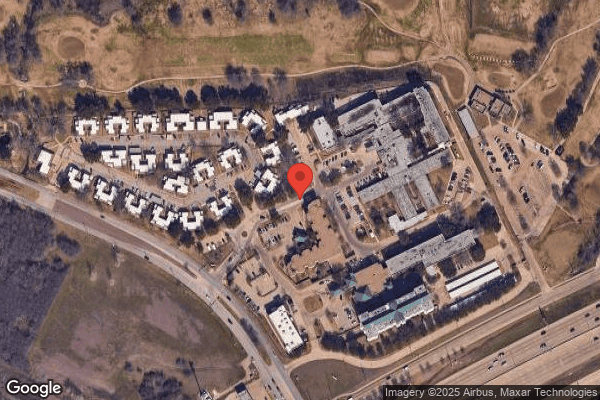
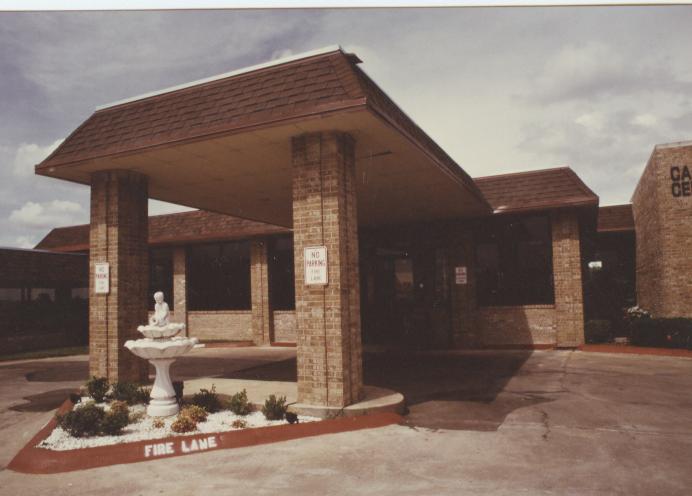
1000 Wiggins Pkwy, Mesquite, TX 75150 (972) 686-3000
Non profit - Corporation 180 Beds BONCREST RESOURCE GROUP Data: November 2025 4 Immediate Jeopardy citations
Trust Grade
2/100
#688 of 1168 in TX
Last Inspection: March 2025

Within standard 12-15 month inspection cycle. Federal law requires annual inspections.

Overview

Christian Care Center in Mesquite, Texas, has a Trust Grade of F, indicating significant concerns about the facility's overall quality and care. They rank #688 out of 1168 facilities in Texas, placing them in the bottom half, and #44 out of 83 in Dallas County, meaning only a few local options are worse. The facility's trend is stable, with 7 issues reported in both 2024 and 2025, but they have faced serious incidents, including failing to administer critical medications and inadequate supervision that led to a resident wandering unsupervised for up to 20 minutes. Although staffing is a relative strength with a 3/5 rating and a turnover rate of 42%, the facility has had $36,753 in fines, which is concerning as it indicates ongoing compliance issues. Additionally, they have good RN coverage, exceeding 78% of Texas facilities, which is crucial for monitoring residents' health.
Trust Score
F
2/100
In Texas
#688/1168
Bottom 42%
Safety Record
High Risk
Review needed
Inspections
Holding Steady
7 → 7 violations
Staff Stability
○ Average
42% turnover. Near Texas's 48% average. Typical for the industry.
Penalties
✓ Good
$36,753 in fines. Lower than most Texas facilities. Relatively clean record.
Skilled Nurses
○ Average
Each resident gets 35 minutes of Registered Nurse (RN) attention daily — about average for Texas. RNs are the most trained staff who monitor for health changes.
Violations
⚠ Watch
15 deficiencies on record. Higher than average. Multiple issues found across inspections.
★★☆☆☆
2.0
Overall Rating
★★★☆☆
3.0
Staff Levels
★★★★☆
4.0
Care Quality
★★☆☆☆
2.0
Inspection Score
Stable
2024: 7 issues
2025: 7 issues

The Good

  • 4-Star Quality Measures · Strong clinical quality outcomes
  • Full Sprinkler Coverage · Fire safety systems throughout facility
  • No fines on record
  • Staff turnover below average (42%)

    6 points below Texas average of 48%

Facility shows strength in quality measures, fire safety.

The Bad

2-Star Overall Rating

Below Texas average (2.8)

Below average - review inspection findings carefully

Staff Turnover: 42%

Near Texas avg (46%)

Typical for the industry

Federal Fines: $36,753

Above median ($33,413)

Moderate penalties - review what triggered them

Chain: BONCREST RESOURCE GROUP

Part of a multi-facility chain

Ask about local staffing decisions and management

The Ugly 15 deficiencies on record

4 life-threatening
Aug 2025 1 deficiency
CONCERN (D) 📢 Someone Reported This

A family member, employee, or ombudsman was alarmed enough to file a formal complaint

Potential for Harm - no one hurt, but risky conditions existed

Deficiency F0761 (Tag F0761)

Could have caused harm · This affected 1 resident

**NOTE- TERMS IN BRACKETS HAVE BEEN EDITED TO PROTECT CONFIDENTIALITY** Based on observation, interviews, and record review, the facility failed to ensure that medications were secure and inaccessible...

Read full inspector narrative →
**NOTE- TERMS IN BRACKETS HAVE BEEN EDITED TO PROTECT CONFIDENTIALITY** Based on observation, interviews, and record review, the facility failed to ensure that medications were secure and inaccessible to unauthorized staff and residents for two (one medication cart for Hall 200 and one medication cart for Hall Burgundy on the rehab unit) of five medication carts reviewed for medication storage. 1. The facility failed to ensure medication supplies were all stored in locked compartments and permit only authorized personnel to have keys, when CMA A's one medication cart for Hall 200 were left unlocked and unattended by CMA A. 2. The facility failed to ensure medication supplies were all stored in locked compartments and permit only authorized personnel to have keys when LVN B's one medication cart for Hall Burgundy for Rehab and was left unlocked and unattended by LVN B. This failure could result in resident access and ingestion of medications leading to a risk for harm and possible drug diversion.Findings included: An observation on 08/16/2025 at 9:14 a.m. revealed MA A's one medication cart was left unlocked for Hall 200. MA A was in room [ROOM NUMBER] giving medications to the resident. The lock on the medication cart were popped out showing the red bottom indicating the cart was unlocked. An observation and interview on 08/16/2025 at 9:25 a.m. revealed, one resident sitting in a wheelchair, coming out of the room to the unlocked medication cart on Hall 100. The resident stated he was looking for the MA he needed something for his pain. The medication cart remained unlocked and not in direct site of the MA. The MA came out of the other resident's room and ask the other resident what he needed, he shared his concern about his pain, she said she would let the nurse know. MA stated that she knew that the medication cart should always be locked when she is not using it. She just left it unlocked, and she forgot and was talking in the other resident's room, but she would try to do better, keeping it locked. MA A stated if the medication cart was left unlocked a resident or a staff member could get the medications, this could lead to medications being stolen or a resident taking something they should not have. An observation on 08/16/2025 at 9:28 a.m. revealed LVN B's one medication cart was left unlocked for Hall Burgundy on the Rehab unit. LVN B was two rooms down across the hall from the unlocked cart. The Medication cart had four syringes and three vials of unknown medication on top of the medication cart. The lock on the medication cart were popped out showing the red bottom indicating the cart was unlocked. In an interview on 08/16/2025 at 9:33 a.m. with LVN B revealed she was coming down the hallway and the resident called her and she went into her room. The LVN stated I was busy doing my medication pass, but I stopped to see what she needed. The LVN stated that she always leaves her medication cart unlocked during her medication pass. The LVN stated she had left the supplies out on the cart because she was going to use them soon, easier to get to. LVN B stated she knew the medication cart should always be locked when you are not using it, but I do not do that, it is too hard to unlock and relock and unlock again. LVN B stated if the medication cart was left unlocked a resident or a staff member could get the medications, this could lead to medications being stolen or a resident taking something they should not have. In an observation on 08/16/2025 at 10:00 a.m. with MA A of the medication cart for Hall 200 revealed: for Resident #1 Bupropion 300mg (depression), calcium 800 +D (calcium D), citalopram 20mg (panic disorder), metoprolol 25mg (High blood pressure), and mirtazapine 7.5mg (for weight loss). MA A confirmed these were Resident #1's ordered medications. In an observation on 08/16/2025 at 10:30 a.m. with LVN B of the medication cart for the Burgundy Hall on the rehab unit revealed: for Resident #2 Levothyroxine 7.5mg (thyroid), losartan Potassium 50mg (high blood pressure), levetiracetam 500mg (seizures), and meclizine 25mg (nausea). In an interview on 08/16/2025 at 2:00 p.m., the interim ADON stated it was her expectation that medication carts should be locked when not in use. The ADON said that the nurses and medication were responsible to keep the medication carts locked when not in use. She stated if they were not locked, residents and unauthorized staff could get into the cart and there would be opportunities for harm and medication diversion. When the ADON was asked who was responsible to monitor the carts to ensure they were locked she said that would be the staff that was using the carts. In an interview on 08/16/2025 at 2:30 p.m. with Administrator revealed she had already begun to perform in-services and had written up both employees for their lack of professionalism and following the facility's policy. The Administrator stated she made it clear to the staff this was not acceptable, and she expected better performance than this. Review of the Policy and Procedure Security of Medication Cart dated revised April 2007, reflected, The Medication cart shall be secured during medication passes. 1. The nurse must secure the medication cart during the medication pass to prevent unauthorized entry. 4. Medication carts must be securely locked at all times when out of of the nurse's view.
Aug 2025 2 deficiencies 1 IJ
CRITICAL (J) 📢 Someone Reported This

A family member, employee, or ombudsman was alarmed enough to file a formal complaint

Immediate Jeopardy (IJ) - the most serious Medicare violation

Accident Prevention (Tag F0689)

Someone could have died · This affected 1 resident

**NOTE- TERMS IN BRACKETS HAVE BEEN EDITED TO PROTECT CONFIDENTIALITY** Based on observations, interview and record review, the facility failed to ensure each resident received adequate supervision fo...

Read full inspector narrative →
**NOTE- TERMS IN BRACKETS HAVE BEEN EDITED TO PROTECT CONFIDENTIALITY** Based on observations, interview and record review, the facility failed to ensure each resident received adequate supervision for 1 of 2 residents (Resident #1) reviewed for accidents. Resident #1 walked out of the facility unattended with a wander guard on and was missing for approximately 10 - 20 minutes on 05/01/2025.The noncompliance was identified as a PNC. The IJ began on 05/01/2025 and ended on 05/02/2025. The facility had corrected the noncompliance before the investigation began. This failure could place residents at risk for serious injury or death. Findings Include: Record review of Resident #1's face sheet dated 08/12/2025 revealed he was a [AGE] year-old male admitted to the facility on [DATE]. Resident discharged to another from facility on 05/03/2025. Admitting diagnosis was Metabolic Encephalopathy (a condition where brain's dysfunction occurs due to issues with the body's metabolism, which can manifest confusion, impaired thinking, or even coma); Cerebral Infarction, Unspecified (a stroke where there is an unspecified blockage of blood flow to the brain, resulting in brain tissue damage); Aphasia following Cerebral Infarction (a language disorder that affects the ability to communicate, stemming from damage to the brain's language centers). Record review of Resident #1's admission MDS assessment dated [DATE] revealed his BIMS score to be 03 indicating severe cognitive function. Resident #1 exhibited inattention which caused resident to have difficulty focusing attention, was easily distracted, and had difficulty keeping track on what was being said to him. Resident #1 had disorganized or incoherent thinking which led to rambling or irrelevant conversation, unclear or illogical flow of ideas, or unpredictable switching from subject to subject. Resident #1 ambulated independently. Record review of Resident #1's care plan initiated 04/02/2025 revealed resident was an elopement risk/wanderer r/t impaired safety awareness. Resident wandered aimlessly. Goals were to maintain resident's safety through next review. Interventions: distract resident from wandering, identify pattern of wandering; provide structured activities; wander guard left ankle; monitor closely when sister would leave due to being a trigger for increased wandering and elopement; picture and personal information update placed in elopement notebook at nurse's station and receptionist desk; resident placed on 1:1 on 05/01/2025; Wander Guard placement was checked each shift with functionality. Record review of Resident #1's Order Summary Report revealed resident required a Wander Guard r/t exit seeking behavior. Check Wander Guard placement every shift. Order date: 04/02/2025. End Date 04/29/2025 Wander Guard Placement Secured LEFT ANKLE CHECK FOR PLACEMENT Q SHIFT CODE ALERT#9000-0413M every shift for Wander Guard Placement Secured. Order date: 04/29/2025. End date: 05/02/2025 Wander Guard Placement Secured Right ANKLE CHECK FOR PLACEMENT Q SHIFT CODE ALERT#9000-0413M Expiration date 030228 every shift for Wander Guard Placement Secured. Order Date: 05/02/2025. End date: 05/03/2025. Wander Guard three times a day for check Wander Guard. Verbal 04/01/2025 Discontinued 04/02/2025 updated Resident requires a Wander Guard r/t exit seeking behavior every shift for check Wander- guard. Verbal Discontinued 04/02/2025 04/02/2025 04/27/2025. Record review of Resident #1's Elopement assessment dated [DATE] revealed he was a high risk of elopement. Resident #1 was cognitively impaired with poor decision-making skills, ambulated independently, and was a new admission who did not accept the new situation. Elopement assessment dated [DATE] revealed he continued to be a high risk of elopement with cognitively impaired with poor decision-making skills and ambulated independently. Record review of Resident #1's social services note dated 03/31/2025 at 4:30 PM p.m. signed by the SW revealed she met with Family Member #1 and Family Member #2 of Resident #1 the day of admission. During the conversation, one of the Family Members stated, Do not be surprised if he tries to leave. SW asked Family Member in the conversation if Resident #1 tried to leave the hospital and Family Member said no but he did not like being there. SW notified nursing staff that Resident #1 was an elopement risk. Record review of Resident #1's progress note dated 04/01/2025 at 11:46 a.m. and signed by DON revealed Resident #1 continued to be confused at baseline and able to walk through the community unsupervised. Resident #1's family members had discussed the safety of Resident #1 and came to the agreement that he would be safer on the secured unit. Resident #1 transferred to the secured unit due to confusion and wandering. On 04/01/2025 at 7:15 p.m., his family requested Resident #1 to be moved off secured unit due to resident not adjusting well to the change. Resident #1 was confused and wandering. Wander Guard was placed on Resident #1's ankle. Record review of Resident #1 Licensed Nurse MAR for April 2025 and May 2025 indicated staff checked his Wander Guard device on ankle every shift to ensure it was activated and working correctly. Record review of Resident #1's progress notes report dated 04/29/25 at 11:50 a.m. prepared by the ADON reported that the resident tried to follow his visitors out to the parking lot. Family Member #3, Family Member #4, and CNA were there. CNA redirected the resident back into the building without incident. Physician, DON, ADM were aware of occurrence. Wander Guard had been ordered to be removed from left ankle on 04/27/2025 due to slight swelling of ankle by MD. New order given to place left ankle Wander Guard back on Resident #1. Record review of Resident #1's nursing noted dated 05/01/2025 at 3:05 p.m. written by DON noted that Resident #1 was back in the facility with Family Member #3 at side. Resident #1 went to his room with a nurse and family member. A head-to-toe assessment was completed with no injuries or s/s of distress. No c/o pain or discomfort voiced. ROM to all ext. noted. Resident #1 ambulating without difficulty. Wander Guard intact and functioning to left ankle. Resident #1 answered simple questions and conversed with Family Member #3 and staff without difficulty. Resident #1 refused for vital signs to be taken. Resident #1 was placed on 1:1 immediately with staff. MD entered facility and made aware. Call placed to Family Member #1, and she was aware of resident leaving. Progress note did not indicate resident eloped from the facility. In an interview on 08/12/2025 at 12:29 p.m. Family Member #1 stated Family Member #3 and Family Member #4 looked after Resident #1 while he was at the facility because they resided nearby. She stated she knew Resident #1 was always talking about wanting to go back home. The day that he eloped from the facility, Family Member #4 was coming to see him at the facility. She found him at the stop light outside the facility gate. Family Member #4 stopped and asked him what he was doing, and he replied that he was going home. Family Member #4 was able to get him in her car and took him back to the facility. She stated the elopement occurred Thursday, 05/01/2025, but she not sure of the time. She stated maybe early afternoon because she was at work. She stated she came in town on 05/03/2025 and took Resident #1 to the hospital. He is now at another long-term care facility. He has not tried to elope there. He was placed on the 3rd floor and now he was on the 2nd floor. She stated she had never experienced having a loved one in a nursing home, so she really did not know what to expect. In an interview on 08/12/2025 at 2:20 p.m. with the DON revealed Resident #1 eloped around 2 p.m. on 05/01/2025. She stated Resident #1 would ambulate throughout the facility. He was located by the gates up front of property but was still on the property. His Family Member was coming to visit and found him by the gates. No injuries noted. This was the only time Resident #1 left the building. Drills were completed quarterly now with the staff. Pink binders are at the nurse's station and the code is Code Pink for elopement. She stated she had been employed since April 07, 2025. She stated she had read that Resident #1's Family Members did not want him back on the unit. The facility placed a Wander Guard on the resident. On 08/13/2025 at 11:28 a.m., in a second phone interview with the DON, revealed in completing the documentation r/t Resident #1's return to the building with Family Member on 05/01/2025, she did not mention he had eloped from the facility but did not give a reason for not including the elopement in documentation. She stated the elopement book was put in place on 05/01/2025. The staff were instructed to document daily on each shift. She stated that the facility was no longer going to accept residents with Wander Guards. The resident would have to qualify for the memory care unit to be admitted to facility should that resident be an elopement risk. In an interview on 08/12/2025 at 2:37 p.m. with the ADM revealed she was on vacation the week of May 5th for 2 weeks. She stated Resident #1 left the building and was found by the gate on the property. He had no injuries. The cameras showed that he was still on property. She stated she would not be able to provide the camera footage. She stated that the receptionist would not have known if the resident was a possible visitor or an independent living resident. Resident #1 did not use a walker to ambulate. He looked like an ordinary person. She stated that Elopement Drills were now implemented. Notebooks were placed at each nurse's station in pink notebooks r/t residents who were at risk for elopement. Resident #1 was the only resident with a Wander Guard in the building. In an interview on 08/12/2025 at 3:25 p.m. with Family Member #3 revealed that Family Member #4 was the one who found Resident #1 at the stop light in front of the property outside the gate. She stated she just happened to be coming to visit him and drove up to the traffic light to turn into the facility property and spotted Resident #1 standing at the traffic light. She stated they were not satisfied with the facility while he was there. They placed Resident #1 on the secured unit which depressed him. The staff requested Family Member #3 to sit with resident at night because of not enough staff to watch him. She stated that was the facility's job. In an interview on 08/12/2025 at 3:36 p.m. with Family Member #4 revealed that she was the Family Member who found Resident #1 at the traffic light outside the property of the facility. She drove up to visit resident at the facility. When she came up to the light, she noticed resident standing at the curb. The traffic light was red. She rolled down her car window and asked him what he was doing, and he replied he was going home to his apartment. She told him to get in the car, and he did. She took him back in the building and the alarm went off when he walked through the front door. She proceeded down the hall with him towards the nurse's station and alarm continued to sound. A housekeeper passed them in the hallway and turned off the alarm. No nursing staff came to meet them. She told them where she found him. They had no idea he was missing. She stated it was after 2:00 PM when she arrived at the facility, but she was not certain of the exact time. In an interview on 08/13/2025 at 10:13 a.m. with Receptionist revealed she was at the desk when the alarm sounded. She stated the alarm went off at the entry door going out to the parking lot. The alarm does not go off near the receptionist desk. She admitted she was not familiar with the residents, but more familiar with Family Members. She was familiar with Resident #1's Family Member #3 and family member #4. Family Member #4 came in that day on 05/01/2025 with Resident #1. She stated when she heard the alarm, she walked down towards the front entrance door to look to see if there was a resident outside. Receptionist stated she did not see anyone. There was a gentleman from Assisted Living, who would walk pass the reception desk and down pass the breezeway and set off the alarm. She stated she would reset the alarm. She looked up walked down the breezeway and cut alarm off. She did not see a resident anywhere outside. She stated that staff would respond to door alarm when they go off. They can see from the staff entrance on [NAME], named for the 2100 Hall. She stated she did not inform the nurses that she cut off the alarm. In an interview on 08/13/2025 at 12:00 p.m. with RN A revealed he was working on [NAME], named for the 2100 Hall for the 6:00 a.m. - 3:00 p.m. shift on 05/01/2025. He stated he was familiar with Resident #1. RN A was scheduled to work the hall on 05/01/2025. He was not the nurse providing direct care for Resident #1 that day. Resident #1 would watch TV and was usually calm. He stated Resident #1 had dementia and was ambulatory. He would use a walker or a wheelchair at times but usually would ambulate throughout the building. Wander Guard was in place around resident's ankle daily. He stated that if Resident #1 would go near an exit door the panel indicates which exit door was set off. He stated that the alarm only indicates which door for a few seconds. The nurses would go the door that was triggered by Wander Guard to search for resident, begin a head count of all the residents on the halls, check all the rooms, shower rooms, and other places residents may wander to. He stated that he was not sure if any staff responded to door alarm, because he was completing a discharge on another resident at the time. He stated he did not stop what he was doing to search for Resident #1. He stated when Family Member brought resident back to the hall is when he realized Resident #1 was missing. He states that all staff have been in-serviced and trained on elopements and the steps to follow. Staff were in-serviced recently. There are pink notebooks at nurse's station with pictures and names of residents, face sheets, and other pertinent information about residents who are high elopement risk. The code for an eloped resident is Code Pink. He states the negative outcome that could have occurred because of Resident #1's elopement was Resident #1 could have gotten really hurt. In an interview on 08/13/2025 at 12:20 p.m. the ADON revealed that she was familiar with Resident #1. Resident #1 was forgetful and would at times would go to the exit doors. She stated she could not remember if he was ever aggressive toward the staff. Resident #1 was ambulatory and would wander throughout the facility. ADON not aware if he had a history of elopement before admission to facility. She stated she was aware that Resident #1 had eloped from the building but did not how long he had been gone. She knew that he did not have any injuries. She stated she knew that Resident #1's Family Member found him when she was arriving at the facility to visit him. She stated she was not sure if any of the staff on the 2100 hall knew Resident #1 was missing because she was conducting an in-service on another hall with staff. She stated on 05/01/2025, she heard the alarm sound and then heard it cut off within a second or two. She stated she thought staff went to look for resident and a CNA brought him back in. She stated that staff are to look at panel at the nurse's station to see what door the alarm was set off at. Some staff are to report to that area and begin looking for resident. Other staff are to get a head count of all the residents on each hall and account for their residents. When staff determine which resident is missing, go to Pink Binder at that nurse's station and retrieve the information on the missing resident. Contact the ADM, DON, MD, Police, and Family Members. Continue looking in the building and surrounding area outside the building until resident is found. Management has provided recent trainings and in-services r/t elopement and how to prevent this from happening again. She stated the negative outcome that might have occurred with this elopement with Resident #1 could have been detrimental to the resident. In an interview on 08/13/2025 at 3:30 p.m. with RN B revealed that he was familiar with Resident #1. He stated he had only cared for him for one shift during his time at the facility. The main behavior Resident #1 would exhibit was wandering and restlessness. Resident #1 showed attributes of dementia and confusion. He was ambulatory but would use a wheelchair at times. He stated, because he had a history of elopement, he kept him at the nurse's station with him. He stated he was not working 2100 hall on 05/01/2025 but was working on hall 300 in the memory care unit. He stated that he could not respond to alarm on 05/01/2025 because he was working the memory care unit. He stated he had received trainings and in-services on elopement recently. He stated the panel behind the nurse's station will indicate which door was set off by the Wander Guard. The staff should immediately respond to that area to search for resident who may have eloped. Begin a head count of residents on halls and determine which resident who may be missing. There are notebooks at the nurse's stations with information r/t residents who are at risk for elopement with their picture and a face sheet. Staff search for resident until the resident is located safely. He stated the negative outcome that could have occurred for Resident #1, he could have been hit by a car, or the police could have picked him up. In an interview on 08/13/2025 at 3:50 p.m. with CNA C revealed that she was familiar with Resident #1. She stated she worked on the memory care unit on hall 3. Resident #1 had only been there on Hall 3 for a few hours when he was placed there. He was not adjusting well to the memory care unit. Resident #1 was not exhibiting any behaviors except his Family Members did not want him there in the unit. He was moved off the unit the same day he arrived. She stated she did not remember what date this occurred. Resident #1 had dementia. He was ambulatory but used a wheelchair at times. She stated she was aware that a resident had eloped from the facility on 05/01/2025 but was not aware it was Resident #1. She stated she has been trained and attended in-services r/t elopement recently. She stated that when the alarm goes off, the nurse's look at the panel at the nurse's station which shows which door was set off. Staff are to go to that exit to search for the resident. Staff are to complete a head count to find out which resident is missing. There is an elopement book at the nurse's station with a picture and information about each resident who are an elopement risk. She stated the negative outcome that could have occurred with Resident #1's elopement would have been not too good because cars on the street speed on that street and resident could have been hit. In an interview on 08/13/2025 at 4:08 p.m. with CNA D revealed that she was not sure if she was familiar with Resident #1 because she never cared for him. She stated that she received training and in-services on elopement recently. She stated the steps to take in case a resident elopes from the building. She stated that when a resident with a Wander Guard goes near a door, the alarm will sound if the resident walks out the door. She stated there is a panel on the wall at the nurse's station that tells the nurse which door went off. There is a pink notebook at each nurse's station with the names of the residents who are elopement risk with their information in the book such as their picture and face sheet. She stated the negative outcome that could have occurred with this elopement could have been big trouble for resident and facility. On 08/13/2025, ADM provided the corrective action plan implemented after having an Emergent (QA) Meeting with Members r/t Resident #1. Elopement assessment would be reviewed and deemed still accurate, with care plan update to reflect current wandering issues. Wander Guard would be assessed in place and functioning with no issues. Maintenance performed on doors and Wander Guard checks on all exits. Based on elopement evaluation, elopement binders would be placed on the nurse's stations and front desk. In-services were started with staff on Wander Guard System, Code Pink Alert, Code Alarm System, Emergency Procedures-Missing Resident, Wandering/Elopement with completion with all employees currently working, and prior to their next scheduled workday. Elopement Drill complete on 05/02/2025, labeling system identified as missed labeled, maintenance fixed on 05/02/2025 after identification. On 05/02/2025 at 3:00 p.m. the ADM and DON provided a personal consultation and coachable moment with receptionist involved in incident by turning alarm off that was triggered by Wander Guard on 05/01/2025. Corrective action taken: Coachable Moment & Consultation on 5/2/2025, 1:1 Inservice with ADM and DON on 5/2/2025. In-service included: Wander Guard System, Code Pink Alert, Code Alarm System, Emergency Procedures-Missing Resident, Wandering/Elopement Risk and Alarms Sounding. Following elopement incident in-services were held on 05/01/2025 and 05/02/2025 r/t with staff on, Wander Guard System, Code Pink Alert, Code Alarm System, Emergency Procedures-Missing Resident, Wandering/Elopement Risk and Alarms Sounding. Approximately 73 employees were in attendance held on both days. Record review of facility's Wandering and Elopement Policy (revised March 2019) says in part, The facility will identify residents who are at risk of unsafe wandering and strive to prevent harm while maintaining the least restrictive environment for residents. 1. If identified as at risk for wandering, elopement, or safety issues, the resident's care plan will include strategies and interventions to maintain the resident's safety. Observations revealed there were no other residents that were present with Wander Guards and no residents observed with exit-seeking behaviors.
CONCERN (D) 📢 Someone Reported This

A family member, employee, or ombudsman was alarmed enough to file a formal complaint

Potential for Harm - no one hurt, but risky conditions existed

Medical Records (Tag F0842)

Could have caused harm · This affected 1 resident

**NOTE- TERMS IN BRACKETS HAVE BEEN EDITED TO PROTECT CONFIDENTIALITY** Based on interviews and record reviews, the facility failed to ensure in accordance with accepted professional standards and pra...

Read full inspector narrative →
**NOTE- TERMS IN BRACKETS HAVE BEEN EDITED TO PROTECT CONFIDENTIALITY** Based on interviews and record reviews, the facility failed to ensure in accordance with accepted professional standards and practices, the facility must maintain medical records on each resident that are complete; accurately documented; readily accessible; and systematically organized for 1 (Resident #1) of 2 for accuracy of records. The facility failed to accurately document an incident of elopement in progress notes that occurred r/t Resident #1. The failure can affect residents by putting them at risk of preventing further elopements r/t the lack of accurate documentation of incident. Findings included: Record review of Resident #1's face sheet dated 08/12/2025 revealed he was a [AGE] year-old male admitted to the facility on [DATE]. Resident discharged to another from facility on 05/03/2025. Admitting diagnosis was Metabolic Encephalopathy (a condition where brain's dysfunction occurs due to issues with the body's metabolism, which can manifest confusion, impaired thinking, or even coma); Cerebral Infarction, Unspecified (a stroke where there is an unspecified blockage of blood flow to the brain, resulting in brain tissue damage); Aphasia following Cerebral Infarction (a language disorder that affects the ability to communicate, stemming from damage to the brain's language centers).Record review of Resident #1's admission MDS assessment dated [DATE] revealed his BIMS score to be 03 indicating severe cognitive function. Resident #1 exhibited inattention which caused resident to have difficulty focusing attention, was easily distracted, and had difficulty keeping track on what was being said to him. Resident #1 had disorganized or incoherent thinking which led to rambling or irrelevant conversation, unclear or illogical flow of ideas, or unpredictable switching from subject to subject. Resident #1 ambulated independently. Record review of Resident #1's care plan initiated 04/02/2025 revealed resident was an elopement risk/wanderer r/t impaired safety awareness. Resident wanders aimlessly. Goals will be to maintain resident's safety through next review. Interventions: distract resident from wandering, identify pattern of wandering; provide structured activities; wander guard left ankle; will monitor closely when sister leave due to being a trigger for increased wandering and elopement; picture and personal information update placed in elopement notebook at nurse's station and receptionist desk; resident placed on 1:1 on 05/01/2025; Wander Guard placement to be checked each shift with functionality. Record review of Resident #1's nursing noted dated 05/01/2025 at 3:05 p.m. written by DON revealed Resident #1 back in facility with Family Member #3 at side. Resident #1 went to room with nurse and family member. Head to toe assessment completed no injuries or s/s of distress. No c/o pain or discomfort voiced. ROM to all ext. noted. Resident #1 ambulating without difficulty. Wander Guard intact and functioning to left ankle. Resident #1 answering simple questions and conversing with Family Member#3 and staff without difficulty. Resident #1 refused for vital signs to be taken at this present time. Resident #1 placed on 1:1 immediately with staff. MD entered facility and made aware. Call placed to another Family Member #1, and she is aware of resident leaving. Progress note did not indicate resident eloped from the facility. Requested the incident/accident reported r/t Resident #1's elopement but did not receive it.In interview on 08/12/2025 at 2:20 p.m. with the DON revealed Resident #1 eloped around 2 p.m. on 05/01/2025. She stated Resident #1 would ambulate throughout the facility. He was located by the gates up front of property but was still on the property. His Family Member was coming to visit and found him by the gates. No injuries noted. This was the only time Resident #1 left the building. Drills were completed quarterly now with the staff. Pink binders are at the nurse's station, and the code is Code Pink for elopement. She stated she had been employed since April 07, 2025. She stated she had read that Resident #1's Family Members did not want him back on the unit. The facility placed a Wander Guard on the resident. On 08/13/2025 at 11:28 a.m., in a second phone interview with the DON, revealed in completing the documentation r/t Resident #1's return to the building with Family Member on 05/01/2025, she did not mention he had eloped from the facility but did not give a reason for not including the elopement in documentation. She stated the elopement book was put in place on 05/01/2025. The staff were instructed to document daily on each shift. She stated that the facility was no longer going to accept residents with Wander Guards. The resident would have to qualify for the memory care unit to be admitted to facility should that resident be an elopement risk.In an interview on 08/12/2025 at 2:37 p.m. with the ADM revealed she was on vacation the week of May 5th for 2 weeks. She stated Resident #1 left the building and was found by the gate on the property. He had no injuries. The cameras showed that he was still on property. She stated she would not be able to provide the camera footage. She stated that the receptionist would not have known if the resident was a possible visitor or an independent living resident. Resident #1 did not use a walker to ambulate. He looked like an ordinary person. She stated that Elopement Drills were now implemented. Notebooks were placed at each nurse's station in pink notebooks r/t residents who were at risk for elopement. Resident #1 was the only resident with a Wander Guard in the building.In an interview on 08/13/2025 at 4:35 p.m. with ADM she stated that the facility thought that Resident was out on pass with Family Member when he was brought back into the facility. She stated that is why there was no elopement mentioned in the documentation. There was no documentation in Resident #1's file that he was out on pass with family.Record review of facility's policy for Charting and Documentation (revised July 2017) revealed in part, All services provided to the resident, progress towards the care plan goals, or any changes in the resident's medical, physical, physical, functional or psychosocial condition, shall be documented in the resident's medical record. The medical record should facilitate communication between the interdisciplinary team regarding the resident's condition and response of care.
Jun 2025 1 deficiency 1 IJ
CRITICAL (J) 📢 Someone Reported This

A family member, employee, or ombudsman was alarmed enough to file a formal complaint

Immediate Jeopardy (IJ) - the most serious Medicare violation

Accident Prevention (Tag F0689)

Someone could have died · This affected 1 resident

**NOTE- TERMS IN BRACKETS HAVE BEEN EDITED TO PROTECT CONFIDENTIALITY** Based on observation, interview, and record review, the facility failed to ensure the residents received adequate supervision an...

Read full inspector narrative →
**NOTE- TERMS IN BRACKETS HAVE BEEN EDITED TO PROTECT CONFIDENTIALITY** Based on observation, interview, and record review, the facility failed to ensure the residents received adequate supervision and assistive devices to prevent accidents for one resident (Resident #1) of eight residents reviewed for assistive devices and supervision. - The facility failed to ensure Resident #1 received adequate supervision and care in accordance with professional standards when the resident complained of pain and MA B did not notify the nurse promptly. MA B transferred Resident #1 out of bed using a sit to stand lift without assistance and notified the nurse of Resident #1's pain afterwards. Resident #1 received an X-ray that was positive for an acute spiral fracture of her left femur. The non-compliance was identified as past non-compliance (PNC). The Administrator and DON were notified of the PNC on 6/18/25 at 1:00 PM. The Immediate Jeopardy began on 6/12/25 and ended on 6/16/25. The facility had corrected the non-compliance before the state's investigation began. This failure placed residents at risk of a delay in medical evaluation and treatment, which could result in worsening of condition or serious harm. Findings included : Record review of Resident #1's face sheet, dated 6/17/25, reflected an [AGE] year-old female who was initially admitted to the facility on [DATE] and readmitted on [DATE] with diagnoses that included: dementia ((brain disorder that affects thinking, memory, and behavior), hx of fractured left tibia (long bone in lower leg), hx of fractured left femur neck (hip/thigh bone), age-related osteoporosis (weak bones), unspecified pain, and muscle weakness. Record review of Resident #1's quarterly MDS assessment, dated 5/15/25, reflected the resident's BIMS score was 0, which indicated severe cognitive impairment. The MDS Assessment under Section GG-Functional Abilities, reflected Resident #1 was dependent on staff for all self-care and mobility ADLs, and used a manual wheelchair. Record review of Resident 1's care plan, dated 5/14/25, reflected the resident had ADL self-care performance deficits and required a high-back wheelchair r/t disease process and posturing with interventions that included: assistance with all ADL's and an assist of 2 staff for transfers. Further review of the document revealed it was revised on 6/13/25 to reflect that Resident #1 required safe transfer practices with interventions that included: a transfer status update form sit-to-stand lift (device used to transfer individuals who can bear partial weight from one seated surface to another) to total lift (Hoyer)(device used to transfer individuals who can bear little to no weight) x2 staff members. Record review of Resident #1's consolidated physician's orders, dated 6/17/25, reflected in part the following: -May use mechanical lift device- as needed. Start date: 1/27/25. -May use specialized wheelchair-as needed for posturing and comfort. Start date: 1/28/25. -Acetaminophen tablet 325 mg-give 1 tablet by mouth two times a day for pain. Do not exceed 3 grams in 24 hours. Start date: 6/12/25. -Tramadol HCL oral tablet 50 mg-give 1 tablet by mouth every 12 hours for pain. Start date: 1/28/25. -X-ray of left femur in two weeks 6/27/25-one time only for verbal check fracture healing. Start date: 6/13/25; End date: 6/27/25. Record review of Resident #1's progress notes, dated 6/12/25 at 9:00 AM by LVN A, reflected the following: [Resident #1] c/o left leg pain while up for breakfast. Tramadol and routine Tylenol given for pain. [MD] here and assessed leg and new order given for left leg x-ray from hip to ankle. [Resident #1] was returned to bed and a skin tear was observed on left lower leg. Dressing applied. Record review of Resident #1's progress notes, dated 6/12/25 at 9:50 AM by LVN A, reflected the following: [Hospice RN] here to see [Resident #1]. [Hospice RN] said areas on right buttock and gluteal fold were looking much better. [Hospice RN] is going to order [Resident #1] a new hospital bed with air mattress and another overbed table. [Hospice RN] has seen [Resident #1's] left leg and was informed of new order for left leg x-ray. [Hospice RN] will call [Resident #1's] [RP]and let him know about x-ray order. [Hospice RN] changed routine Tylenol order from one 325 mg Tylenol BIB [sic] to two 325 mg Tylenol BID. A PRN Tylenol 325 mg one tab every 6 hours as needed for pain was added to orders. Record review of Resident #1's progress notes, dated 6/12/25 at 2:36 PM by LVN A, reflected the following: [MD] notified of spiral fracture (a complete bone break that spirals around the bone) of left femur. [MD] ask that [LVN A] call [Resident #1's] [RP] to see if he wanted [Resident #1] sent out to the hospital, or if [Resident #1] would continue to be monitored here by [Hospice]. [Resident #1's] [RP] notified and he said that he would speak to hospice and make a decision. Record review of Resident #1's progress notes, dated 6/12/25 at 4:33 PM by the MD, reflected the following: [Resident #1] seen this am for left lower extremity pain Xray report acute spiral fracture of left femur with displacement (bone moved out of normal position) No falls reported. Skin tear to left shin noted during visit. [Resident #1] usually transferred using sit to stand lift. Xray positive for acute spiral fracture of left femur with displacement. Spoke to [Resident #1's] [RP], pain is currently controlled on APAP and Tramadol. [RP] to decide: continue palliative care in facility on hospice, manage pain and add Lovenox for DVT prophylaxis (action taken to prevent disease). or Revoke hospice and transfer to hospital for management, due to overall condition surgery not recommended, possible bracing if indicated. Record review of Resident #1's progress notes, dated 6/12/25 at 8:48 PM by LVN M, reflected the following: [RP] called facility. Stated do not send [Resident #1] to hospital re: Fx of left femur. Provide care/comfort at facility, [Hospice]. [Resident#1] sleeping no complaints or s/s of pain or discomfort. Cont on routine pain management of Tramadol/APAP. Record review of Resident #1's Xray, dated 6/12/25, reflected in part the following: . LEFT FEMUR X-Ray - 2 view: Findings: AP (front to back) and lateral (one side of the body to the other) views of the left femur demonstrate a diffuse osteoporosis. There is a distal femoral metaphyseal (area of the thigh bone located just above the knee) spiral fracture with mild displacement. No bony erosion or destruction is present. The soft tissues are unremarkable. There is no radiopaque foreign body (white or bright objects). IMPRESSION: The bones are osteoporotic. The posteriorly (position at the back, or towards the rear) displaced distal femoral metaphyseal spiral fracture is present. Record review of a statement, dated 6/12/25, submitted by MA B reflected in part the following: When I went to get [Resident #1] up, at first she was saying leave me alone I went to another resident then came back. When I came back to get [Resident #1] up for breakfast, I used the sit to stand lift and put her on the chair. [Resident #1] was stating, leave me alone, leave me alone. [Resident #1] was then complaining of pain when she got in the chair, I thought it was regular pain, because I know she gets pain pill. I went and told the nurse that [Resident #1] was complaining of pain and the nurse went to give her medicine. When was [sic] transferring with the sit to stand lift [Resident #1] did not bump her legs or any part of her body she was ok when I transferred her with the lift. In an interview on 6/17/25 at 9:20 AM with the Administrator and DON, the DON stated on 6/12/25 it was reported to her that Resident #1 complained of pain to MA B while she was preparing her for breakfast. The DON stated MA B notified LVN A, who notified the DON and MD. The DON stated Resident #1 was given pain medication and had an Xray that revealed an acute spiral fracture of the femur. She stated Resident #1 was on hospice and her RP chose not to have her sent out to the hospital since hospice was able to adjust her pain medication and keep her comfortable. The DON stated the lab was able to determine that the fracture was acute after comparing the Xray to a previous image. The DON stated this was her first time dealing with a spiral fracture and she could not use her clinical experience to state likely causes of that type of fracture. The DON stated Resident #1 was diagnosed with generalized pain and a hx of a hip fracture, so when she complained of pain, MA B thought it was her usual pain. The DON stated Resident #1 had a hx of falls but was currently non-ambulatory and was not considered a fall risk. The DON stated Resident #1 depended on staff for mobility and required a sit-to-stand mechanical lift to be transferred out of bed. The DON stated there had been no reported incidents or changes in Resident #1's condition in the days leading up to the injury. The DON stated she took statements from staff who worked with Resident #1, and no one stated any incidents or changes with the resident. The DON stated if Resident #1 had fallen out of bed she would have needed assistance getting up, so staff would have been aware if the injury was caused from a fall. The Administrator stated an investigation was conducted and the cause of injury was unfounded. The Administrator stated an emergent QAPI meeting was held, and interventions were put in place that included all staff being in-serviced and completing skills checkoffs on mechanical lift transfers. In an interview on 6/17/25 at 10:05 AM, LVN A stated she worked at the facility for about 9 years. She stated she worked with Resident #1 on 6/12/25. She stated they were passing breakfast trays when Resident #1 looked at her and said [LVN A] my leg hurts. LVN A stated she was shocked that Resident #1 knew her name and was able to be specific about where her pain was because Resident #1 was diagnosed with advanced dementia and was normally confused. LVN A stated Resident #1 was able to express when something was wrong, but she was very specific that day and was able to point to her left leg. LVN A stated she assessed Resident #1 and only found a faint skin tear to her lower left leg. LVN A stated Resident #1 was on routine Tylenol and Tramadol that had already been administered. LVN A stated the MD was already at the facility doing rounds and was notified that Resident #1 was complaining of pain. LVN A stated hospice and Resident #1's RP was also notified. LVN A stated the MD assessed Resident #1 and ordered a STAT Xray. LVN A stated hospice increased Resident #1's pain medication. LVN A stated Resident #1's Xray was positive for a spiral fracture to her hip bone and that was considered a more serious type of fracture. LVN A stated in her experience that type of fracture could be caused by the leg being bent all the way back or a forceful movement. LVN A stated when she arrived on shift that morning, the off-going nurse did not report any incidents or changes in Resident #1's condition. LVN A stated the day started as normal. LVN A stated the usual CNA for that hall did not work that day and MA B was filling in. LVN A stated there were some staff openings on the unit and it was not unusual for staff from other halls to help. LVN A stated Resident #1 was total care and required a sit-to-stand mechanical lift for transfers. LVN A stated MA B did not report any accidents or injuries while transferring Resident #1 to her wheelchair that morning. In an interview on 6/17/25 at 10:05 AM, MA B stated she worked at the facility for about a year. She stated she was a MA but also helped as a CNA when needed. MA B stated she worked on the memory care unit for the past two weeks and was familiar with Resident #1, who complained of pain often. She stated she worked with Resident #1 on 6/12/25 when the injury was found. MA B stated when she entered Resident #1's room to get her out of bed for breakfast, she complained of pain which she thought was her normal pain. MA B stated Resident #1 was complaining of pain before she moved her; however, she proceeded to use the sit-to-stand mechanical lift to get her into the wheelchair. MA B stated mechanical lift transfers were supposed to be done with 2 staff but there was no one else available to help so she did it alone. MA B stated Resident #1 was able to assist some, which made it easier. MA B stated there was not an accident during the transfer. MA B stated once she got Resident # in the wheelchair, she reported to LVN A that Resident #1 was complaining of pain. MA B stated she had been trained on abuse and neglect. She was able to provide examples of abuse and stated she would report any concerns to the Administrator. MA B stated she had also been trained on safe repositioning, mechanical lift transfers, and notifying the nurse if a resident complained of pain before completing any care. In an interview on 6/17/25 at 11:01 AM, Resident #1's RP stated the facility notified him on 6/12/25 that Resident #1 complained of pain in her leg and an Xray showed a spiral fracture of the left femur. The RP stated he did not have any concerns that Resident #1 was abused or neglected, and the facility always notified him of any incidents or changes with the resident. He stated he was not present, but he could see how maybe during a transfer Resident #1's foot was not planted correctly when staff went to transfer her, and the bone twisted. He stated Resident #1 had multiple fractures in the past and had fragile bones. The RP stated he was pleased with the care Resident #1 was receiving at the facility; however, he understood why the State Agency needed to investigate the injury. In an interview and observation on 6/17/25 at 12:00 PM, Resident #1 was observed lying comfortably in bed. The bed was in the lowest position with a fall mat on the floor. Resident #1 was dressed in her gown and was well-groomed with no visible marks or bruises. Resident #1 stated she was fine and denied being in any pain. Resident #1 stated something happened to her hip, but she was not able to recall what happened. Resident #1 stated she did not fall, and no one hurt her. Resident #1 was not a good historian due to her dementia and was not able to complete the interview. In an interview on 6/17/25 at 1:20 PM, CNA C stated she worked at the facility for 8 years. She stated she normally worked on the memory care unit with Resident #1; however, she called out on 6/12/25 and staff who normally did not work with Resident #1 filled in for her that day. CNA C stated she received a call informing her that Resident #1 had a fractured hip and was on bedrest. CNA C stated Resident #1 required a sit-to-stand mechanical lift for transfers but when she returned to work, she received an in-service and was told that Resident #1 now required a total lift for transfers. CNA C stated she was also informed that all mechanical lift transfers had to be performed with 2 staff. CNA C stated they always used 2 staff with total lift transfers, but they would sometimes do sit-to-stand lift transfers alone because the residents could bear some of their weight and assist some. CNA C stated when Resident #1 was transferred, staff had to know to be patient with her and remind her to keep her legs bent. CNA C stated on 6/13/25 she had to do an in-service and skills check-off for mechanical lift transfers. She stated shewas also in-serviced on notifying the nurse of any complaints of pain or change in condition before proceeding with care, and abuse and neglect. CNA C denied having concerns that any residents were being abused or neglected in the facility . In an interview on 6/17/25 at 1:45 PM, the DON stated MA B informed the DON that she used a sit-to-stand mechanical lift to transfer Resident #1 without a second staff. The DON stated Resident #1 required a 2-person assist with transfers and it was also the facility's protocol to use 2 staff during mechanical lift transfers. The DON stated it was important to use 2 staff during mechanical lift transfers to ensure the safety of residents and prevent injuries. Further interview on 6/17/25 at 3:32 PM with the Administrator and DON, the DON stated the expectation was for the aides to notify the nurse if a resident complained of pain before proceeding with any type of care so the resident could be assessed and provided pain management and staff were re-educated on this during in-services regarding the incident. The Administrator stated the aides were not qualified to assess residents or make any determinations, which was why the nurse had to be notified. The DON stated providing care after a resident expressed being in pain, without notifying the nurse, could place the resident at risk of increased pain. The Administrator added that it could place the resident at risk of further injury or cause an injury. In an interview on 6/18/25 at 12:49 PM, the MD stated on 6/12/25, she was making rounds at the facility when LVN A notified her that Resident #1 was complaining of pain in her left leg. The MD stated she went in the room to assess Resident #1 and ordered an Xray of the leg. The MD stated the Xray was positive for an acute spiral fracture of the left femur/hip. The MD stated Resident #1 had memory loss due to dementia; however, she was able to express when she was in pain, she just could not state what caused it. The MD stated Resident #1 was on hospice for terminal diagnoses of dementia and was also diagnosed with osteopenia, which meant that the resident's bones were very fragile. The MD stated a spiral fracture was an injury that would make one think; however, in Resident #1's case it would only take minor trauma to obtain due to her bones being so fragile. The MD stated there were no reports of a fall or other incidents. The MD stated Resident #1's bed was always low to the ground and staff used a sit-to-stand mechanical lift to transfer her. The MD stated she believed the sit-to-stand lift was in the room when she assessed her on 6/12/25. The MD stated Resident #1's injury could have happened during a transfer. Review of the facility's policy titled Lifting Machine, Using a Mechanical, revised July 2017, revealed in part the following: Purpose: The purpose of this procedure is to establish the general principles of safe lifting using a mechanical lifting device. It is not a substitute for manufacturer's training or instructions. General Guidelines: 1. At least two (2) nursing assistants are needed to safely move a resident with a mechanical lift. . Steps in the Procedure: 1. Before using a lifting device, assess the resident's current condition, including: a. Physical: (1) Can the resident assist with transfer? (2) Is the resident's weight and medical condition appropriate for the use of a lift? b. Cognitive/Emotional: (1) Can the resident understand and follow instructions? (2) Does the resident express fear or appear anxious about the use of a lift? (3) Is the resident agitated, resistant, or combative? . The non-compliance was identified as past non-compliance (PNC). The Administrator and DON were notified of the PNC on 06/18/25 at 1:00 PM. The Immediate Jeopardy began on 06/12/25 and ended on 06/16/25. The facility had corrected the non-compliance before the state's investigation began. The facility took the following actions to correct the non-compliance prior to the survey: Record review on 6/17/25 of a document provided by the Administrator titled Emergent Quality Assurance (QA) Form 10, dated 6/13/25, reflected a QAPI meeting was held to discuss failure and interventions put in place to prevent failure from occurring again, which included: assessment and STAT treatment of Resident #1, notifying MD, hospice, family, and ombudsman of incident, in-servicing all staff, skills checkoffs with all staff, skin assessments, chart review and updated care plan. Follow-up included: continued monitoring of pain, two weeks of bedrest, and transfer status changed from sit-to-stand lift to complete lift (Hoyer) for Resident #1, and monitoring of CNAs weekly for proper lift transfers for 4 weeks, then twice monthly, then times 3 quarterly with results of audits provided to QAPI and recommendations reviewed. Record review on 6/17/25 of a document provided by the Administrator titled Teammate Corrective Action Form, dated 6/13/25, reflected CMA B received corrective action via Coachable Moment. CMA B received one on one education regarding proper use of mechanical lifts and notifying the nurse immediately when assistance is needed. Record review on 6/17/25 of documents provided by the DON titled Skin Monitoring Assessment Sheet, dated 6/13/25-6/14/25, reflected 18 residents on the unit received head-to toe- skin assessments with no negative findings. Record review on 6/17/25 of documents provided by the DON titled Competency Assessment: Lifting Machine,, dated 6/14/25-6/17/25 (overnight 6/16-6/17), reflected 28 staff completed skills checkoffs for mechanical lift transfers, which included assessing the resident's current physical and emotional condition before performing the lift and general principles of safe lifting. Record review on 6/17/25 of in-service titled Use of Sit to Stand and Hoyer lifts, dated 6/13/25-6/15/25, reflected 36 staff were educated by the DON on ensuring that all mechanical lifts be performed with a 2-person assist always. Record review on 6/17/25 of in-service titled Abuse, Neglect, Exploitation Policy, dated 6/13/25, reflected 34 staff were educated by the DON regarding the facility's abuse, neglect, and exploitation policy. Record review on 6/17/25 of in-service titled Safety with turning and repositioning, dated 6/14/25, reflected 28 staff were educated by the DON on safe protocol when turning and repositioning residents. Record review on 6/17/25-6/18/25 of Residents #1, #2, #3, #4, #5, #6, #7, and #8, who all required transfer assistance, EHRs revealed their care plans included interventions to address ADL needs and appropriate transfer requirements. Resident #1's care plan was revised on 6/13/25 with transfer status updated to Hoyer Lift X 2 staff members, Observations on 6/17/25 from 12:00 PM-1:15 PM; 4:00 PM-4:35 PM, with Residents #1, #2, #3, #4, #5, #6, #7, and #8, who all required transfer assistance, revealed no s/sx of pain or visible marks or bruises. Observation of mechanical lift transfers revealed they were safely completed, following protocol with 2-person assist. Interviews on 6/17/25 from 12:00 PM-1:15 PM; 4:40 PM-5:05 PM, with the RPs and Residents #1, #2, #3, #4, #5, #6, #7, and #8, who all required transfer assistance, revealed no concerns for accidents/injuries during mechanical lift transfers, abuse, or neglect of residents. Interviews from 6/17/25 (varied times between 10:05 AM-5:22 PM) - 6/18/25 (9:40 AM-11:35 AM), conducted with the Administrator, DON, nurses and CMA/CNAs: LVN A (1st shift/weekdays), CMA B (1st shift/rotating days), CNA C (1st shift/rotating days), CNA D (1st shift/rotating days), RN E (2nd shift/weekdays), CNA F (2nd shift/rotating days), CNA G (2nd shift/ rotating days), CNA H (2nd shift/ rotating days), CNA I (2nd shift/ rotating days), LVN J (1st shift/weekdays), CNA K (1st shift/rotating days), CNA L (1st shift/rotating days), LVN M (3rd shift/weekdays), CNA N (3rd shift/rotating days), LVN O (1st/2nd shift/double weekends), CNA P (3rd shift/ rotating days), RN Q (3rd shift/weekends), and CNA R (3rd shift/ rotating days), indicated they all participated in in-services and skill checkoffs prior to starting their shifts. All staff were able to state that the facility used two different type of mechanical lifts (sit-to-stand and total mechanical lift) and transfers with both lifts required a 2-person assist at all times. All staff were able to state that using a draw sheet and pillow would reduce the risk of injuries when turning and repositioning residents. All CMA/CNAs were able to state that the nurses must be notified immediately if a resident had any changes in condition or c/o pain before proceeding with care or transfers . All nurses were able to state they were responsible for assessing any c/o of pain or changes in a resident's condition, report to the MD, and follow any new orders. All nurses were able to state they would be aware of all mechanical lift transfers and would be available to assist if needed. All staff were able to state in their own words the facility's abuse, neglect, and exploitation policy. All staff were able to describe abuse, neglect, and exploitation, when to report it, and who to report it to.
Mar 2025 2 deficiencies
CONCERN (D)

Potential for Harm - no one hurt, but risky conditions existed

Food Safety (Tag F0812)

Could have caused harm · This affected 1 resident

Based on observations, interviews, and record review the facility failed to store, prepare, distribute, and serve food in accordance with professional standards for food service safety in the facility...

Read full inspector narrative →
Based on observations, interviews, and record review the facility failed to store, prepare, distribute, and serve food in accordance with professional standards for food service safety in the facility's only kitchen reviewed for food safety. 1. The facility failed to remove molded fruits. 2. The facility failed to ensure dented cans were placed in a separate storage area. These failures could place residents at risk for food-borne illness and cross contamination. Findings Include: Observation of walk-in refrigerator on 03/11/2025 at 9:27 a.m., revealed the following: -1 16oz bag of grapes dated 03/07/2025 contained molded grapes. -1 16oz container of strawberries dated 03/07/2025 contained molded strawberries. -2 6oz containers of raspberries dated 02/28/2025 contained molded raspberries. Observation of dry storage on 03/11/2025 at 9:35 a.m., revealed the following: -1 3lbs can of cream of chicken dated 02/11/2027 was dented twice on the top left. -1 6lbs can of tapioca pudding dated 02/05/2028 was dented on top right. In an interview with [NAME] B on 03/11/2025 at 11:25 a.m., she stated sorting through canned goods and fruits is not her responsibility, but she has done this and the past and helped when needed. She stated dented cans were stored in a separate area in the dry storage closet. She stated not separating dented cans could cause an infection to the residents. She stated when the facility received fruits, the fruits were examined for mold. She stated not removing molded fruit from the refrigerator could cause contaminated food. In an interview with the DM on 03/11/2025 at 11:30 a.m., he stated when the facility received canned goods or fruit he sorted through those items and checked for dented cans or molded fruit. He stated dented cans are stored in a separate area and returned to the vendor. He stated if he identified molded fruit, upon delivery, he refused the fruit. He stated he if identified molded fruit after delivery, he discarded the molded fruit. He stated not storing dented cans in a separate area could cause bacteria and residents could become sick. He stated when molded fruit are not removed, this could cause food borne illnesses. Record review of the facility's Food Receiving and Storage Policy, revised October 2017 reflected, Policy Statement: Food shall be received and stored in a manner that complies with safe food handling practices. 2. When food is delivered to the facility it will be inspected for safe transport and quality before being accepted.
CONCERN (E)

Potential for Harm - no one hurt, but risky conditions existed

Pharmacy Services (Tag F0755)

Could have caused harm · This affected multiple residents

**NOTE- TERMS IN BRACKETS HAVE BEEN EDITED TO PROTECT CONFIDENTIALITY** Based on observations, interviews, and record reviews, the facility failed to provide pharmaceutical services (including procedu...

Read full inspector narrative →
**NOTE- TERMS IN BRACKETS HAVE BEEN EDITED TO PROTECT CONFIDENTIALITY** Based on observations, interviews, and record reviews, the facility failed to provide pharmaceutical services (including procedures that ensured drugs and biologicals were accurately acquired, received, dispensed, and administered) to meet the needs of each resident for one (2100 hall medication room) of two medication rooms reviewed for pharmacy services. The facility failed to ensure expired medication administration supplies were removed from the east side medication room. These failures could place residents at risk for infection and having possible adverse effects. Findings included: In an observation and interview on [DATE] at 9:37 a.m., expired supplies were found stored on shelves in the 2100 hall medication room. Expired supplies observed included one 100 count box of 5mL 22gauge x 1.5inch syringes with an expiration date of [DATE] and one 100 count box of 3mL 23gauge x 1inch syringes with an expiration date of [DATE]. RN A was present during the observation and stated the syringes were expired, and the risk to the residents was that they could cause infection if used. RN A stated central supply was responsible for monitoring the expiration dates, but she was not sure how often central supply checked the dates. RN A stated she had not used any of these syringes. In an interview on [DATE] at 9:06 a.m., Central Supply stated he delivered supplies to the medication rooms weekly on Wednesdays. Central Supply stated he rotated the stock so that the oldest supplies were located in the front. Central Supply reported if he did not restock an item then he would not have checked the expiration dates on that item. Central Supply reported that nursing management was responsible for checking those dates, but they worked together as a team. Central Supply reported he did not know if expired supplies would cause harm to the residents. In an interview on [DATE] at 3:14 p.m., the DON reported she audited the medication rooms weekly and did not see the expired syringes. The DON reported she was responsible for monitoring the medication rooms and the Unit Manager would also be responsible once the plan of correction was completed. The DON stated she did not know what the risk to residents would be if expired supplies were used, and her expectation was that there were not any expired supplies in the medication room. In an interview on [DATE] at 1:08 p.m. and on [DATE] at 1:36 p.m. policies specific to expiration dates for supplies or medication supplies was requested from the ADM and was not received by the time of exit. Record review of the facility's policy titled Storage of Medications, with a revision date of [DATE], revealed Discontinued, outdated, or deteriorated drugs or biologicals are returned to the dispensing pharmacy or destroyed, and The nursing staff is responsible for maintaining medication storage and preparation areas in a clean, safe, and sanitary manner.
Feb 2025 1 deficiency
CONCERN (E) 📢 Someone Reported This

A family member, employee, or ombudsman was alarmed enough to file a formal complaint

Potential for Harm - no one hurt, but risky conditions existed

Deficiency F0839 (Tag F0839)

Could have caused harm · This affected multiple residents

**NOTE- TERMS IN BRACKETS HAVE BEEN EDITED TO PROTECT CONFIDENTIALITY** Based on interviews, and record reviews the facility failed to ensure professional staff were licensed, certified or registered ...

Read full inspector narrative →
**NOTE- TERMS IN BRACKETS HAVE BEEN EDITED TO PROTECT CONFIDENTIALITY** Based on interviews, and record reviews the facility failed to ensure professional staff were licensed, certified or registered in accordance with applicable state laws for one (ADON) of four licensed nursing staff reviewed for staff qualifications. The facility failed to ensure the ADON's Nursing license was not expired. The past noncompliance began on [DATE] and ended on [DATE]. The facility had corrected the noncompliance before the investigation began. This failure could place residents at risk for receiving nursing services by an unlicensed nurse. Findings included: During an interview, on [DATE] at 2:30 pm, the HR Manager stated the staff licenses were checked upon hire. She stated when staff came in for background checks, all the other checks were completed. She stated the facility noted the expiration date of the license or certification and let the staff know when the license would expire, and at that point it was the employees' responsibility. She stated effective [DATE] the responsibility was given to the HR Manager, to maintain verifivcation of the licenses and certifications. She stated that prior to the assignment being the responsibility of the HR Manager, there were 2 other staff that had that responsibility. She stated that she assumed that other staff were not doing their job and missed the expiration of the license. She stated that she started early, on [DATE], and checked the registry and found the ADON's license was expired effective [DATE]. She stated that she informed the Administrator and DON, she stated that at that time she let both of them know to take her off the floor. She stated the ADON was removed from the floor and fired [DATE]. During an interview on [DATE] at 2:55 pm. The Administrator stated the ADON submitted her resignation after a personal issue with the facility on [DATE]. She stated the HR Manager made her aware the ADON's nursing license expired effective [DATE] on [DATE]. She stated the ADON was fired at that time the HR Manager informed her of the license issue. She stated Human Resources and the individual staff were responsible for keeping up with the licenses and certifications. She stated after this incident the DON and HR Manager monitored the license and certifications for staff members. She stated they made a referral to the nursing board for the ADON not maintaining her license. She stated they created an Excel Spreadsheet with all of the licenses and training certifications for all CNA and Nursing staff. She stated the DON currently monitors the sheet and keeps her updated weekly on upcoming expirations. She stated the HR Manager also has a spreadsheet and monitors licenses and certification. She provided updates to the Administrator and DON when someone 's license was nearing expiration. During an interview on [DATE] at 3:45 pm, the DON stated that each nurse was responsible for making sure the their own license was current. She confirmed the ADON worked at the facility fulltime and during the time the licensed was expired. She stated that prior to this incident HR and each staff member kept up with the license. She stated that it was the individual staff''s responsibility to keep up with their own license. She stated with the current process she maintained a spreadsheet with the expiration dates of trainings, certifications and licenses for both CNA and Nurses. She stated that she and the HR manager both monitor the spreadsheet. She stated that she checked the list almost daily and sent out reminders to the staff with upcoming certification and license expirations. The DON stated with some staff she would start months out sending out reminders. She stated the risk to residents was minimal as the nurse was licensed and had practiced for several years. She stated she understood that Nurses needed to be licensed to practice nursing. Review of Facility Self Report dated [DATE] regarding the incident that occured on 12.30.24 revealed the following: The facility conducted an audit to ensure no other concerns regarding expired licenses. Results of the audits reflected no new findings or negative outcomes. No other nurse license was expired. In-services were completed by HR by Administrator on [DATE].HR Monthly Tracking. Results of audits will be tracked and presented to QAPI for review. Recommendations and follow-up based on outcomes will be determined and appropriate performance improvement will be developed Record review of a facility provided in-service dated [DATE] consisted the following staff: the DON, 2 Nursing managers, VP of Clinical Services, Medical Director, Administrator and another staff member. This in service listed all Nursing staff with licenses expiring in the calendar year 2025. During the in-service the Excel spreadsheet was created and all staff members licenses certifications and trainings were listed on the spreadsheet. Review of the undated tracking form/Excel spreadsheet with staff names/license and expiration date revealed all staff licenses were current. The tracking from had monthly check off dates for each month for the entire year. Record Review of the facility background check policy, with an effective date [DATE] page 15 states The Community also checks the CNA Registry, the Abuse/Misconduct Registry, the Department of Health and Human Services Office of Inspector General(OIG) List of Excluded Individuals/Entities, and any other federal and state registries per federal and state law, on all individuals who have been offered and accepted a position and regularly thereafter on all teammates. If an individual is listed on any registry for misconduct or on the OIG list, they may be subject to disciplinary action, up to and including termination.
Dec 2024 2 deficiencies 2 IJ (1 affecting multiple)
CRITICAL (J) 📢 Someone Reported This

A family member, employee, or ombudsman was alarmed enough to file a formal complaint

Immediate Jeopardy (IJ) - the most serious Medicare violation

Pharmacy Services (Tag F0755)

Someone could have died · This affected 1 resident

**NOTE- TERMS IN BRACKETS HAVE BEEN EDITED TO PROTECT CONFIDENTIALITY** Based on interview and record review, the facility failed to provide pharmaceutical services (the process of receiving and inter...

Read full inspector narrative →
**NOTE- TERMS IN BRACKETS HAVE BEEN EDITED TO PROTECT CONFIDENTIALITY** Based on interview and record review, the facility failed to provide pharmaceutical services (the process of receiving and interpreting prescriber's orders and to provide procedures that assure the accurate acquiring, receiving, dispensing, and administration of all drugs) to meet the needs of each resident for one (Resident #1) of four residents reviewed for pharmaceutical services. The facility failed to ensure the hospital discharge order to continue Eliquis (anticoagulant commonly known as a blood thinner medication) was accurately transcribed and administered to Resident #1 as ordered from 8/26/2024 to 9/26/2024 (30 days). The noncompliance was identified as past noncompliance (PNC). The IJ began on 8/26/2024 and ended on 10/19/2024. The facility had corrected the noncompliance before the state's investigation began. This failure could place residents at risk for not receiving medications as ordered by their physician or per manufacturer's directions. Findings included: Record review of Resident #1's PPS MDS assessment dated [DATE] revealed Resident #1 was a [AGE] year-old female admitted to the facility on [DATE] with diagnoses of atrial fibrillation (irregular heart rhythm), displaced intertrochanteric fracture of the left femur (fractured left hip), and encounter for other orthopedic aftercare (care after surgery). The MDS also revealed a BIMS score of 15 (suggested no cognitive impairment). Record review of Resident #1's care plan revised on 10/23/2024 revealed Resident #1 was at risk for bleeding due to anticoagulant use and interventions included evaluating the skin for evidence of impaired coagulation (bruising, petechia, bleeding). Record review of Resident #1's MAR for August 2024 revealed Eliquis was ordered and administered to Resident #1 from 8/08/2024 until 8/23/2024. Record review of Resident #1's hospital H&P dated 8/26/2024 revealed Resident #1 was transferred to the hospital on 8/23/2024 and was on Eliquis for atrial fibrillation. Record review of Resident #1's hospital Discharge summary dated [DATE] revealed orders to continue Eliquis after discharge from the hospital. Record review of Resident #1's physician orders revealed there was not an order for Eliquis from 8/26/2024 to 9/26/2024. Record review of Resident #1's MAR for August 2024 revealed Eliquis was not administered or ordered from 8/26/2024 until 8/31/2024. Record review of Resident #1's MAR for September 2024 revealed Eliquis was not administered or ordered from 9/01/2024 until 9/26/2024. In an interview on 12/17/2024 at 10:03 a.m., MA B reported the MAR showed her what medications to administer to each resident and what time to administer the medications. MA B stated she was not able to add or remove medications from the MAR because the nurses had to enter the orders into the EHR. MA B stated only nurses were able to add medications to the MAR. In an interview on 12/17/2024 at 4:03 p.m., LVN A reported she transcribed Resident #1's discharge medication orders when Resident #1 returned from the hospital on 8/26/2024. LVN A stated she reviewed the medications with the physician and entered them into the EHR. LVN A reported she did not know why the order for Eliquis was missing because she thought she entered it into Resident #1's EHR. LVN A reported she was not aware the order was missing at that time and would never intentionally not give the resident her medicine. LVN A was not asked the risk to the resident. In an interview on 12/17/2024 at 9:50 a.m., LVN D stated a resident would be at risk for a blood clot, stroke, or embolism if they were not given Eliquis as ordered. Record review of Resident #1's hospital H&P dated 9/27/2024 revealed Resident #1 was admitted to the hospital on [DATE] and was found to have a non-salvageable limb ischemia (no blood supply to the leg). On 9/26/2024 Resident #1 had a mechanical thrombectomy (removal of blood clot) for an occluded superficial femoral artery (blood vessel) in the left leg. Resident #1 underwent a left above the knee amputation because blood flow was not restored after the thrombectomy (removal of blood clot). Record review of nursing progress note dated 9/30/2024 at 6:53 p.m. revealed Resident #1 returned to the facility with a left above the knee amputation. Record review of Resident #1's MAR for October 2024 revealed Eliquis was ordered and administered to Resident #1 from 10/01/2024 until 10/17/2024. In an interview on 12/17/2024 at 1:17 p.m., the DON reported she was notified on 10/18/2024 by a case worker from the hospital that Resident #1 had not received her Eliquis previously while at the facility. The DON stated the case workers at the hospital reconciled medications on their end but were unable to notify the facility of the discrepancy because they had the wrong DON email address. The DON reported she immediately notified the Medical Director, the family, and the ombudsman of the error. The DON stated that the Medical Director would have to answer if there were any adverse reactions or risks to Resident #1. The DON stated previously the floor nurse reviewed the medications with the doctor and transcribed them to the EHR. The DON stated the admission process was updated to include additional checks by the unit manager and DON to ensure medications were transcribed accurately. The DON stated the floor nurse was responsible for reconciling the medications with the doctor, then the unit manager would verify the medications were accurately transcribed. The DON stated then she would review the medications again and the medication list would be sent to the pharmacy to be reviewed for accuracy. The DON reported a medication reconciliation competency was completed for every nurse. In an interview on 12/17/2024 at 1:48 p.m., the Medical Director reported Resident #1 had multiple things wrong with her and was doing poorly after hip surgery in August 2024. The Medical Director reported Resident #1 had an above the knee amputation on the left leg because Resident #1 had a blood clot. The Medical Director stated the Eliquis was prescribed for atrial fibrillation, and venous (veins) clots were prevented with Eliquis. The Medical Director stated Resident #1 had an arterial (arteries) clot. In an interview on 12/18/2024 at 12:55 p.m., the Medical Director stated the nurses completing admissions were expected to look at all of the discharge orders and review them with the doctor. The Medical Director stated the Eliquis was on the discharge orders for Resident #1 but could not state if the nurse mentioned it or not when she called to reconcile the medications on 8/26/2024. Record review of the Medication Guide Eliquis, revised September 2021, revealed Eliquis is a prescription medicine used to: reduce the risk of stroke and blood clots in people who have atrial fibrillation. Reduce the risk of forming a blood clot in the legs and lungs of people who have just had hip or knee replacement surgery. In an interview on 12/17/2024 at 2:29 p.m., a medical information specialist for Eliquis stated the premature discontinuation of Eliquis increases the risk of thrombotic events (formation of blood clots) and to reduce the risk consider coverage with another anticoagulant (blood thinner). The medical information specialist stated thrombotic events (blood clots) could occur in veins or arteries. In an interview on 12/18/2024 at 8:38 a.m., the ADM stated their back up checks failed, and a mistake was made. The ADM stated on 8/26/2024 that the admission nurse was not working that day (who assisted in checking the medication orders) and that they would have given the medication if the order had been transcribed. The ADM stated at the time that Resident #1's Eliquis was not transcribed, that the facility had an admission checklist, but it was only monitored by the admission nurse and the DON. The ADM stated all discharge orders are expected to be transcribed. The ADM did not state the risk to the resident not receiving the prescribed medication. Record review of admission/discharge report dated 12/17/2024 revealed Resident #1 was transferred to another facility on 10/18/2024. Review of facility policy titled Adverse Consequences and Medication Errors, with a revision date of April 2014, stated The interdisciplinary team evaluates medication usage in order to prevent and detect adverse consequences and medication-related problems. Facility policy for admission orders/transcribing orders not received a the time of exit. The facility took the following actions to correct the noncompliance prior to the investigation: In an interview on 12/18/2024 at 8:38 a.m., the ADM reported the admission checklist was updated and required the floor nurse, nurse manager, and the DON to review medications on all new admissions. The ADM stated the DON was responsible for monitoring the admission checklist and ensuring the medications were transcribed. The ADM stated the facility reviewed all new admissions during meetings on Thursdays, and she monitored the admission checklist to ensure it was completed during monthly meetings. Record Review of new admission checklist revealed section for floor nurse to initial medications were reviewed with the physician and entered into the EHR. The form revealed an area for the floor nurse to sign, the unit manager to sign, and for the DON to sign once reviewed. Record Review of facility's admission binder revealed completed new admission checklist forms for admissions from 10/20/2024 to current. In an interview on 12/17/2024 at 1:17 p.m., the DON stated the admission process was updated to include additional checks by the unit manager and DON to ensure medications were transcribed accurately. The DON stated the floor nurse was responsible for reconciling the medications with the doctor, then the unit manager would verify the medications were accurately transcribed. The DON stated then she would review the medications again and the medication list would be sent to the pharmacy to be reviewed for accuracy. The DON reported a medication reconciliation competency was completed for every nurse. Record Review of Competency Assessment Reconciliation of Medications on admission forms revealed the competency checklist was completed for 28 nurses on 10/19/2024. In an interview on 12/17/2024 at 9:17 a.m., RN C stated they implemented a new protocol and there were three checks now for the medication reconciliation. RN C stated the floor nurse was the first one responsible for transcribing medications when a resident was admitted . RN C stated then the unit manager would perform the second check, and the DON would perform the third check. RN C stated they had an updated checklist that he received training for and for reconciling medications. In an interview on 12/17/2024 at 9:50 a.m., LVN D stated she received training for medication orders and the admission process. LVN D stated the nurse that completed the admission would reconcile the medications from the hospital discharge paperwork with the physician. LVN D stated the nurse manager and DON would check the medications afterwards. In an interview on 12/17/2024 at 10:15 a.m., LVN E stated discharge orders were reviewed with the doctor and then entered into the EHR. LVN E stated the nurse managers check the medications after the floor nurse, and then the DON checks the medications. LVN E stated she received training for medication reconciliation. In an interview on 12/17/2024 at 10:27 a.m., Unit Manager F stated the floor nurse would review medications with the doctor, and the unit manager would do a second check to ensure all medications were entered. Unit manager F stated the DON would review the medications after the unit manager, and the medications would also be checked again by the pharmacy consultant. Unit Manager F reported she received one-to-one training from the DON concerning the medication reconciliation process. In an interview on 12/17/2024 at 12:53 p.m., RN G stated that when a new admit arrived then the medication orders were verified with the doctor and emailed to the pharmacy consultant. RN G stated then a nurse manager would check the orders, and the DON checked them after the nurse manager. RN G stated she received in-person training for medication reconciliation and completed a checkoff list for medication reconciliation competency. In an interview on 12/17/2024 at 4:03 p.m., LVN A stated she received training for the admission process and the medication reconciliation process. LVN A stated she received one-to-one training from the DON. LVN A stated the nurses would review the medications one by one with the doctor and would complete the admission checklist. LVN A stated the nurse manager checked the medications after the nurse entered them, and then the DON would recheck them.
CRITICAL (K) 📢 Someone Reported This

A family member, employee, or ombudsman was alarmed enough to file a formal complaint

Immediate Jeopardy (IJ) - the most serious Medicare violation

Deficiency F0760 (Tag F0760)

Someone could have died · This affected multiple residents

**NOTE- TERMS IN BRACKETS HAVE BEEN EDITED TO PROTECT CONFIDENTIALITY** Based on interview and record review, the facility failed to ensure residents are free of any significant medication errors for ...

Read full inspector narrative →
**NOTE- TERMS IN BRACKETS HAVE BEEN EDITED TO PROTECT CONFIDENTIALITY** Based on interview and record review, the facility failed to ensure residents are free of any significant medication errors for one (Resident #1) of four residents reviewed for medication errors. The facility failed to ensure Eliquis (anticoagulant commonly known as a blood thinner medication) was administered to Resident #1 as ordered from 08/26/2024 to 09/26/2024 (30 days). The noncompliance was identified as past noncompliance (PNC). The IJ began on 08/26/2024 and ended on 10/19/2024. The facility had corrected the noncompliance before the state's investigation began. This failure could place residents at risk for not receiving medications as ordered by their physician or per manufacturer's directions. Findings included: Record review of Resident #1's PPS MDS assessment dated [DATE] revealed Resident #1 was a [AGE] year-old female admitted to the facility on [DATE] with diagnoses of atrial fibrillation (irregular heart rhythm), displaced intertrochanteric fracture of the left femur (fractured left hip), and encounter for other orthopedic aftercare (care after surgery). The MDS also revealed a BIMS score of 15 (suggested no cognitive impairment). Record review of Resident #1's care plan revised on 10/23/2024 revealed Resident #1 was at risk for bleeding due to anticoagulant use and interventions included evaluating the skin for evidence of impaired coagulation (bruising, petechia, bleeding). Record review of Resident #1's MAR for August 2024 revealed Eliquis was ordered and administered to Resident #1 from 8/08/2024 until 8/23/2024. Record review of Resident #1's hospital H&P dated 8/26/2024 revealed Resident #1 was transferred to the hospital on 8/23/2024 and was on Eliquis for atrial fibrillation. Record review of Resident #1's hospital Discharge summary dated [DATE] revealed orders to continue Eliquis after discharge from the hospital. Record review of Resident #1's physician orders revealed there was not an order for Eliquis from 8/26/2024 to 9/26/2024. Record review of Resident #1's MAR for August 2024 revealed Eliquis was not administered or ordered from 8/26/2024 until 8/31/2024. Record review of Resident #1's MAR for September 2024 revealed Eliquis was not administered or ordered from 9/01/2024 until 9/26/2024. In an interview on 12/17/2024 at 10:03 a.m., MA B reported the MAR showed her what medications to administer to each resident and what time to administer the medications. MA B stated she was not able to add or remove medications from the MAR because the nurses had to enter the orders into the EHR. MA B stated only nurses were able to add medications to the MAR. In an interview on 12/17/2024 at 4:03 p.m., LVN A reported she transcribed Resident #1's discharge medication orders when Resident #1 returned from the hospital on 8/26/2024. LVN A stated she reviewed the medications with the physician and entered them into the EHR. LVN A reported she did not know why the order for Eliquis was missing because she thought she entered it into Resident #1's EHR. LVN A reported she was not aware the order was missing at that time and would never intentionally not give the resident her medicine. LVN A was not asked the risk to the resident. In an interview on 12/17/2024 at 9:50 a.m., LVN D stated a resident would be at risk for a blood clot, stroke, or embolism if they were not given Eliquis as ordered. Record review of Resident #1's hospital H&P dated 9/27/2024 revealed Resident #1 was admitted to the hospital on [DATE] and was found to have a non-salvageable limb ischemia (no blood supply to the leg). On 9/26/2024 Resident #1 had a mechanical thrombectomy (removal of blood clot) for an occluded superficial femoral artery (blood vessel) in the left leg. Resident #1 underwent a left above the knee amputation because blood flow was not restored after the thrombectomy (removal of blood clot). Record review of Resident #1's MAR for October 2024 revealed Eliquis was ordered and administered to Resident #1 from 10/01/2024 until 10/17/2024. In an interview on 12/17/2024 at 1:17 p.m., the DON reported she was notified on 10/18/2024 by a case worker from the hospital that Resident #1 had not received her Eliquis previously while at the facility. The DON stated the case workers at the hospital reconciled medications on their end but were unable to notify the facility of the discrepancy because they had the wrong DON email address. The DON reported she immediately notified the Medical Director, the family, and the ombudsman of the error. The DON stated that the Medical Director would have to answer if there were any adverse reactions or risks to Resident #1. The DON stated previously the floor nurse reviewed the medications with the doctor and transcribed them to the EHR. The DON stated the admission process was updated to include additional checks by the unit manager and DON to ensure medications were transcribed accurately. The DON stated the floor nurse was responsible for reconciling the medications with the doctor, then the unit manager would verify the medications were accurately transcribed. The DON stated then she would review the medications again and the medication list would be sent to the pharmacy to be reviewed for accuracy. The DON reported a medication reconciliation competency was completed for every nurse. In an interview on 12/18/2024 at 12:55 p.m., the Medical Director stated the nurses completing admissions were expected to look at all of the discharge orders and review them with the doctor. The Medical Director stated the Eliquis was on the discharge orders for Resident #1 but could not state if the nurse mentioned it or not when she called to reconcile the medications on 8/26/2024. In an interview on 12/18/2024 at 8:38 a.m., the ADM stated their back up checks failed, and a mistake was made. The ADM stated on 8/26/2024 that the admission nurse was not working that day (who assisted in checking the medication orders) and that they would have given the medication if the order had been transcribed. The ADM stated at the time that Resident #1's Eliquis was not transcribed, that the facility had an admission checklist, but it was only monitored by the admission nurse and the DON. The ADM stated all discharge orders are expected to be transcribed. Review of facility policy titled Adverse Consequences and Medication Errors, with a revision date of April 2014, stated The interdisciplinary team evaluates medication usage in order to prevent and detect adverse consequences and medication-related problems. The facility took the following actions to correct the noncompliance prior to the investigation: In an interview on 12/18/2024 at 8:38 a.m., the ADM reported the admission checklist was updated and required the floor nurse, nurse manager, and the DON to review medications on all new admissions. The ADM stated the DON was responsible for monitoring the admission checklist and ensuring the medications were transcribed. The ADM stated the facility reviewed all new admissions during meetings on Thursdays, and she monitored the admission checklist to ensure it was completed during monthly meetings. Record Review of new admission checklist revealed section for floor nurse to initial medications were reviewed with the physician and entered into the EHR. The form revealed an area for the floor nurse to sign, the unit manager to sign, and for the DON to sign once reviewed. Record Review of facility's admission binder revealed completed new admission checklist forms for admissions from 10/20/2024 to current. In an interview on 12/17/2024 at 1:17 p.m., the DON stated the admission process was updated to include additional checks by the unit manager and DON to ensure medications were transcribed accurately. The DON stated the floor nurse was responsible for reconciling the medications with the doctor, then the unit manager would verify the medications were accurately transcribed. The DON stated then she would review the medications again and the medication list would be sent to the pharmacy to be reviewed for accuracy. The DON reported a medication reconciliation competency was completed for every nurse. Record Review of Competency Assessment Reconciliation of Medications on admission forms revealed the competency checklist was completed for 28 nurses on 10/19/2024. In an interview on 12/17/2024 at 9:17 a.m., RN C stated they implemented a new protocol and there were three checks now for the medication reconciliation. RN C stated the floor nurse was the first one responsible for transcribing medications when a resident was admitted . RN C stated then the unit manager would perform the second check, and the DON would perform the third check. RN C stated they had an updated checklist that he received training for and for reconciling medications. In an interview on 12/17/2024 at 9:50 a.m., LVN D stated she received training for medication orders and the admission process. LVN D stated the nurse that completed the admission would reconcile the medications from the hospital discharge paperwork with the physician. LVN D stated the nurse manager and DON would check the medications afterwards. In an interview on 12/17/2024 at 10:15 a.m., LVN E stated discharge orders were reviewed with the doctor and then entered into the EHR. LVN E stated the nurse managers check the medications after the floor nurse, and then the DON checks the medications. LVN E stated she received training for medication reconciliation. In an interview on 12/17/2024 at 10:27 a.m., Unit Manager F stated the floor nurse would review medications with the doctor, and the unit manager would do a second check to ensure all medications were entered. Unit manager F stated the DON would review the medications after the unit manager, and the medications would also be checked again by the pharmacy consultant. Unit Manager F reported she received one-to-one training from the DON concerning the medication reconciliation process. In an interview on 12/17/2024 at 12:53 p.m., RN G stated that when a new admit arrived then the medication orders were verified with the doctor and emailed to the pharmacy consultant. RN G stated then a nurse manager would check the orders, and the DON checked them after the nurse manager. RN G stated she received in-person training for medication reconciliation and completed a checkoff list for medication reconciliation competency. In an interview on 12/17/2024 at 4:03 p.m., LVN A stated she received training for the admission process and the medication reconciliation process. LVN A stated she received one-to-one training from the DON. LVN A stated the nurses would review the medications one by one with the doctor and would complete the admission checklist. LVN A stated the nurse manager checked the medications after the nurse entered them, and then the DON would recheck them.
Sept 2024 1 deficiency
CONCERN (D) 📢 Someone Reported This

A family member, employee, or ombudsman was alarmed enough to file a formal complaint

Potential for Harm - no one hurt, but risky conditions existed

Report Alleged Abuse (Tag F0609)

Could have caused harm · This affected 1 resident

**NOTE- TERMS IN BRACKETS HAVE BEEN EDITED TO PROTECT CONFIDENTIALITY** Based on interview, and record review, the facility failed to immediately report an allegation of abuse to HHSC for one (Residen...

Read full inspector narrative →
**NOTE- TERMS IN BRACKETS HAVE BEEN EDITED TO PROTECT CONFIDENTIALITY** Based on interview, and record review, the facility failed to immediately report an allegation of abuse to HHSC for one (Resident #3) of five residents reviewed for abuse. The facility failed to report an allegation of abuse as required when Resident #3's family member reported to the facility that Resident #3 had been abused by PT B. This failure could place residents at risk for unreported allegations of abuse. Findings included: Record review of the Minimum Data Set (MDS) dated [DATE] indicated Resident #3 was admitted on [DATE], was a [AGE] year old female, and her diagnoses in part included Hypertension (elevated blood pressure), Obstructive Uropathy (occurs when urine cannot drain through the urinary tract), Depression (a mood disorder that causes a persistent feeling of sadness and loss of interest), Asthma (a chronic disease that affects the airways of the lungs), Open Wound, Fibromyalgia (pain in muscle and joints throughout the body), Muscle Weakness, Other Reduced Mobility, and Morbid Obesity. The MDS indicated Resident #3 was able to express ideas and wants and make herself understood, had clear comprehension, and had a Brief Interview for Mental Status (BIMS) score of 14 indicating her cognition was intact. Record review on 09/19/24 at 04:00 pm a copy of an email addressed to RN A was reviewed. The email dated August 29th, 2024, at 04:41 pm was sent from Resident #3's family member and alleged that PT B had intentionally injured Resident #3 with severe bruising that was caused by PT B trying to tighten a belt around her. Interview with Resident #3's family member was attempted by phone on 09/19/24 at 10:30 a.m. and again at 03:57 pm with no answer. Message was left identifying self and requesting call back. In an interview on 09/19/24 at 12:15 pm, Resident #3 reported that approximately three or four weeks prior, PT B had twice put his foot on her bed, leaned back, and jerked the gait belt around her waist to tighten it. She stated she believed that this was the cause of the bruise on her left side. She reported that PT C was a witness at the bedside at the time of the incident. The bruise to her left side was not observed. She reported that RN A had interviewed her about what had happened with PT B, the gait belt, and the bruise. She reported there had been no prior concerns or incidents with PT B and that she would be willing to work with him again. She did state that she has not worked with PT B since she became aware of the bruise. She did not state she was abused, fearful of PT B, or that PT B had intentionally injured her, but stated that she felt PT B needed further training. She stated this is what she had also reported to RN A. She did state she had been on anticoagulant therapy at some point in the weeks prior to the incident and that this could affect bruising. In an interview 09/19/24 at 01:28 pm, RN A reported that he had received a phone call from Resident #3's family member a few weeks ago (exact date unknown), alleging that PT B had purposefully injured Resident #3 using a gait belt. RN A stated he immediately notified DON of the report as the facility administrator was on medical leave. RN A reported that he assessed Resident #3, noted the bruise on her left side, and that Resident #3 reported to him that she believed the bruise was caused by PT B yanking the gait belt too tight. He denied she reported to him that the injury was intentional or that she considered it abuse. In an interview on 09/19/24 at 01:51 pm, PT C stated he assisted PT B at the bedside with Resident #3 twice in the month of August 2024, on the 16th and the 19th, and that a gait belt had been used both times without incident. He reported that he did not witness PT B put his foot on the bed and yank the gait belt at any time. He denied any knowledge of injury or abuse to Resident #3. He reported that if any abuse occurred, he would have reported it immediately to the abuse coordinator, the ADM. He reported that to his knowledge PT B had not worked with Resident #3 since the report of the allegation. In an interview on 09/19/24 at 02:07 pm, PT B stated that the only times he had worked with Resident #3 in August 2024 was on the 16th and the 19th and that the finding of Resident 3's bruise was on August 27th. He denied he put his foot on the bed or jerked her gait belt. He reported that Resident #3 had not complained that the gait belt was too tight or expressed any other concerns during those therapy sessions. He stated that PT C was at the bedside and could confirm this. He stated he removed himself from Resident #3's care immediately upon hearing of the allegation, and that he last provided her any care on August 19th, 2024. He denied any knowledge of abuse to Resident #3 or any other resident and stated he would have reported it to ADM, the abuse coordinator. In an interview on 09/19/24 at 03:09 pm, Resident #3's attending physician, MD D reported the resident was very obese and had been on blood thinners and that the bruise could have been caused by routine care such as the use of a gait belt, a Hoyer lift, or even turning the resident in bed with a draw sheet. She denied any concern of abuse and stated the bruising was inconsistent with the allegation in that she would have expected the bruising to develop the same day as the injury occurred. She also stated that Resident #3 had been experiencing a cough, and that it was possible that with her obesity and edema in the area/skin folds that superficial vessels may have broken and bled under the skin due to coughing. Record review of a copy of a Concern/Complaint Form dated 08/29/2024 was noted completed and signed by DON and detailed that Resident #3's family member complained about bruising and PT B Bullying Resident #3. The Concern/Complaint Form noted that Resident #3's physician had identified bruising on her left side on 08/26/24. The Concern/Complaint Form indicated that the DON interviewed Resident #3, PT B, and RN A. The Concern/Complaint Form indicated findings of the investigation included that Resident #3 denied abuse and expressed that she felt safe and apologized for her family member's behavior. The Concern/Complaint Form noted that steps that were taken to correct the concern included the MD obtained x-rays to ensure there were no injuries, resident safety was ensured, and the DON had spoken to PT B regarding the gait belt concerns. Review of in-service record dated 08/30/24 indicated that five staff in the therapy department, including PT B, had received training on the safe use of gait belts. Review of in-service record dated 08/29/24 indicated twenty-eight facility staff had received training on Abuse and Neglect and reporting it to the abuse coordinator. In an interview on 09/19/24 at 02:29 pm, CNA E reported that she has worked with Resident #3 at times during August 2024. CNA E reported that she has never witnessed or had any knowledge of abuse occurring at this facility and would have reported it immediately to the administrator and DON. She reported she had received abuse training. She stated she had not personally witnessed Resident #3 receiving therapy and had received no complaints from her regarding her care. In an interview on 09/19/24 at 03:35 pm, DON stated that when a family member reported an allegation of abuse or neglect, the facility would investigate the allegation, and if abuse was found, the facility would report it to the state immediately. She stated that if the facility's investigation revealed that the resident was cognizant and the resident denied any kind of abuse, then she would not report the allegation to the state. DON reported that she was informed of the allegation by Resident #3's family member on August 29th, 2024. She reported she did not report it to the state because Resident #3 denied any abuse. She stated that ADM was out on leave and that she was responsible for reporting abuse at the time of the complaint. She did not state what guidance she had used for reporting. DON reported that the facility responded to the allegation by assessing the resident, including skin assessment, interviewing Resident #3, PT B, and PT C, notifying the MD, and provided staff in-service training on gait belts and abuse. DON did not state how failure to report abuse could affect a resident. In an interview on 09/19/24 at 04:00 pm, the ADM reported that she was the abuse coordinator but that the incident with Resident #3 had occurred while she was on medical leave and that the abuse coordinator role was assumed by DON during that time. The ADM reported the facility's policy states that if there had been a reason for it (abuse) to be reported to the state, it would have been reported to the state. She reported that if a resident stated they had been abused and used those specific words then the facility would have reported it. The ADM reported that upon her return to the facility she learned that the facility immediately investigated the allegation. She reported that she would have talked to the resident and if the resident denied any abuse occurred, she would have gone with what the resident said. She reported that what she would have done differently from DON was she would have conducted safe surveys. The ADM stated that all allegations of abuse are investigated by the facility immediately to ensure resident safety. She reported that since her return from leave she had reviewed the resident assessment and the investigation completed by DON and noted that staff training on gait belt use and abuse had been conducted. The ADM did not state how failure to report abuse could affect a resident. Record review of the facility policy titled, Abuse, Neglect, Exploitation or Misappropriation-Reporting and Investigating, dated 2001 and revised April 2021 stated: All reports of resident abuse (including injuries of unknown origin), neglect, exploitation, or theft/misappropriation of resident property are reported to local, state, and federal agencies (as required by current regulations) and thoroughly investigated by facility management. Findings of all investigations are documented and reported.
Feb 2024 4 deficiencies
CONCERN (D) 📢 Someone Reported This

A family member, employee, or ombudsman was alarmed enough to file a formal complaint

Potential for Harm - no one hurt, but risky conditions existed

Infection Control (Tag F0880)

Could have caused harm · This affected 1 resident

**NOTE- TERMS IN BRACKETS HAVE BEEN EDITED TO PROTECT CONFIDENTIALITY** Based on observation, interviews, and record reviews the facility failed to establish and maintain an infection prevention and c...

Read full inspector narrative →
**NOTE- TERMS IN BRACKETS HAVE BEEN EDITED TO PROTECT CONFIDENTIALITY** Based on observation, interviews, and record reviews the facility failed to establish and maintain an infection prevention and control program designed to provide a safe, sanitary, and comfortable environment and to help prevent the development and transmission of communicable diseases and infections for one (Residents #182) of eight residents reviewed for infection control. The facility failed to ensure Occupational Therapist G properly donned and doffed PPE by putting on an isolation gown before entering Resident #182's contact isolation room; additionally, when Occupational Therapist G left the resident's room, she took her gown off in the hallway then went back into Resident 182's room to dispose of the gown. Then afterwards she went to two other resident's rooms. This failure could place residents at risk of cross contamination of highly infectious diseases, which could lead to the residents experiencing respiratory distress, fevers, muscle aches, vomiting and diarrhea and resulting in health decline and decreased psycho-social well-being. Findings Include: Record review of Resident #182's admission MDS dated [DATE] revealed a [AGE] year-old female who admitted on [DATE] with a BIMS score of 15 (No cognitive impairment) .with mixed complex conditions and diagnosed with hypertension, ulcerative bowel disorder, renal insufficiency, acute kidney failure, muscle weakness, abnormal gait and mobility, ulcerative colitis, and cognitive communication deficit. Record review of Resident #182's Care Plan undated revealed, special instruction: Contact and droplet precautions for influenza Focus Resident #182 has Influenza Type A .Isolation Date initiated 02/03/24 .Resident #182 will be free from s/sx of dehydration .interventions: one person assist for bed mobility and ambulating . wear gloves and wash hands before and after treating resident .wear PPE when treating resident. Record review of Resident #182's Order Summary Report dated 02/08/24 revealed, Droplet isolation related to influenza. every shift for Precautions: Active 02/03/2024. Observation on 02/06/24 at 11:05 am revealed, Resident #182 had a droplet contact precautions sign on her closed door with instructions for to put on PPE and the PPE supplies were inside of a bin outside her room door. Observation and Interview on 02/08/24 at 10:56 am, Occupational Therapist G opened Resident #182's room door and asked if the resident wanted to do therapy and the resident replied yes. Occupational Therapist G performed hand hygiene and put on gloves and mask on, walked all the way into Resident #182's room and closed the resident's door. The HHSC Surveyor knocked on the door and asked Occupational Therapist G should she have on any other PPE, and she replied no and added she did not always provide therapy to Resident #182. She stated she was under the impression she just had to have on an N95 mask she was okay to go into contact isolations rooms. She stated she saw the Contact Isolation signage on the door but went by what the Director of Rehab told her as long as she had on her N95 mask and did hand hygiene and gloved up she was fine to go into the contact isolation rooms to provide therapy. She then asked could the HHSC Surveyor assist her with putting her gown on and walked into Resident #182's room without tying the straps around her neck and waist. At 11:12 am Occupational Therapist G came out of Resident #182's room with her gown on and took the gown off and rolled it up with no gloves on and looked around then asked CNA H where the trash can was so she could throw away the isolation gown. CNA H told her to throw it away in Resident #182's bathroom, then Occupational Therapist G walked back into Resident #182's room without gloves on and threw away the gown and came out and performed hand hygiene and walked away. Occupational Therapist G then walked to another room, Resident 180's room, but Resident #180 was not in the room and then she went to another room, Resident #184's room. Then Occupational Therapist G went inside Resident #184's room and closed the door and asked was he ready for therapy services and remained in the room. Interview on 02/08/24 at 11:15 am, CNA H stated Resident #182 was on contact isolation and PPE and hand hygiene was required prior to entering Resident #182's room and said she was not sure why Occupational Therapist G came out of this resident's room with an isolation gown on. Interview on 02/08/24 at 11:24 am, the Administrator stated Resident #182 was on contact isolation and anyone who entered her room had to perform hand hygiene and put on N95, gloves and gown. She stated Resident #182 was on contact isolation because she had the Flu and on droplet transmission precautions. She stated if PPE was not worn properly the staff could get the Flu and spread it around to everyone else. She stated some of the therapy staff went to some of their trainings and was not sure if the therapy staff were in their Infection Control Inservice trainings and would have to get with the Therapy Director to see what trainings they had. She stated she did not know who Occupational Therapist G was but added she would immediately address the issue. Interview on 02/08/24 at 3:02 pm, the Director of Rehab stated his staff had Infection Control trainings yearly and the last time they were trained was last year. He stated he told the staff they had contact isolation residents at this facility and to use full PPE with hand hygiene prior to entering the resident's rooms. He stated Resident #182 had the flu and the staff needed to wear a gown and face mask and gloves before leaving and dispose of the PPE In their PPE trash box in the bathroom. He stated afterwards he expected they left the room perform hand hygiene and added Occupational Therapist G was a PRN Therapy Assistant who worked at this facility three days a week. He stated he had never told Occupational Therapist G it was okay to wear just a mask and gloves to the contact isolation rooms. He stated it was brought to his attention today (02/08/24) she did not practice using the appropriate PPE and they sent her home to disinfect. He stated obviously there was an infection control breech and added Occupational Therapist G had infection control trainings last year and this year and not sure how she could have forgotten how to use PPE. He stated he had a debriefing with the DON about this matter and the DON did infection control Inservice trainings with his therapy staff. Interview on 02/08/24 at 3:35 pm, COTA I stated he and the other therapy staff had an infection control training this morning (02/08/24) by this facility's DON because a therapist went into a resident's room without properly donning and doffing. He stated he would stop staff entering a contact isolation room if they did not have on the proper PPE and hand hygiene and would report it to the Rehab Director, Unit manager and DON immediately. He stated Resident #182 had the Flu with contact isolation in place. He stated they needed to wear PPE and do hand hygiene to reduce cross contamination to the other residents. He stated they did not want to walk around with what illness a resident had and spread it to others. Interview on 02/08/24 at 3:50 pm, the DON stated Resident #182 was diagnosed with the Flu on 02/03/24 and had a very slight cough and took medication to treat her infection. She stated if Resident #182 continued to improve, she should be recovered by 02/12/24 and retested. She stated their therapy staff occasionally attended their trainings and was not sure if they were in any infection control ones. She stated they had no issues with how staff donned and doffed and expected their therapy staff to practice the same contact isolation precautions and adhere to their Infection control policy as applicable. She stated the risk of not following their Infection control policy could cause other residents to possibly develop an infection. She stated today (02/08/24) she did an Inservice training with the therapy staff about the different types of Infection preventions, how to review the contact isolation signage, donning and doffing and hand hygiene. She stated she also did infection control training with all of their staff. She stated the plan to prevent infection control issues was to continue to train staff and communicate who was on contact isolation and monitor how staff were donning and doffing. She stated currently the Director of Therapy was going to follow-up with her about Occupational Therapist G and added Occupational Therapist G was no longer at the facility and was sent home immediately, particularly since she entered Resident #182's room. Interview on 02/08/24 at 4:16 pm, the Administrator stated they were able to review the camera on that hall showing Occupational Therapist G was not properly practicing good infection control techniques and she was sent home because of not following their Infection Control policy. She stated the plan was for Occupational Therapist G to get re-education and would possibly be terminated. She stated the Infection Preventionist and DON were responsible for ensuring everyone practiced appropriate donning and doffing when in contact isolation rooms. She stated her expectations was for Infection control practices to be done accordingly to their policy. She stated their therapy staff were trained today (02/08/24) on infection control to prevent this from happening again. Record review of the facility's PPE policy dated October 2018 revealed, Policy Statement: Personal protective equipment appropriate to specific task requirements is available at all times .Policy Interpretation and Implementation: .3. Not all tasks involve the same risk of exposure, or the same kind or extent of protection. The type of PPE required for a task is based on: The type of transmission-based precaution; The fluid or tissue to which there is a potential exposure; The likelihood of exposure; The potential volume of material; The probable route of exposure; and the overall working conditions and job requirements . A supply of protective clothing and equipment is maintained at each nurses' station. PPE required for transmission-based precautions is maintained outside and inside the resident's room, as needed. 5. Training on the proper donning, use and disposal of PPE is provided upon orientation and at regular intervals. 6. Employees who fail to use personal protective equipment when indicated may be disciplined in accordance with personnel policies . Record review of the facility's Infection Control policies and Practices - Infection Control dated October 2018 revealed, Policy Statement: The facility's infection Control policies and practices are intended to facilitate maintaining a safe, sanitary and comfortable environment and to help prevent and manage transmission of diseases and infections. 1. The facility's infection control policies and practices apply equally to all personnel, consultants, contractors, residents, visitors .4. All personnel will be trained on our infection control policies and procedures upon hire and periodically thereafter .
CONCERN (E) 📢 Someone Reported This

A family member, employee, or ombudsman was alarmed enough to file a formal complaint

Potential for Harm - no one hurt, but risky conditions existed

Deficiency F0582 (Tag F0582)

Could have caused harm · This affected multiple residents

**NOTE- TERMS IN BRACKETS HAVE BEEN EDITED TO PROTECT CONFIDENTIALITY** Based on interview, and record review, the facility failed to inform each resident periodically during the resident's stay, of s...

Read full inspector narrative →
**NOTE- TERMS IN BRACKETS HAVE BEEN EDITED TO PROTECT CONFIDENTIALITY** Based on interview, and record review, the facility failed to inform each resident periodically during the resident's stay, of services available in the facility and charges for those services, including services not covered under Medicare/Medicaid and must inform the resident in writing at least 60 days prior to implemention of the change for one (Resident #185) of eight residents reviewed for [NAME] Services. The facility failed to develop, implement, and practice appropriate billing practices, subsequently Resident #185's room and board fees increased to $225.00 per day after his managed care insurance coverage ended on 12/24/22. The facility failed to notify Resident #185's RP about the increase in the resident's room and board fees on 12/24/22 to $225.00 per day; inadvertently, the facility waited seven months after the resident admitted then added the additional accumulated charges to his July 2023 and August 2023 billing statements. These failures could place residents at risk of an accelerated depletion of their personal funds, discharge notices and unmet personal needs which could cause distress and decline in their health. Findings Included: Record Review on 02/08/24 of Resident #185's Annual MDS dated [DATE] revealed an [AGE] year-old male who admitted [DATE] with no Medicaid, he had a BIMS score of 03 (Severe Cognitive impairment). He was diagnosed with anemia, benign prostate hyperplasia, hyperlipidemia, non- Alzheimer's dementia, depression, and hyperkalemia. Record review on 02/08/24 of the emails between the BOM and Resident #185's RP dated 10/23/23 at 7:45 pm revealed, From RP: I will be in town the week of October 29, 2023, I would [sic] good to meet and discuss the additional charges that have appeared on September invoicing and the extra pricing has carried over into the October invoicing . Record review of Resident #185's admission Paperwork dated 12/06/22 and signed by RP revealed the resident's Room and board co- insurance fees was $188.00 Per day from days 21-39 and there were not any private pay rates indicating what Resident #185 paid in room and board fees starting 12/24/22. Record review of Resident #185's financial statements (which included ancillaries and personal care charges also) revealed: January 2023 statement $200.00 per day balance: $12,609.08 February 2023 statement $200.00 per day balance: $15,435.86 March 2023 statement asked for and not received by BOM. April 2023 statement $200.00 per day balance: $5,621.91 May 2023 statement $200.00 per day balance: $11,063.14 June 2023 statement $200.00 per day balance: $5,634.51 July 2023 statement asked for and not received by BOM. August 2023 statement $200.00 per day balance: $13,585.55 September 2023 statement asked for and not received by BOM. October 2023 statement $200.00 per day until 10/18/24 and from 10/24/23 $225.00 per day balance: $14,436.22 November 2023 statement asked for and not received by BOM. December 2023 statement $225.00 per day balance: $9,861.25 January 2024 statement asked for and not received by BOM. Record review of Resident #185's Transaction Report by Posting Date dated 02/07/24 revealed All unbilled transactions: Total due for January 2024 was $4468.16 and total due from private Pay was $8,011.91. Record review for Resident #185's Pending Authorization for accounts receivables write off form dated February 2024 revealed Resident #185 private pay service dates 07/01/23 - 07/31/23 write off amount was: $2558.44 (Write off request explanation .Rate incorrect in EMR effective 12/01/22). Private pay service dates 11/01/23 - 11/31/23 [sic] amount was: $1135.96 (Write off request explanation .Rate incorrect in EMR effective 12/01/22 difference in rate). Total write off amount requested: $3704.40 and the authorized signature areas were blank. Interview on 02/07/24 at 1:31 pm, Resident #185's RP stated Resident #185 passed away on 01/30/24. He stated the billing issue had not been resolved since today's date (02/07/24). He stated Resident #185 had a special 10% discounted rate deducted from the regular rate of $200.00 per day but they started charging an extra $25.00 per day fee from 12/2022 to 07/2023. He stated he was not sure why they did not inform him of the room rate changes in advance and found out after getting the August 2023 statement. He stated he spoke to the BOM about the extra charges, and she stated she was working on resolving. He stated Resident #185's private pay monthly fees were around $5400.00 monthly (not including ancillaries) then in August 2023 the facility said the resident had $8000 in arrears. He stated since the billing error was not his fault, he had not paid the extra fees. Interview on 02/07/24 at 3:09 pm, the BOM stated their long-term care semi room rates for the three hundred Hall was currently $6200 per month. She stated the new company took over this facility at the end of December 2022 and at that time they transferred all of the residents' financial data to another financial system. She stated whoever inputted the rates into the new system did not put them in correctly and said she was trying to get the rates corrected because they discovered some residents were originally charged $225.00 per day was being charged $200 per day. She stated with Resident #185 it was the reversed. She stated Resident #185 admitted to this facility with managed care skilled services on 12/22/22 then on 12/24/22 he became a private pay resident. She stated Resident #185 was supposed to pay $200.00 per day but had a special 10% discounted rate which brought his rent down to $180.00 per day. She stated his January 2023 room and Board fees was $5580 (31 days) and his room and board fees after that ranged from $5400 to $5500 per month. She stated for June 2023 Resident #185's bill was changed to $225.00 per day and the facility retroacted payments from 12/24/22 to June 2023 and added those additional fees. She stated she was not sure why Resident #185's RP was not notified about the discrepancies. She stated she spoke to the Administrator and Corporate BOM D and explained it was not the resident's fault. She stated in June 2023 or July 2023 Resident #185's RP came in questioning the additional amount due and he said he would only pay the current balance and would not pay the additional fees. She stated Resident #185's current balance was $9421.00 including medical supplies. She stated after Resident #185's RP came in questioning the additional charges they looked at Resident #185's admission agreement to see what he was initially charged and did not ever see $225.00 per day rate anywhere only the $200 per day rate with the 10% discount. She stated Resident #185 had a zero balance but as of June 2023 there was a large amount of money that was due and added the Administrator stated she would write it off because it was not the Resident's fault because there was a pay discrepancy and error that the corporate office made. She stated she spoke to the new Corporate BOM E and Director of Business office F about this matter, and they stated they would get back with her. She stated she was responsible for notifying the residents and RPs of rate changes and discrepancies, she noticed in [DATE] a few of the resident's bills were too high or too low and she spoke to corporate telling them it was incorrect, and they told her they were working on it. She stated not having accurate financial billing charged could result in the residents being discharged , could have inaccurate Applied Income charges, and could make it hard for them to pay other bills. She stated she would have to check with the Administrator about the status of the disputed charges. Interview on 02/08/24 at 1:32 pm, the BOM stated the Administrator told her they were going to write off Resident #185's overcharges. She stated she had no documentation about what had been done since realizing this occurred in February 2023. She stated when Resident #185's RP complained about the rate change she told him it was in error because the rates were put into the system incorrectly. She stated the two skilled days he was charged for was $188.00 per day and after that his room and board fees were $180 per day and he should have not been charged $225.00 per day. She stated she was not sure why it had taken so long to resolve. Interview on 02/08/24 at 4:16 pm, the Administrator stated when they had their CHOW in 12/01/22, Resident #185's financial information was incorrect. She stated his room and board was $200.00 per day and when they noticed it in June 2023 the facility retroacted and calculated his room and board rate to $225.00 per day from December 2022 to June 2023. She stated the BOM notified her about Resident #185's overcharges and added it was not Resident #185's fault this occurred, and he did not have any control of what happened. She stated as of today the facility wrote off $3600 of Resident #185 charges because they had nothing in writing that said he was to pay $225.00 per month. She stated they should have sent out a letter to the Resident's RP about the bill discrepancy and was not sure why it was not done and not already resolved. She stated if she could go back, she would have ensured a letter was sent out to his RP. She stated she contacted their corporate office about this matter, and she was bombarded with it and no one from Corporate came to address this matter. She stated the BOM also called their corporate office, and they had meetings about this, and their corporate office was still trying to figure things out. She stated their systems were not consistent and there was a disconnect. She stated she was responsible for ensuring the room and board fees were accurate and the BOM did talk to her about some of the resident's charges was not matching up in February 2023. She stated her expectations for the resident's bill was that they needed to be accurate with the right charges. Record review of the 2022 Services & Amenities form undated revealed, Pricing rates as of 03/01/22 for a semi-private for Resident #185's hall was $200.00 per day. Record review of the 2023 Services & Amenities form undated revealed, Pricing rates as of 02/01/23 for a semi-private for Resident #185 hall was $200.00 per day. Record review of the facility's Resident Rights & Responsibilities Handbook dated April 16, 2019 revealed, Services Available and charges: You have the right to be informed of services available to you and the related charges for such services .This means: 3. The BOM will inform you, in advance, of any changes in services in services and/or an increase in fees for such services .
CONCERN (E)

Potential for Harm - no one hurt, but risky conditions existed

Accident Prevention (Tag F0689)

Could have caused harm · This affected multiple residents

**NOTE- TERMS IN BRACKETS HAVE BEEN EDITED TO PROTECT CONFIDENTIALITY** Based on observation, interview and record review, the facility failed to ensure all assistive devices were maintained and free ...

Read full inspector narrative →
**NOTE- TERMS IN BRACKETS HAVE BEEN EDITED TO PROTECT CONFIDENTIALITY** Based on observation, interview and record review, the facility failed to ensure all assistive devices were maintained and free of hazards for five (Residents #10, #12, #53, #69, and #183) of eighteen residents reviewed for essential equipment. The facility failed to properly maintain wheelchairs for Residents #10, #12, #53, #69, and #183. This failure could place residents at risk for equipment that is in unsafe operating condition, which could cause injury. Findings included: Review of Resident #10's quarterly MDS assessment , dated 1/16/24, reflected she was an [AGE] year-old female admitted to the facility on [DATE] with diagnoses of Dementia (confusion and forgetfulness), generalized weakness, and heart failure (heart weakness). Resident #10 had a BIMS score of 99 indicating she was severely cognitively impaired and unable to make decisions for herself. Further review of section GG revealed she was dependent for mobility use of a wheelchair. Review of the Resident #10's plan of care dated 01/16/24 with updates reflected goals and approaches to include wheelchair mobility for locomotion. Observation on 02/06/24 at 12:00 p.m. revealed Resident #10 was sitting in her wheelchair on the memory care unit and had no skin problems. The wheelchair's left and right armrests were cracked with exposed foam. Review of Resident #12's quarterly MDS assessmen t, dated 11/18/2023, reflected she was an [AGE] year-old female admitted to the facility on [DATE], with diagnoses dementia (confusion and forgetfulness), diabetes (increase in sugar), and generalized weakness (instability). Resident #12 had a BIMS score of 9 reflecting she was moderately cognitively impaired and able to make decisions for herself. Further review of the MDS revealed section GG she was dependent for Wheelchair mobility. Review of the Resident #12's plan of care dated 12/21/2023 with updates reflected goals and approaches to include wheelchair mobility. Observation and interview on 02/07/2024 at 10:30 a.m. revealed Resident #12 sitting in her wheelchair, during a confidential group meeting. Resident #12 revealed the wheelchair's left and right armrewere loose. Resident #12 was asked about her wheelchair, and she stated, It was needing some work, and the wheelchair had been provided to her by the facility. Resident #12 stated she had told the charge nurse but could not recall when or which nurse. There were no skin tears on arms. Review of Resident #69's quarterly MDS assessment , dated 01/27/2023, reflected she was a [AGE] year-old female admitted to the facility on [DATE], with diagnoses of dementia (confusion and forgetfulness), difficulty in walking, and muscle weakness. Further review of the MDS section GG revealed she was dependent for wheelchair mobility. Review of the Resident #69's updated plan of care dated 12/28/2023 with updates reflected goals and approaches to include wheelchair mobility. Observation on 02/06/2024 at 12:05 p.m. revealed Resident #69 was in her wheelchair on the memory care unit, and the wheelchair's right and left armrests were cracked with the foam exposed. There were no skin tears on arms. Review of Resident #53's quarterly MDS assessment , dated 01/19/2023, reflected he was an [AGE] year-old male admitted to the facility on [DATE], with diagnoses of dementia (confusion and forgetfulness) and lack of coordination and weakness. Further review of the MDS section GG she was dependent for wheelchair mobility. Review of the Resident #53's updated plan of care dated 12/14/23 with updates reflected goals and approaches to include wheelchair mobility. Observation on 02/06/2024 at 12:15 p.m. revealed Resident #53 was in his wheelchair on the memory care unit, with no skin problems. The wheelchair's right armrest and the left armrest were cracked with the foam exposed. Review of Resident #183's admission Face Sheet, dated 02/05/2024, reflected she was an [AGE] year-old female admitted to the facility on [DATE], with diagnoses of dementia (confusion and forgetfulness), abnormality of gait and mobility, and instability of left knee. Resident was a new admit the MDS was still in not completed at the time of the visit. Review of the Resident #183's baseline plan of care dated 02/05/2024 with updates reflected goals and approaches to include wheelchair mobility and skin not being in contact with hard surfaces since she has thin skin and a history of skin tears and bruising on her hands. Observation on 02/06/2024 at 12:45 p.m. revealed Resident #183 was in her wheelchair on the memory care unit and had no skin problems. The wheelchair's left and right armrests were cracked with the foam exposed. Resident #183 was unable to be interviewed. In an interview on 02/07/2024 at 12:27 p.m. CNA B stated when a resident's wheelchair needed repair the staff were to tell the charge nurse or the therapy department. CNA B stated she had not reported anything recently, concerning wheelchairs. In an interview on 02/07/2024 at 12:30 p.m. LVN C stated when a resident's wheelchair needed repair the staff were to tell the therapy department. The Therapy department kept all the parts to fix them. LVN C stated she should tell the Director of Rehabilitation the wheelchairs needed new armrest. LVN C usually she would keep up with that but recently she had been too busy. In an interview on 02/08/2024 at 1:46 p.m. the Director of Rehabilitation stated that the therapy department was responsible for the repair of wheelchairs. He stated the wheelchairs of the resident's that were on therapy services were the wheelchairs they had looked at first. The other wheelchairs they had encouraged the nursing staff to report to them, this is a new program that we just started on and we do talk about it in the stand-up meeting each morning The Director Rehabilitation stated he had recently ordered new armrest and they would be placed on whoever needs them. The investigator had him review the PO (purchase orders) order, the Administrator had provided, he stated yes, he had ordered those, but they were not intended for the wheelchair on the memory care unit, he was unaware any of those wheelchairs required repair. When ask if there was log or repair communication book, he stated, no there is no log or book when the staff tells us we fix the problem right away. A review of the facility's policy and procedure Adaptive Devices and Equipment dated January 2020 reflected Policy Statement Our facility maintains and supervises the use of assistive devices and equipment for residents . 6. The following factors and addressed to the extent possible to decrease the risk of available accidents associated with devices and equipment . c. Devices condition-devices and equipment are maintained on schedule and according to manufacturer's instructions. Defective or worn devices are discarded or repaired .
CONCERN (E)

Potential for Harm - no one hurt, but risky conditions existed

Food Safety (Tag F0812)

Could have caused harm · This affected multiple residents

Based on observation, interviews, and record reviews the facility failed to ensure food was stored, prepared, distributed, and served in accordance with professional standards for food service safety ...

Read full inspector narrative →
Based on observation, interviews, and record reviews the facility failed to ensure food was stored, prepared, distributed, and served in accordance with professional standards for food service safety for the facility's only kitchen, reviewed for food storage, labeling, dating, and kitchen sanitation. 1. The facility failed to ensure food in the facility's refrigerator, was labeled and dated according to guidelines. 2. The facility failed to ensure food in the facility's refrigerator, was not exposed from air-borne contaminants. 3. The facility failed to dispose of expired foods items in the refrigerator and freezer. These failures could place residents who receive food prepared in the facility's kitchen at an increased risk of exposure to food-borne illnesses. Findings included: Observation of the Refrigerator on 2/6/24 at 9:20 AM revealed the following: On back wall, bottom row had peeled potatoes inside a container filled with water, no date. On back wall, top shelf had brown liquid substance in a pitcher covered, no date. On back wall, middle shelf had opened salad mix, no date. On right side wall, middle shelf box had limes with brown markings expired, October 2023 On right side wall, three packages of tortilla shells opened, exposed to air expired, November 2023. On right side front wall, bottom shelf had bag of liquid egg mix expired, February 2, 2024 Observation of the freezer on 2/7/24 at 9:45 AM revealed the following: On middle shelf, bottom row had a bag of chicken wings sitting in a box, no date on bag or box. On back shelf, top row had cauliflower not in a box in bag, no dates. On right shelf, cooked plates of puree, no prepared date or used by date. Interview with the Dietary Supervisor on 02/06/24 at 11:22am, she stated their policy was to place received dates on items when truck arrives, once opened should have opened date and expired or if cooked a best used by date. She stated they have trouble with the date staying on products, due to the type of markers they use. In the refrigerator they use labels which have date received and expired dates. Once items are opened staff knows to relabel with best used by date. They cannot use labels in the freezer as they fall off. This was done to prevent food borne illness. Interview with the Puree [NAME] A on 02/08/24 at 01:00pm, reflected she cooked puree meals the day before the meal was served and then froze the meal. She would date the frozen meals with preparation dates but did not add a use by date. Interview with the Dietary Manager on 02/08/24 at 1:45pm revealed he was responsible for receiving goods off the truck. He would date the boxes with received dates. Once taken out the box staff knows they need to transfer date received or place date opened on the packaging. If items were expired, they will throw them out. They check the refrigerator daily for goods that were about to or had expired. If the expiration date was approaching the Puree [NAME] A was asked to prepare/cook the puree meal and then freeze. Once the meal was bagged, the preparation date and the used by date was added. The DM stated the risk of the not labeling, expired food items, and exposed food item concerns not being addressed could result in food-borne illnesses. Record Review on of the undated refrigerator and freezer policy reflected All foods shall be appropriately dated to ensure proper rotation by expiration dates.Received dates will be marked on cases and on individual items removed from cases for storage. Use by dates will be completed w/expiration dates on unopened food will be observed and used by dates once food is opened Review of the U.S. Food and Drug Administration (FDA) Code (2022) revealed, PACKAGED FOOD shall be labeled as specified in LAW, including 21 CFR 101 FOOD Labeling, 9 CFR 317 Labeling, Marking Devices, and Containers, and 9 CFR 381 Subpart N Labeling and Containers, and as specified under § 3-202.18. FOOD shall be protected from contamination that may result from a factor or source not specified under Subparts 3-301 - 3-306.
Dec 2022 1 deficiency
CONCERN (D)

Potential for Harm - no one hurt, but risky conditions existed

Infection Control (Tag F0880)

Could have caused harm · This affected 1 resident

Based on observation, interview, and record review, the facility failed to maintain and enforce their infection prevention and control program designed to provide a safe, sanitary, and comfortable env...

Read full inspector narrative →
Based on observation, interview, and record review, the facility failed to maintain and enforce their infection prevention and control program designed to provide a safe, sanitary, and comfortable environment and to help prevent the development and transmission of communicable diseases and infections for two of four staff members (Occupational Therapist and Med Tech A). The facility failed to ensure staff followed the facility's established infection control policies for 2 of 4 staff members reviewed for infection control. 1. Med Tech A failed to properly wear her face mask, covering her nose and mouth while she assisted Resident #1 in the resident's room. 2. Occupational Therapist failed to properly wear his face mask, covering his nose and mouth while he assisted Resident #2, Resident #3, and Resident #4. These failures placed residents at risk for infection. Findings include: During an observation on 12/07/22 at 9:30 AM, Med Tech A was seen assisting Resident #1 in his room, with her face mask below her nose and mouth. Med Tech A pulled her mask up, but her nose was still exposed while she assisted the resident. During an observation on 12/07/22 at 10:07 AM, the Occupational Therapist was seen in the therapy room with three residents. He was observed assisting Resident #2, and standing within one foot of the resident. The other two residents were within six feet of the Occupational Therapist. The Occupational Therapist was observed with his mask below his chin, not covering his nose or mouth. Occupational Therapist spoke to the Surveyor, and then pulled his mask over his mouth, but his nose was still exposed while he assisted Resident #2. The Occupational Therapist and all three residents, Resident #2, Resident #3, and Resident #4, continued to converse as he assisted Resident #2. The Occupational Therapist then walked Resident #2 out the door, to continue her physical therapy in the hallway. His mask continued to be under his nose. During an interview on 12/07/22 at 10:49 AM, Med Tech A stated that she has had difficulty breathing in the mask, so sometimes she will pull the mask down. She stated that she knew she should have her mask fully on, but she gets hot and sweats sometimes. She stated that she was trained on how to properly wear a mask, and that is to cover her nose and mouth. She stated that she was trained to have it go over her nose and to go under her chin. Med Tech A stated that she had been advised that the mask could be removed in the breakroom, but it must be on properly when on the floor. She stated that she has been trained on infection control and Covid-19. She stated that one risk of not wearing the mask properly is passing infection. During an interview on 12/07/22 at 11:55 PM, Occupational Therapist stated that he had his mask below his mouth, under his chin, because Resident #2 could not hear well. He stated that he had it down, so she could read his lips. He stated that he had worked at the facility for about 90 days. He stated that he was trained on infection control, the facility Covid-19 policy, and how to appropriately wear a face mask. Occupational Therapist stated that there are signs around the building that advised staff how to correctly wear a face mask. He stated that he was trained to have the face mask cover his nose and mouth. He stated that he was trained to wear his mask while at the facility. He stated the facility's current mask policy is that they put on a mask as soon as they had answered the Covid-19 screening questions at the start of their shift. Occupational Therapist stated that he is aware of the risks of not appropriately wearing a mask. He stated that one risk would be airborne pathogens and someone getting contaminated. During an interview on 12/07/22 at 1:05 PM, the DON stated that all staff members are trained on infection control regularly, about every month. She stated that when a new employee starts, they are trained on infection control. She stated that she thinks the last Covid-19 training was in November. She stated that during that training they went over how to properly wear a face mask. She stated currently all staff members were required to wear a mask, that covered their nose and mouth, when in the community area or areas with residents. She stated that if a staff member was in a hallway or room by themselves, they could remove their mask. The DON stated that the facility had verbally gone over the mask policy daily. She stated that all staff knew how to properly wear a mask. She stated that the proper way would have been to cover their nose and mouth. She stated that there was one employee that was approved to not have to wear an N95, but all other staff had to wear an N95 when there were positive Covid-19 cases. She stated that there were no employees that were excused from wearing the surgical masks. She stated that there were no residents currently positive with Covid-19. The DON stated that all staff members were aware of the risks of not wearing their face mask properly, and she stated that one risk was taking infection home to their kids. During an interview on 12/07/22 at 2:14 PM, the Administrator stated that all staff had been trained on infection control, Covid-19, and their current mask policy. She stated that all staff must wear a face mask, that covered their nose and mouth. She stated that there are signs around the facility that advised staff and visitors how to properly wear a mask. She stated that there had been trainings on how to properly wear their mask. She stated that the DON had the credentials to be their infection control preventionist, and others had taken classes to qualify as well. She stated that the DON had taken on the responsibility of infection control preventionist. She stated that she had taken those classes as well. She stated that the staff members are aware of the risks of passing infections to others when their masks are not worn properly. Record review of the facility's in-service dated 11/04/22, titled Infection Control In-Service provided a document showing how to properly wear a face mask. It also included the Centers for Disease Control and Prevention's document on how to wear a mask or respirator. The in-service stated the following: Infection Control: - Masks are still mandatory on the units. Wash hands, wear proper PPE. Ensure infection control signs are on residents' doors. In a policy titled, Christian Care Communities and Services Policies & Procedures, dated 04/29/22, stated the following: Employee should leave the resident care area if the facemask need to be removed.
Understanding Severity Codes (click to expand)
Life-Threatening (Immediate Jeopardy)
J - Isolated K - Pattern L - Widespread
Actual Harm
G - Isolated H - Pattern I - Widespread
Potential for Harm
D - Isolated E - Pattern F - Widespread
No Harm (Minor)
A - Isolated B - Pattern C - Widespread

Questions to Ask on Your Visit

  • "What changes have you made since the serious inspection findings?"
  • "Can I speak with families of current residents?"
  • "What's your RN coverage like on weekends and overnight?"

Our Honest Assessment

Strengths
  • • 42% turnover. Below Texas's 48% average. Good staff retention means consistent care.
Concerns
  • • Multiple safety concerns identified: 4 life-threatening violation(s), $36,753 in fines. Review inspection reports carefully.
  • • 15 deficiencies on record, including 4 critical (life-threatening) violations. These warrant careful review before choosing this facility.
  • • $36,753 in fines. Higher than 94% of Texas facilities, suggesting repeated compliance issues.
  • • Grade F (2/100). Below average facility with significant concerns.
Bottom line: This facility has 4 Immediate Jeopardy findings. Serious concerns require careful evaluation.

About This Facility

What is Christian Care Center's CMS Rating?

CMS assigns Christian Care Center an overall rating of 2 out of 5 stars, which is considered below average nationally. Within Texas, this rating places the facility higher than 0% of the state's 100 nursing homes. A rating at this level reflects concerns identified through health inspections, staffing assessments, or quality measures that families should carefully consider.
How is Christian Care Center Staffed?
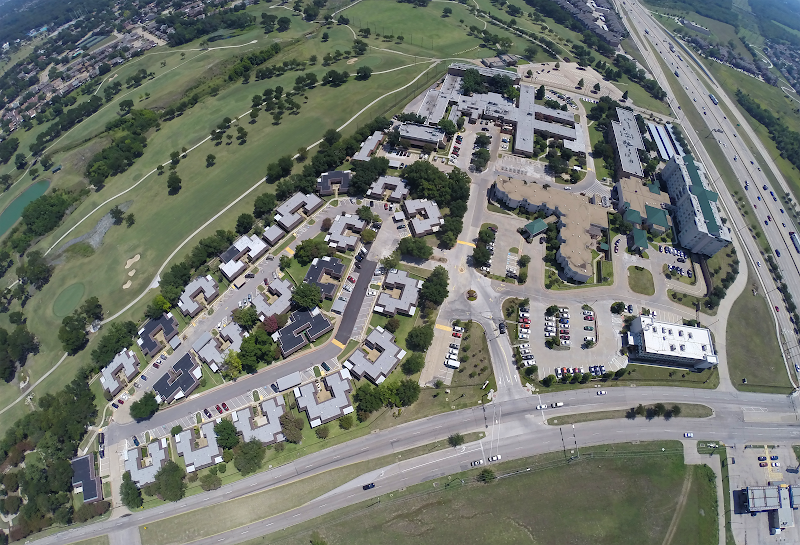
CMS rates Christian Care Center's staffing level at 3 out of 5 stars, which is average compared to other nursing homes. Staff turnover is 42%, compared to the Texas average of 46%. This relatively stable workforce can support continuity of care.

What Have Inspectors Found at Christian Care Center?

State health inspectors documented 15 deficiencies at Christian Care Center during 2022 to 2025. These included: 4 Immediate Jeopardy (the most serious level, indicating potential for serious harm or death) and 11 with potential for harm. Immediate Jeopardy findings are rare and represent the most serious regulatory concerns. They require immediate corrective action.

Who Owns and Operates Christian Care Center?

Christian Care Center is owned by a non-profit organization. Non-profit facilities reinvest revenue into operations rather than distributing to shareholders. The facility is operated by BONCREST RESOURCE GROUP, a chain that manages multiple nursing homes. With 180 certified beds and approximately 77 residents (about 43% occupancy), it is a mid-sized facility located in Mesquite, Texas.

How Does Christian Care Center Compare to Other Texas Nursing Homes?

Compared to the 100 nursing homes in Texas, Christian Care Center's overall rating (2 stars) is below the state average of 2.8, staff turnover (42%) is near the state average of 46%, and health inspection rating (2 stars) is below the national benchmark.

What Should Families Ask When Visiting Christian Care Center?

Based on this facility's data, families visiting should ask: "What changes have been made since the serious inspection findings, and how are you preventing similar issues?" "Can I visit during a mealtime to observe dining assistance and food quality?" "How do you handle medical emergencies, and what is your hospital transfer rate?" "Can I speak with family members of current residents about their experience?" These questions are particularly relevant given the facility's Immediate Jeopardy citations.

Is Christian Care Center Safe?

Based on CMS inspection data, Christian Care Center has documented safety concerns. Inspectors have issued 4 Immediate Jeopardy citations (the most serious violation level indicating risk of serious injury or death). The facility has a 2-star overall rating and ranks #100 of 100 nursing homes in Texas. Families considering this facility should ask detailed questions about what corrective actions have been taken since these incidents.

Do Nurses at Christian Care Center Stick Around?

Christian Care Center has a staff turnover rate of 42%, which is about average for Texas nursing homes (state average: 46%). Moderate turnover is common in nursing homes, but families should still ask about staff tenure and how the facility maintains care continuity when employees leave.

Was Christian Care Center Ever Fined?

Christian Care Center has been fined $36,753 across 2 penalty actions. The Texas average is $33,446. While any fine indicates a compliance issue, fines under $50,000 are relatively common and typically reflect isolated problems that were subsequently corrected. Families should ask what specific issues led to these fines and confirm they've been resolved.

Is Christian Care Center on Any Federal Watch List?

Christian Care Center is not on any federal watch list. The most significant is the Special Focus Facility (SFF) program, which identifies the bottom 1% of nursing homes nationally based on persistent, serious quality problems. Not being on this list means the facility has avoided the pattern of deficiencies that triggers enhanced federal oversight. This is a positive indicator, though families should still review the facility's inspection history directly.