EDGEWOOD REHABILITATION AND CARE CENTER
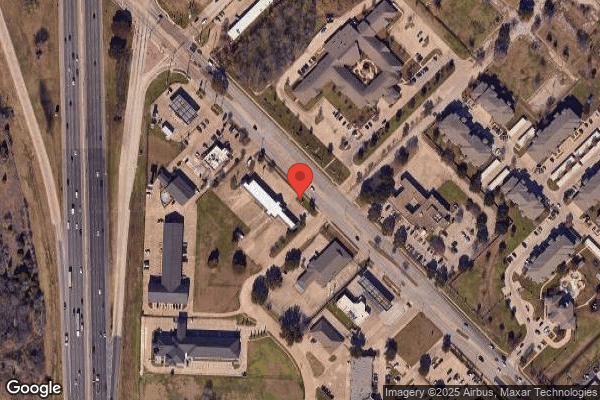
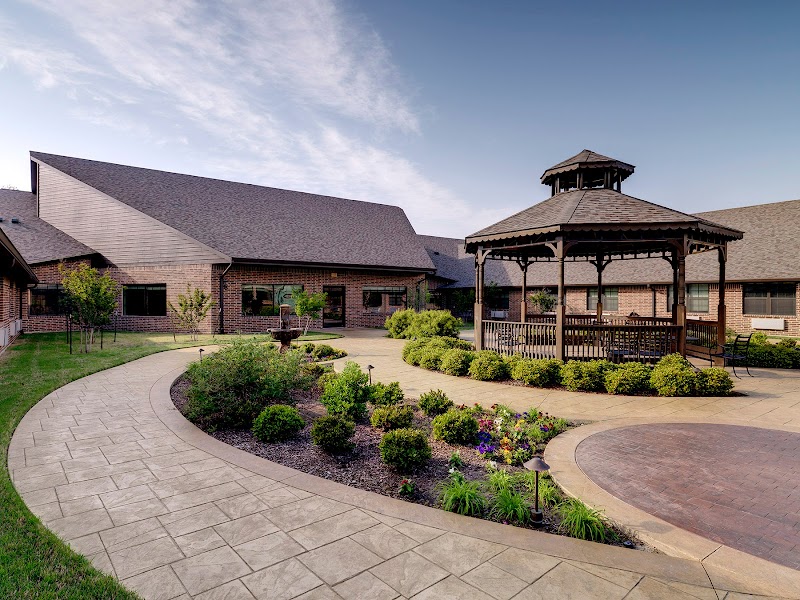
1101 WINDBELL DR, MESQUITE, TX 75149 (972) 288-8800
For profit - Limited Liability company 142 Beds FUNDAMENTAL HEALTHCARE Data: November 2025
Trust Grade
73/100
#49 of 1168 in TX
Last Inspection: May 2025

Inspected within the last 6 months. Data reflects current conditions.

Overview

Edgewood Rehabilitation and Care Center in Mesquite, Texas, has a Trust Grade of B, indicating it is a good choice for families looking for care, as it falls within the solid range of quality. It ranks #49 out of 1,168 facilities in Texas, placing it in the top half of all state facilities, and #5 out of 83 in Dallas County, meaning there are only four local options that are better. The facility is showing improvement, with the number of issues decreasing from 9 in 2024 to 3 in 2025. However, staffing is a concern with a rating of 2 out of 5 stars and a turnover rate of 48%, which is slightly better than the state average. Notably, there were serious incidents reported, including a failure to protect a resident from abuse resulting in multiple injuries and a lack of appropriate care following changes in the resident's condition. Additionally, food safety practices were found lacking, with food items stored improperly, which could lead to health risks for residents. Overall, while there are strengths in the facility's rating and improvements, the serious incidents and staffing concerns are important factors for families to consider.

Trust Score
B
73/100
In Texas
#49/1168
Top 4%
Safety Record
Moderate
Needs review
Inspections
Getting Better
9 → 3 violations
Staff Stability
⚠ Watch
48% turnover. Above average. Higher turnover means staff may not know residents' routines.
Penalties
⚠ Watch
$9,750 in fines. Higher than 85% of Texas facilities, suggesting repeated compliance issues.
Skilled Nurses
⚠ Watch
Each resident gets only 25 minutes of Registered Nurse (RN) attention daily — below average for Texas. Fewer RN minutes means fewer trained eyes watching for problems.
Violations
⚠ Watch
20 deficiencies on record. Higher than average. Multiple issues found across inspections.
★★★★★
5.0
Overall Rating
★★☆☆☆
2.0
Staff Levels
★★★★★
5.0
Care Quality
★★★★☆
4.0
Inspection Score
Stable
2024: 9 issues
2025: 3 issues

The Good

  • 5-Star Quality Measures · Strong clinical quality outcomes
  • Full Sprinkler Coverage · Fire safety systems throughout facility
  • No fines on record

Facility shows strength in quality measures, fire safety.

The Bad

Staff Turnover: 48%

Near Texas avg (46%)

Higher turnover may affect care consistency

Federal Fines: $9,750

Below median ($33,413)

Minor penalties assessed

Chain: FUNDAMENTAL HEALTHCARE

Part of a multi-facility chain

Ask about local staffing decisions and management

The Ugly 20 deficiencies on record

2 actual harm
May 2025 3 deficiencies
CONCERN (E)

Potential for Harm - no one hurt, but risky conditions existed

Food Safety (Tag F0812)

Could have caused harm · This affected multiple residents

Based on observation, interview, and record review, the facility failed to store, prepare, distribute, and serve food in accordance with professional standards for food service safety in the facility'...

Read full inspector narrative →
Based on observation, interview, and record review, the facility failed to store, prepare, distribute, and serve food in accordance with professional standards for food service safety in the facility's only kitchen reviewed for food safety. 1. The facility failed to ensure food items in the freezers were stored sealed and not exposed to air in accordance with the professional standards for food service. These failures could place residents at risk for food-borne illness and cross contamination. Findings Include: Observation of the walk-in freezer on 05/13/2025 at 9:27am revealed the following: -1 10 lb box of fish nuggets dated 4/1/25 was exposed to the air. -1 18lb bag of corn dogs dated 4/1/2025 was exposed to air. -1 18lb of red chili beef and bean burritos dated 5/2/25 was exposed to air. Interview with the DM on 05/13/2025 at 9:15 am, revealed all kitchen staff who removes food items out of the freezer are responsible for putting the food item back sealed properly. The DM stated failure to seal items could potentially harm residents by getting them sick. Interview with [NAME] A on 05/13/2025 at 9:18 am, all kitchen staff who removes food items out of the freezer are responsible for putting the food item back in freezer, sealed and properly stored. Record review of the facility's Food Storage Policy, dated June 20, 2023, there was nothing pertaining to freezer storage. Review of the U.S. FDA Food Code 2022 reflected: Definitions 3. Food Receiving and Storage - When food, food products or beverages are delivered to the nursing home, facility staff must inspect these items for safe transport and quality upon receipt and ensure their proper storage, keeping track of when to discard perishable foods and covering, labeling, and dating all PHF/TCS foods stored in the refrigerator or freezer as indicated.
CONCERN (E)

Potential for Harm - no one hurt, but risky conditions existed

Infection Control (Tag F0880)

Could have caused harm · This affected multiple residents

**NOTE- TERMS IN BRACKETS HAVE BEEN EDITED TO PROTECT CONFIDENTIALITY** Based on observation, interview, and record review the facility failed to establish and maintain an infection prevention and con...

Read full inspector narrative →
**NOTE- TERMS IN BRACKETS HAVE BEEN EDITED TO PROTECT CONFIDENTIALITY** Based on observation, interview, and record review the facility failed to establish and maintain an infection prevention and control program designed to provide a safe, sanitary, and comfortable environment and to help prevent the development and transmission of communicable diseases and infections for 1 of 2 (MA B) staff members and 2 of 5 residents (Residents #50 and #38) reviewed for infection control procedures. MA B failed to disinfect the blood pressure cuff in between blood pressure checks for Residents #50 and #38. Facility staff failed to clean up the dirty soiled linens and clothing out of the shower room on Hall 200. These failures could place residents at risk for cross contamination and infections. Findings included: Record review of Resident #50's other type of payment MDS assessment, dated 03/30/2025, revealed a [AGE] year-old male who was admitted to the facility on [DATE]. Resident #50 had diagnoses which included: Cardiovascular accident (stroke), and hypertension (high blood pressure). Resident #50 was moderate cognitive impaired and unable to make decisions and required assistance of one staff for activities of daily living. Record review of Resident #50's physician orders dated 04/01/25 reflected, Aldactone tablet (high blood pressure) 50 mg give one tablet by mouth one time a day, amlodipine (high blood pressure) 10 mg one tablet by mouth one time a day, coreg (high blood pressure) 25 mg one tablet by mouth two times a day, hydralazine (high blood pressure) 100 mg one tablet by mouth three times a day, lisinopril (high blood pressure) 40 mg one tablet by mouth one time a day, and to obtain blood pressure one time a day on each shift. Record review of Resident #38's other type of payment MDS Assessment, dated 03/16/2025, revealed a [AGE] year-old female who was admitted to the facility on [DATE]. Resident #38 had diagnoses which included: congestive obstructive pulmonary disease (lungs do not function well), hypertension (increased blood pressure). Resident #38 was cognitively intact and able to make all decisions for herself and required one staff for assistance with activities of daily living. Record review of Resident #38s physician orders dated 04/01/2025 (open ended) reflected, amlodipine (high blood pressure) 5 mg give one tablet by mouth two times a day, carvedilol (high blood pressure) 20 mg give one tablet by mouth one time a day, and enalapril (high blood pressure) 25 mg give one tablet by mouth one time a day. Obtain blood pressure one time a day on each shift. Observation on 05/13/2025 at 10:10 a.m. revealed in the shower room on Hall 200 there were two soiled towels with brown liquids stains on both towels, and two flat sheet linens, one that was underneath the shower chair, wet and one flat sheet lying on the floor. There was a shirt with stains on the front of it and a pair of dark pants on the floor. There was a soiled brief on the floor of the shower stall. Observation on 05/13/2025 at 11:45 a.m., revealed MA B performing morning medication pass, during which time she checked the blood pressure on Resident #50. MA B failed to sanitize the blood pressure cuff before or after using it on Resident #50. Observation on 05/13/2025 at 11:55 a.m., revealed MA B performing morning medication pass, during which time she checked the blood pressure, on Resident #38, using the same blood pressure cuff used on Resident #50. MA B failed to sanitize the blood pressure cuff before or after using it on Resident #38. In an interview on 05/13/2025 at 12:30 p.m., MA B stated she did not think about cleaning the blood pressure cuff between usage, and she had been in-serviced on that. MA B stated if the cuff was on the residents and then not cleaned it could spread germs to others. Observation and interview on 05/13/2025 at 10:30 a.m. revealed CNA C entered the shower room. CNA C excited the shower room and retrieved a bag, placing all the dirty linens and clothing in the bag. CNA C took the bag to the dirty linen room placing the linens and the dirty clothing in the barrel, removing her gloves then washing her hands. CNA C stated that not everyone that works there will clean up after themselves. CNA C stated that is not right and they are supposed to clean up after they have given a shower and changed the resident. CNA C stated she had no idea who had left the shower that way, but they were taught to clean up because it could cause spreading of germs. The CNA stated this is part of the infection control in-service they have one time a month. In an interview with the DON, who was the infection control preventionist on 05/15/2025 at 10:39 a.m., the DON stated that all direct care staff must clean equipment, including blood pressure cuffs after having contact with each resident. The DON stated, the staff has available the disinfectant wipes that will kill all germs. The DON stated when a staff member uses the shower rooms, they should always remove all the dirty linens and the dirty clothing when they are done. The staff should leave the shower room clean and organized after each resident they assist. The DON stated she had just had an in-service on 04/25/2025 concerning all of this, presenting step by step the cleaning of equipment and infection control. The DON stated during the in-service the staff did not ask any questions and appeared to understand and indicated they knew everything. The DON stated if they do not clean the blood pressure cuffs appropriately and clean the shower rooms after each use when they should, they could spread germs to themselves and the residents. Record review of an in-service log dated 04/25/2025 revealed entire direct care staff and MA B, had received in-service on cleaning and properly storing equipment after each use and how to prevent the spread of infection, including cleaning shower rooms and dirty linens. Record review of the Facility's Policy titled Infection Prevention and Control Policies and Procedures dated May 2023, reflected: Subject: Infection Prevention and Control Program and Plan Purpose: To establish a facility wide program that incorporates a system for preventing, identifying, reporting, investigating, and controlling infections and communicable diseases. The program covers all residents, staff, consultants, students . volunteers, visitors and other individuals providing services . subject: Infection Prevention and Control Program and Plan: . Staff Development 6) proper handling of linens, waste, equipment and supplies . 10) cleaning, disinfecting and sanitation procedures .
CONCERN (E) 📢 Someone Reported This

A family member, employee, or ombudsman was alarmed enough to file a formal complaint

Potential for Harm - no one hurt, but risky conditions existed

Safe Environment (Tag F0921)

Could have caused harm · This affected multiple residents

**NOTE- TERMS IN BRACKETS HAVE BEEN EDITED TO PROTECT CONFIDENTIALITY** Based on observations, interviews, and record review, the facility failed to provide a safe, functional, sanitary, and comfortab...

Read full inspector narrative →
**NOTE- TERMS IN BRACKETS HAVE BEEN EDITED TO PROTECT CONFIDENTIALITY** Based on observations, interviews, and record review, the facility failed to provide a safe, functional, sanitary, and comfortable environment for residents, staff, and the public for four hallways, (halls: 100, 200, 300, and 400) of five and the activities room, outside one public bathroom of two, Assistant Director of Nursing Office, Maintenance entrance and conference room, reviewed for physical environment. 1. The facility failed to ensure the facility carpet was clean and in good repair. These failures could affect all residents. Findings included: Observation on 05/14/2025 at 1:00 p.m. revealed a large dark stain, the size of two footballs, on the carpet between the fire doors on Hall 100. Observation on 05/14/2025 at 1:02 p.m. revealed a white stain, the size of a baseball on the carpet near the doorway of room [ROOM NUMBER]. Observation on 05/14/2025 at 1:03 p.m. revealed a dark stain approximately 3 feet in length on the carpet between room [ROOM NUMBER] and room [ROOM NUMBER]. Observation on 05/14/2025 at 1:04 p.m. revealed a red stain, the size of a golf ball on the carpet outside of room [ROOM NUMBER]'s doorway. Observation on 05/14/2025 at 1:05 p.m. revealed a dark stain, the size of a baseball, on the carpet outside of room [ROOM NUMBER]'s doorway. Observation on 05/14/2025 at 1:29 p.m. revealed at the entrance to the assisted dining room the carpet was frayed at the doorway with a large dark stain the size of a football outside the doorway. Observation on 05/14/2025 at 1:35 p.m. revealed multiple dark stains, some the size of a watermelon, others the size of oranges, on the carpet throughout the entire nurse station for Halls 100 and 200. Observation on 05/14/2025 at 1:30 p.m. revealed a large dark stain on the carpet the size of a baseball to the entrance of the employee's lounge near the nurses station for halls 100 and 200. Observation on 05/14/2025 at 1:32 p.m. revealed a dark stain on the carpet the size of a football near the Assistant Director of Nurse's office window. Observation on 05/14/2025 at 1:35 p.m. revealed in the activities and television room across from the main dining room, the carpet in front of the couch had multiple white stains the size of golf balls. Further observations revealed multiple white stains in front of the chairs next to the couch and under the gaming table in the room. Observation on 05/14/2025 at 1:36 p.m. revealed a seam in the carpet, behind the couch in the activities room was frayed the entire length of the seam, running the width of the room. Observation on 05/14/2025 at 1:38 p.m. revealed the carpet leading to the maintenance room had multiple white stains, the size of eggs on the carpet leading to the doorway. Observation on 05/14/2025 at 1:37 p.m. revealed the carpet inside the nurse's station for halls 300 and 400 was dark with multiple stains, and the carpet was loose with rolls of carpet. The carpet was frayed at the entrance to the medication room and frayed at the door to the medication room. Observation on 05/14/2025 at 1:40 p.m. revealed in the television room on halls 300 and 400 a large brown stain, the size of a watermelon, on the carpet in the middle of the room, near the couch. Observation on 05/14/2025 at 2:00 p.m. revealed a large stain, the size of a football, on the carpet at the entrance to hall 300, near the fire doors. Observation on 05/14/2025 at 2:05 p.m. revealed a large stain on the carpet, the size of a football, to the entrance of hall 400 at the fire doors. Observation on 05/14/2025 at 2:06 p.m. revealed a long brown stain approximately 2 feet in length, on the carpet between rooms [ROOM NUMBERS]. Observation on 05/14/2025 at 2:07 p.m. revealed frayed carpet on hall 400 leading into the laminated floor area of resident doorways. Observation on 05/14/2205 at 2:39 p.m. revealed a large dark stain, the size of a football, outside of the door to the public bathroom in the foyer. Observation on 05/14/2025 at 2:40 p.m. revealed multiple large dark stains in the conference room. Stains were at the doorway and entrance to the conference room. The stains were located next to the conference room table. An interview on 05/15/2025 at 11:07 a.m. with the Administrator revealed the Maintenance Director, was responsible for cleaning the carpet and he had just cleaned the carpet last week. The Administrator stated that some of the stains were permanent and probably could not be removed. The Administrator stated he realized that the carpet was old and worn in some areas and needed to be replaced. An interview on 05/15/2025 at 11:42 a.m. with the Maintenance Director revealed he was responsible for the cleaning of the carpet. He stated he had just cleaned the carpet last week, using his carpet cleaning machine. The Maintenance Director stated he could not get some of the stains that were in the carpet out. The Maintenance Director stated he had spoken to the Administrator about the carpet and the permanent spots in the carpet. The Maintenance Director stated he knew it did not look clean in some areas, but he had done what he could for the carpet. Review of the facility policy Maintenance/Housekeeping Policies and Procedures, dated March 2006, reflected: Carpet Maintenance this guide to carpet maintenance explains the necessary system and procedures required to develop and maintain an efficient and effective carpet maintenance program . Maintenance is especially important to consider since the ultimate cost of a carpet installation is determined more by the years of service the carpet provides rather than its initial cost to the facility, and it's contribution to the appearance and ambiance of the area it is used in .Spot and Stain Removal the rapid removal of spots and spills is essential in preventing permanent staining of carpet
Oct 2024 4 deficiencies
CONCERN (D) 📢 Someone Reported This

A family member, employee, or ombudsman was alarmed enough to file a formal complaint

Potential for Harm - no one hurt, but risky conditions existed

Comprehensive Care Plan (Tag F0656)

Could have caused harm · This affected 1 resident

**NOTE- TERMS IN BRACKETS HAVE BEEN EDITED TO PROTECT CONFIDENTIALITY** Based on observation, interview, and record review, the facility failed to develop and implement a comprehensive person-centered...

Read full inspector narrative →
**NOTE- TERMS IN BRACKETS HAVE BEEN EDITED TO PROTECT CONFIDENTIALITY** Based on observation, interview, and record review, the facility failed to develop and implement a comprehensive person-centered care plan for each resident that included measurable objectives and time frames to meet residents' medical needs for one (Resident #1) of five residents reviewed for care plans. The facility failed to develop a care plan with measurable objectives and timeframes to address Resident #1's diagnosis of diabetes and use of an indwelling foley catheter. This failure could place residents at risk of receiving inadequate individualized care and services. Findings included: Record review of Resident #1's admission MDS assessment, dated 08/13/24, revealed she was an [AGE] year-old female who admitted to the facility on [DATE]. Her diagnoses included hypertension, gastroesophageal reflux disease, diabetes mellitus, hyperlipidemia, other fracture, cerebrovascular accident, malnutrition, dysphasia. Her BIMS score was 15 of 15, which indicated she was cognitively intact. Her medication section reflected she received insulin injections. Her bowel and bladder section reflected she did not use any appliances such as an indwelling catheter. Record review of Resident #1's Comprehensive Care Plan, undated, reflected the care plan did not address the resident's diagnosis of diabetes and use of a foley catheter. Record review of Resident #1's Physician order report dated 09/21/24 - 10/21/24 reflected she was prescribed Lantus Solostar U-100 Insulin (dated 08/12/24) and Insulin Lispro (dated 08/12/24). She was ordered an indwelling foley catheter on 08/14/24. Record review of Resident #1's MAR dated 10/01/24 - 10/21/2024, reflected she was administered Insulin Lispro and Lantus Solostar U-100 Insulin per physician's order. An observation and interview with Resident #1 on 09/27/24 at 3:10 PM, revealed she had a foley catheter. She stated she was diabetic and received insulin. An interview on 10/21/24 at 12:19 PM, with the MDS Coordinator revealed Resident #1 received insulin and was diabetic. She stated Resident # 1 had a foley catheter. She stated she was responsible for updating Resident #1's care plan. She stated the purpose of a comprehensive care plan was for staff to know how to care for Resident #1. She stated Resident #1's care plan should include her diagnosis of diabetes and urinary catheter. She stated Resident #1's care plan was revised on 09/19/24. She stated she did not know any risk associated with Resident #1's care plan not included diabetes or foley catheter. Record review of the facility policy, Nursing Policy and Procedures: Care Plan Process, Person-Centered Care, dated 05/05/23, reflected The facility will develop and implement a baseline and comprehensive care plan for each resident that includes the instructions needed to provide effective and person-centered care of the resident that meet professional standards of quality of care.
CONCERN (D) 📢 Someone Reported This

A family member, employee, or ombudsman was alarmed enough to file a formal complaint

Potential for Harm - no one hurt, but risky conditions existed

Social Worker (Tag F0850)

Could have caused harm · This affected 1 resident

Based on interview and record review, the facility failed to employ a qualified social worker on a full-time basis for one of one social worker positions reviewed for qualified social worker, in that:...

Read full inspector narrative →
Based on interview and record review, the facility failed to employ a qualified social worker on a full-time basis for one of one social worker positions reviewed for qualified social worker, in that: The facility had not employed a full-time, qualified social worker since 09/26/2024. This failure placed residents at risk for unmet social services and psychosocial needs. Findings included: Observation of the facility from 10/19/24 at 2:00 PM to 10/21/24 at 4:30 PM, revealed the facility did not have a fulltime social worker. Record review of the facility's Social Worker's requisition dated 09/27/24 reflected the facility posted a social worker position. In an interview with the Administrator on 10/21/24 at 4:10 PM, revealed the previous Social Worker's last day was 09/26/24. He stated the Social Worker resigned without notice. He stated he did not have enough time to find a candidate for the social worker position. He stated the job was posted on the internal facility website. He stated he had started the interviewing process to hire a social worker. He stated the social worker was responsible for referrals, discharge assistance, axially providers (podiatry, audio, optometry, and dental). He stated Admissions Coordinator, MDS, ADON, and DON were assisting with social work tasks. He stated the purpose of having a social worker was to combat social work services. He stated the residents were provided social services even though the facility did not have a social worker. He stated he did not have an anticipated date of hiring a social worker but was actively seeking. Review of the facility's social services' job description, titled, Social Services Director, reflected, The Social Services Director was responsible for assisting in the planning, organizing, implementing, evaluating and directing of the social services department in accordance with current exiting federal, state, and local standards, as well as established facility policies and procedures, to ensure that the medically-related emotional and social needs of the patient/resident are met/maintained on an individual basis.
CONCERN (E) 📢 Someone Reported This

A family member, employee, or ombudsman was alarmed enough to file a formal complaint

Potential for Harm - no one hurt, but risky conditions existed

Tube Feeding (Tag F0693)

Could have caused harm · This affected multiple residents

**NOTE- TERMS IN BRACKETS HAVE BEEN EDITED TO PROTECT CONFIDENTIALITY** Based on observation, interview and record review, the facility failed to provide appropriate treatment and services to prevent ...

Read full inspector narrative →
**NOTE- TERMS IN BRACKETS HAVE BEEN EDITED TO PROTECT CONFIDENTIALITY** Based on observation, interview and record review, the facility failed to provide appropriate treatment and services to prevent complications of enteral feeding for one (Resident #1) of four residents reviewed for feeding tube. The facility failed to ensure Resident #1's gastrostomy tube (G-tube) dressing was changed. This failure could place residents with G-tubes were at risk of infection. Findings included: Record review of Resident #1's admission MDS assessment, dated 08/13/24, revealed she was an [AGE] year-old female who admitted to the facility on [DATE]. Her diagnoses included hypertension, gastroesophageal reflux disease, diabetes mellitus, hyperlipidemia, other fracture, cerebrovascular accident, malnutrition, dysphasia. Her BIMS score was 15 of 15, which indicated she was cognitively intact. Her swallowing/nutritional status section revealed her nutritional approach was a feeding tube. Record review of Resident #1's Physician order report dated 09/21/24 - 10/21/24 reflected: Enteral feeding: tube site care. Once a day; 7:00 PM - 7:00 AM (dated 08/20/24) Doxycycline Hyclate capsule; 100 mg; amt 1 cap; oral. Special instructions: for 7 days. Twice a day; 8:00 AM and 4:00 PM (start date 10/20/24 and end date 10/26/24). Record review of Resident #1's TAR dated 10/01/24 - 10/21/24 reflected she received tube site care and Doxycycline Hyclate capsule as ordered. Record review of Resident #1's nursing notes reflected, Nurse noted light yellowish drainage in the PEG tube site during medication administration. Changed dressing immediately and notified physician (dated 10/19/24 at 7:25 PM). New order for Doxycycline 100mg BID for 7 days due to greenish/yellowish discharge around PEG tube site (dated 10/20/24at 4:20 am). The physician was notified and an order for Doxycycline was entered after the surveyor observed the concerns regarding Resident #1's g tube. Interview with Resident #1 on 10/19/24 at 3:10 p.m., revealed her g-tube dressing got wet during her shower (10/19/24). She stated the nurse did not change her wet g-tube dressing. She stated she was experiencing pain and discomfort from her g-tube site. She stated her pain level was an 8 out of 10 (pain scale 0 - 10). She stated she had to request pain medication from the nurse. Observation of Resident #1's g-tube site on 10/19/24 at 3:15 p.m., revealed there was a bandage dated 10/19/24 on the site area. There appeared to be blood and a greenish substance on the bandage. The nurse and resident adjusted the tubing to the g-tube and green discharge emerged from underneath the bandage located on the site area. Resident #1 informed RN E that her g-tube bandage got wet in the shower. RN E left the room and did not return. Interview with RN E on 10/19/24 at 3:28 PM, revealed the night nurse would change Resident #1's g-tube dressing sometime between 7:00 PM - 7:00 AM. She stated she did not hear Resident #1 request a g-tube dressing change due to bandage getting wet in the shower. RN E stated she would return to Resident #1's room to change her g-tube dressing. Observation of Resident #1 on 10/19/24 at 3:40 PM, revealed RN E was providing g-tube site care. The dressing contained blood and green drainage. The resident did not complain of pain during the dressing change. Her skin around the tube appeared to be reddish. Interview with RN E on 10/19/24 at 5:47 PM, revealed there was green discharge coming from Resident #1's g-tube site. She stated she had not noticed the green discharge prior to Surveyor observation of Resident #1's g-tube. She stated green discharge from Resident #1's g-tube site was not normal. She stated she was supposed to document and notify the physician regarding the green discharge coming from Resident #1's g-tube. RN E stated, Resident #1 was at risk of an infection due to having green discharge coming from her g-tube site. Interview with CNA F on 10/19/24 at 5:58 PM, revealed she provided a shower to Resident #1 during her shift on 10/19/24 (did not remember the time). She stated Resident #1's g-tube dressing got wet during her shower. She stated she was trained to inform the nurse when a dressing gets wet during showers. She stated she forgot to inform RN E about Resident #1's wet g-tube dressing. CNA F stated she was supposed to inform the nurse about Resident #1's wet g-tube dressing. She stated she was unaware Resident #1's g-tube site had green discharge. She stated Resident #1 was at risk of an infection because RN E was not informed of the wet g-tube site dressing. Interview with the DON on 10/21/24 at 3:19 p.m., revealed she was unaware there was green discharge coming from Resident #1's g-tube site area. She stated green discharge was not normal. She stated she was unaware Resident #1 had started an antibiotic. She stated she did not know if Resident #1 had an infection. She stated RN E was responsible for changing Resident #1's dressing. The DON stated she ensured the nurses were completing g-tube site care by periodically checking residents' MARs and TARs. She stated her expectation for CNA F was to notify RN E about Resident #1's wet g-tube dressing. She stated her expectation for RN E was to immediately change Resident #1's g-tube dressing. The DON stated Resident #1 was at risk of maceration due to g-tube dressing being wet. A policy regarding g-tubes was requested from the Administrator and DON on 10/19/24 at 6:03 PM. The g-tube policy provided was not relevant to g-tube site care.
CONCERN (E) 📢 Someone Reported This

A family member, employee, or ombudsman was alarmed enough to file a formal complaint

Potential for Harm - no one hurt, but risky conditions existed

Infection Control (Tag F0880)

Could have caused harm · This affected multiple residents

**NOTE- TERMS IN BRACKETS HAVE BEEN EDITED TO PROTECT CONFIDENTIALITY** Based on observations, interviews, and record review the facility failed to establish and maintain an infection prevention and c...

Read full inspector narrative →
**NOTE- TERMS IN BRACKETS HAVE BEEN EDITED TO PROTECT CONFIDENTIALITY** Based on observations, interviews, and record review the facility failed to establish and maintain an infection prevention and control program designed to provide a safe, sanitary, and comfortable environment and to help prevent the development and transmission of communicable diseases and infections for five (Resident #1, Resident #2, Resident #3, Resident #4, and Resident #5) of five residents observed for infection control. 1. The facility failed to ensure Residents #1, #2, #3, #4, and #5 were placed on enhanced barrier precautions. These failures place residents at risk for healthcare associated cross contamination and infections. Findings included: 1. Record review of Resident #1's admission MDS assessment, dated 08/13/24, reflected she was an [AGE] year-old female admitted to the facility on [DATE]. Her BIMs score was 15 indicating her cognitive status was intact. Her diagnoses included stroke and diabetes. The resident had a feeding tube and a Stage IV pressure ulcer. Record review of Resident #1's care plan, dated 08/20/24, reflected the resident had a Stage IV pressure ulcer, a feeding tube, and a Foley catheter. There was not a care plan for enhanced barrier precautions. Record review of Resident #1's Physician orders revealed there were no orders for enhanced barrier precautions. Observation on 10/19/24 at 3:40 PM with RN E revealed they donned gloves to administer medication through Resident #1's feeding tube. RN E did not put on a gown. There was no signage or PPE outside of the resident's door for enhanced barrier precautions. RN E changed the dressing to the feeding tube site. An observation and interview on 10/21/24 at 10:20 AM, with LPN A revealed Resident #1 was in her room, lying in bed. There was no signage or PPE outside of the resident's door for enhanced barrier precautions. LPN A entered the room and put on gloves only. LPN A showed the Surveyor the g-tube site and foley catheter site. The WCN entered the room and put on gloves only. Resident #1 was assisted to roll to her left side. The resident had a loose dressing on her pressure ulcer on her sacrum. The wound appeared to be healing. The resident was repositioned for comfort. LPN A and the WCN removed their gloves and performed hand hygiene. An interview on 10/21/24 at 11:57 am, with RN E revealed a gown and gloves were to be worn when a resident was on enhanced barrier precautions. RN E said she used the facility infection control guidelines while administering medications and changing the dressing to Resident #1's feeding tube. She stated she performed hand hygiene prior to providing the resident with assistance. She stated she perform hand hygiene and wore gloves to reduce the chances of the resident contracting an infection. She stated she did not wear a gown while providing services to the resident because there were no droplet or other precautions. She stated when a resident was on precautions there was supposed to be a sign on the door and PPE was to be worn before entering the room. She stated the resident was at risk of contracting an infection if precautions were not followed. She stated she informed the physician the resident had yellowish drainage from around the feeding tube and was started on an antibiotic. She stated Resident #1 was showing signs of an infection. 2. Record review of Resident #2's quarterly MDS assessment, dated 09/11/24, reflected he was a [AGE] year-old male admitted to the facility on [DATE]. His BIMs score was 3 indicating his cognitive status was severely impaired. His diagnoses included stroke and non-Alzheimer's dementia. The resident had a foley catheter. Record review of Resident #2's care plan, dated 06/19/21, reflected the resident had a suprapubic foley catheter. There was not a care plan for enhanced barrier precautions. Record review of Resident #2's Physician orders revealed there were no orders for enhanced barrier precautions. An observation and interview on 10/21/24 at 10:40 AM, with LVN B revealed Resident #2 was lying in bed. He was awake and alert. There was no signage or PPE outside of the resident's door for enhanced barrier precautions. LVN B entered the room and put on gloves only. The resident said he had a suprapubic catheter. Site observed between lower abdominal folds of skin with no issues. 3. Record review of Resident #3's quarterly MDS assessment, dated 09/03/24, reflected she was a [AGE] year-old female admitted to the facility on [DATE]. Her BIMs score was not filled out. The resident's cognitive skills for daily decision making were severely impaired. Her diagnoses included stroke and malnutrition. The resident had a feeding tube. Record review of Resident #3's care plan, dated 02/15/22, reflected the resident had a feeding tube. There was not a care plan for enhanced barrier precautions. Record review of Resident #3's Physician orders revealed there were no orders for enhanced barrier precautions. An observation and interview on 10/21/24 at 10:45 AM, with LVN B revealed Resident #3 was in her room, sitting in her wheelchair. There was no signage or PPE outside of the resident's door for enhanced barrier precautions. LVN B entered the room and put on gloves only. LVN B raised the resident's shirt. The feeding tube site was intact with no issues. The resident was non-verbal. She gave a thumbs up when asked about her feeding tube. 4. Record review of Resident #4's quarterly MDS assessment, dated 08/20/24, reflected he was a [AGE] year-old male admitted to the facility on [DATE]. His BIMs score was a 9. The resident's cognitive skills were moderately impaired. His diagnoses included stroke, end-stage renal disease, and Alzheimer's disease. The resident had a feeding tube. Record review of Resident #4's care plan, dated 05/20/21, reflected the resident had a feeding tube and a perma-catheter site in his chest for dialysis. There was not a care plan for enhanced barrier precautions. Record review of Resident #4's Physician orders revealed there were no orders for enhanced barrier precautions. An observation and interview on 10/21/24 at 10:50 AM, revealed LVN C entered Resident #4's room and put on gloves. There was no signage or PPE for enhanced barrier precautions outside of the door. The resident was awake, alert, and oriented. The resident lifted his shirt and revealed his feeding tube site had no issues. 5. Record review of Resident #5's quarterly MDS assessment, dated 09/12/24, reflected she was a [AGE] year-old female admitted to the facility on [DATE]. Her BIMs score was an 8. The resident's cognitive skills were moderately impaired. Her diagnoses included diabetes and seizure disorder. The resident had a foley catheter. Record review of Resident #5's care plan, dated 03/15/22, reflected the resident had a supra-pubic catheter. There was not a care plan for enhanced barrier precautions. An observation and interview on 10/21/24 at 10:55 AM, revealed Resident #5 was in her room. There was no signage or PPE outside of the resident's door for enhanced barrier precautions. LVN D entered the room and put on gloves only. The resident's suprapubic catheter site was visualized. The resident said she did not have any issues with it. An interview on 10/21/24 at 11:00 AM, with LVN C revealed she did not know which residents were on enhanced barrier precautions. An interview on 10/21/24 at 11:05 AM, with LVN B and LVN C revealed they did not know which residents were on enhanced barrier precautions and said the residents should have signs on their doors indicating if they were on barrier precautions. An observation and interview on 10/21/24 at 11:10 AM, with LPN A and the WCN revealed there was no signage or PPE outside of any resident's door for enhanced barrier precautions. Neither nurse knew what enhanced barrier precautions were. They said they thought the PPE required for enhanced barrier precautions would be a gown, gloves, and mask to be worn for high contact resident care. An interview on 10/21/24 at 11:50 AM, with the DON revealed staff knew which residents were on enhanced barrier precautions because it was listed on the 24-hour report. She said the PPE for enhanced barrier precautions should have been inside the door of each resident's room. The DON said there was no signage on the doors because Corporate staff had not notified them to put it up. An interview on 10/21/24 at 12:15 PM, with the ADON revealed she was the infection preventionist of the facility and had been since 12/01/22. She said enhanced barrier precautions were used for residents who had feeding tubes, wounds, and foley catheters. She said the purpose of enhanced barrier precautions was to protect the resident from increased risk of infection. She said following Surveyor questioning she was putting signage on the resident doors and PPE outside of their doors. She said she was currently in-servicing the staff and updated the 24-hour report to include the information. The ADON said there were no residents in the building who had a MDRO (multidrug-resistant organisms) or infection that required isolation precautions. Review of the CDC website: https://www.cdc.gov/long-term-care-facilities/hcp/prevent-mdro/faqs.html reflected: Enhanced Barrier Precautions are an infection control intervention designed to reduce transmission of multidrug-resistant organisms (MDROs) in nursing homes. Enhanced Barrier Precautions involve gown and glove use during high-contact resident care activities for residents known to be colonized or infected with a MDRO as well as those at increased risk of MDRO acquisition (e.g., residents with wounds or indwelling medical devices). .Enhanced Barrier Precautions expand the use of gown and gloves beyond anticipated blood and body fluid exposures. They focus on use of gown and gloves during high-contact resident care activities that have been demonstrated to result in transfer of MDROs to hands and clothing of healthcare personnel, even if blood and body fluid exposure is not anticipated. Enhanced Barrier Precautions are recommended for residents known to be colonized or infected with a MDRO as well as those at increased risk of MDRO acquisition (e.g., residents with wounds or indwelling medical devices). Standard Precautions still apply while using Enhanced Barrier Precautions. .Enhanced Barrier Precautions require the use of gown and gloves only for high-contact resident care activities (unless otherwise indicated as part of Standard Precautions). Residents are not restricted to their rooms and do not require placement in a private room. Enhanced Barrier Precautions also allow residents to participate in group activities. Because Enhanced Barrier Precautions do not impose the same activity and room placement restrictions as Contact Precautions, they are intended to be in place for the duration of a resident's stay in the facility or until resolution of the wound or discontinuation of the indwelling medical device that placed them at higher risk. Review of the facility in-service, Infection Control, dated 07/26/24, reflected: Enhanced Barrier Precautions Enhanced-based precautions: Additional measures to protect residents and staff from multidrug-resistant Organisms (MDROs) with the expansion of the use of PPE (gowns and gloves) face mask if sprays are expected during high-contact activities. Implement EBP: . o All residents with chronic wounds and/or indwelling medical devices regardless of MDRO status. Wound Clarification-Chronic Wounds: o Pressure Ulcers, Diabetic foot ulcers, Unhealed surgical wounds, Venous stasis ulcers o Does not include skin tears, skin breaks Indwelling Medical Devices Clarification o Central lines, Urinary catheters, Feeding tubes, Tracheostomies, Peripherally inserted central catheter o Does not include peripherally intravenous lines, ostomy, continuous glucose monitors, or insulin pumps PPE Required: o Gloves, Gown, Face protection-if spray or splash is at risk o [NAME] and doff all PPE with hand hygiene-remove and replace when visibly soiled o Removal of PPE and hand hygiene must be completed when providing care for another resident High Contact Care Activities: o Dressing, Bathing/showering, Transferring, providing hygiene, changing linens, changing briefs, Assisting to toilet, Device care, Wound care . Review of the facility policy, Infection Control, dated 09/29/22, reflected: Purpose: To establish a facility wide program that incorporates a system for preventing, identifying reporting, investigating and controlling infections and communicable diseases. The program covers all residents, staff, consultants, students in the facility's nurse aide training program or from affiliated academic institutions, volunteers, visitors, and other individuals providing services under a contractual agreement and is based on the individual facility assessment following accepted national standards.
Apr 2024 1 deficiency
CONCERN (D) 📢 Someone Reported This

A family member, employee, or ombudsman was alarmed enough to file a formal complaint

Potential for Harm - no one hurt, but risky conditions existed

Accident Prevention (Tag F0689)

Could have caused harm · This affected 1 resident

**NOTE- TERMS IN BRACKETS HAVE BEEN EDITED TO PROTECT CONFIDENTIALITY** Based on observation, interview and record review the facility failed to ensure residents received adequate supervision and assi...

Read full inspector narrative →
**NOTE- TERMS IN BRACKETS HAVE BEEN EDITED TO PROTECT CONFIDENTIALITY** Based on observation, interview and record review the facility failed to ensure residents received adequate supervision and assistance devices to prevent accidents for 1 of 5 residents (Resident #1) reviewed for accidents and supervision. The facility failed to ensure Resident #1 had adequate supervision when she was placed on her side and was left unsupervised by CNA D, causing her to fall to the floor on 04/24/24. This deficit practice could place residents at risk for accidents and injury. The findings include: Record review of Resident #1's face sheet reflected a [AGE] year-old female with an admission date of 4/1/24. Resident #1 had diagnoses which included: Displaced Intertrochanteric Fracture of Left Femur (type of hip fracture), Neuropathy (disease/dysfunction of one or more peripheral nerves, causing numbness or weakness), Unilateral primary osteoarthritis, right and left hip (degeneration of joint cartilage and underlying bone, causes pain and stiffness), Anxiety disorder, Muscle Wasting and Atrophy (decrease in size of muscle tissue), Muscle Weakness, Unspecified Abnormalities of Gait and Mobility, Unspecified Lack of Coordination and Cognitive Communication Deficit. Record review of Resident #1's initial MDS, dated [DATE], reflected a BIMS score of 11, which indicated cognitively intact cognition. Record review of Resident #1's Care Plan, dated 4/15/24, reflected the resident has ADL deficits and requires assist .at risk for falling related to impaired ADLs, balance, and history of falls .difficulty making self-understood related to cognitive deficits. Record review of Resident #1's progress notes, dated 4/19/24, reflected Resident remains non weight bearing until 5/11. Record review of facility's incident report showed Resident #1 had an unwitnessed fall on 4/24/24 at 9:20 a.m. Record review of Resident #1's progress notes for 4/24/24 at 9:49 a.m. stated Today resident fell on floor. When CNA staff came to resident room she is on floor. Nurse came to resident room she is on floor, nurse asked her are u ok she said yes, Nurse asked about you head touch the she said no. No injury found during fall assessment her Vital BP 140/86,P84, R-18, O2 SAT. - 97%. Nurse informed DON 9:27 AM, Informed family by phone call on 9:33 am. Resident is fine. Observation on 4/25/24 at 10:59 a.m. revealed Resident #1 had a single sized bed. There were no bed rails on the bed and no fall mat on the floor. Observation of Resident #1's left arm revealed a ½ dollar sized round reddish bruise on the middle of her forearm. Interview on 4/25/24 at 10:59 a.m., Resident #1 stated on 4/24/24, a CNA was going to change her and had her up on her left side facing the window and was going to leave the room. She told the CNA not to leave her because she was going to fall, but the CNA said she would be right back. Resident #1 fell and was lying with her face down on the floor. Resident #1 said it hurt so bad and she was scared she may not make it. She said she got a bruise on her arm from the fall and her back was hurting worse than it normally did. Interview on 4/25/24 at 12:02 p.m. with RN A, she stated if she saw a staff member abusing/neglecting a resident, she would tell the DON and the Abuse Coordinator/Administrator. RN A stated fall risk residents had a band on their wrist. RN A stated she would make sure fall risk residents had their call lights in reach and would check on them more frequently. If a resident had fallen, she would do assessments of the resident. If the resident was alright, she would help them up with assistance and continue neuro checks. If the resident was not alright, she would not move them and 911 would be called. The DON, doctor and family would be notified of the fall. Interview on 4/25/24 at 1:54 p.m. with CNA B, she stated if she saw a staff member abusing or neglecting a resident, she would report it to the administrator. She stated they did abuse/neglect trainings almost every week. CNA B said fall risk residents would have a fall mat, bed at the lowest level, she would make sure the resident had the things they needed, and the call light was in reach. CNA B stated if she found a resident that had fallen, she would call out for a nurse and the nurse would complete assessments on the resident. Interview on 4/25/24 at 2:01 p.m., LVN C stated she had just come back to her office when CNA D came in asking her to check Resident #1's wound as the bandage was saturated. LVN C started getting her supplies together when CNA D came back and told her Resident #1 had fallen. LVN C went down to Resident #1's room and found the resident on the floor. She said the resident did not hit her head on the chair next to her bed but was holding onto it for dear life. LVN C said Resident #1 should always have 2 CNAs in the room during care from then on. Interview on 4/25/24 at 2:11 p.m., CNA D stated she changed Resident #1's brief, had her on her side and noticed the bandage on her back was saturated. CNA D went to get LVN C to look at resident #1's wound. CNA D said she did not just leave Resident #1 on her side but had her left leg over her body. CNA D said she only heard Resident #1 tell her to hurry up. CNA D said she went down the hall to get LVN C and when she started to come back, CNA B was at Resident #1's doorway saying she fell. CNA D ran back to LVN C's office and told her Resident #1 had fallen. CNA D said she was talked to by the DON, did trainings with the ADON and LVN C told them there needed to always be two people in resident #1's room from now on. Interview on 4/25/24 at 3:43 p.m., the DON stated her understanding of Resident #1's fall yesterday (4/24/24) was CNA D had either changed or given Resident #1 a bed bath and went to the door to ask someone to get LVN C when the resident rolled off the bed. The DON said the facility did an incident report and gave Resident #1 aid. Record review of the facility's Nursing Policies and Procedures underfor Fall Management, dated 5/5/23, revealed under Definitions: Assistive Devices refers to any item (e.g. fixtures such as handrails, grab bars, and mechanical devices/equipment such as stand-alone or overhead transfer lifts, canes, wheelchairs, and walkers, etc.) that is used by, or in the care of a resident to promote supplement, or enhance the resident's function and/or safety. Also, under Procedures: 5. Qualified staff evaluates patient/resident for injury from a fall, identify and treat for pain related to fall, and determine contributing causes, including ascertaining what the resident was trying to do before he or shell fell, addresses the risk factors for the fall such as the resident's medical conditions (s), facility environment issues, or a staffing issue; and determines interventions to prevent future falls and completes a Fall Investigation Worksheet. Record review of facility's Leadership Policies and Procedures, Section III: Organizational Ethics, Subject: Abuse, Neglect, Exploitation, or Mistreatment Abuse and Neglect Policy under Section III: Organizational Ethics undated, reflected, Neglect is the failure of the facility, its employees or service providers to provide goods and services to a resident that are necessary to avoid physical harm, pain, mental anguish or emotional distress. Record review of the facility's Nursing Home Resident Rights, undated, revealed residents had the right to a Dignified Existence by be treated with consideration, respect and dignity, recognizing each resident's individuality. Freedom form abuse, neglect, exploitation and misappropriation of property. Quality of life is maintained or improved.
Apr 2024 4 deficiencies
CONCERN (D) 📢 Someone Reported This

A family member, employee, or ombudsman was alarmed enough to file a formal complaint

Potential for Harm - no one hurt, but risky conditions existed

Deficiency F0657 (Tag F0657)

Could have caused harm · This affected 1 resident

**NOTE- TERMS IN BRACKETS HAVE BEEN EDITED TO PROTECT CONFIDENTIALITY** Based on observations, interviews, and record review the facility failed to review and revise the person-centered comprehensive ...

Read full inspector narrative →
**NOTE- TERMS IN BRACKETS HAVE BEEN EDITED TO PROTECT CONFIDENTIALITY** Based on observations, interviews, and record review the facility failed to review and revise the person-centered comprehensive care plan to reflect the resident's current status, for 2 of 6 residents (Resident #33 and Resident #58) reviewed for care plans. The facility did not update Resident #33's care plan to reflect goals and interventions for the current fall. The facility did not update Resident #58's care plan to reflect goals and interventions for the current falls. This failure could place residents at risk for not receiving appropriate care and intervention to meet their current needs. The findings were: Review of Resident #33's MDS quarterly assessment dated [DATE], reflected he was a [AGE] year-old male admitted on [DATE]. His diagnoses included Huntington Chorea (neuro-muscular disease), dementia (confusion), anxiety disorder, and muscle weakness. He had a BIMs score of 6 which reflected his cognitive status was severely impaired. He required moderate to maximum assist of one staff member for activities of daily living. Section J of the MDS was marked for falls. Record review of Resident #33's Care Plan initiated on 08/02/23 reflected, it had been edited on 04/11/24, there was no updated problem listed for the fall or a revision to the care plan goals specific for the latest fall with injury on 03/14/24. Record review of the incident/accident logs dated 01/2024 through 04/2024 reflected on 03/14/2024 Resident #33 attempted to transfer himself from his low bed to his wheelchair, falling and lacerating the back of his head, that required a trip to the emergency room, where Resident #33 received staples to the back of his head. Review of Resident #58's MDS quarterly assessment dated [DATE], reflected he was an [AGE] year-old male admitted on [DATE]. His diagnoses included: Traumatic subdural hemorrhage (brain bleed), malignant neoplasm of the prostate (cancer of the prostate), and dementia (confused). His BIMs score of 9 reflected his cognitive status was moderately impaired. He required moderate to maximum assist of one staff member for activities of daily living. Record review of Resident #58's Care Plan initiated on 01/05/24 reflected, the care plan had been edited on 04/15/24 there was no updated problem listed for the fall or a revision to the care plan goals specific for the latest fall on 02/24/24. Record review of the incident/accident logs dated 01/2024 through 04/2024 reflected on 02/24/24 Resident #58 had a non-injury related fall, when he was observed sitting next to his bed on his stability mat, when he tried to transfer himself without any assistance. In an interview on 04/12/24 at 11:30 a.m. with the DON and the ADON revealed, the MDS/care plan nurse should be aware of any changes with the residents. She stated we go over all the falls and changes of resident's condition in the morning meetings. She would be able to update all care plans then. Both the DON and the ADON stated that the MDS/care plan nurse answered directly to the Administrator. The DON stated that she does sign off on the MDS's as being completed and she does attend care plan meetings. The ADON stated she attended care plan meetings also. She stated we do not always attend the meetings together we take each other's place for nursing. Both the DON and the ADON were aware that Resident #33 and Resident #58 had falls. They were both aware the last fall resulted in an injury for Resident #33. The DON and the ADON stated they were unaware if the care plans had been updated. The DON stated she did not follow-up on the plan of care that was through regional oversight, she presumed, she had never been asked to oversee the plans of care. The DON stated if the care plans were not follow-up on appropriately then the staff would not know what the goals are. The DON stated Resident #58 fell with an injury, this should be on his plan of care, to guide in assisting in preventing further falls. The DON stated the MDS/care plan nurse conducts and schedules the meetings and the department heads all attend. In an interview on 04/12/24 at 3:00 p.m. with the Administrator revealed the MDS/care plan nurse was not working today. The Administrator stated he was aware there was a problem with the care plans. He stated the corporation had conducted a Mock survey and that was one of the deficiencies they had been working on. The Administrator stated it was a work in progress. He was unclear who was following up on the care plans . Attempts were made to contact the MDS/care plan nurse on 04/12/24 at 1:00 p.m., 2:15 p.m., and 4:00 p.m. Review of the facility's policy titled Care plan Process and Person-Centered Care dated May 1,252023, reflected the following: 6.The Interdisciplinary Team (IDT) will review for effectiveness and revise the person-centered care plan after each assessment. This includes both the comprehensive and quarterly assessments. For the comprehensive assessment the review will be completed with seven (7) days of and no more than 21 days after admission. 9.Thru ongoing assessment, the facility will initiate person-centered care plans when the resident's clinical status or change of condition dictates the need such as but not limited to falls and pressure ulcer development. 11.The person-centered care plan includes: A. Date B. Problem C. Resident goals for admission and desired outcomes D. Time frames for achievement E. Interventions, discipline specific services, and frequency F. Refusal of services and/or treatments 1) Evaluation of resident's decision-making capacity 2) Educational attempts 3) Attempts to find alternative means to address the identified risk/need G. Discharge plans 1) Resident's preference and potential for future discharge 2) Resident's desire to return to the community and any referrals to local contact agencies and/or other appropriate entities, for this purpose H. Resolution/Goal Analysis
CONCERN (D)

Potential for Harm - no one hurt, but risky conditions existed

Deficiency F0790 (Tag F0790)

Could have caused harm · This affected 1 resident

**NOTE- TERMS IN BRACKETS HAVE BEEN EDITED TO PROTECT CONFIDENTIALITY** Based on observations, interviews, and record review, it was determined the facility failed to provide de or obtain from an outs...

Read full inspector narrative →
**NOTE- TERMS IN BRACKETS HAVE BEEN EDITED TO PROTECT CONFIDENTIALITY** Based on observations, interviews, and record review, it was determined the facility failed to provide de or obtain from an outside resource, in accordance with routine dental services to meet the needs of each resident or two (Residents #17 and #60) of 8 residents reviewed for social services. The facility failed to ensure Resident #17 was referred to the dentist after he admitted [DATE]. The facility failed to ensure Resident #60 was referred to the dentist after she admitted [DATE]. These failures could affect the residents by placing them at risk of deteriorating teeth causing pain and swallowing issues resulting in a decrease in their health and psycho-social well- being. Findings included: 1) Review of Resident #17's admission MDS Assessment signed by RN Assessment Coordinator RN G dated 08/31/23 revealed a [AGE] year-old male admitted on [DATE] with a BIMS score of 11 (moderate cognitive impairment). He ate independently with setup assistance only, extensive assistance with one-person physical assistance, and no dental. Supervision with touch assistance for oral hygiene and medically complex diagnosis. And section L (signed by MDS Coordinator): Dental None of the above were present for oral/dental status . Review of Resident #17's Quarterly MDS Assessment signed by RN Assessment Coordinator DON dated 03/02/24 revealed a [AGE] year-old male who admitted [DATE] with a BIMS score of 09 (moderate cognitive impairment). For Supervision or touch assistance with feeding and oral hygiene and substantial/maximum assistance with personal hygiene. And for section L (Signed by MDS Coordinator): Dental Broken and loosely fitting denture or partial ., Review of Resident #17's Progress Note by Former SW F dated 09/01/23 revealed, SW completed resident's admission MDS Assessment for 8/31. Resident has clear speech and no teeth; He has top/bottom dentures that he left at home because he doesn't like to wear them . Observation and Interview on 04/10/24 at 11:32 am Resident #17 stated he would like to see the dentist and had told the staff he needed a dental checkup. He stated not having any dental pain because he did not have any teeth. He stated he had dentures but could not get used to them because they were not comfortable to wear. He stated he had to use his gums to eat his food and as long as his food was soft, he could manage. He stated he had spoken to the nurses about needing to see the dentist and they said they would let the SW know. He opened his mouth, and he did not have any teeth. Review of Resident #17's Physician's Order dated 08/29/23 revealed, Consults: .Dental as needed. 2) Review of Resident #60's admission MDS Assessment signed by RN Assessment Coordinator RN G dated 10/09/23 revealed an [AGE] year-old female who admitted [DATE] with a BIMS score of 05 (severe cognitive impairment) and needed supervision with touch assistance with eating, substantial/maximal assistance with personal hygiene. She had other neurological conditions and for section L (signed by MDS Coordinator): Dental None of the above were present. 3) Review of Resident #60s Quarterly MDS Assessment signed by RN Assessment Coordinator DON dated 01/19/24 revealed an [AGE] year-old female who admitted [DATE] with a current BIMS score of 06 (severe cognitive impairment). She needed set-up assistance with eating, supervision with touching for oral hygiene and substantial assistance for personal hygiene. She had neurological conditions section L (signed by MDS Coordinator): Dental had no checkmarks in the dental section. Review of Resident #60's Nurses Notes by MDS assessment dated [DATE] at 1:33 pm revealed, Interviews and evaluations completed for MDS: 02/29/24 quarterly .Dental Natural teeth missing several in poor condition. Review of Resident #60's Physician's Order dated 10/07/23 revealed, Consults: .Dental as needed. Interview and observation on 04/12/24 at 9:41 am, Resident #60 stated she had been at this facility for a while and needed to see the dentist. She was missing two upper front teeth and other teeth was brownish and broken and the upper left tooth was brownish and very crooked and angled very differently from the other teeth. And the bottom teeth were brownish, and several teeth was missing and broken off Review of the dental referrals for the past 6 months did not reveal any initial consults or follow-up dental visits for Residents #17 and #60. Review of Residents #17 and #60's all discipline Progress Notes did not reveal they had any dental consults. Interview on 04/11/24 at 4:40 pm, SW E stated he had just started working at this facility three weeks ago. He stated there was no dental issues he was aware of for Residents #17 and #60 and was not currently working on dental referrals for them to see the dentist. He stated he would review the dental referrals list to see if they were on the list to be seen. He stated if they were not on the list, he would talk to these two residents and do their dental assessments and go from there with getting them dental referrals. Interview on 04/12/24 1:22 pm, LVN D stated Resident #17 had no issues with his teeth and was not sure if he had missing or no teeth at all. She stated he had no issues with tolerating his meals, but he tended to eat slowly at times. She stated Resident #60 ate very good, and she had not noticed her having any missing or broken teeth. She stated anytime she noticed a resident needing dental work or complained of pain she called the resident's Doctor and notified the SW. SW. She stated they were without a SW for one or two months. She stated the DON was handling the resident's dental referrals, the new SW did them now. She stated normally when residents first admitted they assessed the residents and if they had missing or broken or no teeth, they notified the Doctor and SW for a dental consult. Interview on 04/12/24 at 12:46 pm, BOM stated she did all of the residents' financial adjustments of the residents (AI) Applied Income and Resident #60 was not paying for any dental services. She stated Resident #17 was medicaid pending and was not aware of him paying for any inhouse or outside dental provider services. Interview on 04/12/24 3:15 pm, MDS Coordinator (LVN) stated the nurses did the resident's dental assessments upon their admission and quarterly assessments after that. She stated after she reviewed Residents #17 and #60's admission Nurses assessments, the nurses did not document any issues with their teeth. She stated for the past few months the DON handled the resident's dental needs and added after review of former SW F notes revealed Resident #17 had dentures he chose not to wear and said she was not sure why. She stated not being sure if a dental referral was made to get Resident #17 a dental consult because former SW F just left a few months ago. She stated former SW F should have put he had upper and lower dentures not fitting on his 08/31/23 admission MDS Assessment and was not sure why she did not do that. She stated Resident #60 was missing several teeth that were in poor condition and coded none of the above her Quarterly MDS Assessment 02/29/24 and Resident #60 had no SW notes to review. She stated she notified the DON about Resident #60's need for a dental checkup in February 2024 then said she honestly could not remember if she did or not. She stated she did not assess Resident 60's teeth when she first admitted and former SW F should have referred her to the dentist because of the poor condition of her teeth. She stated the DON was responsible for coordinating who received dental consults and stated she was not sure if she spoke to the DON about dental referrals for Residents #17 and #60. She stated since having this conversation with the HHSC Surveyor she was going to start going behind the nurses and SW and do her own dental assessments and not rely on what they said and did her own documentation. She stated if residents were not getting appropriate dental assessments upon admission and quarterly the residents' teeth could deteriorate and get infected, they could start having cardiac issues and poor appetite that could lead to a lot of other things. She stated she was currently emailing the DON to see about getting Residents #17 and #60 dental consults. In an interview on 04/12/24 at 4:32 pm, the DON stated when the residents admitted to this facility, the nurses had to do admission assessments including the condition of their teeth and stated there were no issues with the nurse's admission assessments being inaccurate. She stated the nurse's dental assessments depended on a lot of factors because the resident may not always open their mouths. She stated no one notified her about getting dental referrals for Resident #17 and #60 but stated she would seek getting them dental consults. She stated they were without a SW for about three or four months (since January 2023) and that she was responsible for arranging the resident's dental consults. She stated they have a new SW E who just started working here two weeks ago. She stated If the nurses did not accurately assess the resident's dental status and refer them for dental care the residents could start losing weight because of not eating, they could experience pain, or gum pain and infections. In an interview on 04/12/24 at 4:50 pm, the Administrator stated not being aware of any issues with dental referrals for Residents #17 and #60. He stated when they were without a SW, the DON was responsible for referring the residents for dental checkups. He stated, I know what can happen to the residents if they were not getting dental consults, but I don't want to say because it will be quoted in the tag . He stated his plan to prevent inaccurate MDS assessments was to ensure the MDS assessments were done accurately and done as needed. He stated he planned to solicit the assistance of corporate to develop a plan of correction and monitoring tool Review of the facility's Social Services Policies and Procedures undated revealed, Subject: .Dental care providers - Resident Right For .Policy: The facility respects and upholds the patient and resident's rights to choose providers for .dental care, treatment, and services. 1. Upon admission, the facility will provide a list of .dental care providers available to the facility .Procedures: 1. Upon admission, the patient or resident receives a list of licensed providers of . dental .3. Facility staff assist with or schedule appointments and transportation arrangements for . dental care, as necessary .
CONCERN (E)

Potential for Harm - no one hurt, but risky conditions existed

Assessment Accuracy (Tag F0641)

Could have caused harm · This affected multiple residents

**NOTE- TERMS IN BRACKETS HAVE BEEN EDITED TO PROTECT CONFIDENTIALITY** Based on interviews and record review, the facility failed to ensure assessments accurately reflected the resident's status for ...

Read full inspector narrative →
**NOTE- TERMS IN BRACKETS HAVE BEEN EDITED TO PROTECT CONFIDENTIALITY** Based on interviews and record review, the facility failed to ensure assessments accurately reflected the resident's status for 3 (Residents #17, #37, and #60) of 8 residents reviewed for accurate MDS assessments. Resident #17's admission MDS assessment (Section L) by MDS Coordinator dated 08/31/23 was coded not having any dental problems. Resident #37's admission MDS assessment (Section L) by MDS Coordinator dated 02/26/24 was coded not having any dental problems. Resident #60's admission assessment (Section L) by MDS Coordinator dated 10/09/23 and Quarterly assessment (Section L) dated 01/19/24 were coded not having any dental problems. These failures placed residents at risk of not receiving care and services to meet their needs which could cause decay and loss of teeth, pain, chewing and swallowing problems which could result in decline in health and well-being. Findings included: 1) Review of Resident #17's admission MDS Assessment signed by RN Assessment Coordinator RN G dated 08/31/23 who admitted on [DATE] revealed a [AGE] year-old male with a BIMS score of 11 (moderate cognitive impairment). He ate independently with setup assistance only, extensive assistance with one-person physical assistance, and no dental. Supervision with touch assistance for Oral hygiene and medically complex diagnosis. And section L (signed by MDS Coordinator): Dental None of the above were present for oral/dental status. Review of Resident #17's Progress Note by Former SW F dated 09/01/23 revealed, SW completed resident's admission MDS Assessment for 8/31. Resident has clear speech and no teeth; He has top/bottom dentures that he left at home because he doesn't like to wear them . Observation and Interview on 04/10/24 at 11:32 am Resident #17 stated he would like to see the dentist and had told the staff he needed a dental checkup. He stated not having any dental pain because he had no teeth. He stated he had dentures but could not get used to them because they were not comfortable to wear. He stated he had to use his gums to eat his food and as long as his food was soft, he could manage. He stated he had spoken to the nurses about needing to see the dentist and they said they would let the SW know. He opened his mouth, and he did not have any teeth. 2) Review of Resident #37's admission MDS Assessment by RN Assessment Coordinator DON dated 02/26/24 revealed a [AGE] year-old male who admitted [DATE] with severely impaired vision and BIMS score of 13 (intact cognition). He needed supervision or touching assistance with eating and oral hygiene and partial/minimum assistance with personal hygiene one person assistance. And for Section L (Signed by MDS Coordinator): Dental None of the above were present. Observation and interview on 04/12/24 at 9:50 am, Resident #37 was sitting up in bed and stated he would like to be seen by the dentist and did not know this facility had a dentist. He stated having only 8 upper teeth, 7 lower teeth, and 2 root canals and said he had not seen a dentist since being here 2 months. He stated he had no pain or problems chewing, but one of his upper molar teeth he took out himself last year. He stated the last time he went to a dentist was a couple of years ago. He stated he would like to get all of his top teeth taken out then opened his mouth which revealed six brownish broken upper teeth, two broken front teeth, and the lower teeth looked brown, and several teeth were missing. 3) Review of Resident #60's admission MDS Assessment signed by RN Assessment Coordinator RN G dated 10/09/23 revealed an [AGE] year-old female who admitted [DATE] with a BIMS score of 05 (severe cognitive impairment) and needed supervision with touch assistance with eating, and substantial/maximal assistance with personal hygiene. She had other neurological conditions and for section L (signed by MDS Coordinator): Dental None of the above were present. Review of Resident #60s Quarterly MDS Assessment signed by RN Assessment Coordinator DON dated 01/19/24 revealed an [AGE] year-old female who admitted [DATE] with a current BIMS score of 06 (severe cognitive impairment). She needed set-up assistance with eating, supervision with touching for oral hygiene, and substantial assistance for personal hygiene. She had neurological conditions section L (signed by MDS Coordinator): Dental had no checkmarks in the dental section. Review of Resident #60's Nurses Notes by MDS assessment dated [DATE] at 1:33 pm revealed, Interviews and evaluations completed for MDS: 02/29/24 quarterly .Dental Natural teeth missing several in poor condition. Interview and observation on 04/12/24 at 9:41 am, Resident #60 stated she had been at this facility for a while and needed to see the dentist. She was missing two upper front teeth, other teeth were brownish and broken, and the upper left tooth was brownish, very crooked, and angled very differently from the other teeth. And the bottom teeth were brownish, and several teeth were missing and broken off. In an interview on 04/12/24 at 1:22 pm, LVN D stated Resident #17 had no issues with his teeth and was not sure if he had missing or no teeth at all. She stated he had no issues with tolerating his meals, but he tended to eat slowly at times. She stated Resident #37 had teeth but was not sure if he had any missing teeth and Resident #60 ate very good and she had not noticed her having any missing or broken teeth. She stated anytime she noticed a resident needing dental work or complained of pain she called the resident's Doctor and notified the SW. She stated they were without a SW for one or two months. She stated normally when residents first admitted they assessed the residents and if they had missing or broken or no teeth, they notified the Doctor and SW for a dental consult. In an interview on 04/12/24 at 3:15 pm, the MDS Coordinator (LVN) stated the nurses did the dental assessments upon the resident's admissions and after that the dental assessments were done as a part of the MDS assessments. She stated after reviewing Residents #17, #37, and #60 admission Nurses assessments, the nurses did not document any issues with their teeth. She stated after the charge nurses did their initial dental evaluations, she reviewed it and the SW notes to fill out her section of the dental assessments. She stated she did Resident #17's MDS Assessment on 03/02/24 and coded he had no actual teeth but had upper and lower dentures with poor fit. She stated not being sure why his 08/31/23 MDS showed he had no dental issues that was done by the former SW F. She stated after review of former SW F notes revealed Resident #17 had dentures he chose not to wear and said she was not sure why. She stated former SW F should have put he had upper and lower dentures not fitting on his 08/31/23 admission MDS Assessment and was not sure why she did not do that. She stated she did Resident #37's admission MDS assessment dated [DATE] including the Dental section L and tried to do his dental assessment, but he refused to open his mouth. She stated she did not try to make another attempt to assess his teeth and was not sure why. She stated she checked None of the above on his admission MDS despite the resident saying he had natural teeth and thought she saw he had teeth but was not able to tell the condition of them. She stated she believed he had natural teeth that was why she coded None of the above because he was not complaining of pain and in hindsight should have coded, he had natural teeth that were broken. She stated Resident #60's Quarterly MDS assessment dated [DATE] was coded None in poor condition. She stated she did not assess Resident 60's teeth when she first admitted . She stated since having this conversation with the HHSC State Surveyor she was going to start going behind the nurses and SW and do her own dental assessments, not rely on what they said, and would do her own documentation. She stated if residents were not getting appropriate dental assessments upon admission and quarterly assessments, the resident's teeth could deteriorate and get infected, and they could start having cardiac issues and poor appetite that could lead to a lot of other things. In an interview on 04/12/24 at 4:32 pm, the DON stated she was not aware of any issues with the Dental section of the MDS Assessments being inaccurate. She stated it was the responsibility of the person coding that section for it to be right. She stated when the residents admitted to this facility, the nurses were to do their admission assessments including the condition of their teeth and stated there were no issues with the nurse's admission assessments. She stated the nurse's dental assessments depended on a lot of factors because the residents may not always open their mouths. She stated based on the observation seen they needed to document it accurately. She stated she was not sure who did the dental section of the MDS Assessments and could not really say but thought the MDS Coordinator was responsible for ensuring the MDS Assessments were accurate. She stated after everyone completed their parts, she signed the MDS Assessment as the RN, but said she was not responsible for ensuring the MDS Assessments were accurate. Interview on 04/12/24 at 4:50 pm, the Administrator stated not being aware of any errors with the MDS assessments for Residents #17, #37, and #60. He stated the MDS Coordinator, and the DON were responsible for ensuring the MDS Assessments were accurate. He added his expectations for the MDS Assessments were for them to always be accurate and to know how their residents were and the resident's plan of care. He stated, I know what can happen to the residents if they were not getting accurate assessments, but I don't want to say because it will be quoted in the tag. He stated his plan to prevent inaccurate MDS assessments was to ensure the MDS assessments were done accurately. He stated he planned to solicit the assistance of corporate to develop a plan of correction and monitoring tool. Review of the facility's MDS Nursing Policies and Procedures email revision dated 09/28/23 revealed, Subject: Minimum Data Set (MDS) .Policy: A licensed nurse will conduct or coordinate each assessment with the interdisciplinary team. An MDS, which is comprehensive, accurate .will be completed for each resident .The facility is responsible for addressing all the needs and strengths of each resident .Each staff member will note their liability for the accuracy of data recorded by signing (electronically) their name and identifying the MDS Sections and questions to which they provided responses. A registered nurse (RN) must sign and certify that the assessment is completed .3. Interview, observe, and physically assess to obtain validation of items identified on the medical record and to collect information for items where no documentation exists. Documentation of participation must include direct observation and communication with the resident, as well as communication with licensed and non-licensed direct care staff members on all shifts .
CONCERN (E)

Potential for Harm - no one hurt, but risky conditions existed

Infection Control (Tag F0880)

Could have caused harm · This affected multiple residents

**NOTE- TERMS IN BRACKETS HAVE BEEN EDITED TO PROTECT CONFIDENTIALITY** Based on observations, interviews, and record review, the facility failed to maintain an infection prevention and control progra...

Read full inspector narrative →
**NOTE- TERMS IN BRACKETS HAVE BEEN EDITED TO PROTECT CONFIDENTIALITY** Based on observations, interviews, and record review, the facility failed to maintain an infection prevention and control program designated to provide a safe, sanitary, and comfortable environment and to help prevent the development and transmission of communicable disease and infection for three (Residents #1, #10, and #34) of six residents reviewed for infection control. LVN A failed to disinfect the blood pressure cuff (machine used for checking blood pressure) in between blood pressure checks for Residents #10, #34, and unknown resident. LVN B and RN C failed to disinfect the glucometer machine (an instrument for measuring the concentration of glucose in the blood) between resident use, for resident #1. This failure could place residents at-risk of cross contamination which could result in infections or illness. Findings included: Review on 04/10/24 of Resident #10's EHR revealed the resident was a [AGE] year-old male that was admitted to the facility on [DATE], readmission on [DATE] with diagnoses including Hypertension (elevated blood pressure) and cerebral vascular disease (heart disease). Review of Resident #10's five-day MDS, dated [DATE], revealed a BIMS score of 13, indicating intact cognition for decision making, and his functional status indicated he needed one person assist only with his ADLs. Record review of Resident #10's physician orders dated 04/06/24 reflected, Hydralazine (High blood pressure medication) tablet; 25 mg, give 1 tablet by mouth one time a day for elevated blood pressure. Hydrochlorothiazide (High blood pressure medication) tablet give one tablet three times a day. Hold for systolic blood pressure less than 100. Review on 04/10/24 of Resident #34's EHR revealed the resident was an [AGE] year-old female that was admitted to the facility on [DATE], with readmission on [DATE] with diagnoses including Hypertension (increase in blood pressure) and Congestive heart failure ( heart disease). Review of Resident #34's optional state assessment MDS, dated [DATE] revealed a BIMs score of 11, indicating she was moderately cognitively impaired for decision making, and her functional status indicated she needed assist of one staff with his activities of daily living. Record review of Resident #34's physician orders dated 04/06/24 reflected, Amlodipine (High blood pressure medication) tablet; 5mg, give one tablet every day. Hold for systolic blood pressure less than 110. Review on 04/05/23 of Resident #1's EHR revealed the resident was a [AGE] year-old female that was admitted to the facility on [DATE], with a diagnosis including Diabetes (elevated blood sugar). Review of Resident #1's quarterly MDS, dated [DATE] revealed a BIMs score of 6, indicating severe impairment for decision making, and her functional status indicated she needed assist of one staff with her ADLs. Record review of Resident #1's physician orders dated 04/06/24 reflected, Humalog Kwik Pen subcutaneous solution pen-injector100 unit/ml (insulin) as sliding scale, before meals and at bedtime. Following checking fasting blood sugar before meals and at bedtime. Observation on 04/10/24 at 8:45 a.m. revealed an unknown resident at the medication cart with LVN A taking his blood pressure. LVN A completed taking the resident's blood pressure, and placing the blood pressure cuff back on the top of the medication cart. LVN A failed to sanitize the blood pressure cuff before or after using it on the resident. Observation on 04/10/24 at 9:00 a.m. revealed LVN A performing morning medication pass, during which time she checked the blood pressures on Resident #10. LVN A failed to sanitize the blood pressure cuff before or after using it on Resident #10. Observation on 04/10/24 at 9:26 a.m. revealed LVN A performing morning medication pass, during which time she checked the blood pressures on Resident #34. LVN A failed to sanitize the blood pressure cuff before or after using it on Resident #34. Observation on 04/11/24 at 11:30 a.m. revealed LVN B (training RN C) performed a blood sugar test on Resident #1. LVN B sanitized the glucometer machine (an instrument for measuring the concentration of glucose in the blood) without using the appropriate sanitizing wipes, using an alcohol swab instead before and after testing Resident #1's blood. In an interview on 04/10/24 at 9:45 a.m., LVN A stated she was unaware she was supposed to use the purple top sanitizing wipes to sanitize the blood pressure cuff between usage. LVN A stated she knew to use the sanitizing wipes between usage on the glucometers because that was blood. She stated there had been in-services on infection control and cleaning equipment, but she did not recall talking about blood pressure cuffs. LVN A stated that if blood pressure cuffs were not cleaned appropriately it could spread germs. Interview on 04/11/24 at 4:00 p.m., LVN B and RN C revealed LVN B stated she knew that reusable equipment, like glucometers, should be sanitized with purple top sanitizing wipes between each resident to prevent transmitting an infection from one resident to another. She stated she was supposed to cleanse the glucometer before and after using purple top sanitizing wipes, but she was just not paying attention, talking instead. LVN B stated that if the equipment that was used on the residents was not cleaned correctly it could cross contaminate causing a spread of infection. RN C did not comment when the equipment (glucometer) was cleaned with an alcohol swab. RN B stated she knew to use the purple top sanitizing wipes to cleanse the glucometers between each usage. Both nurses were asked about cleaning other equipment, they both stated the glucometers were all you used the purple top sanitizing wipes on, except to wipe down the top of the medication carts, and not on blood pressure cuffs. In an interview on 04/11/24 at 4:36 p.m. with the DON she stated that her expectation was that staff would sanitize all reusable equipment between each resident use. She stated that not doing so placed residents at risk of cross contamination of infections from one resident to another. She stated there was plenty of supplies for the nursing staff to have the sanitization wipes that are EPA-registered disinfectant, on all the medication carts. The DON stated there had recently been conducted an in-service for the staff on infection control and cleaning equipment. Review of the in-service records dated 03/31/24 reflected in service training topic Infection control and cleaning equipment, Glucometer Acuchecks [brand name of the glucometer] disinfection, and essential equipment (blood pressure cuff) LVN A's and LVN B's names was on the list and LVN A's and RN C's name was not further review reflected follow-up activity with competencies review .there were no presented follow-up competencies reports. Review of facility's Policies and Procedure titled: Infection prevention and control cleaning and disinfection of resident care items and equipment, dated May 15, 2023. Subject: disinfection and cleaning of patient/resident care equipment: blood glucose meters, point of care testing devices: Policy: glucometers and point of care testing devices will be maintained, cleaned, and disinfected in accordance with acceptable polices . 3. Disinfection: Cleaned out with chemical germicide As a non-critical item, the blood glucose meter and point of care testing devices do come in contact with intact skin and does not make direct contact with the patient/resident. However, a contaminated device may be a source of transmission of Bloodborne pathogens and other microorganisms to the next resident/patient if the equipment is not adequately cleaned and disinfected. 2. Alcohol is not approved for disinfecting items which are potentially contaminated with blood 4. The Facility uses a two-step cleaning and disinfecting procedure between every patient resident use: 5. Use an EPA disinfectant wipe which is labeled effective against TB or HBV, HCV, and HIV to remove any visible contaminants, soil, or other debris . 6. Use a second EPA disinfectant wipe to disinfect the device surfaces, ensuring adequate contact time. A. Contact time is the total time needed for the disinfectant solution to remain wet on the surface to achieve disinfection of all the stated efficacy kill claims. The contact time requirement can be located on the product's label.
Jun 2023 1 deficiency
CONCERN (D) 📢 Someone Reported This

A family member, employee, or ombudsman was alarmed enough to file a formal complaint

Potential for Harm - no one hurt, but risky conditions existed

ADL Care (Tag F0677)

Could have caused harm · This affected 1 resident

**NOTE- TERMS IN BRACKETS HAVE BEEN EDITED TO PROTECT CONFIDENTIALITY** Based on observation, interview, and record review the facility failed to ensure a resident who is unable to carry out activitie...

Read full inspector narrative →
**NOTE- TERMS IN BRACKETS HAVE BEEN EDITED TO PROTECT CONFIDENTIALITY** Based on observation, interview, and record review the facility failed to ensure a resident who is unable to carry out activities of daily living receives the necessary services to maintain good nutrition for one (Resident #1) of five residents reviewed for activities of daily living. The facility failed to provide Resident #1 assistance with feeding. This failure affected all residents who require feeding assistance at risk of not receiving the necessary services to maintain good nutrition and decline in health. Findings included: Record review on 06/02/23 of Resident #1's face sheet revealed the resident was a [AGE] year-old female initially admitted to the facility on [DATE]. Her diagnoses included: metabolic encephalopathy (chemical imbalance of blood in the brain), traumatic amputation at level between live here in Type 2 diabetes mellitus, retinopathy without macular (damage to tissue in the back of the eye), edema end-stage renal disease (Kidneys cease function on a permanent basis), peripheral vascular disease (narrowing of blood vessels reducing blood flow), hyperlipidemia (high levels of fats in the blood), hereditary and idiopathic neuropathy (illness of sensory and motor nerves in the peripheral nervous system are affected) hypertensive heart disease without heart failure(long term high blood pressure), iron deficiency anemia (fewer healthy red blood cells), necrosis of amputation (death of most of the cells), sepsis (chemicals released in the blood system to trigger inflammation), gastroesophageal reflux disease without esophagitis pain (acid or bile flows into the food pipe and irritates the lining), blindness in right eye category three, low vision left eye category one, hypotension (low blood pressure) glaucoma (eye disease that cause vision loss and blindness), cognitive communication, deficient, anxiety disorder, and insomnia. Review of Resident #1's Quarterly MDS Assessment, dated 05/01/23, revealed a BIMS score of 15 indicating the resident was cognitively intact. The submitted MDS Assessment further revealed Resident #1 required set-up assistance with meal trays. The edited and revised MDS dated [DATE] reflected Resident #1 needed total dependency with eating upon anticipated return from discharge. Review of Resident #1's Care Plan, dated 05/09/23, revealed she refused her meals and has impaired vision related to Glaucoma. Blindness one eye and low vision one eye , but the care plan did not specify the level of assistance needed. Review of Resident #1 progress notes revealed the resident was in the hospital from [DATE] to 05/26/23 due to complications of an amputated leg healing poorly and 05/30/23-06/02/23 due to low blood sugar readings. Review on 06/02/23 of Resident #1's EHR revealed the following weights: 5/18/23 150.92 pounds 5/16/23 154 pounds 5/13/23 151.8 pounds 5/11/23 157.3 pounds 5/09/23 152.68 pounds 5/06/23 154.22 pounds 5/02/23 159.9 pounds 4/29/23 161.7 pounds Record review revealed 05/18/23 was the most current weight in the resident chart. The resident had lost 6.8%. Resident #1 weight loss appeared to be appropriate. The resident goes to dialysis 3 days a week, and some days she would refuse dialysis which would cause her weight to fluctuate. The resident had refused to be weighed at the time of the visit. Interview on 06/02/23 at 9:57 AM with Resident #1 revealed she needed assistance. She stated staff came in the room and set up her tray and sometimes the tray was out of her reach. She stated she always needed help with her feedings because she cannot see out of both eyes. She said no one had offered her assistive devices to find her food or to assist her with feeding herself. She stated she would eat when her family member visits because he assists her with eating. She stated it gets frustrating when one cannot see and does not know where the items are on the tray, so she did not eat. The resident stated if she had assistance with her feedings then she would eat the food provided by the facility. Resident #1 stated she had informed the staff that was in charge she needed assistance with feedings, but the resident could not recall the names of the staff members. She stated no one addressed concerns. Observation on 06/02/23 at 12:10 PM revealed Resident #1 was sitting up in bed. Her right eye (listed as the blind eye on the face sheet) would open periodically and her left eye (listed as low vision) did not open. CNA B assisted with setting up the meal tray in front of the resident. The lunch tray comprised of crunchy fish sandwich, tartar sauce, green beans, mac and cheese, strawberry cream pie, iced tea, and water. The resident started to search for silverware. Resident #1 was moving the tray as she attempted to use her hands to guide her and because she was unable to see the silverware located in the upper left corner. The resident had begun to use her fingers to scoop out the cream pie. Each time the resident reached for her meal the tray would slide out of its original placement. The resident had eaten the items that where easy to locate and closes to her. She had eaten the crunchy fish and strawberry cream pie, which was 50% of her meal. Interview on 06/02/23 at 12:10 PM with CNA A revealed she had been assisting with Resident #1's care since her admission on [DATE]. She stated Resident #1 could feed herself and did not need assistance. She stated the resident's family member brought food most of the time because the resident did not eat what the facility provided. She stated Resident #1 can see out of her right eye because it opens. CNA A stated Resident #1 had never ask her for assistance with feedings. CNA A stated she did not have access to the MDS and relies on the nurse to give her updates on the resident care. She stated she was unsure if she had access to the care plan. She stated if the nurse did not notify her any changes, then she did not change the care the resident is receiving. Interview on 06/02/23 at 1:05 PM with the DON revealed Resident #1 did not have motivation to eat and she needed constant motivation. He stated the resident had deficient vision and did not believe she is blind. The DON stated the care plan information is based on the information from the MDS. He stated the care plan is pulled over to the kiosk (computer on the resident hall) located in the hall of the residents rooms on the wall. He stated the CNAs have access to the care the plan and the nurses have accesses to the MDS and the care plans. He stated the MDS Nurse is responsible for updating the care plan and MDS. He stated the level of assistance the resident need with feedings should be care planned but if we do not see the information on the care plan then her feeding assistance is not care planned. The DON stated sometimes Resident #1 would want help and sometimes she would wait on her family member to bring her food. He stated the expectation for his staff is to follow orders and report change in conditions. The DON stated the risk of Resident #1 not eating food provided by the facility can lead to poor wound healing. The DON stated Resident #1 had never informed him of concerns regarding her needing assistance with feedings. Interview on 06/02/23 at 1:21 PM with the MDS Nurse revealed care plans were devised based on information from the MDS, so any updates to the MDS Assessments should be reflected in the care plan. She stated Resident #1 level of assistance should have been on the care plan, but she was unable to locate the resident feedings on the care plan. The MDS Nurse stated she had done an observation on Resident #1 on 5/26/23 and based on Resident #1's scoring a three, she stated it was in her professional opinion that the resident required moderate assistance. She stated a score of three meant the resident needed assistance with setting up her tray and feedings. The MDS Nurse stated section G of the MDS Assessment, which assessed for functional status, was based on point of care documentation provided by the CNAs and section GG, which assessed functional abilities and goals, was based on a physical assessment and observation of the resident by the MDS Nurse. She stated it was her opinion that section GG more accurately reflected resident's needs. Interview on 06/02/23 at 1:51 PM with the Director of Physical Therapy revealed she had evaluated Resident #1 on 05/01/23. She stated she stayed at Resident #1's bedside and encouraged her to eat. She stated the resident needed a lot of encouragement feed herself, because she wanted to be fed. The Director of Physical Therapy stated her position was just to determine if the resident can physically feed herself, she does not determine if resident is capable based on cognitive or behavioral reasons. She stated nursing determines the cognitive and behavioral reasons. She stated Resident #1 is physically capable, but she might still need assistance per the nursing assessments. She the resident is minimal assist, which means she need tray assist only. Observation on 06/02/23 at about 2:00 PM revealed the resident started Physical Therapy on 05/06/23-5/20/23. The document revealed the resident is minimal assist. Interview on 06/02/23 at 2:30 PM with the resident's family member revealed she had a need for assistance with feedings because she was blind and could not see where her food items were on the food tray. He stated he would bring the resident food and feed and guide her to her food items. The family member stated he was not able to be at the facility for all mealtimes because he had to work. He stated Resident #1 do not appear to be losing weight, because he would not let that happen. He stated he would try to feed Resident #1 to prevent her from losing too much weight and help her amputated leg heal. Interview on 06/02/23 at 4:00 PM with Director of Physical Therapy revealed, after each hospitalization Resident #1 progressively declined. She stated in her professional opinion Resident #1 would benefit from adaptive equipment like a divider plate, built up eating utensils to allow her to hold food items easily, and a non-slip mat under her tray so it would not move. Director of Physical Therapy stated she and her colleagues had discussed the use of adaptive equipment upon initial admission to the facility in 04/27/23, but they did not implement the adaptive equipment for no specified reason. She was unable to find the note of the meeting in the EMR and she stated she had written documentation of the meeting in her daily logs but was unable to locate the logs at the time of the facility visit. She stated she noticed a decline in the resident's emotional state and there had not been any improvements but did not discuss or implement the use of adaptive equipment with the resident. Review of the facility's policy titled Nursing Policies and Procedures, revised May 5, 2023, revealed in part the following: .SUBJECT: ACTIVITIES OF DAILY LIVING, OPTIMAL FUNCTION DEFINITION: Activities of daily living (ADLs), refer to tasks related to personal care including, grooming, dressing, oral hygiene, transfer, bed mobility, eating, bathing and communication system. POLICY: The Facility provides care and services to ensure that a resident's abilities in activities of daily living do not diminish unless circumstances of the individual's clinical condition demonstrate that such diminution was unavoidable. The Facility provides necessary care to all residents that are unable to carry out activities of daily living on their own to ensure they maintain proper nutrition, grooming, and hygiene. PROCEDURES: 1. Facility staff recognize and assess an inability to perform ADLs, or a risk for decline in any ability to perform ADLs by reviewing the most current comprehensive or most recent quarterly assessment . 2. Facility staff to monitor conditions which may cause an unavoidable decline in the resident's ability to perform ADLs: D. Signs and symptoms of depression and pain even if not indicated on his/her MDS 3. Facility staff develop and implement interventions in accordance with the resident's assessed needs, goals for care, preferences and recognized standards of practice that address the identified limitations in ability to perform ADLs . 4. Facility staff provides assistive devices to maximize independence, including but not limited to the following: D. Eating- Built-up utensils, plate guard, nosey cup, three-compartment dish, scoop plate/bowl, weighted or swivel utensils, cup with lid and handles, Dycem mats . 7.Facility staff revises the approaches and interventions as appropriate .
Apr 2023 2 deficiencies 2 Harm
SERIOUS (G) 📢 Someone Reported This

A family member, employee, or ombudsman was alarmed enough to file a formal complaint

Actual Harm - a resident was hurt due to facility failures

Free from Abuse/Neglect (Tag F0600)

A resident was harmed · This affected 1 resident

**NOTE- TERMS IN BRACKETS HAVE BEEN EDITED TO PROTECT CONFIDENTIALITY** Based on interview and record review, the facility failed to ensure resident was free from abuse for 1 (Resident #1) of 5 reside...

Read full inspector narrative →
**NOTE- TERMS IN BRACKETS HAVE BEEN EDITED TO PROTECT CONFIDENTIALITY** Based on interview and record review, the facility failed to ensure resident was free from abuse for 1 (Resident #1) of 5 residents reviewed for abuse. The facility failed to protect and ensure Resident #1, which resident required extensive assistance for care, was free from receiving multiple injuries of unknown origin. The resident sustained these injuries of unknown origin: left fifth finger fracture, upper femur/thigh fracture, Sacral bone fracture, lower back, and left thigh bruise. These failures placed residents, who resided in the facility, at risk of neglect, not receiving services or care after an injury or fall. Findings included: Review of the Provider Investigation Report dated 02/28/23 reflected an attached Investigation Summary. The summary reflected the investigation was substantial enough to believe an incident occurred and was not reported to the nurse or other administration at the time of occurrence that did result in bodily injury to Resident #1. The facility investigation indicated the injury most likely occurred on 02/19/23 during the 7PM to 7AM shift and no visible signs of injury were present until the morning of 02/21/23, day the injuries were identified and reported. There was no supporting evidence that the incident was done with intent to cause harm to the resident. There was no proof that the aid that was terminated, CNA G, caused the incident or failed to report the incident. The Provider Investigation report further reflected CNA G was terminated out of abundance of caution. Review of Resident Incident/Accident Investigation Worksheet dated 02/21/23, reflected Resident #1 was noted to have an injury of unknown origin. Initial interviews with staff revealed no falls or incidents. The facility-initiated education regarding abuse/neglect, injuries of unknown origin and reporting injuries. The resident was transferred to the emergency room related to hip fracture. Review of Resident #1's electronic face sheet revealed the resident was a [AGE] year-old female admitted to the nurse facility on 01/16/22 with diagnoses of Unspecified Dementia (Primary); Hypertension; Cerebral Infarction (stroke); Hypothyroidism; Lack of Coordination; Altered Mental Status; Aphasia (following stroke); and Vitamin D Deficiency. Review of Resident #1's MDS Assessment on 01/18/23 revealed an active diagnosis of stroke, and the resident had a BIMS score of 99, which indicated a severely impaired cognitive response. The resident required extensive assistance one-person physical assist in bed mobility, dressing, toilet use, personal hygiene; two-person assist with eating. Physical assistance with transfer did not occur during assessment. The MDS also reflected the resident was dependent on functional abilities during admission performance - rolling left and right, sit to lying, lying to sitting on side of bed, toilet transfer, picking up an object, and walking at least 10 feet in a room, activities did not occur. The MDS further indicated the resident received scheduled pain medication and had no falls since admission/entry or reentry or the prior assessment. Review of Resident #1's care plan initiated on 03/29/22, revised 02/22/23 reflected Initial Goals: Resident #1 has history of falling, Fall Risk precautions with the bed in lowest position with brakes locked, call light within reach at all times provide resident with safety device/appliance: wheelchair, and other precautions. Resident #1 has difficulty making self-understood related to Aphasia (disorder that affects how you communicate). Record Review of hospital medical records, Emergency Department notes dated 02/22/23 reflected Diagnoses included: closed 2- part intertrochanteric fracture of left femur and left hip fractur, left hip dislocation. Review of page 19 reflected Resident #1 had a left fifth finger fracture. Review of page 169 of hospital records reflected: Comminuted and minimally displaced left femoral neck fracture (upper femur/thigh fracture). 3 Complex sacral fracture (sacral bone fracture) 4. Acute compression fracture of L2 (lower back) 5 Left thigh contusion (bruise). Review of Resident #1's Clinical Notes entered by LVN B on 02/19/23 at: 5:24 PM reflected a COVID 19 Screening was completed. There was no documentation regarding any other concerns with the resident. Review of Resident #1's Clinical Notes entered by LVN C on 02/20/23 at: 2:33 PM reflected a COVID 19 Screening was completed. There was no documentation regarding any other concerns with the resident. There was no documentation regarding any other assessment conducted at that time. Review of Resident #1's Clinical Notes entered by LVN D on 02/21/23 at: 2:43 AM reflected a COVID screening was completed. The screening revealed no concerns. Review of Resident #1's Clinical Notes entered by LVN C on 02/21/23 at 1:32 PM reflected: CNA reported to this nurse this morning that upon ADL care, resident appeared to have an increase in pain and edema to LLE [left lower extremity] and when CNA attempted to touch extremity for care, resident grimaced and swatted CNA's hand away. This nurse informed DON who assessed resident and advised this nurse to inform NP and request STAT X-ray to affected areas. NP agreed to STAT X-ray. Pain medication and repositioning Review of Resident #1's Clinical Notes dated 02/21/23 6:57 PM reflected: X-ray results - left fifth finger has acute fracture Review Radiology Report performed dated 02/22/23 at 12:27 AM reflected an X-ray of Left Hip identified Acute intertrochanteric femoral neck fracture; Left femur- acute intertrochanteric femoral neck fracture. Review of Resident #1's Clinical Notes dated 02/22/23 at 7:48 AM reflected x-ray results to lt (left) hip is positive for lt (left) hip fracture don/md POA/daughter notified, will continue to monitor. Review of Resident #1's Clinical Notes dated 02/22/23 at 8:19 AM reflected: LVN E set up transportation to local hospital for further evaluation of left hip fracture. Review of Resident #1's Clinical Notes reflected documentation entered by DON on 02/22/23 at 08:39 AM recorded as Late Entry on 02/22/23 08:39 AM Nurse informed DON that resident was noted to have some bruising to the left-hand 5th digit and swelling and guarding to her left knee. DON and ADON went to assess the resident #1 and noted with left 5th digit bruising. Grimacing noted when attempting to move the hand. Resident #1 also noted with left lower extremity swelling and guarding. Advised the Charge Nurse to notify the MD and request stat x-rays to rule out any fractures or dislocations. Record Review of Resident #1's MAR for pain assessment on 02/19/23-02/21/23 from the Day shift to the Night shift, on each shift, LVN B, LVN E, LVN C and LVN D all enter 0 indicating no pain. But on 2/20/23 and 2/21/23, Resident # 1 showed various signs indicative of pain/discomfort as described by CNA H and LVN C. An Interview on 03/13/23 at 04:43 PM with LVN C, she stated she had worked at the facility on 7A- 7 PM shift on February 20 and 21, 2023. LVN C stated she was the nurse that CNA H had reported to about Resident #1 not behaving like normal, on 02/20/23. When asked about working on February 17th, 18th, and 19th, of 2023, she replied, I think those were the days that I was off that weekend, on Monday (02/20/23) is when I came back. At one point (on 02/20/23), one of the CNA's told me the resident (Resident #1) looked like she was uncomfortable, it was near her scheduled medication time. I thought maybe she was uncomfortable, in pain because it was almost time for it (pain medication). I went back to look at her and she did not look like she was too uncomfortable. I gave her tramadol. LVN C stated she (Resident #1) allowed patient care, no complaints for the rest of the shift from the CNA. Resident #1 was non-verbal, had a g-tube, and no muscle tone. LVN C stated on Tuesday, (02/21/23) the same CNA came and told her, she (Resident #1) was swollen and looked more uncomfortable. She was not allowing patient care. She would not let us touch the left knee or provide care. LVN C said, I noticed the bruise on her left pinky. I was unsure how a resident, who is in bed and normally funny and nice in her non-verbal way, was now not letting us provide care. I went to get the DON then he took a look at her then he had me reach out to the in-house NP (Nurse Practitioner) and she ordered some STAT x-rays. When asked about the results of the x-rays, LVN C said, I just know they had multiple fractures. I went back with the mobile Xray tech (to Resident #1's room). The whole body was done. I was then off Thursday and Friday. There was only one verified fracture at that time, before l left work, of her left hand. It was when I returned Friday (02/24/23) that I learned of the other fractures. On Friday when I came back, I noticed she was out to the hospital, I asked around to see if she went out related to the fall. I learned from one of the other nurses that she had fractures to femur and pelvic region and maybe her tibia. LVN C was asked about the fall she mentioned, and she replied, she had no falls on my shift, nothing was reported to me. I had gotten report from off going nurses and nothing was reported. I cannot say how it happened. LVN C stated they (facility) had an in-service over all protocols and policies, if an incident occurs, new injuries or injuries of unknown origin. She said, it was like 1-hour long meeting on what we need to do if we suspect or see abuse and neglect. So, before I was off Friday- Sunday, there was no signs of any issues with Resident #1. It was only Tuesday (02/21/23) Morning when resident refused care and was showing signs of pain. No one from night shift reported any issues. In an interview on 03/13/23 at 04:06 PM with CNA G, she stated she had worked at the facility for 4 months. She said, honestly, I don't really know what to tell you. I was working that weekend 02/17-19/23). Then that Tuesday, February 20th they (facility) called me and asked if Resident #1 had fell. I was having issues with transportation; the administrator knew that. The Administrator called me and told me I was on suspension (02/23/23) then some days later then he terminated me (02/28/23), because I could not get back to work on Wednesday (02/22/23) so I was suspended because he (ADMN) said it looked weird. He (ADMN) stated he felt like something happened and I did not report it. At no time, the resident (Resident #1) showed signs of pain. Normally, when you change her (Resident #1), she will grab your hand. She grabbed a little more than usual, but she did not scream out or show signs of pain. CNA G stated she had nothing to report because the resident seemed normal. She stated the day (02/22/23) she did her wrote her statement of what she notice during her shift with Resident #1; it was 6:30 PM and her ride was already on his way to work so she could not make it in. She stated ADMN was aware of her transportation issues. She stated that on that Thursday (02/23/23) he told her they were going to continue the suspension then later called and told her they were going to proceed with a termination because he believed she had noticed a change but had not reported it. She said, when we (aides) need help (on the floor/hall) we go get the nurse or the other aide. At the facility, we have one aide on the last 18 rooms in the back and another aide gets the first 3 rooms up front (start/beginning of the hall) and like 10 rooms on another hall, so we just get the nurse because they are always at the nurses' station. CNA G stated no one had explained to her what happened to the resident. She stated she worked the 7P-7A shift on 200 hall normally. She stated she knew Resident #1 well. She said, Depending on what you are doing with her you could do care with 1 person, she was easy to turn and to move, it was like easy to do her care. CNA G was unaware if Resident #1 was 1 or 2 persons assist. She said, when we tried to tell the facility that some residents needed 2 persons, they told us we should be able to take care of it because the residents are in the bed (already in bed by night shift). We have one resident at the front of the hall, and she would put herself on the floor and she had bruises that the nurses would say they already knew about, most of my people were already in the bed. If I had seen anything or notice anything wrong with Resident #1, I would have told the nurse. Interview on 03/14/23 at 12:23 PM with CNA H, she stated she worked at the facility on 7A-7P shift February 20th & February 21st when she noted Resident #1 to not behave at her normal baseline. When asked to describe what happened on February 20, 2023, CNA H said, I came back (from being off the weekend) and went to do my normal rounds. I go into change Resident #1, and I go in and speak to her and let her know I will change her and clean her up. She grabbed my hand when I went to change her. That was unusual and I went to report it to the nurse and let her know that that (Resident #1's behavior) was unusual, for her. She (LVN C) went to go check on her. CNA H was asked if she saw the nurse check on Resident #1, she replied, I saw her go down the hallway, I was going to do something else. CNA H stated LVN C returned after checking on Resident #1 and told her that if the pain continued or if she sees something else to let her (LVN C) know. CNA H said, later on (Resident #1) was still behaving the same way, I could see it in her face. I returned (to Resident #1's Room) the same day (02/20/23) and she was still in pain. Usually, she smiles at you, but she was not doing any of that. She still had that look on her face like she was very uncomfortable, she looked like she was in pain, and I went to tell the nurse (LVN C). CNA H was asked about what occurred on February 21, 2023, during her shift, she said, this day (02/21/23) the nurse went to call someone, one of her (LVN C's) supervisors. The nurse (LVN C) did check the resident (Resident #1) before calling for someone. The nurse asked if I noticed it, the pinky finger. No one reported anything odd or off on either day, during shift change. I first noticed the change in Resident #1, before lunch (on 02/20/23), way before lunch. On Tuesday it was early when I noticed Resident #1 was still in discomfort. She (Resident #1) moves around a lot when I change her normally but on Monday (02/20/23) she did not want me to change her. She had her left leg drawn up to her chest and her hand on her ankle holding it. Tuesday (02/21/23), I went to go do my normal round and she was still holding her left leg. I did not notice anything but when the nurse came in, she saw the finger and asked if I had seen it. I had not, I was just trying to work around her pain and provide care. I was off on Wednesday (02/22/23). When I returned to work on Friday (02/24/23) I asked, my nurse (that day) where is Resident #1 and was told they sent her out. I think I was told it was something about an injury is why she went out. CNA H was asked if she knows when the X-rays were taken and was, she in the room during the x-rays. She replied, as far as Tuesday (02/21/23), I think I remember seeing someone with a machine (mobile x-ray). I was not asked to help hold the resident during x-rays. I know I did see the ADON and DON walk in the patient's (Resident #1's) room. I was told she (LVN C) was going to call someone, but I just kept checking on the resident (Resident #1) throughout the remainder of my shift. CNA H stated Resident #1 was a one person-assist, she was an extensive-assist, she could help you turn her. She stated at the end of her shift she gave report to the on-coming shift CNA about what she noticed with Resident #1. Interview on 03/14/23 at 3:54 PM with LVN E revealed he worked the 7P-7A shift on February 17th, 18th, and 19th. He did not notice any changed in Resident #1. The DON asked if she fell over the weekend as far as I know, she did not. She is total care, she cannot walk, she is contracted. The day I came back they told me she had fracture on her left hand- 5th finger and hip on left side. After the x-ray results, transport was set up for Resident #1 to go to hospital on [DATE]. Interview on 03/14/23 at 9:17 AM with the DON revealed if a nurse was told by a CNA that a non-verbal resident was not acting right the nurse should have done a full assessment, but Resident #1 did not really show pain symptoms that well. Resident #1 was able to move her upper extremities and help somewhat with care and she could indicate some things non-verbally. She could not get out of her bed on her own. Interview on 04/03/23 at 9:45 AM with LVN C stated she did not notice any bruising or swelling on 02/20/23. Interview on 04/03/23 at 11:14 AM with CNA H, she stated no side rails were on Resident #1's bed and the bed was in the lowest position with a floor mat. In an Interview on 04/03/23 at 03:55 PM with the DON, he stated they did pain assessments during 02/20/23-02/21/23. Pain assessments were included in the COVID screening and as well as one every shift. He stated from the report he got from the LVN C the medication (tramadol 50 mg) was effective. LVN C did not do a head-to-toe assessment on 02/20/23, after CNA H alerted her to a change in Resident #1's behavior and affect, the DON responded, According to our policy, we would not do a full-head-to toe assessment. Interview on 03/14/23 at 10:57 AM with NP, she said, It was reported to me that Resident #1 may have been able to move around a lot in bed, but she was not able to get out of bed on her own. Resident #1 was able to move off her sheets, but I cannot see that she would have been able to get out of bed on her own, but I agree that she would not have been able to sustain that type of injuries without some type of fall. We see her monthly, so I did order the x-rays. But her injuries definitely indicate, to me, that she experienced some type of fall, especially with an L2 [2nd lumbar vertebrae (lower-mid back)] compression injury. In an Interview on 04/04/23 at 11:22 AM with the NP, she stated that if the resident was more grabby, pushing staff's hands away and/or refusing care when she did not do it before was a change in condition because it was different. The NP stated Resident #1 had Vitamin D Deficiency, but it was being treated. The damage to any bone would have been done before this but the treatment would slow the progression of future bone loss/damage. She also stated that to a degree everyone in a nursing facility has some bone loss. Record Review of Facility's In-service Training reports dated 02/21/23- 02/22/23: Abuse /Neglect/ Misappropriation; Injury of unknown origin reporting Injuries; Fall Prevention/Fall with Major injury. Record Review of Facility's Leadership Policies and Procedures: Complete revision: 11/1/2017, reflected: Section III: Organizational Ethics. Subject: Abuse, Neglect, Exploitation or Mistreatment (continued) . 1. C. To whom the employee can report allegations of abuse including Facility Abuse Coordinator, Administrator, SS (Social Services) Director, Director of Nursing, Charge Nurse, and individual state agency for elder abuse prevention. D. Identification of person who could fall victim to alleged or suspended abuse AND identification of persons who may inflict abuse on another individual. 2. Education/training materials include A. Annual abuse and neglect education are provided as required by regulatory agencies. Education on the rights of the resident and the responsibilities of a facility to properly care for its residents. C. Procedures for reporting incidents of abuse, neglect, exploitation, or the misappropriation of resident property, and mistreatment. D. Dementia management and resident abuse prevention. III: Prevention 1. Abuse Prohibition Handout which includes information on how to and to whom concerns are reported without fear of retribution (located in the Abuse Prohibition binder is: A. Distributed upon Admission; B. Displayed in a prominent place in the facility; and C. Distributed during Resident Council Meeting. D. Distributed annually to covered individuals. 3. The In-Touch Line is a communication tool which provides all employees, patients/residents, families, friends, etc. with an outlet to express any complaints or concerns they may have to an impartial source. Reports can be made by calling the In-Touch Line . Component IV: Identification 1. Staff members will identify and assess suspected or alleged reports of abuse or neglect, focusing on objective and observable evidence, such as suspicious bruising, witness reports regarding unusual occurrences or patterns or trends of potential abuse or neglect. Types of abuse include BUT ARE NOT LIMITED TO: A. Physical assault/abuse: 1) Hitting 2) Slapping 3) Pinching 4) Kicking 5) Controlling behavior through corporal punishment 6) Physical or chemical restraints (not required to treat a medical condition) . Component V: Reporting/Response 1. All alleged violations concerning abuse, neglect, or misappropriation of property are reported verbally immediately to the Facility Abuse Coordinator, the Administrator and to other officials in accordance with state law including the State Survey and Certification Agency (nurse aide registry or licensing authorities). 2 An analysis is completed to determine what changes are needed, if appropriate, to prevent further occurrences.
SERIOUS (G) 📢 Someone Reported This

A family member, employee, or ombudsman was alarmed enough to file a formal complaint

Actual Harm - a resident was hurt due to facility failures

Quality of Care (Tag F0684)

A resident was harmed · This affected 1 resident

**NOTE- TERMS IN BRACKETS HAVE BEEN EDITED TO PROTECT CONFIDENTIALITY** Based on interview, and record review the facility failed to ensure that residents received treatment and care in accordance wit...

Read full inspector narrative →
**NOTE- TERMS IN BRACKETS HAVE BEEN EDITED TO PROTECT CONFIDENTIALITY** Based on interview, and record review the facility failed to ensure that residents received treatment and care in accordance with professional standards of practice, the comprehensive person-centered care plan, and the residents' choices for (Resident #1) of five residents reviewed for quality of care. 1.The facility failed to ensure LVN C performed a head-to- toe assessment on 02/20/23 when Resident #1 exhibited a change of condition, of pain with multiple fractures. 2. The facility failed to ensure LVN C monitored or evaluated the resident's response to interventions, and/or revise the interventions as appropriate, causing a negative outcome, or placing the resident at risk for increased pain or further problems. This failure could place residents at risk for harm by not receiving treatment and services by competently assessing and thoroughly addressing the individual's physical, mental, or psychosocial needs. Findings included: Review of Resident #1's electronic face sheet on 01/16/22 revealed the resident was a [AGE] year-old female admitted to the facility on [DATE] with diagnoses of Unspecified Dementia (Primary); Hypertension; Cerebral Infarction (stroke); Hypothyroidism; Lack of Coordination; Altered Mental Status; Aphasia (following stroke). Review of Resident #1's MDS Assessment on 01/18/23 revealed an active diagnosis of Stroke. The resident required extensive assistance of one-person physical assist in bed mobility, dressing, toilet use, personal hygiene; two-person assist with eating. The MDS also reflected the resident was dependent on functional abilities during admission performance - rolling left and right, sit to lying, lying to sitting on side of bed, toilet transfer, picking up an object, and walking at least 10 feet in a room, activities did not occur. The MDS further indicated the resident received scheduled pain medication and had no falls since admission/entry or reentry or the prior assessment. Review of Resident #1's care plan initiated on 03/29/22, revised 02/22/23 reflected Initial Goals: Resident #1 has history of falling, Fall Risk precautions with the bed in lowest position with brakes locked, call light within reach at all times provide resident with safety device/appliance: wheelchair, and other precautions. Resident #1 has difficulty making self-understood related to Aphasia (disorder that affects how you communicate). Review of Resident #1's Clinical Notes entered by LVN B on 02/19/23, 02/20/23, and 02/21/23 reflected: COVID 19 Screenings were completed. There was no documentation regarding any other concerns with the resident. Review of Resident #1's Clinical Notes entered by LVN C on 02/21/23 at 1:32 PM reflected: CNA reported to this nurse this morning that upon ADL care, resident appeared to have an increase in pain and edema to LLE [left lower extremity] and when CNA attempted to touch extremity for care, resident grimaced and swatted CNA's hand away. No falls or injuries were reported to this nurse prior to CNA informing of situation. This nurse entered resident #1 room to assess the resident and observed that her left contracted leg did appear edematous, especially in hip and knee region. This nurse palpated area, and the resident once again appeared to be in pain and swatted this nurse's hand away. This nurse assessed the rest of residents left side, observing that left pinky finger was also swollen and bruised. This nurse informed the DON who assessed resident and advised the nurse to inform NP and request STAT Xray to affected areas. NP agreed to STAT X-ray request, and the nurse called orders in to Mobile X-ray Company. Review of Resident #1's Clinical Notes entered by LVN C on 02/21/23 6:57 PM reflected: X-ray results for residents left hand returned this evening. Left fifth finger has acute fracture present at base was found on report. No wrist fracture present. LLE Xray results not available at this time. NP and physician made aware of current results, no new orders at this time while lower extremity X-ray remains pending. This nurse called and spoke with resident's #1's family to inform her of X-ray results. Family stated that she is concerned and does not understand how a fracture could occur to a bed bound patient, nurse assured POA that an investigation into the incident has begun and that management is working on getting statements from all staff who have cared for resident over the last several days, and that as soon as there is any more information available, that POA will be contacted immediately. Review of the Radiology Report dated 02/21/23 at 4:57 PM reflected. Results of the left hand identified an acute oblique 5th, proximal phalanx (finger) base fracture with mild displacement seen. Review of the Radiology Report performed on 02/22/23 at 12:27 AM revealed Acute intertrochanteric femoral neck fracture; Left femur- acute intertrochanteric femoral neck fracture. Review of Resident #1's Clinical Notes, entered by LVN E on 02/22/23 at 7:48 AM reflected: x-ray results to lt (left) hip is positive for lt (left) hip fracture don/md/ [Resident #1's POA/notified, will continue to monitor. Review of Resident #1's Clinical Notes, entered by LVN E on 02/22/23 at 8:19 AM reflected: Set up transportation to local hospital for further evaluation of left hip fracture. Review of Resident #1's Clinical Notes reflected documentation entered by DON on 02/22/23 at 8:39 AM for 02/21/23 at 11:39 AM: [Recorded as Late Entry on 02/22/23 8:39 AM] Nurse informed DON that resident was noted to have some bruising to the left-hand 5th digit and swelling and guarding to her left knee. DON and ADON went to assess the Resident #1. Resident #1 noted with left 5th digit bruising. Grimacing noted when attempting to move the hand. Resident #1 also noted with left lower extremity swelling and guarding. Advised the Charge Nurse to notify the MD and request stat x-rays to rule out any fractures or dislocations. Record Review of Resident #1's MAR for pain assessment on 02/19/23-02/21/23 from the Day shift to the Night shift, on each shift, LVN B, LVN E, LVN C and LVN D all enter 0 indicating no pain. But on 2/20/23 and 2/21/23, Resident # 1 showed various signs indicative of pain/discomfort as described by CNA H and LVN C. Interview on 03/13/23 at 9:35 AM with ADMN, he stated Resident #1 was discharged to another facility aftr the hospialization. Interview on 03/14/23 at 12:23 PM with CNA H, she stated she worked at the facility on 7A-7P shift February 20th & February 21st when she noted Resident #1 to not behave at her normal baseline. When asked to describe what happened on February 20, 2023, CNA H said, I came back (from being off the weekend) and went to do my normal rounds. I go into change Resident #1, and I go in and speak to her and let her know I will change her and clean her up. She grabbed my hand when I went to change her. That was unusual and I went to report it to the nurse and let her know that that (Resident #1's behavior) was unusual, for her. She (LVN C) went to go check on her. CNA H was asked if she saw the nurse check on Resident #1, she replied, I saw her go down the hallway, I was going to do something else. CNA H stated LVN C returned after checking on Resident #1 and told her that if the pain continued or if she sees something else to let her (LVN C) know. CNA H said, later on (Resident #1) was still behaving the same way, I could see it in her face. I returned (to Resident #1's Room) the same day (02/20/23) and she was still in pain. Usually, she smiles at you, but she was not doing any of that. She still had that look on her face like she was very uncomfortable, she looked like she was in pain, and I went to tell the nurse (LVN C). CNA H was asked about what occurred on February 21, 2023, during her shift, she said, this day (02/21/23) the nurse went to call someone, one of her (LVN C's) supervisors. The nurse (LVN C) did check the resident (Resident #1) before calling for someone. The nurse asked if I noticed it, the pinky finger. No one reported anything odd or off on either day, during shift change. I first noticed the change in Resident #1, before lunch (on 02/20/23), way before lunch. On Tuesday it was early when I noticed Resident #1 was still in discomfort. She (Resident #1) moves around a lot when I change her normally but on Monday (02/20/23) she did not want me to change her. She had her left leg drawn up to her chest and her hand on her ankle holding it. Tuesday (02/21/23), I went to go do my normal round and she was still holding her left leg. I did not notice anything but when the nurse came in, she saw the finger and asked if I had seen it. I had not, I was just trying to work around her pain and provide care. I was off on Wednesday (02/22/23). When I returned to work on Friday (02/24/23) I asked, my nurse (that day) where is Resident #1 and was told they sent her out. I think I was told it was something about an injury is why she went out. CNA H was asked if she knows when the X-rays were taken and was, she in the room during the x-rays. She replied, as far as Tuesday (02/21/23), I think I remember seeing someone with a machine (mobile x-ray). I was not asked to help hold the resident during x-rays. I know I did see the ADON and DON walk in the patient's (Resident #1's) room. I was told she (LVN C) was going to call someone, but I just kept checking on the resident (Resident #1) throughout the remainder of my shift. CNA H stated Resident #1 was a one person-assist, she was an extensive-assist, she could help you turn her. She stated at the end of her shift she gave report to the on-coming shift CNA about what she noticed with Resident #1. In an interview on 03/13/23 at 04:06 PM with CNA G, she stated she had worked at the facility for 4 months. She said, honestly, I don't really know what to tell you. I was working that weekend 02/17-19/23). Then that Tuesday, February 20th they (facility) called me and asked if Resident #1 had fell. I was having issues with transportation; the administrator knew that. The Administrator called me and told me I was on suspension (02/23/23) then some days later then he terminated me (02/28/23), because I could not get back to work on Wednesday (02/22/23) so I was suspended because he (ADMN) said it looked weird. He (ADMN) stated he felt like something happened and I did not report it. At no time, the resident (Resident #1) showed signs of pain. Normally, when you change her (Resident #1), she will grab your hand. She grabbed a little more than usual, but she did not scream out or show signs of pain. CNA G stated she had nothing to report because the resident seemed normal. She stated the day (02/22/23) she did her wrote her statement of what she notice during her shift with Resident #1; it was 6:30 PM and her ride was already on his way to work so she could not make it in. She stated ADMN was aware of her transportation issues. She stated that on that Thursday (02/23/23) he told her they were going to continue the suspension then later called and told her they were going to proceed with a termination because he believed she had noticed a change but had not reported it. She said, when we (aides) need help (on the floor/hall) we go get the nurse or the other aide. At the facility, we have one aide on the last 18 rooms in the back and another aide gets the first 3 rooms up front (start/beginning of the hall) and like 10 rooms on another hall, so we just get the nurse because they are always at the nurses' station. CNA G stated no one had explained to her what happened to the resident. She stated she worked the 7P-7A shift on 200 hall normally. She stated she knew Resident #1 well. She said, Depending on what you are doing with her you could do care with 1 person, she was easy to turn and to move, it was like easy to do her care. CNA G was unaware if Resident #1 was 1 or 2 persons assist. She said, when we tried to tell the facility that some residents needed 2 persons, they told us we should be able to take care of it because the residents are in the bed (already in bed by night shift). We have one resident at the front of the hall, and she would put herself on the floor and she had bruises that the nurses would say they already knew about, most of my people were already in the bed. If I had seen anything or notice anything wrong with Resident #1, I would have told the nurse. An Interview on 03/13/23 at 04:43 PM with LVN C, she stated she had worked at the facility on 7A- 7 PM shift on February 20 and 21, 2023. LVN C stated she was the nurse that CNA H had reported to about Resident #1 not behaving like normal, on 02/20/23. When asked about working on February 17th, 18th, and 19th, of 2023, she replied, I think those were the days that I was off that weekend, on Monday (02/20/23) is when I came back. At one point (on 02/20/23), one of the CNA's told me the resident (Resident #1) looked like she was uncomfortable, it was near her scheduled medication time. I thought maybe she was uncomfortable, in pain because it was almost time for it (pain medication). I went back to look at her and she did not look like she was too uncomfortable. I gave her tramadol. LVN C stated she (Resident #1) allowed patient care, no complaints for the rest of the shift from the CNA. Resident #1 was non-verbal, had a g-tube, and no muscle tone. LVN C stated on Tuesday, (02/21/23) the same CNA came and told her, she (Resident #1) was swollen and looked more uncomfortable. She was not allowing patient care. She would not let us touch the left knee or provide care. LVN C said, I noticed the bruise on her left pinky. I was unsure how a resident, who is in bed and normally funny and nice in her non-verbal way, was now not letting us provide care. I went to get the DON then he took a look at her then he had me reach out to the in-house NP (Nurse Practitioner) and she ordered some STAT x-rays. When asked about the results of the x-rays, LVN C said, I just know they had multiple fractures. I went back with the mobile Xray tech (to Resident #1's room). The whole body was done. I was then off Thursday and Friday. There was only one verified fracture at that time, before l left work, of her left hand. It was when I returned Friday (02/24/23) that I learned of the other fractures. On Friday when I came back, I noticed she was out to the hospital, I asked around to see if she went out related to the fall. I learned from one of the other nurses that she had fractures to femur and pelvic region and maybe her tibia. LVN C was asked about the fall she mentioned, and she replied, she had no falls on my shift, nothing was reported to me. I had gotten report from off going nurses and nothing was reported. I cannot say how it happened. LVN C stated they (facility) had an in-service over all protocols and policies, if an incident occurs, new injuries or injuries of unknown origin. She said, it was like 1-hour long meeting on what we need to do if we suspect or see abuse and neglect. So, before I was off Friday- Sunday, there was no signs of any issues with Resident #1. It was only Tuesday (02/21/23) Morning when resident refused care and was showing signs of pain. No one from night shift reported any issues. Interview on 03/14/23 at 3:54 PM with LVN E revealed he worked the 7P-7A shift on February 17th, 18th, and 19th. He did not notice any changed in Resident #1. The DON asked if she fell over the weekend as far as I know, she did not. She is total care, she cannot walk, she is contracted. The day I came back they told me she had fracture on her left hand- 5th finger and hip on left side. After the x-ray results, transport was set up for Resident #1 to go to hospital on [DATE]. Interview on 03/14/23 at 9:17 AM with the DON revealed if a nurse was told by a CNA that a non-verbal resident was not acting right the nurse should have done a full assessment, but Resident #1 did not really show pain symptoms that well. Resident #1 was able to move her upper extremities and help somewhat with care and she could indicate some things non-verbally. She could not get out of her bed on her own. DON said, On Monday (02/20/23) she (LVN C) did do an assessment, she did a COVID Screening. He stated that LVN C did a head-to-toe assessment on 02/21/23 because the symptoms warranted it, but Resident #1 vital signs did not warrant it a head-to-toe assessment on 02/20/23. In an Interview on 04/03/23 at 03:55 PM with the DON, he stated they did pain assessments during 02/20/23-02/21/23. Pain assessments were included in the COVID screening and as well as one every shift. He stated from the report he got from the LVN C the medication (tramadol 50 mg) was effective. LVN C did not do a head-to-toe assessment on 02/20/23, after CNA H alerted her to a change in Resident #1's behavior and affect, the DON responded, According to our policy, we would not do a full-head-to toe assessment. Interview on 03/14/23 at 10:57 AM with NP, she said, It was reported to me that Resident #1 may have been able to move around a lot in bed, but she was not able to get out of bed on her own. Resident #1 was able to move off her sheets, but I cannot see that she would have been able to get out of bed on her own, but I agree that she would not have been able to sustain that type of injuries without some type of fall. We see her monthly, so I did order the x-rays. But her injuries definitely indicate, to me, that she experienced some type of fall, especially with an L2 [2nd lumbar vertebrae (lower-mid back)] compression injury. In an Interview on 04/04/23 at 11:22 AM with the NP, she stated that if the resident was more grabby, pushing staff's hands away and/or refusing care when she did not do it before was a change in condition because it was different. The NP stated Resident #1 had Vitamin D Deficiency, but it was being treated. The damage to any bone would have been done before this but the treatment would slow the progression of future bone loss/damage. She also stated that to a degree everyone in a nursing facility has some bone loss. Record Review of hospital medical records, Emergency Department notes dated 02/22/23 reflected Diagnoses included: closed 2- part intertrochanteric fracture of left femur and left hip fractur, left hip dislocation. Review of page 19 reflected Resident #1 had a left fifth finger fracture. Review of page 169 of hospital records reflected: Comminuted and minimally displaced left femoral neck fracture (upper femur/thigh fracture). 3 Complex sacral fracture (sacral bone fracture) 4. Acute compression fracture of L2 (lower back) 5 Left thigh contusion (bruise). Record Review of Facility's In-service Training reports dated 02/21/23- 02/22/23 revealed: Abuse /Neglect/ Misappropriation; Injury of unknown origin reporting Injuries; Fall Prevention/Fall with Major injury. Record Review of Facility's Nursing Policies and Procedures: Complete revision: 7/01/16 Subject: Physician and other Communication/Change in condition reflected: .provide nursing staff with guidelines for making decisions regarding appropriate and timely notification of medical staff regarding changes in a patient's/resident's condition and provide guidance for the notification of patients/residents and their responsible party regarding changes in condition. Complete assessment of the patient/resident which may in [NAME] but is not limited to: .Current physical condition. C. Patient's pious condition (declining, improving, stable). D. Previous and current mental status. E. Vital signs, TPR, BP, I/O, Lung Sounds, N/V (nausea/vomiting) Abdominal Assessment, Pain, Last BM, Blood Glucose. F. Recent labs, x-ray results. G. Medications. H. Allergies. I. Code Status, J. Hospital of choice, K. Patient. Resident/family wishes. L. Any interventions/first aide provided to the patient/resident. 2 Complete SBAR (Situation, Background, Assessment, Recommendation- a verbal/written nursing communication tool). 3. Notify the physician of the change in medical condition The nurse will document all assessments and changes in the patient's/residents condition it he medical record.
Feb 2023 4 deficiencies
CONCERN (D) 📢 Someone Reported This

A family member, employee, or ombudsman was alarmed enough to file a formal complaint

Potential for Harm - no one hurt, but risky conditions existed

ADL Care (Tag F0677)

Could have caused harm · This affected 1 resident

**NOTE- TERMS IN BRACKETS HAVE BEEN EDITED TO PROTECT CONFIDENTIALITY** Based on observation, interview, and record review the facility failed to ensure a resident who was unable to carry out activiti...

Read full inspector narrative →
**NOTE- TERMS IN BRACKETS HAVE BEEN EDITED TO PROTECT CONFIDENTIALITY** Based on observation, interview, and record review the facility failed to ensure a resident who was unable to carry out activities of daily living received the necessary services to maintain good nutrition, grooming, personal and oral hygiene for 2 of 8 residents (Resident #13, Resident #59) reviewed for ADLs. 1- The facility failed to ensure Resident #13 had her fingernails trimmed and cleaned. 2- The facility failed to ensure Resident #59 had her fingernails trimmed and cleaned. These failures could place residents at risk for loss of dignity, risk for infections and a decreased quality of life. Findings include: 1- Record review of Resident #13's quarterly MDS assessment dated [DATE] reflected Resident #13 was an [AGE] year-old female who was admitted to the facility on [DATE] with diagnoses which included muscle weakness, diabetes mellitus, need assistance with personal care, and elevated blood pressure. Resident#13 had a BIMS of 13 which indicated she was cognitively intact. She required extensive assistance of two-persons physical assistance with bed mobility, toilet use, and personal hygiene. An observation and interview on 02/15/23 at 11:50 AM revealed Resident #13 was sitting in her wheelchair. Resident #13's nails on the left hand were approximately 0.5 centimeters in length extending from the tip of her fingers. The nails were discolored tan, the underside had a dark brown colored residue. Resident #13 stated she did not like her nails too long. Resident #13 did not recall if she told the staff about her long nails. 2- Record review of Resident #59's quarterly MDS assessment, dated 01/13/2023, reflected Resident #59 was a [AGE] year-old female who was admitted to the facility on [DATE] with diagnoses which included dementia, fracture of the right femur, need for assistance with personal care, alzheimer's disease with late onset, and depression. Resident#59 had a BIMS of 12 which indicated she was cognitively intact Resident#59 required extensive assistance of two-persons physical assistance with bed mobility, dressing and personal hygiene. Record review of Resident #59's Comprehensive Care Plan dated 01/24/23 reflected the following: Goal- Resident will maintain or improve levels of ADL's. Approach -Assist with ADL's and comfort measures as needed. Observation on 02/15/23 at 11:55 AM revealed Resident #59 was laying in her bed. Resident #59's nails on both hands were approximately 0.5cm in length extending from the tip of her fingers. The nails were discolored tan and the underside had dark brown colored residue, and the bed of the nails had dark brown colored residue Resident #59 stated somebody had to help me cut my nails. Interview on 02/15/23 at 12:10 PM, CNA C stated CNAs were allowed to cut the residents' nails if they were not diabetic. CNA C stated she did not check Resident #13 and Resident #59's nails this morning. Interview on 02/15/23 at 12:15 PM, LVN D stated CNAs were responsible to clean and trim residents' nails during the showers. LVN D stated only nurses cut residents' nails if they were diabetic. LVN D stated she would clean and trim Resident #13 and Resident #59's nails right then. Interview on 02/16/23 at 11:12 AM, the DON stated nail care should be completed as needed and every time aides washed the residents' hands. The DON stated nails should be observed daily. The DON stated nurses were responsible for trimming the nails of residents who were diabetic, and CNAs could trim other residents' nails. The DON stated he expected CNAs to offer to cut and clean nails if they were long and dirty. The DON stated residents having long and dirty nails could be an infection control issue. Record review of the facility's policy titled Activities of Daily Living, dated 08/30/2017, reflected .The facility provides necessary care to all residents that are unable to carry out activities of daily living on their own to ensure they maintain proper nutrition, grooming, and hygiene.
CONCERN (D) 📢 Someone Reported This

A family member, employee, or ombudsman was alarmed enough to file a formal complaint

Potential for Harm - no one hurt, but risky conditions existed

Deficiency F0761 (Tag F0761)

Could have caused harm · This affected 1 resident

Based on observation, interview, and record review the facility failed to ensure drugs and biologicals used in the facility were labeled in accordance with currently accepted professional principles, ...

Read full inspector narrative →
Based on observation, interview, and record review the facility failed to ensure drugs and biologicals used in the facility were labeled in accordance with currently accepted professional principles, and included the appropriate accessory and cautionary instructions, and the expiration date when applicable for 1 of 3 medication carts reviewed for medication storage. The facility failed to ensure vials of insulin, Levemir and Humulin R Regular, that were opened and used were dated in the hall 200 medication cart. This failure could place residents at risk of diminished effectiveness and not receiving the therapeutic benefits of the medications. The findings include: Observation on 02/14/23 at 11:50 AM of 200 hall medication cart revealed a vial of insulin, Levemir and a vial of insulin, Humulin R Regular were opened and had been used and were not dated. Interview on 02/14/23 at 12:05 PM, LVN A stated the vials of insulin, Levemir and Humulin R Regular were opened and the rubber seal breached and were not dated. She stated she did not open the vials and she did not know who opened them. LVN A stated the risk would be potential to give an ineffective medication. LVN A stated the nurses were responsible to check the vials for the open date before use it. LVN A stated the insulin should dated when opened because the insulin should be discarded after 42 days. Interview on 02/16/23 at 11:12 AM, the DON stated all nurses were responsible to check the vials before administration and if it was not dated, they should discard it and order a new one. The DON stated when he was asked what the risk of administering an undated insulin to residents would be, stated he was not an insulin expert. The DON said all nurses were responsible to check the medication carts and the medication rooms for expiration and labeling of medication. Record review of the pharmacy instruction on the Levemir vial reflected discard after 42 days. Record review of the facility's policy titled Storage of Medications, revised 4/1/2022, revealed in part .6. Once any medication or biological package is opened, the facility should follow manufacturer/supplier guidelines with respect to expiration dates of opened medication. 7. Once any multi-dose packaged medication or biological is opened, nursing will mark multi-dose products (inhalers, insulin, and the like) with the date opened and follow manufacture/supplier guidelines with respect to expiration dates
CONCERN (E) 📢 Someone Reported This

A family member, employee, or ombudsman was alarmed enough to file a formal complaint

Potential for Harm - no one hurt, but risky conditions existed

Food Safety (Tag F0812)

Could have caused harm · This affected multiple residents

Based on observation, interview and record review the facility failed to store, prepare, distribute and serve food in accordance with professional standards for food safety in the facility's only kitc...

Read full inspector narrative →
Based on observation, interview and record review the facility failed to store, prepare, distribute and serve food in accordance with professional standards for food safety in the facility's only kitchen. The facility failed to ensure food items past their expiration date were discarded. This failure could place residents at risk for food borne illness. Findings include: In an observation and interview with Dietary Manager on 2/14/23 at 10:20 AM revealed a stainless-steel container that appeared to be covered with aluminum foil marked with the word broccoli and was dated 2/10/23 on a shelf in the walk-in refrigerator. The Dietary Manager stated the broccoli was beyond its expiration date. The Dietary Manager then immediately discarded the broccoli and stated the facility could not have expired foods in the walk-in refrigerated space because expired foods could expose residents to food-borne illnesses. In an observation and interview with the Dietary Manager on 2/14/23 at 10:24 AM revealed an opened box of single serve sour cream packets with approximately 40 sour cream packets on a shelf in the walk-in refrigerator with an expiration date of 2/8/23. The Dietary Manager was observed immediately discarding the box and single serve sour cream packets immediately. He stated the facility could not have expired sour cream in the refrigerator that might get served to residents because the residents might get sick from bacterial growth. Record review of the facility's, undated, policy titled Operational/Resident Care Policies page IX.8 under the subtitle Sanitary Conditions stated .Food in unlabeled or damaged containers shall not be accepted or retained. Review of the facility's policy Frozen and Refrigerated Foods Storage, revised November 2017, reflected, 9. Items stored in the refrigerator must be dated upon receipts, unless they contain a manufacturer use by, sell by, best by date, or a date delivered . The Food and Drug Administration Food Code dated 2017 reflected, 3-305.11 Food Storage. (A) .food shall be protected from contamination by storing the food: (1) In a clean, dry location; (2) Where it is not exposed to splash, dust, or other contamination .(B) .refrigerated, ready-to eat time/temperature control for safety food prepared and packaged by a food processing plant shall be clearly marked, at the time the original container is opened in a food establishment and if the food is held for more than 24 hours, to indicate the date or day by which the food shall be consumed on the premises, sold, or discarded, based on the temperature and time combinations specified in (A) of this section and: (1) The day the original container is opened in the food establishment shall be counted as Day 1; and (2) The day or date marked by the food establishment may not exceed a manufacturer's use-by date if the manufacturer determined the use-by date based on food safety 3-501.17 Ready-to-Eat, Time/Temperature Control for Safety Food, Date Marking . Date marking is the mechanism by which the Food Code requires active managerial control of the temperature and time combinations for cold holding. Industry must implement a system of identifying the date or day by which the food must be consumed, sold, or discarded.
CONCERN (E) 📢 Someone Reported This

A family member, employee, or ombudsman was alarmed enough to file a formal complaint

Potential for Harm - no one hurt, but risky conditions existed

Infection Control (Tag F0880)

Could have caused harm · This affected multiple residents

**NOTE- TERMS IN BRACKETS HAVE BEEN EDITED TO PROTECT CONFIDENTIALITY** Based on observation, interview and record review, the facility failed to maintain an infection prevention and control program d...

Read full inspector narrative →
**NOTE- TERMS IN BRACKETS HAVE BEEN EDITED TO PROTECT CONFIDENTIALITY** Based on observation, interview and record review, the facility failed to maintain an infection prevention and control program designated to provide a safe, sanitary, and comfortable environment and to help prevent the development and transmission of communicable disease and infection for 5 (Resident #8, Resident #20, Resident #46, Resident #53 and Resident #60) of 6 residents reviewed for infection control. 1. The facility failed to ensure MA B disinfected the blood pressure cuff in between blood pressure checks for Residents #20, and #46. 2. The facility failed to ensure LVN A disinfected the blood pressure cuff in between blood pressure checks for Residents #8, #53, and #60. These failures could place residents at-risk of cross contamination which could result in infections or illness. Findings included: 1. Record review of Resident 20's Comprehensive MDS, dated [DATE], revealed the resident was an [AGE] year-old male who was admitted to the facility on [DATE] with diagnoses which included elevated blood pressure, muscle weakness, and anxiety. Record review of Resident #20's physician orders dated 01/16/23 - 02/16/23 reflected, hydralazine tablet; 25 mg, give 1 tablet by mouth, one time per day - Special instruction: Hold for systolic blood pressure less than 100 and or diastolic blood pressure less than 60. Record review of Resident #46's Quarterly MDS, dated [DATE], revealed the resident was a [AGE] year-old male who was admitted to the facility on [DATE] with diagnoses which included elevated blood pressure, hemiplegia (partial paralysis on the left side), and muscle weakness. Resident#46 had a BIMS of 6 which indicated he was severely impaired. Record review of Resident #46's Physician Orders dated 01/16/23-02/16/23 reflected, lisinopril-hydrochlorothiazide tablet 20-25 mg, give 1 tablet by mouth, one time a day - Special instruction: Hold for systolic blood pressure less than 110, diastolic blood pressure less than 60, and when the heart rate is less than 60. Observation on 02/15/23 at 7:40 AM revealed MA B performed morning medication pass, during which time MA B checked the blood pressures on Resident #20. MA B did not sanitize the blood pressure cuff before or after using it on Resident #20. MA B put the blood pressure cuff in the drawer of the medication cart after use. Observation on 02/15/23 at 7:50 AM revealed MA B continued to perform morning medication pass, during which time she checked the blood pressure on Resident #46. MA B used the same blood pressure cuff right after using it on Resident#20. MA B did not sanitize the blood pressure cuff before or after using it on Resident #46. She put the blood pressure cuff in the drawer of the medication cart. Interview on 02/15/23 at 8:00 AM, MA B stated reusable equipment, like blood pressure cuffs, should be sanitized with wipes after 3 uses in order to prevent transmitting of infection from one resident to another. MA B stated she received in-service on infection control every month. 2. Record review of Resident 60's Quarterly MDS, dated [DATE], revealed the resident was an [AGE] year-old female who was admitted to the facility on [DATE] with diagnoses which included elevated blood pressure, muscle weakness, and need for assistance with personal care. Resident#60 had a BIMS of 10 which indicated he was moderately impaired. Record review of Resident #60's physician orders dated 01/16/23 - 02/16/23 reflected, amlodipine tablet; 5 mg, give 1 tablet by mouth, one time per day - Special instruction: Hold for systolic blood pressure less than 110 and or diastolic blood pressure less than 60. Record review of Resident #53's Comprehensive MDS, dated [DATE], revealed the resident was a [AGE] year-old male who was admitted to the facility on [DATE] with diagnoses which included elevated blood pressure, myocardial infarction (blood flow to the heart muscle is blocked), and muscle weakness. Resident#53 had a BIMS of 10 which indicated he was moderately impaired. Record review of Resident #53's Physician Orders dated 01/16/23-02/16/23 reflected, lisinopril tablet 5 mg, give 1 tablet by mouth, one time a day - Special instruction: Hold for systolic blood pressure less than 110, diastolic blood pressure less than 60, and when the heart rate is less than 60. Record review of Resident #8's Quarterly MDS, dated [DATE], revealed the resident was a [AGE] year-old male who was admitted to the facility on [DATE] with diagnoses which included elevated blood pressure, type 2 diabetes, and anxiety. Record review of Resident #8's Physician Orders dated 01/16/23-02/16/23 reflected, metoprolol tartrate tablet 50 mg, give 1 tablet by mouth, one time a day - Special instruction: Hold for systolic blood pressure less than 110, diastolic blood pressure less than 60, and when the heart rate is less than 60. Observation on 02/15/23 at 8:30 AM revealed LVN A performed morning medication pass, during which time LVN A checked the blood pressures on Resident #60. LVN A did not sanitize the blood pressure cuff before or after using it on Resident #60. LVN A put the blood pressure cuff on top of the medication cart after use. Observation on 02/15/23 at 8:50 AM revealed LVN A continued to perform morning medication pass, during which time she checked the blood pressure on Resident #53. LVN A used the same blood pressure cuff right after using it on Resident#60. LVN A did not sanitize the blood pressure cuff before or after using it on Resident #53. She put the blood pressure cuff on top of the medication cart after use. Observation on 02/15/23 at 9:00 AM revealed LVN A continued to perform morning medication pass, during which time she checked the blood pressure on Resident #8. LVN A used the same blood pressure cuff right after using it on Resident#53. LVN A did not sanitize the blood pressure cuff before or after using it on Resident #8. She put the blood pressure cuff on top of the medication cart after use. Interview on 02/15/23 at 9:05 AM, LVN A stated reusable equipment, like blood pressure cuffs, should be sanitized with wipes after each use (before and after using it on a resident) in order to prevent transmitting of infection from one resident to another. LVN A stated she forgot to do it because she did not want to be late on passing medication. Interview on 02/16/23 at 11:12 AM, the DON stated his expectation was staff would sanitize all reusable equipment between each resident use. The DON stated not doing so placed residents at risk of cross contamination of infections from one resident to another. The DON stated he was responsible for training staff on infection control. Record review of the facility's policy Cleaning, disinfecting and sterilizing care and personal protective equipment, dated 2/23/2021, reflected . 3. Non-critical items are those that come in contact with intact skin but not mucous membranes. Such items include .crutches, blood pressure cuffs, face shields, goggles, and other medical accessories. These items rarely transmit disease. However, it is imperative that these items are clean, and are recommended to be disinfected periodically Record review of CDC guidance related to disinfecting patient-care devices - https://www.cdc.gov/infection control/guidelines/disifection/index.html reflected: Disinfect noncritical medical devices (e.g., blood pressure cuff) with an EPA - registered hospital disinfectant using the label's safety precautions and use directions . Ensure that, at a minimum, noncritical patient-care devices are disinfected when visibly soiled and on a regular basis (such as after use on each patient or once daily or once weekly).
Dec 2022 1 deficiency
CONCERN (D) 📢 Someone Reported This

A family member, employee, or ombudsman was alarmed enough to file a formal complaint

Potential for Harm - no one hurt, but risky conditions existed

Deficiency F0761 (Tag F0761)

Could have caused harm · This affected 1 resident

**NOTE- TERMS IN BRACKETS HAVE BEEN EDITED TO PROTECT CONFIDENTIALITY** Based on observation, interview, and record review the facility failed to ensure drugs and biologicals used in the facility were...

Read full inspector narrative →
**NOTE- TERMS IN BRACKETS HAVE BEEN EDITED TO PROTECT CONFIDENTIALITY** Based on observation, interview, and record review the facility failed to ensure drugs and biologicals used in the facility were labeled in accordance with currently accepted professional principles for one (Resident's #44) of three residents, in that: 1) LVN A failed to ensure the enteral nutrition label at a minimum included Resident #44's name, infusion rate, date and time of administration, and initials of person administering medication. This failure could place residents who receive enteral nutrition via tube feeding at risk for receiving the wrong nutrition and adverse consequences. Findings included: A record review of Resident #44's undated quarterly MDS revealed a [AGE] year-old male latest admission on [DATE]; initially admitted on [DATE]. Resident #44 had diagnoses of ARF {condition that results from either impaired function of the respiratory muscle pump or from dysfunction of the lung}; Contracture of muscle, multiple sites; MDD {a mood disorder that causes a persistent feeling of sadness and loss of interest}; Gastrostomy status; and Quadriplegia {paralysis of all four limbs}. Resident #44's BIMS was not conducted because the resident was rarely/never understood; could not respond verbally, in writing, or use another method. A review of Resident #44's physician orders revealed: Start 12/04/22: Pivot 1.5 @ 60 mL/hr x 22 hours with 2-hour DT for ADL's via PEG tube. Spec. Inst: Date and label tubing with each change. An observation on 12/08/2022 at 1:49 PM of Resident #44 revealed in bed, in half sitting position with legs slightly bent, HOB at 45 degrees, low air loss mattress-the bed raised in a neutral position. A 1000 ml Ready to Hang bottle of Pivot 1.5 enteral nutrition and a second bag of clear liquid was suspended upside down running by a pump via a PEG tube. The pump displayed Feed rate at 60 mL/hr and Flush rate at 55 mL. Approximately 600 cc remained in container. There was no identifying label on either bag, to include, but not limited to: resident name, the date or time the nutrition was hung for administration, or infusion rate. The nutrition bottle label had only the expiration date written across the label - 04/23. The bag of clear liquid did not identify the contents. During an interview on 12/08/22 at 1:49 PM, LVN A stated that the night shift hangs the feeding (enteral nutrition). LVN A indicated at the beginning of shift, during rounds with the off going nurse, she checked the resident's peg site for a clean dressing and new 60 cc irrigation syringe has the current date. LVN A denied checking the label on the enteral nutrition bottle during shift change. When the label was pointed out to LVN A to verify patient identifiers, date, and time the nutrition was last hung, LVN A acknowledged the label was incomplete. LVN A stated the risk of not labeling the nutrition with resident identifiers, date, and time was not knowing if the nutrition was changed within 24 hours or administering the wrong nutrition to a resident. During an interview on 12/08/22 at 3:00 PM, the DON indicated he expected the staff to follow facility policy and procedure when managing residents' enteral nutrition to ensure safe practice and the resident received the full calorie intake. The DON stated that enteral nutrition should be discarded after 24 hours. The DON stated LVN A approached him to inform of the investigator findings and showed that she changed Resident #44's enteral nutrition and tubing, completing the label appropriately . The DON indicated nurses are responsible for following policy and procedure by completing labels appropriately and completely before administering enteral nutrition. The DON stated the following interventions are currently in place to ensure best practices with residents who receive enteral nutrition to prevent complications include: - In services - Skills check offs - Policy and Procedure A review of ASPEN Safe Practices for Enteral Nutrition Therapy practice recommendations and rationale to prevent contamination and bacterial infection indicated: - Use a closed enteral nutrition delivery system when possible . (i.e., Ready To Hang enteral nutrition) - . discard any used solutions within 24 hours of opening A review of the facility's Enteral Feeding - Documentation policy, revised 07/01/2016 reflected, in part that: - The hang time for a closed system is dependent on manufacturer recommendations. - Label the new bottle with the date, time, resident's name and nurse's initials. Ref: American Society for Parenteral and Enteral Nutrition. (2017, January). ASPEN Safe Practices for Enteral Nutrition Therapy. Journal of Parenteral and Enteral Nutrition v41(1). https://aspenjournals.onlinelibrary.[NAME].com/doi/10.1177/0148607116673053
Understanding Severity Codes (click to expand)
Life-Threatening (Immediate Jeopardy)
J - Isolated K - Pattern L - Widespread
Actual Harm
G - Isolated H - Pattern I - Widespread
Potential for Harm
D - Isolated E - Pattern F - Widespread
No Harm (Minor)
A - Isolated B - Pattern C - Widespread

Questions to Ask on Your Visit

  • "Can I speak with families of current residents?"
  • "What's your RN coverage like on weekends and overnight?"

Our Honest Assessment

Strengths
  • • Licensed and certified facility. Meets minimum state requirements.
Concerns
  • • 20 deficiencies on record, including 2 serious (caused harm) violations. Ask about corrective actions taken.
Bottom line: Mixed indicators with Trust Score of 73/100. Visit in person and ask pointed questions.

About This Facility

What is Edgewood Rehabilitation And's CMS Rating?

CMS assigns EDGEWOOD REHABILITATION AND CARE CENTER an overall rating of 5 out of 5 stars, which is considered much above average nationally. Within Texas, this rating places the facility higher than 99% of the state's 100 nursing homes. This rating reflects solid performance across the metrics CMS uses to evaluate nursing home quality.
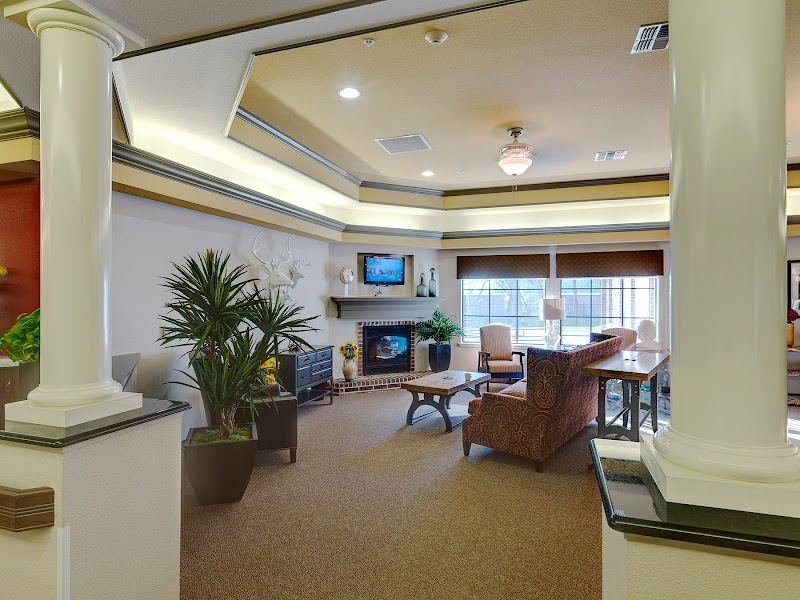
How is Edgewood Rehabilitation And Staffed?

CMS rates EDGEWOOD REHABILITATION AND CARE CENTER's staffing level at 2 out of 5 stars, which is below average compared to other nursing homes. Staff turnover is 48%, compared to the Texas average of 46%.

What Have Inspectors Found at Edgewood Rehabilitation And?

State health inspectors documented 20 deficiencies at EDGEWOOD REHABILITATION AND CARE CENTER during 2022 to 2025. These included: 2 that caused actual resident harm and 18 with potential for harm. Deficiencies causing actual harm indicate documented cases where residents experienced negative health consequences.
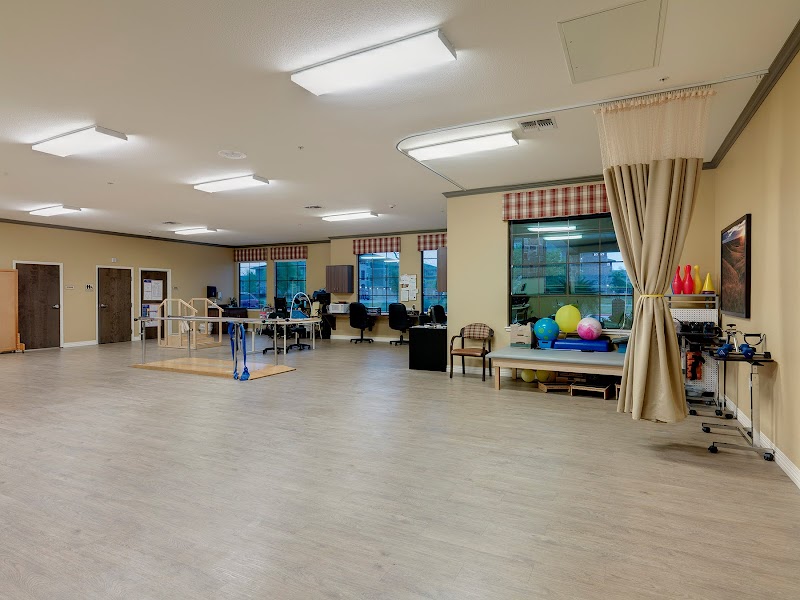
Who Owns and Operates Edgewood Rehabilitation And?

EDGEWOOD REHABILITATION AND CARE CENTER is owned by a for-profit company. For-profit facilities operate as businesses with obligations to shareholders or private owners. The facility is operated by FUNDAMENTAL HEALTHCARE, a chain that manages multiple nursing homes. With 142 certified beds and approximately 68 residents (about 48% occupancy), it is a mid-sized facility located in MESQUITE, Texas.
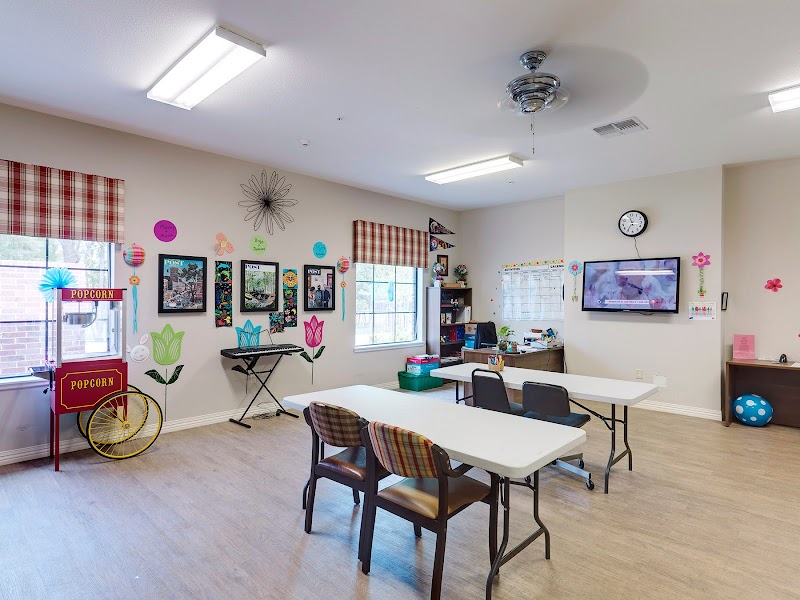
How Does Edgewood Rehabilitation And Compare to Other Texas Nursing Homes?

Compared to the 100 nursing homes in Texas, EDGEWOOD REHABILITATION AND CARE CENTER's overall rating (5 stars) is above the state average of 2.8, staff turnover (48%) is near the state average of 46%, and health inspection rating (4 stars) is above the national benchmark.

What Should Families Ask When Visiting Edgewood Rehabilitation And?

Based on this facility's data, families visiting should ask: "Can you walk me through typical staffing levels on day, evening, and night shifts?" "Can I visit during a mealtime to observe dining assistance and food quality?" "How do you handle medical emergencies, and what is your hospital transfer rate?" "Can I speak with family members of current residents about their experience?" These questions are particularly relevant given the below-average staffing rating.

Is Edgewood Rehabilitation And Safe?

Based on CMS inspection data, EDGEWOOD REHABILITATION AND CARE CENTER has a clean safety record: no substantiated abuse findings (meaning no confirmed cases of resident harm), no Immediate Jeopardy citations (the most serious violation level indicating risk of serious injury or death), and is not on the Special Focus Facility watch list (a federal program monitoring the lowest-performing 1% of nursing homes). The facility has a 5-star overall rating and ranks #1 of 100 nursing homes in Texas. While no facility is perfect, families should still ask about staff-to-resident ratios and recent inspection results during their visit.

Do Nurses at Edgewood Rehabilitation And Stick Around?

EDGEWOOD REHABILITATION AND CARE CENTER has a staff turnover rate of 48%, which is about average for Texas nursing homes (state average: 46%). Moderate turnover is common in nursing homes, but families should still ask about staff tenure and how the facility maintains care continuity when employees leave.

Was Edgewood Rehabilitation And Ever Fined?

EDGEWOOD REHABILITATION AND CARE CENTER has been fined $9,750 across 1 penalty action. This is below the Texas average of $33,176. While any fine indicates a compliance issue, fines under $50,000 are relatively common and typically reflect isolated problems that were subsequently corrected. Families should ask what specific issues led to these fines and confirm they've been resolved.

Is Edgewood Rehabilitation And on Any Federal Watch List?

EDGEWOOD REHABILITATION AND CARE CENTER is not on any federal watch list. The most significant is the Special Focus Facility (SFF) program, which identifies the bottom 1% of nursing homes nationally based on persistent, serious quality problems. Not being on this list means the facility has avoided the pattern of deficiencies that triggers enhanced federal oversight. This is a positive indicator, though families should still review the facility's inspection history directly.