MESQUITE TREE NURSING CENTER
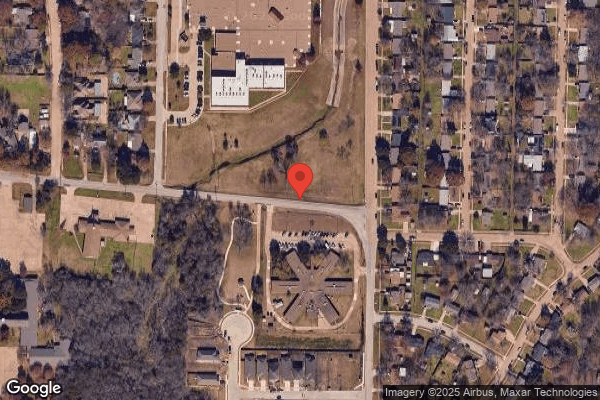
434 PAZA DR, MESQUITE, TX 75149 (972) 288-6489
For profit - Limited Liability company 143 Beds ADVANCED HEALTHCARE SOLUTIONS Data: November 2025 2 Immediate Jeopardy citations
Trust Grade
41/100
#289 of 1168 in TX
Last Inspection: December 2024

Within standard 12-15 month inspection cycle. Federal law requires annual inspections.

Overview

Mesquite Tree Nursing Center has a Trust Grade of D, indicating below-average performance with some concerns about care quality. They rank #289 out of 1168 facilities in Texas, which places them in the top half, but they are #14 out of 83 in Dallas County, meaning there are only 13 facilities nearby that are better. The facility is on an improving trend, having reduced issues from 8 in 2024 to 4 in 2025. Staffing is a weakness, with a rating of 2 out of 5 stars and a turnover rate of 47%, which is slightly below the state average but still indicates a lack of stability among caregivers. They have incurred fines totaling $26,046, a figure that is average and suggests some compliance issues. Additionally, the nursing home has better RN coverage than many Texas facilities, which helps catch potential problems early. However, there have been significant concerns, including a critical incident where a resident was given medication they were allergic to, and another where a resident with a pressure ulcer did not receive timely treatment for six days. These incidents highlight both the strengths and weaknesses of the facility, making it essential for families to weigh these factors carefully when considering care options.

Trust Score
D
41/100
In Texas
#289/1168
Top 24%
Safety Record
High Risk
Review needed
Inspections
Getting Better
8 → 4 violations
Staff Stability
⚠ Watch
47% turnover. Above average. Higher turnover means staff may not know residents' routines.
Penalties
✓ Good
$26,046 in fines. Lower than most Texas facilities. Relatively clean record.
Skilled Nurses
⚠ Watch
Each resident gets only 21 minutes of Registered Nurse (RN) attention daily — below average for Texas. Fewer RN minutes means fewer trained eyes watching for problems.
Violations
⚠ Watch
29 deficiencies on record. Higher than average. Multiple issues found across inspections.
★★★★☆
4.0
Overall Rating
★★☆☆☆
2.0
Staff Levels
★★★★★
5.0
Care Quality
★★★☆☆
3.0
Inspection Score
Stable
2024: 8 issues
2025: 4 issues

The Good

  • 5-Star Quality Measures · Strong clinical quality outcomes
  • Full Sprinkler Coverage · Fire safety systems throughout facility
  • No fines on record

Facility shows strength in quality measures, fire safety.

The Bad

Staff Turnover: 47%

Near Texas avg (46%)

Higher turnover may affect care consistency

Federal Fines: $26,046

Below median ($33,413)

Moderate penalties - review what triggered them

Chain: ADVANCED HEALTHCARE SOLUTIONS

Part of a multi-facility chain

Ask about local staffing decisions and management

The Ugly 29 deficiencies on record

2 life-threatening
Sept 2025 3 deficiencies
CONCERN (D) 📢 Someone Reported This

A family member, employee, or ombudsman was alarmed enough to file a formal complaint

Potential for Harm - no one hurt, but risky conditions existed

ADL Care (Tag F0677)

Could have caused harm · This affected 1 resident

**NOTE- TERMS IN BRACKETS HAVE BEEN EDITED TO PROTECT CONFIDENTIALITY** Based on observations, interviews, and record review the facility failed to provide the necessary services for residents who wer...

Read full inspector narrative →
**NOTE- TERMS IN BRACKETS HAVE BEEN EDITED TO PROTECT CONFIDENTIALITY** Based on observations, interviews, and record review the facility failed to provide the necessary services for residents who were unable to carry out activities of daily living to maintain good grooming and personal hygiene for 2 (Resident #1, and Resident #2) of 11 residents reviewed for ADLs. The facility failed to ensure:- Resident #1 had his fingernails cleaned and trimmed.- Resident #2 had his fingernails trimmed. These failures could place residents who were dependent on staff for ADL care at risk for loss of dignity, risk for infections, and a decreased quality of life. 1- Record review of Resident #1's Quarterly MDS assessment dated [DATE], reflected Resident #1 was a [AGE] year-old male admitted to the facility on 02 /14/25, and readmission on [DATE] with diagnoses of Cerebrovascular Accident (Occurs when blood flow to the brain is interrupted, leading to brain cell death and potential neurological damage), Seizure Disorder or Epilepsy (a neurological condition characterized by recurrent seizer), Asthma (a chronic lung condition that causes inflammation and narrowing of the airways, leading to recurrent episodes of wheezing, shortness of breath, chest tightness, and coughing), Chronic Obstructive Pulmonary Disease (a type of progressive lung disease characterized by long term respiratory symptom and airflow limitation), Respiratory Failure, muscle wasting and atrophy (the decrease in size or wasting away of a body part, such as muscle or tissue, due to cell shrinkage or cell death). Resident#1 had a BIMS score of 06 which indicated severe cognitive impairment. Review of the functional ability section reflected that Resident #1 required substantial assistance with showering and personal hygiene. Record review of Resident #1's Comprehensive Care Plan revised on 07/29/25 reflected, Focus: Resident has an ADL Self Care Performance Deficit and is at risk for not having their needs met in a timely manner. Goal: Resident will participate to the best of their ability and maintain current level of functioning with activities of daily living (ADLs) through the next review date. Interventions: Personal Hygiene: Limited x[BR1] 1. Bathing: Dependent x1 Provide shower, shave, oral care, hair care, and nail care per schedule and when needed. In an observation and interview on 09/16/25 at 10:37 AM with Resident #1, revealed his fingernails on both hands were dirty with black discoloration underneath the nails and the nails were jagged. The fingernails were 0.5-0.7 centimeter in length extending from the tips of his fingers. Resident #1 stated he would like his nails to be cleaned and trimmed. 2- Record review of Resident #2's Quarterly MDS assessment dated [DATE], reflected Resident #2 was a [AGE] year-old male admitted to the facility with initial admission date of 05 /09/25, with diagnoses of Hypertension (Elevated blood pressure), Asthma, Chronic Obstructive Pulmonary Disease, muscle weakness, and cognitive communication deficit. Resident#2 had a BIMS score of 13 which indicated intact cognition. Review of functional ability section reflected that Resident #2 required substantial/maximal assistance with showering and setup or clean-up assistance for personal hygiene. Record review of Resident #2's Comprehensive Care Plan revised on 07/21/25 reflected, Focus: Resident has an ADL Self Care Performance Deficit and is at risk for not having their needs met in a timely manner. Goal: Resident will participate to the best of their ability and maintain current level of functioning with activities of daily living (ADLs) through the next review date. Interventions: Personal Hygiene: Limited x1. Bathing: Dependent x1 Provide shower, shave, oral care, hair care, and nail care per schedule and when needed. In an observation and interview on 09/16/25 at 10:50 AM with Resident #2, revealed his fingernails on both hands were dirty with black discoloration underneath the nails, and the fingernails were 0.4-0.6 centimeter in length extending from the tips of his fingers. Resident #2 stated he would like his nails to be cleaned and trimmed. In an interview/observation on 09/16/25 at 11:00 AM CNA A checked both residents' fingernails and stated they needed to be cleaned and trimmed. CNA A stated CNAs and nurses were responsible for nail care. She stated that nurses were responsible for nail care for diabetic residents. She stated nail care for residents was done on shower days and as needed. She added the risk to the resident for not trimming or cleaning their nails was decreased skin integrity and risk of infections. In an interview on 09/16/2 11:14 AM with LVN B revealed, CNAs were responsible for resident nail care, unless the resident had diagnoses of diabetes, then nurses were responsible for trimming the resident's nails. She stated dirty, long fingernails could expose the residents to the risk of developing infections or skin tears. LVN B further stated that although CNAs were responsible for nail care, it was ultimately the responsibility of the charge nurse to ensure residents' fingernails were always cleaned and trimmed. Interview on 09/16/25 at 2:24 PM the DON stated all the staff were responsible for the residents fingernail care. She stated CNAs should make sure residents' fingernails were cleaned and trimmed all the time, and if the resident had diabetes mellitus it was strictly the responsibility of the nurses to trim their fingernails. She stated the risk to residents, they could be harboring germs underneath the fingernails, they could develop infection and they could injure themselves or others. Record review of the facility policy titled, Activities of Daily Living Guidelines dated 2/11/2021 reflected, Residents will receive essential services for activities of daily living to maintain good nutrition, grooming, and personal and oral hygiene
CONCERN (D) 📢 Someone Reported This

A family member, employee, or ombudsman was alarmed enough to file a formal complaint

Potential for Harm - no one hurt, but risky conditions existed

Deficiency F0919 (Tag F0919)

Could have caused harm · This affected 1 resident

**NOTE- TERMS IN BRACKETS HAVE BEEN EDITED TO PROTECT CONFIDENTIALITY** Based on observations, interviews and record review, the facility failed to be adequately equipped to allow residents to call fo...

Read full inspector narrative →
**NOTE- TERMS IN BRACKETS HAVE BEEN EDITED TO PROTECT CONFIDENTIALITY** Based on observations, interviews and record review, the facility failed to be adequately equipped to allow residents to call for assistance through a communication system which relays the call directly to a staff member or to a centralized staff work area from each resident's bedside for 1 of 11 residents (Resident #1) reviewed for reasonable accommodations. The facility failed to ensure the call light in the resident room, used by Resident #1, was always within reach. This failure could place residents at risk of being unable to obtain assistance for activities of daily living or in the event of an emergency. Record review of Resident #1's Quarterly MDS assessment dated [DATE], reflected Resident #1 was a [AGE] year-old male admitted to the facility on 02 /14/25, and readmission on [DATE] with diagnoses of Cerebrovascular Accident (Occurs when blood flow to the brain is interrupted, leading to brain cell death and potential neurological damage), Seizure Disorder or Epilepsy (a neurological condition characterized by recurrent seizer), Asthma (a chronic lung condition that causes inflammation and narrowing of the airways, leading to recurrent episodes of wheezing, shortness of breath, chest tightness, and coughing), Chronic Obstructive Pulmonary Disease (a type of progressive lung disease characterized by long term respiratory symptom and airflow limitation), Respiratory Failure, muscle wasting and atrophy (the decrease in size or wasting away of a body part, such as muscle or tissue, due to cell shrinkage or cell death). Resident#1 had a BIMS score of 06 which indicated severe cognitive impairment. Review of functional ability self-care was coded as (2) meaning Resident #1 Needed Some Help - Resident needed partial assistance from another person to complete any activities. Record review of Resident #1's Comprehensive Care Plan revised on [DATE] reflected, Focus: Resident has the potential for falls. Resident with poor safety awareness and impulsive. Goal: Resident will not sustain a fall related injury by utilizing fall precautions through next review date. Interventions: Reeducate the resident to use the call light when wanting to transfer. Place the resident's call light is within reach and encourage the resident to use it for assistance as needed. In an observation and interview on [DATE] at 10:37 AM revealed Resident#1 was lying in bed, on oxygen via nasal canula and his oxygen concentrator was beeping. Resident#1 stated, he did not feel good. Resident#1 was unable to call for help, because his call light was in the closed nightstand drawer. CNA A walked into the Resident #1's room and got the call light button from the nightstand drawer and clipped it to Resident #1's pillowcase. Interview on [DATE] at 11:00 AM CNA A stated, she put the call light button in the nightstand drawer this morning when she changed Resident #1's bed linen, and she forgot to put it within Resident #1's reach before leaving the room. CNA A stated she did not know the call light was not within the reach of the resident. CNA A stated the call light device was used by the residents to alert the staff about the resident's needs, and the call light was expected to be working and within the reach of the resident all the time. In an interview on [DATE] at 2:29 PM with the DON revealed all residents were expected to always have their call light within reach and it was the responsibility of all the employees to ensure the call light was within reach of each resident. The DON stated not having a call light within reach could put a resident at risk for going without incontinent care after a bowel movement, going without care at the time of a health crisis. Interview with the Administrator on [DATE] at 3:20 PM she stated it was her expectation for all the employees to make sure the resident's call light was always within reach and not having the call light within reach could lead to the risk of not getting assistance in a timely manner, it could lead to not receiving incontinent care, skin break. Record review of the facility's Call light response policy dated [DATE] reflected The purpose of this policy is to assure the facility is adequately equipped with a call light at each residents' bedside, toilet, and bathing facility to allow residents to call for assistance. Call lights will directly relay to a staff member or centralized location to ensure appropriate response. The policy reflected the process as follows . All staff will be educated on the proper use of the resident call system, including how the system works and ensuring resident access to the call light . With each interaction in the resident's room or bathroom, staff will ensure the call light is within reach of resident and secured, as needed . Staff will report problems with a call light or the call system immediately to the supervisor and/or maintenance director and will provide immediate or alternative solutions until the problem can be remedied.
CONCERN (E) 📢 Someone Reported This

A family member, employee, or ombudsman was alarmed enough to file a formal complaint

Potential for Harm - no one hurt, but risky conditions existed

Respiratory Care (Tag F0695)

Could have caused harm · This affected multiple residents

**NOTE- TERMS IN BRACKETS HAVE BEEN EDITED TO PROTECT CONFIDENTIALITY** Based on observation, interview and record review, the facility failed to ensure that residents who needed respiratory care ,inc...

Read full inspector narrative →
**NOTE- TERMS IN BRACKETS HAVE BEEN EDITED TO PROTECT CONFIDENTIALITY** Based on observation, interview and record review, the facility failed to ensure that residents who needed respiratory care ,including tracheostomy care and tracheal suctioning, were provided such care, consistent with professional standards of practice, the comprehensive person-centered care plan, and the resident's goals and preferences for 1 of 1 (Resident #1) residents reviewed for respiratory care. The facility failed to ensure physician's orders were written for oxygen use via nasal canula for Resident #1 on readmission [DATE] to 09/16/2025. This failure could place residents at risk for incorrect treatment decisions, evaluation, and treatment plans compromising patient safety due to insufficient information records. Record review of Resident #1's Quarterly MDS assessment dated [DATE], reflected Resident #1 was a [AGE] year-old male admitted to the facility on 02 /14/25, and readmission on [DATE] with diagnoses of Cerebrovascular Accident (Occurs when blood flow to the brain is interrupted, leading to brain cell death and potential neurological damage), Seizure Disorder or Epilepsy (a neurological condition characterized by recurrent seizer), Asthma (a chronic lung condition that causes inflammation and narrowing of the airways, leading to recurrent episodes of wheezing, shortness of breath, chest tightness, and coughing), Chronic Obstructive Pulmonary Disease (a type of progressive lung disease characterized by long term respiratory symptom and airflow limitation), Respiratory Failure, muscle wasting and atrophy (the decrease in size or wasting away of a body part, such as muscle or tissue, due to cell shrinkage or cell death). Resident #1 had a BIMS score of 06 which indicated severe cognitive impairment. Review of section J. J1100. Shortness of Breath (dyspnea) revealed: C. Shortness of breath or trouble breathing when lying flat. Review of respiratory treatment C1 oxygen therapy was not market for oxygen use. Record review of Resident #1's Comprehensive Care Plan revised on 07/29/25 reflected no indication of oxygen use. Record review of Resident #1's electronic medical record on 09/16/25 revealed: 1- No physician's order for oxygen use for readmission on [DATE] to 09/16/2025 2- The MAR did not reflect oxygen use or setting. In an observation and interview on 09/16/25 at 10:37 AM revealed Resident#1 was lying in bed, on oxygen via nasal canula and his oxygen concentrator was beeping with the yellow alarm light flushing. Resident #1 stated he did not feel good. Resident #1's oxygen concentrator float/flow indicator device was not visible inside the flowmeter tube. Observation on 09/16/25 at 11:14 AM revealed LVN B responding to the Resident #1's call light. LVN B checked the oxygen concentrator and turned the knob until the float was visible in the flowmeter. LVN B adjusted the oxygen flow to 2 L/ minutes. Observation revealed LVN B asking Resident #1 how he was feeling, and he replied he was feeling better. Interview with LVN B revealed Resident #1 was on oxygen as needed, and some time Resident #1 liked to adjust the flow rate. LVN B stated, she reeducated Resident #1 not to adjust the oxygen rate for his safety. LVN B stated adjusting the oxygen flow too high or too low could affect the amount of oxygen the resident was receiving and his breathing quality. In interview on 09/16/25 at 2:29 PM the DON stated Resident #1's oxygen was as needed, and sometimes he played with the concentrator flowmeter. The DON stated her expectation was every resident with oxygen must have order, because oxygen was a medication that could be given by the physician order only. The DON stated the risk to Resident #1 for not having a physician's order for oxygen use was respiratory issue. Interview with the Administrator on 09/16/25 at 3:20 PM, she stated orders drive care and she expected nursing staff to obtain orders for care. The Administrator stated she expected Resident #1 to have orders for his oxygen use. Record review of policy titled, Consulting Physician/Practitioner Orders dated 09/28/2021, reflected Policy: The policy provide guidance on receiving and following physician orders. c. Carry out and implement physician orders d. Document resident response to physician order in the medical record as indicated . Record review of policy titled, Oxygen Administration date 01/05/2020, reflected Policy: To describe methods of delivering oxygen to improve tissue oxygenation.during a respirator emergency it is appropriate for nursing to administer oxygen immediately and then notify physician for orders and further clinical guidance. 1.Verify physician order 2. Orders should have when to call the physician parameters.
Jun 2025 1 deficiency
CONCERN (E) 📢 Someone Reported This

A family member, employee, or ombudsman was alarmed enough to file a formal complaint

Potential for Harm - no one hurt, but risky conditions existed

Social Worker (Tag F0850)

Could have caused harm · This affected multiple residents

Based on interview and record review, the facility with more than 120 beds failed to employ a qualified social worker on a full-time basis, for 1 of 1 social services staff reviewed for qualifications...

Read full inspector narrative →
Based on interview and record review, the facility with more than 120 beds failed to employ a qualified social worker on a full-time basis, for 1 of 1 social services staff reviewed for qualifications of Social Worker. 1. The facility, licensed for 144 beds, did not employ a full-time social worker from 3/26/25 to 6/11/25. This failure could place residents at risk of social service and psychosocial needs not being met. The findings included: Record review of the facility's Daily Census Report, dated 6/10/25, noted the facility had a total licensed bed capacity of 144. Record review of the Facility Summary Report from the Texas Unified Licensure Information Portal (TULIP) date 06/06/25 noted the facility had a total licensed capacity of 144 beds. Record review of an undated document titled Job Details reflected the Previous Social Worker was employed from 7/11/23 to 3/26/25. In an interview on 6/10/25 at 2:37 PM, ADON B stated the facility did not have a social worker and had not had a social worker since the end of March. ADON B stated the Previous Social Worker left on vacation and decided not to return to work. In an interview on 6/10/25 at 2:51 PM, the DON stated there was not a social worker currently employed by the facility and that the social work duties were divided up between different staff members. The DON stated she did not believe it was a risk to the residents due to herself and the Administrator who covered the social worker duties. In an interview on 6/10/25 at 5:05 PM, the Administrator stated the social worker duties were divided between herself and the DON. The Administrator stated she did not think it was a risk to not have a social worker because she and the DON spoke with the residents daily and all appointments were automatically scheduled by a third party. The Administrator continued to state if a resident had an issue arise which required a social worker the resident would tell her about it or a staff member. The Administrator also stated she was advised by her corporate leadership she should contact a social worker from another facility to assist if needed. The Administrator stated she had not contacted another facility's social worker for assistance. Record review of the facility's policy titled Social Services Department Policies and Procedures dated 12/97 reflected: If the social worker is on leave or the position is vacant, the Administrator will develop a plan to cover the department duties.
Dec 2024 5 deficiencies
CONCERN (D)

Potential for Harm - no one hurt, but risky conditions existed

Deficiency F0558 (Tag F0558)

Could have caused harm · This affected 1 resident

**NOTE- TERMS IN BRACKETS HAVE BEEN EDITED TO PROTECT CONFIDENTIALITY** Based on observations, interviews and record review, the facility failed to ensure each resident had the right to reside and rec...

Read full inspector narrative →
**NOTE- TERMS IN BRACKETS HAVE BEEN EDITED TO PROTECT CONFIDENTIALITY** Based on observations, interviews and record review, the facility failed to ensure each resident had the right to reside and receive services in the facility with reasonable accommodation of resident needs and preferences for 1 of 8 residents (Resident #60) reviewed for reasonable accommodations. The facility failed to ensure the call light in resident room [ROOM NUMBER] A used by Resident #60 was always within reach. This failure could place resident at risk of being unable to obtain assistance for activities of daily living or in the event of an emergency. Findings included: Review of Resident #60's face sheet dated [DATE] reflected she was an [AGE] year-old female with an admission date of [DATE]. admission diagnoses reflected Resident #60 had a diagnosis of type 2 diabetes, fracture of shaft of left ULNA (fracture of left forearm), cognitive communication deficit (a condition makes it difficult to communicate). Review of the current diagnosis dated [DATE] reflected resident #60 was diagnosed with Enterocolitis due to clostridium difficile (an inflammation of intestines caused by bacteria). Review of Resident #60's MDS assessment dated [DATE] revealed Resident #60 had a BIMS score of 12 which indicates moderate cognitive impairment, required substantial/maximal assistance with toileting hygiene, moderate assistance with transfers, and always incontinent of bowel and urine. Review of Resident #60's care plan dated [DATE] reflected Resident #60 was at risk for unstable blood sugar levels and abnormal lab results, had an ADL selfcare performance deficit and was at risk for not having needs met in a timely manner, resident was incontinent of bowel/bladder. Interview and observation of Resident #60 on [DATE] at 11:39 AM in her room revealed the resident was on isolation for contact and droplet precautions due to Enterocolitis due to clostridium difficile. The resident was lying on her bed, the call light was found on the floor, away from resident's reach. Resident #60 stated she wanted to call the nurse for assistance at that time but noticed the call light was not attached to her pillow/bedsheet, nobody could hear her verbally calling the nurse since the door was closed as she was on isolation. The surveyor observed the call light was lying on the floor, away from the resident's reach. Resident stated she could not remember since how long the call light was not within her reach. Interview with LVN C on [DATE] at 11:44 AM in Resident #60's room revealed he was the charge nurse for Resident #60. Resident #60 was on isolation precaution for enterocolitis due to clostridium difficile. LVN C observed Resident #60's call light was not within reach and was lying on the floor. LVN C stated he did not know the call light was not within the reach of the resident, the call light device was used by the residents to alert the staff about resident's needs and the call light was expected to be working and within the reach of the resident all the time. LVN C stated the absence of a call light device within reach could create several problems for the residents such as not getting changed or cleaned on time, not getting drinks or snacks as needed, not getting help during a health crisis. LVN C stated he had received in-services on call lights on a regular basis, the last time he received an in-service was 2 weeks ago. LVN C sated all the staff working with the resident were responsible to ensure the call light device was working and within reach of the resident. Interview with CNA G on [DATE] at 01:47 PM. She stated it was the responsibility of all the employees to ensure the call light was always within the reach of the residents, not having a call light within reach could lead to fall, injury, dehydration, missing nursing care, incontinent care. CNA G stated she had received in service on call lights within the past few weeks. Interview with ADON D on [DATE] at 10:35 AM revealed all residents were expected to always have their call light within reach and it was the responsibility of all the employees to ensure the call light was within reach of each resident. ADON D stated not having a call light within reach could put a resident at risk for going without incontinent care after a bowel movement, going without care at the time of a health crisis. Interview with the Administrator on [DATE] at 11:27 AM revealed she was not aware the Resident #60's call light was not within reach, she stated it was her expectation for all the employees to make sure the resident call light was always within reach and not having the call light within reach could lead to the risk of not getting assistance in a timely manner, it could lead to not receiving incontinent care, skin break. The Administrator stated all the employees received in service regarding call lights every month and after each incident. Record review of the facility's call light response policy dated [DATE] reflected The purpose of this policy is to assure the facility is adequately equipped with a call light at each residents' bedside, toilet, and bathing facility to allow residents to call for assistance. Call lights will directly relay to a staff member or centralized location to ensure appropriate response. The policy stated the process as follows . All staff will be educated on the proper use of the resident call system, including how the system works and ensuring resident access to the call light . With each interaction in the resident's room or bathroom, staff will ensure the call light is within reach of resident and secured, as needed . Staff will report problems with a call light or the call system immediately to the supervisor and/or maintenance director and will provide immediate or alternative solutions until the problem can be remedied.
CONCERN (D) 📢 Someone Reported This

A family member, employee, or ombudsman was alarmed enough to file a formal complaint

Potential for Harm - no one hurt, but risky conditions existed

Infection Control (Tag F0880)

Could have caused harm · This affected 1 resident

**NOTE- TERMS IN BRACKETS HAVE BEEN EDITED TO PROTECT CONFIDENTIALITY** Based on observation, interview and record review, the facility failed to maintain an infection control program designed to prev...

Read full inspector narrative →
**NOTE- TERMS IN BRACKETS HAVE BEEN EDITED TO PROTECT CONFIDENTIALITY** Based on observation, interview and record review, the facility failed to maintain an infection control program designed to prevent the development and transmission of infection for 1 (Resident #51) of 6 residents observed for infection control. The facility failed to ensure: CNA E donned the appropriate PPE (Personal Protective Equipment) during the transfer of Resident #51 who was on enhanced barriers precautions r/t having an indwelling foley catheter. This failure could place residents at risk for infection and cross contamination of pathogens and illness. Findings included: Review of Resident #51's MDS, dated [DATE], revealed he was a [AGE] year-old male who was admitted to the facility on [DATE]. His BIMS score was 09 out of 15 which indicated moderate cognition impairment. His diagnoses included obstructive uropathy (occurs when urine cannot drain through the urinary tract), diabetes mellitus (high sugar level in the blood), and Non-Alzheimer's Dementia (loss of intellectual functioning, especially with impairment of memory and abstract thinking, and often with personality change, resulting from organic disease of the brain). Review of Resident #51's Care Plan, dated 09/16/24, revealed Focus: The resident requires Enhanced Barrier Precautions d/t Urinary Catheter. Goal: The resident will remain free from active infection with MDROs through the review date. Interventions: . Ensure EBP signage is posted outside the resident room and above the head of the resident bed. Wear down and gloves during high contact resident care activities. Observation on 12/18/24 at 11:36 AM revealed Resident #51 was on EBP. There was signage on the door that informed visitors/staff he was on enhanced barriers precautions, perform hand hygiene before and after leaving room, necessary PPE to wear in room, and donning/doffing (put on/remove) information. CNA E entered Resident #51's room without any form of PPE, there was PPE supplies inside the Resident#51 room on the right side of the room entrance. CNA E washed hands, donned gloves and procced to transfer Residnt#51 from wheelchair to bed without wearing gown. CNA E removed gloved washed hands. Interview on 12/18/24 at 11:43 AM with CNA E, he stated knew he supposed to wear a gown for the resident transfer. He stated he forgot. He stated he was in-serviced regarding different type of infection control during orientation. He stated the risk of not wearing proper PPE in enhanced barriers precautions residents' rooms was exposing himself and others to the development of infection and spreading germs from one resident to another resident. Interview with ADON D on 12/19/24 at 11:52 AM, she stated all the staff were supposed to wear gown, and gloves going inside the residents on EBP for any high contact care. ADON D stated they used EBP to prevent infection to high-risk residents. She stated in service on EBP was done up on hire, and at least quarterly. Interview on 12/19/24 at 12:33 PM, with the Administrator, she stated staff should gown up, and wear gloves if they were providing care to the resident on EBP, and discard before they come out of the resident room. She stated they do in service for the staff during orientation, and annually. She further stated the EBP just came in this year, so they do in service monthly because it was a new for them. The Administrator stated risk to residents' cross contamination. Record review of the facility's policy, Infection Prevention and Control program, last revised 03/26/24, reflected, EBP are used in conjunction with standard precautions and expand the use of PPE to donning of gown and gloves during high -contact resident care activities that provide opportunities for transfer of MDROs to staff hands and clothing. EBP are indicated for residents with any of the following . b .indwelling medical devices (e.g.Urinary catheter .) .During high-contact resident care activities .Transferring
CONCERN (E) 📢 Someone Reported This

A family member, employee, or ombudsman was alarmed enough to file a formal complaint

Potential for Harm - no one hurt, but risky conditions existed

Comprehensive Care Plan (Tag F0656)

Could have caused harm · This affected multiple residents

**NOTE- TERMS IN BRACKETS HAVE BEEN EDITED TO PROTECT CONFIDENTIALITY** Based on observation, interview and record review, the facility failed to develop and implement a comprehensive person-centered ...

Read full inspector narrative →
**NOTE- TERMS IN BRACKETS HAVE BEEN EDITED TO PROTECT CONFIDENTIALITY** Based on observation, interview and record review, the facility failed to develop and implement a comprehensive person-centered care plan for each resident that included measurable objectives and time frames to meet residents' mental and psychosocial needs, for 1 (Resident #55) of 6 residents reviewed for comprehensive care plans. The facility failed to ensure Resident #55 had a person-centered care plan to include significant advance directive code status change from full code to DNR code, when they received Resident#55 consent on [DATE]. This failure could place resident at risk of been resuscitated and not honoring her DNR wishes. Findings included: Review of Resident #55's face sheet dated [DATE] revealed the resident was a [AGE] year-old female admitted on [DATE] with diagnoses including hypertension (High blood pressure), Non-Alzheimer's Dementia (loss of intellectual functioning, especially with impairment of memory and abstract thinking, and often with personality change, resulting from organic disease of the brain), Cerebrovascular accident. Review of Resident#55's quarterly MDS assessment dated [DATE] revealed Resident #55 had a BIMS score of 00/15 indicating severe cognitive impairment. Review of Resident#55 electronic medical record on [DATE] at 08:11 AM revealed a consent for DNR dated [DATE]. Review of Resident #55's Physician's Order Sheet dated [DATE] revealed Code status: DNR. Review of Resident #55's Comprehensive care plan last reviewed [DATE] revealed Focus. Full Code: Resident has physician's orders that include a status of full code. Goal: Staff will administer CPR if resident has an arrest. Interventions: Ensure Full Code order on chart. Ensure staff is aware of code status through designated systems. Monitor for changes in resident's code status and update as needed. Review at least quarterly. Begin CPR after absence of vital signs, call 911, notify physician, and notify family/responsible party. Attempted interview and observation on [DATE] at 10:08 AM with Resident#55, revealed she was lying in bed unable to participate in interview. Interview on [DATE] at 08:09 AM with the MDS coordinator, she stated the code status order for the Resident#55 was DNR. She stated according to her the care plan was updated on [DATE] when she got the order, and it stated the resident code status had been changed to DNR. She stated the SW was responsible for the care plan part for the code status of the residents. The MDS coordinator stated the importance of care plan was for the staff to know what kind of care to render to the residents. Interview on [DATE] at 08:31 AM with ADON D, she stated the SW was responsible for that changing, meaning the status code for the residents in the care plan. The ADON stated if the care plan was not updated it can affect the resident's care, and in this case Resident#55 may got resuscitated against her wishes. Interview on [DATE] at 12:33 PM with the Administrator, she stated they thought they had to wait for the order to correct the care plan, and it was supposed to be done whenever they received the resident's consent. The Administrator stated the SW was responsible for the code status part of the care plan update. She stated the risk to the resident it would not following with her wishes by doing t CPR on the Resident#55, who wanted to be a DNR. Interview on [DATE] at 05:31 PM with the SW revealed she was responsible for the care plan code status update for the residents. She stated she did not update Resident#55's care plan after she received the consent, because she was waiting for the nurse to transcribe the order in the Resident#55 e-record. She stated the risk to Resident#55 if the care plan was not updated; Resident#55 could be resuscitated will she was a DNR. Review of facility Document titled Care Plan Guidance's, revised [DATE], revealed, .Care Plan Updates. The IDT will review the care plans Annually, Quarterly, and as needed to ensure all the goals and approaches are appropriate .
CONCERN (E) 📢 Someone Reported This

A family member, employee, or ombudsman was alarmed enough to file a formal complaint

Potential for Harm - no one hurt, but risky conditions existed

ADL Care (Tag F0677)

Could have caused harm · This affected multiple residents

**NOTE- TERMS IN BRACKETS HAVE BEEN EDITED TO PROTECT CONFIDENTIALITY** Based on observations, interviews, and record review the facility failed to provide the necessary services for residents who we...

Read full inspector narrative →
**NOTE- TERMS IN BRACKETS HAVE BEEN EDITED TO PROTECT CONFIDENTIALITY** Based on observations, interviews, and record review the facility failed to provide the necessary services for residents who were unable to carry out activities of daily living to maintain good grooming and personal hygiene for 4 (Resident #35, Resident #45, Resident#24, and Resident#40) of 16 residents reviewed for ADLs. The facility failed to ensure: - Resident #35 had her fingernails cleaned and trimmed. - Resident #45 had her fingernails trimmed. - Resident #24 had her fingernails cleaned and trimmed. - Resident #40 had her fingernails cleaned and trimmed. These failures could place residents who were dependent on staff for ADL care at risk for loss of dignity, risk for infections, and a decreased quality of life. Findings included: 1- Resident #35 Record review of Resident # 35's Face Sheet dated, 12/18/24, reflected a [AGE] year-old female admitted to the facility with initial admission date of 10/2/2017 with relevant diagnoses of Alzheimer's (brain disorder that gradually decreased memory function), reduced mobility (inability to move around freely or without pain), generalized muscle weakness and dysphagia (difficulty swallowing). Record review of Resident #35's Quarterly MDS assessment dated [DATE], reflected Resident #35 had a BIMS score of 0 which indicated Resident #35's cognition was severely impaired. It also reflected that Resident #35 required substantial assistance with showering and personal hygiene. Record review of Resident #35's Comprehensive Care Plan revised on 9/18/2021 reflected, Focus: [ Resident #35] has an ADL Self Care Performance Deficit and is at risk for not having their needs met in a timely manner. Goal: [Resident #35] has an ADL Self Care Performance Deficit and is at risk for not having their needs met in a timely manner. Interventions: Personal Hygiene: Extensive assistance with 1 staff [member]. Record review of Resident #35's Comprehensive Care Plan revised on 3/8/2023 reflected, Focus: Resistant to Cares: [ Resident#35] is resistant to cares and at risk for injury, a decline in functional abilities, and not having their needs met in a timely manner. Resistance is related to refuses to allow staff to cut her fingernails. Goal: Resistance behaviors will not interfere with ADLs being met in a timely manner on a daily basis through the next review. Interventions: o Approach resident in a calm manner, call by name, speak slowly, and maintain eye contact. Talk while providing cares, allow time for a response, and do not rush. o Give a clear explanation of daily care activities prior to and as they occur during each contact. Encourage as much participation and interaction by the resident as possible. o Discuss the possible outcomes of not complying with therapeutic regime. In an observation and interview on 12/17/24 at 8:47 AM with Resident #35, revealed fingernails on both hands were dirty with black discoloration underneath the nails as well as jagged. The fingernails were 0.5-0.7 centimeter in length extending from the tip of her fingers. Resident #35 stated she had not had her nails cut in a long time and would like her nails to be cleaned and trimmed. 2- Resident #45 Record review of Resident # 45's Face Sheet dated, 12/18/24, reflected an [AGE] year-old female admitted to the facility with initial admission date of 11/14/2017 with relevant diagnoses of Heart failure (condition where heart cannot pump enough blood and oxygen to the body organs), Hypertension (high blood pressure), Arthritis (chronic conditions that causes inflammation in the joints). Record review of Resident #45's admission MDS assessment dated [DATE], reflected Resident #45 had a BIMS score of 13 which indicated Resident #45's cognition was intact. It also reflected that Resident #45 required substantial assistance with showering and personal hygiene. Record review of Resident #45's Comprehensive Care Plan revised on 11/27/24 reflected, Focus: ADLs: [Resident #45] has an ADL Self Care Performance Deficit and is at risk for not having their needs met in a timely manner. Goal: [Resident #45] will participate to the best of their ability and maintain current level of functioning with activities of daily living (ADLs) through the next review date. Interventions: Provide shower, shave, oral care, hair care, and nail care per schedule and when needed. In an observation and interview on 12/17/24 at 9:07 AM with Resident #45, revealed fingernails on both hands were long, about 0.5-0.75 centimeter in length extending from the tip of her fingers. Resident #45 stated she was new to the facility and had been in the facility for about 4-5 weeks. She stated that neither CNAs nor nurses have offered to cut her nails, she cannot trim her nails by herself and needed assistance with nail care related to diagnoses of arthritis. In an interview on 12/17/24 at 9:20 AM with CNA B revealed CNAs and Nurses were responsible for nail care. She stated that Nurses were responsible for nail care for diabetic residents. She stated nail care for residents were done on shower days and as needed. She added the risk to resident for not trimming or cleaning nails was decreased skin integrity and risk of infections. In an Interview on 12/17/24 11:03 AM with LVN C revealed, CNAs were responsible for resident nail care, unless the resident had diagnoses of Diabetes, then Nurses were responsible for trimming resident nails. He stated dirty, long fingernails can expose the residents to the risk of developing infections or skin tears. LVN C further stated that although CNAs were responsible for nail care, it was ultimately the responsibility of the charge nurse to ensure residents fingernails were always cleaned and trimmed. In another observation and interview on 12/18/24 10:31 AM with LVN C revealed both Resident # 35 and Resident #45 had their nails cleaned and trimmed. LVN C stated that Resident #35 initially refused to cut her nails, however when approached by a different staff member, allowed the staff member to trim and clean her nails. He also stated that he offered Resident #45 to cut her nails. 3-Resident#24 Record review of Resident # 24's Face Sheet dated, 12/20/24, reflected a [AGE] year-old female admitted to the facility with initial admission date of 03/30/16 with relevant diagnoses of Dementia (loss of intellectual functioning, especially with impairment of memory and abstract thinking, and often with personality change, resulting from organic disease of the brain), reduced mobility (inability to move around freely), generalized muscle weakness and dysphagia (difficulty swallowing). Record review of Resident#24's MDS assessment dated [DATE], reflected Resident#24 had a BIMS score of 09/15 indicating moderately impaired cognition. It also reflected that Resident#24 required substantial assistance with showering and personal hygiene. Record review of Resident#24's Comprehensive Care Plan revised on 9/18/21 reflected, Focus: ADLs: Resident#24 has an ADL Self Care Performance Deficit and is at risk for not having their needs met in a timely manner. Goal: Resident#24 will participate to the best of their ability and maintain current level of functioning with activities of daily living (ADLs) through the next review date. Interventions: Provide shower, oral care, hair care, and nail care per schedule and when needed. Observation and interview on 12/18/24 at 9:13 AM with CNA E, revealed, he looked at Resident#24 fingernails on both hands and stated they are long, and dirty. Resident#24 both hands fingernails were long, about 0.4-0.5 centimeter in length extending from the tip of her fingers, with black matter underneath some of them. CNA E stated he was supposed to check residents' fingernails each time he had encounter with the resident. He stated the risk to residents was they could injure themself, harbor germs in their hands, could swallow them, and develop infection. CNA E stated he received in service on resident care including fingernails during his orientation a month ago. 4-Resident#40 Record review of Resident#40's Face Sheet dated, 12/20/24, reflected a [AGE] year-old female admitted to the facility with initial admission date of 04/28/22 with relevant diagnoses of Dementia (loss of intellectual functioning, especially with impairment of memory and abstract thinking, and often with personality change, resulting from organic disease of the brain), reduced mobility (inability to move around freely), generalized muscle weakness and dysphagia (difficulty swallowing). Record review of Resident#40's MDS assessment dated [DATE], reflected Resident#40 had a BIMS score of 03/15 which indicated severe cognitive impairment. It also reflected that Resident#40 required substantial assistance with showering and personal hygiene. Record review of Resident#40's Comprehensive Care Plan revised on 05/17/23 reflected, Focus: ADLs: Resident#40 has an ADL Self Care Performance Deficit and is at risk for not having their needs met in a timely manner. Goal: Resident#40 will participate to the best of their ability and maintain current level of functioning with activities of daily living (ADLs) through the next review date. Interventions: Provide shower, oral care, hair care, and nail care per schedule and when needed. Observation and interview on 12/18/24 at 9:20 AM with CNA E revealed, CNA E looked at Resident#40's fingernails, and stated Resident#40's fingernails looked longer chipped, and dirty. CNA E stated Resident#40 was diabetic and the nurses were responsible to take care of her fingernails. CNA E denied letting the nurses know about Resident#40's fingernails status. Resident#40's fingernails on both hands were long, about 0.5-0.6 centimeter in length extending from the tip of her fingers, and some of them were chipped. can E stated each time he had encounter with the residents, he was supposed to check their fingernails, and report the issue to the charge nurse if the resident was diabetic. He stated the risk to residents was they could injure themself, harbor germs in their hands, could swallow them, and develop infection. CNA E stated he received in service on resident care including fingernails during his orientation. Interview on 12/18/24 09:23 AM with LVN F revealed, she stated CNAs were responsible for resident nail care, unless the resident had diagnoses of Diabetes, then Nurses were responsible for trimming resident nails. She stated dirty, long fingernails can expose the residents to the risk of developing infections or skin tears. LVN F further stated the charge nurse for each Hall were responsible to ensure residents fingernails were always cleaned and trimmed. Interview on12/19/24 at 08:31 AM with the ADON G revealed all the staff were responsible for the residents' fingernails care. She stated CNAs should make sure residents' fingernails were cleaned and trimmed all the time, and if the resident had diabetes Mellitus it was strictly the responsibility of the nurses to trim their fingernails. She stated in service on residents' nails care we given a lot to all the staff, and she personally talk to the aides. She stated the risk to residents, they could be harboring germs underneath the fingernails, they could develop infection and they could injure themself. Record review of the facility policy titled, Activities of Daily Living Guidelines dated 2/11/2021 reflected, Residents will receive essential services for activities of daily living to maintain good nutrition, grooming, and personal and oral hygiene .
CONCERN (E) 📢 Someone Reported This

A family member, employee, or ombudsman was alarmed enough to file a formal complaint

Potential for Harm - no one hurt, but risky conditions existed

Food Safety (Tag F0812)

Could have caused harm · This affected multiple residents

Based on observations, interviews, and record review, the facility failed to store, prepare, distribute, and serve food in accordance with professional standards for food service safety for the facili...

Read full inspector narrative →
Based on observations, interviews, and record review, the facility failed to store, prepare, distribute, and serve food in accordance with professional standards for food service safety for the facility's only kitchen. 1. The facility failed to ensure food items in the facility kitchen were covered. This failure could affect residents who received their meals from the facility's only kitchen, by placing them at risk for food-borne illness, and food contamination. Findings included: Observation on 12/17/24 at 7:58 AM of the walk-in refrigerator revealed sausages were left open in a cardboard box. Observation on 12/17/24 at 8:03 AM of the dry storage area in the kitchen revealed a box of pasta and a box of cream of wheat were left uncovered. In an interview on 12/18/24 at 1:52 PM, the Dietary Manager stated the cooks were mainly responsible for covering all food items in the kitchen. He stated that his expectation was all food items in the kitchen should be covered appropriately even if the food items were in a box. He stated the risk to residents of not covering food items could cause cross contamination resulting in food-borne illness. He added as the Dietary Manager, he conducted an in-service regarding covering food items appropriately on 12/18/24. In an interview 12/18/24 at 2:01 PM, [NAME] A revealed she has worked at the facility for four years. She stated that Cooks were responsible for covering all food items in the kitchen. She stated that she had not worked for the past two days so was unable to talk about the food items in the kitchen that were observed uncovered. She stated not covering food items could cause cross contamination and potentially cause illness in residents. She stated that she had received in-service about covering refrigerated and dry foods from the Dietary Morning on the morning of the interview. Record review of the facility policy titled Frozen and Refrigerated Foods Storage revised 12/5/2017 reflected, (Potentially hazardous/ time temperature control for safety) foods will be properly refrigerated or frozen to reduce the potential for food borne illness and maintain product integrity . Record review of the facility policy titled Dry Food and Supplies Storage revised 11/15/2017 reflected, .7. Bulk food products that are removed from original containers must be placed in plastic or metal food grade containers with tight fitting lids . Review of the Food and Drug Administration Food Code, dated 2022, reflected, .3-302.12 Food Storage Containers, Identified with Common Name of Food. Except for containers holding food that can be readily and unmistakably recognized such as dry pasta, working containers holding food, or food ingredients that are removed from their original packages for use in the food establishment, such as cooking oils, flour, herbs, potato flakes, salt, spices, and sugar shall be identified with the common name of the food 3-305.11 Food Storage.(B) .refrigerated, ready-to eat time/temperature control for safety food prepared and packaged by a food processing plant shall be clearly marked, at the time the original container is opened in a food establishment and if the food is held for more than 24 hours, to indicate the date or day by which the food shall be consumed on the premises, sold, or discarded, based on the temperature and time combinations specified in (A) of this section and: (1) The day the original container is opened in the food establishment shall be counted as Day 1; and (2) The day or date marked by the food establishment may not exceed a manufacturer's use-by date if the manufacturer determined the use-by date based on food safety
Oct 2024 3 deficiencies
CONCERN (D) 📢 Someone Reported This

A family member, employee, or ombudsman was alarmed enough to file a formal complaint

Potential for Harm - no one hurt, but risky conditions existed

Free from Abuse/Neglect (Tag F0600)

Could have caused harm · This affected 1 resident

**NOTE- TERMS IN BRACKETS HAVE BEEN EDITED TO PROTECT CONFIDENTIALITY** Based on observation, interview, and record review, the facility failed to ensure residents were free from abuse for one (Reside...

Read full inspector narrative →
**NOTE- TERMS IN BRACKETS HAVE BEEN EDITED TO PROTECT CONFIDENTIALITY** Based on observation, interview, and record review, the facility failed to ensure residents were free from abuse for one (Resident #2) of four residents reviewed for abuse. The facility failed to protect Resident #2 from physical abuse by HA B. On 2/16/24 at 9:45 PM , HA B physically grabbed snacks from Resident #2, then proceeded to grab his arm and became involved in a physical interaction of tugging items back and forth with Resident #2 until Resident #2 fell on the ground without any physical injuries or harm. The noncompliance was identified as Past Noncompliance (PNC). The noncompliance began on 02/16/24 at 9:45 PM and ended on 02/23/24. The facility had corrected the noncompliance before the Incident investigation began on 10/22/24. The facility terminated HA B on 02/16/24, with no other incidents that involved Resident #2, and staff were reeducated regarding Abuse and Neglect on 02/16/24 through 02/20/24. This failure could place residents at risk of serious injury and harm. Findings included: Record review of the facility policy titled, Policy and Procedures: Abuse, Neglect and Exploitation revised 9/6/2024, reflected, It is the policy of this facility to provide protections for the health, welfare, and rights of each resident by developing and implementing written policies and procedures that prohibit and prevent abuse, neglect, exploitation, and misappropriation of resident property. Record review of Resident #2's face sheet, dated 12/23/24, revealed Resident #2 was a [AGE] year-old male, with original admission date of 10/05/2017 with diagnoses that included: Paranoid Schizophrenia, hypertension, Cognitive Communication Deficit, Major depressive disorder, and Unsteadiness on feet. Record review of Resident #2's Quarterly MDS assessment dated [DATE] revealed that he was unable to complete the BIMS with score of 0. Resident #2 was independent for ADL for toileting and personal hygiene. Quarterly MDS also revealed, Resident #2 did not exhibit any behaviors. Record review of Resident #2's Care Plan dated revised on 08/17/2021 reflected, that Resident #2 had been Care planned for Focus: Cognitive Impairment: [Resident #2] has impaired cognition and is at risk for a further decline in cognitive and functional abilities related to: Psych Diagnosis, Paranoid Schizophrenia, Auditory Hallucinations, Delusional Disorder and Other Amnesia. Goal: Resident will have needs met in a timely manner, dignity will be maintained, and current level of functioning will be maintained through the next 90 days. Intervention . COMMUNICATION: Identify yourself at each interaction. Face resident when speaking and make eye contact. Stop and return if the resident becomes agitated. Record review of Provider Investigation Report (PIR) (Form 3613-A of Texas Health and Human Services) dated 02/23/24 reflected that, Incident date and time as 2/16/2024 on 9:45 PM. Incident report within the PIR completed by LVN E reflected, LVN E was called to dining room, received report that altercation between Resident #2 and staff [HA B], the Resident #2 was sitting on the floor. Upon visual assessment, [Resident #2] noted to be in no distress and [Resident #2] refused for 911 to be called, stating [Resident #2] was alright. [Resident #2] denied hitting his head on the floor or any pain. [LVN E] stayed with the resident in the dining room for safety. [Resident #2] reported that the staff [HA B] push him down while they were going back and forth of altercation. No Injuries observed at time of incident. Incident report within the PIR completed by LVN E also revealed predisposing physiological factors: Gait Imbalance. Incident report within the PIR completed by LVN E reflected, [Resident #2] allowed the [LVN E] to assess his upper body, he refused to allow [LVN E] to assess beyond that point. No Injuries observed at time of incident. The resident was alert and ambulated without assistance. The resident was oriented to time, place, person, and situation. In an observation and attempt to interview on 10/22/24 at 10:09 AM, Resident #2 was standing in the hallway by himself. Resident #2 appeared to be sensitive to noises as evidenced by covered his ears while the housekeeping Staff was vacuuming the floors on the hallway. The writer attempted to speak with Resident #2, resident crossed his arms in X form and walked away. Observed resident had a very slow gait. In an interview on 10/22/24 at 10:23 AM, with CNA M, stated she had worked at the facility for about 5 months. She stated she was familiar with Resident'#2's care and stated he kept to himself, frequently refused ADL care from staff members. She stated Resident #2 was sensitive to voices, usually would walk around the facility, especially the dining room. She stated Resident #2 had an unsteady gait. In another observation and attempt to interview on 10/22/24 at 1:36 PM, Resident #2 was in his room that had 2 beds in the room with door closed. Resident was by himself in the room and sitting on the unoccupied bed with curtains drawn. Resident #2 refused to speak with the writer. In an attempted phone interview on 10/22/24 at 1:53 PM with HA B, left voice message for the staff to call back the writer. In an interview on 10/22/24 at 2:45 PM, RN D revealed that she usually worked the 2 -10 PM shift in the facility. She stated that on her 2-10 PM shift on 02/16/24 around 09:45 PM, she heard loud noises from the dining room. She stated that when she entered the dining room, she saw HA B was speaking loudly with Resident #2. She stated from what she could see was Resident #2's back, before RN D could reach him, Resident #2 staggered backwards and lost his balance and fell to the floor. She then stated that HA B continued to loom over Resident #2 and engaged in loud verbal disagreement with him. RN D and CNA C ensured that HA B and Resident #2 were separated immediately. She stated that at this time, she called Resident #2's assigned nurse [LVN E] to the dining room and it was determined that Resident #2 was fine, and no injuries were sustained. RN D then left the dining hall to care for her residents. In an interview on 10/22/24 at 3:00 PM, LVN E revealed that she was the assigned nurse for Resident #2 on 2/16/24 2-10 PM shift. She stated that she did not witness the incident. She was called to the dining room by a staff member and received report that altercation between Resident #2 and HA B. When she came to the dining room, Resident #2 was sitting on the floor. She stated that upon visual assessment, Resident #2 noted to be in no distress, and he refused to go to the hospital and denied hitting his head on the floor. Resident #2 refused head to toe assessment initially but then allowed LVN E to complete assessment until his back only, after the DON spoke with him. She stated that police came to the facility, but she was not sure if they were able to speak with Resident #2. She stated Resident #2 was alert and oriented, ambulated without assistance. LVN E added she had care for Resident #2 multiple times and was familiar with his care. Resident #2 had a history of unsteady gait and often refused ADL care. She also stated Resident #2 usually kept to himself and did not like anyone invading his personal space. In a phone interview on 10/22/24 at 3:27 PM, HA B started working in the facility on 02/07/24 as a Hospitality Aide. She stated she was on on-the-job training on 02/16/24 on the 2 - 10 PM shift and Resident #2 was one of the residents on her assigned hall. She stated that she no longer worked in the facility. She stated around 9:30 - 9:45 PM on 2/16/24, Resident #2 had taken night-time snacks that belonged to other residents. She asked Resident #2 to give back the snack packets that were in his possession. She stated Resident #2 refused to comply, so she reached for the snacks in his jacket. She stated that when she reached for the snacks, Resident #2 tried to swing at her and stated his rights. She stated that there was verbal argument with Resident #2, and he made threats to her. She stated she tried to remove his possessions and held Resident #2's arm. She added there was a physical tussle between her, and Resident #2 and he then threw hot liquid from his cup on her face. She stated that she called for help from other staff and tried to push him back to maintain distance to protect her safety. Resident #2 started losing his balance and she eased him to the ground. As he was getting to the floor, she saw two other employees reaching the dining room. She stated that called the police to report the incident since she was pregnant. She stated she does not remember if she received training on abuse and neglect when she started her employment with the facility. In an interview on 10/22/24 at 3:39 PM with CNA C who also worked the PM -10 PM shift on 2/16/24 in the facility stated that she was taking the leftover trays to the dining room. She saw Resident #2 standing in the dining room. She stated HA B was a new employee and asked CNA C if she had seen Resident #2. She stated that Resident #2 was in the dining hall and left to take care for her assigned residents. She stated that around 9:45 PM on 2/16/24, she heard someone screaming help, help from the dining room. RN D and herself ran to the dining hall, where HA B was screaming that Resident #2 poured hot water on HA B. She stated that she did not witness this incident. She stated that HA B was talking very loudly to Resident #2 and continued to engage verbally with the resident. CNA C asked HA B to leave the Resident #2 alone, and she was acting like she was trying to push at Resident #2, but he staggered and fell. CNA C stated that LVN E came to dining room and she left the dining room to attend to her residents. In a final attempt to interview on 10/23/24 at 9:52 AM, with Resident #2, he quoted he is not taking any visitors today and to respect his space. In an observation on 10/23/24 at 10:26 AM, the facility camera along with the Administrator, timestamped 2/16/24 21:42:05 (9:42 PM) to 2/16/24 21:45:04 (9:45 PM) revealed during the incident, the camera in the dining room showed Resident #2 standing in the dining room eating snacks. HA B talked with another resident in the dining room and came near to Resident #2. HA B and Resident #2 have some conversation [which could not be heard since the camera only had video footage and no audio] and HA B tried to stick her hand in the pocket of Resident #2's jacket he was wearing. Resident #2 knocked HA B's hand away. The camera further revealed that the two talked again for few seconds and HA B tried to reach for Resident #2's jacket one more time. Resident #2 again tried to knock her hand away and then HA B grabbed the coffee cup that he was drinking out of. Further, camera footage revealed that HA B may have picked multiple of his items, and they tugged back and forth. HA B went ahead to set the cup on the table while continuing to hold one of Resident #2's arm. She took the items from him and had walked away, when Resident #2 picked up his coffee cup and threw the liquid on HA B. At this point, HA B walked back towards Resident #2, grabbed his things, and tussled with him. This went for a brief time, until HA B grabbed Resident#2's arm that made the Resident #2 propel backwards, HA B continued to argue with Resident #2 until he became unsteady on his feet and fell to the floor. The video revealed CNA C and RN D arrived at the incident location while the resident was falling on the ground and had to separate HA B from Resident #2 as she continued to engage verbally with the resident. In an interview on 10/23/24 at 10:30 AM, the Administrator revealed that HA B was a new employee. When she heard about the incident from the facility staff, she immediately reached the facility. She stated she was the designated abuse coordinator for the facility and investigated and reported the incident. She stated that HA B was reaching for Resident #2 jacket for snacks. She stated that HA B made a choice to get the snacks out from Resident #2 by reaching for it physically and was pointing fingers, being verbally aggressive with the resident. She added that further investigation revealed as Resident #2 was about to go to the floor, RN D and CNA C entered the dining room. RN D and CNA C had to separate HA B from Resident #2, while HA B continued to be argumentative. She stated that, later when she had a statement from HA B, who verbalized she was upset and angry with Resident #2 and made a choice to grab his arm after he threw the hot liquid on her. Resident #2 refused to have head to toe assessment initially, then allowed to look at his back only. She stated Resident #2 did not sustain any injuries during or after the incident. She stated that police were called regarding the incident. The Administrator stated, as a result of the investigation, she confirmed the allegation of resident abuse by HA B as evidenced by HA B's physical aggressiveness and abuse towards Resident #2. The administrator verbalized that HA B was first suspended and then terminated on 02/16/24. She stated that her expectation was for all staff to always follow abuse and neglect protocols and policies and maintain resident safety. She stated an in-service for abuse and neglect was conducted for all staff members following the incident. In an interview on 10/23/24 at 11:23 AM, the DON revealed she had been the DON in the facility since December 2023. She stated that it was her expectation that all staff to always follow abuse and neglect protocols and policies as well as report any abuse or neglect to the abuse coordinator immediately. She stated that abuse and neglect in-services / training are done upon hire for all employees. She stated that the Administrator, ADONs and DON were responsible for providing abuse and neglect in-services. She stated she did not remember the incident between Resident #2 and HA B very well, however stated that Resident #2 sometimes displayed behaviors of eating from other residents' tray and getting snacks. She stated that staff were aware of Resident #2's behaviors. She further added that Resident #2 had limited food intake in the past, so the facility let him have snacks as needed. She stated HA B should have let him have the snacks and should not had intruded his personal space by reaching for items in his jacket. She stated HA B made the choice of grabbing items/snacks from Resident #2 physically and continuing to engage with him in a physical tussle. The DON added Resident #2 did not suffer any physical injuries during or after the incident. Record review of detailed police report for Incident 24014324 was requested but not obtained until the exit. Record review of the HA B personnel file revealed HA B was hired on 2/7/24 and terminated from Employment on 2/16/24. The facility had conducted Texas Department of Public Safety Criminal History verification and Employee Misconduct Registry Employability status check without any concerns. Record review of HA B personnel file also revealed resident had completed abuse, and neglect training on 2/7/24. Interviews on 10/22/24 and 10/23/24 across multiple shifts with various staff members (CNA C, RN D, LVN E, LVN F, LVN G, CNA H, MA I, CNA J, CNA K, CNA L, CNA M) over various shifts revealed facility had conducted abuse and neglect in-services on a routine basis and as needed. The above-mentioned staff members were able to verbalize abuse and different forms of abuse and neglect. They also stated that any incidence of alleged abuse and neglect or any abuse and neglect witnessed will be reported to the facility abuse coordinator immediately. They also verbalized that they had the abuse coordinators name and contact number handy to report abuse. Record Review of abuse and neglect in-services conducted by the facility from 2/16/24 to 2/20/24 revealed that the facility staff was trained on abuse and neglect, types of abuse, who is the abuse coordinator and when should abuse be reported. The noncompliance was identified as Past Noncompliance (PNC). The noncompliance began on 02/16/24 9:45 PM and ended on 02/23/24. The facility had corrected the noncompliance before the Incident investigation began. HA B was terminated from employment and Resident #2 had no other incidents. The facility staff were reeducated regarding Abuse and Neglect on 02/16/24 through 02/20/24.
CONCERN (D) 📢 Someone Reported This

A family member, employee, or ombudsman was alarmed enough to file a formal complaint

Potential for Harm - no one hurt, but risky conditions existed

Infection Control (Tag F0880)

Could have caused harm · This affected 1 resident

**NOTE- TERMS IN BRACKETS HAVE BEEN EDITED TO PROTECT CONFIDENTIALITY** Based on observation, interview and record review, the facility failed to maintain an Infection Prevention and Control Program d...

Read full inspector narrative →
**NOTE- TERMS IN BRACKETS HAVE BEEN EDITED TO PROTECT CONFIDENTIALITY** Based on observation, interview and record review, the facility failed to maintain an Infection Prevention and Control Program designed to provide a safe, sanitary, and comfortable environment and to help prevent the development and transmission of communicable diseases and infections for one (Residents #1) of seven residents observed for infection control. CNA A failed to perform hand hygiene during incontinence care for Resident #1. This failure could place residents at risk for the development and/or worsening of urinary tract infections, cross contamination, and skin breakdown. Findings included: Review of Resident #1's quarterly MDS assessment dated [DATE] reflected she was a [AGE] year-old-female admitted to the facility on [DATE]. Her BIMS score was 15 out of 15 which indicated she was cognitively intact, required extensive, one-person assistance for ADLs and was always incontinent of bowel and bladder. Her diagnoses included hypertension (high blood pressure), Seizure or Epilepsy (a chronic brain disease that causes seizures, which are episodes of abnormal electrical activity in the brain), and anxiety. Review of Resident #1's Care Plan dated 10/14/24 reflected Focus. ADLS: Resident has an ADL self-care performance deficit .Resident requires person assist Performance deficit is related to functional limitation in range of motion or decreased mobility Goal: Resident will maintain a sense of dignity by being clean, dry, odor free . Resident#1 was incontinent of bowel, and bladder. The intervention was for the resident to be assisted by staff for incontinent care. Observation on 10/22/24 at 11:54 a.m., revealed CNA A entered Resident #1's room, washed her hands with soap and water and put on clean gloves. CNA A unfastened Resident #1's brief and cleaned Resident #1's front area using one wipe per stoke, front to back. CNA A rolled Resident #1 to her left side and wiped her buttocks area from front to back using one wipe per stoke. CNA A rolled the dirty brief, removed it, and disposed of it in the trash can, then put the clean brief on Resident #1. CNA A rolled Resident #1 on to her back and fastened the brief without changing gloves. CNA A removed her gloves and reached into her pocket to retrieve a pair of gloves donned it without any form of hands hygiene. CNA A helped Resident #1 adjust her gown and covered her. CNA A removed gloves put them in the trash bag, then took the trash bag, and exited the room. CNA A disposed of the trash bag in the soiled room in the Hall and sanitized hands. In an interview with CNA A on 10/22/24 at 12:00 p.m., revealed she knew she was supposed to perform hand hygiene between glove changes, and change gloves with hands hygiene when going from dirty to clean task. She stated she thought she had done it correctly and did not realize she had missed some of the steps. CNA A stated the risk to resident is the development of infection. CNA A stated could not remember the last time she had an in service on hand hygiene, and incontinent care. Interview with the ADON on 10/23/24 at 09:43 a.m., revealed staff were to sanitize their hands before care, when going from clean to dirty and every time they changed their gloves. The ADON stated CNAs should not have gloves in their pockets. The ADON stated the risk to residents' cross contamination, and development of infection. The ADON stated it was her responsibility as the infection control preventionist in the facility to make sure the direct residents care staff follow proper hands hygiene protocol. The ADON stated the last in service was two weeks ago. Interview with the DON on 10/23/24 at 11:30 a.m., revealed staff were to sanitize their hands before care, when going from clean to dirty and after care. The DON stated staff were trained to perform hand hygiene between gloves changes. The DON stated it was her responsibility, and the responsibility of the two ADON in the facility to make sure direct residents care staff follow the proper hands hygiene. The DON stated they do staff training every monthly for one hall, with the goal of doing training for all the staff at least every six months. The DON stated the risk to residents development of infection. Record review of CNA A skills checklist dated 10/20/24 reflected she was checked off on Hand Hygiene and SKILL#21: Provides Perineal Care (Peri-Care) for Female and she was competent in the skills. Review of the facility's Nursing Procedure Manual titled, Incontinent Care dated February 14, 2020, reflected, Enters room .Washes hands, put on non-sterile, latex free gloves .Cleanse peri-area and buttocks .14. Remove linen/under pad and discard 15. Remove and discard gloves 16. Wash hands 17. Apply clean linen/under-pad, brief or other incontinent products, as needed . Review of the facility's policies and procedures titled Hand Hygiene dated November 12, 2018, reflected, .3.Hands Hygiene is indicated and will be performed under the conditions listed in, but not limited to . Before applying and after removing personal protective equipment, including gloves .When during resident care, moving from a contaminated body site to a clean body site .
CONCERN (E) 📢 Someone Reported This

A family member, employee, or ombudsman was alarmed enough to file a formal complaint

Potential for Harm - no one hurt, but risky conditions existed

ADL Care (Tag F0677)

Could have caused harm · This affected multiple residents

**NOTE- TERMS IN BRACKETS HAVE BEEN EDITED TO PROTECT CONFIDENTIALITY** Based on observation, interview, and record review the facility failed to ensure a resident who was unable to carry out activiti...

Read full inspector narrative →
**NOTE- TERMS IN BRACKETS HAVE BEEN EDITED TO PROTECT CONFIDENTIALITY** Based on observation, interview, and record review the facility failed to ensure a resident who was unable to carry out activities of daily living receives the necessary services to maintain good nutrition, grooming and personal and oral hygiene for two of eight residents (Resident #3 and Resident #4) reviewed for ADL care. The facility failed to ensure Resident #3, and Resident #4 had her fingernails trimmed and cleaned. This failure could place residents at risk for loss of dignity, risk for infections and a decreased quality of life. Findings include: 1- Record review of Resident #3's admission MDS assessment, dated 09/11/2024, reflected Resident #3 was a [AGE] year-old female admitted to the facility on [DATE]. Her diagnoses included left-sided hemiplegia (paralysis of left side of the body), Stroke, hypertension (high blood pressure), Gastro esophageal reflux disease (stomach contents leak into the esophagus), hyperlipidemia (high blood lipid levels), Seizure disorder. Resident #3 had a BIMS score of 15, which indicated Resident #3's cognition was intact. Resident #3 required moderate assistance with personal hygiene. Record review of Resident #3's Comprehensive Care Plan, revised 10/02/2024, reflected the following: Focus: Alteration in musculoskeletal status related to contracture left-sided extremities. Goal: [Resident #3] will exhibit adequate coping skills dealing with loss of/loss of use of limb and rehabilitation through the review date. Intervention: Staff will assist [Resident #3] with cleaning and cutting of fingernails on bath days. In an observation on 10/22/24 at 12:26 PM, in the dining room, with Resident #3 revealed the nails on the right hand was approximately 1 centimeter in length extending from the tip of his fingers and had black substance underneath the nails. In an interview on 10/22/24 at 1:18 PM, Resident #3 stated that she would like her nails to be cut and cleaned since she was unable to cut them by herself because of her stroke diagnosis. She stated no one in the facility had offered nail cleaning and cutting since her admission in September. 2- Record review of Resident #4's Quarterly assessment dated [DATE], reflected Resident #4 was a [AGE] year-old male admitted to the facility on [DATE]. His diagnoses included: Cerebral infarction (disruption of blood flow to the brain), Muscle weakness, Cognitive communication deficit (communication impairment caused by cognition), Repeated falls. Resident #4 had BIMS of 8, which indicated Resident #4 cognitive was moderately impaired. Resident #3 required moderate assistance with personal hygiene. Record review of Resident #4's Comprehensive Care Plan, revised 10/22/2024, reflected the following, Focus: ADLs: [ Resident #4] is at risk for not having their needs meet in a timely manner and refusing grooming at times. Goal: Resident will maintain a sense of dignity by being cleaned, dry, odor free, and well-groomed. Intervention: Provide shower, shave, oral care, hair care, and nail care per schedule and when needed. In an observation on 10/22/24 at 12:27 p.m., in the dining room, with Resident #4 had long, jagged, and dirty nails. The fingernails on both hands were approximately 0.5 centimeter in length extending from the tip of his fingers, had black substance underneath and some of them were chipped. In an interview on 10/22/24 at 1:22 PM, Resident #4 stated he would like his fingernails to be cleaned and trimmed. Resident #4 stated that he was not able to clip his nails by himself and needed staff assistance. In an interview on 10/22/24 at 1:29 PM, LVN G stated, both CNAs and Nurses were responsible for nail care during shower days and as needed. He stated if a resident had diagnosis of diabetes, only nurses were allowed to provide nailcare. He stated the risk for not performing nailcare was increased risk of infection and skin breakdown. He stated that Resident #3 was a new admit and he will ensure that the Residents nails were cleaned and trimmed soon after the interview. In an interview on 10/22/24 at 01:38 PM, CNA J stated both CNAs and Nurses were responsible for nail care during shower days and as needed. She stated that unless the resident had diabetes, then CNAs inform staff nurses to provide nailcare. She stated the risk for not performing nailcare was increased risk of infection. In an interview on 10/22/24 at 01:34 PM, the DON revealed her expectation was nail care should be provided every shower day and as needed. She stated both CNAs and Nurses were responsible for doing nail care on all residents; except Nurses were responsible for nailcare if resident had diagnosis of diabetes. She stated that Resident #4 has history of refusing ADLs at times, she will have staff check residents for nail care once again. She stated as the DON, she or designee rounded residents frequently to check on quality of care provided to the residents. The DON stated residents who had long, and dirty fingernails could be an infection control issue. Record review of the facility's policy titled, Activities of daily living care guidelines revised 2/11/2021 reflected, Residents will receive essential services for activities of daily living to maintain good nutrition, grooming, and personal and oral hygiene .
Oct 2023 7 deficiencies
CONCERN (D) 📢 Someone Reported This

A family member, employee, or ombudsman was alarmed enough to file a formal complaint

Potential for Harm - no one hurt, but risky conditions existed

Safe Environment (Tag F0584)

Could have caused harm · This affected 1 resident

**NOTE- TERMS IN BRACKETS HAVE BEEN EDITED TO PROTECT CONFIDENTIALITY** Based on observations, interview and record review, the facility failed to provide a safe, clean, and homelike environment for 2...

Read full inspector narrative →
**NOTE- TERMS IN BRACKETS HAVE BEEN EDITED TO PROTECT CONFIDENTIALITY** Based on observations, interview and record review, the facility failed to provide a safe, clean, and homelike environment for 2 (Residents #188 and #84) of 24 residents reviewed for environment. The facility failed to provide Residents #188 and #84 a handwashing sink that was not loose and a paper towel dispenser that worked properly without cover coming off in resident bathroom. This failure could place residents at risk for living in an unsanitary and uncomfortable environment. Findings included: Review of Resident #188's face sheet dated 10/26/23 reflected Resident #188 was a [AGE] year-old male admitted to the facility on [DATE] with diagnoses of displace avulsion fracture of right talus (broken bone in ankle), hypertension, diabetes, post-traumatic stress disorder, neuropathy, and heart disease. Review of Resident #188's other MDS assessment dated [DATE] reflected Resident #188 had a BIMS score of 15 indicating he was cognitively intact. Observation and Interview on 10/24/23 at 10:55 AM with Resident #188 revealed since he had been admitted to the facility, he had noticed the handwashing sink was loose and the paper towel dispenser cover in his bathroom would come off when pulling paper towel out of it. Observations on 10/25/23 at 1:58 PM and 10/26/23 at 8:46 AM revealed Resident # 188 and Resident #84's bathroom had a loose sink and the paper towel dispenser cover was loose would come off when touched. Interview on 10/26/23 at 8:48 AM with the Maintenance Director stated he was not aware of issues with Residents #188 and #84's bathroom sink and paper towel dispenser. He stated housekeeper should have reported the bathroom sink and paper towel dispenser to him. He stated the bathroom sink being loose needed to be fixed with 2 screws to secure it. He stated housekeeping had the paper towel dispenser replacement and would have to give it to him so he could replace it. He stated he can get the bathroom sink fixed and paper towel dispenser replaced. He stated the nurse, CNA and/or housekeeper should report any maintenance issues in the system and then he was notified of maintenance repairs. He stated he was not able to do rounds on all resident rooms and bathrooms and depended on facility staff to report to him any repairs. Interview on 10/26/23 at 11:35 AM with CNA H revealed she was not aware of issues with Residents #188 and #84's bathroom sink or paper towel dispenser. Interview on 10/26/23 at 11:38 AM with CNA D revealed she was not aware of issues with Residents #188 and #84's bathroom sink or paper towel dispenser. She stated Resident #188 used the bathroom and did not voice to her about any concerns with bathroom. Interview on 10/26/23 at 12:52 PM with Housekeeper I revealed about three weeks ago she had noticed Resident #188 and #84's handwashing bathroom sink was loose and paper towel dispenser cover would come off. She stated she told Housekeeper Supervisor about it who filled out a work order. Interview on 10/26/23 at 12:56 PM with Housekeeping Supervisor revealed she had put in a work order when Housekeeper made her aware of Resident #188 and #84's bathroom sink and paper towel dispenser and gave it to Receptionist. She stated receptionist told her she threw them away after they were put in electronic system. Interview on 10/26/23 at 2:18 PM with Receptionist revealed she put in maintenance work orders into system but was not sure what Maintenance did with them afterwards. She did not have a copy of work order for resident bathroom room [ROOM NUMBER]. Interview on 10/26/23 at 2:33 PM with the DON revealed the maintenance work order for room [ROOM NUMBER] (Residents #188 and #84 bathroom) was put in this morning and facility could not locate a maintenance work order prior to today. Review of facility's policy Preventative Maintenance undated reflected 1. The Facility will provide a written or computerized preventative program ensuring inspections are performed on schedule and continuously reviewing the program to make certain that the results are meeting the goals of the program. The preventative maintenance program .will ensure a safe, well-maintained environment for the Residents, Visitors and Staff. 2. The facility will provide a written quality control program that ensures a clean, safe, pleasant and functional environment for the Residents, Staff and Visitors.
CONCERN (D)

Potential for Harm - no one hurt, but risky conditions existed

ADL Care (Tag F0677)

Could have caused harm · This affected 1 resident

**NOTE- TERMS IN BRACKETS HAVE BEEN EDITED TO PROTECT CONFIDENTIALITY** Based on observation, interview, and record review the facility failed to provide the necessary services for residents who are u...

Read full inspector narrative →
**NOTE- TERMS IN BRACKETS HAVE BEEN EDITED TO PROTECT CONFIDENTIALITY** Based on observation, interview, and record review the facility failed to provide the necessary services for residents who are unable to carry out activities of daily living to maintain good grooming and personal hygiene for 2 (Resident #12 and Resident#30) of 8 residents reviewed for ADLs. The facility failed to ensure: 1- Resident #12 had her fingernails cleaned and trimmed. 2- Resident #30 had his fingernails cleaned and trimmed. This failure could place residents who were dependent on staff for ADL care at risk for loss of dignity, risk for infections and a decreased quality of life. Findings include: 1- Review of Resident #12's Quarterly MDS assessment dated [DATE] reflected Resident #12 was a [AGE] year-old female admitted to the facility on [DATE] with diagnoses that included hemiplegia (paralysis that affects only one side of the body), muscle weakness, lack of coordination, and type 2 diabetes mellitus. Resident #12's BIMS score was 15, which indicated her cognition was intact. The MDS assessment indicated Resident #12 required extensive assistance of one-person physical assistance with dressing, toilet use, and personal hygiene. Review of Resident #12's Comprehensive Care Plan, revised 10/16/23, reflected the following: Focus: Resident#12 has an ADL self-care performance deficit. Goal: Resident #12 will maintain a sense of dignity by being clean, dry, odor free, and well groomed. Interventions: Provide shower, oral care, hair care, and nail care per schedule and when needed. An observation and interview on 10/25/23 at 12:15 PM revealed Resident #12 was laying in her bed. The nails on both hands were approximately 0.4cm in length extending from the tip of her fingers. The nails were discolored tan and the underside had dark brown colored residue. Resident #12 stated she did not like her nails long and dirty. She stated she did not tell anybody. 2- Review of Resident #30's Comprehensive MDS assessment dated [DATE] reflected Resident #30 was a [AGE] year-old male admitted to the facility on [DATE] with diagnoses included muscle weakness, lack of coordination, age-related cataract, and type 2 diabetes mellitus. Resident #30's BIMS was 10, which indicated his cognition was moderately impaired. The MDS assessment indicated Resident 30 required extensive assistance of one-person physical assistance with dressing, toilet use, and personal hygiene. Review of Resident #30's Comprehensive Care Plan, revised 08/28/23, reflected the following: Goal: Resident #30 will maintain optimal quality of life and not experience a decline in ADL functional abilities. An observation and interview on 10/25/23 at 12:20 PM revealed Resident #30 was sitting in his wheelchair. The nails on both hands were approximately 0.6cm in length extending from the tip of his fingers. The nails were discolored tan, and the underside had dark brown colored residue. Resident #30 stated he did not like his nails that long and dirty. He stated he would ask a staff member to trim his fingernails. Interview on 10/25/23 at 12:30 PM, CNA D stated CNAs were allowed to cut residents' nails if they were not diabetic. CNA D stated she would check with the nurse because both Resident #12 and Resident#30 were diabetic. Interview on 10/25/23 at 1:15 PM, LVN C stated CNAs were responsible to clean and trim residents' nails as needed. LVN C stated only nurses cut residents' nails if they were diabetic. LVN C stated no one notified him Resident #12, and Resident #30's nails were long and dirty, and he had not noticed the nails himself. Interview on 10/26/23 2:14 PM, the DON stated nail care should be completed as needed. The DON stated fingernails should be observed daily. The DON stated nurses were responsible for trimming the nails of residents who were diabetic, and CNAs could trim other residents' nails. The DON stated she expected CNAs to offer to cut and clean nails if they were long and dirty. The DON stated residents having long and dirty nails could be an infection control issue. The DON stated she was responsible to do routine rounds for monitoring. Record review of the facility's policy titled Activity of Daily Living Care Guidelines, reviewed 2/11/2021, reflected .Residents will receive essential services for activities of daily living to maintain good nutrition, grooming, and personal and oral hygiene .
CONCERN (D) 📢 Someone Reported This

A family member, employee, or ombudsman was alarmed enough to file a formal complaint

Potential for Harm - no one hurt, but risky conditions existed

Respiratory Care (Tag F0695)

Could have caused harm · This affected 1 resident

**NOTE- TERMS IN BRACKETS HAVE BEEN EDITED TO PROTECT CONFIDENTIALITY** Based on observation, interview, and record review, the facility failed to ensure that a resident who needed respiratory care, w...

Read full inspector narrative →
**NOTE- TERMS IN BRACKETS HAVE BEEN EDITED TO PROTECT CONFIDENTIALITY** Based on observation, interview, and record review, the facility failed to ensure that a resident who needed respiratory care, was provided such care, consistent with professional standards of practice for one (Resident #80) of three residents reviewed for respiratory care. The facility failed to have Resident #80's oxygen humidifier replaced weekly as ordered. This failure could place residents at risk for infection. Findings include: Review of Resident #80's Quarterly MDS assessment, dated 10/17/2023, reflected that the resident was a [AGE] year-old male admitted on [DATE]. Resident #80's BIMS score was a 15 which reveals an intact cognition. His active diagnoses included anemia, high blood pressure, and anxiety disorder. The MDS had oxygen therapy checked under his specialty treatment section. Review of Resident #80's Physician orders summary dated 10/24/2023, reflected, . Change O2 tubing and humidifier bottle. every night shift every Wed Ensure that tubing is dated when changed .order date 9/18/23 . Review of Resident #80's care plan dated 07/10/23, reflected, .Resident uses oxygen therapy routinely or as needed and is at risk for ineffective gas exchange. This is related to COPD (chronic bronchitis or emphysema). Date Initiated: 07/10/2023 Revision on: 07/10/2023 . Administer oxygen therapy per physician's orders . An observation on 10/24/23 at 10:46 AM revealed Resident #80's oxygen concentrator on. Resident #80 was wearing his nasal cannula with humidifier bubbling and dated 9/30/2023. Resident #80 was asleep during observation. In an interview with LVN B on 10/25/23 at 01:31 pm revealed, that the oxygen concentrator humidifier and tubing were to be changed once weekly and as needed. She stated changing the oxygen humidifier and tubing reduced resident infection and contamination. She stated oxygen tubing and humidifier flagged weekly on resident's electronic record. In an interview with the ADON on 10/25/23 at 11:32 AM revealed that the nasal cannula tubing as well as humidifier were to be changed and dated on night shift every Wednesday. She stated that not changing humidifier weekly could cause contamination and infection. In an interview with the DON on 10/26/23 at 12:06 pm revealed that the humidifiers were changed weekly. She stated she believes every Wednesday. She stated not changing them weekly can cause infection. She stated that herself and the ADON do the trainings and in-services regarding oxygen administration. Review of the facility's policy, Oxygen Administration review date 1/5/2020, reflected, . 2. Order should have when to call the physician parameters .1. Use pre-filled humidifier bottle. Label bottle with date. Change bottle when empty . 3. Change disposable parts once a week and label with date (tubing, plastic bag, mask, or cannula) .
CONCERN (D) 📢 Someone Reported This

A family member, employee, or ombudsman was alarmed enough to file a formal complaint

Potential for Harm - no one hurt, but risky conditions existed

Pharmacy Services (Tag F0755)

Could have caused harm · This affected 1 resident

**NOTE- TERMS IN BRACKETS HAVE BEEN EDITED TO PROTECT CONFIDENTIALITY** Based on observation, interview, and record review, the facility failed to provide pharmaceutical services, including procedures...

Read full inspector narrative →
**NOTE- TERMS IN BRACKETS HAVE BEEN EDITED TO PROTECT CONFIDENTIALITY** Based on observation, interview, and record review, the facility failed to provide pharmaceutical services, including procedures that assure the accurate acquiring, receiving, dispensing, and administering of all drugs and biologicals, to meet the needs of each resident for 2 (Nurses cart halls 200/300 and Med Aide cart hall 300) of 3 carts reviewed for pharmacy services. The facility failed to ensure: 1- MA E, responsible for Med Aide cart hall 300, counted controlled drugs every shift change. 2- Medications in unsecure containers were immediately removed from stock. These failures could place residents at risk of not having the medication available due to possible drug diversion and at risk of not receiving the intended therapeutic benefit of the medication. Findings Included: 1- Record review and random count observation of hall 300 Med Aide cart with MA E on 10/24/2023 at 11:51 AM revealed missing signatures for Off duty and On duty for 10/16/2023, 10/17/2023, 10/22/2023 of the narcotic count sheet. Interview on 10/24/2023 at 12:01 PM, MA E stated nurses and medication aides should have signed the narcotic sheet after counting the narcotics on 10/16/2023, 10/17/2023, and 10/22/23. 10/26/23 at 1:10 PM attempted to call LVN G, was not successful. 2- Record review and random count observation of hall 200/500 Nurses cart with LVN C on 10/24/2023 at 12:48 PM revealed the blister pack for Resident #28's alprazolam 0.5 mg tablet (controlled medication used for anxiety) had 1 blister seal broken and the pill still inside the broken blister. Interview on 10/24/23 at 12:56 PM, LVN C stated he was unaware when the blister pack seal was broken, and he was not aware of who might have damaged the blister. He stated the risk of a damaged blister would be a potential for drug diversion. He stated the nurses were responsible to check the medication blister packs for broken seals during the count of narcotics during the change of the shift. He stated the count was done at shift change and the count was correct. He stated he did not see the broken blister during the count. He stated when a broken seal was observed, two nurses should discard the medication. Interview on 10/26/23 at 1:15 PM, the DON stated she expected nurses to sign at the beginning and at the end of their shift after they completed count with the incoming and off-going nurse. The DON stated if the staff was not signing the narcotic count sheets, she was unable to prove they were counting. The DON stated it was important to ensure a drug diversion did not occur. The DON stated if a blister pack medication seal was broken the pill should be discarded. The DON stated it would not be acceptable to keep a pill in a blister pack that was opened. The DON stated the risk would be losing the medication because the seal was broken and would be infection control issue. She stated nurses were responsible for checking the medication blister packs for broken seals during the count on the change of shifts. The DON stated the ADON, and the DON were supposed to check the cart randomly. Review of the facility's policy Storage of Controlled Substances revised [NAME] 2020, reflected the following: . 8. At each shift change or when keys are rendered, a physical inventory of all Schedule II controlled medications is conducted by two licensed nurses or per state regulation and is documented on the controlled substances accountability record or verification of controlled substances count report . Review of the facility's policy Medications Storage dated 1/20/21, reflected the following: . Medication Carts are routinely inspected for discontinued, outdated, defective, or deteriorated medications with worn, illegible, or missing labels. These medications are removed and destroyed in accordance with the facility policy .
CONCERN (D)

Potential for Harm - no one hurt, but risky conditions existed

Deficiency F0761 (Tag F0761)

Could have caused harm · This affected 1 resident

**NOTE- TERMS IN BRACKETS HAVE BEEN EDITED TO PROTECT CONFIDENTIALITY** Based on observation, interview, and record review the facility failed to label drugs and biologicals used in the facility in ac...

Read full inspector narrative →
**NOTE- TERMS IN BRACKETS HAVE BEEN EDITED TO PROTECT CONFIDENTIALITY** Based on observation, interview, and record review the facility failed to label drugs and biologicals used in the facility in accordance with currently accepted professional principles, and include the appropriate accessory and cautionary instructions, and the expiration date when applicable for 1 (200/500 hall Nurse Medication cart) of 3 medication carts reviewed for pharmacy services and 1 medication room of 1 reviewed for storage in that: The facility failed to ensure: 1- The 200/500 Hall Nurse Medication cart had a control solution expired. 2- Two vials of TB serum (used to test if you have a tuberculosis germs in the body) that were opened and used were dated in the medication room refrigerator. These failures could affect residents and staff resulting in diminished effectiveness, and not receiving the therapeutic benefits of the medications. The findings include: 1- Record review and observation on [DATE] at 12:48 PM of hall 200/500 Nurse cart with LVN C revealed an expired blood glucose control solution (used to calibrate the glucometers). The blood glucose control solution was opened and expired [DATE]. Interview on [DATE] at 12:56 PM, LVN C stated he had not seen the expired blood glucose control solutions and would have removed it immediately. He did not recall if he used the blood glucose control solution this morning. He stated the risk was to get a wrong reading of blood sugar. 2- Observation on [DATE] at 1:00 PM of the medication room revealed 2 vials of TB PPD (purified protein derivative) serum was opened, had been used and was not dated. Interview on [DATE] at 1:05 PM, LVN F stated the TB PPD vials were open and were not dated or initialed. She stated the risk, when given to staff or resident, would be the wrong reading. She stated the nurse was responsible to check the vial for the open date before use it. Interview on [DATE] at 1:15 PM, the DON stated nurses had to check for expired blood glucose control solutions on their carts daily. She stated the risk of using expired blood glucose control solutions could be potential for inaccurate reading. The DON stated the staff who opened the TB vials should write the open date and the initials. She stated all nurses were responsible to check the medication carts and the medication room for expiration and labeling of medication . Review of the facility's policy Medications Storage dated [DATE], reflected the following: . Medication Carts are routinely inspected for discontinued, outdated, defective, or deteriorated medications with worn, illegible, or missing labels. These medications are removed and destroyed in accordance with the facility policy .
CONCERN (D) 📢 Someone Reported This

A family member, employee, or ombudsman was alarmed enough to file a formal complaint

Potential for Harm - no one hurt, but risky conditions existed

Infection Control (Tag F0880)

Could have caused harm · This affected 1 resident

**NOTE- TERMS IN BRACKETS HAVE BEEN EDITED TO PROTECT CONFIDENTIALITY** Based on observation, interview, and record review the facility failed to maintain an infection prevention and control program d...

Read full inspector narrative →
**NOTE- TERMS IN BRACKETS HAVE BEEN EDITED TO PROTECT CONFIDENTIALITY** Based on observation, interview, and record review the facility failed to maintain an infection prevention and control program designed to provide a safe, sanitary, and comfortable environment and to help prevent the development and transmission of communicable diseases and infections for one (Residents #238) of four residents reviewed for infection control. The facility failed to ensure CNA A wore an N95 facemask, gown, gloves, and goggles or a face shield upon entering Resident #238's room who was on droplet isolation (used to prevent the spread of pathogens that are passed through the respiratory secretions ). This failure could place residents at risk for the spread of infection through cross-contamination of pathogens and illness. Findings included: Record review of the facility's policy titled, Transmission- Based (Isolation) Precautions, dated 10/24/2022, reflected .9. Droplet Precautions- a. Intended to prevent transmission of pathogens spread through close respiratory or mucous membrane contact with respiratory secretions (i.e., respiratory droplets that are generated by a resident who is coughing, sneezing, or talking) . f. Based upon the pathogen or clinical syndrome, if there is risk of exposure of mucous membranes or substantial spraying of respiratory secretions is anticipated, gloves and gown as well as goggles (or face shield) should be worn . Record review of Resident #238's Comprehensive MDS, dated [DATE], reflected a [AGE] year-old female admitted to the facility on [DATE] with diagnoses which included high blood pressure, bipolar disorder, and schizophrenia. Resident #238's had a BIMS score of 03 which revealed that she was not cognitively intact. Review of Resident #238's Physician orders summary dated 10/24/2023, reflected, .droplet isolation precautions every shift for bacterial pneumonia for 10 Days . order date 10/23/2023 . Droplet precaution for Rhinovirus every shift .order date 10/16/2023 . Review of Resident #238's care plan dated 10/16/23, reflected, .Requires isolation and is at risk for: Loneliness, anxiety, and sadness r/t isolation precautions .interventions . Isolation: droplet precautions as ordered . An observation on 10/24/23 at11:15 am revealed a sign posted on the door to Resident #238's room which indicated droplet isolation. There was a bin of PPE hanging on the door in the hallway with gloves, surgical masks, and gowns. No face shields or goggles. An observation and interview on 10/24/23 at 1:07 pm revealed CNA A entered Resident #238's room with her lunch tray. CNA A wore a surgical mask and gown upon entering the room. CNA A placed the resident's tray on his bedside table, set up tray on table, and was speaking with the resident. CNA A removed PPE before exiting room and did hand hygiene after leaving the room. Interview with CNA A revealed that she was to wear gown, gloves, and mask and to do hand hygiene before and after entering Resident 238's room. CNA A confirmed that the droplet precaution sign states to wear gloves and a face shield or goggles. CNA A confirmed no face shield or goggles provided on hanging bin on the door. Interview with LVN B on 10/25/23 at 01:21 pm revealed Resident #238 revealed that a resident on droplet precautions required staff to put face mask, face shield, gown, and gloves on. She stated wash hands before putting on gloves and when going inside the room put on full PPE. She stated they don off all PPE in designated bin in room, then wash hands after PPE removed. LVN B stated that not following protocol can cause spread of infection. Interview with the ADON on 10/25/23 at 11:32 am revealed that she was the infection preventionist. She stated a resident on droplet precautions was to have PPE outside of the door which included gown, gloves, mask, face shield. Staff were to don and doff (put on and take off PPE) before and after resident care. Staff were to wash hands and take face shield and mask off last. This was to prevent spread of infection. In an interview on 10/26/23 at 12:06 pm with the DON revealed all staff were expected to wear a mask, face shield, gown, gloves in the droplet precautions room. The DON stated so it doesn't transmit from one person to the next. The DON stated that herself or ADON give the trainings or in-services for infection control regarding transmission-based precautions. Record review of TOPIC: Infection Control Quarterly Training Guidelines, dated 8/9/23, revealed Infection control transmission-based precautions .Participants goes through skills labs for validation on (A. handwashing and B. Donning PPE) .
CONCERN (E) 📢 Someone Reported This

A family member, employee, or ombudsman was alarmed enough to file a formal complaint

Potential for Harm - no one hurt, but risky conditions existed

Food Safety (Tag F0812)

Could have caused harm · This affected multiple residents

Based on observations, interviews and record review, the facility failed to store, prepare, distribute, and serve food in accordance with professional standards for food service safety for the facilit...

Read full inspector narrative →
Based on observations, interviews and record review, the facility failed to store, prepare, distribute, and serve food in accordance with professional standards for food service safety for the facility's only kitchen. 1. The facility failed to ensure dish machine reached minimum of 120 degrees F for wash and rinse on 10/24/23. 2. The facility failed to ensure food in the kitchen's refrigerator and freezer were stored in sealed containers, labeled, and dated. The facility failed to ensure food item in refrigerator was not spoiled. 3. The facility failed to maintain cleanliness of the inside of the ice machine. These failures could place residents at risk for food contamination and food-borne illness. Findings included: 1. Observations on 10/24/23 at 10:07 AM revealed the Dietary Manager ran the dish machine with first two wash/rinse low temperature dish machine reading 100 temp F for wash and rinse. The third time dish machine ran cycle the temperature only reached 110 temp F for wash and rinse. Dietary Manager ran the dish machine two more times with 115 temperature F and 118 temperature. Interview on 10/24/23 at 10:15 AM with the Dietary Manager stated it was a low temp dish machine which should reach at least 120 degrees F for wash and rinse. He looked at the temperature log on the wall and stated they had not checked the dish machine temperature yet this morning. The Dietary Manager stated there had been a couple of loads already ran through prior to checking the dish machine. He stated they will temporarily not use the dish machine until were are able to have it working properly. He stated it was important for the dish machine to reach at least minimum temperature to clean the dishes. Interview on 10/26/23 at 8:48 AM with the Maintenance Director revealed dish machine representative came out on 10/24/23 to look at dish machine on 10/24/23 verifying the dish machine water temperature was not reaching minimum water temperature as required. He stated he had to replace the kitchen's water heater circulator pumps before able to get hot water at minimum temperatures. He stated he was not aware of any issues with the kitchen dish machine water temperatures until 10/24/23 when they contacted dish machine representative. Surveyor requested service order for dish machine. 2. Observation on 10/24/23 at 10:20 AM revealed 1 of 2 freezers had frozen meat not dated or labeled. Observation on 10/24/23 at 10:21 AM revealed 1 of 2 refrigerator contained a sealed plastic food item with shredded purple and yellowish shredded produce labeled green cabbage not labeled or dated. No expiration date was on the item or date on the item. Interview on 10/24/23 at 10:22 AM the Dietary Manager revealed the frozen meat was chicken which should have been labeled and dated when opened. The Dietary Manager stated he thought the item in the refrigerator was coleslaw and looked like it had turned bad. He stated he will throw it away. It should be labeled and dated so they know when item was open and received. He stated if food items were not dated when opened then they will not be able to know how long it will last. 3. Observation on 10/24/23 at 10:26 AM revealed ice machine in the kitchen had dark blackish stains and particles covering about four inch area on the left inner part above the ice. Interview on 10/24/23 at 10:27 AM and 10:34 AM with the Dietary Manager revealed he had not noticed the blackish particles inside the ice machine. He stated it could drip down and contaminate the ice. He stated Maintenance had cleaned it last month when it was not working. He stated Maintenance usually cleaned it monthly at least. Review of facility's policy Frozen and Refrigerated Foods Storage revised 12/5/17 reflected Items stored in the refrigerator must be dated upon receipt, unless they contain a manufacturer use by, sell by, best by date, or a date delivered .11. All refrigerated and frozen items in storage will contain a minimum label of common name of product and dated as noted above . The facility did not provide a specific policy on the ice machine or the dish machineat the date and time of exit from the facility.
Aug 2023 1 deficiency 1 IJ
CRITICAL (J) 📢 Someone Reported This

A family member, employee, or ombudsman was alarmed enough to file a formal complaint

Immediate Jeopardy (IJ) - the most serious Medicare violation

Deficiency F0760 (Tag F0760)

Someone could have died · This affected 1 resident

**NOTE- TERMS IN BRACKETS HAVE BEEN EDITED TO PROTECT CONFIDENTIALITY** Based on interview and record review the facility failed to ensure resident was free of any significant medication errors for 1 ...

Read full inspector narrative →
**NOTE- TERMS IN BRACKETS HAVE BEEN EDITED TO PROTECT CONFIDENTIALITY** Based on interview and record review the facility failed to ensure resident was free of any significant medication errors for 1 of 6 residents (Resident #1) reviewed for significant medication errors. The facility failed to ensure Resident #1 was free of any significant medication errors by failing to ensure a resident received the correct prescribed intravenous (IV) medication, which resulted in the resident being given an IV medication that she had a known allergy to. This failure resulted in a PNC IJ (Past Non-Compliance Immediate Jeopardy), the IJ (Immediate Jeopardy) started on 08/24/2023 and ended on 08/26/2023. The facility had corrected the IJ (Immediate Jeopardy) prior to entry for abbreviated survey. There was no resident in the facility on IV therapy, facility had completed staff in-service on medication administration and LVN A had been educated on medication administration prior to entry. This failure could place residents at risk of complications from deterioration in health, potential for severe reaction, extended recoveries, hospitalizations, and death. Findings included: Record review of Resident #1's face sheet dated 08/27/23 revealed she was a [AGE] year-old female, who was admitted to the facility on [DATE] with diagnoses of acute cystitis (infection of the bladder), chronic kidney disease, cellulitis of right lower limb, pneumonia, hypertension, and anxiety disorder. Also, indicated Resident #1 had allergies to Piperacillin, Vancomycin, Tazobactam and Zosyn. Record review of Resident #1's quarterly Minimum Data Set, dated [DATE], reflected Section C Brief Interview for Mental Status (BIMS) was 14, which indicated she did not have cognitive impairment. Section G indicated R#1 required extensive assistance with one-person physical assist for bed mobility, locomotion on and off the unit, dressing, eating and toilet use. Record review of Resident #1's Care Plan undated reflected Resident #1 was on Meropenem IV antibiotic therapy related to urinary tract infection. Goal, The resident will be free of any discomfort or adverse side effects of antibiotic therapy through the review date. Intervention, administer medication as ordered. Record review of Resident #1's Order Summary dated 08/21/2023 reflected, Meropenem Intravenous Solution Reconstituted 1 GM (Meropenem) Use 1 gram intravenously every 8 hours for UTI (Urinary Tract Infection) for 7 Days Record review of Resident #1's, August 2023 Medication Administration Record (MAR) indicated an order of Meropenem 1 GM (gram) to be reconstituted and administered every 8 hours. The medication was started on 08/21/2023 at 04:00pm. Record review of Resident #1's progress notes dated 08/24/2023 at 10:09AM reflected, This nurse administered the wrong medication (Zosyn) NP notified .who gave the following orders. Benadryl 25 mg, Prednisone 40 mg and Pepcid 20 mg Further a note dated 08/24/2023 at 04:50 PM revealed, .redness noted to face, neck torso and back warm to touch hand and fingertips cool to touch and discolored B/P 78/52 NP in the facility notified of change in skin color NP assessed the resident . order received to transfer to hospital for eval and treatment . Record review of the NP witness form with the date of interview on 08/25/2023 revealed, NP had gone to see Resident #1 for a follow up on UTI, IV pump was beeping LVN A walked after her. After the LVN A disconnected the IV tubing from Resident #1 it revealed a different name on the antibiotic bag, and it was a different medication (Zosyn) that the resident was allergic to. Mild flushing/purplish discoloration to both hands was noted. NP informed the residents primary care provider and orders were placed for the resident. LVN A reported of low B/P and IVF bolus was started but the B/P kept declining and at the time Resident #1 had widespread redness to her back, trunk, neck/face. Body was warm to touch by the extremities; hands, fingers and toes were cold and clammy and pale with purple discoloration. The resident condition was discussed by the primary care provider and the resident was transferred to the hospital. In an interview on 08/27/2023 at 12:35 PM with LVN A he stated he was the nurse in charge for Resident #1. He stated on 08/24/2023 he had administered Resident #1's IV antibiotic around 10 am. LVN A stated when he went to disconnect the IV tubing the NP was in the room with the resident and LVN A realized he had administered the resident a wrong medication which she was allergic to. The NP assessed the resident and ordered Benadryl, Pepcid and prednisone for Resident #1. NP also instructed for the resident to be monitored closely and obtain the resident's vital signs every 15 minutes. LVN A stated the resident was also administered IV (Intravenous) fluids due to low blood pressure, but it did not improve and the NP who was still in the facility. Resident #1 was then transferred to the local hospital for evaluation and treatment. LVN A stated he acknowledged his mistake, he stated he failed to check and make sure he picked the right medication and administered to the right resident. He stated even before starting the IV antibiotic he was supposed to double check again to make sure he was administering the right medication, but he didn't. LVN A stated administering the wrong medication to the resident which she was allergic to could have caused severe allergic reactions and even death. LVN A stated after the incident he received disciplinary action, he was in-serviced on medication administration, and he had a training to complete before returning to work. In an interview on 08/27/2023 at 12:48 PM with ADON revealed she was made aware of the incident on 08/24/2023 around lunch time. Immediately the ADON went and checked on another resident who was on antibiotic therapy on the same hall that LVN A was in charge and revealed the resident had received the right medication. ADON stated Resident #1 was monitored closely until it was determined she was to be transferred to the local hospital. ADON stated she expected the nurse to administer the medication to the right resident and right order. The ADON stated administering wrong medications that the resident was allergic to could cause death and severe allergic reactions. In an interview on 08/27/2023 at 1:35 PM with the Administrator revealed she was made aware of the incident on 08/24/2023 on the day it happened, and she started the investigation. Administrator reported the incident HHS on 08/26/2023. Administrator stated LVN A reported to her on 08/24/2023 that he had administered the wrong medication to Resident #1, and the resident was allergic to the medication that was administered. The NP was with Resident #1 on 08/24/2023 at the time it was identified Resident #1 received the wrong medication. NP assessed the resident and ordered medication for the resident. The resident did not display any acute distress, but she had redness to her body and later her blood pressure dropped. NP recommended the resident to be transferred to the local hospital due to the decline in her blood pressure. LVN A received disciplinary action, he was in-serviced on medication administration and had to complete medication administration training. Administrator stated she expected LVN A to administer the right medication to the right patient. She stated administering the wrong medication could cause severe allergic reactions and even death to a resident who was allergic to the medication. There was no resident in the facility on IV therapy. Administrator stated after the incident all the medication aide and nurses were in-serviced on medication administration. Review of the facility policy dated 01/09/2014, titled Medication - Treatment Administration and Documentation Guideline reflected, 1. Verify labels accurately reflect the physician orders on the Electronic Medication Administration Record (EMAR) and Electronic Treatment Administration Record (ETAR) prior to administering patient medications and treatments. 2. Verify administration accuracy by checking the medication with the EMAR three (3) times. Measures that were put in place after the incident and the records were provided and reviewed. All medication aide and nurses were in-serviced on medication administration on 08/24/2023 LVN A will complete a four-week med pass with the ADON LVN A will complete a training on medication administration Two nurses will clarity the orders before medication administration LVN A received a disciplinary action dated 08/24/2023 During an interview on 08/27/2023 between 12:00 PM and 2:30 PM with the charge nurses who were on duty revealed they had been in-serviced on 08/24/2013 on medication administration. Review of IV therapy administration revealed the nurses had completed the training together with LVN A dated 08/27/2023 On 08/27/2023 at 3:15 PM, the administrator was notified of the PNC IJ.
Aug 2023 1 deficiency
CONCERN (D) 📢 Someone Reported This

A family member, employee, or ombudsman was alarmed enough to file a formal complaint

Potential for Harm - no one hurt, but risky conditions existed

Pharmacy Services (Tag F0755)

Could have caused harm · This affected 1 resident

**NOTE- TERMS IN BRACKETS HAVE BEEN EDITED TO PROTECT CONFIDENTIALITY** Based on, interviews and record reviews the facility failed to provide routine and emergency drugs and biologicals to its reside...

Read full inspector narrative →
**NOTE- TERMS IN BRACKETS HAVE BEEN EDITED TO PROTECT CONFIDENTIALITY** Based on, interviews and record reviews the facility failed to provide routine and emergency drugs and biologicals to its residents, or obtain them under an agreement described in §483.70(g) for 1 of 5 residents (Resident #1) reviewed for medication administration. The Facility failed to ensure Resident #1 had received his medications as scheduled and as ordered by his physician. This failure could place residents at risk of health complications. Findings included: Record review of Resident #1's Face Sheet, dated 08/01/23, revealed he was a 67 -year-old male admitted on [DATE]. Relevant diagnoses Type 2 Diabetes Mellitus (high blood glucose), Major Depressive Disorder, Acute Kidney Failure, and Essential Hypertension (high blood pressure). Record review of Resident #1's Minimum Data Set (MDS) on dated 05/24/23 revealed she had a Brief Interview for Mental Status (BIMS) score of 03 (severely mentally impaired and was not interviewable) and for Active Diagnosis, Resident #1 had diagnosis of Hypertension (high blood pressure), Depression, and Diabetes Mellitus (high blood glucose). Review of Resident #1's Physician Orders dated 08/01/23 revealed Orders for the following: Norvasc Tablet 10 MG (high blood pressure) Record Review of Resident #1's Medication Administration Records for July 2023 documented by MA J revealed, the resident had missed his blood pressure medication on the following dates: 07/02/23 AM Schedule: Resident Refused 07/06/23 AM Schedule: Resident Refused 07/07/23 AM Schedule: Resident Refused 07/11/23 AM Schedule: Resident Refused 07/12/23 AM Schedule: Resident Refused 07/13/23 AM Schedule: Resident Refused 07/14/23 AM Schedule: Resident Refused 07/17/23 AM Schedule: Resident Refused 07/18/23 AM Schedule: Resident Refused 07/19/23 AM Schedule: Resident Refused 07/21/23 AM Schedule: Resident Refused 07/24/23 AM Schedule: Resident Refused 07/25/23 AM Schedule: Resident Refused 07/26/23 AM Schedule: Resident Refused 07/27/23 AM Schedule: Resident Refused 07/28/23 AM Schedule: Resident Refused 07/31/23 AM Schedule: Resident Refused Interview with LVN O on 08/01/23 at 11:05 AM revealed she was the hall nurse for Resident #1. She stated the resident often refused a shower, but she was unaware the resident was refusing to take his medication because the Medication Aide did not advise her of this. She stated if a resident refused medication, the Medication Aide must notify the Hall nurse so that she can notify the physician, Responsible party, and attempt to persuade the resident into taking his medication. She advised the risk of the resident not taking his medication when scheduled could result in him having health complications. Interview with MA J on 08/02/23 at 11:15 AM revealed, She stated she had been at the facility for almost a year. She stated the resident refused medication since she had been there, and she stated she had told a nurse about him not taking medication and the last time when she told her nurse was in May 2023. She stated she mentioned it a lot before but stopped doing so because she thought it was care planned. She advised she could not remember who she had spoken with. She stated the risk to the resident not taking his medication is possible increase in his blood pressure and causing a heart attack or stroke. She was asked the process if a resident refuses medication, was that they had to notify the nurse. Interview with ADON on 08/01/23 at 11:20 AM revealed she was advised by the 100 Hall Nurse of the concerns regarding Resident #1's refusal of medication and it not being reported by the Medication Aide. She advised that staff are required to report to their Hall nurse anytime a resident refuses their medication. The ADON advised that this was the first-time hearing of the resident refusing to take medication. She advised the risk of residents not taking their medication when scheduled could result in the resident having a serious illness as a result of not taking the medication. She stated that the Medication Aide should have notified her nurse so that other attempts could be made to encourage the resident into taking the medication and they could also notify the Responsible party and his physician. Interview with Administrator of 08/01/23 at 11:30 AM revealed she was present when the ADON was advised of Resident #1 refusing to take his medication throughout the month of July 2023. The Administrator advised that anytime a resident refused medication, the Medication Aide must notify their Hall nurse every time a resident refused medication because the Resident had a good rapport with some of the staff and someone could have convinced him into taking his medication. She advised the risk of the resident not getting his medication could result in him having increased health issues, especially if it involved medication to treat illnesses such as diabetes and high blood pressure. The Administrator advised that she did some research and found that the resident was refusing his evening medication but taking his morning medications. She advised that she spoke with the Resident's physician and was advised that the blood pressure medication would be changed to the mornings, since the resident appeared more willing to take his medication in the mornings and for all other medications that are required to be taken at night, they will use interventions to encourage the resident to take his scheduled medication. Review of the Facility's policy on Medication - Treatment Administration and Documentation dated 02/10/20 revealed, Circle initials for medication or treatment that were not administered and document reason for the non-administration on the back of the MAR or TAR. Review each MAR and TAR after each medication and treatment administration is completed and prior to the end of the shift to validate documentation is completed and supports services provided accorded to physician orders.
Jun 2023 1 deficiency
CONCERN (D) 📢 Someone Reported This

A family member, employee, or ombudsman was alarmed enough to file a formal complaint

Potential for Harm - no one hurt, but risky conditions existed

Deficiency F0761 (Tag F0761)

Could have caused harm · This affected 1 resident

Based on observation, interview and record review, the facility failed to store all drugs and biologicals in locked compartments and to permit only authorized personnel to have access for two of two (...

Read full inspector narrative →
Based on observation, interview and record review, the facility failed to store all drugs and biologicals in locked compartments and to permit only authorized personnel to have access for two of two (wound treatment cart #1 and wound treatment cart #2) treatment carts reviewed. The facility failed to lock and left unattended wound treatment cart #1 and wound treatment cart #2. This failure could place residents at risk of having access to unauthorized medications and/or lead to possible harm or drug diversions. Findings included: An observation on 06/19/23 at 9:03 AM revealed on the 500 unit hallway wound treatment cart #1 was situated across from the nurse charting area and wound treatment cart #2 was located halfway down the 500 unit across from a resident room. Both wound treatment cart #1 and wound treatment cart #2 were observed unlocked with the lock disengaged and each of the drawers when pulled were capable of being opened. LVN A was observed at the nurse charting area across from wound treatment cart #1 documenting at a computer. An observation and interview on 06/19/23 at 9:12 AM with LVN A revealed two wound treatment carts on the 500 unit were unlocked and unattended by staff. LVN A stated each of the wound treatment carts serviced the entire facility. LVN A stated the facility ADONs were responsible for the security of the wound care carts and performed the wound treatments for residents in the facility. LVN A noted in treatment cart #1 the top drawer when opened contained medicated ointments two tubes of Silver Sulfadiazine 1% cream (a medication used to treat and help prevent wound infections), two tubes of Collagenase Santyl ointment (a medication used to break up and remove dead tissue and skin to assist with healing ulcers and burns), and one tube of Lidocaine 5% ointment (medication use to temporarily numb and relieve pain from minor burns, skin abrasions and other painful conditions affection mucous membranes). LVN A made an observation of wound treatment cart #2 also on the 500 unit being unlocked and unattended by staff. LVN A stated treatment cart #2 was not used as the primary wound treatment cart for the facility. LVN A opened the first unlocked drawer of treatment cart #2 which revealed one tube of Silver Sulfadiazine 1% cream. LVN A stated the wound treatment carts should be locked because of the medications contained within each. He stated the risk of an unlocked wound treatment cart posed to a resident was a resident could grab and remove the medications within the treatment carts. An observation and interview on 06/19/23 at 9:22 AM with the ADON revealed both wound treatment cart #1 and wound treatment cart #2 on the 500 unit hallway were unlocked. The ADON stated she was responsible along with all other facility nurses to make sure wound treatment carts were locked and secured. The ADON stated part of her daily rounding in the facility was to check wound treatment carts to ensure they were secured. The ADON stated she did not get the opportunity to round to check the security of the treatment carts because she was preparing for a morning meeting at 9:00 AM and intended to round after her morning meeting. The ADON stated she started her shift on 06/19/23 at 8:00 AM. The ADON stated it was important to secure the wound treatment carts for resident privacy, so other residents did not interfere with the medications, and a resident may potentially ingest or inappropriately use a medication they got access to. At 9:30 AM the ADN retrieved her keys and secured both wound treatment cart #1 and wound treatment cart #2. An interview on 06/19/23 at 12:43 PM the RNC stated the facility policy on medication storage applied to the two wound treatment carts. She stated the facility nurses and certified nurse aides were responsible for ensuring the security of the medication and treatment carts. She stated the ADONs had been performing treatments and were responsible for ensuring the treatment carts are locked and secured. The RNC stated should a treatment cart be left unsecured a resident could have access to the medications and or remove medications from the treatment cart. Review of the facility policy titled Medication Storage dated 01/20/21 revealed, Policy: It is the policy of this facility to ensure all medication housed on our premises will be stored, dated and labeled according to the manufacturer's recommendations and sufficient to ensure proper sanitation temperature, light, ventilation, moisture control, segregation, and security. Policy Explanation and Compliance Guidelines: 1. General Guidelines: a. All drugs and biologicals will be stored in locked compartments (i.e., medication carts, cabinets, drawers, refrigerator, medication rooms) under proper temperature controls
May 2023 1 deficiency 1 IJ
CRITICAL (J) 📢 Someone Reported This

A family member, employee, or ombudsman was alarmed enough to file a formal complaint

Immediate Jeopardy (IJ) - the most serious Medicare violation

Pressure Ulcer Prevention (Tag F0686)

Someone could have died · This affected 1 resident

**NOTE- TERMS IN BRACKETS HAVE BEEN EDITED TO PROTECT CONFIDENTIALITY** Based on interview, and record review the facility failed to ensure one (Resident #1) of three residents reviewed for pressure u...

Read full inspector narrative →
**NOTE- TERMS IN BRACKETS HAVE BEEN EDITED TO PROTECT CONFIDENTIALITY** Based on interview, and record review the facility failed to ensure one (Resident #1) of three residents reviewed for pressure ulcers received treatment and care in accordance with professional standards of practice in that: 1. Resident #1 admitted with a pressure ulcer on 12/02/22 and the facility failed to perform and document a wound assessment, notify the physician, and obtain wound care orders until six days later on 12/08/22. 2. The facility failed to ensure Resident #1 was provided with wound care to promote healing until six days after admission on [DATE] when he was assessed by the Wound Care Physician (WCP) with an unstageable deep tissue injury to the sacrum. (Unstageable-full thickness tissue loss covered by extensive necrotic (dead skin tissue) tissue or eschar (Eschar-dead tissue that falls off (sheds) from healthy skin). (Deep Tissue Injury-Intact or non-intact skin with localized area of persistent non-blanchable deep red, maroon, purple discoloration or epidermal (outer layer of skin) separation revealing a dark wound bed or blood-filled blister). It was determined a past non-compliance Immediate Jeopardy existed from 12/02/22 to 12/08/22. The Immediate Jeopardy was determined to have been removed on 05/01/23 due to the facility's implemented actions that corrected the non-compliance. These failures could affect residents with impaired skin integrity and residents at risk for impaired skin integrity of developing life-threatening infection, which could manifest into other health complications, pain, worsening pressure ulcers and a decreased quality of life. Findings included: Review of Resident #1's closed clinical records revealed an admission MDS assessment dated [DATE]. The assessment reflected the resident was a [AGE] year-old male with an admission date of 12/02/22. Diagnoses included cerebrovascular accident (stroke), seizure disorder and respiratory failure. The MDS assessment reflected the resident received nutrition via a gastrostomy (an opening into the stomach from the abdominal wall, made surgically for the introduction of food) and utilized a tracheostomy (an opening surgically created through the neck into the trachea (windpipe) to allow air to fill the lungs). He required extensive physical assistance of two people for bed mobility, dressing and personal hygiene. Section C related to cognitive patterns was blank. Resident #1 had one Stage IV pressure ulcer that was present on admission, (Stage IV-full thickness tissue loss with exposed bone, tendon, or muscle. Slough or eschar may be present on some parts of the wound bed), (Slough-a mass of dead tissue separating from an ulcer). Review of Resident #1's undated admission Record reflected a discharge date of 01/05/23. Review of Resident #1's admission assessment dated [DATE] reflected he had open wounds. There was no documented assessment, location, description, or characteristics of the wounds in the admission assessment. Review of Resident #1's admission progress notes dated 12/02/22 and timed 6:44 p.m. documented by LVN A revealed the resident was comatose, not responding to verbal stimuli and he had two small open areas to the coccyx (coccyx-small triangular bone at the base of the spinal column). There was no documented assessment, description, or characteristics of the open areas in the progress notes. Review of Resident #1' clinical records revealed there was no documented wound assessment until the WCP visit on 12/08/23, six days after the resident admitted to the facility. Review of Resident #1's baseline care plan dated 12/03/22 reflected Resident #1 had no skin issues, and his skin was intact. Review of Resident #1's care plan dated 12/08/22 revealed he admitted with a pressure ulcer and was at risk for infection, pain, and a decline in functional abilities. The goal was for the pressure ulcer to show signs of healing through the next review date with a target date of 03/08/23. Interventions included providing wound care per physician's orders, routinely evaluating, and documenting the wound dimensions, drainage, and condition of surrounding tissue. Interview with the TN on 05/01/23 at 2:41 p.m., he stated he was not on duty when Resident #1 admitted to the facility and did not see the resident's pressure ulcer until 12/05/22. The TN stated he was unable to recall what the pressure ulcer looked like, but he would check his notes. Interview with LVN A on 05/01/23 at 3:10 p.m., she stated she was the admitting nurse for Resident #1 on 12/02/22 and completed the admission assessment. She stated she did not recall what the open areas looked like just that they were small and did not amount to much. She stated the procedure was to notify the TN when a resident admitted with a wound. LVN A stated she was unable to recall if she had informed the TN of Resident #1's open areas or if she had notified the physician. She stated she recalled the TN being in the facility at the time of Resident #1's admission and the TN was responsible for assessing/documenting and taking care of wounds. Interview on 05/01/23 at 3:52 p.m. with the TN, he stated the admitting nurse was responsible for assessing and documenting a full wound assessment to include a description of the wound and calling the physician to obtain wound care orders. Review of Resident #1's weekly WCP notes/assessments revealed the following: 12/08/22- initial visit-he was assessed with an unstageable deep tissue injury measuring 3.5 centimeter in length, 4.0 centimeters in width and 0.1 centimeters in depth. The assessment reflected a deep tissue injury was noted in and around the wound. 12/14/22-he was assessed with a Stage IV pressure ulcer (Stage IV -Full thickness tissue loss with exposed bone, tendon, or muscle) to the sacrum that measured 8.0 centimeters in length, 5.5 centimeters in width and 0.8 centimeters in depth. The wound's progress was assessed as having deteriorated. 12/21/22-he was assessed a Stage IV pressure ulcer to the sacrum that measured 7.0 centimeters in length, 8.5 centimeters in width and 1.3 centimeter in depth. The wound's progress was assessed as having deteriorated. Resident #1's sacral wound was swabbed to test for the presence of pathogens on 12/21/22. (Pathogen- a bacterium, virus, or other microorganism that can cause disease). 12/28/22-he was assessed with a Stage IV pressure ulcer to the sacrum that measured 5.5 centimeter in length, 5.5 centimeters in width and 0.2 centimeters in depth. The wound's progress was assessed as having improved. The WCP notes reflected results of the swab test performed on 12/21/22 revealed the presence of the pathogens enterococcus faecalis, Bacteroides fragil and staph hemolyticus. Review of Resident #1's consolidated physician orders dated from 12/02/22 to 01/05/23 revealed the following: 12/08/22-Treatment order for hydrogel gel w/silver once a day to sacrum. 12/28/22- The antibiotic Augmentin 875-125 milligrams one tablet was ordered to be administered two times a day for ten days for wound healing. Review of Resident #1's MARS/TARS dated 12/2022 revealed the wound care order dated 12/08/22 had been transcribed to start on 12/09/22 but the wound care orders were not implemented by the facility until 12/10/22. Interview with the TN on 05/02/23 at 9:30 a.m., he stated he was unable to locate any additional assessments of Resident #1's pressure ulcer prior to the WCP visit on 12/08/22. He stated he usually completed and documented a full skin assessment for newly admitted residents. The TN stated he recalled observing the resident's wound on 12/05/22 but was unable to recall exactly what it looked like. He recalled removing the foam dressing from the resident's wound, there was only one area, and he thought the wound was a nickel sized, dark black colored, deep tissue injury. He stated he replaced the same foam dressing and could not recall if he provided wound care for Resident #1 prior to the WCP visit on 12/08/22. He further stated his thinking had been that the WCP was coming to the facility in a few days and could evaluate the wound and provide wound care orders. The TN further stated he did not call the physician to obtain wound care orders and realized he made a mistake and did not know what happened during that time as he usually notified the physician and obtained wound care orders. Interview with the Administrator and DON on 05/02/23 at 10:15 a.m. they stated they had provided in-service training to all licensed nursing staff on 05/01/23 related to wound assessments, obtaining wound care orders and the facility's skin/wound P/P. A QAPI audit was performed for all residents assessed to be at risk for pressure ulcers was completed on 05/01/23 to ensure orders, treatments, and dietary interventions were in place. Interview with the DON on 05/02/23 at 2:14 p.m., she stated she had not been aware Resident #1 had no documented wound assessment on admission or that there were no orders or evidence of wound care until the WCP visited on 12/08/22. She stated her expectations were for nurses to assess residents' wounds and document a full assessment to include exactly what they see to include a full description, location and to call the physician for wound care orders. Interviews with the DON on 05/02/23 at 5:15 p.m., she stated it was important to provide wound care and assess pressure ulcer/wounds to prevent deterioration of the wound and to provide continuity of care. The DON stated if residents' wounds were not assessed and wound care was not provided the resident could experience pain, infection and/or worsening of the wound. Interview with the DON on 05/04/23 at 9:48 a.m., she stated the ADONs were responsible for following up to ensure admission assessments to include wound assessments were completed and wound care orders had been obtained. She stated the ADON responsible for Resident #1's hall was on vacation at the time of the resident's admission and ADON B was responsible for following up on all new admissions. The DON stated she did not know why the lack of an assessment and treatment orders for Resident #1 were missed during the clinical a.m. meetings other than he fell through the cracks and there was no follow through. Interview with ADON B on 05/04/23 at 10:16 a.m., she stated the ADONs were responsible for ensuring admission paperwork was completed. She stated she was responsible for all new admission follow-ups when ADON C was on vacation. She stated an admission checklist was used to ensure all admission orders, assessments and paperwork was completed. She stated she could not recall if she had used the checklist to follow-up on Resident #1's admission and if she had she would have seen the admission assessment reflected the resident had a wound and that would have driven her to check to ensure there were orders and a full wound assessment. ADON B further stated new admissions were discussed in the a.m. meeting to ensure all admission orders, assessments and paperwork were completed and she did not know how Resident #1's lack of a wound assessment and wound care orders were missed. Review of the facility's P/P entitled Pressure Injury Prevention and Management dated 10/24/22 reflected in part: Policy: The facility is committed to the prevention of avoidable pressure injuries, unless clinically unavoidable, and to provide treatment and services to heal the pressure ulcer/injury, prevent infection and the development of additional pressure ulcers/injuries. The facility shall establish and utilize a systematic approach for pressure ulcer prevention and management, including prompt assessment and treatment. The attending physician will be notified of the presence of a new pressure injury upon identification. Review of the facility's P/P entitled Skin Prevention and Management Guidelines revised 04/13/23 reflected in part: Guideline Statement: The facility is committed to the prevention of avoidable pressure injuries and the promotion of healing of existing pressure injuries. Review of the facility's P/P entitled Skin Assessment/Evaluation revised 04/13/23 reflected in part: Remove any dressings, using clean technique, unless contraindicated or ordered to remain in place, and note findings. Documentation of skin assessment includes a description of the wound to include measurements, color, type of tissue in wound bed, drainage, odor, and pain. The facility's P/P entitled admission Policy revised 02/10/21 included completing clinical evaluations, conducting a complete physical examination, a head-to-toe body audit and documenting findings. Review of the facility's action plan to include education material, training records, and audits related to skin assessments and wound care orders revealed the facility implemented the following interventions: QAPI skin prevention audits completed for all residents with Braden scale (Assessment for predicting the risk for pressure ulcer development) scores of twelve or less pressure indicating risk for impaired skin integrity, to ensure orders, treatments, and other interventions to include nutritional support provided. In-service training provided on 05/01/23 to all licensed nursing staff on facility skin management P/P, skin assessments and wound care orders to included: 1. All nurses must complete a head-to-toe assessment on all new and re-admitted residents. 2. Describe what the wound looks like, if there is drainage, what color or an odor. 3. If the resident comes without an order for any wounds, if the wound nurse is not present, call the MD to obtain a treatment order. 4. Notify the wound nurse, DON, and on-call about any new orders. 5. admission audit tool for all newly and readmitted residents to ensure skin assessment, physician notified, and wound care orders completed and WCP referral to be provided to DON before a.m. meeting. 6. Weekly monitoring of admission audits for one month with a monthly summary. Interviews were conducted on 05/02/23 from 10:29 a.m. to 10:42 a.m., at 2:40 p.m. and from 4:40 p.m. to 4:50 p.m. with licensed nursing staff LVN D, LVN E, LVN F, LVN G and RN H. Interviews were conducted on 05/04/23 from 10:16 a.m. to 10:48 a.m. with the TN, ADON B and ADON C. The nursing staff were able to accurately summarize the facility's skin management P/P related to wound assessments and wound care orders they received.
Feb 2023 1 deficiency
CONCERN (E) 📢 Someone Reported This

A family member, employee, or ombudsman was alarmed enough to file a formal complaint

Potential for Harm - no one hurt, but risky conditions existed

Deficiency F0568 (Tag F0568)

Could have caused harm · This affected multiple residents

Based on record review, interviews, and facility policy review, the facility failed to ensure a quarterly trust fund statement was provided to the resident's for 3 (Resident #2, Residnet # 3 and Resid...

Read full inspector narrative →
Based on record review, interviews, and facility policy review, the facility failed to ensure a quarterly trust fund statement was provided to the resident's for 3 (Resident #2, Residnet # 3 and Resident #4) of 28 residents reviewed for personal funds., The facility failed to provide quarterly statements to the residents receiving insurance funds. This failure could place the residents at risk for not having access to their insurance funds and not having their personal needs met. Findings included: Record review of an undated list of residents provided by the ADM revealed that 28 residents received healthcare insurance funds . The list included Resident #2, Resident #3 and Resident #4 .The facility did not have evidence of the residents statements. An interview with the ADM on 02/06/23 at 10:58 am revealed each of the 28 residents listed received insurance funds each quarter of the year . The ADM created an online account for each of the residents. She was able to access the resident funds and buy items. The ADM stated only one resident had access to the funds, there were 27 residents that did not have access to their funds. She stated some of the residents were not able to decide which items to be purchased because of issues with decision making. The ADM did not communicate with those residents' representatives. The ADM revealed only one resident was informed of the funds available. The ADM did not communicate the availability of the funds to the 27 remianing residents. She stated one resident of the 28 handled his own funds and made his own purchases. The ADM revealed that, she was informed the funds of $350 for each resident was available. The ADM stated she used the funds to purchase briefs and toothpaste of all residents of the facility . She had no evidence of the items purchased, she had no receipts. The ADM did not have balances for each resident. She did not inform the 27 residents of the balance or the amount spent. She handled all aspects of the funds. An interview with Resident #2 on 02/06/23 at 1:17 pm revealed she was not aware of insurance funds available to purchase items for herself. The resident stated no one at the facility informed her of the balance remaining or the funds spent . An interview with Resident #3 on 02/06/23 at 1:31 pm revealed he was not aware of insurance funds provided quarterly. The facility had not informed him of items that could have been purchased. An interview with Resident #4 on 02/06/23 at 2:09 pm revealed the resident had no knowledge of insurance funds provided quarterly. Record Review of the facility's Statement of Resident Rights revealed You have the right to; 12. Manage your own finances or to delegate that responsibility to another person. 13. Access money and property you have deposited with the facility and to an accounting of your money and property deposited with the facility.
Jan 2023 1 deficiency
CONCERN (D) 📢 Someone Reported This

A family member, employee, or ombudsman was alarmed enough to file a formal complaint

Potential for Harm - no one hurt, but risky conditions existed

Deficiency F0761 (Tag F0761)

Could have caused harm · This affected 1 resident

**NOTE- TERMS IN BRACKETS HAVE BEEN EDITED TO PROTECT CONFIDENTIALITY** Based on observations, interview, and record review, the facility failed to, in accordance with State and Federal laws, ensure a...

Read full inspector narrative →
**NOTE- TERMS IN BRACKETS HAVE BEEN EDITED TO PROTECT CONFIDENTIALITY** Based on observations, interview, and record review, the facility failed to, in accordance with State and Federal laws, ensure all drugs were stored in locked compartments under proper temperature controls, and permit only authorized personnel to have access to these drugs, to meet the needs of each resident, for 1 (Resident #1) of four residents reviewed for medication storage. The facility failed to ensure Resident #1 did not have wound treatment medications and unsecured medications in his room on 01/04/23. This deficient practice could place residents at risk of, not being monitored for their medications, adverse reactions, and drug diversion. Findings included: Review of Resident #1's face sheet dated 01/04/23 reflected Resident #1 was a [AGE] year-old male admitted on [DATE] to the facility with diagnoses that included obesity, chronic hepatitis C, hyperlipidemia, hypokalemia, depression and peripheral vascular disease. Review of Resident #1's quarterly MDS assessment dated [DATE] reflected he had a BIMS of 13 indicating he was cognitively intact. Review of Resident #1's care plan reflected on 10/18/22 with target date of 04/06/23 that Resident #1 had potential for the development of a pressure ulcer. The comprehensive care plan did not reflect Resident #1 could self-administer his medications and keep medications in his room. Review of Resident #1's January 2023 electronic physician order indicated Triamcinolone Acetonide Ointment (used help to relieve redness, itching, swelling, or other discomfort caused by skin condition) 0.1% apply to both legs topically every day shift wound. Silvadene Cream (used to prevent and treat wound infections) 1% apply to leg wound topically one time daily. Lidocaine Ointment (used to cause numbness or loss of feeling) 5% apply to wounds topically every 4 hours as needed for wounds. Review of Resident #1's MAR/TAR for January 2023 reflected the resident was given Triamcinolone Acetonide Ointment 0.1% and Silvadene Cream 1% on the following dates: 01/01-01/03/23. Observation and interview on 01/04/23 at 11:30 AM revealed Resident # 1 had 2 tubes of Lidocaine Ointment, 1 tubes of Triamcinolone Acetonide Ointment, and 2 tubes of Silvadene Cream in his unlocked bedside table drawer. Each had Resident #1's name written on it. There were no facility staff in resident's room. Resident #1 stated LVN A gave them to him, and Resident #1 said he uses each of the medications two times a day but that he only used a small amount of each medication cream. An interview on 01/04/23 at 9:24 AM with LVN A revealed he did give Resident #1 medications and supplies to keep in his room to self-treat his wounds on the weekends. LVN A stated that the resident prefers to do his own treatments on the weekends. So on Fridays LVN A made sure he had the supplies he needed. LVN A stated he did not know if the resident was able to self-treat or not. LVN A stated the risk of having medications in a resident's room could result in drug being mishandled. An interview on 01/04/23 at 10:34 AM with the ADON revealed Resident #1 should not have medications in his room and did not self-administer his medications. The ADON stated the nurses should not leave a resident's room without taking medications with them. The ADON stated that the risk of leaving medications in a resident room could result in another resident having access to unprescribed medication. An interview on 01/04/23 at 12:30 PM with the DON revealed she observed the following medications: 2 tubes of Lidocaine Ointment, 1 tubes of Triamcinolone Acetonide Ointment and 2 tubes of Silvadene Cream in Resident #1's room. The DON stated she would address leaving the medications in Resident #1's room with LVN A. The DON stated that her expectation was for no medications to be left in a Resident's room. The DON stated the risk of having medications in a resident's room could result unauthorized access to a medication. An interview on 01/04/23 at 2:16 PM with the ADM revealed LVN A should not have left medications in Resident #1's room. She stated Resident #1 should not have medications left in his room and she would take care of it. Review of the facility's policy Medication Storage dated 01/20/21 reflected 1. General guidelines: a. All drugs and biologicals are stored in locked compartments (for example medication carts, cabinets, drawers, refrigerators, medication rooms) under proper temperature. B. Only authorized personnel will have access to the keys to locked compartment.
Aug 2022 4 deficiencies
CONCERN (D)

Potential for Harm - no one hurt, but risky conditions existed

Accident Prevention (Tag F0689)

Could have caused harm · This affected 1 resident

Based on observation, interview, and record review the facility failed to ensure all patient care equipment was in safe operating condition for three (Residents #5, #10, and #46) of 12 residents revie...

Read full inspector narrative →
Based on observation, interview, and record review the facility failed to ensure all patient care equipment was in safe operating condition for three (Residents #5, #10, and #46) of 12 residents reviewed for wheelchair maintenance. The facility failed to properly maintain wheelchairs for Residents#5, #10, and #46. This failure could place residents at risk for skin tears and discomfort. Findings included: Observation on 08/24/22 at 11:00 AM revealed the arm rest pad on Resident 5's wheelchair was missing from the wheelchair. Observation on 08/24/22 at 11:15 AM revealed that both armrest on Resident 46's wheelchair, the vinyl was cracked with the foam beneath exposed. Observation on 08/24/22 at 11:17 AM revealed that the right arm rest on Resident #10's wheelchair, the plastic support beneath the vinyl cover was broken and the foam was missing. There was no injury to the resident. In an interview on 08/24/22 at 2:00 PM with the Maintenance Manager he stated he does the repairs on resident's medical equipment and that staff write the needed repair in the maintenance log at the nurse's station. He was not aware of the needed repairs. In an interview on 08/25/22 at 7:45 AM with the DON, she stated when a resident's wheelchair needed repair staff write the need in the maintenance log at the nurse's station. In an interview on 08/25/22 at 7:46 AM with the Administrator, she stated the Maintenance person repairs resident medical equipment. She stated staff write the need in the maintenance logbook. She stated she also notifies maintenance of needed repair using the TELS system which messages him on his phone of the need. In an interview on 08/25/22 at 8:10 AM with LVN D, she stated when a resident had a wheelchair that needed repair, she would write the need in the maintenance log at the nurse's station. In an interview on 08/25/22 at 8:11 AM with CNA F, she stated when a resident's wheelchair needed repair, she writes the need in the maintenance log at the nurse's station. In an interview on 08/25/22 at 8:15 AM with ADON A, she stated when a resident had a wheelchair that needed repair, she would write the need in the maintenance log at the nurse's station. In an interview on 08/25/22 at 8:17 AM with LVN E, she stated when a resident had a wheelchair that needed repair, she would write the need in the maintenance log at the nurse's station. In an interview on 08/25/22 at 8:18 AM with LVN C, he stated when a resident had a wheelchair that needed repair, she would write the need in the maintenance log at the nurse's station. A review of the facility policy entitled, Maintenance Inspection with a date of 04/11/22 indicated, 5. The maintenance repair long will be reviewed daily to identify items for inspection and or repair. A review of the previous two months of the maintenance work orders revealed there were none that indicated resident's wheelchairs were in need of repairs.
CONCERN (D)

Potential for Harm - no one hurt, but risky conditions existed

Deficiency F0726 (Tag F0726)

Could have caused harm · This affected 1 resident

**NOTE- TERMS IN BRACKETS HAVE BEEN EDITED TO PROTECT CONFIDENTIALITY** Based on observation, interview, and record review, the facility failed to ensure that nurses were able to demonstrate competenc...

Read full inspector narrative →
**NOTE- TERMS IN BRACKETS HAVE BEEN EDITED TO PROTECT CONFIDENTIALITY** Based on observation, interview, and record review, the facility failed to ensure that nurses were able to demonstrate competency in the provision of skills and techniques necessary to care for three (Resident #53, Resident #220, and Resident # 26) of four residents reviewed for incontinent care in that: CNA B failed to follow the facility's procedure for appropriate incontinence care for Resident #53, Resident #220, and Resident #26 during incontinent care to prevent the risk of cross contamination and infection. This failure could place the residents at risk for urinary tract infection and skin breakdown. Findings included: 1. Review of Resident #53's face sheet dated 08/24/22 reflected a [AGE] year-old male, admitted to the facility on [DATE], and a readmission date of 08/01/22. His primary diagnosis included sepsis due to methicillin susceptible staphylococcus aureus (bacteria resistant to several widely used antibiotics), abscess of right hand and Huntington's disease (inherited condition in which nerve cells in the brain break down). Review of Resident #53's quarterly MDS assessment dated [DATE] reflected resident was moderately cognitively impaired with a BIMs of 9. He required extensive one-to-two-person assistance with ADLs and was always incontinent of bowel and bladder. Record review of Resident #53's care plan revised on 04/07/22, reflected, Resident is incontinent of bowel/bladder related to disease process, physical limitations .check frequently for wetness and soiling .and change as needed .briefs or incontinence products as needed for protection. Apply barrier cream to skin after incontinent episodes . Observation on 08/24/22 at 09:25 AM revealed CNA B entered Resident #53's room to assist LVN C with wound care and then provided incontinence care. CNA B washed her hands and donned gloves. After the completion of the wound care by LVN C, CNA B, while wearing the same soiled gloves used to assist with the wound care, went to the resident's closet and retrieved a clean brief and laid it on the head of the bed, picked up the bed remote and lowered the resident's bed and then removed her soiled gloves and performed hand hygiene. CNA B re-gloved, raised the resident's bed up and unfastened the resident's brief to reveal he had been incontinent of urine. CNA B then pushed the soiled brief down between the resident's legs toward his buttocks and took a wet wipe and wiped down each groin and then wiped up and down the shaft of the resident's penis trying to remove a white sticky substance. CNA B used the same wipe without changing the surface of the wipe with each swipe. CNA B then rolled the resident onto his side and picked up the clean brief with her soiled gloves and placed it under the dirty brief. CNA B proceeded to wipe the resident's buttocks from front to back, removed the soiled brief and placed it and the used wipes on the end the bed. While wearing the same soiled gloves, CNA B reached into the resident chest of drawers and retrieved a package of barrier wipe and applied the barrier cream to the resident's buttocks. CNA B then rolled the resident back onto his back, fastened the brief and pulled up the residents' pants. 2. Review of Resident #220's face sheet dated 08/24/22 reflected an [AGE] year-old male, admitted to the facility on [DATE]. His primary diagnosis included Chronic Obstructive Pulmonary disease, diabetes and history or COVID-19. Review of Resident #220's admission MDS assessment dated [DATE] reflected resident was moderately cognitively impaired with a BIMs of 9. He required limited one person assistance with ADLs and was frequently incontinent of bowel and bladder. Record review of Resident #220's care plan revised on 08/16/22, reflected, Resident is occasionally incontinent of bowel/bladder related to benign prostatic hyperplasia (noncancerous enlargement of the prostate gland) activity intolerance .check frequently for wetness and soiling .and change as needed .Assist to toilet as needed . Observation and interview on 08/24/22 at 09:50 AM revealed CNA B entered Resident #220's room to answer his call light. Resident #220 stated he needed to be changed. CNA B washed her hands and donned gloves and gathered wipes and a brief. Resident #220 stood up out of his wheelchair and started to lay down on the bed. CNA B told him to stand and turn around and she pulled down his pants and unfastened the resident's brief to reveal he had been incontinent of urine. CNA B then wiped the resident's anal area, revealing he was having a bowel movement. CNA B asked the resident if he thought he needed to go to the toilet to finish and he stated yes. Resident #220 ambulated to the bathroom. CNA B removed her gloves, washed her hands, and told the resident she would be back. CNA B returned to the room with a gait belt, washed her hands and put on clean gloves. CNA B had the resident stand up and proceeded to wipe the resident's buttocks from front to back and then took another wipe and wiped the residents front and placed a clean brief on the resident and pulled up his pants without changing gloves or performing hand hygiene. CNA B then placed a gait belt around the resident and had him stand at the sink to wash his hands. Resident #220 ambulated back to his wheelchair with CNA B holding onto the gait belt. CNA B then picked up the resident's O2 tubing and handed it to him. Resident #220 stated he was thirsty and needed a drink. CNA B then removed the gait belt from the resident and placed it in her pocket and reached for the resident's water pitcher, knocking the lid off. CNA B replaced the lid, still wearing the same gloves she had worn to provide incontinent care and handed the pitcher to the resident. CNA B then gathered the trash, removed her gloves, and washed her hands with soap and water. 3. Review of Resident #26's face sheet dated 08/24/22 reflected a [AGE] year-old female, admitted to the facility on [DATE]. Her primary diagnosis included dementia, epilepsy, and extended spectrum beta lactamase resistance (enzyme produced by some bacteria which causes some antibiotics not to work for treating bacterial infections) Review of Resident #26's quarterly MDS assessment dated [DATE] reflected resident was cognitively intact with a BIMs of 14. She required extensive one-to-two-person assistance with ADLs and was always incontinent of bowel and bladder. Record review of Resident #26's care plan revised on 08/23/22, reflected, Resident is incontinent of bowel/bladder related to her refusal to get out of bed .Monitor resident q 2 hrs. and prn as needed to ensure resident is clean and odor free at all times .briefs or incontinence products as needed for protection. Apply barrier cream to skin after incontinent episodes . Observation on 08/24/22 at 10:10 AM revealed CNA B entered Resident #26's room to provide incontinence care. CNA B washed her hands and donned gloves, gathered a brief and wipes and placed them on the bed side table. CNA B unfastened the resident's brief to reveal she had been incontinent of urine and had a large bowel movement. CNA B then pushed the soiled brief down between the resident's legs toward her buttocks and took a wet wipe and wiped down each groin and once down the middle. CNA B used the same wipe without changing the surface of the wipe with each swipe. CNA B then rolled the resident onto her side and picked up the clean brief with her soiled gloves and placed it under the dirty brief. CNA B proceeded to wipe the resident's buttocks from front to back, removed the soiled brief and placed it and the used wipes on the end the bed. While wearing the same soiled gloves, CNA B placed the soiled brief into the trash can by the door and reached into the resident chest of drawers and retrieved a tube of barrier wipe and applied the barrier cream to the resident's buttocks. CNA B then rolled the resident back onto her back and took another wipe and wiped again down the resident's groin, removing more bowel movement. CNA B then fastened the brief and covered the resident with sheet and blanket, put the tube of barrier cream back in the residents' chest of drawers, repositioned her bedside table and then removed her gloves and placed in the trash and washed her hands In an interview with CNA B on 08/24/22 at 10:05 AM revealed she had worked at the facility approximately 6 months. When asked when she was supposed to perform glove changes and hand hygiene during incontinence care she stated before you start and after you had completed care. She stated she was not aware she had to change her gloves during incontinence care. She stated she was taught the end of the bed was considered dirty, which was why she placed the soiled brief and wipes at the end of the bed until she had completed care. She stated she knew you were supposed to wipe from front to back and change the surface to the wipes each time, and stated she thought she had done that. She stated she had recently been in serviced on hand hygiene and knew the importance of hand hygiene to prevent infections. Review of CNA B's competency check completed on 03/10/22 reflected she met criteria for hand hygiene, incontinence care, peri-care male, and female and non-sterile glove use. Review of the facility's in-services on infection control, which covered the facility's hand hygiene policy, dated 08/04/22 revealed CNA B had attended. In an interview with the DON on 08/24/22 at 1:00 PM revealed staff were to perform hand hygiene before incontinence care and during care they were to remove their gloves and perform hand hygiene when they went from dirty to clean and once, they completed care, they were to perform hand hygiene again. She stated they were always supposed to place dirty wipes and briefs and linens in a plastic bag. She stated failing to follow these procedures placed residents at risk of cross contamination and increased risk of urinary tract infections. She stated all staff were skills checked upon hire and again if training issues were identified. In an interview with ADON A on 08/24/22 at 01:15 PM she stated staff were to perform hand hygiene when they entered a resident's room, after contact with any bodily fluid, and they were to change their gloves and perform hand hygiene during incontinent care when they went from dirty to clean. She stated they were never to place dirty linen on the floor or chairs in the room, stating it was to be always supposed to be bagged. She stated she observed CNA B during her skills checks off at the time of her hire and she had performed the procedure correctly at that time. She stated by not following standard precautions with hand hygiene it placed residents at risk of infections and cross contamination. Review of the facility's policy titled, Incontinence Care, dated February 2022, reflected, .Have all needed equipment at bedside on the over bed table wipes (at least 7), gloves (at least 3 pair), barrier cream, plastic bag or trash can .Wash hands and put on gloves Remove soiled clothing and brief and place the brief in the trash bag .Take off the gloves, put them in the trash bag. Wash your hands and put on new gloves Cleanse the peri area with wipes going front to back/clean to dirty. Separate the labia. Use a new wipe with ach stroke: Wipe one side, wipe the other side, wipe down the center and then once from hip bone to hip bone .Repeat cleansing until the resident is clean .take off the gloves, put them into the trash bag with the soiled brief and wipes .Wash your hands, put on gloves and apply protective ointment if needed and a clean brief .Remove gloves and wash your hands .Reposition the resident, offer fluids .Remove trash from room .Wash your hands .If performing incontinent care for a male resident .Take the wipe in one hand and gently grasp the penis shift .wipe the head of the penis beginning at the urethra opening working outward or away from the penis head, Cleanse in a circular motion away from the urethra. Use new wipe each time .Cleanse the penis shaft with wipe from the top of the shaft towards the rectum, including the scrotum .Using a new wipe with each stroke clean from the upper part of the leg to the hip
CONCERN (D)

Potential for Harm - no one hurt, but risky conditions existed

Deficiency F0849 (Tag F0849)

Could have caused harm · This affected 1 resident

**NOTE- TERMS IN BRACKETS HAVE BEEN EDITED TO PROTECT CONFIDENTIALITY** Based on interview and record review, the facility failed to obtain from hospice the election form and the physician certificati...

Read full inspector narrative →
**NOTE- TERMS IN BRACKETS HAVE BEEN EDITED TO PROTECT CONFIDENTIALITY** Based on interview and record review, the facility failed to obtain from hospice the election form and the physician certification and recertification of the terminal illness specific to each patient for one (Residents#28) of three residents reviewed for hospice care. The facility failed to obtain the required hospice documentation of the physician certification of terminal illness and hospice election form from Hospice G for Resident#28. These failures could result in services and treatments not being coordinated. Findings included: Review of Resident#28's Significant Change MDS assessment dated [DATE] reflected Resident#28 was a [AGE] year-old female, admitted to the facility on [DATE]. Her diagnoses were Bradycardia (slow heart rate), hypertension, and dementia. Review of Resident#28's Comprehensive Care Plan last revised 07/21/2022 reflected Resident#28 had terminal prognosis and was admitted into Hospice G. Review of Resident#28's Consolidated Physician Orders dated 08/24/2022 reflected Resident#28 had a physician order dated 07/24/22 to admit Resident#28 to Hospice G. Review of Resident #28's Hospice G book reflected Resident #28 was admitted [DATE]/2022 to Hospice G. The Hospice G book for Resident#28 did not reflect Hospice G physician certification of terminal illness and hospice election form for Resident#28. In an interview on 08/25/ 2022 at 10:17 PM, the Administrator stated she did not know the documentation requirements for residents on Hospice. She stated she would contact hospice G for the documentations to be faxed to the facility. She stated she did not know who was responsible assure these documents were in the resident's medical records. In an interview on 08/24/2022 at 2:23 PM, the DON revealed she did not know the documentation requirements needed for hospice residents. She stated she did not know who was responsible assure these documents were in the resident's medical records. Review of facility's policy Coordination of Hospice Services dated November 2017 reflected, when a resident chooses to receive hospice care and services, the facility will coordinate and provide care in cooperation with hospice staff in order to promote the resident's highest physical, mental, and psychosocial well- being.
CONCERN (E)

Potential for Harm - no one hurt, but risky conditions existed

Infection Control (Tag F0880)

Could have caused harm · This affected multiple residents

**NOTE- TERMS IN BRACKETS HAVE BEEN EDITED TO PROTECT CONFIDENTIALITY** Based on observation, interview, and record review, the facility failed to maintain an Infection Prevention and Control Program ...

Read full inspector narrative →
**NOTE- TERMS IN BRACKETS HAVE BEEN EDITED TO PROTECT CONFIDENTIALITY** Based on observation, interview, and record review, the facility failed to maintain an Infection Prevention and Control Program designed to provide a safe, sanitary, and comfortable environment and to help prevent the development and transmission of communicable diseases and infections for four (Resident #53, Resident #7, Resident # 26, and Resident # 220) of five residents observed for infection control in that: CNA B failed to perform hand hygiene during incontinent care and failed to bag soiled wipes and briefs prior to placing them on the end of the bed for Residents # 53, #220, #26 and # 7. Theses failure could place residents at risk for infection and cross contamination. Findings included: 1. Review of Resident #53's face sheet dated 08/24/22 reflected a [AGE] year-old male, admitted to the facility on [DATE], and a readmission date of 08/01/22. His primary diagnosis included sepsis due to methicillin susceptible staphylococcus aureus (bacteria resistant to several widely used antibiotics), abscess of right hand and Huntington's disease (inherited condition in which nerve cells in the brain break down). Observation on 08/24/22 at 09:25 AM revealed CNA B entered Resident #53's room to assist LVN C with wound care. CNA B washed her hands and donned gloves. CNA B held Resident #53's right arm and hand up while LVN C cut away the old dressing. CNA B grabbed the old dressing as it fell away and held it until LVN C could retrieve it and dispose of it in a biohazard bag. CNA B continued to hold the resident arm and hand while LVN C completed the wound care. CNA B, while wearing the same soiled gloves used to assist with the wound care, went to the resident's closet and retrieved a clean brief and laid it on the head of the bed, picked up the bed remote and lowered the resident's bed and then removed her soiled gloves and performed hand hygiene. CNA B re-gloved, raised the resident bed up and unfastened the resident's brief to reveal he had been incontinent of urine. CNA B then pushed the soiled brief down between the resident's legs toward his buttocks and took a wet wipe and wiped down each groin and then wiped up and down the shaft of the resident's penis trying to remove a white sticky substance. CNA B used the same wipe without changing the surface of the wipe with each swipe. CNA B then rolled the resident onto his side and picked up the clean brief with her soiled gloves and placed it under the dirty brief. CNA B proceeded to wipe the resident's buttocks from front to back, removed the soiled brief and placed it and the used wipes on the end the bed. While wearing the same soiled gloves, CNA B reached into the resident chest of drawers and retrieved a package of barrier wipe and applied the barrier cream to the resident's buttocks. CNA B then rolled the resident back onto his back, fastened the brief and pulled up the residents' pants. CNA B then picked up the soiled brief and wipes and placed them in the trash can, removed her gloves and performed hand hygiene. 2. Review of Resident #220's face sheet dated 08/24/22 reflected an [AGE] year-old male, admitted to the facility on [DATE]. His primary diagnosis included Chronic Obstructive Pulmonary disease, diabetes and history or COVID-19. Observation on 08/24/22 at 09:50 AM revealed CNA B entered Resident #220's room to answer his call light. Resident #220 stated he needed to be changed. CNA B washed her hands and donned gloves and gathered wipes and a brief. Resident #220 stood up out of his wheelchair and started to lay down on the bed. CNA B told him to stand and turn around and she pulled down his pants and unfastened the resident's brief to reveal he had been incontinent of urine. CNA B then wiped the resident's anal area, revealing he was having a bowel movement. CNA B asked the resident if he thought he needed to go to the toilet to finish and he stated yes. Resident #220 ambulated to the bathroom. CNA B removed her gloves, washed her hands, and told the resident she would be back. CNA B returned to the room with a gait belt, washed her hands and put on clean gloves. CNA B had the resident stand up and proceeded to wipe the resident's buttocks from front to back and then took another wipe and wiped the residents front and placed a clean brief on the resident and pulled up his pants without changing gloves or performing hand hygiene. CNA B then placed a gait belt around the resident and had him stand at the sink to wash his hands. Resident #220 ambulated back to his wheelchair with CNA B holding onto the gait belt. CNA B then picked up the resident's O2 tubing and handed it to him. Resident #220 stated he was thirsty and needed a drink. CNA B then removed the gait belt from the resident and placed it in her pocket and reached for the resident's water pitcher, knocking the lid off. CNA B replaced the lid, still wearing the same gloves she had worn to provide incontinent care and handed the pitcher to the resident. CNA B then gathered the trash, removed her gloves, and washed her hands with soap and water. 3. Review of Resident #26's face sheet dated 08/24/22 reflected a [AGE] year-old female, admitted to the facility on [DATE]. Her primary diagnosis included dementia, epilepsy, and extended spectrum beta lactamase resistance (enzyme produced by some bacteria which causes some antibiotics not to work for treating bacterial infections) Observation on 08/24/22 at 10:10 AM revealed CNA B entered Resident #26's room to provide incontinence care. CNA B washed her hands and donned gloves, gathered a brief and wipes and placed them on the bed side table. CNA B unfastened the resident's brief to reveal she had been incontinent of urine and had a large bowel movement. CNA B then pushed the soiled brief down between the resident's legs toward her buttocks and took a wet wipe and wiped down each groin and once down the middle. CNA B used the same wipe without changing the surface of the wipe with each swipe. CNA B then rolled the resident onto her side and picked up the clean brief with her soiled gloves and placed it under the dirty brief. CNA B proceeded to wipe the resident's buttocks from front to back, removed the soiled brief and placed it and the used wipes on the end the bed. While wearing the same soiled gloves, CNA B placed the soiled brief into the trash can by the door and reached into the resident chest of drawers and retrieved a tube of barrier wipe and applied the barrier cream to the resident's buttocks. CNA B then rolled the resident back onto her back and took another wipe and wiped again down the resident's groin, removing more bowel movement. CNA B then fastened the brief and covered the resident with sheet and blanket, put the tube of barrier cream back in the residents' chest of drawers, repositioned her bedside table and then removed her gloves and placed in the trash and washed her hands. CNA B then proceeded to provide incontinence care to the roommate, Resident #7. 4. Review of Resident #7's face sheet dated 08/24/22 reflected an [AGE] year-old female, admitted to the facility on [DATE]. Her primary diagnosis included Parkinson's disease, dementia, and left side hemiplegia (paralysis) Observation on 08/24/22 at 10:15 AM revealed CNA B washed her hands and donned gloves, gathered a brief and wipes and placed them on Resident #7 bed side table. CNA B unfastened the resident's brief to reveal she had been incontinent of urine. CNA B then pushed the soiled brief down between the resident's legs toward her buttocks and took a wet wipe and wiped down each groin and once down the middle. CNA B used the same wipe without changing the surface of the wipe with each swipe. CNA B then rolled the resident onto her side and picked up the clean brief with her soiled gloves and placed it under the dirty brief. CNA B proceeded to wipe the resident's buttocks from front to back, removed the soiled brief and placed it and the used wipes on the end the bed, had the resident roll back on her back and fastened the clean brief. While wearing the same soiled gloves, CNA B placed the soiled brief into the trash can by the door, returned to the resident to adjust her clothing and took a clean wipe an washed the bottom of the residents' feet that were covered in with a black substance. CNA B then covered the resident with her bed covers, removed her gloves, and tied up the trash and washed her hands. In an interview with CNA B on 08/24/22 at 10:05 AM revealed she had worked at the facility approximately 6 months. When asked when she was supposed to perform glove changes and hand hygiene during incontinence care she stated before you start and after you had completed care. She stated she was not aware she had to change her gloves during incontinence care. She stated she was taught the end of the bed was considered dirty, which was why she placed the soiled brief and wipes at the end of the bed until she had completed care. She stated she knew you were supposed to wipe from front to back and change the surface to the wipes each time, and stated she thought she had done that. She stated she had recently been in serviced on hand hygiene and knew the importance of hand hygiene to prevent infections. Review of the facilities in-services on infection control, which covered the facilities hand hygiene policy, dated 08/04/22 revealed neither CNA B had attended. In an interview with the DON on 08/24/22 at 1:00 PM revealed staff were to perform hand hygiene before incontinence care and during care they were to remove their gloves and perform hand hygiene when they went from dirty to clean and once, they completed care, they were to perform hand hygiene again. She stated they were always supposed to place dirty wipes and briefs and linens in a plastic bag. She stated failing to follow these procedures placed residents at risk of cross contamination and increased risk of urinary tract infections. She stated all staff were skills checked upon hire and again if training issues were identified. In an interview with ADON A on 08/24/22 at 01:15 PM she stated staff were to perform hand hygiene when they entered a resident's room, after contact with any bodily fluid, and they were to change their gloves and perform hand hygiene during incontinent care when they went from dirty to clean. She stated they were never to place dirty linen on the floor or chairs in the room, stating it was to be always supposed to be bagged. She stated she observed CNA B during her skills checks off upon hire and she had performed the procedure correctly at that time. She stated by not following standard precautions with hand hygiene it placed residents at risk of infections and cross contamination. Review of the facility's policy titled, Incontinence Care, dated February 2022, reflected, .Have all needed equipment at bedside on the over bed table wipes (at least 7), gloves (at least 3 pair), barrier cream, plastic bag or trash can .Wash hands and put on gloves Remove soiled clothing and brief and place the brief in the trash bag .Take off the gloves, put them in the trash bag. Wash your hands and put on new gloves Cleanse the peri area with wipes going front to back/clean to dirty. Separate the labia. Use a new wipe with ach stroke: Wipe one side, wipe the other side, wipe down the center and then once from hip bone to hip bone .Repeat cleansing until the resident is clean .take off the gloves, put them into the trash bag with the soiled brief and wipes .Wash your hands, put on gloves and apply protective ointment if needed and a clean brief .Remove gloves and wash your hands .Reposition the resident, offer fluids .Remove trash from room .Wash your hands .If performing incontinent care for a male resident .Take the wipe in one hand and gently grasp the penis shift .wipe the head of the penis beginning at the urethra opening working outward or away from the penis head, Cleanse in a circular motion away from the urethra. Use new wipe each time .Cleanse the penis shaft with wipe from the top of the shaft towards the rectum, including the scrotum .Using a new wipe with each stroke clean from the upper part of the leg to the hip Review of the facility's policy titled, Infection Control Guidelines, dated February 2021, reflected, .Hand Hygiene Protocol .Staff shall use hand hygiene when coming on duty, between patient contacts, after handling contaminated objects, after PPE removal, and before going off duty .Staff shall wash their hands with an antiseptic preparation before performing patient care procedures and when providing .For routine care, staff shall wash their hands with soap and water or a waterless alcohol agent before and after patient contact .
Understanding Severity Codes (click to expand)
Life-Threatening (Immediate Jeopardy)
J - Isolated K - Pattern L - Widespread
Actual Harm
G - Isolated H - Pattern I - Widespread
Potential for Harm
D - Isolated E - Pattern F - Widespread
No Harm (Minor)
A - Isolated B - Pattern C - Widespread

Questions to Ask on Your Visit

  • "What changes have you made since the serious inspection findings?"
  • "Can I speak with families of current residents?"
  • "What's your RN coverage like on weekends and overnight?"

Our Honest Assessment

Strengths
  • • Licensed and certified facility. Meets minimum state requirements.
Concerns
  • • Multiple safety concerns identified: 2 life-threatening violation(s), $26,046 in fines. Review inspection reports carefully.
  • • 29 deficiencies on record, including 2 critical (life-threatening) violations. These warrant careful review before choosing this facility.
  • • $26,046 in fines. Higher than 94% of Texas facilities, suggesting repeated compliance issues.
  • • Grade D (41/100). Below average facility with significant concerns.
Bottom line: Trust Score of 41/100 indicates significant concerns. Thoroughly evaluate alternatives.

About This Facility

What is Mesquite Tree Nursing Center's CMS Rating?

CMS assigns MESQUITE TREE NURSING CENTER an overall rating of 4 out of 5 stars, which is considered above average nationally. Within Texas, this rating places the facility higher than 99% of the state's 100 nursing homes. This rating reflects solid performance across the metrics CMS uses to evaluate nursing home quality.
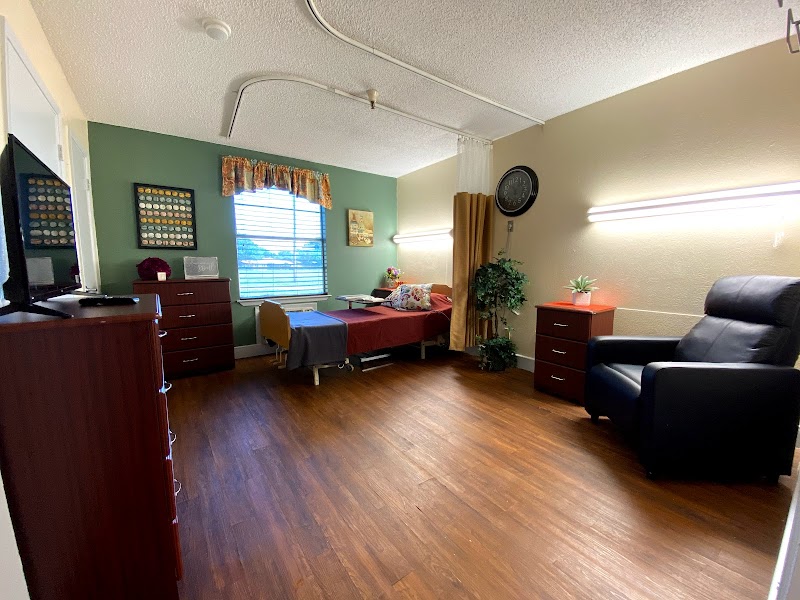
How is Mesquite Tree Nursing Center Staffed?

CMS rates MESQUITE TREE NURSING CENTER's staffing level at 2 out of 5 stars, which is below average compared to other nursing homes. Staff turnover is 47%, compared to the Texas average of 46%. RN turnover specifically is 70%, which is notably high. RNs provide skilled clinical oversight, so turnover in this role can affect medical care quality.

What Have Inspectors Found at Mesquite Tree Nursing Center?

State health inspectors documented 29 deficiencies at MESQUITE TREE NURSING CENTER during 2022 to 2025. These included: 2 Immediate Jeopardy (the most serious level, indicating potential for serious harm or death) and 27 with potential for harm. Immediate Jeopardy findings are rare and represent the most serious regulatory concerns. They require immediate corrective action.

Who Owns and Operates Mesquite Tree Nursing Center?

MESQUITE TREE NURSING CENTER is owned by a for-profit company. For-profit facilities operate as businesses with obligations to shareholders or private owners. The facility is operated by ADVANCED HEALTHCARE SOLUTIONS, a chain that manages multiple nursing homes. With 143 certified beds and approximately 87 residents (about 61% occupancy), it is a mid-sized facility located in MESQUITE, Texas.
How Does Mesquite Tree Nursing Center Compare to Other Texas Nursing Homes?

Compared to the 100 nursing homes in Texas, MESQUITE TREE NURSING CENTER's overall rating (4 stars) is above the state average of 2.8, staff turnover (47%) is near the state average of 46%, and health inspection rating (3 stars) is at the national benchmark.

What Should Families Ask When Visiting Mesquite Tree Nursing Center?

Based on this facility's data, families visiting should ask: "What changes have been made since the serious inspection findings, and how are you preventing similar issues?" "Can you walk me through typical staffing levels on day, evening, and night shifts?" "Can I visit during a mealtime to observe dining assistance and food quality?" "How do you handle medical emergencies, and what is your hospital transfer rate?" These questions are particularly relevant given the facility's Immediate Jeopardy citations and the below-average staffing rating.

Is Mesquite Tree Nursing Center Safe?

Based on CMS inspection data, MESQUITE TREE NURSING CENTER has documented safety concerns. Inspectors have issued 2 Immediate Jeopardy citations (the most serious violation level indicating risk of serious injury or death). The facility has a 4-star overall rating and ranks #1 of 100 nursing homes in Texas. Families considering this facility should ask detailed questions about what corrective actions have been taken since these incidents.

Do Nurses at Mesquite Tree Nursing Center Stick Around?

MESQUITE TREE NURSING CENTER has a staff turnover rate of 47%, which is about average for Texas nursing homes (state average: 46%). Moderate turnover is common in nursing homes, but families should still ask about staff tenure and how the facility maintains care continuity when employees leave.

Was Mesquite Tree Nursing Center Ever Fined?

MESQUITE TREE NURSING CENTER has been fined $26,046 across 2 penalty actions. This is below the Texas average of $33,339. While any fine indicates a compliance issue, fines under $50,000 are relatively common and typically reflect isolated problems that were subsequently corrected. Families should ask what specific issues led to these fines and confirm they've been resolved.

Is Mesquite Tree Nursing Center on Any Federal Watch List?

MESQUITE TREE NURSING CENTER is not on any federal watch list. The most significant is the Special Focus Facility (SFF) program, which identifies the bottom 1% of nursing homes nationally based on persistent, serious quality problems. Not being on this list means the facility has avoided the pattern of deficiencies that triggers enhanced federal oversight. This is a positive indicator, though families should still review the facility's inspection history directly.