TOWN EAST REHABILITATION AND HEALTHCARE CENTER
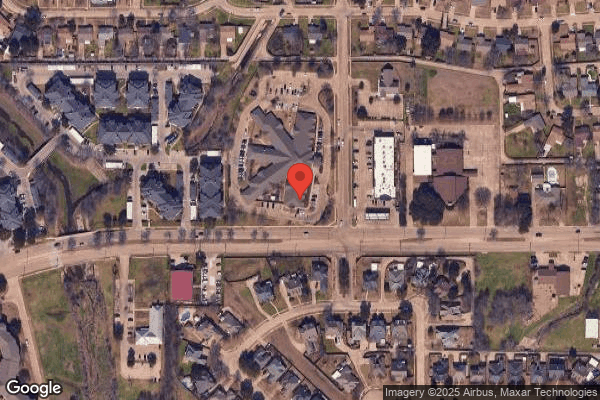
3617 O'HARE DR, MESQUITE, TX 75150 (972) 284-8600
For profit - Partnership 130 Beds Independent Data: November 2025
Trust Grade
70/100
#366 of 1168 in TX
Last Inspection: July 2024

Within standard 12-15 month inspection cycle. Federal law requires annual inspections.

Overview

Town East Rehabilitation and Healthcare Center in Mesquite, Texas, has a Trust Grade of B, indicating it is a good choice, but not without some concerns. It ranks #366 out of 1,168 facilities in Texas, placing it in the top half, and #21 out of 83 in Dallas County, meaning only 20 local options are better. The facility is improving, having reduced issues from 7 in 2024 to 4 in 2025. Staffing is a weak point with a 2-star rating and a turnover rate of 49%, which is slightly below the state average, suggesting some instability. The facility has no fines on record, which is positive, and it offers more RN coverage than many other Texas facilities, ensuring that potential health issues are more likely to be identified. However, recent inspections revealed some concerns, such as residents not receiving their mail on weekends, delays in administering prescribed treatments for a resident, and food safety issues, like the lack of expiration dates on food items and improper hair restraints in the kitchen. Overall, while there are strengths in care and no fines, families should weigh these issues carefully when considering this facility.

Trust Score
B
70/100
In Texas
#366/1168
Top 31%
Safety Record
Low Risk
No red flags
Inspections
Getting Better
7 → 4 violations
Staff Stability
⚠ Watch
49% turnover. Above average. Higher turnover means staff may not know residents' routines.
Penalties
✓ Good
No fines on record. Clean compliance history, better than most Texas facilities.
Skilled Nurses
⚠ Watch
Each resident gets only 22 minutes of Registered Nurse (RN) attention daily — below average for Texas. Fewer RN minutes means fewer trained eyes watching for problems.
Violations
⚠ Watch
22 deficiencies on record. Higher than average. Multiple issues found across inspections.
★★★★☆
4.0
Overall Rating
★★☆☆☆
2.0
Staff Levels
★★★★★
5.0
Care Quality
★★★☆☆
3.0
Inspection Score
Stable
2024: 7 issues
2025: 4 issues

The Good

  • 5-Star Quality Measures · Strong clinical quality outcomes
  • Full Sprinkler Coverage · Fire safety systems throughout facility
  • No fines on record

Facility shows strength in quality measures, fire safety.

The Bad

Staff Turnover: 49%

Near Texas avg (46%)

Higher turnover may affect care consistency

The Ugly 22 deficiencies on record

Jan 2025 4 deficiencies
CONCERN (D) 📢 Someone Reported This

A family member, employee, or ombudsman was alarmed enough to file a formal complaint

Potential for Harm - no one hurt, but risky conditions existed

Deficiency F0558 (Tag F0558)

Could have caused harm · This affected 1 resident

**NOTE- TERMS IN BRACKETS HAVE BEEN EDITED TO PROTECT CONFIDENTIALITY** [Based on observations, interviews, and record review the facility failed to ensure the resident has the right to reside and rec...

Read full inspector narrative →
**NOTE- TERMS IN BRACKETS HAVE BEEN EDITED TO PROTECT CONFIDENTIALITY** [Based on observations, interviews, and record review the facility failed to ensure the resident has the right to reside and receive services in the facility with reasonable accommodation of resident needs and preferences for 1 of 5 residents (Resident #3) reviewed for reasonable accommodation of needs. The facility failed to ensure the call light in resident room used by Resident #3 was always within reach. This failure could place resident at risk of being unable to obtain assistance for activities of daily living or in the event of an emergency. Findings included: Record review of Resident #3's face sheet dated 01/21/2025 reflected she had an original admission date of 06/25/2023, she had a diagnosesis of Hemiplegia and Hemiparesis following Cerebral Infarction affecting left non dominant side ( a condition where a person experience paralysis or significant weakness to one side of the body), Neuromuscular dysfunction of bladder (A condition where the nerves controlling the bladder function are damaged, causing incontinence), need for assistance with personal care. Record review of Resident #3's Quarterly MDS dated [DATE] reflected she had a BIMS score of 14 indicating intact cognition, frequently incontinent to urine and bowel and needed substantial/maximal assistance with lying to sitting on the side of the bed, bed to chair. Record Review of Resident #3's Comprehensive Care Plan dated 06/23/2023 revealed she had an ADL selfcare performance deficit related to stroke, resident was totally dependent on 2 staff for repositioning and turning in bed and required mechanical lift with 2 staff assistance for transfers. Observation and interview on 01/21/2025 at 10:02 AM in Resident #3's room revealed she was lying in her scoop mattress. Resident #3 stated she had a stroke, as a result she was bed bound and she could not use her left arm. Resident stated she used call light to seek for assistance, but she could not find her call light at that time. It was observed the call light was not within reach of the resident and was hanging down towards the floor, from the left side of Resident #3's bed. Resident stated some of the employees did not make sure the call light was pinned to her clothes or was within her reach before they left the room. An interview on 01/21/2025 at 10:54 AM with CNA A revealed she was working at the facility as a PRN (as needed) for 5 months. CNA A stated she was working on the 200 hall that day, she received in services on abuse/neglect, call lights and that she always made sure the call light was within the reach of the resident at all times. She stated before she left the room after providing care to a resident, she made sure the call light was either pinned to the resident's cloth or to the bedsheet. CNA A stated not having call light within reach of the resident would lead to several issues: a resident who wanted to use the rest room might try to get up by themselves and fall, injury, dehydration if they did not get enough water to drink, delay in incontinent care which could lead to skin breakdown. She stated it was the responsibility of all the employees who provided care to the resident to ensure the call light was working and always within the reach of the resident before they left the room. She stated she received in service on call lights within the past one month. An interview and observation on 01/21/2025 at 11:14 AM with CNA B revealed she was working at the facility for 2.5 years; she was working on the 400 hall that day and she provided care to Resident #3 that day. She stated she received in service on abuse, neglect, call lights within the past one month. CNA B stated an example for neglect was when an employee not attending to the resident or not providing care in a timely manner. She stated it was important to make sure the resident's call light was working and was within the reach because someone could be in a distress or having an emergency. Someone might be trying to let the staff know that their roommate had a fall and not having the call light within reach could lead to serious consequences such as fall, injury, skin breakdown. She stated she checked on residents at least every two hours and made sure the call light was within reach of the resident before she left the room. CNA B was invited to Resident #3's room, she observed resident #3's call light was not within the resident's reach, and it was hanging towards the floor towards the left side of the bed. CNA B clipped the call light to Resident #3's cloth. CNA B stated she had changed Resident #3's brief that morning 2 hours ago and the resident had her call light within reach at that time. CNA B stated all the staff who provided care to the resident were responsible to ensure her call light was within reach. An interview on 01/21/2025 at 11:27 AM with LVN K revealed she was working at the facility for 3 months. LVN K stated her expectation from all the employees who provided care to a resident to make sure the call light was always within the reach of that resident. She stated not having a call light within reach could increase the risk of falls, injury and skin damage. She stated she and her employees received in service on call light within the past 1 month. An interview on 01/21/2025 at 01:30 PM with the facility DON revealed she was working at the facility for 9 years. She stated the CNA, nurses and all the employees were responsible to make sure the call light was always within the reach of the resident. She sated having a call light within reach was important for a resident to call for assistance whenever they were in need. She stated the risk for residents to not have a call light within reach were pain, fall, injury, hospitalization and sometimes death. An interview with the facility administrator on 01/21/2025 at 04:06 PM revealed she was working at the facility for a year. She stated all the employees were in serviced on call light every month and after each incident. She stated she expected all the employees to make sure the call light was always within the reach of the resident whether the resident was in the bed, wheelchair or in the bathroom. She stated not having a call light within reach could lead to the risk of residents not able to make the employees aware of resident's needs in a timely manner, it could lead to a fall, injury, distress, potential skin issues. Review of the facility policy titled Answering the call light revised in September 2022 revealed The purpose of this procedure is to ensure timely responses to the resident's requests and needs . 5. Ensure that the call light is accessible to the resident when in bed, from the toilet, from the shower or bathing facility and from the floor.
CONCERN (D) 📢 Someone Reported This

A family member, employee, or ombudsman was alarmed enough to file a formal complaint

Potential for Harm - no one hurt, but risky conditions existed

Comprehensive Care Plan (Tag F0656)

Could have caused harm · This affected 1 resident

**NOTE- TERMS IN BRACKETS HAVE BEEN EDITED TO PROTECT CONFIDENTIALITY** Based on observation, interview, and record review, the facility failed to ensure the comprehensive care plan described the serv...

Read full inspector narrative →
**NOTE- TERMS IN BRACKETS HAVE BEEN EDITED TO PROTECT CONFIDENTIALITY** Based on observation, interview, and record review, the facility failed to ensure the comprehensive care plan described the services that were to be furnished to attain or maintain the resident's highest practicable physical, mental, and psychosocial well-being for 1 (Resident #2) of 9 residents reviewed for comprehensive care plans. The facility failed to care plan Resident #2 for ADLs. This failure could place residents at risk for possible adverse side effects, adverse consequences, and decreased quality of life. Findings include: Record review of Resident #2's Quarterly MDS assessment dated [DATE] reflected Resident #2 was a [AGE] year-old female admitted to the facility on [DATE] with diagnoses of dementia (neurological conditions that cause a decline in mental abilities that affect daily life), cerebrovascular accident (result of disrupted blood flow to the brain due to problems with blood vessels that supply it) with hemiplegia or hemiparesis. She had a BIMS score of 15/15 indicating she was cognitively intact. She was total dependent with personal hygiene and showering ADLs. Record review of Resident #2's Comprehensive Care Plan last revised 10/28/24 reflected the following Resident #2 has limited physical mobility r/t stroke and paralysis on the left side. Goal. The resident will remain free of complications related to immobility, including contractures, Skin breakdown .Intervention. Provide supportive care, . as needed. Further review revealed no indication of ADLs care were documented. Observation/interview on 01/21/25 at 10:39 AM, revealed Resident#2 was lying in bed and had a soft roll measuring six inches in length and two inches wide inside her contracted left hand, no skin issue noticed. Interview with Resident#2 revealed she had a history of stroke with left side paralyzed, and left-hand contraction. She stated they give her the soft hand roll since she was admitted to the facility on [DATE]. Resident#2 further stated the soft hand roll kept her finger from curling inside her hand and hurting her. Interview with the DON on 01/21/25 at 3:10 PM, the DON revealed residents' care plans were completed between herself, and MDS Coordinators. She stated the care plan should be patient centered and reflect the current care needs of the resident to ensure accurate care and resident wishes. In an interview with MDS Coordinator G on 01/21/25 at 2:07 PM, she was asked if Resident #2 had care plans interventions for her ADLs abilities, and her left-hand contraction. After looking, she stated no, none were care planned. MDS Coordinator G stated she was responsible for the care plans. She stated failing to have current and accurate care plans could potentially affect resident care. She stated staff would not know the interventions for the resident, and it could diminish the residents' care. She stated she was not sure how the above areas were missed, but stated she would correct them today. In an interview with MDS Coordinator H over the phone on 01/21/25 at 3:58 PM she stated her job was to assist in certain area of the residents' care plans, like MDS questionnaire, and PASSR. She further stated any care a resident was having should be care planned. Interview with the Administrator on 01/21/25 at 4:29 PM, the Administrator stated all the residents needed their care planned, and it was the responsibility of IDT (interdisciplinary team) , nurses, and therapy services to make sure there was a care plan for all the services rendered to the residents, other ways the residents' needs would not be meet. Review of the facility's policy titled, Care Plans-Comprehensive revised December 2016, reflected, A Comprehensive, person-centered Care Plan that includes measurable objectives and timetables to meet the resident's physical, psychological and functional needs is developed and implemented for each resident .4. Each resident's Comprehensive person-centered Care Plan will be consistent with the resident's rights to . g. Receive the services and/or items included in the plan of care.
CONCERN (D) 📢 Someone Reported This

A family member, employee, or ombudsman was alarmed enough to file a formal complaint

Potential for Harm - no one hurt, but risky conditions existed

ADL Care (Tag F0677)

Could have caused harm · This affected 1 resident

**NOTE- TERMS IN BRACKETS HAVE BEEN EDITED TO PROTECT CONFIDENTIALITY** Based on observation, interview, and record review the facility failed to provide the necessary services for residents who are u...

Read full inspector narrative →
**NOTE- TERMS IN BRACKETS HAVE BEEN EDITED TO PROTECT CONFIDENTIALITY** Based on observation, interview, and record review the facility failed to provide the necessary services for residents who are unable to carry out activities of daily living to maintain good grooming and personal hygiene for 2 (Resident #1, Resident#2) of 9 residents reviewed for ADL's. The facility failed to ensure. 1-Resident#1 had his fingernails trimmed and cleaned. 2-Resident #2 had her fingernails trimmed. These failures could place residents who were dependent on staff for ADL care at risk for loss of dignity, risk for infections and a decreased quality of life. Findings include: Record review of Resident #1's Quarterly MDS assessment dated [DATE] reflected Resident #1 was a [AGE] year-old male admitted to the facility on [DATE] and readmitted on [DATE] with of diagnoses diabetes mellites, hemiplegia or hemiparesis following cerebral infarction (result of disrupted blood flow to the brain due to problems with blood vessels that supply it), and aphasia ( a language disorder that affects the ability to speak) following cerebral infarction. He had a BIMS score of 00/15 indicating he had severe cognitive impairment. Further review revealed he was total dependent for all ADLs. Record review of Resident #1's Comprehensive Care Plan last revised 10/28/24 reflected the following Problem. Resident #1 has an ADL self-care performance deficit r/t hemiplegia impaired balance. Goal. The resident will improve current level of function in through the review date. Intervention. Encourage the resident to participate in the fullest extent Observation/interview on 01/21/25 at 2:49 PM revealed Resident#1 was lying in bed. He was observed to have both hands long fingernails of approximately 0.5 cm. that were dirty . Attempted interview with Resident#1, he could not respond, he had aphasia, and he was able to nod yes or no. He indicated he would like his fingernails trimmed and cleaned. Interview on 01/21/25 at 10:26 AM with CNA C, she looked at Resident#1 fingernail and stated they were dirty and needed to be trimmed. She further stated his fingernails needed good wash, and he could get sick, develop infection, and could also scratch himself. Record review of Resident #2's Quarterly MDS assessment dated [DATE] reflected Resident #2 was a [AGE] year-old female admitted to the facility on [DATE] with diagnoses including dementia (neurological conditions that cause a decline in mental abilities that affect daily life), cerebrovascular accident (result of disrupted blood flow to the brain due to problems with blood vessels that supply it) with hemiplegia or hemiparesis. She had a BIMS score of 15/15 indicating she was cognitively intact. She required moderate assistance with personal hygiene. Record review of Resident #2's Comprehensive Care Plan last revised 10/28/24 reflected the following Resident#2 has limited physical mobility r/t stroke and paralysis on the left side. Goal. The resident will remain free of complications related to immobility, including contractures, Skin breakdown .Intervention. Provide supportive care, . as needed. Observation/Interview on 01/21/25 at 9:18 AM revealed Resident #2 was lying in bed. She was observed with long fingernails of approximately 0.7 cm on both hands, with some of them chipped. Her left hand was contracted with a soft hand roll inside her hand. Interviewed with Resident #2, she stated would like her fingernails trimmed. Interview on 01/21/25 at 10:48 AM with CNA D, she looked at Resident#2 fingernail and stated they were long and some of them were chipped and needed to be trimmed. She further stated the risk to the residents they could scratch them self, and development of infection. Interview on 01/21/25 at 10:53 PM with LVN F, he stated both CNAs and LVNs were responsible for nail care. He stated if a resident had diabetes, only nurses were allowed to trim resident's nails. He stated the risk for not performing nailcare was increased risk of infection and skin break down. Interview on 01/21/25 at 1:49 PM with the DON, she stated her expectation was that nail care should be provided every shower day and as needed. She stated that both CNAs and Nurses were responsible for doing nail care on all residents; except Nurses were responsible for nailcare if resident had diagnosis of diabetes. She also stated that as the DON she conducted spot checks and daily rounds for monitoring. The DON stated residents who had dirty fingernails could be an infection control issue. Record Review of the facility policy titled Fingernails/Toenails Care of revised February 2018 reflected, The purposes of this procedure are to clean the nail bed, to keep nails trimmed, and to prevent infections 1. Nail care includes daily cleaning and regular trimming
CONCERN (D) 📢 Someone Reported This

A family member, employee, or ombudsman was alarmed enough to file a formal complaint

Potential for Harm - no one hurt, but risky conditions existed

Quality of Care (Tag F0684)

Could have caused harm · This affected 1 resident

**NOTE- TERMS IN BRACKETS HAVE BEEN EDITED TO PROTECT CONFIDENTIALITY** Based on observation, interview, and record review, the facility failed to ensure that residents had physician's orders for the ...

Read full inspector narrative →
**NOTE- TERMS IN BRACKETS HAVE BEEN EDITED TO PROTECT CONFIDENTIALITY** Based on observation, interview, and record review, the facility failed to ensure that residents had physician's orders for the resident's immediate care for 1 (Resident #2) of 9 residents observed for physician orders for ADLS. The facility failed to have a physician order for a soft hand roll for the contracted left hand for Resident #2. These failures could place the residents at risk of not receiving necessary care and services that could result in the worsen condition. Findings included: Record review of Resident#2's Quarterly MDS assessment dated [DATE] reflected Resident#2 was a [AGE] year-old female admitted to the facility on [DATE] with diagnoses including dementia (neurological conditions that cause a decline in mental abilities that affect daily life), cerebrovascular accident (result of disrupted blood flow to the brain due to problems with blood vessels that supply it) with hemiplegia or hemiparesis. She had a BIMS score of 15/15 indicating she was cognitively intact. Record review of Resident#2's Comprehensive Care Plan last revised 10/28/24 reflected the following Resident#2 has limited physical mobility r/t stroke and paralysis on the left side. Goal. The resident will remain free of complications related to immobility, including contractures, Skin breakdown .Intervention. Provide supportive care, . as needed. Further review reflected no documentation of Resident#2 left hand contraction and care. Review of Resident #2's Physician's Order on 01/21/25 at 11:03 AM reflected no physician orders for the use of a soft hand roll in the Resident#2 left hand. Review of Resident#2 weekly skin assessment titled N Adv-Skin check dated 01/21/2025 revealed no skin issue in Resident#2 left hand. Observation/interview on 01/21/25 at 10:39 AM, revealed Resident#2 was lying in bed and had a soft roll measuring six inches in length and two inches wide inside her contracted left hand, no skin issue noticed. Interview with Resident#2 revealed she had a history of stroke with left side paralyzed, and left-hand contraction. She stated they give her the soft hand roll since she was admitted to the facility on [DATE]. Resident#2 further stated the soft hand roll kept her fingers from curling inside her hand and hurting her. Interview and observation with CNA E on 01/21/25 at 02:58 PM, she stated she knew Resident#2 had a history of stroke, and the soft roll helped with her left-hand contraction, and she stated the Resident#2 could do a lot for herself. CNA E stated nobody told her about Resident#2's soft hand roll, and that Resident #2 told her about it. Interview with RN I on 01/21/25 at 03:02 PM, she stated Resident#2 always had the soft hand roll in her left contracted hand, and she did not know that Resident#2 was supposed to have and MD order for it. RN I stated the risk to resident with no order was that the staff would not know how to use it, and that may affect the resident. Interview with the DON on 01/21/25 at 3:10 PM, the DON stated they give the soft hand roll to Resident#2 to use it for her left contracted hand on admission. The DON stated they did not know that they had to get an order for the soft hand roll. The DON did not answer the question related to the risk to resident, and stated staff know how to use it. Interview with the PT Director on 01/21/25 at 4:22 PM, she stated for the new admission they do an evaluation of the resident and will give them the soft roll if they need it. She further stated she did not know that they needed an MD order for it, and they put an order for splints. She stated when Resident#2 was admitted to the facility there use to be an organization that comes to the facility and handed the soft hand rolls to residents. She did not answer the question related to the risk to resident. Interview with the Administrator on 01/21/25 at 4:29 PM, the Administrator stated it was the responsibility of the nurse to make sure there was an order for Resident#2's hand roll. The Administrator further stated all the staff should know resident needs for contraction and that it was not progressing. The Administrator sated the staff needed the order to make sure the soft hand roll was applied properly. Review of the facility Physician order policy titled Medication and treatment order revised July 2016 revealed Orders for .and treatments will be consistent with principals of safe and effective order writing.
Jul 2024 6 deficiencies
CONCERN (D) 📢 Someone Reported This

A family member, employee, or ombudsman was alarmed enough to file a formal complaint

Potential for Harm - no one hurt, but risky conditions existed

ADL Care (Tag F0677)

Could have caused harm · This affected 1 resident

**NOTE- TERMS IN BRACKETS HAVE BEEN EDITED TO PROTECT CONFIDENTIALITY** Based on observation, interview, and record review, the facility failed to provide the necessary services for residents who are ...

Read full inspector narrative →
**NOTE- TERMS IN BRACKETS HAVE BEEN EDITED TO PROTECT CONFIDENTIALITY** Based on observation, interview, and record review, the facility failed to provide the necessary services for residents who are unable to carry out activities of daily living to maintain good grooming and personal hygiene for 2 (Resident #66, Resident #80) of 8 residents reviewed for quality of life. The facility failed to ensure: 1- Resident #66 had his fingernails cleaned and trimmed. 2- Resident #80 had his fingernails cleaned and trimmed. This failure could place residents who were dependent on staff for ADL care at risk for loss of dignity, risk for infections and a decreased quality of life. Findings include: 1. Record review of Resident #66's Quarterly MDS assessment dated [DATE] reflected Resident #66 was a [AGE] year-old male admitted to the facility on [DATE]. His diagnoses included cerebral infarction (occurs because of disrupted blood flow to the brain due to problems with the blood vessels that supply it), need for assistance with personal care, and cognitive communication deficit. Resident #66 had a BIMS score of 00 which indicated Resident #66 was unable to complete the interview , which indicated Resident #66's cognition was severely impaired. Resident #66 required assistance with personal hygiene. Review of Resident #66's Comprehensive Care Plan, revised 04/22/24, reflected the following: Problem: [Resident #66] has an ADL self-care performance deficit related to cerebral Infarction. Goal: [Resident #66] will maintain current level of function. Interventions: . check nails' length and trim and clean on bath day and as needed. Report any changes to the nurse. An observation on 07/09/24 at 10:40 AM revealed Resident #66 was lying in his bed. His right hand was contracted, and the nails were approximately 0.7 cm. The nails on the left hand were approximately 0.3 centimeter in length extending from the tip of his fingers and the underside had dark brown colored residue. Resident #66 was unable to answer questions. 2. A record review of Resident #80's Quarterly MDS assessment dated [DATE] reflected Resident #80 was a [AGE] year-old male admitted to the facility on [DATE] with diagnoses included dementia, lack of coordination, and muscle weakness. Resident #80 had a BIMS score of 10 which indicated Resident #80's cognition was moderately impaired. He required moderate assistance with personal hygiene. A record review of Resident #80's Comprehensive Care Plan, revised 02/24/24, reflected the following: Focus: [Resident #80] has an ADL self-care performance deficit. Goal: [Resident #80] will improve current level of function in through the review date. Interventions: . check nails' length and trim and clean on bath day and as needed. Report any changes to the nurse. An observation and interview on 07/09/24 at 10:58 AM revealed Resident #80 was laying in his bed. The nails on both hands were approximately 0.3 centimeter in length extending from the tip of his fingers and the underside had dark brown colored residue. Resident #80 did not like his fingernails long and dirty. In an interview with LVN A on 07/09/24 at 11:00 AM, he stated both CNAs and LVNs were responsible for nail care. He stated if a resident had diabetes, only nurses were allowed to trim resident's nails. He stated the risk for not performing nailcare was increased risk of infection and skin break down. He offered to clean and trim both residents' fingernails after the interview. In an interview on 07/11/24 at 8:50 AM with the DON revealed her expectation was that nail care should be provided every shower day and as needed. She stated that both CNAs and Nurses were responsible for doing nail care on all residents; except Nurses were responsible for nailcare if resident had diagnosis of diabetes. She also stated that as the DON she conducted spot checks and daily rounds for monitoring. The DON stated residents who had dirty fingernails could be an infection control issue. Record Review of the facility policy titled Fingernails/Toenails Care of revised February 2018 reflected, The purposes of this procedure are to clean the nail bed, to keep nails trimmed, and to prevent infections 1. Nail care includes daily cleaning and regular trimming
CONCERN (D) 📢 Someone Reported This

A family member, employee, or ombudsman was alarmed enough to file a formal complaint

Potential for Harm - no one hurt, but risky conditions existed

Pharmacy Services (Tag F0755)

Could have caused harm · This affected 1 resident

Based on observation, interview, and record review, the facility failed to provide pharmaceutical services, including procedures that assure the accurate acquiring, receiving, dispensing, and administ...

Read full inspector narrative →
Based on observation, interview, and record review, the facility failed to provide pharmaceutical services, including procedures that assure the accurate acquiring, receiving, dispensing, and administering of all drugs and biologicals, to meet the needs of each resident for 1 (Nurses cart hall 400) of 4 medication carts reviewed for pharmacy services. The facility failed to ensure LVN B, responsible for Nurses Cart Hall 400, removed medications in unsecure containers from the Nurses Cart. This failure could place residents at risk of not having the medication available due to possible drug diversion and at risk of not receiving the intended therapeutic benefit of the medication. Findings Included: Record review and observation on 07/09/24 at 9:27 AM of Nurses Cart Hall 400, with LVN B revealed the blister pack for Resident #55's lorazepam 1 mg tablet (controlled medication used for anxiety) had 1 blister seal broken and the pill still inside the broken blister and tapped over. Also, the blister pack for Resident #75's tramadol 50 mg tablet (controlled medication used for pain) had 1 blister seal broken and the pill still inside the broken blister. In an interview on 07/09/24 at 9:35 AM, LVN B stated the count was done at shift change and the count was correct. She stated she did not check the blister packs during the count. She stated she was unaware when the blister pack seal was broken, and she was not aware of who might have damaged the blister. She stated the risk would be a potential for drug diversion. She stated the nurses and med aides were responsible to check the medication blister packs for broken seals during the count of narcotics during the change of the shift. She stated when a broken seal was observed, she would report it to the DON and would discard the pill with another nurse. In an interview on 07/11/24 at 8:50 AM, the DON stated she expected if a blister pack medication seal was broken, the pill should be discarded. The DON stated it would not be acceptable to keep a pill in a blister pack that was opened. The DON stated the risk would be potential for drug diversion and infection control issue. She stated nurses were responsible for checking the medication blister packs for broken seals during the count on the change of shifts. The DON stated the ADON and the DON were supposed to check the carts weekly. Record review of the facility's policy Medication Labeling and Storage revised February 2023, reflected the following: . 3. If the facility has discontinued, outdated or deteriorated medications or biologicals, the dispensing pharmacy is contacted for instructions regarding returning or destroying these items .
CONCERN (E) 📢 Someone Reported This

A family member, employee, or ombudsman was alarmed enough to file a formal complaint

Potential for Harm - no one hurt, but risky conditions existed

Deficiency F0576 (Tag F0576)

Could have caused harm · This affected multiple residents

Based on interview and record review, the facility failed to promote the residents' right to receive mail, for all facility residents, in that, The facility failed to distribute mail to residents on S...

Read full inspector narrative →
Based on interview and record review, the facility failed to promote the residents' right to receive mail, for all facility residents, in that, The facility failed to distribute mail to residents on Saturdays. This failure could place residents at risk of not receiving mail in a timely manner and could result in a decline in resident's psychosocial well-being and quality of life. Findings include: During a confidential group interview on 07/10/24 at 10:02 am, 5 of 5 residents stated that mail was only delivered Monday through Friday, when the facility's business office was opened and not on weekends. An interview with the [NAME] Director on 07/10/24 at 2:34 pm, revealed she distributed mail Monday-Friday, and the weekend Receptionist distributed the mail on weekends. She stated the Mail Carrier might leave the mail in a lock box outside which required a key to unlock. She said she had a key to unlock the lock box but was unsure if the Receptionist had a key. An interview with the Administrator on 07/10/24 at 11:20 am, revealed she wasn't aware residents weren't receiving mail on weekends. She stated the weekend receptionist did not have a key to the lockbox outside where mail was delivered. She stated mail was not retrieved and distributed on Saturdays. Record review of the facility's Mail and Electronic Communication: Policy Interpretation and Implementation, revised May 2017, revealed, Mail and packages will be delivered to the resident within twenty-four (24) hours of delivery on premises or to the facility's post office box (including Saturday deliveries).
CONCERN (E) 📢 Someone Reported This

A family member, employee, or ombudsman was alarmed enough to file a formal complaint

Potential for Harm - no one hurt, but risky conditions existed

Quality of Care (Tag F0684)

Could have caused harm · This affected multiple residents

**NOTE- TERMS IN BRACKETS HAVE BEEN EDITED TO PROTECT CONFIDENTIALITY** Based on observations, interviews, and record review, the facility failed to ensure that residents receive treatment and care in...

Read full inspector narrative →
**NOTE- TERMS IN BRACKETS HAVE BEEN EDITED TO PROTECT CONFIDENTIALITY** Based on observations, interviews, and record review, the facility failed to ensure that residents receive treatment and care in accordance with professional standards of practice for 1 (Resident #2) of 6 residents reviewed for quality of care. 1.The facility failed to promptly test Resident #2 for COVID 19 when nurse practitioner ordered the test on [DATE] until [DATE]. 2. The facility failed to follow nurse practitioner order for nasal spray for Resident #2 on [DATE], [DATE], and [DATE]. These failures could place residents at risk for not receiving or experiencing a delay in treatment or not having health conditions identified promptly. Findings included: Review of Resident #2's comprehensive MDS assessment dated [DATE] reflected a [AGE] year-old female admitted to the facility on [DATE]. The resident was cognitively intact with a BIMS score of 15 and diagnoses of unspecified sequalae of unspecified cerebrovascular disease (a group of conditions that affect blood flow and the blood vessels in the brain), hypertension (high blood pressure), and hyperlipidemia (high levels of fats in blood). Review of Resident #2's progress notes revealed a Physician Progress Note by the Nurse Practitioner (NP) L with a date of service of [DATE] reflected resident had nasal congestion and there was a new order for Flonase. Review of Resident #2's orders revealed an order with an order date of [DATE] and start date of [DATE] by communication method Prescriber Written reflected, Please test to rule out COVID. One time only for 3 days. Review of Resident #2's orders revealed an order dated [DATE] with a start date of [DATE] by communication method Prescriber Written reflected, Fluticasone Propionate Nasal Suspension 50 MCG/ACT (Fluticasone Propionate (Nasal)) 1 application in both nostrils one time a day for nasal congestion for 7 days. Review of Resident #2's July TAR reflected no order for nasal spray for Resident #2. Review of Resident #2's July MAR reflected an order for nasal spray for Resident #2 with a start date of [DATE] and showed not given on date [DATE] or [DATE] and initialed as given by CMA I on [DATE]. Interview and observation on [DATE] at 11:09 AM revealed Resident #2 sitting in a wheelchair in her room and stated she was not feeling well; she had some nasal congestion and a slight cough. Resident #2 stated she thought she had a cold. Interview on [DATE] at 1:24 PM with LVN A stated he was not sure if Resident #2 had an order for a COVID test or if she had been given the test yet. LVN A looked at the orders for Resident #2 and stated that there was an order dated [DATE] and it was categorized incorrectly under laboratory services and should have been under nursing services which meant it was not added automatically to the TAR. LVN A stated that the order expired on [DATE] so he still had time to complete the order. LVN A stated there was not a risk to residents by not having completed the test yet because there was no COVID on the hall. Interview on [DATE] at 1:30 PM with Resident #2 revealed she was not tested for COVID-19. Interview on [DATE] at 2:55 PM with CMA I revealed he saw the nasal spray order for Resident #2 in the MAR but he could not give nasal spray to residents; only a nurse could. So he did not give it to the resident and told a nurse; could not remember which nurse. CMA I stated that he did not give any doses of nasal spray to Resident #2. Interview on [DATE] at 3:12 PM with NP L revealed she was the pulmonary nurse practitioner and recently started working at the facility. NP L stated she saw Resident #2 on [DATE] and ordered the COVID-19 test and nasal spray because the resident complained of nasal congestion and had a slight cough. NP L stated she entered the orders in herself. She stated she expected the COVID-19 test to be done the same day it was ordered and for the nasal spray order to be followed as ordered. NP L stated the risk to residents of not following the order promptly was spread of illnesses or a resident might not be provided prompt treatment. Interview on [DATE] at 3:50 PM with the DON revealed CMAs were not allowed to give nasal sprays, only eye drops, and the order should be in the TAR not in the MAR. The DON stated she did not know Resident #2 had an order for a COVID test until [DATE] and she immediately tested the resident. The DON stated NP L started working at the facility in June of 2024 when the DON was on maternity leave and when NP L put the orders in for Resident #2 she selected the wrong categorization which resulted in the order for COVID-19 test not transferring over to the MAR or TAR. The DON stated NP L also categorized the nasal spray order incorrectly which resulted in it showing up in the MAR instead of the TAR. The DON stated that NP L started working at the facility when she was on maternity leave, and she typically educated all new nurse practitioners personally and was not sure why NP L had not been informed of the proper process. The DON stated she immediately educated NP L on the correct way to enter orders in their system. The DON stated that she also educated the two ADON's to ensure they knew to educate all new nurse practitioners of the proper process for entering orders at their facility if the DON was not at the facility to do it herself. Review of the facility's medication and treatment orders policy titled Medication and Treatment Orders, dated 2001 and revised [DATE], reflected Orders for medications and treatments will be consistent with principles of safe and effective order writing. Review of the facility's administering medications policy titled Administering Medications, dated 2001 and revised [DATE], reflected Medications are administered in a safe and timely manner, and as prescribed . 21. If a drug is withheld, refused, or given at a time other than the scheduled time, the individual administering the medication shall initial and circle the MAR space provided for that drug and dose.
CONCERN (E) 📢 Someone Reported This

A family member, employee, or ombudsman was alarmed enough to file a formal complaint

Potential for Harm - no one hurt, but risky conditions existed

Food Safety (Tag F0812)

Could have caused harm · This affected multiple residents

Based on observations, interviews, and record review, the facility failed to store, prepare, distribute, and serve food in accordance with professional standards for food service safety for the facili...

Read full inspector narrative →
Based on observations, interviews, and record review, the facility failed to store, prepare, distribute, and serve food in accordance with professional standards for food service safety for the facility's only kitchen in that: The facility failed to ensure potato rolls in the walk-in refrigerator had expiration date. The facility failed to ensure Dietary Aide F and Assistant Dietary Manager used appropriate hair restraints in the kitchen. These failures could affect residents who received their meals from the facility's only kitchen, by placing them at risk for food-borne illness, and food contamination. Findings included: Observation on 7/9/24 at 9:41 AM of facility's walk-in refrigerator revealed a packet of potato rolls that did not had an expiration date. Observation on 7/10/24 at 11:30 AM of the lunch meal service revealed Dietary Aide F and Assistant Dietary Manager failed to wear appropriate hair restraint inside the kitchen prep and serving area. Dietary Aide F had long hair with braids. Dietary Aide F had hair restraint on half of his head, which exposed his braids and were not secured under the restraint. Observation revealed Dietary Aide F performed tasks in the kitchen prep area that included handling washed utensils with improper hair restraint. The Assistant Dietary Manager had a hair restraint covering her head partially with strands of hair in the back loose without securing it properly under the hair restraint. It was observed that the assistant dietary manger was scooping up potato salad in individual bowls with improper hair restraint. In an interview on 7/10/24 at 12:07 PM with Dietary Aide F revealed he had worked in the facility for three years. He stated that hair restraints should be worn in the kitchen to prevent hair from falling in the food. He stated that he had long hair and braided it. He stated he knew that all the hair should be appropriately restrained within the hair restraint, and he may have missed it to tuck his braids under the hair restraint. He stated that he should have checked if all his hair was tucked under the hair net and failure to do so could lead to hair in resident's food causing cross contamination and possibly of residents getting sick. In an interview on 7/10/24 at 12:15 PM with [NAME] G stated that everyone who worked in the kitchen should wear appropriate hair restraint. She stated that she had often seen Dietary Aide F and the Assistant Dietary Manager not wearing hair restraints in a manner that covered all the hair. She stated failure to wear appropriate hair restraints in the kitchen could lead to cross contamination and the possibility of getting residents sick. She stated that it was the responsibility of the cooks, the assistant dietary manager, and the dietary manger to date all food items. She stated it was her first day back in the kitchen after a two-day break and did not know about undated potato rolls. She stated that she usually dated food items with expiry date in the kitchen walk-in refrigerator and had received Inservice about the same. In an interview on 7/10/24 at 12:22 PM with the Assistant Dietary Manager revealed she had been working in the facility for the last 16 years. She stated she was aware that appropriate hair restraints were always needed in the kitchen. She stated that she had long hair with bangs and thought she covered most of her hair but did not checked to see that the back of her hair was let loose and not properly secured under the hairnet. She said she should have ascertained that all her hairs were secured under the hair restraint while prepping and serving food because it could pose a risk to the resident by cross contamination. She stated that everyone in the kitchen was responsible for dating food items. She stated that the breads were usually dated with an expiration date. However, she was not aware why the potato rolls in the walk-in refrigerator was not dated with an expiration date. She stated the risk of not dating the foods in the kitchen appropriately could risk the residents being sick with food borne illness. In an interview on 7/10/24 at 12:32 PM with the Dietary Manager revealed that it was his expectation that all kitchen staff should be wearing hair restraints appropriately while working in the kitchen. He stated he will provide in-service to kitchen staff about wearing appropriate hair restraints. He also stated that everyone working in the kitchen, especially cooks, were responsible for dating food items, and it was his expectation that all facility policies regarding food dating and labeling were followed. He stated potato rolls were received frozen and were pulled to thaw and placed in the refrigerator . He stated the cooks should had dated the Potato rolls with a pull date (the date when food items are taken out of the freezer and placed in the refrigerator to thaw) as well as an expiration date. He stated failure to wear appropriate hair restraint and date food items with the expiration date, both could cause risk to the residents by cross contamination of foods and possible food borne illness. Record review of the facility policy titled Food Safety and Sanitation dated 2019, reflected, Policy: All local, state and federal standards and regulations will be followed in order to assure a safe and sanitary food and nutrition services department .Employees are required to have their hair styled so that it does not touch the collar, and to wear clean aprons, clothes and shoes Hair restraints are required and should cover all hair on the head. [NAME] nets are required when facial hair is visible . Record review of the facility policy titled Food Storage dated 2019, reflected, . Food should be dated as it is placed on the shelves if required by state regulation. Review of the Food and Drug Administration Food Code, dated 2022, reflected, 2-402.11 Effectiveness. (Hair Restraints) .1. Code of Federal Regulations, Title 21, Sections 110.10 Personnel. (b) (1) Wearing outer garments suitable to the operation (4) Removing all unsecured jewelry (6) Wearing, where appropriate, in an effective manner, hair nets, head bands, caps, beard covers, or other effective hair restraints. (8) Confining .eating food, chewing gum, drinking beverages or using tobacco and (9) Taking other necessary precautions Review of the Food and Drug Administration Food Code, dated 2022, reflected, .3-302.12 Food Storage Containers, Identified with Common Name of Food. Except for containers holding food that can be readily and unmistakably recognized such as dry pasta, working containers holding food, or food ingredients that are removed from their original packages for use in the food establishment, such as cooking oils, flour, herbs, potato flakes, salt, spices, and sugar shall be identified with the common name of the food 3-305.11 Food Storage.(B) .refrigerated, ready-to eat time/temperature control for safety food prepared and packaged by a food processing plant shall be clearly marked, at the time the original container is opened in a food establishment and if the food is held for more than 24 hours, to indicate the date or day by which the food shall be consumed on the premises, sold, or discarded, based on the temperature and time combinations specified in (A) of this section and: (1) The day the original container is opened in the food establishment shall be counted as Day 1; and (2) The day or date marked by the food establishment may not exceed a manufacturer's use-by date if the manufacturer determined the use-by date based on food safety
CONCERN (E) 📢 Someone Reported This

A family member, employee, or ombudsman was alarmed enough to file a formal complaint

Potential for Harm - no one hurt, but risky conditions existed

Infection Control (Tag F0880)

Could have caused harm · This affected multiple residents

**NOTE- TERMS IN BRACKETS HAVE BEEN EDITED TO PROTECT CONFIDENTIALITY** Based on observation, interview, and record review, the facility failed to maintain an infection control program designed to pre...

Read full inspector narrative →
**NOTE- TERMS IN BRACKETS HAVE BEEN EDITED TO PROTECT CONFIDENTIALITY** Based on observation, interview, and record review, the facility failed to maintain an infection control program designed to prevent the development and transmission of infection for the residents in the facility. 1) The facility failed to implement the measure stated in their Water Management Program policy to prevent the Legionella bacteria growth in their water system. 2) The facility failed to ensure CNA H put on appropriate PPE before entering and exiting Resident #48's room, who was on isolation precautions for COVID-19. These failures placed residents at risk for contacting Legionella bacterial infection through the water system, and could place residents at risk for illness and infection. Findings include: 1) Record review of the facility monthly water maintenance dated June 2024 and July 2024 revealed there was no testing for legionella bacteria growth in the facility water system. Interview with the Administrator and the facility Operational Director on 07/10/24 at 7:46 AM revealed there was no water testing for legionella bacteria growth in the facility water system. The Administrator and the Operational Director stated the Water Management Program consisted of flushing the water pipelines to prevent water stagnation in none used water outlets in the facility. On 07/10/2024 at 07:56 AM interview with the Operating Director and the Administrator revealed if there was a vacant room, the maintenance staff would run the water for about one minute. The Administrator stated there was a risk of the growth of Legionella in the water system. She stated residents could get sick if they contacted legionella bacterial infection and could send residents to hospital. The Operating Director stated in order further to prevent Legionella bacteria growth in the water pipes in the facility, the facility implemented flushing and running water in vacant rooms to prevent water stagnation. The Operating Directer stated no test had been done to make sure that there was no growth of Legionella. Review of the Facility Water Management Program (WMP) dated June 2024 and July 2024 revealed a monthly log of the areas the maintenance staff ran the water in for one minute. On July 01, 2024, it was done in 200 Hall soiled Utility Hopper, and the laundry room hopper. On June 14, 2024, it was done in 200 Hall soiled Utility Hopper, the laundry room hopper, and rooms 111, 405, 212, 306. Review of the facility Policy titled Legionella Water Management Program revised July 2017 revealed: 3. The purposes of the Water Management Program are to identify areas in the water system where legionella bacteria can grow and spread, and to reduce the risk of Legionella's disease. 4. The water management program used by our facility is based on the Centers for Disease Control and Prevention and ASHRAE recommendations for developing a Legionella water management program 5 . e. Specific measures used to control the introduction and/or spread of Legionella ( e.g., temperature, disinfectants); f. The control limits or parameters that are acceptable and that are monitored; g. A diagram of where control measures are applied; h. A system to monitor control limits and the effectiveness of control measures; i. A plan for when control limits are not met and/or control measures are not effective; and J. Documentation of the program. 6. The water Management Program will be reviewed at least once a year, or sooner if any of the following occur: a. The control limits are consistently not met; b. There is a major maintenance or water service change; . 2) Review of Resident #48's comprehensive MDS assessment dated [DATE] reflected a [AGE] year-old male admitted to the facility on [DATE] and readmitted on [DATE]. Resident was cognitively intact with a BIMS score of 15 and diagnoses of heart failure, type-2 diabetes (a condition that impacts the regulation of glucose), chronic obstructive pulmonary disease (lung disease that causes restricted airflow), dependence on supplemental oxygen, and hyperlipidemia (high fat levels in blood). Review of Resident #48's orders revealed an order start date of 07/08/2024 reflected was on airborne precautions for 10 days due to COVID-19 with an end date of 07/18/2024. Observation and interview with ADON J on 07/09/2024 at 11:08 AM revealed Resident #48's room had a sign on the door that indicated there were airborne infection precautions for the resident's room which included performing hand hygiene and putting on Personal Protective Equipment (PPE) which included gown, hair net, mask, face shield, gloves, and shoe coverings. ADON J stated Resident #48 was on airborne precautions and the purpose of wearing the PPE was to cut down on transmission of communicable diseases. She stated that there was a big risk to residents by not wearing the proper PPE because it could spread illness to other residents. Interview and observation on 07/09/2024 at 1:20 PM revealed CNA H entered Resident #48's room wearing a mask and gloves and set a black yeti cup on his bedside table then exited Resident #48's room and disposed of the gloves and sanitized her hands. CNA H stated that if she just was dropping off a cup of ice to a resident she did not have to put on all the PPE and would gown up if she provided direct care. Interview and observation on 07/09/2024 at 1:25 PM revealed Resident #48 was sitting up in bed, wearing a hospital gown and a nasal cannula with oxygen watching television. Resident #48 stated he had COVID-19 and staff wore PPE when they came in his room. In an interview on 07/10/2024 at 12:39 PM with ADON J she stated she put on all the PPE that was noted on the sign and that staff were expected put on all the PPE, including hair net, shoe coverings, face shield, gloves, gown, and mask. ADON J stated that all staff are told upon starting shift and during morning meetings of residents on isolation precautions and what the expectations were for staff. ADON J stated it was important to wear all the PPE to protect herself and other residents from communicable diseases, illness, and infection. In an interview on 07/11/2024 at 10:35 AM CNA H stated that she had worked at the facility for about six months and did not recall any recent in-services about infection control or about residents on isolation precautions. CNA H stated she was wearing gloves and an N95 mask and took Resident #48's cup to get ice and made sure to never let the ice scoop touch the cup. CNA H stated that when she delivered food trays she put on all PPE including a gown, booties, mask, face shield, and gloves with assistance by other staff member to hand her the tray and would discard all the PPE before leaving the room. She stated she wasn't sure what the expectation was for staff when they entered a resident on isolation precautions if they weren't providing direct patient care. CNA H stated that she thought it was okay to enter Resident #48's room without putting on all the PPE noted on the sign to set a cup of ice at resident's bedside tray because it was a quick task and did not involve direct patient care. Interview on 07/11/2024 at 10:50 AM with the DON revealed she was the infection preventionist. The DON stated CNA H should have put on all the PPE noted on the sign before entering Resident #48's room and had been trained on isolation precautions. The DON stated that the team had a verbal reminder on 07/06/2024 about wearing PPE and did not have documentation because she did not have staff sign any sheets. The DON stated the cart with PPE by the resident's door and the sign on the door should have also indicated to CNA H what was expected and that all staff were required to follow the isolation protocol and gown up no matter what care they provided to the resident. The DON stated she would speak with CNA H immediately about PPE expectations. Review of CNA H employee file revealed document dated 01/04/2024 titled Subject: Nursing Services-Competency Evaluation for the skill of Isolation Care and signed by ADON J and CNA H that CNA H met all criteria. Review of the facility's infection control guidelines policy titled Infection Control Guidelines for All Nursing Procedures dated 2001 and revised August 2012 reflected .2. Transmission-Based Precautions will be used whenever measures are more stringent than Standard Precautions are needed to prevent the spread of infection .
Apr 2024 1 deficiency
CONCERN (D) 📢 Someone Reported This

A family member, employee, or ombudsman was alarmed enough to file a formal complaint

Potential for Harm - no one hurt, but risky conditions existed

Deficiency F0761 (Tag F0761)

Could have caused harm · This affected 1 resident

**NOTE- TERMS IN BRACKETS HAVE BEEN EDITED TO PROTECT CONFIDENTIALITY** Based on observation, interview, and record review, the facility failed to ensure, in accordance with State and Federal laws, al...

Read full inspector narrative →
**NOTE- TERMS IN BRACKETS HAVE BEEN EDITED TO PROTECT CONFIDENTIALITY** Based on observation, interview, and record review, the facility failed to ensure, in accordance with State and Federal laws, all drugs and biologicals were stored in locked compartments for 1(Resident #1) of 1 resident reviewed for storage of medication. The facility failed to ensure Resident #1's Fluticasone Propionate (Nasal spray) and Trelegy Ellipta Inhalation Aerosol Powder (Inhaler) were not stored at the resident's bedside table and not secured in the medication cart or medication room. This failure could place residents at risk of overdosing. Findings included: Review of Resident #1's face sheet, dated 04/20/24, revealed the resident was an [AGE] year-old female with an admission date of 08/02/21. Resident #1's diagnoses which included Type 2 diabetes mellitus (an impairment in the way the body regulates and uses sugar) and chronic respiratory failure (happens when the airways that carry air to lungs become narrow and damaged). Review of Resident #1's MDS quarterly Assessment, dated 04/12/24, revealed a BIMS score of 10, indicating moderate cognitive impairment. Review of Resident #1's care plan dated 01/10/24, reflected: Problem: Category: shortness of breath rule out chronic obstructed pulmonary disease. Resident takes ellipta and fluticasone propionate spray for allergies . Goal: Resident will remain free from complications of asthma through the review date. Intervention: Administer medications as ordered, monitor/document for side effect, effectiveness. Resident #1's care plan did not reflect anything regarding being able to self-administer any medications. Review of Resident #1's physician order, dated 12/13/23, revealed she had an order for Fluticasone Propionate Nasal Suspension 50 mcg/act (Fluticasone Propionate (Nasal) 2 sprays in each nostril one time a day for allergy) at 8:00AM. Review of Resident #1's physician order dated 07/25/23 revealed Resident #1 had an order for Trelegy Ellipta Inhalation Aerosol Powder Breath Activated 100-62.5-25 mcg/act (Fluticasone-Umeclidinium-Vilanterol) 1 puff inhale orally one time a day for COPD (a group of diseases that cause airflow blockage and breathing-related problems) at 8:00 AM. Observation and interview on 04/20/24 at 9:12 AM revealed Resident #1 in her room, laying on her bed. There were 2 boxes, 1 with nasal spray of Fluticasone Propionate 50 mcg spray and another with Trelegy Ellipta Inhalation Aerosol Powder Breath Activated 100-62.5-25 mcg/act on resident's bedside table. Resident #1 stated a nurse left the 2 inhalers on her table yesterday in the morning. She stated the nurses provide them to her every morning. She said she was unable to recall the nurses' names. She stated she had not used the inhalers since yesterday. Interview on 04/20/24 at 10:25 AM with LVN A revealed he was the nurse assigned to Resident #1. LVN A stated he was in Resident #1's room earlier and did not see any medications in the room. He stated all medications needed to be secured to ensure the resident's safety. He said anyone could take the unsecured medications resulting in overdose or negative side effect. LVN A stated if Resident #1 is not care planned or did not have an order to self-administer nasal spray, the risk for leaving medications in the room could lead to resident over medicating or another resident taking them. Interview on 04/21/24 at 3:36 PM with the DON revealed she did not have any residents who were able to self-administer medications. She stated she has addressed the concerns with her staff and made sure they remove any medications left in resident rooms. She stated Resident #1 should not have had nasal spray in her room. The DON stated the risk of leaving medication in rooms was that it could lead to another resident taking the medication or the resident not taking the medication as ordered. She stated she had done in-services with the staffs on medication administration at the beginning of the month. Review of the facility in-services revealed the facility offered training titled do not for any reason leave medications in a resident room on 04/04/24. Review of the facility's Self-Administration of Medications policy, revised January 2021, reflected: .any medication found at the bedside that are not authorized for self-administration are turned over to the nurse in charge
May 2023 10 deficiencies
CONCERN (D)

Potential for Harm - no one hurt, but risky conditions existed

Resident Rights (Tag F0550)

Could have caused harm · This affected 1 resident

**NOTE- TERMS IN BRACKETS HAVE BEEN EDITED TO PROTECT CONFIDENTIALITY** Based on observation, interview and record review, the facility failed to treat each resident with respect and dignity and care ...

Read full inspector narrative →
**NOTE- TERMS IN BRACKETS HAVE BEEN EDITED TO PROTECT CONFIDENTIALITY** Based on observation, interview and record review, the facility failed to treat each resident with respect and dignity and care for each resident in a manner and an environment that promotes maintenance or enhancement of his or her quality of life recognizing each resident's individuality for one (Resident #39) of 17 residents reviewed for resident rights. The facility failed to ensure MA C respected Resident # 39's wishes for him to wait before entering resident's room. This failure placed residents at risk of feeling disrespected and having their request unheard. Findings included: Review of Resident #39's Quarterly MDS assessment dated [DATE] reflected the resident was a [AGE] year-old female admitted to the facility on [DATE]. Resident #39 had a BIMS score of 15 which indicated she was cognitively intact, had clear speech and was able to express ideas and wants both verbal and with non-verbal expressions. Active diagnoses included diabetes, anxiety, and depression. During an interview on 05/10/23 at 3:25 p.m. with Resident #39 in her room, MA C was observed knocking on the resident's door and entered the room. Resident #39 asked MA C to please come back and stated, I am talking with someone very important, MA C continued coming into the room and stated, I just have to tell your roommate something, MA C proceeded past Resident #39 and went to speak with the roommate. Resident #39 frowned and stated, that irritates me so much, MA C left the room and shut the door. Approximately 5 minutes later, MA C once again knocked on the door and entered the room. Resident #39 once again asked if he would wait. MA C continued into the room and handed Resident #39 her medications with a cup of water. Resident # 39 took the medications, and stated to MA C, this could have waited, MA C continued to stand by the resident until she had taken her medications, and then left the room. Resident #39 stated she felt very frustrated and felt the staff does not listen to her and the other residents and felt disrespected. In an interview with MA C on 05/10/23 at 3:35 p.m., he stated he did not hear Resident #39 ask him to come back when he first entered the room to speak to the roommate. When asked about the second time he entered the resident's room with her medication and she asked him to come back, he stated the resident was very adamant about getting her medications on time so he felt it was important for him to come in and give her medications so they would be on time. In an interview with the Administrator on 05/10/23 at 3:40 p.m. she stated the staff were to always respect the resident's wishes if they asked for them to wait before entering their rooms. She stated MA C should have stepped out of the room when the resident had asked him both times to wait and come back. She stated this was the Resident's home and the staff should respect the resident's wishes. In an interview with the DON on 05/11/23 at 9:00 a.m. she stated it was the expectation for all staff to respect the residents wishes. She stated MA C should have left the resident's room when she asked him to come back. She stated by ignoring the resident's request could make them feel disrespected. Review of the facility's policy titled, Resident Rights, dated February 2021, reflected, Employees shall treat all resident with kindness, respect, and dignity .Federal and state laws guarantee certain basic rights to all residents of this facility. These rights include the resident's right to .be treated with respect, kindness, and dignity .exercise his or her rights without interference, coercions, discrimination, or reprisal from the facility .
CONCERN (D)

Potential for Harm - no one hurt, but risky conditions existed

Deficiency F0552 (Tag F0552)

Could have caused harm · This affected 1 resident

**NOTE- TERMS IN BRACKETS HAVE BEEN EDITED TO PROTECT CONFIDENTIALITY** Based on interview and record review, the facility failed to ensure residents had the right to be fully informed of his or her t...

Read full inspector narrative →
**NOTE- TERMS IN BRACKETS HAVE BEEN EDITED TO PROTECT CONFIDENTIALITY** Based on interview and record review, the facility failed to ensure residents had the right to be fully informed of his or her total health status, including but not limited to, his or her medical condition for 1 (Resident #50) of 24 residents reviewed for residents' rights. The facility failed to ensure Resident #50 was informed of his x-ray results on 05/01/23 and 05/03/23. The failure could place the residents at risk of not being to make informed decisions regarding their care. Findings included: Record Review of Resident #50's face sheet dated 05/11/23 reflected he was an [AGE] year-old male resident who was admitted to the facility on [DATE] with diagnoses which included dementia, respiratory failure, diabetes, heart failure, and heart disease. Record Review of Resident #50's Annual MDS assessment dated [DATE] reflected Resident #50 was cognitively intact with a BIMS score of 15. He required extensive assistance for most ADLs except eating was supervision only. Resident #50 was frequently incontinent of bowel. Record Review of Resident #50's Comprehensive Care Plan with a start date of 10/10/22 and last revised 05/11/23 reflected Resident #50 was at risk for complications related to constipation and decreased mobility. Interventions included daily exercise and mobility as tolerated to promote gastric mobility; encourage resident to sit on toilet to evacuate bowels if possible, monitor medications for side effects of constipation. Keep physician informed of any problems; Monitor/document/report PRN [signs and symptoms] of complications related to constipation .; and record bowel movement pattern each day. Describe amount, color and consistency. Record Review of Resident #50's KUB (Kidney, Ureter, Bladder) X-ray dated 05/01/23 indicated findings suggestive of moderate constipation and dilated bowel visualized in the abdomen. Follow-up was suggested. Facility was notified at 05/01/23 at 13:25 of x-ray findings. Record Review of Resident #50's Progress Note by LVN I dated 05/01/23 indicated physician was notified of KUB (results with new medication orders. KUB scheduled for 05/03/23. It did not reflect Resident #50 was notified of results and new orders. Record Review of Resident #50's Progress Notes for May 2023 reflected no documentation of KUB x-ray dated 05/03/23 findings. It did not reflect Resident #50 was informed of KUB x-ray results. There were no progress notes for 05/03/23. Record Review of Resident #50's KUB (Kidney, Ureter, Bladder) X-Ray dated 05/03/23 indicated the x- ray revealed no evidence of obstruction with no significant findings and normal bowel gas pattern. Interviews on 05/10/23 at 11:00 AM with Resident #50 revealed he had not received his x-ray results from the facility and had asked to see his medical records. Interview on 05/11/23 at 9:31 AM with Resident #50 revealed he had asked to know his x-ray results of his KUB to one of the nurses and to see his medical record. He stated he had asked to see his physician but had not seen a physician since his last KUB was completed. He could not recall which nurse he had talked to about it. Interview on 05/11/23 at 9:29 AM with LVN G revealed Resident #50 had mentioned to him that past Monday (05/08/23) about issues of not pooping. He stated he followed up with CNA who informed him that Resident #50 did have a bowel movement that day. He stated he was working on 05/03/23 with LVN I but did not go over KUB results with Resident #50 on their shift. He stated he did not inform Resident #50 of any of his KUB results nor was he asked about them. He stated the KUB results for Resident #50 did not come in on his shift. He stated he had not been asked by Resident #50 to see his medical records. Interview on 05/11/23 at 9:50 AM with the Weekend Supervisor revealed Resident #50's KUB results came in on 04/29/23 and she did share the results with Resident #50 and his physician. She stated she was not working on 05/01/23 or 05/03/23 when the other KUB results came in. She stated last weekend Resident #50 did not mention to her about wanting to see his physician or asking about his KUB results. She stated Resident #50 liked to be informed of any issues with his medical conditions along with medication changes and was very concerned about his bowel movements. The Weekend Supervisor stated Resident #50 was his own responsible party and preferred to be informed first of any issues. She stated Resident #50 had not mentioned to her about wanting to see his medical records and if he asked her she would provided the requested medical records to him. Interview on 05/11/23 at 10:20 AM with LVN I revealed he could not recall if he was working when KUB results came in on 05/01/23 but if he did a nursing note on 05/01/23 indicating he was notified of Resident #50's x-ray results then he also would have notified Resident #50. He stated he did not recall speaking with Resident #50 about his KUB results on 05/03/23 and could not remember if the KUB results came in on his shift. He stated Resident #50 did not mention to him about wanting to see his medical records or to see his physician. Interview on 05/11/23 at 4:24 PM with LVN F revealed she was not working on 05/01/23 or 05/03/23 when x-ray results were received for Resident #50. She stated Resident #50 was his own responsible party and spoke with him about any medical concerns not resident's wife. She stated she was not aware of Resident #50 wanting to see his physician or his medical records. She stated resident had the right to view his medical records. She stated she thought LVN I spoke to Resident #50 about his KUB results on 05/01/23. Interview on 05/11/23 at 11:30 AM with Resident #50's Physician revealed she was notified by facility nurse about Resident #50's KUB results which were also sent to her on 05/03/23 with no significant findings to indicate any issues and thought it was LVN I who informed her of the KUB results. She stated she had not visited with Resident #50 since the last time. She stated the last time she visited with Resident #50 was on 04/29/23 when he complained of not having a bowel movement so she ordered the first KUB on 04/29/23. She stated she had not been informed Resident #50 requested a visit from physician and would visit resident when she was next in facility. Interview on 05/11/23 at 2:13 PM with Admin revealed she would expect nurses to review x-ray results with resident and/or responsible party. She stated she was not aware or certain if Resident #50 had requested his medical record. She stated if a resident requested medical records they would provide them as resident has right to ask for medical records. She stated if a responsible party or family member requested medical records they would first need to fill out a form for request for medical records before the facility could process their request. Review of facility's policy Resident Rights revised February 2021 reflected Federal and state laws guarantee certain basic rights to all residents of this facility. These rights include the resident's right to: .o. be notified of his or her medical condition and of any changes in his condition; p. be informed of, and participate in, his or her care planning and treatment; q. access personal and medical records pertaining to him or herself .
CONCERN (D)

Potential for Harm - no one hurt, but risky conditions existed

Incontinence Care (Tag F0690)

Could have caused harm · This affected 1 resident

**NOTE- TERMS IN BRACKETS HAVE BEEN EDITED TO PROTECT CONFIDENTIALITY** Based on observation, interview, and record review the facility failed to ensure a resident who was incontinent of bladder recei...

Read full inspector narrative →
**NOTE- TERMS IN BRACKETS HAVE BEEN EDITED TO PROTECT CONFIDENTIALITY** Based on observation, interview, and record review the facility failed to ensure a resident who was incontinent of bladder received appropriate treatment and services to prevent urinary tract infections and to restore continence to the extent possible for one (Resident #5) of two residents reviewed for incontinence care. The facility failed to ensure CNA B provided appropriate perineal care for Resident #5 after an incontinent episode when she failed to wipe from the base of the labia towards and extending over the resident's buttocks. This failure placed residents at risk for the development and/or worsening of urinary tract infections and skin breakdown. Findings include: Review of Resident #5's Quarterly MDS assessment dated [DATE], reflected a [AGE] year-old female with an admission date of 05/10/21. Resident #5 had a BIMs of 15 which indicated she was cognitively intact. She required extensive assistance of one-to-two-persons with all ADLs and was always incontinent of bowel and bladder. Her diagnoses included septicemia (bacteria in the blood from a severe infection) cerebrovascular accident (stroke), dementia, and morbid obesity. Review of Resident #5's care plan revised on 05/11/23 reflected, . [Resident #5] has bladder incontinence .Goal .will remain free from skin breakdown due to incontinence and brief use .Intervention .Staff will check at least every 2 hours and as required for incontinence Staff to clean peri-area with each incontinence episode. An observation on 05/09/23 at 03:20 p.m. revealed the Staffing Coordinator, CNA A and CNA B in Resident #5's room preparing to provide incontinence care. All staff washed their hands and put on gloves. Staffing Coordinator unfastened Resident #5's brief to reveal the resident had been incontinent of urine. Staffing Coordinator removed the soiled brief and placed it in the trash can, removed her gloves and washed her hands, and left the room to retrieve a clean gown. CNA A took a peri- wipe and cleaned residents' perineal area, wiping from front to back. With the assistance of CNA B, Resident #5 was rolled onto her left side. CNA A took a peri- wipe and wiped each of the residents' buttocks from her lower back down toward the resident's labia. She then took another wipe and wiped from the residents lower back down her rectal area toward the resident's labia and perineal area. Staffing coordinator returned to the room, washed her hands, and applied gloves and applied barrier cream to the residents' buttocks and assisted the resident back onto her back and fastened the brief. All staff removed their gloves and washed their hands. Review of CNA A's skill checks dated 01/25/23 reflected she was competent in performing peri-care. In an interview with CNA A on 03/01/23 at 10:15 a.m. she stated she was supposed to clean from front to back. She stated she should have cleaned the resident's rectal area opposite of what she had done. She stated she knew the importance of properly cleaning a resident and by not doing so, placed them a risk of infections. In an interview with DON on 05/11/23 at 09:05 a.m. she stated staff were to clean residents from front to back during incontinence care. She stated by not following proper peri care it placed residents at risk of urinary tract infections. Review of the facility's policy titled, Perineal care, revised February 2018, reflected, .Wash and dry hands thoroughly .put on gloves .wash perineal are, wiping from front to back .Separate labia and wash area downward from front to back Ask the resident to turn on her side .Wash the rectal area thoroughly, wiping from the base of the labia towards and extending over the buttocks .Rinse and dry thoroughly .
CONCERN (D)

Potential for Harm - no one hurt, but risky conditions existed

Respiratory Care (Tag F0695)

Could have caused harm · This affected 1 resident

**NOTE- TERMS IN BRACKETS HAVE BEEN EDITED TO PROTECT CONFIDENTIALITY** Based on observation, interview and record review, the facility failed to ensure that a resident who needed respiratory care, in...

Read full inspector narrative →
**NOTE- TERMS IN BRACKETS HAVE BEEN EDITED TO PROTECT CONFIDENTIALITY** Based on observation, interview and record review, the facility failed to ensure that a resident who needed respiratory care, including tracheostomy care, was provided such care, consistent with professional standards of practice for one (Resident #42) of one resident reviewed for tracheostomy (a surgical opening in the neck providing a direct airway through the trachea) care. The facility failed to ensure LVN G followed the procedure for tracheostomy care for Resident #42 on 05/10/23 by: 1. Maintaining a sterile/clean field for supplies necessary for care 2. Changing his gloves and performing hand hygiene before applying a clean trach drainage sponge 3. Using sterile technique when inserting the inner cannula into the resident's trach. These failures could place residents at risk for respiratory infections. Findings include: Review of Resident #42's Comprehensive MDS assessment, dated 04/16/23, reflected the resident was a [AGE] year-old male admitted to the facility on [DATE]. His BIMS was 99 which mean Resident #42 was unable to complete the assessment interview. His active diagnoses included chronic respiratory failure with hypoxia (absence of oxygen), tracheostomy status and hemiplegia (paralysis of one side of the body) following cerebral infarction (occurs as a result of disrupted blood flow to the brain due to problems with the blood vessels that supply it) affecting left non-dominant side. In Section O-Special Treatments, Procedures, and Programs it revealed he required tracheostomy (trach) care during the 14 days look back period. Review of Resident #42's care plan dated 04/14/23, reflected, [Resident #42] is at risk for infection related to frequent suctioning from his tracheostomy. Goals- . Resident #42 will show no signs/symptoms of infection. Interventions . Educate [Resident #42]/representative on infection control practices. Staff to follow standard precaution, including proper hand washing technique, to minimize microorganism transmission . Review of Resident #42's Consolidated Physician's orders dated May 2023, reflected, .Tracheostomy care every shift and as needed. In an observation on 05/10/23 at 7:45 AM revealed LVN G finished administering medication through G-tube (a surgically placed device used to give direct access to the stomach for feeding, hydration, or medicine) to Resident #42. LVN G removed dirty gloves and donned clean gloves without performing hand hygiene. LVN G removed and discarded the tracheostomy stoma dressing. Without changing gloves, LVN G opened tracheostomy kit and placed it on a bedside table. LVN G removed and discarded the dirty gloves and donned gloves from the tracheostomy kit without performing hand hygiene. LVN G poured normal saline on the kit's tray. LVN G then removed the inner cannula from inside the resident's tracheostomy, revealing the tube was coated in dark brown substances, and cleaned it with the normal saline and a brush. Wearing the same gloves, LVN G then picked up the cleaned inner cannula and inserted it into the trach and locked it. LVN G removed and discarded the dirty gloves and opened another tracheostomy kit. LVN G then washed hand and donned sterile gloves. LVN G attached the suction to the resident's in-line suction line and inserted the suction line into the trach 3 times. LVN G then cleared the line and turned off the suction machine. LVN G removed and discarded gloves and donned clean gloves without performing any kind of hand hygiene. LVN G wet the gauze with normal saline and wiped the stoma site with the wet gauze. LVN G then picked up the stoma drainage sponge and placed it around the tracheostomy tube while wearing the same gloves. LVN G then removed his gloves and washed his hands. In an interview with LVN G on 05/10/23 at 8:30 AM he stated he was supposed to perform hand hygiene before and after trach care. He stated he knew the procedure was supposed to be a sterile procedure to reduce the risk of cross contamination and stated he supposed to wear a sterile glove to inset the inner cannula. Review of LVN G's Competency checks for tracheostomy care reflected he was skills checked on 05/03/23 by ADON and deemed competent in trach care. In an interview with the DON on 05/11/23 at 11:13 AM revealed hand hygiene was to be performed anytime a staff member went from a dirty procedure to a clean procedure. She stated trach care was to be an aseptic/sterile technique. She stated failure for the staff to follow proper procedures could result in infections. Review of the facility's policy, Tracheostomy Care dated August 2013, reflected, The purpose of this procedure is to guide tracheostomy care and the cleaning of reusable tracheostomy cannulas . General Guidelines: 1. Aseptic technique must be used: a. during cleaning and sterilization of reusable tracheostomy tube. Procedure Guidelines: Preparation and assessment: . 8. Remove old dressings. Pull soiled glove over dressing and discard into appropriate receptacle. 9. Wash hands. Clean the Removable Inner Cannula . 11. Gently remove the inner cannula, rotating counterclockwise while lifting away from the resident. 12. Soak the cannula in hydrogen peroxide/saline mixture. 13. Clean with brush. Rinse with saline and dry with pipe cleaners. 14. Remove and discard gloves into appropriate receptacle. 15. Wash hands and put on fresh gloves. 16. Replace the cannula carefully and lock in place.
CONCERN (D)

Potential for Harm - no one hurt, but risky conditions existed

Pharmacy Services (Tag F0755)

Could have caused harm · This affected 1 resident

Based on observation, interview, and record review the facility failed to provide pharmaceutical services to ensure the accurate acquiring, receiving, dispensing, administering, and securing of medica...

Read full inspector narrative →
Based on observation, interview, and record review the facility failed to provide pharmaceutical services to ensure the accurate acquiring, receiving, dispensing, administering, and securing of medications for 1 medication carts (300 hall medication aide cart) of 4 medication carts reviewed for pharmacy services in that: The facility failed to ensure medications in unsecured containers were immediately removed from stock. This failure could place residents at risk of not having the medication available due to possible drug diversion and at risk of not receiving the intended therapeutic benefit of the medication. Findings Included: An observation on 05/09/2023 at 2:50 PM of the Medication Aide Cart Hall 300 revealed the blister pack for Resident #118's trauma 50 mg tablet (controlled medication used for pain) had 1 blister seal broken and the pill was still inside the broken blister. In an observation and interview on 05/09/23 at 2:50 PM, MA C stated the opened blister had 2 pills, he gave one early in the morning and the other pill would be given in the evening. MA C stated the old order was to give 2 pills every 6 hours as needed for pain. The order was changed to give 1 tablet by mouth every 6 hours. MA C stated since the medication was the same, we just put a change of direction sticker on the package, and we continue to give the medication. Interview and observation on 05/09/23 at 3:00 PM, LVN F stated she was unaware when the blister pack seal was broken. She stated if the order changed, she would send it to the pharmacist and get new medication with new directions. She stated the risk of a damaged blister would be a potential for drug diversion. At that time, the surveyor checked the medication; the count was compared to the blister pack and the count was correct. Interview on 05/11/23 at 11:13 AM, the DON stated if a blister pack medication seal was broken the pill should have been discarded. The DON stated it would not be acceptable to keep a pill in a blister pack that was opened. The DON stated if the order changed, nursing staff would send the new order to the pharmacy to get medication with the new directions. The risk would be losing the medication because the seal was broken and potential for drug diversion. Review of the facility's policy Medication Labeling and Storage, revised February 2023, reflected the following: .If medication containers have missing, incomplete, improper or incorrect labels, contact the dispensing pharmacy for instructions regarding returning or destroying these items.
CONCERN (D) 📢 Someone Reported This

A family member, employee, or ombudsman was alarmed enough to file a formal complaint

Potential for Harm - no one hurt, but risky conditions existed

Infection Control (Tag F0880)

Could have caused harm · This affected 1 resident

**NOTE- TERMS IN BRACKETS HAVE BEEN EDITED TO PROTECT CONFIDENTIALITY** Based on observation, interview, and record review, the facility failed to maintain an infection control program designed to pre...

Read full inspector narrative →
**NOTE- TERMS IN BRACKETS HAVE BEEN EDITED TO PROTECT CONFIDENTIALITY** Based on observation, interview, and record review, the facility failed to maintain an infection control program designed to prevent the development and transmission of infection for one of three residents (Resident #42) observed for infection control. The facility failed to ensure LVN G perform hand hygiene while administering medication to Resident # 42. This failure could place the residents at risk for infection. Findings include: Review of Resident #42's Comprehensive MDS assessment, dated 04/16/23, reflected the resident was a [AGE] year-old male admitted to the facility on [DATE]. His BIMS was 99 which meant Resident #42 was unable to complete the assessment interview. His active diagnoses included dysphagia (difficulty in swallowing), tracheostomy (a surgical opening in the neck providing a direct airway through the trachea) status and hemiplegia (paralysis of one side of the body) following cerebral infarction (occurs as a result of disrupted blood flow to the brain due to problems with the blood vessels that supply it) affecting left non-dominant side, type 2 diabetes mellitus, and gastrostomy (a surgical procedure used to insert a tube through the abdomen and into the stomach) status. Review of Resident #42's care plan dated 04/14/23, reflected, [Resident #42] requires tube feeding related to dysphagia. Goals- . Resident #42 will remain free of side effects or complications related to tube feeding through the review date . Observation on 05/10/23 at 7:20 AM revealed LVN G administered morning medication to Resident #42. LVN G was observed washing hands and donning clean gloves. LVN G connected the intravenous tubing to the intravenous port on the right arm. LVN G changed gloves without performing hand hygiene. LVN G to check Resident #42 blood sugar, he inserted a test strip into the glucometer, he used the lancing device on the side of the Resident #42 fingertip to get a drop of blood. The blood glucose level was 129, revealed no need for insulin. LVN G removed and discarded the dirty gloves and he then donned clean gloves without performing any kind of hand hygiene. LVN G turned off the tube feeding pump and checked residual (the amount aspirated from the stomach following administration of enteral feed). It was 20 ml. LVN G changed his gloves without performing hand hygiene. LVN G administered the medication to Resident #42 through the tube. LVN G changed gloves without performing hand hygiene and then he proceeded to do trach care. In an interview on 05/10/23 at 8:30 AM with LVN G he stated he was to perform hand hygiene between change of gloves. LVN G also stated he was supposed to wash hands before he donned gloves to start trach care. LVN G stated he did not complete hand hygiene or change gloves because he was nervous. LVN G stated he was supposed to change gloves and complete hand hygiene to prevent the spread of infection. In an interview on 05/11/23 at 11:13 PM with the DON she stated it was the standard precautions to perform hand hygiene after removing gloves. The DON stated her expectations that staff were to complete hand hygiene after blood sugar check. The DON stated the staff were to complete hand hygiene before trach care to prevent the spread of infection. Review of the facility policy revised September 2022, titled Standard Precautions reflected, . Standard precautions include the following practices 1. Hand hygiene. A. Hand hygiene refers to handwashing with soap (anti-microbial or non-antimicrobial) or the use of alcohol-based hand rub. B. Hand hygiene is performed with alcohol-based hand rub or soap and water: . 5) after removing gloves .
CONCERN (E)

Potential for Harm - no one hurt, but risky conditions existed

Deficiency F0565 (Tag F0565)

Could have caused harm · This affected multiple residents

Based on interview and record review the facility failed to consider the views of a resident group and act promptly upon the grievances and recommendations of such groups concerning issues of resident...

Read full inspector narrative →
Based on interview and record review the facility failed to consider the views of a resident group and act promptly upon the grievances and recommendations of such groups concerning issues of resident care and life in the facility for two (03/28/23 and 04/25/23) of three Resident Council meetings reviewed for resident group response. The facility failed to ensure prompt efforts were made by the facility to resolve grievances of the confidential Resident Council reviewed for grievances. This failure could place facility residents at risk unresolved grievances, a decreased sense of self-worth, and a decline in quality of life. Findings Included: Record review of the Resident council meeting for March 2023 and April 2023 reflected no issues or concerns with Administration, Nursing, Dietary, Environmental Services, Social Services, Rehab Services, Trust Fund, Housekeeping Services, and the Activity Department. The Residents who had participated in the Resident Council meeting were not identified. Record review of the Grievance logs for March 2023 and April 2023 did not reflect any Grievance filed on behalf of the Resident Council. In an interview with Resident #28, the current Resident Council President on 05/10/23 at 02:45 p.m., she stated the council never received any response back from the facility about concerns they had brought up on behalf of the Resident Council for several months. She stated the previous Activity Director used to type up the council minutes and bring them to her for her to sign off on. She stated she had not received a copy of the minutes since the current Activity Director had started taking the minutes for them. She stated she was not at the council meeting in April 2023 due to illness, but stated she recalled in March 2023, the council was complaining about the noise in the hallways around 6:00 a.m. and during breakfast serving time. She stated she was sure there were more things, but this was the only thing she could remember at this time. She stated the facility had never informed them what they were doing to address those concerns. In an interview with Resident #39 on 05/10/23 at 3:25 p.m. she stated she participated in the Resident Council meetings in March 2023 and April 2023. She stated they had not gotten any feedback from Administration about the issues that had been brought up. She stated the main issues, she could recall, was still ongoing, was how loud the staff was in the hallway in the early morning hours from about 6:00 a.m. up till around noon. She stated some of the residents liked to sleep in in the mornings and can't because of the noise. She stated they used to get copies of the minutes of the meetings, but stated since the new Activity Director had started, they had not gotten any copies of the minutes, or any feedback on what the facility was doing to resolve their issues. In an interview with the facility's appointed Ombudsman's on 05/10/23 at 12:15 p.m. she stated she was shocked there were no grievances documented from the Resident Council meeting she had attended in April 2023. She stated she recalled the residents complaining about how loud the staff were in the hallways and stated there had been some issues with someone's mail being opened. She stated the Activity Director was a seasoned Activity Director and assumed she was taking the council's concerns to Administration so they could be resolved. She stated the Resident Council president had stated to her she was not getting copies of the minutes from the meetings and had planned to request those in the upcoming meeting. In an interview with the Activity Director on 05/10/23 at 01:15 p.m. she stated she was responsible for taking the minutes for the resident council meetings. She stated she had worked at the facility for about 7 months but stated she had been an Activity Director at previous facilities and had also performed that function in her previous jobs. She stated if the council had grievances, she was supposed to document those grievance and bring them to Administration for them to resolve. When asked about the Resident Council minutes for March and April of 2023, she stated she did not feel the issues the residents had brought up rose to a Grievance level. She stated she recalled one of the members complained about some missing clothing, which she stated she went to the laundry to try and find. She stated 2 residents complained about their mail being opened and she went and told the business office manager. She stated she also recalled them complaining about the loud staff on the hallway and she went and told the charge nurse. She stated she had assumed it had all been taken care of. She stated she was not sure if the issues had been resolved or not. In an interview with the Administrator on 01/13/22 at 11:50 a.m., she stated the Activity Director had been appointed to take the minutes of the Resident Council meetings. She stated it was her responsibility to document any concerns brought forward by the council and bring it to the morning stand up meetings the day after the council meeting. She stated if there were concerns then the department head responsible for the area of concern are assigned to the concern and address the problem and get back with the individual who had the concern or the group if it were a group concern. She stated she had asked the Activity Director after each Resident council meeting if there were any concerns and had been told there were none. She stated failing to bring issues to the Administration could result in residents feeling unheard and issues not being addressed and resolved. Review of the facility's policy titled Grievances/Complaints, filing reflected, Residents and their representative have the right to file grievance, either orally or in writing, to the facility staff or to the agency designated to hear grievances .The Administrator and staff will make prompt efforts to resolve grievances to the satisfaction of the resident and/or representative Any resident, family member, or appointed resident representative may file a grievance or complaint concerning care, treatment, behavior of other residents, staff members, theft of property, or any other concerns regarding his or her stay at the facility .All grievances, complaints or recommendations stemming from resident or family groups concerning issues of resident care in the facility will be considered. Actions on such issues will be responded to in writing, including a rationale for the response .Upon receipt of a grievance and /or complaint, the Grievance Officer will review and investigate the allegations and submit a written report of such findings to the Administrator within five(5) working days of receiving the grievance and /or complaint .The resident, or person filing the grievance and/or complaint on behalf of the resident, will be informed (verbally and in writing) of the findings of the investigation and the actions that will be taken to correct and identified problems The results of all grievances files, investigated and reported will be maintained on file for a minimum of three years from the issuance of the grievance decision .
CONCERN (E)

Potential for Harm - no one hurt, but risky conditions existed

ADL Care (Tag F0677)

Could have caused harm · This affected multiple residents

**NOTE- TERMS IN BRACKETS HAVE BEEN EDITED TO PROTECT CONFIDENTIALITY** Based on observation, interview, and record review the facility failed to provide the necessary services for residents who are u...

Read full inspector narrative →
**NOTE- TERMS IN BRACKETS HAVE BEEN EDITED TO PROTECT CONFIDENTIALITY** Based on observation, interview, and record review the facility failed to provide the necessary services for residents who are unable to carry out activities of daily living to maintain good grooming and personal hygiene for 2 (Resident #48, Resident #56) of 8 residents reviewed for ADLs. The facility failed to ensure: 1-Resident #48 had her fingernails trimmed. 2-Resident #56 had his fingernails trimmed and cleaned. This failure could place residents who were dependent on staff for ADL care at risk for loss of dignity, risk for infections and a decreased quality of life. Findings include: 1-Review of Resident #48's Comprehensive MDS assessment dated [DATE] reflected Resident #48 was a [AGE] year-old female admitted to the facility on [DATE] with diagnoses include type 2 diabetes, lack of coordination, and muscle weakness. Resident #48 had a BIMS of 08 which indicated Resident #48's cognition was moderately impaired. She required extensive assistance of two-persons physical assistance with transfers, toilet use, and personal hygiene. Review of Resident #48's Comprehensive Care Plan, revised 05/11/23, reflected the following: Problem: Resident has an ADL self-care performance deficit. Goal: Resident will improve the current level of function through the review date. Interventions: Bathing: Check nail length and trim and clean on bath day and as necessary. Report any changes to the nurse. An observation and interview on 05/09/23 at 10:19 AM revealed Resident #48 was sitting in her wheelchair, watching TV in her room. The nails on both hands were approximately 0.5 centimeter in length extending from the tip of her fingers. The second fingernail, on both hands, were chipped. The middle fingernail on the left hand was chipped. Resident #48 did not remember if she asked staff to cut her fingernails, and she did not remember when was the last time her finger nails were cut. 2-Review of Resident #56 Comprehensive MDS assessment, dated 03/24/2023, reflected Resident #56 was an [AGE] year-old male admitted to the facility on [DATE] with diagnoses included lack of coordination, dementia (impaired ability to remember, think, or make decisions that interferes with doing everyday activities), and muscle weakness. Resident #56 had a BIMS of 08 which indicated Resident #56's cognition was moderately impaired. Resident#56 extensive assistance of one-persons physical assistance with transfer, toilet use, and personal hygiene. Review of Resident #56's Comprehensive Care Plan dated 05/11/23 reflected the following: Focus: resident#56 has an ADL self-care performance deficit related to activity intolerance, dementia. Goal: the resident will maintain current level of function through the review date. Interventions: Bathing: Check nail length and trim and clean on bath day and as necessary. Report any changes to the nurse. Observation and interview on 05/09/23 at 10:49 AM revealed Resident #56 was laying in his bed. The nails on both hands were approximately 0.3 cm in length extending from the tip of his fingers. The nails were discolored tan and the underside had dark brown colored residue. Resident #56 was confused unable to answer questions. Interview on 05/09/23 at 1:51 PM, CNA D stated CNAs were allowed to cut the residents' nails if they were not diabetic. CNA D stated she did not notice the nails of resident #48 and #56. CNA D stated she would clean and trim Resident #56's nails right then. CNA D stated she would talk to the nurse about Resident #48 because she was diabetics. Interview on 05/09/23 at 2:02 PM, LVN E stated CNAs were responsible to clean and trim residents' nails during the showers. LVN E stated only nurses cut residents' nails if they were diabetic. LVN E stated no one notified her Resident #48's nails were long and chipped, and she had not noticed the nails herself. LVN E stated Resident#48 was diabetic she would clean and trim her nails. LVN E stated she will ask CNA D to clean and trim Resident #56's finger nails because he was not diabetic. Interview on 05/11/23 at 11:13 AM, the DON stated nail care should have been completed as needed and every time aides wash the residents' hands. The DON stated nails should have been observed daily. The DON stated nurses were responsible for trimming the nails of residents who were diabetic, and CNAs could trim other residents' nails. The DON stated she expected CNAs to offer to cut and clean nails if they were long and dirty. The DON stated residents having long and dirty could be an infection control issue. The DON stated she was responsible to do routine rounds for monitoring. Record review of the facility's policy titled Fingernails/Toenails, Care of, revised February 2018, reflected The purposes of this procedure are to clean the nail bed, to keep nails trimmed, and to prevent infections. General Guidelines: 1. Nail care includes daily cleaning and regular trimming. 4. Trimmed and smooth nails prevent the resident from accidentally scratching and injuring his or her skin.
CONCERN (E)

Potential for Harm - no one hurt, but risky conditions existed

Food Safety (Tag F0812)

Could have caused harm · This affected multiple residents

Based on observations, interviews, and record review, the facility failed to store, prepare, distribute and serve food in accordance with professional standards for food service safety for one of one ...

Read full inspector narrative →
Based on observations, interviews, and record review, the facility failed to store, prepare, distribute and serve food in accordance with professional standards for food service safety for one of one kitchen reviewed for kitchen sanitation. 1. The facility failed to ensure food items in dry storage were labeled and dated. 2. The facility failed to ensure 4 individual packets of yogurt in refrigerator was not expired. These failures could residents at risk for food contamination and food-borne illness. Findings included: Observations on 05/09/23 in Dry Storage area of kitchen revealed the following: - at 10:26 AM revealed 9 packages of banana flavor dry mix was not in the original box and did not reflect an expiration date or a date when received. - at 10:28 AM revealed powdered sugar in plastic bag was not dated. - at 10:30 AM revealed a plastic container with individual ketchup packets about ½ full in plastic with no date when received. Interview on 05/09/23 at 10:33 AM with Dietary Manager revealed powdered sugar should be dated when opened and when received. He stated the individual ketchup packages were overflow, taken out of original box, and were received on 05/04/23 but there should have been a date on it when received. He stated dating the food items was important to know, so they could determine when items needed to be disposed of. Observation on 05/09/23 at 10:35 AM of walk-in refrigerator revealed 4 individual packets of strawberry and peach yogurt with use by date of 05/05/23. Interview on 05/09/23 at 10:37 AM with Dietary Manager revealed he would throw out the yogurt and should have been disposed of already. He stated there should not be expired food in the refrigerator. Review of facility's policy Food Production and Food Safety dated 2019 reflected under refrigerated food storage .f. All foods should be covered, labeled and dated. All foods will be checked to assure that foods (including leftovers) will be consumed by their safe use by dates, or frozen (where applicable), or discarded. Review of facility's policy Food Storage dated 2019 reflected Food will be stored, at appropriate temperatures and by methods designed to prevent contamination or cross contamination .Food should be dated as it is placed on the shelves if required by state regulation. c. Date marking will be visible on all high-risk food to indicate the date by which a ready-to-eat . Review of the US Food Code dated 2017 reflected under Labeling 3-602.11 Food Labels (A) FOOD PACKAGED in a FOOD ESTABLISHMENT, shall be labeled as specified in LAW, including 21 CFR 101 -Food labeling, and 9 CFR 317 Labeling, marking devices, and containers. (B) Label information shall include: (1) The common name of the FOOD, or absent a common name, an adequately descriptive identity statement
CONCERN (E)

Potential for Harm - no one hurt, but risky conditions existed

Room Equipment (Tag F0908)

Could have caused harm · This affected multiple residents

**NOTE- TERMS IN BRACKETS HAVE BEEN EDITED TO PROTECT CONFIDENTIALITY** Based on observation, interview, and record review, the facility failed to ensure residents' patient care equipment was in safe ...

Read full inspector narrative →
**NOTE- TERMS IN BRACKETS HAVE BEEN EDITED TO PROTECT CONFIDENTIALITY** Based on observation, interview, and record review, the facility failed to ensure residents' patient care equipment was in safe operating condition for two (Residents #39 and #19) of 24 residents reviewed for wheelchairs. 1. The facility failed to ensure Resident #39's wheelchair was properly maintained. Resident #29's side arm cushions on both sides of her wheelchair were missing for a couple of months. 2. The facility failed to ensure Resident #19's wheelchair was properly maintained. Resident #19's right brake handle on his wheelchair was loose. These failures could place residents at risk for skin tears, falls, and injuries. Findings included: 1. Review of Resident #39's face sheet reflected she was a [AGE] year-old female admitted to the facility on [DATE] and readmitted on [DATE] with diagnoses of Chronic obstructive pulmonary disease (chronic inflammatory lung disease that causes obstructed airflow from the lungs), diabetes, anxiety, hypertension, abnormalities of gait and mobility, physical debility (weakness), and generalized muscle weakness. Review of Resident #39's quarterly MDS assessment dated [DATE] reflected Resident #39 had a BIMS of 15 indicating she was cognitively intact. She required supervision to limited assistance with ADLs and ambulated in a wheelchair. Resident #39 had no falls since previous assessment. Observation on 05/10/23 at 11:15 AM and 3:15 PM revealed Resident #39's wheelchair had no cushion for arm railings showing the metal poles and a wash cloth was wrapped over middle of the arm railing with a string tied around the wash cloth. Resident #39's wheelchair arm railings had metal poles on both arm railings exposed about 2 inches in front of wash cloth and 2 inches behind wash cloth. Interviews on 05/10/23 at 11:15 AM and 3:15 PM with Resident # 39 revealed both sides of her wheelchair's arm cushions have been broken for a couple of months. She mentioned it happened on an outing and that the Activity Director witnessed the incident. Resident #39 stated she mentioned it to the Maintenance Director regarding the side arm cushions being broken but it had not been fixed yet. Interview on 05/10/23 at 3:26 PM with CNA H revealed she had not noticed Resident #39's wheelchair arm cushions were broken and Resident #39 had not mentioned to her about the wheelchair arm cushions needing to be fixed. She stated she worked Resident #39's hall about two to three times a week on the 2nd shift. Interview on 05/11/23 at 8:59 AM with Activity Director revealed she stated about a couple of months ago at an activity outing to store both of Resident #39's side cushions on her arm railings of wheelchair had come off. She stated the side cushions were already loose when they completely came off. She stated she wrote it in the Maintenance book about Resident #39's wheelchair but when looking through the Maintenance Log unable to find it. She stated some time after Resident #39's wheelchair arm railing's side cushions had come off in passing Resident #39 told her she had talked to Maintenance Director about it. She stated she had not followed up with Resident #39 or talked to Maintenance Director about it. Interviews on 05/11/23 at 9:05 AM and 9:11 AM with Maintenance Director revealed the facility's maintenance log had only the resident room number and did not have a spot to put resident's name in the log. He stated the only wheelchair maintenance request he recalled for the last couple of months was for Resident #55 where he replaced the brakes on it. He stated he reviewed the maintenance log daily and put date resolved on it and initialed the repairs were completed. He stated that week was the first time he was informed of Resident #39's wheelchair needed to be repaired by the resident. He stated he had not had a chance to get to it yet but will repair it. He stated Resident #39 not having her side cushions on arm rest could cause skin tears. He stated not having a working wheelchair for a resident can place a resident at risk for falls. 2. Review of Resident #19's quarterly MDS assessment dated [DATE], reflected a [AGE] year-old male with an admission date of 08/15/2022. Review revealed resident #19 was cognitively intact with a BIMS score of 14. Resident #19 required one person assistance with transfers and used a wheelchair for ambulation. The resident's diagnosis included muscle wasting and atrophy (Muscular atrophy is the decrease in size and wasting of muscle tissue) and other abnormalities of gait and mobility. Interview on 05/08/2023 at 11:40 AM revealed Resident #19 had issues with his wheelchair and the facility staff had not repaired it even though he reported it to the Maintenance Director about a week ago. Observation and interview with Resident #19 on 05/10/2023 at 2:08 PM revealed his wheelchair's left brake handle was moving side to side when the brake handle was touched. Resident #19 stated the left brake handle of his wheelchair was loose and Resident #19 had reported this issue to the maintenance director a week ago. Observation of the Maintenance Director on 05/10/23 at 3:36 PM revealed he was inspecting the wheelchair of Resident # 19. Interview with the Maintenance Director on 05/10/23 at 3:40 PM revealed the right brake handle was loose. Record Review of Maintenance Log on 05/10/23 revealed on 05/09/23 room [ROOM NUMBER]A (Resident #39's room number) had a wheelchair which needed handle cushion repair. It was not resolved. Interview on 05/11/23 at 9:10 AM with Maintenance Director revealed Resident #19's wheelchair right brake was loose but operable. He stated residents not having a working wheelchair can place residents for fall risk. Review of facility's policy Work Orders, Maintenance revised April 2010 reflected Maintenance work orders shall be completed in order to establish a priority of maintenance service. The facility did not have a specific policy for wheelchairs per Maintenance Director on 05/11/23.
Apr 2022 1 deficiency
CONCERN (E)

Potential for Harm - no one hurt, but risky conditions existed

Accident Prevention (Tag F0689)

Could have caused harm · This affected multiple residents

**NOTE- TERMS IN BRACKETS HAVE BEEN EDITED TO PROTECT CONFIDENTIALITY** Based on observation, interview, and record review the facility failed to ensure residents receive adequate supervision and assi...

Read full inspector narrative →
**NOTE- TERMS IN BRACKETS HAVE BEEN EDITED TO PROTECT CONFIDENTIALITY** Based on observation, interview, and record review the facility failed to ensure residents receive adequate supervision and assistance devices to prevent accidents for two (Resident #48 and Resident #31) of three residents reviewed for accident hazards/supervision/devices and failed to ensure all patient care equipment was in safe operating condition for seven (Residents:#3, #4, #14, #28, #30, #31 and #49 ) of 20 residents reviewed for wheelchair maintenance, in that: 1. CNA A failed to transfer Resident 48 safely when she failed to use a gait belt and stand in front of resident for support and assistance during a slide board transfer. 2. CNA A and CNA B failed to transfer Resident #31 safely when they lifted the resident under her armpits instead of using the gait belt when transferring her from the bed to the wheelchair. 3. The facility failed to properly maintain wheelchairs for Residents #3, #4, #14, #28, #30, #31 and #49. These failures could affect the residents by placing the residents at risk for discomfort, pain, falls and injuries. Findings included: 1. Resident #48's quarterly MDS assessment, dated 03/18/22, reflected an [AGE] year-old male with an admission date of 09/09/21. Resident #48 was moderately cognitively impaired with a BIMS of 11, required limited two-person assistance with transfers and had limited range of motion to lower extremities. The resident's active diagnoses included Non- Alzheimer's disease, heart failure and diabetes. Review of Resident #48's care plan, dated 05/28/21, reflected . [Resident #48] has an ADL self-care performance deficit related to Fatigue, impaired balance .Interventions .Transfer: Requires (1) staff to move between surfaces as necessary . Review of Resident #48's revised care plan, dated 04/21/22, reflected .Interventions .Transfer- Requires (1-2) staff to move between surfaces or sliding board as necessary . An observation on 04/20/22 at 10:25 a.m. revealed CNA A completing incontinence care and ADL care for Resident #48. CNA A then assisted Resident #48 to a sitting position on the side of his bed and placed the wheelchair next to the bed facing the head of the bed. Resident #48 raised his bed slightly higher than the seat of the wheelchair. CNA A then placed one end of the slide board (a board used to make a bridge from one surface to another that a person can use to transfer between two surfaces) under the residents left hip and the other end on the seat of the wheelchair. CNA A stood behind the wheelchair, leaned over and grabbed the back of Resident #48's pants and held onto him while he scooted from the bed to wheelchair on the slide board. In an interview with CNA A on 04/20/22 at 11:45 a.m. stated she realized she forgot to put the gait belt around Resident #48. She stated she got nervous. She stated she was not aware she was supposed to stand in front of the resident. She stated she had been trained by another CNA on the use of the transfer board. She stated Resident #48 liked to direct his care and would tell you exactly how to place the board before he transferred. In an interview with the DOR on 04/20/22 at 11:25 a.m. revealed anytime a staff member was assisting with someone using a transfer board they must always put a gait belt on the resident and stand in front so they can provide support during the transfer. She stated holding on to someone's pants was ineffective and could cause injury to the resident and the staff if the resident became unstable during the transfer. She stated she provided annual check offs and training to all the staff for use of gait belts and mechanical lifts. She stated they worked with the resident on the use of a transfer board and train the restorative staff on the use of the board. She stated she was not sure who trained new hires on transfer techniques. She stated only residents with good upper body strength can safely use a transfer board. She stated Resident #48 has good upper body strength, but his legs are still very weak even though he had made good progress in therapy. 2. Resident #31's quarterly MDS assessment, dated 03/16/22, reflected an [AGE] year-old female with an admission date of 08/04/21. Resident #31 was severely cognitively impaired and was unable to participate in the Brief Mental Assessment, required extensive two-person assistance with transfers. The resident's active diagnoses included Alzheimer's disease, muscle wasting and atrophy, multiple sites and abnormalities of gait and mobility. Review of Resident #31's care plan, dated 05/28/21, reflected . [Resident #31] has an ADL self-care performance deficit related to Alzheimer's disease .Interventions .Transfer: Requires (1) staff to move between surfaces as necessary . Review of Resident #31's CNAs [NAME] care plan dated 04/21/22 reflected . Transfer-extensive assistance-two + persons physical assistance. An observation on 4/20/22 at 10:45 a.m. revealed CNA A and CNA B entering Resident #31's room to transfer her from the bed to the wheelchair. Both CNAs assisted resident onto the side of the bed. CNA A placed the wheelchair next to bed facing toward the head of the bed. CNA B placed a gait belt around the resident's waist. CNA A placed her left arm under resident's left armpit and her right hand on the gait belt and CNA B placed her right arm under the resident's right arm pit and her left hand on the gait belt and they lifted the resident from the bed onto the resident's wheelchair. The resident did not bare any weight on her legs. In an interview on 04/20/22 at 10:55 a.m. with CNA A and B, both stated they had received training on transfers. CNA B stated she had only been with the facility for four months and stated she had not received training on gait belt transfer here but had been trained at her previous employer. She stated she was not aware you could not lift someone under their arms, stating, that's how I have always done it, CNA A stated she was not aware you could not lift under the arms either. She stated she had been checked off by the facility on transfers but did not remember anything about not lifting resident under the arms. They both stated that gait belts were to be used on all transfers. An interview with the DOR on 04/20/22 at 11:05. m. revealed the resident's armpits were not to be used during transfers because that could cause injury to a resident's shoulders, the brachial plexus (nerves in the shoulder) and could cause a fracture. She stated they provide education to the CNAs when requested by the DON. She stated they teach them to use a gait belt for all transfers for safety and to prevent injury. She stated Resident #31 has osteoporosis (condition which cause the bones to become weak and brittle) which could cause a lot of discomfort if they lift her under her arms. Review of CNA B's Nurse Aide Proficiency checklist dated 11/22/21 reflected she had been observed for competency in gait belt transfers on 11/21/22 for a one-person transfer with gait belt. There was no training for a two-person gait belt transfer listed. The trainer was listed was Restorative [NAME] A. Review of CNA A's Competencies skills Checklist dated 05/25/21 reflected she was competent in the use of a Gait belt during transfers. The method of assessment was verbalized. CNA A was deemed competent in the use of a slide board and the method of assessment was demonstration. The competency checks were completed by the DOR on 05/25/21. In an interview on 04/20/22 at 12:00 p.m. the DON said it was the expectation that staff use a gait belt when providing transfers to prevent the risk of injury to the resident and the staff. She stated at no time were they to lift a resident under the arms. She stated both CNAs would be re-educated on gait belt transfers. She stated the staff know they not to lift residents under the arms due to risk of injury to the resident. She stated a gait belt should also be used when a resident was using a slide board. She stated it may require one or two people to assist the resident, it just depended on the resident. She stated the Staffing Coordinator was responsible for ensuring new staff received training on orientation. She stated annually they do skill competency with all staff on transfer safety and that was provided by the therapy department. In an interview with the Staffing Coordinator on 04/20/22 at 12:10 p.m. revealed Restorative aide did all the initial orientation on new staff, which included the use of gait belts for transfers and the use of slide board for specific residents. She stated she was not sure if therapy did anything with the new staff, but stated they help with the annual competency checks on all staff. An interview with Restorative Aide C on 04/20/22 at 2:15 p.m. revealed she did the initial training for transfers with gait belts and if a resident was using a slide board. She stated staff were trained to stand in front of the resident and place a gait belt around the resident when they were assisting with a slide board transfer. She stated for a two-person gait belt transfer, the staff are to hold onto the front and back of the gait belt to transfer the resident. She stated they were never taught to lift the resident under the arms because it could injure the resident's shoulders. Review of In-service Training dated 04/21/22 for CNA B reflected she received training by the DOR on slide board transfers, gait belt, and proper sequencing of transfer/safety on 04/21/22. Review of In-service Training dated 04/21/22 for CNA A reflected she received training by the DOR on slide board transfers, gait belt, and proper sequencing of transfer/safety on 04/21/22. Review of the facility's policy, Safe Lifting and Movement of Residents, dated July 2017, reflected, In an order to protect the safety and well-being of staff and residents, and to promote quality of care, this facility uses appropriate technique and devices to lift and move residents .Manual lifting of residents shall be eliminated when feasible .Staff responsible for direct resident care will be trained in the use of manual (gait/transfer belts, lateral boards) and mechanical lifting devices .only staff with documented training on the safe use and care of the machines and equipment used in this facility will be allowed to lift or move residents .Staff will be observed for competency in using mechanical lifts and observed periodically for adherence to policies and procedures regarding use of equipment and safe lifting techniques . 3. During an observation on 04/20/22 at 12:30 pm, Resident #31 left armrest pad missing off wheelchair. During an observation and interview 04/20/22 at 12:31 pm Resident #49 left armrest pad cracked in several areas with foam exposed. Resident #49 she stated she kept the arm pad covered so it doesn't irritate her arm. On 04/20/22 at 12:33 pm Resident #3 left armrest pad missing off wheelchair. On 04/20/22 at 12:45 pm Resident #28 left armrest pad cracked in several areas with the foam exposed. Resident #28 stated he would like the armrest replaced on his wheelchair the pad irritated his arm. On 04/20/22 at 12:50 pm Resident #30 left armrest pad cracked in several areas with the foam exposed. Resident #30 stated the cracked armrest pad needed to be replaced. On 04/20/22 at 12:52 pm Resident #4 right arm rest pad cracked on front edge with foam exposed. On 04/21/22 at 8:44 am Resident #14 wheelchair both leg rest are missing from the wheelchair. Resident #14 she stated she had asked the nursing staff several times to find the leg rest for her wheelchair and no one had found them. In an interview on 04/21/22 at 9:20 am with the DON she stated when a wheelchair needed repair staff are to write it in maintenance request work log located at the nurse station or text the maintenance staff. In an interview on 04/21/22 at 10:30 am with the Administrator she stated when a wheelchair needed repair staff are to write it in the maintenance request work log and the maintenance department checked the log and makes needed repairs. A review of the Maintenance Log for 03/22 thru 04/22 reflected on 03/15/22 resident in room [ROOM NUMBER]A (no resident indicated) had the armrest cushion missing, resident in room [ROOM NUMBER] (no resident indicated) needed the armrest tightened. The column entitled maintenance follow up, there was no response to indicated maintenance had made requested repairs. A review of the facility's policy, Maintenance Services dated 2001, indicated that the Maintenance Director is responsible for developing and maintaining a schedule of maintenance service to assure that equipment are maintained in a safe and operable manner.
Understanding Severity Codes (click to expand)
Life-Threatening (Immediate Jeopardy)
J - Isolated K - Pattern L - Widespread
Actual Harm
G - Isolated H - Pattern I - Widespread
Potential for Harm
D - Isolated E - Pattern F - Widespread
No Harm (Minor)
A - Isolated B - Pattern C - Widespread

Questions to Ask on Your Visit

  • "Can I speak with families of current residents?"
  • "What's your RN coverage like on weekends and overnight?"

Our Honest Assessment

Strengths
  • • No major safety red flags. No abuse findings, life-threatening violations, or SFF status.
  • • No fines on record. Clean compliance history, better than most Texas facilities.
Concerns
  • • 22 deficiencies on record. Higher than average. Multiple issues found across inspections.
Bottom line: Mixed indicators with Trust Score of 70/100. Visit in person and ask pointed questions.

About This Facility

What is Town East Rehabilitation And Healthcare Center's CMS Rating?

CMS assigns TOWN EAST REHABILITATION AND HEALTHCARE CENTER an overall rating of 4 out of 5 stars, which is considered above average nationally. Within Texas, this rating places the facility higher than 99% of the state's 100 nursing homes. This rating reflects solid performance across the metrics CMS uses to evaluate nursing home quality.
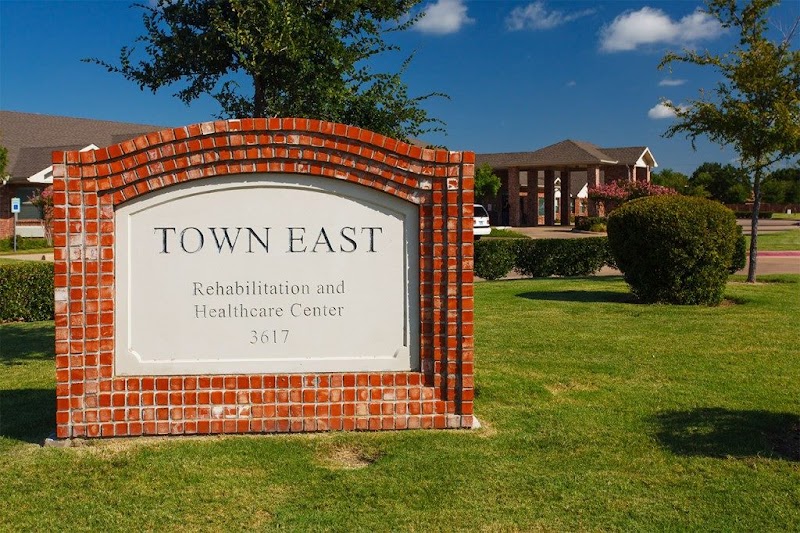
How is Town East Rehabilitation And Healthcare Center Staffed?

CMS rates TOWN EAST REHABILITATION AND HEALTHCARE CENTER's staffing level at 2 out of 5 stars, which is below average compared to other nursing homes. Staff turnover is 49%, compared to the Texas average of 46%. RN turnover specifically is 70%, which is notably high. RNs provide skilled clinical oversight, so turnover in this role can affect medical care quality.

What Have Inspectors Found at Town East Rehabilitation And Healthcare Center?

State health inspectors documented 22 deficiencies at TOWN EAST REHABILITATION AND HEALTHCARE CENTER during 2022 to 2025. These included: 22 with potential for harm.
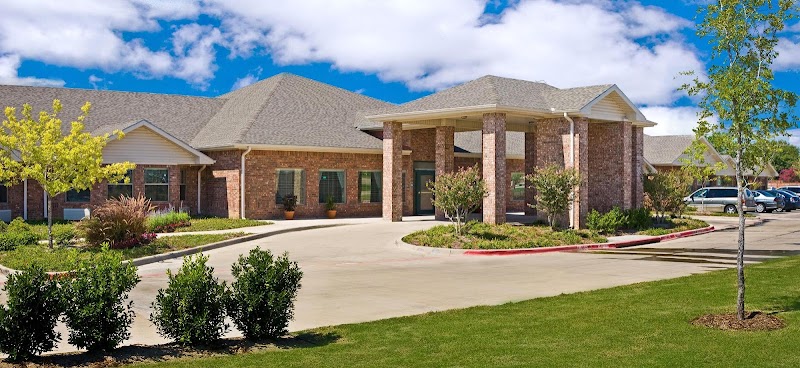
Who Owns and Operates Town East Rehabilitation And Healthcare Center?

TOWN EAST REHABILITATION AND HEALTHCARE CENTER is owned by a for-profit company. For-profit facilities operate as businesses with obligations to shareholders or private owners. The facility operates independently rather than as part of a larger chain. With 130 certified beds and approximately 90 residents (about 69% occupancy), it is a mid-sized facility located in MESQUITE, Texas.
How Does Town East Rehabilitation And Healthcare Center Compare to Other Texas Nursing Homes?

Compared to the 100 nursing homes in Texas, TOWN EAST REHABILITATION AND HEALTHCARE CENTER's overall rating (4 stars) is above the state average of 2.8, staff turnover (49%) is near the state average of 46%, and health inspection rating (3 stars) is at the national benchmark.

What Should Families Ask When Visiting Town East Rehabilitation And Healthcare Center?

Based on this facility's data, families visiting should ask: "Can you walk me through typical staffing levels on day, evening, and night shifts?" "Can I visit during a mealtime to observe dining assistance and food quality?" "How do you handle medical emergencies, and what is your hospital transfer rate?" "Can I speak with family members of current residents about their experience?" These questions are particularly relevant given the below-average staffing rating.

Is Town East Rehabilitation And Healthcare Center Safe?

Based on CMS inspection data, TOWN EAST REHABILITATION AND HEALTHCARE CENTER has a clean safety record: no substantiated abuse findings (meaning no confirmed cases of resident harm), no Immediate Jeopardy citations (the most serious violation level indicating risk of serious injury or death), and is not on the Special Focus Facility watch list (a federal program monitoring the lowest-performing 1% of nursing homes). The facility has a 4-star overall rating and ranks #1 of 100 nursing homes in Texas. While no facility is perfect, families should still ask about staff-to-resident ratios and recent inspection results during their visit.

Do Nurses at Town East Rehabilitation And Healthcare Center Stick Around?

TOWN EAST REHABILITATION AND HEALTHCARE CENTER has a staff turnover rate of 49%, which is about average for Texas nursing homes (state average: 46%). Moderate turnover is common in nursing homes, but families should still ask about staff tenure and how the facility maintains care continuity when employees leave.

Was Town East Rehabilitation And Healthcare Center Ever Fined?

TOWN EAST REHABILITATION AND HEALTHCARE CENTER has no federal fines on record. CMS issues fines when nursing homes fail to meet care standards or don't correct problems found during inspections. The absence of fines suggests the facility has either maintained compliance or corrected any issues before penalties were assessed. This is a positive indicator, though families should still review recent inspection reports for the full picture.

Is Town East Rehabilitation And Healthcare Center on Any Federal Watch List?

TOWN EAST REHABILITATION AND HEALTHCARE CENTER is not on any federal watch list. The most significant is the Special Focus Facility (SFF) program, which identifies the bottom 1% of nursing homes nationally based on persistent, serious quality problems. Not being on this list means the facility has avoided the pattern of deficiencies that triggers enhanced federal oversight. This is a positive indicator, though families should still review the facility's inspection history directly.