FOCUSED CARE AT HOGAN PARK
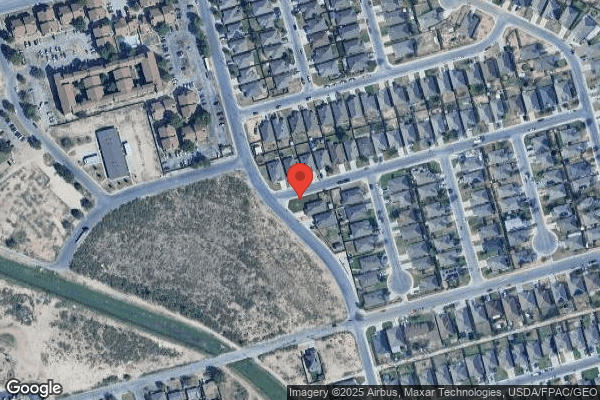
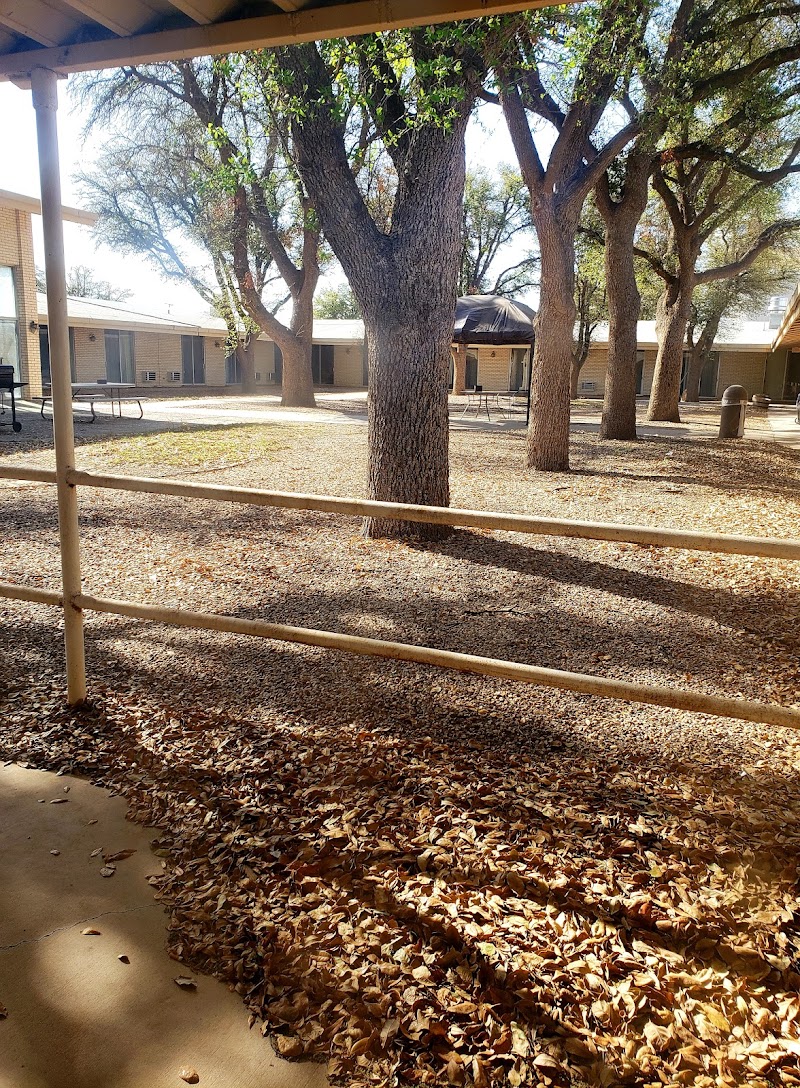
3203 SAGE ST, MIDLAND, TX 79705 (432) 683-5403
Government - Hospital district 106 Beds FOCUSED POST ACUTE CARE PARTNERS Data: November 2025 1 Immediate Jeopardy citation
Trust Grade
16/100
#972 of 1168 in TX
Last Inspection: January 2025

Within standard 12-15 month inspection cycle. Federal law requires annual inspections.

Overview

Families considering Focused Care at Hogan Park should be cautious, as it received a Trust Grade of F, indicating significant concerns about its operations. Ranked #972 out of 1168 in Texas and #5 out of 5 in Midland County, this facility is in the bottom half of both state and local rankings. The trend is worsening, with reported issues increasing from 2 in 2024 to 6 in 2025. Staffing is a major concern here with a very low rating of 1 out of 5 stars and a high turnover rate of 74%, significantly above the Texas average of 50%. While the facility does have good RN coverage, surpassing 98% of Texas facilities, there have been alarming incidents. For example, one resident eloped due to inadequate supervision, and the facility failed to ensure food safety standards, leading to unsanitary conditions in the kitchen. Overall, while there are some strengths, the weaknesses and serious compliance issues raise significant red flags for families.

Trust Score
F
16/100
In Texas
#972/1168
Bottom 17%
Safety Record
High Risk
Review needed
Inspections
Getting Worse
2 → 6 violations
Staff Stability
⚠ Watch
74% turnover. Very high, 26 points above average. Constant new faces learning your loved one's needs.
Penalties
○ Average
$10,239 in fines. Higher than 57% of Texas facilities. Some compliance issues.
Skilled Nurses
○ Average
Each resident gets 34 minutes of Registered Nurse (RN) attention daily — about average for Texas. RNs are the most trained staff who monitor for health changes.
Violations
⚠ Watch
42 deficiencies on record. Higher than average. Multiple issues found across inspections.
★☆☆☆☆
1.0
Overall Rating
★☆☆☆☆
1.0
Staff Levels
★★★☆☆
3.0
Care Quality
★★☆☆☆
2.0
Inspection Score
Stable
2024: 2 issues
2025: 6 issues

The Good

  • Full Sprinkler Coverage · Fire safety systems throughout facility
  • No fines on record

Facility shows strength in fire safety.

The Bad

1-Star Overall Rating

Below Texas average (2.8)

Significant quality concerns identified by CMS

Staff Turnover: 74%

27pts above Texas avg (46%)

Frequent staff changes - ask about care continuity

Federal Fines: $10,239

Below median ($33,413)

Minor penalties assessed

Chain: FOCUSED POST ACUTE CARE PARTNERS

Part of a multi-facility chain

Ask about local staffing decisions and management

Staff turnover is very high (74%)

26 points above Texas average of 48%

The Ugly 42 deficiencies on record

1 life-threatening
Jan 2025 6 deficiencies
CONCERN (D) 📢 Someone Reported This

A family member, employee, or ombudsman was alarmed enough to file a formal complaint

Potential for Harm - no one hurt, but risky conditions existed

Garbage Disposal (Tag F0814)

Could have caused harm · This affected 1 resident

Based on observation, interview, and record review, the facility failed to dispose of garbage and refuse properly for 3 of 6 dumpsters reviewed for food and nutrition services. - The facility failed t...

Read full inspector narrative →
Based on observation, interview, and record review, the facility failed to dispose of garbage and refuse properly for 3 of 6 dumpsters reviewed for food and nutrition services. - The facility failed to ensure that 2 of 6 dumpsters were placed on a concrete slab. - The facility failed to ensure that the area surrounding the dumpsters was free of garbage and other debris. - The facility failed to ensure dumpster doors for 3 of 6 dumpsters were when no staff were disposing of garbage . These failures could lead to an unsanitary environment and encourage the presence of pests. The findings included: Observation on 01/15/25 at 12:53 PM revealed a row of six commercial size dumpsters at the rear of the facility. Dumpster #1 was placed on dirt and a puddle was noted under the back corner with mud, loose garbage, and an odor coming from the water. Dumpster #1 did not sit flat and even - the rear, left corner of the dumpster was angled into the puddle. It could not be determined if the puddle had developed from the drain in the dumpster or recent snow. Dumpster #6 was placed on dirt and rocks. Dumpster #6 did not sit flat and even due to the rocks underneath. Three of six dumpsters (dumpsters #1, #2, and #6) had open lids at the time of the observation and no staff were observed in the area. In an interview on 01/16/25 at 4:29 PM, the Interim Administrator stated that he was not aware of the dumpsters not being on a slab since he was not the regular administrator. He stated he would need to look into what could be done with the city to fix the issue. In an interview on 01/16/25 at 4:57 PM, Maintenance Director stated he was not aware that two of the facility's six dumpsters were not placed on the proper surface and he would have to speak to the city's waste removal department about the slab under the dumpsters and their placement. He stated that the facility frequently had all 6 dumpsters full, and they could not be removed. Interview on 01/16/25 at 5:09 PM, the Interim Administrator stated that there was no facility policy or procedure regarding the proper placement of the dumpsters.
CONCERN (D) 📢 Someone Reported This

A family member, employee, or ombudsman was alarmed enough to file a formal complaint

Potential for Harm - no one hurt, but risky conditions existed

Infection Control (Tag F0880)

Could have caused harm · This affected 1 resident

**NOTE- TERMS IN BRACKETS HAVE BEEN EDITED TO PROTECT CONFIDENTIALITY** Based on observations, interviews, and record review, the facility failed to maintain an infection prevention and control progra...

Read full inspector narrative →
**NOTE- TERMS IN BRACKETS HAVE BEEN EDITED TO PROTECT CONFIDENTIALITY** Based on observations, interviews, and record review, the facility failed to maintain an infection prevention and control program designed to provide a safe, sanitary, and comfortable environment to help prevent the development and transmission of communicable diseases and infections for 1 (#21) of 2 residents reviewed for infection control. The facility failed to ensure the Wound Care nurse used PPE during wound care for Residents #21 as the resident was on EBP precautions. These failures could place resident's risk for cross contamination and the spread of infection. Findings included: Record review of Resident #21's admission record dated 01/16/2025 indicated she was admitted to the facility on [DATE]. Diagnoses included dementia, muscle wasting and atrophy, and heart failure. She was [AGE] years of age. Record review of Resident #21's MDS dated [DATE] indicated in part: BIMS = 5 indicating resident had severe impairment. Section M - Skin conditions = Resident has a pressure ulcer/injury, a scar over bony prominence, or a non-removable dressing/device. Record review of Resident #21's care plan dated 10/30/2024 indicated in part: Problem: The resident has unstageable ulcer to coccyx r/t disease process, history of ulcers, immobility. Goal: The resident's pressure ulcer will show signs of healing and remain free from infection by/through review date. Interventions: Resident requires supplemental protein, amino acids, vitamins, minerals as ordered to promote wound healing. Weekly treatment documentation to include measurement of each area of skin breakdown's width, length, depth, type of tissue and exudate. Record review of Resident #21's Order Summary Report dated 01/16/2025 revealed in part: Cleanse with wound cleanser and 4x4s.Pat wound dry with 4x4s. Apply calcium alginate to the wound. Cover wound with dry dressing. Change daily and every 4 hours as needed if dressing comes off or becomes soiled. Effective 01/12/2025. During an observation on 01/14/2025 at 10:18 a.m. the Wound Care Nurse performed wound care. The Wound Care nurse entered the resident's room, washed her hands, and put gloves on. The Wound Care nurse performed the wound care as ordered. The Wound Care nurse did not put on any type of PPE except gloves during the process. There was an EBP posting above the bed of Resident #21. During an interview on 01/15/2025 at 9:08 a.m. the Wound Care nurse stated she forgot to put a gown on. The Wound Care nurse stated she is aware of the requirement and the facility's policy. During an interview on 01/16/2025 at 6:40 p.m. the DON/Infection Preventionist (IP) said EBP was to be used for any resident with any MDRO (Multi-Drug Resistant Organisms), residents with chronic indwelling devices, and residents with pressure ulcers. The DON/IP said if the staff were going to be performing high-contact care, such as wound care, then they should use the PPE. The DON/IP said if the staff did not wear the correct PPE such as the gown and gloves that could lead to possible cross contamination for resident #21 and other residents. Record Review of the facility's policy and procedure titled Enhanced Barrier Precautions (EBP) dated 04/01/2024 indicated in part: EBP require team members to wear a gown and gloves while performing high-contact care activities with residents who are infected or colonized with a targeted multi-drug resistant organism (MDRO), or who have open wound or indwelling medical device. Wounds generally include chronic wounds. Examples of chronic wounds include, but are not limited to, pressure ulcers, diabetic foot ulcers, unhealed surgical wounds, and venous stasis ulcers. High contact resident care activities include .wound care.
CONCERN (E)

Potential for Harm - no one hurt, but risky conditions existed

Deficiency F0563 (Tag F0563)

Could have caused harm · This affected multiple residents

Based on observation, interview, and record review, the facility failed to ensure residents maintained the right to receive visitors of his or her choosing at the time of his or her choosing for 1 of ...

Read full inspector narrative →
Based on observation, interview, and record review, the facility failed to ensure residents maintained the right to receive visitors of his or her choosing at the time of his or her choosing for 1 of 1 facility reviewed for resident rights. The facility failed to ensure all residents had the right to receive visitors between 9:00 PM and 9:00 AM. This deficient practice placed residents at risk of isolation, decreased emotional well-being, and diminished quality of life. The findings included: Observation on 01/14/2025 at 9:00 am revealed a sign on the front door entrance that read Resident visiting hours: 9:00 AM to 9:00 PM. For the safety of our residents and in order for the staff to take care of the residents and the residents to have a quiet time of rest, visiting hours are from 9:00 AM to 9:00 PM During a confidential resident council meeting on 01/15/2025 at 1:45 PM Ombudsman stated that the administrator had been informed multiple times that the visiting hours posting was not within regulation standards. Ombudsman stated that the administrator was aware of the regulation and refused to take down the sign. During an interview with Administrator interim and DON on 1/16/2025 at 12:47 pm DON stated that prior to being hired in September 2024 the administrator had placed visiting hours on the door. DON stated that she was told this was done because there were vagrants and drug dealers coming into the facility and the administrator wanted to try to prevent this from happening. Stated that they do not enforce the visiting hours but keep the sign as a deterrent. The interim administrator did not have anything to add as he was not the acting administrator. 01/16/25 6:00 PM No policy available for visitation hours according to interim Admin.
CONCERN (E)

Potential for Harm - no one hurt, but risky conditions existed

Deficiency F0576 (Tag F0576)

Could have caused harm · This affected multiple residents

Based on observation and interview, the facility failed to provide reasonable access to the use of a telephone for residents to have private conversations for 1 of 1 facility reviewed for resident rig...

Read full inspector narrative →
Based on observation and interview, the facility failed to provide reasonable access to the use of a telephone for residents to have private conversations for 1 of 1 facility reviewed for resident rights. The facility failed to provide the residents a telephone where they could talk without being overheard. This deficient practice placed residents at risk of isolation, decreased emotional well-being, and diminished quality of life. Findings included: In a confidential group interview with 6 residents on 01/15/2025 at 1:30 pm, it was revealed that resident's conversations can be overheard. During the interview it was revealed resident's do not have a dedicated phone for them to make phone calls. They are allowed to use the phones at the nurse's station and at the front reception area. The resident's stated they do not like to use these telephones because they are located in an area that is not private and their conversations can be overheard. In an interview on 01/16/2025 at 12:47 pm the DON stated that there had not been a designated phone for resident's since she was hired in September 2024. DON stated that the reason she was told that there was a resident that would call 911 six plus times a day. This resident was very confused. The residents are now allowed to use the phones that are located at the nurse's station and at the front reception desk. DON stated there was no telephone where the residents are able to have a private phone call. Interim administrator did not have anything to add as he was covering for administrator while she was on vacation. 01/16/25 6:00 PM No policy available for Telephone privacy per interim Admin.
CONCERN (E) 📢 Someone Reported This

A family member, employee, or ombudsman was alarmed enough to file a formal complaint

Potential for Harm - no one hurt, but risky conditions existed

Deficiency F0583 (Tag F0583)

Could have caused harm · This affected multiple residents

**NOTE- TERMS IN BRACKETS HAVE BEEN EDITED TO PROTECT CONFIDENTIALITY** Based on observation, interview, and record review, the facility failed to ensure personal privacy was provided for 2 (#23 and #...

Read full inspector narrative →
**NOTE- TERMS IN BRACKETS HAVE BEEN EDITED TO PROTECT CONFIDENTIALITY** Based on observation, interview, and record review, the facility failed to ensure personal privacy was provided for 2 (#23 and #37) of 3 residents reviewed for dignity. The facility failed to ensure staff treated Resident #23 with respect and dignity while performing wound care ensuring the door was closed and without the privacy curtain being closed all the way on 01/15/2025. CNA A did not close the window blind while providing incontinent care for Resident #37 on 01/16/2025. These failures could place residents at risk for diminished quality of life and loss of dignity and self-worth. The findings included: Record Review of Resident #23's face sheet revealed a [AGE] year-old male, who was admitted to the facility on [DATE] with a pertinent diagnoses of spinal stenosis-cervical region (narrowing of the spinal canal, compressing the nerves traveling through the lower back into the legs), functional quadriplegia (a condition that causes a person to be completely unable to move due to a severe disability or frailty), Diabetes Mellitus (chronic condition that occurs when the body does not produce enough insulin or cells do not respond to insulin properly), muscle wasting and atrophy [shrinking of muscle or nerve tissue], major depressive disorder (mood disorder that causes a persistent feeling of sadness and loss of interest), neuromuscular dysfunction of bladder (a condition that causes bladder control problems due to nerve damage) and neurogenic bowel (a condition that causes bowel control problems due to nerve damage). Record Review of Resident #23's MDS dated [DATE] revealed Resident #23 with the BIMS of 00 indicating severe cognitive impairment). Record review of Resident #23's care plan revised 12/09/24 reflected the resident has stage 3 pressure injuries to left lateral ankle, coccyx, stage 4 pressure injury to right hip, and potential/actual impairment to skin integrity of the right outer ankle related to trauma. Record Review of Resident #23's physician orders dated 01/16/2025 revealed: Stage 3 pressure area to coccyx: cleanse with wound cleanser and 4x4 gauze, pat dry with 4x4 gauze, apply calcium alginate with honey (or equivalent to) to wound bed then secure with foam dressing every day shift every other day for Wound Healing. Stage 3 pressure area to left lateral ankle: cleanse with wound cleanser and 4x4 gauze, pat dry with 4x4 gauze, apply BETADINE to wound honey strip cut to wound size then secure with foam or dry dressing every day shift every other day for Wound Healing. Stage 3 pressure area to right outer ankle: cleanse with wound cleanser and 4x4 gauze, pat dry with 4x4 gauze, apply betadine to wound honey strip cut to wound size then secure with foam or dry dressing every day shift every other day for Wound Healing. STAGE 4 pressure injury to the right hip: cleanse with wound cleanser and 4x4s, pat dry with 4x4s, apply calcium alginate with honey (or equivalent to) to wound bed then secure with silicone super absorbent dressing every day shift every other day for Wound Healing Observation on 01/15/25 at 9:21 a.m. revealed the Wound Care nurse was unable to close the privacy curtain while providing wound care for Resident #23. Resident #23 was in the bed closest to the door. Resident #23's privacy curtain was not long enough to provide privacy from his roommate and the door to the hall (in case it was opened). The Wound Care nurse pulled the curtain as far as she could to allow privacy for Resident #23 from his roommate. The curtain ended at the foot of Resident #23's bed. Observation on 01/15/2025 at 10:08 a.m. revealed the Wound Care nurse opened the door half-way, took her gown off, went to a cart outside the door, retrieved gloves from the cart, put the gloves on, gathered the trash in the room, rolled Resident #23 to his right side, placed a pillow behind Resident #23's back and under his legs, and adjusted the pillows under Resident #23's head. These actions were performed by the Wound Care nurse while the door is half-way open and Resident #23 was lying in bed with only a shirt and brief on, legs bare. Then, the Wound Care Nurse covered Resident #23 with his blankets. During an interview with the Wound Care nurse on 01/15/2025 at 10:15 a.m. she stated the privacy curtain was not acceptable and she will report it. During an interview with Resident #23 on 01/16/2025 at 03:56 p.m. Resident #23 answered sometimes when asked if it bothers him when his brief and legs are showing with the door open. Resident #23 again answered sometimes when asked if it bothers him that the curtain does not close all the way to provide privacy from the door if opened, during care. Record review of Resident #37's admission record dated 01/16/25 indicated she was admitted to the facility on [DATE] with diagnoses of Alzheimer's disease and muscle weakness. She was [AGE] years of age. Record review of Resident #37's care plan dated 08/15/2024 indicated in part: Focus: Resident has an ADL self-care performance deficit related to disease processes. Disease Process. Goal: The resident will maintain current level of function through the review date. Interventions/Tasks: Personal hygiene: The resident requires extensive assistance by 1 staff with personal hygiene and oral care. Toilet use: The resident is not toileted. Record review of Resident #37's quarterly MDS assessment dated [DATE] indicated in part: BIMS = 13 indicating the resident's mental status was cognitively intact. Bladder and Bowel was: Urinary Continence Always incontinent (no episodes of continent voiding). Bowel Continence - Frequently incontinent (2 or more episodes of bowel incontinence, but at least one continent bowel movement). During an observation on 01/16/25 at 4:08 PM CNA A performed incontinent care for Resident #37. CNA A entered the resident's room and explained to the resident what she was going to do and then closed the door and pulled the privacy curtain. CNA A then performed the incontinent care by uncovering Resident #37 and cleansed her vaginal and rectal area. During the personal care the window blind was not closed. The window faced an area where people would walk by as there was a convenience store next to the facility and the resident's bed was by the window. During an interview on 01/16/25 at 4:13 PM Resident #37 said the staff usually closed the window blinds to provide privacy but did not know why the staff had not this time. The resident said she would not like to be seen by people passing by while her private parts were exposed as that would be embarrassing to her. During an interview on 01/16/25 at 4:14 PM CNA A acknowledged that she should have closed the window blinds but had not thought about that. CNA A said she closed the privacy curtain and closed the door, but she probably got nervous and forgot to close the blind. The CNA said not closing the window blind could expose the resident to passersby and embarrass Resident #37 and violate her privacy rights. During an interview on 01/16/25 at 4:26 PM the DON said her expectations was for staff to provide privacy for residents when providing some type of personal care to prevent exposure of the resident. The DON was made aware of the observation of the wound care and incontinent care and how the staff did not fully provide privacy during the care for Residents #23 and #37. The DON acknowledged that the staff should have provided full privacy to prevent violation of the privacy and dignity rights. During an interview on 01/16/25 at 4:38 PM the Administrator was made aware of the observations listed above. The Administrator said he acknowledged that the nursing staff should have provided privacy during the patient care and would provide a policy of privacy. Record review of the facility's document titled Nursing services-competency evaluation dated 06/13 indicated in part: Prepare work area. Provide privacy (Pull curtain, close door/blinds).
CONCERN (F) 📢 Someone Reported This

A family member, employee, or ombudsman was alarmed enough to file a formal complaint

Potential for Harm - no one hurt, but risky conditions existed

Food Safety (Tag F0812)

Could have caused harm · This affected most or all residents

Based on observation, interview, and record review, the facility failed to store, prepare, distribute, and serve food in accordance with professional standards for food service safety in 1 of 1 kitche...

Read full inspector narrative →
Based on observation, interview, and record review, the facility failed to store, prepare, distribute, and serve food in accordance with professional standards for food service safety in 1 of 1 kitchen reviewed for dietary services. - The facility failed to ensure that prepared food stored in the refrigerator was labeled and dated. - The facility failed to ensure that lids were sealed on spices kept in the dry storage room. - The facility failed to ensure that food stored in the refrigerator and dry storage room was in sealed containers. - The facility failed to ensure the overall cleanliness and sanitation of the kitchen and its storage areas. The findings included: Observation of the kitchen on 01/14/25 from 9:28 AM -10:32 AM revealed the following: - juice machine spigot/holder with red liquid collecting in bottom of holder and red buildup at mouth of holder that was sticky to touch - floors visibly dirty throughout kitchen and dry storage area (food and other debris noted on the floor in all areas); - one large metal bowl with clear plastic wrap cover containing yellow food noted in refrigerator with no label or date; - one package of pre-sliced yellow cheese noted in refrigerator; plastic package was torn open and discoloration and hardening of the edges of the 7 slices of cheese in package; - five 16-ounce bottles of spices (nutmeg received 1/18/24, ground oregano received 2/19/24, ground oregano received 11/20/24, ground allspice received 2/6/23, poultry seasoning received 2/6/23) noted on metal shelf in dry storage with lids open; - large clear plastic storage container labeled flour noted on shelf in dry storage with flour covering the lid of the container and surrounding storage containers; - large clear plastic storage container labeled pasta noted on shelf in dry storage with loose pasta noted in the bottom of the container; the container did not have a lid; - white tile on wall to either side of stove with visible brown droplet stains that were greasy to touch; - food debris, greasy/gritty stains, and dust build-up noted under the stove which was being held level by wooden shims under the front feet; wooden shims were heavily stained; - 3 basin sink area noted to have mildew odor coming from under the sink where chemical/soap container the fed the sinks was stored; - mildew odor noted in area under dishwasher; - black fuzzy debris noted to wall behind dish drying racks; - ceiling mounted outlet next to steam table and plate rack with build-up of black/dark brown substance and visible dust and dirt on top; substance was gritty and greasy to touch. In an interview on 01/14/25 at 10:35 AM, the Dietary Manager stated that the kitchen was only allowed one cook and one dietary aid per shift to cook, clean, serve, and wash dishes and they had trouble keeping up with deep cleaning. He stated that the kitchen could only be spot cleaned (cleaning up spills or washing dishes) while food was being prepared and served so the staff had to wait until after the evening meal or come in overnight to deep clean. He stated that he did not have staff to work overnight and that he had come in himself to clean on several occasions. He stated that he had requested additional staff and was told no by the corporate office. He stated that all the dietary staff had been trained on labeling/dating/storing food by him when he started in the position of Dietary Manager, and he had no explanation for the unlabeled and open items in the refrigerator or the open lids on containers in the dry storage. In an interview on 01/16/25 at 4:29 PM, the Interim Administrator stated he was aware of the issues in the kitchen regarding sanitation. He stated that the kitchen was not clean. He stated that all facility staffing was done per the corporate staffing formula, and it was not likely to be changed to allow for cleaning staff. He stated that due to his being interim, he would bring it up with the regular Administrator when she returned. In an interview on 01/16/25 at 4:57 PM, Maintenance Director stated that cleaning was the responsibility of the food services staff, but he was aware that the kitchen needed to be deep cleaned per the facility schedule. He stated he was not aware of the mildew smell coming from the 3 basin sink and dishwasher areas. In an interview on 01/16/25 at 5:11 PM, the DON stated she was aware that the kitchen was not clean or sanitary. She stated that the facility's kitchen was not under her oversight but there were ongoing issues since before she started as DON in October of 2024. Review of facility policy titled Food Safety in Receiving and Storage, dated 04/2022, revealed, in part: Food is stored in its original packaging as long as the packaging is clean, dry, and intact.Food that is repackaged is placed in a leak-proof, pest-proof, non-absorbant, sanitary container with a tight-fitting lid. The container/lid is labeled with the name of contents and dated with the date it was transferred to the container. Dry bulk foods (i.e. flour, sugar) are stored in seamless metal or plastic containers with tight covers, or bins that are easily sanitized.Containers are cleaned regularly. Storeroom floors will be swept and mopped daily. Review of facility policy titled Kitchen Cleaning Schedule, revised 11/2023, revealed, in part: Food and Nutrition Services Personnel will be responsible for maintaining the cleanliness and sanitation of kitchen.The Director of Food & Nutrition Services is responsible for utilizing the kitchen cleaning schedule template and assigning tasks to staff on a daily, monthly, and annual basis. Review of Food Code 2022 Recommendations of the United States Public Health Service Food and Drug Administration revision date 01/18/2023 revealed, in part: 3-302.11 Packaged and Unpackaged Food - Separation, Packaging, and Segregation. (A) FOOD shall be protected from cross contamination by: (4) Except as specified under Subparagraph 3-501.15(B)(2) and in (B) of this section, storing the food in packages, covered containers, or wrappings 3-602.11 Food Labels. (A) FOOD PACKAGED in a FOOD ESTABLISHMENT, shall be labeled as specified in LAW, including 21 CFR 101 - Food labeling, and 9 CFR 317 Labeling, marking devices, and containers. (B) Label information shall include: (1) The common name of the FOOD, or absent a common name, an adequately descriptive identity statement 4-903.11 Equipment, Utensils, Linens, and Single-Service and Single-Use Articles. (A) Except as specified in (D) of this section, cleaned EQUIPMENT and UTENSILS, laundered LINENS, and SINGLE-SERVICE and SINGLE-USE ARTICLES shall be stored: (1) In a clean, dry location; (2) Where they are not exposed to splash, dust, or other contamination
Oct 2024 1 deficiency
CONCERN (D) 📢 Someone Reported This

A family member, employee, or ombudsman was alarmed enough to file a formal complaint

Potential for Harm - no one hurt, but risky conditions existed

Deficiency F0558 (Tag F0558)

Could have caused harm · This affected 1 resident

**NOTE- TERMS IN BRACKETS HAVE BEEN EDITED TO PROTECT CONFIDENTIALITY** Based on observation, interview, and record review the facility failed to provide services with reasonable accommodation of need...

Read full inspector narrative →
**NOTE- TERMS IN BRACKETS HAVE BEEN EDITED TO PROTECT CONFIDENTIALITY** Based on observation, interview, and record review the facility failed to provide services with reasonable accommodation of needs for 1 of 11 (Resident #1) residents reviewed for resident call system. The facility failed to provide a working communication system on 10/23/2024 that was easily at reach and that would allow Resident #1 the ability to safely call for staff for assistance. This failure could place residents at risk of not having a means of directly contacting caregivers in an emergency or when they need support for daily living. The findings included: Record review of Resident #1's admission record dated 10/23/24 revealed Resident #1 was a [AGE] year-old male with an admission date of 09/27/2018. Medical diagnosis that included spinal stenosis (the narrowing of the space around your spinal cord or nerves), muscle weakness, muscle wasting, and quadriplegia (paralysis of both arms and legs). Record review of Resident #1's MDS dated [DATE] revealed a Brief Interview for Mental Status (BIMS) of 11 indicating a moderately impaired cognition. under Section GG - Functional Abilities and Goals revealed the resident requires Substantial/maximal assistance for oral hygiene, shower/bathe self, upper body dressing, lower body dressing, putting on/taking off footwear, and personal hygiene . Record review of Resident #1's care plan dated 09/25/24 revealed Focus - The resident is at risk for falls and fractures as evidence by: residents diagnosis of quadriplegia. Goal - The resident will be free of falls through the review date. Interventions/ Task - Be sure The resident's call light is within reach and encourage the resident to use it for assistance as needed. The resident needs prompt response to all requests for assistance. And Focus - Resident has an ADL self-care performance deficit r/t disease processes. Resident has a diagnosis of quadriplegia. Goal - Will maintain ability to participate with self care at current level QD through review date. Interventions/ Tasks - Keep call light within reach and encourage resident to use it for assistance. Respond promptly to all requests for assistance. (resident uses specialized call light). Observation on 10/ 23 / 2024 at 11:50 a.m., revealed Resident #1 lying in bed asking for help. Resident #1 asked if surveyor would be able to get his call light to call staff into his room. Resident #1 stated he is able to use his call light as long as the staff give it to him and place it over his chest. Resident #1 stated the staff will clip it to his pillow, but they do not always ensure it is over his chest. Surveyor pressed the call light that was observed hanging off the side of the bed out of reach of Resident #1. An unknown staff entered the room, asked what was needed, turned off call light, and left. The staff did not give the resident the call light. Observation on 10/ 23 / 2024 at 1:11 p.m revealed Resident #1 lying in bed with the call light out of reach. Resident #1 stated that staff had come in to adjust him but did not give his call light to him before leaving. Observation on 10/ 23 / 2024 at 4:03 p.m., revealed Resident #1 lying in bed with the call light out of reach. Resident #1 stated one staff member, did not remember who, had come into the room because his roommate pressed the call light for him. Resident stated the staff member went to get help to place the resident in his wheelchair. Resident #1 did not have his call light in his reach . During an interview on 10/23/24 at 1:45 p.m., the DON stated it is expected of staff to answer the call light within 5 minutes, to do what is being asked of the resident, if need to come back actually come back to resident promptly, keep call light within reach. The DON stated she was not aware that Resident #1 was not being given his call light routinely. The DON stated she would ensure staff are in-serviced on importance of keeping call light within reach. No policy available for call lights .
Jul 2024 1 deficiency
CONCERN (E) 📢 Someone Reported This

A family member, employee, or ombudsman was alarmed enough to file a formal complaint

Potential for Harm - no one hurt, but risky conditions existed

Deficiency F0558 (Tag F0558)

Could have caused harm · This affected multiple residents

**NOTE- TERMS IN BRACKETS HAVE BEEN EDITED TO PROTECT CONFIDENTIALITY** Based on interviews and record reviews, the facility failed to treat each resident with respect and dignity and care for each re...

Read full inspector narrative →
**NOTE- TERMS IN BRACKETS HAVE BEEN EDITED TO PROTECT CONFIDENTIALITY** Based on interviews and record reviews, the facility failed to treat each resident with respect and dignity and care for each resident in a manner and in an environment that promotes maintenance or enhancement of his or her quality of life, recognizing each resident's individuality for 7 of 10 residents (Resident #1, Resident #2, Resident #3, Resident #4, Resident #5, and Resident #6) reviewed for residents rights The facility failed to ensure that staff were answering call lights in a prompt manner. This failure could place residents at risk of decreased feelings of self-worth. Findings include: Record review of Resident #1's electronic face sheet, dated 7/19/24 revealed he was a [AGE] year-old female, admitted to the facility on [DATE] with diagnoses to include iron deficiency anemia (is a common type of anemia. Anemia is a condition in which blood doesn't have enough healthy red blood cells to carry oxygen throughout the body), bipolar disorder (is a mental illness that causes unusual shifts in a person's mood, energy, activity levels, and concentration), and post-traumatic stress disorder (A disorder in which a person has difficulty recovering after experiencing or witnessing a terrifying event). Record review of Resident #1's quarterly MDS assessment dated [DATE] reflected he scored a 15 for her BIMS score which signified she was not cognitively impaired. During an interview on 7/19/24 at 2:35 AM Resident #1 stated that call lights are a big issue at the facility. She stated during the day call lights can take 30 minutes, but at night there are times where her call light is not even answered. She stated there was plenty of staff but the nurses and CNA's wont answer call lights at night. Record review of resident grievance/complaint investigation report dated 7/16/24 Resident #1 states that during all shifts, no one cares for her. She stated call lights go unanswered whenever she pushes call button. Record review of Resident #2's electronic face sheet, dated 7/19/24 revealed he was a [AGE] year-old male, admitted to the facility on [DATE] with diagnoses to include Hemiplegia and Hemiparesis following cerebral infraction (Muscle weakness or partial paralysis on one side of the body that can affect the arms, legs, and facial muscles). Record review of Resident #2's quarterly MDS assessment dated [DATE] reflected he scored a 15 for his BIMS score which signified he was not cognitively impaired. During an interview on 7/19/24 at 1:25 pm Resident #2 stated call lights suck in this building. He stated that it was not great during the day but at night it is horrible. He stated that his average wait time at night on call lights is 45 plus minutes or they might not come at all. He stated the normal response by night staff was to come into the room, state they would be right back, turn off his call light and not return. Record review of Resident #3's electronic face sheet, dated 7/19/24 revealed he was a [AGE] year-old male, admitted to the facility on [DATE] with diagnoses to include function quadriplegia (s defined as the dysfunction or loss of motor and/or sensory function in the cervical area of the spinal cord), muscle weakness, and muscle spasm. Record review of Resident #3's quarterly MDS assessment dated [DATE] reflected he scored a 11 for his BIMS score which signified he was moderately cognitively impaired. During an interview on 7/18/24 at 12:15 pm Resident #3 stated that due to his condition he did more help than other residents. He stated that staff are slow regarding call lights. He stated the biggest issue was the time it took staff to get to him. He stated that the staff could take 45 min or more to even come check on his call light, but then the staff would need to go get the mechanical lift, increasing his wait time. He stated for staff to get the Hoyer lift could be another 30 minuets to an hour. He stated at night, he would not get help unless his roommate went out into the hallway and made them come in and help him on a few occasions. Record review of Resident #4's electronic face sheet, dated 7/19/24 revealed he was a [AGE] year-old female, admitted to the facility on [DATE] with diagnoses to include hypothyroidism (deficiency of thyroid hormones can disrupt such things as heart rate, body temperature, and all aspects of metabolism), major depressive disorder, and hypotension (Low blood pressure, which can cause fainting or dizziness because the brain doesn't receive enough blood). Record review of Resident #4's quarterly MDS assessment dated [DATE] reflected she scored a 15 for her BIMS score which signified she was not cognitively impaired. During an interview on 7/18/24 at 1:45 pm Resident #4 stated that she does not sleep in general. She stated walks the facility at night. She stated including last night 7/17/24 there has been multiple nights in which she will walk the facility and all staff will be sleeping. She stated they take their chairs and set them up in the hallway and go to sleep. She stated the nurses will sleep at the nurses' station. She stated that last night 7/17/24 when she went to walk around 3 am, there were 5 rooms with their call lights on, but all the staff were sleeping. Record review of Resident #5's electronic face sheet, dated 7/19/24 revealed he was a [AGE] year-old male, admitted to the facility on [DATE] with diagnoses to include Dementia, lack of coordination, and ileus (is a bowel obstruction that occurs when the intestines stop moving normally, even though there is no blockage). Record review of Resident #5's quarterly MDS assessment dated [DATE] reflected he scored a 15 for his BIMS score which signified he was not cognitively impaired. During an interview on 7/19/24 Resident #5 stated that he does not use his call light anymore. He stated its rarely he needs help because he has gotten better but he might as well do things on his own because he would have to be waiting for a long to get the help anyway. He stated at night it was bad. He stated there was plenty of staff in the building, but it was night staff that were just lazy. He stated his roommate Resident #4 can barely get their help when he used the call light. Record review of Resident #6's electronic face sheet, dated 7/19/24 revealed he was a [AGE] year-old male, admitted to the facility on [DATE] with diagnoses to include age-related nuclear cataract, glaucoma, and pain in the right hip. Record review of Resident #6's quarterly MDS assessment dated [DATE] reflected he scored a 13 for was BIMS score which signified he was moderately cognitively impaired. During an interview on 7/18/24 at 2:35 pm Resident #6 stated he was the roommate to Resident #3. He stated that almost every night those nurses are outside sleeping. He stated that there was multiple time in which his roommate will use the call light because he needs to be changed and they do not come. He stated that his roommate Was always waiting to be changed for at least an hour. He stated he Was not sure why. He stated when he does say something to staff and request them to help him, he was told to mind his own business. He stated it's not a lack of staffing it's the fact that the staff are not helping the residents. He stated last night 7/17/24 he even came out around 3 am and saw the employees sleeping in the hallway with call lights on. During an interview on 7/19/24 at 11:25 AM AD stated that overall, the number one complaint during the resident council meeting was call lights at night. She stated that it was bad for the past 3 months where the residents were complaining consistently. She stated the residents state that it Was slow at night or sometimes not answered at all. She stated the night staff also had been seen sleeping. She stated the process with resident council minuets was to present the concerns from resident council to all staff in the morning meetings the next day after resident council. She stated once she presents the minutes to the all-staff meeting, she keeps the minutes, and it was on the staff to fix the issues brought to their attention. She stated regarding complaints about call lights, the nursing staff, DON, and ADON were informed of the issues. She stated it would be on the nursing staff to fix the issue. Record review of resident council minutes dated 4/29/24 revealed: Clinical Services Department concerns. 1. Decline call lights if residents need help, 2. CNA come from other side to gossip about residents. Record review of resident council minutes dated 5/11/24 revealed: Clinical Services Department concerns. 1. No one responds at night to call lights, only check in the AM before they leave, 2. A lot of sitting not helping by 3rd shift (night staff). Record review of resident council minutes dated 6/28/24 revealed: Clinical Services Department concerns. 1. Night staff get mad when asking for help on both sides, residents don't want to bother night staff. During an interview on 7/19/24 at 2:15 AM CNA A stated she has been working at the facility for close to a year. She stated she has never not answered a call light. She stated she rounds every two hours and makes sure all residents are dry and taken care of. She stated she has no idea where all the residents got the idea that she would ever sleep at the facility. She stated she has never gossiped about any resident in the facility and was there to do her job and take care of the residents. During an interview on 7/19/24 at 2:25 AM CNA B stated she has never slept on the job. She stated she will set up and sit in a chair in the hallway to keep an eye down the hallway but never fell asleep. She stated she has been told about the concerns with night shift and call lights but has no idea where that Was coming from. She stated she does her rounds every 2 hours and makes sure the residents are clean and dry. During an interview on 7/19/24 at 12:15 pm ADON stated that the facility was aware of the resident council complaints and grievance log complaints in the building regarding staff not answering call lights. She stated we have moved one nurse from the day shift to the night shift to fix this issue. She stated she has also done surprise visits at night to see if staff were sleeping or not answering call lights at night. She stated but she has never witnessed any staff sleeping or not answering call lights at night. She stated the cameras do not work in the hallways or she would be checking the videos. During an interview on 7/19/24 at 12:45 pm DON stated that residents have raised concerns about call light times and being helped by staff. She stated the primary concern by residents was the night staff. She stated that the ADON has done surprise night visits and never personally seen any employees sleeping or not answering call lights. She stated that she believes her staff was doing their job and the call lights are getting answered. She stated she believed that if her staff was not doing their job then they would have much more skin break down and other wound issues. She stated she Was not sure where all the residents are getting their concerns from but believes her facility has no issues. Record review of facility Residents Rights policy dated December 2016 indicated: Policy statement, employees shall treat all residents with kindness, respect, and dignity. A. a dignified existence. B. be treated with respect, kindness, and dignity. C. be free from abuse, neglect, misappropriation of proper, and exploitation.
Dec 2023 16 deficiencies
CONCERN (D) 📢 Someone Reported This

A family member, employee, or ombudsman was alarmed enough to file a formal complaint

Potential for Harm - no one hurt, but risky conditions existed

Respiratory Care (Tag F0695)

Could have caused harm · This affected 1 resident

**NOTE- TERMS IN BRACKETS HAVE BEEN EDITED TO PROTECT CONFIDENTIALITY** Based on observations, interviews, and record reviews, the facility failed to ensure that a resident who needed respiratory care...

Read full inspector narrative →
**NOTE- TERMS IN BRACKETS HAVE BEEN EDITED TO PROTECT CONFIDENTIALITY** Based on observations, interviews, and record reviews, the facility failed to ensure that a resident who needed respiratory care, was provided such care, consistent with professional standards of practice, the comprehensive person-centered care plan, and/or the residents' goals and preferences, for 1 of 1 (Resident #10) reviewed for respiratory care. The facility failed to ensure that Resident #10's oxygen tubing had been changed and dated once weekly. This failure placed residents that used oxygen at risk of respiratory complications and/or possible respiratory infections. Findings included: Record review of Resident #10's Facesheet dated 12/06/2023 revealed: A [AGE] year-old female, last admitted to the facility on [DATE] and an original admit date of 4/17/2017. A DX list included: Shortness of breath, Dependence on Supplemental Oxygen, weakness, generalized weakness and COPD. Record review of Resident #10's annual MDS dated [DATE] revealed: Section C; BIMS of 09 meaning moderate cognitive impairment. Section GG; Resident #10's ADLs were scored at a 2 on most OBRA/Interim Performance, meaning Substantial/maximal assistance. Section O; Oxygen use while a resident. Record review of Resident #10's Care Plan last revised on 11/16/2023 revealed resident required oxygen therapy related to COPD. The care plan did not include an intervention that included changing oxygen tubing or humidifier bottles on a weekly basis. Record review of Resident #10's Physician orders dated 12/06/2023 revealed: 1. Clean/Change oxygen concentrator filters every night shift every Sunday, Active 06/06/2021. 2. Oxygen tubing change every night shift every Sunday, Active 06/06/2021. During an observation on 12/05/2023 at 11:00 AM the oxygen tubing was dated 11/26/2023 (Sunday). During an observation on 12/07/23 at 10:02 AM the oxygen tubing revealed the date of 12/05/2023 (Tuesday). During an interview on 12/07/23 10:08 AM the ADON stated the night shift charge nurses were responsible for changing the oxygen tubing. She stated, herself and the DON monitored the oxygen tubing dates, to make sure they had been changed when requested and per policy. She stated the oxygen tubing should be changed out weekly on the evening shift and staff should never go past that 7th day. The ADON stated she had no documentation of when they observe or monitor the tubing. She stated she was not sure if the nurses had in-services on changing the oxygen tubing on time per the Dr's orders. The ADON stated the Respiratory technician would usually come from outside of the facility for the staff trainings. She stated the possible harm to residents could lead to infections and was not sure where the failure occurred. The ADON stated her expectations were for the tubing to be changed was every Sunday or as per Dr's order. Record review of Oxygen Orders in-services dated 07/26/2023 revealed: Facilitator's Name: ADON Objectives of the In-Service: When using oxygen order needs to be placed under batch orders. Oxygen needs to be changed every Sunday Record review of Night Shift/Oxygen in-services dated 07/27/2023 revealed: Facilitator's Name: ADON Objectives of the In-Service: Charge nurses every Sunday Oxygen needs to be changed. CPAP/BPAP/and concentrators also need to be cleaned/wiped down to prevent infection. Record review of Respiratory Oxygen Therapy Policy dated 04/2021 revealed: Policy It is the policy of this community to ensure all oxygen administration is conducted in a safe manner. Procedure 7. Document resident's response to prn Oxygen therapy: a. Date and time of Oxygen administration . 9. Change the reservoir, Oxygen Cannula and tubing every 7 days. During an exit interview on 12/08/2023 at 12:55 PM with ADMN, DON, and Regional MDS coordinator, they said they did not have any more documentation or policies and procedures to provide as evidence.
CONCERN (D) 📢 Someone Reported This

A family member, employee, or ombudsman was alarmed enough to file a formal complaint

Potential for Harm - no one hurt, but risky conditions existed

Deficiency F0804 (Tag F0804)

Could have caused harm · This affected 1 resident

Based on observation, interview, and record review, the facility failed to ensure that each resident received food that is palatable, attractive, and at a safe and appetizing temperature for 1 of 1 lu...

Read full inspector narrative →
Based on observation, interview, and record review, the facility failed to ensure that each resident received food that is palatable, attractive, and at a safe and appetizing temperature for 1 of 1 lunch meal tested for nutritive value, flavor, and appearance: The facility failed to provide palatable food served at an appetizing temperature to residents, on 3/9/22. The facility failed to ensure the recipe was followed when prepared pureed Oven Fried Chicken. This deficient practice could affect the residents who ate food from the facility kitchen by placing them at risk of poor food intake and/or dissatisfaction of the meals served. The findings included: During an observation and interview on 12/05/2023 at 12:40 PM the DM took the temperature of the food on the test tray. The temperature of the chicken was 112.4 degrees Fahrenheit. The DM stated the chicken should have been warmer. The DM tasted the chicken, broccoli and stated that the chicken was not flavorful. Observation on 12/05/23 at 11:35 AM [NAME] A added cold milk to fried chicken and steamed broccoli while he prepared the chicken and broccoli puree. During a confidential group meeting on 12/07/2023 at 9:28 AM residents stated the food tasted horrible, that meat was tough and the food had no flavor. During an interview on 12/07/23 at 02:00 PM the DM sated her expectation was that kitchen staff should have followed the recipes. The DM stated [NAME] A should have not added cold milk to the chicken puree. The DM stated adding the cold milk could have affected the resident diet by altering the flavor of the food. The DM stated staff not following recipe led to failure. During an interview on 12/08/23 at 9:24 AM the ADMN stated her expectation was that the cooks were to follow the recipes when preparing food and food should have been of good quality and have been flavorful. The ADMN stated the food could have lost flavor and nutrient value that could have led residents to weight loss. The ADMN stated that the DM and the dietician were responsible for monitoring the cooks. The ADMN stated the DM's lack of supervision led to failure of [NAME] not following the recipe. Record review of facility recipe titled Oven Fired Chicken for lunch on 12/5/23 revealed: Place portions needed into a food processor. Process to a fine texture Prepare a slurry with cup of thickener and of hot liquid; mix well with a wire whip. Add ½ of slurry too the meat. Record review of facility policy titled standardized Recipes without a date revealed: Only tested, standardized recipes will be used to prepare foods.
CONCERN (E) 📢 Someone Reported This

A family member, employee, or ombudsman was alarmed enough to file a formal complaint

Potential for Harm - no one hurt, but risky conditions existed

Deficiency F0567 (Tag F0567)

Could have caused harm · This affected multiple residents

**NOTE- TERMS IN BRACKETS HAVE BEEN EDITED TO PROTECT CONFIDENTIALITY** Based on interview and record review, the facility failed to manage the personal funds of the residents deposited with the facil...

Read full inspector narrative →
**NOTE- TERMS IN BRACKETS HAVE BEEN EDITED TO PROTECT CONFIDENTIALITY** Based on interview and record review, the facility failed to manage the personal funds of the residents deposited with the facility for 6 of 6 confidential residents reviewed for personal funds. The facility failed to ensure Residents from a confidential group interview had ready access to their personal funds on the weekends. This failure could place residents whose funds were managed by the facility of not receiving funds deposited with the facility and not having their rights and preferences honored. The findings included: During a confidential group interview on 12/07/2023 at 09:28 a.m., 6 confidential residents complained of only able to access funds on weekdays and not having access to funds on the weekends. During an interview on 12/07/2023 at 10:00 a.m., [NAME] stated residents asked for funds needed on the weekends on the Friday prior to her leaving for the day. [NAME] stated there was no way for residents to have access to funds on weekends. During an interview on 12/08/2023 at 11:32 a.m., ADMN stated that facility did not have system in place for distributing personal funds on the weekends. ADMN stated that corporate told her Texas did not require residents to have access to personal funds on the weekends when she stared her position at the facility. She stated that she was aware of CMS guidelines requiring residents have access to personal funds on the weekends. ADMN did not provide any other details on what lead to the failure or effects that would have on residents. During an interview on 12/08/2023 at 11:32 a.m., [NAME] Account Manager stated that her expectation would be that residents or representatives ask for funds before Friday when [NAME] leaves the building. [NAME] Account Manager stated that facility has cash box with funds available to residents during business hours. She stated that her understanding was that facility did not need to provide residents with funds on the weekends. She did not provide any other information on how that could affect the residents. Record review of facility policy titled Resident Trust Fund Policy and Procedure dated 03/19/2020 revealed Personal needs cash-on-hand is operations funds made available to advance cash to residents requesting withdrawals from their respective accounts. Withdrawals are made from the appropriate resident trust account when the personal needs cash box is replenished or at the time of disbursement. The total in the cash box can be a combination of actual cash on hand and signed receipts and should always equal the facilities cash box level. There shall be no mixing of cash with other cash on hand from other accounts, nor shall there be any borrowing from the fund . Each morning and at the end of the day, the box will be given to the business office. The business office associate will count the money, reconcile with the withdrawal tickets, and sign the cash count sheet.
CONCERN (E) 📢 Someone Reported This

A family member, employee, or ombudsman was alarmed enough to file a formal complaint

Potential for Harm - no one hurt, but risky conditions existed

Deficiency F0582 (Tag F0582)

Could have caused harm · This affected multiple residents

**NOTE- TERMS IN BRACKETS HAVE BEEN EDITED TO PROTECT CONFIDENTIALITY** Based on interview and record review, the facility failed to ensure each resident was informed before, or at the time of admissi...

Read full inspector narrative →
**NOTE- TERMS IN BRACKETS HAVE BEEN EDITED TO PROTECT CONFIDENTIALITY** Based on interview and record review, the facility failed to ensure each resident was informed before, or at the time of admission, and periodically during the residents stay, of services available in the facility and of changes for those services, which included changes for services not covered under Medicare/Medicaid or by the facility's per diem rate for 3 of 3 residents (Resident #45, #263 and #24) reviewed for Medicare/Medicaid coverage. The facility failed to ensure Residents #45, #263 and #24 were given a completed SNF ABN (a notice given to Medicare beneficiaries to transfer financial liability to the beneficiary before the SNF provides an item or service that would usually be paid for by Medicare, but Medicare was not likely to provide coverage because care was not medically reasonable and necessary, or was custodial in nature) when discharged from skilled services at the facility prior to covered days being exhausted. These failures could place residents at risk for not being aware of changes to provided services. Findings included: 1. Record review of Resident 45's electronic face sheet dated 12/07/2023 revealed resident was a [AGE] year-old male who was admitted on [DATE] with diagnoses that include: heart failure (heart disease), muscle weakness, age-related cognitive decline, lack of coordination, and chronic obstructive pulmonary disease (lung disease). Record review of Resident #45's quarterly MDS dated [DATE] revealed: Section B- Hearing, Speech, and Vision resident's vision was highly impaired, he was usually understood and could understand others; Section C- Cognitive Patterns Resident #45 had a BIMS score of 15 (cognitive intact). Record review of the SNF Beneficiary Protection Notification Review indicated Resident #45 received Medicare Part A Skilled Services on 5/05/2023 and his last covered day of Part A services was 6/23/2023. The SNF Beneficiary Protection Notification Review indicated the facility/provider initiated the discharge from Medicare Part A Services when benefit days were not exhausted. Record review of Resident #45's SNF ABN dated 6/21/2023 revealed no evidence that required information for care, reason Medicare may not pay, and estimated cost was completed . During an interview on 12/07/2023 at 09:55 a.m., Resident #45 stated he was told he stopped receiving therapy because insurance would not pay for it. He stated he was not informed of how much it would cost him to continue with therapy at that time. He stated he would like to know cost of therapy and felt he might have continued services had he known. 2. Record review of Resident 263's electronic face sheet dated 12/07/2023 revealed resident was a [AGE] year-old female who was originally admitted on [DATE] and most recently admitted on [DATE] with diagnoses that include: severe intellectual disabilities, memory deficit, concentration deficit, dysphagia (inability to swallow) and aphasia (inability to speak). Record review of Resident #263's significant change MDS dated [DATE] revealed: Section B- Hearing, Speech, and Vision resident was absent of spoken words and rarely/never understood verbal content; Section C- Cognitive Patterns BIMS could not be performed. Record review of the SNF Beneficiary Protection Notification Review indicated Resident #263 received Medicare Part A Skilled Services on 3/22/2023 and her last covered day of Part A services was 4/6/2023. The SNF Beneficiary Protection Notification Review indicated the facility/provider initiated the discharge from Medicare Part A Services when benefit days were not exhausted. Record review of Resident #263's SNF ABN dated 4/4/2023 revealed no evidence that required information for care, reason Medicare may not pay, and estimated cost was completed. 3. Record review of Resident 24's electronic face sheet dated 12/07/2023 revealed resident was a [AGE] year-old female who was originally admitted on [DATE] and most recently admitted on [DATE] with diagnoses that include: chronic obstructive pulmonary disease (lung disease), diabetes, dysphagia (inability to swallow), and cognitive communication deficit. Record review of Resident #24's quarterly MDS dated [DATE] revealed: Section B- Hearing, Speech, and Vision resident had clear speech and could understand others; Section C- Cognitive Patterns Resident #24 had a BIMS score of 01 (severely impaired). Record review of the SNF Beneficiary Protection Notification Review indicated Resident #24 received Medicare Part A Skilled Services on 5/19/2023 and his last covered day of Part A services was 8/09/2023. The SNF Beneficiary Protection Notification Review indicated the facility/provider initiated the discharge from Medicare Part A Services when benefit days were not exhausted. Record review of Resident #24's SNF ABN dated 8/07/2023 revealed no evidence that required information for care, reason Medicare may not pay, and estimated cost was completed. During an interview on 12/06/2023 at 03:54 p.m., CRC stated that she and the [NAME] both were responsible for filling out information on ABN notices. She stated that she did not know why information had not been filled out on the notices. She could not provide documentation with information that was given to the resident or representative. She stated that facility did not have policy on ABN forms and stated that the facility used the CMS form instructions. During an interview on 12/7/2023 at 09:37 a.m., Corporate MDS Coordinator stated that she supervises CRC and [NAME] to make sure ABN notices were filled out and signed. She stated that corporate would perform random chart audits and education was provided to CRC and [NAME] when issues were found. She stated that it was her expectation that the table on ABN form with the care, reason Medicare may not pay, and estimated cost should be filled out prior to obtaining signature of resident or their responsible party. She stated that the resident or responsible party would then choose an option from the 3 options after being informed of the services and cost. She stated that effect that not filling out form correctly would be that the resident or their responsible party would not know what the residents were signing. She stated that she believed human error led to the failure of forms not being completed fully prior to obtaining signature of resident or their responsible party. She felt that more education was needed to correct the issue. Corporate MDS Coordinator stated that the facility did not have a policy related to the SNF ABN forms and that the facility used guidance found on CMS website. During an interview on 12/07/2023 at 10:00 a.m., [NAME] stated that she did administer ABN notices to some residents. She stated that she did not fill in information on the table in ABN form with the care, reason Medicare may not pay, and estimated cost prior to getting resident or their responsible party's signature. She stated that she would inform the residents of the cost of services verbally. She stated that she was not aware that information needed to be filled in the form. Review of CMS.gov accessed on 12/07/2023 at https://www.cms.gov/medicare/forms-notices/beneficiary-notices-initiative/ffs-snf-abn revealed: The SNFABN provides information to the beneficiary so that s/he can decide whether or not to get the care that may not be paid for by Medicare and assume financial responsibility. SNFs must use the SNFABN when applicable for SNF Prospective Payment System services (Medicare Part A) . Body A. Beginning On Blank/ Effective Date of Potential Non-coverage: In the blank that follows Beginning on ., the SNF enters the date on which the beneficiary may be responsible for paying for care that Medicare isn't expected to cover. Care Section: In this section, the SNF lists the care that it believes may not or won't be covered by Medicare. The description must be written in plain language that the beneficiary can understand. The care can be listed as inpatient stay at this facility, for example. C. Reason Medicare May Not Pay Section: The SNF must give the applicable Medicare coverage guideline(s) and a brief explanation of why the beneficiary's medical needs or condition do not meet Medicare coverage guidelines. The reason must be sufficient and specific enough to enable the beneficiary to understand why Medicare may deny payment. D. Estimated Cost Section: In this section, the SNF enters the estimated cost of the corresponding care that may not be covered by Medicare. The SNF should enter an estimated total cost or a daily, per item, or per service cost estimate. SNFs must make a good faith effort to insert a reasonable cost estimate for the care. The lack of a cost estimate entry on the SNFABN or an amount that is different than the final actual cost charged to the beneficiary does not invalidate the SNFABN . Option Boxes There are 3 options listed on the SNFABN with corresponding check boxes. The beneficiary must check only one option box. If the beneficiary is physically unable to make a selection, the SNF may enter the beneficiary's selection at his/her request and indicate on the notice that this was done for the beneficiary. Otherwise, SNFs are not permitted to select or pre-select an option for the beneficiary as this invalidates the notice.
CONCERN (E) 📢 Someone Reported This

A family member, employee, or ombudsman was alarmed enough to file a formal complaint

Potential for Harm - no one hurt, but risky conditions existed

Comprehensive Care Plan (Tag F0656)

Could have caused harm · This affected multiple residents

**NOTE- TERMS IN BRACKETS HAVE BEEN EDITED TO PROTECT CONFIDENTIALITY** Based on interview and record review, the facility failed to develop a comprehensive care plan for each resident, consistent wit...

Read full inspector narrative →
**NOTE- TERMS IN BRACKETS HAVE BEEN EDITED TO PROTECT CONFIDENTIALITY** Based on interview and record review, the facility failed to develop a comprehensive care plan for each resident, consistent with resident rights, that included measurable objectives and time frames to meet residents' mental and psychosocial needs for 3 of 5 (Resident # 2, Resident #21 and Resident #25) residents reviewed for care plan completion. The facility failed to ensure Resident #2, Resident #21, and Resident #25, comprehensive care plans had measurable objectives and time frames identified to meet residents needs. This failure could place residents at risk for not receiving appropriate supervision. Findings included: Resident #2 Record review of Resident #2's electronic face sheet dated 12/08/2023 revealed resident was a [AGE] year-old male who was admitted on [DATE] with diagnoses that included: Paranoid Schizophrenia, Stroke , history of falls, anxiety, muscle weakness, psychotic disorder with delusions, hallucinations, and cognitive communication deficit. Review of Resident #2's Quarterly MDS dated [DATE] revealed: Section C- Cognitive Patterns Resident #2 had a BIMS score of 15 (cognitively intact); Section J- Health Conditions Resident was a current smoker. Record review of Resident #2s Safe Smoking assessment dated [DATE] revealed: Resident safe to smoke unsupervised, at this time. All smoking materials will be kept at the nurse's station. Care plan is up to date or updated. The evaluation has been discussed with the resident. Record review of Resident #2's Comprehensive Care Plan last revised on 10/27/2023 revealed: Focus: Potential for safety hazard, injury related to smoking. Resident assessed to be supervised smoker with traditional cigarettes. Resident will keep cigarettes and lighters oneself and smoke at unscheduled times unattended even after education of smoking policy. Resident will pick up cigarette buds and ask other resident for cigarettes continuously. Goal: Resident will not cause injury to self or others, or damage to property related smoking and desire through next 90 days. Interventions: Educate on smoking policy and ensure understanding, smoking material will remain in locked box. Resident will not possess any smoking items on person or in room. Smoking assessment at least quarter. Resident #21 Record review of Resident #21's electronic face sheet dated 12/06/2023 revealed resident was a [AGE] year-old male who was admitted on [DATE] and an original admission date of 09/27/2018 with diagnoses that included: Nicotine Dependence, muscle weakness, Quadriplegia, lack of coordination and cognitive communication deficit. Review of Resident #21's Quarterly MDS dated [DATE] revealed: Section C- Cognitive Patterns Resident #21 had a BIMS score of 04 (severe cognitive impairment); Section GG- Functional Abilities and Goals Resident #21 had upper and lower extremity impairment to one side of body and requires a wheelchair for mobility; Section J- Health Conditions Resident was a current smoker. Record review of Resident #21's Safe Smoking assessment dated [DATE] revealed: Resident not able to light smoking materials safely; Resident not able to extinguish smoking materials completely in an appropriate receptable; Resident is not able to dispose of ashes or their tobacco-related residue appropriately. Record review of Resident #21's Comprehensive Care Plan last revised on 10/27/2023 revealed: Focus: The resident is a smoker. Resident will keep cigarettes and lighters on self and smoke at unscheduled times unattended even after education of smoking policy. Goal: The Resident will not smoke without supervision through the review date. The Resident will not suffer injury from unsafe smoking practices through the review date. Interventions: Instruct resident about the facility policy on smoking: locations, times, safety concerns. Notify charge nurse immediately if its suspected resident has violated facility smoking policy. Observe clothing and skin for sings of cigarette burns. Resident #25 Record review of Resident #25's electronic face sheet dated 12/08/2023 revealed resident was a [AGE] year-old male who was admitted on [DATE] with diagnoses that included: Stroke, inability to move right dominant side, muscle weakness, lack of coordination and cognitive communication deficit. Review of Resident #25's Quarterly MDS dated [DATE] revealed: Section C- Cognitive Patterns Resident #21 had a BIMS score of 04 (severe cognitive impairment); Section GG- Functional Abilities and Goals Resident #21 had upper and lower extremity impairment to one side of body and requires a wheelchair for mobility; Section J- Health Conditions Resident was a current smoker. Record review of Resident #25's Safe Smoking assessment dated [DATE] revealed: Resident not able to light smoking materials safely; The resident is safe to smoke unsupervised. Record review of Resident #25's Comprehensive Care Plan last revised on 10/27/2023 revealed: Focus: The resident is a smoker. Resident will keep cigarettes and lighters on self and smoke at unscheduled times unattended even after education of smoking policy. Goal: The Resident will not smoke without supervision through the review date. The Resident will not suffer injury from unsafe smoking practices through the review date. Interventions: Instruct resident about the facility policy on smoking: locations, times, safety concerns. Notify charge nurse immediately if its suspected resident has violated facility smoking policy. Observe clothing and skin for sings of cigarette burns. During an observation and interview on 12/05/2023 at 10:05 a.m., Resident #2 stated that he helped other resident's light their cigarettes if they cannot. Resident #2 pushed Resident #25 into dining room and in the doorway Resident #25 dropped a lighter. An unknown staff member picked up lighter and handed to Resident #25. Resident #2 lit Resident #21's cigarette for him. During an observation on 12/05/2023 at 11:08 a.m., Resident #21 sitting alone and smoking unsupervised in smoking area. During an observation on 12/05/2023 at 11:08 a.m., Resident #25 walking around in smoking area smoking unsupervised with own smoking lighter and cigarettes. During an observation on 12/05/2023 at 11:19 a.m., unidentified resident seen taking one of Resident #21's cigarettes out of Resident #21's container. Unidentified resident lit Resident #21's cigarette for him and both residents were unsupervised. During an interview on 12/06/2023 at 9:00 AM the MDS Coordinator stated she was responsible for completing care plans. The MDS Coordinator stated care plans were updated quarterly and as needed. The MDS Coordinator stated as assessments were updated the care plan should have been updated, and the care plan should correlate with the Smoking Assessment. The MDS Coordinators stated care plan were reviewed by the IDT team, which consisted of the DON, MDS Coordinator, Social Worker, Activity Director and Dietary. The MDS Coordinator stated the focus and the goal portion of the care plan should corelate, if the resident's smoking assessment stated they were to be supervised then the focus and the goal portion of the care plan would reflect they were supposed to be supervised. The MDS Coordinator stated the reason they did not match was human error. During an interview on 12/06/2023 at 10:09 AM the ADMN stated her expectation was that care plans be complete and accurate. The ADMN stated the care plans should match the smoking assessment and the focus and the goal should also match. The ADMN stated the MDS was responsible to complete the care plane. The ADMN stated the DON and ADON were to monitor completion of the care plans. The ADMN stated what led to failure was MDS Coordinator not ensuring the care plans were accurate and matched the smoking assessments. During an interview on 12/08/23 at 09:41 AM the DON stated care plans were completed quarterly and as needed. The DON stated the care plan should be accurate and complete. The DON stated the focus, and the goal should correlate with the smoking assessment. The DON stated she was responsible for monitoring care plans for accuracy. The DON stated what led to failure was a system breakdown and needed a better system. Record review of facility policy titled, Comprehensive Care Plan, dated 04/25/2021 revealed: Every resident will have an individualized interdisciplinary plan of care in place . 5. The Interdisciplinary Team will review the healthcare practitioner's notes and orders (e.g., dietary needs, medications, routine treatments, etc.) and implement a Comprehensive Care Plan to meet the residents' immediate care needs.
CONCERN (E) 📢 Someone Reported This

A family member, employee, or ombudsman was alarmed enough to file a formal complaint

Potential for Harm - no one hurt, but risky conditions existed

Accident Prevention (Tag F0689)

Could have caused harm · This affected multiple residents

**NOTE- TERMS IN BRACKETS HAVE BEEN EDITED TO PROTECT CONFIDENTIALITY** Based on observation, interview and record review, the facility failed to ensure each resident received adequate supervision to ...

Read full inspector narrative →
**NOTE- TERMS IN BRACKETS HAVE BEEN EDITED TO PROTECT CONFIDENTIALITY** Based on observation, interview and record review, the facility failed to ensure each resident received adequate supervision to prevent accidents for 5 of 7 (Residents #2, #20, #25, #45 and #262) residents reviewed for smoking safety. The facility failed to ensure Residents #21 assessed as supervised smokers were supervised when smoked. The facility failed to ensure Residents #2, #21, #25, #45, and #262 lighters and cigarettes were not stored on their person. These failures could affect residents who smoke at risk of serious bodily harm, physical impairment, or death. The findings included: Resident #1 Record review of Resident #2's electronic face sheet dated 12/08/2023 revealed resident was a [AGE] year-old male who was admitted on [DATE] with diagnoses that included: Paranoid Schizophrenia, Stroke, history of falls, anxiety, muscle weakness, psychotic disorder with delusions, hallucinations, and cognitive communication deficit. Review of Resident #2's Quarterly MDS dated [DATE] revealed: Section C- Cognitive Patterns Resident #2 had a BIMS score of 15 (cognitively intact). Record review of Resident #2s Safe Smoking assessment dated [DATE] revealed: Resident safe to smoke unsupervised, at this time. All smoking materials will be kept at the nurse ' s station. Care plan is up to date or updated. The evaluation has been discussed with the resident. Record review of Resident #2's Comprehensive Care Plan last revised on 10/27/2023 revealed: Focus: Potential for safety hazard, injury related to smoking. Resident assessed to be supervised smoker with traditional cigarettes. Resident will keep cigarettes and lighters oneself and smoke at unscheduled times unattended even after education of smoking policy. Resident will pick up cigarette buds and ask other resident for cigarettes continuously. Goal: Resident will not cause injury to self or others, or damage to property related smoking and desire through next 90 days. Interventions: Educate on smoking policy and ensure understanding, smoking material will remain in locked box. Resident will not possess any smoking items on person or in room. Smoking assessment at least quarter. Resident #2 Record review of Resident #21's electronic face sheet dated 12/06/2023 revealed resident was a [AGE] year-old male who was admitted on [DATE] and an original admission date of 09/27/2018 with diagnoses that included: Nicotine Dependence, muscle weakness, Quadriplegia, lack of coordination and cognitive communication deficit. Review of Resident #21's Quarterly MDS dated [DATE] revealed: Section C- Cognitive Patterns Resident #21 had a BIMS score of 04 (severe cognitive impairment); Section GG- Functional Abilities and Goals Resident #21 had upper and lower extremity impairment to one side of body and requires a wheelchair for mobility. Record review of Resident #21's Safe Smoking assessment dated [DATE] revealed: Resident not able to light smoking materials safely; Resident not able to extinguish smoking materials completely in an appropriate receptable; Resident is not able to dispose of ashes or their tobacco-related residue appropriately. Record review of Resident #21's Comprehensive Care Plan last revised on 10/27/2023 revealed: Focus: The resident is a smoker. Resident will keep cigarettes and lighters on self and smoke at unscheduled times unattended even after education of smoking policy. Goal: The Resident will not smoke without supervision through the review date. The Resident will not suffer injury from unsafe smoking practices through the review date. Interventions: Instruct resident about the facility policy on smoking: locations, times, safety concerns. Notify charge nurse immediately if its suspected resident has violated facility smoking policy. Observe clothing and skin for sings of cigarette burns. Resident #3 Record review of Resident #25's electronic face sheet dated 12/08/2023 revealed resident was a [AGE] year-old male who was admitted on [DATE] with diagnoses that included: Stroke, inability to move right dominant side, muscle weakness, lack of coordination and cognitive communication deficit. Review of Resident #25's Quarterly MDS dated [DATE] revealed: Section C- Cognitive Patterns Resident #21 had a BIMS score of 04 (severe cognitive impairment); Section GG- Functional Abilities and Goals Resident #21 had upper and lower extremity impairment to one side of body and requires a wheelchair for mobility. Record review of Resident #25's Safe Smoking assessment dated [DATE] revealed: Resident not able to light smoking materials safely; The resident is safe to smoke unsupervised. Record review of Resident #25's Comprehensive Care Plan last revised on 10/27/2023 revealed: Focus: The resident is a smoker. Resident will keep cigarettes and lighters on self and smoke at unscheduled times unattended even after education of smoking policy. Goal: The Resident will not smoke without supervision through the review date. The Resident will not suffer injury from unsafe smoking practices through the review date. Interventions: Instruct resident about the facility policy on smoking: locations, times, safety concerns. Notify charge nurse immediately if its suspected resident has violated facility smoking policy. Observe clothing and skin for sings of cigarette burns.[TM(2] Resident #45 Record review of Resident 45's electronic face sheet dated 12/07/23 revealed resident was a [AGE] year-old male who was admitted on [DATE] with diagnoses that including: heart failure (heart disease), muscle weakness, age-related cognitive decline, lack of coordination, and chronic obstructive pulmonary disease (lung disease). Record review of Resident #45's quarterly MDS dated [DATE] revealed: Section B- resident ' s vision was highly impaired; Section C- Cognitive Patterns Resident #45 had a BIMS score of 15 (cognitive intact); Section G- Functional Abilities required cane for mobility. Record review of Resident #45 ' s Safe Smoking assessment dated [DATE] revealed: Resident is safe to smoke unsupervised, all smoking materials will be kept at the nurse's station. Care plan is up to date or updated. The evaluation has been discussed with the resident. The evaluation has been explained to the family / responsible party. Record review of Resident #45 ' s Comprehensive Care Plan last revised on 10/27/2023 revealed: Focus: Resident is an occasional smoker. Resident will keep cigarettes and lighters on self and smoke at unscheduled times unattended even after education of smoking policy. Goal: Resident will remain free from smoking related injuries through next evaluation. Intervention: Smoking evaluation will be completed upon admission by license nurse. Smoking policy will be reviewed with resident upon admission to include repercussions of smoking violations. Resident #262 Record review of Resident 262's electronic face sheet dated 12/07/23 revealed resident was a [AGE] year-old female who was admitted on [DATE] with diagnoses that including: multiple sclerosis (neurological disease that can cause numbness, fatigue, and impair muscular coordination), diabetes, anxiety, and history of falling. Record review of Resident #262 ' s baseline care plan dated 11/30/23 revealed: had impaired vision, needed staff supervision for personal hygiene and mobility, needed staff setup or clean-up for eating and oral hygiene, was alert and cognitively intact, always had urinary incontinence, had history of falls, and smoked unsupervised. Record review of Resident #262 ' s clinical assessments on 12/05/23 revealed no Safe Smoking Assessment. Observation on 12/06/2023 at 9:45 AM of medication room revealed a lock box that contained one package of cigarettes. During an observation and interview on 12/05/2023 at 10:05 a.m., Resident #2 stated that he helped other resident ' s light their cigarettes if they cannot. Resident #2 pushed Resident #25 into dining room and in the doorway Resident #25 dropped lighter. An unknown staff member picked up the lighter and handed to Resident #25. Resident #2 lit Resident #21 ' s cigarette for him. During an observation on 12/05/2023 at 11:08 a.m., Resident #21 sitting alone and smoking unsupervised in smoking area. During an observation on 12/05/2023 at 11:08 a.m., Resident #25 walking around in smoking area smoking unsupervised with own smoking lighter and cigarettes. During an observation on 12/05/2023 at 11:19 a.m., unidentified resident seen taking one of Resident #21 ' s cigarettes out of Resident #21 ' s container. Unidentified resident lit Resident #21 ' s cigarette for him and both residents were unsupervised. During an observation and interview on 12/05/2023 at 09:18 a.m., Resident #262 stated that she had her own cigarette lighter and cigarettes in the top pocket of her shirt while she was sitting in wheelchair in her room. Resident #262 stated she had seen other residents storing their cigarette lighters and cigarettes on their person and in their rooms. Resident #262 showed surveyor her cigarettes and lighter in pocket. During an interview on 12/05/2023 at 10:05 a.m., Resident #6 stated that residents keep their own cigarettes and lighters. Resident #6 stated that there are smoking times, but residents are able to smoke whenever they want. During an observation on 12/05/2023 at 03:53 p.m., Resident #262 seen sitting in wheelchair in CRC ' s office and dropped package of cigarettes on the floor. The CRC picked up cigarette package and handed to Resident #262. No staff observed taking up cigarette lighter or cigarettes after observation. During an interview on 12/05/2023 at 09:46 a.m., Resident #45 stated that he went outside to smoke unattended. During an observation on 12/05/2023 at 09:58 a.m., Resident #45 seen in smoking area smoking cigarette unattended. During an interview on 12/06/2023 at 9:00 AM the MDS Coordinator stated at this time there were no residents who facility staff were concerned with burning themselves or their clothes. The MDS Coordinator stated residents were not supposed to have their own cigarettes or lighters, they should be kept in a lock box. The MDS Coordinator stated it was hard to enforce the policy because residents were able to go on pass and purchase their own cigarettes and lighters. During an interview on 12/06/2023 at 9:45 AM LVN D stated residents who were supposed to be supervised while smoking do have scheduled smoking times. LVN D stated their cigarettes are locked in the medication room with their lighters and at smoking times they will come get their cigarettes and lighters. LVN D stated no residents had asked for their lighter today and if they were seen with a lighter, they either had it hidden in room or borrowed one from another resident. LVN D stated it was impossible to prevent residents from keeping their lighters and cigarettes in their room, because they can go and buy them when they want, and they cannot go through their belongings to confiscate. LVN D stated she knew that certain residents do keep their cigarettes and lighters on their person. LVN D Stated residents having lighters on their person could have caused safety issues, it could have caused something to catch on fire. LVN D she does not have any residents on her hall that have cigarette burns or burns in their clothes. LVN D stated charge nurses were responsible for completing smoking assessments. LVN D stated that if the smoking assessment stated a resident was not able to safely light their own cigarette, then the resident should be coded as a supervised smoker. During an interview on 12/06/2023 at 10:09 AM the ADMN stated there were no residents they were concerned with burning themselves or their clothes. The ADMN stated what led to failure it was impossible to monitor which residents kept their own cigarettes and lighters, they were able to go the store next door and purchase them themselves and the staff were not allowed to go thru resident belongings. The ADMN stated staff were supposed to monitor residents who were assessed as supervised smokers. The ADMN stated failure of residents not being supervised was that residents will go out with other residents and get cigarettes and lighters from other residents. The ADMN stated staff should have been watching residents throughout the day to ensure supervised residents were supervised. The ADMN stated staff assumed residents smoking unsupervised were assessed to smoke unsupervised led to the failure. The ADMN stated residents having their own lighters could have been a safety hazards that could have caused a fire or resident burning themselves. During an interview on 12/08/23 at 09:41 AM the DON stated assessments should be done when a resident was admitted and then quarterly. The DON stated her expectation was that assessments were completed accurately. The DON stated that residents should have been supervised when smoking if they were unable to light their own cigarette. She stated that it was the DONs responsibility to ensure that assessments were completed. The DON stated that staff needing more education led to the failure. The DON stated that unsupervised smoking could have been unsafe and lead to different problems. Record review of facility policy titled, Smoking dated 10-12-22 revealed: It is the policy of this community to accommodate residents who desire to smoke, including electronic cigarettes by taking reasonable precautions, providing a safe environment for them, and protecting the non-smoking residents. Incendiary devices will be stored by the facility staff. Residents will not be allowed to possess any lighters, cigarettes, or other smoking material.
CONCERN (E) 📢 Someone Reported This

A family member, employee, or ombudsman was alarmed enough to file a formal complaint

Potential for Harm - no one hurt, but risky conditions existed

Deficiency F0761 (Tag F0761)

Could have caused harm · This affected multiple residents

Based on observation, interview, and record review the facility failed to store all drugs and biologicals in locked compartments under proper temperature controls and permit only authorized personnel ...

Read full inspector narrative →
Based on observation, interview, and record review the facility failed to store all drugs and biologicals in locked compartments under proper temperature controls and permit only authorized personnel to have access to medications in medication cart 1 of 4 and in 2 of 2 medication rooms , and 2 biohazard rooms reviewed for label and storage of drugs and biologicals. The facility failed to ensure medication cart #1 was locked when unattended on 12/5/2023. The facility failed to ensure discontinued medication was locked in medication rooms. This failure could place residents at risk of having access to unauthorized medications and/or lead to possible harm or drug diversions. Findings included: During an observation and interview on 12/05/2023 at 1:30PM the medication cart was left unattended and unlocked by LVN E. The LVN E was observed looking at her phone sitting at the nurses station while the surveyors were at the unlocked medication cart opening the drawers. The LVN E stated it was her cart and she had left it unlocked. The LVN E proceeded to leave the nurses station and walked to another room out of the sight of the unlocked medication cart. The LVN E stated she felt it was okay to walk off with the surveyors at the cart. The LVN E also stated that she did not know what medications were in the cart as she was working as an agency nurse, and her first day at this facility. During an observation on 12/05/2023 at 09:40 AM A cardboard box labeled discontinued meds was observed in biohazard closet #1 and biohazard closet #2. Both doors had a code to get in, the maintenance man has access to the code and opens the door for surveyor upon request. During an interview on 12/06/2023 at 11:00 AM LVN D stated that all regular medications to be discarded go into the boxes located in the med room, until DON comes and gets them for destruction. Controlled meds that are discontinued go directly to DONs office, where they are locked and only DON and ADON have keys. During an interview on 12/06/2023 at 1:50 PM Interview with ADON stated that all discontinued medications go to the medication rooms and are placed in a cardboard box to return to the pharmacy. Only nurses and medication aides have keys to med rooms. Discontinued narcotics are locked in DON office in a locked cabinet, only DON and ADON have access to DON office. ADON stated discontinued medications should not be in the biohazard closets. ADON stated that no one should have access to the discontinued medications other than nurses and med aides. ADON stated that she was unsure who put the boxes in the biohazard closets, but they should not be there. The ADON stated her expectation was that all medication carts are locked when unattended. ADON stated that there was a recent in-service regarding medication carts. During an interview on 12/06/2023 at 2:52 PM the DON stated that discontinued medications, excluding narcotics, are to be placed in the cardboard box in medication rooms. Then they are scanned and returned to pharmacy. The DON stated she does not know why discontinued medications are in the biohazard closets. The DON stated that nurses, aides, and maintenance have access to biohazard rooms. The DON stated that no one should have access to medications that are not prescribed to them. The DON stated her expectation was that all medication carts are locked when unattended. Review of the facility's policy, titled Storage of Medications, revised August 2020, reflected (in part): Policy Statement: Medications and biologicals are stored safely, securely, and properly, following manufacturer's recommendations or those of the supplier. The medication supply is accessible only to licensed nursing personnel, pharmacy personnel, or staff members lawfully authorized to administer medications. General Guidance: 1. Only licensed nurses, pharmacy personnel, and those (such as medication aides) are permitted to access medications. Medication rooms, carts, and medication supplies are locked when they are not attended by persons with authorized access. 2. Outdated, contaminated, or deteriorated medications and those in containers that are cracked, soiled, or without secure closures are immediately removed from inventory, disposed of according to procedures for medication disposal, and reordered from the pharmacy if a current order exists.
CONCERN (E) 📢 Someone Reported This

A family member, employee, or ombudsman was alarmed enough to file a formal complaint

Potential for Harm - no one hurt, but risky conditions existed

Deficiency F0801 (Tag F0801)

Could have caused harm · This affected multiple residents

Based on interview and record review, the facility failed to employ sufficient staff with the appropriate competencies, and skills set to carry out the functions of the food and nutrition service for ...

Read full inspector narrative →
Based on interview and record review, the facility failed to employ sufficient staff with the appropriate competencies, and skills set to carry out the functions of the food and nutrition service for 1 of 1 (DM) reviewed for qualified dietary staff. The facility failed to ensure the facility's DM met the requirements for a certified dietary manager. This failure could place residents at risk of not having their nutritional needs met and placed them at risk for food born illnesses. Findings included: Record Review of the DM's employee file on 12/06/2023 revealed a hire date of 10/127/2023 as the DM. There was no documented evidence of a Dietary Manager Certificate found in the file. During an interview on 12/07/2023 at 2:00 PM the DM stated she had not started on her dietary manager certification. The DM stated she had been the DM over a month and had not been given a time frame to complete her DM certification. During an interview on 12/08/23 at 9:24 AM the ADMN stated her expectation would have been completed within 90 days, she stated she was not aware of what regulation or policy stated. The ADMN stated the DM not having certification could cause residents to become ill. The ADMN stated she was responsible to monitor the DM's certification. The ADMN stated what led to failure was that she failed to monitor. Record review of facility job description titled, Dietary Service Manager without a signature revealed; The Food Service Manager is a qualified supervisor licensed by this state and is knowledgeable and trained in food procurement storage, handling, preparation and deliver. Record review of the DM's Texas Food Safety Manager Certification Examination revealed a completion date of 12/08/2023.
CONCERN (E) 📢 Someone Reported This

A family member, employee, or ombudsman was alarmed enough to file a formal complaint

Potential for Harm - no one hurt, but risky conditions existed

Food Safety (Tag F0812)

Could have caused harm · This affected multiple residents

**NOTE- TERMS IN BRACKETS HAVE BEEN EDITED TO PROTECT CONFIDENTIALITY** Based on observations, interviews, and record reviews the facility failed to properly store, prepare, distribute, and serve food...

Read full inspector narrative →
**NOTE- TERMS IN BRACKETS HAVE BEEN EDITED TO PROTECT CONFIDENTIALITY** Based on observations, interviews, and record reviews the facility failed to properly store, prepare, distribute, and serve food in accordance with professional standards for food service safety for 1 of 1 kitchen reviewed. The facility failed to ensure foods were sealed and/or labeled properly in refrigerators. The facility failed to ensure storage of ice scoop with handle was outside of ice cooler. These failures could place residents that eat out of the kitchen at risk for food borne illnesses. Findings included: Observation on 12/05/2023 between 8:50 AM and 9:30 AM revealed: Refrigerator #1 1. An open container of Sour Cream with a use by date of 10/11/2023 2. Two bags of shredded carrots with a use by date of 11/19/2023 3. A plastic bag with a zipper that was not sealed with no description or an open date. Freezer #1 1. 14 packages of hot dog buns with use by date of 9/07/2023 2. 1 package of hamburger buns with a preparation date of 10/13/2023 3. 1 package of hamburger buns with a preparation date of 11/03/2023 4. 1 package of hamburger buns with a preparation date of 11/06/2023 Freezer #2 1. 10 brown bags without description or a use by date. 2. 2 plastic bags with a seal containing broccoli did not have an item description or a use by date. 3. 3 plastic bags with a seal containing chicken did not have an item description or a use by date. 4. 3 plastic bags with a seal containing fish did not have an item description or a use by date. 5. 4 plastic bags with a seal containing Hamburger patties did not have an item description or a use by date. 4. 4 plastic bags with a seal containing ground beef did not have an item description or a use by date. During an observation on 12/05/2023 at 12:15 p.m., ice scoop was stored in ice cooler that was sitting in dining room. Unknown resident was observed getting ice out of cooler with no supervision and put scoop back into ice when finished filling her pitcher. During an observation on 12/06/2023 at 10:24 a.m., an ice scoop was seen stored in ice cooler sitting in dining room. During an interview on 12/06/2023 at 01:29 p.m., ADON stated that she was the IP. She stated that it was her expectation that ice scoop be stored outside of ice container. She stated that she felt that in-services and meetings should be mandatory and felt that staff lack of attendance issues led to the failure. She stated that she was responsible for training staff. She stated that the effect these failures could have on the residents is spread of infection from cross contamination. ADON resigned from her position on 12/07/2023. During an interview on 12/07/23 at 2:00 PM the DM sated her expectation was that food items were labeled with a description and a used by date if out of original packaging. The DM stated residents could have gotten sick if served food past its use by date. The DM stated what led to the failure of food items not being labeled correctly was staff just did not do it, and that there had been a turnover in management. The DM stated the Cooks and herself were supposed to monitor. During an interview on 12/08/2023 at 09:03 a.m., DON stated that it was her expectation ice scoop to not be stored in ice cooler. She stated that ADON resigned from her positions on 12/07/2023. She stated that staff turnover led to the failure. She stated that the failure could cause residents to have infections. During an interview on 12/08/23 at 9:24 AM the ADMN stated her expectation was that food was to be discarded when past its use by date. The ADMN stated the DM was responsible to monitor the kitchen staff. The ADMN stated lack of supervision by the DM led to failures in kitchen. The ADMN stated resident could have gotten sick if food was served past use by date. Record review of facility policy titled, Food Receiving and Storage dated December 2008 revealed: All foods stored in the refrigerator or freezer will be covered, labeled and dated(use by date). Review of the FDA Food Code 2022 https://www.fda.gov/food/retail-food-protection/fda-food-code accessed 12/08/2023 revealed: 3-602.11 Food Labels. (A) FOOD PACKAGED in a FOOD ESTABLISHMENT, shall be labeled as specified in LAW, including 21 CFR 101 - Food labeling, and 9 CFR 317 Labeling, marking devices, and containers. (B) Label information shall include: (1) The common name of the FOOD, or absent a common name, an adequately descriptive identity statement; (2) If made from two or more ingredients, a list of ingredients and sub-ingredients in descending order of predominance by weight, including a declaration of artificial colors, artificial flavors and chemical preservatives, if contained in the FOOD; (3) An accurate declaration of the net quantity of contents; (4) The name and place of business of the manufacturer, [NAME], or distributor; and (5) The name of the FOOD source for each MAJOR FOOD ALLERGEN contained in the FOOD unless the FOOD source is already part of the common or usual name of the respective ingredient. Pf (6) Except as exempted in the Federal Food, Drug, and Cosmetic Act § 403(q)(3) - (5), nutrition labeling as specified in 21 CFR 101 - Food Labeling and 9 CFR 317 Subpart B Nutrition Labeling. (7) For any salmonid FISH containing canthaxanthin or astaxanthin as a COLOR ADDITIVE, the labeling of the bulk FISH container, including a list of ingredients, displayed on the retail container or by other written means, such as a counter card, that discloses the use of canthaxanthin or astaxanthin. Time/temperature control for safety refrigerated foods must be consumed, sold or discarded by the expiration date.
CONCERN (E) 📢 Someone Reported This

A family member, employee, or ombudsman was alarmed enough to file a formal complaint

Potential for Harm - no one hurt, but risky conditions existed

Medical Records (Tag F0842)

Could have caused harm · This affected multiple residents

**NOTE- TERMS IN BRACKETS HAVE BEEN EDITED TO PROTECT CONFIDENTIALITY** Based on interview, and record review the facility failed to maintain medical records on each resident, in accordance with accep...

Read full inspector narrative →
**NOTE- TERMS IN BRACKETS HAVE BEEN EDITED TO PROTECT CONFIDENTIALITY** Based on interview, and record review the facility failed to maintain medical records on each resident, in accordance with accepted professional standards and practices, that were complete and accurate for 3 (Resident #21, Resident #25 and Resident #262) of 5 residents reviewed for resident records. The facility failed to ensure smoking assessments were completed for Resident #262. The facility failed to ensure smoking assessments were accurate for Resident #21 and Resident #25. This failure could place residents at risk of having errors in care and treatment. Findings included: Resident #21 Record review of Resident #21's electronic face sheet dated 12/06/2023 revealed resident was a [AGE] year-old male who was admitted on [DATE] and an original admission date of 09/27/2018 with diagnoses that included: Nicotine Dependence, muscle weakness, Quadriplegia, lack of coordination and cognitive communication deficit. Review of Resident #21's Quarterly MDS dated [DATE] revealed: Section C- Cognitive Patterns Resident #21 had a BIMS score of 04 (severe cognitive impairment); Section GG- Functional Abilities and Goals Resident #21 had upper and lower extremity impairment to one side of body and requires a wheelchair for mobility; Section J- Health Conditions Resident was a current smoker. Record review of Resident #21's Safe Smoking assessment dated [DATE] revealed: Resident not able to light smoking materials safely; Resident not able to extinguish smoking materials completely in an appropriate receptable; Resident is not able to dispose of ashes or their tobacco-related residue appropriately. Record review of Resident #21's Comprehensive Care Plan last revised on 10/27/2023 revealed: Focus: The resident is a smoker. Resident will keep cigarettes and lighters on self and smoke at unscheduled times unattended even after education of smoking policy. Goal: The Resident will not smoke without supervision through the review date. The Resident will not suffer injury from unsafe smoking practices through the review date. Interventions: Instruct resident about the facility policy on smoking: locations, times, safety concerns. Notify charge nurse immediately if its suspected resident has violated facility smoking policy. Observe clothing and skin for sings of cigarette burns. Resident #25 Record review of Resident #25's electronic face sheet dated 12/08/2023 revealed resident was a [AGE] year-old male who was admitted on [DATE] with diagnoses that included: Stroke, inability to move right dominant side, muscle weakness, lack of coordination and cognitive communication deficit. Review of Resident #25's Quarterly MDS dated [DATE] revealed: Section C- Cognitive Patterns Resident #21 had a BIMS score of 04 (severe cognitive impairment); Section GG- Functional Abilities and Goals Resident #21 had upper and lower extremity impairment to one side of body and requires a wheelchair for mobility; Section J- Health Conditions Resident was a current smoker. Record review of Resident #25's Safe Smoking assessment dated [DATE] revealed: Resident not able to light smoking materials safely; The resident is safe to smoke unsupervised. Record review of Resident #25's Comprehensive Care Plan last revised on 10/27/2023 revealed: Focus: The resident is a smoker. Resident will keep cigarettes and lighters on self and smoke at unscheduled times unattended even after education of smoking policy. Goal: The Resident will not smoke without supervision through the review date. The Resident will not suffer injury from unsafe smoking practices through the review date. Interventions: Instruct resident about the facility policy on smoking: locations, times, safety concerns. Notify charge nurse immediately if its suspected resident has violated facility smoking policy. Observe clothing and skin for sings of cigarette burns. Resident #262 Record review of Resident 262's electronic face sheet dated 12/07/23 revealed resident was a [AGE] year-old female who was admitted on [DATE] with diagnoses that including: multiple sclerosis (neurological disease that can cause numbness, fatigue, and impair muscular coordination), diabetes, anxiety, and history of falling. Record review of Resident #262's baseline care plan dated 11/30/23 revealed: had impaired vision, needed staff supervision for personal hygiene and mobility, needed staff setup or clean-up for eating and oral hygiene, was alert and cognitively intact, always had urinary incontinence, had history of falls, and smoked unsupervised. Record review of Resident #262's clinical assessments on 12/05/23 revealed no Safe Smoking Assessment. During an interview on 12/06/2023 at 9:45 AM LVN D stated charge nurses were responsible for completing smoking assessments. LVN D stated that if the smoking assessment stated a resident was not able to safely light their own cigarette, then the resident should be coded as a supervised smoker. During an interview on 12/08/23 at 09:41 AM the DON stated assessments should be done when a resident was admitted and then quarterly. The DON stated her expectation was that assessments were completed accurately. The DON stated that residents should have been supervised when smoking if they were unable to light their own cigarette. She stated that it was the DONs responsibility to ensure that assessments were completed. The DON stated that staff needing more education led to the failure. The DON stated that unsupervised smoking could have been unsafe and lead to different problems. Record review of facility policy titled Smoking last revised on 10/12/2022 revealed: A Licensed Nurse will complete a Resident Smoking Assessment to assess residents who express a desire to smoke, including electronic cigarettes, upon admission, quarterly, annually and upon significant change of condition.
CONCERN (E) 📢 Someone Reported This

A family member, employee, or ombudsman was alarmed enough to file a formal complaint

Potential for Harm - no one hurt, but risky conditions existed

Infection Control (Tag F0880)

Could have caused harm · This affected multiple residents

**NOTE- TERMS IN BRACKETS HAVE BEEN EDITED TO PROTECT CONFIDENTIALITY** Based on observation, interview, and record review, the facility failed to maintain an infection prevention and control program ...

Read full inspector narrative →
**NOTE- TERMS IN BRACKETS HAVE BEEN EDITED TO PROTECT CONFIDENTIALITY** Based on observation, interview, and record review, the facility failed to maintain an infection prevention and control program designed to provide a safe, sanitary, and comfortable environment to help prevent the development and transmission of communicable diseases and infections for two (CNA B and CNA C) of 4 staff reviewed for infection control practices. The facility failed to ensure CNA B and CNA C performed hand hygiene when changing gloves at the appropriate times while providing incontinence care for Resident #9. The facility failed to ensure CNA C performed hand hygiene in between filling ice into resident's pitchers on A hall for multiple residents. These failures could affect the residents by placing them at risk for the spread of infection. Finding included: 1.Review of Resident #9's electronic face sheet dated 12/07/2023 revealed he was a [AGE] year-old male originally admitted on [DATE] and most recently admitted on [DATE] with diagnoses that include: hemiplegia and hemiparesis following cerebral infarction affecting left non-dominant side (left sided weakness / immobility following stroke), reduced mobility, and general muscle weakness. Review of Resident #9's quarterly MDS dated [DATE] revealed: Section C- Cognitive Patterns had BIMS of 12 meaning moderately impaired; Section GG- Functional Abilities and Goals had resident dependent on staff for personal hygiene, rolling left to right, sitting to lying, lying to sitting, and bed to chair transfers; Section H- Bladder and Bowel had frequently urine incontinence and always bowel incontinence. Review of Resident #9's care plan dated 07/17/2020 revealed he had self-care performance deficit related to disease processes. Resident #9 needs extensive assistance with 2 persons assist on toileting. Resident #9 was totally dependent x2 transfer Hoyer lift. During an observation on 12/06/2023 at 09:50 a.m., CNA A and CNA B performed incontinent care on Resident #9. CNA A and CNA B performed hand hygiene and put on gloves after entering room and before care performed. CNA B then set up supplies by placing fresh wipes, gloves, brief, and dry wash cloths in plastic see-through bag on bed and another plastic trash bag placed. CNA B cleaned Resident #9's skin using one wipe at a time starting with the front of resident then disposed wipe into trash bag. CNA A assisted with rolling resident to left side and CNA B took her gloves off and put on new gloves without performing hand hygiene. CNA B cleansed back of resident and around rectum using one wipe at a time and disposing into trash bag. She used dry cloth to dry area prior to placing new brief under resident. CNA A rolled resident onto new brief while CNA B touched different clothing in closet looking for pants and shirt. CNA A and CNA B changed Resident #9's pants and shirt then placed a clean hoyer sling under resident. CNA A and CNA B transferred Resident #9 using hoyer lift (machine used to transfer resident) into wheelchair. CNA A and CNA B removed gloves then performed hand hygiene. CNA A took soiled trash bag out of room and placed in lidded bin outside of room. CNA A performed hand hygiene after disposing of trash. During an observation on 12/06/2023 at 09:13 a.m., CNA B passed ice on A hall to residents. CNA B passed ice to rooms without performing hand hygiene in between filling multiple resident's water pitchers and in between changing rooms. During an interview on 10/06/2023 at 10:09 a.m., CNA B stated that she did pass ice on A hall earlier. She stated that she performed hand hygiene prior to passing the ice and at the end of passing the ice. She stated that she did not know that hand hygiene needed to by performed in between residents or changing rooms. CNA B stated that she did perform hand hygiene prior to performing incontinent care and after but she did not perform in between changing gloves. She stated that she did not know hand hygiene needed to be performed when changing gloves on same resident. She stated that the effect of cross contamination could have on residents was that the residents could get infections. During an interview on 10/06/2023 at 10:09 a.m., CNA A stated that hand hygiene should be performed in between changing gloves. She voiced that the effect on resident could be infection from cross contamination. She stated that she has had training on hand hygiene. During an interview on 12/06/2023 at 01:29 p.m., ADON stated that she was the IP. She stated that staff trainings on hand hygiene were held monthly with in-services or town hall meetings. She stated that it was her expectation staff perform hand hygiene when leaving resident rooms, when changing gloves, upon entering resident rooms. She stated that she felt that in-services and meetings should be mandatory and felt that staff lack of attendance issues led to the failure. She stated that she was responsible for training staff. She stated that the effect these failures could have on the residents is spread of infection from cross contamination. ADON resigned from her position on 12/07/2023. During an interview on 12/08/2023 at 09:03 a.m., DON stated that it was her expectation for staff to perform hand hygiene in between filling up resident ice pitchers.DON stated that staff should perform had hygiene when changing gloves. She stated that she and ADON monitored that infection control was followed by staff. She stated that ADON resigned from her positions on 12/07/2023. She stated that staff turnover led to the failure. She stated that the failure could cause residents to have infections. Record review of facility policy titled Handwashing/Hand Hygiene dated August 2015 revealed: All personnel shall be trained and regularly in-services on the importance of hand hygiene in preventing the transmission of healthcare-associated infections. All personnel shall follow the handwashing/hand hygiene procedures to help prevent the spread of infections to other personnel, residents, and visitors . Use an alcohol-based hand rub containing at least 62% alcohol; or, alternatively, soap (antimicrobial or non-antimicrobial) and water for the following situations: a. Before and after coming on duty; b. Before and after direct contact with residents; c. Before preparing or handling medications; d. Before performing any non-surgical invasive procedures; e. Before and after handling an invasive device (e.g., urinary catheters, IV access sites); f. Before donning sterile gloves; g. Before handling clean or soiled dressings, gauze pads, etc.; h. Before moving from a contaminated body site to a clean body site during resident care; i. After contact with a resident's intact skin; j. After contact with blood or bodily fluids; k After removing gloves; n. o. Before and after eating or handling food; p. Before and after assisting a resident with meals; and q. The use of gloves does not replace hand washing/hand hygiene. Integration of glove use along with routine hand hygiene is recognized as the best practice for preventing healthcare-associated infections . Single-use disposable gloves should be used: a. Before aseptic procedures; b. When anticipating contact with blood or body fluids; and c. When in contact with a resident, or the equipment or environment of a resident, who is on contact precautions.
CONCERN (E) 📢 Someone Reported This

A family member, employee, or ombudsman was alarmed enough to file a formal complaint

Potential for Harm - no one hurt, but risky conditions existed

Deficiency F0941 (Tag F0941)

Could have caused harm · This affected multiple residents

During an interview on 12/08/2023 at 10:46 AM, the RCN stated the facility staff had done trainings at townhall meetings. That at this time would be when they would catch up on all of the annual train...

Read full inspector narrative →
During an interview on 12/08/2023 at 10:46 AM, the RCN stated the facility staff had done trainings at townhall meetings. That at this time would be when they would catch up on all of the annual trainings for staff. The RCN stated the ADON told the DON she could not find the binder and had no documentation of trainings. She stated the upper management have trained the staff, and also had a clinical educator with corporate that sent all of the trainings to the ADON then follow up with staff. She stated the ADON resigned the previous day or 12/07/2023 thus unable to find the paperwork needed. The RCN stated with staff not having trainings could lead to residents getting sick from illnesses as well as Abuse and/or treating residents with good care. She stated the ADON and IP monitor the trainings for staff. She stated the failure occurred in not being able to obtain and monitor since the prior survey, as well as not verifying the ADON had the trainings completed. The RCN stated her expectations were for new hires have a checkoff lists and have orientation. During an interview on 12/08/23 at 11:10 AM The ADMN stated she felt the staff was trained and was not aware there were no documentation until. She stated the failure occurred with the ADON because she was in charge of the staff trainings. The ADMN stated with trainings not completed could open a window with infections and getting sick, possibly spreading germs and infecting each other. She stated the failure not monitoring staff and following up with trainings correctly. She stated her expectations would be for staff to abide by all facility policies. Record review of facility policy labeled On-the-Job Training dated, 01/2008 revealed: Policy: On-the job training programs will be conducted when necessary to assist employees in performing their assigned tasks. Policy Interpretation and Implementation: 1. On the job training is provided to train each employee in his/her respective job assignment and our methods of performing such tasks. 2. Dept directors will be responsible for on-the-job training to assure that our established training schedules are followed 3. On the job training begins on the first day of employment and is completed when the department director is satisfied that the employee can perform his/her assigned duties, within the time frame allotted for each particular function without any further supervision. 4. Insofar as practical, on the job training will be conducted during the employee' normal working hours. 5. Each employee is required to participate in our on-the-job training program, unless otherwise excused by the department director and HR Director. 6. All training programs and classes attended by an employee shall be entered on his/her Employee Training Attendance Record. 7. Training Records will be filed in the employee's personnel file or may be maintained by the department supervisor.
CONCERN (E) 📢 Someone Reported This

A family member, employee, or ombudsman was alarmed enough to file a formal complaint

Potential for Harm - no one hurt, but risky conditions existed

Deficiency F0942 (Tag F0942)

Could have caused harm · This affected multiple residents

Based on interview and record review, the facility failed to provide the required education on the rights of the resident and the responsibilities of a facility to properly care for its resident for 7...

Read full inspector narrative →
Based on interview and record review, the facility failed to provide the required education on the rights of the resident and the responsibilities of a facility to properly care for its resident for 7 of 18 employees (SW, DM, MS, LVN-H, CNA-J, CNA-K, and HS) reviewed for training. The facility failed to ensure education on the rights of the resident and the responsibilities of a facility to properly care for its residents was provided to SW, DM, MS, LVN-H, CNA-J, CNA-K, and HS. This failure could affect residents and place them at risk of being uninformed due to lack of staff training. Findings included: Record review of the personnel file for SW revealed a hire date of 04/14/2014 and no evidence of new hire training on resident rights and facility responsibilities. Record review of the personnel file for DM revealed a hire date of 07/15/2019 and no evidence of new hire training on resident rights and facility responsibilities. Record review of the personnel file for MS revealed a hire date of 09/12/2019 and no evidence of new hire training on resident rights and facility responsibilities. Record review of the personnel file for LVN-H revealed a hire date of 09/28/2018 and no evidence of new hire training on resident rights and facility responsibilities. Record review of the personnel file for CNA-J revealed a hire date of 09/28/2018 and no evidence of new hire training on resident rights and facility responsibilities. Record review of the personnel file for CNA-K revealed a hire date of 09/28/2018 and no evidence of new hire training on resident rights and facility responsibilities. Record review of the personnel file for HS revealed a hire date of 09/28/2018 and no evidence of new hire training on resident rights and facility responsibilities. During an interview on 12/08/2023 at 10:46 AM, the RCN stated the facility staff had done trainings at townhall meetings. That at this time would be when they would catch up on all of the annual trainings for staff. The RCN stated the ADON told the DON she could not find the binder and had no documentation of trainings. She stated the upper management have trained the staff, and also had a clinical educator with corporate that sent all of the trainings to the ADON then follow up with staff. She stated the ADON resigned the previous day or 12/07/2023 thus unable to find the paperwork needed. The RCN stated with staff not having trainings could lead to residents getting sick from illnesses as well as Abuse and/or treating residents with good care. She stated the ADON and IP monitor the trainings for staff. She stated the failure occurred in not being able to obtain and monitor since the prior survey, as well as not verifying the ADON had the trainings completed. The RCN stated her expectations were for new hires have a checkoff lists and have orientation. During an interview on 12/08/23 at 11:10 AM The ADMN stated she felt the staff was trained and was not aware there were no documentation until. She stated the failure occurred with the ADON because she was in charge of the staff trainings. The ADMN stated with trainings not completed could open a window with infections and getting sick, possibly spreading germs and infecting each other. She stated the failure not monitoring staff and following up with trainings correctly. She stated her expectations would be for staff to abide by all facility policies. Record review of facility policy labeled On-the-Job Training dated, 01/2008 revealed: Policy: On-the job training programs will be conducted when necessary to assist employees in performing their assigned tasks. Policy Interpretation and Implementation: 1. On the job training is provided to train each employee in his/her respective job assignment and our methods of performing such tasks. 2. Dept directors will be responsible for on-the-job training to assure that our established training schedules are followed 3. On the job training begins on the first day of employment and is completed when the department director is satisfied that the employee can perform his/her assigned duties, within the time frame allotted for each particular function without any further supervision. 4. Insofar as practical, on the job training will be conducted during the employee' normal working hours. 5. Each employee is required to participate in our on-the-job training program, unless otherwise excused by the department director and HR Director. 6. All training programs and classes attended by an employee shall be entered on his/her Employee Training Attendance Record. 7. Training Records will be filed in the employee's personnel file or may be maintained by the department supervisor.
CONCERN (E) 📢 Someone Reported This

A family member, employee, or ombudsman was alarmed enough to file a formal complaint

Potential for Harm - no one hurt, but risky conditions existed

Deficiency F0945 (Tag F0945)

Could have caused harm · This affected multiple residents

Based on interviews and record reviews, the facility failed to implement and maintain an effective Infection Control training program for all new and existing staff for 11 of 18 (DON, SW, DM, MS, RN-F...

Read full inspector narrative →
Based on interviews and record reviews, the facility failed to implement and maintain an effective Infection Control training program for all new and existing staff for 11 of 18 (DON, SW, DM, MS, RN-F, RN-G, LVN-H, CNA-I, CNA-J, CNA-K, HS) personnel files reviewed for training. The facility failed to train for Infection Control for DON, SW, DM, MS, RN-F, RN-G, LVN-H, CNA-I, CNA-J, CNA-K, and HS. These failures placed residents at risk for unmet needs due to untrained staff. Findings included: Record review of Personnel Files revealed: DON-Hire date of 02/24/2015 - Had no Infection Control training. SW-Hire date of 04/14/2014 - Had no Infection Control training. DM- Hire date of 07/15/2019- Had no Infection Control training. MS- Hire date of 09/12/2019 - Had no Infection Control training. RN-F - Hire date of 9/23/2015 - Had no Infection Control training. RN-G - Hire date of 04/25/2023 - Had no Infection Control training. LVN-H - Hire date of 09/28/2018 Had no Infection Control training. CNA-I-Hire date of 01/25/2013- Had no Infection Control training. CNA-J-Hire date of 11/06/2018- - Had no Infection Control training. CNA-K-Hire date of 10/11/2022- - Had no Infection Control training. HS-Hire date of 01/24/2020- Had no Infection Control training. Findings included: During an interview on 12/08/2023 at 10:46 AM, the RCN stated the facility staff had done trainings at townhall meetings. That at this time would be when they would catch up on all of the annual trainings for staff. The RCN stated the ADON told the DON she could not find the binder and had no documentation of trainings. She stated the upper management have trained the staff, and also had a clinical educator with corporate that sent all of the trainings to the ADON then follow up with staff. She stated the ADON resigned the previous day or 12/07/2023 thus unable to find the paperwork needed. The RCN stated with staff not having trainings could lead to residents getting sick from illnesses as well as Abuse and/or treating residents with good care. She stated the ADON and IP monitor the trainings for staff. She stated the failure occurred in not being able to obtain and monitor since the prior survey, as well as not verifying the ADON had the trainings completed. The RCN stated her expectations were for new hires have a checkoff lists and have orientation. During an interview on 12/08/23 at 11:10 AM The ADMN stated she felt the staff was trained and was not aware there were no documentation until. She stated the failure occurred with the ADON because she was in charge of the staff trainings. The ADMN stated with trainings not completed could open a window with infections and getting sick, possibly spreading germs and infecting each other. She stated the failure not monitoring staff and following up with trainings correctly. She stated her expectations would be for staff to abide by all facility policies. Record review of facility policy labeled On-the-Job Training dated, 01/2008 revealed: Policy: On-the job training programs will be conducted when necessary to assist employees in performing their assigned tasks. Policy Interpretation and Implementation: 1. On the job training is provided to train each employee in his/her respective job assignment and our methods of performing such tasks. 2. Dept directors will be responsible for on-the-job training to assure that our established training schedules are followed 3. On the job training begins on the first day of employment and is completed when the department director is satisfied that the employee can perform his/her assigned duties, within the time frame allotted for each particular function without any further supervision. 4. In so far as practical, on the job training will be conducted during the employee' normal working hours. 5. Each employee is required to participate in our on-the-job training program, unless otherwise excused by the department director and HR Director. 6. All training programs and classes attended by an employee shall be entered on his/her Employee Training Attendance Record. 7. Training Records will be filed in the employee's personnel file or may be maintained by the department supervisor.
CONCERN (E) 📢 Someone Reported This

A family member, employee, or ombudsman was alarmed enough to file a formal complaint

Potential for Harm - no one hurt, but risky conditions existed

Deficiency F0946 (Tag F0946)

Could have caused harm · This affected multiple residents

Based on interviews and record reviews, the facility failed to implement and maintain an effective Compliance and Ethics training program for all new and existing staff for 16 of 18 (ADMN, DON, SW, DM...

Read full inspector narrative →
Based on interviews and record reviews, the facility failed to implement and maintain an effective Compliance and Ethics training program for all new and existing staff for 16 of 18 (ADMN, DON, SW, DM, MS, RN-F, RN-G, LVN-D, LVN-H, CNA-I, CNA-J, CNA-K, HS, CNA-L, CNA-M, and CNA-N) personnel files reviewed for training. The facility failed to train for Compliance and Ethics for ADMN, DON, SW, DM, MS, RN-F, RN-G, LVN-D, LVN-H, CNA-I, CNA-J, CNA-K, HS, CNA-L, CNA-M, and CNA-N These failures placed residents at risk for unmet needs due to untrained staff. Findings included: Record review of Personnel Files revealed: ADMN-Hire date of 11/29/2022- had no Compliance & Ethics training. DON-Hire date of 02/24/2015 - had no Compliance & Ethics training. SW-Hire date of 04/14/2014 - had no Compliance & Ethics training. DM- Hire date of 07/15/2019- had no Compliance & Ethics training. RN-F - Hire date of 9/23/2015 - had no Compliance & Ethics training. RN-G - Hire date of 04/25/2023 - had no Compliance & Ethics training. LVN-H - Hire date of 09/28/2018 had no Compliance & Ethics training. CNA-I-Hire date of 01/25/2013- had no Compliance & Ethics training. CNA-J-Hire date of 11/06/2018- had no Compliance & Ethics training. CNA-K-Hire date of 10/11/2022- had no Compliance & Ethics training. HS-Hire date of 01/24/2020- had no Compliance & Ethics training. CNA-L-Hire date of 06/19/2018 - had no Compliance & Ethics training. CNA-M-Hire date of 05/31/2021- had no Compliance & Ethics training. CNA-N-Hire date of 11/15/2022- had no Compliance & Ethics training. Findings included: During an interview on 12/08/2023 at 10:46 AM, the RCN stated the facility staff had done trainings at townhall meetings. That at this time would be when they would catch up on all of the annual trainings for staff. The RCN stated the ADON told the DON she could not find the binder and had no documentation of trainings. She stated the upper management have trained the staff, and also had a clinical educator with corporate that sent all of the trainings to the ADON then follow up with staff. She stated the ADON resigned the previous day or 12/07/2023 thus unable to find the paperwork needed. The RCN stated with staff not having trainings could lead to residents getting sick from illnesses as well as Abuse and/or treating residents with good care. She stated the ADON and IP monitor the trainings for staff. She stated the failure occurred in not being able to obtain and monitor since the prior survey, as well as not verifying the ADON had the trainings completed. The RCN stated her expectations were for new hires have a checkoff lists and have orientation. During an interview on 12/08/23 at 11:10 AM The ADMN stated she felt the staff was trained and was not aware there were no documentation until. She stated the failure occurred with the ADON because she was in charge of the staff trainings. The ADMN stated with trainings not completed could open a window with infections and getting sick, possibly spreading germs and infecting each other. She stated the failure not monitoring staff and following up with trainings correctly. She stated her expectations would be for staff to abide by all facility policies. Record review of facility policy labeled On-the-Job Training dated, 01/2008 revealed: Policy: On-the job training programs will be conducted when necessary to assist employees in performing their assigned tasks. Policy Interpretation and Implementation: 1. On the job training is provided to train each employee in his/her respective job assignment and our methods of performing such tasks. 2. Dept directors will be responsible for on-the-job training to assure that our established training schedules are followed
CONCERN (E) 📢 Someone Reported This

A family member, employee, or ombudsman was alarmed enough to file a formal complaint

Potential for Harm - no one hurt, but risky conditions existed

Deficiency F0947 (Tag F0947)

Could have caused harm · This affected multiple residents

Based on interview and record review, the facility failed to ensure 7 of 18 (CNA-I, CNA-J, CNA-K, CNA-L, CNA-M, and CNA-N) employees whose in-service records were reviewed had received the required mi...

Read full inspector narrative →
Based on interview and record review, the facility failed to ensure 7 of 18 (CNA-I, CNA-J, CNA-K, CNA-L, CNA-M, and CNA-N) employees whose in-service records were reviewed had received the required minimum 12 hours annual in-service, and received training that addressed the care of the cognitively impaired for nurse aides providing services to individuals with cognitive impairment. The facility failed to provide the required annual performance care training to CNA-I, CNA-J, CNA-K, CNA-L, CNA-M, and CNA-N. These failures placed residents at risk for unmet needs due to untrained staff. Findings included: Record review of Personnel Files revealed: CNA-I-Hire date of 01/25/2013- did not receive cognitive impairment training. CNA-J-Hire date of 11/06/2018- did not receive cognitive impairment training. CNA-K-Hire date of 10/11/2022- did not receive cognitive impairment training. CNA-L-Hire date of 06/19/2018 - did not receive cognitive impairment training. CNA-M-Hire date of 05/31/2021- did not receive cognitive impairment training. CNA-N-Hire date of 11/15/2022- did not receive cognitive impairment training. Findings included: During an interview on 12/08/2023 at 10:46 AM, the RCN stated the facility staff had done trainings at townhall meetings. That at this time would be when they would catch up on all of the annual trainings for staff. The RCN stated the ADON told the DON she could not find the binder and had no documentation of trainings. She stated the upper management have trained the staff, and also had a clinical educator with corporate that sent all of the trainings to the ADON then follow up with staff. She stated the ADON resigned the previous day or 12/07/2023 thus unable to find the paperwork needed. The RCN stated with staff not having trainings could lead to residents getting sick from illnesses as well as Abuse and/or treating residents with good care. She stated the ADON and IP monitor the trainings for staff. She stated the failure occurred in not being able to obtain and monitor since the prior survey, as well as not verifying the ADON had the trainings completed. The RCN stated her expectations were for new hires have a checkoff lists and have orientation. During an interview on 12/08/23 at 11:10 AM The ADMN stated she felt the staff was trained and was not aware there were no documentation until. She stated the failure occurred with the ADON because she was in charge of the staff trainings. The ADMN stated with trainings not completed could open a window with infections and getting sick, possibly spreading germs and infecting each other. She stated the failure not monitoring staff and following up with trainings correctly. She stated her expectations would be for staff to abide by all facility policies. Record review of facility policy labeled On-the-Job Training dated, 01/2008 revealed: Policy: On-the job training programs will be conducted when necessary to assist employees in performing their assigned tasks. Policy Interpretation and Implementation: 1. On the job training is provided to train each employee in his/her respective job assignment and our methods of performing such tasks. 2. Dept directors will be responsible for on-the-job training to assure that our established training schedules are followed 3. On the job training begins on the first day of employment and is completed when the department director is satisfied that the employee can perform his/her assigned duties, within the time frame allotted for each particular function without any further supervision. 4. Insofar as practical, on the job training will be conducted during the employee' normal working hours. 5. Each employee is required to participate in our on-the-job training program, unless otherwise excused by the department director and HR Director. 6. All training programs and classes attended by an employee shall be entered on his/her Employee Training Attendance Record. 7. Training Records will be filed in the employee's personnel file or may be maintained by the department supervisor.
Sept 2023 6 deficiencies
CONCERN (D) 📢 Someone Reported This

A family member, employee, or ombudsman was alarmed enough to file a formal complaint

Potential for Harm - no one hurt, but risky conditions existed

Transfer Requirements (Tag F0622)

Could have caused harm · This affected 1 resident

**NOTE- TERMS IN BRACKETS HAVE BEEN EDITED TO PROTECT CONFIDENTIALITY** Based on interview and record review the facility failed to ensure when transferring or discharging a resident, documentation wa...

Read full inspector narrative →
**NOTE- TERMS IN BRACKETS HAVE BEEN EDITED TO PROTECT CONFIDENTIALITY** Based on interview and record review the facility failed to ensure when transferring or discharging a resident, documentation was present in the resident's medical record by the resident's physician for 1 (Resident #11) of 3 residents reviewed for discharge requirement. There was no documentation from the physician which indicated the resident had specific needs that could not be met in the facility. This deficient practice could place residents at risk of discharged from the facility without reason. Findings Include: Review of Resident #11's face sheet dated 09/26/2023, revealed a [AGE] year-old female who was admitted to the facility on [DATE]. Resident #11's diagnosis included systemic lupus erythematosus (an inflammatory diseases caused when the immune system attacks its own tissues), dementia (condition characterized by progressive or persistent loss of intellectual functioning, especially with impairment of memory and abstract thinking resulting from organic disease of the brain), anxiety disorder (mental disorder characterized by feelings of worry, anxiety, or fear that are strong enough to interfere with one's daily activities), paranoid personality disorder (a mental health condition marked by a pattern of distrust and suspicion of others without adequate reason to be suspicious), and major depressive disorder (persistently low or depressed mood, or decreased interest in pleasurable activities, feelings of guilt or worthlessness, lack of energy, poor concentration, appetite changes, agitation, sleep disturbances, or suicidal thoughts). Review of Resident #11's quarterly MDS dated [DATE], revealed BIMS score of 13 indicating resident was cognitively intact. Review of Resident #11's care plan, dated 10/23/2019, revealed Resident #11 wished to remain at the facility. Interventions included: Encourage the resident to discuss feelings and concerns with impending discharge. Monitor for and address episodes of anxiety, fear, distress. Evaluate and discuss with the resident/family/caregivers the prognosis for independent or assisted living. Identify, discuss, and address limitations, risks benefit and needs for maximum independence. Review of Resident #11's progress notes dated 02/06/2023 at 3:04 p.m., written by SW H reads in part (Resident #11) asked the reason why she was going to be transferred. (Resident #11) was notified that resident did not leave her wander guard on and for her safety she would be better off in a secure unit. Review of Resident #11's Note written on 02/06/2023 at 9:25 p.m., written by LVN I reads in part Resident #11 was discharged today and left around 5:15 p.m. to another facility. Review of Resident #11's Physician Discharge summary dated [DATE], revealed there was no information documented on the following sections: Discharge Disposition, Rehabilitation Potential, Summary of Care, or Prognosis. During an interview on 09/27/2023 at 2:32 p.m., the SW E said she looked for all documentation and only found the entry in the progress notes related to the discharge and an incomplete Physician Discharge Summary. Review of facility provided Transfer or Discharge Notice policy dated 12/2016, reads in part The reasons for transfer or discharge will be documented in the resident's medical record.
CONCERN (D) 📢 Someone Reported This

A family member, employee, or ombudsman was alarmed enough to file a formal complaint

Potential for Harm - no one hurt, but risky conditions existed

Transfer Notice (Tag F0623)

Could have caused harm · This affected 1 resident

**NOTE- TERMS IN BRACKETS HAVE BEEN EDITED TO PROTECT CONFIDENTIALITY** Based on interview and record review the facility failed to ensure before transferring or discharging a resident, the notice of ...

Read full inspector narrative →
**NOTE- TERMS IN BRACKETS HAVE BEEN EDITED TO PROTECT CONFIDENTIALITY** Based on interview and record review the facility failed to ensure before transferring or discharging a resident, the notice of transfer or discharge was made by the facility at least 30 days before the resident was transferred or discharged for 1 (Resident #11) of 3 residents reviewed for discharge requirement. There was no documentation from the physician which indicated the resident had specific needs that could not be met in the facility. This deficient practice could place residents at risk of discharged from the facility without reason. Findings Included: Review of Resident #11's face sheet dated 09/26/2023, revealed a [AGE] year-old female who was admitted to the facility on [DATE]. Resident #11's diagnosis included systemic lupus erythematosus (an inflammatory diseases caused when the immune system attacks its own tissues), dementia (condition characterized by progressive or persistent loss of intellectual functioning, especially with impairment of memory and abstract thinking resulting from organic disease of the brain), anxiety disorder (mental disorder characterized by feelings of worry, anxiety, or fear that are strong enough to interfere with one's daily activities), paranoid personality disorder (a mental health condition marked by a pattern of distrust and suspicion of others without adequate reason to be suspicious), and major depressive disorder (persistently low or depressed mood, or decreased interest in pleasurable activities, feelings of guilt or worthlessness, lack of energy, poor concentration, appetite changes, agitation, sleep disturbances, or suicidal thoughts). Review of Resident #11's quarterly MDS dated [DATE], revealed BIMS score of 13 indicating resident was cognitively intact. Review of Resident #11's care plan, dated 10/23/2019, revealed Resident #11 wished to remain at the facility. Interventions included: Encourage the resident to discuss feelings and concerns with impending discharge. Monitor for and address episodes of anxiety, fear, distress. Evaluate and discuss with the resident/family/caregivers the prognosis for independent or assisted living. Identify, discuss, and address limitations, risks benefit and needs for maximum independence. Review of Resident #11's progress notes dated 02/06/2023 at 3:04 p.m., written by SW H reads in part (Resident #11) asked the reason why she was going to be transferred. (Resident #11) was notified that resident did not leave her wander guard on and for her safety she would be better off in a secure unit. Review of Resident #11's Note written on 02/06/2023 at 9:25 p.m., written by LVN I reads in part Resident #11 was discharged today and left around 5:15 p.m. to another facility. Review of Resident #11's progress notes from 12/19/2022 to 02/06/2023 revealed there were no notes showing resident or representative was provided a 30-day written notice of impending transfer. Review of Resident #11's Physician Discharge summary dated [DATE], revealed there was no information documented on the following sections: Discharge Disposition, Rehabilitation Potential, Summary of Care, or Prognosis. During an interview on 09/27/2023 at 2:32 p.m., the SW E said there was no 30-day written notice of transfer of Resident #11. The SW E said she had been in the SW E position since July 2023 and Resident #11 was transferred to another facility prior to her becoming the SW. The SW E said she did not know why the 30-day notice of transfer was not done. The SW E said she looked for all documentation and only found the entry in the progress notes related to the discharge and an incomplete Physician Discharge Summary. During an interview on 09/28/2023 at 1:15 p.m., the Ombudsman said she was unaware that Resident #11 was transferred to another facility. The Ombudsman said she had not received any notice regarding Resident #11's transfer from the facility. The Ombudsman said this was concerning because it was unclear if the resident knew her rights to appeal the transfer. Review of facility provided Transfer or Discharge Notice policy dated 12/2016, reads in part Our facility shall provide a resident and/or the resident's representative (sponsor) with a thirty (30)-day written notice of an impending transfer or discharge. The resident and/or representative will be notified in writing of the following information: a) reason for the transfer or discharge, b) effective date of the transfer or discharge, 3) the location to which the resident is being transferred or discharge including (2) information about how to obtain, complete and submit an appeal form and (3) how to get assistance completing the appeal process. A copy of the notice will be sent to the Office of State Long-term Care Ombudsman. The reasons for transfer or discharge will be documented in the resident's medical record.
CONCERN (E) 📢 Someone Reported This

A family member, employee, or ombudsman was alarmed enough to file a formal complaint

Potential for Harm - no one hurt, but risky conditions existed

Safe Environment (Tag F0584)

Could have caused harm · This affected multiple residents

**NOTE- TERMS IN BRACKETS HAVE BEEN EDITED TO PROTECT CONFIDENTIALITY** Based on observation, interview, and record review the facility failed to provide a safe, clean, comfortable, and homelike envir...

Read full inspector narrative →
**NOTE- TERMS IN BRACKETS HAVE BEEN EDITED TO PROTECT CONFIDENTIALITY** Based on observation, interview, and record review the facility failed to provide a safe, clean, comfortable, and homelike environment for one (Resident #1) of four residents reviewed, in that: 1. Resident #1's bedroom vertical venetian blinds were missing several slats, and had several slats cut unevenly allowing exposure into resident's bedroom. 2. Resident #1's bedroom inner sliding closet door was off the track. 3. Resident #1's bedroom wall adjacent to the restroom entrance had a 3 ½ by 2-inch hole approximately 12 inches from the floor. These failures could place residents at risk of injury due to closet door potentially falling on resident, risk for pests entering the room through exposed holes in the walls, and lack of dignity of residents' privacy. Findings included: Review of Resident #1's face sheet dated 09/27/2023, revealed a [AGE] year-old male who was admitted to the facility on [DATE]. Resident 1's diagnosis included anxiety disorder (mental disorder characterized by feelings of worry, anxiety, or fear that are strong enough to interfere with one's daily activities), dementia (condition characterized by progressive or persistent loss of intellectual functioning, especially with impairment of memory and abstract thinking resulting from organic disease of the brain), and hypertension (high blood pressure). Review of Resident #1's MDS dated [DATE], revealed a BIMS score of 14 indicating Resident #1 was cognitively intact. Section D revealed resident had symptoms of feeling down, depressed, or hopeless at a frequency of several days. Section G. revealed resident required supervision with bed mobility, walking in room, and eating. Resident 1 required limited assistance with transferring, dressing, toilet use and personal hygiene. Observation and interview on 09/27/2023 at 10:15 a.m., Resident #1 said when he was first admitted there were mice in his bedroom and that three mice were caught on a glue board placed by pest control. Resident #1 said he had noticed improvements since a new pest control agency was started and now had not seen any mice in over a month. HHSC Investigator observed a hole on the wall adjacent to the restroom entrance. Resident #1 said he had seen bugs in his room possibly coming from the ceiling or through the hole in the wall. Resident #1 said this had also improved with the new pest control agency taking over. Resident #1 said the environmental issue that bothered him the most was the window blinds in his room do not cover the entire window as there are missing blind slates. HHSC Investigator observed up to eight missing slates for the vertical window blinds. Outside of the window was a view of the facility inner courtyard. It was also observed that seven of fourteen slates did not fully cover the window and were cut short allowing up to four inches of exposure. Resident #1 said he felt like he did not have full privacy although there were no incidents of anyone looking into his room from his knowledge. HHSC Investigator observed the inner sliding door of the closet was off the track and leaning inwards. Resident #1 said the door had been that way since he was admitted . Resident #1 said he was able to access a portion of the closet without having to move the inner door. Resident #1 said he did not have much clothing to hang and had not been harmed by inner door that was off the track. Resident #1 said he thought maintenance was aware of the door but does not know what the plan was to fix it. Review of facility maintenance work order book on 09/27/2023 at 2:15 p.m., revealed no pending work orders for Resident #1's bedroom. During an interview on 9/27/2023 at 2:20 p.m., the Director of Physical Plant (DPP) said he was not able to locate any work orders for Resident #1's bedroom. The DPP said he was aware of issues in the bedroom such as missing slates on the window blinds, hole in the wall, and closet door off the track. The DPP said he had been working at the facility for about six months and had inherited many maintenance issues including the ones in Resident #1's bedroom. The DPP said all maintenance needs are stored in his head and that all work order requests are word of mouth. The DPP said he did not have any document to show when he became aware of the maintenance issue in Resident #1's bedroom. The DPP said previous maintenance staff member cut the window slates short for some unknown reason. The DPP said maintenance needs are met by him putting in orders for supplies and equipment and based on budget allowances. The DPP said there are many environmental issues that he is addressing and was working to having Resident #1's bedroom renovated. The DPP said he does not know if the facility had a policy regarding work orders or maintenance expectations. The DPP said he did not have any documentation showing staff know the process on reporting any maintenance issues. During an interview on 9/28/2023 at 9:20 a.m., LVN C said if there are any maintenance issues, the process is to call the DPP. There was no other documentation needed other than to inform the DPP. During an interview on 09/28/2023 at 9:30 a.m., CNA D said the process if there are any maintenance issues is to call the DPP. CNA D said there was no documentation needed other than calling the DPP. During an interview on 09/28/2023 at 1:51 p.m., the Administrator said the facility building is old and had several ongoing maintenance issues that need to be addressed. The Administrator said the risk of not addressing the environmental issues in a timely manner was pest control, resident safety, and privacy. Review of facility provided Work Orders, Maintenance policy dated 04/2010, reads Maintenance work orders shall be completed in order to establish a priority of maintenance service. Implementation: 1) In order to establish a priority of maintenance service, work orders must be filled out and forwarded to the Maintenance Director. 2) It shall be the responsibility of the department directors to fill out and forward such work orders to the Maintenance Director. 3) A supply of work orders is maintained at each nurses' station. 4) Work order requests should be placed in the appropriate file basket at the nurses' station. Work orders are picked up daily. 5) Emergency requests will be given priority in making necessary repairs.
CONCERN (E) 📢 Someone Reported This

A family member, employee, or ombudsman was alarmed enough to file a formal complaint

Potential for Harm - no one hurt, but risky conditions existed

Deficiency F0919 (Tag F0919)

Could have caused harm · This affected multiple residents

**NOTE- TERMS IN BRACKETS HAVE BEEN EDITED TO PROTECT CONFIDENTIALITY** Based on observation, interview, and record review the facility failed to allow residents to call for staff assistance through a...

Read full inspector narrative →
**NOTE- TERMS IN BRACKETS HAVE BEEN EDITED TO PROTECT CONFIDENTIALITY** Based on observation, interview, and record review the facility failed to allow residents to call for staff assistance through a communication system which relays the call directly to a staff member or to a centralized staff work area for 3 (Resident #15, #16, and #17) out of 8 resident rooms reviewed for environment. -The facility failed to have a working call light that would light up when the residents pushed the call bell for residents' room [ROOM NUMBER] and #44. This failure could place residents at risk of not being able to notify staff when care is needed. The findings included: Resident #15 Review of Resident #15's face sheet, dated 09/28/2023, revealed a [AGE] year-old male admitted to the facility on [DATE] with diagnoses that included traumatic brain injury (brain dysfunction caused by an outside force, gastrostomy status (an opening into the stomach from the abdominal wall made surgically for introduction of food), and tracheostomy status (a procedure to help air and oxygen reach the lungs by creating an opening into the trachea from outside the neck). Review of Resident #15's quarterly MDS, dated [DATE], revealed BIMS of 09 indicating moderate cognitive impairment. Section G. revealed Resident #15 required supervision with bed mobility, transfer, dressing, toilet use, and personal hygiene. Review of Resident #15's care plan dated 07/27/2022, revealed resident was a moderate risk for increased fall and fractures as evidence by not steady in transfer. Intervention steps included anticipate and meet the resident's needs. Resident #16 Review of Resident #16's face sheet, dated 09/28/2023, revealed a [AGE] year-old male admitted to the facility on [DATE] with diagnoses that included: pain (physical suffering or discomfort caused by illness or injury), need for assistance with personal care, unsteadiness on feet, hypertension (high blood pressure). Review of Resident #16's quarterly MDS, dated [DATE], revealed BIMS of 15 indicating person is cognitively intact. Section G. revealed Resident #16 required supervision with bed mobility, transfer, dressing, eating, toilet use and personal hygiene. Review of Resident #16's care plan dated 06/20/2023, revealed resident is moderate risk for increased falls and fractures. Intervention steps included anticipate and meet the resident's needs. Resident #17 Review of Resident #17's face sheet, dated 09/28/2023, revealed a [AGE] year-old male admitted to the facility on [DATE] with diagnoses that included schizoaffective disorder (a mental health including schizophrenia and mood disorder symptoms), seizures (a sudden, uncontrolled burst of electrical activity in the brain), blindness of one eye, depression (a depressed mood, or loss of pleasure or interest in activities for long periods of time), and catatonic disorder (a behavioral syndrome marked by an inability to move normally). Review of Resident #17's quarterly MDS, dated [DATE], revealed a BIMS of 15 indicating person is cognitively intact. Section G. revealed Resident #17 required supervision for bed mobility, transfer, and toilet use. Resident #17 required limited assistance with dressing, eating, and personal hygiene. During observations on 09/26/2023 at 1:30 p.m., ceiling tile outside with call light dome outside of room [ROOM NUMBER] was cracked. Resident was not in the room at the time of the observation. room [ROOM NUMBER] observed with hole in ceiling tile with exposed wires and missing a call light dome. During an interview and observation on 09/26/2023 at 1:45 p.m., Resident #15 said his current room is #44. Resident #15 said he noticed about a week ago that his call light outside of his room was missing and that it was not working. Resident #15 said he did not know what happened to the call light. Resident #15 said he is independent with ambulating and his needs have been met. Resident said he has not had any incidents such as falls nor had anything happen to him while the call light had not been working. Resident #15 said facility staff provided him with a handheld bell to use while the call light system is being fixed. Resident #15 was observed demonstrating use of the handheld bell. Resident #15 said he believes maintenance is aware of the issue and working on it but does not know any other details. The call button in room [ROOM NUMBER] was pushed and it was noted that the call light in vacant room [ROOM NUMBER] was turning on. Multiple staff were observed responding to the vacant room call light and then walking down the hall and being informed by Resident #15 that the call button to his room was pushed. During an interview and observation on 09/26/2023 at 2:51 p.m., the DPP said room [ROOM NUMBER] call light issue had been like that for four days. The DPP said that the system is old, and it was hard to get parts for it. The DPP said a specialist programmer is coming on 09/28/2023 to check out the system and hopefully fix it. The DPP said residents in room [ROOM NUMBER] are supposed to have a handheld bell to call for assistance. HHSC Investigator observed a handheld bell on a tray table. HHSC Investigator asked the DPP to press the call button in room [ROOM NUMBER]. It was observed the call light was not working on outside of door with cracked ceiling. The call light panel located at the nursing station showed room a call light pressed in room [ROOM NUMBER] when the button in room [ROOM NUMBER] was pressed. The DPP said resident in room [ROOM NUMBER] was also provided a handheld bell days before to call if assistance was needed. The DPP was heard using his phone and calling the outside company verifying that a technician will be coming by the facility to check on the call light system. HHSC Investigator requested for the DPP to provide a policy regarding call lights. During an interview and observation on 09/26/2023 at 3:05 p.m., Resident #16 entered room [ROOM NUMBER]. Resident #16 said he does not share his room with any other residents. Resident #16 said he was aware his call light system was not functioning correctly. Resident #16 said he is independent with ambulation, transfers, and does not need to use the call light button to have his needs met. Resident #16 said the facility is aware of the issue and they provided him with a handheld bell to use temporarily. Resident #16 said he had not had any falls, or any incidents related to a delay in response for assistance. Resident #16 again said he is very independent and come and go from his room without difficulty and have his needs met. During observation on 09/26/2023 at 3:15 p.m., rooms located in D-hall where rooms #42 and #44 were located were checked for call light functioning. Rooms #38, #41, #43, #46, #47, and #48 were tested and all call light worked without any issues noted. No other call light issues noted throughout the facility. During an interview and observation on 09/26/2023 at 3:30 p.m., Resident #17, who resides in room [ROOM NUMBER] (roommate with Resident #15), said he was aware the call light system for his room was not working. Resident #17 said his needs are being met as he is independent in transferring and ambulating around the facility and can communicate needs to staff. Resident #17 said he had not been involved in any incidents since the call light system was not working, which had been about a week. Resident #17 said the facility provided him with a handheld bell to use if needed. Resident #17 observed demonstrating use of the bell. Resident #17 said he does not know what happened to the call light or when it was going to get fixed. Review of facility maintenance work order book on 09/27/2023 at 2:15 p.m., revealed no pending work orders for call lights for room [ROOM NUMBER] or #44. Observation and interview on 09/28/2023 at 8:30 a.m., technician observed working on call light system in D-hall. The DPP said that technician identified that room [ROOM NUMBER] had call light switch boxes changed from other room which explained why the call light switch triggered the call light from vacant room [ROOM NUMBER]. The DPP said technician also noted that call light switch in room [ROOM NUMBER] was taken from room [ROOM NUMBER] which explained why the button triggered call light panel showing room [ROOM NUMBER]. The technician was testing the remainder of the facility. During an interview on 09/28/2023 at 1:51 p.m., the Administrator said the facility does not have a call light policy. The Administrator said if the call lights are not working, she had bells that were given to the residents used to call for assistance. The Administrator said there had been no reported incidents or injuries. The Administrator said she had increased rounds frequency as well and increased one CNA in the hall where the rooms are located. The Administrator said the call system issue started about two weeks ago. The Administrator said she learned that buttons were being fixed out and that building had old equipment which was causing some delay. The Administrator said the risk of the call system not working properly was safety to residents and health risk having their needs met in a timely manner. The Administrator said the hall is mainly for independent resident. The Administrator said she did not report the issue to the State because she was not aware she needed to. Review of facility provided Abuse policy dated 01/01/2023, reads in part Procedures: The administrator and/or designee are responsible for identification of possible problems that need investigation, investigating the allegations and reporting incidents, investigations, and facility response to results of investigation within mandated time frames. By the time of exit on 09/28/2023 at 3:15 p.m., a policy on call lights or maintenance of call lights was not provided. The DPP and Administrator said they were not able to locate any policy on call lights.
CONCERN (E) 📢 Someone Reported This

A family member, employee, or ombudsman was alarmed enough to file a formal complaint

Potential for Harm - no one hurt, but risky conditions existed

Safe Environment (Tag F0921)

Could have caused harm · This affected multiple residents

**NOTE- TERMS IN BRACKETS HAVE BEEN EDITED TO PROTECT CONFIDENTIALITY** Based on observation, interview, and record review the facility failed to provide a safe, functional, sanitary, and comfortable ...

Read full inspector narrative →
**NOTE- TERMS IN BRACKETS HAVE BEEN EDITED TO PROTECT CONFIDENTIALITY** Based on observation, interview, and record review the facility failed to provide a safe, functional, sanitary, and comfortable environment for residents, staff, and the public for three (halls A, B, and D) of four halls reviewed for environment, in that: -Three of four hallways show signs of needing repairs or maintenance with holes in the walls and missing covers. -Several resident bedrooms with holes in the ceiling, walls, and missing covers. These failures could place residents and staff at risk of living in an unsafe, unsanitary, and uncomfortable environment Findings included: Observation on 9/26/2023 at 10:53 a.m., the D-hall thermostat had no cover on the housing to the thermostat. The baseboard near room [ROOM NUMBER] was pulling inwards from the corner and the wall cracked just above the baseboard. room [ROOM NUMBER] had an unused electric outlet without a cover, a 2-inch hole in ceiling tile, and 4 inches by 2 inches hole in another ceiling tile. Observation on 9/26/2023 at 10:55 a.m., the A-hall room [ROOM NUMBER] door had bottom edging of door bent and sharp piece exposed. room [ROOM NUMBER] had a crack in the wall that was approximately 4-inches long that had dry plaster and two small holes in the wall. Observation on 9/26/2023 at 10:58 a.m., the B-hall room [ROOM NUMBER] had broken tile in restroom wall. A grab bar was loose in the restroom. Wall damage with open holes behind the restroom sink. room [ROOM NUMBER] had an electrical outlet with no cover. The backboard handrail in B-hallway had a pink and sticky substance. Review of facility maintenance work order book undated, revealed no pending work orders for physical environmental issues noted during observations. There was no record of orders being completed or what took place. The logbook had scattered information from 5/2023 and blank spots until 9/8/2023. During an interview on 9/27/2023 at 2:20 p.m., the Director of Physical Plant (DPP) said he was not able to locate any work orders for any of the observed physical environment issues. The DPP said he was aware of physical environment issue throughout the facility including holes in the ceiling tile, holes in the walls, missing covers and items that need to be replaced. The DPP said he had been working at the facility for about six months and had inherited many maintenance issues. The DPP said any facility maintenance needs are verbally reported to him and he stores the information in his head. He said all work order requests are word of mouth. The DPP said he did not have any document to show when he became aware of the maintenance issues. The DPP said maintenance needs are met by him putting in orders for supplies and equipment and based on budget allowances. The DPP said there are many environmental issues. The DPP said he does not know if the facility had a policy regarding work orders or maintenance expectations. The DPP said he did not have any documentation showing staff know the process on reporting any maintenance issues. The DPP said that he had no way of verifying the status of a work order. The DPP said the facility did not have an environmental policy. During an interview on 09/28/2023 at 1:51 p.m., the Administrator said the facility building was old and had several ongoing maintenance issues that need to be addressed. The Administrator said the risk of not addressing the environmental issues in a timely manner was pest control, resident safety, and privacy. The Administrator said the facility did not have an environmental policy. Review of facility provided Work Orders, Maintenance policy dated 04/2010, reads Maintenance work orders shall be completed in order to establish a priority of maintenance service. Implementation: 1) In order to establish a priority of maintenance service, work orders must be filled out and forwarded to the Maintenance Director. 2) It shall be the responsibility of the department directors to fill out and forward such work orders to the Maintenance Director. 3) A supply of work orders is maintained at each nurses' station. 4) Work order requests should be placed in the appropriate file basket at the nurses' station. Work orders are picked up daily. 5) Emergency requests will be given priority in making necessary repairs.
CONCERN (E) 📢 Someone Reported This

A family member, employee, or ombudsman was alarmed enough to file a formal complaint

Potential for Harm - no one hurt, but risky conditions existed

Deficiency F0925 (Tag F0925)

Could have caused harm · This affected multiple residents

**NOTE- TERMS IN BRACKETS HAVE BEEN EDITED TO PROTECT CONFIDENTIALITY** Based on observations, interviews, and record reviews, the facility failed to maintain an effective ongoing pest control program...

Read full inspector narrative →
**NOTE- TERMS IN BRACKETS HAVE BEEN EDITED TO PROTECT CONFIDENTIALITY** Based on observations, interviews, and record reviews, the facility failed to maintain an effective ongoing pest control program for 1 of 1 facility reviewed for pests. The facility failed to have pest control treat the building for rodents and insects. The noncompliance began on 03/03/2023 and ended on 09/19/2023. The facility had corrected the noncompliance before the survey began. These deficient practices could place residents at risk of exposure to pests, diseases, infections, and diminished quality of life. Findings included: Review of Resident #1's face sheet dated 09/27/2023, revealed a [AGE] year-old male who was admitted to the facility on [DATE]. Resident 1's diagnosis included anxiety disorder (mental disorder characterized by feelings of worry, anxiety, or fear that are strong enough to interfere with one's daily activities), dementia (condition characterized by progressive or persistent loss of intellectual functioning, especially with impairment of memory and abstract thinking resulting from organic disease of the brain), and hypertension (high blood pressure). Review of Resident #1's MDS dated [DATE], revealed a BIMS score of 14 indicating Resident #1 was cognitively intact. Section D revealed resident had symptoms of feeling down, depressed, or hopeless at a frequency of several days. Section G. revealed resident required supervision with bed mobility, walking in room, and eating. Resident 1 required limited assistance with transferring, dressing, toilet use and personal hygiene. During an interview on 09/26/2023 at 9:00 a.m., the Ombudsman said the recent issues reported at the facility by residents she had spoken with was regarding pest at the facility. The Ombudsman said she reported this concern to facility administration. The Ombudsman said she does not know what if any action the facility had taken to address the issue. During an interview on 09/27/2023 at 10:15 a.m., Resident #1 said when he was first admitted there were mice in his bedroom and that three mice were caught on a glue board placed by pest control. Resident #1 said he had noticed improvements since a new pest control agency was started and now had not seen any mice in over a month. Resident #1 said he had seen bugs in his room possibly coming from the ceiling or through the hole in the wall. Resident #1 said this had also improved with the new pest control agency taking over. During an interview on 09/27/2023 at 2:20 p.m., the DPP said that he had been working at the facility for about six months. The DPP said when he first started the facility was using [company A] Pest Control but there were reports of mice and insects throughout the building. The DPP said the [company A] was used up to 06/20/2023. The DPP said that a decision was made by him to start using another pest control agency called [company B] Pest Control. The DPP said that there had been a huge difference since [company B] Pest Control started on 07/12/2023. The DPP said that there have been no new mice sightings or evidence of mice since [company B] Pest started to address the issue. The DPP said that the insect problem has also decreases significantly as [company B] Pest Control had treated the facility interior and exterior. The DPP said the facility did not have a pest control policy but kept a logbook with documentation from pest control visits. The surveyor determined the facility was in non-compliance from 03/03/2023 to 09/19/2023. The facility took the following actions to correct the non-compliance. The facility completed the following corrective actions to address the non-compliance after the incident occurred but prior to the surveyor entering: During observations on 09/26/2023 to 09/28/2023 there were no identified issues with pest or rodents noted. Review of the pest control binder undated, revealed the following pest control service notes: -09/19/2023 from [company B] Pest Control noted the mouse issues seem to have gone away and very little American roach sightings. -8/21/2023 the facility requested additional service from [company B] Pest Control as mice were reported in halls B and D. 8 holes stuffed plugged up. Multiple glue boards used. Routine service from Perfect Pest Control provided -8/14/2023 Routine service from [company B] Pest Control. -07/12/2023 Routine service from [company B] Pest Control provided. Further review revealed [company A] had been used before on the following service dates: 06/20/2023, 05/08/2023, 04/04/2023, and 03/03/2023. During an interview on 09/26/2023 at 2:30 p.m., Resident #15 said there had been roaches in the past but had not seen any pests or rodents in about a month. During an interview on 09/26/2023 at 3:05 p.m., Resident #16 said he had not seen any mice or other insects for about a month. Resident #16 said there were mice before in the building. During an interview on 09/26/2023 at 3:15 p.m., Resident #3 said she had not seen any mice or insects for the last few weeks. During an interview on 09/26/2023 at 3:20 p.m., Resident #4 said there were insects in the building before but had not seen very many anymore in the last few weeks. During an interview on 09/26/2023 at 3:26 p.m., Resident #5 said he had not seen any insects in his room or anywhere in the building he had been to. During an interview on 09/27/2023 at 9:11 a.m., Resident #18 said he had not seen any rodents or insects in over a month or so. During an interview on 09/28/2023 at 11:57 a.m., Resident #17 said he had no concerns with any pests or rodents. During an interview on 09/28/2023 at 9:20 a.m., LVN C said that she had not seen any mice, roaches, or other insects in the building in the last few weeks. During an interview on 09/28/2023 at 9:30 a.m., CNA D said she had not seen any mice or evidence of any rodents in months. CNA D said she had not seen any insects recently in the building. During an interview on 09/28/2023 at 1:51 p.m., the Administrator said she was aware of the rodent problem in the building. The Administrator said there were mice everywhere in the building. The Administrator said the DPP started to use a new pest control agency to address the issue. The Administrator said that the last mouse sighting was about a month ago and the DPP immediately called the pest control agency to come address the issue. The Administrator said this goes for insects as well. The Administrator said there was a problem with insects especially roaches in the building but since the change of pest control agency it seems that the new agency has been effective combatting the problem. The Administrator said the on-going plan was if there were any sightings of roaches or insects, then a work order will be placed and the DPP will contact the pest control agency to immediately come take care of the problem outside of their monthly routine services. Review of facility provided Work Orders, Maintenance policy dated 04/2010, read Maintenance work orders shall be completed in order to establish a priority of maintenance service. Implementation: 1) In order to establish a priority of maintenance service, work orders must be filled out and forwarded to the Maintenance Director. 2) It shall be the responsibility of the department directors to fill out and forward such work orders to the Maintenance Director. 3) A supply of work orders is maintained at each nurses' station. 4) Work order requests should be placed in the appropriate file basket at the nurses' station. Work orders are picked up daily. 5) Emergency requests will be given priority in making necessary repairs.
Feb 2023 1 deficiency 1 IJ
CRITICAL (J) 📢 Someone Reported This

A family member, employee, or ombudsman was alarmed enough to file a formal complaint

Immediate Jeopardy (IJ) - the most serious Medicare violation

Accident Prevention (Tag F0689)

Someone could have died · This affected 1 resident

**NOTE- TERMS IN BRACKETS HAVE BEEN EDITED TO PROTECT CONFIDENTIALITY** Based on observation, interview, and record review, the facility failed to ensure that each resident received adequate supervisi...

Read full inspector narrative →
**NOTE- TERMS IN BRACKETS HAVE BEEN EDITED TO PROTECT CONFIDENTIALITY** Based on observation, interview, and record review, the facility failed to ensure that each resident received adequate supervision to prevent leaving the facility unsupervised for 1 (Resident #1) of 4 residents reviewed for supervision. The facility failed to ensure Resident #1 was adequately monitored and she eloped on 01/08/23 with Resident #2. Resident #2 had discharged from the facility on 01/06/23 and was at the facility collecting his personal belongings on 01/08/23 and had the door code to go in and out of the facility. Resident #2 had Resident #1 leave with him. The facility failed to ensure that Resident #1, who had an order for a wander guard, was wearing it on 01/08/2023 when she eloped with Resident #2. An Immediate Jeopardy (IJ) was identified on 02/15/2023. The IJ template was provided to the facility on [DATE] at 4:26 PM. While the IJ was removed on 02/16/2023, the facility remained out of compliance at a scope of potential for more than harm that is not immediate jeopardy and a severity level of isolated due to the facility continuing to monitor the implementation and effectiveness of their Plan of Removal. These failures could affect residents that were identified as an elopement risks and placed them at risk of serious bodily harm, physical impairment, or death. Findings included: Record review of Resident #1's admission record, dated 02/06/2023, indicated she was admitted to the facility on [DATE] with diagnoses of dementia and cognitive communication deficit. She was [AGE] years of age. Family member A was responsible party only; there were no POA or guardian listed. Record review of Resident #1's quarterly MDS assessment, dated 12/20/2022, indicated in part: BIMS = 06 indicating the resident had severe cognitive impairment. The MDS reflected her Functional status - Walking - resident required Supervision - oversight, encouragement, or cueing. Record review of Resident #1's care plan, dated 04/04/2022, indicated in part: Focus: Resident has impaired cognitive function or impaired thought processes r/t Res has cognitive loss (loss of memory, time sense and requires assistance with decision making) and Impaired decision making abilities, is not always understood or able to understand verbal and non-verbal expression Dementia: Goal: The resident will be able to communicate basic needs on a daily basis through the review date. Interventions/Tasks: Cue, reorient and supervise as needed. Ask yes/no questions to determine the resident's needs. Focus: Resident is an elopement risk/wanderer and is at risk for possible injury r/t impaired, safety awareness and diagnosis of dementia. Resident does attempt to remove wander guard bracelet. Goal: Resident's safety will be maintained throughout the review date. Interventions/Tasks: Distract resident from wandering by offering pleasant diversions, structured activities, food, conversation, television, or books. Wander guard placed for resident's safety, bracelet will alert staff when resident attempts to exit doors of facility. Staff to monitor daily. Record review of Resident #1's physician's active orders as of 01/01/2023 indicated in part: Order status = active, check wander guard placement every shift related to unspecified dementia without behavioral disturbance. Start date 01/29/2020. Record review of Resident #1's TAR for the month of December 2022 indicated in part: Resident to have wander guard to right leg and was documented as NO (resident was not wearing her Wander Guard bracelet) for day shift from 12/01/2022 through 12/31/2022. Record review of Resident #1's electronic licensed nurse TAR for the month of January 2023 indicated in part: Resident to have wander guard to right leg. 01/01/2023 through 01/08/2023 indicated that the resident did not have the wander guard on as staff documented NO (resident was not wearing her Wander Guard bracelet) for Days, Evening and Night as indicated on the document. Record review of Resident #1's electronic nurses notes, completed by the SW and dated 01/03/2023, indicated in part: Family member A of Resident #1 called and stated she did not want Resident #1 to go anywhere with Resident #2, stating he would like to take her out for a few days and she just worried that he might take her out of the facility. Resident #1 was on a bracelet monitor and the SW advised Family Member A that the facility would make sure she did not leave with him. Record review of Resident #2's admission record, dated 02/02/2023, indicated he was admitted to the facility on [DATE] with diagnoses of anxiety disorder and high blood pressure. He was [AGE] years of age. Record review of Resident #2's admission MDS assessment, dated 12/19/2022, indicated in part: BIMS = 10 indicating the resident was moderately cognitively impaired. Record review of Resident #2's care plan, dated 01/03/2023, indicated in part: Focus: The resident is/has potential to be physically aggressive related to poor impulse control. Goal: The resident will demonstrate effective coping skills through the review date. Interventions/Tasks: Administer medications as ordered. Monitor/document for side effects and effectiveness. Assess and anticipate resident's needs: food, thirst. toileting needs, comfort level, body positioning, pain etc. Record review of Resident #2's electronic nurses notes dated 01/06/2023 7:33 PM completed by RN C indicated Resident called from home states that he does not intend to return to facility instead he will be living with his family member. He adds that he was grateful for being here and his needs were met then. He plans on stopping by the facility 1/7/23 to pick up his clothing but advised to call management on Monday during working hours to finalize the discharge process. Verbalizes understanding in an enthusiastic voice. On call person informed, as well as information written on the 24-hour communication report. Record review of Resident #2's electronic nurses notes dated 01/08/2023 10:08 AM completed by LVN A indicated Resident came to facility to get personal property. Resident stated he was moving home. Resident stated he was going to go to his car to put his things in and return to pick up his meds. Resident was made aware of care needs still needed, resident stated he would be ok with his [family member]. During an interview on 02/02/2023 at 11:12 AM the DON said she was called by facility staff on Sunday 01/08/2023 to make her aware that Resident #1 was missing. The DON said she asked other staff to call local hotels and such to see if they could find Resident #1. The DON said Resident #2 had come to the facility to pick up his personal belongings on 01/08/2023 at approximately 10:30 AM, as he had discharged himself from the facility on 01/06/2023. The DON said she came to the facility to help search for Resident #1, she said Resident #2's Family Member called the facility and told the staff that Resident #2 had Resident #1 with him but was not sure where they were at. The DON said she believed the facility staff called Resident #2's Family Member and then the family member apparently called the resident to see if he had her. The DON said the police arrived at the facility and they were in the process of putting out a silver alert when the police were notified that EMS had Resident #1 because Resident #2 had called 911 due to Resident #1 having an anxiety attack or something. The DON said when Resident #1 arrived at the facility with EMS the resident was very upset because she felt she had been taken away from her husband referring to Resident #2 and she wanted to stay with him. The DON said Resident #1 was assessed at the facility an no injuries were noted. The DON said Resident #1 was not wearing her wander guard when she arrived back at the facility and probably did not have it on before she went missing since she would not keep it on. The DON said Resident #1 was placed on 1 on 1 supervision until they transferred her to another facility that had a secure unit on 01/09/2023. The DON said she drove Resident #1 to the other facility and the resident was okay as she did not recall what had occurred the day before. The DON said Resident #2 had been at the facility for about 1 month and had gone out on pass one day and did not come back to the facility. The DON said Resident #2 was his own responsible party, could sign himself out and had the door code to go out the front door. The DON said they had other residents that also knew the door code as they were considered independent and were allowed to have the code to go out the front door unsupervised. The DON said after the elopement happened, they had the door code changed the next day, 01/09/2023, and said there was no code required to enter the facility from outside, but the code was needed to exit through the front door. The DON said the police did not arrest Resident #2 because they said the resident was not of sound mind and had a dementia. The DON said the police told them that if Resident #2 came to the facility again they could arrest him for trespassing. During an interview on 02/01/2023 at 2:52 PM the SW said she was called in to the facility on [DATE] due to Resident #1 missing. The SW said by the time she arrived at the facility the police were already at the facility. She said she gave the police a photo of Resident #1 and they sent out a silver alert. The SW said about 25 minutes later the police located Resident #1 because a previous facility resident (Resident #2) had called 911 from a local motel due to Resident #1 complaining of chest pain so EMS and the police went to the hotel. The SW said EMS then brought Resident #1 back to the facility and the police had refused to arrest Resident #2 because the resident had dementia according to the police. The SW said the resident was assessed by the facility nurse and no injuries were noted. The SW said Resident #2 had taken Resident #1 from the facility to a local hotel. The SW said Resident #2 was familiar with the facility since he lived there and knew how to go in and out of the facility plus, he knew the door code to the front door. The SW said on 01/03/2023 Resident #1's Family Member A told her that Resident #2 had asked her if he could take Resident #1 out of the facility to which she told him no and that she did not want him around her. The SW said when Family Member A told her about this, Resident #2 was still a current resident at the facility. The SW said she told the other staff at the facility about Resident #2 asking to take Resident #1 out of the facility but did not recall who she reported it to, and she also said that she had discussed it during the morning meeting the next day, 01/04/2023. The SW said she had not talked to Resident #2 about what Family Member A told her. During an interview on 02/03/2023 at 3:45 PM the DON said Resident #1 was not an elopement risk and had never attempted to leave the facility. The DON said the only reason Resident #1 had the wander guard was because the initial elopement assessment indicated she was a risk for elopement. The DON said the most recent elopement assessment was done on 10/24/2022 and she scored a 5 or medium risk and that did not necessarily require a wander guard plus she had never attempted to elope. The DON said Resident #1 had a history of removing the wander guard bracelet, would not keep it on and that it was care planned. The DON said Resident #1 had a physician's order for a wander guard and they should have discontinued that order a long time ago and updated the care plan. During a telephone interview on 02/03/2023 at 4:15 PM LVN A said on 01/08/2023 she was at the nurse's station when Resident #2 just showed up and told her that he was there to pick up his belongings. LVN A said she went with the resident to his room and observed him get his belongings. LVN A said she saw Resident #2 go out the front door and get into a white car driven by someone else. LVN A said the resident then came back inside and she gave him his medications and signed the AMA form and then he left in the white car. LVN A said after Resident #2 left the facility she saw Resident #1 sitting in the common area which was located by the front door. During an interview on 02/06/2023 at 9:46 AM the Treatment Nurse said one day Resident #1's Family Member A asked her about the moving boxes that were in the resident's room. The Treatment Nurse said Resident #2 had brought the boxes into Resident #1's room and had told her to put items in the boxes. The Treatment Nurse said she told Family Member A that her boyfriend (referring to Resident #2) had brought the boxes for Resident #1. The Treatment Nurse said she did not recall telling the DON or Administrator about the boxes or that Resident #2 had told Resident #1 to place her items in them. The Treatment Nurse said this had occurred around 01/03/2023. During a telephone interview on 02/06/2023 at 12:04 PM Resident #1's physician said if the resident no longer required a wander guard since she was not considered an elopement risk then they should have called him to have the order discontinued. During an interview on 02/06/2023 at 2:04 PM the DON said they had not done any training for the resident's that had the door code and allowed to go out the front door alone. The DON said the way it was determined as to which residents could be given the code was based if they were able to sign themselves out and had a high cognitive status. The DON said when Resident #2 was at the facility he was one of the residents that knew the code. During an interview on 02/06/2023 at 2:15 PM the Administrator said she was not sure how or which residents were allowed to have the front door code as she was still new at the facility. The Administrator said the DON would know more about how it was determined which residents were considered safe to go out of the facility unsupervised. The Administrator said she was aware there were some residents that knew the code and would go to the store next door. The Administrator said she had not been informed that Resident #2 had asked Resident #1's family member A if he could take her out or about the boxes seen in Resident #1's room. She said this was the first time she had heard about it. During a telephone interview on 02/06/2023 at 3:20 PM Resident #1's Family Member A said she was the resident's responsible party. She said she had visited the resident at the facility one day and Resident #2 approached her and asked if he could take Resident #1 out of the facility. Family Member A said she told him that he certainly could not, and Resident #1 became upset and told her that she could go out with Resident #2 if she wanted to and did not need her permission. Family Member A said she did not trust Resident #2 as Resident #1 was confused at times and had dementia. Family Member A said she told the SW that she did not want Resident #2 around Resident #1 because he had asked to take her out of the facility. Family Member A then said they could be friends but that he could not take Resident #1 out of the facility. During an interview on 02/07/2023 at 10:42 AM LVN B said she was going home for the day and as she went past Resident #1's room she observed some moving boxes in her room and that Resident #2 was standing outside in the hallway. LVN B said she reported it to the Administrator right away and the Administrator went and spoke to Resident #1 and told Resident #2 that he could not bring the boxes into Resident #1's room. LVN B said she was not aware that Resident #2 had asked Resident #1's Family Member A if he could take her out for a few days. LVN B said Resident #1 had never tried to elope or exit the facility. LVN B said she had not seen Resident #1 wearing the wander guard bracelet at all since she would not keep it on. LVN B said she had documented NO on Resident #1's treatment administration records because she did not have the wander guard on. During an interview on 02/07/2023 at 11:58 AM the DON said the day Resident #1 went missing someone at the facility said that maybe Resident #2 had taken her because he had brought Resident #1 some moving boxes. The DON said that on 01/08/2023 was the first time she had heard about the moving boxes and the first time she had heard that Resident #2 had asked Resident #1's family member A if he could take her out. The DON said they had not had their morning meetings that week of 01/03/2023 and could have been the reason the department heads had not discussed those issues. During an interview on 02/07/2023 at 5:22 PM the DON said she believed Resident #1 was able to be taken out of the facility due to Resident #2 knowing the code to the front door. The DON said the code had been changed since the day the incident occurred. The DON said Resident #1 did not know the door code and even if she was given the code, she could not recall the number or how to press the buttons. The DON said Resident #1 was very confused, knew where her room was, knew what her name was and knew who her family member A was but that was it. During a telephone interview on 02/14/2023 at 10:25 AM Resident #1 said she was doing okay at the facility she was currently at. Resident #1 said she did not recall living at another facility prior to being at the one she was at right now. Resident #1 said she did not recall Resident #2 and that she did not recall being married or wanting to get married with a gentleman that went by Resident #2's name. Resident #1 said she did not recall leaving a facility or going to a hotel with a man. During an interview on 02/14/2023 at 12:12 PM the SW said on 01/08/2023 when Resident #1 went missing and she came to the facility the police told her they called Resident #2's family member because when the facility staff tried to call Resident #2's family member, he would not answer the phone but did answer the police when they called Resident #2's family member. The SW said the family member told them that Resident #2 did have Resident #1 with him at a hotel, but that Resident #2 did not want to tell him what hotel they were at, and that Resident #2 told him that he would be bringing Resident #1 back to the facility in a couple of hours. The SW said she was not sure how Resident #2 took Resident #1 out of the facility, but that Resident #2 did know the door code to exit through the front door. The SW said she told staff about Resident #1's Family Member A request to monitor interactions between Resident #1 and Resident #2 and Family Members concerns about Resident #2 taking Resident #1 out of the facility (phone conversation on 01/03/2023). The SW said she had discussed it in their morning meeting the next day which was 01/04/2023, and she did not recall who was in the morning meeting but for sure the Administrator was since she called the meetings. The SW said she did not recall seeing any moving boxes in Resident #1's room before she eloped and that she did see some boxes in her room after Resident #1 was brought back to the facility after she eloped on 01/08/2023. The SW said Resident #1 was forgetful and did not believe Resident #1 had the capacity to plan to leave the facility with Resident #2. The SW said Resident #2 had the mental capacity to plan an escape. During an interview on 02/14/2023 at 1:26 PM the Treatment Nurse said the boxes had been in Resident #1's room for a while because they were full of items but that her clothes were still in her closet. The Treatment Nurse said she did not think to say anything to the DON and Administrator about it and since she did not feel like Resident #1 was packing to move out. The Treatment Nurse said one day (unable to voice the date) when she was leaving work for the day, she saw Resident #2 brining in some moving boxes that he got off a pickup which was driven by someone else. The Treatment Nurse said Resident #2 would take Uber and whatever else rides he could get and that he came and went from the facility as he chose since he was his own RP. The Treatment Nurse said a few days later she observed some of those boxes in Resident #1's room and the boxes had items in them. The Treatment Nurse said that she had not observed Resident #2 bringing the boxes into Resident #1's room herself but had later heard someone saying Resident #2 asking Resident #1 to put her stuff in the boxes. The Treatment Nurse said she believed it was CNA D that had witnessed Resident #2 bringing the moving boxes into Resident #1's room. The Treatment Nurse said she had not reported to anyone that she witnessed Resident #2 brining the moving boxes into the facility because it did not seem suspicious to her at that time. During an interview on 02/14/2023 at 1:42 PM CNA D said she had seen some boxes in Resident #1's room on 01/02/2023 and heard Resident #2 telling Resident #1 to pack her stuff and that she was leaving with him the following day. CNA D said she asked Resident #2 to leave the room and he told her that he did not have to. CNA D said she reported this to LVN B and that LVN B went and talked to Resident #1. CNA D said LVN B told Resident #1 that she could not leave the facility with Resident #2 because there was no indication from Family Member A that she was leaving. CNA D said Resident #1 told LVN B that Resident #2 had told her that they were leaving and getting married and to pack her stuff. CNA D said LVN B was the only person she recalled reporting this information to. CNA D said they kept an eye on Resident #1 because Resident #2 would leave the facility frequently as he was his own RP and could sign himself out. CNA D said she was working on 01/08/2023, the day Resident #1 went missing. CNA D said she was passing supper hall trays at approximately 5:00 PM when she did not see Resident #1 in the lobby area (where Resident #1 usually sat) so she told her co-worker that she could not find Resident #1. CNA D said they looked for Resident #1 and could not find her, so she told the LVN B about it and they contacted the DON and the Administrator. CNA D said she last remembered seeing Resident #1 sitting in the front lobby at approximately 4:00 PM. CNA D said she recalled seeing Resident #2 that morning on 01/08/2023 since he came to the facility to sign the paperwork to discharge himself. CNA D said at that time Resident #2 did not take anything and he wanted to stay at the facility until he could get a ride because apparently Uber only dropped him off. CNA D said Resident #2 was not allowed to stay in the facility because he was no longer a resident and he had to leave so the Resident #2 left. CNA D said Resident #2 came back later in the afternoon to pick up his belongings and she witnessed him going out the front door. CNA D said as Resident #2 was leaving Resident #1 was sitting at the front lobby and asked him when they were leaving and getting married. CNA D said Resident #2 told Resident #1 that they would talk about it later and then he left. CNA D said when she noticed Resident #1 was not walking around the facility as usual and was not in the front lobby where she usually was, and she thought that maybe Resident #2 had taken her. CNA D said Resident #1 could be very confused and wander around the facility and ask where she was or have incontinent accidents in her brief and when she was not as confused, she could toilet herself, so she had days of being more confused than others. CNA D said she believed Resident #1 did not really comprehend what it would mean to have a relationship with another resident because some days she was very confused and forgetful. An Immediate Jeopardy was identified on 02/15/2023 at 4:26 p.m. due to the above failures. The Administrator and the DON were informed of the IJ. The Administrator was provided with the IJ template on 02/15/2023 at 4:26 p.m. The Plan of Removal was accepted on 02/16/2023 at 1:28 PM and reflected the following: Interventions: Plan of Action Door codes changed on 1/9/23 and 2/9/23. Residents no longer have access to door codes; staff will open for residents and visitors as needed. Resident at immediate risk was transferred to sister facility on 1-9-23. All residents will have a current Elopement Assessment done by DCO/ADCO/charge nurse to be completed by 2/15/23. Residents have updated Kardex (desktop file system that gives a brief overview of each resident and is updated every shift) for those identified at high risk for elopement based on updated elopement assessments, by the DCO or regional DCO on 2-15-23. New admissions will be evaluated upon admission identified as at risk for elopement will have identification form added to elopement binder. Care plans updated to reflect any changes in elopement status based on new assessments conducted by DCO. In-service initiated on 1/8/23 and ongoing on Elopement policy and procedure by DCO/EDO and Staff in-serviced on the policy. 1 to 1 in-service with EDO/DCO by RVP regarding Elopement policy and interventions to reduce risk of elopement with residents who are at risk or exit seeking. In-service provided by RVP and RDCO on 2/15/23 to the Social Worker regarding elopement policy and grievance policy with special focus on communication to EDO/DCO. In-service completed 2/15/23 on all staff reporting suspicious/unusual activity to DCO or Administrator. All residents with orders for wander guards were checked 2/7/23 and 2/15/23 to check for functioning of wander guards. LTAR was reviewed 2/16/23 to ensure that staff is checking and documenting daily. In-service completed 2/16/23 that all staff must notify DON, ADON, or Administrator immediately and not to just document no. Physician's orders will be reviewed daily at clinical meeting. RDCO will spot check to ensure this is being completed. In- service completed 2/16/23 on identifying changes of condition and notification to physician and responsible party. In-service completed 2/16/23 on what to do if wander guard is not in place. Staff is required to notify DON, ADON, or Administrator. One on one supervision with resident should occur until wander guard replaced or resident moved to secure unit. ADCO will monitor LTAR to ensure that documentation is accurate. In-service completed 2/16/23 on communicating pertinent information and changes in condition and documenting it as well on the 24-hour report sheet. Department heads will relay information to all departments at daily stand up unless information is urgent or needs immediate attention. New staff will be trained on information during orientation by ADON. An agency education binder will be placed at nurses' station for all agency staff to review when working at the facility. All agencies will be notified of location of binder and responsible for reading information in binder. Monitoring of the facility Plan to address the immediacy through interviews and record reviews on 02/16/2023 revealed: During an interview on 02/16/2023 at 1:32 PM the Housekeeping Supervisor as well as other facility staff stated they were no longer allowed to give the front door code to the residents even if they had been deemed safe to have the code before. They said they were no longer allowed to give visitors the code such as family members. They said they could open the door for the residents and visitors to allow them out of the facility but just not give them the code. Review of the facility's in-service Staff to not Provide Door Code to Residents or Visitors, indicated the same as told by the staff and indicated signatures from nursing staff, housekeeping staff, office staff and dietary staff. The list of included nursing staff from the 3 shifts which were 6 AM-2 PM, 2 PM-10 PM and 10 PM-6 AM. Record review of Resident #1's closed records revealed Resident #1 had been transferred to another facility on 01/09/2023 and was currently still at the other facility. Record review of current residents at the facility revealed they had a current elopement assessment done as well as the Kardex on their electronic records. Record review of current resident care-plans were conducted for any changes due to their current elopement assessments. During an interview on 02/16/2023 at 1:36 PM the DON and Administrator stated they had received an in-service by the RVP regarding elopement and prevention of elopements. Record reviewed of in-service Elopement and Prevention of Elopements revealed the DON and Administrator had signed the in-service dated 02/15/2023 6:30pm. During an interview on 02/16/2023 at 1:55 PM the SW said she had received training regarding reporting and communication about any concerns voiced to her. She said she was made aware to report any grievances immediately to the DON and o Administrator. She said she was to immediately report anything suspicious to the Administrator and or DON. The SW said they were no longer supposed to give out the door code to any residents and visitors. The SW said they were share any important information during their morning meetings. During an interview on 02/16/2023 at 2:38 PM the Rehab Director said she had been in-serviced on no longer giving out the door code to residents or visitors. The Rehab Director said that if a resident asked for the code, she is to first check with nursing to see if the resident could go out but to never give residents the code, not even to visitors such as family members. The Rehab Director said she was also told to immediately report to the DON and or Administrator anything odd or any suspicious activity going at the facility. During an interview on 02/16/2023 at 3:04 PM MA J said she worked doubles on the weekend. MA J said she had been in-serviced on what to do if a resident went missing such as to report it to the charge immediately and start searching for the resident, she said that if witnessed anything suspicious going on to report it immediately to the DON and or Administrator and not assume some had already reported it. She said they were no longer allowed to give out the door code to resident's or any visitors. During an interview on 02/16/2023 at 3:14 PM the Dietary Manager said she had attended the in-service training and they were trained to no longer give out the door code to residents or any visitors. Dietary Manager said staff could let the visitors out but not give them the code. Dietary Manager said she was also told to report anything suspicious right away to the DON and or Administrator. Dietary Manager said training was received of what to do in case of a missing resident such as to report it right away and search everywhere in the facility. During an interview on 02/16/2023 at 3:38 PM LVN's E and F said they had received training on what to do regarding TAR documentation such as to not just document NO if the resident had no wander guard and to report it to the DON. They said to monitor the wander guard on the residents that wore them and if the resident did not have the wander guard on them to report it immediately. Both staff said they received training to no longer give out the door code to residents or visitors. They said they could open the door for them but to make sure they were not given the code. During an intervi[TRUNCATED]
Oct 2022 11 deficiencies
CONCERN (D)

Potential for Harm - no one hurt, but risky conditions existed

Accident Prevention (Tag F0689)

Could have caused harm · This affected 1 resident

**NOTE- TERMS IN BRACKETS HAVE BEEN EDITED TO PROTECT CONFIDENTIALITY** Based on observation, interview and record review, the facility failed to ensure each resident received adequate supervision and...

Read full inspector narrative →
**NOTE- TERMS IN BRACKETS HAVE BEEN EDITED TO PROTECT CONFIDENTIALITY** Based on observation, interview and record review, the facility failed to ensure each resident received adequate supervision and assistance devices to prevent accidents for 1 of 3 resident reviewed for accident hazards/supervision (Resident #42). The facility failed to ensure CNA D demonstrated appropriate transfer techniques for Resident #5. These failures could place residents at risk for injuries from inappropriate transfers. Findings included: Review of Resident #47's admission Record dated 10/18/22 revealed she was a ninety-seven-year-old female admitted to the facility on [DATE] with diagnoses which included unsteadiness on feet, abnormalities of gait and mobility, age related debility, lack of coordination, muscle weakness, and difficulty walking. Review of Resident #47's Quarterly MDS Assessment revealed: she needed extensive assistance of two staff for transfers and she generally used a wheelchair. Review of Resident #47's Care Plan, revised on 3/17/21 revealed: Focus: Resident #47 had an ADL self-care performance deficit related to disease process. The goal was: the resident will maintain current level of function in ADLs through the review date with a target dated of 12/27/22. Identified interventions/ tasks revealed: transfer - the resident requires extensive assistance by (1) staff to move between surfaces and as necessary. Observation and interview on 10/18/22 at 09:46 AM revealed Resident #47 asking about getting a shower, she was dressed in a shirt and a brief. CNA D entered the room brought in the shower chair - a chair made of white plastic pipe with wheels on the bottom. CNA D lowered Resident #47's bed and told the resident she (CNA D) was going to adjust Resident #47's legs. CNA D assisted Resident #47 to sit up. CNA D moved the shower chair 90 degrees in front of Resident #47 but immediately in front of her. She locked the front wheels of the shower chair, but not the back wheels. CNA D took her gait belt off and began putting it on Resident #47. Resident #47 asked CNA D what she was doing. CNA D applied the gait belt loosely around the resident and it could easily slide up the resident's rib cage to her armpits . When Resident #47 stood, she was able to bear weight but was unsteady. CNA D grabbed Resident #47's shirt and gait belt. Resident #47 was unable to shuffle-pivot without her knee going out. Resident #47 told CNA D she was afraid three times. Resident #47 tried to grab the shower chair, but it would move. CNA D grabbed Resident #47 by the waist of her brief because the belt slid up. CND A continued to cue Resident #47 to turn. Resident #47 continued to grab the shower chair for stability stating she was scared to turn. Resident #47 eventually made it to the shower chair without falling and sat on the chair, she was able to position herself correctly in the chair. CNA D left to get a sheet to cover Resident #47 in the hallway, at that time Resident #47 said she did not remember the CNA using the gait belt to help her transfer in the last month. CNA D returned, covered Resident #47 with the sheet, helped Resident #47 choose an outfit for the day, and quickly took Resident #47 to the shower room. Interview on 10/18/22 at 3:55 PM Resident #47's Responsible Party stated 10/18/22 said she used to be an aide so she could transfer Resident #47 by herself with no problem. The Responsible Party stated the aides at the facility did not understand body mechanics well and had trouble transferring her one person. She stated Resident #47 had not had any falls yet. Interview on 10/20/22 at 08:50 AM the DON/ADON stated their expectation for transfers was for them to be done safely. She said when staff were using a gait belt, she expected the staff to never pull on the back of the pants or under the arms. She said for a one-person transfer the person needed to be weight bearing. The DON stated the purpose of the gait belt was to support the resident and prevent injury. The DON acted out a transfer with the ADON. She stated the aide should put the wheelchair next to the resident at a 90-degree angle, lower the bed so the resident's feet touched the ground, help the resident stand, and assist them to pivot. The DON said if the chair was immediately in front of the resident it would mean they had to turn further, and it was twice the work. Surveyor told them of the observation. The DON stated the back wheels of the shower chair needed to be locked as well because it was not as heavy as a wheelchair. The DON said it would be better if was against the wall to keep it from tipping or if someone was stabilizing it. The DON said Resident #47 was unable to stand for a long period of time and the gait belt needed to be tight enough to only be able to side two fingers under it between the resident and the belt. The DON and ADON said Resident #47's transfer was not a safe transfer. The DON stated she did proficiency checks annually and had done a shift-by-shift in-service on transfers within the last two months. Interview on 10/20/22 at 09:11 AM the Corporate RN was informed of the transfer and she said she would be adding a gait belt on the back of each door to ensure there was always one available. Interview on 10/20/22 at 9:41 AM PT E stated a safe transfer into a shower chair would be to put the chair 90 degrees to the resident, then put a gait belt on the resident as tightly as the resident could stand. He said then to lower the bed until the resident's feet were on the ground. He said the aide should stand in front of the resident with one foot in between the resident's feet and the other pointing slightly toward where they were turning to. PT E said the aide should help the resident stand at the count of three and once the resident stood to help them shuffle to the chair and sit. PT E said the risk of a too loose gait belt was that it would slide and allow the resident to slip and lose their balance. He said the risk to grabbing onto the residents clothing at the waist could cause whatever the aide was holding onto to rip and cause a groin injury and cause general discomfort from clothing sliding up the resident's buttocks; PT E said he did not think a brief would be strong enough to hold a resident's weight if a resident lost their balance. He said the therapy department did not help the residents transfer into a shower chair because the chairs were too light, and the brakes were not as good. PT E said he had trained some of the staff, but not all of them due to too much staff turnover. PT E said there was a lot of the risk to the resident with the way CNA D completed the transfer. Interview on 10/20/22 at 04:22 PM the DON stated there was no specific policy on use of gait belts . Review of the facility's proficiency checklist for Gait Belt Transfer- Bed to Wheelchair, undated, revealed: Ensures wheelchair is positioned at an angle next to bed close to where resident with wheels locked. Tightens gait belt so it fits securely around resident but able to slip fingers between resident and belt. Assists or asks resident to scoot to the edge of the be. Staff member bends at the knees, ensures wide base of support with feet, and positions their feet along the side of the resident's feet. Staff member grasps gait belt with both hands on each side, asks resident to push up and away from the bed while leaning into the transfer and on the count of 3 in one motion, stand up and pivot toward chair. Resident should use hands to grasp arm rests and feel with back of knees where wheelchair seat is. Gently assist in lowering resident into wheelchair. Staff member stops transfer if resident seems unsteady, does not want to be transferred, or appears to be in pain and retrieves the nurse. Review of the in-service provided by the facility, dated 10/6/22, revealed the facility completed an in-service: gait belt must be used for every transfer. Do not use the back of resident's pants to pull resident up. CNA D had attended the in-service.
CONCERN (D)

Potential for Harm - no one hurt, but risky conditions existed

Infection Control (Tag F0880)

Could have caused harm · This affected 1 resident

**NOTE- TERMS IN BRACKETS HAVE BEEN EDITED TO PROTECT CONFIDENTIALITY** Based on observation, interview, and record review, the facility failed to maintain an infection prevention and control program ...

Read full inspector narrative →
**NOTE- TERMS IN BRACKETS HAVE BEEN EDITED TO PROTECT CONFIDENTIALITY** Based on observation, interview, and record review, the facility failed to maintain an infection prevention and control program designed to provide a safe, sanitary, and comfortable environment to help prevent the development and transmission of communicable diseases and infections for 1 (Resident #26) of 2 residents reviewed for infection control incontinent care. The facility failed to ensure CNA A changed her gloves after they became contaminated during incontinent care while assisting Resident #26. This failure could place resident's risk for cross contamination and the spread of infection. Finding include: Record review of Resident #26's admission record dated 10/18/22 indicated she was admitted to the facility on [DATE] with diagnoses which included age related cognitive decline and muscle weakness. She was [AGE] years of age. Record review of Resident #26's MDS dated [DATE] indicated in part: Bladder and Bowel: Urinary Continence =. 3. Always incontinent (no episodes of continent voiding). Bowel Continence = 3. Always incontinent (no episodes of continent bowel movements). Record review of Resident #26's care plan dated 05/03/2021 indicated in part: Focus: I am incontinent and I am at risk for skin breakdown. Goal: I will remain clean, dry, and odor free with no occurrence of skin breakdown throughout the review date. Interventions: Monitor for incontinence every 2 hours/PRN, change promptly and apply protective skin barrier. During an observation on 10/18/22 at 03:08 PM CNA A and CNA B performed incontinent care for Resident #26. Both aides used a mechanical lift to transfer the resident from her wheelchair to the bed. After washing their hands both aides donned (put on) gloves and proceeded to remove the resident's brief. The brief was wet with urine. CNA A took some wet wipes and wiped Resident #26's vaginal and rectal area. The resident had some bowel movement. CNA A then took some skin protectant and applied it on the residents buttocks. While still wearing the same gloves, CNA A took the clean brief and fastened it on the resident, assisted with adjusting her dress, placing the covers on her and clipped the call light next to Resident #26. During an interview on 10/20/22 at 11:32 AM CNA A said she was nervous during the incontinent care and forgot to change her gloves once they became contaminated. CNA A said she should have changed gloves before she grabbed the new brief, touched the resident's clothing and call light. The CNA said not changing her gloves could have led to cross contamination. During an interview on 10/20/22 at 03:27 PM the DON said staff were supposed to change their gloves once they became contaminated. She said they had to change their gloves to prevent cross contamination. The DON said they had trained their staff on infection control and staff were aware of when to change their gloves . The DON said the CNA not changing her gloves could have been because she got nervous and forgot to change them after they became contaminated. During an interview on 10/20/22 at 03:30 PM the Administrator was made aware of the incontinent care observation. The Administrator said the CNA should have changed her gloves once they became contaminated to prevent cross contamination. The Administrator said the CNA probably got nervous and forgot to change her gloves. Record review of the facility's policy titled Infection Control and dated July 2014 indicated in part: The facility's infection control policies and practices are intended to facilitate maintaining a safe, sanitary and comfortable environment and to help prevent and manage transmission of diseases and infections. The objectives of our infection control policies and practices are to: Prevent, detect, investigate and control infections in the facility; maintain a safe, sanitary and comfortable environment for personnel, residents, visitors and the general public. Record review of the facility policy titled Perineal Care dated 10/01/2021 indicated in part: To provide cleanliness and comfort to the resident, to prevent infections and skin irritation and to observe the resident's skin condition. Steps in the Procedure - Place the equipment on the bedside stand. Arrange the supplies so they can be easily reached. Wash and dry your hands thoroughly. Put on gloves. For a female resident Wash perineal area, wiping from front to back Remove gloves and discard into designated container. Wash and dry your hands thoroughly.
CONCERN (E)

Potential for Harm - no one hurt, but risky conditions existed

Resident Rights (Tag F0550)

Could have caused harm · This affected multiple residents

**NOTE- TERMS IN BRACKETS HAVE BEEN EDITED TO PROTECT CONFIDENTIALITY** Based on observation, interview, and record review the facility failed to treat each resident with respect and dignity and provi...

Read full inspector narrative →
**NOTE- TERMS IN BRACKETS HAVE BEEN EDITED TO PROTECT CONFIDENTIALITY** Based on observation, interview, and record review the facility failed to treat each resident with respect and dignity and provide care in a manner that promoted maintenance or enhancement of his or her quality of life for 1 of 3 meals (lunch meal observed) for resident rights. Residents sitting at the same table were not served at the same time. This failure could place residents at risk of not being treated in a dignified, respectable manner. CNA B Failed to acknowledge Resident #33 when he asked for his food tray. Findings include: Observation on 10/18/22 between 11:45 AM and 12:45 p.m. revealed: 11:45 am There were 7 residents in the Dining Room. 11:45am Drink carts were rolled out. 11:58 am The first cart of trays were rolled out of the kitchen, only 4 residents were served their trays, and the remaining trays were rolled out to the halls. Resident #50 asked for his tray by waving his arms, but CNA B told him that his tray was not on the cart. 12:06 pm The second cart of trays were rolled out of the kitchen, Resident #50 and Resident #33 asked for their lunch trays but were ignored by CNA B. The remaining trays were rolled out to the halls. 12:17pm CNA B returned to Dining Room with a tray and set it in front of Resident #50, she never acknowledged the resident or assisted the resident with setting up his meal. 12:19 pm The third cart of trays were rolled out of the kitchen. 12:21 pm CNA B started to roll the cart into the hall, Resident #33 stood up from dining room chair and waved for CNA B to stop and yelled my food. CNA B looked at him, then looked for residents tray on the cart. Resident #33 walked to the hall where the cart was parked. CNA B found his lunch tray and handed it to him. Resident #33 carried his own tray to the table without any assistance from staff for meal set up. Interview with Administrator on 10/20/22 at 1:57PM. Administrator stated my expectations are that all residents sitting in the dining room should be served first and at the same time. No resident should be left with nothing to eat, it is a dignity thing. Interview with CNA B on 10/20/22 at 2:30PM CNA B denied rolling the cart to the hall at lunch service, she stated that someone else rolled out the lunch cart to the hall and put Resident #50's tray in his room. She stated that when she became aware that Resident #50's tray was not on the lunch cart, she went to his room, found the tray and took it to the resident in the dining room. She stated that dining service is always chaotic and these mistakes happen very often. Trays get rolled out to resident rooms because staff fails to look for residents in the dining room first. Resident #50 Review of Resident #50's admission Record documented he was a [AGE] year-old male admitted to the facility on [DATE] with diagnoses which included paranoid schizophrenia, difficulty walking, aphasia (loss of ability to express speech), cognitive communication deficit. He scored a 07 of 15 on his mental status exam (indicating moderate cognitive impairment). Review of Resident #50's Care Plan updated 09/15/22 documented he was on regular diet, regular texture and thin liquids. Care Plan Goal documented he will have adequate nutrition and fluid intake. Care Plan Intervention documented need to monitor and document intake. Resident #33 Review of Resident #33's admission Record documented he was a [AGE] year-old male admitted to the facility on [DATE] with diagnoses which included dementia, mood disturbance, cognitive communication deficit, abnormal weight loss, lack of coordination, history of falling. He scored a 08 of 15 on his mental status exam (indicating moderate cognitive impairment). Review of Resident #33's Care Plan updated 09/07/22 documented that he has a communication problem related to language barrier. Care Plan Goal documented he will be able to make basic needs known on a daily basis through the review date. Care Plan Intervention documented staff should anticipate and meet the needs of the resident. Review of the facility's policy and procedure on Dining Room, revised October 2017, documented: Our facility audits the food and nutrition services department regularly to ensure that residents needs are met, and that dining is a safe and pleasant experience for residents. The auditor will assess whether residents at each table are served together; whether staff is available to assist with meal set up and feeding; whether all food and beverages are placed on the table in a homelike setting.
CONCERN (E)

Potential for Harm - no one hurt, but risky conditions existed

Deficiency F0583 (Tag F0583)

Could have caused harm · This affected multiple residents

**NOTE- TERMS IN BRACKETS HAVE BEEN EDITED TO PROTECT CONFIDENTIALITY** Based on observation, interview and record review the facility failed to respect the resident's right to personal privacy during...

Read full inspector narrative →
**NOTE- TERMS IN BRACKETS HAVE BEEN EDITED TO PROTECT CONFIDENTIALITY** Based on observation, interview and record review the facility failed to respect the resident's right to personal privacy during care, for 2 of 3 residents (Residents #26) reviewed for privacy, in that: CNA's A and B failed to provide privacy when providing incontinent care to Resident #26 due to no privacy curtain available. During the care Resident #6 was able to observe Resident #26 being changed due to no privacy provided. This failure could place incontinent residents at risk for embarrassment, poor self-esteem, and unmet needs. The findings were: Record review of Resident #6's admission record dated 10/19/22 indicated she was admitted to the facility on [DATE] with diagnoses which included lack of coordination and muscle weakness. She was [AGE] years of age. Record review of Resident #6's MDS dated [DATE] indicated in part: Brief Interview for Mental Status = 15 indicating the resident was cognitively intact. Record review of Resident #26's admission record dated 10/18/22 indicated she was admitted to the facility on [DATE] with diagnoses which included age related cognitive decline and muscle weakness. She was [AGE] years of age. Record review of Resident #26's MDS dated [DATE] indicated in part: Bladder and Bowel: Urinary Continence =. 3. Always incontinent (no episodes of continent voiding). Bowel Continence = 3. Always incontinent (no episodes of continent bowel movements). During an observation and interview on 10/18/22 at 03:08 PM CNA A and CNA B performed incontinent care for Resident #26. During the incontinent care the aides did not provide full visual privacy as there was no privacy curtain available. Resident #6 was Resident #26's roommate and was in the room during the incontinent care and saw the resident get changed. Both CNA A and B said there had not been a privacy curtain available for a while now, they said there used there to be one but had been taken down to get washed and were not put back on. The CNAs said as far as they knew the housekeeping supervisor was aware of the missing privacy curtain. During an interview on 10/18/22 at 03:22 PM Resident #6 said she saw the aides perform the incontinent care for Resident #26 at this time and had seen them change the resident before several times. Resident #6 said the staff had not pulled the privacy curtain while changing Resident #26 because there was no curtain. During an interview on 10/18/22 at 04:24 PM the housekeeping supervisor said they had taken down the privacy curtains to wash them . He said the facility laundry was not working so they had to go back and forth to a public laundry and it was just a mess. The housekeeping supervisor said they had not had a chance to hang up all the curtains so that was the reason some of the rooms had some missing. During an interview on 10/20/22 at 03:32 PM the DON said the CNAs were expected to provide privacy during personal care. The DON said she was aware of the resident room not having a privacy curtain for Resident #26 after the incontinent care occurred as the CNAs came and told her about it. The DON said the curtains had been taken down to be cleaned and were not put up and that was the reason staff did not provide privacy. During an interview on 10/20/22 at 03:34 PM the Administrator said there should have been privacy curtains in the room but since they had taken them down, they had not been put back up. The Administrator said the failure occurred because there was no curtain in the room for staff to use. Record review of the facility's policy titled Bedrooms and dated revised May 2017 indicated in part: All residents are provided with clean, comfortable and safe bedrooms that meet federal requirements. Each room is designed to provide full visual privacy for each resident (in form of ceiling-suspended curtains that extend around the bed) and equipped for adequate nursing care.
CONCERN (E)

Potential for Harm - no one hurt, but risky conditions existed

Deficiency F0800 (Tag F0800)

Could have caused harm · This affected multiple residents

**NOTE- TERMS IN BRACKETS HAVE BEEN EDITED TO PROTECT CONFIDENTIALITY** Based on observation, interview and record review, the facility failed to ensure the menu was followed for 1 of 1 lunch meals re...

Read full inspector narrative →
**NOTE- TERMS IN BRACKETS HAVE BEEN EDITED TO PROTECT CONFIDENTIALITY** Based on observation, interview and record review, the facility failed to ensure the menu was followed for 1 of 1 lunch meals reviewed for menus and nutritional adequacy on 10/20/2022 in that: The facility failed to follow the menu and/or recipe for the noon meal on 10/20/22. The facility failed to follow the recommended serving sizes for the noon meal on 10/20/22. These failures could place residents who eat regular foods and residents who eat pureed foods at risk of not having their nutritional needs met. Findings included: Interview on 10/19/22 at 1:33 p.m., 5 alert lucid residents with the Resident Council meeting stated sometimes the food tasted horrible and the kitchen did not respect resident's dietary needs. The Resident Council said if one thing could be fixed, they unanimously stated the food. Observation and interview on 10/20/22 at 11:28 a.m. the DM was making the desert of pudding. She stated she was using a ¼ cup for the desert. Observation on 10/20/22 at 11:50 a.m. [NAME] C got a new thermometer out of the DM's desk. The DM poured coffee into a regular pitcher (not a thermos). Observation and interview on 10/20/22 at 12:00 p.m. [NAME] C and the DM started plating the meals without taking temperatures. [NAME] C plated all the mechanical soft and puree diets and the DM placed them on the tray. Surveyor asked about temperatures and [NAME] C thought about it , shrugged and said, I didn't so that's on me and continued to plate the food. She added, my back is killing me. The residents on a puree diet did not get cornbread. Scoop sizes used on the pureed meals were ¼ cup for the puree vegetable and rice; and 3/8 c of ham. Observation and interview on 10/20/22 at 12:22 p.m. revealed the pack of ham used for the lunch meal on the steam table. The facility ran out of hot ham for the lunch meal. The DM stated there were nine trays left. The facility had run out of ceramic plates and were using Styrofoam with only an insulator top over it, there was no bottom portion to help keep the food warm. Interview on 10/20/22 at 03:48 PM, with the Administrator present, the DM said there were things the kitchen needed to work on. She stated there were some issues with the lunch meal like the substitutions and getting it out on time. She said the ingredients included: pinto beans, chopped onions, fresh parsley, chopped celery, chopped garlic cloves, salt and pepper, and diced ham. The regular portion was identified as 2, #8 scoops (total of 1 c of food). The mechanical soft portion was identified as ¾ c for each portion. The puree directions revealed to thin with water or broth) with a serving size of 1c. Okra, puree portion of 1/3 c. Cornbread: thin with milk or water, 1/3 cup Review of the Resident Council Minutes, dated 9/12/22, documented 5 residents stated the food was always cold, especially the breakfast meal and meals had no taste. Review of the Resident Council Minutes, dated 10/13/22, documented 9 residents reported complaints that the spice [NAME] and the oatmeal at breakfast was clumpy. Review of the facility's policy and procedure on Resident Food Preferences, revised 7/2017, documented: Individual food preferences will be assessed upon admission and communicated to the interdisciplinary team. The Food Services Department will offer a variety of foods at each scheduled meal. Review of the facility's policy and procedure on Menus, revised 10/2017, revealed: menus are developed and prepared to meet resident choices including religious, cultural, and ethnic needs while following established national guidelines for nutritional adequacy. Menus meet the nutritional needs of residents with the recommended dietary allowances of the Food and Nutrition Board. Review of the facility's policy and procedure on Food and Nutrition Services, updated 10/2017, revealed Each resident is provided with a nourishing, palatable, well-balanced diet that meets his or her daily nutritional and special dietary needs, taking into consideration the preferences of each resident. Reasonable efforts will be made to accommodate resident choices and preferences.
CONCERN (E)

Potential for Harm - no one hurt, but risky conditions existed

Menu Adequacy (Tag F0803)

Could have caused harm · This affected multiple residents

**NOTE- TERMS IN BRACKETS HAVE BEEN EDITED TO PROTECT CONFIDENTIALITY** Based on observation, interview and record review, the facility failed to ensure that menus were followed, and the meals served ...

Read full inspector narrative →
**NOTE- TERMS IN BRACKETS HAVE BEEN EDITED TO PROTECT CONFIDENTIALITY** Based on observation, interview and record review, the facility failed to ensure that menus were followed, and the meals served met the nutritional needs of residents, as evidenced by: Cook C failed to follow the recipe for the noon meal for all residents receiving oral food by not serving pinto beans and ham. Cook C used milk to thin the puree ham. Cook C failed to make puree cornbread for residents. These failures placed residents at risk for a decline in health status due to inadequate or inappropriate nutritional intake. Findings include: Observation of a meal ticket dated 10/20/22 at 10:32 AM showed the lunch was supposed to be pinto beans and ham, fried okra, corn bread, and a sugar cookie. Observation and interview on 10/20/22 at 11:32 a.m. revealed [NAME] C making the puree ham. She used milk to thin down the ham. She showed surveyor the texture which looked like mechanical soft ham with milk poured on top. Surveyor noted the meat had not incorporated well. [NAME] C stated, it never does and began to run the puree through the food processor again. Observation on 10/20/22 at 12:00 PM showed [NAME] C and the DM plating meals. They used the following scoop sizes (menu quantity in parenthesis).: Mechanical Soft Ham -residents received ½ c (¾ c. served by recipe) Puree Ham - residents received 3/8 c (1c served by recipe; recipe also called for meal to be thinned with water or broth) Pureed Corn - residents received ¼ c (1/3 c served by recipe) Puree [NAME] - residents received ¼ c (1/2 c served by recipe) Interview on 10/20/22 at 03:48 PM, with the Administrator present, the DM said there were things the kitchen needed to work on. She stated there were some issues with the lunch meal like the substitutions and getting it out on time. She said for the puree meals the residents usually were served with the grey scoop (1/2 c), vegetables were served with the blue scoop (1/4 c), starches were served with the yellow (3 T) or white (2/3 c) scoop and the desert was ¾ c. The DM stated she expected meals to be thinned with milk or broth. The DM stated she would use broth for thinning ham, she thought the recipe would call for broth. She stated she would never eat milk and ham mixed. The Administrator stated well, it's exotic and then said he would not eat milk and ham. The Administrator said it was a couple of weeks since he had gotten a test tray. Review of the menu for the lunch 10/20/22 revealed: Seasoned Pinto Beans/Ham Recipe, undated, revealed the ingredients included: pinto beans, chopped onions, fresh parsley, chopped celery, chopped garlic cloves, salt and pepper, and diced ham. The regular portion was identified as 2, #8 scoops (total of 1 c of food). The mechanical soft portion was identified as ¾ c for each portion. The puree directions revealed to thin with water or broth) with a serving size of 1c. Okra, puree portion of 1/3 c. Cornbread: thin with milk or water, 1/3 cup Review of the Resident Council Minutes, dated 9/12/22, documented 5 residents stated the food was always cold, especially the breakfast meal and meals had no taste. Review of the Resident Council Minutes, dated 10/13/22, documented 9 residents reported complaints that the spice [NAME] and the oatmeal at breakfast was clumpy. Review of the facility's policy and procedure on Menus, revised 10/2017, revealed: Menus are developed and prepared to meet resident choices including religious, cultural, and ethnic needs while following established national guidelines for nutritional adequacy. Menus meet the national needs of residents in accordance with the recommended dietary allowances of the Food and Nutrition Board. Menus provide a variety of foods from the basic daily food groups and indicate standard portions at each meal.
CONCERN (E)

Potential for Harm - no one hurt, but risky conditions existed

Deficiency F0804 (Tag F0804)

Could have caused harm · This affected multiple residents

Based on observation, interview, and record review, the facility failed to ensure that each resident received food that is palatable, attractive, and at a safe and appetizing temperature for 5 of 5 re...

Read full inspector narrative →
Based on observation, interview, and record review, the facility failed to ensure that each resident received food that is palatable, attractive, and at a safe and appetizing temperature for 5 of 5 resident in the Resident Council Meeting for 1 of 1 Lunch meals tested for nutritive value, flavor, and appearance: The lunch test tray received on 10/20/22 was lukewarm. The puree protein (ham) was made with milk and was unattractive. This deficient practice could affect the residents who ate food from the facility kitchen by placing them at risk of poor food intake and/or dissatisfaction of the meals served. The findings were: Interview on 10/18/22 at 9:17 a.m. the DM stated she had worked at the facility for approximately 3 weeks During the confidential Resident Council Meeting on 10/19/22 at 1:33 p.m., 5 of 5 residents said the food was horrible and cold. The residents shared the meat was too hard to chew, and the toast was frequently burnt. The residents stated the toaster had broken . One resident said he was excited because he got pepper on his tray the other day, and he did not get salt. Interview on 10/20/22 at 10:25 AM [NAME] C said the toasters at the facility were broken and had not worked for months. She said she had asked for one but had not gotten it . She said she had been toasting the breakfast bread in the oven, but it did sometimes get burnt. Observation on 10/20/22 at 10:32 AM [NAME] C put a stack of ultra-thin ham on a baking sheet and put it in the oven, there was no seasoning and nothing to prevent it from drying out. Observation on 10/20/22 at 11:32 AM showed [NAME] C made the puree protein with milk. The protein served that day was ham. The slurry was pink . Observation on 10/20/22 at 12:00 PM showed [NAME] C began to plate meals without taking temperatures (no way to tell if it was hot enough or too cold and needed to be reheated). Surveyor asked about temperatures and [NAME] C thought about it , shrugged and said, I didn't, so that's on me, my back is killing me and continued to plate the meals. There was no salt and pepper packets on the resident's tray. Observation on 10/20/22 at 12:22 p.m. revealed the facility ran out of ham for nine resident trays. They put ultra-thin sliced deli ham on the steam table to warm up. Observation on 10/20/22 at 10:35 PM of the test tray revealed the lunch meal was ultra-thin sliced deli ham that was luke warm when eaten. There was no salt or pepper added to the tray. Interview on 10/20/22 at 3:48 PM with the Administrator present, the DM state there were obvious things to work on in the kitchen. She said things that needed to be worked on included getting things ready on time and work on the food . She stated the toaster in the fridge did not work but claimed the food was not burnt; she said the residents had not told her the toast was burnt. The DM said she would think that broth would be used to thin the puree ham and she would not eat mixed ham and milk. The Administrator agreed he would not eat mixed ham and milk . The DM stated the risk of the not taking the temperature of the foods was that it would be too hot or too cold. The Administrator said the kitchen staff just needed to pay more attention to what they were doing. He stated it had been a couple of weeks since he got a test tray. Review of the Resident Council Minutes dated 9/12/22 documented five residents attended and complained that food was always cold, especially breakfast. Review of the Resident Council Minutes dated 10/13/22 revealed nine residents told the facility the food was not spiced right, and the oatmeal was clumpy. Review of the facility's policy and procedure on Food and Nutrition Services, revised 10/2017, revealed: each resident is provided with a nourishing, palatable, well-balanced diet that meets his or her daily nutritional and special dietary needs, taking into consideration the preferences of each resident.
CONCERN (E)

Potential for Harm - no one hurt, but risky conditions existed

Deficiency F0806 (Tag F0806)

Could have caused harm · This affected multiple residents

Based on observation, interview, and record review, the facility failed to ensure residents received food that accommodate the preferences for five of five confidential resident group members for acco...

Read full inspector narrative →
Based on observation, interview, and record review, the facility failed to ensure residents received food that accommodate the preferences for five of five confidential resident group members for accommodation of residents' preferences. - Five confidential group members were not offered a meal substitution of equal nutritional value when they did not like what was being served. -The facility failed to have a meal substitution of equal nutritional value available or listed on the menu for residents. These failures place all residents who consumed food from the facility's kitchen at risk for dissatisfaction, poor intake, weight loss, and declined in health. Findings included: During the confidential Resident Council Meeting on 10/19/22 beginning at 1:33 PM, 5 alert residents said meal substitutes were not offered. Interview on 10/20/22 at 10:00 AM the DM stated the facility did not offer substitutes. She added we've barely started following the calendar (menu). Interview on 10/20/22 at 10:32 AM, [NAME] C said she kept asking the facility for more food, but they kept saying budget and then told her she needed to do a better job. Observation on 10/20/22 at 12:22 p.m . of the lunch meal revealed no substitute was offered for the residents. Interview on 10/20/22 at 3:48 PM with the Administrator present, the DM stated the last time substitutes were offered was before the DM started working at the facility. Review of the facility's policy and procedure on Food and Nutrition Services, revised 10/2017, revealed: each resident is provided with a nourishing, palatable well-balanced diet that meets his or her daily nutritional and special dietary needs, taking into consideration the preferences of each resident. Reasonable efforts will be made to accommodate resident choices and preferences.
CONCERN (E)

Potential for Harm - no one hurt, but risky conditions existed

Room Equipment (Tag F0908)

Could have caused harm · This affected multiple residents

Based on observation, interview, and record review the facility failed to maintain all mechanical, electrical, and patient care equipment, in safe operating condition, for 1 of kitchen reviewed for es...

Read full inspector narrative →
Based on observation, interview, and record review the facility failed to maintain all mechanical, electrical, and patient care equipment, in safe operating condition, for 1 of kitchen reviewed for essential equipment. The facility did not maintain the dishwasher at a working temperature. The facility did not ensure the gas oven was in working order. The knob's paint had worn off so staff could not ensure proper temperature was set. The facility did not have a working toaster. This failure could place residents at risk of being exposed to equipment that does not function properly. Findings Include: Observations and interview of the facility's only kitchen on 10/18/22 between 8:27 a.m. and 9:20 a.m. revealed: There was water pooled in front of the facility's three-compartment sink. The dairy refrigerator had a large buildup of ice on the top of it . The dishwasher reached 100 degrees F. The DM was present and said that the previous facility she worked at the dish machine had to be at 120 F. She did not know why this facility would be different. She stated it meant the dishes were not getting clean and she guessed they needed to use paper . During the confidential Resident Council Meeting on 10/19/22 at 1:33 p.m., 5 residents said they would get burnt toast for breakfast because the toaster was out. Observation and Interview on 10/20/22 at 10:25 a.m. [NAME] C stated the facility needed a new toaster because they ones they had did not work and had not worked for months. She stated she had asked for some and never got them. She stated the facility was making toast in the stove, but some of it would get burnt. Surveyor looked at the toasters and on them were oven mitts that were worn to the exposed cotton/stuffing. The [NAME] showed Surveyor the oven dials that had no markings on the dials, she said she had to use the flashlight on her cell phone to see the temperature of the oven to get it started. Observation and interview on 10/20/22 at 11:05 AM showed the milk refrigerator would not close from the ice build up. The DM said she had to defrost it but did not know how long it would take. [NAME] C said, not long. Interview on 10/20/22 at 3:48 p.m. with the Administrator present, the DM said the toasters had not worked since she got to the facility (three weeks prior to survey) but the staff were toasting bread in the oven. She said the residents had not told her the toast had been burnt. She stated the plan was to defrost the dairy refrigerator that weekend because the facility would have to take out the milk and stuff and she did not know how that was going to work. The administrator had nothing to add about the above issues. Review of the facility's policy and procedure on Use of Supplies and Equipment, revised 12/2009, revealed: personnel must use assigned equipment and supplies with care to promote safety. Equipment must be ready for use at all times off the day and night to serve the resident's needs. Care should be exercised in the handling and in the use of our equipment to prevent damage or breakage. Report all needed repairs to the Environmental Services/ Maintenance Director.
CONCERN (E)

Potential for Harm - no one hurt, but risky conditions existed

Safe Environment (Tag F0921)

Could have caused harm · This affected multiple residents

**NOTE- TERMS IN BRACKETS HAVE BEEN EDITED TO PROTECT CONFIDENTIALITY** Based on observation, interview and record review the facility failed to provide a safe, functional, sanitary, and comfortable e...

Read full inspector narrative →
**NOTE- TERMS IN BRACKETS HAVE BEEN EDITED TO PROTECT CONFIDENTIALITY** Based on observation, interview and record review the facility failed to provide a safe, functional, sanitary, and comfortable environment in resident rooms and hallways throughout the facility. Resident rooms and other areas accessible to the residents had drywall damage, missing floor tile, missing receptacle covers, missing window blind slats and broken mini blinds. The drain in front of the three-compartment sink did not have a cover on it leaving it completely open. These failures affected the residents and placed them at risk of living in an unsafe and uncomfortable environment. Findings included: During an operation on 10/18/22 at 8:27 a.m. of the facility's only kitchen showed the drain in front of the three compartment sink open to the piping underneath. During an interview on 10/20/22 at 10:25 a.m. [NAME] C stated she had tripped in the open drain while doing food preparation. During an observation on 10/20/22 at 02:12 p.m. of resident room [ROOM NUMBER], there were broken ceiling tiles. During an observation on 10/20/22 at 02:14 p.m. of resident room [ROOM NUMBER], the mini blinds were broken. During an observation on 10/20/22 at 02:15 p.m. of resident room [ROOM NUMBER], the sliding door window blind had 3 missing slats. During an observation on 10/20/22 at 02:17 p.m. of resident room [ROOM NUMBER], the mini blinds were broken. During an observation on 10/20/22 at 02:18 p.m. of resident room [ROOM NUMBER], the sliding door window blind had 6 missing slats. During an observation on 10/20/22 at 02:20 p.m. of resident room [ROOM NUMBER], the mini blinds were broken and the paint in the restroom had peeled from the wall. During an observation on 10/20/22 at 02:22 p.m. of resident room [ROOM NUMBER], the sliding door window blind had 4 missing slats. During an observation on 10/20/22 at 02:24 p.m. of resident room [ROOM NUMBER], the mini blinds were broken. During an observation on 10/20/22 at 02:25 p.m. of resident room [ROOM NUMBER], the mini blinds were broken. During an observation on 10/20/22 at 02:28 p.m. of resident room [ROOM NUMBER], the mini blind on the middle window was broken. The telephone plug on the wall was missing the cover. During an observation on 10/20/22 at 02:30 p.m. of resident room [ROOM NUMBER], the sliding door window blind had 1 missing slat and there was 1 missing floor tile by bed B. During an observation on 10/20/22 at 02:32 p.m. of resident room [ROOM NUMBER], the corner wall was missing a 4 inches piece of cove baseboard and the drywall was damaged and exposed. During an observation on 10/20/22 at 02:34 p.m. of resident room [ROOM NUMBER], the sliding door window blind had 5 missing slats. During an observation on 10/20/22 at 02:35 p.m. of resident room [ROOM NUMBER], the sliding door window blind had 13 missing slats. During an observation on 10/20/22 at 02:38 p.m. of resident room [ROOM NUMBER], there were 2 holes on the wall by bed B and 4 holes on the wall by bed A. There was a 4 inches by 4 inches hole in the restroom wall and located by the toilet. During an observation on 10/20/22 at 02:40 p.m. of resident room [ROOM NUMBER], the mini blind had several broken and missing slats. During an observation on 10/20/22 at 02:42 p.m. of resident room [ROOM NUMBER], the sliding door window blind had 6 missing slats. During an observation on 10/20/22 at 02:45 p.m. of resident room [ROOM NUMBER], the receptacle by bed A was missing the cover, the receptacle by bed B was dislodged from the wall and there was a 4 inches by 8 inches area above the sink that had been repaired but not painted. During an interview on 10/20/22 at 3:20 PM the Maintenance Supervisor said he was aware of the repairs that needed to be completed. He said he kept busy all the time with repairs such as painting and doing repairs. He said he could not keep up with the repairs as there were many. The Maintenance Supervisor said he was in the process of replacing the missing window blinds that were broken but had not had time to replace them all. During an interview on 10/20/22 at 03:36 PM the Administrator said there were several rooms that need to be repaired and it was quite a bit for one maintenance person to keep up. The Administrator said they were trying to maintain the building as they could as it was an older building. Record review of the facility's job description for Maintenance Director dated 11/2020 indicated in part: Position summary: Responsible to plan, organize, direct, control and evaluate maintenance program and services, grounds maintenance and upkeep. Direct or perform duties concerned with plumbing, painting, carpentry, mechanical, heating, cooling, water systems and minor electrical.
CONCERN (F)

Potential for Harm - no one hurt, but risky conditions existed

Food Safety (Tag F0812)

Could have caused harm · This affected most or all residents

Based on observation, interview and record review, the facility failed to store, prepare, distribute and serve food in accordance with professional standards for food service safety in the facility's ...

Read full inspector narrative →
Based on observation, interview and record review, the facility failed to store, prepare, distribute and serve food in accordance with professional standards for food service safety in the facility's only kitchen reviewed for kitchen sanitation, in that: 1 Food was moldy. 2. The dishwasher did not get up to a sanitizing temperature 3. The facility was not clean, there were rodent droppings along the walls and under the storage shelves. 4. [NAME] C did not take food temperatures before meal service. 4. Leftovers were not labeled and stored in a manner that prevented contamination. 5. The milk refrigerator was not defrosted and had a build-up of ice on it. This deficient practice could place residents who receive meals prepared from the kitchen and served by facility staff at risk for food borne illness and cross contamination. The findings included: Observation and interviews on 10/18/22 between 8:27 a.m. and 9:20 a.m. revealed: Water was pooled in front of the three-compartment sink. The drain did not have a cover;, the cover was pushed through into the drainpipe. The sanitizer cabinet on the wall by the three compartment sink had rodent droppings on it. The chemical dispenser by the three compartment sink was covered in grime. Plates were stored face up. Jelly was dripping down both peanut butter jars. The flour bin cover was chipped, leaving the flour open to air. The bin of potatoes had potatoes that were spotted with three different colors of fuzz growing on the potato (there were spots of different colors. The bin holding spaghetti was uncovered with strands of spaghetti loose at the bottom . The milk refrigerator had a large buildup of ice. The refrigerator had undated leftovers: (green beans, rice, a cucumber, some carrots, and an apple pie); leftovers that were open to air: (fruit salad and a bag of sausage). [NAME] C stated the bag of sausage was open, she said she did not know when the facility last had green beans or rice. She stated the fruit salad was open to air and threw it out. The DM was doing dishes . A check of the water temperature showed that it was 100 degrees. The DM stated she thought that was how hot the dishwasher needed to get. She said at previous places she worked it needed to get above 120 degrees and she did not know why this machine would be different. The DM stated she guessed that meant the dishes were not getting clean. She said she would use paper, surveyor reminded her to let maintenance know in case it was a quick repair. Interview and observation on 10/20/22 at 10:00 the DM stated she would not eat the potatoes in the condition they were in on 10/18/22. She stated she was trying to clean up the kitchen as she could. She stated the staff were supposed to clean everywhere, but she was unable to get to the deep cleaning because she did not have enough help. She agreed the kitchen was not clean. She was shown (observation) the sanitizer dispenser with the rodent droppings that were still present by the wall on the three compartment sink and stated the grime on the chemical dispenser was grease. Surveyor saw missing tiles under the sink and the cracks all the way up the wall from the floor to the ceiling in the corners. The DM stated the kitchen was falling off the main building. Interview on 10/20/22 at 10:25 a.m. [NAME] C stated she had tripped in the hole that was the drain in front of the three-compartment sink because there was no cover on it. Interview on 10/20/22 at 10:45 a.m. [NAME] C stated the potatoes were thrown out 10/18/22 because they were bad, the lid on the bin was wet and slimy. She said she did not know it took so long for someone to notice and get thrown out. Observation and interview on 10/20/22 at 11:05 AM revealed the ice buildup on the milk refrigerator had built up enough, the refrigerator lid would not completely seal. The DM said it would not close because of the ice build-up and she did not know how long that would take . [NAME] C looked up and said, not long. Observation and interview on 10/20/22 at 11:10 AM revealed the rice, green beans, cucumber/zucchini, and carrots were in the refrigerator from 10/18/22 were still in the back of the refrigerator. They were still not dated. There was also a pan of chicken that unlabeled and undated. There was a box of tomatoes in the refrigerator that had mold spots on them. The DM said she tried to check the refrigerator at least once or twice a week; she added she had not been able to check this week because she was busy washing dishes. Observation on 10/20/22 at 11:55 a.m. revealed the DM returned from bringing fluids to the dining room. She brought a cart with two dirty dishes on the cart through the clean area with food ready to be served and set up trays. [NAME] C said to the DM no, no, no, no, no! Cross contamination! The DM continued to push the dirty dishes through the clean area to the dirty dish area. Observation and interview on 10/20/22 at 12:00 PM showed [NAME] C plating the mechanical soft and puree meals. Temperatures were not taken on any dish. Surveyor asked about the temperatures and [NAME] C thought about it, shrugged and said, I didn't, that's on me, and continued to plate the food. [NAME] C added, my back is killing me. Interview on 10/20/22 at 3:48 PM with the Administrator present, the DM stated the kitchen had things to work on. She said things that needed to work on was getting things ready, getting it on times, and stuff like that. She said there were issues that morning with food preparation. She said dishes were stored face up because they were in the warmer and could not be inverted. She said cups and bowls were stored inverted so they could dry, she was unaware that it was also prevent contamination. The DM was informed that the rotted, moldy potatoes would be cited and responded, but we threw them out. She said she did not have a chance to check the refrigerator for leftovers in three days. She said the milk refrigerator would be defrosted that weekend, but they would have to take out the milk and stuff and did not know how that was going to go. The DM said the risk to the residents if temperatures were not taken was if they were too hot or too cold, she was unaware it was to prevent food borne illness . The Administrator had nothing to add about the above issues . Record review of the Dish Washer Log for October 2022 revealed at the bottom was the reminder: Wash Temp > (greater than) 120 degrees, Rinse Temp > 120 degrees. Review of a blank, undated Daily/After Each Use Cleaning Schedule Log revealed: refrigerator(s) (check labels) was to be done daily. Review of a blank, undated Weekly Kitchen Schedule revealed: plate warmer, base board, refrigerator, freezer, walls, and dry storage was to be cleaned weekly. Review of a blank, undated, Monthly Kitchen Cleaning Schedule Log revealed: freezer/refrigerator condenser coils and pans, dust/sweep behind appliances, and shelves were to be cleaned monthly. Review of the facility's policy and procedure on Food Preparation and Service, revised 10/2017, revealed: food and nutrition service employees shall prepare and serve food in a manner that complies with safe food handling practices. Areas for cleaning dishes and utensils are located in a separate area form the food service line to assure that a sanitary environment is maintained. The danger zone for food temperatures is between 41 F and 135 F. This temperature range promotes the rapid growth of pathogenic microorganisms that cause foodborne illness. Potentially hazardous foods include meats, poultry, seafood, cut melon, eggs, milk, yogurt, and cottage cheese. The longer food remain in the danger zone the greater the risk for growth of harmful pathogens. Therefore, potentially hazardous food must be maintained below 41 F and above 135 F. The following internal cooking temperatures/times for specific food must be reached to kill or sufficiently inactivate pathogenic microorganisms: Poultry and stuffed foods - 165 F Ground meat, ground fish, and eggs held for service - at least 115 F Fish and other meats - 145 F for 15 seconds Fresh, frozen or canned fruits/ vegetables - 135 F Unpasteurized eggs - until all parts of the egg (yolk and whites) are completely firm (160 F) Mechanically altered hot foods prepared for a modified consistency diet must stay above 135 F during preparation or they must be reheated to 165 F for at least 15 seconds. Steam tables are never used to reheat foods. The temperature of foods held in steam tables will be monitored by food an nutrition services staff. Review of the facility's policy and procedure on Food Receiving and Storage, revised 10/2017, revealed Foods shall be received and stored in a manner that complies with safe food handling practices. Food Services, or other designated staff, will maintain clean food storage areas at all times. Non-refrigerated foods, disposable dishware and napkins will be stored in a designated dry storage unit which is temperature and humidity controlled, free of insects and rodents and kept clean. Dry foods that are stored in bins will be removed from original packaging, labeled and dated (use by date). Such foods will be rotated using a first in - first out system. All foods stored in the refrigerator will be covered, labeled and dated (use by date). Review of the facility's policy and procedure on Refrigerators and Freezers, revised 12/2014, revealed: this facility will ensure safe refrigerator and freezer maintenance, temperature, and sanitization, and will observed food expiration guidelines. All food shall be appropriately dated to ensure proper rotation by expiration dates. Received dates (dates of delivery) will be marked on cases and on individual items removed from cases for storage. Use by dates will be completed with expiration dates on all prepared food in refrigerators. Expiration dates on unopened food will be observed and use by dates indicated once food is opened. Supervisors will be responsible for ensuring food items in pantry, refrigerators, and freezers are not expired on past perish dates. Supervisors should contact vendors or manufactures when expiration dates are in question to decipher codes. Supervisors will inspect refrigerators and freezers monthly for gasket condition, fan condition, presence of rust, excess condensation and any other damage or maintenance needs. Necessary repairs will be initiated immediately. Refrigerators and freezers will be kept clean, free of debris, and mopped with sanitizing solution on a scheduled basis and more as often as necessary.
Understanding Severity Codes (click to expand)
Life-Threatening (Immediate Jeopardy)
J - Isolated K - Pattern L - Widespread
Actual Harm
G - Isolated H - Pattern I - Widespread
Potential for Harm
D - Isolated E - Pattern F - Widespread
No Harm (Minor)
A - Isolated B - Pattern C - Widespread

Questions to Ask on Your Visit

  • "What changes have you made since the serious inspection findings?"
  • "Why is there high staff turnover? How do you retain staff?"
  • "Can I speak with families of current residents?"
  • "What's your RN coverage like on weekends and overnight?"

Our Honest Assessment

Strengths
  • • Licensed and certified facility. Meets minimum state requirements.
Concerns
  • • Multiple safety concerns identified: 1 life-threatening violation(s). Review inspection reports carefully.
  • • 42 deficiencies on record, including 1 critical (life-threatening) violation. These warrant careful review before choosing this facility.
  • • $10,239 in fines. Above average for Texas. Some compliance problems on record.
  • • Grade F (16/100). Below average facility with significant concerns.
Bottom line: Trust Score of 16/100 indicates significant concerns. Thoroughly evaluate alternatives.

About This Facility

What is Focused Care At Hogan Park's CMS Rating?

CMS assigns FOCUSED CARE AT HOGAN PARK an overall rating of 1 out of 5 stars, which is considered much below average nationally. Within Texas, this rating places the facility higher than 0% of the state's 100 nursing homes. A rating at this level reflects concerns identified through health inspections, staffing assessments, or quality measures that families should carefully consider.

How is Focused Care At Hogan Park Staffed?

CMS rates FOCUSED CARE AT HOGAN PARK's staffing level at 1 out of 5 stars, which is much below average compared to other nursing homes. Staff turnover is 74%, which is 27 percentage points above the Texas average of 46%. High turnover can affect care consistency as new staff learn residents' individual needs. RN turnover specifically is 67%, which is notably high. RNs provide skilled clinical oversight, so turnover in this role can affect medical care quality.

What Have Inspectors Found at Focused Care At Hogan Park?

State health inspectors documented 42 deficiencies at FOCUSED CARE AT HOGAN PARK during 2022 to 2025. These included: 1 Immediate Jeopardy (the most serious level, indicating potential for serious harm or death) and 41 with potential for harm. Immediate Jeopardy findings are rare and represent the most serious regulatory concerns. They require immediate corrective action.

Who Owns and Operates Focused Care At Hogan Park?

FOCUSED CARE AT HOGAN PARK is owned by a government entity. Government-operated facilities are typically run by state, county, or municipal agencies. The facility is operated by FOCUSED POST ACUTE CARE PARTNERS, a chain that manages multiple nursing homes. With 106 certified beds and approximately 71 residents (about 67% occupancy), it is a mid-sized facility located in MIDLAND, Texas.

How Does Focused Care At Hogan Park Compare to Other Texas Nursing Homes?

Compared to the 100 nursing homes in Texas, FOCUSED CARE AT HOGAN PARK's overall rating (1 stars) is below the state average of 2.8, staff turnover (74%) is significantly higher than the state average of 46%, and health inspection rating (2 stars) is below the national benchmark.

What Should Families Ask When Visiting Focused Care At Hogan Park?

Based on this facility's data, families visiting should ask: "What changes have been made since the serious inspection findings, and how are you preventing similar issues?" "How do you ensure continuity of care given staff turnover, and what is your staff retention strategy?" "Can you walk me through typical staffing levels on day, evening, and night shifts?" "Can I visit during a mealtime to observe dining assistance and food quality?" These questions are particularly relevant given the facility's Immediate Jeopardy citations, the facility's high staff turnover rate, and the below-average staffing rating.

Is Focused Care At Hogan Park Safe?

Based on CMS inspection data, FOCUSED CARE AT HOGAN PARK has documented safety concerns. Inspectors have issued 1 Immediate Jeopardy citation (the most serious violation level indicating risk of serious injury or death). The facility has a 1-star overall rating and ranks #100 of 100 nursing homes in Texas. Families considering this facility should ask detailed questions about what corrective actions have been taken since these incidents.

Do Nurses at Focused Care At Hogan Park Stick Around?

Staff turnover at FOCUSED CARE AT HOGAN PARK is high. At 74%, the facility is 27 percentage points above the Texas average of 46%. Registered Nurse turnover is particularly concerning at 67%. RNs handle complex medical decisions and coordinate care — frequent RN changes can directly impact care quality. High turnover means new staff may not know residents' individual needs, medications, or preferences. It can also be disorienting for residents, especially those with dementia who rely on familiar faces. Families should ask: What is causing the turnover? What retention programs are in place? How do you ensure care continuity during staff transitions?

Was Focused Care At Hogan Park Ever Fined?

FOCUSED CARE AT HOGAN PARK has been fined $10,239 across 1 penalty action. This is below the Texas average of $33,181. While any fine indicates a compliance issue, fines under $50,000 are relatively common and typically reflect isolated problems that were subsequently corrected. Families should ask what specific issues led to these fines and confirm they've been resolved.

Is Focused Care At Hogan Park on Any Federal Watch List?

FOCUSED CARE AT HOGAN PARK is not on any federal watch list. The most significant is the Special Focus Facility (SFF) program, which identifies the bottom 1% of nursing homes nationally based on persistent, serious quality problems. Not being on this list means the facility has avoided the pattern of deficiencies that triggers enhanced federal oversight. This is a positive indicator, though families should still review the facility's inspection history directly.