Focused Care at Midland

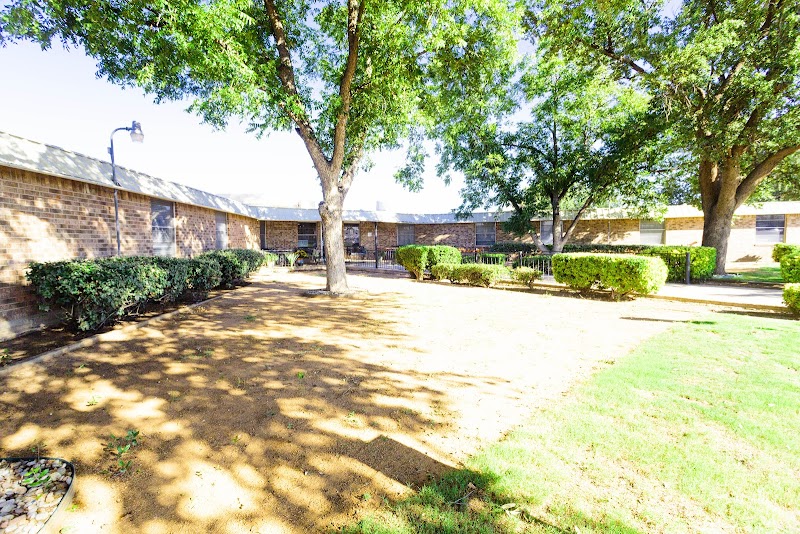
2000 N Main, Midland, TX 79705 (432) 686-1898
For profit - Corporation 106 Beds FOCUSED POST ACUTE CARE PARTNERS Data: November 2025 1 Immediate Jeopardy citation
Trust Grade
36/100
#465 of 1168 in TX
Last Inspection: June 2025

Inspected within the last 6 months. Data reflects current conditions.

Overview

Focused Care at Midland has received a Trust Grade of F, indicating poor performance with significant concerns. They rank #465 out of 1168 facilities in Texas, placing them in the top half, and #2 out of 5 in Midland County, meaning only one local option is better. The facility is currently improving, having reduced its issues from 18 in 2024 to 11 in 2025, but has a concerning staffing rating of 2 out of 5 stars and a high turnover rate of 62%, well above the state average. They have received fines totaling $14,020, which is average for Texas facilities, and have less RN coverage than 79% of their peers, which is a weakness because more RN presence can help catch potential problems. Specific incidents reported include a critical failure where a resident eloped from the facility and was found two hours later, highlighting serious safety concerns. Additionally, there was a serious neglect in pain management for another resident who experienced significant pain during wound care without proper assessment. Lastly, there were multiple concerns regarding food safety and sanitation in the kitchen, which could lead to foodborne illnesses. Overall, while there are some improvements, the facility has serious weaknesses that families should seriously consider.
Trust Score
F
36/100
In Texas
#465/1168
Top 39%
Safety Record
High Risk
Review needed
Inspections
Getting Better
18 → 11 violations
Staff Stability
⚠ Watch
62% turnover. Above average. Higher turnover means staff may not know residents' routines.
Penalties
○ Average
$14,020 in fines. Higher than 62% of Texas facilities. Some compliance issues.
Skilled Nurses
⚠ Watch
Each resident gets only 13 minutes of Registered Nurse (RN) attention daily — below average for Texas. Fewer RN minutes means fewer trained eyes watching for problems.
Violations
⚠ Watch
46 deficiencies on record. Higher than average. Multiple issues found across inspections.
★★★☆☆
3.0
Overall Rating
★★☆☆☆
2.0
Staff Levels
★★★★★
5.0
Care Quality
★★☆☆☆
2.0
Inspection Score
Stable
2024: 18 issues
2025: 11 issues

The Good

  • 5-Star Quality Measures · Strong clinical quality outcomes
  • Full Sprinkler Coverage · Fire safety systems throughout facility
  • No fines on record

Facility shows strength in quality measures, fire safety.

The Bad

3-Star Overall Rating

Near Texas average (2.8)

Meets federal standards, typical of most facilities

Staff Turnover: 62%

16pts above Texas avg (46%)

Frequent staff changes - ask about care continuity

Federal Fines: $14,020

Below median ($33,413)

Minor penalties assessed

Chain: FOCUSED POST ACUTE CARE PARTNERS

Part of a multi-facility chain

Ask about local staffing decisions and management

Staff turnover is elevated (62%)

14 points above Texas average of 48%

The Ugly 46 deficiencies on record

1 life-threatening 1 actual harm
Aug 2025 4 deficiencies
CONCERN (E) 📢 Someone Reported This

A family member, employee, or ombudsman was alarmed enough to file a formal complaint

Potential for Harm - no one hurt, but risky conditions existed

Deficiency F0804 (Tag F0804)

Could have caused harm · This affected multiple residents

Based on observations, interviews, and record review the facility failed to prepare food that was safe, palatable and attractive for 1 of 1 kitchen reviewed for food and nutrition services. The facili...

Read full inspector narrative →
Based on observations, interviews, and record review the facility failed to prepare food that was safe, palatable and attractive for 1 of 1 kitchen reviewed for food and nutrition services. The facility failed to ensure Dietary Aide (DA) C followed the puree recipes when preparing pureed food items.The facility failed to deliver food with an appetizing taste for the lunch meal on 08/02/2025. This failure could place residents at risk of decreased food intake, hunger, unwanted weight loss, and a diminished quality of life. Findings included:Interview with a confidential resident on 08/02/2025 at 10:05 AM, the resident stated the food from the kitchen sucks and was not hot. Interview with a confidential resident on 08/02/2025 at 10:15 AM, the resident stated the food is not good.Interview with a confidential resident on 08/02/2025 at 10:20 AM, the resident stated the food is hot but is crap.Interview with a confidential resident on 08/02/2025 at 10:30 AM, the resident stated the food is not good.Observation on 08/02/2025 at 1:20 PM revealed DA C placed two pieces of sliced bread into the puree blender and poured cold milk on top. DA C did not measure the milk. After blending, DA C added liquid thickener. DA C did not measure the thickener. After washing and sanitizing the blender, DA C placed a cooked hamburger patty in the blender and poured hot water on top of it. DA C did not measure the water. The Dietary Manager (DM) told him to add some chicken broth for flavor. DA C poured liquid chicken broth in the blender. DA C did not measure the chicken broth. After washing and sanitizing the blender, DA C placed a scoop of cooked rice in the blender and poured cold milk on top. DA C did not measure the milk. After blending, DA C added liquid thickener. DA C did not measure the thickener. DA C did not take temperatures of the pureed foods. DA C covered each serving bowl with plastic wrap and placed them in the microwave for approximately 30 seconds. DA C removed the bowls from the microwave and placed them on a serving tray.Interview on 08/02/2025 at 1:35 PM DA C said he was not trained on what liquid or how much to mix in each food item. Said he thinks about what he would like it mixed with and eyeballs the amount. DA C said he can always add thickener if it is too runny. DA C said he does not know if there are recipes that should be followed. DA C said if the thickness is not correct, the resident can choke.Interview on 08/02/2025 at 1:40 PM the DM said none of the DA's have had training on purees. The DM said residents might choke if purees are prepared incorrectly. The DM said Dietary Staff needing to fill-in for a position they are not trained for happens more often than it should. Observation on 08/02/2025 at 1:50 PM revealed the lunch test tray consisted of peppered steak, brown gravy and rice, was unappetizing in appearance (meat was dried out, brown gravy had too much pepper) and the meat was hard to cut with a fork and knife.Interview with a confidential resident on 08/02/2025 at 3:00 PM the resident stated the food is not good.Interview on 08/02/2025 at 5:28 PM the Registered Dietician said the DM was directed to either print menus and recipes for the current meal season and place in a binder or print each menu and recipe daily and provide to Dietary Staff.Record Review on 08/02/2025 showed no significant weight loss for residents.A policy for food palatability was requested from the DM 08/02/2025 at 01:40 PM, he stated there was not a specific policy related to food palatability .
CONCERN (E) 📢 Someone Reported This

A family member, employee, or ombudsman was alarmed enough to file a formal complaint

Potential for Harm - no one hurt, but risky conditions existed

Safe Environment (Tag F0921)

Could have caused harm · This affected multiple residents

**NOTE- TERMS IN BRACKETS HAVE BEEN EDITED TO PROTECT CONFIDENTIALITY** Based on observation, interview, and record review, the facility failed to provide a safe, functional, sanitary, and comfortable...

Read full inspector narrative →
**NOTE- TERMS IN BRACKETS HAVE BEEN EDITED TO PROTECT CONFIDENTIALITY** Based on observation, interview, and record review, the facility failed to provide a safe, functional, sanitary, and comfortable environment for residents, staff, and the public for 3 of 3 resident smoking areas reviewed for environmental concerns. The facility failed to ensure adequate cleaning in the designated smoking areas. This failure placed the staff and visitors at risk of an uncomfortable and unsafe environment.Findings included: During an observation on 08/2/25 at 6:25 p.m., in smoking area 1 the grass/weeds were approximately 24 inches high. There was trash including used glove, paper, cans, food wrappers. Smoked cigarette butts littered the ground throughout the area. This area is shared by men's locked unit E and men's locked unit F.During an observation on 8/2/2025 at 6:30PM in smoking area 2 Women's Locked Unit from hall C. There was litter scattered on the ground including paper, cans, cups, food wrappers. Smoked cigarette (butts) littered on ground throughout area. The trash can was overflowing. The weeds/grass in this area are up to 1 ft. tall.During an observation on 8/2/2025 at 6:30PM in smoking area 3 located out the door of DR , shared by halls A, B, and D. This area is all cement and no grass. Observed trash including used glove, paper, cans, food wrappers. Also, smoked cigarette (butts) littered on ground throughout area. Cat food bowl w/ food, bag of cat food, 2 cat houses. Cat house 1 has wood chips for bed. Cat house 2 has a blanket for bed. Blanket is covered in cigarette butts, grass, and trash.During an interview on 8/2/2025 at 6:50PM with Regional Maintenance Manager, he said maintenance staff are supposed to clean outside grounds including smoking areas every Monday, Wednesday, and Friday. Mowing is performed by a contractor and they do not [NAME] smoke areas unless requested. Interview and record review with Administrator on 8/2/2025 at 7:00PM revealed a maintenance log check off for smoking area cleaning. Most recent check off was on 7/30/2025. Maintenance staff of facility was not available for interview due to Spanish speaking only. Administrator said mowing was not completed at last scheduled visit by contractor due to mechanical issues and that they were supposed to return today to complete. He said it was the expectation for the facility to be maintained with a clean and sanitary environment. Policy for clean sanitary environment was not received at exit.
CONCERN (F) 📢 Someone Reported This

A family member, employee, or ombudsman was alarmed enough to file a formal complaint

Potential for Harm - no one hurt, but risky conditions existed

Food Safety (Tag F0812)

Could have caused harm · This affected most or all residents

Based on observations, interviews, and record reviews, the facility failed to store, prepare, distribute, and serve food in accordance with professional standards for food service safety in 1 of 1 kit...

Read full inspector narrative →
Based on observations, interviews, and record reviews, the facility failed to store, prepare, distribute, and serve food in accordance with professional standards for food service safety in 1 of 1 kitchen reviewed for kitchen sanitation and food storage. - The facility failed to ensure stored foods were properly stored, labeled, and dated.- The facility failed to ensure temperatures were checked for food items prior to serving.- The facility failed to ensure food was not handled with bare hands.- The facility failed to ensure residents received preferred portion sizes.- The facility failed to ensure that spoiled food items were disposed of properly.- The facility failed to ensure dietary staff used facial hair restraints properly. - The facility failed to ensure dietary staff wore closed shoes.- The facility failed to ensure personal food items were not stored in 1 of 2 of the kitchen refrigerators. These failures could place residents at risk of food-borne illnesses and cross-contamination. Findings included: - Observation and interview on 08/02/25 at 11:20 AM revealed Dietary Aide (DA) B had on a baseball hat with the bill turned to the side, leaving approximately 1 inch of hair on her forehead not restrained. DA A had slide/open toe sandals on. Temperature logs for refrigerator or freezer were not visible. DA A said she was not aware of the need to take food temperatures before serving. DA A said temperatures were not taken for breakfast. DA A and DA B denied knowing where temperature logs were for food temperatures, refrigerator temperatures, and freezer temperatures. - Observation of the dry storage on 08/02/25 at 11:28 AM revealed: a produce box of mushy, wrinkled potatoes; a produce box of yams with sprouts; a produce box of small red potatoes with sprouts; a produce box of potatoes with sprouts; and a bag of chips not sealed. The floor was littered with used gloves, paper, napkins and a packaged cookie. - Observation of the refrigerator on 08/02/25 at 11:37 AM revealed: a bag of sliced turkey breast and sliced cheese opened on 07/30/25 did not have a UBD (use by date); a bag of sliced turkey breast opened on 07/30/25 did not have a UBD and was not sealed; a bag of an unidentified food item opened on 07/29/25 did not have a UBD and was not sealed; a bag of ham opened on 07/23/25 did not have a UBD; a bag of sliced cheese did not have an open date or UBD; a bag of sliced ham opened on 07/18/25 did not have UBD and was not sealed; a bag of grated cheese did not have an open date or UBD and was not sealed; a bag of grated cheese did not have an open date or UBD; a partial case of bottled water; 2 bottles of sports drink, 1 was opened and partially gone; a metal bin of an unidentified food item did not have an open date or UBD; and a bag of yogurt did not have an open date or UBD.- Interview on 08/02/25 at approximately 11:44 AM, DA B said the bottled water in the refrigerator was for staff to stay hydrated. DA B said the bottles of blue sports drink were hers. - Observation on 08/02/25 at 11:46 AM revealed: a bottle of ground turmeric was not sealed; clean bowls, plates, a muffin pan, pitchers and plate covers were facing up; and bins of serving and cooking utensils were not covered. The dish cart next to the steam table held stacks of clean plates. The top plate on one of the stacks of small plates had dried food particles on it. The top plate on another stack of small plates had one mouse dropping on it.- Observation on 08/02/25 at 11:51 AM revealed an overflowing bin labeled Open Cake Mix/Sugar. Please Use contained: a bag of graham cracker crumbs was not sealed; a chocolate cake mix did not have an open date or UBD; a muffin mix opened on 02/15/25 was labeled Use 1st did not have a UBD; a box of corn starch opened on 05/22/25 did not have a UBD and was not sealed; a bag of French fried onions opened on 07/06/25 did not have a UBD date; a peppered gravy mix did not have an open date or UBD and was not sealed; a bag of graham cracker crumbs did not have an open date or UBD and was not sealed; a bag of potato pearls opened on 04/15/25 did not have a UBD and was not sealed; a bag of potato pearls did not have an open date or UBD; a bag of potato pearls opened on 03/01/25 did not have a UBD; a bag of bread crumbs did not have an open date or UBD and was not sealed; and a bag of cocoa opened on 10/27/24 did not have a UBD and was not sealed. There was an unknown brown powdery substance spilled in the bin. - Observation on 08/02/25 at 12:15 PM revealed the Dietary Manager (DM) entered the kitchen, walked past the steam table, stove, and clean dishes to retrieve a hair restraint from the dry storage. The DM did not wear a beard restraint. - Observation on 08/02/25 at 12:20 PM revealed DA A did not check the temperatures for the gravy or the meat for mechanical soft diets before serving. - Observation on 08/02/25 at 12:35 PM revealed the DM and DA B gathering full trash bags with gloved hands. Without changing gloves, the DM and DA B began placing cut cake in bowls with gloved hands.- Interview on 08/02/25 at 12:39 PM, the DM said he usually printed menus and recipes every day. The DM said he did not print them for today (08/02/25) and tomorrow (08/03/25).- Observation on 08/02/25 at 12:57 PM revealed the DM was placing cake in bowls with gloved hands, the DM removed the left glove to release pressure on the juice machine. Without hand washing, the DM placed a clean glove on his left hand and continued placing cake in bowls with gloved hands. - Observation on 08/02/25 at 1:00 PM revealed DA B with gloves on, removed her baseball cap, rubbed her head and placed her cap back on her head. Without changing gloves, DA B began taking filled plates from DA A to place on trays. DA A touched the food surface area of each plate while dishing food onto the plates. - Observation on 08/02/25 at 1:05 PM revealed DA B picked up a stack of plate covers, leaned the plate covers against her chest, carried them to a tray cart, and began placing them on filled plates.- Observation on 08/02/25 at 1:08 PM revealed the DM leaned over the steam table where foods were not covered, reached on the other side of the steam table to pick up small plates, and the DM's shirt touched the rice on the steam table. DA B washed her hands, rubbed her ear and then picked up clean plates. - Observation on 08/02/25 at 1:20 PM revealed DA B picked up her personal cup with bare hands, placed the cup back down, and started placing cake on plates with her bare hands.- Observation on 08/02/25 at 1:25 PM revealed DA A was out of mixed vegetables for the last 5 plates. The DM said he would make a salad for the last 5 trays. DM retrieved lettuce and tomatoes from the refrigerator. - Observation on 08/02/25 at approximately 1:30 PM revealed DA A told the DM the last 5 trays had gone out for delivery. The DM stopped making the salad and did not substitute another food for the vegetable.- Observation on 08/02/25 at 1:45 revealed DA B blew her nose, placed gloves on, and started making a peanut butter and jelly sandwich without hand washing.- Interview on 08/02/25 at 2:00 PM, the DM said the Dietary Staff were responsible for housekeeping before and after each shift for the kitchen and dry storage. The DM said he started the DM position in February of 2025, and he had not had time to train all staff. The DM said the DA's had not been trained on purees meal preparation and taking food temperatures. The DM said he was responsible for disposing of expired and spoiled food items. The DM said he tried to go through the dry storage, frig, and freezer weekly. The DM said all four produce boxes of potatoes in the dry storage should have been disposed of. The DM said the facility has been battling an infestation of mice and cockroaches. The DM said pest control occurred weekly now due to the pests. The DM said he and the dietary staff performed a deep clean a few weeks ago to dispose of dead cockroaches and mouse droppings. The DM said he disposed of all paper in the kitchen, including temperature logs and has not replaced the temperature logs for the refrigerator and the freezer. The DM said his expectations were: clean dishes should be turned face down; clean utensils should be covered, not open to air; personal items should not be stored in the kitchen refrigerator; all food items should be sealed and labeled after opening with the date received, date opened, and expiration date/UBD; and staff know and need to utilize first-in, first out for all food products. The DM said he did not wear a beard restraint today (08/02/25) because he was in a hurry. The DM said he kept all recipes in his office, outside of the kitchen. The DM said staff needing to fill in for a position not trained for happens more often that it should. The DM said the plastic tub labeled Open Cake Mix/Sugar. Please Use should not be so full and everything should be sealed and labeled correctly.- Interview on 08/02/25 at 2:37 PM, DA A said handwashing should be performed between glove changes, food items should be sealed and labeled with the open date and UBD and opened items should be used before opening a new one. DA A said the pest problems have improved since she started in September 2024. DA A said she was trained to add what is common sense to purees and to gauge the amount. DA A said she was told when the puree item splats on the blender lid, it is ready. DA A said gloves must be worn if touching food. DA A said the outcome of foods not being stored and served at correct temperatures could cause residents to get a stomach-ache. DA A said residents could get sick more often if correct portions are not served. DA A said she wore slides today because it was the weekend. - Interview on 08/02 25 at 5:28 PM, the contracted Registered Dietician (RD) said the DM has been directed to print menus/recipes for current meal season (started in June) all together or daily and make available to staff. The RD said the DM can trash them after use. - Record review of facility policy Personnel Hygiene revised 10/2023, revealed in part: Food and Nutrition Services staff will follow appropriate hygiene and sanitary procedures to prevent the spread of foodborne illness. All staff who handle, prepare or serve food will be trained in the practices of safe food handling and preventing foodborne illness. Staff will demonstrate knowledge and competency in these practices prior to working with food or serving food to residents. Hair nets or other hair restraint to be worn by employees at all times in the kitchen. Facial hair must be covered with a facial hair restraint.Clean, well fitting, closed comfortable shoes. Staff must wash their hands: after personal body functions (i.e., toileting, blowing/wiping nose, coughing, sneezing, etc.); before coming in contact with any food surfaces; after engaging in other activities that contaminate the hands. Contact between food and bare (ungloved) hands is prohibited. Gloves are considered single-use items and must be discarded after completing the task for which they are used. The use of disposable gloves does not substitute for proper handwashing. Hair nets or caps and/or beard restraints must be worn to keep hair from contacting exposed food, clean equipment, utensils and linens. - Record review of facility policy Food Storage revised 04/11/2022, revealed in part: Stock will be rotated first-in, first-out. Food removed from its original packaging will be labeled with the following-receive date, open date, and contents in the package. Opened package or leftover food is to be tightly wrapped or covered in airtight, clean containers. It should be labeled, dated with the opened or use by date. Do not keep leftovers in the refrigerator for more than 7 days. All refrigerators and freezers have thermometers that are monitored daily. Employee beverages and food will be in a closed container stored in designated employee area away from food area. Check food temperatures prior to meal service. If the food temperatures are not within acceptable parameters, the food is reheated or chilled to an appropriate temperature. Food temperatures are taken and recorded at all meals.Review of the FDA Food Code 2022 https://www.fda.gov/food/retail-food-protection/fda-food-code accessed 06/19/2025 revealed: 3-602.11 Food Labels. (A) FOOD PACKAGED in a FOOD ESTABLISHMENT, shall be labeled as specified in LAW, including 21 CFR 101 - Food labeling, and 9 CFR 317 Labeling, marking devices, and containers .(B) Label information shall include: (1) The common name of the FOOD, or absent a common name, an adequately descriptive identity statement .Time/temperature control for safety refrigerated foods must be consumed, sold or discarded by the expiration date.Review of the Food Code, U.S. Public Health Service, U.S. FDA, 2022, U.S. Department of H&HS, revealed, 2-402 Hair Restraints, 2-402.11, Effectiveness., (A) Except as provided in paragraph (B) of this section, FOOD EMPLOYEES shall wear hair restraints such as hats, hair coverings or nets, beard restraints, and clothing that covers body hair, that are designed and worn to effectively keep their hair from contacting exposed FOOD; clean EQUIPMENT, UTENSILS, and LINENS; and unwrapped SINGLE-SERVICE and SINGLE-USE ARTICLES.
MINOR (B) 📢 Someone Reported This

A family member, employee, or ombudsman was alarmed enough to file a formal complaint

Minor Issue - procedural, no safety impact

Garbage Disposal (Tag F0814)

Minor procedural issue · This affected multiple residents

Based on observation and interviews, the facility failed to dispose of garbage and refuse properly for 2 of 3 dumpsters in that: The facility failed to ensure the dumpster lids were closed on 2 of 3 d...

Read full inspector narrative →
Based on observation and interviews, the facility failed to dispose of garbage and refuse properly for 2 of 3 dumpsters in that: The facility failed to ensure the dumpster lids were closed on 2 of 3 dumpsters and the area surrounding the dumpsters were free of garbage and debris.These failures could affect residents who resided in the facility and the public by placing them at risk of exposure to germs, disease, and an environment which could attract pests and rodents. The findings include: In an observation on 8/2/25 at 6:00 PM of 2 of 3 dumpsters located outside the nursing facility, the lids were open on both dumpsters. The dumpsters were not full. A trash bag with trash inside was hanging over the trash can. There was trash outside the dumpster including a toilet and some wooden items. During an interview on 8/2/25 at 6:10 PM, the Administrator stated the expectation is dumpster lids were to always remain closed and area free of trash or debris. The maintenance director does rounds outside the facility on Monday, Wednesday, and Friday. No policy on garbage and refuse disposal was provided by time of exit on 8/2/25 at 8:30 PM.
Jun 2025 4 deficiencies
CONCERN (D) 📢 Someone Reported This

A family member, employee, or ombudsman was alarmed enough to file a formal complaint

Potential for Harm - no one hurt, but risky conditions existed

Accident Prevention (Tag F0689)

Could have caused harm · This affected 1 resident

**NOTE- TERMS IN BRACKETS HAVE BEEN EDITED TO PROTECT CONFIDENTIALITY** Based on observation, interview and record review, the facility failed to ensure the resident environment remains as free of acc...

Read full inspector narrative →
**NOTE- TERMS IN BRACKETS HAVE BEEN EDITED TO PROTECT CONFIDENTIALITY** Based on observation, interview and record review, the facility failed to ensure the resident environment remains as free of accident hazards as is possible and each resident received adequate supervision to prevent accidents for 1 of 5 (Resident #48) residents reviewed for smoking safety. The facility failed to ensure Resident #48's lighter, and cigarettes were not stored on their person. These failures could affect residents who smoke by putting them at risk of bodily harm or physical impairment. The findings included: Review of Resident #48's admission Record, dated 6/19/25, revealed he was a [AGE] year old male admitted to the facility on [DATE] with diagnoses including tobacco use. Review of Resident #48's Quarterly MDS, dated [DATE], revealed: He scored a 15 of 15 on his mental status exam (indicating he was cognitively intact). He needed set up or was independent with his ADLs. Review of Resident #48's Care Plan, last revised on 1/22/23 revealed: Resident #48 was an independent smoker, and he could go to the nurse's station to request his smoking material and go to the smoking area and smoke independently. He understood he could not share cigarettes or lighters with other residents at any time. Upon finishing he must return ALL smoking material to the nurse's station. The Goal was Resident will remain free from smoking related injuries through the next evaluation. Identified interventions included Resident will keep all lighters with facility staff for safety. Review of Resident #48's Order Summary, dated 6/19/25, revealed he was not on oxygen. Review of Resident #48's Safe Smoking Assessment, dated 4/12/25, revealed: Resident #48 was safe to smoke unsupervised at the time of the evaluation signed by the DON. Observation on 6/17/25 at 11:38 a.m. revealed a lighter unattended on Resident #48's bedside table in his room. The DON was shown the lighter, she took it and stated Resident #48 went out on pass by himself a lot. The DON stated she Resident #48 was an independent smoker. The DON said her question every day was what were her aides, nurses and housekeepers looking at when they entered the room. Review of the facility's policy and procedure on Smoking, effective 3/1/17, revealed: It is the policy to accommodate residents who desire to smoke by taking reasonable precautions, providing a safe environment for them, and protecting the non-smoking residents. Procedure: Incendiary devices will be stored by facility staff. Resident will not be allowed to possess any lighters, cigarettes, or other smoking materials. All vaping material will also be secured. Electronic cigarettes will follow the same rules as tobacco. IDT will develop an individualized plan for safe storage, use of smoking materials assistance and required supervision for residents who smoke. This is documented on the Resident Smoking Assessment, the resident's Plan of Care, and discussed with the resident and Responsible Party at resident care conference meetings.
CONCERN (D) 📢 Someone Reported This

A family member, employee, or ombudsman was alarmed enough to file a formal complaint

Potential for Harm - no one hurt, but risky conditions existed

Medical Records (Tag F0842)

Could have caused harm · This affected 1 resident

**NOTE- TERMS IN BRACKETS HAVE BEEN EDITED TO PROTECT CONFIDENTIALITY** Based on interview and record review the facility failed to ensure medical records, in accordance with accepted professional sta...

Read full inspector narrative →
**NOTE- TERMS IN BRACKETS HAVE BEEN EDITED TO PROTECT CONFIDENTIALITY** Based on interview and record review the facility failed to ensure medical records, in accordance with accepted professional standards and practices, were maintained on each resident that were accurately documented for 1 of 8 residents (Resident #8) reviewed for medical records. The facility failed to ensure documentation was completed for Resident #8's emergency room visit on 05/28/2025. This deficient practice could place residents at risk of having inaccurate records due to incomplete documentation. Finding included: Record review of Resident #8's admission Record dated 06/19/2025 revealed she was a [AGE] year-old female admitted to the facility on [DATE] with diagnoses which included diabetes mellitus, atrial fibrillation (irregular heartbeat), chronic obstructive pulmonary disease (lung disease that blocks airflow and causes difficulty breathing), and bipolar disorder. She was her own responsible party. Record review of Resident #8's Quarterly MDS (Minimum Data Set) assessment dated [DATE] revealed a mental status exam score of 8 indicating cognitive impairment, she used a wheelchair for mobility, she was independent or required set-up assistance for all ADLs except showering/bathing for which she required partial assistance, she had no documented falls since the previous assessment. In an interview on 06/17/2025 at 5:45 PM the DON stated that Resident #8 was taken to the emergency room on [DATE] from a restaurant on the next street. She stated the resident arrived at the emergency room at 6:18 AM after going to the restaurant. She stated that the front door of the facility had been locked and Resident #8 had not been informed that she could not get back inside the building unless someone let her in. The DON stated that because she was locked out Resident #8 went to the restaurant a block over to get assistance to get back inside the facility. She stated that Resident #8 was upset that the door was locked, and the restaurant staff called 911 rather than the facility. She stated the paramedics opted to take her to the emergency room to be checked out instead of bringing her back to the facility. She stated that Resident #8 was discharged from the emergency room and returned to the facility at approximately 10:30 AM. She stated that Resident #8 was her own responsible party and used to live in the neighborhood so she was familiar with what businesses would be open early in the morning. The DON stated that when the resident returned to the facility, she was happy and laughing. She stated that LVN B did a head-to-toe assessment on Resident #8 but was instructed not to document anything by the Regional Compliance RN. The DON stated that she did not agree with this directive and LVN B should have documented the assessment and an incident report because the resident was out of the facility when she was sent to the emergency room. She stated she did not understand why LVN B was told not to document on Resident #8. In an interview on 06/18/2025 at 9:55 AM LVN B stated she was the nurse for Resident #8's hall 05/28/2025. She stated she was told that Resident #8 was at the emergency room after being picked up by paramedics from a local fast-food restaurant. She stated that when Resident #8 returned to the facility from the emergency room that she (LVN B) did an assessment that she did not document. She stated she did not document anything because she was told by the Regional Compliance RN that because Resident #8 had been out of the facility when she was taken to the emergency room there was no reason to document anything. She stated an assessment on a resident returning to the facility from the emergency room was something she had always documented in the past and the reason she did not was because she was specifically told not to. LVN B stated an incident report should have been completed as well as an assessment since Resident #8 was taken to the emergency room from the restaurant. In an interview on 06/18/2025 at 11:00 AM LVN C stated that she was working in the facility on 05/28/2025 when Resident #8 returned from the emergency room. She stated she was working on a different hall and was not the nurse responsible for Resident #8 that day. She stated that she was told that Resident #8 had been taken to the emergency room by paramedics by the DON. She stated that the emergency room visit should have been documented to include why the resident was sent to the emergency room, when she left the facility to go to the restaurant and the assessment when she returned to the facility. She stated an incident report should have been done since Resident #8 was out of the facility when she was taken to the emergency room. She stated she was not sure why there was nothing documented. In an interview on 06/18/2025 at 11:51 AM the Administrator stated that since he was not a nurse, he did not direct the nursing staff, but he believed that the nurses should have documented something on Resident #8's return to the facility. He stated he would never tell a nurse what to document, and he can't imagine that the Regional Compliance RN would tell the nurses not to document on Resident #8 when she returned to the facility. In an interview on 06/18/2025 at 2:55 PM the Regional Compliance RN stated she knew that LVN B did an assessment when Resident #8 returned to the facility, but it was not documented. She stated I don't think I remember saying that when asked if she told the staff not to document. She stated she expected nursing to document when a resident goes to the emergency room, adding that they were supposed to put a note in the chart when a resident goes to the emergency room and/or when they came back to the facility. The Regional Compliance RN stated, She should have been charted on for sure. She stated she did not know why staff would say she told them not to document. She stated she told all her facility DON's that any resident who went to the hospital needed to be documented on. She stated that she and the DON told the nurses that there should have been documentation and that they could do a late entry if she was assessed. In an interview on 06/19/2025 at 9:10 AM NP D stated Resident #8 was her own responsible party and was able to sign herself out on pass so her being sent to the emergency room from the restaurant was not an issue in her opinion. She stated that she did expect the staff to document an assessment on the resident after she returned from the emergency room, and it was concerning to her that there was no documentation. In an interview on 06/19/25 at 3:02 PM the Medical Director stated he was notified of Resident #8 being sent to the emergency room from the restaurant. He stated that Resident #8 could make her own decisions about leaving the facility even if they are bad, and she was known to leave the building. He stated he did expect the nurses to document that she had gone to the emergency room and to assess her when she returned. In an interview on 06/19/25 at 3:07 PM NP E stated the nursing staff definitely should have documented something about the resident going to the emergency room and she expected at least an assessment would have been documented on her return to the facility. She stated it was concerning to her that there was no documentation on Resident #8's emergency room visit on 05/28/2025. Review of the facility's policy Incident and Accident dated 03/01/2017 revealed, in part: Accidents or incidents involving residents shall be investigated and reported to the Executive Director of Operations. Licensed nurse will complete an incident and accident report when staff is aware that an accident occurred. Review of facility in-service Communication with Doctor dated 06/12/2025 revealed, in part: Documentation should be very descriptive and based on the resident's condition, response to new medication, improvement of symptoms being addressed, response to stopping previous medication, changing the dose, etc. Nurses must do a complete assessment of the residents and document that assessment. On 06/19/2025 at 4:00 pm the DON stated the facility did not have a policy specific to documenting assessments when a resident returns to the facility from the hospital or emergency room.
CONCERN (E) 📢 Someone Reported This

A family member, employee, or ombudsman was alarmed enough to file a formal complaint

Potential for Harm - no one hurt, but risky conditions existed

Resident Rights (Tag F0550)

Could have caused harm · This affected multiple residents

**NOTE- TERMS IN BRACKETS HAVE BEEN EDITED TO PROTECT CONFIDENTIALITY** Based on observation, interview and record review the facility failed to treat residents with respect, dignity and care for each...

Read full inspector narrative →
**NOTE- TERMS IN BRACKETS HAVE BEEN EDITED TO PROTECT CONFIDENTIALITY** Based on observation, interview and record review the facility failed to treat residents with respect, dignity and care for each resident in a manner that promotes maintenance or enhancement of his or her quality of life for 2 of 7 residents (Resident # 63 and #136), and 5 residents in the confidential group interview. CNA F told Resident #63 to urinate in her brief instead of going to the bathroom per Resident # 63's request. Staff were on their cell phones while providing direct care to residents (including Resident #136). This failure resulted in a diminished quality of life for the identified residents and could affect additional residents by causing a loss of self-esteem and increased isolation. The findings included: Record review of Resident #63''s admission Record, dated 6/18/25, revealed she was an [AGE] year-old female admitted to the facility on [DATE] with diagnoses including dementia, pain, and need for personal care. Record review of Resident #63's Quarterly MDS, dated [DATE], revealed: She had a mental status of 2 of 15 (indicating severe cognitive impairment) She needed moderate assistance from staff for toilet hygiene. She was needed maximum assist from staff for transfers from the toilet. Record review of Resident #63's care plan, updated 5/21/25, revealed: The resident has bowel and bladder incontinence and is at risk for skin breakdown related to incontinence of urine related to confusion. The identified goal was the resident will remain free from skin breakdown due to incontinence and brief use through the review date. Identified interventions included: clean peri-area with each incontinence episode and encourage fluids during the day to promote prompted voiding responses. Observation on 06/17/25 02:51 PM revealed Resident #63 crying out in her room because she needed to go to the bathroom and wanted to sit down. CNA F told Resident #63 to calm down. CNA F told Resident #63 to urinate in her brief because Resident #63's brief was dry. During an interview on 6/18/25 at 3:30 p.m. five, alert lucid residents stated staff were always on their phones while providing care including wound care and passing medications. The resident who had wound care stated the staff member who did the wound care would not change gloves after being on their phone either. The residents stated half the time staff were on their phones watching television shows or typing to their friends. The residents said it made them uncomfortable, and like the staff were not here to care for us. The female residents stated they heard staff tell residents to urinate in their briefs. The residents reported last time was a night or two prior to the meeting. Record review of Resident #136's admission Record, dated 6/19/25, revealed he was a [AGE] year-old male admitted to the facility on [DATE] with diagnosies including stroke and amnesia. Resident #136's admission MDS was in process of being completed. Observation on 6/17/25 at 12:34 p.m. LVN G was in the dining room, sitting next to Resident #136 scrolling on social media on her phone. During an interview on 06/19/25 09:22 AM the DON stated her expectations for cell phones were they be used for professional reasons only such as appointments, labs, or amusing residents. The DON said the staff were here for resident centered care. The DON said the staff had more important things to do than to be scrolling on social medial. The DON said if it was her she would be upset because staff needed to be paying attention to her while providing care, that staff need to ask if the resident 'could roll over' if they 'are comfortable . The DON stated the staff needed to talk to the residents. The DON said there was no reason to be on the phone while passing pills. The DON said the only reason it would be ok to be on the phone while doing wound care was if they were doing a telehealth appointment with the telehealth person but not changing gloves was . ewww and she expected gloves to be changed. The DON said it was never acceptable for staff to tell a resident to go to the bathroom in the brief unless it was unsafe for some reason and then they should transfer the resident onto a bedpan. The DON stated even if it was just the one time the resident caught themselves due to their cognitive status they should be taken. The DON said the unspoken message to the resident was my needs are more important than yours and the residents should always feel like the priority. The DON said the residents would not feel like the priority if they were told to go to the bathroom in their brief. The DON said she did monitor for cell phones but when she did the staff were documenting on the electronic documentation program or the cell phone magically disappeared. The DON said she had to work the floor for the night shift at least once a week and she did rounds a lot. The DON stated staff signed a cell phone policy on hire. The DON said she in-services on cell phones but there was not a set frequency, and she did not remember when the last one was. During an interview on 6/19/25 at 12:05 p.m. the Administrator stated staff were allowed to use their cell phones if it was business related. The Administrator said the staff were not allowed to use social media unless they were looking up something for the residents on social media. The Regional Corporate Director who was present stated staff telling residents to urinate in their brief was not consistent with corporate policy and the expectation was the resident be taken to the bathroom if they wanted to go to the bathroom. The Regional Corporate Director stated if it was him, he would not be pleased and he would not like it if the staff treated him like that. During an interview on 6/19/25 at 5:56 p.m. the DON stated she did discuss cell phone use during the town hall meetings and dignity issues but she did not scribble it down so she knew she could not get credit for it. Record review of the facility's policy and procedure on Quality of Life, Dignity, revised August 2009, revealed: Each resident shall be cared for in a manner that promotes and enhances quality of life, dignity, respect and individuality. Policy Interpretation and Implementation. Residents shall be treated with dignity and respect at all times. Treated with dignity means the resident will be assisted in maintaining and enhancing his or her self-esteem and self-worth. Demeaning practices and standards of care that compromise dignity are prohibited. Staff shall promote dignity and assist residents as needed by: promptly responding to resident's request for toileting assistance. Staff shall treat cognitively impaired residents with dignity and sensitivity. Record review of the facility's employee handbook on Personal Cell Phones, Blue Tooth Devices, and Pagers Usage, revised 1/2023, revealed: Corporation team members may not use their cell phones, smart watches, blue tooth devices, MP3 players, and other electronic devices for personal calls and text messaging. These devices may only be used for Corporation approved applications. Facility team members should never use their phones while working on the floor or in a resident's room and must be set to silent.
CONCERN (E) 📢 Someone Reported This

A family member, employee, or ombudsman was alarmed enough to file a formal complaint

Potential for Harm - no one hurt, but risky conditions existed

Pharmacy Services (Tag F0755)

Could have caused harm · This affected multiple residents

**NOTE- TERMS IN BRACKETS HAVE BEEN EDITED TO PROTECT CONFIDENTIALITY** Based on observation, interview and record review the facility failed to ensure that drug records were in order and that an acco...

Read full inspector narrative →
**NOTE- TERMS IN BRACKETS HAVE BEEN EDITED TO PROTECT CONFIDENTIALITY** Based on observation, interview and record review the facility failed to ensure that drug records were in order and that an account of all controlled drugs were maintained, for 8 of 10 Residents (#5, #11, #34, #45, #56, #62, #63 and #186) and 1 of 2 medication carts inspected for medication reconciliation. Medication Aide (MA) A did not document the administration of a controlled medication on the individual controlled medication records after administering the medication. This failure could place residents at risk of under dose, overdose and drug diversion. The findings were: RESIDENT #5 Record review of Resident #5's admission record, dated 06/18/25, indicated he was admitted to the facility on [DATE] with diagnosis of epilepsy (a brain disease that causes repeated seizures due to abnormal electrical signals). He was [AGE] years of age. Record review of Resident #5's order summary report dated 06/18/2025 indicated in part: Phenytoin Sodium Extended Oral Capsule 100 MG. Give 1 capsule by mouth three times a day for Seizures. (MG = milligrams) Record review of Resident #5's Phenytoin medication record indicated 80 pills and the blister pack had 79 pills. RESIDENT #11 Record review of Resident #11's admission record, dated 06/18/25, indicated she was admitted to the facility on [DATE] with diagnosis of chronic pain syndrome. She was [AGE] years of age. Record review of Resident #11's order summary report dated 06/18/2025 indicated in part: Acetaminophen-Codeine (Narcotic pain medication) Oral Tablet 300-60 MG. Give 1 tablet by mouth two times a day for PAIN. Record review of Resident #11's Acetaminophen-Codeine medication record indicated 2 pills and the blister pack had 1 pill. RESIDENT #34 Record review of Resident #34's admission record, dated 06/18/25, indicated she was admitted to the facility on [DATE] with diagnoses of anxiety disorder. She was [AGE] years of age. Record review of Resident #34's order summary report dated 06/18/2025 indicated in part: Clonazepam Oral Tablet 0.5 MG. Give 1 tablet by mouth two times a day for anxiety. Record review of Resident #34's Clonazepam medication record indicated 59 pills and the blister pack had 58 pills. RESIDENT #45 Record review of Resident #45's admission record, dated 06/18/25, indicated she was admitted to the facility on [DATE] with diagnosis of pain, joint pain and muscle spasms. She was [AGE] years of age. Record review of Resident #45's order summary report dated 06/18/2025 indicated in part: Acetaminophen-Codeine Tablet 300-30 MG Give 1 tablet by mouth three times a day for pain. Pregabalin (medication to treat nerve pain) Capsule 50 MG Give 1 capsule by mouth three times a day. Record review of Resident #45's Pregabalin medication record indicated 77 pills and the blister pack had 76 pills. Record review of Resident #45's Acetaminophen-Codeine medication record indicated 52 pills and the blister pack had 51 pills. RESIDENT #56 Record review of Resident #56's admission record, dated 06/18/25, indicated he was admitted to the facility on [DATE] with diagnosis of anxiety disorder. He was [AGE] years of age. Record review of Resident #56's order summary report dated 06/18/2025 indicated in part: Alprazolam Oral Tablet 0.5 MG. Give 1 tablet by mouth three times a day for anxiety. Record review of Resident #56's Alprazolam medication record indicated 59 pills and the blister pack had 58 pills. RESIDENT #62 Record review of Resident #62's admission record, dated 06/18/25, indicated she was admitted to the facility on [DATE] with diagnoses of chronic pain syndrome and fibromyalgia (a long-term condition that involves widespread body pain). She was [AGE] years of age. Record review of Resident #62's order summary report dated 06/18/2025 indicated in part: Acetaminophen-Codeine Tablet 300-60 MG Give 1 tablet by mouth every 6 hours for pain. Pregabalin Oral Capsule 150 MG. Give 1 capsule by mouth two times a day for fibromyalgia . Record review of Resident #62's Acetaminophen-Codeine medication record indicated 95 pills and the blister pack had 94 pills. Record review of Resident #62's Pregabalin medication record indicated 5 pills and the blister pack had 4 pills. RESIDENT #63 Record review of Resident #63's admission record, dated 06/18/25, indicated she was admitted to the facility on [DATE] with diagnosis of chronic pain syndrome. She was [AGE] years of age. Record review of Resident #63's order summary report dated 06/18/2025 indicated in part: Tramadol Oral Tablet 50 MG. Give 1 tablet by mouth three times a day for pain Record review of Resident #63's Tramadol medication record indicated 51 pills and the blister pack had 50 pills. RESIDENT #186 Record review of Resident #186's admission record, dated 06/18/25, indicated she was admitted to the facility on [DATE] with diagnoses of anxiety disorder and epilepsy. She was [AGE] years of age. Record review of Resident #186's order summary report dated 06/18/2025 indicated in part: Lorazepam oral Tablet 0.5 MG. Give 1 tablet by mouth two times a day for anxiety. Phenytoin Sodium Extended oral capsule 100 MG. Give 1 capsule by mouth three times a day for seizures. Record review of Resident #186's Lorazepam medication record indicated 50 pills and the blister pack had 49 pills. Phenytoin medication record indicated 25 pills and the blister pack had 24 pills. During an observation and interview on 06/17/25 at 12:20 PM along with MA A halls A, C and E medication cart was inspected for controlled medications accuracy. Resident's #5, #11, #34, #45, #56, #62, #63 and #186 controlled medication blister packs did not match the count indicated on their respective sheet. MA A said she usually signed out the controlled medication sheets when she performed the count with the oncoming staff but that she probably should have signed it out as soon as she had administered the medication. During an interview on 06/17/25 03:36 PM the DON said it was expected for the staff that was administering the controlled medication to sign it out right after they administered the medication. The DON said this was supposed to be done in case the staff member had to leave in a hurry and the count would not be correct. During an interview on 06/19/25 at 06:45 PM the Administrator was made aware of the controlled medication sheets not matching the count in the medication blister packets. The Administrator said he agreed with what the DON had stated regarding the controlled medications needed to be signed as soon as it was administered. Record review of the facility's policy titled Receiving controlled substances and dated 09-2028 indicated in part: Medications classified by the drug enforcement administration (DEA) as controlled substances and medications classified as controlled substances by state law are subject to a special ordering, receipt and recordkeeping requirements by the facility in accordance with federal and state laws and regulations. Controlled substance inventory sheets are filed appropriately. A hard bound log book or in accordance with facility policy, is utilized to track the controlled substance from delivery to disposition.
May 2025 3 deficiencies 1 IJ
CRITICAL (J) 📢 Someone Reported This

A family member, employee, or ombudsman was alarmed enough to file a formal complaint

Immediate Jeopardy (IJ) - the most serious Medicare violation

Accident Prevention (Tag F0689)

Someone could have died · This affected 1 resident

**NOTE- TERMS IN BRACKETS HAVE BEEN EDITED TO PROTECT CONFIDENTIALITY** Based on observations, interviews and record review the facility failed to ensure the resident environment remains as free of ac...

Read full inspector narrative →
**NOTE- TERMS IN BRACKETS HAVE BEEN EDITED TO PROTECT CONFIDENTIALITY** Based on observations, interviews and record review the facility failed to ensure the resident environment remains as free of accident hazards as is possible and each resident receives adequate supervision and assistance devices to prevent accidents for 1 of 2 residents (Resident #1) reviewed for accidents and supervision, in that: Resident #1 eloped on 11/19/24 out of the facility and across a 35-mph street and was found at a school 0.8 miles away 2 hours later by police. An IJ was identified on 5/2/25. The IJ template was provided to the facility on 5/2/25 at 12:44 PM. While the IJ was removed on 5/2/2025 at 8:35 PM. The facility remained out of compliance at a scope of isolated and severity level of no actual harm with a potential for more than minimal harm that is an immediate jeopardy due to facility's need to evaluate the plan of removal. This failure could place residents at risk of severe injury or even death. The Findings were: Review of Resident #1's admission Record, dated 4/29/25, revealed he was a [AGE] year-old male admitted to the facility on [DATE] with diagnoses of dementia with behavioral disturbance, brief psychotic disorder (had an episode of seeing things that were there or believing things that were completely irrational). Review of Resident #1 quarterly MDS Assessment prior to the incident, dated 2/24/25, revealed: He had a mental status of 6 of 15 (indicating severe cognitive status) There were no behaviors documented. He had no range of motion impairments. He could walk 150 feet with partial assistance. He was on an antidepressant. Review of Resident #1's care plan revealed: Initiated 4/13/23 Focus: Resident is an elopement risk/wanderer and is in secured unit being at risk for possible injury related to impaired safety awareness and diagnosis of dementia. Goal: Resident's safety will be maintained throughout the review date Interventions: Distract resident from wandering by offering pleasant diversions, structured activities, televisions, or books. Provide structured activities: walking inside and outside, reorientation strategies, including signs, pictures, and memory boxes. Initiated 4/26/23: Focus: Resident resides in secure unit as is at risk for injury from wandering in an unsafe environment related to diagnosis of dementia as evidenced by impaired safety awareness. Resident is at risk for injury from others while residing in secure unit due to altered cognition. Goal: Dignity will be maintained, and resident will wander about unit without the occurrence of any occurrence of any injury over the next quarter. Interventions: Call by name when giving care, involve in care as much as possible. Resident #1's Elopement Assessment, dated 10/8/24 scored an 11 making him a high risk for elopement. There was no Incident/Accident report for the 11/19/24 elopement in the electronic record. Review of Resident #19's Nurse's Notes revealed no nurse's notes for 11/19/24. The next nurse's note was dated 11/21/24 and read: Nurse Practitioner rounded on resident today, no new orders noted/ After occurrence this week with resident escaping from facility lockdown unit. Review of the facility's investigation revealed on 11/19/24: Staff reported Resident #1 was missing at 6:00 p.m. RN A ordered a search of the facility and notified the Administrator and DON. Administrator and DON came to the facility. They notified the police. The Administrator drove through the neighborhood while the DON stayed at the facility. The facility completed the head count. Police found Resident #1 west of the facility 0.8 miles away at 8:45 p.m. Facility notified physician. Facility completed skin assessment with no injuries found to the resident. Facility changed the number to the doors to the secured units. Management began an Inservice to the staff about not allowing residents to follow people out the door. Review of the facility's investigation dated 11/25/24 revealed resident went out of secured unit behind a girl is what he is saying. Verification on Accuweather.com revealed the temperature was between 39- and 68-degrees Fahrenheit. Sunset was 5:45 p.m. Interview on 4/28/25 at 10:45 a.m. the Administrator stated Resident #1 made it to the school on {x} street. The also present DON stated the {x} school was about ¾ a mile away. The Administrator stated that weekend the facility had a plumbing problem, and the facility was replacing plumbing, and Resident #1 followed the contract worker out the door. The DON stated Resident #1 crossed their street (30 mph) and walked down the other street (35 mph). The DON stated the police officer found Resident #1 at the school and the only thing wrong with him was his brief was full of poo. The DON stated the staff should have seen the elopement attempt coming and all the staff knew to keep the door shut. The DON said they told the workers in Spanish but did not know how much they understood. The DON said it did not matter the staff all knew. The DON said they did not have a staff member designated to watch the door because she assumed the staff would do their job. The DON said this time Resident #1 got out of the building by following someone out the door of the secured unit and then left out the front door. The DON said Resident #1 felt like he did not belong at the facility. Interview on 4/29/25 at 8:55 a.m the DON stated the facility did QA the situation and their added solution was there would be a dedicated person at the door while there was construction going on. Observation on 4/29/25 at 12:44 p.m. of the neighborhood revealed the road the facility was on was 30 mph . The road the resident went down was a four-lane divided road with a draw (long drainage ditch) between the two lanes, and the speed limit was 35mph. There were four stop signs between where the resident was found and the facility. There was a sidewalk. Interview on 4/29/25 at 11:45 a.m. the DON stated there was a lack of documentation on Resident #1 because her nurses did not like to document anything. The DON reviewed Resident #1's documentation and stated all she could find was the 11/21/24 nurses note documenting the NP visit. Interview on 4/29/25 at 1:00 p.m. the DON stated there was no incident-accident report for Resident #1's elopement on 11/19/24. The DON said it was missed and did not have an answer for why. The DON said the facility did do a skin check for Resident #1 when he returned and every 15-minute checks, but those would not be in his clinical record. The DON stated the physician was notified. The DON said Resident #1 was his own Responsible Party so there was no Responsible Party to notify. The DON stated at the time the facility was working off electronic 24-hour reports and new nurses were not putting in everything they needed to. The Administrator joined the conversation and admitted the lack of documentation was a staffing failure and Resident #1 now lived on the smaller of the two secured units where it would be harder for him to slip through the cracks. Interview on 4/29/25 at 5:47 p.m. the Administrator admitted she did not take statements from the night staff about what happened with Resident #1's elopement. She said she was just tired, relieved to have him back, and forgot. The Administrator said her investigation showed it happened around 5 p.m. Interview on 4/29/25 at 6:27 p.m. RN A stated she was a charge nurse the night Resident #1 got out, but she was not Resident #1's charge nurse. RN A stated she was getting shift change information from LVN B and MA C when a CNA came off the unit saying she could not find Resident #1. RN A said she could not remember which CNA it was. RN A said she directed the CNA to go check the rooms on the units. RN A said it was shift change so she and LVN D checked the outside of the building. RN A stated they came back in and told everyone what to do. RN A said she called the DON. RN A stated she directed everyone to do a room-to-room search to include checking bathrooms, and closets. RN A said she and LVN D did a head count and everyone else was accounted for. RN A stated the DON and Administrator came at that point. RN A stated she told the DON what she (RN A) told the staff to do up to that point. RN A said the DON and Administrator started the corporate protocols at that point, the DON called the police while the Administrator went to go search for the resident. RN A stated she did not remember when Resident #1 came back but he was ok. RN A said she did not know how Resident #1 got out the building because she was charge nurse over the other side of the building. RN A said nothing stood out as unusual when she got to the building that day. Interview on 4/30/25 at 9:18 a.m. CNA E said she worked the 6 a.m. - 6 p.m. shift. CNA E stated her memory of Resident #1 getting out of the building was fuzzy. CNA E stated she did not know if that was how Resident #1 got out or not, but she remembers there was a lot of construction going on at the unit that day. CNA E said she did not know Resident #1 had eloped until he was gone. CNA E stated Resident #1 got his breakfast and lunch trays and remembered checking on Resident #1 in his room when she did rounds. CNA E said she never asked Resident #1 how he got out. CNA said there was nothing else unusual about that day. CNA E said after the incident they had an in-service about making sure the door was closed, the door code was changed, and that Resident #1 room was changed. Interview on 4/30/25 at 10:19 a.m. CNA F said he worked 8 a.m. - 8 p.m. and he worked the day Resident #1 got out. CNA F said that day Resident #1 could not stay still. CNA F said there was maintenance going on in the unit so there were carts in and out. CNA F said people had to know to pull the door shut to make sure it closed, or the residents would follow people out. CNA F said since Resident #1 could no longer get through the fence he followed someone out the unit door. CNA F said Resident #1 did not move quickly, but if someone was pulling a cart behind them, Resident #1 would be able to follow. CNA F said he was surprised Resident #1 got 0.8 miles away before he was found since Resident #1 walked with the limp. CNA F said after the elopement they were told to watch the residents more, but CNA F did not know how since residents went outside on the patio as well. CNA F said the staffing pattern was two people on E hall and two people on F hall - which left one aide to do aide work and one person to watch the hallway and the patio to monitor residents. CNA F said he worked 8 a.m. to 8 p.m. to reduce some of the chaos that happened at shift change and worked the men's unit exclusively. CNA F stated since Resident #1 eloped the facility worked on the door magnets, changed the code, moved Resident #1 to another hall, in-serviced staff and told the staff to watch the residents more . Interview on 4/30/25 at 12:23 p.m. LVN B confirmed she was a charge nurse the day Resident #1 got out. LVN B stated she stayed after her shift after the CNA said Resident #1 was missing. LVN B said the aide came out of the unit asking if anyone saw Resident #1 and the staff were unable to find Resident #1. LVN B said she did not know what time that was, but she thought it was between 6 p.m. and 6:15 p.m. LVN B stated the staff checked the other unit the patio was attached to because you never know and then rechecked the hall Resident #1 lived on. LVN B said all staff were alerted to check the whole building. LVN B said it took an extra hour to hour and a half. LVN B said they were unsuccessful, after they checked the outside, she just left. LVN B said the next day she learned they found Resident #1 at a school. LVN B said no one told her how Resident #1 got out . LVN B said that day there were a lot of people in and out of the unit because there was construction going on. LVN B said they did not know if the construction workers left the door open. LVN B said it was unclear how he got out. LVN B said LVN D worked Resident #1's hall during the day. LVN B said she did not remember which night aide told them the resident was gone. Interview on 4/30/25 at 12:32 p.m. LVN D stated she was Resident #1's charge nurse. LVN D said no one reported to her Resident #1 was missing. LVN D stated CNA G's statement that documented she told a nurse Resident #1 was missing was false. LVN D said CNA G no longer worked at the facility. LVN D stated no one told her Resident #1 was gone. LVN D said CNA G may have told MA C. LVN D said she could not remember that day, but she knew he was there because she put her eyes on everyone before dinner, LVN D just could not recall if she saw him. LVN D said they called the Administrator twice that day but did not remember why. LVN D said there was an in-service about missing residents but could not remember anything else. Interview on 4/30/25 at 4:02 p.m. MA C stated he kind of remembered some of the incident of Resident #1's elopement. MA C said they were doing maintenance on Resident #1's side of the men's secured unit. MA C stated there were a lot of people going in and out. MA C said he thought Resident #1 just followed them out. MA C stated he could not remember what time it was. MA C he was not assigned to pass medications down that side of the building. MA C stated no one told him a resident was missing, if they did, he would search room to room and check the entire facility and then check with the Administrator to see what needs to be done. MA C stated he believed Resident#1 was gone a couple of hours. MA C said residents hung out on the patio area and the staff were responsible for keeping up with where the residents were, and it was difficult to keep up with the patio, the day room, and the resident's room plus being an aide. Interview on 5/1/25 at 10:29 a.m. the Regional RN Consultant stated she only checked care plans during the facility's mock survey. She stated the regional staff were supposed to check the care plans after an incident occurred. The Regional RN admitted she did not because she usually looked to see if there was an intervention put in place after the incident. The Regional RN Consultant stated after an Elopement she expected to see if the resident was checked for a UTI, were doors locked and/or alarming, making sure that the residents could not get out and if there was a system failure. The Regional RN stated she remembered the facility reported the incident occurred to the corporate staff, but they were not part of the plan of correction, and they were not part of monitoring the plan of correction. The Regional RN stated usually if the facility had a self-report, she would go over it. Interview on 5/1/25 at 1:00 p.m. Resident #1's physician stated the facility notified him of the elopement and the NP did an as needed visit the next day to verify there were no injuries. The physician reviewed Resident #1's notes and stated the only medication Resident #1 had ordered in the last 3 years was diphenhydramine so Resident #1 was medically stable. The physician stated he had not issues with how the units were being run. Observation on 5/1/25 at 4:22 p.m. revealed two maintenance worker bringing dirt into the patio area on the men's unit to level it out. One male resident was sunning himself on the ground, another resident came out to smoke. There was one of the employee's children intently staring at the open gate. Surveyor asked him if his job was to watch the gate, he shrugged, and continued to stare at the open gate. Interview on 5/2/25 at 10:10 a.m. the DON stated the facility was supposed to be doing head counts every day - that was the responsibility of the ADON who was no longer with the facility. The DON did not know when that stopped or why that stopped. The DON said after Resident #1's elopement the facility also changed the physical keypad to all the doors, changed the codes, secured the furniture to the patio so the furniture could not be moved for residents to climb over the fence, referred Resident #1 out to other facilities. The DON said she thought there were some in-services with maintenance department, but she could not remember - it was not her department, so she was not sure. Interview on 5/2/25 at 10:17 a.m. surveyor attempted to call the previous ADON and left a detailed message requesting a call back. Interview on 5/2/25 at 10:45 a.m. the DON stated, as a general rule Resident #1 wore a beige jacket he would not take off, a t-shirt and jeans. The DON said she did not remember exactly what Resident #1 wore on 11/19/24 except jeans because the officer was so mad about the poop falling out of it. The DON said she was unable to find any of the head count forms the previous ADON was responsible for monitoring. 5/2/25 at 11:54 the DON showed surveyor where the plumbers were working, and one of three rooms was Resident #1's. Review of the facility's investigation dated 11/20/24 revealed: The DON's statement revealed: I received a call that resident was not on the unit. We told the staff to check every room and every bathroom, closet and any place someone could be hiding and myself and the Administrator went down the street to look for him. Several staff came out to look for him and we called the police and spoke to an officer and gave a report of him missing. At about 8:45 p.m. an officer called the facility and said that he had found him and was bringing him back home. Resident arrived in the police car with no injuries to himself and returned to his room. When asked how he got out he said that he followed a girl out. We in-serviced staff on making sure no one is exiting the doors with you and that the doors are shut and locked before leaving. We did in-services on ensuring no on follows you out of the unit. He is back home with no injuries' and safe. We also notified the physician. Resident is his own responsible party. We started a head count and looked around the premises of the building and then started a search and called the police to get them to help us to look for him as well. Making sure no one is following you out of the doors and that they are secure before you walk away. Statement from Pest Control the Administrator called: Spoke with Pest Control and he said he thought he saw someone matching description out in parking lot around 5 or so. CNA F's statement revealed: He was here. I don't know what happened. CNA E's statement revealed: He was here at breakfast and lunch. Dinner hadn't been served when I left but I saw him. Dated 11/20/24 CNA G's statement revealed: I went to hand out dinner trays and I noticed he wasn't here and I told the nurse. We started checking everywhere. Dated 11/19/24 MA C written by the Administrator revealed: Spoke with MA C who just said Resident #1 was not here and we couldn't find him. He did not know how he could have gotten out. Administrator's statement dated 11/19/24 revealed: was notified about elopement of Resident #1. Called ADON and went and picked her up. Called Regional Director. Everyone was out looking. DON was in building looking everywhere. Called police to get more eyes out. We were driving around from about 6:40 p.m. until about 8:30 p.m. when we were notified he was back at the building. Police officer found him down by school. Asked him how he got out and he said he waited until he saw an opportunity and then walked out when no one was looking. It seems the door did not close after workers leaving the unit and he just followed them out. He said he was going to follow the water until he got somewhere else. Started in-service on making sure doors are closed when exiting and to watch closely when workers like construction or plumbers are on the unit. Review of in- services, dated 11/21/24, revealed the facility trained all departments on watching doors when construction was going on and always checking doors behind you when leaving. Review of the facility's QA minutes dated 12/12/24 revealed 11 staff discussed the incident and determined the fix was if there was ongoing construction all staff needed to know, and they needed to be at the door and contract staff needed to know they could not let anyone out with them. Review of the facility's Policy and Procedure on Elopement, effective 11/1/19 revealed: Policy: To safely and timely redirect patients/residents to a safe environment. A prompt investigation and search will be conducted if a patient/resident is considered missing. Procedure: 1. Once it has been established that a patient/resident is missing, the following staff members are notified immediately: the charge nurse, Administrators, DON, and social service designee, responsible party and the primary care physician. Complete the missing resident profile. Make note of the outside temperature. 2. The DON or designee organizes and institutes an immediate and thorough search of the center and surrounding ground. Conduct a headcount of each unit. Including, but not limited to a search of the area outside the nearest exit to the patient's/resident's room or the exit he/she was last seen, and the entire unit where the patient/resident resides or was last seen, the remainder of the facility, all rooms, closets - including storage facilities' - bathrooms and grounds extending beyond the fence line. Check all offices and any locked door to ensure non were left unlocked. 3. The entire search process of the facility and grounds, from the time the patient/resident is missing should be completed within 30 minutes. 4. IF the search fails to locate the missing patient/resident within 2 hours from the time patient/resident is found to missing, the Administrator and/or designee contacts the appropriate community agencies (Local Law Enforcement) and update the patient's/resident's legal representative. Staff will provide the police with all physical identifying information including but not limited to physical appearance, height, weight, age, sex, and clothing if known. 5. The search is continued. Two staff members search the surrounding streets by car for a two (2) mile radius around the facility. 6. When the patient/resident is located the nurse completes a head-to-toe assessment. The social service designee assesses the patient/resident for emotional distress. The charge nurse reports any findings to the DON. The DON notified the Administrator or designee and notifies the appropriate community agencies, attending physician, and patient's/resident's legal representative. The Director of Clinical Operations, Regional [NAME] President of Operations and DON were notified of an IJ on 5/2/25/ at 12:44 p.m. and was given a copy of the IJ Template and a Plan of Removal (POR) was requested. The Plan of Removal accepted on 5/2/2025 at 4:50 PM and included the following: Door codes changed on 5/02/2025 All residents will have a current Elopement Assessment done by the DON/ADON/Charge nurse to be completed by 5/2/25 Resident have updated [NAME] for those identified at high risk for elopement based on updated elopement assessments, by the DON or designee by 5/2/25 Care plan audits completed by Regional [NAME] President of Operations/ Regional Director of Clinical Operations to reflect any changes in elopement status based on new assessments conducted by DON or Regional Director of Clinical Operations. By 5/2/25 In-service initiated on 5/2/25 for all staff on Elopement policy and procedure by DON. All staff will have this in-service prior to the start of their shift and will also be included in the orientation process with any newly hired staff. To be completed by 5/2/25. One to one in-service with DON by Regional [NAME] President of Operations regarding Elopement Policy and interventions to reduce risk of elopement with resident who are at risk or exit seeking 5/2/25 Licensed nurs3es in-serviced on using the Fire Alarm and Secured Unit Exit Release Activation and will also be included in the orientation process with any newly hired staff. To be completed by 5/2/25. Ad hoc QA meeting held with the Medical Director on 5/2/25 to inform him of the Immediate Jeopardy. Policy on Elopement was reviewed with no changes recommended. Fire alarm and Secured Unit Exit Release Activation Form as well as residents assessed at risk for elopement will be reviewed each month in the facility's QA meeting. Residents who leave the secured unit or facility will be accompanied by a staff member or responsible party until they return to the secured unit. The nurse assigned to the resident will monitor that the resident returned to the secured unit. No changes in assessment of current residents noted from Risk assessment completed on 5/2/25. DON/Administrator will monitor staff knowledge of elopement policy. Verification of 6 residents files showed that elopement assessments were completed on 5/2/25. Surveyors monitored the facility's Plan of Removal and confirmed it was sufficient to remove the IJ through observations, interviews, and record reviews from 5/2/24 at 12:44 through 5/2/25 through 8:35 p.m. Observation on 4:55 p.m. revealed the DON was changing the code to the secured unit and showing it to the staff one on one. Director of Clinical Operations was in- servicing all nursing and aides one on one. The DON was in- serviced one on by the [NAME] President of Clinical Operations on 5/2/25. 5/2/25 Inservice by DON to nurses: Every nurse is responsible for head count at the start of their shift. If a resident is not in the facility, you should first check the sign out sheet. If the resident has signed out. You should account for that next to their name on the printed census for head count. Head count must be done at shift change/or nurse in charge change and with and emergency button pull or incident that leads to secure unit doors or gates coming open. Thes head counts must be turned into the DON under the DON's door. Do not put them in the DON's box. If any resident is not in the facility and not signed out DON and Administrator must be called at once. DON wants the nurses completing the count to sign/initial the halls they verified. DON will take these counts to morning meeting daily also. Inservice by DON on 5/2/25 on Fire Alarm/Secure Unit Emergency Exit Release Activation. Any time the fire alarm is activated or the emergency buttons are pulled on any other incident that releases secure unit doors or gates, the charge nurses are responsible for completing the attached form includes the date and time of the activation, how long or when the facility secure door and gates are resecured and that all residents in secure units are accounted for. This form should be turned into DON's office as well as a phone call to DON to let DON know this occurred. Please call after count has been completed so you can verify that all residents are present. DON will take these counts to morning meeting daily also. Interviews on 5/2/25 between 5:13 p.m. and 7:06 p.m. Nurses: LVN D, LVN J, LVN M (Day shift) and LVN RN T, LVN W (night shift) said the responsibilities and expectations of nurses to prevent an elopement. They were responsible for monitoring the gate at shift change that was documented in the narcotic book, doing a head count that was to be slipped under the DON's door, what to do if the fire alarm was pulled and what documentation needed to be done, incident-accident reports, and that a resident off the unit was to be signed in/out and be accompanied at all times by staff. The nurses were able to verbalize what to do in case of a possible elopement, who/when to notify and how to search a room. Interviews on 5/2/25 between 5:32 p.m. and 6:40 p.m. day shift: MA K, MA S (8 a.m. - 8 p.m.) were able to state the code on the unit had changed, what to do if a resident was discovered missing including how to do a room-to-room search, and that they were to sign a resident in/out of the unit and stay with them at all times. Interviews on 5/2/25 between 5:36 p.m. and 6:58 p.m. day shift aides CNA I, CNA L, HA N, CNA O, CNA P, HA Q, CNA R, CNA U, HA V (8a - 8 p), were able to say the code on the unit had changed, what to do if a resident was discovered missing including how to do a room-to-room search, and that they were to sign a resident in/out of the unit and stay with them at all times. Interviews on 5/2/25 between 6:48 p.m. and 7:42 p.m. Night shift aides CNA X, CNA Y, CNA Z, were able to state the code on the unit had changed, what to do if a resident was discovered missing including how to do a room-to-room search, and that they were to sign a resident in/out of the unit and stay with them at all times. The MDS Coordinator was provided one on one in-service on care planning. The DON, [NAME] President of Regional Operations, and Regional Director of Clinical Operations were informed that the IJ was lifted as of 5/2/25 at 8:45p.m. but the facility remained out of compliance at isolated at a level of no actual harm with potential for more than minimal harm due to their lack of time to monitor their corrective actions. Observation on 5/5/25 at 8:45 a.m. revealed the Administrator standing in front of the keypad of the door to one of the male secured units as she talked to a resident from pushing on the doors. Observation on 5/6/25 at 8:45 a.m. revealed a CNA leaning against the keypad of the door of the male secured unit as she tried to talk to the same resident from pushing on the door. Review of head counts from 5/1/25 through 5/5/25 found some that were not in the right time. Interview with the DON at 5/6/25 at 9:01 a.m. revealed she called the night shift and told them to do a drill count to make sure they had it right. DON was able to show where the count was completed at shift change. The DON was able to show where there were Emergency Exit Activation Forms also completed by nurses from drills and from residents pulling the alarm. The DON produced where all staff were in-serviced prior to beginning shift on their responsibilities on preventing an elopement.
CONCERN (D) 📢 Someone Reported This

A family member, employee, or ombudsman was alarmed enough to file a formal complaint

Potential for Harm - no one hurt, but risky conditions existed

Transfer Notice (Tag F0623)

Could have caused harm · This affected 1 resident

**NOTE- TERMS IN BRACKETS HAVE BEEN EDITED TO PROTECT CONFIDENTIALITY** Based on interview and record review the facility failed to provide notification of a resident's discharge to ensure that approp...

Read full inspector narrative →
**NOTE- TERMS IN BRACKETS HAVE BEEN EDITED TO PROTECT CONFIDENTIALITY** Based on interview and record review the facility failed to provide notification of a resident's discharge to ensure that appropriate information is communicated to the Office of the State Long-Term Care Ombudsman for 1 or 6 residents (Resident #2 ) reviewed for transfer or discharge. The facility failed to ensure that: 1. Resident #2's discharge notification was sent to the Office of the State Long-Term Care Ombudsman. This deficient practice could affect resident's safe discharge planning by missed notification to the proper authorities. The findings included: Review of Resident #2's Order Summary Report active 1/09/24, undated, revealed Resident #2 was a [AGE] year-old male admitted to the facility on [DATE] with diagnoses included high blood pressure, substance dependence in remission, bipolar disorder (mental illness shown by extreme and sudden mood swings) and diabetes. Review of Resident #2's Quarterly MDS Assessment, dated 12/24/24, revealed: Resident #2 had a mental status of 15 of 15 (indicating he was cognitively intact) Resident #2 had no behaviors. Functional Status at interim: Independent. Review of Resident #2's Discharge MDS assessment, dated 1/3/25, revealed: Discharge assessment, return was not anticipated. Discharge unplanned. Mental Status not documented. No behaviors. Functional Status at discharge: Independent. Review of Resident #2's Care Plan, initiated on 9/4/24 revealed no care plan for discharge plans. Resident #2's Order Summary Report, active 1/09/24 included: Accuchecks every morning and before bed monitor for blood sugar, beginning 9/4/24. May go out on therapeutic pass with medications, beginning 9/4/24. Review of Electronic Notes revealed: Social Service Note dated 12/13/24 at 10:07 a.m.: There is not discharge plan in place at this time. Social Service Note dated 1/3/25 11:05 a.m. Staff informed Social Worker that resident admitted to cooking methamphetamine and offered staff methamphetamine with a needle. Social Worker contacted police. Resident was removed from building due to outstanding warrants. Social Worker completed Notice of Discharge paperwork and gave document to officer at police station. During an interview on 5/2/25 at 11:48 a.m. the Administrator stated she missed Resident #2's appeal hearing, she did not even know which discharge he was appealing. The Administrator said since Resident #2 won the appeal when he got out his current institution, she would have to readmit him. The Administrator stated there were several times Resident #2 stayed out past the allotted 3-day pass limit and she would have to discharge Resident #2. The Administrator stated Resident #2 would call, speak with the Administrator and she would let him come back and then Resident #2 would continue to go out on pass. Review of the County Attendance List, dated 5/2/25, revealed Resident #2 was still in county jail. Interview on 5/5/25 at 12:12 p.m. the Ombudsman stated she did not remember being contacted in any way that Resident #2 was discharged . The Ombudsman stated even Resident #2's circumstances would require notification to the Ombudsman of discharge. During an Iinterview on 5/6/25 at 12:14 p.m. the Social Worker stated she did discharge letters. She stated most residents went to another facility, so she did not send letters to the Ombudsman. She said the only time she sent a letter to the Ombudsman was if there was an issue with non-payment so she could intervene on the resident's behalf. The Social Worker stated she did not let the Ombudsman know every time a resident discharged . The Social Worker said she never asked the Ombudsman when or how she expected to be notified of a discharge. The Social Worker said she never informed the Ombudsman of Resident #2's discharge, the only time was if there was a safety risk to the resident or if there was a lack of payment. The Social Worker stated no one ever told her when to call or inform the Ombudsman and she never looked at the policy. The Social Worker said she called the Ombudsman when she needed additional support. Interview on 5/6/25 at 12:32 p.m. the Ombudsman stated the facility would call if there was an issue of non-payment but did not send any other letters. The Ombudsman said the facility did not send 30-day letters and did not send letters any time there was a sudden discharge. The Ombudsman explained any time the facility started a discharge the facility was supposed to let the Ombudsman know even if it was a transfer to a sister facility. The Ombudsman stated if there was an immediate discharge, if someone was violent or inappropriate, the Ombudsman was supposed to get an inappropriately placed discharge letter. The Ombudsman stated it was very rare she got a discharge letter. The Ombudsman stated she received discharge letters from the facility in the past. The Ombudsman said if the facility knew they were not taking the resident back, there needed to be a care plan meeting with the Ombudsman involved if the resident wanted it and a letter sent to the Ombudsman. Review of the facility's Policy and Procedure on Transfer or Discharge Noticed, revised December 2016, revealed: Our facility shall provide a resident and/or the resident's representative (sponsor) with a thirty (30) day written notice of an impending transfer or discharge. A copy of the notice will be sent to the Office of the State Long Term Care Ombudsman. The reasons for the transfers or discharge will be documented in the resident's medical record.
CONCERN (D) 📢 Someone Reported This

A family member, employee, or ombudsman was alarmed enough to file a formal complaint

Potential for Harm - no one hurt, but risky conditions existed

Comprehensive Care Plan (Tag F0656)

Could have caused harm · This affected 1 resident

**NOTE- TERMS IN BRACKETS HAVE BEEN EDITED TO PROTECT CONFIDENTIALITY** Based on interview and record review the facility failed to develop and implement a comprehensive person -centered care plan for...

Read full inspector narrative →
**NOTE- TERMS IN BRACKETS HAVE BEEN EDITED TO PROTECT CONFIDENTIALITY** Based on interview and record review the facility failed to develop and implement a comprehensive person -centered care plan for each resident, consistent with the resident rights, that included measurable objectives and timeframes to meet a residents medical, nursing, and mental and psychosocial needs that were identified in the comprehensive assessment for 1 of 2 residents (Resident #1) reviewed for supervision related care plans. 1. The facility failed to ensure a care plan was updated for Resident #1's elopements . These failures could place residents at risk for not receiving necessary care and services or having psychosocial care needs identified. Findings include: Review of Resident #1's admission Record, dated 4/29/25, revealed he was a [AGE] year-old male admitted to the facility on [DATE] with diagnoses of dementia with behavioral disturbance, brief psychotic disorder (had an episode of seeing things that were there or believing things that were completely irrational). Review of Resident #1 quarterly MDS Assessment prior to the incident, dated 2/24/25, revealed: He had a mental status of 6 of 15 (indicating severe cognitive status) There were no behaviors documented. He had no range of motion impairments. He could walk 150 feet with partial assistance. He was on an antidepressant. Review of Resident #1's care plan revealed: Initiated 4/13/23 Focus: Resident is an elopement risk/wanderer and is in secured unit being at risk for possible injury related to impaired safety awareness and diagnosis of dementia. Goal: Resident's safety will be maintained throughout the review date Interventions: Distract resident from wandering by offering pleasant diversions, structured activities, televisions, or books. Provide structured activities: walking inside and outside, reorientation strategies, including signs, pictures, and memory boxes. Initiated 4/26/23: Focus: Resident resides in secure unit as is at risk for injury from wandering in an unsafe environment related to diagnosis of dementia as evidenced by impaired safety awareness. Resident is at risk for injury from others while residing in secure unit due to altered cognition. Goal: Dignity will be maintained, and resident will wander about unit without the occurrence of any occurrence of any injury over the next quarter. Interventions: Call by name when giving care, involve in care as much as possible. Resident #1's Elopement Assessment, dated 10/8/24 scored an 11 making him a high risk for elopement. There was no Incident/Accident report for the 11/19/24 elopement in the electronic record. Interview on 5/1/30 at 10:06 a.m. the Administrator stated the MDS coordinator was still doing care plans ultimately. She stated Resident #1 had a history of elopements. She said she was not aware the MDS Coordinator did not make a care plan for the 2023 elopement. The Administrator said they did chart audits once a month. The DON who was present said she did care plan updates often and anything and everything could be done better. The DON said Resident #1 had a care plan for wandering on being on the unit but no care plan for the 2023 elopement. Interview on 5/1/25 at 10:29 a.m. the Regional RN Consultant stated she only checked care plans during the facility's mock survey. She stated the regional staff were supposed to check the care plans after an incident occurred. The Regional RN admitted she did not because she usually looked to see if there was an intervention put in place after the incident. Interview on 5/1/25 at 11:20 a.m. the MDS Coordinator stated everything that the facility needed to do to take care of the resident needed to be care planned. The MDS Coordinator said he did care plans with the MDS Assessments and when incidents happen. The MDS Coordinator stated he did not know he needed to do a care plan with the 2023 elopement and there was noot an incident-accident report completed for the 11/2024 elopement. The MDS Coordinator agreed the elopement was discussed in morning meeting after it happened, he was aware it happened, but he did not know a care plan needed to be done. The MDS Coordinator stated the doctor did not make new orders, that the in-services and door checks covered them. The MDS Coordinator stated, it is what it is, I thought the at-risk care plan - it was covered. Review of the facility's policy and procedure on Comprehensive Care Plan, last revised 4/25/2021 revealed: Every resident will have an individualized interdisciplinary plan of care in place. The Care Plan in revised ever quarter, significant change of condition, Annual or as the resident condition changes on an individual basis. The Care Plan process is an ongoing review process. Procedure. The Interdisciplinary Team will review the healthcare practitioner's notes and orders and implement a Comprehensive Care Plan to meet the residents' immediate care needs including but not limited to: Psychosocial Mood State/Adjustment to Placement Any updated information based on the details of the comprehensive care plan, as necessary.
Sept 2024 4 deficiencies
CONCERN (D) 📢 Someone Reported This

A family member, employee, or ombudsman was alarmed enough to file a formal complaint

Potential for Harm - no one hurt, but risky conditions existed

Medical Records (Tag F0842)

Could have caused harm · This affected 1 resident

**NOTE- TERMS IN BRACKETS HAVE BEEN EDITED TO PROTECT CONFIDENTIALITY** Based on interview and record review, the facility failed to maintain clinical records in accordance with accepted professional ...

Read full inspector narrative →
**NOTE- TERMS IN BRACKETS HAVE BEEN EDITED TO PROTECT CONFIDENTIALITY** Based on interview and record review, the facility failed to maintain clinical records in accordance with accepted professional standards and practices that are complete and accurately documented for 1 of 5 residents (Resident #1) reviewed for signing self in and out of the facility. The facility failed to ensure Resident #1 signed in and out of the facility when he left for pass. Resident #1 failed to sign out of the facility on 08/08/2024 and 08/17/2024. He failed to sign back into the facility after being out on pass on 08/02/2024, 08/05/2024, 08/11/2024, 08/20/2024, 08/30/2024, 09/01/2024, 09/04/2024, 09/06/2024, and 09/19/2024. This failure could place residents for not being provided with adequate care and treatment when signed out of the facility and evaluated when residents return to the facility. Findings included: Record review of Resident's #1 admission Record dated 09/19/2024 reflected a [AGE] year-old male, admitted to the facility on [DATE]. Resident #1's diagnoses included Paranoid Schizophrenia (a disorder that affects a person's ability to think, feel, and behave clearly), Type II Diabetes Mellitus with Diabetic Peripheral Angiopathy (high blood sugar with decreased blood flow to the lower legs), and need for assistance with personal care. Record review of Resident #1's Quarterly MDS (Minimum Data Set) assessment, dated 07/19/2024, reflected Resident #1 had a BIMS score of 15 (cognitively intact). Record review of Resident #1's Comprehensive Care Plan, dated as initiated on 09/19/2024, reflected: Focus: Resident tends to sign out and leave facility often. Resident is own representative and chooses to leave the facility. Interventions: Will assess resident on return from out on pass. A record review of Resident #1's physician orders summary, dated 09/19/2024 reflected the order May go out on therapeutic pass with medications, with a start date of 12/01/2022. In an interview on 09/19/2024 at 4:37 pm. the Medical Director who said Resident #1 was competent and frequently signs himself out of the facility when he wants to as he cannot be forced to stay in the facility. A record review of the document Release of Responsibility for Leave of Absence for Resident #1 for the months of August and September 2024 reflected in the Out on Leave portion, the resident was inconsistent with signing himself out of the facility. In the Return for Leave portion, it was blank. Resident #1 failed to sign out of the facility on 08/08/2024 and 08/17/2024. He failed to sign back into the facility after being out on pass on 08/02/2024, 08/05/2024, 08/11/2024, 08/20/2024, 08/30/2024, 09/01/2024, 09/04/2024, 09/06/2024, and 09/19/2024. In an interview on 09/24/2024 at 1:45 pm, the Administrator who said residents should sign out of the facility and sign back in when they return to the facility. She said it was the Residents responsibility to sign themselves in and out of the facility and the staff was to remind them by asking them if they had signed out or in. She stated if a nurse knows they are going out of the facility they should document that they are signing out. She stated there was usually someone at the entrance of the building to see who went in and out, but there was not always someone there. She said Resident #1 was not compliant with signing himself in and out consistently. In an interview with Resident #1 on 09/23/2024 at 3:30 pm, stated he came back to the facility last night. He stated he does not always sign out when he leaves and comes back to the facility. In an interview on 09/25/2024 at 9:15 am, the Administrator who said a potential negative outcome of a resident not signing out would be the resident could be out of the facility longer than they know, and the resident could be out of the facility and they do not know it. A record review of the admission Agreement, not dated, under Frequently Asked Questions revealed the following [in part]: Leaving the Community: You may leave the community with a family member or friend during the day, provided you have prior permission from your doctor. For overnight or longer periods, permission must be obtained from your physician and proper insurance coverage must be checked beforehand. It is essential that you inform the charge nurse or supervisor whenever you are going to be leaving the premises, and it is also important that you notify him or her when you will be returning. The required procedure is to sign in and out when coming and going.
CONCERN (D) 📢 Someone Reported This

A family member, employee, or ombudsman was alarmed enough to file a formal complaint

Potential for Harm - no one hurt, but risky conditions existed

Infection Control (Tag F0880)

Could have caused harm · This affected 1 resident

**NOTE- TERMS IN BRACKETS HAVE BEEN EDITED TO PROTECT CONFIDENTIALITY** Based on observation, interview, and record review, the facility failed to maintain an infection prevention and control program ...

Read full inspector narrative →
**NOTE- TERMS IN BRACKETS HAVE BEEN EDITED TO PROTECT CONFIDENTIALITY** Based on observation, interview, and record review, the facility failed to maintain an infection prevention and control program designed to provide a safe, sanitary, and comfortable environment to help prevent the development and transmission of communicable diseases and infections for 1 of 1 resident (Resident #2) reviewed for infection control practices, in that: CNA A and Hospitality Aid B failed to perform proper hand hygiene after glove changes while providing incontinence care to Resident #2 on 09/19/2024. This failure could place residents at risk for the spread of infection. The findings included: Record review of Resident #2's admission Record, dated 09/09/2024, reflected a [AGE] year-old male, with the latest admission date of 07/08/2024. Diagnoses included cerebral infarction (stroke) and need for assistance with personal care. Record review of Resident #2's Comprehensive Care Plan, dated as last revised on 09/11/2024 reflected: Focus: I have an ADL self-care performance deficit related to stroke. Interventions: Toilet use - the Resident is total dependent to toiler with two-person physical assist. In an observation of incontinence care performed by CNA A and Hospitality Aid B for Resident #2 on 09/19/2024 at 11:24 am, revealed CNA A and Hospitality Aid B performed hand hygiene and put on gloves. They removed Resident #2's brief that was soiled with feces. CNA A wiped the resident's urethral area in a circular motion, washed the perineal area including the penis, scrotum, and inner thighs, and cleaned his buttocks and anal area. CNA A and Hospitality Aid B changed gloves but failed to perform hand hygiene before placing a new brief on Resident # 2. CNA A and Hospitality Aid B removed their gloves and performed hand hygiene before leaving the room. In an interview on 09/19/2024 at 11:45 am, CNA A and Hospitality Aid B said they should have performed hand hygiene between gloves changes. They said they were both nervous and forgot. They said they had recently passed a competency check and had completed an in-service on hand hygiene. Hospitality Aid B said she just graduated and was testing for CNA certification soon. They said failure to complete hand hygiene between glove changes could possibly lead to infection. In an interview on 09/19/2024 at 11:50 am, the DON who said it was her expectation that hand hygiene to be performed after every glove change. She was not sure why the failure occurred. The DON said failure to perform hand hygiene between glove changes could lead to infection. Record review of the facility policy Hand Hygiene, dated as last revised 10/24/2022 reflected the following [in part]: Policy: Hand hygiene is used to prevent the spread of pathogens in healthcare settings. Hand hygiene is a general term that describes hand washing using soap and water or the use of alcohol-based hand rub (ABHR) to destroy harmful pathogens, such as bacteria or viruses, on the hands. 1. You should always perform hand hygiene: *before applying and after removing personal protective equipment (e.g. gloves, gown, mask, face shield/goggles. 2. You must perform hand hygiene after contact with bodily fluids, such as urine and blood.
CONCERN (E) 📢 Someone Reported This

A family member, employee, or ombudsman was alarmed enough to file a formal complaint

Potential for Harm - no one hurt, but risky conditions existed

Quality of Care (Tag F0684)

Could have caused harm · This affected multiple residents

**NOTE- TERMS IN BRACKETS HAVE BEEN EDITED TO PROTECT CONFIDENTIALITY** Based on observation, interview, and record review, the facility failed to ensure that residents received treatment and care in ...

Read full inspector narrative →
**NOTE- TERMS IN BRACKETS HAVE BEEN EDITED TO PROTECT CONFIDENTIALITY** Based on observation, interview, and record review, the facility failed to ensure that residents received treatment and care in accordance with professional standards of practice, the comprehensive person-centered care plan, and the residents' choices, for 1 Resident (#1) of 5 residents whose care was reviewed, in that: The facility failed to complete weekly skin assessments from 07/16/2024 to 09/23/2024 on Resident #1 at a minimum of every 7 days per facility policy. The facility failed to assess and provide treatment on 09/23/2024 when there were no orders for Edema on bilateral lower legs for Resident #1 observed with seeping serosanguinous fluid. This failure could place residents for not being provided with adequate care and treatment and place them at risk for skin breakdown, infection, pain, and a decline in health. The findings included: Record review of Resident's #1 admission Record dated 09/19/2024 reflected a [AGE] year-old male, admitted to the facility on [DATE]. Resident #1's diagnoses included Paranoid Schizophrenia (a disorder that affects a person's ability to think, feel, and behave clearly), Type II Diabetes Mellitus with Diabetic Peripheral Angiopathy (high blood sugar with decreased blood flow to the lower legs), and need for assistance with personal care. Record review of Resident #1's Quarterly MDS (Minimum Data Set) assessment, dated 07/19/2024, reflected Resident #1 had a BIMS score of 15 (cognitively intact). Resident #1 was at risk for developing pressure ulcers/injuries. Record review of Resident #1's Comprehensive Care Plan, dated as initiated on 09/19/2024, reflected: Focus: Resident tends to sign out and leave facility often. Resident is own representative and chooses to leave the facility. Interventions: Will assess resident on return from out on pass. In an interview and observation on 09/23/2024 at 3:30 pm, revealed Resident #1 was sitting out on the front porch in his wheelchair. Pitting edema (occurs when excess fluid builds up in the body, causing swelling; when pressure is applied to the swollen area, a pit, or indentation, will remain) was noted to bilateral lower extremities and his left leg was seeping serosanguinous fluid. Resident #1 said he has eczema (dry skin) and complained of itching and was observed scratching his genital area and legs. The resident stated he took a bath this morning but did not know if a skin assessment had been completed. Resident #1 was agreeable to a skin assessment with the surveyor and wound care nurse. In an interview and observation of Resident #1's skin assessment with the wound care nurse, on 09/23/2024 at 3:40 pm, the wound care nurse stated it had been a while since his last skin assessment. The wound care nurse said Resident #1's skin assessment day was on Tuesday, and he was usually on pass and not in the building so his skin was not assessed for that week. When asked wound care nurse if Resident #1's skin was assessed when he returns from pass, she said no. Observation of the resident agreed skin assessment was completed in the resident's room and revealed the resident had dry scaled skin across his abdomen, he had multiple small, scabbed areas bilaterally on his thighs and groin area, and pitting edema to lower legs with serosanguinous fluid weeping on left lower leg. When Resident #1 laid down on the bed for the skin assessment, Surveyor observed red serosanguinous fluid transferred on his sheet. A record review of Resident #1's weekly skin assessments, reflected no skin assessments were completed from 07/16/2024 to 09/23/2024 as resident was on pass and out of the facility on his scheduled skin assessment day. A record review of Resident #1's progress notes, reviewed from 07/16/2024 to 09/23/2024 reflected no documentation regarding skin assessments or weeping edema. A record review of Resident #1's physician orders summary, dated 09/19/2024 reflected no orders for treatment of his pitting edema or for assessing the edema. In an interview on 09/24/2024 at 2:30 pm, the DON who said Resident #1 was competent and was his own responsible party. She said Resident #1 will let the nurses know if he has a problem concerning his skin. The DON said if a resident was not in the facility on their scheduled skin assessment day, the resident should be evaluated when they return to the facility. She said Resident #1's physician ordered Nystatin for his skin on 09/23/2024 and was to elevate his legs when sitting/sleeping for his edema. In an interview on 09/25/2025 at 9:30 am, the Administrator who said skin assessments should be completed weekly or when the resident returns to the facility. She said failure to complete weekly skin assessments had the potential of a resident not being treated for skin issues or a pressure injury. Record review of the facility policy Skin Management: Prevention and Treatment of Wounds, dated as last revised 10/06/2022, revealed the following [in part]: Policy: The purpose of this procedure is for prevention and treatment of skin breakdown such as pressure injures, diabetic ulcers, arterial ulcers, and skin wounds. Procedure: General Guidelines: Skin assessments will be documented at a minimum of every 7 days on a Weekly Skin Assessment.
CONCERN (E) 📢 Someone Reported This

A family member, employee, or ombudsman was alarmed enough to file a formal complaint

Potential for Harm - no one hurt, but risky conditions existed

Safe Environment (Tag F0921)

Could have caused harm · This affected multiple residents

Based on observation, interview, and record review, the facility failed to provide a safe, functional, sanitary comfortable, environment for residents, staff, and the public for 6 of 6 hallways review...

Read full inspector narrative →
Based on observation, interview, and record review, the facility failed to provide a safe, functional, sanitary comfortable, environment for residents, staff, and the public for 6 of 6 hallways reviewed, including the dining room and kitchen for physical environment. The facility failed to ensure the floors were free of dirt and crumbs in the 6 hallways, dining room, and the kitchen on 09/19/2024 and 09/24/2024 that had dirt and food crumbs along the walls at the intersection between the floor and wall. This failure could the residents by placing them at risk for diminished quality of life due to the lack of a well-kept environment. Findings included: In an observation of the facility on 09/19/2024 at 11:00 am, the floors in each of the 6 hallways had dirt and food crumbs along the walls at the baseboards. In the dining room, the floors were soiled and dirt and food crumbs along the walls at the baseboards. In an observation of the facility on 09/24/2024 at 11:20 am, the floors in each of the 6 hallways had dirt and food crumbs along the walls at the baseboards. In the dining room, the floors were soiled and dirt and food crumbs along the walls at the baseboards. In an interview with the Administrator on 09/24/2024 at 4:00 pm, who stated it was her expectation for floors to be cleaned. She said they have a new housekeeping director and new staff and were working on improving the floors. In an interview with the Administrator on 09/25/2024 at 9:15 am, who said potential negative outcomes of not cleaning the floors completely could be a fall hazard, infection control, and could attract pests. Record review of the facility policy Floors, dated as revised December 2009, revealed the following [in part]: Policy Statement: Floors shall be maintained in a clean, safe, and sanitary manner. Policy Interpretation and Implementation: 1. All floors shall be mopped/cleaned/vacuumed daily in accordance with our established procedures.
Aug 2024 3 deficiencies
CONCERN (D) 📢 Someone Reported This

A family member, employee, or ombudsman was alarmed enough to file a formal complaint

Potential for Harm - no one hurt, but risky conditions existed

Deficiency F0698 (Tag F0698)

Could have caused harm · This affected 1 resident

**NOTE- TERMS IN BRACKETS HAVE BEEN EDITED TO PROTECT CONFIDENTIALITY** Based on interview and record review, the facility failed to ensure that residents who required dialysis (treatment that filters...

Read full inspector narrative →
**NOTE- TERMS IN BRACKETS HAVE BEEN EDITED TO PROTECT CONFIDENTIALITY** Based on interview and record review, the facility failed to ensure that residents who required dialysis (treatment that filters water and waste from the blood when the kidneys are no longer able to do so) received such services, consistent with professional standards of practice, the comprehensive person-centered care plan, and the residents' goals and preferences for 1 of 1 resident (Resident #1) reviewed for dialysis. The facility failed to ensure post-dialysis assessments were completed for Resident #1 after returns from dialysis treatment. This deficient practice could affect residents who received dialysis treatments and placed them at risk for complications and not receiving adequate care and treatment to meet their needs. Findings included: Review of Resident #1's admission Record, dated 8/28/24, revealed he was a [AGE] year-old male admitted to the facility on [DATE] with diagnoses including diabetes, stage 5 chronic kidney disease (end stage renal disease usually accompanied by dialysis). Resident #1 discharged [DATE]. Review of Resident #1's Significant Change MDS Assessment, dated 7/25/24, revealed: 0 of 15 on his mental status exam (indicating severe cognitive impairment) with signs of delirium including inattention and disorganized thinking. He received hemodialysis (while a resident and on admission) and peritoneal dialysis (on admission) Review of Resident #1's Care plan initiated on 7/23/24 revealed: Focus: History of Unspecified Kidney Failure and receivedhas dialysis Mondays Wednesdays, and Fridays at [company] . Goal: Resident will have no signs or symptoms of kidney failure throughout the review date and Resident will attend to dialysis as directed. Interventions included Administer medications as ordered and monitor for decreased urine output, dry itchy skin, nausea and vomiting, swollen ankles/feet, fatigue, shortness of breath, dizziness, flank (hip) pain, confusion, and ammonia breath. Review of Resident #1's Order Summary, dated 8/28/24, revealed orders: Monitor AV shunt for thrill/bruit / Check site for redness, swelling, increase in pain or signs/symptoms of infection every shift dated 7/1/24. Resident to attend hemodialysis on Tuesday, Thursday, Saturday with chair time of __ dated 7/1/24. Review of Resident #1's entire Dialysis Notebook revealed: 8/7/24 Pre-Dialysis Assessment Completed, Dialysis Assessment Completed, no Post Dialysis Assessment completed on the form or in the computer to include vital signs or assessments of the Thrill or Bruit. 8/9/24 Pre-Dialysis Assessment Completed, Dialysis Assessment Completed, no Post Dialysis Assessment completed on the form or in the computer to include vital signs or assessment of the Thrill or Bruit. 8/12/24 Pre-Dialysis Assessment Completed. Dialysis Assessment Completed. No Post Dialysis Assessment completed on the form or in the computer to include vital signs or assessment of the Thrill or Bruit. 8/14/24 Pre-Dialysis Assessment Completed. Dialysis Assessment Completed. No Post Dialysis Assessment completed on the form or in the computer to include vital signs or assessment of the Thrill or Bruit. 8/16/24 Pre- Dialysis Assessment Competed. Dialysis Assessment Completed. No Post Dialysis Assessment completed on the form or in the computer to include vital signs or assessment of the Thrill or Bruit. 8/19/24 Pre-Dialysis Assessment Completed. Dialysis Assessment Completed. No Post Dialysis Assessment completed on the form or in the computer to include vital signs or assessment of the Thrill or Bruit. In a phone interview on 8/28/24 at 2:58 p.m., the DON stated she remembered Resident #1 . The DON stated Resident #1 was primarily Spanish speaking only, dialysis, and impulsive. The DON said Resident #1 would frequently get to dialysis and then refuse to do the dialysis session. In an interview on 8/28/24 at 4:13 p.m., the Administrator stated the DON was on vacation and she had to call her for the location of the dialysis information. The dialysis pre- and post-information was all kept in a notebook and was eventually loaded into the electronic medical record. In an interview on 8/28/24 at 5:33 p.m. the Administrator reviewed Resident #1's entire Dialysis notebook. The Administrator asked if surveyor found any of the follow up in Resident #1's electronic record. The Administrator said all the pre-Dialysis assessments were completed, all of the Dialysis communications were completed, but none of the post-Dialysis assessments were completed. The Administrator said did we do any of them? They did their documentation like he was fine, he's back and that's it. The Administrator said, I guess we need to do an in-service on follow ups. Surveyor requested the dialysis policy. In a phone text on 8/28/24 at 8:16 p.m., the DON stated the follow ups for Dialysis should be on the nurse's notes or the post assessment forms. The DON stated the ADONs were responsible for verifying the assessments were completed depending on the orders received from the physician. The DON normally wrote the Dialysis company would call if there were any concerns or changes in the resident's condition. In an interview on 8/29/24 at 2:54 p.m. the ADON stated they were supposed to be checking charts. The ADON said they were supposed to be checking to make sure chart documentation was complete and done appropriately, make sure if there was an incident that the right people were notified, and to make sure everything was in the chart. The ADON said she remembered Resident #1. She described him as dialysis dependent, a two-person assist, he had unspecified behaviors, and he just wanted to go home. The ADON stated Resident #1 started declining fast once he got to the facility and sometimes just did not want to go to dialysis. The ADON said when Resident #1 returned from dialysis, the nurses should complete the post-dialysis assessment on the form. The ADON said she would do the pre-dialysis assessment and document on the form what time he was given a pain medication, but the ADON was not in the building when Resident #1 returned from Dialysis . The ADON stated consequences of not completing the post-dialysis assessment was not identifying a change in condition. The ADON said a post-dialysis assessment consisted of vitals, checking the bruit and thrill. The ADON stated that was important because that would show if there was something wrong with the resident. The ADON stated if the resident's temperature was spiking or if the thrill was not working properly, it would show something was wrong with the resident. No policy on dialysis was provided.
CONCERN (E) 📢 Someone Reported This

A family member, employee, or ombudsman was alarmed enough to file a formal complaint

Potential for Harm - no one hurt, but risky conditions existed

Comprehensive Care Plan (Tag F0656)

Could have caused harm · This affected multiple residents

**NOTE- TERMS IN BRACKETS HAVE BEEN EDITED TO PROTECT CONFIDENTIALITY** Based on interview and record review, the facility failed to develop and implement a comprehensive, person-centered care plan fo...

Read full inspector narrative →
**NOTE- TERMS IN BRACKETS HAVE BEEN EDITED TO PROTECT CONFIDENTIALITY** Based on interview and record review, the facility failed to develop and implement a comprehensive, person-centered care plan for each resident that included measurable objectives and time frames to meet, attain, and/or maintain the resident's highest practicable physical, mental, and psychosocial well-being for 3 of 5 residents (Resident #2, #3, and 4) reviewed for care plans in that: The facility failed to ensure Resident #2 had a care plan in place to address EBP addressing his pressure ulcers or catheter. The facility failed to ensure Resident #3 had a care plan in place to address EBP addressing his catheter, feeding tube, or pressure ulcer. The facility failed to ensure Resident #4 had a care in place to address EBP addressing his catheter and pressure injury. This failure could affect residents by placing them at risk of not receiving individualized care and services to meet their needs. The findings include: RESIDENT #2 Review of Resident #2's admission Record, dated 8/29/24, revealed he was a [AGE] year-old male admitted to the facility on [DATE] with diagnosis including stoke, chronic osteomyelitis (bone infection) of left ankle and foot), stage IV pressure ulcer of sacral region (tail bone), stage III pressure ulcer of right hip, and neuromuscular dysfunction of bladder (muscles in bladder do not work). Review of Resident #2's quarterly MDS Assessment, dated 8/15/24 revealed: He had a mental status exam score of 15 of 15 (indicating his cognition was intact) He was dependent on staff for most ADLs He had an indwelling catheter and was frequently incontinent of bowel. He had one or more unhealed pressure ulcers, including a stage III that was present upon admission (stage 3 pressure ulcer: full thickness tissue loss, under the skin fat may be visible but bone, tendon, or muscle is not exposed. Dead tissue may be present but does not hide the depth of the tissue loss. May include undermining and tunneling) Review of Resident #2's Care Plan revealed: Revised on 8/28/24 Focus: The resident has Stage 4 Pressure injury Sacrum, history of ulcers, immobility. (Sacrum, cleanse with normal saline and 4x4, pat dry, apply calcium alginate dressing to wound bed and cover with dry dressing.) Goal: The resident's will Pressure ulcer will show signs of healing and remain free from infection by/through review date. Interventions included Assess/record/monitor wound healing weekly and as needed. If the resident refuses treatment, confer with the resident, interdisciplinary team and family to determine why and try alternative methods to gain compliance. Monitor dressing daily to ensure it is intact and adhering. Teach resident/family the importance of changing positions for prevention of pressure ulcers. The resident needs assistance to turn/reposition at least every 2 hours. The resident prefers to positioned on sides. The resident requires pressure reducing boots on feet. Weekly treatment documentation. (There was nothing about Enhanced Barrier Precautions either as its own focus or as an intervention for the pressure ulcer.) Review of Resident #2's Order Summary Report, dated 8/29/24, revealed active wound care orders for the right posterior thigh and sacrum. There were no orders about enhanced barrier precautions. RESIDENT #3 Review of Resident # 3's admission Record dated 8/29/24 revealed he was a [AGE] year-old male admitted to the facility on [DATE] with diagnoses included stroke, dementia, seizures, gastrostomy (feeding tube), benign prostatic hyperplasia with urinary tract symptoms (swollen prostate causing difficulty urinating), Review of Resident #3's Significant Change MDS Assessment, dated 8/2/24 revealed: He had a mental status of 0 of 15 (indicating severe cognitive impairment). He had an indwelling catheter. He had a feeding tube that he received 51% or more of his nutrition and hydration through. He had a stage III pressure ulcer on re-entry (full thickness tissue loss, subcutaneous fat may be visible, but bone, tendon or muscle was not exposed. Slough may be present but does not obscure the depth of tissue loss. May include undermining and tunneling) Review of Resident #3's Care Plan revealed: No care plan specific to enhanced barrier precautions. Resident was Nothing Per Oral related to dysphagia (difficulty swallowing) and need for PEG tube. Initiated on 9/7/22 Review of the interventions showed anything about enhanced barrier precautions. The resident required a tube feeding related to swallowing problem following stroke initiated 4/13/24. None of the interventions showed anything about enhanced barrier precautions. The resident [NAME] 16 French cubic centimeter catheter and is at risk for increased urinary tract infections: Neurogenic bladder. None of the interventions showed anything about enhanced barrier precautions. Review of Resident #3's Order Summary Report revealed diagnoses of stroke and presence of feeding tube. Review of the orders revealed: Check Foley Catheter placement, ensure Foley is secured via Velcro strap to reduce friction/pulling dated 5/2/24. Clean stoma site with normal saline or wound cleanser pat dry, split dressing between skin and disk every day beginning 3/2/24. Right heel, apply betadine and let it dry every day. Beginning 8/22/24. RESIDENT #4 Review of Resident #4's admission Record, dated 8/29/24, revealed he as an [AGE] year-old male admitted to the facility on [DATE] with diagnosis including hydronephrosis with renal and ureteral calculous obstruction (one or both kidneys swell due to a buildup of urine due to blocked urinary tract caused by kidney stones). Review of Resident #4's quarterly MDS assessment dated [DATE] revealed: He scored a 7 of 15 on his mental status exam (indicating severe cognitive impairment) He was dependent on staff for ADLs. He had an indwelling catheter. He had an unhealed pressure ulcer. He had a stage III pressure ulcer that was present upon entry. Review of Resident #4's care plan revealed: Revised on 11/12/20: The resident was at risk for pressure injury related to bed mobility, self-performance = extensive assistance, incontinence. The identified goal was the resident will have intact skin, free of redness, blisters or discoloration by/through review date. Identified interventions included: Follow facility policy/protocols for the prevention/treatment of skin breakdown. Inform the resident/family/caregivers of any new areas of skin breakdown. Monitor nutritional status. Monitor/document/report as needed any changes in skin status: appearance, color, wound healing, signs/symptoms of infection, wound size, stage. Revised on 5/3/24 The resident had a Stage 3 pressure injury Coccyx due to comorbidities, diabetes, generalized weakness, incontinence, dependence of ADL's. Goal: the resident's will pressure ulcer will show signs of healing and remain free from infection by/through review date. Identified interventions included: administer medications as ordered; administer treatments as ordered and monitor for effectiveness; wound care specialists to treat resident; assess/ record/ monitor wound healing (weekly and as needed). Weekly treatment documentation to include measurements of each area of skin breakdown's width, length, depth, type of tissue and exudate (drainage). Revised on 4/18/24 The resident had a Foley Catheter and is at risk for increased urinary tract infections, obstructive and reflux uropathy. The identified goals were the resident will be/remain free from catheter-related trauma through review date and the resident show no signs or symptoms of urinary infection through the review date. Interventions included: catheter care every shift; change catheter and drainage bags as needed based on clinical indications such as infection, obstruction, when the closed system is compromised, or when physician or nurse practitioner indicates a change is necessary. Check foley catheter placement, ensure Foley is secured via Velcro strap to reduce friction/pulling. Monitor and document intake and output as per facility policy. Monitor for signs and symptoms of discomfort or urination and frequency. Monitor/document for pain/discomfort due to catheter. Monitor/ report to Medical Doctor for signs or symptoms urinary tract infections. Review of Resident #4's Order Summary Report, dated 8/29/24 revealed: Orders to be seen by a wound care consultant company beginning 8/25/21 Check the foley catheter placement and ensure it was secured beginning 2/14/24. Wound care orders to the sacrum dated 8/27/24. There was nothing in the order about EBP. In an interview on 8/29/24 at 4:57 p.m. with the MDS Coordinator and the Administrator, the MDS Coordinator stated he was responsible for the care plans overall. The MDS Coordinator stated he looked at the MDS report, the outcome summary, and care-planned anything to could affect care - falls, diagnoses, medications, special diets, code status, diets, allergies, pretty much anything that will help them to take care of the residents. The MDS Coordinator stated EBP would be care planned if the resident had an infectious disease. The MDS Coordinator stated the State Quality Monitor came in and mentioned EBP, but he did not know what it was, so it was not care planned. After the Administrator explained the difference between isolation and EBP to the MDS Coorindator (isolation being the person had an infectious disease and EBP was precautions the staff took to prevent the resident from getting an infectious disease), the MDS Coordinator stated EBP needed to be care planned. The MDS Coordinator stated it needed to be care planed because those residents were at particular risk for infection, so everyone needed it done. The MDS Coordinator stated EBP would be an intervention and not a Focus for the resident because it would be one more step in taking care of that resident's need. The MDS Coordinator stated the outcome to not care planning EBP was a higher risk for infection to the resident and cross contamination. The MDS Coordinator stated there was no additional information to look at, to his knowledge, because it just was not done. Review of the facility's policy and procedure for Comprehensive Care plans, revised 4/25/21 revealed: Policy: Every resident will have an individualized interdisciplinary plan of care in place. The interdisciplinary Team will develop the plan in conjunction with the Resident Assessment Instrument and Care Area Assessments, completing and conducting Comprehensive Care Plan Meeting and Reviews by day 21 after Admission. Procedure: The interdisciplinary Team will review the healthcare practitioner's notes and orders (e.g. dietary needs, medications, routine treatments etc.) and implement a Comprehensive Care Plan to meet the residents' immediate care needs including but not limited to: Initial goals based on admission to include Discharge goals, physician orders, skin prevention, specific care plan on the main reason for admission to the community. The resident and their representative will be provided a summary, at their request, of the baseline care plan that includes but not limited to any services and treatment to be administered by the community and personnel acting on behalf of the community; and Any updated information based on the details of the comprehensive care plan, as necessary.
CONCERN (E) 📢 Someone Reported This

A family member, employee, or ombudsman was alarmed enough to file a formal complaint

Potential for Harm - no one hurt, but risky conditions existed

Infection Control (Tag F0880)

Could have caused harm · This affected multiple residents

**NOTE- TERMS IN BRACKETS HAVE BEEN EDITED TO PROTECT CONFIDENTIALITY** Based on observations, interviews, and record review, the facility failed to maintain an infection prevention and control progra...

Read full inspector narrative →
**NOTE- TERMS IN BRACKETS HAVE BEEN EDITED TO PROTECT CONFIDENTIALITY** Based on observations, interviews, and record review, the facility failed to maintain an infection prevention and control program designed to provide a safe, sanitary, and comfortable environment to help prevent the development and transmission of communicable diseases and infections for 3 of 4 residents (Residents #2, #3, and #4) reviewed for Enhanced Barrier Protections (EBP) for infection control practices. The facility failed to ensure Residents #2, #3, and #4 were identified for and had implemented Enhanced Barrier Precautions. This failure could place resident's risk for cross contamination and the spread of infection. Finding included: RESIDENT #2 Review of Resident #2's admission Record, dated 8/29/24, revealed he was a [AGE] year-old male admitted to the facility on [DATE] with diagnosis including stoke, chronic osteomyelitis (bone infection) of left ankle and foot), stage IV pressure ulcer of sacral region (tail bone), stage III pressure ulcer of right hip, and neuromuscular dysfunction of bladder (muscles in bladder do not work). Review of Resident #2's quarterly MDS Assessment, dated 8/15/24 revealed: He had a mental status exam score of 15 of 15 (indicating he was cognitively intact) He was dependent on staff for most ADLs He had an indwelling catheter and was frequently incontinent of bowel. He had one or more unhealed pressure ulcers, including a stage III that was present upon admission (stage 3 pressure ulcer: full thickness tissue loss, under the skin fat may be visible but bone, tendon, or muscle is not exposed. Dead tissue may be present but does not hide the depth of the tissue loss. May include undermining and tunneling) Review of Resident #2's Care Plan revealed: Revised on 8/28/24 Focus: The resident had Stage 4 Pressure injury Sacrum, history of ulcers, immobility. (Sacrum, cleanse with normal saline and 4x4, pat dry, apply calcium alginate dressing to wound bed and cover with dry dressing.) Goal: The resident's will Pressure ulcer will show signs of healing and remain free from infection by/through review date. Interventions included Assess/record/monitor wound healing weekly and as needed. If the resident refuses treatment, confer with the resident, interdisciplinary team and family to determine why and try alternative methods to gain compliance. Monitor dressing daily to ensure it is intact and adhering. Teach resident/family the importance of changing positions for prevention of pressure ulcers. The resident needs assistance to turn/reposition at least every 2 hours. The resident prefers to positioned on sides. The resident requires pressure reducing boots on feet. Weekly treatment documentation. (There was nothing about Enhanced Barrier Precautions either as its own focus or as an intervention for the pressure ulcer.) Review of Resident #2's Order Summary Report, dated 8/29/24, revealed active wound care orders for the right posterior thigh and sacrum. There were no orders about enhanced barrier precautions. Observation on 8/28/24 at 12:20 p.m. revealed Resident #2 in bed facing the wall. There was nothing posted at the door or at Resident #2's bedside notifying anyone of Resident #2's EBP status. There was no linen cart observed on Resident #2's hall (hall A). RESIDENT #3 Review of Resident # 3's admission Record dated 8/29/24 revealed he was a [AGE] year-old male admitted to the facility on [DATE] with diagnoses included stroke, dementia, seizures, gastrostomy (feeding tube), benign prostatic hyperplasia with urinary tract symptoms (swollen prostate causing difficulty urinating), Review of Resident #3's Significant Change MDS Assessment, dated 8/2/24 revealed: He had a mental status of 0 of 15 (indicating severe cognitive impairment). He had an indwelling catheter. He had a feeding tube that he received 51% or more of his nutrition and hydration through. He had a stage III pressure ulcer on re-entry (full thickness tissue loss, subcutaneous fat may be visible, but bone, tendon or muscle is not exposed. Slough may be present but does not obscure the depth of tissue loss. May include undermining and tunneling) Review of Resident #3's Care Plan revealed: No care plan specific to enhanced barrier precautions. Resident was Nothing Per Oral related to dysphagia (difficulty swallowing) and need for PEG tube. Initiated on 9/7/22 Review of the interventions showed anything about enhanced barrier precautions. The resident required a tube feeding related to swallowing problem following stroke initiated 4/13/24. None of the interventions showed anything about enhanced barrier precautions. The resident had a 16 French cubic centimeter catheter and is at risk for increased urinary tract infections: Neurogenic bladder. None of the interventions showed anything about enhanced barrier precautions. Review of Resident #3's Order Summary Report revealed diagnoses of stroke and presence of feeding tube. Review of the orders revealed: Check Foley Catheter placement, ensure Foley is secured via Velcro strap to reduce friction/pulling dated 5/2/24. Clean stoma site with normal saline or wound cleanser pat dry, split dressing between skin and disk every day beginning 3/2/24. Right heel, apply betadine and let it dry every day. Beginning 8/22/24. Observation on 8/28/4 at 12:28 p.m. revealed Resident #3 in bed asleep his catheter was hooked to the bed and his heels were floated on a pillow. There was nothing posted at his door or at his bedside about EBP. RESIDENT #4 Review of Resident #4's admission Record, dated 8/29/24, revealed he as an [AGE] year-old male admitted to the facility on [DATE] with diagnosis including hydronephrosis with renal and ureteral calculous obstruction (one or both kidneys swell due to a buildup of urine due to blocked urinary tract caused by kidney stones). Review of Resident #4's quarterly MDS assessment dated [DATE] revealed: He scored a 7 of 15 on his mental status exam (indicating severe cognitive impairment) He was dependent on staff for ADLs. He had an indwelling catheter. He had an unhealed pressure ulcer. He had a stage III pressure ulcer that was present upon entry. Review of Resident #4's care plan revealed: Revised on 11/12/20: The resident is at risk for pressure injury related to bed mobility, self-performance = extensive assistance, incontinence. The identified goal was the resident will have intact skin, free of redness, blisters or discoloration by/through review date. Identified interventions included: Follow facility policy/protocols for the prevention/treatment of skin breakdown. Inform the resident/family/caregivers of any new areas of skin breakdown. Monitor nutritional status. Monitor/document/report as needed any changes in skin status: appearance, color, wound healing, signs/symptoms of infection, wound size, stage. Revised on 5/3/24 The resident has a Stage 3 pressure injury Coccyx due to comorbidities, diabetes, generalized weakness, incontinence, dependence of ADL's. Goal: the resident's will pressure ulcer will show signs of healing and remain free from infection by/through review date. Identified interventions included: administer medications as ordered; administer treatments as ordered and monitor for effectiveness; wound care specialists to treat resident; assess/ record/ monitor wound healing (weekly and as needed). Weekly treatment documentation to include measurements of each area of skin breakdown's width, length, depth, type of tissue and exudate (drainage). Revised on 4/18/24 The resident had a Foley Catheter and is at risk for increased urinary tract infections, obstructive and reflux uropathy. The identified goals were the resident will be/remain free from catheter-related trauma through review date and the resident show no signs or symptoms of urinary infection through the review date. Interventions included: catheter care every shift; change catheter and drainage bags as needed based on clinical indications such as infection, obstruction, when the closed system is compromised, or when physician or nurse practitioner indicates a change is necessary. Check foley catheter placement, ensure Foley is secured via Velcro strap to reduce friction/pulling. Monitor and document intake and output as per facility policy. Monitor for signs and symptoms of discomfort or urination and frequency. Monitor/document for pain/discomfort due to catheter. Monitor/ report to Medical Doctor for signs or symptoms urinary tract infections. Review of Resident #4's Order Summary Report, dated 8/29/24 revealed: Orders to be seen by a wound care consultant company beginning 8/25/21 Check the foley catheter placement and ensure it was secured beginning 2/14/24. Wound care orders to the sacrum dated 8/27/24. There was nothing in the order about EBP. In a phone interview on 8/28/24 at 2:58 p.m. the DON said she was not the ICP, the ADON was and the Treatment Nurse was responsible for the hands-on in servicing part. The DON stated for EBP, there was PPE on the linen carts. The DON said staff were supposed to wear them for chronic wounds, catheter, ostomy care. The DON stated the staff knew and had been in-serviced the gowns were on the linen carts. The DON said she did not think there were any signs on EBP posted anywhere in the facility. In an interview on 8/29/24 at 1:05 p.m., GVN A stated she had never heard of EBP and she just completed school. GVN A said she worked at the facility while she was going to school as an as-needed aide and she never saw a staff member use any extra PPE. GVN A exclaimed, I don't know what you're talking about! and pulled out her cell phone to look up the information. GVN A read information about EBP out loud and said Oh, that makes sense. GVN A said the facility did not go over anything about EBP in orientation with her and she received no in-services about EBP as an aide or as a nurse. In an interview on 8/29/24 at 1:26 p.m., PT B stated EBP was staff needed to wear gown and gloves for individuals with a urinal, feeding tube, or wounds. PT B stated that she thought dressings were changed before they got into the room. PT B said the Director of Rehabilitation gave her a list of residents who needed EBT and the facility had not communicated anything with her. In an interview on 8/29/24 at 1:21 p.m. LVN C said EBP was used when a resident had a wound. LVN C stated staff needed to wear a gown before a dressing change, with a feeding tube, and a catheter. She said she received training on EBP yesterday (8/28/24). LVN C said she just knew her residents for knowing which residents needed EBP and there was no signage posted. In an interview on 8/29/24 at 1:36 p.m. CNA D stated EBP needed to be used when she emptied catheters and helped with wound care. CNA D said PPE was stored on the linen carts but there were enough of them. CNA D stated she received training on EBP two weeks ago. CNA D said she knew who was on EBP because she knew the people on her hall. CNA D said if there was a new resident, the Treatment Nurse would tell the aides if the new residents needed EBP or not. CNA D said the aides learned if a resident needed EBP from the nurses. CNA D said she did not think it was effective. In an interview on 8/29/24 at 2:54 p.m. the ADON stated she was ICP and had been ICP for the last 2 years. The ADON said as ICP she tried to make sure to educate the staff and make sure supplies for wound care were available. The ADON stated EBP was used for residents with wounds, catheters, feeding tubes, tracheostomy, and colostomies. The ADON said staff were supposed to gown up to do care with the appropriate PPE. The ADON said that had been in place for a couple of months. The ADON said anything that was open needed to be on EBP. The ADON said there was supposed to be a sign on the door but she didn't have a chance to put them up. The ADON stated a couple of months ago the staff talked about it but she did not document it. In a follow-up interview on 8/29/24 at 4:29 p.m. the ADON stated she was in-servicing staff one-on-one and putting up the EBP signs for residents with catheters, feeding tubes, tracheostomies, colostomies, and chronic wound. The ADON said she was putting the signs by the resident's bed so the staff knew it was that resident. In a phone interview on 8/29/24 at 5:48 p.m. the DON stated the corporation management came and sort of did rounds once a month. The DON said both the Regional Director and the RN Consultant were both RN and knew nursing. The DON said neither had said anything to her about the facility's EBP processes. The DON stated it was important because it was the safety of the residents with wounds and catheters because they were long-term conditions. The Administrator, who was present, said it was a major process for the entire corporation. The DON said the staff needed to don gowns when doing invasive care. The DON stated if a resident's EBP status changed they did verbal in-services when something changed. The DON said the process was apparently not effective if surveyor was asking about it. Review of the facility's policy and procedure on Enhanced Barrier Precautions, effective 4/1/24, revealed: Enhanced barrier precautions (EBP) are a Centers for Disease Control guidance to reduce the transmission of multi-drug resistant organisms (MDRO) in healthcare settings, including nursing homes. EBP require team members to wear a gown and gloves while performing high- contact care activities with residents who are infected or colonized with a targeted MDRO, or who have open wound or indwelling medical device. Procedure: 1. Determine residents MDRO status on admission to community. 2. Determine if a resident has any wounds. Wounds generally include chronic wounds, not shorter-lasting wounds, such as skin breaks or skin tears covered with a band-aid or similar dressing. Examples of chronic wounds include, but are not limited to pressure ulcers, diabetic foot ulcers, unhealed surgical wounds, and venous stasis ulcers. Determine if any of the following indwelling medical devices are in use: urinary catheter, g-tube, tracheostomy, central lines. EBP will be implemented if any of the above wounds or invasive medical devices are present. 3. Place signage on resident's closet door, maintain PPE in residents' room and assure all team members are aware of resident status and need for EBP during high contact care. 4. High contact resident care activities: dressing, bathing/showering, transferring, providing hygiene, changing linens, changing briefs or assisting with toileting, device care or use: central line, urinary catheter, feeding tube, tracheostomy/ventilator, wound care: any skin opening requiring a dressing. Note: in general, gowns and gloves will be used when therapy is assisting with transfers and mobility or close physical contact during treatment.
Jul 2024 1 deficiency
MINOR (C) 📢 Someone Reported This

A family member, employee, or ombudsman was alarmed enough to file a formal complaint

Minor Issue - procedural, no safety impact

Deficiency F0575 (Tag F0575)

Minor procedural issue · This affected most or all residents

Based on observation, interview and record review the facility failed to post in a form and manner accessible and understandable to residents and resident representatives a list of names, addresses (m...

Read full inspector narrative →
Based on observation, interview and record review the facility failed to post in a form and manner accessible and understandable to residents and resident representatives a list of names, addresses (mailing and email, and telephone numbers of all pertinent State agencies and advocacy groups, such as the State Survey Agency, the State licensure office, the protection and advocacy network, home and community based service programs, and the Medicaid Fraud Control Unit for 1 of 1 buildings reviewed for postings The facility failed to ensure the number to HHS Long Term Care Regulatory (state survey and certification agency) number for filing grievances, or complaints or suspected violations of state or Federal violations was posted. This failure could place residents at risk of lack of knowledge of who to contact should they require advocacy, investigation, and not knowing their rights, how to exercise their rights, or investigations into violations of their rights. Findings include: Observation and interview on 7/10/24 at 12:30 p.m., the ADON stated she knew what to do monitor for abuse and neglect. The ADON knew to report to the Administrator for abuse and neglect. The ADON stated if the Administrator was told of the abuse and neglect and did nothing she would call the State Survey Agency herself. When asked where the number was located the ADON left and checked all 6 halls including the three secured halls. At 12:41 p.m. the ADON returned and said, I have no idea where the darn thing is. Observation with the ADON revealed all public areas of the facility including the dining room and lobby and the posting for the abuse number was not posted. Observation and interview on 7/10/24 at 12:45 p.m. revealed CNA A went looking for the State Number and the ADON told him the number was not posted. CNA A said he guessed he would google the number on the phone. CNA A, the ADON, and some unidentified staff were gathered at the nurse's station trying to find the number on their phone and/or computer. Interview on 7/10/24 at 12:52 p.m. revealed DON said state number was posted on a hallway across from her office, and then realized when the facility was repainted the postings were taking down. The DON said, it's not posted, I don't know why it's not posted, it should be posted, I can't find it. The DON said she was aware it was a requirement and did not know why it was not posted. The DON said it was posted across from her office for years and she thought the numbers were posted. Interview on 7/10/24 at 1:08 p.m., the Administrator said she was informed of the missing posting. The Administrator said she was aware the posting needed to be up, and she did not know what happened to the posters either. Interview on 7/15/24 at 1:40 p.m., the Administrator stated the Corporate [NAME] President was supposed to bring them a new poster with the numbers on it and had not yet. The Administrator said the poster had disappeared in the Bermuda Triangle and she had not found it, so she posted the 1-800 number up in the meantime . Record review of the facility's policy and procedure on Resident Rights, revised December 2016, reflected: Federal and state laws guarantee certain basic rights to all residents of this facility. These rights include the resident's right to: Communicate with outside agencies (e.g. local, state, or federal officials, state and federal surveyors, state long-term-care ombudsman, protection or advocacy organizations etc .) regarding any matter. Record review of the facility's policy and procedure on Abuse, revised 1/1/23, reflected: The administrator and/or designee are responsible for maintain all facility policies that prohibit abuse, neglect, and misappropriation of funds/personal belongings, involuntary seclusion, or corporal punishment. Ò Posting of HHS abuse hotline number.
Apr 2024 8 deficiencies
CONCERN (D)

Potential for Harm - no one hurt, but risky conditions existed

Resident Rights (Tag F0550)

Could have caused harm · This affected 1 resident

**NOTE- TERMS IN BRACKETS HAVE BEEN EDITED TO PROTECT CONFIDENTIALITY** Based on observation, interview, and record review, the facility failed to ensure the dignity right was respected for 2 of 20 re...

Read full inspector narrative →
**NOTE- TERMS IN BRACKETS HAVE BEEN EDITED TO PROTECT CONFIDENTIALITY** Based on observation, interview, and record review, the facility failed to ensure the dignity right was respected for 2 of 20 residents (Resident#33 and Resident #72) reviewed for privacy and dignity. Resident #33 and Resident #72 had urinary catheter drainage bags that were not covered with privacy bags, and the urine content of the bag was visible to other residents, visitors, and facility employees. This failure placed residents at risk for violation of privacy. The findings included: Review of Resident #33's admission Record revealed he was an [AGE] year-old male who was admitted to the facility on [DATE]. The admission Record documented her diagnoses included congestive heart failure (heart fails to pump), type 2 diabetes (body's inability to control blood sugars), retention of urine, prostate hypertrophy (prostate gland enlargement which causes urinary difficulty). Record review of the quarterly MDS dated [DATE] for Resident #33 indicated BIMS was 05, required extensive assistance by two persons for bed mobility, dressing and toilet use and used an indwelling catheter. Review of the Physician Orders for Resident #33 dated 12/05/22 revealed orders to do Foley Catheter Care every shift. Check Foley catheter placement, ensure Foley was secured via velcro strap (fastner) to reduce friction/pulling. Foley: change catheter and drainage bag PRN based on clinical indications such as infection, obstruction, when the closed system is compromised, or when physician or nurse practitioner indicates a change is necessary. Foley Catheter 16 French 30 ml bulb to continuous drainage related to Prostate Hypertrophy. Review of the comprehensive care plan for Resident #33 dated 01/20/24, revealed there was no care plan for a urinary catheter. Observation on 04/09/2024 at 12:00 am revealed Resident #33 and Resident#72 sitting in dining room awaiting lunch. Resident #33's catheter drainage bag and Resident #72's drainage bag were not placed in a privacy bags. Record review of admission Record for Resident #72 revealed resident was an [AGE] year-old male who was admitted to the facility on [DATE]. The admission record documented his diagnoses included Acute kidney failure (kidneys unable to filter waste from blood), retention of urine, and major depression disorder (persistently low and depressed mood). Record review of the quarterly MDS dated [DATE] for Resident #72 indicated Resident #72's BIMS was 15, required extensive assistance by two persons for bed mobility, transfers, dressing, toilet use, personal hygiene and bathing. Resident #72 used an indwelling catheter. Review of the Physician Orders dated 05/26/23 revealed the following: Foley Catheter 16 French 30 ml bulb to continuous drainage related to obstructive uropathy due to benign prostatic hyperplasia. Foley Catheter Care every shift. Check Foley catheter placement, ensure Foley was secured via Velcro strap to reduce friction/pulling. Foley: change catheter and drainage bag PRN based on clinical indications such as infection, obstruction, when the closed system is compromised, or when physician or nurse practitioner indicates a change is necessary. Review of the comprehensive care plan, dated 1/22/24, revealed Resident #72 had no indwelling catheter care plan in place. Observation on 4/9/24 at 12:00 Residents #33 and #72 were seated in dining room, no privacy bag on their indwelling catheter bag. Observation on 4/10/24 at 10:00am Resident #72 was seated in dining room attending bible study with 8 other residents, no privacy bag on the indwelling catheter bag. Observation on 4/10/24 at 12:00PM Residents #33 and #72 were seated in dining room, no privacy bag on their indwelling catheter bag. Interview on 4/11/24 at 10:00AM with CRC, stated that the facilities policy was that all catheter bags should be covered with a privacy bag when the resident was outside of their room. Interview on 4/11/24 at 11:00AM with RN H stated the facility policy that all catheter bags should be covered with a privacy bag. The problem was that the bags fall off often. RN stated that she was assisting Resident #72 today when she noticed he had no privacy bag. Upon entering Resident #72 room, the privacy bag was in the trash can. RN stated that Resident #33 had his urinary catheter replaced yesterday (04/10/2024) and now has a privacy bag on his. Interview on 4/11/24 at 11:50 AM with Resident #72 stated that the privacy bag falls off when he tries to empty the foley himself. Resident #72 stated that he sometimes becomes frustrated and removes it himself. Interview on 4/11/24 at 1:00 PM DON stated that the drainage bags should be in a privacy bag to protect the dignity of the residents. Record review of the Catheters and care: Indwelling, dated 04/2021 revealed in part: Place catheter bag in a privacy cover to preserve the dignity of the resident.
CONCERN (D)

Potential for Harm - no one hurt, but risky conditions existed

Pharmacy Services (Tag F0755)

Could have caused harm · This affected 1 resident

Based on observation, interview and record review the facility failed to provide pharmaceutical services, including procedures that ensure the accurate administering of all drugs to meet the needs of ...

Read full inspector narrative →
Based on observation, interview and record review the facility failed to provide pharmaceutical services, including procedures that ensure the accurate administering of all drugs to meet the needs of the residents, for 1 of 4 medication carts reviewed for pharmacy services, in that: . The medication cart used for halls A, B and C had two insulin pens dated (03/06/24) that had expired as indicated by the manufacturer's recommendations since they were only good for 28 days after being opened. This failure could place residents at risk of receiving medications that were expired and not produce the desired effect. The findings included: During an interview and observation on 04/09/24 at 11:28 AM the medication cart for halls A, B and C was inspected with LVN A present. Inside the cart was 1 insulin pen with an open date of 3-6-24 and another one dated 3-6-24. Both pens indicated to dispose after 28 days according to manufacturer recommendations. The LVN said she had not noticed the pens had already expired or else she would have replaced them. During an interview on 04/09/24 at 11:32 AM the ADON said it was each nurses responsibility to check the insulin pens and disposed of them if they were expired. The ADON said if an expired insulin was administrated it could lead to the medication not being as effective. During an interview on 04/11/24 at 05:08 PM the Administrator said it was her expectation for the nurses to check their medication carts and dispose of any expired medications. The Administrator said there was no one specific assigned to check the carts for expired medications. The Administrator said the failure occurred because staff did not pay attention to the date on the insulin pens. Record review of the facility's policy, dated August 2020, titled, Administration procedures for all medications indicated in part: Medications will be administered in a safe and effective manner. The guidelines in this policy apply to all medications. Record review of the insulin undated manufacturer instructions indicated in part: Opened pens and vials that have been kept at room temperature or refrigerated will last for 28 days.
CONCERN (D)

Potential for Harm - no one hurt, but risky conditions existed

Deficiency F0761 (Tag F0761)

Could have caused harm · This affected 1 resident

Based on observation, interview and record review , the facility failed to store all drugs and biologicals in locked compartments and permit only authorized personnel to have access to the keys, for o...

Read full inspector narrative →
Based on observation, interview and record review , the facility failed to store all drugs and biologicals in locked compartments and permit only authorized personnel to have access to the keys, for one medication carts (the medication cart for halls A, B and C) of four medication carts reviewed for drug storage. The facility failed to ensure medication carts were left unlocked and unsupervised on 04/09/24. These failures could place clients at risk for drug diversion or accidental ingestion. The findings included: During an observation on 04/09/24 at 11:24 AM the medication cart used for halls A, B and C was noted to be unlocked, unattended and unsupervised by staff. During an interview and observation on 04/09/24 at 11:28 AM LVN A said if the cart was left unlocked and unattended it could lead to unauthorized people having access to it or any residents getting into it. The LVN said she stepped away and forgot to lock it. The cart was inspected with LVN A present and several over the counter and prescription medications were located in the cart. During an interview on 04/09/24 at 11:33 AM the ADON said it was each nurses responsibility to make sure their carts were locked if they were not using or stepped away. The ADON said the nurse probably got distracted and forgot to lock it when she stepped away. The ADON said she would have a serious talk with the nurse that left it unlocked. During an interview on 04/11/24 at 05:06 PM the Administrator said it was her expectation for the medication carts to be locked if the facility staff was not present at the cart. The Administrator was made aware of the unlocked, unattended medication cart observation. The Administrator said if the cart was left unlocked and unattended then unauthorized people could get into the cart. The Administrator said the failure probably occurred because the nurse walked away from the cart and forgot to lock it. Record review of the facility's policy, dated August 2020, titled, Administration procedures for all medications indicated in part: Nursing policies developed by the facility may supersede the procedures outlined in this policy. Security all medication storage areas (carts, medication rooms, central supply) are locked at all times unless in use and under the direct observation of the medication nurse/aide.
CONCERN (D)

Potential for Harm - no one hurt, but risky conditions existed

Safe Environment (Tag F0921)

Could have caused harm · This affected 1 resident

Based on observation, interview and record review the facility failed to provide a safe, functional, sanitary, and comfortable environment for residents, staff, and the public for 1 of 1 facility revi...

Read full inspector narrative →
Based on observation, interview and record review the facility failed to provide a safe, functional, sanitary, and comfortable environment for residents, staff, and the public for 1 of 1 facility reviewed for environment. The facility failed to ensure that wastewater was not discharged onto the ground outside the main entrance into the parking lot on 04/09/24 and 04/10/24. This failure could place the residents, staff, and the public in danger of contracting illness and disease from vector borne transmission of infectious bacteria and viruses. Findings included: Observations on 04/09/24, at 2:30 pm and again on 04/10/24, at 9:30 am revealed the main entrance parking lot had grey colored water streaming from a drain clean out located at the end of A Hall. There was pile of soiled toilet tissue next to the drain clean out. The stream of grey water ran from clean out location to end parking lot, pooling in areas next to exit on A hall. Observation on 04/10/24 at 8:30 am revealed the Maintenance Director outside the building at the end of A Hall with a shovel filling in a hole at the foundation of the building where the drain clean out was located. During this observation the ground was noted to be wet but there was no grey water pooling observed. There was still grey water pooled in the parking lot from the previous day. Observation 04/10/24 at 12:38 pm revealed grey water pooling and flowing from drain clean out location at foundation of building next to door at the end of A Hall. Soiled toilet paper and grey water coming from the clean out were observed flowing into parking lot and to west side of building into the field to the south of the facility. Large accumulation of grey water was noted at west end of the parking lot. In an interview with the Regional Maintenance Director on 04/10/24, at 9:30 a.m. he said the facility maintenance director was responsible for building and grounds maintenance. He said it was wastewater drainage, which included bodily solids, bodily waste, and paper solids on the ground around the drain clean out and streaming down the parking lot. He said he was not aware of the problem since he had just become the regional maintenance director on 04/10/2024. He stated he was aware the facility had plumbing issues due to the age of the building but wasn't aware that there was an active sewage leak. He agreed the presence of the wastewater on the ground from the drain clean out was a hazard to the residents, could cause sickness and could contaminate the ground water. In an interview with the Administrator-1 on 04/10/24, at 10:30 a.m. she said she was not aware of the problem with drain clean out off A hall but had been attempting to get plumbers to come and make repairs to the facilities aging plumbing system. Record review of Infection Control Policy dated 10/25/2022 revealed, in part: .2. The objectives of our infection control policies and practices are to .c. Maintain a safe, sanitary, and comfortable environment for personnel, residents, visitors, and the public.
CONCERN (E)

Potential for Harm - no one hurt, but risky conditions existed

Comprehensive Care Plan (Tag F0656)

Could have caused harm · This affected multiple residents

**NOTE- TERMS IN BRACKETS HAVE BEEN EDITED TO PROTECT CONFIDENTIALITY** Based on interview and record review the facility failed to develop and implement a comprehensive, person-centered care plan for...

Read full inspector narrative →
**NOTE- TERMS IN BRACKETS HAVE BEEN EDITED TO PROTECT CONFIDENTIALITY** Based on interview and record review the facility failed to develop and implement a comprehensive, person-centered care plan for each resident that included measurable objectives and time frames to meet, attain, and/or maintain the resident's highest practicable physical, mental, and psychosocial well-being for 5 of 10 (Residents # 33, #37, #72, #79 and #137) residents reviewed for comprehensive care plans. 1.The facility failed to ensure Resident #33 dated 01/20/24 had a care plan in place regarding his urinary catheter. 2.The facility failed to ensure Resident #37 had a care plan in place regarding her PEG (percutaneous endoscopic gastrostomy) tube. 3.The facility failed to ensure Resident #72 had a care plan in place regarding his urinary catheter. 4.The facility failed to ensure Resident #79 had a care plan in place for significant, unplanned weight loss. 5.The facility failed to ensure Resident #137 had a care plan in place for the use of psychotropic medication. These failures could place residents at risk for not receiving appropriate care and supervision. Findings included: 1.Review of Resident #33's face sheet revealed he was an [AGE] year-old male who was admitted to the facility on [DATE]. The admission Record documented his diagnoses included congestive heart failure (heart fails to pump), type 2 diabetes (body's inability to control blood sugars), retention of urine, prostate hypertrophy (prostate gland enlargement which causes urinary difficulty). Record review of the quarterly MDS dated [DATE] for Resident #33 indicated BIMS (Brief Interview for Mental Status) was 05, required extensive assistance by two persons for bed mobility, dressing and toilet use and used an indwelling catheter. Review of the Physician Orders for Resident #33 dated 12/05/22 revealed orders to do Foley Catheter Care every shift. Check Foley catheter placement, ensure Foley is secured via velcro strap to reduce friction/pulling. Foley: change catheter and drainage bag PRN based on clinical indications such as infection, obstruction, when the closed system is compromised, or when physician or nurse practitioner indicates a change is necessary. Foley Catheter 16 French 30 ml bulb to continuous drainage related to Prostate Hypertrophy. Review of the comprehensive care plan for Resident #33 dated 01/20/24, revealed no care plan for urinary catheter. 2. Review of Resident #37's admission Record revealed she was an [AGE] year-old female originally admitted to the facility 9/1/20 with a most recent admission date of 7/14/23. She had diagnoses which included dysphagia (difficulty swallowing) and late onset Alzheimer's disease. Review of Resident #37's Quarterly MDS assessment dated [DATE] revealed a BIMS score of 00 indicating severe cognitive impairment, total dependence on staff for all ADLs, use of a feeding tube while a resident in the facility, and hospice services while a resident in the facility. Review of Resident #37's Order Summary Report dated 4/11/24 revealed the following: NPO diet (order date 7/22/23, start date 7/22/23). Change flush kit/piston syringe every night shift (order date 7/14/23, start date 7/14/23). Check placement and residual prior to administering feeding or medication. Notify MD and hold administration if residual greater than 200ml. Reassess hourly until residual less than 200ml or change in orders obtained. (order date 7/14/23). Cleanse stoma site with normal saline or wound cleanser, pat dry, apply split dressing between skin and disk every day shift (order date 7/14/23, start date 7/15/23). Flush with 10ml water before and after medication/feeding (order date 7/14/23). Maintain head of bed 30 degrees while administering feeding (order date 7/14/23). May cocktail (combine crushed medications in one cup mixed with water for ease of administration) G Tube meds during administration (order date 4/10/24). Jevity 1.5Cal/Fiber Oral Liquid (Nutritional Supplement) - give 45ml via PEG tube 22 hours continuous via pump (order date 2/15/24, start date 2/16/24). Review of Resident #37's care plan revealed no care plan in place addressing her PEG tube. 3.Record review of admission Record for Resident #72 revealed resident was an [AGE] year-old male who was admitted to the facility on [DATE]. The admission Record documented his diagnoses included Acute kidney failure (kidneys unable to filter waste from blood), retention of urine, and major depression disorder (persistently low and depressed mood). Record review of the quarterly MDS dated [DATE] for Resident #72 indicated Resident #72's BIMS was 15, required extensive assistance by two persons for bed mobility, transfers, dressing, toilet use, personal hygiene and bathing. Resident #72 used an indwelling catheter. Review of the Physician Orders dated 05/26/23 revealed orders: Foley Catheter 16 French 30 ml bulb to continuous drainage related to obstructive uropathy due to benign prostatic hyperplasia. Foley Catheter Care every shift. Check Foley catheter placement, ensure Foley is secured via Velcro strap to reduce friction/pulling. Foley: change catheter and drainage bag PRN based on clinical indications such as infection, obstruction, when the closed system is compromised, or when physician or nurse practitioner indicates a change was necessary. Review of the comprehensive care plan, dated 1/22/24, revealed Resident #72 had no indwelling catheter care plan in place. 4.Review of Resident #79's admission Record revealed she was an [AGE] year-old female admitted to the facility 12/20/23 with diagnoses which included recurrent major depressive disorder, anxiety disorder, pain, and cognitive communication deficit. Review of Resident #79's Quarterly MDS assessment dated [DATE] revealed a BIMS score of 5 indicating severe cognitive impairment, she required moderate assistance with most ADLs but was able to feed herself, she had weight loss of 5% or more in the last month or 10% or more in the last 6 month not on a physician-prescribed weight-loss regimen. Review Of Resident #79's weight log on 4/10/24 revealed that on 1/11/24 she weighed 164 pounds and on 4/5/24 she weighed 145.4 pounds, indicating a 11.34% decrease in her weight in 85 days. Review of Resident #79's care plan revealed no care plan in place addressing her unplanned weight loss. 5.Review of Resident #137's admission Record revealed she was an [AGE] year-old female originally admitted to the facility 10/26/22 with a most recent admission date of 4/3/24. Her diagnoses included psychosis, generalized anxiety disorder, and cerebral infarction (stroke). Review of Resident #137's Quarterly MDS assessment dated [DATE] revealed a BIMS score of 14 indicating she was cognitively intact, she did exhibit behaviors of rejecting care 1-3 days during the look back period, she required moderate to maximum assistance for ADLs, and she was receiving an antipsychotic medication and an antianxiety medication both of which had physician documentation noting that a GDR (gradual dose reduction - tapering of a medication's dose to determine if symptoms, conditions, or risks can be managed by a lower dose or if the medication can be discontinued) was contraindicated. Review of Resident #137's order summary report dated 4/11/24 revealed the following: Buspirone HCL tablet 5mg - give 1 tablet by mouth three times a day for anxiety (start date 7/24/23). Divalproex Sodium 250mg - give 1 tablet by mouth two times a day for bipolar disorder, give 500mg + 250mg = 750mg BID (start date 4/3/24). Divalproex Sodium 500mg - give 1 tablet by mouth two times a day for bipolar disorder, give 500mg + 250mg = 750mg BID (start date 4/3/24). Quetiapine Fumarate 100mg - give 1 tablet by mouth two times a day for psychosis (start date 10/22/23). Review of Resident #137's care plan revealed no care plan addressing her use of psychotropic medications. During an interview on 04/11/2024 at 10:00 AM the CRC stated that he was responsible for completing MDS and care plans. The CRC stated that care plans were updated quarterly and as needed. The CRC stated as MDS were updated the care plan should have been updated, and the care plan should reflect all changes. The CRC stated that care plans were reviewed by the IDT team, which consisted of the DON, MDS Coordinator, Social Worker, Activity Director and Dietary and that he attends morning meetings so that he can be made aware of all changes to resident's care. The CRC stated that he updated the MDS for Resident #33 and Resident #72 but failed to update the care plan. During an interview on 4/11/24 at 12:00 PM the Administrator stated her expectation was that care plans be complete and accurate. The Administrator stated the CRC was responsible for completing MDS and care plans. The Administrator stated that the DON would assist with monitoring and completion of the care plans. During an interview on 4/11/24 at 3:08 PM the CRC stated that care plans were mostly left to him and there were a lot of residents, so things did get missed. He stated that technically any of the nurses were able to add to the care plans or start a new care plan, but he did not think they did. He stated that the DON did add to them, and she did do audits to make sure everything was on them that needed to be. The CRC stated that staff nurses were supposed to be able to help with care plans and it would be great if they did but he did not know if they were trained to or if it was enforced or if they were trained. He acknowledged that Resident #79's weight loss was not addressed in the care plan and that was a problem that should have been addressed by dietary as well as nursing. The CRC stated that the Dietary Manager was supposed to do the diet/nutrition related care plans, but he was not sure who oversaw delegating that to her. He stated that Resident #137 should have care plans in place for each diagnosis and the medication she was taking for it along with the appropriate interventions regarding her psychotropic medications. He stated that Resident #37's care plan had not been revised in a very long time and he acknowledged that there was nothing in the care plan addressing the resident's PEG tube. During an interview on 4/11/24 at 4:32 PM the DON stated that she, the social worker, the CRC, and all nurses could create a care plan, but anything could be brought up to anybody to be care planned. She stated that she did care plan audits monthly to make sure things were accurate. The DON stated when she does audits, she picked one area and looked at all residents for that area to audit then picked a different area to audit the next round. The DON stated she (DON) had been doing dietary/nutrition care plans but since the facility hired a dietary supervisor, she had taken over doing them, however she (dietary manager) had only been doing them for about a month and was still learning. She stated that there was an action plan in place for weights per the QAPI (Quality Assessment and Performance Improvement) Committee because of facility wide inconsistencies in weight documentation, but there still should have been a care plan for the weight loss on Resident #79 because she had lost weight. The DON stated she was shocked that Resident #37's PEG tube was not addressed in her care plan and had no explanation why it had been missed. She stated that things like catheters and psychotropic medications should automatically be care planned without question. Record review of facility policy titled, Comprehensive Care Plan, dated 04/25/2021 revealed in part: Every resident will have an individualized interdisciplinary plan of care in place. The Interdisciplinary Team will review the healthcare practitioner's notes and orders (e.g., dietary needs, medications, routine treatments, etc.) and implement a Comprehensive Care Plan to meet the residents' immediate care needs.
CONCERN (E)

Potential for Harm - no one hurt, but risky conditions existed

Accident Prevention (Tag F0689)

Could have caused harm · This affected multiple residents

Based on observation, interview, and record review, the facility failed to ensure each resident received adequate supervision and that the resident environment remained as free of accident hazards as ...

Read full inspector narrative →
Based on observation, interview, and record review, the facility failed to ensure each resident received adequate supervision and that the resident environment remained as free of accident hazards as possible for all of the residents in the facility's 3 secured units (Hall C, E and F ) reviewed for accidents and supervision. The facility failed to ensure the secure units exit doors at the end of each hall had alarms to indicate and alert staff that the residents were going outside to the secure unit patios on 04/09/24 through 04/11/24. This failure placed residents at risk of injury due to not being supervised and placed at risk of accidents/hazards. Findings included: During observations from 04/09/24 through 04/11/24 several residents were observed in the men's and women's secure units going in and out to the secure unit patios. Residents were seen sitting down in the chairs provided outside and then seen walking back inside. Staff were seen in the secure units monitoring the residents that were inside but not necessarily the residents that were out in the patios. During an observation on 04/11/24 at 12:04 PM the male secure units exterior doors did not have an alarm to alert staff that residents were going out into the secure unit patio. The exterior door on E hall did not have a latch that would allow the door to close. During an interview on 04/11/24 at 12:05 PM CNA G said she would monitor the residents in the secure units by sitting in the unit and doing rounds. CNA G said she would check on the residents that went outside by going outside with them. CNA G said the exit door did not have an alarm to alert them someone had gone outside to the patio so they would go outside and look around for them. CNA G said as far as she knew no residents had gotten hurt while going out in the secure unit patio since she had been working at the facility which was about 6 months. During an interview on 04/11/24 at 12:07 PM CNA C said she would monitor the residents that went out into the male and female secure unit patios by looking out into the patio whenever she worked in the units. CNA C said she did not know of the exit doors ever having alarms to alert staff that residents were going out to the patio. CNA C said the residents would come and go outside as they pleased. During an interview on 04/11/24 at 12:09 PM CNA D said he had worked the female and male secure units and never noticed the exit doors that led to the outside secure patio had alarms. CNA D said the way he would keep an eye on the residents that went out into the patio was to go and physically look outside for them. CNA D said the residents would come and go out the door throughout the day as they enjoyed going outside. During an interview on 04/11/24 at 12:12 PM CNA E said she worked the men's and women's secure units and had never noticed the exit doors that led to the secure unit patio having door alarms since she had been working here which was about 6 months. CNA E said the way she would lookout for the residents was to go and look outside in the patio every now and then. CNA E said she had not noticed any residents falling outside. CNA E said she would stay outside with the residents when they went out to smoke but then would come back inside after they were done smoking. During an interview on 04/11/24 at 12:14 PM CNA F said she would monitor the residents in the patio by looking out the windows or going outside to check on them. CNA F said since she had been here none of the residents had fallen outside as far as she knew. CNA F said the exit doors did not have alarms since she had been here which was about 4 months. CNA F said the residents would go in and out as they pleased as most were ambulatory. During an interview on 04/11/24 at 12:20 PM the Maintenance Supervisor said he had not seen any alarms in the secure unit since he had been working at the facility which was almost 2 years now. The Maintenance Supervisor said he was not aware the secure unit doors required alarms. During an interview on 04/11/24 at 12:24 PM the Administrator said the residents that went out in the secure unit patios were supposed to be monitored by the staff. The Administrator said if the residents were not monitored, they could fall and not be seen by staff unless the staff went and looked outside. The Administrator said she was aware the doors did not have alarms but did not think about the doors having alarms as the residents were going out to a secure patio. During exit on 04/11/2024 the facility did not provide or have a specific policy regarding secured doors in the secure unit.
CONCERN (E)

Potential for Harm - no one hurt, but risky conditions existed

Food Safety (Tag F0812)

Could have caused harm · This affected multiple residents

Based on observation, interview and record review, the facility failed to store, prepare, distribute, and serve food in accordance with professional standards for food service safety in the facility's...

Read full inspector narrative →
Based on observation, interview and record review, the facility failed to store, prepare, distribute, and serve food in accordance with professional standards for food service safety in the facility's only kitchen. The facility failed to: Provide a clean kitchen. Ensure food items in the freezer were labeled and dated. Ensure food items in dry pantry were sealed appropriately. This deficient practice could affect residents who receive meals prepared from the kitchen and served by facility staff at risk for food borne illness and cross contamination. Findings included: Observation and interviews on 04/09/24 between 9:00 a.m. and 10:30 a.m. findings revealed: Water was pooled in front of the three-compartment sink. Walk through of dry pantry showed 1-12-ounce bag of dry gravy, opened and spilling on floor. Brown grime up along the walls and under the storage shelves. Buildup of grime on equipment. Stainless steel freezer doors and handles, rolling carts, and kitchen floors were visibly dirty. The wall behind the dishwasher was covered in black grime. The freezer had 2 opened, unlabeled, undated 32-ounce bags of frozen white nuggets. Interview on 4/09/24 at 10:50 AM the DM stated that the kitchen was a work in progress, she stated that she has been manager for a short time and was trying to clean up the kitchen. She stated that she was retraining staff to keep everything clean, but some staff do not do their assigned tasks. She agreed the kitchen was not up to cleanliness standards for a kitchen. DM stated that staff was responsible for cleaning the kitchen and that it was ultimately her responsibility to ensure it was done. There was grime on everything, and it was on my list of things to do. The black grime behind the dishwasher would not come off after scraping, so the Administrator was informed. Interview on 04/11/24 at 11:00 AM with the Administrator stated that she was aware of the grime in the kitchen, she was aware staff attempted to scrape it off the wall unsuccessfully. Administrator stated that she was currently working on replacing the wall completely. Review of Kitchen Cleaning schedule policy dated 11/2023 revealed: Food and nutrition services personnel will be responsible for maintaining the cleanliness and sanitation of the kitchen. The director of Food and nutrition services stated it was her responsiblity for utilizing the kitchen cleaning schedule and assigning tasks on a daily, monthly, and annual basis. DM stated is was her responsibility of the employee to follow the cleaning schedule. Review of a blank, undated Weekly Kitchen Schedule revealed: base boards, refrigerator, freezer, walls, and dry storage was to be cleaned daily. Review of the facility's policy and procedure on Food Safety in Receiving and Storage, revised 12/2023, revealed in part, Foods will be received and stored by methods to minimize contamination and bacterial growth. Foods will be stored in its original packaging if the packaging is clean, dry, intact. Foods may remain in the shipped box, any food removed from the shipped box must be labeled and dated. Storeroom floors will be swept and mopped daily.
CONCERN (E)

Potential for Harm - no one hurt, but risky conditions existed

Deficiency F0925 (Tag F0925)

Could have caused harm · This affected multiple residents

Based on observation, interview, and record review, the facility failed to maintain an effective pest control program so that the facility was free of pests and rodents for one of one facility reviewe...

Read full inspector narrative →
Based on observation, interview, and record review, the facility failed to maintain an effective pest control program so that the facility was free of pests and rodents for one of one facility reviewed. The facility failed to ensure the facility was free of rodents. This failure could place the residents at risk of unsanitary and unsafe conditions. Findings included: During a confidential group interview on 4/10/24 at 11:48 am with nine residents, it was stated that the facility changed to a new pest control company in February 2024. All nine residents agreed that the new company had done very well in getting rid of the bugs in the facility but there was still a problem with mice. All residents present for the meeting agreed that the facility continued to have a problem with mice and two of the residents stated that they each have a pet mouse that they have named in their room (they did not live in the same room) that would get on their beds and let them feed them from their hand and pet them. All residents present denied any injuries - bites, scratches - from any rodents in the facility. During observation on 4/10/24 at 12:10 pm of a supply closet on E Hall (not inside the locked unit), a dead rat was observed in the air vent above the shelving holding medical supplies such as briefs, wipes, gloves, and hand sanitizer. In an interview on 4/10/24 at 12:14 pm the Regional Maintenance Director stated it was his first day of work for the facility. He stated he was not aware of the dead rat prior to finding it. In an interview on 4/11/24 at 1:45 pm the Administrator stated she did not know about the dead rat in the vent but was aware there was an issue with rodents in the building. She stated that in February of 2024 the facility had changed pest control vendors due to issues with the previous vendor only treating for insects. She stated that the new vendor treated the facility once a week for rodents specifically in addition to insects. In a joint interview on 4/11/24 at 5:10 PM with the DON and the Administrator, the DON stated there had been an issue with some of the residents feeding the mice and treating them like pets so getting rid of the mice had been difficult. She stated that several of the residents would allow the mice on their beds and feed them crackers or cookies or intentionally leave food out in their rooms to lure the mice in. The Administrator stated that the new pest control company had helped to reduce the number of rodents, but they just started using them two months ago and there were still some issues. Both the Administrator and the DON stated they had spoken to residents numerous times in groups and individually about not feeding the mice because they were not pets and posed serious health risks. Record review of Infection Control Policy dated 10/25/2022 revealed, in part: .2. The objectives of our infection control policies and practices are to .c. Maintain a safe, sanitary, and comfortable environment for personnel, residents, visitors, and the public.
Feb 2024 2 deficiencies
CONCERN (E) 📢 Someone Reported This

A family member, employee, or ombudsman was alarmed enough to file a formal complaint

Potential for Harm - no one hurt, but risky conditions existed

Safe Environment (Tag F0584)

Could have caused harm · This affected multiple residents

**NOTE- TERMS IN BRACKETS HAVE BEEN EDITED TO PROTECT CONFIDENTIALITY** Based on observation, interview, and record review, the facility failed to provide a safe, clean, comfortable, and homelike envi...

Read full inspector narrative →
**NOTE- TERMS IN BRACKETS HAVE BEEN EDITED TO PROTECT CONFIDENTIALITY** Based on observation, interview, and record review, the facility failed to provide a safe, clean, comfortable, and homelike environment for 4 of 8 residents (Resident #1, Resident #4, Resident #6, and Resident #7) reviewed for homelike environment. The facility failed to provide needed housekeeping and maintenance for the dining room, hallways, for Resident #1, Resident #6, and Resident #7. The facility failed to keep sound levels comfortable for Resident #4 and Resident #7. These failures could place the residents at risk of increased anxiety, unsanitary conditions, and uncomfortable conditions. Findings included: Observation on 2/9/24 at 3:58pm revealed debris, white paper, white paint spots on the floor in hallways A, B, D, F, and dining room. Observation on 2/9/24 at 4:07pm revealed debris on the floor in the dining room, pink sugar packets and white substance near two different trash cans on the floor. There were debris and dirt located behind the dining room door and in corners of the dining room. Interview on 2/9/24 at 4:20pm with ADM revealed the facility was under QAPI for the roach problem and it was an ongoing issue since she had worked there and she started in 2019. The facility was under renovations and have been for a while. The white spots on the floor were paint and we (facility) were working on cleaning that up. The ADM stated she was going to make housekeeping start to help after dining to clean up properly. Record review of Resident #4's electronic health record revealed a [AGE] year-old female, admission date 6/22/22. Her diagnoses included: portal hypertension(elevated pressure in veins that drain blood from organs in belly), ulcer of esophagus with bleeding (bleeding in esophagus), gastrointestinal hemorrhage (bleeding in intestines), anemia (lack of blood), acute kidney failure, other disorders of bilirubin metabolism (disorders of uptake of hepatocyte, conjugation and excretion of bile), alcoholic cirrhosis of liver without ascites(liver fails to function), thrombocytopenia (low number of platelets in blood), edema of left eyes (swelling), cerebral infarction due to embolism of unspecified cerebral artery (stroke due to blood clot), sickle-cell disease without crisis (some blood cells shaped like crescent moon), pruritus (itching), autonomic neuropathy in diseases classified elsewhere (nerve damage), major depressive disorder (recurrent sadness that effects quality of life), recurrent, alcohol dependence, in remission(recovering alcoholic), cocaine dependence, in remission (recovering cocaine addict), major depressive disorder, recurrent severe without psychotic features (recurrent sadness), hyperlipidemia (high cholesterol), cerebral infarction (stroke). Observation on 2/9/24 at 5:49pm revealed Resident #4 in her wheelchair at the dining room table and yelled, Oh, Lord, Jesus, there's a bug! It went under the table. I'm done. Resident threw her arms up and wheeled herself backwards away from table. CNA A attended to her, killed bug, and threw it in the trash. Interview on 2/10/24 at 12:32pm with Resident #4 revealed she screamed yesterday because she saw a roach come out of the table. Resident #4 stated she saw roaches every day and had been an issue since she arrived about two years ago. CNA A came and cleaned it up. Resident #4 revealed she saw rats on the floor and in her room and felt the pests have gotten worse. Resident #4 stated the staff, the DON and ADM, had dogs and they bark, and bark and residents were not even allowed to have animals. Resident #4 stated the bugs were gross and gave her anxiety. Observation on 2/9/24 at 5:38pm of kitchen revealed water on the floor near the dishwasher, spilled cup of fruit on the floor in office of kitchen. Record review of Resident #7's electronic health record revealed a [AGE] year-old male, admission date 8/22/22. His diagnoses included: type 1 diabetes mellitus without complications (juvenile diabetes), acute pancreatitis without necrosis or infection (swollen pancreas), other chronic pancreatitis(swollen or inflamed pancreas), type 2 diabetes mellitus with diabetic neuropathy (adult onset disorder where body has trouble controlling sugar and using it for energy), essential (primary) hypertension(high blood pressure), acquired absence of right leg below knee, hyperglycemia (high blood sugar), phantom limb syndrome with pain (sensations in limb that doesn't exist), nausea (queasy sensation), gastro-esophageal reflux disease without esophagitis (acid reflux), acquired absence of left leg below knee, regular astigmatism, bilateral (refractive error in eye), major depressive disorder, recurrent (sadness that effects daily life). Interview on 2/9/24 at 6:22pm with Resident #7 revealed his sink was clogged and they fixed it, and it clogged again like every few days. It was an ongoing issue and sometimes Resident #7 was tired of telling them. Observation on 2/10/24 at 2:38 pm revealed Resident #7 sat in his wheelchair outside his room with wet floor sign in front of his door. Resident #7 revealed maintenance was fixing his plumbing issues. Maintenance man walked out of resident #7s room and walked quickly down hallway. Interview on 2/10/24 at 2:38pm with Resident #7 revealed the DON brings her big dog in the facility every day, and residents don't think that was fair. Resident #7 stated, That dog is so big, and he barks, and it is heard throughout the facility. Yes, it bothers me. Well, I have anxiety and it agitates me about 3 days a week. It will just finally get to me. He does it every day she is here so . Observation on 2/9/24 at 8:02pm revealed while speaking to ADM in her office, she jumped in her chair and stated she thought she saw a bug, but it wasn't and then she laughed and touched her chest, relieved. Record review of Resident #1's electronic health record revealed a [AGE] year-old female, admission date 10/7/23. Her diagnoses included: dependence on renal dialysis(dependence on treatment for those with failing kidneys), essential (primary) hypertension(high blood pressure), type 2 diabetes mellitus with unspecified complications(dangerously high or dangerously low blood sugar), occlusion and stenosis of bilateral carotid arteries(narrowing of large arteries in neck), anemia in chronic kidney disease(lack of blood due to kidney disease), altered mental status (change in mental function), morbid (severe) obesity due to excess calories(too much fat stored in body), gastroesophageal reflux disease with esophagitis, without bleeding (acid reflux with inflamed esophagus), legal blindness (uncorrectable vision less than 20 degrees), hyperlipidemia (high cholesterol), dysphagia, oropharyngeal phase (difficulty swallowing), muscle wasting and atrophy (decrease in size and wasting of muscle tissue), hypokalemia (low potassium), secondary hyperparathyroidism of renal origin (inappropriate secretion of parathyroid hormone), pain in unspecified shoulder, muscle weakness (generalized), unspecified lack of coordination, need for assistance with personal care, end stage renal disease (kidney's cease functioning), cognitive communication deficit (difficulty thinking and how someone uses language), ataxia (impaired coordination), atherosclerotic heart disease of native coronary artery without angina pectoris (buildup of fats in arteries without chest pain), local infection of the skin and subcutaneous tissue (cellulitis), acute posthemorrhagic anemia (loses a large volume of circulating blood). Interview on 2/10/24 at 10:51 am with family member of Resident #1 revealed when he went to the facility 2/7/24 to pick up Resident #1's belongings after her discharge, he observed rat feces on the floor under her bed. Family member further revealed when he picked up the resident's blanket off the bed, he saw roaches, rat urine and feces. Family member stated he informed the ADM, and she told him she had informed him the facility had roaches when the resident moved in. Family member stated she (ADM) did not because he never would have moved the resident into the facility. Observation and interview on 2/10/24 at 2:15pm in Resident #1's room closet revealed a black box that ADM identified as a mouse trap when asked during observation. There were scattered green pellets on the floor next to the trap in the closet that ADM revealed as mice poison from the trap. Further observation revealed horizontal 4inch by less than ½ inch hole right above the base board in corner of wall. There was a pillow lying at top of the bed appeared to have red substance and yellowish/brown substance covering corner of pillow. There was no pillowcase on the pillow. The ADM stated that this room was empty for 6 weeks before Resident #1's family member came on 2/7/24 and got her belongings. The ADM stated the pillow was the residents and the pillow could have come to us that way. Observation on 2/10/24 at 11:43pm revealed three roaches running on the floor in conference room bathroom floor. Observation on 2/10/24 at 12:28pm revealed popcorn maker against the wall in the dining room had popcorn pieces in it with front cover open. The floor behind the door entrance/exit of dining room had debris and dirt. Observation on 2/10/24 at 1:13pm revealed dog barking sound echoed through facility. Investigator was in room [ROOM NUMBER] in D Hall and the dog was in C Hall in the DON office. The echoing dog bark sound lasted 30 seconds. Interview on 2/11/24 at 11:02 am with DON revealed she was not aware of any complaints about her dog and he barks when he is left in her (DON) office. Observation and interview on 2/10/24 at 1:21pm in the secure unit revealed a male resident stepped on a roach on the floor in his room and said they had mice at night too. Observation on 2/10/24 at 1:30pm in the secure unit in room [ROOM NUMBER] revealed debris on the floor in the bathroom and splattered feces on 1/3 of back of toilet bowl. A Male resident across the hall carried urinal with yellow substance which appeared to be urine and dumped it on the floor under his roommate's bed. Interview on 2/10/24 at 1:35pm with the HSK revealed she was the only one working today because the other two housekeeping staff went home sick this morning. The HSK stated she did not tell management or anyone that she was the only one and was just cleaning . HSK shrugged when asked why she did not tell anyone. The HSK stated they were to clean all halls every day and dining after every meal. The HSK did not answer when asked if she had enough time to clean everything with just her. Interview on 2/10/24 at 2:58pm with the AD revealed her aide did activities yesterday and popped popcorn. The AD stated she would educate her staff not to leave it (popcorn) and that needed to be cleaned up right after because no, that was not okay to leave because of the pest concerns. Interview on 2/10/24 at 3:15pm with the ADM revealed she was responsible for the managers. The facility has department heads and they run their department and the ADM relied on them, but the ADM was over them. Record review of Resident #6's electronic health record revealed a [AGE] year-old female, admission date 11/26/23. Her diagnoses included: gastro-esophageal reflux disease without esophagitis(acid reflux), schizoaffective disorder, bipolar type (effect on thoughts, mood, & behavior), depression (persistent feeling of sadness), chronic obstructive pulmonary disease (lung diseases that block airflow), morbid (severe) obesity due to excess calories (too much fat stored by body), cognitive communication deficit (difficulty thinking and how someone uses language), dysphagia, oropharyngeal phase (difficulty swallowing), major depressive disorder, single episode (feeling of extreme sadness). Observation on 2/10/24 at 3:33pm of Resident #6's room revealed there were no sheets on the mattress while the resident laid on the mattress. Interview on 2/10/24 at 3:33pm with Resident #6 revealed resident felt her mattress stunk and she wants a new one (response when asked about the sheets). Resident #6 stated she believed the facility has rats, not mice, but rats because she heard them. Interview on 2/10/24 at 4:00pm with ADM revealed Resident #6 should have sheets and she would take care of it and walked away. Interview on 2/10/24 at 5:53pm with CNA A revealed he had worked at the facility 5 years and the facility had always had roaches the whole 5 years but felt it was better than when he first started. Interview on 2/10/24 at 6:14pm with LVN revealed she worked night shift and still saw mice, but it had gotten better. Record review of the Resident Council Meeting Minutes dated 1/2/24 revealed dogs barking irritated and made residents nervous, needed new tables or bug guy needs to spray tables. Roaches climb on [tray] and ruin appetite. Need rooms cleaned better, floors sticky, cleaning quality has dropped. Record review of the Infection Control Policy dated 10/25/22 revealed, .2. The objectives of our infection control policies and practices are to .c. Maintain a safe, sanitary, and comfortable environment for personnel, residents, visitors, and the public.
CONCERN (E) 📢 Someone Reported This

A family member, employee, or ombudsman was alarmed enough to file a formal complaint

Potential for Harm - no one hurt, but risky conditions existed

Deficiency F0925 (Tag F0925)

Could have caused harm · This affected multiple residents

Based on observation, interview, and record review, the facility failed to maintain an effective pest control program so that the facility was free of pests and rodents for one of one facility reviewe...

Read full inspector narrative →
Based on observation, interview, and record review, the facility failed to maintain an effective pest control program so that the facility was free of pests and rodents for one of one facility reviewed. The facility failed to ensure the rooms of residents and the dining room tables were free of pests and rodents. This failure could place the residents at risk of unsanitary and uncomfortable conditions. Findings included: Observation on 2/9/24 at 4:20 pm revealed three roaches on the wall of the conference room. The ADM took her shoe off and smashed roaches to the wall. Interview on 2/9/24 at 4:20pm with the ADM revealed the facility were under QAPI for the roach problem and it was an ongoing issue. The ADM revealed this had been an issue as long as she had been at the facility, and she was hired in 2019. The ADM stated she had showers fixed, was updating the building one room at a time as she is able, and she had replaced some furniture. The ADM stated she had two pest control companies coming once a week but was only able to provide documentation for one pest control company because the other did not provide her with any invoices or documentation. Observation on 2/9/24 at 5:49pm revealed Resident #4 in her wheelchair at the dining room table and yelled, Oh, Lord, Jesus, there's a bug! It went under the table. I'm done. Resident threw her arms up and wheeled herself backwards away from table. CNA A attended to her, killed bug, and threw it in the trash. Interview on 2/10/24 at 12:32 pm with Resident #4 revealed that she screamed yesterday during dining because she saw a roach come out of the table. CNA A cleaned it up. Resident #4 stated that she sees rats on the floors every day and felt the pests had gotten worse. Resident #4 revealed she saw roaches on the wall and the tables in dining and in her room daily. Resident #4 stated the bugs were gross, and they made her have anxiety. Resident #4 revealed the roaches and mice have always been in the facility since she got here (facility) and she had been at the facility for almost two years. Interview on 2/9/24 with Resident #7 revealed he saw mice and roaches every day. Resident #7 revealed he had issues with roaches and mice since he had been in facility about two years. He heard the mice in the walls and saw them on the floors in his room. Resident #7 revealed he heard a mouse squealing in the wall behind him in the dining room before dinner. He stated he saw roaches on the dining room tables, hallway walls, and in his room. Resident #7 stated all residents have complained to the facility and they (facility staff) said there is nothing they can do about it. Resident #7 stated he felt the pests got worse with the renovations. Interview on 2/10/24 at 12:36 pm with Resident #8 revealed he wished the facility would do something about the roaches. Interview on 2/10/24 at 9:39 am with CNA A revealed the pest concerns were ongoing since he had worked at the facility, and he saw roaches but not mice. He said others tell him they see mice at night. CNA A revealed he had worked at the facility 5 years. CNA A further revealed that yesterday during dining with the resident that yelled was upset about a roach. CNA A stated he cleaned it up and he saw pest control maybe once a month. Observation on 2/10/24 at 11:43 am revealed three roaches running on the floor in the conference room bathroom floor. Observation on 2/10/24 at 1:21pm in the secure unit revealed a male resident stepped on a roach on the floor in his room. Observation on 2/10/24 at 2:15pm in Resident #1's room closet revealed a black box that ADM identified as mouse trap when asked during observation. There were green pellets on the floor next to the trap in the closet that ADM revealed as mice poison from the trap. A dead roach was on the wall above the bed and a hole located in the corner of the room. The ADM stated they were waiting until they knew for sure if Resident #1 would return to the facility before fixing this room and ADM was made aware of the pest concerns with this room from a family member that had come on 2/7/24. Interview on 2/10/24 at 10:51 am with the family member of Resident #1 revealed when he went to the facility on 2/7/24 to pick up Resident #1's belongings after her discharge, he observed rat feces on the floor under her bed . The Family member further revealed when he picked up the resident's blanket he saw roaches, rat urine and feces. The Family member stated he informed the ADM, and she told him she had informed him the facility had roaches when the resident moved in. The Family member stated she (ADM) did not because he never would have moved the resident into the facility. Observation on 2/11/24 at 11:02am revealed two roaches on the wall in the conference room wall during interview with the DON. Record review of the Resident Council Meeting Minutes dated 11/3/23 revealed a concern with rats and rodents under Plant Operations Department. Record review of the Resident Council Meeting Minutes dated 12/27/23 revealed roaches in rooms and kitchen under Environmental/Maintenance Department. Record review of the Resident Council Meeting Minutes dated 1/2/24 revealed roaches climb on there (tray) and ruin appetite. Record Review of Pest Control Invoice dated 11/1/23 revealed: target issues- roaches, spiders, field mice (exterior). Record Review of Pest Control Invoice dated 11/8/23- target issues: roaches and spiders, field mice (exterior). Record Review of Pest Control Invoice dated 11/22/23 - roaches & spiders. Record Review of Pest Control Invoice dated 12/6/23 - roaches & spiders. Record Review of Pest Control Invoice dated 12/20/23 - general pests. Record Review of Pest Control Invoice dated 12/27/23 - general pests. Record Review of Pest Control Invoice dated 1/3/24- roaches & spiders. Record Review of Pest Control Invoice dated 1/10/24 - roaches & spiders, field mice (exterior). Record Review of Pest Control Invoice dated 1/31/24 - general pests. Record Review of Pest Control Invoice dated 2/7/24 - roaches & spiders, field mice (bedrooms, closets, exterior). Interview on 2/11/24 at 9:50 am with ADM revealed she was not aware that the pest control company was not addressing the mice inside the building and only on the exterior or targeting general pests instead of the roaches and mice concerns. ADM stated she was not aware they were not coming weekly and would get a new company. Record review of Infection Control Policy dated 10/25/2022 revealed .2. The objectives of our infection control policies and practices are to .c. Maintain a safe, sanitary, and comfortable environment for personnel, residents, visitors, and the public.
May 2023 4 deficiencies 1 Harm
SERIOUS (G) 📢 Someone Reported This

A family member, employee, or ombudsman was alarmed enough to file a formal complaint

Actual Harm - a resident was hurt due to facility failures

Deficiency F0697 (Tag F0697)

A resident was harmed · This affected 1 resident

**NOTE- TERMS IN BRACKETS HAVE BEEN EDITED TO PROTECT CONFIDENTIALITY** Based on observation, interview and record review, the facility failed to provide the necessary care and services to attain or m...

Read full inspector narrative →
**NOTE- TERMS IN BRACKETS HAVE BEEN EDITED TO PROTECT CONFIDENTIALITY** Based on observation, interview and record review, the facility failed to provide the necessary care and services to attain or maintain the highest practicable physical well-being, consistent with the resident's comprehensive assessment and plan of care for 1 (Resident #1) of three residents reviewed for pain management. The facility failed to assess Resident #1's pain prior to wound care. Resident #1 experienced significant pain at a 7 This failure placed residents who receive pain medication at risk for unmanaged pain during treatment. Findings include: Review of Resident #1's undated face sheet revealed she was a [AGE] year-old-female admitted on [DATE] with the diagnoses of: Pressure ulcers of left buttock stage IV (pressure injury are very deep, reaching into muscle and bone and causing extensive damage), quadriplegia functional( functional quadriplegia is paralysis of the legs and arms but has some use of the upper extremities)(upper extremities arms hands), need for assistance with personal care, and pain unspecific. Resident #1 quarterly MDS assessment on 03/22/23 revealed she was a [AGE] year-old female with a BIMS of 15 indicating she was cognitively intact and able to make her needs known. Resident #1's Care Plan dated 03/11/2023 revealed: Focus: Resident complains of increased pain/discomfort and is at risk for injury Goal: The Resident (#1) will verbalize adequate relief of pain and ability to cope with incompletely relieved pain through the review date: (revision 03/11/2023) Intervention: Administer analgesia ibuprofen, Tylenol #3 as per order. Anticipate the resident's need for pain relief and respond immediately to any complaint of pain. Record review of physician orders summary dated on 04/14/2023 revealed Resident #1 was ordered - Tylenol with Codeine #3 (Tylenol-codeine 300-30 mg) one tablet scheduled four times a day. - Tylenol 325 mg two tablets every 4 hours as needed for pain related to unspecified pain. Record review of physician orders summary dated on 04/18/2023 revealed Resident #1 was ordered Tylenol with Codeine #4 (Tylenol-codeine 60 mg) every four hours as needed (prn). Tylenol 325 mg two tablets every 4 hours as needed for pain related to unspecified pain. During initial tour on 04/12/23 at 4:30 p.m. Resident #1 was observed in a wheelchair in the smoking area. She said that during wound care the wound care nurses never ask her about her pain. She said that she is a quadriplegic but sometimes she can feel pain due to having an infection. She said since the beginning of her infection (unsure when it began) she said the pain medication during wound care was not effective. Regarding her ADLs (activity of daily living) she said she is totally dependent but able to brush her hair and propel herself in her wheelchair. She said her pain does not restrict her ADLs. On 5/01/2023 at 3:30 PM Resident #1 was observed self-propelling herself to the physical therapy department from about 200 feet without problems with maneuverings herself. During an observation and interview on 4/13/23 at 10:45 a.m., Wound Care Nurse was completing Resident #1's wound care. She was asked by surveyor if the resident was in pain during the wound care or if Resident #1 was assessed for pain, before or after the would care procedure she said, no the resident receives scheduled pain medication, and she did not need to assess her pain. The Wound Care Nurse and surveyor were standing outside of Resident #1's room (Resident #1 refused to allow surveyor to observe her wound care) and she was asked if she was in pain she said yes and rated it at a 7 (significant)(meaning 0 no pain to 10 the worst pain). Resident #1 was asked if the Wound Care Nurse asked her if she was in pain before the wound care was performed, she said no she did not ask if Resident #1 was in pain. During an interview on 04/13/2023 at 10:50 AM Wound Care Nurse said Resident #1 was a functional quadriplegic (meaning she has function in her upper extremity), and she cannot feel pain and so she does not ask if she is in pain. She said she was not aware Resident #1 was in pain. She knows Resident #1 get scheduled pain medication and did not ask her due to the fact she gets scheduled pain medication. She said she was unaware if the scheduled pain medication was effective During an interview on 04/13/2023 at 2:30 p.m. Resident #1 was asked if she is in pain during wound care she said yes, and the Wound Care Nurse never assesses her pain. She said she does not bother telling the Wound Care Nurse about her pain because she gets the same answer she gets scheduled pain medication even when it was done today (04/13/23 at 10:45 a.m.). She said Wound Care Nurse tells her she is getting scheduled pain medication and she should be ok, but it is never addressed during wound care. Record review of Resident #1's Nurses Notes dated April 2023 revealed there was no documentation that the resident was receiving medication or non-pharmacological intervention for pain prior to wound care daily or that the physician was contacted to address pain management for the resident. Record review of Resident #1's MAR dated April 2023revealed the resident was assessed for pain on the following dates: On 4/13/23 pain level -7, On 4/14/23 pain level -2, On 4/15/23 pain level -3, On 4/19/23 pain level -7, On 4/21/23 pain level- 5, On 4/23/23 pain level -6, From April 1, 2023, till April 12, 2023, Facility Pain Assessment form revealed Resident #1 pain was assessed at 0 (day and night shift) until Wound Care Nurse assessed her pain at 7 during wound care interview on 04/13/2023 at 10:45 AM and pain was assessed afterwards. During an interview with DON on 04/18/23 at 9:00 a.m. she said she nurses are supposed to assess for pain and that would be her expectation. She said that they go by the facility policy that address pain. (facility policy address the pain scale, location, intensity and the community recognizes that the resident's response to pain and is subjective and individual). During an interview on 04/18/2023 at 10:40 AM Wound Care Nurse Practitioner said Resident #1 was paralyzed from the waist down, but this does not mean she cannot feel pain. She said when she has an infection, she can feel pain and she has had an infection in her wounds, the Wound Care Nurse Practitioner said Resident #1 told her about the pain and she told the DON and the Wound Care Nurse because they made rounds with her. She said at this time (03/07/23). She said Resident #1 does feel pain and can tell the nurses when she has pain. She said the pain radiates on her left ischial (a bony prominence near the coccyx) Wound Care practitioner said she ordered antibiotics for the wounds. Record review of Physician orders dated on 04/18/23 revealed Resident #1 had order for Tylenol #4 (325 mg of acetaminophen 60 mg of codeine) scheduled every four hours as needed for pain. During an interview on 04/30/2023 at 2:00 PM Resident #1 said the change to Tylenol #4 (04/18/2023) is helpful and helps now with wound care. Facility's Policy, Pain Assessment and Management, dated August,10 2021 revealed the following: Policy It is the policy of this community that residents experiencing pain will be assessed and pain management provided in the degree possible to provide comfort and enhance the resident's quality of life. Procedure: 1. Each resident's pain will be assessed using the Pain tool UDA (assessment and evaluation) in Point click care (facility charting program) upon admission, the onset, or increased pain . 2. The community promotes residents self-reporting as the most effective reliable indicator of pain. 3. The community recognizes that the resident's response to pain and is subjective and individual. 4. Staff will assess pain using a consistent approach and a standardized pain management instrument appropriate to the resident's cognitive level. How To Assess Pain .Ask the resident to rank the pain using one of the Pain Intensity Scales appropriate for the resident's cognitive level. Behavior Response These include altered body position, moaning, grimacing, withdrawal, crying, restlessness, muscle twitching and immobility. Review of the facility's pain assessment competency revealed the following: Pain management is defined as the process of alleviating the resident's pain to a level that is acceptable to the resident and is based on this or her clinical condition and established goals. .8.) Ask the resident if he/she is experiencing pain. Be aware that the resident may avoid the term Pain and uses other descriptors such as throbbing, aching and hurting, cramping, numbness, or tingling. 9) Review the medication administration record to determine how often the individual request and receives pain medication, and to what extent it is administered medications relieve the resident's pain. Review of the website: wwww.ncbi.nlm.nih.gov/books/NBK2658/ Revealed the following: Importance of Controlling Pain Inadequately managed pain can lead to adverse physical and psychological patient outcomes for individual patients and their families. Continuous, unrelieved pain activates the pituitary-adrenal axis, which can suppress the immune system and result in postsurgical infection and poor wound healing . Of particular importance to nursing care, unrelieved pain reduces patient mobility, resulting in complications such as deep vein thrombosis, pulmonary embolus, and pneumonia . complications related to inadequate pain management negatively affect the patient's welfare and the hospital performance because of extended lengths of stay and readmissions, both of which increase the cost of care.
CONCERN (D) 📢 Someone Reported This

A family member, employee, or ombudsman was alarmed enough to file a formal complaint

Potential for Harm - no one hurt, but risky conditions existed

Assessment Accuracy (Tag F0641)

Could have caused harm · This affected 1 resident

**NOTE- TERMS IN BRACKETS HAVE BEEN EDITED TO PROTECT CONFIDENTIALITY** Based on observation, interview, and record review the facility failed to ensure assessments accurately reflected the resident's...

Read full inspector narrative →
**NOTE- TERMS IN BRACKETS HAVE BEEN EDITED TO PROTECT CONFIDENTIALITY** Based on observation, interview, and record review the facility failed to ensure assessments accurately reflected the resident's status for 1 of 7 residents (Resident #2) reviewed for accuracy of assessments. 1. The facility failed to accurately reflect Resident #2's pain management on the Quarterly MDS assessment. These failures could place residents at risk for inaccurate and incomplete MDS assessment which could cause residents not to receive correct care and services. Findings include: Record review of Resident #2 face sheet, dated 4/17/23, revealed a [AGE] year-old male who was admitted to the facility on [DATE] and readmitted on [DATE]. Resident #2's diagnoses included opioid dependence, acute kidney failure, dementia, type-2 diabetes, pain in unspecified joint, and muscle spasm. Record review of Resident #2 quarterly MDS assessment, dated 03/17/2023, revealed a BIMS score of 15 which indicates resident is was intact cognitively. Review of section J. Health Conditions - Pain Management, revealed that in the last 5 days the resident had not received scheduled PRN (as needed) pain medication OR was offered and declined. Assessment question, Should pain assessment interview be conducted? indicated no (resident is rarely/never understood). Record review of Resident #2's order summary, dated 4/14/23, revealed Pain assessment every shift, use appropriate pain scale. Acetaminophen Tablet 325 MG Give 2 tablet by mouth every 6 hours as needed for general discomfort. Ibuprofen oral tablet 200 MG (Ibuprofen) Give 4 tablets by mouth every 8 hours as needed for pain. Record review of Resident #2's Medication Administration Record (MAR) for the month of March 2023, revealed Resident #2 was given PRN pain medication Ibuprofen on 3/12/23, 3/13/23, and 3/16/23 and PRN Acetaminophen on 3/12/23. During an interview with Resident #2 on 04/14/2023 at 10:40 a.m., he stated that he constantly feels pain almost daily. He stated that he is taking over-the-counter pain medications two to three times a day when he asks for it. He stated that he feels that medication is not always effective and wants to see a pain management doctor. He stated that he had been taking Tylenol 4 for pain in the past but was discontinued by the physician due to an allegation that he was selling his medications to other residents. He stated there are times when pain has made it hard for him to sleep at night until the PRN medication starts to take effect. He stated he thinks there is a delay in seeing a pain management specialist due to his insurance but is not sure. During an interview with MDS Nurse H on 04/18/2023 at 10:24 a.m., revealed the pain medications on Resident #2's MAR were not reflected on the quarterly MDS assessment. MDS Nurse H stated he was responsible for completion and accuracy of the MDS assessments. MDS Nurse H stated Resident #2's section on pain medications, he just missed it and had no excuse for the error. MDS Nurse H stated that review of the March 2023 MAR should have been triggered for the interview of MDS pain assessment. MDS Nurse H stated that he is aware Resident #2's BIMS score of a 15. MDS Nurse H stated Resident #2 has history of pain. MDS Nurse H stated he made a mistake on the MDS. MDS Nurse H stated that the risk to Resident #2 was minimal as the resident received PRN medications. MDS Nurse H stated risk of inaccurate assessments could result in residents not receiving correct care and services. During an interview with Administrator on 04/18/2023 at 4:03 p.m., she stated that risk of inaccurate MDS assessments were residents might not receive the services they need. Record review of facility provided Pain Management policy, dated 8/10/2021, reads in part, it is the policy of this community that residents experiencing pain will be assessed and pain management provided to the degree possible to provide comfort and enhance the resident's quality of life. Each resident's pain will be assessed .quarterly and whenever there is a significant change in condition that may cause an increase in pain. Record review of facility provided Resident Assessment policy, dated 4/25/2021, reads in part the Interdisciplinary Team will continue to develop the plan in conjunction with the RAI (MDS 3.0) .The care plan is revised every quarter or as the resident condition changes on an individualized basis. The Interdisciplinary Team will review the healthcare practitioner's notes and orders and implement a Comprehensive Care Plan to meet the residents' immediate care needs including pain management.
CONCERN (D) 📢 Someone Reported This

A family member, employee, or ombudsman was alarmed enough to file a formal complaint

Potential for Harm - no one hurt, but risky conditions existed

ADL Care (Tag F0677)

Could have caused harm · This affected 1 resident

**NOTE- TERMS IN BRACKETS HAVE BEEN EDITED TO PROTECT CONFIDENTIALITY** Based on observation, interview, and record review the facility failed to ensure a resident who was unable to carry out activiti...

Read full inspector narrative →
**NOTE- TERMS IN BRACKETS HAVE BEEN EDITED TO PROTECT CONFIDENTIALITY** Based on observation, interview, and record review the facility failed to ensure a resident who was unable to carry out activities of daily living received the necessary services to maintain good nutrition, grooming, and personal and oral hygiene for 1 of 4 residents (Residents #7) reviewed for assistance with ADL's. The facility failed to ensure Resident #7's fingernails were trimmed and clean. These deficient practices could place residents at risk of poor care, feelings of poor self-esteem, and lack of dignity. Findings include: Record review of Resident #7's face sheet, dated 04/18/2023, revealed a [AGE] year-old male who was admitted to the facility on [DATE]. Resident #7's diagnoses included dementia, major depressive disorder, difficulty in walking, type 2 diabetes, heart failure, muscle weakness, lack of coordination, and history of falling. Record review of Resident #7's Quarterly MDS Assessment, dated 02/17/2023, revealed a BIMS score of 05, which indicated a severe cognitive deficit. Resident #7 required extensive assistance with bed mobility, transfer, dressing, toilet use, and personal hygiene. Resident #7 requires total dependence with bathing. Record review of Resident #7's Care Plan, dated 04/17/2023, revealed Resident #7 has ADL self-care performance deficit related to disease processes, dementia. Resident #7 required one-person physical assist with bathing and dressing. Resident able to do personal hygiene with supervision and setup help only. Observation on 04/17/2023 at 2:50 p.m., Resident #7 was seated in a wheelchair. Resident #7's left hand fingernails were long with pinky fingernail approximately 2 ½ cm long, ring fingernail approximately 3 ½ cm long and index fingernail approximately 1 ½ cm long and dirty (black substance under the nails). Resident #7's right hand fingernails were long with index and middle fingernails approximately 2 cm long, ring finger approximately 3 cm long, and pinky finger approximately 2 cm long. During an interview with Resident #7 on 04/17/2023 at 2:50 p.m., he stated that he does not remember the last time someone clipped or filed his nails. Resident #7 said that he does not like his nails long because he could scratch himself. Resident #7 said that he has gotten used to living that way and does not make a big deal out of the lack of fingernail care. Resident #7 said he is not able to cut his own fingernails. During an interview with CNA I on 04/17/2023 at 2:58 p.m., she stated that resident fingernails were checked once every week. CNA I saw Resident #7's fingernails and stated that it appears his nails have not been filed or cut for at least a month. CNA I stated that Resident #7 had scratched her on her arms before due to the long nails. CNA I stated that Resident #7 is diabetic and should have a podiatrist come to trim his toenails, but that staff who assist the resident with bathing should have observed the long nails and trimmed the nails. CNA I stated that she did not know why Resident #7's nails were dirty. During an interview with DON on 04/18/2023 at 4:03 p.m., she stated Resident #7 is diabetic and that nail care was urgent for anyone with Type 2 diabetes. DON stated CNAs who assist resident with bathing should report condition of nails if there are concerns. DON stated nails are checked weekly and as needed. DON stated that ultimately nursing staff are responsible for nail care for Resident #7. DON stated she was not aware of any nail care refusals by Resident #7. DON said the risk of long fingernails are residents could potentially scratch themselves and others. During an interview with Administrator on 4/18/2023 at 4:45 p.m., regarding the record request of facility policy on ADL's or nail care made on 4/18/2023 at 9:30 a.m., she stated she was unable to find a policy on ADL's or nail care.
CONCERN (D) 📢 Someone Reported This

A family member, employee, or ombudsman was alarmed enough to file a formal complaint

Potential for Harm - no one hurt, but risky conditions existed

Deficiency F0687 (Tag F0687)

Could have caused harm · This affected 1 resident

**NOTE- TERMS IN BRACKETS HAVE BEEN EDITED TO PROTECT CONFIDENTIALITY** Based on observation, interview, and record review the facility failed to ensure residents received proper treatment and care to...

Read full inspector narrative →
**NOTE- TERMS IN BRACKETS HAVE BEEN EDITED TO PROTECT CONFIDENTIALITY** Based on observation, interview, and record review the facility failed to ensure residents received proper treatment and care to maintain mobility and good foot health for 1 of 4 residents (Resident #7) reviewed for foot care. The facility failed to provide Resident #7 with nail care or assistance with appointments for podiatry care. This deficient practice could place residents at risk of overall poor foot hygiene and a decline in resident's physical condition. The findings were: Record review of Resident #7's face sheet, dated 04/18/2023, revealed a [AGE] year-old male who was admitted to the facility on [DATE]. Resident #7's diagnoses included dementia, major depressive disorder, difficulty in walking, type 2 diabetes, heart failure, muscle weakness, lack of coordination, and history of falling. Record review of Resident #7's Quarterly MDS Assessment, dated 02/17/2023, revealed a BIMS score of 05, which indicated a severe cognitive deficit. Resident #7 required extensive assistance with bed mobility, transfer, dressing, toilet use, and personal hygiene. Resident #7 requires total dependence with bathing. Record review of Resident #7's Care Plan, dated 04/17/2023, revealed Resident #7 has ADL self-care performance deficit related to disease processes, dementia. Resident #7 required one-person physical assist with bathing and dressing. Resident able to do personal hygiene with supervision and setup help only. Record review of Resident #7's Order Summary Report, dated 04/17/2023, revealed an order for Podiatry PRN with order date of 07/16/2021. Observation on 04/17/2023 at 2:50 p.m., revealed Resident #7 was seated in a wheelchair. Resident #7 right foot was exposed without a shoe or sock. Resident #7's right foot toenails were long approximately 2 cm long thick and curved downward around the toe. During an interview with Resident #7 on 04/17/2023 at 2:50 p.m., he stated that he did not remember the last time someone clipped or filed his toenails. Resident #7 said that he does not like his toenails long. Resident #7 said that he has gotten used to living that way and does not make a big deal out of the lack of nail care. Resident #7 said he does not know who is responsible to ensure his nails are cut. Interview with CNA I on 04/17/2023 at 2:58 p.m., she stated that resident toenails appeared to be long. CNA I stated that Resident #7 is diabetic and should have a podiatrist come to trim his toenails. CNA I stated that she did not know the last time Resident #7 was seen by a podiatrist. Interview with Social Worker on 04/17/2023 at 3:19 p.m., she stated nurses and aides are responsible for letting her know who needs to be seen by a podiatrist and she then set up a visit with the podiatrist. Social Worker stated that the mobile podiatrist had not been in the facility this year (2023) because of Covid. Social Worker stated if she received any complaints about long nails, she would send the residents out as soon as possible to another podiatrist that sees facility residents. Social Worker stated she does not know the last time Resident #7 was seen by a podiatrist. Social Worker stated that she had not received any complaints of his toenails being long. Interview with Administrator on 04/18/2023 at 4:00 p.m., she stated that she reviewed Resident #7's progress notes and other documentation and could not find any information regarding Resident #7 seeing a podiatrist in over a year. Administrator stated that she was unable to find a policy on ADL's, diabetic care, or nail care. Interview with DON on 04/18/2023 at 4:03 p.m., she stated Resident #7 is diabetic and that nail care was urgent for anyone with Type 2 diabetes. DON stated CNAs who assist resident with bathing should report condition of nails if there are concerns. DON stated nails are checked weekly by nursing and as needed. DON stated that nursing staff must have overlooked checking on Resident #7's toenails. DON stated that ultimately nursing staff are responsible for nail care for Resident #7. DON stated she was not aware of any nail care refusals by Resident #7. DON stated they used to have an in-house podiatrist, but that person was not dependable as needed. DON stated that residents were taken to another podiatrist who had been seeing the residents at the facility. During an interview with Administrator on 4/18/2023 at 4:45 p.m., regarding the record request of facility policy on ADL's or nail care made on 4/18/2023 at 9:30 a.m., she stated she was unable to find a policy on ADL's or nail care.
Mar 2023 13 deficiencies
CONCERN (D)

Potential for Harm - no one hurt, but risky conditions existed

Comprehensive Assessments (Tag F0636)

Could have caused harm · This affected 1 resident

**NOTE- TERMS IN BRACKETS HAVE BEEN EDITED TO PROTECT CONFIDENTIALITY** Based on interview and record review, the facility failed to ensure comprehensive assessments were completed within 14 calendar ...

Read full inspector narrative →
**NOTE- TERMS IN BRACKETS HAVE BEEN EDITED TO PROTECT CONFIDENTIALITY** Based on interview and record review, the facility failed to ensure comprehensive assessments were completed within 14 calendar days after admission as required for 1 of 1 resident (Resident #235) reviewed for admission assessments. Resident #235 was admitted to the facility on [DATE] and did not have a completed admission/comprehensive MDS assessment within 14 days following admission to the facility. This failure could result in newly admitted residents not receiving the proper care required to attain or maintain the highest practicable physical, mental, and psychosocial well-being. The findings included: Review of Resident #235's Electronic admission Record dated 3/8/23 revealed she was a [AGE] year-old female admitted to the facility on [DATE] with diagnoses which included alcohol dependence with alcohol-induced persisting dementia, Wernicke's Encephalopathy (a degenerative brain disorder caused by the lack of vitamin B1 that may result from alcohol abuse), major depressive disorder, psychotic disorder with delusions, intermittent explosive disorder, attention-deficit hyperactivity disorder, alcoholic hepatitis, repeated falls, hypothyroidism. Review of Resident #235's MDS admission Assessment completed 3/8/23 revealed she had minimal difficulty hearing, clear speech, was usually able to express her ideas and wants, usually able to understand verbal content, she had impaired vision but did not wear corrective lenses. she scored a 13 on her mental status exam, indicating she was cognitively intact. She had no reported behaviors at the time of the assessment. She required minimal/1-person assistance with all ADLs except for eating for which she required only setup. She was always continent of bowel and bladder. She had no reported fall history. She was not a risk for pressure ulcers. Medications received during the last 7 days were: antipsychotic 7/7 days and antidepressant 7/7 days. CAAs triggered were Visual Function, Communication, ADL Function/Rehabilitation Potential, Urinary Incontinence/Indwelling Catheter, Psychosocial Well-Being, Activities, Falls, Pressure Ulcer, Psychotropic Dug Use. Review of Resident #235's on 3/8/23 at 3:57 PM revealed the admission Assessment had been exported and was awaiting acceptance. Review of Resident #235's Care Plan most recently revised on 3/7/23 revealed all pertinent care areas from the baseline care plan were addressed as well as the CAA triggered care plans. In an interview on 3/9/23 at 9:49 AM, the Clinical Reimbursement Coordinator stated he had 14 days from a resident's admission to do the MDS admission Assessment with an RN signature and submit it. He stated Resident #235 was admitted on [DATE] and her MDS admission Assessment was submitted 3/8/23 which was 20 days after her admission date. He stated that was too long and it should have been completed much sooner. He stated he tried to do the best he could, but the census was high, and he was the only one doing MDS's at that time. He stated that as a male nurse he got pulled to help in other areas like deescalating residents on the locked units and being the muscle, so he got taken from the MDS work sometimes and he could not always focus on his primary job. He stated Resident #235 was admitted while he was focused on end of the month paperwork. He stated he did speak with her and do an assessment, but when he realized that she was very mobile and wasn't going to need much as far as physical care he didn't feel that he needed to prioritize getting her admission assessment in the computer over the end of month things. He stated time just got away from him after that and her 14-day window had passed. In an interview on 3/9/23 at 11:37 AM, the DON stated her expectation was that all MDS admission Assessments would be done within the scheduled time frame set in the RAI, which was 14 from the date of admission. She stated there was no excuse for why Resident #253's admission assessment took 20 days to complete. In an interview on 3/9/23 at 11:37 AM, the Administrator stated her expectation was that, ideally, the MDS admission Assessment would be completed within the first 5 days after admission so the resident would immediately start receiving the appropriate care. In an interview on 3/9/23 at 2:15 PM, the DON stated that the facility referred to the MDS 3.0 RAI Manual provided by CMS for facility procedure regarding resident assessment.
CONCERN (D)

Potential for Harm - no one hurt, but risky conditions existed

Comprehensive Care Plan (Tag F0656)

Could have caused harm · This affected 1 resident

**NOTE- TERMS IN BRACKETS HAVE BEEN EDITED TO PROTECT CONFIDENTIALITY** Based on interview and record review the facility failed to develop and implement a comprehensive, person-centered care plan for...

Read full inspector narrative →
**NOTE- TERMS IN BRACKETS HAVE BEEN EDITED TO PROTECT CONFIDENTIALITY** Based on interview and record review the facility failed to develop and implement a comprehensive, person-centered care plan for each resident that included measurable objectives and time frames to meet, attain, and/or maintain the resident's highest practicable physical, mental, and psychosocial well-being for 1 of 2 residents (Resident #28) reviewed for care plans in that: Resident #28 did not have a care plan in place to address her diagnoses of dementia, fibromyalgia, or pain management. This failure could affect residents by placing them at risk of not receiving individualized care and services to meet their needs. The findings include: Review of Resident #28's Electronic admission Record dated 3/8/23 revealed she was a [AGE] year-old female originally admitted to the facility 12/14/22 with a most recent admission date of 1/9/23. She had diagnoses which included Type 2 Diabetes Mellitus, dementia with behavioral disturbance, hyperlipidemia (high cholesterol), hypokalemia (low potassium), major depressive disorder, hypertension (high blood pressure), chronic obstructive pulmonary disease, gastroesophageal reflux disease, diverticulosis, fibromyalgia, and chronic kidney disease stage 3. Review of Resident #28's MDS admission assessment dated [DATE] revealed she had minimal difficulty hearing, clear speech, she was usually able to express ideas and wants, she was usually able to understand verbal content, she had impaired vision but did not wear corrective lenses. She scored a 14 on her mental status exam indicating she was cognitively intact. She had no reported behaviors at the time of the assessment. She required minimal/1-person physical assistance for all ADLs except for eating which she required only setup. She used a wheelchair for mobility. She was occasionally incontinent of bladder and always continent of bowel. She had received PRN pain medication in the 5 days prior to the assessment as well as non-medication interventions for pain. She reported her pain frequency as almost constant, making it hard to sleep at night, and rated it at 7/10. She was a risk for developing pressure ulcers and had a Stage 3 pressure ulcer present on admission. She was receiving insulin. Medications received were antipsychotic 7/7 days, antianxiety 7/7 days, antidepressant 5/7 day and opioid 6/7 days. The CAAs triggered were visual function, communication, ADL functional/rehabilitation potential, urinary incontinence and indwelling catheter, psychosocial well-being, activities, falls, nutritional status, pressure ulcer, psychotropic drug use and pain. Review of Resident #28's MDS Significant Change assessment dated [DATE] revealed she had minimal difficulty hearing, clear speech, she was usually able to express ideas and wants, she was usually able to understand verbal content, she had impaired vision but did not wear corrective lenses. She scored a 3 on her mental status exam indicating sever cognitive impairment. She had no reported behaviors at the time of the assessment. She required minimal/1-person physical assistance for all ADLs except for eating which she required only setup. She used a wheelchair for mobility. She was occasionally incontinent of bladder and bowel. She denied having pain at the time of the assessment. She was a risk for developing pressure ulcers and had a Stage 3 pressure ulcer present on admission. She was receiving insulin. Medications received were antipsychotic 2/7 days, antianxiety 3/7 days, and opioid 3/7 days. It documented she was receiving oxygen therapy as a resident of the facility. The CAAs triggered were cognitive loss/dementia, visual function, communication, ADL functional/rehabilitation potential, urinary incontinence and indwelling catheter, psychosocial well-being, mood state, activities, falls, nutritional status, dehydration/fluid maintenance, pressure ulcer, psychotropic drug use and pain. Review of Resident #28's electronic Order Summary revealed the following orders: Monitor for side effects of opioid medication Q shift by indicating the corresponding number as follows: 0) none 1) constipation 2) nausea 3) dry mouth 4) dizziness 5) drowsiness 6) confusion 7) withdrawn 8) itching 9) sweating 10) increased tolerance 11) respiratory depression Notify the MD with changes in condition. Every shift for tramadol (order date 3/2/23 start 3/3/23) Pain assessment Q shift use appropriate pain scale every shift (order date 12/14/22 start date 12/14/22) Resident to reside in secure unit to provide a safe environment for wandering due to poor memory (order date 1/11/23) Acetaminophen Tablet 325mg give 2 tablets by every 6 hours as needed for pain (order date 12/14/22 start date 12/14/22) Memantine HCL Tablet 5mg give 1 tablet by mouth two times a day for memory impairment (order date 3/1/23 start date 3/8/23) Trazodone HCL tablet 50mg give 1 tablet by mouth every 6 hours as needed for pain (order date 12/15/22 start date 12/15/22) Record review of Resident #28's entire electronic record on 3/8/23 revealed no care plan for pain or fibromyalgia. In an interview on 3/9/23 at 9:49 AM, the Clinical Reimbursement Coordinator stated Resident #28's significant change assessment from 1/11/23 did trigger the cognitive loss/dementia CAA so there should have been a care plan in place for it. He stated he thought that a general cognitive impairment care plan would cover her dementia diagnosis without having to specify it. He stated the CAA for pain was triggered on Resident #28's admission assessment based on the questions answered at the time of that assessment which should has resulted in a care plan for pain management on her initial care plan. The Clinical Reimbursement Coordinator stated he was responsible for care plans. He acknowledged that Resident #28 had no care plan in place for her diagnosis of fibromyalgia and no care plan for pain management and that the two were or could be directly related. He stated the CAA for pain did not trigger on the significant change assessment done 1/11/23. He stated he just missed it with all the new admits and everything else that went on around the facility. In an interview on 3/8/23 at 11:37 AM the DON stated just because a CAA was not triggered on the MDS assessment did not mean a care plan could not be added. She stated dementia should have been added to Resident #28's cognitive impairment care plan to make it more specific. She stated there was a care plan template specifically for fibromyalgia available in the system they used so Resident #28 should have at least had that care planned. The DON stated that pain management could have been added as a separate care plan or included in the fibromyalgia care plan, but either way they should have been addressed and were not. Review of facility policy Comprehensive Care Plan last revised 4/25/2021 revealed, in part: The Interdisciplinary Team will continue to develop the plan in conjunction with the RAI (MDS 3.0) and CAAS, completing and conducting Comprehensive Care Plan Meeting and Reviews by day 21 after admission. The Care Plan is revised every quarter, significant change of condition, Annual or as the resident condition changes on an individual basis. The Interdisciplinary Team will review the healthcare practitioner's notes and orders (e.g., dietary needs, medications, routine treatments, etc.) and implement a Comprehensive Care Plan to meet the residents' immediate care needs including but not limited to: Initial goals based on an admission include GG Section Discharge goals; Physician orders; Dietary orders; Therapy services; Social services; PASRR recommendation, if applicable; Skin prevention; Fall prevention; Pain management; Advance Directives; Immunizations; Psychosocial Mood State/Adjustment to Placement/PASRR Needs as indicated; Specific Care Plan on the main reason for admission to the community, i.e., Dementia, ORIF, CHF, etcetera.
CONCERN (E)

Potential for Harm - no one hurt, but risky conditions existed

Deficiency F0552 (Tag F0552)

Could have caused harm · This affected multiple residents

**NOTE- TERMS IN BRACKETS HAVE BEEN EDITED TO PROTECT CONFIDENTIALITY** Based on interviews and record reviews the facility failed to ensure the resident's had the right to be informed of the risks, a...

Read full inspector narrative →
**NOTE- TERMS IN BRACKETS HAVE BEEN EDITED TO PROTECT CONFIDENTIALITY** Based on interviews and record reviews the facility failed to ensure the resident's had the right to be informed of the risks, and participate in, his or her treatment which included the right to be informed in advance, by the physician or other practitioner or professional, of the risks and benefits of proposed care, of treatment and treatment alternatives or treatment options and to choose the alternative or option he or she preferred, for 5 of 9 residents (Residents #21, #28, #37, #135, #235) reviewed for resident rights . Resident #21 had no consent for the antipsychotic medication dextromorphan-quinidine. Resident #28 had no consent for the antianxiety medication buspirone, antidepressant medication duloxetine, the antipsychotic medication olanzapine, or the antidepressant medication trazodone. Resident #37 had no consent for the antidepressant medication Sertraline or the antianxiety medication Buspirone. Resident #135 had no consent for the antidepressant medication Duloxetine and the antidepressant medication Trazadone. Resident #235 had no consent for the antidepressant medication trazodone or the antipsychotic medication quetiapine. These failures could place the residents, who received care at the facility, at risk of not being informed of their health status, in order, to make informed decisions regarding their care. The findings included: Resident #21 Review of Resident #21's admission Record, dated 3/8/23, revealed she was a [AGE] year-old female originally admitted to the facility on [DATE] with diagnoses which included pseudobulbar effect (inappropriate outbursts of laughing or crying). Review of Resident #21's quarterly MDS dated [DATE] revealed: She had a mental status exam of 15 of 15 with no signs of delirium (indicating she was cognitively intact). She was on an antidepressant for 7 of 7 days (the anti-psychotic was not identified). Review of Resident #21's Care Plan, updated 1/25/3, revealed: Problem: Resident is at increased risk for adverse reaction Psychoactive Medication use. Psychoactive Medications will be monitored by [provider]. Identified Goal was Resident will be free of adverse drug reactions through the review date. Identified Interventions included: Discuss with the resident and family the number and type of medications resident is taking and the potential for drug interactions and side effects from over-medication. Review of Resident #21's Order Summary, dated 3/8/23, revealed she had an order for the antipsychotic dextromorphan-quinidine 20-10 mg for _[blank]_ beginning 8/28/22. Review of Resident #21's electronic record on 3/9/23 revealed no psychoactive consent for the dextromorphan-quinidine. Resident #28 Review of Resident #28's Electronic admission Record dated 3/8/23 revealed she was a [AGE] year-old female originally admitted to the facility 12/14/22 with a most recent admission date of 1/9/23. She had diagnoses which included Type 2 Diabetes Mellitus, dementia with behavioral disturbance. Review of Resident #28's MDS admission assessment dated [DATE] revealed she scored a 14 on her mental status exam indicating she was cognitively intact. She had no reported behaviors at the time of the assessment. Medications received were antipsychotic 7/7 days, antianxiety 7/7 days, antidepressant 5/7 day and opioid 6/7 days. Review of Resident #28's MDS Significant Change assessment dated [DATE] revealed she scored a 3 on her mental status exam indicating sever cognitive impairment (significant decline from 12/12/22 admission MDS). She had no reported behaviors at the time of the assessment. Medications received were antipsychotic 2/7 days, antianxiety 3/7 days, and opioid 3/7 days. Review of Resident #28's eEectronic Order Summary revealed the following orders: Buspirone HCL tablet 15mg give 1 tablet by mouth two times a day for anxiety (order date 12/14/22 start date 12/14/22) Duloxetine HCL 60mg capsule delayed release particles give 1 capsule by mouth one time a day (order date 12/14/22 start date 12/17/22) Olanzapine tablet 7.5mg give 1 tablet by mouth at bedtime (order date 12/14/22 start date 12/14/22) Trazodone HCL tablet 50mg give 1 tablet by mouth every 6 hours as needed for pain (order date 12/15/22 start date 12/15/22) Review of Resident #28's Electronic Medical Record on 3/9/23 revealed no consent for buspirone, duloxetine, olanzapine, or trazodone. Resident #37 Review of Resident #37's admission Record, dated 3/8/23, revealed she was an [AGE] year-old female originally admitted to the facility on [DATE] with diagnoses which included dementia with behavioral disturbance, anxiety disorder, and depression. Review of Resident #37's quarterly MDS assessment dated [DATE], revealed: She scored a 3 of 15 on her mental status exam (indicating severe cognitive impairment). She took and antianxiety and an antidepressant for 7 of 7 days. Review of Resident #37's Care Plan updated 10/20/20 revealed: Focus: The resident uses antidepressant sertraline related to depression. Goal: the resident will be free from discomfort or adverse reactions related to antidepressant therapy through the review date. Review of Resident #37's Care Plan, updated 10/20/20, revealed: Focus: The resident uses anti-anxiety medications Buspirone related to anxiety disorder. Goal: The resident will be free from discomfort or adverse reactions related to anti-anxiety therapy through the review date. Review of Resident #37's Order Summary on 3/9/23 showed orders for Sertraline and Buspirone. Review of Resident #37's electronic record on 3/9/23 revealed no consent for the Sertraline or the Buspirone. Resident #135 Review of Resident #135's admission Record, dated 3/9/23, revealed he was a [AGE] year-old male originally admitted to the facility on [DATE] with diagnoses which included depression. Review of Resident #135's Quarterly MDS Assessment, dated 1/31/23, revealed: He had a mental status exam of 15 of 15 (indicating he was cognitively intact). He took an antidepressant medication for 7 of 7 days. Review of Resident #135's Care Plan, revised on 3/6/23 revealed: Focus: The resident uses antidepressant medication duloxetine and trazadone related to depression. Goal: The resident will be free from discomfort or adverse reactions related to antidepressant therapy through the review date. Review of Resident #135's Order Summary, dated 3/9/23 revealed the following orders: Duloxetine 30 mg, start dated 8/5/22 Trazadone 50 mg, give 1.5 tables at bedtime, start date 8/5/22 Review of Resident #135's electronic chart revealed no consents for the Duloxetine or Trazadone. Resident #235 Review of Resident #235 Electronic admission Record dated 3/8/23 revealed she was a [AGE] year-old female admitted to the facility on [DATE] with diagnoses which included alcohol dependence with alcohol-induced persisting dementia, Wernicke's Encephalopathy (a degenerative brain disorder caused by the lack of vitamin B1 that may result from alcohol abuse), major depressive disorder, psychotic disorder with delusions, intermittent explosive disorder, attention-deficit hyperactivity disorder, alcoholic hepatitis, repeated falls, hypothyroidism. Review of Resident #235's MDS admission Assessment completed 3/8/23 revealed she scored a 13 on her mental status exam, indicating she was cognitively intact. She had no reported behaviors at the time of the assessment. Medications received during the last 7 days were: antipsychotic 7/7 days and antidepressant 7/7 days. Review of Resident #235's electronic Order Summary on 3/8/23 revealed the following orders: Quetiapine fumarate tablet 100mg give 1 tablet by mouth two times a day for psychotic disorder - give with 50mg = 150mg per dose (order date 2/17/23 start date 2/17/23) Trazodone HCL oral tablet 150mg give 1 tablet by mouth at bedtime for behavior (order date 2/17/23 start date 2/17/23) Review of Resident #235's Electronic Medical Record on 3/9/23 revealed no psychoactive medication consent for quetiapine or trazodone. In an interview on 03/09/23 at 9:30 AM the DON stated psychoactive medication consents should be in the electronic chart. She stated all psychoactive medications needed a consent. The DON said the resident or the resident's responsible party needed to sign the document. She was given a list of residents reviewed for psychoactive medications and was asked to find the missing consents for Residents #21, #28, #37, #135, and #235. In an interview on 03/09/23 at 2:18 PM the DON stated she was not able to find originals for the psychoactive medication consents for the Residents #21, #28, #37, #135, and #235. She stated there were some residents they could find the first page of the consent to and not the second page (where the signature was). The DON stated the process was supposed to be the doctor ordered the medication; the nurse notified the resident or the responsible party; the nurse gained consent from the resident, or their responsible party should be obtained at that time. She stated she thought some of the psychoactive consents were saved in the electronic file by a previous ADON under a wrong name. The DON stated the same previous ADON dismantled her psychoactive medication book and did not put it back together in the order. The DON informed the surveyor that since they could not find the psychoactive consents they were re-done on the day of the interview (3/9/23) and some of the anti-psychotic consents were on the previous consent form not the state mandated form. The DON said she did do audits for psychoactive consents, but her last audit on psychoactive consents was about a year ago. She stated the pharmacist did audits for side effect and behavior monitoring more often.
CONCERN (E)

Potential for Harm - no one hurt, but risky conditions existed

Deficiency F0558 (Tag F0558)

Could have caused harm · This affected multiple residents

Based on observation and interview the facility failed to ensure residents received services in the facility with reasonable accommodation of each resident's needs for 12 of 29 (Residents #5, #16, #18...

Read full inspector narrative →
Based on observation and interview the facility failed to ensure residents received services in the facility with reasonable accommodation of each resident's needs for 12 of 29 (Residents #5, #16, #18, #21, #23, #24, #25, #32, #39, #44, #65, #68) resident rooms reviewed for call lights. Residents call lights were on the floor, behind furniture, or coiled on the wall unit, out of reach while residents were in their room. This deficient practice could affect residents who need assistance with activities of daily living of not having needs met. Findings Include: Observation made on 3/6/23 beginning at 10:51 a.m. revealed Resident #65's call light cord was on the floor out of reach of the resident. The resident sat on her bed. Observation on 03/06/23 at 3:15 PM revealed in Resident #9 there was no place to tie string to the switch (they would be unable to use call light). The resident was in her bathroom. The resident was capable of using the call light physically and mentally. Observation on 03/06/23 at 3:23 PM revealed in Resident #32 the call light was out of reach while the resident was in the room. Observation on 03/06/23 03:28 PM revealed in Resident #32 the call light was out of reach of the resident. Observation on 03/06/23 03:30 PM revealed in Resident #5 the call light was out of reach. The call light to the B bed was on the floor behind the bedside table. In the confidential resident council meeting on 03/07/23 at 10:20 AM 11 residents said the night staff complained to the residents that they pulled the call light too much and it was supposed to be for emergencies only. They stated the staff (another nationality) would pretend to no understand what the residents needed (like toilet paper or wipes) so they would not have to help the residents. One resident stated They're here for us, it shouldn't matter why a resident pulled the call light. Observation, and interview, of the A-B-C halls with the Administrator beginning on 3/08/23 at 5:11 PM revealed: The A hall: Resident #65 - The call light was behind bedside table with the resident present. The Administrator stated she needed a clip to tie to the string. To put on the b bed Resident #39 - the switch still was not fixed with no way to tie the cord to the switch. The Administrator stated the resident did not have a working call light and the resident would be unable to call for help if she needed to. Resident #24- the call light was out of reach of the resident and the resident was in bed. Resident #23 and Resident #18 - neither call light was by the resident's bed Resident #68- the call light was on at the foot of the bed. Resident #16- the call light was on the floor out of reach of the resident Resident #5 - had no call light. Resident #25 - the call light was out of reach. The Administrator instructed staff to start making sure the call lights were in reach of the residents. Resident # 44 the call light was out of reach of the resident Review of in-service dated 3/3/23 revealed: Please ensure that all call lights are within resident's reach at all times. Remember the call lights are for the residents use at any time, not just for emergencies. Review of the Resident Council Minutes revealed 12/5/22 16 residents attended. The residents reported the night aides were not answering lights through the night. 1/3/23 14 res attended. The residents reported that staff were not answering call lights in a timely manner.
CONCERN (E)

Potential for Harm - no one hurt, but risky conditions existed

Accident Prevention (Tag F0689)

Could have caused harm · This affected multiple residents

**NOTE- TERMS IN BRACKETS HAVE BEEN EDITED TO PROTECT CONFIDENTIALITY** Based on observation, interview and record review, the facility failed to ensure each resident received adequate supervision and...

Read full inspector narrative →
**NOTE- TERMS IN BRACKETS HAVE BEEN EDITED TO PROTECT CONFIDENTIALITY** Based on observation, interview and record review, the facility failed to ensure each resident received adequate supervision and assistance devices to prevent accidents for 2 of 2 resident observed for mechanical transfers (Resident #38 and #68). CNA L and CNA M did not lock Resident #68's wheelchair prior to completing a mechanical lift transfer CNA N and CNA O did not lock Resident #38's wheelchair prior to transfer and did not correctly compete a two-person transfer. These failures could place residents who required two-person assistance during transfers at risk for injuries. Findings included: Review of Resident #68's admission Record dated 3/8/23 revealed she was a [AGE] year-old female admitted to the facility on [DATE] with diagnoses which included cerebral palsy, muscle wasting and atrophy, muscle weakness, history of falls, and difficulty in walking. Review of Resident #68's Annual MDS assessment dated [DATE] revealed: She scored an 11 of 15 on her mental status exam (indicating she was moderately cognitively impaired). She needed extensive assistance of two people for all ADL's, including transfers. Review of Resident #38's Care Plan, revised 1/26/22, revealed: Focus: She had an ADL self-care performance deficit related to Cerebral Palsy. Goal: The resident will maintain current level of function in ADLs through the review date. Interventions: The resident is total dependent for transfers with two-person physical assist with mechanical lift. Observation on 03/07/23 09:36 AM revealed Resident #68 gave permission to observe the transfer. CNA L and CNA M hooked the sling to the mechanical lift and told Resident #68 to put her arms in. CNA M told CNA L to lock lift. CNA L told Resident #68 what they were doing but did not lock the wheelchair or the lift. The aides lifted the resident and the wheelchair moved backwards, once the resident was out of the wheelchair, they locked the wheelchair. The aides lifted the resident and transferred her to the bed. They positioned the resident over the bed, but CNA M started unhooking the sling before Resident #68 was completely in the bed. The staff unhooked the sling, got Resident #68 undressed and repositioned with the sling. CNA L operated the mechanical lift as they got Resident #68 positioned over a bedside commode and lowered Resident #68 down. CNA M was responsible for positioning Resident #68 on the bed side commode. CNA M braced her body weight behind the commode and as CNA M leaned forward the front legs tilted off floor (the commode leaned back towards CNA M). Resident #38 Review of Resident #38's admission Record, dated 3/9/23, revealed he was a [AGE] year-old male admitted to the facility on [DATE] with diagnoses which included stroke, lack of coordination, unsteadiness on feet, muscle wasting, pain, and neuropathy (pain in nerve ends). Resident #38's quarterly MDS assessment dated [DATE] revealed: He scored an 8 of 15 on his mental status exam (indicating moderate cognitive impairment). He needed extensive assistance of two staff for transfers and used a wheelchair. Review of Resident #38's Care Plan, initiated 10/24/18, revealed: Focus: Requires extensive assistance with ADL's due to lower extremity weakness and cognitive deficits. Interventions: Transfer Requires extensive 2-person assist. (Revised 5/25/21) Observation on 03/08/23 at 02:55 PM revealed Resident #38 gave permission to watch the transfer. Resident #38 reminded the staff that his right leg was his stronger leg. The staff positioned his wheelchair so it was facing the bed. CNA N made sure that the left side of the wheelchair was locked. CNA O put a gait belt around Resident #38. CNA O prompted Resident #38 to place his arms on CNA O's shoulders and lifted the resident by the gait belt. CNA N leaned over the wheelchair and grabbed Resident #38 by the back of his pants. The right wheel of the wheelchair was not locked. The aides turned Resident #38 180 degrees to the left (not his good leg). Interview on 03/08/23 at 03:07 PM CNA N said she had been a CNA for 30 years. She said she thought the transfer could have been better. She explained she thought the gait belt needed to be lower and would have pivoted Resident #38 the other way. CNA N said she thought the wheelchair could have been closer. CNA N said her part was to guide Resident #38 but the gait belt was too high, so she was unable to. She said she had received an in-service on transfers. She said she thought her last in-service on transfers was approximately six months prior. Interview on 03/08/23 at 03:14 PM the ADON confirmed she did the skills check on aides. The ADON stated therapy did the in-service on how to do a mechanical lift, the sit-to-stand lift, and gait-belt transfers. She stated the expectation was staff always used a gait belt. The ADON said the expectation for a mechanical transfer was for the aides to get the equipment, have two people and make sure the resident was safe. She stated to use the mechanical lift the aides needed to get the sling under the resident completely, hook the sling to the right color bands, cross the residents' arms across their chest. She stated one of the aides was to operate the lift and the other was to stabilize the resident. The ADON said the wheelchair had to be locked when using the lift. Interview on 03/08/23 at 03:40 PM with the DON, Administrator and Corporate Consultant, the DON stated if the lift was going up or down it needed to be locked. The DON explained the therapy department was responsible for doing the trainings for transfers. The DON said her expectation for a two-person gait belt transfer was the wheelchair be locked, the gait belt be on and one staff member on each side of the resident. Review of the facility's competency checklist on Mechanical lift, undated, revealed: Guidelines: Ensure the receiving surface is locked (bed or wheelchair). Procedure: Ensure receiving surface is locked, open legs of lift to fit on each side of the wheelchair. Second staff member should guide resident and monitor stability of receiving surface. Lower resident. Review of the facility's competency checklist on Gait Belt Transfer - bed to wheelchair, undated, revealed: Ensure the wheelchair is positioned at an angle next to bed, close to resident with wheels locked and footrests out of the way to avoid injury While performing transfer from bed to wheelchair, confirms bed and wheelchair brakes are locked. Review of the facility's policy and procedure on Safe Lifting and Movement of Residents, revised July 2017, revealed: In order to protect the safety and wellbeing of staff and residents, and to promote quality of care, this facility uses appropriate techniques to lift and move residents.
CONCERN (E) 📢 Someone Reported This

A family member, employee, or ombudsman was alarmed enough to file a formal complaint

Potential for Harm - no one hurt, but risky conditions existed

Pharmacy Services (Tag F0755)

Could have caused harm · This affected multiple residents

Based on observation, interview and record review the facility failed to provide pharmaceutical services (including procedures that assure the accurate acquiring, receiving, dispensing, and administer...

Read full inspector narrative →
Based on observation, interview and record review the facility failed to provide pharmaceutical services (including procedures that assure the accurate acquiring, receiving, dispensing, and administering of all drugs and biologicals) to meet the needs of residents in 1 of 1 medication rooms reviewed for storage in that: 1. 6 boxes Acetaminophen Suppositories, containing 12 Rectal suppositories, 650 mg each with the expiration date of 01/2023. 2. One box of 10SG Urinalysis Reagent Strips, Quantity of 100, with the expiration date of 10/14/2022. 3. Two 5 oz (148 mL) bottles of Safe n Simple Ostomy Skin Barrier Powder Lot # 190312 with the expiration date of 03/12/2022. 4. One ready to use, with tubing attached (spiked ) IV bag on the countertop with no labeling. These failure could place residents at risk of receiving medications that were expired and not produce the desired effect. Findings included: Observations of 1 of 1 medication storage rooms on 03/07/2023 at 10:36 AM revealed the following medications were found to be expired: *6 boxes Acetaminophen Suppositories, containing 12 Rectal suppositories, 650 mg each with the expiration date of 01/2023. *One box of 10SG Urinalysis Reagent Strips, Quantity of 100, with the expiration date of 10/14/2022. *Two 5 oz (148 mL) bottles of Safe n Simple Ostomy Skin Barrier Powder Lot # 190312 with the expiration date of 03/12/2022. * One spiked IV bag with tubing attached on the countertop with no open date. During an interview on 03/07/2023 at 10:40 AM LVN I stated the nurses and med aides were to rotate medications once the new medications arrived in the facility. She also stated, the DON was supposed to had had monitored them. During an interview on 03/07/2023 at 11:00 AM, the DON stated everyone was supposed to have gone through the medications looking for expired meds. She stated she did not know the answer as to why the IV bag with tubing attached (spiked ) was left on top of the countertop, but previously had said she removed the bag 3 different times only for it to return to the same place. The DON stated the negative impact of expired meds were that the residents could have had a potential adverse reaction. The DON stated staff should have been checking the medication room for expired meds on a monthly basis and apparently the meds were missed with monitoring being done by nurses, med aides and herself as the DON. The DON stated the failure that had occurred, was they had gotten missed, they just got missed. The DON stated her expectations were for there not to be expired meds at any time. Review of facility policy titled Pharmscript, Storage of Medications Policy #4.1 effective date of 09-2018 with a revision date of 08-2020, reflected in part; Policy: Medications and biologicals are stored safely, securely, and properly, following manufacturer's recommendations or those of the supplier. The medication supply is accessible only to licensed nursing personnel, pharmacy personnel, or staff members lawfully authorized to administer medications. I. General Guidance .8. Outdated, contaminated, or deteriorated medications and those in containers that are cracked, soiled or without secure, or without secure closures are immediately removed from inventory, disposed of according to procedures for medication disposal, and reordered from the pharmacy if a current order exists. 10. Medication storage conditions are monitored on a regular basis by consultant pharmacist and corrective action is taken if problems are identified III. Expiration Dating (Beyond-Use Dating) 1. Expiration dates (beyond-use dates of dispensed medications shall be determined by the pharmacist at the time of dispensing. 2. Drugs dispensed in the manufacturer's original container will be labeled with the manufacturer's expiration date. 3. Certain medications or package types, such as Ivy solutions, multiple dose injectable vials, ophthalmics, nitroglycerin tablets, and blood sugar testing solutions and strip require an expiration date shorter than the manufacturers expiration date once opened to ensure medication purity and potency 8. All expired drugs will be removed from the active supply and destroyed in accordance with facility policy, regardless of amount remaining.
CONCERN (E) 📢 Someone Reported This

A family member, employee, or ombudsman was alarmed enough to file a formal complaint

Potential for Harm - no one hurt, but risky conditions existed

Deficiency F0761 (Tag F0761)

Could have caused harm · This affected multiple residents

Based on observation, interview, and record review, the facility failed to ensure all drugs and biologicals were stored in permanently affixed compartments during medication storage inspection for 2 o...

Read full inspector narrative →
Based on observation, interview, and record review, the facility failed to ensure all drugs and biologicals were stored in permanently affixed compartments during medication storage inspection for 2 of 2 medication carts reviewed for storage in that: The facility failed to ensure that all medications were properly stored in 2 of 2 medication carts. This failure could result in a drug diversion. Findings included: Observation on 03/07/23 at 09:36 AM with MA-J of medication cart for #1 of 2, revealed and identified loose pills revealed as: 1. .5 trazadone 2. 1 thyroid med 3. 1 Topiramate 50 mg During observation on 03/07/2023 at 10:10 of MA-K, med cart # 1 loose pills revealed as: 1. 1 metopilol 2. 1 namenda 10 mg 3. 2 dextro amphetamine 4. 1 mirtrapine 5. 1 cyclobenzaprine 6. 1 lisionopril 20 mg 7. .5 amlodapine 8. 1 baclofen 9. 1 levothyroxine 10. 1 namenta 5 mg 11. 1 propanolol During an interview on 03/07/23 at 09:36 AM, the MA-J stated she tried to keep cart #1 clean at all times. During an interview 03/07/2023 at 10:20 AM the MA-K stated she cleaned cart #2 every day with alcohol wipes and was not told to check for loose meds. She stated medications should not be loose in the cart if she finds more will discard of them. During an interview on 03/07/23 at 11:05 AM, the DON stated, the med aides were supposed to check for loose meds at all times while on their shift. The DON stated the negative impact of loose pills in the cart, they would not be used, and the residents could potentially be short of meds. The DON stated staff were responsible for cleaning their cart, and there could possibly be a drug diversion. The DON stated the ADON, herself, and charge nurses were responsible for overseeing the loose pills in the cart. The DON stated the failures were that the med aides didn't keep their carts clean, with her expectations were for the staff to keep the carts clean. Review of facility policy titled Pharmscript, Storage of Medications Policy #4.1 effective date of 09-2018 with a revision date of 08-2020, reflected in part; Policy: Medications and biologicals are stored safely, securely, and properly, following manufacturer's recommendations or those of the supplier. The medication supply is accessible only to licensed nursing personnel, pharmacy personnel, or staff members lawfully authorized to administer medications. I. General Guidance 3. All medications dispensed by the pharmacy are stored in the pharmacy container with the pharmacy label 10. Medication storage conditions are monitored on a regular basis by consultant pharmacist and corrective action is taken if problems are identified
CONCERN (E) 📢 Someone Reported This

A family member, employee, or ombudsman was alarmed enough to file a formal complaint

Potential for Harm - no one hurt, but risky conditions existed

QAPI Program (Tag F0867)

Could have caused harm · This affected multiple residents

**NOTE- TERMS IN BRACKETS HAVE BEEN EDITED TO PROTECT CONFIDENTIALITY** Based on observations, interviews and record reviews, the facility failed to ensure that the quality assessment and assurance co...

Read full inspector narrative →
**NOTE- TERMS IN BRACKETS HAVE BEEN EDITED TO PROTECT CONFIDENTIALITY** Based on observations, interviews and record reviews, the facility failed to ensure that the quality assessment and assurance committee developed and implemented appropriate plans of actions to correct identified quality deficiencies for the memory care units on halls 2 of 2 halls whose environment was reviewed in that: The QAPI committee, which included the Administrator, DON, Medical Director, and the Clinical Reimbursement Director, did not identify quality deficient practices regarding Resident Room #'s 49, 50, 51, 53, 54, 56, 42, and 46 where the physical environment had not improved from past noncompliance. These deficient practices could affect the residents who were observed on the Memory Care Units, (Halls E/F). Findings Include: During observation on 03/06/2023 at 9:44 AM -10:45 AM Hall F revealed: Resident RM [ROOM NUMBER] A/B, there were missing floor tiles, broken blinds, cracked window seal, and drywall needed painting, a hole approximately 3x3 was in the closet door with no hanger in closet. The closet busted baseboards. 2 residents occupied this room. Resident RM [ROOM NUMBER] A/B, a nonworking light above resident A's bed, replaced cut out drywall, needed patched and repaired in the restroom by the call light. 2 residents occupied this room. Resident RM [ROOM NUMBER] A/B had broken window blinds. 2 residents occupied this room. Resident RM [ROOM NUMBER] A, drywall tape at joint of drywall, was loose, cracked and falling, approximately 3' x 4. The surface texture appeared soiled with substance of black grime. 1 resident occupied this room. Resident RM [ROOM NUMBER] A, the ceiling tile was dirty from the AC vent and the appearance of a black mark over resident's bed. 2 residents occupied this room. Resident RM [ROOM NUMBER] A/B, there were no privacy curtains, the ceilings were dirty with dirt from blowing A/C vent, and the bathroom drywall needed painting. 2 residents occupied this room. During an observation on 03/07/23 at 12:12 PM on Hall E revealed: Resident RM [ROOM NUMBER], there were no mini blinds or curtains on the window. 1 resident occupied this room. Resident RM [ROOM NUMBER], there were broken mini blinds. 2 residents occupied this room. Review of a facility's CMS 2567 dated 01/21/2022 revealed: Based on observation, interviews, and record review, a deficient practice was cited at F921 (Physical Environment) during the 01/06/2022 SSA recertification survey. A comparative survey was conducted on 03/09/23 and F921 was re-cited due to ongoing deficient practice. Observations, interviews, and record review revealed that the facility failed to provide a safe, functional, sanitary, and comfortable environment for Resident Room #'s 49, 50, 51, 53, 54, 56, 42, and 46 reviewed for Physical Environment. Review of the facility's CMS 2567/facility-submitted Plan Of Correction dated 01/21/2022 which was submitted in response to the 01/06/2022 SSA recertification survey revealed that 22 identified resident rooms, 2 dining halls, and one hallway during the 01/06/2022 SSA survey reflected in part Facility working on fixing the drywall damaged, missing baseboards, missing or broken floor tiles, damaged ceilings, and restrooms. Residents who reside at facility have the potential to be affected by the alleged deficient practice. Facility staff will be educated on 'life loop' in order to put in work orders when something is broken or noted to need repairs. Maintenance staff educated on how to retrieve work orders and document completion. Those areas that require higher skill will be handled by the facility Administrator. Ongoing audits will be performed to correct the areas that require repairs for completion timely 3 times a week, with findings to be reported to the QAPI committee. These audits will continue until all of the repairs have been made. In addition, the POC reflected in part Expected corrective action will be completed 2/4/2022. Continued record review located under III General Operations, D. Environmental Rounds (x) No Trend Identified was selected, with handwritten facility met needs for POC, areas able to stop checklists. During an interview on 03/09/2023 at 11:02 AM, MS-H stated the residents could be inhaling particles from the ceiling that were falling in different resident rooms. He stated he had too much to fix and was working on it when he could have. He had not kept any previous maintenance records of the work he had done on the building, nor had he seen any audit logs. MS-H also had not been trained on Life Loop in retrieving reports of repairs needed. During an interview on 03/09/2023 at 2:04 PM, MA-M stated she had been trained on life loop but was never able to get the authentication code to be able to utilize it. She stated she would write the repairs needed in the maintenance book but had not followed up on any of them. During an interview on 03/09/2023 at 2:06 PM, LVN-N stated, she had not been trained on life loop. During an interview on 03/09/2023 at 2:08 PM, the Administrator stated she was not at the facility for the 01/06/2022 survey. She said when hired on 06/27/2022, she did not think to look at the previous survey POC's or QAPI minutes, nor did no one address the concern of previous POC's upon her hire date. The Administrator stated the policies and procedures for monitoring the upkeep of facility maintenance would be for her to walk around the facility daily identifying issues that needed repaired. She then said if anything was noticed she would then have placed the report in the maintenance book and prioritize between emergencies. The Administrator said they needed to have more trainings on the maintenance log when something was repaired, as there were no logs from the previous survey of any physical environment issues. The Administrator stated, the QAA meet monthly and the monitor should have been done by herself, as well as the QAPI Committee until resolved and/or addressed. She said she could not guarantee what the previous administrator had done or what she was supposed to have done. The Administrator said the failure for not completing the POC would be the previous administrator not following through on what he said he would do. Her expectations were the POC should have been followed through by the QAPI Committee as a whole. During an interview on 03/09/23 at 02:57 PM, the DON stated she was part of the QAPI Committee, and that she was at the meeting dated 03/29/2022 (signature noted). She said the QAA committee knew when issues arose in any department due to being discussed during the QAPI reviews. She said the QAA committee knew when a deviation from performance or a negative trend had occurred by going through QAPI meetings at a weekly minimum. The DON said there were mechanisms for staff to report quality concerns to the QAA committee by staff making what she called focused care rounds to educate staff in an ongoing basis. The DON also said the QAA committee decided which issues were to be worked by prioritizing or triaging and the committee knew when corrective actions had been implemented by following up on the action plans, evaluating and adjusting when needed. She said the QAA committee knew when improvements had occurred by following up and reviewing the action plans and evaluating implementations with the committee to monitor issues until they were resolved and determined by the IDT, but also stated she oversaw the nursing department and did not oversee the environment department which would be the Administrator and the MS. The facility did not use Life Loop anymore, they only keep records in the Maintenance log. The DON said the failures were that they (upper management) felt the problems of physical environment were taken care of and they were not. The DON said expectations were for them to get completed. Record review a contracted work statement revealed, the roof was replaced on 02/03/2022 with no further documentation of maintenance logs/receipts to attic/ceiling/ or wall structures which were requested. Review of the facility's undated QAPI policy, revealed, Definition: Performance Improvement is a proactive and continuous study of processes to prevent the likelihood of problems by identifying areas of opportunity for improvement, root cause analysis and fixing the underlying causes of systemic problems The QAPI Team should identify opportunities for improvement, address gaps or causes of systemic concerns, develop, and implement improvement plans and continually monitor effectiveness of interventions 7. Undertake systematic changes to correct concerns. 8. Develop feedback for monitoring improvement. 9. That benchmark for measuring improvement. QAPI Objectives: 1. Perform ongoing evaluation of current services, identify key indicators that are system wide and measure against internal and external benchmarking. QAPI Goals: 2. Utilize the QAPI process to facilitate, monitor and act as a change agent in the following areas a. Investigation of internal problematic areas and work to prevent recurrence. b. Track, trend, and report adverse events. c. Receive, investigate, and work toward quality resolution of grievances/complaints. d. Seek feedback from customers, including residents, families, providers, and staff at all levels Team Responsibilities: 1. Validating that adequate resources are available to complete tasks, which may include appropriate resources of staff, equipment, time, and education. 2. Establishing QAPI priorities when dealing with interdisciplinary care and care systems. 3. Setting expectations of safety, quality, rights, personal choice, and respect. 4. Creating balance between holding staff accountable and a positive atmosphere, where staff are empowered to identify and report quality problems
CONCERN (E)

Potential for Harm - no one hurt, but risky conditions existed

Room Equipment (Tag F0908)

Could have caused harm · This affected multiple residents

Based on observation, interview, and record review the facility failed to maintain all mechanical, electrical, and patient care equipment, in safe operating condition, for 1 of 1 kitchen reviewed for ...

Read full inspector narrative →
Based on observation, interview, and record review the facility failed to maintain all mechanical, electrical, and patient care equipment, in safe operating condition, for 1 of 1 kitchen reviewed for essential equipment. The facility's dishwasher was leaking and the kitchen floor drain was clogged causing 1 inch of contaminated water on floor from dishwasher and floor drain contaminants . This failure could place residents at risk of being exposed to slips and falls from 1 inch of standing water in kitchen and exposure to contaminated water and contaminated residual from dishwater overflow from drain. Findings include: Observations and interview of the facility's only kitchen on 03/06/23 09:45 a.m. and 11:45 a.m. revealed there was 1 inch of water pooled on the floor of the entire kitchen. Maintenance was vacuuming up the water with a shop vac. DM A stated the dishwasher leaked a lot and the Food Service Manager B attempted to fix it every time it leaked. Per the Food Service Manager B, the drain gets clogged and that caused the water to pool on the floor. Observation and interview on 03/07/23 at 10:25 a.m. Food Service Manager B stated that the dishwasher leaked off and on. Food Service Manager B stated that he attempted to repair it every time it leaked. The Food Service Manager B stated that the Administrator called the company where they rented the dishwasher to come and repair it. The Food Service Manager B stated that the repairman came to the facility three days ago and put in a new motor, but today it was leaking again. Food Service Manager B stated the drain was clogged, and he would have to unclog it so that the water would drain. Interview on 03/09/2023 at 09:50 a.m. the Administrator stated the dishwasher leaked on occasion and if the drain was not draining, the water would build up and pool on the floor. The Administrator stated that the company that the facility rented the dishwasher from knew about the leak. The Administrator stated that the repairman came to the facility about 3 days ago but on that day, the dishwasher was not leaking. The Administrator stated that she had requested a new dishwasher, but the company stated it still worked, it still sanitized, therefore it did not need to be replaced. Review of the facility's policy and procedure on Food and Nutrition Services: Equipment Safety dated 04/2022, revealed: All food service equipment is regularly inspected and kept in good repair. The facility will not use malfunctioning equipment.
CONCERN (E)

Potential for Harm - no one hurt, but risky conditions existed

Deficiency F0914 (Tag F0914)

Could have caused harm · This affected multiple residents

**NOTE- TERMS IN BRACKETS HAVE BEEN EDITED TO PROTECT CONFIDENTIALITY** Based on observation and interview the facility failed to ensure resident rooms were designed or equipped to assure full visual ...

Read full inspector narrative →
**NOTE- TERMS IN BRACKETS HAVE BEEN EDITED TO PROTECT CONFIDENTIALITY** Based on observation and interview the facility failed to ensure resident rooms were designed or equipped to assure full visual privacy for each occupied resident room for 17 rooms (Rooms 1, 2, 6, 7, 12, 13, 14, 16, 17, 18, 20, 21, 23, 24, 26 here) of 48 rooms observed, in that: a). Semi-Private rooms did not provide full visual privacy (Rooms 1, 2, 6, 7, 12, 14, 17, 20, 21, 23 and 26). b). Rooms did not have curtains at all (rooms [ROOM NUMBER]). c). Rooms did not have blinds or curtains exposing the resident near the window (Rooms 16, 20, 23). These failure could affect residents by placing them at risk for loss of privacy and dignity. The findings include: Observation on 03/06/23 at 03:28 PM revealed room [ROOM NUMBER] A (Resident #9) had no curtain. Observation on 03/07/23 at 09:36 AM revealed the resident in room [ROOM NUMBER] (Resident #68) was transferred to the bedside commode. The aides helping the resident pulled the curtain in front of the door but when the resident in 6 B came in the aides were unable to provide full visual privacy for the resident from the roommate because the curtain was too short. The door would also not stay shut. Observation with the Administrator on 03/08/23 beginning at 05:11 PM of the A-B-C halls revealed occupied rooms: room [ROOM NUMBER] had a curtain between the beds that was too short by approximately 12 inches and the curtain for the length of the room was too short and did not go the full distance between the wall and the cross curtain. (Residents #45 and Resident #65) room [ROOM NUMBER]'s cross curtain was going to fall short per the Administrator. She was shown the window blind (affecting the B Bed) that was missing slats in it that allowed for people on the outside to see in. (Resident #19) room [ROOM NUMBER]'s curtain at the foot of the A bed was too short. (Resident #68) room [ROOM NUMBER]'s curtain between the bed was not long enough. (Residents #75, #70) room [ROOM NUMBER] - the curtains between the residents and at the foot of the bed were not long enough. The B bed had no blinds on the window and no curtain. The Administrator confirmed the resident in the B bed did receive incontinent care. (Resident #15, #14) room [ROOM NUMBER] did not have curtain. (Resident #11 and #40) room [ROOM NUMBER]'s curtains were too short. (Resident #47) room [ROOM NUMBER]'s blinds were missing slats. The Administrator stated the blinds needed to be replaced. (Resident #16, #54) room [ROOM NUMBER]'s center curtain was too short. (Residents #74, Resident #59) room [ROOM NUMBER] had no curtains at all, and the window blinds had missing slats. (Resident #32 and Resident #52) room [ROOM NUMBER] did not have blinds or a curtain on the window. (Resident #5) room [ROOM NUMBER]'s privacy curtains were pulled off the track on the length wise and the cross curtain was too short. (Resident #7 and Resident #25) room [ROOM NUMBER] had missing slats in the horizontal blinds. (Resident #235) room [ROOM NUMBER] did not have curtains at all. (Resident #55 and Resident #42) room [ROOM NUMBER] did not have a curtain going across the foot of the resident's bed. (Resident #28 and Resident #66)
CONCERN (E)

Potential for Harm - no one hurt, but risky conditions existed

Safe Environment (Tag F0921)

Could have caused harm · This affected multiple residents

**NOTE- TERMS IN BRACKETS HAVE BEEN EDITED TO PROTECT CONFIDENTIALITY** Based on observations, interviews, and record reviews, the facility failed to maintain a safe, functional, sanitary, and comfort...

Read full inspector narrative →
**NOTE- TERMS IN BRACKETS HAVE BEEN EDITED TO PROTECT CONFIDENTIALITY** Based on observations, interviews, and record reviews, the facility failed to maintain a safe, functional, sanitary, and comfortable environment for residents, staff and the public for 37 of 48 rooms and 37 residents (#1, 5, 7, 8, 9, 11, 17, 18, 19, 21, 22, 23, 24, 25, 28, 32, 37, 38, 39, 40, 42, 44, 45, 47, 51, 52, 54, 55, 65, 66, 68, 70, 73, 75, 79, 235 & 236) reviewed for physical environment. Resident rooms and other areas accessible to the residents had drywall damage, missing baseboards, damaged ceilings and restrooms in need of repair or had furniture that was not in good repair or worn to the point of not being sanitizable. The main dining room's furniture was worn, in unsafe condition, and not-santizable. The lobby area's furniture was worn to threads. Hall A resident rooms had dry wall damage, missing baseboards, ceilings with water damage, restrooms in need of repair or had furniture that was not in good repair and/or were worn to the point of not being sanitizable. Hall B resident rooms had dry wall damage, missing baseboards, ceilings with water damage, restrooms in need of repair or had furniture that was not sanitizable. Hall C resident rooms had dry wall damage, missing baseboards, restrooms in need of repair, furniture that was worn and not sanitizablable, the day room was furnished with patio furniture, the door had kicked in glass, and the commmunal shower had roaches and missing tiles. room [ROOM NUMBER] A had visible roaches. room [ROOM NUMBER] had no blinds or curtains on the window. room [ROOM NUMBER] had broken blinds. room [ROOM NUMBER] had broken blinds. room [ROOM NUMBER] had broken floor tiles. room [ROOM NUMBER] had broken blinds. The dining room on Hall E had broken blinds. The dining room on Hall F with chipped paint, caulking and missing paint. Rm 49 A/B, nameplate room numbers missing, no privacy curtains, missing floor tiles, broken blinds, cracked window seal, and drywall needed painting, hole in the closet door with no rod for hanging clothes in closet with dirty floor, busted baseboards. Rm 50A/B had roaches visibly crawling and a nonworking light above resident A bed. Rm 51 A/B had broken window blinds, roaches in the restroom, laundry on the floor and unkept, pillow cracked fabric with no cover. Rm 52 A's ceiling tiles, boards and insulation were falling, mouse trap in the corner of the room with hole in the drywall, water stained ceiling tiles, wall cracked by window, caulking missing around window seal and needed painting, 2nd hole in drywall. Rm 53 A had a hole in the ceiling. Rm 54 A's ceiling tile was dirty, with black mark. Rm 55 A had dirty/sticky floors and live roaches on food. Rm 56 A/B had no privacy curtains, dirty ceilings, and the bathroom drywall needed painting. Rm 57 B had no privacy curtains and dirty ceilings. The F Hall shower had broken/missing tile around the drain and floor edges, and dirty and grimy tiles on the floor and wall. These failures could place the residents in an unsafe and uncomfortable environment. Findings included: During observation on 03/06/2023 at 9:44 AM on Hall F revealed the dining room window seal had missing caulking and was cracked. The drywall was also cracked and needed painting. Resident RM [ROOM NUMBER] A/B revealed the nameplate room numbers were missing with no privacy curtains for both residents. There were also missing floor tiles, broken blinds, cracked window seal, and drywall needed painting, a hole approximately 3x 3 was in the closet door with no rod for hanging clothes in the closet. The closet also had sticky floors with busted baseboards. Resident RM [ROOM NUMBER] A/B had roaches crawling on the walls, the bedside table, and remnants of roach eggs and droppings behind a nonworking light above resident A bed. Resident RM [ROOM NUMBER] A/B had broken window blinds, piles of unfolded laundry was on the floor, and the residents pillows had cracked (plastic) fabric with no cover as well as roaches visibly crawling in the restroom. In resident RM [ROOM NUMBER] A revealed the ceiling tiles with boards and insulation were visibly falling and open to the attic area located above residents living space. It was approximately 4' wide and bowing. A mouse trap had been placed in the corner of the room. Observed was also 2 separate holes in the drywall approximately 2x 3. There was a water stain to the ceiling tiles above the window open to the attic area approximately 2' x 1' with cracked drywall/cement around window. There was also missing caulking around window seal and needed painting. Resident RM [ROOM NUMBER] A revealed the drywall tape at joint was loose was cracked and falling, approximately 3' x 4. The surface texture appeared soiled. Resident RM [ROOM NUMBER] A revealed the ceiling tile was dirty from the AC vent and the appearance of a black mark over resident's bed. Resident RM [ROOM NUMBER] A revealed the floors were dirty/sticky and the room had live roaches crawling on the resident's bedside table and on top of the dessert food that was placed on the table. Resident RM [ROOM NUMBER] A/B revealed there were no privacy curtains, the ceilings were dirty with grime from A/C vent, and the bathroom drywall needed painting. Resident RM [ROOM NUMBER] B had no privacy curtains, and the ceilings were dirty with grime from A/C vent. Observation of F hall shower room revealed there were broken/missing tile around the drain. The tiles on the floor and the entrance way tiles appeared to be missing and/or broken, and the shower area tiles appeared dirty/grimy on the floor and walls. Observation on 03/06/23 at 11:55 AM revealed the Main Dining room walls were sticky. Observation and interview on 03/06/23 at 03:07 PM revealed the Resident in room [ROOM NUMBER] reported the curtain had been the same since I got here, it's stained and dirty. The curtain had unidentiifed brown stains on it. The resident stated, You'd think that they'd take it down and change it. The resident pointed at her door and stated the door did not shut and it squeaked when it got stuck and woke her up. During an observation on 03/07/23 at 12:12 p.m. to 1:00 p.m. revealed in resident RM [ROOM NUMBER] there were no mini blinds or curtains on the window. Resident RM [ROOM NUMBER] revealed broken mini blinds. Resident RM [ROOM NUMBER] revealed broken mini blinds. Resident RM [ROOM NUMBER] revealed broken tiles on floor. Resident RM [ROOM NUMBER] revealed there were broken mini blinds. The mini blinds in the Dining Room on Hall E were broken. During an interview on 03/08/23 at 09:03 AM, the DON stated the situations were being taken care of. She stated she had only known of the ceiling falling down in one room and had been corrected. The DON stated the roof had been replaced and did not feel the residents were in any harm and should speak to the Administrator and Maintenance Supervisor. She did not know if there were any other issues noted at this time for repair, or if anything was in progress at this time. During a confidential interview with a visitor he stated he had to swat roaches off of the dining room tables on many occasions. He stated, when he visited his loved one twice a week and was concerned. He stated he had fears, as well as the residents, of roaches crawling into their ears while they sleep. During an interview on 03/08/2023 at 10:03 AM, a family member, visiting her mother stated that her mother had resided at facility for 2 weeks for rehabilitation. She stated the sink in room [ROOM NUMBER] was stopped up with stinky brown water, and there were roaches in the room that they have killed on their own. She also stated that she came every day and never saw pest control spray the room. During an interview on 03/08/23 at 09:20 AM, HKS-D stated the facility had an ongoing problem with roaches and mice. She stated there were two companies that were going to the facility every week but it was not helping. During an interview on 03/08/23 at 09:22 AM, MA-H stated he had done all of the facility maintenance himself and felt that RM [ROOM NUMBER] was the only room that needed work. He stated he could not keep up with all of the repairs had seen in the last few days. Observations and interview on 03/08/23 beginning at 05:11 PM of environmental rounds with the Administrator of the A-B-C and main public areas of the facility revealed: room [ROOM NUMBER] had scraped paint across the wall. (Residents #45 and $65) room [ROOM NUMBER] blinds were torn up and missing slats and the toilet seat did not fit the toilet. (Resident #37) room [ROOM NUMBER] the Administrator agreed the curtain between the beds was stained. The resident told the Administrator that it had been that way for quite a while. The Administrator agreed the door to the room stuck on the floor when being opened or closed. (Resident #22 and #19) The A-Hall air return had caked dust in the air filter. room [ROOM NUMBER] had water damage on the ceiling. The Administrator stated maintenance did not have a chance to fix the cracks in the paint. The main dresser was missing 2 knobs off the drawers. The bathroom sink was propped up with 2x4 boards. There was water damage behind the sink. (Resident #75 and #70) room [ROOM NUMBER]'s resident furniture was worn to the particle board that were not able to be sanitized. The Administrator agreed and added it left the residents at risk to get splinters. One of the bedside tables was missing a caster (wheel). The closet had a hole in it and the door needed to be repainted. (Resident #39) The wall outside of room [ROOM NUMBER] was chipped to the dry wall. room [ROOM NUMBER]'s bathroom had one toilet paper arm, and a gouge in the dry wall. (Resident #21 and #24) room [ROOM NUMBER]'s resident complained to the surveyor and Administrator that the room was dirty. The door was gouged to the base wood. (Resident #9 and Resident #51) room [ROOM NUMBER]'s door and door needed to be repainted. The Administrator told the surveyor that the previous Maintenance person had done the paint job on the door. The dressers were worn to exposed wood leaving it not being able to be sanitized and the bedside table was worn to exposed particle board. There was a hole in the wall behind the toilet. (Resident #23 and Resident #18) room [ROOM NUMBER] - the Administrator stated the threshold to the door was a rough transition. She was shown the door did not close. The resident in the room complained about the noise from the bathroom fan. (Resident #68 and #73) The B-Hall's air vent was rusty. room [ROOM NUMBER]'s bathroom sink was coming off the wall. (Resident #11 and Resident #40) room [ROOM NUMBER]'s had a rough transition had water stain on the ceiling, the room needed to be painted and the bathroom door had a hole in it. (Resident #47) room [ROOM NUMBER]'s bathroom fan was loud, and the door needed to be painted. There was a u-shaped toilet seat that hung over the edge by approximately 4 inches. (Resident #38) room [ROOM NUMBER] needed new vertical blinds and had a 6 inch by 4-inch length of dry board exposed with the cove base coming off the wall. (Resident #16 and Resident #54) The B-hall linen cart cover was cracked with exposed threads and holes at the corner. There was a scape down the west side of the wall (even side). room [ROOM NUMBER]'s blinds had missing slats, the towel holder in the bathroom was rusted and there was no toilet paper dispenser. (Resident #32 and Resident #52) room [ROOM NUMBER] had holes in the walls. (Resident #5) room [ROOM NUMBER] A bed did not have casters on it and the dresser was worn to the exposed wood. The B side dresser was worn to the exposed wood. (Resident #7 and Resident #25) room [ROOM NUMBER] had no filials on the headboard because they were broken off. The bathroom's towel rack only had one arm sticking out (no bar and no second arm to hold the bar). The back of the bathroom door needed to be painted. (Resident #79 and #44) The chair in the lobby had gouged wood. The Administrator stated, That's one of my better ones. room [ROOM NUMBER] needed to be painted and had blinds missing and the doorway to the bathroom had a rough transition. The bathroom door was cracked, and the sink was backed up. (Resident #17 and #235) room [ROOM NUMBER] had worn out dressers with exposed wood. (Resident #55 and Resident #42) room [ROOM NUMBER]'s footboard was worn to the exposed wood and there was an unknown substance on the blinds. The dressers were worn to the wood and there were holes in the wall. (Resident #236) room [ROOM NUMBER] had missing tiles and the dresser had a missing drawer on the bottom. (Resident #1 and Resident #8) The C-wing dining room tables were chipped to exposed wood. The window to the back door was cracked. The Administrator stated it was run into too many times. The facility used patio furniture for everyday furniture. room [ROOM NUMBER]'s dresser has no drawer and the wood on the dresser and bed was worn to exposed wood (Resident #28 and Resident #66) The Administrator stated the resident in room [ROOM NUMBER] would intentionally tear things up, so the room had to be redone. Observation of the C-wing shower revealed dingy cracked tile that had dirty grout on it. The Administrator agreed she would not feel clean taking a shower in that shower room. The Administrator explained the corporate only gave her enough money to replace one bedroom suite (bed, dresser, nightstand) per month and the facility was fixing the rooms as the furniture became available. The main dining room had worn, wobbly unsteady tables, the tables were worn to exposed wood. The chairs were either plastic and institutionalized or that butt imprints (the springs were worn out leaving a circular indention where a person would sit). Observation of the smoking area revealed there were two ceiling fans with the blades drooping. The Administrator said the fan blades were just tired. Observation of the lobby area revealed dilapidated furniture. The Administrator said the furniture was not completely broke down but it was on its way. During an interview on 03/09/2023 at 10:00 AM, CNA-L stated it was hard to keep food without getting roaches in it. He stated it would be easy for any resident on F-Hall to come eat the dessert with roaches and not have known better as this unit was for memory care residents. The CNA stated he did not know how to file a grievance with the upper management but had told them verbally about the roaches and mice. He also stated, he would not want to live in a place like this facilities state of disarray, with the pests it has. During an interview on 03/09/2023 at 10:15 AM, HKS-E stated she would not live in the facility like this with too many roaches and needing so much maintenance work. She also stated she would not personally have her family live at the facility either. During an interview on 03/09/2023 at 10:25 AM, CNA-G stated, the facility had a lot of pests such as roaches and mice and would not feel comfortable living at the facility because of them. She also stated she would not have family members live there. She said she has only filed grievances verbally, not knowing any other way, but all of the residents have complained to her about the roaches. During an interview on 03/09/2023 at 11:02 AM, MA-H stated the residents could be inhaling particles from the ceiling that were falling in different resident rooms. He stated he had too much to fix and were working on it when he can. He stated he has not kept records of maintenance on the building and did not know he should have been. He stated he would not live in the facility as it is now, it's too much. He said if it were up to him, he would throw everything away and tear down the building and start over as he always asked his friends to help and he cannot sleep and it was stressful for him knowing the residents deserve more. MS-H went on to state he had a family member that was in the facility, but it was so bad they moved her to a different one. During an interview on 03/09/2023 at 11:18 AM, the Administrator stated she felt the residents could have possibly inhaled particles from falling ceiling tiles and it would be unhealthy. She stated that she as the Administrator, the one who should be monitoring these situations and the building's condition could potentially be bad with issues such as allergies and respiratory. She stated she felt there had been some repairs but did not have any paperwork or estimates for completing anything else. The Administrator stated MS-D was the Director of Operations and over maintenance, with her to monitor his work. She stated there was no negative impact due to the new roof and the ceiling tiles/boards/and debris will not fall any further than it already has. She stated the failures were, the building was already messed up before at the facility. Her expectations were that there was a lot of repairing to be done with an old building, it is expected. She stated she felt it would take at least six to nine months if nothing else happened to get things repaired. Review of the facility policy titled Quality of Life: Homelike Environment dated 05/2017 indicated in part: Residents are provided with a safe, clean, comfortable, and homelike environment and encouraged to use their personal belongings to the extent possible. Policy Interpretation and Implementation indicated: The facility staff and management shall maximize, to the extent possible, the characteristics of the facility that reflect a personalized, homelike setting. These characteristics include: -clean, sanitary, and orderly environment -inviting colors and décor -personalized furniture and room arrangement -clean bed and bath linens that are in good condition -pleasant neutral scents -comfortable and safe temperatures -comfortable noise levels.
CONCERN (F)

Potential for Harm - no one hurt, but risky conditions existed

Food Safety (Tag F0812)

Could have caused harm · This affected most or all residents

Based on observation, interview, and record review the facility failed to store, prepare, distribute and serve food in accordance with professional standards for food service safety for 1 of 1 kitchen...

Read full inspector narrative →
Based on observation, interview, and record review the facility failed to store, prepare, distribute and serve food in accordance with professional standards for food service safety for 1 of 1 kitchen reviewed in that: The facility failed to discard expired food items. The facility failed to maintain effective pest control in the kitchen. The facility's kitchen staff failed to practice proper hand hygiene. These deficient practices affected residents who received meals prepared from the kitchen and placed them at risk for food borne illness and cross-contamination. Findings include: Observation of the kitchen on 03/07/2023 at 9:45 a.m. during an inspection of the refrigerator revealed the following: 1 gallon size storage container of white pudding-like substance, not labeled, not dated. Observation of the kitchen on 03/07/2023 at 10:15 a.m. during an inspection of the pantry revealed the following: Four packages of yellow corn meal mix, 6 oz. boxes, with each box containing holes that appeared to be gnawed through the packaging. 5-pound bag of graham cracker crumbs, with holes that appeared to be gnawed through the packaging. 16 quarts of used fryer oil, stored for reuse, undated and unlabeled. Shredded Coconut 10-pound bag, open, expired 08/09/21. Six cans of chicken with rice soup, 7.25 oz. cans, expired 05/14/22 Rodent droppings were on floor of the pantry, under shelves. Observation of the kitchen on 03/07/2023 at 10:45 a.m. during an inspection of freezer revealed the following: Two bags of opened sweet potato fries, 3-pound bags, undated and unlabeled, in original packaging. 1-gallon sized storage container of meat, undated and unlabeled. Observation of the kitchen on 03/07/2023 at 11:30 a.m. revealed [NAME] A did not practice proper handwashing. On 03/07/2023 [NAME] A at 11:30 am returned to the kitchen and did not wash hands their appropriately during meal preparation. [NAME] A was observed turning on the faucet wetting his hands and washing hands for 10 seconds; turning off the faucet with clean hands, then pushing the towel dispenser with his clean hands and drying his hands with paper towels. In an interview on 03/08/2023 at 12:00 pm with the [NAME] A, [NAME] A stated the proper hand washing technique was to turn on the faucet, soap up and wash hands for 20 seconds, rinse, and dry them. [NAME] A stated to use a paper towel to turn off the faucet. [NAME] A said he was nervous with survey and did not remember missing steps, but stated he knew better. In an interview on 03/08/2023 at 09:00 a.m. with the DM, the DM said the facility's policy for proper hand washing was to open the water faucet to warm water, lather with soap and water for 20 seconds. The DM said to take a towel and dry hands, then use the towel to turn off the faucet and throw the dirty towel in the trash can. The DM stated that the refrigerator, freezer, and pantry were to be checked daily. The DM stated DM A was responsible for doing a daily walk through of the pantry, fridge, and freezer and she must have missed and freezer. The DM stated the facility had an ongoing problem with roaches and mice. She stated all food should be stored in plastic bins, and she is not sure why bags of cornmeal and bags of graham cracker crumbs were not properly stored. The DM stated they have put mouse traps in the pantry because of the mice but it has not helped. Record review of the facility's policy titled, Food and Nutrition Services under heading of Food Safety and Food storage, revised on 05/30/2018, reflected in part, all food removed from its original packaging will be labeled with the following: received date, open date, and contents of the package. Opened package or leftover food is to be tightly wrapped or covered in airtight, clean containers. It should be labeled, dated with opened or use by date. Record review of the facility's policy titled, Food and Nutrition Services under heading of Sanitation and Food Handling , revised 06/2019, reflected in part, staff must wash their hands prior to coming in contact with any food surfaces, after handling soiled equipment or utensils, during food preparation, as often as necessary to remove soil and contamination and to prevent cross contamination when changing tasks or after engaging in other activities that contaminate the hands. Record review of the facility's policy titled, Food and Nutrition Services under heading of Food receiving and Storage, revised 10/2017, reflected in part, non-refrigerated foods, disposable dishware, and napkins will be stored in a designated dry storage unit which is temperature and humidity controlled, free of insects and rodents and kept clean. .
CONCERN (F)

Potential for Harm - no one hurt, but risky conditions existed

Deficiency F0925 (Tag F0925)

Could have caused harm · This affected most or all residents

**NOTE- TERMS IN BRACKETS HAVE BEEN EDITED TO PROTECT CONFIDENTIALITY** Based on observation, interview, and record review the facility failed to maintain an effective pest control program so that the...

Read full inspector narrative →
**NOTE- TERMS IN BRACKETS HAVE BEEN EDITED TO PROTECT CONFIDENTIALITY** Based on observation, interview, and record review the facility failed to maintain an effective pest control program so that the facility was free of pests and rodents 1 of 1 Kitchen, 1 of 1 Dining Room, Secured Unit E, Secured Unit F, room [ROOM NUMBER] and room [ROOM NUMBER]: The facility failed to ensure an effective pest control program was in place to keep cockroaches out of Dining Room and resident rooms. The facility failed to ensure an effective pest control program was in place to keep mice out of kitchen pantry. These failures could place residents at risk of potential spread of infection, cross-contamination, food-borne illness, and decreased quality of life. Findings include: Observation on 03/06/23 at 09:45 AM revealed two live cockroaches crawling on wall of Dining Room. Interview on 03/06/23 at 11:03 AM a resident stated his only complaint was he had a mouse in his room. The resident stated he told the nurses and they put a glue trap out for it for about a month but all that was caught was bugs. Observation on 03/06/23 at 11:55 AM of the Main Dining room revealed an old oatmeal bowls piled up uncovered. Interview on 03/06/23 at 12:16 PM a resident stormed out of her room and told the surveyor she was mad the direct care staff moved the regular trash barrel away from her room because if she left a brief in her room, it would call the roaches. Interview on 03/06/23 at 02:48 PM the DON stated the facility had two providers that came in weekly to spray for pests. She stated one came on Wednesday's immediately after lunch like clockwork and the second provider came in some time on Friday. Observation and interview on 03/08/23 at 1:01 PM revealed the first exterminator company came to the building. The Exterminator confirmed they came to the facility once a week. The Exterminator stated he did a rotation for spraying the facility. The Exterminator stated the first week he would treat the A/B Hall and the kitchen; the second week he would treat the C/D hall and the public areas; and the third week he would treat the E/F hall. The Exterminator stated he was treating the A/B hall rotation and that day. He stated the company came once a week and did cycles weekly. The Exterminator explained week 1 was A/B hall and kitchen, week 2 was C/D hall and kitchen, and week 3 was E/F hall. He said he was doing A/B and kitchen that day. The Exterminator stated actions the facility could take to reasonably fix the pest problem would be to permanently fix the dishwasher in the kitchen. He explained the dishwasher constantly leaked and provided water for the roaches. Observation and interview on 03/08/23 beginning at 05:11 PM of the A-B-C halls and public areas of the facility with the Administrator present revealed: The resident in room [ROOM NUMBER] asked the Administrator to have her room sprayed for roaches again. The resident in room [ROOM NUMBER] reported to the Administrator there was a mouse in her bathroom. room [ROOM NUMBER] had a hole in the wall behind toilet. room [ROOM NUMBER] had a dead roach on the pillowcase of one of the residents. There were multiple observations (almost every room) on the A hall and the B hall. The Administrator stated the exterminator had come that day (3/8/23) and sprayed the hallways for bugs; therefore, the bugs were trying to get away from the poison. 03/08/23 C Hall Shower had numerous bugs in the shower. The outside smoking area had 5 piles of cat food for stray cats immediately against the facility walls. The Administrator stated the pest problem might improve if there was less cat food immediately against the building. Observation of kitchen pantry 1 of 1 on 03/09/2023 at 09:45 AM revealed mice droppings in the corners of the pantry and on shelves; four packages of yellow corn meal mix with holes that appeared to be gnawed through the packaging; and a 5-pound bag of graham cracker crumbs, with holes that appeared to be gnawed through the packaging. Observation on 03/09/2023 at 10:00 AM there was an uncovered dessert bowl on a resident side table with live roaches crawling on top of it. Residents in room, sleeping, unable to interview. Observation on 03/09/2023 at 1:58 PM revealed 3 mice running in room [ROOM NUMBER]. In an interview on 03/08/23 09:00 AM the DM stated the facility had an ongoing problem with roaches and mice. She stated all food should be stored in plastic bins, and she is not sure why bags of cornmeal and bags of graham cracker crumbs were not properly stored. The DM stated they have put mouse traps in the pantry because of the mice but it has not helped. In an interview on 03/08/23 09:26 AM A visitor stated that he has been visiting the facility twice a week for two years and has had to swat roaches off the dining room tables on many occasions during bible study. In an interview on 03/06/23 at 9:50 AM in room [ROOM NUMBER], the resident's family member stated that there were roaches in the room and her and her sister have had to kill several. The family member stated that she visited every day and has never seen pest control spraying the room or the facility. In an interview on 03/08/23 at 09:05 AM, HK-E said the roaches have been an ongoing issue. Interview on 3/8/23 at 5:11 p.m. the resident in room [ROOM NUMBER] told the Administrator she wanted her room sprayed for roaches again. The resident in room [ROOM NUMBER] told the Administrator there was a mouse in her bathroom. In an interview on 03/09/2023 at 10:15 AM, the Housekeeping Supervisor D said she had been working at this facility for about a month and would not have lived at the facility like that. She said there were too many roaches and the facility needing so much maintenance work, and she also would not have had her family live at the facility. In an interview on 03/09/2023 at 10:15 AM, CNA F stated it was hard to keep food without getting roaches crawling all over it. CNF F stated the residents' left food out all the time. He stated it would be easy for this resident to come eat the dessert that was left out and uncovered from the night before and not know better, due to his mental state. The CNA stated he did not know how to file a grievance with the upper management but had verbally told them about the roaches almost every day. In an interview on 03/09/2023 at 10:25 AM, CNA G stated she had been with the facility for a year and said there were pests such as roaches and mice. She also said she would not have felt comfortable living in the facility due to the pests. She also stated she would not have had family members live at the facility. She stated she had not filed any grievances, but all the residents had complained to her about the roaches and mice. In an interview on 03/09/2023 at 11:02 AM, the MS-H said he would not have lived in the facility as it was, that the pest and maintenance was too much. He said if it were up to him, he would have thrown everything away and tear down the building and start over. He also said he always asked his friends to help, and they were not able to, and he could not sleep at night because he was stressed knowing the residents deserved more. He also said he had a family member at the facility previously, but only for two months because the facility had been so bad they moved her to a different facility. In an interview on 03/09/2023 at 2:05 PM, the Administrator stated the facility building had always had a pest control problem. The Administrator said the facility had a pest control company scheduled to spray weekly. Record review of the facility policy titled Pest Control, revised 05/2008, reflected in part, Our facility shall maintain an effective pest control program. The facility maintains an ongoing pest control program to ensure that the building is kept free of insects and rodents.
Understanding Severity Codes (click to expand)
Life-Threatening (Immediate Jeopardy)
J - Isolated K - Pattern L - Widespread
Actual Harm
G - Isolated H - Pattern I - Widespread
Potential for Harm
D - Isolated E - Pattern F - Widespread
No Harm (Minor)
A - Isolated B - Pattern C - Widespread

Questions to Ask on Your Visit

  • "What changes have you made since the serious inspection findings?"
  • "Why is there high staff turnover? How do you retain staff?"
  • "Can I speak with families of current residents?"
  • "What's your RN coverage like on weekends and overnight?"

Our Honest Assessment

Strengths
  • • Licensed and certified facility. Meets minimum state requirements.
Concerns
  • • Multiple safety concerns identified: 1 life-threatening violation(s), 1 harm violation(s). Review inspection reports carefully.
  • • 46 deficiencies on record, including 1 critical (life-threatening) violation. These warrant careful review before choosing this facility.
  • • $14,020 in fines. Above average for Texas. Some compliance problems on record.
  • • Grade F (36/100). Below average facility with significant concerns.
Bottom line: Trust Score of 36/100 indicates significant concerns. Thoroughly evaluate alternatives.

About This Facility

What is Focused Care At Midland's CMS Rating?

CMS assigns Focused Care at Midland an overall rating of 3 out of 5 stars, which is considered average nationally. Within Texas, this rating places the facility higher than 99% of the state's 100 nursing homes. This mid-range rating indicates the facility meets federal standards but may have areas for improvement.
How is Focused Care At Midland Staffed?

CMS rates Focused Care at Midland's staffing level at 2 out of 5 stars, which is below average compared to other nursing homes. Staff turnover is 62%, which is 16 percentage points above the Texas average of 46%. High turnover can affect care consistency as new staff learn residents' individual needs. RN turnover specifically is 67%, which is notably high. RNs provide skilled clinical oversight, so turnover in this role can affect medical care quality.

What Have Inspectors Found at Focused Care At Midland?

State health inspectors documented 46 deficiencies at Focused Care at Midland during 2023 to 2025. These included: 1 Immediate Jeopardy (the most serious level, indicating potential for serious harm or death), 1 that caused actual resident harm, 42 with potential for harm, and 2 minor or isolated issues. Immediate Jeopardy findings are rare and represent the most serious regulatory concerns. They require immediate corrective action.
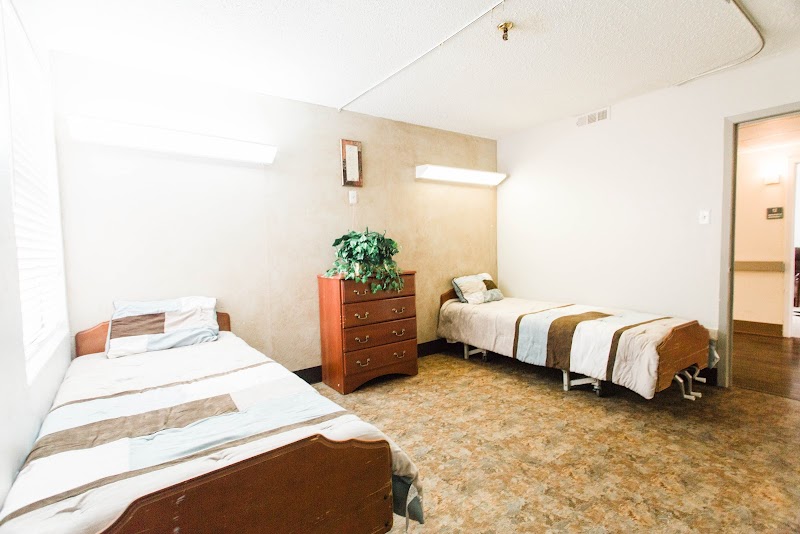
Who Owns and Operates Focused Care At Midland?

Focused Care at Midland is owned by a for-profit company. For-profit facilities operate as businesses with obligations to shareholders or private owners. The facility is operated by FOCUSED POST ACUTE CARE PARTNERS, a chain that manages multiple nursing homes. With 106 certified beds and approximately 81 residents (about 76% occupancy), it is a mid-sized facility located in Midland, Texas.

How Does Focused Care At Midland Compare to Other Texas Nursing Homes?

Compared to the 100 nursing homes in Texas, Focused Care at Midland's overall rating (3 stars) is above the state average of 2.8, staff turnover (62%) is significantly higher than the state average of 46%, and health inspection rating (2 stars) is below the national benchmark.

What Should Families Ask When Visiting Focused Care At Midland?

Based on this facility's data, families visiting should ask: "What changes have been made since the serious inspection findings, and how are you preventing similar issues?" "How do you ensure continuity of care given staff turnover, and what is your staff retention strategy?" "Can you walk me through typical staffing levels on day, evening, and night shifts?" "Can I visit during a mealtime to observe dining assistance and food quality?" These questions are particularly relevant given the facility's Immediate Jeopardy citations, the facility's high staff turnover rate, and the below-average staffing rating.

Is Focused Care At Midland Safe?

Based on CMS inspection data, Focused Care at Midland has documented safety concerns. Inspectors have issued 1 Immediate Jeopardy citation (the most serious violation level indicating risk of serious injury or death). The facility has a 3-star overall rating and ranks #1 of 100 nursing homes in Texas. Families considering this facility should ask detailed questions about what corrective actions have been taken since these incidents.

Do Nurses at Focused Care At Midland Stick Around?

Staff turnover at Focused Care at Midland is high. At 62%, the facility is 16 percentage points above the Texas average of 46%. Registered Nurse turnover is particularly concerning at 67%. RNs handle complex medical decisions and coordinate care — frequent RN changes can directly impact care quality. High turnover means new staff may not know residents' individual needs, medications, or preferences. It can also be disorienting for residents, especially those with dementia who rely on familiar faces. Families should ask: What is causing the turnover? What retention programs are in place? How do you ensure care continuity during staff transitions?

Was Focused Care At Midland Ever Fined?

Focused Care at Midland has been fined $14,020 across 1 penalty action. This is below the Texas average of $33,219. While any fine indicates a compliance issue, fines under $50,000 are relatively common and typically reflect isolated problems that were subsequently corrected. Families should ask what specific issues led to these fines and confirm they've been resolved.

Is Focused Care At Midland on Any Federal Watch List?

Focused Care at Midland is not on any federal watch list. The most significant is the Special Focus Facility (SFF) program, which identifies the bottom 1% of nursing homes nationally based on persistent, serious quality problems. Not being on this list means the facility has avoided the pattern of deficiencies that triggers enhanced federal oversight. This is a positive indicator, though families should still review the facility's inspection history directly.