MIDLAND MEDICAL LODGE


3000 MOCKINGBIRD LN, MIDLAND, TX 79705 (432) 694-0077
For profit - Partnership 125 Beds FOURSQUARE HEALTHCARE Data: November 2025
Trust Grade
63/100
#526 of 1168 in TX
Last Inspection: August 2025

Inspected within the last 6 months. Data reflects current conditions.

Overview

Midland Medical Lodge has a Trust Grade of C+, indicating it's slightly above average but not particularly impressive. It ranks #526 out of 1168 nursing homes in Texas, placing it in the top half of facilities in the state, and #3 out of 5 in Midland County, meaning only two local options are better. Unfortunately, the facility is experiencing a worsening trend, with issues increasing from 5 in the previous year to 6 this year. Staffing is a significant concern, as it has a poor 1/5 star rating and a turnover rate of 49%, which is still below the Texas average. While the facility has been fined a total of $3,250, which is average compared to other Texas facilities, there have been specific concerns raised during inspections, such as expired food items being stored and not discarded, call lights not being within reach for residents needing assistance, and inadequate infection control practices during nursing procedures. Overall, while there are strengths such as decent health inspection ratings, families should weigh these against the notable weaknesses in staffing and care practices.

Trust Score
C+
63/100
In Texas
#526/1168
Top 45%
Safety Record
Low Risk
No red flags
Inspections
Getting Worse
5 → 6 violations
Staff Stability
⚠ Watch
49% turnover. Above average. Higher turnover means staff may not know residents' routines.
Penalties
○ Average
$3,250 in fines. Higher than 74% of Texas facilities. Some compliance issues.
Skilled Nurses
⚠ Watch
Each resident gets only 21 minutes of Registered Nurse (RN) attention daily — below average for Texas. Fewer RN minutes means fewer trained eyes watching for problems.
Violations
⚠ Watch
18 deficiencies on record. Higher than average. Multiple issues found across inspections.
★★★☆☆
3.0
Overall Rating
★☆☆☆☆
1.0
Staff Levels
★★★★☆
4.0
Care Quality
★★★★☆
4.0
Inspection Score
Stable
2024: 5 issues
2025: 6 issues

The Good

  • 4-Star Quality Measures · Strong clinical quality outcomes
  • Full Sprinkler Coverage · Fire safety systems throughout facility
  • No fines on record

Facility shows strength in quality measures, fire safety.

The Bad

3-Star Overall Rating

Near Texas average (2.8)

Meets federal standards, typical of most facilities

Staff Turnover: 49%

Near Texas avg (46%)

Higher turnover may affect care consistency

Federal Fines: $3,250

Below median ($33,413)

Minor penalties assessed

Chain: FOURSQUARE HEALTHCARE

Part of a multi-facility chain

Ask about local staffing decisions and management

The Ugly 18 deficiencies on record

Aug 2025 6 deficiencies
CONCERN (D)

Potential for Harm - no one hurt, but risky conditions existed

Quality of Care (Tag F0684)

Could have caused harm · This affected 1 resident

**NOTE- TERMS IN BRACKETS HAVE BEEN EDITED TO PROTECT CONFIDENTIALITY** Based on observation, interview, and record review, the facility failed to ensure that residents received treatment and care in ...

Read full inspector narrative →
**NOTE- TERMS IN BRACKETS HAVE BEEN EDITED TO PROTECT CONFIDENTIALITY** Based on observation, interview, and record review, the facility failed to ensure that residents received treatment and care in accordance with professional standards of practice, the comprehensive person-centered care plan, and the residents' choices for one of seven residents (Resident #23) reviewed for quality of care. The facility failed to provide wound care for Resident #23 using professional wound care standards and failed to follow the physician's treatment order. This failure could place residents at risk of improper wound management, deterioration in existing wounds, leading to infection and pain. Findings include: Record review of Resident #23's Face Sheet dated 7/14/2025 revealed he was a [AGE] year-old male who was admitted to the facility on [DATE] and readmitted on [DATE]. He had diagnoses of infection following a procedure, unspecified severe protein-calorie malnutrition, chronic respiratory failure, resistance to multiple antibiotics, systemic inflammatory response syndrome (a life threatening condition that occurs when the body overreacts to a stressor, causing severe inflammation throughout the body), methicillin resistant staphylococcus aureus infection (a type of staph bacteria resistant to many common antibiotics), chronic respiratory failure, methicillin susceptible staphylococcus aureus infection (a type of bacterial infection caused by staphylococcus aureus bacteria that are sensitive to methicillin and similar antibiotics), Escherichia Coli as the cause of diseases classified elsewhere (a type of bacteria commonly found in the intestines of humans), aftercare following joint replacement surgery. Record review of Resident #23's admission MDS dated [DATE] revealed he had a BIMS score of 10 of 15 indicating moderate cognitive impairment. Record review of Resident #23's Care Plan dated 07/15/2025 revealed the resident has a skin tear to his left outer forearm. Record review of Resident #23's Physician orders dated 8/08/2025 revealed skin tear left outer forearm: clean with wound cleanser, pat dry, apply xeroform (a fine mesh gauze dressing impregnated with petrolatum for use on low exudating wounds), cover with dry dressing, change Monday, Wednesday, Friday, and as needed. Observation on 08/20/2025 at 9:58 AM of wound care for Resident #23 revealed: LVN E donned (put on) gloves and opened a treatment cart drawer. LVN E used a small tray covered with wax paper to set up a clean field and place supplies in. LVN E knocked on Resident #23's door explained the procedure, washed her hands, applied PPE (personal protective equipment) required for EBP (enhanced barrier precautions), put on gloves, and removed the dressing from the resident's left forearm. LVN E removed her gloves and placed them as trash in the biohazard bag. LVN E washed her hands, put on gloves, cleansed the wound with normal saline from the inside outwards, and patted dry. LVN E washed her hands, put on new gloves, applied a hydrogel dressing (a type of dressing characterized by its high-water content) to Resident #23's left forearm, removed her gloves, and washed her hands. LVN E did not follow physicians orders for applying a xeroform dressing. In an interview on 08/20/2025 at 10:30 AM LVN E stated hydrogel and xeroform were the same dressings and she was going to call the supplier and tell the supplier if they were sending the wrong dressings. LVN E stated she was not wound-care certified but had completed the wound care competency check-off upon hire. In an interview on 8/20/2025 at 2:30PM LVN E stated she talked to the wound care supplier and the hydrogel dressing was to be used as a dry dressing and she should have applied the xeroform under the hydrogel dressing. In an interview on 08/21/2025 at 10:06 AM the DON stated the wound care procedure would be to follow physician's orders. She agreed that LVN E did not use the correct dressing. The DON said incorrect dressings could delay the healing of wounds. Review of the facility's undated wound care policy received from the DON revealed: 1. Treat wounds with the appropriate products. 2. Effectively heal wounds by using approved products 3. Get treatment order form physician 4. Treat wound until it is healed.
CONCERN (D)

Potential for Harm - no one hurt, but risky conditions existed

Accident Prevention (Tag F0689)

Could have caused harm · This affected 1 resident

**NOTE- TERMS IN BRACKETS HAVE BEEN EDITED TO PROTECT CONFIDENTIALITY** Based on observation, interview and record review the facility failed to ensure resident equipment was maintained in a safe, ope...

Read full inspector narrative →
**NOTE- TERMS IN BRACKETS HAVE BEEN EDITED TO PROTECT CONFIDENTIALITY** Based on observation, interview and record review the facility failed to ensure resident equipment was maintained in a safe, operating condition for 1 of 7 residents reviewed for wheelchair safety. The facility failed to ensure that Resident #62's wheelchair brakes operated. This failure placed residents at risk for unsafe transfers and/or falls if wheelchair rolled out from under the resident during transfers. The findings included:Review of Resident #62's admission Record, dated 8/20/25, revealed he was a [AGE] year-old male admitted to the facility on [DATE] with diagnosis that included hemiplegia (one sided weakness or paralysis) following stroke affecting the right side, reduced mobility, and history of falling. Review of resident #62's quarterly MSDS assessment, dated 7/11/25, revealed:Resident #62 scored a three of 15 on his mental status exam (indicating severe cognitive impairment),Resident #62 had upper and lower range of motion impairment on one side and used a wheelchair.Resident #62 was totally dependent on staff for bed to chair transfers. Review of Resident #62's Care Plan revealed:Revised 4/28/21: Problem: Resident requires assist with Activities of Daily Living. Goal: Resident is able to perform self-care to optimal level and maintains strength and endurance for 90 days. Interventions included: Provide level of support to complete transferring needs each shift; Reinforce use of aides to mobility as indicated. Revised 5/1/25 Problem: The resident has had an actual fall with no injury 3/10/25 fall. The identified goal was the resident will not sustain serious injury through the review date. Interventions included: 3/10/25 CNA reported during transfer the wheelchair brakes did not lock due to being broken and wheelchair rolled out from underneath resident's bottom, resident was using transfer pole during staff assisted transfer. Intervention - two person transfer initiated 3/11/25. Observation on 08/20/2025 9:02 AM revealed the wheelchair specialist was working on fixing another resident's specialized wheelchair. Observation on 08/20/2025 11:12 AM revealed CNA J and CNA L prepared to do a Sit-to-Stand mechanical lift transfer with Resident #62. CNA J put the sling on Resident #62, locked the wheelchair and hooked the sling onto the machine while CNA L prepared the lift. The wheelchair brake on the left side was noted to not be engaging despite being put in place. CNA J noticed the left brake and braced the wheelchair from behind on the left side while the aides completed the rest of the transfer properly. Interview on 08/20/2025 at 4:00 PM CNA J stated he worked at the facility for 2.5 years and usually worked Resident #62's hall. CNA J stated Resident #62 used to use a transfer pole on another hall, but since moving to the current hall Resident #62 used the Sit-to-Stand lift. CNA J said he checked the wheels on the wheelchair during the transfer and realized the brake did not engage. CNA J said the brake had not worked, but he did not now for how long. CNA J felt with him behind the wheelchair bracing it, that the transfer was safe since there were two people performing the transfer. CNA J stated the other side was secure and he stood on the side that was not. CNA J said he did not report the wheelchair brake not working. Interview on 08/20/2025 at 4:24 PM CNA K stated Resident #62 was ok in his wheelchair. CNA K stated the wheelchair worked for her when she locked the wheelchair; but CNA K said the left side brake did not work since she started working about a month ago. CNA K said she told the physical therapy department because she learned maintenance could not work on the type of wheelchair Resident #62 had. Interview on 08/20/2025 at 4:32 PM CNA L said she was the lead aide and she worked everywhere in the building. CNA L said Resident #62 used the Sit-to-Stand lift. CNA L said she did not feel the observed transfer did not go so well because the lock on the custom wheelchair did not lock. CNA L said she knew the facility could not fix it at the facility because she had another resident's wheelchair fixed that morning. CNA L said Resident #62's wheelchair brake had not been working a while. CNA L said she believed therapy was responsible for monitoring if the specialized wheelchairs worked. CNA L said if the aides noticed the wheelchair brakes not working they would document it in the maintenance book. CNA L said she knew the brake did not work for a while because the last time it was fixed the person accidently put the brake on backwards. CNA L said the transfer she and CNA J completed was done safely because CNA J was behind the chair and holding it stead. CNA L said she was notified it was not working today. CNA L said since she moved hallways so much, she could not say how long Resident #62's wheelchair was not working. Interview on 08/20/2025 at 4:45 PM RN G stated he worked Resident #62's hall for the past two years. RN G stated he was not aware Resident #62's wheelchair was not working. RN G said he did not know if therapy would notice because Resident #62 did not do therapy. RN G stated it could take weeks for a specialized wheelchair to be fixed. RN G said the CNAs did not communicate that Resident #62's brakes were not working. RN G said he did expect the CNA to communicate that. RN G stated if the brakes did not engage ultimately it was not a safe transfer. At that time, RN G took the surveyor to the maintenance book and reviewed 8/12/25 through 8/20/25; RN G confirmed there was no documentation about Resident #62's wheelchair brakes not working. Interview and observation on 08/20/2025 at 5:25 PM the DON stated Resident #62 used the Sit-to-Stand lift. The DON said Resident #62 had a customized wheelchair that was maintained by the company that was at the facility earlier that day (8/20/25). The DON said it would depend on the use and wear and tear on the wheelchair brakes to determine how long it would take to go out. The DON said any staff that were assisting Resident #62 could put Resident #62's brakes were not working in the maintenance book and were responsible for monitoring the brakes were in working order. The DON said due to the brakes not working Resident #62's transfer was not safe, but the staff did what they could to make it as safe as they could. The DON stated she would have to get the wheelchair looked at and the wheelchair maintenance company was coming back on 6/21/25 and she would have the wheelchair looked out. The DON and surveyor checked Resident #62's brakes and she said, It looked like the mechanism was not engaging. The Administrator joined the conversation and was shown Resident #62's brakes. Interview and observation on 08/20/2025 at 5:54 PM the Administrator stated the repair company repaired Resident #62's wheelchair in June and July (2025). The Administrator looked at Resident #62's wheelchair and said it looked like the tread on the wheelchair was wearing out and also needed to be replaced. Interview and record review on 08/20/2025 at 6:03 PM the Administrator said he reviewed the maintenance log and showed the surveyor on 6/30/25 the charge nurse documented both wheelchair brakes were out and it was fixed on 7/2/25. Review of the facility's policy on Administrative Requirements for Durable Medical Equipment and Customized Manual Wheelchairs, undated, revealed:A modification, adjustment or repair to a Customized Manual Wheelchair, required in the first six months after delivery of the Customized Manual Wheelchair is the responsibility of the supplier. More than six months after delivery of a Customized Manual Wheelchair, the facility will maintain and repair all medically necessary equipment for a designated resident, including Customized Manual Wheelchairs.
CONCERN (D)

Potential for Harm - no one hurt, but risky conditions existed

Deficiency F0760 (Tag F0760)

Could have caused harm · This affected 1 resident

**NOTE- TERMS IN BRACKETS HAVE BEEN EDITED TO PROTECT CONFIDENTIALITY** Based on observation, interview, and record review the facility failed to provide pharmaceutical services including procedures t...

Read full inspector narrative →
**NOTE- TERMS IN BRACKETS HAVE BEEN EDITED TO PROTECT CONFIDENTIALITY** Based on observation, interview, and record review the facility failed to provide pharmaceutical services including procedures that assure the accurate acquiring, receiving, and dispensing of routine drugs and biologicals to meet the needs of each resident for 1of 7 residents reviewed for pharmacy services. (Resident #23) The facility failed to ensure Resident #23's ordered Rifampin (antimicrobial drug used to manage and treat diverse mycobacterial infections and gram-positive bacterial infections) medication was available for administration from 8/8/2025-8/20/25. The facility did not notify physician of unavailability until after resident missed 12 doses of Rifampin. These failures could place residents at risk for not receiving medications as prescribed and a decline in health status. Findings included: Record review of Resident #23's face sheet revealed he was a [AGE] year-old male admitted to the facility on [DATE] with diagnoses of fracture of unspecified part of neck of left femur (hip fracture), presence of right artificial hip joint, need for assistance with personal care, muscle weakness, osteoarthritis, chronic respiratory failure, elevated white blood cell count. He discharged to the hospital on 7/31/2025 for infection of surgical wound. He readmitted to facility from hospital on [DATE] with diagnoses methicillin susceptible staphylococcus aureus infection (a type of bacterial infection caused by Staphylococcus aureus bacteria that are sensitive to methicillin and similar antibiotics), methicillin resistant staphylococcus aureus infection (a type of staphylococcus bacteria resistant to many common antibiotics), unspecified Escherichia Coli (a type of bacteria commonly found in the intestines of humans). Record review of Resident #23's comprehensive care plan, dated 07/15/2025, revealed he had surgical wound to left hip. The goal was wound will heal without complications through review date. The interventions included: wound treatments per doctor's orders.Record review of Resident #23's admission MDS assessment, dated 07/21/2025, revealed:He had a BIMS (Brief Interview for Mental Status) score of 10, which indicated moderate cognitive impairment. There were no behaviors or refusal of care. Record review of the order summary report for August 20, 2025, revealed Resident #23 had an order for Rifampin oral capsule 300milligrams to be given two times every day from 8/8/2025 to 9/15/2025 indicated for infection after surgical procedure. Record review of the Medication Administration Record for August 2025 reflected Resident #23 did not receive any doses of his Rifampin because the medication was on order. In an interview on 8/20/25 at 11:05AM LVN C stated the Rifampin medication not being available was out of her hands. She stated she was first notified of the medication not being available yesterday evening (8/19/25) but the pharmacy was already closed. LVN C stated she was unsure why the medications had not come into the facility yet. LVN C called the pharmacy on 8/20/25 and the pharmacy stated they would not be sending the medication due to a possible drug interaction. LVN C said she called to notify the Infection Specialist Doctor but was only able to leave a message. LVN C stated the medication not being available could lead to not being able to treat the residents' diseases appropriately. In an interview on 8/20/25 at 11:45AM the DON stated the medication aides should report all unavailable medications to the nurse and the nurse then would look for the medication. The DON said if it was a prescription medication the nurse would verify it was not delivered, check the order, and call the pharmacy. The DON stated the nurse would report all unavailable medications to the DON and doctor. The DON stated it was the ADON's duty to ensure all medications were delivered. The DON stated resident was taking the medication due to an infection after a hip surgery. The DON stated negative effects could include the resident not receiving what medications they needed leading to prolonged sickness. In an interview on 8/20/2025 at 1:30PM Resident #23 said he was not aware he was not receiving the Rifampin. In an interview on 8/21/2025 at 10:30AM the DON stated the medication was discontinued by Resident #23's primary physician until follow-up appointment with Infectious Disease Specialist on 9/3/2025. The DON said she was going to implement communication forms to notify her if a medication was unavailable. The DON stated she spoke with the pharmacy about notifying the facility if a medication was not going to be dispensed as ordered. The surveyor requested the policy on medication availability, and one was not provided.
CONCERN (D) 📢 Someone Reported This

A family member, employee, or ombudsman was alarmed enough to file a formal complaint

Potential for Harm - no one hurt, but risky conditions existed

Deficiency F0761 (Tag F0761)

Could have caused harm · This affected 1 resident

**NOTE- TERMS IN BRACKETS HAVE BEEN EDITED TO PROTECT CONFIDENTIALITY** Based on observation, interview and record review the facility failed to store all drugs and biologicals in locked compartments ...

Read full inspector narrative →
**NOTE- TERMS IN BRACKETS HAVE BEEN EDITED TO PROTECT CONFIDENTIALITY** Based on observation, interview and record review the facility failed to store all drugs and biologicals in locked compartments for 1 of 4 nurse medication carts (Hall 200 cart) reviewed for medication storage and security. The 200-hall nurse medication cart was left unlocked while unsupervised. These failures could place clients at risk for drug diversion or accidental ingestion. The findings included: Record review of Resident #115's admission record dated 08/21/2025 indicated she was admitted to the facility on [DATE] with diagnosis of diabetes. She was [AGE] years of age. Record review of Resident #115's order summary report indicated in part: (Insulin Lispro) Inject as per sliding scale: if 60 - 200 = 0 No insulin; 201 - 250 = 4 units; 251 - 300 = 6 units; 301 - 350 = 8 units; 351 - 400 = 10 units; 401 - 499 = 10 units Contact MD subcutaneously before meals for diabetes. Order date 07/25/2025. Record review of Resident #115's care plan dated 04/21/2025 revealed The resident has Diabetes Mellitus - Diabetes medication as ordered by doctor. Monitor/document for side effects and effectiveness. During an observation on 08/21/2025 at 11:38 AM revealed RN G performed a blood sugar check for Resident #115 in her room. RN G took the items needed from his medication cart then entered the resident's room. The medication cart was left unlocked as the RN did not press the lock cylinder back into the medication cart. RN G entered the room and the cart was out of his sight as the cart was parked out to the side in the hallway. After checking the resident's blood sugar, the RN returned to the medication cart and obtained an insulin pen and went back into the resident's room and again left the cart unlocked and unattended. During an interview on 08/21/2025 at 11:42 AM RN G said that the medication carts were supposed to be locked when unattended. The RN was made aware that he had left the medication unlocked when he entered the resident's room. RN G said that he could see the cart from the room, but he was made aware that he had his back turned to the cart and had left it unlocked on 2 occasions. RN G said he should have locked the cart. During an interview on 08/21/2025 at 5:08 PM the DON said if a nursing staff stepped away from their medication cart then they were expected to lock it. The DON was made aware of RN G stepping away from the medication cart and leaving it unlocked and unsupervised. The DON said the nurse should have locked it as the cart had several medications in it. Record review of the facility's undated policy and titled Medication cart administration of drugs indicated in part: If the cart is left at any time during medication pass due to an emergency, it must be locked.
CONCERN (E) 📢 Someone Reported This

A family member, employee, or ombudsman was alarmed enough to file a formal complaint

Potential for Harm - no one hurt, but risky conditions existed

Deficiency F0558 (Tag F0558)

Could have caused harm · This affected multiple residents

**NOTE- TERMS IN BRACKETS HAVE BEEN EDITED TO PROTECT CONFIDENTIALITY** Based on observation, interviews and record reviews, the facility failed to ensure the resident resided and received services in...

Read full inspector narrative →
**NOTE- TERMS IN BRACKETS HAVE BEEN EDITED TO PROTECT CONFIDENTIALITY** Based on observation, interviews and record reviews, the facility failed to ensure the resident resided and received services in the facility with reasonable accommodation of resident needs and preferences for 6 of 28 residents (#11, #37, #83, #87, #96 and #103) who were reviewed for call light response and within reach in that the facility. 1. The facility failed to place Residents #11, #87 and #96's call lights within reach. 2. The facility failed to deliver timely call light response for Residents #37, #83 and #103. This deficient practice could affect residents who receive care at the facility and could result in missed or inadequate care. Findings included: Resident #11 Record review of Resident #11's admission record dated 08/21/2025 indicated she was admitted to the facility on [DATE] with diagnoses of quadriplegia (partial or complete paralysis of both the arms and legs), chronic respiratory failure, tracheostomy (a hole that surgeons make through the front of the neck and into the windpipe), gastrostomy (the creation of an artificial external opening into the stomach for nutritional support or gastric decompression), muscle weakness, and seizures. She was [AGE] years of age. Record review of Resident #11's annual MDS assessment dated [DATE] revealed a Cognitive Skills for Daily Decision Making score of 3, Severely impaired - never/rarely made decisions. Record review of Resident #11's care plan revealed she had an ADL (activities of daily living) performance deficit related to quadriplegia and decreased movement to all extremities. It was revealed that staff were to encourage the resident to use bell to call for assistance and touch pad call light to keep at residents reach to call for assistance. In an observation on 08/21/25 at 09:11 AM, revealed Resident #11 was in bed, watching tv. The call pad was hanging off the left side rail. In an observation and interview on 08/21/2025 at 09:25 AM, revealed Resident #11 was in bed, watching tv. The call pad was hanging off the left side rail. The DON said Resident #11 would not be able to reach the call pad where it was. The DON placed the pad on Resident #11's chest, between her hands. The DON said sometimes the staff forgot to place call bells within reach of the residents after moving them or making the bed. Resident #87 Record review of Resident #87's admission record dated 08/21/2025 indicated he was admitted to the facility on [DATE] with diagnoses of dementia, reduced mobility, history of falling, and muscle weakness. He was [AGE] years of age. Record review of Resident #87's annual MDS assessment dated [DATE] revealed a BIMS score of 02, his cognitive ability was severely impaired. Mobility devices = Wheelchair. He needed substantial/maximal assistance for eating, oral hygiene, toileting, showering, and dressing. Bladder and bowel: Urinary/bowel continence = always incontinent. Record review of Resident #87's care plan dated 05/27/2025 revealed he had difficulty communicating related to a cerebral vascular accident (interruption of blood flow to the brain) with memory deficits. It said that staff needed to ensure and provide a safe environment with the call light in reach, adequate low glare light, bed in lowest position and wheels locked, and to avoid isolation. The care plan reflected that Resident #87 had a history of falling and was at risk for falls. The care plan reflected staff needed to ensure the resident's call light was within reach and encourage the resident to use it for assistance as needed. said the care plan reflected the resident needed prompt response to all requests for assistance and the resident needed a safe environment with a working and reachable call light. In an observation and interview on 08/21/25 at 09:13 AM, revealed Resident #87 was sitting in his wheelchair on the right side of his bed. The resident was asked if he knew where his call light was, he answered no. The call light was at the head of the bed on the left side. In an observation and interview on 08/21/2025 at 09:25 AM, revealed Resident #87 was sitting in his wheelchair on the right side of the bed. The call light was on the bed. The DON asked Resident #87 if he wanted the call light on his chest. He said yes, the DON placed the light on his chest. The DON said sometimes the staff forget to place call bells within reach of the residents after moving them or making the bed. Resident #96 Record review of Resident #96's admission record dated 08/21/2025 indicated she was admitted to the facility on [DATE] with diagnoses of cerebral palsy (a group of conditions that affect movement and posture), reduced mobility, muscle weakness, muscle wasting and muscle atrophy. She was [AGE] years of age. Record review of Resident #96's annual MDS assessment dated [DATE] revealed a BIMS score of 03, her cognitive ability was severely impaired. Mobility devices = Wheelchair. She was dependent on staff for eating, oral hygiene, toileting, showering, and dressing. Bladder and bowel: Urinary/bowel continence = always incontinent. Record review of Resident #96's care plan dated 6/25/2025 revealed she was at risk for falls due to cerebral palsy. The care plan reflected the staff needed to ensure the resident's call light was within reach and encourage the resident to use it for assistance as needed. The care plan reflected the resident needed prompt response to all requests for assistance. The care plan reflected the she had an ADL performance deficit related to cerebral palsy and limited range of motion. It was revealed that staff were to encourage the resident to use bell to call for assistance and touch pad call used for assistance. In an observation and interview on 08/20/25 at 10:31 AM, revealed a procedure on the roommate of Resident #96 was being observed by the surveyor. CNA D knocked on the door, entered, and asked LVN B if he needed something because the call light was on. LVN B responded no and asked if it was Resident #96's light. CNA D responded No, it is not in her hand. before exiting the room. Resident #96 was observed in her wheelchair on the left side of the bed and the call pad was hanging in between the seat and the right wheel of the wheelchair. At 10:48 AM LVN B exited the room. The call pad for Resident #96 was hanging in between the seat and the right wheel of the wheelchair. At 10:55 AM LVN B entered the room again to perform another procedure for the roommate of Resident #96. At 10:56 AM LVN B said he was not sure why the call light kept going off, then exited the room. Resident #96's call pad was hanging in between the seat and the right wheel of the wheelchair. In observations on 08/20/25 at 11:08 AM and 11:17 AM, revealed Resident #96 remained in her wheelchair and the call pad remained in between the seat and right wheel of her wheelchair. In an observation on 08/20/25 at 2:35 PM, revealed Resident #96 was in her wheelchair on the left side of the bed. The call pad was on the bed. In an interview on 08/20/25 at 2:37 PM with LVN B, he said Resident #96 could push the call pad if it was placed real close. In an observation on 08/20/25 at 2:47 PM, revealed Resident #96 remained in her wheelchair on the left side of the bed. The call pad remained on the bed. In an interview with the DON, she said Resident #96 could push the call pad if it was placed close to her hands. In observations on 08/20/25 at 4:15 PM and 4:42 PM, revealed Resident #96 was in bed on her left side. The call pad was placed on the right side of the head of the bed. In an observation and on 08/21/25 at 9:11 AM, revealed Resident #96 was in her wheelchair on the left side of the bed. The call pad was on the bed. In an observation and interview on 08/21/2025 at 09:25 AM, revealed Resident #96 was in her wheelchair on the left side of the bed. The call pad was on the bed. The DON said Resident #96 would not be able to reach the call pad where it was. The DON placed the pad on Resident #96's chest, between her hands. The DON said sometimes the staff forget to place call bells within reach of the residents after moving them or making the bed. Resident #37 Record review of Resident #37's admission record dated 08/21/2025 indicated he was admitted to the facility on [DATE] with diagnoses of shortness of breath, difficulty in walking and unsteadiness on feet. He was [AGE] years of age. Record review of Resident #37's quarterly MDS assessment dated [DATE] revealed a BIMS score of 08 indicating he was moderately impaired. Mobility devices = Wheelchair. Resident required supervision or touching assistance for chair/bed-to-chair transfer and toilet transfer. Record review of Resident #37's care plan dated 08/03/2025 revealed the resident is at risk for falls due to new environment and/or age. The resident will be free of falls through the review date. Be sure the resident's call light is within reach and encourage the resident to use it for assistance as needed. The resident needs a safe environment with: Clutter free, reachable call light, the bed in low position at night. In an interview on 08/19/25 at 11:58 AM Resident #37 said the night shift aides did not do their job and that they took a long time to answer the call lights. The resident said he clocked them when his roommate Resident # 87 pressed his call light and they took about an hour and half to answer it. Resident #37 said he had seen the lights on the hallway and the aides were just sitting elsewhere and not answering the lights. Resident #37 said he had voiced his complaints to the administration people but that nothing was done about it. In an interview on 8/19/25 at 4:01 p.m. Resident #37 stated there were nights when he could not sleep and he would get up to work puzzles in the day room and there would be 4 or 5 call lights going off. Resident #37 said there was no one on the hall whatsoever because the aides were all in the break room. Resident #37 stated he had been telling the DON and the Administrator for he didn't know how long but nothing was done about it. Resident #37 added Who did we not tell? Resident #83 Review of Resident #83's admission Record, dated 8/21/25, revealed he was a [AGE] year-old male admitted to the facility on [DATE] with diagnoses including cerebral palsy (a group of permanent disorders of the development of movement and posture, causing activity limitation including difficulty with holding things), feeding difficulties, hemiplegia (one side paralysis), and need for assistance with personal care. Review of Resident #83's Quarterly MDS assessment, dated 6/29/25, revealed:He had a mental status interview score of 15 of 15, indicating he was cognitively intact.Resident #83 was completely dependent on staff for all ADL care including eating and chair/bed-to-chair transfers. Resident #83 used a motorized wheelchair.Resident #83 was frequently incontinent of bowel and bladder. Review of Resident #83's Care Plan Report, saved 8/21/25, revealed problems:Dated 3/18/24 Problem: Resident requires assist with ADL's.Goal: Resident is able to perform self-care to optimal level and maintain strength and endurance for 90 days. Revised 7/26/25.Interventions included: Hoyer lift for all transfers.Problem 7/25/25 The resident has limited physical mobility related to cerebral palsy and poor trunk control. May have pancake call like to enable resident to utilize call light himself as desired.Goal: The resident will remain free of complications related to immobility, including contractures, thrombus (blood clot) formation, skin break down, fall related injury through the next review date. Interventions included provide supportive care, assistance with mobility as needed. Problem 3/18/24:The resident is at risk for falls due to new environment end or age. No other indicators that would suggest high fall risk. Date initiated 03/18/2024Goal: the resident will be free of falls through the review dateinterventions included: the be sure the resident's call light is within reach and encourage the resident to use it for assistance as needed. The resident needs prompt response for all requests for assistance. Interview on 8/19/25 at 4:01 PM Resident #83 revealed it could take up to an hour for the call light to be answered on the night shift. Resident #83 stated he had no idea why it took so long. Resident #83 stated it was some of the day rotations as well. Resident #83 shared that the only way to get help sometimes was to get his roommate to go get help. Resident #83's roommate was present and confirmed that happened. Resident #83 stated it made him angry because the staff were not paying attention, or he was told they were too busy. Resident #83 stated he knew the staff were doing the best they could, but their best could bet better. Resident #83 said on the days there were days when two aides could not handle his hall. Resident #83 stated he thought it took so long because he was a two-person assist for everything and if both people were working, there would be no one on the hall to help everyone else. Resident #83 stated he had aides tell him it was not their job to help him. Resident #83 said that was especially true when he had to eat in his room. Resident #103 Record review of Resident #103's admission record dated 08/20/2025 indicated she was admitted to the facility on [DATE] with diagnoses of quadriplegia (a pattern of paralysis which is when someone can't deliberately control or move their muscles that can affect someone from the neck down)and lack of coordination. She was [AGE] years of age. Record review of Resident #103's significant change MDS assessment dated [DATE] revealed a BIMS score of 15 indicating the resident was cognitively intact. Mobility devices = Wheelchair. She was dependent Helper does ALL of the effort. Resident does none of the effort to complete the activity for . eating, oral hygiene, toileting, showering and dressing. Bladder and bowel: Urinary continence = resident had a catheter. Bowel continence = always incontinent. Record review of Resident #103's care plan dated 07/02/2025 revealed Resident has a history of falling. Anticipate and meet resident needs. Be sure the resident's call light is within reach and encourage resident to use it for assistance as needed. At risk for contractures- Reposition every two hours and prn. In an interview on 08/19/2025 at 3:20 PM Resident #103 said the staff would take a long time to answer her call light. She said that at times it was from breakfast time like 8am until lunchtime which was around noon time. Resident #103 said she had no complaints about the staff but that she felt bad that the staff would ignore her call light for such a long time. Resident #103 said she was totally dependent on staff to help her as she was paralyzed from the neck down and needed help with even getting a drink of water. Resident #103 said most of the times it was something minor that she needed help with such as repositioning her pillow so if the staff went in to help her with that it wouldn't take them that long. The resident said she believed the staff did not answer her call light was because they thought it was probably something minor that she needed help with which unfortunately was probably true, but she still needed their help. Resident #103 said that this would occur about every other day, and it would mostly occur on the day shift but sometimes also on the evening shift. In an interview on 08/20/2025 2:05 PM CNA A said she had been working at the facility since June 2024. The CNA said she and another CNA were working hall 200 and would both answer the call lights. CNA A said she normally answered a call light within 5 to 10 minutes which she considered a fair amount of time for the resident to wait for assistance. In an interview on 08/20/2025 2:10 PM CNA F said she had been working at the facility since February 2025. CNA F said she would try to answer the call light as soon as possible. CNA F said she considered 5 to 10 minutes a fair amount time to answer the call light. In an interview on 08/20/2025 at 6:22 PM with CNA H said that she worked the night shift which was from 6pm to 6am. CNA H said answering a call light within 5 minutes was what she considered a fair amount time for the resident to wait to be attended. CNA H said she believed she was answering the call lights timely. In an interview on 08/20/2025 at 6:25 PM with CNA I said that she worked the night shift which was from 6pm to 6am. CNA I said answering a call light within 5 to 10 minutes was what she considered a fair amount time for the resident to wait to be attended. CNA I said she believed that she was able to answer her call lights timely and not heard residents complain about left waiting too long for their light to be answered. In an interview on 08/21/2025 at 5:02 PM the DON and the Administrator said they considered a call light being answered timely within 15 minutes and that was depending on what staff were doing at the time the call light was on. The DON and Administrator said they would expect for staff to answer the call lights as soon as possible. They said they were not aware that the call lights were being left on for over an hour. Record review of the resident council meeting form dated June 26, 2025, indicated in part: Residents state some are not getting changed in a timely manner wait 30 minutes or more. Record review of the Call Lights policy (undated) read in part Answer call light promptly; especially if it involves the bathroom light. The call light must always be within resident's reach before you leave the room.
CONCERN (E) 📢 Someone Reported This

A family member, employee, or ombudsman was alarmed enough to file a formal complaint

Potential for Harm - no one hurt, but risky conditions existed

Infection Control (Tag F0880)

Could have caused harm · This affected multiple residents

**NOTE- TERMS IN BRACKETS HAVE BEEN EDITED TO PROTECT CONFIDENTIALITY** Based on observations, interviews, and record review, the facility failed to maintain an infection prevention and control progra...

Read full inspector narrative →
**NOTE- TERMS IN BRACKETS HAVE BEEN EDITED TO PROTECT CONFIDENTIALITY** Based on observations, interviews, and record review, the facility failed to maintain an infection prevention and control program designed to provide a safe, sanitary, and comfortable environment to help prevent the development and transmission of communicable diseases and infections for 2 (Residents #11 and #71) of 5 residents reviewed for infection control in that: The facility failed to ensure LVN B used PPE during PEG tube (percutaneous endoscopic gastrostomy tube-a feeding tube inserted through the abdominal wall into the stomach) care for Resident #11 as the resident was on EBP (enhanced barrier precautions). The facility failed to ensure LVN B sanitized the glucometer with an appropriate sanitizing item after performing a blood sugar test on Resident #71. These failures could place residents at risk for cross contamination and the spread of infection. Findings included: Resident #11 Record review of Resident #11's admission record dated 08/21/2025 indicated she was admitted to the facility on [DATE] with diagnoses of quadriplegia (partial or complete paralysis of both the arms and legs), chronic respiratory failure, tracheostomy (a hole that surgeons make through the front of the neck and into the windpipe), gastrostomy (the creation of an artificial external opening into the stomach for nutritional support or gastric decompression), muscle weakness, and seizures. She was [AGE] years of age. Record review of Resident #11's annual MDS assessment dated [DATE] revealed a Cognitive Skills for Daily Decision Making score of 3, Severely impaired - never/rarely made decisions. Record review of Resident #11's care plan revealed she required a PEG tube for adequate nutritional intake. It was revealed that EBP was implemented due to risk of infection. The care plan revealed she has a tracheostomy related to impaired breathing mechanics. It was revealed that EBP was implemented due to risk of infection. During an observation on 08/20/2025 at 10:48 AM, revealed LVN B entered Resident #11's room, washed his hands, and put gloves on. He performed the PEG tube placement check and residual check. He did not put on any type of PPE such as a gown except gloves during the process. There was an EBP posting outside the door for Resident #11. The EBP posting indicated to use a gown and gloves and the resident was on enhanced barrier precautions. During an interview on 08/20/2025 at 4:46 PM, LVN B stated he did not forget to put on a gown. He said he did not consider PEG tube placement and residual checks high-contact resident care. He said he does gown up when changing PEG tube dressings. During an interview on 08/20/2025 at 5:23 PM, the DON/Infection Preventionist (IP) said she did consider PEG tube placement and residual checks to be high-contact resident care. Record Review of the facility's policy titled Infection Prevention and Control Program, undated, indicated in part: EBP are used in conjunction with standard precautions and expand the use of PPE to donning of gown and gloves during high-contact resident care activities that provide opportunities for transfer of MDRO's (multi drug-resistant organisms) to staff hands and clothing. EBP are indicated for residents with any of the following: Infection or colonization with a CDC-targeted (Centers of Disease Control) MDRO when Contact Precautions do not otherwise apply; or Wounds and/or indwelling medical devices even if resident is not known to be infected or colonized with a MDRO.Indwelling medical device examples include central lines, urinary catheters, feeding tubes, and tracheostomies. Resident #71 Record review of Resident #71's admission record dated 08/21/2025 indicated he was admitted to the facility on [DATE] with diagnosis of diabetes. He was [AGE] years of age. Record review of Resident #11's care plan dated 05/27/2025 revealed The resident has Diabetes Mellitus - Diabetes medication as ordered by doctor. Monitor/document for side effects and effectiveness. During an observation and interview on 08/21/2025 at 11:24 AM revealed LVN B performed a blood sugar check for Resident #71 using a glucometer. After the LVN had performed the blood sugar check he returned to his cart and cleaned the glucometer with an alcohol prep pad. The LVN was asked if he normally sanitized the glucometer with an alcohol pad and he replied yes. LVN B said as far as he knew that was an appropriate way to sanitize the glucometer. The LVN was in the process of entering another resident's room to perform a blood sugar check with the same glucometer he had just used on Resident #71 when the surveyor intervened and asked the LVN to stop. LVN B looked in his medication cart and found some germicidal bleach wipes and proceeded to sanitize the glucometer before proceeding to perform another blood sugar check. (A glucometer is a device used to test a person's sugar level by applying a drop of blood unto a test strip that is inserted in the glucometer). During an interview on 08/21/2025 at 5:05 PM the DON said the nurses were expected to use a germicidal wipe to sanitize the glucometers in between resident's blood sugar checks. The DON was made aware of a nurse using an alcohol pad to sanitize the glucometer. The DON said she believed the alcohol pad was an appropriate way to sanitize the glucometer. The DON said she was not sure what their policy indicated but that she would look. Record review of the facility's undated policy and titled Glucometer policy indicated in part: It is the policy of our facilities that the glucometer be cleaned after each use. This procedure will ensure that any area of the glucometer that could possibly come in contact with blood will be cleaned properly to avoid any possible chance of cross-contamination. Each glucometer will be cleaned with an alcohol-free cleaning product that is a germicidal, viricidal and anti-bacterial agent. After each use the glucometer is to be c leaned with an approved alcohol-free cleaning product. Sani-cloth is used in our facilities as the cleaning product of choice for our glucometers. Record review of the CDC's website on 08/21/2025, the website indicated in part: Do not share blood glucose meters. If you must share them in a healthcare or congregate setting, select a device designed for use in professional settings, not an over-the-counter device. Clean and disinfect blood glucose meters after every use, per the manufacturer's instructions. These recommendations apply in: Long-term care settings (e.g., nursing homes and assisted living facilities). https://www.cdc.gov/injection-safety/hcp/infection-control/index.html. Record review of the glucometer's manufacturers recommendation indicated in part: Your EvenCare G2 Meter and lancing device are validated to withstand a cleaning and disinfection cycle of ten times per day for an average period of three years. The following products are validated for disinfecting the EvenCare G2 meter and lancing device. Hospital Cleaner Disinfectant Towels with Bleach, Medline Micro-Kill + Disinfecting, Deodorizing, Cleaning Wipes with Alcohol, Clorox Healthcare Bleach Germicidal and Disinfectant Wipes, Medline Micro-Kill Bleach Germicidal Bleach Wipes.
Jul 2024 4 deficiencies
CONCERN (D) 📢 Someone Reported This

A family member, employee, or ombudsman was alarmed enough to file a formal complaint

Potential for Harm - no one hurt, but risky conditions existed

Comprehensive Care Plan (Tag F0656)

Could have caused harm · This affected 1 resident

**NOTE- TERMS IN BRACKETS HAVE BEEN EDITED TO PROTECT CONFIDENTIALITY** Based on interview and record review, the facility failed to develop and implement a comprehensive, person-centered care plan fo...

Read full inspector narrative →
**NOTE- TERMS IN BRACKETS HAVE BEEN EDITED TO PROTECT CONFIDENTIALITY** Based on interview and record review, the facility failed to develop and implement a comprehensive, person-centered care plan for each resident that included measurable objectives and time frames to meet, attain, and/or maintain the resident's highest practicable physical, mental, and psychosocial well-being for 1 of 22 residents (Resident #85) reviewed for care plans. 1. The facility failed to have a care plan in place to accurately address Resident #85's code status. This failure could affect residents by placing them at risk of not receiving individualized care and services to meet their needs. The findings included: Review of Resident #85's admission Record revealed she was a [AGE] year-old female admitted to the facility on [DATE] with diagnoses which included dementia, stroke, and type 2 diabetes mellitus. Review of Resident #85's Quarterly MDS assessment dated [DATE] revealed a BIMS (Brief Interview for Mental Status) score of 2 indicating severe cognitive impairment. She required maximum assistance or was dependent on staff for all ADL's except for eating. She required a wheelchair for mobility. Review of Resident #85's Care Plan, most recent revision date [DATE] revealed the following: Focus - Resident and family request NO CPR/DNR measures (date initiated [DATE]) Goal - Request for NO CPR will be respected. Will have a peaceful, pain free death. Will respect resident's wishes x 90 days. Interventions - [DATE] DNR Code Status. If cardiac arrest do not resuscitate. Offer reassurance and support to family. Resident code status reviewed with family and RP with each care plan review/care plan meeting. Focus - Resident request to be Full Code Status or Full Code due to no out of hospital form completed in place (date initiated [DATE]) Goal - Comply with resident and family wishes for next 90 days. Interventions - Call for emergency personnel and initiate CPR. Resident's code status reviewed family and RP with each care plan review/care plan meeting. Respect end of life decisions. Review of Resident #85's Order Summary Record dated [DATE] revealed the following: DNR (Order Date [DATE]) Review of Resident #85's Electronic Health Record on [DATE] at 4:47pm revealed scanned copy of Out of Hospital Do Not Resuscitate form signed by physician [DATE]. In an interview on [DATE] at 8:01pm, MDS E stated she was responsible for the long-term resident care plans. She stated that Resident #85 was a DNR and she did not understand why there were care plans for both Full Code and DNR status in her care plan. She stated she would have to look into that as it did not make sense and would be confusing to anyone reading it. Review of undated facility policy titled Comprehensive Person-Centered Resident Care Planning revealed, in part: A comprehensive person-centered care plan is developed and implemented for each resident, consistent with the resident's rights and will incorporate resident-centered goals and wishes about their care, activities, and lifestyle to include measurable short-term and long-term objectives and time frames to meet a resident's medical, nursing, and mental and psychosocial needs that are identified in the comprehensive assessment.
CONCERN (D) 📢 Someone Reported This

A family member, employee, or ombudsman was alarmed enough to file a formal complaint

Potential for Harm - no one hurt, but risky conditions existed

Accident Prevention (Tag F0689)

Could have caused harm · This affected 1 resident

**NOTE- TERMS IN BRACKETS HAVE BEEN EDITED TO PROTECT CONFIDENTIALITY** Based on observation, interview and record review, the facility failed to ensure each resident received adequate supervision and...

Read full inspector narrative →
**NOTE- TERMS IN BRACKETS HAVE BEEN EDITED TO PROTECT CONFIDENTIALITY** Based on observation, interview and record review, the facility failed to ensure each resident received adequate supervision and assistance devices to prevent accidents for 1 of 3 residents reviewed for accident hazards/supervision (Resident #23). The facility failed to ensure CNAs B and C demonstrated appropriate transfer techniques while using the mechanical lift for Resident #23. The failure could place residents at risk for injuries. Findings included: Review of Resident #23's Quarterly MDS Assessment, [DATE], revealed she was a [AGE] year-old female admitted to the facility on [DATE] with diagnoses including fracture, quadriplegia (paralysis of all four limbs), Parkinsonism (neurological disease causes thinking disorders, depression and emotional changes, swallowing problems, tremors, involuntary movement, painful muscle contractions and difficulty speaking), and muscle weakness. She scored a 6 of 15 on her mental status exam (indicating she was severely cognitively impaired). She used a wheelchair. She was dependent on staff for all activities of daily living including chair or bed-to-chair transfers. Observation on [DATE] at 10:35 AM revealed Resident #23 gave permission to watch her being transferred. CNA C lowered the boom (cross piece used to hook the sling to) to the shower bed and both CNA B and CNA C hooked up to the lift Resident #23. CNA B said she was unable to get the resident hooked up right and did not understand why. CNA C explained to the Resident #23 she slid down in the shower so they had to reposition the boom a little bit. The shower bed was not locked. Once they got the hooks on the boom secured, CNA C told Resident #23 they were going up (the lift was going up to prepare the resident that she would be dangling) while CNA B made sure the boom did not hit Resident #23 in the head. Through the whole process the two aides communicated with the resident. Once in position, CNA C lowered Resident #23 in the bed while CNA B positioned the sling in the bed. CNA B and CNA C removed the wet sling and got Resident #23 dressed. CNA B and CNA C again rolled Resident #23 side to side to place the dry sling under her while pulling Resident #23's dress down as far as it would go. The CNAs hooked the dry sling onto the lift, told Resident #23 they were going up and again, CNA C operated the lift while CNA B steadied Resident #23 and engaged her in conversation CNA C moved the lift to fit under the wheelchair, locked the lift, but did not lock the wheelchair while CNA B positioned Resident #23 in the sling in the wheelchair. The aides both unhooked the sling. CNA B pulled Resident #23's dress as far as it would go, while CNA C took the lift out of the room returned and washed her hands. CNA B made sure Resident #23 was satisfied and then also washed her hands. Interview on [DATE] at 10:57 AM with CNA B and CNA C CNA C asked how she did. She said she made sure the lift was locked before putting the resident down because she felt safer because Resident #23's wheelchair was specialized, and she had to approach it sideways. The Surveyor and CNA C read the lift instructions posted on the boom which reflected do not lock lift when lowering or lifting the resident. CNA C said she felt safter locking the lift when lowering the resident. CNA C said she had not asked therapy what she was supposed to do and had not received training from therapy about what she supposed to do. CNA C said she did not remember if Resident #23's wheelchair was locked and returned into Resident #23's room and checked. CNA C came back out of the room and said they did not lock the wheelchair. Interview on [DATE] at 09:08 AM the DON stated her expectation for a mechanical transfer was for the staff to position the sling under the resident comfortably, move the lift into position, hook the sling onto it, lift the patient up, and move the resident into the position. The DON said one staff would be maneuvering the lift while the other person was guiding the resident. The DON said the staff should put the person down, unhook and there you go. She said the staff should make sure the resident was aligned right in the chair and comfortable and unhook from the lift and take the lift away. The DON said the wheelchair needed to be locked and lift needed to be locked in place to keep the resident from falling and moving around. The DON explained if the lift of wheelchair could roll and move around, there was a possibility that it could tip and it's just not safe. The DON stated the staff were in-serviced on the mechanical lift once a year with proficiency, on hire, or if there was something that happened that was noticed. The DON said the facility did a skills brush up because their window opened in [DATE], but she would have to look. She said she knew her lead aide and staff educator had been working with the staff. Interview on [DATE] at 09:51 AM the Administrator stated he had not been trained on mechanical lifts but his understanding was the lift was lined up, get the resident ready sling under them, hook up the sling, lift the resident, make sure the space was clear, move the resident and put them where they need to go. The Administrator stated any general transfer from the bed to the wheelchair was the wheelchair be locked. He was informed it was not locked. Review of the Mechanical Lift Transfer Proficiency Checklist revealed: 11. Move lift into position. Open the leges of the lift to their widest position, the shifter handle locked in place and do not lock the rear caster. Both CNA B and CNA C passed the proficiency check-off on [DATE]. Review of the facility's policy and procedure on Two Person Mechanical Lift. Procedure. 2. Position Wheelchair so you can maneuver the lift safely from the bed to over the chair. Lock wheels/brakes.
CONCERN (D) 📢 Someone Reported This

A family member, employee, or ombudsman was alarmed enough to file a formal complaint

Potential for Harm - no one hurt, but risky conditions existed

Tube Feeding (Tag F0693)

Could have caused harm · This affected 1 resident

**NOTE- TERMS IN BRACKETS HAVE BEEN EDITED TO PROTECT CONFIDENTIALITY** Based on observation, interview and record review, the facility failed to ensure that a resident who was fed by enteral means re...

Read full inspector narrative →
**NOTE- TERMS IN BRACKETS HAVE BEEN EDITED TO PROTECT CONFIDENTIALITY** Based on observation, interview and record review, the facility failed to ensure that a resident who was fed by enteral means received the appropriate treatment and services to restore, if possible, oral eating skills and to prevent complications of enteral feeding including but not limited to aspiration pneumonia, diarrhea, vomiting, dehydration, metabolic abnormalities, and nasal-pharyngeal ulcers for one of two residents (Resident #74) reviewed for enteral feedings. The head of the bed was not kept elevated above 30 degrees for Resident #74 to prevent aspiration pneumonia. This failure could place residents who are fed by enteral means at an increased risk for complications including, but not limited to, aspiration pneumonia (pneumonia caused by breathing foreign objects breathed into the lungs). Findings include: Review of Resident #74's admission Record, dated 7/2/24, revealed she was a [AGE] year-old female admitted to the facility on [DATE] with diagnoses included stroke and Gastrostomy Status (feeding tube). Review of Resident #74's Significant Change MDS Assessment, dated 6/6/24, revealed: Resident #74 unable to respond to questions. Mental status was not assessed. She had a feeding tube while a resident but received 25% or less of total calories and fluid intake through the parenteral or tube feeding. Review of Resident #74's Care Plan, initiated 10/2/23, revealed she required a PEG tube for adequate national intake. The identified goal was she would not experience adverse effects from placement of a PEG tube. Identified goals included: Head of bed elevated 30 - 45 degrees at all times initiated 12/19/23. Sign above bed, every shift date initiated 3/21/24. Review of Resident #74'sCarePlan, initiated 5/3/24 revealed the resident required tube feeding. The identified goal included the resident would remain free of side effects or complications related to tube feeding through review date. Identified interventions included. The resident needed the head of bed elevated 45 degrees during and thirty minutes after tube feed. Review of Resident #74's Order Summary Report, printed 7/2/24, revealed orders dated 6/14/24: Enteral Feed Order every shift G-Tube- Head of bed elevated 30 - 45 degrees at all times. Observation on 7/1/24 at 1:17 PM revealed Resident #74 was in her bed. There was a sign posted above her bed that reflected to keep the head of the bed above 30 degrees. Resident #74 had a feeding tube, oxygen a wound vacuum, a collar for tracheostomy care, and a catheter. The head of her bed was raised at least 45 degrees, and she was gurgling. The Surveyor activated the call light and the aides came in and stated she needed suctioning due to increase secretions visible from tracheostomy, and went to get the nurse. The aides returned, put on PPE which included a gown and gloves. The aides lowered the head of the bed to 10 degrees, and checked to see if resident #74 needed incontinent care. At this time LVN A entered the room, donned gloves and a gown. LVN A suctioned Resident #74. He stated he suctioned Resident #74 around 12:30 p.m. but it did not take long for her to get full again (need suctioning again). LVN A said if Resident #74 had drainage she needed to be suctioned. At 1:48 PM LVN A was done with Resident #74 and doffed the PPE and left to get trash bags for the room. He left Resident #74 uncovered and lying flat at 10 degrees. Interview and observation on 7/1/24 at 1:53 PM revealed the Surveyor called LVN A to Resident #74's bed side. The Surveyor asked LVN A what as charge nurse he should be checking for. LVN A stated that Resident #74 was not covered and covered her up; that her call light was not within reach and that her tubing was a bit of a tangle. The Surveyor then asked LVN A if Resident #74 had a peg tube and if her bed was at the right angle. LVN A stopped and said Oh, no. It's not. and raised Resident #74's bed to the right angle. Interview on 07/03/24 at 4:44 PM LVN A stated he did tracheostomy care on Resident #74 and left to get trash bags, so it took him a minute to get what the surveyor was asking. He agreed the head of the bed needed to be elevated. He said it was the policy because Resident #74 had a peg tube and the facility did not want her to aspirate and for the feeding formula to go to her lungs or worse. LVN A said he made that mistake because he was nervous, and he did not know Resident #74 since he was covering the hall. Interview on 07/03/24 at 06:48 PM the DON was informed of the 7/1/24 observation. The DON said they did not want residents with a peg tube lying flat because they could get aspiration pneumonia which was when things could get into the resident's lungs and cause infection. She said it was posted as a picture behind the bed of all residents with a peg tube for all the staff, the aides, anyone, so families would not lay residents down flat. Review of the facility's policy and procedure on Care of Enteral Feeding Tube, undated, revealed: Position resident in semi-Fowler's position (an individual lies on their back on a bed with the head of the bed elevated between 30 - 45 degrees).
CONCERN (E) 📢 Someone Reported This

A family member, employee, or ombudsman was alarmed enough to file a formal complaint

Potential for Harm - no one hurt, but risky conditions existed

Assessment Accuracy (Tag F0641)

Could have caused harm · This affected multiple residents

**NOTE- TERMS IN BRACKETS HAVE BEEN EDITED TO PROTECT CONFIDENTIALITY** Based on interview and record review, the facility failed to ensure an accurate MDS was completed for 3 of 22 residents (Residen...

Read full inspector narrative →
**NOTE- TERMS IN BRACKETS HAVE BEEN EDITED TO PROTECT CONFIDENTIALITY** Based on interview and record review, the facility failed to ensure an accurate MDS was completed for 3 of 22 residents (Residents #33, #37, and #41) reviewed for MDS assessment accuracy. 1. The facility failed to accurately address Resident #33's tracheostomy status on her Quarterly MDS assessment. 2. The facility failed to accurately address Resident #37's use of insulin on her Quarterly MDS assessment. 3. The facility failed to accurately address Resident #41's dependence on dialysis on her admission MDS assessment. The failures could place residents at risk for not receiving care and services to meet their needs. Findings included: Resident #33 Review of Resident #33's admission Record revealed she was a [AGE] year-old female admitted to the facility on [DATE] with admitting diagnoses which included quadriplegia (paralysis of all four limbs), tracheostomy status (an opening surgically created through the neck into the windpipe to allow air flow into the lungs), and chronic respiratory failure. Review of Resident #33's Order Summary Report dated 7/2/24 revealed the following: Change inner cannula Shiley #6 everyday (one time a day for Trach use) Order Date 3/23/21 Clean Trach Collar (at bedtime) Order Date 3/23/21 Trach - Change Inner Cannula = Change the disposable inner cannula of trach as needed, using sterile technique. Document any adverse reaction (as needed) Order Date 3/23/21 Clean Inner Cannula Every Shift & PRN (every shift AND every 8 hours as needed) Order Date 3/23/21 Trach Care: Change Nebulizer Tubing, Trach Collar Every Week (every night shift, every Sun) Order Date 3/28/21 Trach - Supply Check = Check every shift to ensure the following supplies are at bedside: Extra trach, suction machine, suction catheters, ambu-bag, humidified oxygen (every shift) Order Date 3/23/21 Trach -Suction PRN= May suction as needed, using sterile technique. Document character of secretions (as needed) Order Date 3/23/21 Trach Care: Trach care every shift and PRN using sterile technique (every shift AND as needed) Order Date 3/22/21 Trach Dressing Change = Change trach dressing every day and PRN, using sterile technique. Document any adverse conditions/reactions (every day shift AND as needed) Order Date 3/22/21 Review of Resident #33's Quarterly MDS assessment dated [DATE] revealed she was unable to complete a mental status evaluation due to her impaired cognition. She was dependent on staff for all ADL's. Her active diagnoses list included her tracheostomy status, however Section O - Special Treatments, Procedures, and Programs did not address Resident #33's tracheostomy care or suctioning. Review of Resident #33's Care Plan, most recent revision date 5/24/24, revealed the following: Problem - Trach Care: Resident has a history of infection of the trach R/T family touching trach area without gloves. Goal - The resident will be free from complications related to infection through the review date. Interventions - 3/22/2021 Change trach dressing every day and PRN, using sterile technique. Document any adverse conditions/reactions. 3/22/2021 Trach Care: Trach care every shift and PRN using sterile technique. 3/23/2021 Change Nebulizer Tubing, Trach collar every week (night shift, every Sunday). 3/23/2021 May suction as needed, using sterile technique. Document character of secretions. 4/13/2021 Clean trach collar at bedtime. Duo-neb solution four times a day r/t chronic respiratory failure. Follow facility policy and procedures for line listing, summarizing, and reporting infections. Lung/Respiratory Assessments every shift. Record vitals and number for lung sounds present; along with total minutes spent with pt. during assessment. Maintain universal precautions when providing resident care. Monitor temperature/pulse per MD orders. Mucinex fast max dm liquid via peg two times a day. Repeat sputum culture with sensitivity CBC, CMP in a.m. Problem - resident has a tracheostomy r/t Impaired breathing mechanics. Goals - The resident will have clear and equal breath sounds bilaterally through the review date. The resident will have no s/sx of infection through the review date. The resident will have no abnormal drainage around trach site through the review date. Interventions - 3/22/2021 Flonase Suspension 50 MCG/ACT (Fluticasone Propionate) 1 spray in both nostrils one time a day related to OTHER SEASONAL ALLERGIC RHINITIS (J30.2). 3/22/2021 Lung/Respiratory Assessment- Assess Lungs &Sounds Present - Vital Signs - Check Time Prior to Assessment and Again After Completion to Track total Minutes Spent Performing Assessment. 3/22/2021 Mucinex Fast-Max DM Max Liquid 20-400 MG/20ML (Dextromethorphan-guaifenesin) Give 20 ml via PEG-Tube two times a day for Medical Diagnosis/Condition related to OTHER SEASONAL ALLERGIC RHINITIS (J30.2) CHANGED ON 8/23/2021 every 12 hours prn congestion. 4/04/22 Atropine Sulfate Solution 0.01 % Give 1 drop sublingually every 4 hours as needed for excess secretions related to ENCOUNTER FOR ATTENTION TO TRACHEOSTOMY (Z43.0) 4/04/22 Chest X-ray one time only for rule out aspiration/pneumonia related to CHRONIC RESPIRATORY FAILURE, UNSPECIFIED WHETHER WITH HYPOXIA OR HYPERCAPNIA (J96.10) for 1 Day. 4/8/24 EBP implemented due to at risk for infection. 6/07/22 Refer to ENT for trach evaluation and replacement if needed. Resident to ER for bleeding noted when suctioning and resident told ER they had put in the wrong trach and ER referred her to ENT. Change inner cannula Shiley #4 every day one time a day for trach use change outer trach dressing every shift and PRN. Clean inner cannula every shift and prn. Clean trach collar one time a day. Duo-Neb Solution (Ipratropium-Albuterol) per MD orders. Elevate HOB at least 30 degrees every shift. Keep lips moist all the times every shift. Monitor/document for restlessness, agitation, confusion, increased heart rate (Tachycardia), and bradycardia. Monitor/document level of consciousness, mental status, and lethargy PRN. Monitor/document respiratory rate, depth, and quality. Check and document every shift/as ordered. Nebulizer treatment of albuterol as ordered by MD. Document v/s, lung sounds, and minutes spent prior to and after administration. OXYGEN SETTINGS: 2-5 l/m via trach prn to keep sats >92%, check o2 sats every shift and as needed. Provide good oral care daily and PRN. RESPIRATORY THERAPY: Assess Shortness of Breath; Assess bed positioning related to SOB, specifically when lying flat(orthopnea); Assess for cough and sputum production and character; Assess for signs/symptoms of worsening lung function; Assess lung sounds and describe type and location of abnormal sounds; Assess vital signs and respiratory effort; Describe all breathing/respiratory exercises performed this shift; Describe all Education provided this shift; Document time spent with resident in respiratory assessment, monitoring and treatment. Suction as necessary. trach care every shift and PRN. May use trach mask prn. TUBE OUT PROCEDURES: Keep extra trach tube and obturator at bedside. If tube is coughed out, open stoma with hemostat. If tube cannot be reinserted, monitor/document for signs of respiratory distress. If able to breathe spontaneously, elevate HOB 45 degrees and stay with resident. Obtain medical help IMMEDIATELY. Use UNIVERSAL PRECAUTIONS as appropriate. Resident #37 Review of Resident #37's admission Record dated 7/3/24 revealed she was a [AGE] year-old female admitted to the facility on [DATE] with diagnoses which included type 2 diabetes mellitus, end stage renal disease (kidney failure), right below the knee amputation, and peripheral vascular disease (condition in which narrowed blood vessels reduce blood flow to the limbs). Review of Resident #37's Order Summary Report revealed the following: Insulin Regular Human Subcutaneous Solution 500 units/ml inject as per sliding scale: if 0-60 = 0 and notify MD; 61-200 = 0; 201-250 =4; 251-300 = 6; 301-350 = 8; 351-400 = 10; 401-999 = 10 and notify MD, subcutaneously before meals and at bedtime related to type 2 diabetes mellitus (Order Date 2/21/24) Review of Resident #37's Quarterly MDS assessment dated [DATE] revealed a BIMS (Brief Interview for Mental Status) score of 11 indicating moderate cognitive impairment. She used a wheelchair for mobility. She required partial to moderate assistance for most ADL's. Her insulin use was not documented on the MDS assessment. Review of Resident #37's Care Plan, most recent revision date 6/20/24, revealed the following: Focus - The resident has diabetes mellitus. Goals - The resident will be free from any s/sx of hyperglycemia through the review date. The resident will be free from any s/sx of hypoglycemia through the review date. Interventions - CBG before meals and at bedtime for DM (1/13/22). CBG two times a day for DM (2/10/22). Humulin R injection: inject as per sliding scale if 0-60 = 0units initiate hypoglycemic protocol and call MD if not resolved; 61-150 = 0units; 151 -200 = 2units; 201 - 250 = 4units; 251 - 300 = 6units; 301 - 350 = 8units; 351 - 400 = 10units; 400 or greater = notify physician - subcutaneously before meals and at bedtime for diabetes send pen needles as covered (4/4/23). Humulin R injection solution inject as per sliding scale: if 60 - 200 = 0units; 201 - 250 = 8units; 251 - 300 = 10units; 301 - 350 = 12units; 351 - 400 = 14units; 400 or greater notify physician; subcutaneously before meals and at bedtime for diabetes, send pen needles as covered (7/5/23). Novolin R injection solution 100 unit/ml inject 15units subcutaneously one time only for hyperglycemia (7/5/23). Diabetes medication as ordered by doctor. Monitor/document for side effects and effectiveness. Monitor/document/report PRN any s/sx of hyperglycemia: increased thirst and appetite, frequent urination, weight loss, fatigue, dry skin, poor wound healing, muscle cramps, abdominal pain, Kussmaul breathing, acetone breath (smells fruity), stupor, coma. Monitor/document/report PRN any s/sx of hypoglycemia: sweating, tremor, increased heart rate, pallor, nervousness, confusion, slurred speech, lack of coordination, staggering gait. Resident #41 Review of Resident #41's admission Record revealed she was an [AGE] year-old female admitted to the facility on [DATE] with diagnoses which included end stage renal disease, type 2 diabetes mellitus, and pulmonary hypertension (type of high blood pressure that affects the arteries in the lungs and heart). Review of Resident #41's Order Summary Report dated 7/3/24 revealed the following: Dialysis - Access Site Check = Check dialysis access site for thrill and bruit, redness, swelling, drainage, temperature of skin surrounding site, peripheral pulses, bleeding and intact every shift. (Order Date 5/31/24) Dialysis - Order For = May go to dialysis three times a week on Tuesday, Thursday, Saturday at 3:15pm. (Order Date 5/31/24) Dialysis - Vital Sign Checks = Check vital signs before and after dialysis, document vital signs; two times a day every Tuesday, Thursday, and Saturday. (Order Date 5/31/24) Review of Resident #41's admission MDS assessment dated [DATE] revealed a BIMS (Brief Interview for Mental Status) score of 12 indicating she was cognitively intact. She required a walker for mobility. She required partial to moderate assistance for some ADL's. Her use of hemodialysis was not addressed on the MDS assessment. Review of Resident #41's Care Plan, most recent revision date 6/3/24, revealed the following: Focus - Renal Dialysis Goals - Resident will maintain optimal function/mobility x 90 days. Resident will not incur significant problems r/t dialysis/shunt x 90 days. Interventions - Administer all medications per doctor's orders. Assess resident for s/s of headaches, n/v, hypertension, tremors, confusion/agitation. Check shunt before leaving for dialysis and upon returning to nursing home. Edema (swelling caused by fluid buildup in the tissue) check daily. Monitor access area for redness, pain. Monitor for chest pain, elevated blood pressure, bleeding. Monitor for itchy skin. Monitor labs per doctor's orders. Obtain vital signs before dialysis and upon return to nursing home. Send snack to dialysis with resident. Weigh resident daily before leaving for dialysis and upon returning to nursing home. Focus - The resident needs hemodialysis. Goals - The resident will have immediate intervention should any s/sx of complications from dialysis occur through the review date. The resident will have no s/sx of complications from dialysis through the review date. Interventions - 5/31/24 Dialysis Order: May go to dialysis three times a week on Tuesday - Thursday - Saturday at 3:15pm. Check and change dressing daily at access site and document. Do not draw blood or take blood pressure in arm with graft. Encourage resident to go for the scheduled dialysis appointments. Monitor for dry skin and apply lotion as needed. Monitor intake and output. Monitor labs and report to doctor as needed. In an interview on 7/3/24 at 7:25pm, MDS D stated she had been working at the facility for three years as the MDS coordinator for the skilled residents. She stated that she got her information to start the MDS assessment from hospital documentation, the resident and/or their family. She stated she was responsible for completing the BIMS and depression screening questions. She stated that Resident #41 was one of the residents she was responsible for. She stated that dialysis should have been included on her MDS and the only reason it would not have been was that she overlooked it when she completed the assessment. She stated that she received corrections from her corporate supervisor each month and they would catch a mistake like that. MDS D stated that once she received corrections from her supervisor, she would do modifications to the assessments that needed them before they were submitted. In an interview on 7/3/24 at 8:01pm, MDS E stated she started her position as long-term MDS Coordinator in November of 2023. She stated she got her information to complete the assessments by interviewing the resident and their family, reviewing hospital records or physician's records. She stated there was a form she had printed as well as a form in the electronic chart to complete the assessment. She stated that some information carried over from previous assessments and some did not, so she had to pay close attention to each box to make sure everything was checked correctly. She stated that was the reason for Resident #31's insulin not being checked and Resident #33's trach not being checked on their quarterly assessments. She stated that those areas were not carried over each time and she must have just missed the boxes. Review of undated facility policy titled Resident Assessment revealed, in part: Composition of the Comprehensive Resident Assessment: The facility will make a comprehensive assessment of a resident's need, strengths, goals, life history, and preferences, using the current Resident Assessment Instrument (RAI) process, including MDS, Care Area Assessment process, and the Utilization Guidelines specified by HHSC and approved by CMS. The current RAI process is found in the MDS 3.0 and posted by CMS on http://www.cms.gov.
Mar 2024 1 deficiency
CONCERN (E) 📢 Someone Reported This

A family member, employee, or ombudsman was alarmed enough to file a formal complaint

Potential for Harm - no one hurt, but risky conditions existed

Food Safety (Tag F0812)

Could have caused harm · This affected multiple residents

Based on observation, interview, and record review the facility failed to store, prepare, distribute, and serve food in accordance with professional standards for food service safety in 1 of 1 kitchen...

Read full inspector narrative →
Based on observation, interview, and record review the facility failed to store, prepare, distribute, and serve food in accordance with professional standards for food service safety in 1 of 1 kitchen reviewed for professional standards for food service safety. - There was 1 bag of frozen of pizza sausages located in the walk-in freezer that was removed from the original package and not dated or labeled with contents. -There was 1 sealed storage bag of approximately 10-12 pork chops removed from the original package without a label of its contents -There was 1 sealed storage bag of chopped carrots removed from the original package without a label of its contents. -There was 1 sealed storage bag of cooked bacon removed from the original package without a label of its contents. -Dietary Aide L not wearing a beard net while in the kitchen. Dietary Aide L's hair was not restrained and sticking out under the cap. These failures could place residents at risk of food-borne illness. Findings included: Observation on 03/21/2024 at 11:15 a.m., of the walk-in freezer revealed a gallon sized zipper storage bag of frozen pizza sausages removed from the original package without a label of contents or date food item was removed from the original package. Observation on 03/21/2024 at 11:17 a.m., of walk-in refrigerator revealed a gallon sized zipper storage bag of 10-12 pork chops dated 03/20, that were removed from the original package without a label of contents. Observation on 03/21/2024 at 11:17 a.m., of walk-in refrigerator revealed a gallon sized zipper storage bag of approximately 1-2 cups of chopped carrots dated 03/20 that was removed from the original package without label of contents. Observation on 03/21/2024 at 11:17 a.m., of walk-in refrigerator revealed a gallon sized zipper storage bag of approximately 20-25 pieces of cooked bacon dated 03/20 that was removed from the original package without label of contents. Observation on 03/21/2024 at 11:15 a.m., revealed Dietary Aide L with a beard sitting in the kitchen wrapping utensils in napkins. Dietary Aide L was not wearing a beard net. Dietary Aide L had on a baseball cap with hair sticking out all around the cap. During an interview on 03/21/2024 at 11:20 a.m., Dietary Aide K said anyone who enters the kitchen must be wearing a hair restraint and if they have facial hair, they should be wearing a beard restraint. Dietary Aide K said the risk of not wearing a hair and/or beard net was hair falling into food. During an observation and interview on 03/21/2024 at 11:29 a.m., Dietary Aide L said if he wears a hat/cap then he does not have to wear a hair restraint. It was noted that Dietary Aide L's hair was wavy and approximately 3 to 4 inches long. Dietary Aide L said he did not know if the hat/cap needed to cover all of his hair. Dietary Aide L was noted with facial hair to his chin without a beard net. Dietary Aide L said he had not received any instructions on having to wear a beard net while in the kitchen. During an interview on 03/21/2024 at 1:45 p.m., the DM said anyone who enters the kitchen must wear a hairnet if applicable and a beard net if they have facial hair. The DM said the risk of not wearing a hair restraint was that hair could fall in the food. The DM said when kitchen staff store food items removed from the original package, they use zip lock bags that can be sealed and labeled with the date. The DM said the date on the bag was the date the food item was put in the refrigerator. The DM said for the most part kitchen staff is able to see what the food item was in the storage bag and do not label the storage bag with content of food item. The DM said the risk of not labeling the contents of the storage bag on the storage bag was staff may not know what was being stored. Review of facility policy Food Safety in Receiving and Storage dated 2010, reads in part, potentially hazardous leftover food are properly covered, labeled, dated and refrigerated immediately Any foods removed from the shipped box must be labeled and dated. General food storage guidelines: The container/lid is labeled with name of contents and dated with the date it was transferred to the container. Review of facility policy Personnel Hygiene dated 2010, reads in part, Dietary personnel will practice good hygiene and will be free of illness that can be transmitted through food. Hair clean and worn in a manner that it can be completely covered by hair restraint. Hair nets and other hair restraint to be worn by employees at all times in the kitchen. Review of Food Code 2022 revealed: 2-402 Hair Restraints. FOOD EMPLOYEES shall wear hair restraints such as hats, hair coverings or nets, beard restraints, and clothing that covers body hair, that are designed and worn to effectively keep their hair from contacting exposed FOOD.
May 2023 6 deficiencies
CONCERN (E) 📢 Someone Reported This

A family member, employee, or ombudsman was alarmed enough to file a formal complaint

Potential for Harm - no one hurt, but risky conditions existed

Resident Rights (Tag F0550)

Could have caused harm · This affected multiple residents

Based on observation, interview, and record review the facility failed to treat residents with respect, dignity and care for each resident in a manner that promotes maintenance or enhancement of his o...

Read full inspector narrative →
Based on observation, interview, and record review the facility failed to treat residents with respect, dignity and care for each resident in a manner that promotes maintenance or enhancement of his or her quality of life for 13 of 13 residents in the confidential group interview. Staff used cell phones in residents' presence causing residents to feel disrespected. Staff told residents to go to the bathroom on themselves and the residents would be changed later. This failure resulted in a diminished quality of life for the identified residents and could affect additional residents by causing a loss of self-esteem and increased isolation. The findings included: Interview on 05/16/23 at 10:19 AM during the confidential resident council meeting 13 alert, lucid residents stated unanimously that staff were on the phone while providing care. One resident said a Medication Aide or Nurse talked to their child while on their (the staff's) ear buds while pouring medications and it made the resident uneasy about their medication. Another resident stated one of the African Aides talked to whoever in that aide's native language for the entirety of the shower. The residents said it did not make a difference if it was day shift or night shift or weekends. The residents stated it made them feel lousy and disrespected. The residents reported because the staff were on the phone they had to wait forever for care. A resident said the staff told residents to go to the bathroom on themselves and the resident would be changed later. One resident said they saw this happen to a resident who asked to go to the bathroom but was unable to transfer without help. A resident who was present said an aide told her to urinate on themselves three evenings prior to the interview and it was gross. The residents were asked if surveyor could fix one thing in the building what would it be, and all 13 residents stated not having the staff on their phone and/or ear buds while providing care. Interview on 05/17/23 at 11:47 AM the DON stated the management staff would peek in the facility at nighttime every once in a while. She said she drove around the building, peeked in, and looked for if call lights were going off, staff bunching up (standing in a group together and not working) and being available. The DON stated once she got into the building for a check for smells, if snacks and ice were passed, and if rounds were done. The DON said it would be hard to watch for staff to resident interactions because staff would go on their best behavior when she (the DON) was present. The DON added that the ADONs had to cover the night shift once in a while and they could supervise the halls at that time. Interview on 05/18/23 at 11:57 AM the DON said her expectation on cell phone use was not to have the staff using the cell phone while in a resident room at all. The DON said if the staff had to take a call they could step into the 'cut out' (storage space on the hallway) or go to the break room. She said her expectation was staff not be on social media while on duty. The DON said she did not want staff on their phones while residents were in the shower, especially not hiding in the shower room having a long conversation. The DON said she monitored for cell phone use by making rounds which was usually every couple hours. The DON said she wouldn't like it if the staff were on the phone while they were taking care of her and it would make her upset and mad and sad, that the staff did not have their full attention on her during care. The DON said she was frustrated about the cell phone use because they had a major in-service about cell phone use in the bathrooms. She said it occurred because of one of the resident council meetings. Observation on 05/18/23 02:56 PM revealed NA J in front of the nurse's station standing behind Resident #32 on the phone. Review of the Resident Council Minutes, dated 4/11/23, revealed 21 residents attended and they informed the facility that the residents were not changed in a timely manner; and CNAs told residents to use restroom in pull -up or brief and the CNA would change the resident later. Review of the in-service dated 4/12/23 revealed: Residents are to be changed every 2 hours and as needed. The staff could not tell residents to use restroom on themselves. Review of the Resident Council Minutes, dated 5/3/23, revealed the residents communicated to the facility that CNAs were always on the phone and have their headphones in. Review of the in-services, dated 5/3/23, revealed phones are to only be used on break times and are to only be out in breakroom or outside of the facility. No phones in common areas or res areas. Ear pods /headphone are not to worn . We have to be able to focus on our jobs and be able to direct all of our attention to the residents. Review of the Complaint Book documented: On 2/2/23 Resident #21 reported staff were rude and left her in the bathroom alone. She also communicated the staff refused to change her when she was wet. On 4/12/23 Resident #4 told an aide Resident #4 needed to go use the bathroom. Resident #4 communicated the aide totally ignored Resident #4 and the aide said no, no go to the dining room. The complaint form documented Resident #4 got upset. The follow up documented the aide was counseled that if any resident asks to go to the restroom the aide needed to take the resident and not to ignore the resident. Review of In-services documented: 1/28/23 Ear buds - ear buds are not permitted inside of facility. 2/6/23 staff were in-serviced on Resident Rights and Statement of Resident Rights. 2/28/23 partially covered Statement of Resident Rights 3/6/23 partially covered the Statement of Resident Rights 3/9/23 Statement of Resident Rights 3/18/23 Both the Resident [NAME] of Rights and the Statement of Resident Rights 4/27/23 Phones: Do not be hiding in closets on phone Review of the Statement of Resident Rights posted in the facility and in staff orientation book documented: 4. Residents had the right to be treated with courtesy, consideration, and respect. Review of the [NAME] of Rights: the resident has a right to a dignified existence and self-determinization.
CONCERN (E) 📢 Someone Reported This

A family member, employee, or ombudsman was alarmed enough to file a formal complaint

Potential for Harm - no one hurt, but risky conditions existed

Accident Prevention (Tag F0689)

Could have caused harm · This affected multiple residents

**NOTE- TERMS IN BRACKETS HAVE BEEN EDITED TO PROTECT CONFIDENTIALITY** Based on observation, interview and record review, the facility failed to ensure each resident received adequate supervision and...

Read full inspector narrative →
**NOTE- TERMS IN BRACKETS HAVE BEEN EDITED TO PROTECT CONFIDENTIALITY** Based on observation, interview and record review, the facility failed to ensure each resident received adequate supervision and assistance devices to prevent accidents for 2 of 2 residents (Resident #5 and #310) reviewed for accident/hazards/supervision, in that: - LVN E and CNA F transferred resident #310 from his wheelchair to his bed by hooking their arms under the resident's armpits and without the use of a gait belt. - CNA I and CNA H transferred Resident #5 from her bed to her wheelchair by hooking their arms under the resident's armpits and with the improper use of a gait belt. These failures could put residents at risk of accidents and serious injuries which could result in a reduced quality of life. The findings included: Review of Resident #5's admission Record, dated 5/17/23, revealed she was a [AGE] year-old female admitted to the facility on [DATE] with diagnoses which included cellulitis of the right lower limb, arthritis, muscle weakness, hemiplegia (paralysis on one side), and stroke. Review of Resident #5's quarterly MDS Assessment, dated 4/10/23, revealed: Cognitive Ability was not assessed. She needed extensive assistance of two staff for transfers. She had range of motion impairment on one side of the lower extremity and used a wheelchair. Review of Resident #5's care plan, revised 2/12/19, revealed: Problem - Resident #5 has an ADL self-care performance deficit related to stroke. Goal - The resident will maintain current level of function through the review date. Interventions - Transfer - The resident needs extensive assistance with this task. Review of Resident #5's Care Plan, initiated 10/11/22 revealed: Problem - Resident Requires assist with ADLs. Goal - Resident is able to perform self-care to optimal level and maintains strength and endurance for 90 days. Interventions - provide level of support to complete transferring needs every shift. Review of Resident #5's ADL Flow Sheet on Transfers for 5/5/23 through 5/17/23 revealed Resident helped stand without plopping nine times and Resident #5 did not help with the transfer 19 times. Observation on 5/15/23 at 11:10 AM revealed Resident #5 needed help sitting up in bed. The aides helped her sit up and CNA I set the wheelchair up at the end of the bed and locked the wheels. CNA H put the gait belt around Resident #5. Both aides (CNA I and CNA H) hooked their arms under Resident #5's arms, grabbed the back of the gait belt and helped Resident #5 stand. The gait belt slid up to the bottom of Resident #5's shoulder blades. Resident #5 had difficulty staying in a standing position as her legs shook. The aides assisted Resident #5 in pivoting and sitting in the wheelchair. Review of Resident #310's admission Record dated 5/16/23 revealed that he was a [AGE] year-old male admitted to the facility on [DATE] with diagnoses which included malignant neoplasm of unspecified lung, malignant neoplasm of bone, orthopedic aftercare, aftercare following surgery for neoplasm, unspecified fracture of T9-T10, neoplasm related pain, and stroke. Review of Resident #310's admission MDS assessment dated [DATE], revealed: He scored a 15 on his mental status exam (indicating he was cognitively intact). He required extensive assistance with mobility ADLs and moderate assistance with all other ADLs. He used a wheelchair for mobility. He had spinal (involving lamina, discs, or facets) and other orthopedic (repair fractures of the pelvis, hip, leg, knee, or ankle) surgery in the 100 days prior to admission. Review of Resident #310's Baseline Care Plan initiated 5/11/23, revealed: Problem - Resident requires assist with ADLs Goal - Resident is able to perform self-care to optimal level and maintains strength and endurance for 90 days Interventions - Encourage independence in performance of self-care and mobility within limitations; Provide level of support to complete dressing, toilet use, personal hygiene, and bathing needs every shift; Therapy to evaluate and treat if indicated. Observation on 05/15/23 at 03:18 PM revealed Resident #310 required assistance getting into bed after incontinent care performed in his bathroom. LVN E positioned the resident's wheelchair at the bedside and locked both wheels. LVN E made sure that the footpath was clear of any trip hazards. LVN E came to Resident #310's right side and CNA F came to his left side. LVN E placed his arm under the resident's right armpit and CNA F placed her arm under the resident's left armpit and together they lifted Resident #310 out of the wheelchair by his arms and pivoted him in a half circle and placed him on his bed. LVN E and CNA F then repositioned Resident #310 until he was comfortable in the bed. There was no gait belt used during this transfer. In an iInterview on 05/17/23 at 11:47 AM, the DON was asked how staff is trained to perform a two-person transfer. She stated the resident must be weight bearing. The staff would sit the resident up, put a gait belt around them, and the resident's feet should be on the floor. She stated staff could hook their arm under the resident's arm if the staff's weight was on the gait belt and not used to pull someone up by their arm. She stated that any time staff used their arms to hook under a resident's arms to transfer, they should be using a gait belt for the transfer. The DON stated that all transfers should be done with a gait belt, so they had something to hold onto if the resident fell. Regarding Resident #5, DON was informed of the observed transfer in which the gait belt was not tight enough and the staff were pulling the resident by her arms, and the observation of the resident's leg shaking while trying to bear weight. DON stated I don't have her as a mechanical lift. I don't remember her being on a mechanical lift. She had been on therapy recently She gets physical therapy right now. In an interview on 05/17/23 at 12:00 PM, the DON stated that the facility determined the type of transfer by whether the resident was an unreliable weight-[NAME]. She explained that if the resident could stand but the staff knew the resident would drop in the middle of a transfer, they would assign the resident a mechanical lift. She stated most of time we have therapy come and they determine who uses a mechanical lift or sliding board, those kinds of things. If they come in with an order for non-weight bearing, we'll go by the order, then if we're unsure of that we'll contact therapy. In the mean time we'll use a mechanical lift. We have therapy assess them as needed. Surveyor requested the policy and any in-services on transfers completed in the previous three (3) months. In an interview on 05/17/23 at 01:08 PM, the DOR stated that regarding staff training she did transfers, any specific resident needs which could be positioning or equipment. She stated when she trained staff to do two-person transfers she wanted them to make sure the area was clear, use a gait belt, and make sure the wheels were locked on whatever transferring to and from (wheelchair/shower chair, mechanical lift). DOR stated she trained staff that during transfers the correct positioning for a two-person transfer was one person in front and the second person to assist on the side, one person grabbed both sides in back, while the other person grabbed in the middle of the back and the resident's open side. DOR stated she did not train staff to do a hug transfer because they were unsafe for the staff and the resident. She stated if the resident can hold the person's hug , it would prevent them from performing the task and if they were not able to take hold of the staff's arms, she would expect staff to put on a gait belt and the resident to hold onto the staff by their bicep . She stated that she did not like to transfer by the arms because the risk to the resident could be dislocation of shoulder, discomfort, and it was not safe. She stated that long term residents were reassessed at least quarterly and if something changed and nurses notified therapy her department would reassess as needed. She stated that if a resident was not able to reliably bear weight or not safe during a transfer (not able to follow commands or participate in transfer) they would be changed to a mechanical lift only transfer status. DOR stated that she taught the CNAs how to do transfers especially if it was a difficult transfer. She stated she thought her last staff in-service was in April or the week prior. She stated she did one-on-one teaching with new residents, usually the in the rehab hall. Regarding the two-person transfer with Resident #5 she stated she did not know where the staff would learn that kind of transfer, and it seems that the gait belt was too loose. She stated that a gait belt would be snug and if the resident did not like it the staff would need to explain that it would loosen when they stand. She stated Resident #5 has a history of wanting to bear weight on her toes. She stated that Resident #5's legs shaking could be a sign she was having trouble in therapy. DOR stated Resident #5 had been able to bear weight in therapy and take a few steps, but she had gone back and forth with her progress. In an interview on 05/17/23 at 4:50 PM regarding the transfer done with Resident #310 on 5/15/23, LVN E stated that Resident #310 was able to do sit to stand transfers with assistance. He stated after he (LVN E) and CNA F got the resident cleaned up in the bathroom and back over to the bed in his wheelchair, they got him some new non-slip socks and he had him use his arms and push himself up to standing and then helped him to pivot over to the bed and sit, then got him positioned comfortably on the bed. When he was advised of how the transfer was done from surveyor notes, he stated, oh no and shook his head. LVN E then stated, and with no gait belt and shook his head again. He stated that they should have used a gait belt and that a resident should never be lifted by their arms in that manner. He stated that he knew better than to transfer a resident in that way especially without a gait belt but that sometimes it did happen even though it shouldn't. He stated that he had received the most recent facility in-service on transfers in April which included two-person transfers. He stated that Resident #310 did have orders for non-weight bearing on his right leg due to his recent surgeries and he (LVN E) had been educating him about using his call light for assistance as well as the proper way to do transfers since he was admitted so he had no excuse for why he did the transfer incorrectly. In an interview on 5/18/23 at 8:40 AM, the DON and Corporate RN stated the facility's competency checklist on transfers for aides just had a line to address if the aide completed the appropriate transfer, not the steps involved in the transfer. Interview on 05/18/23 at 01:00 PM CNA H stated she did do the transfer with Resident #5 on Monday. She stated she remembered grabbing the gait belt in the front and back but denied hooking her arms under the resident's arms. When advised she did hook her arms under Resident #5's arms during the transfer, she raised her hands in a 'hands off not arguing motion' and stated Resident #5 bears weight, and she didn't notice her legs shaking. She stated that Resident #5 was able to push up from a seated position by herself. Review of undated facility procedure Two Person Pivot Transfer revealed: Purpose: To safely get resident from one surface to another by allowing resident to participate by weight bearing during transfer. Staff will use gait belt to assist in getting resident to stand and guiding resident to pivot. Equipment: 1. Gait Belt 2. Two staff members Procedure: 1. Explain procedure to resident. 2. Clear obstacles. Lock wheels/brakes; remove leg rests and/or wheelchair arms if able. Position wheelchair next to bed. 3. Assist resident to get on nonslip footwear. 4. Assist resident to sit at bedside with feet on the floor. The resident's knees should be separated to provide a wide base of support. 5. Apply gait belt snugly around waist. 6. Stand in front of the resident. Each staff member places one hand under the front of the belt and one hand under the back of the belt, using an underhand grip. 7. The staff member closest to the chair stands in a position so that he or she can pivot and move away, allowing the resident unobstructed access to the chair. 8. On the count of three both nursing assistants will move the resident at the same time. Coordination of the movement is important. 9. Instruct the resident on the count of three to lean forward and push up from the bed with his/her hands while you assist bringing the resident's weight forward with the belt. Support the resident's knees and feet by placing your knees and feet firmly against them. 10. On the count of three, the resident is assisted to a standing position. The staff members pivot slowly and smoothly by moving their feet, legs and hips until the resident can feel the back of the wheelchair with his or her legs. 11. Both staff members bend their knees and assist the resident to lower him or herself into the chair. 12. Remove the transfer belt. 13. Adjust the wheelchair legs and footrests. 14. Reverse the procedure to return the resident to bed. No in-services were provided by the facility before the time of exit on 5/18/23 at 5:30 PM .
CONCERN (E) 📢 Someone Reported This

A family member, employee, or ombudsman was alarmed enough to file a formal complaint

Potential for Harm - no one hurt, but risky conditions existed

Pharmacy Services (Tag F0755)

Could have caused harm · This affected multiple residents

**NOTE- TERMS IN BRACKETS HAVE BEEN EDITED TO PROTECT CONFIDENTIALITY** Based on observation, interview, and record review, the facility failed to provide pharmaceutical services including procedures ...

Read full inspector narrative →
**NOTE- TERMS IN BRACKETS HAVE BEEN EDITED TO PROTECT CONFIDENTIALITY** Based on observation, interview, and record review, the facility failed to provide pharmaceutical services including procedures that assure the accurate administering of all drugs and biologicals, to meet the needs of 3 of 10 residents reviewed for pharmacy services (Residents # 15, #34, #43) during review of medication carts. -Warfarin 6mg tab card expired 5/1/23, prescribed to resident #34 -Warfarin 10mg card expired 4/24/23, prescribed to resident #34 -Ondansetron 4mg expired 4/13/23, prescribed to resident #15 -Ondansetron 4mg expired 5/9/23, prescribed to resident #15 -Ondansetron 4mg expired 5/13/23, prescribed to resident #43 -Hydralazine 10mg expired 5/13/23, prescribed to resident #43 This failure could place residents at risk of receiving medications that were expired and not produce the desired effect. Findings included: Record review of Resident #15's admission record dated 5/17/23 indicated she was admitted to the facility on [DATE] with diagnoses which included dementia, type 2 diabetes, and hypertension. She was [AGE] years of age. Record review of Resident #15's care plan dated 03/30/2023 indicated in part: Problem: Resident has history of nausea. Goal: The resident will have minimal or no emesis (vomit) through the review date. Interventions/tasks: Zofran Tablet 4 MG (Ondansetron HCl) Give 1 tablet by mouth every 6 hours as needed for Nausea/Vomiting. Record review of Resident #15's order summary report indicated in part: Ondansetron tablet 4mg, Give 1 tablet by mouth for nausea. Order date 05/10/2022. Record review of Resident #34's admission record dated 5/17/23 indicated she was admitted to the facility on [DATE] with diagnoses which included cerebral infarction (Stroke), dysphagia (difficulty swallowing), aphasia (difficulty with speech), COPD, anxiety, depressive disorder. She was [AGE] years of age. Record review of Resident #34's care plan dated 03/04/2023 indicated in part: Problem: Resident was on anticoagulant therapy warfarin sodium r/t cerebral infarction due to occlusion of right cerebral artery. Goal: The resident will be free from discomfort or adverse reactions related to anticoagulant use through the review date. Interventions/tasks: Administer anticoagulant medications as ordered by physician, monitor side effects and effectiveness every shift. Record review of Resident #34's order summary report indicated in part: Coumadin (warfarin sodium) tablet 6mg, Give 2 tablets by mouth one time a day related to cerebral infarction. Order date 05/03/2022. Coumadin (warfarin sodium) tablet 10mg, Give 1 tablet by mouth one time a day related to cerebral infarction. Order date 12/13/2022 Record review of Resident #43's admission record dated 5/17/23 indicated she was admitted to the facility on [DATE] with diagnoses which included congestive heart failure, COPD, major depression, dementia, anxiety. She was [AGE] years of age. Record review of Resident #43's care plan dated 04/23/2023 indicated in part: Problem: Resident had potential nutritional problem. Goal: The resident will be free from problems through the review date. Interventions/tasks: Administer medications as ordered by physician, monitor side effects and effectiveness. Record review of Resident #43's order summary report indicated in part: Hydralazine tablet 10mg, Give 1 tablet by mouth every 8 hours as needed. Order date 02/27/23. Ondansetron 4mg, give 1 tablet by mouth every 6 hours as needed for nausea. Order date 4/04/2022. During an observation and interview on 05/17/2023 at 08:30am of medication cart #1, it was discovered that Warfarin 6mg tab card was expired on 5/1/23, prescribed to resident #34. Warfarin 10mg card was expired on 4/24/23, prescribed to resident #34. Ondansetron 4mg was expired on 4/13/23, prescribed to resident #15. Ondansetron 4mg was expired on 5/9/23, prescribed to resident #15. Ondansetron 4mg was expired on 5/13/23, prescribed to resident #43. Hydralazine 10mg was expired on 5/13/23, prescribed to resident #43. RN D stated that he did not who was in charge of checking medication carts for expired medications. During an interview on 05/17/2023 at 01:10 PM the DON was made aware of the discovery of the expired medications in medication cart #1. The DON stated that the ADON checked the carts for expired medications once a week. The DON stated that she is very surprised there were expired medications found in the cart. The DON stated that the charge nurses were responsible for checking the medication carts on a daily basis. Record review of the facility's policy titled Medications, ordering and receiving undated indicated in part: Medication orders are phoned or faxed to the pharmacy and written on a medication order form provided by the pharmacy for that purpose. The entry includes whether the order is a new or repeat order prescription number, patient's name and room number, medication name and straight, directions for use, if a new order or direction change to a previous order common name of pharmacy supplier, physicians name. Information concerning repeat medication or refills will be written on a medication order form provided by the pharmacy for that purpose. Transferred to the form on a peel off label and ordered as follows: order medication within 72 hours of the last dose available, the nurse who orders the medication is responsible for notifying the pharmacy of changes in directions for you., the refill order is called in faxed or otherwise transmitted to the pharmacy.
CONCERN (E) 📢 Someone Reported This

A family member, employee, or ombudsman was alarmed enough to file a formal complaint

Potential for Harm - no one hurt, but risky conditions existed

Deficiency F0761 (Tag F0761)

Could have caused harm · This affected multiple residents

Based on observation, interview, and record review the facility failed to store all drugs and biologicals in locked compartments under proper temperature controls and permit only authorized personnel ...

Read full inspector narrative →
Based on observation, interview, and record review the facility failed to store all drugs and biologicals in locked compartments under proper temperature controls and permit only authorized personnel to have access to the keys for 1 medication (cart #3) of 4 medication carts reviewed and 1 of 1 treatment carts reviewed for label and storage of drugs and biologicals. The facility failed to ensure medication cart #3 was locked when unattended. The facility failed to ensure that treatment cart 1 of 1 was locked when unattended. This failure could place residents at risk of having access to unauthorized medications and/or lead to possible harm or drug diversions. Findings included: During an observation on 05/15/23 at 10:39 am at nurses station revealed an unlocked treatment cart. The treatment cart revealed: 1 - 2 ounce tube of triple antibiotic 1- 4 ounce tube of desitin 2- 15 gram tubes of triamcinolone acetonide 0.1% 1 -60 gram tube of ketoconazole cream 2% 2- 1.5 fluid ounce tubes of silvasorb gel 2- 22 gram tube of muprocin ointment 2% 2- 30 gram tubes of Santyl collagenase ointment 250 U/gm During an observation on 5/17/23 beginning at 4:32 pm revealed the Hall 300 medication cart unlocked and unattended. At 4:37 pm, the RN passed the cart, looked at the surveyor and then locked the cart. Medication cart #3 had insulins, glucometers, lancets and alcohol swabs in the top drawer. Medication pouches were in the second drawer. Medication cards were in the third drawer and narcotics were in locked compartment. Medication bottles and liquid medications were in the fourth drawer. In an interview on 05/18/23 at 12:00 PM, the DON stated that her expectations were that all unattended medication carts and treatment carts be locked to ensure the safety of residents. Record review of the facility's medication administration proficiency checklist, undated, indicated in part, If the cart is left at any time during medication pass due to an emergency, it must be locked.
CONCERN (E) 📢 Someone Reported This

A family member, employee, or ombudsman was alarmed enough to file a formal complaint

Potential for Harm - no one hurt, but risky conditions existed

Infection Control (Tag F0880)

Could have caused harm · This affected multiple residents

**NOTE- TERMS IN BRACKETS HAVE BEEN EDITED TO PROTECT CONFIDENTIALITY** Based on observation, interview and record review, the facility failed to maintain an infection control program designed to prev...

Read full inspector narrative →
**NOTE- TERMS IN BRACKETS HAVE BEEN EDITED TO PROTECT CONFIDENTIALITY** Based on observation, interview and record review, the facility failed to maintain an infection control program designed to prevent the development and transmission of disease and infection for 4 of 10 residents observed for infection control. MA C dropped Resident #77's medication on the medication cart then proceeded to pick it up with her bare hands and placed it in the medication cup to be administered to the resident. MA C failed to wash hands prior to administration of medications. MA C measured blood pressures on two consecutive residents (#60,#65), failing to wipe off the blood pressure cuff between residents. MA C administered nasal spray to Resident #60 with bare hands, failed to wash hands prior to or after procedure. CNA A double gloved during incontinent care for Resident #1 and did not sanitize her hands when going from dirty to clean. These failures could place residents at risk for cross contamination and the spread of infection. Findings included: Record review of Resident #60's admission record dated 05/16/23 indicated she was admitted to the facility on [DATE]. Diagnoses included cerebral infarction (Stroke), Type 2 diabetes, and dementia. She was [AGE] years of age. Record review of Resident #60's MDS dated [DATE] indicated in part: That resident's BIMS score was 07 which shows severely impaired daily decision making related to dementia. That resident received anti-anxiety medication, anti-depressant medication, anti-coagulant medication, and opioid medication. Record review of Resident #60's care plan dated 03/04/2023 indicated in part: Problem: The resident is At Risk for developing impaired cognitive function or impaired thought processes. BIMS showed moderately impaired daily decision making related to dementia. Goal: The resident will maintain current level of cognitive function through the review date. Intervention: Administer medications as ordered. Monitor/document for side effects and effectiveness. Record review of Resident #65's admission record dated 05/16/23 indicated she was admitted to the facility on [DATE]. Diagnosis included major depression and dementia. She was [AGE] years of age. Record review of Resident #65's MDS dated [DATE] indicated in part: That residents BIMS score was 07 which shows severely impaired daily decision making related to dementia. That resident received anti-depressant medication and anti-seizure medication. Record review of Resident #65's care plan dated 05/11/2023 indicated in part: Problem: The resident has a seizure disorder. Goal: The resident will remain free of seizure activity through review date. Intervention: Keppra tablet 500 mg, give 1 tablet by mouth, one time a day for seizures. Record review of Resident #77's admission record dated 05/16/23 indicated she was admitted to the facility on [DATE]. Diagnoses included major depression disorder, anxiety disorder, Parkinson's disease and dementia. She was [AGE] years of age. Record review of Resident #77's MDS dated [DATE] indicated in part: That residents BIMS score was 09 which shows moderately impaired daily decision making related to dementia. That resident received anti-anxiety medication, anti-depressant medication and opioid medication. Record review of Resident #77's care plan dated 04/23/2023 indicated in part: Problem: The resident uses anti-anxiety medications related to anxiety. Goal: The resident will be free from discomfort or adverse reactions related to anti-anxiety therapy through the review date. Intervention: Administer anti-anxiety medications as ordered by physician. Monitor/document for side effects and effectiveness every shift. During an observation on 05/16/23 at 09:48 AM of medication administration by MA C. MA C was attempting to drop a pill into med cup but it fell on the medication cart. MA C picked the pill up with bare hands and placed the pill in the medication cup. MA C administered the medication to Resident #77. MA C then proceeded to place the lidocaine patch on resident's lower leg with bare hands. MA C failed to wash her hands, use hand sanitizer or wear gloves prior to administration of medications and failed to wash her hands after contact with resident #77. During an observation on 05/16/23 at 10:00 AM MA C then proceeded to Resident #60's room and took her blood pressure with bare hands. MA C failed to wipe off the blood pressure cuff prior to contact with resident #60. MA C returned to the medication cart to prepare medications for resident #60. MA C failed to wash hands prior to preparing medications. MA C used hand sanitizer after all medications were placed in cup. MA C then poured a cup of water from a pitcher, and opened a straw, then lifted the lid with her hands to the trash receptacle to dispose of straw wrapper. MA C then administered PO (by mouth) medications to the resident. MA C then administered nasal spray to each nostril with bare hands and failed to wash her hands prior to administering nasal spray and after administering nasal spray. During an observation on 05/16/23 at 10:15 AM MA C then proceeded to Resident #65's room and took her blood pressure with bare hands. MA C failed to wipe off the blood pressure cuff prior to contact with resident #65. MA C returned to medication cart to prepare medications for resident #65. MA C failed to wash hands prior to preparing medications. MA C used hand sanitizer after all medications were placed in a cup. MA C then administered PO (by mouth) medications to resident. During an interview on 05/17/23 at 09:58 am. with MA C. When asked about her failure to wipe off the blood pressure cuff between residents and wash hands between resident contact, MA C stated that she usually uses bleach wipes or alcohol wipes to clean the blood pressure cuff between residents. MA C stated, I don't know why I forgot to do it, I know it is important because of cross contamination and I know residents can get sick. MC A stated she usually carries her hand sanitizer with her but she did not have it at the time. During an interview on 05/17/2023 at 1:10 pm the DON stated that her expectation is that all facility staff would be handwashing between residents and cleaning equipment between residents. The DON stated that after all the training and in-services the facility had during covid, all staff should know the importance of handwashing, transmission precautions, especially when dealing with bodily fluids. DON stated that ADON will be performing a competency on handwashing and medication administration with MA C. Record review of the facility's policy titled Medication: Administration of Drugs undated, indicated in part, Procedure: Properly wash hands prior to starting medication administration. Properly wash hands if contact has been made with the resident or any procedure that would cause infected hands, and leave resident who is to receive medications. Repeat procedure with each resident who is to receive medications. Record review of the facility's policy titled Blood Pressure section B, undated, indicated in part, Procedure: Properly clean hands before procedure as appropriate and measure blood pressure. Clean blood pressure cuff with sanitizing wipes or spray. Record review of the facility's medication administration proficiency checklist, undated, indicated in part, Licensed Nurse/ Medication Aide will perform proper hand washing technique/gloves at appropriate times. INCONTINENT CARE: Record review of Resident #1's admission record dated 05/18/23 indicated she was admitted to the facility on [DATE] with diagnoses which included cerebral palsy and lack of coordination. She was [AGE] years of age. Record review of Resident #1's MDS dated [DATE] indicated in part: Bladder and Bowel: Urinary Continence =. Always incontinent (no episodes of continent voiding). Bowel Continence = Always incontinent (no episodes of continent bowel movements). Record review of Resident #1's care plan dated 08/15/2019 indicated in part: Problem: Resident has bladder incontinence- Resident has bowel incontinence. Goal: The resident will remain free from complications of urinary incontinence through the next review date. The resident will be continent during daytime through the review date Interventions: The resident uses disposable briefs. Check and change every 2-3 hours & PRN. Clean peri-area with each incontinence episode. Check @ least every 2-3 hours and as required for incontinence. Wash, rinse and dry perineum. Change clothing PRN after incontinence episodes. During an observation on 05/16/23 at 11:44 AM CNA A performed incontinent care for Resident #1. CNA A removed the resident's pants and brief. CNA A wiped Resident #1's rectal area with some wet wipes. The wipes had some bowel movement on them. CNA A wiped the resident's rectal area again with wet wipes and more bowel movement was observed which also came in contact with the CNA's gloves. CNA A then removed the soiled gloves and under her soiled gloves, was another pair already on her hands. While wearing the second pair of gloves, CNA A applied the new brief and assisted the resident with putting her pants back on. During an interview on 05/16/23 at 5:32 PM CNA A said after she had wiped Resident #1's rectal area she had removed the first pair of gloves because she wanted to have clean gloves since they were considered contaminated. CNA A said she had learned to double glove at the previous facility she worked at. CNA A said she had been working at the facility for about a year now. CNA A said she was not sure if they could use double gloves at this facility. CNA A said she should have removed her second pair of gloves before she applied the new brief and assisted the resident with her pants. CNA A said she would usually wash her hands when she removed her gloves because her hands could possibly be contaminated. CNA A said the second gloves could possibly become contaminated and she should have not worn the second pair. CNA A said due to her not having changed her gloves that could lead to cross contamination and possibly urinary tract infections. During an interview on 05/17/23 at 5:44 PM the DON said staff were expected to put on gloves if they were going to provide care to a resident. The DON said staff were not allowed to double glove because it could lead to cross contamination and infections. The DON was made aware of the observation of staff wearing double gloves during resident care. The DON said that probably occurred because the staff was nervous and perhaps went to back to old practice because they did not teach that here. During an interview on 05/18/23 at 2:56 PM the staffing nurse said she trained staff regarding infection control procedures. The staffing nurse said if a CNA provided incontinent care and after they wiped bowel movement, they were supposed to change their gloves, wash their hands and apply clean gloves. The staffing nurse said it was considered cross contamination if they did not change their gloves as they were considered contaminated. The staffing nurse said the CNAs were supposed to wash their hands in between glove change because their hands could be dirty. The staffing nurse said if staff used the same gloves that could lead to an infection. The staffing nurse said staff were not allowed to double glove. The staffing nurse said she did not know why the CNA had done that as they did not teach that here. During an interview on 05/18/23 at 03:17 PM the Administrator was made aware of staff using double glove during resident personal care. The Administrator said the staff using double gloves was unacceptable. Record review of the facility's undated policy titled Incontinent care procedure and proficiency evaluation indicated in part: Knock on door identify yourself explain procedure. Perform hand hygiene, don (put on) gloves. Clean rectal area with new wash cloth/wipe using upward gentle strokes. Remove soiled pad and clothing and place in plastic bag. Remove gloves and discard, perform hand hygiene and don gloves.
CONCERN (F) 📢 Someone Reported This

A family member, employee, or ombudsman was alarmed enough to file a formal complaint

Potential for Harm - no one hurt, but risky conditions existed

Food Safety (Tag F0812)

Could have caused harm · This affected most or all residents

Based on observation and interview and record review the facility failed to store, prepare, distribute, and serve food in accordance with professional standards for food service safety in 1 of 1 kitch...

Read full inspector narrative →
Based on observation and interview and record review the facility failed to store, prepare, distribute, and serve food in accordance with professional standards for food service safety in 1 of 1 kitchen reviewed for kitchen sanitation. The facility failed to ensure stored foods were properly labeled and dated. The facility failed to ensure that expired foods were discarded. These failures could place residents who received prepared meals from the kitchen at risk for food borne illness and cross-contamination. The findings included: Observation of the dry storage on 5/15/23 at 11:05 AM revealed: 4, 46-ounce boxes of thickened apple juice with best by date of 2/14/23 2, 32-ounce boxes of thickened dairy drink with best by date of 10/12/22 5, 24-ounce packets of citrus gelatin mix with no expiration date 4, 6-pound bags of vanilla soft serve mix with no expiration date 17, 24-ounce packets of lemonade drink mix with no expiration date 2, 3-gallon boxes of orange juice blend 4 + 1 concentrate with no expiration date 3, 5-gallon boxes of nectar consistency thickened water with no expiration date 8, 6-pound 9-ounce cans of marinara sauce with no expiration date 6, 105-ounce cans of peeled apricot halves with no expiration date 1, 6-pound 10-ounce can of cream style corn with no expiration date 3, 112-ounce cans of chocolate pudding with no expiration date 2, 6-pound 10-ounce cans of tomato sauce with no expiration date 2, 6-pound 10-ounce cans of seasoned pizza sauce with no expiration date 2, 106-ounce cans of crushed pineapple in juice with no expiration date 7, 27-ounce cans of diced green chiles with no expiration date 1, 8-ounce packet of chicken and dumpling season mix with no expiration date 6, 14-ounce packets of roasted chicken gravy mix with no expiration date 26, 3.2-ounce packets of ranch salad dressing mix with no expiration date 4, 24-ounce packets of peppered gravy mix with no expiration date 8, 13-ounce packets of brown gravy mix with no expiration date 1, 32-ounce bag of thick and hearty tortilla chips with expiration date of 5/3/23 1, 56-ounce open container (approximately 28-ounces remaining) of bacon flavored bits with no expiration date 1, 56-ounce container of bacon flavored bits with no expiration date 2, 1-gallon containers of balsamic vinegar with no expiration date 1, 4-pound open container (approximately 3-pounds remaining) maraschino cherries with no expiration date 1, 4-pound container of maraschino cherries with no expiration date 3, 1-gallon containers of imitation vanilla flavor with no expiration date 2, 1-gallon containers of soy sauce with no expiration date 1, 10-pound open container (approximately 8-pounds remaining) of baking powder with expiration date of 12/19/20 1, 25-pound open bag (approximately 20-pounds remaining) of yellow corn meal with no expiration date and bag not sealed in any way, just folded over to keep closed 2, 5-pound bags of cornbread and muffin mix with no expiration date 4, 5-pound bags of yellow cake mix with no expiration date 3, 5-pound bags of chocolate cake mix with no expiration date 9, 16-ounce boxes of baking soda with expiration date of 2/12/22 3, 12.6-ounce boxes of French vanilla nutritional drink mixes with expiration date of 1/28/23 In an interview on 5/15/23 at 12:15 PM, the Dietary Manager stated that most of the food that was ordered did not stay on her shelves very long because of the number of residents the facility had. She stated that food rarely had time to go bad in the facility. She stated that she did not know where to go to find expiration dates for food items if they were not on the labels. She stated that she made sure that the kitchen/dietary staff knew to label all food items with the date that it was received but she did not write expiration dates or use by dates on the items that did not already have those dates printed on the packaging. She acknowledged that she did need a better system for dating food due to ingredients and the manufacturer's packaged on dates. She stated she did not know how long certain food items would stay safe for in different storage settings and that she would have to investigate that to improve her process as well as speak with the supplier and her corporate dietician. Observation of the walk-in cooler on 5/15/23 at 12:25 PM revealed: Plastic tub on shelf with resealable plastic bag containing head of lettuce with no label and no date and second head of lettuce sitting in tub not in bag 1, 1-gallon container of lite Italian dressing with no expiration date 1, 1-gallon container of hamburger dill pickle slices with no expiration date 2, 1-gallon open containers (each with approximately 0.5-gallon remaining) of mayonnaise with no expiration date 1, 1-gallon open container (approximately 0.5-gallon remaining) of coleslaw dressing with no expiration date 8, 1-pound containers of chicken flavored base with no expiration date Observation of the refrigerator on 5/15/23 at 12:35 PM revealed: 6, 3.375-ounce gelatin snack cups with expiration date of 5/8/23 2, 32-ounce opened (unable to tell how much remaining) boxes of thickened dairy drink with expiration date of 10/12/22 In an interview on 5/15/23 at 12:40 PM the Dietary Manager stated that kitchen staff should have been checking the dates on all items in the refrigerator daily. She had no explanation for the expired items in the refrigerator. In an interview on 5/18/23 at 9:50 AM, the DON stated that she was not aware that the food items in the kitchen did not have expiration dates. She stated that there should never be expired food in the facility. She stated she would have to speak with the Dietary Manager about the process for checking the kitchen for expired food items as well as how she determined when foods expired when they did not have an expiration date on the package. Review of facility policy Food Safety in Receiving and Storage revision date 1/1/10, revealed, in part: Policy: Food will be received and stored by methods to minimize contamination and bacterial growth. Receiving Guidelines: 5. Check expiration dates and use-by dates to assure the dates are within acceptable parameters.
Jan 2023 1 deficiency
CONCERN (D) 📢 Someone Reported This

A family member, employee, or ombudsman was alarmed enough to file a formal complaint

Potential for Harm - no one hurt, but risky conditions existed

Infection Control (Tag F0880)

Could have caused harm · This affected 1 resident

**NOTE- TERMS IN BRACKETS HAVE BEEN EDITED TO PROTECT CONFIDENTIALITY** Based on observation, interview, and record review the facility failed to establish and maintain an infection prevention and con...

Read full inspector narrative →
**NOTE- TERMS IN BRACKETS HAVE BEEN EDITED TO PROTECT CONFIDENTIALITY** Based on observation, interview, and record review the facility failed to establish and maintain an infection prevention and control program designed to provide a safe, sanitary, and comfortable environment and to help prevent the development and transmission of communicable diseases for 1of 2 residents (Resident #3) reviewed for infection control. CNA C and CNA D failed to perform hand hygiene and change their gloves while providing incontinence care for Resident #3. This failure could place residents at risk for the spread of infection. Findings include: Record review of Resident #3's face sheet, dated 01/03/21, revealed a [AGE] year-old male who was admitted to the facility on [DATE] with diagnoses which included Alzheimer's disease, human immunodeficiency virus (HIV), Parkinson disease and muscle weakness. Record review of Resident #3's MDS assessment, dated 11/27/22, revealed Resident #3 required extensive assistance with most activity of daily living (ADLs) and two-person assist. Resident #3 was always incontinent of bowel and bladder. Record review of Resident #3's, undated, care plan revealed the resident was care planned for being incontinent of bladder and bowel related to physical/mental decline. Observation of incontinence care for Resident #3 on 01/03/22 at 10:10 a.m. revealed CNA C and CNA D did not wash their hands but donned gloves before the start of care. CNA C removed the resident's soiled brief. She wiped from front to back. Resident #3's brief was soiled with urine and fecal matter. Both staff repositioned Resident #3. CNA C continued to clean the resident's bottom area. CNA C's gloves were visibly soiled with urine. CNA C did not wash her hands, change gloves, or perform hand hygiene but proceeded to retrieve Resident #3's clean brief. She placed the clean brief on the resident and fastened it. CNA D assisted CNA C to provide care to Resident #3. CNA D wore the same gloves for repositioning the resident including touching the perineal area and fastened the clean brief to the resident. CNA C and CNA D did not wash their hands before exiting Resident #3's room. In an interview on 01/03/22 at 10:22 a.m. with CNA C she stated she had been employed at the facility since May 2022 and received infection control in-services 2 months ago. CNA C stated cross contamination meant mixing clean with dirty. CNA C stated she should have washed her hands and changed gloves before she retrieved the resident's clean brief. She stated Resident #3 could get an infection for not using good infection control practice. Interview with CNA D on 01/03/22 at 10:26 a.m. revealed she had been employed at the facility for about 1 year. CNA D received infection control training 4 months ago. She stated cross contamination was transferring germs from one place to another. CNA D stated she should have changed her gloves and washed her hands before fastening Resident #3 clean brief. She stated Resident #3 could get sick for not washing hands or changing gloves. During an interview with the DON on 01/03/22 at 10:33 a.m. revealed she was aware of some of the concerns raised about infection control. She stated the staff were expected to wash their hands and don gloves before starting care. She explained she was responsible for infection control and the staff were trained every three months with random checks on infection control practices. Record review of the facility's, undated, Hand washing policy reflected, Standard: Mechanical removal of pathogenic organisms from the skin is accomplished by hand washing. Policy: Hand washing is required before and after a procedure that involves direct and indirect contact with a resident, after contact with any wastes or contaminated materials, before handling any food or food receptacle, or at any time the hands are soiled.
Understanding Severity Codes (click to expand)
Life-Threatening (Immediate Jeopardy)
J - Isolated K - Pattern L - Widespread
Actual Harm
G - Isolated H - Pattern I - Widespread
Potential for Harm
D - Isolated E - Pattern F - Widespread
No Harm (Minor)
A - Isolated B - Pattern C - Widespread

Questions to Ask on Your Visit

  • "Can I speak with families of current residents?"
  • "What's your RN coverage like on weekends and overnight?"

Our Honest Assessment

Strengths
  • • No major safety red flags. No abuse findings, life-threatening violations, or SFF status.
  • • $3,250 in fines. Lower than most Texas facilities. Relatively clean record.
Concerns
  • • 18 deficiencies on record. Higher than average. Multiple issues found across inspections.
Bottom line: Mixed indicators with Trust Score of 63/100. Visit in person and ask pointed questions.

About This Facility

What is Midland Medical Lodge's CMS Rating?

CMS assigns MIDLAND MEDICAL LODGE an overall rating of 3 out of 5 stars, which is considered average nationally. Within Texas, this rating places the facility higher than 99% of the state's 100 nursing homes. This mid-range rating indicates the facility meets federal standards but may have areas for improvement.
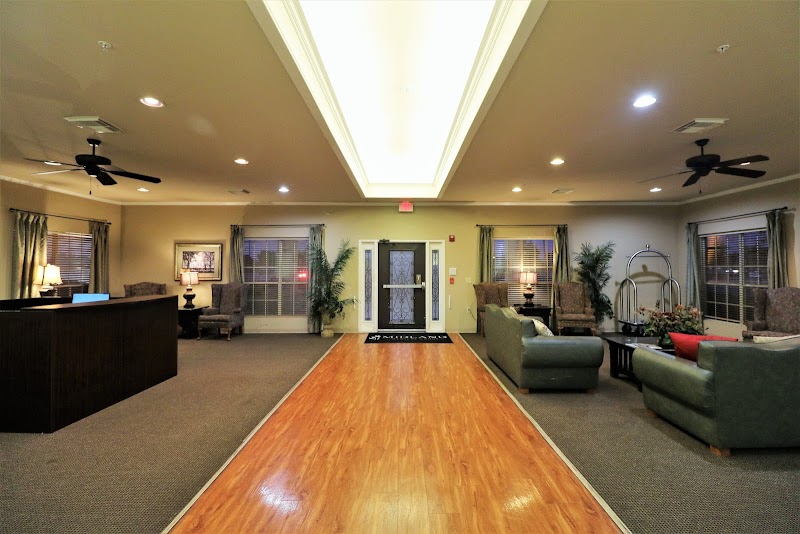
How is Midland Medical Lodge Staffed?

CMS rates MIDLAND MEDICAL LODGE's staffing level at 1 out of 5 stars, which is much below average compared to other nursing homes. Staff turnover is 49%, compared to the Texas average of 46%.

What Have Inspectors Found at Midland Medical Lodge?

State health inspectors documented 18 deficiencies at MIDLAND MEDICAL LODGE during 2023 to 2025. These included: 18 with potential for harm.

Who Owns and Operates Midland Medical Lodge?

MIDLAND MEDICAL LODGE is owned by a for-profit company. For-profit facilities operate as businesses with obligations to shareholders or private owners. The facility is operated by FOURSQUARE HEALTHCARE, a chain that manages multiple nursing homes. With 125 certified beds and approximately 115 residents (about 92% occupancy), it is a mid-sized facility located in MIDLAND, Texas.
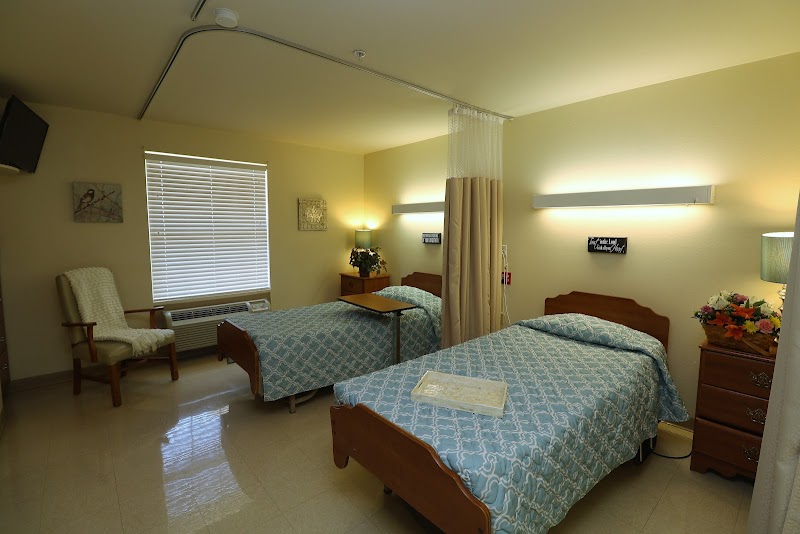
How Does Midland Medical Lodge Compare to Other Texas Nursing Homes?

Compared to the 100 nursing homes in Texas, MIDLAND MEDICAL LODGE's overall rating (3 stars) is above the state average of 2.8, staff turnover (49%) is near the state average of 46%, and health inspection rating (4 stars) is above the national benchmark.

What Should Families Ask When Visiting Midland Medical Lodge?

Based on this facility's data, families visiting should ask: "Can you walk me through typical staffing levels on day, evening, and night shifts?" "Can I visit during a mealtime to observe dining assistance and food quality?" "How do you handle medical emergencies, and what is your hospital transfer rate?" "Can I speak with family members of current residents about their experience?" These questions are particularly relevant given the below-average staffing rating.

Is Midland Medical Lodge Safe?

Based on CMS inspection data, MIDLAND MEDICAL LODGE has a clean safety record: no substantiated abuse findings (meaning no confirmed cases of resident harm), no Immediate Jeopardy citations (the most serious violation level indicating risk of serious injury or death), and is not on the Special Focus Facility watch list (a federal program monitoring the lowest-performing 1% of nursing homes). The facility has a 3-star overall rating and ranks #1 of 100 nursing homes in Texas. While no facility is perfect, families should still ask about staff-to-resident ratios and recent inspection results during their visit.

Do Nurses at Midland Medical Lodge Stick Around?

MIDLAND MEDICAL LODGE has a staff turnover rate of 49%, which is about average for Texas nursing homes (state average: 46%). Moderate turnover is common in nursing homes, but families should still ask about staff tenure and how the facility maintains care continuity when employees leave.

Was Midland Medical Lodge Ever Fined?

MIDLAND MEDICAL LODGE has been fined $3,250 across 1 penalty action. This is below the Texas average of $33,111. While any fine indicates a compliance issue, fines under $50,000 are relatively common and typically reflect isolated problems that were subsequently corrected. Families should ask what specific issues led to these fines and confirm they've been resolved.

Is Midland Medical Lodge on Any Federal Watch List?

MIDLAND MEDICAL LODGE is not on any federal watch list. The most significant is the Special Focus Facility (SFF) program, which identifies the bottom 1% of nursing homes nationally based on persistent, serious quality problems. Not being on this list means the facility has avoided the pattern of deficiencies that triggers enhanced federal oversight. This is a positive indicator, though families should still review the facility's inspection history directly.