MIDLOTHIAN HEALTHCARE CENTER
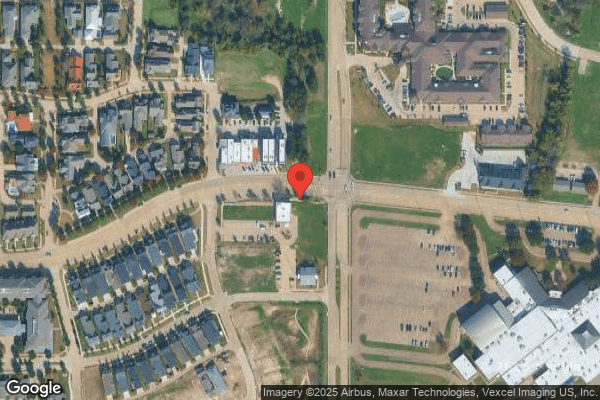
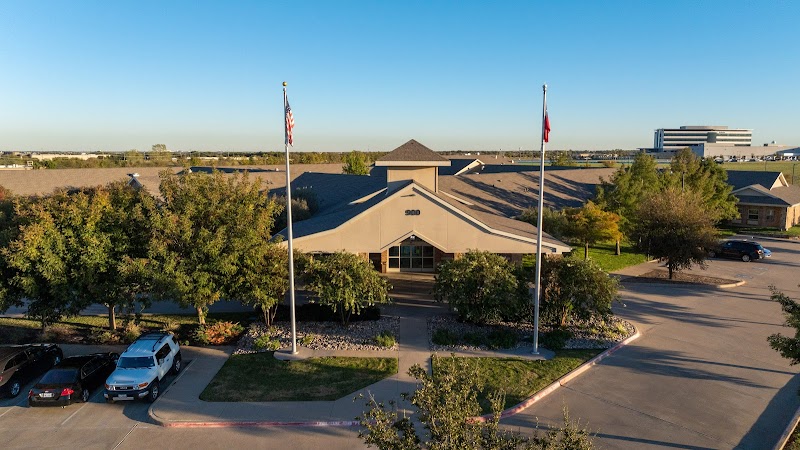
900 GEORGE HOPPER ROAD, MIDLOTHIAN, TX 76065 (972) 775-5105
For profit - Corporation 120 Beds THE ENSIGN GROUP Data: November 2025 2 Immediate Jeopardy citations
Trust Grade
0/100
#1042 of 1168 in TX
Last Inspection: December 2024

Within standard 12-15 month inspection cycle. Federal law requires annual inspections.

Overview

Midlothian Healthcare Center has a Trust Grade of F, indicating significant concerns and a poor overall reputation. Ranked #1042 out of 1168 facilities in Texas, and last in Ellis County, they are in the bottom half of options available. While the facility's trend is improving, with issues decreasing from 8 to 6 over the past year, the staffing situation raises red flags, scoring only 1 out of 5 stars and experiencing a high turnover rate of 71%, well above the state average. There have been serious incidents reported, including neglect where a resident suffered for three months due to untreated scabies, and medication errors that led to hospitalization, highlighting a need for better care practices. Overall, while there are some improvements, the facility still has significant weaknesses that families should consider carefully.

Trust Score
F
0/100
In Texas
#1042/1168
Bottom 11%
Safety Record
High Risk
Review needed
Inspections
Getting Better
8 → 6 violations
Staff Stability
⚠ Watch
71% turnover. Very high, 23 points above average. Constant new faces learning your loved one's needs.
Penalties
⚠ Watch
$50,830 in fines. Higher than 89% of Texas facilities, suggesting repeated compliance issues.
Skilled Nurses
⚠ Watch
Each resident gets only 12 minutes of Registered Nurse (RN) attention daily — below average for Texas. Fewer RN minutes means fewer trained eyes watching for problems.
Violations
⚠ Watch
15 deficiencies on record. Higher than average. Multiple issues found across inspections.
★☆☆☆☆
1.0
Overall Rating
★☆☆☆☆
1.0
Staff Levels
★★★☆☆
3.0
Care Quality
★★☆☆☆
2.0
Inspection Score
Stable
2023: 8 issues
2024: 6 issues

The Good

  • Full Sprinkler Coverage · Fire safety systems throughout facility
  • No fines on record

Facility shows strength in fire safety.

The Bad

1-Star Overall Rating

Below Texas average (2.8)

Significant quality concerns identified by CMS

Staff Turnover: 71%

25pts above Texas avg (46%)

Frequent staff changes - ask about care continuity

Federal Fines: $50,830

Above median ($33,413)

Moderate penalties - review what triggered them

Chain: THE ENSIGN GROUP

Part of a multi-facility chain

Ask about local staffing decisions and management

Staff turnover is very high (71%)

23 points above Texas average of 48%

The Ugly 15 deficiencies on record

2 life-threatening 3 actual harm
Dec 2024 2 deficiencies 2 Harm
SERIOUS (G) 📢 Someone Reported This

A family member, employee, or ombudsman was alarmed enough to file a formal complaint

Actual Harm - a resident was hurt due to facility failures

Pharmacy Services (Tag F0755)

A resident was harmed · This affected 1 resident

**NOTE- TERMS IN BRACKETS HAVE BEEN EDITED TO PROTECT CONFIDENTIALITY** Based on observations, interviews and record review, the facility failed to provide pharmaceutical services (including procedure...

Read full inspector narrative →
**NOTE- TERMS IN BRACKETS HAVE BEEN EDITED TO PROTECT CONFIDENTIALITY** Based on observations, interviews and record review, the facility failed to provide pharmaceutical services (including procedures that assure the accurate acquiring, receiving, dispensing, and administering of all drugs and biologicals) to meet the needs of each resident for 1 of 6 residents (Resident #1), reviewed for pharmaceutical services, in that: The facility failed to ensure that Resident #1 was administered Morphine 10mg ER in accordance with the physician's order when the resident was administered Morphine 100mg instead. This failure placed the resident at risk for adverse reactions that could have been life threatening, and which lead to the hospitalization of Resident #1 for acute respiratory distress. The findings included: An interview with the resident was attempted via telephone on November 1, 2024. The attempt was unsuccessful as the resident did not answer or respond to the call. Record review of Resident #1's admission record revealed the resident was an [AGE] year old female who was admitted to the facility on [DATE], with diagnoses that included: unspecified dementia, unspecified severity, with other behavioral disturbance, unspecified dementia, moderate, without behavioral disturbance, psychotic disturbance, mood disturbance, and anxiety, unspecified lack of coordination, muscle weakness, difficulty walking, cognitive communication deficit, major depressive disorder, recurrent, moderate, generalized anxiety disorder, fibromyalgia (a medical syndrome that causes chronic widespread pain), acute kidney failure, chronic kidney disease, and systematic lupus erythematosus (superficial reddening of the skin), organ or system involvement unspecified. Record review of Resident #1's care plan, (with an initiation date of 05/21/2024) revealed in part: Resident #1 was on pain medication therapy and had an intervention to administer medication as ordered, monitor for altered mental status, anxiety, constipation, depression, dizziness, lack of appetite, nausea, vomiting, pruritus (itchy skin), respiratory distress, sedation, and urinary retention. Observe for adverse reactions with every interaction with the resident. Resident #1 had acute/chronic pain related to fibromyalgia and lupus and had an intervention to anticipate the need for pain relief and respond immediately to any complaint of pain and follow the pain scale to medicate as ordered. In an interview with Resident #1's RR on November 1, 2024, at 11:23AM, RR stated that she was contacted by the facility on October 30, 2024, at 5:13PM, but missed their call. At 5:15PM on October 30, 2024, as RR was about to return the facility's call, RR's phone rang. The person on the other end was the DON for the facility. RR stated that she had never spoken to the DON before. The DON informed RR that the doctor had changed Resident #1's pain medication to Morphine yesterday (October 29, 2024) and that Morphine had been administered that day (October 30, 2024). However, there had been a mistake with the dose administered and Resident #1 was administered Morphine 100mg instead of Morphine 10mg. According to RR, the DON was unsure what the Morphine was being administered for, but further explained this was a pharmacy error although a facility CMA had administered the dose. The RR said that the DON told the RR that they had Narcan on-hand if Resident #1 experienced respiratory distress or shallow breathing, but further added that the Narcan would be of no benefit at that time as it should have been administered immediately if it was going to be administered. The DON informed RR that the resident was fine all day. The DON told RR that the resident did experience sleepiness and sweating, but this was probably because the resident insisted that the window in her room be opened. The DON told RR that they had been checking the resident's vitals signs every 30 minutes-1 hours. The RR insisted that the resident be taken to the ED. The DON agreed. The RR called Resident #1 to check on the resident and Resident #1 had not been told of the mistake with her medication. Resident #1 told RR that her head was hurting, she had not been feeling right, but she could not get any help. RR then called the DON back to make sure they were transporting the resident to the ED and the DON said she was filling out the transfer/ED paperwork. RR said the DON again blamed the pharmacy for the mistake. RR called Resident #1 once again and EMS had arrived to take the resident to the ED. RR said Resident #1 was admitted to the hospital where she remained at the time of this interview. RR stated that Resident #1 was an emotional wreck and had trouble recognizing RR for over 15 minutes, which was not normal for the resident. RR said Resident #1 has not been the same since. In an interview with MD, on November 1, 2024, at 12:03PM, MD confirmed he was employed with the facility and took over Resident #1's care in September 2024. At the time MD assumed Resident #1's care, she had been taking Tramadol 4 times a day for 1 year. Resident #1 complained to MD of constant pain and stated that the Tramadol was no longer working. As a result, MD switched Resident #1 to Oxycontin 10mg 2 times a day as this medication was long-acting. This medication worked for the resident, but the resident's insurance refused to cover the medication. MD said he was then forced to switch the resident to MS Contin or Morphine. A review of MD's records on November 1, 2024, of Resident #1's prescription for Morphine, revealed that MD wrote the prescription on October 28, 2024, which stated, START Morphine ER 10mg PO Q 12hrs scheduled #60 (sixty) tabs. MD said the first and only dose administered to Resident #1 was the overdose of Morphine 100mg. MD stated that he learned of the mistake when the pharmacy contacted him on October 30, 2024, to confirm his order. MD said the adverse effect of an overdose of this type would be respiratory sedation. In an interview with the DON on November 1, 2024, at 12:14PM, the DON stated that she was contacted by the RPh in the morning of October 30, 2024, and informed that an order entry error had been made by the pharmacy when filling Resident #1's Morphine prescription. RPh stated that instead of filling the prescription as ordered (Morphine ER 10mg), the pharmacy mistakenly filled the prescription for Morphine 100mg. The RPh asked the DON if the medication had been administered. The DON stated that she would check and let the RPh know. The DON reviewed Resident #1's medical record and found that Morphine 100mg had been administered to Resident #1 at 9:30AM by the CMA. The DON stated that she pulled the medication from the cart and notified LVN #1 of the error and the need to monitor Resident #1's vital signs every 30 minutes. The DON stated that she notified the RPh, who created and sent the facility a plan of correction. The RPh confirmed the facility had Narcan on hand. The DON then called the MD and the facility's Medical Director. The DON stated that she attempted contact with RR 3 times that day and left RR a general message to return her call. The DON stated Resident #1 did not experience any respiratory distress or any need for the use of Narcan. The DON stated that Resident #1 did not display signs or symptoms that would warrant that she be immediately sent to the ED. But the DON stated that staff did send Resident #1 to the ED upon RR's request. At the time of her transfer to the ED, Resident #1 was alert and oriented x3 per the DON. The DON stated that this had been the first time this medication was ordered for Resident #1. Resident #1 had been taking Tramadol then Oxycodone for pain, both of which had been discontinued. In an interview with the Administrator (ADM) on November 1, 2024, at 12:20PM, the ADM stated that RR had been contacted, although they have no formal POA on file for RR. The ADM stated that the RR had made an issue in the past of not being contacted so they had been doing so as a courtesy and while RR provided the enacted POA for Resident #1. The ADM stated that upon learning of the incident, the facility and staff took actions to remedy the mistake including in-service education. The CMA who administered the medication was suspended as a part of their disciplinary action process. The ADM stated that the CMA is a good employee, who has not committed a policy infraction of this sort in the past. The ADM confirmed that the CMA had no complaints or issues of this type prior to her employment at this facility to her knowledge. Review of the facility's personnel records for CMA on November 1, 2024, at 1:49PM revealed CMA had been employed at the facility since approximately the end of May 2024, passed background checks, had an active CMA certificate/registration, was not listed in the EMR, and had no prior disciplinary actions at this facility. Record review of the facility's communication with the pharmacy on October 30, 2024, at 4:25PM, revealed the following record of events per RPh: On 10/29/24 at 12:11pm we received a new prescription from MD for morphine 10mg ER tablets to be given to [Resident #1] every 12 hours routinely. The order was typed by pharmacy technician VS and was erroneously entered into the system as morphine 100mg ER rather than the 10mg ER that was prescribed . [RPh #2] reviewed the data entry and did not catch the closing error. He approved the order for filling and the medication was filled. [RPh #2] also reviewed the filled medication and did not catch the dosing error at that time. The order was delivered to the facility last night as a partial fill of twenty-five tablets out of a total of 60 that were ordered. This morning we received more of the morphine 100mg ER tablets in stock to complete filling the order. It was filled for the remainder owed and [RPh#3] reviewed the filled product-at that stage, the data entry error was caught and it was realized that the wrong strength had been sent last night. I was notified of the situation within minutes and immediately called you to inform you of the error so that steps could be taken to reduce any risk of harm to the patient . In an interview with CMA on November 1, 2024, at 1:57PM, CMA stated that she saw Resident #1's medication had been changed to Morphine. CMA said she looked at the MAR and it said Morphine 10mg. CMA said she picked up the medication in preparation for administration and failed to see the medication was Morphine 100mg, not Morphine 10mg. CMA said she administered the medication around 9AM and at around 12PM the DON came and asked her if she had administered the medication. CMA told the DON she had administered the medication. The CMA and the DON confirmed that the medication was for the wrong dosage. CMA said she never observed Resident #1 suffering from any adverse effects from the medication. CMA stated that she observed Resident #1 several times after giving the medication, but before learning of her mistake, and noticed nothing out of the ordinary with regards to Resident #1's presentation or behavior. After learning of her mistake, observation and assessments of Resident #1 were done. CMA stated that Resident #1 never exhibited any reactions that would indicate life threatening effects of the medication, including respiratory distress or shallow breathing, CMA took full responsibility for her mistake and expressed remorse. CMA stated that she has never made a mistake like this before. Record review of Resident #1's medical record progress notes revealed the following: 10/29/2024 22:19 (10:19PM)-Type: Nursing Note Text: New order received during 6a-6p shift to d/c oxycodone and start morphine sulfate Extended Release 24 hour 10mg, will continue with plan of care. 10/30/2024 15:52 (3:52PM)-Type Nursing Note Text: Received call .pharmacy technician entered new order for morphine 10mg wrong in their system. Resident received the incorrect dose of 100mg tab. Upon receiving this information, resident was assessed .no respiratory distress was noted obtained the following reading: 148/70 (blood pressure), 78 (pulse/beats per minute) 18, 97.3 (temperature), 94% room air (oxygen saturation rate) .MDs made aware. Directions given to monitor resident every 30 mins for the first hour, and then every hour and to have Narcan on hand to administer if resident experiences respiratory distress .Medication pack retrieved from medication cart to be returned to pharmacy .Resident had her therapy session and had her meals, no changes on LOC noted, resident stayed up throughout the day, denied discomfort or having difficulty breathing. No restlessness, N/V, loss of coordination, dizziness, hallucinations, and s/sx of confusion noted. Resident had therapy session, ate lunch, and was her normal self without any deviation from her daily activities or routine . Record review of Resident #1's Nurses Notes on 10/30/2024 revealed a notation stating that the resident was monitored as directed by MD every 30 minutes, then hourly. No respiratory distress noted. Vital signs remained stable. The documentation shows checks and vitals signs were taken at 12:15PM, 12:45PM, 1:15PM, 1:45PM, 2:15PM, 3:15PM, 4:15PM, and 5:15PM. Record review on November 1, 2024, at 3:31PM revealed a Medication Error Report completed on 10/30/2024, regarding Resident #1 receiving the wrong dose of Morphine. Measures taken to prevent recurrence of similar errors listed were in serviced nurses and medication aides, did one-on-one in service with CMA. Record review of Resident #1's hospital records dated October 30, 2024, revealed Resident #1 was hospitalized in the ICU from 10/30/2024 to 11/06/2024 with a diagnoses of Accidental overdose, narcotic overdose, accidental or unintentional. Resident #1 required hospitalization in the ICU due to the overdose of morphine. It was noted patient is post [sic] to be on morphine tablets 10 mg twice daily but instead received 100 mg due to a pharmacy there at the nursing home . She is somnolent (lethargic, sleepy) and when she falls asleep her oxygen saturation dips into the mid 80's. Patient was started on 4 L via nasal cannula which brought her O2 saturation up to 99%. Resident #1 was noted to be in acute distress when she arrived at the EDR and with mild hypoxemia (abnormally low level of oxygen in the blood) at 87% on room air. In addition, Resident #1 was inattentive, with slurred speech, slowed behavior with an elated mood. Resident #1 was not noted to have received Narcan at the nursing facility. The hospital documentation also noted that Resident #1's RR was the one who called 911 for Resident #1 to be sent to the hospital and not the facility. Observation of medication administration on December 3, 2024, at 8:36 AM for Resident #7 revealed the following medications administered with no concerns: Nasal flutacsone 1 spray each nostril gloves Artificial tears 1 drop each eye hand hygiene 1 gabapentin cap 100mg 1 po tid 1 entresto tab 24-26mg 1 tab po bid hold as directed-hold hr < bp <100 1 diltiazem tab 60mg 1 po bid hold if 1 metformin 500mg 1 po bid 1 Bumetanide tab 0.5mg 1 po daily 1 Metoprol suc tab 50 mg ER 1 po daily HOLD as dire 1 K chloride 20 meq ER 1 daily 1 multivitamin ] 1 iron tab 1 Metamucil 1 packet resident drinks slowly There were 12 Opportunities to include 9 tabs administered plus three other medications. CMA practiced hand hygiene and exited the room. In an in interview with DON on December 12, 2024, at approximately 2:15 PM, it was stated that Resident #1 was not administered Narcan as the resident did not display any signs or symptoms of respiratory distress. It was stated by the DON that those signs and symptoms would have been apparent within 4 hours of the administration of the medication. Those signs and symptoms would have been respiratory distress, sweating, hyperventilation, and disorientation. It was stated by DON that the resident was told several times about the accidental overdose. DON stated during each check of Resident #1 following the discovery of the overdose, the resident was reminded of the reason for the frequent checks and assessments. DON stated that Resident #1 responded with Okay. DON stated that Resident #1 never reported not feeling right or having a headache to staff after receiving the Morphine 100mg. DON reported that Resident #1 exhibited no atypical behaviors in that Resident #1 participated in a full therapy session, ate lunch in the dining room, and had focused conversations with staff and others. DON stated that if Resident #1 had exhibited a significant change in her condition, the resident would have been sent out to the ED immediately. DON stated that CMAs can administer routine narcotics if a nurse signs off on the administration. DON stated PRN medications are given by nurses. DON stated that the administration of an initial dose of narcotics by a CMA is allowed with the oversight of a nurse. In an interview with the ADM on December 12, 2024, at approximately 2:30pm, it was stated that the facility has implemented no policy and procedure changes regarding medication administration, receipt of narcotics, or transfer/discharging of residents (sending residents out to the ED). Observation of medication administration on December 12, 2024, at 3:41 PM, for Resident #5 and #6 revealed the following medications administered by CMA #2 with no concerns: MEMANTINE TAB HCL 5MG ORAL (1) MED PASS 2.0 FORTIFIED NUTRITIONAL SHAKE 90ML ORAL ELIQUIS TAB 2.5MG ORAL (1) DIVALPROEX TAB 125MG DR (1) ORAL ELIQUIS TAB 2.5 MG (1) ORAL MEMANTINE TAB HCL 10MG (1) ORAL In an interview with CMA #2 on December 12, 2024, at approximately 3:41 PM, CMA #2 stated that if she encounters a medication during administration that she is not familiar with, she will ask a nurse to administer the medication or get education or clarification on the medication. CMA #2 stated that only routine medications are administered by CMAs. PRN medications are administered by nurses and the initial dose of a routine narcotic is typically administered by a nurse. CMA #2 stated that upon administering any medication, she checks the resident's MAR, checks the medication label, and if she has questions about the medication, she will ask a nurse before administering the medication. CMA #2 stated that if she noticed any kind of adverse reaction or out of the ordinary response to a medication administered, she would notify the nurse immediately. In an interview with MDS Coordinator on December 12, 2024, at 6:42 PM, it was stated that the MDS Coordinator's office is right behind the nurses station on the south side of the building. On the day of the incident, the MDS Coordinator observed Resident #1 after lunch at the nurses' desk talking to the nurses and the aids. Resident #1 was standing and talking as usual and did not appear to be in any type of distress. The MDS Coordinator also observed Resident #1 walking and had no concerns for the resident. MDS Coordinator stated that she was surprised to hear the next day that the resident had been sent out to the ED. In an interview with SC on December 12, 2024, at 6:45 PM, it was stated that SC observed Resident #1 early the day of the incident and the resident's behavior was typical and not out of the ordinary. The resident was observed walking, talking and interacting as normal, with no concerns noted. In an interview with COTA on December 12, 2024, at 6:49 PM, it was stated that COTA did an entire session with Resident #1 and the resident was her normal self. Friendly, talkative, no complaints of pain, or complaints otherwise. In an interview with MD #2 on December 16, 2024, at 3:30 PM, MD #2 stated that Resident #1 was sent out to the ED as a safety precaution based on RR request, but not because MD #2 felt the resident was unsafe or compromised . MD #2 said looking at the situation from the outside, a dose that high would appear concerning. But he was very familiar with the resident and her history and background. MD #2 said Resident #1 could tolerate a dose that high and it didn't really phase her. He said she suffered no adverse reaction. MD #2 said Resident #1 had hypoxemia at baseline. He believes the resident was coded with acute respiratory distress upon her admission to the hospital for billing purposes. MD #2 said from his experience that it's likely the hospital's standard protocol is to admit to the ICU rather than the floor for monitoring purposes only. He also thinks Resident #1's stay in the hospital was prolonged because the RR was attempting to find a different placement following Resident #1's discharge from the hospital, which probably took several days. MD #2 said he wished the resident hadn't been moved because he had cared for her for some time and knew her and her conditions well. MD #2 said the facility staff responded to the situation as directed and he has no concerns for the way the situation was handled. It was just an unfortunate mistake. Review of the facility's personnel records for CMA revealed CMA had been employed at the facility since approximately the end of May 2024, passed background checks, had an active CMA certificate/registration, was not listed in the EMR, and had no prior disciplinary actions at this facility. Record review of the facility's policy and procedure dated July 2017, regarding Administration of Medications revealed the following in part: 3. Medications must be administered in accordance with the written orders of the attending physician; 11. Prior to administering the resident's medication, the nurse or medication technician should compare the drug and dosage schedule [don] the resident's MAR with the drug label. NOTE: If there is any reason to question the dosage or the schedule, the nurse or med tech should check the physician's orders.
SERIOUS (G) 📢 Someone Reported This

A family member, employee, or ombudsman was alarmed enough to file a formal complaint

Actual Harm - a resident was hurt due to facility failures

Deficiency F0760 (Tag F0760)

A resident was harmed · This affected 1 resident

**NOTE- TERMS IN BRACKETS HAVE BEEN EDITED TO PROTECT CONFIDENTIALITY** Based on observations, interviews and record review, the facility failed to ensure residents were free of any significant medica...

Read full inspector narrative →
**NOTE- TERMS IN BRACKETS HAVE BEEN EDITED TO PROTECT CONFIDENTIALITY** Based on observations, interviews and record review, the facility failed to ensure residents were free of any significant medication errors for 1 (Resident #1) of 6 residents reviewed for medication administration. Resident #1 was administered Morphine 100mg ER instead of Morphine 10mg ER as ordered, which was outside of physician parameters. This failure could place residents at risk for not receiving the intended therapeutic benefit of their prescribed medication, worsening or exacerbating chronic medical conditions, placing residents at risk for adverse reactions that could be life threatening, and hospitalization. The findings included: An interview with the resident was attempted via telephone on November 1, 2024. The attempt was unsuccessful as the resident did not answer or respond to the call. Record review of Resident #1's admission record revealed the resident was an [AGE] year old female who was admitted to the facility on [DATE], with diagnoses that included: unspecified dementia, unspecified severity, with other behavioral disturbance, unspecified dementia, moderate, without behavioral disturbance, psychotic disturbance, mood disturbance, and anxiety, unspecified lack of coordination, muscle weakness, difficulty walking, cognitive communication deficit, major depressive disorder, recurrent, moderate, generalized anxiety disorder, fibromyalgia (a medical syndrome that causes chronic widespread pain), acute kidney failure, chronic kidney disease, and systematic lupus erythematosus (superficial reddening of the skin), organ or system involvement unspecified. Record review of Resident #1's care plan, (with an initiation date of 05/21/2024) revealed in part: Resident #1 was on pain medication therapy and had an intervention to administer medication as ordered, monitor for altered mental status, anxiety, constipation, depression, dizziness, lack of appetite, nausea, vomiting, pruritus (itchy skin), respiratory distress, sedation, and urinary retention. Observe for adverse reactions with every interaction with the resident. Resident #1 had acute/chronic pain related to fibromyalgia and lupus and had an intervention to anticipate the need for pain relief and respond immediately to any complaint of pain and follow the pain scale to medicate as ordered. In an interview with Resident #1's RR on November 1, 2024, at 11:23AM, RR stated that she was contacted by the facility on October 30, 2024, at 5:13PM, but missed their call. At 5:15PM on October 30, 2024, as RR was about to return the facility's call, RR's phone rang. The person on the other end was the DON for the facility. RR stated that she had never spoken to the DON before. The DON informed RR that the doctor had changed Resident #1's pain medication to Morphine yesterday (October 29, 2024) and that Morphine had been administered that day (October 30, 2024). However, there had been a mistake with the dose administered and Resident #1 was administered Morphine 100mg instead of Morphine 10mg. According to RR, the DON was unsure what the Morphine was being administered for, but further explained this was a pharmacy error although a facility CMA had administered the dose. The RR said that the DON told the RR that they had Narcan on-hand if Resident #1 experienced respiratory distress or shallow breathing, but further added that the Narcan would be of no benefit at that time as it should have been administered immediately if it was going to be administered. The DON informed RR that the resident was fine all day. The DON told RR that the resident did experience sleepiness and sweating, but this was probably because the resident insisted that the window in her room be opened. The DON told RR that they had been checking the resident's vitals signs every 30 minutes-1 hours. The RR insisted that the resident be taken to the ED. The DON agreed. The RR called Resident #1 to check on the resident and Resident #1 had not been told of the mistake with her medication. Resident #1 told RR that her head was hurting, she had not been feeling right, but she could not get any help. RR then called the DON back to make sure they were transporting the resident to the ED and the DON said she was filling out the transfer/ED paperwork. RR said the DON again blamed the pharmacy for the mistake. RR called Resident #1 once again and EMS had arrived to take the resident to the ED. RR said Resident #1 was admitted to the hospital where she remained at the time of this interview. RR stated that Resident #1 was an emotional wreck and had trouble recognizing RR for over 15 minutes, which was not normal for the resident. RR said Resident #1 has not been the same since. In an interview with MD, on November 1, 2024, at 12:03PM, MD confirmed he was employed with the facility and took over Resident #1's care in September 2024. At the time MD assumed Resident #1's care, she had been taking Tramadol 4 times a day for 1 year. Resident #1 complained to MD of constant pain and stated that the Tramadol was no longer working. As a result, MD switched Resident #1 to Oxycontin 10mg 2 times a day as this medication was long-acting. This medication worked for the resident, but the resident's insurance refused to cover the medication. MD said he was then forced to switch the resident to MS Contin or Morphine. A review of MD's records on November 1, 2024, of Resident #1's prescription for Morphine, revealed that MD wrote the prescription on October 28, 2024, which stated, START Morphine ER 10mg PO Q 12hrs scheduled #60 (sixty) tabs. MD said the first and only dose administered to Resident #1 was the overdose of Morphine 100mg. MD stated that he learned of the mistake when the pharmacy contacted him on October 30, 2024, to confirm his order. MD said the adverse effect of an overdose of this type would be respiratory sedation. In an interview with the DON on November 1, 2024, at 12:14PM, the DON stated that she was contacted by the RPh in the morning of October 30, 2024, and informed that an order entry error had been made by the pharmacy when filling Resident #1's Morphine prescription. RPh stated that instead of filling the prescription as ordered (Morphine ER 10mg), the pharmacy mistakenly filled the prescription for Morphine 100mg. The RPh asked the DON if the medication had been administered. The DON stated that she would check and let the RPh know. The DON reviewed Resident #1's medical record and found that Morphine 100mg had been administered to Resident #1 at 9:30AM by the CMA. The DON stated that she pulled the medication from the cart and notified LVN #1 of the error and the need to monitor Resident #1's vital signs every 30 minutes. The DON stated that she notified the RPh, who created and sent the facility a plan of correction. The RPh confirmed the facility had Narcan on hand. The DON then called the MD and the facility's Medical Director. The DON stated that she attempted contact with RR 3 times that day and left RR a general message to return her call. The DON stated Resident #1 did not experience any respiratory distress or any need for the use of Narcan. The DON stated that Resident #1 did not display signs or symptoms that would warrant that she be immediately sent to the ED. But the DON stated that staff did send Resident #1 to the ED upon RR's request. At the time of her transfer to the ED, Resident #1 was alert and oriented x3 per the DON. The DON stated that this had been the first time this medication was ordered for Resident #1. Resident #1 had been taking Tramadol then Oxycodone for pain, both of which had been discontinued. In an interview with the Administrator (ADM) on November 1, 2024, at 12:20PM, the ADM stated that RR had been contacted, although they have no formal POA on file for RR. The ADM stated that the RR had made an issue in the past of not being contacted so they had been doing so as a courtesy and while RR provided the enacted POA for Resident #1. The ADM stated that upon learning of the incident, the facility and staff took actions to remedy the mistake including in-service education. The CMA who administered the medication was suspended as a part of their disciplinary action process. The ADM stated that the CMA is a good employee, who has not committed a policy infraction of this sort in the past. The ADM confirmed that the CMA had no complaints or issues of this type prior to her employment at this facility to her knowledge. Review of the facility's personnel records for CMA on November 1, 2024, at 1:49PM revealed CMA had been employed at the facility since approximately the end of May 2024, passed background checks, had an active CMA certificate/registration, was not listed in the EMR, and had no prior disciplinary actions at this facility. Record review of the facility's communication with the pharmacy on October 30, 2024, at 4:25PM, revealed the following record of events per RPh: On 10/29/24 at 12:11pm we received a new prescription from MD for morphine 10mg ER tablets to be given to [Resident #1] every 12 hours routinely. The order was typed by pharmacy technician VS and was erroneously entered into the system as morphine 100mg ER rather than the 10mg ER that was prescribed . [RPh #2] reviewed the data entry and did not catch the closing error. He approved the order for filling and the medication was filled. [RPh #2] also reviewed the filled medication and did not catch the dosing error at that time. The order was delivered to the facility last night as a partial fill of twenty-five tablets out of a total of 60 that were ordered. This morning we received more of the morphine 100mg ER tablets in stock to complete filling the order. It was filled for the remainder owed and [RPh#3] reviewed the filled product-at that stage, the data entry error was caught and it was realized that the wrong strength had been sent last night. I was notified of the situation within minutes and immediately called you to inform you of the error so that steps could be taken to reduce any risk of harm to the patient . In an interview with CMA on November 1, 2024, at 1:57PM, CMA stated that she saw Resident #1's medication had been changed to Morphine. CMA said she looked at the MAR and it said Morphine 10mg. CMA said she picked up the medication in preparation for administration and failed to see the medication was Morphine 100mg, not Morphine 10mg. CMA said she administered the medication around 9AM and at around 12PM the DON came and asked her if she had administered the medication. CMA told the DON she had administered the medication. The CMA and the DON confirmed that the medication was for the wrong dosage. CMA said she never observed Resident #1 suffering from any adverse effects from the medication. CMA stated that she observed Resident #1 several times after giving the medication, but before learning of her mistake, and noticed nothing out of the ordinary with regards to Resident #1's presentation or behavior. After learning of her mistake, observation and assessments of Resident #1 were done. CMA stated that Resident #1 never exhibited any reactions that would indicate life threatening effects of the medication, including respiratory distress or shallow breathing, CMA took full responsibility for her mistake and expressed remorse. CMA stated that she has never made a mistake like this before. Record review of Resident #1's medical record progress notes revealed the following: 10/29/2024 22:19 (10:19PM)-Type: Nursing Note Text: New order received during 6a-6p shift to d/c oxycodone and start morphine sulfate Extended Release 24 hour 10mg, will continue with plan of care. 10/30/2024 15:52 (3:52PM)-Type Nursing Note Text: Received call .pharmacy technician entered new order for morphine 10mg wrong in their system. Resident received the incorrect dose of 100mg tab. Upon receiving this information, resident was assessed .no respiratory distress was noted obtained the following reading: 148/70 (blood pressure), 78 (pulse/beats per minute) 18, 97.3 (temperature), 94% room air (oxygen saturation rate) .MDs made aware. Directions given to monitor resident every 30 mins for the first hour, and then every hour and to have Narcan on hand to administer if resident experiences respiratory distress .Medication pack retrieved from medication cart to be returned to pharmacy .Resident had her therapy session and had her meals, no changes on LOC noted, resident stayed up throughout the day, denied discomfort or having difficulty breathing. No restlessness, N/V, loss of coordination, dizziness, hallucinations, and s/sx of confusion noted. Resident had therapy session, ate lunch, and was her normal self without any deviation from her daily activities or routine . Record review of Resident #1's Nurses Notes on 10/30/2024 revealed a notation stating that the resident was monitored as directed by MD every 30 minutes, then hourly. No respiratory distress noted. Vital signs remained stable. The documentation shows checks and vitals signs were taken at 12:15PM, 12:45PM, 1:15PM, 1:45PM, 2:15PM, 3:15PM, 4:15PM, and 5:15PM. Record review on November 1, 2024, at 3:31PM revealed a Medication Error Report completed on 10/30/2024, regarding Resident #1 receiving the wrong dose of Morphine. Measures taken to prevent recurrence of similar errors listed were in serviced nurses and medication aides, did one-on-one in service with CMA. Record review of Resident #1's hospital records dated October 30, 2024, revealed Resident #1 was hospitalized in the ICU from 10/30/2024 to 11/06/2024 with a diagnoses of Accidental overdose, narcotic overdose, accidental or unintentional. Resident #1 required hospitalization in the ICU due to the overdose of morphine. It was noted patient is post [sic] to be on morphine tablets 10 mg twice daily but instead received 100 mg due to a pharmacy there at the nursing home . She is somnolent (lethargic, sleepy) and when she falls asleep her oxygen saturation dips into the mid 80's. Patient was started on 4 L via nasal cannula which brought her O2 saturation up to 99%. Resident #1 was noted to be in acute distress when she arrived at the EDR and with mild hypoxemia (abnormally low level of oxygen in the blood) at 87% on room air. In addition, Resident #1 was inattentive, with slurred speech, slowed behavior with an elated mood. Resident #1 was not noted to have received Narcan at the nursing facility. The hospital documentation also noted that Resident #1's RR was the one who called 911 for Resident #1 to be sent to the hospital and not the facility. Observation of medication administration on December 3, 2024, at 8:36 AM for Resident #7 revealed the following medications administered with no concerns: Nasal flutacsone 1 spray each nostril gloves Artificial tears 1 drop each eye hand hygiene 1 gabapentin cap 100mg 1 po tid 1 entresto tab 24-26mg 1 tab po bid hold as directed-hold hr < bp <100 1 diltiazem tab 60mg 1 po bid hold if 1 metformin 500mg 1 po bid 1 Bumetanide tab 0.5mg 1 po daily 1 Metoprol suc tab 50 mg ER 1 po daily HOLD as dire 1 K chloride 20 meq ER 1 daily 1 multivitamin ] 1 iron tab 1 Metamucil 1 packet resident drinks slowly There were 12 Opportunities to include 9 tabs administered plus three other medications. CMA practiced hand hygiene and exited the room. In an in interview with DON on December 12, 2024, at approximately 2:15 PM, it was stated that Resident #1 was not administered Narcan as the resident did not display any signs or symptoms of respiratory distress. It was stated by the DON that those signs and symptoms would have been apparent within 4 hours of the administration of the medication. Those signs and symptoms would have been respiratory distress, sweating, hyperventilation, and disorientation. It was stated by DON that the resident was told several times about the accidental overdose. DON stated during each check of Resident #1 following the discovery of the overdose, the resident was reminded of the reason for the frequent checks and assessments. DON stated that Resident #1 responded with Okay. DON stated that Resident #1 never reported not feeling right or having a headache to staff after receiving the Morphine 100mg. DON reported that Resident #1 exhibited no atypical behaviors in that Resident #1 participated in a full therapy session, ate lunch in the dining room, and had focused conversations with staff and others. DON stated that if Resident #1 had exhibited a significant change in her condition, the resident would have been sent out to the ED immediately. DON stated that CMAs can administer routine narcotics if a nurse signs off on the administration. DON stated PRN medications are given by nurses. DON stated that the administration of an initial dose of narcotics by a CMA is allowed with the oversight of a nurse. In an interview with the ADM on December 12, 2024, at approximately 2:30pm, it was stated that the facility has implemented no policy and procedure changes regarding medication administration, receipt of narcotics, or transfer/discharging of residents (sending residents out to the ED). Observation of medication administration on December 12, 2024, at 3:41 PM, for Resident #5 and #6 revealed the following medications administered by CMA #2 with no concerns: MEMANTINE TAB HCL 5MG ORAL (1) MED PASS 2.0 FORTIFIED NUTRITIONAL SHAKE 90ML ORAL ELIQUIS TAB 2.5MG ORAL (1) DIVALPROEX TAB 125MG DR (1) ORAL ELIQUIS TAB 2.5 MG (1) ORAL MEMANTINE TAB HCL 10MG (1) ORAL In an interview with CMA #2 on December 12, 2024, at approximately 3:41 PM, CMA #2 stated that if she encounters a medication during administration that she is not familiar with, she will ask a nurse to administer the medication or get education or clarification on the medication. CMA #2 stated that only routine medications are administered by CMAs. PRN medications are administered by nurses and the initial dose of a routine narcotic is typically administered by a nurse. CMA #2 stated that upon administering any medication, she checks the resident's MAR, checks the medication label, and if she has questions about the medication, she will ask a nurse before administering the medication. CMA #2 stated that if she noticed any kind of adverse reaction or out of the ordinary response to a medication administered, she would notify the nurse immediately. In an interview with MDS Coordinator on December 12, 2024, at 6:42 PM, it was stated that the MDS Coordinator's office is right behind the nurses station on the south side of the building. On the day of the incident, the MDS Coordinator observed Resident #1 after lunch at the nurses' desk talking to the nurses and the aids. Resident #1 was standing and talking as usual and did not appear to be in any type of distress. The MDS Coordinator also observed Resident #1 walking and had no concerns for the resident. MDS Coordinator stated that she was surprised to hear the next day that the resident had been sent out to the ED. In an interview with SC on December 12, 2024, at 6:45 PM, it was stated that SC observed Resident #1 early the day of the incident and the resident's behavior was typical and not out of the ordinary. The resident was observed walking, talking and interacting as normal, with no concerns noted. In an interview with COTA on December 12, 2024, at 6:49 PM, it was stated that COTA did an entire session with Resident #1 and the resident was her normal self. Friendly, talkative, no complaints of pain, or complaints otherwise. In an interview with MD #2 on December 16, 2024, at 3:30 PM, MD #2 stated that Resident #1 was sent out to the ED as a safety precaution based on RR request, but not because MD #2 felt the resident was unsafe or compromised . MD #2 said looking at the situation from the outside, a dose that high would appear concerning. But he was very familiar with the resident and her history and background. MD #2 said Resident #1 could tolerate a dose that high and it didn't really phase her. He said she suffered no adverse reaction. MD #2 said Resident #1 had hypoxemia at baseline. He believes the resident was coded with acute respiratory distress upon her admission to the hospital for billing purposes. MD #2 said from his experience that it's likely the hospital's standard protocol is to admit to the ICU rather than the floor for monitoring purposes only. He also thinks Resident #1's stay in the hospital was prolonged because the RR was attempting to find a different placement following Resident #1's discharge from the hospital, which probably took several days. MD #2 said he wished the resident hadn't been moved because he had cared for her for some time and knew her and her conditions well. MD #2 said the facility staff responded to the situation as directed and he has no concerns for the way the situation was handled. It was just an unfortunate mistake. Review of the facility's personnel records for CMA revealed CMA had been employed at the facility since approximately the end of May 2024, passed background checks, had an active CMA certificate/registration, was not listed in the EMR, and had no prior disciplinary actions at this facility. Record review of the facility's policy and procedure dated July 2017, regarding Administration of Medications revealed the following in part: 3. Medications must be administered in accordance with the written orders of the attending physician; 11. Prior to administering the resident's medication, the nurse or medication technician should compare the drug and dosage schedule [don] the resident's MAR with the drug label. NOTE: If there is any reason to question the dosage or the schedule, the nurse or med tech should check the physician's orders.
Dec 2024 4 deficiencies
CONCERN (D)

Potential for Harm - no one hurt, but risky conditions existed

ADL Care (Tag F0677)

Could have caused harm · This affected 1 resident

**NOTE- TERMS IN BRACKETS HAVE BEEN EDITED TO PROTECT CONFIDENTIALITY** Based on observation, interview and record review the facility failed to ensure a resident who was unable to carry out activitie...

Read full inspector narrative →
**NOTE- TERMS IN BRACKETS HAVE BEEN EDITED TO PROTECT CONFIDENTIALITY** Based on observation, interview and record review the facility failed to ensure a resident who was unable to carry out activities of daily living received the necessary services to maintain good nutrition, grooming, and personal and oral hygiene for one of six residents (Resident #6) reviewed for activities of daily living . The facility failed to ensure Resident #6 was fed her lunch in a timely manner. This failure could place residents at risk for not receiving adequate care and services to prevent infection, injury, and diminished quality of life. Findings include: Record review of Resident #6's, undated, admission record revealed a [AGE] year-old female, who was admitted to the facility on [DATE]. Resident #6 had diagnoses which included senile degeneration of brain (progressive deterioration of brain tissue), dementia (symptoms affecting memory, thinking, and social abilities), and discitis (infection of the intervertebral disc space causing severe back pain, leading to a lack in mobility). Record review of Resident #6's quarterly MDS, dated [DATE], revealed Resident #6 had a BIMS score of 03, which indicated the resident had severe cognitive impact. Resident #6 required supervision or touching assistance for eating. Record review of Resident #6's care plan, dated last revised on 06/24/2024, revealed Resident #6 had an ADL self-care performance deficit related to disease process, she was unable to handle hot liquids and required assistance with meals. Observation of the dining room lunch tray pass on 12/02/2024 at 11:34 AM revealed the ADON oversaw tray pass to the residents seated in the dining area. A lunch tray was placed in front of Resident #6 at 11:49 AM, she was the only resident seated at her table and she was in a Geri chair (specialized recliner). She did not begin eating and continued to watch as the staff passed trays to the rest of the residents. Four other residents at different tables were given their trays and had CNA's sit beside them and began feeding assistance before Resident #6 was assisted with her lunch. The ADON sat next to Resident #6 at 11:59 AM after all residents received their trays to assist Resident #6 with her lunch . An interview with Resident #6 was attempted on 12/02/2024 at 12:05 PM. Resident #6 was asked if she enjoyed her lunch and she responded with a yes, it is good. Resident was unable to follow along for a more in-depth conversation .
CONCERN (E)

Potential for Harm - no one hurt, but risky conditions existed

Menu Adequacy (Tag F0803)

Could have caused harm · This affected multiple residents

**NOTE- TERMS IN BRACKETS HAVE BEEN EDITED TO PROTECT CONFIDENTIALITY** Based on observation, interview, and record review the facility failed to ensure menus met the nutritional needs of residents in...

Read full inspector narrative →
**NOTE- TERMS IN BRACKETS HAVE BEEN EDITED TO PROTECT CONFIDENTIALITY** Based on observation, interview, and record review the facility failed to ensure menus met the nutritional needs of residents in accordance with established guidelines and was followed for 2 (Resident #7 and Resident #30) of 6 residents reviewed for food and nutrition services . The facility failed to serve Resident #7 and Resident #30 the posted lunch and dinner on Sunday 12/01/2024. This failure could place residents at risk of poor intake, chemical imbalance, and/or weight loss. Findings include: Record review of Resident #7's, undated, admission record revealed an [AGE] year-old female, who was admitted to the facility on [DATE]. Resident #7's had diagnoses which included dementia (symptoms affecting memory, thinking, and social abilities), cognitive communication deficit, unsteadiness on feet, repeated falls, high cholesterol, and high blood pressure. Record review of Resident #7's quarterly MDS dated [DATE], revealed the resident had a BIMS score of 12, which indicated moderate cognitive impairment. Resident #7 had impaired vision-sees large print, but not regular print in newspapers/books. Interview on 12/02/2024 at 12:45 PM with Resident #7 revealed she used a wheelchair to ambulate and could not see the posted menus in the kitchen due to their height, when she got to the dining room. She stated she had a pureed diet and could choose from the meal on the ticket brought each morning or another item, but her meals always came pureed. Record review of Resident #30's, undated, admission record revealed a [AGE] year-old male, who was admitted to the facility on [DATE]. Resident #30 had diagnoses which included heart failure, morbid obesity, congestive heart failure (a long-term condition in which your heart can't pump blood well enough to meet your body's needs), tachycardia (heart rate that exceeds the normal resting rate), and high blood pressure (a condition where the blood pressure in the arteries is persistently elevated). Record review of resident #30's MDS dated [DATE] , revealed the resident had a BIMS score of 15, which indicated intact cognition. Resident #30 had impaired vision-sees large print, but not regular print in newspapers/books. Interview on 12/02/2024 at 10:52 AM with Resident #30 revealed he only left his room to go to rehabilitation therapy and did not go to the dining room. He stated he did not know what was on the menu for the day until the CNA brought the meal tickets in the morning for him to choose if he would like the lunch and dinner on the ticket or an alternate meal item. He stated breakfasts were usually the same. Observation on 12/02/2024 at 9:59 AM revealed the dining room's 3 menu showcase board to be empty, and did not contain the current days breakfast, lunch, or dinner within residents' accessible view. A 5-week menu and the current weeks meal tickets were stapled close to the kitchen entryway at eye level of a standing person. Record review of the lunch and dinner meal tickets for 12/01/2024 revealed residents were served chicken spaghetti, Italian vegetables, garlic bread, and peaches for lunch. The dinner tickets reflected residents were served ravioli, broccoli, dinner roll, and banana pudding. Record review of 2 meals posted on menus dated 12/01/2024 revealed menu items for the lunch meal service on 12/01/2024 was roast beef with gravy, mashed potatoes, seasoned peas with onions, roll with margarine, and trifle pie. The dinner meal service was chicken spaghetti casserole, Italian blend vegetables, bread stick and gelatin/peaches. Interview on 12/02/2024 at 12:56 PM, the DM stated she changed the menu on 12/01/2024 because she felt the posted dinner sounded better as a lunch meal. She stated the lunch and dinner meal tickets were taken around to each resident the morning of the meals on the ticket and the residents were to circle if they wanted the posted meal or an alternate menu item for either meal. The meal tickets were then taken to the kitchen. Interview on 12/03/2024 at 4:01 PM, the DM stated the substitution logs were not filled out for the month of November or December, and stated she did not use the substitution log to document the two meal changes she stated she just changed the meals because the original dinner sounded better as a lunch. Interview on 12/04/2024 at 11:45 AM, the ADM stated the lunch and dinner meal tickets were taken from the resident and given to the kitchen staff after the residents made their selections. If residents were unable to recall what they chose, they could go to the nurse's station to view a blank meal ticket. She stated for residents who did not leave their rooms often or could not see the menu in the dining area by the kitchen entryway, staff could take them a copy of the meal ticket. Record review of the food and nutrition service menus policy, dated last reviewed 1/2022, reflected: If any meal served varies from the planned menu, the change and the reason for the change are noted on a log in the kitchen and/or in the record book used solely for recording such changes.
CONCERN (E)

Potential for Harm - no one hurt, but risky conditions existed

Food Safety (Tag F0812)

Could have caused harm · This affected multiple residents

**NOTE- TERMS IN BRACKETS HAVE BEEN EDITED TO PROTECT CONFIDENTIALITY** Based on observation, interview and record review the facility failed to store, prepare, distribute, and serve food in accordanc...

Read full inspector narrative →
**NOTE- TERMS IN BRACKETS HAVE BEEN EDITED TO PROTECT CONFIDENTIALITY** Based on observation, interview and record review the facility failed to store, prepare, distribute, and serve food in accordance with professional standards for food service safety for the facility's only kitchen and one (Nourishment room [ROOM NUMBER]) of two nourishment rooms reviewed for food and nutrition services. 1. The facility failed to ensure the DA wore an effective hair and beard restraint while in the kitchen. 2. The facility failed to ensure expired instant oatmeal packets, vegetable juice blend cans, pure corn starch and vitamin D milk items were discarded. 3. The facility failed to ensure the nourishment room refrigerator contained items with a name and date on a lunchbox in Nourishment room [ROOM NUMBER]. These failures could place residents at risk for health complications, foodborne illnesses and decreased a quality of life. Findings include: Observation of the kitchen pantry on 12/02/2024 at 9:34 AM revealed a large brown box of variety loose pack instant oatmeal with a best by date of 11/26/2024, with approximately 16 pouches remaining out of an original 64 pouches remaining. Observation of the kitchen pantry on 12/02/2024 at 9:37 AM revealed four vegetable blend juice cans remained out of a 6 pack of cans with an expiration date of 11/23/2023. Observation of the kitchen pantry on 12/02/2024 at 9:40 AM revealed five boxes of Pure Corn Starch all with best by dates of 01/11/2023. Observation of the refrigerator on 12/02/2024 at 9:49 AM revealed two cartons of Vitamin D milk with best by dates of 12/01/2024. Observation on 12/02/2024 at 12:24 PM revealed the DA wore a grey hoodie over his head with no proper hairnet to cover all of his approximately 3-inch hair or a beard net to cover all of his approximately 1-inch length beard . Observation of the kitchen pantry on 12/03/2024 at 9:01 AM revealed 3 boxes of Pure Corn Starch all with best by dates of 01/11/2023, four vegetable blend juice cans remained out of a 6 pack of cans with an expiration date of 11/23/2023. Observation in the Nourishment room [ROOM NUMBER] on 12/03/2024 at 9:39 AM revealed red signage on the refrigerator that stated Resident only fridge place resident name on item. Date the item that's being placed in fridge. All staff items will be discarded. Inside the refrigerator was a blue lunch bag on the top shelf with no name of who it belonged to or date. Interview with the DA on 12/03/2024 at 9:13 AM revealed he knew the policy for hairnets was to put it on every time he crosses the threshold into the kitchen . The DA stated yesterday (12/2/2024) was the first time he put a beard restraint on in a while . Interview with the RD on 12/03/2024 at 9:25 AM revealed she came to the facility once or twice per month. She came in to do a sanitation audit, assist with in-services, watch meal service, went through panty and freezer items for dating, addresses any concerns, made recommendations, and followed up with the ADM. She stated the kitchen followed the TFER for guidance . She stated hair restraints are to be worn by anyone who entered the kitchen to prevent contamination of food. Interview with the ADM on 12/04/2024 at 1:49 PM, she stated if the disposal of expired items was not listed in their policy, the kitchen deferred to the TFER. Record review of the TFER revealed that 3-305.11 Food Storage. (A) .food shall be protected from contamination by storing the food: (1) In a clean, dry location; (2) Where it is not exposed to splash, dust, or other contamination .(B) .refrigerated, ready-to eat time/temperature control for safety food prepared and packaged by a food processing plant shall be clearly marked, at the time the original container is opened in a food establishment and if the food is held for more than 24 hours, to indicate the date or day by which the food shall be consumed on the premises, sold, or discarded, based on the temperature and time combinations specified in (A) of this section and: (1) The day the original container is opened in the food establishment shall be counted as Day 1; and (2) The day or date marked by the food establishment may not exceed a manufacturer's use-by date if the manufacturer determined the use-by date based on food safety . Record review of the facility's infection control policy for dietary services, dated last revised 2/5/2024, reflected under subheading Personal Hygiene: Proper attire for food handlers should include a hair covering (hair nets or caps) . Moustaches and sideburns must be kept trimmed. Beards must be covered. Record review of the facility's policy entitled Nourishment Refrigerators in Nursing Facility, dated 03/2009, reflected, If foods are retained in the refrigerator, they shall be covered and clearly identified as to contents and date initially covered .
CONCERN (E) 📢 Someone Reported This

A family member, employee, or ombudsman was alarmed enough to file a formal complaint

Potential for Harm - no one hurt, but risky conditions existed

Infection Control (Tag F0880)

Could have caused harm · This affected multiple residents

Based on observation, interview, and record review the facility failed to establish and maintain an infection prevention and control program designed to provide a safe, sanitary and comfortable enviro...

Read full inspector narrative →
Based on observation, interview, and record review the facility failed to establish and maintain an infection prevention and control program designed to provide a safe, sanitary and comfortable environment and to help prevent the transmission of communicable diseases and infections for medical supplies stored in 1of 2 Medication storage rooms (800 Hall) and for 1 of 2 medication carts (800 Hall) reviewed for infection control /drug storage. The facility failed to ensure expired and contaminated medical supplies were removed from the medication storage room and 1 of the medication carts (located by the 800 Hall). This failure could place residents at risk for infection, ineffective treatment, and harm. Findings include: Observation on 12/03/2024 at 1:52 PM of the Medication Room near the 800 Hall revealed the following items: #1 Blood collection set (Butterfly Needle) expired on 7/6/2023. #1 Sterile Irrigation tray Medline DYND20302 - was opened and no longer sterile. #1 Pack of gauze was opened and stored non-covered in a cup under the sink. Observation on 12/03/2024 at 1:55 PM of the Medication Cart near the 800 Hall revealed the following items: #13 Syringes 1 cubic centimeter with needle; 28 Gauge expired 5/23/24. In an interview on 12/4/2024 at 1:15 PM with MA, she stated the policy on expired medications and/or opened sterile supplies was to get them out of the cart and medication room and put them in the DC (Discard) box. She stated all staff with keys to those areas, were responsible for checking the medication rooms and carts. The MA also stated the negative outcome to residents if expired or opened items were used would be to give them negative side effects. She stated it would not be as safe or correct to use those items. In an interview on 12/4/2024 at 1:22 PM with LVN, she stated the policy on expired medications and/or opened sterile supplies was to toss it in the medication room disposal. She stated, nurses and anybody who could access the medication rooms and carts were responsible for checking the medication room and carts. The LVN stated the negative outcome to residents if expired items were used was that items would not be as effective as they should be, or they could turn bad and have a poisoning affect. The LVN stated sterile items were not sterile if they were opened and the items could give residents an infection. In an interview on 12/4/2024 at 1:35 PM with the ADM, she stated the policy on expired medications and/or opened sterile supplies was to not use and to throw them away. She stated the expired items should not be used; they should be destroyed and disposed of. The ADM stated the nurses and medication aides were responsible for checking the medication rooms and carts and after that management would be responsible for checking the medication rooms and carts. She stated the negative outcome to residents if expired or opened items were used was possible infection or they could be less effective. In an interview on 12/4/2024 at 1:45 PM with the DON, she stated the policy on expired medications and/or opened sterile supplies was they were to be discarded in the box. She stated the Assistant Director of Nursing was responsible to check behind nurses, but all nurses were responsible for checking the medication rooms and carts. The DON stated the negative outcome to residents if expired or opened items were used could be infection or death. Record review of the facility's policy, revised 7/2023, and titled, Policy/Procedure-Nursing Clinical, reflected in the Care and Treatment/Pharmacy section the following: Outdated, contaminated, or deteriorated medications and those in containers that are cracked, soiled, or without secure closures are immediately removed from stock, disposed of according to procedures .
Oct 2023 5 deficiencies 1 Harm
SERIOUS (G) 📢 Someone Reported This

A family member, employee, or ombudsman was alarmed enough to file a formal complaint

Actual Harm - a resident was hurt due to facility failures

Free from Abuse/Neglect (Tag F0600)

A resident was harmed · This affected 1 resident

**NOTE- TERMS IN BRACKETS HAVE BEEN EDITED TO PROTECT CONFIDENTIALITY** Based on interviews and record reviews, the facility failed to ensure residents were free from abuse for 1 of 7 residents (Resid...

Read full inspector narrative →
**NOTE- TERMS IN BRACKETS HAVE BEEN EDITED TO PROTECT CONFIDENTIALITY** Based on interviews and record reviews, the facility failed to ensure residents were free from abuse for 1 of 7 residents (Resident # 38) reviewed for abuse, neglect, and exploitation. The facility failed to ensure Resident #38 was free from physical abuse. This failure placed residents at risk for of physical and psychosocial harm. Findings include: Record review of Resident # 38's admission record indicated that Resident # 38 was a [AGE] year-old male who was residing at Midlothian Healthcare Center sine 4-28-2023. Resident # 38 was diagnosed with Type 2 Diabetes, Major Depressive Disorder, Generalized Anxiety Disorder, Unspecified Dementia, and an Adjustment Disorder with Mixed Anxiety and Depressed Mood. Record review of Resident # 38's BIM's Evaluation indicated a BIM score of 10. Record review of Resident # 38's care plan, indicated an update on 10-11-2023 which addressed problematic behaviors with the resident characterized by ineffective coping, verbal aggression; and cursing/using racial slurs towards staff. The updated intervention directed staff to have the resident's attention before speaking and not to argue or condemn resident; The updated care plan indicated to use clear and concise explanations when speaking to the resident and to use a low pitch calm voice to decrease or eliminate undesired behaviors. Record review of the facility's PIR (3613-A), dated 10-16-2023, indicated that Resident # 38 was the recipient of alleged abuse on 10-11-2023 at 10:15 AM. The allegation was described as, While performing care with the nursing students, [CNA A] was attempting to turn [Resident # 38] over so the students could assist with giving him a bed bath. [Resident # 38] was cussing [CNA A] out and told [CNA A] that [Resident #38] was going to hit [CNA A.] CNA A] asked [Resident # 38] not to and [Resident # 38] went to hit [CNA A] with [Resident # 38's] right hand. [CNA A] grabbed [Resident # 38's] right hand as [Resident # 38] tried to hit [CNA A] to stop [Resident # 38] from hitting [CNA A.] [CNA A] then slapped [Resident # 38's] hand with [CNA A's] other hand and then put it back down. The PIR indicated that Resident # 38 identified the alleged perpetrator, CNA A, by name. The PIR indicated that the alleged perpetrator, CNA A, was confirmed. The PIR indicated that there were two eyewitnesses present; the two eyewitnesses were CNAT A and CNAT B. Record review of CNAT A's written statement, made on 10-11-2023, of an allegation of abuse from CNA A on Resident # 38 indicated that CNAT A and fellow student, CNAT B, were in Resident # 38's room on 10-11-2023 at 10:15 AM having been instructed by CNA A on how to give a resident a bed bath. CNAT A stated Resident # 38 was verbally abusive to CNA A and threatened to hit CNA A. CNAT A stated CNA A was on the left side of Resident # 38 and was getting ready to turn Resident # 38 towards CNA A. The statement indicated that Resident # 38 reached out with Resident # 38's right hand to strike CNA A. The statement indicated that Resident # 38 made contact CNA A's arm. After the physical contact, CNA A removed Resident # 38's hand from CNA A's arm and then hit Resident # 38 on the right arm. Record review of CNAT B's written statement, made on 10-11-2023of an allegation of abuse from CNA A on Resident # 38 indicated that CNAT B and fellow student, CNAT A, were in Resident # 38's room on 10-11-2023 at 10:15 AM being instructed by CNA A on how to give a resident a bed bath. CNAT B described that Resident # 38 was verbally abusive to CNA A and threatened to hit CNA A. CNAT B's statement indicated that CNA A verbally responded to Resident # 38's threat to hit CNA A with 'come on then! The statement further indicated that Resident # 38 hit CNA A with Resident # 38's right hand. After the contact, the statement indicated that CNA hit him back on Resident # 38's right arm. Record review of the facility's PIR (3613-A) indicated that CNA A was suspended and was required to take continuing education for elder abuse and healthcare burn out. CNA A was given a final written warning. As a result, any other infractions of the facility's policy would result in termination. Record review of the facility's Employee Counseling Notice dated 10-12-2023 indicated that CNA A was counseled for a final written warning for unsatisfactory performance. The counseling form's Action Plan for Improvement indicated responses to a resident's physical or verbal combativeness would result in (1) attempting to redirect or (2) removing yourself from the situation and reapproaching later. The Employee Counseling form was signed by CNA A, the DON, and the ADM on 10-12-2023. Interview on 10-26-2023 at 8:35 AM with Resident # 38 revealed that Resident # 38 remembered a recent incident that pertained to Resident # 38 having been hit by a staff member that occurred recently in Resident # 38's room. Resident # 38 stated there were three staff members in the room. Resident # 38 described two staff members to the right, CNAT A and CNAT B, and one to the left, CNA A. Resident # 38 stated that Resident # 38 reached out to hit CNA A with Resident # 38's right arm when Resident # 38 received care. Resident # 38 stated that he tried to hit CNA A because he did not like CNA A and thought CNA A was rude. Resident # 38 held up his right arm a few inches and motioned with voice and body language to indicate which hand they used when he tried to strike CNA A, as well as which arm was struck by CNA A. Resident # 38 stated that it hurt and that he wanted to slap CNA A back because he was mad, but he could not. Resident # 38 stated that he felt safe at the facility. Interview on 10-26-2023 at 8:15 AM with CNA A revealed that CNA A and two trainees, CNAT A and CNAT B, were in Resident # 38's room on 10-11-2023 at 10:15 AM performing care in the form of a bed bath. CNA A stated CNA A was on the left side of Resident # 38's bed and that the two trainees, CNAT A and CNAT B were on the opposite side, the right. CNA A stated that when Resident # 38 was rolled to Resident # 38's left side, Resident # 38 reached out with Resident # 38's right arm across Resident # 38's body to strike CNA A, who was on Resident # 38's left side. CNA A stated that CNA A reached out with CNA A's left hand, fingers extended, to block the strike. CNA A stated that CNA A guided Resident # 38's back down to Resident # 38's right side with CNA A's right hand. CNA A denied having verbally responded with come on then! when Resident # 38 threatened to hit CNA A. CNA A denied striking Resident # 38 on Resident # 38's right arm. CNA A stated that care giving duties were restricted with Resident # 38. CNA A stated that CNA A was not allowed to provide care to Resident # 38. CNA A stated they were not involved in any similar incidents or allegations. Interview on 10-26-2023 at 1:20 PM with the DON revealed that the DON interviewed both CNAT A and CNAT B after the incident of alleged abuse on 10-11-20213 at 10:15 AM. The DON asked the CNATs to demonstrate what occurred in Resident # 38's room at the time of the incident. Both CNAT A and CNAT B recounted the details that Resident # 38 tried to strike CNA A and that CNA A blocked the strike and CNA A slapped Resident # 38 on his right arm. The DON stated that she interviewed CNA A afterwards. The DON stated that CNA A described the events differently in that CNA A blocked Resident # 38's strike with CNA A's left hand and used CNA A's right hand to secure Resident # 38's right arm on Resident # 38's right side. The DON stated that CNA A denied striking Resident # 38. The DON stated the negative effects of abuse on residents' placed residents at risk of physical pain, psychosocial pain, withdrawal, and fear from reaching out to ask for help. Interview on 10-26-2023 at 1:45 PM with the ADM revealed the ADM did not believe that CNA A physically assaulted Resident # 38. The ADM believed that CNA A blocked Resident # 38's attempt to strike CNA A and CNA A grabbed Resident # 38's arm to move it away from being able to strike again. The ADM stated that CNA A was suspended during the facility's investigation and was allowed back to work when it was completed. The ADM stated that CNA A was remorseful for of the events that occurred on 10-11-2023 in Resident # 38's room. CNA A was counseled and given a final written notice and that CNA A could be terminated for the slightest infraction of facility policy. The ADM felt that CNA A deserved a second chance because CNA A had not been involved in any similar incidents. CNA A was instructed to take additional training based on the allegation of abuse. The ADM had CNA A attend additional training for Preventing Elder Abuse on 10-13-2023 and Dementia Care III; Understanding and Managing Difficult Behaviors on 10-16-2023. CNA A was allowed back at work. The ADM stated that the facility protected residents from physical and emotional abuse, which would place residents at risk of pain and misery. Record review of five safe surveys administered on10-12-2023 to Residents # 36, # 8, # 6, # 62, and # 19 indicate that staff treat them in a respectful manner; have not been physically harmed by CNA A (specifically); and feel safe at the facility. Interviews and observations from 10-24-2023 till 10-26-2023 with Residents # 61, # 4, # 53, # 72, # 37, # 54, and # 25, along with LAR # 54 and # 25, did not reveal incidents of staff abuse. Record review of CNA A's personnel file did not indicate prior incidents of abuse or neglect with any resident in the facility. Record review of CNA A Criminal History Conviction Name Search on 1-9-2023 resulted with no search results found. Record review of CNA A's NAR and EMR on 5-14-2023 search resulted in No for unemployable and EMR Listing. Record Review of the facility's Acknowledgement of Abuse Policy and Reporting Requirements was signed on 1-25-2021by CNA A. The policy indicated that the facility will not tolerate any conduct that may be considered abuse or neglect of its residents. Record review of the facility's Statement of Resident Rights was signed on 1-25-2021 by CNA A. The policy, dated December 2016 and enforced by the ADM, indicated that residents had the right to be free from abuse. Record review of a facility's in-service on Abuse and Neglect- Clinical Protocol, dated March 2018, and the Abuse Prevention Program, dated December 2016, were signed by CNA A on 8-26-2023. The policy indicated that Abuse is the willful infliction of injury, unreasonable confinement, intimidation or punishment with resulting physical harm, pain, or mental anguish. Record review of a facility in-service on Prohibition of Abuse and Neglect, undated revision, was signed by CNA A on 6-8-2023. The policy indicated that each resident has the right to be free from abuse, mistreatment, neglect, corporal punishment, involuntary seclusion, and financial abuse.
CONCERN (D)

Potential for Harm - no one hurt, but risky conditions existed

Deficiency F0558 (Tag F0558)

Could have caused harm · This affected 1 resident

**NOTE- TERMS IN BRACKETS HAVE BEEN EDITED TO PROTECT CONFIDENTIALITY** Based on observations, interviews, and record reviews, the facility failed to ensure residents received services in the facility...

Read full inspector narrative →
**NOTE- TERMS IN BRACKETS HAVE BEEN EDITED TO PROTECT CONFIDENTIALITY** Based on observations, interviews, and record reviews, the facility failed to ensure residents received services in the facility with reasonable accommodations of each resident's needs for 2 of 7 residents (Residents #16 and #18) reviewed for call lights in that: The facility failed to ensure Residents #16 and #18's call lights were within reach. This failure could affect residents who needed assistance with activities of daily living and could result in needs not being met. Findings included: Record review of Resident #16's admission record dated 10/26/23 revealed a [AGE] year-old male admitted on [DATE]. Resident #16's diagnoses included: acute chronic diastolic heart failure (damage to the left heart ventricle), hypertensive heart and chronic kidney disease with heart failure and chronic kidney disease (Kidneys are damaged and cannot filter blood as they should.), acute kidney failure (sudden episode of kidney failure), essential primary hypertension (high blood pressure that is not due to another medical condition), chronic respiratory failure with hypercapnia (too much carbon dioxide in your blood), sequelae of cerebral infarction (residual effects or condition following a stroke), muscle weakness (lack of physical or muscle strength), and localized edema (swelling caused by fluid in your body's tissues). Record review of Resident #16's quarterly MDS assessment dated [DATE], revealed Resident #16 had a BIMS score of 14 indicating the resident was cognitively intact. The MDS also revealed the resident required limited assistance in various areas of bed mobility, transfers, walking in room, walking in corridor, locomotion on unit, locomotion off unit, dressing, toilet use, and personal hygiene. Record review of Resident #16's care plan date 10/26/2023, revealed Resident #16 was care planned for risk for falls related to muscle weakness, impaired physical mobility, impaired visual functioning and is at risk for a decrease in ADLs and injuries, and risk for self-care deficit: bathing, dressing, feeding r/t cognition. Observation of Resident #16 on 10/25/2023 at 9:45 am revealed his call light button was laying on left side of his bed on the ground. Resident #16 was not interviewed due to Resident #16 leaving for a medical appointment. Record review of Resident #18's admission record dated 10/26/23 revealed a [AGE] year-old male admitted on [DATE]. Resident #18's diagnoses included: Infection and inflammatory reaction due to indwelling catheter subsequent encounter (discomfort and contributes to a breakdown in tissue integrity maybe caused by frequent insertion of catheters), Paroxysmal atrial fibrillation (when an erratic heart rate begins suddenly and then stops on its own within 7 days), hematuria (red blood cells in the urine), essential primary hypertension (high blood pressure), Cerebral infraction due to unspecified occlusion or stenosis of unspecified cerebral artery (when one of the blood vessels supplying blood to the brain is blocked), and unspecified dementia, unspecified severity, without behavioral disturbance, psychotic disturbance, mood disturbance, and anxiety (mental disorder in which a person loses the ability to think, remember, learn, make decisions, and solve problems). Record review of Resident #18's quarterly MDS assessment dated [DATE], revealed Resident #18 had a BIMS score of 14 indicating the resident was cognitively intact. The MDS also revealed the resident required extensive assistance in various areas of bed mobility, transfers, locomotion on unit, locomotion off unit, dressing, toilet use, and personal hygiene. Record review of Resident #18's care plan date 10/26/2023, revealed Resident #18 was care planned for an actual fall r/t: poor balance, unsteady gait, cognitive impairment, intermittent confusion, bladder incontinence r/t Alzheimer's, dementia, disease process, history of uti, impaired mobility, risk of falls r/t muscle weakness, risk of pain r/t immobility and history of frequent falls. Observation of Resident #18 on 10/24/2023 at 10:15 am revealed his call light button was laying on the left side of his bed on the ground. An interview with Resident #18 on 10/24/2023 at 10:15 am, revealed Resident #18 stated that his call button was often on the ground and out of his reach. Resident #18 stated that he must remind staff often to place the call light button where he can reach it. Resident #18 stated if his call button is not in reach he will yell for assistance or wait for a staff to come in his room. An interview with CNA A on 10/26/2023 at 11:23am, revealed CNAs make round at least once an hour but sometimes rounds are conducted more frequently. CNA A stated if a call light button is not in reach of a resident the resident will not be able to get assistance. CNA A stated she believes it everyone who enters the room responsibility to ensure that residents call light are in reach. An interview with DON on 10/26/2023 at 1:55pm, revealed DON stated the purpose of the call light was to reach out for help if residents needed assistance in care. DON stated if the call light is not in reach then the residents are not able to get assistance, and they could try to do something themselves and fall. DON stated that everyone that enters the room should be ensuring the resident call lights are in reach. An interview with the ADM on 10/26/23 at 1:50 pm, revealed ADM stated the purpose of the call light are to alert staff that a resident needs help. ADM stated that if the resident's call light was not in reach then they could not receive the assistance they need. The ADM stated that the quality of life group of department heads go around and check to see if residents have water, and that the call light is in reach. ADM stated the quality of life group has list of items they are to look for when making rounds. Record review of the facility's Bedrooms policy not dated revealed Policy statement all residents are provided with clean, comfortable and safe bedrooms that meet federal and state requirement. 5. All residents rooms are equipped with a resident call system that allows resident to call for staff assistance. Calls are directed to either staff member or to a centralized work area.
CONCERN (D)

Potential for Harm - no one hurt, but risky conditions existed

Infection Control (Tag F0880)

Could have caused harm · This affected 1 resident

**NOTE- TERMS IN BRACKETS HAVE BEEN EDITED TO PROTECT CONFIDENTIALITY** Based on observation, interview and record review, the facility failed to maintain an infection and prevention control program t...

Read full inspector narrative →
**NOTE- TERMS IN BRACKETS HAVE BEEN EDITED TO PROTECT CONFIDENTIALITY** Based on observation, interview and record review, the facility failed to maintain an infection and prevention control program that included, at a minimum, a system for preventing and controlling infections for 2 (Residents #79 and #55) of 5 residents reviewed for usage of wrist blood pressure monitor, as indicated by: MA A observed not cleaning and disinfecting the wrist blood pressure monitor while using it on Resident # 79 and Resident #55. This failure could place the residents at the facility at risk of transmission of disease and infection. Findings included: Review of Resident #79's face sheet, dated 10/24/23, reflected Resident #79 admitted to the facility on [DATE]. He was a [AGE] year-old male diagnosed with Acute Respiratory Failure, Acute Kidney Failure, Chronic Kidney Disease, Fall on same level from slipping, Tripping and Stumbling, Atrial Fibrillation (irregular rapid heart rhythm), Congestive Heart Failure Review of Resident #79's care plan, dated 7/14/23, reflected that Resident#79 was on antibiotic therapy and effort would be made to monitor labs, cultures and report abnormal to MD. Review of Resident #55's face sheet, dated 10/24/23, reflected Resident #55 admitted to the facility on [DATE]. She was a [AGE] year-old female diagnosed with Hypertension, Lack of coordination, gastro-Esophageal Reflux Disease, Dementia, Psychotic Disturbance, Mood Disturbance, Anxiety, History of falling, Alzheimer's Disease and Difficulty in Walking. Review of Resident #55's care plan, dated 10/11/23, reflected that Resident#55 was on antibiotic therapy for UTI and effort would be made to monitor labs, cultures and report abnormal to MD. During an observation on 10/24/23 beginning at 10:30 AM MA A was administering medications to the residents. As part of the medication administration process MA A took the blood pressure of Resident #79 with a wrist blood pressure monitor and then administered the ordered medications. Once the medication administration to Resident#79 was completed, MA A moved on to Resident #55 who resides in the same hall and used the same blood pressure monitor on Resident #55 without sanitizing it. After the blood pressure was taken, she stored the blood pressure monitor on the med cart. MA A failed to sanitize the wrist blood pressure monitor before and after using it on Resident #79 and before and after using it on Resident #55. During an interview on 10/24/23 at 10:45AM MA A, stated she was aware that the blood pressure monitor should be sanitized in between the residents. MA A said she simply forgot to sanitize it because she was in a hurry. MA A stated there was a danger of transmitting diseases from one resident to another if the equipment was not sanitized properly. MA A stated she had not received in-service on disinfection of medical equipment in the recent past. During an interview on 10/26/23 at 3:00 PM the DON stated her expectation was that the nursing staff must follow facility policy/procedure for handwashing and sanitization of medical equipment that includes sanitizing blood pressure monitor every time after the use on residents was essential to stop spreading transmittable diseases. When asked about how the facility identified deficient practices by nursing staff, she stated the DON and ADON observe and/or participate in nursing care with the nurses, MAs and CNAs. DON stated the facility conducted in -services on sanitizing medical equipment at the facility. Record review on 10/25/23 of facility in-services revealed, on 09/08/23 MA A attended an in-service Sanitize Equipment Between Residents( Blood pressure Cuff, Glucometers, Thermometers). Review on 10/25/23 of facility policy Cleaning and Disinfection of Resident -Care Items and equipment dated October,2018 reflected: Resident-care equipment, including reusable items and durable medical equipment will be cleaned and disinfected according to current CDC recommendations for disinfection and the OSHA Blood borne Pathogens Standard . . d. Reusable items are cleaned and disinfected or sterilized between residents (e.g., stethoscopes, durable medical equipment). (i)Single resident-use items are cleaned/disinfected between uses by a single resident and disposed of afterwards (e.g., bedpans, urinals). e. Single-use items are disposed of after a single use (e.g., thermometer probe covers) . . 3.Durable medical equipment (DME) must be cleaned and disinfected before reuse by another resident. 4.Reusable resident care equipment will be decontaminated and/or sterilized between residents according to manufacturers' instructions .
CONCERN (F)

Potential for Harm - no one hurt, but risky conditions existed

Food Safety (Tag F0812)

Could have caused harm · This affected most or all residents

**NOTE- TERMS IN BRACKETS HAVE BEEN EDITED TO PROTECT CONFIDENTIALITY** Based on observations, interviews, and record reviews, the facility failed to store foods properly and maintain a sanitized food...

Read full inspector narrative →
**NOTE- TERMS IN BRACKETS HAVE BEEN EDITED TO PROTECT CONFIDENTIALITY** Based on observations, interviews, and record reviews, the facility failed to store foods properly and maintain a sanitized food preparation area for the facility's only kitchen reviewed for food and nutrition services. 1. The facility failed to properly seal food containers in the facility's only pantry, walk-in cooler, and freezer. 2. The facility failed to maintain clean kitchen surfaces/appliances. These failures placed residents at risk of exposure to food borne pathogens. Findings include: Observations on 10-24-2023 at 7:15 AM of the facility's dry food storage area reflected one unsealed package of graham cracker crumbs WLD; one unsealed bag of yellow corn meal WLD; one five-pound plastic container of chili mix inside a red cooking pot with product directions to keep frozen; two unsealed bags of dry pasta WLD; and one white bulk container of sugar, undated, partially covered and it's metal scooper to the left coated with 1/8 inch build-up of sugar. Observations on 10-24-2023 at 7:30 AM of the facility's walk-in cooler reflected one unsealed bag of iceberg lettuce WLD; one partially consumed plastic 2.27-kilogram container of mixed pasta WLD; and two unsealed plastic bags containing Swiss, American, and cheddar cheese. There was an 8.5 x 11-inch sign posted outside of the entry to the cooler/freezer that stated, 'do not place food items in this cooler/freezer without labeling and dating it first.' Observations and interview on 10-24-2023 at 8:00 AM reflected food particle build-up on the top of an oven in the food prep area and a two-basket fryer with grease and food particles build-up inside its internal working parts. An interview on 10-24-2023 at 8:05 AM with [NAME] A revealed that the fryer had not been cleaned since 10-23-2023. Observations on 10-24-2023 at 8:15 AM reflected food particle build-up and a brown colored oily substance on the top of the dishwashing machine. Further observations of the dishwasher reflected that the stainless-steel hood located directly over the dishwasher machine had build-up a dark brown oily substance on its top and all four sides. The stainless-steel hood had a visible 3 x 5-inch sticker with instructions how to be cleaned and maintained. Interview on 10-26-2023 at 1:19 PM with the DM revealed that food needed to be stored, labeled, and dated correctly to make sure that the food was fresh when served. The DM stated that food stored improperly could create food-borne pathogens that could cause health issues with residents with compromised immune systems. The DM stated that surfaces in the kitchen area needed to be cleaned on a regular basis to kill germs, viruses, bacteria, and to avoid cross-contamination. The DM stated that negative outcomes of exposure to food borne pathogens could cause upset stomachs, nausea, and diarrhea. Interview on 10-26-2023 at 1:51 PM with the ADM revealed that food needed to be stored correctly and kitchen surfaces needed to be sanitized regularly to avoid food-borne pathogens. The ADM stated that the failure placed the residents in the facility at risk for diarrhea, nausea, or violent illnesses. Record review of the kitchen sanitizing schedule, created by the DM, from 10-18-2023 through 10-26-2023, indicated that staff members were assigned to clean the fryer/steamer and the oven/vents. Record review of the facility's Food Receiving and Storage Policy, dated July 2014 indicated that (8) all foods stored in the refrigerator or freezer will be covered, labeled, and dated (use by date); and that (14 e) other opened containers must be dated and sealed. Record review of the facility's Sanitization Policy, dated October 2008, indicated that (2) all utensils, counters, shelves, and equipment shall be kept clean, maintained in good repair and shall be free from breaks, corrosions, open seams, cracks, and chipped areas that may affect their use or proper cleaning. Seals, hinges, and fasteners will be kept in good repair; and (13) kitchen wastes that are not disposed of by mechanical means shall be kept in clean, leakproof, non-absorbent, tightly closed containers and shall be disposed of daily; and (16) kitchen and dining room surfaces not in contact with food shall be cleaned on a regular schedule and frequently enough to prevent accumulation of grime; and (17) the food services manager will be responsible for scheduling staff for regular cleaning of kitchen and dining areas. Food service staff will be trained to maintain cleanliness throughout their work areas during all tasks, and to clean after each task before proceeding to the next assignment.
CONCERN (F)

Potential for Harm - no one hurt, but risky conditions existed

Staffing Data (Tag F0851)

Could have caused harm · This affected most or all residents

Based on interview and record review, the facility failed to electronically submit to CMS complete and accurate direct care staffing information, including information for agency and contract staff, b...

Read full inspector narrative →
Based on interview and record review, the facility failed to electronically submit to CMS complete and accurate direct care staffing information, including information for agency and contract staff, based on payroll and other verifiable and auditable data in a uniform format according to specifications established by CMS, in that: The facility failed to submit staffing information to CMS for the 3rd quarter of the Fiscal Year 2023. The facility's failure could place residents at risk for personal needs not being identified and met, decreased quality of care, decline in health status, and decreased feelings of well-being within their living environment. The findings included: Record Review of the facility's Civil Rights form (3761) dated 10/24/23 indicated the following staffing information: 5 RNs 15 LVNs 30 Direct Care Staff 10 Dietary Staff 10 Housekeeping & Laundry 26 All Others 96 Total Record review of the facility's CMS form 672 (Resident Census and Conditions of Residents) dated 10/24/23 provided by MDS Coordinator indicated a total of 82 residents in the facility. Record review of the CMS PBJ Staffing Data Report, CASPER Report 1705 D FY Quarter 3 2023 (April 1 - June 30), dated 10/18/2023, indicated the following entry: Failed to Submit Data for the Quarter ; Triggered ;Triggered=No Data Submitted for the Quarter. During an interview with the ADM on 10/26/23 at 3:20 pm, the ADM said the Payroll Based Journal staffing hours were submitted by the CPA. The ADM stated, he prompted the CPA office to submit the data on time as towards the end of the 3rd quarter when he had noticed no data was submitted by the CPA. He said he was under the impression that it was submitted by the CPA office as they promised him that the report would be sent out on time. The ADM stated they did not have a policy regarding submitting the Payroll Based Journal.
Aug 2023 3 deficiencies 2 IJ
CRITICAL (J) 📢 Someone Reported This

A family member, employee, or ombudsman was alarmed enough to file a formal complaint

Immediate Jeopardy (IJ) - the most serious Medicare violation

Free from Abuse/Neglect (Tag F0600)

Someone could have died · This affected 1 resident

**NOTE- TERMS IN BRACKETS HAVE BEEN EDITED TO PROTECT CONFIDENTIALITY** Based on observation, interview, and record review, the facility failed to ensure the resident was free from neglect for 1 (Resi...

Read full inspector narrative →
**NOTE- TERMS IN BRACKETS HAVE BEEN EDITED TO PROTECT CONFIDENTIALITY** Based on observation, interview, and record review, the facility failed to ensure the resident was free from neglect for 1 (Resident #1) of 5 residents reviewed for neglect. The facility failed to ensure Resident #1 was assessed and treated for a disseminated rash (rash on several parts of the body) that was first identified 05/03/23 by RP #2; the facility failed to ensure Resident #1 was taken to his dermatologist appointment on 07/26/23 on time, which caused the appointment to be rescheduled on 08/21/23 at which time Resident #1 was diagnosed with scabies and treatment was initiated. As a result of the facility's failures Resident #1 suffered continuous pain, itching and discomfort for 3 months, and other residents and staff were exposed to scabies. An IJ for neglect was identified on 08/25/23. The IJ template was provided to the facility on [DATE] at 8:20 pm. While the IJ was removed on 08/27/23 at 10:57 am, the facility remained out of compliance at a scope of isolated and a severity level of actual harm to resident health or safety due to the facility continuing to monitor the implementation and effectiveness of their Plan of Removal. This failure caused actual harm to 1 resident and placed all residents in the facility at risk for physical harm and severe negative psychosocial outcomes which could prevent them from achieving their highest practicable physical, mental, and psychosocial well-being. Findings included: Record review of the undated facility titled: policy for prohibition of abuse, neglect, and misappropriation of property revealed the resident has the right to be free from neglect .that the facility prohibited neglect . would investigate and report suspected neglect . neglect was defined as failure to provide goods and services necessary to avoid physical harm, mental anguish, or mental illness . staff would be trained to identify and report neglect . and the facility will immediately correct and intervene in situations in which neglect is at risk of occurring. Record review of Resident #1's undated face sheet, printed on 08/25/23, revealed that he was a [AGE] year-old male first admitted to the facility on [DATE] with diagnoses that included unspecified dementia, need for assistance with personal care, type II diabetes, heart failure, and COPD (lung disease that makes it difficult to get oxygen to the body). Record review of Resident #1's quarterly MDS dated [DATE] revealed a BIMS of 11, which indicated moderate cognitive impairment, he was marked as requiring extensive assistance with bed mobility, transfers, dressing, toilet use, and personal hygiene. It further revealed that Resident #1 required walker and wheelchair normally. It further revealed that he was always incontinent of bowel and bladder. No skin conditions were marked. Record review of Resident #1's undated care plan revealed a focus of risk of frequent infections with an intervention of monitoring for skin changes, circulatory problems, or breakdown and to report to RP and MD, this was initiated on 06/13/23. It further revealed that Resident #1 was at risk for increased confusion and decreased ADLs due to the diagnosis of dementia and had an intervention of assisting the resident with ADLs as needed and verbal reminders to assist with daily orientation, these were initiated on 06/13/23. It also revealed that Resident #1 had a potential for skin breakdown related to incontinence and the intervention was body/skin audit at least weekly and to document preventative and treatment measures and descriptions of lesions as required by facility policy, and these were initiated on 06/13/23. Record review revealed no documentation of scabies, rash, or itching in the care plan for Resident #1. Record review of the 05/03/23 facility 24-hr report revealed that Resident #1 had a rash and itching. Record review of the 07/25/23 facility 24-hr report revealed that Resident #1 had a dermatology appointment on 07/26/23 at 2:00 pm. There is no note that reflected RP #2 was informed of the dermatology appointment. Record review of the 07/26/23 facility 24-hr report revealed that Resident #1's dermatology appointment was rescheduled. It further revealed that after the rescheduling, RP #2 was contacted on 07/26/23 (same date, after missed appointment) and informed Resident #1 needed underwear and t-shirts. There is no note stating that RP #2 was notified of the missed appointment. Record review of the treatment report revealed benadryl 12.5 mg once daily for 4 days was ordered daily starting 05/04/23 and ending 05/07/23. Prednisone was ordered daily for 5 days for itching starting 05/04/23 and ending 05/08/23. Hydrocortisone cream was ordered daily for 7 days for itching starting 05/04/23 and ending 05/10/23. Medrol (steroid) was ordered for systemic rash and started on 06/19/23 and ended on 06/23/23. Bendadryl was ordered every 8 hours for itching as needed and started 06/12/23 and ended 07/10/23. A separate order for benadryl was ordered and started 07/05/23 - 07/09/23. Prednisone was ordered daily and started 07/05/23 and ended 07/08/23. Triamcinolone Acetonide (Topical)) was ordered daily for 5 days and started 07/07/23 and ended 07/11/23. Record review of Resident #1's progress notes revealed a note by Wound Care nurse dated 06/12/23 at 5:08 pm he had a rash on his arms, legs and abdomen. Further review revealed a progress note that was effective on 04/19/23 at 5:43 pm, but was not created until 05/05/23 at 5:54 pm (after RP #2 informed the facility of Resident #1's rash on 05/03/23); which indicated the Wound Care nurse created a late entry note and skin assessment on 05/05/23 that she dated 04/19/23. This note reflected his weekly skin evaluation due on 04/19/23 was performed by the Wound Care nurse and revealed no current skin issues and was documented on 05/05/23. A note created on 05/05/23 (after RP #2 informed facility of rash on 05/03/23) and effective 04/26/23 reflected Resident #1's weekly skin evaluation was performed by the Wound Care nurse and revealed no current skin issues. Record review of Resident #1's skin assessments revealed the following: Week of 04/30/23-05/06/23 skin assessment was late and Resident #1 had rash on arms, abdomen, and legs, documented by Wound Care nurse Week of 05/07/23-05/13/23 skin assessment was late and Resident #1 had rash on arms, abdomen, and legs, documented by Wound Care nurse Week of 05/14/23-05/20/23 no skin assessment was conducted Week of 05/21/23-05/27/23 no skin assessment was conducted (Resident #1 discharged to hospital on [DATE] for pneumonia) Week of 06/11/23-06/17/23 skin assessment was late and Resident #1 had rash on arms, abdomen, and legs (readmitted [DATE]), documented by Wound Care nurse Week of 06/18/23-06/24/23 skin assessment was late and Resident #1 had rash on arms, abdomen, and legs, documented by LVN G Week of 06/25/23-07/01/23 skin assessment was late and Resident #1 had resolving rash on arms, abdomen, and legs, documented by Wound Care nurse Week of 07/02/23-07/08/23 skin assessment was late and Resident #1 had rash on arms, abdomen, and legs Week of 07/09/23-07/15/23 skin assessment was late and Resident #1 had rash on arms, abdomen, and legs; dermatology appointment soon Week of 07/16/23-07/22/23 skin assessment was late and Resident #1 had rash on arms, abdomen, and legs, dermatology on 07/26/23 scheduled Week of 07/23/23-07/29/23 no skin assessment was conducted Week of 07/30/23-08/05/23 skin assessment was late and Resident #1 had rash on arms, abdomen, and legs Week of 08/06/23-08/12/23 rash on arms, legs, and chest Week of 08/13/23-08/19/23 no skin assessment was conducted *assessments and notes that are created in the EHR on one date/time, but are marked as effective on a different date/time have the effective date/time bolded in the progress notes and the note has Late Entry at the beginning of the progress note Record review of MD clinical documentation for encounter on 06/13/23 revealed skin documented as having no rash present. Record review of Resident #1's EHR, on the assessments tab there was an alert that Resident #1's weekly skin assessment was 9 days overdue and should have been done on 08/16/23. Further review done at 7:15 pm on 08/25/23 revealed the skin assessment dated [DATE] was in progress by Wound Care nurse. During an interview on 08/25/23 at 11:48 am with RP #1 she stated that Resident #1 had a rash that she was told was bed bugs that was identified on 05/03/23 by RP #2 during a visit. She stated that she and RP #2 found out 08/21/23 that Resident #1 had scabies and was being treated. RP #1 further stated that the facility was not trying to get Resident #1 to take his showers and that the staff would ask if he wanted to take a shower and if he said no they would document he refused and not make further efforts. She also stated that if the staff would ask Resident #1 what time would he like his shower, for example at 3:00 pm or 4:00 pm that he would select a time and comply. She stated that when she visited Resident #1 he was often unkempt and that she would do her best to trim his hair and shave his face to make sure he was comfortable. During an interview on 08/25/23 at 1:10 pm MD phone number was called and answering service stated that MD would be paged with surveyor's number. During an interview on 08/25/23 at 1:15 pm ADM stated that MD was out of the country and would not respond to page. During an interview on 08/25/23 at 1:26 pm with Wound Care nurse she stated that Resident #1 was sent to the hospital for respiratory problems and then went to another facility before transferring back to this facility. She stated the resident came back with scabies or some kind of rash that he got at the other facility. Only when reminded that the resident had a rash before going to the hospital and a different facility (05/24/23-06/12/23) did the Wound Care nurse state the rash was not bad before he went to the hospital. Resident #1's rash was only concerning after Resident #1 returned from his hospitalization. She stated the wound care doctor came to see Resident #1 on 06/20/23 and put in an order for the resident to see a dermatologist; his appointment was scheduled 07/26/23 at 2:00 pm and transport was informed. She stated the doctor could not rule out scabies and nor could shingles be ruled out. The resident was started on Valtrex (an antiviral medication used for treatment of herpes virus, shingles most commonly in nursing facilities), was not isolated, and Valtrex was discontinued due to allergy (diarrhea). During an interview on 08/25/23 at 2:00 pm with ADM and DON (on phone) DON stated that Resident #1 was more than 15 minutes late to his 07/26/23 2:00 pm dermatology appointment and he would not be seen, so it was rescheduled for 08/21/23. ADM stated that Resident #1 was not ready in time for transport to drive him to the appointment on time. DON stated that Resident #1 was not isolated for the disseminated rash because they were not certain the cause of the rash. ADM stated he thought the roommate (Resident #2) of Resident #1 had brought something in with him, and that is what RP #2 was told, but ADM stated he was mistaken, the roommate never had rash symptoms. During an interview on 08/25/23 at 3:35 pm with NP she stated that she was currently working remotely and that when she was notified of the rash the nurses would describe the rash as best they could. She stated that some nurses were not comfortable taking a photograph and sending it to her; she said she and MD would get different reports and initiate different treatments and so they asked the wound care doctor to see the resident and then ordered a dermatology consult so there would be one physician seeing the resident in person to perform the assessment and order treatment. She said the facility would not communicate with her after a course of treatment that she had ordered for Resident #1's skin eruption and so she assumed that meant the treatment was effective. She stated that she was not informed that Resident #1 was not ready in time for his dermatology appointment and that was unacceptable. She stated she orders airborne precautions if shingles was suspected as a standard. During an interview on 08/25/23 at 4:08 pm with Wound Care nurse and DON (on phone) Wound Care nurse stated Resident #1 did not have shingles, they just could not rule it out so Valtrex was started. She further stated that Resident #1 was not ready on time on 07/26/23 at 2:00 pm and that the surveyor could not blame the facility for that. DON stated scabies treatment was started for Resident #1 after his dermatology appointment on 08/21/23 and prophylactic (preventative) treatment was ordered for Resident #2 (roommate) as well. DON stated Resident #1 was isolated for 3 days after the dermatologist diagnosed scabies and initiated treatment. Further interviews with Wound Care nurse were attempted and she became resistant to contact and no further information could be obtained. Attempts to interview Wound Care nurse about the late and missing skin assessments were not productive. During an observation and interview with Resident #1 on 08/25/23 at 4:50 pm, Resident #1 said the itching was terrible and causing him pain. He said the facility gave a cream yesterday, but it wasn't helping. Resident #1 was observed to have bright red bumps on his arms, trunk and legs; these red marks were all over his body with fresh scratch marks and bleeding from the scratching. Resident #1 was scratching as surveyor entered. He looked uncomfortable as he continued to scratch and squirm while lying in his bed. The red marks were various stages of healing with some appearing freshly excoriated (scratching that damages the skin and leaves marks) and inflamed with small amounts of blood. While Resident #1 has a BIMS of 11, indicating moderate cognitive impairment, he was unable to answer questions related to how long he had the rash or what had occurred recently. He was able to discuss the current day. During an interview on 08/25/23 at 6:30 pm with RP #2 he stated that he was visiting Resident #1 on 05/03/23 at 1:00 pm and noticed red lesions spread across Resident #1's chest and both arms; Resident #1 was scratching his arms and chest and there was dry blood on his clothing and sheets. RP #2 informed one nurse (unknown name) and discussed with ADON A. He stated that the unknown nurse thought it was scabies or bed bugs and called the doctor and the doctor ordered Benadryl for 4 days, prednisone for 5 days, and 1% hydrocortisone cream for 7 days. On 06/18/23 RP #2 visited again and noted Resident #1 was scratching his arms and chest again and he informed LVN B who went and got and applied a cortisone cream. RP #2 stated he also informed Wound Care nurse that he was concerned about Resident #1's scratching. RP #2 stated he was notified via phone call on 06/19/23 that Resident #1 was started on Medrol, a steroid pack. RP #2 stated he was not informed of dermatologist appointment scheduled 07/26/23 nor that it was missed, but the facility told him Resident #1 needed clothing and RP #2 ordered items that were delivered to meet that need. RP #2 was informed on 08/21/23 that the dermatologist had diagnosed Resident #1 with scabies and treatment was started, but only after the appointment. He was not informed that Resident #1 was allergic to Valtrex nor that the allergy was added to Resident #1's chart. Record review of photos provided by RP #2 revealed on 05/03/23 between 1:00 pm and 1:30 pm 3 photos were taken that revealed Resident #1 lying in his bed with red lesions disseminated across both arms and his trunk. They further revealed drops of dried blood on Resident #1's clothing. Record review of a video provided by RP #2 dated 06/18/23 at 1:15 pm and showed Resident #1 laying in his bed with red lesions on his arms and scratching his arms and chest. During an interview on 08/25/23 at 8:07 pm with ADM he stated RP was not notified of Resident #1's Valtrex allergy and neither were any listed emergency contacts for Resident #1. On 08/25/23 at 8:20 pm the ADM was informed an immediate jeopardy for neglect was identified, and the IJ template was provided to the ADM. During an interview on 08/26/23 at 10:24 am with DON she stated that all residents have weekly skin assessments conducted by Wound Care nurse and additional assessments are done if other staff identify an issue. She stated Resident #2 did not have similar skin issues. During an interview and observation on 08/26/23 at 12:20 pm with Resident #1 he said his skin felt better and staff spent 30 minutes applying creams and medications; he said he felt better and had no pain. He was sitting in bed with head of bed elevated to approximately 35 degrees, there was food on his tray on his over-bed table, and his skin was less red and inflamed. He looked more relaxed and there was no blood visible. He only scratched one time for a moment on his upper right chest. During an interview on 08/28/23 at 8:50 am with Transport she stated that Resident #1 was not ready in time for his 07/26/23 2:00 pm dermatologist appointment, so they never left the building and called the dermatologist and rescheduled the appointment for 08/21/23. On 08/27/23 at 10:57 am the following plan of removal was accepted: PLAN OF REMOVAL FOR IMMEDIATE JEOPARDY Impact Statement On 08/25/23 a complaint investigation survey was initiated at the facility. On 08/25/23 the facility was provided notification that the Survey Agency had determined that the conditions at the facility constitute Immediate Jeopardy to all residents' health and safety due to neglect of resident who suffered from a case of scabies and continued without resolution for some time. The facility also failed to notify the resident's physician and Responsible Party of this change of condition. Summary of Details: F600-The facility failed to ensure residents were free from neglect. IJ Template states as follows: Resident continued with rash, itching, scratching to the point of bleeding through 08/21/23 when dermatology initiated treatment for scabies. Resident missed appointment 07/26/23 because he was more than 15 minutes late for the appointment. 08/01/23 Resident started on Valtrex for shingles, not on isolation. Identify residents who could be affected All residents have the potential to be affected by the deficient practice. Problem 1: Facility failed to ensure residents were free from neglect. Action Taken: *Facility's Abuse/Neglect Prevention Coordinator began in-servicing all staff on abuse/neglect and report such instances to him. This will be all facility staff, including PRN staff. This will be covered during new hire orientation for new staff. Start Date: 08/26/23 End Date: 08/27/23 Who will be responsible: Abuse/Neglect Prevention Coordinator Who will monitor: Administrator *Facility updated it's policy on use Standards of Care meeting to review all skin issues. Any ongoing skin issues that have not resolved or show marked improvement within 7 days will be escalated to the medical director for new treatment or referral to another doctor. Training for members of the Standards of Care Committee for this policy update was accomplished by the Administrator at the Special Standards of Care meeting held today 08/26/23. The escalation is a committee decision as the weekly skin report is being reviewed during Standards of Care each week. Start Date: 08/26/23 (Special Standards of Care meeting held this day)(All skin reviewed.) End Date: Ongoing Who will be responsible: DON, ADONs, Skin Treatment Nurse, Administrator(who is a member of the Standards of Care committee) Who will monitor: Administrator being present at the meeting, ensuring it is held, and that pertinent issues are acted on. *The facility van driver will be notified by charge nurses when they have received a referral for specific doctor's visits. The van driver will make the appointment with specific doctor's office, van driver will then print out doctor appointment notices and make ready times to be placed on corresponding resident's doors. This way direct care staff can be notified when residents must be ready for appointments. This is a make ready information only with no actual doctor's name, etc. that might be a breach of confidentiality. These notices will be posted the Friday before the week that the residents have appointments. If a resident is not ready when the van driver comes to pick them up she will immediately notify the Director of Nurses who will assess the timeliness of the resident's need to get seen by that particular doctor. Director of Nursing will also make arrangements for rescheduling an ASAP appointment or transport the resident to a local hospital to get them seen by the appropriate physician. Administrator will monitor by reviewing appointment list and ensuring postings are accomplished. All nursing staff, including PRN staff are being trained by ADONs on this on 8/26/23-8/27/23. All new nursing staff will be trained on this procedure during new hire orientation by the HR Manager. Start Date: 08/25/23 End Date: Ongoing Who will be responsible: Van driver/DON Who will monitor: Administrator Involvement of Medical Director The Medical Director was notified about the Immediate Jeopardy related to Neglect by ADON on the evening of 8/25/23. He had no new orders at that time. Involvement of QA On 8/26/23 an Ad Hoc QAPI meeting was held with Administrator, Administrative Nurses, Care Plan Nurse, and Skin Treatment Nurse to review plan of removal. Who is responsible for the implementation of the process? The administrator will be responsible to ensure that training on new policies have been accomplished and that appropriate communication meetings are being held and postings have been accomplished. Please accept this letter as our plan of removal for the determination of Immediate Jeopardy issued on 8/25/23 POR monitoring . Record review of Resident #1's 08/21/23 4:29 pm progress note revealed that upon return from the appointment with the dermatologist, the resident had a diagnosis of scabies and new orders for permethrin cream applied topically to treat scabies. It further ordered tacrolimus cream twice daily for seven days for atopic dermatitis (chronic inflammation and itching in the skin); the resident was ordered onto contact isolation. Resident #1 was scheduled for a follow up visit with the dermatologist on 09/21/23 at 9:20 am. NP was informed of dermatologist orders and agreed. Record review of Resident #1's [DATE] MAR revealed permethrin cream was applied on 08/23/23. It further revealed a second application was scheduled 08/30/23. The [DATE] MAR further revealed the tacrolimus cream was applied daily except the evening dose on 08/24/23 which showed awaiting pharmacy. The MAR showed the cream was applied on 08/25/23. During an interview on 08/27/23 at 1:36 pm with ADON A, she stated she had been in-serviced over the process for the 24-hour report, documentation, notification. Staff was able to discuss the process for when a resident has a change in condition step by step. 1. Contact the doctor 2. Document assessment on 24-hour report and in progress notes 3. Call RP She stated all information from the previous shift will be placed on the 24-hour report and stated that report would then be given to the oncoming nurse for continued care. She stated she was also in-serviced over abuse /neglect stated all abuse /neglect was reported to the abuse/neglect coordinator who is the administrator, and they ensure that the resident is safe. Stated she has never seen or suspected abuse/neglect at this facility. Stated she was also in-serviced over skin assessments and the process for making the wound care nurse aware if a resident has any skin issues or wounds. During an interview on 08/27/23 at 2:00 pm with MDS nurse, she stated she has been in-serviced on care plans when there is a change in condition, stated she was also in-serviced on abuse/neglect. She was able to discuss the process for when new orders are received and the process of updating the care plans to reflect the new orders and to discontinue any old orders. Stated the process for abuse/neglect was to report immediately to the administrator who is the abuse/neglect coordinator. Stated she has never seen or suspected abuse /neglect at this facility. During an interview on 08/27/23 at 2:07 pm with CNA C, CNA D, and CNA E they stated they had been in-serviced on resident's care and where to find in the EHR system. They stated they were also in-serviced in abuse/neglect and were able to discuss types of abuse and the process of reporting to the ADM. who is the abuse/neglect coordinator. They further stated they have never seen or suspected abuse /neglect at this facility. Staff were able to discuss the process if a resident has change in condition. They stated they use their shower sheets to document any skin issues for the residents. Staff were able to discuss the process for residents when they have appointments. Staff were able to discuss the process of where to find the care needs and special needs for the residents. During an observation and interview on 08/27/23 at 2:28 pm with Resident #3 she stated she was ok. Resident #3 appeared happy as she was smiling and laughing; the resident did not appear to be in any discomfort or pain. The resident was clean and dressed appropriately with no marks or bruises noted. During an interview on 08/27/23 at 2:31 pm with RP #3 (RP for Resident #3) she stated things are ok but could be a little better, and she stated she has a care conference scheduled for next week with the facility in which they will update her care needs and expectations. She stated for the most part things are pretty good and Resident #3 was getting her needs met. During an observation on 08/27/23 at 2:35 pm of Resident #1 he was observed lying in bed, resident appeared to be resting. Resident #1 did not appear to be in any pain or discomfort at the time of observation and he appeared to be clean and dressed appropriately. During an interview and observation on 08/27/23 at 2:40 pm with Resident #4 she stated she had no concerns at this time. Resident #4 appeared to be clean and dressed appropriate no marks or bruises noted during visit. During an interview on 08/27/23 at 2:50 pm with DON she stated all staff will be in-serviced on abuse/neglect stated they still had a few more people to get as they come to work, but they will be in-serviced before working. She stated all care plans and orders have been reviewed and updated. She stated when the resident returned to the facility he was assessed, care plan updated with current care/ treatment for rash and the resident was being monitored for any changes in condition. She stated the resident appeared to be doing well at this time. During an interview on 08/27/23 at 3:00 pm with ADM he stated it was his expectation that staff continued to monitor residents when they had issues and to document improvements or lack there of, and re-evaluate for further treatment/care needs for the residents. He stated it was his expectation that all staff follow the policy and procedures when reporting abuse/neglect, which was to report immediately if they see or suspect abuse/neglect. The ADM stated it was his expectation for each resident to receive the best quality of care at this facility. Records were reviewed of in-service regarding 24-hour report, Abuse/Neglect, Appointments, change in condition, and orders and were dated 8/25/2023- 8/26/2023. Records were reviewed on in-service for abuse/neglect reflected as of 08/27/23, 88 staff completed the in-service. Records reviewed on in-service regarding appointments, change in condition, and orders reflected as of 08/27/23 that 33 staff completed this in-service and it was required of CNAs and nurses. Records reviewed on in-service that addressed 24-hour reports, reflected as of 08/27/23, 5 nursing staff completed this in-service: DON, 2 ADONs, and 2 LVNs. Records reviewed of Clinical standards Committee meeting held on 8/26/2023 addressed the following - orders, documentation, training on policy skin assessments, care plans, and change in condition. Record review of the Centers for Disease Control and Prevention (CDC) website indicated Scabies can spread easily under crowded conditions where close body and skin contact is common. Institutions such as nursing homes, extended-care facilities, and prisons are often sites of scabies outbreaks. The most common symptoms of scabies are intense itching and a pimple-like skin rash. The intense itching of scabies leads to scratching that can lead to skin sores which can become infected. Based on observation, interview, and record review the plan of removal was implemented and the IJ was removed on 08/27/23, the facility remained out of compliance at a scope of isolated and a severity level of actual harm to resident health or safety due to the facility continuing to monitor the implementation and effectiveness of their Plan of Removal.
CRITICAL (J) 📢 Someone Reported This

A family member, employee, or ombudsman was alarmed enough to file a formal complaint

Immediate Jeopardy (IJ) - the most serious Medicare violation

Quality of Care (Tag F0684)

Someone could have died · This affected 1 resident

**NOTE- TERMS IN BRACKETS HAVE BEEN EDITED TO PROTECT CONFIDENTIALITY** Based on observation, interview and record review, the facility failed to ensure that residents received treatment and care in a...

Read full inspector narrative →
**NOTE- TERMS IN BRACKETS HAVE BEEN EDITED TO PROTECT CONFIDENTIALITY** Based on observation, interview and record review, the facility failed to ensure that residents received treatment and care in accordance with professional standards of practice, the comprehensive person-centered care plan, and the residents' choices for 1 (Resident #1) of 5 residents reviewed for quality of care. The facility failed to identify a disseminated rash on Resident #1 prior to identification by RP #2 on 05/03/23; the facility further failed to ensure weekly skin checks were completed and documented in a timely manner in that 4 weekly skin checks were not done for Resident #1 since identification of his rash on 05/03/23. The facility failed to ensure that Resident #1's care plan reflected a rash that started on 05/03/23 and was still present on 08/28/23, and the facility failed to ensure Resident #1 was seen by a dermatologist as scheduled on 07/26/23, which delayed his diagnoses and initiation of treatment until 08/21/23. As a result of the facility's failures Resident #1 suffered continuous pain, itching and discomfort for 3 months, and other residents, visitors and staff were exposed to scabies. An IJ was identified on 08/28/23. The IJ template was provided to the facility on [DATE] at 11:25 am. While the IJ was removed on 08/28/23 at 3:25 pm, the facility remained out of compliance at a scope of isolated and a severity level of actual harm to resident health or safety due to the facility continuing to monitor the implementation and effectiveness of their Plan of Removal. This failure could affect all residents by placing them at risk substandard quality of care if the residents are not receiving treatment and care in accordance with professional standards, comprehensive person-centered care plans, and resident choices. Findings included: Record review of Resident #1's undated face sheet, printed on 08/25/23, revealed that he was a [AGE] year-old male first admitted to the facility on [DATE] with diagnoses that included unspecified dementia, need for assistance with personal care, type II diabetes, heart failure, and COPD (lung disease that makes it difficult to get oxygen to the body). Record review of Resident #1's quarterly MDS dated [DATE] revealed a BIMS of 11, which indicated moderate cognitive impairment, he was marked as requiring extensive assistance with med mobility, transfers, dressing, toilet use, and personal hygiene. It further revealed that Resident #1 required walker and wheelchair normally. It further revealed that he was always incontinent of bowel and bladder. No skin conditions were marked. Record review of Resident #1's undated care plan revealed a focus of risk of frequent infections with an intervention of monitoring for skin changes, circulatory problems, or breakdown and to report to RP and MD, this was initiated on 06/13/23. It further revealed that Resident #1 was at risk for increased confusion and decreased ADLs due to the diagnosis of dementia and had an intervention of assisting the resident with ADLs as needed and verbal reminders to assist with daily orientation, these were initiated on 06/13/23. It also revealed that Resident #1 had a potential for skin breakdown related to incontinence and the intervention was body/skin audit at least weekly and to document preventative and treatment measures and descriptions of lesions as required by facility policy, and these were initiated on 06/13/23. Record review revealed no documentation of scabies, rash, or itching in the care plan for Resident #1. Record review of the 05/03/23 facility 24-hr report revealed that Resident #1 had a rash and itching. Record review of the 07/25/23 facility 24-hr report revealed that Resident #1 had a dermatology appointment on 07/26/23 at 2:00 pm. There is no note that reflected RP #2 was informed of the dermatology appointment. Record review of the 07/26/23 facility 24-hr report revealed that Resident #1's dermatology appointment was rescheduled. It further revealed that after the rescheduling, RP #2 was contacted on 07/26/23 (same date, after missed appointment) and informed Resident #1 needed underwear and t-shirts. There is no note stating that RP #2 was notified of the missed appointment. Record review of the treatment report revealed benadryl 12.5 mg once daily for 4 days was ordered daily starting 05/04/23 and ending 05/07/23. Prednisone was ordered daily for 5 days for itching starting 05/04/23 and ending 05/08/23. Hydrocortisone cream was ordered daily for 7 days for itching starting 05/04/23 and ending 05/10/23. Medrol (steroid) was ordered for systemic rash and started on 06/19/23 and ended on 06/23/23. Bendadryl was ordered every 8 hours for itching as needed and started 06/12/23 and ended 07/10/23. A separate order for benadryl was ordered and started 07/05/23 - 07/09/23. Prednisone was ordered daily and started 07/05/23 and ended 07/08/23. Triamcinolone Acetonide (Topical)) was ordered daily for 5 days and started 07/07/23 and ended 07/11/23. Record review of Resident #1's progress notes revealed a note by Wound Care nurse dated 06/12/23 at 5:08 pm he had a rash on his arms, legs and abdomen. Further review revealed a progress note that was effective on 04/19/23 at 5:43 pm, but was not created until 05/05/23 at 5:54 pm (after RP #2 informed the facility of Resident #1's rash on 05/03/23); which indicated the Wound Care nurse created a late entry note and skin assessment on 05/05/23 that she dated 04/19/23. This note reflected his weekly skin evaluation due on 04/19/23 was performed by the Wound Care nurse and revealed no current skin issues and was documented on 05/05/23. A note created on 05/05/23 (after RP #2 informed facility of rash on 05/03/23) and effective 04/26/23 reflected Resident #1's weekly skin evaluation was performed by the Wound Care nurse and revealed no current skin issues. Record review of MD clinical documentation for encounter on 06/13/23 revealed skin documented as having no rash present. Record review of Resident #1's progress notes revealed a note by Wound Care nurse dated 06/12/23 at 5:08 pm he had a rash on his arms, legs and abdomen. Further review revealed a progress note that was effective on 04/19/23 at 5:43 pm, but was not created until 05/05/23 at 5:54 pm (after RP #2 informed the facility of Resident #1's rash on 05/03/23); which indicated the Wound Care nurse created a late entry note and skin assessment on 05/05/23 that she dated 04/19/23. This note reflected his weekly skin evaluation due on 04/19/23 was performed by the Wound Care nurse and revealed no current skin issues and was documented on 05/05/23. A note created on 05/05/23 (after RP #2 informed facility of rash on 05/03/23) and effective 04/26/23 reflected Resident #1's weekly skin evaluation was performed by the Wound Care nurse and revealed no current skin issues. Record review of Resident #1's skin assessments revealed the following: Week of 04/30/23-05/06/23 skin assessment was late and Resident #1 had rash on arms, abdomen, and legs, documented by Wound Care nurse Week of 05/07/23-05/13/23 skin assessment was late and Resident #1 had rash on arms, abdomen, and legs, documented by Wound Care nurse Week of 05/14/23-05/20/23 no skin assessment was conducted Week of 05/21/23-05/27/23 no skin assessment was conducted (Resident #1 discharged to hospital on [DATE] for pneumonia) Week of 06/11/23-06/17/23 skin assessment was late and Resident #1 had rash on arms, abdomen, and legs (readmitted [DATE]), documented by Wound Care nurse Week of 06/18/23-06/24/23 skin assessment was late and Resident #1 had rash on arms, abdomen, and legs, documented by LVN G Week of 06/25/23-07/01/23 skin assessment was late and Resident #1 had resolving rash on arms, abdomen, and legs, documented by Wound Care nurse Week of 07/02/23-07/08/23 skin assessment was late and Resident #1 had rash on arms, abdomen, and legs Week of 07/09/23-07/15/23 skin assessment was late and Resident #1 had rash on arms, abdomen, and legs; dermatology appointment soon Week of 07/16/23-07/22/23 skin assessment was late and Resident #1 had rash on arms, abdomen, and legs, dermatology on 07/26/23 scheduled Week of 07/23/23-07/29/23 no skin assessment was conducted Week of 07/30/23-08/05/23 skin assessment was late and Resident #1 had rash on arms, abdomen, and legs Week of 08/06/23-08/12/23 rash on arms, legs, and chest Week of 08/13/23-08/19/23 no skin assessment was conducted *assessments and notes that are created in the EHR on one date/time, but are marked as effective on a different date/time have the effective date/time bolded in the progress notes and the note has Late Entry at the beginning of the progress note Record review of Resident #1's EHR, on the assessments tab there was an alert that Resident #1's weekly skin assessment was 9 days overdue and should have been done on 08/16/23. Further review done at 7:15 pm on 08/25/23 revealed the skin assessment dated [DATE] was in progress by Wound Care nurse. During an interview on 08/25/23 at 11:48 am with RP #1 she stated that Resident #1 had a rash that she was told was bed bugs that was identified on 05/03/23 by RP #2 during a visit. She stated that she and RP #2 found out 08/21/23 that Resident #1 had scabies and was being treated. RP #1 further stated that the facility was not trying to get Resident #1 to take his showers and that the staff would ask if he wanted to take a shower and if he said no they would document he refused and not make further efforts. She also stated that if the staff would ask Resident #1 what time would he like his shower, for example at 3:00 pm or 4:00 pm that he would select a time and comply. She stated that when she visited Resident #1 he was often unkempt and that she would do her best to trim his hair and shave his face to make sure he was comfortable. RP #1 stated she had never been invited to a care plan meeting, and nor had RP #2, or she would have discussed the shower and grooming concerns with staff and recommended interventions that would be effective for Resident #1's compliance with sanitary and grooming needs. During an interview on 08/25/23 at 1:10 pm MD phone number was called and answering service stated that MD would be paged with surveyor's number. During an interview on 08/25/23 at 1:15 pm ADM stated that MD was out of the country and would not respond to page. ADM provided instruction sheet that showed coverage while MD was out of country, which included contacting NP and in emergency other physicians via after-hours answering service. During an interview on 08/25/23 at 1:26 pm with Wound Care nurse she stated that Resident #1 was sent to the hospital for respiratory problems and then went to another facility before transferring back to this facility. She stated the resident came back with scabies or some kind of rash that he got at the other facility. Only when reminded that the resident had a rash before going to the hospital and a different facility (05/24/23-06/12/23) did the Wound Care nurse state the rash was not bad before he went to the hospital. Resident #1's rash was only concerning after Resident #1 returned from his hospitalization. She stated the wound care doctor came to see Resident #1 on 06/20/23 and put in an order for the resident to see a dermatologist; his appointment was scheduled 07/26/23 at 2:00 pm and transport was informed. She stated the doctor could not rule out scabies and nor could shingles be ruled out. The resident was started on Valtrex (an antiviral medication used for treatment of herpes virus, shingles most commonly in nursing facilities), was not isolated, and Valtrex was discontinued due to allergy (diarrhea). During an interview on 08/25/23 at 2:00 pm with ADM and DON (on phone) DON stated that Resident #1 was more than 15 minutes late to his 07/26/23 2:00 pm dermatology appointment and he would not be seen, so it was rescheduled for 08/21/23. ADM stated that Resident #1 was not ready in time for transport to drive him to the appointment on time. DON stated that Resident #1 was not isolated for the disseminated rash because they were not certain the cause of the rash. ADM stated he thought the roommate (Resident #2) of Resident #1 had brought something in with him, and that is what RP #2 was told, but ADM stated he was mistaken, the roommate never had rash symptoms. During an interview on 08/25/23 at 3:35 pm with NP she stated that she was currently working remotely and that when she was notified of the rash the nurses would describe the rash as best they could. She stated that some nurses were not comfortable taking a photograph and sending it to her; she said she and MD would get different reports and initiate different treatments and so they asked the wound care doctor to see the resident and then ordered a dermatology consult so there would be one physician seeing the resident in person to perform the assessment and order treatment. She said the facility would not communicate with her after a course of treatment that she had ordered for Resident #1's skin eruption and so she assumed that meant the treatment was effective. She stated that she was not informed that Resident #1 was not ready in time for his dermatology appointment and that was unacceptable. She stated she orders airborne precautions if shingles was suspected as a standard. During an interview on 08/25/23 at 4:08 pm with Wound Care nurse and DON (on phone) Wound Care nurse stated Resident #1 did not have shingles, they just could not rule it out so Valtrex was started. She further stated that Resident #1 was not ready on time on 07/26/23 at 2:00 pm and that the surveyor could not blame the facility for that. DON stated scabies treatment was started for Resident #1 after his dermatology appointment on 08/21/23 and prophylactic (preventative) treatment was ordered for Resident #2 (roommate) as well. DON stated Resident #1 was isolated for 3 days after the dermatologist diagnosed scabies and initiated treatment. Further interviews with Wound Care nurse were attempted and she became resistant to contact and no further information could be obtained. Attempts to interview Wound Care nurse about the late and missing skin assessments were not productive. During an observation and interview with Resident #1 on 08/25/23 at 4:50 pm, Resident #1 said the itching was terrible and causing him pain. He said the facility gave a cream yesterday, but it wasn't helping. Resident #1 was observed to have bright red bumps on his arms, trunk and legs; these red marks were all over his body with fresh scratch marks and bleeding from the scratching. Resident #1 was scratching as surveyor entered. He looked uncomfortable as he continued to scratch and squirm while lying in his bed. The red marks were various stages of healing with some appearing freshly excoriated (scratching that damages the skin and leaves marks) and inflamed with small amounts of blood. While Resident #1 has a BIMS of 11, indicating moderate cognitive impairment, he was unable to answer questions related to how long he had the rash or what had occurred recently. He was able to discuss the current day. During an interview on 08/25/23 at 6:30 pm with RP #2 he stated that he was visiting Resident #1 on 05/03/23 at 1:00 pm and noticed red lesions spread across Resident #1's chest and both arms; Resident #1 was scratching his arms and chest and there was dry blood on his clothing and sheets. RP #2 informed one nurse (unknown name) and discussed with ADON A. He stated that the unknown nurse thought it was scabies or bed bugs and called the doctor and the doctor ordered Benadryl for 4 days, prednisone for 5 days, and 1% hydrocortisone cream for 7 days. On 06/18/23 RP #2 visited again and noted Resident #1 was scratching his arms and chest again and he informed LVN B who went and got and applied a cortisone cream. RP #2 stated he also informed Wound Care nurse that he was concerned about Resident #1's scratching. RP #2 stated he was notified via phone call on 06/19/23 that Resident #1 was started on Medrol, a steroid pack. RP #2 stated he was not informed of dermatologist appointment scheduled 07/26/23 nor that it was missed, but the facility told him Resident #1 needed clothing and RP #2 ordered items that were delivered to meet that need. RP #2 was informed on 08/21/23 that the dermatologist had diagnosed Resident #1 with scabies and treatment was started, but only after the appointment. He was not informed that Resident #1 was allergic to Valtrex nor that the allergy was added to Resident #1's chart. RP #2 stated that he was not informed of the care plan meeting on 07/13/23 for Resident #1, and nor was RP #1 or they would have participated; he also stated he had never been informed of any care plan meetings. Record review of photos provided by RP #2 revealed on 05/03/23 between 1:00 pm and 1:30 pm 3 photos were taken that revealed Resident #1 lying in his bed with red lesions disseminated across both arms and his trunk. They further revealed drops of dried blood on Resident #1's clothing. Record review of a video provided by RP #2 dated 06/18/23 at 1:15 pm and showed Resident #1 laying in his bed with red lesions on his arms and scratching his arms and chest. Resident #1 appeared clearly uncomfortable as he scratched various body parts. During an interview on 08/28/23 at 8:50 am with Transport she stated that Resident #1 was not ready in time for his 07/26/23 2:00 pm dermatologist appointment, so they never left the building and called the dermatologist and rescheduled the appointment for 08/21/23. During an interview on 08/26/23 at 10:24 am with DON she stated that all residents have weekly skin assessments conducted by Wound Care nurse and additional assessments are done if other staff identify an issue because skin issue could progress to infections and lead to worsening of condition including hospitalization. She stated Resident #2 did not have similar skin issues. During an interview and observation on 08/26/23 at 12:20 pm with Resident #1 he said his skin felt better and staff spent 30 minutes applying creams and medications; he said he felt better and had no pain. He was sitting in bed with head of bed elevated to approximately 35 degrees, there was food on his tray on his over-bed table, and his skin was less red and inflamed. He looked more relaxed and there was no blood visible. He only scratched one time for a moment on his upper right chest. On 8/28/23 11:25 am the ADM was informed an immediate jeopardy for quality of care was identified, and the IJ template was provided to the ADM. During an observation on 08/28/23 at 11:38 am Resident #1 was observed resting in his bed; his skin was improved, and the redness was decreased with no fresh scratch marks. On lifted 8/28/23 3:25 pm the following plan of removal was accepted: PLAN OF REMOVAL FOR IMMEDIATE JEOPARDY Impact Statement: On 08/25/23 a complaint investigation survey was initiated at the facility. On 8/28/23 the facility was provided notification that the Survey Agency had determined that the conditions at the facility constitute Immediate Jeopardy to all residents' health and safety due to resident not receiving treatment of care in accordance with professional standards who suffered from a case of scabies and continued without resolution for some time. Summary of Details: F684 Facility failed to ensure that residents receive treatment and care in accordance with professional standards of practice. IJ Template states as follows: Resident continued with rash, itching, scratching to the point of bleeding through 08/21/23 when dermatology initiated treatment for scabies. 08/01/23 Resident started on Valtrex for shingles, not on isolation. Resident missed appointment 07/26/23 because he was more than 15 minutes late for the appointment. Resident's RP states he wasn't notified of the reaction to Valtrex and it was discontinued. Resident's plan of care revealed no care planning for rash, scabies, or itching. Identify residents who could be affected All residents have the potential to be affected by the deficient practice. Problem 1 Facility failed to ensure that residents receive treatment and care in accordance with professional standards of practice. *Facility updated it's policy on use Standards of Care meeting to review all skin issues. Any ongoing skin issues that have not resolved or show marked improvement within 7 days will be escalated to the medical director for new treatment or referral to another doctor. Training for members of the Standards of Care Committee for this policy update was accomplished by the Administrator at the additional Special Standards of Care meeting held today 8/28/23. The escalation is a committee decision as the weekly skin report is being reviewed during Standards of Care each week. Start Date: 08/28/23 ( additional Special Standards of Care meeting held this day)(All skin reviewed.) End Date: Ongoing Who will be responsible: DON, ADONs, Skin Treatment Nurse, Administrator(who is a member of the Standards of Care committee) Who will monitor: Administrator being present at the meeting, ensuring it is held, and that pertinent issues are acted on. *The facility van driver will be notified by charge nurses when they have received a referral for specific doctor's visits. The van driver will make the appointment with specific doctor's office, van driver will then print out doctor appointment notices and make ready times to be placed on corresponding resident's doors. This way direct care staff can be notified when residents must be ready for appointments. This is a make ready information only with no actual doctor's name, etc. that might be a breach of confidentiality. These notices will be posted the Friday before the week that the residents have appointments. If a resident is not ready when the van driver comes to pick them up she will immediately notify the Director of Nurses who will assess the timeliness of the resident's need to get seen by that particular doctor. Director of Nursing will also make arrangements for rescheduling an ASAP appointment or transport the resident to a local hospital to get them seen by the appropriate physician. Administrator will monitor by reviewing appointment list and ensuring postings are accomplished. All nursing staff, including PRN staff are being trained by ADONs on this on 8/28/23. All new nursing staff will be trained on this procedure during new hire orientation by the HR Manager. (Orientation held 08/28/23) Start Date: 08/28/23 End Date: Ongoing Who will be responsible: Van driver/DON Who will monitor: Administrator *The resident's care plan was updated to include the rash and itching problems. The facility care plan policy was updated to include the care plan nurse will attend weekly Standards of Care meetings to obtain weekly skin report and be notified of any new changes of condition or physician orders that must be care planned. The Care Plan nurse and MDS Coordinator were in attendance at the additional Special Standards of Care meeting held on 08/28/23 and were trained on the policy update by the Administrator. This will ensure any recent focus can be added to any resident's care plan in between assessment periods. Care plan letters mailed every week will be scanned to a file by the Care Plan nurse as proof of notification to RP of care plan meetings. Care plan nurse will also call RPs to ensure they have received mailed notification. Documentation of phone call will be placed in nurses notes. MDS coordinator will audit CP letter file and nurses notes each month to ensure this is being accomplished. Start Date: 08/28/23 End Date: Ongoing Who is Responsible: Care Plan Nurse Who will Monitor: MDS Coordinator Involvement of Medical Director The Medical Director was notified about the Immediate Jeopardy related to Neglect 08/28/23 Involvement of QA On 08/28/23 an additional Ad Hoc QAPI meeting was held with Administrator, Administrative Nurses, Care Plan Nurse, and Skin Treatment Nurse, Maintenance Director, Social Worker, HR Manager, Dietary Manager, and Marketing Director to review plan of removal. Who is responsible for the implementation of the process? The administrator will be responsible to ensure that training on new policies have been accomplished and that appropriate communication meetings are being held and postings have been accomplished. Please accept this letter as our plan of removal for the determination of Immediate Jeopardy issued on 08/28/23 POR monitoring . Record review of Resident #1's 08/21/23 4:29 pm progress note revealed that upon return from the appointment with the dermatologist, the resident had a diagnosis of scabies and new orders for permethrin cream applied topically to treat scabies. It further ordered tacrolimus cream twice daily for seven days for atopic dermatitis (chronic inflammation and itching in the skin); the resident was ordered onto contact isolation. Resident #1 was scheduled for a follow up visit with the dermatologist on 09/21/23 at 9:20 am. NP was informed of dermatologist orders and agreed. Record review of Resident #1's [DATE] MAR revealed permethrin cream was applied on 08/23/23. It further revealed a second application was scheduled 08/30/23. The [DATE] MAR further revealed the tacrolimus cream was applied daily except the evening dose on 08/24/23 which showed awaiting pharmacy. The MAR showed the cream was applied on 08/25/23. During an interview on 08/27/23 at 1:36 pm with ADON A, she stated she had been in-serviced over the process for the 24-hour report, documentation, notification. Staff was able to discuss the process for when a resident has a change in condition step by step. 1. Contact the doctor 2. Document assessment on 24-hour report and in progress notes 3. Call RP She stated all information from the previous shift will be placed on the 24-hour report and stated that report would then be given to the oncoming nurse for continued care. She stated she was also in-serviced over abuse /neglect stated all abuse /neglect was reported to the abuse/neglect coordinator who is the administrator, and they ensure that the resident is safe. Stated she has never seen or suspected abuse/neglect at this facility. Stated she was also in-serviced over skin assessments and the process for making the wound care nurse aware if a resident has any skin issues or wounds. During an interview on 08/27/23 at 2:00 pm with MDS, she stated she has been in-serviced on care plans when there is a change in condition, stated she was also in-serviced on abuse/neglect. She was able to discuss the process for when new orders are received and the process of updating the care plans to reflect the new orders and to discontinue any old orders. Stated the process for abuse/neglect was to report immediately to the administrator who is the abuse/neglect coordinator. Stated she has never seen or suspected abuse /neglect at this facility. During an interview on 08/27/23 at 2:07 with CNA C, CNA D, and CNA E they stated they had been in-serviced on resident's care and where to find in the EHR system. They stated they were also in-serviced in abuse/neglect and were able to discuss types of abuse and the process of reporting to the ADM. who is the abuse/neglect coordinator. They further stated they have never seen or suspected abuse /neglect at this facility. Staff were able to discuss the process if a resident has change in condition. They stated they use their shower sheets to document any skin issues for the residents. Staff were able to discuss the process for residents when they have appointments. Staff were able to discuss the process of where to find the care needs and special needs for the residents. During an observation and interview on 08/27/23 at 2:28 pm with Resident #3 she stated she was ok. Resident #3 appeared happy as she was smiling and laughing; the resident did not appear to be in any discomfort or pain. The resident was clean and dressed appropriately with no marks or bruises noted. During an interview on 08/27/23 at 2:31 pm with RP #3 (RP for Resident #3) she stated things are ok but could be a little better, and she stated she has a care conference scheduled for next week with the facility in which they will update her care needs and expectations. She stated for the most part things are pretty good and Resident #3 was getting her needs met. During an observation on 08/27/23 at 2:35 pm of Resident #1 he was observed lying in bed, resident appeared to be resting. Resident #1 did not appear to be in any pain or discomfort at the time of observation and he appeared to be clean and dressed appropriately. During an interview and observation on 08/27/23 at 2:40 pm with Resident #4 she stated she liked her bedding comforter on her bed, and she stated it was new. Resident #4 stated she had no concerns at this time. Resident #4 appeared to be clean and dressed appropriate no marks or bruises noted during visit. During an interview on 08/27/23 at 2:50 pm with DON she stated all staff will be in-serviced on abuse/neglect stated they still had a few more people to get as they come to work, but they will be in-serviced before working. She stated all care plans and orders have been reviewed and updated. She stated when the resident returned to the facility he was assessed, care plan updated with current care/ treatment for rash and the resident was being monitored for any changes in condition. She stated the resident appeared to be doing well at this time. During an interview on 08/27/23 at 3:00 pm with ADM he stated it was his expectation that staff continued to monitor residents when they had issues and to document improvements or lack there of, and re-evaluate for further treatment/care needs for the residents. He stated it was his expectation that all staff follow the policy and procedures when reporting abuse/neglect, which was to report immediately if they see or suspect abuse/neglect. The ADM stated it was his expectation for each resident to receive the best quality of care at this facility. During an interview on 08/28/23 at 8:50 am with Transport she stated she was educated on process of nurse notifying her of transport needs and she would put sign on door for week prior stating resident had an appointment (no specifics for HIPAA reasons) so all care givers would be aware of the date and time so the resident would be ready. An example sign was pointed out on a resident door. During an interview on 08/28/23 at 11:55 am with LVN F she stated she was in-serviced by the DON today and listed the topics covered. She explained and answered correctly questions related to Quality of Care plan of removal. Record review of Clinical standard committee meeting held on 08/28/23 revealed the following topics were addressed: weights, wound (pressure and non-pressure), infection control, new admissions, change in condition, coumadin, dialysis, and new orders: care plan, documentation, notification of physician/family. Record review of Doctor Appointment Notification policy and training was held on 08/28/23 with Transport and revealed that Transport would prepare a sheet stating an appointment was upcoming (no medical information) and posted on the door of the resident to inform staff of date and time that a resident needed to be ready for transport to an appointment. Record review revealed on 08/28/23 a QAPI meeting was held with the following topics addressed: monitoring plan of removal, review of unresolved skin issues, Transport and missed appointments, notification of change in condition, and ensuring residents receive treatment within professional standards. Record review revealed on 08/28/23 an in-service for all staff was held relating to appointments, change of condition, and orders. The in-service was presented by the DON and 20 staff had attended, and on-coming staff wou[TRUNCATED]
CONCERN (D) 📢 Someone Reported This

A family member, employee, or ombudsman was alarmed enough to file a formal complaint

Potential for Harm - no one hurt, but risky conditions existed

Notification of Changes (Tag F0580)

Could have caused harm · This affected 1 resident

**NOTE- TERMS IN BRACKETS HAVE BEEN EDITED TO PROTECT CONFIDENTIALITY** Based on interview and record review, the facility failed to immediately consult with the resident's physician and notify the re...

Read full inspector narrative →
**NOTE- TERMS IN BRACKETS HAVE BEEN EDITED TO PROTECT CONFIDENTIALITY** Based on interview and record review, the facility failed to immediately consult with the resident's physician and notify the resident's representative(s) when there was a significant change in the resident's physical status for 1 (Resident #1) of 5 residents reviewed for changes in condition, in that: The facility failed to ensure Resident #1's RP(s) were notified that Resident #1 had suffered a fall on 06/29/23; the facility failed to notify Resident #1's RP(s) and physician that he had missed a dermatologist appointment on 07/26/23 at 2:00 pm due to Resident #1 not being ready for transport on time The facility further failed to inform Resident #1's RP that he had an allergic reaction to Valtrex, despite the allergy being added to Resident #1's profile on 08/04/23. As a result of the facility's failures Resident #1 suffered continuous pain, itching and discomfort for 3 months, and other residents, visitors and staff were exposed to scabies. This failure caused actual harm to 1 resident and placed all residents in the facility at risk for physical harm and severe negative psychosocial outcomes which could prevent them from achieving their highest practicable physical, mental, and psychosocial well-being. Findings included: Record review of Resident #1's undated face sheet, printed on 08/25/23, revealed that he was a [AGE] year-old male first admitted to the facility on [DATE] with diagnoses that included unspecified dementia, need for assistance with personal care, type II diabetes, heart failure, and COPD (lung disease that makes it difficult to get oxygen to the body). It further revealed he has an allergy to valtrex. Record review of Resident #1's quarterly MDS dated [DATE] revealed a BIMS of 11, which indicated moderate cognitive impairment, he was marked as requiring extensive assistance with bed mobility, transfers, dressing, toilet use, and personal hygiene. It further revealed that Resident #1 required walker and wheelchair normally. It further revealed that he was always incontinent of bowel and bladder. No skin conditions were marked. Record review of Resident #1's undated care plan revealed a focus of risk of frequent infections with an intervention of monitoring for skin changes, circulatory problems, or breakdown and to report to RP and MD, this was initiated on 06/13/23. It further revealed that Resident #1 was at risk for increased confusion and decreased ADLs due to the diagnosis of dementia and had an intervention of assisting the resident with ADLs as needed and verbal reminders to assist with daily orientation, these were initiated on 06/13/23. It also revealed that Resident #1 had a potential for skin breakdown related to incontinence and the intervention was body/skin audit at least weekly and to document preventative and treatment measures and descriptions of lesions as required by facility policy, and these were initiated on 06/13/23. Record review revealed no documentation of scabies, rash, or itching in the care plan for Resident #1. Record review of the 05/03/23 facility 24-hr report revealed that Resident #1 had a rash and itching. Record review of Resident #1's unwitnessed fall report dated 06/29/23 at 10:00 am revealed Resident #1 had an unwitnessed fall without injury and contributing factors that were documented included recent readmission and decline in ADLs due to recent hospitalization for pneumonia. The report further revealed that RP #2 was notified at 10:13 am (which he denied). Record review of the 07/25/23 facility 24-hr report revealed that Resident #1 had a dermatology appointment on 07/26/23 at 2:00 pm. Record review of the 07/26/23 facility 24-hr report revealed that Resident #1's dermatology appointment was rescheduled. It further revealed that after the rescheduling, RP #2 was contacted on 07/26/23 (same date, after missed appointment) and informed Resident #1 needed underwear and t-shirts. Record review of the 24-hour report did not reflect RP #2 was notified of Resident #2 missing the dermatology appointment. Record review of progress notes showed no progress note on 07/26/23 explaining missed appointment with dermatology nor a rescheduled appointment on that date. Further review revealed no notification to RP #2 that Resident #1 missed his dermatology appointment. Further review of the progress notes revealed on 08/01/23 that valtrex order was received. On a progress noted dated 08/04/23 at 6:58 pm it states the doctor gave an order to discontinue valtrex due to possible allergy. There is no progress note stating that RP #2 was notified of this change. During an interview on 08/25/23 at 11:48 am with RP #1 she stated that Resident #1 had a rash that she was told was bed bugs that was identified on 05/03/23 by RP #2 during a visit. She stated that she and RP #2 found out 08/21/23 that Resident #1 had scabies and was being treated. She stated neither she nor RP #2 were notified that Resident #1 had a dermatology appointment on 07/26/23, nor that he had missed that appointment. RP #1 stated neither she nor RP #2 was informed that Resident #1 had a fall on 06/29/23. During an interview on 08/25/23 at 1:10 pm MD phone number was called and answering service stated that MD would be paged with surveyor's number. No return call was received. During an interview on 08/25/23 at 1:15 pm ADM stated that MD was out of the country and would not respond to page. During an interview on 08/25/23 at 1:26 pm with Wound Care nurse she stated the wound care doctor came to see Resident #1 on 06/20/23 and put in an order for the resident to see a dermatologist; his appointment was scheduled 07/26/23 at 2:00 pm and transport was informed. She stated on 08/01/23 Resident #1 was started on Valtrex (an antiviral medication to treat herpes, usually shingles in residents), and on 08/04/23 Valtrex was discontinued due to allergy (diarrhea). During an interview on 08/25/23 at 2:00 pm with ADM and DON (on phone) DON stated that Resident #1 was more than 15 minutes late to his 07/26/23 2:00 pm dermatology appointment and he would not be seen, so it was rescheduled for 08/21/23. ADM stated that Resident #1 was not ready in time for transport to drive him to the appointment on time. Neither ADM nor DON knew if notification was done. During an interview on 08/25/23 at 3:35 pm with NP she stated that she asked the wound care doctor to see the resident and then ordered a dermatology consult so there would be one physician seeing the resident in person to perform the assessment and order treatment. She said the facility would not communicate with her after a course of treatment that she had ordered for Resident #1's skin eruption and so she assumed that meant the treatment was effective. During an interview on 08/25/23 at 4:08 pm with Wound Care nurse and DON (on phone) Wound Care nurse stated Resident #1 did not have shingles, they just could not rule it out so, Valtrex was started and RP was notified about the Valtrex being stopped due to diarrhea. She further stated that Resident #1 was not ready on time on 07/26/23 at 2:00 pm and that the surveyor could not blame the facility for that. Further interviews with Wound Care nurse were attempted and she became resistant to contact and no further information could be obtained. During an observation and interview with Resident #1 on 08/25/23 at 4:50 pm, Resident #1 said the itching was terrible and causing him pain. He said the facility gave a cream yesterday, but it wasn't helping. Resident #1 was observed to have bright red bumps on his arms, trunk and legs; these red marks were all over his body with fresh scratch marks and bleeding from the scratching. Resident #1 was scratching as surveyor entered. He looked uncomfortable as he continued to scratch and squirm while lying in his bed. The red marks were various stages of healing with some appearing freshly excoriated (scratching that damages the skin and leaves marks) and inflamed with small amounts of blood. While Resident #1 has a BIMS of 11, indicating moderate cognitive impairment, he was unable to answer questions related to how long he had the rash or what had occurred recently. He was able to discuss the current day. During an interview on 08/25/23 at 6:30 pm with RP #2 he stated that he was visiting Resident #1 on 05/03/23 at 1:00 pm and noticed red lesions spread across Resident #1's chest and both arms; Resident #1 was scratching his arms and chest and there was dry blood on his clothing and sheets. RP #2 informed one nurse (unknown name) and discussed with ADON A. He stated that the unknown nurse thought it was scabies or bed bugs and called the doctor and the doctor ordered Benadryl for 4 days, prednisone for 5 days, and 1% hydrocortisone cream for 7 days. RP #2 stated he was notified via phone call on 06/19/23 that Resident #1 was started on Medrol, a steroid pack. RP #2 stated he was not informed of dermatologist appointment scheduled 07/26/23 nor that it was missed, but the facility told him on 07/26/23 at 7:00 pm that Resident #1 needed clothing and RP #2 ordered items that were delivered to meet that need. RP #2 was informed on 08/21/23 that the dermatologist had diagnosed Resident #1 with scabies and treatment was started, but only after the appointment. He was not informed that Resident #1 was allergic to Valtrex nor that the allergy was added to Resident #1's chart. RP #2 stated he was not informed that Resident #1 had a fall on 06/29/23. RP #2 stated he was contacted by the hospital when Resident #1 was hospitalized and filled out forms with medical history for Resident #1, so it concerned him that he was not informed of Resident #1's allergy to Valtrex so he could accurately provide medical information. During an interview on 08/25/23 at 8:07 pm with ADM he stated RP was not notified of Resident #1's Valtrex allergy and neither were any listed emergency contacts for Resident #1. During an interview on 08/26/23 at 10:15 am with Hospital, she stated that during Resident #1's hospital admission for pneumonia (05/24/23), RP #2 provided medical history and consent and medical decisions on behalf of Resident #1. During an interview on 08/27/23 at 3:00 pm with ADM he stated it was his expectation that staff continued to monitor residents when they had issues and to document improvements or lack there of, and re-evaluate for further treatment/care needs for the residents. The ADM stated it was his expectation for each resident to receive the best quality of care at this facility. Record review of the facility policy titled: change in a resident's condition or status, revised in 05/17 revealed the facility will promptly notify the resident, attending physician, and representative of change in resident condition . nurse will notify physician when there has been an accident/incident . adverse reaction to medication . the nurse will notify the resident's representative when .resident is involved in an incident/accident .significant change in condition . except in emergency the notification will occur within 24 hours.
Sept 2022 1 deficiency
CONCERN (E)

Potential for Harm - no one hurt, but risky conditions existed

Infection Control (Tag F0880)

Could have caused harm · This affected multiple residents

**NOTE- TERMS IN BRACKETS HAVE BEEN EDITED TO PROTECT CONFIDENTIALITY** Based on observation, interview and record review, the facility failed to establish and maintain an infection prevention and con...

Read full inspector narrative →
**NOTE- TERMS IN BRACKETS HAVE BEEN EDITED TO PROTECT CONFIDENTIALITY** Based on observation, interview and record review, the facility failed to establish and maintain an infection prevention and control program designed to provide a safe, sanitary, and comfortable environment and to help prevent the development and transmission of communicable diseases and infections for 6 (Resident #19, Resident #20, Resident # 41, Resident #7, Resident#8 and Resident # 144) of 6 residents reviewed for infection control, in that: MA- A did not follow the facility's infection control policy and procedure of sanitizing blood pressure monitor after using it on Resident #19 and before using it on Resident # 41. MA- B did not follow the facility's infection control policy and procedure of sanitizing blood pressure monitor after using it on Resident # 7 and before using it on Resident # 144. The facility failed to dispose of contaminated catheter drainage bags for Resident #19 and Resident #20. CNA O failed to perform hand hygiene while providing care for Resident #19. CNA K failed to perform hand hygiene when providing care for Resident #8. These failures could place residents at risk of transmission of disease and infection. Findings included: Review of Resident # 19's medical record reflected an [AGE] year-old woman initially admitted on [DATE] and readmitted on [DATE]. Her diagnoses included Sepsis, unspecified organism (the body's extreme response to an infection), Traumatic Subarachnoid Hemorrhage (bleeding in the space that surrounds the brain, Urinary Tract Infection, Type 2 Diabetes Mellitus, Acute Kidney Failure, Metabolic Encephalopathy (a problem in the brain. It is caused by a chemical imbalance in the blood), Hypertension and Chronic Congestive Heart Failure (Heart's functional failure). Review of Resident # 19's MAR for September 2022, reflected an order for Metoprolol Tartrate Tablet 25 mg. Give 0.5 tablet by mouth two times a day. For HTN hold for SBP less than 100 DBP less than 60 or pulse less than 60. Review of Resident # 41's medical record reflected a [AGE] year-old man admitted on [DATE]. His diagnoses included Acute on Chronic Diastolic (congestive) Heart Failure (a condition in which your heart's main pumping chamber (left ventricle) becomes stiff and unable to fill properly), Chronic Kidney Disease, Type 2 Diabetes Mellitus, Hyperlipidemia (too many lipids (fats) in the blood), Muscle Weakness and Respiratory Failure. Review of Resident # 41's MAR for September 2022 reflected an order for Carvedilol Tablet 6.25 mg. Give 1 tablet by mouth two times a day for AFIB hold for SBP less than 100 or DBP less than 60 or pulse less than 60. An observation and interview of taking blood pressure using a wrist blood pressure monitor on 09/08/2022 beginning at 10:00 am, revealed MA-A did not sanitize the wrist blood pressure cuff after using it on Resident #19 and before using it on Resident #41 until the surveyor intervened. MA-A stated that all the healthcare providers should sanitize their hands as well as reusable medical equipment after the use. She stated that it was a mistake from her side and will remember not to repeat the same mistake in the future. She also said she did not sanitize the blood pressure cuff in between residents during her entire medication administration task in the morning on 09/08/2022. Review of Resident # 7's medical record reflected an [AGE] year-old woman admitted on [DATE]. Her diagnoses included Type 2 Diabetes Mellitus, Transient Cerebral Ischemic Attack (a temporary period of symptoms similar to those of a stroke), Hypertension and Dementia. Review of Resident # 7's MAR for September 2022 reflected an order for Hydrochlorothiazide Tablet 12.5 MG. Give 1 tablet by mouth one time a day for HTN. Hold for SBP less than 100 and/or DBP less than 60. Review of Resident # 144's medical record reflected a [AGE] year-old woman initially admitted on [DATE] and readmitted on [DATE]. Her diagnoses included Chronic Atrial Fibrillation (an irregular and often very rapid heart rhythm), Major depressive Disorder, Primary Osteoarthritis (a degenerative disease of bones that worsens over time), Absolute Glaucoma (a condition of the eyes causing gradual loss of eyesight), Hypertension and Unspecified Dementia. Review of Resident #144's MAR for September 2022, reflected an order for Labetalol HCL tablet 200 mg. Give 1 tablet by mouth two times a day related to essential (primary) Hypertension. An observation and interview of taking blood pressure using a wrist blood pressure monitor on 09/08/2022 beginning at 10:50 am, revealed MA-B took over the medication administration task from MA-A at 10.30 am on 09/08/2022 in Hall 500. MA B did not sanitize the wrist blood pressure cuff after using it on Resident #86 and before using it on Resident #144 until the surveyor intervened. MA-B stated that she was aware that sanitization should be done on blood pressure cuffs and other medical equipment after it was used on residents. She stated that she work in the facility almost a year. She said forgot about it and will remember sanitizing every time after the use of it on residents. An interview on 09/09/2022 at 11:00 am with the DON revealed that her expectation was that the nursing staff follow facility policy/procedure for handwashing/sanitization and when using reusable medical equipment. The DON added that they had infection control training annually and in services on regular intervals related to infection control (e.g., Hand washing). The facility identifies deficiencies in infection control practices through direct observations by the ADON and DON on a regular basis. The DON said in services were provided to the relevant staff members by her when any deficiencies were identified. Facility's policy Cleaning and disinfection of resident-care items and equipment dated July 2014 it was stated that . 3. Durable medical equipment (DME)must be cleaned and disinfected before reuse by another resident 4. Reusable resident care equipment will be decontaminated and /or sterilized between residents according to manufacturer's instructions 5. Only equipment that is designated reusable shall be use by more than one resident. Review of the MDS assessment for Resident #19 dated 7/05/22 reflected a BIMS score of 00 indicating she was unable to complete the questions. She was assessed with Inattention, disorganized thinking, and altered level of consciousness. Her functional assessment reflected she required extensive assistance for all ADLs except eating. She was assessed as having a catheter and always incontinent of bowel. Review of the Care Plan for Resident #19 reflected interventions were in place for: Urinary Tract Infection, Anxiety, Dementia, Psychotropic Drug use, Unplanned weight loss, Antibiotic therapy (9/02/22), DNR status, Depression, Potential complications related to use of Foley catheter due to urinary retention. Review of the Physician's orders for Resident #19 dated 3/07/22 reflected her Foley Catheter leg bag should be removed at bedtime and replace with a Foley catheter bag. Review of progress Notes from 8/23/22 to 9/08/22 reflected no mention of changing catheter bag from leg bag to catheter drainage bag. Review of Infection Control Logs reflected Resident #19 had Urinary Tract Infection or UTI from 9/01/22 to 9/07/22 and laboratory results reflected the infection was from E Coli bacteria (commonly found in stool and urine). Observation on 9/08/22 at 11:07 am of Resident #19's room revealed a catheter drainage bag was stored in a clear plastic bag in the bathroom, with plastic toilet measuring hat. The tubing was observed to have urine in the collecting tube and a urine smell was noted in the bathroom. The plastic bag was open at the top, not closed or tied. Resident #19 was up in her wheelchair in the room. In an interview on 9/08/22 at 1:37 pm Resident #19 was observed sitting up in her wheelchair. She stated her leg bag was usually replaced weekly, but they did not always replace it on time. In an interview on 9/08/22 at 1:45 pm, LVN S stated catheter care was regularly done each shift and as needed. LVN S stated she understood catheter bags were to be changed weekly. She stated catheter replacement and switching bags was performed by a nurse. Observation on 9/08/22 at 2:32 revealed Incontinence Care by CNA O was performed for Resident #19. After washing his hands, the Aide gathered supplies and came to bedside. After undoing the brief, CNA O wiped from front to back with disposable wipes. He did not change his gloves at this time. The Aide then wiped down the catheter tubing, away from the Resident. After completing this portion of care, the aide did not change his gloves or sanitize his hands. Resident #19 turned onto her left side and when the brief was removed, she was incontinent of a small amount of BM. The Aide did not change his gloves or wash his hands after cleaning the BM. The Aide did not change his gloves or wash his hands on at least three opportunities; after performing the catheter care and cleaning to the front portion of Resident periarea. The aide then cleaned the posterior area and removed the dirty brief. The Aide did not wash his hands or change his gloves after cleaning BM and placed the clean brief on the Resident. In an interview on 9/08/22 at 2:40 pm, CNA O stated he should have changed his gloves after cleaning Resident #19' front peri area and catheter. He stated he should have also changed gloves and washed his hands after cleaning the BM from Resident. In an interview on 9/08/22 at 2:45 pm, LVN S stated Aides who had been trained and completed check-off were allowed to change catheter bags for Residents. She stated trained aides were allowed to change Resident #19's catheter drainage bag from leg to a bedside drainage bag. She stated the bags should be cleaned or rinsed before stored in the bathrooms. She stated the aides should be cleaning the bags after emptying and recording the volume of urinary output for the Resident. LVN S stated if she saw a collecting bag sitting in a Resident's bathroom with urine in it or urine in the collecting tube, she would throw it away and get a new one. She stated the bag would not be suitable for reuse after urine and bacteria sat in it all day. In an interview and observation on 9/08/22 at 2:55 pm, CNA N stated she had been asked by her charge nurse to put a new bedside urinary collection bag in Resident #20's room. Observation revealed the old bag with urine in it had been removed from the bathroom. CNA N stated urinary leg bags were emptied every 2 to 3 hours. She stated Resident #20 was able to get up and go to the bathroom for bowel movements. She stated he received catheter care once per shift and as needed. CNA N stated she did not know why the nurse had replaced the bag. In an interview on 9/09/22 at 9:20 am the DON stated Aides were changing catheter bags, but she was not sure who had done training and when. The DON stated she would supply a copy of the training given to aides changing catheter bags from leg bags to bedside drainage bags. The DON stated the bags should not be stored in the bathroom in open bags. She stated the bags should be sealed, not gapped, or left open to air. She stated the drainage bags should be emptied and clean. She was asked if drainage bags should be rinsed out, she stated she did not know if bags were being rinsed. The DON stated catheter bags should be emptied into a measuring container, which could be a urinal or a hat (sample collection hat for toilet). She stated the drainage bags should not contain fluids and anyone entering the bathroom should not be exposed to bodily fluids. She stated urinals should also be stored in bags. She stated catheter bags should have privacy covers at all times. Observation and interview of catheter care on 9/09/22 at 10:07 am for Resident #8 revealed care provided by CNA K. Resident #8 was positioned in bed, CNA K removed the Resident's brief and then wiped the catheter away from the Resident's body three times. She utilized a clean disposable wipe each time and used each wipe once. She was observed changing gloves and did not sanitize her hands. She was observed cleaning the Resident's skin, down the shaft of the penis and moving it away from the catheter. She changed her gloves again and did not sanitize her hands. She completed a third round of cleaning on Resident #8's skin. She changed her gloves again and did not wash her hands or sanitize. In an interview at 10:11 am, CNA K stated she had not sanitized her hands during glove changes, and she should have. In an interview on 9/09/22 at 2:05 pm, the DON stated she had done training and checkoffs on incontinence care with aides/CNAs. She stated the Aide for Resident #19 should have washed his hands when providing care and should have changed gloves after touching the Resident's skin before moving to another area (should change gloves and wash hands before moving from front to back). The DON stated she was aware the Aide providing care to Resident did not sanitize between glove changes and had been provided in-service education. Review of In-Service/Education for staff reflected on 2/7/22 and on 1/17/22 all staff received education on Perineal/Pericare for Female and Male Residents from the DON. Other in-services for the above dates included Infection control r/t C-Diff (Clostridium Diffocile Bacteria), Handwashing/Hand Hygiene, Isolation Categories and PPE (Personal Protective Equipment). Review of the Infection Control Policy for the facility dated 10/2018 reflected standard precautions (use of gloves, handwashing and PPE as needed) must be used when caring for residents at all times regardless of suspected or confirmed infection status. Washing hands must be performed under runnin water with soap for 20 seconds prior to care and with each change of gloves. Using alcohol based hand rubs, staff are to follow manufactures' directions. Hand hygiene is to be performed after contact with Resident's skin, bodily fluids, surgical dressings and respiratory equipment.
Understanding Severity Codes (click to expand)
Life-Threatening (Immediate Jeopardy)
J - Isolated K - Pattern L - Widespread
Actual Harm
G - Isolated H - Pattern I - Widespread
Potential for Harm
D - Isolated E - Pattern F - Widespread
No Harm (Minor)
A - Isolated B - Pattern C - Widespread

Questions to Ask on Your Visit

  • "What changes have you made since the serious inspection findings?"
  • "Why is there high staff turnover? How do you retain staff?"
  • "Can I speak with families of current residents?"
  • "What's your RN coverage like on weekends and overnight?"

Our Honest Assessment

Strengths
  • • Licensed and certified facility. Meets minimum state requirements.
Concerns
  • • Multiple safety concerns identified: 2 life-threatening violation(s), 3 harm violation(s), $50,830 in fines. Review inspection reports carefully.
  • • 15 deficiencies on record, including 2 critical (life-threatening) violations. These warrant careful review before choosing this facility.
  • • $50,830 in fines. Extremely high, among the most fined facilities in Texas. Major compliance failures.
  • • Grade F (0/100). Below average facility with significant concerns.
Bottom line: Trust Score of 0/100 indicates significant concerns. Thoroughly evaluate alternatives.

About This Facility

What is Midlothian Healthcare Center's CMS Rating?

CMS assigns MIDLOTHIAN HEALTHCARE CENTER an overall rating of 1 out of 5 stars, which is considered much below average nationally. Within Texas, this rating places the facility higher than 0% of the state's 100 nursing homes. A rating at this level reflects concerns identified through health inspections, staffing assessments, or quality measures that families should carefully consider.
How is Midlothian Healthcare Center Staffed?

CMS rates MIDLOTHIAN HEALTHCARE CENTER's staffing level at 1 out of 5 stars, which is much below average compared to other nursing homes. Staff turnover is 71%, which is 25 percentage points above the Texas average of 46%. High turnover can affect care consistency as new staff learn residents' individual needs. RN turnover specifically is 71%, which is notably high. RNs provide skilled clinical oversight, so turnover in this role can affect medical care quality.

What Have Inspectors Found at Midlothian Healthcare Center?

State health inspectors documented 15 deficiencies at MIDLOTHIAN HEALTHCARE CENTER during 2022 to 2024. These included: 2 Immediate Jeopardy (the most serious level, indicating potential for serious harm or death), 3 that caused actual resident harm, and 10 with potential for harm. Immediate Jeopardy findings are rare and represent the most serious regulatory concerns. They require immediate corrective action.
Who Owns and Operates Midlothian Healthcare Center?

MIDLOTHIAN HEALTHCARE CENTER is owned by a for-profit company. For-profit facilities operate as businesses with obligations to shareholders or private owners. The facility is operated by THE ENSIGN GROUP, a chain that manages multiple nursing homes. With 120 certified beds and approximately 94 residents (about 78% occupancy), it is a mid-sized facility located in MIDLOTHIAN, Texas.
How Does Midlothian Healthcare Center Compare to Other Texas Nursing Homes?

Compared to the 100 nursing homes in Texas, MIDLOTHIAN HEALTHCARE CENTER's overall rating (1 stars) is below the state average of 2.8, staff turnover (71%) is significantly higher than the state average of 46%, and health inspection rating (2 stars) is below the national benchmark.

What Should Families Ask When Visiting Midlothian Healthcare Center?

Based on this facility's data, families visiting should ask: "What changes have been made since the serious inspection findings, and how are you preventing similar issues?" "How do you ensure continuity of care given staff turnover, and what is your staff retention strategy?" "Can you walk me through typical staffing levels on day, evening, and night shifts?" "Can I visit during a mealtime to observe dining assistance and food quality?" These questions are particularly relevant given the facility's Immediate Jeopardy citations, the facility's high staff turnover rate, and the below-average staffing rating.

Is Midlothian Healthcare Center Safe?

Based on CMS inspection data, MIDLOTHIAN HEALTHCARE CENTER has documented safety concerns. Inspectors have issued 2 Immediate Jeopardy citations (the most serious violation level indicating risk of serious injury or death). The facility has a 1-star overall rating and ranks #100 of 100 nursing homes in Texas. Families considering this facility should ask detailed questions about what corrective actions have been taken since these incidents.

Do Nurses at Midlothian Healthcare Center Stick Around?

Staff turnover at MIDLOTHIAN HEALTHCARE CENTER is high. At 71%, the facility is 25 percentage points above the Texas average of 46%. Registered Nurse turnover is particularly concerning at 71%. RNs handle complex medical decisions and coordinate care — frequent RN changes can directly impact care quality. High turnover means new staff may not know residents' individual needs, medications, or preferences. It can also be disorienting for residents, especially those with dementia who rely on familiar faces. Families should ask: What is causing the turnover? What retention programs are in place? How do you ensure care continuity during staff transitions?

Was Midlothian Healthcare Center Ever Fined?

MIDLOTHIAN HEALTHCARE CENTER has been fined $50,830 across 4 penalty actions. This is above the Texas average of $33,587. Fines in this range indicate compliance issues significant enough for CMS to impose meaningful financial consequences. Common causes include delayed correction of deficiencies, repeat violations, or care failures affecting resident safety. Families should ask facility leadership what changes have been made since these penalties.

Is Midlothian Healthcare Center on Any Federal Watch List?

MIDLOTHIAN HEALTHCARE CENTER is not on any federal watch list. The most significant is the Special Focus Facility (SFF) program, which identifies the bottom 1% of nursing homes nationally based on persistent, serious quality problems. Not being on this list means the facility has avoided the pattern of deficiencies that triggers enhanced federal oversight. This is a positive indicator, though families should still review the facility's inspection history directly.