
CHELSEA GARDENS

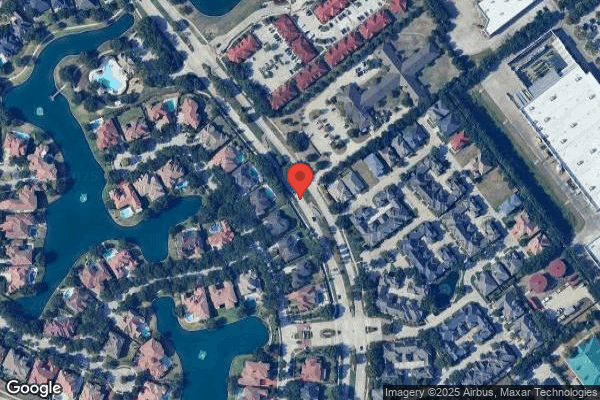
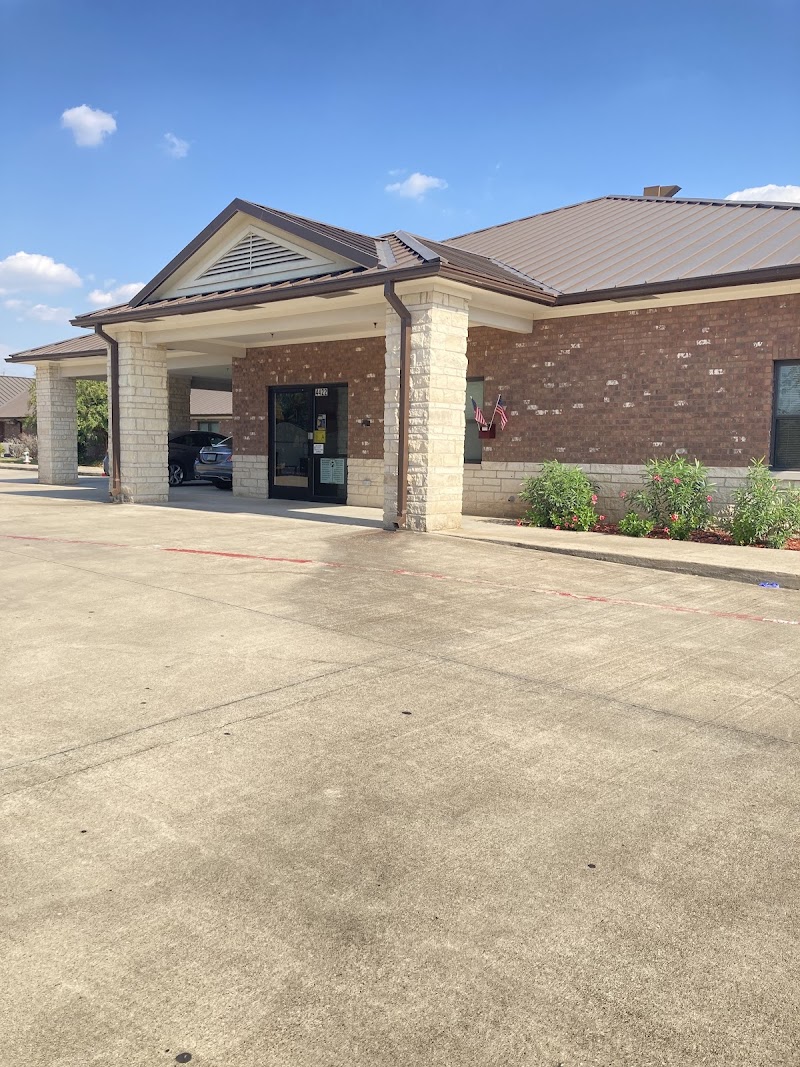
4422 RIVERSTONE BLVD, MISSOURI CITY, TX 77459 (281) 499-5040
For profit - Partnership 60 Beds Independent Data: November 2025 1 Immediate Jeopardy citation
Trust Grade
28/100
#669 of 1168 in TX
Last Inspection: August 2024

Within standard 12-15 month inspection cycle. Federal law requires annual inspections.

Overview

Chelsea Gardens in Missouri City, Texas, has received a Trust Grade of F, indicating significant concerns and a poor overall performance. Ranking #669 out of 1168 facilities in Texas places it in the bottom half, and at #8 out of 15 in Fort Bend County, it is clear that there are better local options available. The facility is reportedly improving, having reduced issues from 6 in 2023 to 4 in 2024. However, staffing is a concern with a high turnover rate of 61%, much worse than the Texas average of 50%. Recent inspections revealed serious deficiencies, including a failure to monitor a resident's significant weight loss, which led to hospitalization, and food safety violations that could risk foodborne illnesses, highlighting both critical shortcomings and areas for potential improvement.

Trust Score
F
28/100
In Texas
#669/1168
Bottom 43%
Safety Record
High Risk
Review needed
Inspections
Getting Better
6 → 4 violations
Staff Stability
⚠ Watch
61% turnover. Above average. Higher turnover means staff may not know residents' routines.
Penalties
⚠ Watch
$56,103 in fines. Higher than 86% of Texas facilities, suggesting repeated compliance issues.
Skilled Nurses
○ Average
Each resident gets 34 minutes of Registered Nurse (RN) attention daily — about average for Texas. RNs are the most trained staff who monitor for health changes.
Violations
⚠ Watch
14 deficiencies on record. Higher than average. Multiple issues found across inspections.
★★☆☆☆
2.0
Overall Rating
★★☆☆☆
2.0
Staff Levels
★★★☆☆
3.0
Care Quality
★★☆☆☆
2.0
Inspection Score
Stable
2023: 6 issues
2024: 4 issues

The Good

  • Full Sprinkler Coverage · Fire safety systems throughout facility
  • No fines on record

Facility shows strength in fire safety.

The Bad

2-Star Overall Rating

Below Texas average (2.8)

Below average - review inspection findings carefully

Staff Turnover: 61%

15pts above Texas avg (46%)

Frequent staff changes - ask about care continuity

Federal Fines: $56,103

Above median ($33,413)

Moderate penalties - review what triggered them

Staff turnover is elevated (61%)

13 points above Texas average of 48%

The Ugly 14 deficiencies on record

1 life-threatening
Nov 2024 2 deficiencies 1 IJ (1 affecting multiple)
CRITICAL (K) 📢 Someone Reported This

A family member, employee, or ombudsman was alarmed enough to file a formal complaint

Immediate Jeopardy (IJ) - the most serious Medicare violation

Deficiency F0692 (Tag F0692)

Someone could have died · This affected multiple residents

**NOTE- TERMS IN BRACKETS HAVE BEEN EDITED TO PROTECT CONFIDENTIALITY** Based on interviews and record review the facility failed to maintain acceptable parameters of nutritional status in such as usu...

Read full inspector narrative →
**NOTE- TERMS IN BRACKETS HAVE BEEN EDITED TO PROTECT CONFIDENTIALITY** Based on interviews and record review the facility failed to maintain acceptable parameters of nutritional status in such as usual body weight range and electrolyte balance, unless the resident's clinical condition demonstrated that this was not possible or resident preferences indicate otherwise for 1 of 5 (CR#1) residents reviewed for weight loss. -The facility failed to ensure CR#1 was monitored for weight loss resulting in a 19.7% or 17.2 lbs. in 3-month period. CR#1 was admitted to hospital with hypernatremia and generalized weakness and a 43-pound weight loss since her last hospitalization. -The facility failed to ensure CR#1 maintained acceptable parameters of nutritional status such as her usual body weight. CR#1 was admitted to hospital with hypernatremia and generalized weakness and a 43-pound weight loss since her last hospitalization -The facility failed to implement dietary recommendations. An Immediate Jeopardy (IJ) was identified on 11/8/2024 at 3:18 p.m. The IJ template was provided to the facility on [DATE] at 3:18pm, While the IJ was removed on 11/13/2024 at 3:29 p.m., the facility remained out of compliance at a scope of pattern with the potential for more than minimal harm the facility continued to monitor the implementation and effectiveness of their corrective systems. Finding included: Record review of CR #1's face sheet revealed she was a [AGE] year-old female that was admitted to the facility on [DATE] with diagnoses of Alzheimer Disease (a progressive disease that destroys memory), cognitive communication deficit (a difficult with communication that is caused by a disruption in cognition), prediabetes, and chronic kidney disease (longstanding disease of the kidneys leading to renal failure). Record review of CR#1's MDS dated [DATE] revealed: Section C500 -Brief interview of mental status was unscored. Section GG - Functional Abilities and Goals reflected: A. Eating, oral hygiene, toileting, showers, upper and lower body dressing all were coded as 01 (dependent-helper does all the effort). Section K- Swallowing/Nutritional Status revealed Swallowing Disorder was marked as Z. None of the above (loss of liquids, holding food in mouth, coughing, or choking or complaints of difficulty or pain with swallowing). Section I- Nutritional status 152600- Malnutrition had no entry or X for malnutrition risk. Record review revealed no significant change MDS was provided when CR#1's weight went from 87.2 lbs on 7/29/2024 to 71.6 lbs. on 8/28/2024. Record review of CR#1's discharge MDS dated [DATE] indicated Section GG- Functional abilities had a code change of (2)- which indicated the CR#1 required substantial or maximum assistance to eat (helper does more than half the effort). Section K- Swallowing/Nutrition indicated: Weight Loss a code of (2)- Yes, not on physician prescribed weight loss regiment. Section I- Nutritional status 152600- Malnutrition had no entry or X for malnutrition risk. Record review of CR#1's care plan dated 7/31/2024 and revised on 8/2/2024 reflected: CR#1 had a nutritional problem or potential nutritional problem r/t mechanically altered diet, Alzheimer disease, and prediabetes. Goal: CR#1 will maintain adequate nutritional and hydration status weight stable, no signs and symptoms of malnutrition or dehydration through review date of 11/9/2024. Interventions: Administer medications as ordered, monitor and document for side effects of effectiveness. Monitor/document/report PRN any signs and symptoms of dehydration. Monitor/record/report to MD PRN signs and symptoms of malnutrition: Emaciation, muscle wasting, significant weight loss: 3lbs in 1 week, >5% in 1 month, >7.5% in 3 months and >10% in 6 months. Record review of weight summary report revealed: 7/29/2024- CR #1 was 87.2 lbs. 8/28/2024- 71.6 lbs. 9/11/2024 - 75.6 lbs. 9/18/2024- 73.8 lbs. 10/7/2024- 70.0 lbs. Record review of dietician progress notes revealed on 8/1/2024: CR#1 estimated energy need was 1750 kcal, 65 grams of protein, fluids 1500 ml. CR#1 is 88% of DBW (desirable body weight) with poor intake. During RD rounds, a physical assessment was conducted. CR#1 was very thin stature, muscle wasting, as well as orbital subcutaneous fat wasting and appears to have a nutritional deficit. Resident is supplemented with Zinc and Vitamin C but may benefit from additional nutrients to support wound healing and weight repletion. CR#1 has a potential for desirable weight gain, weight fluctuation, and dehydration. Recommendation: 1. 2k cal house supplement, 90 ml TID after meals to promote weight repletion and maintenance, 2. Liquid protein 30ml BID for 90 days to support muscle mass and wound healing; (3) Juven/Arginaid plus 8 oz H20 BID for 30 days. Goal: Weight maintenance or steady weight gain of +4% by next review date. Will monitor clinical status, weights, labs intakes and skin. Record review of CR#1's MAR revealed: July 1-31, 2024- Thiamine HCI 50mg 1 time daily ordered, Rivastigmine/Patch 4.6mg/24-hour, Vitamin B 50 mg 1 time daily, Zinc Oral tablet 50 mg 1 time per day, Lidocaine patch 4% for pain, Lovastatin 40 mg daily, Aspirin 81mg 1 time daily, Acetaminophen 325 for pain every 6 hours and PRN, Ascorbic Acid 500 mg 1 time daily. August 1-31, 2024- all medications remained the same. September 1-31st - Thiamine HCI 50mg 1 time daily ordered, Rivastigmine/Patch 4.6mg/24-hour, Vitamin B 50 mg 1 time daily, Zinc Oral tablet 50 mg 1 time per day, Lidocaine patch 4% for pain, Lovastatin 40 mg daily, Aspirin 81mg 1 time daily, Acetaminophen 325 for pain every 6 hours and PRN, Ascorbic Acid 500 mg 1 time daily. Additional medications added in September were Ativan Oral Tablet 0.5 was ordered on 9/13/2024 and discontinued on 9/22/2024, Bisacodyl Rectal suppository 10 mg daily beginning 9/13/2024, Morphine Sulfate 20 mg and Promethazine 25mg daily for nausea. October 1-17, 2024- there were no new medications from [DATE] medication list. Record review of nursing progress notes revealed there were no progress notes indicating CR#1's weights were trending downward between 7/29/2024-10/7/2024. Record review of hospital admission paperwork revealed CR#1 was admitted to a local hospital on [DATE]. The principle or chief problem for admission was hypernatremia and generalized weakness. CR#1's weight upon admission was 55 lbs. and she was severely dehydrated. The recorded weights for CR#1's last three encounters at this local hospital were: 10/18/2024- 24.9 kg (55lbs) 7/26/2024 - 44.6 kg (98 lbs 6.4 oz) 2/16/2024 - 44 kg (97 lbs.) An interview with RN A on 11/1/2024 at 10:56a.m., revealed her to state she had been employed at the facility for 7 months. She said all of the nurses work different halls every shift. For example, one day she might be the nurse on Halls 100 and 200 and the next day 200 and 300 and so on. She said she did not work on the hall where CR#1 resided very often. She said she recalled CR#1 had a regular diet with puree texture and thickened liquids. She said her legs were contracted to her abdominal area (fetal position contracture). She said this made it dfifficult to tell she had loss weight. She denied being alerted by staff of CR#1's refusals to eat, loss of weight or other concerns. She said CR#1 liked sweets so if they added pudding to her food she would normally eat. She said she might not have eaten what was cooked for her, but she did eat. She looked in PCC and stated she did not see any nursing notes concerning her intake for the month of October, 2024. She said she would have documented any refusals and had the CNA's get her a substitution if she refused her meal. She stated if a resident does not eat, they will not get their daily nutritional and hydration needs met. She said she was not sure why CR#1 was losing weight. An interview with RN C at 11:17 a.m., revealed she had been employed for 3 months. She was responsible for halls 300 and 400 today. She said the other nurse is responsible for Halls 100 and 200 and the nurses usually worked 6am-6pm. She said there were 3 CNa's on the halls. She said she worked 10am-6pm shift. She said she was not too familiar with CR#1 and do not recall being told that CR#1 was not eating or refusing meals. She stated she would have alerted the interim DON, Administrator, Physician and family about the issue. An interview with CNA A on 11/1/2024 at 12:32 p.m. revealed CR#1 needed assistance with feedings. He said she had a pureed diet and preferred to eat in her room. CNA A stated CR#1 often did not want to eat as she would not open her mouth when staff put the spoon to her mouth. Further, that he would alert the on-duty nurse anytime she did not eat. He said he cannot recall how often she refused to eat. He said he documented refusals but always offered her a substitute. He said she liked applesauce and pudding. He stated CNA B was the lead CNA and she could usually get her to eat her meals. She was familiar with her from another facility. He said she did not refuse other ADL's such as brief changes and bed baths. During an interview with CR#1's FM on 11/1/2024 at 3:20 p.m. the FM said the facility was responsible for feeding CR#1 but every 2- or 3-days the FM came to visit, and she always asked about food that was still sitting on her table. She said the uneaten food sat well past the mealtimes such as 1 hour after breakfast and sometimes a couple of hours after lunch. She said when she spoke with the CNAs and nurses, she was told that she had substitutions, but did eat. The FM said she would try to get to the facility for her mealtimes just to observe, but the last few weeks she was unable to get there due to some personal issues. The FM said she took care of CR#1 for 10 years and she knew that she would eat if she had help with feedings that the facility said they would provide. The FM said staff were supposed to feed her as she was dependent. CR#1 could not feed herself. The FM said she spoke to the Social Services Director on several occasions to address the issue. She said she had only spoken to the DON once about CR#1 food intake and staff not feeding her but the DON never followed-up with her about it. Instead, the SSD became her point of contact as she learned that the DON was no longer employed at the facility since September 2024. The FM asked SSD about a feeding tube during a telephone care plan meeting. She said she told the SSD that she would also start researching peg tube feedings because she did not know the difference between a peg tube or g-tube and how it would affect a resident her age. The FM said she wanted CR#1 to eat or be fed by any means possible. The FM said during a visit on 10/17/2024, CR#1 was lethargic and appeared to be severely malnourished. The FM said she could tell by looking at CR#1 that she had loss more weight since she saw a few weeks ago. The FM said once again her lunch was still sitting on her table uneaten. She said she observed CNA A and nurses near their breakroom, and it infuriated her that staff were standing around while CR#1 had not been fed. She called 911 and had CR#1 sent to the ER at a local hospital. The FM said upon arrival at the ER she was told CR#1 was severely dehydrated. The FM said a nurse at the hospital stated due to the muscle wasting, and lethargic state it appeared that CR#1 had not eaten or had been given enough water in weeks. An interview with Tray Aide on 11/6/2024 at 9:40am, she stated he had been employed since [DATE]. She said the CNAs hand out trays, pick up trays, and pushcart back to the kitchen. She said CNAs were supposed to input how much the residents were eating. She can recall trays coming back with uneaten food for CR#1. She said some of the food would be eaten but the meat was mostly what she would not eat. She said the pureed bananas and applesauce were always eaten. She said anytime she saw her tray with uneaten food she would inform the Dietary manager. She said she was not responsible for documenting food intake. An interview with the SSD on 11/6/2024 at 10:03am, revealed her to state she had been employed at the facility for 2 years. She said she had been in contact with the family of CR#1. She said she had personally reported to the DON several times that they were concerned about the resident not eating. She said CR#1's FM had been concerned and she witnessed a call between FM and the former DON about placing a peg tube so the resident would get food. She said the former DON questioned the FM about placing her on hospice instead of a peg tube. She said as far she knew the FM was looking into her options of hospice companies around September 2024 sometime. She said the care plan meeting notes she found in PCC was held on 8/8/24 and the FM was not able to attend. She stated care plan meetings are quarterly unless there is a change in condition. She said she does not know why they would not have had another care plan meeting when CR#1 began to lose weight. An interview with the Dietician on 11/6/2024 at 11:45am she said she did rounds at the facility every Thursday. She said after she put in her recommendations for the MD she had to wait on an approval. She said she was not permitted to write any orders. All orders must come from the MD. She said she input recommendations for CR#1 in August 2024. She said she also sent the MD a letter which notified him that she had recommendations that he needed to approve. She said physicians do not always agree with dietician's recommendations and will sometimes make other recommendations. After checking PCC, she said she did not see a response from the doctor. She said she did not follow-up on her recommendations because she normally will not see a resident again for another 60-92 days unless someone at the facility alerts her that the issue has not resolved. During a telephone interview with the Dietary Manager on 11/6/2024 at 1:32pm, she said she had been employed at the facility for 4 to 5 years. She said CR#1 had a pureed diet, thickened liquids, and had to be fed. CR#1 ate in her room. She stated that the Dietician told her one time that CR#1 was not eating her food. She said it was the responsibility of the Dietician to put recommendations in place for residents when they were not eating. She said it was placed on the dietary notes. She said if a tray came back, and food was not eaten, the tray aide would notify the nurse. She did not recall being told any other time about CR#1 not eating. She said they gave her yogurt and pudding because she would eat sweets. The State Investigator asked if she was responsible for documenting residents food intake. She said, No. She said she was not feeling well, and the call ended. An interview with the Administrator on 11/6/2024 at 1:42pm, revealed he called the Dietary Manager about documentation she had concerning CR#1 meals/intake. He said the Dietary Manager was out sick, but she had documentation she kept on a Word document that she would send him today. He admitted that he did not see any nursing progress notes or plan of care notes (POC ) by the CNAs that documented refusals or her food intake. He stated that he conducted a performance improvement plan (PIP ) when he was emailed by CR#1's FM on 10/18/2024. He said after the incident the DON, dietary, housekeeping, and even therapy would be keeping an eye out to ensure every resident gets a tray and let the nurse know when they refuse. He said the CNAs or nurse might miss sometimes but others will be able to see and notify nurses on the floor when residents were not eating . He said this failure could cause residents obvious weight loss, nutritional needs not being met and not enough hydration. A telephone interview with 11/6/2024 the facility MD at 3:41pm revealed that CR#1 was losing weight and the family declined a peg tube as far as he could recall. The State Investigator asked if he had been told that the FM had found uneaten trays of food on many occasions as she was not being fed. He said he was not aware of staff being unable to feed her nor of any refusals to eat. He denied receiving any recommendations from the dietician. He stated his NP would have more information as he was at the facility weekly, and he would have to follow-up with him on this patient. He stated the protocol was to ensure there was a dietician consultant when there was weight loss for recommendations, medications, and overall patient care being addressed. He stated he could not recall any IDT meeting concerning CR#1 weight. He did not mention failure to thrive as a diagnosis that was causing CR#1's weight loss. In a subsequent interview with the MD on 11/6/2024 at 3:50pm, he stated that he had orders for supplements and the dietician recommendations were in the system. However, they were showing that CR#1 was on hospice. He said she was enrolled, and Hospice was involved in her care. He said he would have his NP reach out to me. In an interview with local Hospice representative on 11/8/2024 at 12:25pm, Rep stated CR#1 was on services from 9/13/2024-9/16/2024. In a subsequent interview with the Administrator on 11/8/2024 at 12:50pm, he stated it was the dietician's responsibility to review residents' weights weekly. He said each week she checked in on residents and when there was weight loss it should be documented in PCC. The recommendation from the dietician for CR#1 on 8/1/2024 should have been communicated to the physician or NP, they should have either approved, denied it, or made other recommendations. The orders were carried out by nursing. He said, the Dietician should have checked to see if it was approved or denied, and she could have also checked to see if the MD had ordered anything. He said when she came back the following week, she might have had to make other recommendations. He said it looked like CR#1's recommendations got missed somehow. He said the FM denied a peg tube before and after admission. He stated he can recall two occasions or meetings that was discussed with her FM that she was eating but not enough food and having weight loss. He said he was unable to find documentation for the recommendation for a peg tube. He stated that the MD had faxed him a letter which stated that CR#1 had experienced weight loss due to her dementia and failure to thrive. The State Investigator stated the MD did not mention that CR#1 had an additional diagnosis of failure to thrive, she was not admitted with this diagnosis, it was not listed on her face sheet, hospital admission paperwork, care plan, nor anywhere else. He stated, Well that is what the MD stated on the letter. He added that it was the facility's policy concerning residents that were not eating to talk to the family, offer other food alternatives, and come up with other substitutions that they were willing to eat. He said communication with the family and the physician was important. He said sometimes the MD might order different stimulants to increase their appetite or provide other medications. He stated the kitchen staff were willing to make other food for the residents. He said if staff saw CR#1 had not eaten they would have said something to the nursing staff. CR#1 was declining and a very sick resident. He said it was the family's decision not to have a peg tube placed, because she would not be able to have food by mouth . In an interview with CNA B on 11/8/2024 at 1:28 p.m., she stated she had been employed here since 2017. She was the CNA lead and central supply. She said she knew CR#1 from a previous facility. She said she was very surprised when she saw her here in July. She said she was admitted here with contractures and not walking. She said she wanted to sleep a lot. She said the FM asked her to take a picture when she ate her food and send her a picture when she worked. She said the resident ate a lot of mashed bananas, yogurt, and applesauce. She said she mentioned her weight loss to the Dietary Manager, and she said the dietician had put her on supplements. The FM bought Boost when she was admitted , but she did not recall if CR#1 drank them but she did not see any more after she was admitted . She said CR#1 ate but sometimes only 50% or less. She said she mentioned to the DON that she was losing weight. She took her weight a few times and notated the decline. She stated before she left her shift, she would always double back to see if CR#1 ate and if not try to feed her. She said she would leave the extra bottled water, thickened juice, and applesauce. In an interview with NP on 11/11/2024 at 3:26 p.m. he took out his tablet and stated CR#1 was admitted on [DATE] and on 8/1/2024. He was notified that she had poor NPO intake, so the dietician recommended house supplements, and liquid protein Juven to promote wound healing. He stated he did not see anywhere in PCC that he had placed an order or approved her recommendations. He said he was unsure of what happened. He said if there was an order, he could no longer see it in PCC. He stated he came to the facility every Monday. He also asked the nurses if anything was going on with residents that he needed to know about. No one ever told him about her severe weight loss. He stated he noticed the weight change for CR#1 upon a visit and he recommended Hospice care on 8/21/2024. The State Investigator informed him that CR#1 was taken off Hospice only a few days after being enrolled on 9/13/2024. He said he did not know she was taken off hospice. The hospice order was still active in the system, so he assumed she was still on hospice. He said when patients are on hospice services, they normally take provide life care and comfort measures. He said weight loss was usually followed up with a peg tube or hospice care. He said there was no documentation here at this facility about hospice care. He said he could see the weights in PCC, but not her food intake. He said sometimes in cases like this with severe weight loss, supplements, or a medication called Remeron or stimulant Megace, was effective but sometimes patients run into insurance not paying for it plus they cannot be on it for long periods of time due to the side effects. He stated CR#1 was put on hospice and that was why he would not see her. He said there were no nursing notes hardly and nothing mentioned about hospice being stopped. If he had been notified, he would have called the family himself and gave them the option of the medication for her appetite or a peg tube. Record review of weight monitoring policy revised on August 2024 revealed based on a resident's comprehensive assessment, the facility will ensure that all residents maintain acceptable parameters of nutritional status such as usual body weight or desirable body weight range and electrolyte balance. Guidelines: Weight can be a useful indictor of nutritional status. Significant unintended changes in weight (loss or gain) or insidious weight loss (gradual unintended loss over a period of time) may indicate a nutritional problem. 1. The facility will utilize systemic approaches to optimize a resident's nutritional status. This process includes a. Identifying and assessing each resident's nutritional status; b. evaluating and analyzing the assessment information; c. Developing and consistently implementing pertinent approaches; d. Monitoring the effectiveness of interventions and revising them as necessary. 4. Interventions will be identified, implemented, monitored, consistent with the resident's assessed needs, choices, preferences, goals, and current professional standards to maintain acceptable parameters of nutritional status. 5. A weight monitoring schedule will be developed upon admission for all residents: c. Residents with weight loss- monitor weight weekly. 7. Documentation: A. The physician should be informed of a significant change in weight and may order nutritional interventions; B. The physician should be encouraged to document the diagnosis or clinical condition that may be contributing to the weight loss; C. Meal consumption information should be recorded and may referenced by the Interdisciplinary team. E. The dietician and dietary manager should be consulted to assist with interventions; actions are recorded in the nutritional progress note. This was determined to be an Immediate Jeopardy (IJ) on 11/8/2024 at 3:18pm. The administrator was notified. The Administrator was provided with the IJ template at that time via email. The following Plan of Removal was submitted by the facility on 11/8/2024 and approved on 11/9/2024 at 5:55pm: Failure: F-692 Nutrition/Hydration status maintenance The facility failed to ensure CR#1 was monitored for weight loss resulting in a 19.7% or 17.2 lbs. in less than 3-month period. The facility failed to ensure CR#1 maintained acceptable parameters of nutritional status such as her usual body weight of 90 lbs. The facility failed to ensure CR#1 was offered sufficient fluids to maintain proper hydration. She was admitted to a local hospital severely dehydrated on 10/17/2024. 1. Identification of Residents Affected or Likely to be Affected: Include actions that were performed to address the citation for recipients who have suffered, or are likely to suffer, a serious adverse outcome as a result of the facility's noncompliance and the date the corrective actions were completed. (Completion Date: 9 [DATE]) Patient CR#1 is no longer at the facility D/C 17 [DATE] All patients in the building were evaluated for weight loss. Completed by the interim DON. 6 patients are on our weight loss watchlist. Dehydration Risk Assessments have been completed. 2. Actions to Prevent Occurrence/Recurrence: Include actions the facility will take to alter the process or system failure to prevent a serious adverse outcome from occurring or recurring, by whom and when those actions were completed. (Completion Date: 9 [DATE]) 3. All facility staffing policies and procedures were reviewed/revised. LNFA and the interim DON reviewed for accuracy. No changes were made. The Administrator reviewed and revised the Facility Assessment. The Facility Assessment assist Nursing facilities to conduct, document, and review a facility-wide assessment, which includes both their resident population and the resources the facility needs to care for their residents. Patient Demographics were updated. AD HOC QAPI meeting was held. Findings from AD HOC QAPI will be reported at the monthly QAA meeting for a minimum of 3 months. Staff was in-serviced on HHSC Feeding Assistant Training Manual. Staff included CNA's, MA's, Dietary, and Therapy department. Staff were trained 8-9 [DATE]. Further staff will receive training before they are allowed to work. Dietary Manager provided the training. Some of the subjects covered in the training are to observe and report any issues with the patient eating. Always report to the nurse any issues. Assist the patient as needed. If meal is refused offer an alternate meal or food from our always available menu. Meal set up always ensure water and drinks are available. Any issues with eating report it to the nurse. Any patient that is identified with an issue related to feeding or hydration will be reported to the charge nurse. The charge nurse will report to provider. It is reported using a dietary concerns form that is available at the nursing station. The form is filled out with the issue and given to the nurse. The nurse reports the issue to the provider. Additionally, in the MAR there is an order that the nurse chart for each meal the amount of the meal that was consumed. This is audited QD by the interim DON/designee. If no action has been taken the interim DON/designee will contact the provider and the RD. Patients that are on the watchlist have monitoring in the MAR for the nurse to chart the amount of their meal consumed. MAR is reviewed/monitored QD by interim Don/Designee. MD informed of the monitoring. interim Don/Designee will update care plans and the MARS. All patients on the Watchlist can be identified by the tray ticket it will be noted Watchlist. When the weekly weights are taken any patient that flags will be reviewed by interim Don/Designee and RD and added to the watchlist. interim Don/Designee will add to MARS. If the patient flags for weight loss, they are placed on weekly weights. The interim Don/Designee will provide the list to the Director of Rehab and the weights will be taken by the therapy department. The scale is calibrated Q 3 months or if a discrepancy is detected . Dietician's recommendations will be sent to the interim Don/Designee and the LNFA/Designee. This will ensure that interim Don/Designee and the LNFA/Designee know when they were received and forwarded to the Provider. Dietician's recommendations will be sent to the providers to be approved or denied. interim Don/Designee will implement the orders and notify the Dietician if they have been approved or denied. This process to be completed in no more than 72 hours. Dietician was notified of the watchlist 8 [DATE]. Dietician has reviewed them, and recommendations/progress notes received. interim Don/Designee and dietary manager will be trained by the LNFA. Monitoring of the Plan of Removal Included: Record review of a list of residents on the watchlist for weight loss and risk of dehydration included (6 Residents): Residents #2, 3, 4, 5, 6 and 7) were listed. Record review of their records in PCC revealed that risk assessments for weight loss had been conducted and weekly weights were ordered. In addition, dehydration risk assessments were completed for all 6 residents and fluid intake was ordered to be entered into PCC. Monitoring input of food and hydration was on their MARS. Record review of the facility's assessment tool dated 5/9/2024 revealed resident characteristics of weight management was added. Record review of the facility's food intake form had questions about whether there were concerns about resident nutrition intake, hydration intake, and staff were to enter the answer yes or no, indicate the name and room number of the resident, staff name, and explain the concern. Record review of scale calibration from the local company revealed that the scale calibrations were done monthly, and the scale showed a .02 lbs. error rate on 11/13/2024. Record review of Ad Hoc QAPI meeting sign-in sheet dated 11/9/2024 revealed the MD, the Administrator, and the SSD met concerning the Immediate Jeopardy. Record review of sign-in sheets for the following training: HHSC feeding assistant training manual was conducted by the Dietary manger on 11/8-11/9/2024. Interviews with the Director of Therapy, and OT therapist revealed on 11/12/2024 they have been trained on notifying a nurse if a resident was not eating or if they notice a tray with uneaten food, they were assisting with feeding residents, and were responsible for weighing the resident weekly. Interviews with RN A and C, CNAs A, B, D, housekeeping A, CMA's A and B between 11/10/2024-11/11/2024 from the morning shift nurses (6a-6p), and CNAs and MA's (6a-2pm) shifts all were able to describe their recent training on feeding assistance, documentation of food and hydration intake, notifying the nurse, physician, family and dietician, and completing the form[TRUNCATED]
CONCERN (D) 📢 Someone Reported This

A family member, employee, or ombudsman was alarmed enough to file a formal complaint

Potential for Harm - no one hurt, but risky conditions existed

Assessment Accuracy (Tag F0641)

Could have caused harm · This affected 1 resident

**NOTE- TERMS IN BRACKETS HAVE BEEN EDITED TO PROTECT CONFIDENTIALITY** Based on record review and interview the facility failed to ensure an accurate MDS assessment to reflect the resident's status f...

Read full inspector narrative →
**NOTE- TERMS IN BRACKETS HAVE BEEN EDITED TO PROTECT CONFIDENTIALITY** Based on record review and interview the facility failed to ensure an accurate MDS assessment to reflect the resident's status for 1 of 5 (CR#1) reviewed for MDS assessment accuracy. -The facility failed to ensure CR#1's MDS was updated to accurately reflect her significant change in her weight. This failure placed residents at risk of not receiving care and services to meet the needs of the residents. Findings Included: Record review of CR #'s face sheet revealed she was a [AGE] year-old female that was admitted to the facility on [DATE] with diagnoses of Alzheimer Disease (a progressive disease that destroys memory), cognitive communication deficit (a difficult with communication that is caused by a disruption in cognition), prediabetes, and chronic kidney disease (longstanding disease of the kidneys leading to renal failure). Record review of CR#1's admission MDS dated [DATE] revealed: Section C500 -Brief interview of mental status was unscored. Section GG - Functional Abilities and Goals reflected: A. Eating, oral hygiene, toileting, showers, upper and lower body dressing all were coded as 01 (dependent-helper does all the effort). Section K- Swallowing/Nutritional Status revealed Swallowing Disorder was marked as Z. None of the above (loss of liquids, holding food in mouth, coughing, choking, or complaints of difficulty or pain with swallowing). Section I- Nutritional status 152600- Malnutrition had no entry or X for malnutrition risk. Record review revealed no significant change MDS was provided when CR#1 weight went from 87.2 lbs on 7/29/2024 to 71.6 lbs. on 8/28/2024. Record review of CR#1's discharge MDS dated [DATE] indicated Section GG- Functional abilities had a code change of (2)- which indicated the CR#1 required substantial or maximum assistance to eat (helper does more than half the effort). Section K- Swallowing/Nutrition indicated: Weight Loss was coded (2)- Yes, not on physician prescribed weight loss regiment. Section I- Nutritional status 152600- Malnutrition had no entry or X for malnutrition risk. Record review of CR#1's care plan dated 7/31/2024 and revised on 8/2/2024 reflected: CR#1 had a nutritional problem or potential nutritional problem r/t mechanically altered diet, Alzheimer disease, and prediabetes. Goal: CR#1 will maintain adequate nutritional and hydration status weight stable, no signs and symptoms of malnutrition or dehydration through review date of 11/9/2024. Interventions: Administer medications as ordered, monitor and document for side effects of effectiveness. Monitor/document/report PRN any signs and symptoms of dehydration. Monitor/record/report to MD PRN signs and symptoms of malnutrition: Emaciation, muscle wasting, significant weight loss: 3lbs in 1 week, >5% in 1 month, >7.5% in 3 months and >10% in 6 months. Record review of weight summary report revealed: 7/29/2024- CR #1 was 87.2 lbs. 8/28/2024- 71.6 lbs. 9/11/2024 - 75.6 lbs. 9/18/2024- 73.8 lbs. 10/7/2024- 70.0 lbs. During an interview with CR#1's FM on 11/1/2024 at 3:20 p.m. the FM said the facility was responsible for feeding CR#1 but every 2- or 3-days the FM came to visit, and she always asked about food that was still sitting on her table. She said the uneaten food sat well past the mealtimes such as 1 hour after breakfast and sometimes a couple of hours after lunch. She said when she spoke with the CNAs and the nurses, she was told that she had substitutions, but did eat. The FM said she would try to get to the facility for her mealtimes just to observe, but the last few weeks she was unable to get there due to some personal issues. The FM said she took care of CR#1 for 10 years and she knew that she would eat if she had to help with the feedings that the facility said they would provide. The FM said staff were supposed to feed her as she was dependent. CR#1 could not feed herself. She stated when she arrived at the facility on 10/17/2024 and saw CR#1's food sitting on her table uneaten. She said staff were mingling near the breakroom so she got very angry and dialed 911 to have her mother sent to the hospital. She said when she was admitted at the local hospital, she was 50 lbs. She said she was severely malnourished and dehydrated. She said she did not recall having more than one care plan meeting, but she mostly called and spoke with the DON or the SSD about her weight. She said she was unaware if the facility had done another care plan to address the weight loss. An interview with the SSD on 11/6/2024 at 10:03am, revealed her to state she had been employed at the facility for 2 years. She said she had been in contact with the family of CR#1. She said she had personally reported to the DON several times that they were concerned about the resident not eating. She said CR#1's FM had been concerned and she witnessed a call between FM and the former DON about placing a peg tube so the resident would get food. She said the former DON questioned the FM about placing her on hospice instead of a peg tube. She said as far she knew the FM was looking into her options of hospice companies around September 2024 sometime. She said the care plan meeting notes she found in PCC was held on 8/8/24 and the FM was not able to attend. She stated care plan meetings are quarterly unless there is a change in condition. She said she does not know why they would not have had another care plan meeting when CR#1 began to lose weight. An interview with the Dietician on 11/6/2024 at 11:45am she said she does rounds at the facility every Thursday. She said after she put in her recommendations for the MD she had to wait on an approval. She said she was not permitted to write any orders. All orders must come from the MD. She said she input recommendations for CR#1 in August 2024. She said she also sent the MD a letter which notified him that she had recommendations that he needed to approve. She said physicians do not always agree with dietician's recommendations and will sometimes make other recommendations. After checking PCC, she said she did not see a response from the doctor. She said she did not follow-up on her recommendation because she normally will not see a resident again for another 60-90 days unless someone at the facility alerts her that an issue has not resolved. An interview on 11/6/2024 at 1:10pm, MDS nurse stated she had been employed since January 2024. She stated she was not aware of CR#1's weight loss prior to her discharge. She stated the MDS assessments were to be completed when a resident was admitted , quarterly, and if there was a discharge. She said she worked remotely and would have to be told by the clinical staff about any changes. She said she would go over the 24-hour report every day. She stated CR #1's weight loss was not noted on the 24-hour report. She said she would not necessarily know about significant changes occurred unless someone bought it to her attention because she was not in the building every day. No one notified her that CR#1 had weight loss. She said the DON would have known about it. She stated the recent update to CR#1's discharge MDS was completed on 10/21/2024. She said she entered the updated information because she assumed she would have returned to the facility. She said she would not have done any updates to the MDS if she knew CR#1 was not returning to the facility . An interview with the Administrator on 11/8/2024 at 12:50pm, he stated it was the dietician's responsibility to review residents' weights weekly. He said each week she checked in on the residents and when there was weight loss it should be documented in PCC and then it was the MDS nurses' responsibility to ensure that the MDS and care plans were updated. He said he was not sure why a significant change MDS was not updated. Record review of the facility's change in condition policy revised in February 2021 stated it is the facility's policy to promptly notify the resident, his or her attending physician, and the resident representative of changes in the resident's medical/mental condition and/or status. 9. If a significant change in the resident's physical condition occurs, a comprehensive assessment of the resident's condition will be conducted as required by current OBRA regulations governing resident assessments and as outlined in the MDS RAI Instruction manual. Record review of MDS Nurse job description revealed the position summary: Responsible for the coordination, scheduling and submitted of the resident's clinical assessments Minimum Data Set (MDS) as required by state and federal regulations as well as other third-party payers. This position reports to the DON.
Aug 2024 2 deficiencies
CONCERN (D)

Potential for Harm - no one hurt, but risky conditions existed

Food Safety (Tag F0812)

Could have caused harm · This affected 1 resident

Based on observations, interviews, and record review the facility failed to store, prepare, distribute, and serve food in accordance with professional standards for food service safety in 1 of 1 kitch...

Read full inspector narrative →
Based on observations, interviews, and record review the facility failed to store, prepare, distribute, and serve food in accordance with professional standards for food service safety in 1 of 1 kitchen reviewed for food procurement. 1. The facility failed to ensure expired foods were discarded. 2. The facility failed to ensure foods were dated as opened/preparation discarded after 96 hours. 3. The facility failed to keep food off the floor. These failures could place residents who ate food from the kitchen at risk of food borne illness and disease. Findings Included: Observation of the facility kitchen on 07/30/24 at 8:15 AM revealed the following. 1. 2 Quarts of High Protein Supplement Drink in the walk-in cooler with a manufacturer expiration date of 5/21/24. 2. A Plastic container of Chocolate Pudding in the walk-in cooler with a used by date 7/27/24. 3. A Plastic container of Cream of Mushroom Soup in the walk-in cooler with a used by date 7/24/24 4. A Plastic container of Chicken Gravy in the walk-in cooler with a used by date 7/24/24 5. A Plastic container of Spaghetti Sauce in the walk-in cooler with a used by date 7/23/24 6. 2 cs. of Frozen Orange Juice in the walk-in freezer stored on the floor. 7. 1cs. Of frozen Okra in the walk-in freezer stored on the floor. In an interview with the Dietary Food Service Manager on 07/30/24 at 10:25 AM; she stated the leftover food stored in the refrigerator should have been used or discarded prior to the use by date; she stated that the Cases of food should be off the floor. She said that she would be re-in-service dietary staff on labeling and dating the food. She said that the tray aides were responsible for checking the food in the cooler/freezer and to discard food prior to the used by date. Record review of the facility's policies and procedures for Food Safety dated 04/2024 read in part .potentially hazardous leftover foods are properly covered, labeled, dated, and refrigerated immediately. They are discarded after 96 hours unless otherwise indicated. For food storage keep off floor.
CONCERN (E)

Potential for Harm - no one hurt, but risky conditions existed

Pharmacy Services (Tag F0755)

Could have caused harm · This affected multiple residents

**NOTE- TERMS IN BRACKETS HAVE BEEN EDITED TO PROTECT CONFIDENTIALITY** Based on observations, interviews, and record review, the facility failed to provide pharmaceutical services (including procedur...

Read full inspector narrative →
**NOTE- TERMS IN BRACKETS HAVE BEEN EDITED TO PROTECT CONFIDENTIALITY** Based on observations, interviews, and record review, the facility failed to provide pharmaceutical services (including procedures that assure the accurate acquiring, receiving, dispensing, and administering of all drugs and biologicals) to meet the needs of each resident. -The door to the medication room was not always closed . -Expired medication (gentamicin IV) in the medication fridge (expiration date 03/29/2024). -Expired gastrostomy feedings (Glucerna 1.5 cal) 7 bottles in the medication room (expiration date June 1st 2024). This deficiency placed the NF at risk for possible drug diversion and residents who received gastrostomy feedings at risk for gastrointestinal complications and decrease quality of life. The findings included: Record review of CR #1 face sheet dated 8/01/2024 revealed a[AGE] year-old- male admitted to the NF on 03/27/2024. CR #1's diagnoses included the following: myopathies (disease of the muscle), pressure ulcer of the sacral (located below the lower back and above he tailbone), end stage renal (kidney) disease, heart disease, and local infection of the skin. Record review of CR #1's admission MDS dated [DATE] revealed that CR #1 had a BIMS score of 15 indicating CR #1's cognition was intact. Further review of section O (special treatments) revealed that CR #1 was coded as receiving IV antibiotics. Record review of CR #1's comprehensive care plan dated 03/28/2024 revised 04/04/2024 revealed that CR #1 was being care planned for receiving antibiotic therapy related to a sacral wound with an intervention that included administering antibiotics as ordered. Record review of CR #1's Physician Orders reflected the following: -Dated 03/28/2024 gentamicin sulfate one time a day every Monday, Wednesday, and Friday for wound infection give 1.5mg/kg IV piggy bag post HD on Monday, Tuesday, and Friday. -Dated 06/25/2024 may discharge home with home health, skilled nursing, PT, OT, DME rolling walker. Record review of CR #1's MAR for June 2024 and July 2024 did not reveal that CR #1's was administered the medication gentamicin IV. Record review of CR #1's Discharge Summary revealed that CR #1 discharged from the NF on 07/03/2024. Observation on 07/30/2024 at 10:32AM the door to the medication room was open. Further observation was made of a trash can up against the door. In an interview on 07/30/2024 at 10:32AM with RN A, she said the door to the medication room should always be closed to prevent someone from taking medications out of the medication room who did not have authorization. RN A closed the door to the medication room. Observation on 07/30/2024 at 10:42AM of the medication room fridge was a 100ml bag of normal saline. The bag was labeled with CR #1's name reading gentamicin 140mg. The expiration on the bag was 03/29/2024. Further observation inside the bottom drawer of the fridge was two clear plastic containers with food inside of them. Further observation was made in the medication room sitting on top of the counter were7 bottles of gastrostomy feedings labeled Glucerna 1.5 cal 22.8 fld oz . The expiration on the bottles read June 1st, 2024. In an interview on 07/30/2024 at 10:45 AM with RN A, she said food should not be placed inside of the fridge in the medication room but inside of the fridge in the employee break room. RN A said everyone should be checking the medication room for any expired medications. RN A said the NF had one medication room. RN A said CR #1 had discharged from the NF . Observation on 07/31/2024 at 8:37AM the door to the medication room was wide open while RN B was sitting at the nurse's station. Observation on 07/31/2024 at 8:45AM of the DON standing in the hallway by the nurse's station. The door to the medication room remained open. The DON walked away from the nurse's station toward hall 100. Observation on 07/31/2024 at 8:50AM the door to the medication room remained open with RN B sitting at the nurse's station on the computer. RN B then left the nurse's station walking down Hall 200. There was no one at the nurse's station. There was a sign on the medication door reading Nurses and medication aides allowed only!!! Door must remain closed at all times. In an interview on 07/31/2024 at 9:37AM with RN B, she said she had been working at the NF for almost 6 months, full time 6am-6pm. RN B said the door to the medication room was supposed to be closed at all times to prevent someone who was unauthorized from entering into the medication room. RN B said it must have been an oversite on her part to leave the door open. In an interview on 07/31/2024 at 10:05AM with the DON, she said the door to the medication room should be closed at all times because of medications being inside of the room. The DON said the medication room had a machine called a Nexis inside of the room that housed medications that included narcotics. The DON said in order to access the Nexis one had to be given a log in with a password. The DON said it was herself and the nurses on the unit that were supposed to check the medication room for any expired medications or feedings. The DON said no food was supposed to be stored inside the fridge in the medication room for sanitation and infection control reasons. The DON said it must have been the nurses on the night shift that had done this . In an interview on 08/01/2024 at 1:58PM with the pharmacist via phone, she said when she came to the NF. Her job duties included the following: drug regimen reviews, drug destruction, and checking for any expired medications. The pharmacist said she was last at the facility in July of 2024. The pharmacist said it was important to check for expired medications to promote safety for the residents. Record review of the NF policy on Medication Storage with a copy right 2024 revealed in part: .t is the policy of this facility to ensure all medications housed on the premises will be stored in the pharmacy and /or medication rooms according to the manufacture's recommendations and sufficient to ensure proper sanitation, temperature, light, and ventilation .only authorized personnel will have access to the keys to locked compartments .
May 2023 6 deficiencies
CONCERN (D)

Potential for Harm - no one hurt, but risky conditions existed

Deficiency F0661 (Tag F0661)

Could have caused harm · This affected 1 resident

**NOTE- TERMS IN BRACKETS HAVE BEEN EDITED TO PROTECT CONFIDENTIALITY** Based on interview and record review the facility failed to ensure a post-discharge plan of care was developed with the particip...

Read full inspector narrative →
**NOTE- TERMS IN BRACKETS HAVE BEEN EDITED TO PROTECT CONFIDENTIALITY** Based on interview and record review the facility failed to ensure a post-discharge plan of care was developed with the participation of the resident and, with the resident's consent, the resident representative(s), which will assist the resident to adjust to his or her new living environment and the post-discharge plan of care must indicate where the individual plans to reside, any arrangements that have been made for the resident's follow up care and any post-discharge medical and non-medical services for 1 of 2 residents (CR # 1) reviewed for an effective discharge process. The facility failed to complete a discharge summary prior to CR#1's discharged . This failure could place residents at risk for incorrect, incomplete, or misleading information recorded regarding discharged or deceased residents and failure in the continuity of care for residents. Findings include: Record review of the, undated, admission sheet for CR # 1 revealed a [AGE] year-old female who was admitted to the facility on [DATE] and discharged on [DATE]. Her diagnoses included essential (primary) hypertension (a condition in which the blood vessels have persistently raised pressure), Paroxysmal atrial fibrillation (an irregular heart rhythm) and hyperlipidemia (an elevated level of lipids in blood). Record review of CR#1's electronic medical record revealed there was no discharge MDS. Record review of CR#1's electronic medical record revealed the Discharge summary dated [DATE] was incomplete. In an interview on [DATE] at 1:56p.m., with the DON, she said the discharge summary was needed to show the care the resident received while in the facility and that measures were put in place for continuity of care. She said the Social Worker was responsible for completing the discharge summary. She said the discharge summary should have been completed upon discharge. So, everyone would know why the patient was discharged . In a telephone interview on [DATE] at 11:44a.m., with Social Worker Supervisor, she said the facility had a social worker designee due to low census. She said the designee was responsible for starting and completing the discharge summary upon resident's discharge. She said it was important to have discharge summary to make sure residents needs were met prior to discharge. Record review and interview on [DATE] at 12:32p.m., with Social Services Designee, she said the SW Supervisor brought it to her attention this morning that CR#1's discharge summary was incomplete. She said she started discharge summary on admission and worked on it thought out the resident's stay. She said the discharge summary should be completed 72 hours after discharge. She said it was important to complet the discharge summary to know when and where the resident went and things they needed. Record review of facility's Discharge Summary (not dated) revealed read in part: .Policy: It is the policy of this facility to ensure that a discharge summary is provided upon a resident's discharge which addresses each resident's discharge goals and needs, including caregiver support and referrals to local contact agencies .
CONCERN (D)

Potential for Harm - no one hurt, but risky conditions existed

Tube Feeding (Tag F0693)

Could have caused harm · This affected 1 resident

**NOTE- TERMS IN BRACKETS HAVE BEEN EDITED TO PROTECT CONFIDENTIALITY** Based on observation, interview, and record review, the facility failed to ensure residents received appropriate treatment and s...

Read full inspector narrative →
**NOTE- TERMS IN BRACKETS HAVE BEEN EDITED TO PROTECT CONFIDENTIALITY** Based on observation, interview, and record review, the facility failed to ensure residents received appropriate treatment and services to prevent complications of enteral feeding including but not limited to aspiration pneumonia, diarrhea, vomiting, dehydration, metabolic abnormalities, and nasal-pharyngeal ulcers for 1 (Resident #20) of 1 resident reviewed for enteral nutrition. -Resident #20 was receiving enteral nutrition via a G-tube. The closed-system formula bag was not labelled with the start time. The deficient practice placed residents who require enteral nutrition at risk for complications including infection if the formula bag was not replaced within a safe timeframe. Findings Include: Record review of Resident #20's face sheet revealed a [AGE] year-old female who was admitted on [DATE]. Her diagnosis was dysphagia, oropharyngeal phase (difficulty swallowing). Record review of Resident #20's quarterly MDS dated [DATE] revealed the resident had both short and long-term memory deficits and had severely impaired cognition. The resident required two-person assistance with bed mobility and extensive assistance from one person for eating and transfers. The MDS reflected the resident had a gastrostomy (feeding) tube (G-tube). Record review of Resident #20's Care Plan revised on 05/21/2023 read in part . Resident #20 insertion site will be free of signs and symptoms of infection through the review date . The Care Plan did not address the labelling of the tubing of nutrition source. Record review of Resident #20's physician orders dated 03/08/2023 read, Pump: Isosource 1.5 kcal @ 50 ml/hr. per GT x 22 hrs. continuous every day. Turn off (down) at 4pm and Turn on (up) at 6pm. Observation on 5/21/23 at 9:20 am revealed Resident #20 lying in bed holding 3 stuffed animals. A family member was in the room holding her hand. The resident had Iso-Source Bag hanging on an IV pole. The time on the bag of the label was left blank. The label read, Iso-Source 5/21/23 room [ROOM NUMBER], 50 cc/hr. Observation and interview on 5/21/23 at 12:30 pm revealed Resident #20 lying in bed holding her 3 stuffed animals. Her family member was not in the room. This Surveyor asked RN A to review the label on resident's Iso-Source bag and she said the label should have the time it started on the bag. She said the purpose of the date was to ensure it was changed timely within 24 hours. She said the risk to the resident if they did not get changed timely was infection. She said the night shift nurse must have forgotten to record the time and she did not catch it during her morning rounds. She said she could not recall the last time she was in-serviced for how to label Iso-Source bags. In an interview on 5/21/23 at 1:34 pm with the DON, she said the night nurses had to change the Iso-Source bags and tubing every 24 hours. She said the nurses were supposed to document their initials, date, time, rate, resident's name, and room number for any resident who fed through a tube . She said it was important to ensure the bags were labelled properly so they could be changed every 24 hours. She said nurses often missed recording the time. She said the night nursing staff changed them between 7pm-10pm. She said as the DON, she made it a point to monitor the labels daily because based on her experience at other facilities, she knew it was problematic. She said if the bags were not changed timely, the risk to the resident was infection. She said she in-serviced staff shortly after her hired date six weeks ago . She said the failure occurred because she had not in-serviced staff recently. Record review of the manufacturer (Nestle) Hang Time Guidelines (no date) revealed the closed system enteral feeding should be replaced at least every 48 hours.
CONCERN (D)

Potential for Harm - no one hurt, but risky conditions existed

Respiratory Care (Tag F0695)

Could have caused harm · This affected 1 resident

**NOTE- TERMS IN BRACKETS HAVE BEEN EDITED TO PROTECT CONFIDENTIALITY** Based on observation, interview, and record review, the facility failed to ensure respiratory care was provided with care consis...

Read full inspector narrative →
**NOTE- TERMS IN BRACKETS HAVE BEEN EDITED TO PROTECT CONFIDENTIALITY** Based on observation, interview, and record review, the facility failed to ensure respiratory care was provided with care consistent with professional standards of practice, the comprehensive person-centered care plan, and the resident's goals and preferences for 1 (Resident #30) of 1 resident reviewed for respiratory care. -Resident #30's oxygen nasal cannula tubing was dated 2/12 and not stored properly when not in use. -Resident #30's nebulizer mask and tubing were not dated and not stored properly when not in use. This these deficient practices could place residents receiving respiratory care at risk for respiratory infection leading to pneumonia. Findings Include: Record review of Resident 30#'s face sheet revealed a [AGE] year-old female who was admitted on [DATE]. Her diagnoses included Chronic Obstructive Pulmonary Disease (COPD) and Asthma. Record review of Resident #30's quarterly MDS dated [DATE] revealed the resident had a BIMS of 12 out of 15 indicating the resident had moderate cognitive impairment. The MDS reflected additional diagnoses of acute respiratory failure and septicemia (systemic infection). Record review of Resident 30#'s Care Plan revised on 01/30/2023 read in part . Resident #30 has altered respiratory status/difficulty breathing r/t acute respiratory failure, COVID-19, pneumonia, and COPD, pleural effusion (excess fluid buildup around the lungs). Goal: Resident #30 will maintain normal breathing pattern as evidenced by normal respirations, normal skin color, and regular respiratory rate/pattern through the review date . The section 'interventions' did not address the nebulizer or the oxygen tubing. Observation and interview on 5/21/23 at 9:50 am revealed Resident #30 lying in bed eating breakfast. There was a nebulizer on top of her dresser drawer by her bedside. The tubing (not dated) to the nebulizer was inside the first drawer with the mouthpiece laying on stacks of paper documents, a crème lotion bottle, and other personal items. There was a nasal cannula with the tubing dated 2/12. Neither the tubing's nor the mouthpiece were bagged while not in use. There was a Ziplock bag in the drawer with no date on the bag. The Resident said staff stored the tubing and mouthpiece in the first drawer. She said the dresser drawer by her bedside was beyond her reach. She said she received breathing treatments for COPD. She said she had been using oxygen more frequently after she recently moved out of room [ROOM NUMBER] because it had mold. In an interview on 5/21/23 at 12:40 pm with RN A, she said tubing to oxygen or nebulizer treatments should be changed every 48 hours. She said the tubing, nasal cannulas, and mouthpiece should be dated and stored in a Ziplock bag while not in use. She said the Ziplock bag should be dated as well. She said Resident #30 was receiving oxygen PRN at 1.0 milliliters for congestive heart failure. She said the nursing staff was monitoring her saturation and the resident could verbalize feeling shortness of breath. She said she noticed the resident was requesting oxygen more frequently since she moved from room [ROOM NUMBER] last week. She said she was unsure of what the facility's policy was for changing and dating tubing's because she had only been at the facility for six weeks. She said the respiratory therapist changed the tubing's throughout the facility. She said she did not know who left resident #20's tubing's and mouthpiece in drawer not properly bagged while not in use . She said the risk to residents was cross-contamination leading to infection. She could not recall the last time she was in-serviced for infection control or dating and storing tubing's and mouthpieces for pulmonary associated treatments. In an interview on 5/21/23 at 12:55 pm with Respiratory Therapist, she said she had been at the facility for 6 weeks as PRN. She said she worked one day per week (Sundays) between 8 to 12 hours. She said she was responsible for changing resident's tubing's, nasal cannula, and mouthpiece weekly on Sundays. She said the tubing should be dated and stored in a Ziplock while not in use to prevent cross-contamination leading to infection. She said she was in-serviced upon her hired date six weeks ago. She said she did not know how the failure occurred because she changed the resident tubing on Sunday, 5/14/23 so someone came behind her to change it and mistakenly place a date of 2/12. In an interview on 5/21/23 at 1:17 pm with the DON, she said the past Respiratory Director could have been the person who changed the oxygen tubing for Resident #30. She said the resident had PRN orders for oxygen. She said she was on 2.0 liters about 6 weeks ago when she started. She said residents that needed nasal cannula or nebulizer mouthpieces and tubing upon admission was set up by the Respiratory Therapist and it was their responsibility for dating the nebulizer masks and tubing and nasal cannula tubing's and humidifiers upon set up. She said the nebulizer mouthpiece and nasal cannula tubing was placed in resident's bedside table in the first drawer and should be stored in a closed Ziplock bag. She said the bag had to be dated as well. She said the purpose for dating Ziplock bags, nebulizer tubing's, masks, and nasal cannula tubing's was for respiratory staff to know when to change them out. She said residents could get infection when they were not changed out. She said she could not recall the last time staff were in-serviced. She said the Respiratory Director would have oversight, but he was no longer employed with the facility since 5/18/23. She said she had oversight during the transition of hiring a new Respiratory Director. Observation and interview on 5/22/23 at 6:25 am revealed Resident #30 lying in bed watching TV receiving 2.5 milliliters of oxygen infusion. There was a nebulizer on top of her dresser drawer by her bedside. The tubing (not dated) to the nebulizer was inside the first drawer with the mouthpiece laying on stacks of paper documents, a crème lotion bottle, and other personal items. There was a nasal cannula with the tubing not dated. Neither the tubing's nor the mouthpiece were bagged while not in use. There was a Ziplock bag in the drawer with no date on the bag. The Resident said staff changed the oxygen tubing yesterday (5/21/23). She said she could not recall the last time it was changed. She said she has been telling the nursing staff that she was needing oxygen more frequently since she moved out of room [ROOM NUMBER] last week due to the mold. Record review of the facility's policy titled: Nebulizer Therapy not dated read in part . Care of equipment . 1. Clean after each use. Disassemble parts after every treatment. Rinse the nebulizer cup and mouthpiece with sterile or distilled water. 5 shake off excess water. 6 Air dry. 7. Once completely dry, store the nebulizer cup and the mouthpiece in a Ziplock bag. 8 Change nebulizer tubing every seven days or PRN. Date tubing or bag. 9. Periodically disinfect unit .
CONCERN (E)

Potential for Harm - no one hurt, but risky conditions existed

Accident Prevention (Tag F0689)

Could have caused harm · This affected multiple residents

**NOTE- TERMS IN BRACKETS HAVE BEEN EDITED TO PROTECT CONFIDENTIALITY** Based on observation, interview, and record review, the facility failed to ensure 3 residents (Resident #7, Resident #16, and Re...

Read full inspector narrative →
**NOTE- TERMS IN BRACKETS HAVE BEEN EDITED TO PROTECT CONFIDENTIALITY** Based on observation, interview, and record review, the facility failed to ensure 3 residents (Resident #7, Resident #16, and Resident #14) of 15 residents reviewed for accidents and supervision had an environment that was as free of accident hazards as possible. -Residents #7 and #16 were at risk for falls. The facility failed to consistently place fall mats next to their beds when the residents were occupying the bed. -Resident #14 was at risk for falls. The facility created an injury hazard by placing the resident's bed table in the pathway of a potential fall. These deficient practices could place residents at risk for injury. Findings Include: Resident #7 Record review of Resident #7's face sheet revealed a [AGE] year-old female who was admitted on [DATE]. Her diagnosis was Dementia. Record review of Resident #7's quarterly MDS dated [DATE] revealed the resident had both short and long-term memory deficits and was cognitively severely impaired. The resident required extensive assistance with one-person assist with bed mobility, transfers, dressing, toileting, and personal hygiene. The MDS reflected the resident did not demonstrate steady balance without the assistance of staff during transfers. The MDS reflected Resident #7 exhibited impaired range of motion to all extremities. Section O: Special Treatments noted Resident #7 was on hospice. Record review of Resident #7's Care Plan initiated on 06/01/21 and revised on 4/24/23 read in part . Dementia, Fatigue, Limited Mobility, weakness, Date Initiated: 06/01/2022, Revision on: 09/20/2022. Target Date: 08/21/2023. Bed Mobility: The Resident required extensive assistance with one-person assist for repositioning in bed. Revision on: 06/18/2022. Bedfast: The Resident was bedfast all the time. Problem: At risk for falls r/t confusion. Goal: will be free of falls. Interventions: Anticipate and meet the resident's needs. Be sure the resident's call light is within reach and encourage the resident to use it for assistance as needed. The resident needs prompt response to all requests for assistance. Fall mat on floor at bedside. Educate the resident/family/caregivers about safety reminders and what to do if a fall occurs. Follow facility fall protocol . Observation and interview on 5/21/23 at 9:15 am revealed Resident #7 lying in bed asleep. There was a floor mat by her bedside to her left. There was a floor mat standing against the wall to the right corner next to the window as you entered the resident's room. Observation on 5/21/23 at 12:20 pm revealed Resident #7 in bed asleep. There was no floor mat by her bedside. RN A said Resident #7 was a fall risk and she required floor mats (on both sides) by bedside while the resident was in bed and her bed had to be at the lowest position. She said it was the CNAs responsibility to ensure fall risks residents had their fall mats by their bedside while residents were in bed. She said the fall mat was meant to cushion the resident's fall. She could not recall the last-time she was in-serviced for fall prevention. She said the resident could fall and get injured if their fall mats were not placed by their bedside while in bed. Resident #16 Record review of Resident #16's face sheet revealed a [AGE] year-old female who was admitted on [DATE] and re-admitted on [DATE]. Her diagnosis was history of falls. Record review of Resident #16's quarterly MDS dated [DATE] revealed the resident had a BIMS of 99 indicating the resident was unable to complete the interview. The resident had both short and long-term memory deficits, and she was cognitively severely impaired. The resident required extensive assist of two persons bed mobility. She required extensive assist of one person for transfers, dressing, eating, toileting, and personal hygiene. Record review of Resident #16's Care Plan revised on 02/17/2023 read in part . Focus: Resident #16 had an actual fall on 3/2/22--Fall--without injury; 8/19/22 - Fall with injury, date Initiated: 03/03/2022; Revision on: 02/17/2023. Goal: Resident #16 will resume usual activities without further incident through the review date, revision on: 03/11/2022, Target Date: 05/20/2023. 2 staff assist during showers, revision on: 08/23/2022, 8/19/22: Send to ER for eval and treatment as indicated. For no apparent acute injury, determine and address causative factors of the fall. Monitor/document /report PRN x 72h to MD for signs/symptoms: Pain, bruises, change in mental status, new onset: confusion, sleepiness, inability to maintain posture, agitation . Observation on 5/12/23 at 9:05 am revealed Resident #16 had mucus on her right eye. She was sitting in her wheelchair. She was making facial and hand gestures. This Surveyor pushed her call light. CNA DD came into the room and said the resident wanted to be transferred to her bed. CNA DD she made facial and hand gestures when she wanted to be transferred to bed because she was nonverbal. There was a floor mat standing against the wall to the left corner as you entered the resident's room. Observation on 5/12/23 at 11:00 am revealed Resident #16 lying in bed asleep. She did not have her floor mat by her bedside. The resident's floor mat was standing against the wall to the left corner as you entered the resident's room. Observation and interview on 5/12/23 at 11:55 am revealed Resident #16 lying in bed asleep. She did not have her floor mats by her bedside. RN A said Resident #16 was a fall risk because she had had about 3 falls in the past. She said CNAs were responsible for ensuring floor mats for fall risk residents were in place and their beds were lowered to the lowest position when residents were lying in their beds . She said the purpose of the floor mats was to cushion the resident's fall to prevent injury. She said CNA DD was supposed to place the resident's floor mat by her bedside when she laid her to bed. She said the charge nurse was responsible for ensuring CNAs were placing fall mats by resident's bedside while they were in bed. She said she could not remember the last time staff were in-serviced for fall prevention interventions. Resident #14 Record review of Resident #14's face sheet revealed an [AGE] year-old female who was admitted on [DATE]. Her diagnosis was Dementia. Record review of Resident #14's quarterly MDS dated [DATE] revealed the resident had a BIMS of 7 out of 15 indicating the resident was cognitively severely impaired. The resident required extensive assistant with two-person assist for bed mobility and transfers. She required extensive assistance with one person assist for dressing, eating, toileting, and personal hygiene. The MDS reflected the resident did not demonstrate steady balance without the assistance of staff during transfers. The MDS reflected Resident #14 exhibited impaired range of motion to one lower extremity. Record review of Resident #14's Care Plan revised on 5/21/23 revealed the resident was not care planned for falls or fall mats by her bedside . Observation on 5/21/23 at 9:10 am revealed Resident #14 spending time with her family. She was lying in bed. There were no fall mats by her bedside. There was a square 3X3 flat cushion in front of the resident's bedside dresser. There was a fall mat standing against the wall to the left corner next to the window as you entered the resident's room. The resident's bed was raised. Observation and interview on 5/21/23 at 9:45 am revealed a CNA A enter the room with this Surveyor. The CNA A said Resident #14 was a fall risk and she was care planned to have fall mats by her bedside on both sides . She said she should have placed the resident fall mats by her bedside when the resident was in bed. She said the purpose of the fall mats was to cushion the resident's fall. She said the square 3X3 flat cushion in front of the resident's bedside dresser was not a fall mat. She said she did not know how it got there. CNA took the fall mat standing against the wall and placed it by resident's bedside. She said the resident's bed was at the lowest position. This Surveyor asked to assess it. CNA cranked the turning knob, and the bed was lowered to the lowest position after Surveyor intervention. Observation and interview on 5/21/23 at 12:20 pm revealed Resident #14 lying in bed asleep. She had fall mats by her bedside on both sides. There was a rolling table on top of the fall mat by resident's right side of the bed facing the window. RN A said Resident #14 was a fall risk and she required fall mats and her bed lowered to the lowest position. She said it was the CNAs responsibility to ensure fall risks residents had their fall mats by their bedside while residents were in bed. She said the rolling table should not have been placed on top of the fall mat because if the resident fell on that side, it could cause the resident injury. She said she could not recall when staff were in-serviced for fall prevention interventions. In an interview on 5/21/23 at 1:34 pm with the DON, she said she started working at the facility about 6 weeks ago. She said the Therapists assessed residents for fall risk and notified the MDS nurse so residents could be re-assessed, and care planned for fall risks. The DON said the MDS nurse notified the family if they became fall risk. She said fall mats and placing beds in the lowest position were used as interventions to prevent future falls. She said the CNAs were responsible for placing fall mats by resident's bedside while residents were in bed. She said the risk to residents when fall mats were not in place was injury. She said she could not recall the last time she in-serviced staff for fall prevention interventions. She said she had oversight to ensure nursing staff were following fall risk protocols. Record review of the facility's policy titled: Accidents and Supervision not dated read in part . 1. identifying hazards and risk. 2. evaluating and analyzing hazards and risk. 3. implementing interventions to reduce hazard and risk. 4. Monitoring for effectiveness and modifying interventions when necessary. Implementation of interventions: H. Facility-based interventions may include but are not limited to i. Educating staff. ii. repairing the device/equipment. 4. Monitoring and modification-monitoring: Monitoring and modification processes include: a. ensuring the interventions are implemented correctly. b. evaluating the effectiveness of interventions a. d. evaluating the effectiveness of new interventions. 5. Supervision is an intervention and a means of mitigating accident risk. The facility will provide adequate supervision to prevent accidents . Record review of the facility's policy titled: Fall Prevention Program not dated read in part . High Risk: Implement universal environmental interventions to decrease the risk of resident falling, including, but not limited to: a clear pathway to the bathroom and bedroom doors. Bed is locked and lowered to a level that allows the residence. Feet to be flat on the floor when the resident is sitting on the edge of the bed. Call light and frequently used items are within reach. Adequate lighting. Wheelchairs and assistive devices are in good repair. Implement routine rounding schedule. Monitor for changes in residence cognition, gait, ability to rise, or sit, and balance. Encourage residence to wear shoes or slippers with nonslip soles when ambulating. Ensure eyeglasses, if applicable, are clean, and the resident wears them when ambulating. Monitor vital signs in accordance with facility policy. High risk protocols: the resident will be placed on the facilities fall prevention program. Indicate fall risk on care plan. Low/Moderate Risk: Interventions, including, but not limited to: assistive devices, increased frequency of Brown's, sitter, if indicated, medication regimen review, a little bit, alternate, call, system, access, scheduled, ambulation or toileting, assistance, family and caregiver or resident, education, and therapy services referral .
CONCERN (F)

Potential for Harm - no one hurt, but risky conditions existed

Food Safety (Tag F0812)

Could have caused harm · This affected most or all residents

**NOTE- TERMS IN BRACKETS HAVE BEEN EDITED TO PROTECT CONFIDENTIALITY** Based on observation, interview, and record review the facility failed to store, prepare, and distribute and serve food in accor...

Read full inspector narrative →
**NOTE- TERMS IN BRACKETS HAVE BEEN EDITED TO PROTECT CONFIDENTIALITY** Based on observation, interview, and record review the facility failed to store, prepare, and distribute and serve food in accordance with professional standards for food service safety for 1 of 1 kitchen reviewed in that: - The facility failed to label and date food stored in the dry goods storage, refrigerator, and deep freezer. - There were chemicals stored (by the 3-compartment sink) in an open area in the kitchen. - The kitchen staff did not change gloves when changing tasks. - The staff did not wash their hands upon entering the kitchen and they did not wash hands properly. - The kitchen staff did not use the red sanitizing bucket to wipe down preparation countertops during food prep and meal service. - The kitchen staff failed to wear hairnets properly while working or entering the facility's kitchen. These failures could place all residents who eat food served by the kitchen at risk of cross contamination and food-borne illness. Findings Included: During observation and interview on 05/21/23 beginning at 08:15 am during a walk-through of the kitchen accompanied by the cook revealed the following: Refrigerator : - Dirty onion peels on the floor. - 16 ounce of hamburger buns not sealed properly. - 24-12-ounce bags of tortillas outside of the original box dated 5/18/23 not labeled. - 5 wrap tortillas out-side of the original box not dated and not labeled. Deep Freezer: - The bottom of the freezer had frozen dirty ice particles. The cook said the freezer had not been cleaned in seven months. - 5lb chicken dated and not labeled. - 16-ounce bag of French fries outside of the original box not labeled. - 4 mini pancakes not dated and not labeled. - 16 ounces of cookie dough not dated and not labeled. Dry Pantry: - 2 Dented cans stored with undented cans 106 ounces of chicken noodle, 106 ounces of sliced pears). - Barbecue sauce stored with overflow of sauce leaking out at the top of the lid. - 1-32 ounce of [NAME] food coloring rim and outside of the bottle was sticky with food coloring drippings. - 40lb bin with thickener not sealed properly. The [NAME] said the thickener not sealed properly expose the thickener to cross contamination. Observation and interview on 5/21/23 at 8:15am accompanied by the [NAME] revealed a 1-gallon bag of disposable napkins not sealed stored under a preparation countertop. There were 20 Bananas in a storage container stored next to pots, pans, and bowls under neat a preparation countertop. There were chemicals (polish Ecolab, medallion steel cleaner and polish, oven, and grill cleaner aerosol 20oz) stored next to pots and pans. The [NAME] said the chemicals should be stored in the chemical closet to prevent cross contamination. There were cooking pots, pans, ladles and serving spoons hanging off a cooking rack located near kitchen air vents. Observation and interview on 5/21/23 at 8:45am with the Dishwasher revealed the dishwasher took a blue cloth from an open box (underneath a preparation countertop located by the air vent covered with cake dust) to wipe the dishes dry. She looked up at the vent in the kitchen and said it look like mildew or something fuzzy hanging from the vent. Observation and interview on 05/22/23 at 10:46am revealed the [NAME] took bell peppers out of the bin slicing, cutting to prepare for the frying pan. She touched the dirty dishes and returned to touch the bell peppers. She said she did not wash the peppers before slicing and cutting them. She picked up the bell peppers and mixed them in with the cooked beef patties off to the right side of the same container. She said she needed more space, so she placed the bell peppers in the same container with the beef patties. She said there are some residents who do not like bell peppers. The [NAME] removed the temperature gauge from the ice water (the ice water had food particles inside the glass) and placed it into the vegetables without cleaning it with an alcohol wipe; the gauge was in the ice water; the cook placed the temperature gauge into the pureed food used the same alcohol pad and placed it into the ice glass of water. The [NAME] poured the glass of ice water out of the container, but she did not wash the glass she added ice and water to the glass and continued using the temperature gauge to check the temperatures of the food. During an interview on 5/23/23 at 11:41am, the Dietician Manger/ Activity Director, said she is the Dietary Manager over the kitchen. She said every morning she does her walk-in inspections, daily inventory, audit food, check items dated and labeled. She said the dented cans should go outside of the storage room or in her office until she returns them to the food company. She said the refrigerator, the standup freezer and the deep freezer should be clean. She said everything should be dated and labeled. She said nothing should be upside down and nothing should be left opened and turned in different directions. She said all boxes should be closed, dated with the name placed on the box faced in the direction that is readable. She said all the seasoning should be wiped down individually after each use. She said all the individual seasoning should be dated properly and facing toward the front. She said the chemicals are to stay in the storage area. She said no food should be out in the open while using chemicals. She said the staff had an in-service on hand washing and infection control April 2023. During an interview on 5/23/23 at 2:00pm, the Administrator, he said he walked through the kitchen and made changes where he saw there was a need. He said he checked to make sure items are dated. He said he would eat from the kitchen to check the quality and the temperature. He said the chemicals should not be in the open area where the food is stored. He said if the food temperatures are not correct for the residents' pathogens can enter the food. There were two G-tube feeding at the facility. Record review of the facility's policy titled: Routine Cleaning and Disinfection : It is the policy of this facility to ensure the provision of routine cleaning and disinfection in order to provide a safe, sanitary environment and to prevent the development and transmission of infections to the extent possible. Record review of the Facility's policy titled: Routine Cleaning and Disinfection : Hand Hygiene read in part .hand washing, antiseptic hand wash and alcohol-based hand rubs. Record review of the Facility In-Service Training Report on Infection Control and Handwashing dated 4/18/2023 revealed: Nursing, Housekeeping, and Dietary presented for training. According to the FDA Food Code 2022 dated January 18, 2023 Chapter 3: Food: 3-302.12 Food Storage Containers, Identified with Common Name of Food. Except for containers holding FOOD that can be readily and unmistakably recognized such as dry pasta, working containers holding FOOD or FOOD ingredients that are removed from their original packages for use in the FOOD ESTABLISHMENT, such as cooking oils, flour, herbs, potato flakes, salt, spices, and sugar shall be identified with the common name of the FOOD According to the FDA Food Code 2022 dated January 18, 2023 Chapter 3: Food: 3-602.11 Food Labels. (A) FOOD PACKAGED in a FOOD ESTABLISHMENT, shall be labeled as specified in LAW, including 21 CFR 101 - Food labeling, and 9 CFR 317 Labeling, marking devices, and containers. According to the FDA Food Code 2022 dated January 18, 2023 Chapter 2: Management and Personnel: .2-301.14 When to Wash. FOOD EMPLOYEES shall clean their hands and exposed portions of their arms as specified under § 2-301.12 immediately before engaging in FOOD preparation including working with exposed FOOD, clean EQUIPMENT and UTENSILS, and unwrapped SINGLE-SERVICE and SINGLE-USE ARTICLESP and: read in part .(E) After handling soiled EQUIPMENT or UTENSILS; P (F) During FOOD preparation, as often as necessary to remove soil and contamination and to prevent cross contamination when changing tasks; read in part .H) Before donning gloves to initiate a task that involves working with FOOD; P and (I) After engaging in other activities that contaminate the hands.
MINOR (C)

Minor Issue - procedural, no safety impact

Staffing Information (Tag F0732)

Minor procedural issue · This affected most or all residents

Based on observation, interview and record review, the facility failed to post the nurse staffing data on a daily basis at the beginning of each shift for 1 of 1 facility reviewed for posted staffing....

Read full inspector narrative →
Based on observation, interview and record review, the facility failed to post the nurse staffing data on a daily basis at the beginning of each shift for 1 of 1 facility reviewed for posted staffing. -The facility failed to post the daily staffing information for 05/21/2023. This failure could affect all residents and place them at risk of not having access to information regarding staffing data and facility census. Findings include: Observation and record review on 05/21/23 at 9:27 a.m., with the DON and the Business Office Manager revealed there was no posting for 05/21/2023. When asked how do they monitor to ensure the required postings are updated and in place. The DON said, I have always seen it by the front door. But it's not there today. The BOM said, I have seen it on the wall by the nurses station. This Surveyor followed the DON and BOM to the nurses station. The posted staffing information was dated 05/15/2023. The DON said it was important to post daily staffing information to inform how many residents were in the facility, acuity for the resident and family to know. In an interview on 05/22/23 at 3:19 p.m., with the Administrator and the DON, the Administrator acknowledged the staffing should be posted daily. He said the Lead CNA was responsible for changing the posting daily. He said it was important to post the staffing information to know how many residents were in the facility. Staffing information for the potential people coming to the facility. He said the posting should be at the front and at nurses station. In an interview on 05/23/23 at 11:53a.m., with the Lead CNA, she said she worked Monday through Friday at this facility. She said she used facility provided app (application) to print the daily staffing information. She said she could not remember the last time she posted the staffing information but knew she needed to post it daily for family and residents to see the census. Record review of facility's Nurse Staffing Posting Information policy (undated) revealed read in part: .Policy: It is the policy of this facility to make nurse staffing information readily available in a readable format to residents and visitors at any given time .
Apr 2022 4 deficiencies
CONCERN (D)

Potential for Harm - no one hurt, but risky conditions existed

Deficiency F0761 (Tag F0761)

Could have caused harm · This affected 1 resident

**NOTE- TERMS IN BRACKETS HAVE BEEN EDITED TO PROTECT CONFIDENTIALITY** Based on observation, interview, and record review the facility failed to, in accordance with State and Federal laws, store all ...

Read full inspector narrative →
**NOTE- TERMS IN BRACKETS HAVE BEEN EDITED TO PROTECT CONFIDENTIALITY** Based on observation, interview, and record review the facility failed to, in accordance with State and Federal laws, store all drugs and biologicals in locked compartments under proper temperature controls, and permit only authorized personnel to have access to the keys for one of one treatment cart on the 400 hall. The facility failed to ensure an unattended treatment cart with biologicals was secured in a locked storage room at the end of the 400 hall. This deficient practice could place residents at risk for loss of wound care biologicals and place residents at risk of access to hazards. Findings include: During an observation 04/19/2022 at 11:50 A.M, the door to the beauty salon currently used for storage at the end of the 400 hall was open and accessible. The treatment cart was visible from the hall. The cart was unlocked and unattended by staff. No residents or visitors were in the area. An inventory of the treatment cart at the time of the observation accompanied by the DON revealed: Drawer #1: Diclofenac Sodium topical ointment tubes (Non-steroidal anti-inflammatory drug) Iodosorb (Iodine type antiseptic to promote wounds a clean healing wound environment) Medihoney (Wound and burn treatment beneficial to promote management through all phases of wound healing Nystatin (Treats fungal infections) Scissors Drawer #2: Xeroform (Dressing to cover and protect wounds to keep the air out to promote healing) Honey Alginate (cleans wounds) Drawer #3: Hydrogen Peroxide (Antiseptic used to prevent infection) Hy[DATE]%(Antimicrobial wound cleanser) Derminal wound cleanser (Antiseptic wound cleanser) Alginate Wound Dressing (Dressing to provide a dry environment for wounds with excessive drainage for wound healing) Drawer #4 Miscellaneous wound dressing supplies gauze, kerlix, tape Drawer #5 General supplies Wax paper, antiseptic cleaning wipes, alcohol hand gel In an interview on 04/19/2022 at 11:55 AM, the DON stated the treatment cart, and the storage door was to be locked and they usually are. She stated no residents come in this room and the nurses were responsible for keeping the cart and the room locked. The DON said the risk someone could get into them and take something that could cause harm or injury. In an interview on 04/19/22 at 12:02 PM, MA D stated we lock all carts to make sure the residents cannot get into them. MA D said the risk was the residents getting something they should not have and hurt them. In an interview on 04/19/22 at 12:10 PM, LVN E said the carts were to be locked to keep the residents from getting into them. LVN E said the risk was the residents could get a hold of something they should not have, and it could hurt them. She said all nurses were responsible for making sure the carts were secured. Record review of the facility's policy revised November 2017 titled Medication Storage read in part, . It is the policy of this facility to ensure all medications housed on our premises will be stored in the pharmacy and/or medication rooms, according to the manufacture's recommendations and sufficient to ensure proper sanitation, temperature, light, ventilations, moisture control, segregations and security . 1. All drugs and biological will be stored in locked compartments . 2. Only authorized personnel will have access to the keys to locked compartments .
CONCERN (E)

Potential for Harm - no one hurt, but risky conditions existed

Deficiency F0645 (Tag F0645)

Could have caused harm · This affected multiple residents

**NOTE- TERMS IN BRACKETS HAVE BEEN EDITED TO PROTECT CONFIDENTIALITY** Based on observation, interview, and record review, the facility failed to ensure the Pre-admission Screening and Resident Revie...

Read full inspector narrative →
**NOTE- TERMS IN BRACKETS HAVE BEEN EDITED TO PROTECT CONFIDENTIALITY** Based on observation, interview, and record review, the facility failed to ensure the Pre-admission Screening and Resident Review (PASRR) Level I assessment accurately reflected the resident's status for 2 of 6 residents (Residents #6 & #10) reviewed for PASRR Level I screenings. The facility did not ensure an accurate PASRR level 1 (a preliminary assessment completed for all individuals prior to admission to a Medicaid-certified nursing facility to determine whether they might have a mental illness or intellectual disability) screening was completed for Resident #6 and #10. This failure could place residents at risk for a diminished quality of life and not receiving necessary care and services in accordance with individually assessed needs. Findings included: Resident #6 Record review of Resident #6's face sheet revealed he was admitted to the facility on [DATE] with diagnoses which included: schizoaffective disorder, (a mental disorder characterized by delusions, hallucinations,( disorganized speech and behavior), type 2 diabetes mellitus with unspecified complications( high glucose level in the blood), major depressant disorder recurrent unspecified ( mood disorder), essential hypertension ( high blood pressure), peripheral vascular disease ( poor circulation to extremities) and unspecified dementia with behavior (memory loss). Record review of Resident #6's care plans dated of 2/12/22 did not reveal a care plan for unspecified dementia with behavior and schizoaffective disorder. Record review of Resident #6's PASRR level 1 screening dated 2/11/22 revealed his PASRR screening was documented no for the question was their evidence or indicator the individual had mental illness. Record review of Resident #6's quarterly MDS dated [DATE] revealed she had a BIMS score of 10 out 15 indicating she was moderately impaired with cognition. Observation on 04/19/22 at 9:00 AM, revealed Resident #6 was ambulating with a walker in the hallway. The resident was awake alert and oriented. In an interview on 04/20/22 at 1:40 AM, the MDS coordinator LVN, stated she was responsible for the PASSR assessments. She stated she had guidance from the MDS RN for completion of Resident #6's PASSR level 1 assessment. She stated the MDS RN was off duty and also most of the PASRR level 1 comes from the hospital. MDS Coordinator LVN said she was going to call Resident #6's family to confirm the diagnosis. In an interview on 04/20/22 at 2:20 PM, the DON stated the MDS coordinator LVN was supposed to screen all residents for mental illness. DON stated that MDS nurses were responsible for PASSR screening for all residents and the facility follow the state guidelines for PASSR screening. In an interview on 04/21/22 at 2:40 PM, the DON stated , stated we will get this corrected. In an interview on 04/21/22 at 2:48 PM, the MDS coordinator LVN stated she would make the correction to indicate the presence of mental illness. Resident #10 Record review of Resident #59's face sheet revealed a [AGE] year-old male admitted on [DATE] and re-admitted on [DATE]. His admitting diagnosis was unspecified dementia with behaviors and Insomnia( sleeplessness). Record review of Resident #10's quarterly MDS assessment dated [DATE] revealed a BIMS score of 3 out of 15 indicating severe cognitive impairment. MDS section E ( behavior did not address mental illness. Record review of Resident #10's PASRR level 1 screening dated 2/8/22 read in part, .Is there evidence or an indicator this is an individual that has a Mental Illness? The answer was: No. Observation and interview on 4/19/22 at 9:10 AM, Resident #10 was sitting on the recliner with wife in the room, he was not able to respond to questions asked by the surveyor. The wife just said she was fine and was not able to engage in questions asked. Interview on 4/20/22 at 10:57 a.m., the MDS coordinator LVN said Resident #10 was admitted with a diagnosis of unspecified dementia with behavior. She said Resident #10 was unable to have a PASRR Evaluation completed because his PASRR screening was negative. She said she was responsible for the accuracy of the PASRR screenings to ensure residents received services if needed. She said she was hired in October 2020 and reviewed the PASRR screenings in her newly created PASRR binders around March 2021. She said she thought she reviewed Resident #10's screening but must have missed it. She said upon hire she was provided with a PASRR guide but was not instructed to review screenings for residents who already resided in the facility. Interview on 4/21/22 at 11:45 AM, the Administrator said the MDS Coordinator RN oversaw the PASRR program by. reviewing the PASSR screenings for new admissions weekly to ensure accuracy. The Administrator said she was off duty. In an interview on 04/21/22 at 12: 46 PM, the DON stated the MDS Coordinator screen PASSR and she does not know it and she have to asked the MDS Coordinator and they did not have a policy for PASRR screening. DON said the facility follows the (state) guidelines for the PASSR screening. DON said MDS coordinator RN was off duty for family emergency. In an interview on 04/21/22 at 4:35 PM, the Administrator stated he did not know what diagnosis would fall under the mental illness question. He stated a PASRR level 1 was to be completed on all residents. He stated the facility follows the (state) guidelines for completion. Record review of Texas Health and Human Services Detailed Item by Item Guide for completing the PASRR Level I Screening Form for Referring Entities Version 1.0 dated November 2019 provided by the Administrator read in part, .Section C: PASRR Screen . Intent: this section is to be completed by the referring entity for people suspected of having mental illness, or an intellectual or developmental disability. Steps for Assessment: A. conduct psychiatric diagnostic evaluation or identify current diagnoses . C 0100. Mental Illness . a mental illness is defined as the following: a schizophrenic, mood paranoid, panic or other severe anxiety disorder; somatoform disorder; personality disorder; other psychotic disorder; or another mental disorder that may lead to a chronic disability. Record review of Texas Health and Human Services Mental Illness/Dementia Resident Review form dated September 2018 provided by the social worker read in part, .Definition of MI: a schizophrenic, mood, paranoid, panic or other severe anxiety disorder; somatoform disorder; personality disorder; other psychotic disorder; or another mental disorder that may lead to a chronic disability; but not a primary diagnosis of dementia, including Alzheimer's disease or a related disorder, or a non-primary diagnosis of dementia unless the primary diagnosis is a major mental disorder No policy for PASRR screening was provided before exit on 4/21/22 at 5:10 PM
CONCERN (E)

Potential for Harm - no one hurt, but risky conditions existed

Food Safety (Tag F0812)

Could have caused harm · This affected multiple residents

Based on observation, interview and record review the facility failed to Store, prepare, distribute and serve food in accordance with professional standards for food service safety for 1 of 1 kitchen ...

Read full inspector narrative →
Based on observation, interview and record review the facility failed to Store, prepare, distribute and serve food in accordance with professional standards for food service safety for 1 of 1 kitchen reviewed for kitchen sanitation in that: The facility failed to ensure: - There were crumbs and food debris on the surfaces of the stove top and the burners, - The burners had food pieces stuck to them, - The griddle had food debris, grease splatters and burned on grime on the top surface ,- The oven racks had an accumulation of burnt food particles and grease on them, and - There were food particles inside the deep fat fryer. These failures could affect all residents who receive meals from the kitchen and place them at risk for foodborne illness. Findings Include: Observation of the kitchen on 4/19/2022 at 9:56 AM, with Dietary Manager (DM) revealed the following: - There were crumbs and food debris on the surfaces of the stove top and the burners, - The burners had food pieces stuck to them, - The griddle had food debris, grease splatters and burned on grime on the top surface ,- The oven racks had an accumulation of burnt food particles and grease on them, and - There were food particles inside the deep fat fryer. Interview with the DM on 4/19/2022 at 10:20 AM, regarding when equipment and deep fryer was cleaned. DM said she was not sure when it was cleaned, she called the lead cook, who said the deep fryer was used yesterday (4/18/22) and he was planning to clean deep fryer today because he was off-duty and just came back to work. DM said the equipment was supposed to be cleaned after each meal- breakfast, lunch, and dinner by the cook. Interview with the lead cook on 4/20/22 at 10:30 AM, he said the equipment should be cleaned after each meal and it prevents food poisoning and bacteria. Interview with Dietary Aide A on 4/21/22 at 8:30 AM, revealed she would wash and sanitize the serving utensils. She said non- food contact surfaces of equipment were not cleaned as often as was necessary to keep equipment free of accumulation of dirt, food particles and other debris. Interview with the DM on 4/21/22 at 9:00 AM, stated she was responsible for training staff on all requirements to ensure dietary requirements were met. The DM stated the dietary cleaning schedule would be done by dietary staff as assigned. In an interview on 4/20/22 at 10:00 AM, the administrator said he expected all kitchen staff to follow the cleaning and sanitizing schedule and follow the rules and regulations set forth by the state. Record review of facility's Nutrition Services Policies and Procedures Manual cleaning and Sanitizing Stationary Equipment and work surfaces, dated 6/2019, revealed stationary equipment and work surfaces will be cleaned appropriately after use. Record Review of the facility's policy titled Dining Services Orientation Guide Sanitation & Food Safety Sanitation & Safety, Food Storage and labeling, page 6 of 12 undated, documented: Bacteria find their way into food from poor sanitation of the kitchen and equipment, poor or unsafe food handling . Clean is when something is free from visible dirt. Sanitizing is when you disinfect the item or contact surfaces to be free of bacterial contamination and foods must be at least 6 inches from the floor.
CONCERN (E)

Potential for Harm - no one hurt, but risky conditions existed

Infection Control (Tag F0880)

Could have caused harm · This affected multiple residents

**NOTE- TERMS IN BRACKETS HAVE BEEN EDITED TO PROTECT CONFIDENTIALITY** Based on observation, interview and record review the facility failed to maintain an infection prevention and control program de...

Read full inspector narrative →
**NOTE- TERMS IN BRACKETS HAVE BEEN EDITED TO PROTECT CONFIDENTIALITY** Based on observation, interview and record review the facility failed to maintain an infection prevention and control program designed to provide a safe, sanitary and comfortable environment and to help prevent the development and transmission of communicable diseases and infections for 2 of 3 residents (Residents #22 and #1) reviewed for infection control. 1. The facility failed to ensure CNA B washed her hands or used alcohol-based hand sanitizer while performing incontinent care for Resident #22. 2. The facility failed to ensure CNA C washed her hands or used alcohol-based hand sanitizer while performing incontinent and indwelling catheter care for Resident #1. These deficient practices could place residents at risk for infection. Findings include: Resident #22 Record review of the face sheet revealed Resident #22 was admitted on [DATE], was an [AGE] year old-male whose diagnoses included : right sided stroke, Dementia Without Behavior Disturbance, Type 2 DM ( high blood glucose), hyperlipidemia (bad fat in the blood) , Cerebral Infarction (disruption blood flow to the brain due to problems with the blood vessels that supply it), hypertension, and A FIB (heart rate beating too fast). Record review of Resident #22's admission MDS assessment dated [DATE], revealed a BIMS of 5 out of 15, which indicated severe impaired cognition. He required extensive assistance from one-person physical assist for dressing, toilet use, and personal hygiene. He was always continent of bowel and bladder. Care plan revision dated 3/6/22 had Resident #22 potential /actual impairment to skin integrity related to decreased mobility, incontinence, dementia, fragile fragile skin, impaired circulation and the goal was to maintain or develop clean and intact skin. Observation on 04/19/22 at 10:20 AM, Resident #22 was lying in bed awake, cover sheet and blanket wet with yellowish fluid. The yellowish fluid was the nectar thicken liquid Surveyor put the call light in the restroom on, the housekeeper responded, then checked on resident then went and call CNA C. CNA C responded to Resident #22's room at 10:25 AM, surveyor showed her the wet cover sheet and blanket on the resident. CNA C picked up a pair of clean gloves and picked up the soiled linen from the bed and dropped it on the floor. Then took off the dirty gloves without washing hands and stated I am going to get the nurse. At 10:28 AM, CNA C and the DON entered room to perform incontinent care, CNA C donned cleaned gloves without hand washing, opened Resident #22's drawer and got clean brief and wipes and placed it on the bedside table. At 10:29 AM, CNA B came in the room washed hands and donned cleaned gloves and performed incontinent care, opened up a clean brief on the bedside table, then put the clean wipes inside the clean brief, then undo resident dirty brief and was picking the wipes from the brief to clean resident perineal area, penis, scrotum several times, then changed gloves without washing hands, don cleaned gloves, she then repositioned resident to his right side, cleaned resident buttocks, then picked up the same brief she had wet wipes and placed it on the resident without washing hands used the same gloves to repositioned resident, picked his pillows and cover resident in bed, then took trash to the door then washed hands. Interview with CNA B on 4/20/22 at 1:30 PM, regarding the incontinent care she performed. She said she was nervous and she forgot to change gloves, she said she was supposed to change gloves 3 times or depending how soiled the resident was . She said she had training before resuming work. CNA B said she should have washed her hands or used hand sanitizer between gloves changes during incontinent care because it was a risk for infection. Resident #1 Record review of Resident #1's face sheet revealed she was a 77 year female admitted on [DATE]. Her diagnoses included: urinary tract infection, acute embolism and thrombosis (blood clot), cerebral infarction(disruption blood flow to the brain due to problems with the blood vessels that supply it) and paraplegia ( partial or complete paralysis of the lower half of the body with involvement of legs that is usually due to injury or disease of the spinal cord in the thoracic or lumbar region) Record review of Resident #1's admission MDS assessment, dated 1/25/22, revealed a BIMS of 14 out of 15, which indicated no impaired cognition. She required extensive assistance from one-person physical assist for dressing, toilet use, and personal hygiene. He was always continent of bowel with colostomy ( bag attached to incised loop of bowel that collects fecal matter) and bladder indwelling catheter. Record review of the comprehensive care plan dated 1/31/22 addressed Resident #1's indwelling Catheter: Will be/remain secured free from catheter-related trauma through review date. Indwelling catheter: Change catheter per MD orders, Position catheter bag and tubing below the level of the bladder and away from entrance room door. Monitor for sign/symptoms of discomfort on urination and frequency. Monitor/document for pain/discomfort due to catheter Observation on 04/20/22 at 12:10 PM, Resident #1 was lying in bed awake, alert, oriented to name, time and place. Resident #1 had an indwelling catheter to the bedside drainage with 100 cc yellow urine in bag. CNA C and CNA D provided Resident #1 with incontinent and indwelling catheter care CNA C uncovered Resident #1 her indwelling catheter was not secured to her thigh, the tubing was tucked in her brief and caused an indentation mark on her thigh. CNA C washed hands and donned cleaned gloves, used the wet wipes and cleaned the perineal area, groins, then doffed dirty gloves without washing hands or using hand sanitizer on the bedside table, repositioned Resident #1 to her right side then donned a clean pair of gloves without washing hands or using hand sanitizer and then put a cleaned brief on Resident #1. During an interview on 4/20/22 at 00:00, CNA C said she was nervous, said she had in-services every two weeks on infection control. She said she knew she messed up during incontinent care and not washing hands or using sanitizer could result in bacteria and infection. During an interview on 04/21/22 at 1:00 PM, the DON said the nurses were supposed to checked indwelling catheter every shift to make sure it was secured During an interview with the DON on 4/21/2022 at 11:15 AM, the DON and the ADON/LVN said they both conduct in-services in the facility. The DON said she used in-service checklist for CNA B and CNA C which showed staff were supposed to remove gloves and wash hands or use sanitizer after using dirty gloves and before donning clean gloves. The DON stated that it was her expectation the competency checklist be followed. The DON stated not washing or sanitizing hands after removing soiled gloves risked cross contamination and was a concern and it could spread bacteria and infection. The DON said CNA B and CNA C just started, and they did not have any skilled check list for incontinent care. In an interview on 4/21/22 at 12:06 PM, the ADON/LVN revealed she would be monitoring and in servicing on incontinent care to CNAs now . The ADON/LVN stated it was her expectation that hands be washed or sanitized after removing soiled gloves. The ADON/LVN stated infections could occur. The ADON said CNAs B and C were agency nurses and she did the in-services before starting work on the unit. The ADON/LVN said she would look for checklists. No checklists was presented to surveyor before exit on 4/21/22. Record review of the facility's Handwashing/Hand Hygiene policy (Revised August 2019) read in part: .This facility considers hand hygiene the primary means or prevent the spread of infections. 2. All personnel shall follow the handwashing/hand hygiene procedures to help prevent the spread of infections to other personnel, residents, and visitors . 7. Use an alcohol-based hand rub containing at least 62% alcohol; or, alternatively, soap (antimicrobial or non-antimicrobial) and water for the following situations . h. Before moving from a contaminated body site to a clean body site during resident care . m. After removing gloves . 9. The use of gloves does not replace hand washing/hand hygiene. Integration of glove use along with routine hand hygiene is recognized as the best practice for preventing healthcare-associated infection. Applying and Removing Gloves- 1. Perform hand hygiene before applying non-sterile gloves .
Understanding Severity Codes (click to expand)
Life-Threatening (Immediate Jeopardy)
J - Isolated K - Pattern L - Widespread
Actual Harm
G - Isolated H - Pattern I - Widespread
Potential for Harm
D - Isolated E - Pattern F - Widespread
No Harm (Minor)
A - Isolated B - Pattern C - Widespread

Questions to Ask on Your Visit

  • "What changes have you made since the serious inspection findings?"
  • "Why is there high staff turnover? How do you retain staff?"
  • "Can I speak with families of current residents?"
  • "What's your RN coverage like on weekends and overnight?"

Our Honest Assessment

Strengths
  • • Licensed and certified facility. Meets minimum state requirements.
Concerns
  • • Multiple safety concerns identified: 1 life-threatening violation(s), $56,103 in fines. Review inspection reports carefully.
  • • 14 deficiencies on record, including 1 critical (life-threatening) violation. These warrant careful review before choosing this facility.
  • • $56,103 in fines. Extremely high, among the most fined facilities in Texas. Major compliance failures.
  • • Grade F (28/100). Below average facility with significant concerns.
Bottom line: Trust Score of 28/100 indicates significant concerns. Thoroughly evaluate alternatives.

About This Facility

What is Chelsea Gardens's CMS Rating?

CMS assigns CHELSEA GARDENS an overall rating of 2 out of 5 stars, which is considered below average nationally. Within Texas, this rating places the facility higher than 0% of the state's 100 nursing homes. A rating at this level reflects concerns identified through health inspections, staffing assessments, or quality measures that families should carefully consider.

How is Chelsea Gardens Staffed?

CMS rates CHELSEA GARDENS's staffing level at 2 out of 5 stars, which is below average compared to other nursing homes. Staff turnover is 61%, which is 15 percentage points above the Texas average of 46%. High turnover can affect care consistency as new staff learn residents' individual needs. RN turnover specifically is 64%, which is notably high. RNs provide skilled clinical oversight, so turnover in this role can affect medical care quality.

What Have Inspectors Found at Chelsea Gardens?

State health inspectors documented 14 deficiencies at CHELSEA GARDENS during 2022 to 2024. These included: 1 Immediate Jeopardy (the most serious level, indicating potential for serious harm or death), 12 with potential for harm, and 1 minor or isolated issues. Immediate Jeopardy findings are rare and represent the most serious regulatory concerns. They require immediate corrective action.

Who Owns and Operates Chelsea Gardens?

CHELSEA GARDENS is owned by a for-profit company. For-profit facilities operate as businesses with obligations to shareholders or private owners. The facility operates independently rather than as part of a larger chain. With 60 certified beds and approximately 35 residents (about 58% occupancy), it is a smaller facility located in MISSOURI CITY, Texas.

How Does Chelsea Gardens Compare to Other Texas Nursing Homes?

Compared to the 100 nursing homes in Texas, CHELSEA GARDENS's overall rating (2 stars) is below the state average of 2.8, staff turnover (61%) is significantly higher than the state average of 46%, and health inspection rating (2 stars) is below the national benchmark.

What Should Families Ask When Visiting Chelsea Gardens?

Based on this facility's data, families visiting should ask: "What changes have been made since the serious inspection findings, and how are you preventing similar issues?" "How do you ensure continuity of care given staff turnover, and what is your staff retention strategy?" "Can you walk me through typical staffing levels on day, evening, and night shifts?" "Can I visit during a mealtime to observe dining assistance and food quality?" These questions are particularly relevant given the facility's Immediate Jeopardy citations, the facility's high staff turnover rate, and the below-average staffing rating.

Is Chelsea Gardens Safe?

Based on CMS inspection data, CHELSEA GARDENS has documented safety concerns. Inspectors have issued 1 Immediate Jeopardy citation (the most serious violation level indicating risk of serious injury or death). The facility has a 2-star overall rating and ranks #100 of 100 nursing homes in Texas. Families considering this facility should ask detailed questions about what corrective actions have been taken since these incidents.

Do Nurses at Chelsea Gardens Stick Around?

Staff turnover at CHELSEA GARDENS is high. At 61%, the facility is 15 percentage points above the Texas average of 46%. Registered Nurse turnover is particularly concerning at 64%. RNs handle complex medical decisions and coordinate care — frequent RN changes can directly impact care quality. High turnover means new staff may not know residents' individual needs, medications, or preferences. It can also be disorienting for residents, especially those with dementia who rely on familiar faces. Families should ask: What is causing the turnover? What retention programs are in place? How do you ensure care continuity during staff transitions?

Was Chelsea Gardens Ever Fined?

CHELSEA GARDENS has been fined $56,103 across 1 penalty action. This is above the Texas average of $33,640. Fines in this range indicate compliance issues significant enough for CMS to impose meaningful financial consequences. Common causes include delayed correction of deficiencies, repeat violations, or care failures affecting resident safety. Families should ask facility leadership what changes have been made since these penalties.

Is Chelsea Gardens on Any Federal Watch List?

CHELSEA GARDENS is not on any federal watch list. The most significant is the Special Focus Facility (SFF) program, which identifies the bottom 1% of nursing homes nationally based on persistent, serious quality problems. Not being on this list means the facility has avoided the pattern of deficiencies that triggers enhanced federal oversight. This is a positive indicator, though families should still review the facility's inspection history directly.