Park Manor of Quail Valley
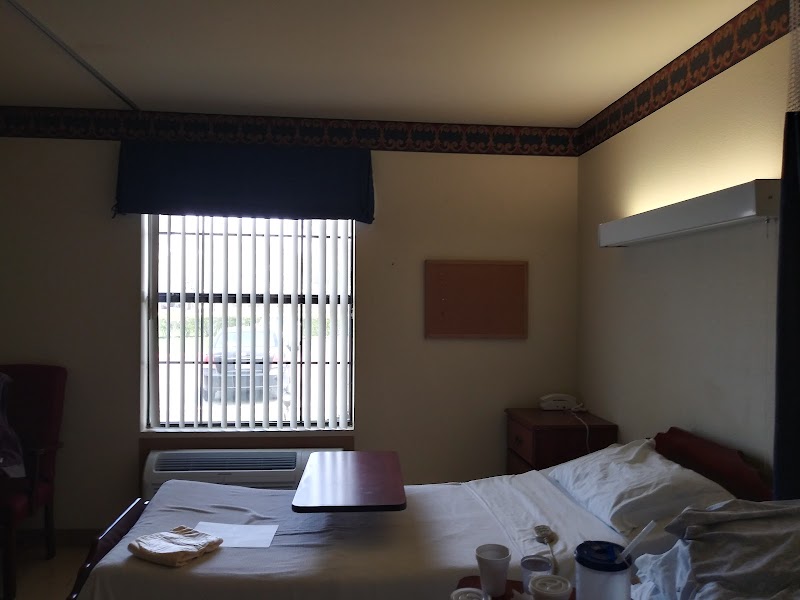
2350 FM 1092, Missouri City, TX 77459 (281) 499-9333
For profit - Limited Liability company 125 Beds HMG HEALTHCARE Data: November 2025 1 Immediate Jeopardy citation
Trust Grade
13/100
#1079 of 1168 in TX
Last Inspection: June 2025

Inspected within the last 6 months. Data reflects current conditions.

Overview

Park Manor of Quail Valley has received a Trust Grade of F, indicating significant concerns and a poor overall rating. It ranks #1079 out of 1168 facilities in Texas, placing it in the bottom half, and #14 out of 15 in Fort Bend County, suggesting limited local options that are better. While the facility is improving, having reduced its issues from 12 in 2024 to 11 in 2025, it still faces serious concerns, including a critical finding where one resident was allowed to smoke while on oxygen, raising significant safety risks. Staffing is a weakness, with a low rating of 1 out of 5 stars and concerningly less RN coverage than 75% of Texas facilities, which could affect resident care. On a positive note, the facility has no fines recorded, and 43% staff turnover is below the state average, indicating some stability among staff despite the overall challenges.
Trust Score
F
13/100
In Texas
#1079/1168
Bottom 8%
Safety Record
High Risk
Review needed
Inspections
Getting Better
12 → 11 violations
Staff Stability
○ Average
43% turnover. Near Texas's 48% average. Typical for the industry.
Penalties
✓ Good
No fines on record. Clean compliance history, better than most Texas facilities.
Skilled Nurses
⚠ Watch
Each resident gets only 16 minutes of Registered Nurse (RN) attention daily — below average for Texas. Fewer RN minutes means fewer trained eyes watching for problems.
Violations
⚠ Watch
25 deficiencies on record. Higher than average. Multiple issues found across inspections.
★☆☆☆☆
1.0
Overall Rating
★☆☆☆☆
1.0
Staff Levels
★★★★☆
4.0
Care Quality
★★☆☆☆
2.0
Inspection Score
Stable
2024: 12 issues
2025: 11 issues

The Good

  • 4-Star Quality Measures · Strong clinical quality outcomes
  • Full Sprinkler Coverage · Fire safety systems throughout facility
  • No fines on record
  • Staff turnover below average (43%)

    5 points below Texas average of 48%

Facility shows strength in quality measures, fire safety.

The Bad

1-Star Overall Rating

Below Texas average (2.8)

Significant quality concerns identified by CMS

Staff Turnover: 43%

Near Texas avg (46%)

Typical for the industry

Chain: HMG HEALTHCARE

Part of a multi-facility chain

Ask about local staffing decisions and management

The Ugly 25 deficiencies on record

1 life-threatening
Jun 2025 9 deficiencies 1 IJ (1 affecting multiple)
CRITICAL (K) 📢 Someone Reported This

A family member, employee, or ombudsman was alarmed enough to file a formal complaint

Immediate Jeopardy (IJ) - the most serious Medicare violation

Accident Prevention (Tag F0689)

Someone could have died · This affected multiple residents

**NOTE- TERMS IN BRACKETS HAVE BEEN EDITED TO PROTECT CONFIDENTIALITY** Based on observation, interview, and record review the facility failed to ensure each resident received adequate supervision and...

Read full inspector narrative →
**NOTE- TERMS IN BRACKETS HAVE BEEN EDITED TO PROTECT CONFIDENTIALITY** Based on observation, interview, and record review the facility failed to ensure each resident received adequate supervision and assistance devices to prevent accidents for 2 out of 32 residents (Resident #93 and Resident #13) reviewed for adequate supervision. - The facility failed to ensure Resident #93 who was on continuous oxygen did not smoke while oxygen was being administered from 03/20/25 through 06/03/25. The facility documented they found cigarettes and a lighter in Resident #93's room on 03/22/25 and was observed smoking while on oxygen in front of the facility on 4/18/25 and 06/03/25. -The facility failed to ensure Resident #13 bed rail/assistance bar was attached to the bed securely. when the rail/assistance bar was observed on the floor on 06/03/25. This deficiency exposed residents living in the facility to potential harm, injury or death due to not being adequately monitored. An Immediate Jeopardy (IJ) was identified on 6/23/2025 at 4:59 PM. The IJ template was provided to the Administrator and DON on 06/23/25 at 4:59 PM. While the IJ was removed on 06/24/25 at 5:19 PM. the facility remained out of compliance at a severity of no actual harm with potential for more than minimal harm that was not an immediate jeopardy and a scope of pattern, due to the facility's need to evaluate the effectiveness of the corrective systems. Findings included: Record review of Resident #93's face sheet dated 06/03/26 revealed an [AGE] year-old male was admitted on [DATE]and readmitted on [DATE]. Resident #93 had diagnoses which included: heart failure (heart cannot pulp enough blood to meet the body's need), hypertension (when the pressure in the blood vessels is too high), and COPD (lung disease that make it hard to breath). Record review of Resident #93's admission MDS assessment, dated 03/24/25, revealed the BIMS score was 12. Record review of Resident #93's care plan initiated 03/20/25 revealed Resident #93 was a current smoker at risk for adverse effects and has noncompliance with policy. Entered Behavioral contract: (refusals. resistive to care, safety rule regarding smoking) resident agreed to follow all safety and regulations. Date Initiated: 03/20/2025. Date revision on 06/03/2025. goal: Resident #93 will not smoke while a resident in facility through the review date initiated: 03/20/2025. target Date: 07/14/2025. Interventions: Discuss residents smoking habits with resident/family date initiated 03/20/2025. Elicit family input for best approaches to resident date initiated: 03/20/2025. Praise resident for demonstrating consistent desired/acceptable behavior date initiated: 03/20/2025. Discuss residents smoking habits with resident/family date initiated 03/20/2025. Elicit family input for best approaches to resident date initiated: 03/20/2025. Revised 06/03/2025. Provide reminders that we are a non-smoking facility which includes the surrounding areas as well. Date initiated: 03/20/2025. Behavior contract: If not followed, resident has agreed to immediate discharge with social worker involvement. date initiated 06/03/2025. Record review of Resident #93's NP progress noted dated 4/8/25 4/15/25,5/20/25, 5/22/25, 5/23/25 and 5/27/25 did not address Resident #93 behavior of noncompliance with smoking policy. Record review of Resident #93's progress notes dated 03/22/25 revealed Resident #1 had cigarette and lighter in his room. Record review of Resident #93's progress notes dated 03/24/25, 03/26/25,04/02/25, 04/03/26, 04/06/25, 04/18/26, 04/19/25, 04/20/25, and 06/03/35 revealed Resident #93 smoked out the facility. During an interview on 06/03/25 at 12:12 p.m., the Corporate Nurse said he observed Resident #93 smoking with his oxygen on and in use in a parking lot of the building next to the NF today (06/03/2025. The Corporate Nurse said he took Resident #93's lighter and cigarette away from him. Corporate Nurse said he was going to initiate Resident #93's discharge today. During an interview on 06/03/25 at 12:24 p.m., Resident #93 said he went to where his friend resides in the building next to the NF to get a cigarette and lighter to smoke. Resident #93 said he was admitted to the NF as a smoker, and the NF was upset with him today because the State was in the building. Resident #93 said the NF and Administrator knew he was a smoker. Resident #93 said he would sign himself out to smoke with the oxygen in his wheelchair. He said since he smoked outside, where the wind blew his smoke away, he did not know that smoking could ignite the oxygen. During an interview on 06/03/25 at 1:00 p.m., LVN K said Resident #93 had not gone out to smoke today, but he had been going out to smoke in the past. LVN K said he had seen Resident #93 smoke in front of the building with his oxygen on in his wheelchair. She said she told the administrator and the DON. She said the Administrator and the DON told Resident #93 that the facility was non-smoking. She said after they had talked to him, Resident #93 started to sign himself out to go and smoke in the parking lot of the building next to the facility with his oxygen on. LVN K said Resident #98 told her once to remove the oxygen because he was going to smoke, and she did remove the oxygen tank. During an interview on 06/03/25 at 3:54 p.m., the DON who said Resident #93 smoked in front of the facility when he was first admitted to the facility. The DON said she and the Administrator told Resident #93 that he could not smoke in front of the facility building because the facility was a non-smoking facility. The DON said staff had told her Resident #93 would sign himself out and go to the next building to smoke while he had his oxygen. She said it was care planned that the resident was a smoker, and the intervention was to educate the resident not to smoke because this was a non-smoking facility. The DON said it was hazardous because he had oxygen, and the smoking could cause the oxygen to blow up. The DON was asked what the facility did when the intervention did not work because he had continued to smoke since March. The DON responded that the facility would discharge him today (06/03/25). During an Interview on 06/03/25 at 5:59 p.m., the Unit Manager who said Resident #93 used to smoke in front of the facility building, and later, he started to go to the next building to smoke with his oxygen. The Unit Manager said Resident #93 signs out when he goes to the next building to smoke. She said it was not safe to smoke with oxygen because it could blow up. The Unit Manager said she had talked to Resident #93 and documented twice. She said the resident was his own responsible party and there was no family member. The Unit manager said Resident #93 had no family members and did not know why the family member was put in the care plan. She did not respond when she was asked what other intervention was put in place since educating the resident did not stop him from smoking. The Unit Manager said the resident oxygen tank could blow up while he was smoking. During an interview on 06/03/25 at 4:21 p.m., the Administrator who said he had not seen Resident #93 smoke, but he heard once that he smoked, and he and the DON had a conversation with him. The Administrator said he told Resident #93 that this building was not a smoking facility. He told him they had another building that was a smoking facility, and they had staff that would go out with residents to smoke. The Administrator said the smoking facility had a smoking blanket and fire extinguisher, but he declined to go to the smoking facility. He said she could not recoil any staff telling him Resident #93 still smoked. The Administrator said he would have Resident #92 sign a behavioral contract that he would not smoke between now and tomorrow, which was his planned discharge. The Administrator said If the staff saw him smoking, he would be discharged immediately. The Administrator said Resident #93 smoking would have been a major issue because the resident could had caught on fire if the oxygen had combusted. During an Interview on 06/03/25 at 6:24 p.m., NP said the facility told her Resident #93 goes out to smoke with his oxygen on. NP said when she talked to the resident, he would say he did not smoke, and she could smell that he smoked on him. NP said the staff had showered her picture where the resident was smoking. Some other staff told her that the resident had sneaked out to smoke, and she said she could not remember the names of the staff members. The NP said the facility should be able to answer what other intervention that was put in place when educating Resident #93 did not stop him from smoke. She said if Resident #93 was smoking with his oxygen on, the oxygen could ignite. During an interview on 06/03/25 at 6:40 p.m., CNA I said she had not seen Resident #93 smoke, but some of the staff had seen him smoking with an oxygen tank. CNA I said she could not remember the names of the staff who told her Resident #93 goes out to the next building park lot to smoke. CNA I said the oxygen could blow up from the cigarette and hurt the resident. On 6/3/25 at 9:14 AM, an observation of Resident #13 he was asleep in his bed covered in blankets and his call light was placed on his bed. There was also a bed rail/assistance bar on the floor by his bed on the right side. Observation and interview with CNA F on 6/3/25 at 9:57 AM revealed that the bed rail that was on the floor had been repaired. She said that she told the Maintenance Director immediately once she saw the bed rail on the floor and he (the Maintenance Director) repaired the bed rail. She said the resident could have rolled out of bed and hurt himself, she added all staff are responsible for reporting repairs needed. She added that Resident #13 was a fall risk, and this was why she had his bed lowered. Record review of Resident #13's facility admission record revealed an [AGE] year-old male with an original admission date of 9/1/20 and re-admission date of 7/20/24 with diagnoses that included History of Falling (The history of falling is crucial for diagnosis. Falls are the second leading cause of unintentional injury deaths worldwide), Parkinsonism Disease (Parkinson's disease is a progressive movement disorder of the nervous system that causes symptoms such as tremors, stiffness, and difficulty with balance and coordination. It is a brain condition that worsens over time and can also affect mental health, sleep, and other bodily functions) and dementia in other diseases classified elsewhere, unspecified severity without behavioral disturbance, psychotic disturbance, mood disturbance and anxiety (Dementia describes a group of symptoms affecting memory, thinking and social abilities) (It indicates that a patient has dementia as a result of an underlying disease that is not otherwise specified and without associated behavioral, psychotic, mood, or anxiety symptoms). Record review of Resident #13's Annual MDS dated [DATE] revealed Resident #13 had a BIM score of 7 out of 15 indicating he had severe cognitive impairment. Resident #13 required substantial/maximal to partial/moderate assistance with ADL's. He had an indwelling urinary catheter and was frequently incontinent of bowel. Record review of Resident #13's comprehensive care plan revealed a care plan to address fall risk with the date initiated of 9/9/20 and revised on 8/22/23 and target date of 7/29/25. Interventions included make sure to resident frequently to make sure resident needs are met, low bed, fall mats and ensure floors are free and clear from clutter. Interview on 6/4/25 at 2:15 PM with the Maintenance Director he said the screw fell out of Resident #13's bed rail and he replaced the screw. He said that staff directly told him that the repair to the bed was needed, they also communicated through a email that connected to the Administrator and management team regarding the incident, this alert went to everyone, he said that he was responsible for making repairs and all staff monitored for needed repairs. He added that the resident could have rolled out of bed and hurt himself. Interview on 6/5/25 at 1:15 PM with the Administrator who said that the bed rail could cause the resident to fall, that the Maintenance Director was responsible for repairs, but it was all staff's responsibility to report repairs needed. Interview on 6/5/25 at 2:49 PM with the DON, who said that she was made aware of the broken bedrail and acknowledged that it could be a hazard and could cause injury. She added the Maintenance Director was responsible for repairs, but all staff are responsible for reporting. Record review of the facility admission Packet read a resident may be discharged or transferred if a. Necessary for the resident's welfare and resident's needs cannot be met in the facility. c. The Resident is endangering the safety of other people in the facility. d. The Resident is endangering the health of other individuals in the facility: · ACKNOWLEDGEMENT OF SMOKING POLICY Non-Smoking Facility: I hereby acknowledge that the facility is a NON SMOKING facility, and I was made aware. Residents may not use or keep cigarettes, cigars, matches, or any smoking paraphernalia in their room or on their person at any time during their stay at the facility. Residents must adhere to the smoking schedule and cannot smoke without supervision. Failure to adhere to this policy may result in immediate discharge. (Resident/Responsible Party Initials) Record review of the facility police on safety and supervision of resident dated 2001 MED- PASS, Inc. (Revised July 2017) read in part .Our facility strives to make the environment as free from accident hazards as possible . Resident safety and supervision and assistance to prevent accidents are facility-wide priorities . Individualized, Resident-Centered Approach to Safety . #1. Our individualized, resident-centered approach to safety addresses safety and accident hazards for individual residents .#4. Implementing interventions to reduce accident risks and hazards shall include the following: 1. Communicating specific interventions to all relevant staff; 2. Assigning responsibility for carrying out interventions; 3. Providing training, as necessary. 4. Ensuring that interventions are implemented; and 5. Documenting interventions . #5. Monitoring the effectiveness of interventions shall include the following: 1. Ensuring that interventions are implemented correctly and consistently; 2. Evaluating the effectiveness of interventions; 3. Modifying or replacing interventions as needed; and 4. Evaluating the effectiveness of new or revised interventions. The following Plan of Removal submitted by the facility was accepted on 6/23/2025 at 8:36 p.m. Plan of Removal F689 June 23rd, 2025. What corrective actions have been implemented for the identified residents? Resident #93 was no longer a resident at the time of this plan of removal. No corrective action is was possible to be taken for resident #93. How were other residents at risk to be affected by this deficient practice identified? An audit of all residents was conducted on 6/23/25 by the DON/designee. No other residents reside in the facility who smoke. All residents who reside in the facility have the potential to be affected by the alleged deficient practice, however, none were affected. What does the facility need to change immediately to keep residents safe and ensure it does not happen again? Resident #93 was no longer a resident of the facility as of 6/23/25. All facility staff, including CNAs, MAs and nurses were in-serviced by DON/Designee on facility actions to be taken for residents who fail to follow facility smoking policies. This was completed 6/6/2025. This includes notifying the administrator, DON and regional support staff in situations of non-compliance with smoking policies. What corrective actions were taken? 1. The following actions were initiated immediately on 6/4/25. a. On 6/4/2025 the Administrator and DON were in-serviced by the Regional [NAME] President of Operations on immediately discharging residents who do not comply with facility smoking policies. b. All facility staff in-serviced by the DON/Designee on 6/4/2025 regarding facility smoking policies and what to do if they witness residents smoking on the facility premises or surrounding areas while utilizing oxygen. c. An ad-hoc QAPI regarding residents who are non-compliant with smoking policies was completed on 6/4/25. The facility medical director was included. d. The facility reviewed their smoking policies on 6/4/2025 with the medical director and it remains a non-smoking facility at this time. e. All current residents and their responsible parties were notified of facility smoking policies via the e-alert system on June 4th, 2025. f. All new residents will be educated on facility smoking policies upon admission. How will the system be monitored to ensure compliance? The facility administrator, as part of the morning stand-up process, will review any new issues with residents not following the facility smoking policy and address those concerns on a case-by-case basis. An impromptu Quality Assurance and Performance Improvement review of the plan of removal was completed on 6/23/25 with the Medical Director. The Medical Director has reviewed and agrees with this plan. Monitoring of the plan of removal on 6/24/2025 included: Record review of a facility document titled Daily Census Report, dated 6/20/2025 to 6/22/2025, revealed residents who were non-smoker. The census revealed 104 residents of which all were nonsmokers. Record review of a facility document titled Education of New Residents, not dated, read in part: 1) All referral portals that offer an opportunity to place a notation or ask the question if we offer smoking, are noted appropriately to show that we are a non-smoking facility, 2) Residents are notified prior to admission by our Director of Business Development that we are a non-smoking facility, 3) Residents are provided with a Welcome booklet that states we are a non-smoking facility, 4) During the initial care plan meeting, the Social Services Director asks new admissions if they are a smoker, and shares that we are a non-smoking facility and that we are able to offer nicotine patches or lozenges to assist individuals with quit smoking by providing a controlled release of nicotine into the blood stream, which helps to reduce nicotine withdrawal symptoms and cravings. Record review of a facility document titled Ad Hoc Qapi, dated 6/4/2025, revealed: Area of concern identified 1) Resident observed smoking with oxygen in place, 2) Resident leaving facility without signing himself out, 3) Facility not evaluating resident's BIMS's score to asses capability of safety awareness (First BIMS score was documented 12/15), and 4) All staff needing to enforce we are a non-smoking facility and report any infarctions immediately; Investigation of allegations: Resident observed smoking with oxygen in place. Resident observed smoking off premises next door at a local apartment complex. Resident's sign-out log appears that someone else was signing him out and has ditto marks versus actual signatures. Sign-out log also has no signatures for resident's return to the facility to show return; Possible outcome if situation is confirmed: Resident smoking with oxygen in place creates a significant safety concern. Resident leaving our premises without signing himself out and back in upon return is against policy for signing out; Five Whys: Resident smoking with his oxygen on. 1) Resident has history of noncompliance in other areas ie. Care, medication, etc, 2) Resident feels he has the right to smoke, 3) Resident states he will not allow anything to happen as he is [AGE] years old, 4) Resident states the sign on the front of the facility says No smoking in the facility, and 5) Resident has been a habitual smoker for years; Interventions: 1) Resident was offered and accepted, nicotine and lozenges, 2) After resident observed smoking, nicotine patches and lozenges were discontinued for health reason, 3) When resident continued joking about going out to smoke and signed himself out to go smoke, DON and Administrator spoke with resident regarding possible outcomes of safety issues (oxygen catching on fire, E-tank exploding, both of which can cause injury and death)., 4)Resident observed by RVP and Clinical Services Director smoking with his oxygen on, and spoke with resident and provided education on safety issues, and 5) Resident discharged home at his request due to his dislike of our facility policies on smoking. Record review of a facility document titled In-Service Training Report, dated 6/4/2025, revealed that all staff to include the RN's, LVN's, CNA's, MA's Supervisors, Dietary staff and Housekeeping staff were in-serviced by the DON on the smoking policy which read in part If you see a resident smoking you are to come and report it to managers, Administrator etc. You need to tell the resident they cannot smoke here and to put the cigarette out. Always make sure that you report it to the managers. Record review of a facility document titled In-Service Training Report, dated 6/4/2025, revealed that the Administrator and DON were in-serviced by the Regional [NAME] President on the smoking policy revealed in part Resident who are non-compliant with facility smoking policies. Signing out pass. Any resident who is habitually non-compliant with the facility smoking policy needs an immediate discharge from the facility. Documentation of education of facility smoking policies needs to be included in the resident chart. Additionally, residents who go out on pass must be signed out when leaving the facility and signed in when they return. This includes resident who are self-responsible. Interviews with Residents began on 6/24/2025 at 1:00 p.m. Residents #6, # 86, # 167, #169, #170, #171, #172, #174 and # 175 stated they were aware that this nursing facility was a smoke free facility. Interviews with CNA's I, K, M, P, Q, R, S, T, V, W and X; LVN's C, K, P, Q, R and S; MA's A, B, C, and D; RN B; Unit Manager; Dietary Manager; House Keeping Supervisor; House Keeper's A and B on 6/24/2025 beginning at 11:33 a.m. staff were able to explain the smoking policy. Staff stated that this nursing facility was a smoke free facility. Staff stated that if a resident was observed smoking staff should retrieve the cigarette from the resident, inform the resident that this facility was smoke free, and report the incident to the Administrator and/or supervisor. Interview with the DON on 6/24/2025 at 4:48 p.m., who stated that staff was in-serviced on the smoking policy on 6/23/2025 and 2 or 3 weeks ago. She stated that staff are aware that this facility is a non-smoking facility. She stated that if staff see any resident smoking, they must report it immediately to management team. She stated staff was expected to ask the resident to put the cigarette out and educate the resident that this nursing facility was a non-smoking facility. Interview with the Administrator on 6/24/2025 at 5:03 p.m. stated that staff were in-serviced on 6/3/2025, 6/4/2025 and 6/23/2025. He stated that staff are aware that this facility was a non-smoking facility. He stated that if staff observe a resident smoking staff should ask the resident to put the cigarette out and educate the resident as to the facilities smoking policy. Staff was expected to report the smoking incident to the Administrator and/or Nursing Supervisor. He stated that if the resident continues to be noncompliant the resident will be discharged . He stated that current residents /and RP's have been educated about the smoking policy. He stated that on 6/4/2025 the smoking policy was texted and emailed to residents and/or RP'S. He stated that that the facility has started a stand up meeting whereby managers discuss any issues to include smoking. He stated that moving forward the smoking policy will be reviewed at the Resident Council meeting. He stated that all staff have been in-serviced on the smoking policy. The Administrator and DON were informed the Immediate Jeopardy was removed on 6/24/2025 at 5:19 p.m. The facility remained out of compliance at a severity level of no actual harm with the potential for more than minimal harm that is no immediate jeopardy and a scope of pattern due to the facility's need to evaluate the effectiveness of the corrective systems that were put into place.
CONCERN (D)

Potential for Harm - no one hurt, but risky conditions existed

Resident Rights (Tag F0550)

Could have caused harm · This affected 1 resident

**NOTE- TERMS IN BRACKETS HAVE BEEN EDITED TO PROTECT CONFIDENTIALITY** Based on observation, interview, and record review, the facility failed to ensure residents have a right to personal privacy for...

Read full inspector narrative →
**NOTE- TERMS IN BRACKETS HAVE BEEN EDITED TO PROTECT CONFIDENTIALITY** Based on observation, interview, and record review, the facility failed to ensure residents have a right to personal privacy for 1 of 4 residents (Resident #355) reviewed for privacy, in that: - The facility failed to place Resident #355's foley catheter bag inside of a privacy bag on 06/03/2025. These failures placed residents at risk for embarrassment, at risk of loss of dignity and decrease in quality of life. The findings include: Record of Resident #355's Facesheet dated 06/05/2025 reflected he was a [AGE] year-old male who admitted to the facility on [DATE] and readmitted on [DATE] with diagnosis that included but were not limited to benign prostatic hyperplasia (gland enlargement) without lower urinary tract symptoms, sepsis (a life-threatening complication of an infection, and elevated white blood cell count (indicating an active infection or inflammation in the body). Record review of Resident #355's Minimum Data Set (MDS) dated [DATE] reflected he had a Brief Interview for Mental Status (BIMS) of 15 being the highs level of mental cognition. Record review of Resident #355's undated Care Plan reflected; resident had an indwelling catheter, date initiated: 06/02/2025 and revision on: 06/03/2025. Record review of Resident #355's Nursing Progress Notes dated 06/02/2025 at 11:39 p.m., reflected Resident #355 arrived at the nursing facility (NF) from the hospital able to make all his needs known. Resident's admitting diagnosis: sepsis and hypoxia (absence of oxygen to the body's tissue), osteomyelitis (bacterial bone infection). Resident was incontinent of bladder and bowel and had a foley catheter (a thin, flexible tube inserted into the bladder through the urethra to drain urine when normal urination is not possible or desired). Record review of Resident #355's Physician Order Summary dated 06/02/2025 at 11:24 p.m., reflected: Foley catheter . bulb to bedside drainage, diagnosis benign prostatic hyperplasia without lower urinary tract symptoms. Ordered By: MD A. Record review of Resident #355's Physician Order Summary dated 06/02/2025 at 11:24 p.m., reflected: Change foley catheter as needed for obstruction or if closed system was compromised as needed. Ordered By: Medical Doctor (MD) A. Record review of Resident #355's Physician Order Summary dated 06/02/2025 at 11:24 p.m., reflected: Foley catheter output, check every shift related to benign prostatic hyperplasia without lower urinary tract symptoms. Ordered By: MD A. Record review of Resident #355's Nursing Progress Note dated 06/04/2025 at 05:11 a.m., created by LVN B, reflected, incontinent care provided, and foley catheter intact, and patent. Record review of Resident #355's Physician Order Summary dated 06/05/2025 at 10:55 a.m., reflected: Foley catheter to bedside drainage. Ordered By: MD. Record review of Resident #355's Physician Order Summary dated 06/05/2025 at 10:56 a.m., reflected: Foley catheter care every shift and as needed every shift. Ordered By: MD. During an observation/interview on 06/03/2025 at 09:13 a.m., Resident #355 laid in his bed upright. Resident's foley catheter bag had been observed hanging from the left facing side of resident's bed, and urine within visible. Resident stated he had returned from the hospital on [DATE] late evening. He stated he had not been aware that his catheter bag had no cover with urine visible. He stated that he had preferred it have not been left uncovered. In an interview on 06/03/2025 at 09:40 a.m., Registered Nurse (RN), stated that Resident #355 readmitted from the hospital on the late evening of 06/02/2025. She stated that the resident admitted from the hospital with his present catheter system in place and the bag came from the hospital without a privacy cover. She stated it had been the responsibility of the nursing staff to ensure that the resident's catheter bag had a privacy cover once he admitted . She stated since the resident admitted late the evening of 06/02/2025 the nursing staff must have forgotten to cover the foley bag with the privacy cover. She stated that the nursing staff on the 1st shift (6 a.m. to 2 p.m.) should have placed the cover on the bag 06/03/2025, when they noticed it uncovered. She stated that she would place a privacy cover on the resident's foley bag immediately. In an interview on 06/06/2025 at 02:00 p.m., with the Director of Nursing (DON) and Administrator (ADM), the DON stated that Resident #355 had newly admitted from the hospital on [DATE] without a privacy bag on his foley catheter bag. She stated that the NF had an influx of the admissions on 06/02/2025, and because the nursing staff were busy, they had forgotten to place a privacy cover on Resident #355's foley catheter bag. The DON stated that the nursing staff were to have made rounds every 2-hours and it had been their responsibility to ensure that residents with foley catheter bags had privacy covers. The ADM stated that the importance of foley catheter bags to have had privacy bags were to provide the residents with privacy and preserve a resident's dignity. Record review of facility In-service Training Report dated 06/05/2025 reflected that nursing staff received training in the topic area: Incontinent & Foley Care & Foley Positioning). Summary of training session: Proper Incontinent Care/Foley Care. Resident's dignity to be protected. Presented by Assistant Director of Nursing (ADON). Record review of NF's policy dated 2001 and revised September 2014 and titled, Foley Catheter Insertion, Male Resident Level III Purpose reflected, The purpose of this procedure is to provide guidelines for the aseptic insertion of a urinary catheter. Preparation: 1. Verify that there is a physician's order for this procedure. 2. Review the resident's care plan to assess for any special needs of the resident. 3. Assemble the equipment and supplies as needed. Record review of NF's policy dated 2001 and revised September 2014 and titled, Catheter Care, Urinary Level III. Assemble the equipment and supplies as needed. General Guidelines Following aseptic insertion of the urinary catheter, maintain a closed drainage system.
CONCERN (D)

Potential for Harm - no one hurt, but risky conditions existed

Deficiency F0558 (Tag F0558)

Could have caused harm · This affected 1 resident

**NOTE- TERMS IN BRACKETS HAVE BEEN EDITED TO PROTECT CONFIDENTIALITY** Based on observations, interviews and record review, the facility failed to ensure residents receive services in the facility wi...

Read full inspector narrative →
**NOTE- TERMS IN BRACKETS HAVE BEEN EDITED TO PROTECT CONFIDENTIALITY** Based on observations, interviews and record review, the facility failed to ensure residents receive services in the facility with reasonable accommodation of resident needs for 1 of 8 residents (Resident #11) reviewed for call lights. The facility failed to ensure Resident #11 call light within reach while resident was in bed on 06/03/25. This failure could place residents at risk for a delay in care and services, increased falls, and a decreased quality of life. Findings included: Record review of Resident #11's face sheet dated 06/04/25 revealed a [AGE] year-old female was admitted on [DATE]. Resident #11 had diagnoses which included: atherosclerotic heart disease (thickening or buildup of plaque in the inner lining of an artery), hypertension (when the pressure in the blood vessels is too high), and cardiomegaly (enlarged heart). Record review of Resident #11's admission MDS assessment, dated 04/21/25, revealed the BIMS score was 11, which indicated moderately impaired cognition. Further review of the MDS revealed the resident needed moderate assistance with transfer with one staff assist. Record review of Resident #11's care plan initiated 04/18/25 revealed the resident was at risk for fall related to limited mobility, weakness, and requires assist with mobility. Intervention: be sure call light is within reach and encourage to use it for assistance as needed. During an observation on 06/03/25 at 10:12 a.m., Resident #11 call light was on the floor close to the night. Resident #11 was lying on her right side facing the window. During an observation and interview on 06/03/25 at 10:13 a.m., Resident #11 said she was fine while stretching her hand toward the left side of the bed, and she said she could not reach the call light. During an interview on 06/03/25 at 10:16 a.m., CNA G said she saw Resident #11's call light on the floor towards the nightstand. CNA G said the staff should have clipped Resident #11 call light next to the pillowcase unless the resident wanted the call light pinned on her clothes. CNA G said the resident needed a call light to call for assistance. CNA G said if Resident #11 needed assistance and could not reach the call light, the resident would try to assist herself, and she could fall. CNA G said the aides had in-service call lights and were always educated to place the call light within reach so the resident could reach and use the call light for assistance. She said the nurse monitors the aides throughout the shift to make sure the aides are providing care for the residents. During an interview on 06/03/25 at 10:29 a.m., CNA K said she was Resident #11's aide for today. CNA K said Resident #11 needed help getting in and out of bed, and she was not the aide who transferred Resident #11 back to bed. CNA K said when the resident was out of bed, she would clip the call light in the middle of the bed. CNA K said if a resident was in bed, the call light should be clipped so the resident could reach it. CNA K said if Resident #11 could not reach the call light, the resident could fall if she tried to get out of bed. CNA K said she had an in-service on-call light and was educated to ensure the call light was always within reach of any resident. CNA K said the nurse monitored the aides throughout the shift. During an interview on 06/03/25 at 1:04 p.m., LVN K said Resident #11's call light should be within reach because Resident #11 would fall or have an emergency because she could not reach the call light. LVN K said the nurse monitored the aides throughout the shift. LVN K said she had an in-service on-call light and was educated to make sure the resident's call was always within reach for the resident to use whenever the resident needed staff assistance. LVN K said the nurse managers monitored the nurses during random rounds. During an interview on 06/05/25 at 4:59 p.m., the ADON said Resident #11's call light should be within reach so she could call for assistance whenever she needed any care from the staff. The ADON said different things could happen to Resident #11, depending on the resident's needs. She said if Resident # 11 wanted to get out of bed and she could not reach the call and she tried to get out of bed by herself, Resident#11 could fall and hurt herself. The ADON said the nurse managers monitored the nurse during random rounds, and the staff had in-service on-call lights. During an interview on 06/06/25 at 10:55 a.m., the DON said Resident #11 call should be within reach while the resident was in bed. The DON said if Resident #11's call light was not within reach, Resident #11 would not be able to call for assistance, and if Resident #11 wanted to go to the restroom, the resident could have an accident on herself. The DON said the aides had in-service on-call lights and were told the call light was the only way to communicate with staff when they needed help while in the room unless during staff rounding. The DON said the nurse monitored the aides throughout the shift, and the nurse managers monitored the nurses during random rounds. Record review of the facility call light policy dated 201 MED - PASS, Inc.(Revised October2010) read in part . The purpose of this procedure is to respond to the resident's requests and needs . General Guidelines . #5. When the resident is in bed or confined to a chair be sure the call light is within easy reach of the resident .
CONCERN (D)

Potential for Harm - no one hurt, but risky conditions existed

Comprehensive Care Plan (Tag F0656)

Could have caused harm · This affected 1 resident

**NOTE- TERMS IN BRACKETS HAVE BEEN EDITED TO PROTECT CONFIDENTIALITY** Based on interview and record review the facility failed to develop and implement a comprehensive person-centered care plan for ...

Read full inspector narrative →
**NOTE- TERMS IN BRACKETS HAVE BEEN EDITED TO PROTECT CONFIDENTIALITY** Based on interview and record review the facility failed to develop and implement a comprehensive person-centered care plan for each resident that includes measurable objectives and timeframes to meet a resident's medical, nursing, and mental and psychosocial needs and describes the services that are to be furnished to attain or maintain the resident's highest practicable physical, mental, and psychosocial well-being for 2 of 4 residents (Resident #20 and Resident #78) reviewed for comprehensive care plans. -The facility failed to ensure that Resident #20's requirement for anticoagulants was a focus area in the resident's comprehensive care plan no date provided and no intervention was documented in place. -The facility failed to ensure that Resident #78's requirement for anticoagulants was a focus area in the resident's comprehensive care plan no date provided and no intervention was documented in place. This deficient practice could affect residents by contributing to inadequate care. The findings included: 1. Record review of Resident #20's facility admission record dated 6/5/25 revealed a [AGE] year-old-male admitted on [DATE] with diagnoses that included unspecified sequelae cerebrovascular disease (refers to the long-term effects or complications that arise from a cerebral infarction (stroke) when the specific sequelae are not detailed) and hemiplegia and hemiparesis (both refer to weakness or paralysis on one side of the body). Record review of Resident #20's Annual Minimum MDS dated [DATE] revealed Resident #20 had a BIM score of 6 out of 15 indicating he had severe cognitively impairment. Resident #20 required substantial/maximal assistance with ADL's. Record review of section N (Medications) revealed that he received anticoagulants. Record review of Resident #20's comprehensive care plan revealed there were no care plans to address anticoagulant use. Interview and record review on 6/5/25 at 12:45 PM with the MDS Coordinator who said she was the one that performs the care plans and confirmed there was no comprehensive care plan for Resident # 20 to address anticoagulant use. She said that the RAI manual was used to complete assessments. She said that a negative outcome could be bleeding for Resident #20 and that she was the person responsible for Long Term care plans. 2. Record review of Resident #78's facility admission record revealed a [AGE] year-old male with an original admission date of 8/1/24 and re-admission date of 4/24/25 with diagnoses that included unspecified dementia (a form of dementia where the specific type of dementia cannot be determined or is not specified) and primary osteoarthritis (the gradual breakdown of cartilage in joints due to aging and wear and tear, without a known underlying cause). Record review of Resident #78's admission Minimum MDS dated [DATE] revealed Resident #78 had a BIM score of 10 out of 15 indicating he had moderate cognitive impairment. Resident #78 required substantial/maximal assistance with ADL's. Record review of section N (Medication) revealed that he required anticoagulant. Record review of Resident #78's comprehensive care plan, no date provided revealed there were no care plans to address anticoagulant use. Interview and record review on 6/5/25 at 12:45 PM with the MDS Coordinator who said she was the one that performs the care plans and confirmed no comprehensive care plan for Resident # 78 to address anticoagulant use. She said that the RAI manual was used to complete assessments. She said that a negative outcome could be bleeding for Resident #20 and that she was the person responsible for Long Term care plans. During an interview on 6/5/25 at 12:56 PM with the DON who said that comprehensive care plans were important to provide care to residents. A negative outcome for not having a care plan could be bleeding or bruising. She added that she has oversight for the care plans but did not look at them all. Record review of the facility policy and procedure entitled Care Plans, Comprehensive Person-Centered dated revised December 2016, read in part .A comprehensive, person-centered care plan that includes measurable objectives and timetables to meet the resident's physical, psychosocial and functional needs is developed and implemented for each resident . Reflect currently recognized standards of practice for problem areas and conditions .The comprehensive, person-centered care plan is developed within seven (7) days of the completion of the required comprehensive assessment (MDS).
CONCERN (D)

Potential for Harm - no one hurt, but risky conditions existed

Incontinence Care (Tag F0690)

Could have caused harm · This affected 1 resident

**NOTE- TERMS IN BRACKETS HAVE BEEN EDITED TO PROTECT CONFIDENTIALITY** Based on observation, interview, and record review, the facility failed to ensure residents who were incontinent of bladder rece...

Read full inspector narrative →
**NOTE- TERMS IN BRACKETS HAVE BEEN EDITED TO PROTECT CONFIDENTIALITY** Based on observation, interview, and record review, the facility failed to ensure residents who were incontinent of bladder received appropriate treatment and services to prevent urinary tract infections and to restore continence to the extent possible for 2 of 3 residents (Resident #155 and Resident #88) reviewed for incontinent care. 1.The facility failed to ensure CNA M cleaned Resident #155's indwelling Foley catheter properly and followed proper hand hygiene during incontinent care on 6/5/25. 2. The facility failed to ensure C.NA P cleaned Resident #88 properly during incontinent care on 6/5/25 These failures could place residents at risk for pain, infection, injury, and hospitalization. Finding included: Record review of Resident #155's face sheet print date of 6/3/25 reflected date of admission was 5/29/25 the diagnoses included osteomyelitis( infection of the bone), pressure ulcer to sacral area (bedsore) , unspecified stage, retention of urine, unspecified, postmenopausal atrophic vaginitis ( thinning drying and inflammation of the vaginal walls that may occur when your body has less estrogen), other specified congenital deformities of hip, metabolic encephalopathy ( a brain dysfunction caused by problems with the body's metabolism), cerebellar ataxia( poor muscle control that causes clumsy movements) in diseases classified elsewhere, local infection of the skin and subcutaneous tissue, unspecified, acquired absence of bilateral breasts and nipples, other specified disorders of bone density and structure, unspecified site, functional quadriplegia ( a condition where a person loses the ability to move their arms, legs and sometimes even their trunk and head), generalized anxiety disorder, orthostatic hypotension ( a condition where your blood pressure drops significantly when you stand up), other recurrent depressive disorder ( a mental health condition where someone feels persistently sad, loses interest in things they usually enjoy and experiences other symptoms like difficulty sleeping, low energy and trouble concentrating) and indwelling Foley Catheter ( a flexible tube, like a straw that's inserted into the bladder to drain urine when you can't urinate normally or for medical reasons). Record review of Resident #155's admission MDS assessment dated [DATE], Section C (Cognitive Patterns) reflected a BIMS score was blank indicating severe impairment in thinking. Section H (Bladder and Bowel) reflected resident had an indwelling catheter. Resident #155's functional status revealed he was independent with supervision of staff with bed mobility, transfer, and toilet use. Further review revealed Resident#155 had an indwelling Foley catheter. Record review of Resident #155's physician order dated from May 2025 read in part . change Foley catheter with 18 inch catheter and 10cc bulb on the 1st of each month dated 6/2 . keep catheter from kinks and drainage bag lower than bladder at all times dated 5/29/25. Record review of Resident #155's care plan dated 5/30/25 had her to exhibits ADL Self Care Performance Deficit, and requires assistance with all ADLs. Observation of incontinent /indwelling Foley catheter on 6/5/25 at 12:25 PM , performed by C.NA M to Resident #155 lying in bed with family member at bed side. CNA M did not wash hands, did not use hand sanitizer. C.NA M, don another clean gloves, undo resident #155's soiled brief, using the wet wipes cleaned the groin, F/C was secured, CNA cleaned visible part of the indwelling catheter she did not open Resident #155's labia to cleaned from the insertion site. Resident #155 had large BM , CNA M cleaned in -between the buttocks with BM, did not clean around the buttocks, , she picked up clean brief and fasten it on resident. Interview with C.NA M on 6/5/25 at 1:41PM she said she was nervous, C.NA M said she did not open labia to clean indwelling catheter insertion site. C.NA M said not cleaning indwelling catheter from the insertion site for Resident #155 's her hands could cause UTI , she said she was hired 1 year ago and she had in-service on Foley catheter/incontinent care. Record review of Resident #88's face sheet reflected date of admission was 11/13/24 and re admitted on [DATE] diagnoses include cerebral infarction, unspecified, unspecified atrial fibrillation ( heart beating too fast), essential (primary) hypertension( high blood pressure), hypothyroidism ( thyroid gland isn't producing enough thyroid hormones), unspecified, edema, unspecified, hemiplegia and hemiparesis( weakness to one side of the body) following cerebral infarction affecting left dominant side, hyperlipidemia ( high fat in the blood). Observation of incontinent care on 06/05/25 4:46 PM to Resident #155 done by CNA P and assisted with CNA, U, Res lying in the low bed on her back, CNA did not open the labia to clean, there was pervasive odor when the staff opened the soiled brief with urine. CNA P said Resident was heavy wetter . CNA changed gloves and washed hands. Interview with CNA P on 6/5/25 at 4:52PM who said she started working here 7 months ago and she should have open the labia more to clean and she had training with the IP nurse. Interview with IP nurse on 6/5/25 at 4:52PM said she did the initial training upon hired and the lead C.NA does hands on training when the new hired newly. She then presented the check-off list for C.NA and C.NA P. Interview with DON 6/6/25 at 10:51 AM regarding incontinent care/Foley Care training, who said the ( IP) nurse does the initial training and the lead C.NA would monitor while on the unit. DON said she and the IP nurse monitors the CNAs randomly monthly and not performing good incontinent care could result in infection and UTI. Interview with ( Lead C.NA ) on 6/6/25 at 1:24 PM, who said she had been working with the facility for 2 years, she does round with the nurses aides before the CNA gets on the floor to work. CNA stated she had training and LVN P and LVN M and check them off. Record review of the facility policy for Catheter Care Urinary dated 3/31/2016 revealed: For the female: Use a washcloth with warm water and soap to cleanse around the meatus. Cleanse the glans using circular strokes from the meatus outward. Change the position of the washcloth with each cleansing stroke. With a clean washcloth, rinse with warm water using the above technique. Return foreskin to normal position. 16. Use a clean washcloth with warm water and soap to cleanse and rinse the catheter from insertion site to approximately four inches outward. Record review of the undated facility policy titled Hand Hygiene, provided by the ADM, revealed the following: You may use alcohol based hand cleaner or soap/water for the following: Before and after assisting resident with personal care (e.g., oral care, bathing); Upon and after coming in contact with a resident's intact skin; After contact with a resident's mucous membranes and body fluids or excretions; After handling soiled or used linens, dressings, bedpans, catheters and urinals; After removing gloves or aprons.
CONCERN (D)

Potential for Harm - no one hurt, but risky conditions existed

Pharmacy Services (Tag F0755)

Could have caused harm · This affected 1 resident

**NOTE- TERMS IN BRACKETS HAVE BEEN EDITED TO PROTECT CONFIDENTIALITY** Based on observation, interview, and record review, the facility failed to provide pharmaceutical services including procedures ...

Read full inspector narrative →
**NOTE- TERMS IN BRACKETS HAVE BEEN EDITED TO PROTECT CONFIDENTIALITY** Based on observation, interview, and record review, the facility failed to provide pharmaceutical services including procedures that assure the accurate acquiring, receiving, dispensing, and sdministering of all drugs and biologicals to meet the needs of each resident for 1 of 1 medicationstorage room observed for expired medications in that: The facility failed- On 06/03/35 when there were 15 hydrocortisone acetate 25mg (a topical steroid used to treat pain, itching, and swelling in the rectum {the end of the large intestine where stool is stored until it exits the body through the anus} and anus,) suppositories (medication used to insert into the rectum) with an expiration date that read 05/2025. This medication belonged to CR #100 who discharged on 04/12/2025. This failure placed resident at risk for an unwanted adverse drug reaction had the resident not discharged from the facility. Findings included: Record review of CR#100 face sheet dated 06/03/25 revealed an [AGE] year-old male admitted to the facility on [DATE] and was discharged from the facility on 04/12/25. CR's diagnoses included the following: chronic lymphocytic leukemia (a type of cancer of the blood and bone marrow {soft tissue inside of the bones that produces blood cells}), calculus of kidney (kidney stones), and diverticulosis (small, bulging pouches that develop in the intestine) of large intestine. Record review of CR#100's MDS dated [DATE] reflected a BIMS score of 12 indicating that resident cognition was moderately impaired. Record review of CR #100's Comprehensive Care Plan dated 03/24/25 reflected resident was being care planned for potential pain related to .generalized pain r/t aging and disease process. The intervention included: to -Administer pain medication as per MD orders. Record review of CR #100's Physician Order Summary Report for March 2025 reflected the following order: -Ddated 03/24/25 Hydrocortisone acetate 25mg insert one suppository rectally two times a day for rectal pain for 30 days. Record review of CR #100 MAR & and TAR for the month of March 2025 revealed that resident was receiving medication Hydrocortisone acetate 25mg rectally twice a day. Observation on 06/03/25 at 1:53PM of the facility medication storage room with LVN A, it was observed in the fridge, 15 hydrocortisone Acetate 25mg suppositories. The expiration date read 05/2025. The suppositories belong to Resident CR #100 with instructions to administer 1 suppository 2 times a day for 30 days. Interview on 06/03/25 at 2:10PM with LVN A said she had been working at the facility for 1 year and 6 months on the 6AM-2PM shift. LVN A said it was the responsibility of the ADON to check the medication room for expired medications. LVN A said expired medications pending the medication , placed the resident (s) at risk for gastrointestinal upset, allergic reactions, altered mental status but either way, it was not positive or good for the resident. Interview on 06/03/25 at 2:26PM with the ADON said she was responsible for checking the medication storage room for expired medications. The ADON said the last time she checked the medication room for expired medications was last week but did not remember the day she checked the room. The ADON said expired medications placed the resident (s) at risk for adverse reactions . Interview on 06/03/25 at 2:34PM with the DON who said the ADON checked the medication storage room on a weekly basis for expired medications. The DON said she was responsible in ensuring that the ADON was checking the medication room for expired medications. The DON said expired medications would not be effective for the medication and the resident could have an adverse side effect. Record review of the facility policy on Medication Storage revised April of 2007 reflected in part: .The nursing staff shall be responsible for maintaining medication storage AND preparation areas in a clean, safe, and sanitary manner .The facility shall not use discontinued, outdated, or deteriorated drugs or biologicals. All such drugs shall be returned to the dispensing pharmacy or destroyed .
CONCERN (D)

Potential for Harm - no one hurt, but risky conditions existed

Deficiency F0761 (Tag F0761)

Could have caused harm · This affected 1 resident

**NOTE- TERMS IN BRACKETS HAVE BEEN EDITED TO PROTECT CONFIDENTIALITY** Based on observation, interview, and record review, the facility failed to ensure that drugs and biologicals used in the facilit...

Read full inspector narrative →
**NOTE- TERMS IN BRACKETS HAVE BEEN EDITED TO PROTECT CONFIDENTIALITY** Based on observation, interview, and record review, the facility failed to ensure that drugs and biologicals used in the facility were labeled in accordance with currently accepted professional standards for 1 medication storage room. in that: The facility failed- On 06/03/35 when there were 15 hydrocortisone acetate 25mg (a topical steroid used to treat pain, itching, and swelling in the rectum {the end of the large intestine where stool is stored until it exits the body through the anus} and anus,) suppositories (medication used to insert into the rectum) with an expiration date that read 05/2025. This medication belonged to CR #100 who discharged on 04/12/2025. This failure placed resident at risk for an unwanted adverse drug reaction had the resident not discharged from the facility. Findings included: Record review of CR#100 face sheet dated 06/03/25 revealed an [AGE] year-old male admitted to the facility on [DATE] and was discharged from the facility on 04/12/25. CR's diagnoses included the following: chronic lymphocytic leukemia (a type of cancer of the blood and bone marrow {soft tissue inside of the bones that produces blood cells}), calculus of kidney (kidney stones), and diverticulosis (small, bulging pouches that develop in the intestine) of large intestine. Record review of CR#100's MDS dated [DATE] reflected a BIMS score of 12 indicating that resident cognition was moderately impaired. Record review of CR #100's Comprehensive Care Plan dated 03/24/25 reflected resident was being care planned for potential pain related to .generalized pain r/t aging and disease process. The intervention included: to -Administer pain medication as per MD orders. Record review of CR #100's Physician Order Summary Report for March 2025 reflected the following order: -Ddated 03/24/25 Hydrocortisone acetate 25mg insert one suppository rectally two times a day for rectal pain for 30 days. Record review of CR #100 MAR & and TAR for the month of March 2025 revealed that resident was receiving medication Hydrocortisone acetate 25mg rectally twice a day. Observation on 06/03/25 at 1:53PM of the facility medication storage room with LVN A, it was observed in the fridge, 15 hydrocortisone Acetate 25mg suppositories. The expiration date read 05/2025. The suppositories belong to Resident CR #100 with instructions to administer 1 suppository 2 times a day for 30 days. Interview on 06/03/25 at 2:10PM with LVN A said she had been working at the facility for 1 year and 6 months on the 6AM-2PM shift. LVN A said it was the responsibility of the ADON to check the medication room for expired medications. LVN A said expired medications pending the medication , placed the resident (s) at risk for gastrointestinal upset, allergic reactions, altered mental status but either way, it was not positive or good for the resident. Interview on 06/03/25 at 2:26PM with the ADON said she was responsible for checking the medication storage room for expired medications. The ADON said the last time she checked the medication room for expired medications was last week but did not remember the day she checked the room. The ADON said expired medications placed the resident (s) at risk for adverse reactions . Interview on 06/03/25 at 2:34PM with the DON who said the ADON checked the medication storage room on a weekly basis for expired medications. The DON said she was responsible in ensuring that the ADON was checking the medication room for expired medications. The DON said expired medications would not be effective for the medication and the resident could have an adverse side effect. Record review of the facility policy on Medication Storage revised April of 2007 reflected in part: .The nursing staff shall be responsible for maintaining medication storage AND preparation areas in a clean, safe, and sanitary manner .The facility shall not use discontinued, outdated, or deteriorated drugs or biologicals. All such drugs shall be returned to the dispensing pharmacy or destroyed .
CONCERN (D)

Potential for Harm - no one hurt, but risky conditions existed

Infection Control (Tag F0880)

Could have caused harm · This affected 1 resident

**NOTE- TERMS IN BRACKETS HAVE BEEN EDITED TO PROTECT CONFIDENTIALITY** Based on observation, interview and record review, the facility failed to maintain an infection and prevention control program t...

Read full inspector narrative →
**NOTE- TERMS IN BRACKETS HAVE BEEN EDITED TO PROTECT CONFIDENTIALITY** Based on observation, interview and record review, the facility failed to maintain an infection and prevention control program that included, at a minimum, a system for preventing and controlling infections for 1 of 2 residents (Resident #155) and 1 of 2 staff (CNA M) reviewed for incontinent care and to help prevent the development and transmission of communicable diseases and infections for 1 (Resident #71) of 28 residents reviewed for infection control. The facility failed to ensure CNA M washed or sanitized her hands and performed glove changes appropriately while providing incontinence care to Resident #155 on 06/05/25. The facility failed to ensure Resident #71's foley catheter drainage bag was not resting on the resident's floor mat on 06/03/25. This deficient practice placed residents at risk for cross contamination and the spread of infection.Finding included: Record review of Resident #155's face sheet print date of 6/3/25 reflected date of admission was 5/29/25 the diagnoses included osteomyelitis( infection of the bone), pressure ulcer to sacral area (bedsore) , unspecified stage, retention of urine, unspecified, postmenopausal atrophic vaginitis ( thinning drying and inflammation of the vaginal walls that may occur when your body has less estrogen), other specified congenital deformities of hip, metabolic encephalopathy ( a brain dysfunction caused by problems with the body's metabolism), cerebellar ataxia( poor muscle control that causes clumsy movements) in diseases classified elsewhere, local infection of the skin and subcutaneous tissue, unspecified, acquired absence of bilateral breasts and nipples, other specified disorders of bone density and structure, unspecified site, functional quadriplegia ( a condition where a person loses the ability to move their arms, legs and sometimes even their trunk and head), generalized anxiety disorder, orthostatic hypotension ( a condition where your blood pressure drops significantly when you stand up), other recurrent depressive disorder ( a mental health condition where someone feels persistently sad, loses interest in things they usually enjoy and experiences other symptoms like difficulty sleeping, low energy and trouble concentrating) and indwelling Foley Catheter ( a flexible tube, like a straw that's inserted into the bladder to drain urine when you can't urinate normally or for medical reasons). Record review of Resident #155's admission MDS assessment dated [DATE], Section C (Cognitive Patterns) reflected a BIMS score was blank indicating severe impairment in thinking. Section H (Bladder and Bowel) reflected resident had an indwelling catheter. Resident #155's functional status revealed he was independent with supervision of staff with bed mobility, transfer, and toilet use. Further review revealed Resident#155 had an indwelling Foley catheter. Record review of Resident #155's physician order dated from May 2025 read in part . change Foley catheter with 18 inch catheter and 10cc bulb on the 1st of each month dated 6/25 . keep catheter from kinks and drainage bag lower than bladder at all times dated 5/29/25 Record review of Resident #155's care plan dated 5/30/25 had her to exhibits ADL Self Care Performance Deficit, and requires assistance with all ADLs. Observation of incontinent /indwelling Foley catheter on 6/5/25 at 12:25 PM, perform by C.NA M, Resident #155 was lying in bed with family member at bed side, CNA M did not wash hands, did not use hand sanitizer. C.NA M had 2 pairs of cleaned gloves, she pulled bed side table from A bed to Resident #155 on the B bed, and place her wet wipes and cleaned gloves on the table, CNA M don clean gloves, adjusted Resident #155 bed, changed gloves, did not wash hands, don another clean gloves, undo Resident #155's soiled brief, using the wet wipes cleaned the groin, resident #155 had large BM, CNA did not change gloves repositioned resident on the left side, use the same glove throughout the procedure to she picked up clean brief and fasten it on resident, repositioned the pillows, covered linen and went to resident dresser to place the remaining wet wipe in it. Interview with C.NA M on 6/5/25 at 1:41PM who said she was nervous and she did not have enough gloves or hand sanitizer. CNA M stated she had been trained on infection, and she did not have enough gloves or hand sanitizer. CNA M stated she had been trained on infection control not in facility but had not been told specifically to wash or sanitize hands when going from a dirty to clean surface. C.NA M stated if she did not wash or sanitize her hands when going from a dirty to clean surface, it could cause cross contamination and a risk of transferring infection. Interview with DON 6/6/25 at 10:51 AM, who stated it was the facility's policy for staff to wash or sanitize hands when going from a dirty to clean surface. She stated staff had been in serviced on infection control and hand hygiene. She stated if hand hygiene or sanitizing was not performed when going from a dirty to clean surface, it could cause an infection. Resident #71 Record of Resident #71's Facesheet dated 06/05/2025 reflected he was a [AGE] year old male who admitted to the facility on [DATE] and readmitted on [DATE] and then again on 03/13/2025 with diagnosis that included but were not limited to retention of urine (the inability to completely empty the bladder), unspecified, functional quadriplegia (a complete inability to move due to severe physical disability or frailty, but not due to spinal cord injury or stroke), urinary tract infection (an illness in any part of the urinary tract, the system of organs that makes urine), and sepsis (a life threatening complication of an infection), unspecified organism. Record review of Resident #71's Minimum Data Set (MDS) dated [DATE] reflected he had a Brief Interview for Mental Status (BIMS) was a 10, reflecting the resident had a level of moderate mental cognition, 15 being highest level of mental cognition. Section H Bladder and Bowel reflected, resident had an indwelling catheter. Record review of Resident #71's undated Care Plan reflected; resident had an indwelling catheter, date Initiated: 06/02/2025 Revision on: 06/03/2025. FOCUS: Resident was on enhanced barrier precautions. GOAL: At risk for infection with indwelling medical device foley catheter, date initiated: 03/03/2025 and revision on: 06/03/2025. GOAL: Will reduce risk of infection through next review. INTERVENTIONS: Change catheter as ordered date initiated: 03/03/2025. Check for patency and urinary output every shift, date initiated: 03/03/2025. Record review of Resident #71's Physician Order Summary dated 03/31/2025 at 03:03 p.m., reflected: Change foley catheter as needed for obstruction or if closed system is compromised. as needed. Created By: MD. Record review of Resident #71's Physician Order Summary date 03/31/2025 at 03:03 p.m., reflected: Foley catheter output every shift. Created By: MD. Record review of Resident #71's Physician Order Summary dated 04/03/2025 at 02:00 p.m., reflected: Foley catheter on bedside, drainage, diagnosis: Bladder outlet obstruction every shift. Created By: MD. Record review of Resident #71's Nursing Progress Notes dated 05/13/2025 at 01:28 p.m., reflected Resident was alert and oriented times 3, foley catheter in place draining yellow urine, and continues strict contact isolation for candida Auris (species of fungus that grows as yeast, causes severe multidrug resistant illnesses). Resident resting in bed stable. Safety maintained. Created by registered nurse (RN). Record review of Resident #71's Nursing Progress Notes dated 06/03/2025 at 01:28 p.m., reflected Resident was alert and oriented times 3, foley catheter in place draining yellow urine, and continues strict contact isolation for candida Auris. Resident resting in bed stable. Safety maintained. Created by registered nurse (RN). During an observation/interview on 06/03/2025 at 09:13 a.m., on the door of Resident #71's room had been infection control precautionary signage with personal protective equipment on the door. Resident #71 observed laying in his bed, bed low to ground, fall mat at bedside, and foley catheter bag resting on resident's fall mat. Resident stated that his foley catheter always hung from the bed in the present position. He stated his bed was low to ground also. When told his catheter bag was on the fall mat, he stated, Ok.Interview on 06/03/2025 9:40 a.m., registered nurse (RN) stated that Resident #71's foley bag should be off the floor/fall mat to allow for free flow of the foley and to avoid contamination. She stated that the resident's bed was lowered after providing care, but she had not realized it had been lowered to allow the foley bag to rest on the resident's fall mat. In an interview on 06/06/2025 at 02:00 p.m., with the Director of Nursing (DON) and the Administrator (ADM), the DON stated that Resident #71's foley bag resting on the floor had no risks to the resident because the foley was a closed system and hanging placement remained below the resident's bladder. She stated however, the foley should not be resting on the resident's fall mat. The ADM stated the foley should not be on the floor or the resident's fall mat to prevent infection control. Record review of facility In service Training Report dated 06/05/2025 reflected that nursing staff received training in the topic area: Incontinent & Foley Care. Summary of training session: Proper Incontinent Care/Foley Care. Reduce infection risk. The bag must never touch the floor risk of contamination is high, (including floor mat). Bag should never touch floor mat. Presented by Assistant Director of Nursing (ADON). Record review of facility In service Training Report dated 04/11/2025 reflected that nursing staff received training in topic area: Infection Control: Infection Prevention and Control Program Transmission Based Precaution. Presented by ADON. Record review of Foley Policy revised dated October 2020 and titled Foley Catheter Insertion (a flexible tube inserted into the bladder to drain urine); Male Resident Level III Purpose reflected: The purpose of this procedure is to provide guidelines for the aseptic insertion of a urinary catheter. Preparation1. Verify that there is a physician's order for this procedure.2. Review the resident's care plan to assess for any special needs of the resident.3. Assemble the equipment and supplies as needed.Record review of NF's policy dated 2001 and revised September 2014 and titled, Catheter Care, Urinary Level III Purpose The purpose of this procedure is to prevent catheter associated urinary tract infections. Infection Control 1. Use standard precautions when handling or manipulating the drainage system. 2. Maintain clean technique when handling or manipulating the catheter, tubing, or drainage bag. Be sure the catheter tubing and drainage bag are kept off the floor.Record review of the undated facility policy titled Hand Hygiene, provided by the ADM, revealed the following: You may use alcohol based hand cleaner or soap/water for the following: Before and after assisting resident with personal care (e.g., oral care, bathing); Upon and after coming in contact with a resident's intact skin; After contact with a resident's mucous membranes and body fluids or excretions; After handling soiled or used linens, dressings, bedpans, catheters and urinals; After removing gloves or aprons.
CONCERN (E) 📢 Someone Reported This

A family member, employee, or ombudsman was alarmed enough to file a formal complaint

Potential for Harm - no one hurt, but risky conditions existed

Deficiency F0806 (Tag F0806)

Could have caused harm · This affected multiple residents

Deficiency Text Not Available

Read full inspector narrative →
Deficiency Text Not Available
May 2025 2 deficiencies
CONCERN (D) 📢 Someone Reported This

A family member, employee, or ombudsman was alarmed enough to file a formal complaint

Potential for Harm - no one hurt, but risky conditions existed

Resident Rights (Tag F0550)

Could have caused harm · This affected 1 resident

**NOTE- TERMS IN BRACKETS HAVE BEEN EDITED TO PROTECT CONFIDENTIALITY** Based on interview and record review, the facility failed to treat each resident with respect and dignity and care for each resi...

Read full inspector narrative →
**NOTE- TERMS IN BRACKETS HAVE BEEN EDITED TO PROTECT CONFIDENTIALITY** Based on interview and record review, the facility failed to treat each resident with respect and dignity and care for each resident in a manner and in an environment that promotes maintenance or enhancement of his or her quality of life, recognizing each resident's individuality for 1 of 2 closed records (CR #1) reviewed for resident rights. 1. The facility failed to ensure the Certified Occupational Therapist Assistant (COTA) did not use CR#1's debit card resulting in CR #1 losing $45.00. 2. The facility failed to ensure the COTA did not use CR #1's cellphone to access CR #1's banking information resulting in CR #1 losing $250.00. These failures placed residents at risk of decreased feelings of self-worth and decreased quality of life. The findings included: Record review of CR #1's Facesheet dated 05/21/2025 reflected CR #1 was a [AGE] year-old male who admitted to the facility on [DATE], readmitted on [DATE], and discharged on 02/16/2025. CR #1's diagnosis included but were not limited sequelae of unspecified cerebrovascular disease (encompasses a variety of conditions that affect the blood vessels and blood supply to the brain, potentially leading to stroke and other neurological issues), and malignant neoplasm of bladder (a type of cancer that develops in the bladder, the organ that stores urine). Record review of CR #1's discharge Minimum Data Set (MDS) dated [DATE] reflected CR #1 had a Brief Interview for Mental Status (BIMS) score of 15 out of 15 indicating CR #1 had a cognitively intact mental status. Record review CR #1's Occupational Therapy Treatment Encounter Notes dated 02/07/2025 at 01:37 p.m. reflected, the COTA seen CR #1 for therapy services. Record review of Director of Rehab Services (DORS) staff statement dated 02/07/2025, reflected: On Friday, 02/07/2025 at around 9:10 a.m. DORS saw CR #1 in the therapy gym . with the COTA . At around 9:45 a.m., talking on the phone . then stated that the COTA stole $150.00 from my account. CR #1 showed DORS his bank account information on the phone with $50 and $100 Cash App withdrawals that were pending. The COTA told DORS that he never took money from CR #1's account, had used the phone to put music on CR #1's phone in the presence of CR #1 for less than a minute, and gave CR #1 his phone right back to him. The DORS wrote the statement on 02/07/2025 at 11:19 am. Record review of CR #1's Life Satisfaction Survey/Incident Statement dated 02/08/2025, reflected, on 02/06/2025 at 8:00 p.m., Licensed Vocational Nurse (LVN) performed wound care in CR #1's room with the COTA in the room. LVN assisted CR #1 undressed his pants. The COTA placed CR #1's pants in a chair. In CR #1's pant pocket, CR #1 claimed was his bank card that was connected to his mobile phone. On 02/07/2025, during CR #1's therapy session, CR #1 worked with the COTA. The COTA asked CR #1 if he could play some music on CR #1's phone and CR #1 handed his phone over to the COTA. Three (3)-minutes after, CR #1 received a call from the bank requesting verification of a recent transaction and learning of transaction attempts with the COTA (first name only). CR #1 assured the bank the only the COTA (first name only) he knew was the COTA. CR #1 shared with DORS bank transaction screenshots showing attempted Cash App transfers and the facility began an n investigation, suspending the COTA in the interim. Record review of CR #1's statement dated 02/09/2025, reflected, on 02/06/2025, 8:30 p.m., LVN changed CR #1's brief in preparation of providing wound care on resident's backside. LVN took off CR #1 pants and asked the COTA to put them in a chair. The COTA placed the pants in a bag in the chair. CR #1's bank card was in the right-hand pocket of the pants. On 02/07/2025, The COTA took CR #1 to the therapy gym. CR #1 had been listening to music on his phone when the COTA asked could he play a song. The COTA returned the phone to CR #1 after 5-minutes and within 3-minutes thereafter, CR #1 received a call from his bank to verify cash transactions that were declined. CR #1 then asked the DORS to come look at the phone transaction and saw $220.00 worth of charges and said that the COTA was stealing his money. CR #1 was not happy with that the COTA. Record review of CR #1's Progress Notes dated 02/11/2025 at 03:26 p.m., reflected Social Worker (SW) met one on one with CR #1 who provided a statement regarding his unauthorized bank account cash transactions. SW assisted CR #1 with contacting his bank and obtaining a statement. CR #1 declined mental health services and declined to press charges. Record review of LVN's staff statement dated 02/11/2025, reflected that LVN entered CR#1's room on 02/06/2025 to perform a skin assessment. LVN noted that the CR #1 had bowel movement (BM) on his pants and assisted CR #1 to remove the pants and place in a plastic bag for CR #'s family to pick up. Record review of SW staff statement dated 02/11/2025, reflected SW, along with CR #1 contacted CR #1's bank, and spoke with a representative who informed CR #1 of the following: On 02/06/2025 at approximately 9:33 p.m. a transaction was initiated for $1.00 but later posted for $34.83 for gas at gas station. On 02/06/2025 at 10:52 p.m., a $0.00 Cash App was attempted from CR #1's banking institution. On 02/07/2025 at 08:51 a.m., a $0.00 Cash App was attempted from CR #1's banking institution. On 02/07/2025 at 08:52 a.m., a $200.00 Cash App was attempted from CR #1's banking institution and declined. On 02/07/2025 08:53 a.m., a $100.00 Cash App/transaction was successful. On 02/07/2025 at 09:00 a.m., a $50.00 Cash App/transaction was successful. Record review of CR #1's provider report dated: 02/14/2025 reflected, CR #1 spoke with a law enforcement officer and wanted to press charges against the COTA. As a result, CR #1 was offered psychological services which CR #1 refused. The facility confirmed that exploitation has occurred based on CR's bank's accounting showing the card was used while CR was admitted to the facility, however the facility had not been able to substantiate the COTA had been involved. Out of caution, the facility terminated the COTA. On 02/06/2025 CR #1 accused the COTA of stealing money from CR #1's account. SW visited with CR #1 to discuss his allegation of someone taking money from his account and offered psychological services, but he refused. The COTA had been interviewed and suspended pending the outcome of the investigation. Staff in-serviced on abuse prohibition and resident rights. On 02/14/2025, CR #1 that the COTA had stolen money from his account. Alleged perpetrator, the COTA interviewed and suspended pending the outcome of the investigation. During the investigation, it had been learned that CR#1's bank card had come up missing from CR#1's right pant pocket. Search of the room conducted with no bank card found. During interview with the CR #1 by the SW, they called the bank to discuss CR #1's account and were informed that there were 3-attempts to use CR #1's bank card with no outcome. However, on 02/06/2025 at 9:35 p.m. there had been a $1.00 charge at convenience store gas station and then a charge for $34.83 for gas at the same location. On 02/07/2025 at 8:53 a.m., there was a charge to CR #1's account for $100.00 via an online fund transferring app and another charge at 9:00 a.m. for $50.00 also via the online fund transferring app. The bank completed an adjustment credit for $150.00 back to CR #1's bank account. Law enforcement had been contacted on 02/06/2025 to ascertain if a police report could be filed, however, the officer shared that since the bank had credited the $150.00 back to the resident's bank account, there would be no police report filed. The Administrator (ADM) called the police department again on 02/11/2025 after it had been learned the attempts to withdraw money from the bank account and the charge for gasoline at the gas station. Investigation Findings: Confirmed. CR #1 continues to be monitored for psychological distress and staff continue to be in-serviced on abuse prohibition and resident rights. Record review of CR #1's skin assessment dated [DATE] at 4:07 p.m. reflected LVN performed CR #1 skin assessment. Record review of the COTA's hiring start date reflected he began his employment with the facility on 03/25/2024. Record review of the COTA's undated statement reflected, the COTA provided therapy services to CR #1 at 9:00 a.m. (on 02/07/2025). The COTA asked CR #1 to see his phone to play music for CR #1 for a total of 15-seconds while being beside CR #1. In an interview on 05/21/2025 at 10:33 a.m. the Director of Nursing (DON) stated the COTA used CR #1's phone to play music during CR #1's physical therapy session. CR #1 then accused the COTA of purchases made from CR #1's stored banking card on CR #1's cellphone. She stated that the COTA stated he had used CR#1's cellphone to play music but stated he had not made any purchases. She stated the bank returned CR #1's money and the COTA employment with the facility was terminated. In an interview on 05/21/2025 at 10:58 a.m., the ADM stated CR #1 had made a report that an individual with the first name as the COTA had made a purchase with CR #1's bank card at a gas station. He stated that CR #1 informed him that the COTA had access to his cellphone where CR #1's bank card information was stored. ADM stated the CR #1 had been admitted at the facility at the time and date of the transaction and unable to transport to gas station to make the transaction. ADM stated that 3 to 4 miles had been the distance between the COTA's home address and the gas station. He stated he received screen shots from CR #1's phone reflecting electronic fund transfers from an app showed the COTA's first name as the receiver of the transactions. He stated that CR #1's had received a return on the transactions that were found to be unauthorized, and the COTA was suspended and automatically terminated as a result of the incident. In an interview on 05/21/2025 at 03:14 pm, SW stated she assisted CR#1 in contacting his banking institution to understanding the unauthorized banking transactions. An unsuccessful interview attempt was made on 05/22/2025 at 10:38 a.m. to the COTA. In an interview on 05/22/2025 at 10:44 a.m. CR #1 stated that on 02/05/2025 at 08:30 p.m. LVN came into his room with the COTA to attend to wound care on his buttock. He stated LVN took off his pants to perform the care passed the pants to the COTA to place in a bag on a chair. He stated at 3:00 a.m. he realized his bank card had been in pants that were in the bag placed by the COTA, but he went to the pants and found that the card had not been there. He stated that the COTA was the first staff to come in his room in the morning to take him to therapy. He stated he while in therapy, the COTA asked to play a song from his cellphone. He stated for 5 to 10 minutes the COTA had his cellphone. He stated then in the next moment, his financial institute called him regarding some suspicious activities. He stated he learned that 3-withdraw had been attempted the previous evening, a 4th attempt had been successful at a gas station in the amount of $45.00, and 3-Cash App withdrawals totaling $250 with a receiver's first name the same as the COTA. He stated screen shots of the Cash App transactions were captured by DORS. He stated the COTA denied any involvement, law enforcement were contacted. He stated while his banking institution returned the funds, he was upset, felt taken advantaged of and feared others may have fallen victim to the COTA. In an interview on 05/22/2025 at 11:19 a.m., DORS stated on 02/07/2025 at 08:30 a.m. CR#1 informed him that the COTA had stolen [NAME] money by making electronic withdraws from his cellphone to send funds through Cash App. He stated that the COTA denied making the transactions. He stated he reported the incident to the ADM and provided the ADM with screenshots he had captured of the transaction records on CR #1's cellphone. He stated that CR #1 and the COTA wrote statements. He stated at that time, he learned that on 02/06/2025, that the COTA had apparently stayed past his shift to assist LVN during CR #1's wound care when CR#1's bank card came up missing. He stated that the COTA should not have been in the CR #1's room helping LVN. He stated that the misappropriation of property left CR #1 very upset. He stated that the received an in-service on ANE performed by the ADON. In an interview on 05/22/2025 at 11:48 a.m., LVN stated that she was a treatment/wound-care nurse and on 02/06/2025, she stated that she had been employed with the facility since July of 2024 and worked Monday - Friday from 6:00 a.m. to 2pm and/or 8:00 a.m. to 5:00 p.m. depending on the needs of the facility. She stated that CR #1 had a surgical wound and on 02/06/2025 she was to have perform his initial wound assessment. She stated on 02/06/2025 was the first of meeting CR#1. She stated because she was not familiar with him or his size, as a precaution asked the COTA to assist in case CR#1 was a large resident requiring 2-person assist. She stated that CR#1 was dressed in a jogging suit when she entered his room and asked would he like a wear a gown during the assessment, but he declined. She stated she was able to pull down CR#1's pants to see his wound and then pulled them back up. She stated CR#1 had not required 2-person to assist and the COTA stood by and had not assisted. She stated she had not observed the resident's bank card nor the COTA placing or touching any of the resident's personal items or clothes. She stated she learned on 02/08/2025 during the morning meeting that CR#1 had a missing bank card and there was Cash App transactions that occurred with the COTA's name on it. She stated had she seen the bank card, she would have informed the resident and reported any suspiciousness to her manager. She stated she provided a verbal statement regarding the incident and had not spoken or seen the COTA since his employment ended with the facility. She stated she received abuse, neglect, and exportation (ANE) training all the time. Record review of 2 of 2 photographs taken by DORS with his phone of CR #1's phone screens reflected, a 02/07/2025 pending point of sale (POS) debit Cash App transaction in the amount of $50.00 and a second phone screens photograph reflected, a 02/07/2025 POS debit Cash App transaction in the amount of $100.00 showing the COTA's first name in asterisk. Record review of a 05/22/2025 navigation map reflected CR #1's bank card was used at a gas station that was 5.05 miles from the home address of the COTA and calculated 38.60 miles from the nursing facility. Record review of policy revise dated December 2016 titled Resident Rights Policy Statement reflected, Employees shall treat all residents with kindness, respect, and dignity. Policy Interpretation and Implementation 1. Federal and state laws guarantee certain basic rights to all residents of this facility. These rights include the resident's right to: 1. a dignified existence. 2. be treated with respect, kindness, and dignity. 3. be free from abuse, neglect, misappropriation of property, and exploitation. Record review of undated policy titled Reporting Abuse to Facility Management Highlights Policy reflected, Statement. It is the responsibility of our employees, facility consultants, Attending Physicians, family members, visitors ., to promptly report any incident or suspected incident of neglect or resident abuse, including injuries of unknown source, and theft or misappropriation of resident property to facility management. Record review of in-service dated 06/24/2024 titled Abuse and Neglect, Resident's Rights . reflected the COTA signed off receiving training, conducted by ADON.
CONCERN (D) 📢 Someone Reported This

A family member, employee, or ombudsman was alarmed enough to file a formal complaint

Potential for Harm - no one hurt, but risky conditions existed

Deficiency F0602 (Tag F0602)

Could have caused harm · This affected 1 resident

**NOTE- TERMS IN BRACKETS HAVE BEEN EDITED TO PROTECT CONFIDENTIALITY** Based on interview and record review, the facility failed to ensure residents had the right to be free of misappropriation of pr...

Read full inspector narrative →
**NOTE- TERMS IN BRACKETS HAVE BEEN EDITED TO PROTECT CONFIDENTIALITY** Based on interview and record review, the facility failed to ensure residents had the right to be free of misappropriation of property and exploitation for 1 of 2 residents Closed Record (CR) #1 reviewed for misappropriation and exploitation, in that: 1. The facility failed to ensure the Certified Occupational Therapist Assistant (COTA) did not take CR#1's debit card without permission resulting in CR #1 losing $45.00. 2. The facility failed to ensure the COTA did not use CR #1's cellphone to access CR #1's banking information resulting $250.00 being taken from CR #1's account. These failures could affect residents and their responsible party by preventing them from having access to their funds. The findings included: Record review of CR #1's Facesheet dated 05/21/2025 reflected CR #1 was a [AGE] year-old male who admitted to the facility on [DATE], readmitted on [DATE], and discharged on 02/16/2025. CR #1's diagnosis included but were not limited to shortness of breath, sequelae of unspecified cerebrovascular disease (encompasses a variety of conditions that affect the blood vessels and blood supply to the brain, potentially leading to stroke and other neurological issues), atrial fibrillation (an irregular, often rapid heartbeat that originates in the heart's upper chambers), and malignant neoplasm of bladder (a type of cancer that develops in the bladder, the organ that stores urine). Record review of CR #1's discharge Minimum Data Set (MDS) dated [DATE] reflected he had a Brief Interview for Mental Status (BIMS) score of 15 out of 15 reflecting the resident was cognitively intact. Record review CR #1' Occupational Therapy Treatment Encounter Notes dated 02/07/2025 at 01:37 p.m. reflected, COTA seen CR #1 seated in wheelchair. CR #1 engaged in 3x10 repetitions of bilateral, upper, extremity (BUE) exercises utilizing shoulder pulley machine, weighted dowel, and weighted therapy ball. Electronically signed by COTA. Record review of Director of Rehab Services (DORS) staff statement dated 02/07/2025, reflected: To Whom it May Concern. On Friday, 02/07/2025 at around 9:10 a.m. DORS saw CR #1 in the therapy gym performing his therapeutic exercises with COTA. When DORS returned from the morning meeting at around 9:45 a.m., CR #1 was still in the gym but on the phone talking with someone calm but serious. While going to DORS's desk, CR #1 then stopped DORS saying that he wanted to speak with DORS. DORS stopped for about a minute, but CR #1 was still on the phone, so DORS told CR #1 to come to DORS's desk when CR #1 was ready. After CR #1 got off the phone, CR #1 rolled himself to DORS's desk and stated that COTA stole $150.00 from my account. DORS immediately asked CR #1if he was sure because it was a serous accusation. CR #1 told DORS that he was sure and went on to show DORS his bank account on his phone with $50 and $100 Cash App withdrawals that were still pending. DORS called COTA to get COTA's side of the story, and COTA told DORS that he never took money from CR #1's account. COTA stated that CR #1 asked COTA to put music on CR #1's phone, which COTA had done while in the presence of CR #1 for less than a minute and gave CR #1 his phone right back to him. DORS asked COTA to write a statement about the incident which COTA had done. DORS immediately reported the incident to the ADM on 02/07/2025 at 11:19 a.m. on 02/07/2025. Signed off by DORS. Record review of CR #1's Life Satisfaction Survey/Incident Statement dated 02/08/2025, reflected, On Thursday 02/06/2025 around 8:00 p.m., CR #1 recalled Licensed Vocational Nurse (LVN) performing wound care and in his room was COTA. CR #1 recalled that LVN undressed his pants for they were soiled, received wound care. The soiled pants were passed to COTA and placed on the chair for family members to clean late. CR #1 opted for family to do his laundry opposed to the facility. In CR #1's pant pocket, CR #1 claimed was his bank card that was connected to his mobile for everyday use. On Friday 02/07/2025, during CR #1's therapy session, CR #1 was working with COTA. CR #1 prefers listening to music during his therapy sessions and COTA asked if he put on a [NAME] from CR #1's phone as they were working together. CR #1 paid no mind to this request and handed his phone over to COTA. Three (3)-minutes after his phone was returned to him, CR #1 received an alarming call from his bank concerning verification of a recent bank transaction. Left confused, CR #1 assured the bank he does not recall any recent bank transactions. Do you know COTA (first name only) The bank asked, and CR #1 assured them the only COTA (first name only) he knew was COTA who had been working with him. CR #1 reported to DORS and shared bank transaction screenshots showing attempted Cash App transfers. An investigation was conducted right away, and COTA was suspended for the day pending investigation outcomes. This report has been generated as part of the facility's Quality Assessment and Assurance process and constitutes confidential Quality Assessment and Assurance Committee Records. Record review of CR #1's statement dated 02/09/2025, reflected, On 02/06/2025, at about 8:to 8:30 p.m., LVN was in CR #1's room to change his brief and look at his backside for wounds. LVN stated that his pants were soiled she and COTA took off his pants and put them in a chair. CR #1 said to COTA put the pants in the bag so when CR #1's family came to take home. CR #1's bank card was in the right-hand pocket of the pants. This is where CR #1 put it when he went to bed. On the next morning COTA came into his room while he was eating. CR #1 told COTA he needed 5-minutes and COTA waited. COTA then pushed CR #1 down to therapy in a wheelchair. In the hall on the way to therapy, CR #1 was listening to music on his phone when COTA asked for the phone to play a song. After 5-minutes, COTA returned the phone and 3-minutes later CR #1 received a call from his bank to verify if CR #1 was the party trying to make cash transactions or someone else. CR #1 called the bank back and said he was not making those transactions. He had made a transfer a few days ago from savings to checking, but nothing else. The back said they would decline the transactions and to call for a new card. CR #1 informed back once he left the facility he would come get a new card. CR #1 then asked the DORS to come look at the phone transaction and saw $220.00 worth of charges and said that COTA was stealing from him. CR #1 was not happy with that . COTA working there and taking things was not right. Record review of CR #1's Progress Notes dated 02/11/2025 at 03:26 p.m. Social Service Note Late Entry: Social Worker (SW) met one on one with CR #1 and provided a statement regarding his account of someone using his credit card. SW assisted CR #1 with contacting his bank and obtaining a statement. (This is being addressed per policy). CR #1 currently does not want to receive any related mental health services at that time. SW informed CR #1 that if he changed his mind services would be available. No current related distress noted. Record review of LVN's staff statement dated 02/11/2025, reflected that LVN entered CR#1's room on 02/06/2025 to perform skin assessment. LVN introduced herself as the treatment nurse and advised the CR#1 on what was about to be done, a skin assessment would be performed. LVN would look from head to toe to check to see if there were any wounds or discoloration to the skin. CR #1 verbalized understanding and gave permission for LVN to proceed to do the assessment. Upon performing the assessment, LVN noted that the CR #1 had bowel movement (BM) on his pants. LVN asked the CR#1 if she could take his pants off and put on a clean gown, so they could be washed. CR #1 stated that the LVN could take his pants off but place them in a plastic bag that had a few other clothing items in it, so the resident's family could do his laundry. LVN verbalized understanding and proceeded to do as CR #1 asked. LVN then cleaned the resident up from the BM that CR #1 had put on a clean brief as well as a clean gown. Then LVN proceeded to finish the head-to-toe assessment and once the treatment, LVN advised the CR#1 that the skin assessment was completed and if he had any questions. CR #1 replied, No, I am okay please turn the light out upon leaving. LVN turned the light out and proceeded out the door. All needs were met at that time. Signed off by LVN as the treatment/wound-care nurse. Record review of SW staff statement dated 02/11/2025, reflected SW, along with CR #1 contacted CR #1's bank, and spoke with a representative who informed CR #1 of the following: On 02/06/2025 at approximately 9:33 p.m. a transaction was initiated for $1.00 but later posted for $34.83 for gas at gas station. On 02/06/2025 at 10:52 p.m., $0.00 a bank transfer through a Cash App attempted to be sent to Cash App. On 02/07/2025 at 08:51 a.m. $0.00 was attempted to be sent to Cash App. On 02/07/2025 at 08:52 a.m. $200.00 was attempted to be sent to cash app/declined. On 02/07/2025 08:53 a.m. $100.00 was Cash App/transaction was successful. On 02/07/2025 at 0900 a.m. $50.00 was Cash App/transaction was successful. Record review of CR #1's provider report dated: 02/14/2025 reflected, CR #1 spoke with a law enforcement officer who stated he would come by the facility to speak with the resident and if the resident wanted to press charges, he would provide the necessary information to a Detective for further investigation. The officer had come to the facility and assigned a police report number and forwarded that information to a detective for further investigation. CR #1had been offered psychological services due to this incident, but he refused. The facility monitored CR for any signs or symptoms of distress. The facility confirmed that exploitation has occurred based on CR's bank's accounting showing the card was used while CR was admitted to the facility, however the facility had not been able to substantiate COTA had been involved. Out of caution, the facility terminated COTA. On 02/06/2025 CR #1 accused COTA of stealing money from CR #1's account. SW visited with CR #1 to discuss his allegation of someone taking money from his account and offered psychological services, but he refused. COTA had been interviewed and suspended pending the outcome of the investigation. Staff in-serviced on abuse prohibition and resident rights. On 02/14/2025, CR #1 that COTA had stolen money from his account. Alleged perpetrator, COTA interviewed and suspended pending the outcome of the investigation. During the investigation, it had been learned that CR#1's bank card had come up missing from CR#1's right pant pocket. Search of the room conducted with no bank card found. During interview with the CR #1 by the SW, they called the bank to discuss CR #1's account and were informed that there were 3-attempts to use CR #1's bank card with no outcome. However, on 02/06/2025 at 9:35 p.m. there had been a $1.00 charge at convenience store gas station and then a charge for $34.83 for gas at the same location. On 02/07/2025 at 8:53 a.m., there was a charge to CR #1's account for $100.00 via an online fund transferring app and another charge at 9:00 a.m. for $50.00 also via the online fund transferring app. The bank completed an adjustment credit for $150.00 back to CR #1's bank account. Law enforcement had been contacted on 02/06/2025 to ascertain if a police report could be filed, however, the officer shared that since the bank had credited the $150.00 back to the resident's bank account, there would be no police report filed. The Administrator (ADM) called the police department again on 02/11/2025 after it had been learned the attempts to withdraw money from the bank account and the charge for gasoline at the gas station. Investigation Findings: Confirmed. CR #1 continues to be monitored for psychological distress and staff continue to be in-serviced on abuse prohibition and resident rights. Record review of CR #1's skin assessment dated [DATE] reflected LVN performed an assessment on 02/06/2025 at 04:07 p.m. Record review of COTA's hire start date reflected a 03/25/2024 start date, and personal email, phone number and mailing address. Record review of COTA's undated statement reflected, Around 9:00 a.m. I was working with CR #1 for occupational therapy. After we finished our session, COTA was sitting with CR #1 . and mentioned music and what music had CR #1 liked. COTA used CR #1's phone to click on a music COTA liked. COTA used CR #1's phone and clicked on a song . COTA only had the phone for 15-seconds and CR #1 was right beside COTA. In an interview on 05/21/2025 at 10:33 a.m. the Director of Nursing (DON) stated that during a physical therapy session, CR#1 gave COTA his phone to play music, the resident then accused COTA of making a purchase from the credit card information stored on the resident's phone. She stated that COTA admitted having CR#1's phone to play music but denied the purchases. She stated COTA was terminated and CR#1's money had been returned by the bank. In an interview on 05/21/2025 at 10:58 a.m., the ADM stated CR #1 reported after CR #1' bank called him about an attempt to make a purchase by an individual's first name the same as COTA. He stated he looked at where the purchase at the gas station had been made in relation to COTA's home address and found it had been between 3 to 4 miles distance. He stated that the distance between the gas station and the NF was quite far, and CR #1 was admitted during the time and date of the transaction and could not have left to perform the purchase. He stated CR #1's cellphone screen shots of the electronic fund transfer app showed COTA's first name. He stated that CR #1's bank returned to unauthorized transactions. He stated based on the incident, COTA was suspended and automatically terminated. In an interview on 05/21/2025 at 03:14 pm, SW stated that she interviewed CR#1 after she learned of the unauthorized bank transactions occurred on CR #1's account. She stated that she assisted CR#1 in calling the back to understand what transactions transpired. She stated she could not recall off hand but had provided a written statement at the time of her knowledge of the misappropriation of property. An unsuccessful interview attempt was made on 05/22/2025 at 10:38 a.m. to COTA. In an interview on 05/22/2025 at 10:44 a.m. CR #1 stated that on 02/05/2025 at 08:30 p.m. LVN and COTA came into his room to perform wound care on his buttock. He stated while removing and changing out his brief, bowel movement (BM) got on his pajama pants. The LVN noticed the BM and offered to assist him in changing his pants. He stated that LVN helped remove his pajama pants and he told her that he had clean pants in a bag that sat in a chair near his bed. He stated LVN asked him was it ok for COTA to go into the bag and remove the clean pants which he agreed. He stated COTA removed the clean pants from the bag and replaced them with the soiled pajama bottoms. He stated several hours later, he woke at 3:00 a.m. realizing that his bank card had been in the pajama pants that COTA placed in the bag. He stated he had the bank card in his pocket because he had purchased something offline and forgot to place it back into his wallet. He stated he scooted himself over to the chair and found that the card was not within the pants. Later that morning, COTA was the first staff member he seen of the day. He stated that COTA got him up and dressed and took him to the therapy gym. He stated he sat on an exercise machine listening to music from his phone through his ear buds. He stated while exercising, COTA asked him what kind of music he was listening to and asked could he see his phone to look for a song to play. He stated he gave COTA his phone and for nearly 5 to 10 minutes COTA had his phone before handing it back. He stated he continued exercising and moments later, his bank called informing him based on some suspicious activities that had occurred. He stated the bank informed him there were 3-withdraw attempts the previous evening from his missing bank card and on the 4th attempt a gas purchase in the amount of $45.00 had been made successful. He stated the bank then informed him that 3-Cash App withdrawals were made just moments before they called that triggered the suspicious activity prompting the call. The bank informed him the Cash App receiver had the first name as COTA. He stated while he was on the phone with the bank, he walked over to the Director of Rehabilitation Services (DORS) and told DORS that COTA had stolen his money and he needed to speak to the DORS when he finished his phone call. He stated he finished the call and informed DORS that COTA's name had just appeared on his phone from a Cash App transaction that trigged the bank to call him reporting suspicious activity. He stated he showed DORS the Cash App screen showing COTA's first name. He stated he then informed DORS about his missing bank card and how the night before COTA had assisted LVN during wound care and had placed his pajama bottoms containing the bank card in a bag during the care and informed DORS about the $45.00 gas transaction. He stated that DORS took a picture with is phone of the Cash App screens, showing 3-withdraw transactions in the amounts of $50, $100, and then another $100. He stated DORS then called COTA over and asked why his name appeared on the transactions, but COTA denied any involvement, stating he did not have the bank card. He stated that DORS informed COTA to write a statement. He stated that law enforcement had been contacted and he provided his statement. He stated that DORS asked that he not discuss what had transpired with any other residents or facility staff and stated that COTA had gotten off at 5:00 p.m. that evening and should not have even been in the room assisting LVN for wound care as that was not his job responsibility. He stated thereafter he never seen COTA again. He stated he spoke with the SW about pressing charges, but he declined since the bank refunded the gas and Cash App transactions. He stated he discharged home and had not heard anything further about the incident. He stated could not believe that it had occurred and was upset that COTA would take advantage of him. He stated he feared of how many others had been a victim of COTA. In an interview on 05/22/2025 at 11:19 a.m., DORS stated he had worked for the facility since 2017. He stated that on 02/07/2025 at 08:30 a.m. he had been sitting at the back of the gym where his office was and observed CR#1 with COTA exercising. He stated he then exited the gym to attend the facility's morning meeting and when he returned he observed CR#1 which appeared to be a serious phone conversation. He stated that CR#1 walked up to him and said stated COTA stole my money. I need to talk to you. He stated that CR#1 finished he phone call, learning, with CR#1's bank and informed him that COTA had made electronic withdraws from his phone using his Cash App account. He stated that CR#1 showed him the transactions on his phone and asked could he take pictures to show the ADM. He stated that CR #1 agreed, and he showed the transactions to COTA showing COTA's first name. COTA denied any involvement. He stated he then contacted the ADM who spoke to COTA, and he wrote a statement and then was sent off shift until they could investigate the incident. He stated that CR #1 wrote statement and learned that on 02/06/2025, that COTA had stayed late and assisted LVN during wound care, and how CR#1's debit card had come about missing. He stated it was normal for COTA to stay a little late, but COTA should not have been in the CR #1's room helping LVN. He stated that CR#1 was very upset after the incident and told anyone who would listen about what had happened. He stated COTA worked for the facility from 03/25/2024 to 02/07/2025 Monday - Friday from 7:00 a.m. to 4/4:30 p.m. and had been a young, and always helpful staff, receiving many compliments from residents over the course of the employment. He stated he had been very surprised to learn of the situation. He stated that in-services were performed on ANE by ADON. In an interview on 05/22/2025 at 11:48 a.m., LVN stated that she was a treatment/wound-care nurse and on 02/06/2025, she stated that she had been employed with the facility since July of 2024 and worked Monday - Friday from 6:00 a.m. to 2pm and/or 8:00 a.m. to 5:00 p.m. depending on the needs of the facility. She stated that CR #1 had a surgical wound and on 02/06/2025 she was to have perform his initial wound assessment. She stated on 02/06/2025 was the first of meeting CR#1. She stated because she was not familiar with him or his size, as a precaution asked COTA to assist in case CR#1 was a large resident requiring 2-person assist. She stated that CR#1 was dressed in a jogging suit when she entered his room and asked would he like a wear a gown during the assessment, but he declined. She stated she was able to pull down CR#1's pants to see his wound and then pulled them back up. She stated CR#1 had not required 2-person to assist and COTA stood by and had not assisted. She stated she had not observed the resident's bank card nor COTA placing or touching any of the resident's personal items or clothes. She stated she learned on 02/08/2025 during the morning meeting that CR#1 had a missing bank card and there was Cash App transactions that occurred with COTA's name on it. She stated had she seen the bank card, she would have informed the resident and reported any suspiciousness to her manager. She stated she provided a verbal statement regarding the incident and had not spoken or seen COTA since his employment ended with the facility. She stated she received abuse, neglect, and exportation (ANE) training all the time. Record review of 2 of 2 photographs taken by DORS with his phone of CR #1's phone screens reflected, a 02/07/2025 pending point of sale (POS) debit Cash App transaction in the amount of $50.00 and a second phone screens photograph reflected, a 02/07/2025 POS debit Cash App transaction in the amount of $100.00 showing COTA's first name in asterisk. Record review of a a 05/22/2025 map navigation reflected that the gas station where CR #1's bank card was used on 02/05/2025 was 5.05 miles from the COTA's home address and 38.60 miles from the nursing facility. Record review of policy revise dated December 2016 titled Resident Rights Policy Statement reflected, Employees shall treat all residents with kindness, respect, and dignity. Policy Interpretation and Implementation 1. Federal and state laws guarantee certain basic rights to all residents of this facility. These rights include the resident's right to: 1. a dignified existence. 2. be treated with respect, kindness, and dignity. 3. be free from abuse, neglect, misappropriation of property, and exploitation. Record review of undated policy titled Reporting Abuse to Facility Management Highlights Policy reflected, Statement. It is the responsibility of our employees, facility consultants, Attending Physicians, family members, visitors ., to promptly report any incident or suspected incident of neglect or resident abuse, including injuries of unknown source, and theft or misappropriation of resident property to facility management. Record review of in-service dated 06/24/2024 titled Abuse and Neglect, Resident's Rights . reflected COTA signed off receiving training, conducted by ADON.
May 2024 8 deficiencies
CONCERN (D) 📢 Someone Reported This

A family member, employee, or ombudsman was alarmed enough to file a formal complaint

Potential for Harm - no one hurt, but risky conditions existed

Deficiency F0583 (Tag F0583)

Could have caused harm · This affected 1 resident

**NOTE- TERMS IN BRACKETS HAVE BEEN EDITED TO PROTECT CONFIDENTIALITY** Based on observation, interview and record review, the facility failed to ensure personal privacy by securing signed consents fo...

Read full inspector narrative →
**NOTE- TERMS IN BRACKETS HAVE BEEN EDITED TO PROTECT CONFIDENTIALITY** Based on observation, interview and record review, the facility failed to ensure personal privacy by securing signed consents for the use of security cameras for 1 of 2 (Resident #28) residents reviewed for privacy. The facility failed to ensure CNA A closed Resident #52's door or pulled the curtain when repositioning Resident #52 This failure could place residents at risk of embarrassment, and reduction of the self-esteem and self-worth by not being provided desired privacy during personal care or meetings with family or physicians. Findings included: Record review of Resident #52's face sheet print date of 05/01/2024, reflected a [AGE] year-old male initially admitted to the facility on [DATE]. His diagnoses included sequelae of unspecified cerebrovascular disease (restricted blood flow in veins), hemiplegia and hemiparesis (inability to move) following cerebral infarction affecting (loss of muscle control) left dominant side, hyperlipidemia (restricted blood flow), repeated falls, recurrent depressive disorders, anemia (low blood count), obstructive sleep apnea (relaxing of throat muscles blocking airway), claustrophobia (fear of being [NAME] stuffy or small spaces), type 2 diabetes mellitus (body's difficulty processing sugar) without complications, Oropharyngeal phase (swallowing problems occurring in the mouth and/or the throat), spinal stenosis (pressure on the spinal cord) cervical, gastro-esophageal reflux (contents of stomach move up into the muscles that move food from the mouth to the stomach) disease without esophagitis (inflammation of the muscles) encounter for attention to gastrostomy (medical procedure in opening of the stomach to introduce food), severe sepsis (infection in the body) with septic shock (bacterial infection causes low blood pressure, widening of the blood vessels), and dehydration (body's lack or loss of fluids) and aphasia-a language disorder that affects a person ability to communicate, Contracture-abnormal thickening of the skin. Record review of Resident #52's Quarterly MDS assessment dated [DATE], Section C (Cognitive Patterns) reflected a BIMS score of 05 indicating severe impairment in thinking. Section H (Bladder and Bowel) reflected resident had an indwelling catheter (including suprapubic catheter and nephrostomy tube). Resident #52's functional status revealed he was dependent with on staff with bed mobility, transfer, dressing, personal hygiene and toilet use. Further review revealed Resident#52 had an indwelling Foley catheter. Record review of Resident #52's physician orders dated 02/27/23 revealed that Resident # 52 was to receive Skilled Care in a Long-term Care facility. Record review of Resident #52's Care Plan dated 02/12/2024 indicated Resident #52 was care planned for impaired communication evidence by no speech, rarely/never understood, and ADL self-care performance deficit. Observation on 05/01/24 at 2:31 PM, revealed Resident#52 lying in bed with door opened to the hallway and privacy curtain not pulled., Resident #52 was lying in bed, exposed; CNA A was seen at Resident #52's at bedside, with gloves on adjusting resident in bed. CNA A said she was repositioning resident in bed. Resident had a brief on, the flat bed cover was not on, theand Resident #52 and could be seen. Interview on 05/01/24 05/06/24 at 2:56 p.m., CNA A said she did not remember closing the door nor closing the curtain when repositioning. Interview on 05/01/24 at 2:38 p.m., the DON said whenever a staff member was providing care for a resident, they should either pull the privacy curtain or close the door to provide privacy. DON said Resident #52's family did not want the curtain pulled while providing care not the door. DON said her expectation while providing care was to provide privacy and dignity. The DON further stated an in-service would be done. Record review of the facility's policy on Resident Rights revised 2/2023 read in part: Personal privacy includes accommodations, medical treatment, written and telephone communications, and personal care.
CONCERN (D) 📢 Someone Reported This

A family member, employee, or ombudsman was alarmed enough to file a formal complaint

Potential for Harm - no one hurt, but risky conditions existed

MDS Data Transmission (Tag F0640)

Could have caused harm · This affected 1 resident

**NOTE- TERMS IN BRACKETS HAVE BEEN EDITED TO PROTECT CONFIDENTIALITY** Based on interview and record review, the facility failed to ensure a resident's assessment was completed within 7 and 14 days, ...

Read full inspector narrative →
**NOTE- TERMS IN BRACKETS HAVE BEEN EDITED TO PROTECT CONFIDENTIALITY** Based on interview and record review, the facility failed to ensure a resident's assessment was completed within 7 and 14 days, and electronically transmit encoded, accurate, and complete MDS data to the CMS System for a subset of items upon a resident's transfer, reentry, discharge, and death for 2 of 2 discharged residents (CR #73 and CR #76) reviewed for encoding and transmitting resident assessments, in that: - The Facility failed to complete and transmit a discharge MDS for CR #73. - The Facility failed to complete and transmit a discharge MDS for CR #76. This failure could place discharged residents at risk of not having a proper discharge and not receiving services post discharge. Findings included: Record review of CR # 73's Face Sheet, dated 05/02/2024, reflected CR#73 was admitted on [DATE] and discharged on 12/16/23 with diagnoses including rheumatoid arthritis( chronic autoimmune disease that causes inflammation, or painful swelling in the joints), peripheral vascular disease( systemic disorder that involves the narrowing of peripheral blood vessels), gastro-esophageal reflux disease without esophagitis ( gastric reflux occurs when stomach contents flow backward into the esophagus) , hyperlipidemia ( an excess of lipids or fats in your blood), benign prostatic hyperplasia ( not cancer condition in which an overgrowth of prostate tissue pushes against the urethra and the bladder, blocking the flow of urine)with lower urinary tract symptoms, anemia ( low blood volume), essential (primary) hypertension (occurs when you have abnormally high blood pressure that's not the result of a medical condition), acute kidney failure( kidney suddenly become unable to filter waste product from the blood), acquired absence of other right toe(s), osteomyelitis. Record review of CR#73's MDS Assessment for discharge was not completed in a timely manner. CR #73 was discharged home on [DATE], discharged MDS was completed on 01/29/2024. Record review of CR# 76's Face Sheet, dated 05/02/2024, reflected CR#76 was admitted on [DATE] and discharged on 11/11/23 with diagnoses including age-related osteoporosis ( deterioration in bone mass and micro-architecture with increasing risk to fragility fracture) without current pathological fracture, spinal stenosis( narrow of the spine) lumbar region without neurogenic claudication ( Clinical syndrome associated with symptom lumbar spinal stenosis) , type 2 diabetes mellitus without complications ( adult increased glucose in the blood) , essential (primary) hypertension (occurs when you have abnormally high blood pressure that's not the result of a medical condition) and hyperlipidemia ( high fat in the blood). Record review of CR #76's discharge summary notes dated 11/11/23 revealed discharged home with home health care, ambulating with her walker. Record review of CR #76's MDS Assessment for discharge was not completed in a timely manner. CR #76 was discharged home on [DATE], discharged MDS was completed on 01/29/2024. Interview with the DON, RN on 5/2/24 at 10:01 AM, regarding timely completion of C R #73 and CR #76's discharge MDS. DON said Am not sure of the timeliness for discharged MDS, she would let the Medicare MDS nurse answer the questions. DON said accurate coding of dischargewould always benefit the resident and specify the treatment they can receive and help the facility to be paid for coding accurately with care the resident required or OIG( Office of the inspector general) would take their fund. Interview with LVN MDS PPS ( Prospective Payment System), on 5/2/24 at 10:20 AM said she had been working with facility for 10 years, she coding the MDS accurately in timely manner is to show the residentthe resident care and help the facility losing money and when residents were discharged home or to the community. MDS completion she be done within 24 to 48 hours. she said she had personal issues going when Resident # 73 and Resident #76 were discharge from the facility. She was working from home at that taking care of a sick family members that was why it was done in a timely manner.
CONCERN (D) 📢 Someone Reported This

A family member, employee, or ombudsman was alarmed enough to file a formal complaint

Potential for Harm - no one hurt, but risky conditions existed

Assessment Accuracy (Tag F0641)

Could have caused harm · This affected 1 resident

**NOTE- TERMS IN BRACKETS HAVE BEEN EDITED TO PROTECT CONFIDENTIALITY** Based on interview and record review, the facility failed to ensure assessments accurately reflected the status for 1 of 4 resid...

Read full inspector narrative →
**NOTE- TERMS IN BRACKETS HAVE BEEN EDITED TO PROTECT CONFIDENTIALITY** Based on interview and record review, the facility failed to ensure assessments accurately reflected the status for 1 of 4 residents (CR#93) reviewed for MDS assessments. The facility failed to accurately code CR#93's discharge MDS assessment. This failure could place residents at risk of not receiving adequate care and services to meet their needs. Findings included: Record review of CR #93's face sheet revealed she was an [AGE] year old female that was admitted to the facility on [DATE] with a diagnosis of gout, chronic kidney disease, type 2 diabetes, hyperlipidemia, hypertension, and gastro-esophageal reflux. CR#93 was discharged from the facility on 02/29/24. Record review of CR#93's discharge MDS assessment dated [DATE] revealed she had an admission date of 02/11/2024 and was discharged on 02/29/2024. CR#93's discharge status was documented as Short-Term General Hospital. Record review of CR#93's progress notes revealed 2/29/2024 [11:03PM] Discharge Summary Note Text: Resident was discharged home in care of [family members] with all personal belongings and discharge paperwork @ [3:00] PM. Resident had large bowel movement before time of discharge. Cleansed and changed. Skin is warm and dry, intact without issues noted. Zinc applied to buttocks, sacrum, & coccyx after brief change. Resident was assisted to wheelchair. [Family member] gave resident dose of liquid Imodium in room @ [2:45] PM. Skilled nurse discussed discharge paperwork with [family members] - verbalized understanding. Resident sitting up, awake and alert, breathing even and unlabored. Responds to both physical and verbal stimuli well. Has no complaints of pain noted, no discomfort or acute distress seen at time of discharge. In an interview on 05/01/24 at 12:25 PM LVN D stated Resident #93 was discharged home with family, and she helped pack up Resident #93's belongings. Resident #93 was discharged with some medications. She helped the family put Resident #93 in the car. In an interview on 05/01/24 at 12:45 PM LVN C stated she made a mistake with Resident #93's MDS. The facility has so many residents being discharged she made a mistake. The resident was discharged to a personal care home not an acute hospital. She may have mixed up the resident with someone else. In an interview on 5/1/24 at 1:04 PM the DON stated the LVN C reviewed the MDS and the DON also reviewed the MDS for accuracy but the DON does not go through the MDS line by line. Record review of the policy for MDS provided by the ADM did not address the accuracy of MDS completion.
CONCERN (D) 📢 Someone Reported This

A family member, employee, or ombudsman was alarmed enough to file a formal complaint

Potential for Harm - no one hurt, but risky conditions existed

Comprehensive Care Plan (Tag F0656)

Could have caused harm · This affected 1 resident

**NOTE- TERMS IN BRACKETS HAVE BEEN EDITED TO PROTECT CONFIDENTIALITY** Based on observation, interview and record review, the facility failed to provide services that develop and implement a comprehe...

Read full inspector narrative →
**NOTE- TERMS IN BRACKETS HAVE BEEN EDITED TO PROTECT CONFIDENTIALITY** Based on observation, interview and record review, the facility failed to provide services that develop and implement a comprehensive person-centered care plan to meet a resident's medical needs for 1 of 8 residents (Resident #8) in that: 1. Resident #8 was not wearing geri-sleeves on 4/30/2024 at 9:43am and 2:05pm as ordered by the physician. This deficient practice could affect 2 residents who had orders for geri-sleeves (arm sleeves that help prevent skin shearing and tearing) in their care plan and places them at risk of not receiving the care and services to meet their needs. Findings included: Record review of Resident #8's Facesheet revealed an [AGE] year-old female resident who was admitted on [DATE]. Her medical diagnoses included rhematic rheumatic mitral stenosis (narrowing of one of a heart's valve), atherosceleroticatherosclerotic heart disease (a disease where fat deposits, also called plaque, build up in the arteries and limit blood flow to the heart), essential hypertension (high blood pressure), Generalized Anxiety Disorder (persistent, severe anxiety that interferes with daily activities) and Metabolic Encephalopathy (disorder of the brain due to illness such as diabetes, renal and/or heart failure). Record review of Resident #8's MDS quarterly assessment dated [DATE] revealed a BIMS (an assessment to determine a resident's level of cognitive function, scored out of 15 with 15 being cognitively intact) score of 4, which indicates severe cognitive impairment. Record review of the facility's incident report revealed Resident #8 had skin tears treated on 5/13/23, 7/5/23, 12/18/23, 1/30/24, 3/23/24 and 4/15/24. Further review of the incident on 3/23/24 revealed a nurse's note detailing that resident has been wearing geri-sleeves to prevent bruising due to her paper thin skin. Record review of Resident #8's Physician's Orders dated 12/18/2023 revealed an active order for geri sleeves to bilateral arms, remove to assess arms, and replace for protection for every shift. Record review of Resident #8's care plan revealed they did not address geri-sleeves in the resident's care plan. Record review of Resident #8's TAR revealed she had geri-sleeves placed on her for the day and evening shift on 4/30/2024. Record review of Resident #8's progress notes revealed no documentation of Resident #8 refusing geri-sleeves for 4/30/2024. Observation of Resident #8 on 4/30/2024 at 9:43am and 2:05pm revealed Resident #8 was not wearing geri-sleeves and she had 1 cm oval bruises on her outer left hand and inner right knuckle. Observation of Resident #8 on 5/1/24 at 10:00am revealed she was sleeping with manila yellow geri-sleeves and thumb cut-outs on. Interview with Resident #8 on 4/30/2024 at 9:43am revealed she was unable to answer if she was in pain, how she got her bruises, nor how long she has been at the facility. Interview with RN A on 5/2/2024 at 9:30am, who initialed that Resident #8 had geri-sleeves placed on arms on 04/30/2024. When asked about why Resident #8 did not wear geri-sleeves on 04/30/2024, they stated that Resident #8 takes them off herself on days they areshe is more alert and nursing tries to put the sleeves back on, but after multiple attempts will let her keep it off. She does not listen when asked to keep the geri-sleeves on. She takes them off because she's itching, and that's why she gets skin tears. When Resident #8 is sleepy she will keep the sleeves on all day. Resident #8 can be resistive to care such as taking medication or being changed. Based on interviews, and record review, the facility failed to develop and implement a comprehensive person-centered care plan for each resident, consistent with the resident rights, that includes measurable objective and timeframes to meet a resident's medical, nursing, and mental and psychosocial needs that are identified in the comprehensive assessment for 1 (Resident #52) of 8 residents reviewed for care plans. The facility failed to ensure Resident #52's care plan reflected he had a foley catheter. This failure could place residents at risk of not receiving appropriate care to meet their current needs. The findings included: Record review of Resident #52's face sheet print date of 05/01/2024, reflected a [AGE] year-old male initially admitted to the facility on [DATE]. His diagnoses included sequelae of unspecified cerebrovascular disease (restricted blood flow in veins), hemiplegia and hemiparesis (inability to move) following cerebral infarction affecting (loss of muscle control) left dominant side, hyperlipidemia (restricted blood flow), type 2 diabetes mellitus (body's difficulty processing sugar) without complications, severe sepsis (infection in the body) with septic shock (bacterial infection causes low blood pressure, widening of the blood), and dehydration (body's lack or loss of fluids). Record review of Resident #52's Quarterly MDS assessment dated [DATE], Section C (Cognitive Patterns) reflected a BIMS score of 05 indicating severe impairment in thinking. Section H (Bladder and Bowel) reflected resident had an indwelling catheter (including suprapubic catheter and nephrostomy tube). Record review of Resident #52's Comprehensive Care Plan last revision date of 01/26/2024, did not address the resident's use of an indwelling catheter to include the focus, goals, or interventions. During an interview on 04/29/2024 at 08:52 a.m., LVN A stated that she had been in her role at the facility the last 5-years and was responsible for MDS coding, care plans, restorative care plans, and long-term care plan referrals. She stated that Resident #52 admitted from the hospital with a foley catheter. She stated she completed the resident's annual comprehensive care plan and during the process, she physically assessed the resident. She stated that she did not care plan the resident's use of a catheter on his care plan, she had just missed it. She stated she had coded the use of the catheter on the resident's MDS. She stated that there were no direct adverse effects from her missing the coding on his care plan because the staff could reference to the resident's electronic profile for his care needs and diagnosis. She stated that staff would also see the catheter upon a physical check of the resident. She stated staff knowing the resident had a catheter beforehand would alert them to check for correct placement on the resident, ensure no kinks were in the line, and that it was properly hanging from the resident's bed. She stated the purpose of the care plan was to give the staff the heads up on a resident's condition and care needs. Record review of facility's Care Plans, Comprehensive Person-Centered Policy last revision date of December 2016. Policy Statement: A comprehensive, person-centered care plan that includes measurable objectives and timetables to meet the resident's physical, psychosocial and functional needs is developed and implemented for each resident. Policy Interpretation and Implementation: 8. The comprehensive, person-centered care plan will: a. Include measurable objectives and timeframes; b. Describe the services that are to be furnished to attain or maintain the resident's highest practicable physical, mental, and psychosocial well-being; c. Describe services that would otherwise be provided for the above, but are not provided due to the resident exercising his or her rights, including the right to refuse treatment.
CONCERN (D) 📢 Someone Reported This

A family member, employee, or ombudsman was alarmed enough to file a formal complaint

Potential for Harm - no one hurt, but risky conditions existed

Incontinence Care (Tag F0690)

Could have caused harm · This affected 1 resident

**NOTE- TERMS IN BRACKETS HAVE BEEN EDITED TO PROTECT CONFIDENTIALITY** Based on observation, interview, and record review, the facility failed to ensure residents who were incontinent of bladder rece...

Read full inspector narrative →
**NOTE- TERMS IN BRACKETS HAVE BEEN EDITED TO PROTECT CONFIDENTIALITY** Based on observation, interview, and record review, the facility failed to ensure residents who were incontinent of bladder received appropriate treatment and services to prevent urinary tract infections and to restore continence to the extent possible for 1 of 3 residents (Resident #52) reviewed for incontinent care. 1.The facility failed to ensure CNA A cleaned Resident #52's indwelling Foley catheter properly and followed proper hand hygiene during incontinent care. These failures could place residents at risk for pain, infection, injury, and hospitalization. Finding included: Record review of Resident #52's face sheet print date of 05/01/2024, reflected a [AGE] year-old male initially admitted to the facility on [DATE]. His diagnosesis included sequelae of unspecified cerebrovascular disease (restricted blood flow in veins), hemiplegia and hemiparesis (inability to move) following cerebral infarction affecting (loss of muscle control) left dominant side, hyperlipidemia (restricted blood flow), type 2 diabetes mellitus (body's difficulty processing sugar) without complications, severe sepsis (infection in the body) with septic shock (bacterial infection causes low blood pressure, widening of the blood), and dehydration (body's lack or loss of fluids) and obstructive and reflux uropathy, (when urine cannot drain through the urinary tract), benign prostatic hyperplasia (overgrowth of prostate tissue pushes against the urethra and bladder blocking the flow of urine) and urinary tract infection (bacteria invade and grow in the urinary tract (kidneys, ureters, bladder, and urethra). Record review of Resident #52's Quarterly MDS assessment dated [DATE], Section C (Cognitive Patterns) reflected a BIMS score of 05 indicating severe impairment in thinking. Section H (Bladder and Bowel) reflected resident had an indwelling catheter (including suprapubic catheter and nephrostomy tube). Resident #52's functional status revealed he was independent with supervision of staff with bed mobility, transfer, and toilet use. Further review revealed Resident#52 had an indwelling Foley catheter. Record review of Resident #52's physician order dated from February 2023 through April 2024 read in part . change Foley catheter with 18 inch catheter and 10cc bulb on the 1st of each month dated 12/22/23 . keep catheter from kinks and drainage bag lower than bladder at all times dated 2/27/23 . Bactrim DS tablet 800-160 mg 1 tablet x 5 days DX: urinary tract infection order date 01/29/ 24 - 02/03/24 . During an observation on 05/01/24 at 2:31 PM, incontinent care was provided for Resident #52 by CNA A and CNA B was assisting. CNA A placed the cleaned linen on resident bedside table, got gray basin with warm water, poured in peri care wash, using the face towel in a soapy water, she wash hands, don gloves , open the soiled brief, catheter was secured, CNA A using the wet face towel cleaning the catheter from outward toward the urethral site( inward), she then cleaned the groin, did not pulled back the foreskin to cleaned, she then picked up the cleaned brief and placed it on the foot of the bed, CNA A repositioned the resident to side, he had small amount of BM, she cleaned in-between the buttocks, she then removed dirty gloves, got the trash bag from her uniform pocket then placed on the floor, she then don cleaned gloves without washing hands or using hand sanitizer. Interview with CNA B on 5/1/24 at 2:50 PM who was assisting CNA A . Surveyor asked about the technique for incontinent care performed by C.NA A. CNA B said CNA A did not changed gloves she placed dirty linen on the bedside table, placed trash bag on the floor and did not cleaned the catheter well, she was cleaning the catheter from upward to insertion site. Interview with CNA A on 5/1/24 at 2:54 PM, regarding incontinent care she said, she had not had in-services, since she started working August 2023, she was taught differently in the state she came from. She said nobody or staff had monitored her on incontinent care. During an interview on 5/1/24 at 3:30 PM the DON said indwelling catheters should be cleaned from the insertion site outward in a circular motion. The DON said her expectation for indwelling catheters was for the cleaning to be done well so the resident would not have any infection. DON said the ADON, and the lead C.NA does incontinent care and indwelling Foley training upon hire and randomly. Interview with the ADON on 5/1/24 at 3:45PM regarding incontinent training and indwelling catheter training for C.NA A, ADON said the lead aide trained C.NA A and he was off duty. Record review of the facility policy for Catheter Care Urinary date 3/31/2016 revealed: For the male: Use a washcloth with warm water and soap to cleanse around the meatus. Cleanse the glans using circular strokes from the meatus outward. Change the position of the washcloth with each cleansing stroke. With a clean washcloth, rinse with warm water using the above technique. Return foreskin to normal position. 16. Use a clean washcloth with warm water and soap to cleanse and rinse the catheter from insertion site to approximately four inches outward.
CONCERN (D)

Potential for Harm - no one hurt, but risky conditions existed

Pharmacy Services (Tag F0755)

Could have caused harm · This affected 1 resident

**NOTE- TERMS IN BRACKETS HAVE BEEN EDITED TO PROTECT CONFIDENTIALITY** Based on observation, interview, and record review the facility failed to ensure the interdisciplinary team determined provision...

Read full inspector narrative →
**NOTE- TERMS IN BRACKETS HAVE BEEN EDITED TO PROTECT CONFIDENTIALITY** Based on observation, interview, and record review the facility failed to ensure the interdisciplinary team determined provisions of self-administration of medication was safe and consistent with professional standards of practice for 1 of 1 resident reviewed for self-administration of medications. (Residents #447). The facility failed to access and determine if residents could safely self-administer medications for Residents #447. This failure could place residents at risk of not receiving the proper medication, the proper dose, or the therapeutic benefits of the medications. Findings included: Record review of Resident #447's face sheet print date of 04/30/2024, reflected a [AGE] year-old female admitted to the facility on [DATE]. Her diagnoses included legal blindness, displaced fracture of lateral condyle of right humerus, subsequent encounter for fracture with routine healing, and unspecified fall subsequent encounter. Record review of Resident #447's admission Minimum Data Set (MDS) assessment dated [DATE], Section C (Cognitive Patterns) reflected a BIMS score of 15 indicating intact cognition. Section B (Hearing, Speech and Vision) reflected ability to see in adequate light (with glasses or other visual appliance resident: Highly impaired - object identification in question, but eyes appear to follow objects. Record review of Resident #447's Functional Abilities and Goals - admission MDS Reason for Evaluation dated 04/25/2025, reflected resident: Needed Some Help - Resident needed partial assistance from another person to complete activities. Functional Limitations Range of Motion: Impairment on one side. Record review of Resident #447's's active physician's orders dated 04/30/2024 reflected, Propylene Glyco Ophthalmic Solution 0.6% (Propylene Glycol (Ophth)). Instill 1 drop in both eyes two times a day for dry eyes wait 3-5 minutes between each drop start date 4/30/2024. There were no orders for self-administration of medications. Record review of Resident #447's Medication and Treatment Administration Records (MAR) for April 2024, reflected she had received the Propylene Glyco Ophthalmic Solution twice a day beginning 04/30/2024 6:00 p.m. Record review of Resident #447's comprehensive care plan undated. Diagnosis: legal blindness. The care plan did not address self-administration of medications. Record review of Resident #447's Progress Note dated 4/30/2024 5:01 p.m. health status note text: new order from Nurse Practitioner to start Propylene Glycol Ophthalmic Solution 0.6 % (Propylene Glycol (Ophth)) per patient's request. Family made aware and agreed. During an observation on 04/29/2024 at 08:52 a.m., Resident #447 lying in bed with right arm in a sling. On the left side of resident's bed on bedside table: Equate (brand name) lubricant eye drops 0.5 oz. During an observation on 04/30/2024 at 12:38 p.m., lubricated eye drops on Resident #447's sitting on bedside table. During an interview on 04/29/24 at 08:52 a.m., Resident #447 stated that, she was supposed to be given and had not received eye drops 2x a day. She stated that her eyes felt like they had rock in them. She stated that she was legally blind. She stated that she had eye drops sitting on bedside table and asked could they be administered. During an interview on 04/30/2024 at 12:38 p.m., Resident #447 stated that she had not received her eye drops and pointed to the bedside table asking that they be administered. During an interview on 05/01/2024 at 08:19 a.m., Resident #447 stated that she had not received her eye drops 04/30/2024 or 05/01/2024. She stated that the staff took the eye drops that were sitting on the bedside table. During an interview on 05/02/2024 at 11:42 a.m., the Administrator stated that he was not aware that medication had been found at Resident #447's bedside. He stated the importance of following the self-administration policy was to ensure that the dosages were documented, orders followed, and residents were not administering too much medication. He stated that he would provide the policy on medication administration. He stated it was his expectation that staff immediately remove any medications at beside. During an interview on 05/02/2024 at 2:20 p.m., Director of Nursing (DON) stated that Resident #447 was a new resident. She stated that the resident was not care planned for self-medication administration. She stated that the eye drops found at resident's bedside were taking and placed in the medication cart. She stated that the resident's family was contacted and notified. She stated that families often bring medications. She stated that the facility would never want a resident with dementia to wander into a residents' room and self-administer. She stated it was always relayed to families at admission that medications even over the counter, must be checked in and kept in the medication cart for the safety of all residents. She stated it was her expectations that all staff take found meds away from bedside and let the resident know that it would be placed in the med cart and notify the family that it could be pick up. Record review of the facility's Revised December 2012 dated policy: Administering Medications. Policy Statement: Medications shall be administered in a safe and timely manner, and as prescribed. Policy Interpretation and Implementation: 3. Medications must be administered in accordance with the orders, including any required time frame. 24. Residents may self-administer their own medications only if the Attending Physician, in conjunction with the Interdisciplinary Care Planning Team, has determined that they have the decision-making capacity to do so safely. Record review of the facility's Revised December 2016 dated policy: Self-Administration of Medications. Policy Statement: Residents have the right to self-administer medications if the interdisciplinary team has determined that it is clinically appropriate and safe for the resident to do so. Policy Interpretation and Implementation Record review of the facility's Revised December 2016 dated policy: Resident Rights. Policy Statement: Employees shall treat all residents with kindness, respect, and dignity. Policy Interpretation and Implementation. 1. Federal and state laws guarantee certain basic rights to all residents of this facility. These rights include the resident's right to: hh. self-administer medication, if the interdisciplinary care planning team determines it is safe; Record review of facility's Care Plans, Comprehensive Person-Centered Policy last revision date of December 2016. Policy Statement: A comprehensive, person-centered care plan that includes measurable objectives and timetables to meet the resident's physical, psychosocial and functional needs is developed and implemented for each resident. Policy Interpretation and Implementation: 8. The comprehensive, person-centered care plan will: a. Include measurable objectives and timeframes; b. Describe the services that are to be furnished to attain or maintain the resident's highest practicable physical, mental, and psychosocial well-being; c. Describe services that would otherwise be provided for the above, but are not provided due to the resident exercising his or her rights, including the right to refuse treatment; Based on observation, interview and record review, the facility failed to ensure that drugs and biologicals used in the facility were accurately acquired, received, dispensed, and administered in accordance with currently accepted professional standards for 1 of 1 resident (#447), 2 of 4 medication carts (400 hall nurse cart and 100 hall medication aide cart) and 1 of 1 medication room reviewed for medication storage. - At bedside of Resident #447 were Equate (brand name) lubricant eye drops 0.5 oz. - The 400-hall nurse's medication cart contained discontinued ipratropium bromide inhalation solution, sore throat spray, and genteel tears and there was no expiration date on medication: zinc oxide ointment skin protectant. - The refrigerator in the medication room contained insulin, which was not in its delivery packet for Resident #87, insulin for Resident #201, who was discharged , latanoprost for Resident #24, who was discharged , and latanoprost eye drop which was not in delivery packet, and had no name. - The 100-hall medication aide's cart contained discontinued medication for Resident #24 who was discharged : hydralazine 25mg. These failures placed all residents at risk of harm or decline in health due to lack of potency of medications and expired medical supplies and risk of medication misuse and drug diversion Findings included: 1 Record review of Resident #447's face sheet print date of 04/30/2024, reflected a [AGE] year-old female admitted to the facility on [DATE]. Her diagnoses included legal blindness, displaced fracture of lateral condyle of right humerus, subsequent encounter for fracture with routine healing, and unspecified fall subsequent encounter. Record review of Resident #447's admission Minimum Data Set (MDS) assessment dated [DATE], Section C (Cognitive Patterns) reflected a BIMS score of 15 indicating intact cognition. Section B (Hearing, Speech and Vision) reflected ability to see in adequate light (with glasses or other visual appliance resident: Highly impaired - object identification in question, but eyes appear to follow objects. Record review of Resident #447's Functional Abilities and Goals - admission MDS Reason for Evaluation dated 04/25/2025, reflected resident: Needed Some Help - Resident needed partial assistance from another person to complete activities. Functional Limitations Range of Motion: Impairment on one side. Record review of Resident #447's's active physician's orders dated 04/30/3034 reflected, Propylene Glyco Ophthalmic Solution 0.6% (Propylene Glycol (Ophth)). Instill 1 drop in both eyes two times a day for dry eyes wait 3-5 minutes between each drop start date 4/30/2024. There were no orders for self-administration of medications. Record review of Resident #447's Medication and Treatment Administration Records (MAR) for April 2024, reflected she had received the Propylene Glyco Ophthalmic Solution twice a day beginning 04/30/2024 6:00 p.m. Record review of Resident #447's comprehensive care plan undated. Diagnosis: legal blindness. The care plan did not address self-administration of medications. Record review of Resident #447's Progress Note dated 4/30/2024 5:01 p.m. health status note text: new order from Nurse Practitioner to start Propylene Glycol Ophthalmic Solution 0.6 % (Propylene Glycol (Ophth)) per patient's request. Family made aware and agreed. During an observation on 04/29/2024 at 08:52 a.m., Resident #447 lying in bed with right arm in a sling. On the left side of resident's bed on bedside table: Equate (brand name) lubricant eye drops 0.5 oz. During an observation on 04/30/2024 at 12:38 p.m., lubricated eye drops on Resident #447's sitting on bedside table. During an interview on 04/29/24 at 08:52 a.m., Resident #447 stated that, she was supposed to be given and had not received eye drops 2x a day. She stated that her eyes felt like they had rock in them. She stated that she was legally blind. She stated that she had eye drops sitting on bedside table and asked could they be administered. During an interview on 04/30/2024 at 12:38 p.m., Resident #447 stated that she had not received her eye drops and pointed to the bedside table asking that they be administered. During an interview on 05/01/2024 at 08:19 a.m., Resident #447 stated that she had not received her eye drops 04/30/2024 or 05/01/2024. She stated that the staff took the eye drops that were sitting on the bedside table. During an interview on 05/02/2024 at 11:42 a.m., the Administrator stated that he was not aware that medication had been found at Resident #447's bedside. He stated the importance of following the self-administration policy was to ensure that the dosages were documented, orders followed, and residents were not administering too much medication. He stated that he would provide the policy on medication administration. He stated it was his expectation that staff immediately remove any medications at beside. During an interview on 05/02/2024 at 2:20 p.m., Director of Nursing (DON) stated that Resident #447 was a new resident. She stated that the resident was not care planned for self-medication administration. She stated that the eye drops found at resident's bedside were taking and placed in the medication cart. She stated that the resident's family was contacted and notified. She stated that families often bring medications. She stated that the facility would never want a resident with dementia to wander into a residents' room and self-administer. She stated it was always relayed to families at admission that medications even over the counter, must be checked in and kept in the medication cart for the safety of all residents. She stated it was her expectations that all staff take found meds away from bedside and let the resident know that it would be placed in the med cart and notify the family that it could be pick up. 2. During observation and interview on 04/30/24 at 9:30 a.m., for 400 hall nursing medication cart with LVN B revealed Resident # 200's ipratropium bromide inhalation solution, and Resident #201's sore throat spray and genteel tears. It also showed a jar of zinc oxide ointment skin protectant had no expiration date. LVN B said the physician discontinued these residents' medications, and she could not remember when the physician discontinued the medicines. LVN B said medication should be removed from the cart once discontinued to prevent the nurses from administering the wrong medication. LVN B did not respond to what could happen to a resident if the nurse administered the wrong medication. LVN B said the zinc oxide should have an expiration date, but she could not find the expiration date on the container. LVN B said she had skills checkoffs for medication storage, and the unit manager randomly did cart audits for discontinued and expired medication. During an interview on 04/30/24 at 9:34 a.m., Unit Manager M said medications were taken out of the cart as soon as it was discontinued to prevent the nurses from administering the discontinued medication by mistake, which would be a medication error. Unit Manager M said the nurse was responsible for pulling discontinued and expired medications from the cart. She stated all medications and ointments used in the facility should have an expiration date, preventing the nurses from administering expired medication to residents, which could cause undesirable effects for the residents. 3. During an observation and interview on 04/30/24 at 10:01 a.m., the refrigerator in the medication room with Unit Manager Y revealed that Resident #87's Insulin Lispro injection U- 100 was not in any delivery container and did not include administration instruction or expiration date. Unit Manager Y said she did not know why the medication was not in the packet in which it was delivered from the pharmacy, or the pharmacy may have delivered it without a package since it was a single pen. Unit Manager Y said the nursing staff should store medication in its original packet. Observation also revealed that the cart contained Resident #201's Insulin Lispro injection U- 100 pen, which was not opened Unit Manager Y said she could not remember when the nursing staff sent Resident #201 to the hospital. Unit Manager Y stated that since the insulin was not opened, she thought keeping it in the refrigerator was safe. Unit manager Y said she did not know the facility policy for medication storage for residents who went to the hospital. Unit Manager Y said she would check and get back to the surveyor. Resident #24 had latanoprost solution 0.005% in the refrigerator. The unit manager said she sent Resident #24 to the hospital last night (04/29/24), which was why Resident #24's eye drop medication was still in the refrigerator. Further review of the fridge revealed one latanoprost ophthalmic solution was not in any pack and had no name. Unit Manager Y said she did not know which resident the eye drop belonged to, and it should have been in the original packet, which was delivered from the pharmacy. Unit Manager Y said the nursing staff should discard discontinued medications into the discontinued box if the resident was discharged from the facility or the medication did not have any resident information. Unit Manager Y said unit managers made random rounds in the medication room and made sure all discontinued and discharged residents were placed in the barrel. 4. During an observation and interview on 04/30/24 at 2:05 p.m. of 100 hall medication aide cart with MA I revealed Resident #24 had four blister packets of Hydralazine 25 mg. MA I said the nursing staff sent Resident #24 to the hospital, but Hydralazine 25 mg was discontinued before Resident #24 was sent to the hospital. MA I said when the physician discontinued Resident #24's medication, the medication aide should have removed it from the cart as soon as it was discontinued to prevent administering the wrong medication. That would be a medication error, and the resident may not get the desired effect. MA I said the medication aide should take the medications from the cart and put them in the locked barrel in the medication room. MA I said the unit manager made rounds and checked the carts randomly for discharged or expired medications. MA I said she was trained in medication storage. During an observation and interview on 04/30/24 at 2:30 p.m., with the DON and Unit Manager Y, Unit Manager Y said Resident #24 was still on 25 mg of hydralazine 25 mg and the medication was still in the cart because Resident #24 was sent to the hospital last night (04/29/24). Unit Manager Y said the facility left the medicines on the cart for about a week for the resident who was sent to the hospital, but she was unsure if it was the facility protocol. Then, Unit Manager Y looked at the EMAR and said the 25 mg of hydralazine was discontinued on 04/16/24. Unit Manager Y said the medication aides should have removed the medication from the cart to prevent administrating the wrong dosage, which would not provide the desired effect. The DON said the medication aide should have removed the medication from the cart as soon as the physician changed the dosage to prevent administering the wrong dosage. The DON said the nursing managers are responsible for medication cart audits. During an interview on 04/30/24 at 3:28 p.m., the DON said the pharmacy may have sent the insulin pen without a packet, but the eye drop without name or instruction did not come from the pharmacy without a packet. She said she did not know what happened to the eye drop packet, and it should have been disposed or sent back to the pharmacy. The DON said if a resident was sent to the hospital, the medication could be kept in the medication cart and medication room for up to 5 days before it would be removed and dropped into the discontinued barrel. The DON said she would check and see if it was the facility policy and get back to the surveyor. The DON said the nurse managers made random cart audits and medication rooms audits to remove discontinued and discharged resident medication to avoid administration of any of the medicines in error, which could have different adverse effects on the resident, but she did not respond on the types of adverse effects. Record review of the facility's Revised December 2012 dated policy: Administering Medications. Policy Statement: Medications shall be administered in a safe and timely manner, and as prescribed. Policy Interpretation and Implementation: 3. Medications must be administered in accordance with the orders, including any required time frame. 24. Residents may self-administer their own medications only if the Attending Physician, in conjunction with the Interdisciplinary Care Planning Team, has determined that they have the decision-making capacity to do so safely. Record review of the facility's Revised December 2016 dated policy: Self-Administration of Medications. Policy Statement: Residents have the right to self-administer medications if the interdisciplinary team has determined that it is clinically appropriate and safe for the resident to do so. Policy Interpretation and Implementation Record review of the facility's Revised December 2016 dated policy: Resident Rights. Policy Statement: Employees shall treat all residents with kindness, respect, and dignity. Policy Interpretation and Implementation. 1. Federal and state laws guarantee certain basic rights to all residents of this facility. These rights include the resident's right to: hh. self-administer medication, if the interdisciplinary care planning team determines it is safe; Record review of facility's Care Plans, Comprehensive Person-Centered Policy last revision date of December 2016. Policy Statement: A comprehensive, person-centered care plan that includes measurable objectives and timetables to meet the resident's physical, psychosocial and functional needs is developed and implemented for each resident. Policy Interpretation and Implementation: 8. The comprehensive, person-centered care plan will: a. Include measurable objectives and timeframes; b. Describe the services that are to be furnished to attain or maintain the resident's highest practicable physical, mental, and psychosocial well-being; c. Describe services that would otherwise be provided for the above, but are not provided due to the resident exercising his or her rights, including the right to refuse treatment; Record review of the facility policy on medication storage date 2001 MED - PASS, Inc. (Revised April 2007) read in part . The facility shall store all drugs and biologicals in a safe, secure, and orderly manner . Policy Interpretation and Implementation . #1 .drugs and biologicals shall be stored in the packaging, containers, or other dispensing systems in which they are received. Only the issuing pharmacy is authorized to transfer medications between containers . 2 .the nursing staff shall be responsible for maintaining medication storage . 3 . drug containers that have missing, incomplete, improper, or incorrect labels shall be returned to the pharmacy for proper labeling before storing . 4 . the facility shall not use discontinued, outdated, or deteriorated drugs or biologicals .
CONCERN (D)

Potential for Harm - no one hurt, but risky conditions existed

Deficiency F0761 (Tag F0761)

Could have caused harm · This affected 1 resident

**NOTE- TERMS IN BRACKETS HAVE BEEN EDITED TO PROTECT CONFIDENTIALITY** Based on observation, interview, and record review, the facility failed to ensure all drugs and biological were stored in locked...

Read full inspector narrative →
**NOTE- TERMS IN BRACKETS HAVE BEEN EDITED TO PROTECT CONFIDENTIALITY** Based on observation, interview, and record review, the facility failed to ensure all drugs and biological were stored in locked storage area and to limit access to authorized personnel for 1 of 1 resident (#447) room reviewed for medication storage. -The facility failed to ensure all drugs and biologicals were stored in locked storage area and limited access to authorized personnel. These deficient practices could place residents at risk of medication misuse and drug diversion. Findings included: Record review of Resident #447's face sheet print date of 04/30/2024, reflected a [AGE] year-old female admitted to the facility on [DATE]. Her diagnoses included legal blindness, displaced fracture of lateral condyle of right humerus, subsequent encounter for fracture with routine healing, and unspecified fall subsequent encounter. Record review of Resident #447's admission Minimum Data Set (MDS) assessment dated [DATE], Section C (Cognitive Patterns) reflected a BIMS score of 15 indicating intact cognition. Section B (Hearing, Speech and Vision) reflected ability to see in adequate light (with glasses or other visual appliance resident: Highly impaired - object identification in question, but eyes appear to follow objects. Record review of Resident #447's Functional Abilities and Goals - admission MDS Reason for Evaluation dated 04/25/2025, reflected resident: Needed Some Help - Resident needed partial assistance from another person to complete activities. Functional Limitations Range of Motion: Impairment on one side. Record review of Resident #447's's active physician's orders dated 04/30/3034 reflected, Propylene Glyco Ophthalmic Solution 0.6% (Propylene Glycol (Ophth)). Instill 1 drop in both eyes two times a day for dry eyes wait 3-5 minutes between each drop start date 4/30/2024. There were no orders for self-administration of medications. Record review of Resident #447's Medication and Treatment Administration Records (MAR) for April 2024, reflected she had received the Propylene Glyco Ophthalmic Solution twice a day beginning 04/30/2024 6:00 p.m. Record review of Resident #447's comprehensive care plan undated. Diagnosis: legal blindness. The care plan did not address self-administration of medications. Record review of Resident #447's Progress Note dated 4/30/2024 5:01 p.m. health status note text: new order from Nurse Practitioner to start Propylene Glycol Ophthalmic Solution 0.6 % (Propylene Glycol (Ophth)) per patient's request. Family made aware and agreed. During an observation on 04/29/2024 at 08:52 a.m., Resident #447 lying in bed with right arm in a sling. On the left side of resident's bed on bedside table: Equate (brand name) lubricant eye drops 0.5 oz. During an observation on 04/30/2024 at 12:38 p.m., lubricated eye drops on Resident #447's sitting on bedside table. During an interview on 04/29/24 at 08:52 a.m., Resident #447 stated that, she was supposed to be given and had not received eye drops 2x a day. She stated that her eyes felt like they had rock in them. She stated that she was legally blind. She stated that she had eye drops sitting on bedside table and asked could they be administered. During an interview on 04/30/2024 at 12:38 p.m., Resident #447 stated that she had not received her eye drops and pointed to the bedside table asking that they be administered. During an interview on 05/01/2024 at 08:19 a.m., Resident #447 stated that she had not received her eye drops 04/30/2024 or 05/01/2024. She stated that the staff took the eye drops that were sitting on the bedside table. During an interview on 05/02/2024 at 11:42 a.m., the Administrator stated that he was not aware that medication had been found at Resident #447's bedside. He stated the importance of following the self-administration policy was to ensure that the dosages were documented, orders followed, and residents were not administering too much medication. He stated that he would provide the policy on medication administration. He stated it was his expectation that staff immediately remove any medications at beside. During an interview on 05/02/2024 at 2:20 p.m., Director of Nursing (DON) stated that Resident #447 was a new resident. She stated that the resident was not care planned for self-medication administration. She stated that the eye drops found at resident's bedside were taking and placed in the medication cart. She stated that the resident's family was contacted and notified. She stated that families often bring medications. She stated that the facility would never want a resident with dementia to wander into a residents' room and self-administer. She stated it was always relayed to families at admission that medications even over the counter, must be checked in and kept in the medication cart for the safety of all residents. She stated it was her expectations that all staff take found meds away from bedside and let the resident know that it would be placed in the med cart and notify the family that it could be pick up. Record review of the facility's Revised December 2012 dated policy: Administering Medications. Policy Statement: Medications shall be administered in a safe and timely manner, and as prescribed. Policy Interpretation and Implementation: 3. Medications must be administered in accordance with the orders, including any required time frame. 24. Residents may self-administer their own medications only if the Attending Physician, in conjunction with the Interdisciplinary Care Planning Team, has determined that they have the decision-making capacity to do so safely. Record review of the facility's Revised December 2016 dated policy: Self-Administration of Medications. Policy Statement: Residents have the right to self-administer medications if the interdisciplinary team has determined that it is clinically appropriate and safe for the resident to do so. Policy Interpretation and Implementation Record review of the facility's Revised December 2016 dated policy: Resident Rights. Policy Statement: Employees shall treat all residents with kindness, respect, and dignity. Policy Interpretation and Implementation. 1. Federal and state laws guarantee certain basic rights to all residents of this facility. These rights include the resident's right to: hh. self-administer medication, if the interdisciplinary care planning team determines it is safe; Record review of facility's Care Plans, Comprehensive Person-Centered Policy last revision date of December 2016. Policy Statement: A comprehensive, person-centered care plan that includes measurable objectives and timetables to meet the resident's physical, psychosocial and functional needs is developed and implemented for each resident. Policy Interpretation and Implementation: 8. The comprehensive, person-centered care plan will: a. Include measurable objectives and timeframes; b. Describe the services that are to be furnished to attain or maintain the resident's highest practicable physical, mental, and psychosocial well-being; c. Describe services that would otherwise be provided for the above, but are not provided due to the resident exercising his or her rights, including the right to refuse treatment;
CONCERN (D) 📢 Someone Reported This

A family member, employee, or ombudsman was alarmed enough to file a formal complaint

Potential for Harm - no one hurt, but risky conditions existed

Infection Control (Tag F0880)

Could have caused harm · This affected 1 resident

**NOTE- TERMS IN BRACKETS HAVE BEEN EDITED TO PROTECT CONFIDENTIALITY** Based on observation, interview and record review, the facility failed to maintain an infection and prevention control program t...

Read full inspector narrative →
**NOTE- TERMS IN BRACKETS HAVE BEEN EDITED TO PROTECT CONFIDENTIALITY** Based on observation, interview and record review, the facility failed to maintain an infection and prevention control program that included, at a minimum, a system for preventing and controlling infections for 1 of 2 residents (Resident #52) and 1 of 2 staff (CNA A) reviewed for incontinent care as indicated by: The facility failed to ensure CNA A washed or sanitized her hands after doffing (taking off) dirty gloves and went to clean linen cart parked on the hallway for linen. This deficient practice placed residents at risk for cross contamination and the spread of infection. Findings included: Record review of Resident #52's face sheet print date of 05/01/2024, reflected a [AGE] year-old male initially admitted to the facility on [DATE]. His diagnosis included sequelae of unspecified cerebrovascular disease (restricted blood flow in veins), hemiplegia and hemiparesis (inability to move) following cerebral infarction affecting (loss of muscle control) left dominant side, hyperlipidemia (restricted blood flow), type 2 diabetes mellitus (body's difficulty processing sugar) without complications, severe sepsis (infection in the body) with septic shock (bacterial infection causes low blood pressure, widening of the blood), and dehydration (body's lack or loss of fluids). Record Review of the most recent quarterly MDS assessment dated [DATE] reflected Resident #52 had a BIMS score of 05 indicating Resident #52 was severely cognitively impaired and not able to answer the interview . MDS reflected resident was always continent of bladder and frequently incontinent of bowel. Record review of Residents # 52's care plan dated 08/16/23 reflected resident had bowel incontinence. Goal: The resident will not have any complications r/t ( related to) bowel incontinence Interventions: Apply barrier cream after every incontinent episode. Check resident every two hours and assist with toileting as needed. Provide peri care after each incontinent episode. Report any skin change to the nurse immediately. Observation on 05/01/24 at 2:31 PM, revealed Resident #52 lying in bed. CNA A was seen at bedside, with gloved hand on adjusting resident in bed. CNA A took off dirty gloves without washing her hands or use hand sanitizer and went to the clean linen cart parked on the hallway and got clean towels and bed linen. CNA A placed the clean linen on resident bedside table. In an interview on 05/01/24 at 2:55 PM with CNA A, CNA A stated she had been trained on infection control not in facility but had not been told specifically to wash or sanitize hands when going from a dirty to clean surface. C.NA A stated if she did not wash or sanitize her hands when going from a dirty to clean surface, it could cause cross contamination and a risk of transferring infection. In an interview on 05/02/24 at 3:45 PM with the DON, she stated it was the facility's policy for staff to wash or sanitize hands when going from a dirty to clean surface. She stated staff had been in-serviced on infection control and hand hygiene. She stated if hand hygiene or sanitizing was not performed when going from a dirty to clean surface, it could cause an infection. Record review of the undated facility policy titled Hand Hygiene, provided by the ADM, revealed the following: You may use alcohol based hand cleaner or soap/water for the following: Before and after assisting resident with personal care (e.g., oral care, bathing); Upon and after coming in contact with a resident's intact skin; After contact with a resident's mucous membranes and body fluids or excretions; After handling soiled or used linens, dressings, bedpans, catheters and urinals; After removing gloves or aprons.
Feb 2024 4 deficiencies
CONCERN (D) 📢 Someone Reported This

A family member, employee, or ombudsman was alarmed enough to file a formal complaint

Potential for Harm - no one hurt, but risky conditions existed

Free from Abuse/Neglect (Tag F0600)

Could have caused harm · This affected 1 resident

**NOTE- TERMS IN BRACKETS HAVE BEEN EDITED TO PROTECT CONFIDENTIALITY** Based on interview and record review, the facility failed to ensure residents were free from abuse for 1 of 4 residents (Residen...

Read full inspector narrative →
**NOTE- TERMS IN BRACKETS HAVE BEEN EDITED TO PROTECT CONFIDENTIALITY** Based on interview and record review, the facility failed to ensure residents were free from abuse for 1 of 4 residents (Resident #2) reviewed for resident abuse. The facility failed to prevent Resident #2 from being verbally abused by RA O. This failure could place residents at risk of physical harm, mental anguish, and/or emotional distress. Findings included: Record review of Resident #2's face sheet dated 02/02/24 revealed a [AGE] year-old female admitted to the facility on [DATE]. Resident #2 had diagnoses which included hypertension (condition in which the blood vessels have persistently raised pressure), dementia (impair ability to remember, think, or make decisions that interferes with doing everyday activities), and quadriplegia (cannot control or move your muscles). Record review of Resident #2's quarterly MDS assessment, dated 01/09/2024, revealed a BIMS score of 13 out of 15, which indicated the resident's cognition was intact. Further review of Resident #2's MDS revealed the resident is dependent of staff for ADL care. Record review of Resident #2's undated care plan initiated 10/11/23 revealed: Resident #2 had an ADL self-care performance deficit related to impaired balance. An intervention included: encourage resident to use call bell to call for assistance. Record review of RA O's employee record read a disciplinary measure dated 12/12 23 read resident said staff (RA O) came to the resident room and used profanity. What the F . you are telling others RA O was suspended. During an interview on 02//01/24 at 2:59 p.m., Resident #2 said RA O yelled at her and asked her why she told CNA N that she stole her charger. Resident #2 told her she did not say she stole her charger, but RA O continued to yell at her, and RA O would not let her explain what she said. she felt hurt because of the way RA O was talking to her. Resident #2 said CNA N was in the room when RA O was yelling, and CNA N said she did not tell RA O that Resident #2 said RA O stole the charger. Resident #2 said she kept quiet and frustrated because RA would not stop yelling. During an interview on 02/01/24 at 1:00 p.m., Unit Manager B said Resident #2 told her RA O came to her room, yelled at her, and said she did not steal her charge and would not let her explain what she told CNA N. Unit Manager B said the facility monitored staff to prevent abuse was by in service on abuse. Unit Manager B said RA O was yelling at Resident #2 was a verbal abuse, and RA O was written up and suspended. During an interview on 02/01/24 at 2:29 p.m., RA O said she did not yell or argue with Resident #2, but when she gets emotional, her voice goes high, and she was crying because CNA N told her that Resident #2 said she stole her phone charger. RA O said she had been in serviced on abuse/neglect, and she knew yelling at any resident was verbal abuse. RA O said her voice may have been high, and it appeared as if she was rude, but she did not mean to disrespect Resident #2 and would not repeat it again. RO said she had not yelled at any resident before and she took very good care of her residents. During a telephone interview on 02/01/24 at 5:31 p.m., CNA N said Resident #2 told her to ask RA O if she had her phone charger because Resident #2 could not find it. CNA N said when she asked RA O if she took Resident #2's charger, RA O got upset and said Resident #2 said she stole her charger. RA O went into Resident #2's room, and she followed her. RA O was yelling at Resident#2. CNA N said RA O was hostile when she was asking why she told CNA N that she stole her phone charger and RA O was talking over Resident #2. CNA N stated the resident kept quiet because RA O continued to yell at Resident #2, and she was talking over Resident #2. CNA N was able to verbalize four types of abuse: verbal, physical, misappropriation of property, and sexual abuse. CNA N was able to state that the administrator was the abuse coordinator, and she had been in service on abuse/neglect for about two months. During an interview on 02/02/at 4:20 p.m., the DON said RA O should not have raised her voice or yelled at Resident #2. She said the resident could feel bad if the staff shouted at the resident. The DON said RA O was written up and suspended. The DON said the staff are monitored during abuse and neglect in service. The DON said none of the residents had reported to her RA O was abusive to them. Record review of the facility policy on abuse dated 2001 MED-PASS, Inc. (Revised December 2009) read in part . Policy Interpretation and Implementation . #2 . Verbal abuse is defined as any use of oral, written, or gestured language that willfully includes disparaging . Record review of the facility in service on abuse and neglect dated 11/7/23 revealed RA O attended the in service.
CONCERN (D) 📢 Someone Reported This

A family member, employee, or ombudsman was alarmed enough to file a formal complaint

Potential for Harm - no one hurt, but risky conditions existed

Deficiency F0602 (Tag F0602)

Could have caused harm · This affected 1 resident

**NOTE- TERMS IN BRACKETS HAVE BEEN EDITED TO PROTECT CONFIDENTIALITY** Based on interview and record review, the facility failed to ensure residents had the right to be free from abuse, neglect, misa...

Read full inspector narrative →
**NOTE- TERMS IN BRACKETS HAVE BEEN EDITED TO PROTECT CONFIDENTIALITY** Based on interview and record review, the facility failed to ensure residents had the right to be free from abuse, neglect, misappropriation of resident property, and exploitation for 2 of 7 residents (Resident #2 and Resident #3) reviewed for misappropriation. The facility failed to prevent misappropriation of property when RA O and CNA M used Resident #2 and Resident #3's phone chargers and charged their phones. This deficient practice could affect any resident and could contribute to continued misappropriation of resident's property. Findings included: Record review of Resident #2's face sheet dated 02/02/24 revealed a [AGE] year-old female admitted to the facility on [DATE]. Resident #2 had diagnoses which included hypertension (condition in which the blood vessels have persistently raised pressure), dementia (impair ability to remember, think, or make decisions that interferes with doing everyday activities), and quadriplegia (cannot control or move your muscles). Record review of Resident #2's quarterly MDS assessment, dated 01/09/2024, revealed a BIMS score of 13 out of 15, which indicated the resident's cognition was intact. Further review of Resident #2's MDS revealed the resident is dependent of staff for ADL care. Record review of Resident #2's undated care plan initiated 10/11/23 revealed: Resident #2 had an ADL self-care performance deficit related impair balance Interventions: encourage resident to use call bell to call for assistance. During an interview on 02/01/24 at 1:05 p.m., Unit Manager B said Resident #2 was upset and wanted to talk to her because RA O came and used her phone charger sometimes, and now she could not find it. Unit Manager B said it was never okay for RA O to use Resident #2 personal items. RA O should not have asked Resident #2's permission to use her phone charger; this would prevent any resident from losing their belongings. Unit Manager B said the administrator conducted in-service on abuse/neglect for staff, and not using resident property was part of the in-service, and that was how the facility monitored the staff. During an interview on 02/01/24 at 2:29 p.m., RA O said she used Resident #2 phone charger once, and it was Resident #2 who told her she could charge her phone with her charger, and she told Resident #2 that she would get into trouble. Resident #2 said she would tell them(management) that she was the person who told RA O to use her charger. RA O said she was aware she was not supposed to use Resident #2's phone charger because they had in service on abuse, and it included not using any resident property. RA O said that was why she was emotional when CNA N asked if she took Resident #2 phone charger because she would get into trouble. During an Interview on 02//01/24 at 2:59 p.m., Resident #2 said RA O had used her phone charger about three to four times in her room. Resident #2 said she felt uncomfortable when RA O used her charger, but she let her use the phone charger because she did not want to make her angry. When the surveyor asked Resident #2 why RA O would be angry with her, she did not respond. Resident #2 said when she could not find her phone charger, Resident #2 told CNA N to go and ask RA O if she had taken her phone charger because she had used it several times before in her room. Record review of Resident #3's face sheet dated 02/02/24 revealed a [AGE] year-old male admitted to the facility on [DATE]. Resident #3 had diagnoses which included guillain barre syndrome (person immune system attacks the peripheral nerves), diabetes mellitus (elevated levels of blood glucose), and hypertension (condition in which the blood vessels have persistently raised pressure). Record review of Resident #3's quarterly MDS assessment, dated 01/04/2024, revealed a BIMS score of 11 out of 15, which indicated the resident's cognition was moderately impaired. Further review of Resident #3's MDS revealed the resident needed extensive assistance with ADL care with one to two staff assist. Record review of Resident #3's undated care plan initiated 02/17/22 revealed: Resident #3 had an ADL self-care performance deficit related autoimmune disease left hemiplegia. Interventions: encourage resident to use call bell to call for assistance. During an interview on 02/02/24 at 10:45 a.m., Resident #3 said CNA M came to his room about a month ago and asked if she could charge her phone with his phone charger, and he said yes because he did not want to upset her. Resident #3 said he said yes because he had his reasons and would not tell the surveyor why he said yes. Resident #3 said he felt safe in the facility. During an interview on 02/02/23 at 2:35 p.m., CNA M said she had previously used Resident #3's phone charger to charge her phone in Resident #3's room. CNA M said she had in-service on abuse/neglect, and she could not remember if using resident property was included in the training. CNA M said she was unsure if using resident personal property was right or wrong. During an interview on 02/02/24 at 4:20 p.m., the DON said the staff should not ask any resident if they could use their phone charger to charge their phones. The DON said the facility does in-service on abuse, including not using resident propertyies. The DON said RA O was written up by the ADON and suspended, but she was unaware CNA M used Resident #3's phone charger. Record review of the facility policy on abuse dated 2001 MED-PASS, Inc. (Revised December 2009) read in part . Policy Interpretation and Implementation .h . misappropriation of resident property is defined as the deliberate misplacement, exploitation, or wrongful, temporary, or permanent use of resident's belongs . without the resident's consent Record review of the facility in service on abuse and neglect dated 11/7/23 revealed RA O and CNA M attended the in service.
CONCERN (E) 📢 Someone Reported This

A family member, employee, or ombudsman was alarmed enough to file a formal complaint

Potential for Harm - no one hurt, but risky conditions existed

Pharmacy Services (Tag F0755)

Could have caused harm · This affected multiple residents

**NOTE- TERMS IN BRACKETS HAVE BEEN EDITED TO PROTECT CONFIDENTIALITY** Based on interview and record review, the facility failed to provide pharmaceutical services including procedures that assure th...

Read full inspector narrative →
**NOTE- TERMS IN BRACKETS HAVE BEEN EDITED TO PROTECT CONFIDENTIALITY** Based on interview and record review, the facility failed to provide pharmaceutical services including procedures that assure the accurate acquiring and administering of all medications to meet the needs of each resident for one (Closed Record #1) reviewed for pharmacy services. 1. Unit Manager A failed to transcribe physician orders to administer Atorvastatin Calcium Oral Tablet 40 MG at bedtime for CR #1. These failures placed CR #1 at risk of not receiving full dosage and treatment of medication as ordered. Findings Include: Record review of CR #1's facility face sheet dated 12/1/2023 revealed a [AGE] year-old female with an initial admission date of 5/10/2023 and re-admission date of 11/8/2023. CR #1 had diagnoses to include Heart Failure (a condition that develops when your heart doesn't pump enough blood for your body's needs), Hemiplegia and Hemiparesis following cerebral infarction affecting right dominant side(paralysis of partial or total body function on one side of the body, whereas hemiparesis is characterized by one?sided weakness, but without complete paralysis) (cerebral infarction, occurs as a result of disrupted blood flow to the brain due to problems with the blood vessels that supply it. A lack of adequate blood supply to brain cells deprives them of oxygen and vital nutrients which can cause parts of the brain to die off) and Dysphagia following cerebral infarction (Dysphagia is a swallowing disorder that may occur after a stroke), CR #1 was discharged on 11/15/2023. Record review of CR #1's admission MDS assessment dated [DATE], revealed that CR #1 had a BIMS (Brief Interview Mental Status score of 8, indicating CR #1 was moderately impaired cognitively and required extensive one-person assistance with ADL's. Record review of CR #1's care plan dated 5/14/2023 revised on 5/19/2023 revealed a care plan to address deficit in memory, judgement, decision making and thought process r/t CVA and CR #1's ADL Self Care Performance Deficit, requireing assistance with all ADLs dated initiated 5/12/2023, revised on 5/12/2023. Record review of CR #1's physician orders for June 2023 revealed an order for Atorvastatin Calcium Oral Tablet 40 mg 1 tablet by mouth one time a day related to other Hyperlipidemia, with a start date of 6/1/2023 and D/C date of 7/7/2023. Record review of CR #1's physician orders for July 2023 revealed an order for Atorvastatin Calcium Oral Tablet 40 mg 1 tablet by mouth one time a day related to other Hyperlipidemia, with a start date of 6/1/2023 and D/C date of 7/7/2023. Record review of CR #1's physician orders for August 2023 revealed no order for Atorvastatin Calcium Oral Tablet 40 mg 1 tablet by mouth one time a day related to other Hyperlipidemia. Record review of CR #1's physician orders for September 2023 revealed an order for Atorvastatin Calcium Oral Tablet 40 mg give 40 mg by mouth at bedtime related to other Hyperlipidemia, with a start date of 9/12/2023 and D/C date of 11/1/2023. Record review of CR #1's physician orders for October 2023 revealed an order for Atorvastatin Calcium Oral Tablet 40 mg give 40 mg by mouth at bedtime related to other Hyperlipidemia, with a start date of 9/12/2023 and D/C date of 11/1/2023. Record review of CR #1's MAR for June 2023 revealed that CR #1 was administered Atorvastatin Calcium Oral Tablet 40 mg 1 tablet by mouth one time a day on June 1, 2023 through June 30th, 2023 (a total of 30 consecutive days). Record review of CR #1's MAR for July 2023 revealed that CR #1 was administered Atorvastatin Calcium Oral Tablet 40 mg 1 tablet by mouth one time a day on July 1, 2023 through July 7th, 2023 (a total of 7 consecutive days). CR #1 was documented with an X on July 8th, 2023, through July 31,2023 indicating that CR #1 was not administered Atorvastatin Calcium Oral Tablet 40 mg 1 tablet by mouth one time a day as ordered by the physician for 24 consecutive days. Record review of CR #1's MAR for August 2023 revealed no order or administration of Atorvastatin Calcium Oral Tablet 40 mg 1 tablet by mouth one time a day Record review of CR #1's MAR for September 2023 revealed a check mark indicating that CR #1 was administered Atorvastatin Calcium Oral Tablet 40 mg give 40 mg by mouth at bedtime on September 12th, 2023, through September 30, 2023, as ordered by the physician. Record review of CR #1's MAR for October 2023 revealed an order for Atorvastatin Calcium Oral Tablet 40 mg give 40 mg by mouth at bedtime with a start date of 9/12/2023 and D/C date of 11/1/2023. A check mark indicating that CR #1 was administered Atorvastatin Calcium Oral Tablet 40 mg give 40 mg by mouth at bedtime on October 1,2023 through October 29th, 2023, as ordered by the physician. During an interview on 12/1/2023 at 12:43 pm, Unit Manager A. was asked who was responsible for discontinuing medication, she replied the nurses. She added the Nurse Practitioner of Physician writes the orders and when a medication was mistakenly discontinued, the nurse notifies the family. The interview also revealed that on 7/7/2023 she mistakenly did not transcribe the order to decrease the Atorvastatin Calcium Oral Tablet 40 MG (Atorvastatin Calcium) to administer 10 mg when she received the order by the cardiolgist but did discontinue the physician order for Atorvastatin Calcium Oral Tablet 40 MG (Atorvastatin Calcium)-Give 1 tablet by mouth one time a day related to other Hyperlipidemia). She said the first-time I d/c'd the Atorvastatin Calcium Oral Tablet 40 MG (Atorvastatin Calcium) was on 7/7/2023 and then I restarted it on 9/12/2023 per physician orders. Unit Manager A was asked what could be an outcome for a stroke and high cholesterol, she said the facility did labs again, lipid panel, an MRI of the head to see about stroke activity and according to RP, it was okay, all labs were okay and within normal range, This was an honest mistake.She said that the error was caught when the RP took CR #1 out for an appointment and noticed that the Atorvastatin was not listed on the medication sheet she had taken for the appointment. The RP returned to the facility on 9/12/2023 and notified the facility of the error. During an interview on 12/1/2023 at 2:25 pm with the DON, she was asked what negative outcome that could have beed caused by missing the Atorvastatin Calcium Oral Tablet 40 MG. She said the arteries could have clogged and possibly a stroke. When asked how do nurses manage meds? She said, we normally reconcile medication. During an interview on 12/1/2023 at 5:43 pm with CR #1's RP, she said that she talked to the ADON about her mom not getting atorvastatin for two months, and the ADON told her to come back. She called the doctor's office, they confirmed there was no discontinuation order for the Atorvastatin, CR #1 was supposed to continue the meds like the medical records said. She arrived at facility again around 4pm, and spoke to the ADON and the ADON sent Unit Manager A out to talk to speak to her, it was at this time, Unit Manager A said she was sorry, and she was the one who hit the discontinuation button for CR #1's medication. During an interview on 2/2/2024 at 12:07 pm with Unit Manager A, she said that she discontinued the physician order for Atorvastatin Calcium Oral Tablet 40 MG (Atorvastatin Calcium) in error for CR #1. She added that this was revealed to her on 9/12/2023 by CR# 1's RP. When asked what type of negative outcome could not receiving the medication as ordered, she said that the facility ran labs and they were normal, she said there was no harm, she said she is not a doctor, she does not know. During a telephone interview on 2/2/2024 with Medical Doctor A, he said that he was aware that the physician order Atorvastatin Calcium Oral Tablet 40 MG (Atorvastatin Calcium) was d/c'd in error for CR #1. He said he was notified by the facility and gave orders to run lab. The lab results were returned and within normal ranges. He said that he did not feel like the error caused any harm to CR #1. An interview on 2/2/2024 at 5:03 pm with the DON, she said that the medication and treatment policy that she provided was the only one that the facility had. Record review of the facility policy entitled Medication and Treatment Orders dated revised July 2016, read in part .Orders for medications and treatments will be consistent with principles of safe and effective order writing .orders must be recorded immediately in the resident's chart by the person receiving the order .Record review of the facility policy entitled Medication and Treatment Orders dated revised July 2016, read in part .Orders for medications and treatments will be consistent with principles of safe and effective order writing .orders must be recorded immediately in the resident's chart by the person receiving the order .
CONCERN (E) 📢 Someone Reported This

A family member, employee, or ombudsman was alarmed enough to file a formal complaint

Potential for Harm - no one hurt, but risky conditions existed

Deficiency F0760 (Tag F0760)

Could have caused harm · This affected multiple residents

**NOTE- TERMS IN BRACKETS HAVE BEEN EDITED TO PROTECT CONFIDENTIALITY** Based on observation, interview and record review the facility failed to ensure residents were free of significant medication er...

Read full inspector narrative →
**NOTE- TERMS IN BRACKETS HAVE BEEN EDITED TO PROTECT CONFIDENTIALITY** Based on observation, interview and record review the facility failed to ensure residents were free of significant medication errors for 1 resident CR #1) reviewed for medication errors in that: 1. The facility failed to ensure Unit Manager transcribed physician orders to administer Atorvastatin Calcium Oral Tablet 40 MG at bedtime for CR # These failures placed residents at risk of not receiving treatment of medication as ordered to treat medical diagnoses. Record review of the Medication Error Report dated 7/7/2023 read in part .Oral Tablet 40 MG (Atorvastatin Calcium) Give 1 tablet by mouth one time a day related to other Hyperlipidemia was d/c'd in error for CR #1;orders to run lab. Lipid panel lab results were returned and within normal ranges. NP notified . Record review of CR #1's facility face sheet dated 12/1/2023 revealed a [AGE] year-old female with an initial admission date of 5/10/2023 and re-admission date of 11/8/2023. CR #1 had diagnoses to include Heart Failure (a condition that develops when your heart doesn't pump enough blood for your body's needs), Hemiplegia and Hemiparesis following cerebral infarction affecting right dominant side(paralysis of partial or total body function on one side of the body, whereas hemiparesis is characterized by one?sided weakness, but without complete paralysis) (cerebral infarction, occurs as a result of disrupted blood flow to the brain due to problems with the blood vessels that supply it. A lack of adequate blood supply to brain cells deprives them of oxygen and vital nutrients which can cause parts of the brain to die off) and Dysphagia following cerebral infarction (Dysphagia is a swallowing disorder that may occur after a stroke), CR #1 was discharged on 11/15/2023. Record review of CR #1's admission MDS assessment dated [DATE], revealed that CR #1 had a BIMS (Brief Interview Mental Status score of 8, indicating CR #1 was moderately impaired cognitively and required extensive one-person assistance with ADL's. Record review of CR #1's care plan dated 5/14/2023 revised on 5/19/2023 revealed a care plan to address deficit in memory, judgement, decision making and thought process r/t CVA and CR #1's ADL Self Care Performance Deficit, requireing assistance with all ADLs dated initiated 5/12/2023, revised on 5/12/2023. Record review of CR #1's physician orders for June 2023 revealed an order for Atorvastatin Calcium Oral Tablet 40 mg 1 tablet by mouth one time a day related to other Hyperlipidemia, with a start date of 6/1/2023 and D/C date of 7/7/2023. Record review of CR #1's physician orders for July 2023 revealed an order for Atorvastatin Calcium Oral Tablet 40 mg 1 tablet by mouth one time a day related to other Hyperlipidemia, with a start date of 6/1/2023 and D/C date of 7/7/2023. Record review of CR #1's physician orders for August 2023 revealed no order for Atorvastatin Calcium Oral Tablet 40 mg 1 tablet by mouth one time a day related to other Hyperlipidemia. Record review of CR #1's physician orders for September 2023 revealed an order for Atorvastatin Calcium Oral Tablet 40 mg give 40 mg by mouth at bedtime related to other Hyperlipidemia, with a start date of 9/12/2023 and D/C date of 11/1/2023. Record review of CR #1's physician orders for October 2023 revealed an order for Atorvastatin Calcium Oral Tablet 40 mg give 40 mg by mouth at bedtime related to other Hyperlipidemia, with a start date of 9/12/2023 and D/C date of 11/1/2023. Record review of CR #1's MAR for June 2023 revealed that CR #1 was administered Atorvastatin Calcium Oral Tablet 40 mg 1 tablet by mouth one time a day on June 1, 2023 through June 30th, 2023 (a total of 30 consecutive days). Record review of CR #1's MAR for July 2023 revealed that CR #1 was administered Atorvastatin Calcium Oral Tablet 40 mg 1 tablet by mouth one time a day on July 1, 2023 through July 7th, 2023 (a total of 7 consecutive days). CR #1 was documented with an X on July 8th, 2023, through July 31,2023 indicating that CR #1 was not administered Atorvastatin Calcium Oral Tablet 40 mg 1 tablet by mouth one time a day as ordered by the physician for 24 consecutive days. Record review of CR #1's MAR for August 2023 revealed no order or administration of Atorvastatin Calcium Oral Tablet 40 mg 1 tablet by mouth one time a day Record review of CR #1's MAR for September 2023 revealed a check mark indicating that CR #1 was administered Atorvastatin Calcium Oral Tablet 40 mg give 40 mg by mouth at bedtime on September 12th, 2023, through September 30, 2023, as ordered by the physician. Record review of CR #1's MAR for October 2023 revealed an order for Atorvastatin Calcium Oral Tablet 40 mg give 40 mg by mouth at bedtime with a start date of 9/12/2023 and D/C date of 11/1/2023. A check mark indicating that CR #1 was administered Atorvastatin Calcium Oral Tablet 40 mg give 40 mg by mouth at bedtime on October 1,2023 through October 29th, 2023, as ordered by the physician. During an interview on 12/1/2023 at 12:43 pm, Unit Manager A. was asked who was responsible for discontinuing medication, she replied the nurses. She added the Nurse Practitioner of Physician writes the orders and when a medication was mistakenly discontinued, the nurse notifies the family. The interview also revealed that on 7/7/2023 she mistakenly did not transcribe the order to decrease the Atorvastatin Calcium Oral Tablet 40 MG (Atorvastatin Calcium) to administer 10 mg when she received the order by the cardiolgist but did discontinue the physician order for Atorvastatin Calcium Oral Tablet 40 MG (Atorvastatin Calcium)-Give 1 tablet by mouth one time a day related to other Hyperlipidemia). She said the first-time I d/c'd the Atorvastatin Calcium Oral Tablet 40 MG (Atorvastatin Calcium) was on 7/7/2023 and then I restarted it on 9/12/2023 per physician orders. Unit Manager A was asked what could be an outcome for a stroke and high cholesterol, she said the facility did labs again, lipid panel, an MRI of the head to see about stroke activity and according to RP, it was okay, all labs were okay and within normal range, This was an honest mistake.She said that the error was caught when the RP took CR #1 out for an appointment and noticed that the Atorvastatin was not listed on the medication sheet she had taken for the appointment. The RP returned to the facility on 9/12/2023 and notified the facility of the error. During an interview on 12/1/2023 at 2:25 pm with the DON, she was asked what negative outcome that could have beed caused by missing the Atorvastatin Calcium Oral Tablet 40 MG. She said the arteries could have clogged and possibly a stroke. When asked how do nurses manage meds? She said, we normally reconcile medication. During an interview on 12/1/2023 at 5:43 pm with CR #1's RP, she said that she talked to the ADON about her mom not getting atorvastatin for two months, and the ADON told her to come back. She called the doctor's office, they confirmed there was no discontinuation order for the Atorvastatin, CR #1 was supposed to continue the meds like the medical records said. She arrived at facility again around 4pm, and spoke to the ADON and the ADON sent Unit Manager A out to talk to speak to her, it was at this time, Unit Manager A said she was sorry, and she was the one who hit the discontinuation button for CR #1's medication. During an interview on 2/2/2024 at 12:07 pm with Unit Manager A, she said that she discontinued the physician order for Atorvastatin Calcium Oral Tablet 40 MG (Atorvastatin Calcium) in error for CR #1. She added that this was revealed to her on 9/12/2023 by CR# 1's RP. When asked what type of negative outcome could not receiving the medication as ordered, she said that the facility ran labs and they were normal, she said there was no harm, she said she is not a doctor, she does not know. During a telephone interview on 2/2/2024 with Medical Doctor A, he said that he was aware that the physician order Atorvastatin Calcium Oral Tablet 40 MG (Atorvastatin Calcium) was d/c'd in error for CR #1. He said he was notified by the facility and gave orders to run lab. The lab results were returned and within normal ranges. He said that he did not feel like the error caused any harm to CR #1. An interview on 2/2/2024 at 5:03 pm with the DON, she said that the medication and treatment policy that she provided was the only one that the facility had. Record review of the facility policy entitled Medication and Treatment Orders dated revised July 2016, read in part .Orders for medications and treatments will be consistent with principles of safe and effective order writing .orders must be recorded immediately in the resident's chart by the person receiving the order .
Feb 2023 2 deficiencies
CONCERN (D)

Potential for Harm - no one hurt, but risky conditions existed

Infection Control (Tag F0880)

Could have caused harm · This affected 1 resident

Based on observation, interview, and record review, the facility failed to maintain an infection prevention and control process designed to provide safe and sanitary environment and to help prevent th...

Read full inspector narrative →
Based on observation, interview, and record review, the facility failed to maintain an infection prevention and control process designed to provide safe and sanitary environment and to help prevent the development and transmission of diseases and infections for handling of residents clothes and linen in the laundry. Facility failed to ensure residents dirty and soiled clothes/linen were contained in a bag. This failure could place residents who had their clothes or linen laundered by the facility at risk of cross contamination and infection. Findings included: Observation and interview on 02/16/2023 beginning at 10:58am. Laundry observation revealed residents' clothes were on the bare floor at the dirty side of the laundry. Multiple Residents' clothes and linens were observed to be spread on the bare floor in the laundry room. The Housekeeping Manager stated the clothes were placed there about 30 minutes ago and one of the housekeeping employees put the clothes on the floor. The Housekeeping Manager stated the clothes were not supposed to be on the floor because it was an infection control concern. On 02/16/2023 at 11:15am during interview with the DON, she stated that she usually checked the laundry regularly, she stated she never saw residents clothes on the floor at the laundry. On 02/16/2023 at 11:29am during interview with Housekeeping Staff A, she stated they had to spread the clothes and linen to make sure they sort diapers out of them. She stated sometimes they found diapers with poop in the linen. She stated they have complained to the Manager and the DON but they still kept having diaper with poop in the linen. she stated her routine in the laundry was that she would spread the clothes on the floor to sort out all diapers. The facility currently have covid positive residents in the building. Housekeeping Staff A stated she handled the clothes and linen for the positive residents separateely from other residents, however she would still spread their clothes and linen on the floor to sort out diapers form them. On 02/16/2023 at 12:13pm. during an interview with the ADON she stated the clothes were not supposed to be on the bare floor because of concern for cross contamination. She stated they always trained their staffs on how to properly handle linen. Record review of facility policy titled 'Laundry Operations' dated 9/05/2017 reads, in part, Soiled linens brought down manually must have a separate delivery entrance and must be placed into the soiled linen bins.
CONCERN (F)

Potential for Harm - no one hurt, but risky conditions existed

Deficiency F0804 (Tag F0804)

Could have caused harm · This affected most or all residents

**NOTE- TERMS IN BRACKETS HAVE BEEN EDITED TO PROTECT CONFIDENTIALITY** Based on observation, interview and record review, the facility failed to ensure each resident receives and the facility provide...

Read full inspector narrative →
**NOTE- TERMS IN BRACKETS HAVE BEEN EDITED TO PROTECT CONFIDENTIALITY** Based on observation, interview and record review, the facility failed to ensure each resident receives and the facility provides food that is palatable and at an appetizing temperature for 7 of 21 residents reviewed for food and nutrition dietary services (Resident #32, #50, #52, #53, #55, #79, #88), in that: ---(11) residents in a confidential group interview said the food was cold and not palatable when it was served ---residents said food was cold and not palatable when it was served and had no flavor This failure placed residents who ate meals in the dining room and in their rooms at risk of diminished quality of life and weight loss due to decreased food quality and temperature. Findings include: Record review of Resident #32's face sheet dated 2/16/23, indicated she was [AGE] years old and re-admitted on [DATE]. Her diagnoses included cerebral infarction (stroke), Type II Diabetes Mellitus (inability of pancreas to produce insulin to lower blood sugar), Acute Respiratory Failure (a disease or injury that affects your breathing), Zoster Encephalitis (inflammation of the brain caused by the viral infection Herpes Zoster), Anxiety (increase in fear or nervousness than normal), Hyperlipidemia (high levels of cholesterol), Acute Kidney Failure (kidneys suddenly stop working), Pneumonia (infection of the lungs), Major Depression (mood disorder causing persistent feeling of sadness and loss of interest), End Stage Renal Disease (kidneys reach advanced state of loss of function), Hypertension (high blood pressure), Charcot's Joint (weak joints that can dislocate easily in the foot). Record review of Resident #32's MDS dated [DATE], revealed a BIMS of 15 out of 15 indicating she was cognitively intact. On 02/14/23 In an interview with Resident #32 at 10:01 AM, she revealed the food was always cold. Their warmer was broken, so the food was cold when it got to you. She stated the warmer broke at least a month ago and the facility still had not received a new one yet. She said she had not made a grievance but had told some staff members about the cold food. Record review of Resident #50's face sheet dated 2/16/21revealed she was [AGE] years old and re-admitted on [DATE]. Her diagnoses included Chronic Obstructive Pulmonary Disease (chronic obstructed airflow from the lungs), Pneumonia (infection of the lungs), Type II Diabetes Mellitus (inability of pancreas to produce insulin to lower blood sugar), Hypertension (high blood pressure), Morbid Obesity (being overweight that can cause health problems), Acute Respiratory Failure (a disease or injury that affects your breathing), Obstructive Sleep Apnea (periods of no breathing when sleeping due to an obstruction), Heart Failure (heart isn't working efficiently to bump blood), Chronic Kidney Disease (long standing problems with the kidneys function). Record review of Resident #50's MDS dated [DATE], revealed a BIMS of 10 out of 15 indicating she was moderately cognitively impaired. On 2/15/23 In an interview with Resident #50 at 1:10pm, she stated her food was always cold and she would always ask them to re-warm it. She stated the food wasn't that great, but it was always cold. She stated she didn't have a problem with asking them to take it back and reheat it because by the time the food was passed out it would always be cold. She said she had not made a formal grievance but had mentioned it to some of the staff. Record review of the face sheet for Resident # #52 revealed a [AGE] year-old female with admission date of 11/7/17 and diagnoses including Multiple Sclerosis (disease in which the immune system attacks the nerve cell covering), osteoporosis (brittle and fragile bones from tissue loss), quadriplegia, (paralysis of all 4 limbs), bladder disorder (conditions which affect control of urine), and hypertension (high blood pressure). Record review of Resident #52's MDS dated [DATE] revealed a BIMS of 6 out of 15 indicating she was severely cognitively impaired. On 02/14/23 In an interview with Resident #52 at 10:31 AM, she stated the food wasn't great and was cold when she got it, so she would have them re-heat it. She said she had to have assistance with eating, so she was the last one to eat. She stated by the time the food would get to her, and she had to wait for someone to come feed her, the food would always be cold. She said she had not made a formal grievance but had mentioned the cold food to some staff members. Record review of Resident #53's face sheet dated 2/16/23, indicated he was [AGE] years old and re-admitted on [DATE]. His diagnoses included Chronic Obstructive Pulmonary Disease (chronic obstructed airflow from the lungs), Cardiomyopathy (enlarged heart), Atherosclerotic Heart Disease of Coronary Artery (heart problems caused by a clogged heart artery), Chronic Kidney Disease (gradual loss of kidney function), Osteoarthritis (degenerative disease causing joint pain and stiffness), Dementia (group of symptoms that affects memory, thinking, and interferes with daily life), Left Hip Prosthesis (artificial left hip), Hypertension (high blood pressure), Emphysema (lung disease that causes shortness of breath), Chronic Embolism and Thrombosis of Deep Veins of Lower Extremity (chronic clots in the deep veins of the lower legs). Record review of Resident #53's MDS dated [DATE], revealed a BIMS of 13 out of 15 indicating he was cognitively intact. On 02/14/23 In an interview with Resident #53 at 09:40 AM, he stated he had to look after his roommate because his roommate was unable to take care of himself. He said he had to call someone to come feed his roommate, and they usually did not feed him until 10am and the food was always cold By the time someone came to feed him it had already been 1-2 hours past mealtime . His roommate was not interviewable. Record review of the face sheet for Resident #55 revealed a [AGE] year-old male with admission date of 7/2/19 and diagnoses including cerebrovascular disease (disease that affects blood flow and blood vessels in the brain), hemiplegia (paralysis on one side of the body) and hemiparesis (another term for hemiplegia), dysphagia (difficulty swallowing), major depressive disorder (persistently depressed mood) and hypertension (force of blood against artery walls is too high). Record review of Resident #55's Quarterly MDS dated [DATE] revealed a BIMS score of 12, indicating moderately impaired cognitive skills. In an interview with Resident #55 on 2/15/23 at 2:15 pm revealed the food was always cold when it was served. He said he would tell the server the food was cold, and sometimes they would take it back to reheat it. He said he was told the plate warmer was broken a few months ago and he hoped another one was ordered. He said he had not made a formal complaint but had mentioned it to some staff members. Record review of the face sheet for Resident #79 revealed a [AGE] year-old male with admission date of 7/5/22 and diagnoses including Parkinson's disease (loss of nerve cells in part of the brain), depressive disorder (mental health disorder with persistently depressed mood), BPH (enlargement of the prostate), hypertension (force of blood against artery walls is too high) and osteoporosis (brittle and fragile bones from loss of tissue). Record review of Resident #79's admission MDS revealed a BIMS score of 14, indicating moderately independent cognitive ability. In an interview on 2/15/23 at 2:30 pm, Resident #79 said he usually eats his meals in the dining room, and his food has been cold when it is served. He said other people at his table and at tables near him have the same experience with cold food being served, and it is not appetizing, and some people are not able to eat the food because of its temperature. He said he had not made a formal grievance but had mentioned it to some staff members. Record review of the face sheet for Resident #88 revealed a [AGE] year-old male with admission date of 12/26/22. Diagnoses included cerebrovascular disease (disease that affects blood flow and blood vessels in the brain), major depressive disorder mental disease with persistently depressed mood), neuralgia (intense, intermittent pain along the course of a nerve), neuritis (inflammation of a peripheral nerve or nerves), hypertension (the force of blood against artery walls is too high), hemiplegia (paralysis on one side of the body), hemiparesis (another term for hemiplegia). Record review of Resident #88's admission MDS dated [DATE] revealed a BIMS score of 13 indicating moderately independent cognitive skills. In an interview with Resident #88 on 2/15/23 at 12:15 pm revealed he was sitting at a table in the dining room, eating lunch. He said the food was always cold when they served it to the table, and he has spoken to the dietary workers about it. He said he was told the plate warmer was broken, but he did not know if a replacement had been ordered. In an interview on 2/14/23 at 8:30 am, the Dietary Manager said the plate warmer has not been operational since the end of last year. She said another plate warmer had been ordered in October 2022, and it was delivered but did not work with the existing equipment, so it was returned and another one ordered. She said she has had complaints about the food being cold, but it was hard to keep the plates warm before they were served to the residents. She said they do try to deliver the plates to the residents soon after the food was put on the plates. In a confidential group meeting on 2/15/23 at 10:00 am, 11 residents said the food was cold when it was served, depending on how long it sits on the cart before it is served. They said their concern had been sent to administration in January 2023 and they had been told a broken kitchen warmer was the issue, but that did not mean they should be served cold food. Observation of food temperature measurements before serving on 2/15/23 at 11:30 am revealed: swedish meatballs were 183 degrees Farenheit, noodles were 206 degrees Farenheit, Carrots were 203 degrees Farenheit, and spinich was 209 degrees Farenheit. Observation 2/15/23 at 12:30 pm revealed a test tray was delivered to the surveyors, consisting of 3 Styrofoam containers on a cart, with a regular textured diet, mechanical soft diet and pureed diet in each container. The meal consisted of Swedish meatballs, egg noodles, sliced carrots, and a dinner roll. Three surveyors tasted the food, and the temperature was lukewarm, and the food did not look presentable due to being in Styrofoam boxes instead of dinner plates, as the residents were served. There was no explanation about the surveyors being served in Styrofoam containers. In an interview on 2/15/23 at 12:33 pm, the Activity Director said the cold food temperatures has been a complaint from the residents. The Activity Director said she spoke to the Dietary Manager who told her the plate heater was broken and another one had been ordered since the one delivered was the wrong one and had to be sent back for the correct one. She said this was an issue at the 12/19/22 and 1/20/23 Resident Council meeting. In an interview on 2/15/23 at 1:00 pm, the former Resident Council President said the biggest issue in the Resident Council meetings was cold food when it was served and had been an issue since December 2022. She said Administration had been notified and in January 2023 the response was the warmer in the kitchen was broken and a new warmer was ordered but has not been received yet. In an interview on 2/15/23 at 1:30 pm, the Dietary Manager said she told the staff to serve the food on the halls as soon as the carts arrived, and that she has gone to the halls to help deliver trays so the resident's food would not be cold. In an interview on 2/16/23 at 11:00 am, the Administrator said they had an Ad Hoc QAPI meeting this morning concerning the complaints about cold food. He said he can understand how the cold food would not be appetizing for the residents, and the facility will cover the plates before they serve them instead of leaving the plates uncovered before serving. Record review of the facility's menu for 2/14/23 revealed the regular diet consisted of Swedish meatballs, egg noodles, sliced glazed carrots, dinner roll and sliced peaches. The Alternate menu consisted of smothered turkey patty, buttered rice, spinach, dinner roll and sliced peaches. Record review of an invoice dated 10/4/22, from Direct Supply Equipment and Furnishings, revealed a Radiant Heated Plate dispenser was ordered by the facility. Record review of the facility policy Food Preparation, revised 9/2017, revealed, in part: .all foods will be held at appropriate temperatures .temperatures will be recorded at time of service and monitored periodically during meal service periods .
Understanding Severity Codes (click to expand)
Life-Threatening (Immediate Jeopardy)
J - Isolated K - Pattern L - Widespread
Actual Harm
G - Isolated H - Pattern I - Widespread
Potential for Harm
D - Isolated E - Pattern F - Widespread
No Harm (Minor)
A - Isolated B - Pattern C - Widespread

Questions to Ask on Your Visit

  • "What changes have you made since the serious inspection findings?"
  • "What safeguards are in place to prevent abuse and neglect?"
  • "Can I speak with families of current residents?"
  • "What's your RN coverage like on weekends and overnight?"

Our Honest Assessment

Strengths
  • • No fines on record. Clean compliance history, better than most Texas facilities.
  • • 43% turnover. Below Texas's 48% average. Good staff retention means consistent care.
Concerns
  • • Multiple safety concerns identified: Federal abuse finding, 1 life-threatening violation(s). Review inspection reports carefully.
  • • 25 deficiencies on record, including 1 critical (life-threatening) violation. These warrant careful review before choosing this facility.
  • • Grade F (13/100). Below average facility with significant concerns.
Bottom line: This facility has a substantiated abuse finding. Extreme caution advised. Explore alternatives.

About This Facility

What is Park Manor Of Quail Valley's CMS Rating?

CMS assigns Park Manor of Quail Valley an overall rating of 1 out of 5 stars, which is considered much below average nationally. Within Texas, this rating places the facility higher than 0% of the state's 100 nursing homes. A rating at this level reflects concerns identified through health inspections, staffing assessments, or quality measures that families should carefully consider.
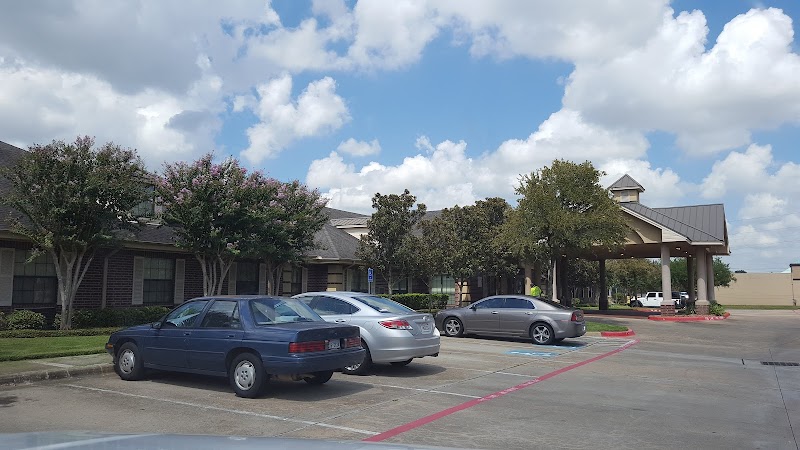
How is Park Manor Of Quail Valley Staffed?

CMS rates Park Manor of Quail Valley's staffing level at 1 out of 5 stars, which is much below average compared to other nursing homes. Staff turnover is 43%, compared to the Texas average of 46%. This relatively stable workforce can support continuity of care.

What Have Inspectors Found at Park Manor Of Quail Valley?

State health inspectors documented 25 deficiencies at Park Manor of Quail Valley during 2023 to 2025. These included: 1 Immediate Jeopardy (the most serious level, indicating potential for serious harm or death) and 24 with potential for harm. Immediate Jeopardy findings are rare and represent the most serious regulatory concerns. They require immediate corrective action.
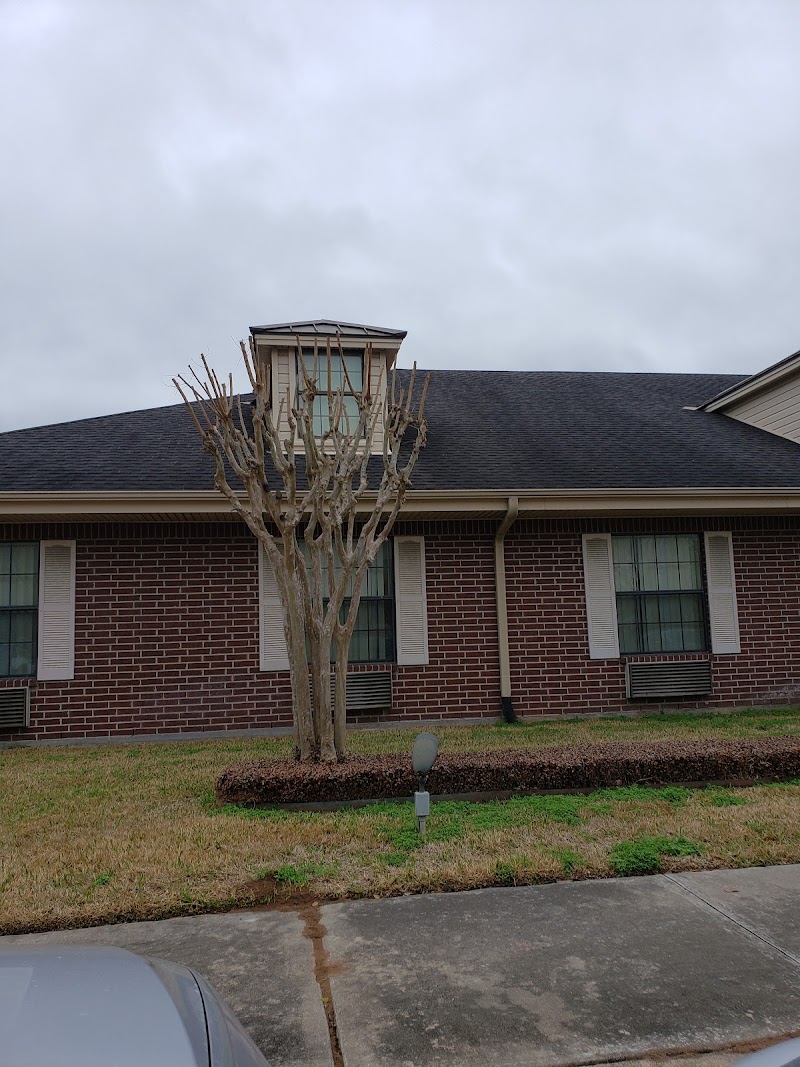
Who Owns and Operates Park Manor Of Quail Valley?

Park Manor of Quail Valley is owned by a for-profit company. For-profit facilities operate as businesses with obligations to shareholders or private owners. The facility is operated by HMG HEALTHCARE, a chain that manages multiple nursing homes. With 125 certified beds and approximately 102 residents (about 82% occupancy), it is a mid-sized facility located in Missouri City, Texas.

How Does Park Manor Of Quail Valley Compare to Other Texas Nursing Homes?

Compared to the 100 nursing homes in Texas, Park Manor of Quail Valley's overall rating (1 stars) is below the state average of 2.8, staff turnover (43%) is near the state average of 46%, and health inspection rating (2 stars) is below the national benchmark.

What Should Families Ask When Visiting Park Manor Of Quail Valley?

Based on this facility's data, families visiting should ask: "What changes have been made since the serious inspection findings, and how are you preventing similar issues?" "What safeguards and monitoring systems are in place to protect residents from abuse or neglect?" "Can you walk me through typical staffing levels on day, evening, and night shifts?" "Can I visit during a mealtime to observe dining assistance and food quality?" These questions are particularly relevant given the facility's Immediate Jeopardy citations, the substantiated abuse finding on record, and the below-average staffing rating.

Is Park Manor Of Quail Valley Safe?

Based on CMS inspection data, Park Manor of Quail Valley has documented safety concerns. The facility has 1 substantiated abuse finding (meaning confirmed case of resident harm by staff or other residents). Inspectors have issued 1 Immediate Jeopardy citation (the most serious violation level indicating risk of serious injury or death). The facility has a 1-star overall rating and ranks #100 of 100 nursing homes in Texas. Families considering this facility should ask detailed questions about what corrective actions have been taken since these incidents.

Do Nurses at Park Manor Of Quail Valley Stick Around?

Park Manor of Quail Valley has a staff turnover rate of 43%, which is about average for Texas nursing homes (state average: 46%). Moderate turnover is common in nursing homes, but families should still ask about staff tenure and how the facility maintains care continuity when employees leave.

Was Park Manor Of Quail Valley Ever Fined?

Park Manor of Quail Valley has no federal fines on record. CMS issues fines when nursing homes fail to meet care standards or don't correct problems found during inspections. The absence of fines suggests the facility has either maintained compliance or corrected any issues before penalties were assessed. This is a positive indicator, though families should still review recent inspection reports for the full picture.

Is Park Manor Of Quail Valley on Any Federal Watch List?

Park Manor of Quail Valley is not on any federal watch list. The most significant is the Special Focus Facility (SFF) program, which identifies the bottom 1% of nursing homes nationally based on persistent, serious quality problems. Not being on this list means the facility has avoided the pattern of deficiencies that triggers enhanced federal oversight. This is a positive indicator, though families should still review the facility's inspection history directly.